Monday
14 January 2013
It is Okay Can Destroy You (Talks on the Katopanishad)
- Dated photos
- 163
- Source pages
- 1
- Media
- 2
January 14 2013
Original wiki pageTitle
It is Okay Can Destroy You (Talks on the Katopanishad)
Description
In today’s morning satsang, Paramahamsa Nithyananda (Swamiji) cautions his sangha to stand fast in their commitments. Many people feel they can take one holiday from practice: “just for today” they can miss the class, break the fast, relax the vow, whatever commitment they have made can be dropped for just one day. Nithyananda warns his devotees that this one moment of laziness, of falling out of integrity, destroys all dedication and all achievements of penance. That small moment can shake mountains. When devotees make a sacrifice, they are taking responsibility for their circumstances. Standing fast in the fire of sacrifice gives the understanding of eternal life. The guru has ultimate expectations for his followers: it is their responsibility to stretch themselves to meet his vision of their potential. That is the true meaning of “surrendering to the guru”.
Video and Audio - It's Okay Can Destroy You - Katopanishad
| Video | Audio |
Transcript
(00:00:40) sadāshiva samārambhām jñāna sambhandhāchārya madhyamām | asmat āchārya paryantām vande guru paramparām ||
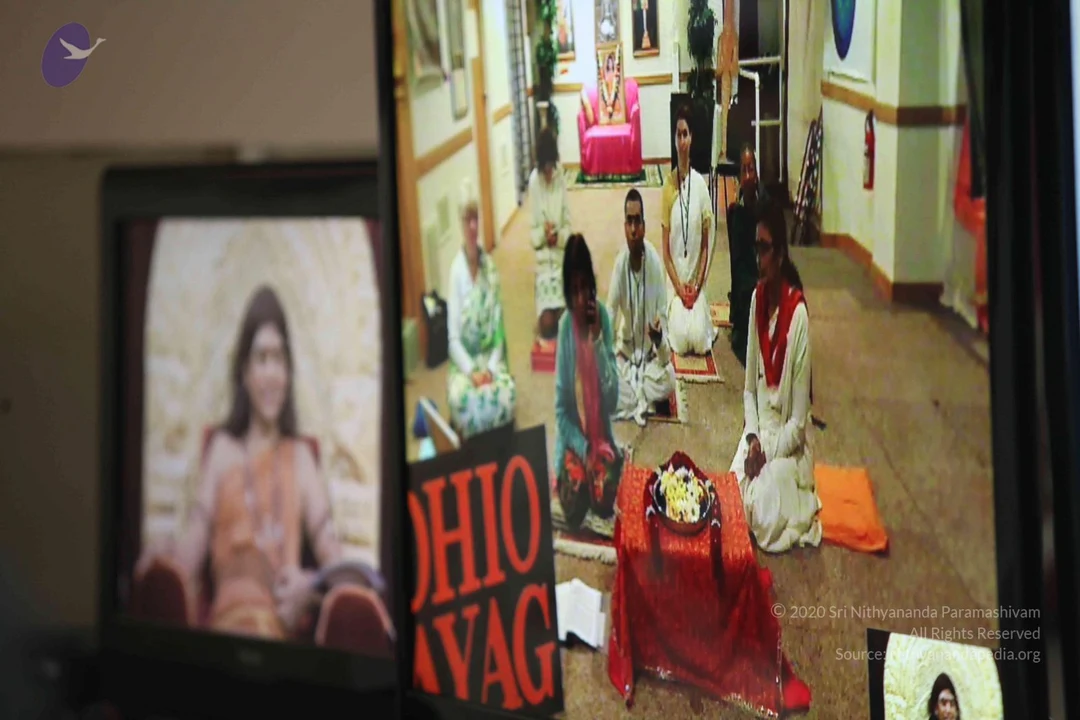
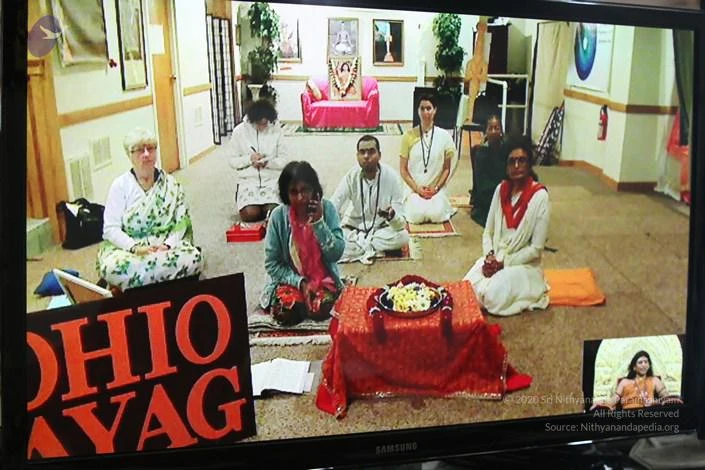
(00:01:09) I welcome you all with My love and respects. I welcome all the devotees, disciples, Samajis, Satsangis sitting with us around the world at this moment in 406 places through Nithyananda TV, 26 places two-way video conferencing having Nayana Deeksha in 210 cities in 26 countries around the world as per the statistics. I welcome all of you with My love and Blessings.
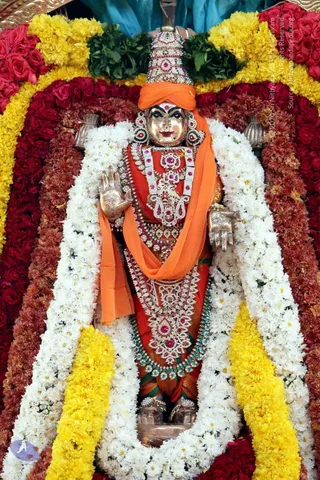
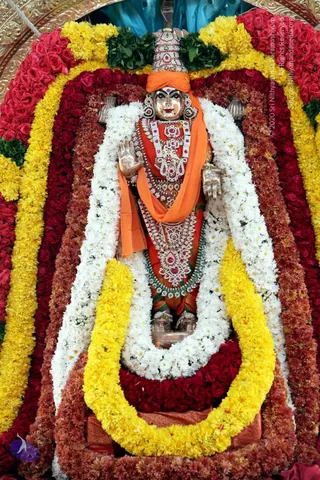
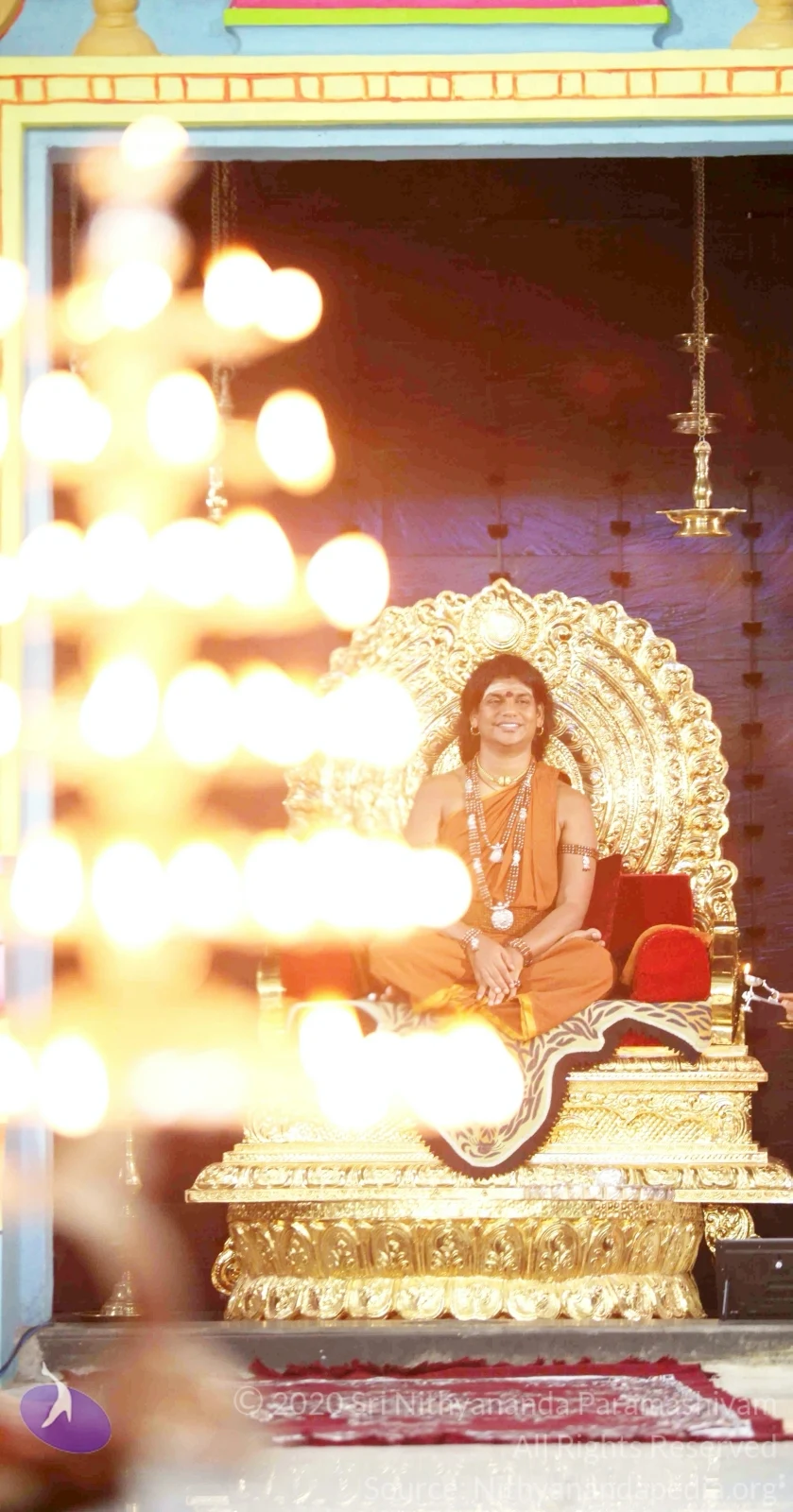
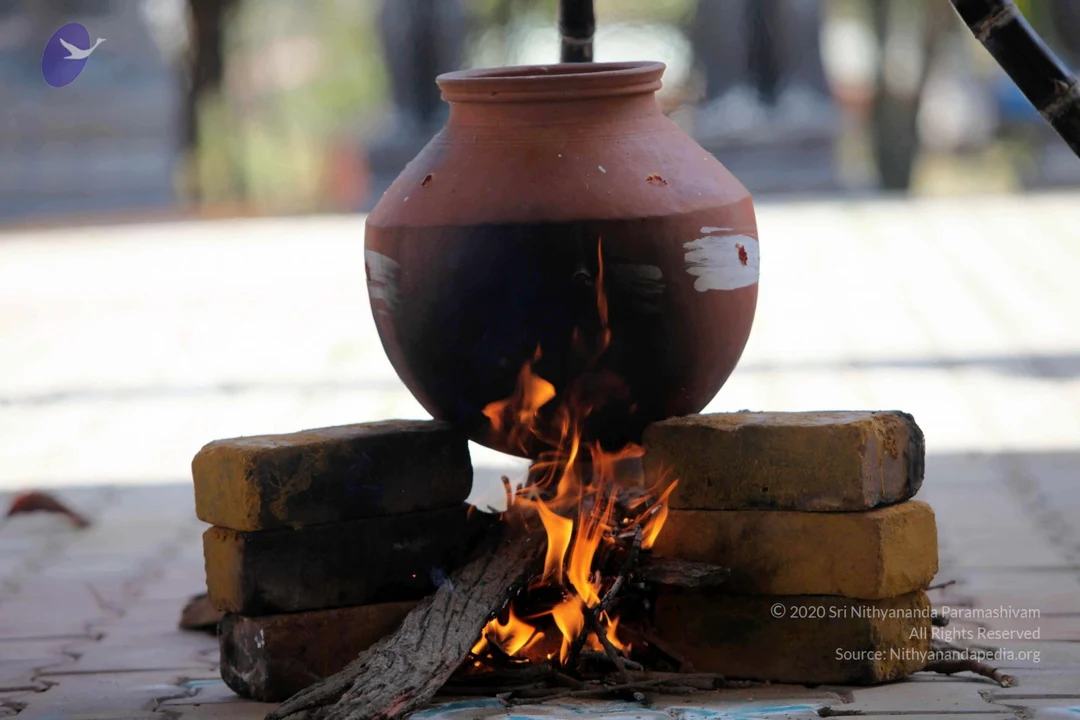
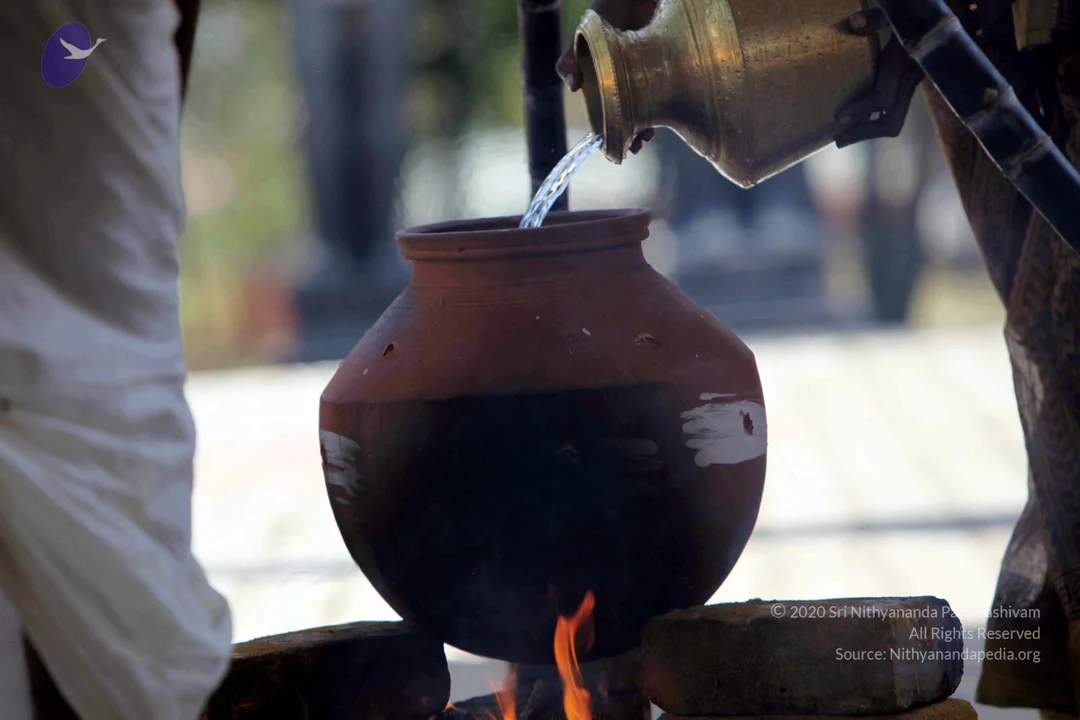
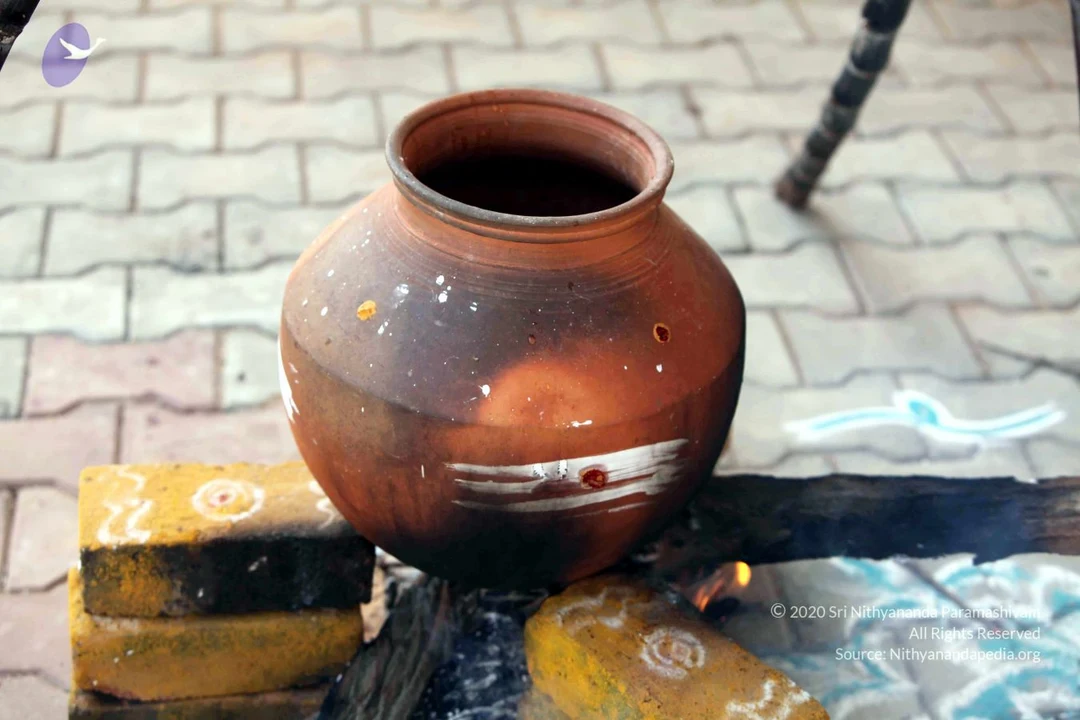
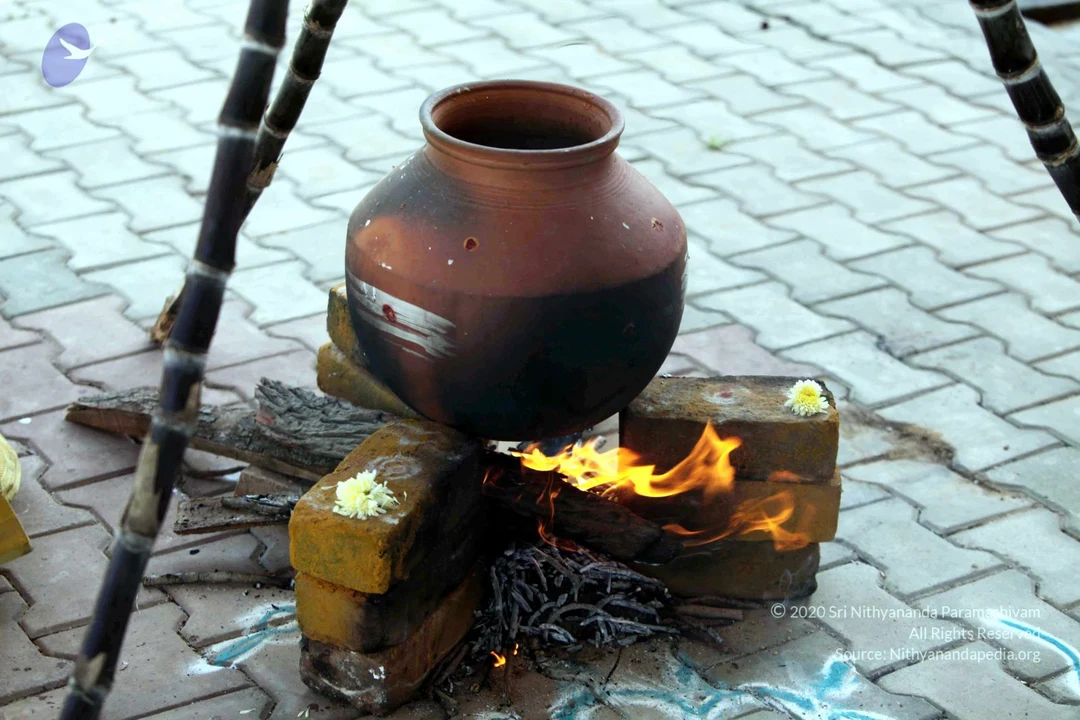
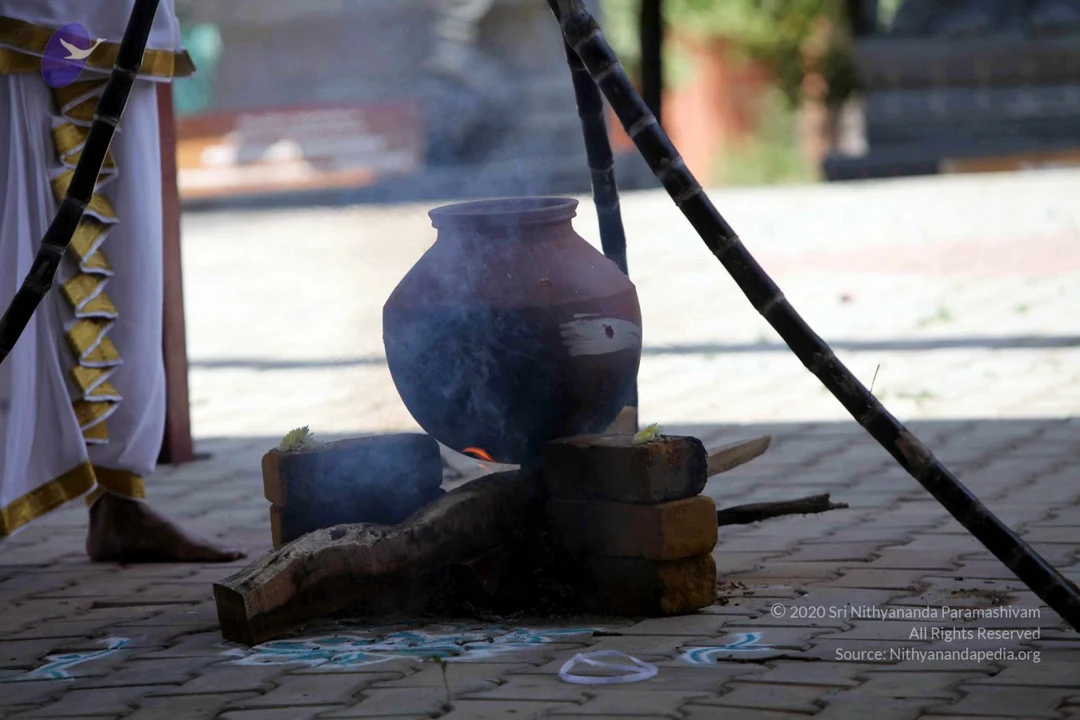
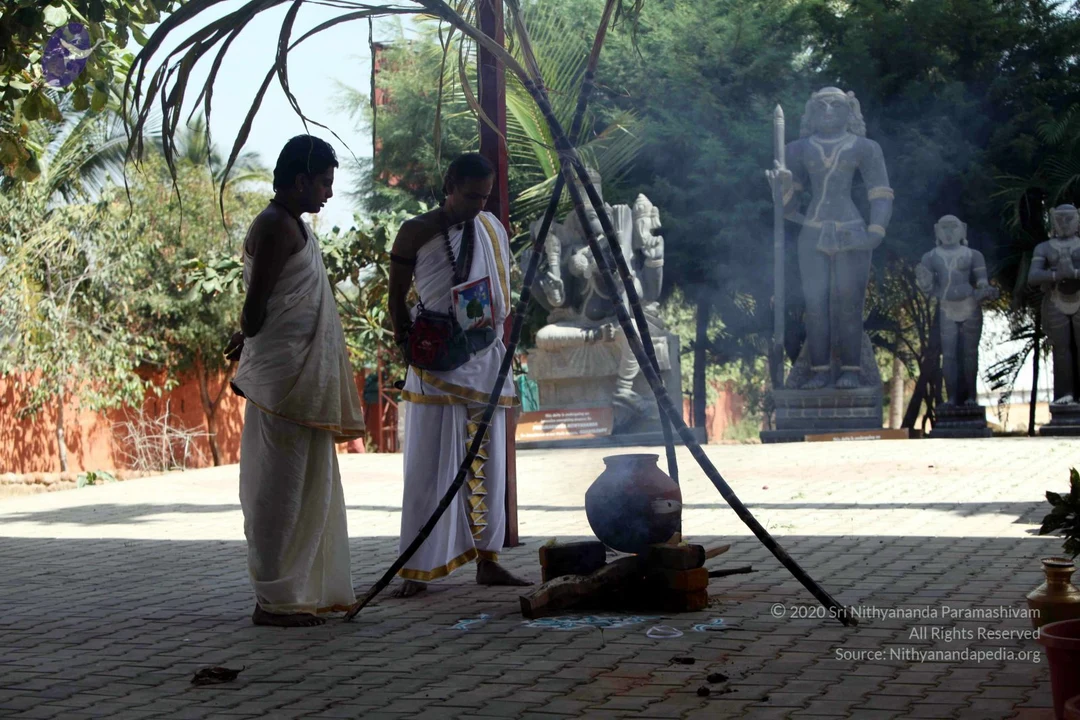
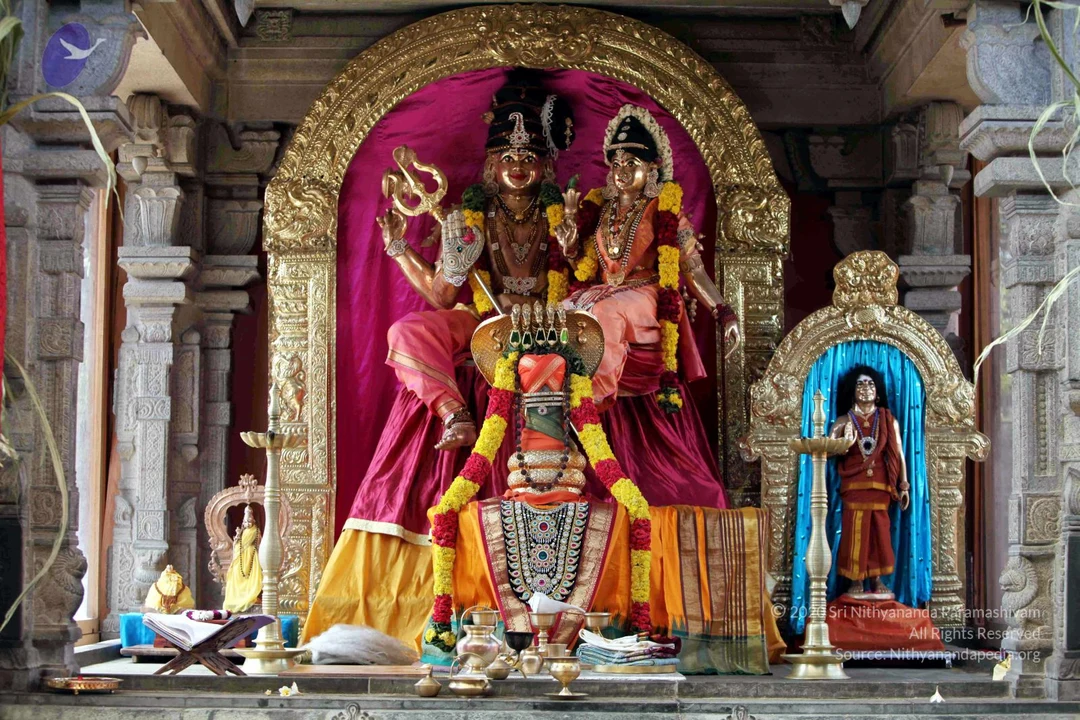
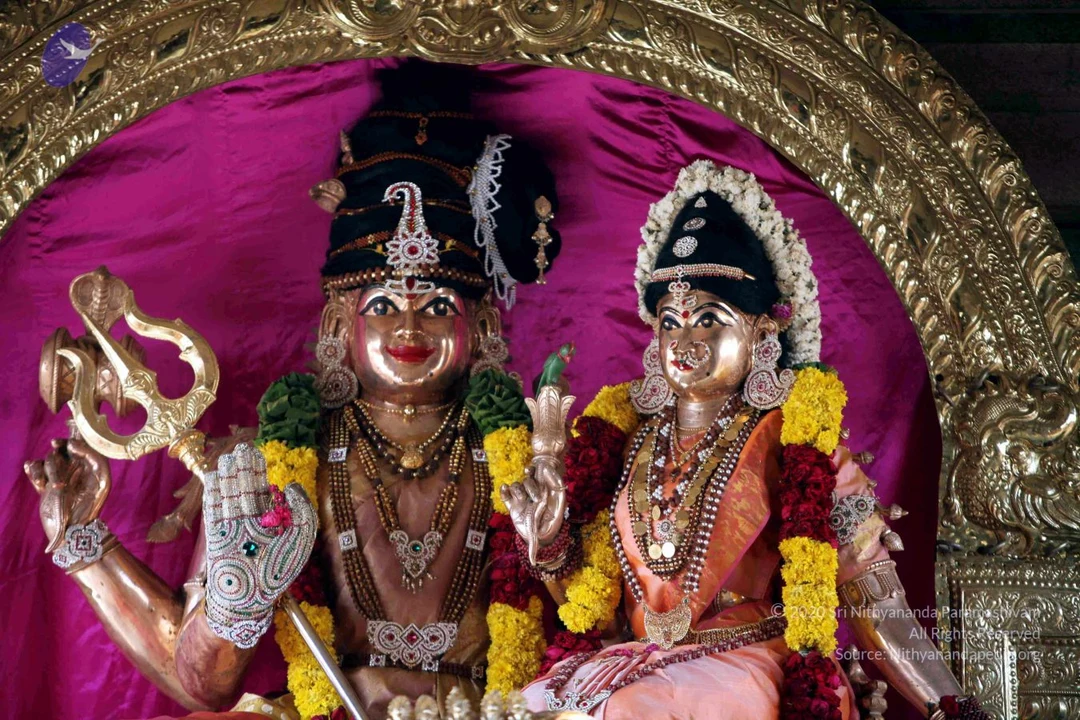
Today, Makara Sankaranti, Pongal festival. I bless you all on this auspicious Makara Sankaranti and Pongal festival. Let everything be auspicious. Today Sun takes the Uttarayana. From today it is very auspicious six months. Actually yesterday morning itself, the Uttarayana started, just after Kalabhairava said, I went and verified the calendar. Yesterday morning Uttarayana started, that is why the Makara Jyothi festival was held yesterday itself in Sabarimala; and if you observed today first time Sun rays came inside the Garba Mandir on the face; and today in Arunachala temple, Sun rays enters the Garba Mandir and worships Arunachaleshwara every year. Every year on this day, only on this day Sun rays enter Garba Mandir of Arunachaleshwara and worships Mahadeva directly. So let the grace of Surya/Sun be on all of us.
(00:04:06) Now I can see Bengaluru North and San Diego. Blessings.
I have never seen Sun rays entering the Garba Mandir and directly falling in the face. Hmmm…. great; and I also wanted to offer My condolences to Sri Sri Sri Balaganagadharanatha Maha Swamiji, the pontiff of Adi Chunchanagiri Maha Samsthana Mutt. He passed away yesterday night… evening. Yesterday evening he left the body in his own hospital, BGS hospital and he is 68. All of you should know, He was like our elder brother, father, guide and amazing supporter from the day one I came to Bangalore. It is he who insisted I should stay in Bangalore and he inaugurated our Dhyanapeetam.
Understand, the day one, 2003 January 1st when we had nothing, nothing more than the half an acre of the Bidadi Banyan tree. Please understand, Jan 5th of 2003 only we got this land. January 1st of the 2003, we had only that half an acre bit of the Banyan tree only that was our possession, nothing else.
He came and inaugurated the Ashram, blessed, stood by us, supported us. He was a great support from the day one till his last days. I offer My condolences on behalf of Me and Dhyanapeetam and I also offer My prayers to Kalabhairava who is the Kshetra Devata of the Chunchanagiri Kshetra. Let Swamiji’s soul rest in peace.
(00:06:53) I can remember one thousand sweet memories of him. Fortunately this village, where we are, our Ashram, this village is called Banandoor which is his birth place and when the initial level, when we had some oppositions or problems, he stood by us so strongly, of course he stood by us till the end, in all best possible way.
In every small event, even if there are only 100, 200 people are going to gather, he will come, attend the event and he will tell Me, “I am always standing by you Swamiji”.
Once he came to our event without even Me inviting. He said, “I heard you are doing this program so I was driving by this side. I wanted to come and attend”. He came and attended and went.
I asked him, “Swamiji, it is disrespect to you. Why did you come without even Me inviting and organizing? At least if you informed Me, I would have organized”.
He told Me, “I heard there are some local people, few people trying to oppose You. If I come and stand by You, they will not oppose You, that’s why I came”.
(00:08:27) I still remember, not local villages, local villages are really really friendly because from the beginning he gave instruction, all the local villages are his family relatives. He gave them instructions to support and stand by us. They always stood by us. There were some miscreants, anti-social elements, they came and try to create problem. He came voluntarily and stood by us, protecting, defending us in so many ways.
And I still remember, once there was a function in Bidadi. They were giving Tulabhara, equal... his equal weight, silver for him. So there was a huge flower Palki, palanquin decorated for him. He was supposed to go in the procession.
Everything was ready, he came and before he was sitting on the… he sat on the procession, he called the organizers and asked them, “Did you invite Nithyananda Swami?
They said, “No, we have not invited”.
He said, “What do you mean? He is the local head. Call Him”.
Organizers came running to Bidadi Ashram saying that, “Swamiji has come, he is not getting into the Palki. He is waiting for you in the car”.
So I was taking the class. I have to drop everything and run because Swamiji called.
When I went there he said, “Sit with me in the Palki”.
I said, “Swamiji, how can I sit equal to you? Please, I will come by walk behind you”.
He said, “No, sit with me”.
(00:10:16) Still we have photos and videos where he made Me sit next to him. Actually I sat opposite to him even after getting into the Palki.
He said, “No, come sit here”.
He made Me sit next to Me… next to him. He made Me sit and then he told Me, “Only if I tell the people, the local people will respect you. So, I want you to sit next to Me. Through this, I want to make a statement to people, that they should respect you”.
And always from the beginning showered so much of love on us, support. He had a pet dog in his school. The dog was named as “Kalabhairava”. No, the dog was trained to bite strangers but the dog was so connected with Me because I go so many times there, it started feeling I am a insider. I stay there. So, when I go, they don’t tie the dog. See they have a rule, any stranger, any guest comes they will tie the dog otherwise because it is trained to bite strangers; it was trained to bite strangers. It’s a German dog, but when I go there they don’t tie the dog because it comes and touches My feet and never feels I am a stranger and never ever left Me and ate. Whenever I go, if we… if we call and tell the Ashram, I am coming. He will not eat, he will wait for Me. He is a diabetic patient. At least I can count ten times, I delayed his meal. Being a diabetic patient, I will tell him, “Swamiji no, please you eat. You don’t wait”.
He will say, “No” and he will wait.
(00:12:33) The amazing personal love is his contribution to Hinduism and Vedic tradition, unimaginable personal love. I literally enjoyed the feeling of father and elder brother with him and really I miss him. He was such a big support not only in personal level, in social level also. Today he is no more but you should know Bhishma waited for Uttarayana and left the body. He also waited, yesterday morning Uttarayana happened.
Actually yesterday night when I heard the news, he left the body, I was telling all the Ashramites, “Oh God, he could have waited just for one more day”. Today was Uttarayana. I was thinking so he would have left the body in Uttarayana.
That morning Kalabhairava Darshan, Kala… Kalabhairava said, “No, Uttarayana was pulled yesterday itself”.
When I went and then when I went and referred, I saw, yes, yesterday itself Sabarimala Makara Sankaranti festival is over; means yesterday morning itself Uttarayana has started. So he waited exactly on Uttarayana, exactly the time of the Makara Jyothi, Makara Sankaranti, left the body like Bhishma.
It is called the Sun taking the north turn, Sun starts moving towards the North and his Guru, Balagangadhar Swamiji’s Guru Tiruchy Swamigal, he also left the body exactly on Uttarayana day, Pongal, today. So both of them will be having Guru Puja on same day, every year.
And still I remember thousands of sweet moments with him. I offer My condolences on behalf of Me and Dhyanapeetam once again to him and all the people who are missing him. He is the father of a great Sampradaya so I offer My condolences to all of them and offer My prayers to Kalabhairava.
May Swamiji’s soul rest in peace. May his soul rest in peace.
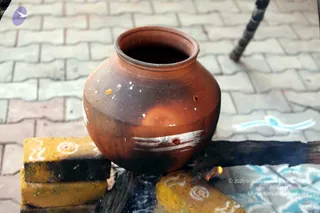
So My blessings for all of you on Makara Sankaranti, “Iniya Thai pongal Nalvazthukal”. You guys can see the photograph of Surya Puja. Sun entering the Garbha Mandir directly on the face. Only on the face you see, huh? Wow, great.
(00:17:48) All right! Today Nirahara Samyama, second level, seventh day.
Today I am filled with his memory, really to tell you honestly I have to share so many things because when I had the fracture we rushed to his hospital only. In 10 minutes, in 10 minutes he called Me personally. Even I will not be able to reach somebody in 10 minutes, in any emergency. His Sangha, his organization is hundred times bigger than ours.
In 10 minutes, he came online personally saying, “Swamiji, how are you? How is your body?”
I said, “Swamiji, there is no pain”.
He laughed and said, “Who asked you? I know you will not have a pain. I am only asking you, are you aware… conscious or are you in some other state” that’s all he asked Me even before I could reach to the hospital.
Actually we were… we informed his PRO that I am reaching to his hospital even before we reached, he called Me and he called and told the PRO, the hospital people to take care and when I was very adamant that they should… doctors should do surgery on my hand without anaesthesia.
He called Me and said, “Don’t behave like a child. Allow them to give anaesthesia”.
No, he had that much of influence over Me, command over Me.
He said, “If you want to see the surgery, I will tell them to video record and give you. See later on. Have anaesthesia, don’t disturb because doctors are afraid”.
(00:20:12) Because of his advice only I finally accepted to have that partial anaesthesia.
What do you call? What they call, partial anaesthesia? Local anaesthesia; anaesthesia and nobody knows this information but now I should reveal it to the world.
He even offered huge money when we started the Ashram for Me to build the Sangha and whatever I required. I did not accept but he offered huge money. First, he gave it as donation.
When I said, “No Swamiji” when I politely denied, whatever people give us donation to Me, having some benefit from Me. I will build the Sangha with that money.
I refused very politely, then he said, “If you are having that much of self confidence and self respect. I respect you. Take it as a interest free loan, give me when you… when you can”.
Even that, I very politely I refused. He said, “Arey, I know your potentiality. Don’t waste your time in the initial seed money. For initial seed money if you are wasting your time, all that 2-3 years will wasted. I know what I am giving, you will make... people will give you thousand times more. I will accept at that time. When you have, give me back without interest. Take it as a interest free loan”.
At first, he gave Me as a donation only. When I said, “I don’t want”
Then he said, “Alright! I know you are a guy with a self respect then at least take it as a interest free loan”.
I refused even that with all My politeness and respect, then he said, “Alright! Whatever buildings you want. I will send My disciples and make them construct”.
I said, “Swamiji, I should receive only moral support and blessings from you. Nothing else”.
He had so much of respect, so much of respect for Me and supporting... till the end he always stood by us, always stood by us. I am just filled with his memories from... he stood by us as a pillar, as a real support and the love he showed... he is a great visionary so he is able to judge and come to a conclusion about the people's potentiality.
(00:23:49) Start the Satsang now. Today’s subject again I am continuing on Authenticity based on Kathopanishad. Let’s enter into Authenticity. So, yesterday I was expanding on the 15th verse of Kathopanishad where the Upanishad says,
Great souled Yama, Mahatma being well pleased said to Nachiketha, “I give you now another boon. This fire sacrifice shall be named after you. Take also, this garland of many colours” means Navaratna Mala. He gives Navaratna Mala.
Now the next verse, 16th verse... sorry 17th verse... hmmm…
त्रिणाचिकेतस्त्रिभिरेत्य सन्धिं त्रिकर्मकृत्तरति जन्ममृत्यू । ब्रह्मजज्ञं देवमीड्यं विदित्वा निचाय्येमाँ शान्तिमत्यन्तमेति ॥ १७ ॥ triṇāciketastribhiretya sandhiṃ trikarmakṛttarati janmamṛtyū । brahmajajñaṃ devamīḍyaṃ viditvā nicāyyemām̐ śāntimatyantameti ॥ 17 ॥
The verse means,
He who performs this Nachiketha’s fire sacrifice three times, being united with the three; mother, father and teacher and who fulfils the threefold duty; study of the Vedas, sacrifice and almsgiving, crosses over the birth and death, knowing this worshipful shining fire born of Brahman and realising him, he attains eternal peace.
(00:26:09) So Mahadeva; please understand, now I am addressing Yama as Mahadeva because he does the job of Guru, Shiva. Till now I addressed him as Acharya, now I am addressing him as Mahadeva because Kāla is doing the job of KālaKāla. Kāla is doing the job of KālaKāla.
“He who performs this Nachiketha fire sacrifice three times, being united with the three; mother, father and teacher and who fulfils the threefold duty; study of the Vedas, sacrifice and almsgiving, crosses over birth and death, knowing this worshipful shining fire born of Brahman and realising him, he attains eternal peace”.
What a verse! I need to expand on this verse because this verse has the secret of the whole process.
“He who performs this Nachiketha fire sacrifice three times…”
Why three times? The sacrifice is powerful enough, once is enough, then why three times? Because even if there is some mistakes once, some mistakes twice, third time, all three times there will not be mistakes. It’s like a factor of safety, ensuring having insurance and insurance for the insurance company. You insure in one company, you insure in another one company if the insurance... this company goes bankrupt. This is like a three layer insurance, that is why three times so that you don’t miss…
You see it’s a very important thing, it’s like a, you should make sure your visa is proper. This Yagna… see even if there is a... no proper visa if you go… reach a country they will send you back to this… your homeland. But this Yagna, you think you have performed and you go there and they say, “No, your account is… it’s not recorded in your account” What will you do? You can’t come back also. So, just to avoid this kind of difficulties, you have been asked to perform three times. So, make sure it is recorded and...
“Being united with the three...” This is a very important; mother, father and teacher; why?
Being united with the three means, you have completed with all the three. I tell you, if you have completed with all the three, you restore your Integrity, you just restore your Integrity. If you are not complete with all the three, all three will not feel comfortable around you and you will not feel comfortable around them, they will not be able to spend time around you in the Yagna.
(00:30:30) See the word, “Being united with the three…” not being accompanied by the three.
The Upanishad is not using the word, “Being accompanied by the three…” It says, being united with the three, means what? You should have completely completed with all three of them. You should be in Integrity with all three of them. Integrity with the mother heals your Bio-Memory, Integrity with the father heals your Bio-Energy, Integrity with the teacher heals your Superconsciousness. Integrity with the teacher, with Acharya, with the Master is ultimate.
If there is no Integrity with Acharya, whatever you have learnt, whatever Karna learnt from Parashurama only became bad for him because not only he forgot when it is needed, he had a false confidence of that knowledge. Understand, so, do not have lack of Integrity with the Master. Without Integrity, without having Integrity with the Master, if you have a... if you are out of Integrity with the Master, whatever you learn will not be useful for you.
(00:32:37) One more thing, you will have false confidence you know. Do not be out of Integrity, don’t lack Integrity with the teacher, that is very dangerous, not only you miss the Master, you will have a false confidence as if you learnt, like Karna’s history.
See the Karna’s life, he had a false confidence that he knows Brahmastra, he forgot the curse, it... he is going to forget it when he really is about to use. He knows the curse he received from Parashurama but he thinks, “Ah, how will I forget such an important knowledge? It’s almost like a, my own cell phone number or my own bank account password”.
Guru’s... when you are out of integrity with the Master, it can just make you forget what you learnt. I tell you, forgetting is not an ordinary phenomena. Listen, if a fat settles in your blood vessels, naturally blood flow reduces, so heart has to pump with more pressure to reach blood to all parts of the body, that is what is, “Blood Pressure”; same way, if there are too many blockages in your Kundalini flow system just like blood flow, blood vessels, Kundalini vessels. If there are too many blockages in Kundalini vessels, Kundalini energy gets blocked and Kundalini has to pump fast to reach the life energy to all parts of your body, just like blood pressure, Kundalini pressure is forgetfulness.
(00:35:26) Understand, if there are many blockages in your Kundalini vessels, naturally just like heart has to pump more, with more pressure blood to reach all parts of the body. Your root centre, Muladhara has to pressure Kundalini energy because only if the Kundalini energy reaches all parts of the body, those parts of the body will send you information and receive your information and execute.
Understand, only if the blood flows till the tip of your fingers, it will execute whatever you order, same way only if the Kundalini energy flows tip of your fingers to all the edges of your body, you will have the sensation, any touch you will process and find out what kind of a touch it is; just like blood flow, Kundalini flow is also important. If there is a blockage in your Kundalini vessels, naturally Kundalini pressure has to increase, it has to send Kundalini energy in a high pressure; high pressure Kundalini... high blood pressure will cause heart problems and heart attack, high Kundalini pressure will cause stress and depression and ultimately forgetfulness.
Alzheimer’s, parkinson’s... alzheimers, parkinson’s, high depression, stress are all the direct effects of high Kundalini pressure. Inauthenticity and lack of Integrity is the major fat settlement on your Kundalini vessels. If you are out of Integrity with your Master, understand everything, everything you learnt is lost. When you are out of Integrity with the Master, understand everything, every line will be forgotten, not only you will not be able to remember if you remember, you will not have intensity to make it as experience.
(00:38:35) It is not My curse, it is automatic mechanism. It is automatic mechanism. You will only have a false confidence like a Karna and get into the war, when you are about to use the Brahmot… Brahmastra, you will realise, “Oh god! It is not there with you”. It is like, you earned millions and millions by the Master’s grace and having it in your bank, suddenly you have fallen out of Integrity; one day, you go somewhere and spend left and right, when you pay your… by your credit card, you forgot your password, account number, not only you lost the money, you can’t use the money. Now, you will be charged for fraudulence.
When you are in lack of Integrity with the Master, nothing, nothing you learnt from him can be used in your life, that is why the Upanishad insists, “Being united with the three, mother, father and teacher”. If you are out of Integrity with your mother, I tell you, your body will never be healthy. If you are out of Integrity with your father, your mind will never be healthy. If you are out of Integrity with your teacher, your consciousness will never be healthy.
Restore Integrity, Completion with your father for the health of the mind. Restore, complete, restore the Integrity and Completion with your mother for your body to be healthy. Restore the Integrity and Completion with your Master to keep your consciousness enlightened.
(00:41:28) The Upanishad is very clear, “United with the three; mother, father and teacher and who fulfils the three-fold duty; study of the Vedas, sacrifice and almsgiving”; and almsgiving; understand that is very important, almsgiving.
Study of the Vedas, sacrifice and almsgiving. Study of the Vedas means listening, Shravana. Sacrifice means practicing, almsgiving means enriching. Understand almsgiving does not mean just giving little money, no. Giving the best things you have.
What is the best thing you have? It’s a knowledge, the spiritual truths, sharing that with everyone and enriching. So, listening... here the sacrifice means living, ready to sacrifice anything by not giving upon you and not giving upon people and almsgiving, enriching yourself and others, crosses over birth and death, knowing this worshipful shining fire born of Brahman.
Please understand, when you know this science, you will have Brahmajajña, knowledge of Brahman. Brahmajajñaṃ and realising him, you will attain eternal peace. You will attain the ultimate eternal peace.
निचाय्येमाँ शान्तिमत्यन्तमेति || nicāyyemām̐ śāntimatyantameti || This is the science of Completion. When you are complete, naturally you don’t need to come back, you will just stay in the worlds which are almost endless.
(00:45:20) Restore your Integrity with your mother, father and teacher. Restore your Completion with mother, father and teacher. I tell you, the moment you start saying, “It’s okay” for small instructions. It’s not that day one, you will drop your Sanyasa, you will drop your Brahmacharya and fall into the ditch, no. It will always start only as, you will start saying, “It’s okay if I don’t go to Yoga today”, that “It’s okay”. When you have said too many “Okays”...
First, you say, “It’s okay if I don’t go for Yoga one day, it’s okay I go regularly, so regularly and I practice such main important three things Swamiji said, poverty, chastity, purity, it’s okay”; then “It’s okay if I don’t go for Satsang”; then “It’s okay what is there if I don’t go for Padapuja, what is there I always remember Him, what else I remember, what for Pada Puja just to remember Him and I always remember Him, I have so much love for Him, what is there, it’s okay”; then, “It’s okay one day if I eat Sundal, it’s okay one day if I take coffee”; then finally one day, “It’s okay after all I don’t follow anything else, why this Brahmacharya? Come on, let’s enjoy”.
(00:47:23) Your confidence is eaten slowly, slowly, slowly by the white ant called, “It’s okay”. “It’s okay” is the white ant which will destroy you, understand; that is the white ant which will destroy you.
White ant which will destroy your life is, “It’s okay”. How many of you cognize this truth immediately, that is, “It’s okay” destroyed your life? Wherever you are now, the reason is, “It’s okay” otherwise each one of you were diamond when you came in. “It’s okay”, that white ant has entered even into the diamonds otherwise when I listen to each one of your stories, your dedication, your sacrifice, you guys have taken the jump equivalent to Nayanmars but you have not stayed in the same space of Nayanmars. The only difference between you and Nayanmars is, the “It’s okay” has entered in you. In Nayanmars, the “It’s okay” didn’t enter. “You” minus “It’s okay” is “Nayanmar”. “Nayanmar” plus “It’s okay” is “You”.
So immediately the thing you need to pull out of you, the puss you need to take it out of you is, “It’s okay”. “It’s okay” even makes Achala into Sachala. Even mountain becomes... Achala means mountain, Sachala means moving. Even mountains are moved by, “It’s okay”. Even if you are Authenticity and Integrity was like mountain, it is moved just by this one word, “It’s okay”. (00:50:47)
I have decided now I will take the responsibility for your inauthenticity and even for your “It’s okay”. I take the responsibility and when I say, I will take the responsibility, I am not going to do post-mortem why it happened, I am going to do future mortem; ensure it will not happen again.
Ordinary man when he takes the responsibility, he does post mortem. Authentic being when he takes the responsibility, he does future mortem. I will ensure you don’t do this again. I was actually thinking, “What is there, I don’t need to follow, I can afford. My disciples have a strong trust on My… the space where I am living, I exist, so I don’t need to demonstrate continuously”; that is the big mistake I did; no, in course of time, even that remembrance, “Swamiji is in a different space, let us not compare ourself with Him” is forgotten.
(00:52:33)
Human mind only believes what it sees in front of the eyes, that is why I decided to take the responsibility of literally demonstrating Integrity and Authenticity in My life every step, so that you have a living example, you are inspired, educated, you understand the power of Integrity and Authenticity and Responsibility and Enriching.
I thought, people will understand, I don’t need to demonstrate in every step. Even if I drink coffee, if I tell people, don’t drink coffee; I thought, they will do it, because they know I am in a different space, they are in a different space. For their space, they have to listen to this instruction, for My space I don’t need to practice; but, people are not that intelligent, especially when there is a mood swing, they...
(00:54:03)
I have a question from Bhakta, “When so many lives’ Karmas are removed and burnt by Guru, why don’t you just reboot my system and give a chance to stay pure”.
I can reboot your system if you restore Integrity and complete Completion with Me at least for few seconds. If you restore your Integrity and Completion authentically with your heart and soul that you do not have anything other than what you show yourself in front of Me. If you restore your authenticity with My Anyakara about you; understand, surrender is not just falling at My feet again and again. Surrender is stretching yourself to My anyakara about you. Stretching you to My anyakara about you, stretching you to My imagination about you is surrendering to Me then what else is surrender!
Stretch yourself to My imagination expectation of you, My Anayakara about you. Surrender happens even for a moment, surrender happens… I can just burn the whole system. I can enter into your whole system and burn, once I burn I don’t let the seed again grow, I just sprout the seed... sorry what is that? What do you call? Fry the seed.
tat beejam
What do you call for that... Sanskrit?
Roast the seed; I just roast the seed and after that it never sprouts. Roasted seed cannot sprout, even if you pour millions of tons of water and millions tons of manure. No, roasted seed does not sprout, burnt Karmas does not grow back.
(00:57:06)
All your surrenders are inauthentic, weak, escaping. Even your surrender to Me you use it as a death shelter, fear shelter, shelter for security. Most of the time your surrender to Me is used as a shelter for security.
Hmmm… hmmm… hmmm... hmmm…
Only when you stretch you to My expectation, surrender happens. Authentically if you restore Integrity and Completion with Me, surrender happens and I can fulfill the word,
aneka-janma-samprāpta-karma-bandha-vidāhine | ātma-jṇāna-pradānena tasmai śrī-gurave namaḥ ||
And I declare with Authenticity and Integrity, Kalabhairava as a witness. I can burn your Janmas of Karmas just like that. I can, I declare My ability with Authenticity. I also promise, I will do it for you. Just like Yama declared, I am declaring. I know it how to do. I can do it. I promise, I will do it for you. Just listen, listen, listen... listen.
(01:00:17) Anyhow I take the responsibility for even all your inauthenticities and I will demonstrate through My life, the power of Authenticity, Integrity, Responsibility and Enriching literally physically. When you see, I have not slept for two days, sorry two nights, even in the day time only few hours I slept, surely not more than four hours, three hours; only I slept three hours yesterday knowing two nights I have not slept, only yesterday three hours I slept and if you don’t see tiredness in My face that is authenticity on My face being shown physically.
I am authentic that I love to come and be with you guys. I am authentic, I love to come and be with you guys and enrich you guys, that is why My love to sit with you guys takes care I don’t get tired even if I miss sleep or anything. If I come and sit with you guys for some other reason like name and fame or money My... I may pull My body but My eyes and face will show the tiredness. I will not be able to talk this high intelligence, subtle ideas and concepts.
I will come and sit and okay, okay, okay for few minutes and escape as early as possible. If I am sitting and talking with the deep mood of romance and flirtation... understand all My successful Satsangs are delivered in the mood… in the mood of sweet romance and flirtation; not as you understand, for you it is always romance and flirtation leads to sex and ends there. For Me, it does not lead anywhere and stays forever.
I am in the mood of sitting with you guys. I am in the mood of talking about extraordinary things, subtle concepts so I decided I will physically demonstrate My Integrity and Authenticity, Responsibility and Enriching Myself and others constantly so that I do the future mortem and take Responsibility for your inauthenticity also and I ensure your inauthenticity disappears from you and you restore Authenticity and Integrity in your life. I won’t give up on you.
(01:04:48) The threefold duties is; listening, responsibility and enriching; sacrifice is nothing but responsibility, you cross over birth and death knowing this worshipful shining fire born of Brahman and realising him, he attains eternal peace.
(01:06:22) Next verse, 18th verse:
त्रिणाचिकेतस्त्रयमेतद्विदित्वा य एवं विद्वाँश्चिनुते नाचिकेतम् । स मृत्युपाशान्पुरतः प्रणोद्य शोकातिगो मोदते स्वर्गलोके ॥ १८ ॥
triṇāciketastrayametadviditvā ya evaṃ vidvām̐ścinute nāciketam | sa mṛtyupāśānpurataḥ praṇodya śokātigo modate svargaloke || 18 ||
He who knows the threefold Nachiketha fire and performs the Nachiketha fire sacrifice with threefold knowledge having cost of the fetters of death and beyond, being beyond grief, he rejoices in the realm of heaven.
What a beautiful words! He who knows the threefold Nachiketha fire and performs the Nachiketha fire sacrifice with the threefold knowledge having cost of the fetters of death and being beyond grief, he rejoices in the realm of heaven; realm of heaven.
What is threefold Nachiketha fire and threefold Knowledge?
Wait till next Satsang. I am moving the whole thing like a TV serial in a very important suspense, wait.
Sreeniti, your mom is sleeping, see, Mettur. Sreeniti, last row, your mom is sleeping.
(01:09:17) I will move to the next segment of the morning Satsang - Dial the Avatar.
[Devotee 1]
HDH: Yamini, you are able to hear me. Yamini...
Yamini: Yes. Yes.
HDH: Blessings. You are able to hear Me now?
Yamini: Ye, I can hear you now.
HDH: I read your letter, My blessings. My blessings for your son and I will see to it he flourishes in his field, blessings. Hmmm…
Yamini: Could you repeat?
HDH: My blessings for your son, I will see to it he makes wealth, he flourishes.
Yamini: Yes.
HDH: Blessings… hmmm. I also feel he has a great potentiality to become a good Ayurvedic physician. So My blessings that he will become successful.
Yamini: Yes… hmmm… Yes… one of the problem is… one of the problem is Ayurveda is not officially recognized here.
HDH: I know, I know, I know. We Indians never believe in ourself, our Mamakara is dash dash, Ahankara is dash dash, Anyakaara is dash dash dash. You fill whatever you want. What to do? Don’t worry but I will see to it, he becomes successful. My blessings for your daughter also. I will heal her and I will support her to complete her education, My blessings even for your litigation, success in the litigation, blessings for your husband also. Anything else you want to tell.
Yamini: Hmmm… What field you think that My daughter should study. Her Ayurvedic doctor hmmm... Dr. Vasantala from <01:12:38 inaudible> thinks she will be very very good if she goes into Hindu Ayurveda. Before she became sick, she was studying music.
HDH: What all the choices she has? Ayurveda or any other choices. Can you send her birth chart... ma can you... If you send her birth chart and the questions like what field… what all the choices she has, I will choose one and send it back to you. Okay?
Yamini: Okay
HDH: Anything else you want to tell.
Yamini: hmmm… Actually I am writing some research paper linking the Dravidian languages.
HDH: My blessings.
Yamini: I have complete…
HDH: My blessings. Dravidian languages means, Telugu, Tamil, Kannada?
Yamini: Yeah. Malayalam and Tamil… I am working on bringing it to all the words...
HDH: Beautiful, that is nice. Blessings, I am with you. Okay.
Yamini: Thank you.
HDH: Yes. Great.
[Devotee 2]
<Tamil> (01:14:38)
HDH: Nithyanandam, Nithyananda here
(01:15:31) [Nirahara Samyama Segment begins] Alright! Today, Nirahara Samyama 2nd level 7th day, so tomorrow morning they will be completing it. Am I right? So, come on. Let’s go to the Nirahara Samyama, let’s move.
All the Nirahara Samyama participants sit straight and close your eyes.
Cognize, you have become Bidadi Kalpa Vriksha with a deep roots and huge branches and leaves and fruits and energy.
Namah Shivaya.
(01:16:47) [Nirahara Samyama Meditation Music]
(01:17:18)
To become Niraharis...
Today another one important thing officially today Kumbha Mela starts. From today, Kumbha Mela starts. We are also inaugurating our camp, tent in Kumbha Mela, in Allahabad Kumbha Ghat from today.
Ma, can you confirm with Pujananda once, that he will be able to accomodate and give food, for anybody from today? Aye... call Pujananda and confirm, so that I will announce now.
From today will he be able to give food and stay? Is he completely ready? He told me earlier, he will be ready… just find out, is he ready?
And My Blessings to Ma Dharmawati, Parvati Amma in Los Angeles for conducting the whole Margazhi month Utsavam for Andal and Vishnu. Blessings!
No other temple had this Utsavam, Los Angeles had because Parvati Amma conducted. Blessings! Thiruppavai Utsavam she conducted. Blessings.
(01:19:01) Yes. So, Pujananda confirms from tonight means, today is the Snan. So from tonight, any number of people can receive free food, Annadaanam and 250 people we will be able to stay comfortably in our tent. So, I also announce and invite, welcome all the people all over the world, officially from the capacity of Mahamandaleswar of Nirvani Akhada. As one of the organizer for Kumbha Mela, I officially invite, welcome all of you to come and be part of this greatest, largest gathering of humanity.
This time, from today, and Feb 20th, Shivaratri, am I right? Shivaratri? March 10th, sorry. From today to March 10th, 250 million people are expected to take Snan and already the arrangements are getting prepared by UP Govt. They are saying, they project, they expect, 250 million people means 25 crore, one-fifth of India’s population. India is only 1.2 billion means 1200 million… sorry, am I right? Yes, 1200 million. 250 million people are expected to take bath, take a dip in this Kumbha Mela and 12000 crore is going to be the income for UP Government.
(01:12:18) Anyhow, as an organizer of Kumbha Mela, being part of the Mahanirvani Akhada, as Mahamandaleswar, I welcome and invite all of you to come and celebrate Kumbha Mela with us. Anybody who comes, we will be able to provide free food. For 250 people we will be able to provide accomodation. For accomodation, you may have to send an email and register; no money. Again I remind you, it is free. Food and stay, both are provided free. If you are a Sadhu, not only food and stay, we give you the blanket, clothes also. So from tonight, we are starting the services till the last day of the Kumbha Mela, Shivaratri. Shivaratri is the last Snan. Till the last day, it will be provided. Anybody is welcome to come and attend.
And I also remind all the organizers from all over the world, I am giving a two-day program, “Essence of Inner Awakening”, 19th and 20th of January, free. Two-day program, free. If you are a volunteer, organizer, going... want to become volunteer, organizer, part of our Sangha; if you are already volunteer and organizer, want to become volunteer or organizer, Acharya, Healer, Satsangi, Samaji, you are welcome to join.
The program will be conducted in Tamil and English translation will be available. Two-way video conferencing will be available, openly, freely. Online English translation will be available so, email [email protected] to enroll. It is free. You don't need to pay anything, but just RSVP. RSVP, so that we know, you are coming.
(01:23:59) All over the world, all the organizers can join. The program is going to be mainly in Tamil, “Essence of Inner Awakening”. Two-days program, free.
All right. Now, I bless you all who are sitting with us, around the world, at this moment, 662 places through Nithyananda TV, 37 places two-way video conferencing having Nayana Deeksha, in 289 cities in 33 countries around the world.
Let you all achieve, experience, live, express, radiate, share, explode and enrich.
With eternal Bliss, Nithyananda.
Thank You.
(01:24:59)
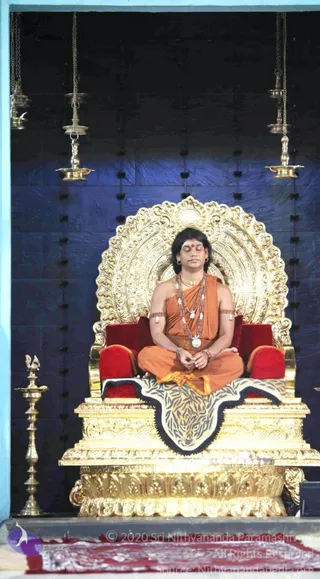
Photos
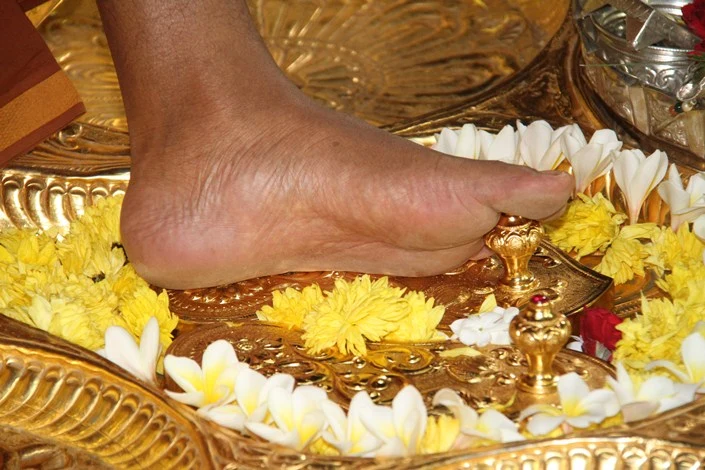
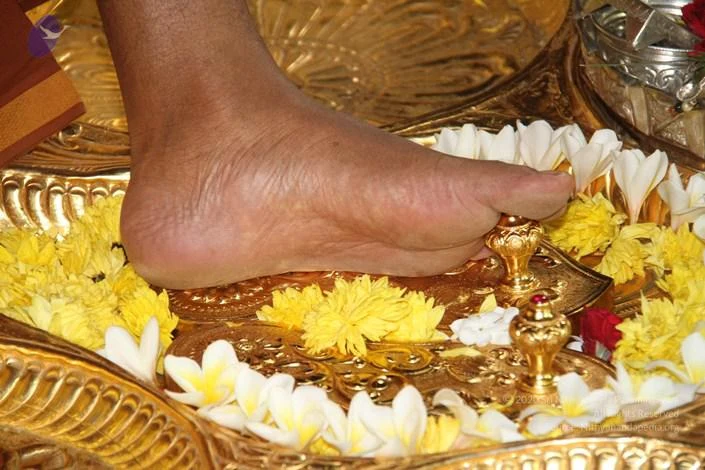
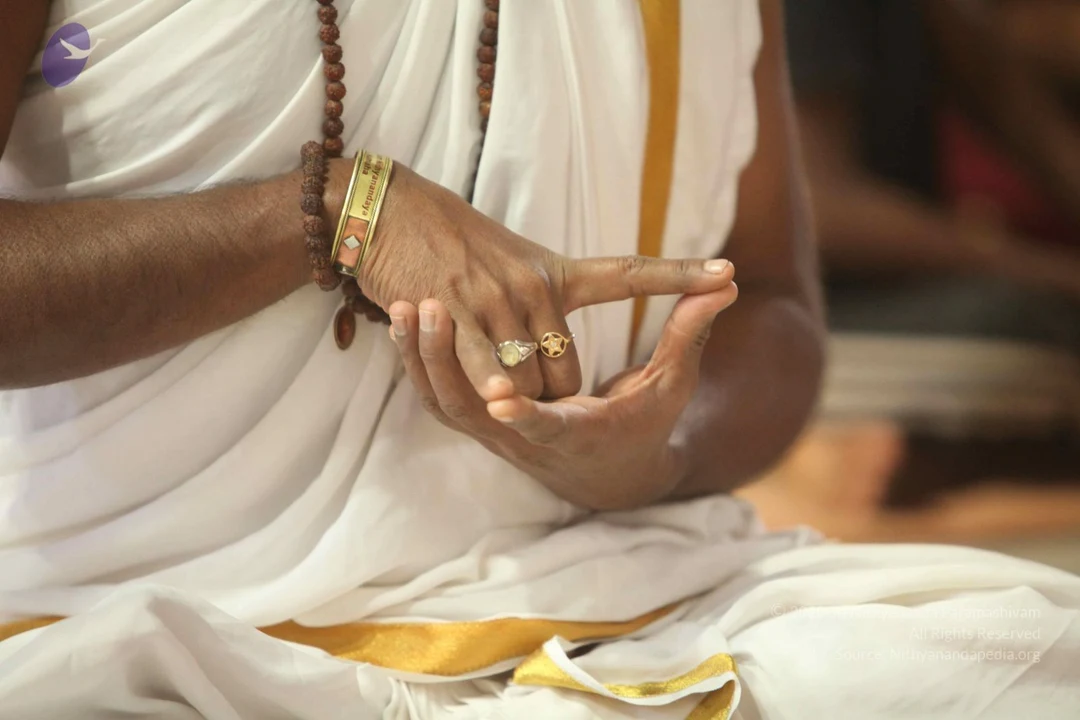
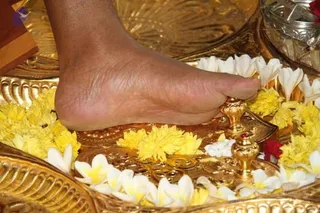
Master's Graceful Feet
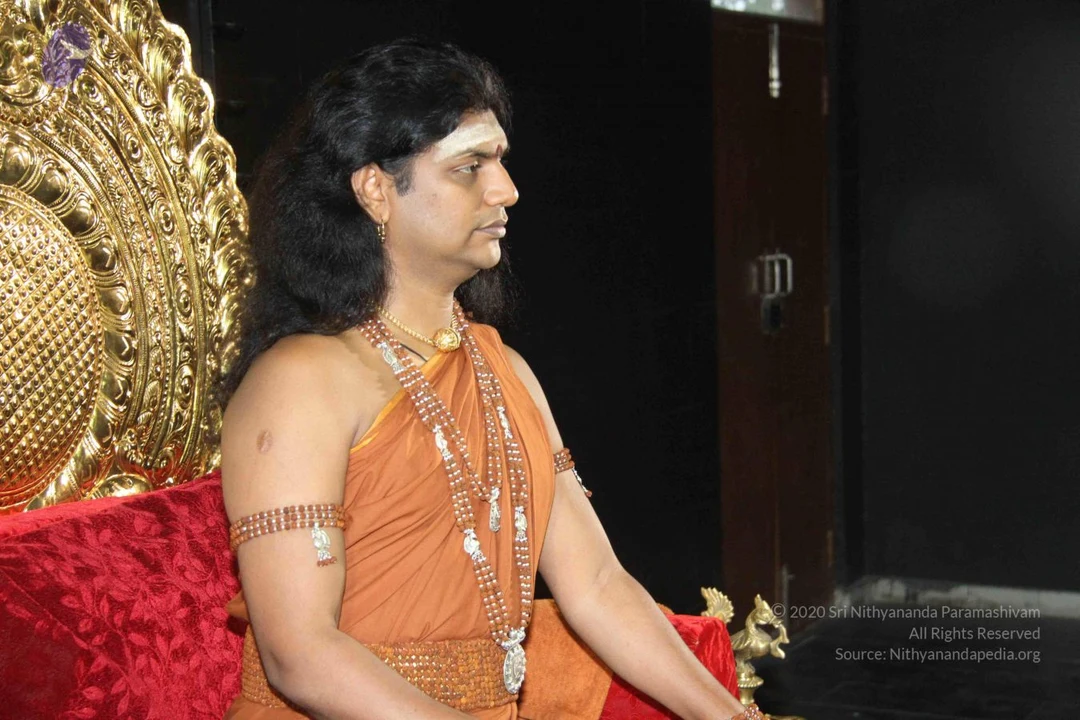
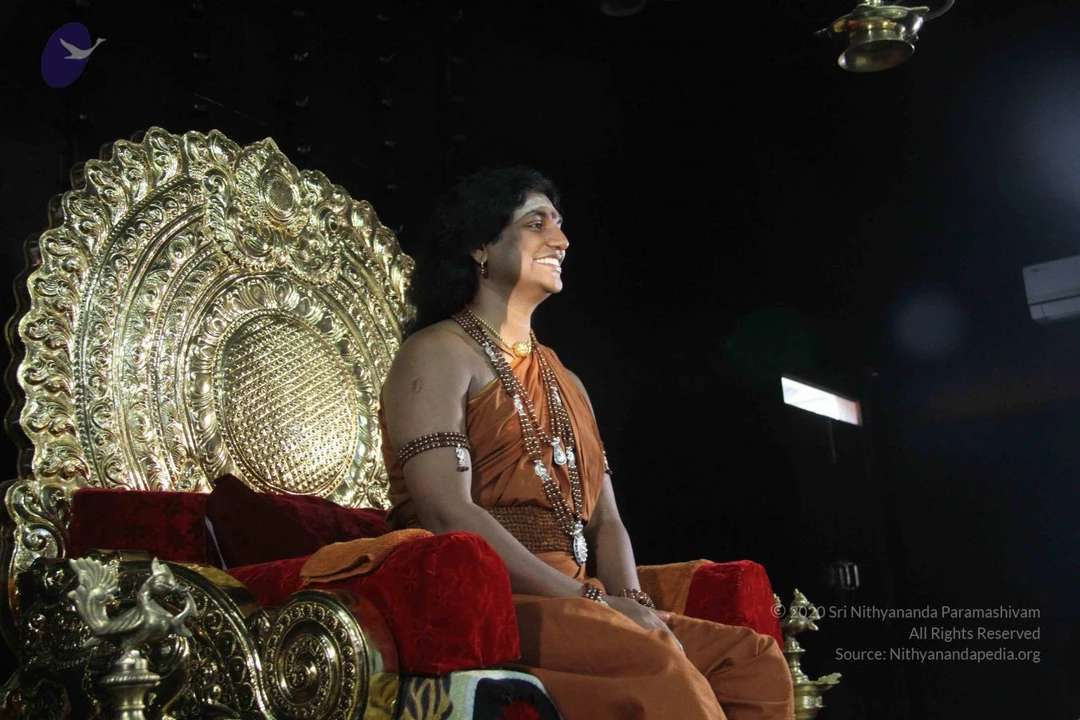
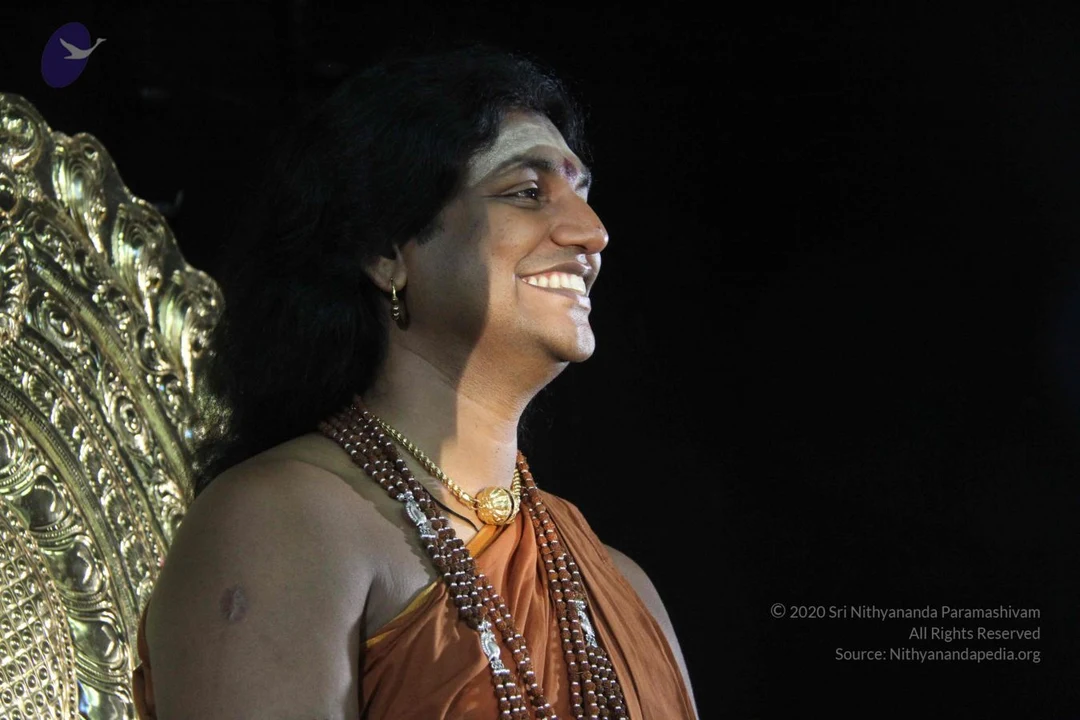
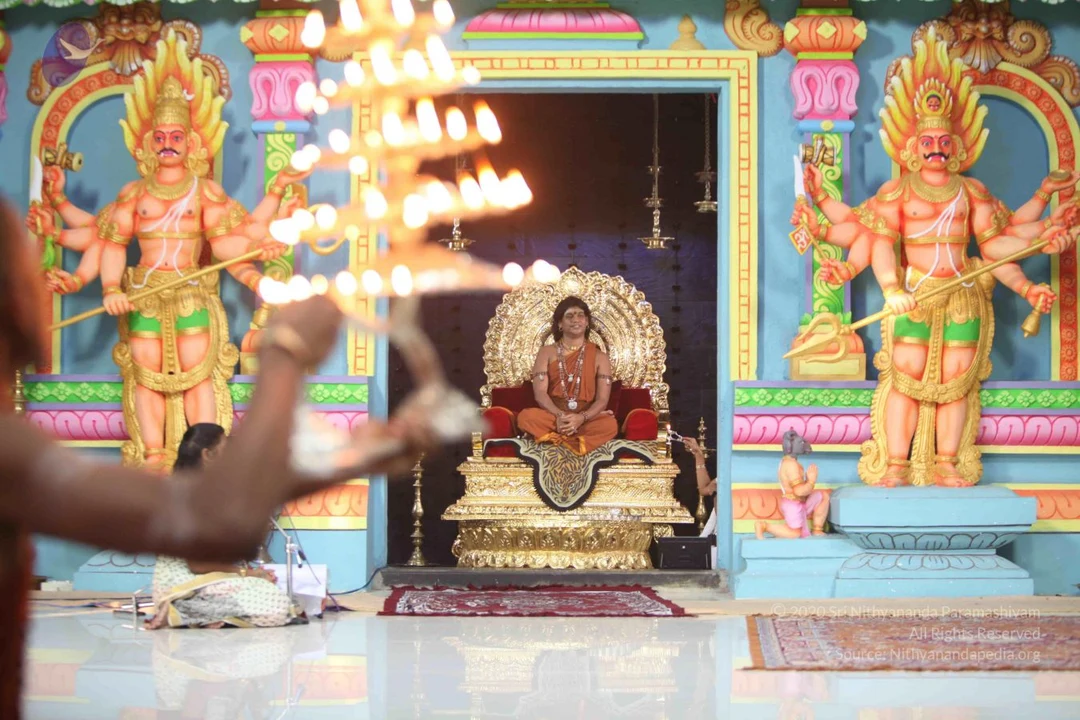
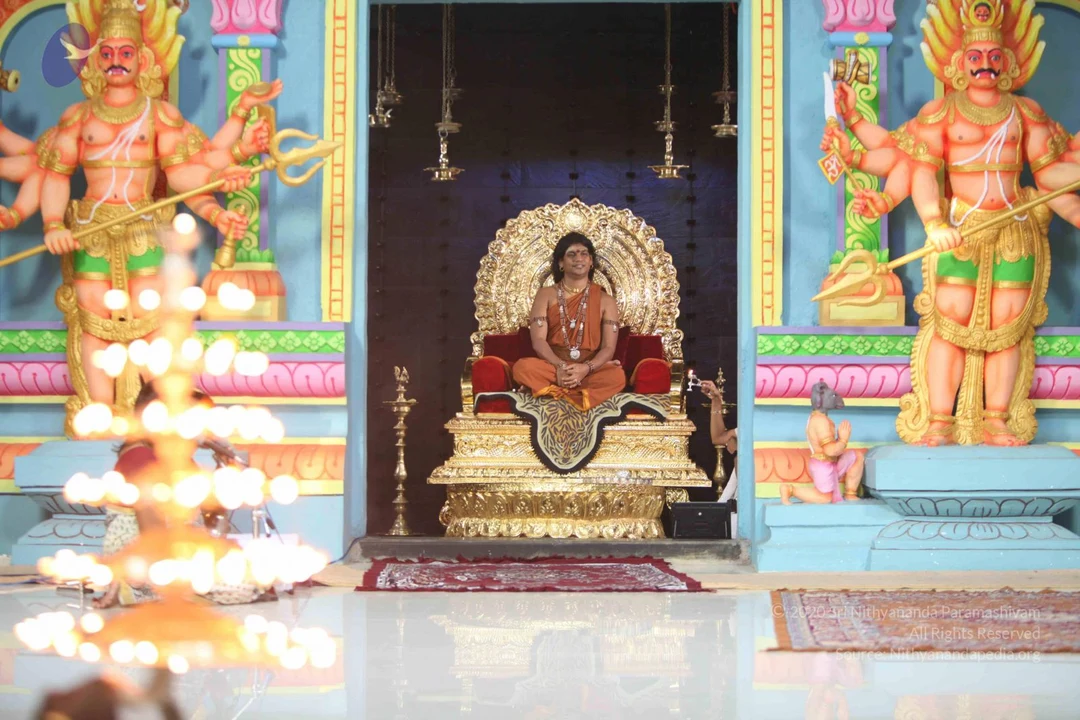
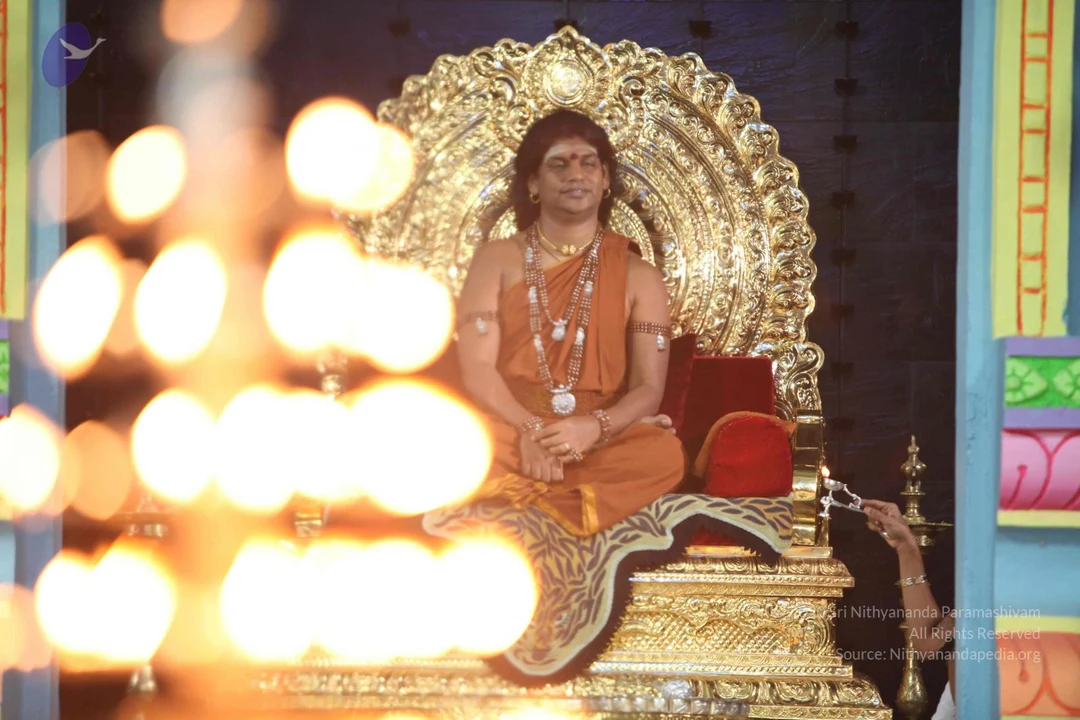
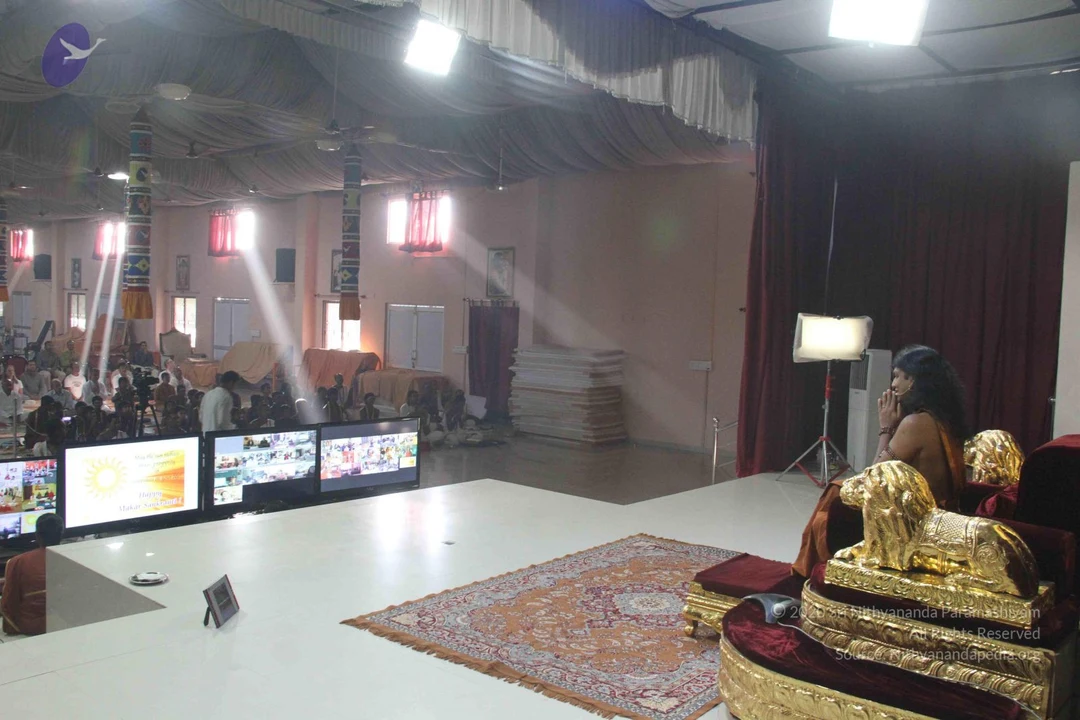
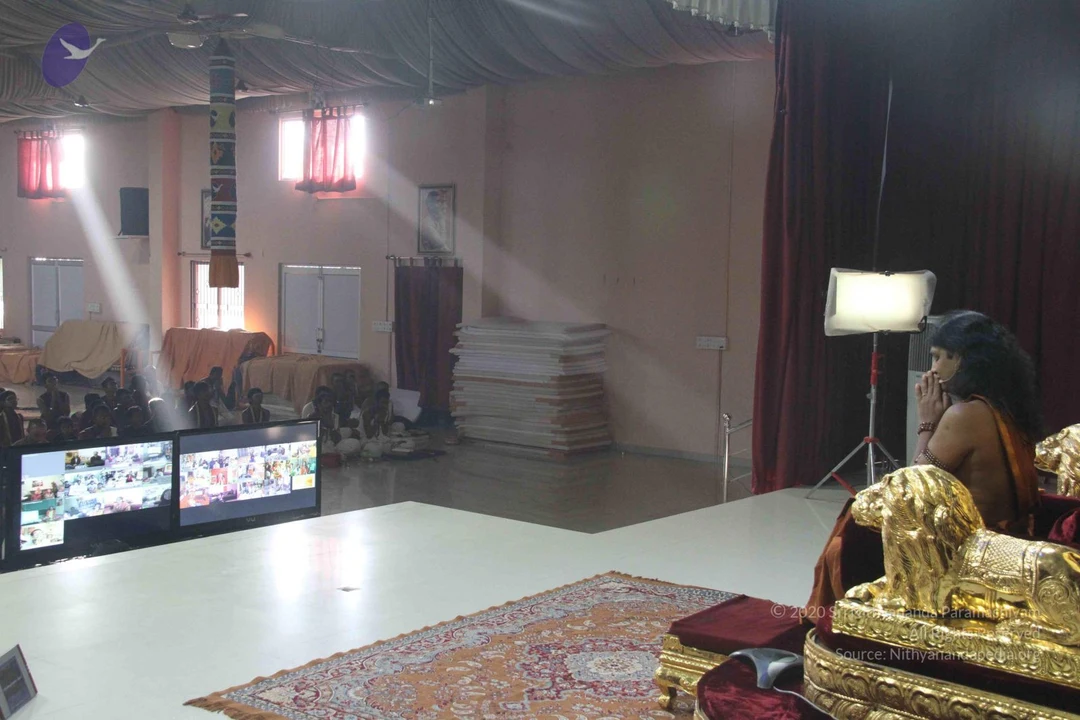
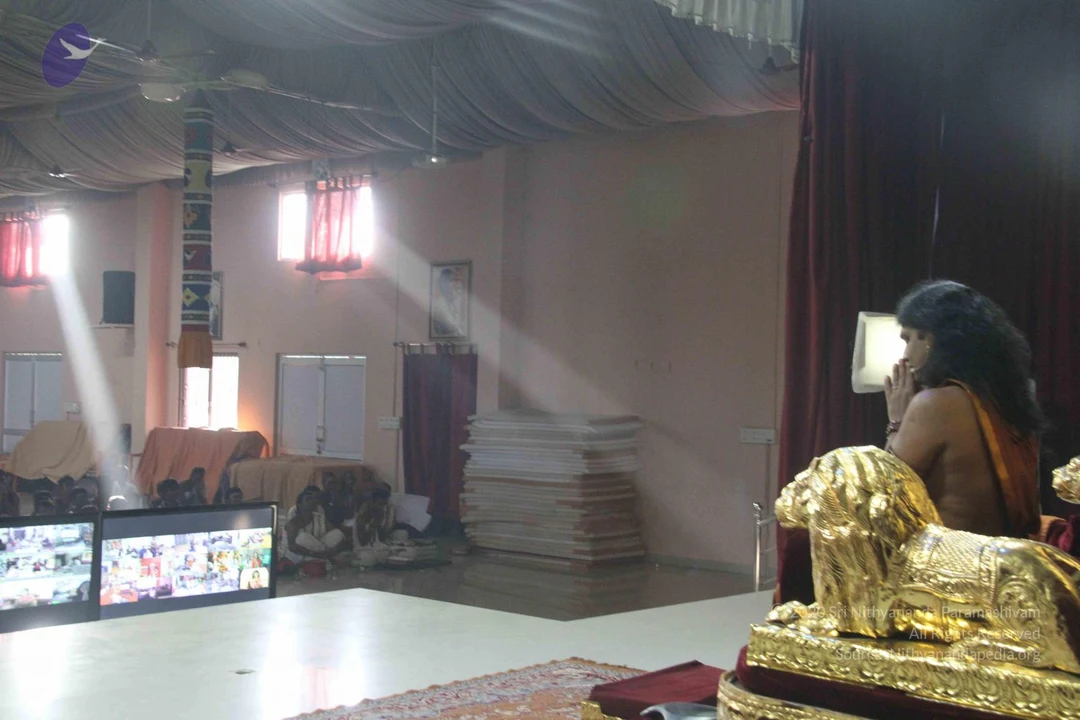
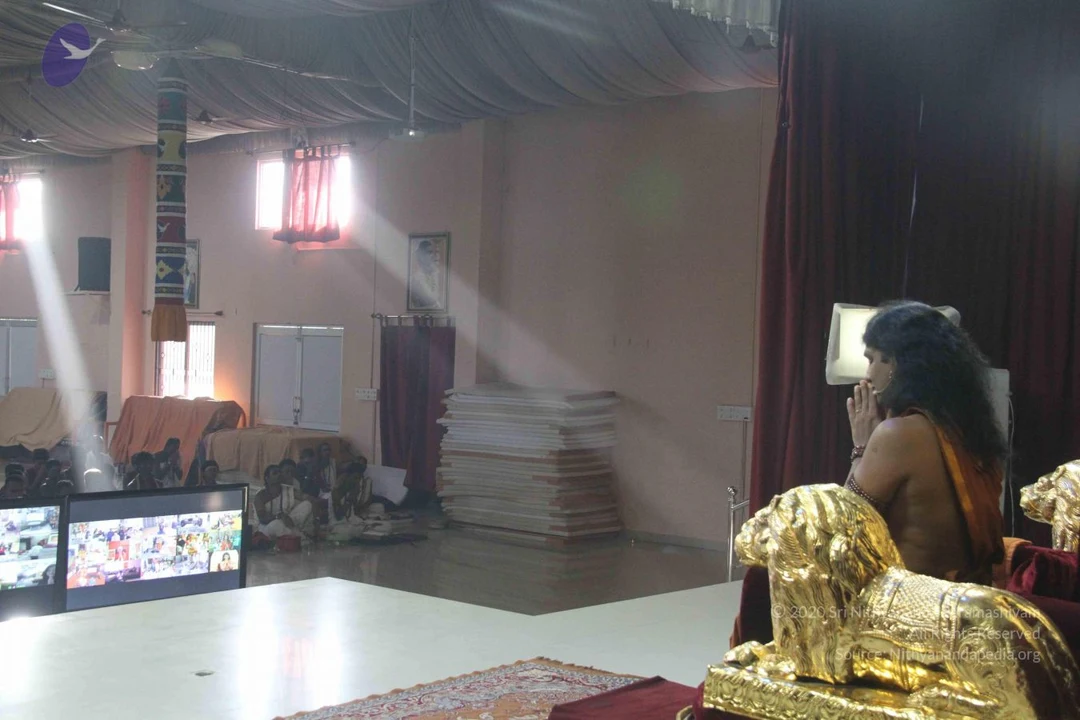
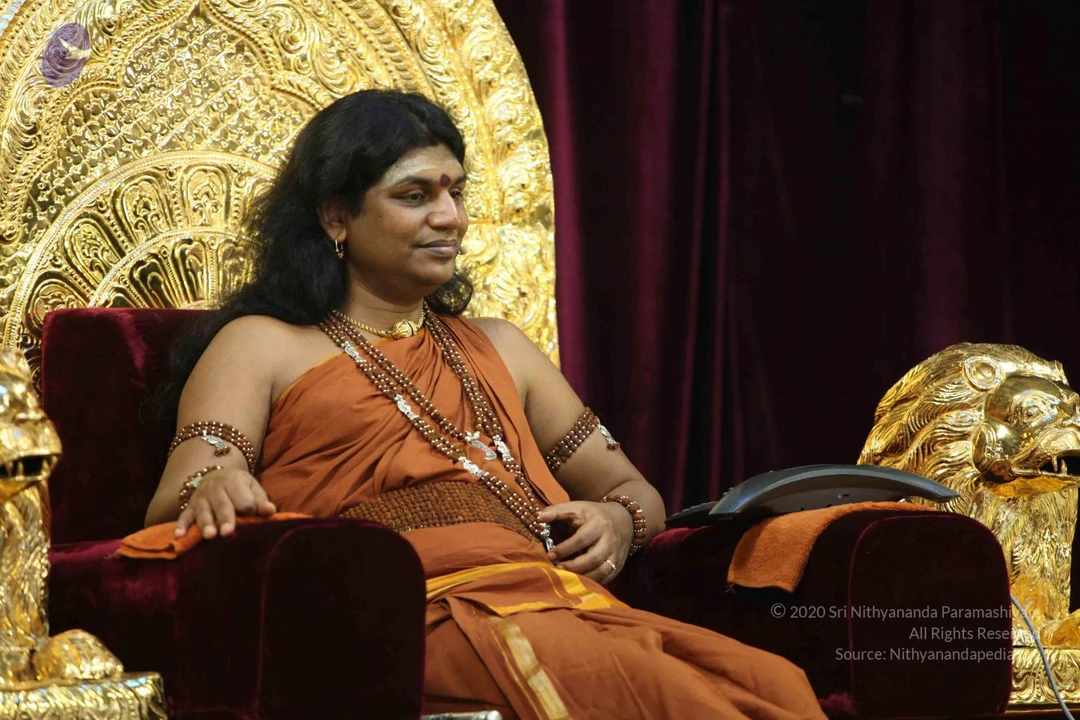
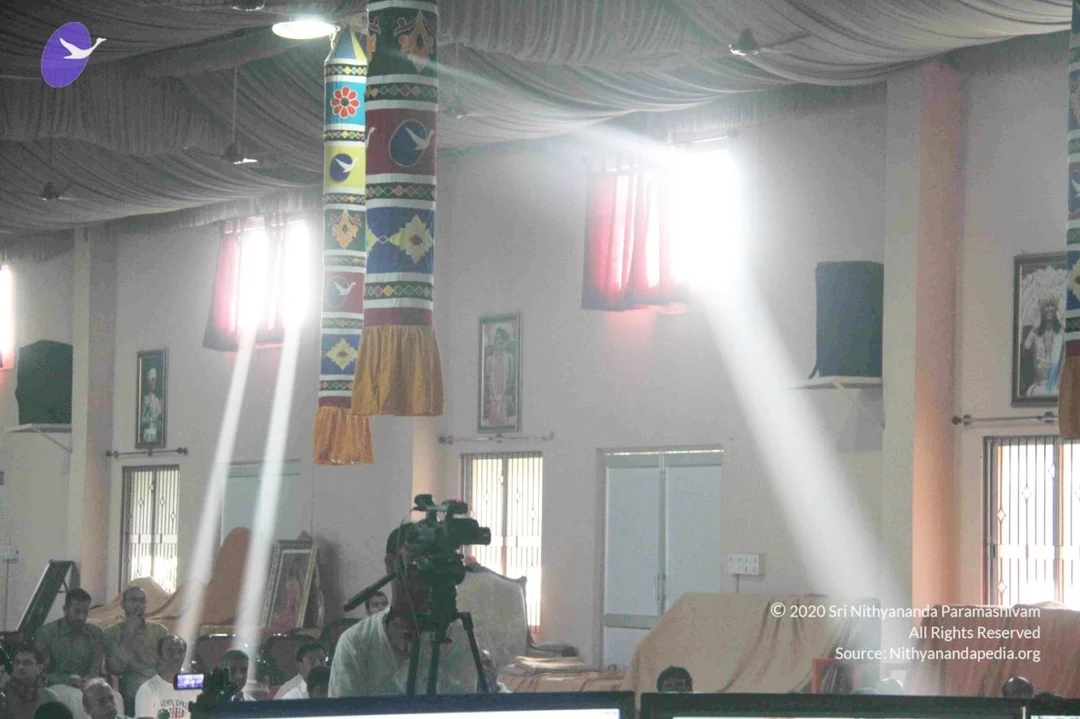
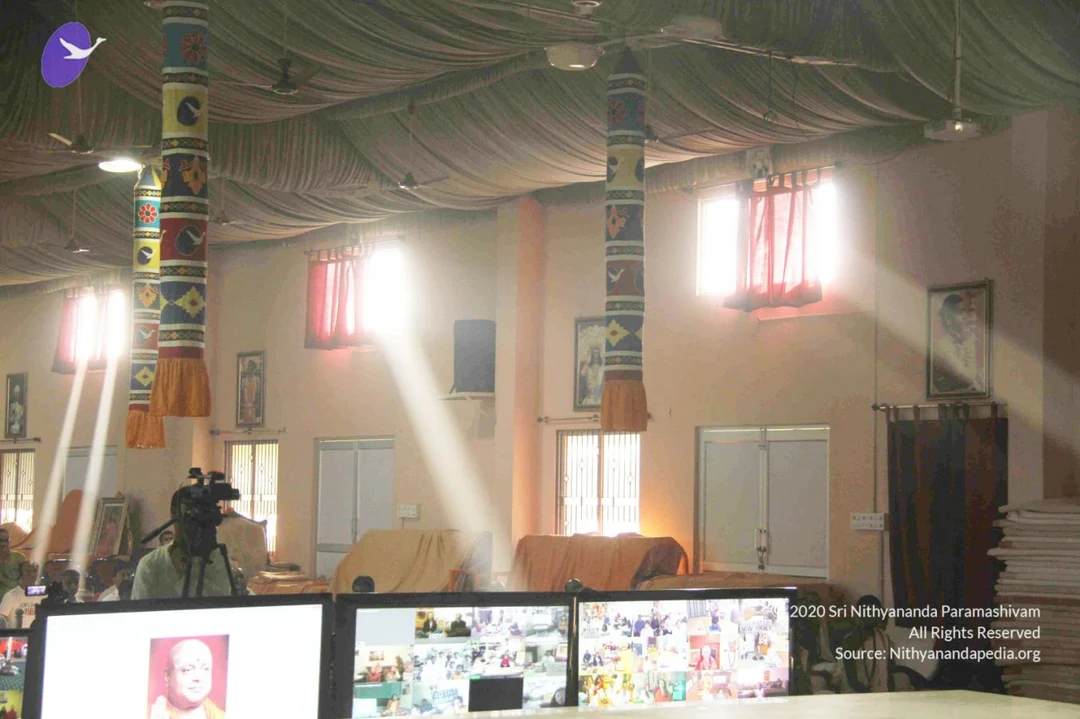
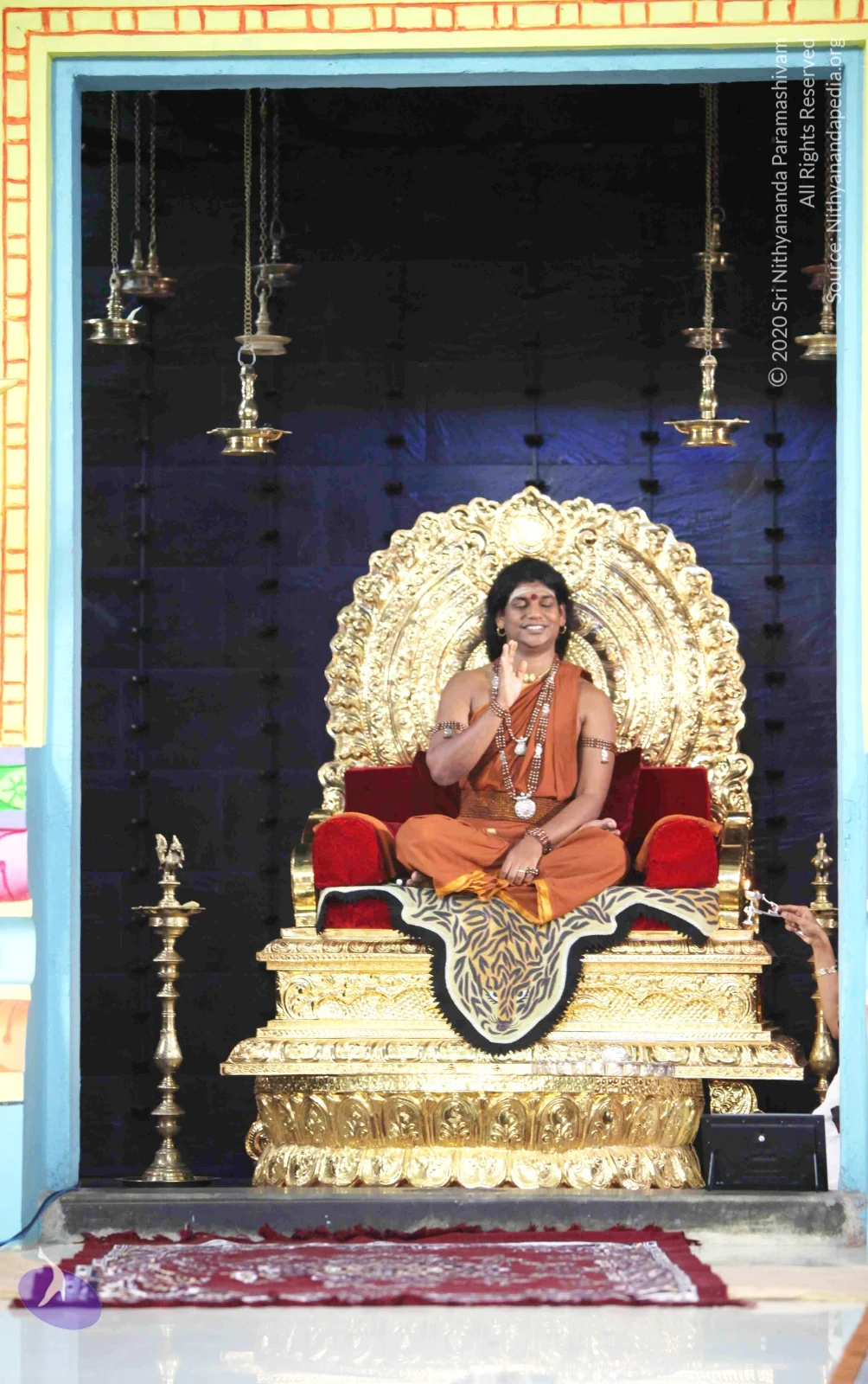
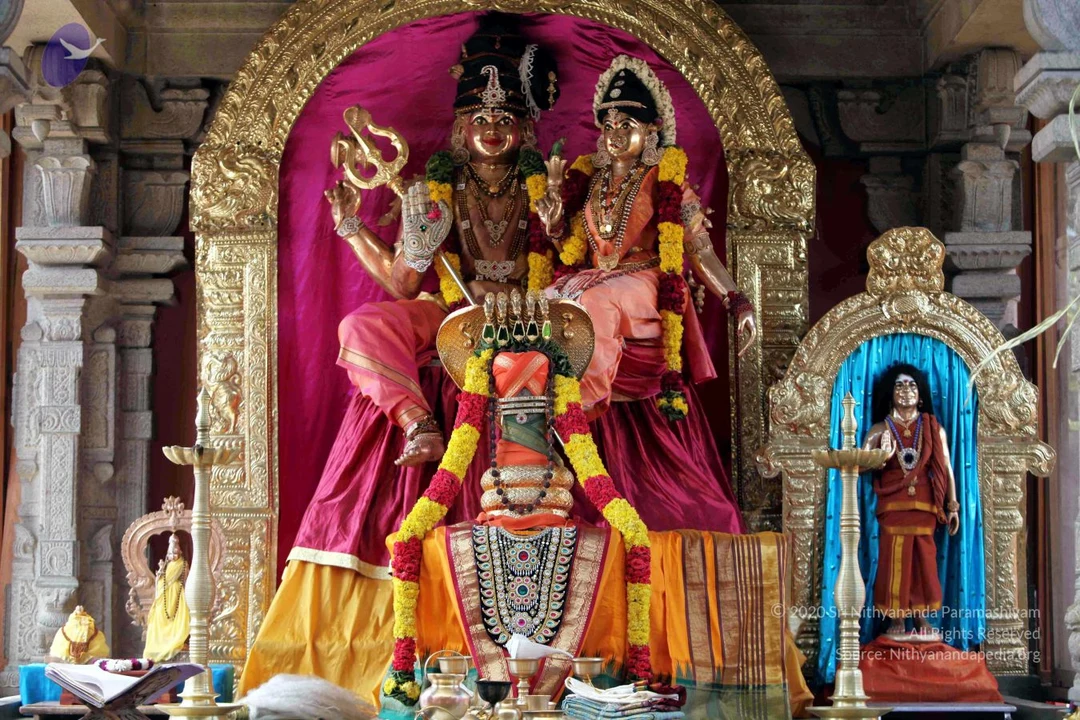
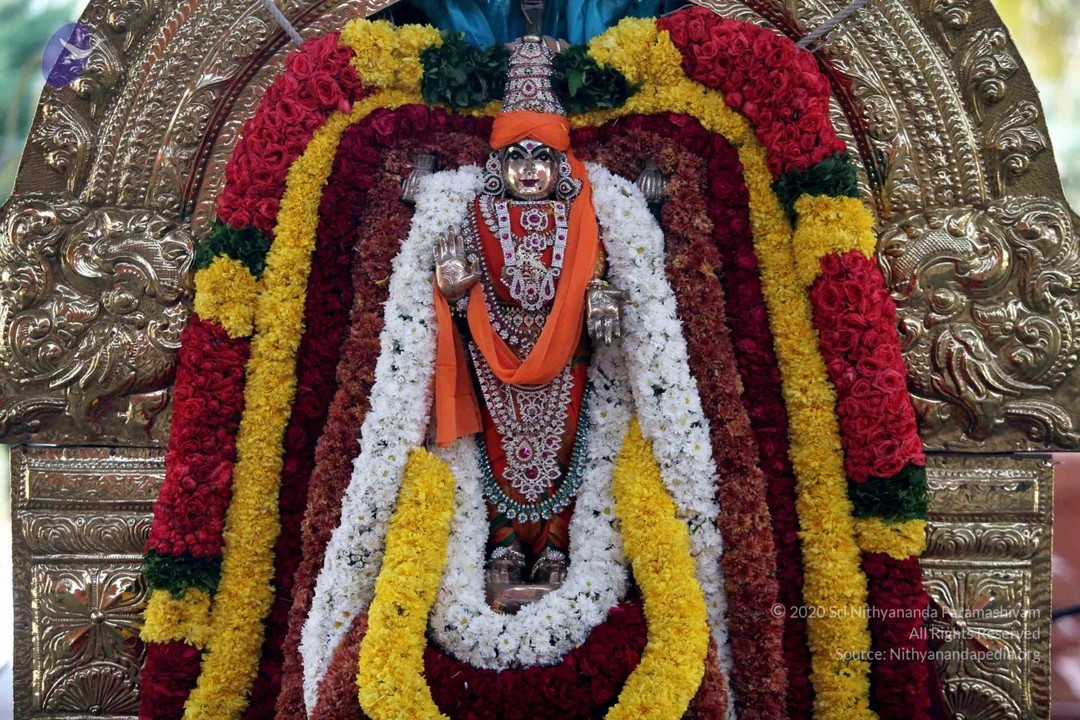
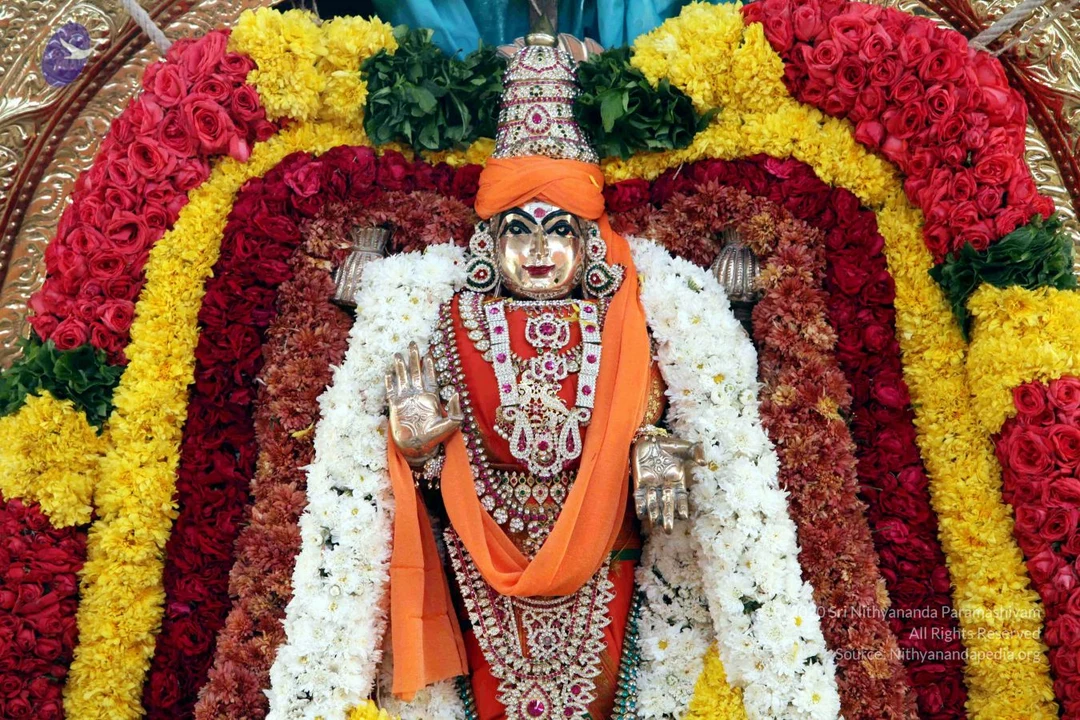
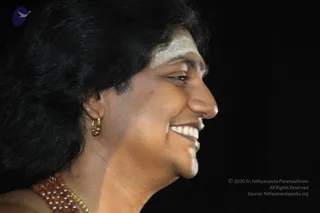
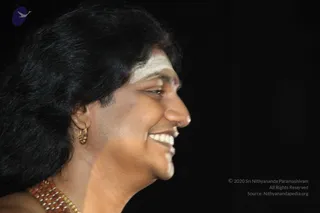
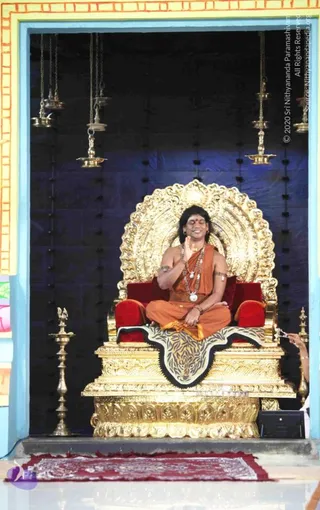
Sunlight falls on Swamiji's Face in Garbha Mandir
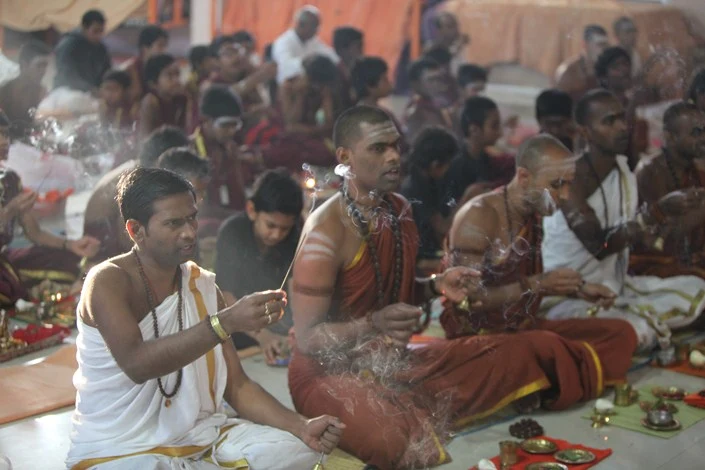
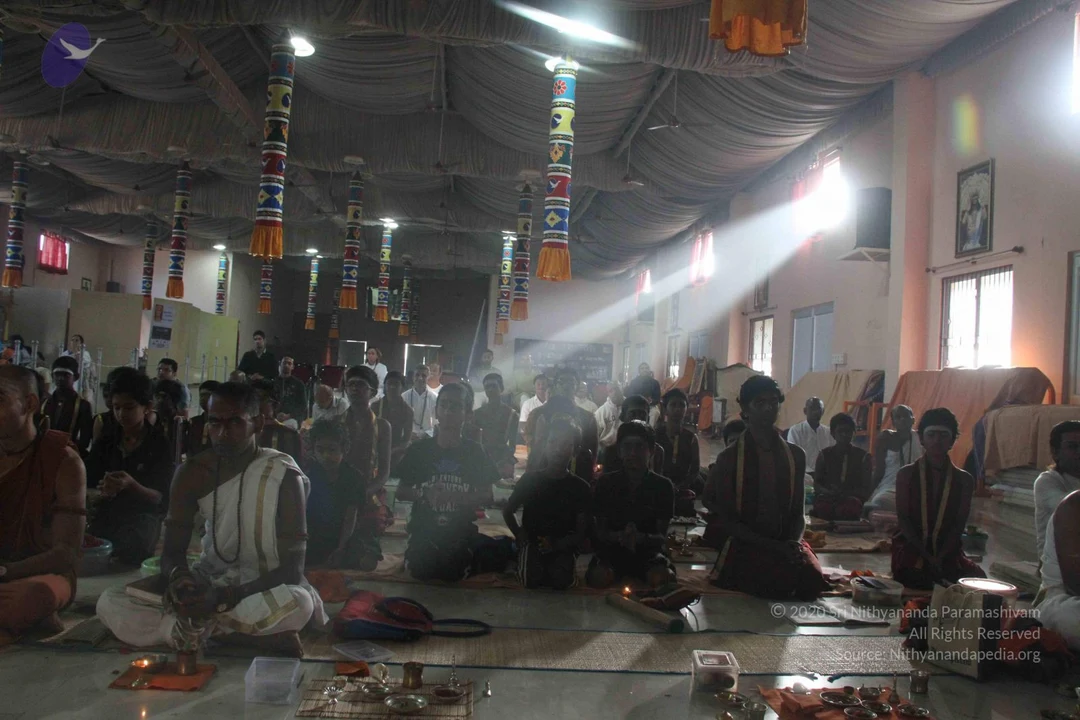
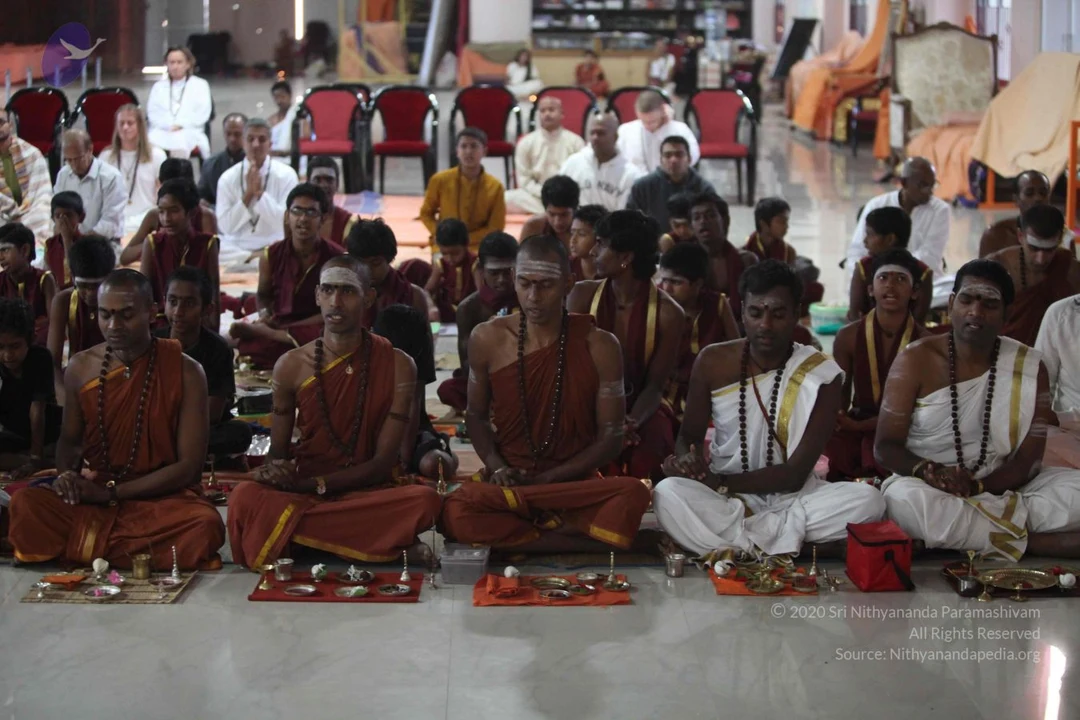
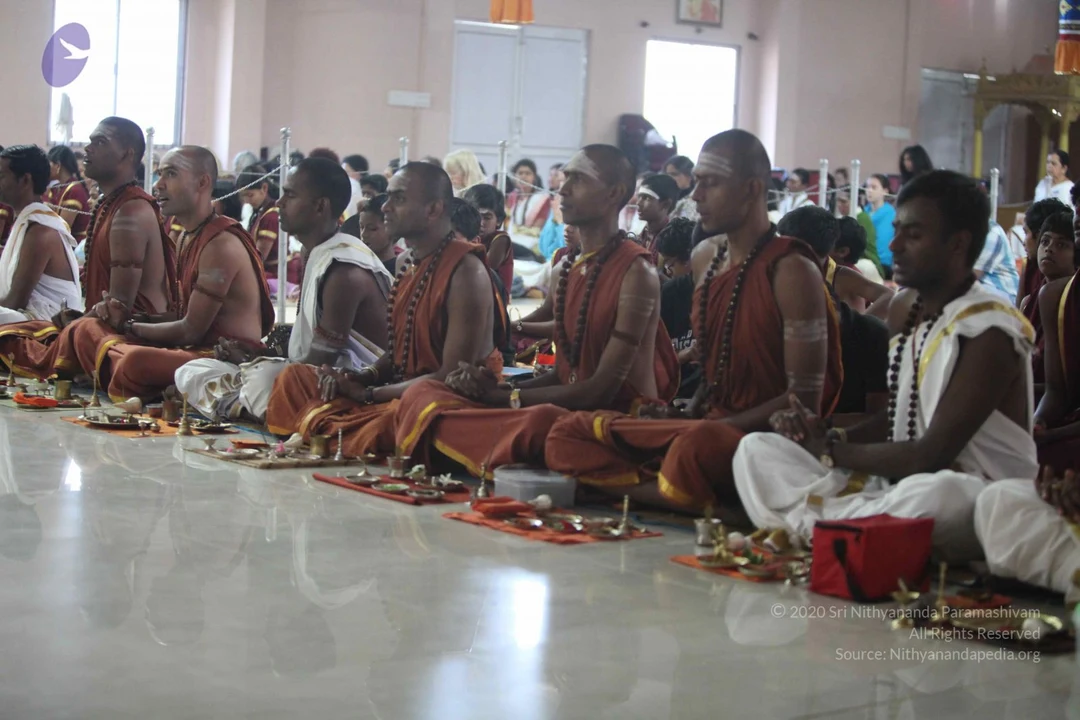
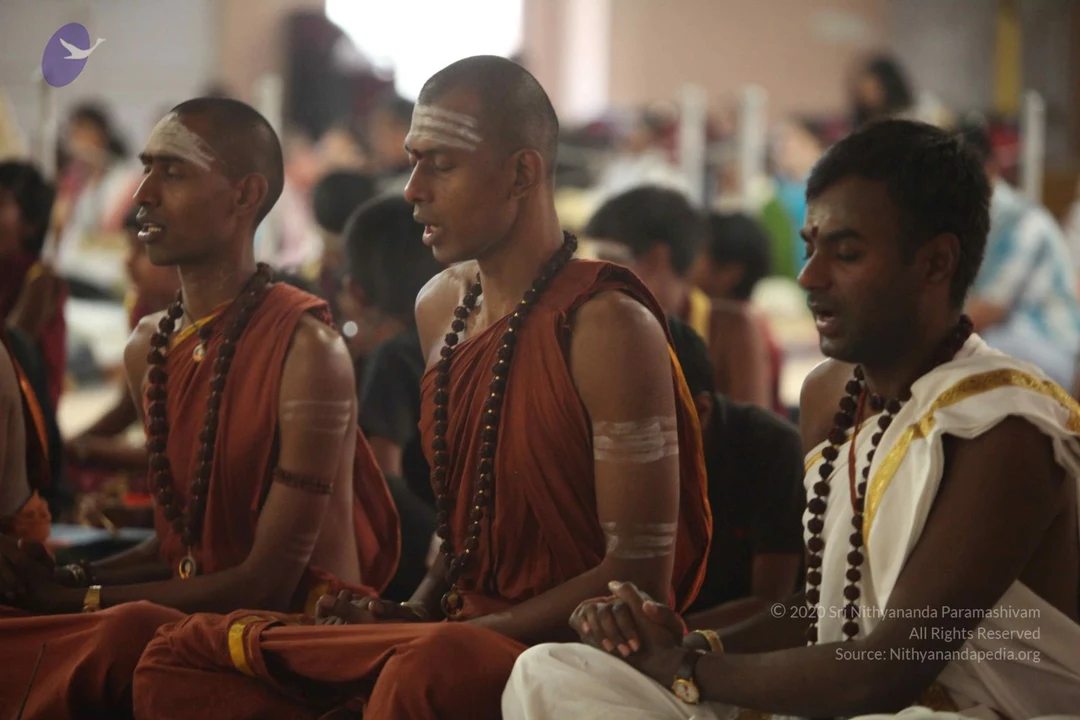
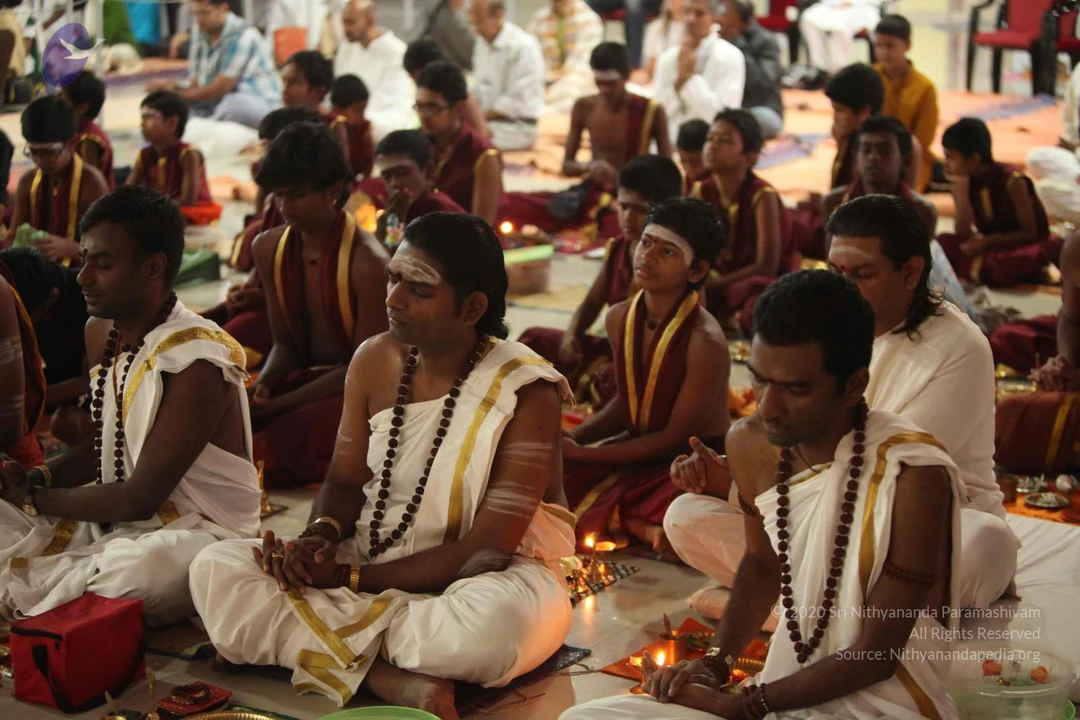
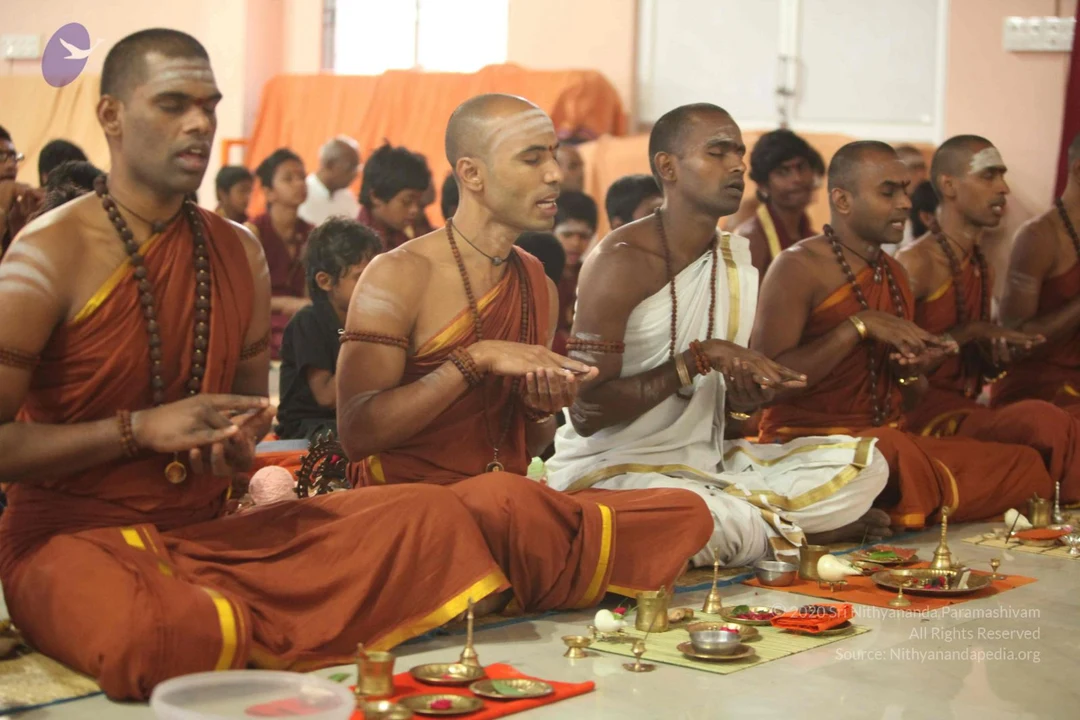
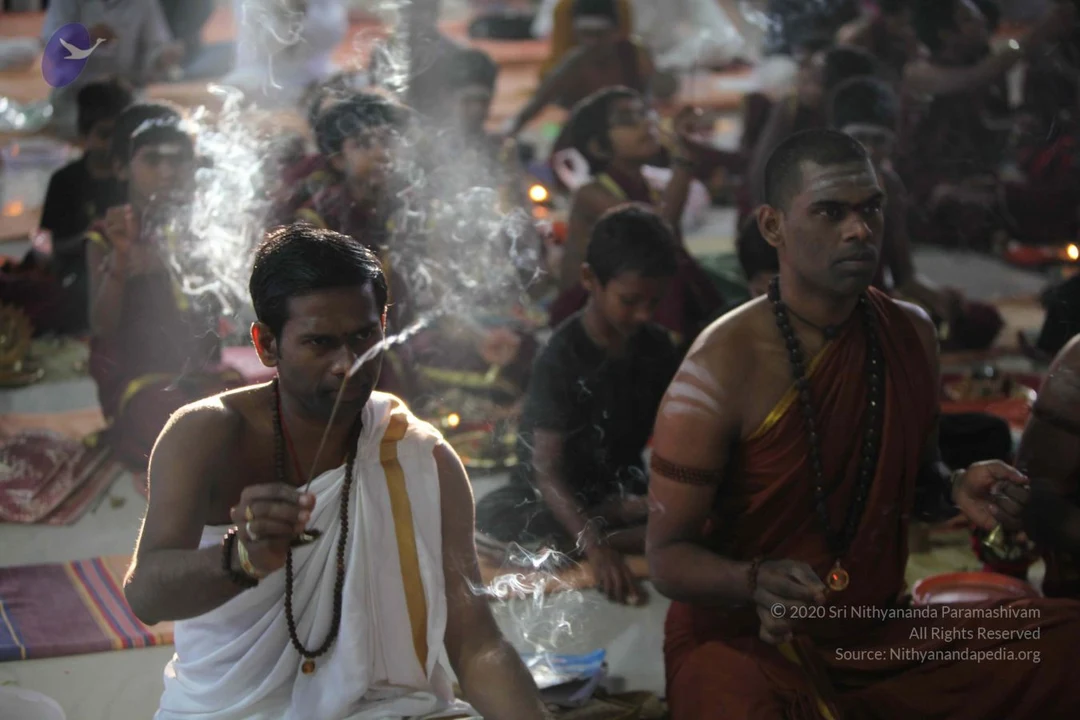
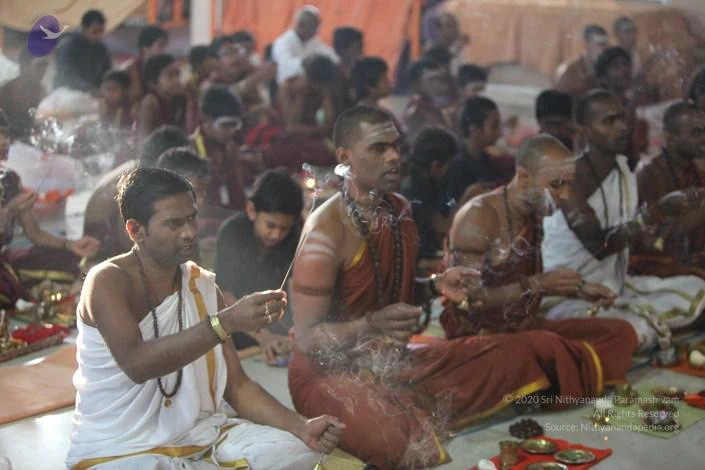
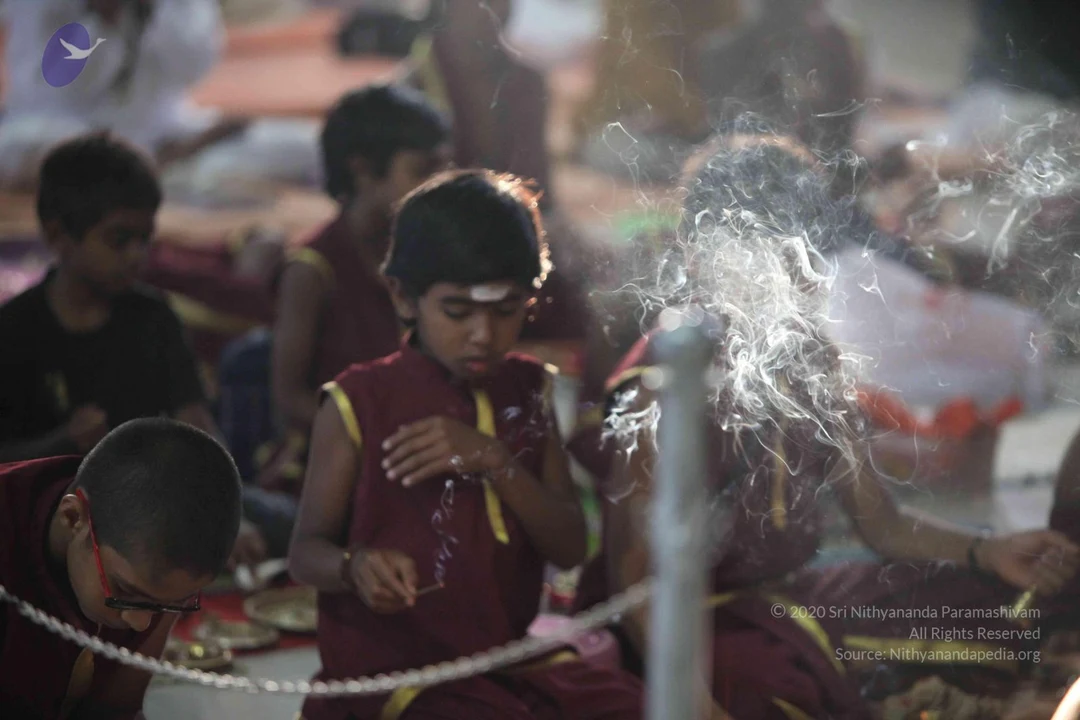
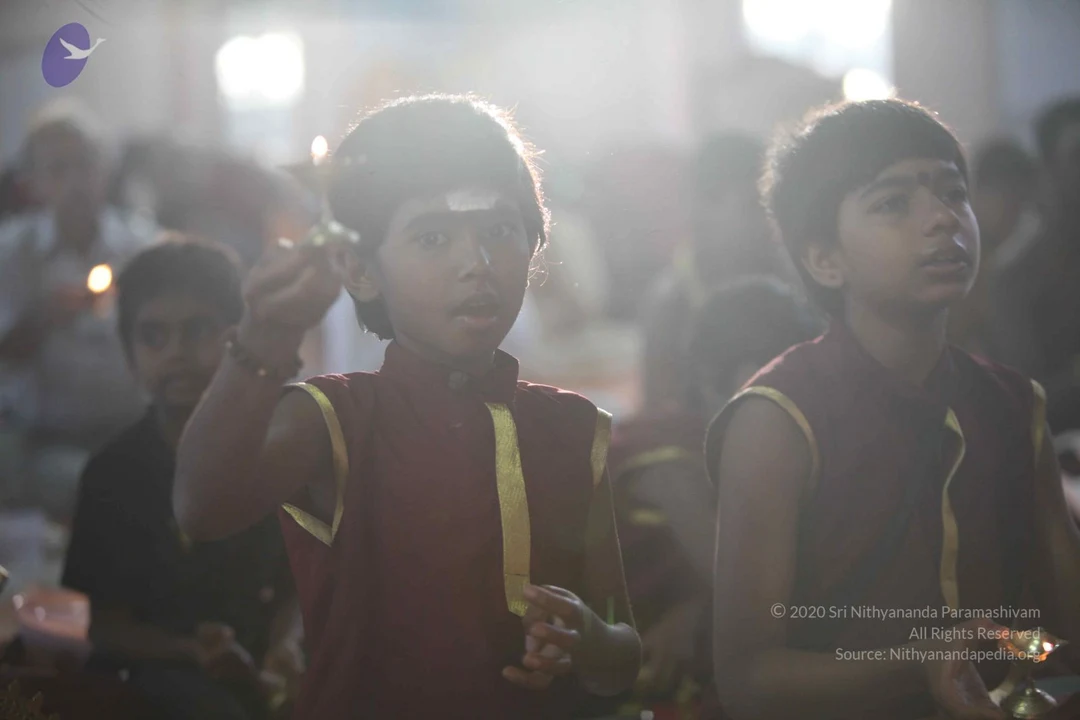
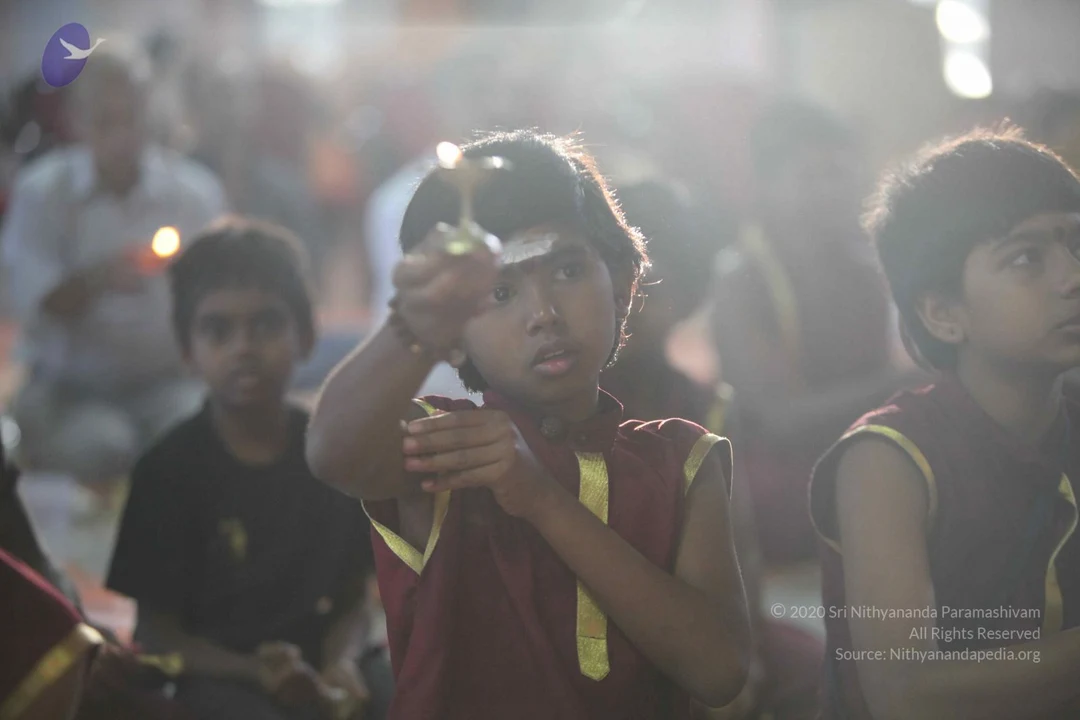
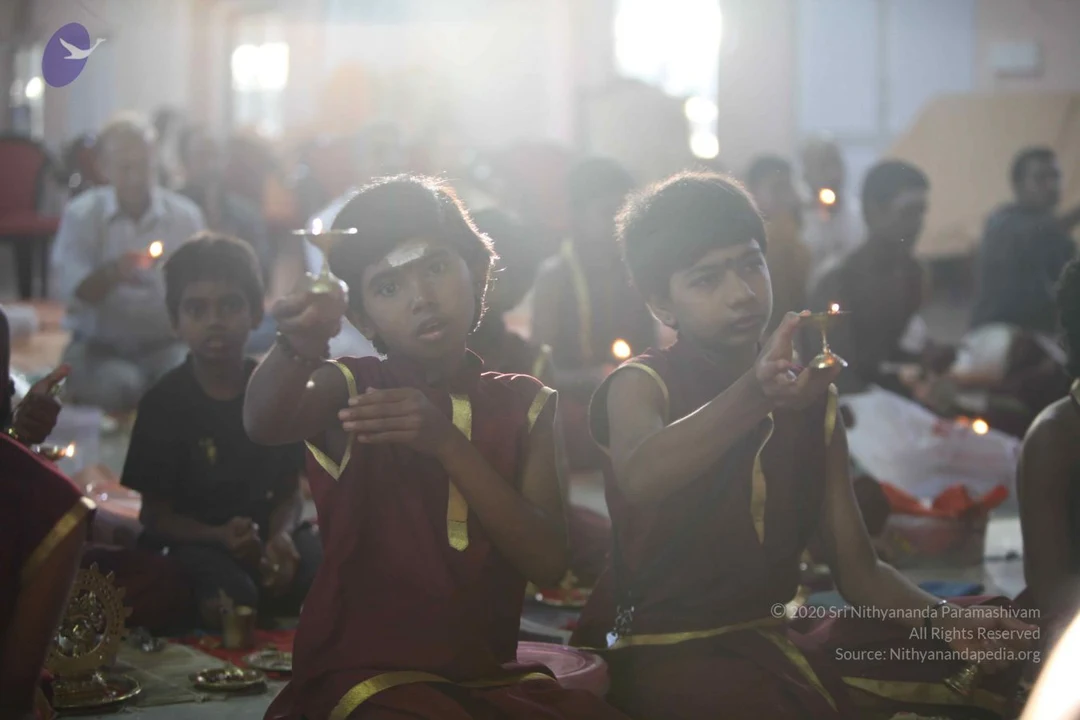
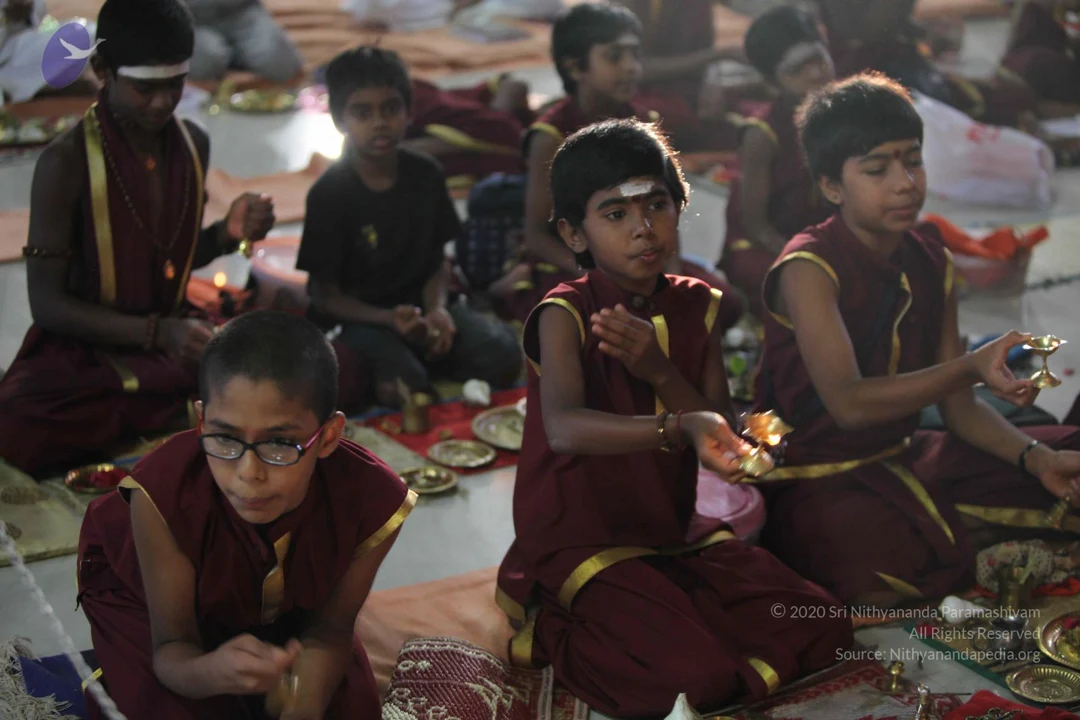
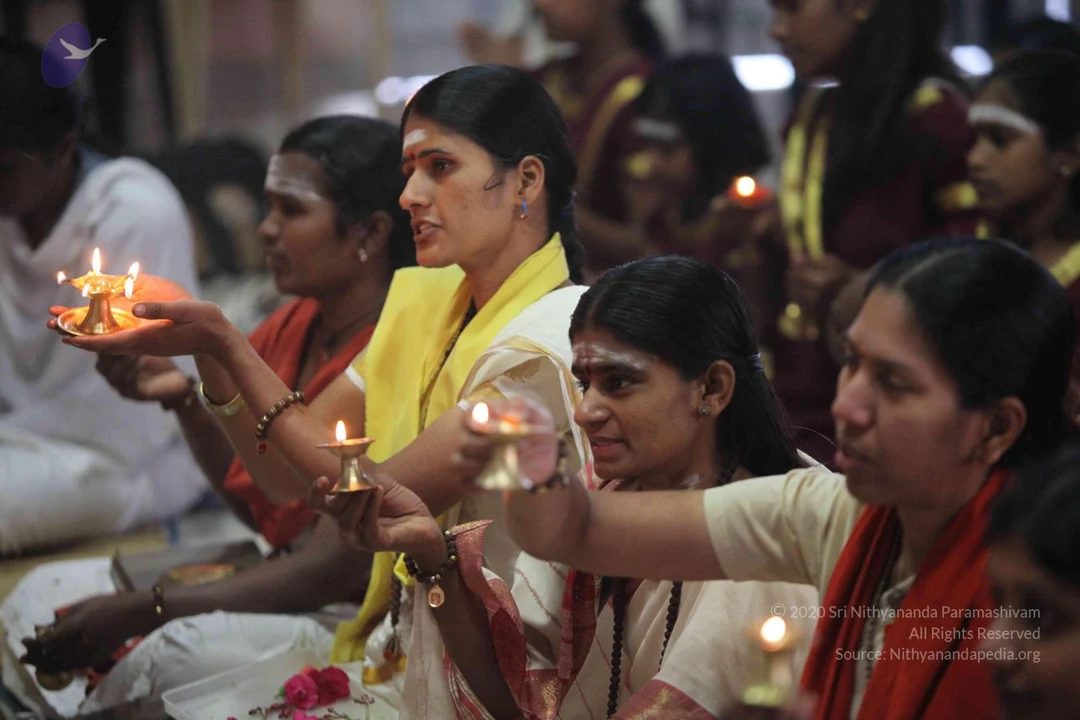
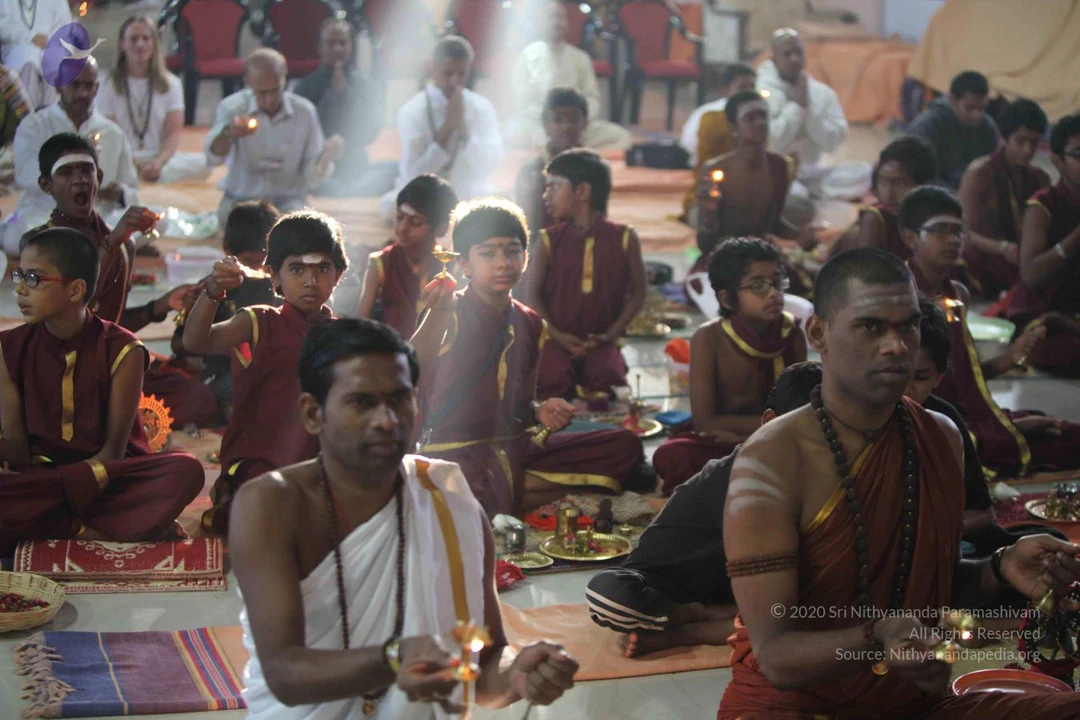
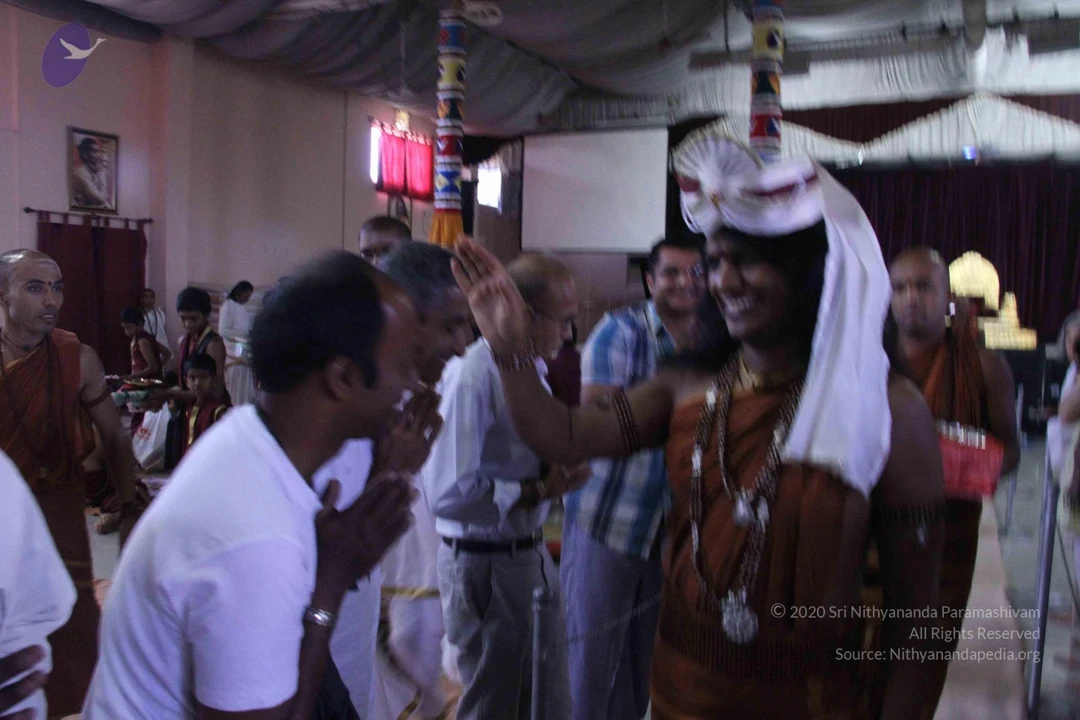
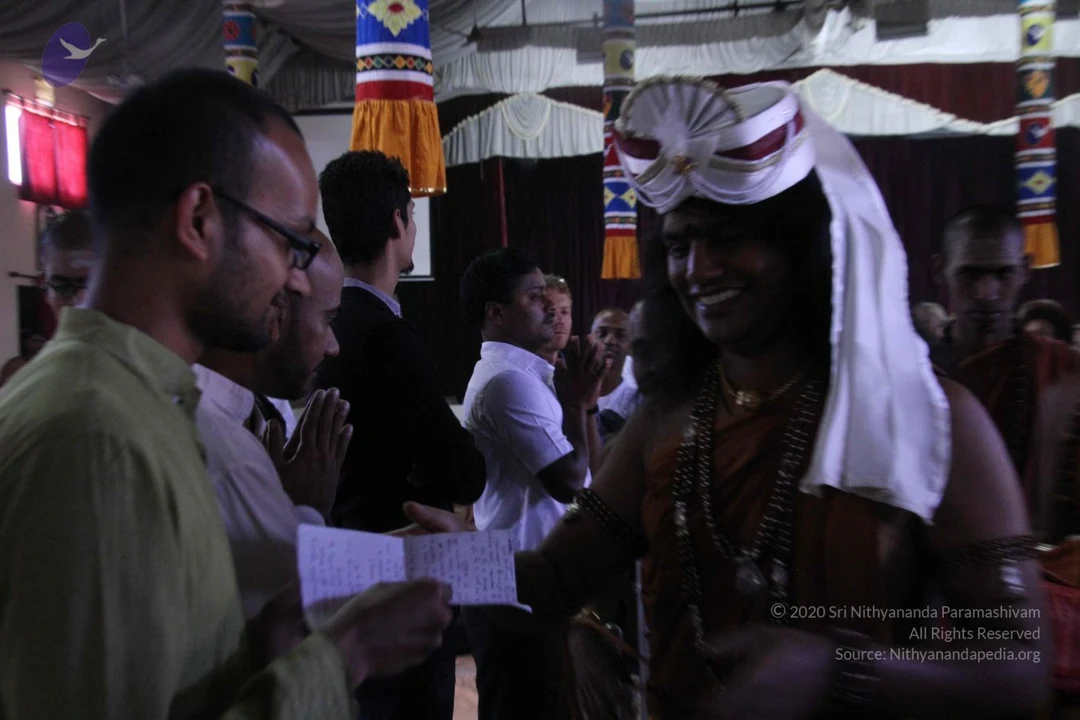
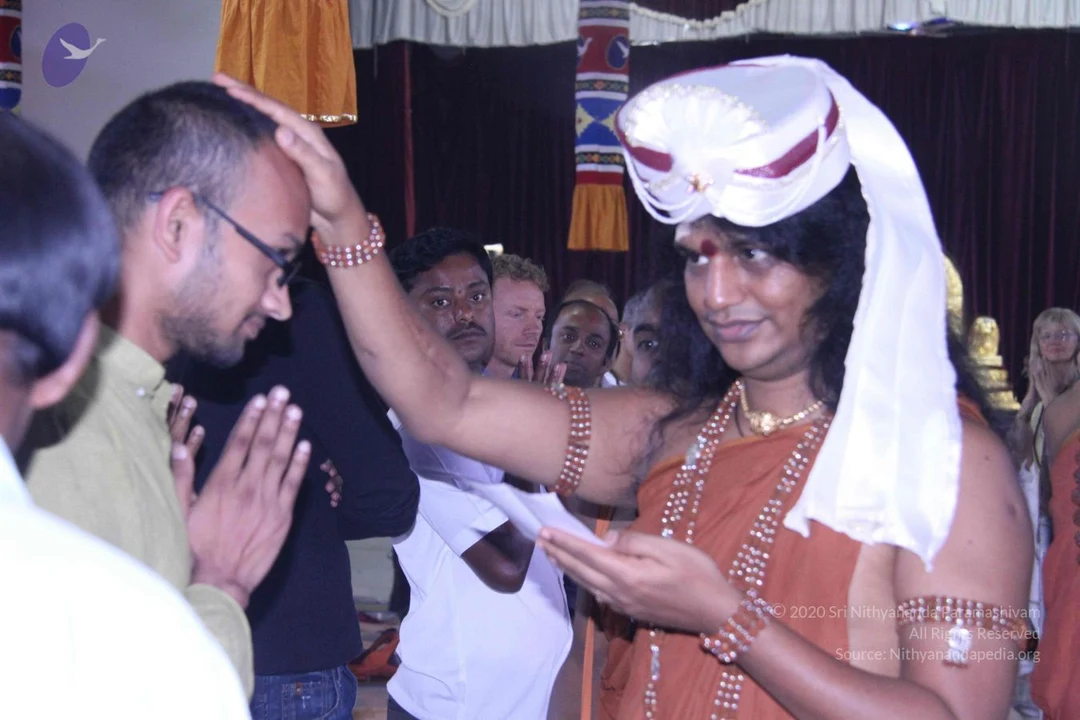
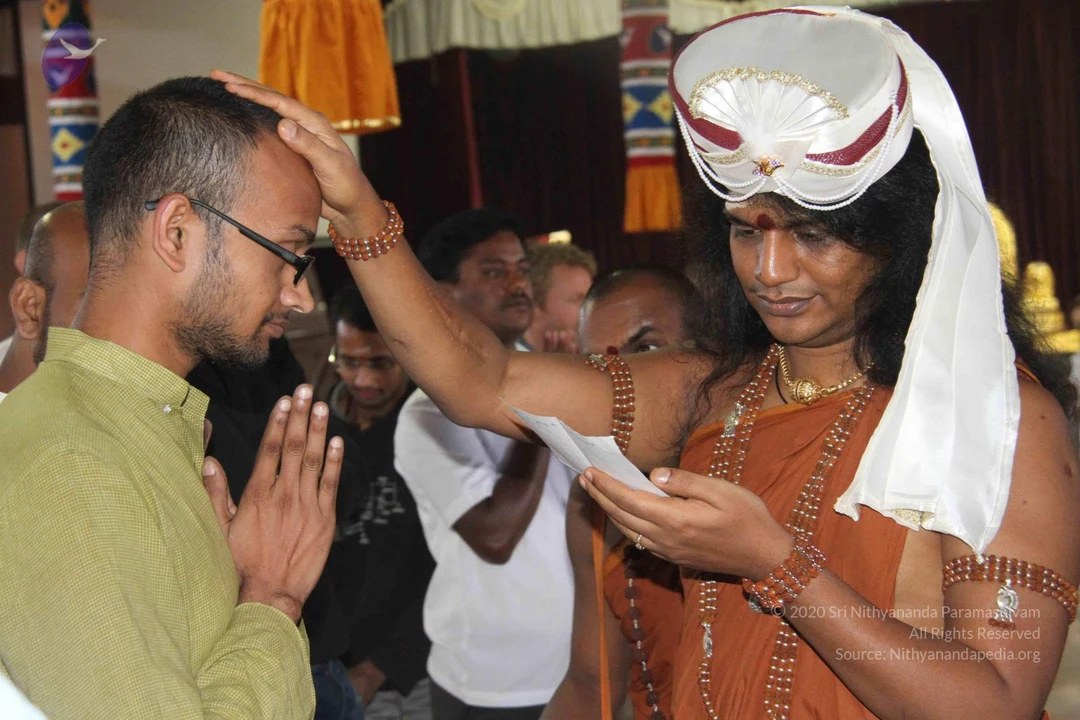
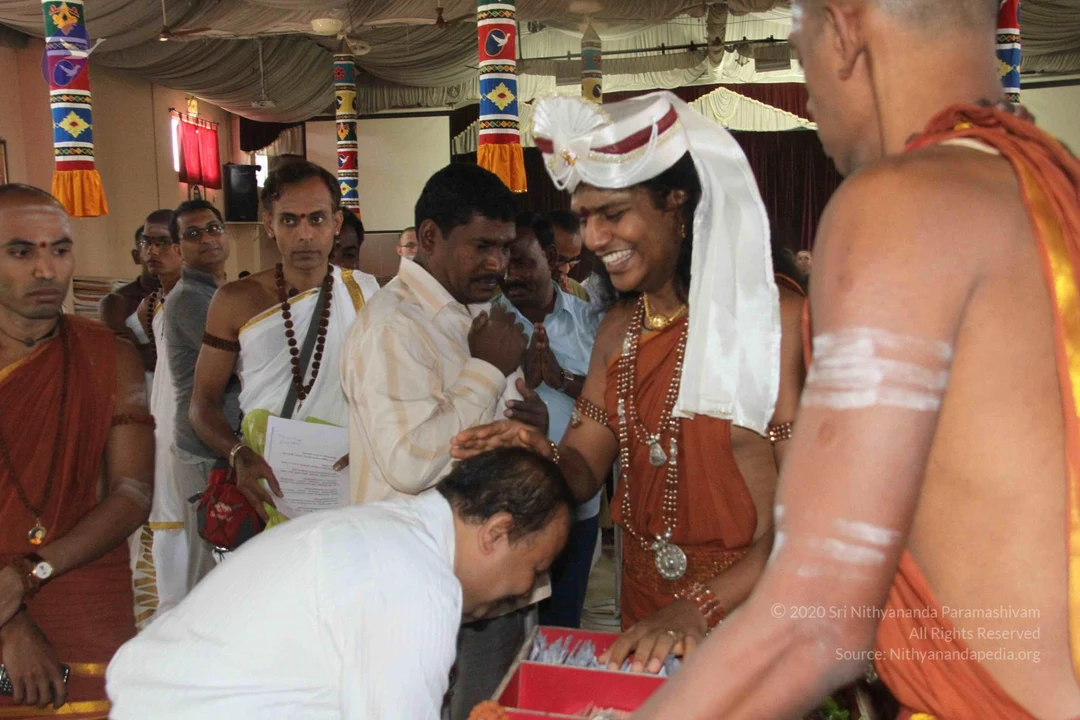
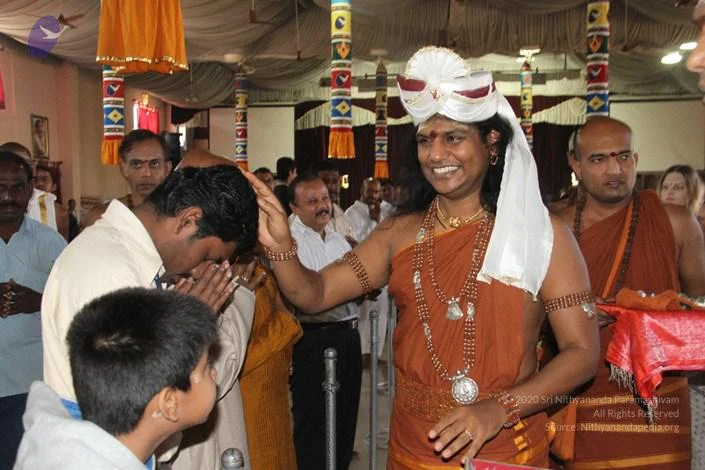
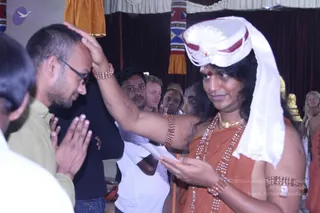
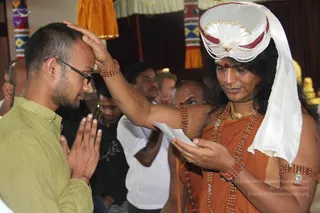
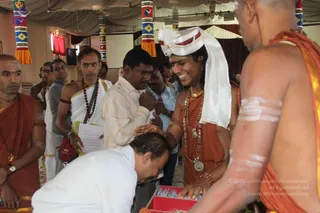
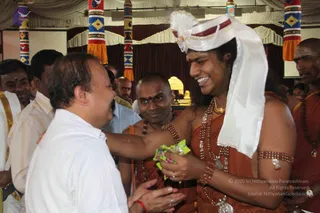
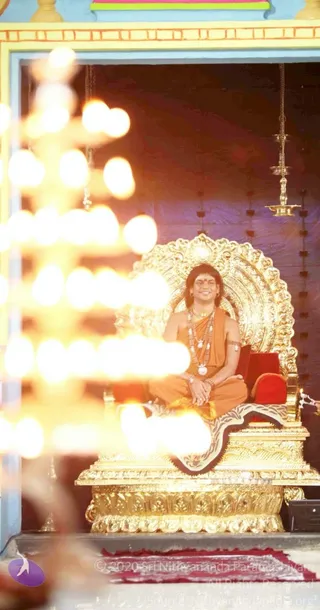
Devotees offer Pada Puja
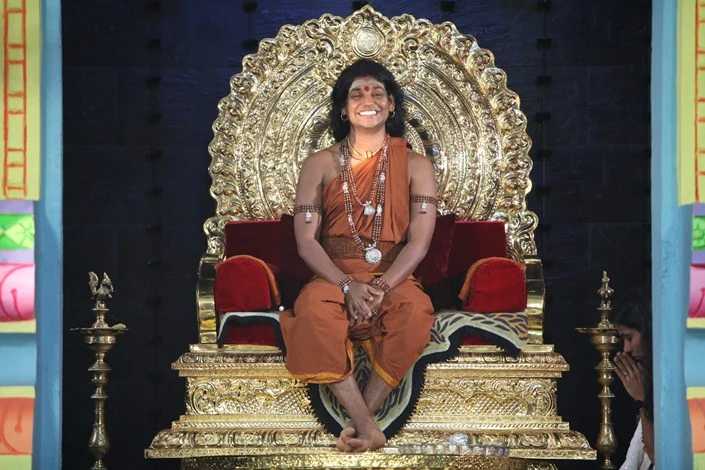
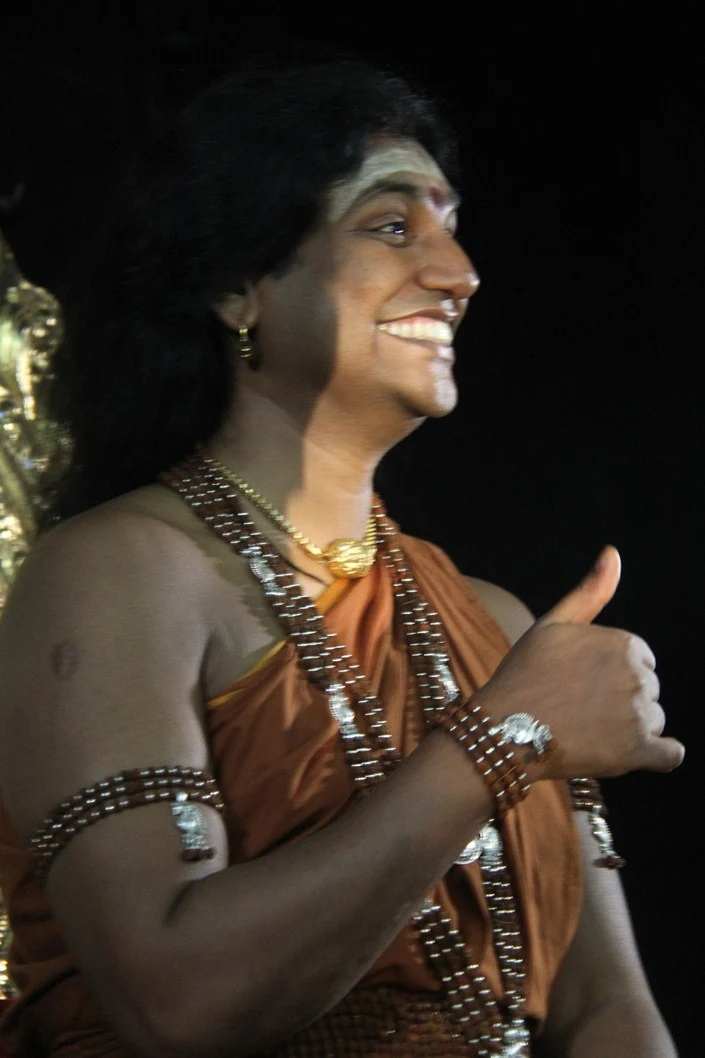
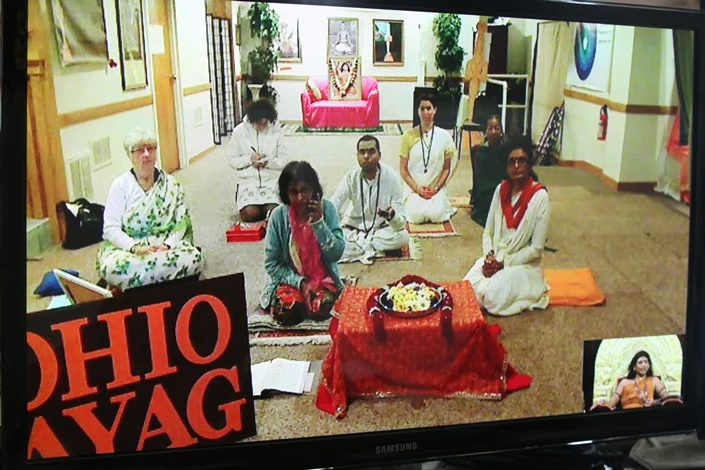
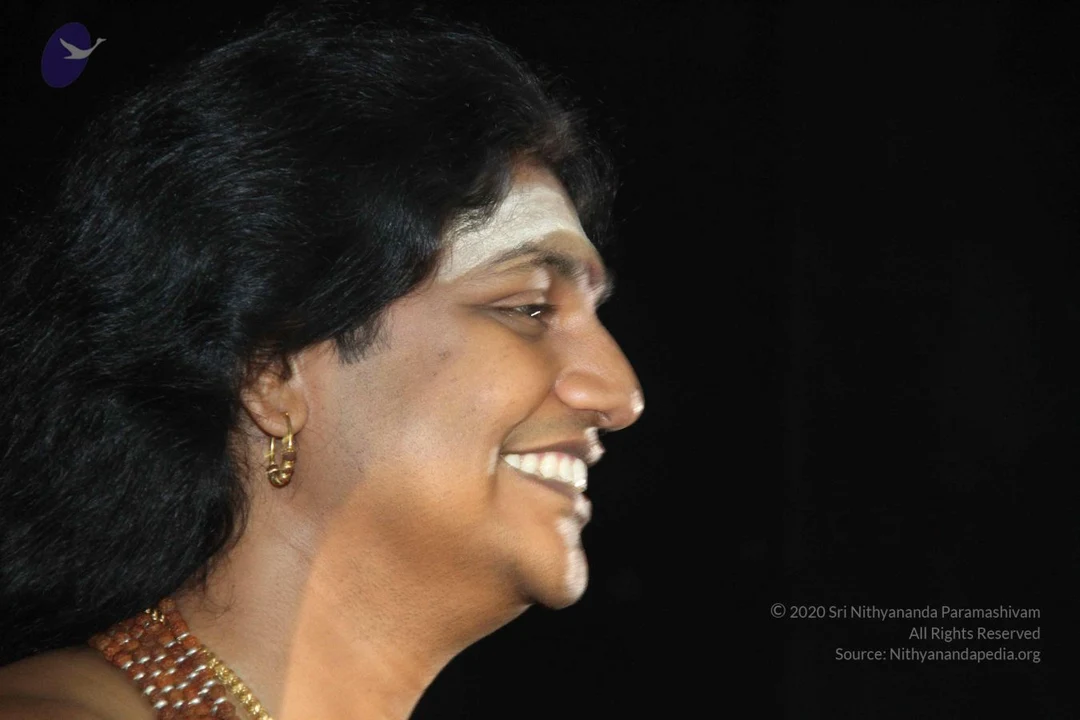
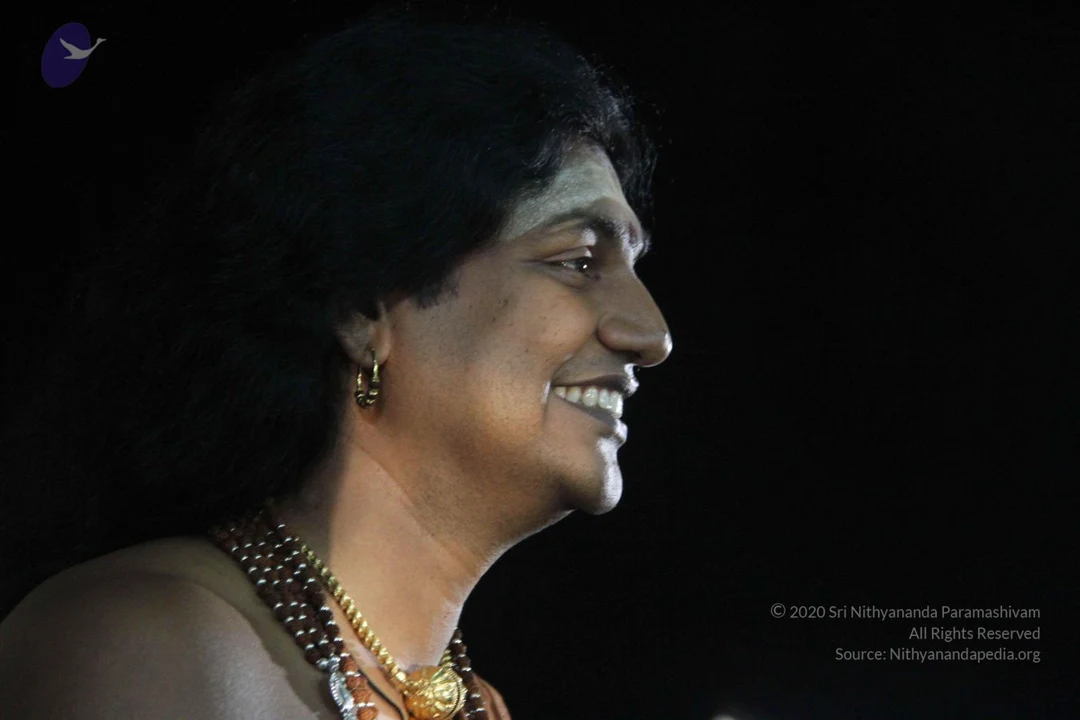
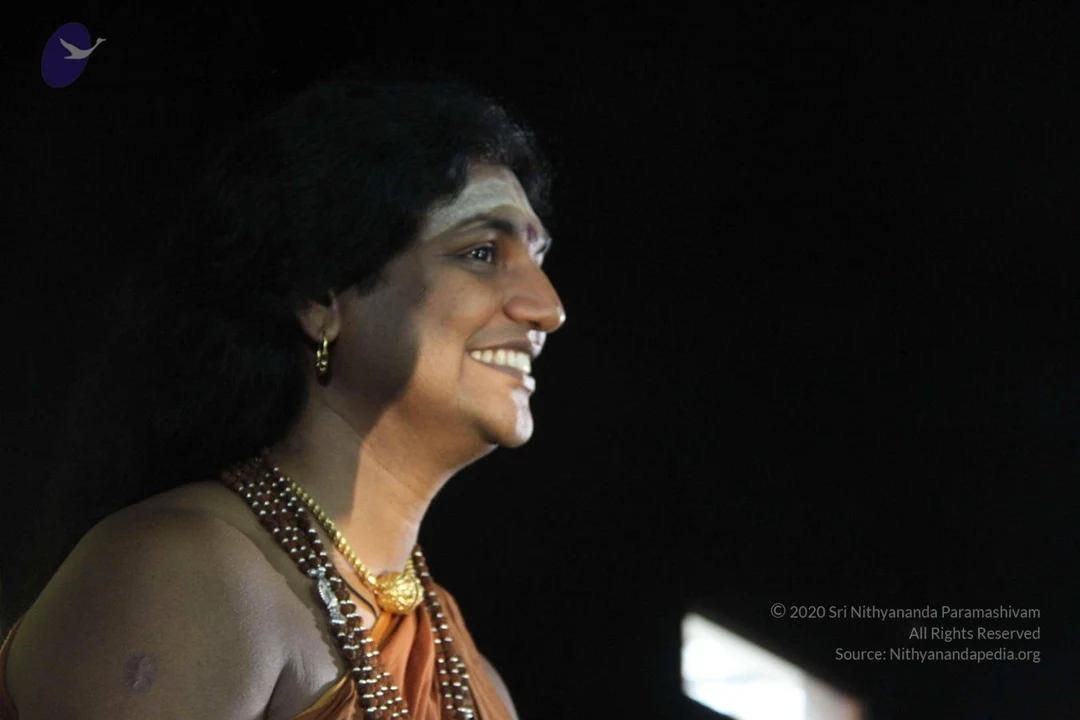
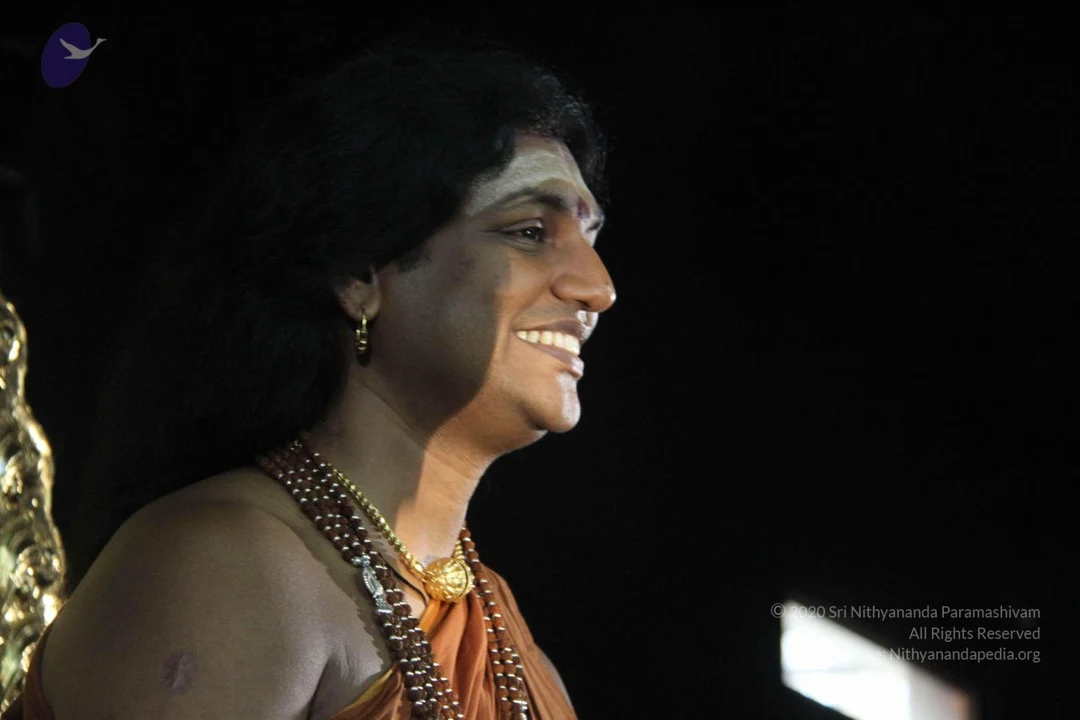
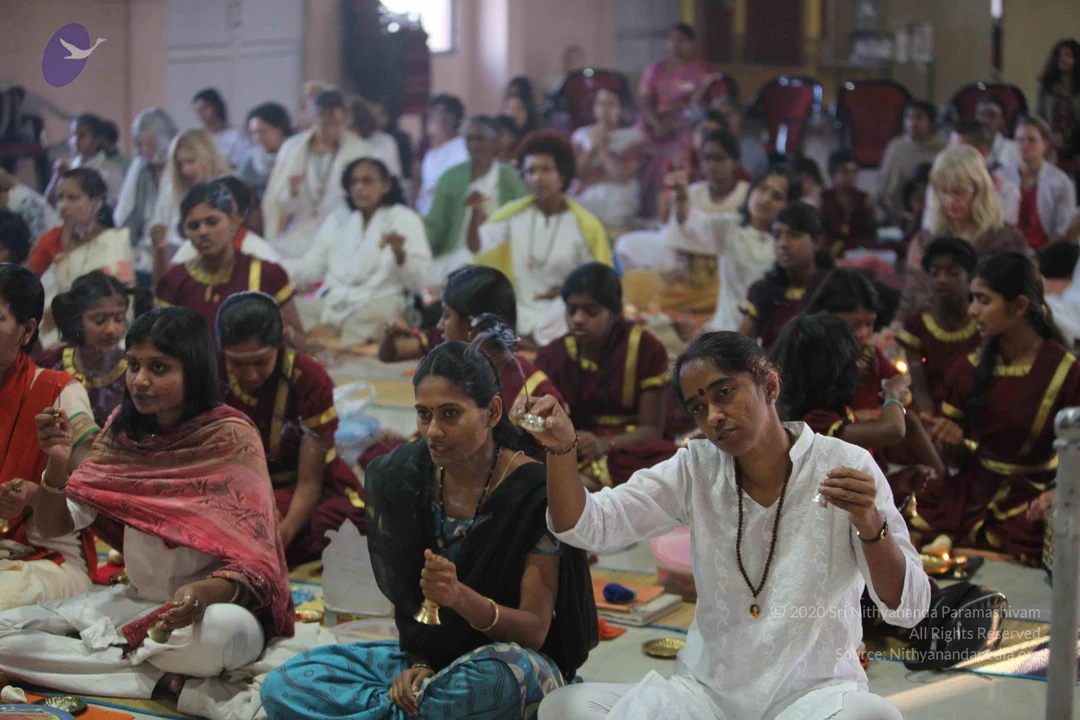
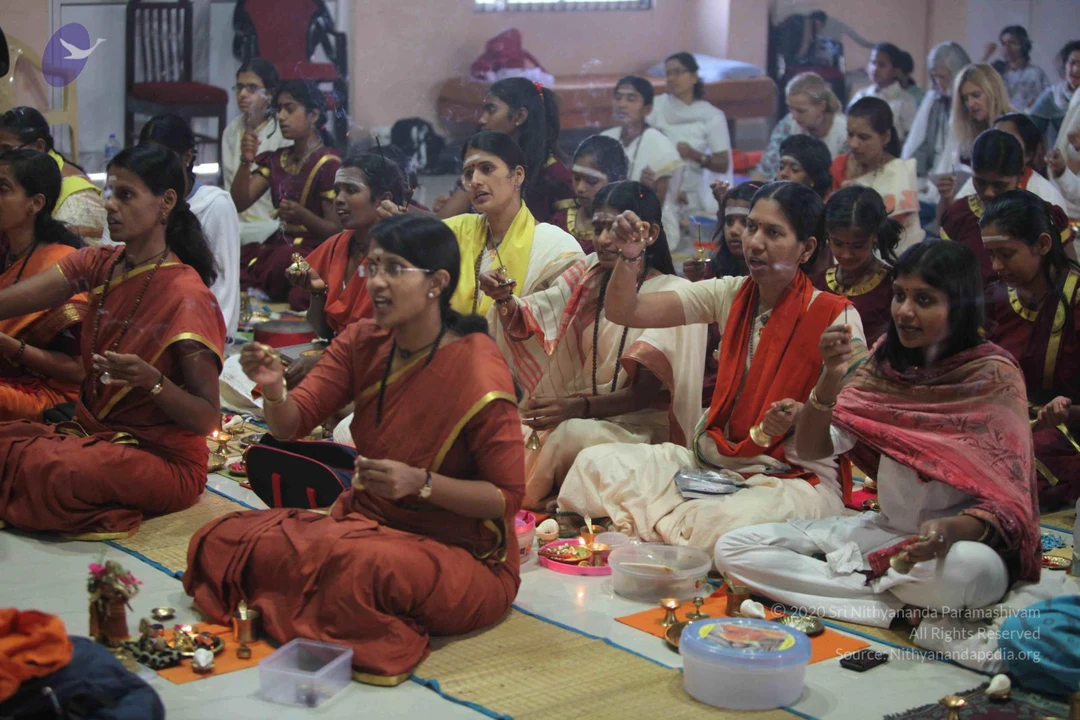
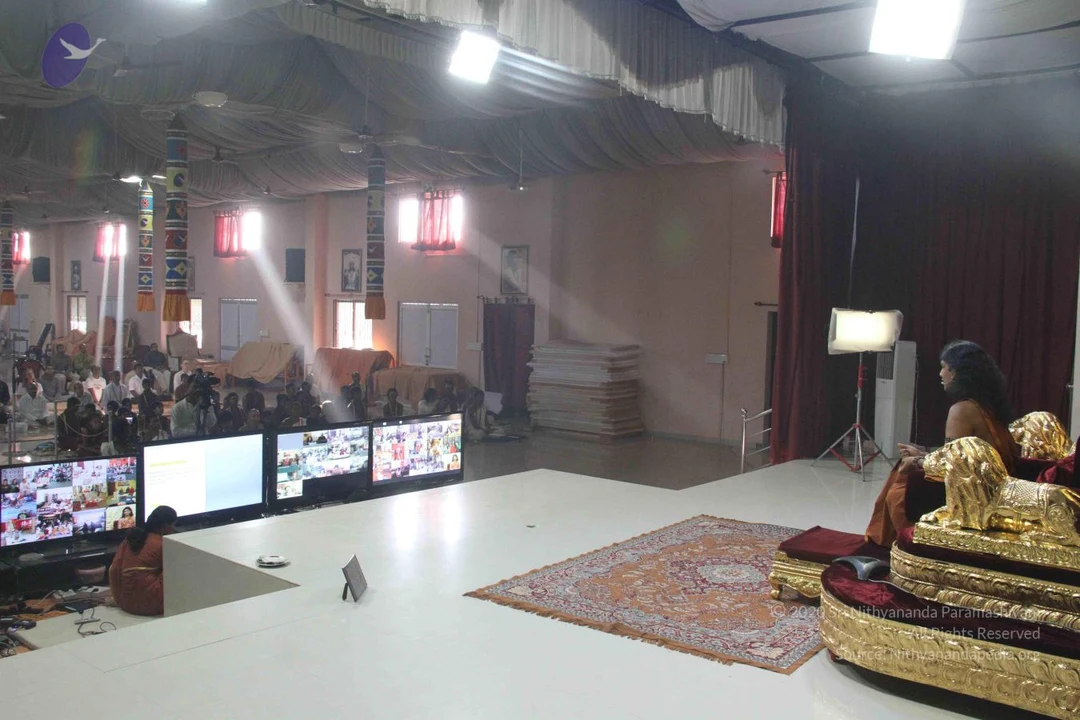
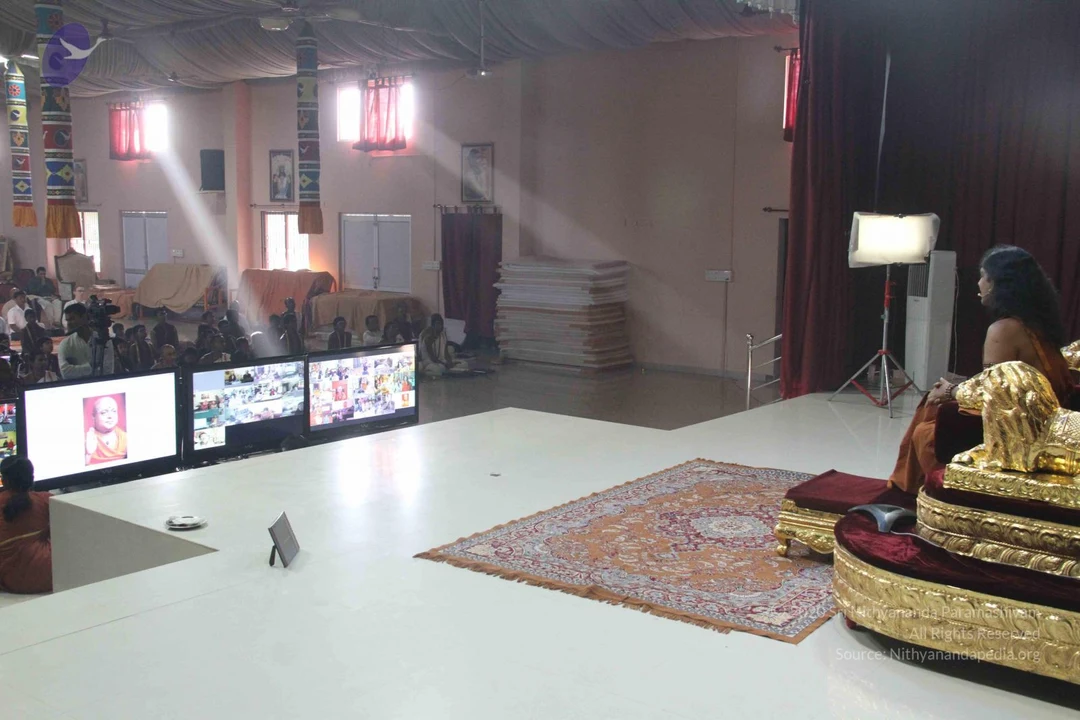
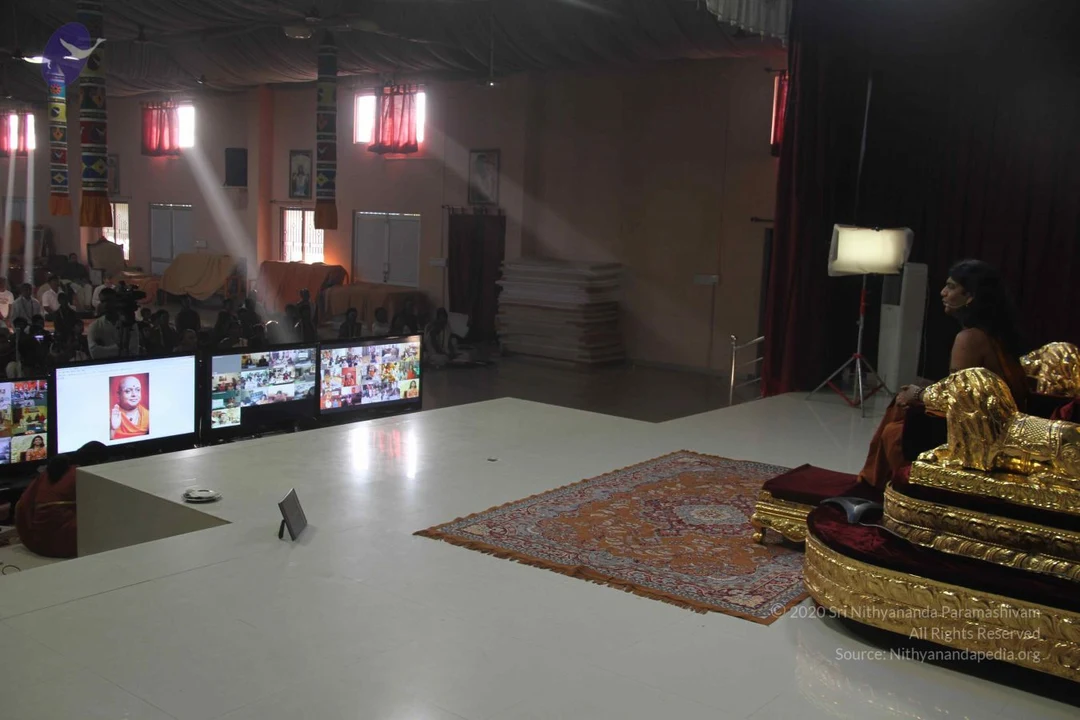
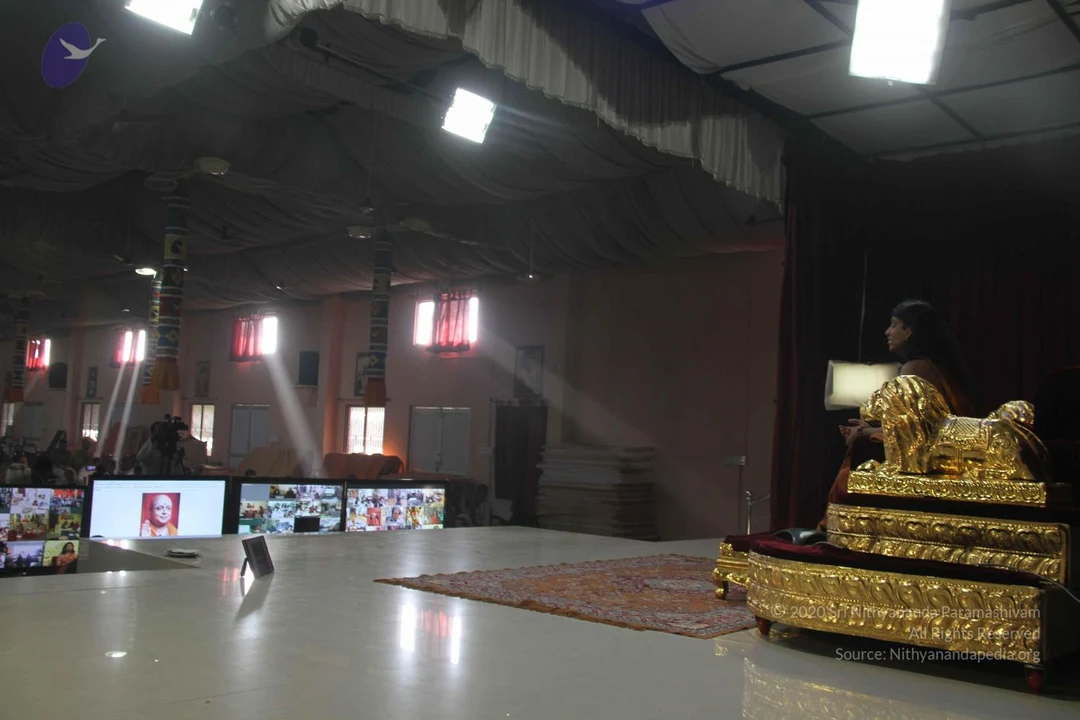
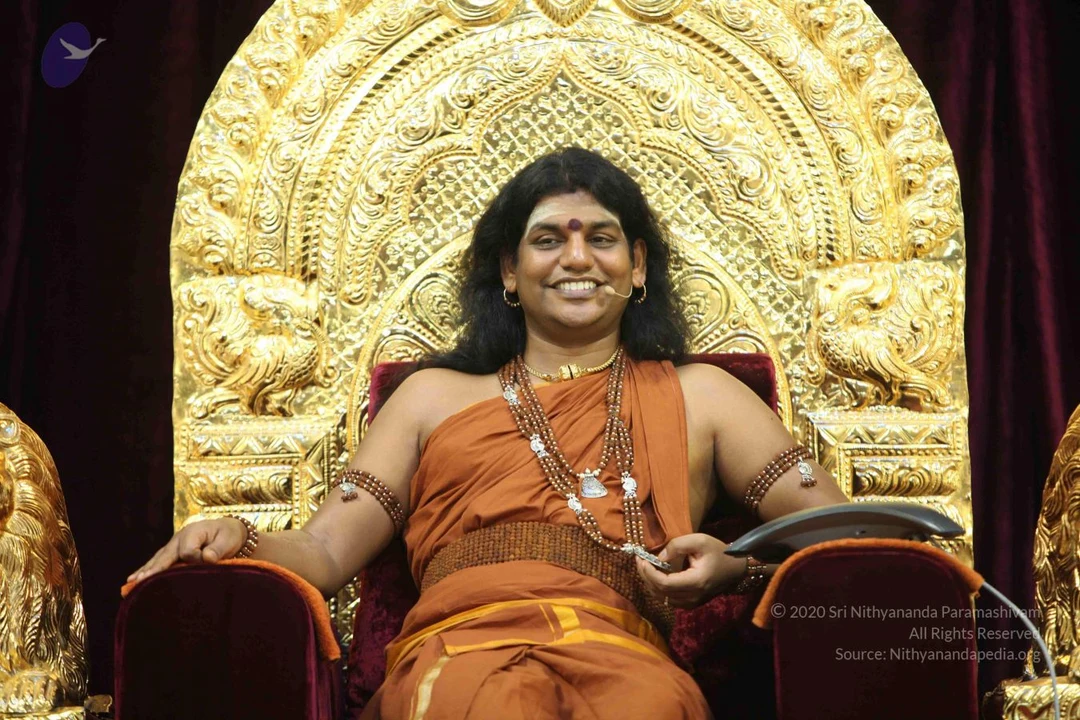
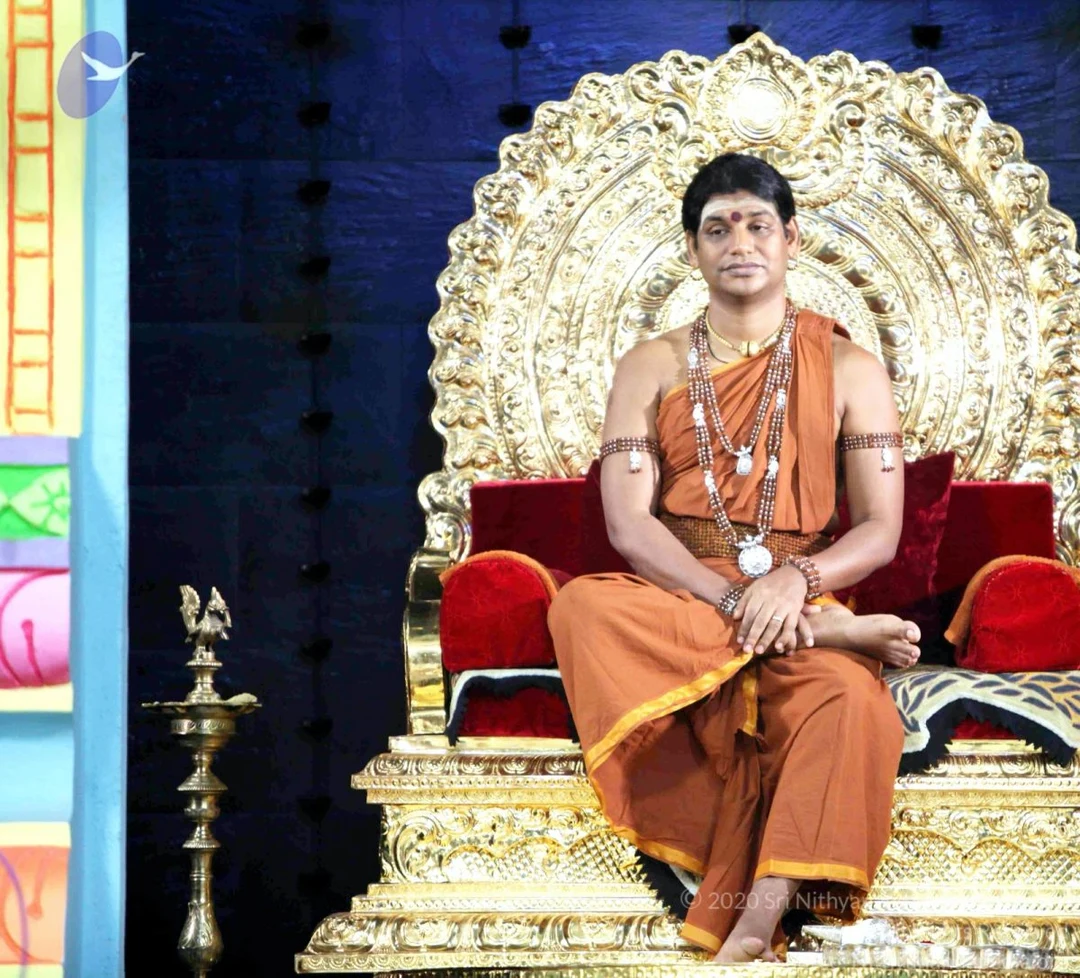
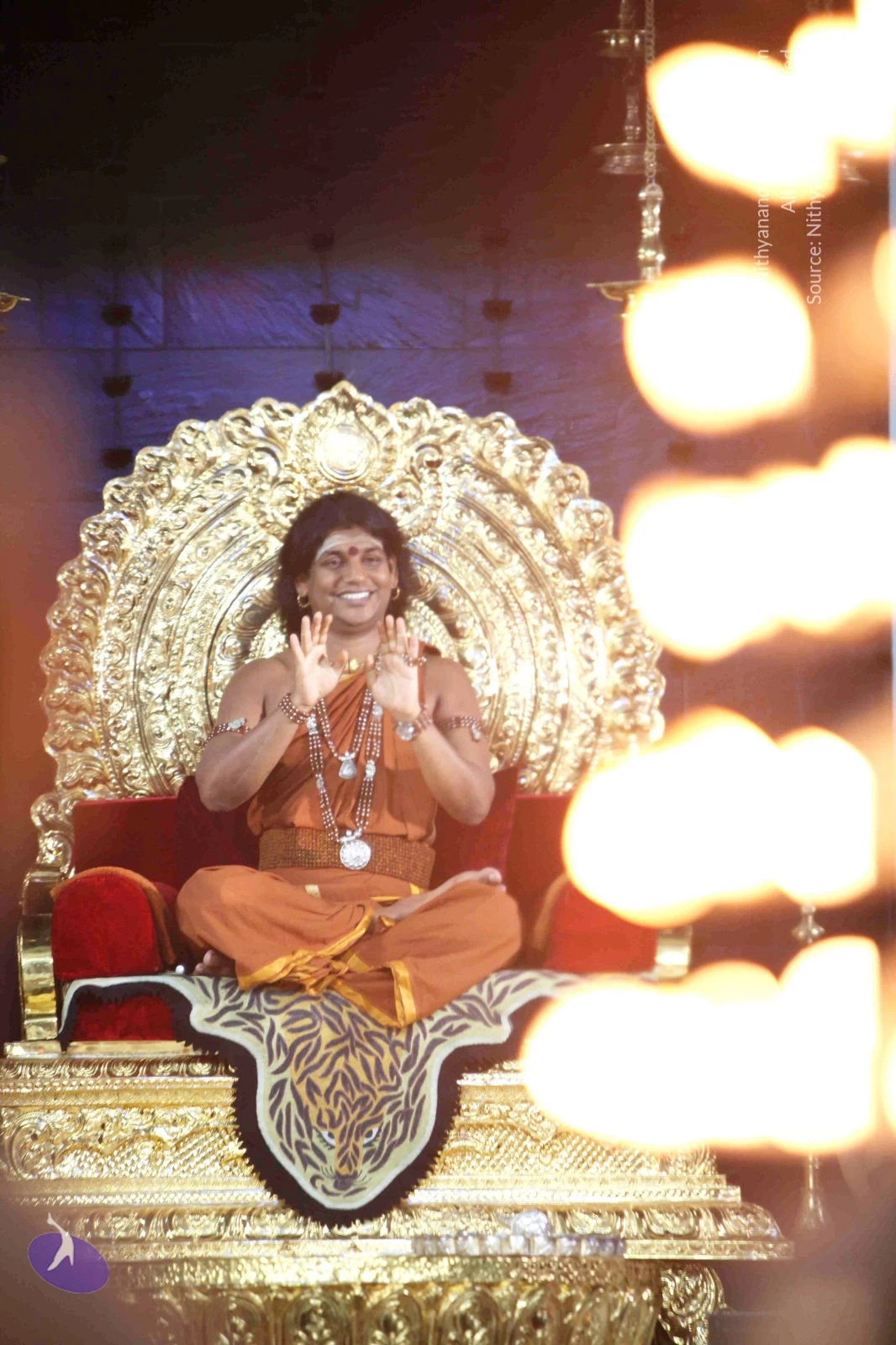
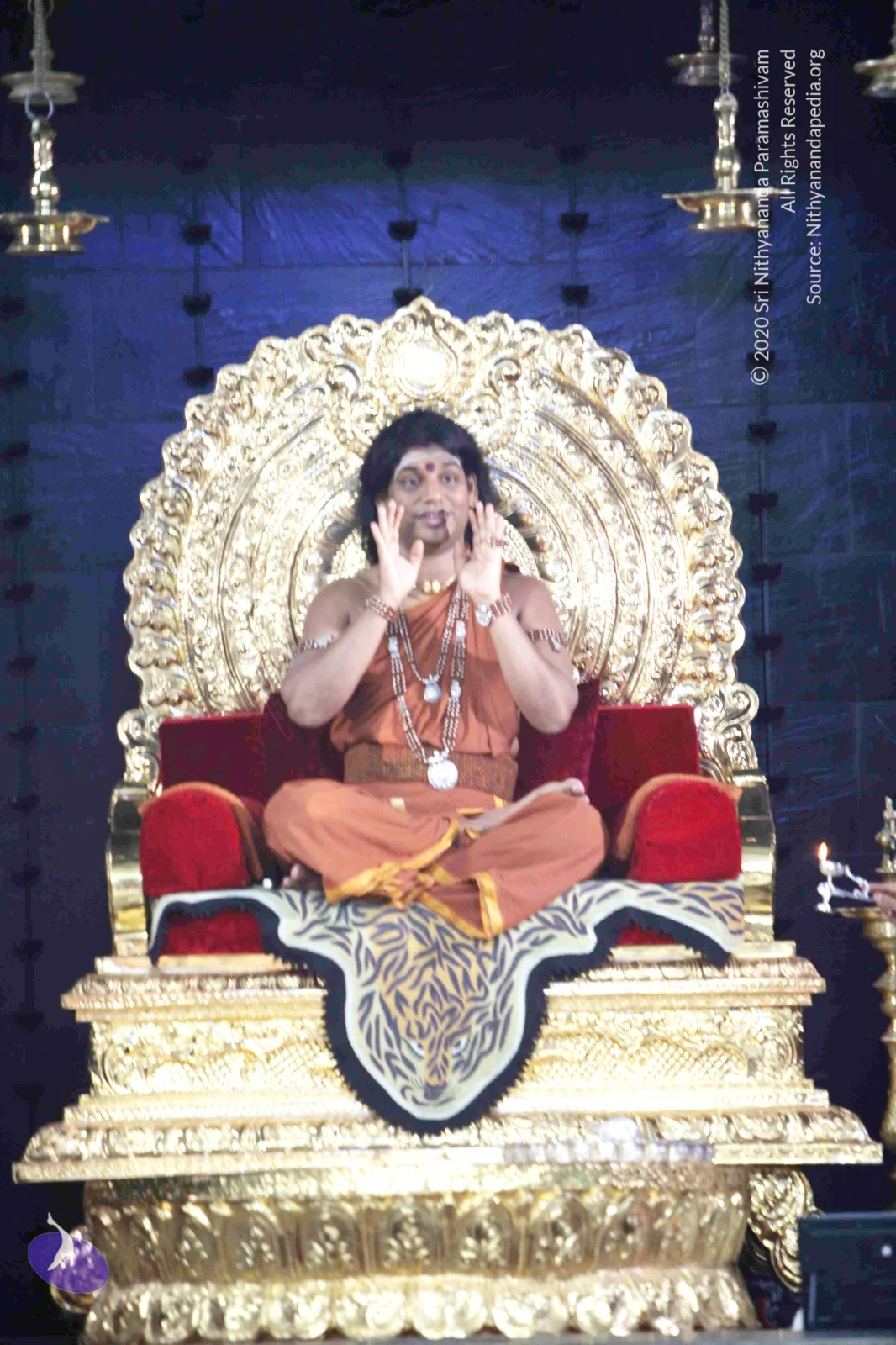
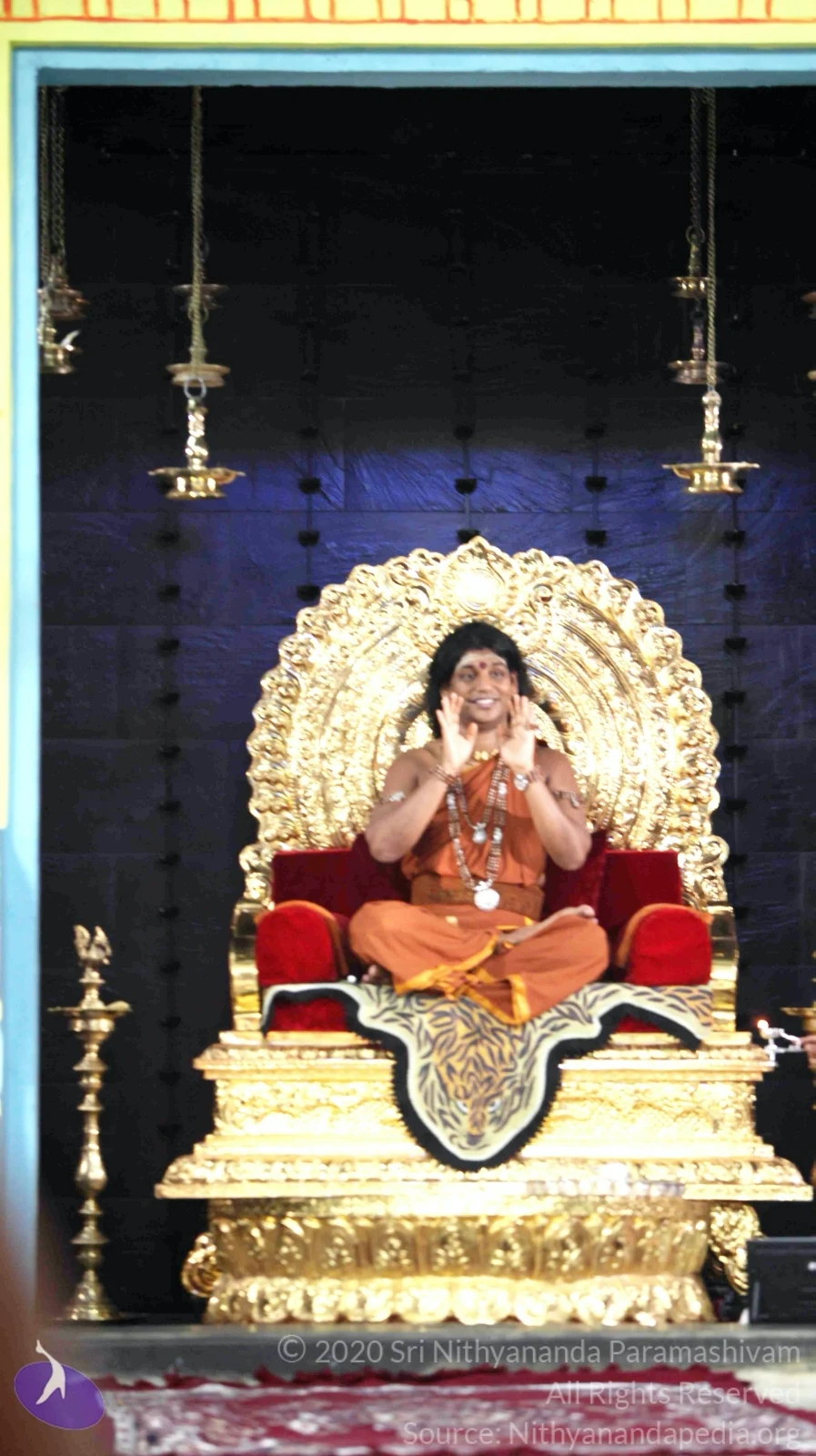
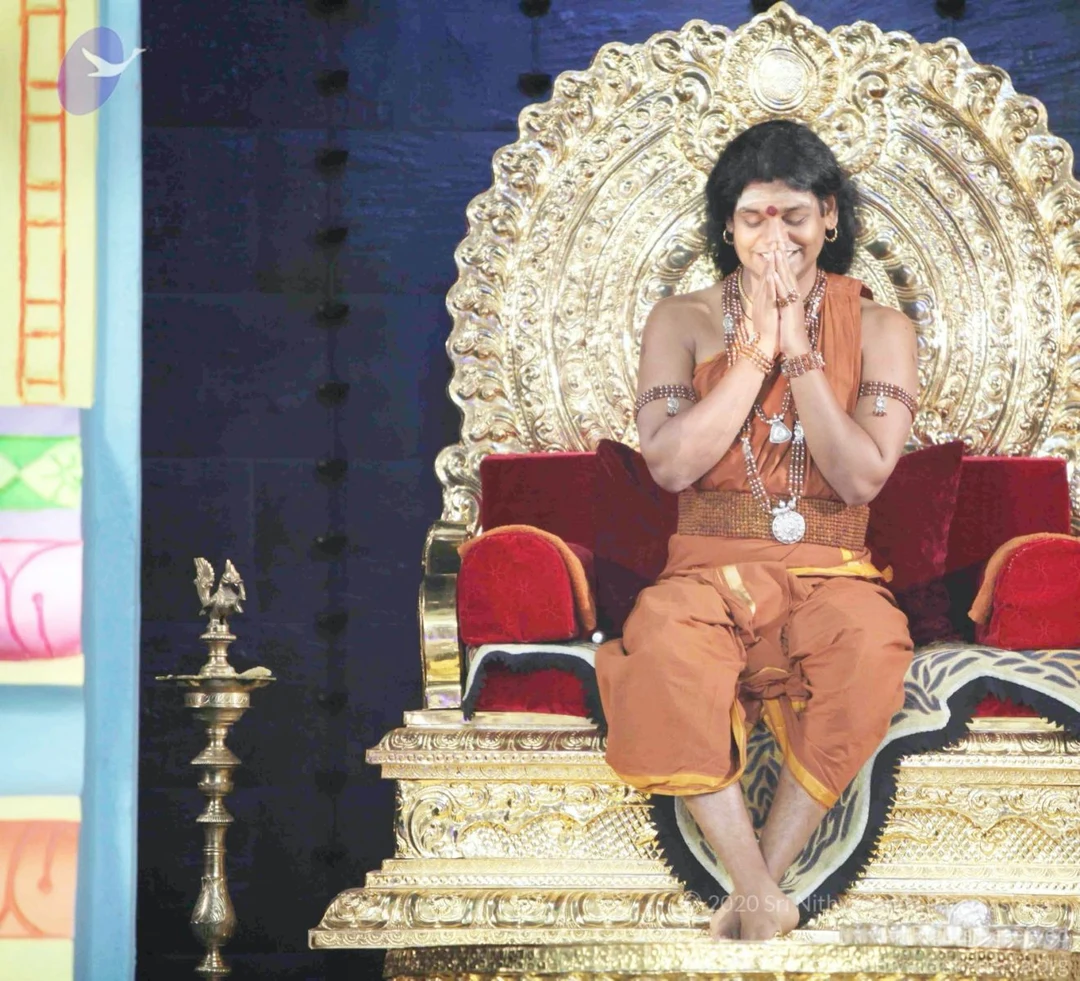
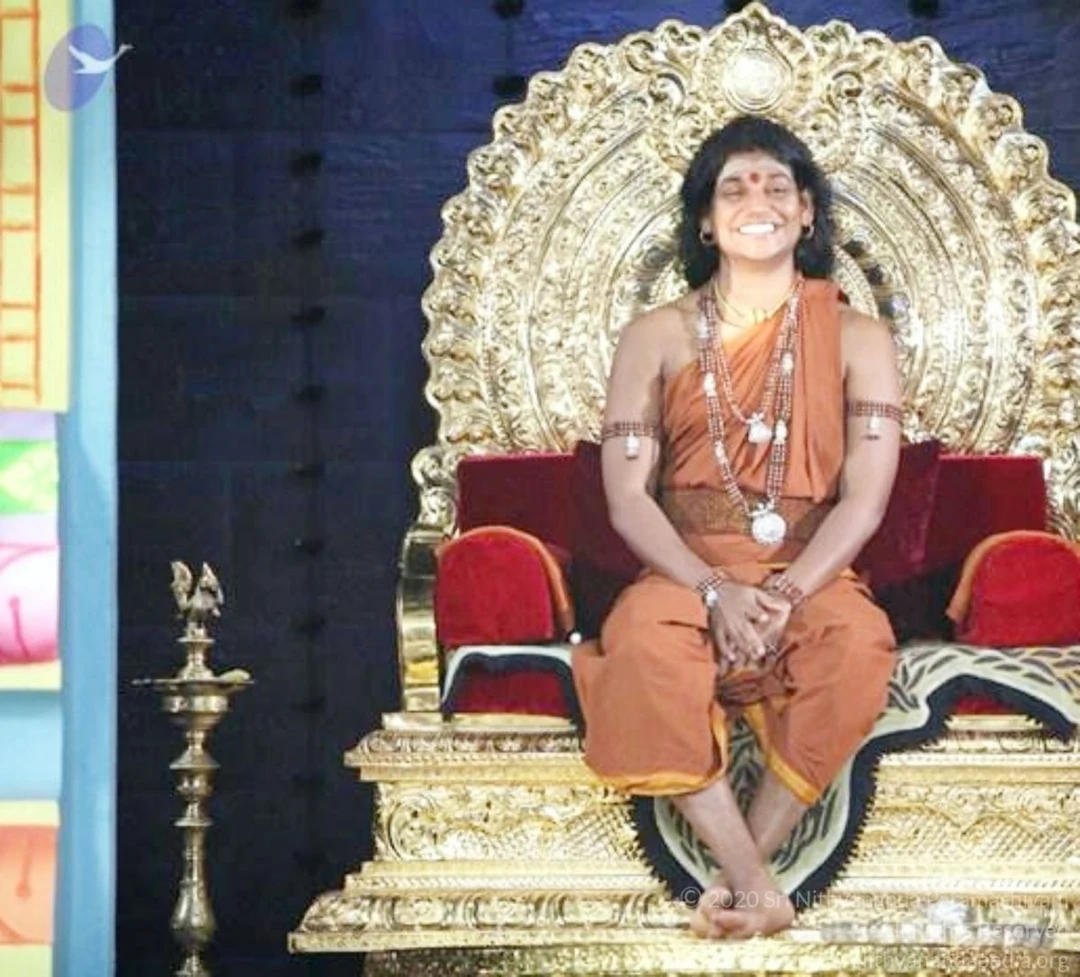
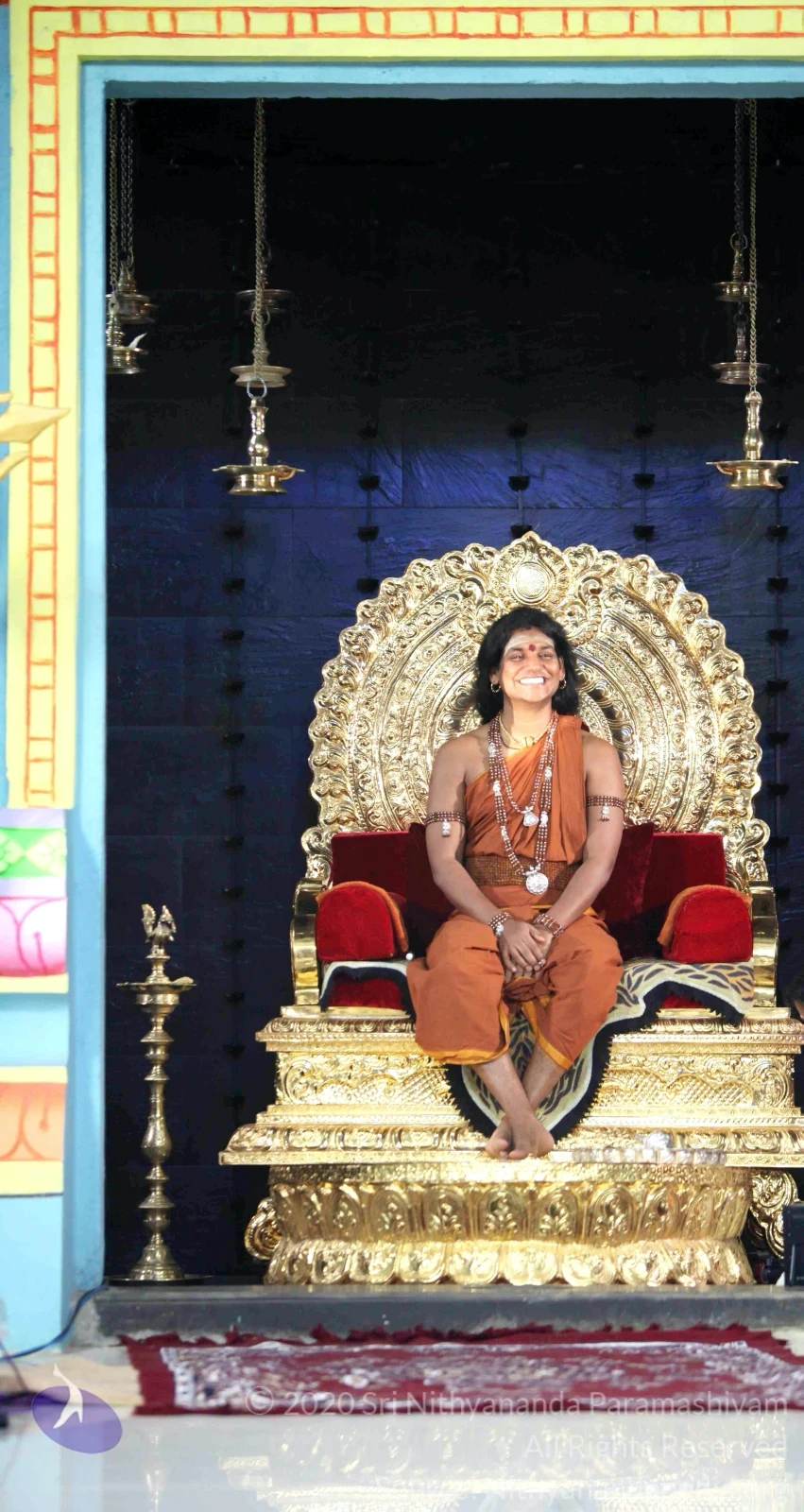
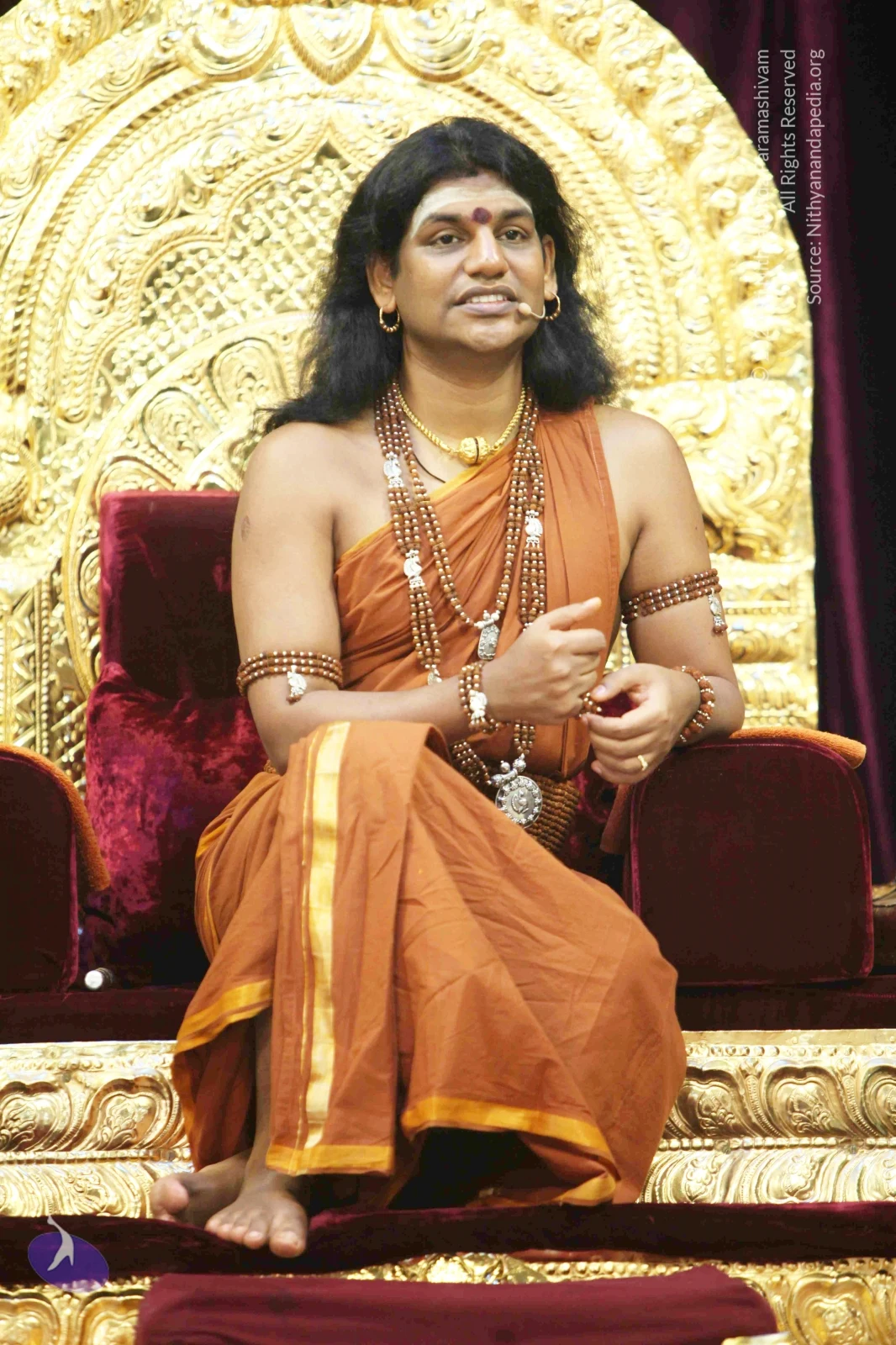
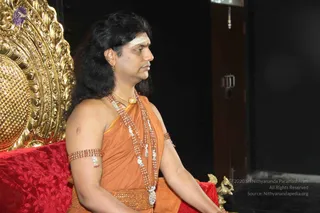
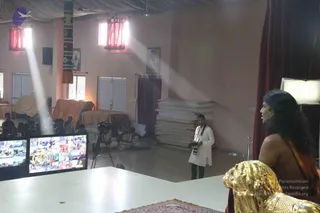
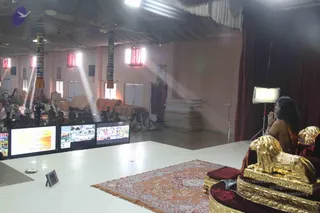
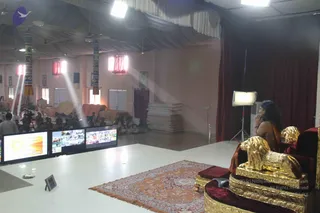
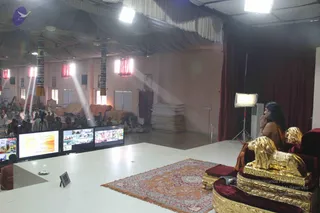
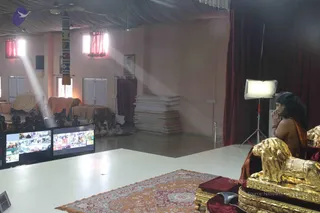
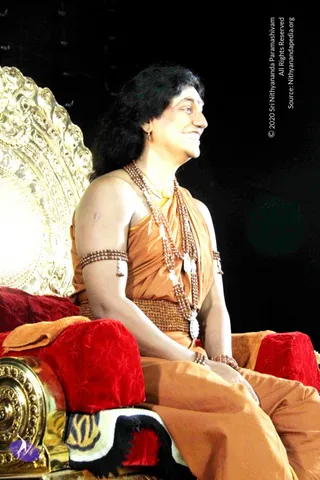
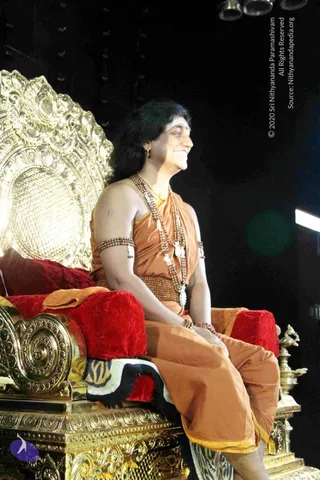
Satsang
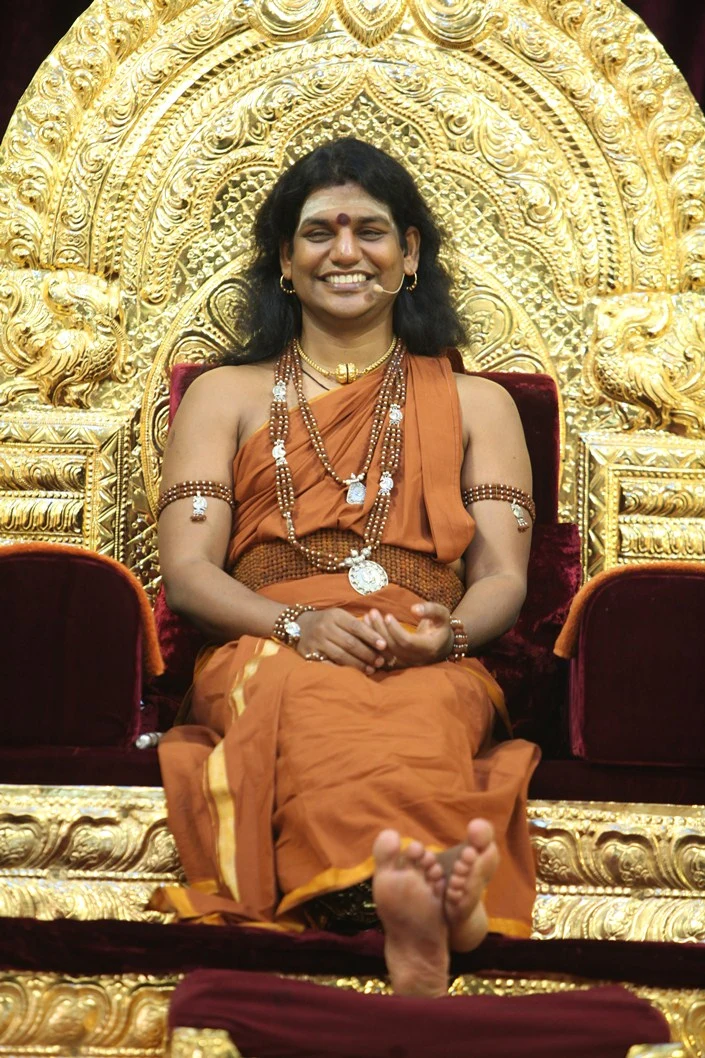
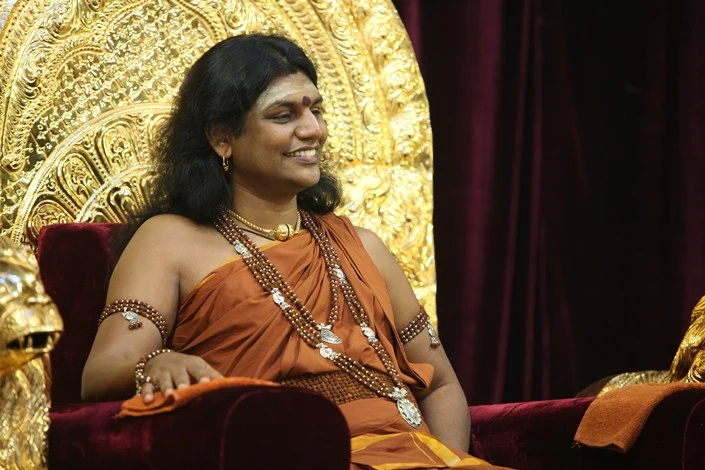
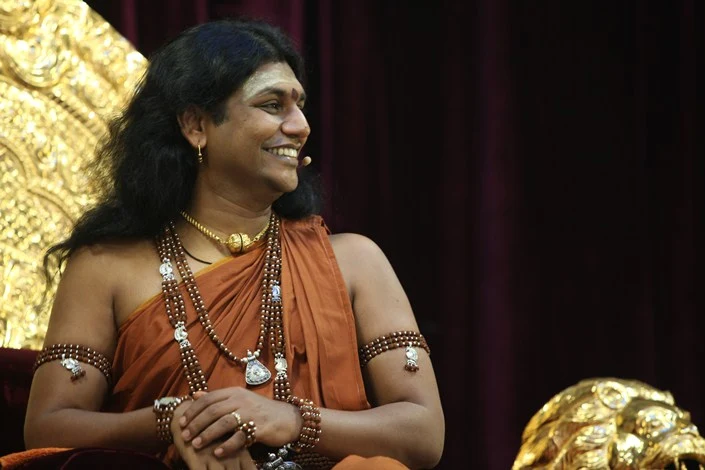
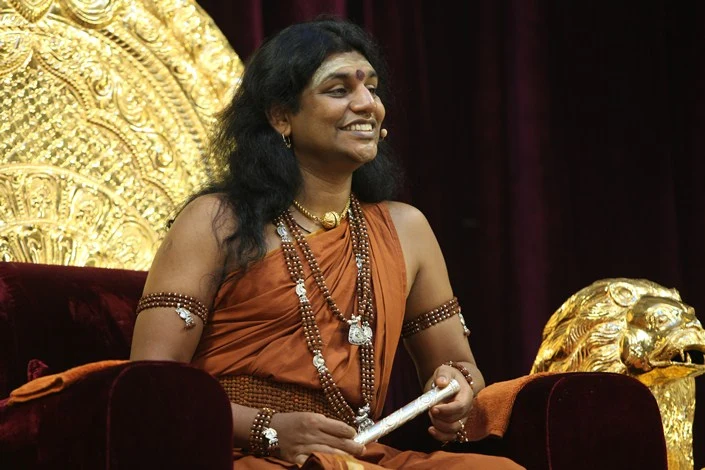
Satsang in 2 Way
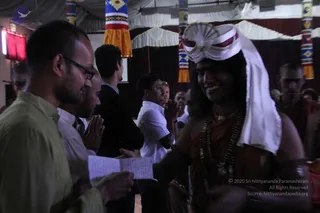
Sarva Darshan
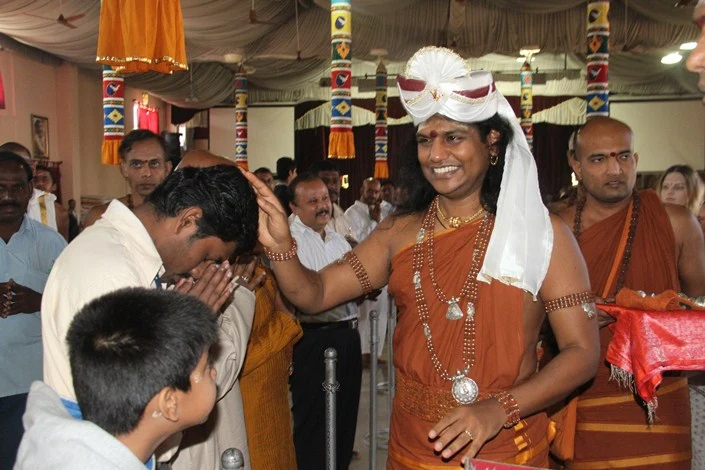
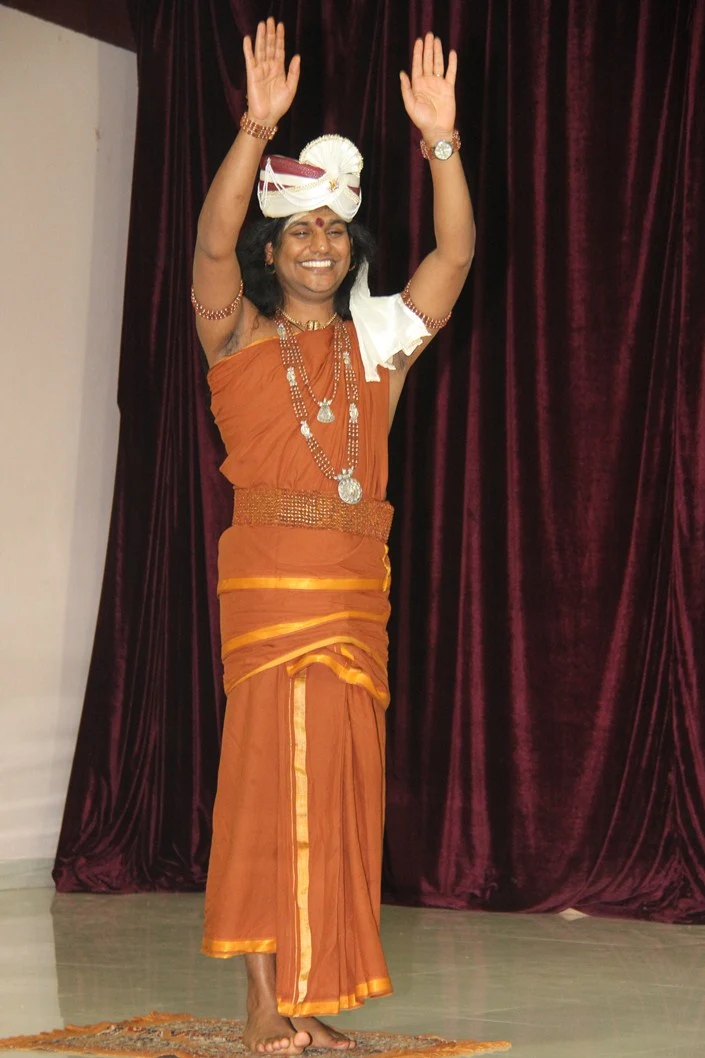
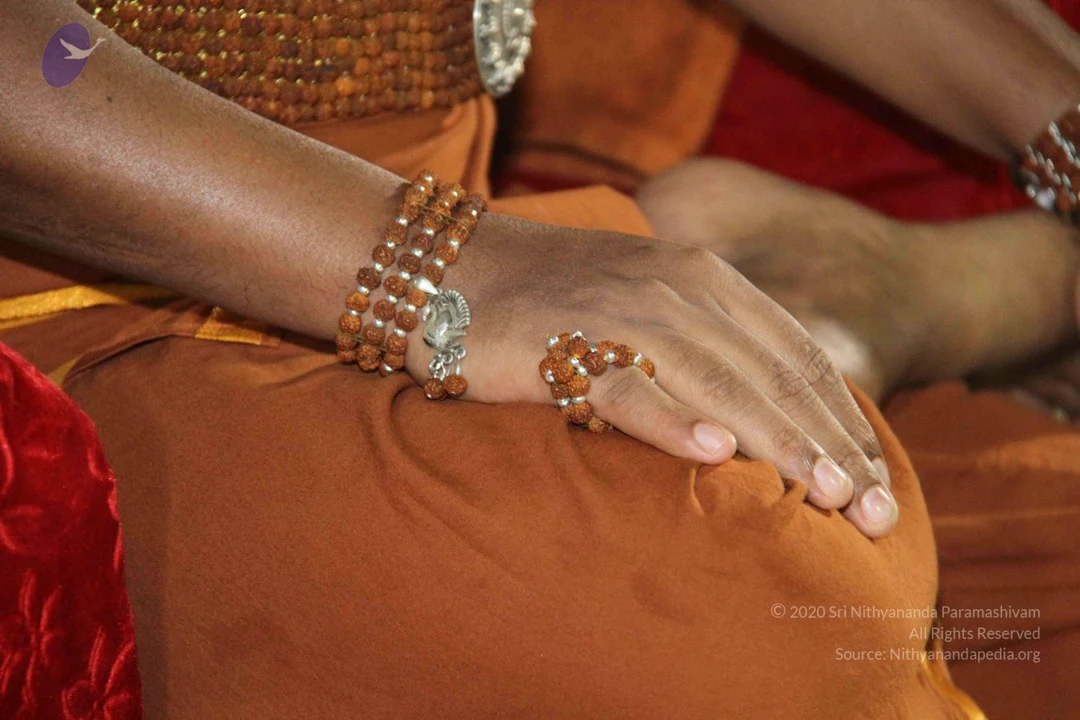
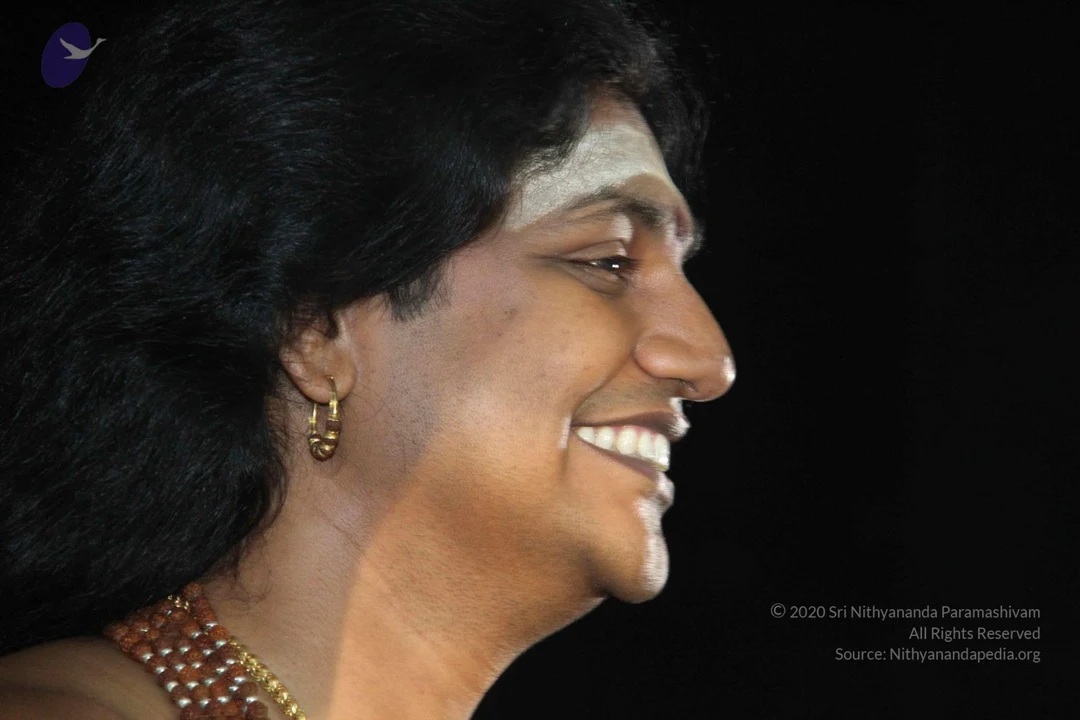
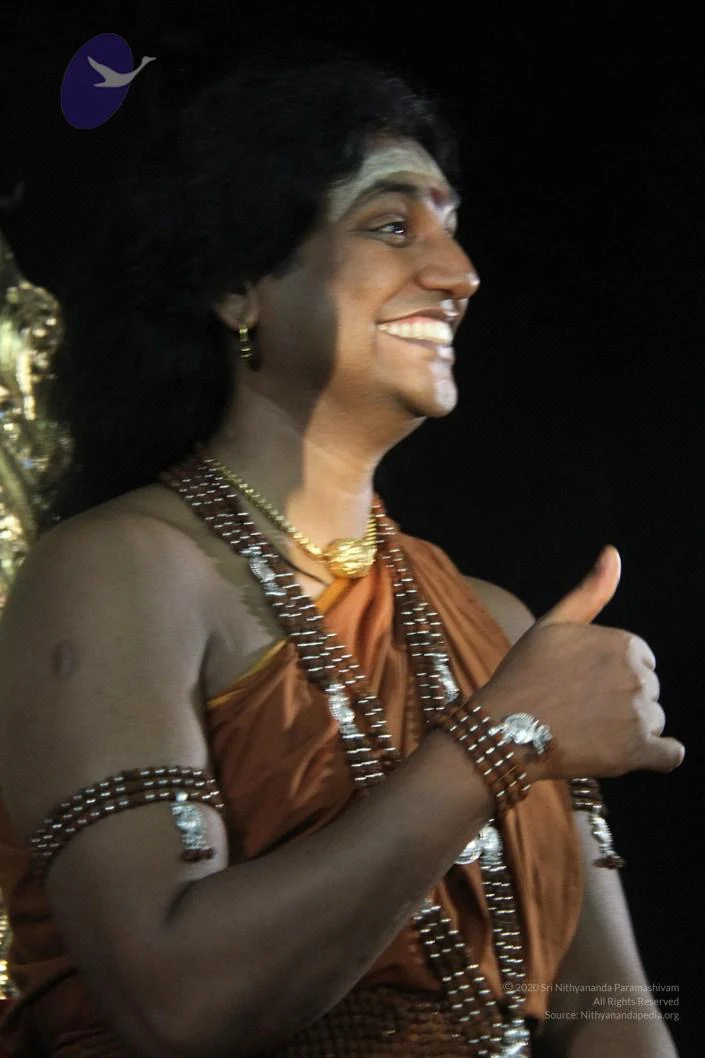
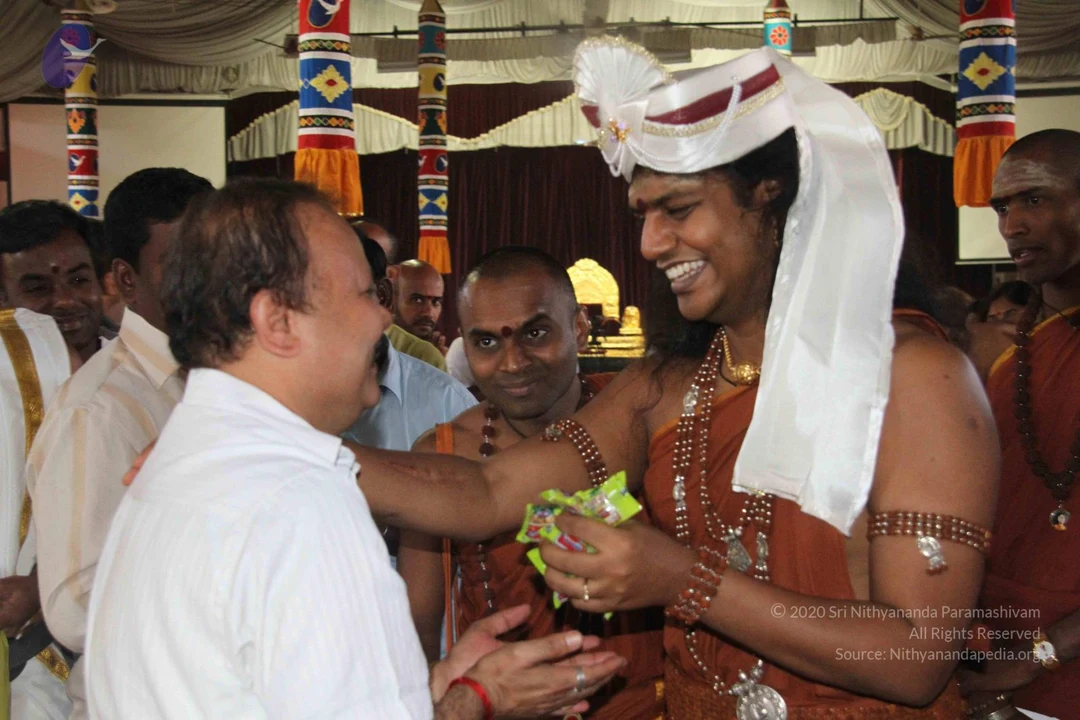
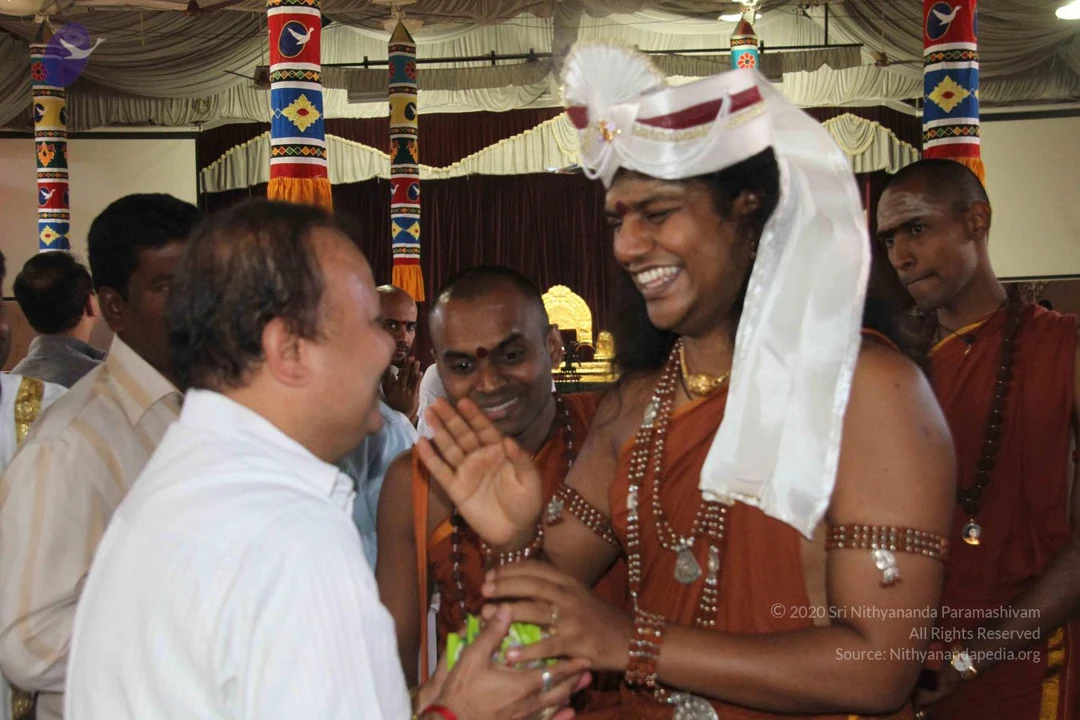
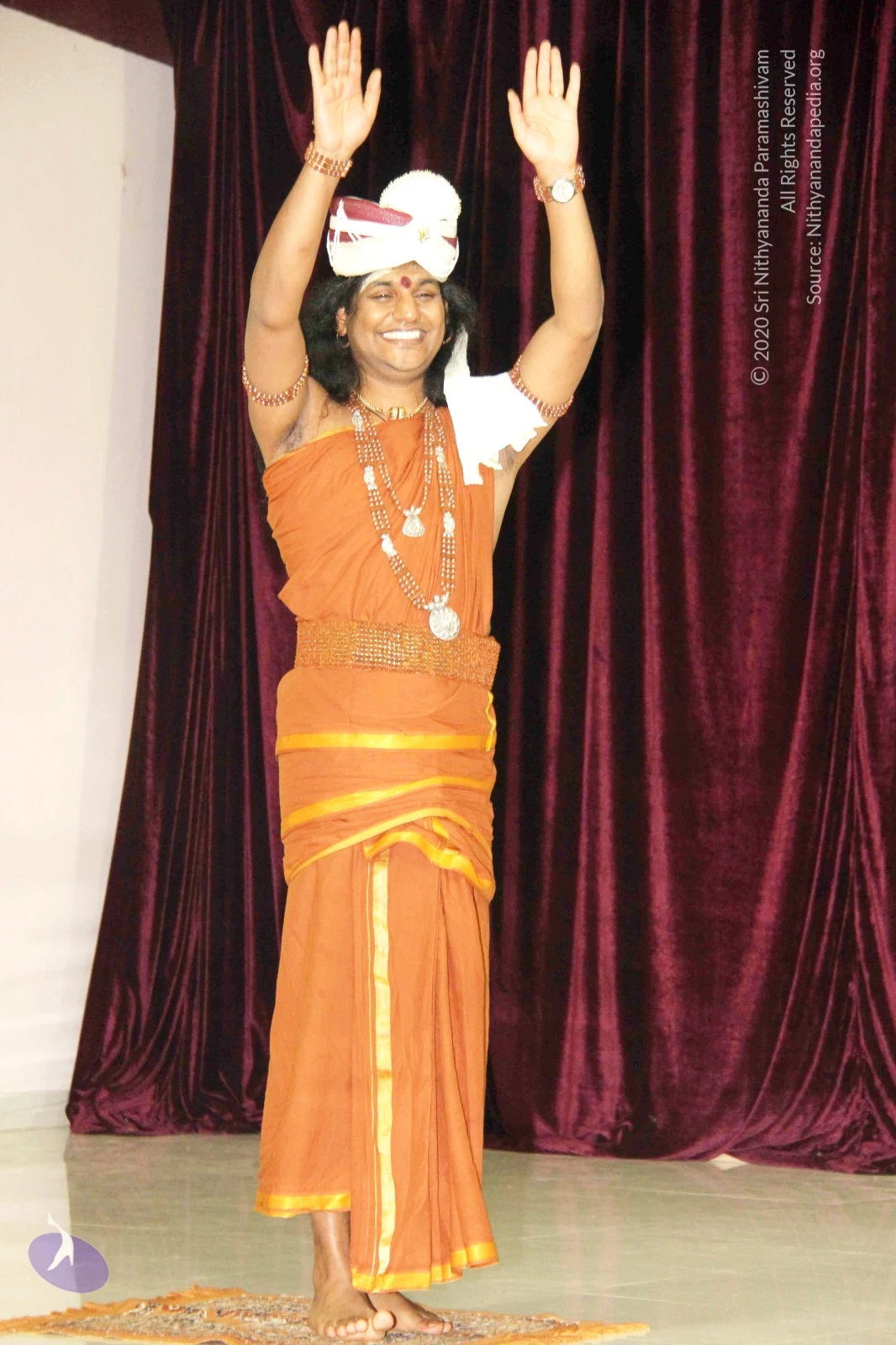
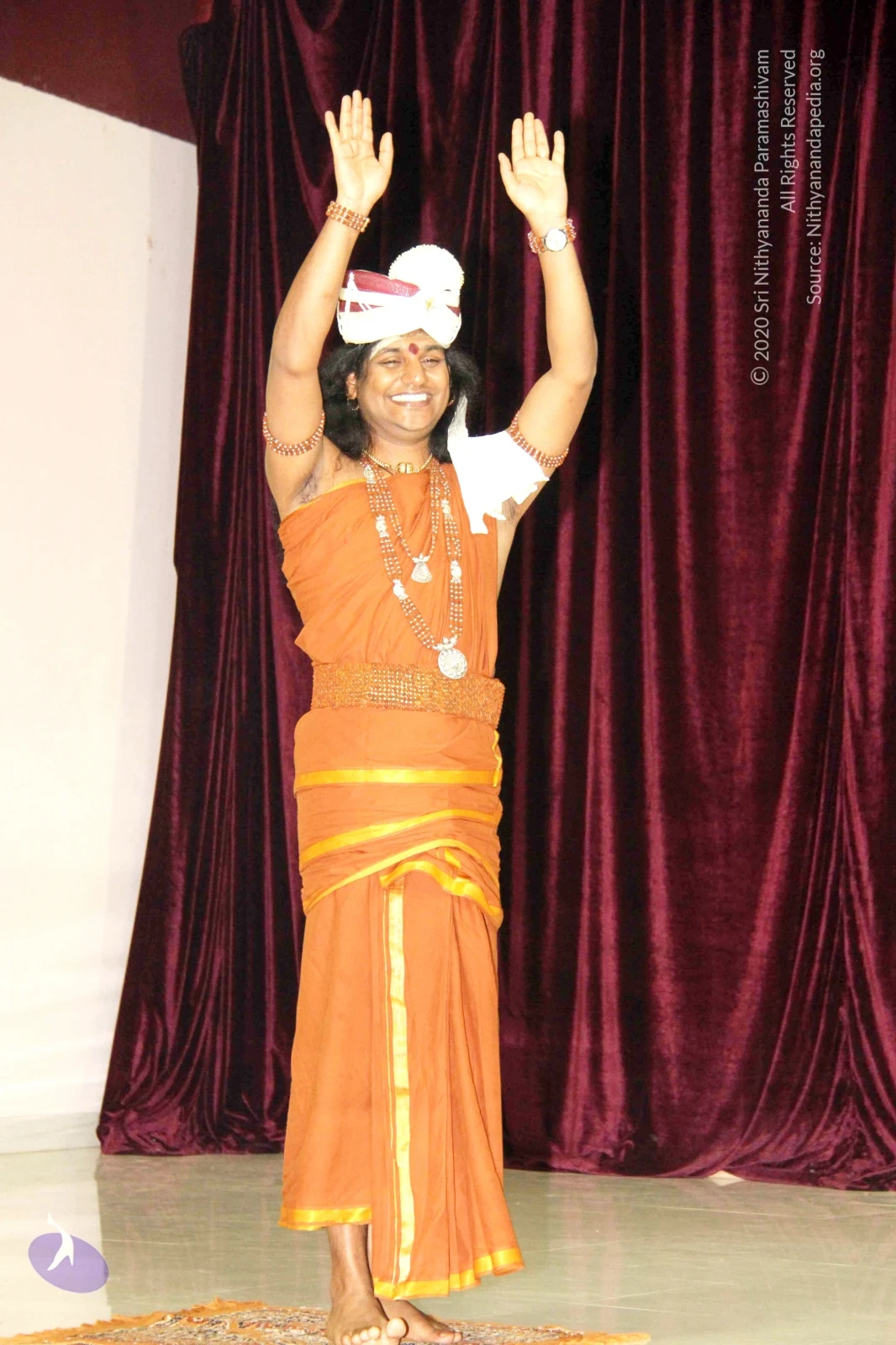
Blessing to All
Tags
Paramahamsa Nithyananda, sangha, commitment, holiday, integrity, dedication, achievement, sacrifice, responsibility, understanding, eternal life, guru, vision, potential.
Photos Of The Day:
Pada-Puja
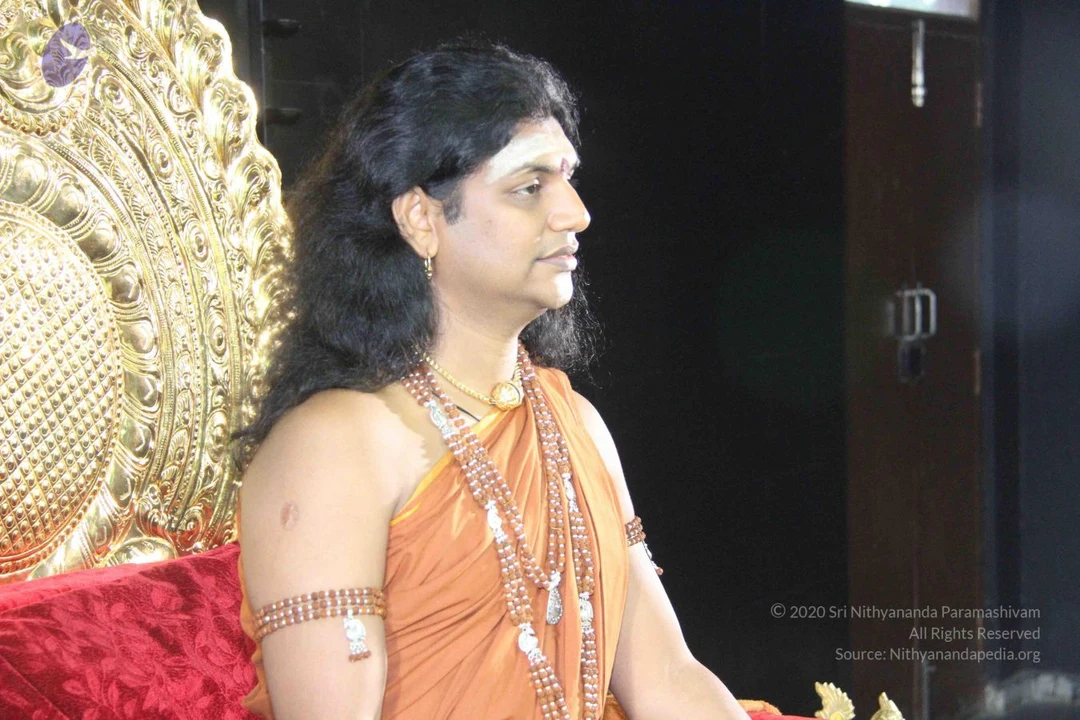
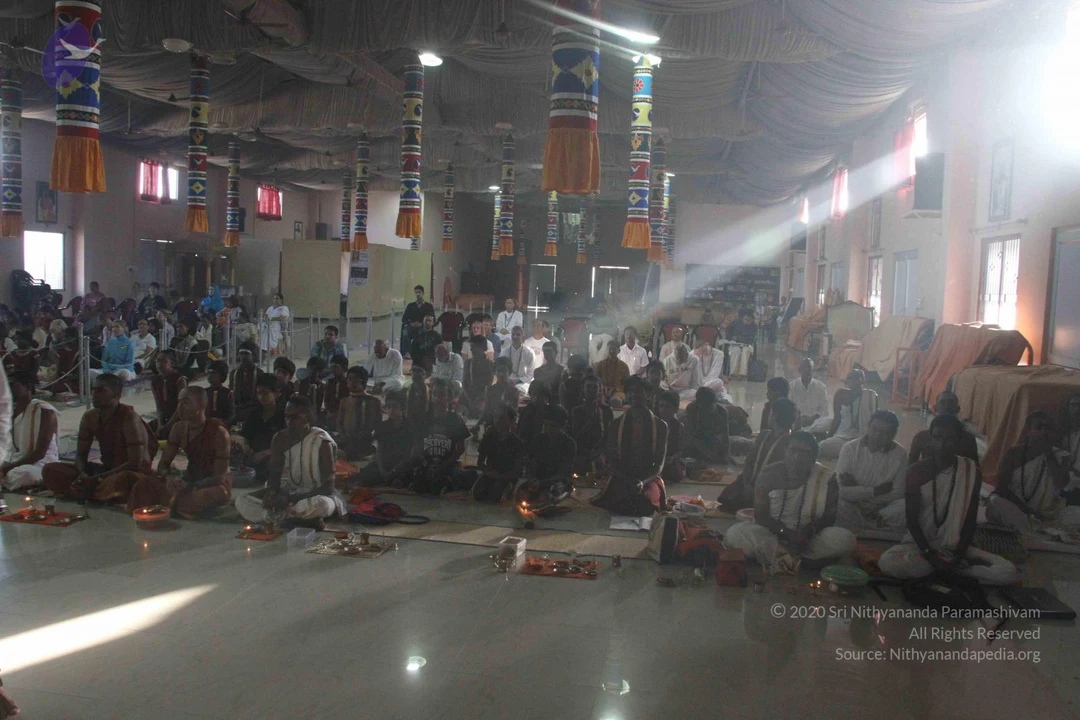
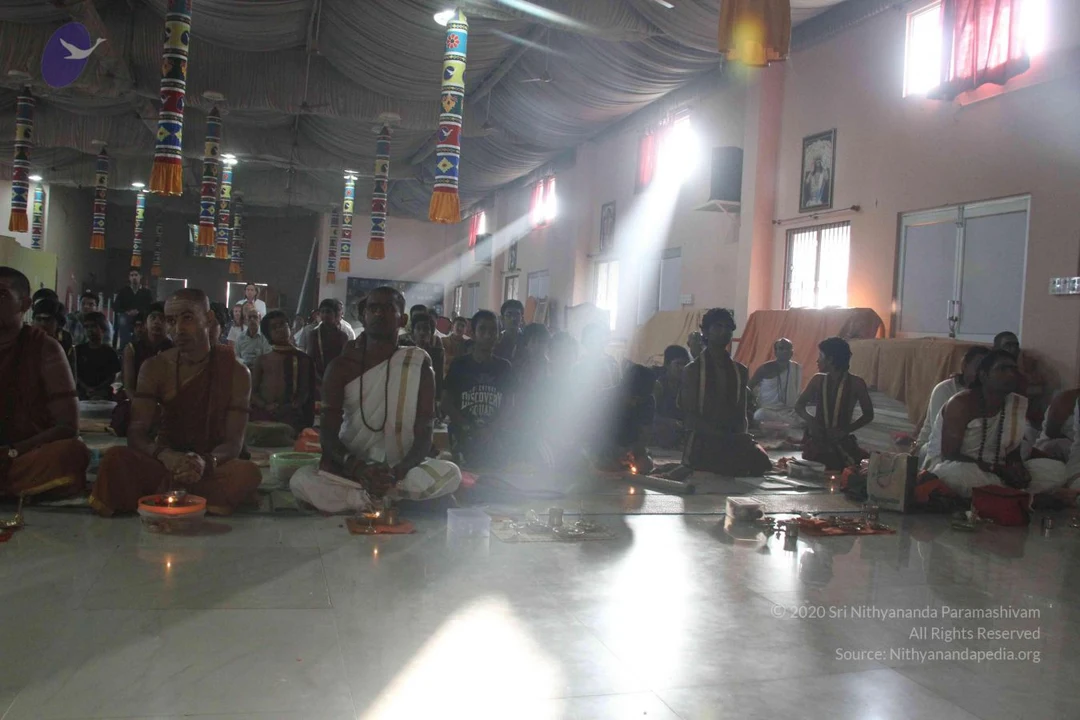
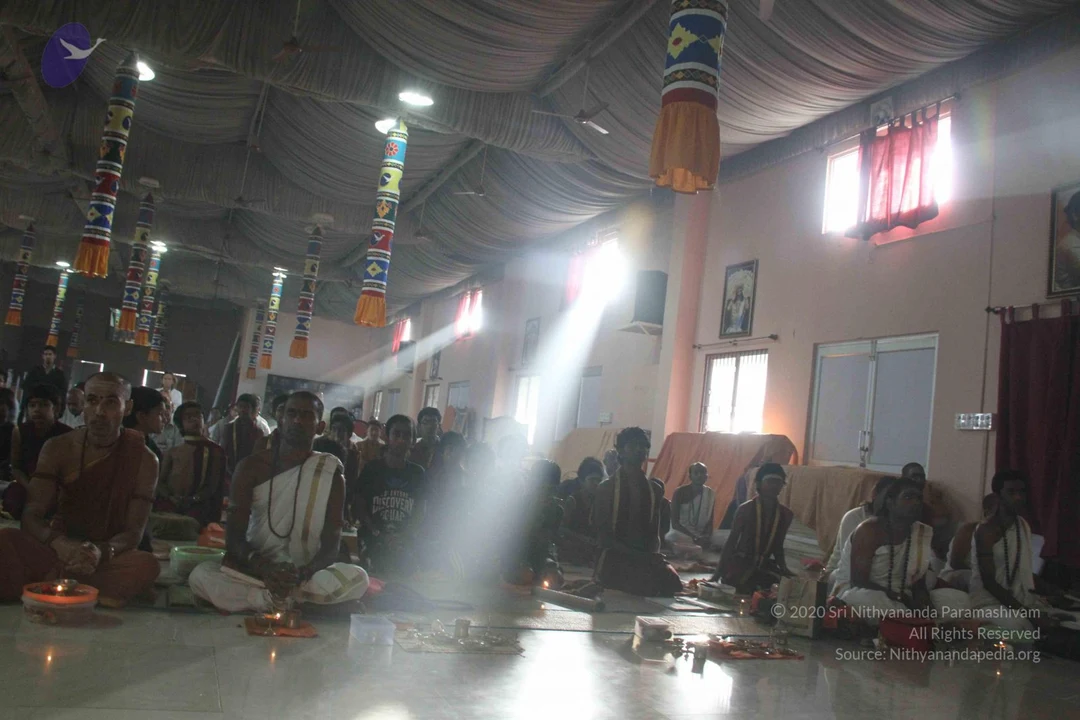
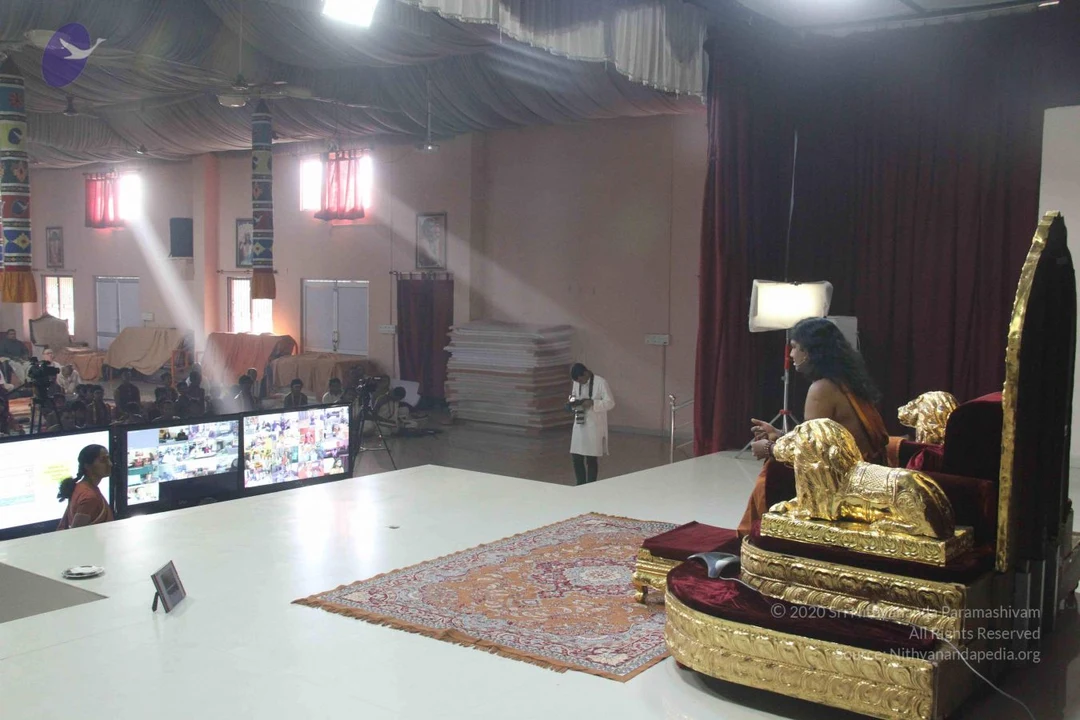
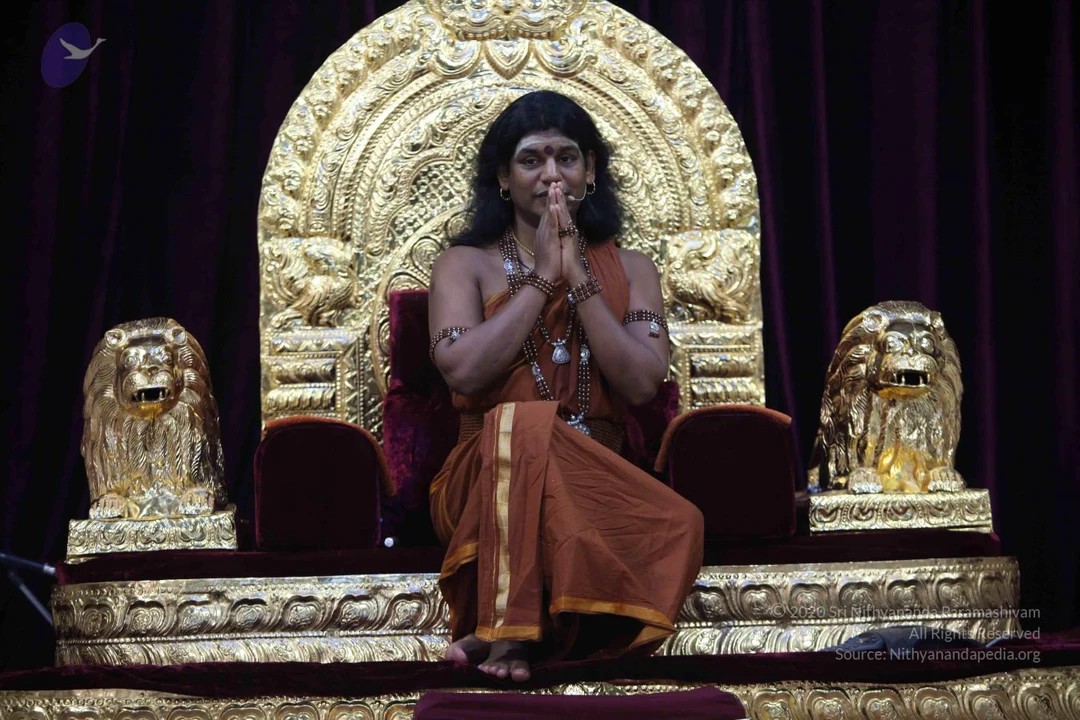
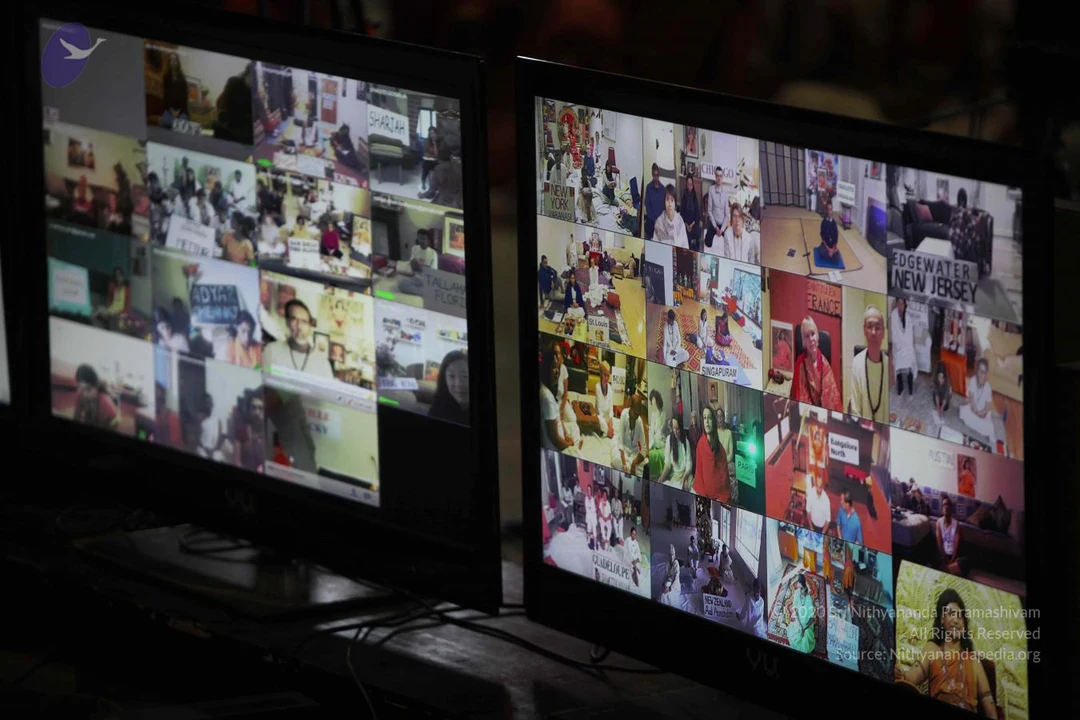
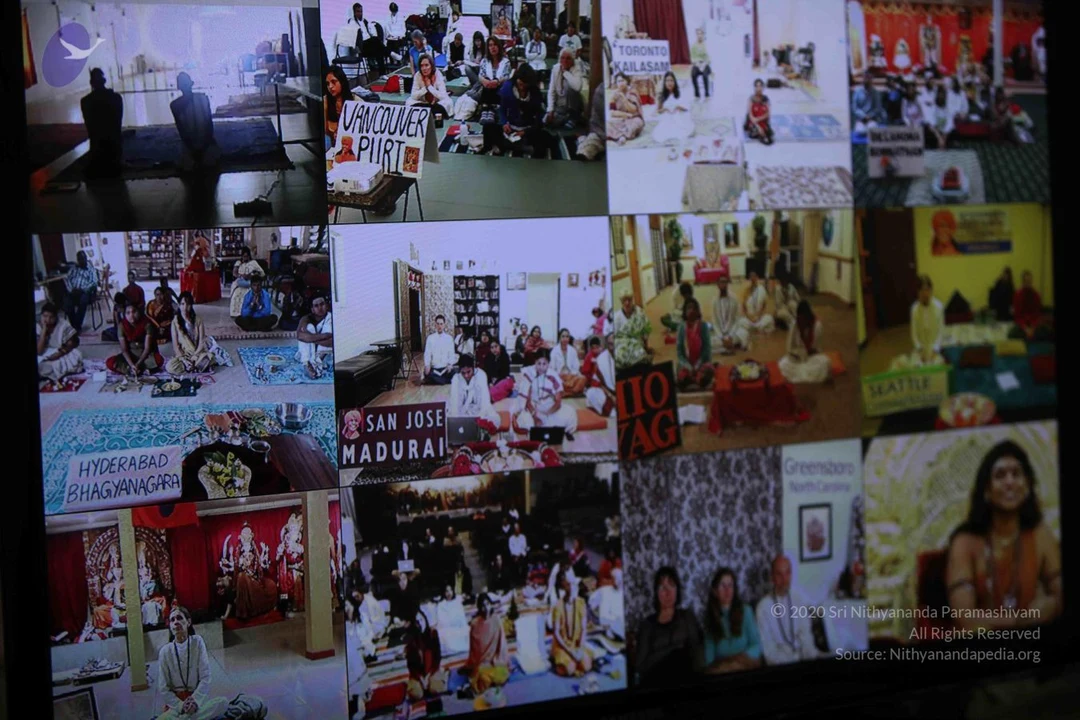
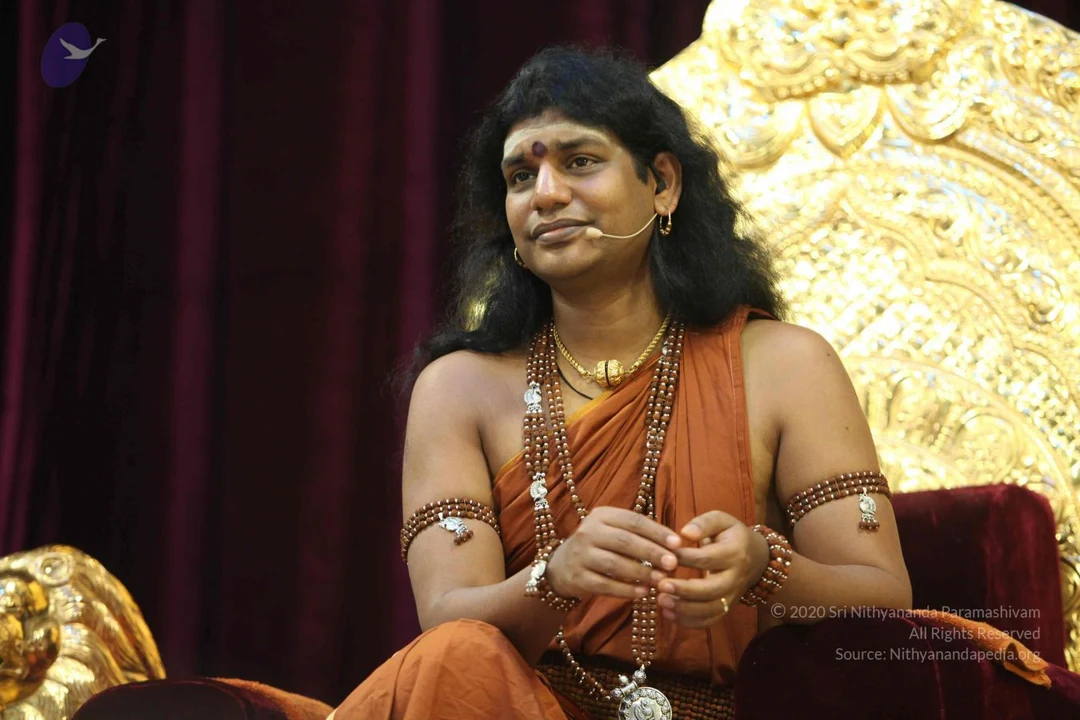
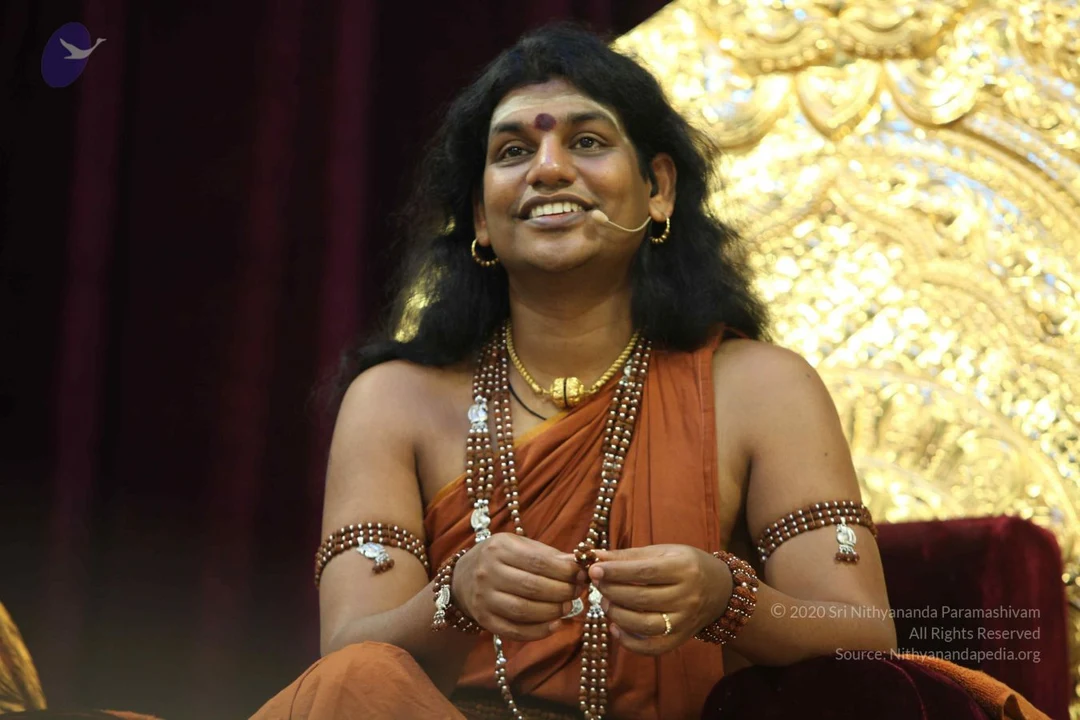
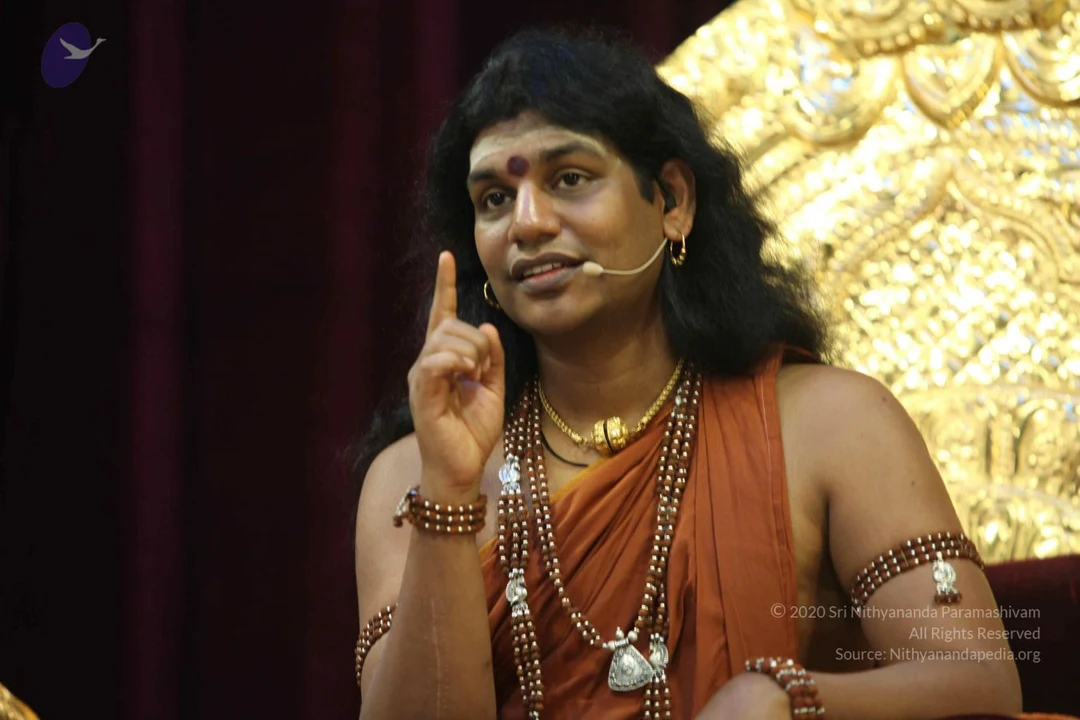
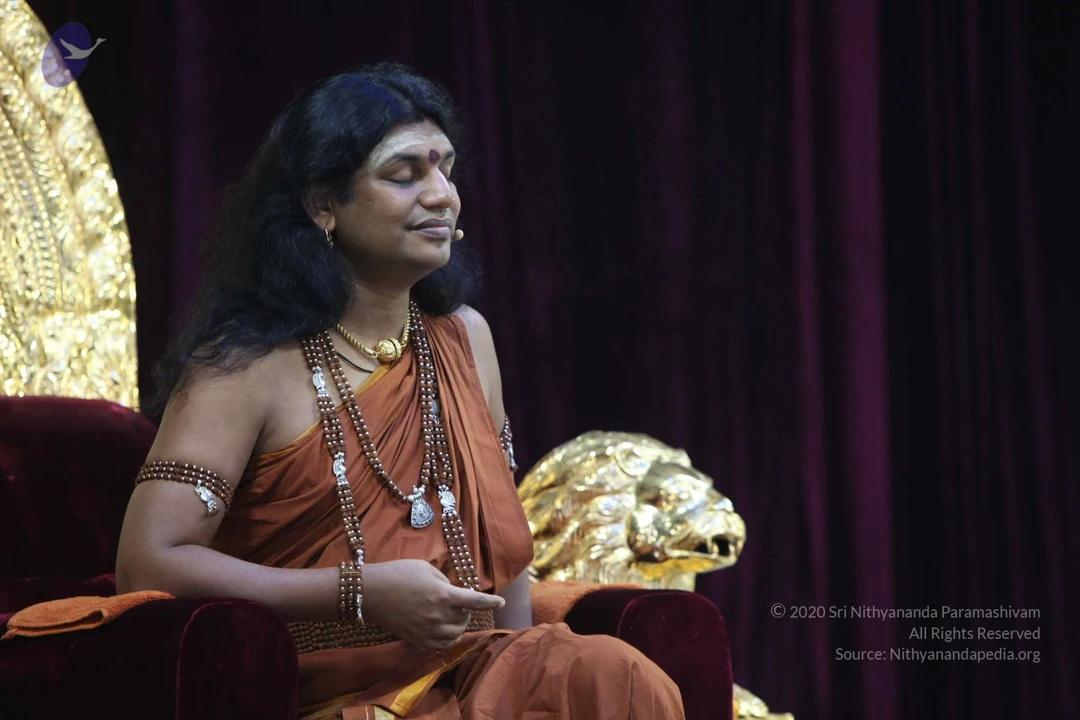
Satsang
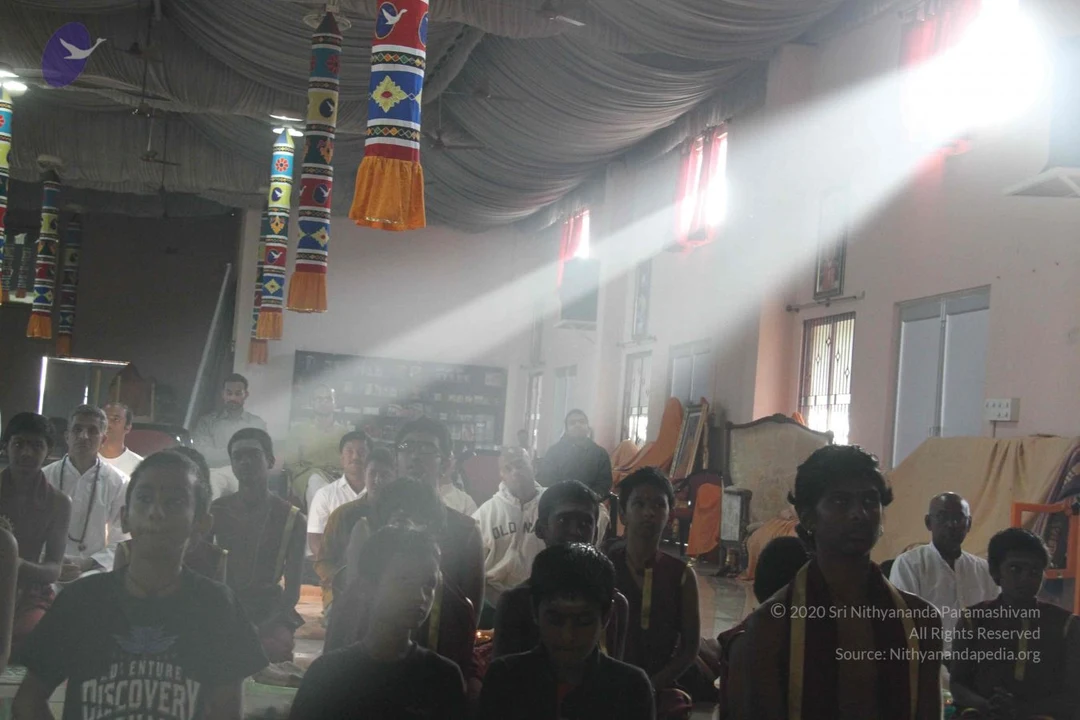
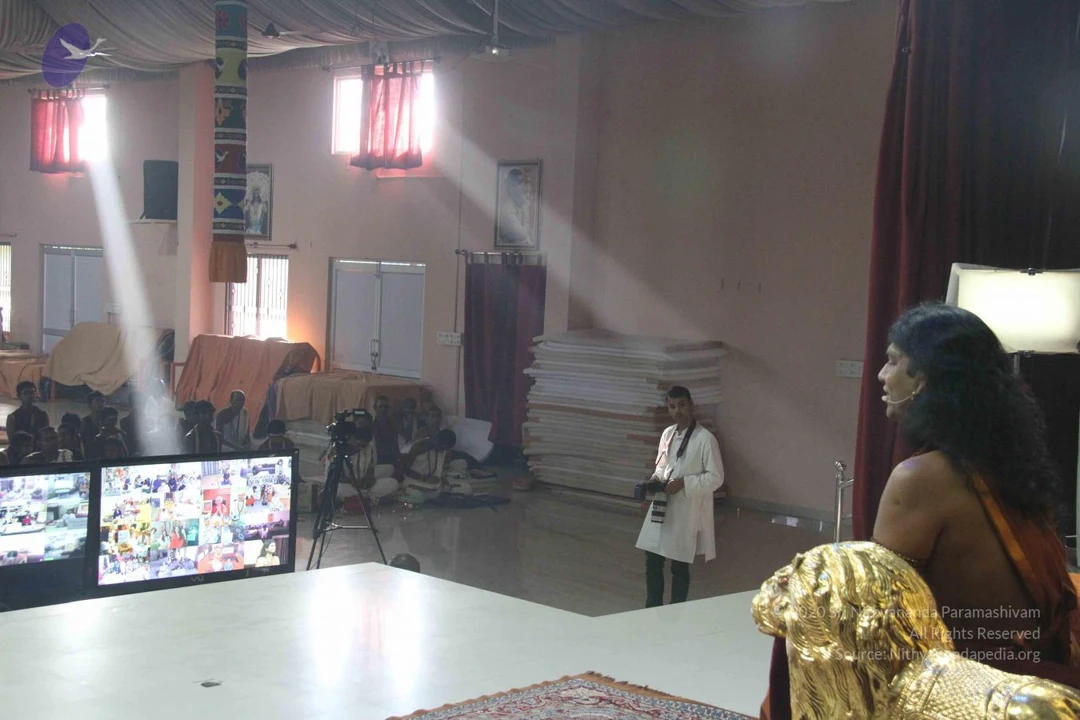
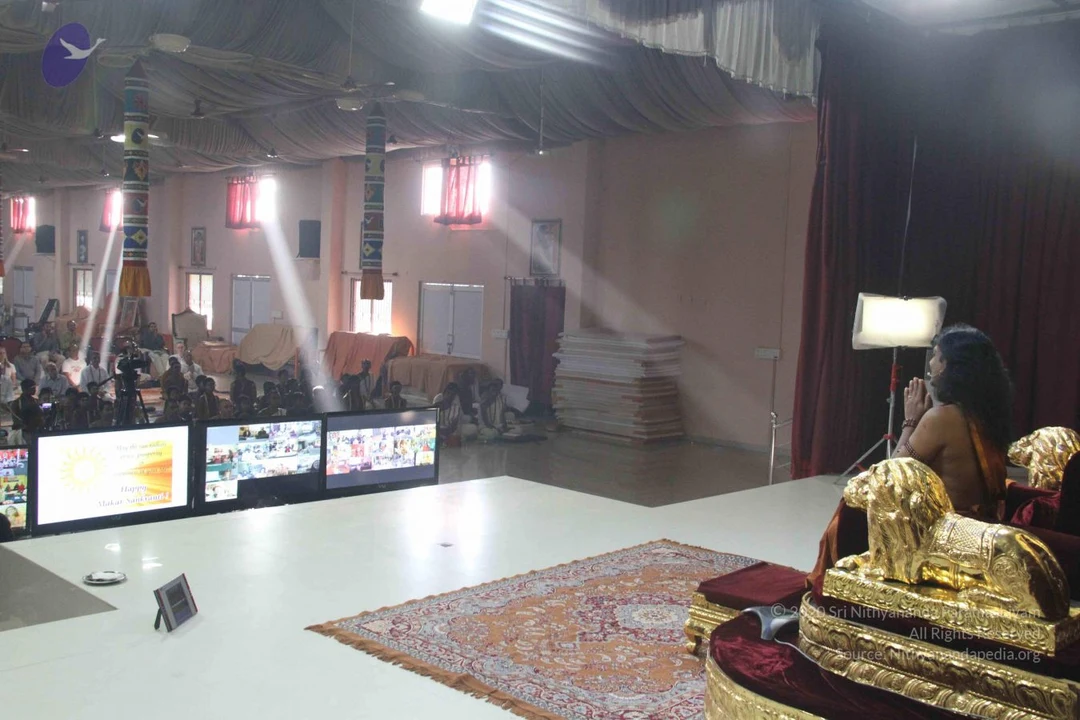
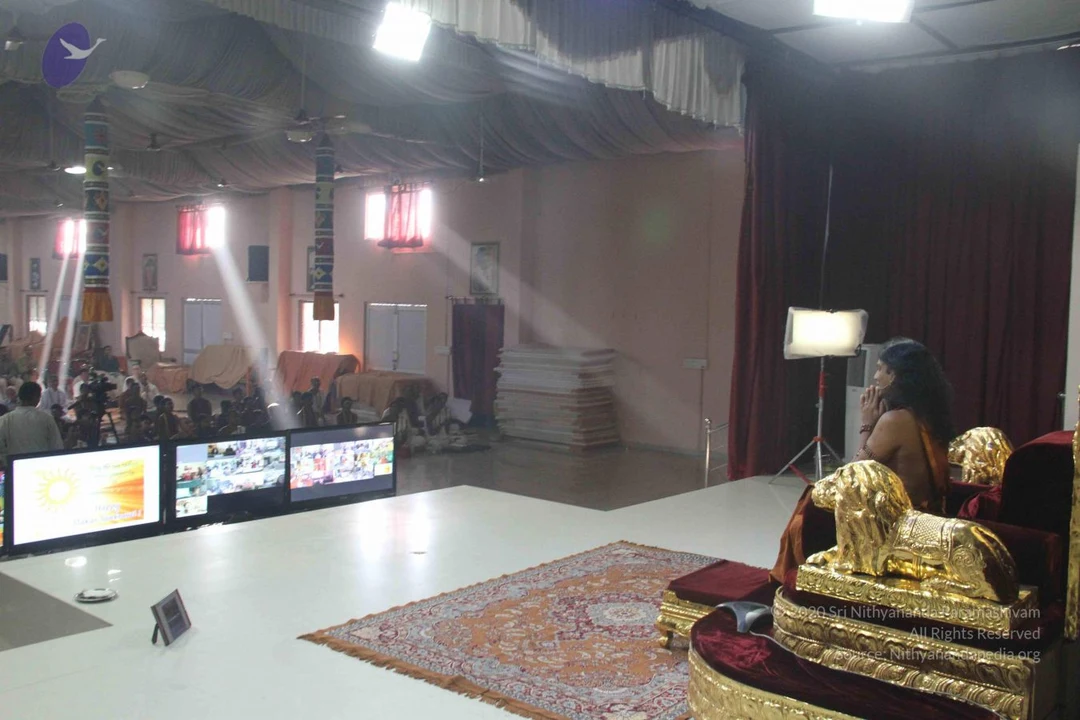
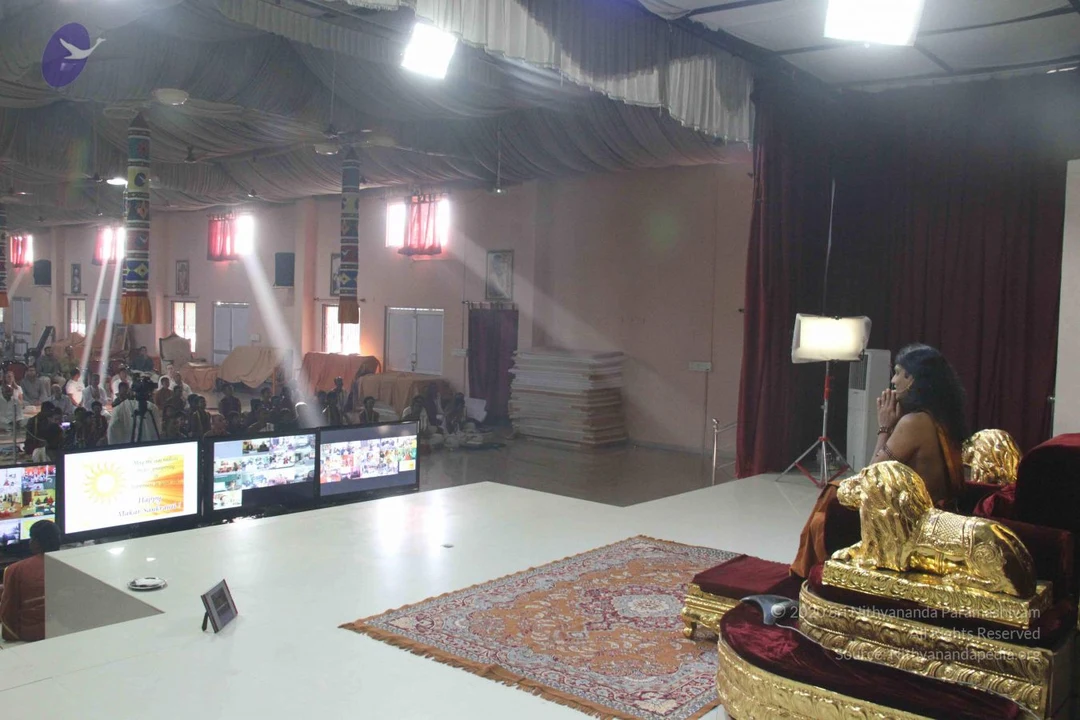
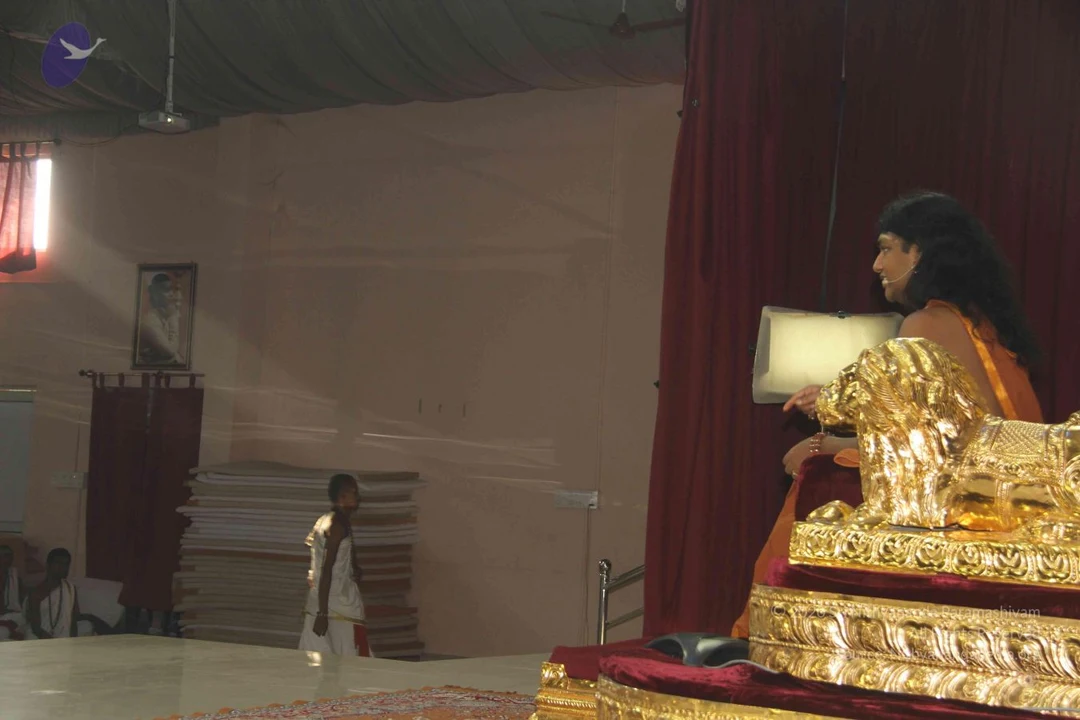
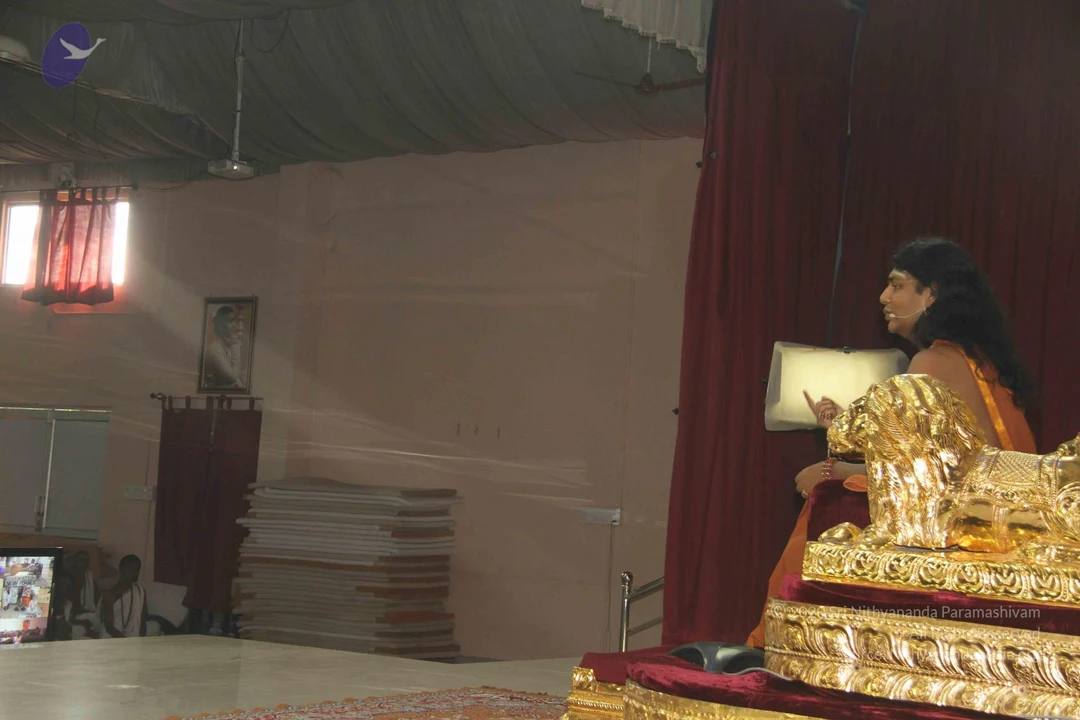
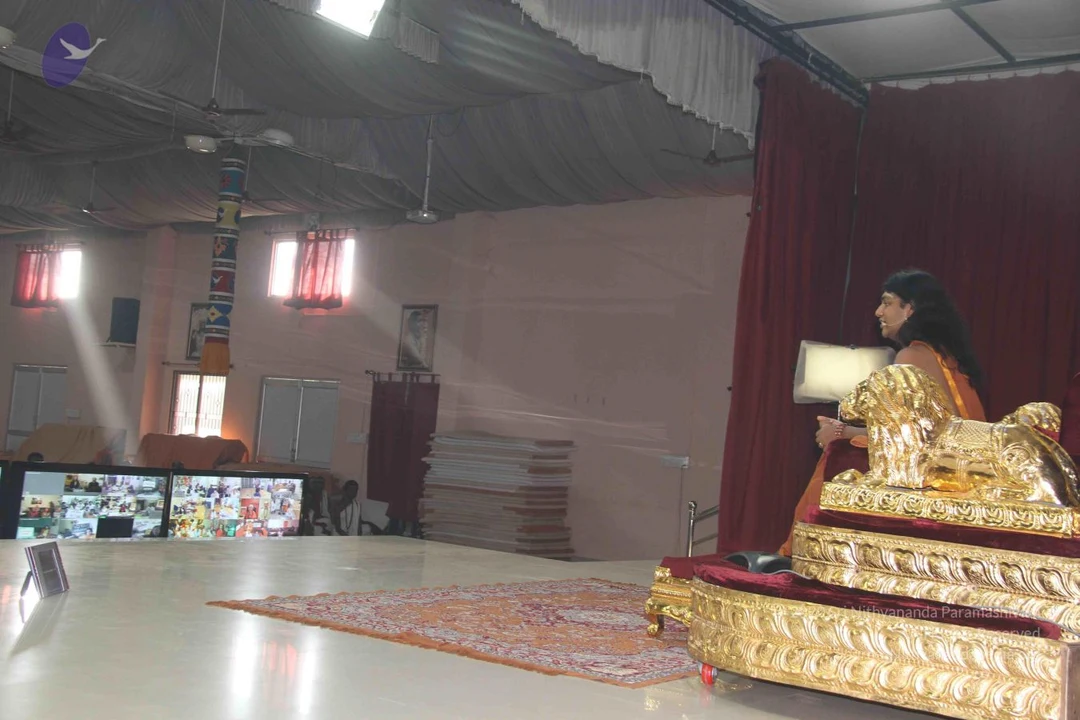
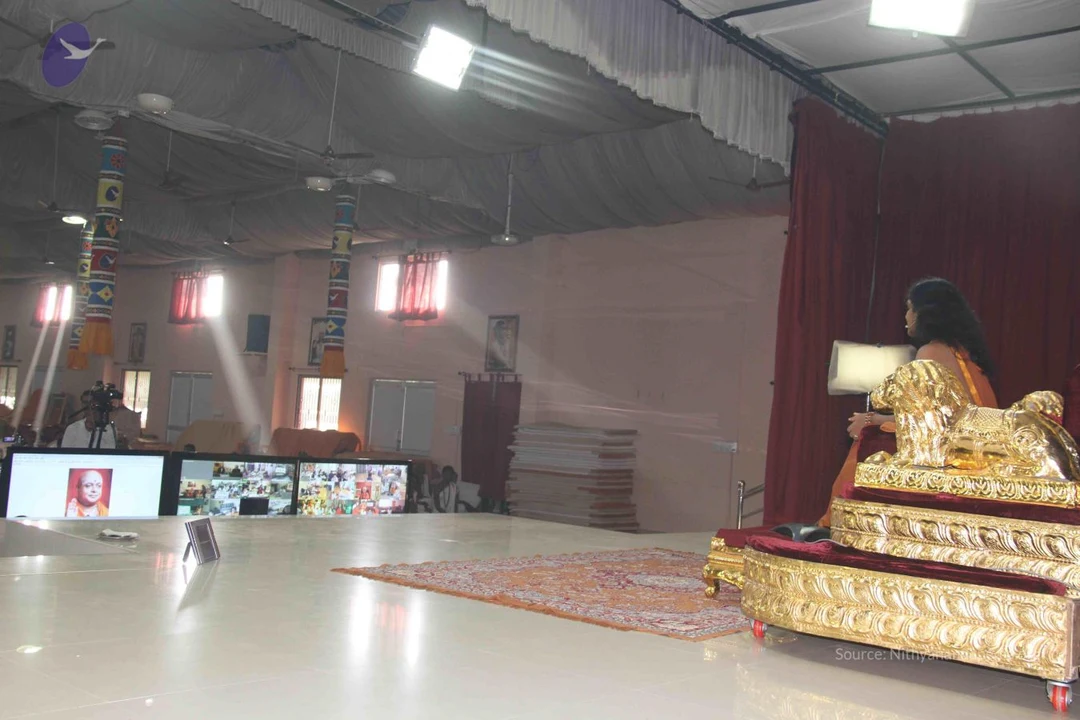
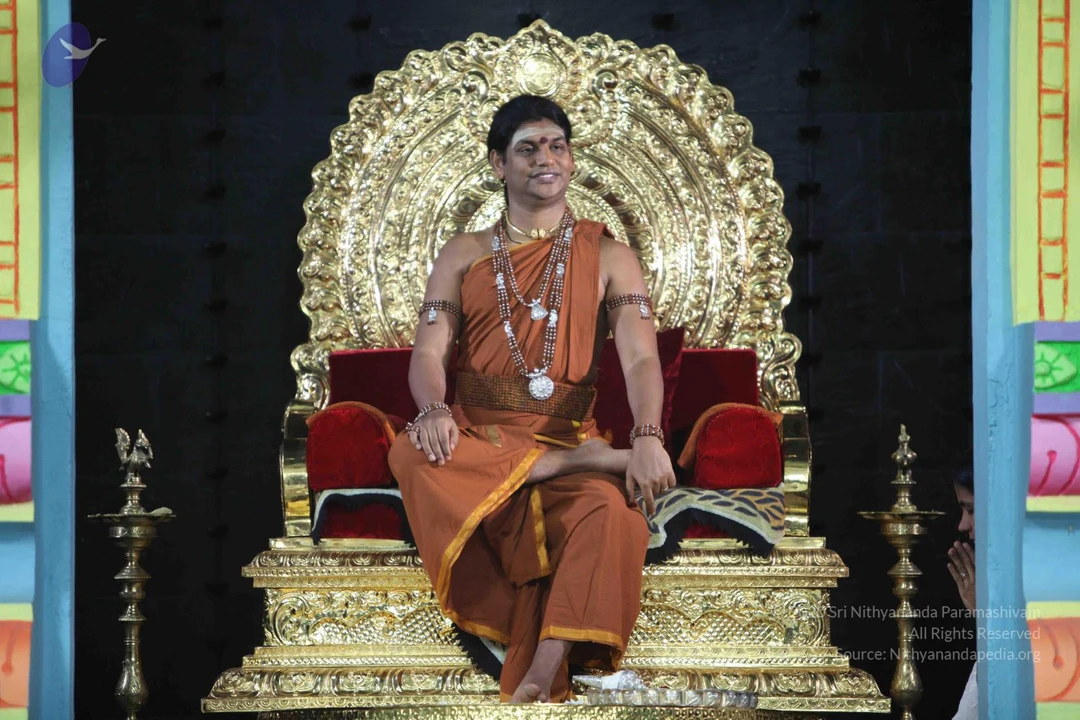
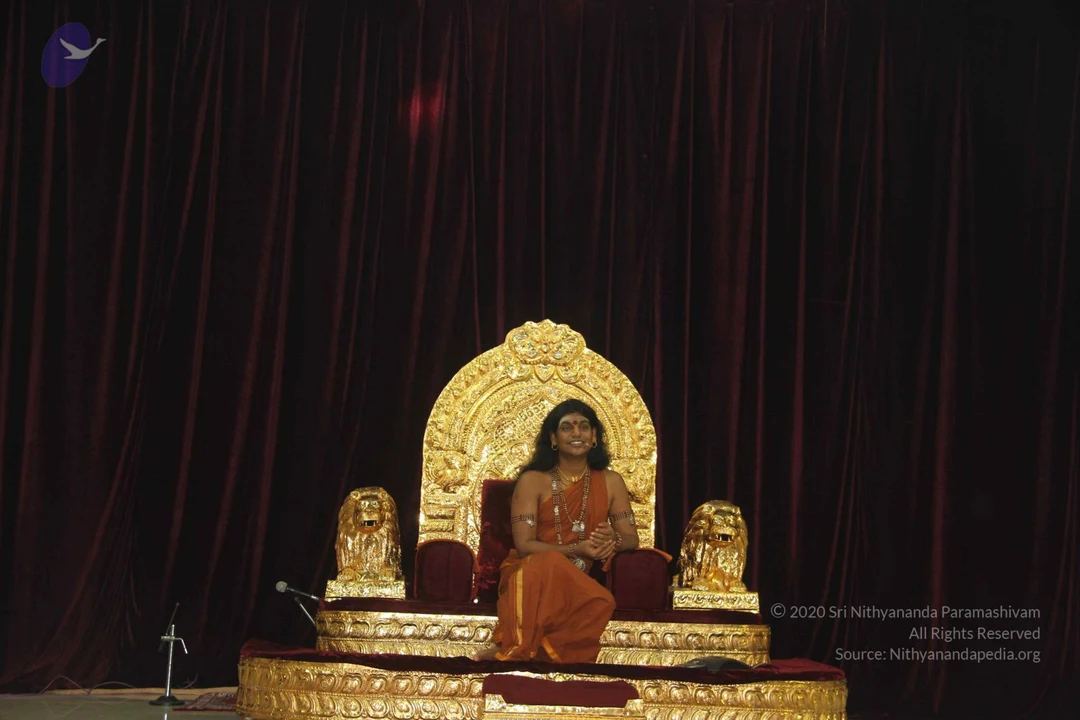
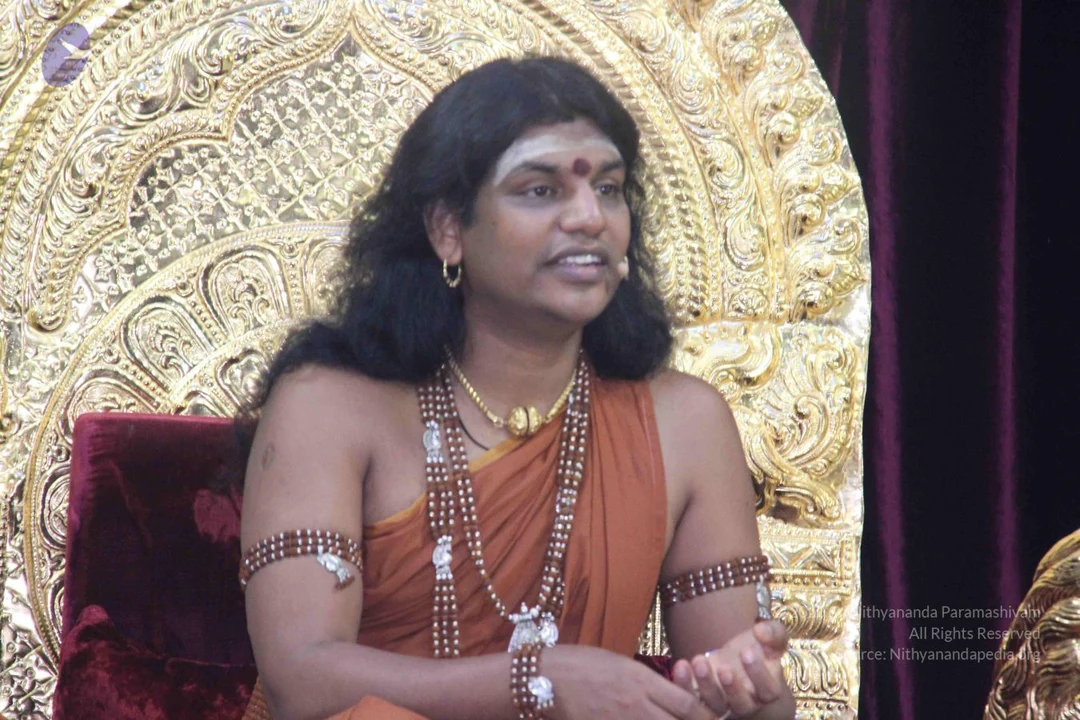
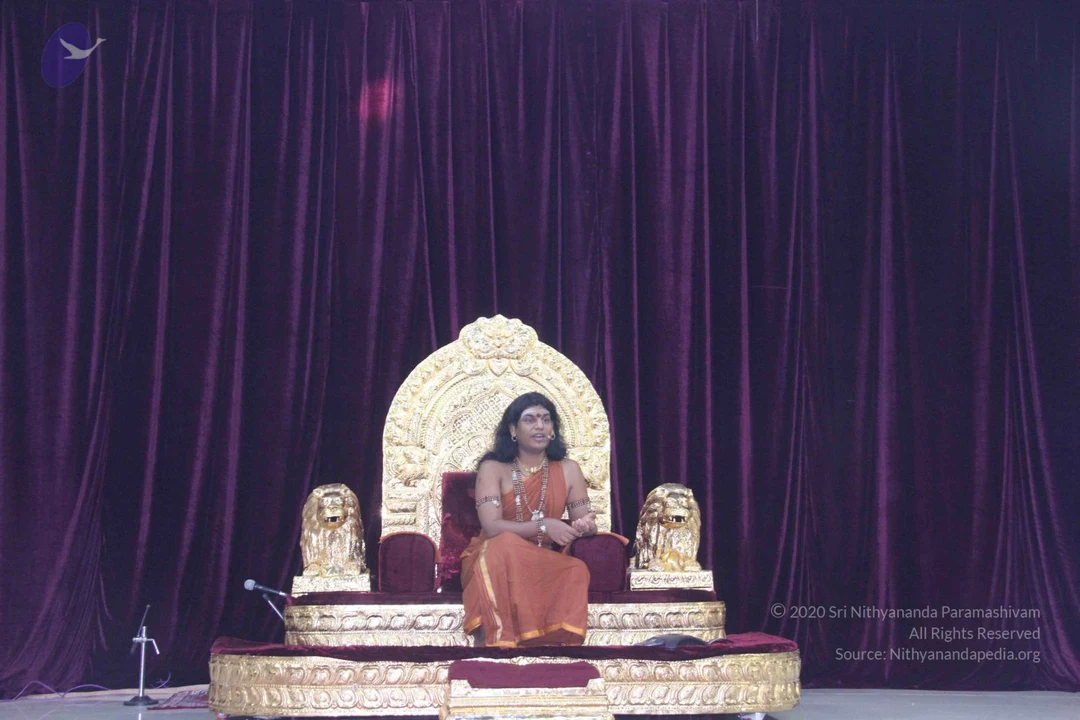
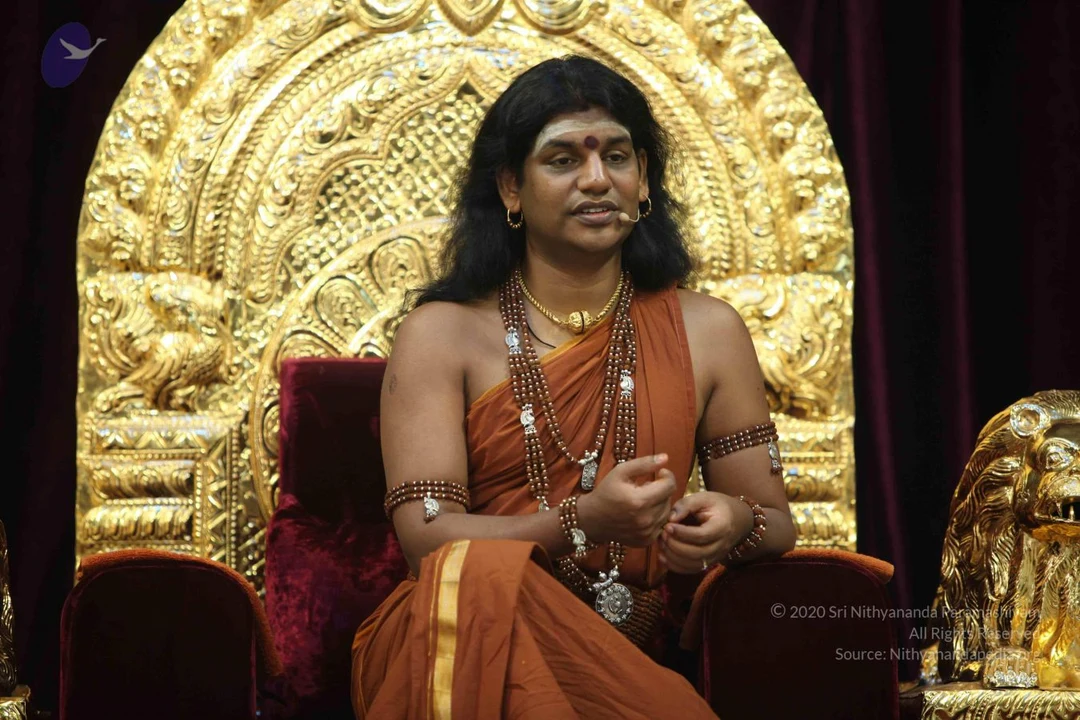
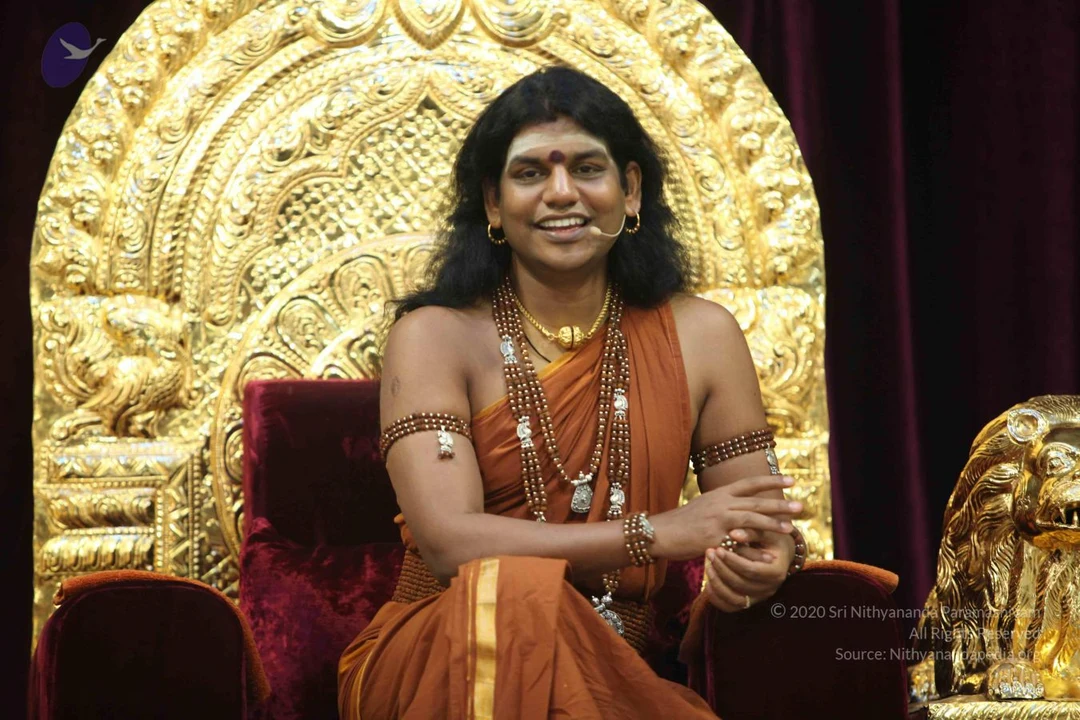
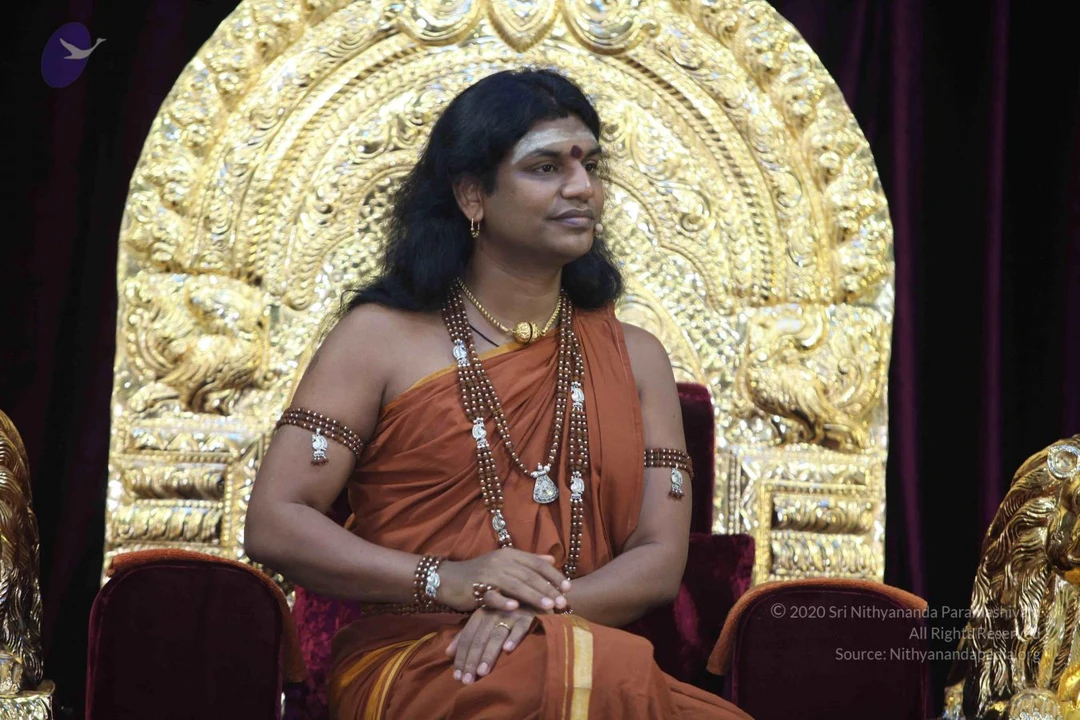
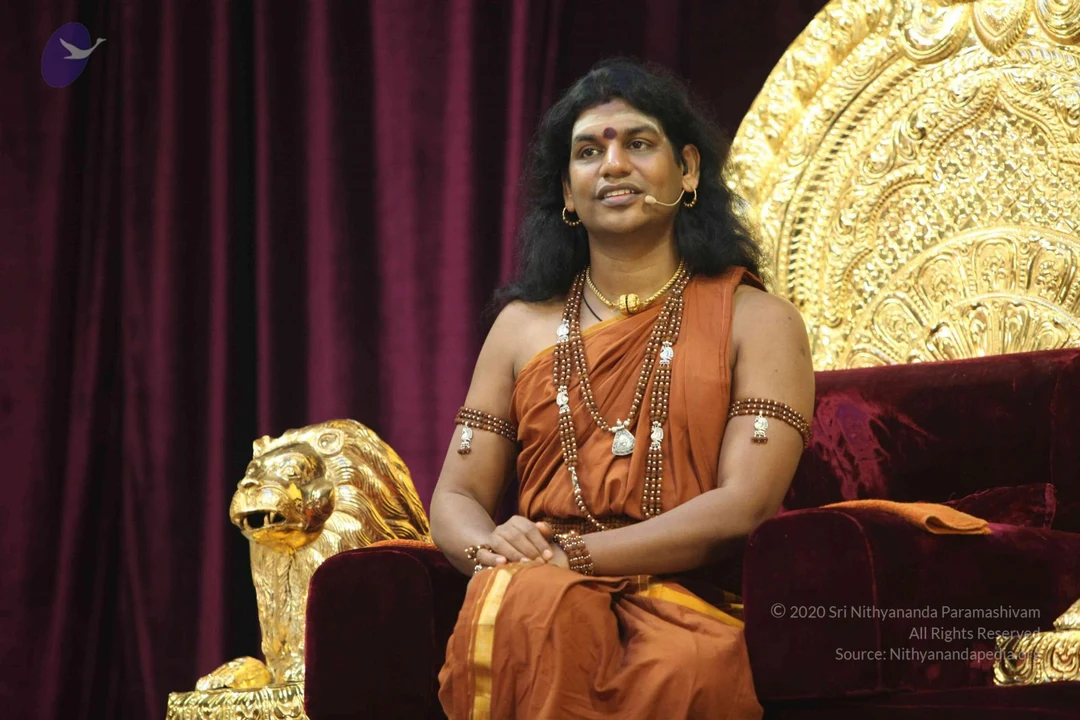
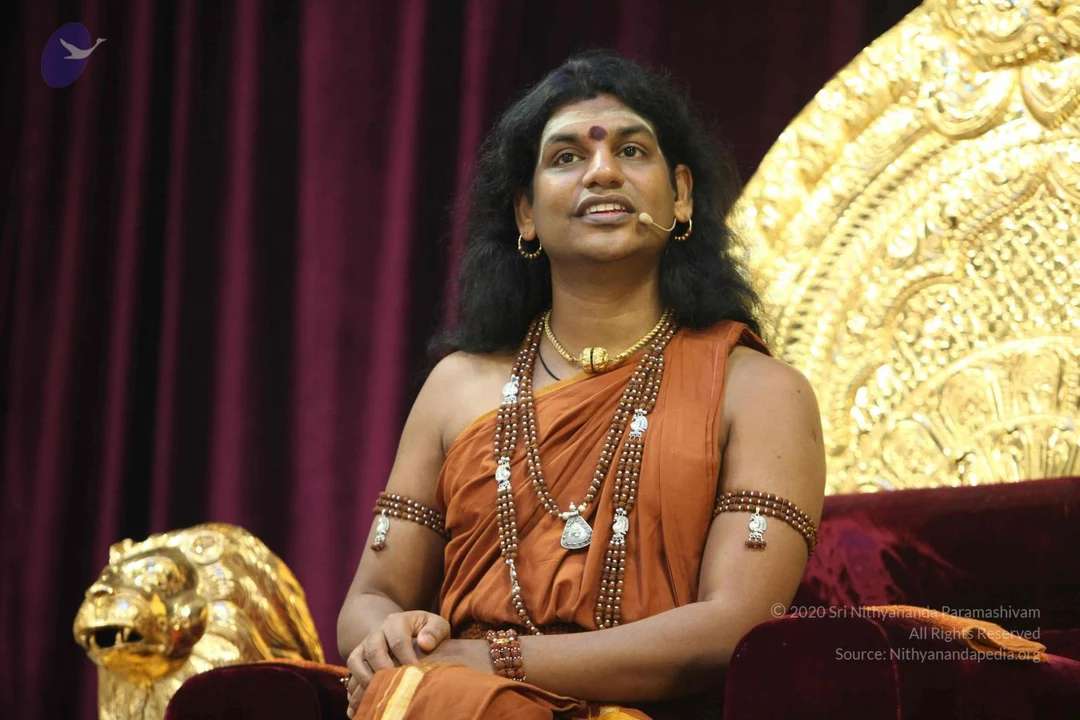
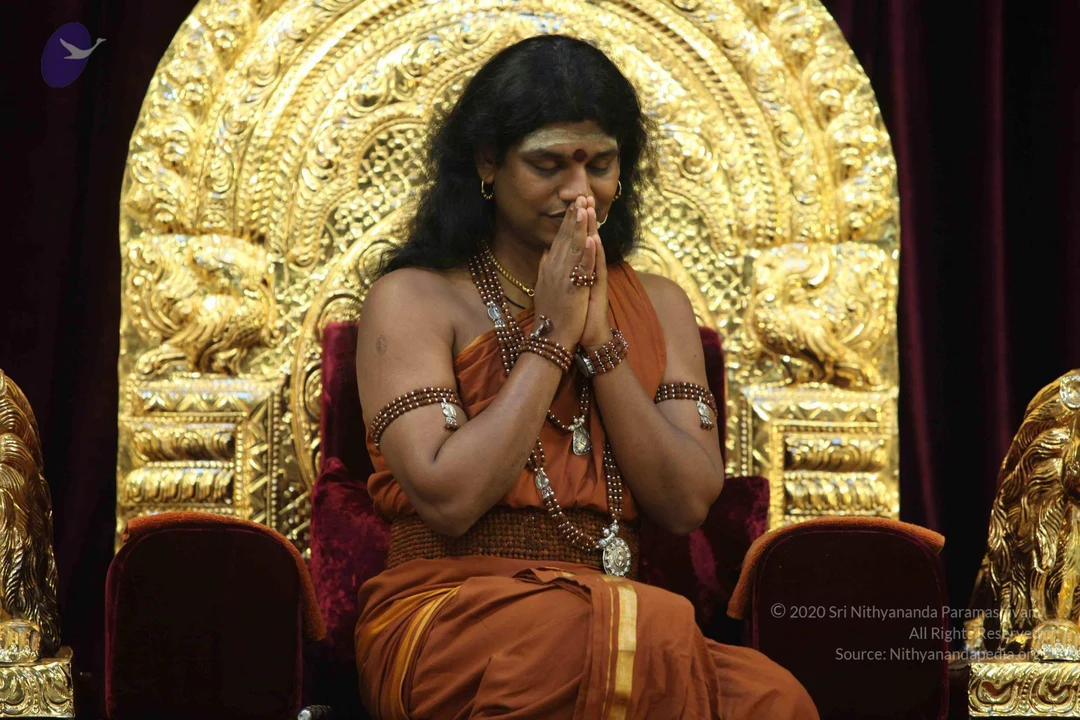
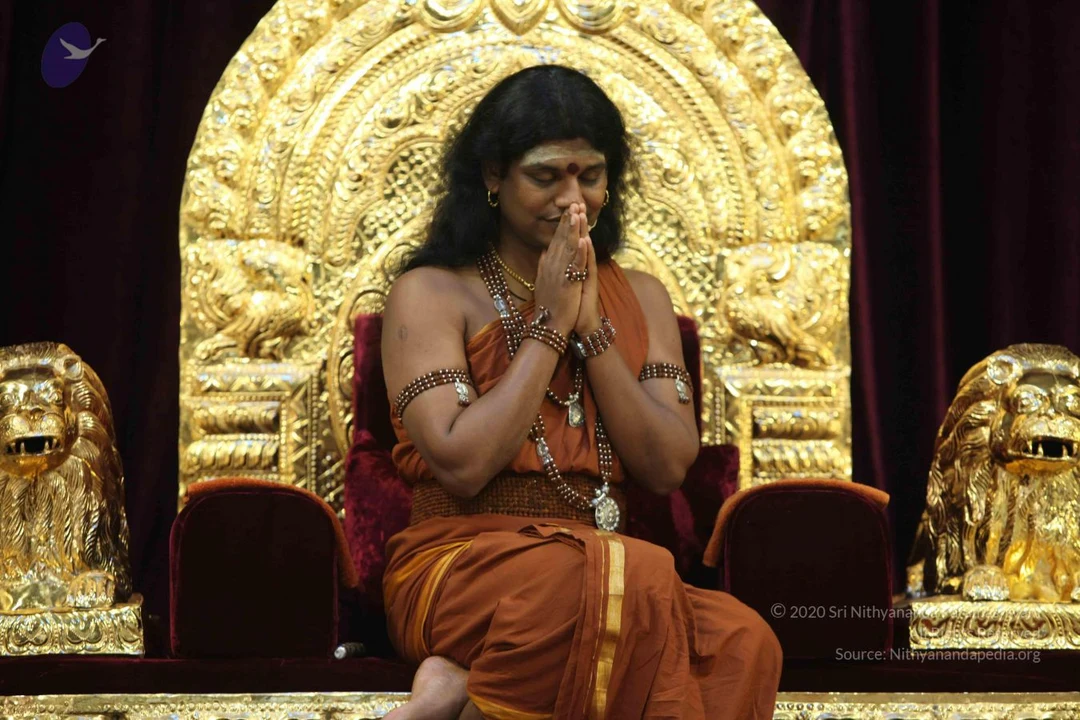
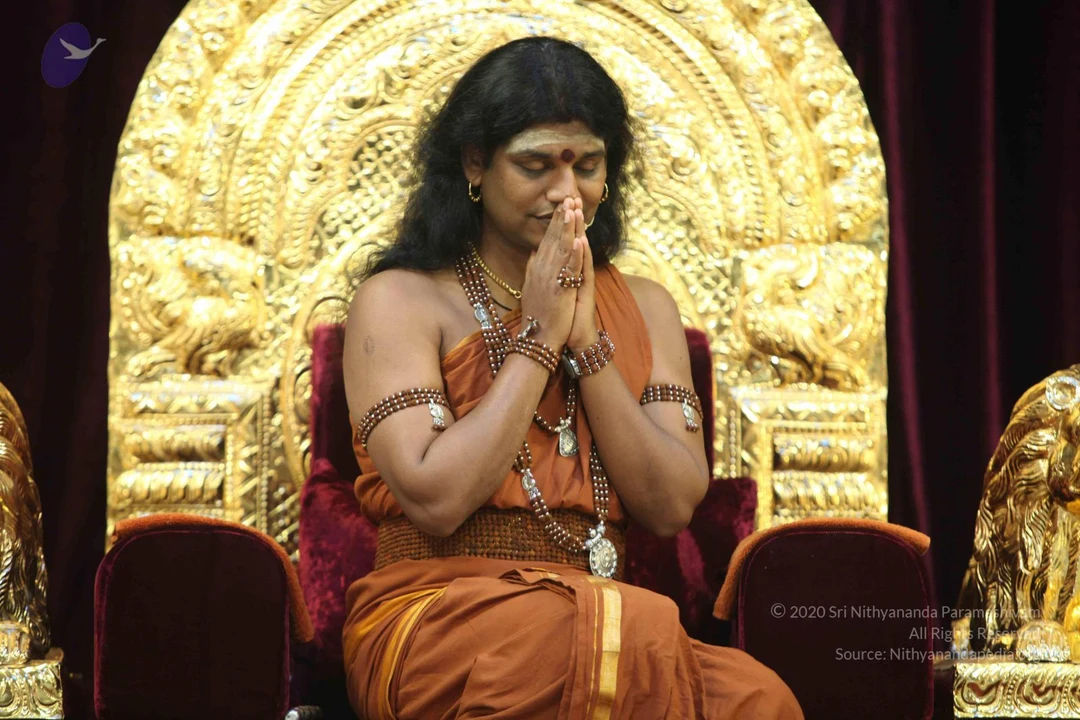
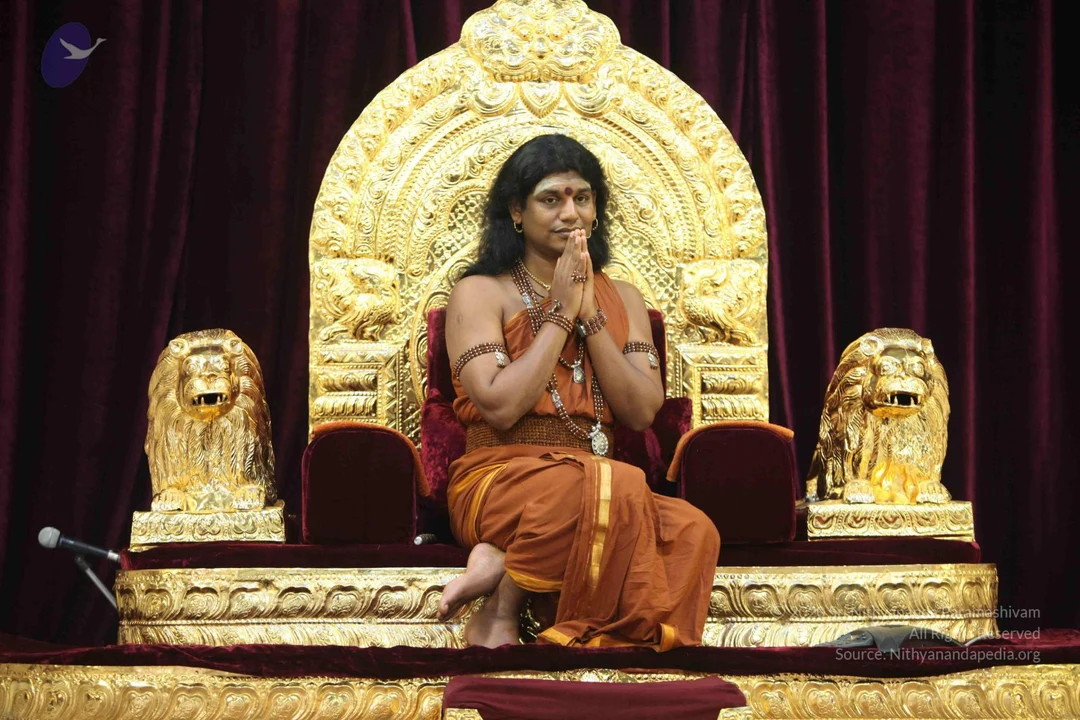
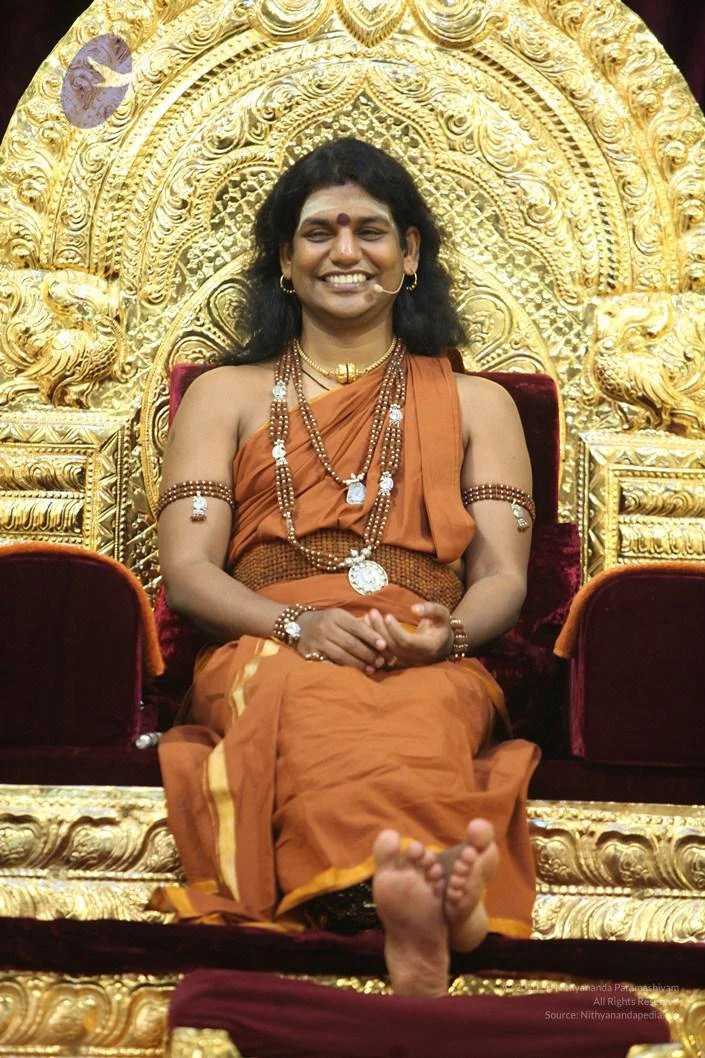
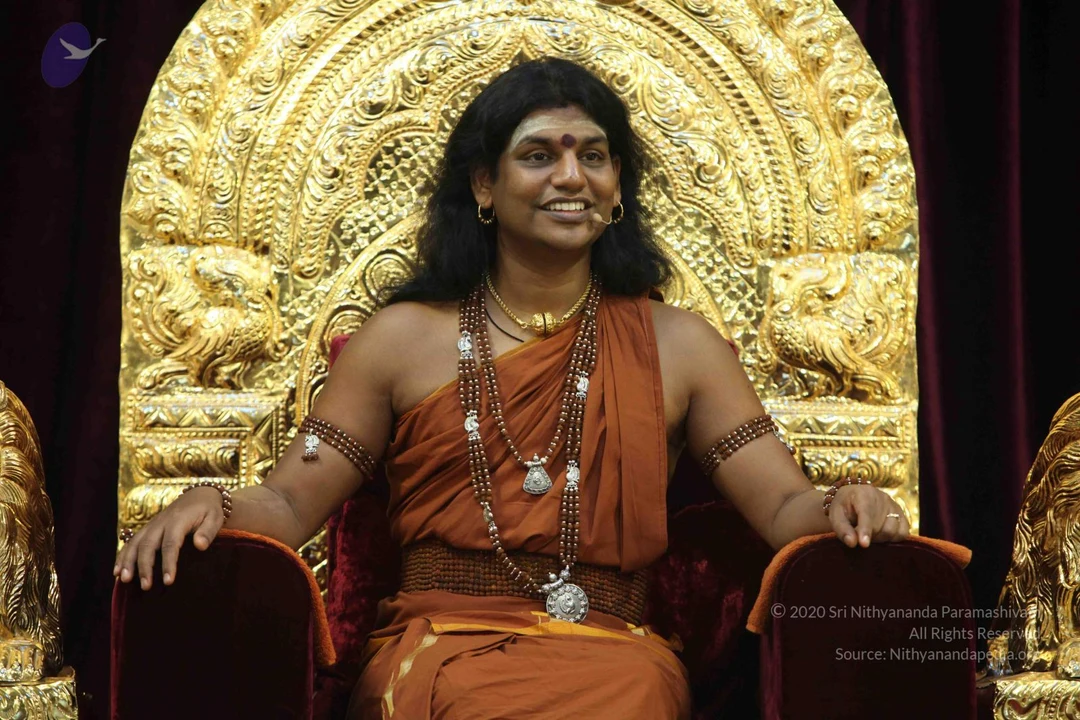
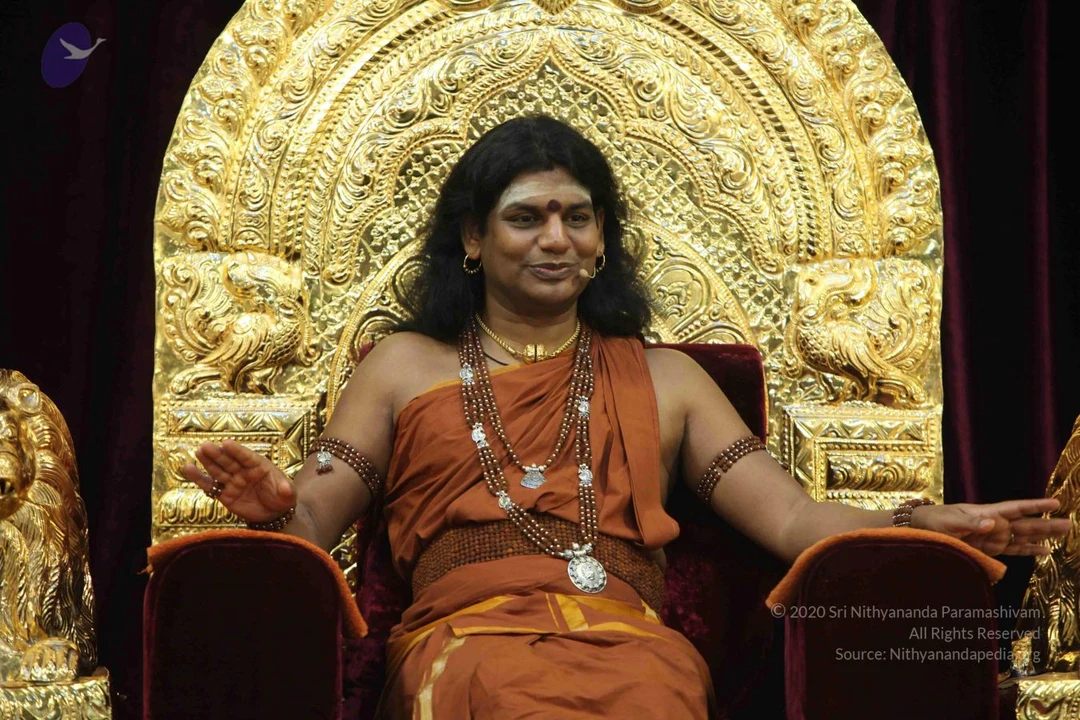
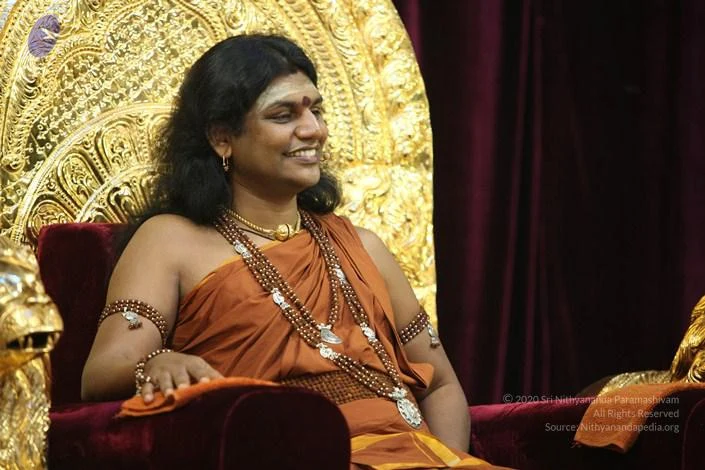
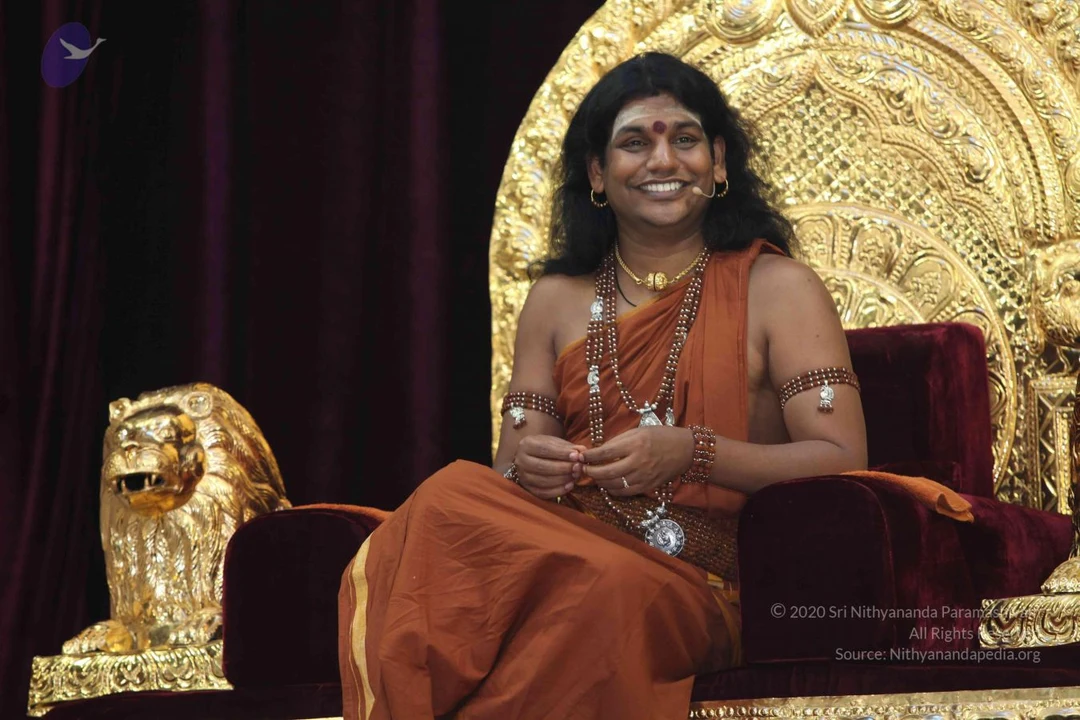
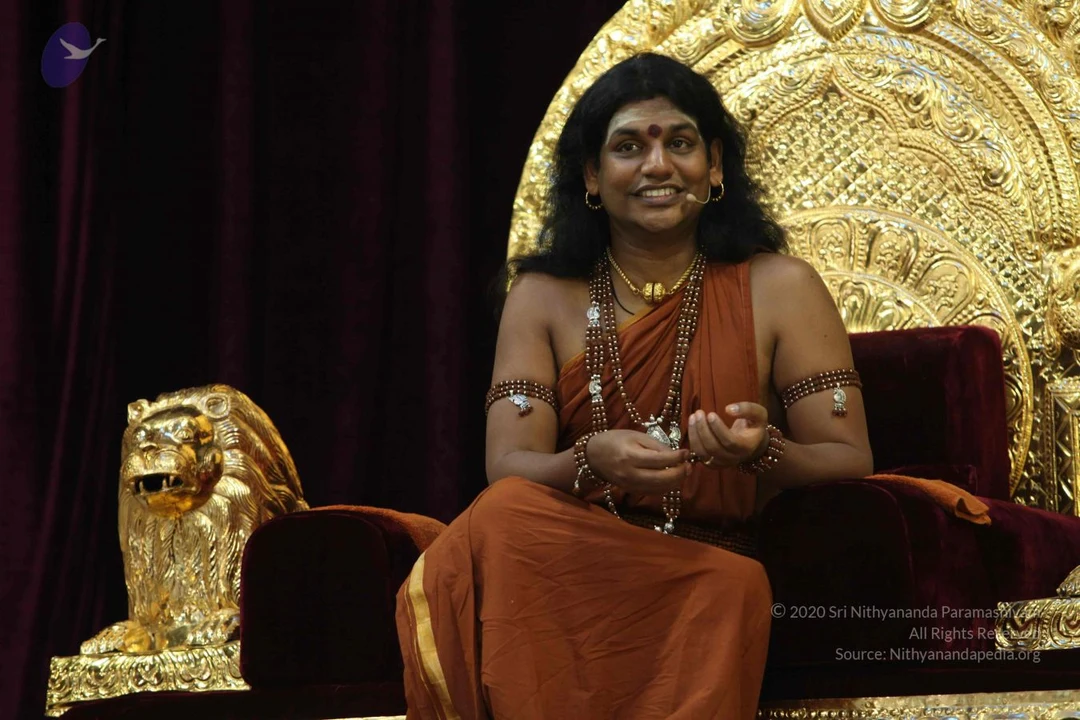
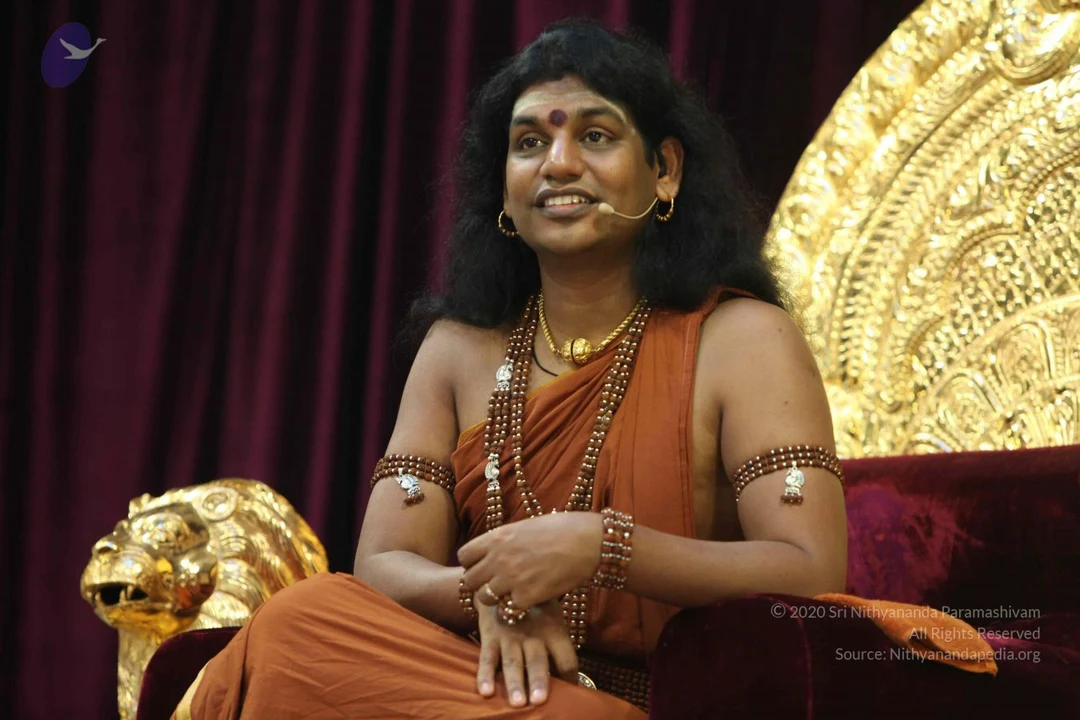
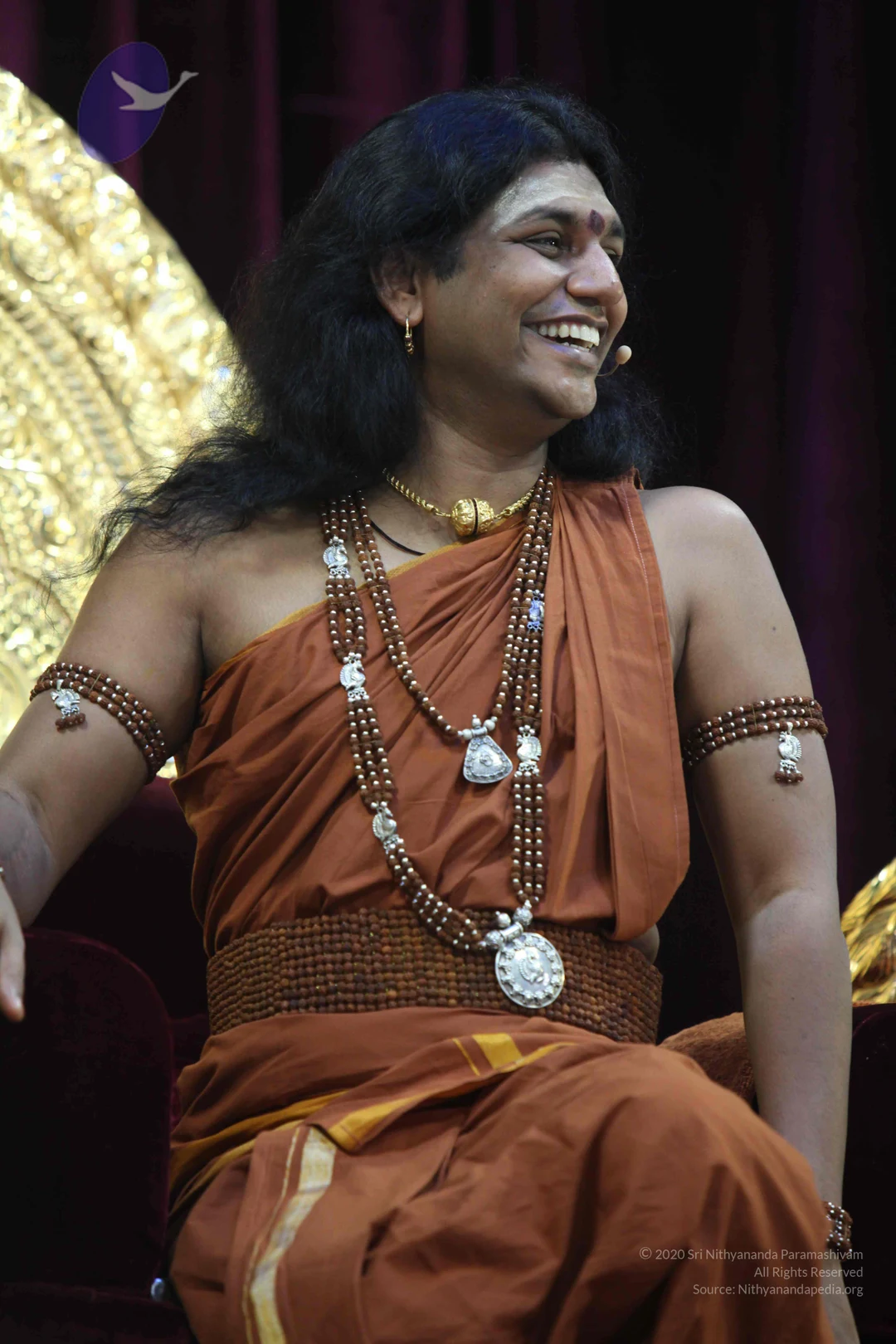
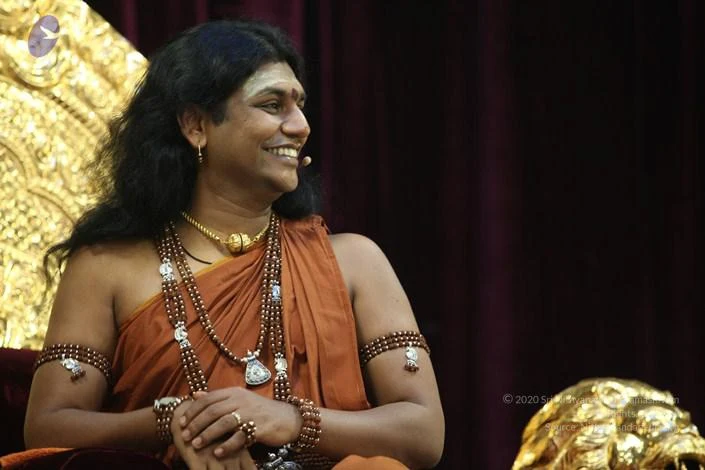
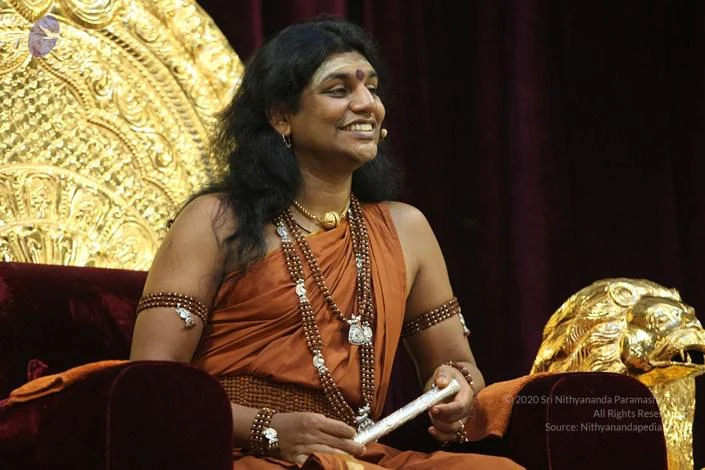
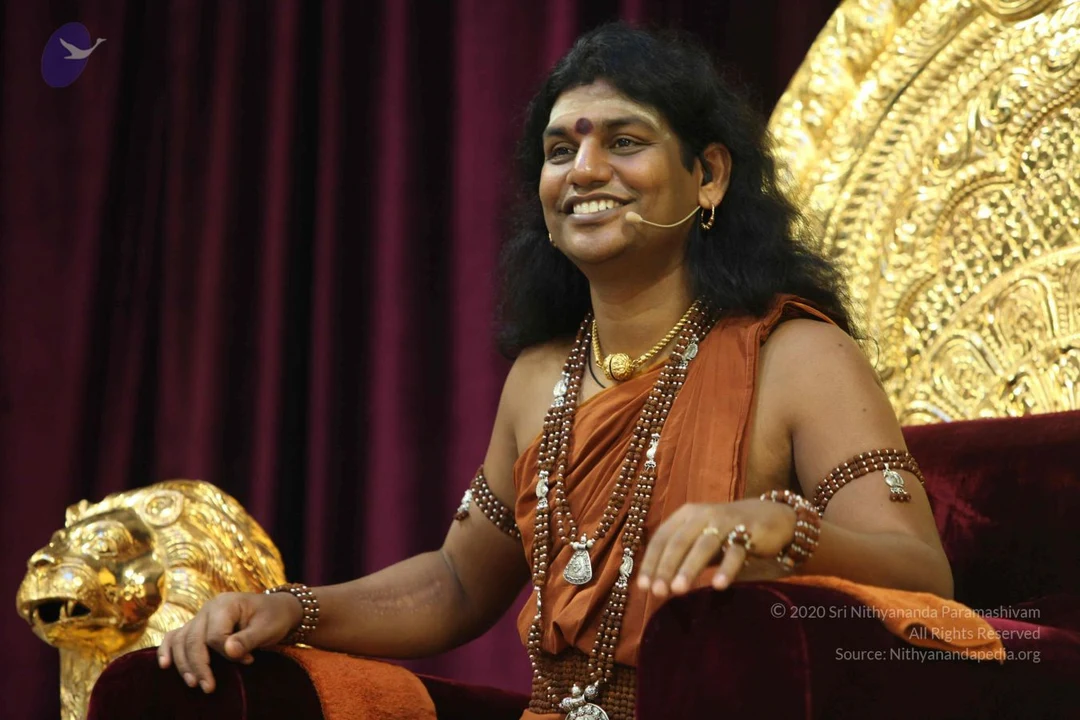
Darshan
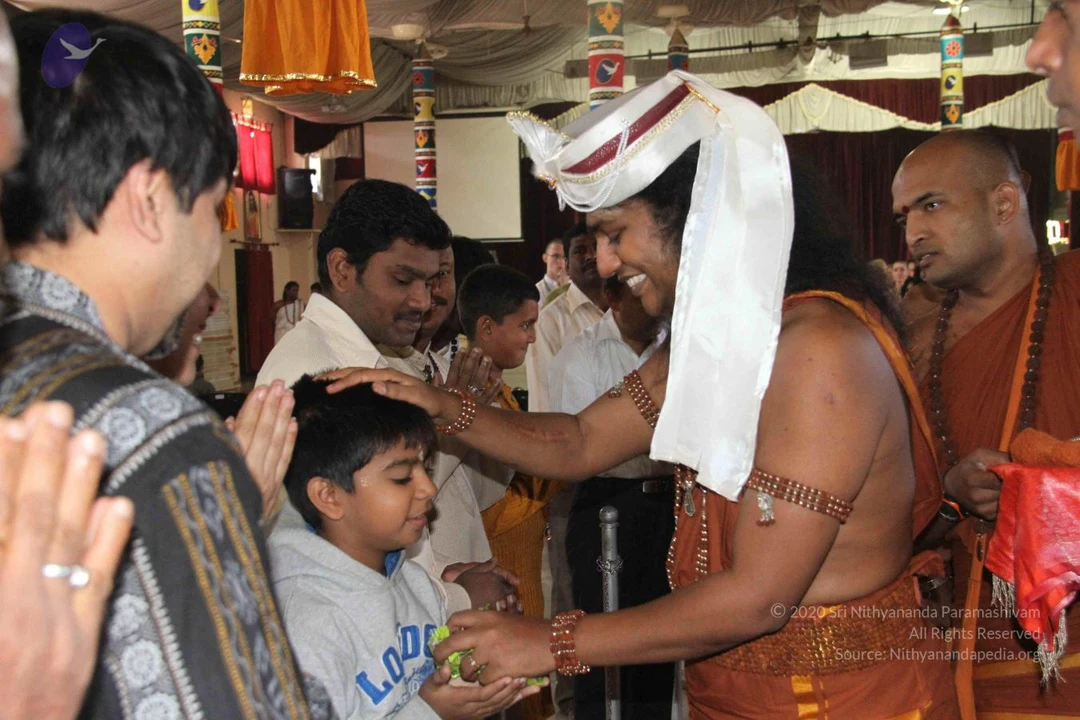
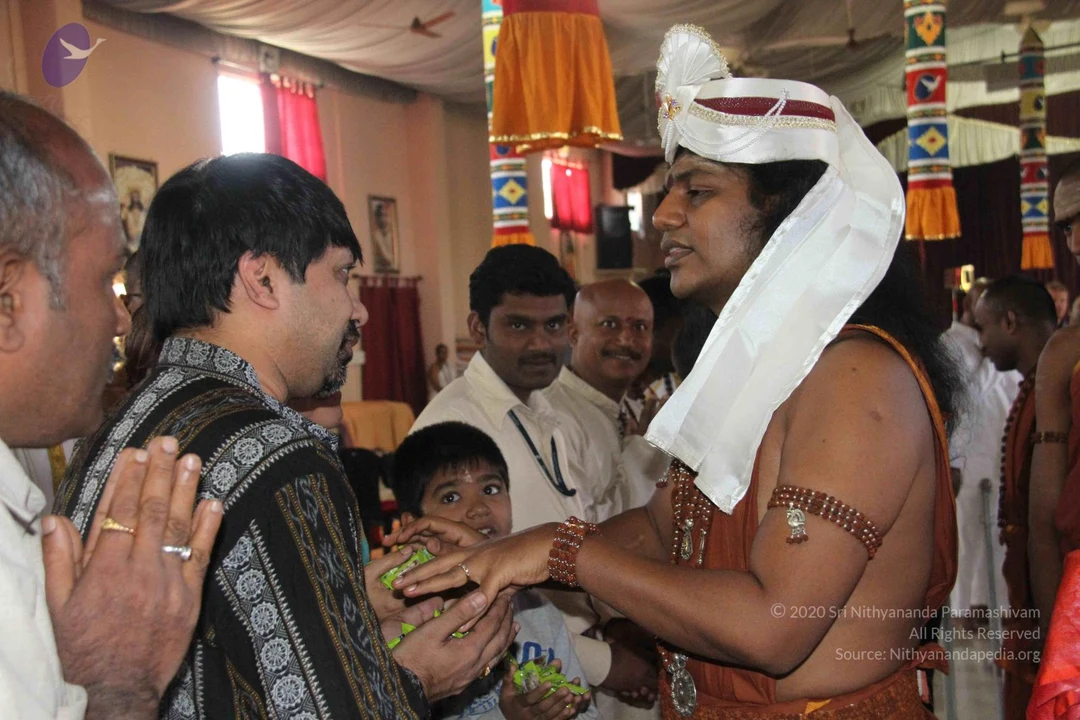
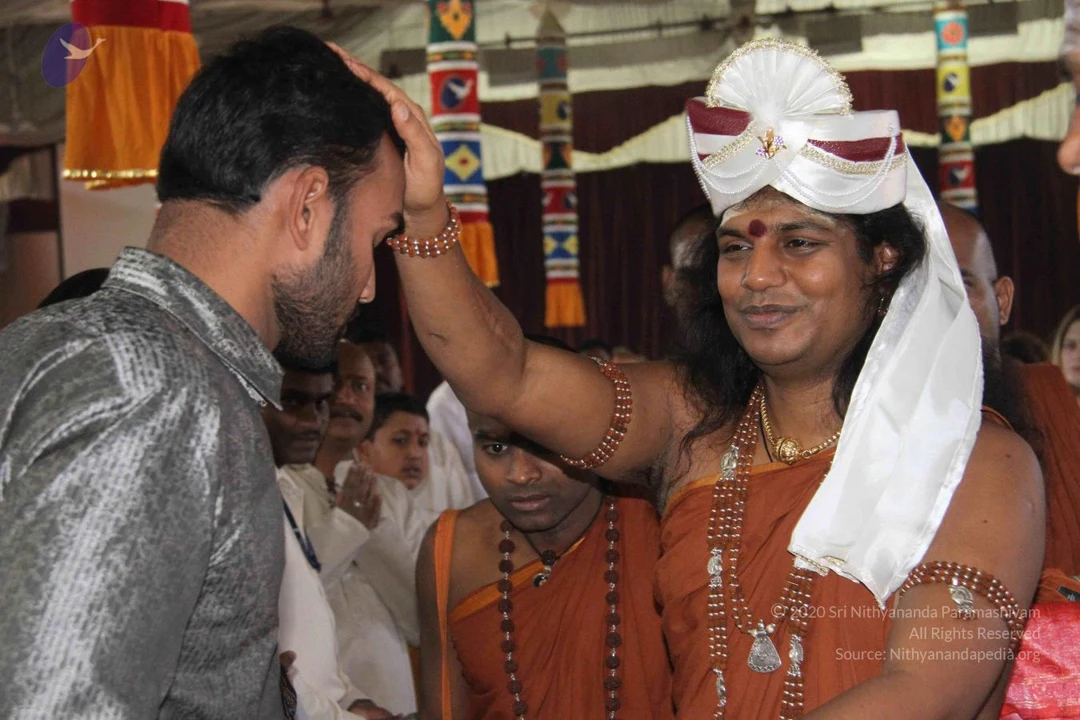
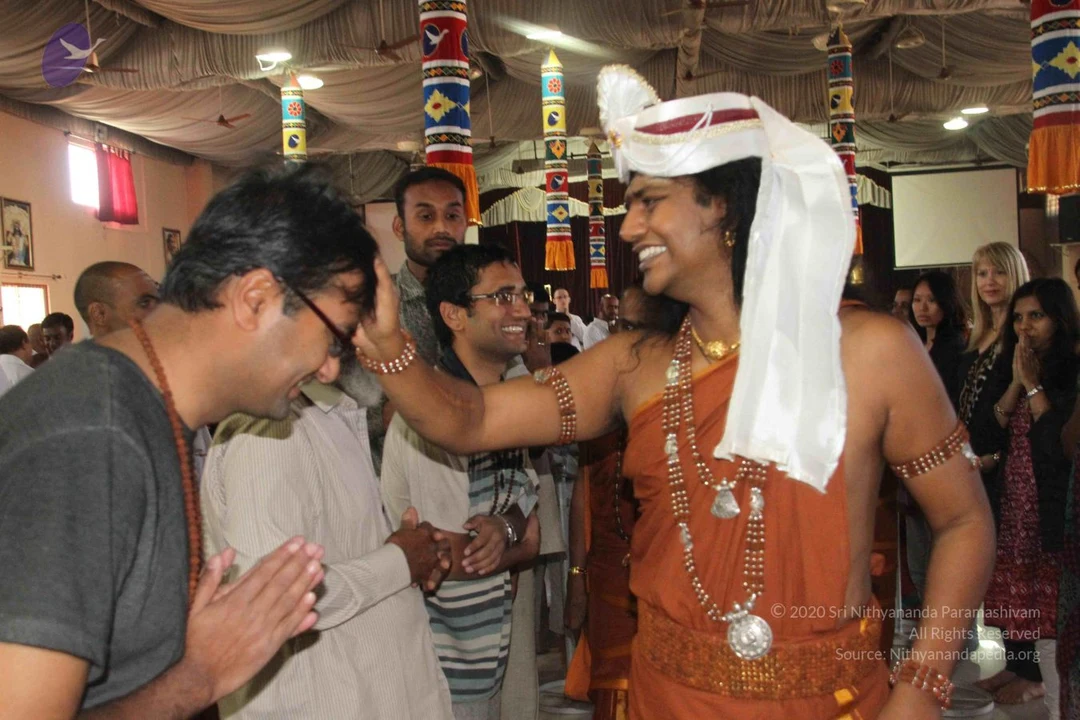
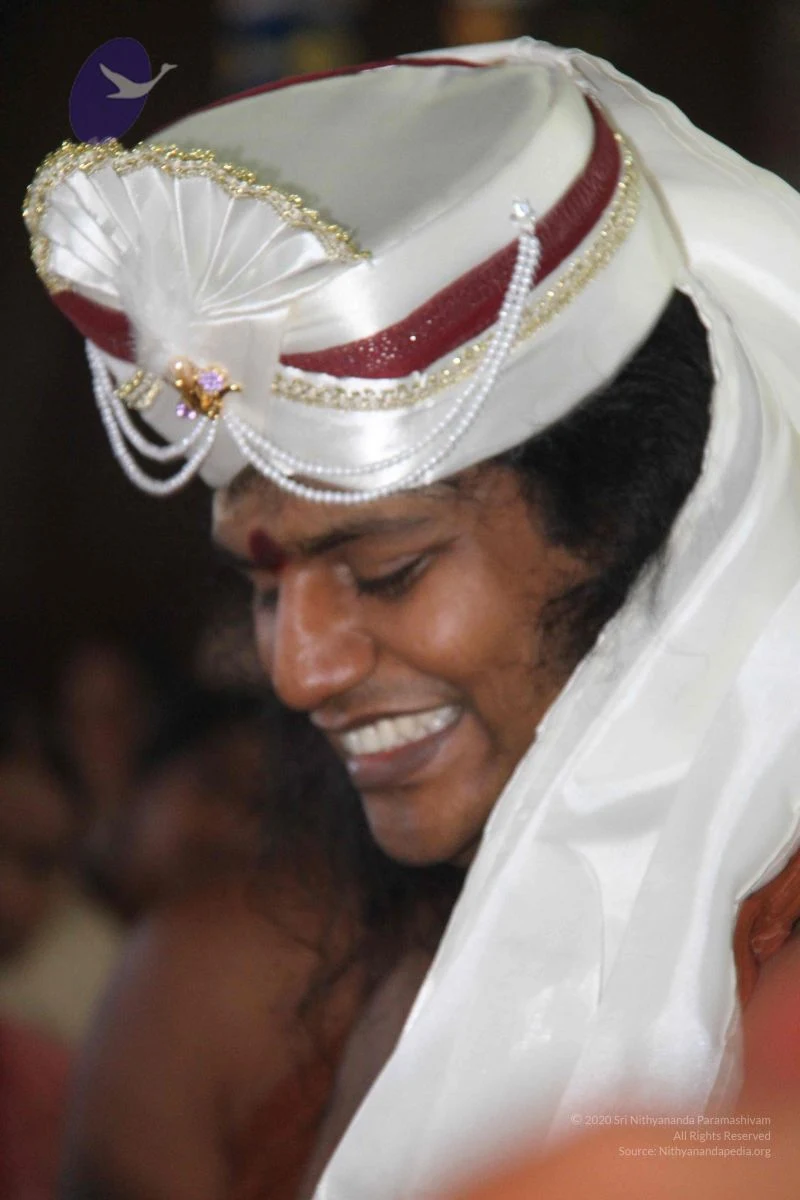
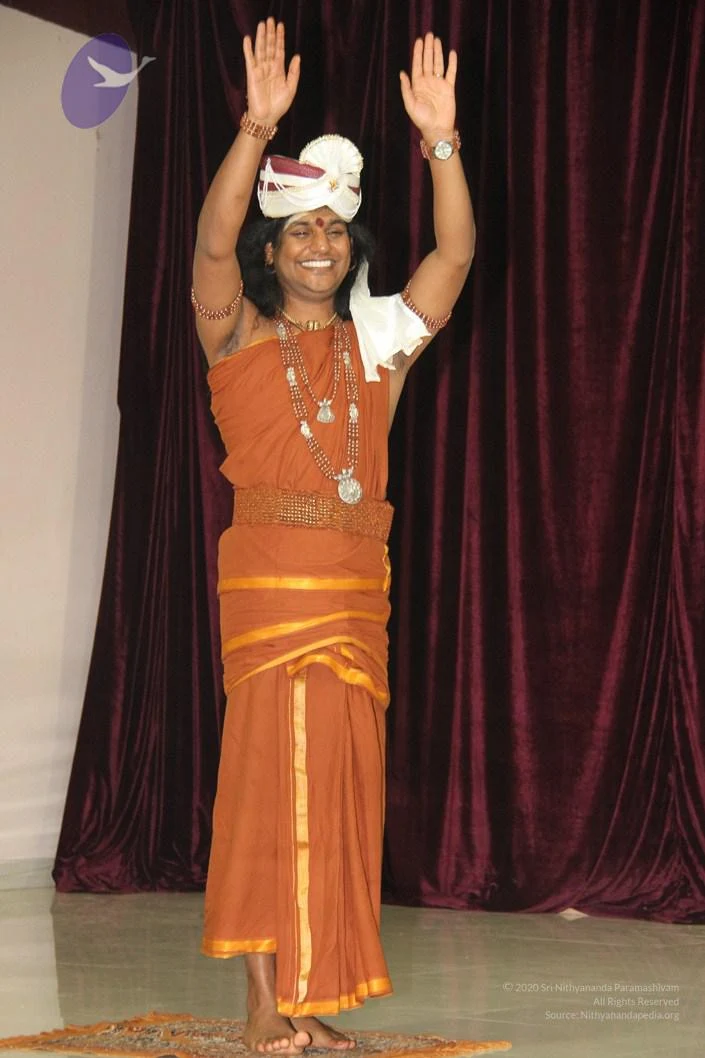
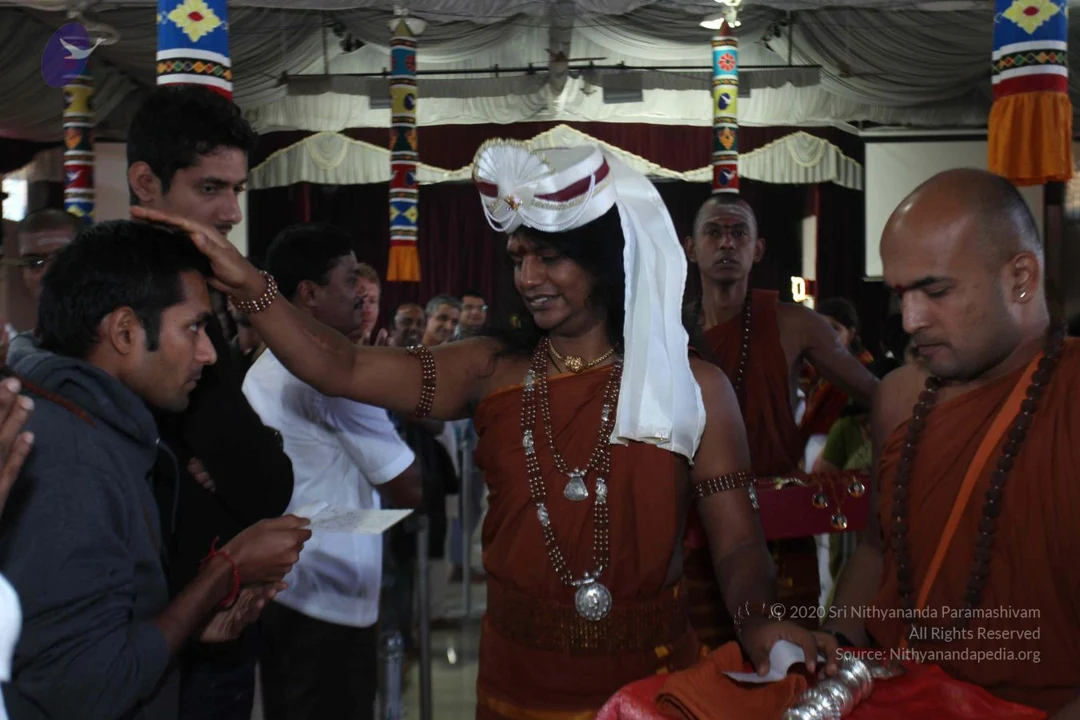
Photos Of The Day:
Pada-Puja
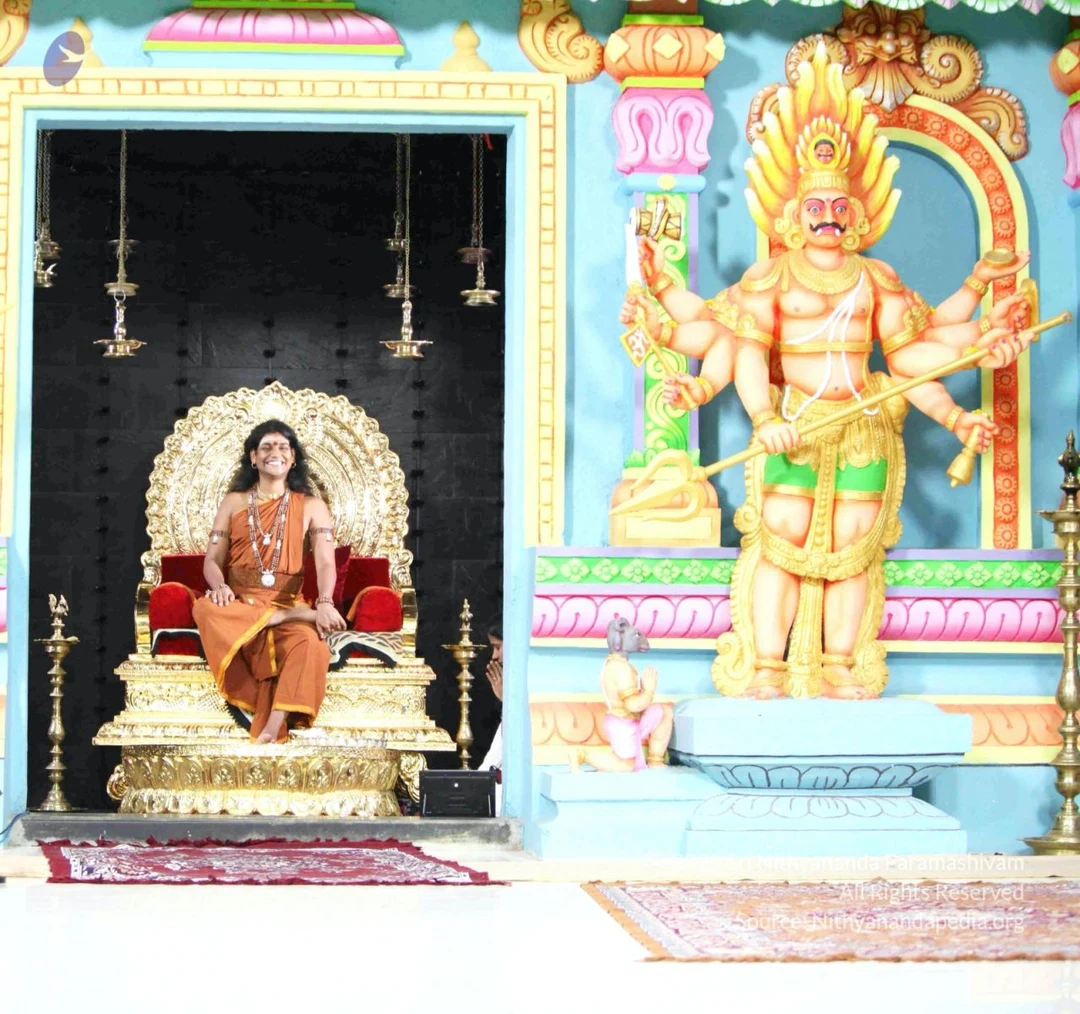
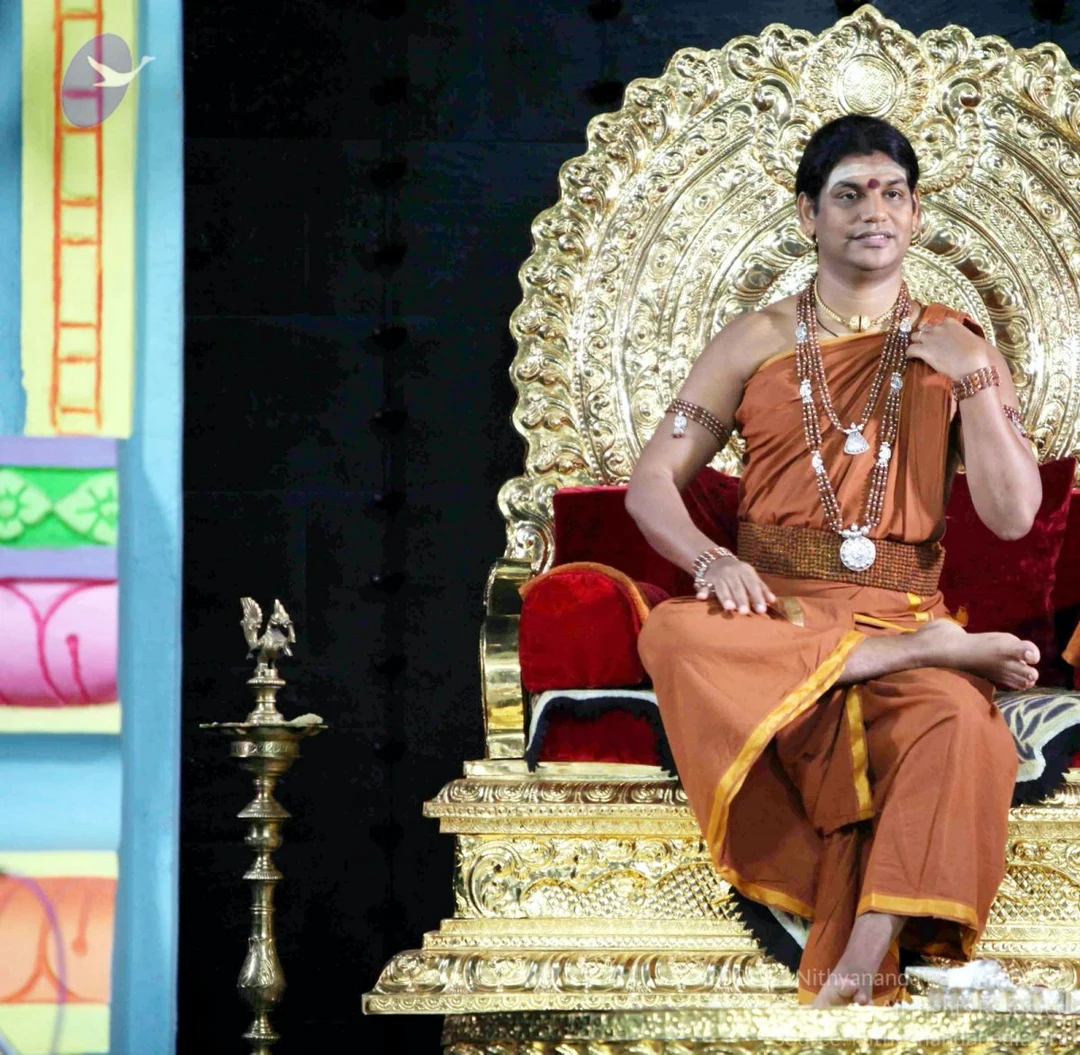
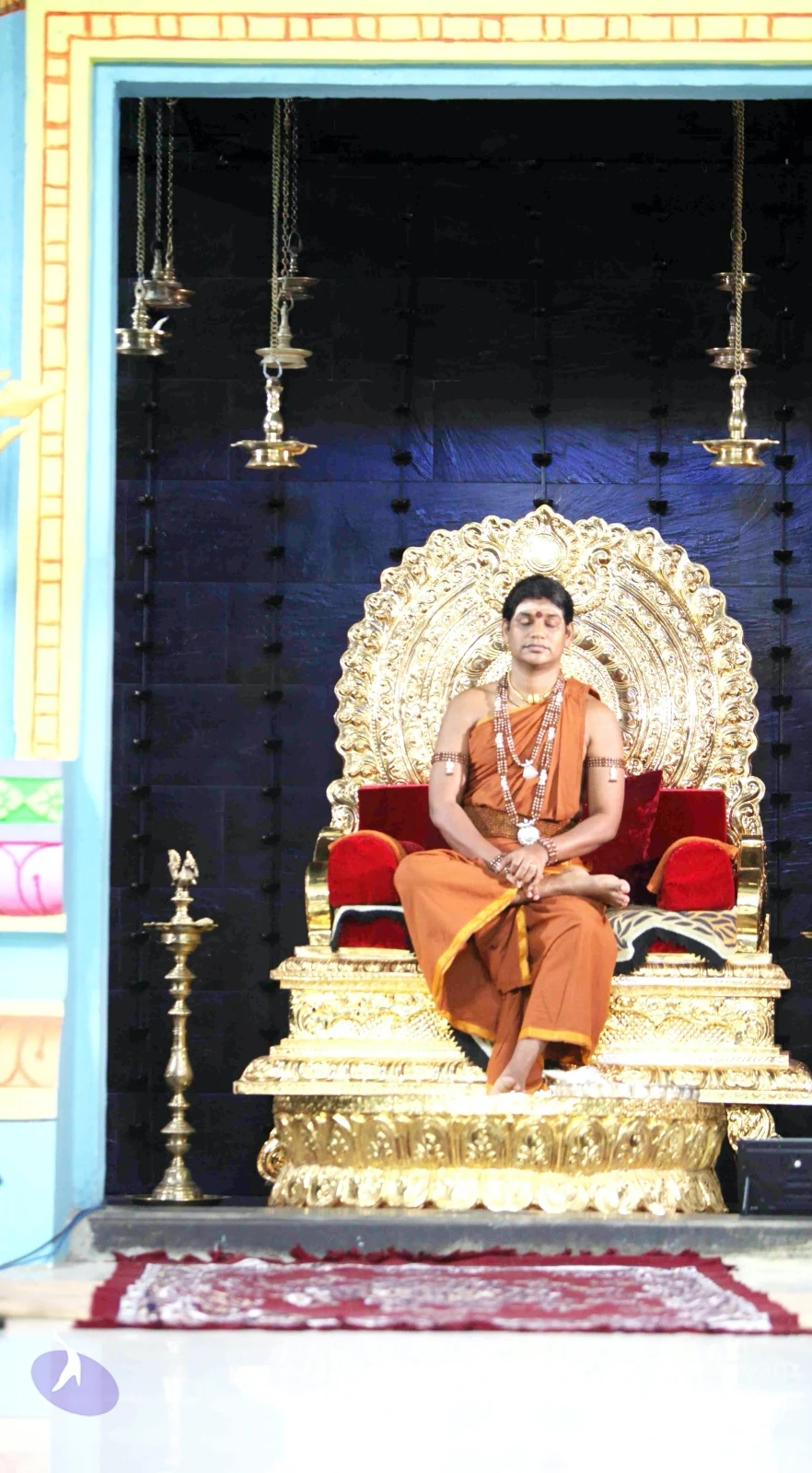
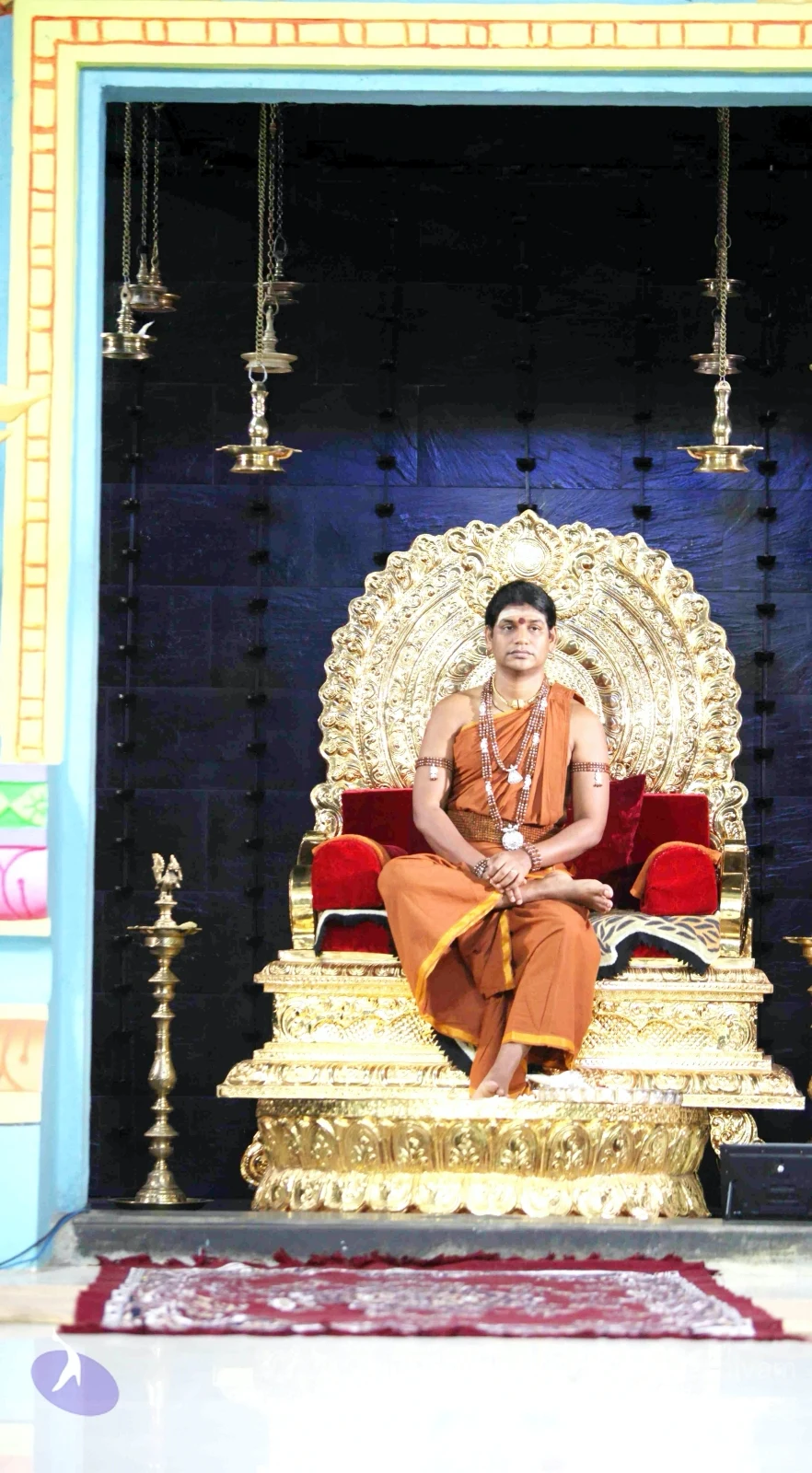
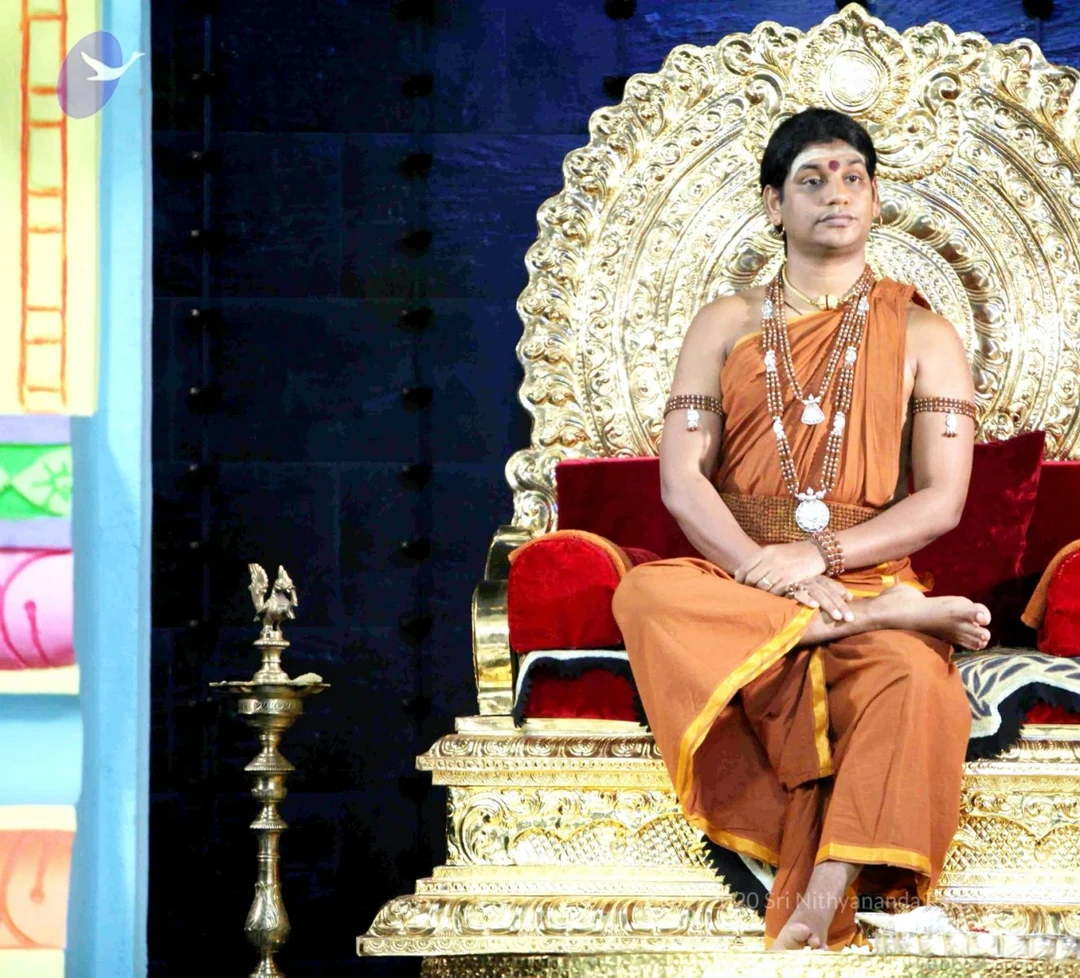
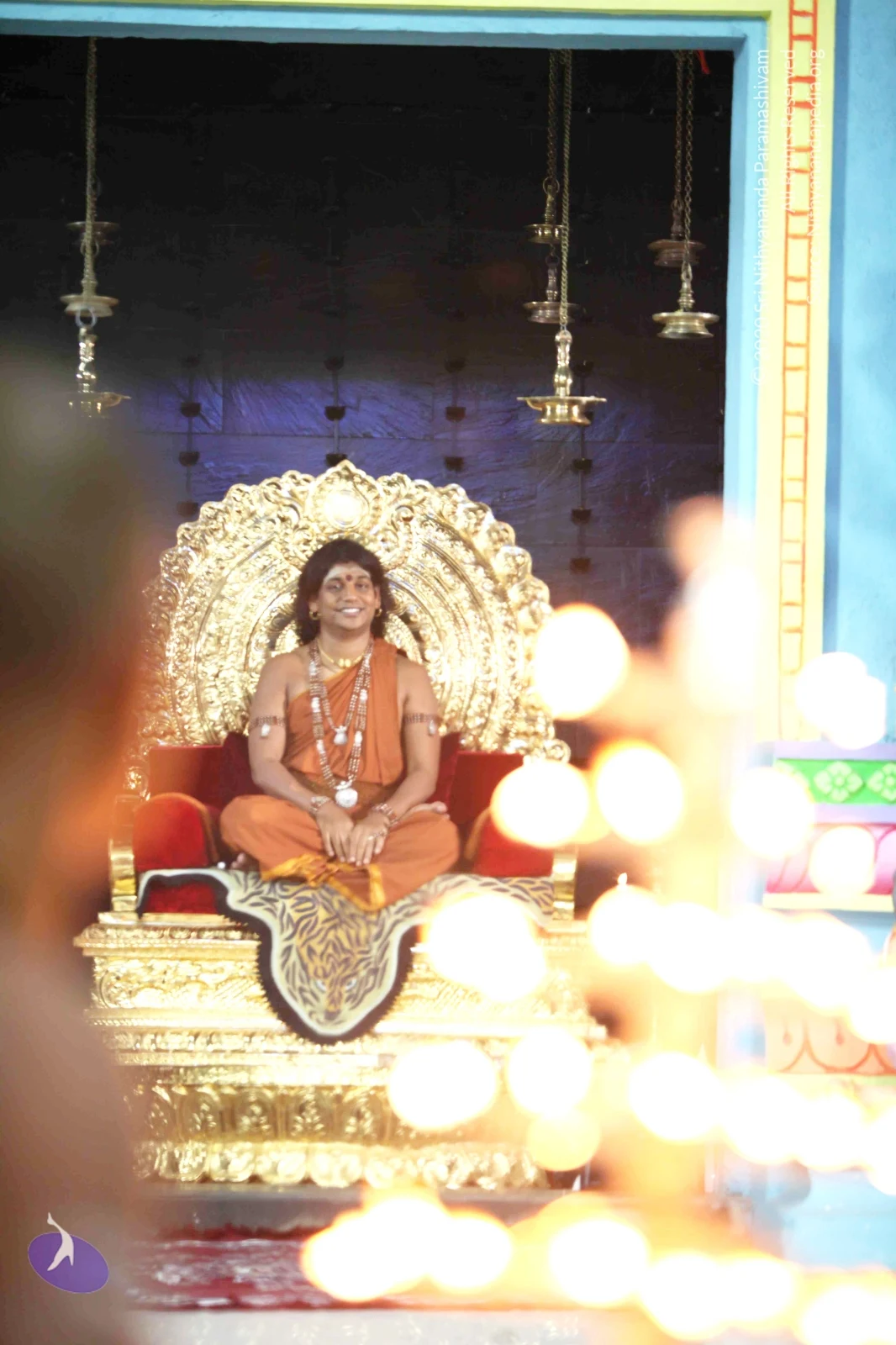
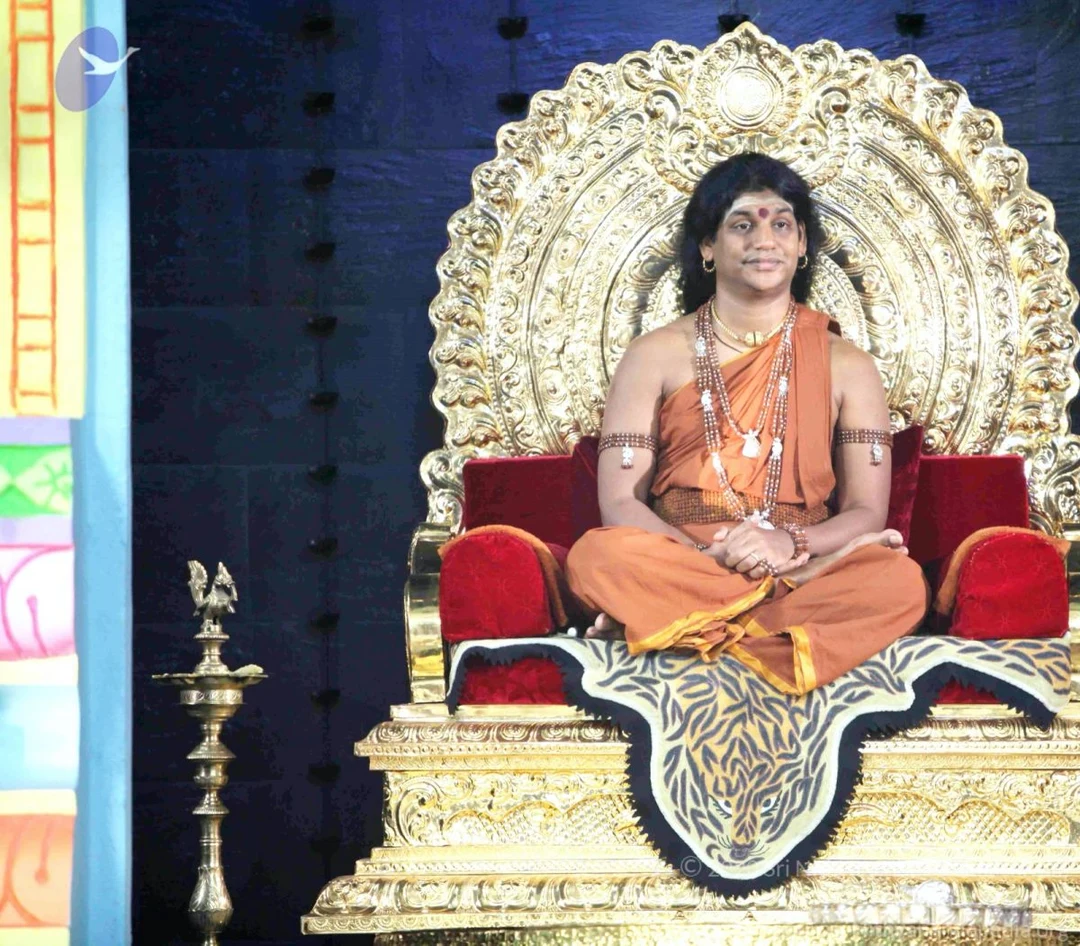
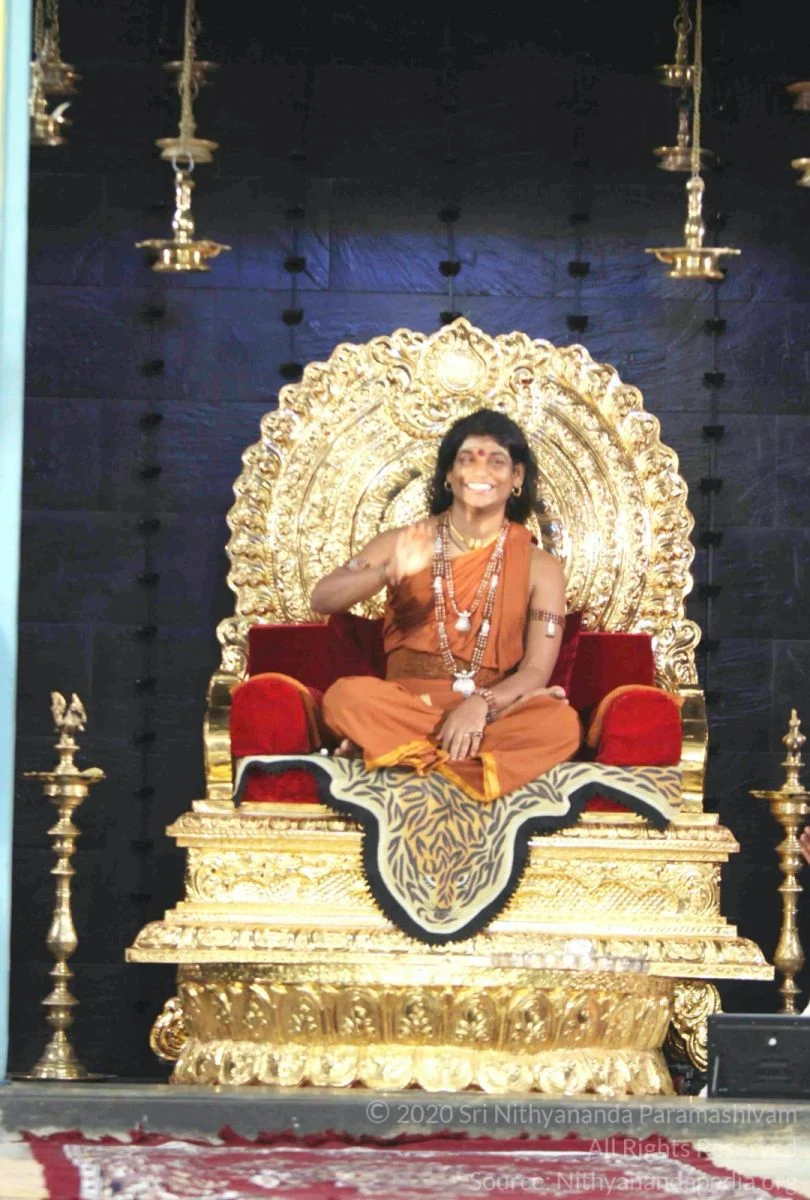
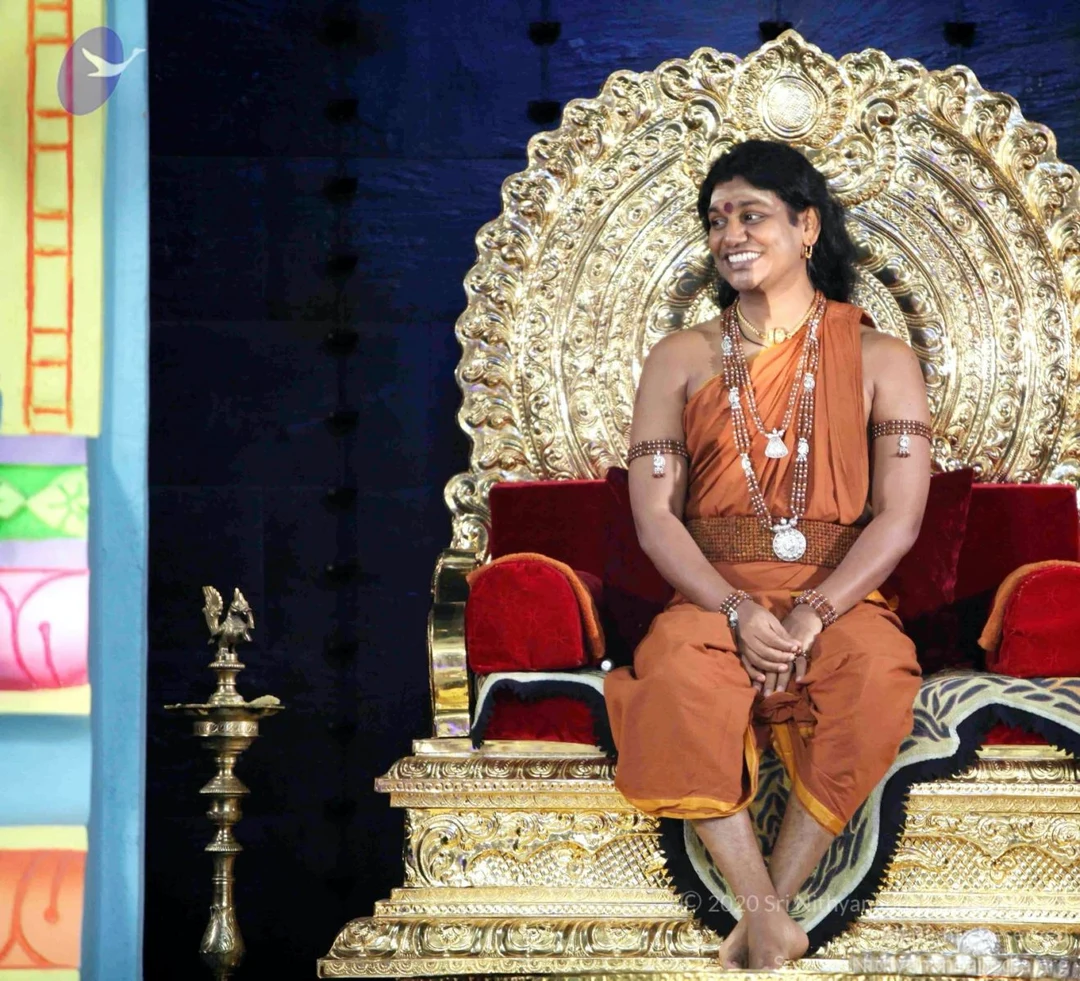
Satsang
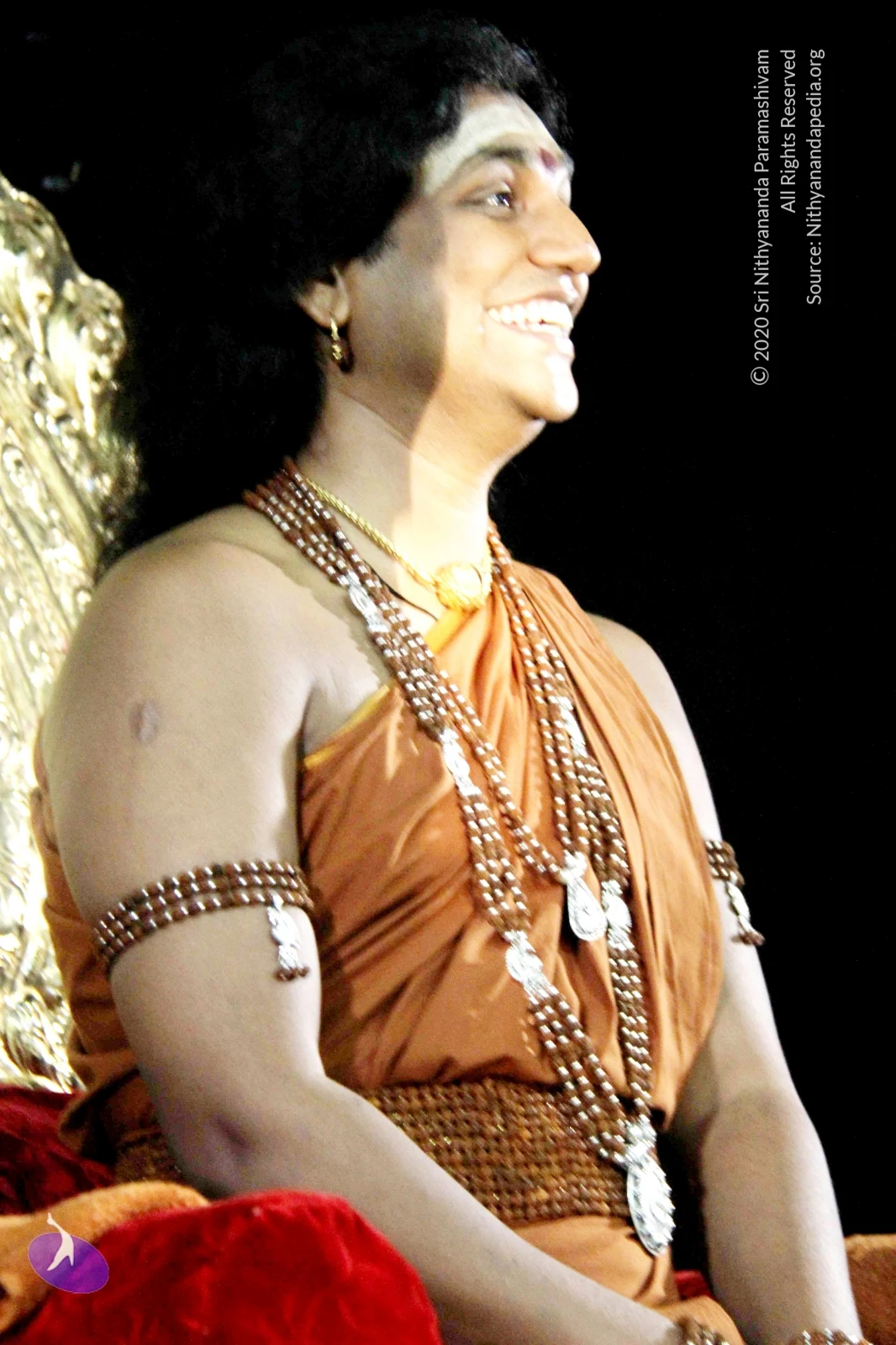
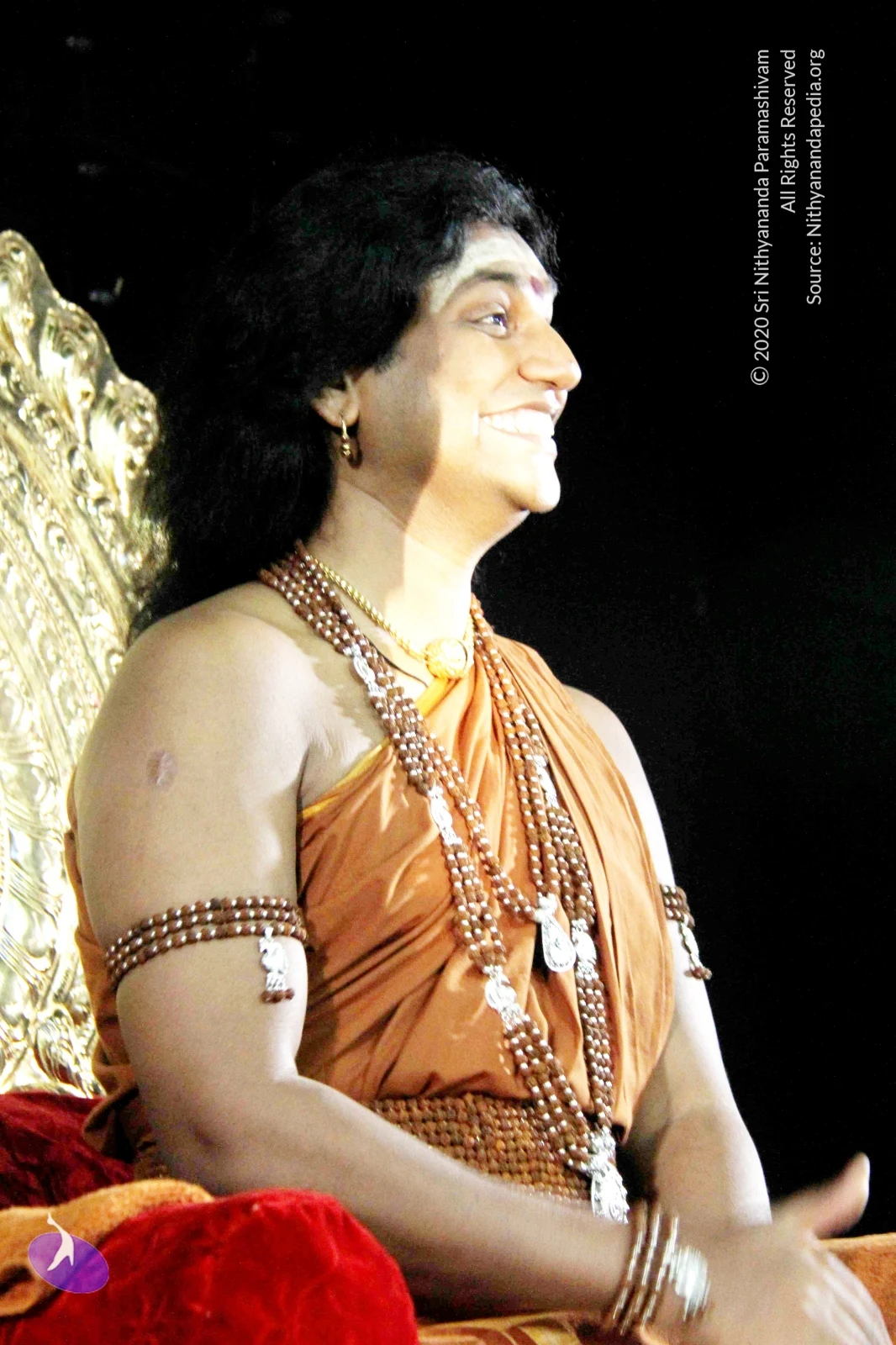
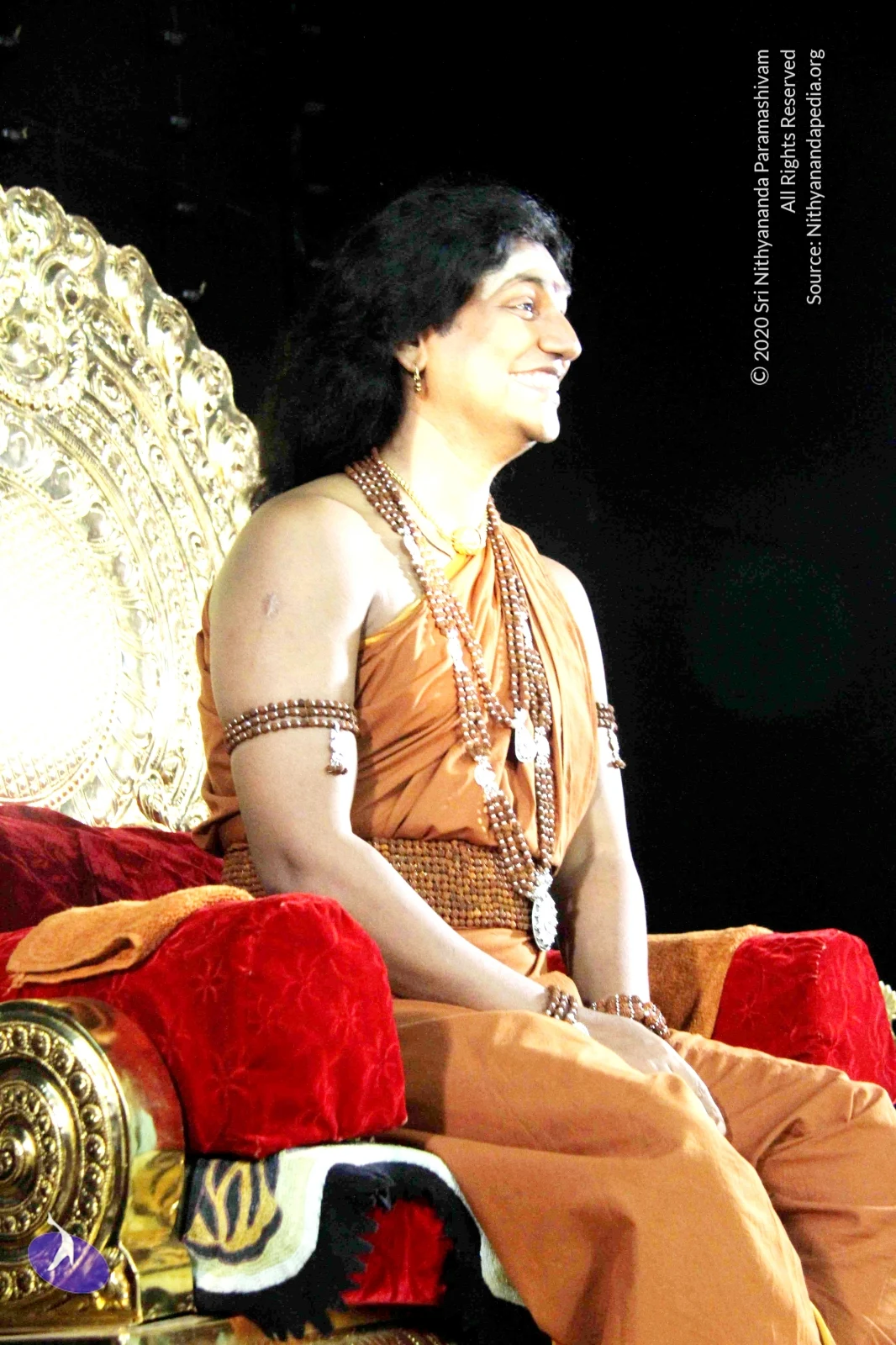
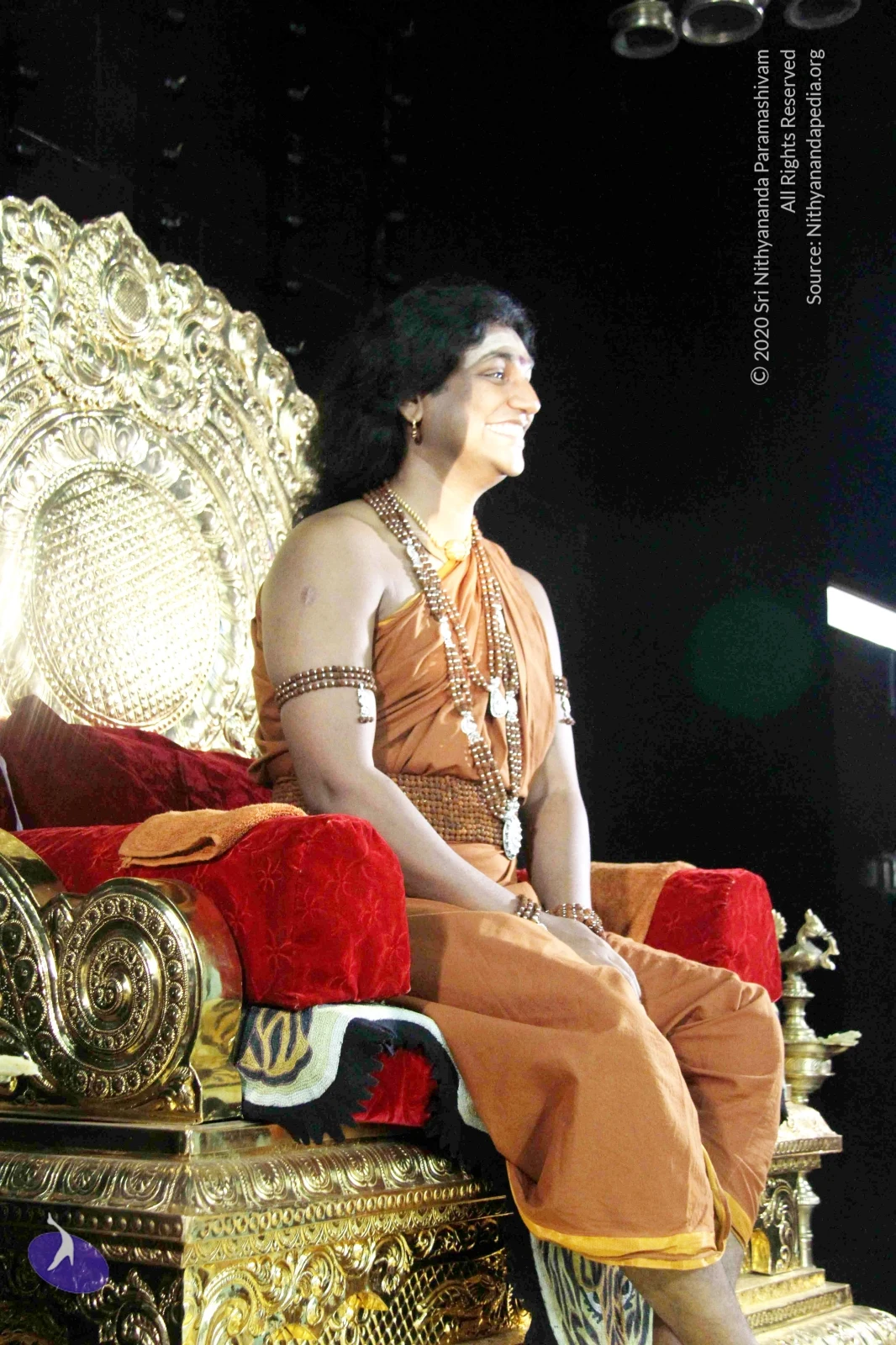
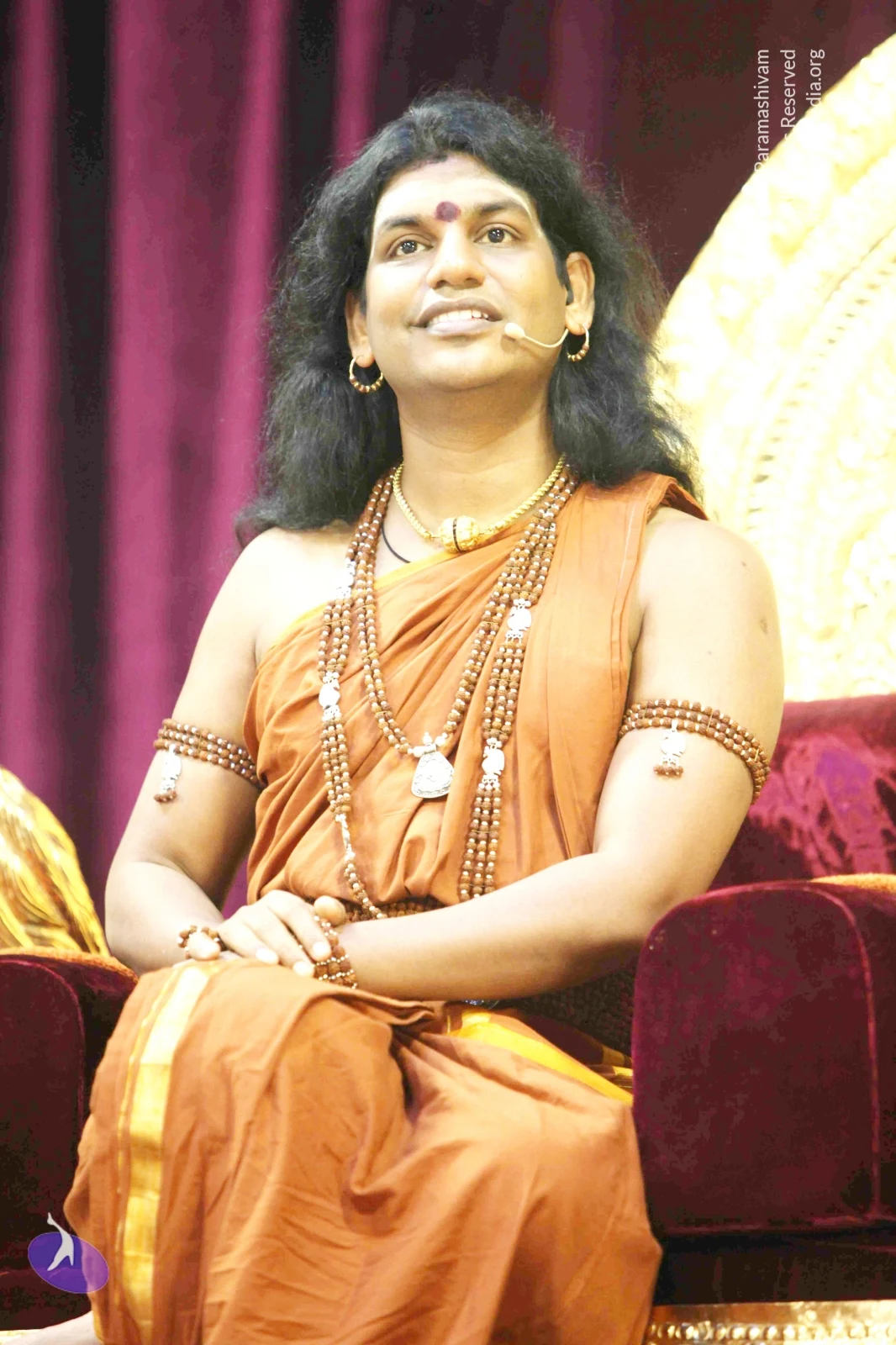
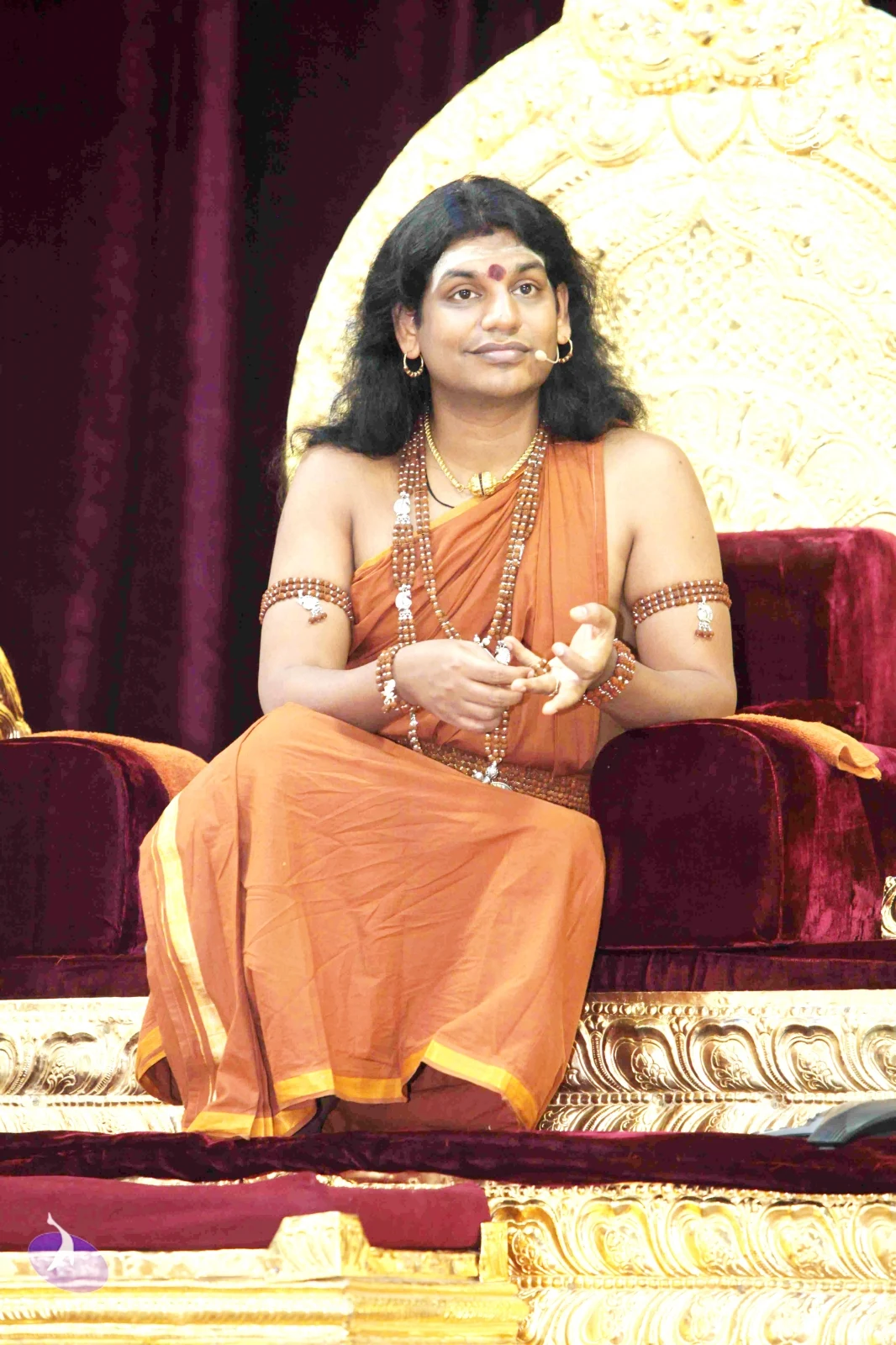
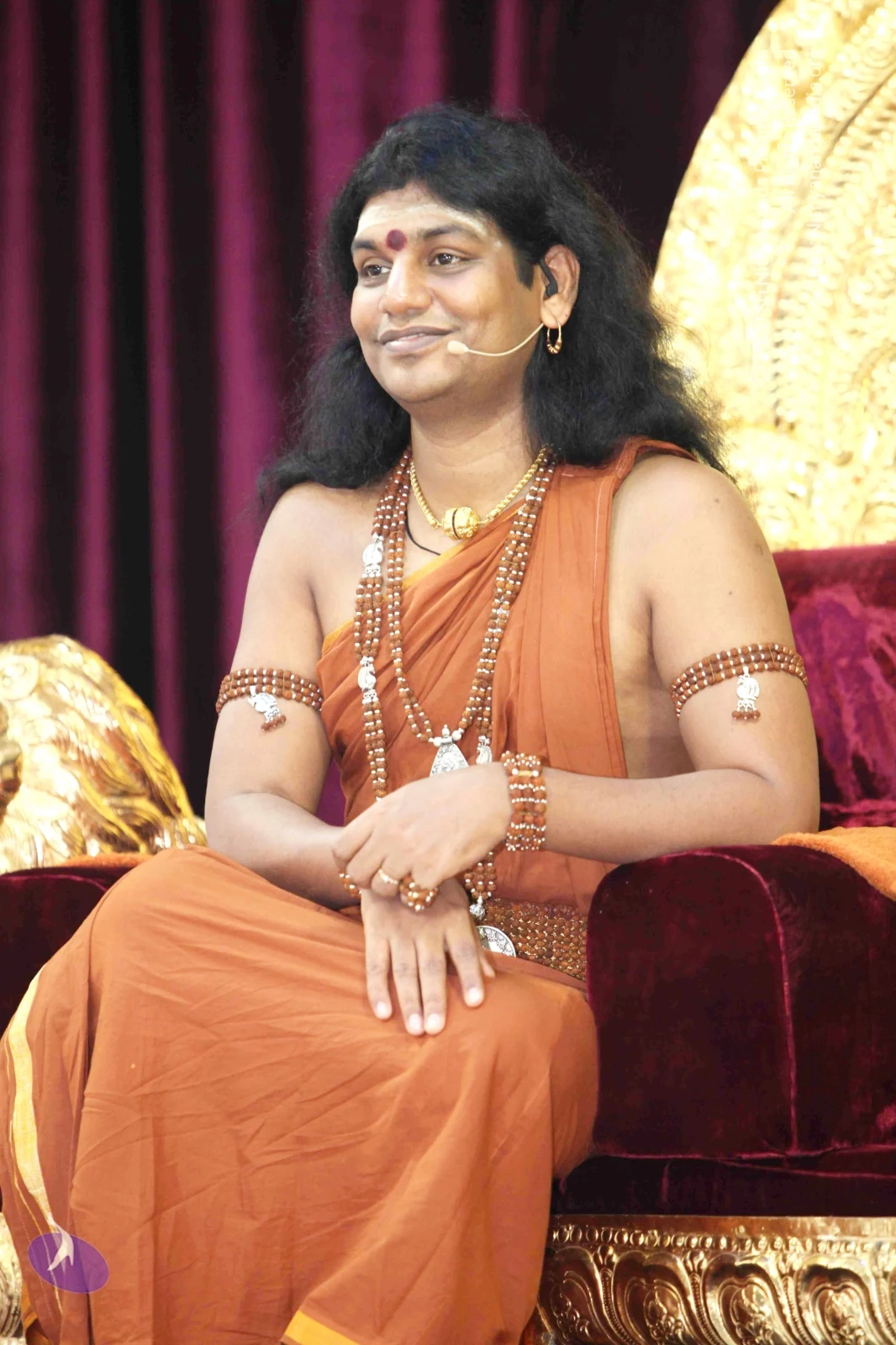
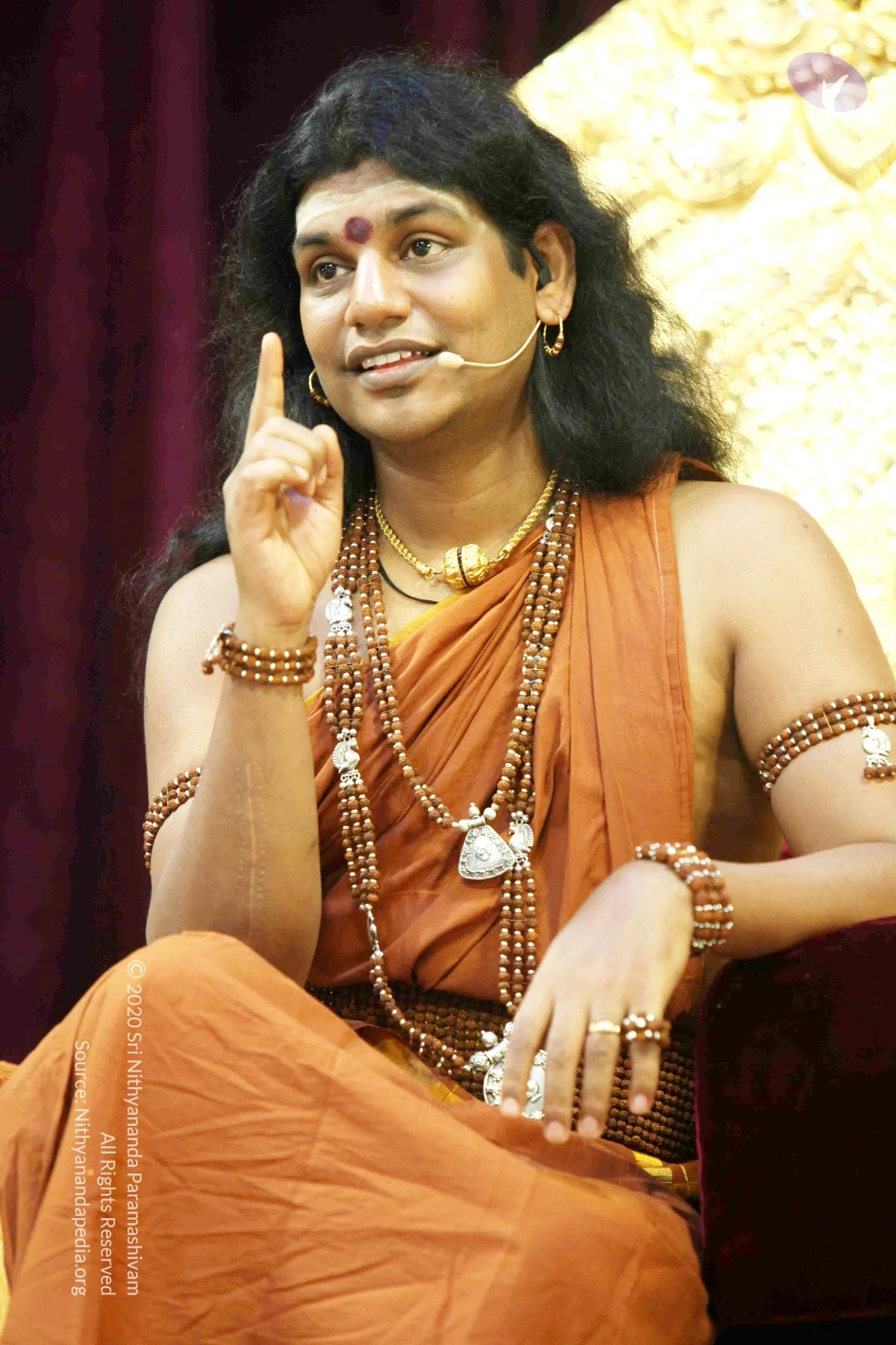
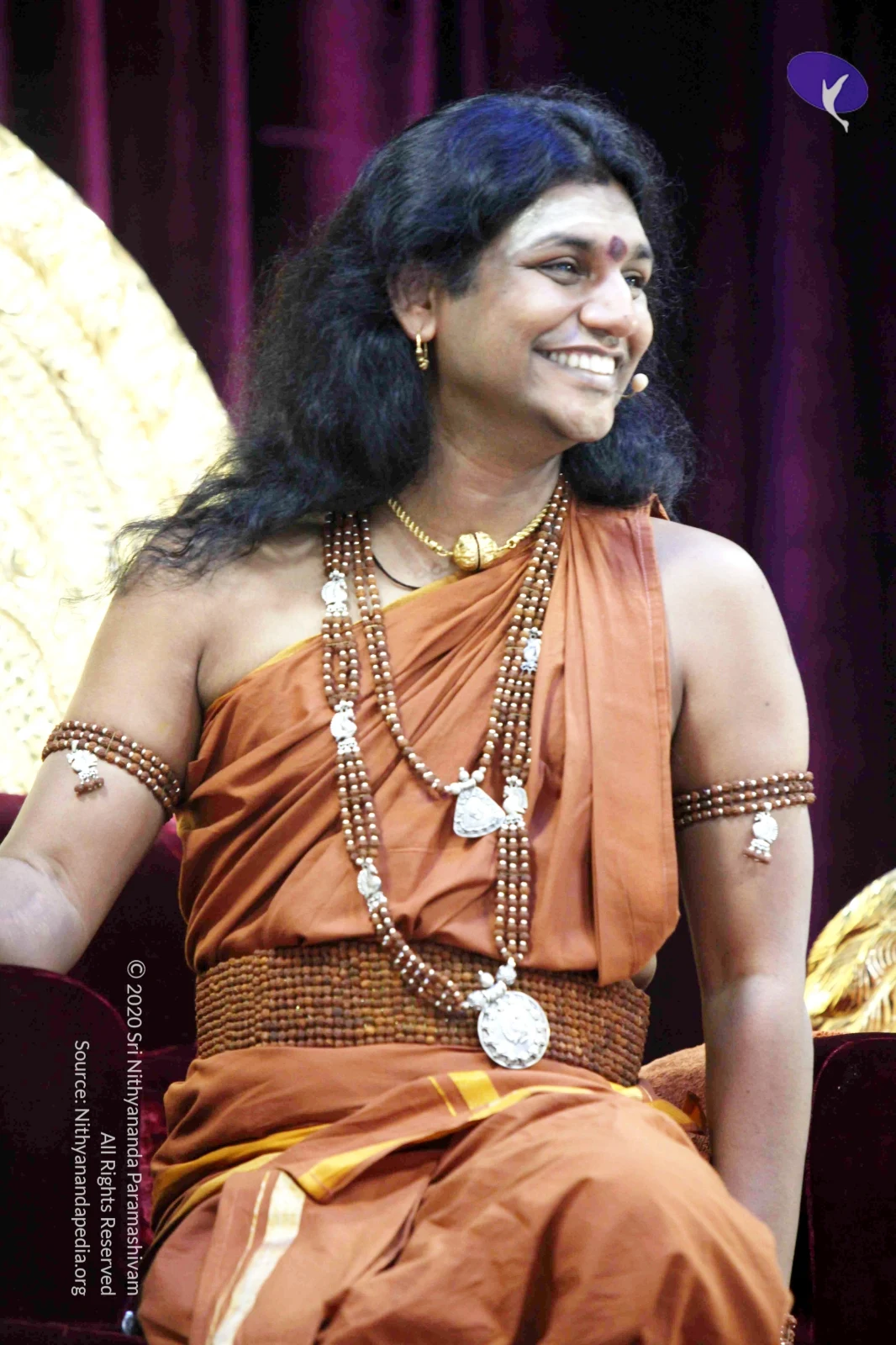
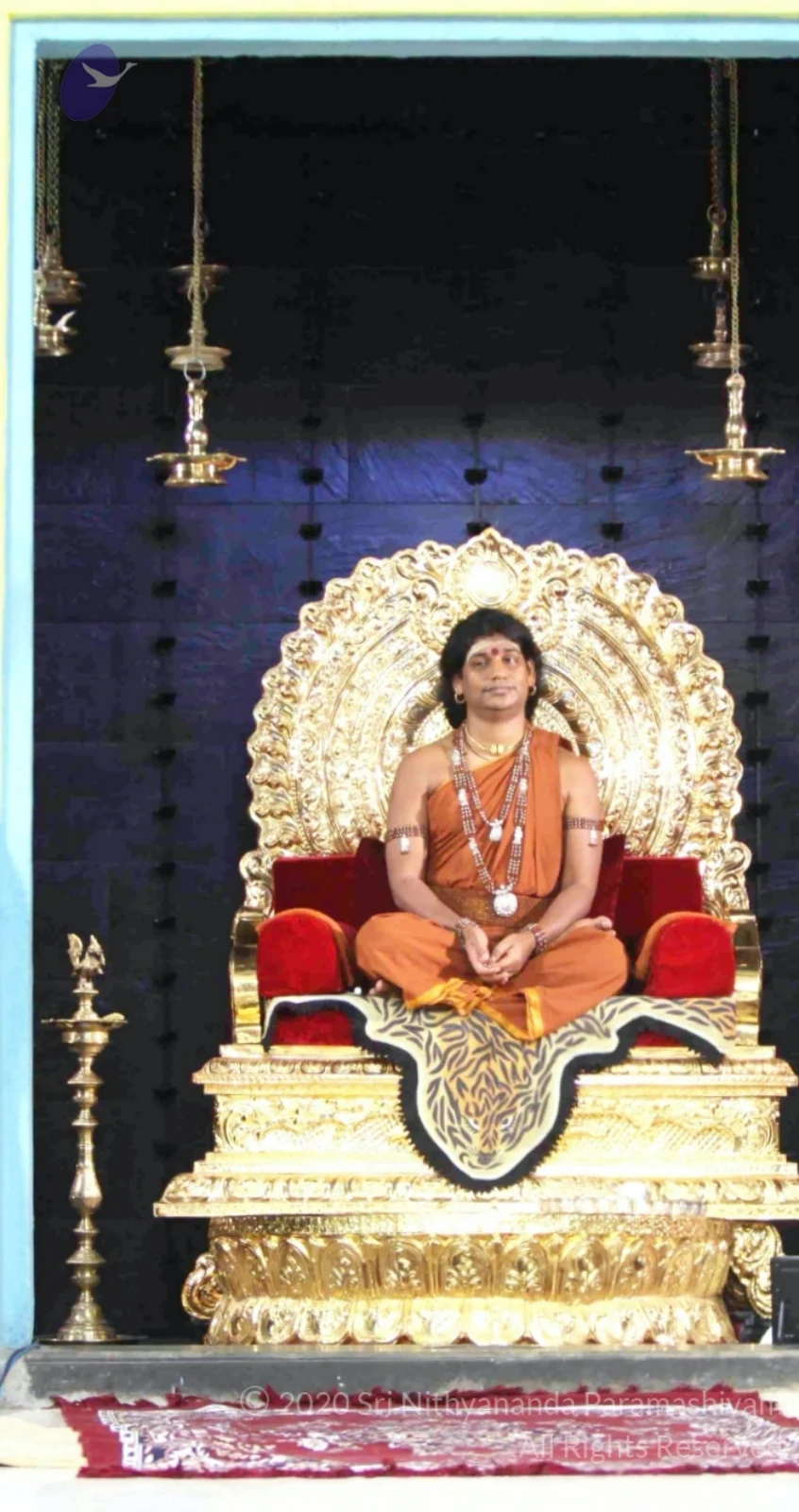
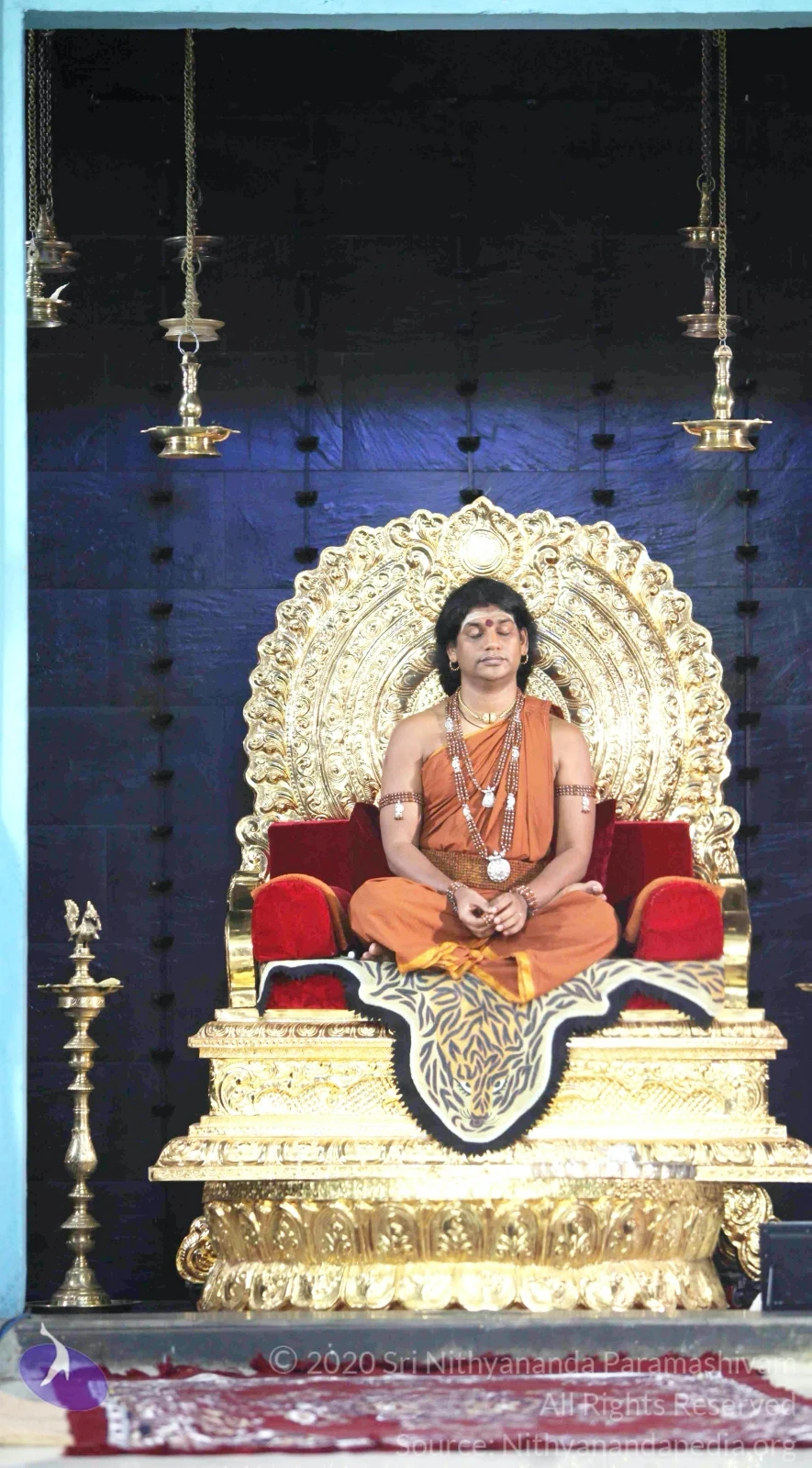
Darshan
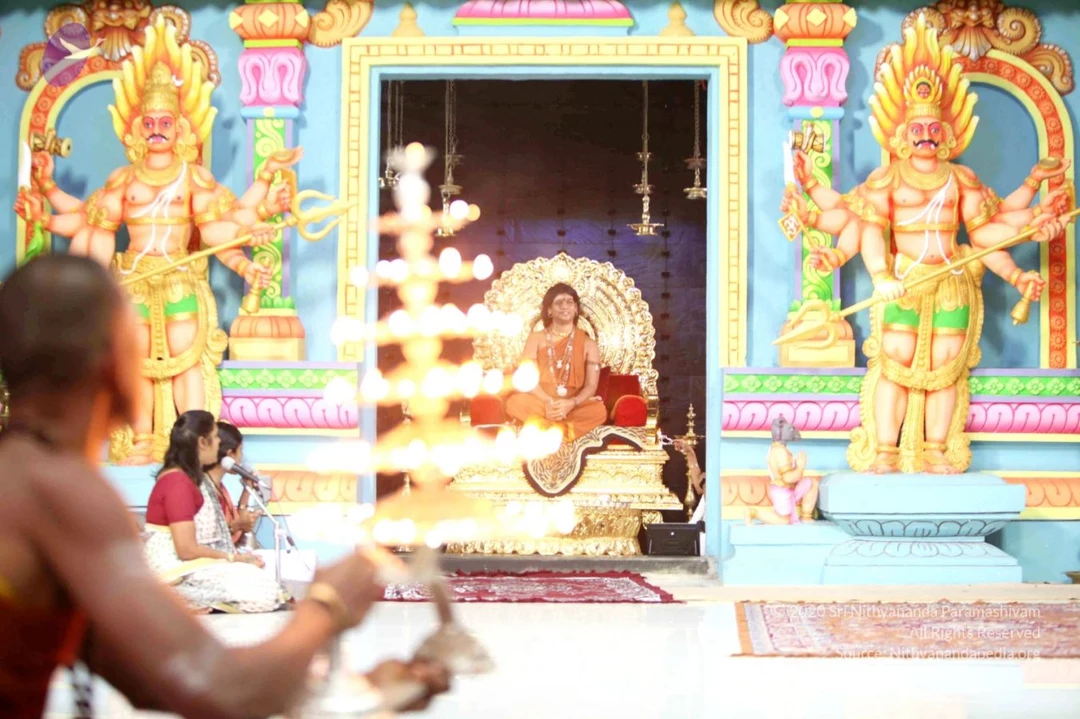
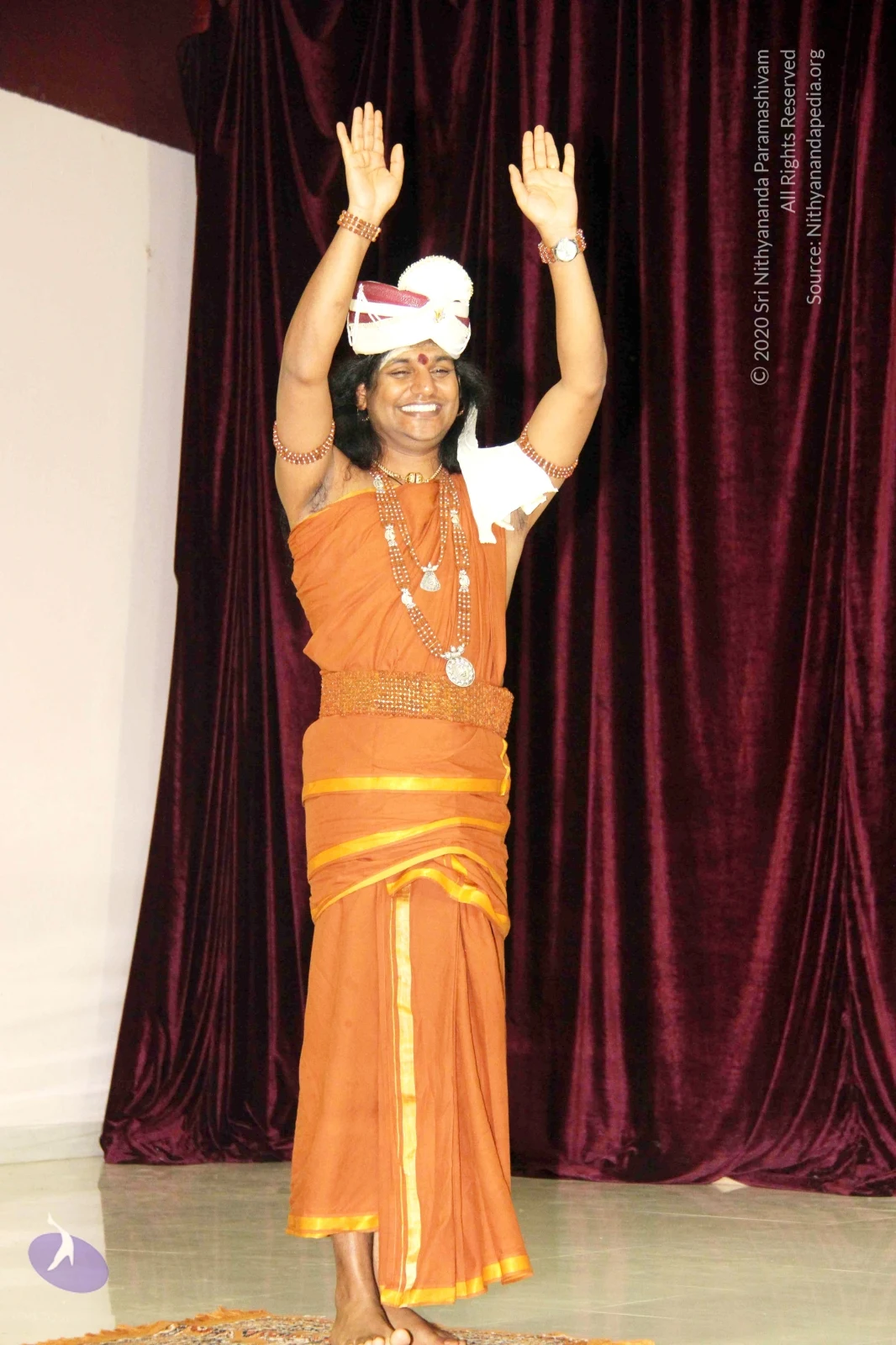
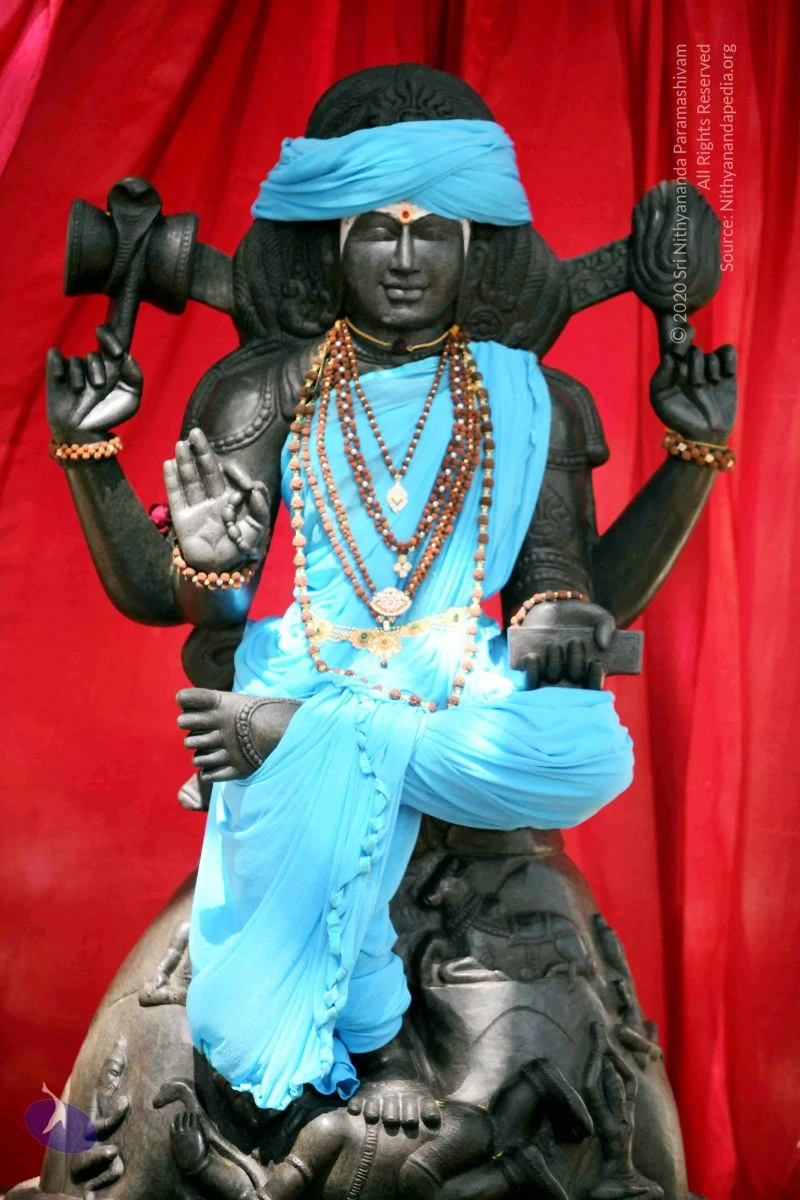
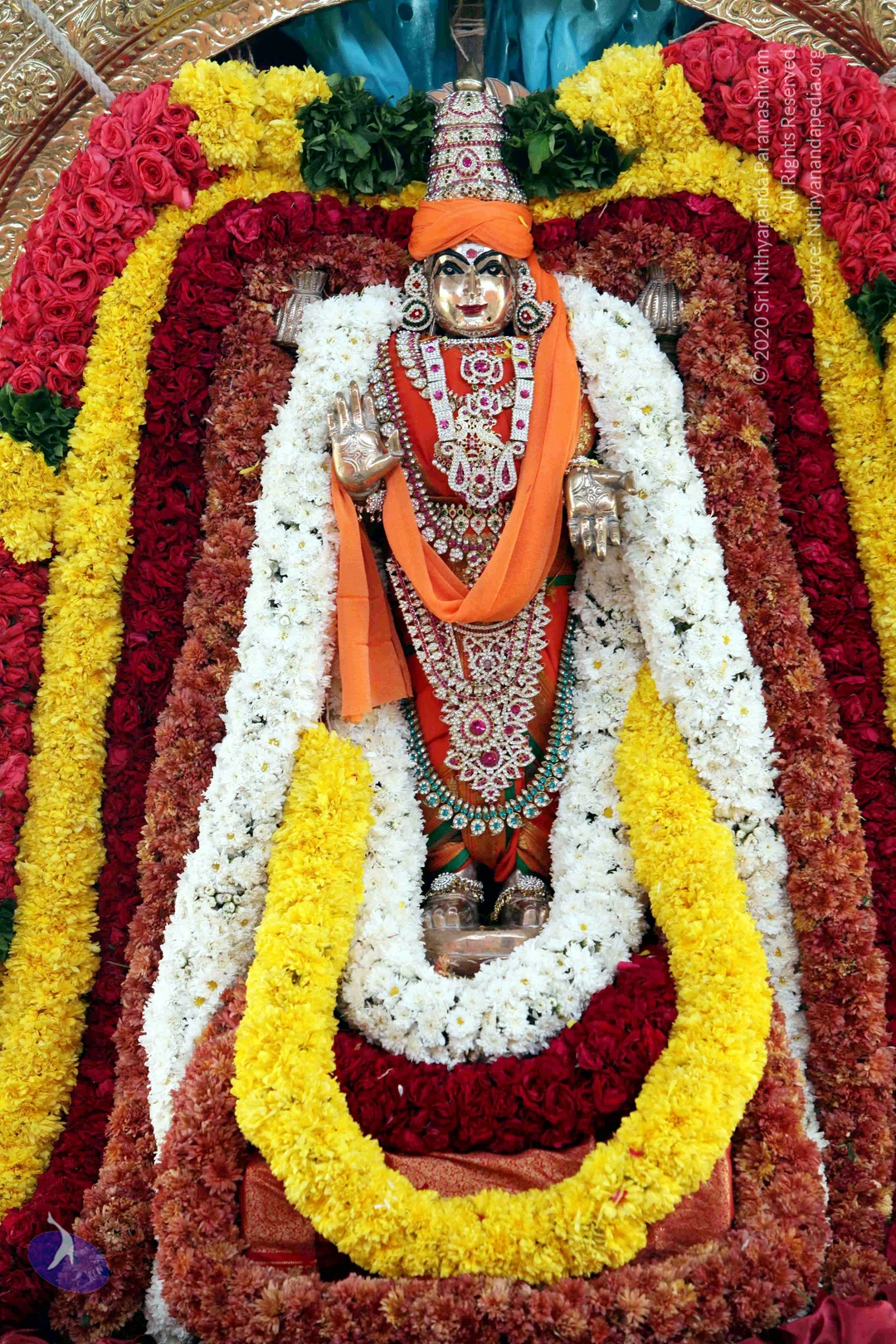
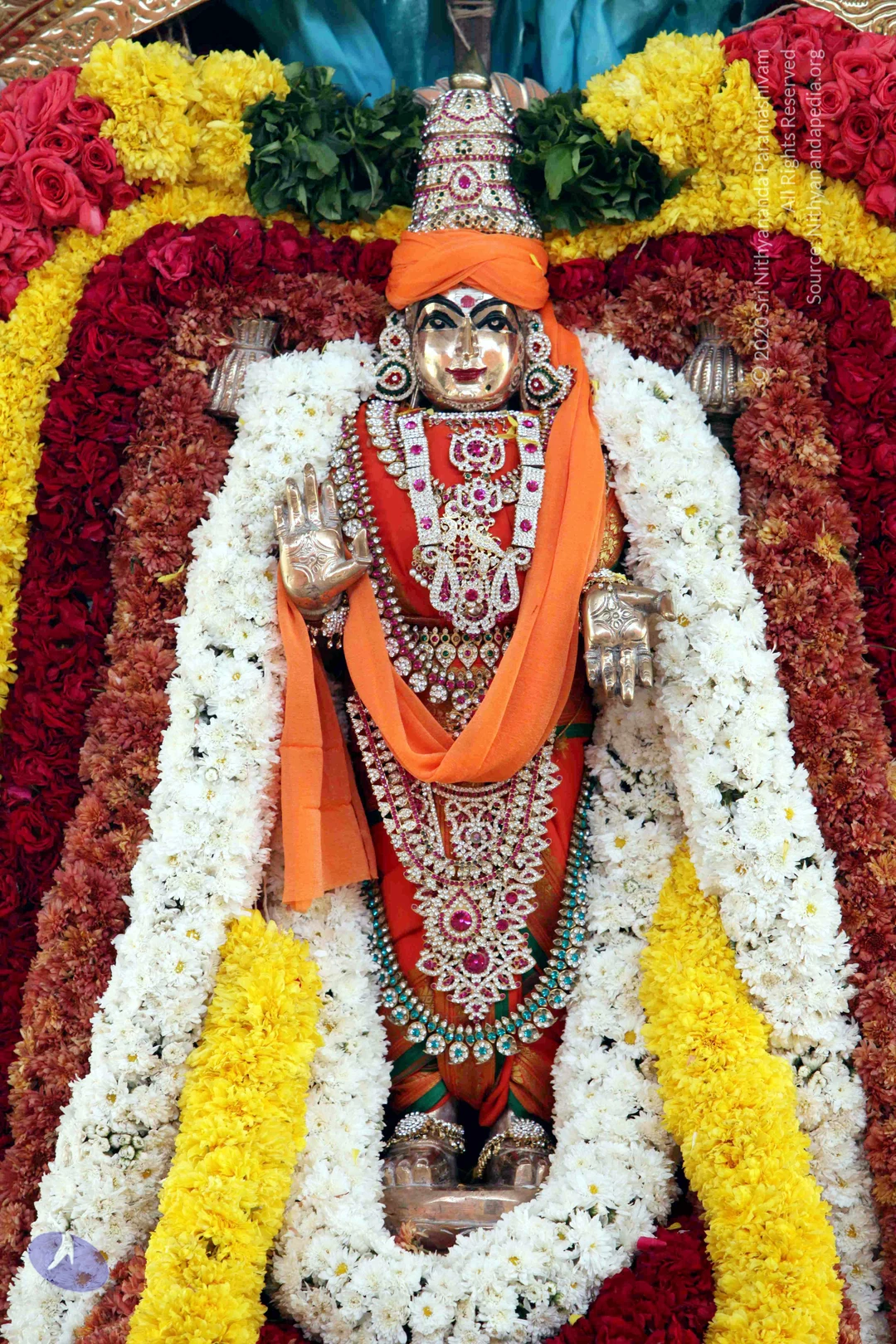
Photos from this day
View all 163 photosDevotees offer Pada Puja
1 photoSource gallery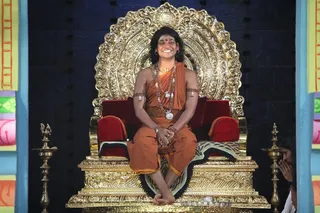
Devotees offer Pada Puja
2 photosSource gallery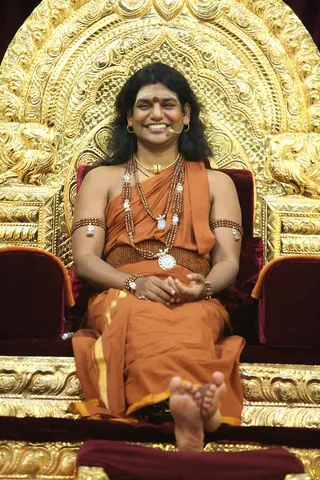
Pada-Puja
40 photosSource gallery
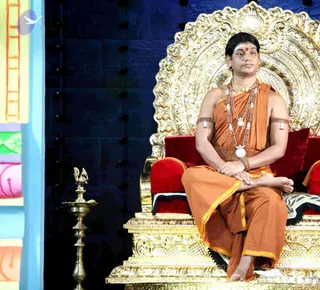
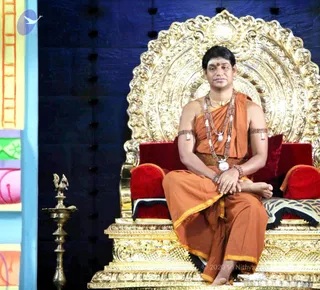
Satsang
48 photosSource gallery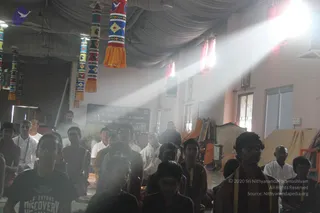
Darshan
15 photosSource gallery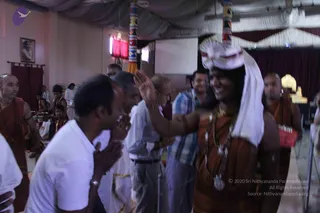
Pada-Puja
17 photosSource gallery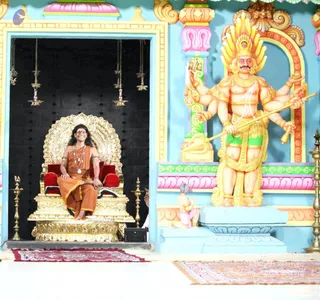
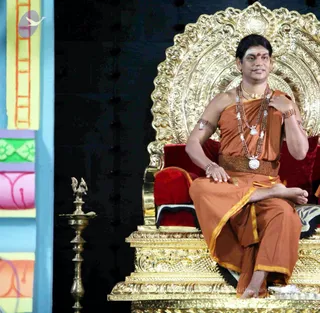
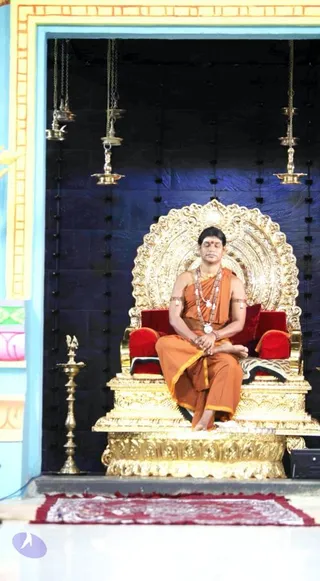
Satsang
13 photosSource gallery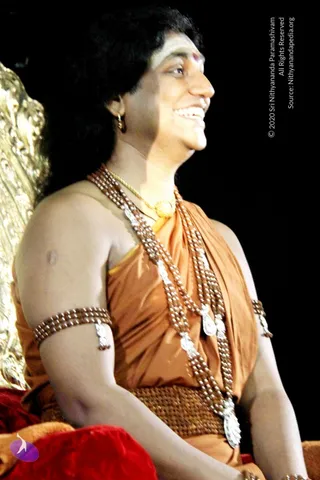
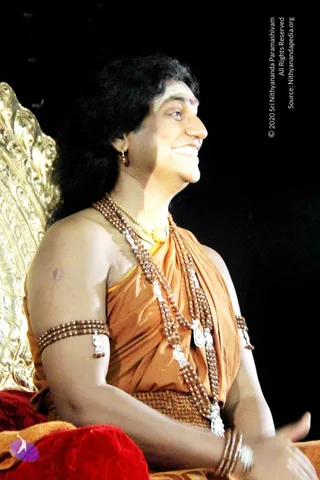
Darshan
8 photosSource gallery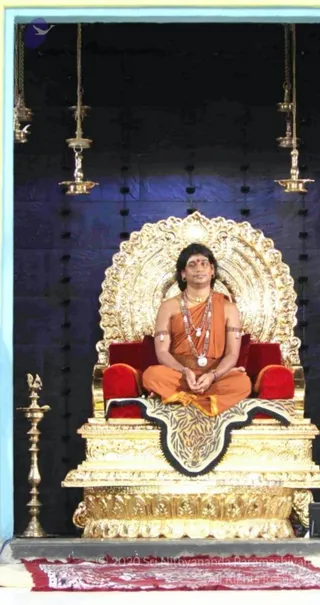
Darshan
19 photosSource gallery