Thursday
31 May 2012
Supreme Pontiff of Hinduism HDH bhagavan Sri Nithyananda Paramashivam
- Dated photos
- 319
- Source pages
- 1
- Media
- 3
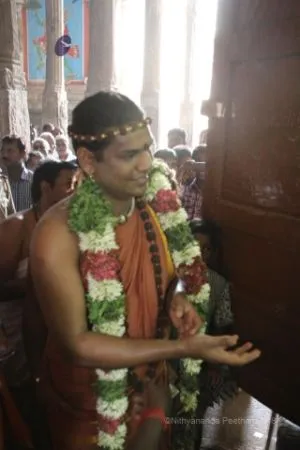
May 31 2012
Original wiki pageTitle:
Supreme Pontiff of Hinduism HDH bhagavan Sri Nithyananda Paramashivam
Description:
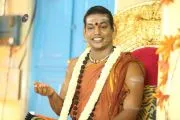
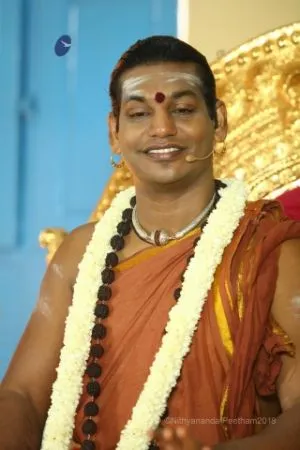
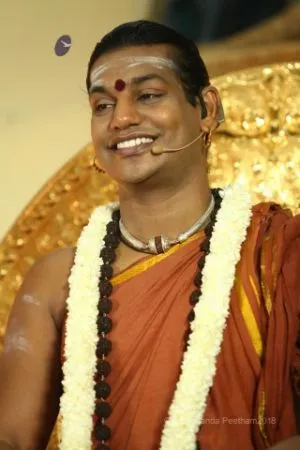
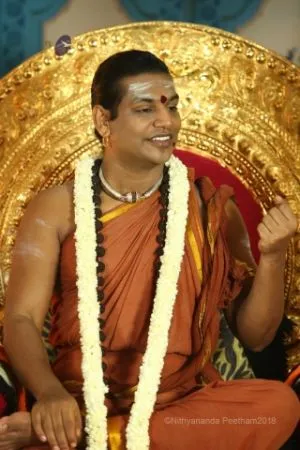
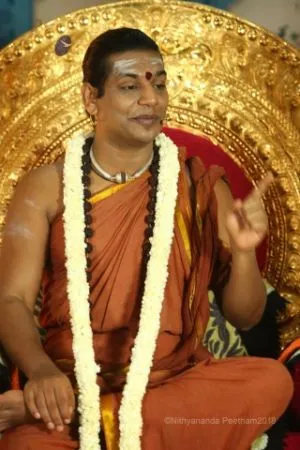
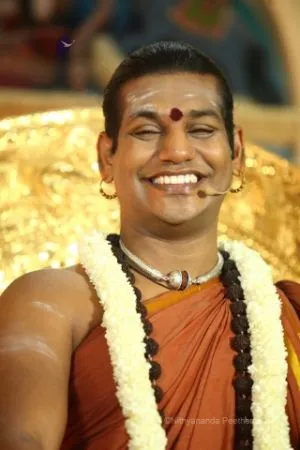
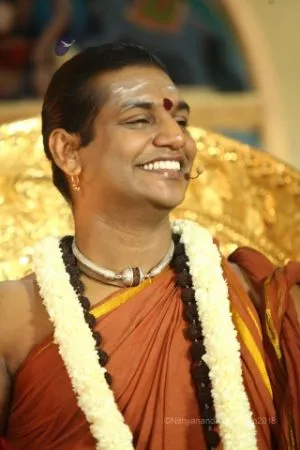
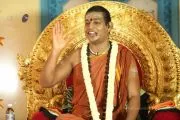
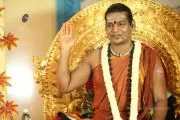
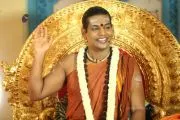
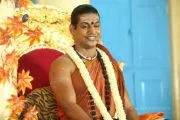
Bhagavad Gita (Song of God) is a timeless treatise on the essence of living enlightenment. The Gita was imparted by the enlightened Hindu incarnation Sri Krishna to the warrior-prince Arjuna over 5000 years ago. Amazingly, the spiritual wisdom and life solutions offered in the Gita are so universal and current that it is even today used as a personal transformation guide. In this morning’s talk on Bhagavad Gita, Chapter 4 Verse 40, Paramahamsa Nithyananda (Swamiji) distinguishes between “sweet ignorance” and “dirty ignorance”. Sri Krishna’s words are very strong in this verse: He severely condemns those who refuse all opportunities to receive wisdom. Paramahamsa explains that while “sweet ignorance” is the innocent lack of knowledge which joyfully accepts new information, “dirty ignorance” is the cynical stubborn doubt of those who are generously offered wisdom from the Master, and are suspicious of it. When we suspect the motives of the divine as It extends a helping hand, it is we who reject salvation. God does not curse us, but we ourselves create a hell from which only we can engineer our rescue. By setting down our cynicism and acknowledging the unconditional love of the Divine, we can raise ourselves to catch the rope He casts to us. Otherwise we drown in the ocean of our own suspicion.
Link to Video:
Put an end to your dirty ignorance
| Video | Audio |
Transcript:
Chapter 4.40
“ajnas casraddadhanas ca samsayatma vinasyati | nayam loko 'sti na paro na sukham samsayatmanah||”
Each one of this verse in this chapter is a very popular quotation.
Translation – “The one who is ignorant who does not have trust and who is a skeptic perish. They do not have this ordinary life or the higher life. There is no sense of well-being for the skeptic.’
It is like a blow on the brain not just mind. Sometime blow on the mind you don’t catch it that strongly. So blow on the brain is the only way. Beautiful word ‘samsayatma vinasyati.’ It is a shock, powerful shock Bhagavan gives. I know for sure many of the orthodox idiots of those days would have screened at Bhagavan – how dare you say vinasyati? See it is like a imagine, I won’t do it. Imagine suddenly I say all the fellows who have opposed me, who are doubting me, let them all vomit blood and die! Then understand how much of opposition I will attract and how it will be shocking for people. First thing all the fellows will say – how dare! This fellow tell all these things? How can an enlightened person say all these types of words? You will scream too many thousands of foolish things. That is why I am not saying it, I am saying Bhagavan is saying. But when I repeat it, I mean it. Understand it is a strong word Bhagavan is using.
He says samsayatma vinasyati means I think now he is almost fed up of Arjuna and his dirty ignorance. See there is something called as sweet ignorance. Means when a disciple is ignorant, he comes to you with a suffering, you sit with him and you offer the solution, he imbibes it and stands up with life and light. It is such a sweet ignorance! Even ignorance can add sweetness to you and your master. When you stand up, when you are out, even ignorance can be sweet. But this is too much! I think it would have gone to the extreme. I know how Krishna’s face would have been when he uttered this word – samsayatma vinasyati! He must have been really, really, really tired of this Arjuna’s dirty ignorance. I won’t even say dirty ignorance. I tell you all dirty ignorance is clear arrogant doubting of the authenticity of the master itself. I have seen when some disciples are in depression, suffering. When I call and give them the solution, if they don’t practice, if they don’t want to come out of the depression, I will always clearly see that they are doubting the very authenticity of me. The moment you doubt the authenticity of me, I cannot help you. See it is like a you are struggling in the ocean, screaming for my help. I am sitting on the ship and sending a rope to you, please hold this rope I will lift you; If you say no I don’t even know how to hold the rope, I am struggling even for that then I can at least come down, and hold you by the hand and lift and bring. Or if you doubt the very authenticity – aah, who knows after taking me to the ship you will kill me or not, after taking me into the ship you may kill me, what will happen? When you doubt the very authenticity, the purpose of rescuing – bye! I can’t even say good bye! I can only bye J
I think Bhagavan is seeing Arjuna doubting very authenticity of Krishna. He is fed up. Sick and tired. Otherwise in this 700 verses of Bhagavad Gita, not a single verse other than this where Bhagavan curses people. Even in Anu Gita. See Bhagavan has written two books one is Bhagavad Gita, another is Anu Gita. Both are written by Bhagavan. In both the books other than this one verse, nowhere he curses. This is the only recorded evidence of any enlightened being cursing. Please understand any incarnation cursing and that curse being recorded. Nowhere. Nowhere. There is not a single evidence, recorded evidence of Shiva cursing in his own words. Of course by the disciples words it is there. In his own words. Not a single record. Not a single record of Adi Shankara cursing in his own words, not a single record of Rama cursing in his own words, not a single record of Buddha cursing in his own words. Not a single record in their own words recorded throughout the history other than this one verse. Neither Ramana Maharshi nor Ramakrishna or Sri Krishna or Ramachandra Prabhu or Shiva or Buddha – No - in their own words there is not even one record other than this one verse. Then you should understand this verse thoroughly. What pushed Bhagavan to utter such a strong word? Please understand he says samsayatma vinasyati means he is domed, destroyed. See samsaya is not a crime, doubting is not a crime. Maybe Bhagavan saw Arjuna’s doubt was not just about the ability of Krishna or stability of Krishna or availability of Krishna. It was on the very existence of Krishna itself!
See when you suspect the very existence, the very purpose for which he IS - then no help is possible.
I have seen sometime these fellows who are leaving the organization. When they are part of the organization they would not have worked even one inch, they would not have contributed anything to this organization. But when they are leaving they will say - Oh this sannyaas! Everything is just bogus. It is just to get more and more people to work for him. Baba, did you work when you were here? No. You ate the Sangha’s food, you used the organizations all the facilities, you used the organization, you learnt, studied gained the knowledge. Now you neither contributed and you say it is all bogus! The very purpose, the very existence is doubted. Now naturally the spiritual truths for which the organization stands or I stand they can’t help this person. I think Bhagavan has smelt that kind of doubt in Arjuna - the dirty doubt, smelling doubt, nauseating doubt, the doubt of the very existence of purpose of Krishna. Maybe Arjuna felt Krishna is playing for the side of Duryodhana, he is somehow going to kill me in the war. That is why he is pushing me to wage the war. That kind of a doubting the core. It is like I heal somebody from the cancer and that person suddenly doubts - I think after I get healed by the cancer this fellow is going to kill me! Why? I am wearing 2 sovereign gold old chain, maybe he wants that. This 2 sovereign gold chain maybe attracting him. He is going to heal me now and take me to the ashram and then cut my head to take away this 2 sovereign gold chain. When you have that kind of a doubting the very existence, Bhagavan says nothing can be done. I can be sure. Otherwise Bhagavan does not need to utter such a strong word – vinasyati - samsayatma vinasyati. In all other places he only says – ‘nameh bhaka pranashyati’ means my devotee never perishes! See the assurance is okay, great. The positive side is great that always all the masters have done – my devotee never perishes. Rama goes to extreme of saying when he blessed Ahalya, not only my name, whoever takes your name also will be liberated! Ramakrishna goes to extreme of saying not only me, whoever sees my photograph will be liberated. See that is great, perfect! Shankara goes to the extreme of saying one drop of Ganges water, only once remembering Govinda or one sloka from Bhagavad Gita uttering, you will be liberated. This is perfect, usual. Inspiring, encouraging, given abhaya – great! But unprecedented mood in the spiritual history is this word samsayatma vinasyati! This word even if you utter that word you will feel that sourness in your throat as if you ate neem leaf. The bitterness in your throat. But I know how frustrated and sick and tired Bhagavan would have been to utter these words because everyday I face this. I don’t utter this word. I think Bhagavan uttered it. When you doubt the very existence, you can’t be helped. The very purpose, the very definition of that vision you can’t be helped.
“ajnas casraddadhanas ca samsayatma vinasyati | nayam loko 'sti na paro na sukham samsayatmanah||”
The next word Bhagavan adds very strongly. Not only enlightenment, he will not have even ordinary world. I can say in this one verse Bhagavan has become like Kala Bhairava. I can be 100% sure Bhagavan has seen in Arjuna’s eyes doubting the very purpose, existence of Bhagavan. See here Bhagavan exists and tells very clearly to Arjuna – Oh my dear Arjuna! Stand up and fight not only you will have the outer world, will have the inner world, you will be enlightened, you will achieve everything. Convincing him step by step, inspiring him again & again. Giving him the various methods and understandings about philosophies, everything. Now Arjuna has gone to the extreme -the dirty pattern of doubting the very existence of Krishna. He would have thought maybe this fellow Krishna is really on Duryodhana’s side, he is pushing me to wage the war so that I will be killed, then he can live with Duryodhana. Otherwise why will he push five of us to fight with 101 of them? Duryodhana’s were 100 and one was Karna. So 101 were on one side, five was this side. Duryodhana had one sister also but she was not in the war.
Unless the very root, the very purpose was doubted, Bhagavan would not have gone to the extreme of using this word samsayatma vinasyati. And especially to a close friend. Arjuna was not just a friend but beloved also for Sri Krishna. I don’t want to create a controversy but I wanted to tell very clearly the fact - both of them were not only psychologically close, they were physically close. Not only that tradition accepts they both have been the incarnation of Nara Narayana means the super consciousness and the reflection of the super consciousness. Krishna is Narayana, Arjuna is Nara. In Sanskrit, if you are son of Krishnamurthi for example your name is Srinivasan, your father’s name is Krishnamurthi, you will be called as Kraashnamurthi Srinivasan, not Krishnamurthi Srinivasan. In Sanskrit that is the way the language is set. Same way if you are Nara, your father is Narayana. Narayana’s son is Nara. Our source is Narayana. How can you tell somebody who is so close to you, who is literally your own reflection. It is almost like your left hand cursing the right hand. Your own left hand slapping your face. Maybe the situation was really, really, really dirty. That Arjuna doubted the very existence of Krishna. See Arjuna has doubted the Krishna’s ability, that is why he showed the Vishwaroopa – aiy! Here I am see! Arjuna has doubted Krishna’s stability. To prove that only he himself came down to drive the chariot. Arjuna has doubted Krishna’s availability. That is why day and night he was sitting always with Arjuna and proved his availability in the court by appearing and giving cloth to, heap of cloth to Draupadi.
He has proved his stability, ability, availability. Please understand Krishna has shown is Vishwaroopa already to Arjuna and to the whole Kaurava team in the Kaurava’s court. It is not that Arjuna is seeing the Vishwaroopa first time in Bhagavad Gita. No. It has not yet happened. We are only in 4th chapter. Only in 11th chapter Vishwaroopa comes. Bhagavan shows the Vishwaroopa. But already earlier has shown. He has proved his ability, stability, availability, and still if he is doubting, if Arjuna is doubting, he is doubting the very purpose, existence of Sri Krishna. That is what Bhagavan is not able handle, not able to understand. He doesn’t know what to tell. He goes to the extreme saying samsayatma vinasyati. He literally gives up!
‘nayam loko 'sti na paro na sukham samsayatmanah’
Bhagavan has never used so many na, na, na - the negative in one sentece. In one sentence he uses so many negatives for three times –
‘nayam loko 'sti na paraha na sukham’
He says neither they will have the ordinary life means this world nor they will have the higher life enlightenment, they will not have any pleasure in their life – ‘na sukham samsayatmanaha’
“ajnas casraddadhanas ca samsayatma vinasyati |
“The one who is ignorant who does not have trust and who is a skeptic perish.”
I tell you if you doubt my ability, I always show you that I am able, I can. If you doubt my stability, I will always show you with my compassion I constantly, in a very stable way waiting for you. If you doubt my availability, I will prove that I am always available for you. But if you doubt my very purpose of the mission, very purpose of my existence, my vision statement, nothing can be done.
Let me define me and my purpose – “I am an incarnation in the planet earth to do the job of radiating and sharing enlightenment the highest conscious existence. If you have any doubt on this my very being and the vision, nothing can be done J Then like Sri Krishna I have to say samsayatma vinasyati. Other than this if you doubt my ability, if you doubt my stability, if you doubt my availability - nothing wrong. It is not crime. I will always have patience to show you, to make you understand my stability, ability, availability – everything. I will have tremendous patience to work with you, to inspire you, encourage you. But if you doubt that very root purpose, the source purpose, the cause of my existence then I only have to repeat the 4th chapter, 40th verse of Bhagavad Gita -
“ajnas casraddadhanas ca samsayatma vinasyati | nayam loko 'sti na paro na sukham samsayatmanah||”
Today’s Satsang the whole transcript I will publish it in the website. Please all of you try to write at least once this whole Satsang in your own handwriting in your book of heart. In your book of heart pen down this whole thing in your own hand writing so that every word you imbibe. Ma Maneesha will post the whole transcript of the Satsang in the net by evening. So all of you copy the whole transcript in your book of heart once. This will clarify many of the sufferings you create for yourself. Bhagavan did not utter these words to threaten Arjuna. Please understand. I am also not using these words to threaten you. No. I am very clear. I am uttering the exact truth. Samsayatma vinasyati is a fact not a threat!
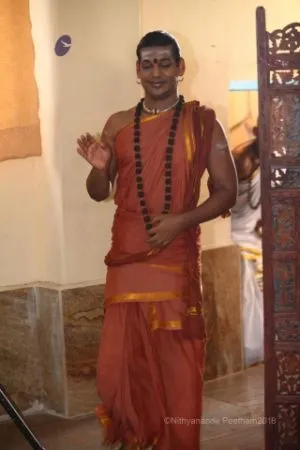
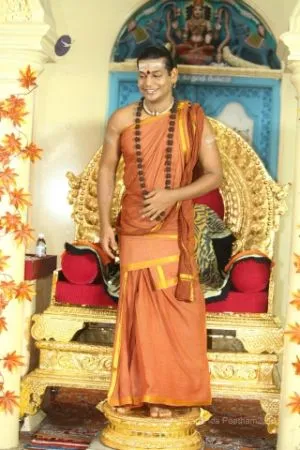
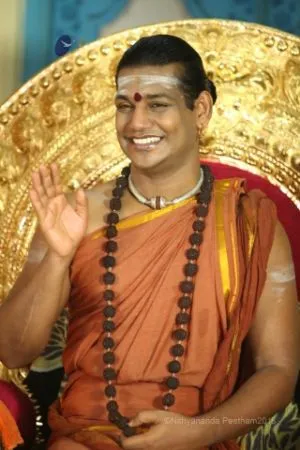
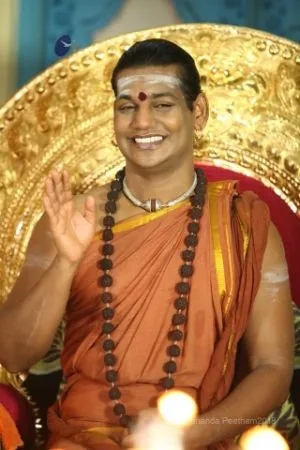
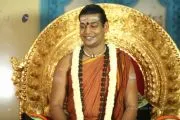
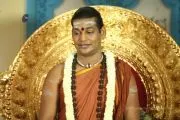
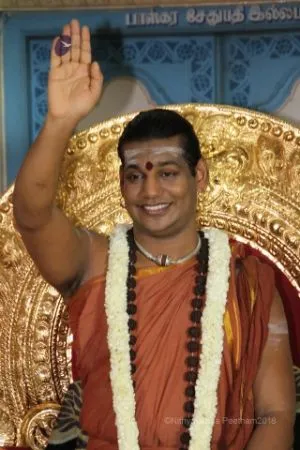
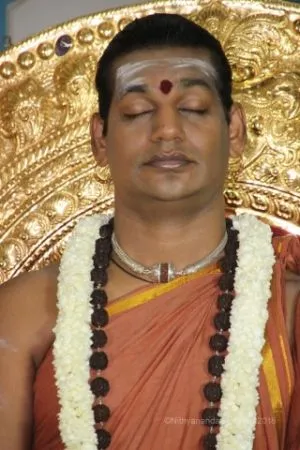
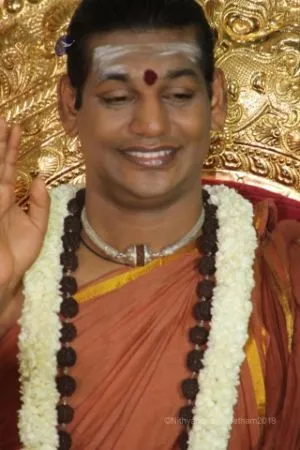
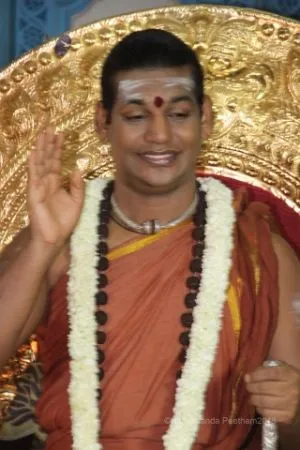
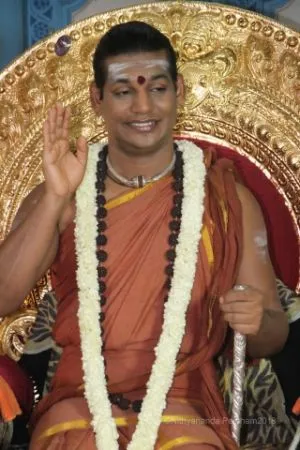
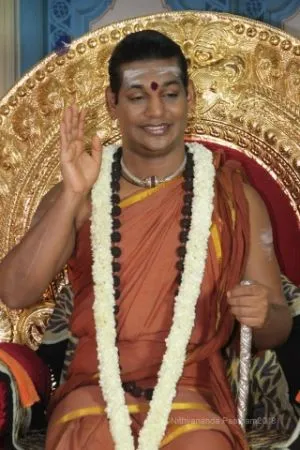
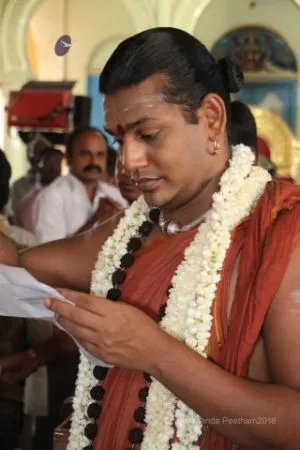
Photos
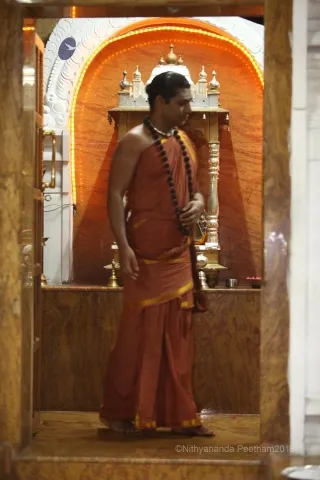
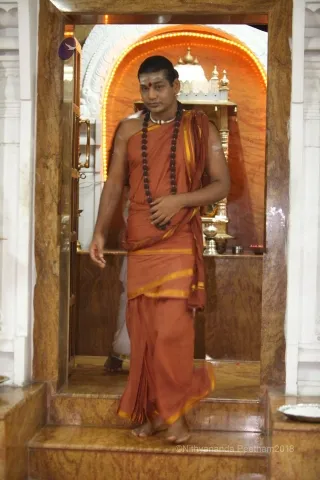
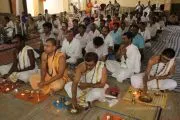
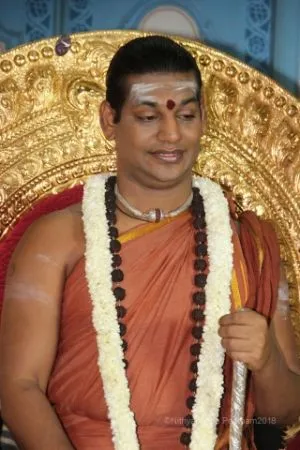

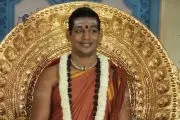
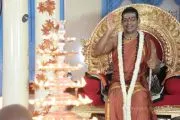
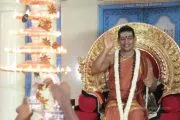
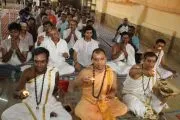
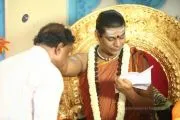
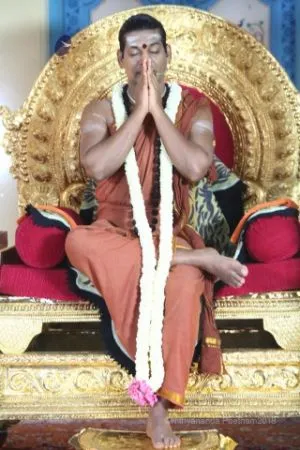
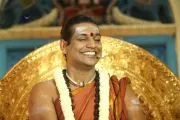
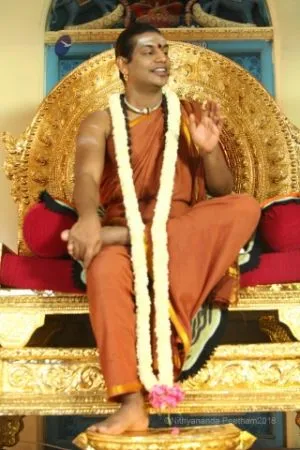
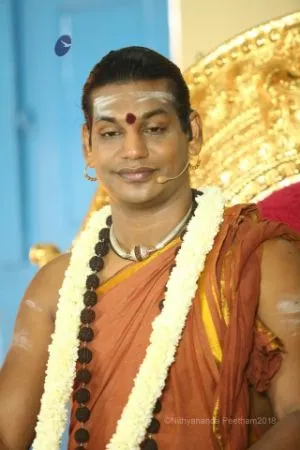
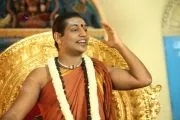
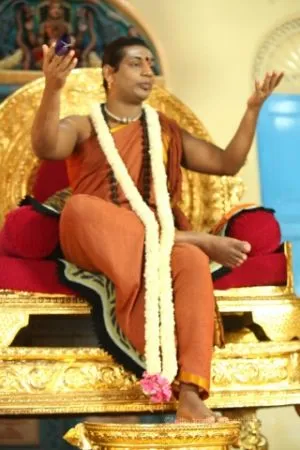
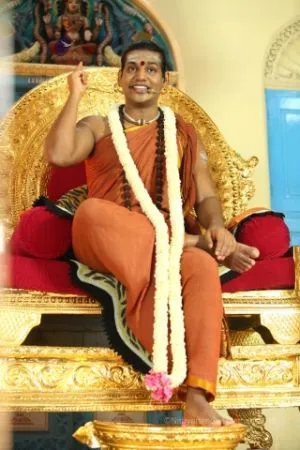
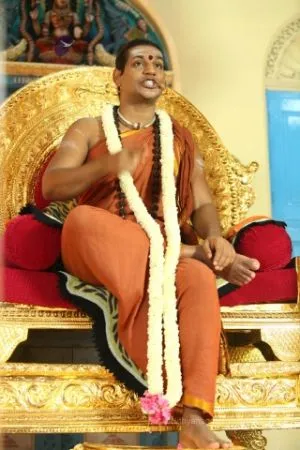
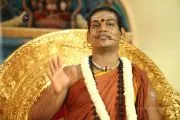
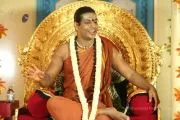
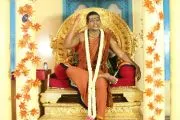
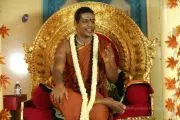
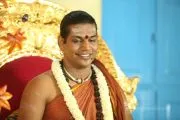
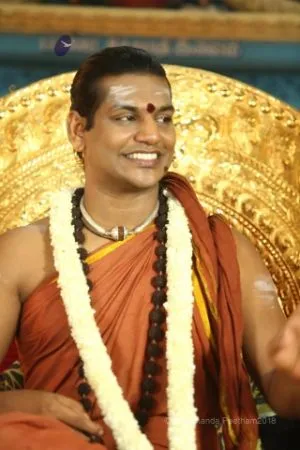
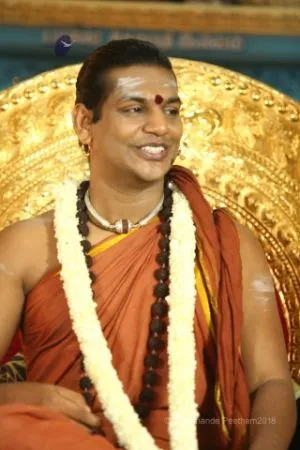
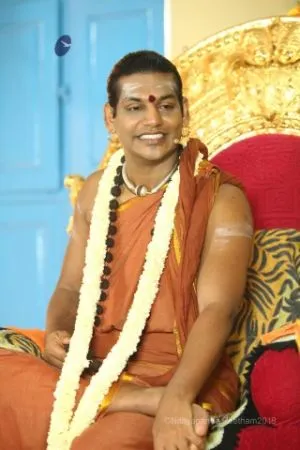
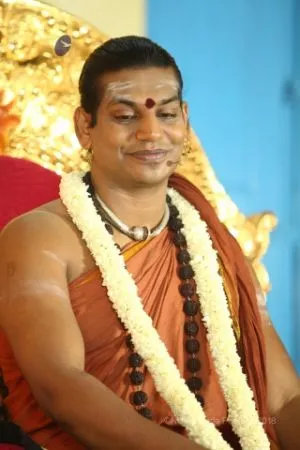
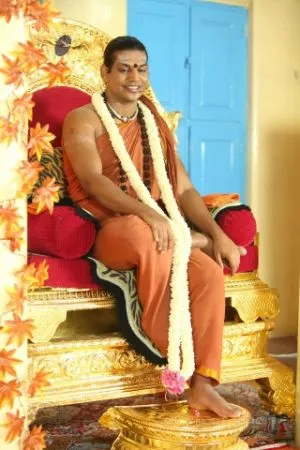

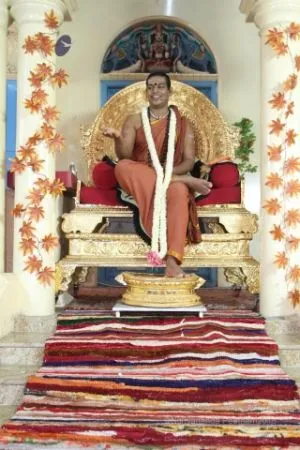
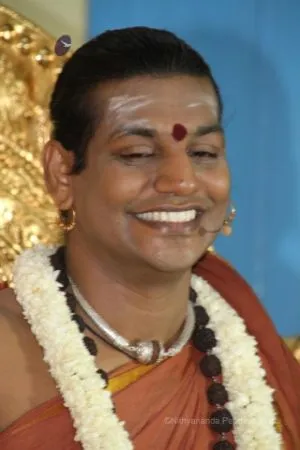
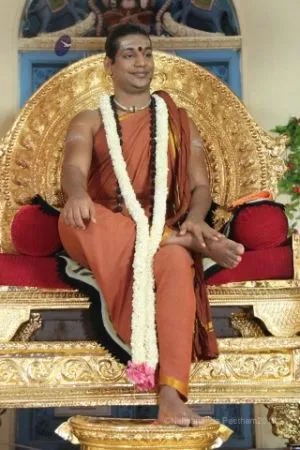
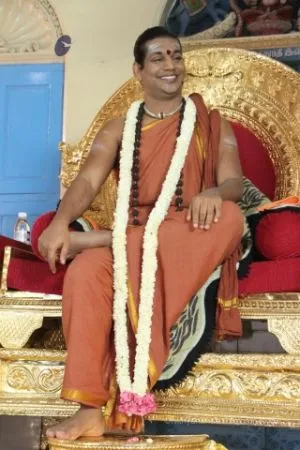
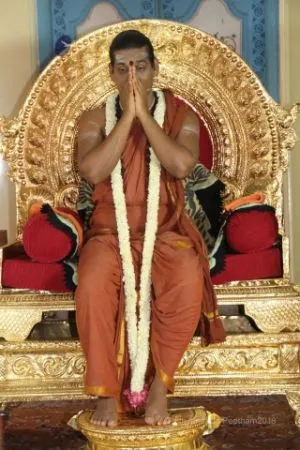
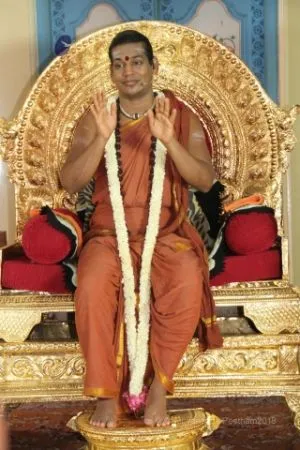
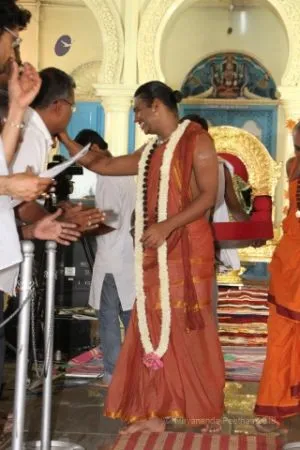
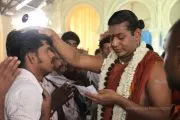
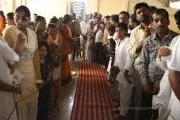
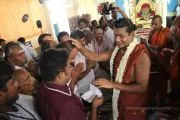
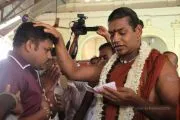


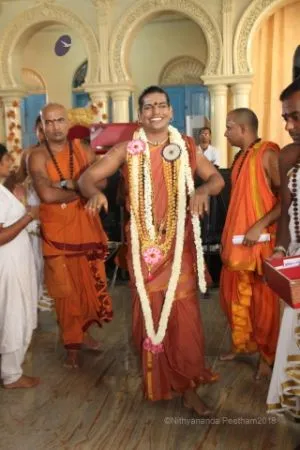
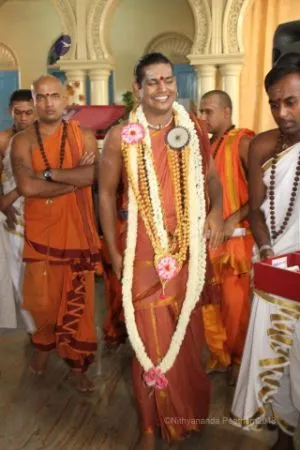
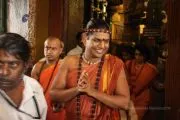
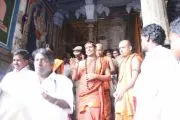
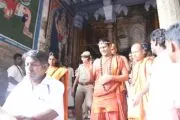
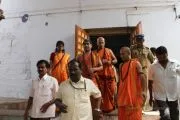
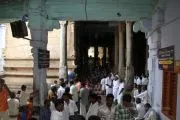
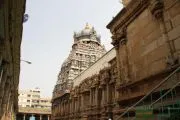
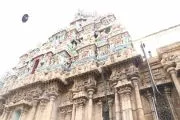
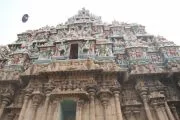
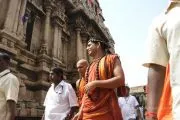
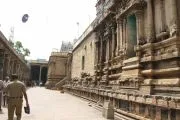
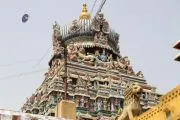
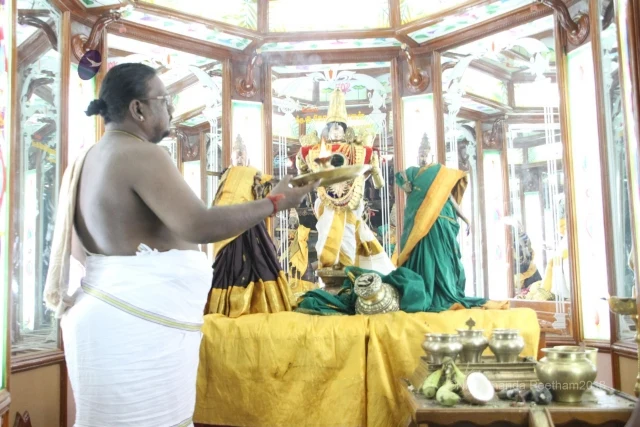
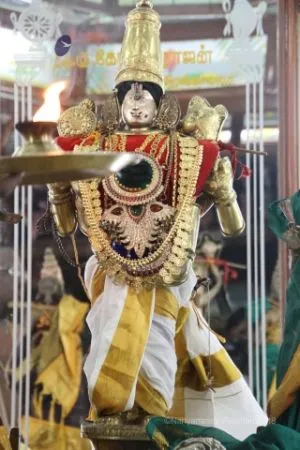
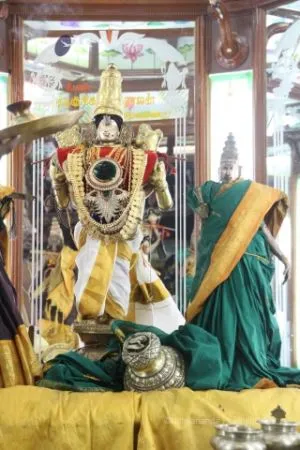
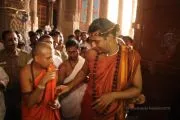
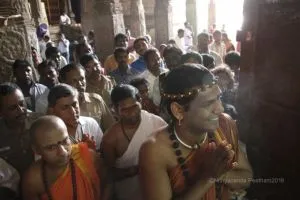
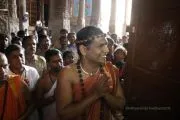
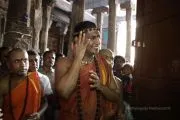
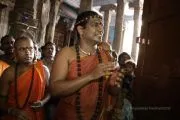


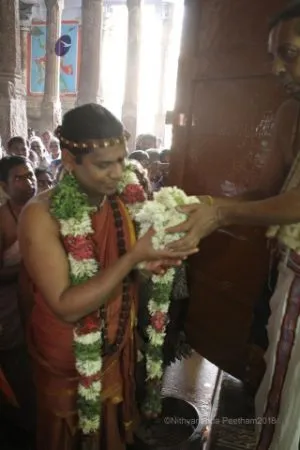
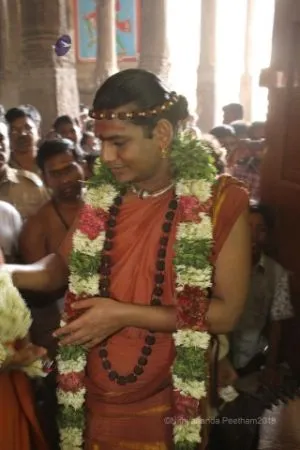
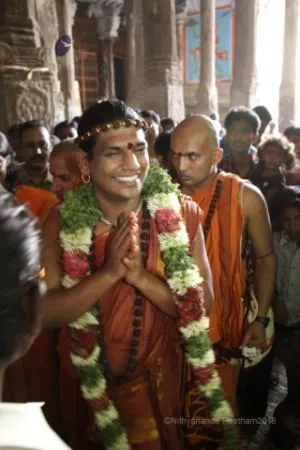

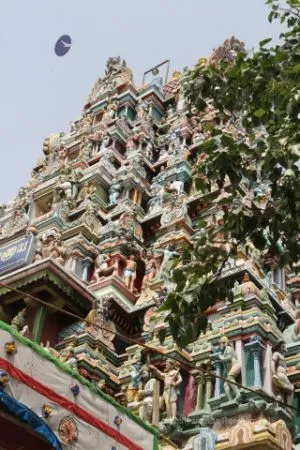
Link to Video:
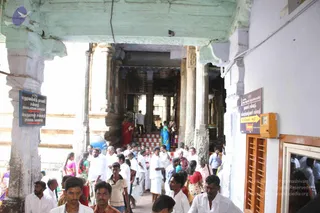
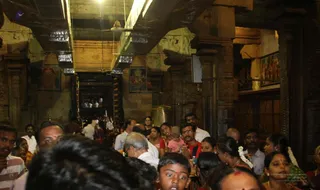
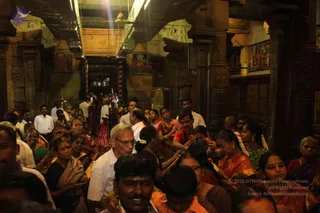
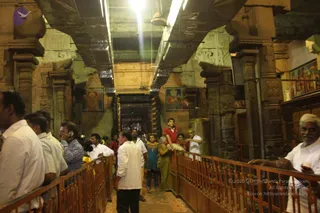
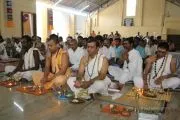
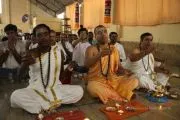
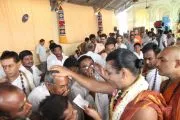
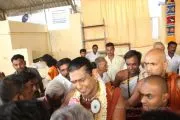
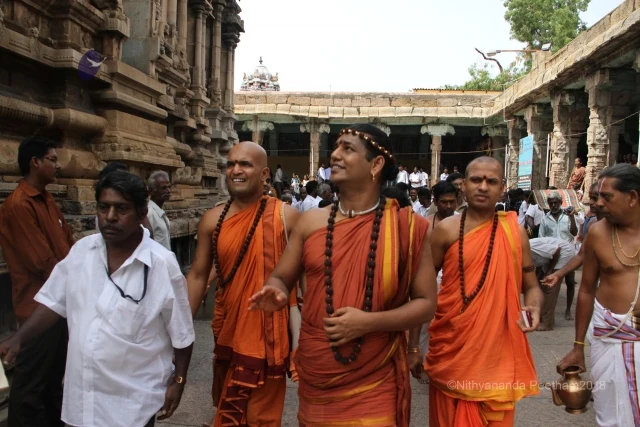
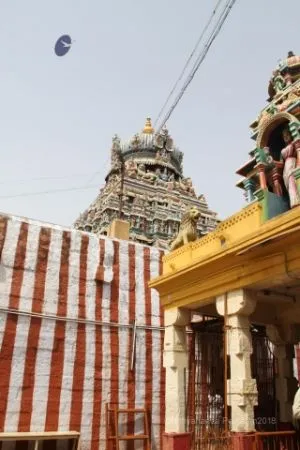
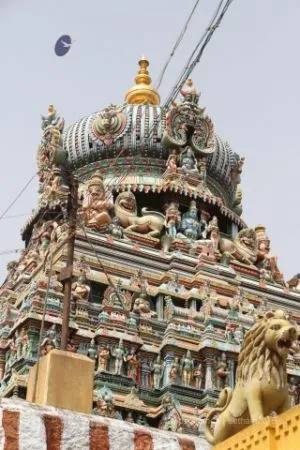
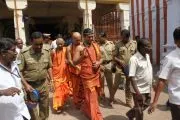
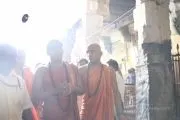
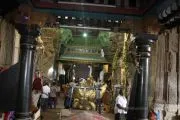
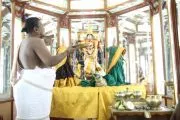
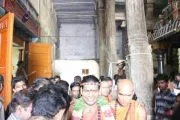
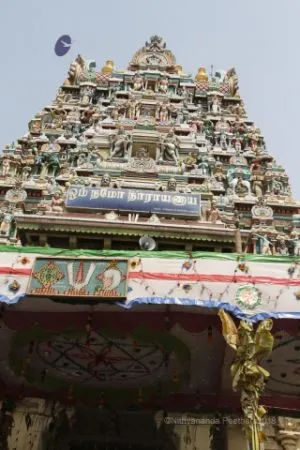
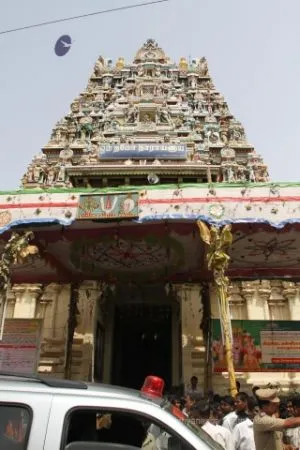
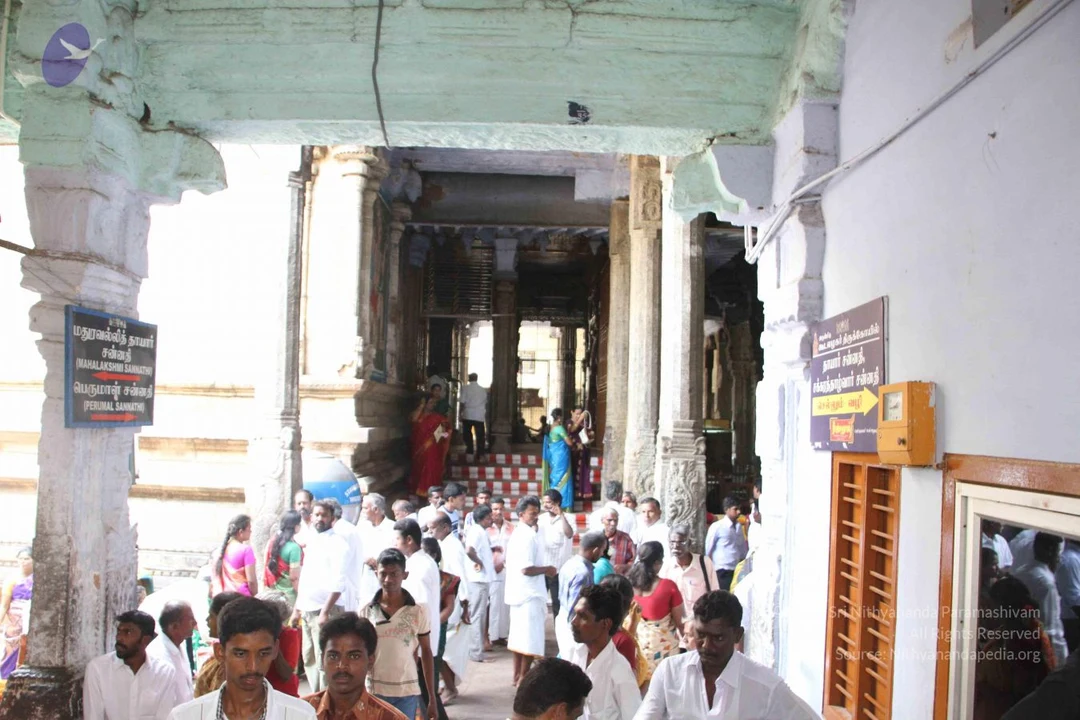
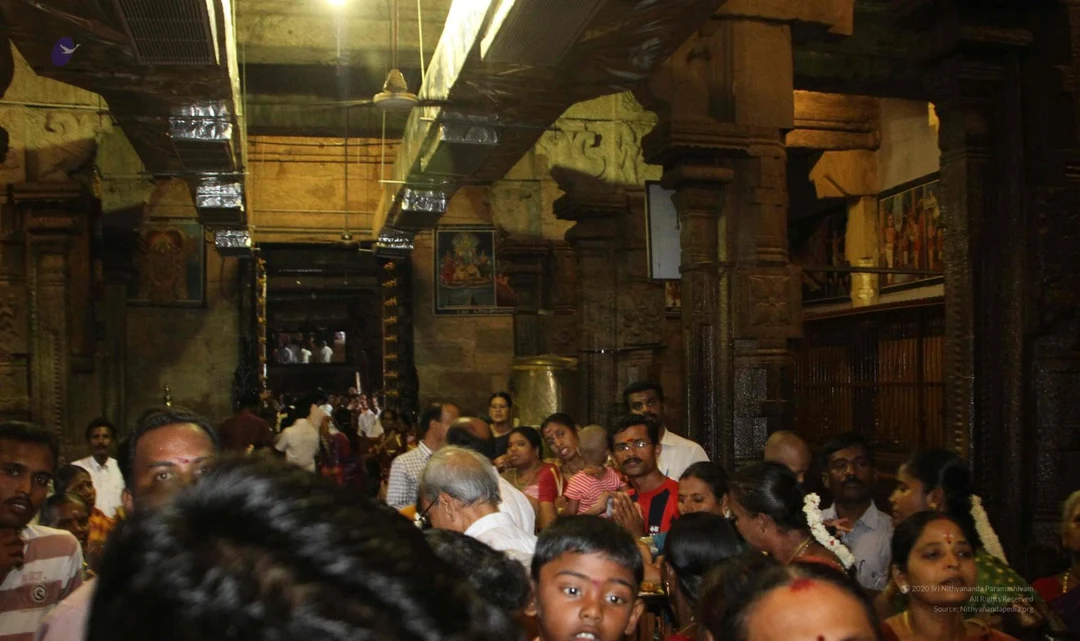
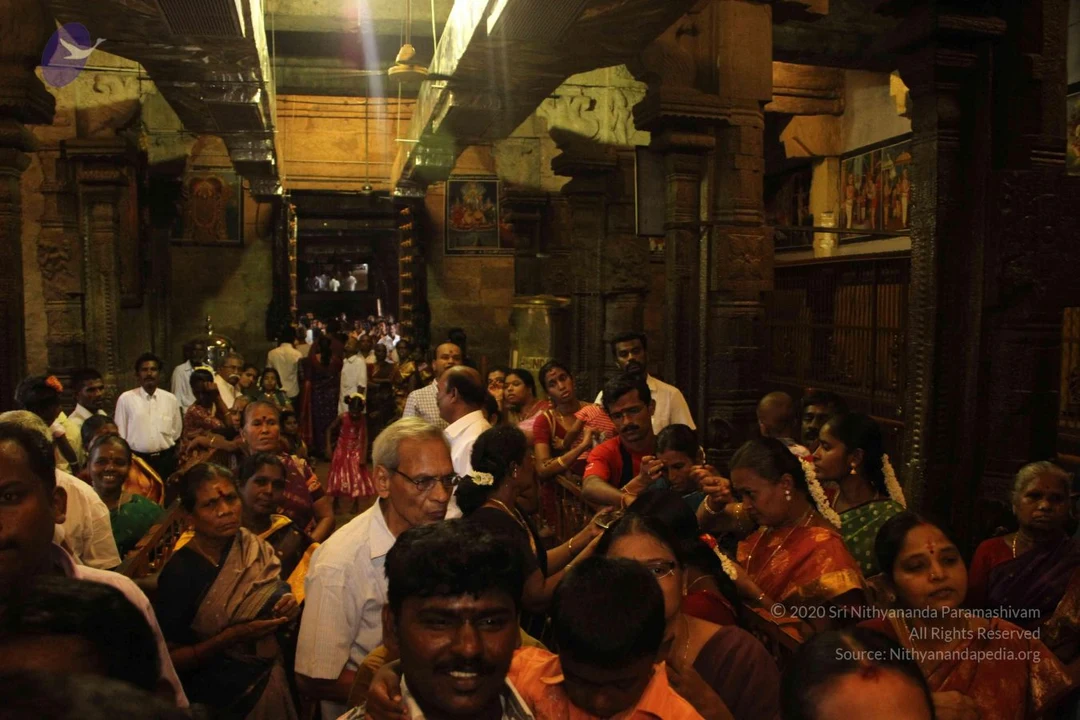
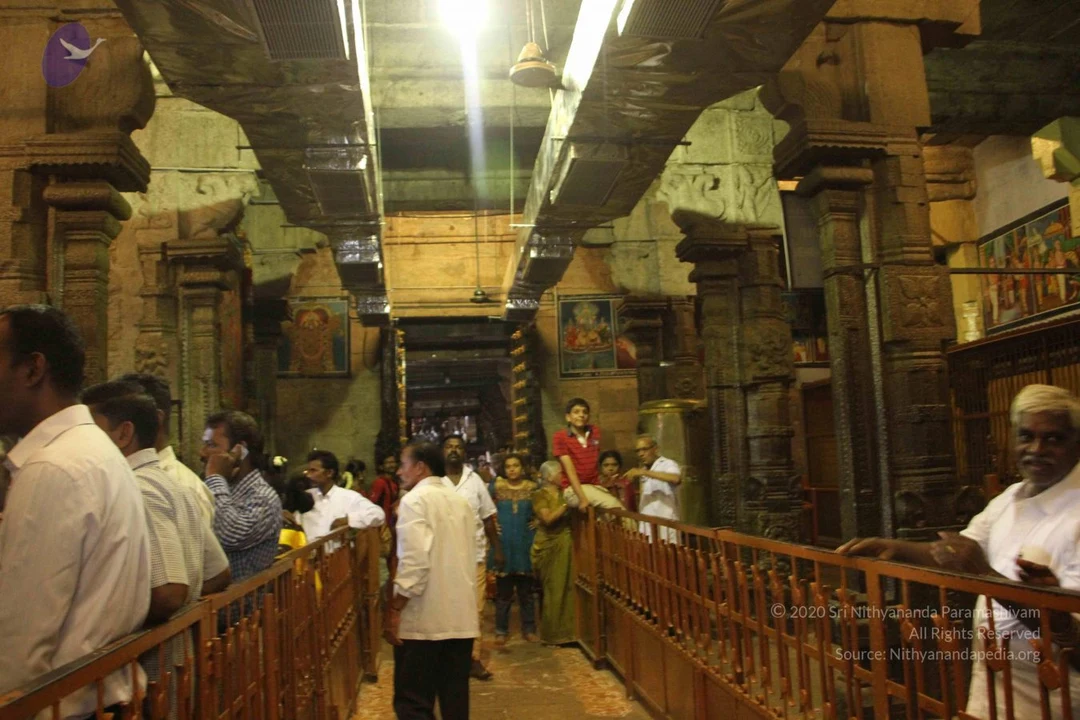
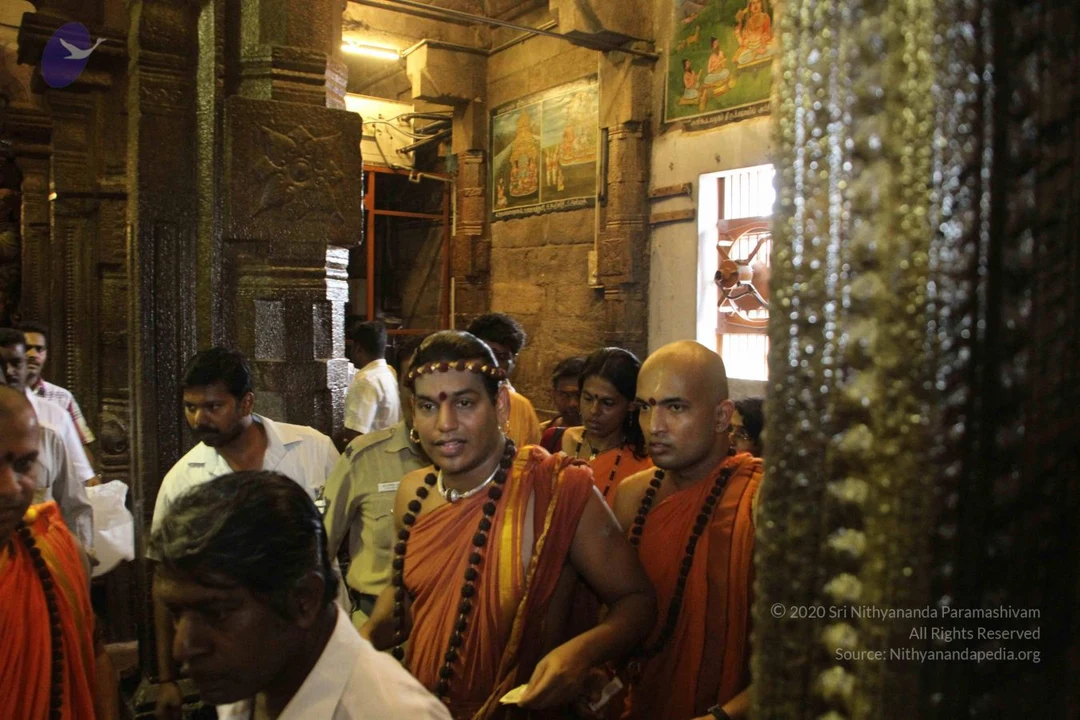
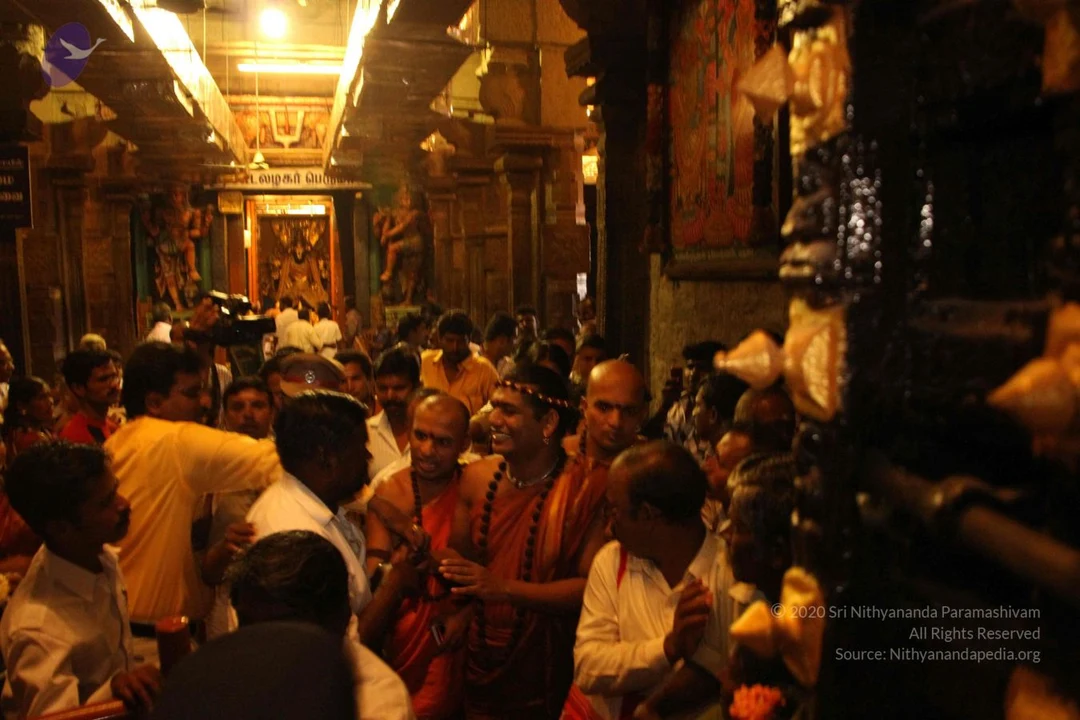
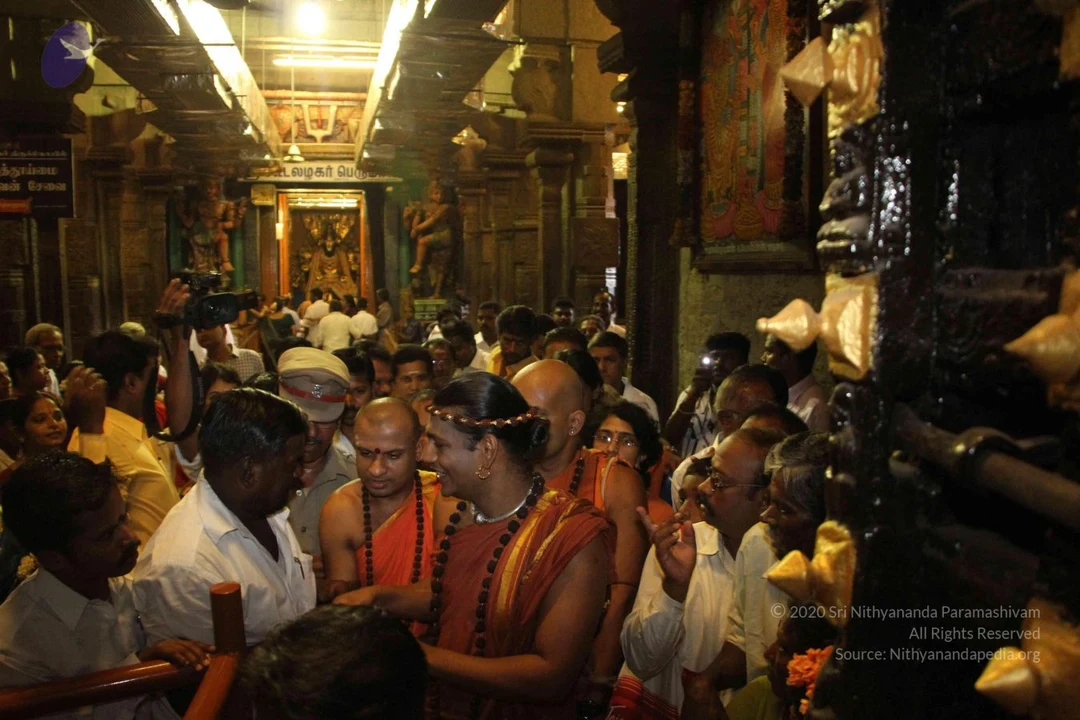
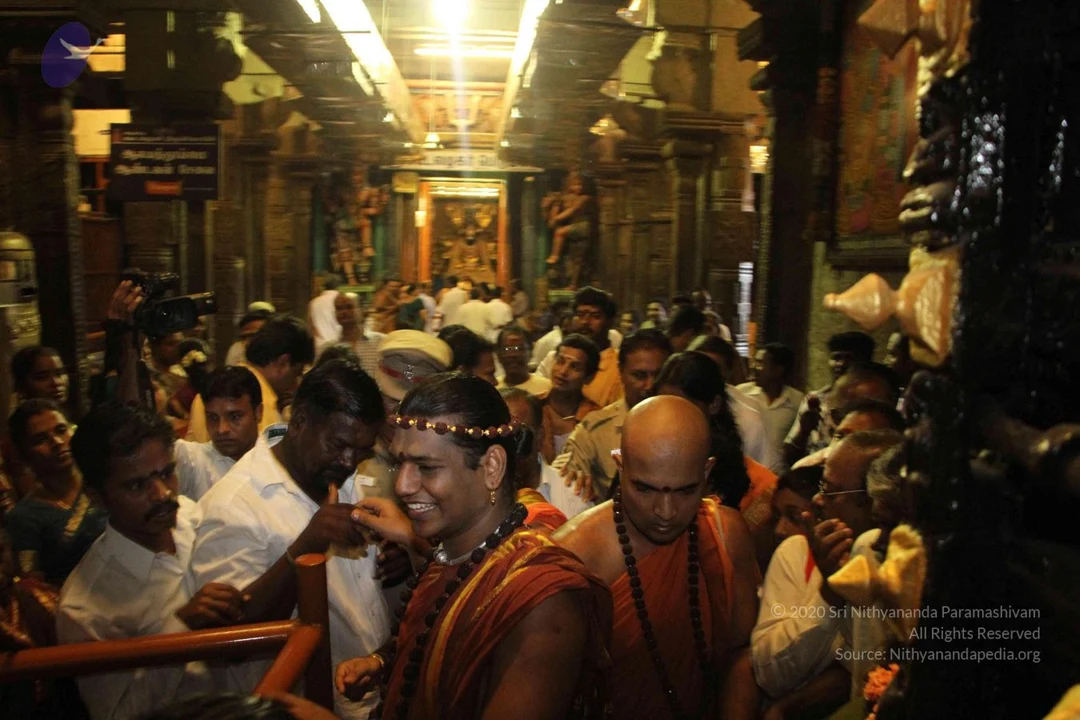
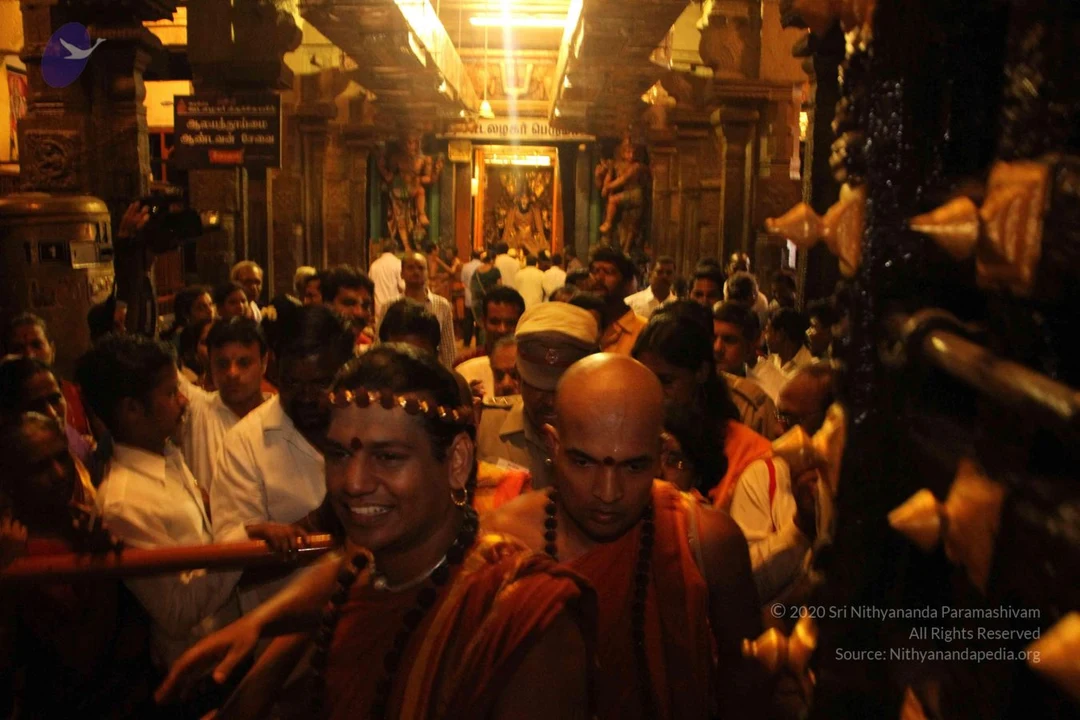
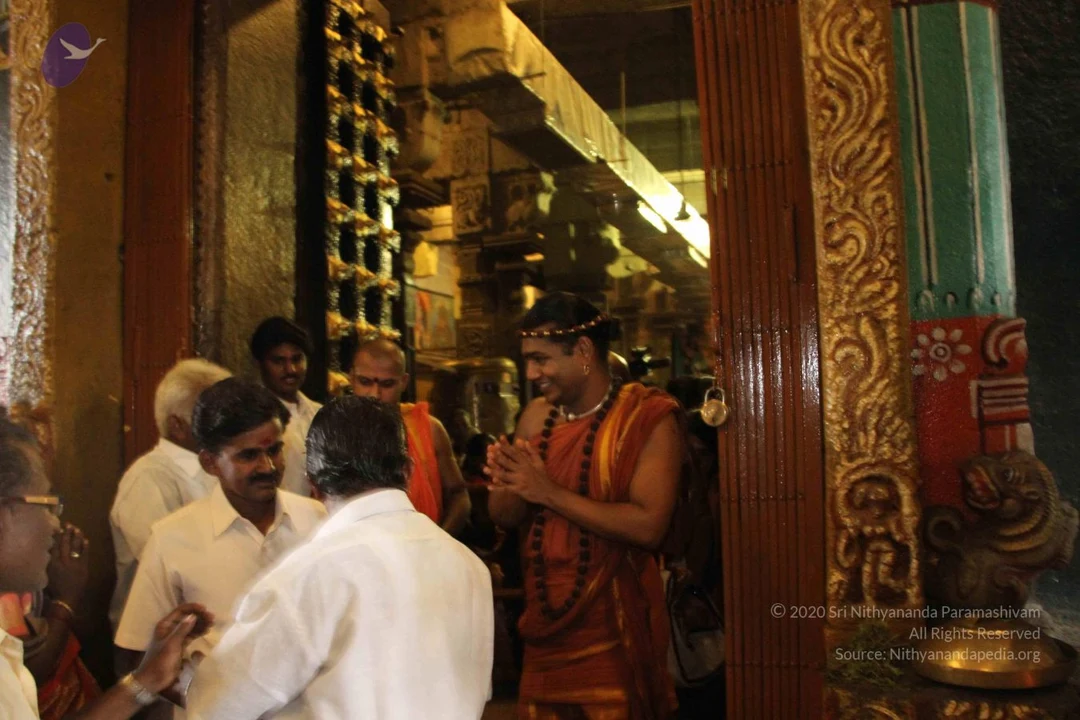
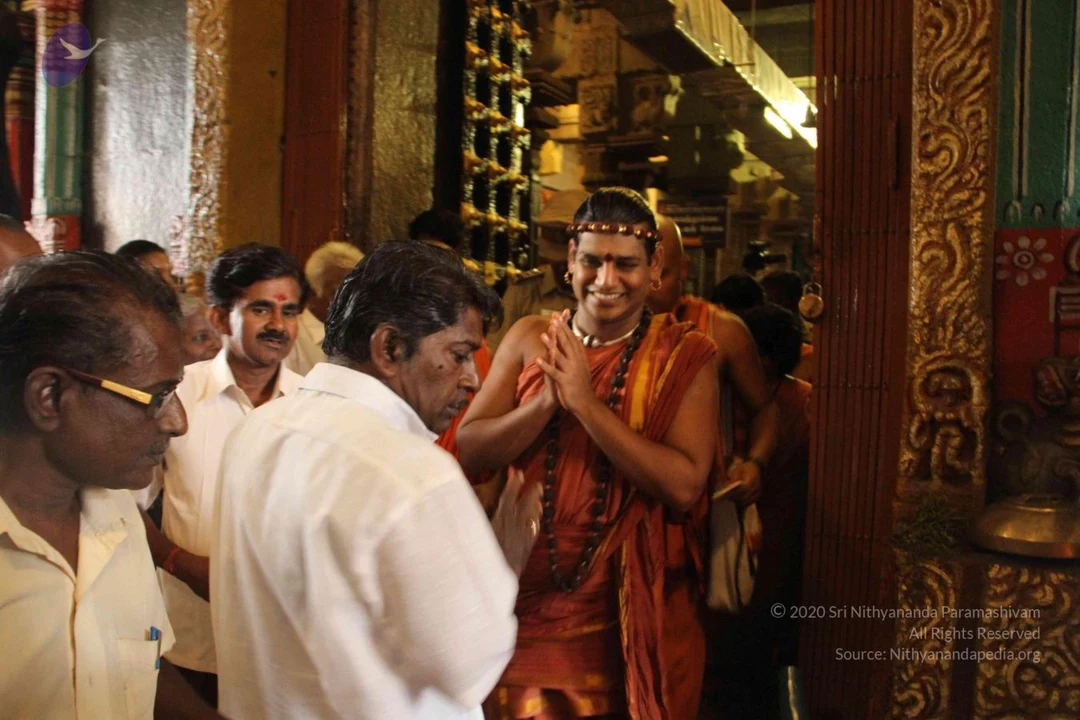
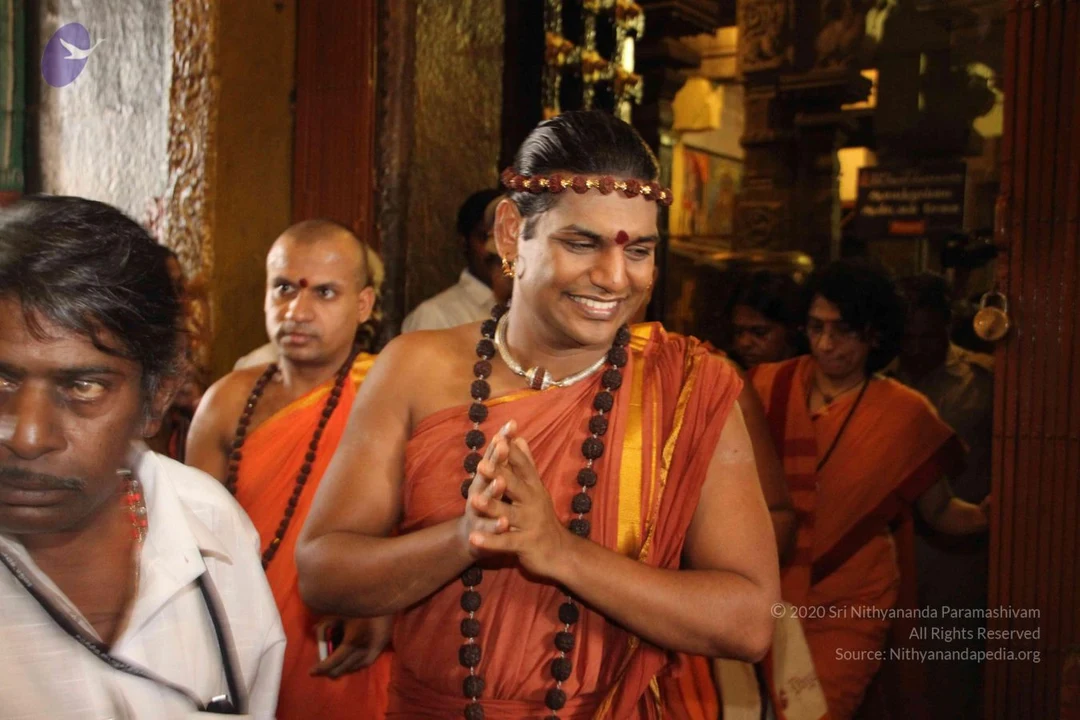
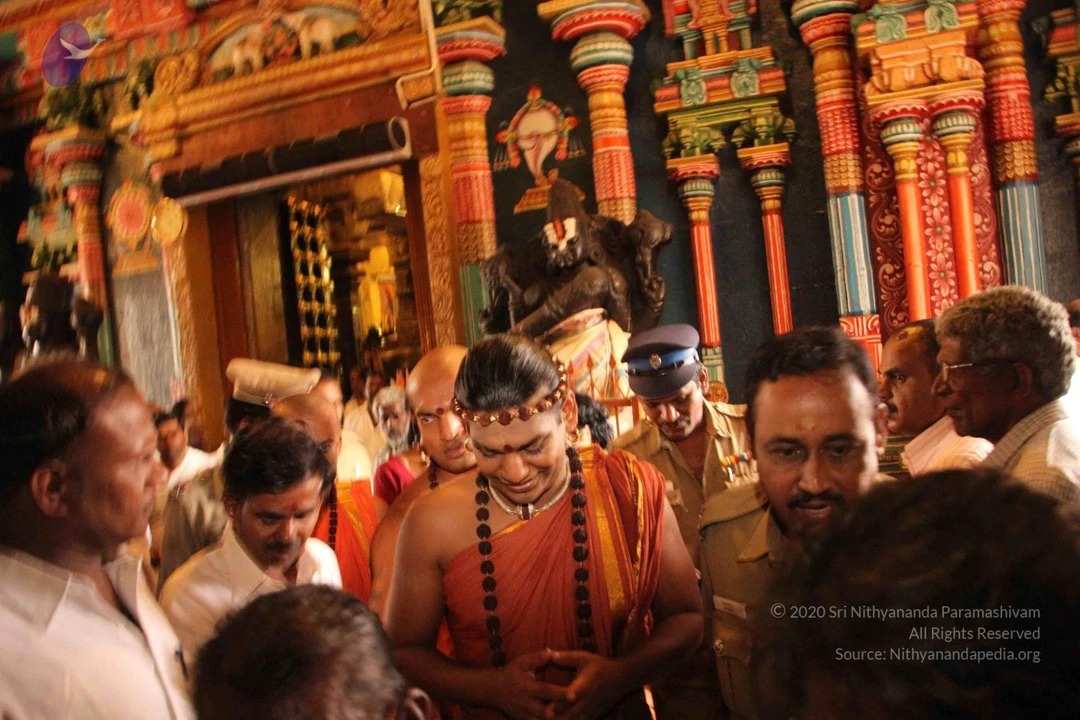
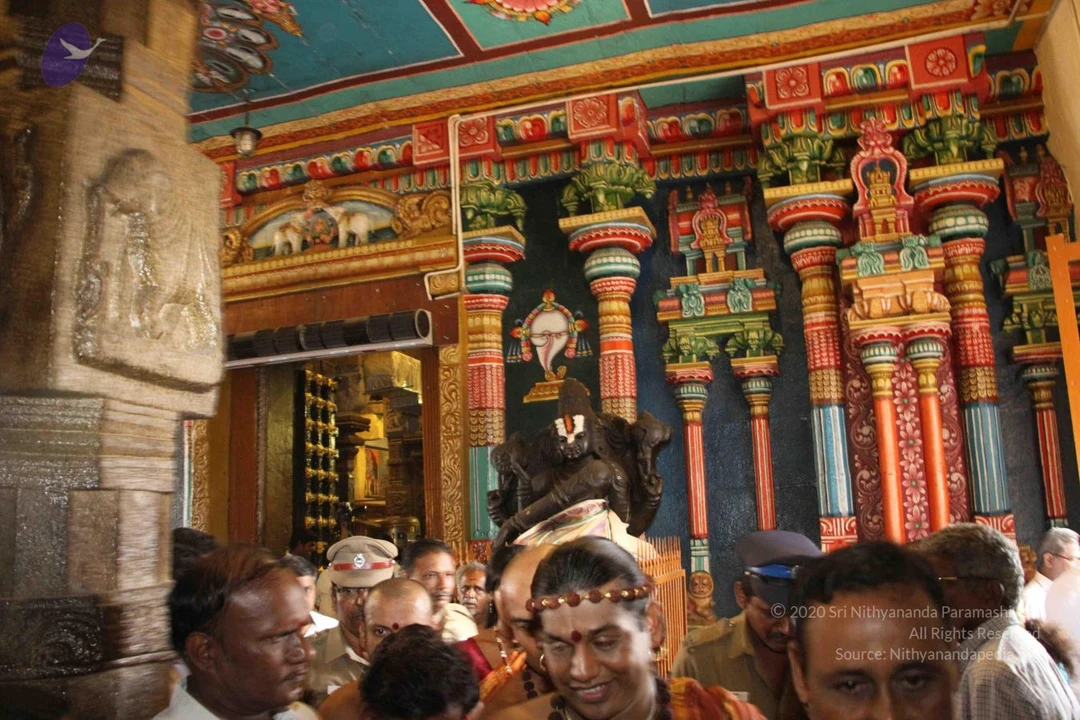
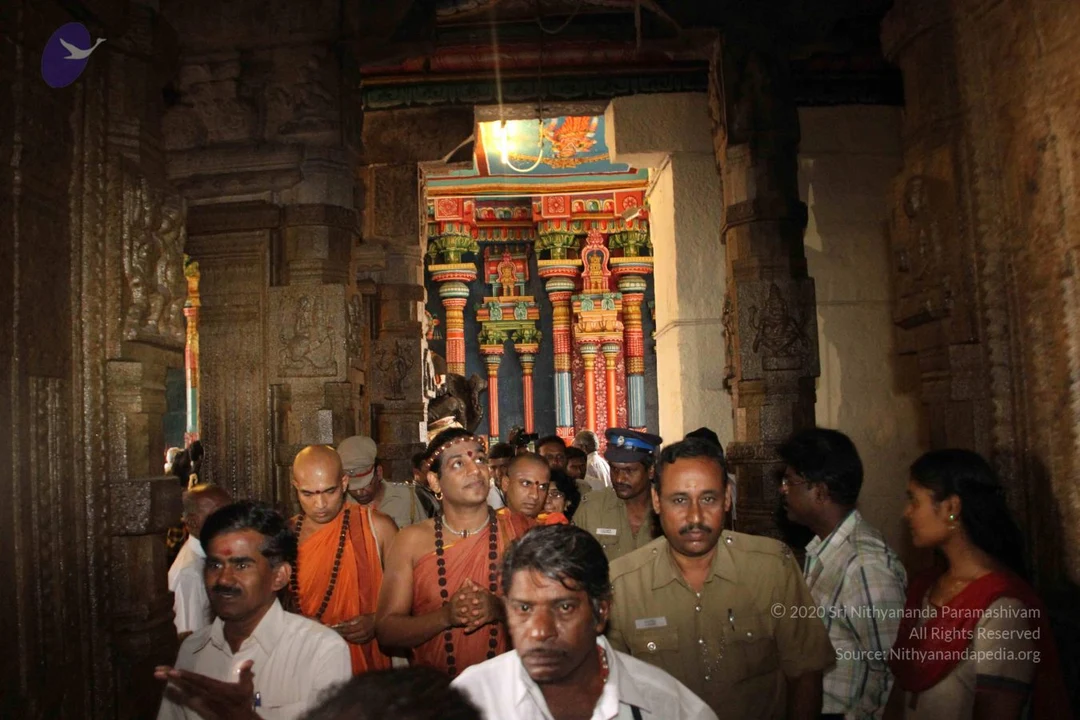
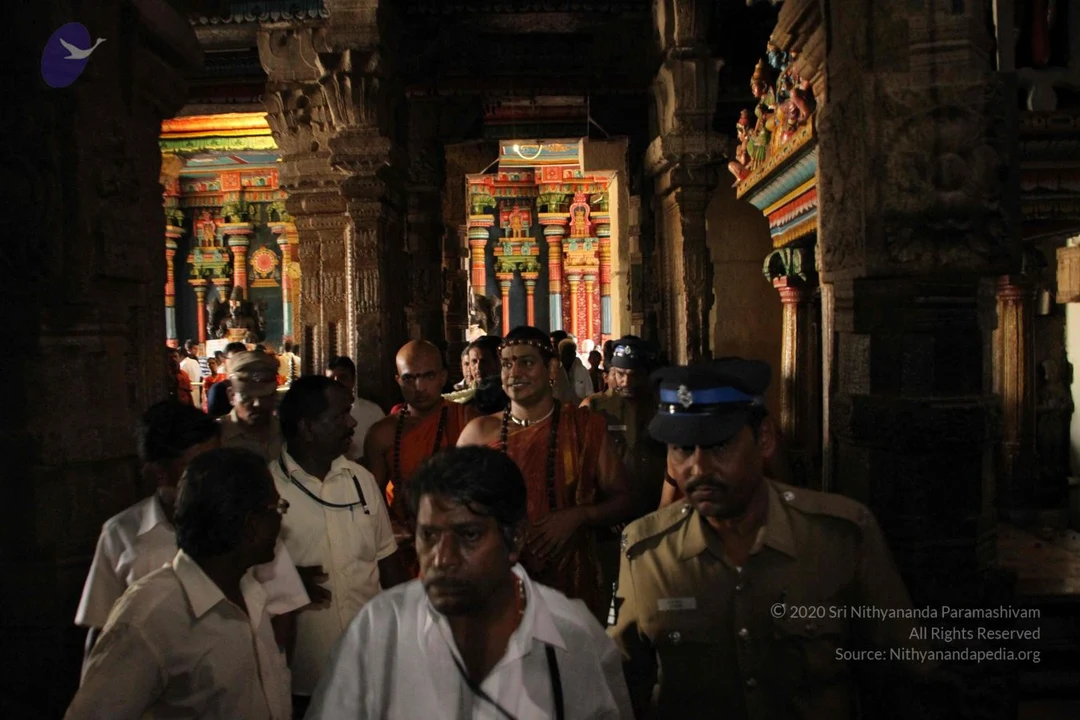
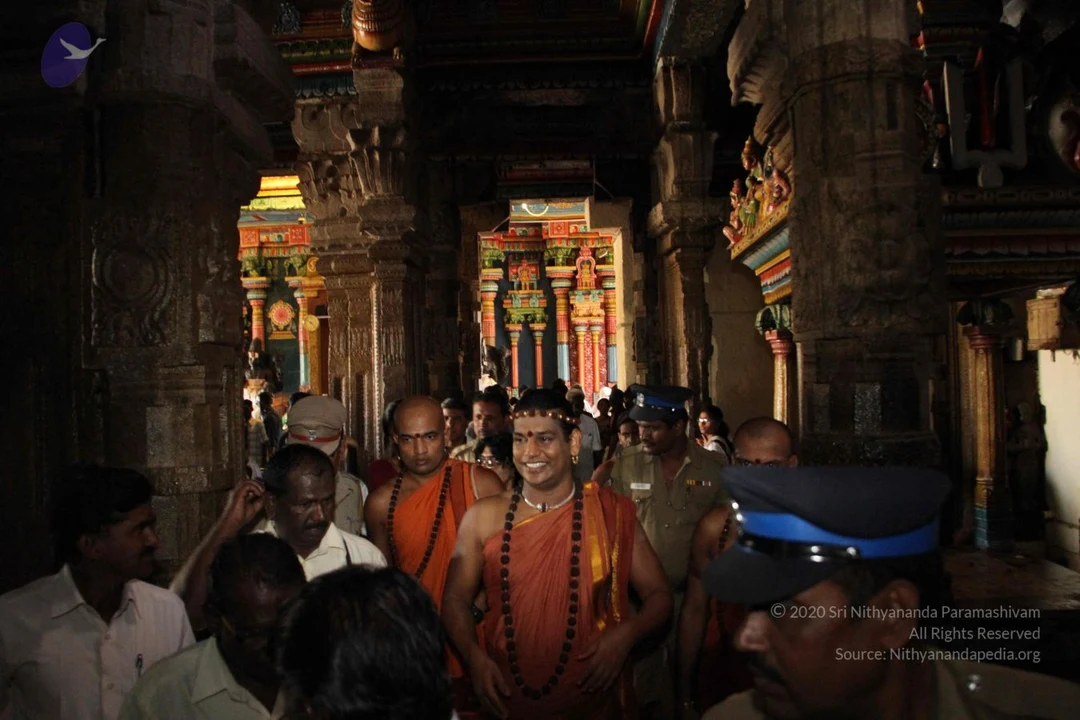
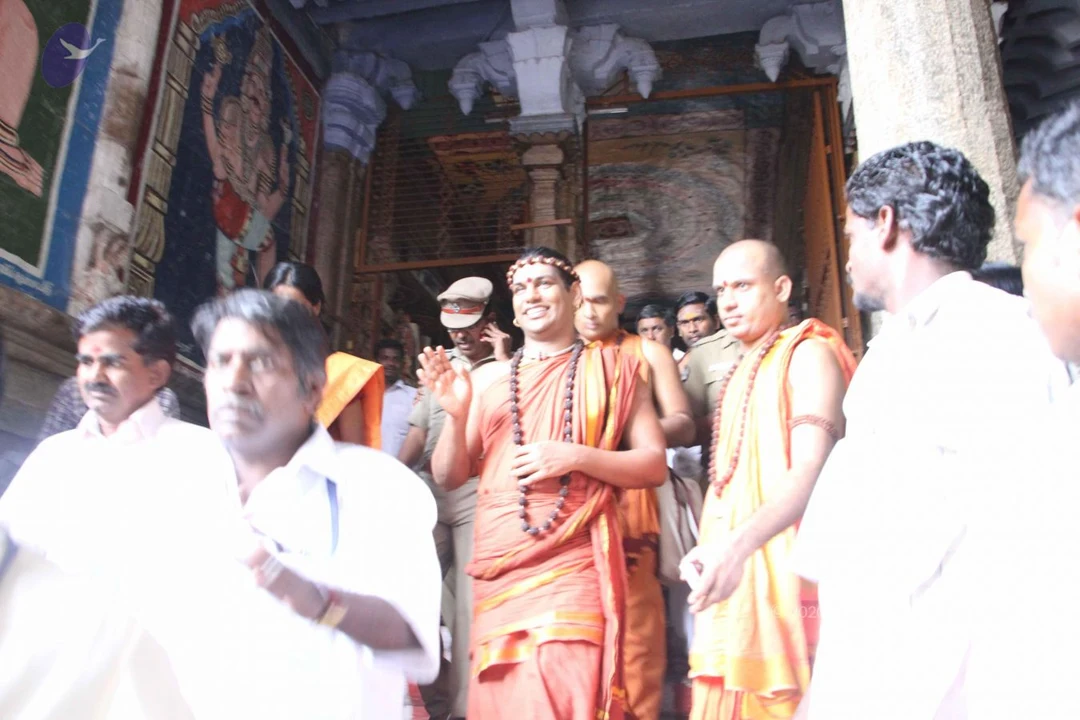
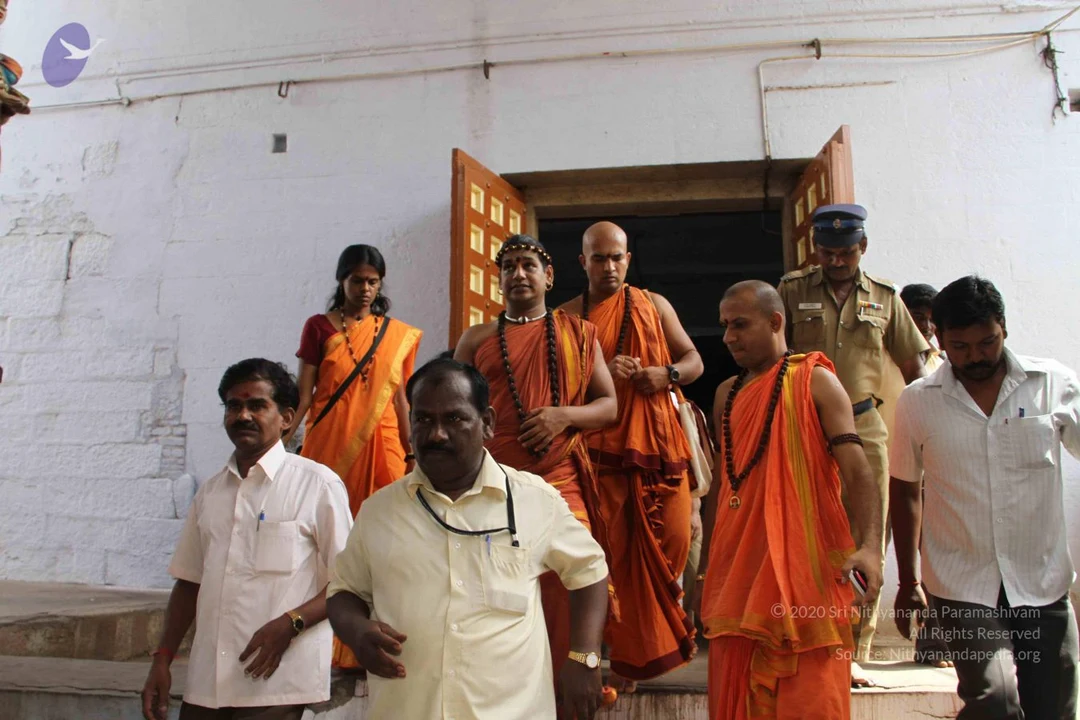
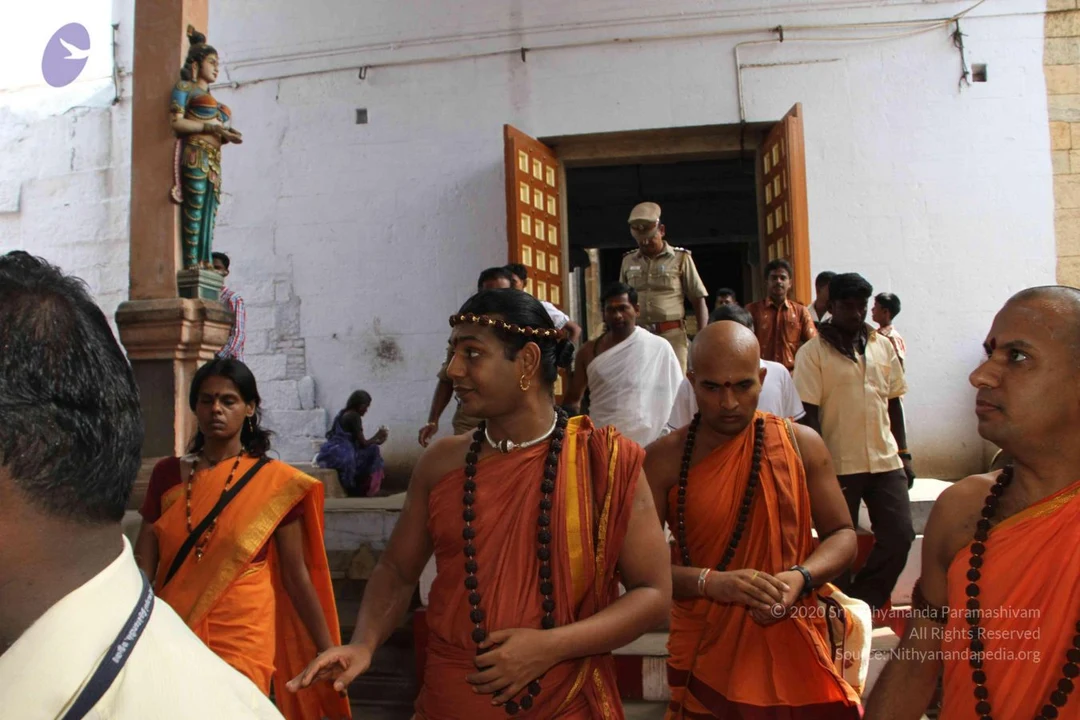
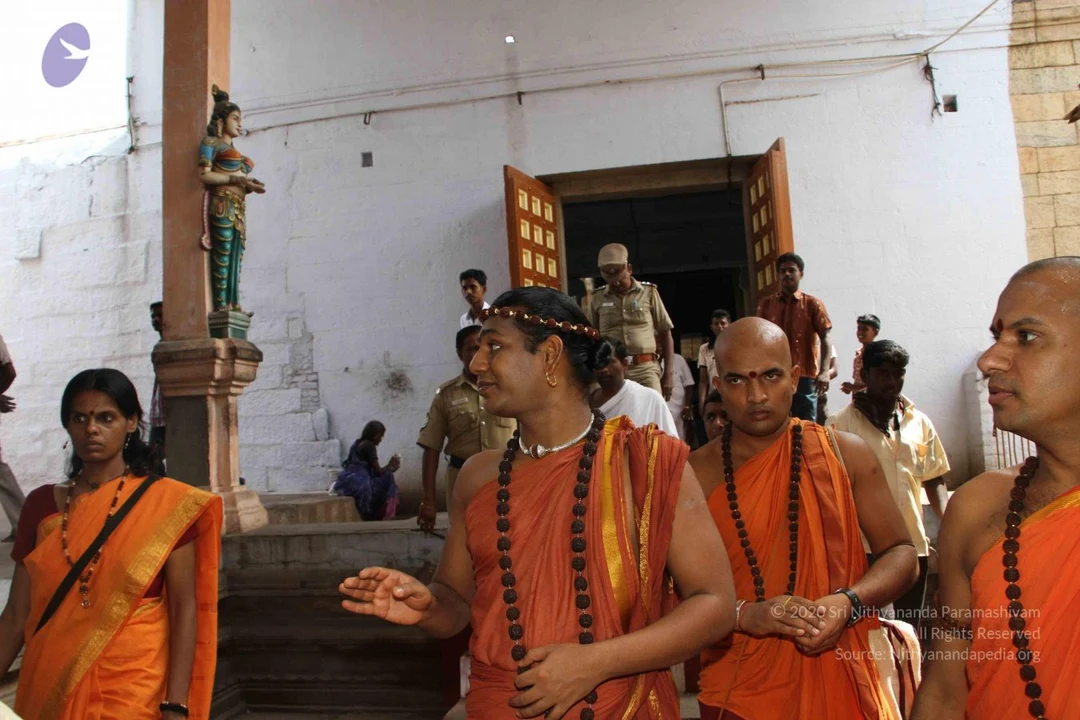
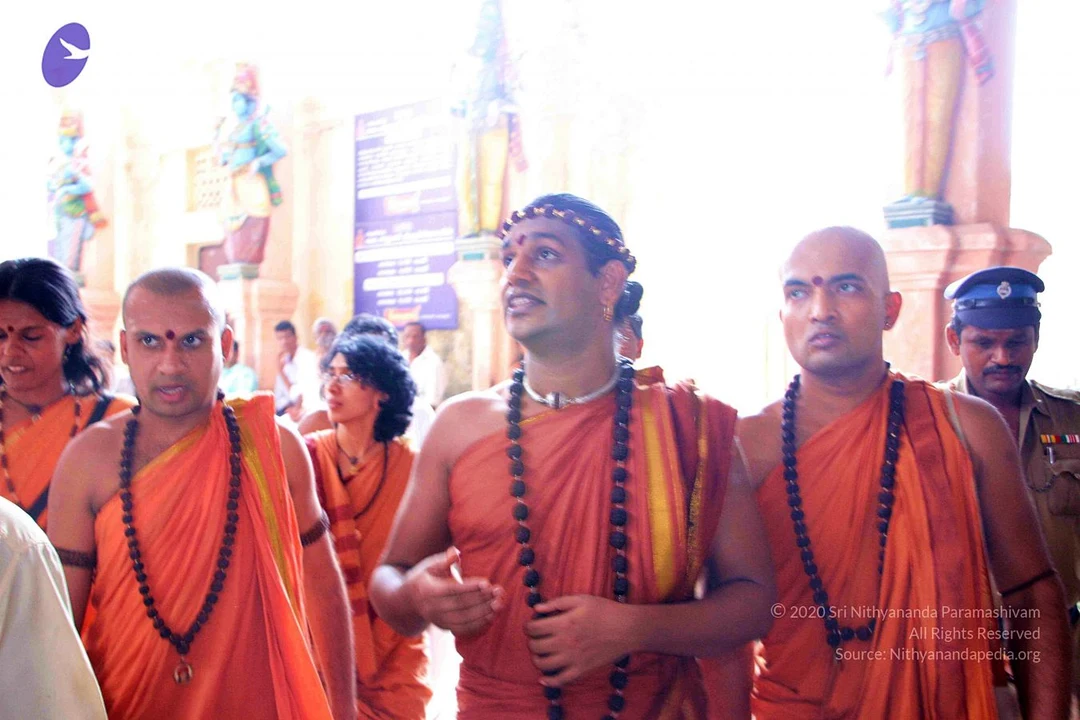
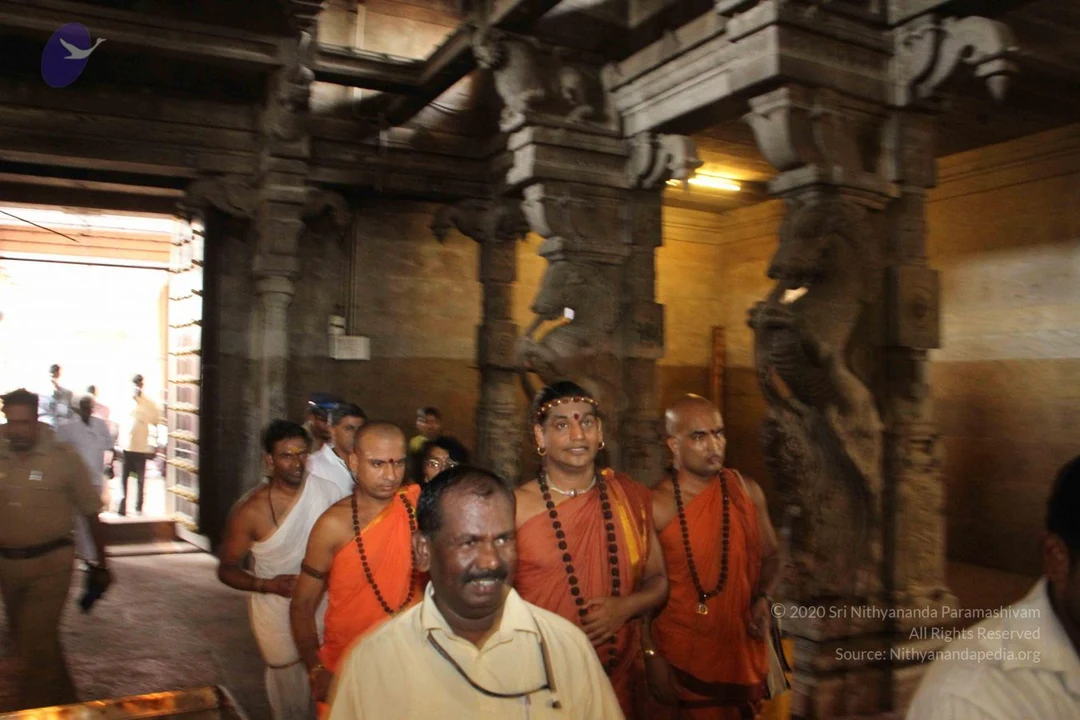
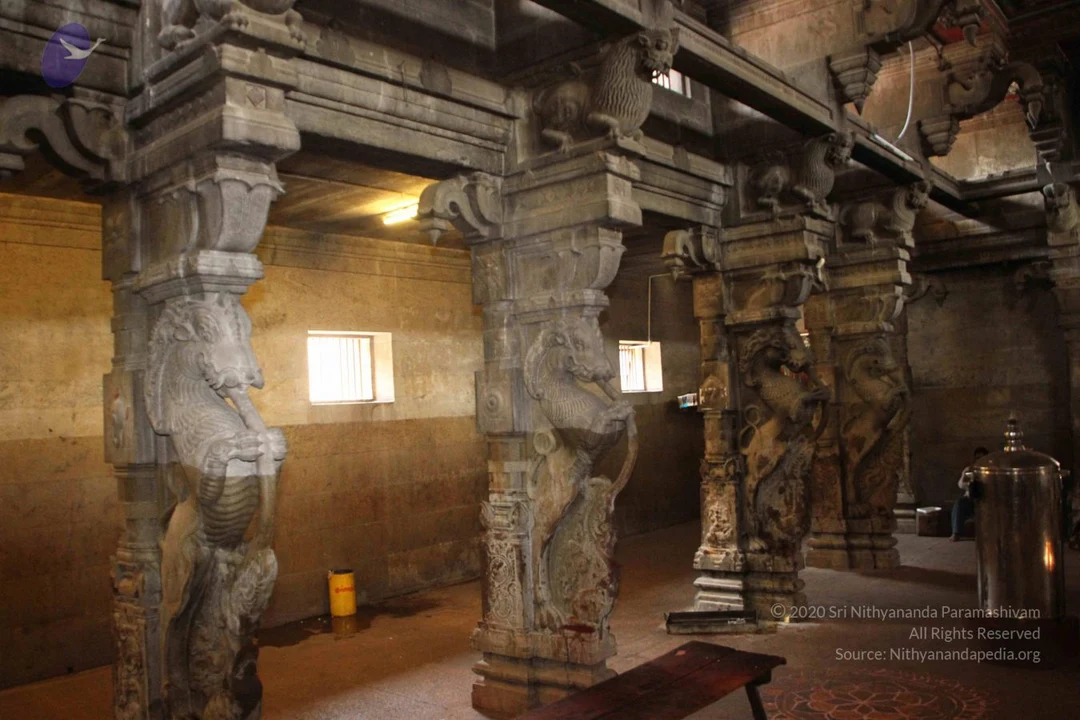
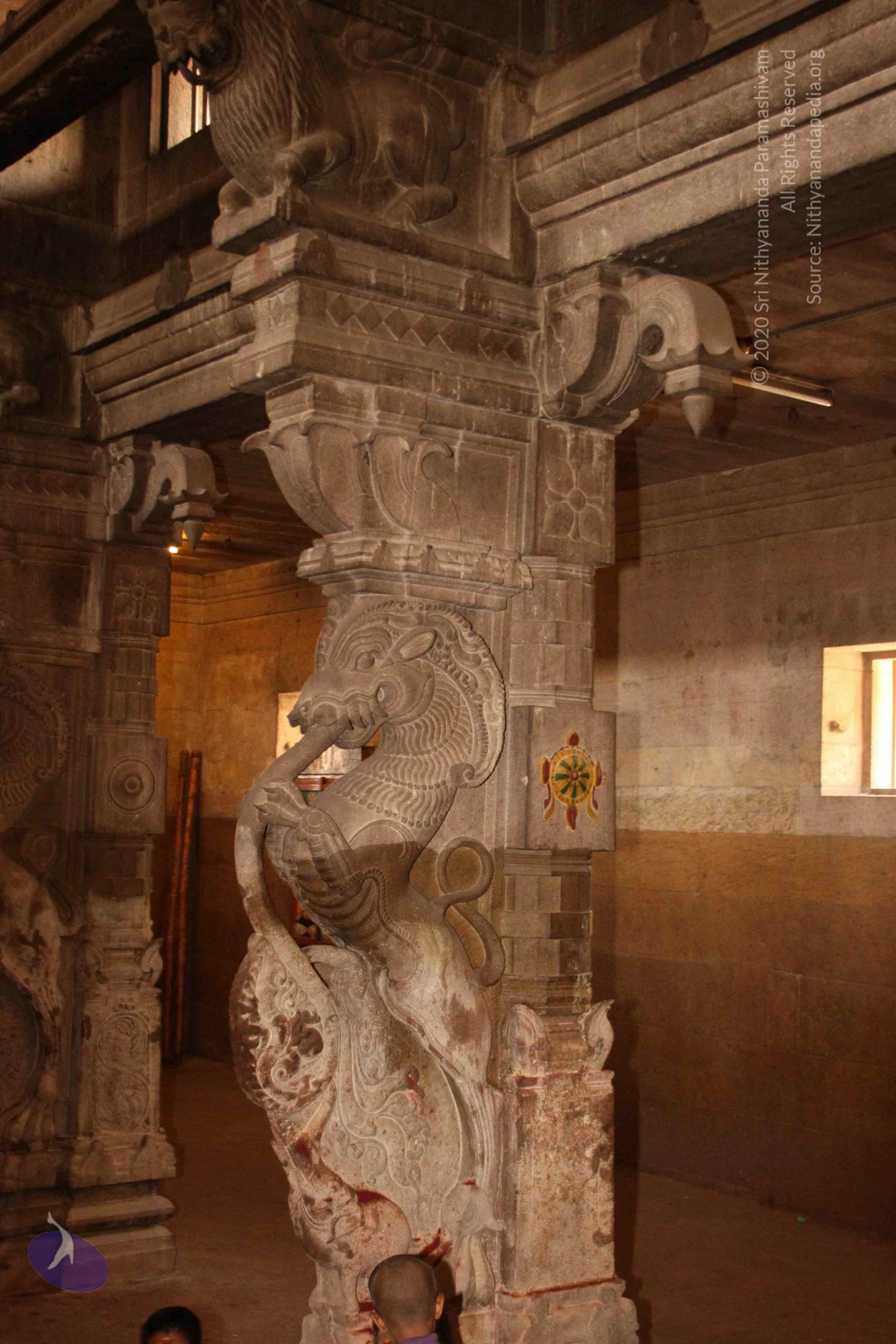
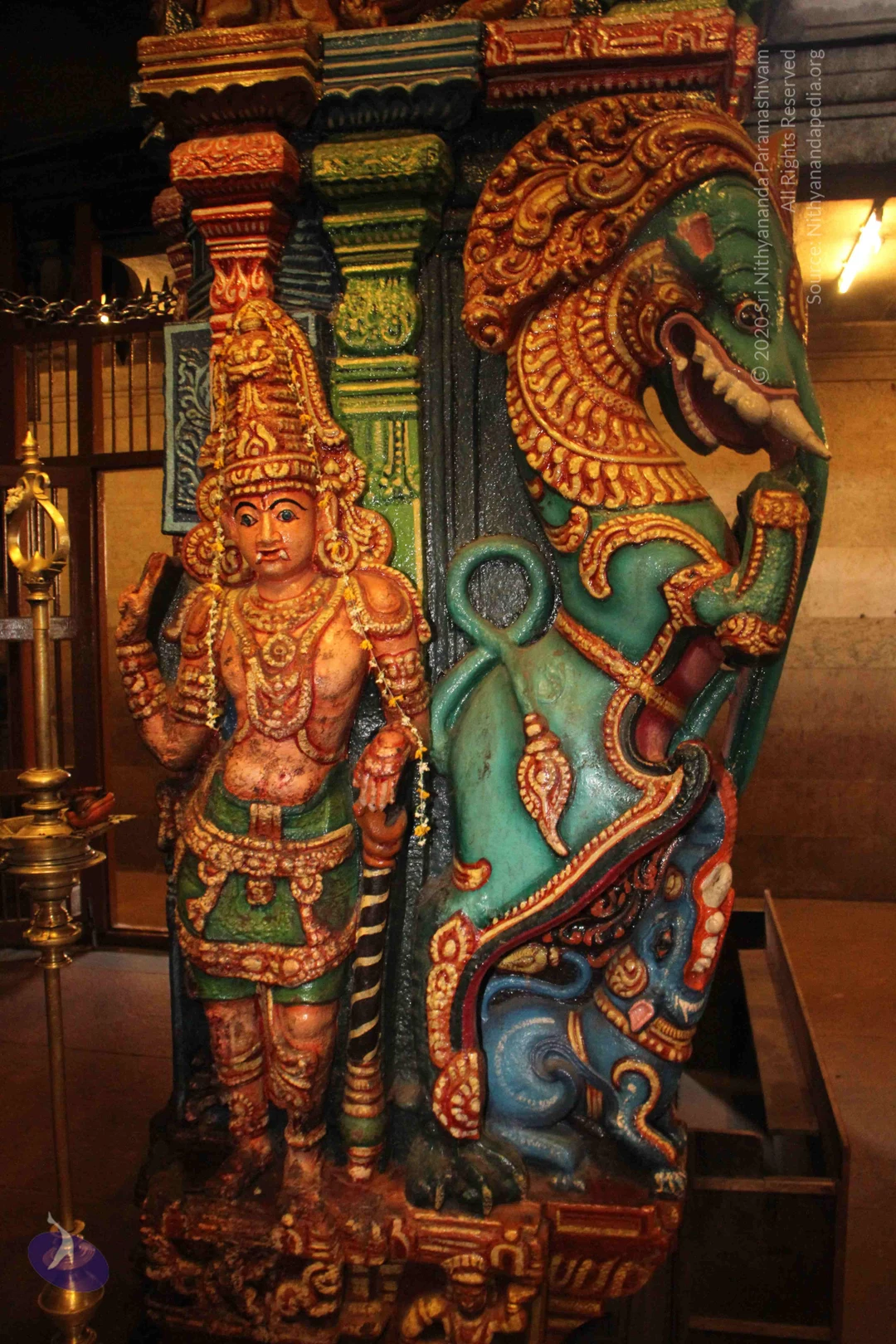
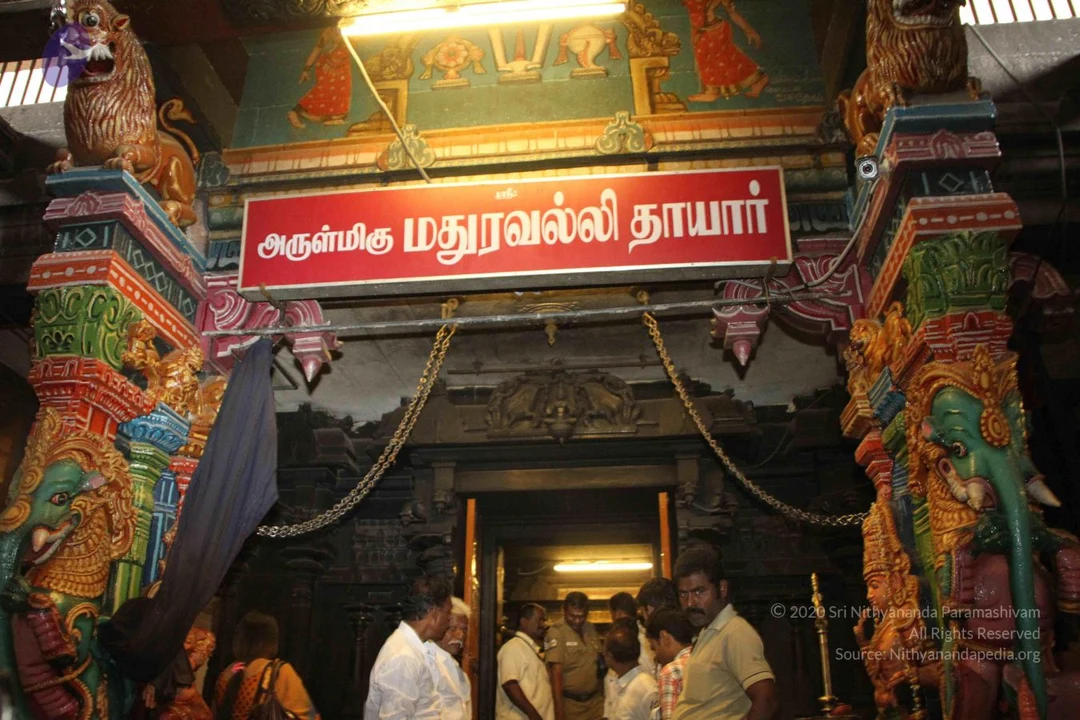
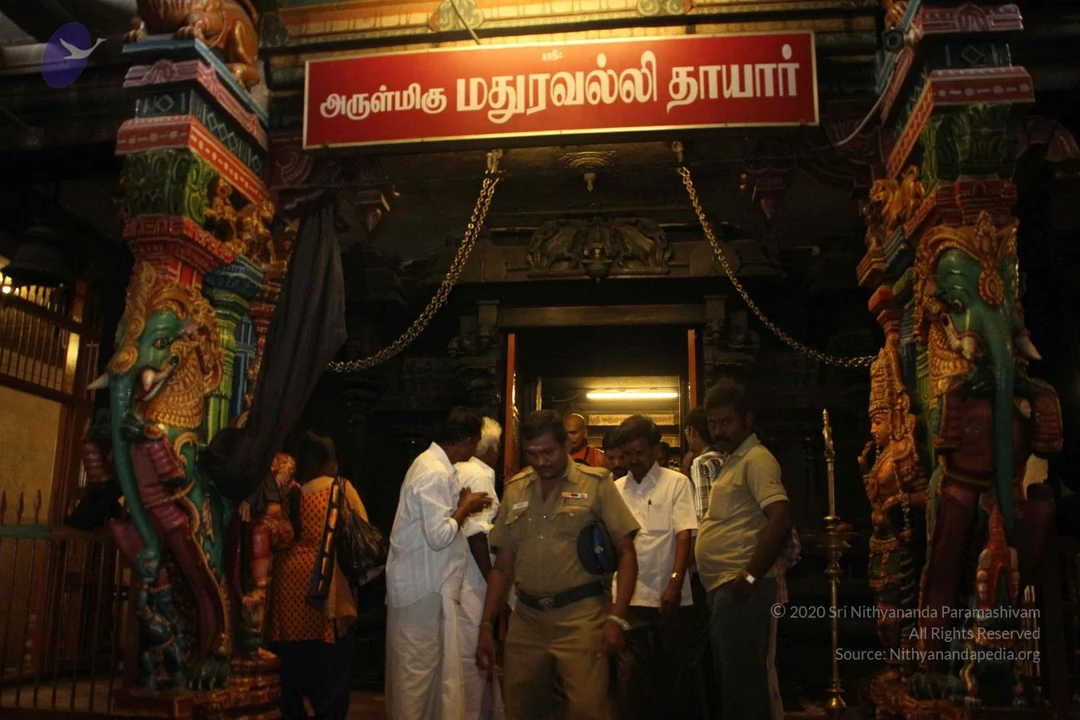
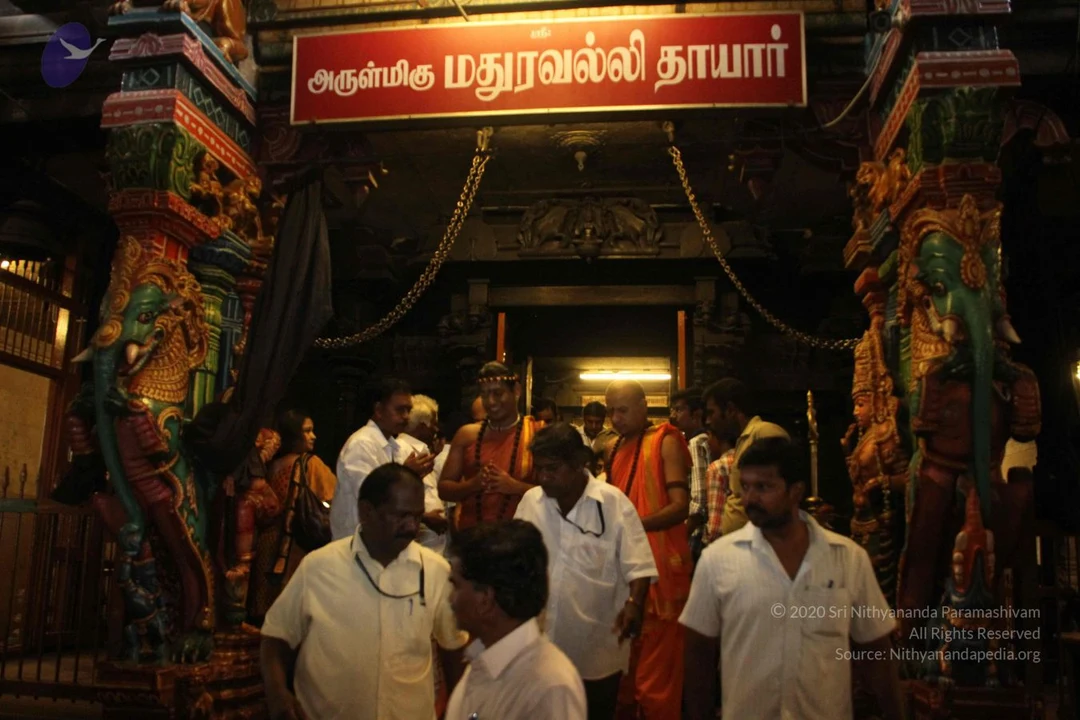
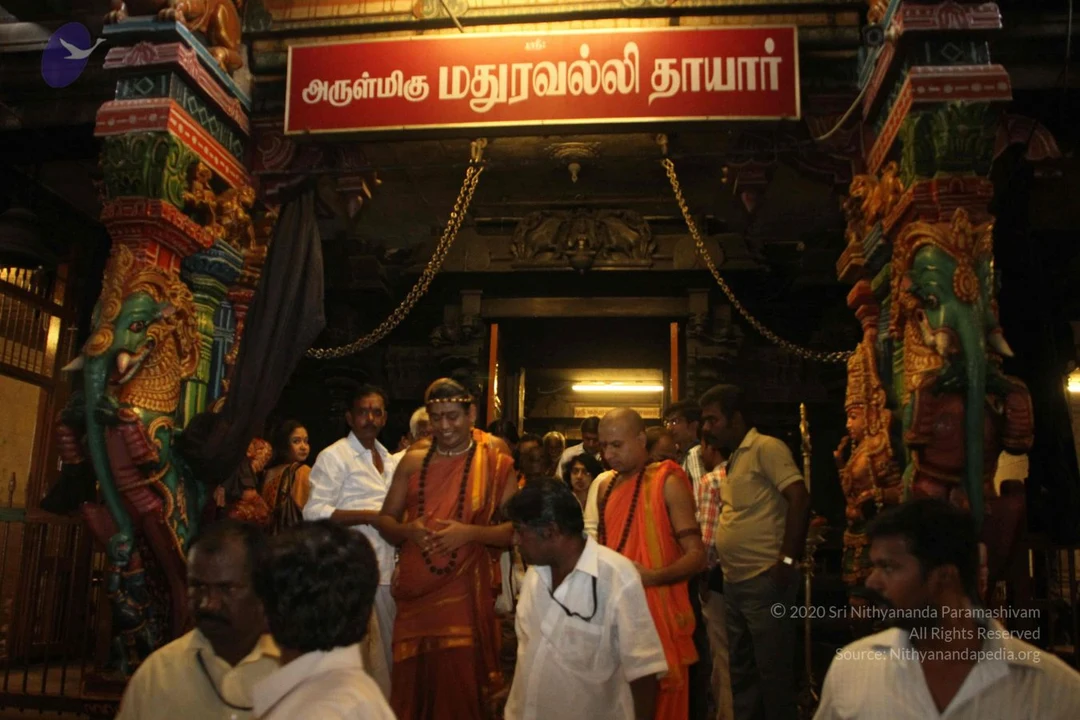
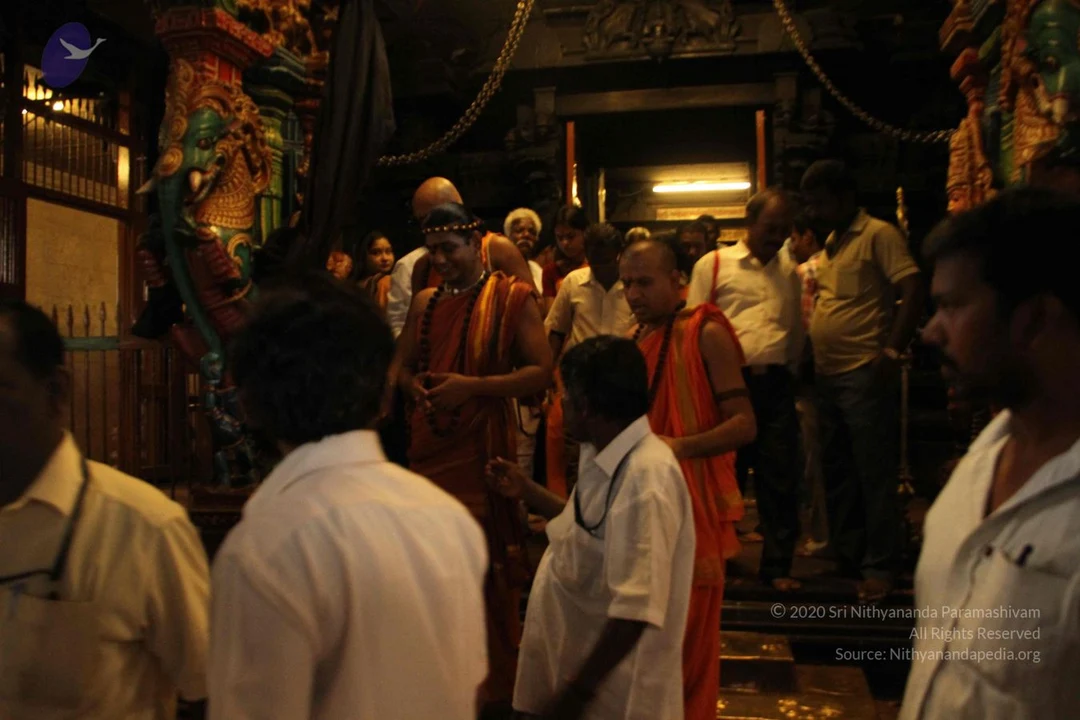
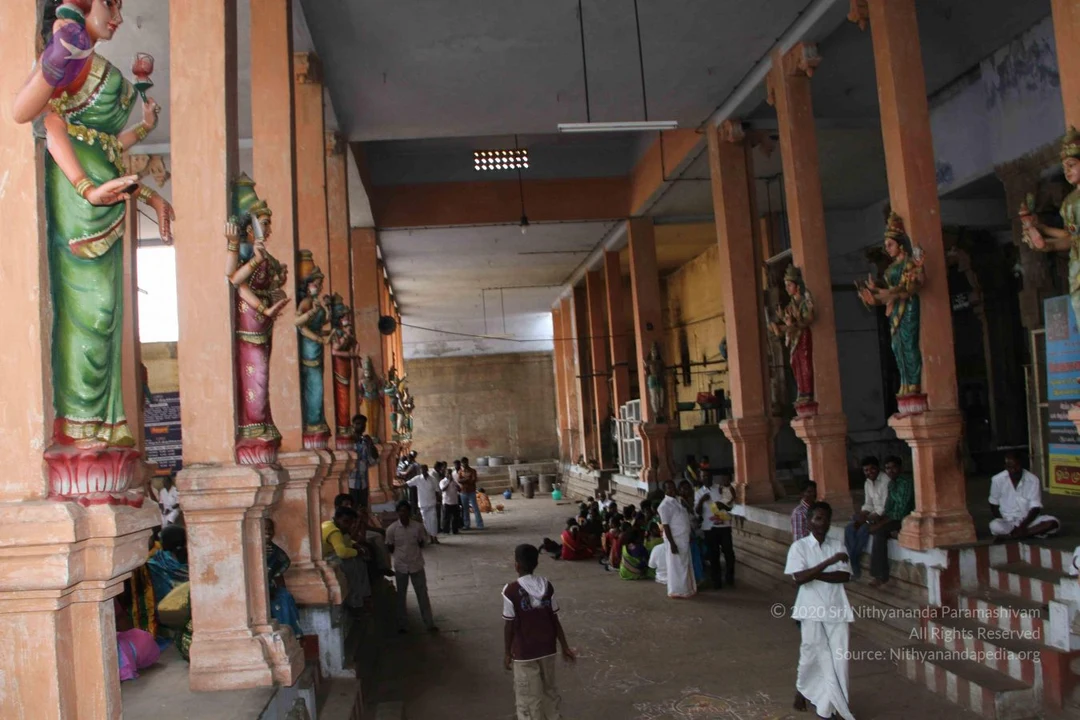
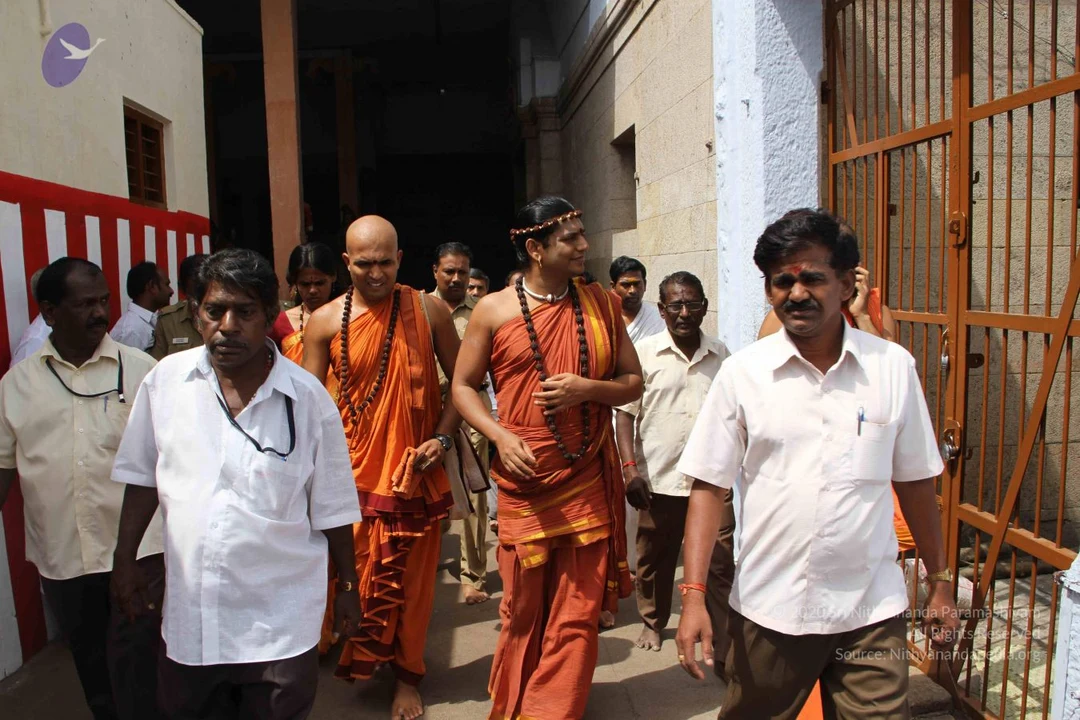
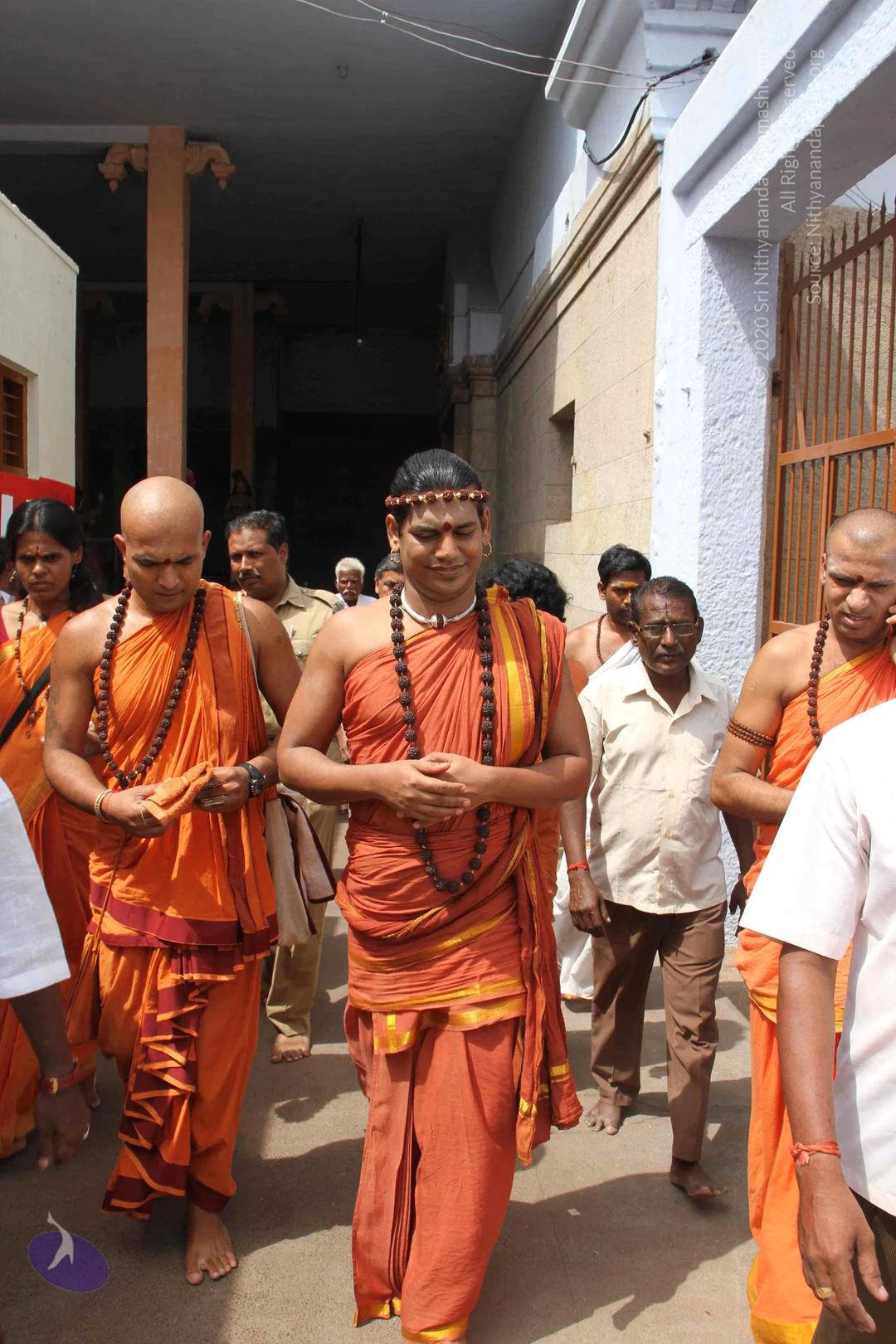
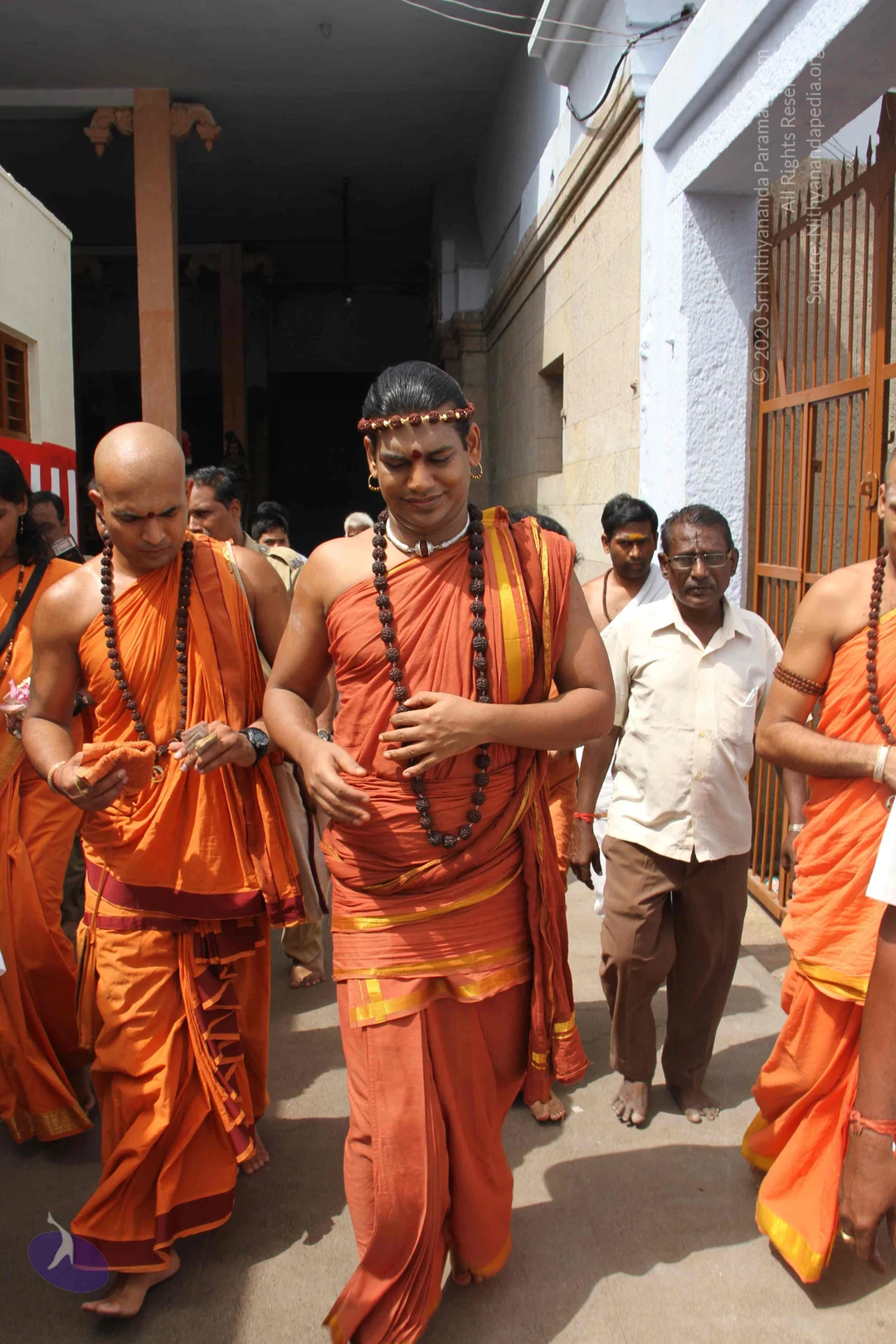
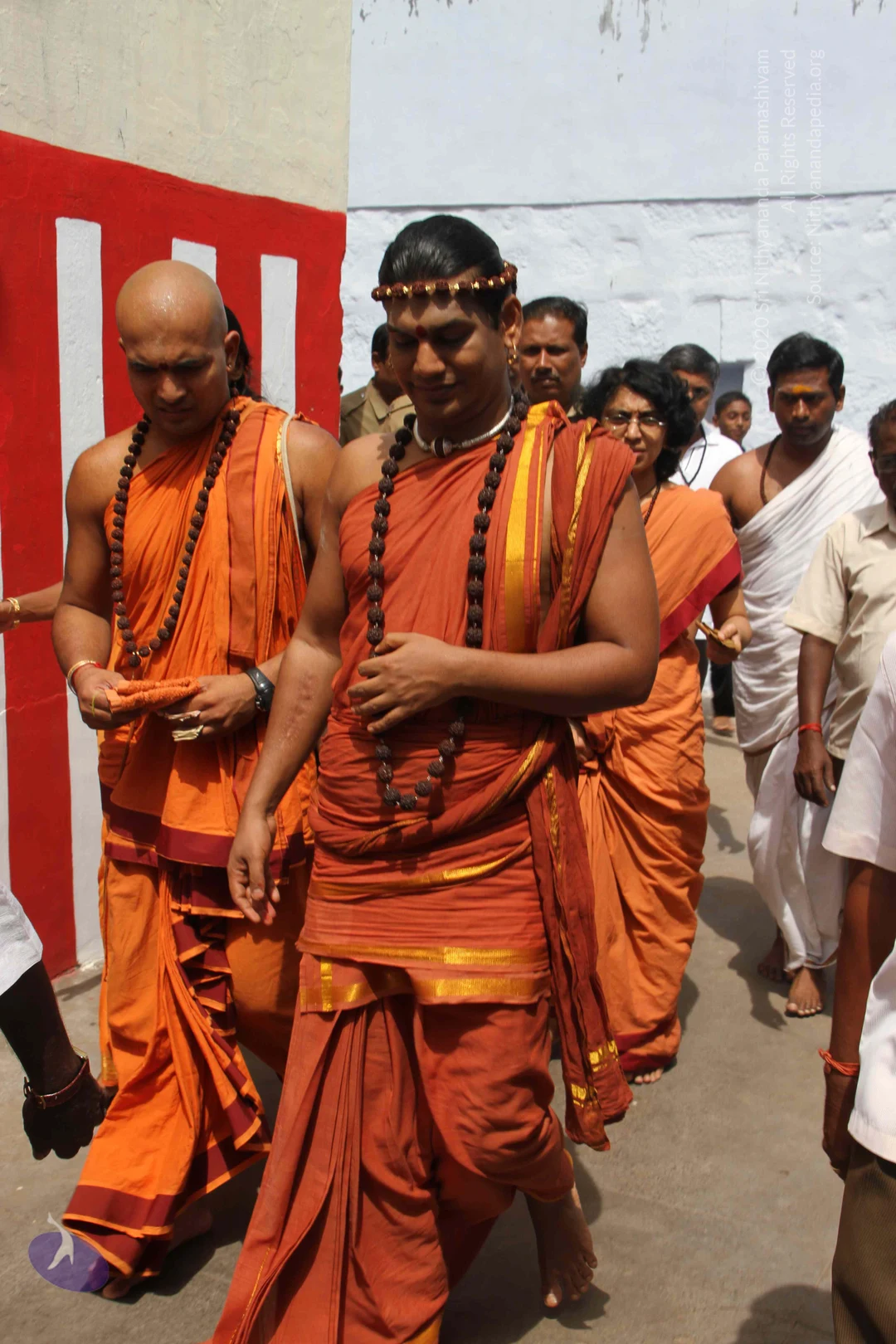
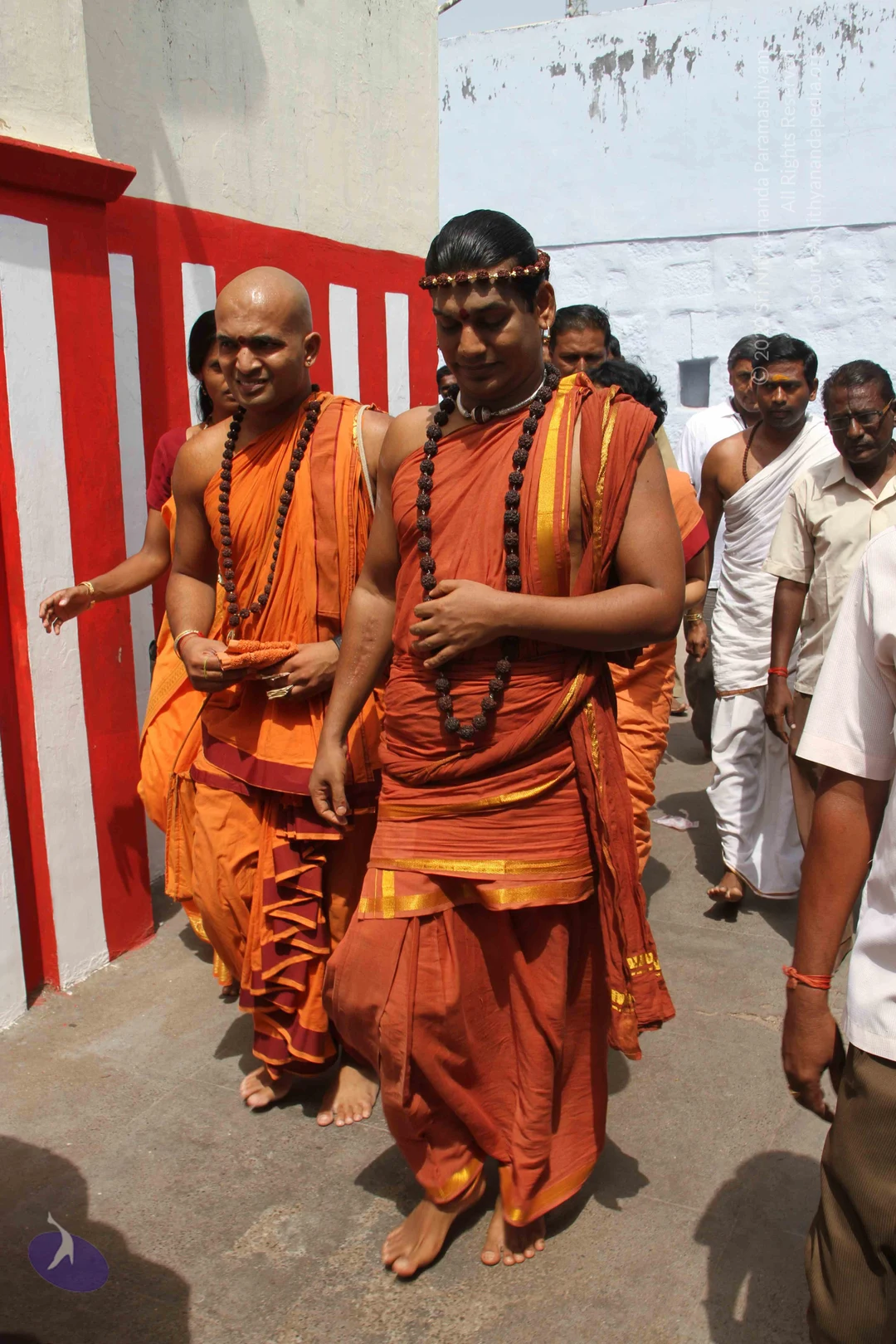
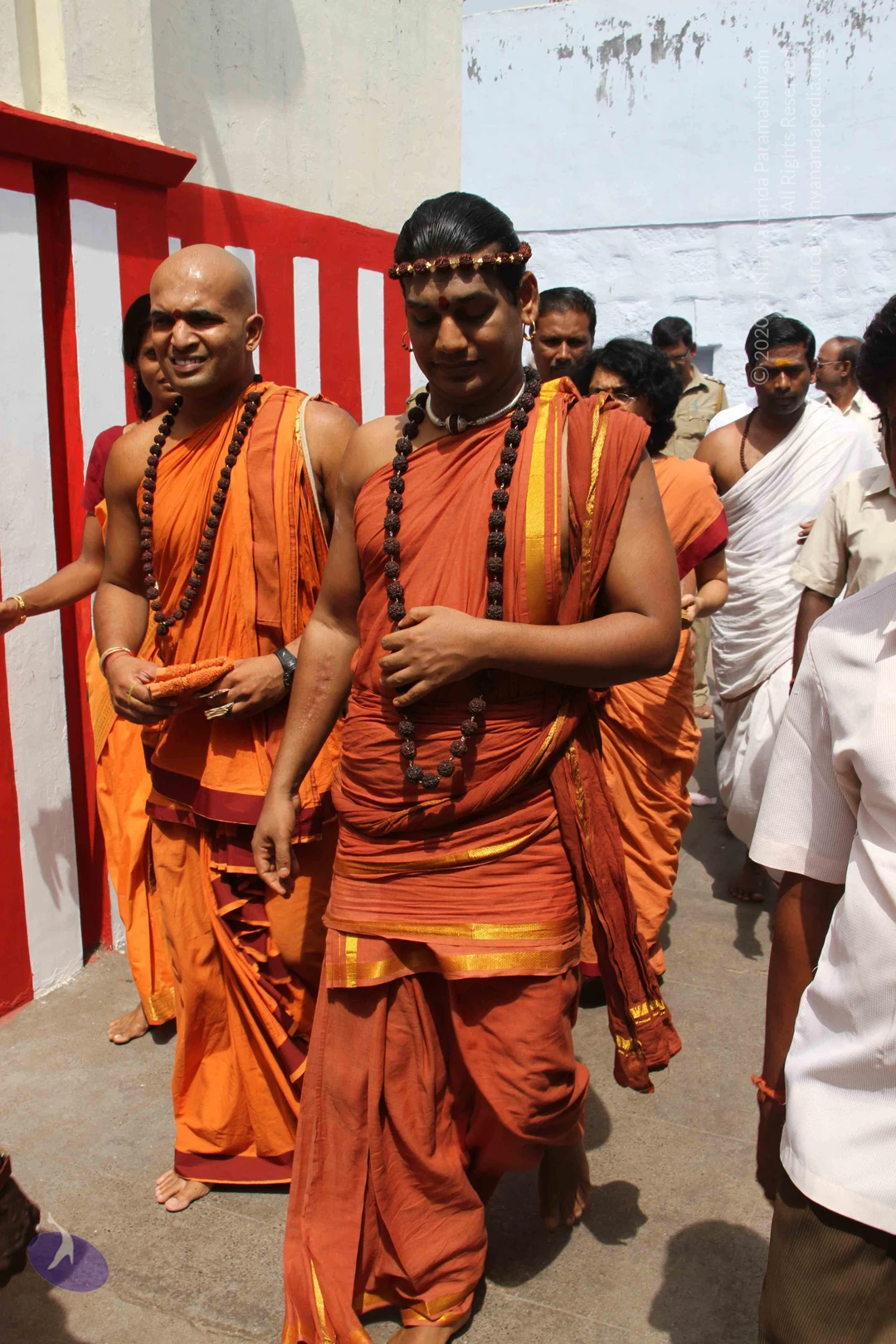
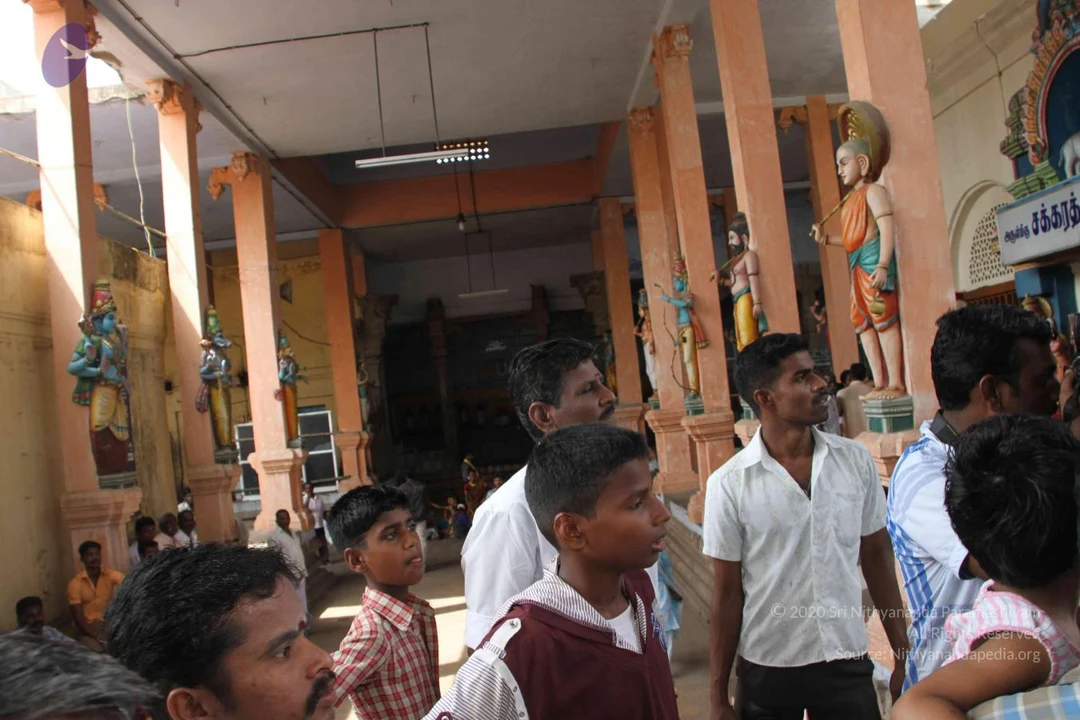
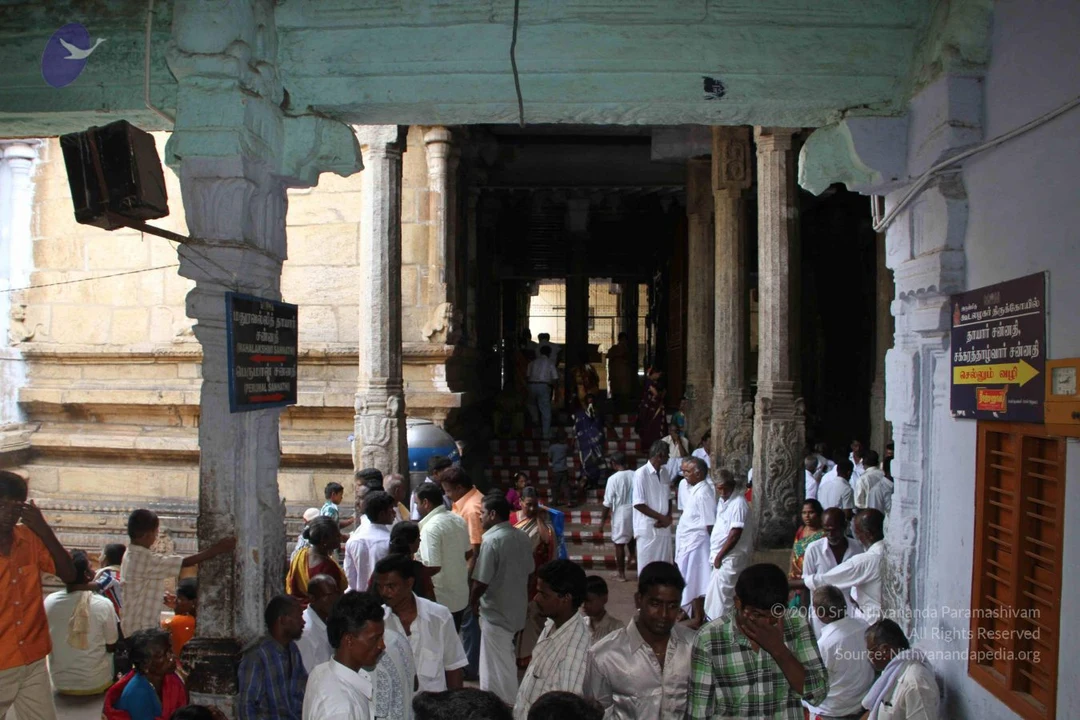
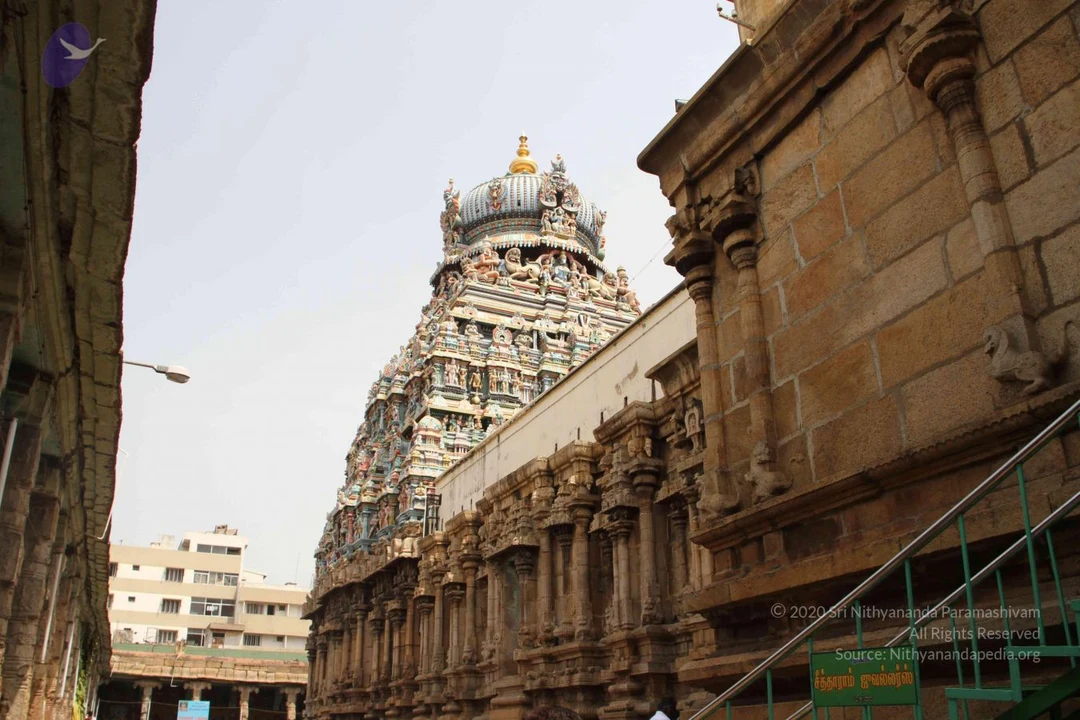
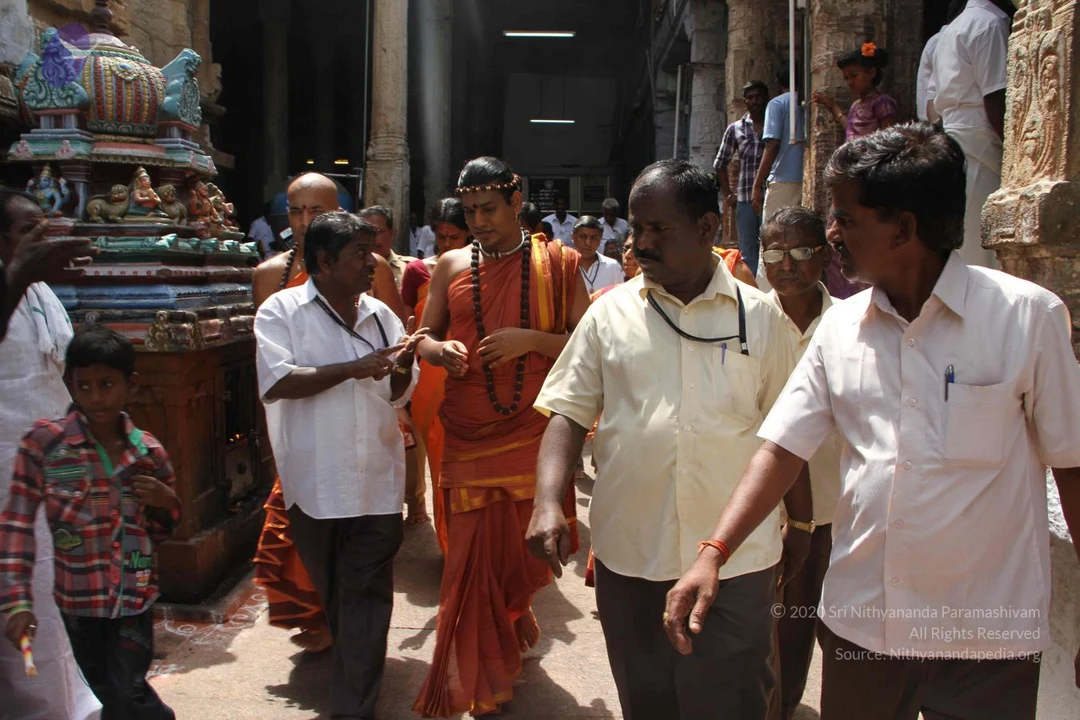
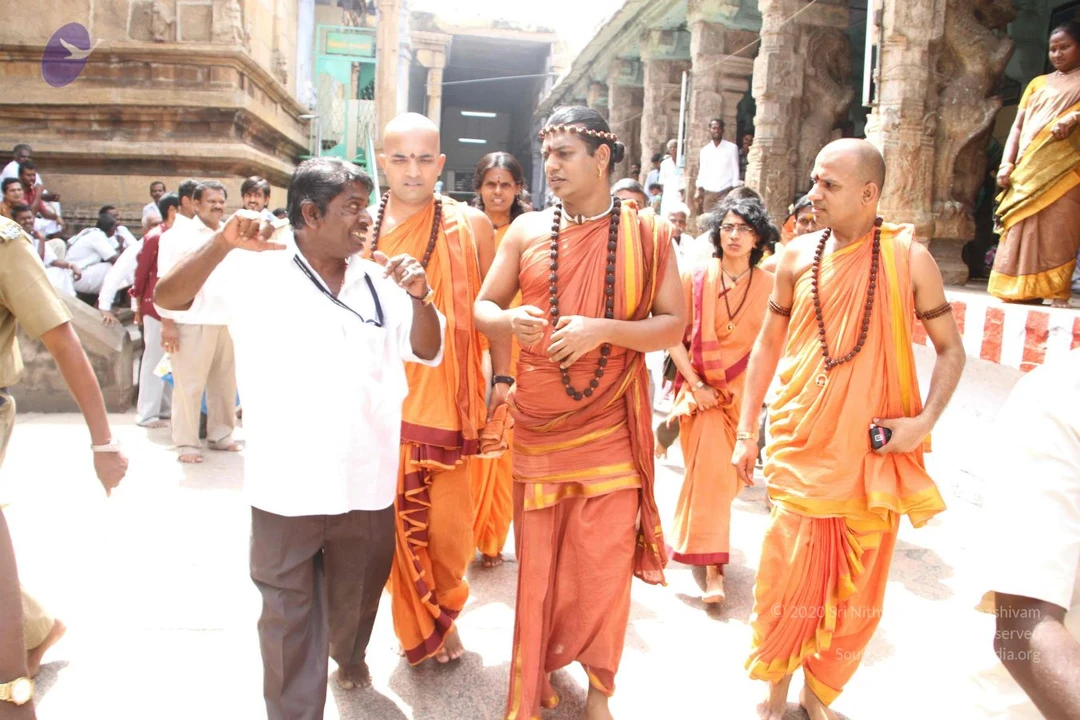
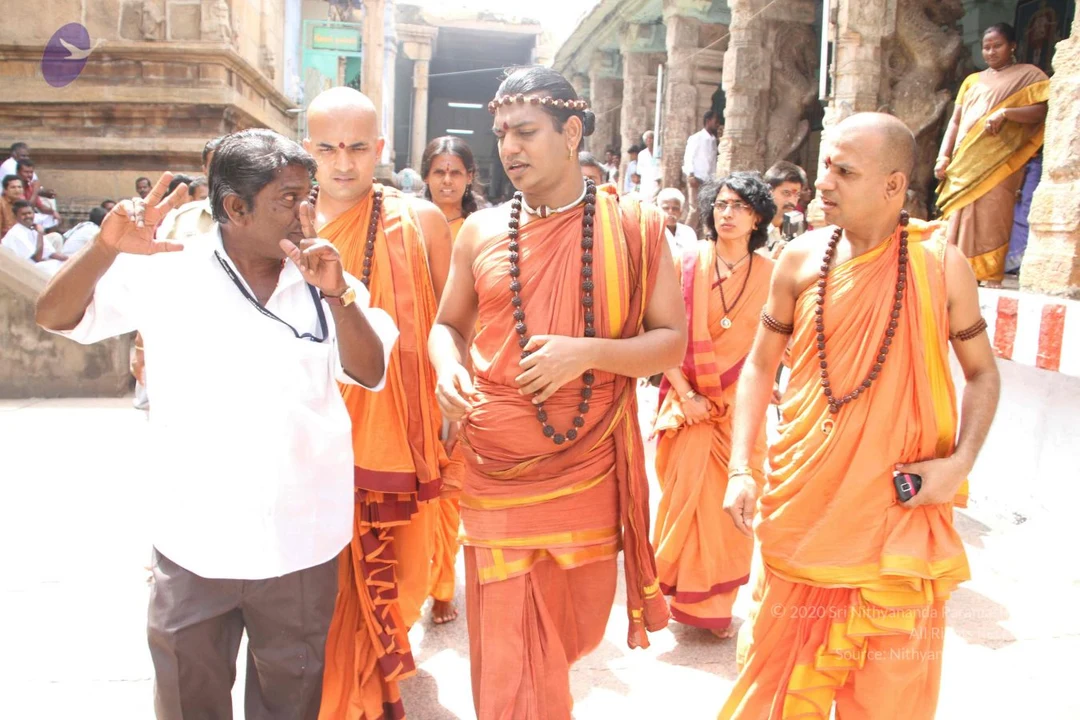
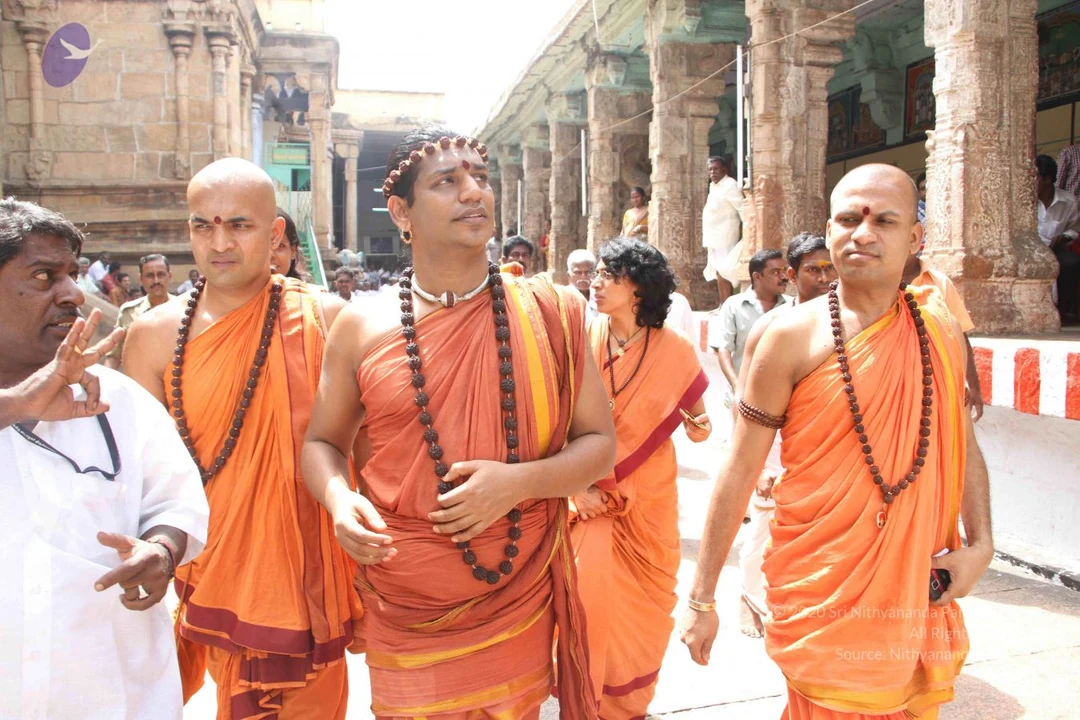
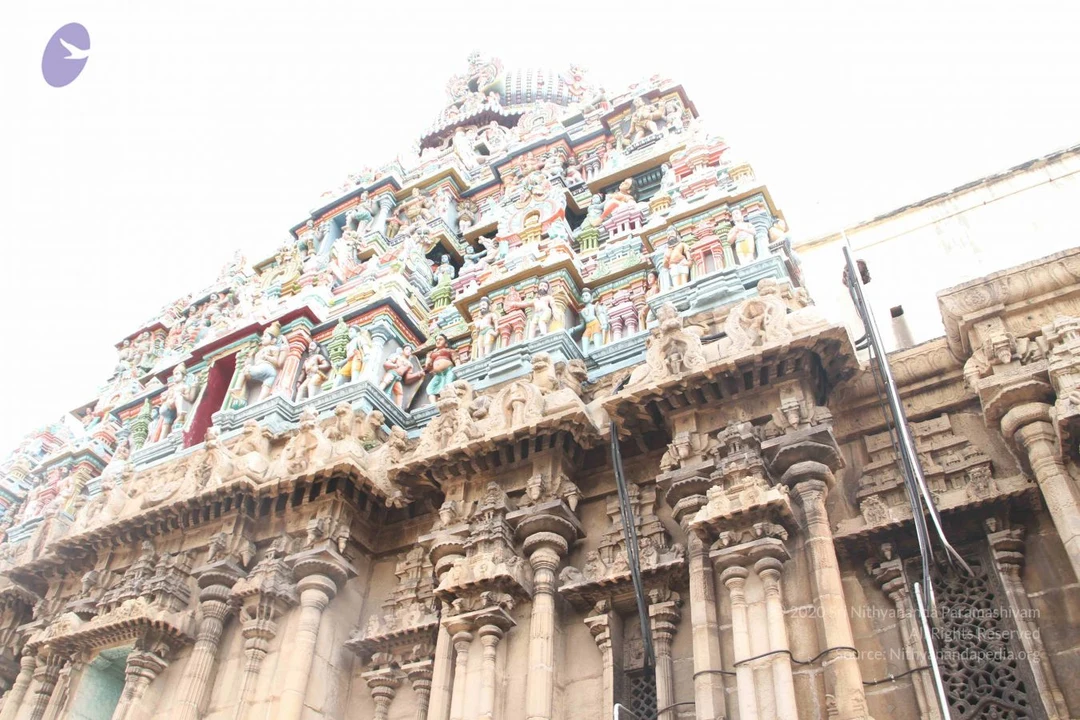
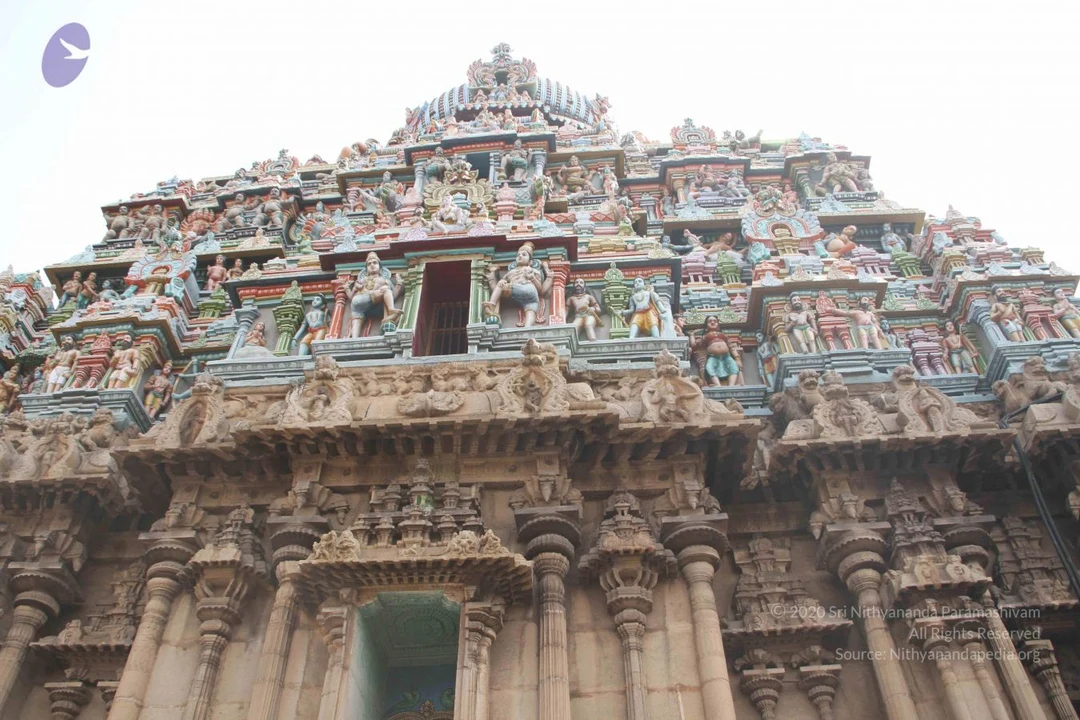
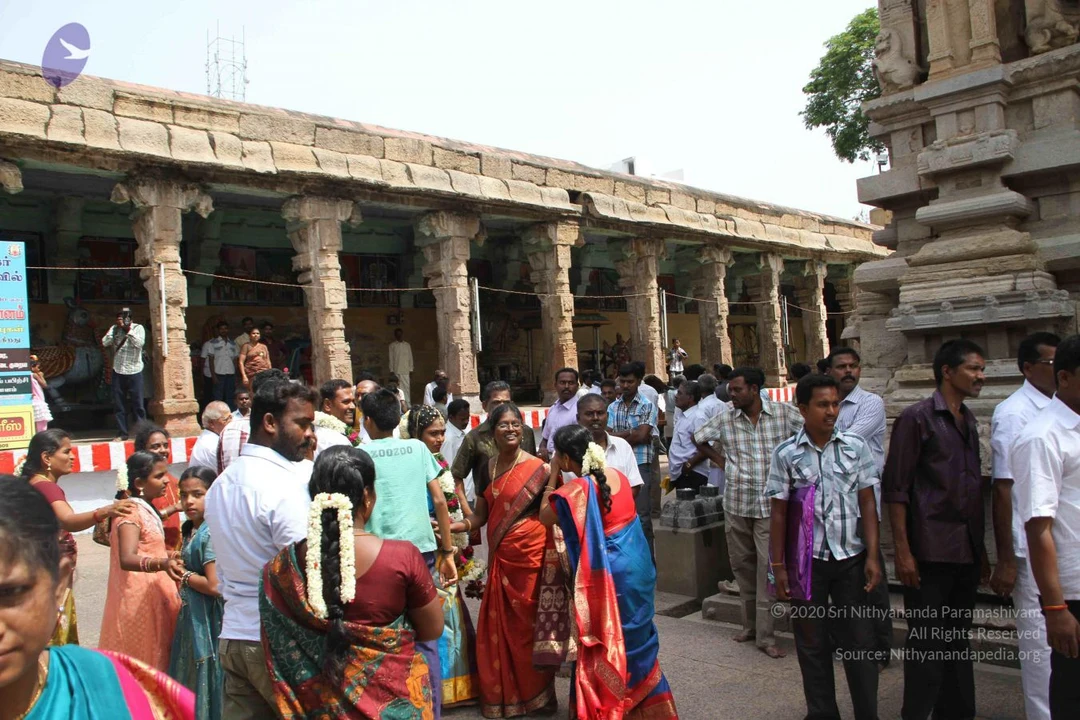
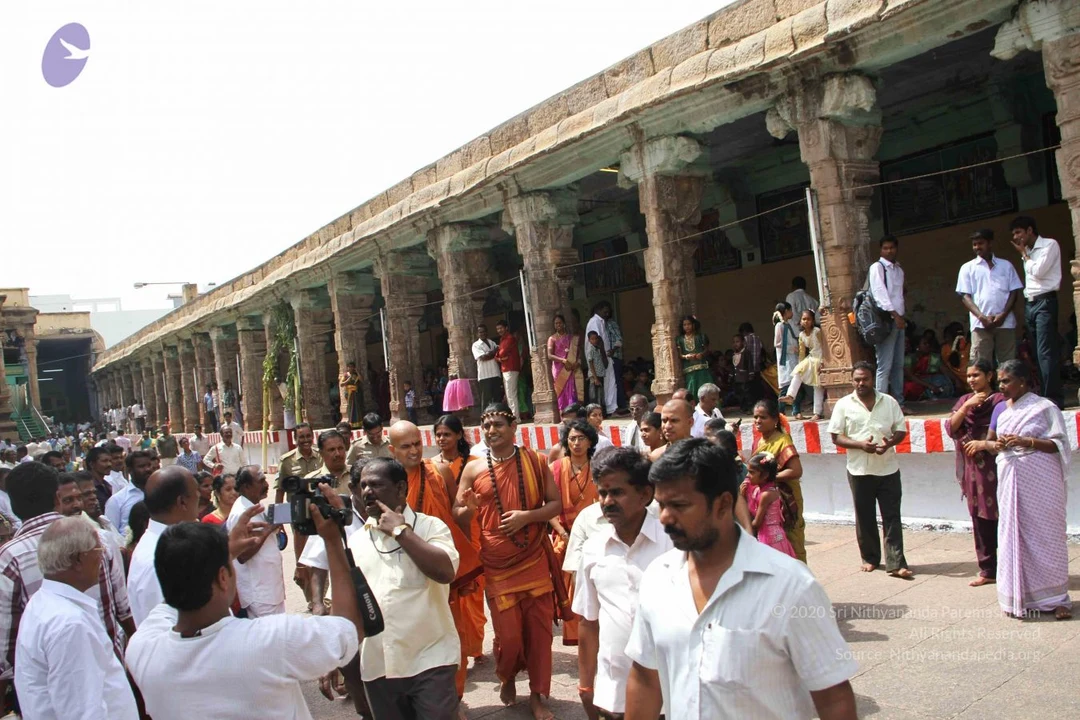
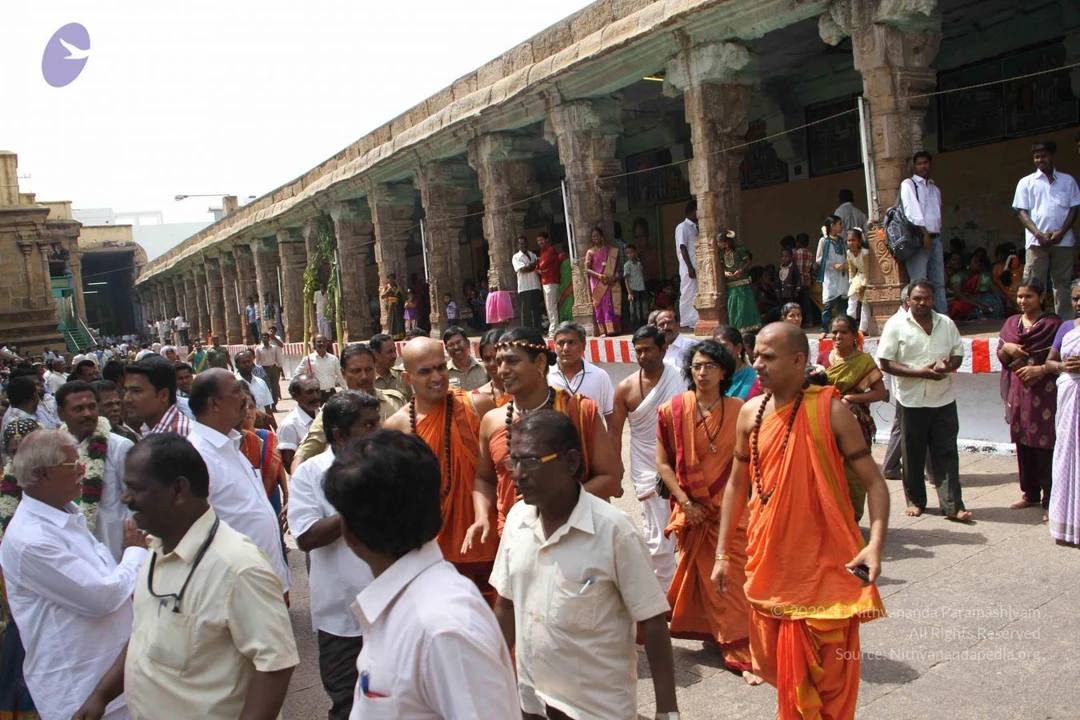
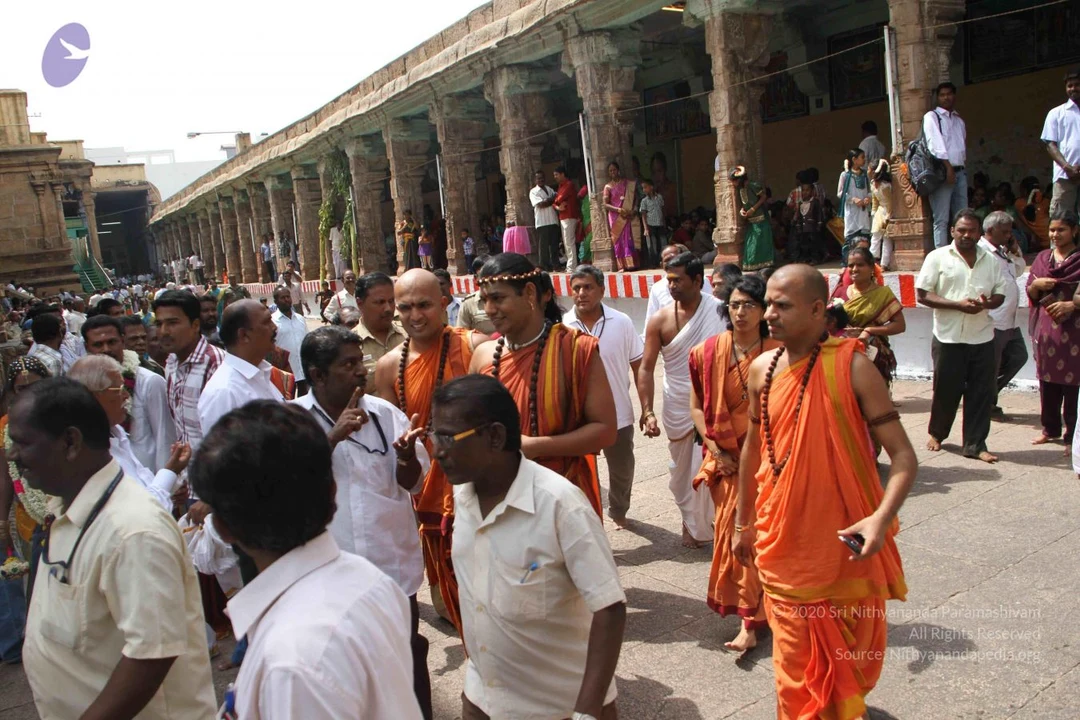
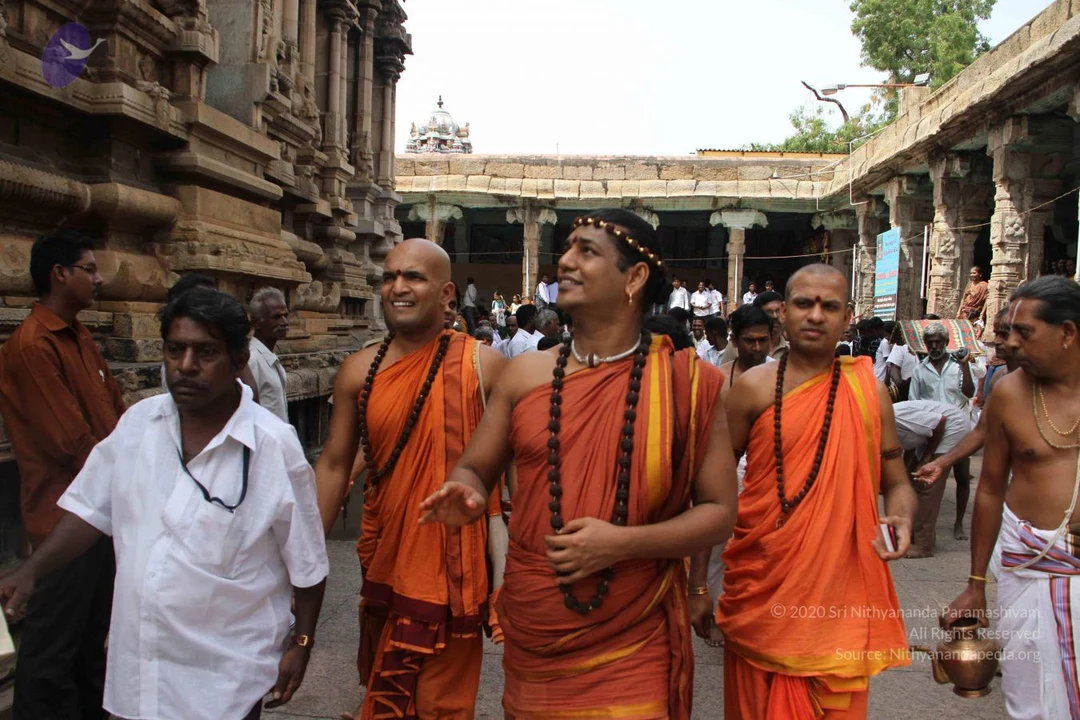
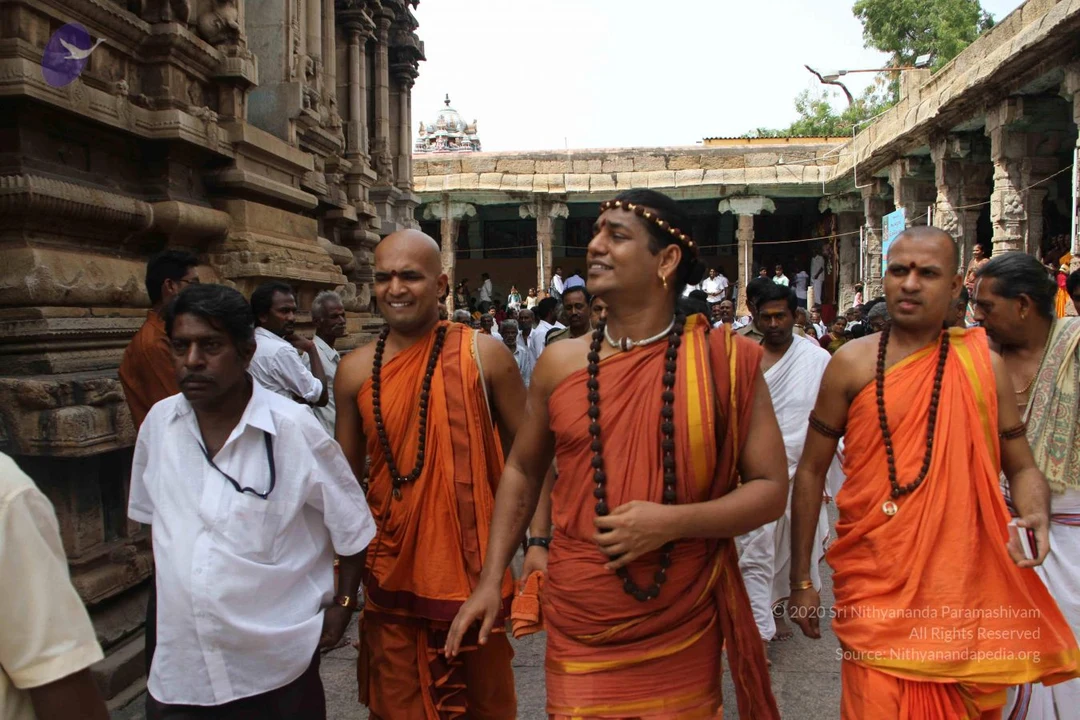
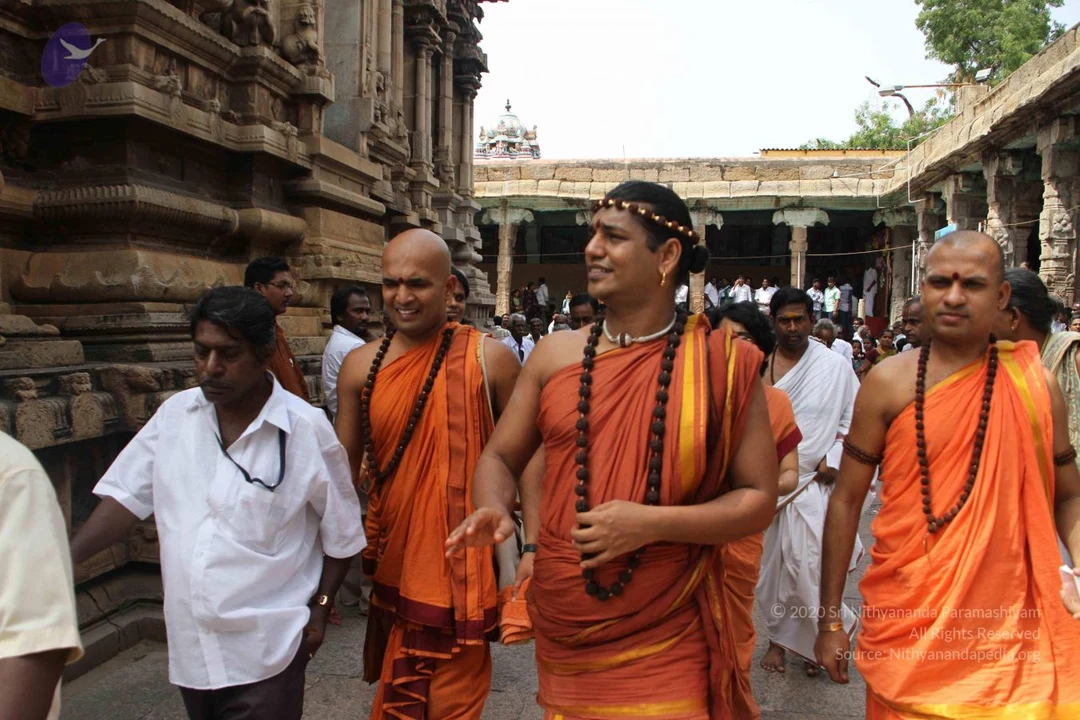
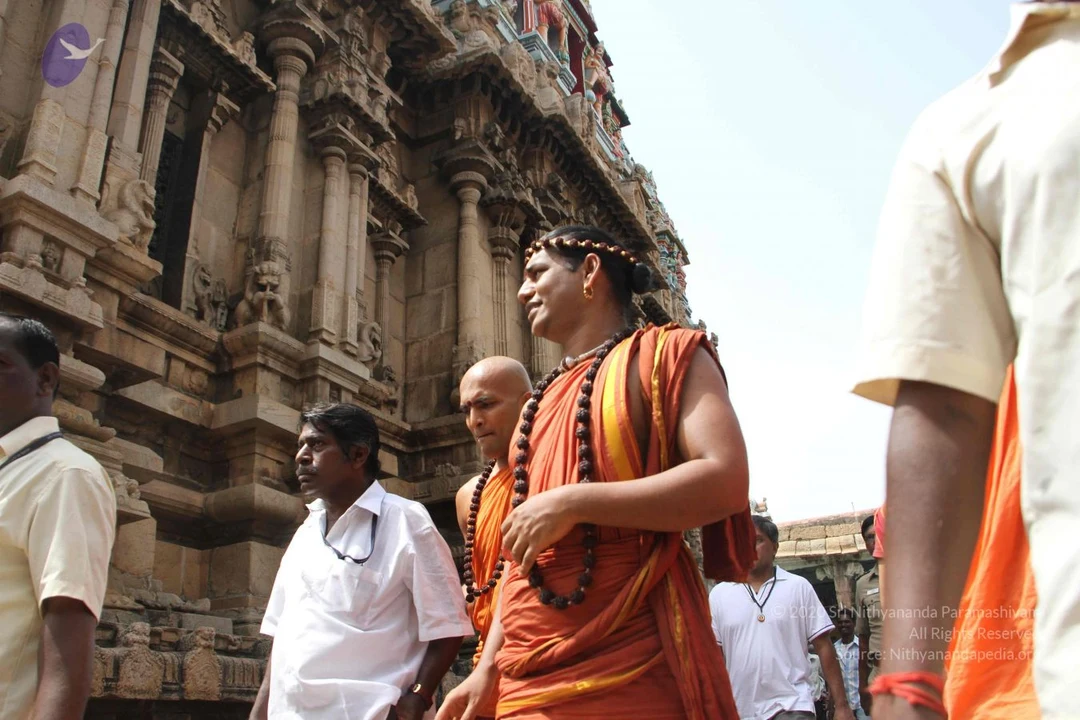
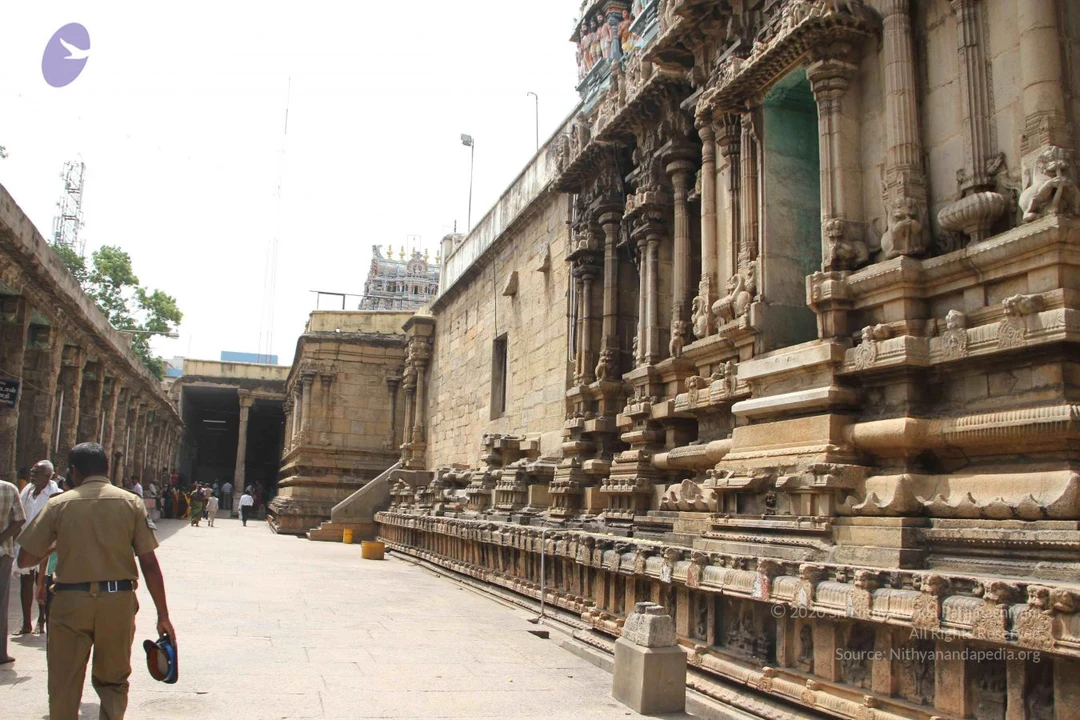
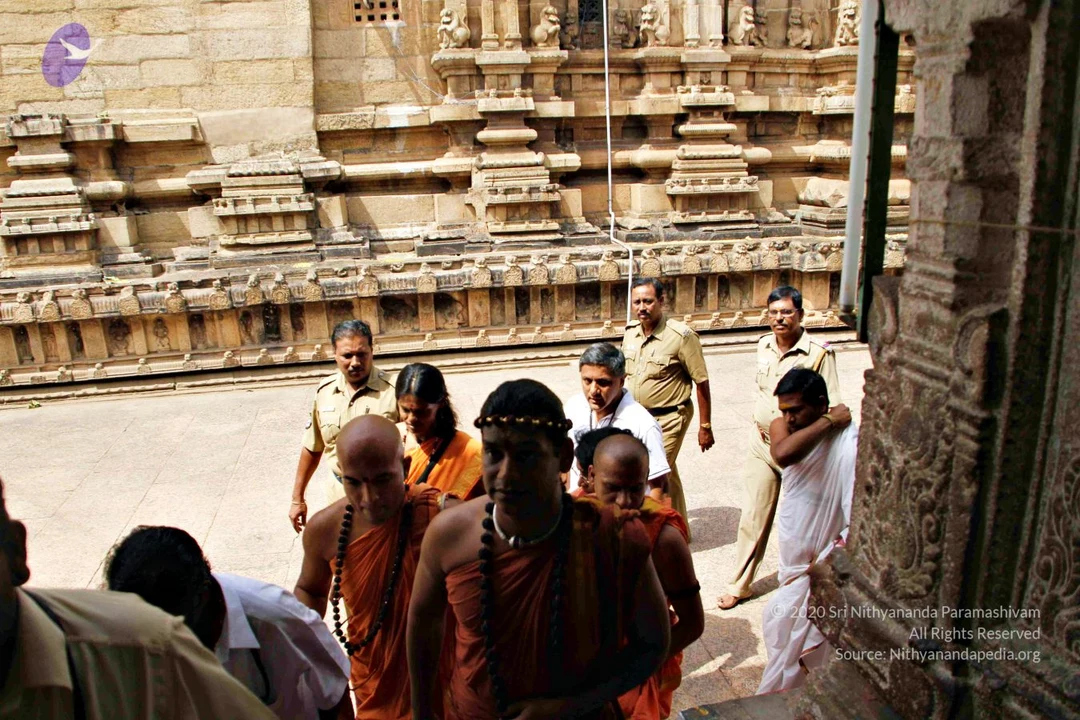
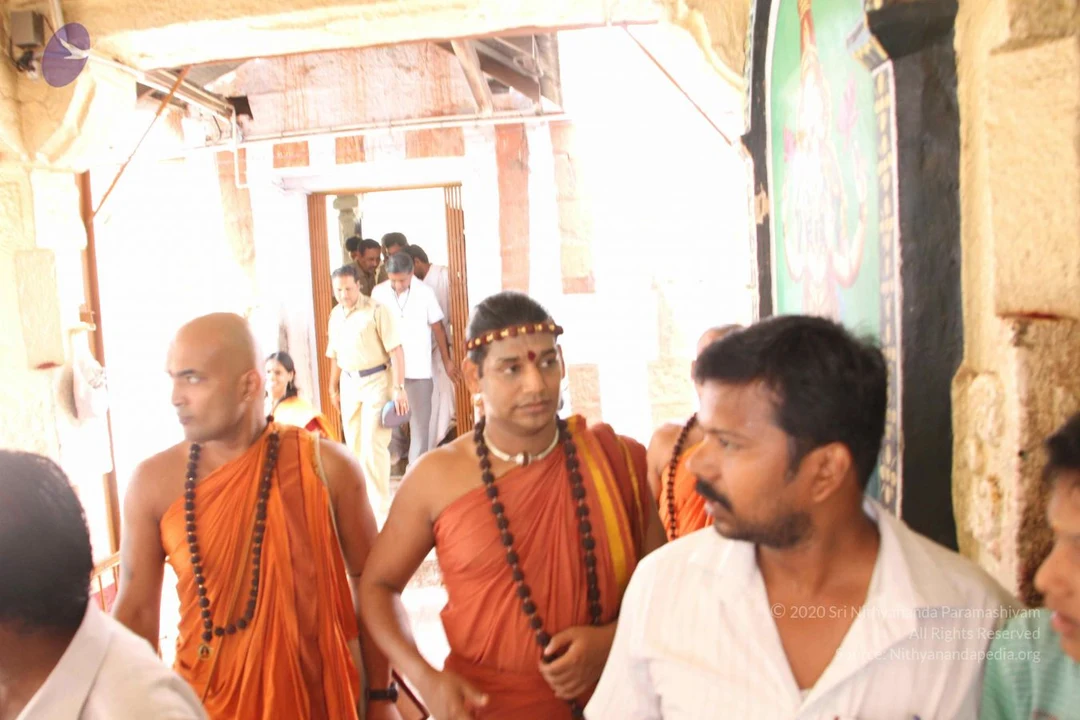
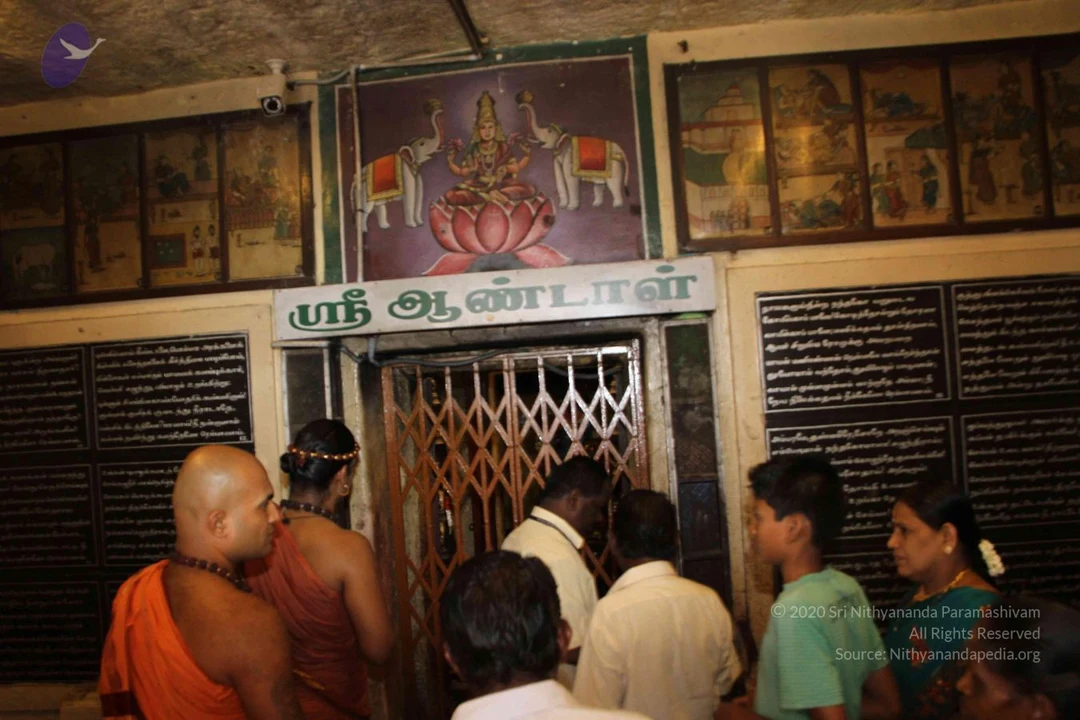
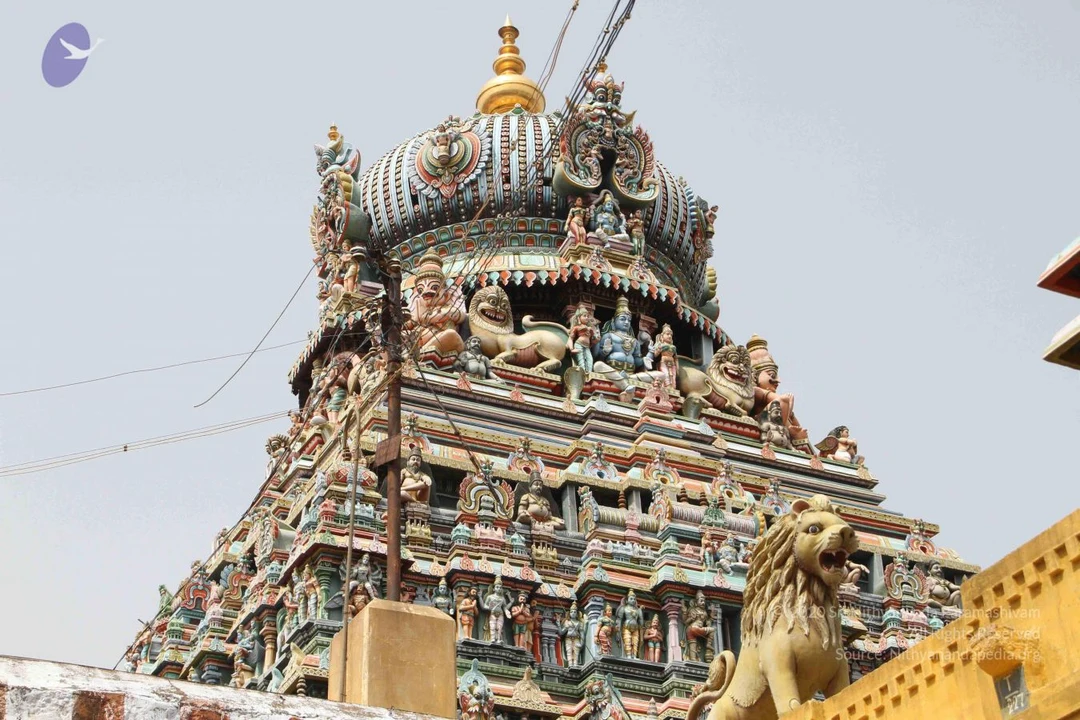
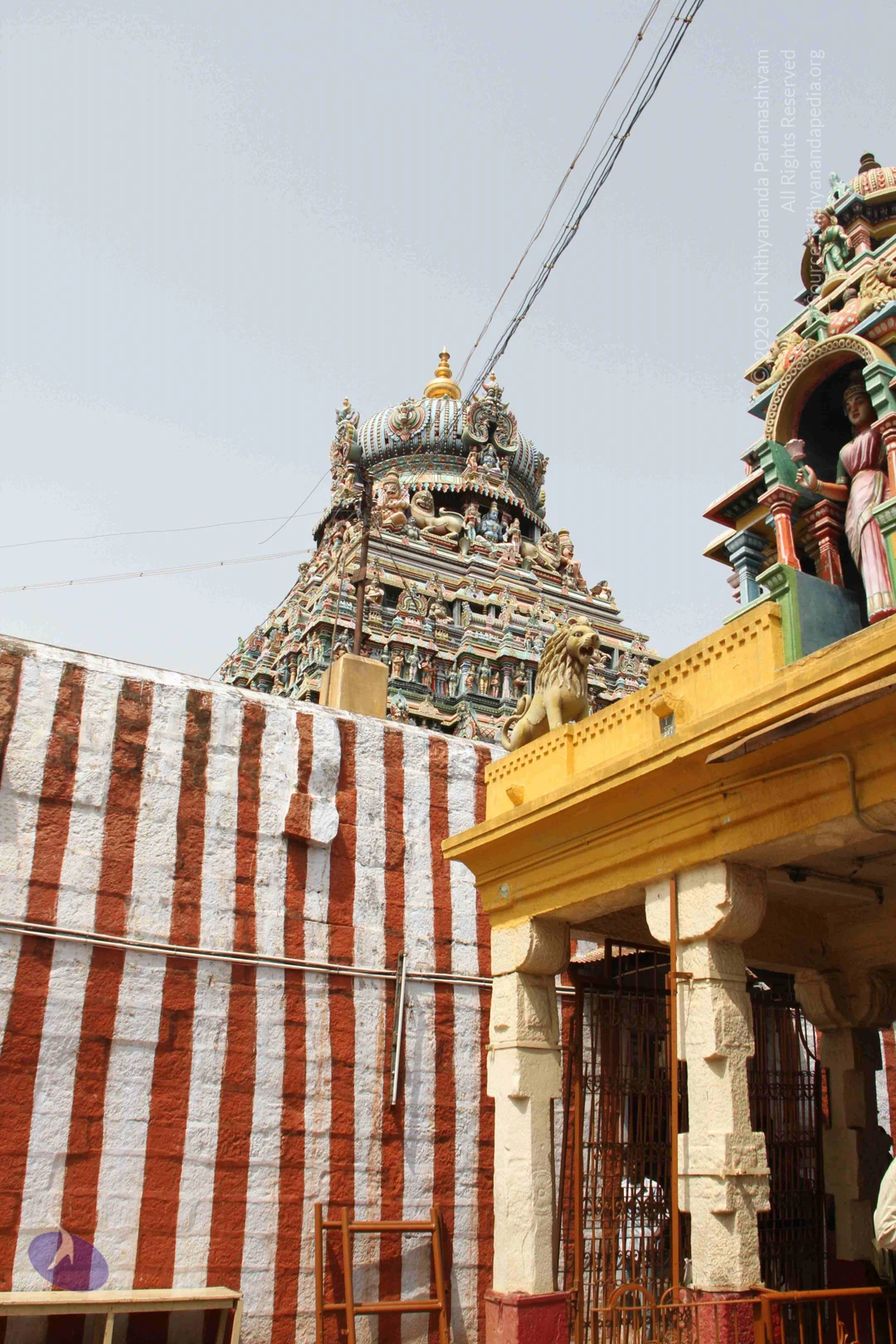
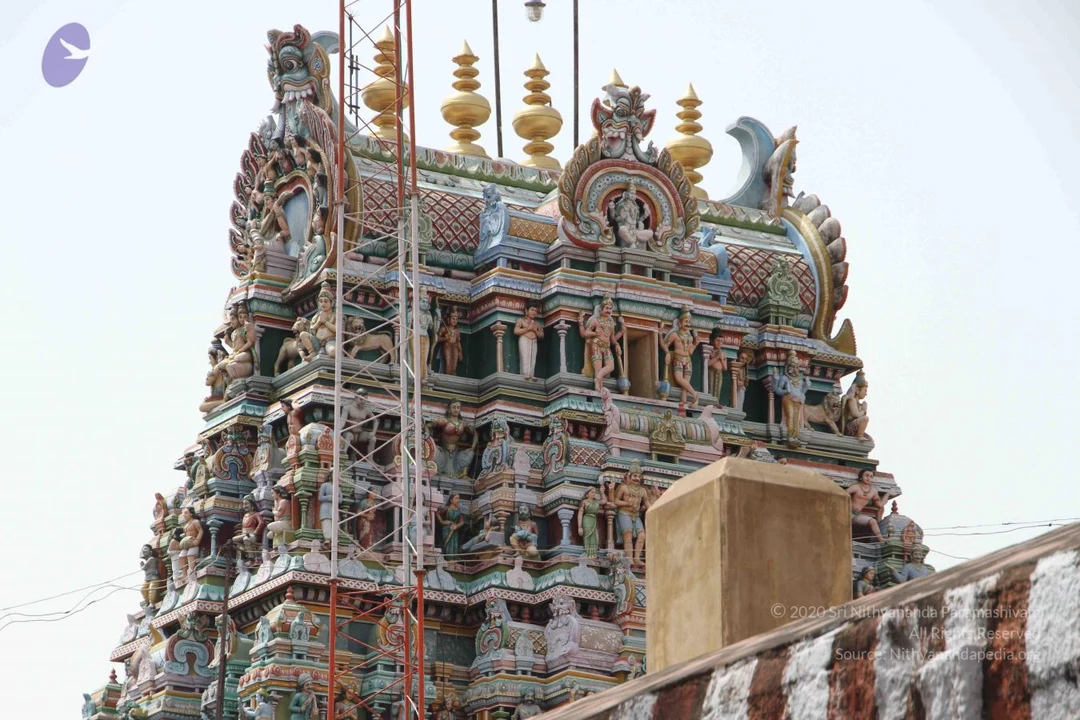
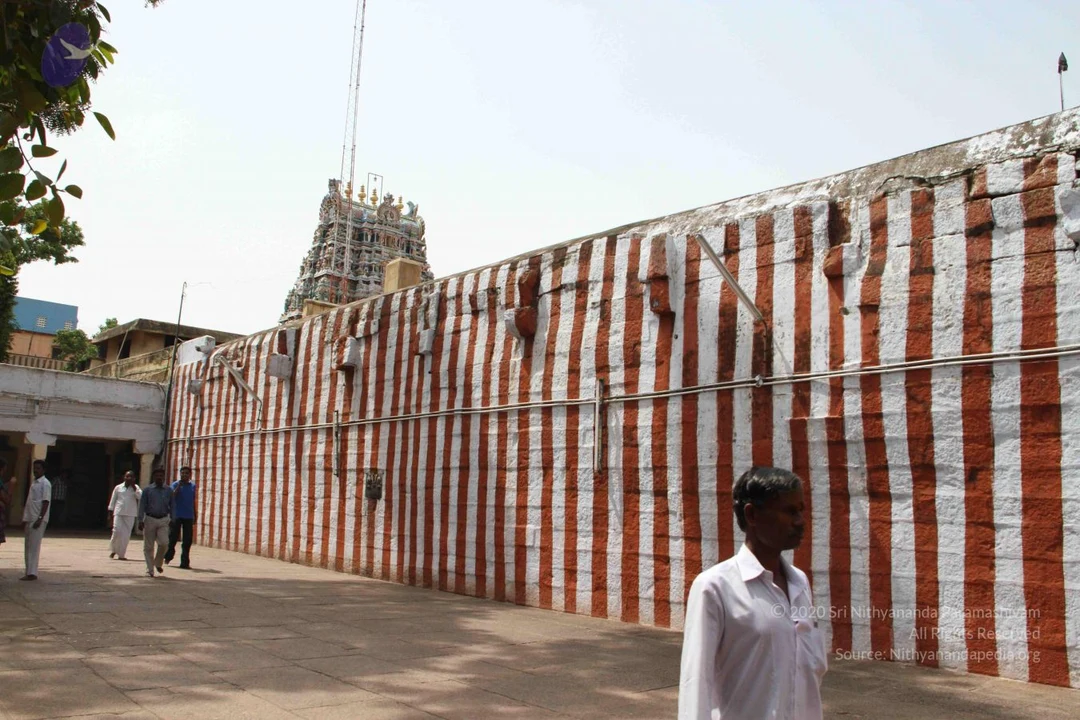
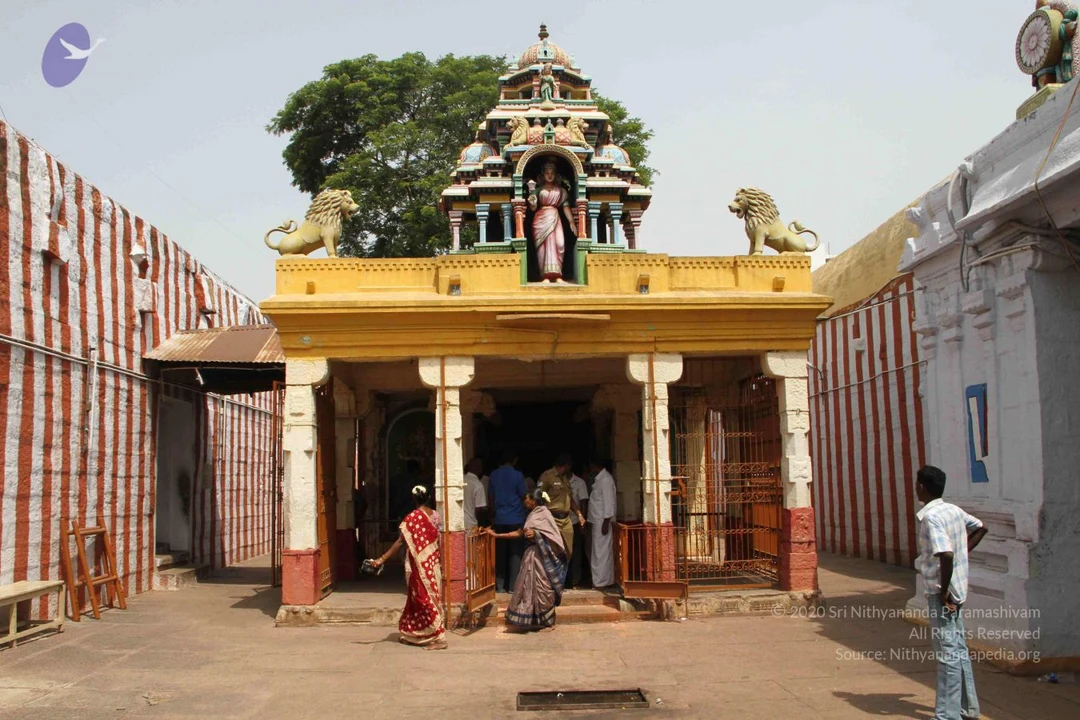
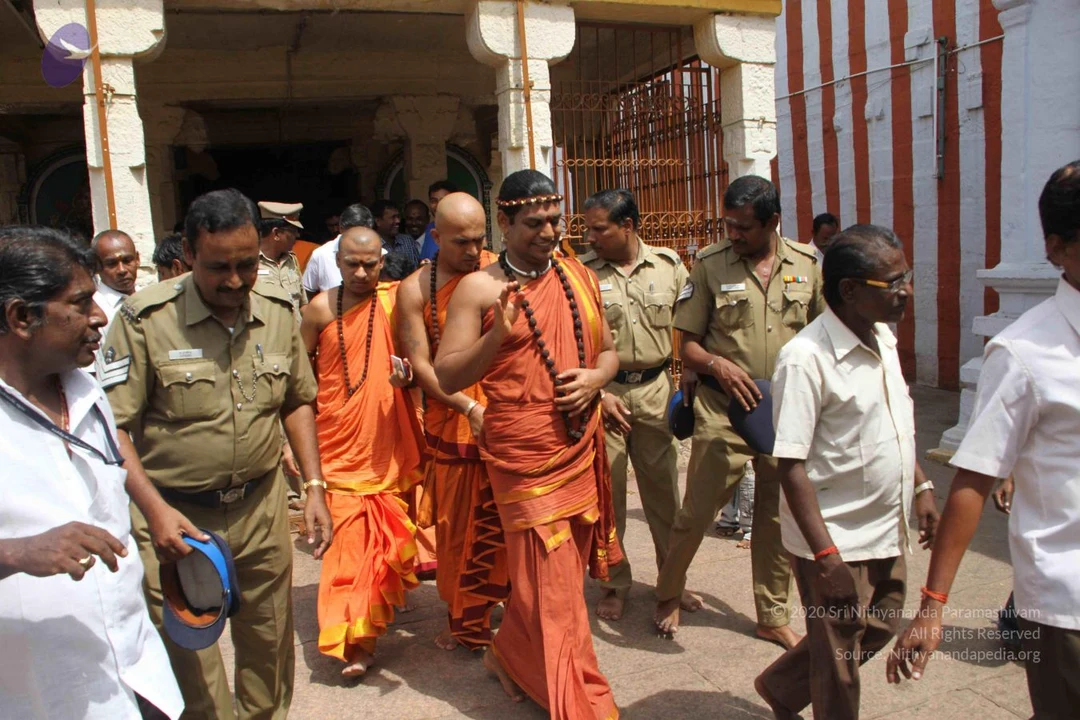
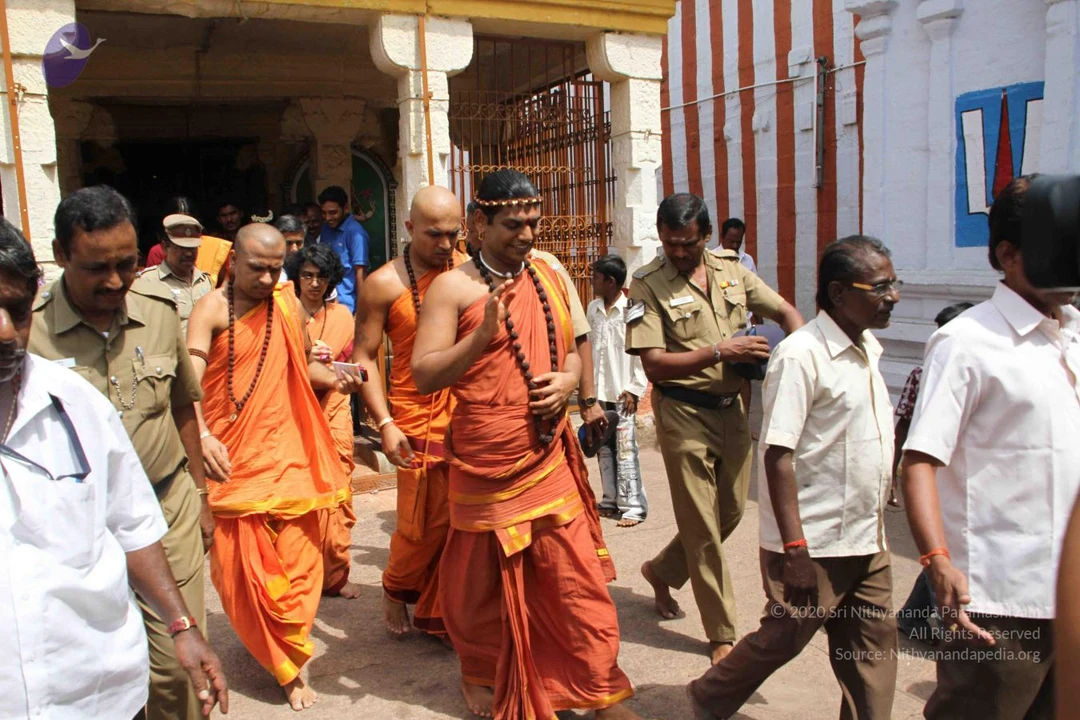
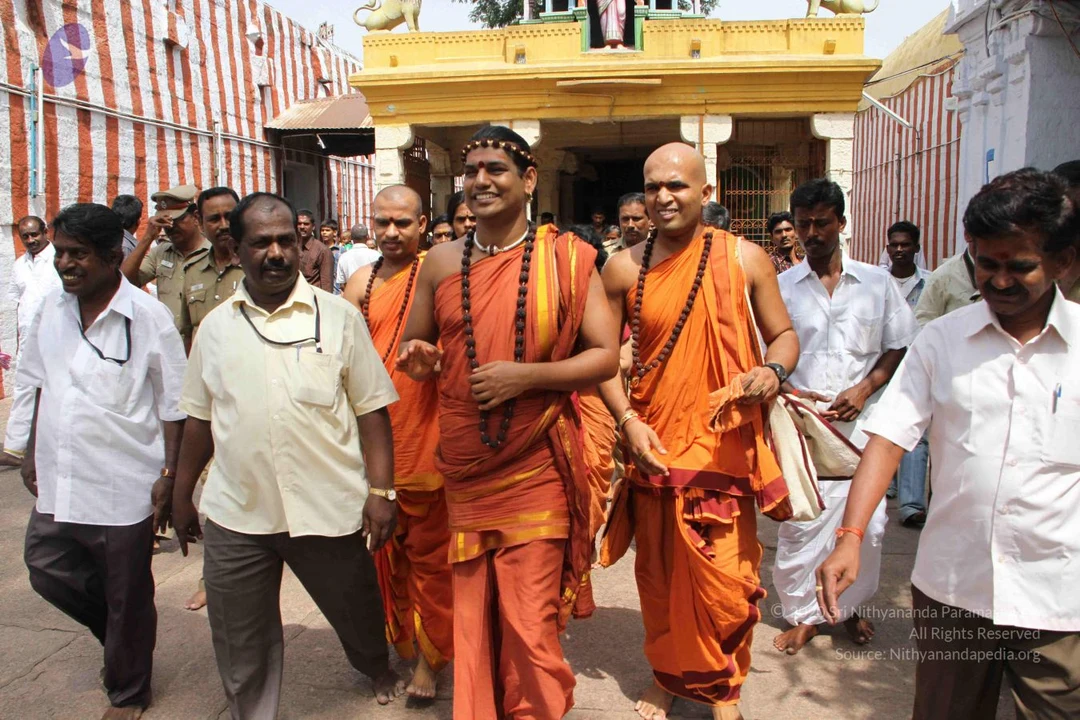
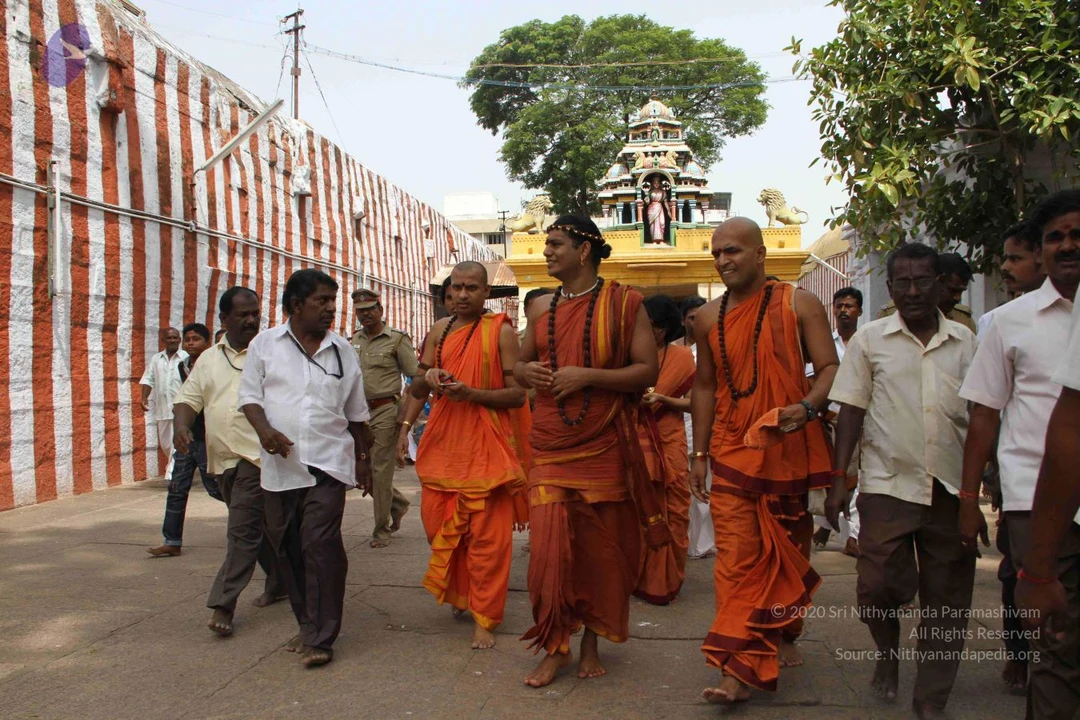
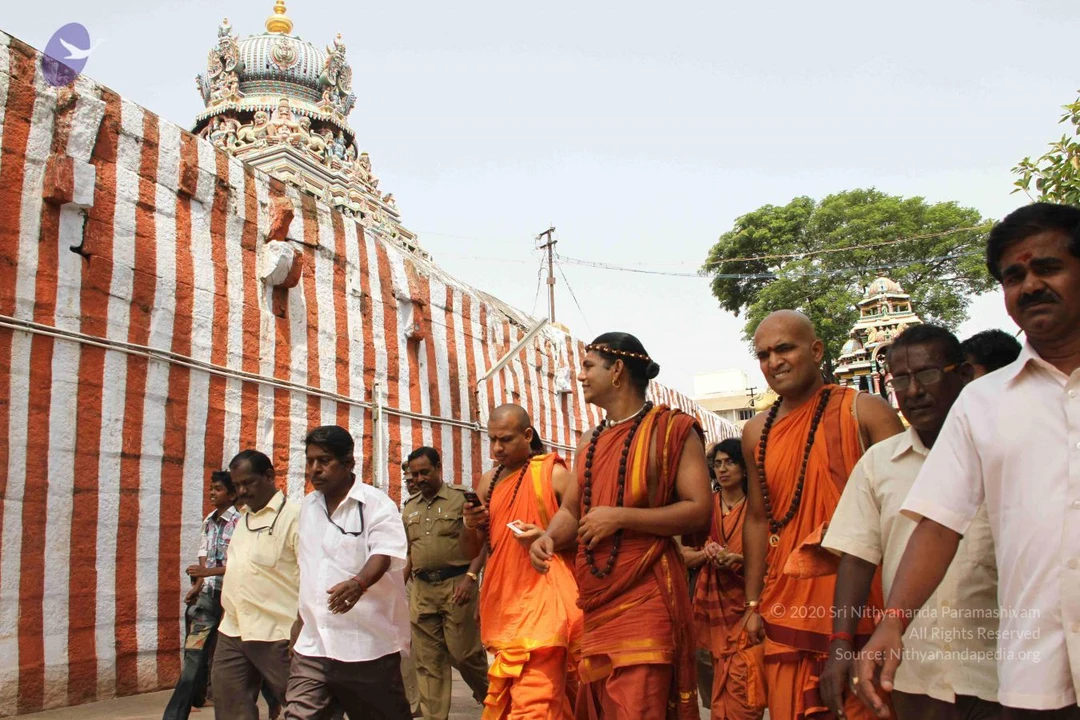
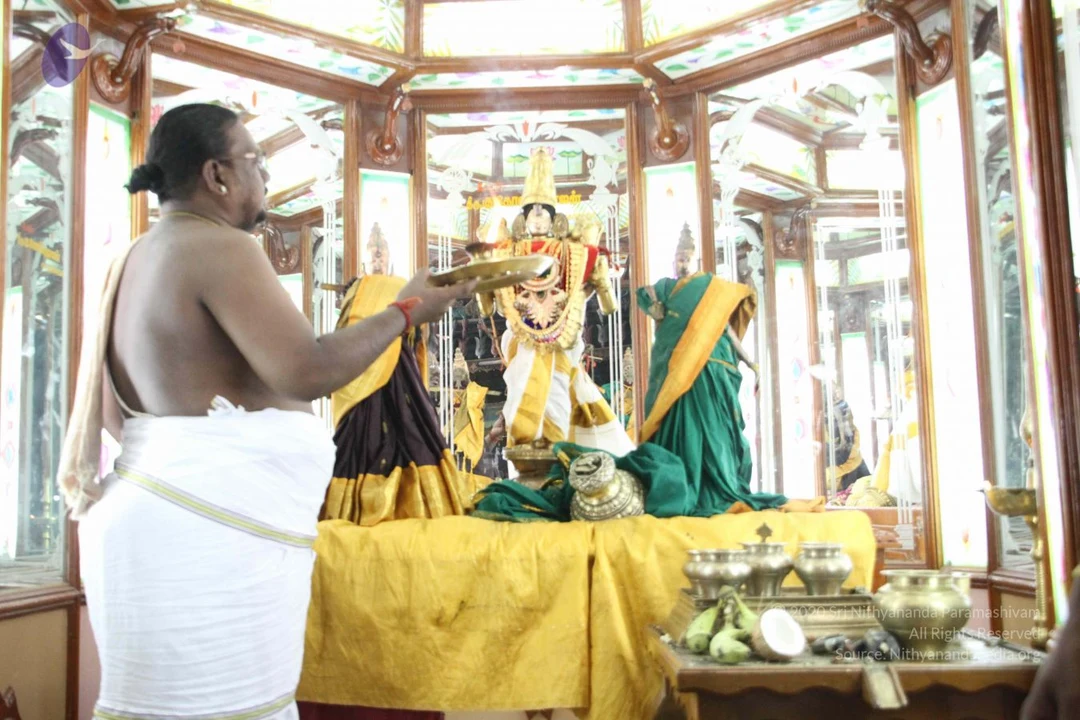
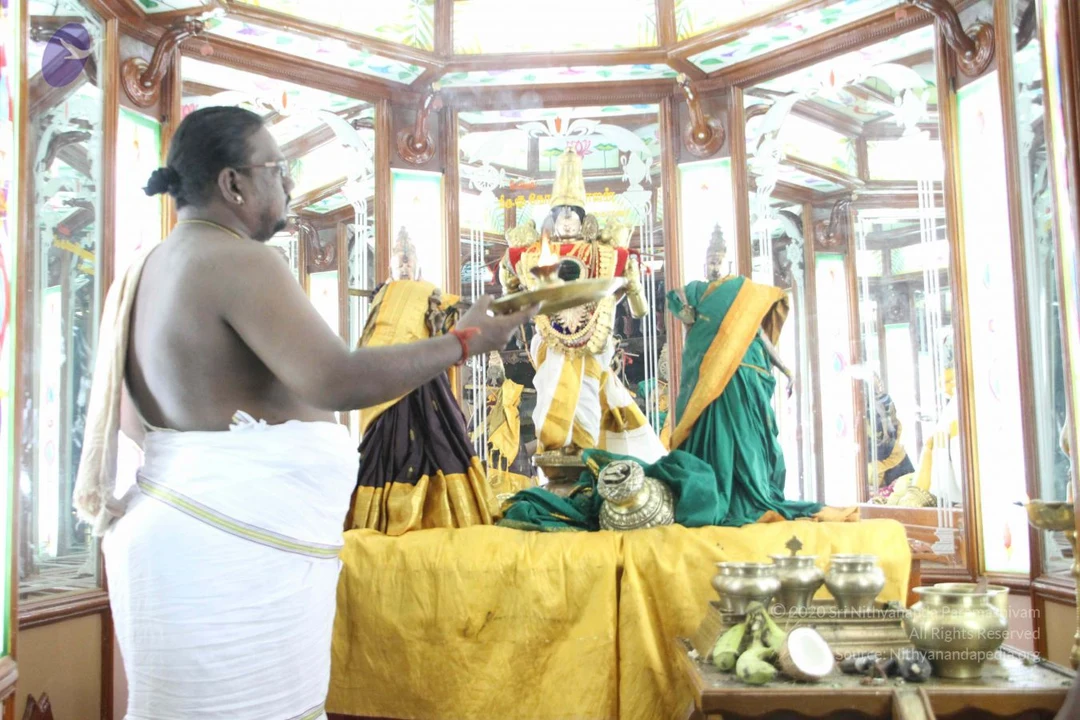
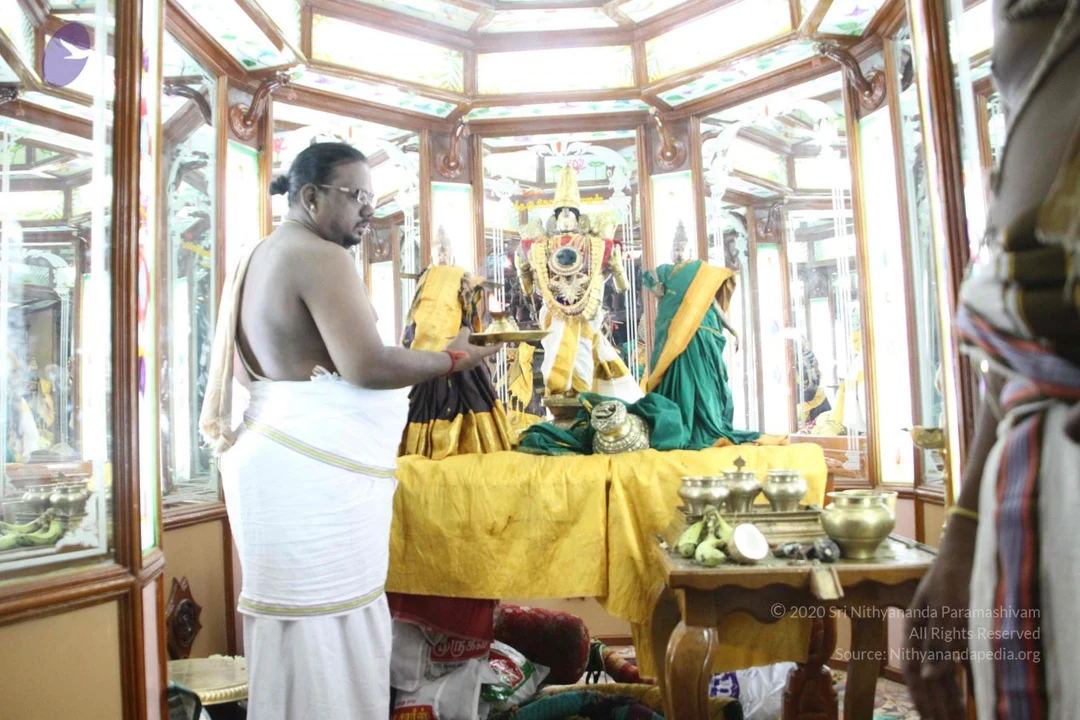
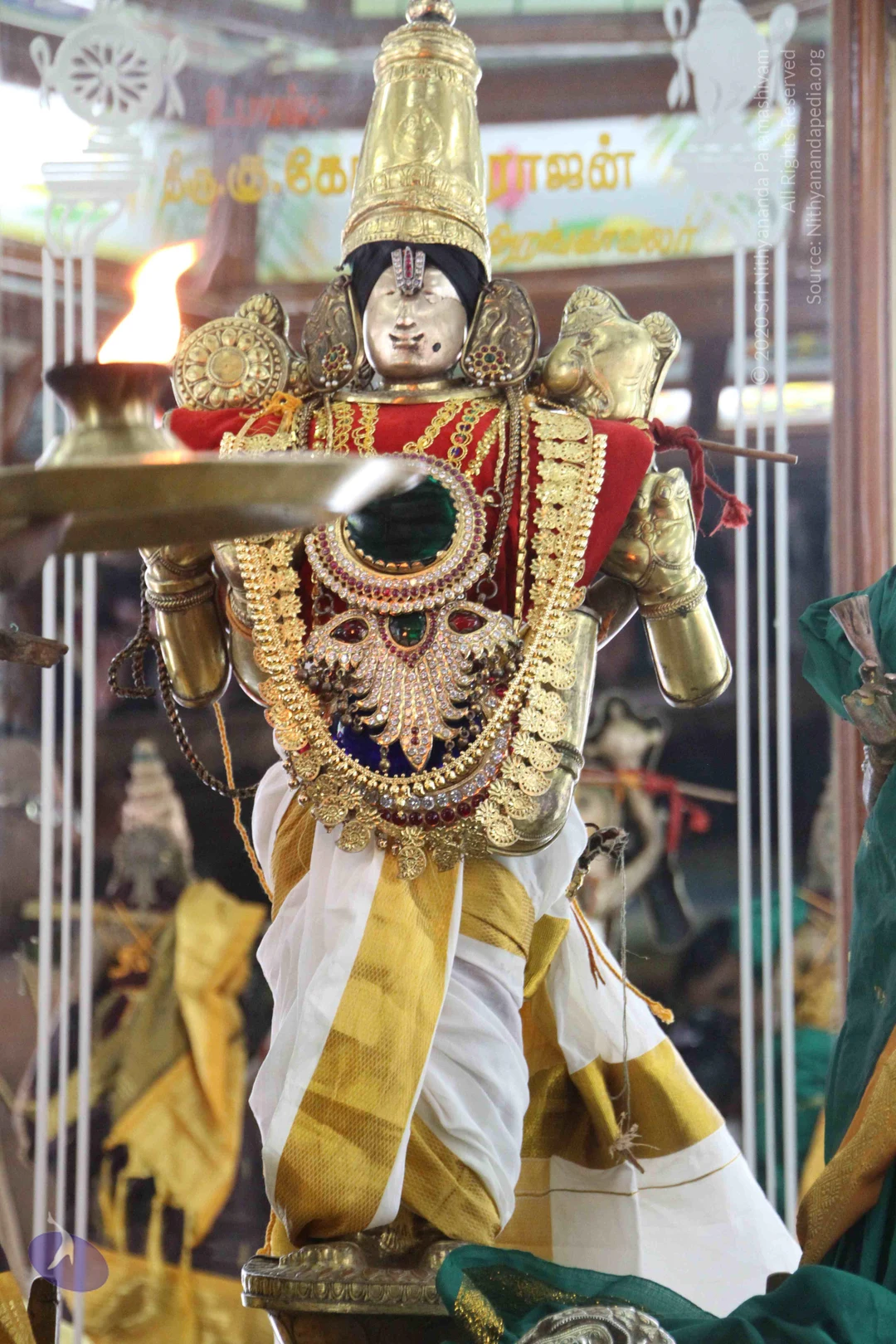
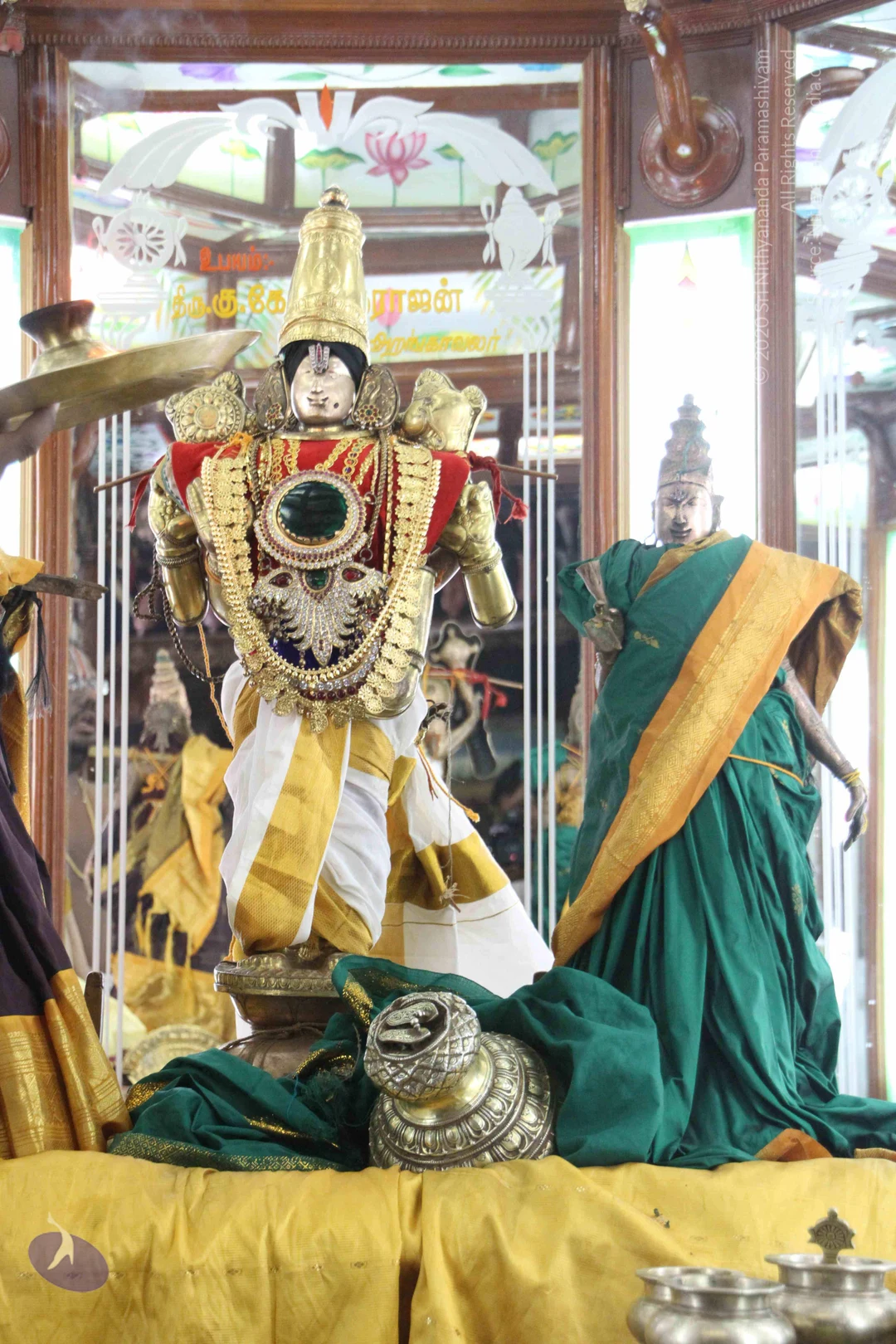
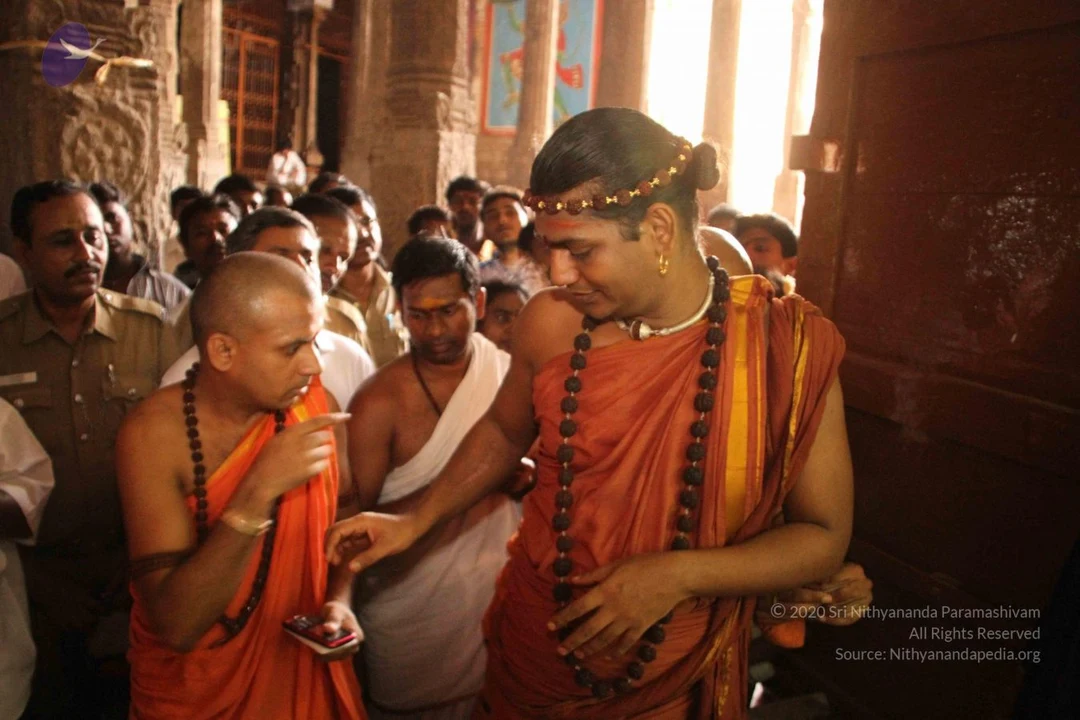
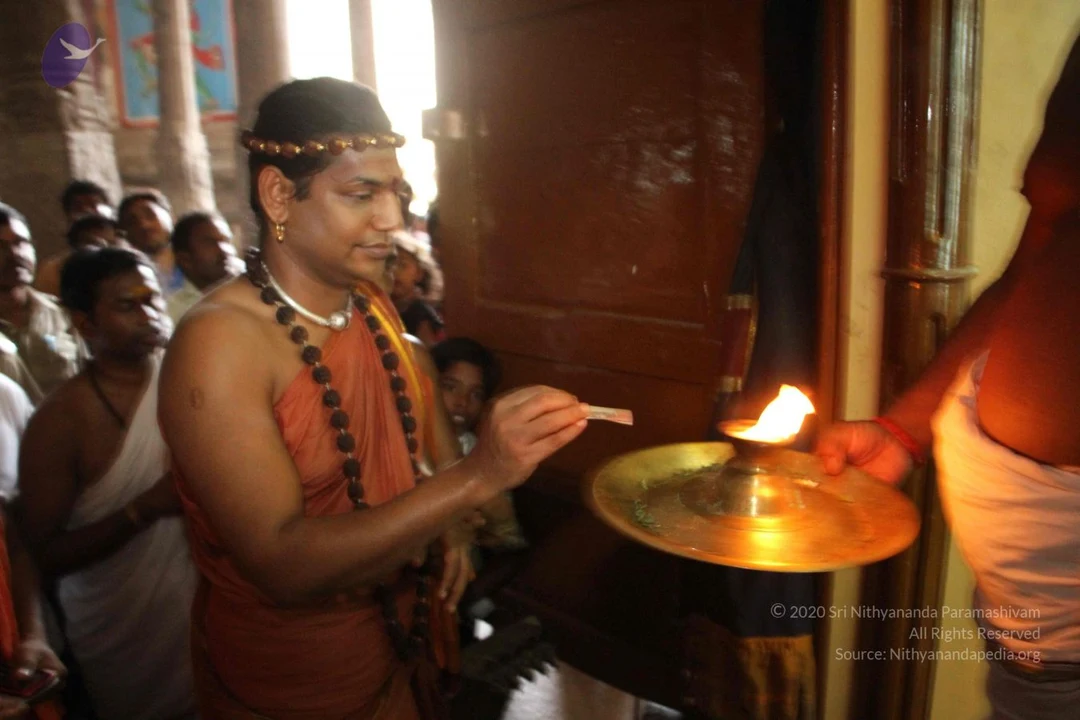
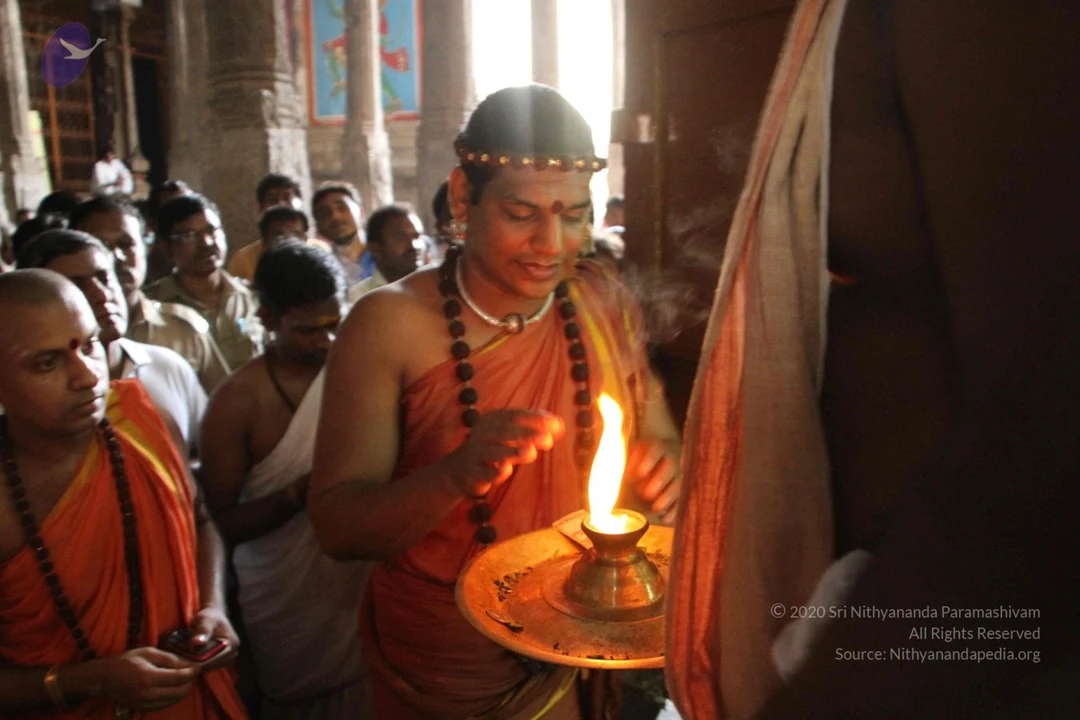
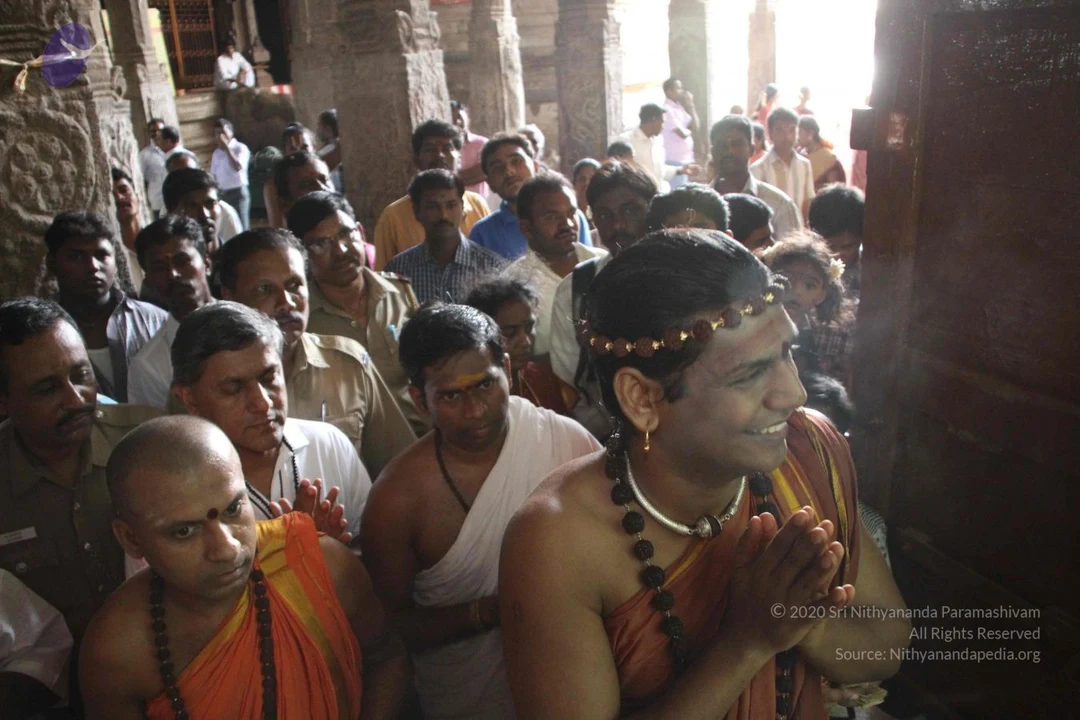
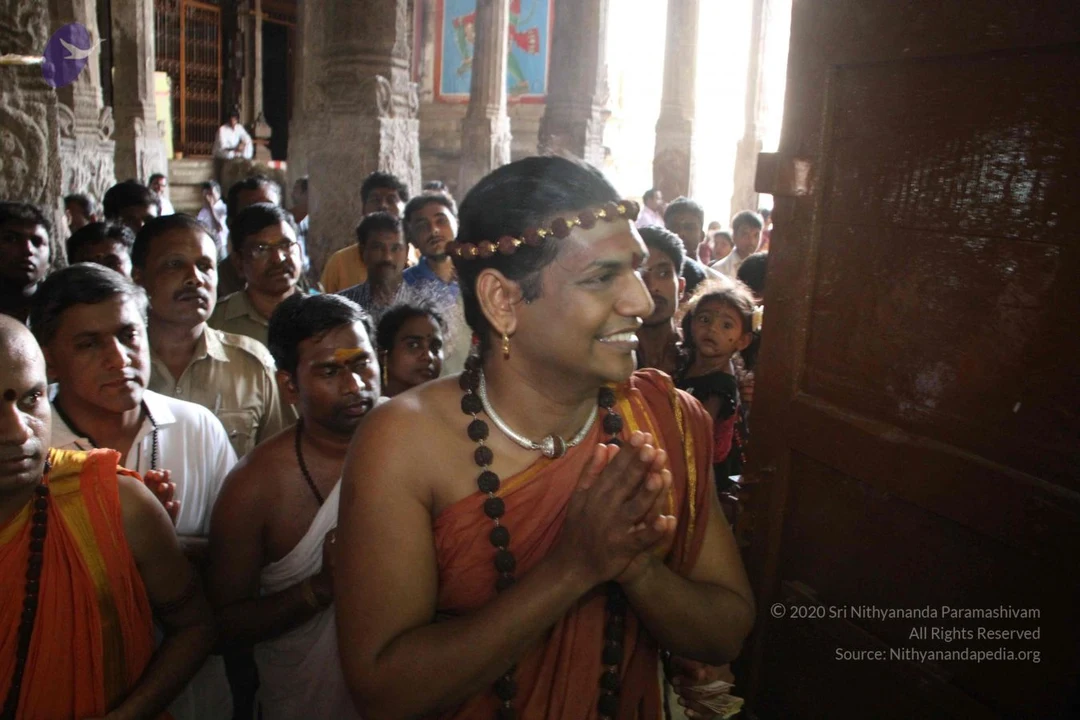
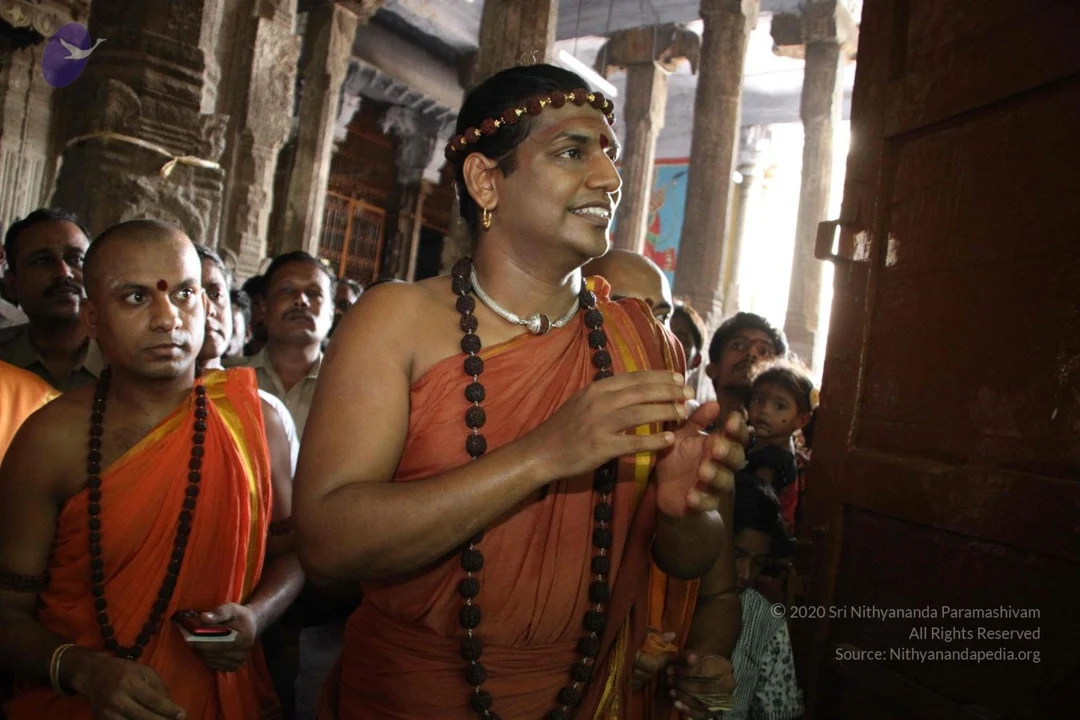
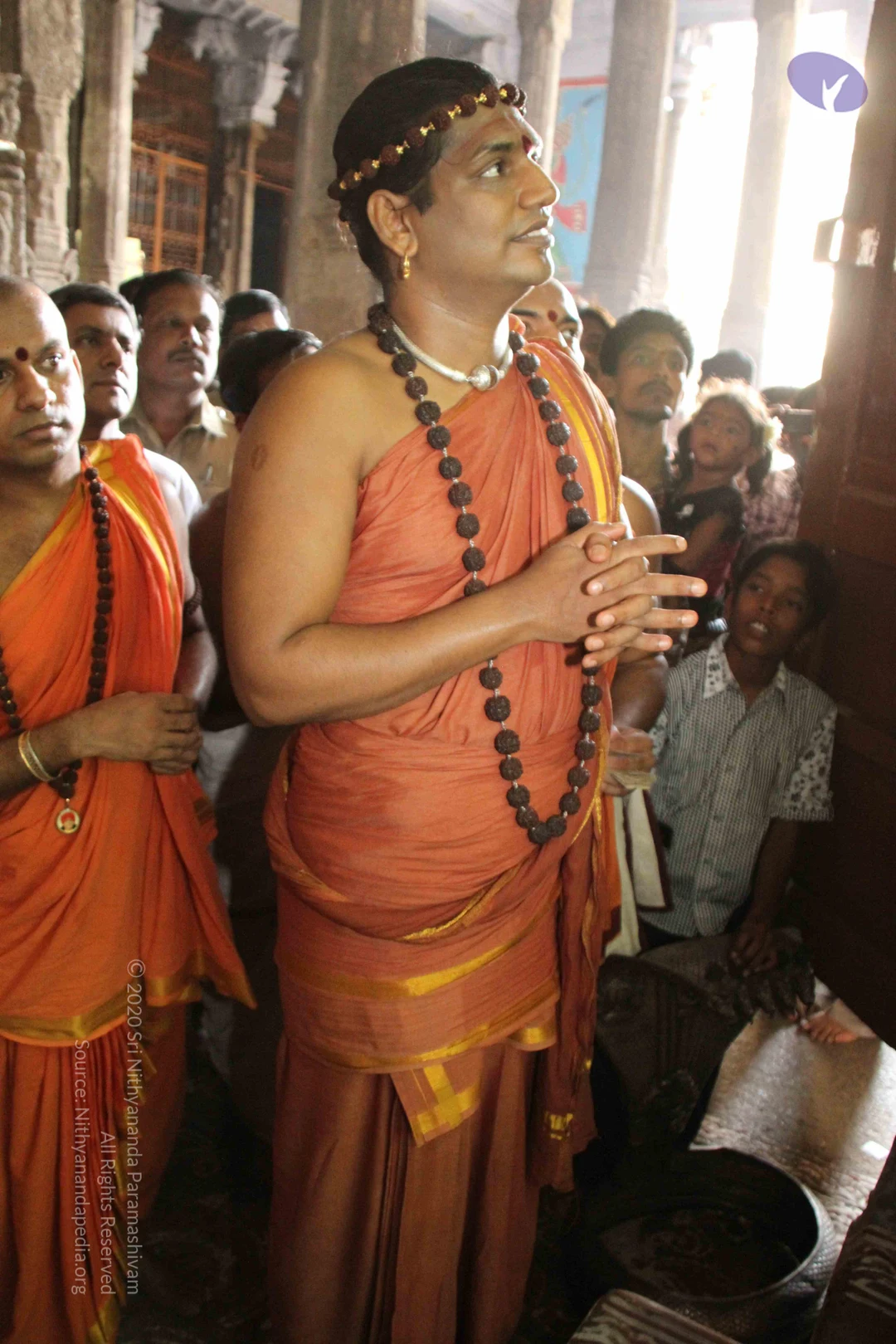
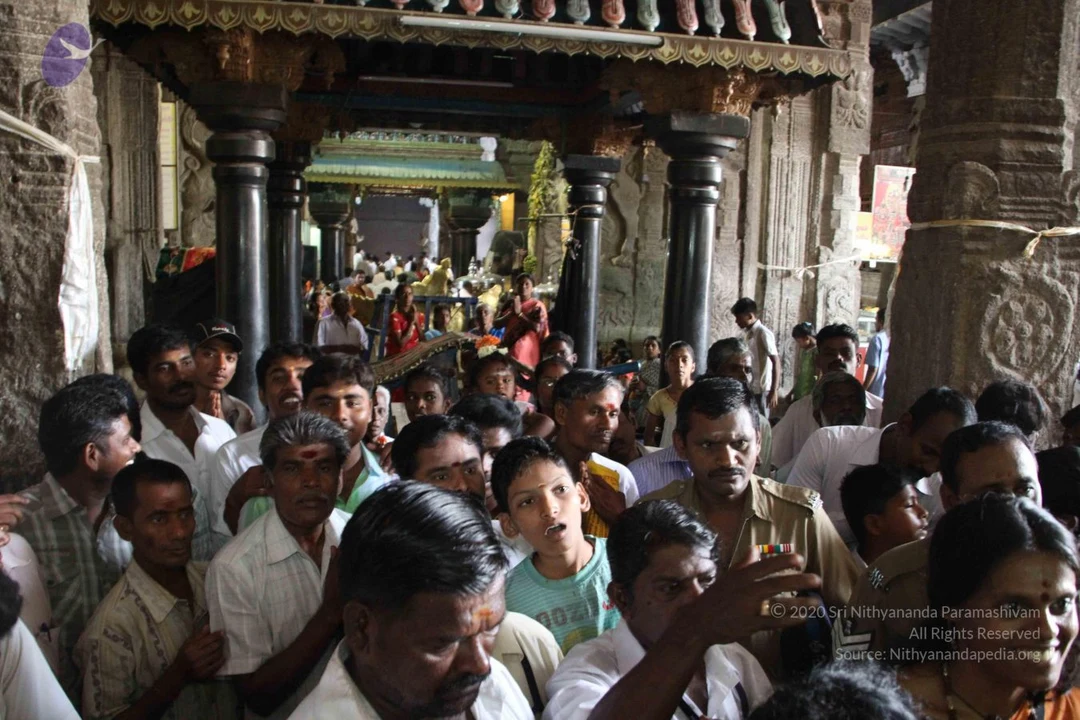
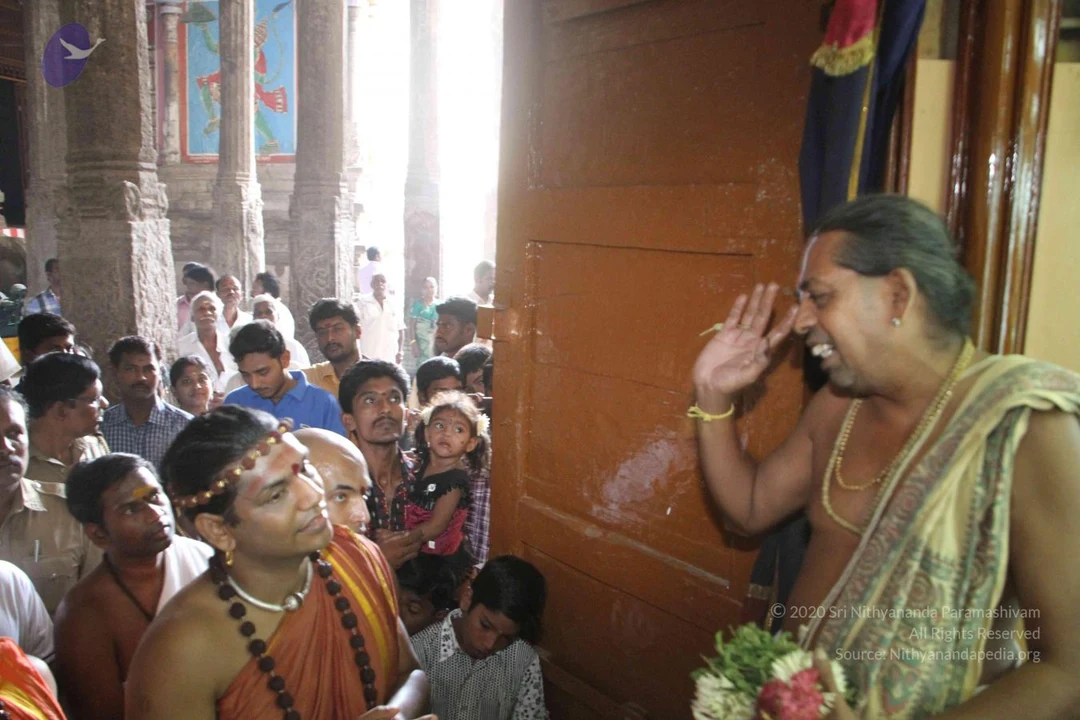
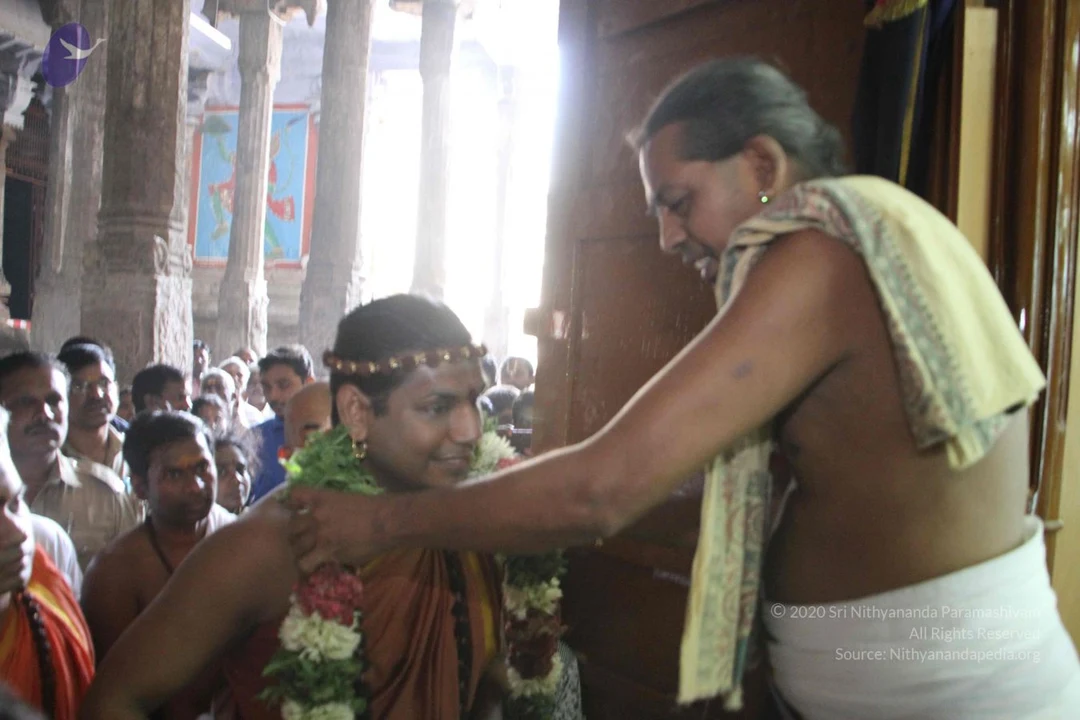
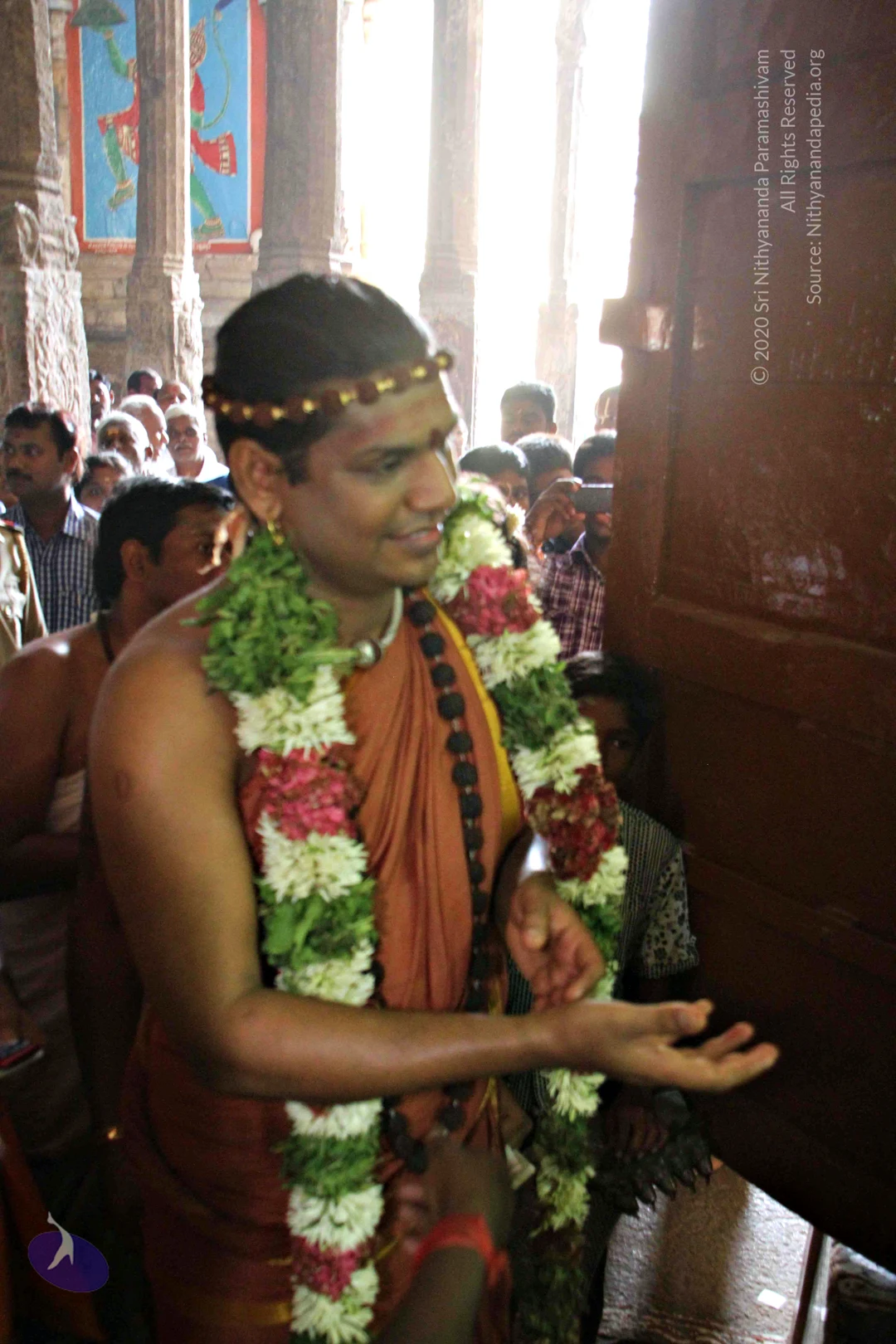
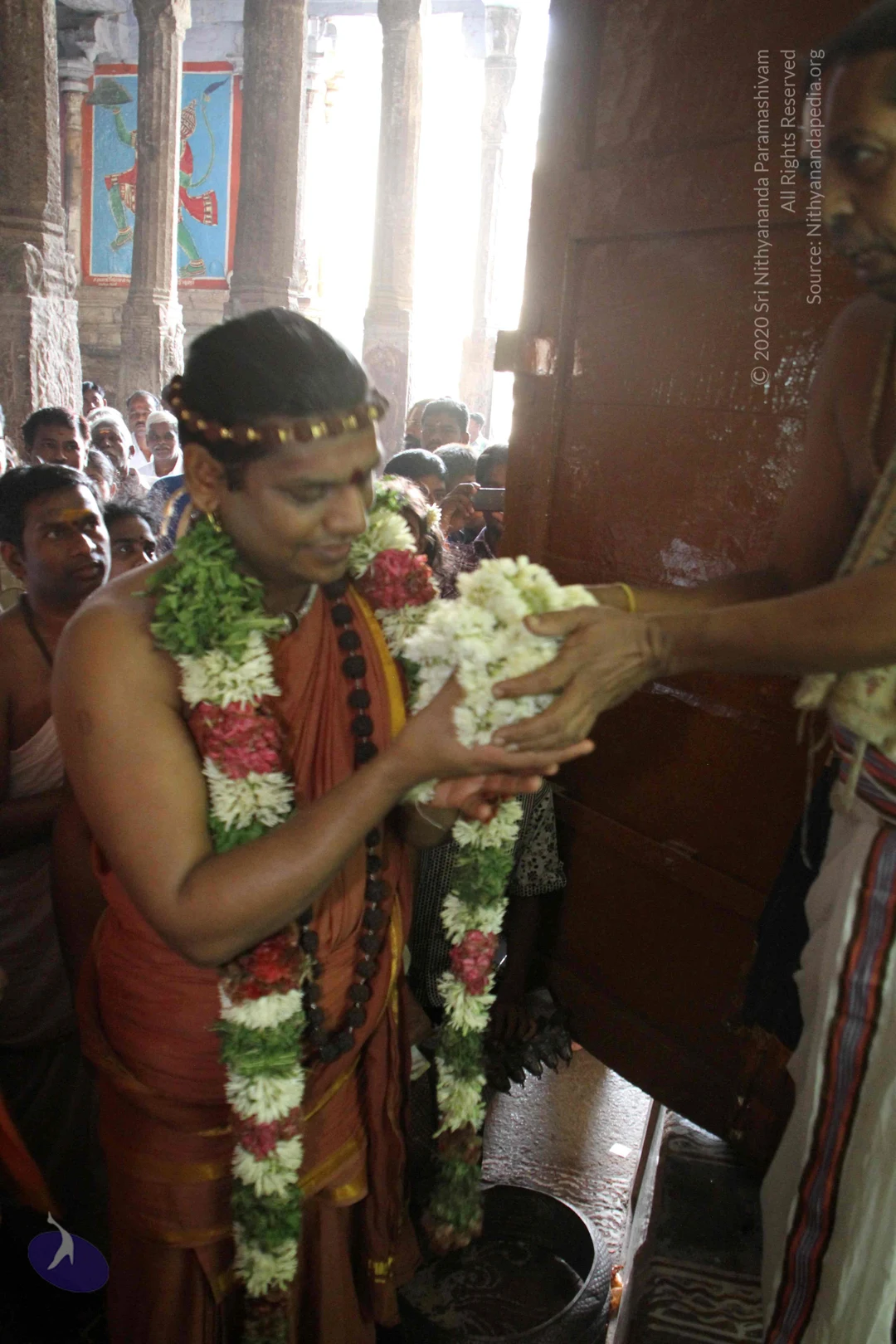
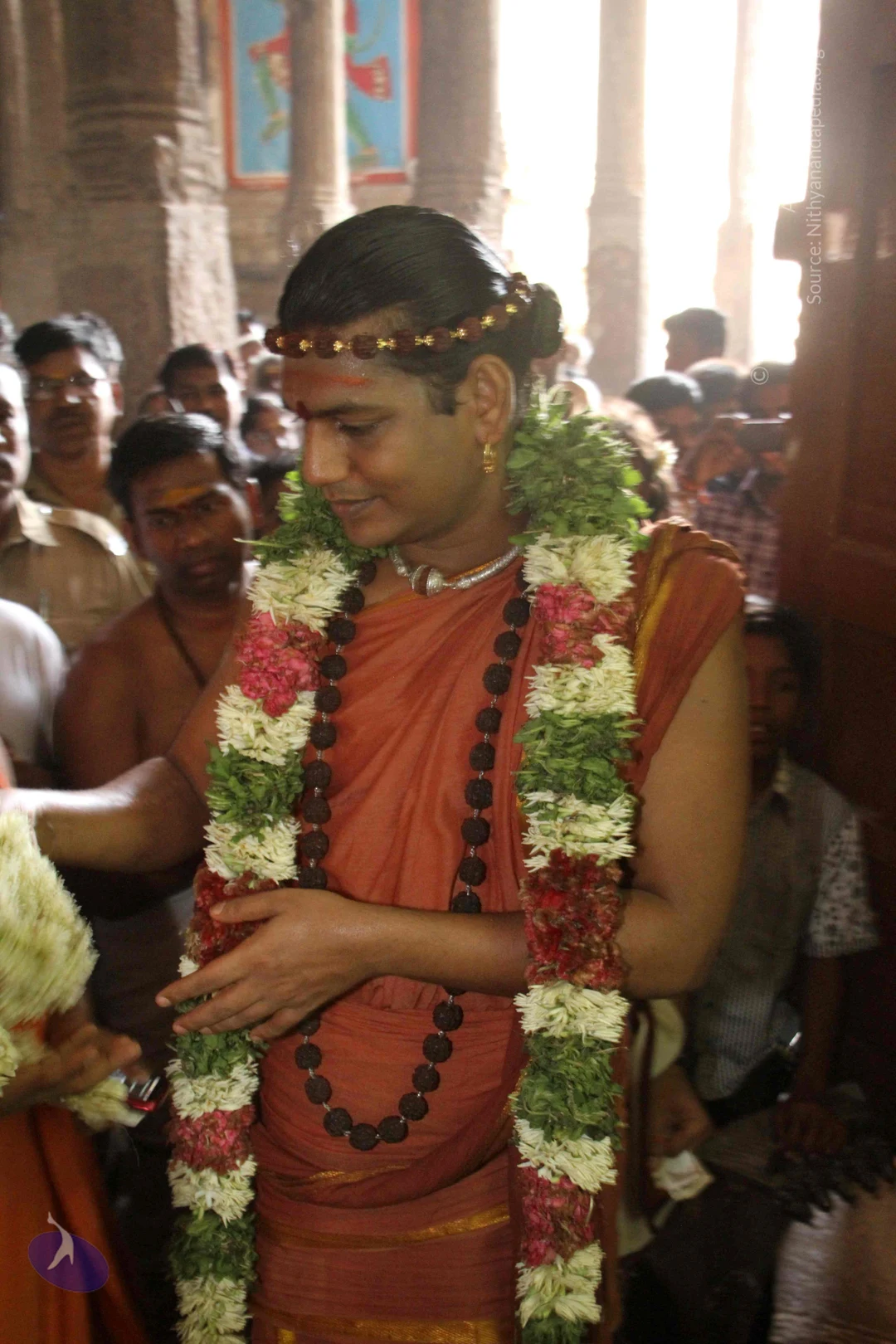
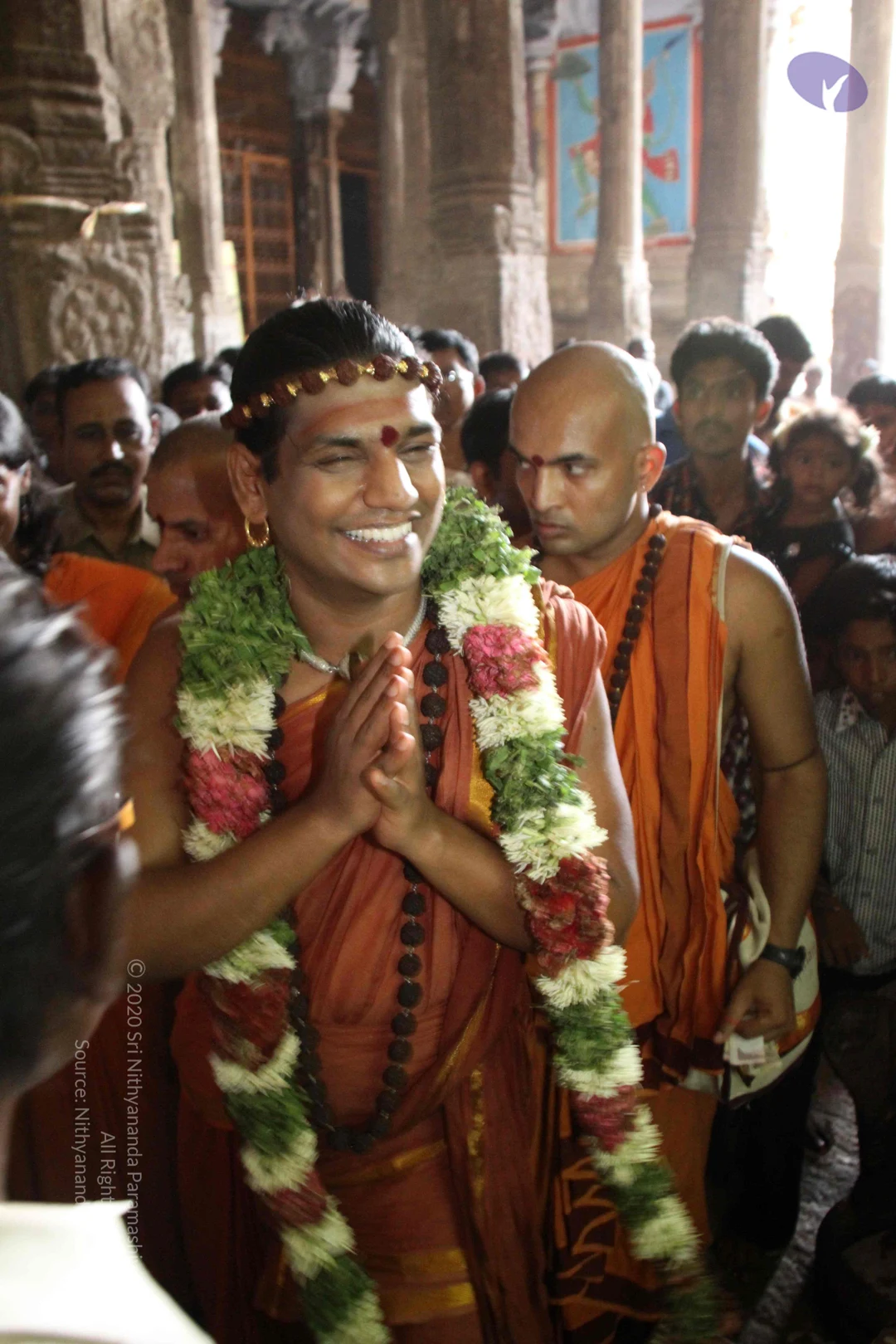
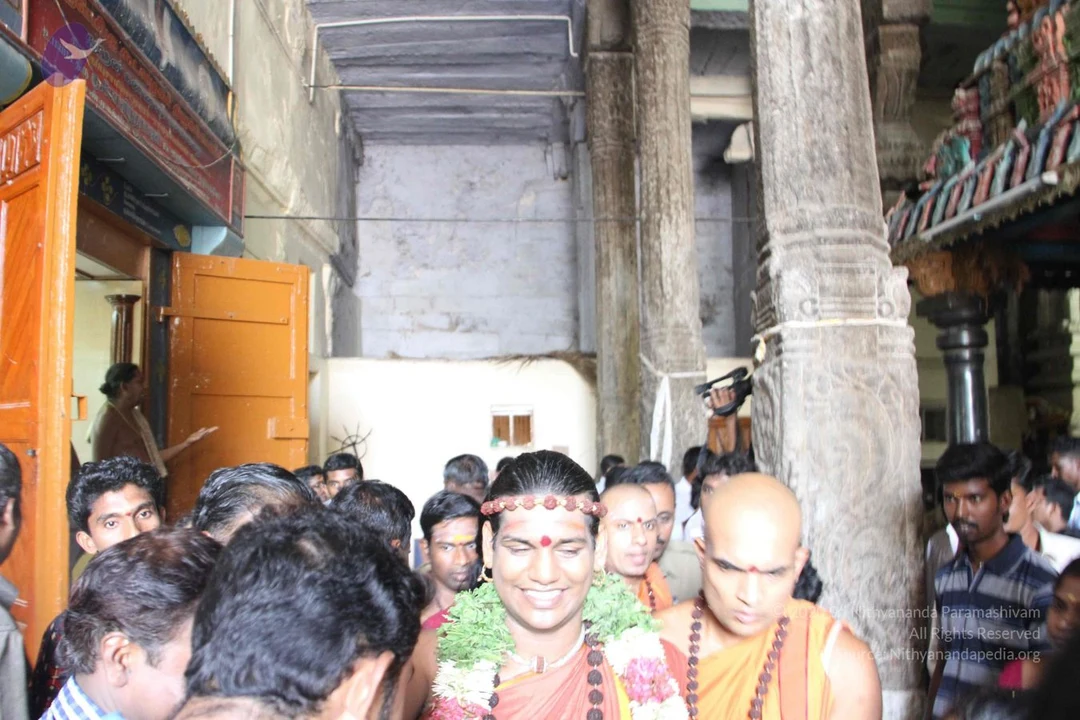
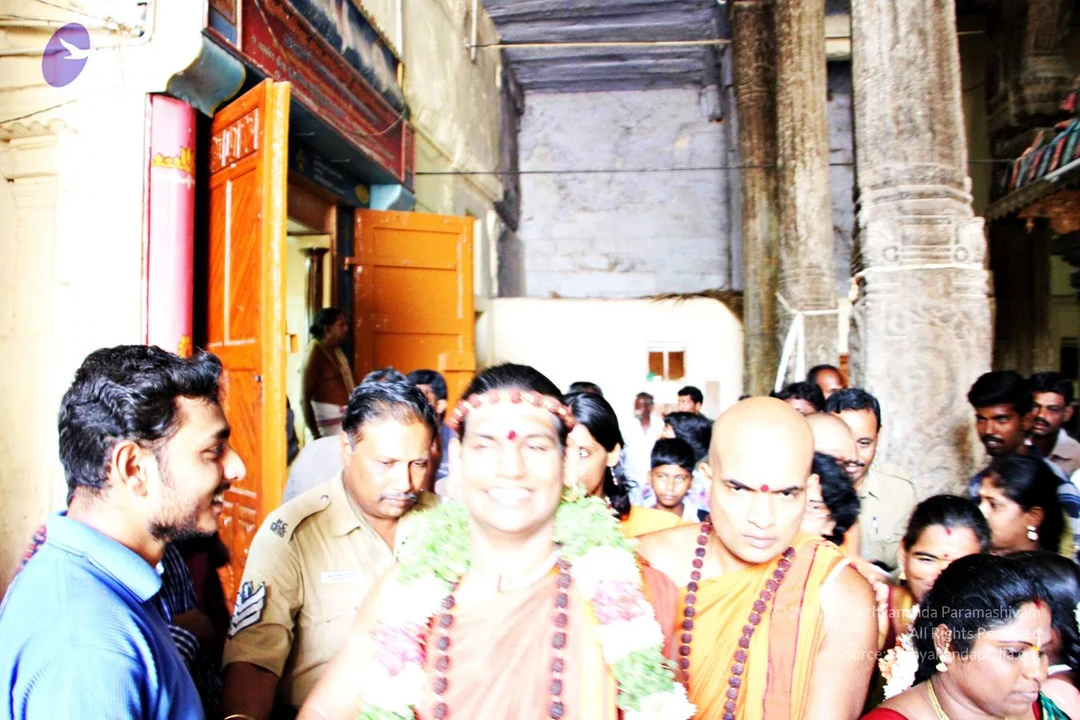
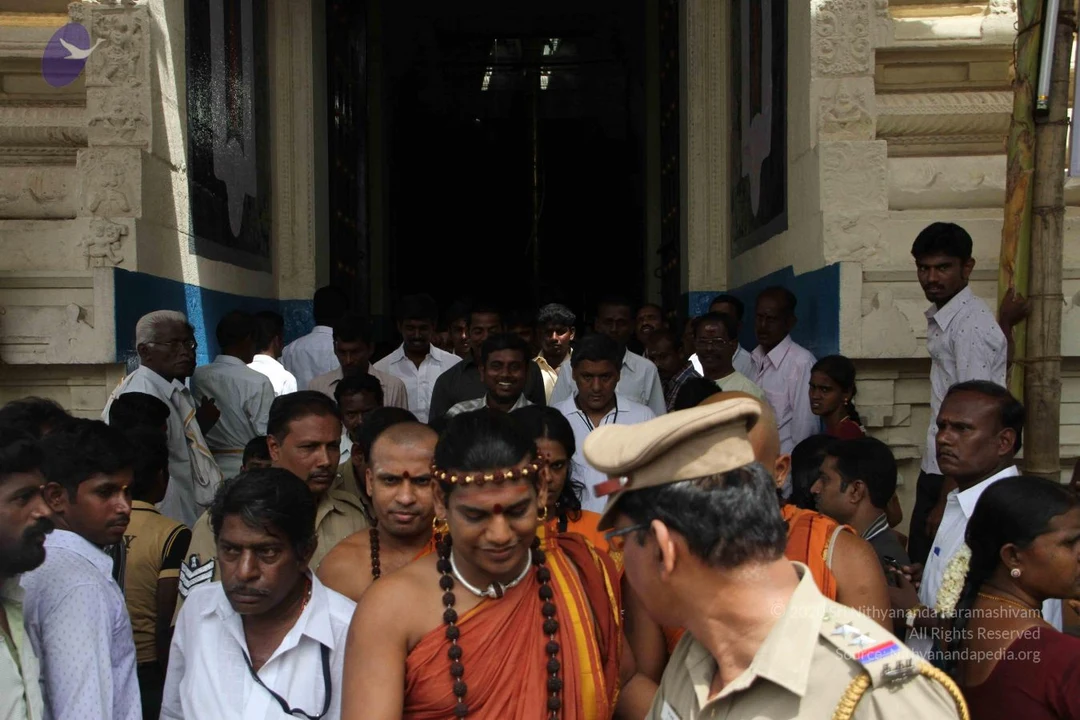
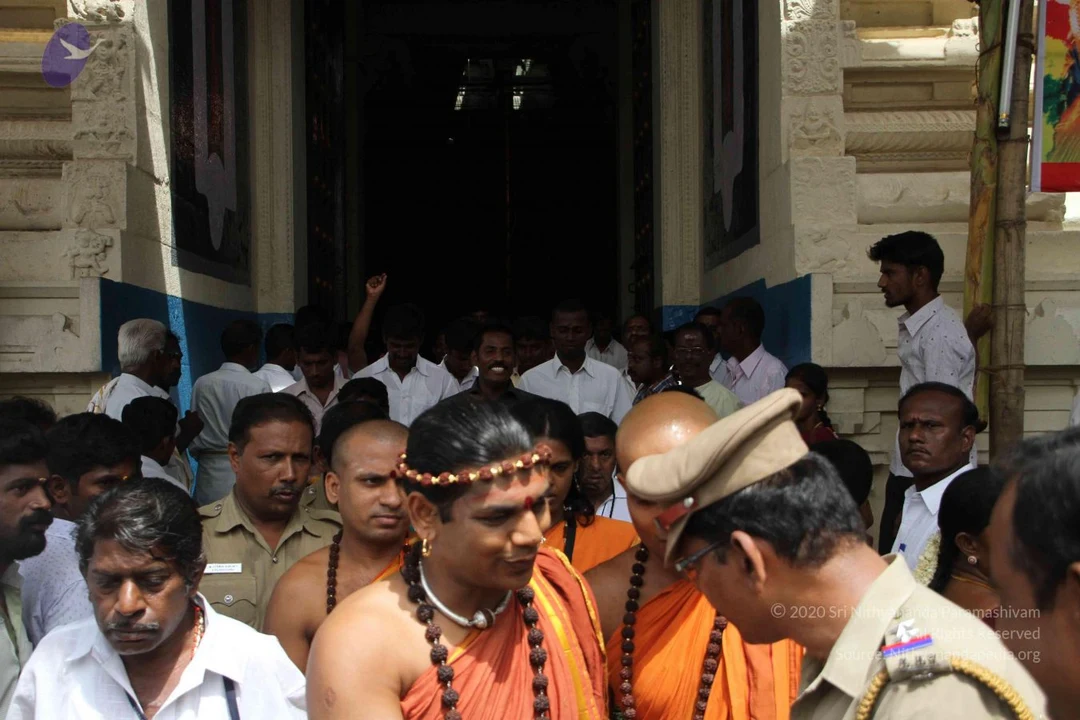
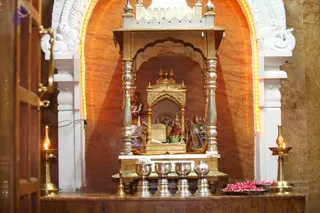
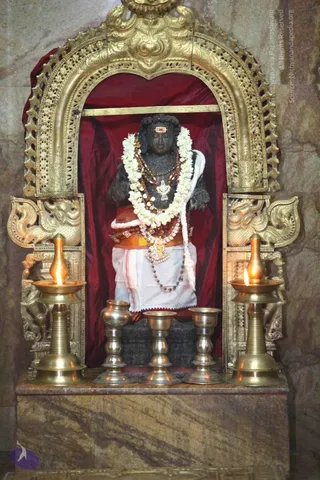
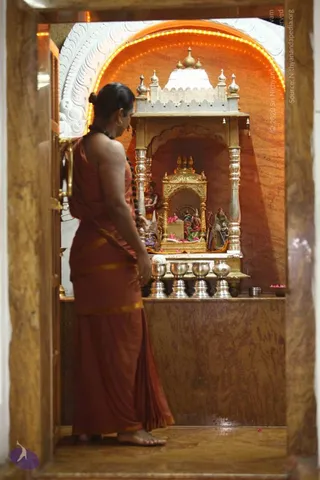
Paramashivoham Oneness Capsule 138 (Alagar Kovil Temple Visit 31 MAY 2012)
==Photos Of The Day:==
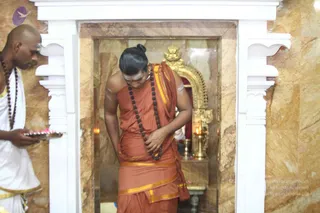
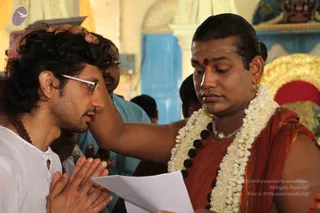
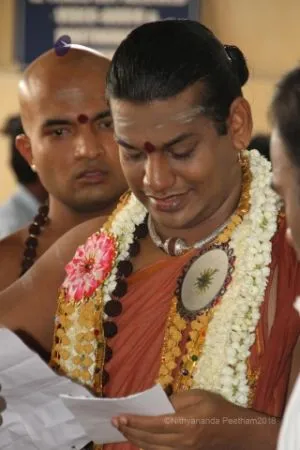
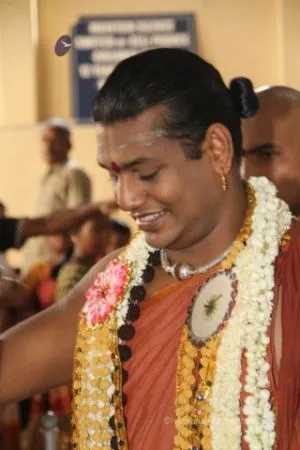
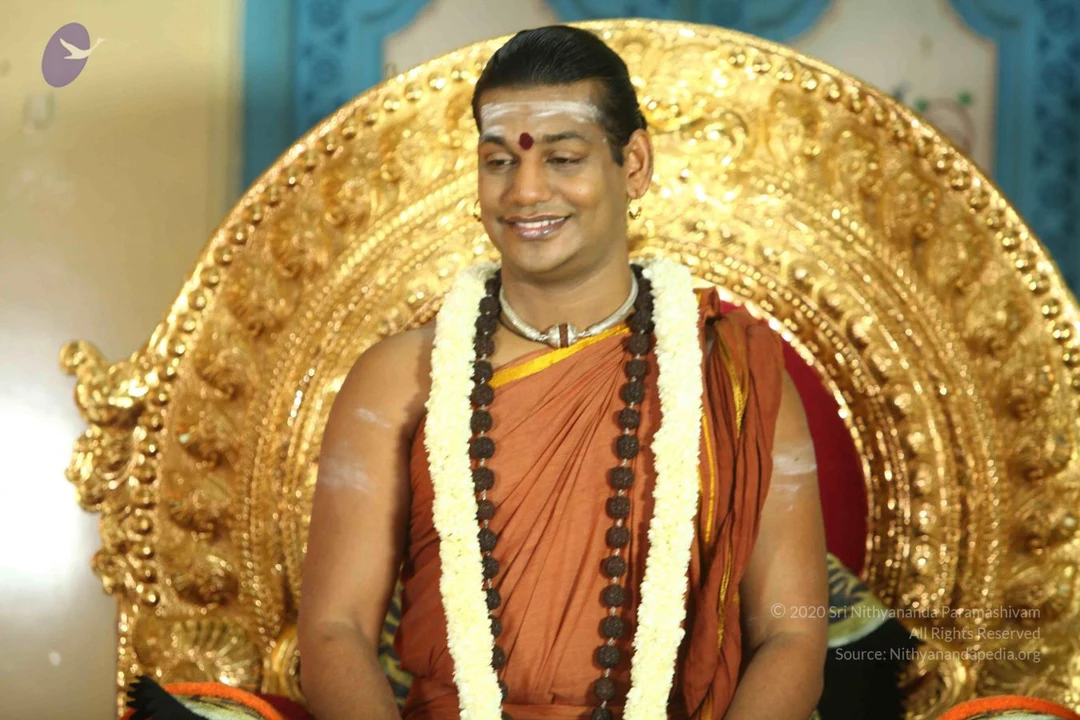
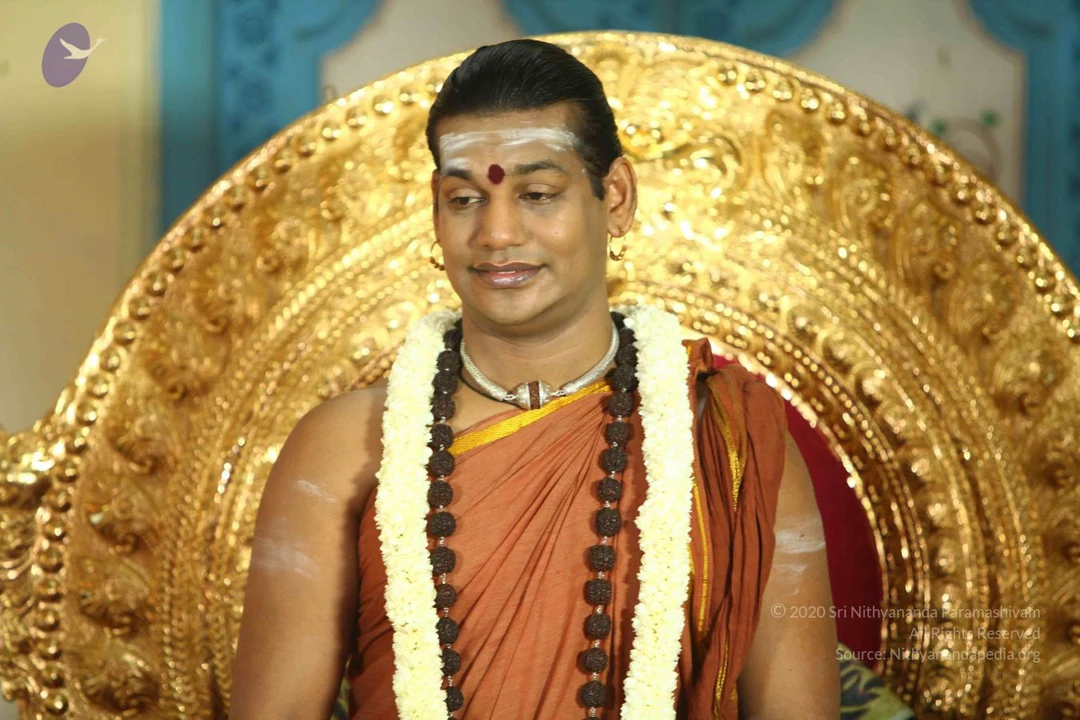
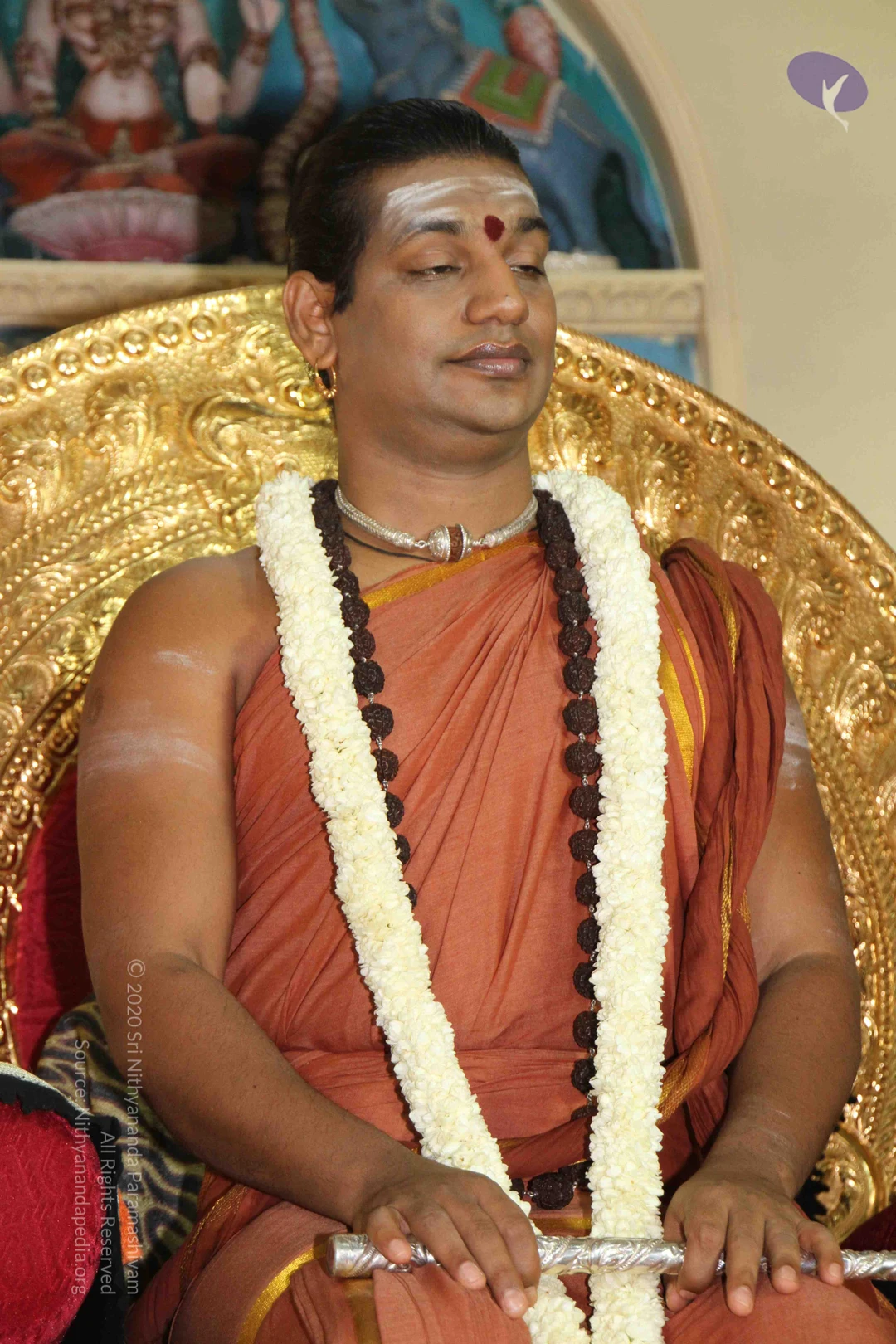
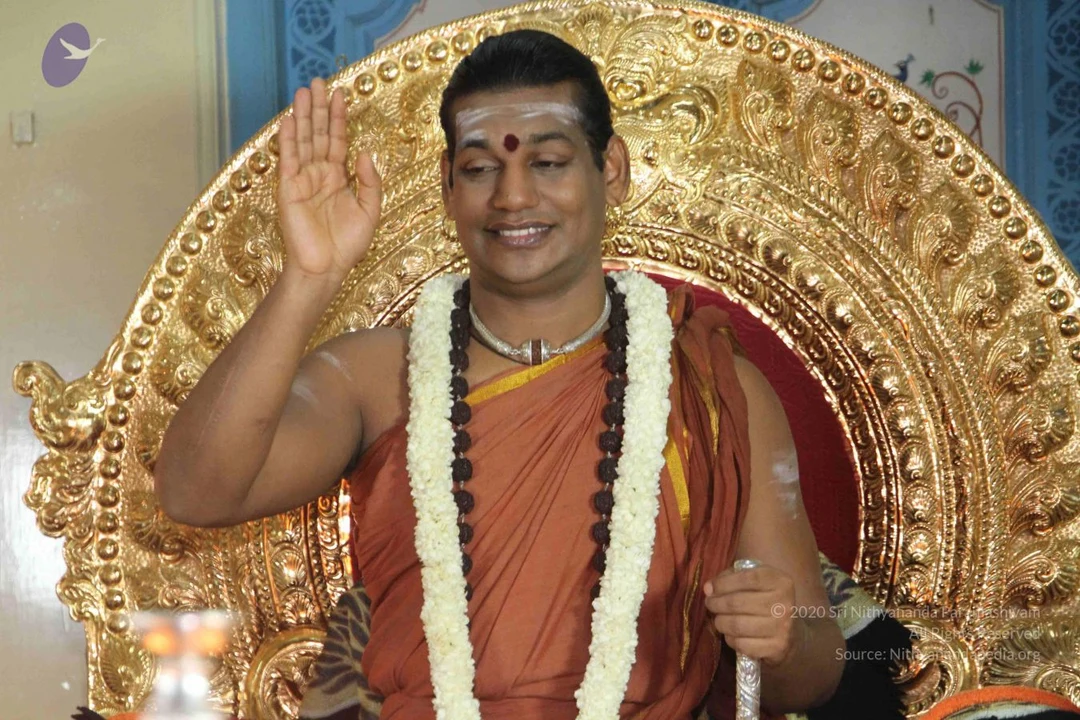
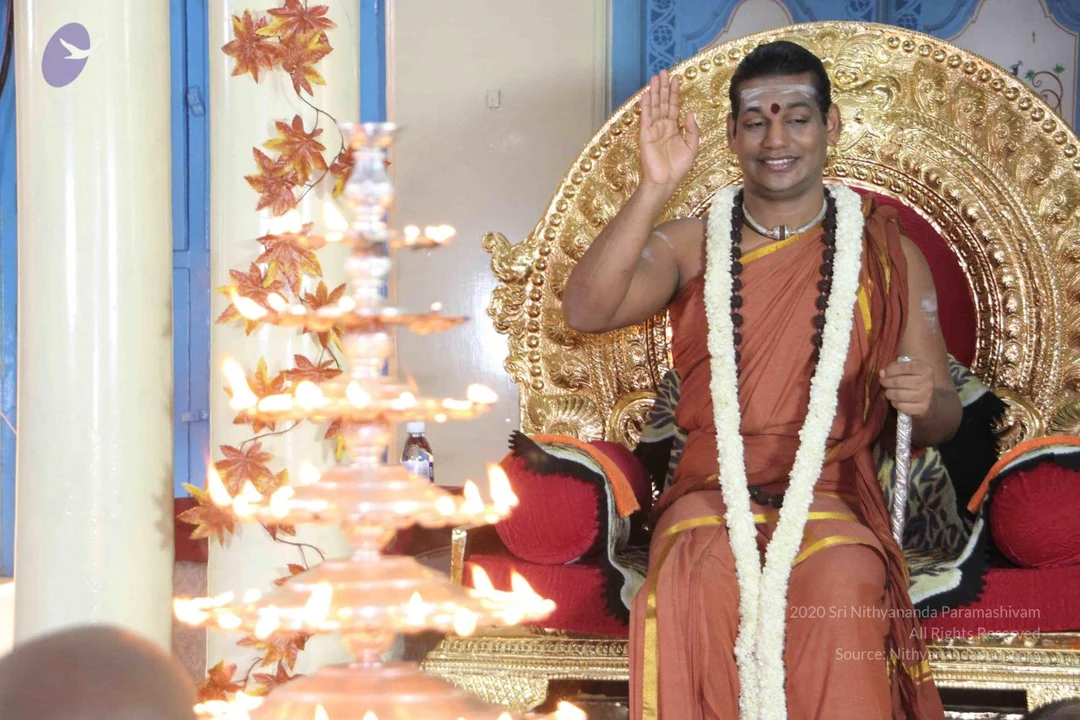
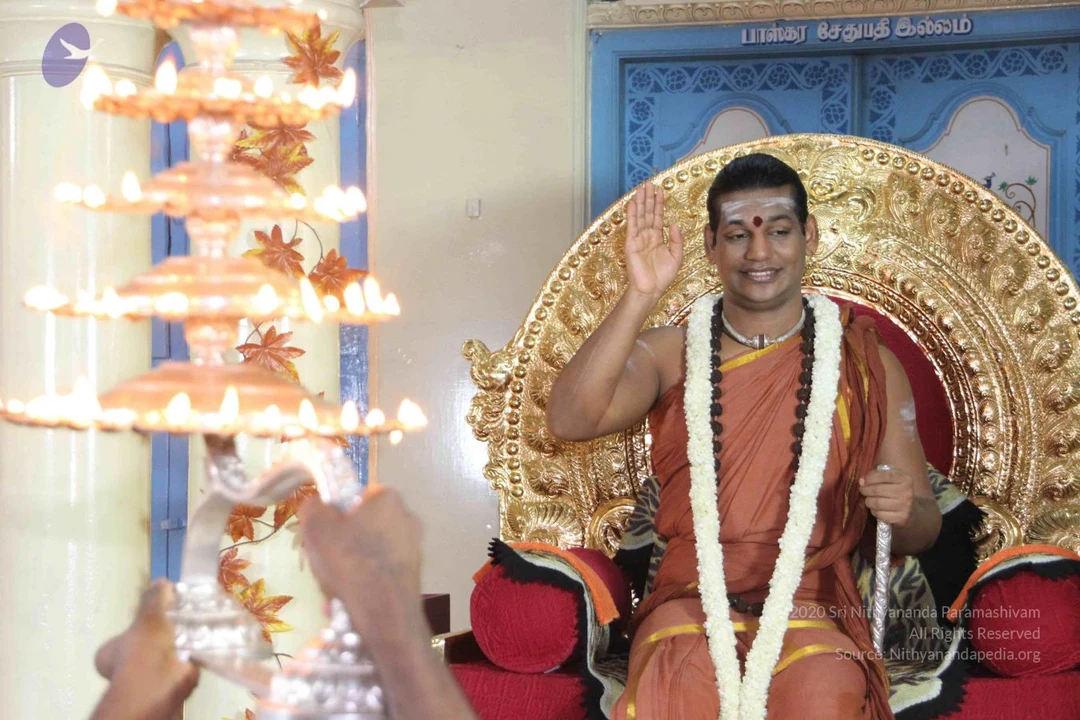
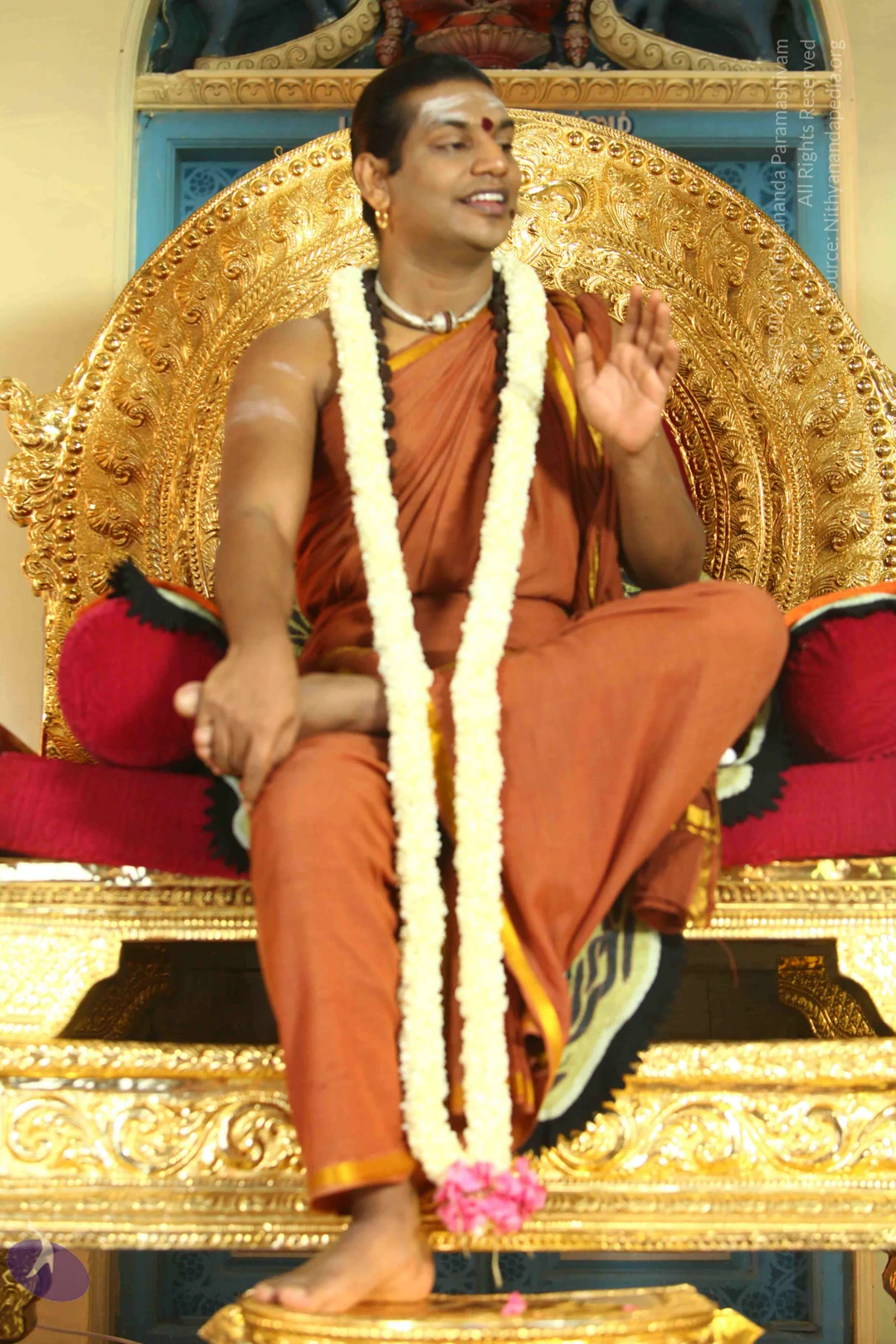
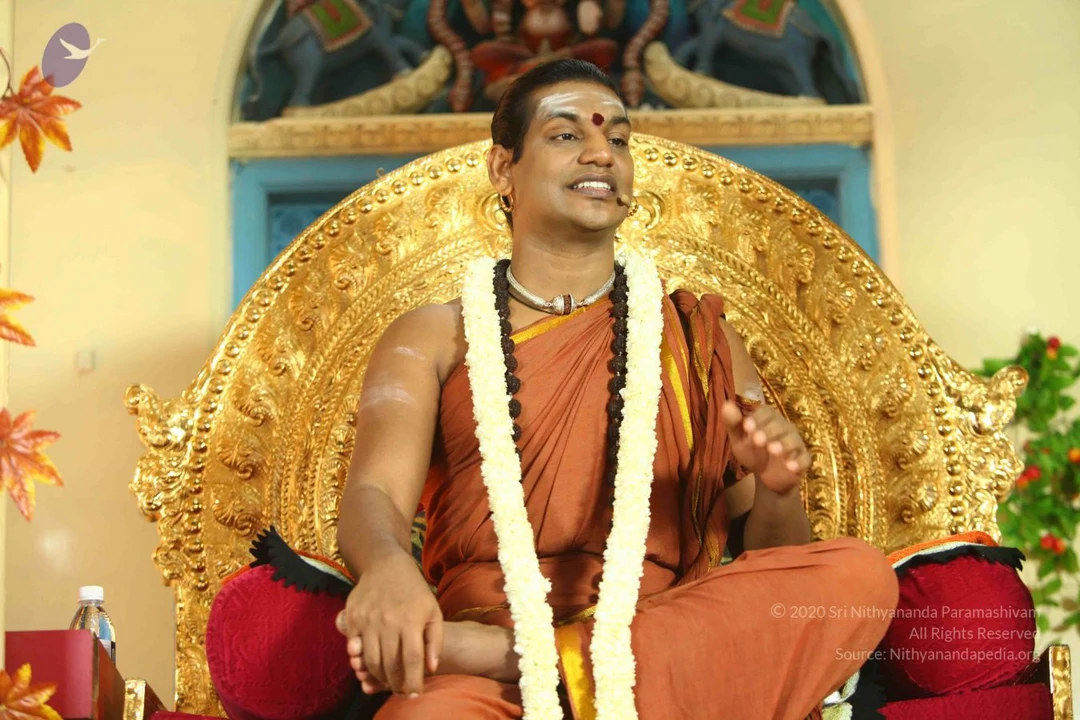
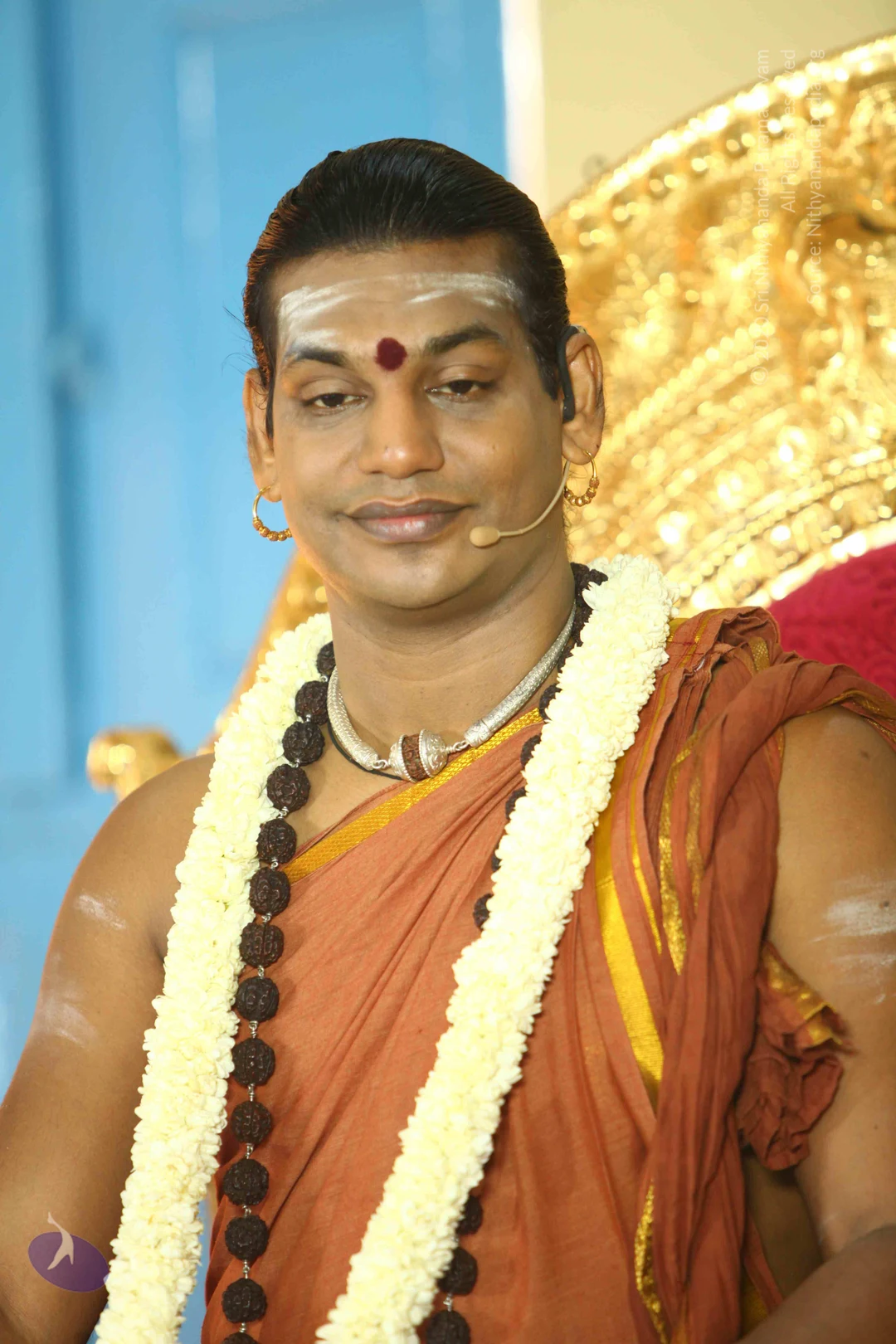
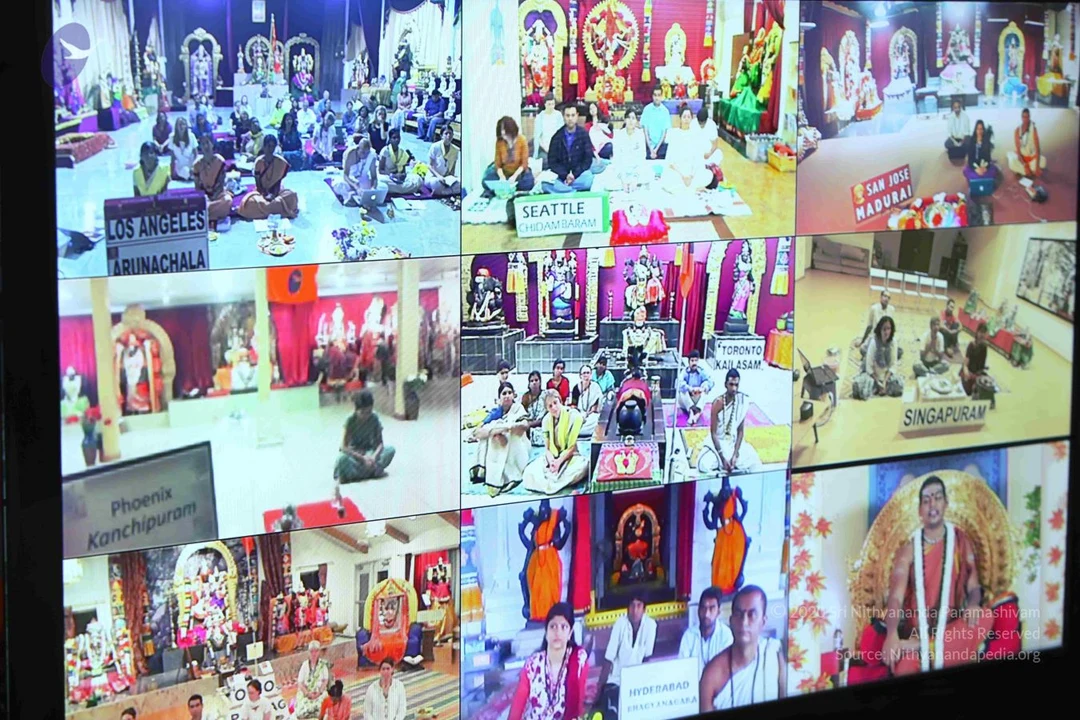
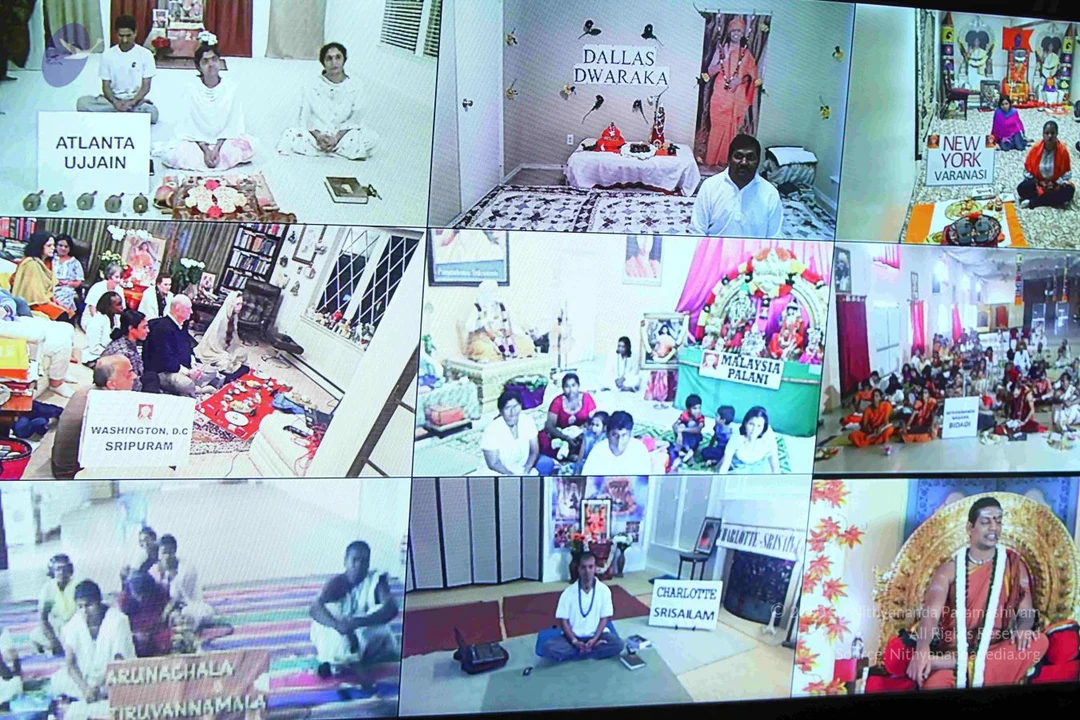
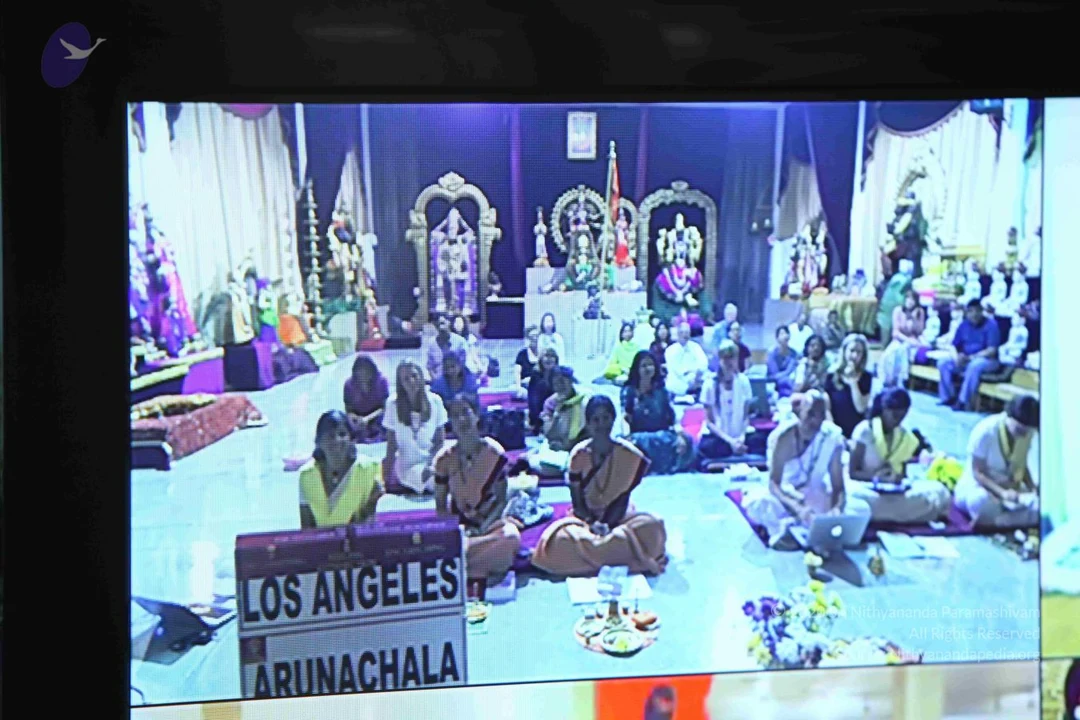
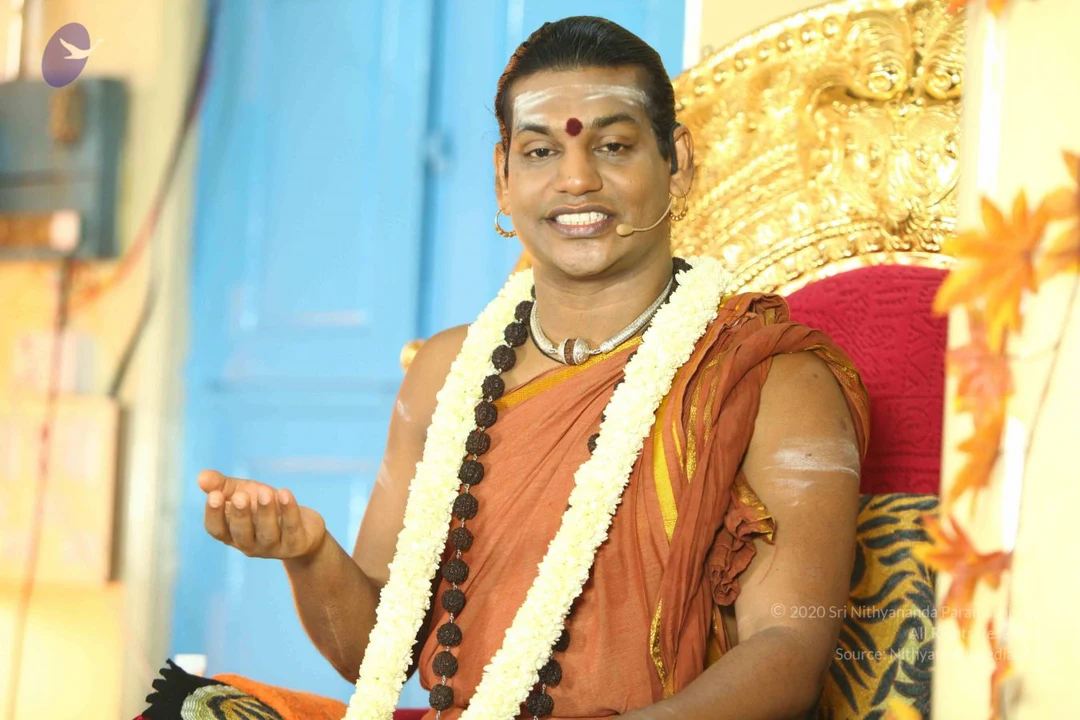
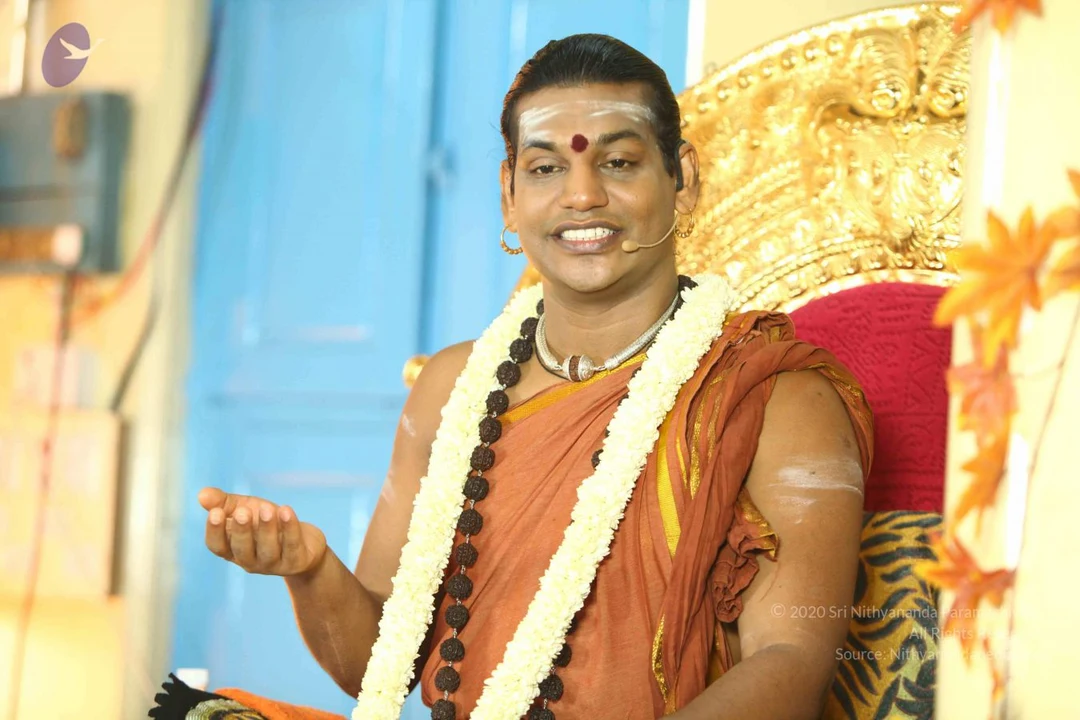
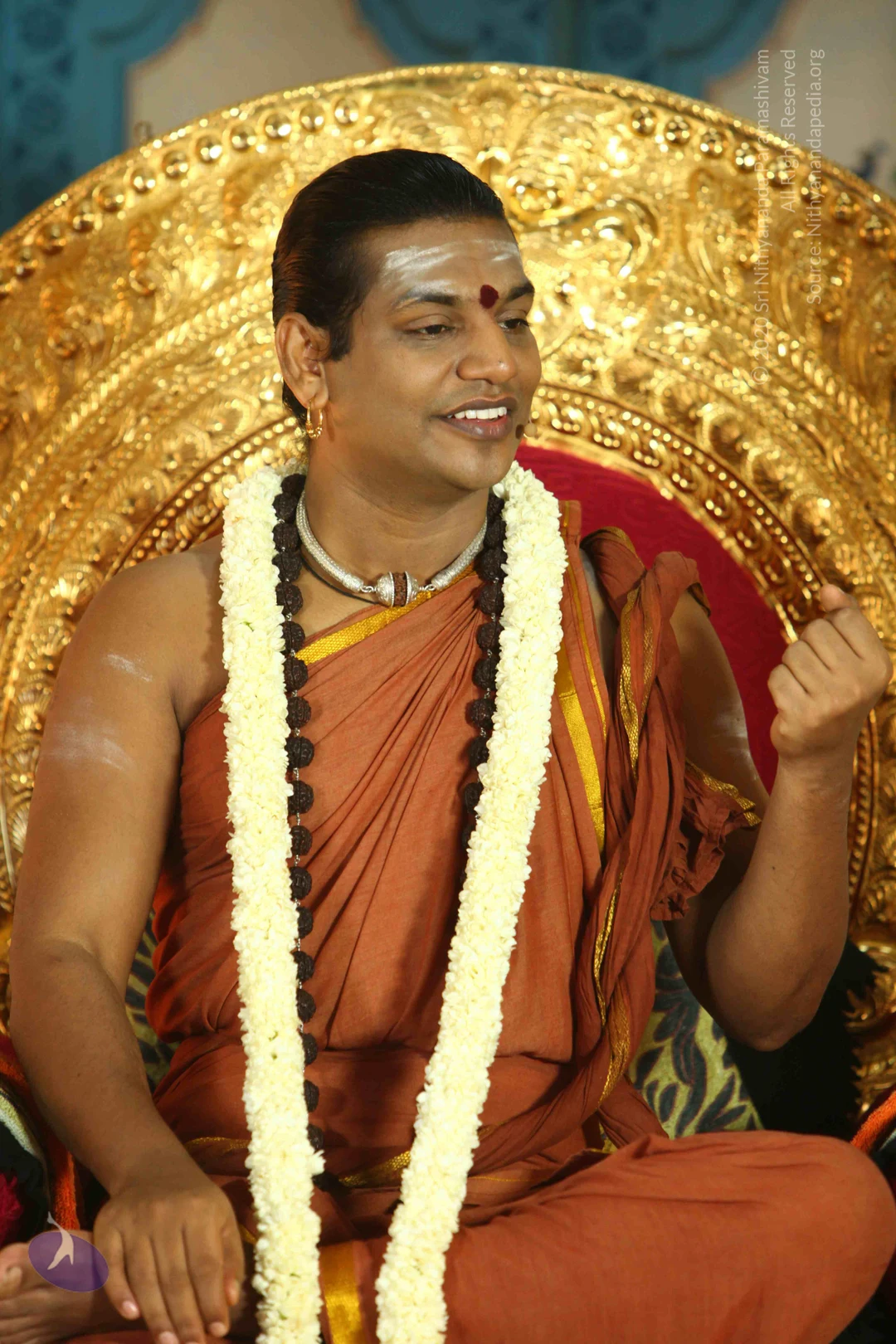
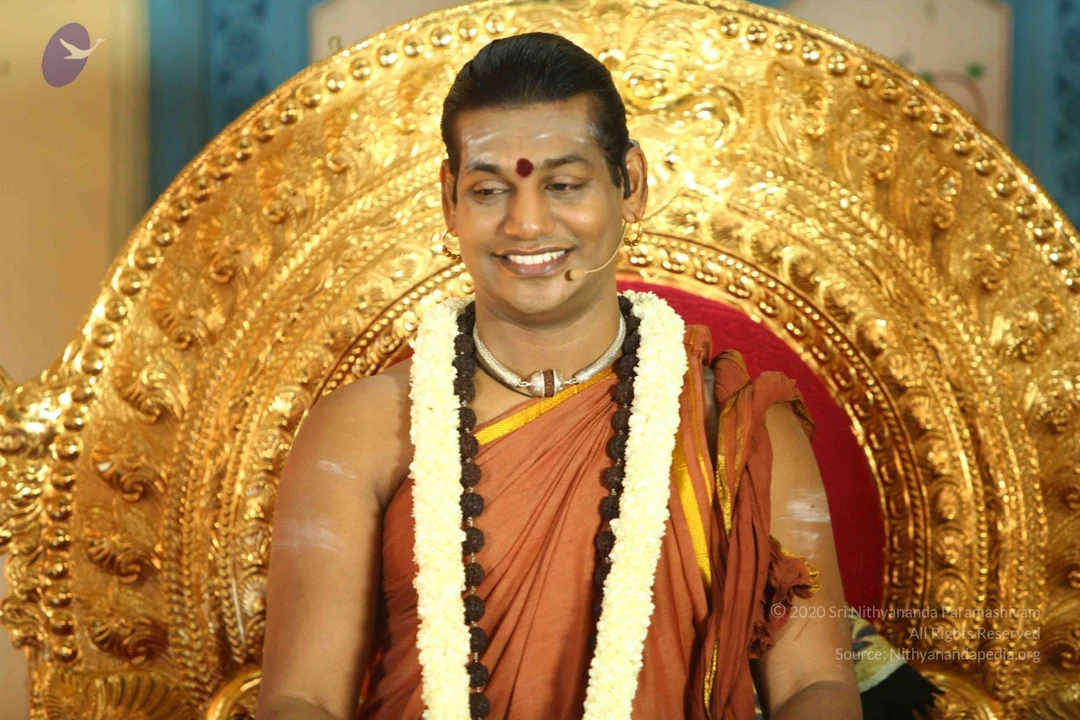
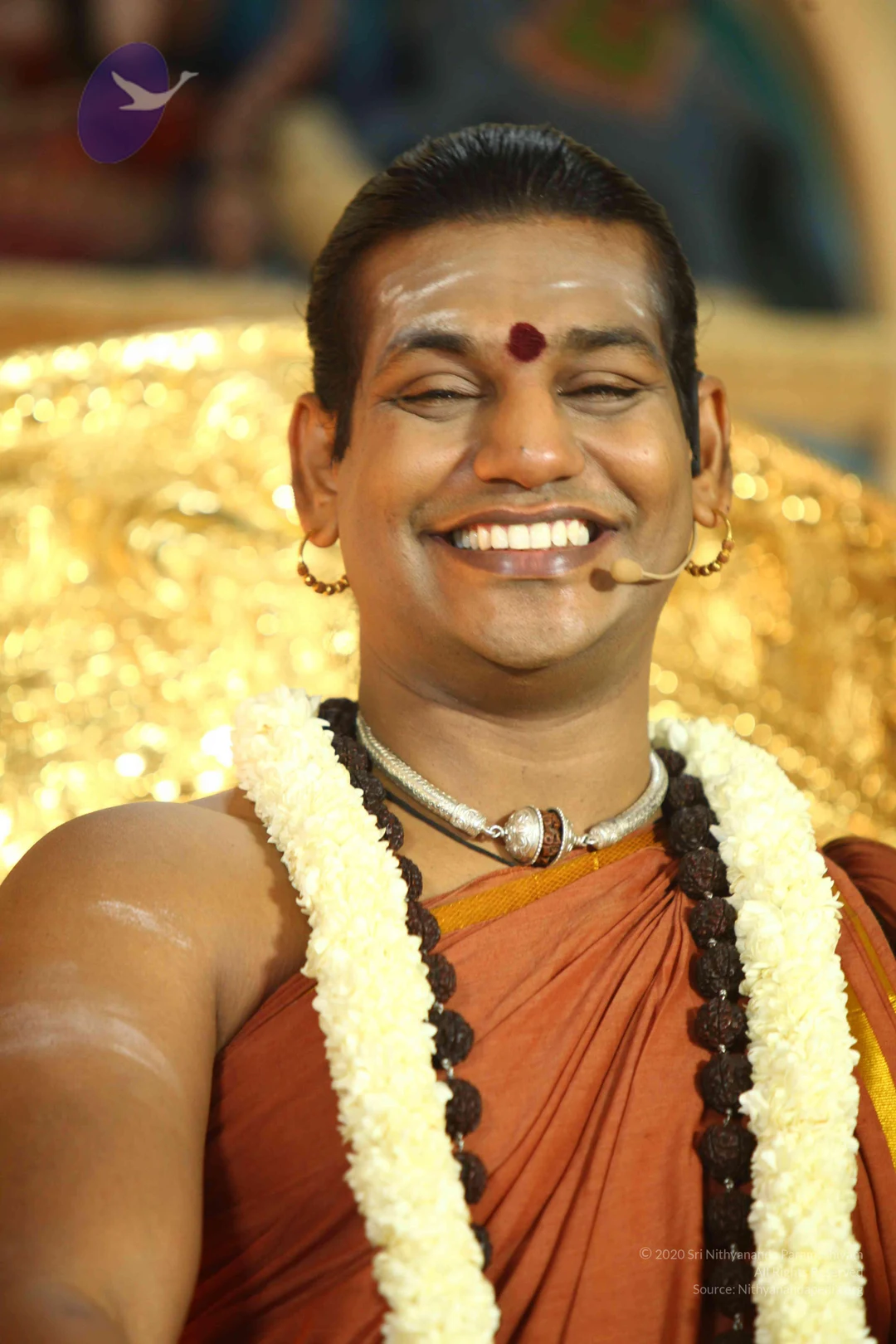
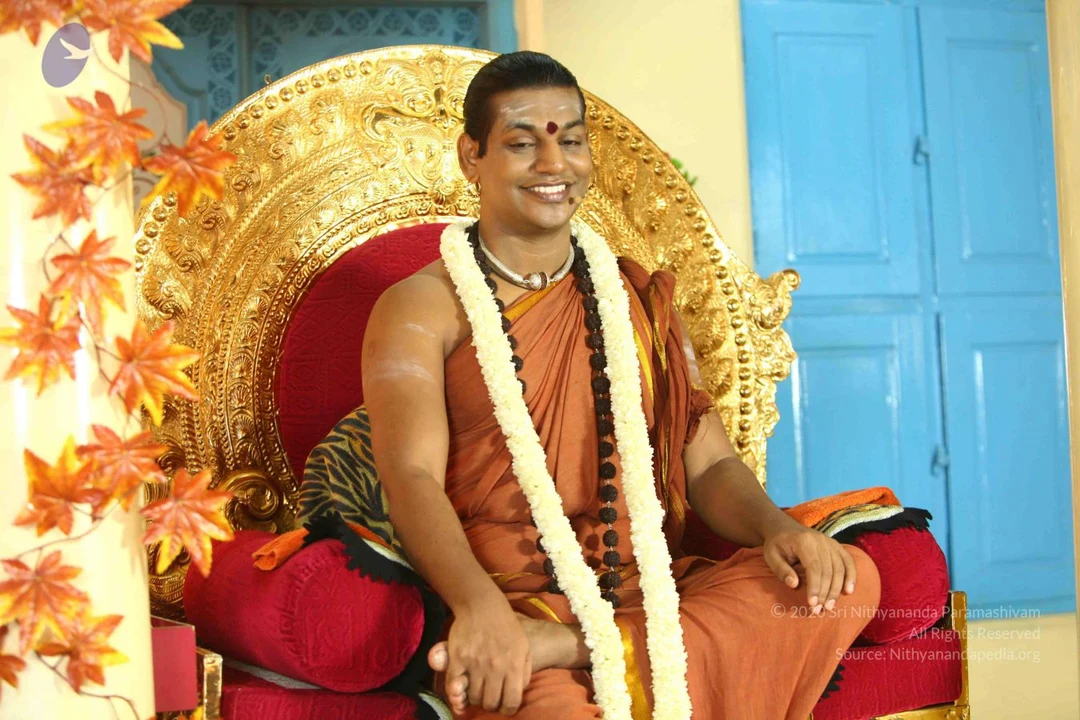
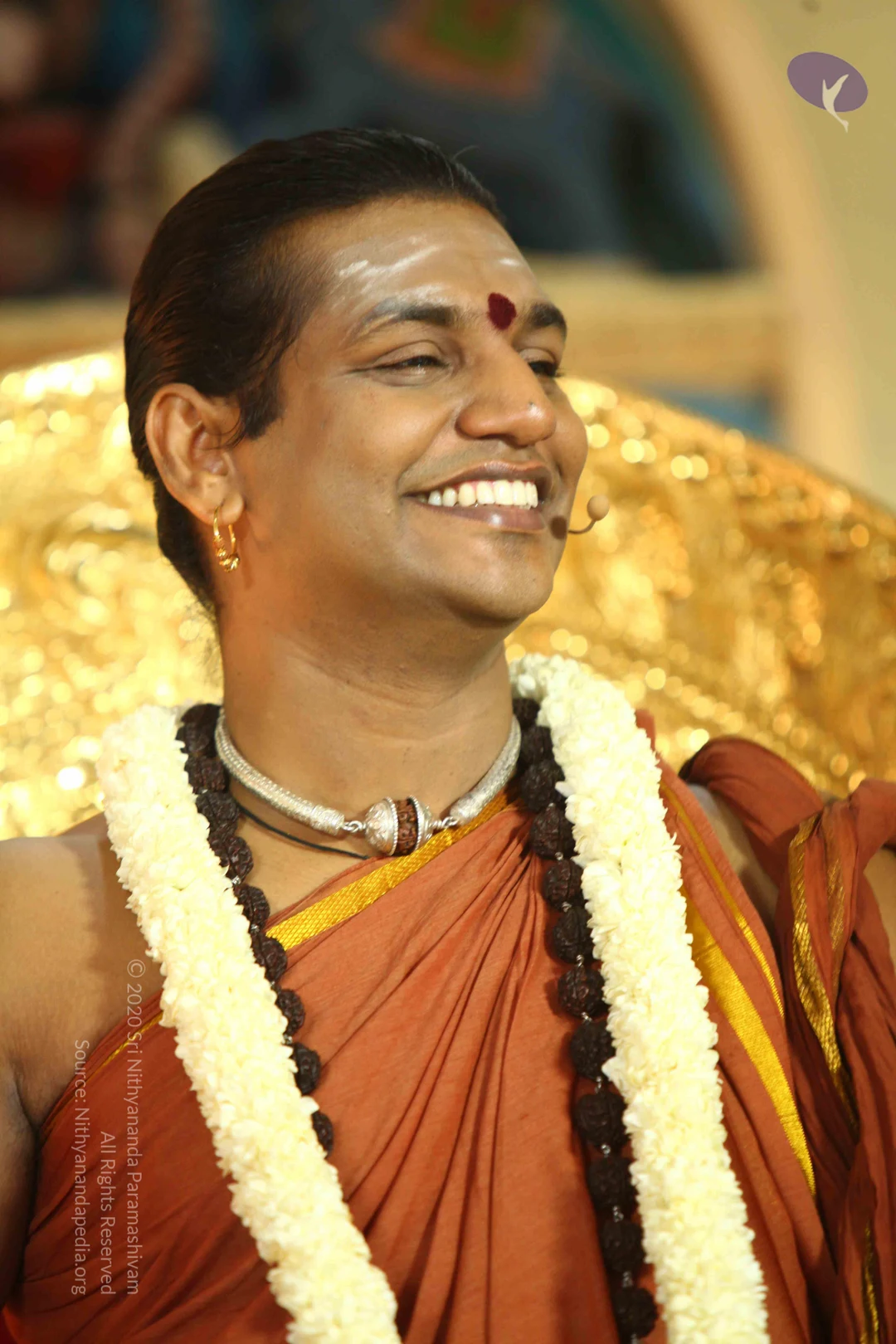
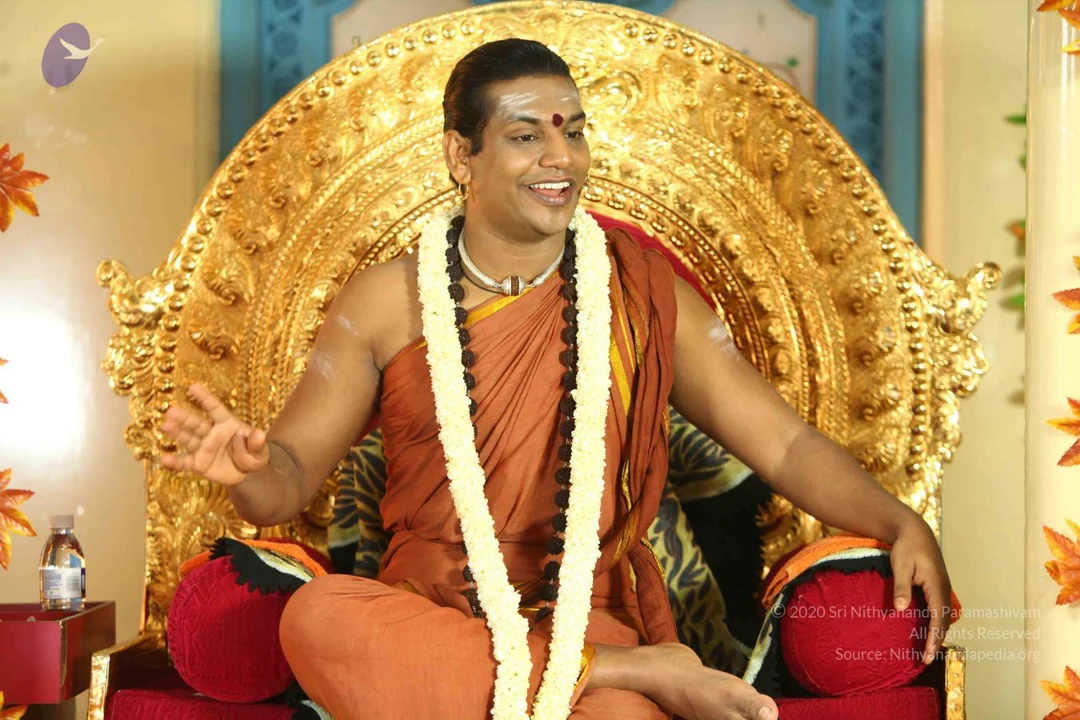
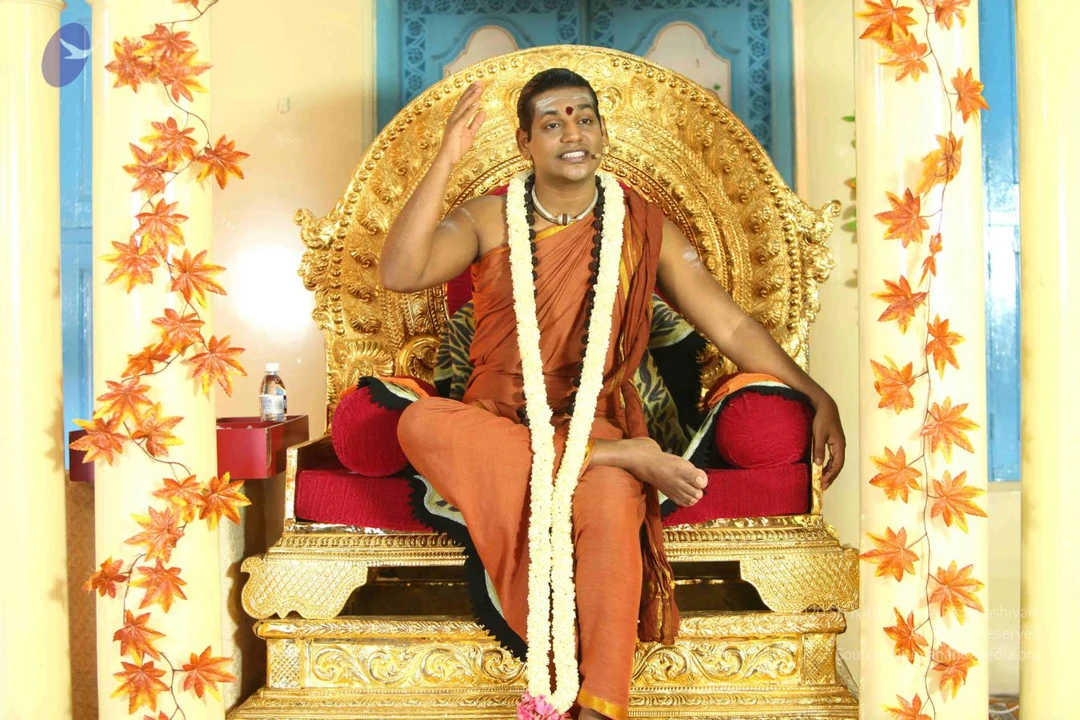
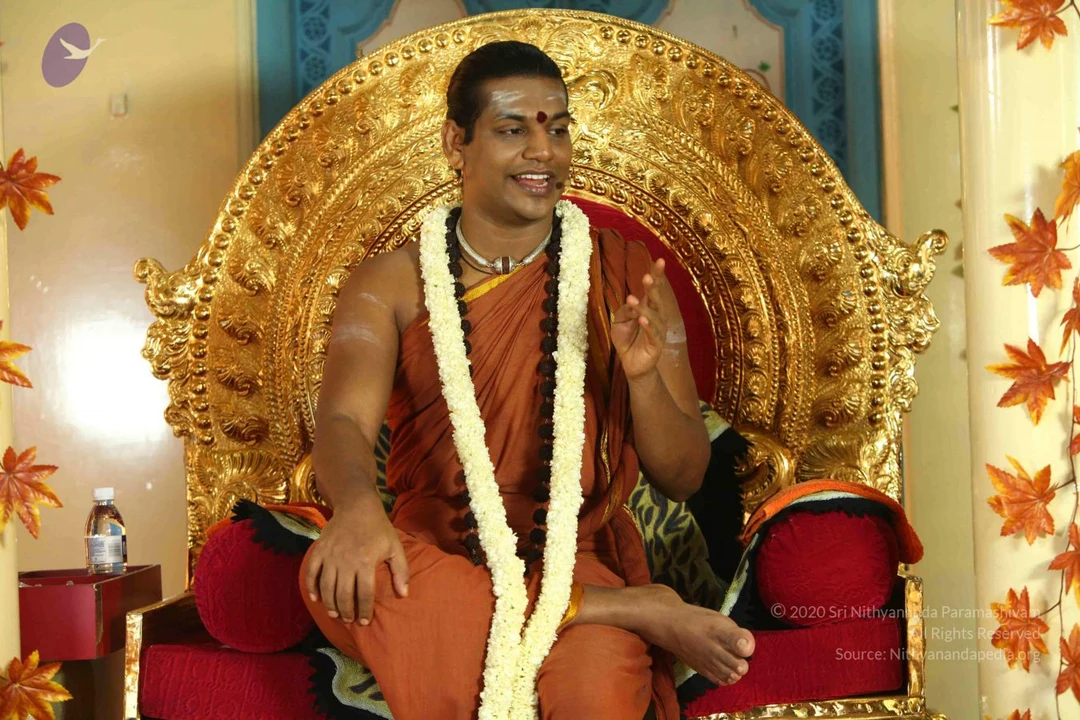
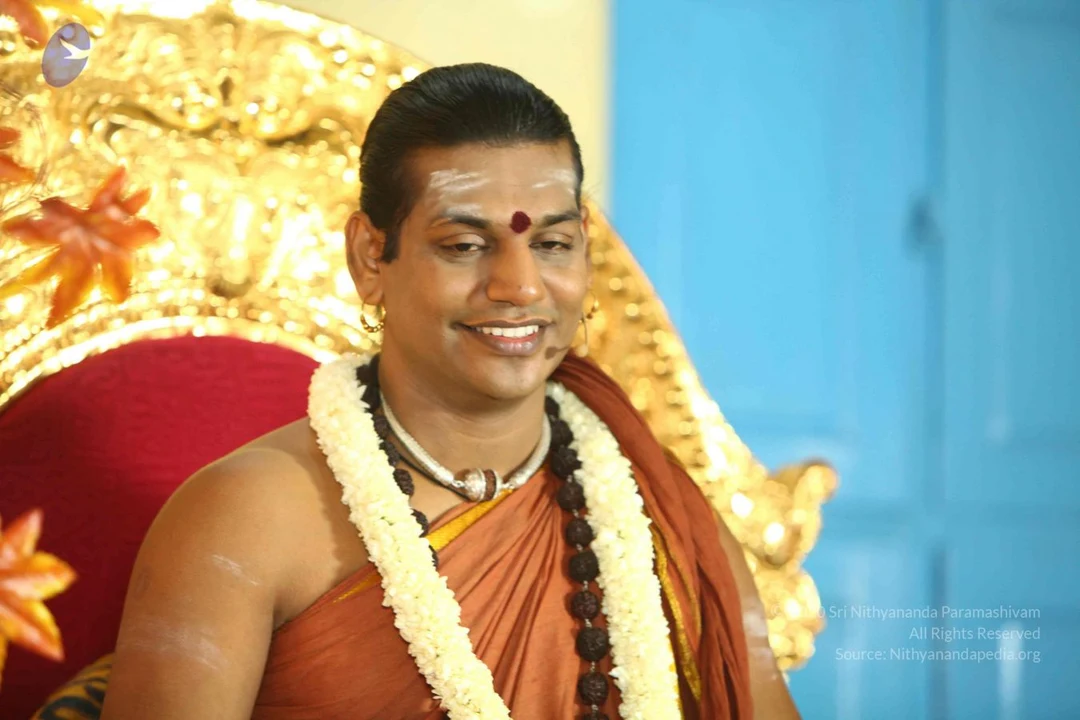
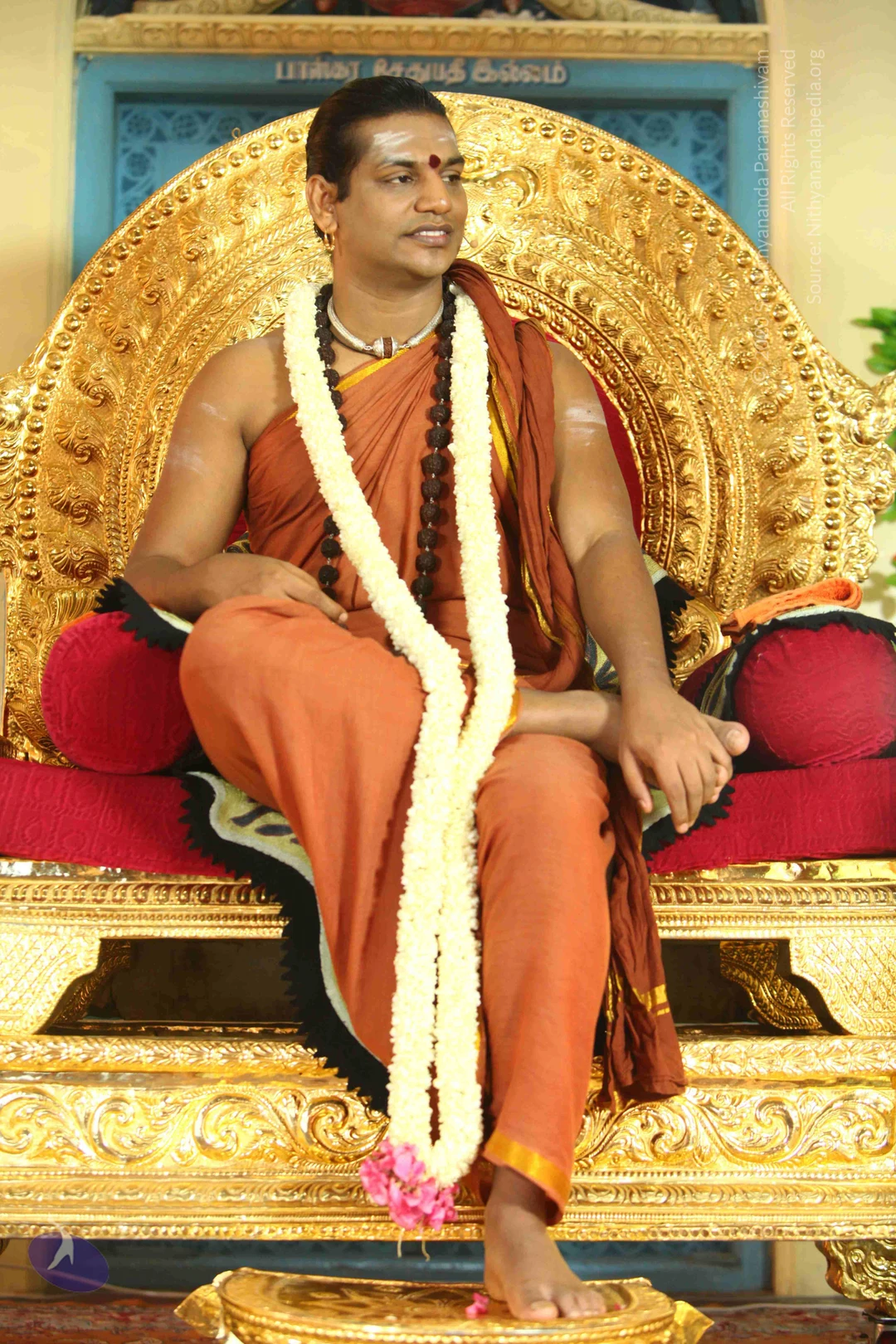
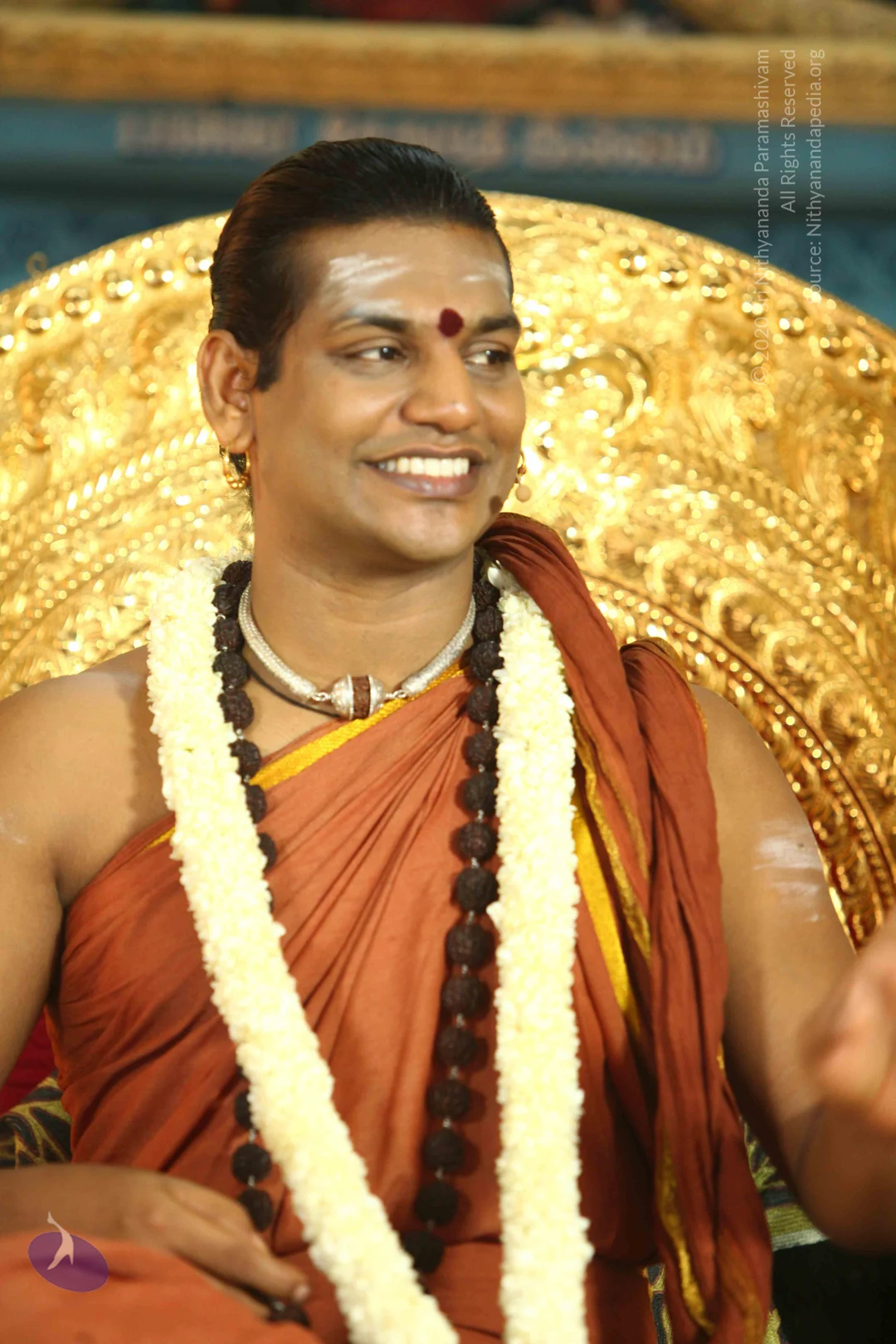
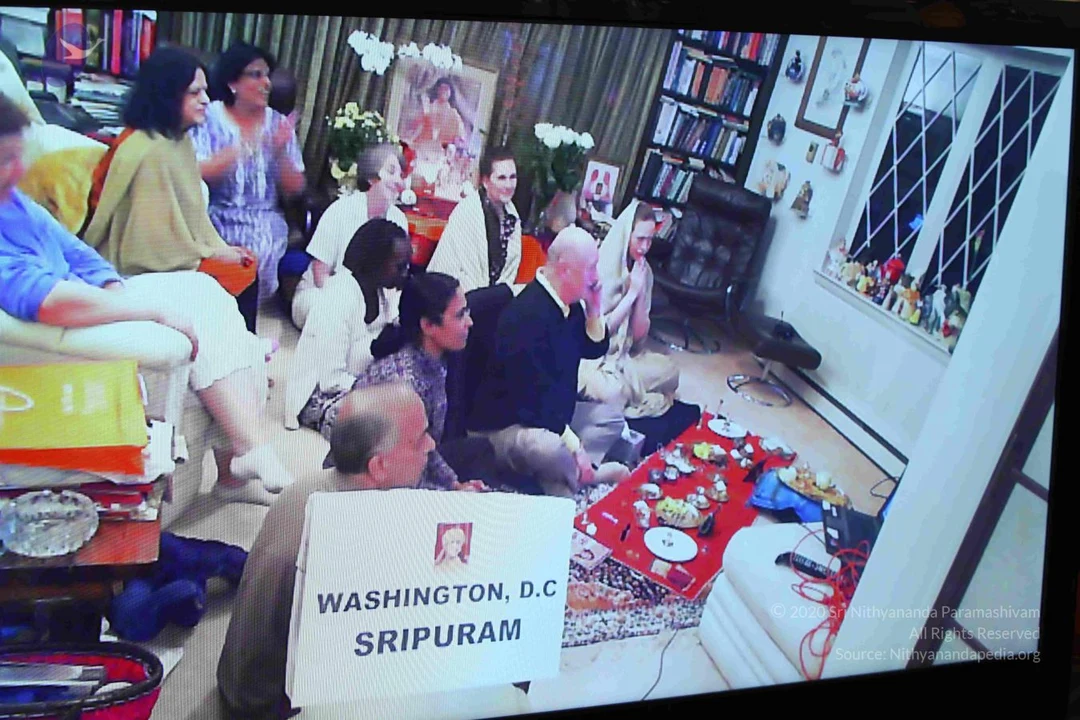
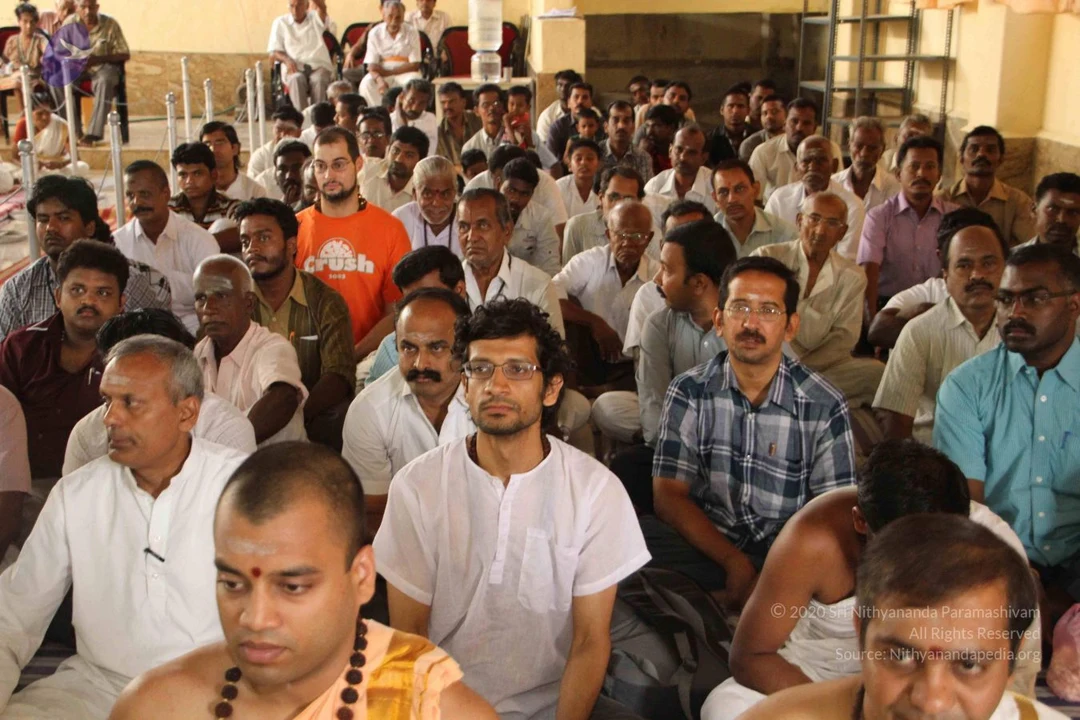
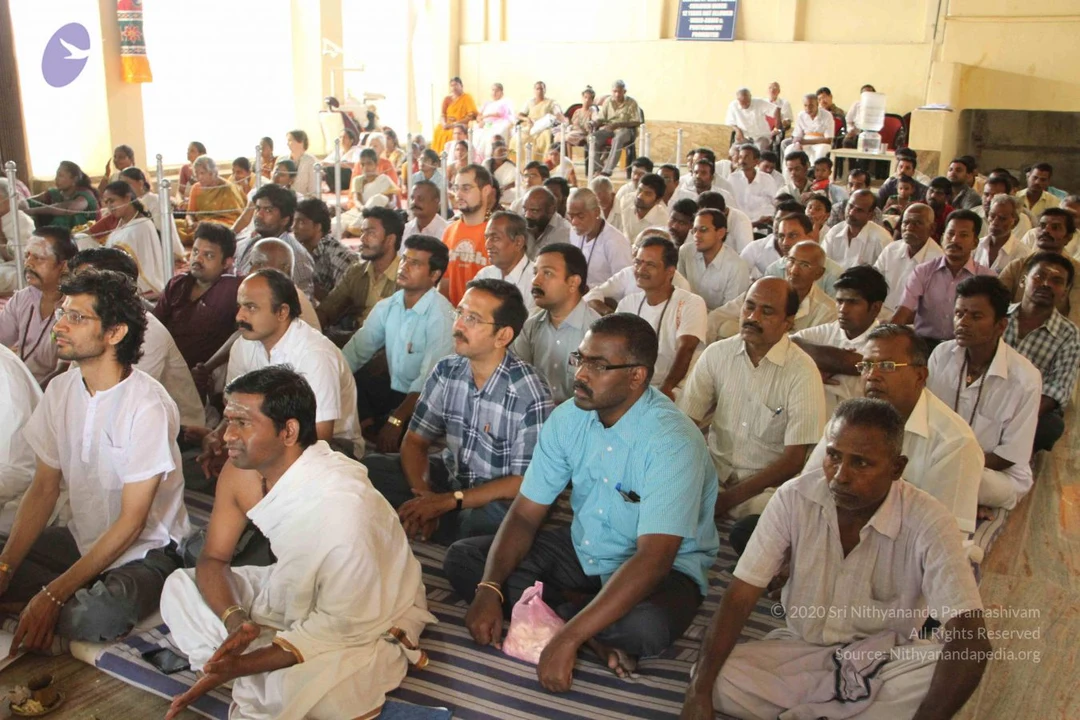
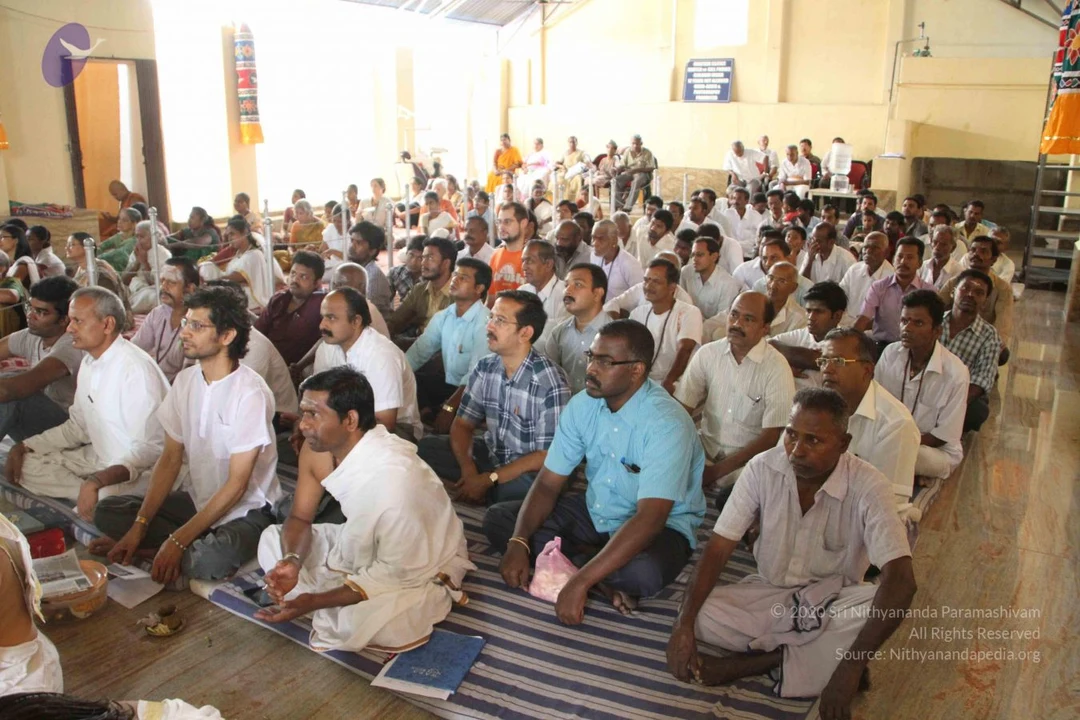
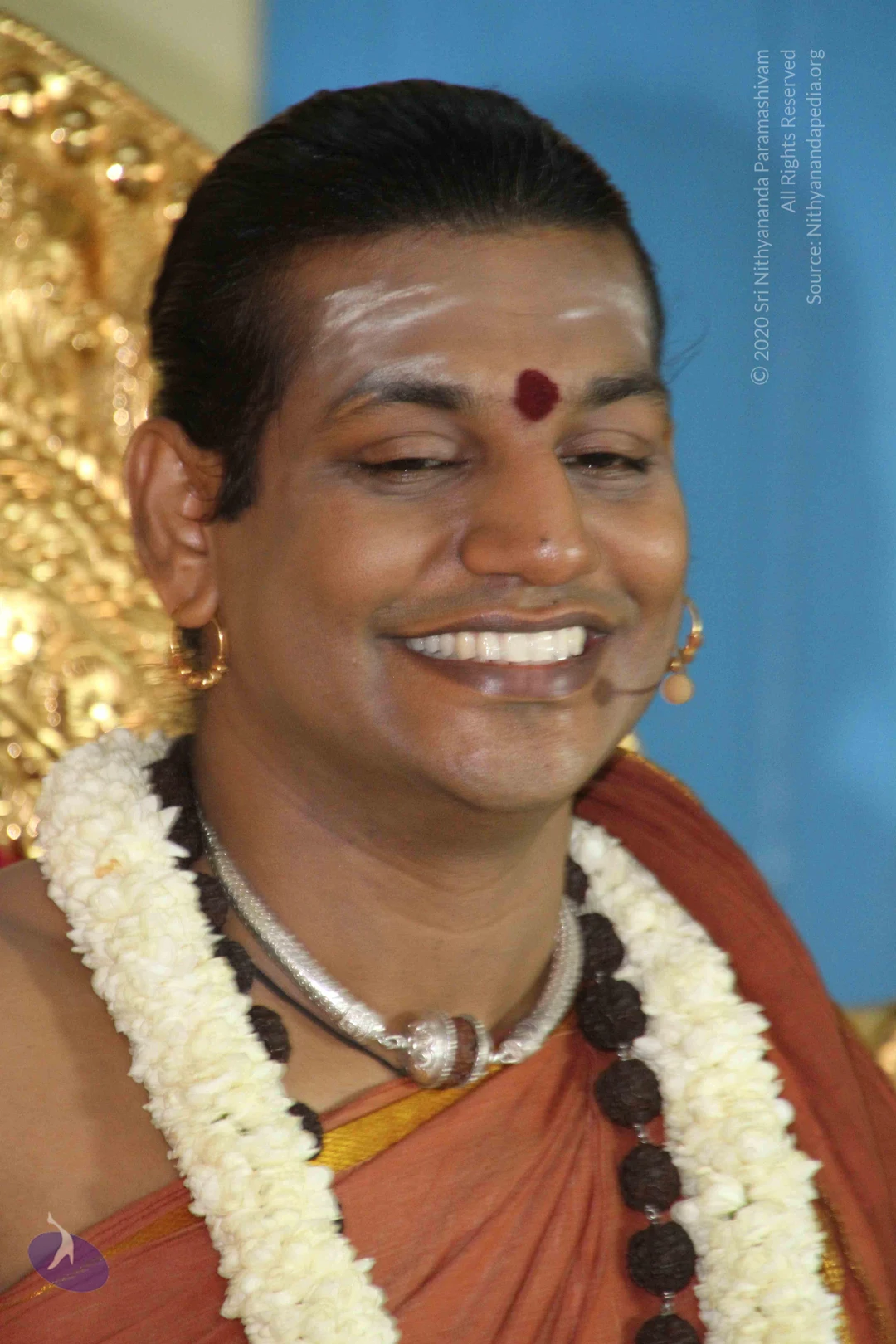
Morning-Satsang

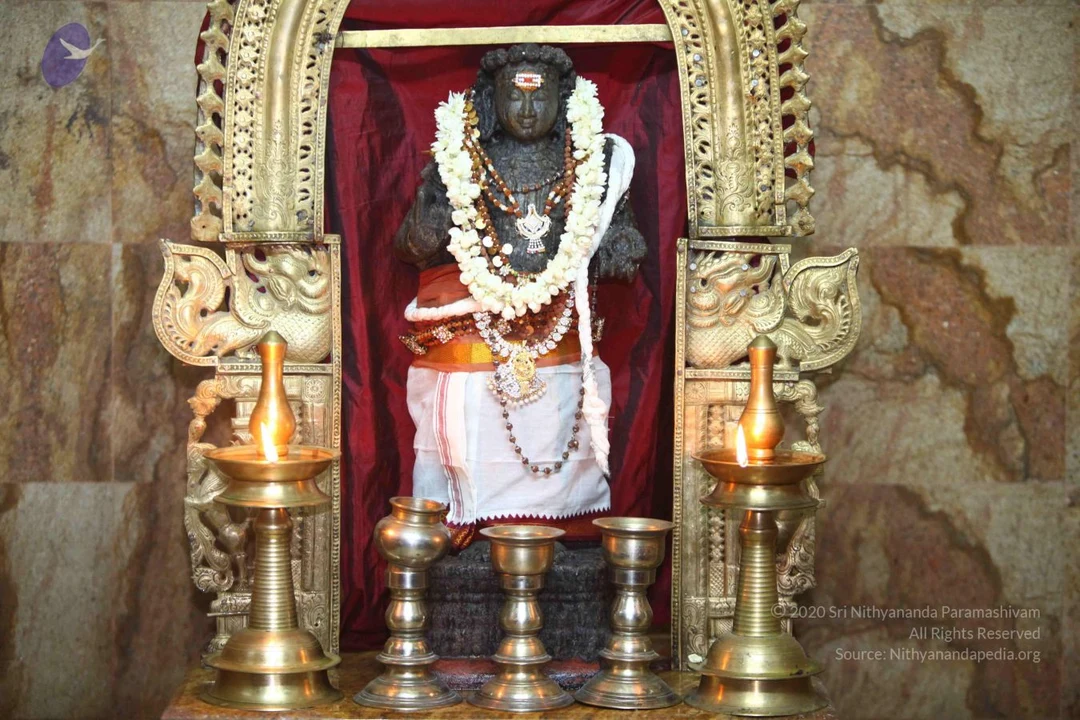
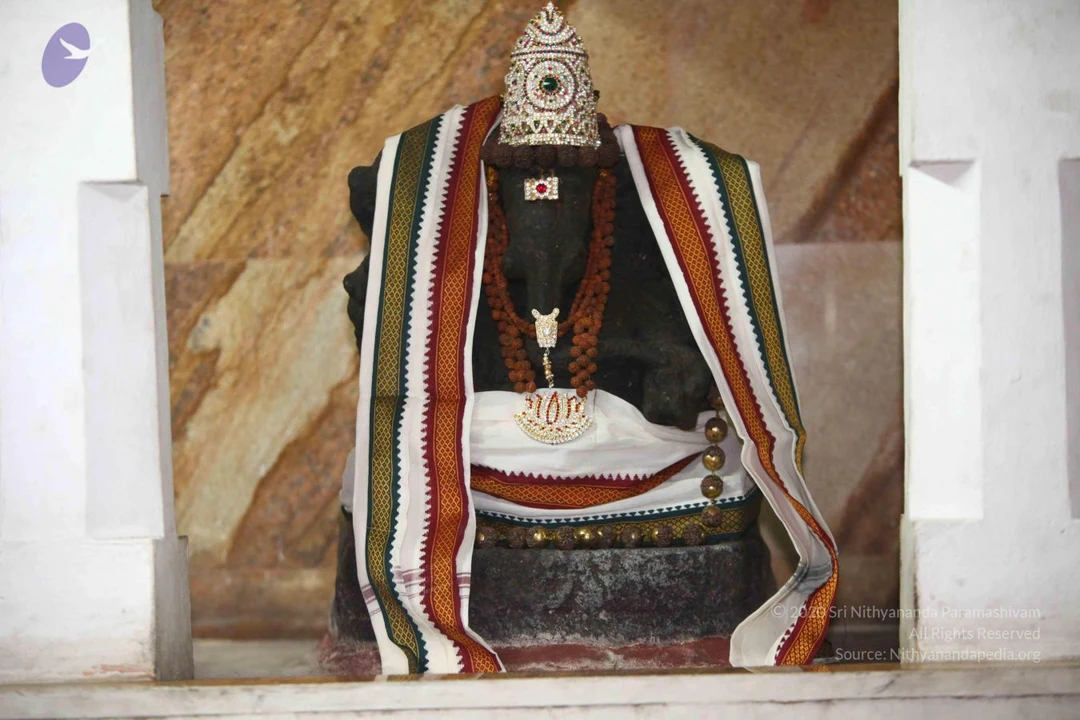
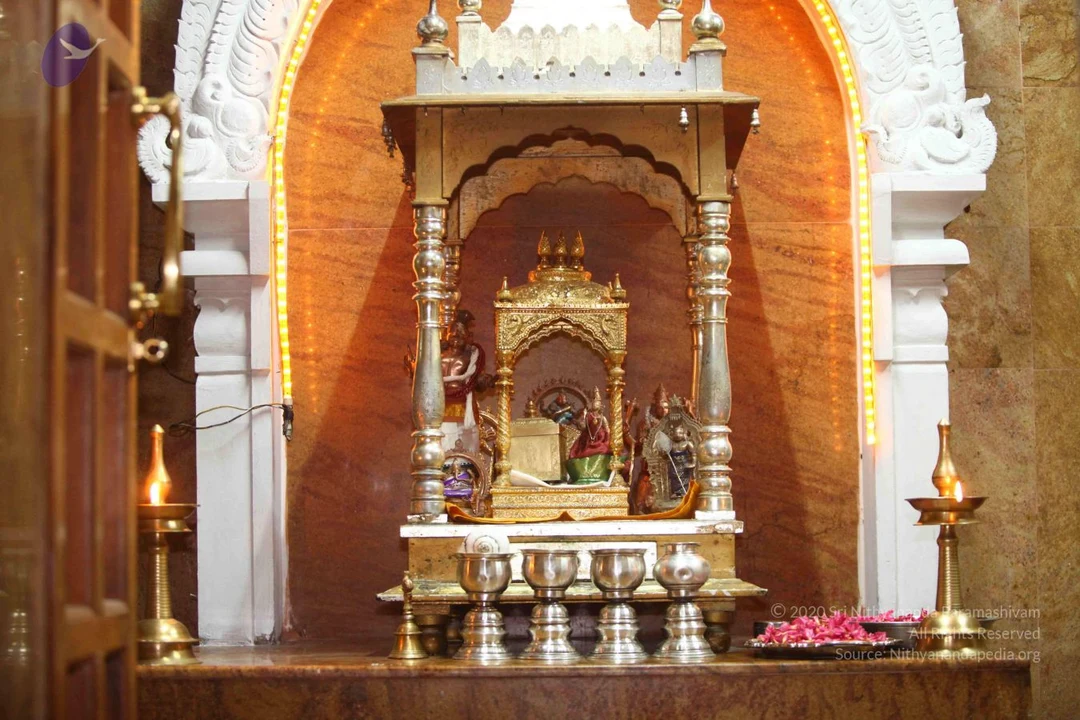
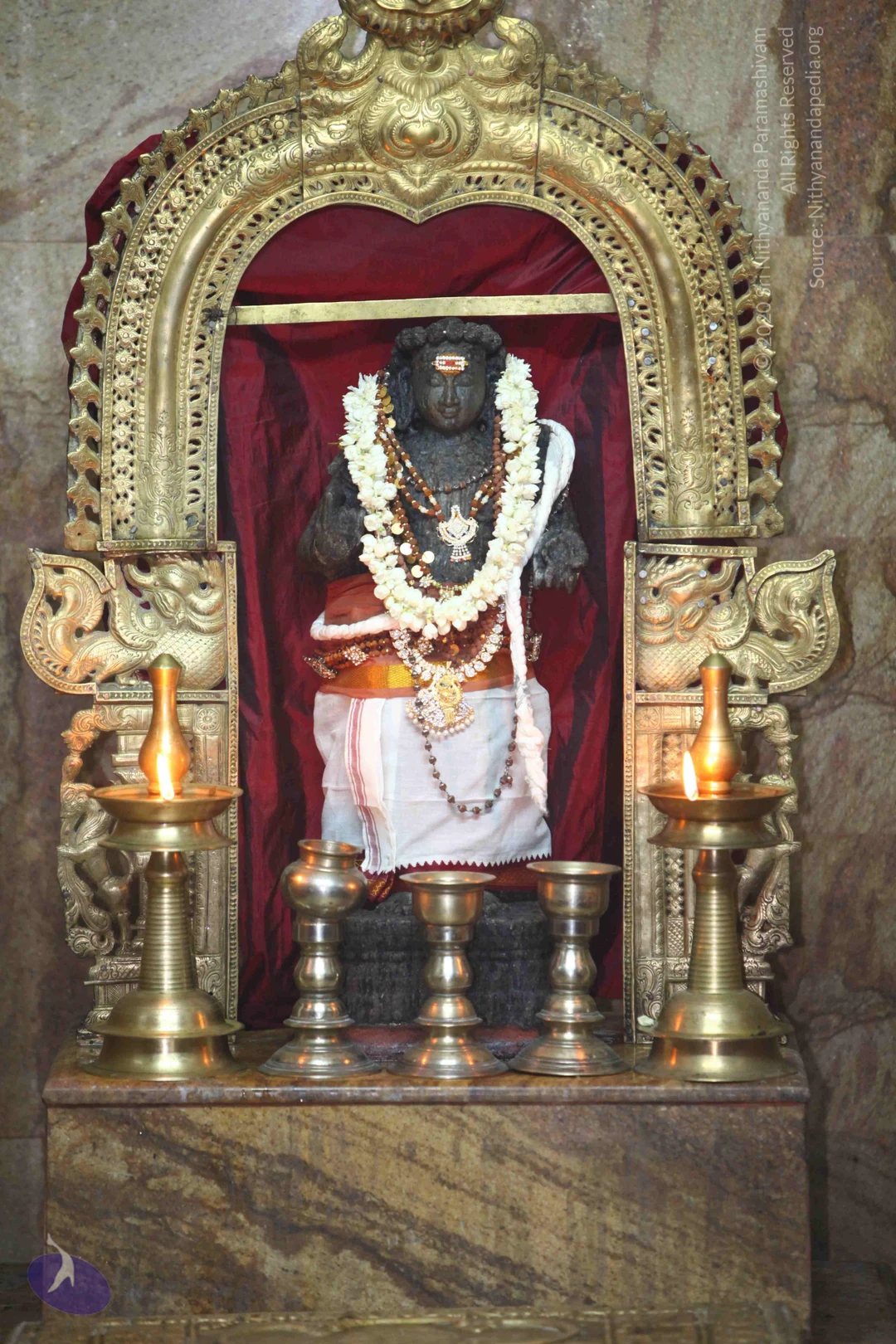
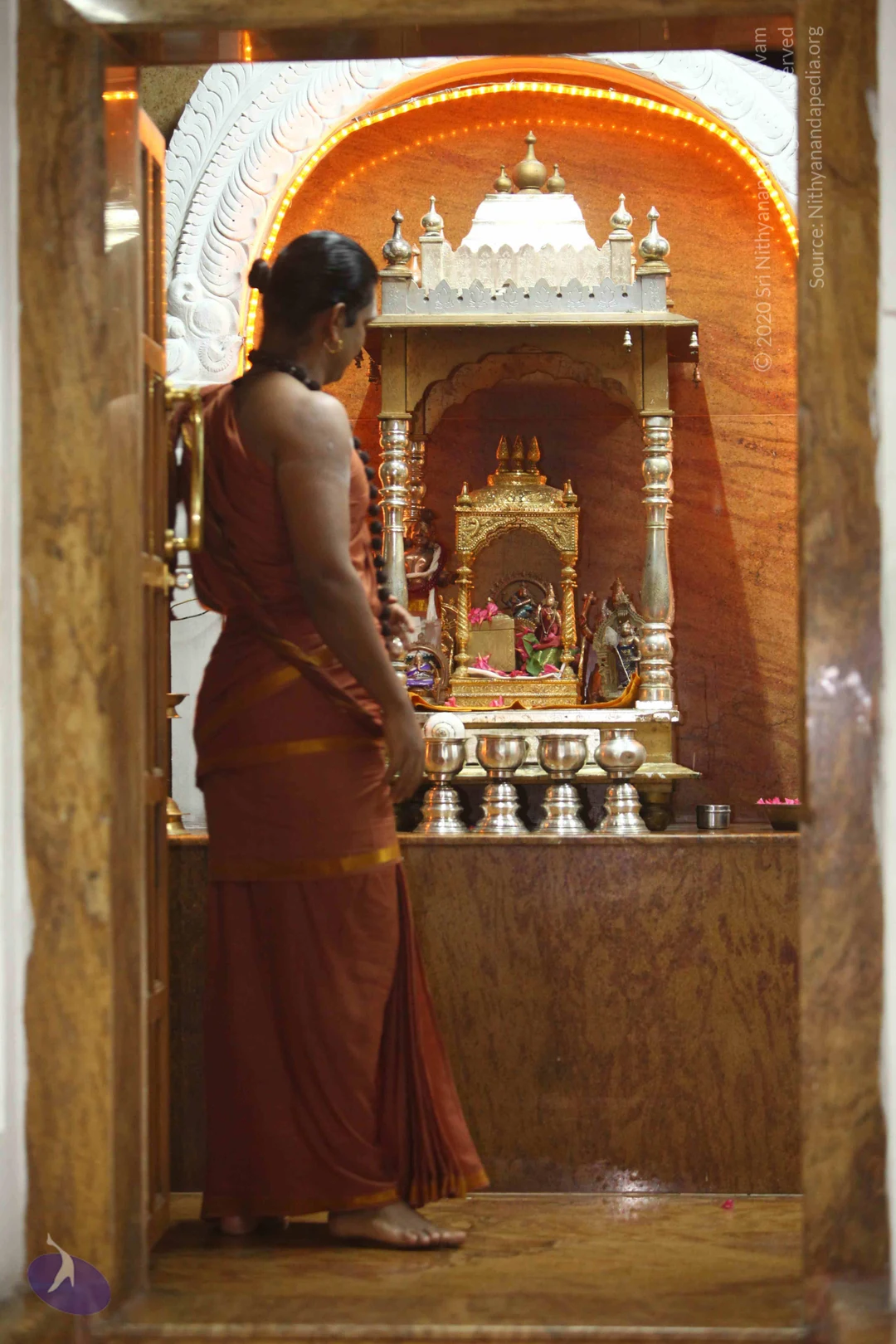
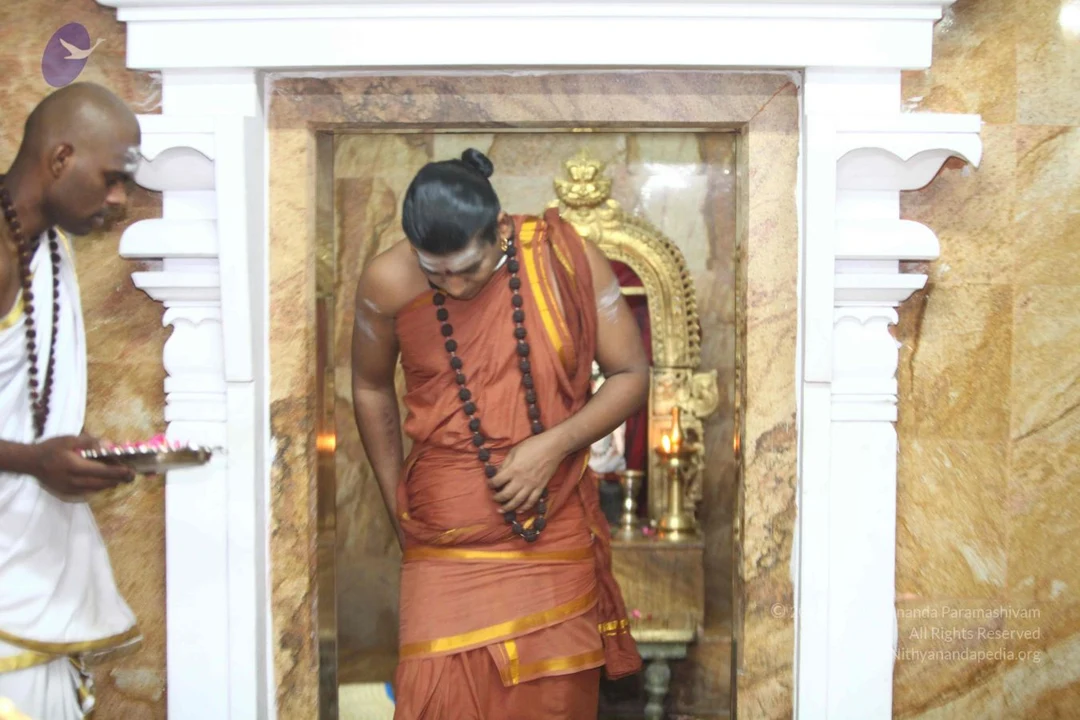
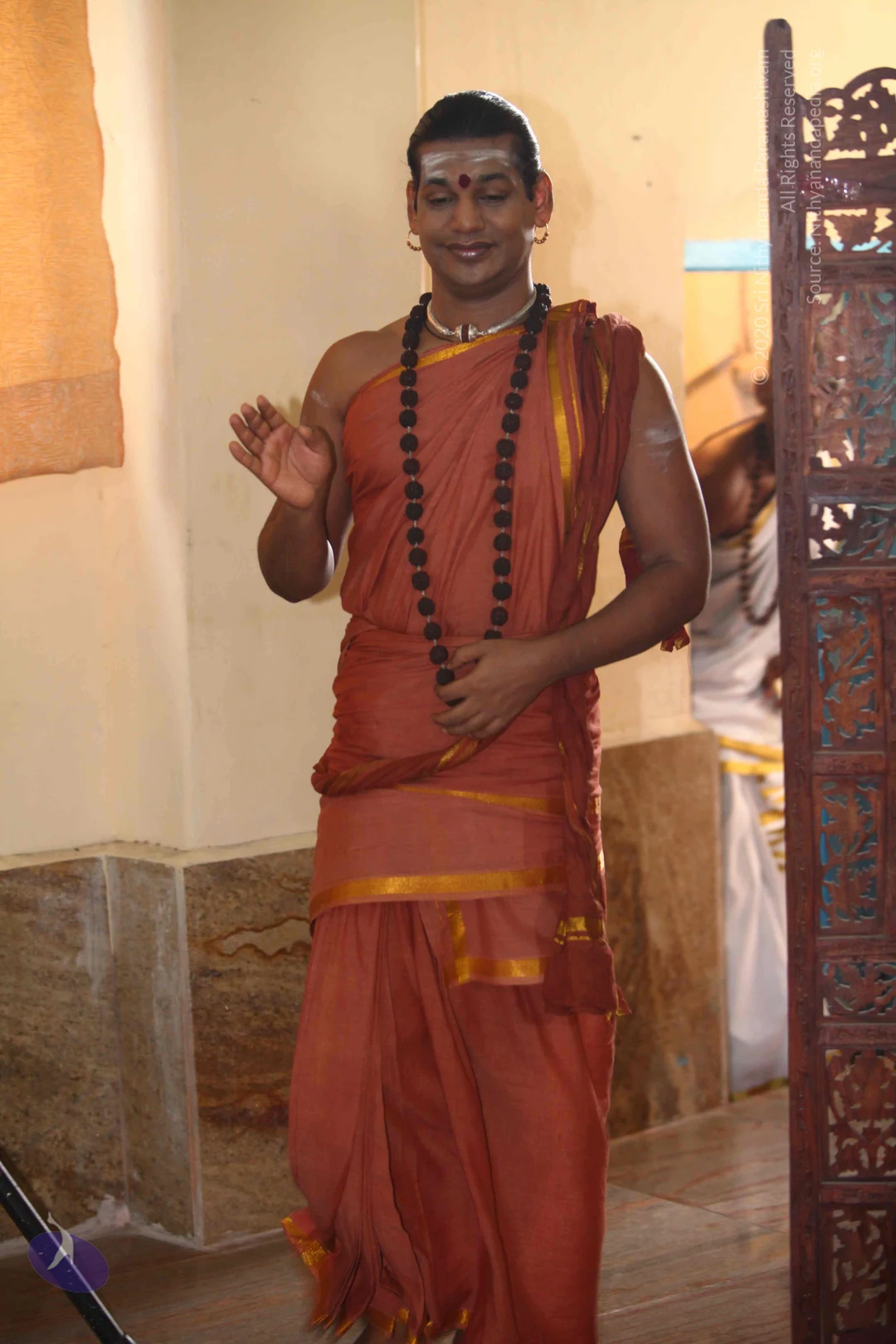
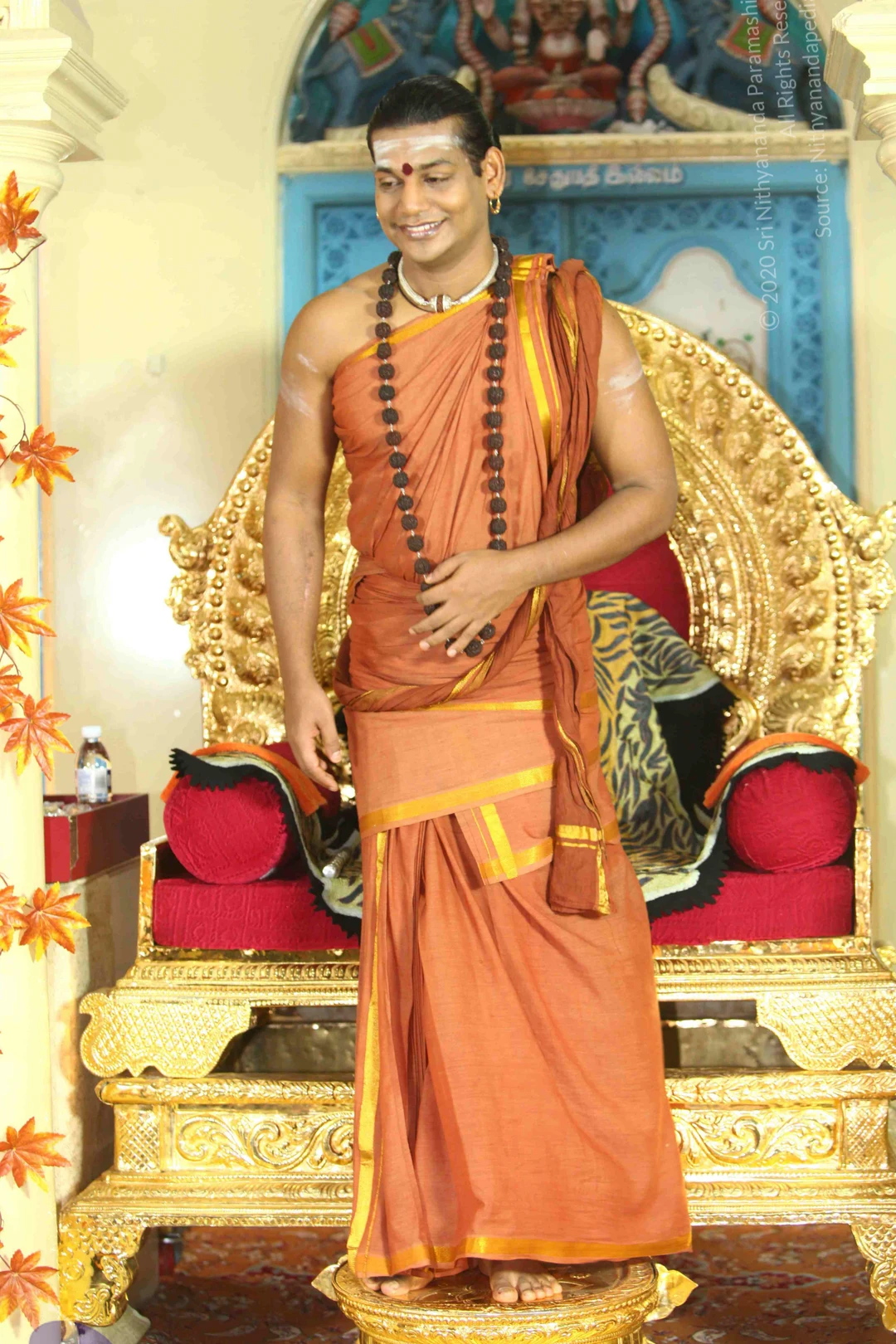
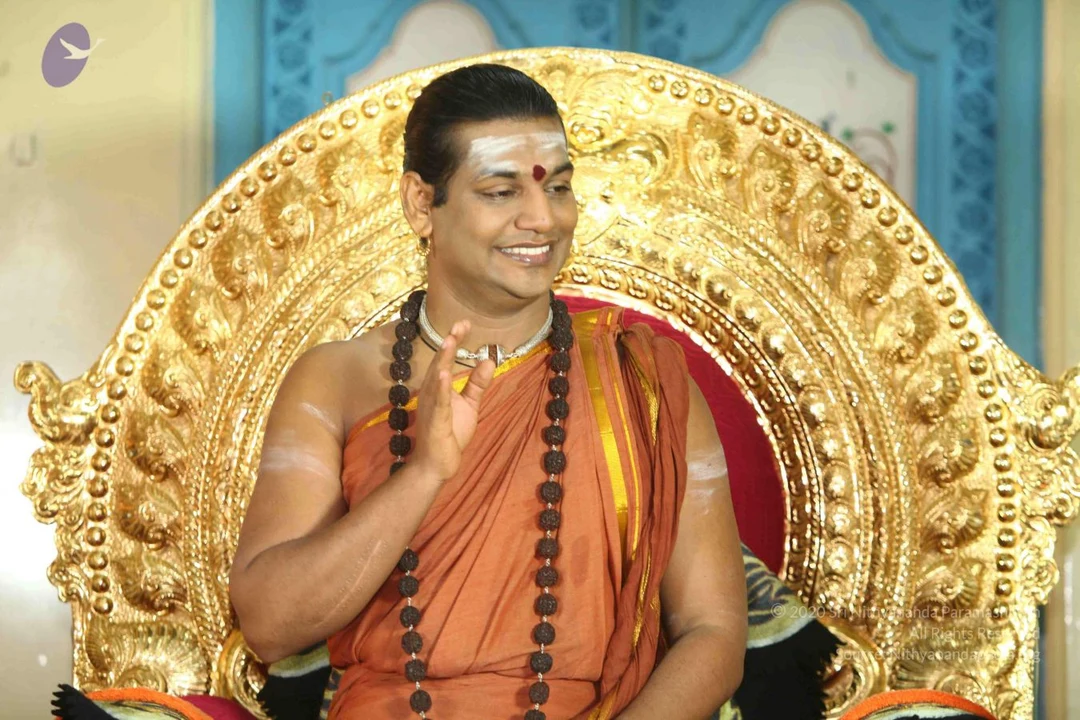
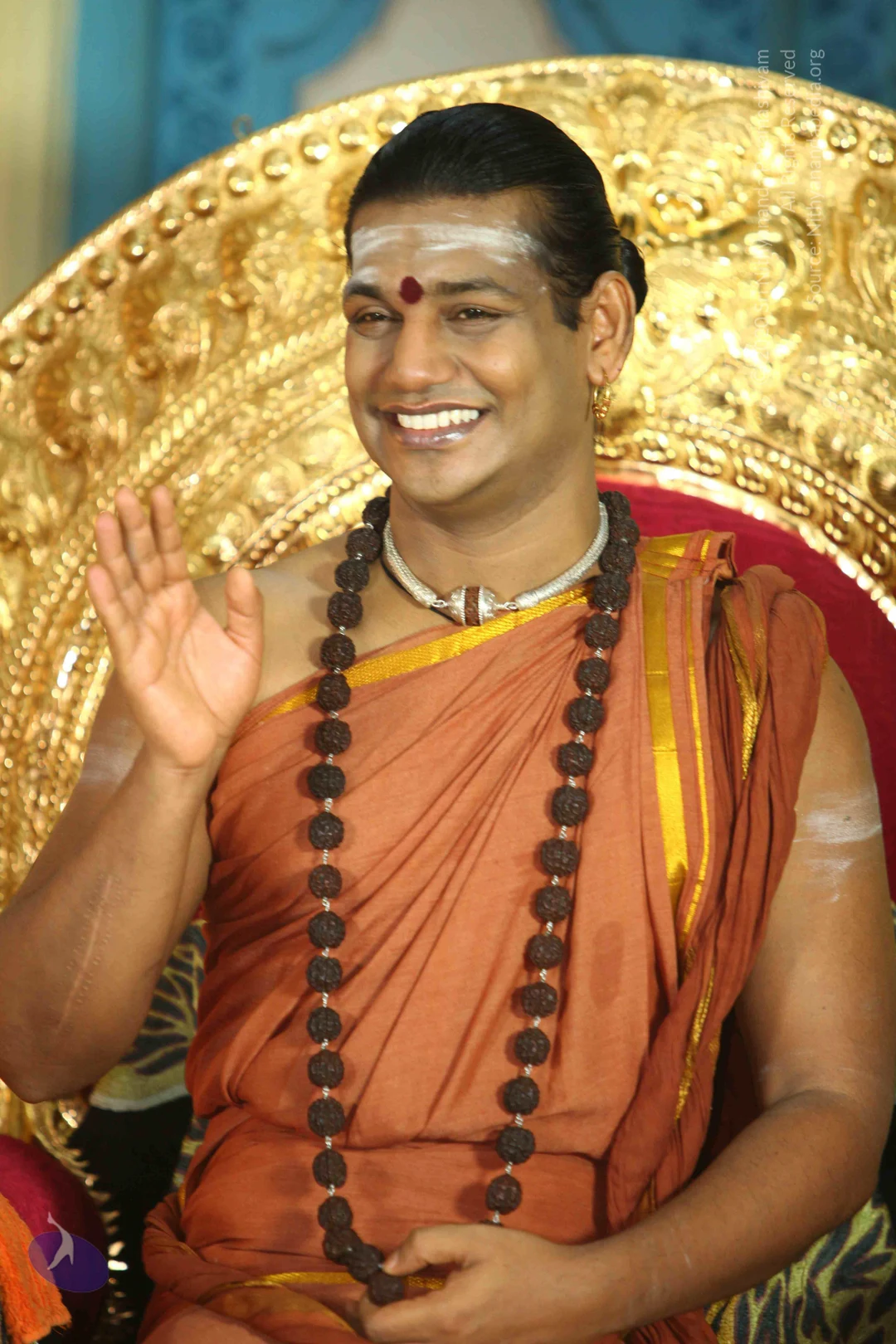
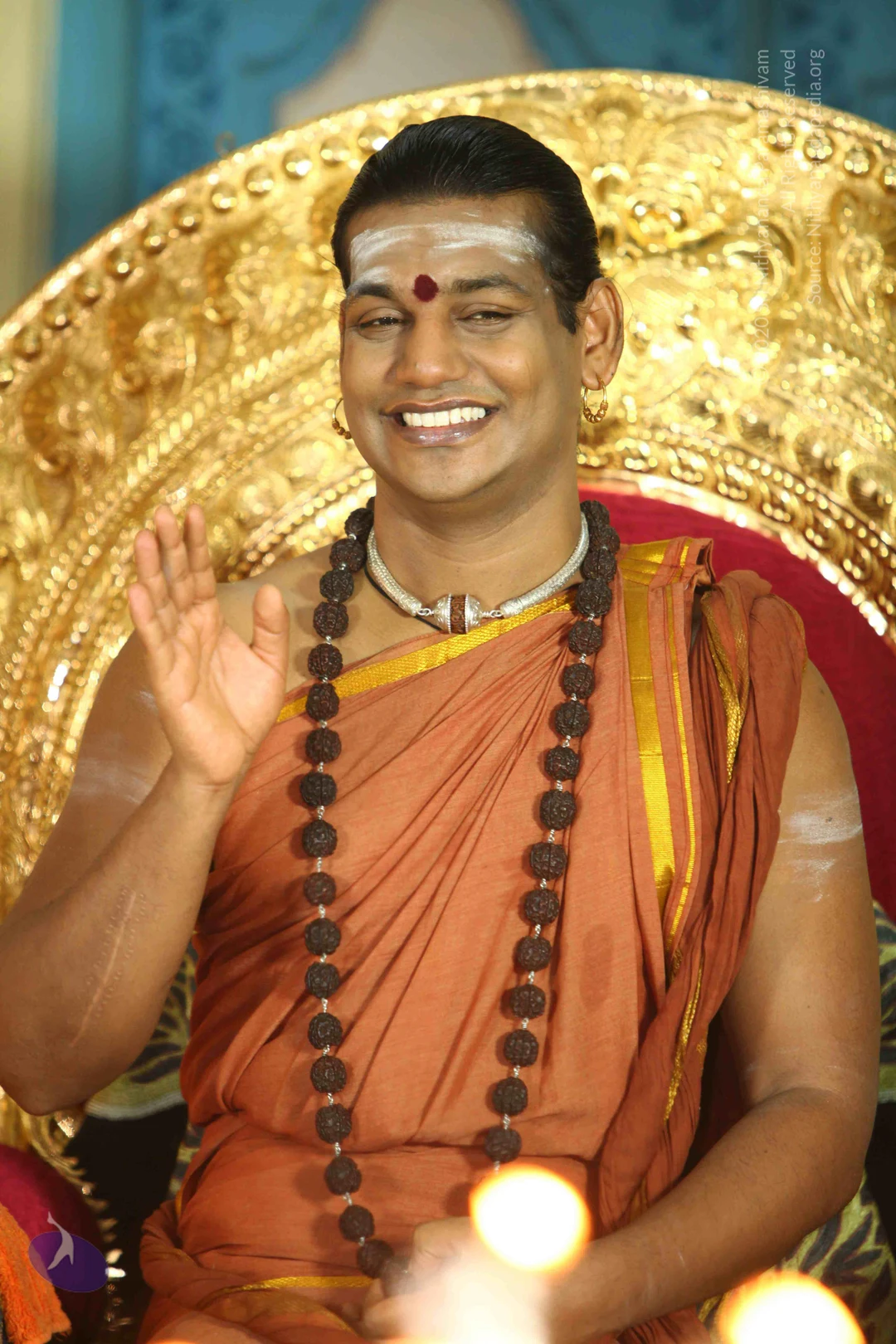
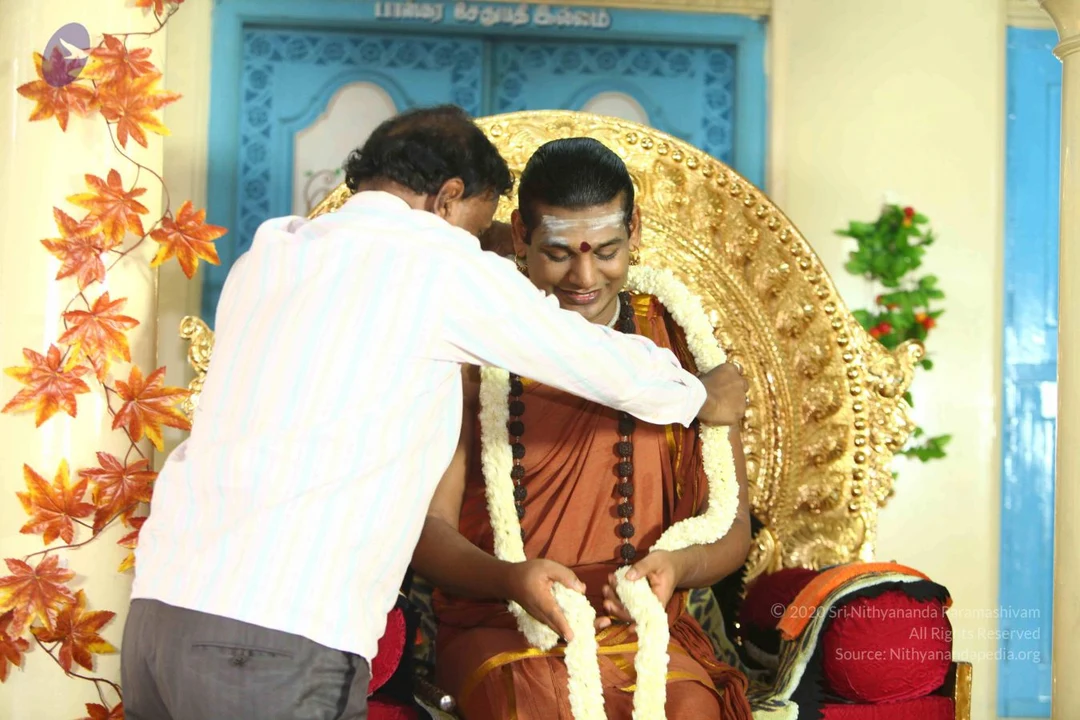
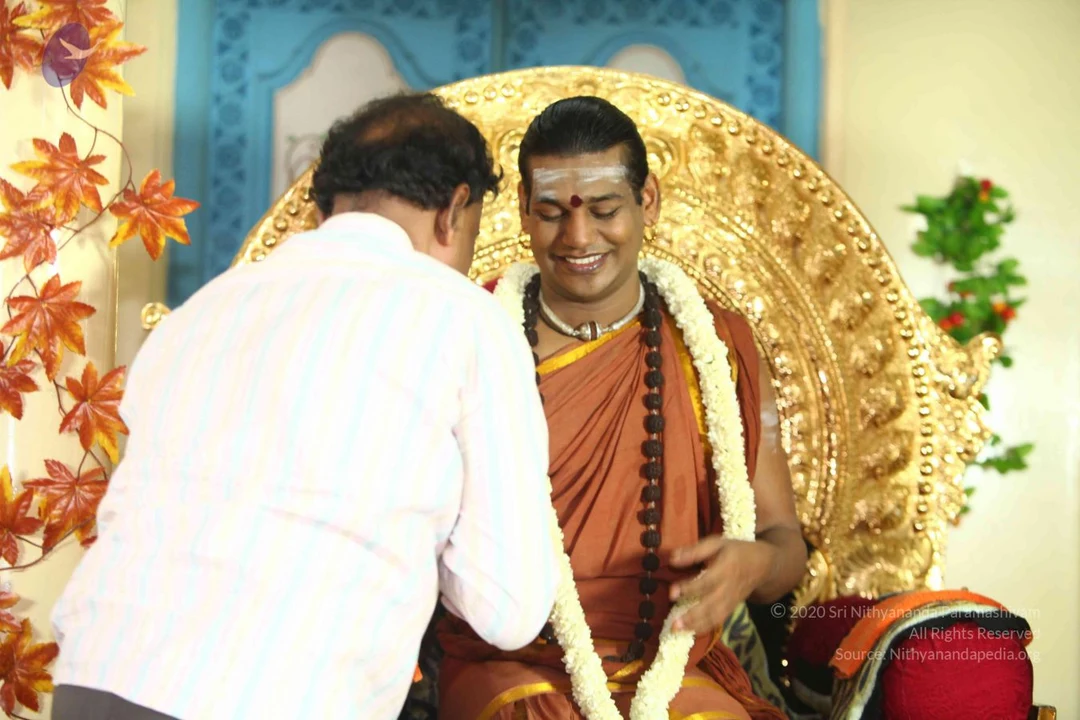
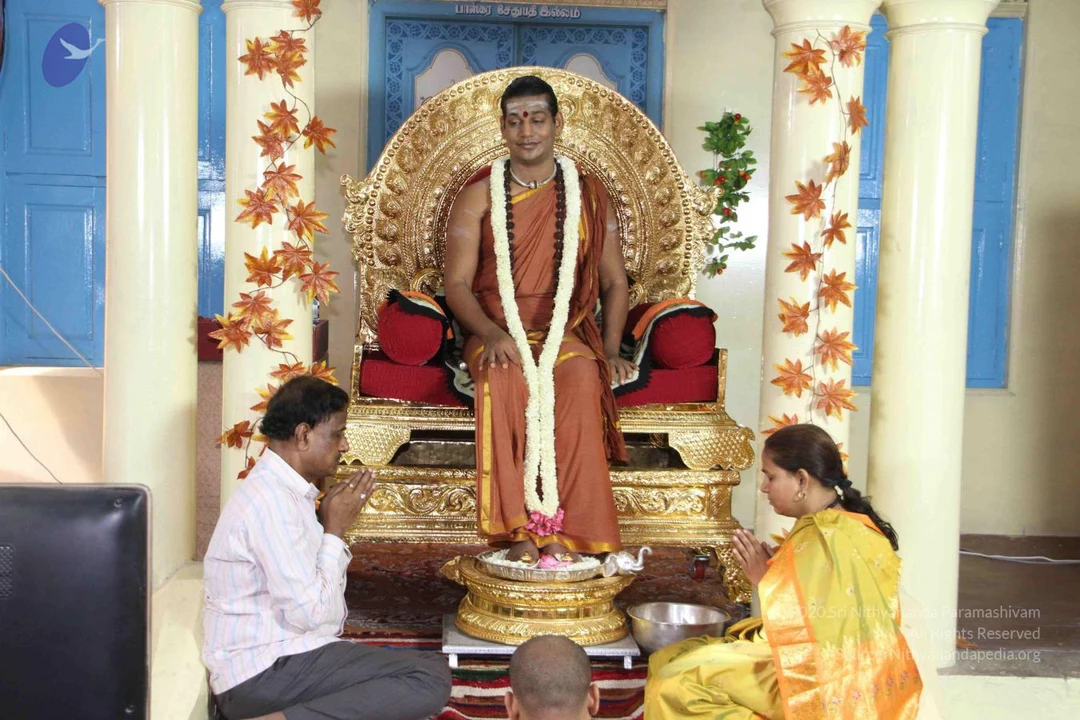
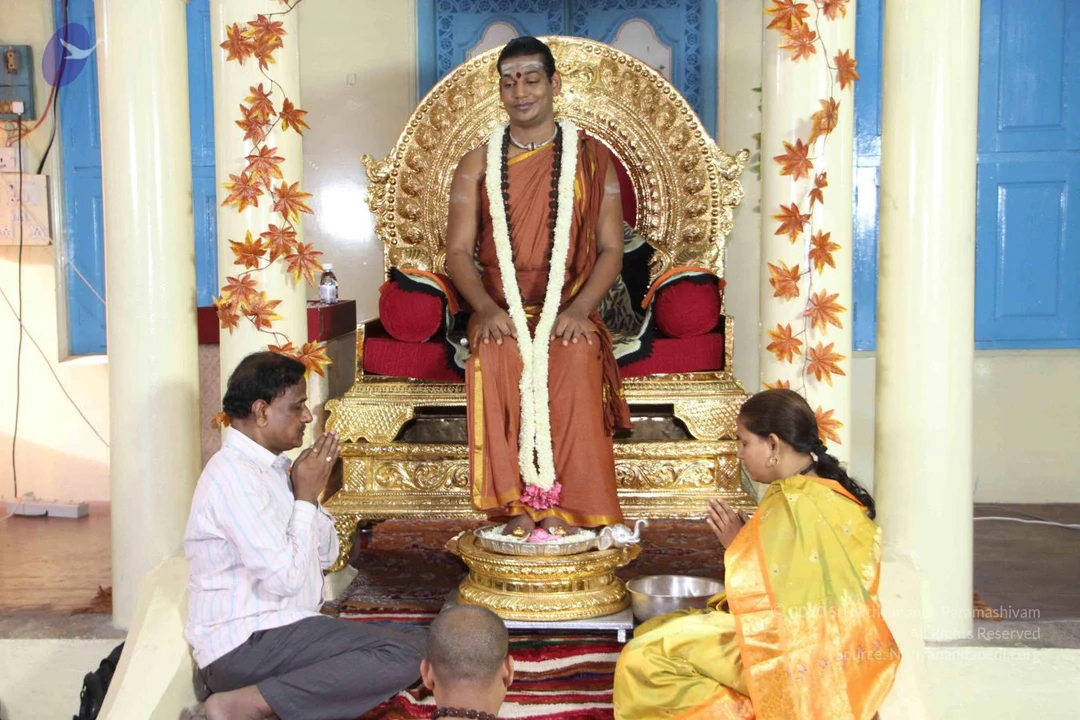

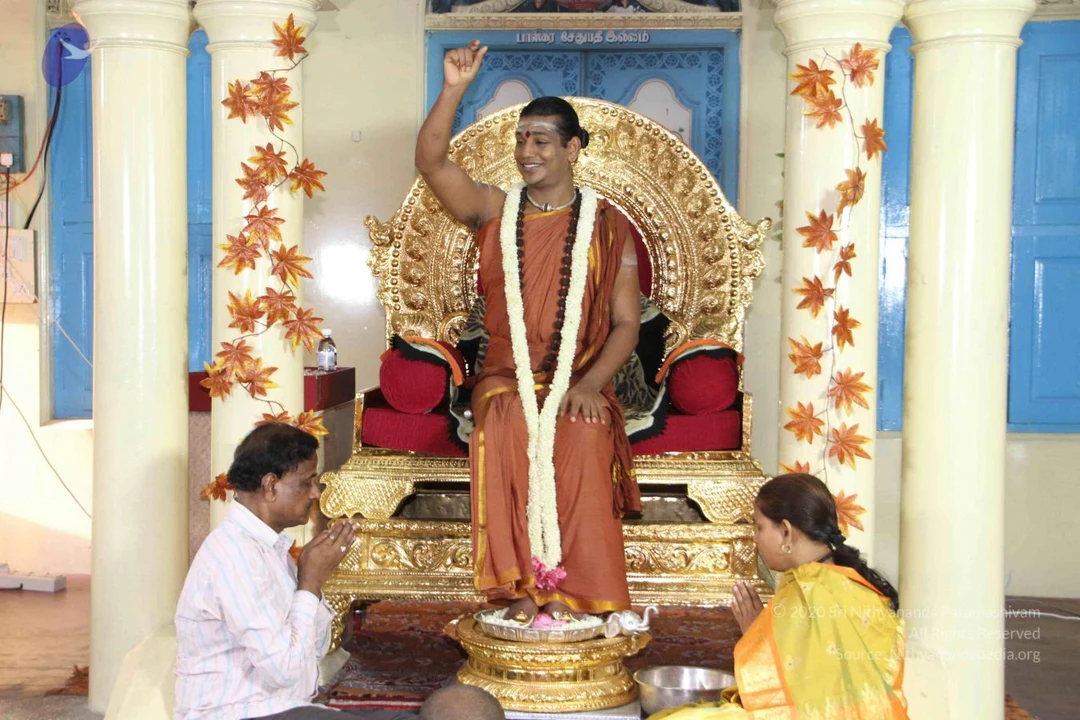
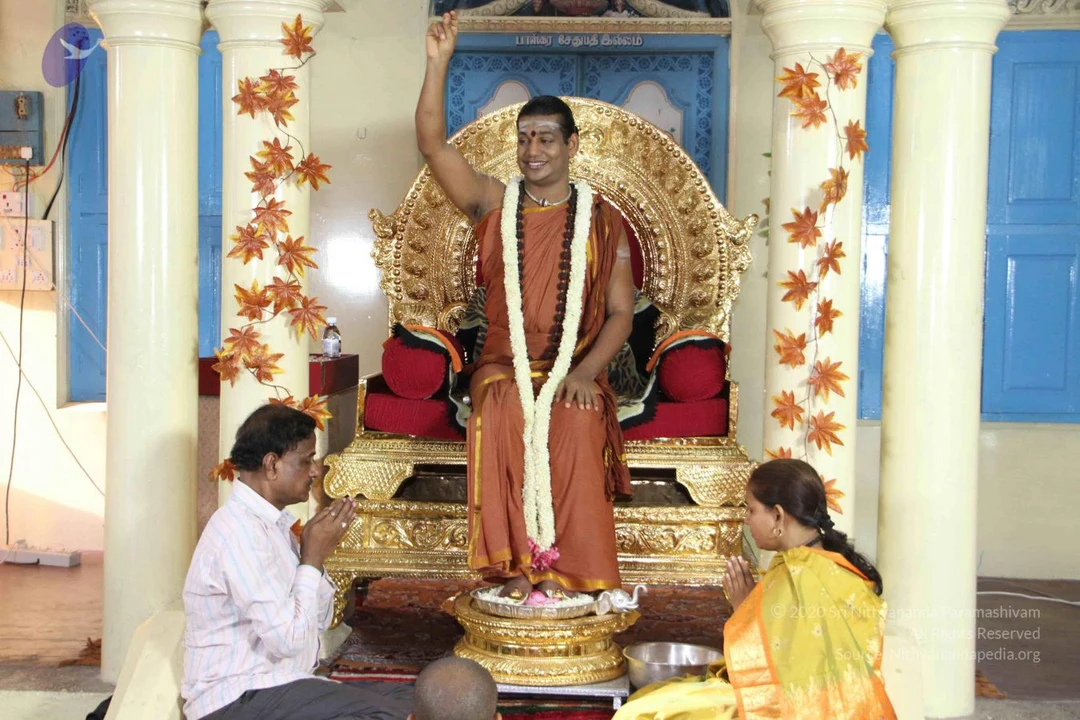
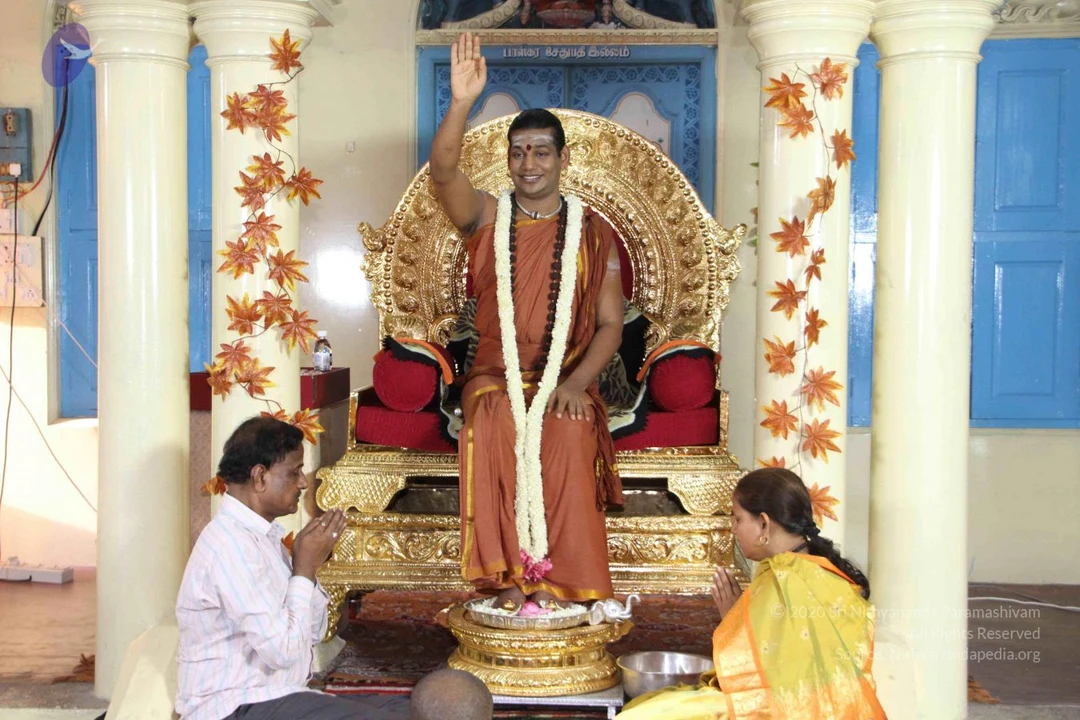
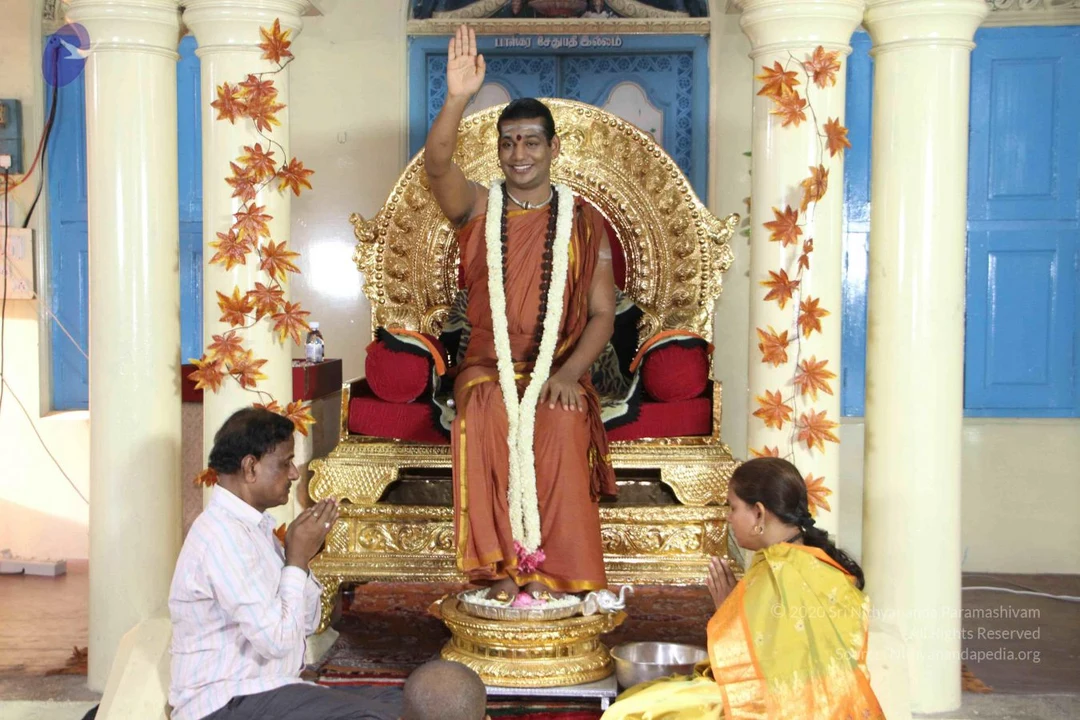
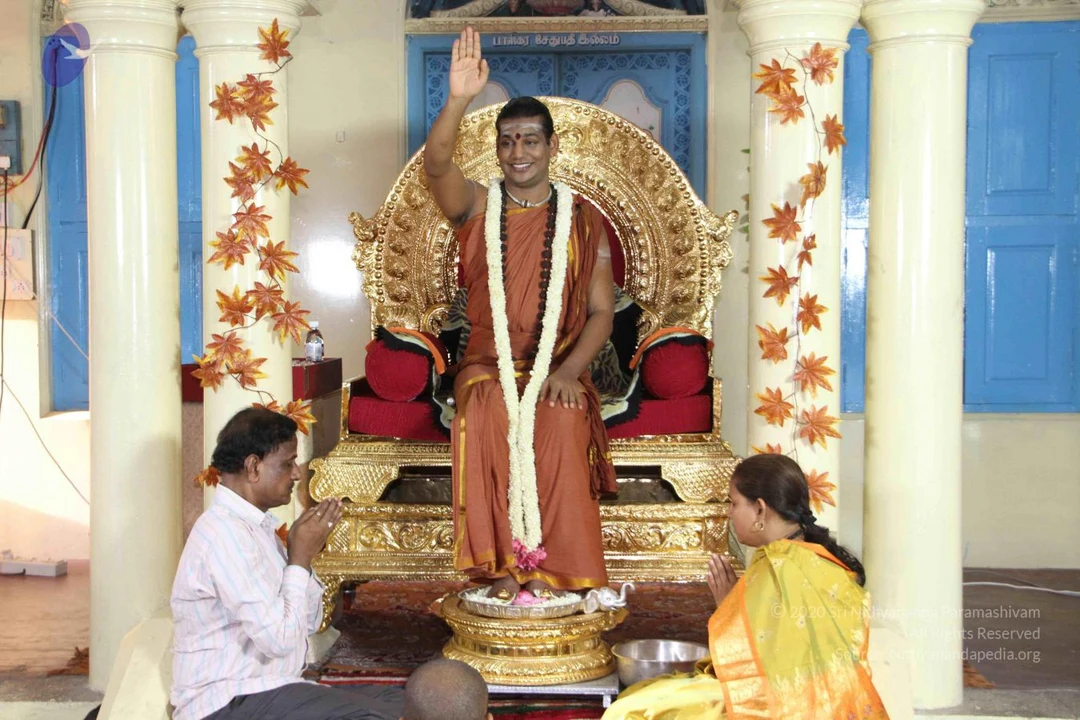
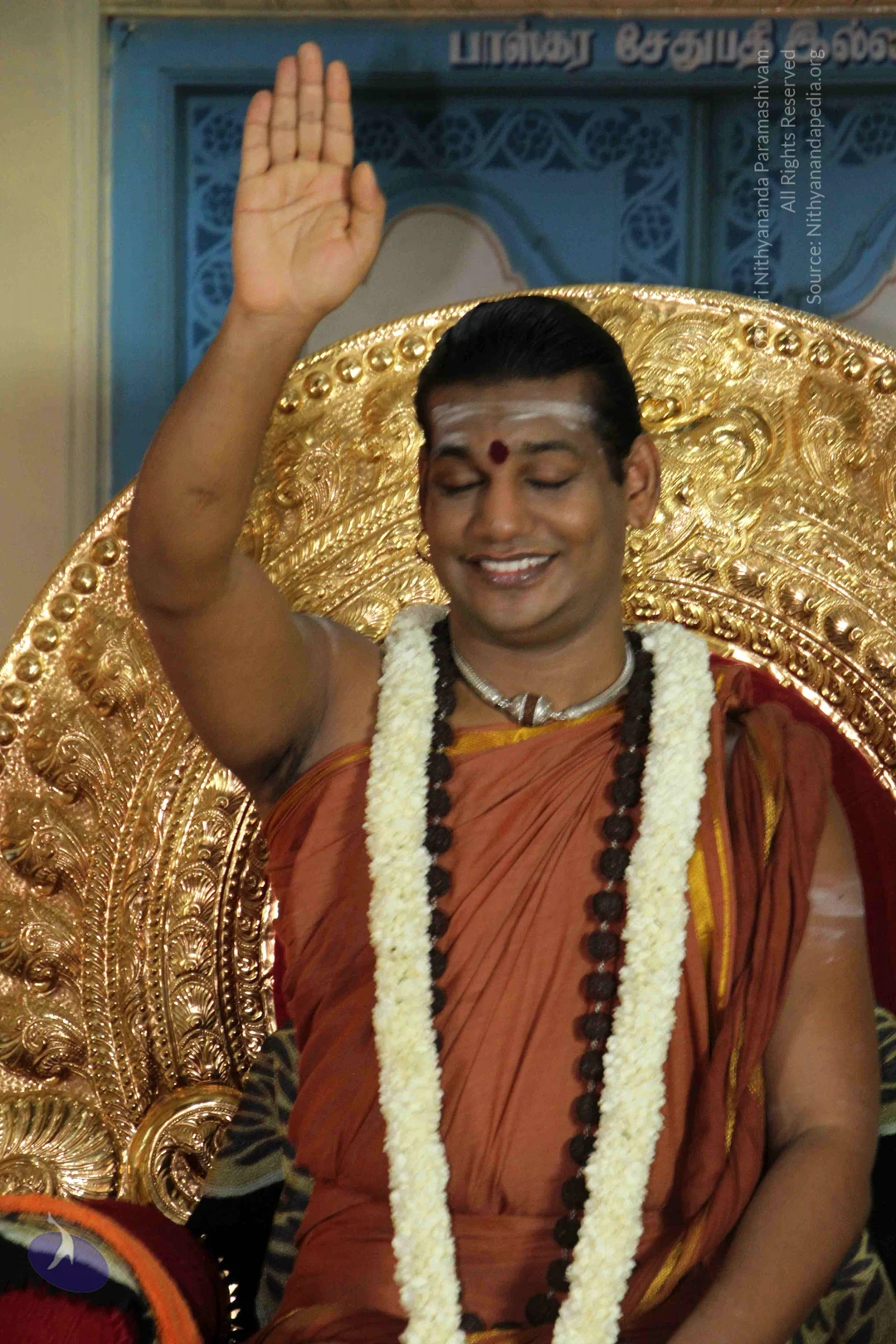
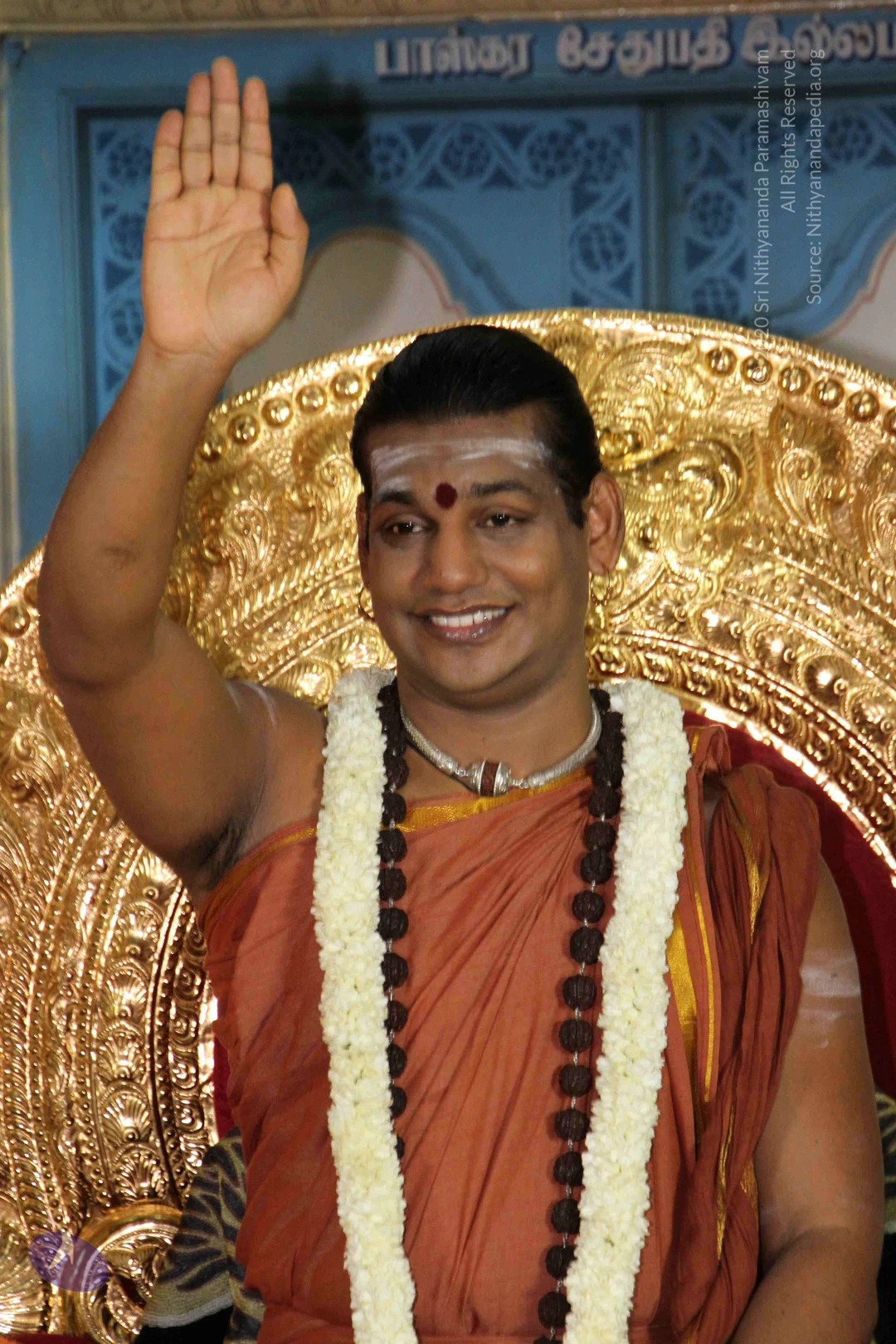
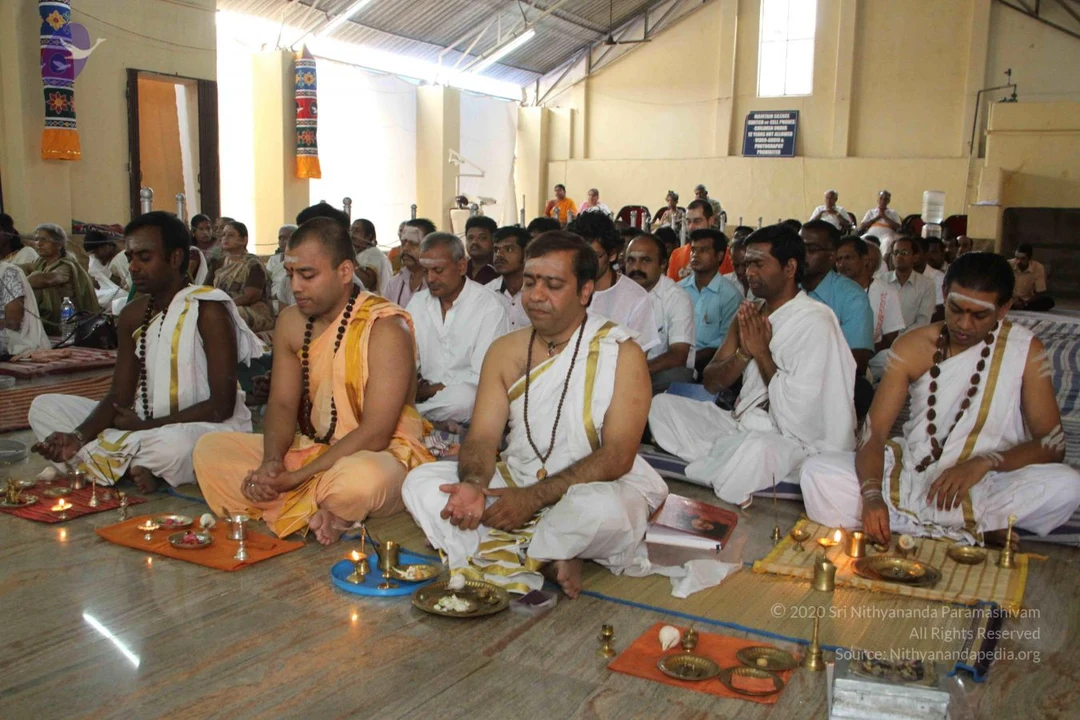
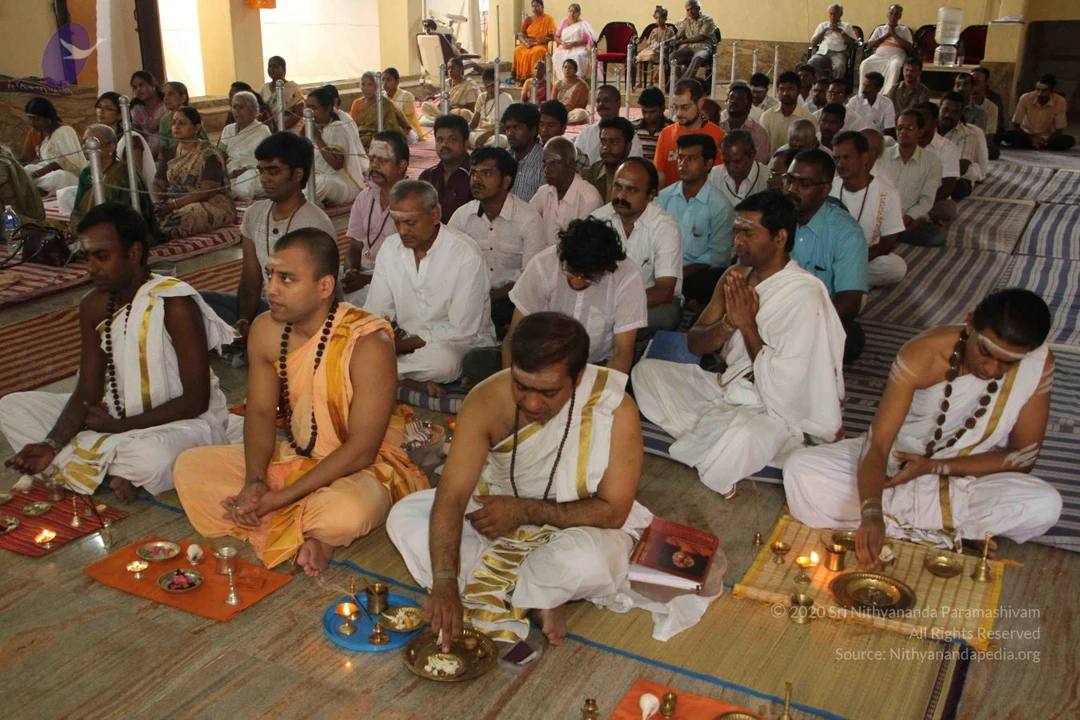
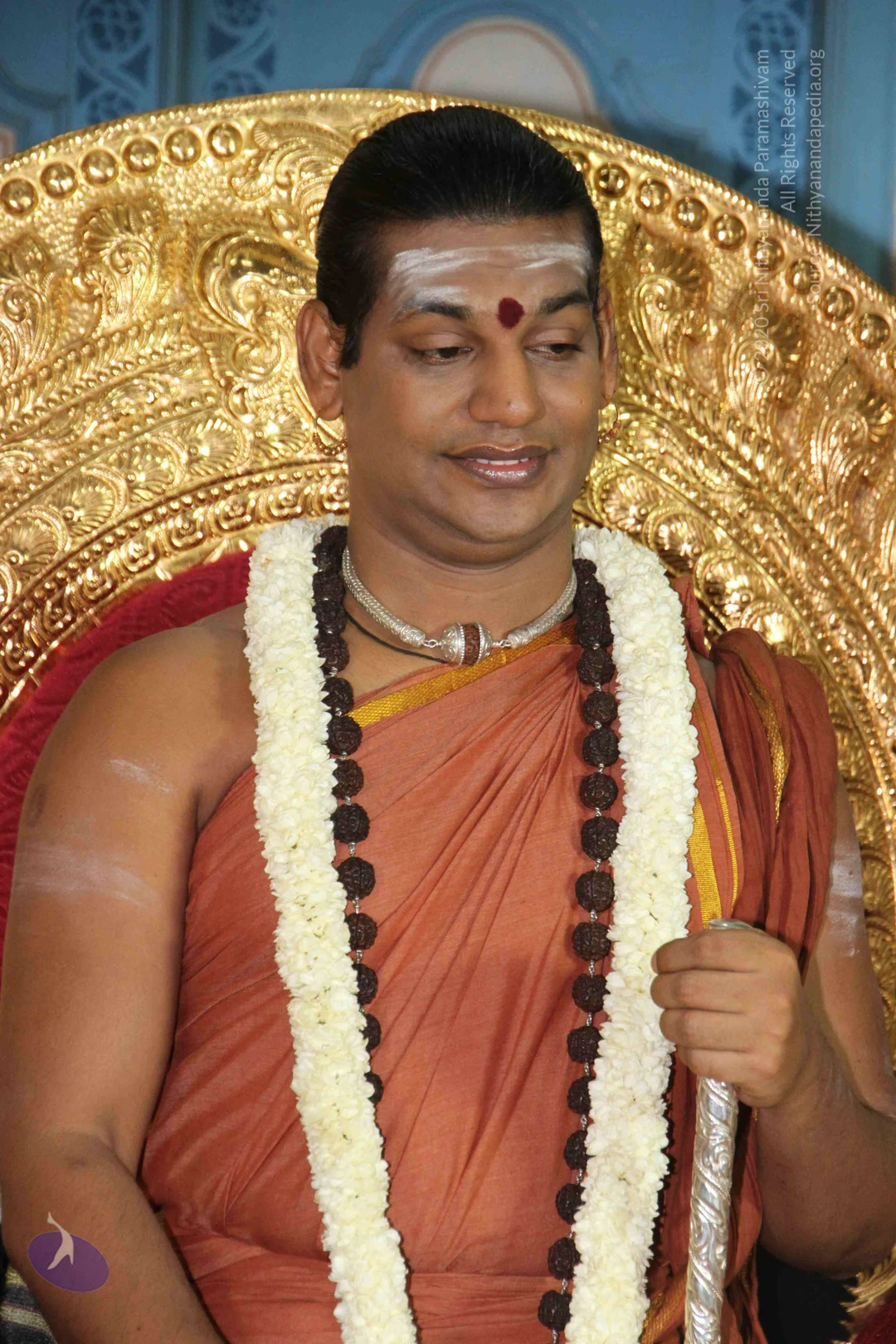
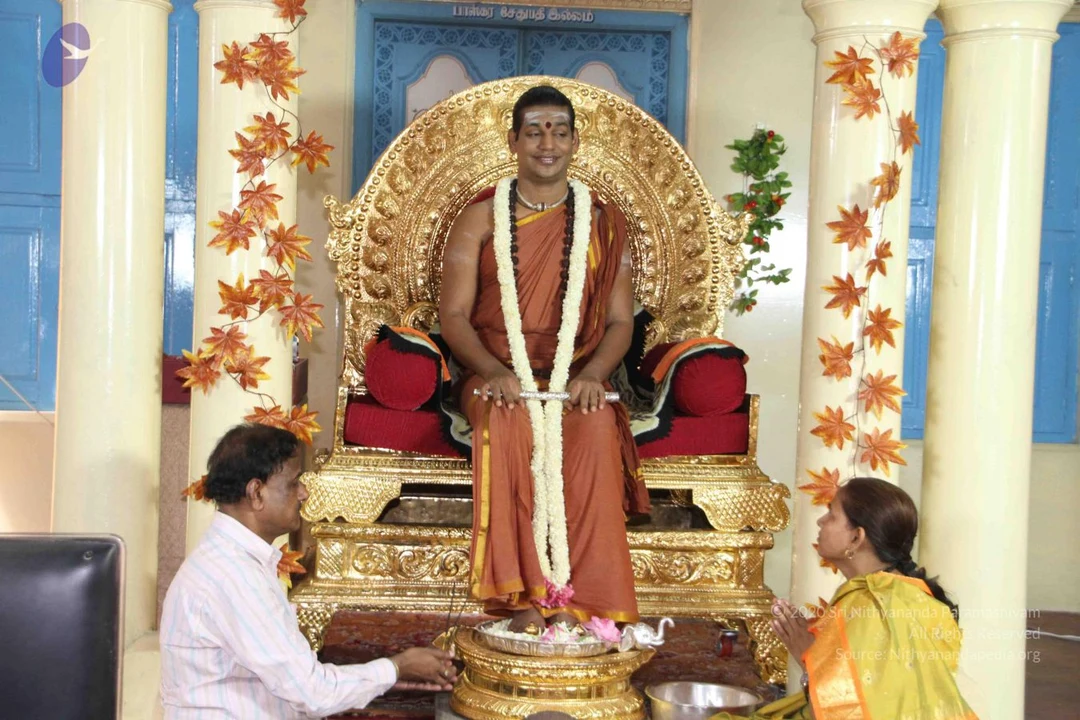
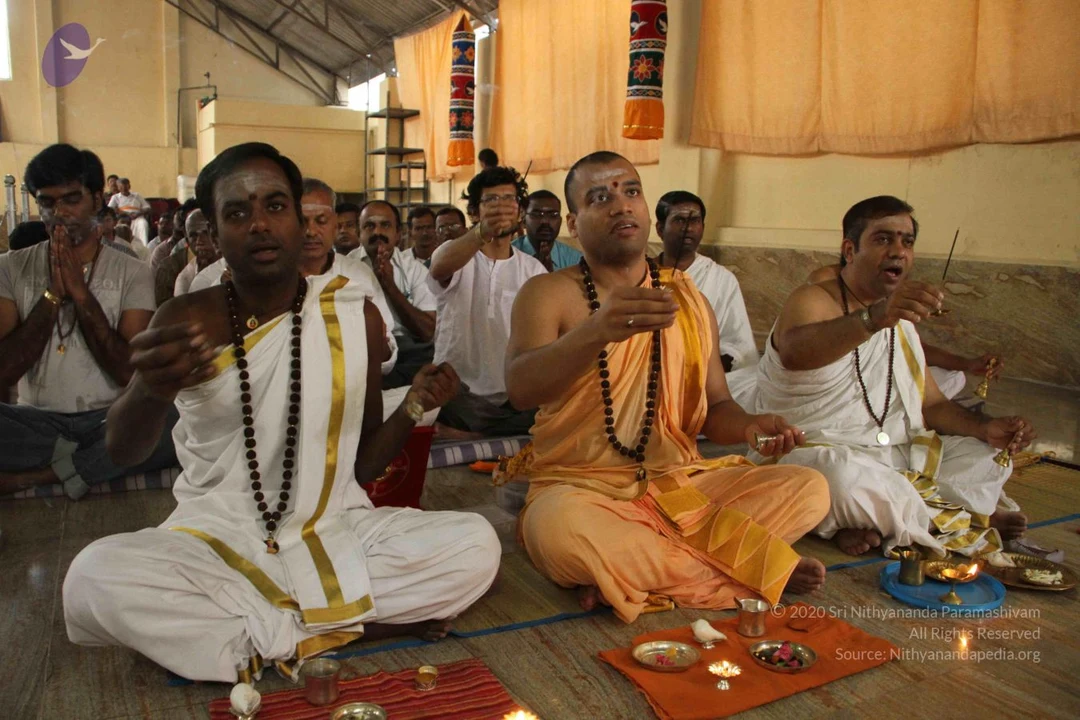
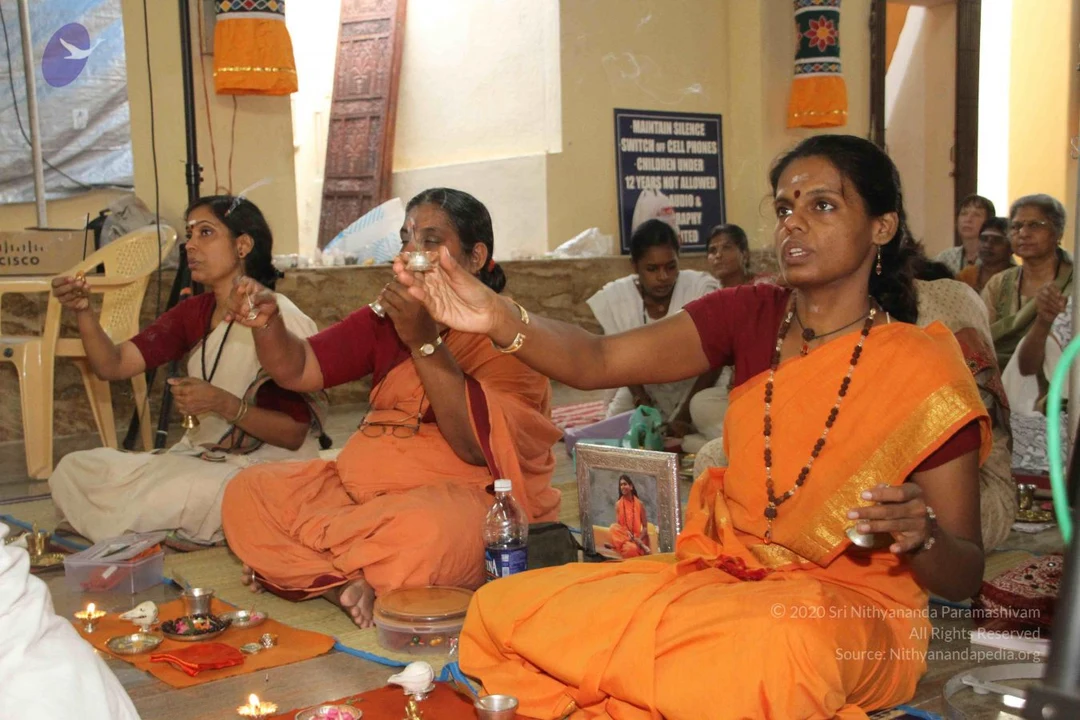

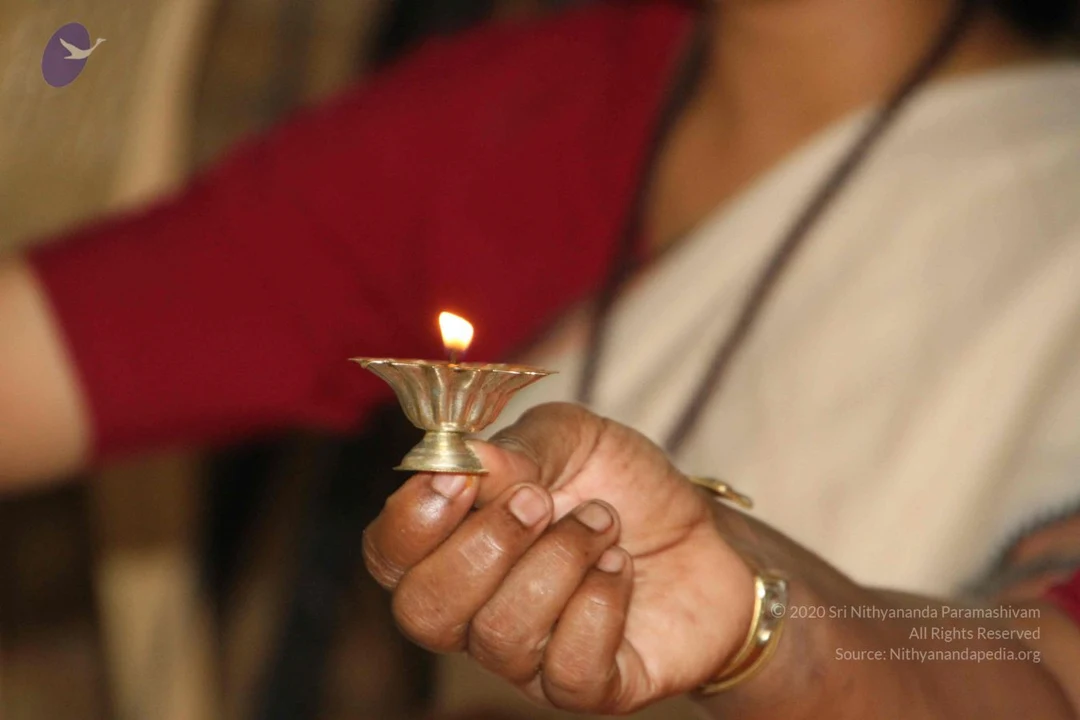
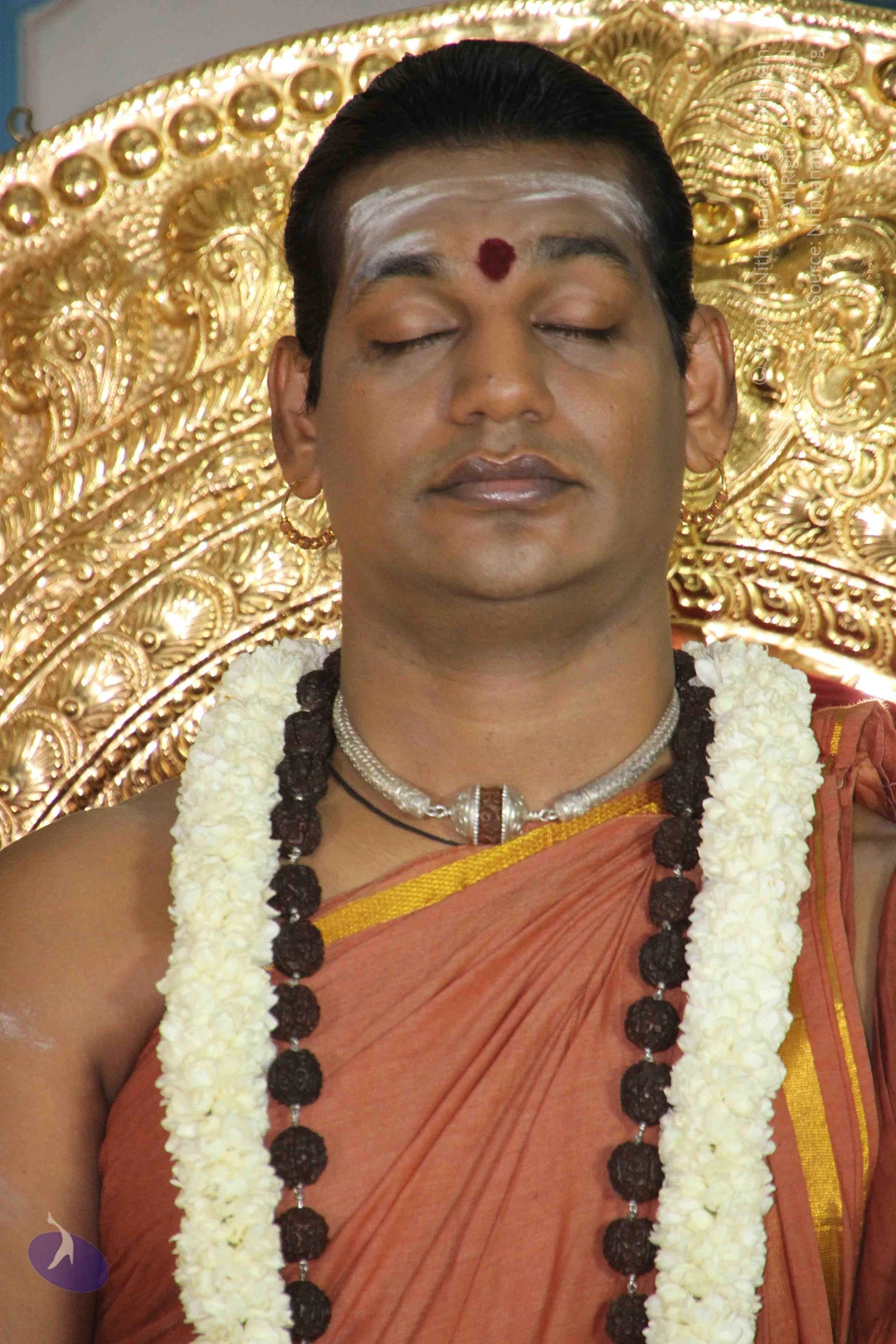
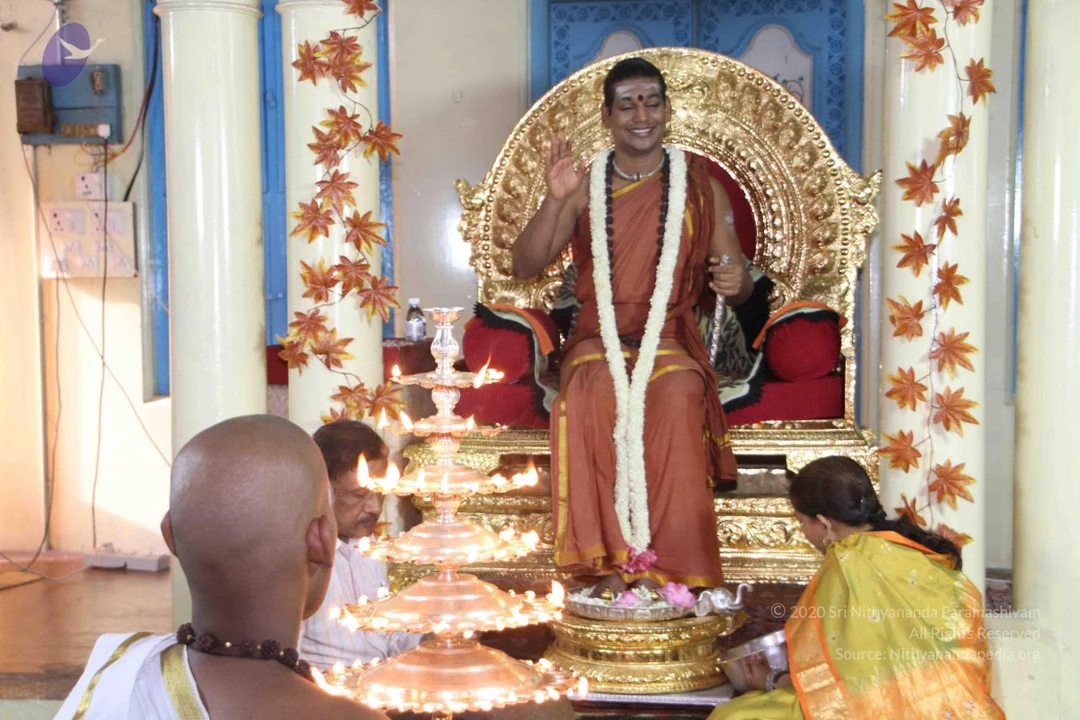
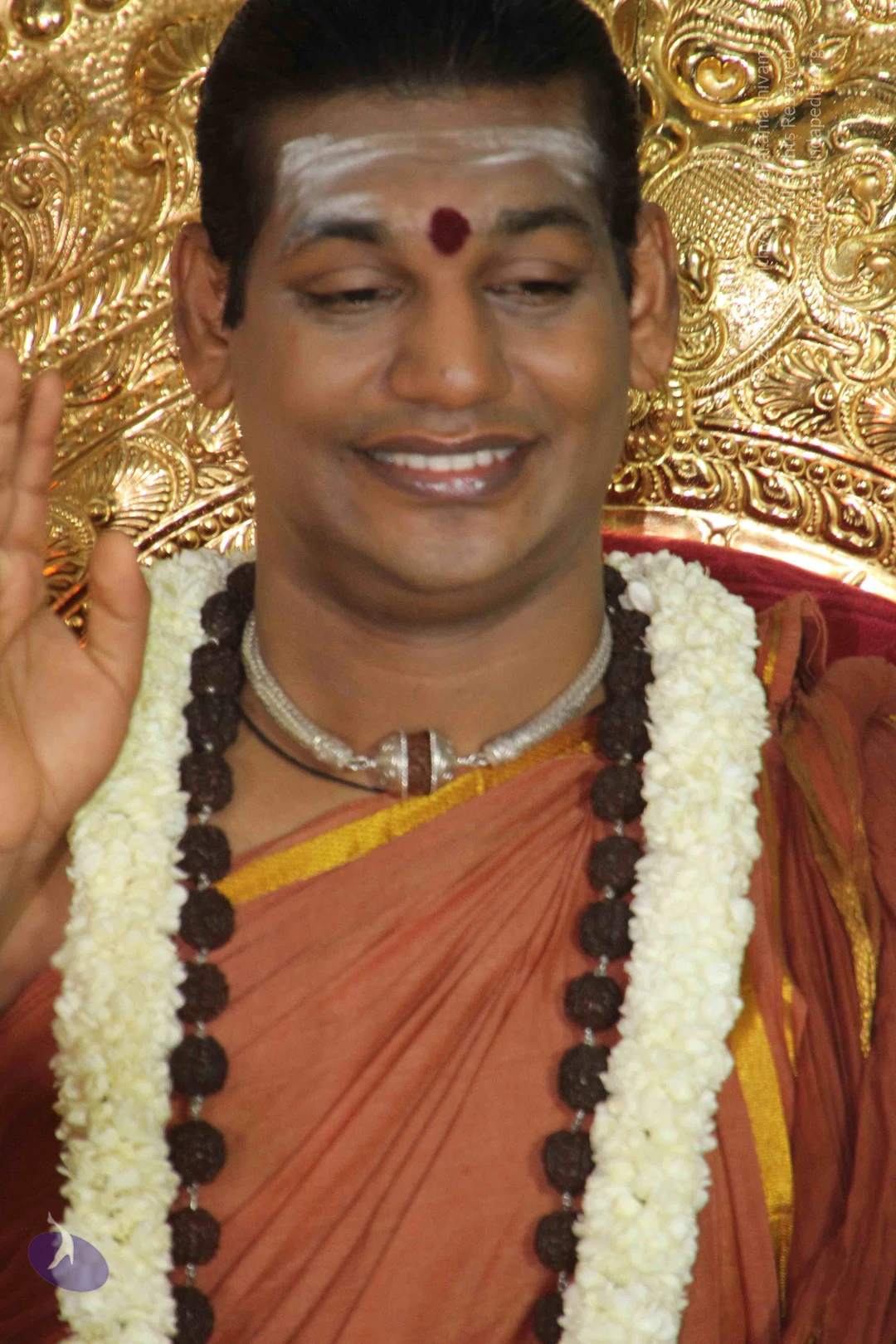
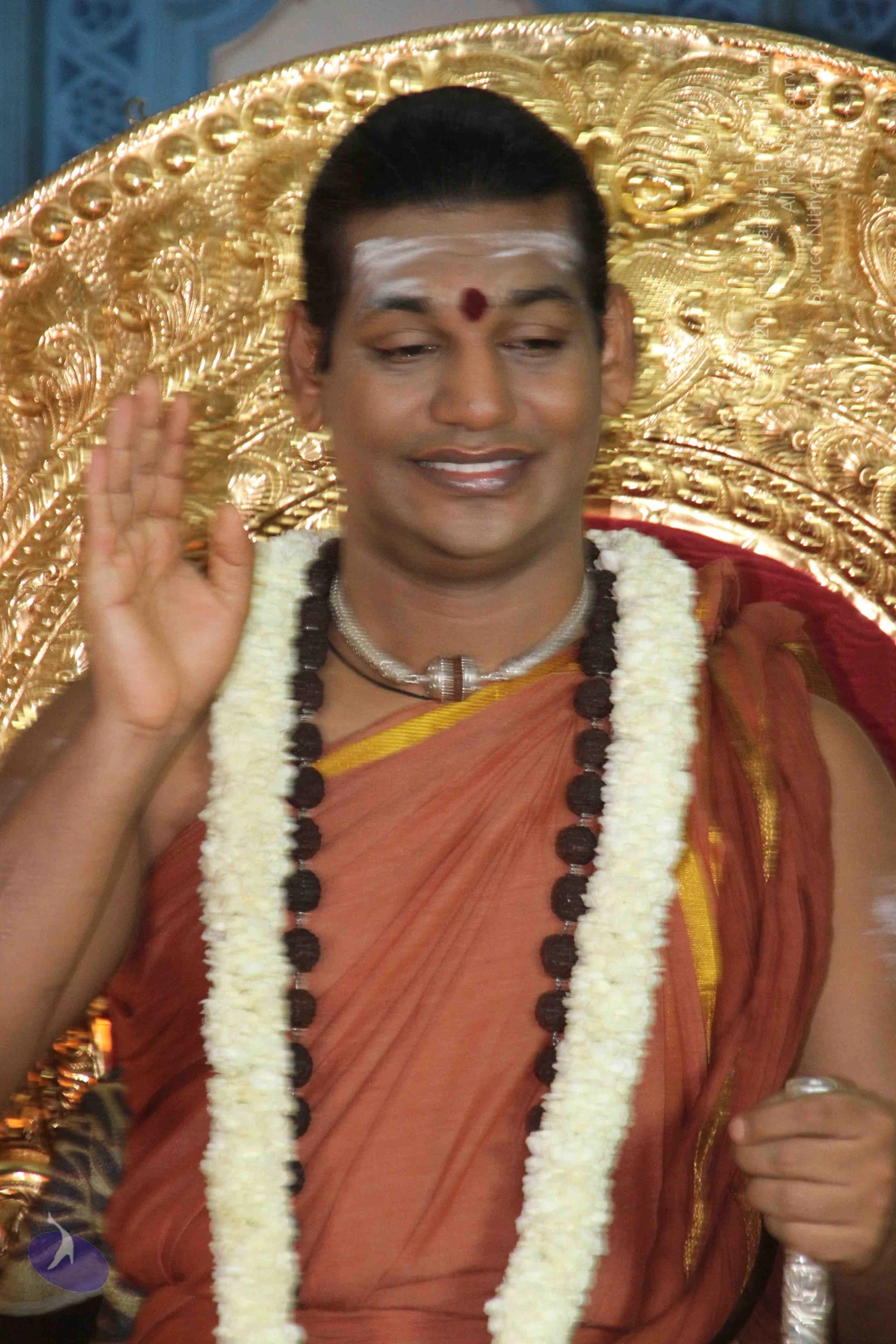
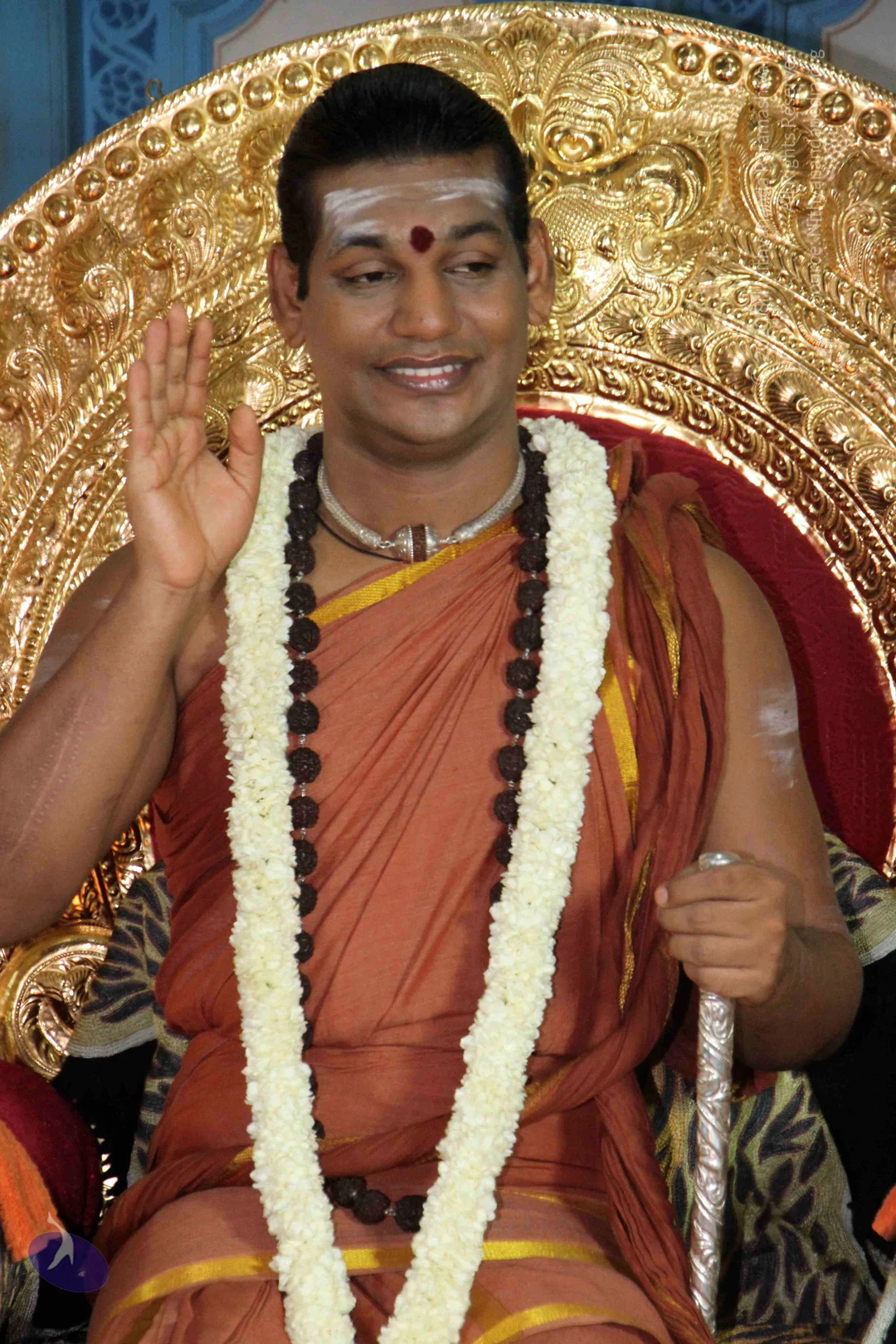
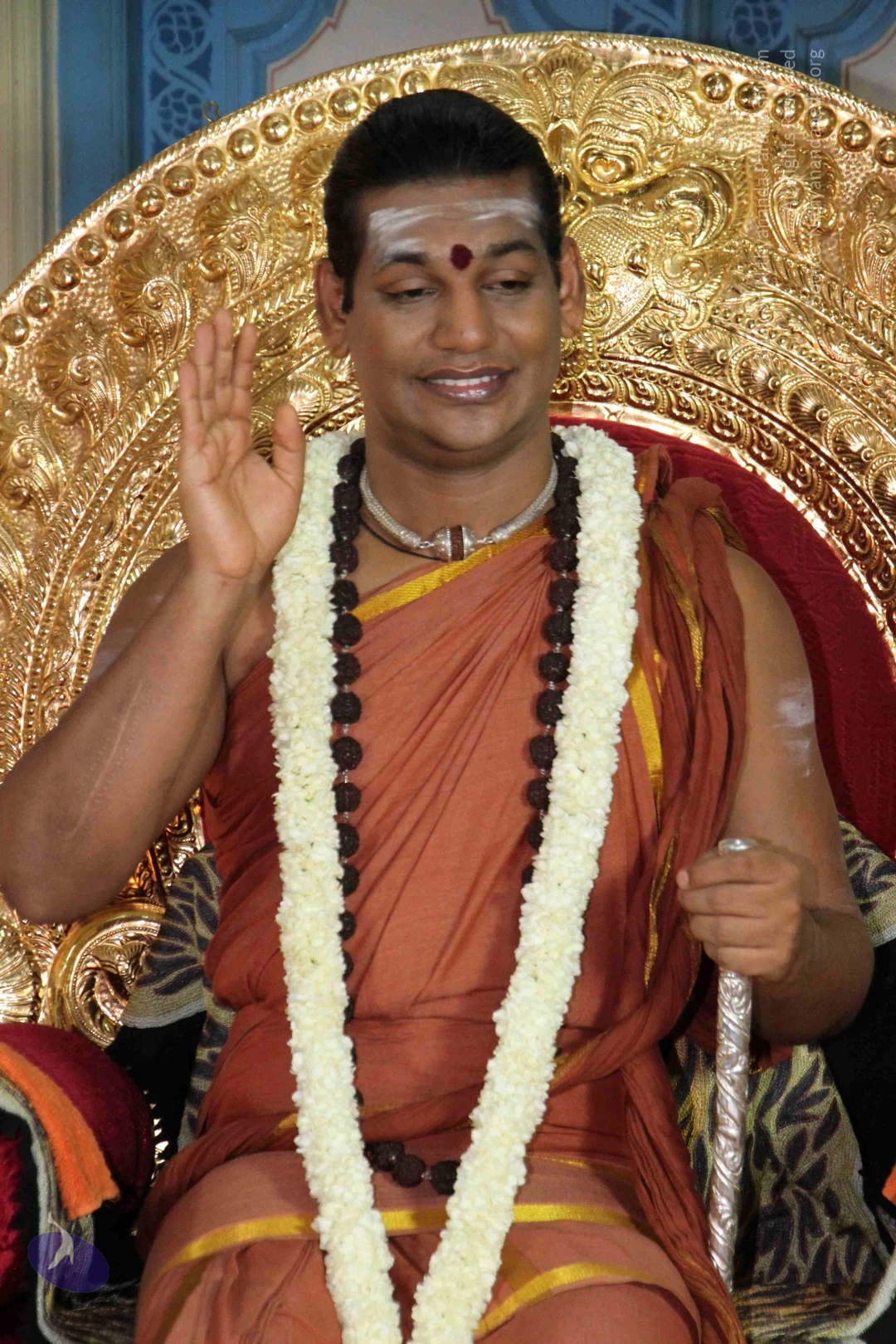
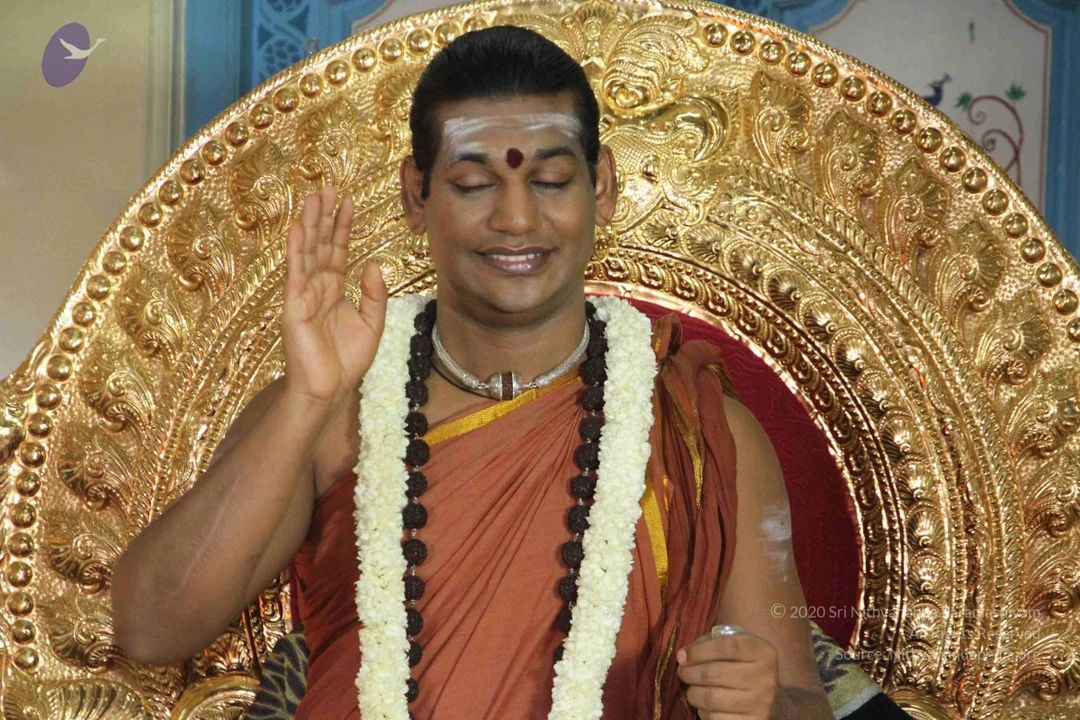
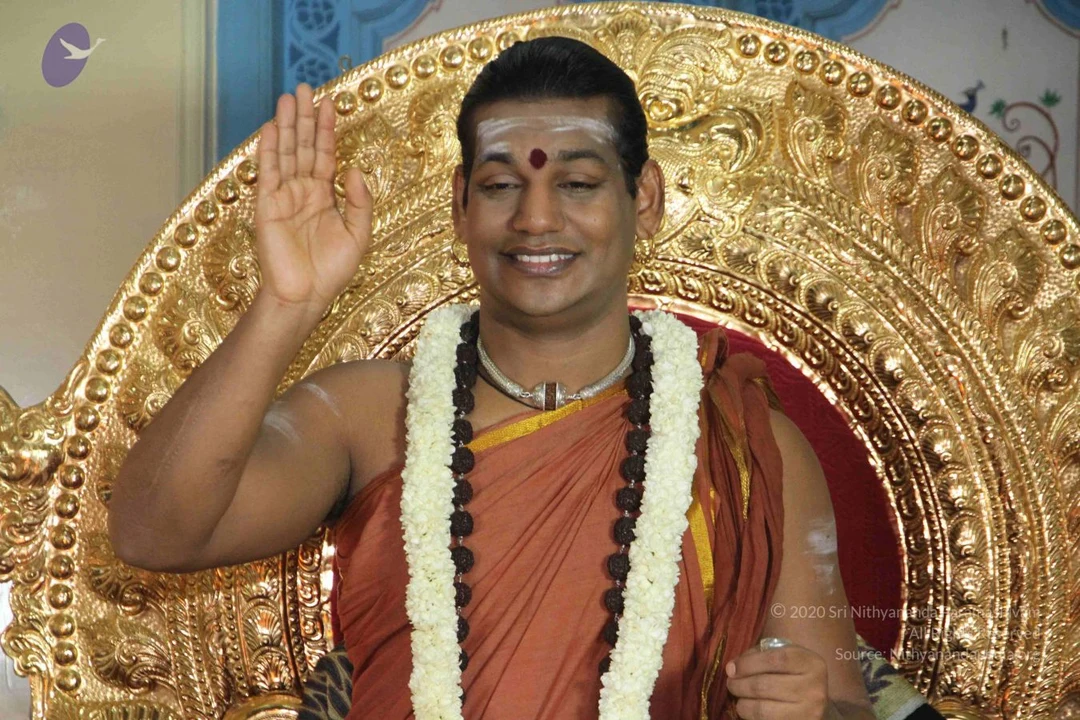
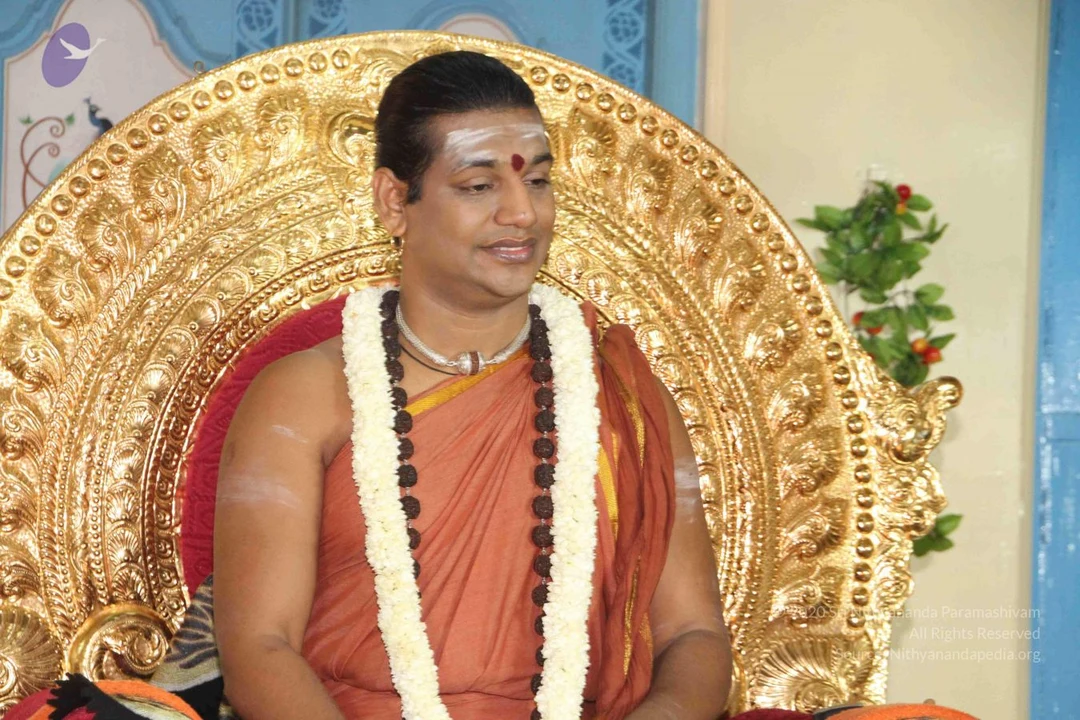
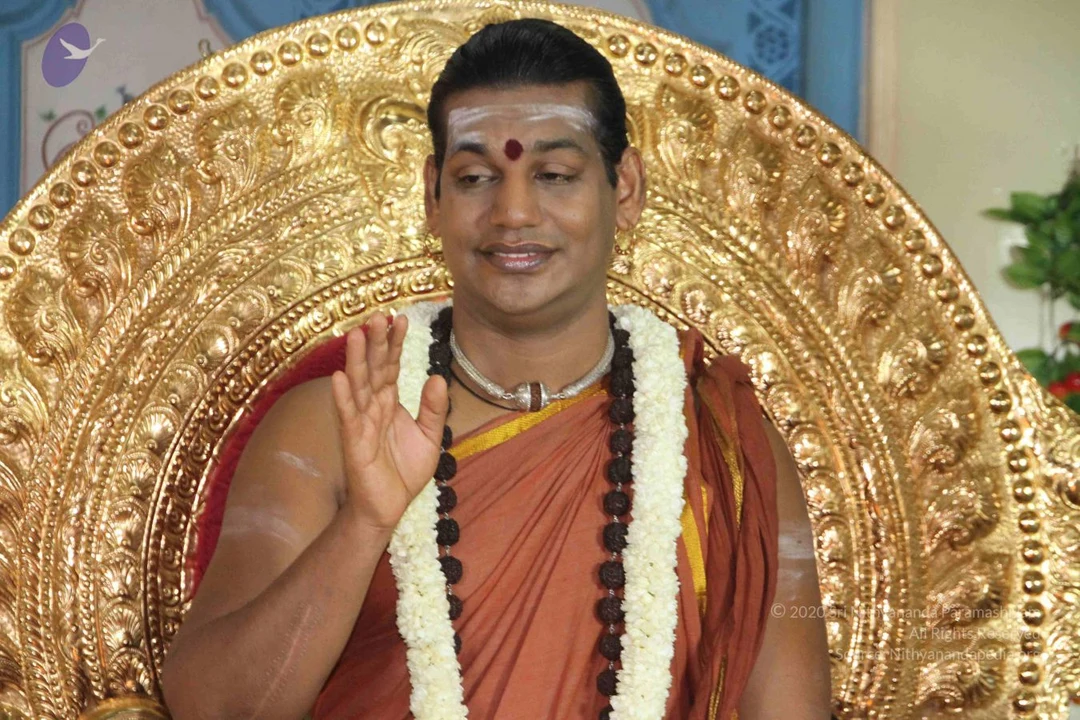
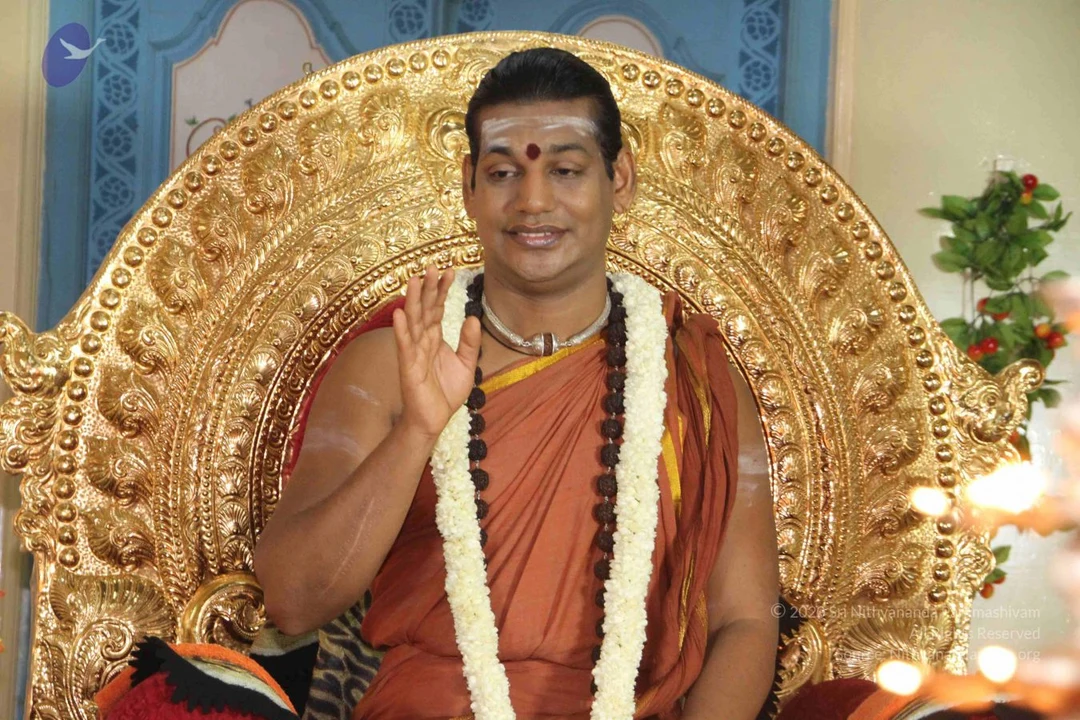
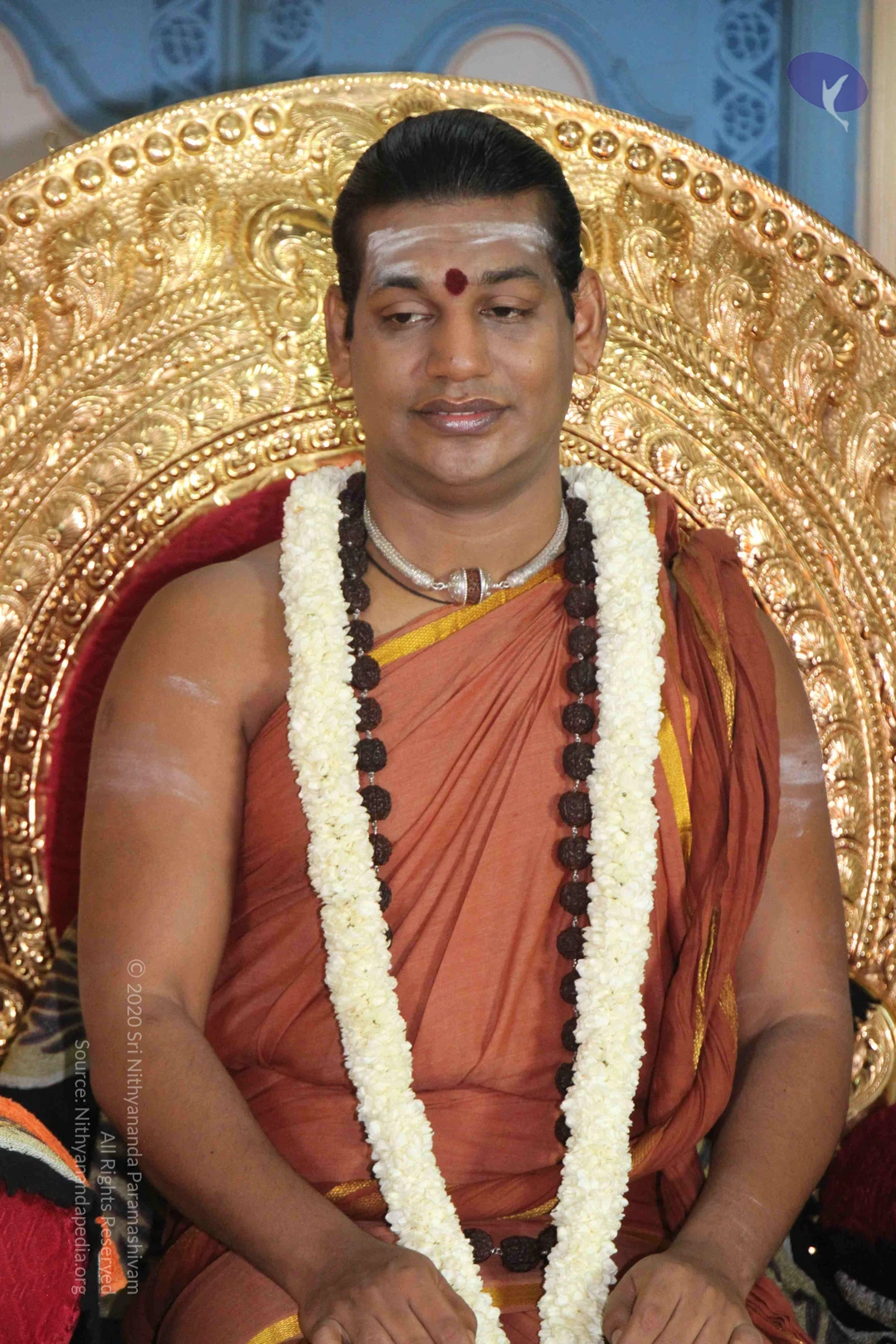
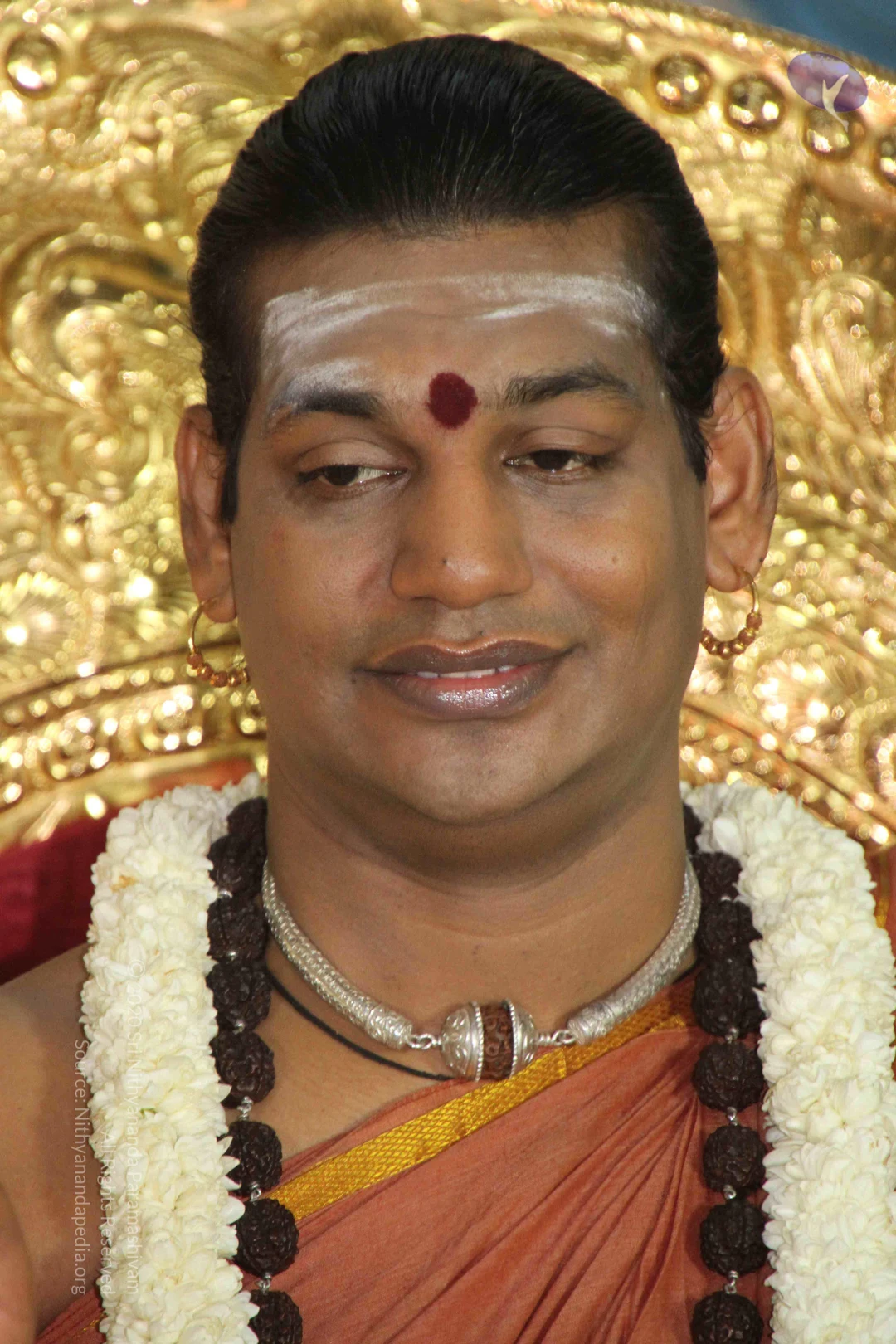
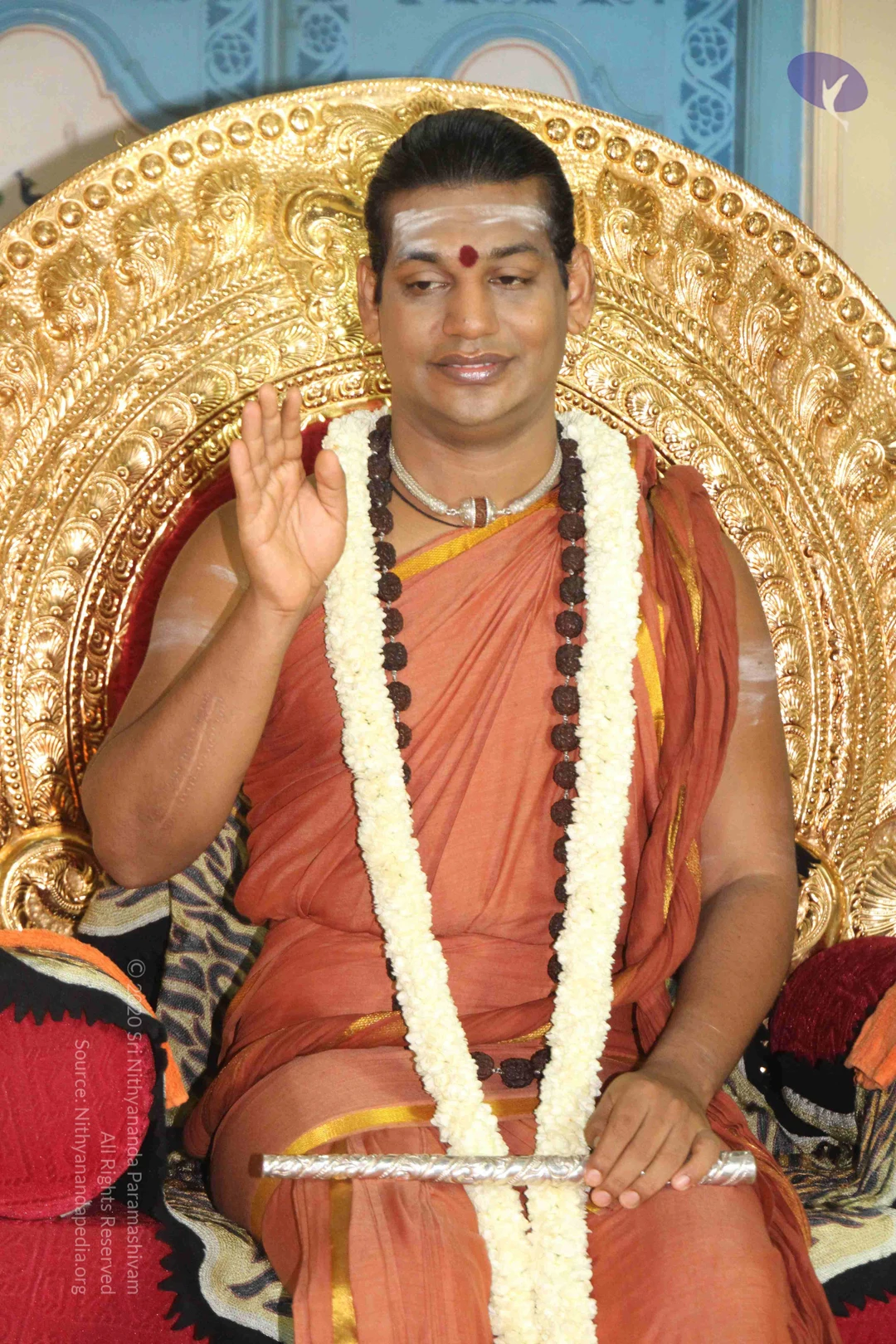
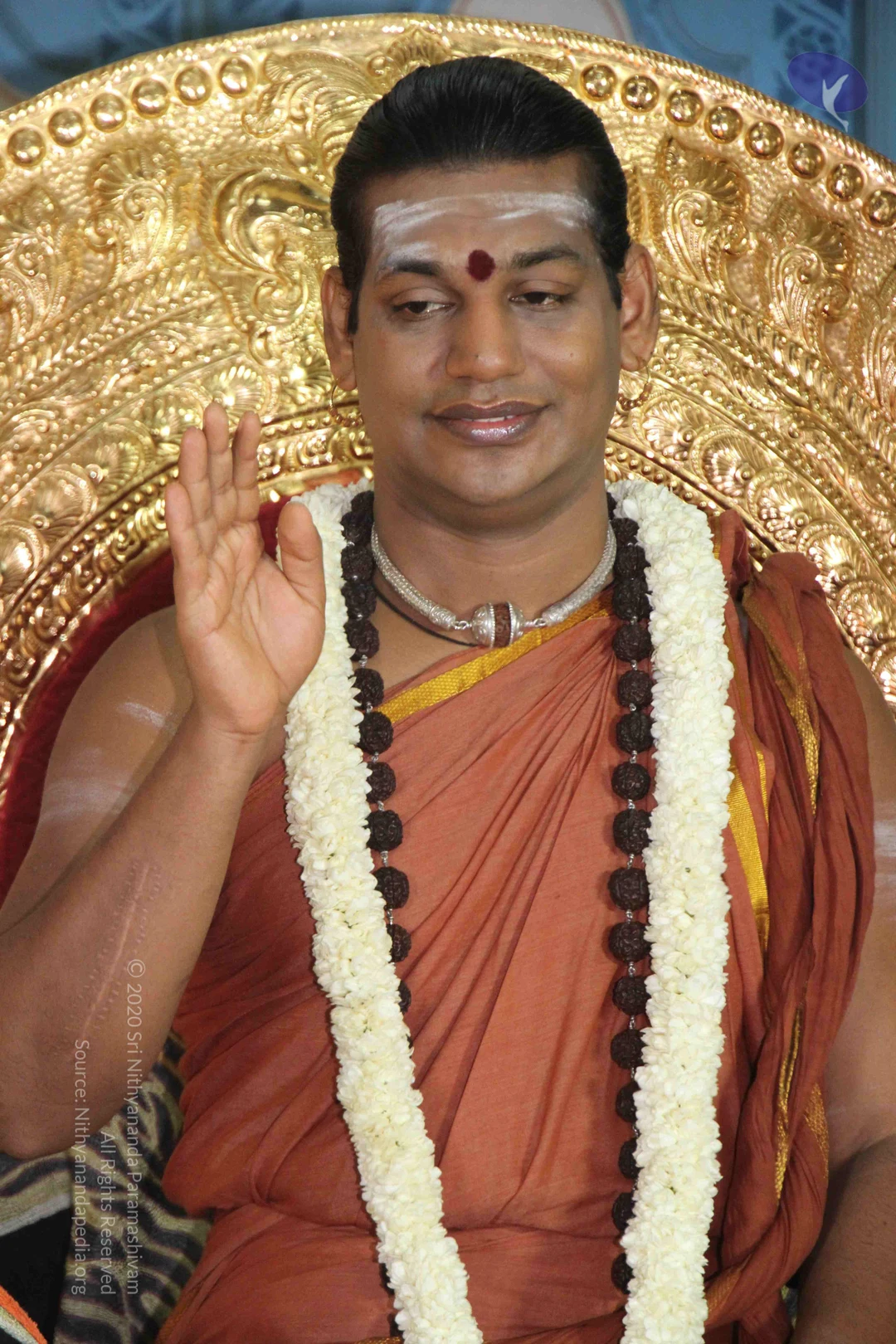
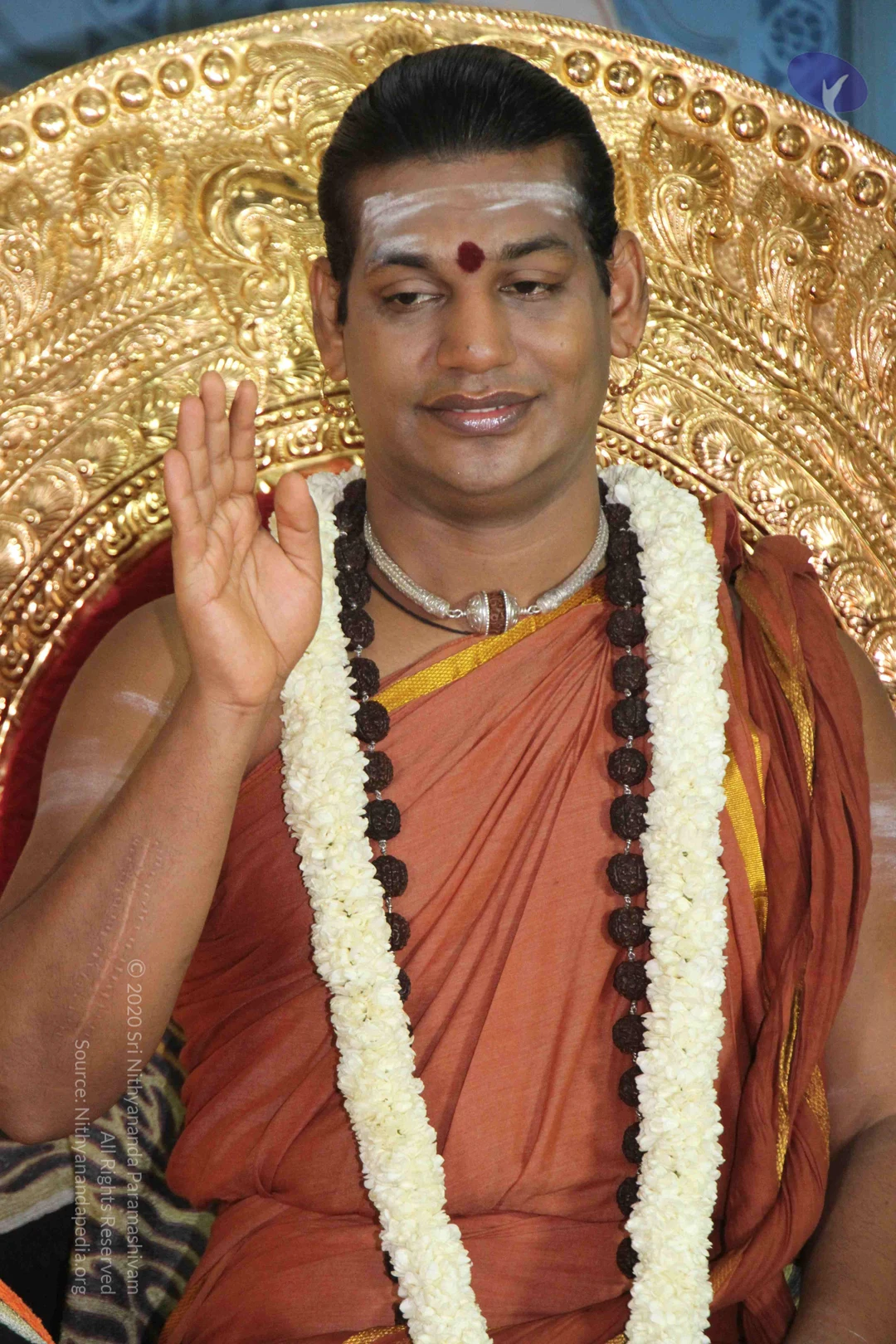

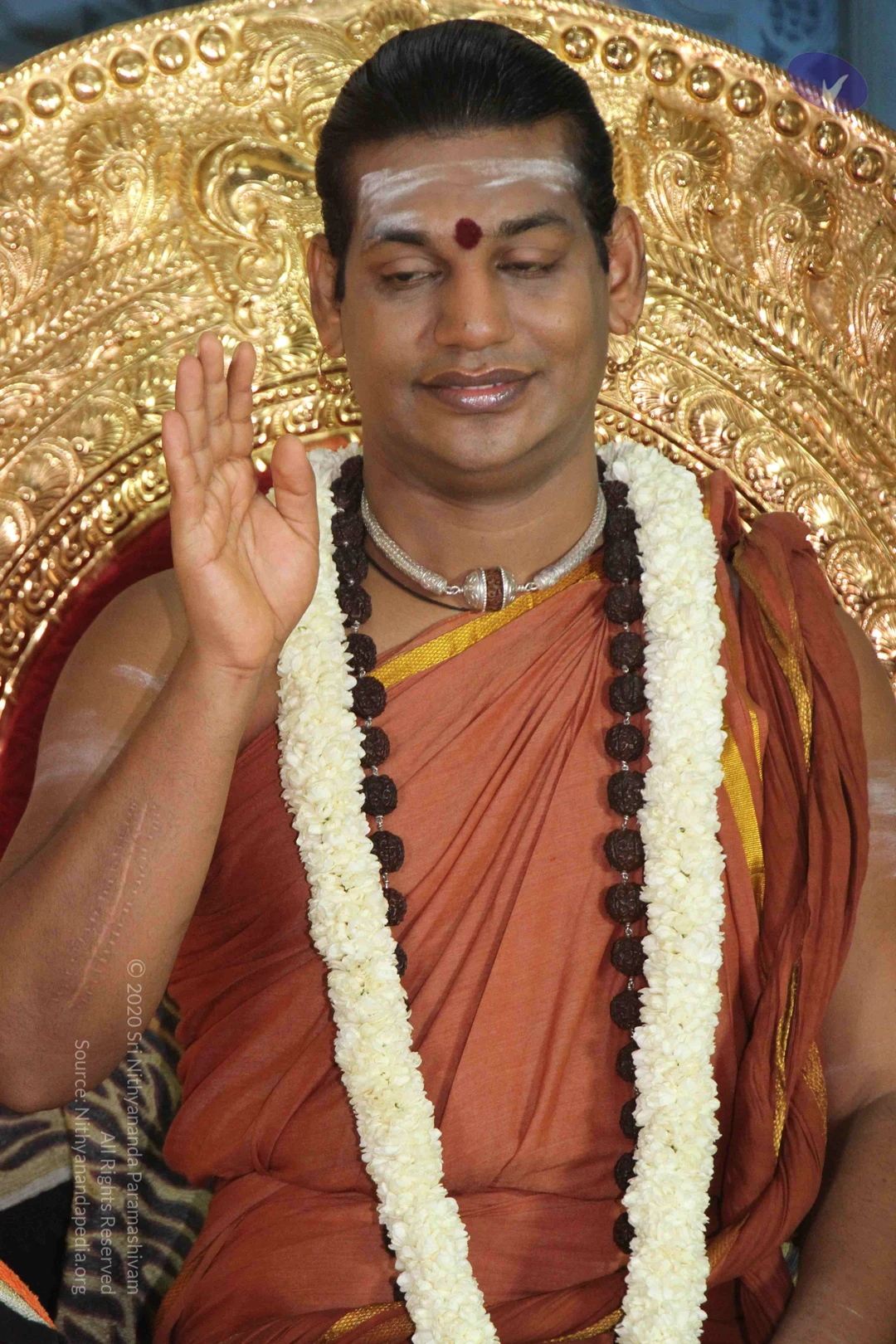
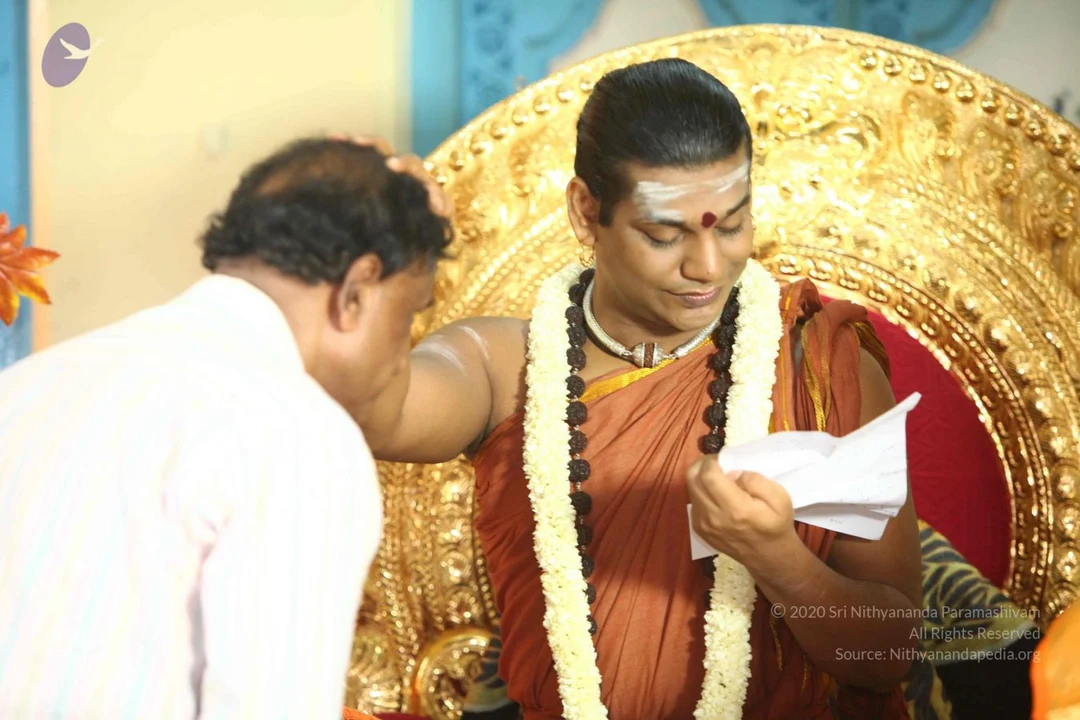
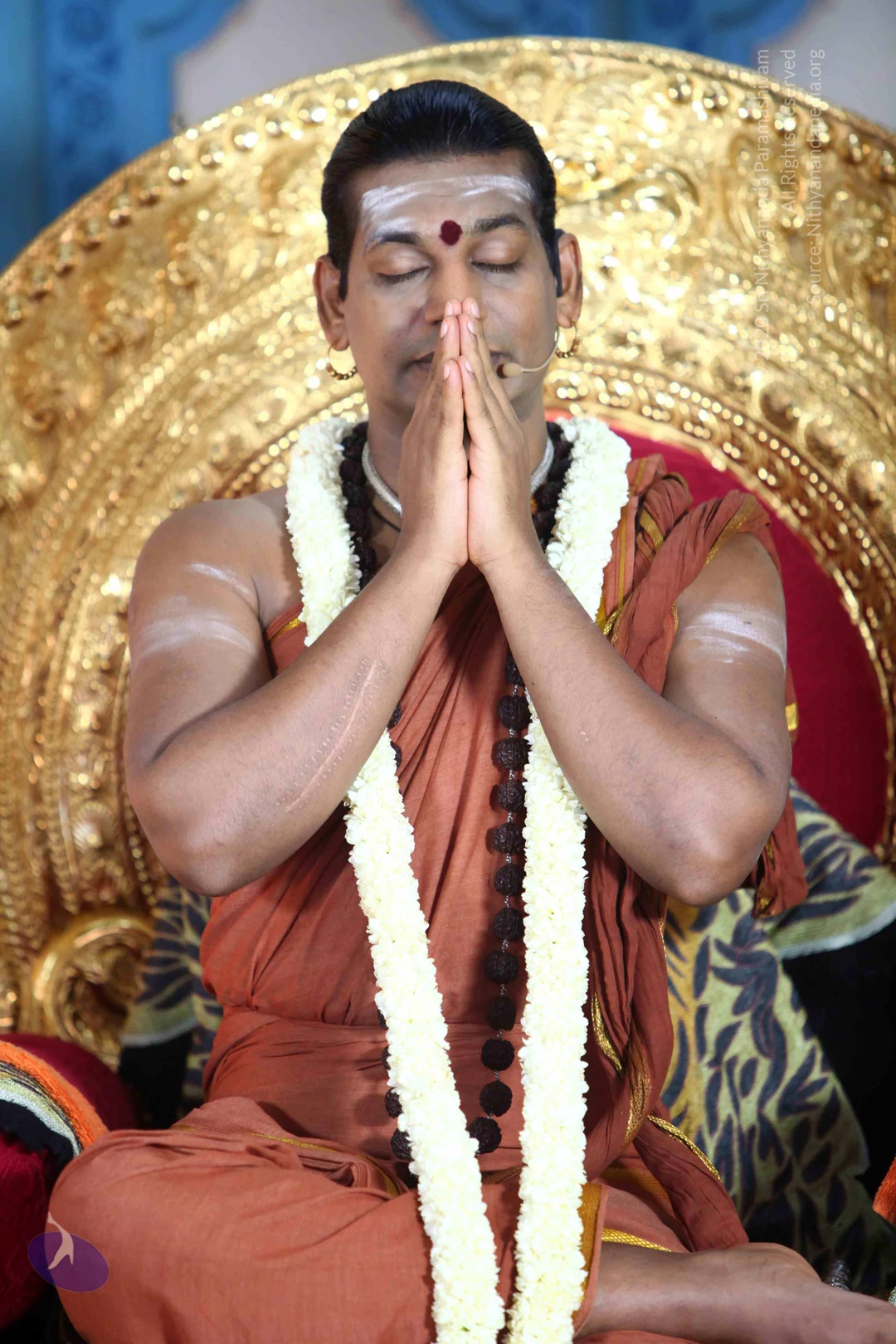
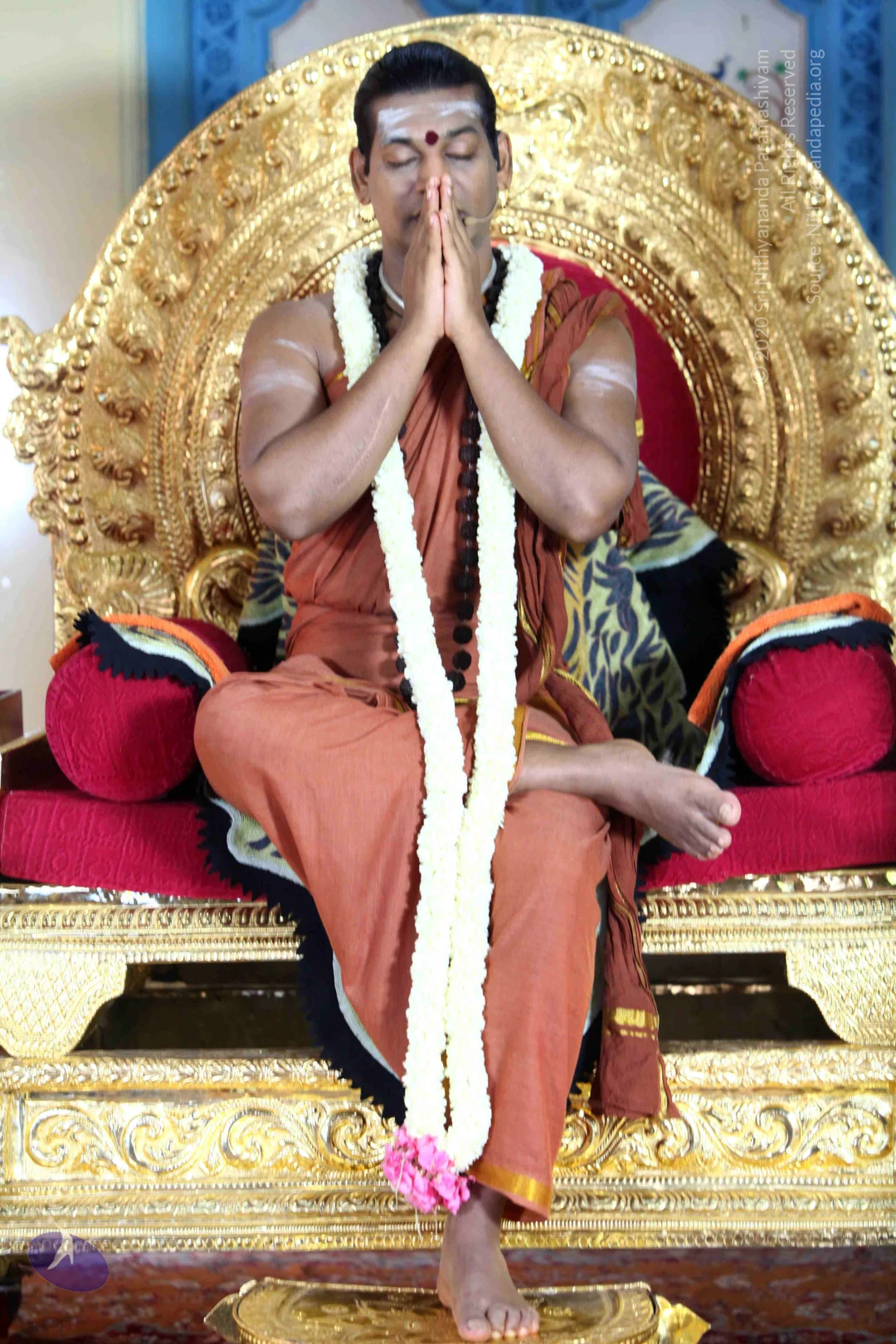
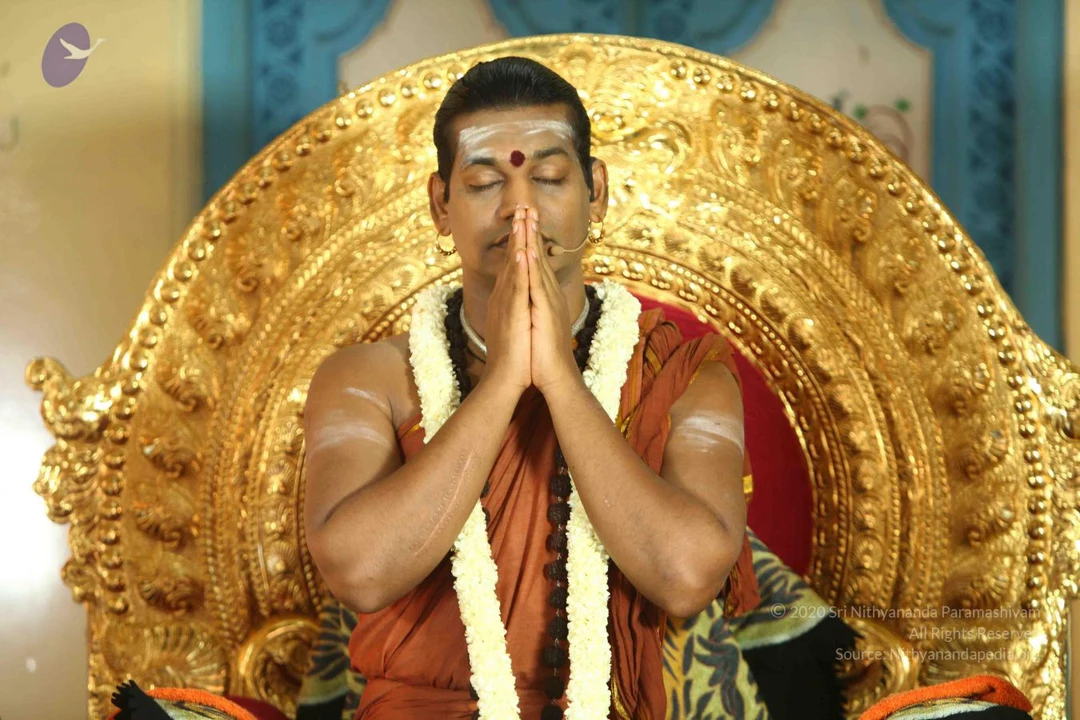
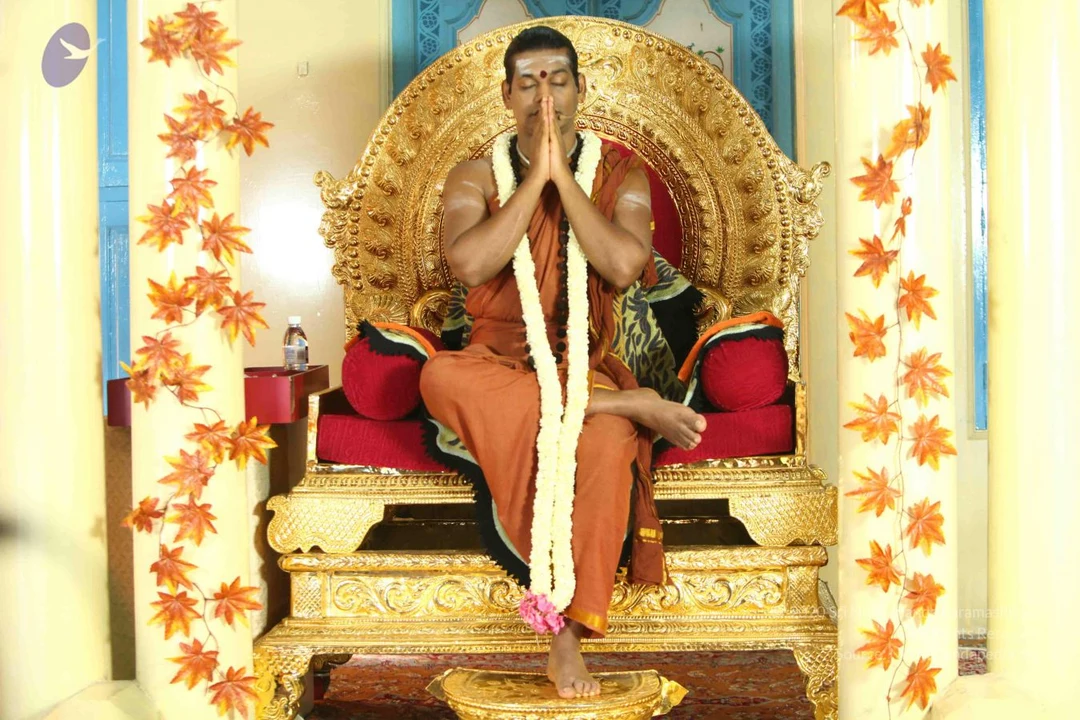
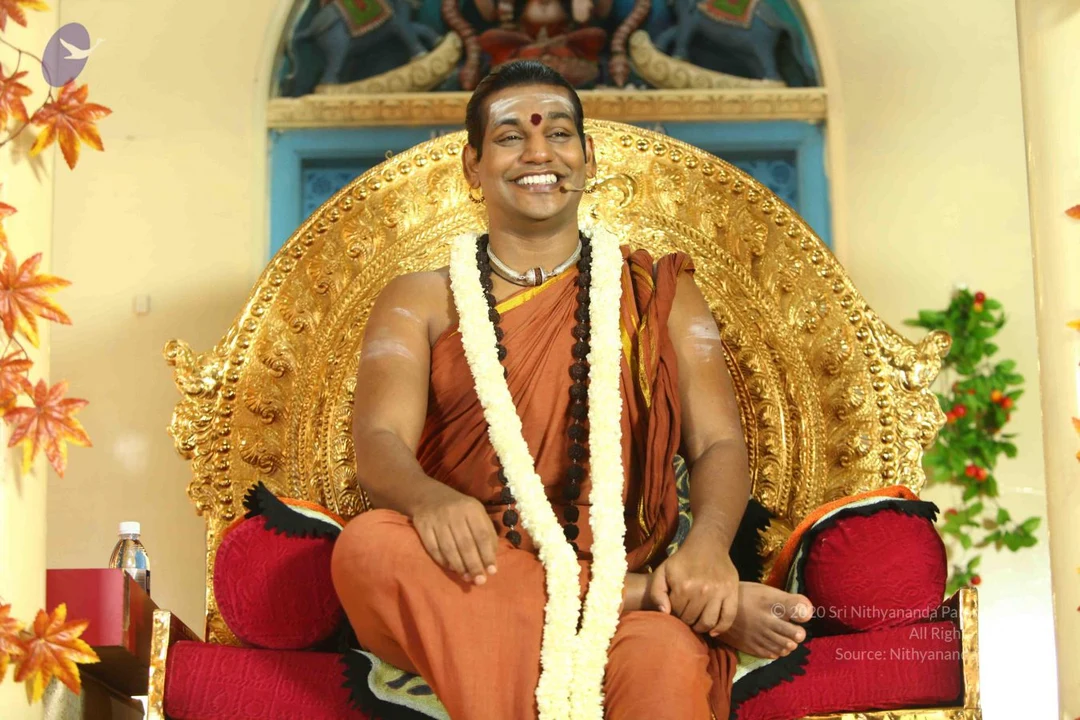
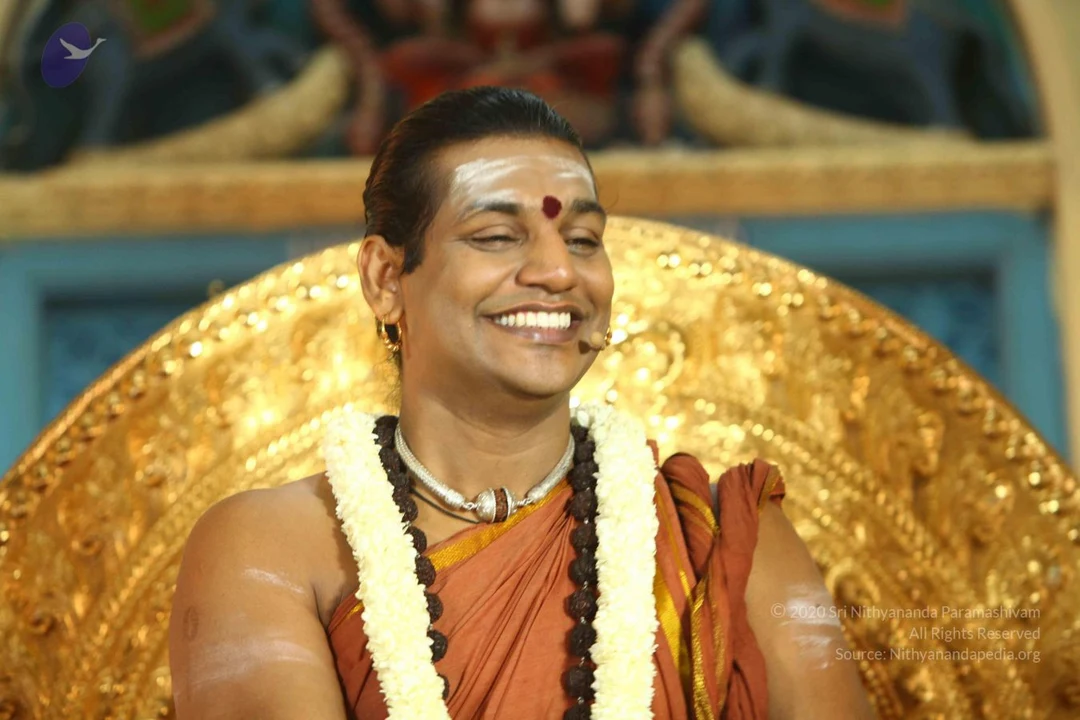
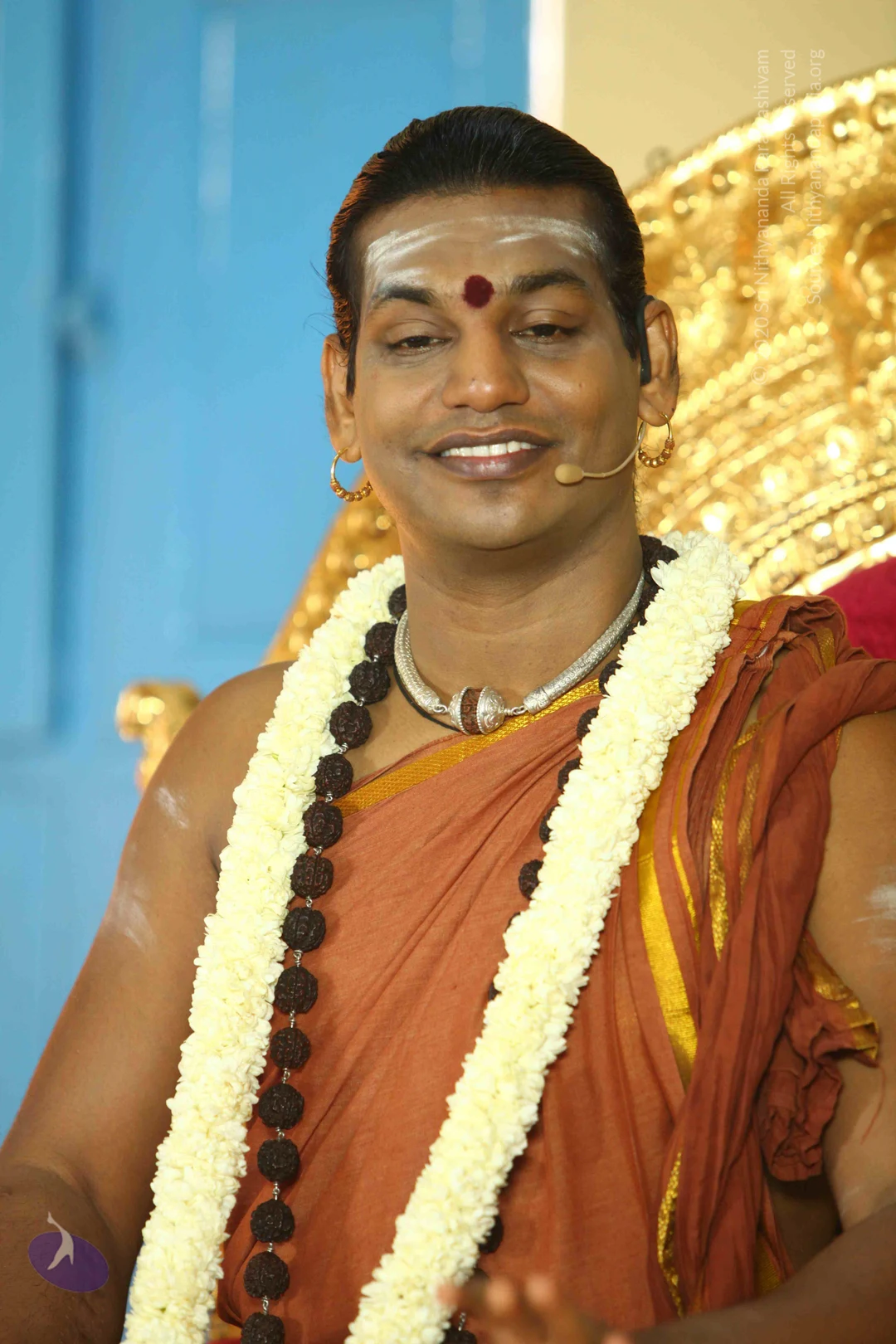
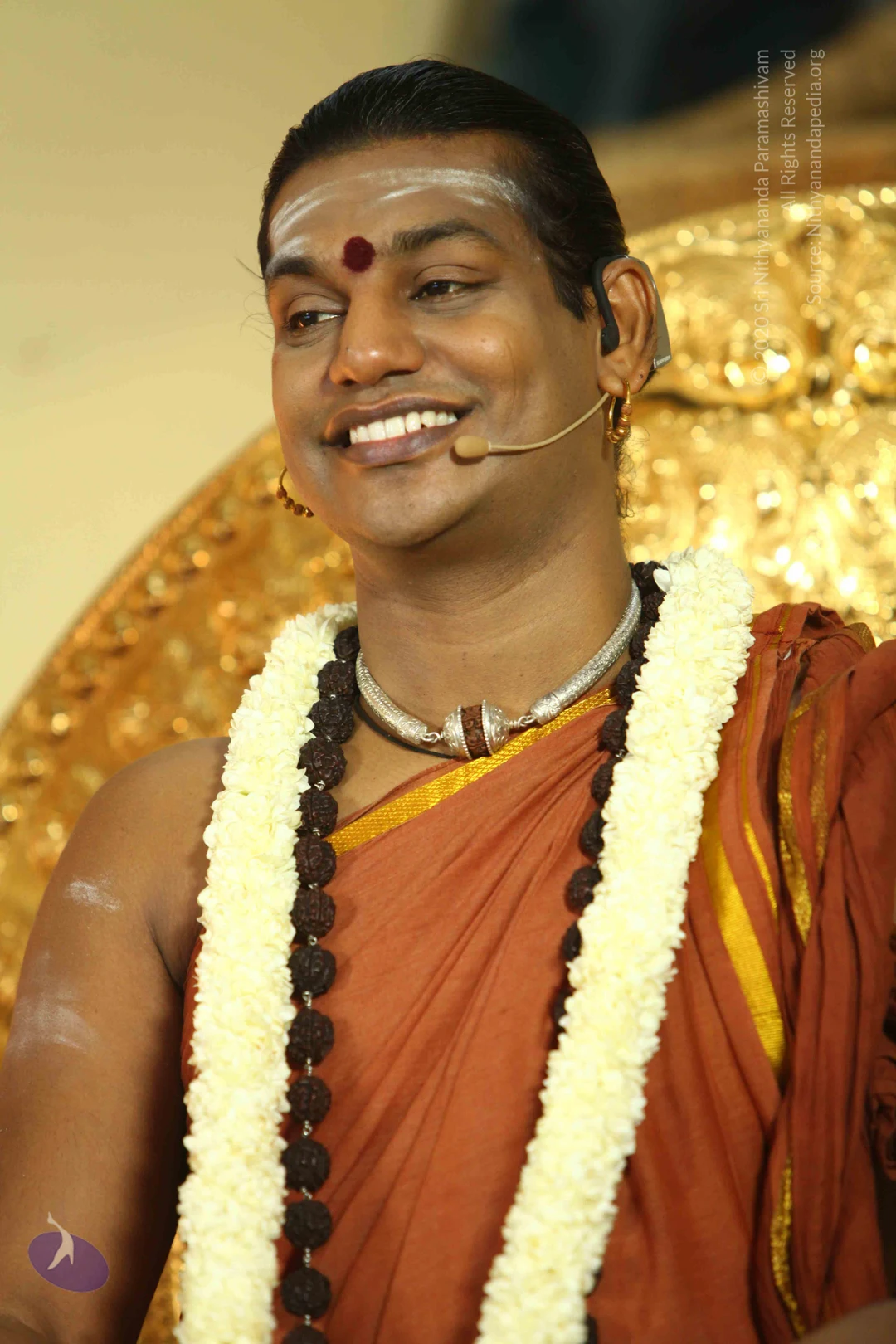
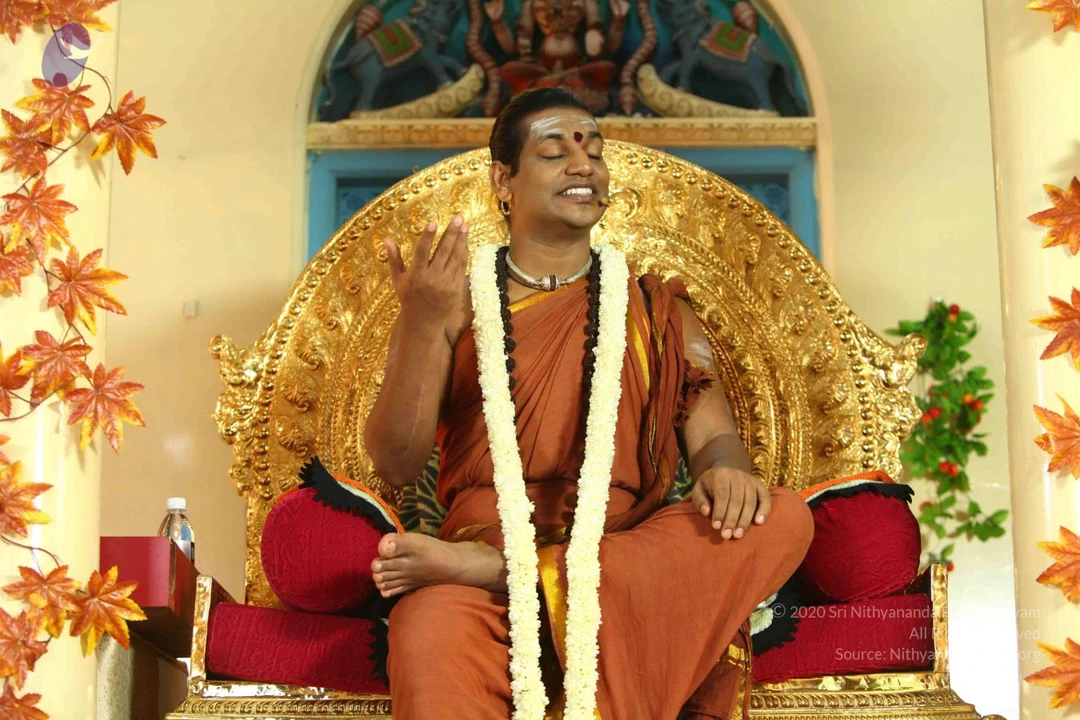
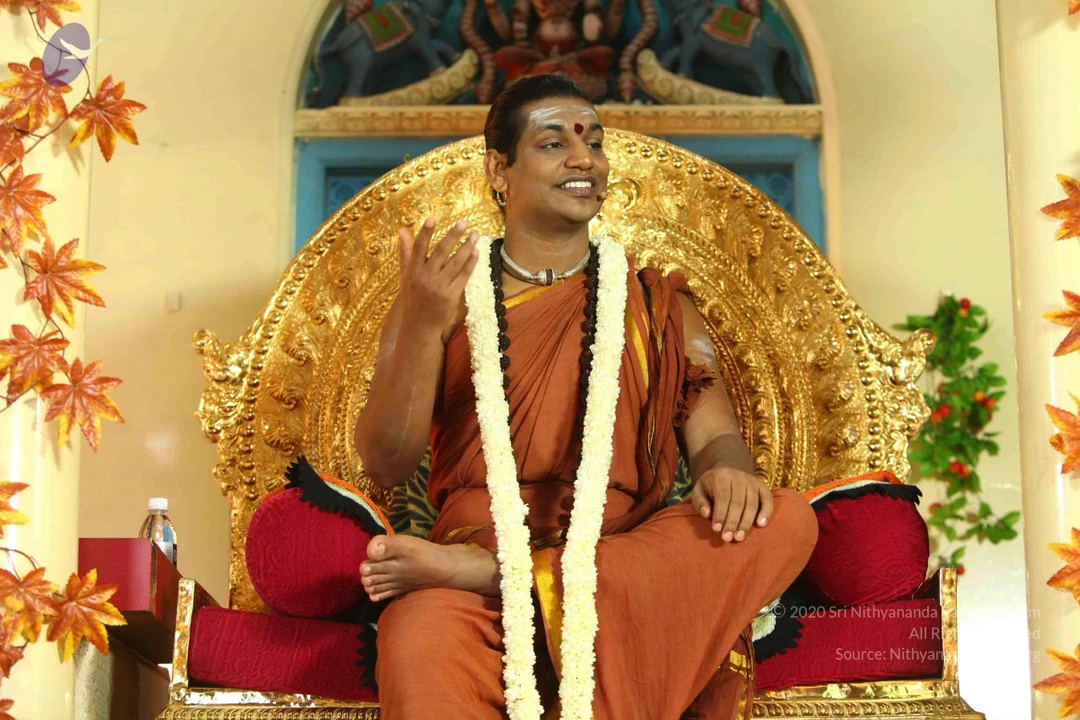

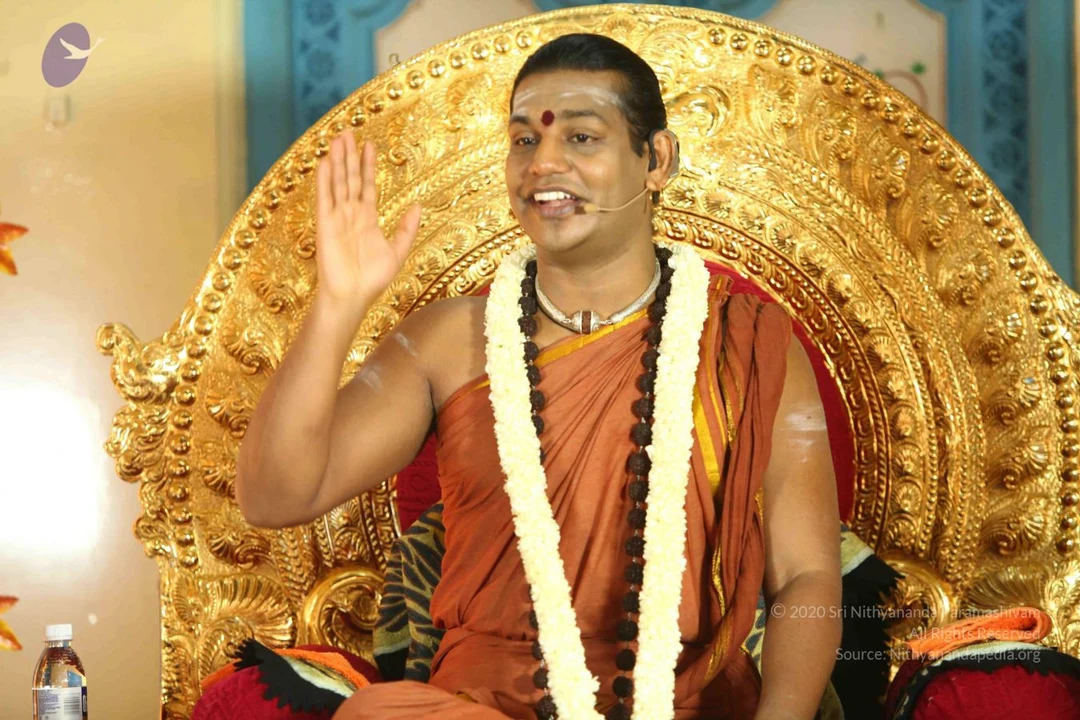
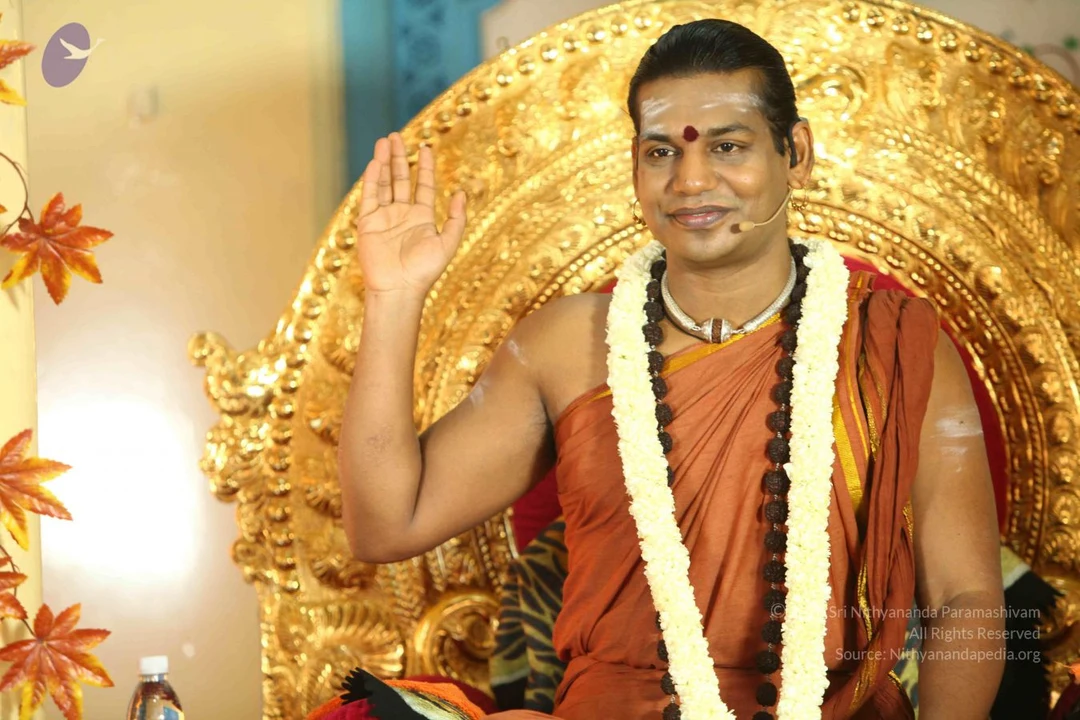
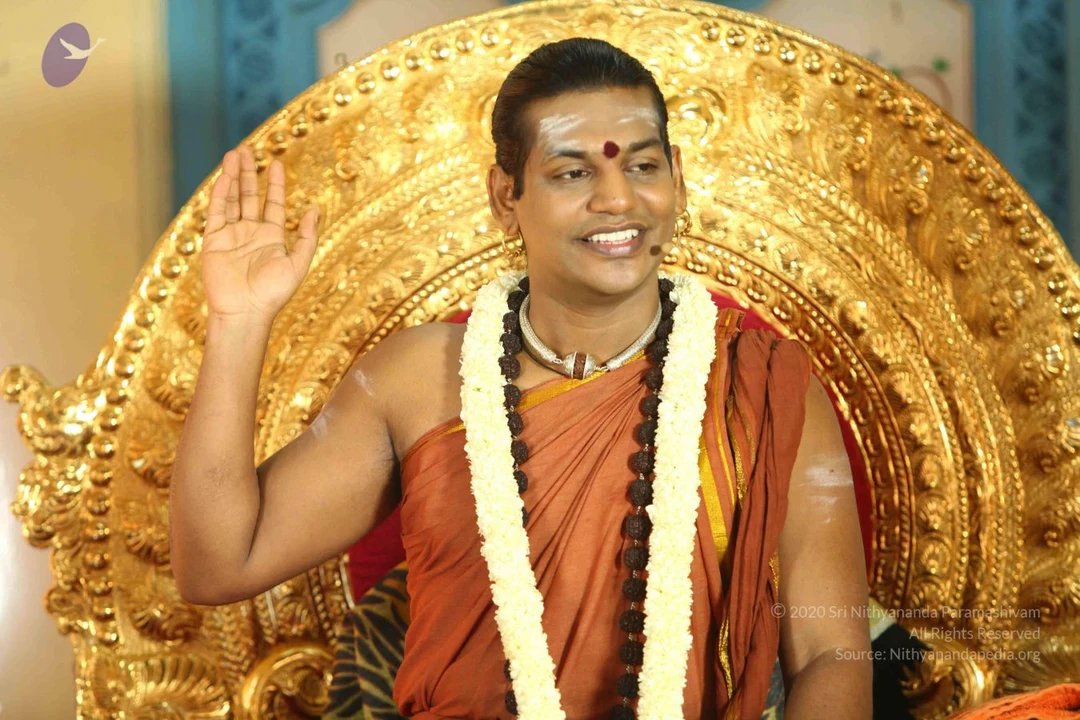
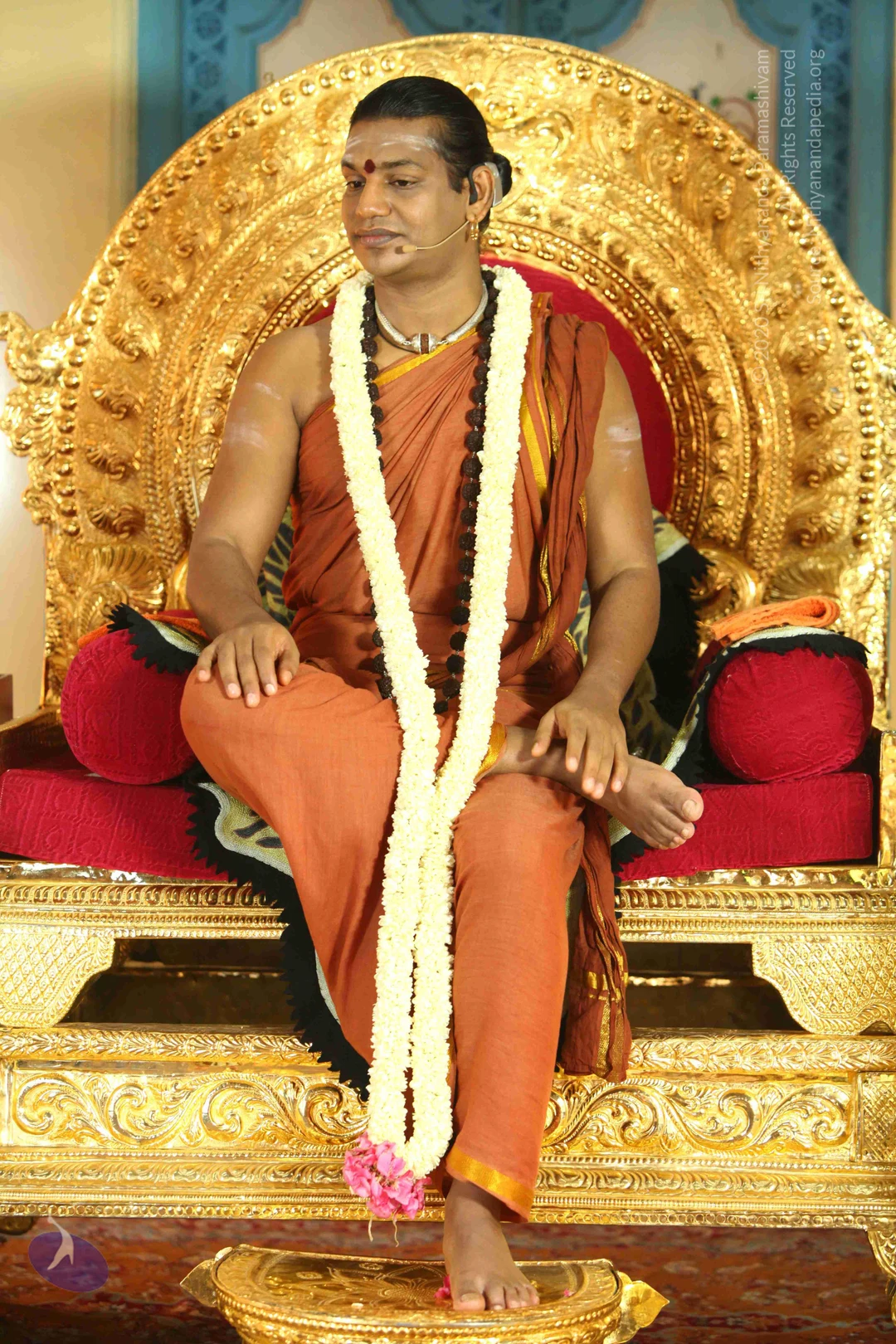
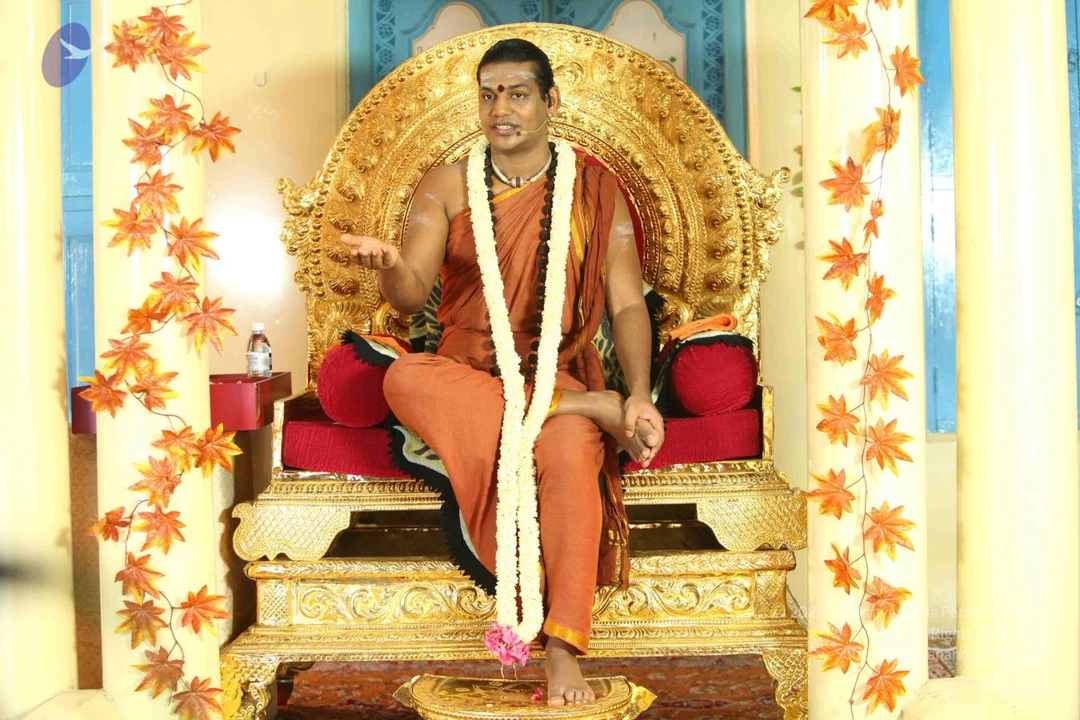
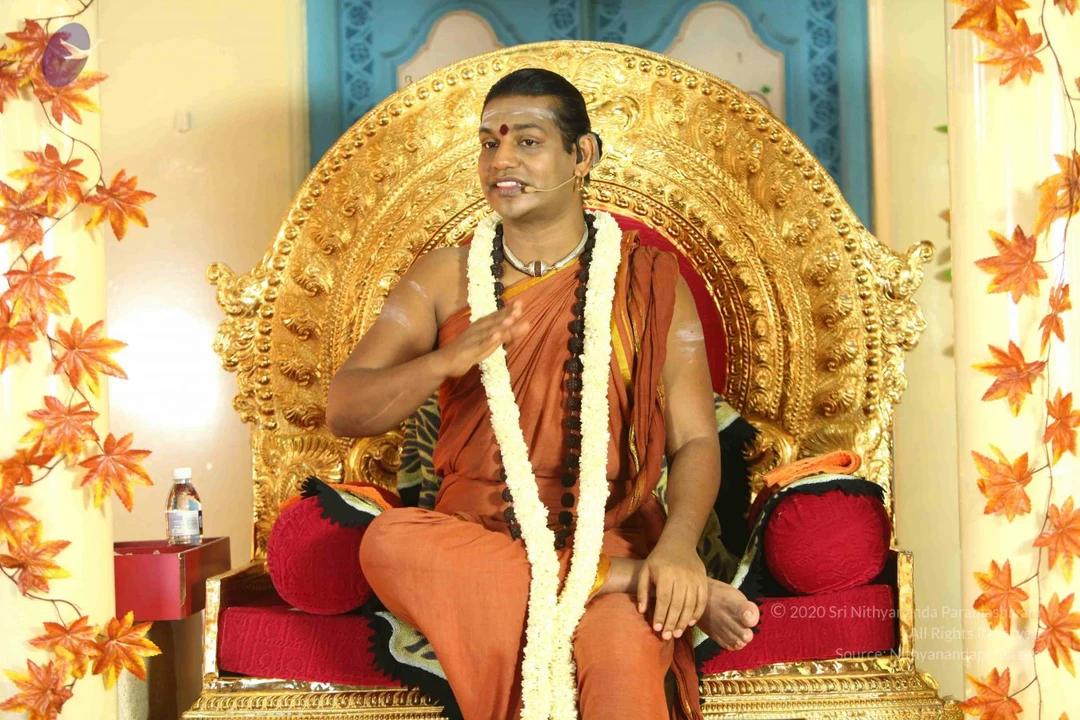
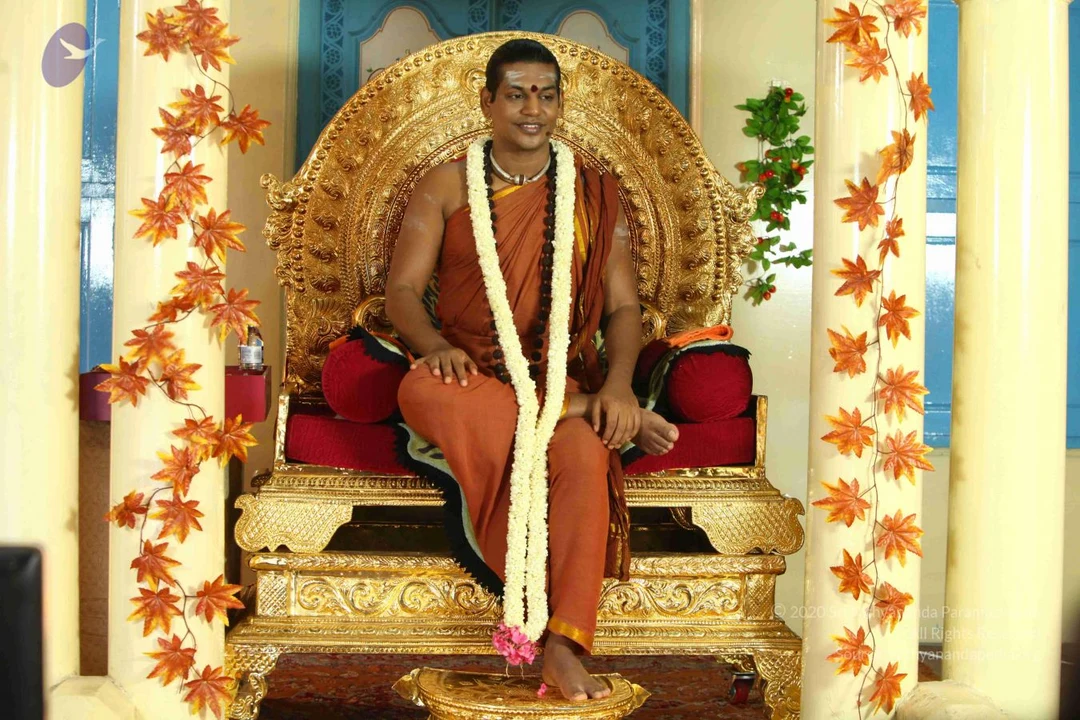
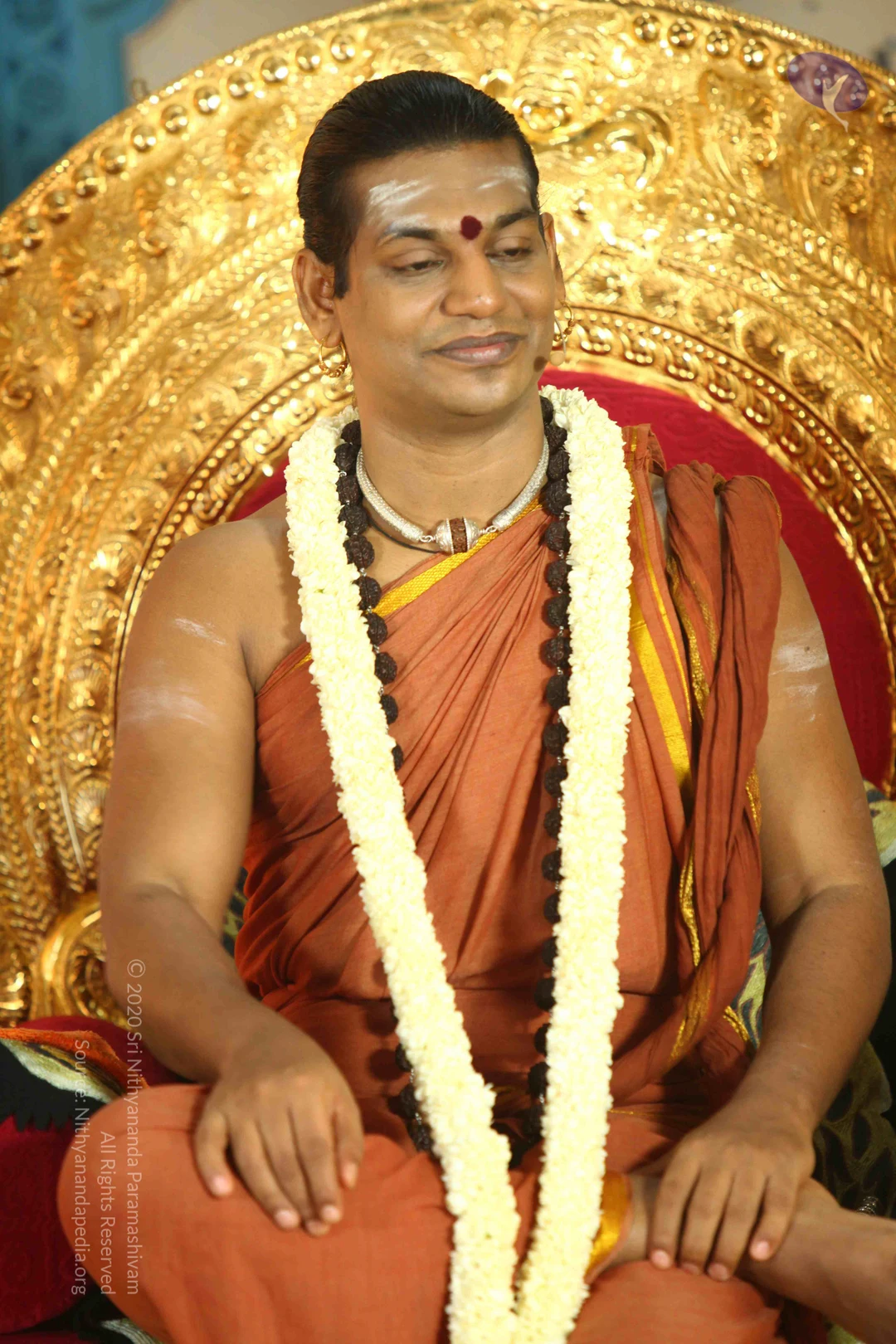
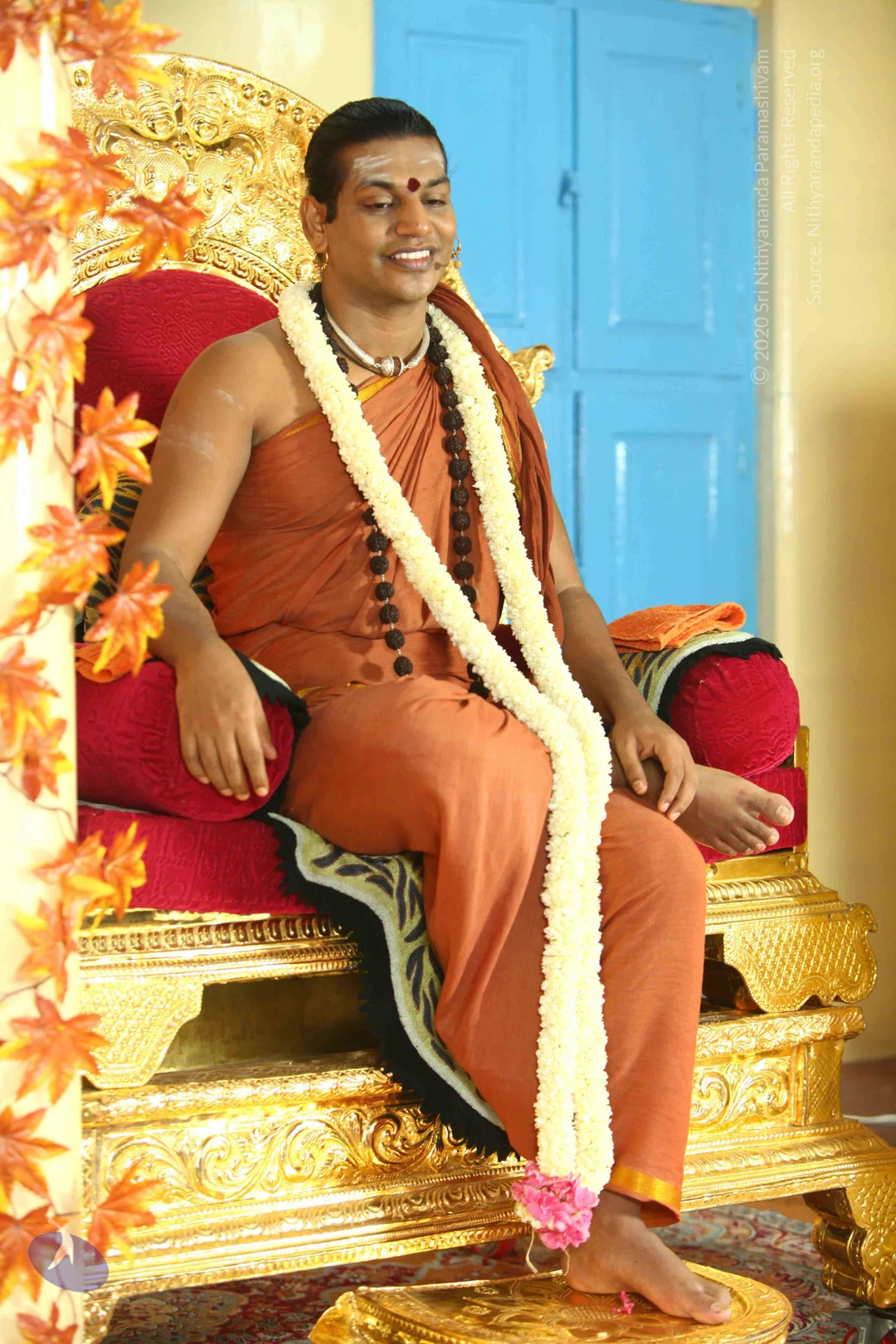
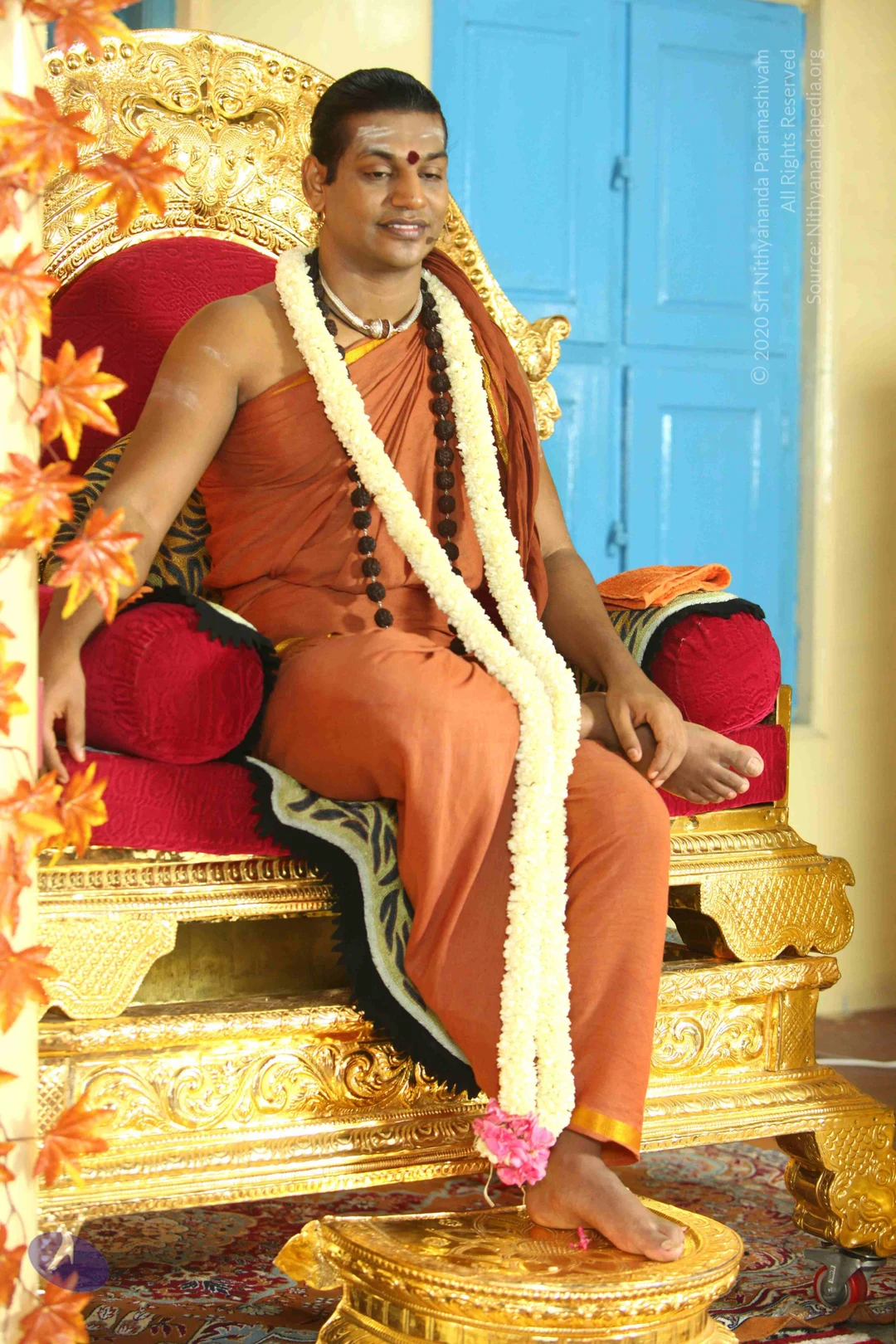
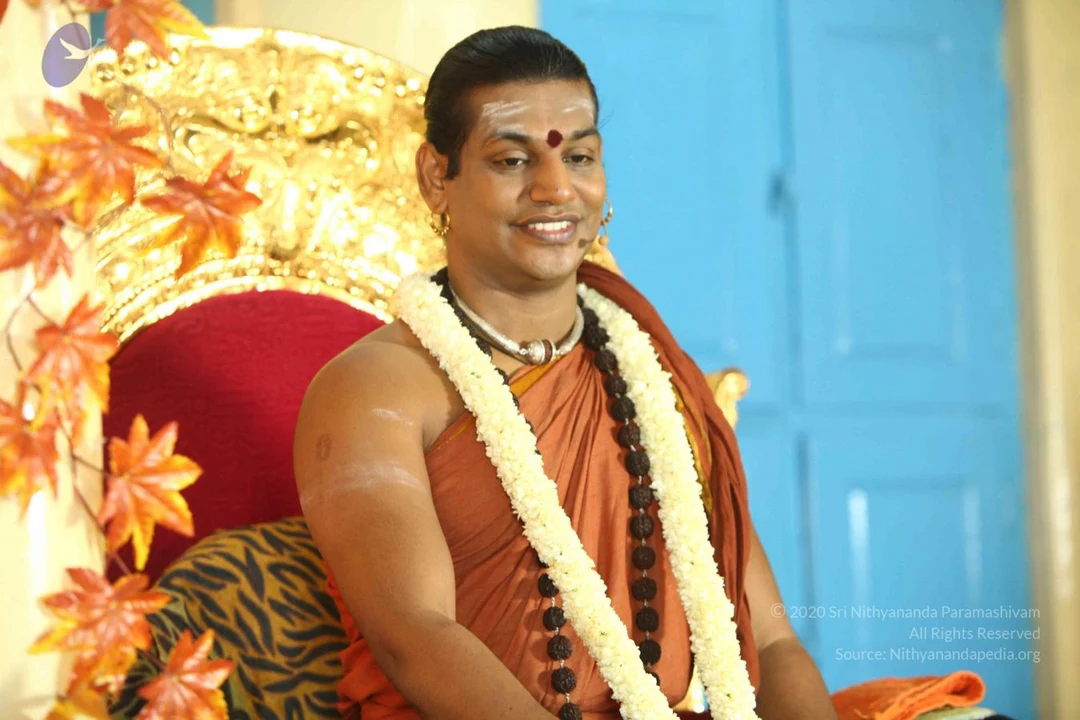
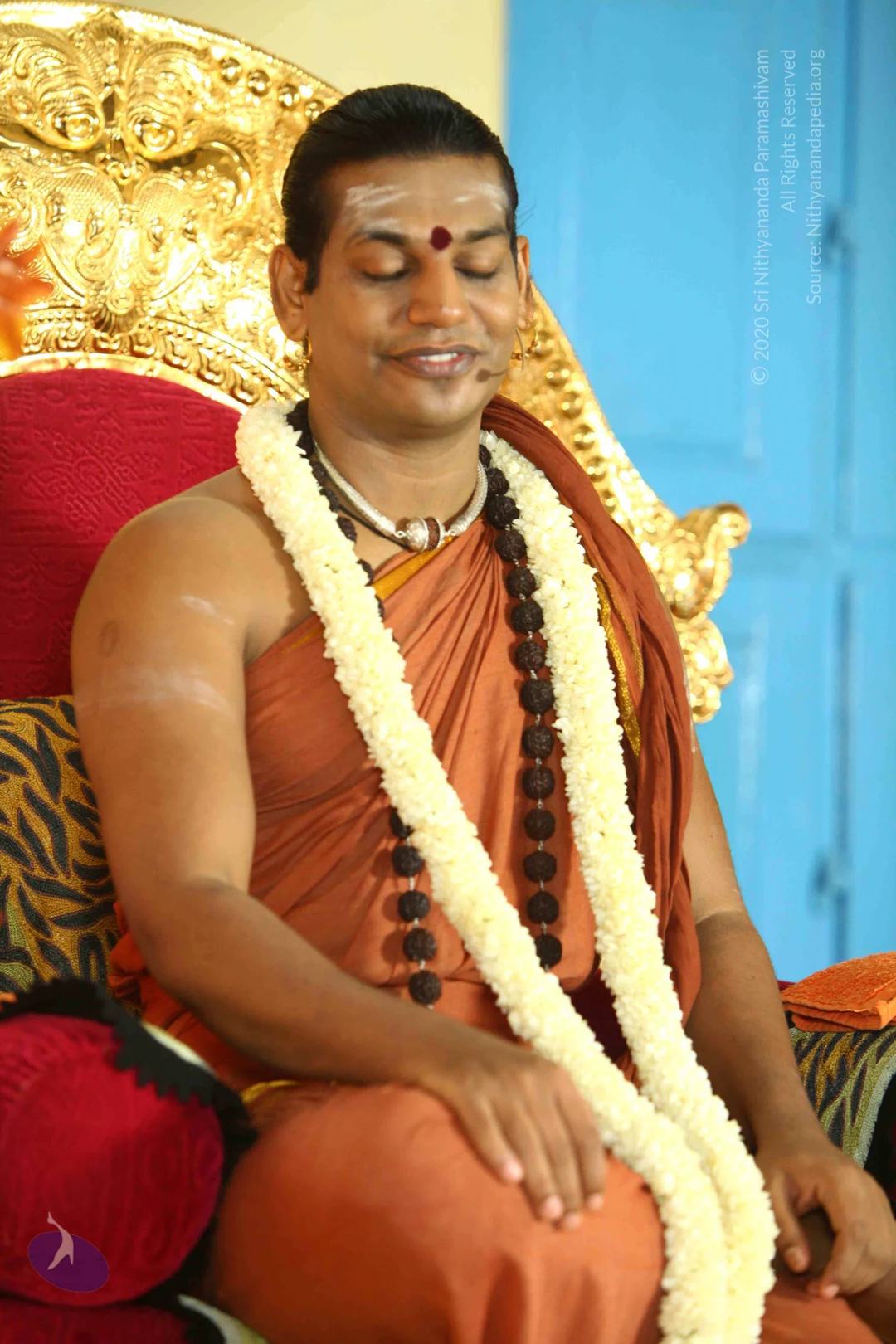
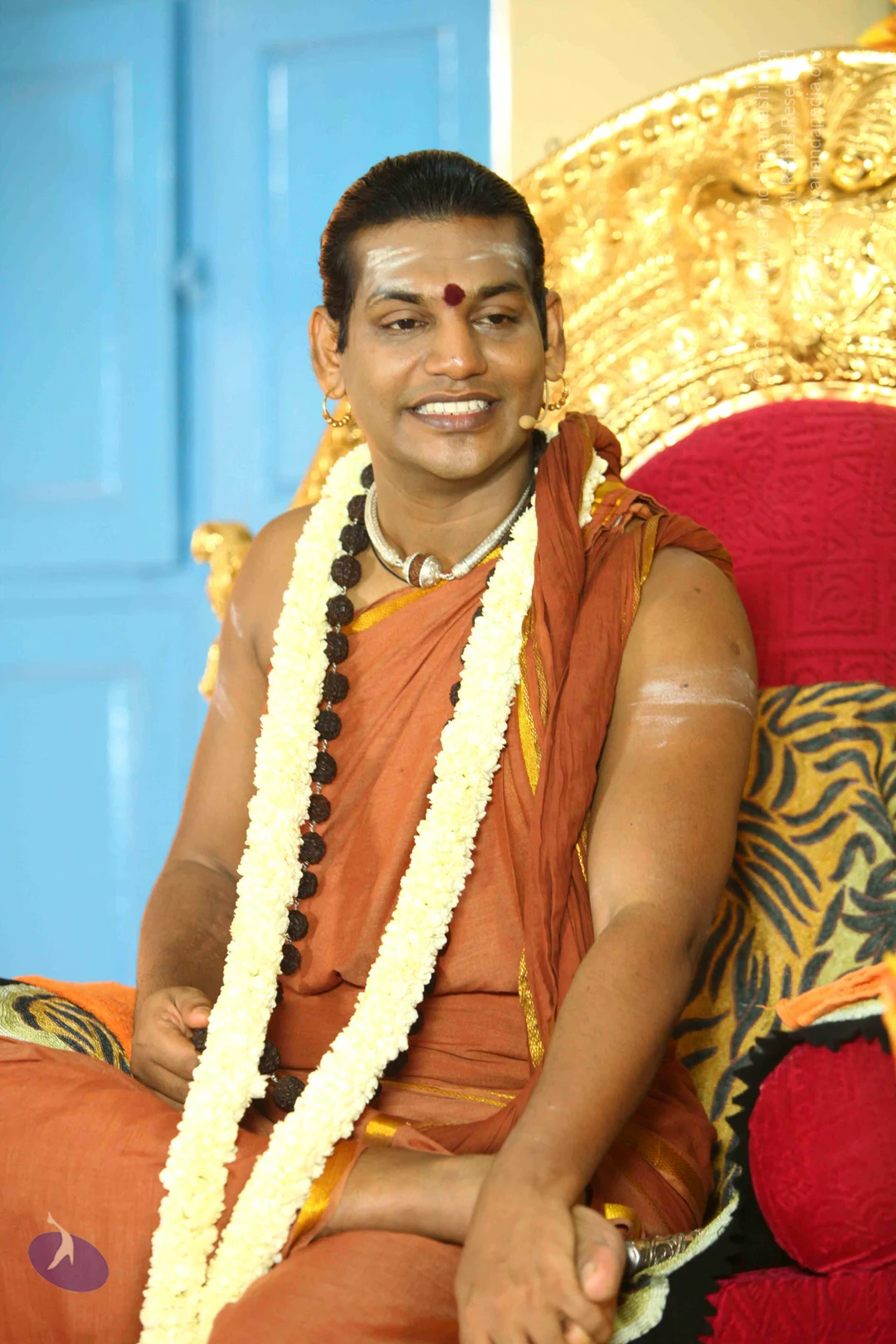
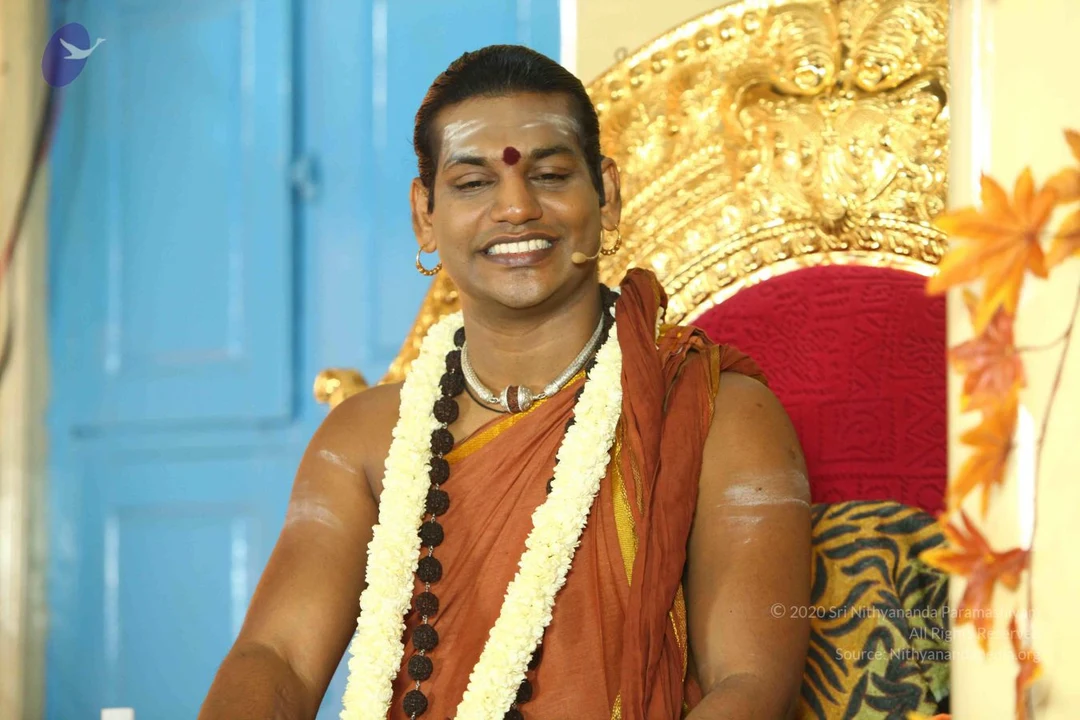
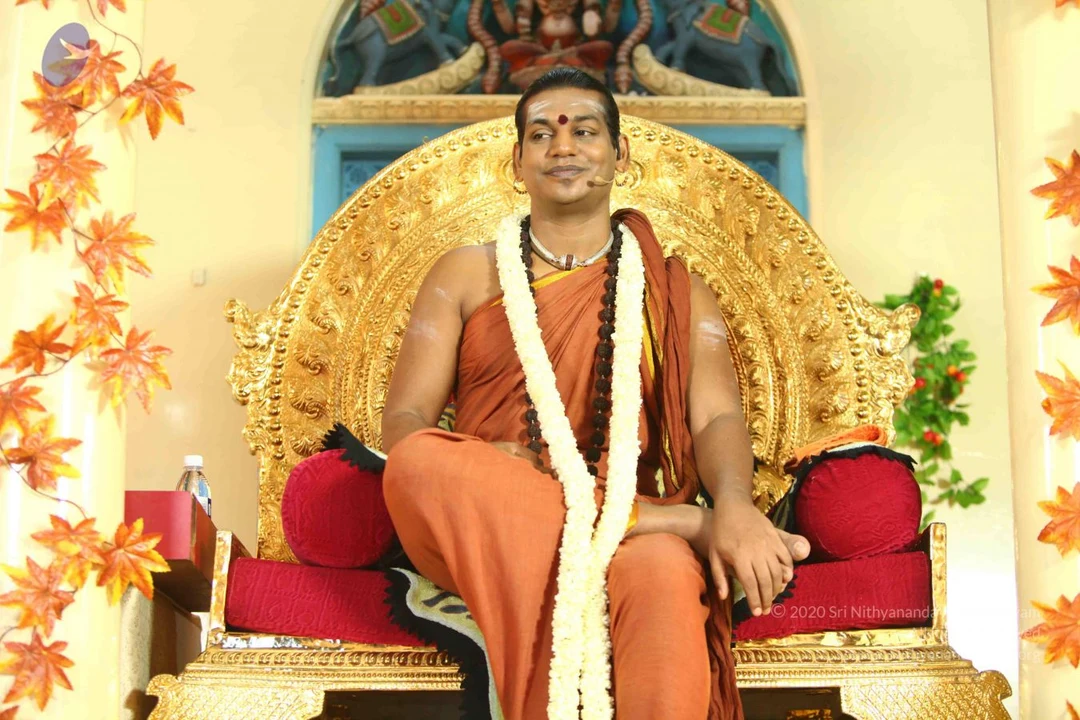
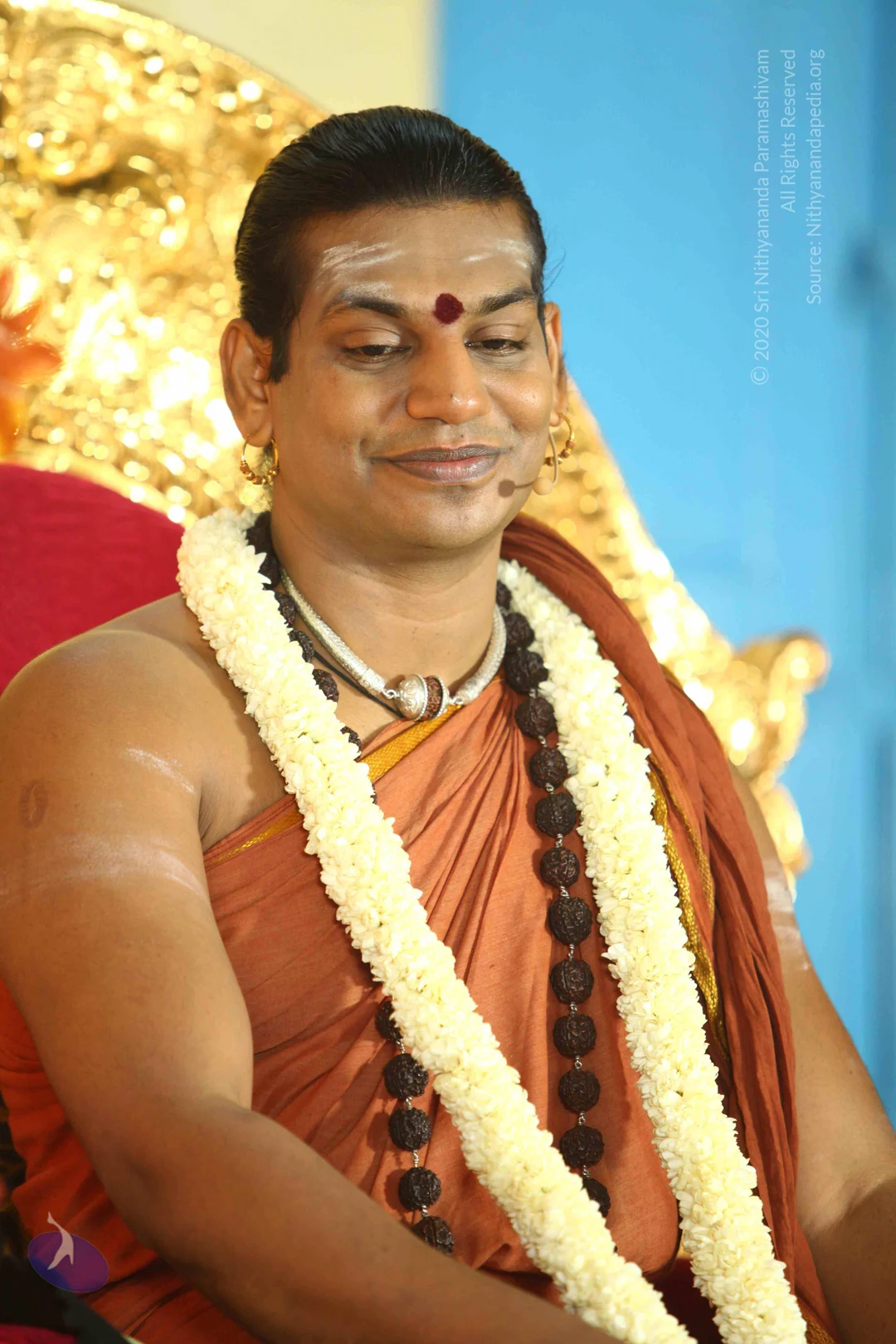
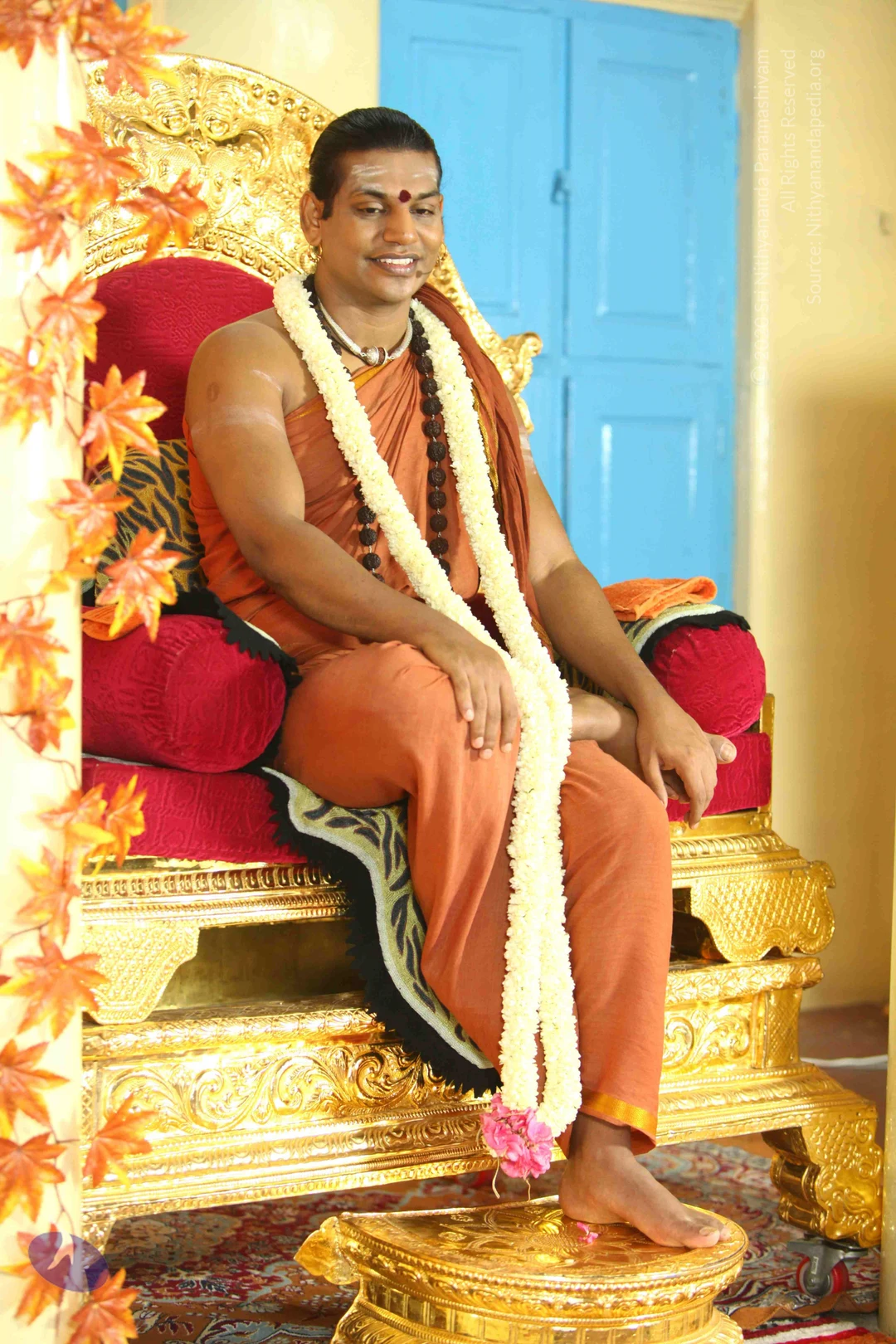
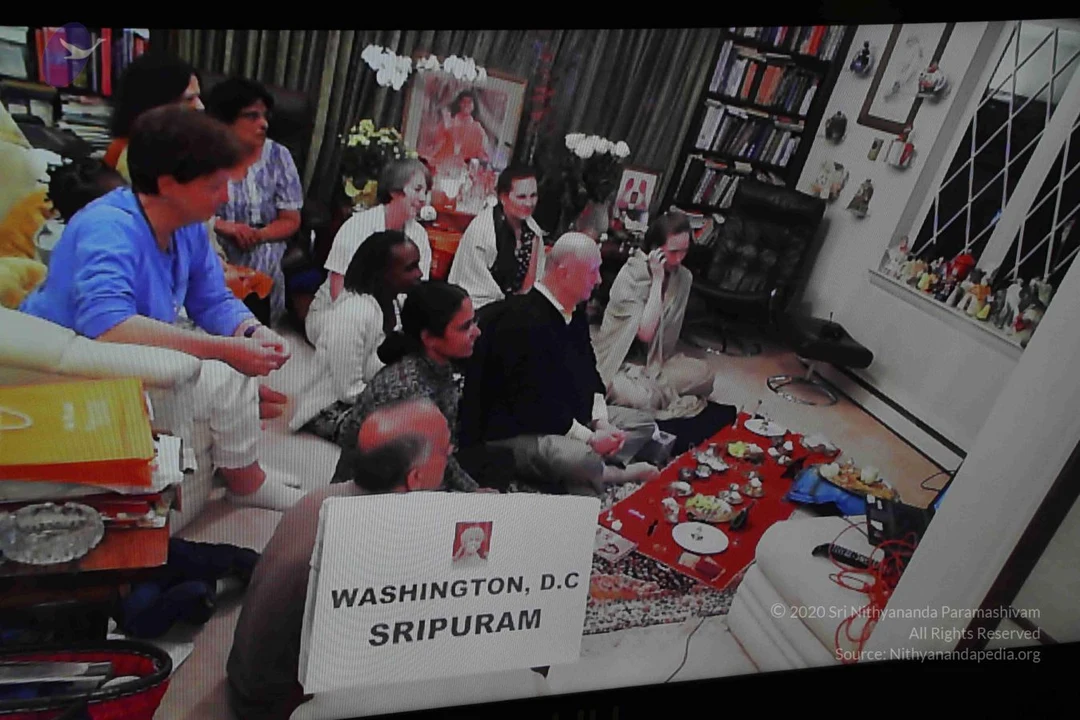
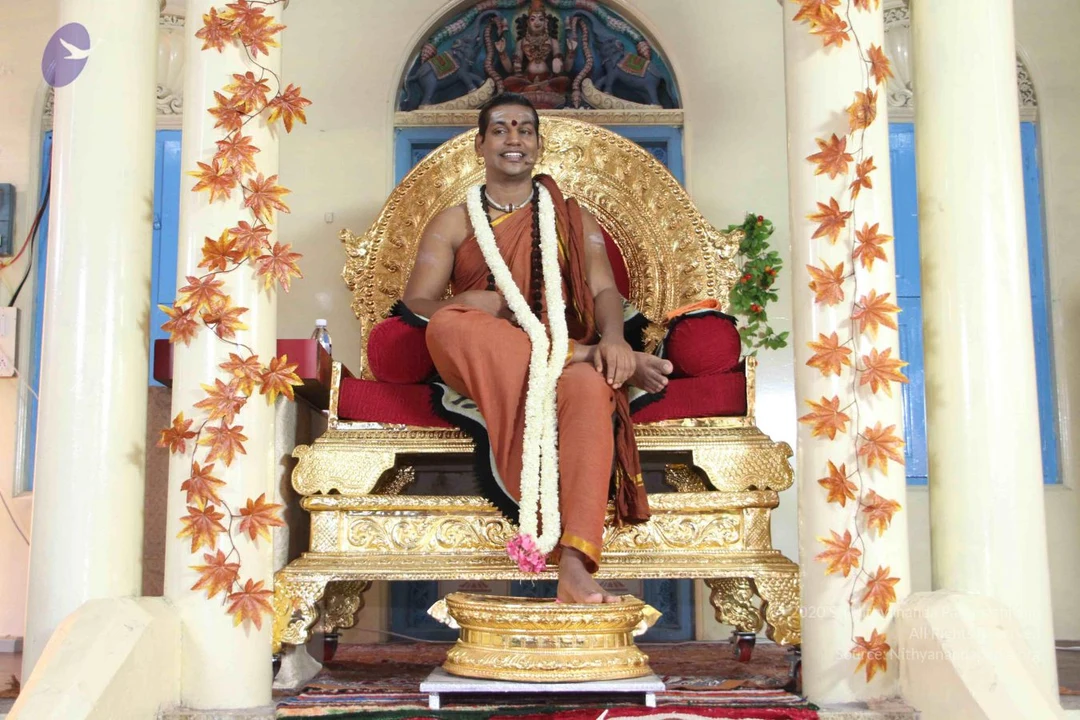
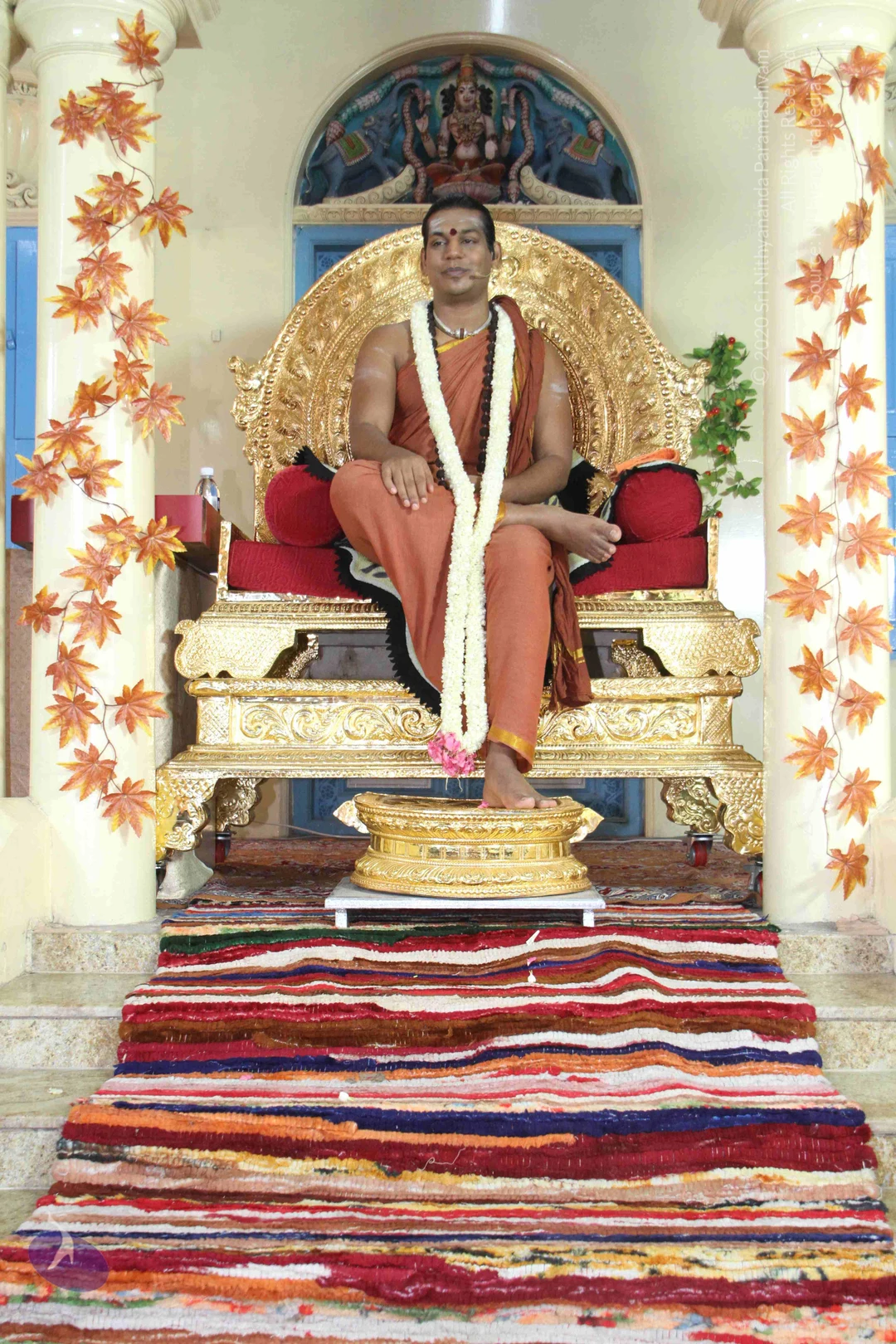
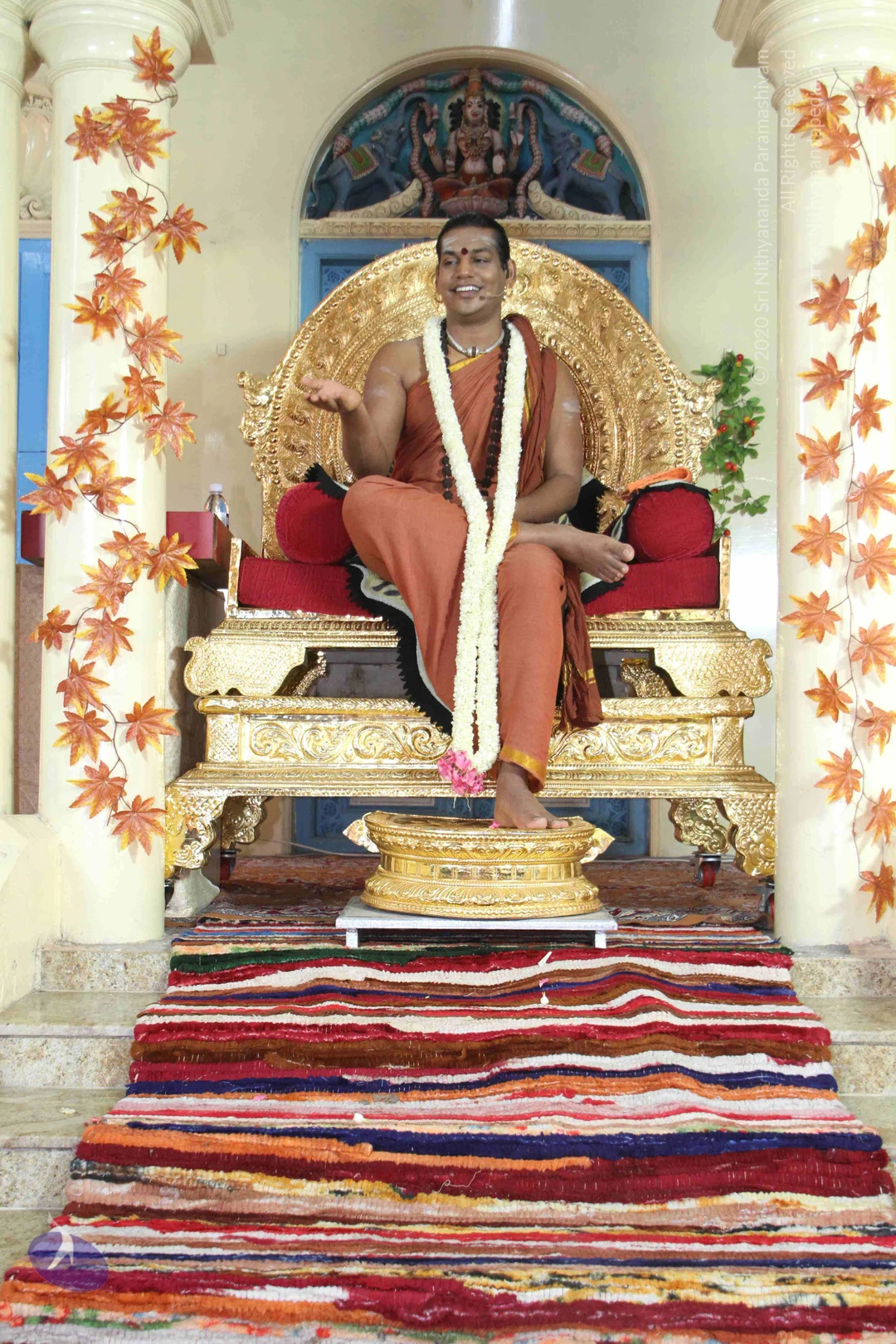
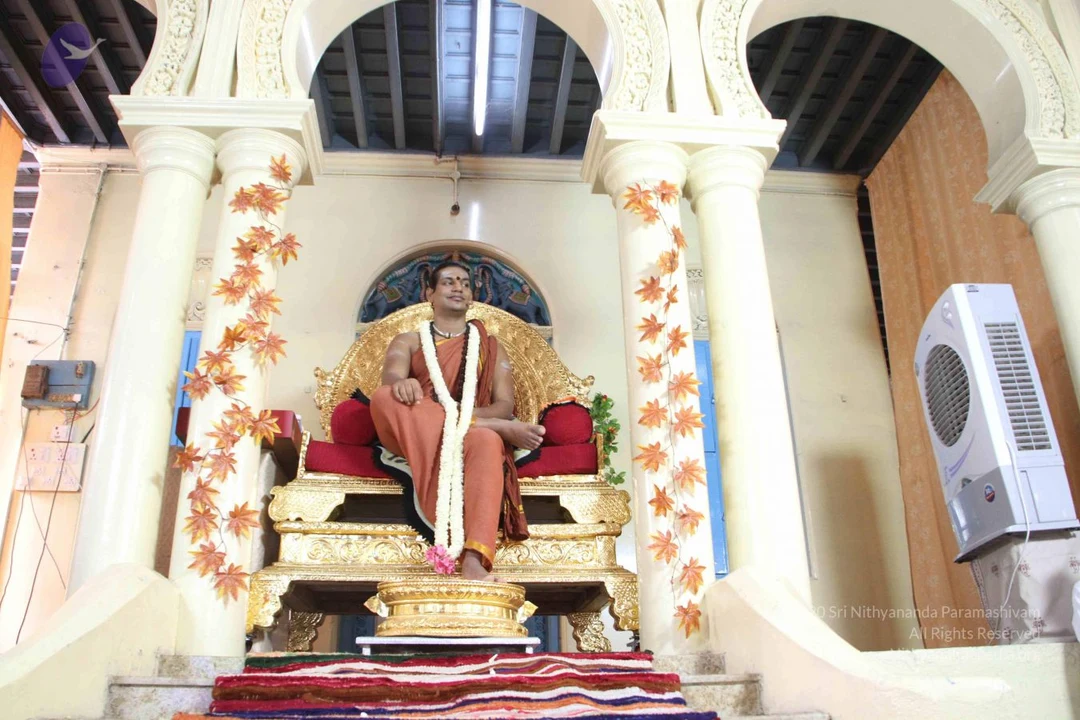
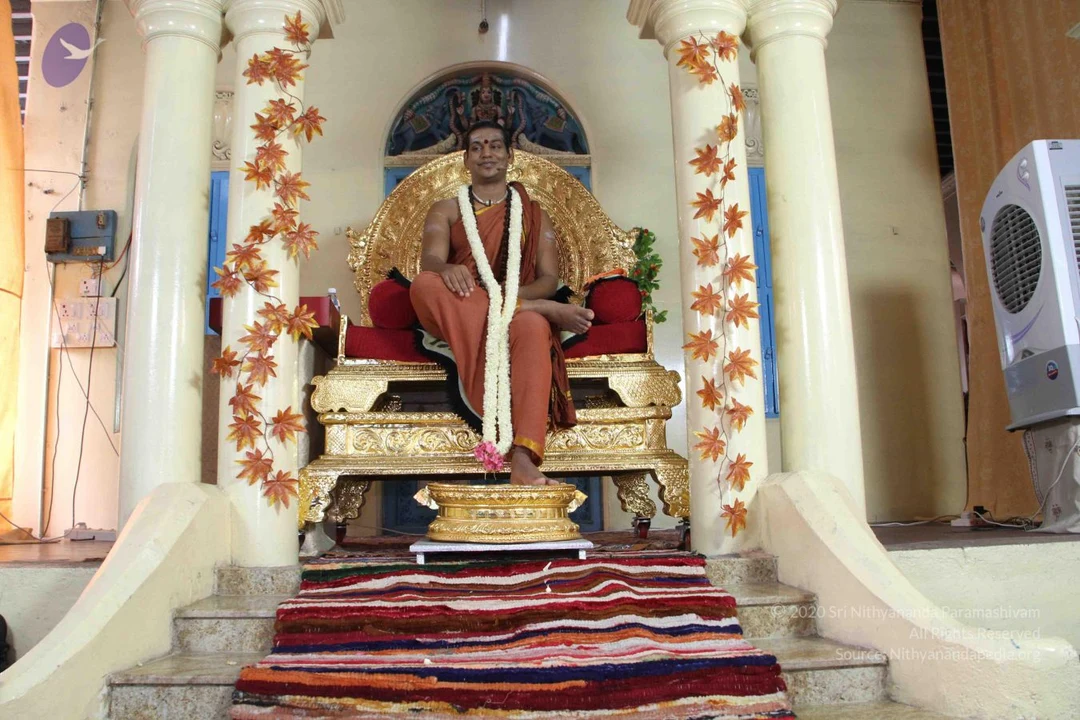
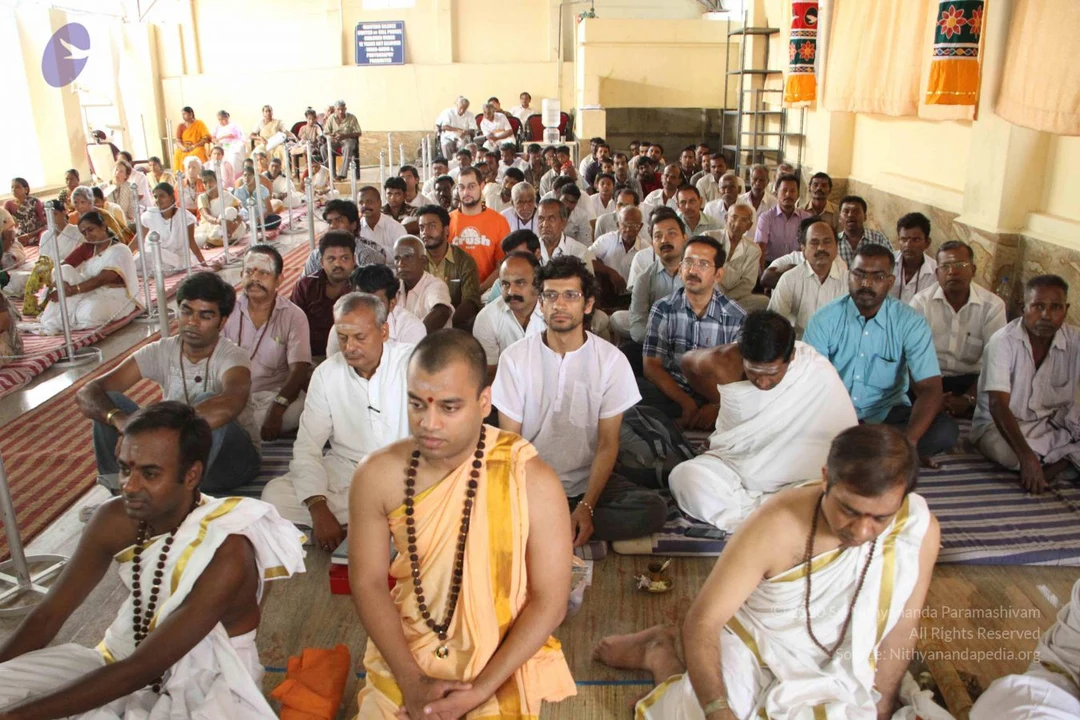
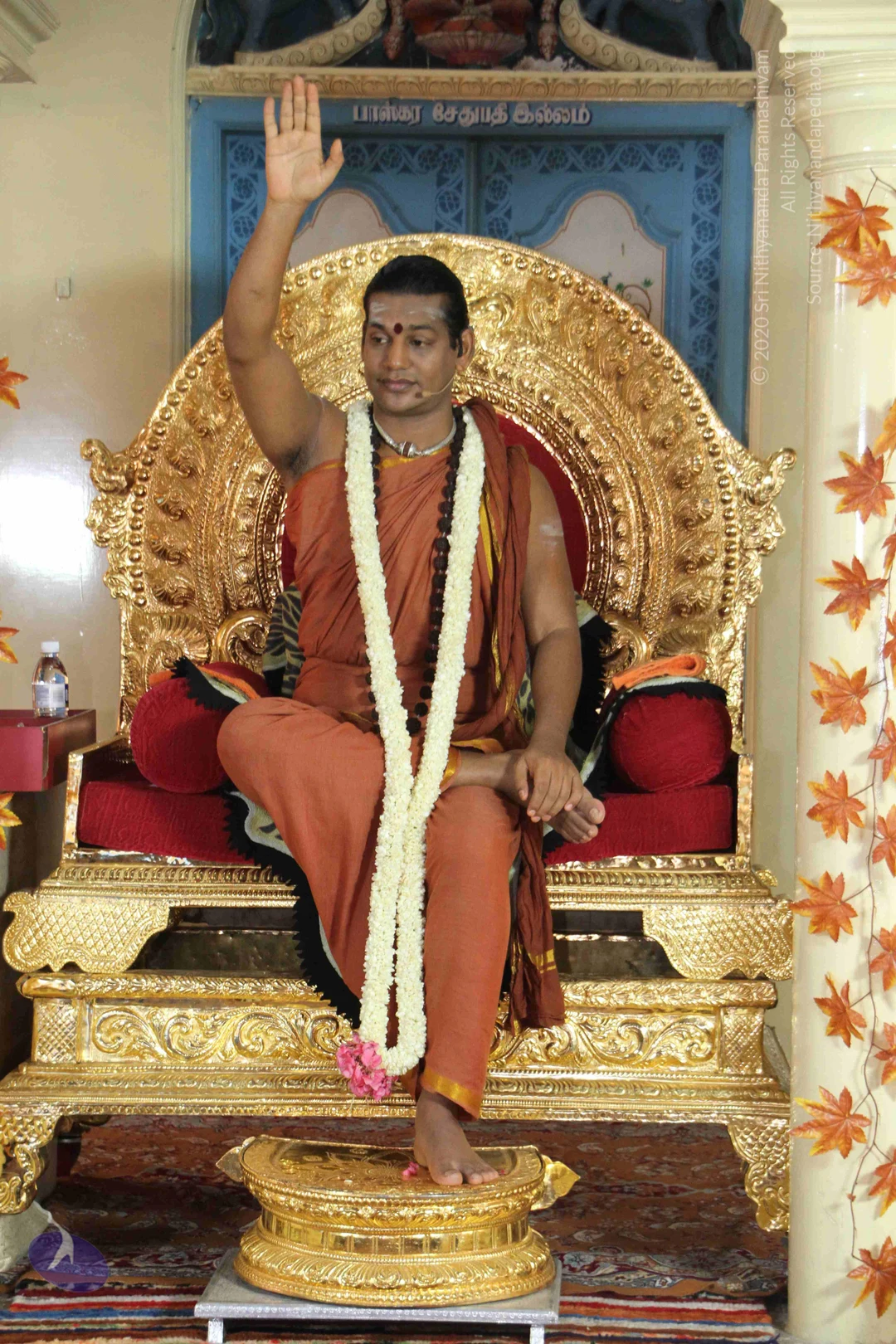
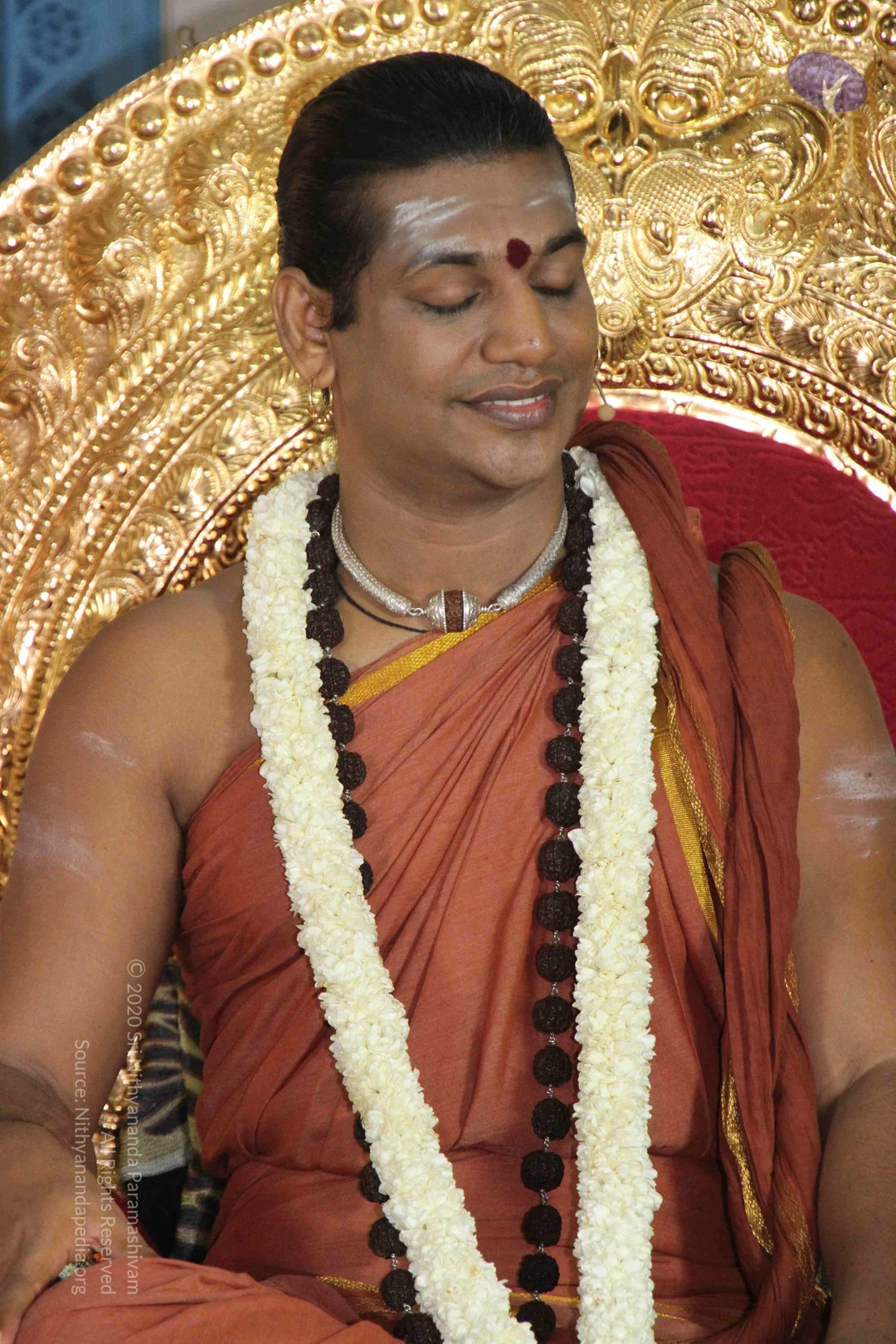
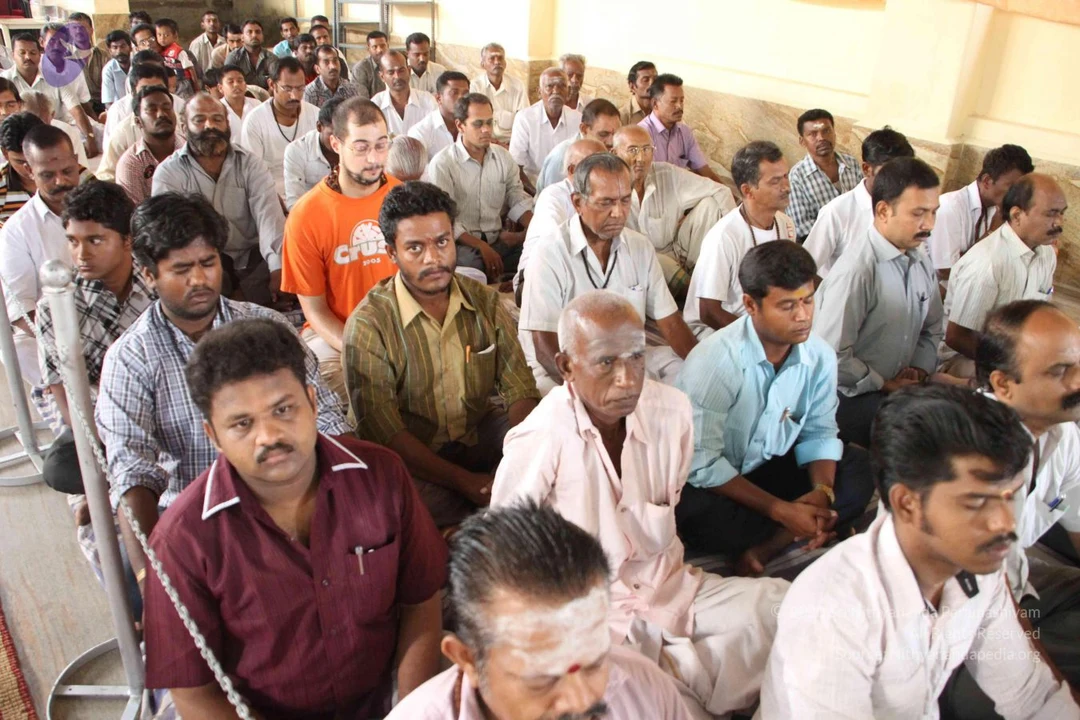
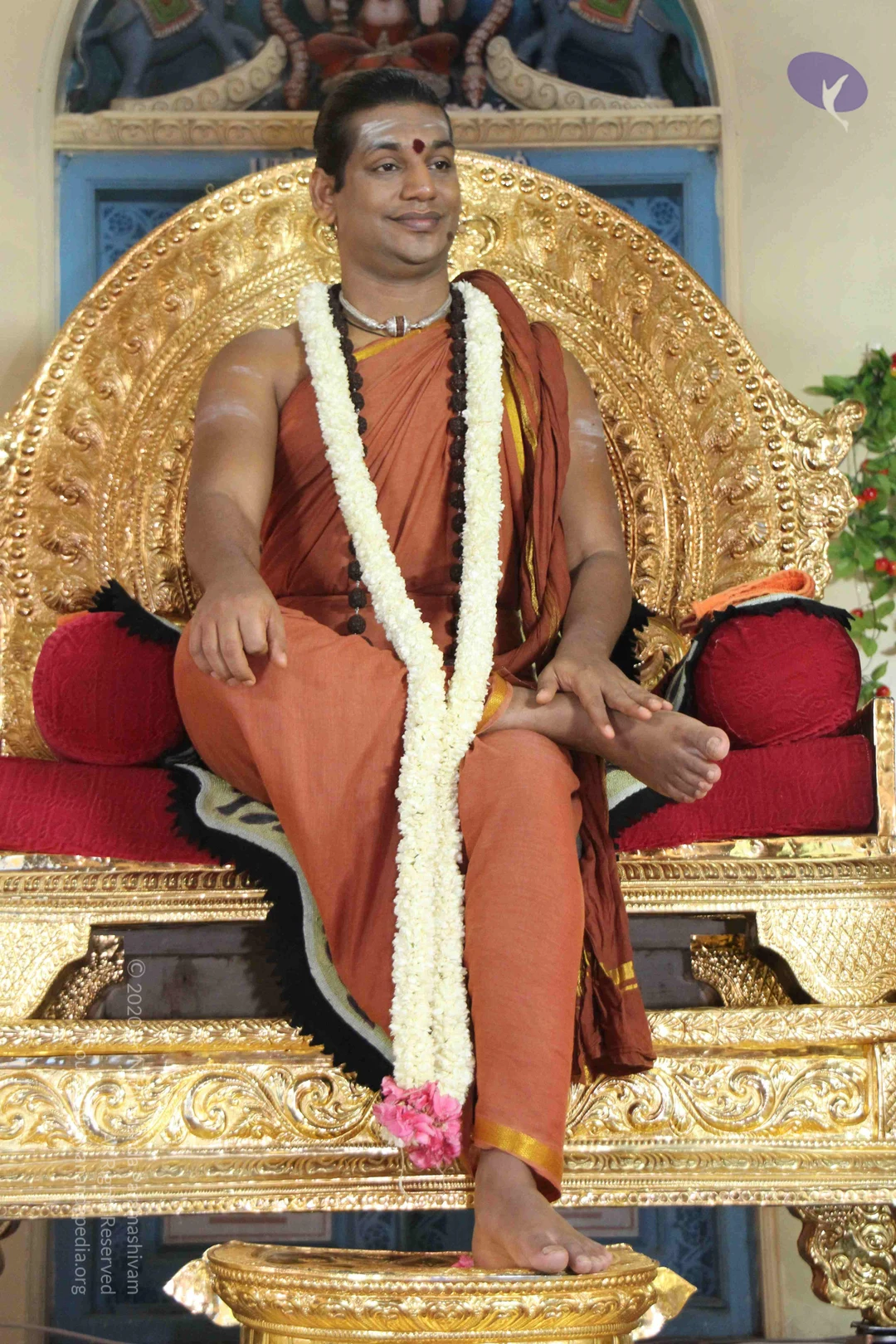
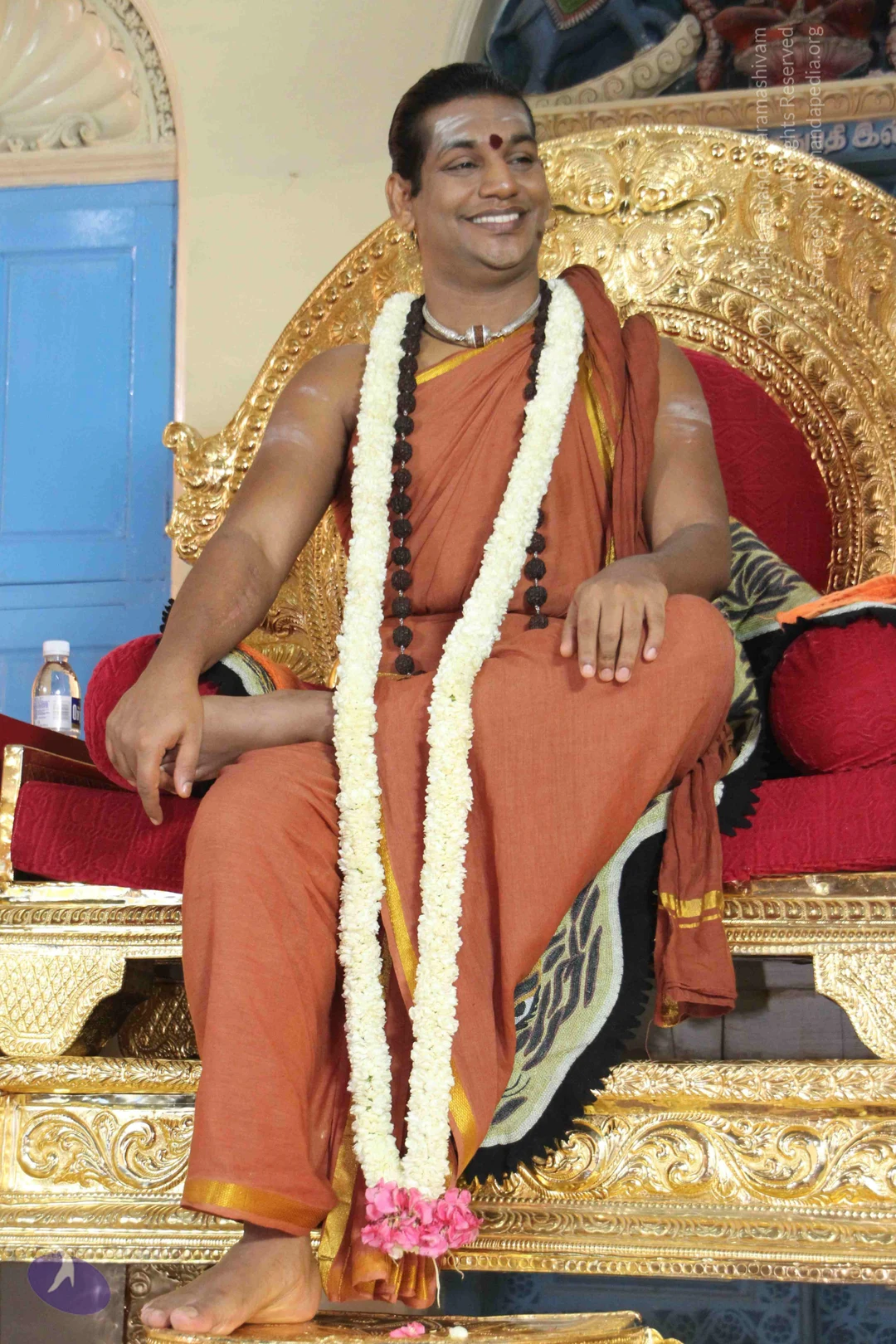
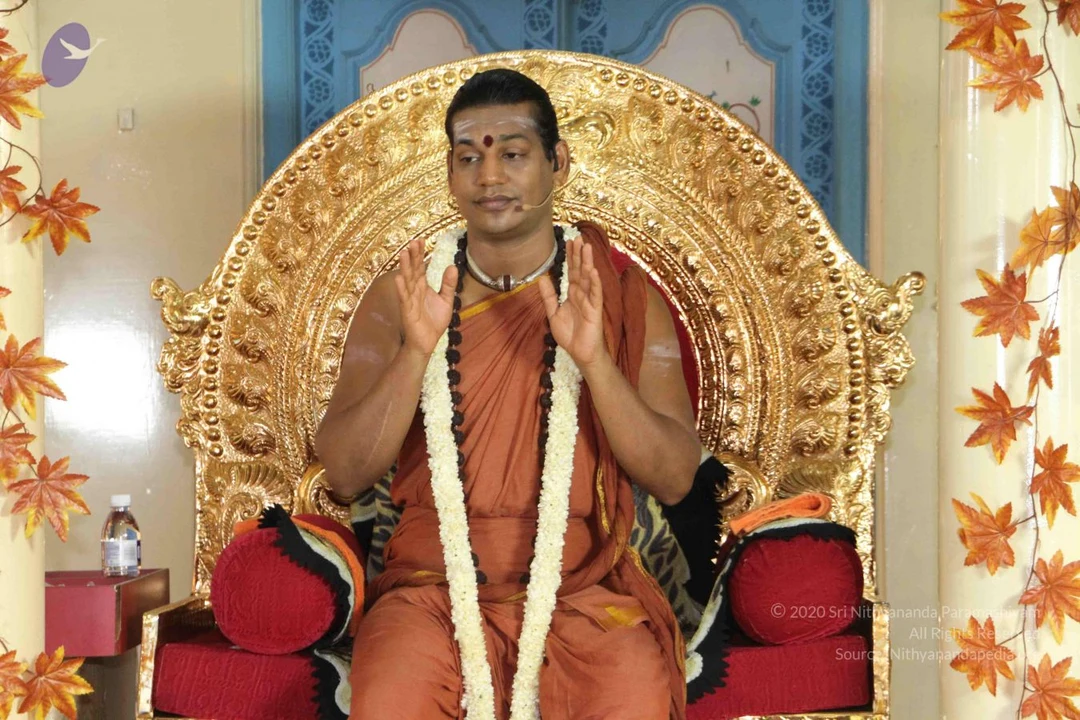
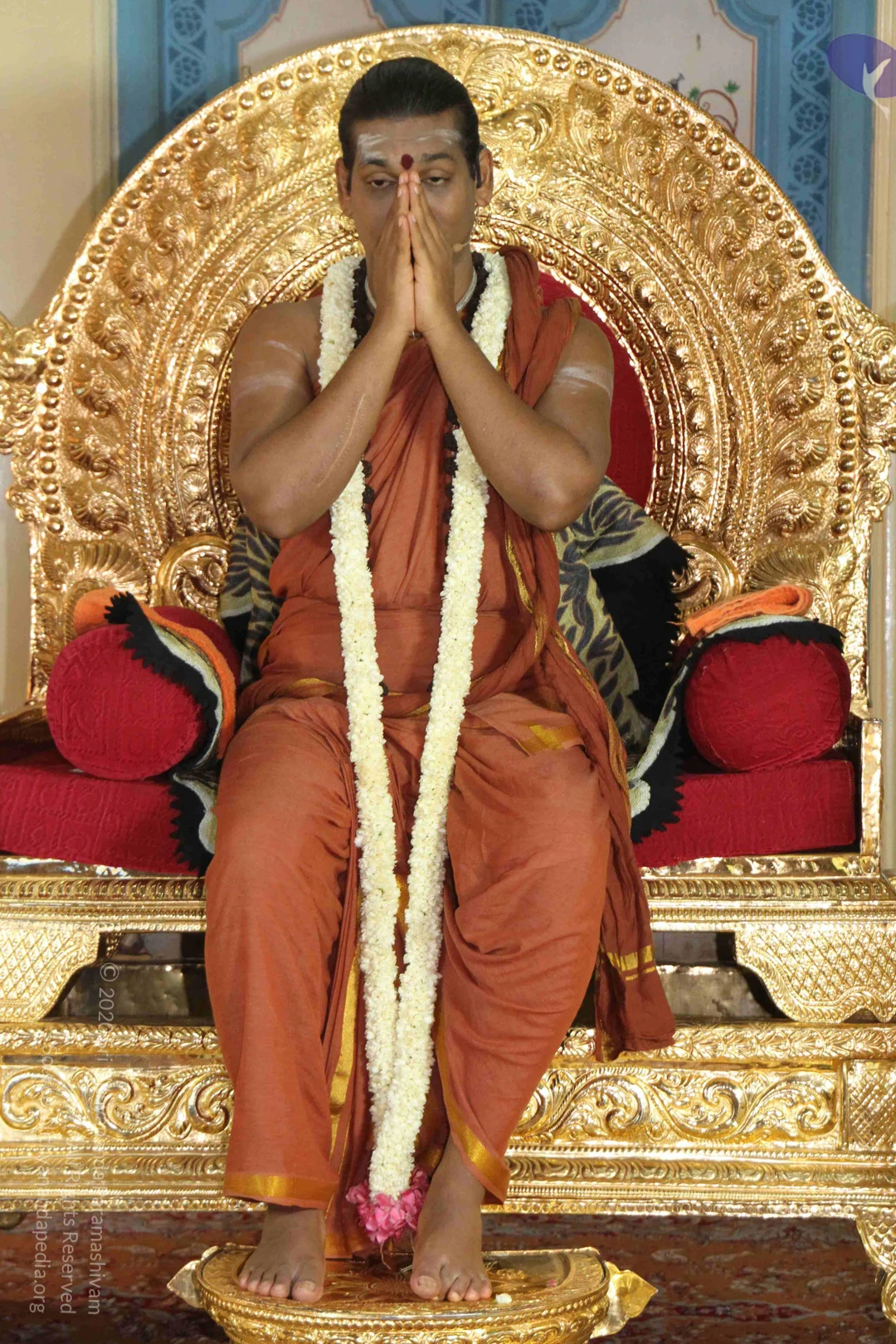
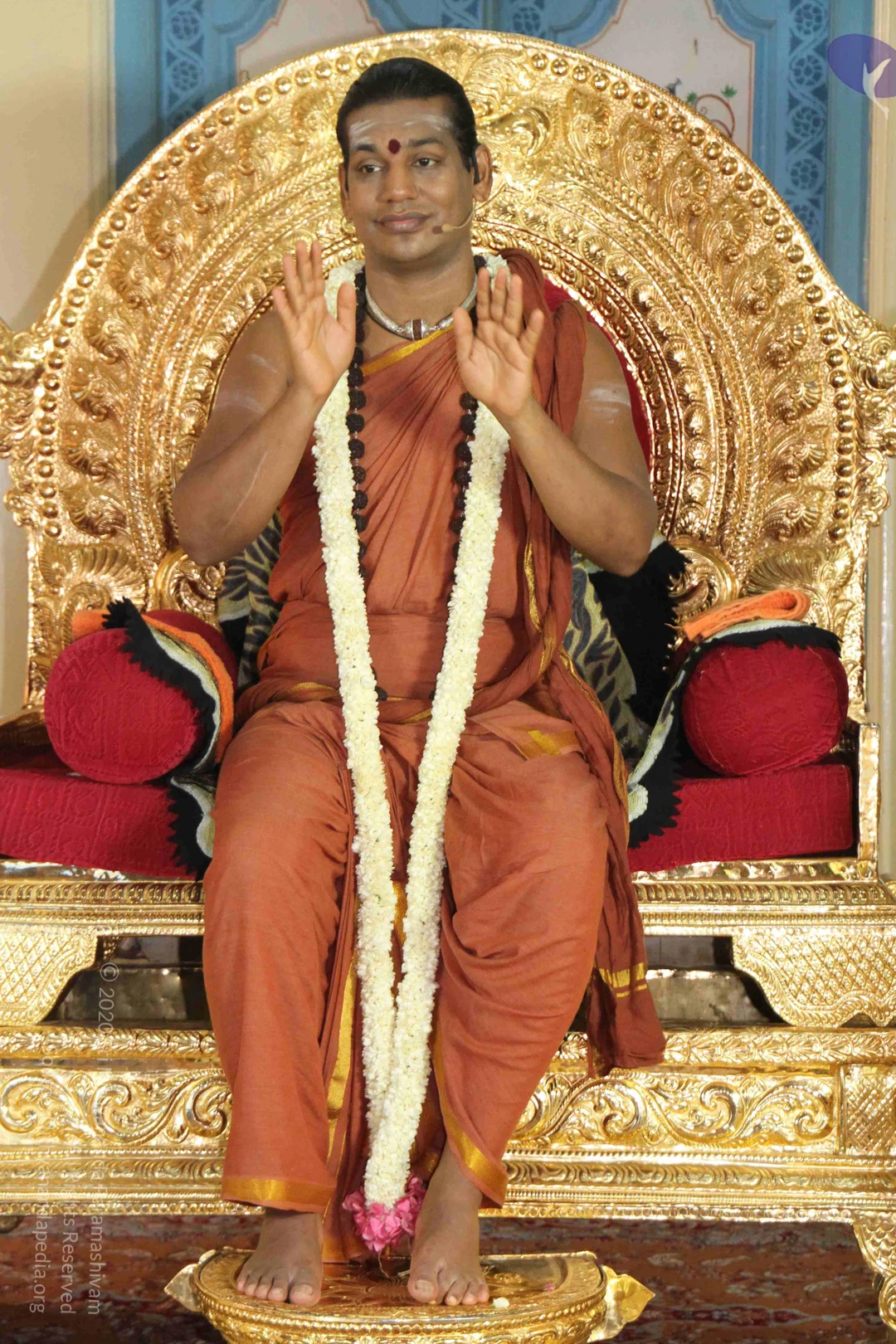
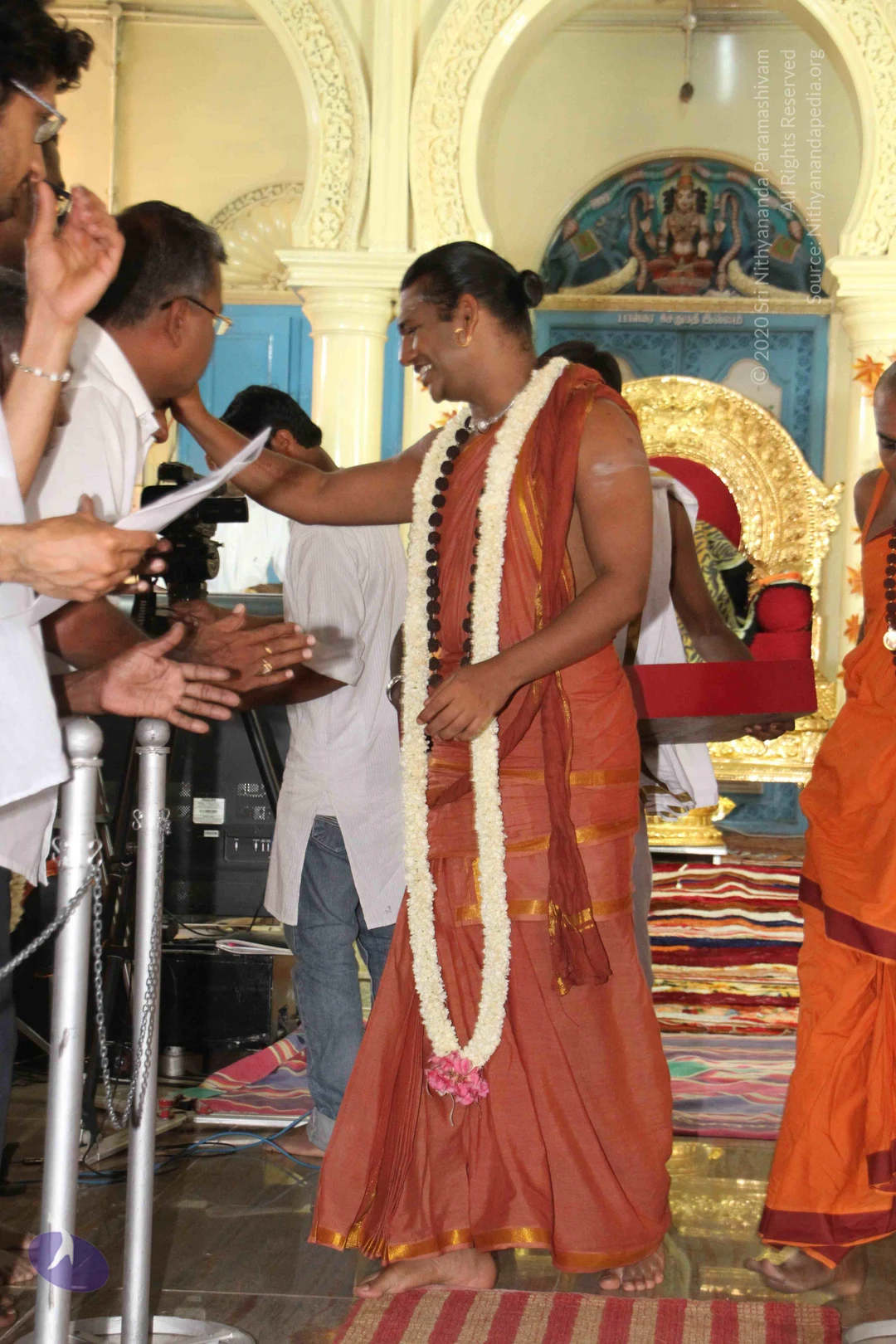
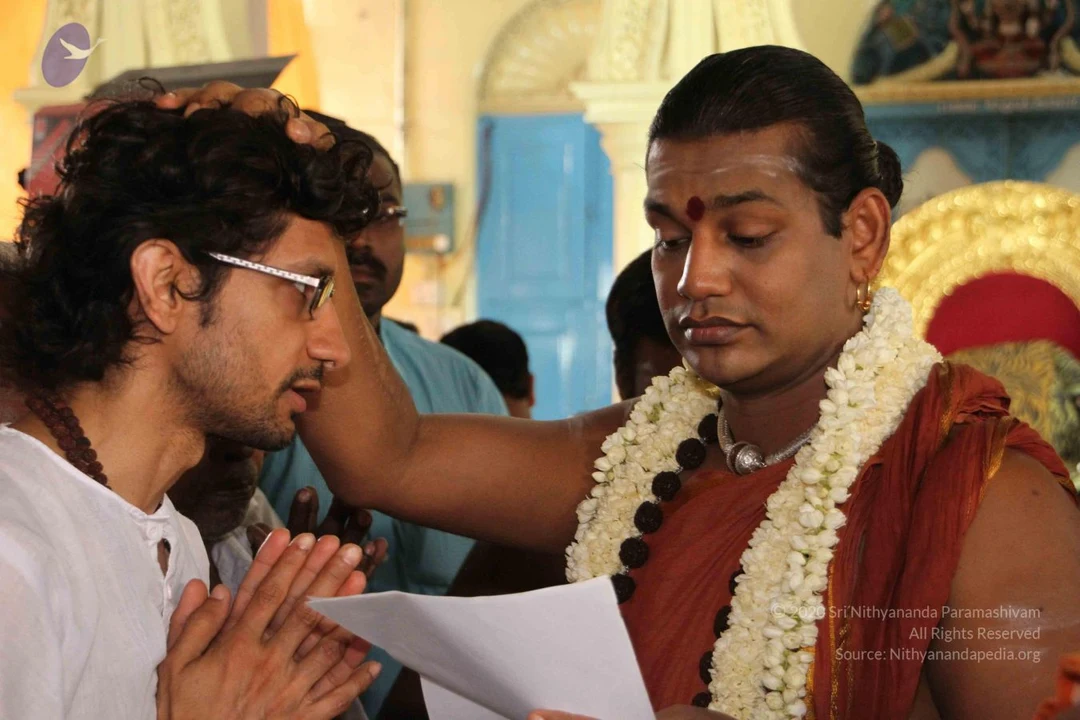
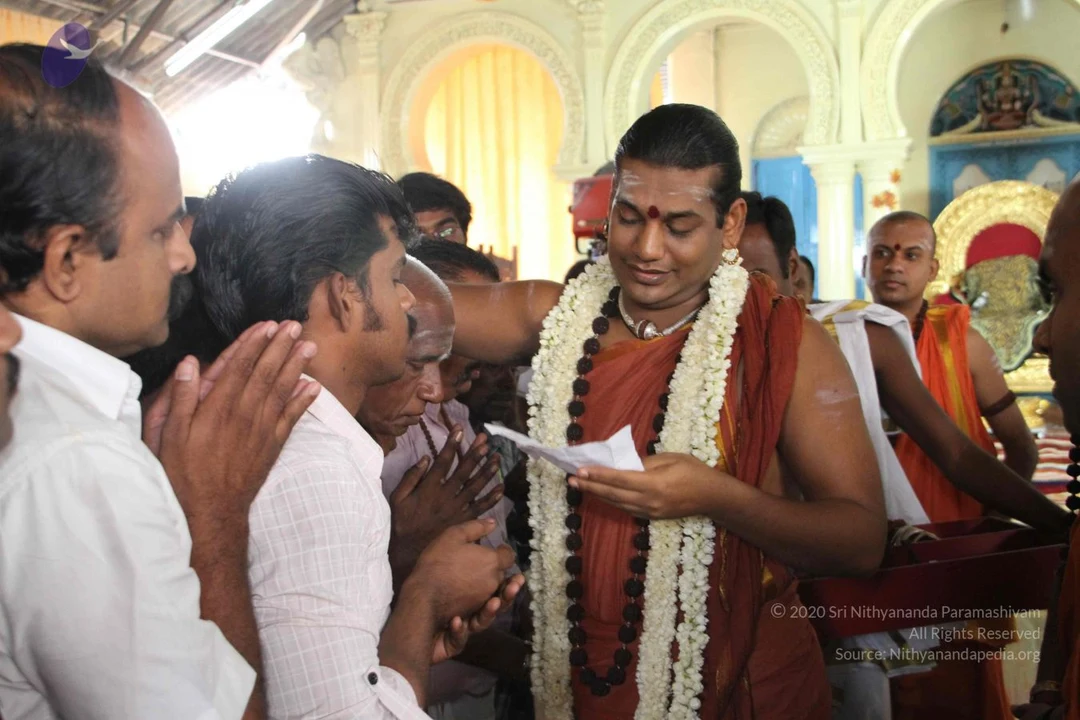
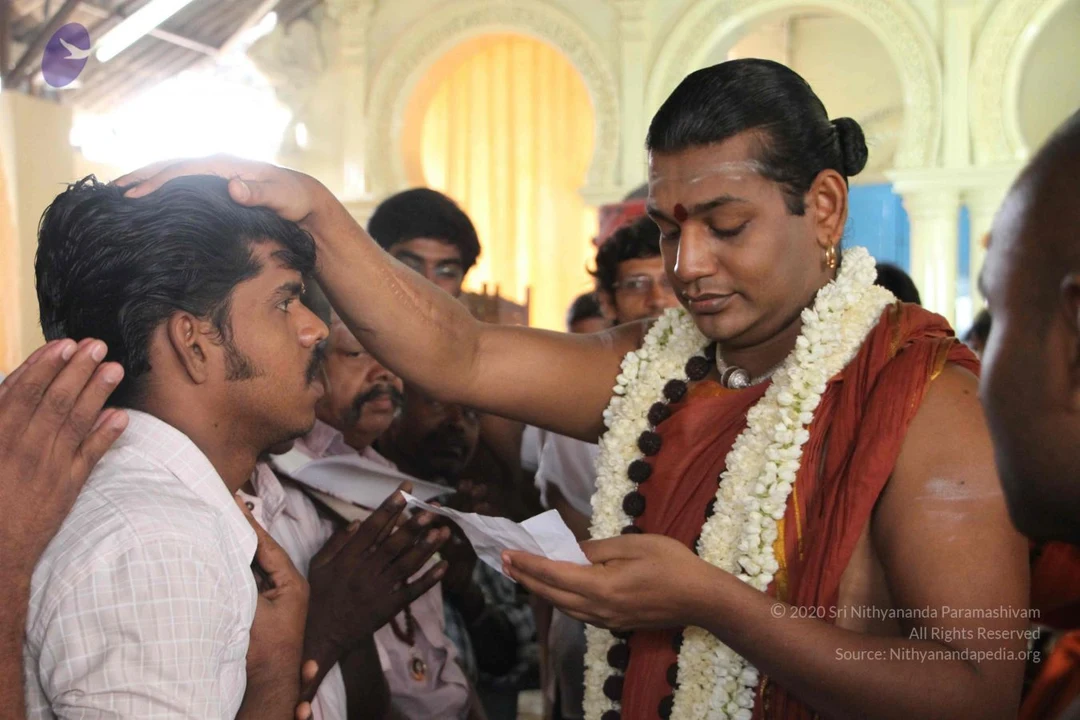
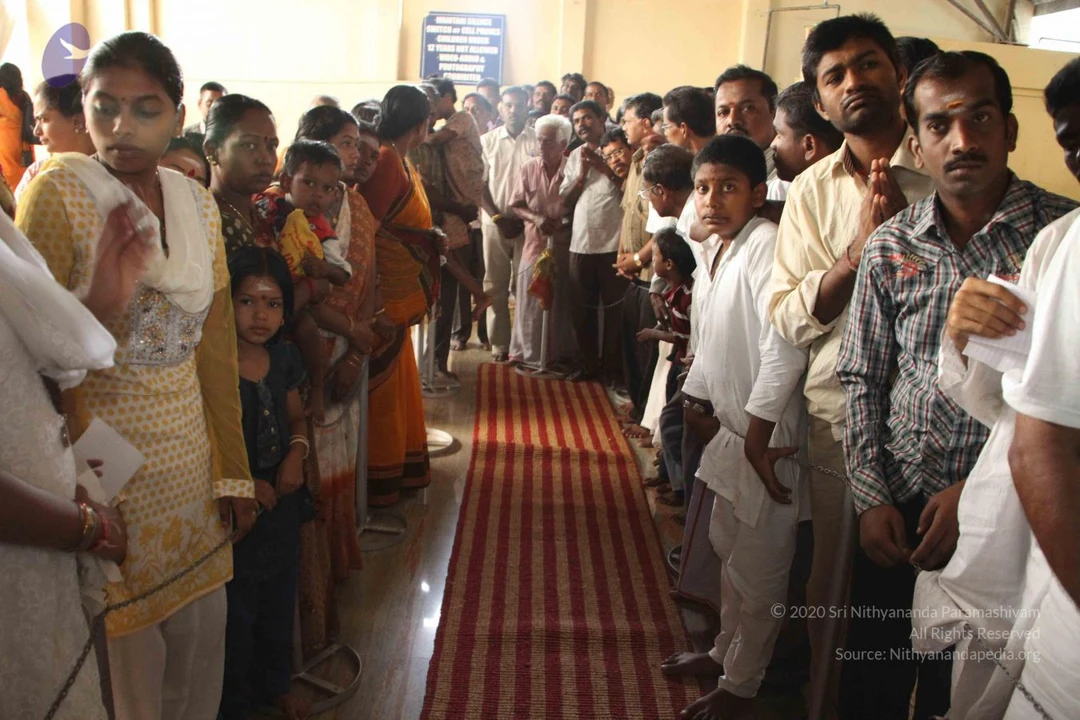
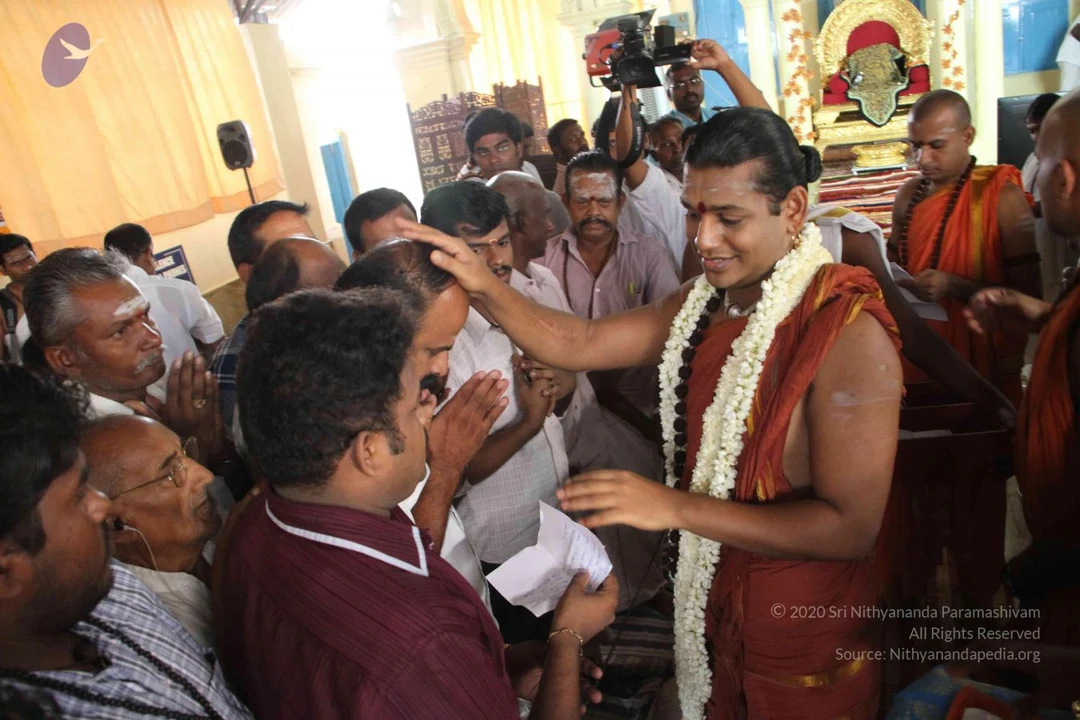
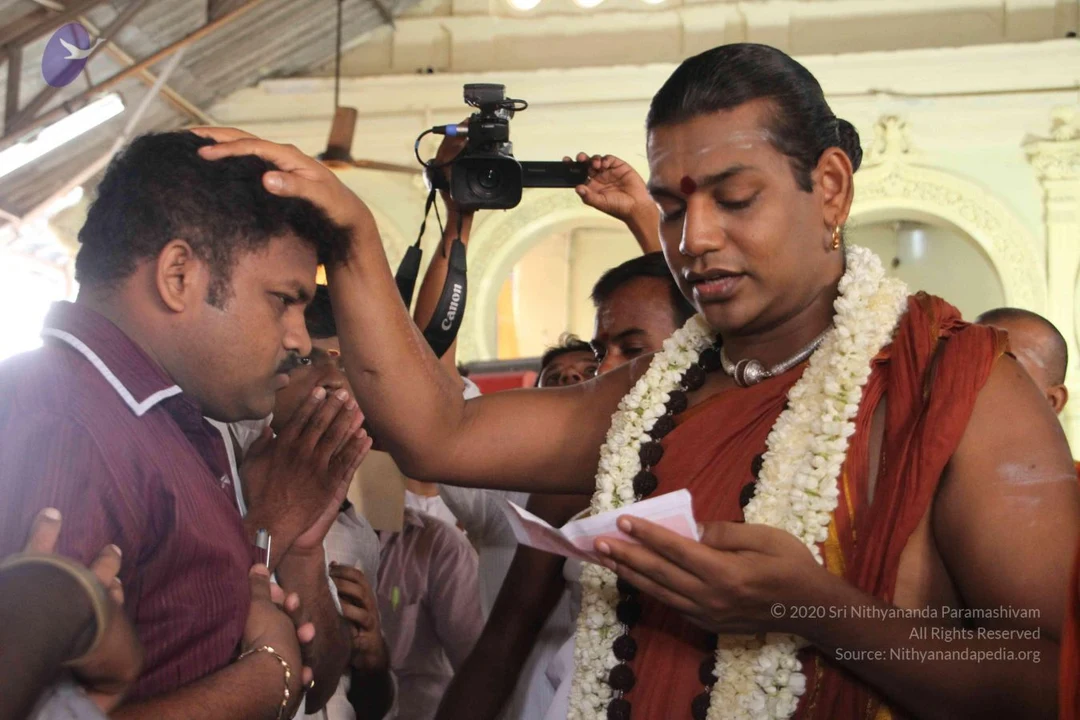
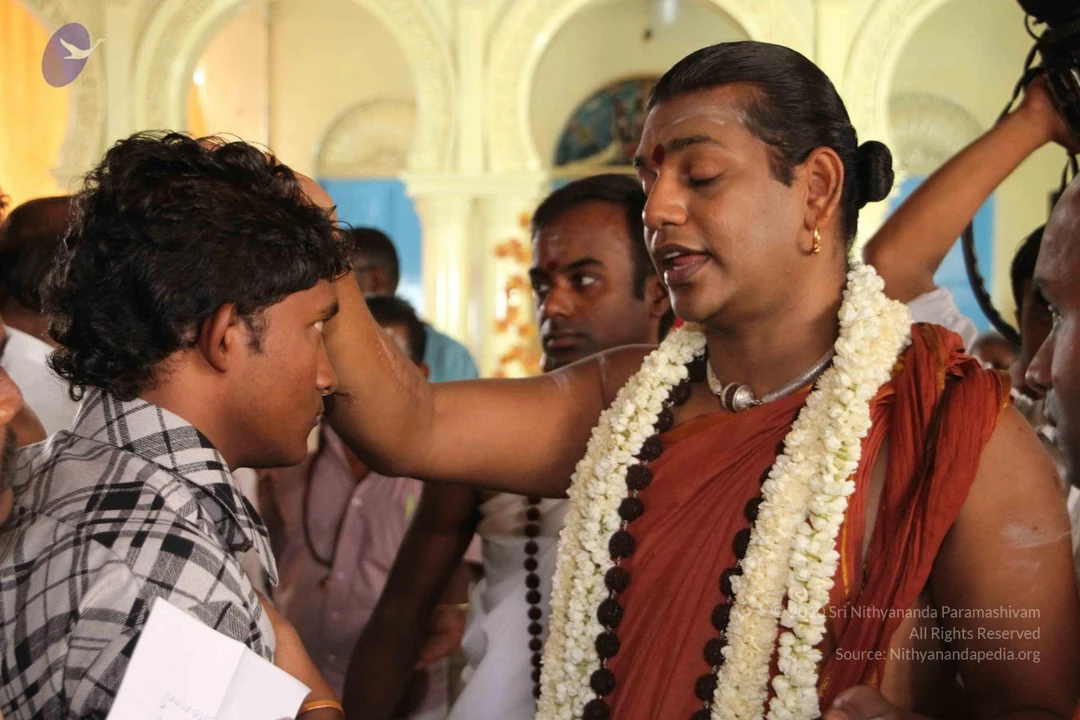
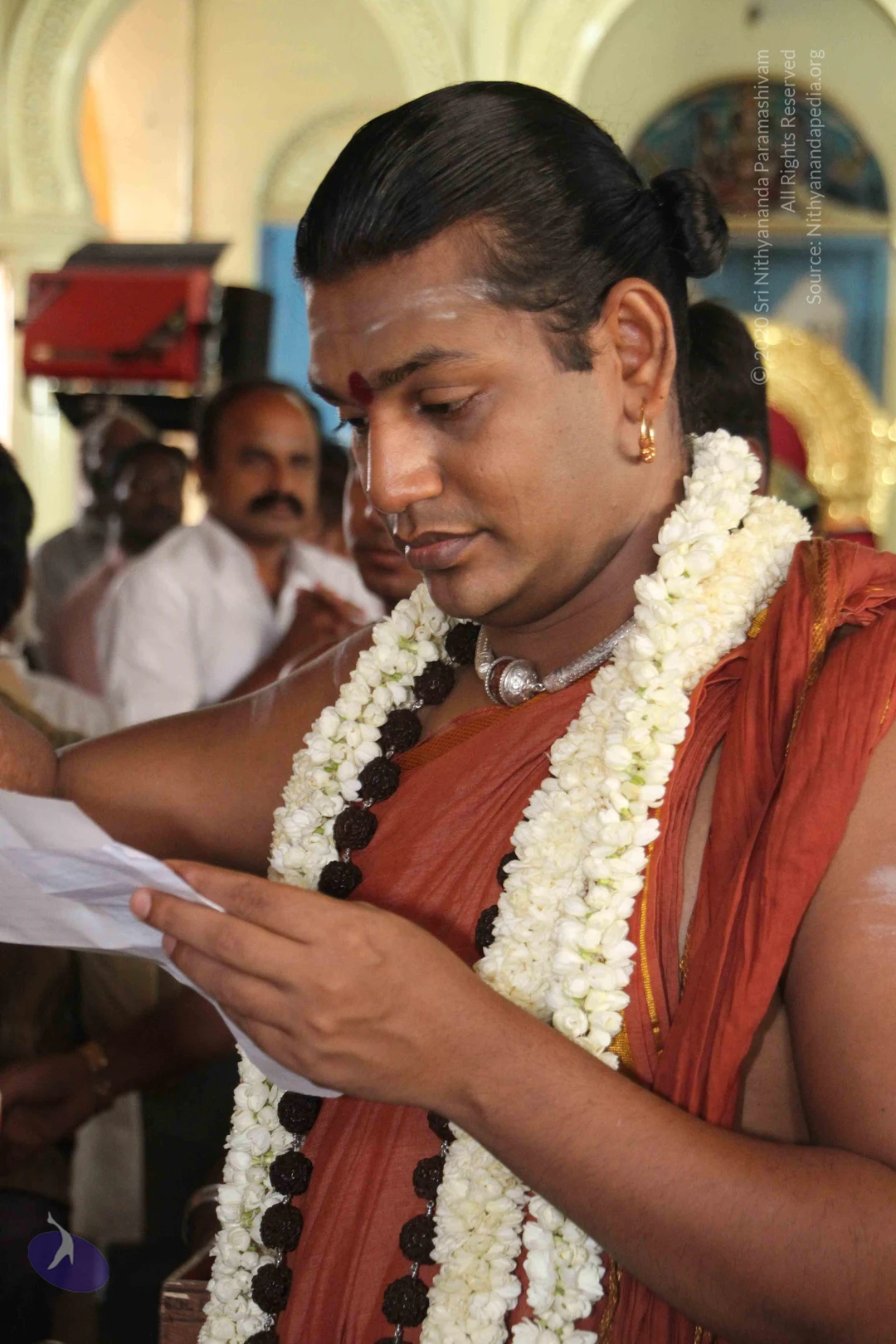
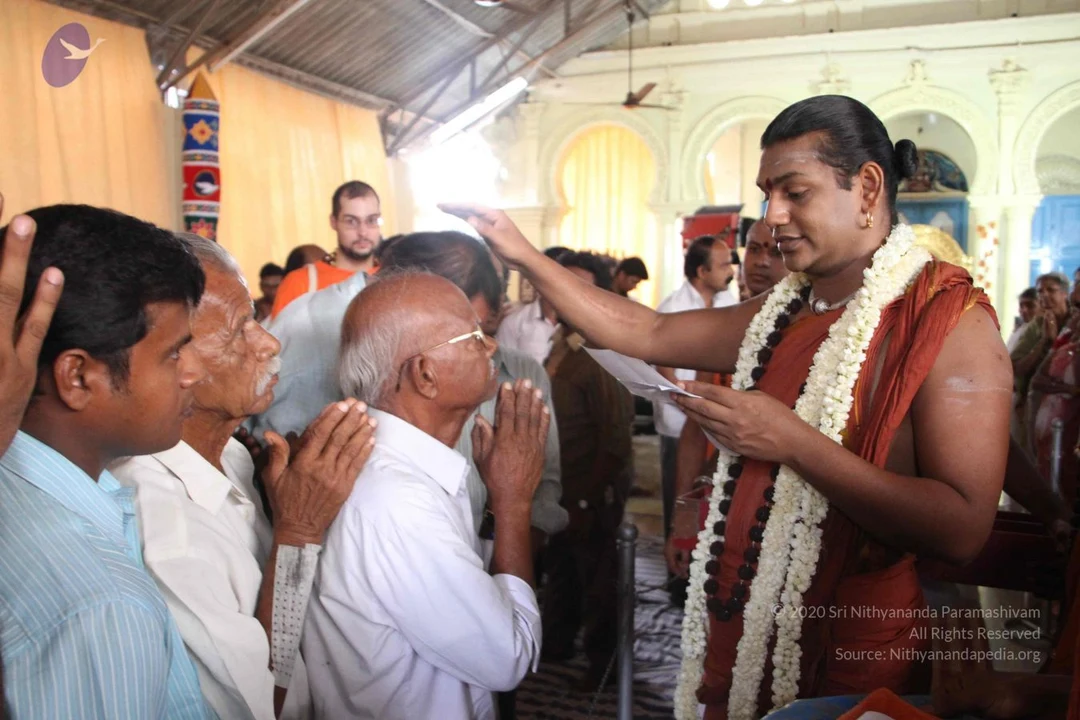
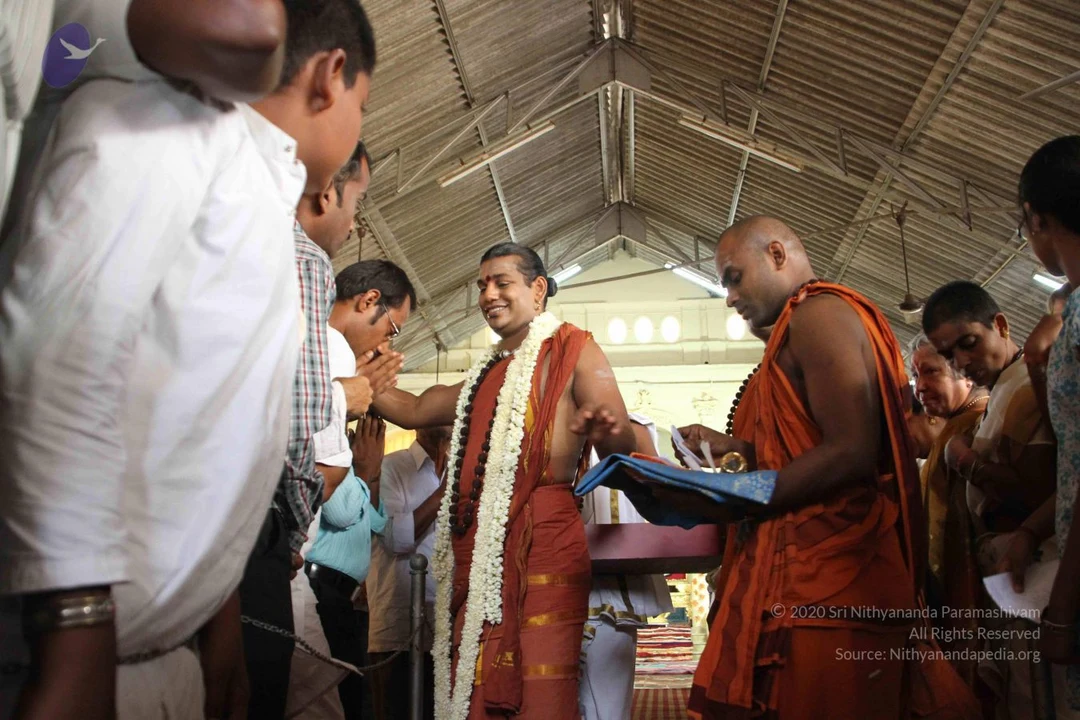
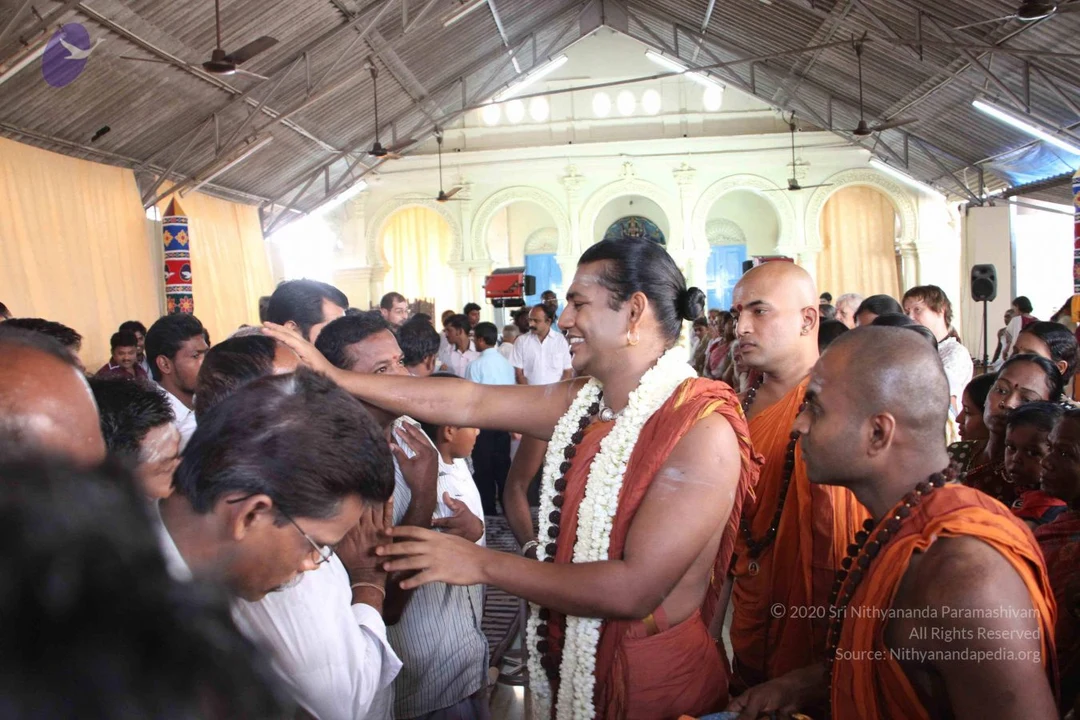
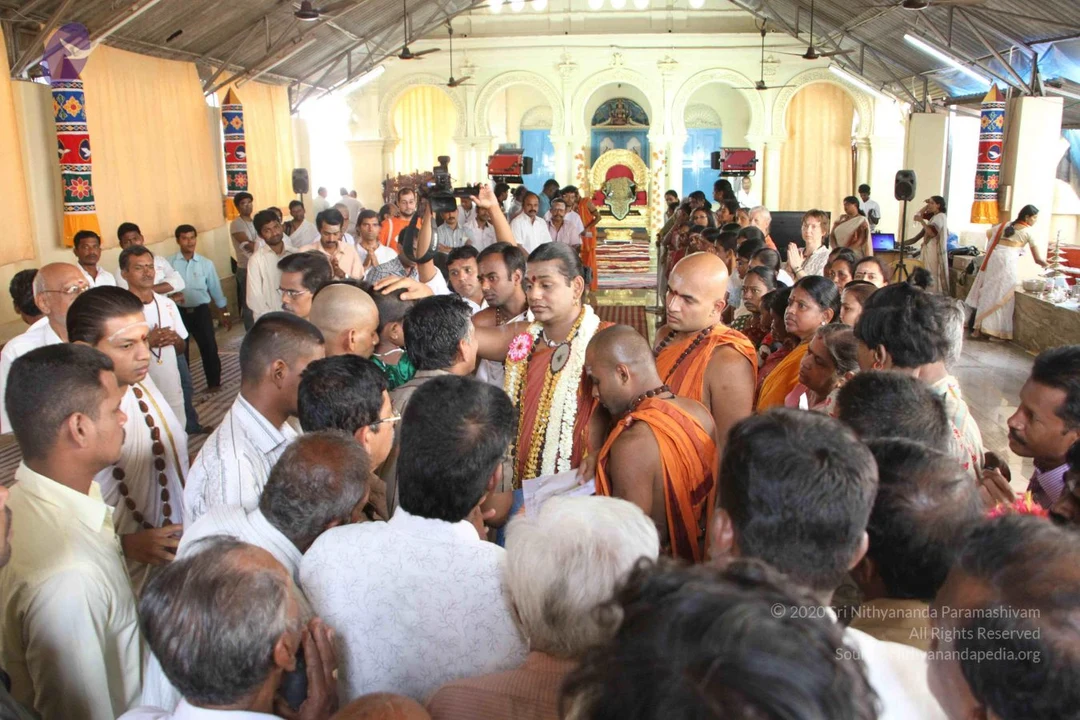
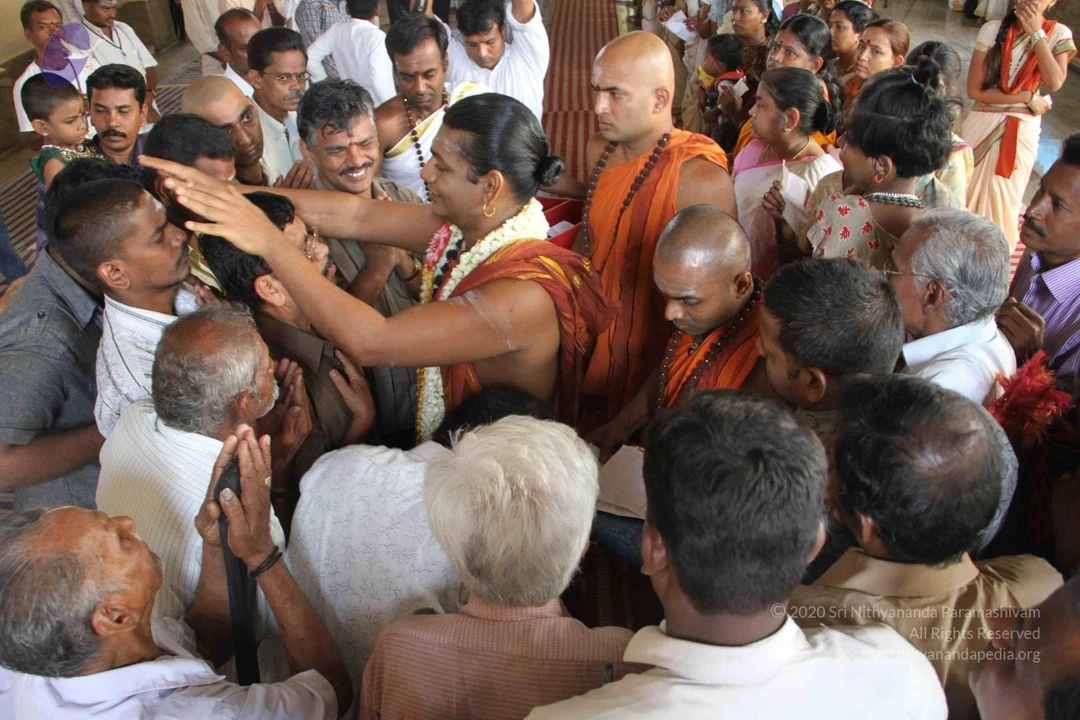
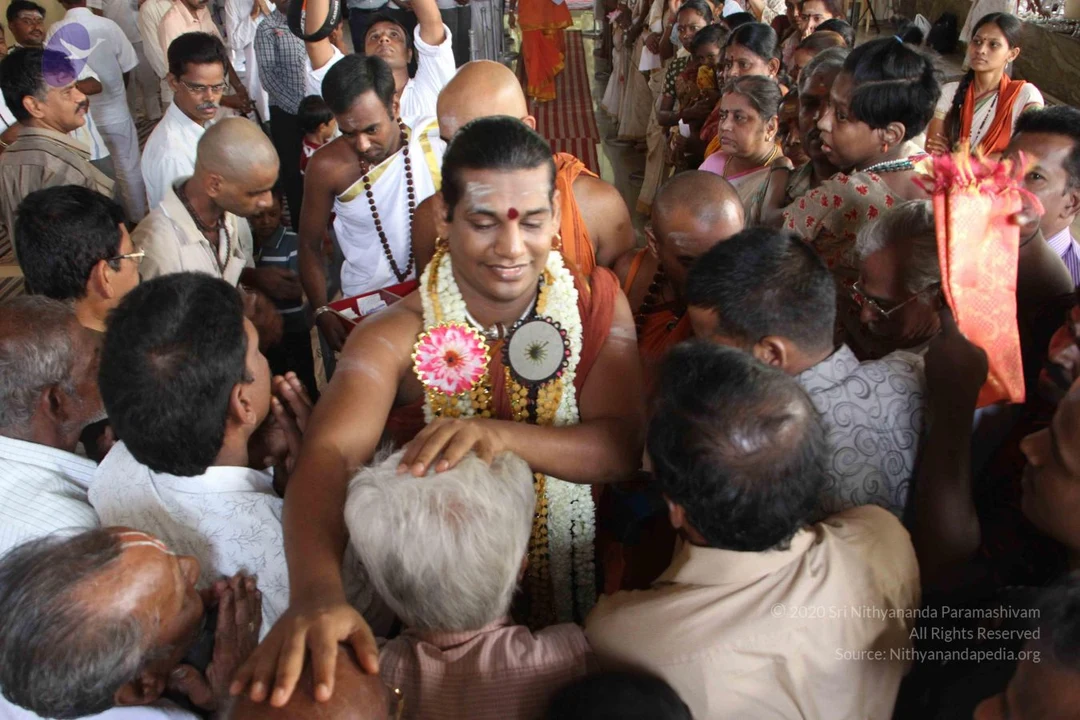
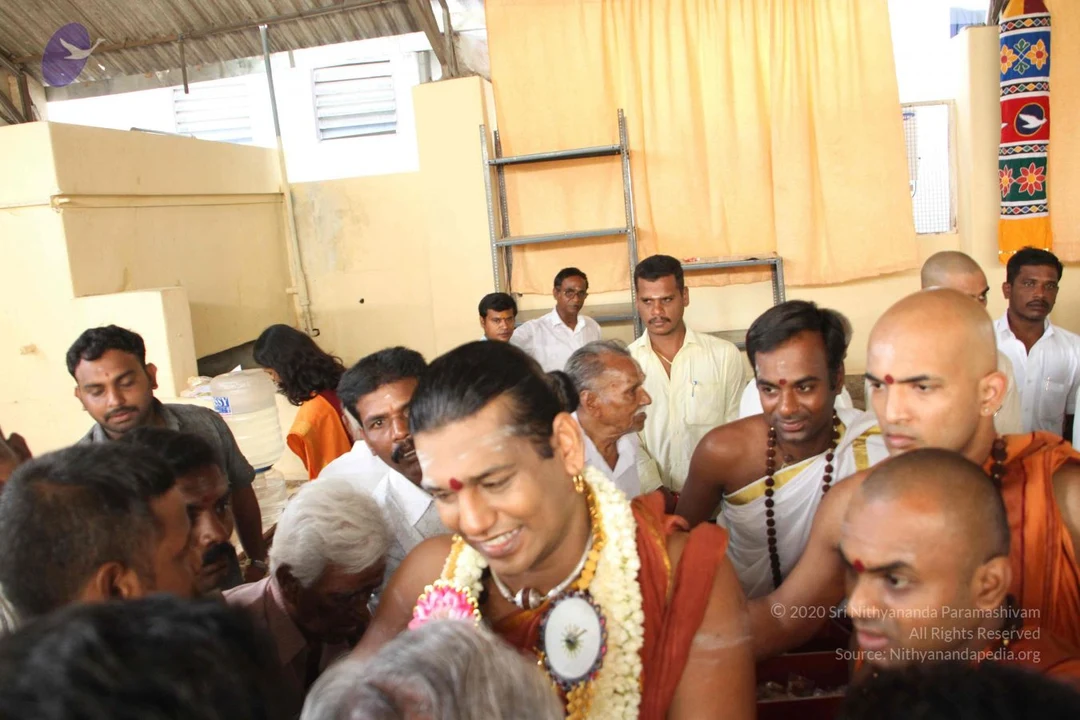
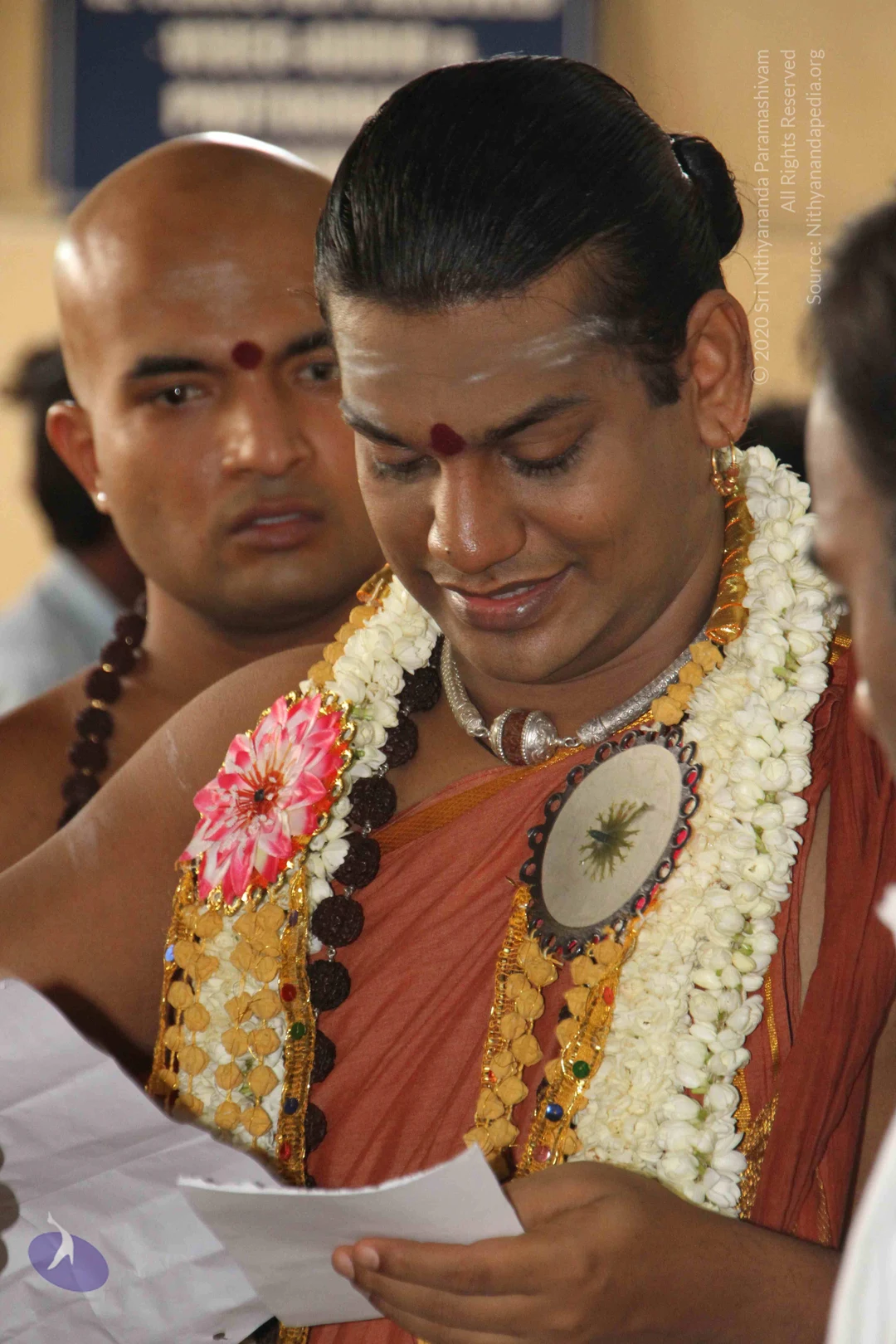
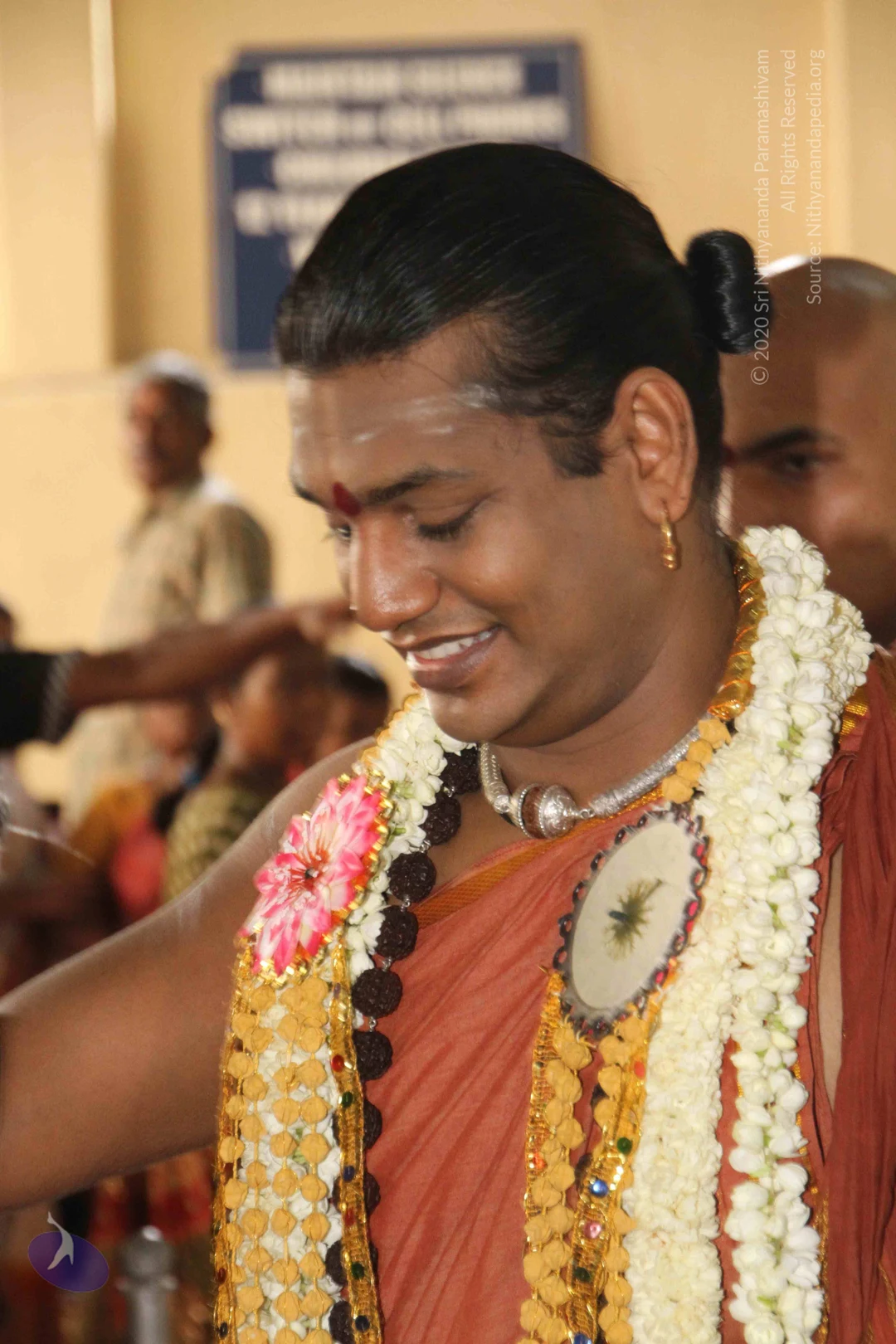
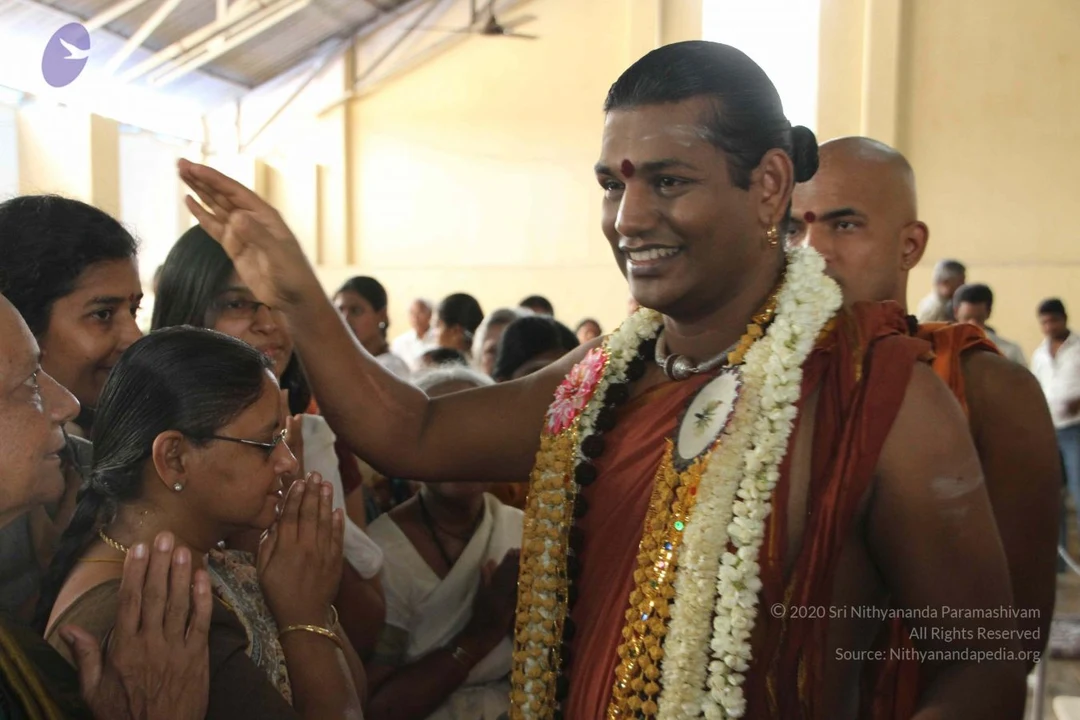
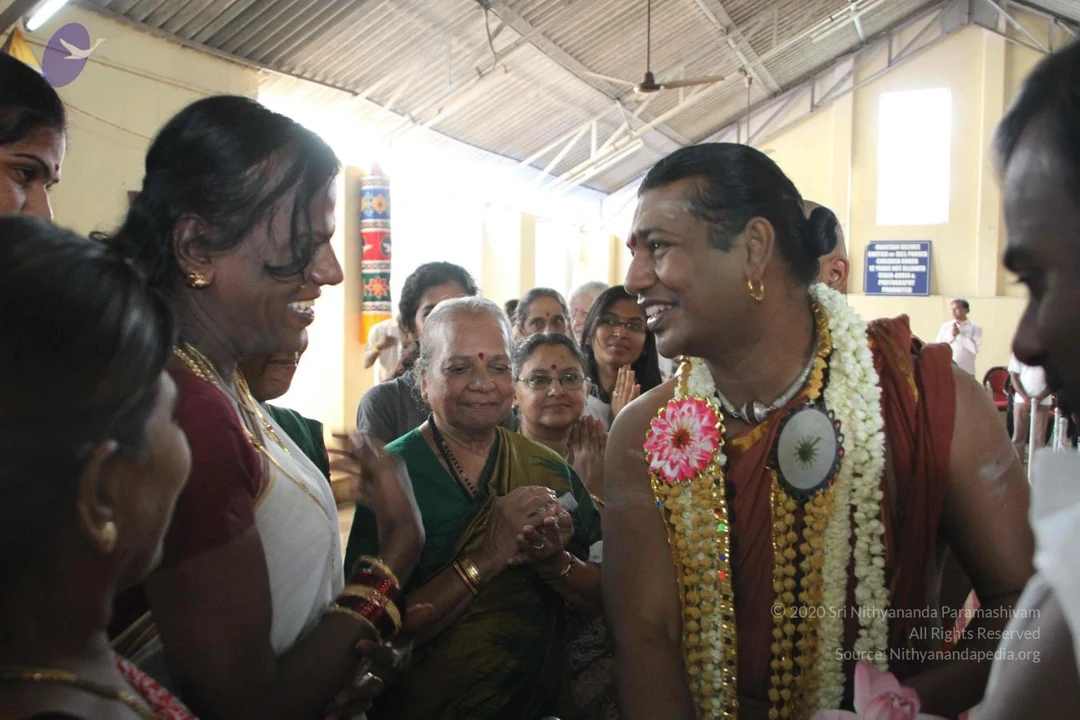
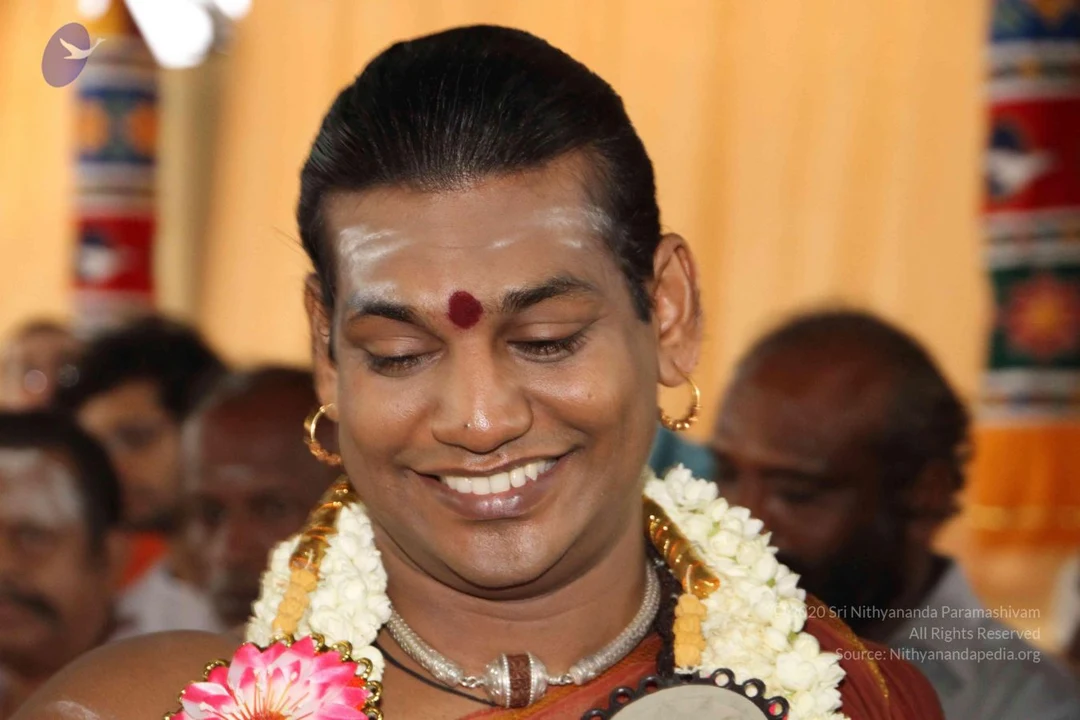
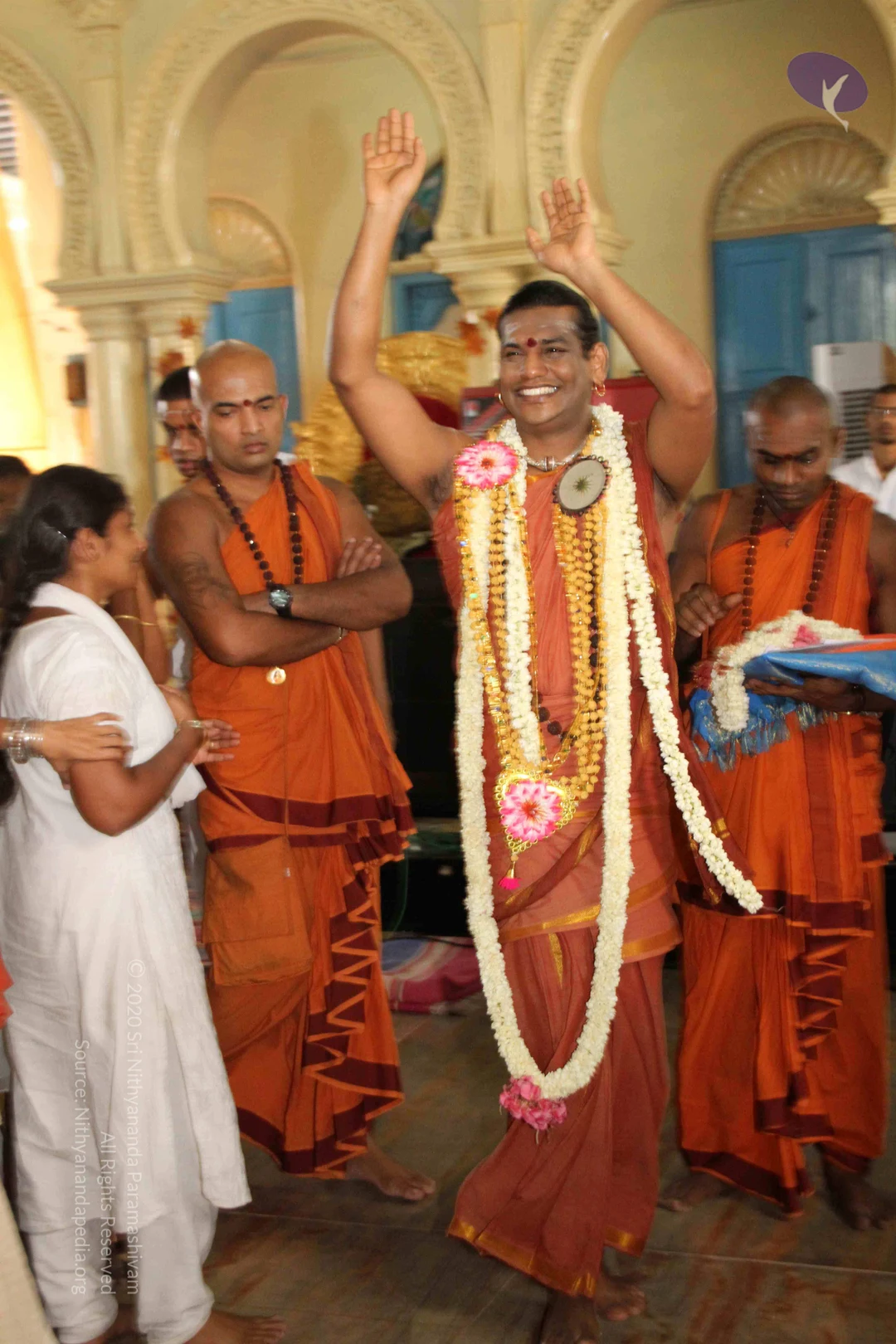
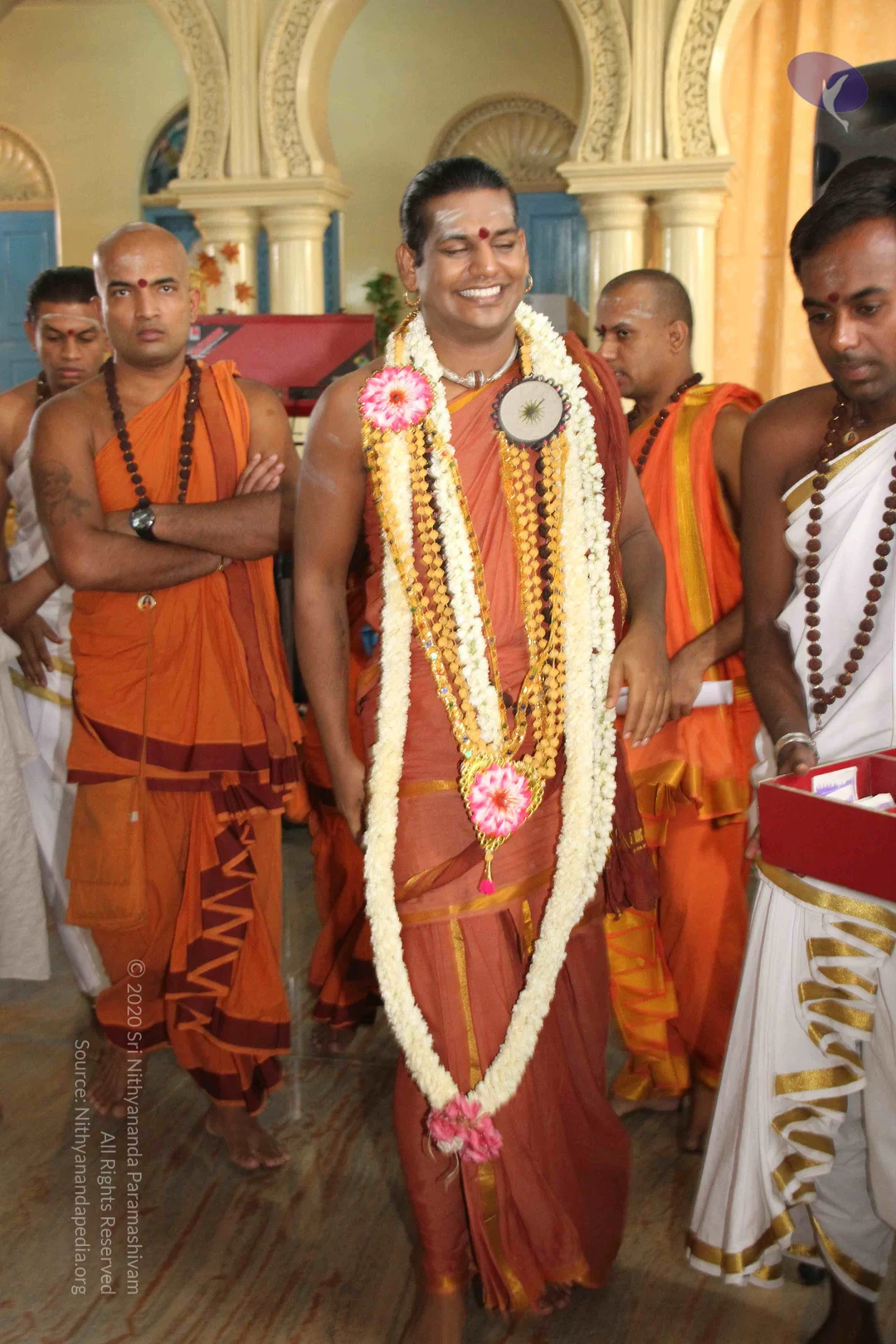
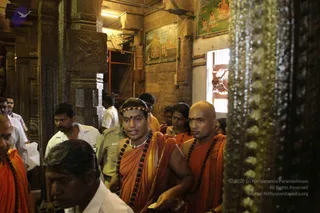
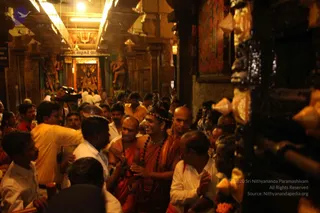
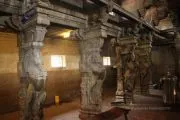
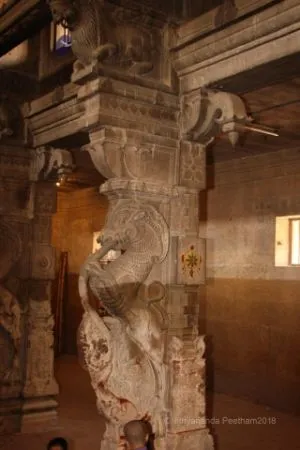
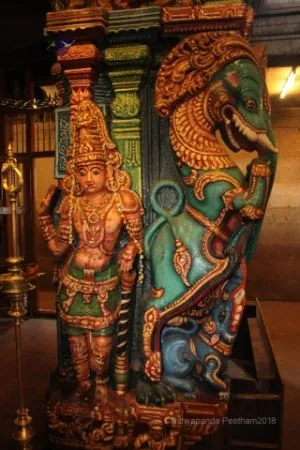
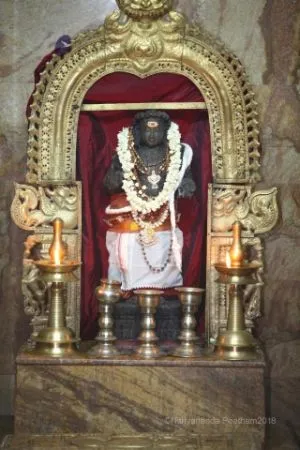
Alagarkovil-Visit




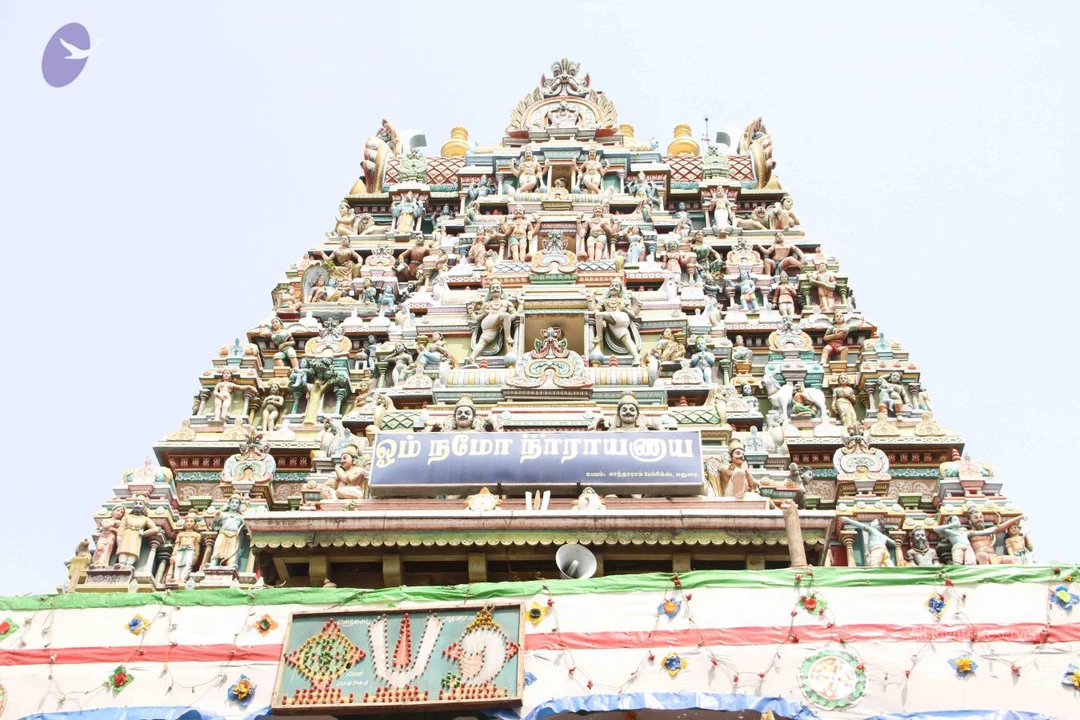
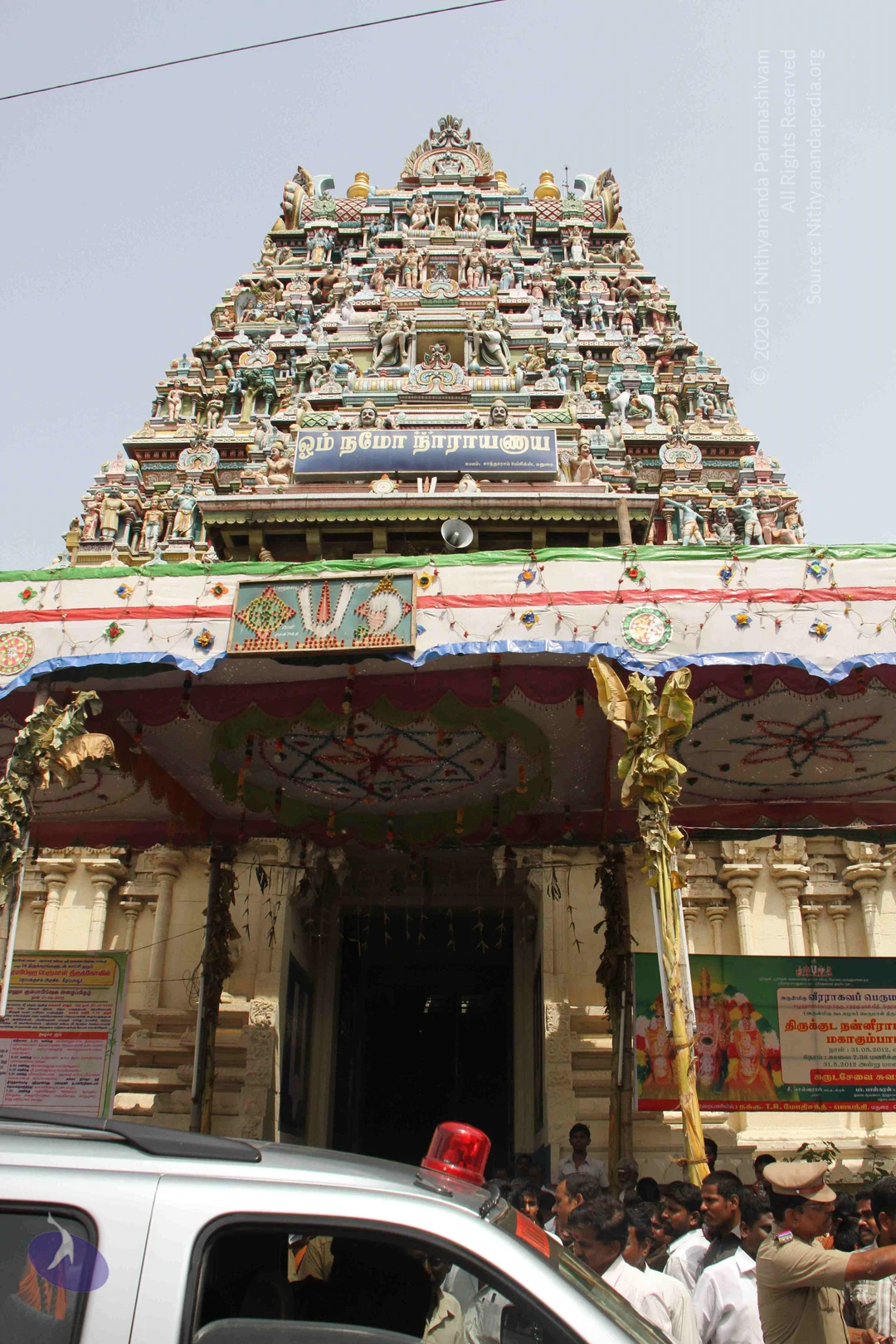
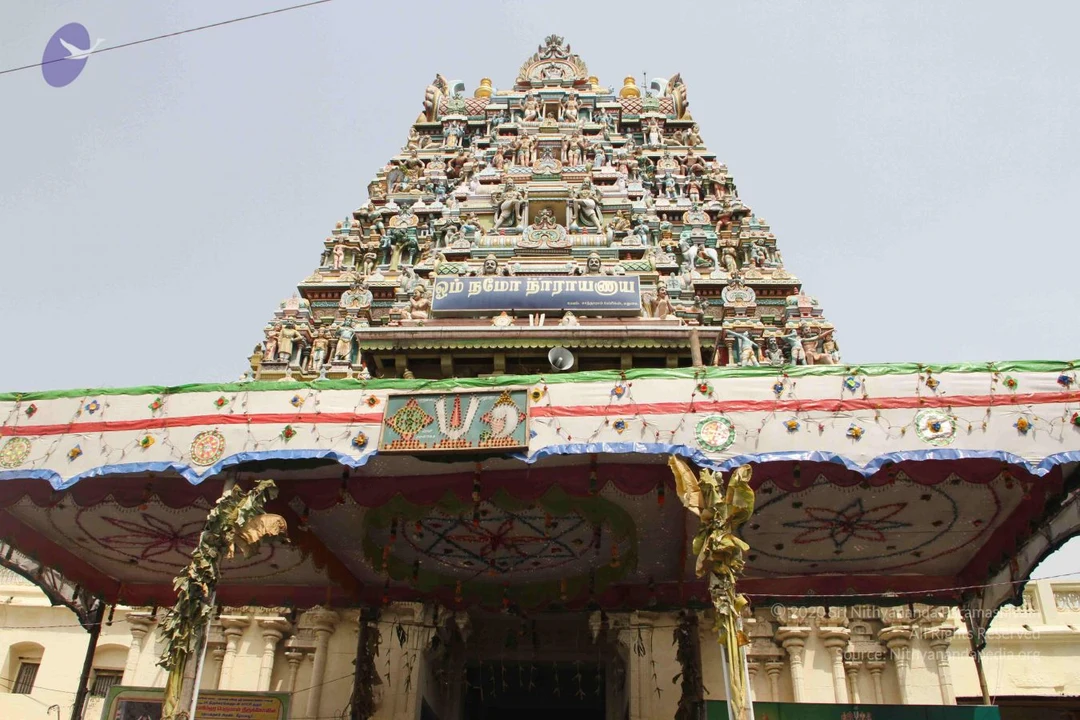
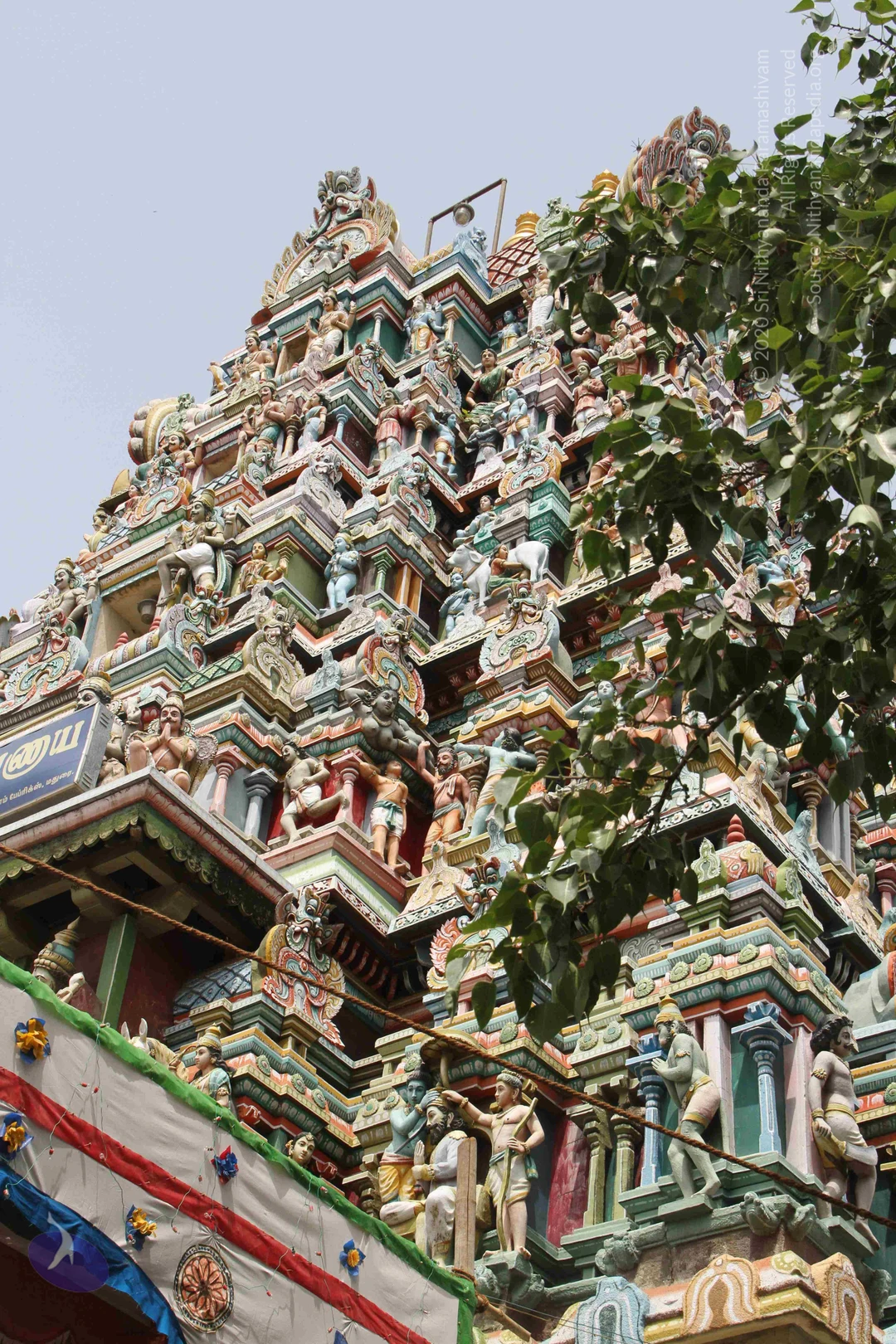
Photos from this day
View all 319 photosPhotos
116 photosSource gallery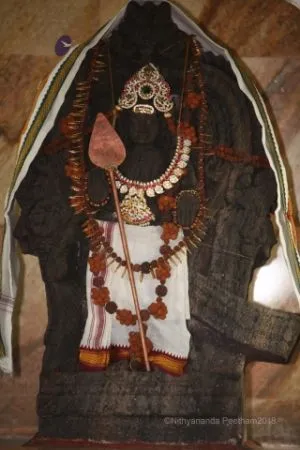
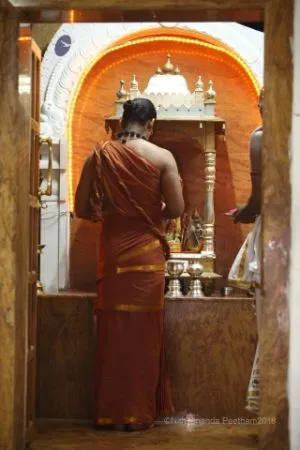
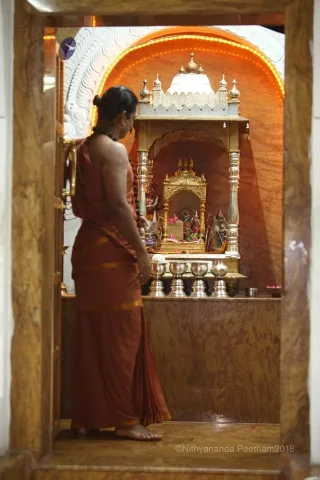
Morning-Satsang
116 photosSource gallery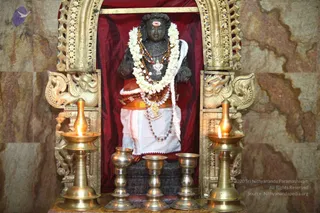
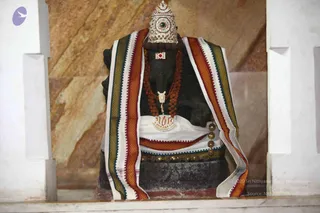
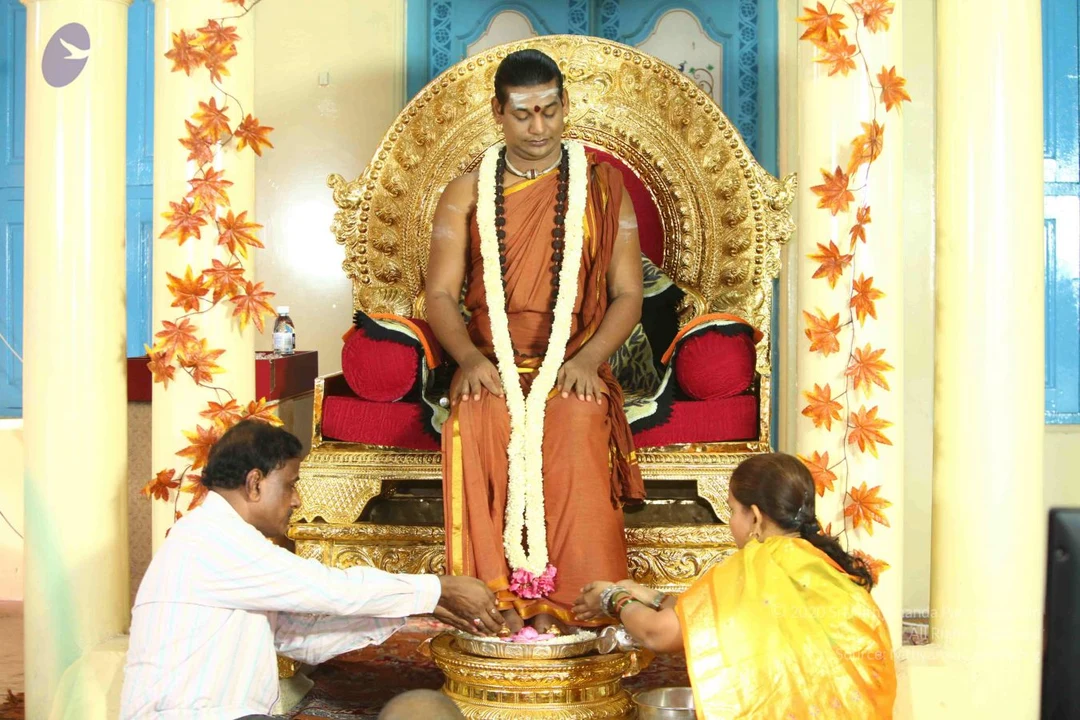
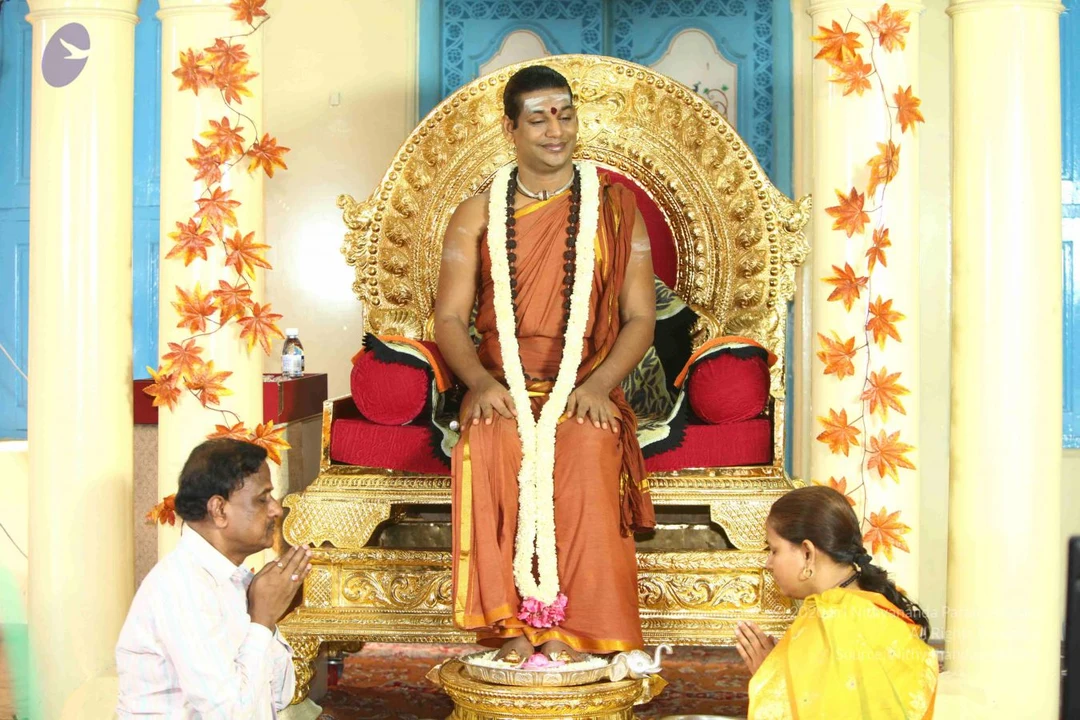
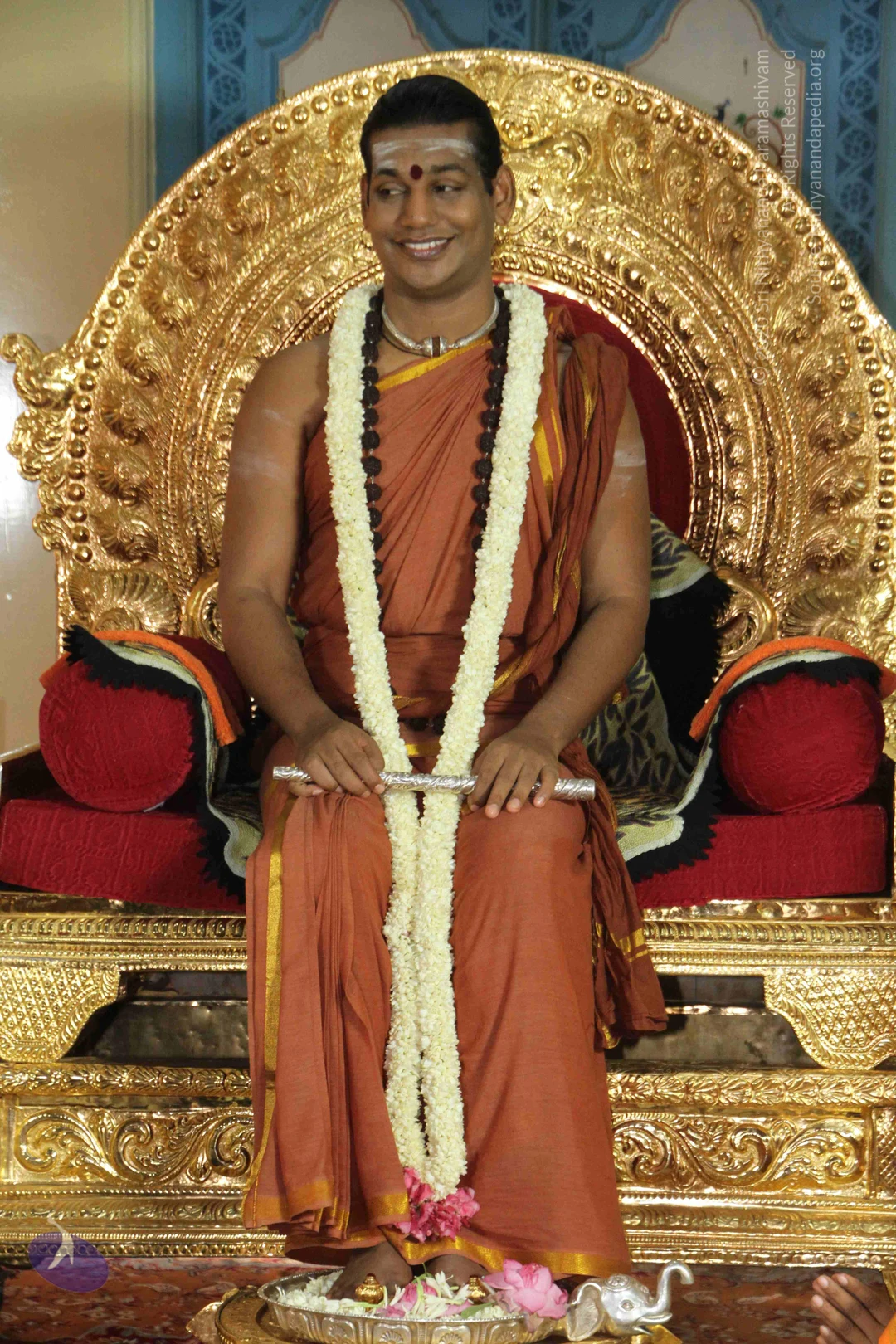
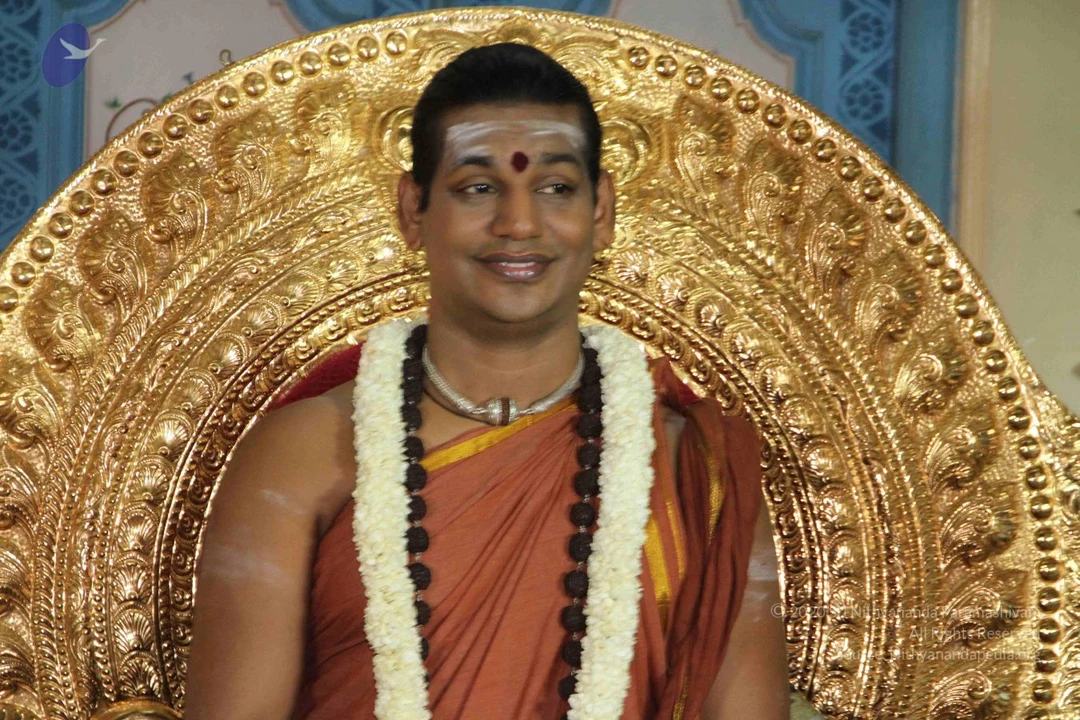
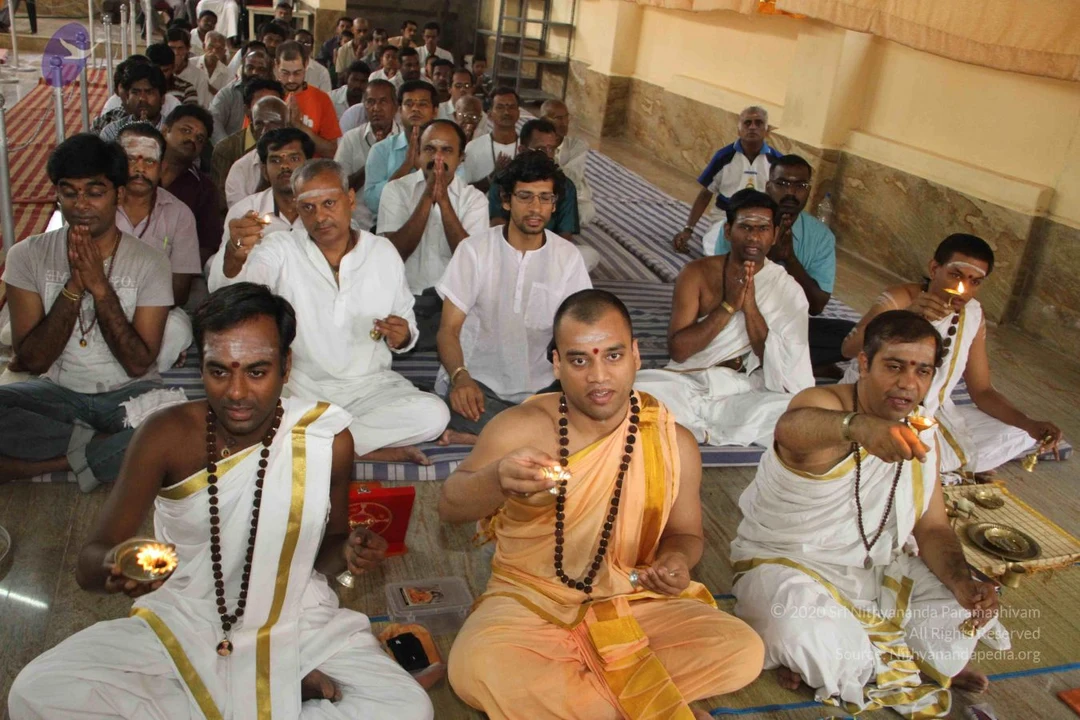
Alagarkovil-Visit
87 photosSource gallery