Sunday
25 March 2012
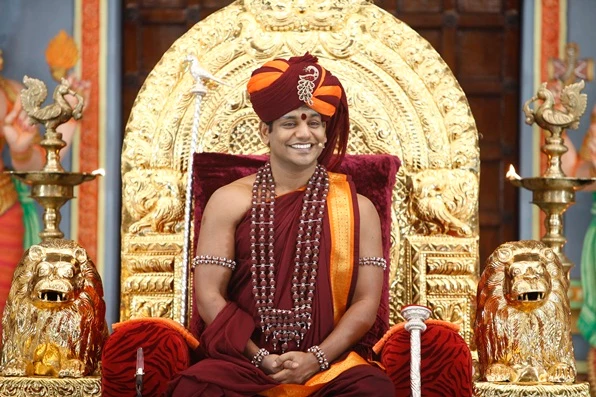
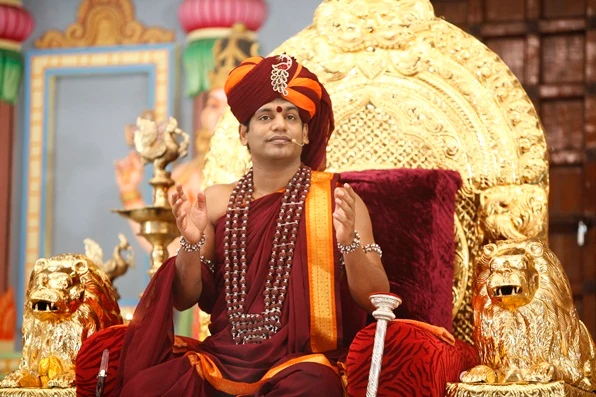
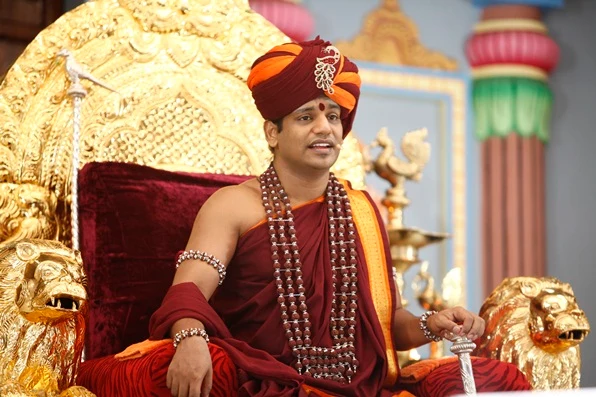
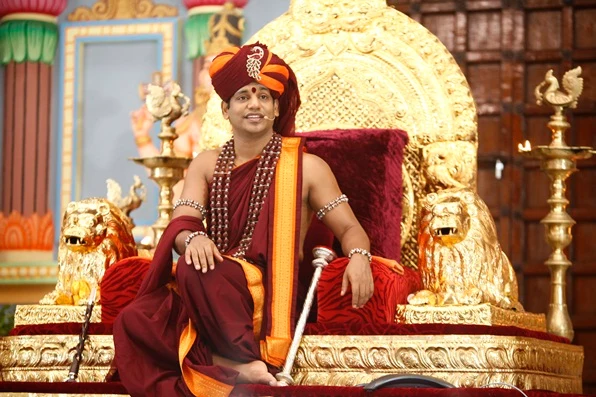
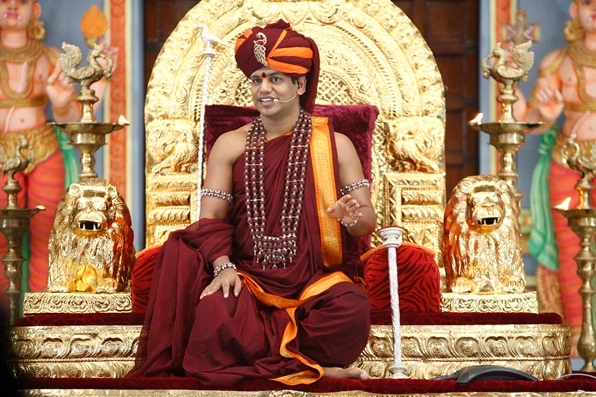
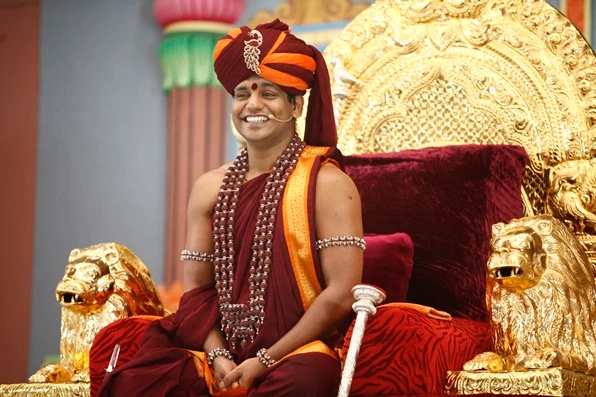
Supreme Pontiff of Hinduism HDH Bhagavan Sri Nithyananda Paramashivam.
- Dated photos
- 31
- Source pages
- 1
- Media
- 2
March 25 2012
Original wiki pageTitle:
Supreme Pontiff of Hinduism HDH Bhagavan Sri Nithyananda Paramashivam.
Narration
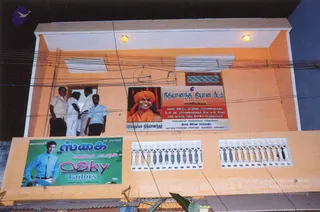
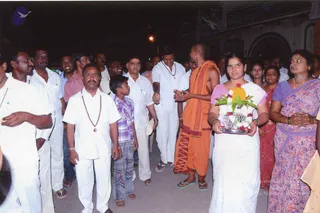
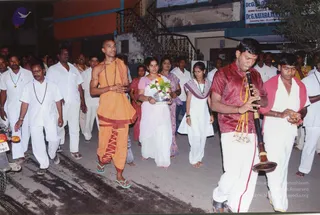
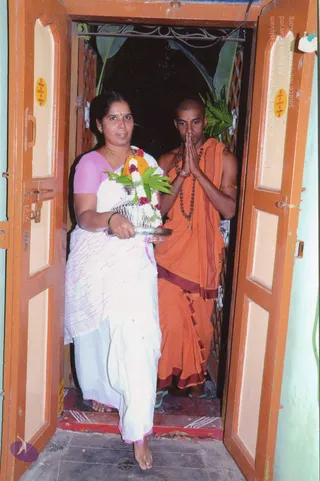
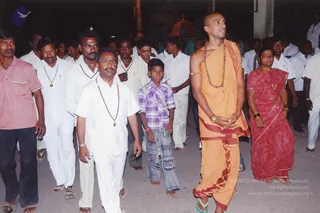
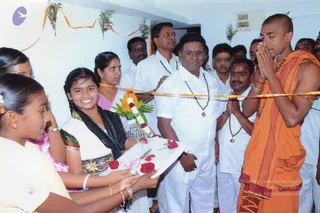
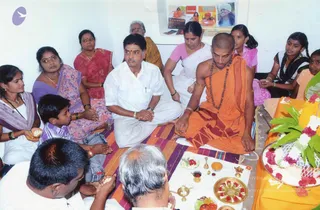
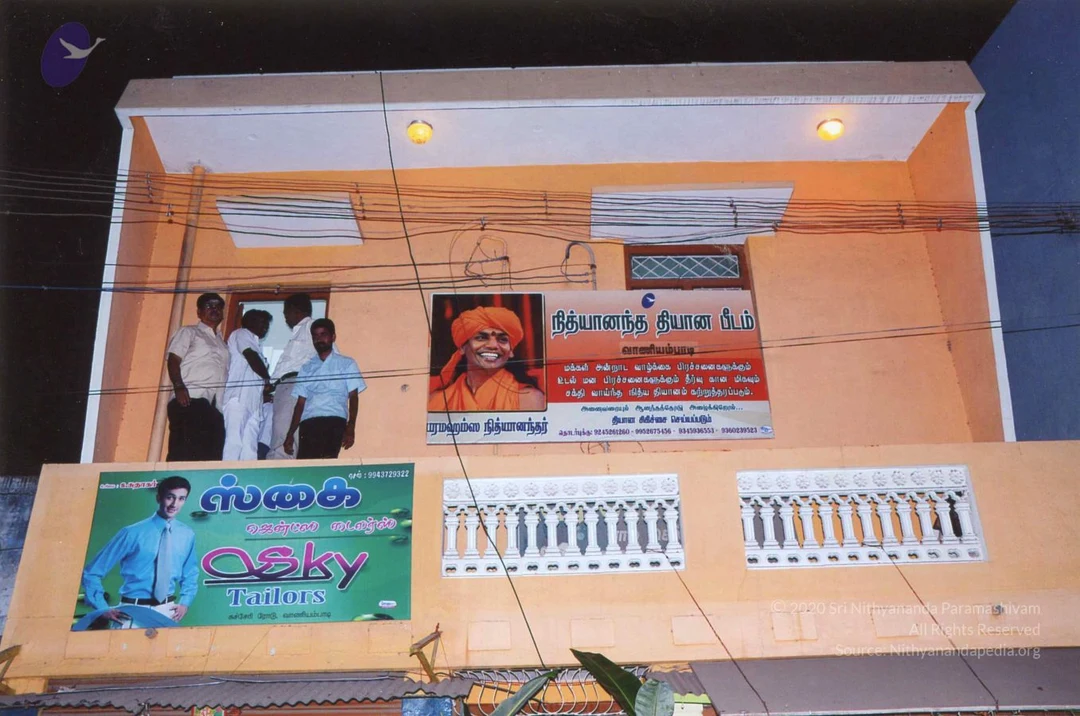
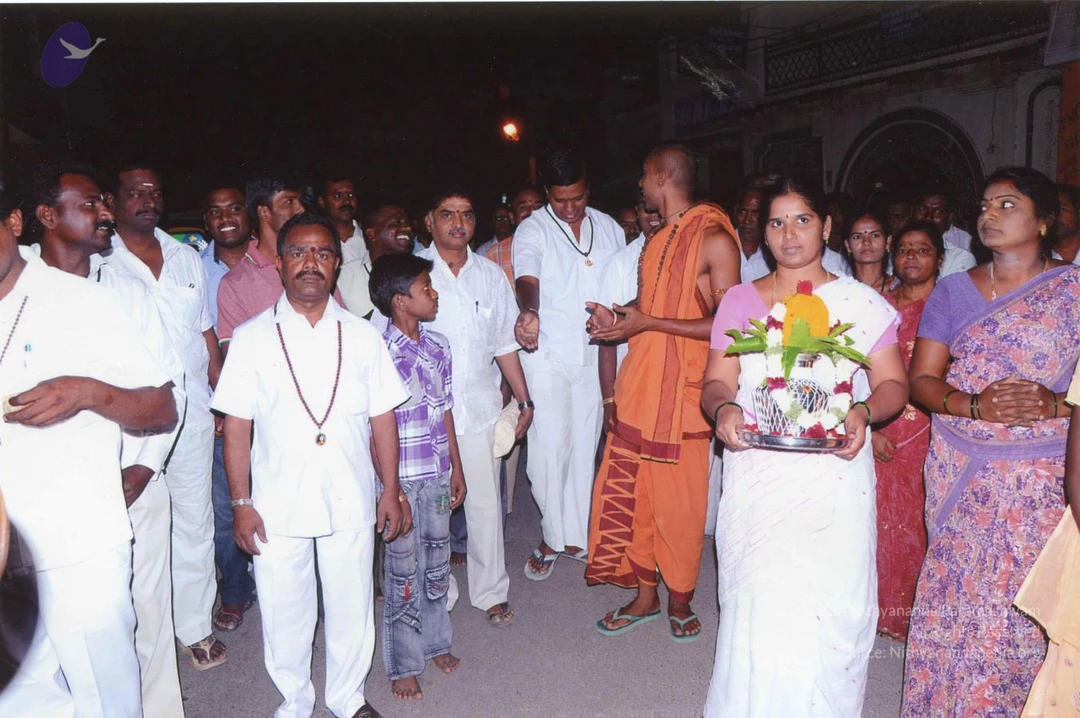
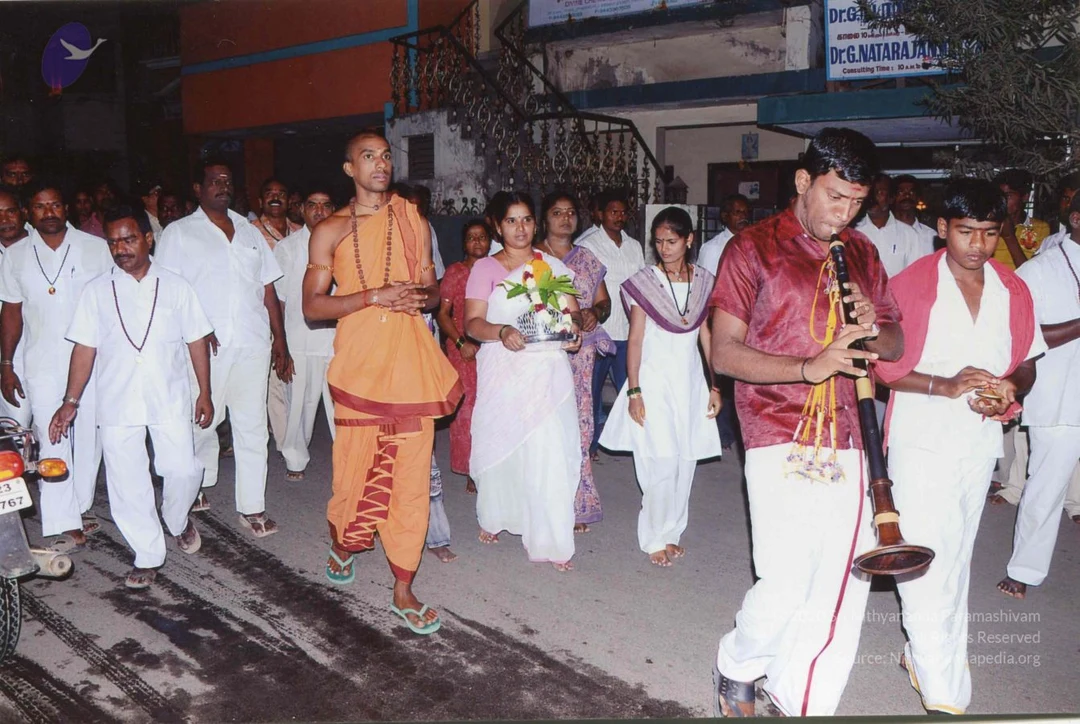
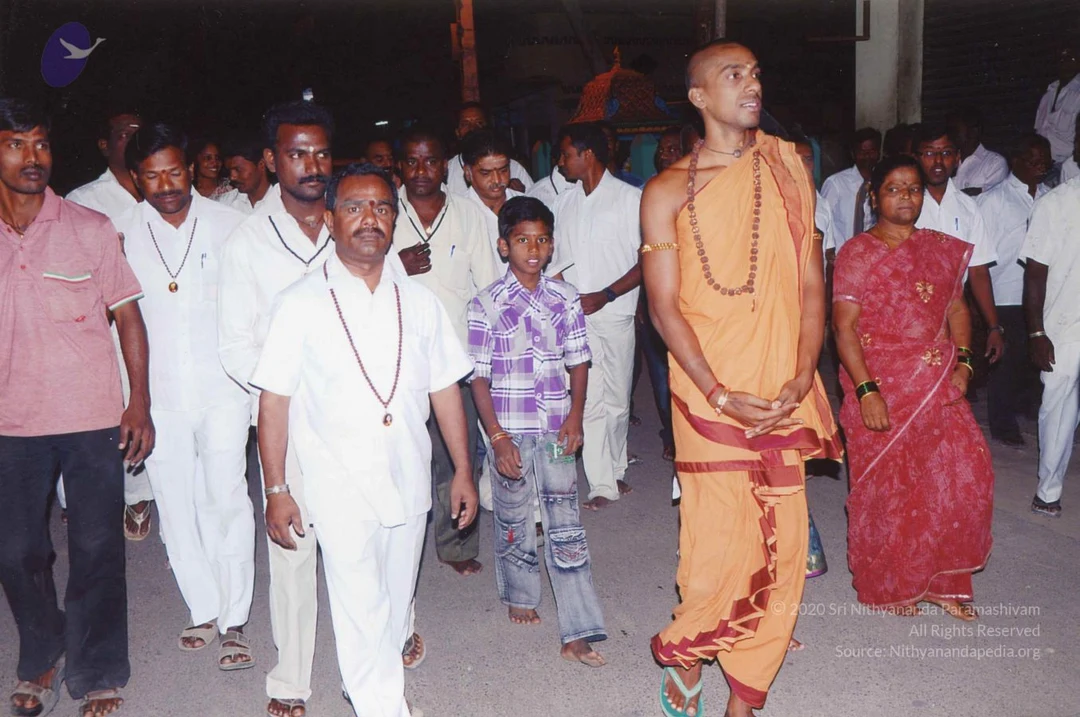
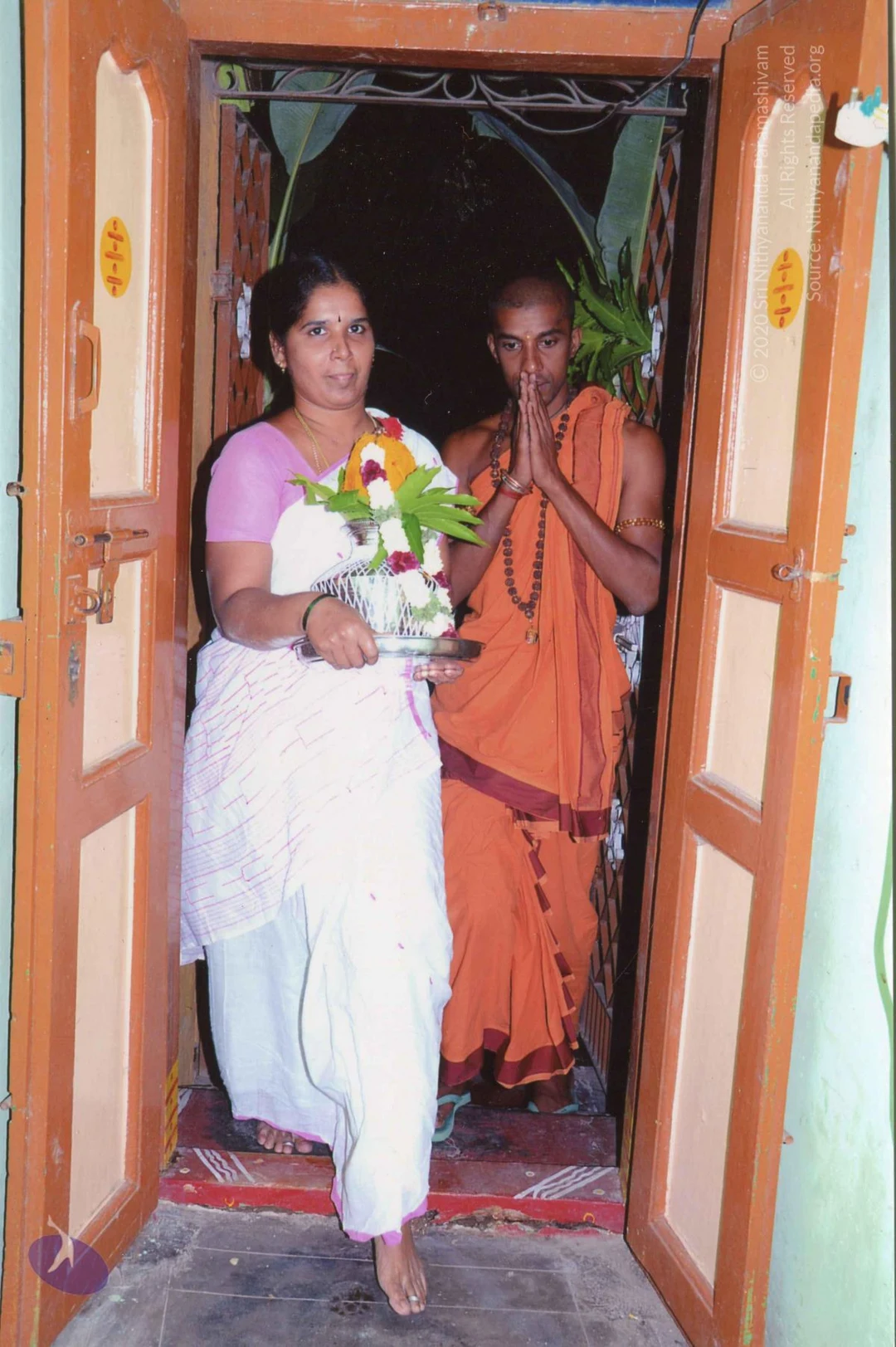
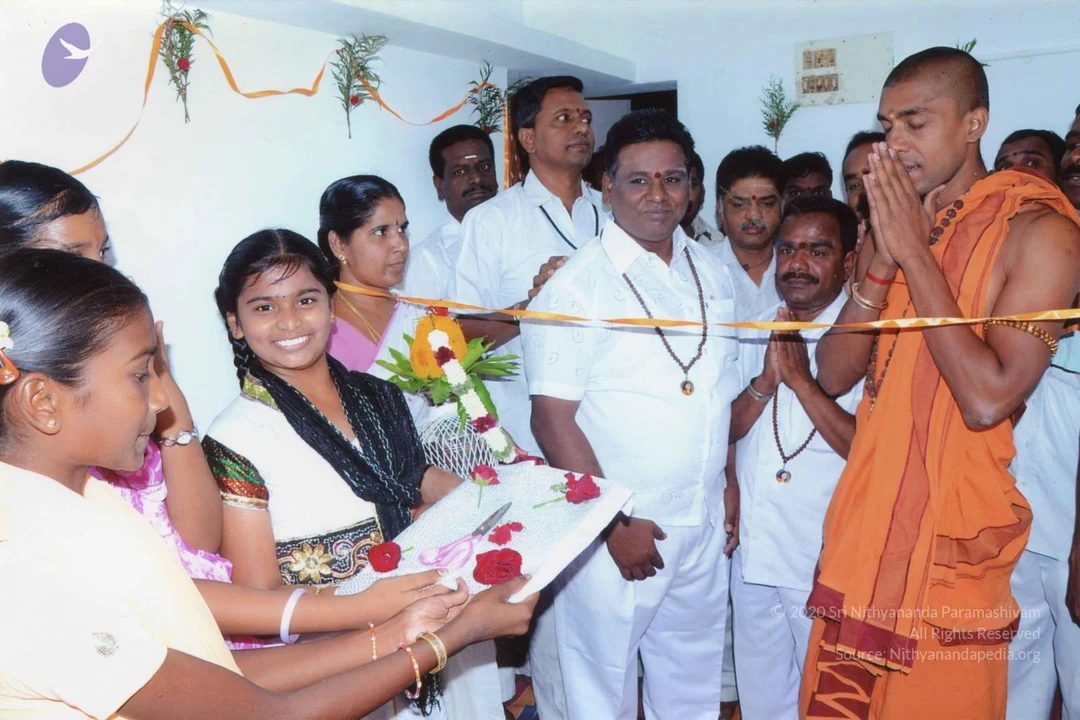
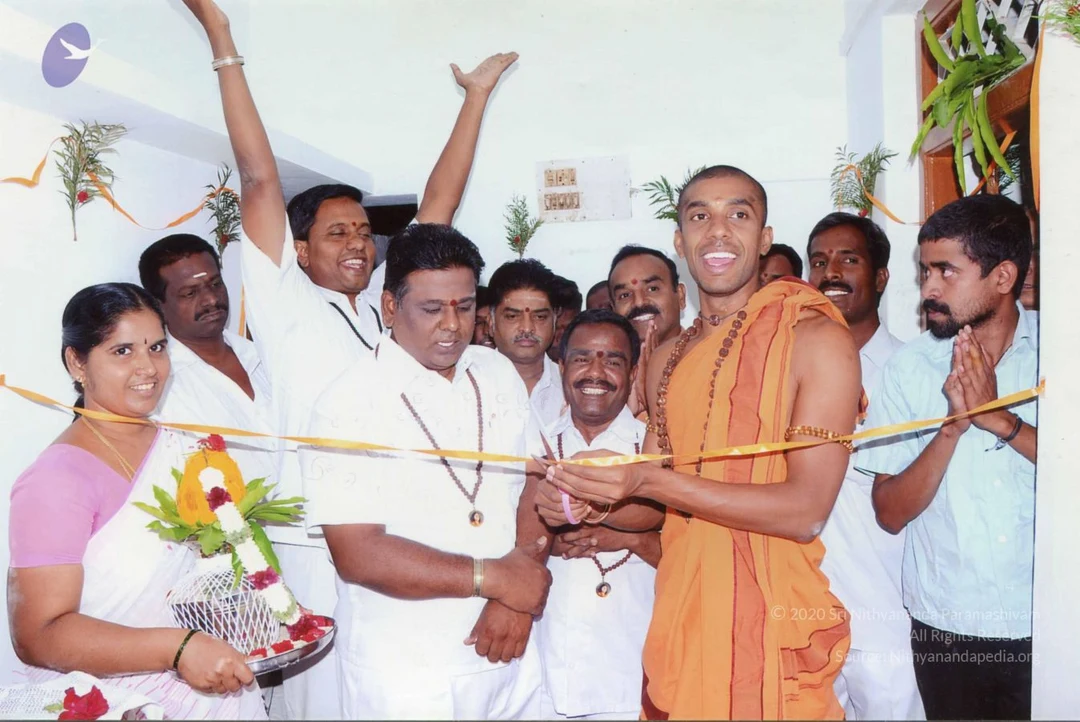
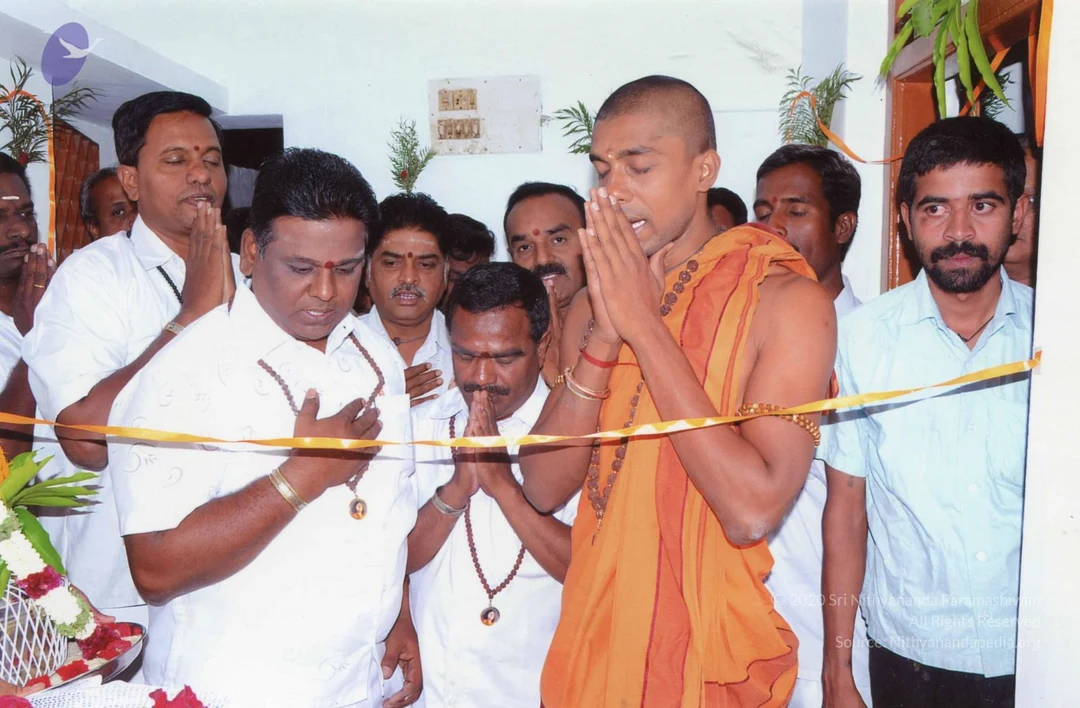
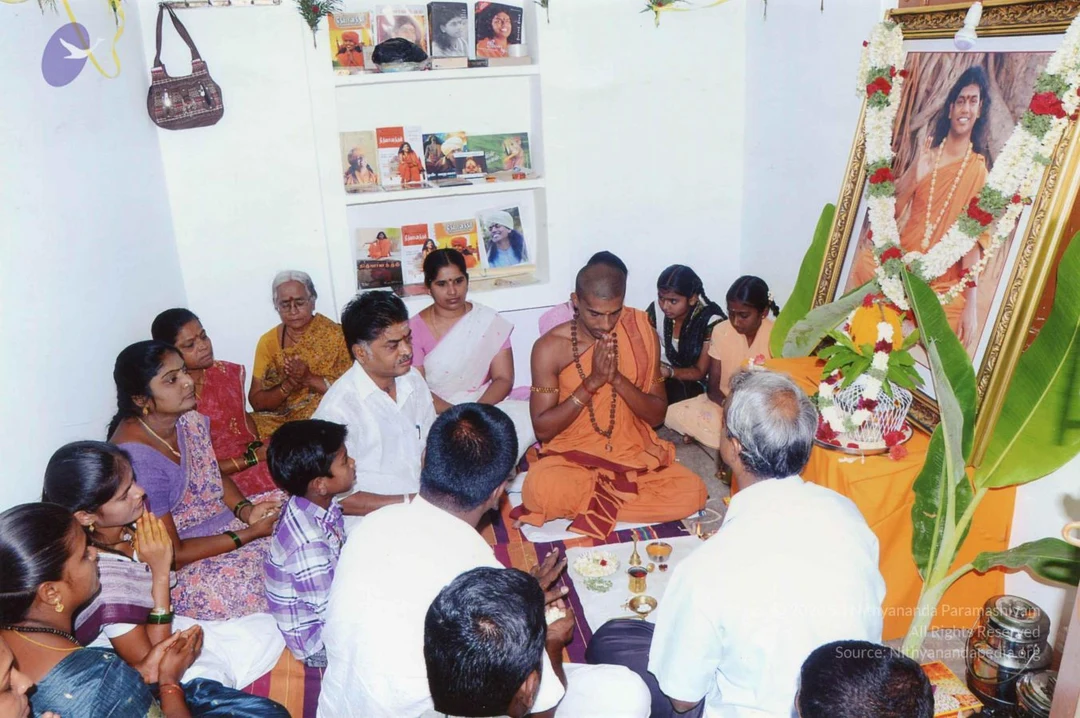
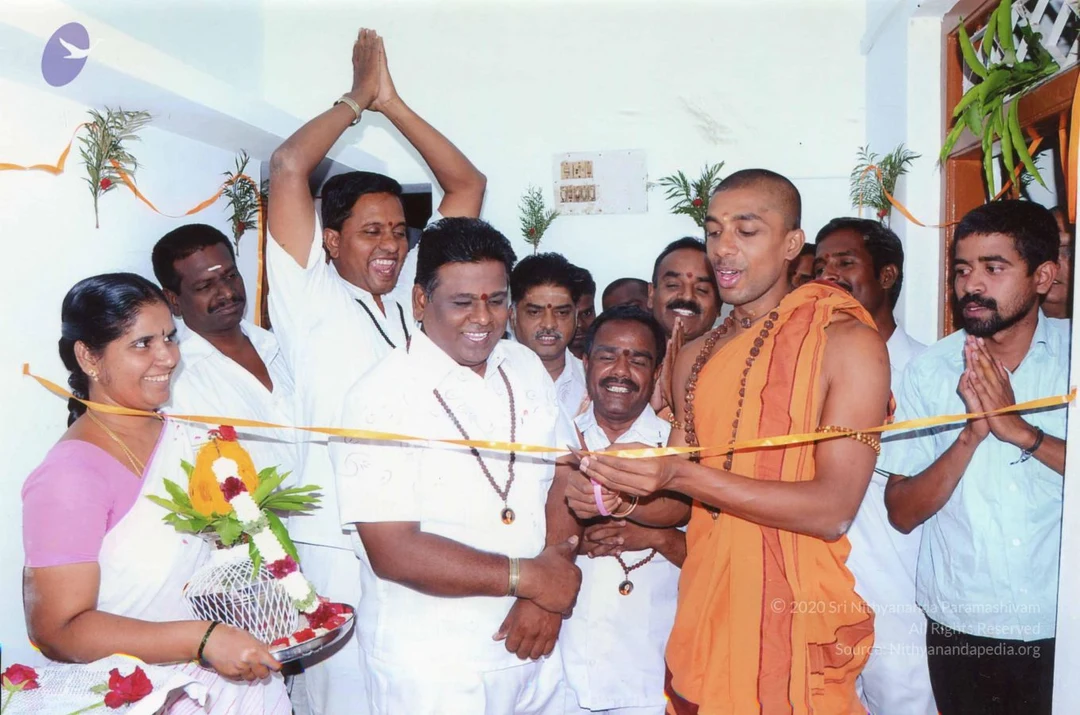
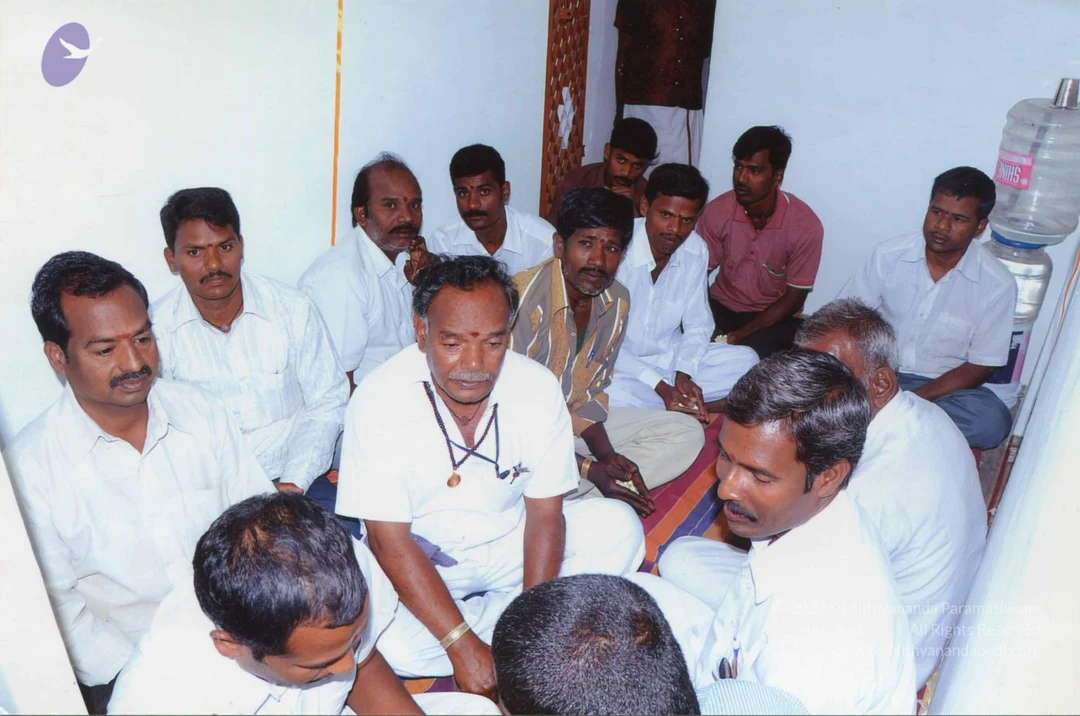
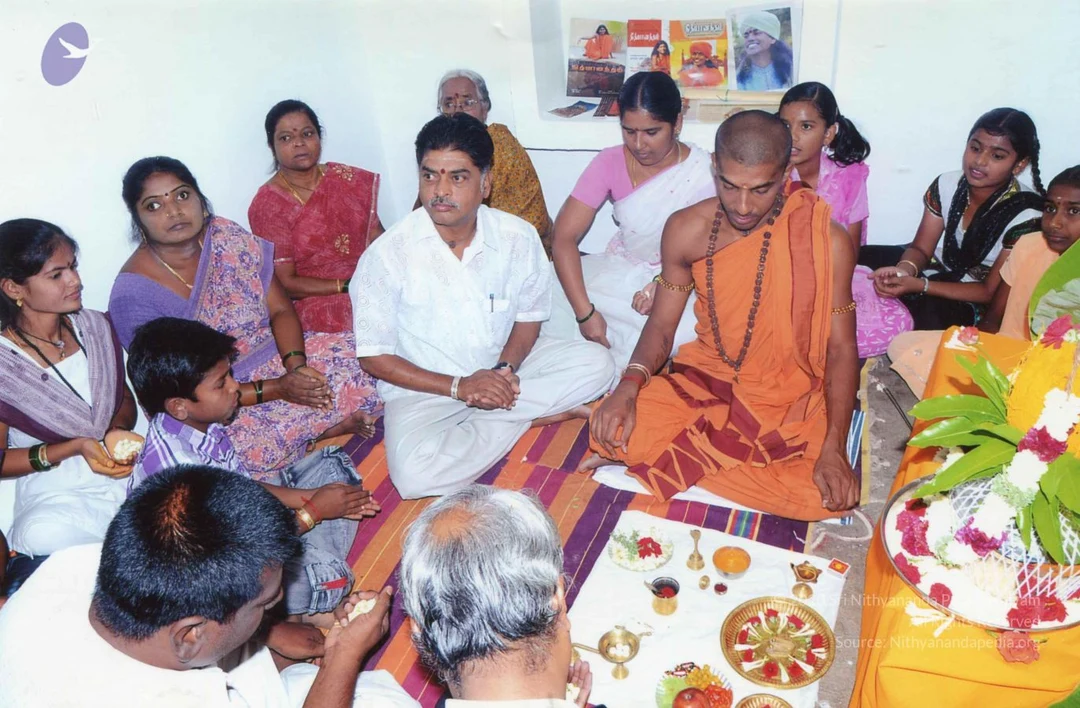
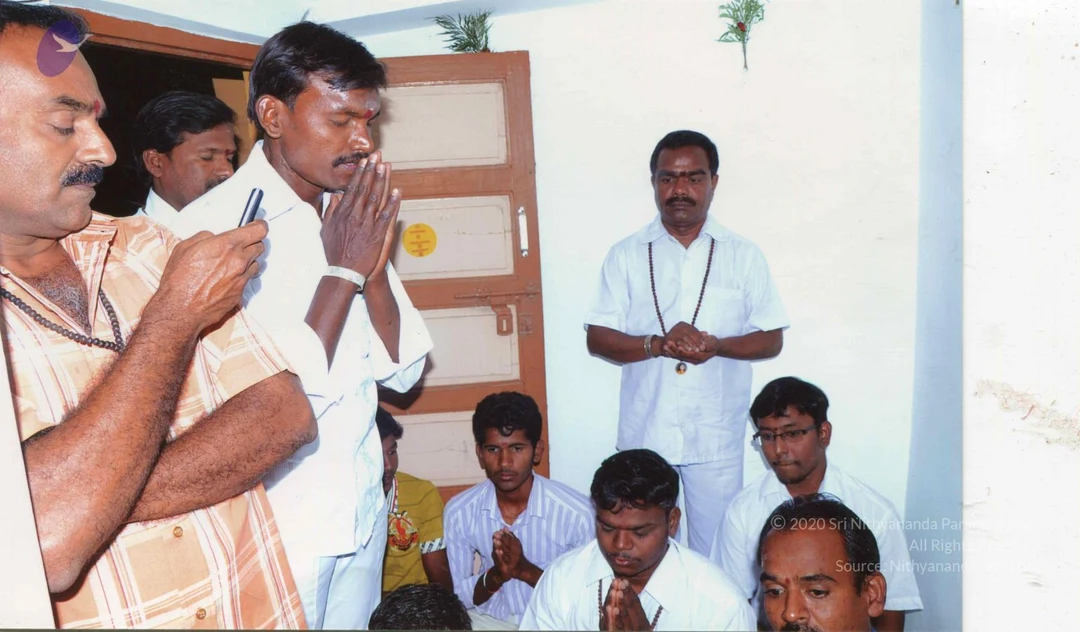
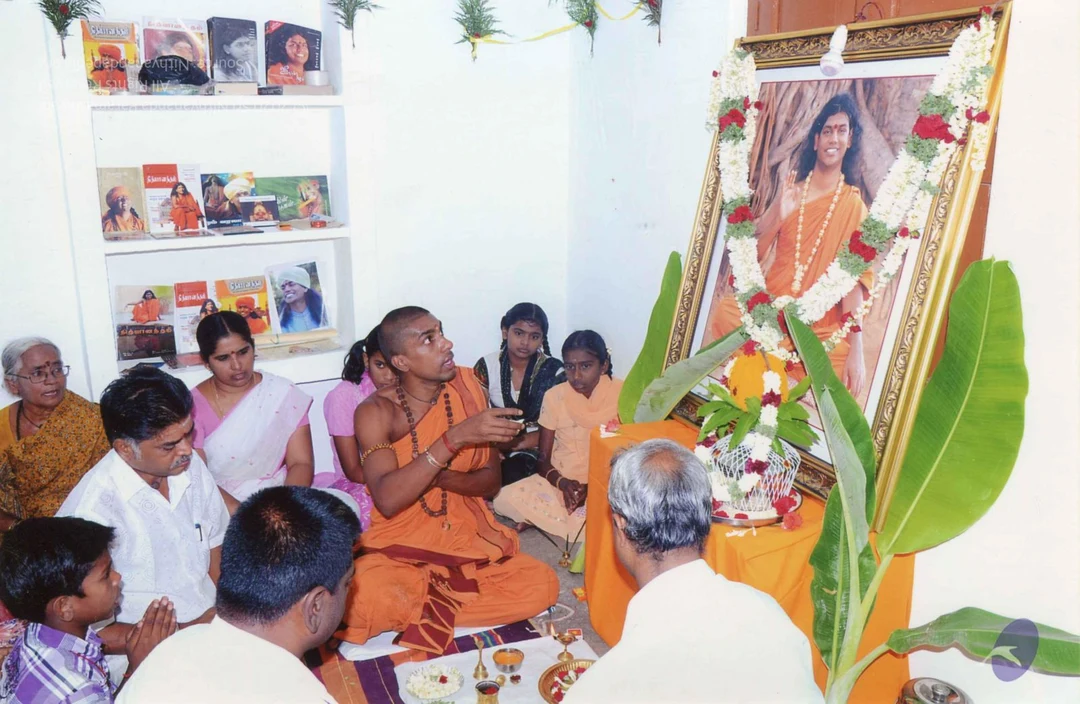
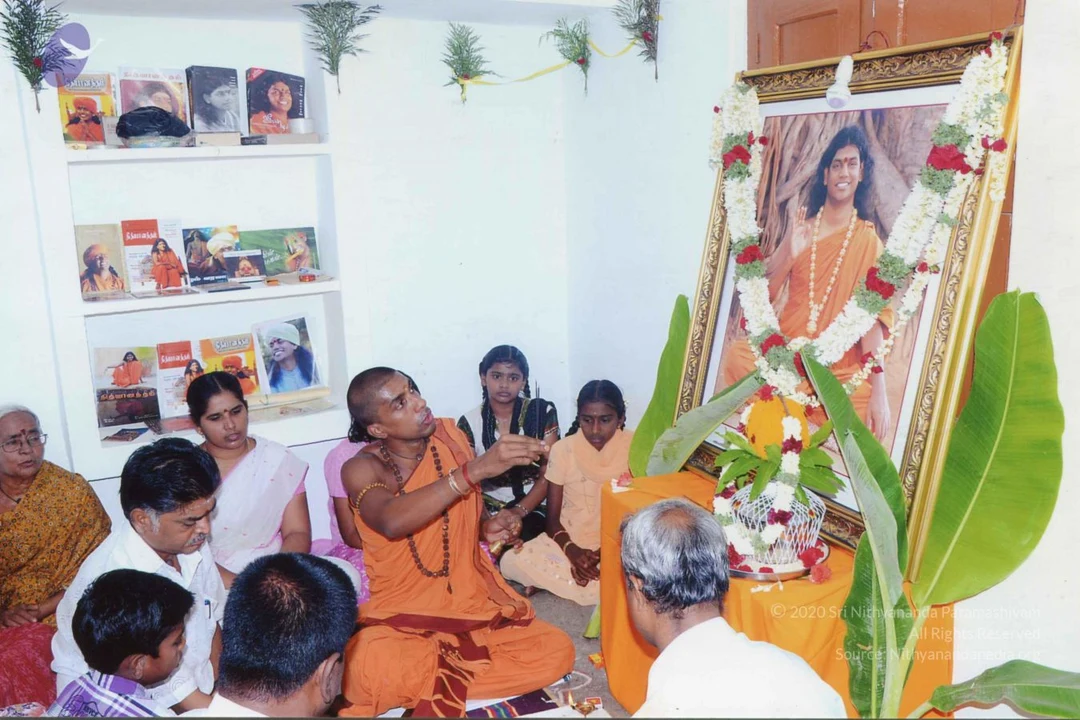
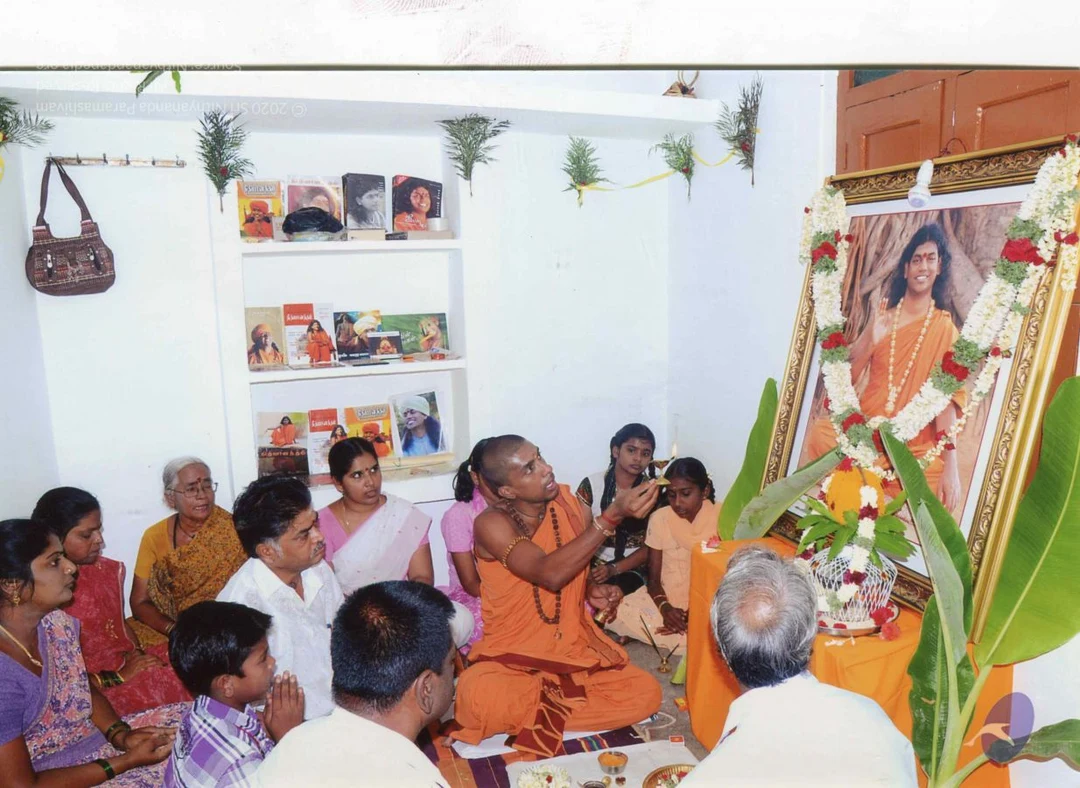
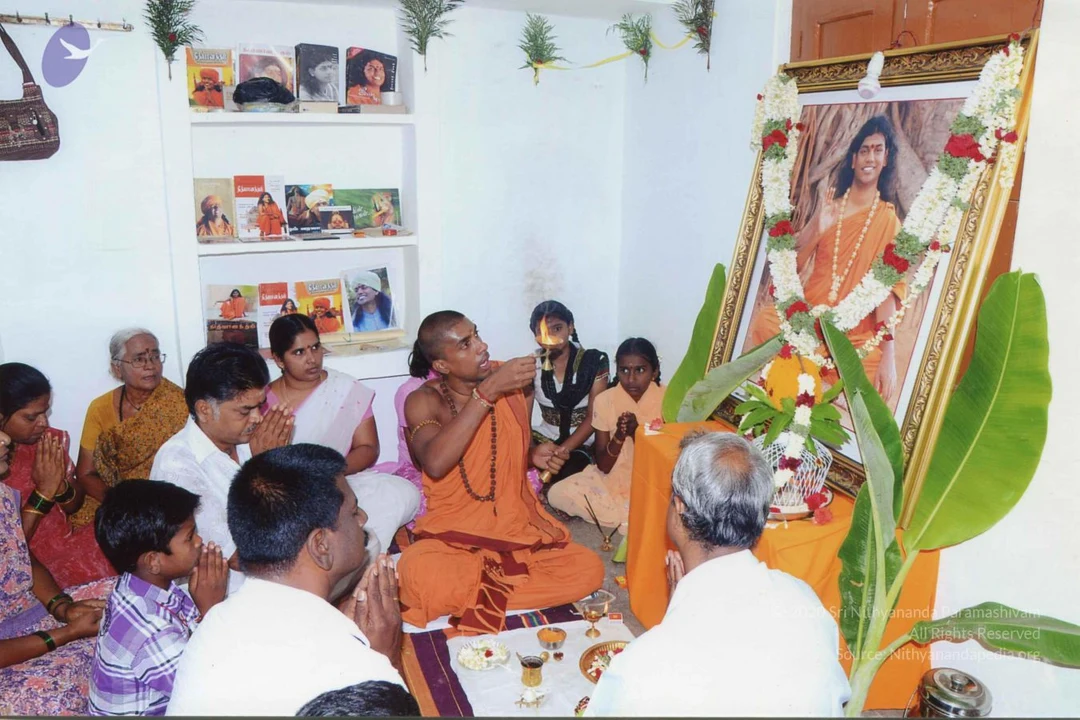
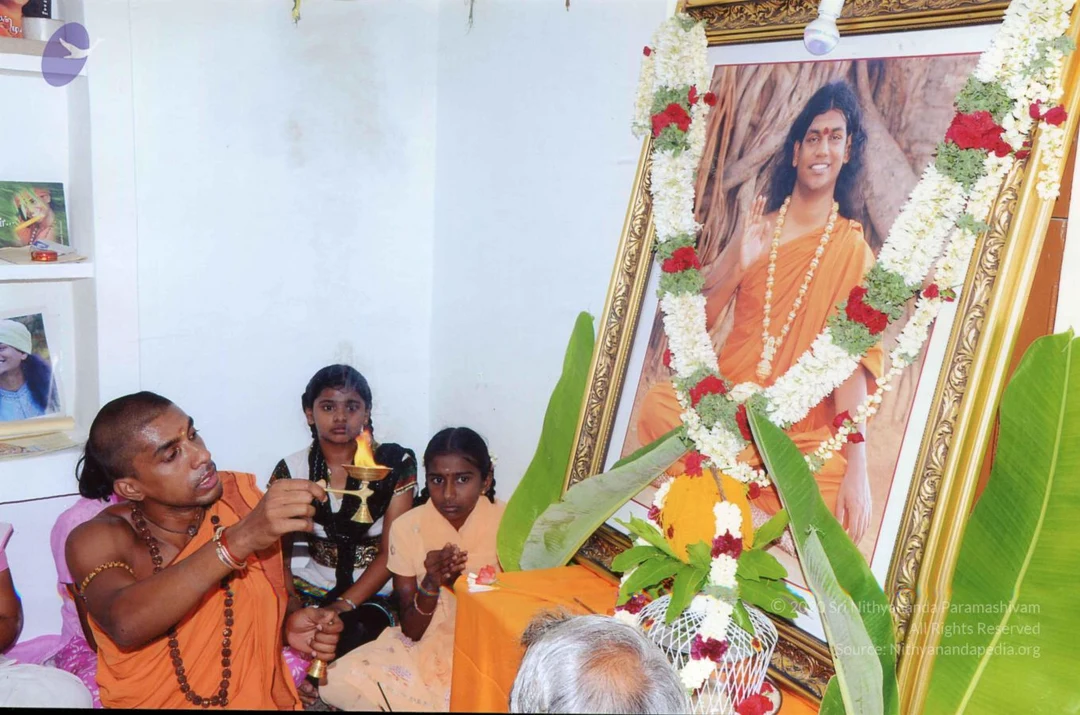
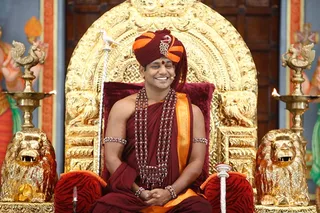
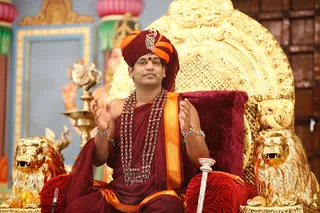
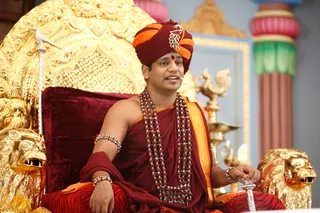
On this day’s Presidential Address-Nithyananda Satsang, the Supreme Pontiff of Hinduism Bhagavan Sri Nithyananda Paramashivam explained that Every man or woman carries certain feminine or masculine principles and energies inside. He further shared that Unless the masculine and feminine energies inside us are met we will not feel fulfillment inside. SPH reminded everyone that Human beings should live a beautiful life without interference of mind. Running Parallel on that day and under the direct guidance of SPH the Inauguration of KAILASA's new center was conducted in the city of Vaniyambadi, Tamilnadu, South India.
That day’s Presidential Address-Nithyananda Satsang was conducted by the Supreme Pontiff of Hinduism Bhagavan Nithyananda Paramashivam on 25 March 2012 in Adi Kailasa, Bengaluru, Karnataka, India.
Link to Video:
Title:
Aghoris - An Introduction
Link to Video:
Transcript:
[00:04:15]
Let Me define the meaning of the word “Aghori.” Aghori means simple, straightforward. Understand, the exact meaning of the Aghori. Aghori means simple, straightforward. What is the purpose of religion? Breaking all the bondages and liberating yourself, that’s all. Please understand, religion is not to replace Anacin, Metacin. No! I am not here just to clean your headache. I am here to clean your head. I am not here to brainwash you. I am here to wash your brain. Religion is not just for bringing you health, mental wellness, all that. That is just a side effect. If I have to answer in one word the purpose of religion - breaking the patterns with which you are suffering and liberating yourself. Liberation is the purpose. Breaking from the patterns is the purpose. Aghoris do it simply, that’s all. That is why they are called Aghoris. If I have to give a one-line caption for Aghori Sampradaya, I’ll just give this one only, this word only - do it simply. Or I can give one more line - simplify it.
[00:05:55]
Aghoris straight away simplified the whole religion. They know the root patterns with which human beings are suffering. And they know how to directly work on those root patterns. Not roundabout. No - Eat sattvic food and do yoga for twelve years. Blow your nose for fifteen years - No. Aghoris are not dream sellers! I tell you, anybody who sells you the technique and asks you to go on and on and on practising this technique, and later on at one time somewhere, somewhere, when God will appear and give you darshan and give you Enlightenment - No. It is a dream selling. That is why I tell people: Work with unclutching just for ten days. If it works, it works. Otherwise, forget about Me. The ten days itself you will see how powerful it is. You will see a breakthrough. Then the breakthrough will lead you to the next level, not My promise. If you had a breakthrough and that has led you to the next level - you are growing, you are progressing from your experience to experience. I tell you, all technique sellers are dream sellers. Aghoris are not dream sellers. They are nightmare. And they are literally nightmares. Aghoris are embodiment of Shiva walking on the planet earth, waking up people! Even if you see Aghori, you will be frightened. If you are too attached to life, you will be frightened the moment you see him! Forget about going near him.
[00:07:51]
Aghori means simple beings. People who do things very simply. To bring people to be simple, I don't know how many years it takes. I know, I could see how human beings lost connection with simplicity. Everything is seen with perversion. Here is... a tradition which is straight and simple - embodiment of simplicity. They don't do techniques, practices, spiritual ceremonies, rituals, in a roundabout way. No. If you tell Aghori, “God is all powerful. You pray to him. Then he will appear and bless.” He will laugh at you. Because their techniques and methods do not go to the second statement. Their whole way of thinking is so beautiful, so simple, so innocent, straight. They say, “If I have hatred, let me eat what I hate.” “If I have violence, let me love whatever violence I am carrying. I’ll love the same object. I live with the same thing and break the whole pattern!” “If I love something and that is binding me, I’ll throw that away from my life, and cut the whole pattern.” They don't say, “No no, mentally renounce, physically have it. Slowly, slowly, slowly, in course of time, you will be liberated.” No! They expose all their five senses to which they hate. They keep themself completely away, literally away from everything they like. Means, any patterns - straight they operate!
[Intermission]
[00:14:15]
If they see a blockage in the heart, they just open it and clear the blockage and cover it. They don't bother to take anaesthesia but they know how to open it, clean it and put it back, stitch it. If an Aghori is not able to control his lust, he literally puts a lock in his reproductive organ. Literally a lock. Of course, I am not going to promote. I am not promoting because a civilised society can't understand. I am just approaching this sampradaya with little respect and the patience to listen what they really are living. And they do have their religious freedom! When the fellows like Maoists - kidnapping people and the atheists - who are hurting others and the communists - who go on criticising others, when they all have their religious freedom and the freedom of speech, Aghoris also have freedom to live their life. When they are not disturbing others, when they are not disturbing us, we are nobody to ask them any questions. I am only approaching the whole thing with a little sympathy, with a little respect.
[00:15:46]
Any pattern they discover, they immediately remove it, and they know the technique. They go to the depths of fear and face the fear, depth of hatred and face the hatred, depth of suffering and remove the suffering, to the depth of the pain and remove the pain. When a Aghori has a problem in waking up in the morning, he stops sleeping, that's all. Solution is very simple. Aghoris don't do all these cheap postponing games. They neither sell dreams nor believe in dreams. They know only one thing - now or never! Either problem is solved now or never.
[00:16:53]
And I tell you, no other sampradaya expressed so many extraordinary experiences and powers and Enlightenment so strongly like Aghoris. Again and again this so-called western civilised fools project Aghoris are the India's wrong side, the side which need to be covered. But I tell you, Aghoris are pride of India. As a only Aghori who is in the world's most influential hundred Gurus, who is courageously, boldly associating himself with Aghori Sampradaya, I tell you, Aghoris are pride of India. They are the pride of Vedic tradition. The only statement Aghoris know, when you go with them, go to them, “Oh, I have a pattern - unable to get up morning”, they simply say, “Stop sleeping, that’s all.” They are the people who knows only one thing - simply do it.
[00:18:17]
I tell you, once this happened in My life. When I was in the college, when I was studying: every day morning around four o’clock, I’ll get up and sit in padmasana, just silent meditation. Around eight-eight thirty I'll get up from the meditation, go to the college. After a month or two, all the roommates, they started shivering. Slowly I saw one by one, each fellow is running away to sleep in the some other room. They’re afraid even to sit in the room where I am sitting and meditating. Early morning four o'clock I’ll get up and sit and start My meditation. Around two o’clock, three o’clock itself, one by one, they'll run away. Slowly they started spreading news all over the college - this fellow is a yogi, and be careful. Don't go near him. If he curses, that's all, you are gone. So when I heard about it, I called my roommates and said, “Why do you guys say that I am a big yogi? I am not doing any miracles or I am not showing any power.” They said, “No, no, how are you able to sit without moving the body from four o’clock to eight o’clock - four hours?”
[Intermission]
[00:26:04]
I tell you, this was the biggest shock I had in My life. I could not understand, when they said, “How are you able to sit for four hours without moving?” I very casually looked at them and said, “Eh, my body, my mind, I want to sit, who will stop Me?!” Then all the four fellows who were sitting in front of Me and arguing, they were shivering, they said, “We can’t make you understand and all, we are leaving,” and they ran away. Only later on when I started contemplating, I realised even just sitting is a difficult task. I tell you, you guys are hypnotised by the concepts of unconscious, subconscious - all this nonsense! And you say, “No, no, even if we want to sit, our unconscious won't allow, subconscious won't allow, suppressed thoughts will come up.” You already have a clear understanding if you sit, you can't sit. You strongly believe civilization is nothing but making you to piece, piece, piece, piece, piece and once for all removing the piece from you.
[00:27:27]
When you are civilised, you are already broken to piece, piece, piece. The moment you sit, you have a strong belief, “I have unconscious inside, that’ll raise thoughts in me. I cannot keep quiet more than ten minutes and I will be restless.” When you have so much of, when you have so much of dirt inside, how do you expect you will be able to sit? I tell you, Aghori Sampradaya can flourish only in the civilization where this nonsense like a unconscious, subconscious are not taught. You are an integrated individual. What do you want, you can do it. That’s all. This is the basic faith you need to have for Aghori Sampradaya. Unfortunately, humanity is missing that. Still I can't understand when somebody says, “I want to do this, I am not able to do this.” I feel like let Kalabhairava land on you. The word “I am trying to do it.” I am banning it. That word is the enemy of Aghori Sampradaya. The Mahavakya of Aghori Sampradaya is “Simply do it.”
[00:28:55]
If an Aghor... if you go to an Aghori, “I am having fear of death.” He will just say, “Die and see, that's all.” If you go to an Aghori and say, “I have the patterns of a hatred. What can I do?” He will ask, “What is the hatred?” “Oh, I hate dead bodies. I am afraid to see.” “Just cut a small piece and eat.” Aghoris, their mental setup is simply do it. But I tell you, they never, never interfere in others life, never cherish enmity, hatred towards anybody. Such compassionate people, just like Shiva. If you go to them and tell, “Oh, tsk I am too attached to my room, my bed, my cot, my home.” They say, “Just go and sleep in the cremation ground, that’s all.” Pattern is broken. “No, I am very attached to my perfume, lipstick, facial.” They’ll say, “Just apply the ashes from dead body. That’s all.”
[00:30:22]
Aghori means - simply do it. Basic requirement for the Aghori Sampradaya is - clarity you are an individual integrated being. What do you want, your body does. What do you want, your mind does. What do you want, you do. I want these three word to be the first initiation for all of you - What I want, my body does. What I want, my mind does. What I want, I do. Meditate on these three word and do it! Prepare yourself.
[00:31:02]
Photos From The Day:
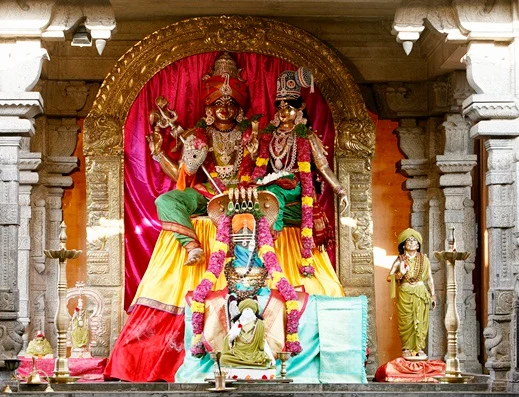
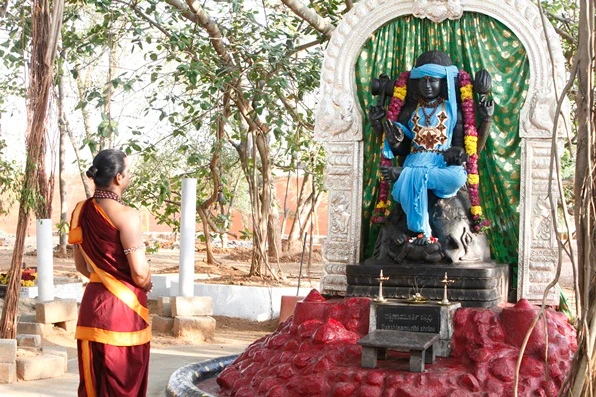
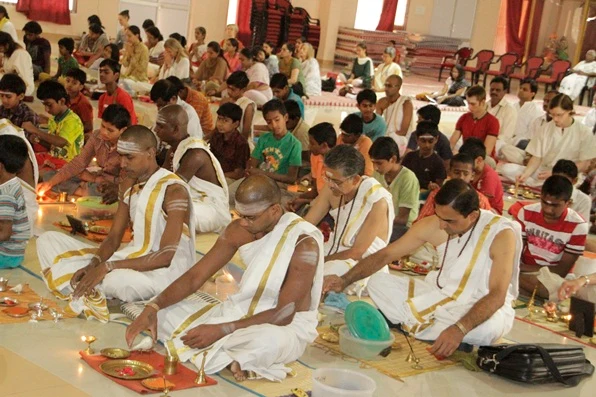
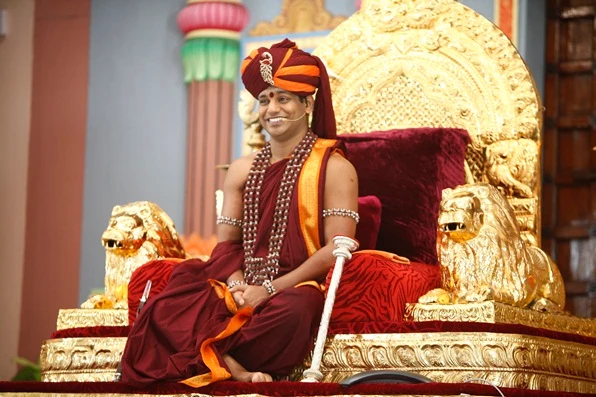
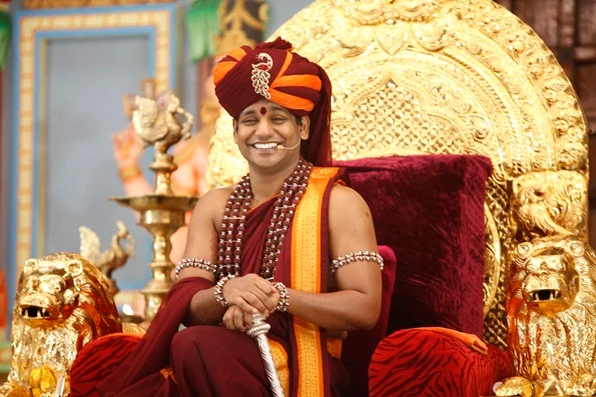
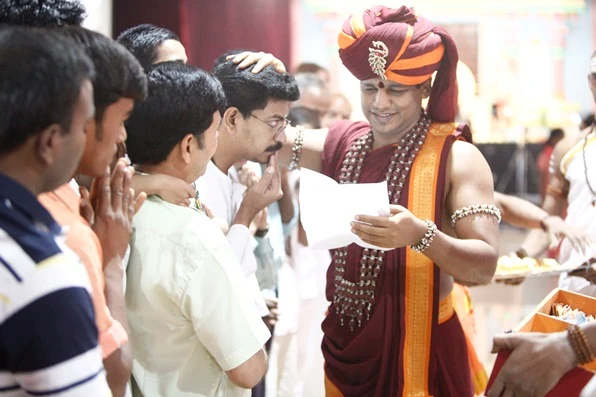
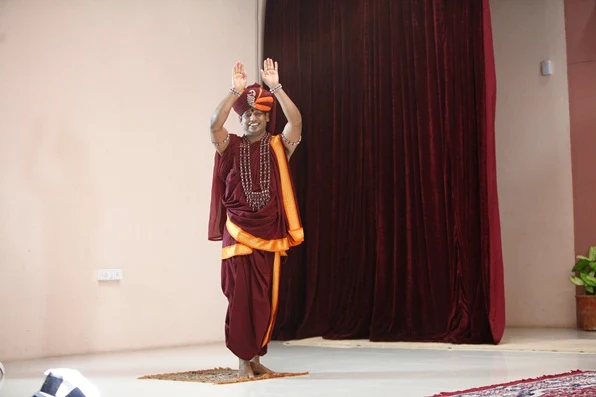
Inauguration of KAILASA's new center in Vaniyambadi, Tamilnadu, South India
Photos from this day
View all 31 photosPhotos From The Day:
13 photosSource gallery
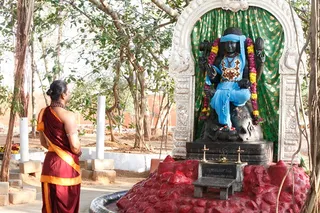
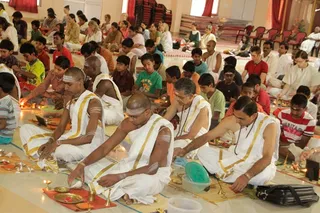
Inauguration of KAILASA's new center in Vaniyambadi, Tamilnadu, South India
18 photosSource gallery