Wednesday
16 February 2011
Altered States of Consciousness Part 1 Patanjali Yoga Sutras 119 Nithyananda Satsang 16 Feb 2011
- Dated photos
- 314
- Source pages
- 1
- Media
- 2
February 16 2011
Original wiki pageTitle:
Altered States of Consciousness Part 1 Patanjali Yoga Sutras 119 Nithyananda Satsang 16 Feb 2011
Description:
Living Incarnation and Avatar Paramahamsa Nithyananda explained that today's sutra is basically the sutra to give you that strategy to the whole life planning.
As of now, all your fear, pain, pleasure, guilt, whatever you call as life is looked with a short view of a few hours of awareness. You don't consider the second 3rd of your life when you do your strategy planning your dream state, your deep sleep state, you don't consider all that when you do strategic planning. Life is waking, dream and deep sleep also, not just the waking state. Life is larger than what you think. You need to understand avastha parinamaha, the altered states of awareness. Having a broad, complete, understanding about life takes away practically all your sufferings and the sufferings around you. The first thing you need to do in your life is having the vaccination for suffering, become immune to suffering.
Today's sutra is about pain vaccination, greed vaccination, vaccination against Maya, immunity against ignorance. Unless you make human beings immune to pain, Maya vaccination, you can't have an evolved civilization. See the barbaric acts happening all over.
The broad view about life is generally not there. Understand that the altered states of awareness is responsible for all the sufferings you have in life and all the misunderstandings you have in life. Understand the other states of awareness like dream and deep sleep is also part of your life and expand your planning about life. If you are too oriented to the waking state, you will have heavy dreams and disturbed sleep.
When you broaden your understanding of life as all-inclusive, many of your sufferings of life disappear. First, you contemplate on this with your own life, then share it with others close to you. 70% if your identity is given to you by the people around you. When you radiate your understanding, you change the identity created on you, by you. When you share with others, who are mainly creating your identity, naturally when they start living in higher consciousness, the idea they give about you will also change, so 70% of your identity will naturally change. You will complete the process of enlightenment only if you share enlightenment.
Watch, share and like the videos and Subscribe to our channel to be notified of the next upload. click http://bit.ly/20j90wr to subscribe.
Link to Video:
| Video | Audio |
Transcription
[00:23]
I welcome you all with My love and respects! I welcome all the thousands and thousands of devotees, disciples and I welcome all of you. Before starting the satsanga I remind you to get back to padmasana or vajrasana or samana mudra. We will enter the process. eN-Experience, eN-kriya; eN-experience the eN-effect.
[01:09]
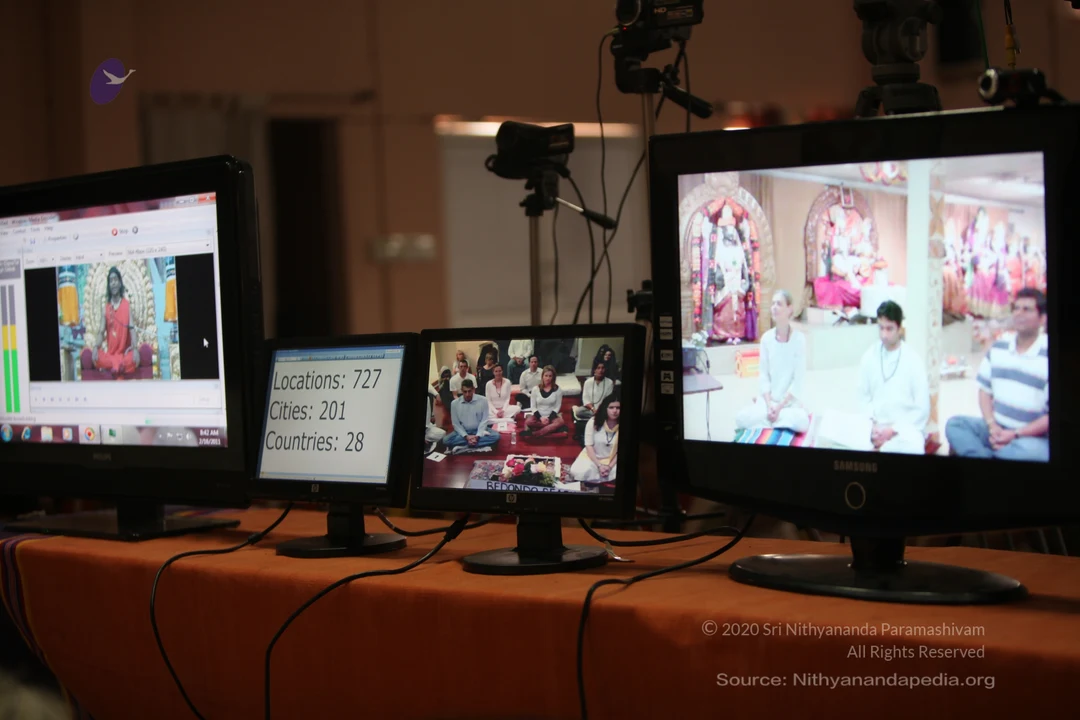
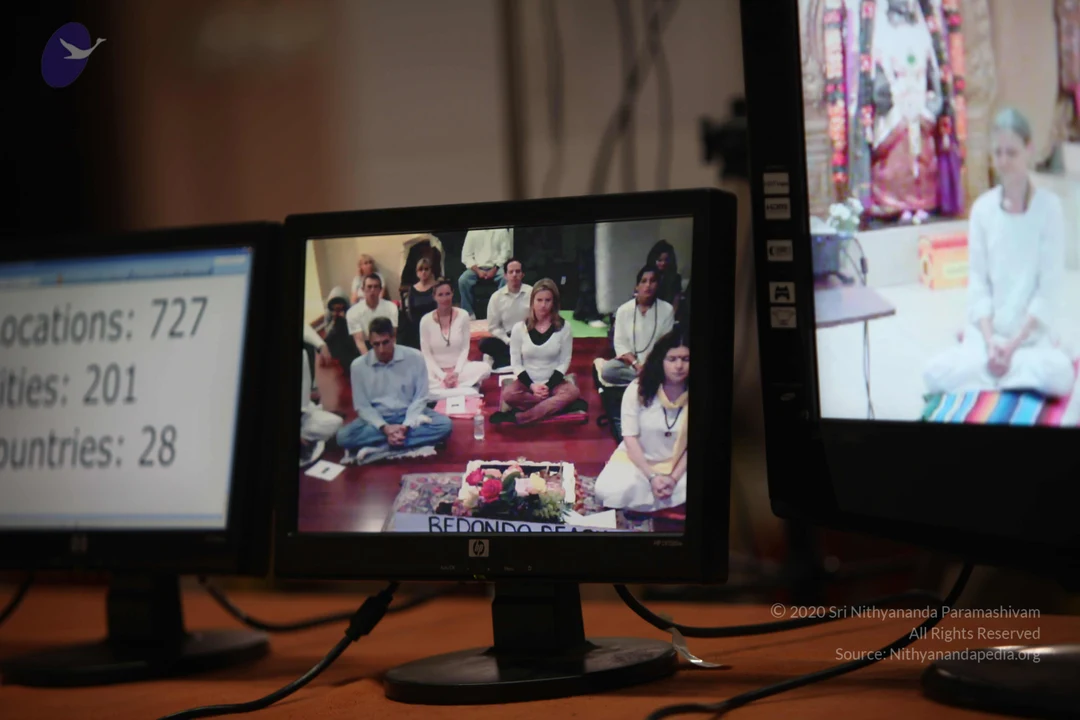
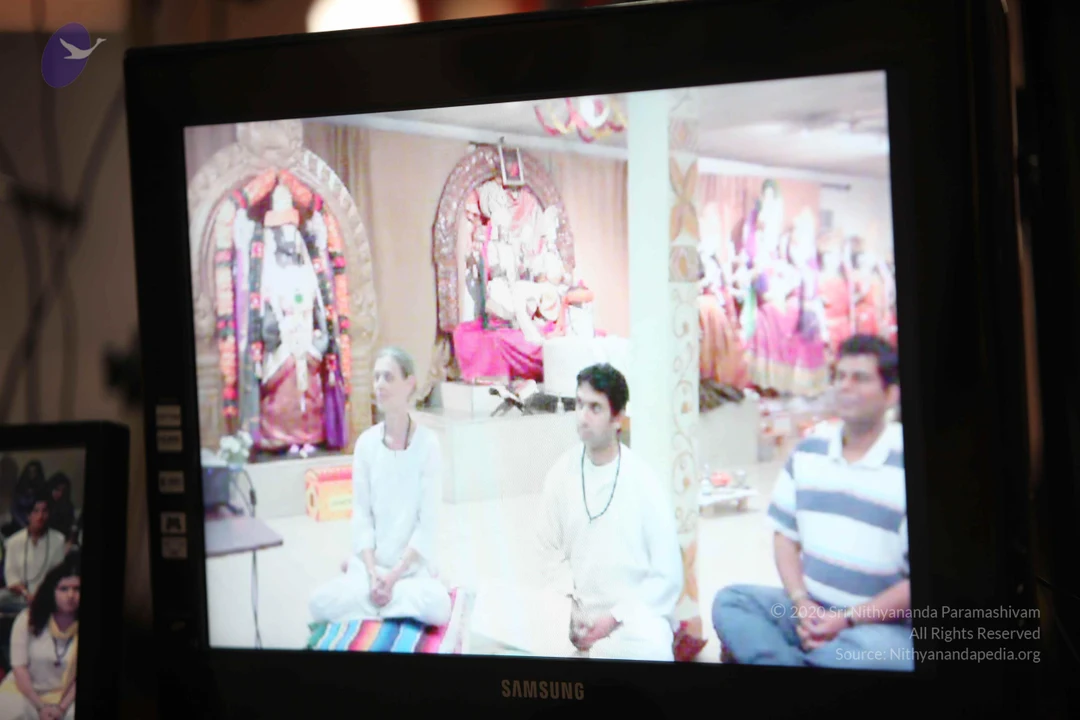
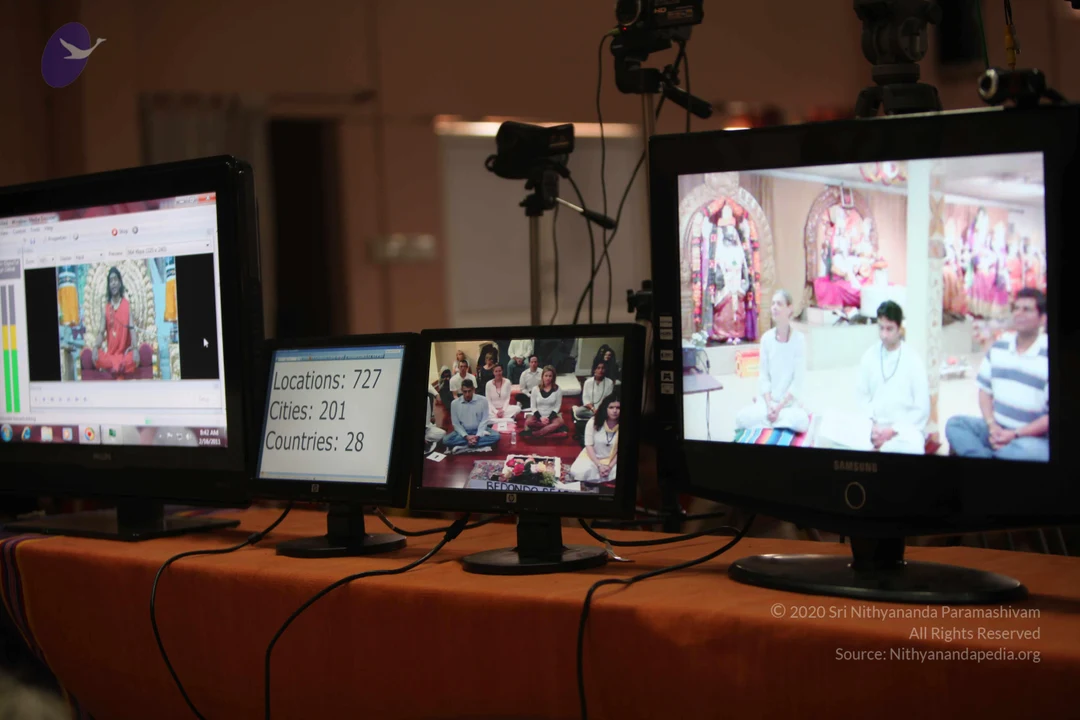
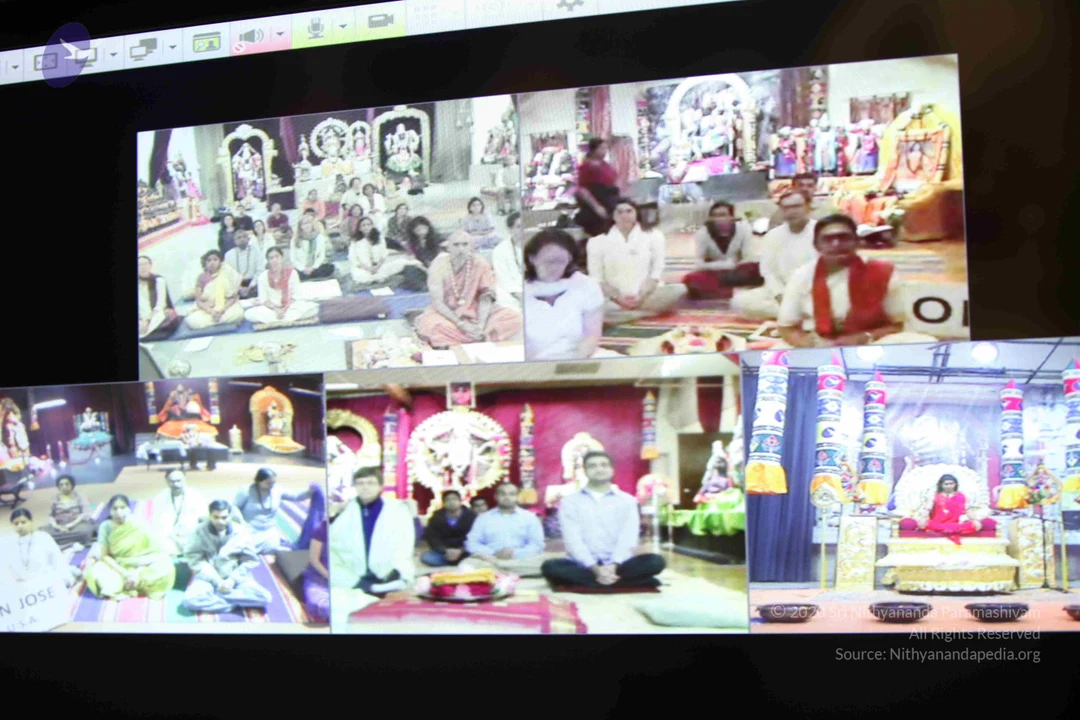
This video conferencing technology has done a great good. I think it is put to best use only now. No, I can see actually, many Swamis, yesterday they were sitting here, today they are sitting here. And it is completely around the world. Just two days before, Bhaktananda was sitting here and now Bhaktananda is sitting there; and Chandikananda she was sitting here and now she is sitting in Redondo Beach. And each one, it’s almost like our life has become so standard. Early morning wherever you are, whatever may be the part of the world you are, you are there with the Master. You are there to rejuvenate yourself and not only that, just because every day… I am seeing, all the temples are now managed properly. 😃 It’s almost like every day I make a visit to all these temples. The technology has done a great service.
[02:52]
Let’s enter into today's subject. Today we are going to enter into the 119 sutra of Patanjali's yoga sutras, in 3rd chapter, 13th verse. And the subject is, 'Altered States of Awareness'. Let Me read out the sutra and the translation. Then we'll try to understand. ‘etena bhootendriyeshu dharmalakshanavastha parinama vyakhyatah’ Vivekanada beautifully translates this sutra as: “In this way, by the three modifications mentioned above, is explained the three fold transformation as to form, time and state in time or gross matter, or and in the organs” Prabhavanada translates as: “In this state it passes beyond the three kinds of changes which take place in subtle or gross matter and in the organs, change of form, change of time and change of condition." Swami Satchidananda translates as: "By this, what has been said in the preceding three sutras, the transformations of the visible characteristics, time, factors and conditions of elements and senses are also described. Osho translates as: "By what has been said in the last four sutras, the property, character and condition transformations in the elements and sense organs are also explained"
[05:10]
Now I will come to the sutra for My own translation. The technical term in this sutra is 'avastha parinamaha'. Please understand. This sutra is basically, sutra to give you the strategy for the whole life’s planning. Man who thinks the 100 years he is going to live in the body is his life, and plans for it, is materialist, atheist. Man who thinks all the lives happened and all the lives yet to happen and the life happening in a broad sense and plans his strategies is a spiritualist, a seeker.
[06:37]
Understanding about life, what you are, is going to decide what you do and what you want in your life. When you think you are a child and particular toy is going to give you joy and that toy is going to be adding life to you or it is going to be your eternal companion, you feel so strongly attached to that toy. Even if your mother tries to take your toy away and asks you to eat, you shout at her, ‘you disappear, you die, give Me the toy’. Because at that moment you think your whole life is going to be the childhood and that toy is going to add so much joy to you and that toy is your eternal companion. So naturally you feel the toy is much more important than anything else. After sometime your understanding about yourself changes, so naturally your needs changes. When your understanding about yourself evolves, your needs changes.
[08:17]
Please understand. Having the ultimate understanding about your life and having the right understanding about your needs is what I call renunciation. Vairaagya: renunciation. Please understand the word vairaagya. Raga means attachment, araga means detachment, viraga means beyond attachment or detachment. Vairaagya does not mean attachment or detachment. You need to understand the important truth. Viraga is neither attachment nor detachment. It is having the right understanding about your need.
[09:34]
Yesterday there was a press interview. They were constantly drilling Me on this one idea. ‘What is Paramahamsa? Is Paramahamsa is free to do anything, is it licentiousness?’ But a common man can never understand, an evolved person does not have any attachment and his needs are totally different, which you can never comprehend and which never disturbs the world. I always tell people, “because I don’t disturb the world; world can’t disturb Me.” They were asking Me, “You are growing, rising like anything. Suddenly you fell. Don’t you feel?” I said, “I neither felt I was growing nor felt I fell. I was just sitting and sharing My understanding and enlightenment with the world. Whoever came they enjoyed. When they enjoyed and had the physical and mental health, more and more people have started gathering; because more and more people have started gathering, they created infrastructure for it. People who created the infra structure started using it”.
[11:14]
See, money started gathering as the by-product, side effect of what I was doing and now few people who can’t tolerate this good work try to create some trouble but they are not successful. Fortunately for us, unfortunately for them, they are not successful. So again the right thing is happening. So I neither felt growing or expanding when thousands and thousands were gathering around Me nor felt disturbed when few ignorant people have left Me. NO. I am always full. If somebody wants fulfillment, let them come around. If they have something else as a first priority in their life, please carry on. No problem. And if you are interested in hurting us, come on we will face you. See, what is happening to people who are trying to hurt us? They create their own karma and suffer with the karma. Anyhow, this is life!
[12:49]
When you have a clear understanding and strategy about the whole life, your needs become different. Your desires become different. Your greed becomes different. The transformed desire does not bind you. Transformed greed does not bind you. Transformed fear does not bind you.
[13:19]
Very beautifully Ramakrishna says, “If a rope is burnt, it looks just like a rope but it cannot be used to tie you or bind you”. All you need to do is put the fire of an extraordinary understanding. See now your desire will bind you like a rope. If you try to cut the rope, or destroy the rope, it may take years and years and years. But just try to put fire to the rope, you will see not only it cannot bind you, it cannot bind anybody. Putting fire to the rope is what I call expanding your understanding about life and awareness.
[14:28]
I wanted you to expand your understanding step by step. First, as on now all your fear, all your greed, all your sufferings, all your pains, all your pleasures, whatever you call as life - guilt, engram - anything, is looked with a very short view of few hours of your awareness. Please understand. You don’t think and plan looking at the whole life. First thing, you don’t consider two third of your life when you do any strategy, the first part. All the happenings of your dream state you don’t consider that as your part of your life at all. And your deep sleep state, you don’t consider that as a part of your life at all.
[15:34]
The other day, one very important VIP, a very top politician, came to meet Me privately and all he asked is, “Swamiji just give Me some method, some technique that the moment I lie down I should be able to sleep. I don’t want anything else”. Because he has crores of wealth; but of course he is honest politician. Even being honest he made crores. It’s a hereditary wealth he has. All he wants is only one thing. “Just give Me some method that I can have a deep sleep”. Unfortunately, he did not consider sleep and dream state also as part of his life; when he planned a strategy for his life he considered waking state is only life.
[16:44]
Many of us do this. Understand. All the countries which think waking state is only life, is suffering with insomnia. They go on selling all kinds of beds. At least two thousand variety of beds are being sold. Bed Bath Beyond - There is a chain store. There is a sleep number. If you lie down on a bed for your body setting up they fix the number. In the same bed, two side two numbers are fixed; one side for you, one side for your spouse. A Indian villager who is born and brought up in Indian village can’t even understand why do you need bed for sleeping? Just stretch your leg, you will have sleep.
[18:00]
In the western countries, food is cheap. In the eastern countries sleeping is cheap. But unfortunately some parts of the eastern country food is costly because they did not put too much attention on the waking state. Understand, if you stretch your hand in the western countries you will have food, if you stretch your leg in the eastern countries you will have sleep. But very rarely both happens. The eastern countries, if you stretch your hand you will not have food because we did not give too much importance to waking state. We were focusing too much on the deep sleep and dream state. In the western civilization was focusing too much on the waking state. Now it is time, we need to create a civilization which understands all states of awareness, looks at life in all conditions, all space and all time.
[19:30]
If you think life is only waking state, you will have the intense stress. It’s almost like you choosing few toys. In ignorance you will choose too small things for your life. Understand, it is not that after growing you don’t have toys, you just hate toys. NO. It may be there in your house but in one corner. It will not be given undue importance. It will be there. The importance which that requires will be given. But when you think your whole life is going to be a childhood and the toy is the only great joy, undue importance will be given to the toy.
[20:45]
Please understand. All our sufferings are just because of undue importance given to our greed, our fears. If you understand, by falling into the sleep you are not going to lose anything, you are going to come back, you will not have fear to fall asleep. You will not suffer with insomnia.
[21:18]
All the developed countries are spending billions of dollars, at least two times the money we spend for food, for sleeping. The money we spend for food in India, at least two times for sleeping; because they don’t have right understanding about life. Their strategy planning, visionaries, did not include sleeping and dreaming also as part of life. Their ambitions, their desires, their greeds, their goals about life did not come from a visionaries who understood life is not just waking state; life is waking, dream and deep sleep also. Please understand. Otherwise, the country which has created so many varieties of cots and beds… Insomnia is not only leading to many other physical, mental disorders, it is leading to the very poor state of consciousness and in many cases it is leading even to fatal diseases.
[22:54]
Life not understood as it is creates millions of complications and confusions. I can see, that VIP who came to Me and asked for technique, simple technique for sleep. Of course I helped him, that is different. I can understand his struggle. Same way millions of people struggle with the things, struggle with many pains and sufferings; just because not having a complete understanding about life. Life is larger than what you think!
[24:01]
You need to understand, ‘avastha parinamaha’ means the altered states of awareness. When your body is filled with hormones, when the hormonal pressure is high, you are ready to do anything for the other person whom you think will give you the pleasure or fulfill you. The moment hormonal release happens, the whole cycle is different. The whole understanding is different. That moment the awareness makes you something, makes you feel something is very important but the moment the awareness is changed, suddenly you feel like something else is important.
[25:23]
Having broad complete understanding about life takes away practically all your sufferings and sufferings around you. First thing you need to do in your life is have the vaccination for suffering. Make yourself immune to the suffering. The western countries which is giving hundreds of vaccinations, I am really shocked; when a child is born, the whole body is filled with vaccinations, with so much of systematic different, different, different timings.
[26:18]
I wanted our gurukul system, the NBSC, to be developed on pain vaccination method. Let them be immune to the pain. Let them be immune to the ignorance. Teach them the larger understanding about life. Still, kids have not forgotten the importance of dream state and deep sleep state in their life. When you put too much of verbalization and visualization of the waking state, they slowly get too much load on this waking state and slowly forget the other two states exist.
[27:17]
It is like a… One example: We have three sabhas here. Raja sabha. Chitta sabha, Kalpataru sabha. Just like these 3 sabha you have a three state waking, deep sleep, dream. If all the programs are conducted only in one sabha, you spend maximum time in just this sabha, you forget the other two sabhas exist and you stop cleaning. But you forget the other two sabhas exist if you give too much importance to one sabha. Same way in your life, when we start bringing up kids by giving too much importance and understanding only about the one state, waking state, materialistic state, the importance and understandings about other two states are forgotten; but kids should be brought up with the understanding about all states.
[28:20]
Please understand, the today sutra is pain vaccination, fear vaccination, greed vaccination; vaccination against maya, immunity against ignorance. I'll expand on this sutra for next three days because Patanjali is very beautifully putting, how the altered states of consciousness plays a major role in what you think as life and what you live as life. I'll explain only one part of this sutra today. The technical term is 'avastha parinamaha' means, the space where the altered states of awareness disappears. You need to achieve a space where altered states of awareness disappears. In the last four sutra, Patanjali has explained through different methods and techniques. Nirodha parinama, samadhi parinama, ekagrata parinama - different space. Now Patanjali is entering into a very deep state. How the altered states of consciousness, altered states of awareness, pulls and pushes your life and creates intense suffering.
[30:29]
I know, one disciple; Raghupati Yogi's disciple. He was having deep depression. Naturally when the depression comes, first thing happens is a strong hatred towards the master; because which way you will direct your depression. He is the guy who is sitting in the throne, shining, which you always wanted but never get. Unconsciously taking revenge; so all the anger turns towards the master. This guy came with so much of anger and said, "all your yoga is waste, all your exercise is waste, all your teachings are waste. There is so much depression”. And he started abusing Raghupati Yogi. He is married and had many kids, 14 kids. And he said, “What kind of yogi you are? You don’t know anything about yoga”.
[31:45]
I have seen… Raghupati Yogi is a very different kind of a person. He just picked up a small root of a plant which was there. He did not give much advice and all that. I try to give them counselling and give them understanding so that they evolve and stay in that state. All he did is he told them, told that guy “Just bite this root”. That fellow bit that root and sucked the juice for few seconds. Immediately I can see his state of awareness has changed. All his ideas have disappeared. Anger, depression, hatred towards the master, everything disappeared. And now he is like a baby. “Oh I was wrong. I should have been little more intelligent before uttering all those words to you”.
[32:47]
I have seen, when the states of awareness gets altered suddenly all your understanding about life changes. Suddenly now everything looks green, alive, bright. Never believe human beings. When they fall, don’t think they are going to touch your feet and be relaxed. Be aware any moment they will pull it! Poor fellows, because they are not under their control. Unless you make human beings immune to pain and suffering by giving this maya vaccination, you can’t have evolved civilization.
[34:09]
See every day the barbaric acts, killings happening. But these officials are too busy with arresting Swamis. And so much of crime is happening. They don’t bother about the real crime. They are too busy in going after Swami who is sitting and teaching spirituality, meditation, silence, peace. The broad view about the life is not there. First catch somebody who is ignorant, then try to prove. Just because you caught, now you need to prove your ideas, your actions were right; justifying.
[35:15]
Understand, the altered states of awareness is responsible for all the sufferings you have in your life, all the misunderstandings you have in your life. Understand the other states of awareness like a dream and deep sleep also is part of you and expand your planning about life. If you are too oriented only on waking state, you will have heavy dreams and completely disturbed sleep.
[36:28]
I'll take you layer by layer in this sutra. How Patanjali describes the elements, sense organs, the natural characteristics, the cosmic flow, conditions, time, all these five makes your states of awareness different. Please understand. Today the first lesson is just altered states of awareness. Even now if you just put your head down, sit in a relaxed way; in five minutes your state of awareness will be altered. Your desire, your fear, everything will be different. That time your desire will be: ‘Can I stretch My leg?’ ‘Can I just rest the body little more?’ ‘Who wants all these things? Forget about it.’ Your fear will be: ‘Somebody may wake Me up’, or ‘He may end the satsang soon, His mood is really nice’ or ‘He may continue, go on and on, if He leaves at least I can go to the room and lie down.’ In that state of awareness your fear or greed is different.
[38:21]
Now, if you are really aware and interested in what I am saying, if you feel this understanding is directly going to help and alter your life, if you are sitting with Me now by driving for hours to come to the satsang centre, you are fortunate. If you are here just because you are staying in this campus and no other way and you have to come and be here, there is a possibility you can be dozing.
[39:00]
That is what I am surprised. All over the world… and it is not day time or morning for all the countries. See at this moment 797 places, 246 cities, 28 countries people are sitting with us. Practically all over the world people are sitting with us. It is not that for all of them it is early morning. NO. Many of… for many of them it is late night, for many of them it is 3 o’ clock in the morning. For many of them it is evening 9 o’ clock. But different timings they are here just with that one interest: These truths will help to plan my life much more clearly. This experience will remove many unnecessary sufferings I carry in me. It will take me to the deeper and deeper conscious level.
[40:23]
Understand if you are sitting here with awareness, you are greed is, ‘let Me understand his words more deeply’. Your fear will be, ‘Oh! He may end the satsang soon’ or ‘I may not catch it completely’. If you are in the just small altered state of mood, sleep, dreaming state; immediately your fear and greed is different. Your strategy about life is different; your decision about life is different. A simple alteration in the state of awareness can completely change many decisions you make in your life.
[41:09]
So understand, alter your state of awareness just once step higher, just one step higher. How the toy car has become immaterial for you when you grow up. Your real car will become immaterial when you consciously grow up. Understand. Just altering your state one step higher, taking yourself to turiya - the fourth state; suddenly you will see many of your fears are not there, many of your greed are not there. It’s like a... You are in this country; you are bothered too much about too many things and too many people. Suddenly you are taken away from this country and put somewhere else. All the things which was creating fear, greed, guilt in you, now no more relevant for you. Whole state is different.
[42:39]
If you are well settled in US, you will never bother about the old lady sitting in your village, native village and talking abusively about you. But when you are in that village, her words and her abuse means too much to you. You change many of your actions. No, no otherwise that old lady will chew My head along with her beetle leaf. Like how when the place changes, when the condition changes your strategies and understandings changes, same way when the awareness changes, your understandings and life changes.
[43:30]
And I wanted all our devotees to know, all our organizers and satsangis from many countries have decided unanimously to put a full stop to this continuous religious persecution happening on Me and Dhyanapeetam. Even just few days before again our Tiruvanaamalai ashram was beaten, broken, burnt, just two days before by these anti social elements, illegal elements and still COD is trying to torture Me, harass Me in the name of investigation, illegally. To put a full stop to all these things, all our satsangis, the senior Swami’s and the organization has decided unanimously to fast on March 2nd for religious freedom.
[44:58]
We will be observing the March 2nd every year as, 'The Day of Destroying the Anti-Spiritual Elements'. That is the day we have been attacked. So every year we will observe that March 2nd all over the world as a day to destroy all the collective negativity. See they gave what they had, they know only destroying people. But we will destroy negativity, not people. We will give peace to the world. From March 2nd to March 23, 21 days morning and evening we will conduct peace meditation and kundalini awakening all over the world to create global peace and I promise we will bring down the crime rate of the world at least 40% in that 21 days of meditation.
[46:22]
To tell the Karnataka government and to bring it to the notice of the Honorable Chief Minister of Karnataka, this harassment and abusal which is being done to Me constantly, illegally by the COD in the name of investigation and false charges, we are fasting on March 2nd. At least 25000 people are going to fast on that day all over the world in hundred countries. From that day, all over the world people are to going to pour their support in the form of letters signed in their own blood.
[47:18]
Already 49 major peetas and mutts of Karnataka has sent a solid strong support letter. Including the big mutts like Adichunchunagiri Maha Samsthana and Koladamatt Mutt Samsthana. All of them have sent their solid support. And now from all over the world all the suppressed, persecuted religious sects and leaders are pouring their support and letters. We will hand over all these letters to the Chief Minister of Karnataka, Governor of Karnataka, Prime Minister of India and President of India after March 22nd.
[48:17]
Even after that if the religious persecution does not stop, and if the government is not withdrawing all the false charges, we have decided we have no other way but to fast unto death as mass. At least 10.000 people are going to sit in this campus and decide to fast unto death. There is no other way to stop this persecution, to stop this illegal persecution in the name of investigation and false charges.
[48:59]
I wanted to bring this to the notice of attention of Honorable Chief Minister of Karnataka. “Many powerful people in your government who are against non Brahmin traditions like Me are working and trying to destroy the non Brahmin spiritual organizations. Please understand in your regime let this religious persecution not happen. Soon we will have to bring this to an end. All the fellows who are responsible for this illegal persecution will be remembered as Hitler by My millions and millions of persecuted disciples all over the world. I don’t think these officials will realize what they are doing is harming millions of people around the world. I request Chief Minister of Karnataka to look into this matter urgently and attend to it.”
[50:45]
So I inform all the devotees, disciples who are sitting with us around the world at this moment, the devotees, the ashramites have decided to observe fasting on March 2nd. And March 3rd we will be observing, ‘Jeevan Mukti Jayanthi’. March 3rd is the day I released the 'Jeevan Mukti' book. From March 3rd, the 21 days we will be distributing Jeevan Mukti book in all languages all over the world freely in our internet and physical hard copies as part of our sharing enlightenment project with the whole world. So I have a letter from… letter here from a devotee Kannan Los Angeles to participate in the fasting. Not only I give you My permission and blessings!!
[52:21]
Photos
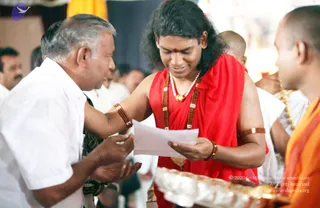
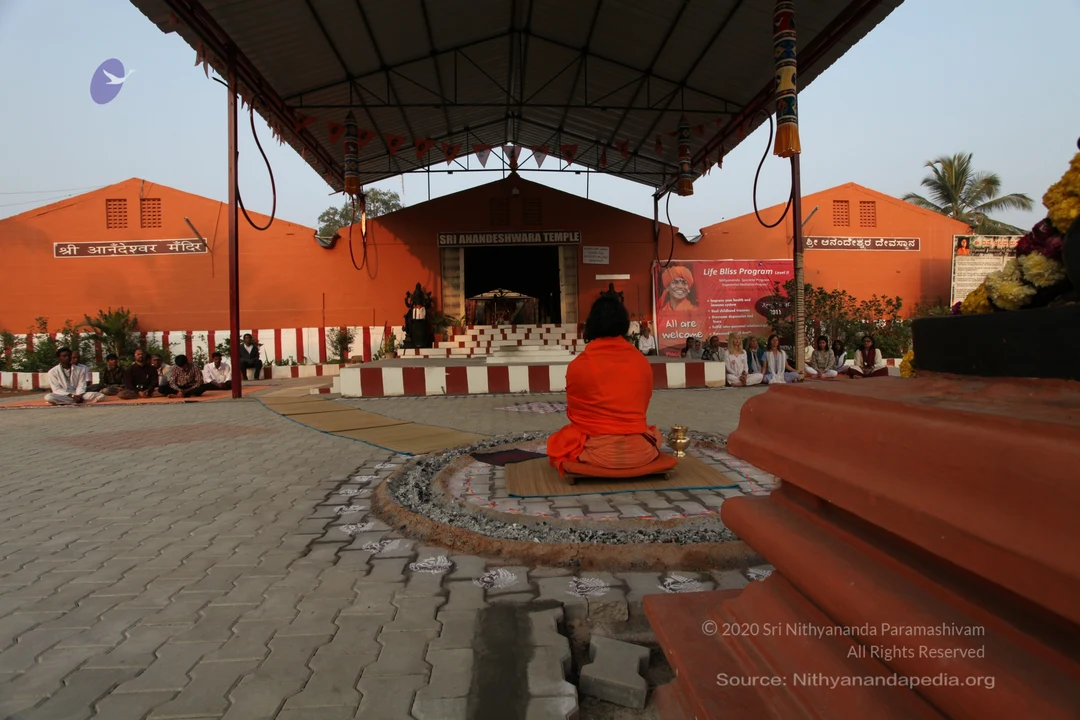
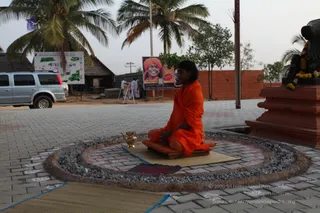
Panchatapas
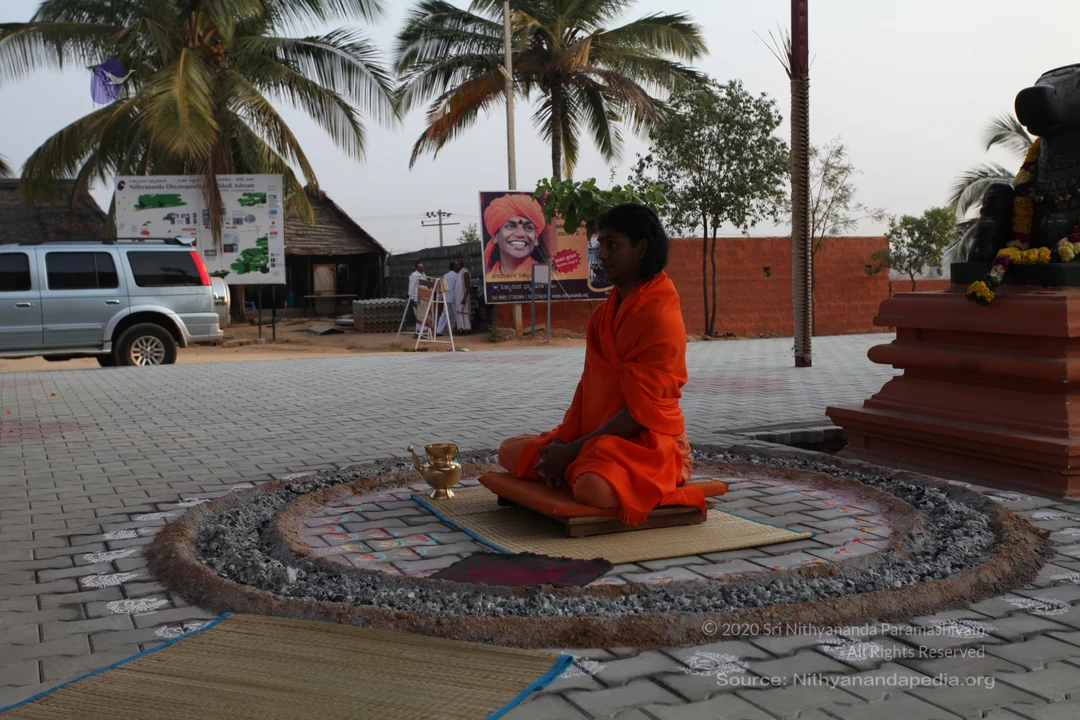
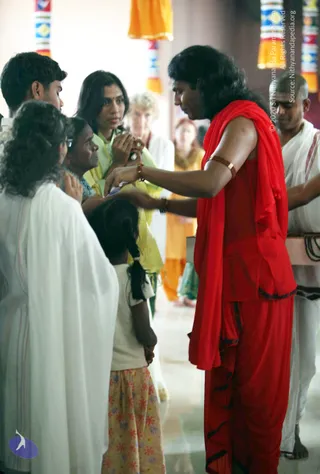
Paadapooja
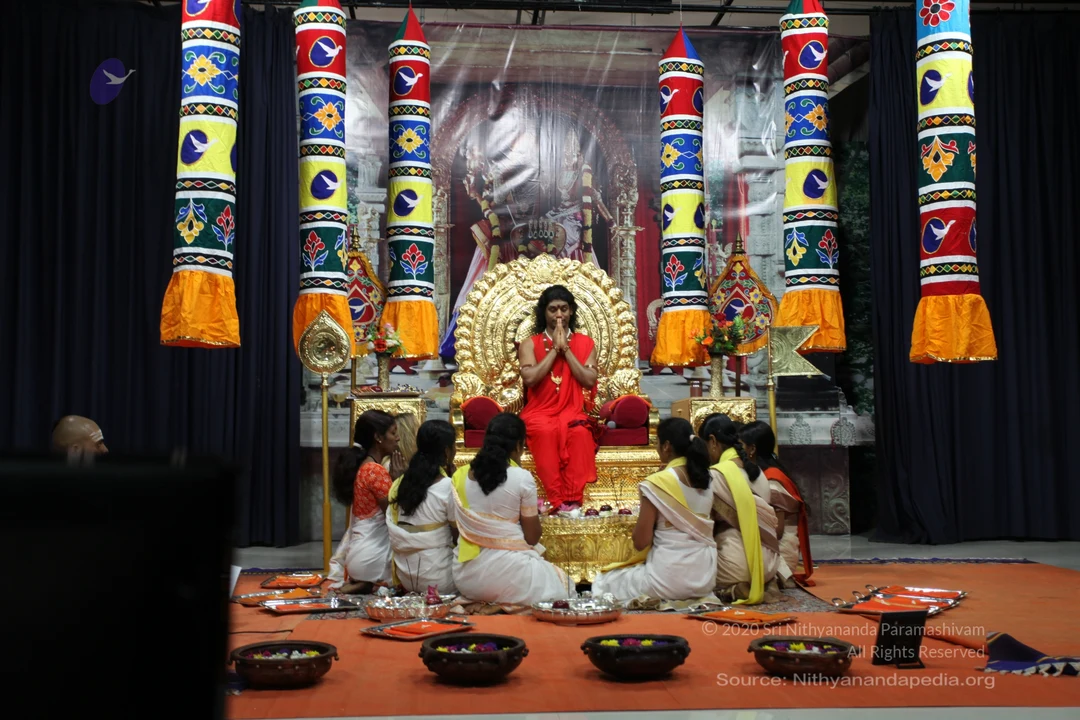
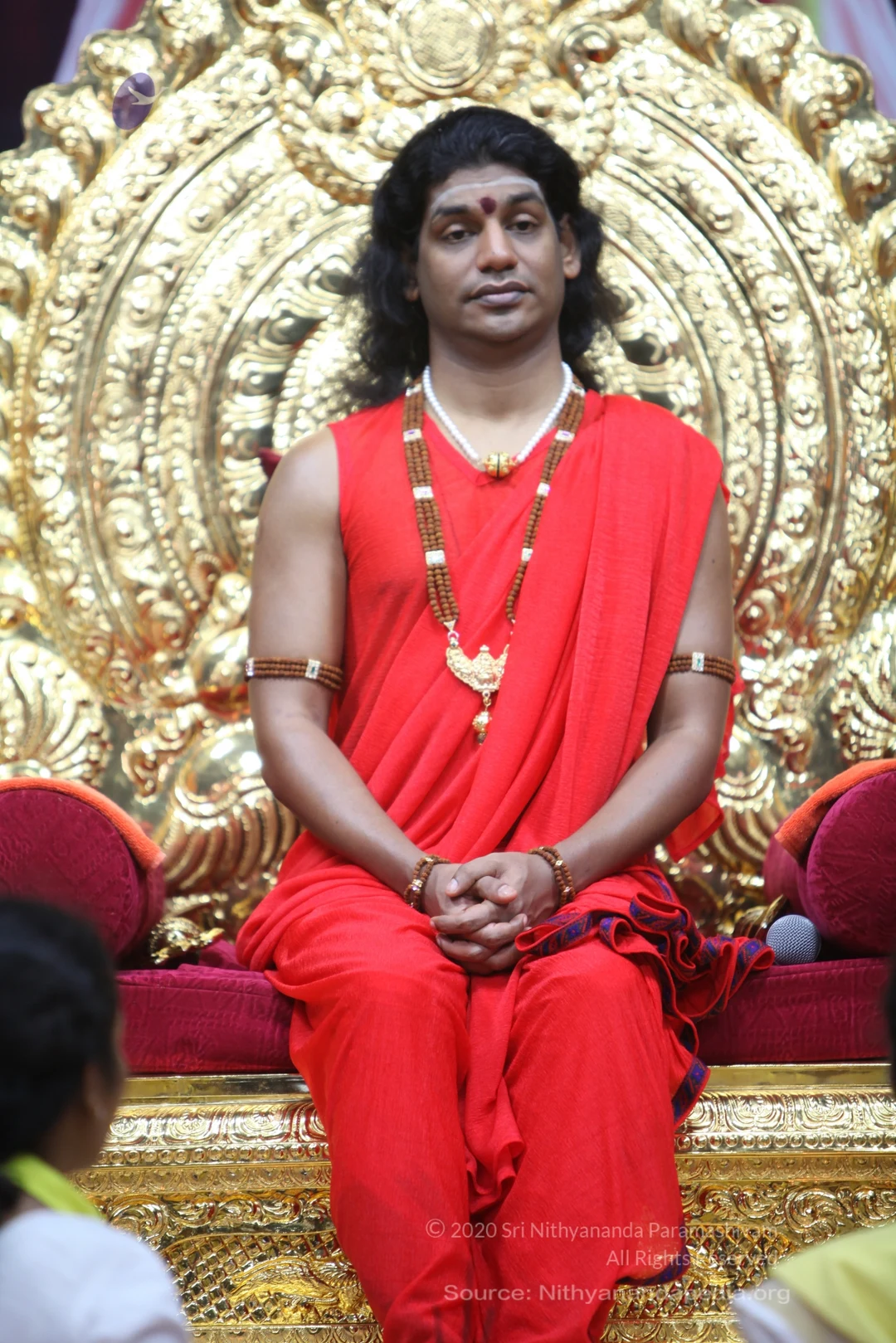
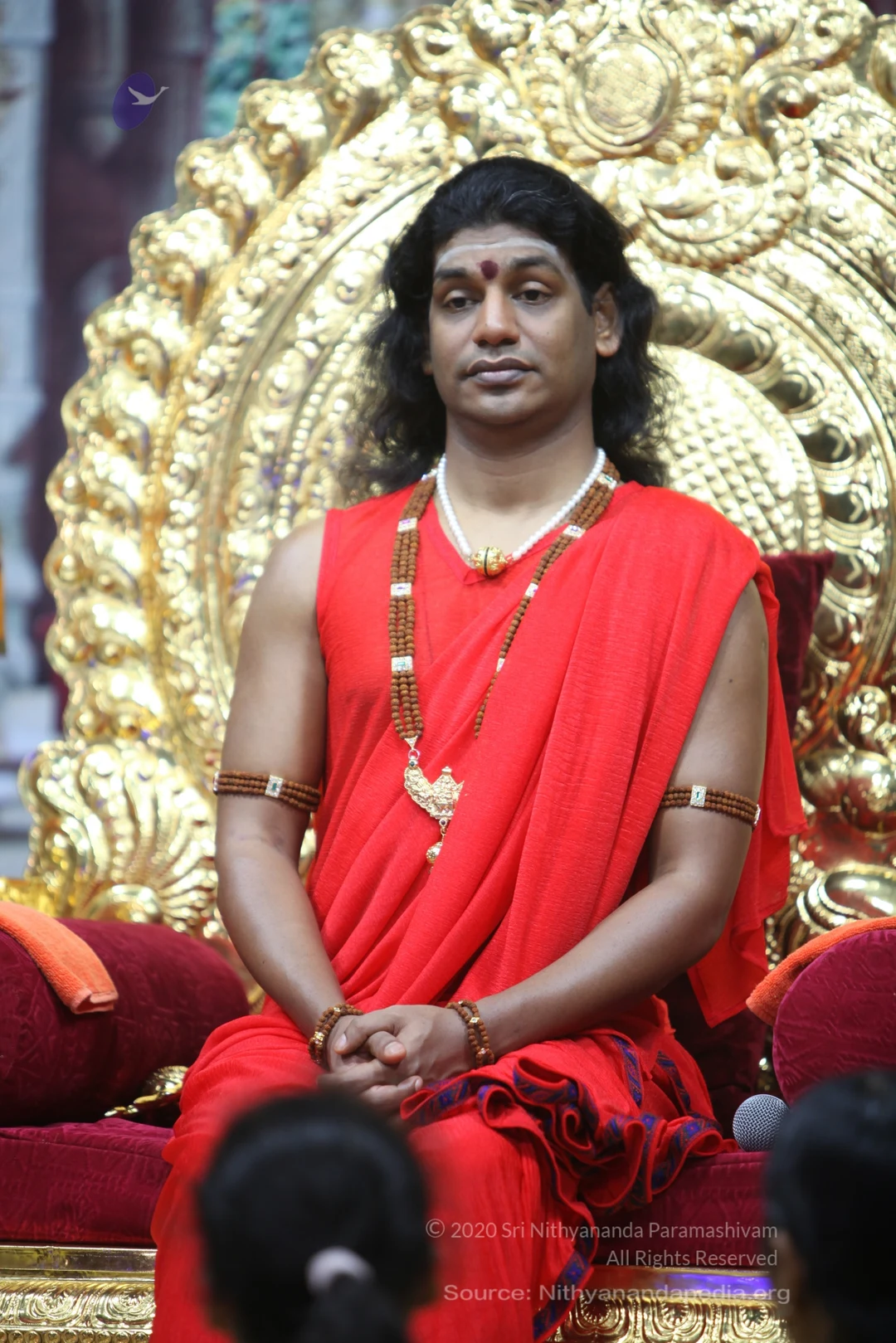
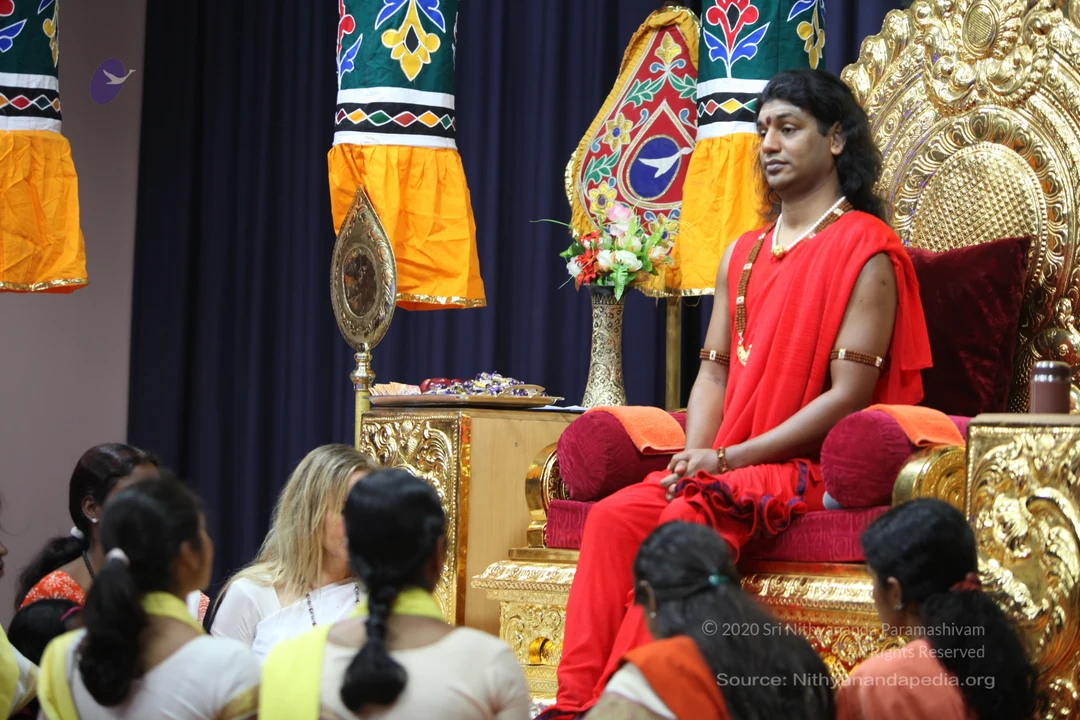
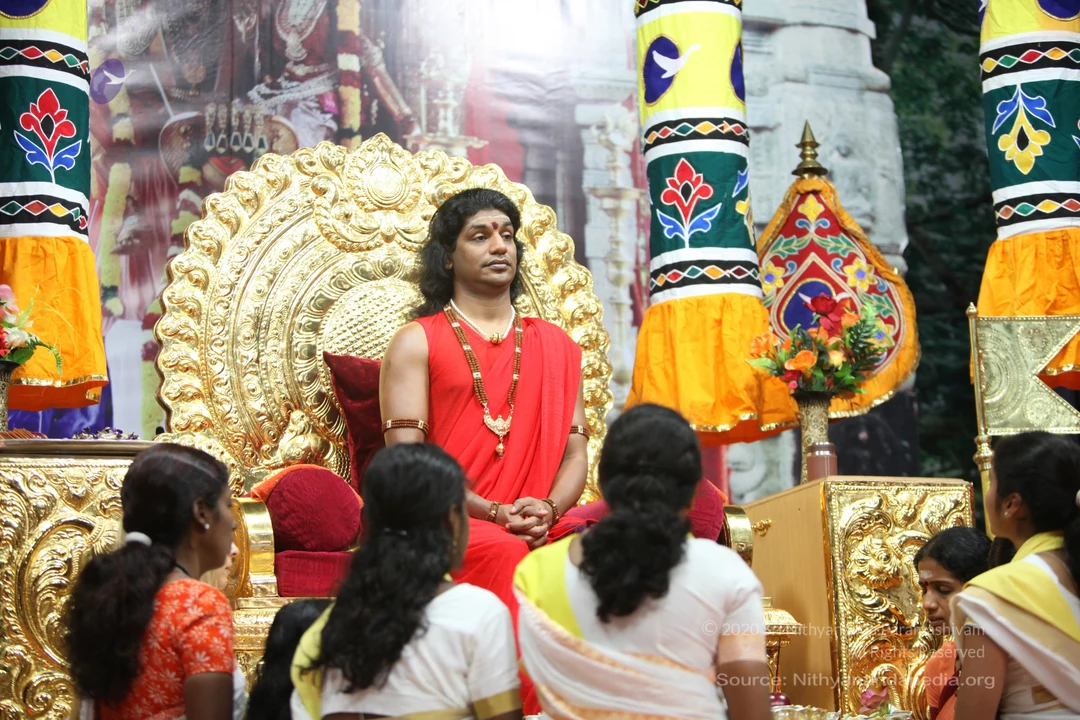
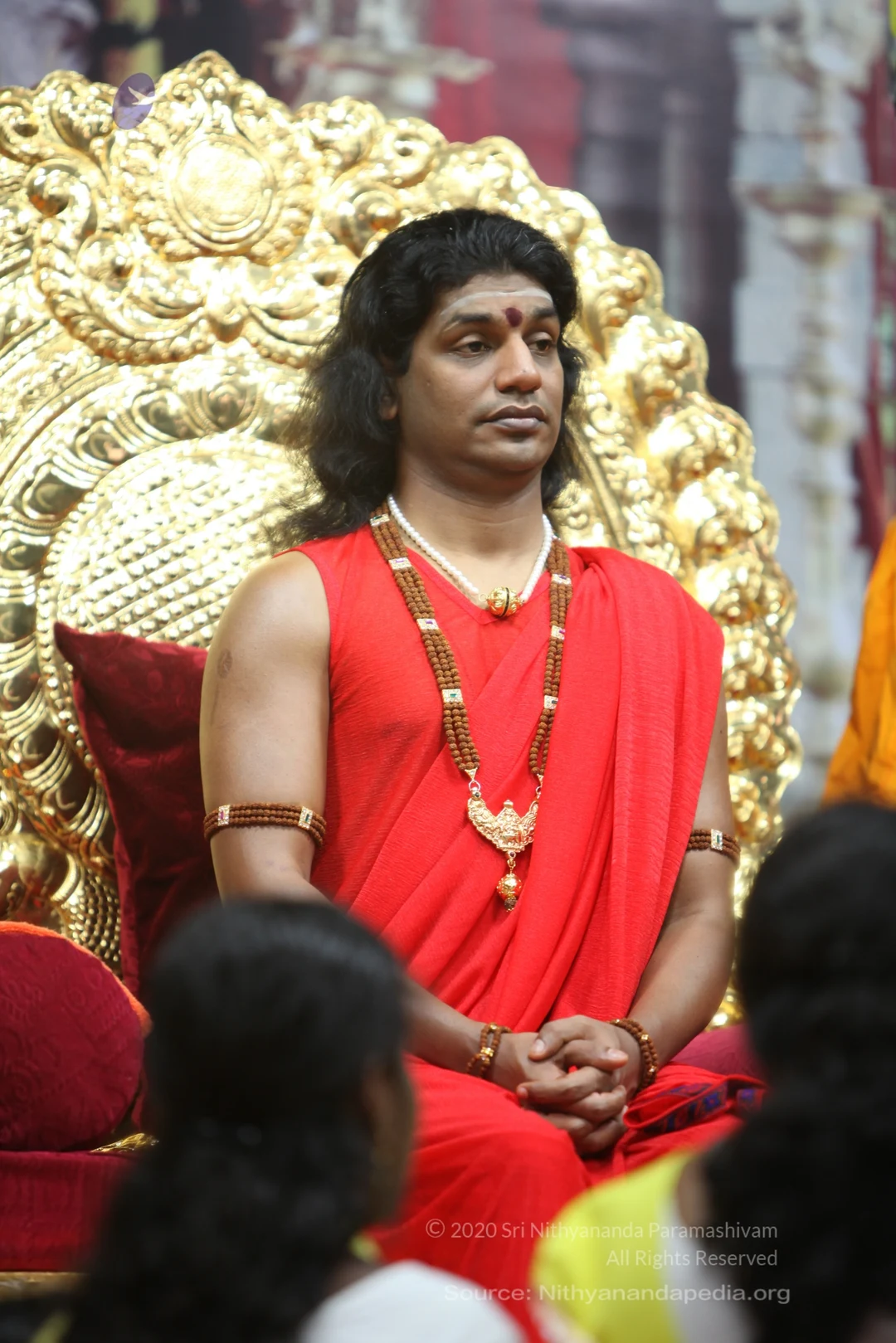
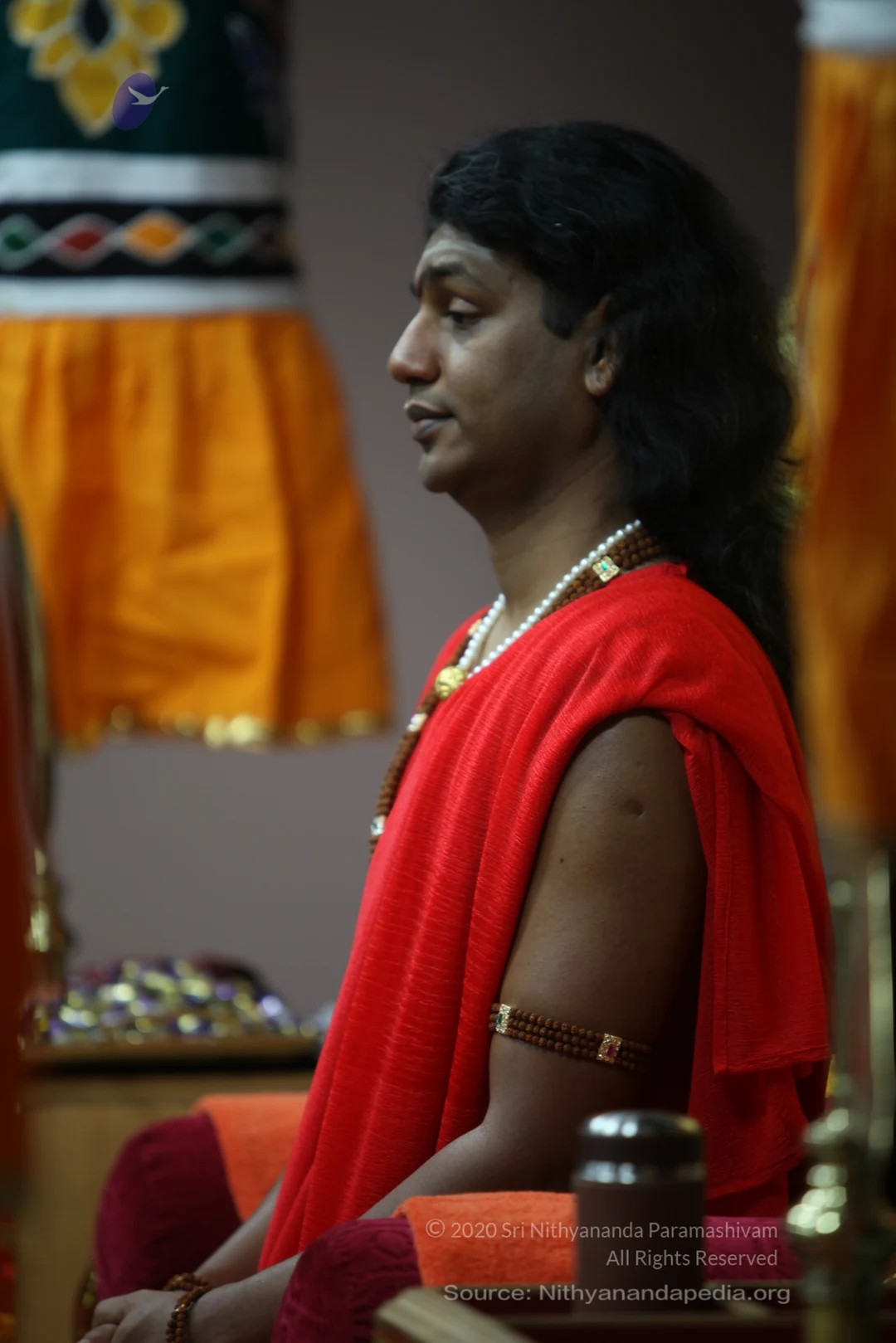
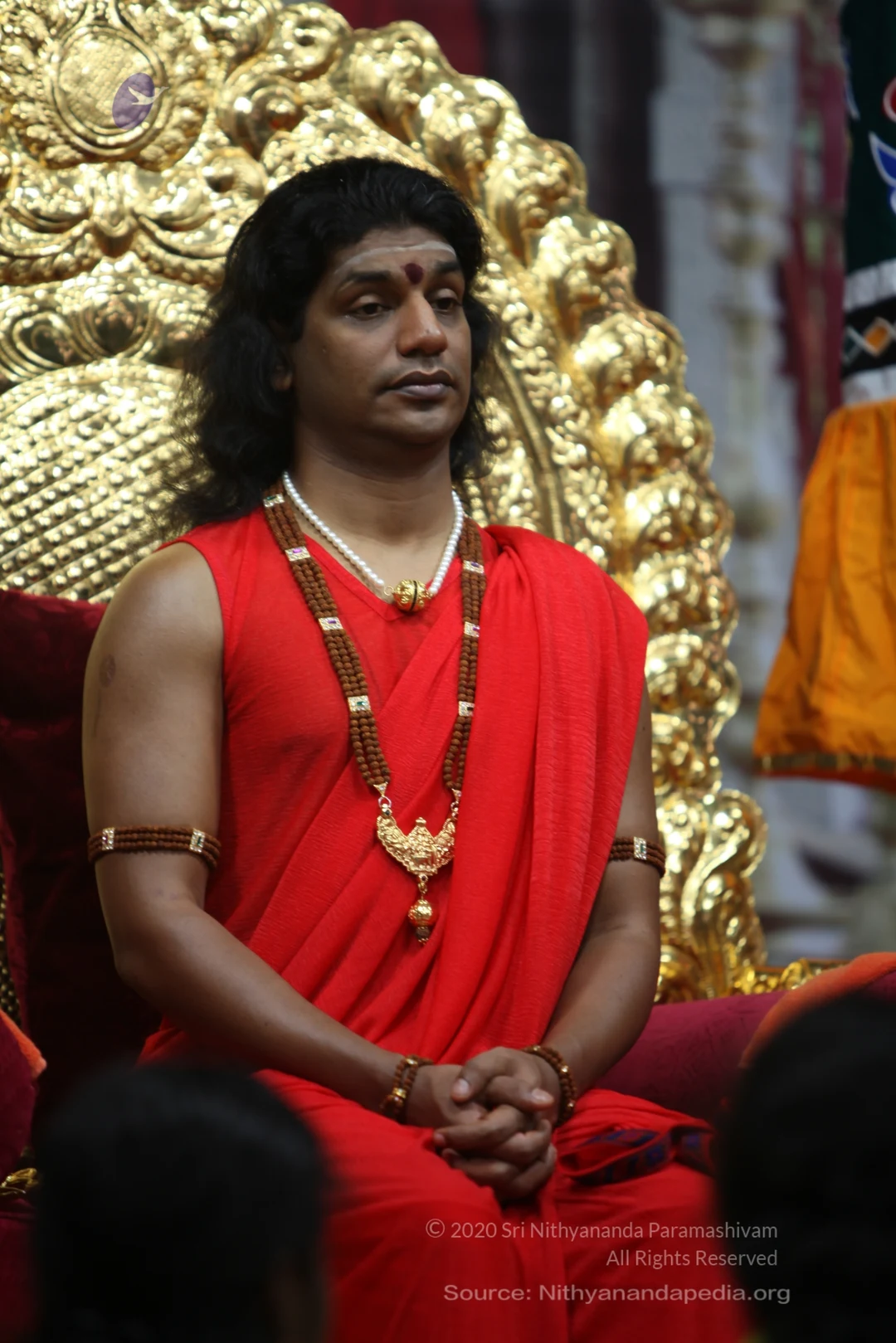
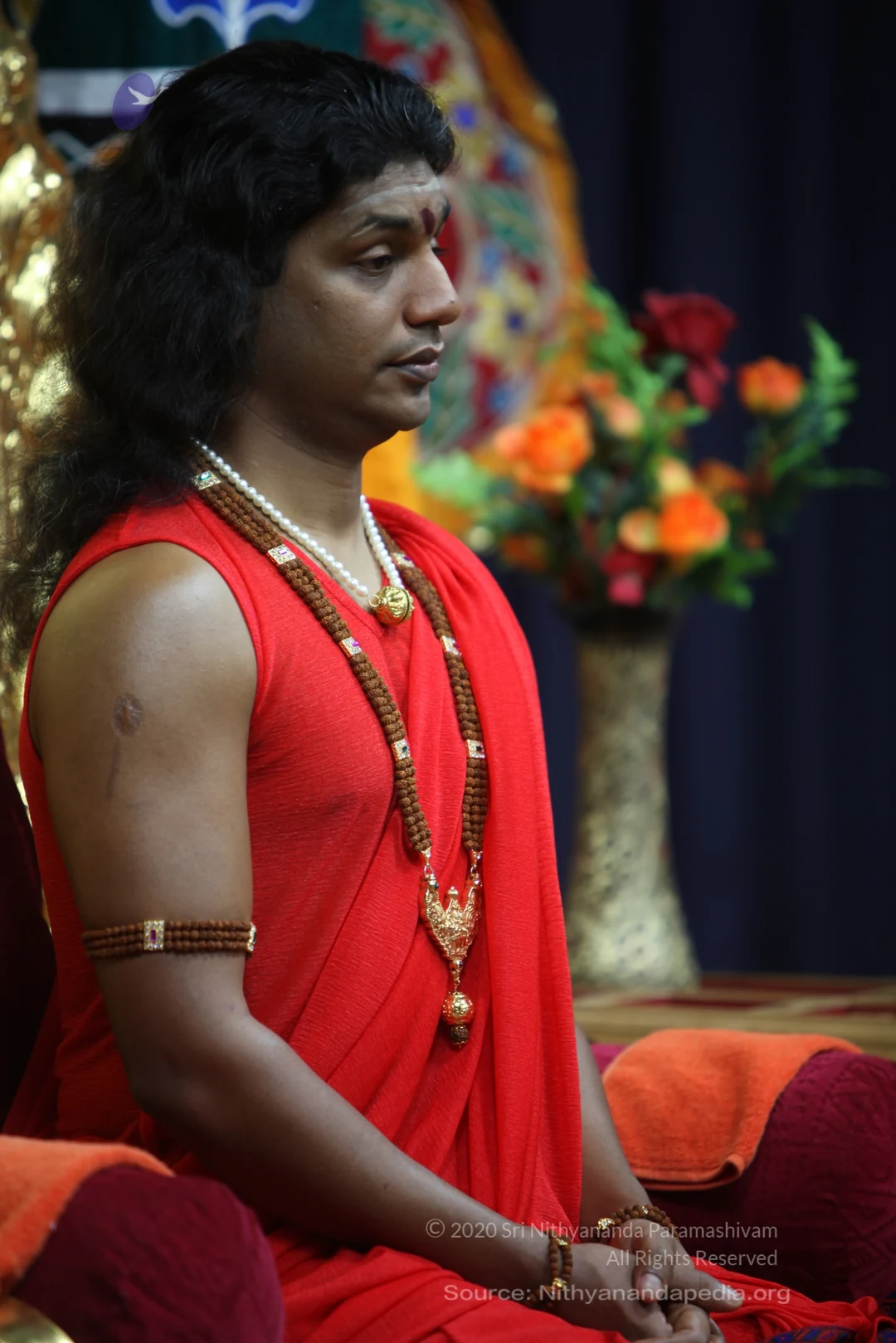
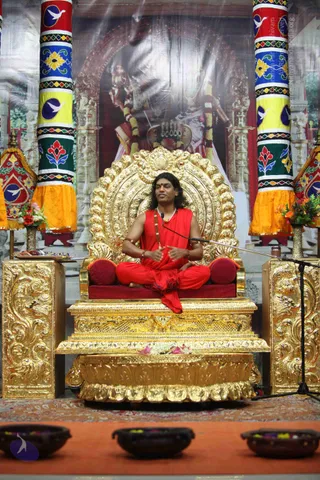
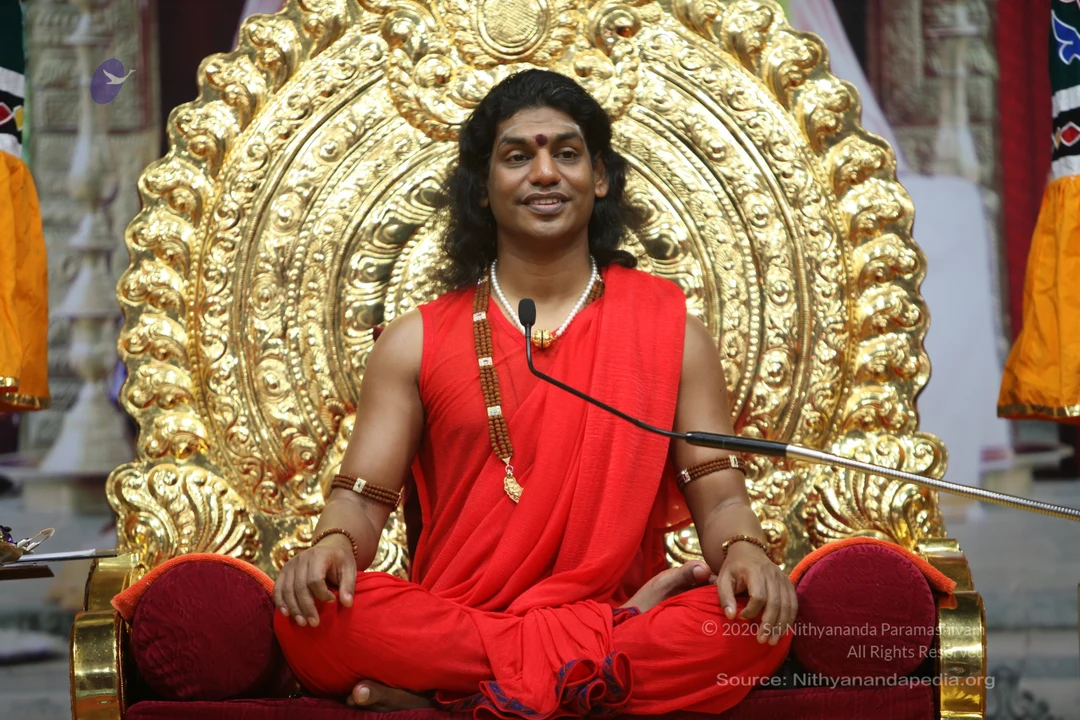
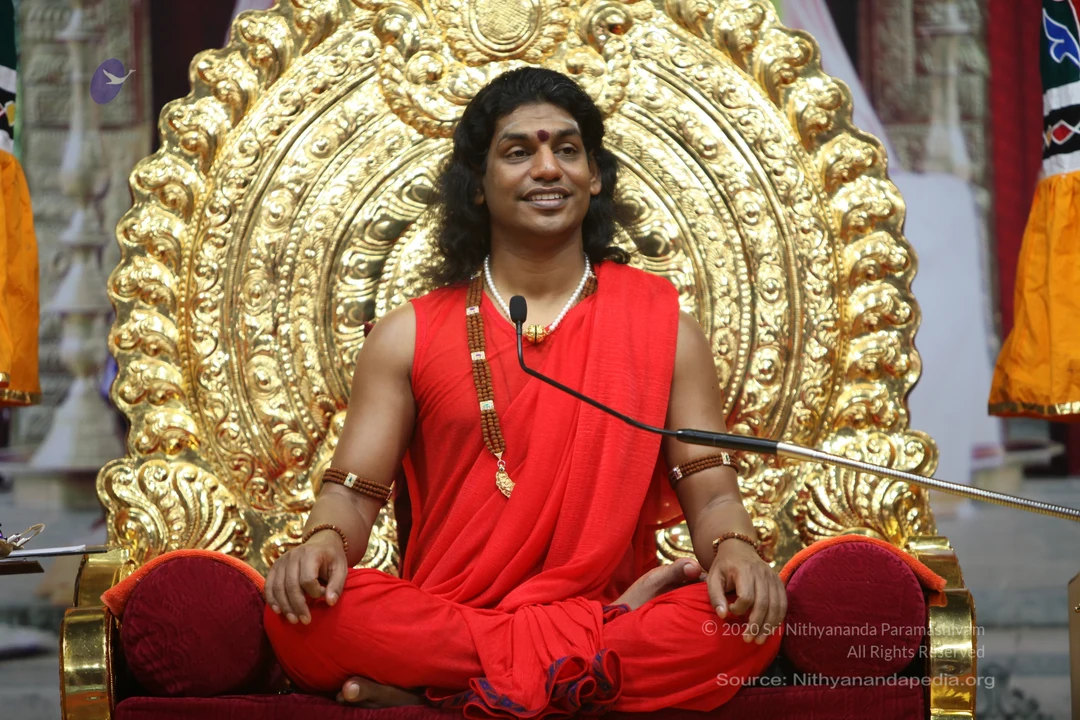
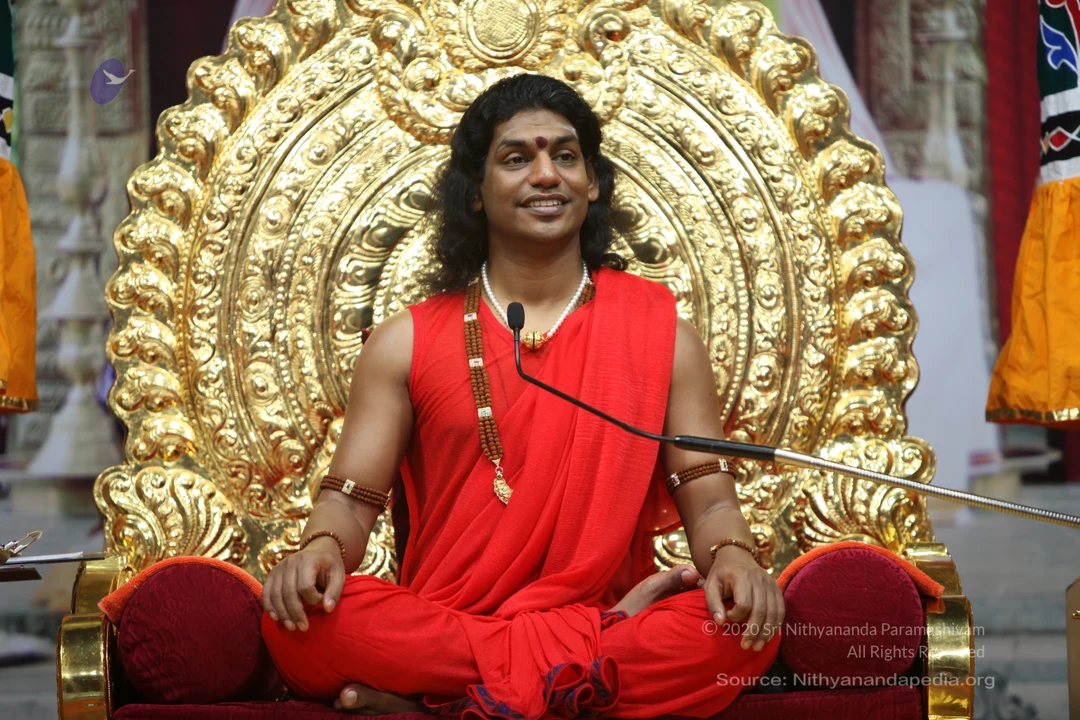
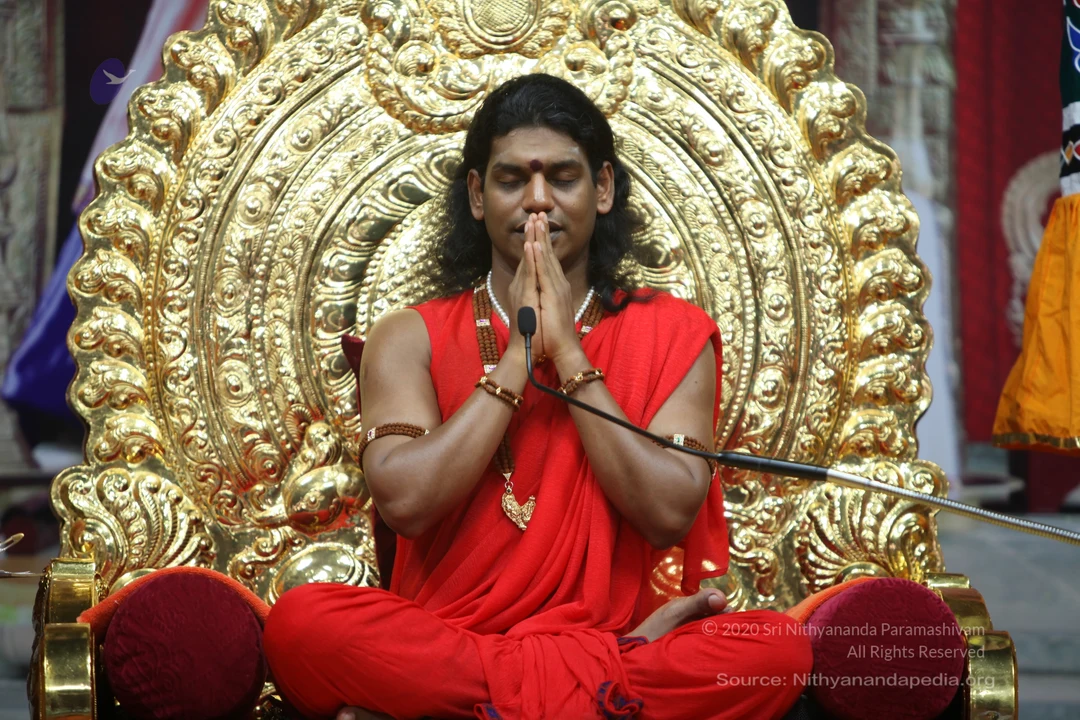
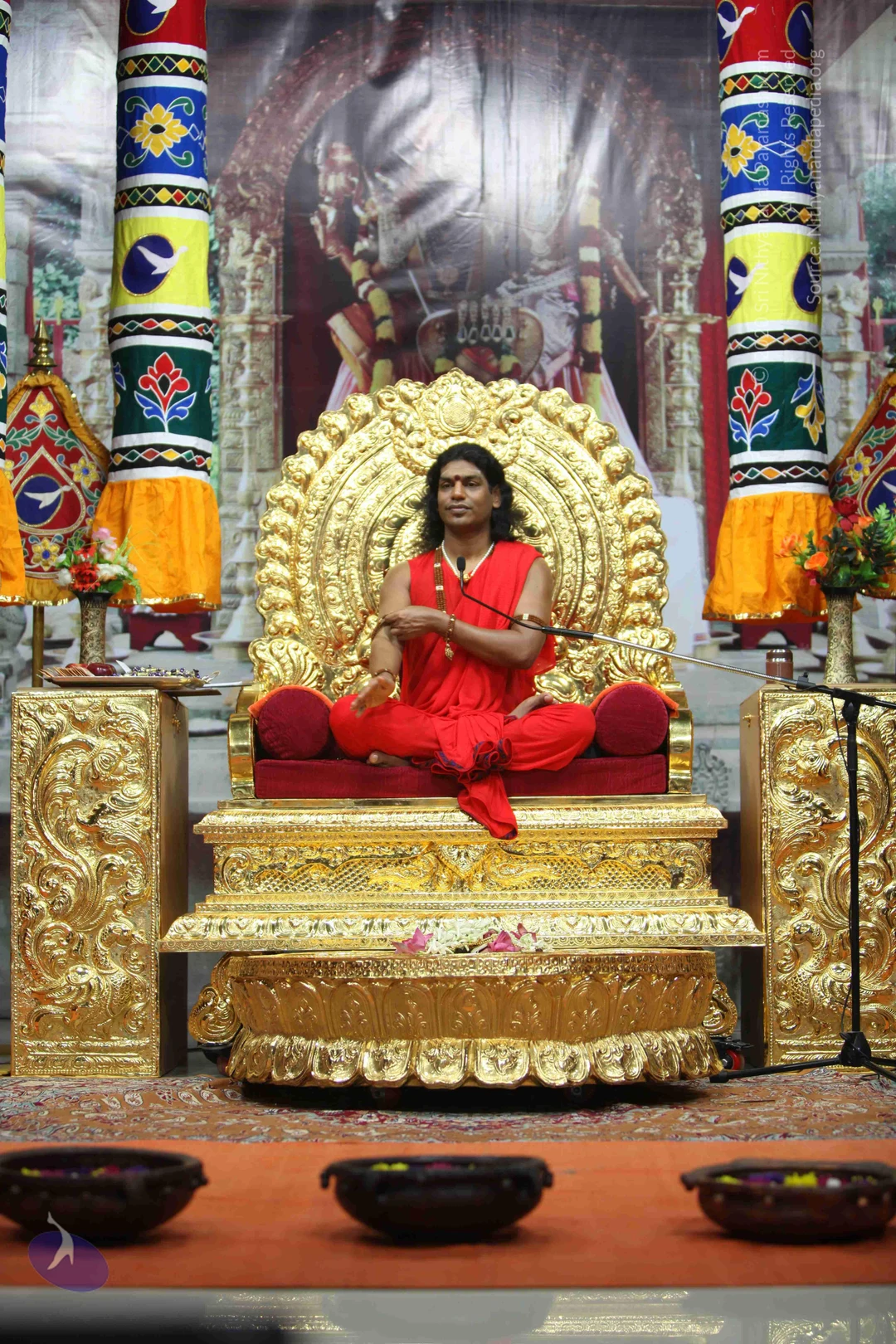
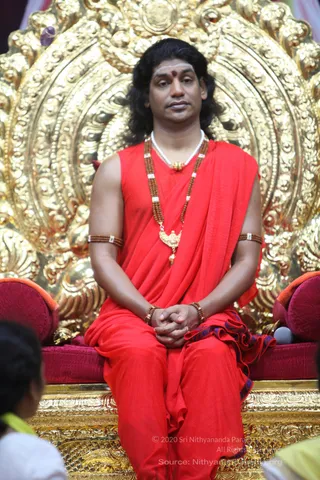
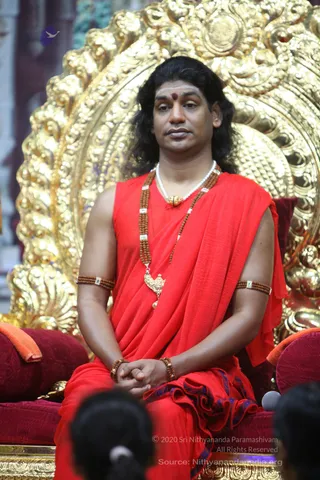
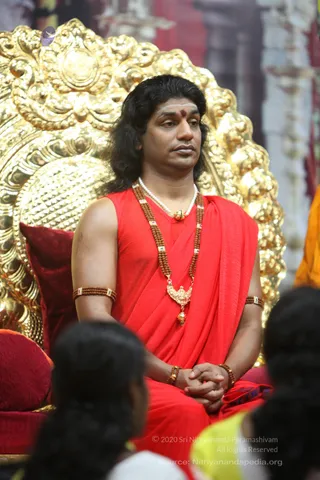
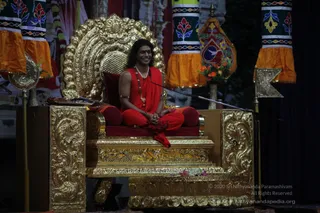
Nithyananda-Satsang
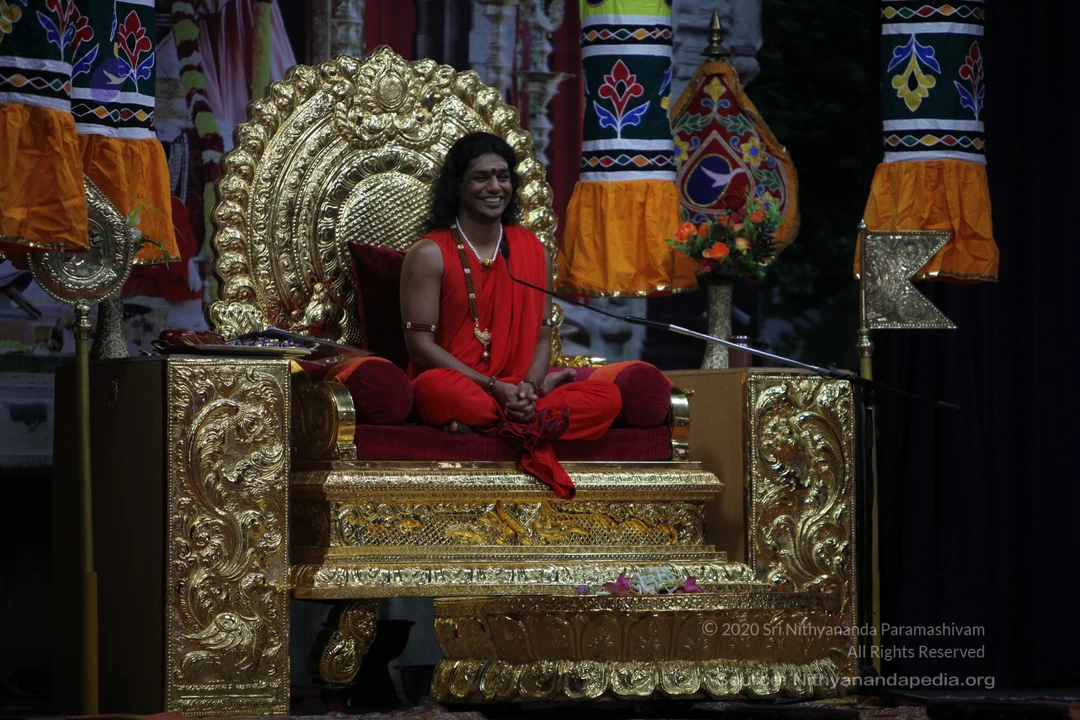
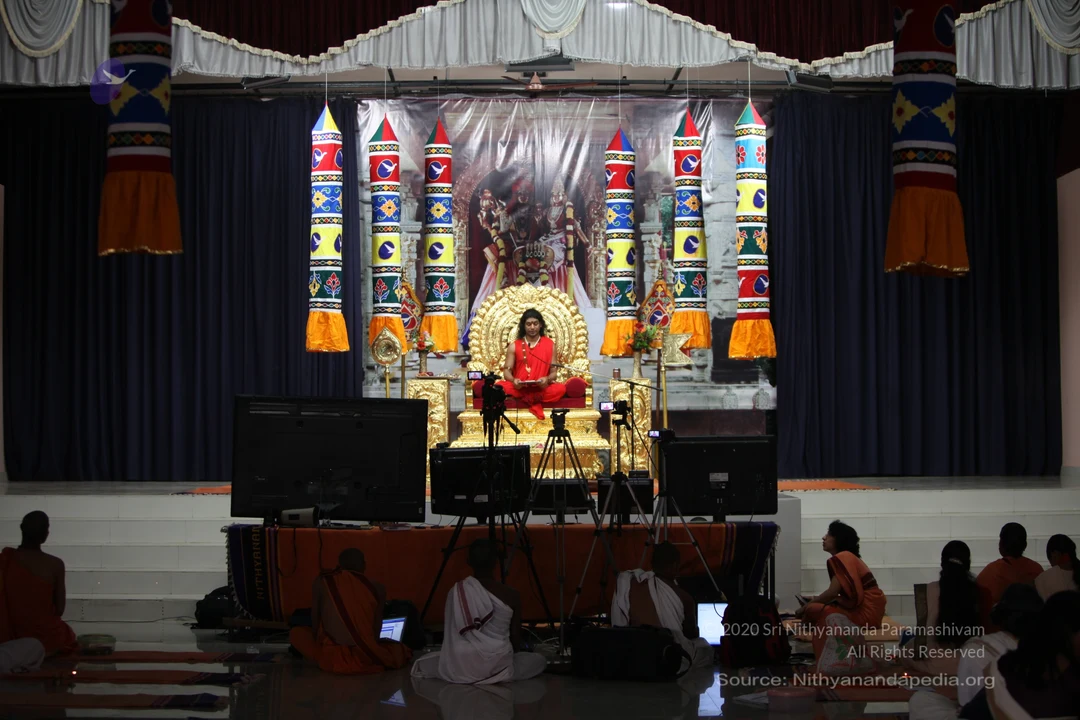
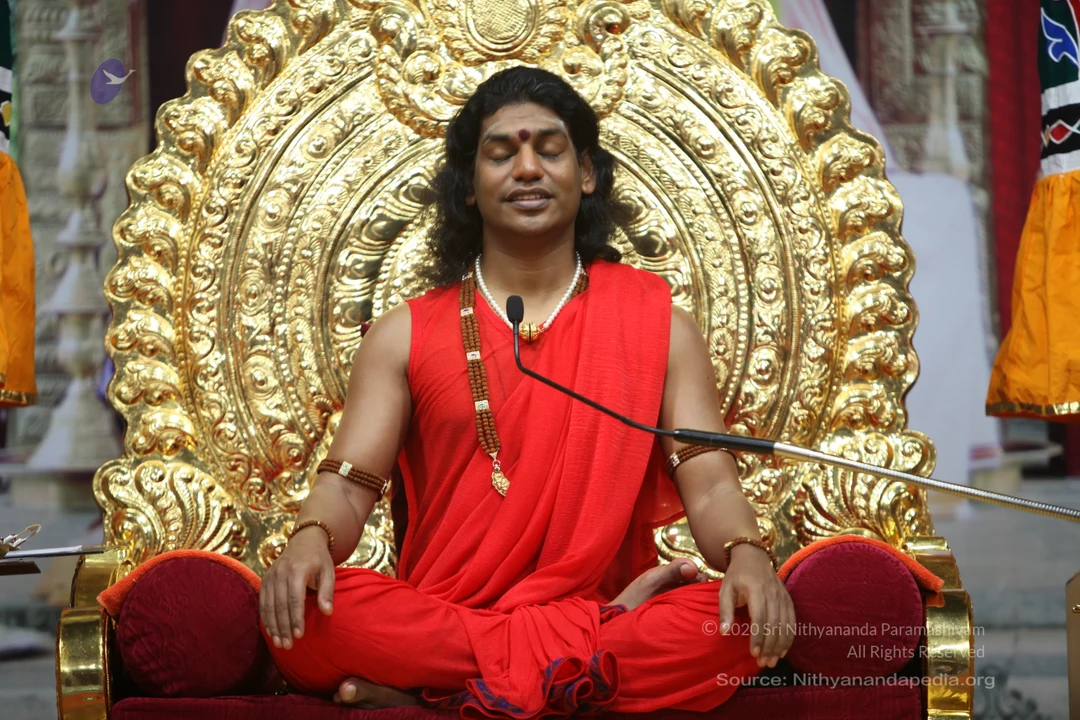
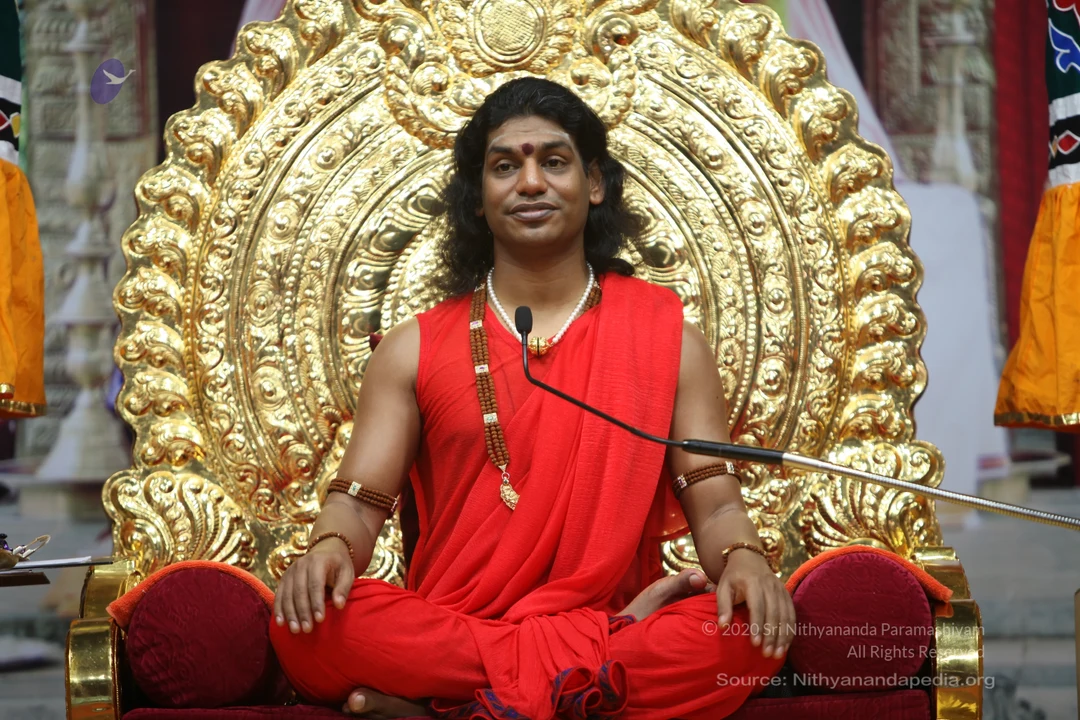
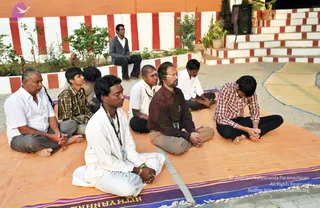
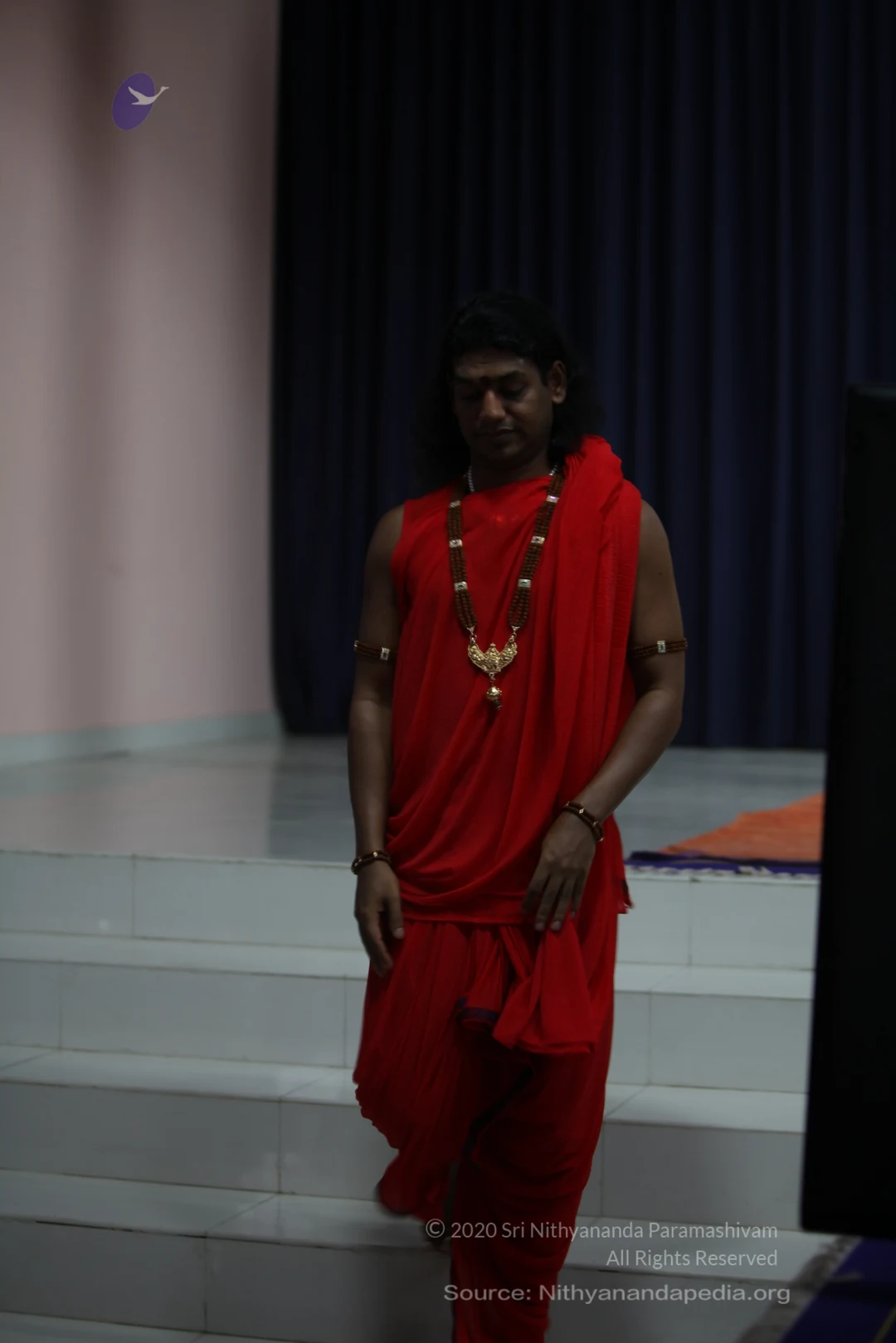
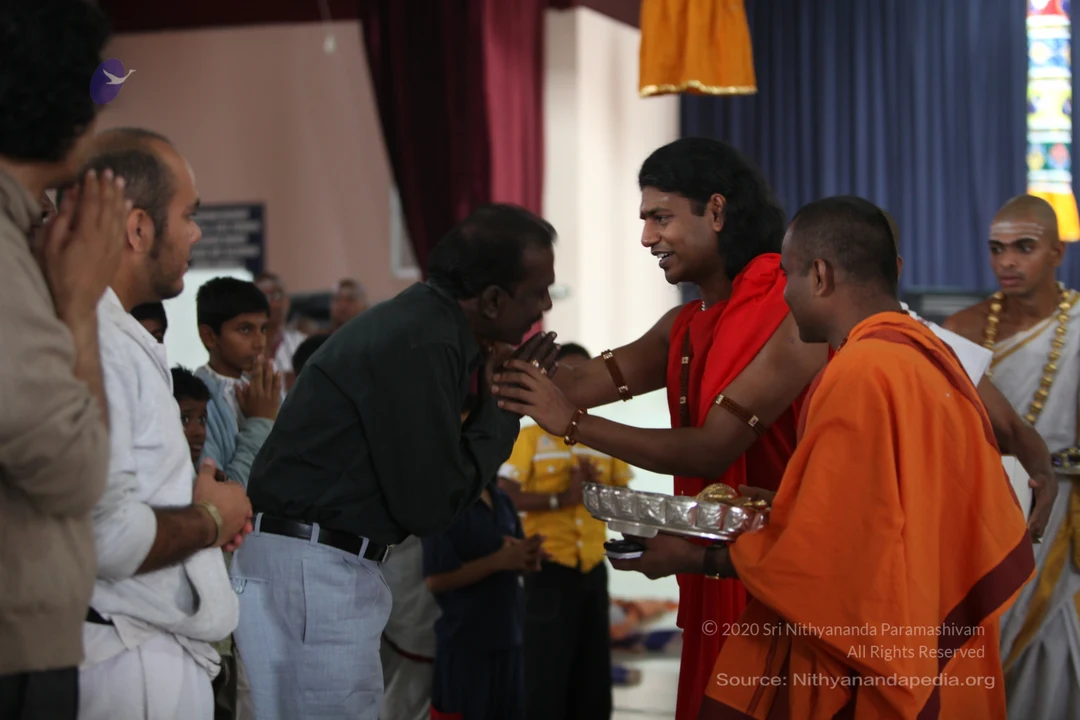
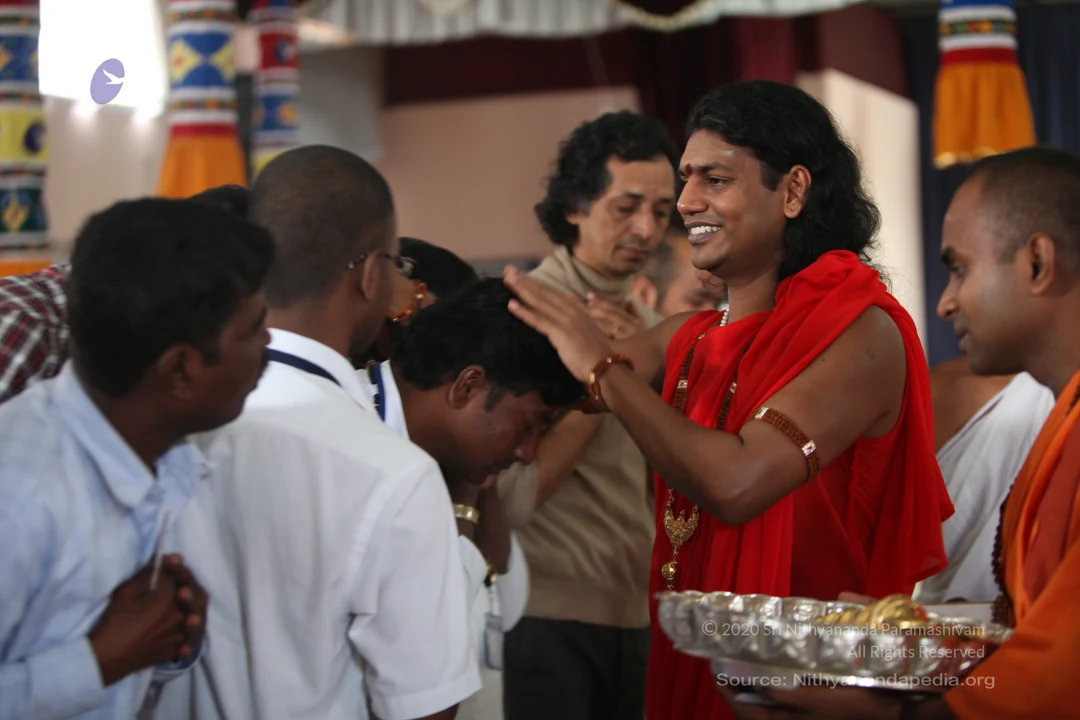
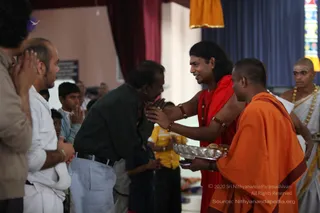
Sarvadarshan
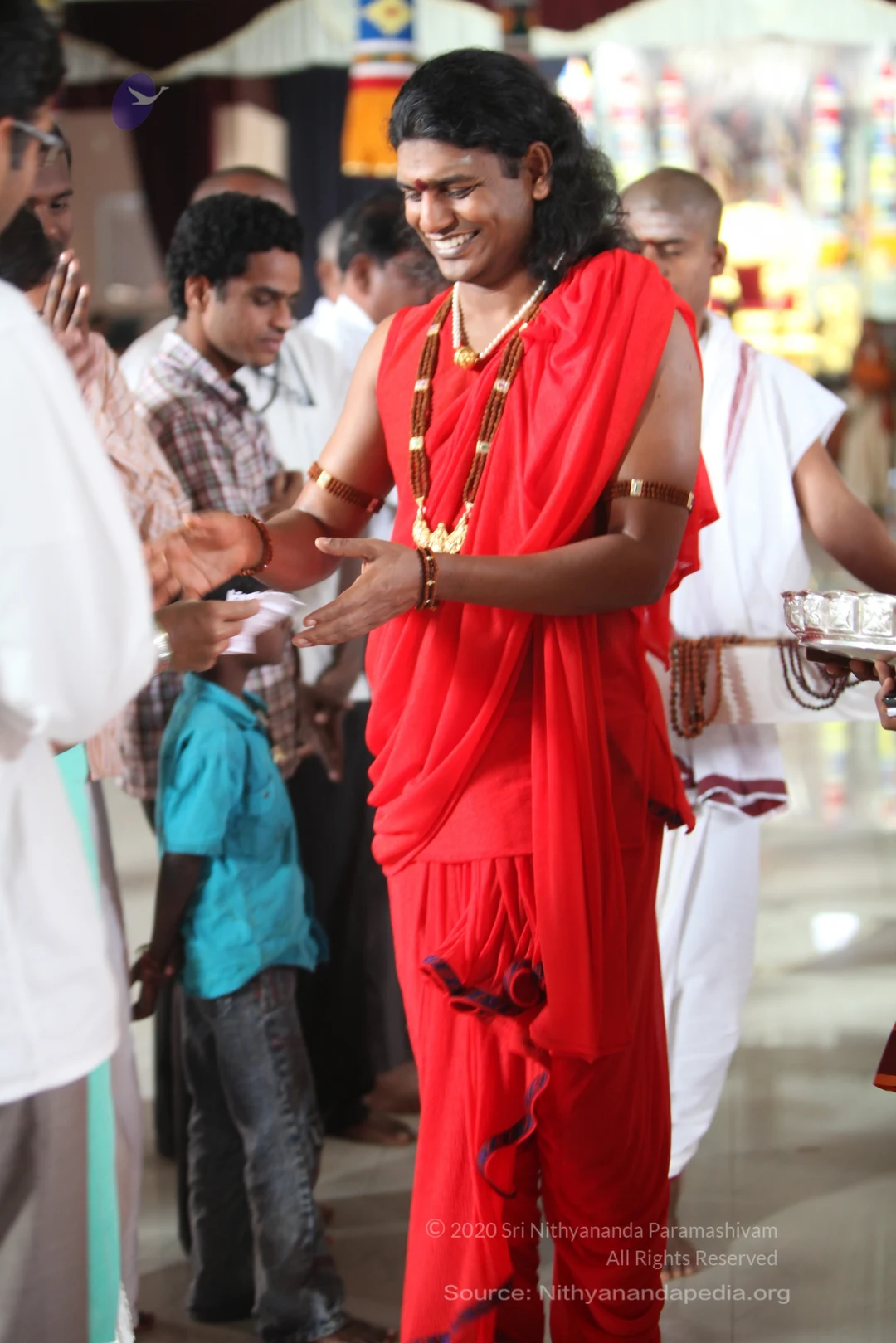
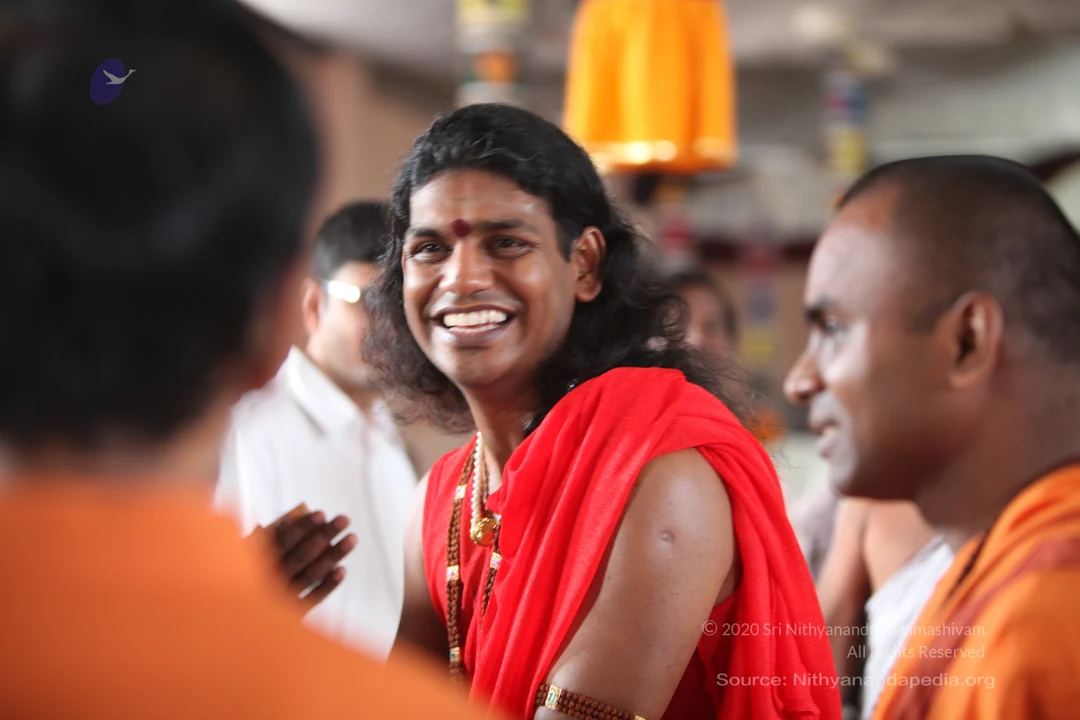
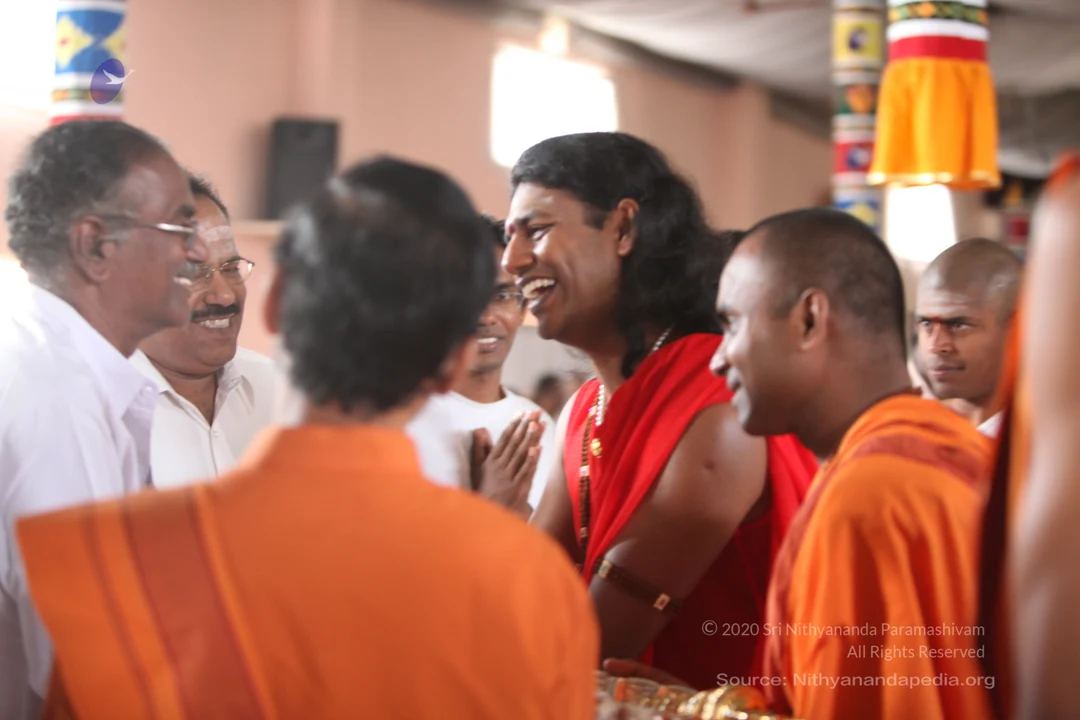
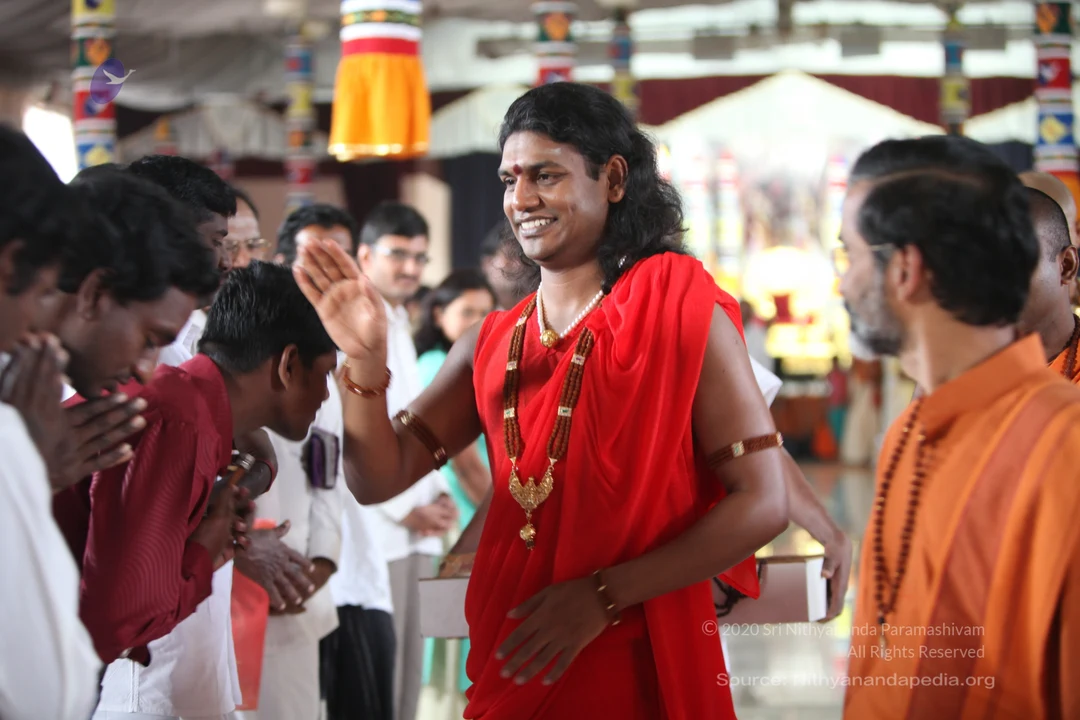
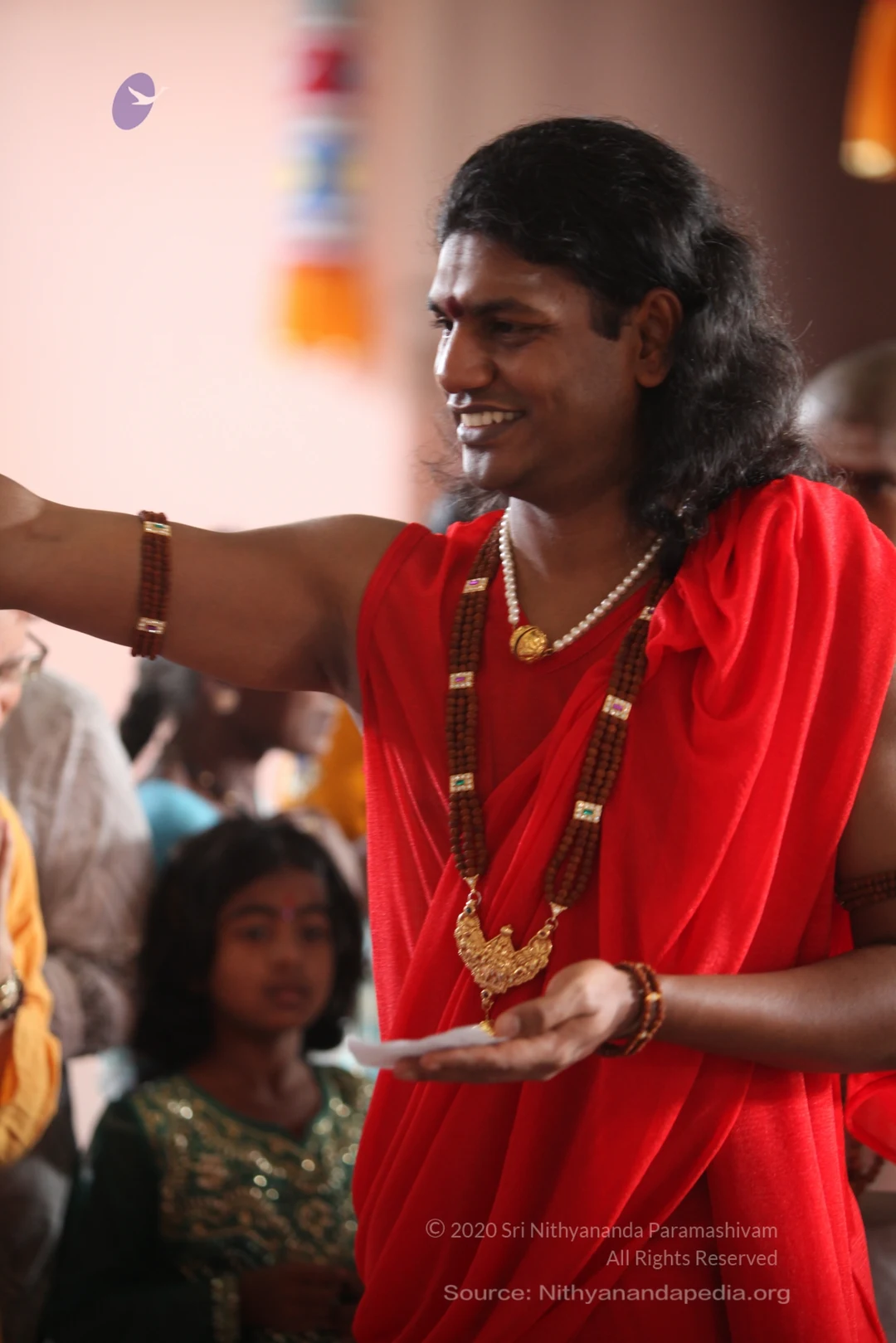
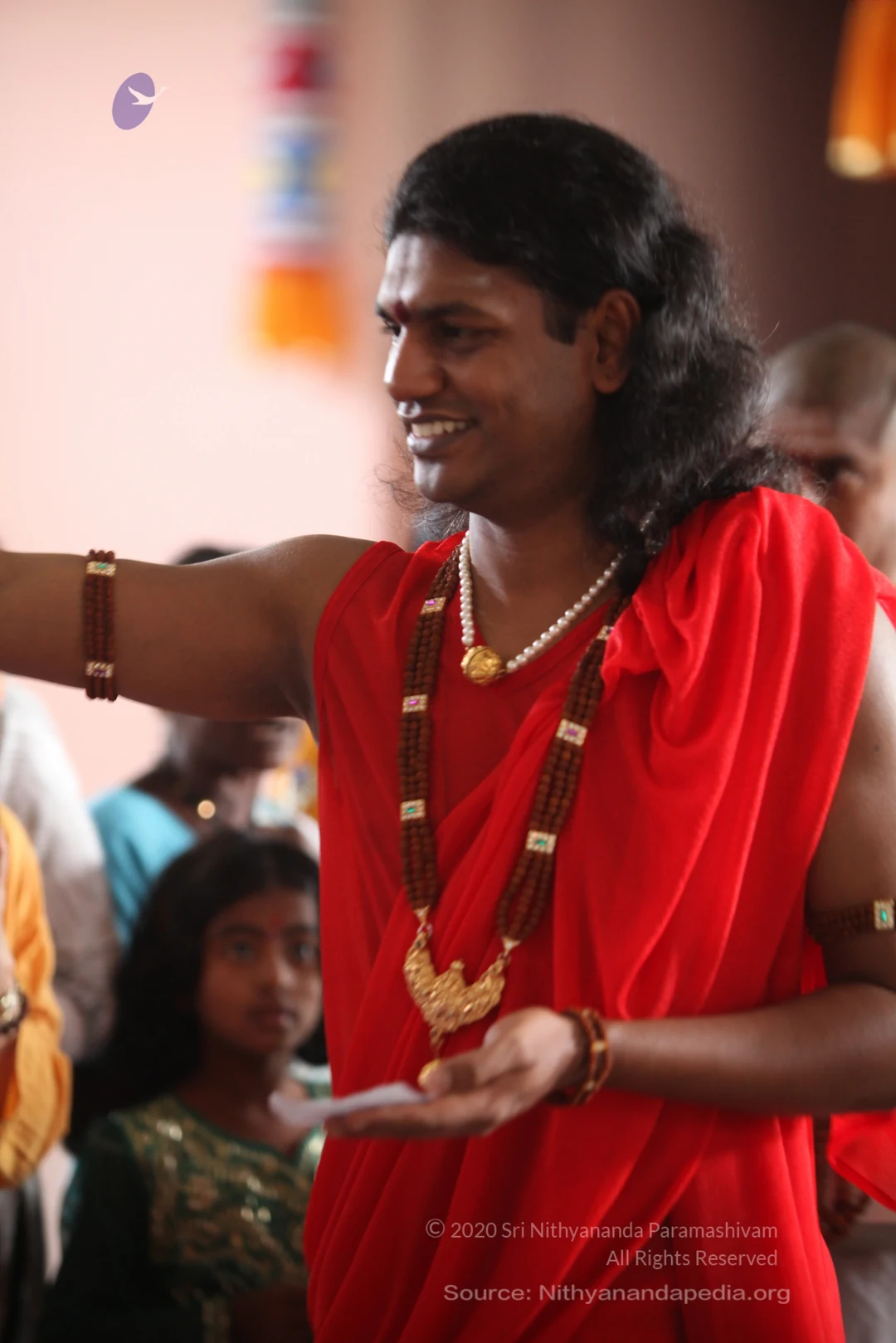
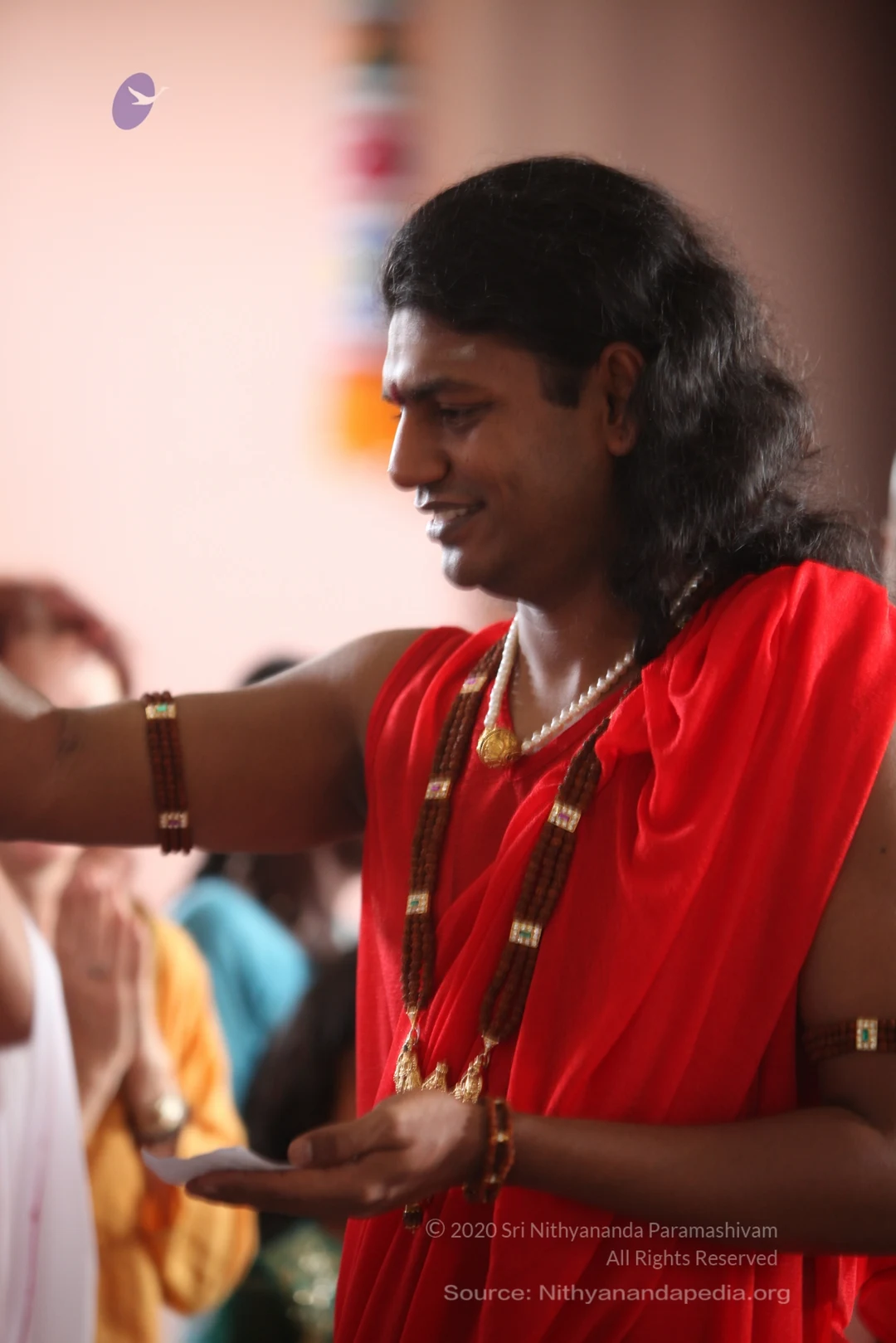
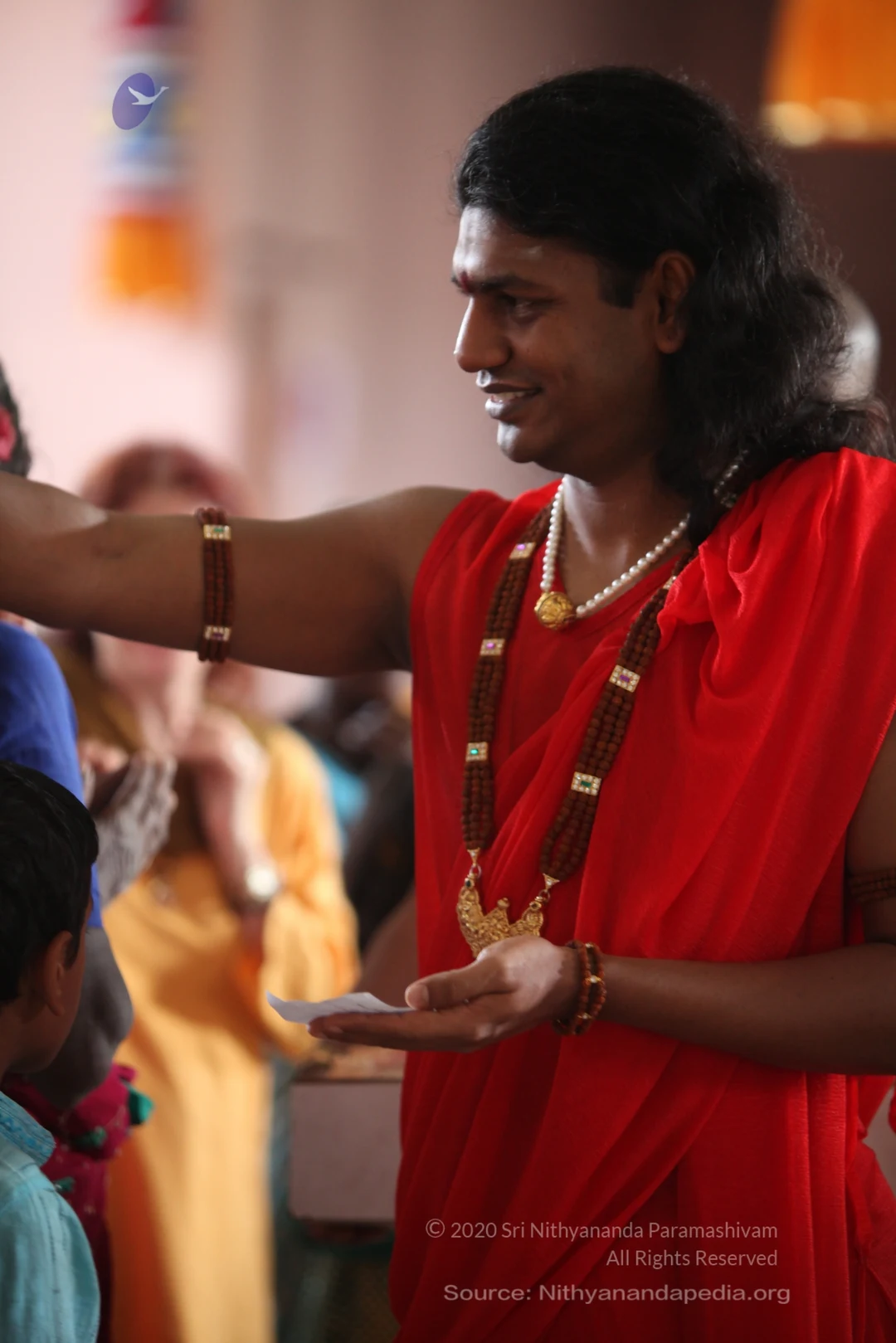
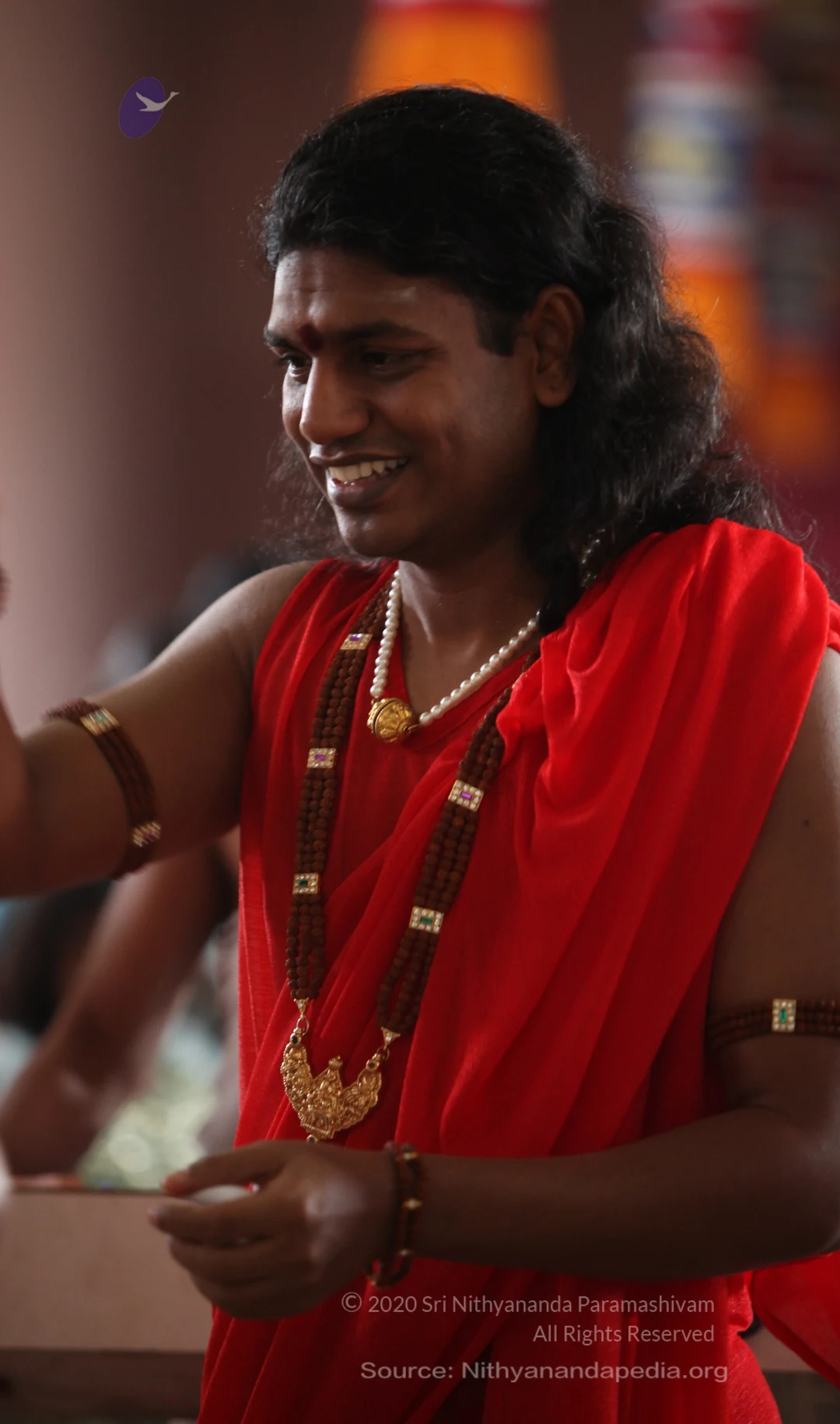
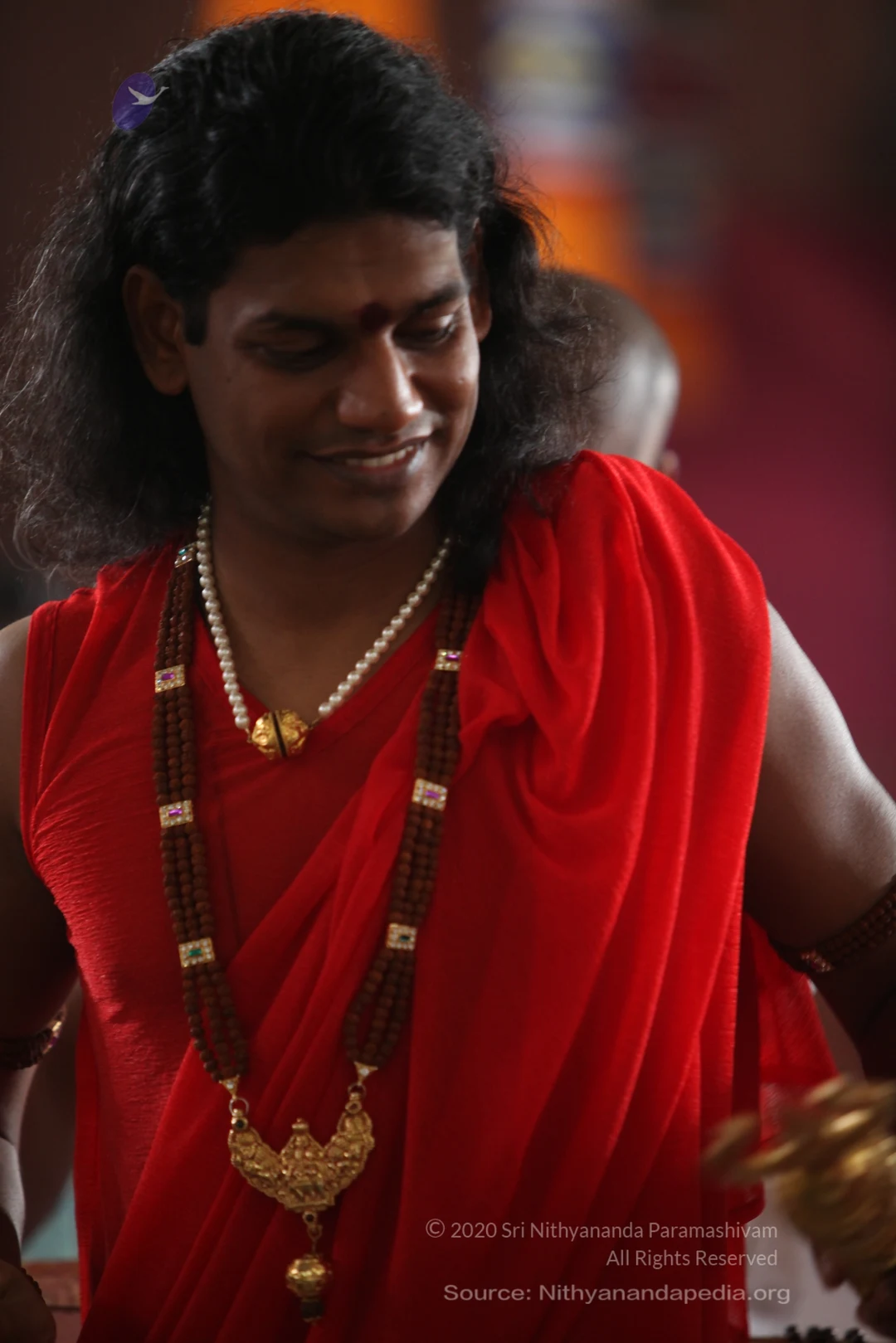
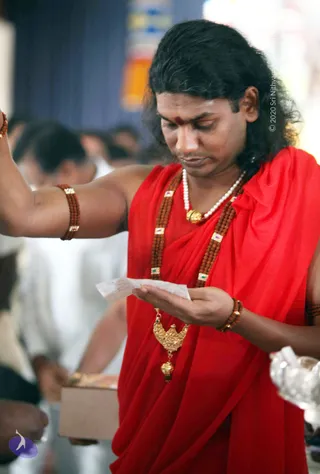
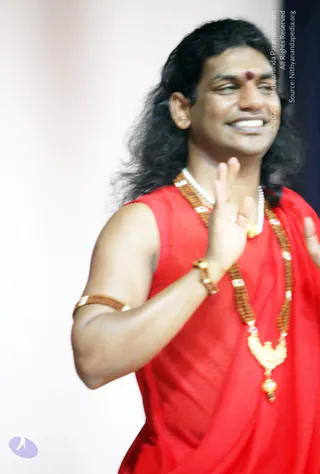
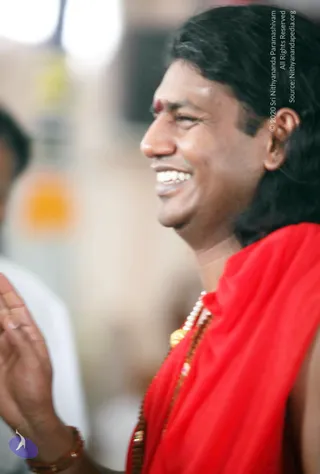
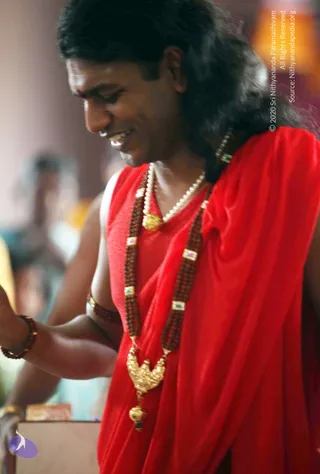
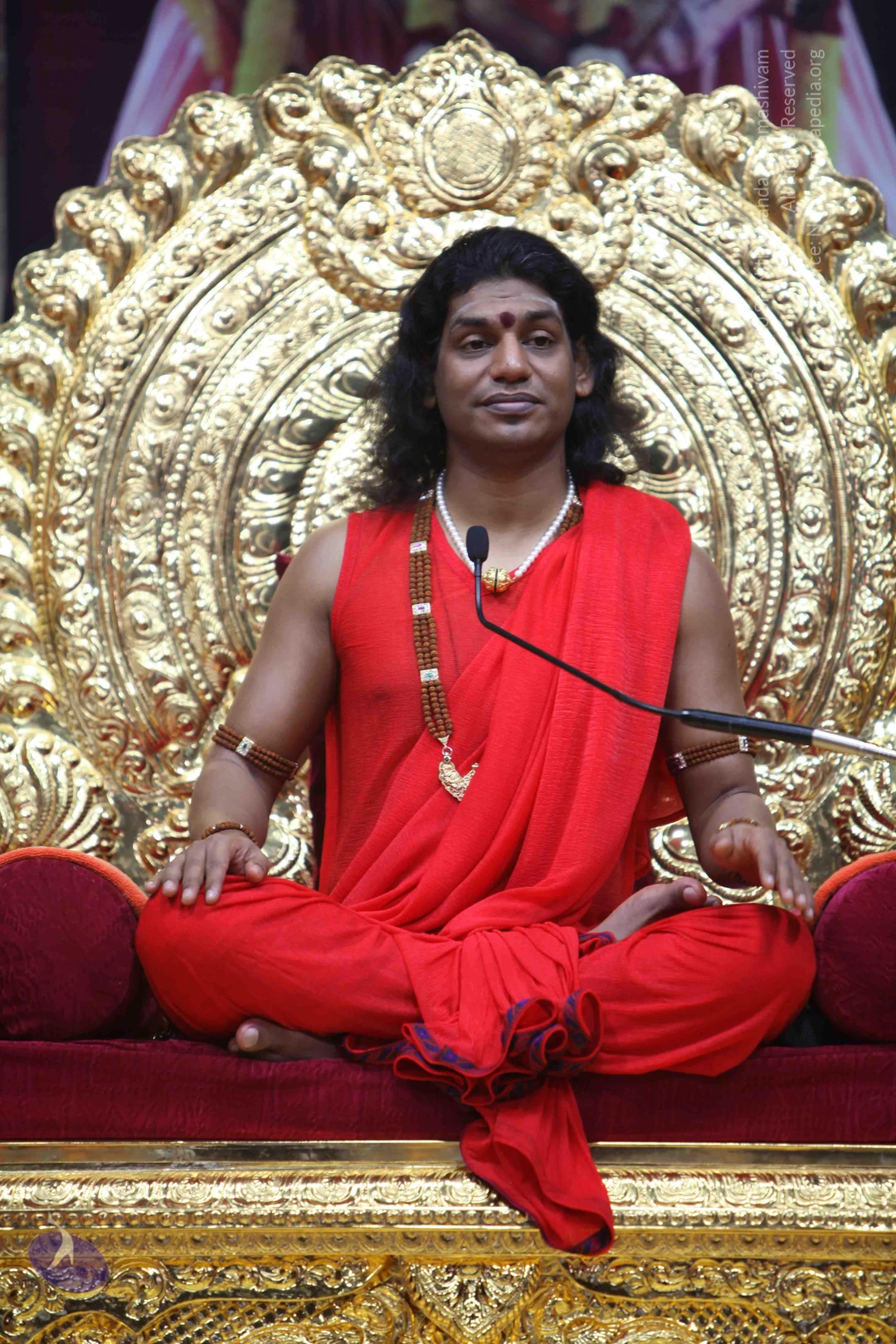
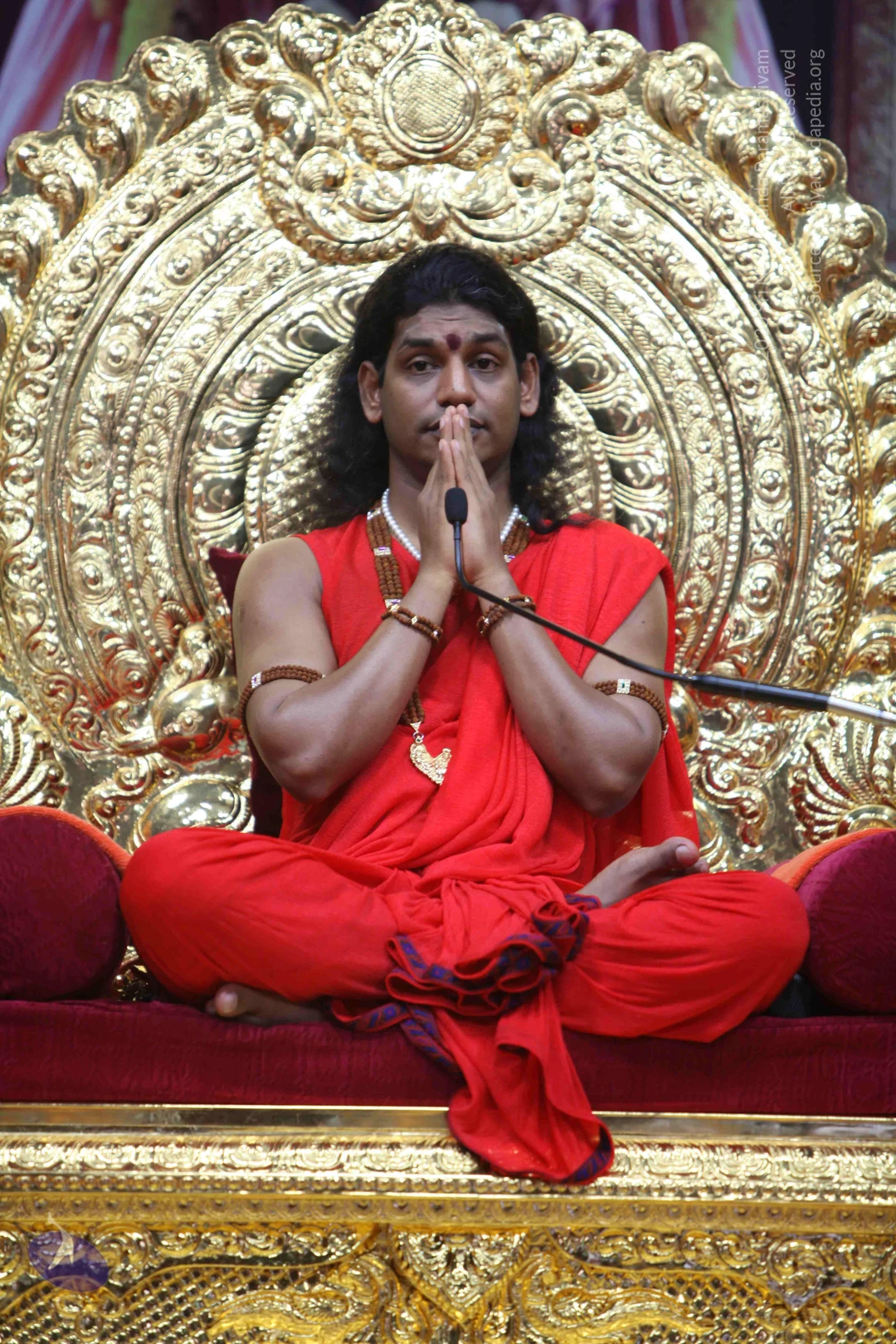
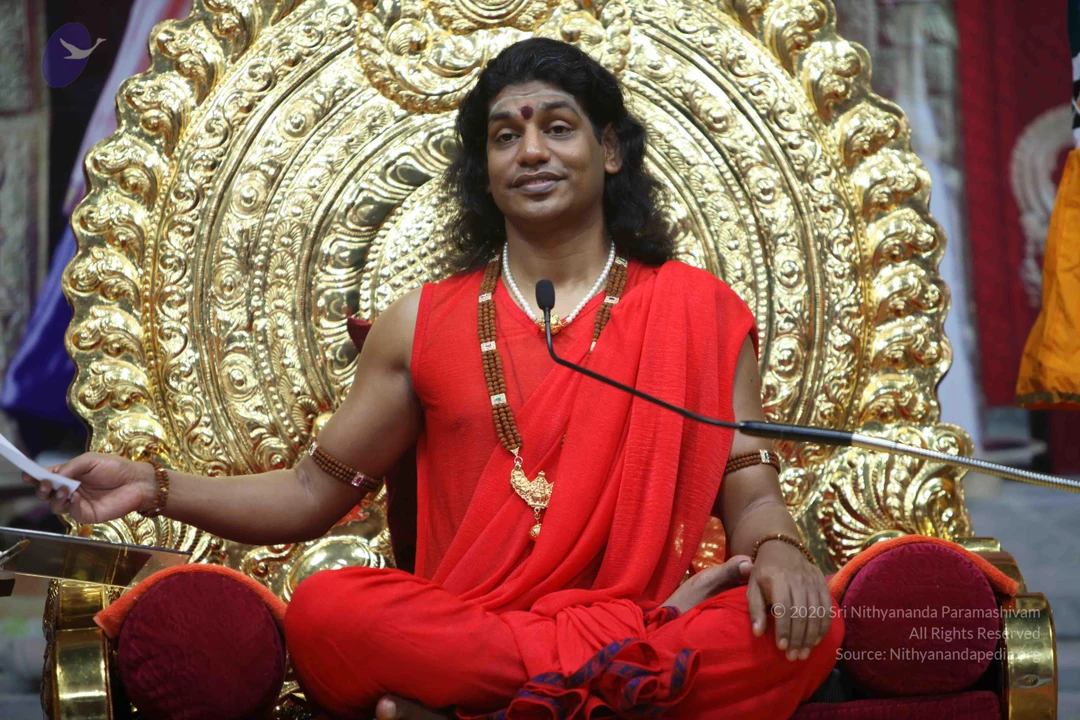
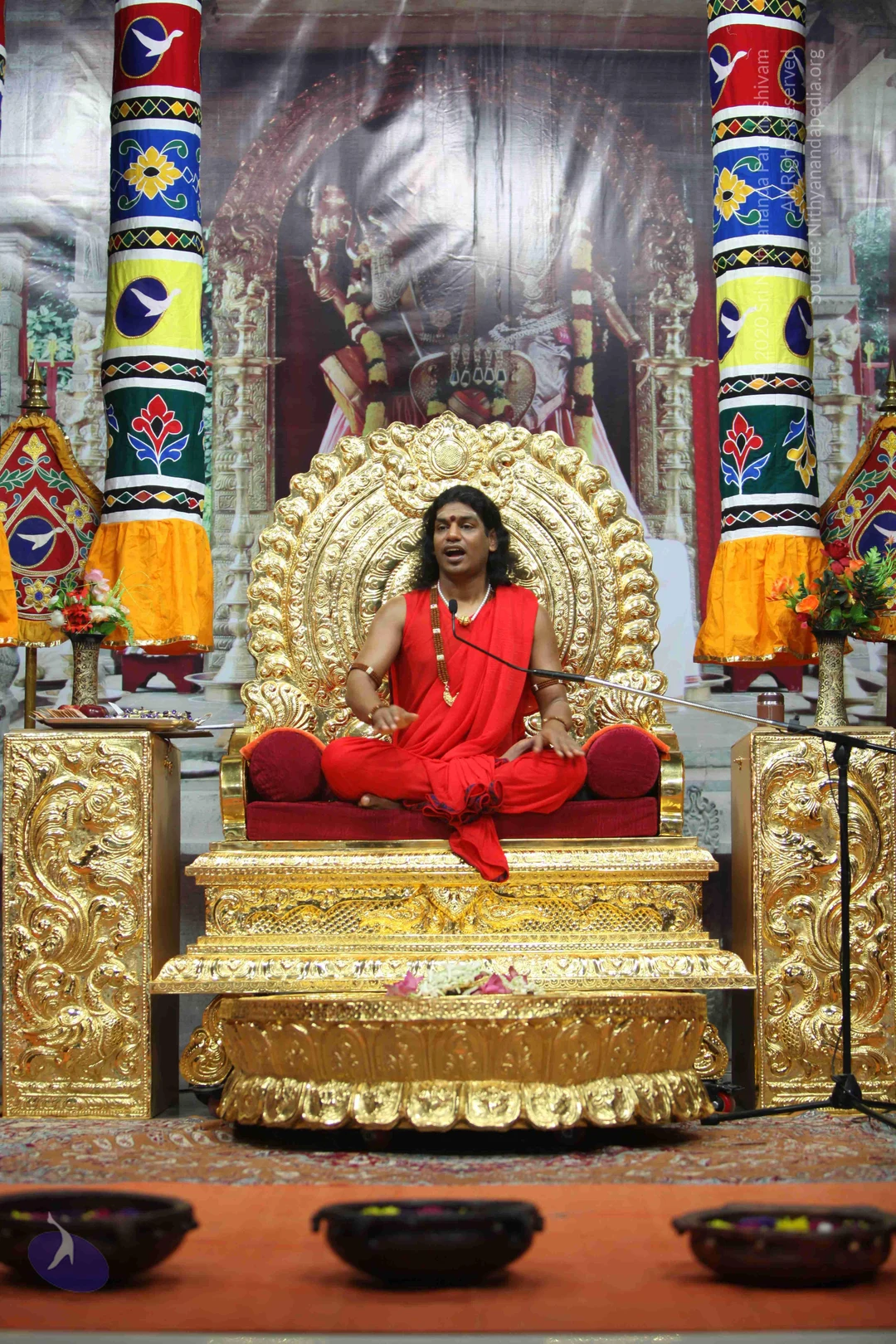
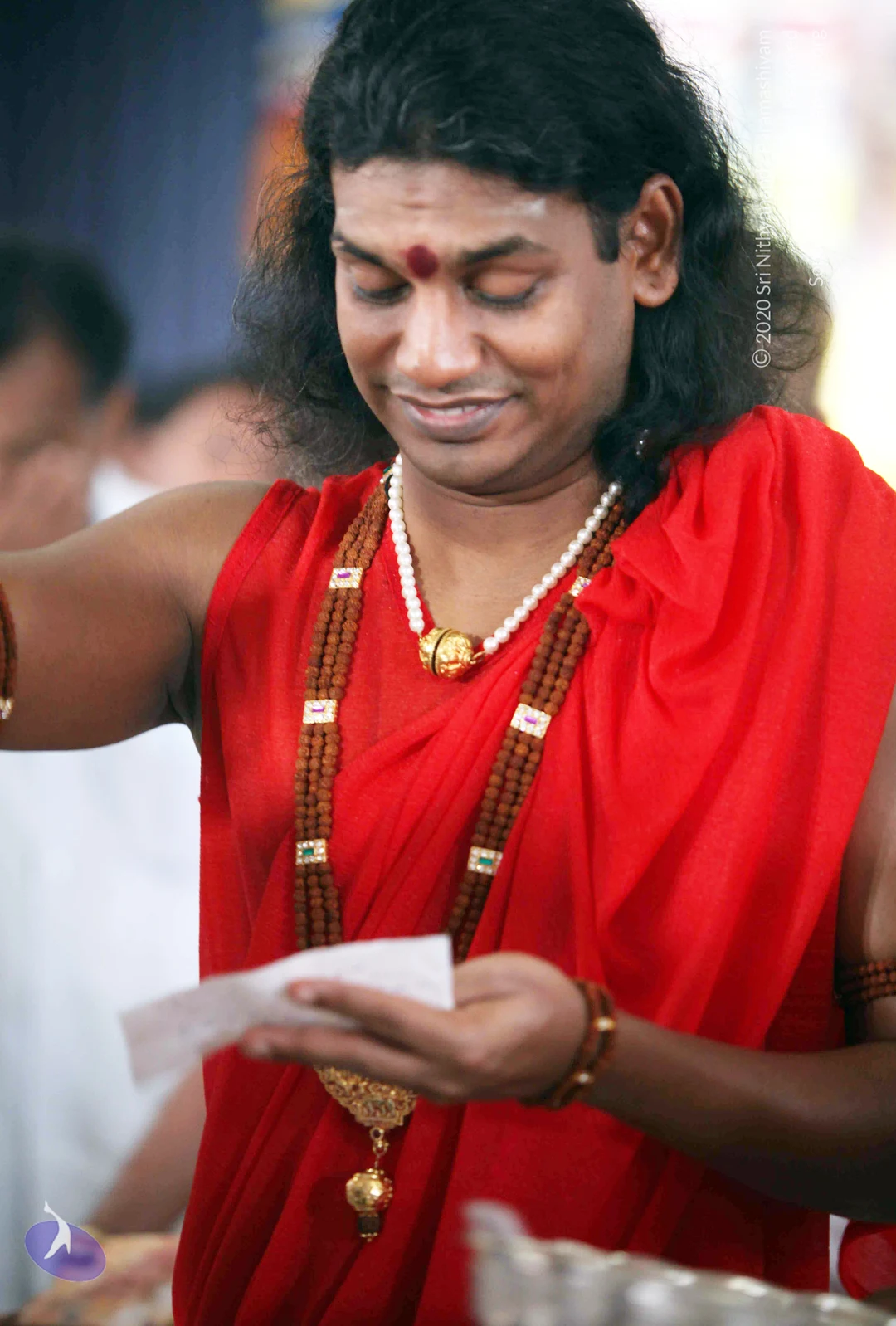
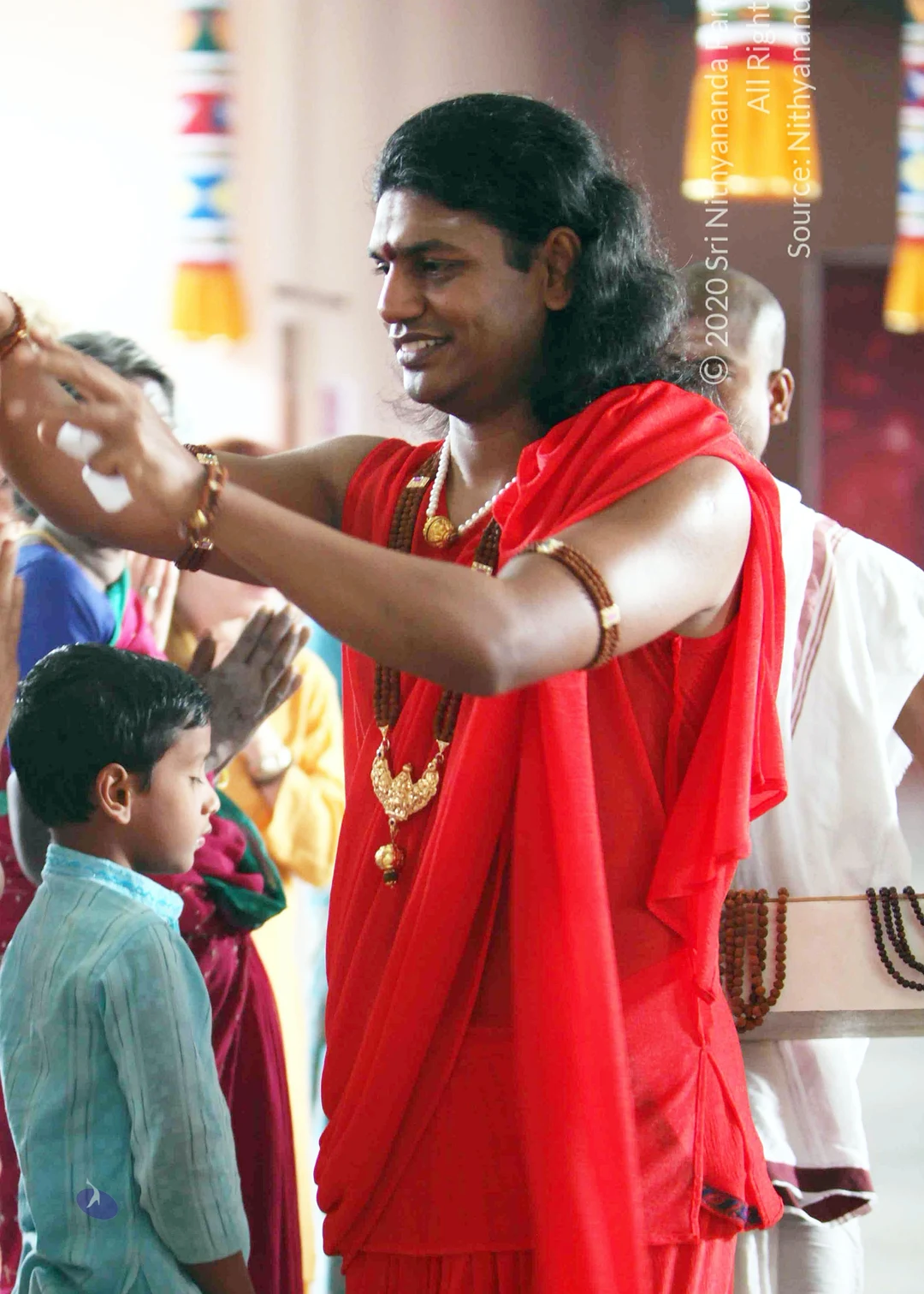
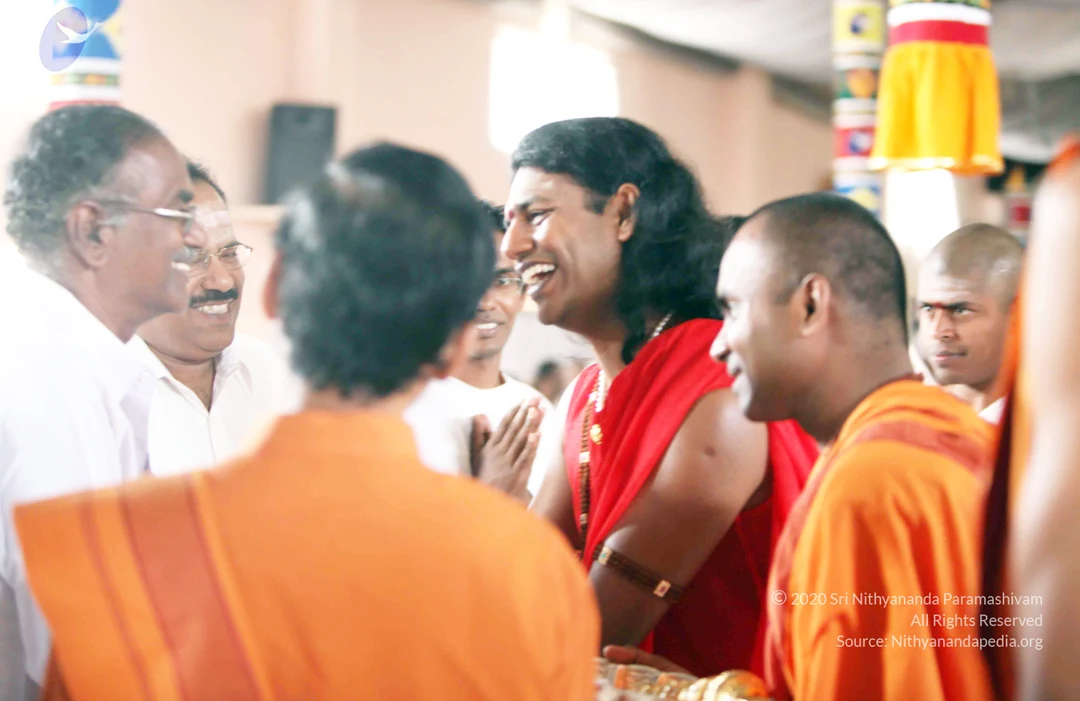
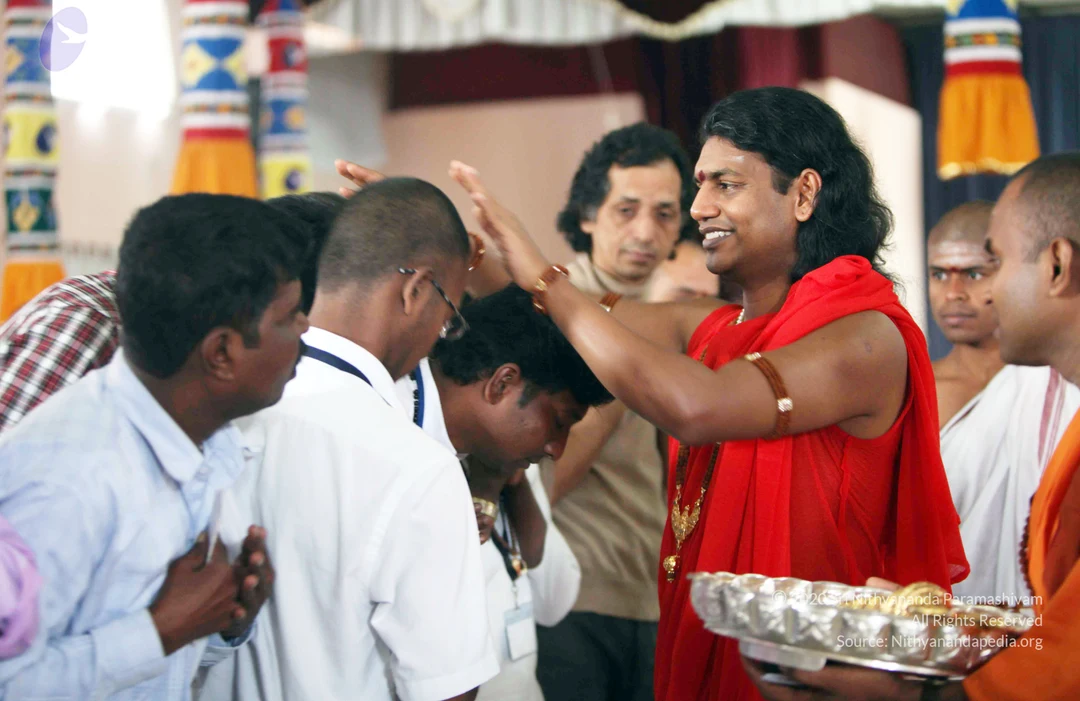
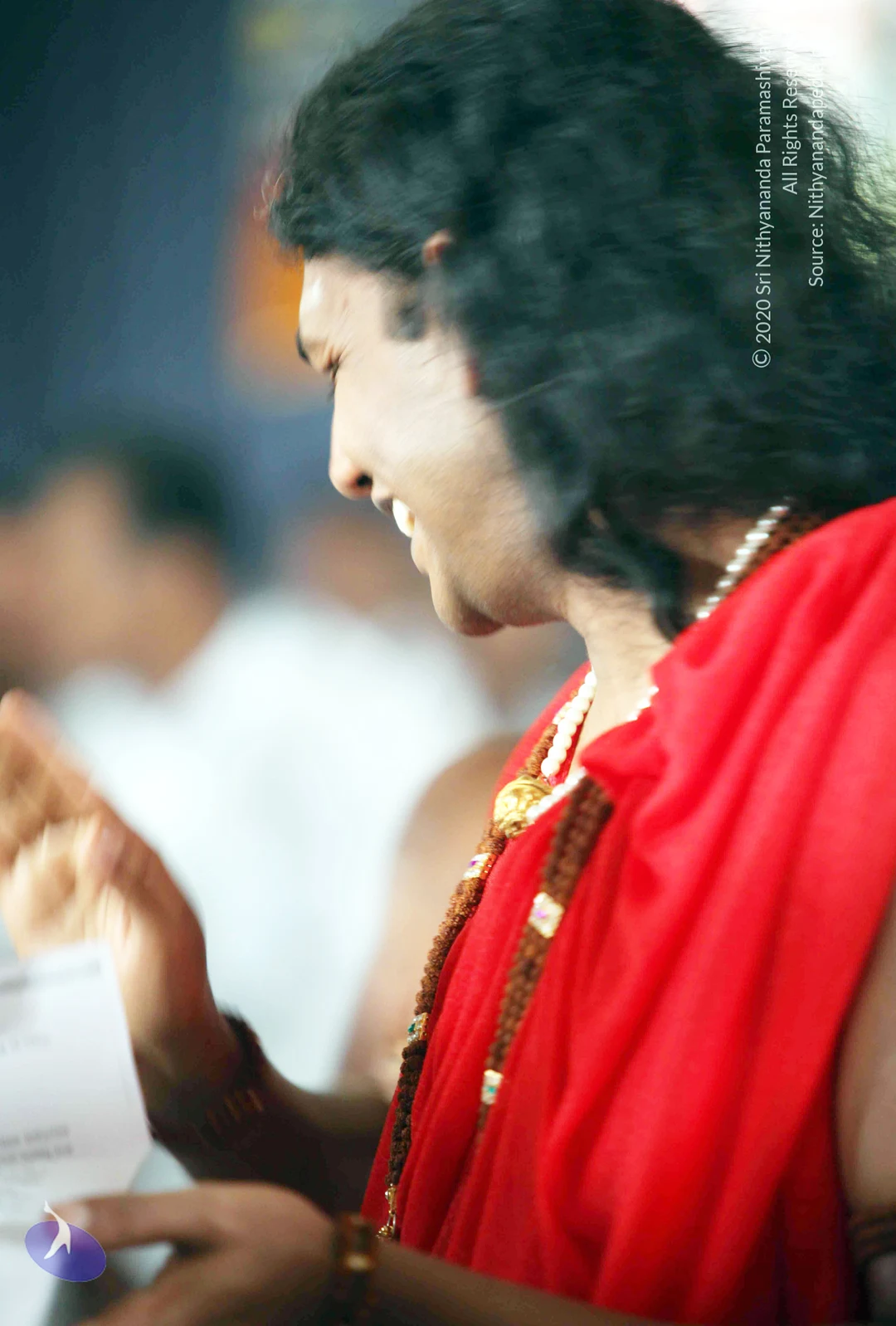
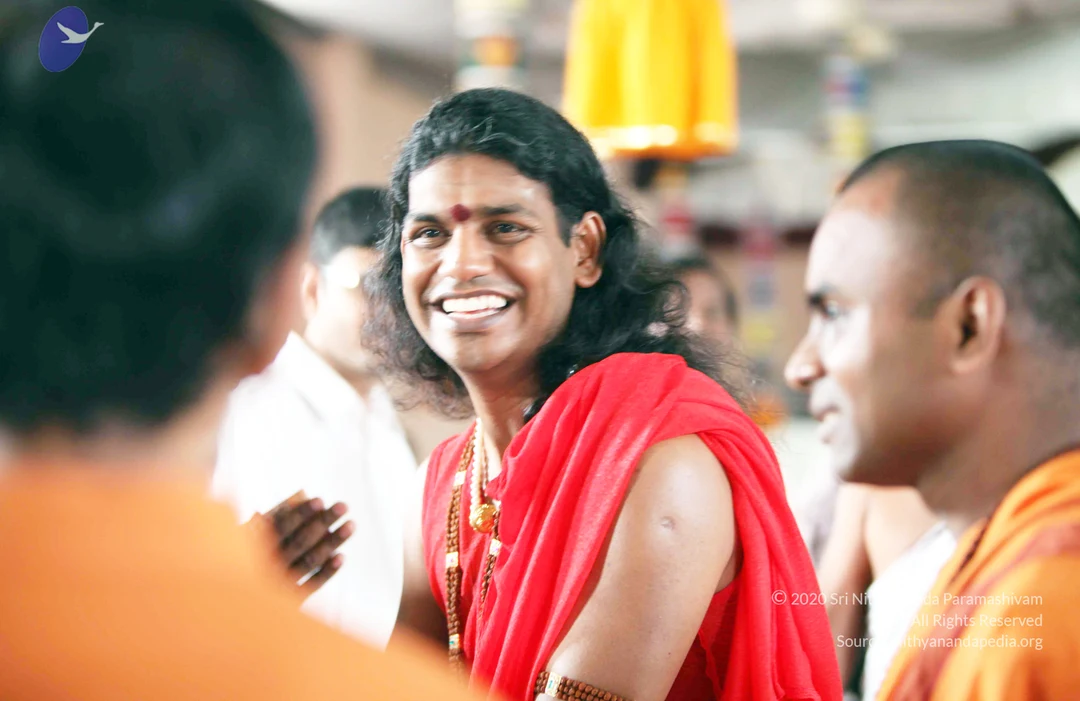
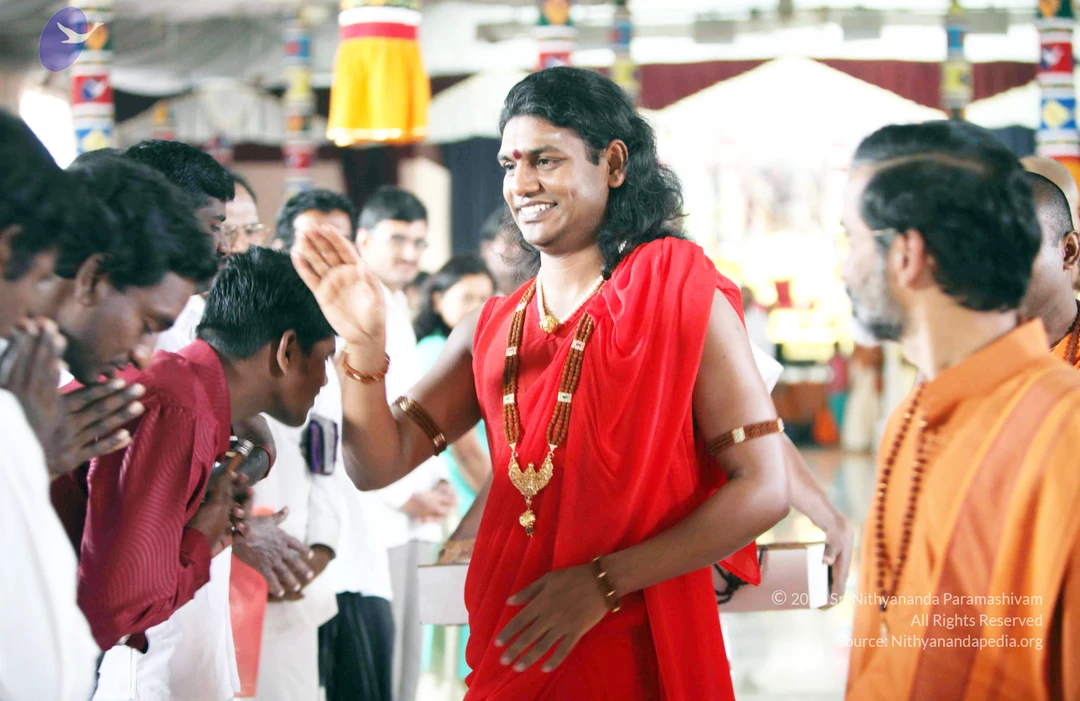
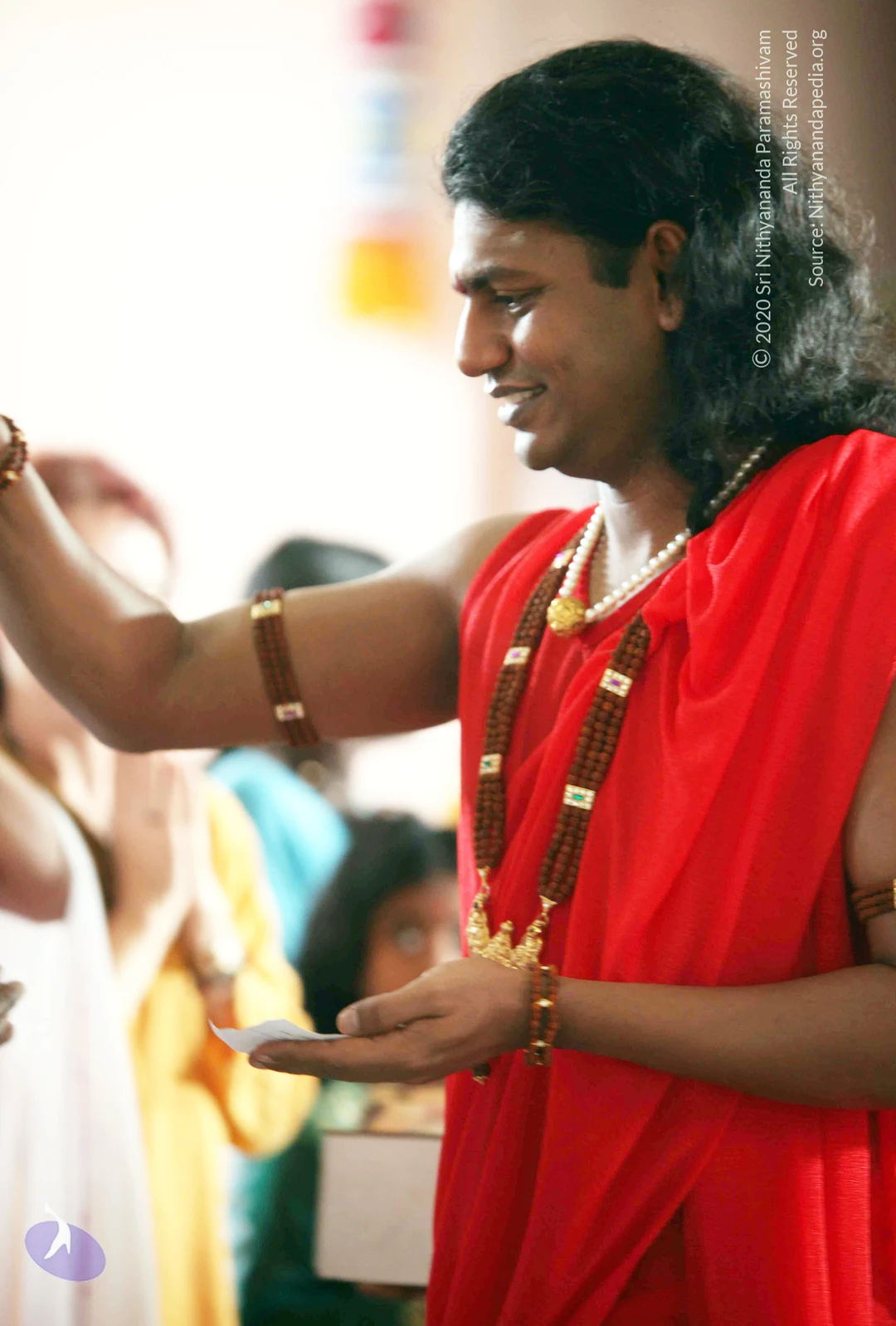
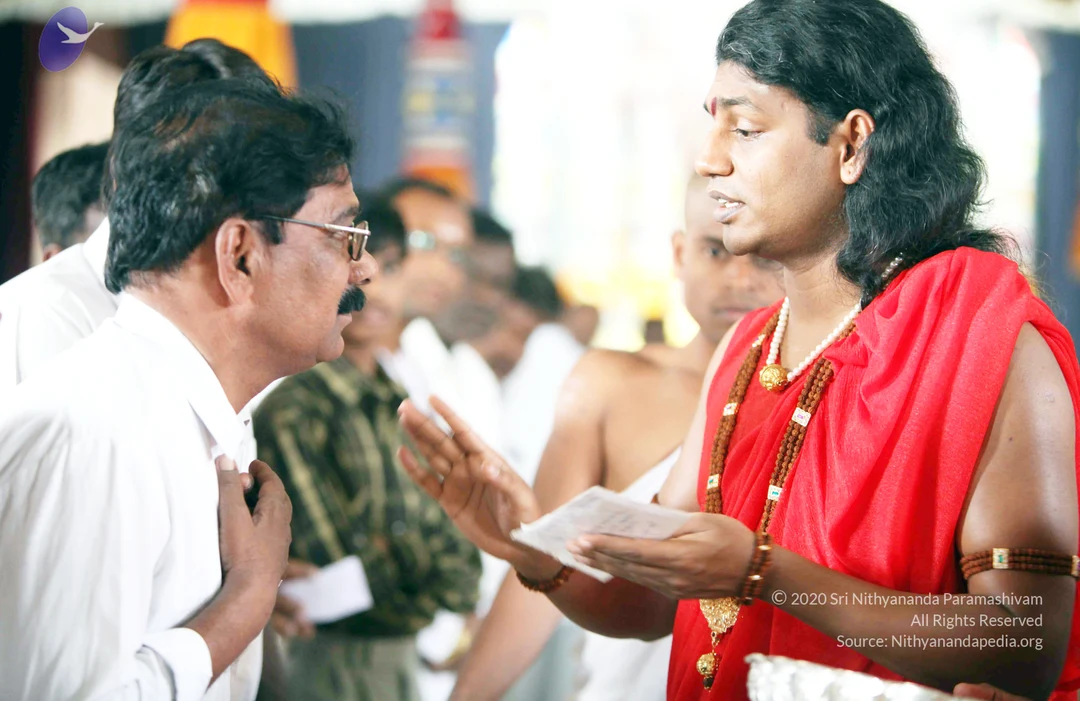
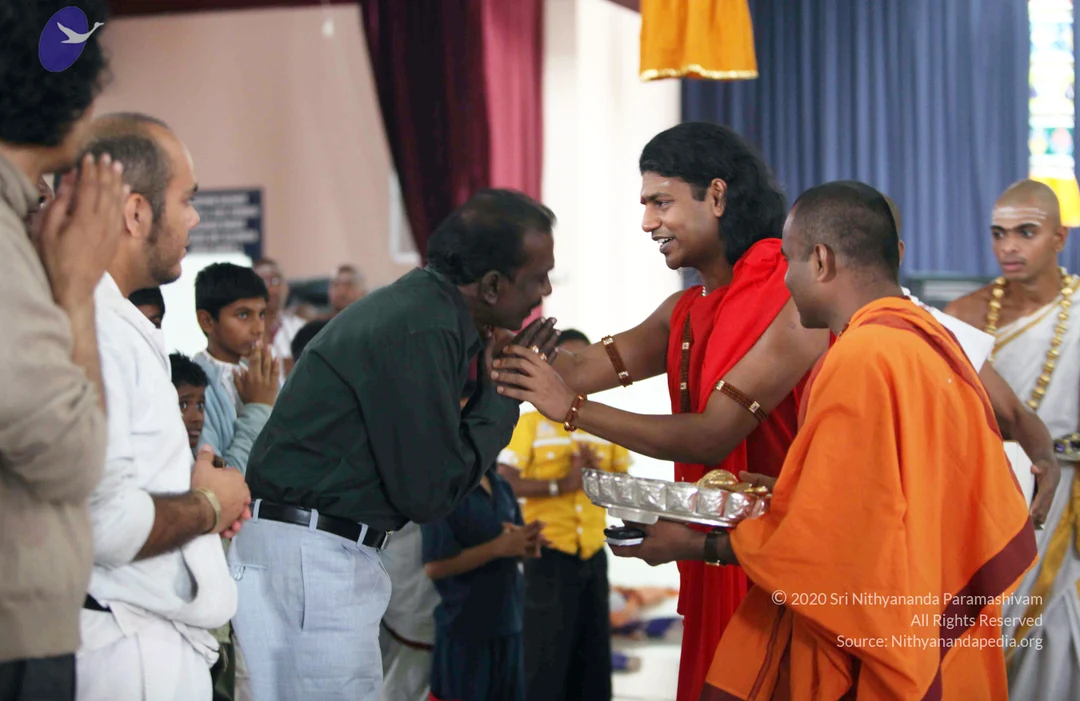
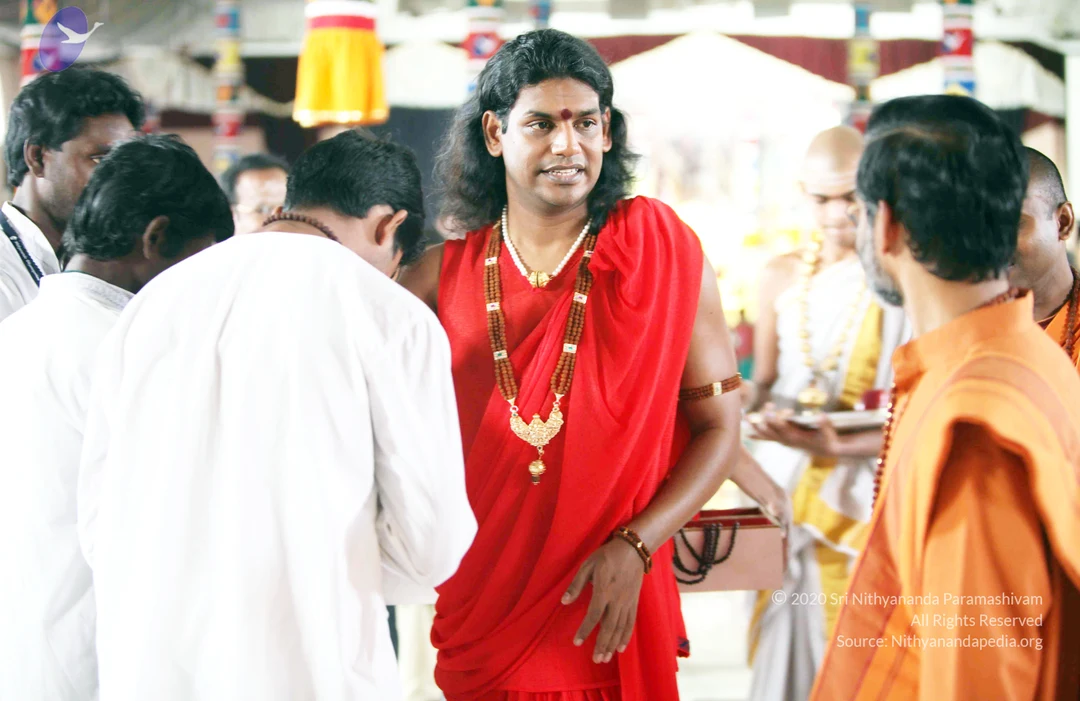
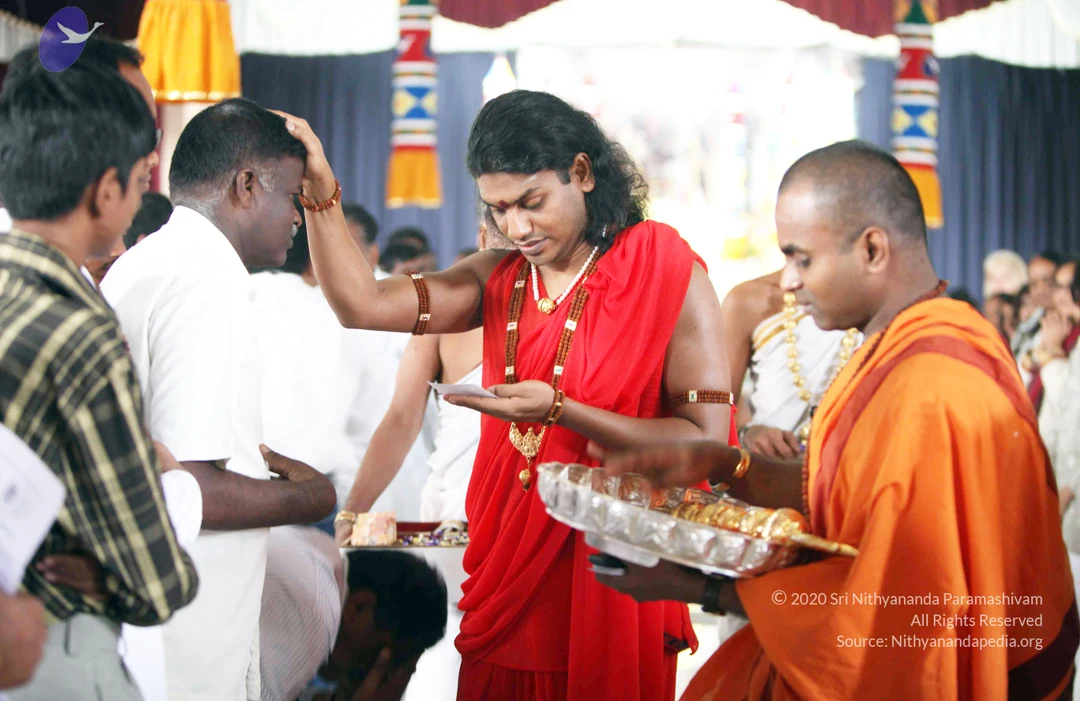
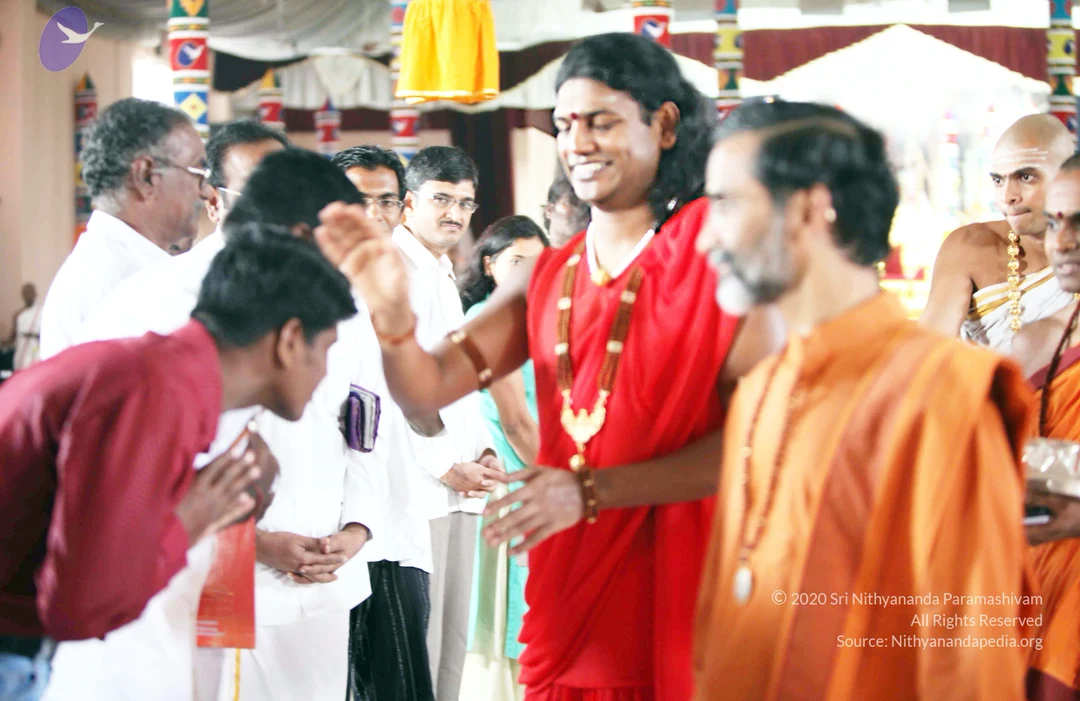
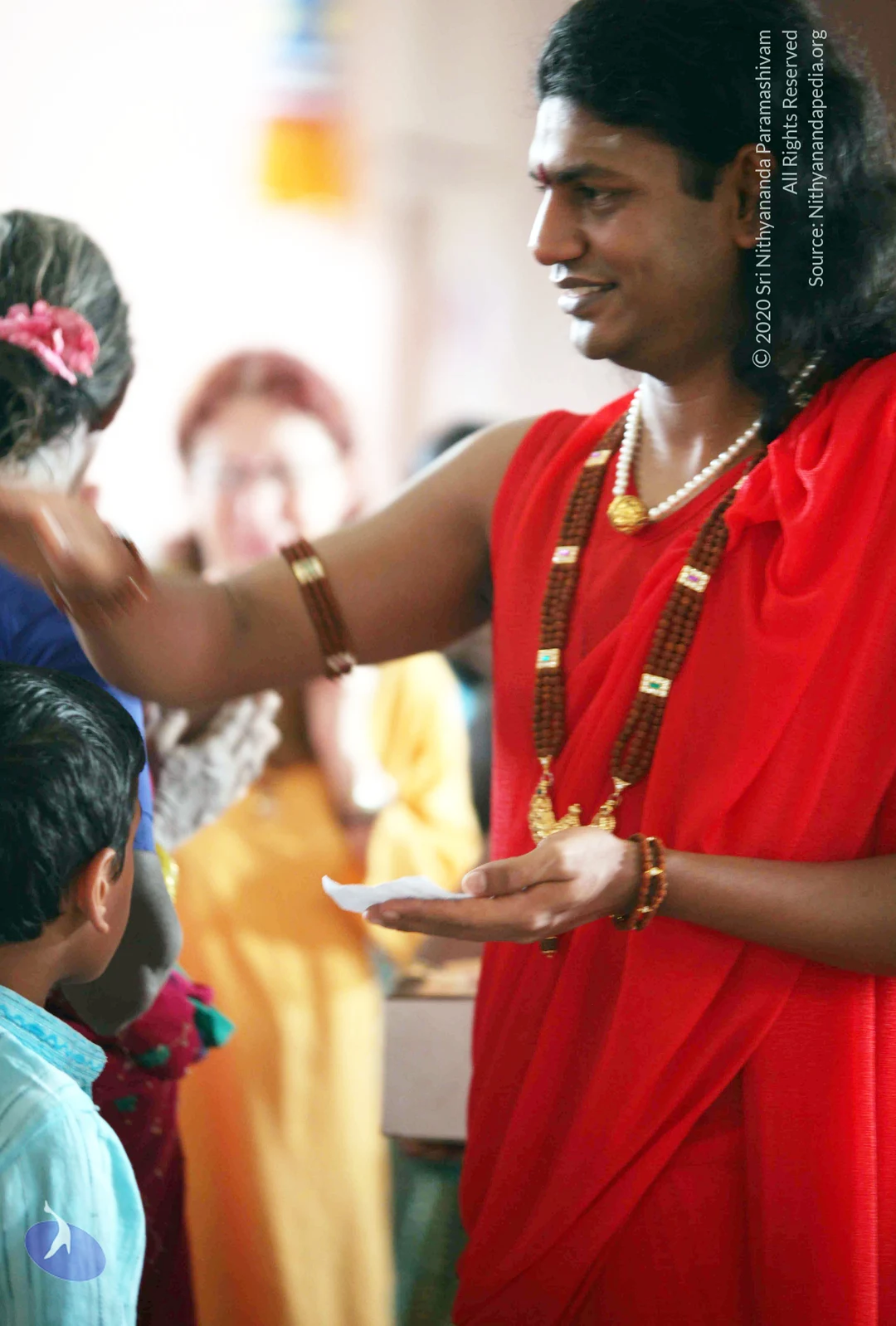
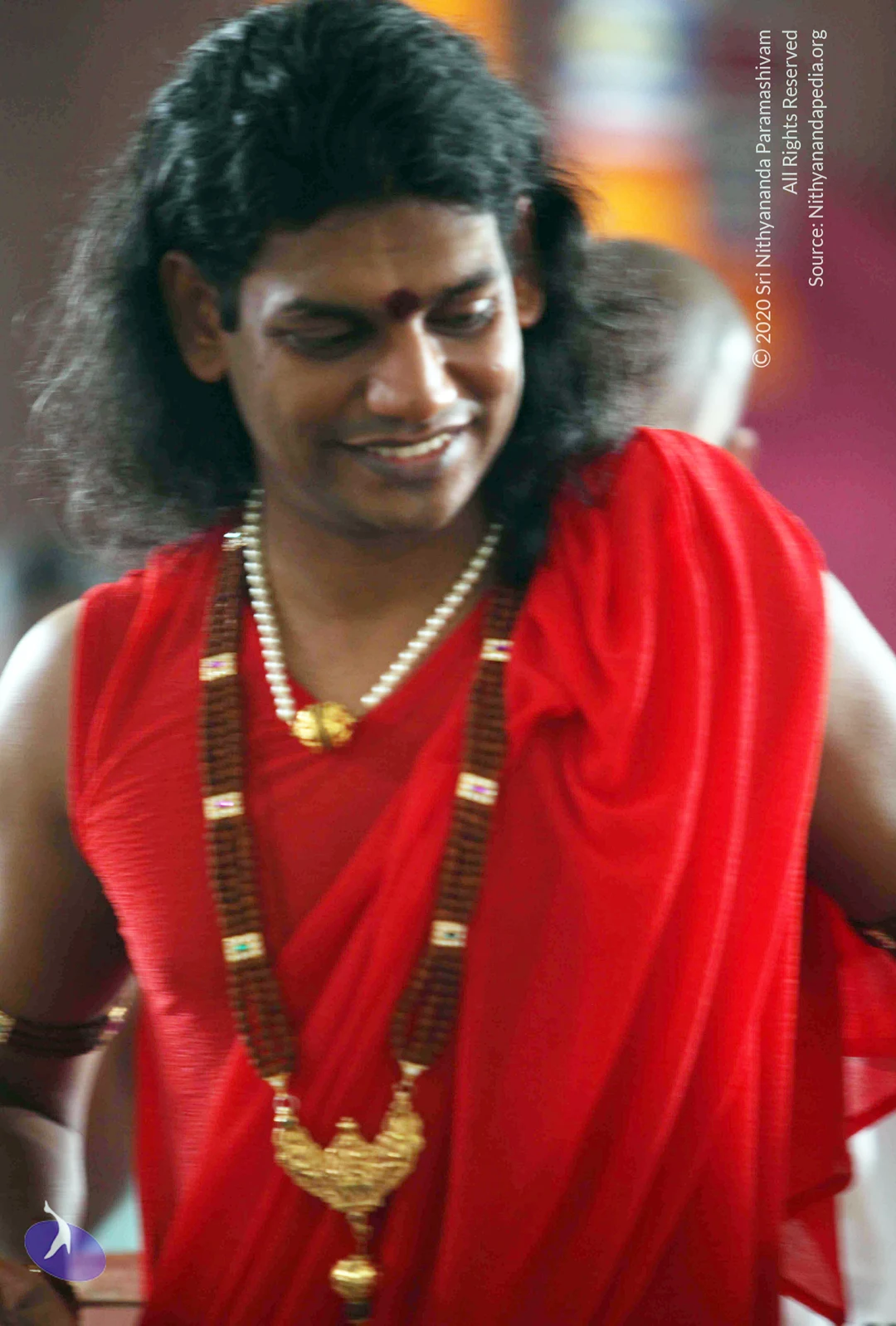
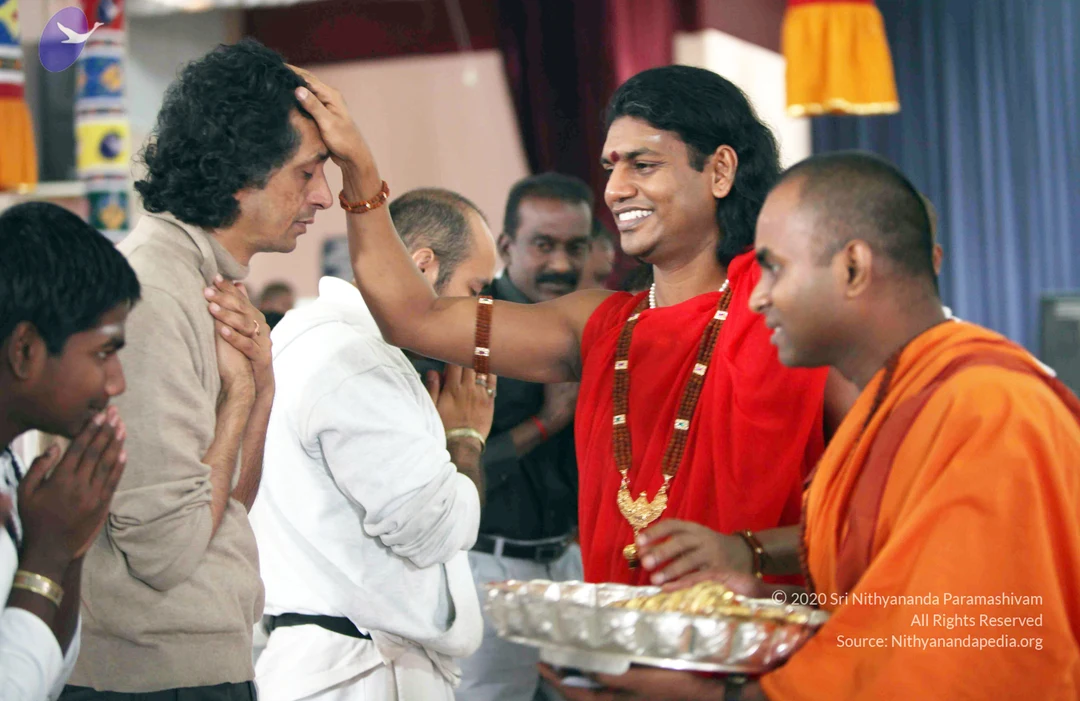
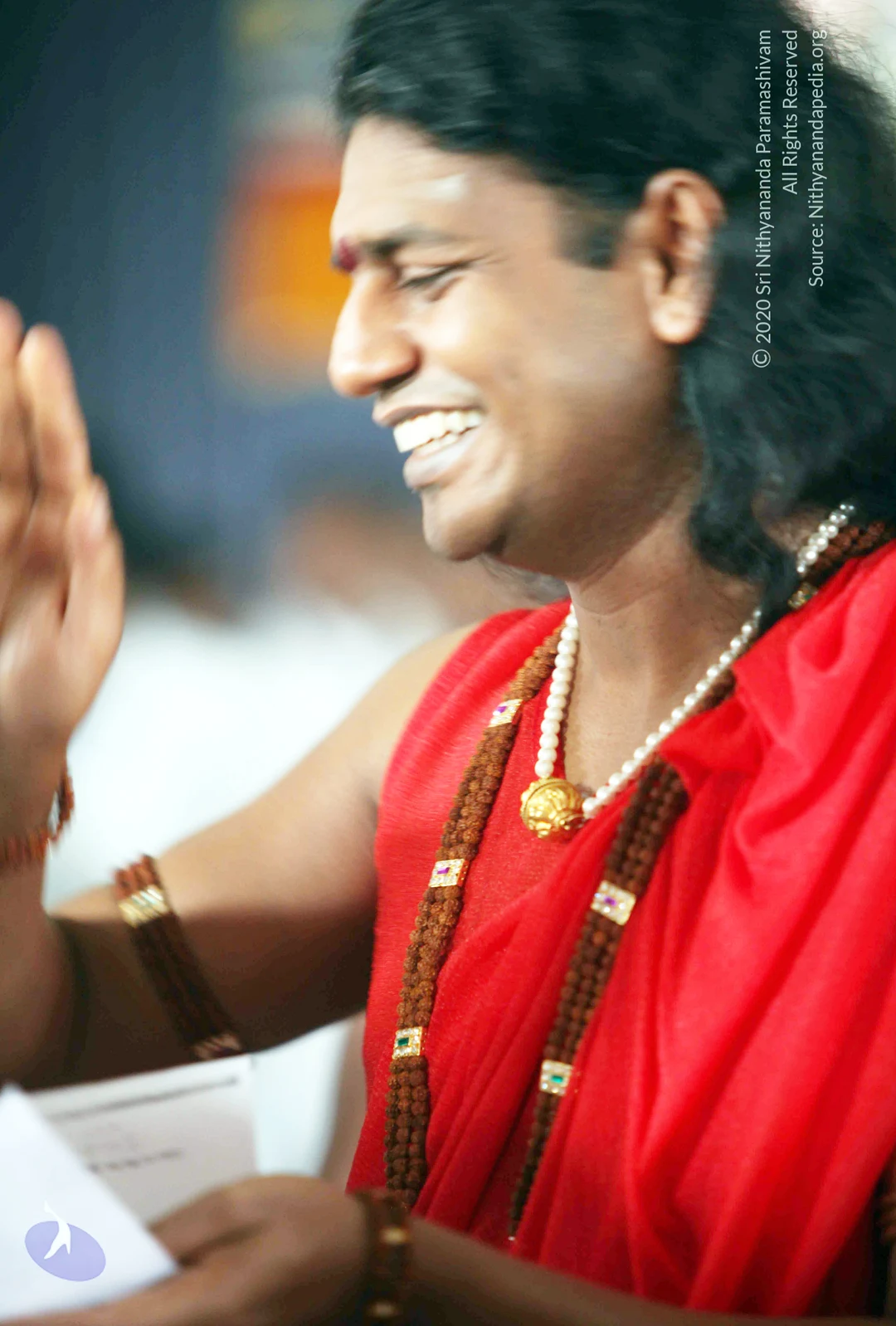
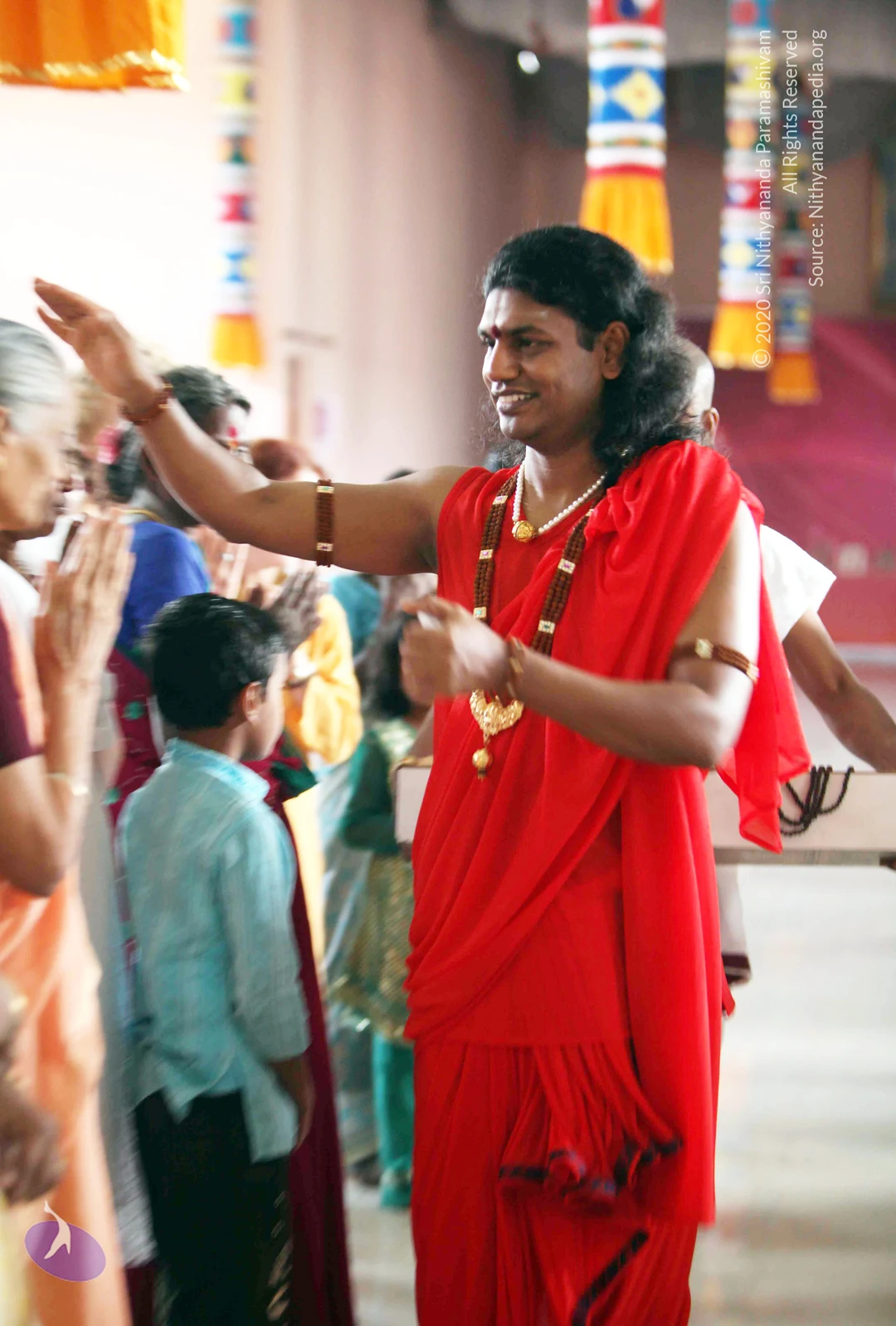
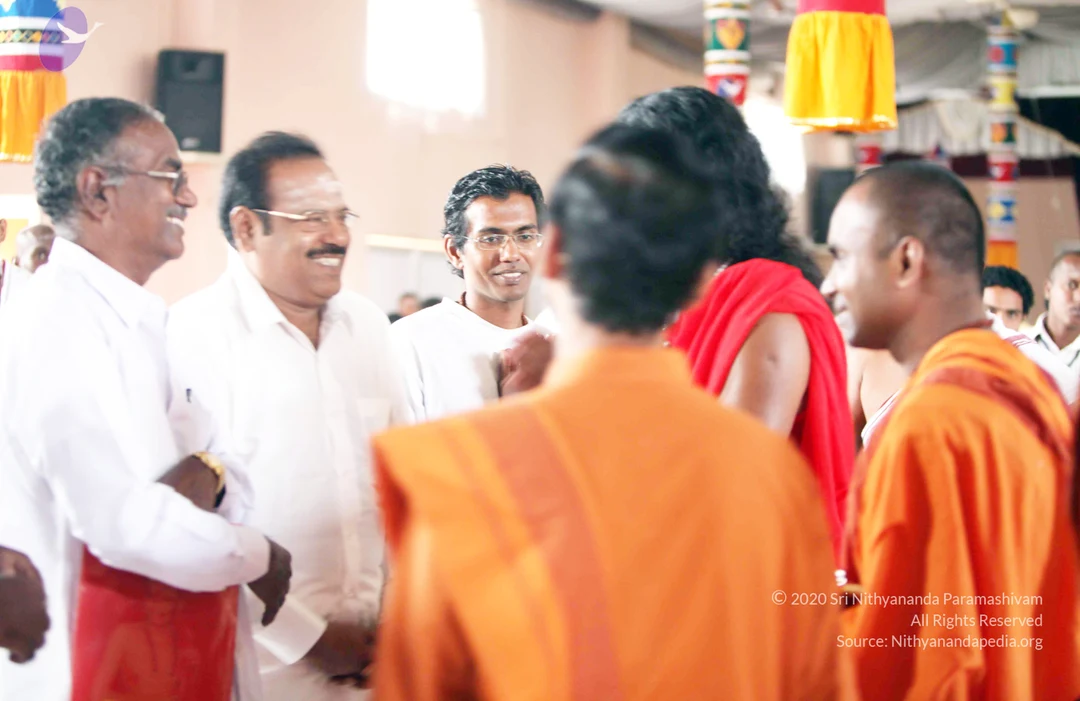
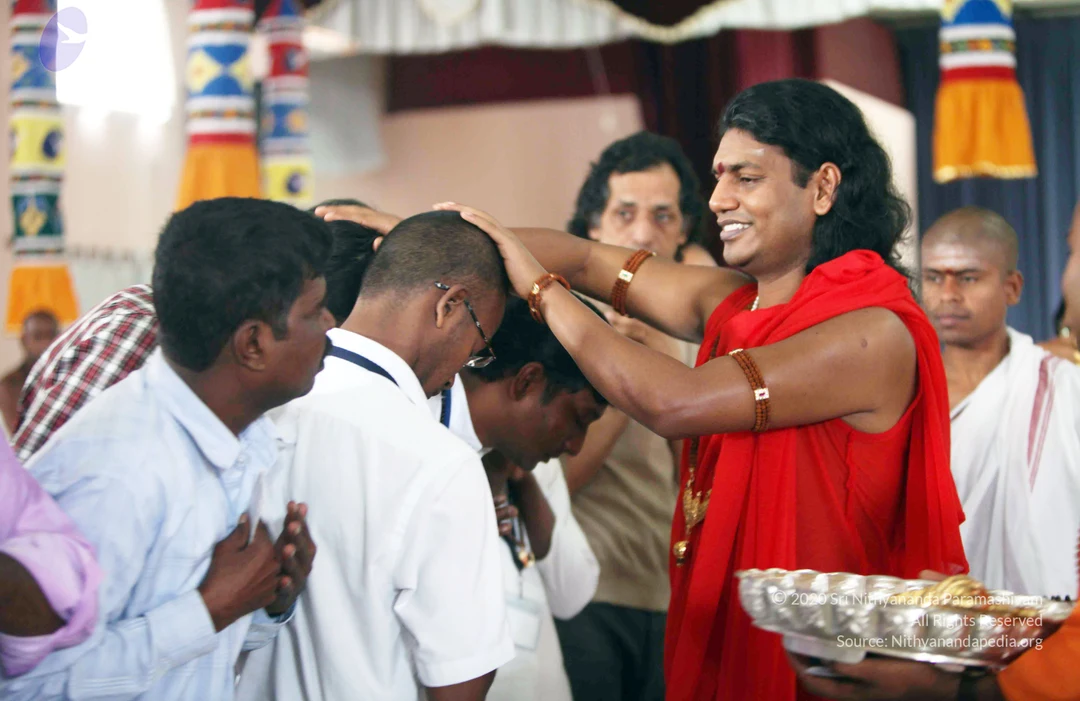
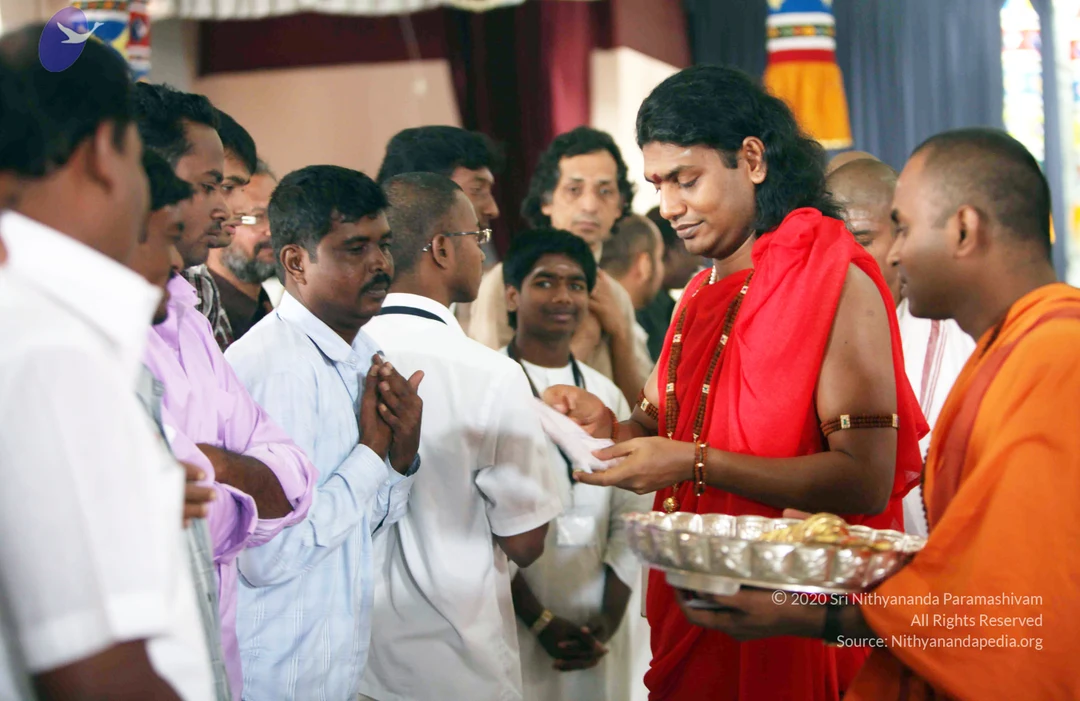
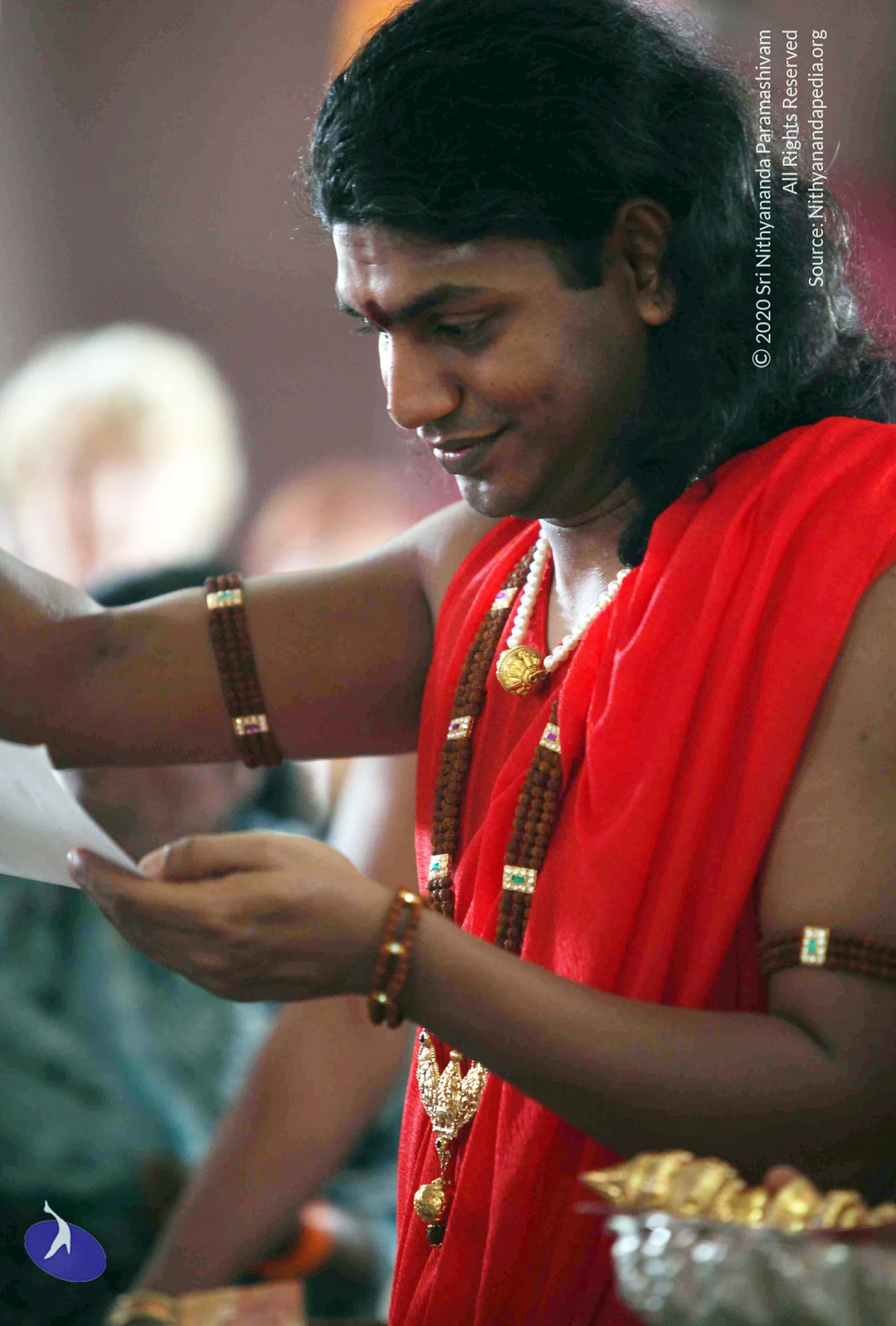
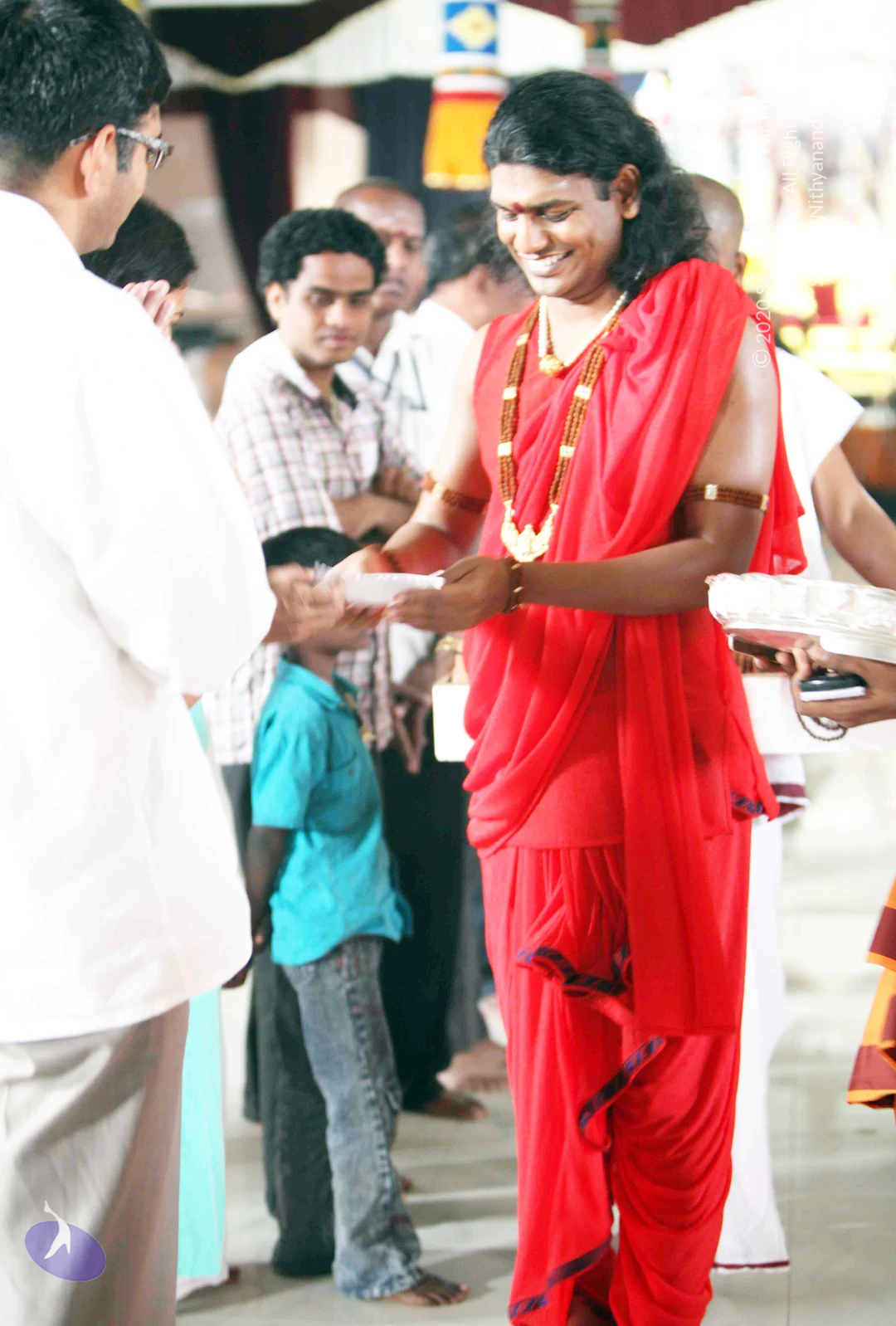
Photos Of The Day:
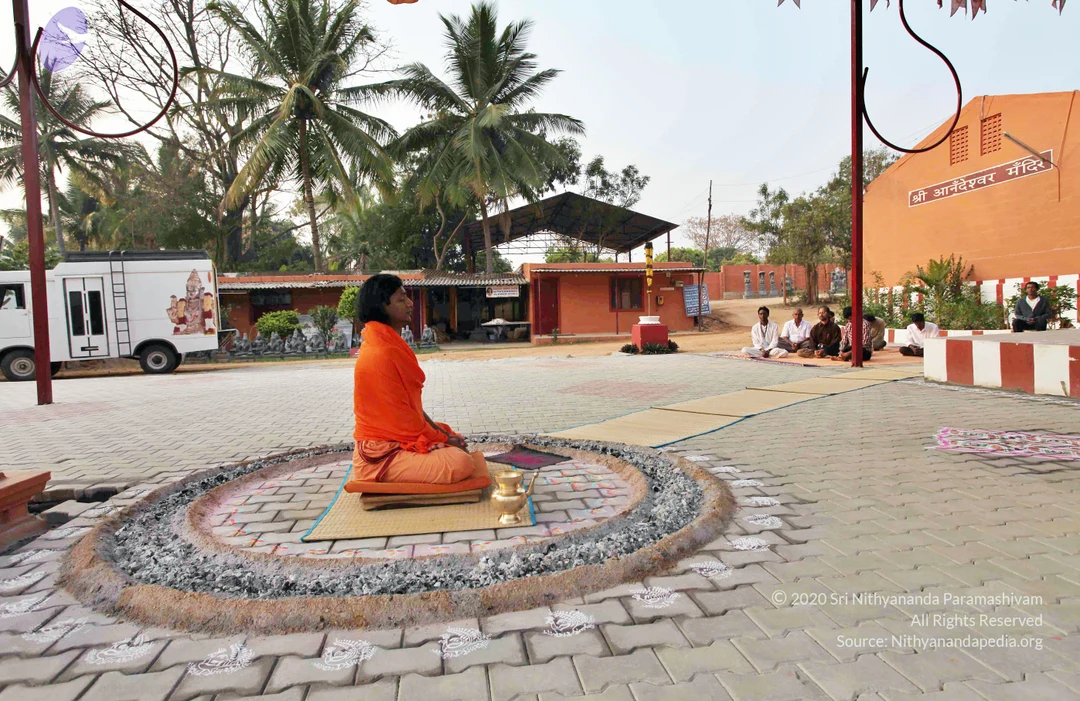
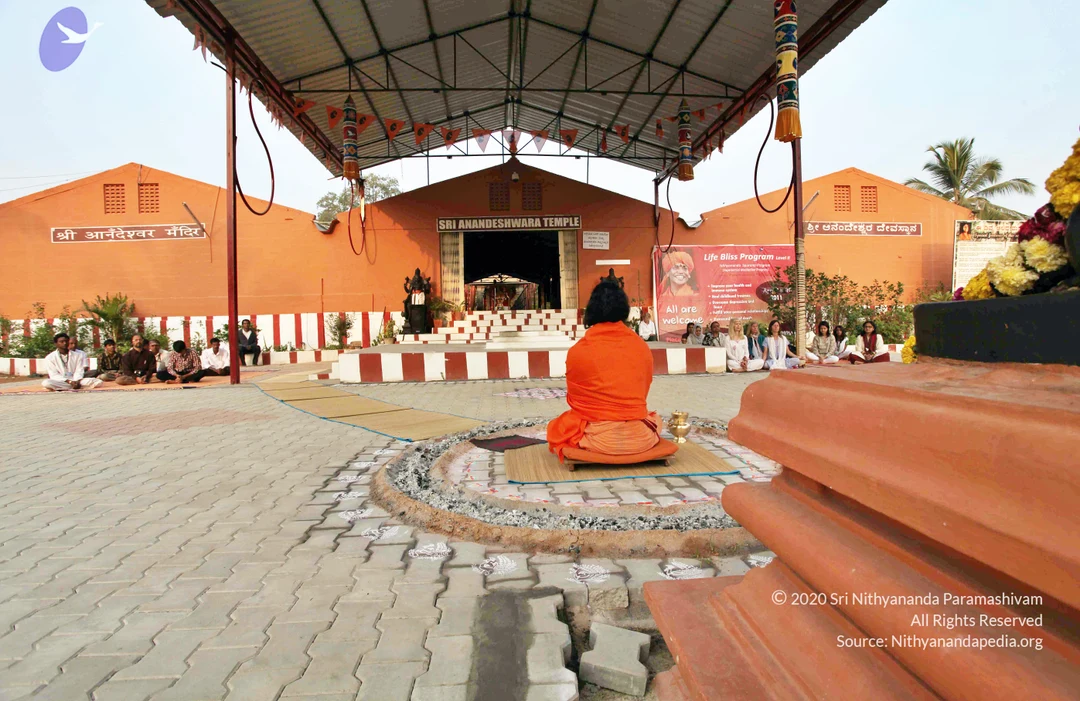
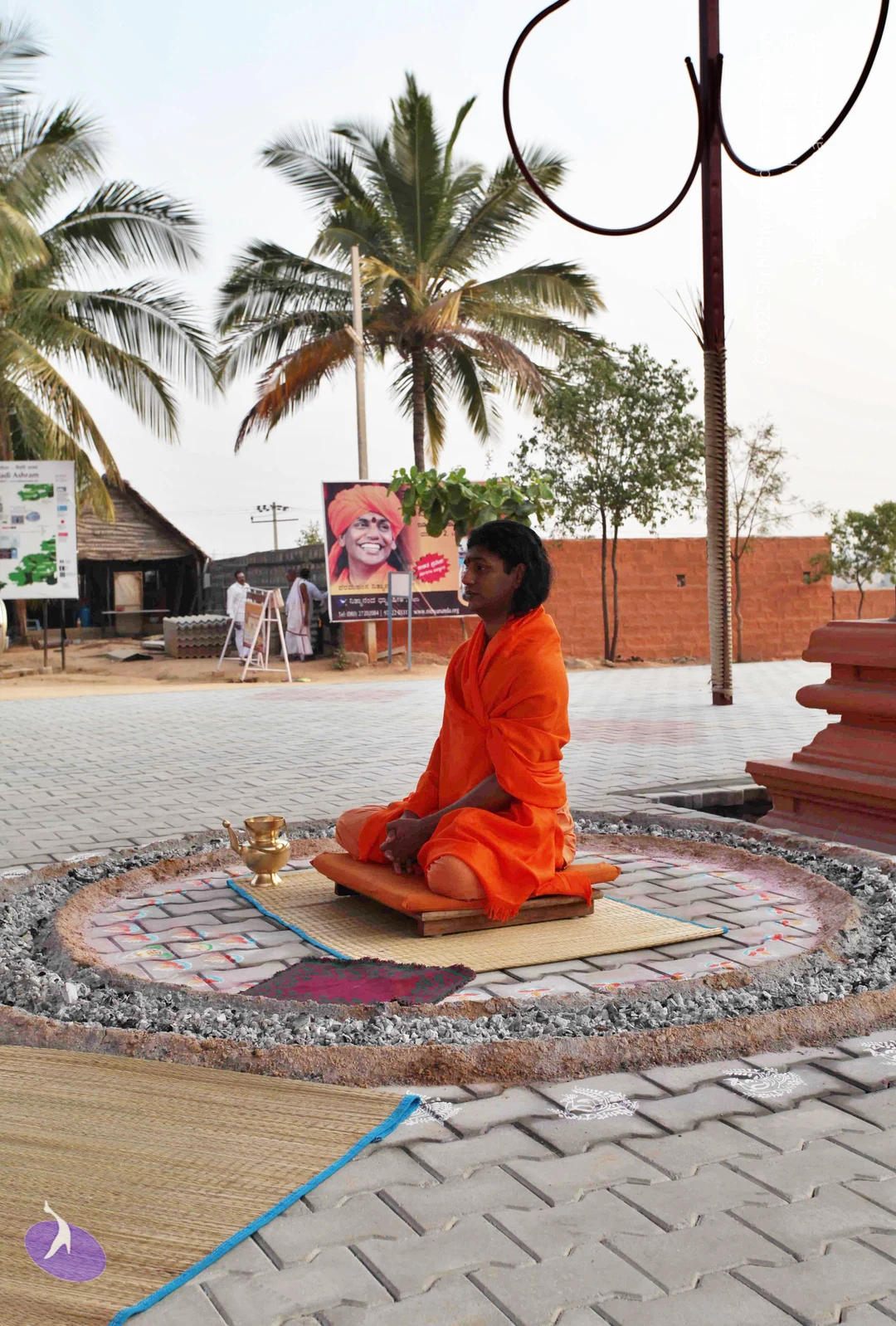
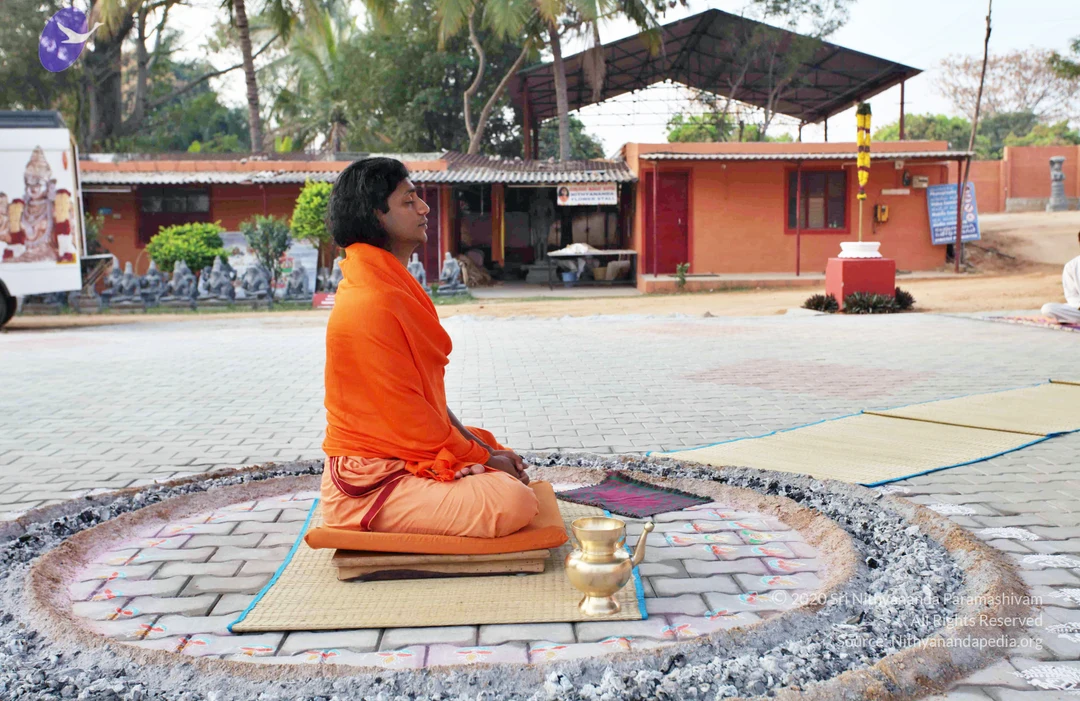
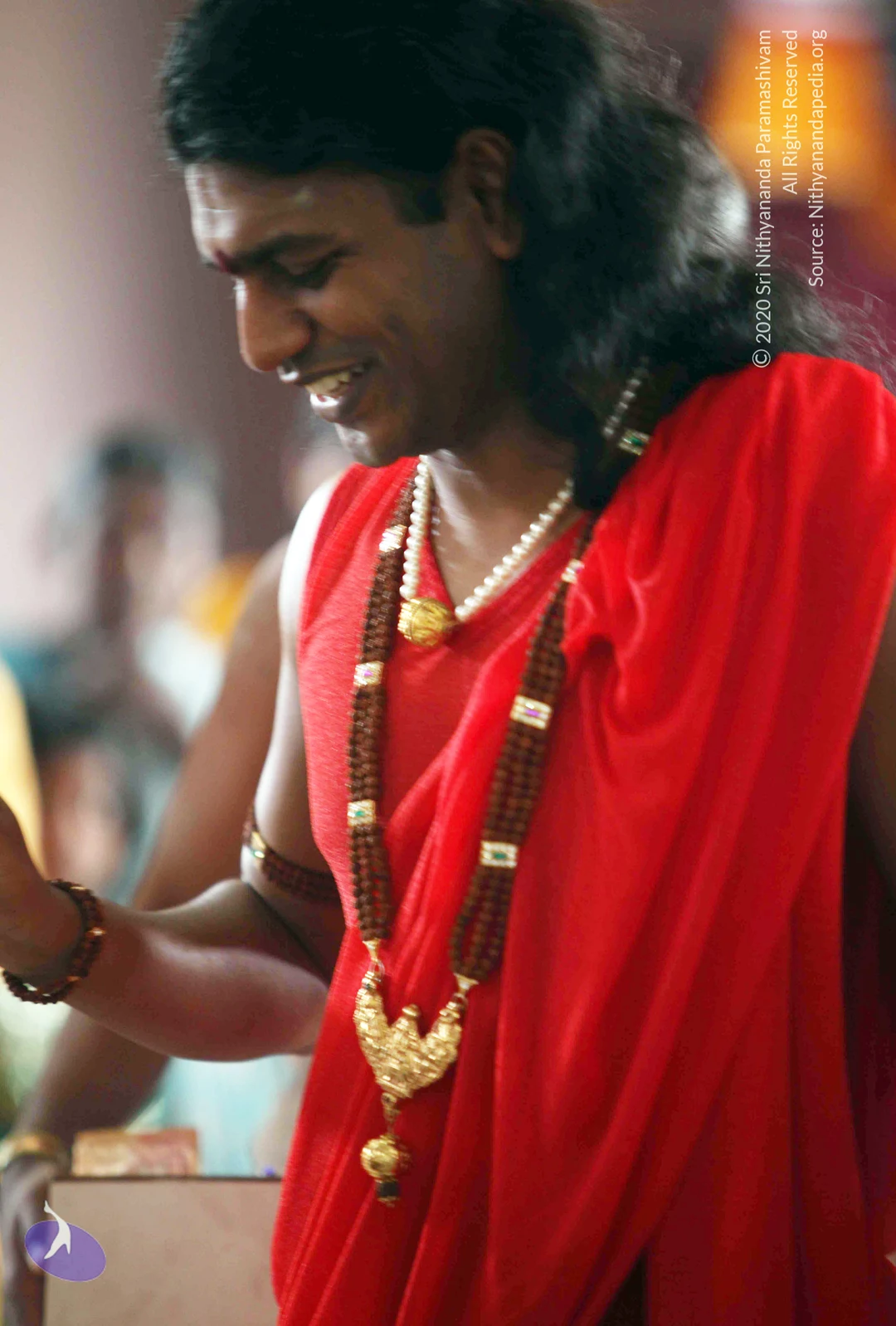
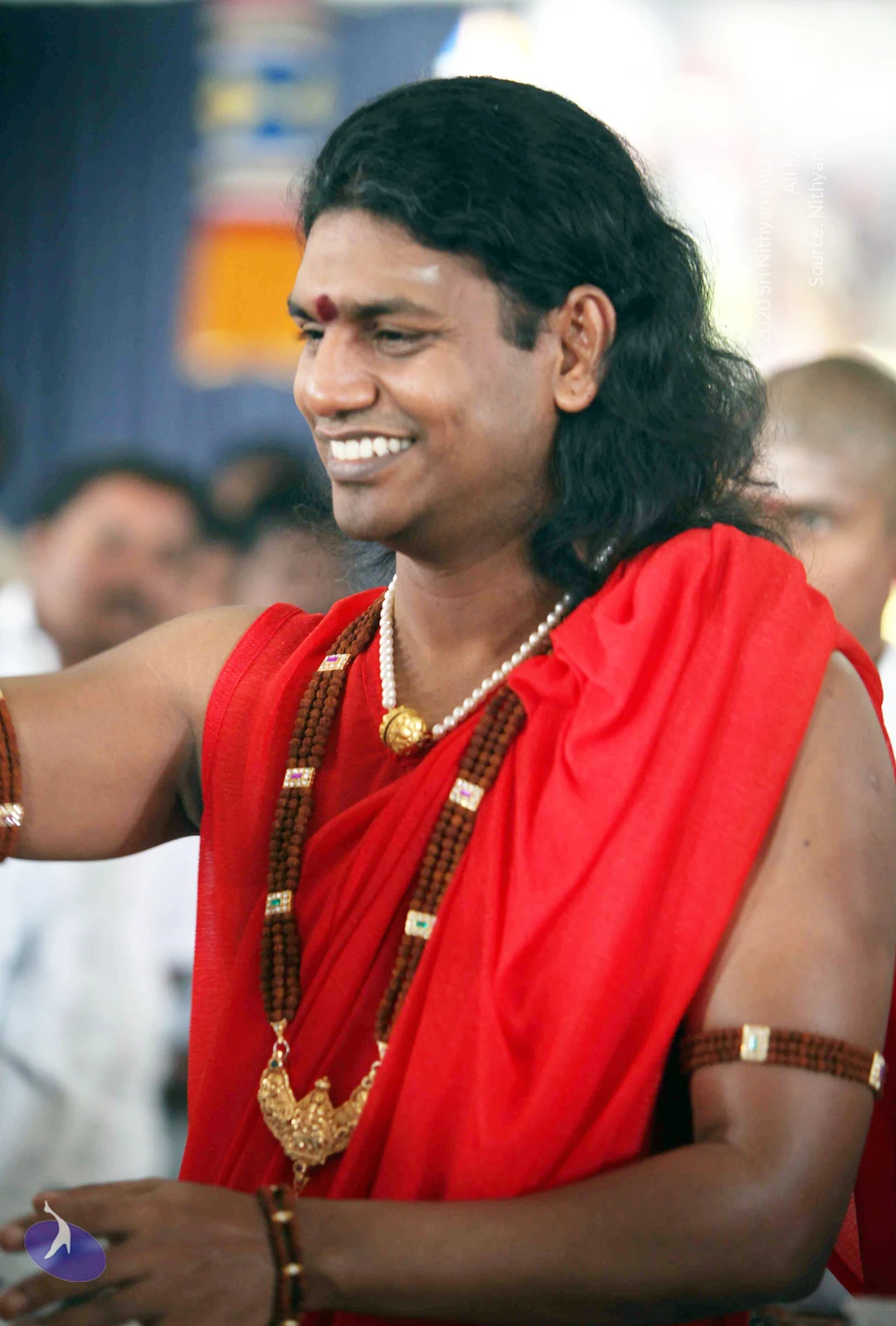
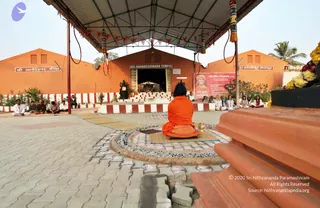
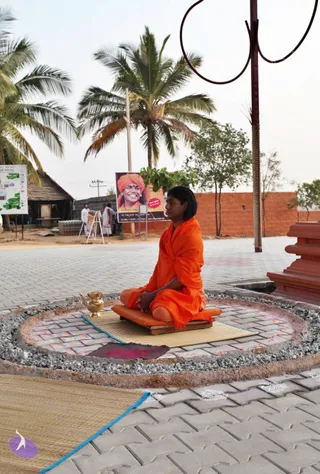
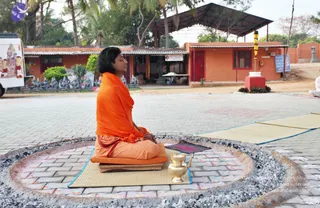
01-Panch-Tapas
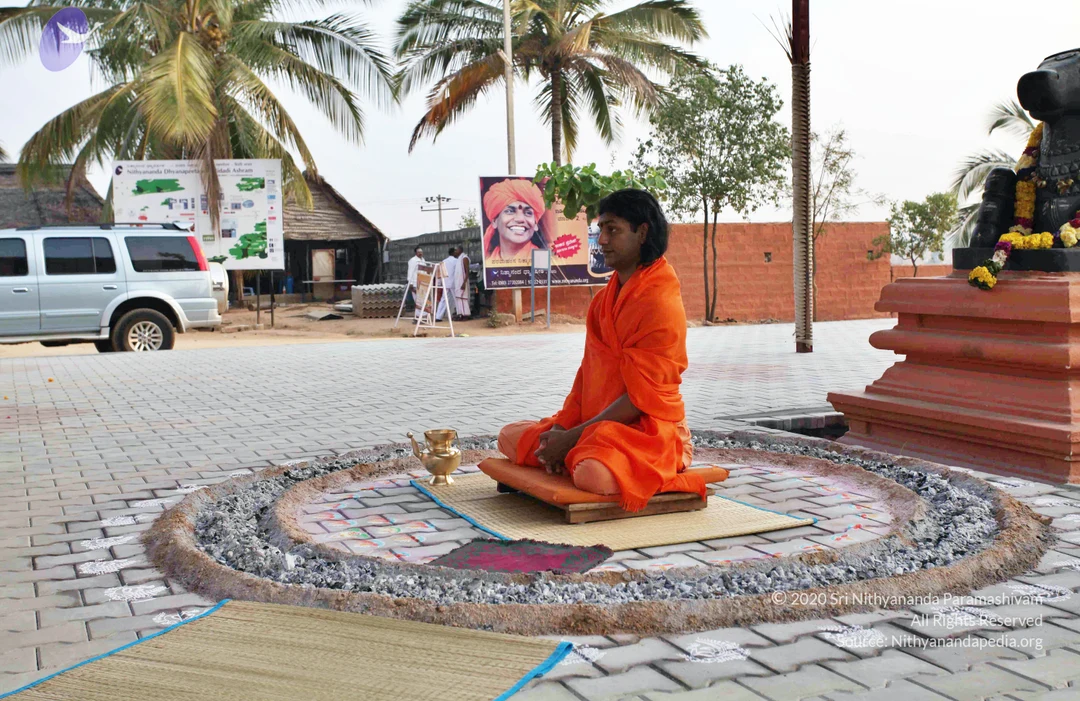
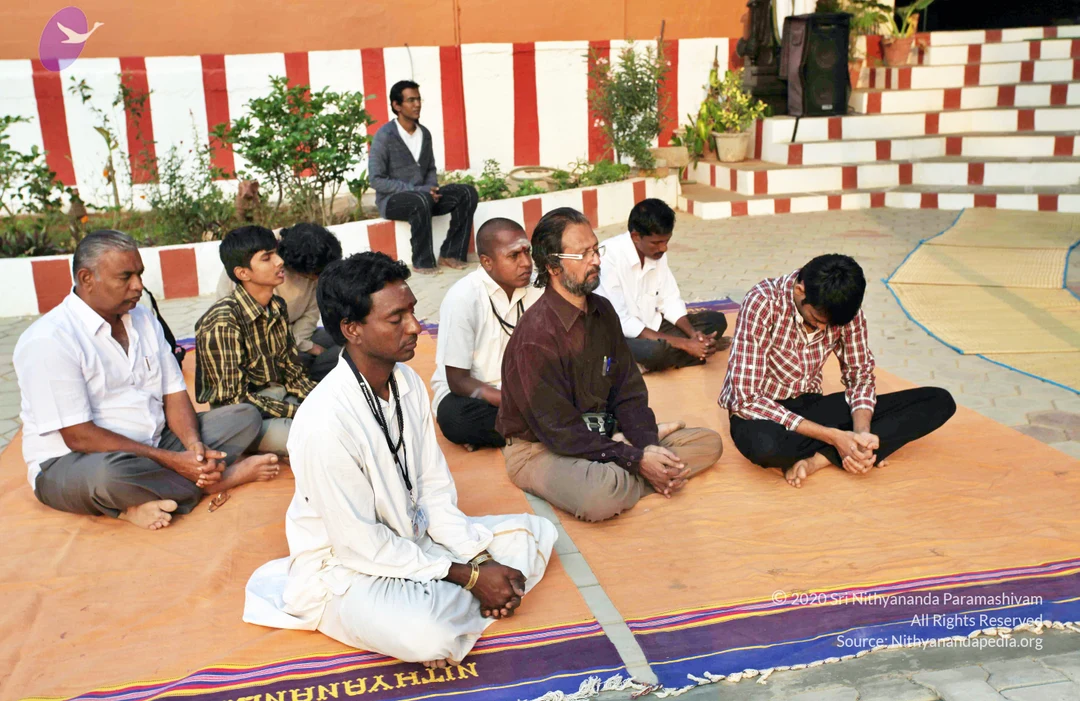
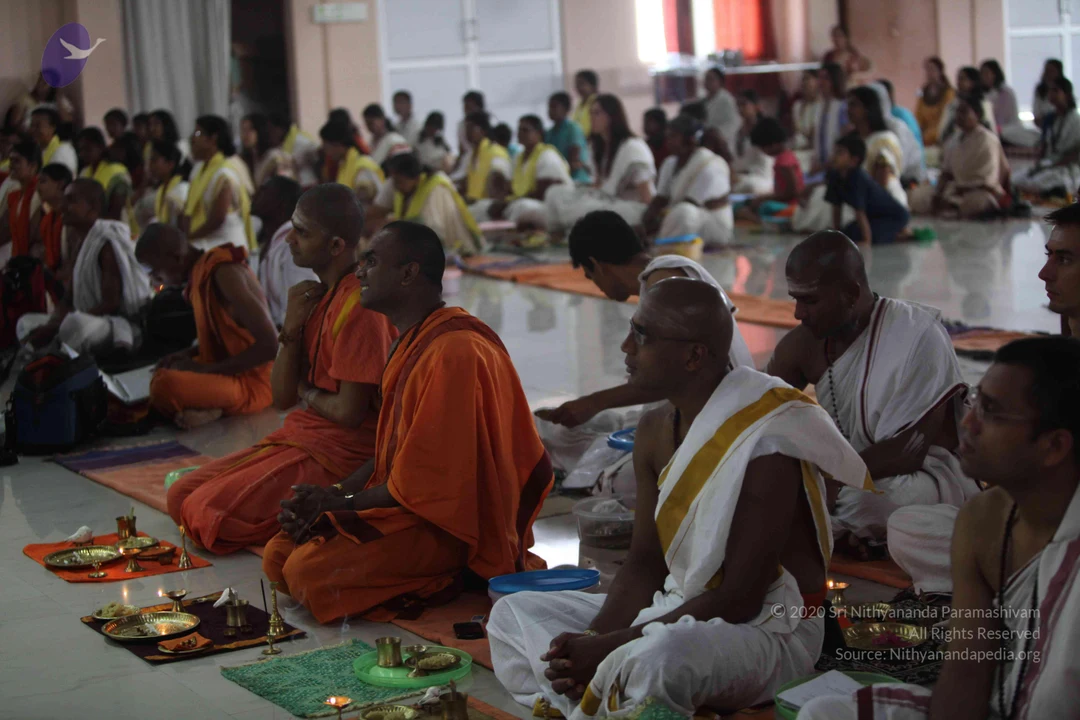
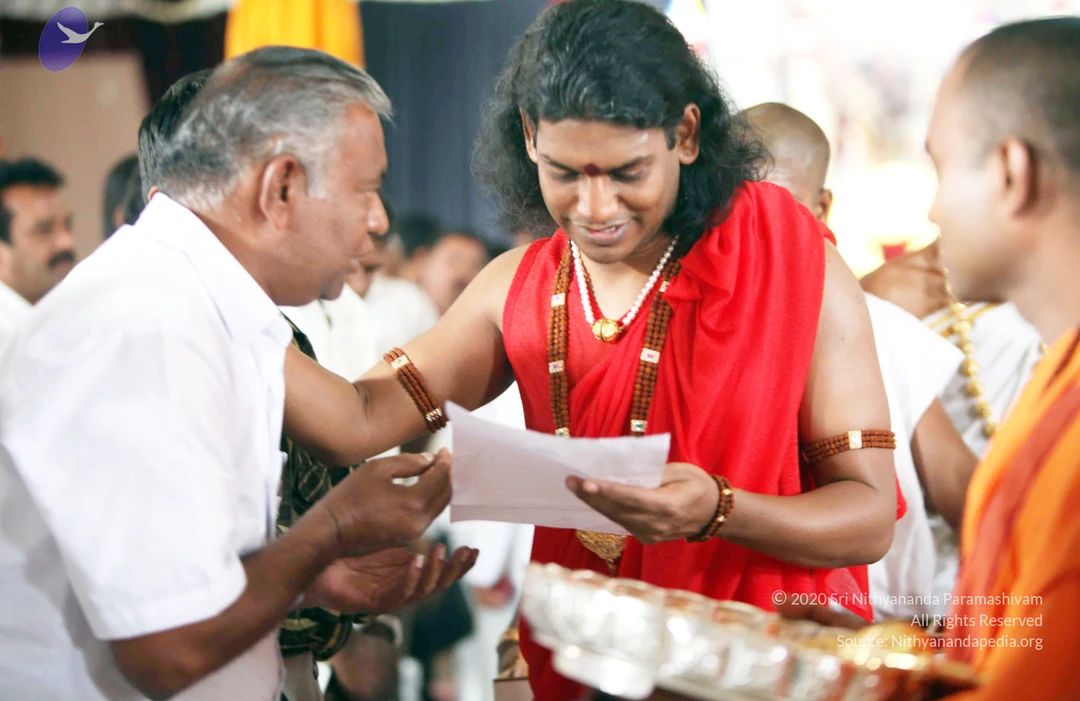
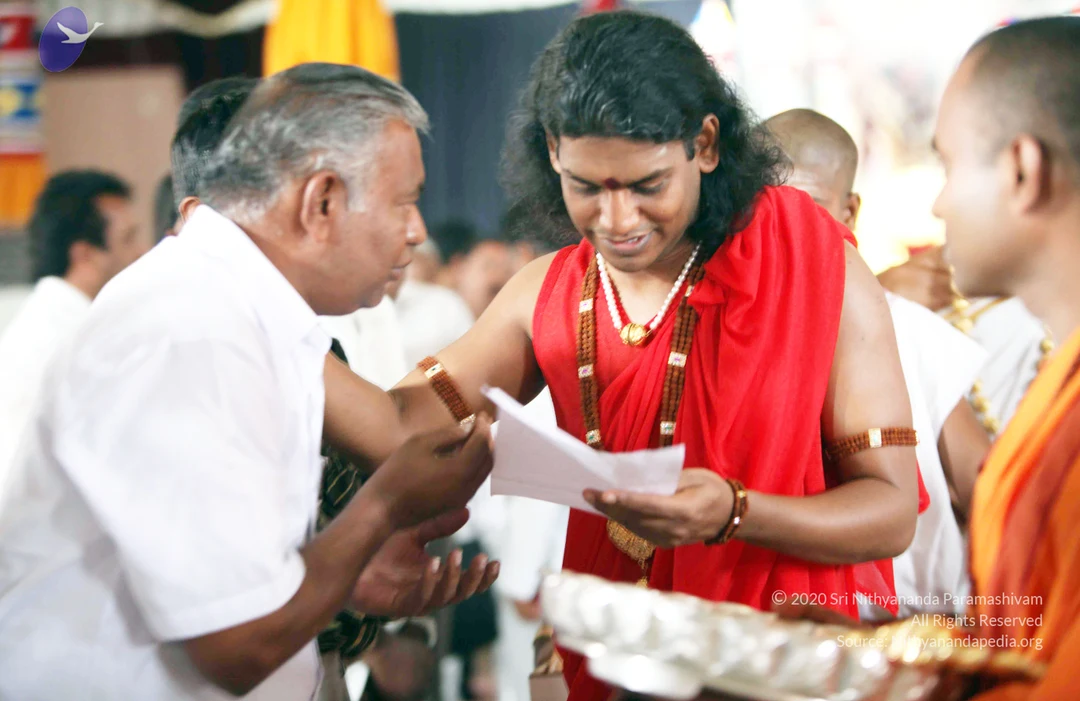
02-Pada-Puja
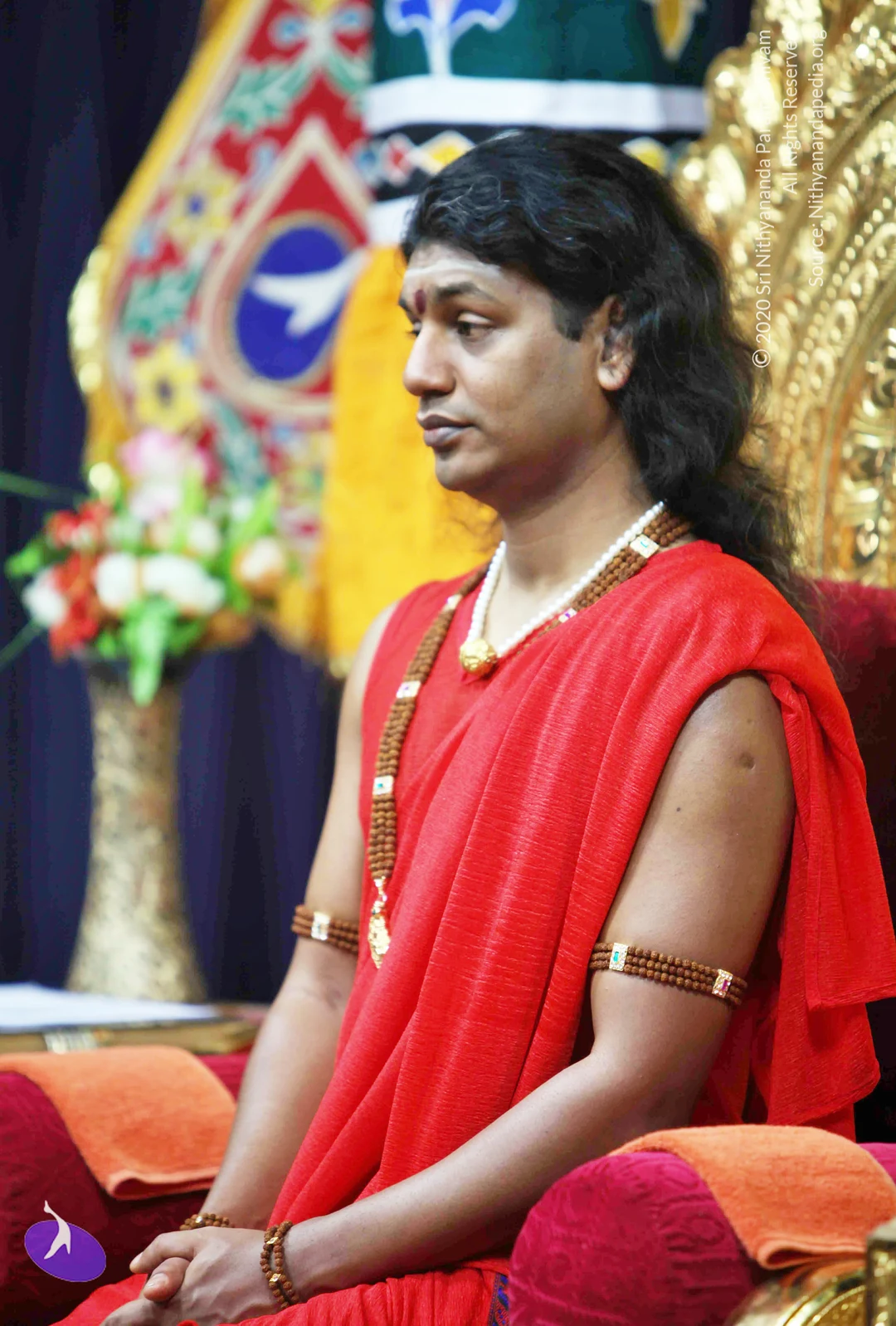
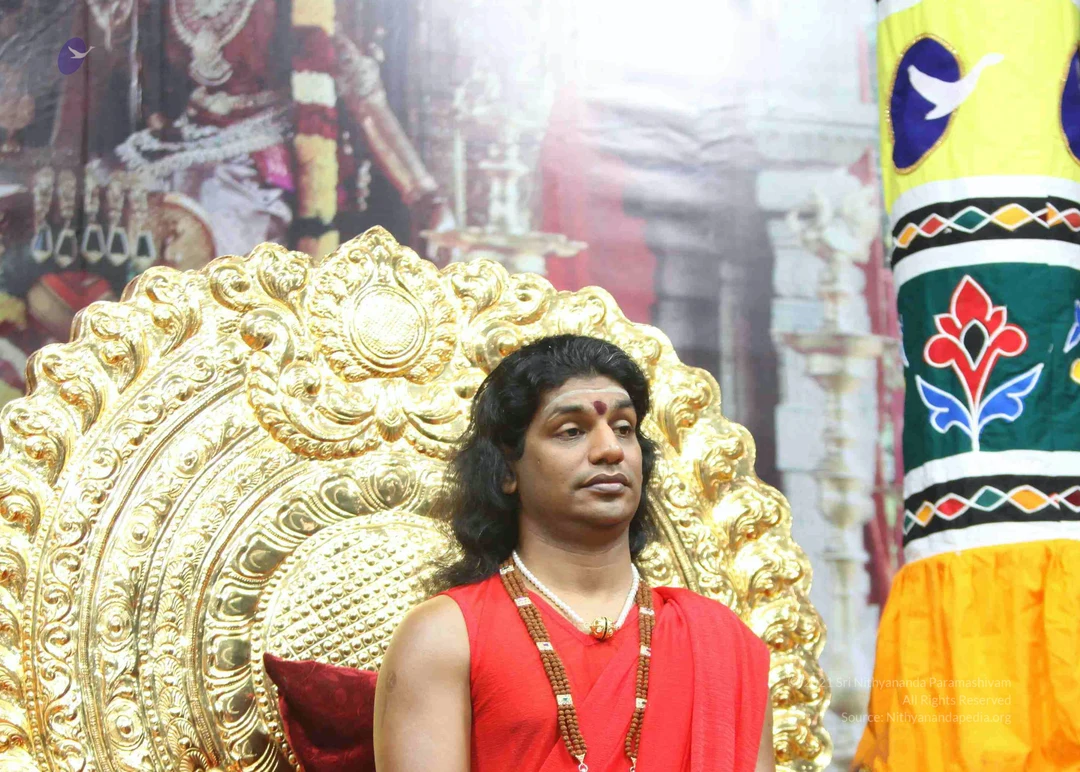
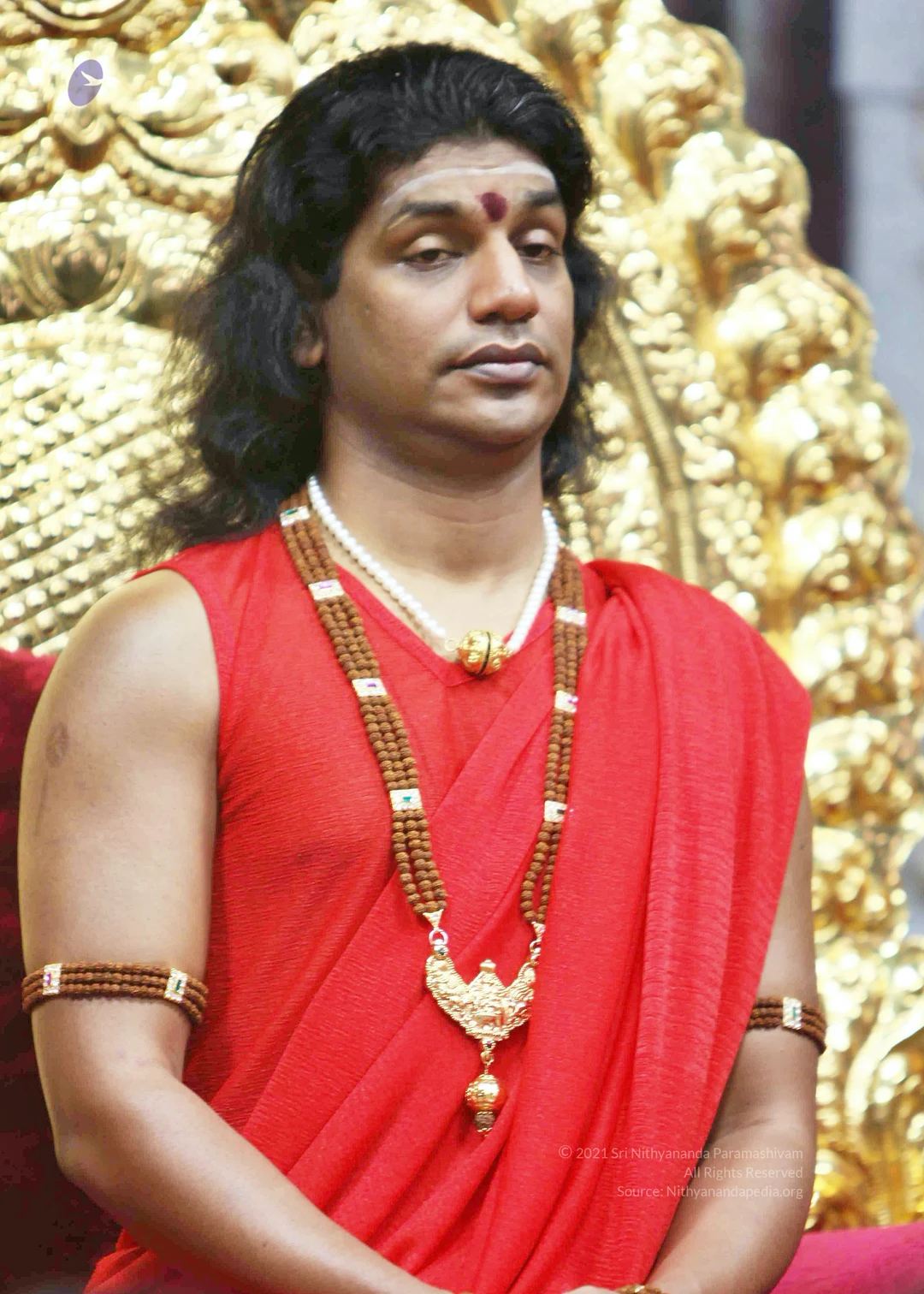
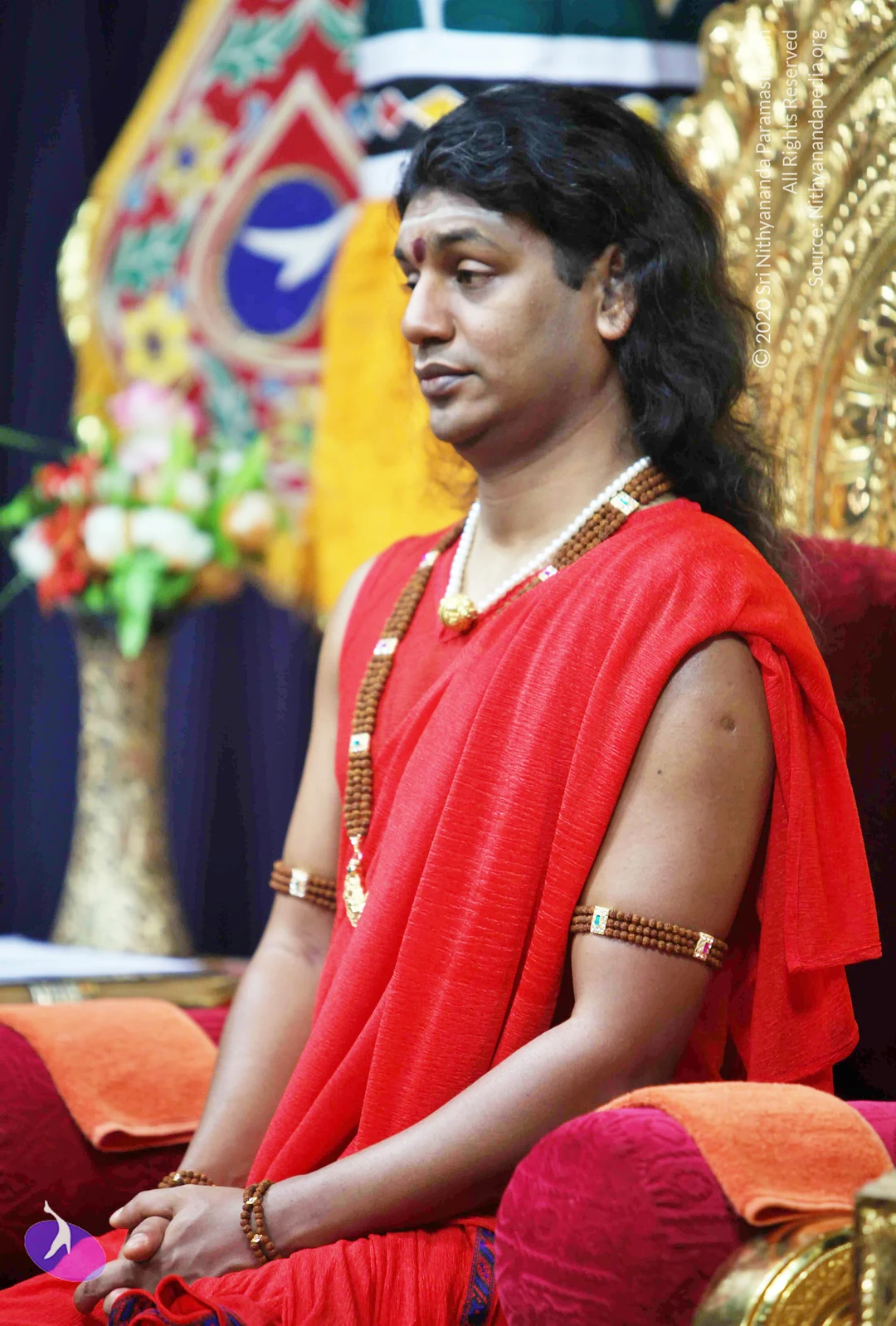
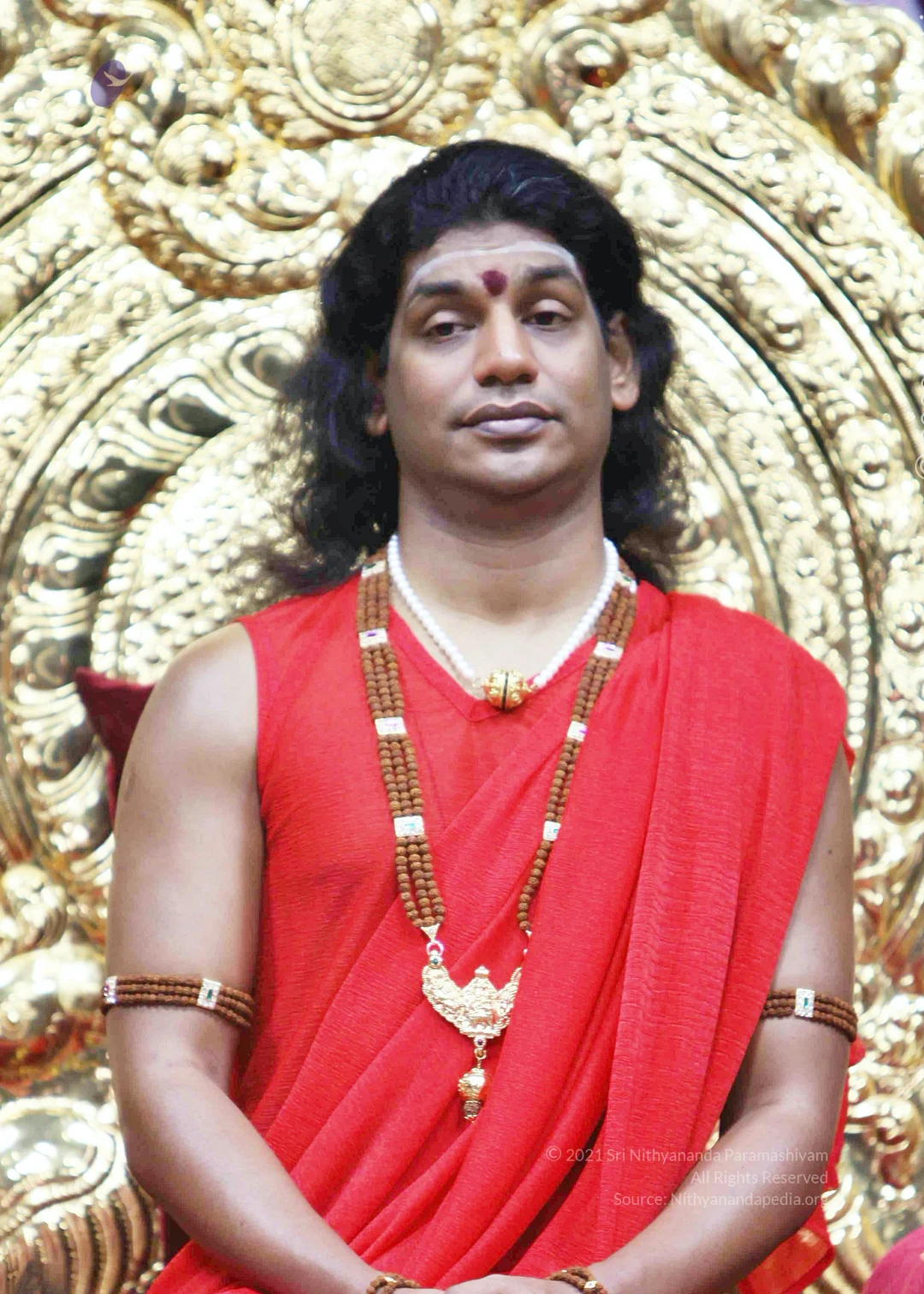
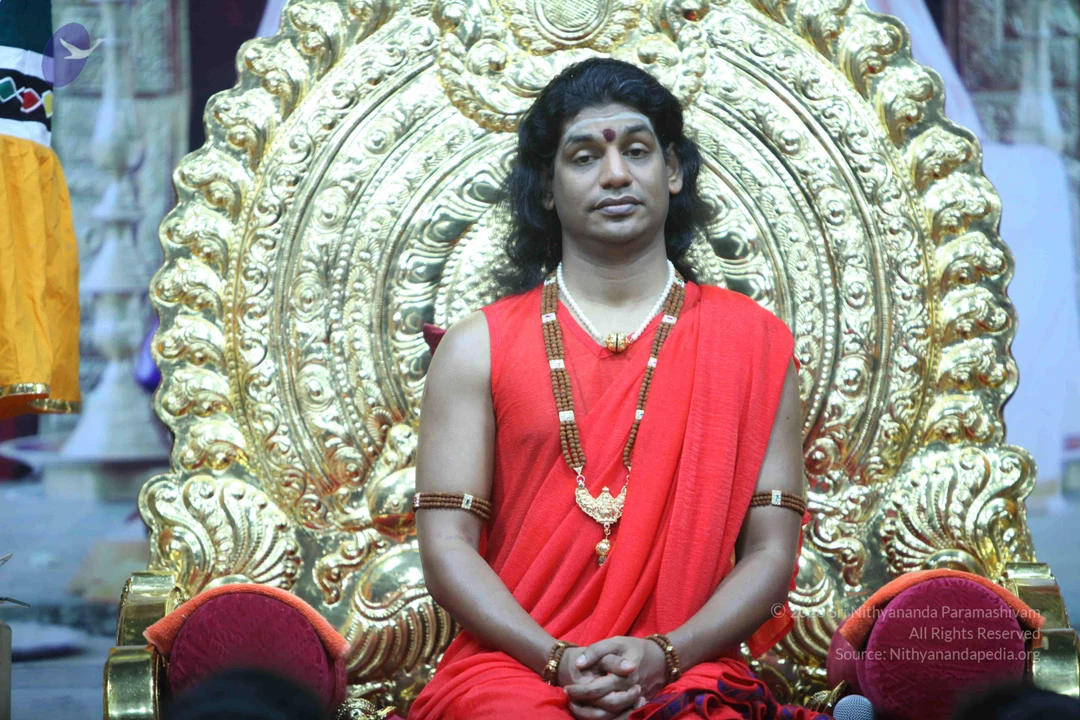
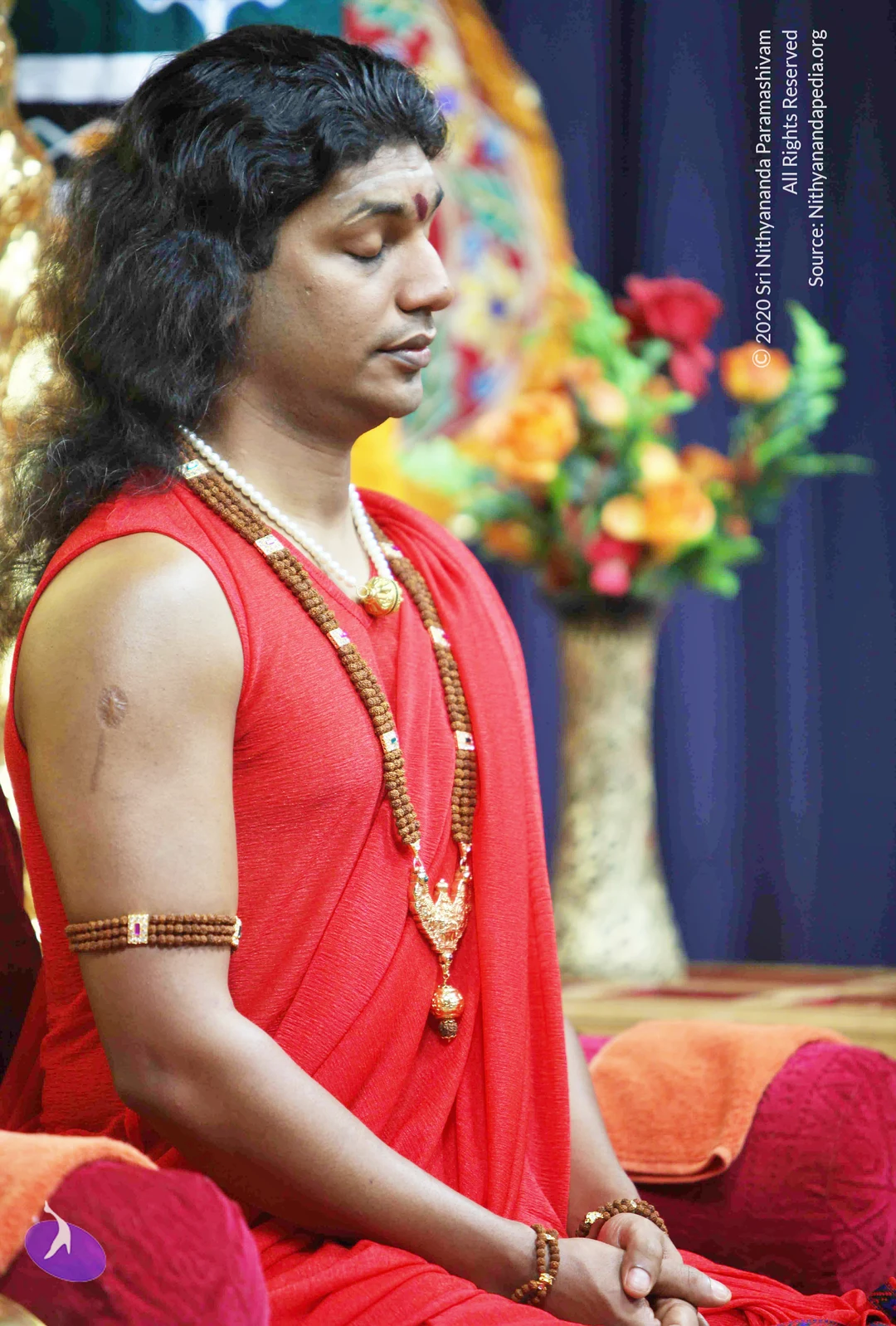
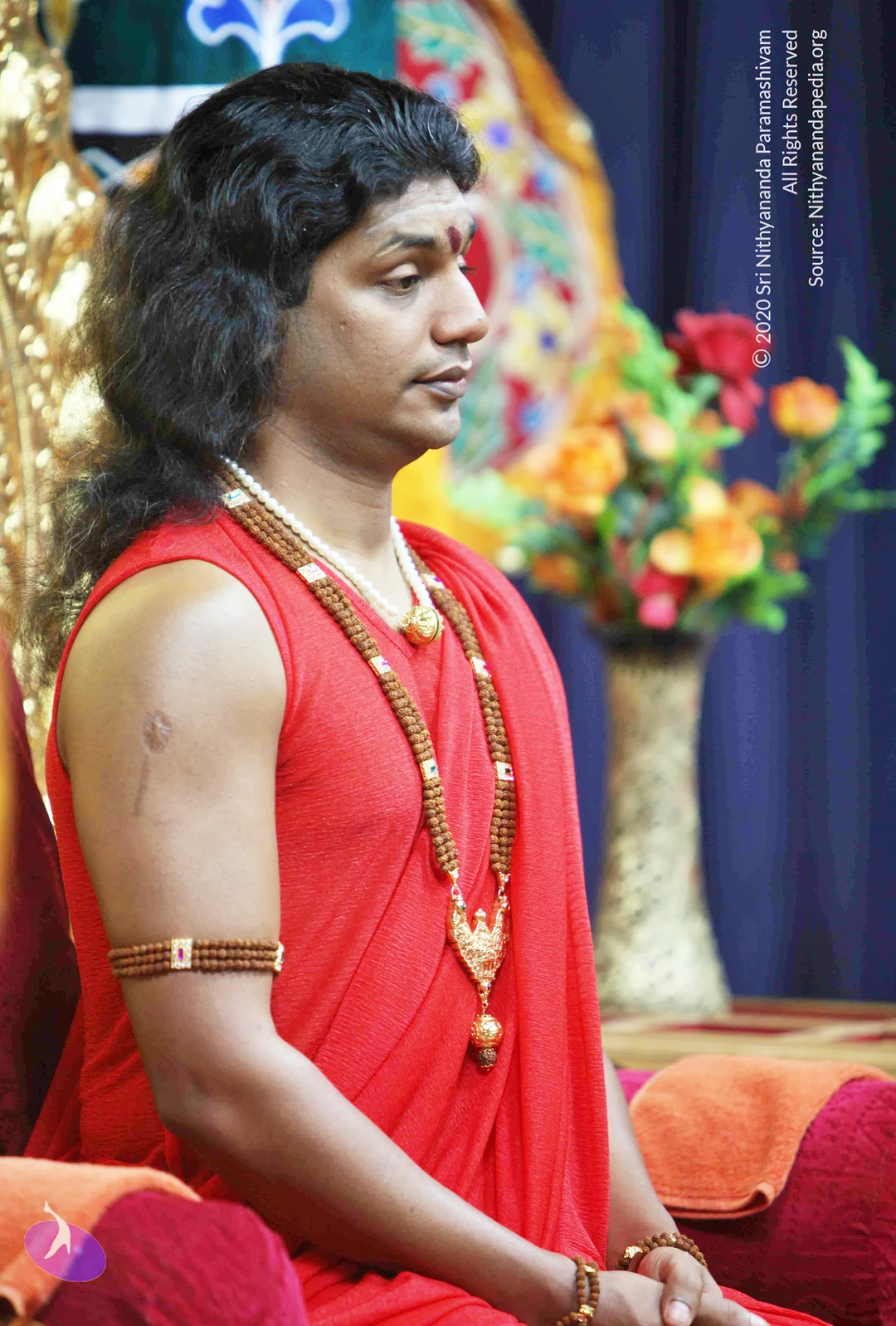
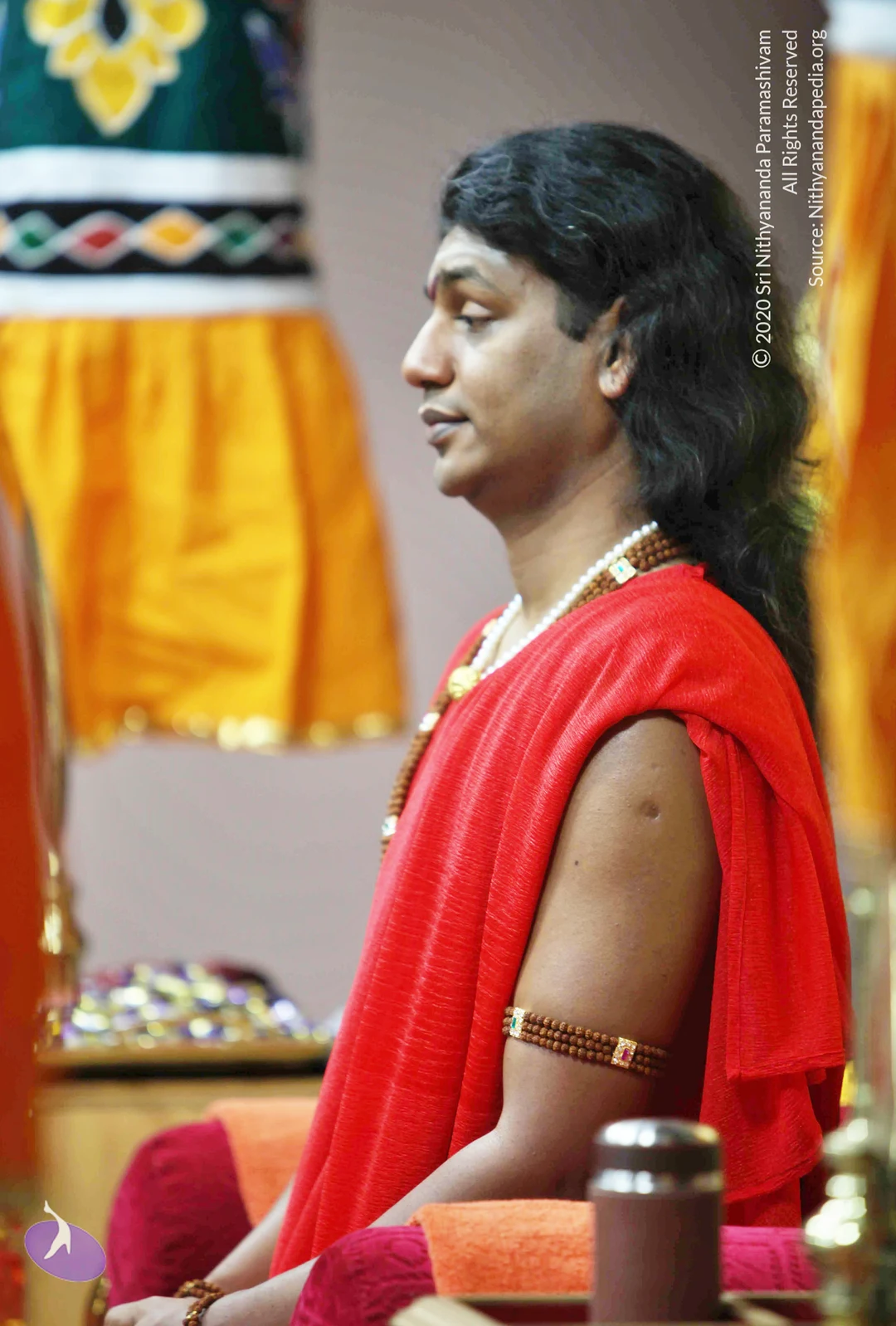
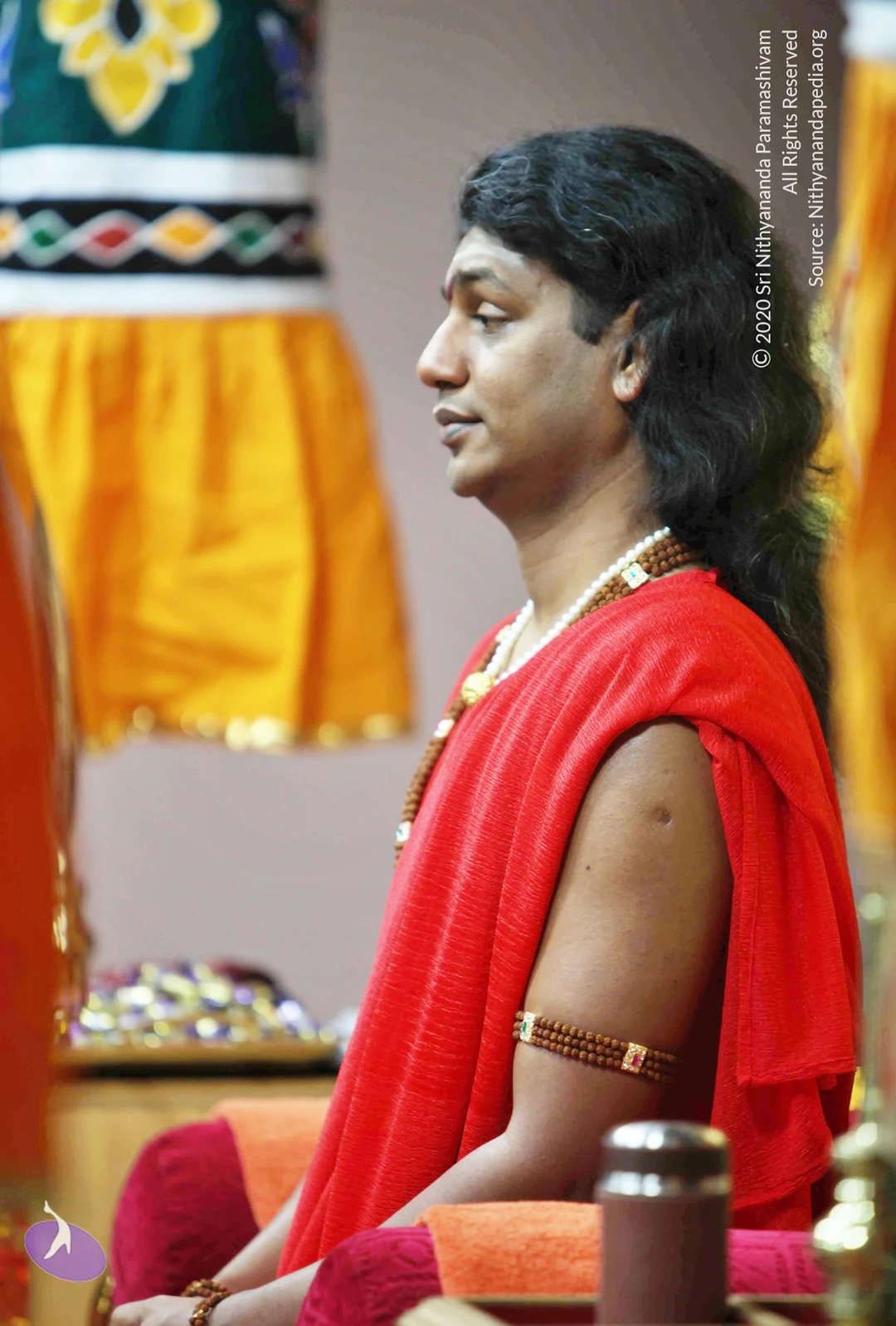
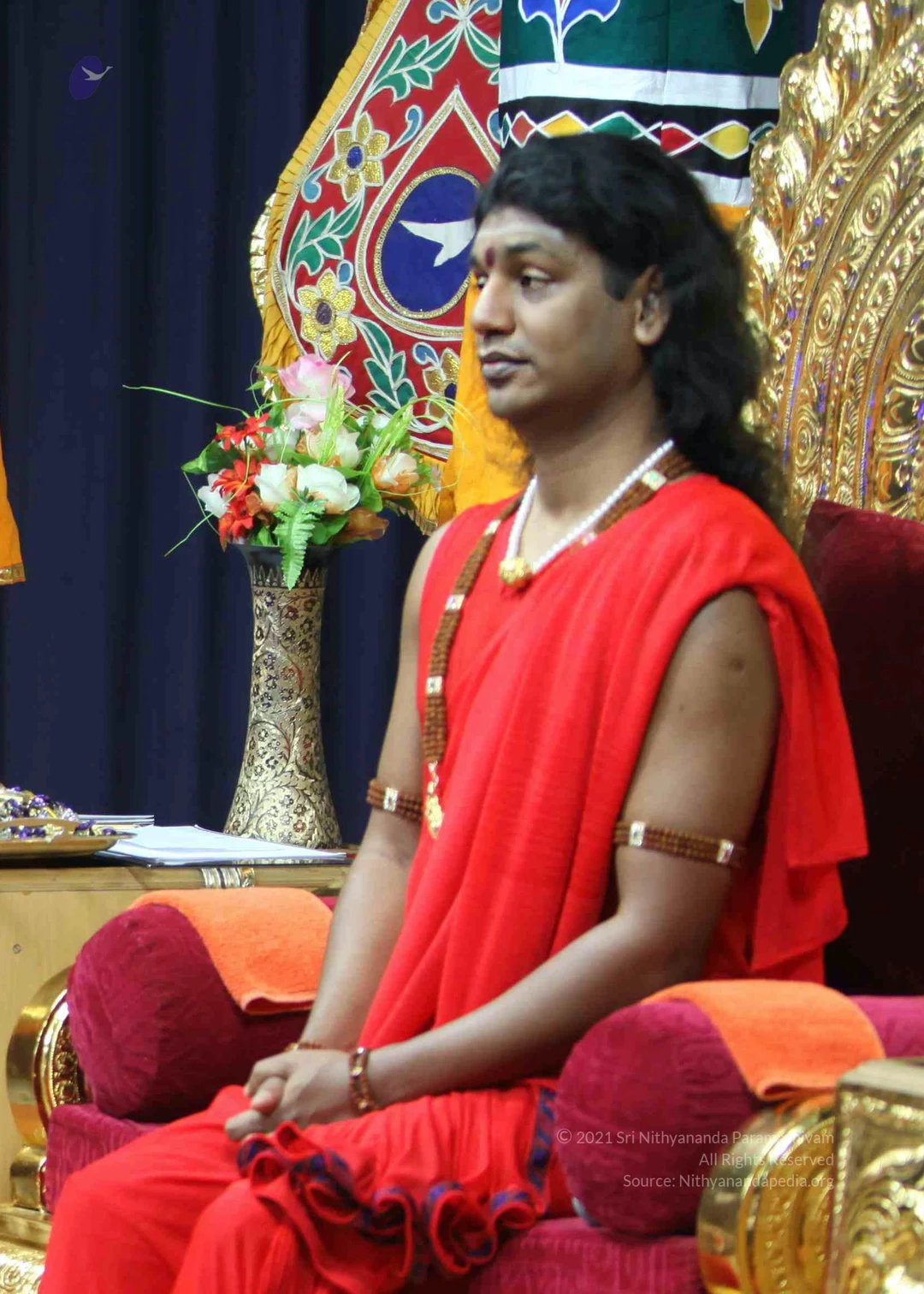
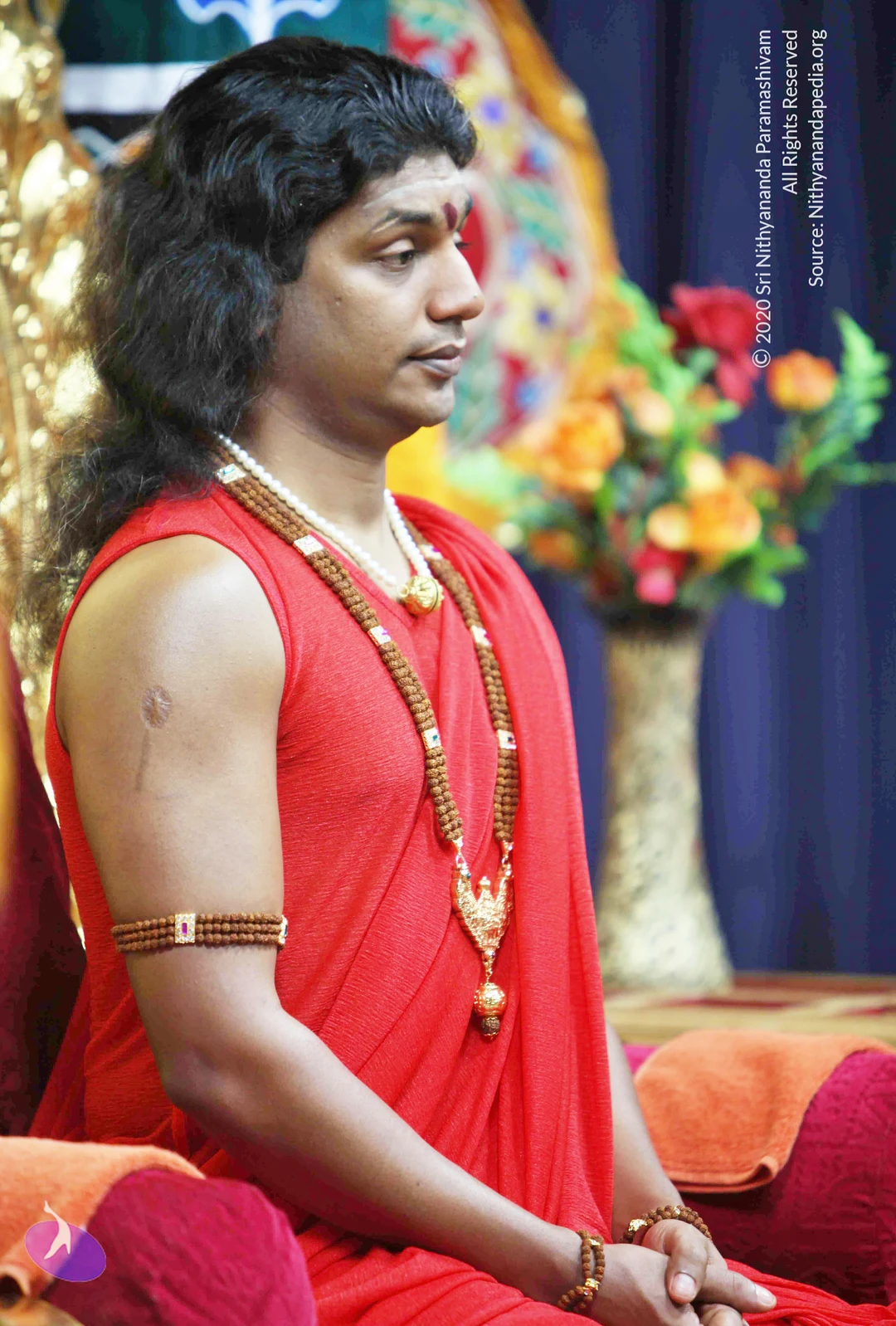
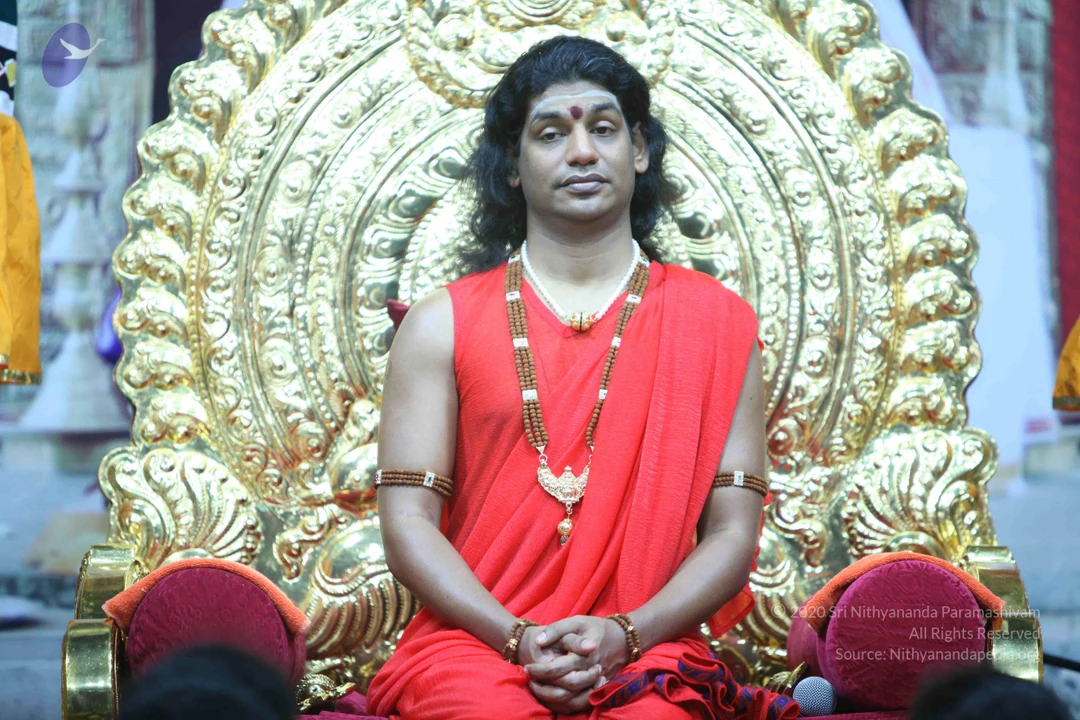
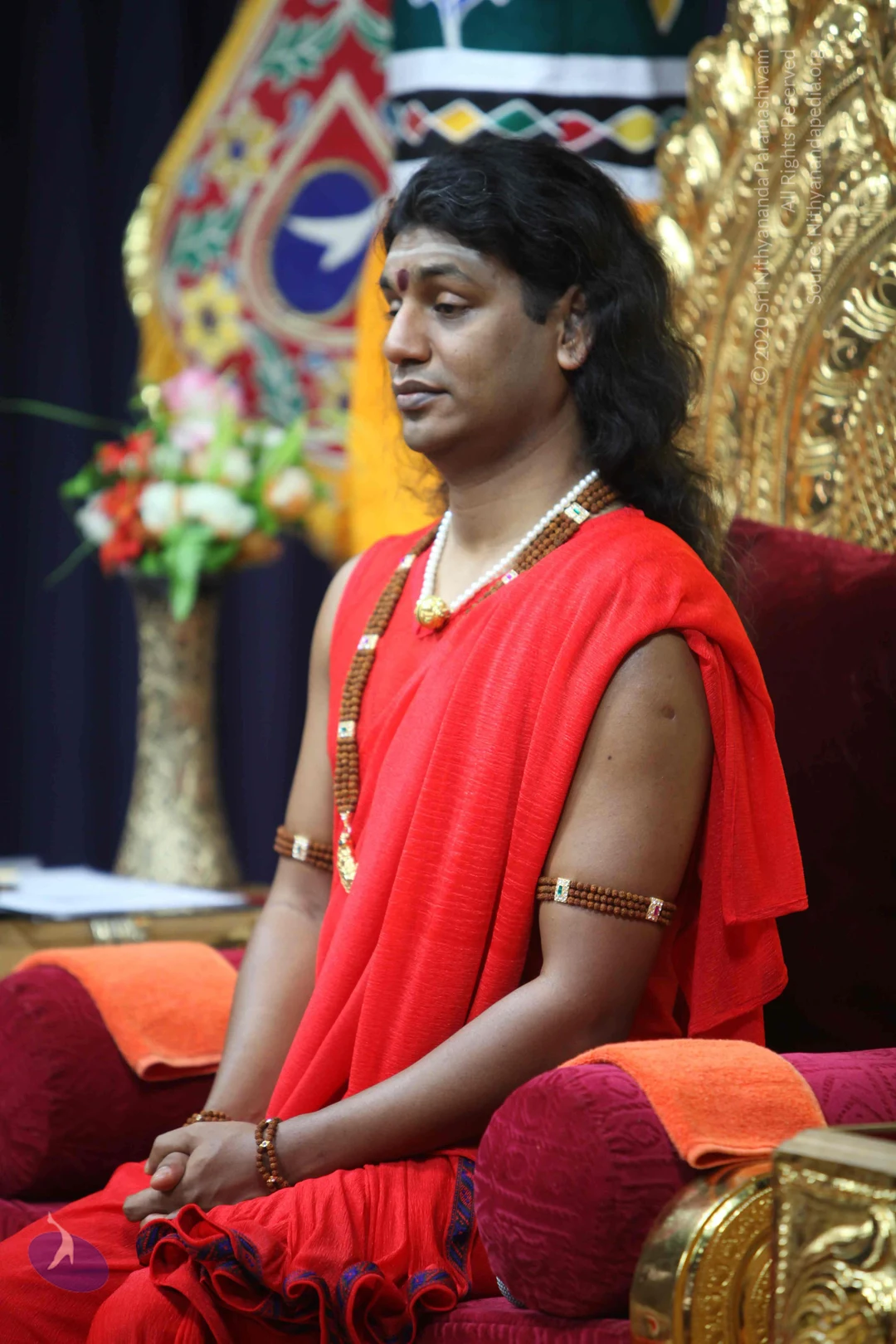
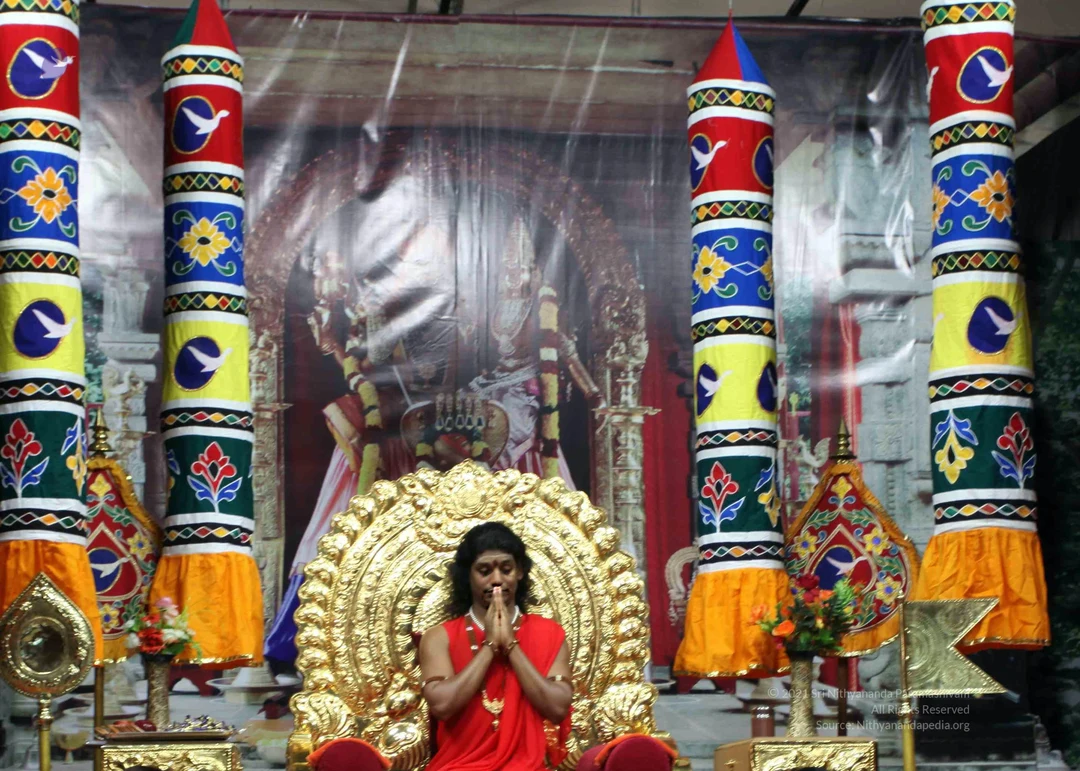
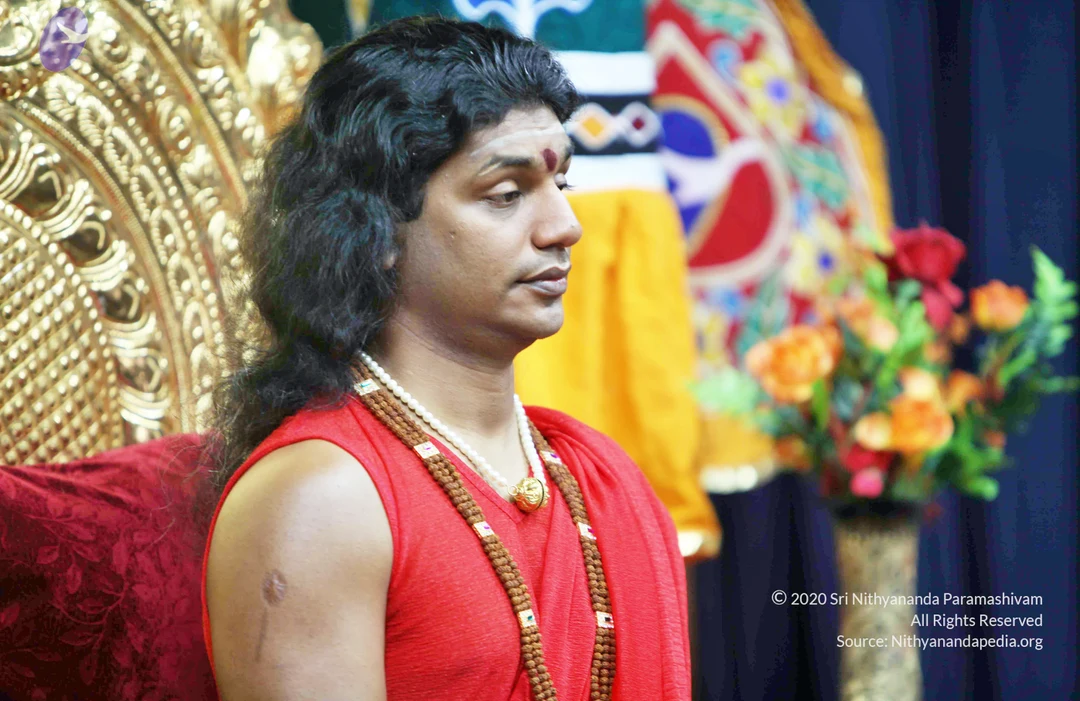
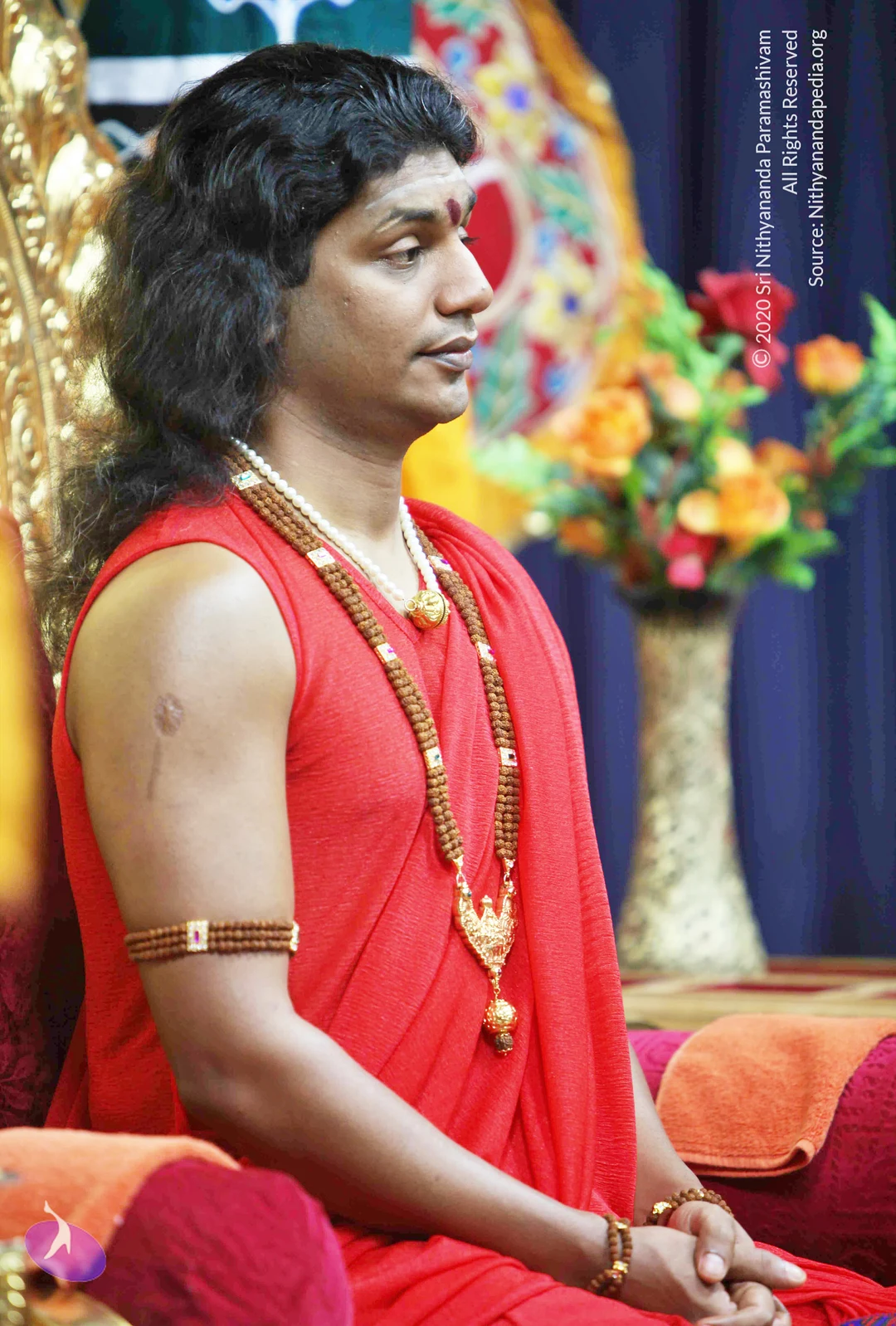
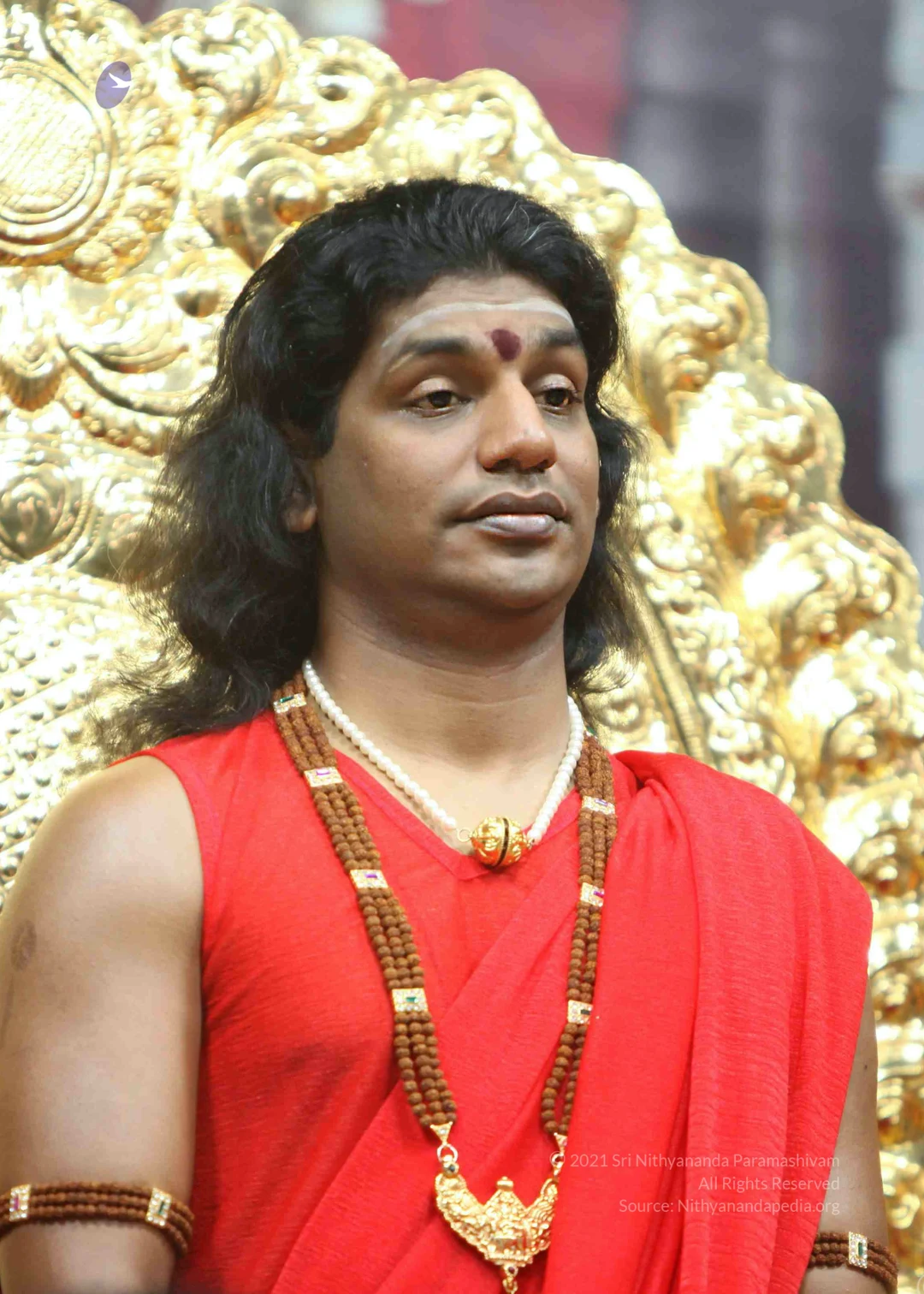
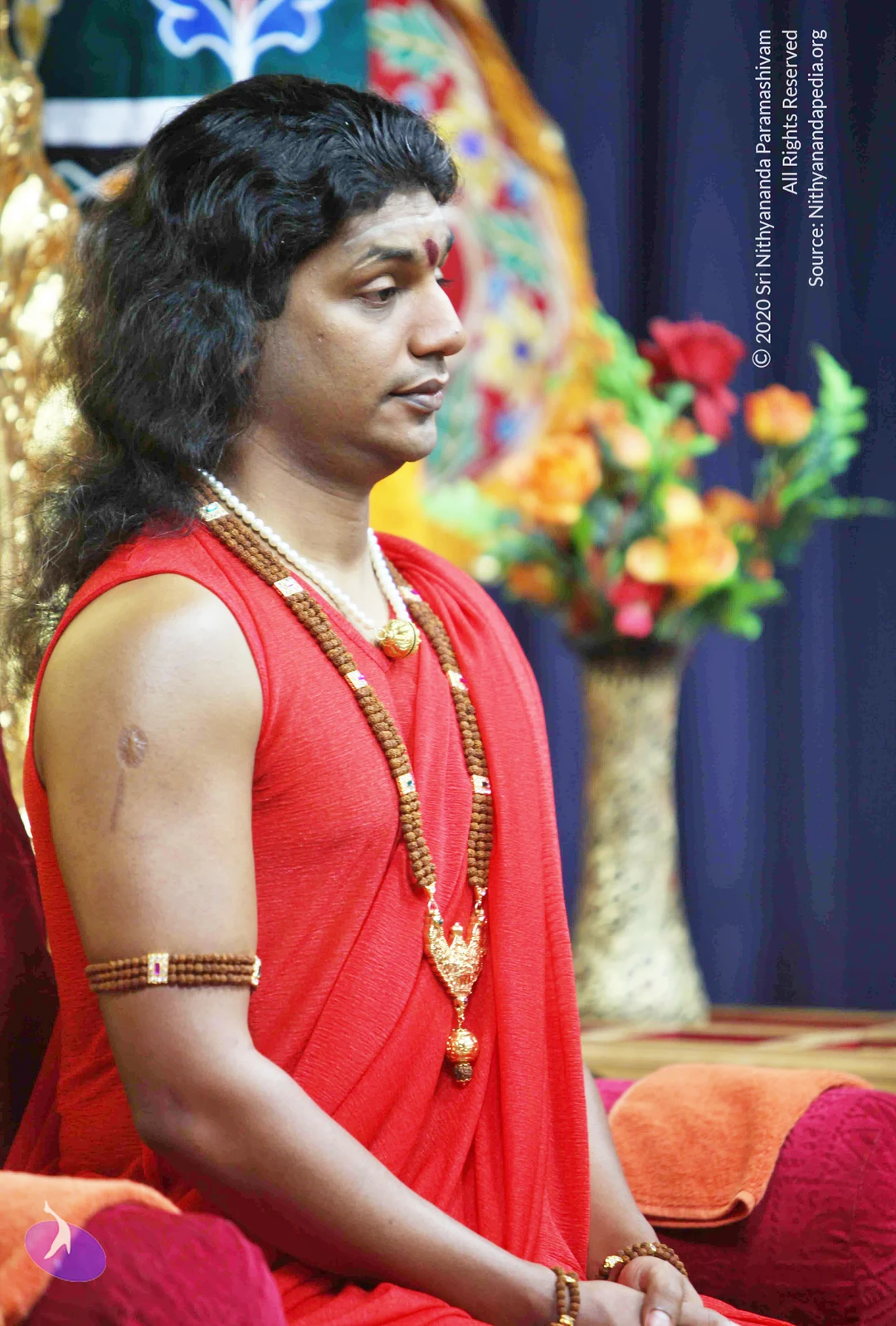
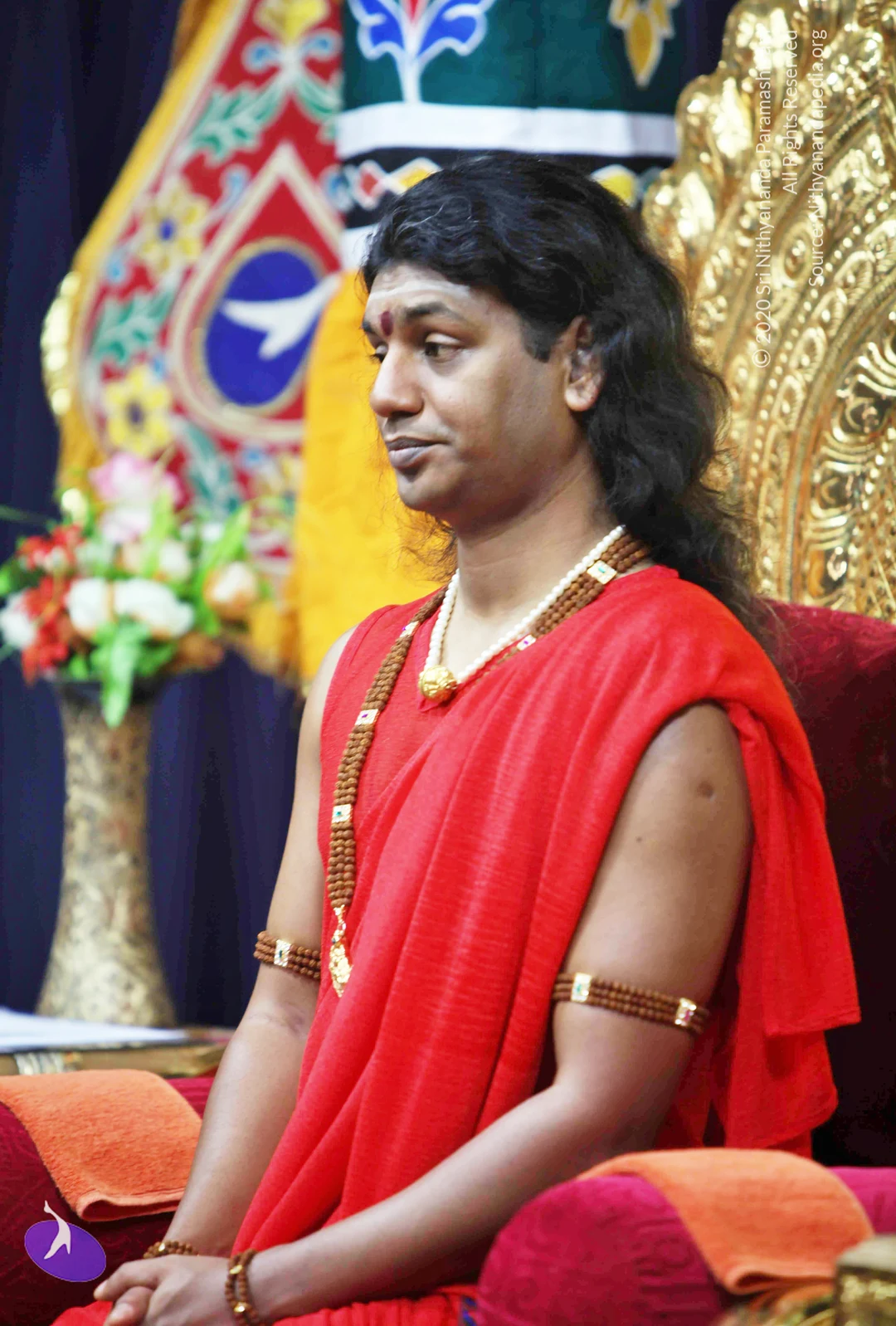
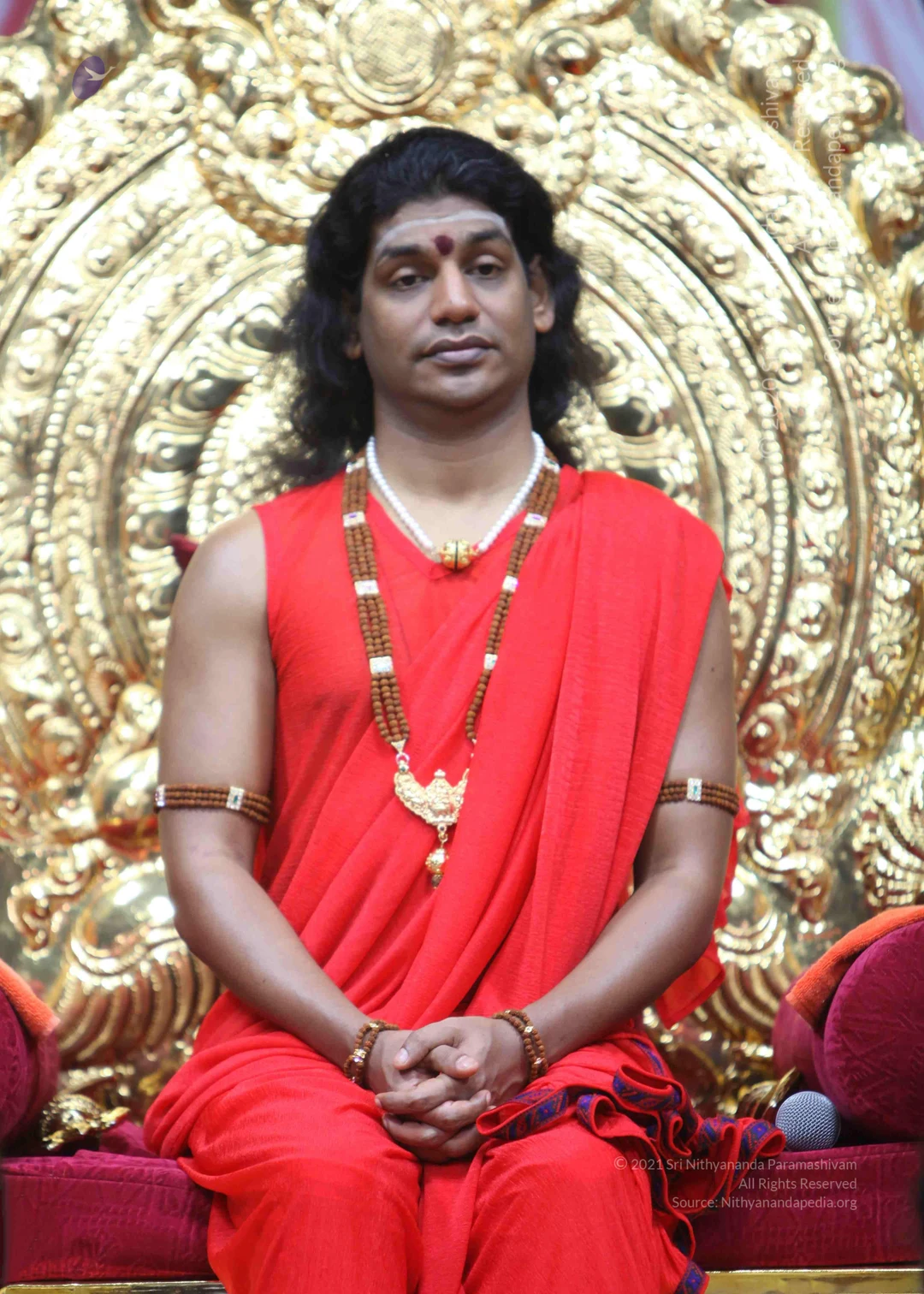
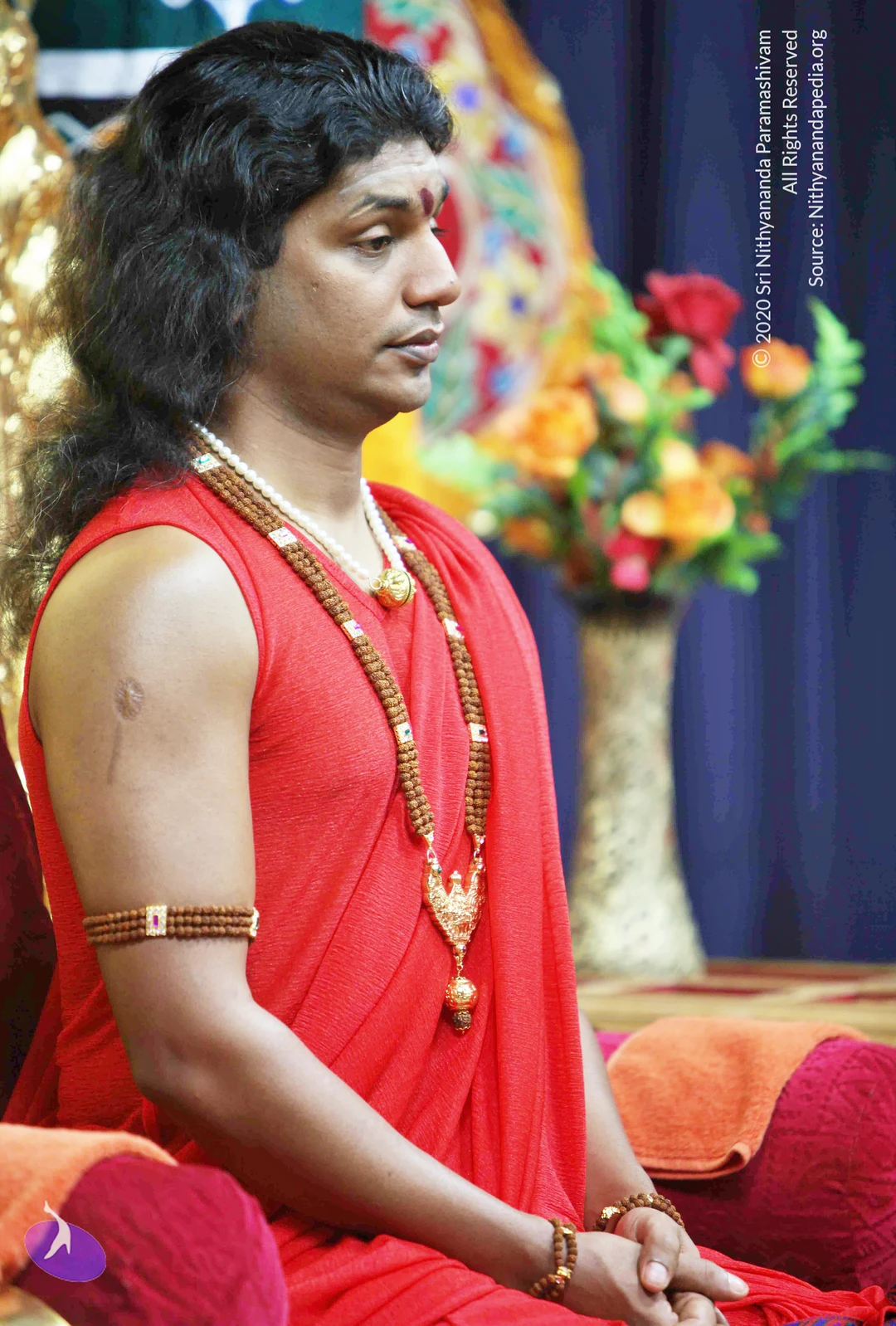
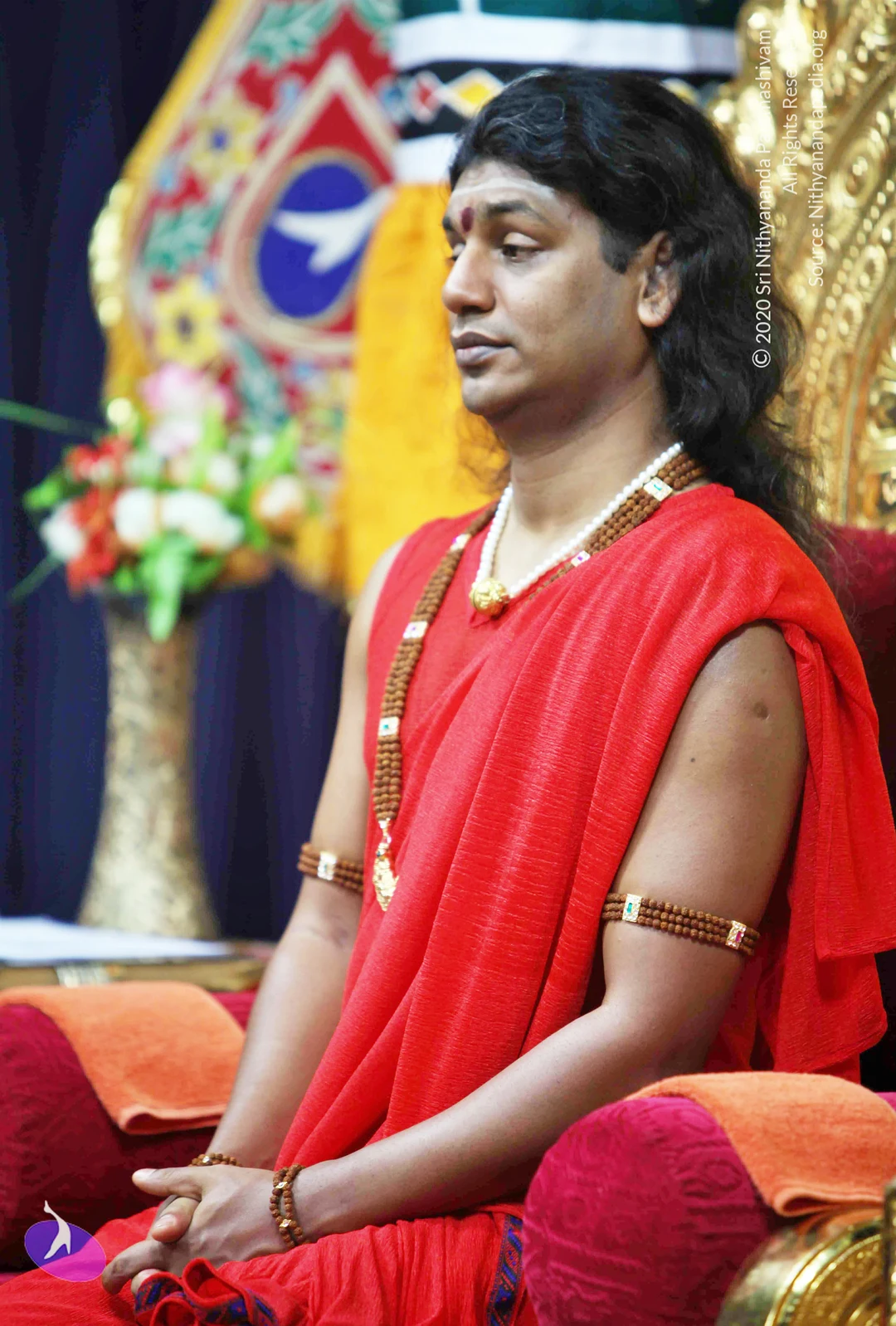
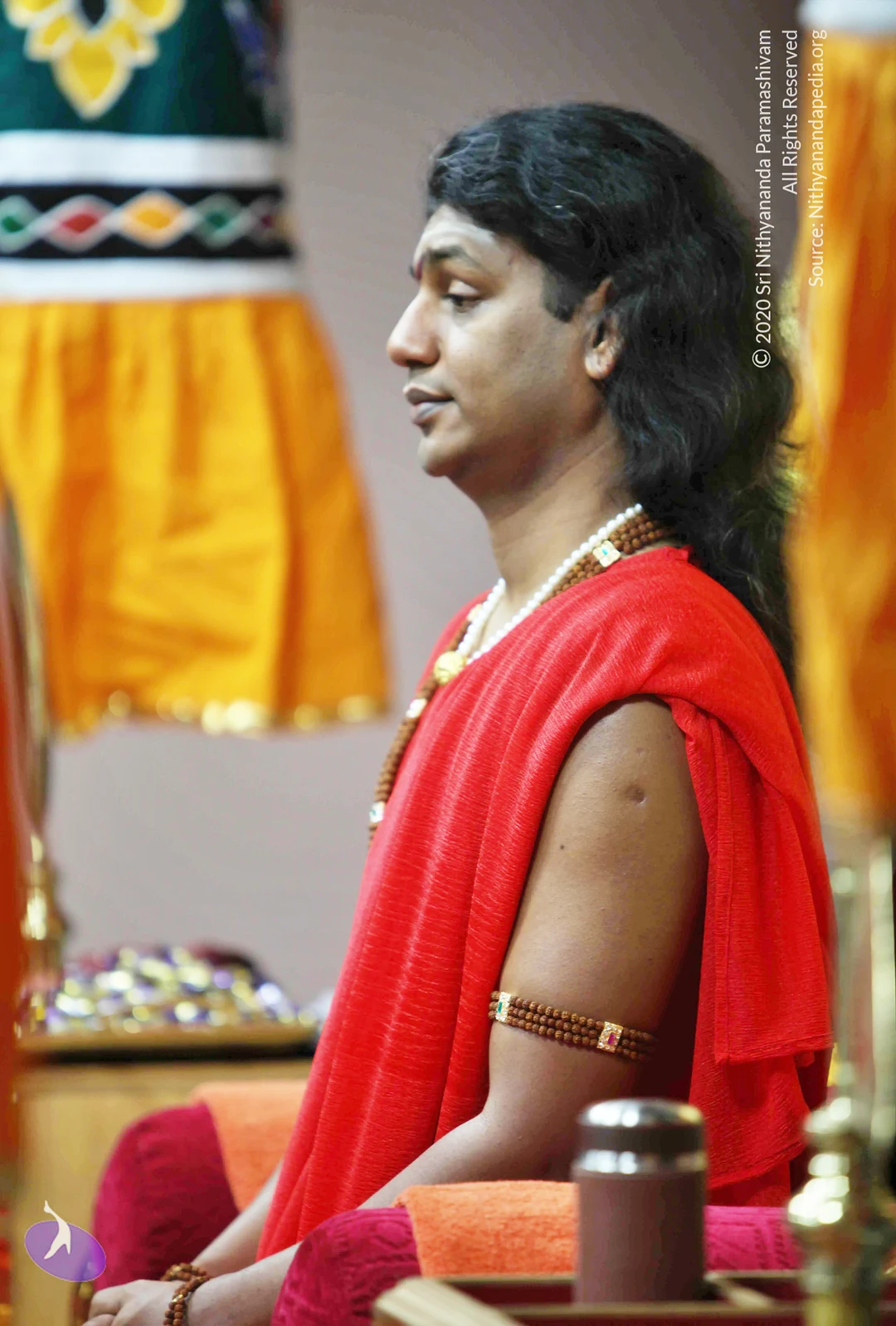
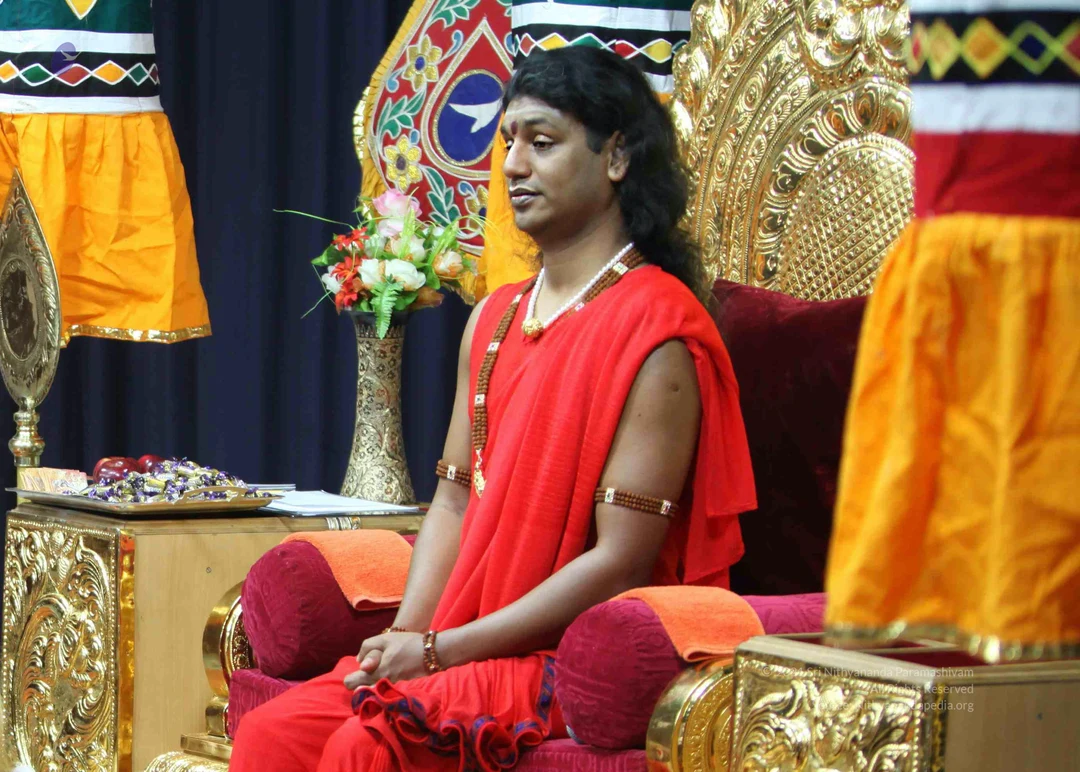
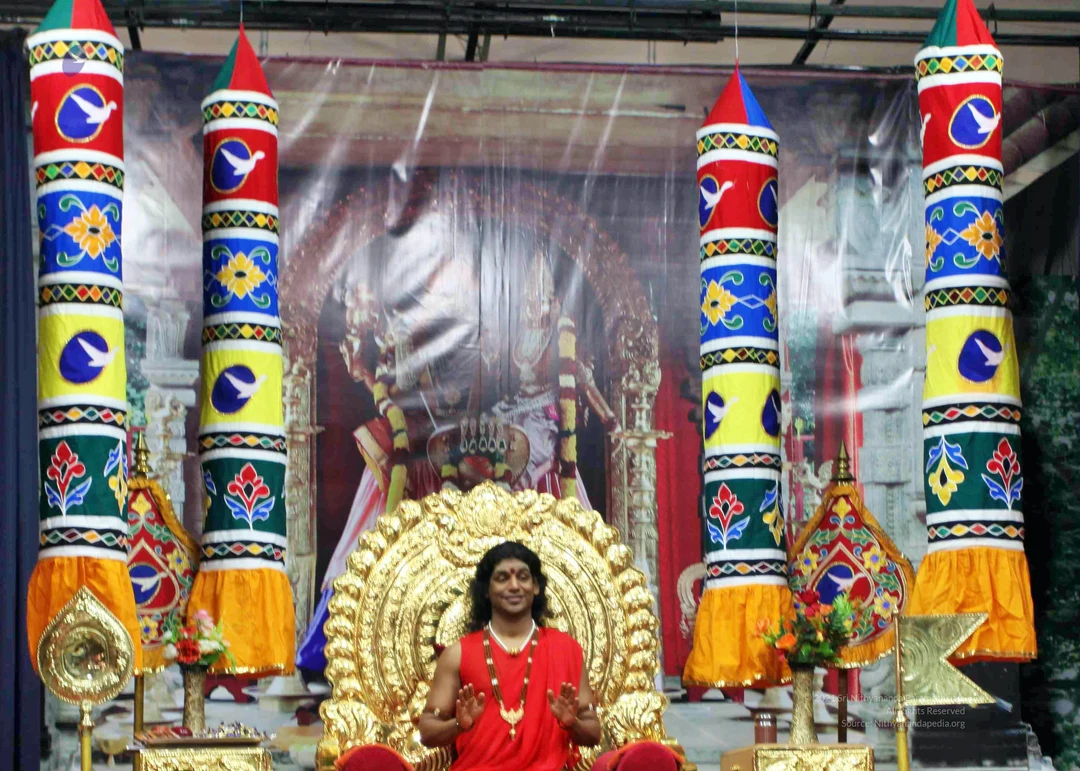
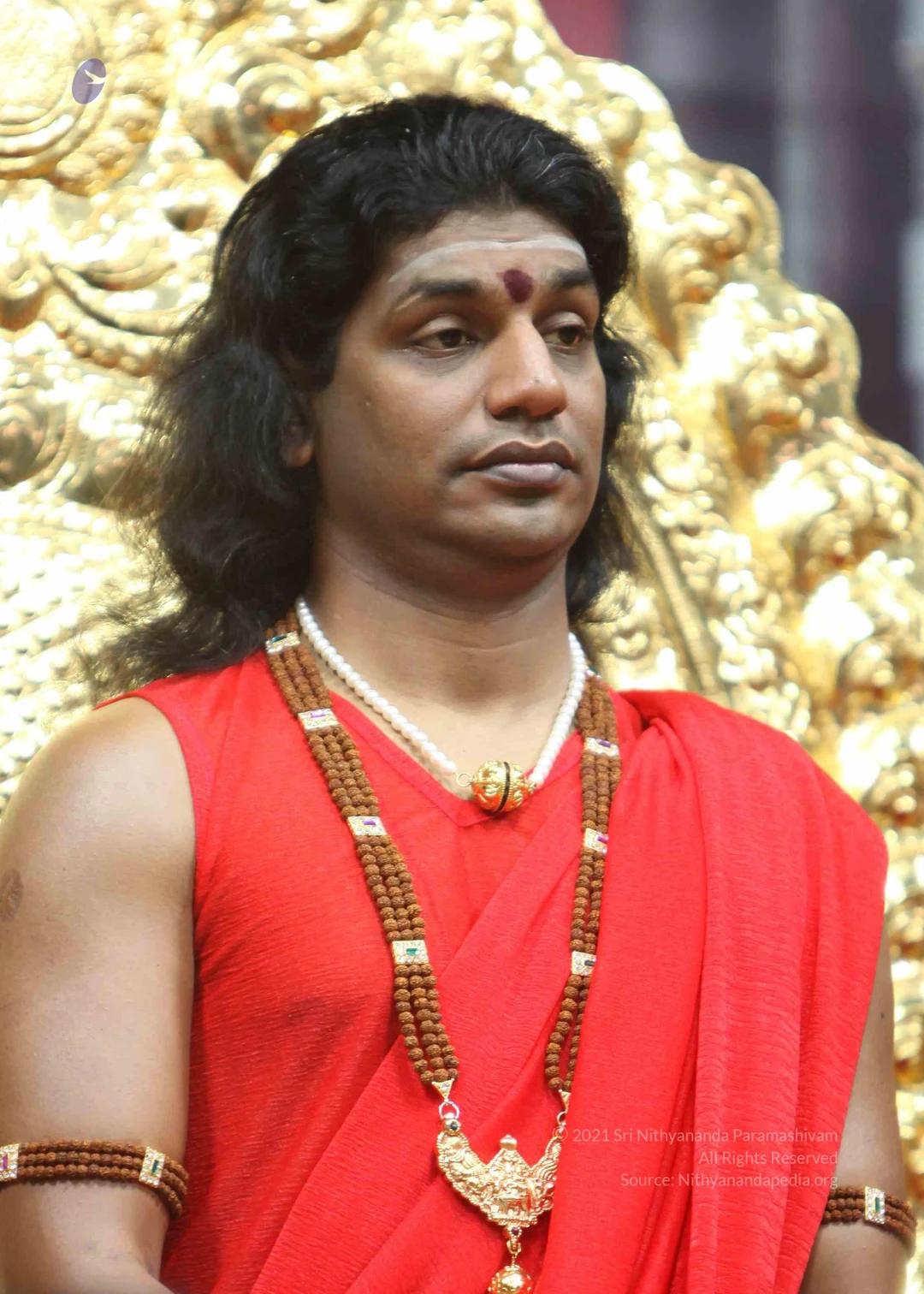
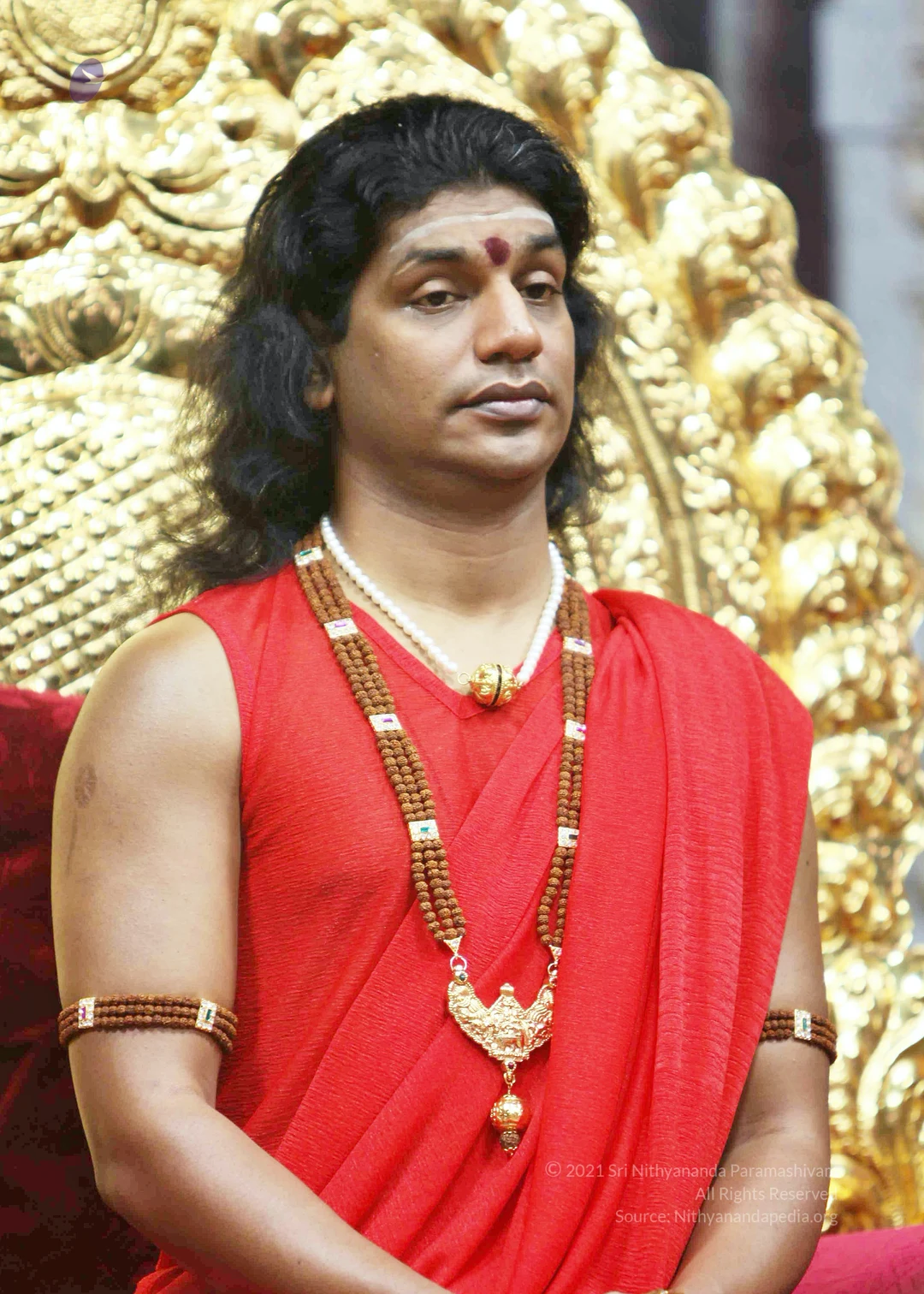
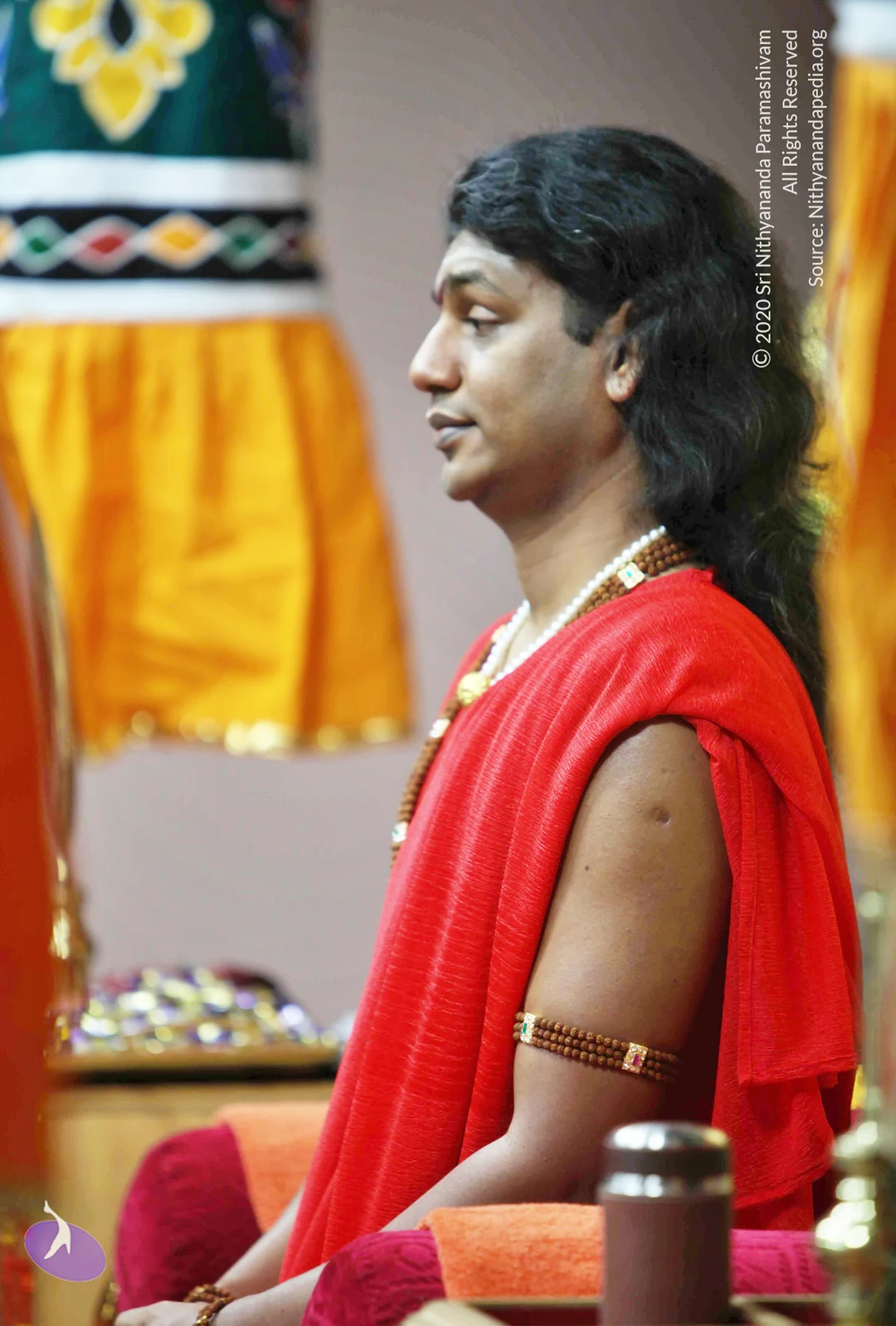
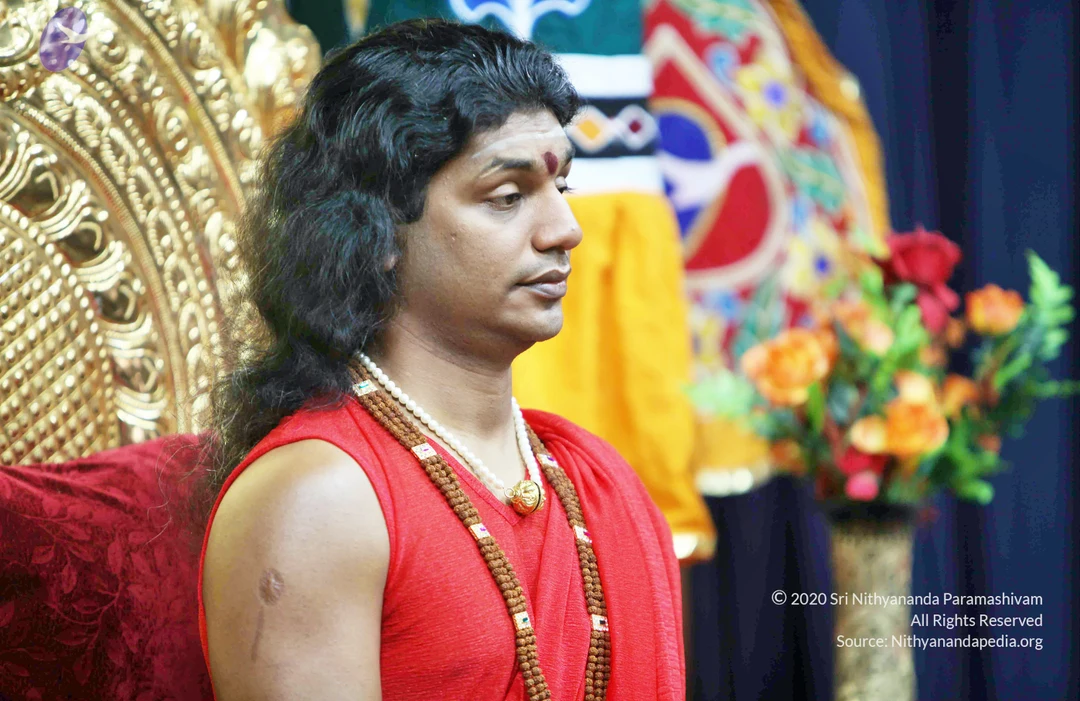
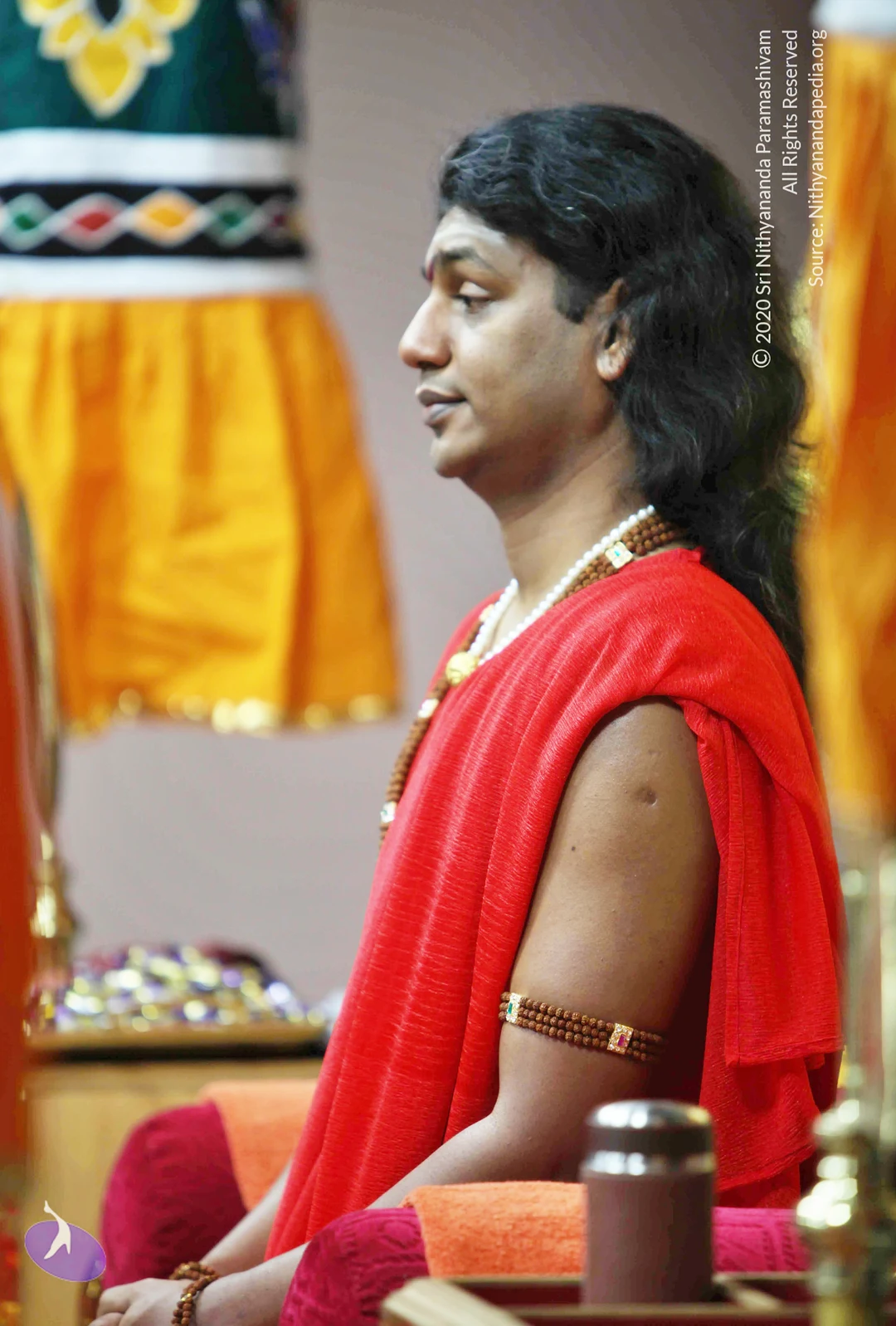
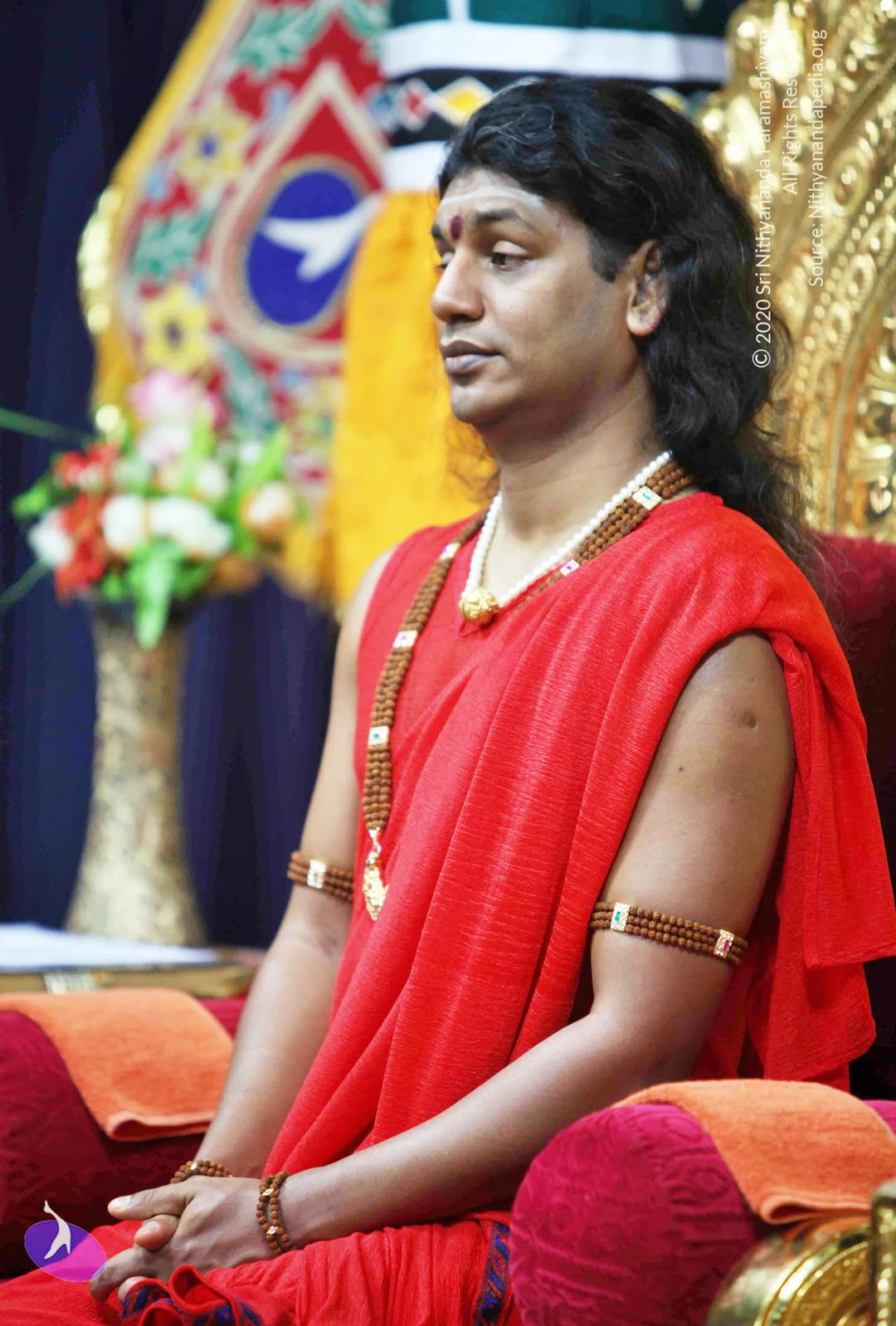
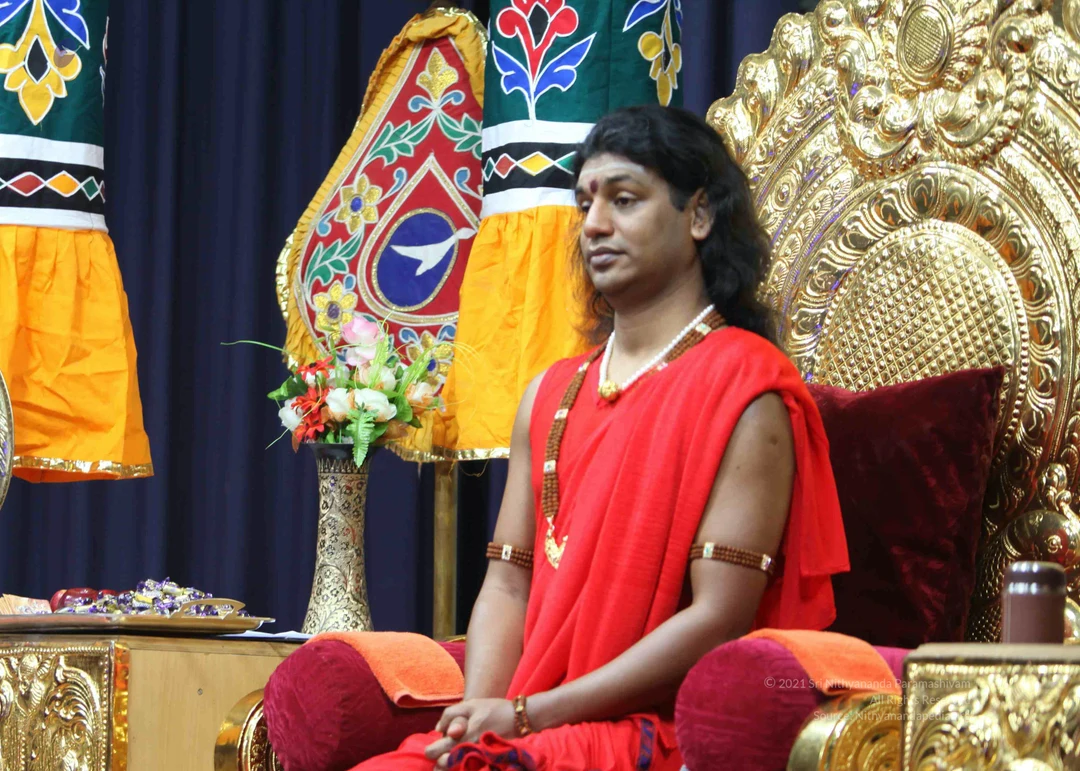
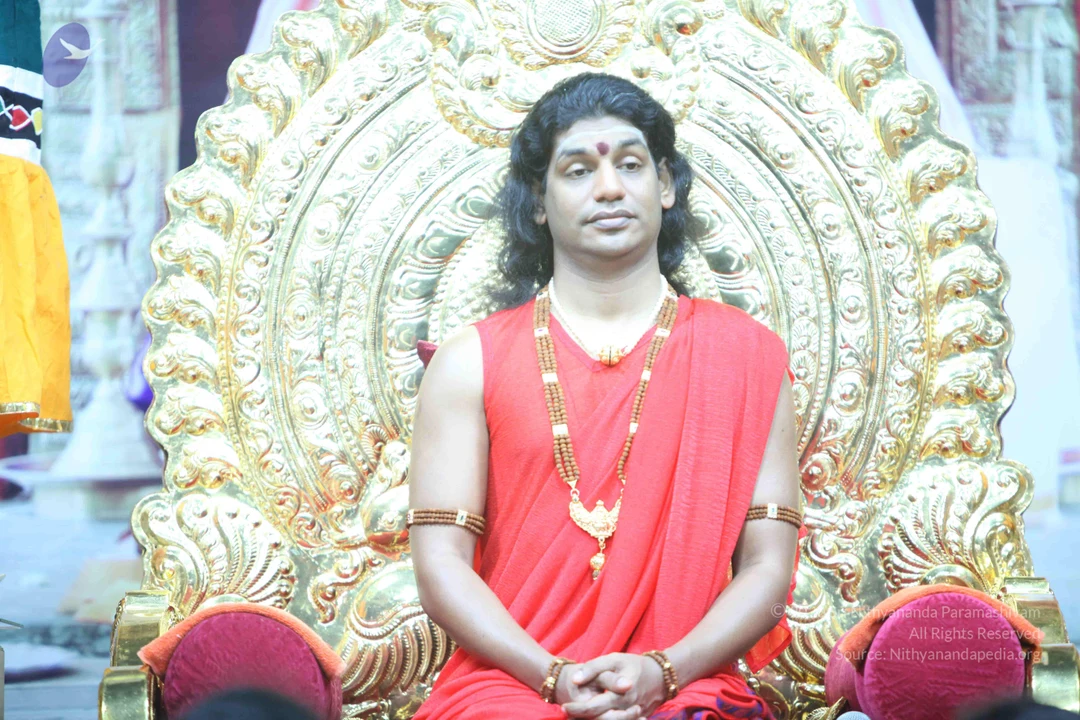
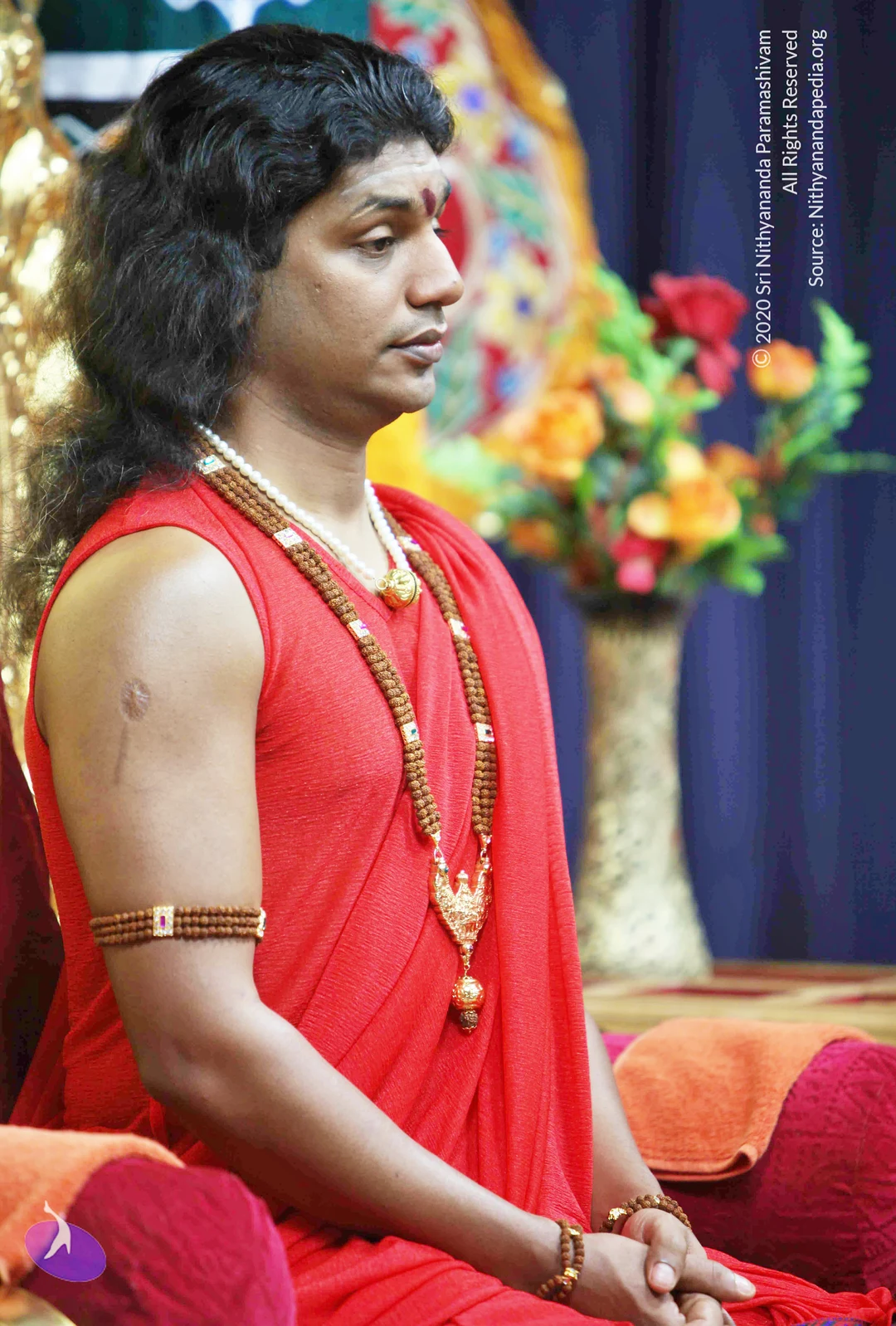
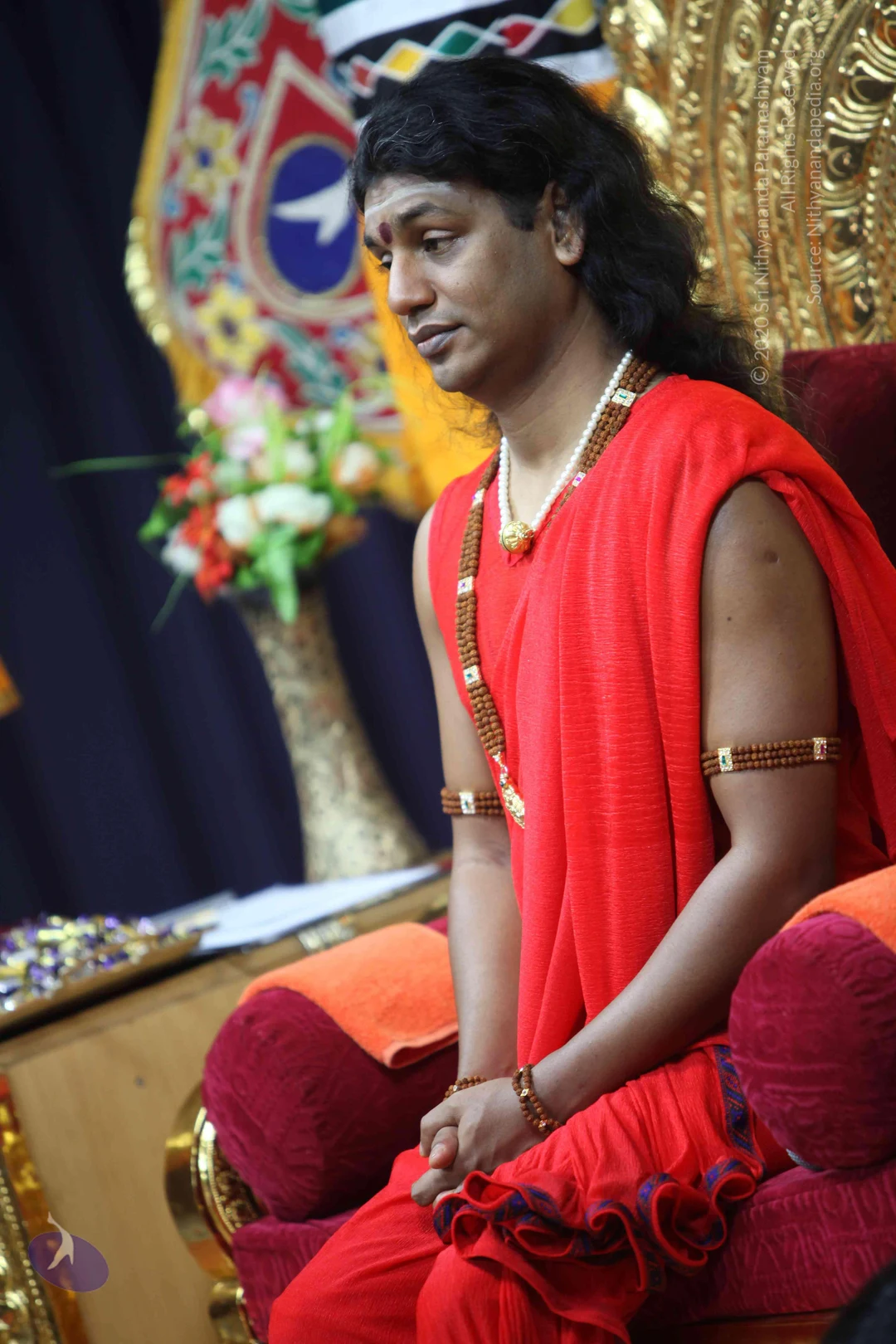
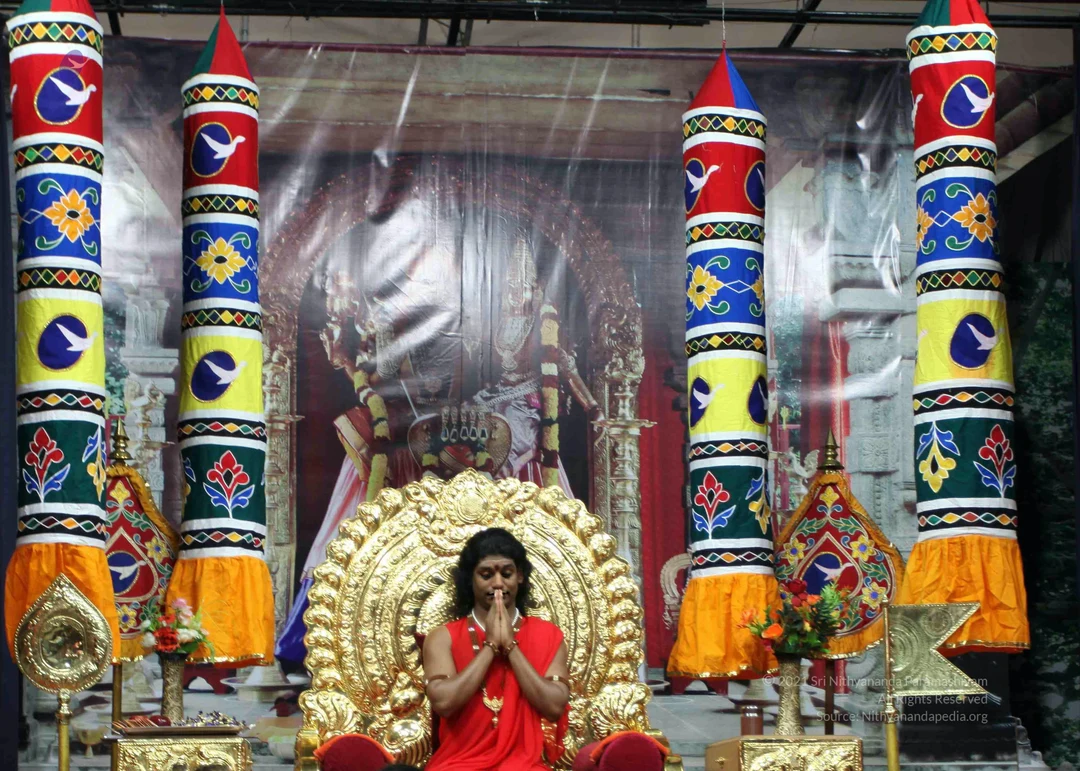
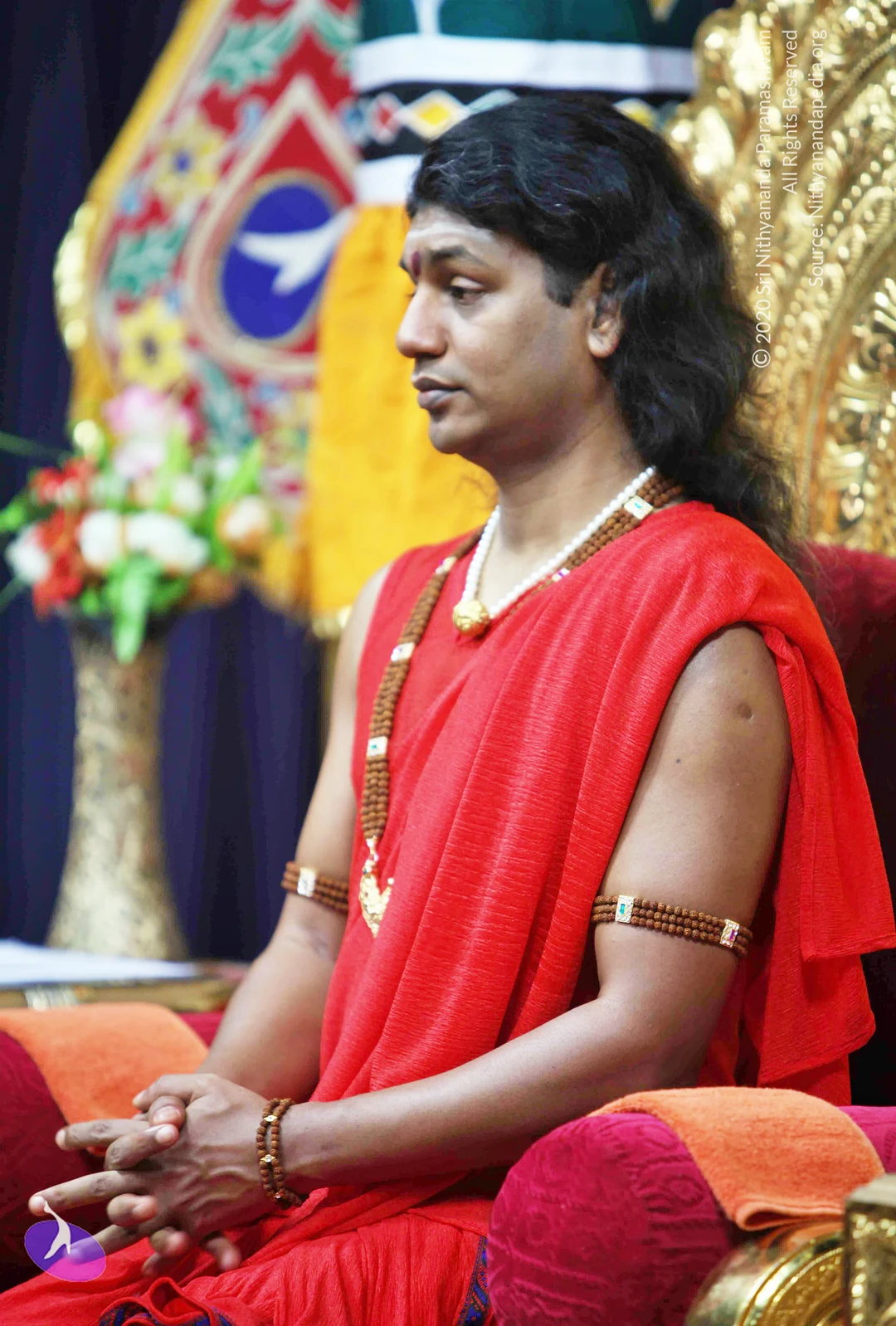
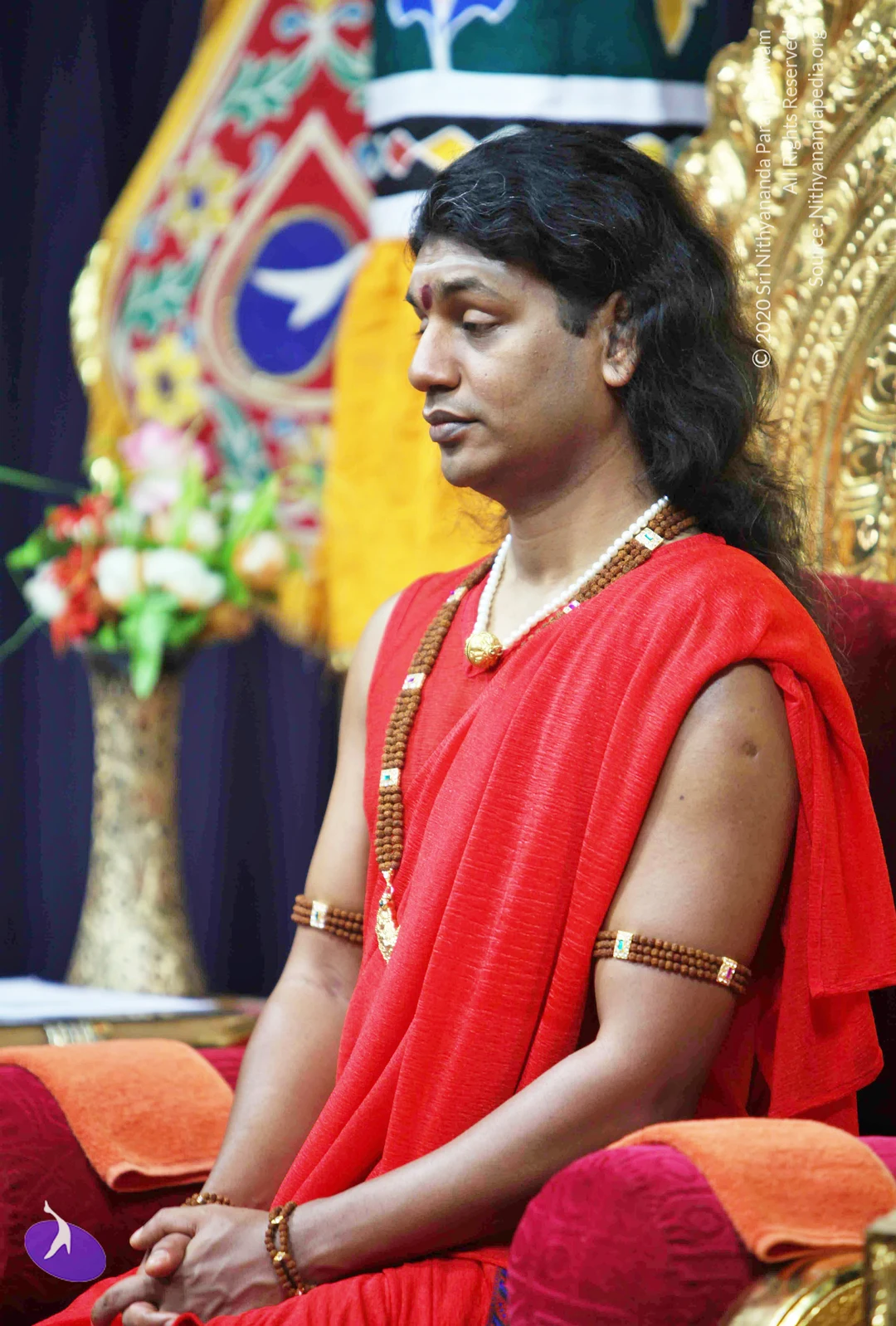
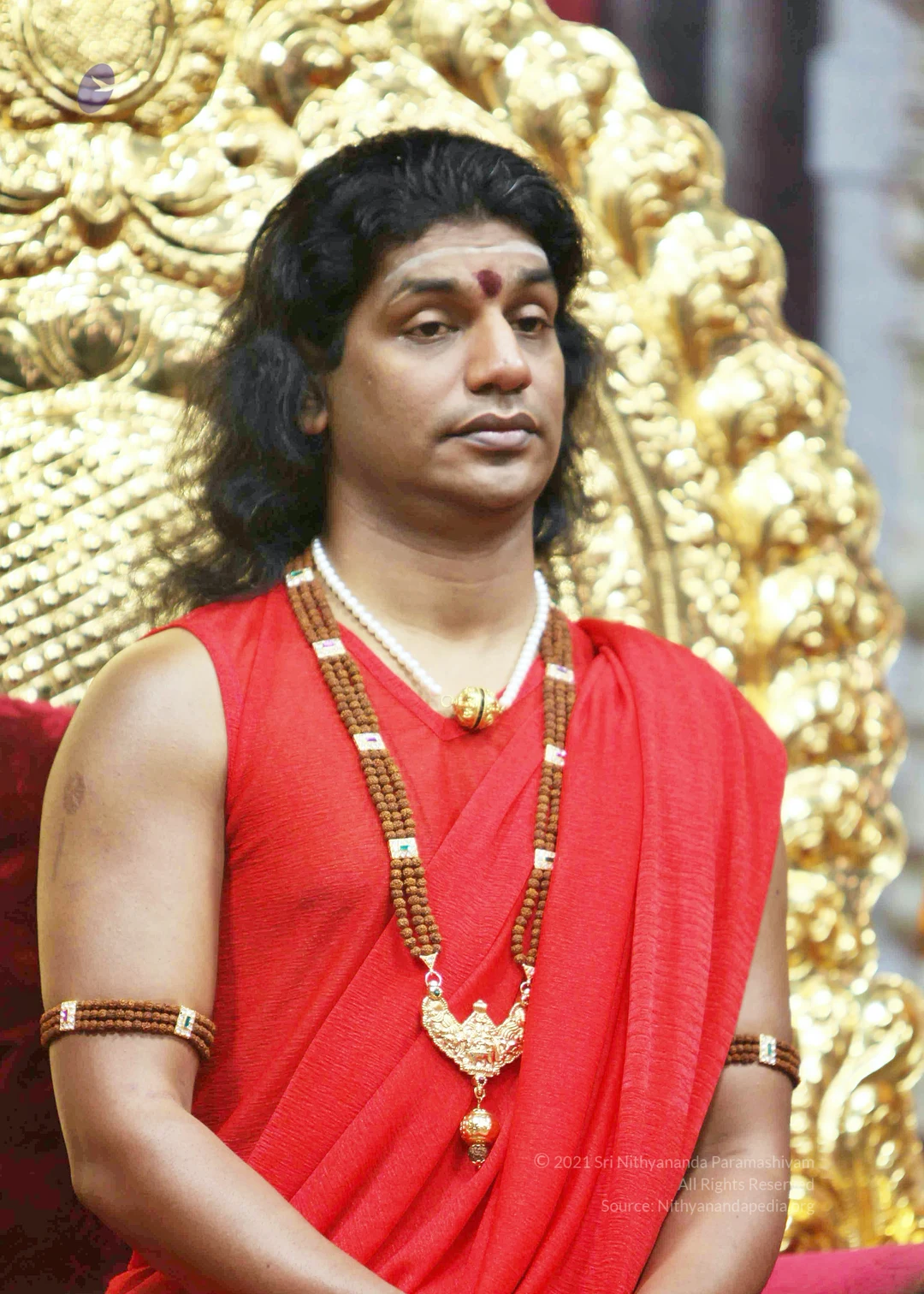
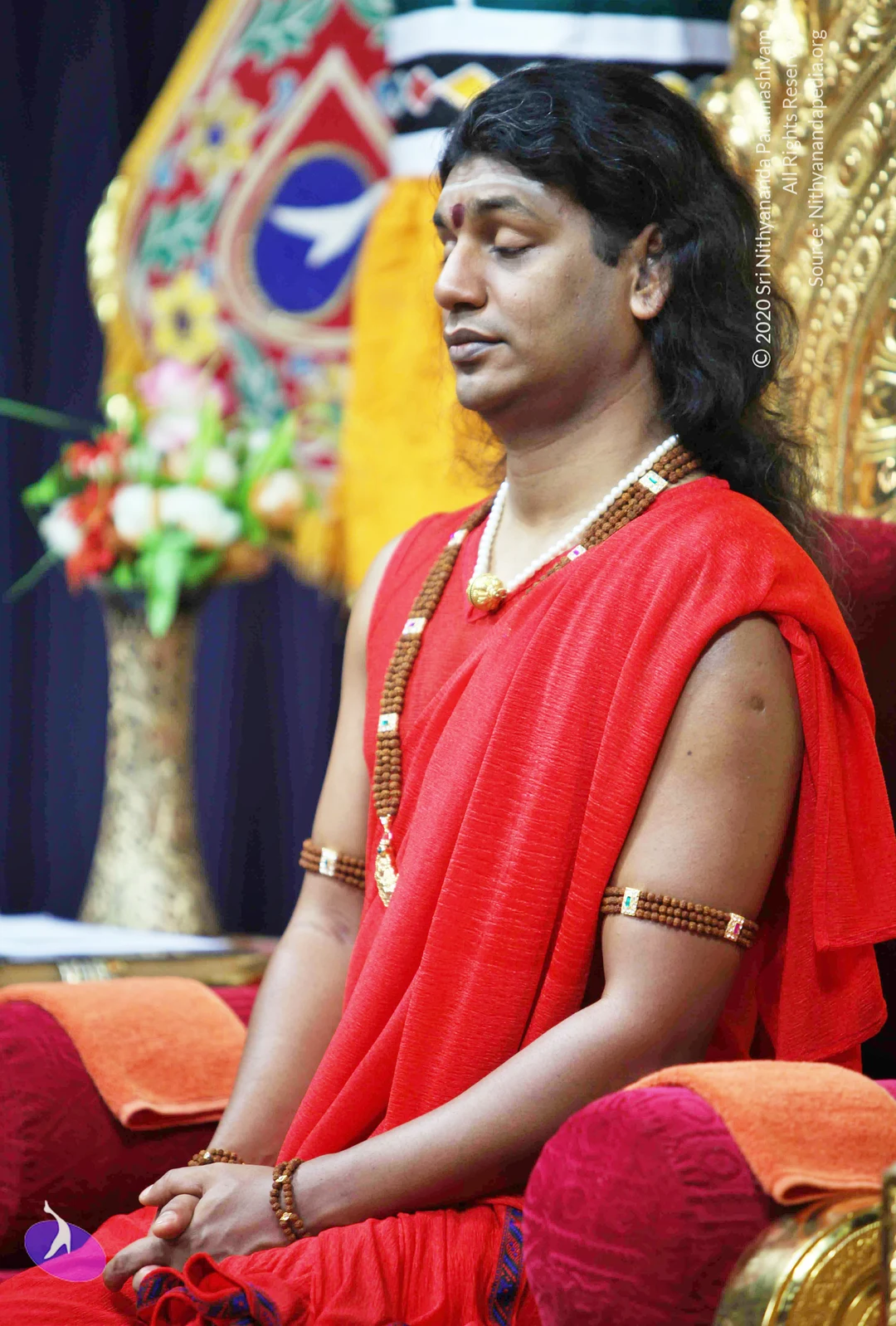
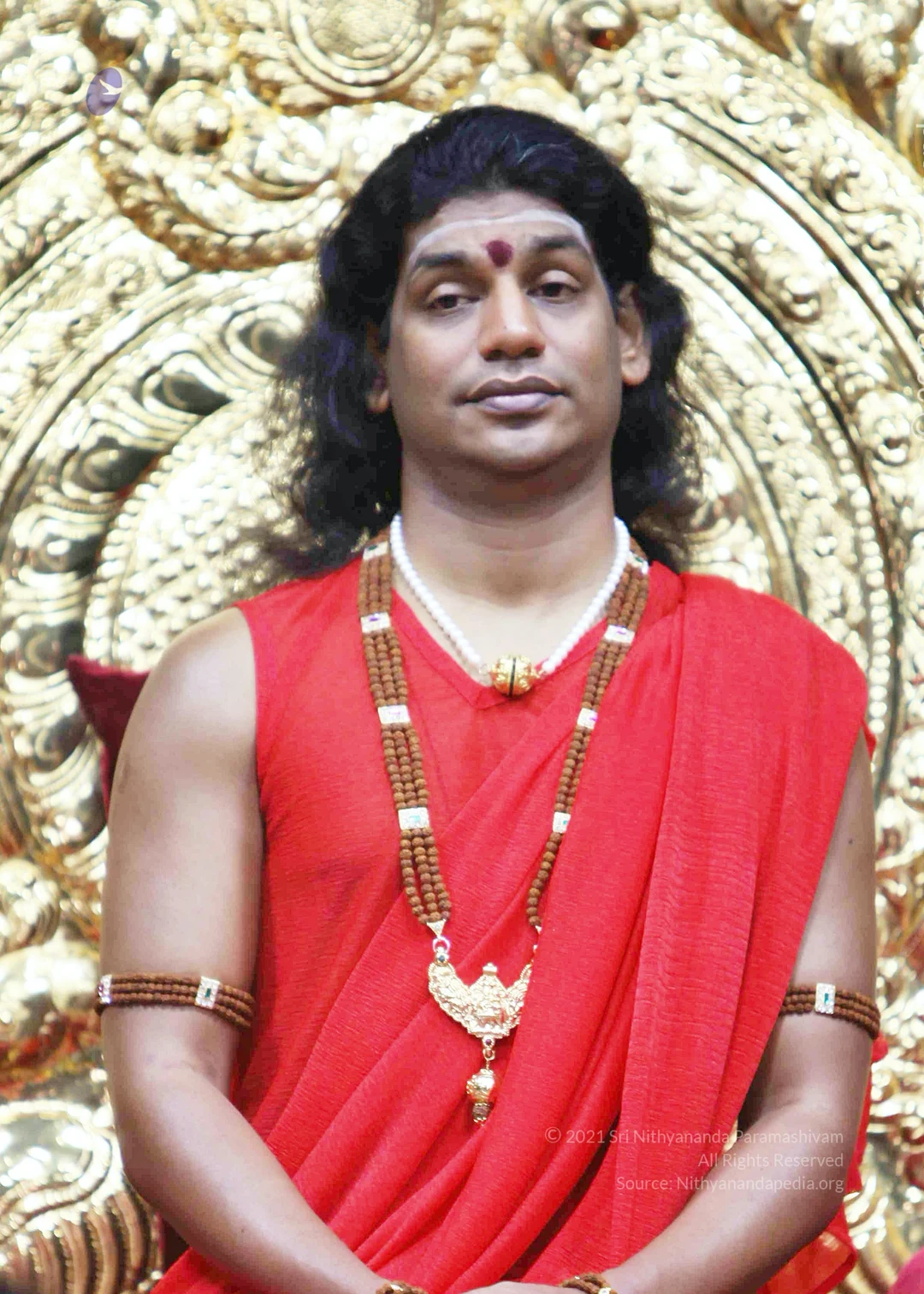
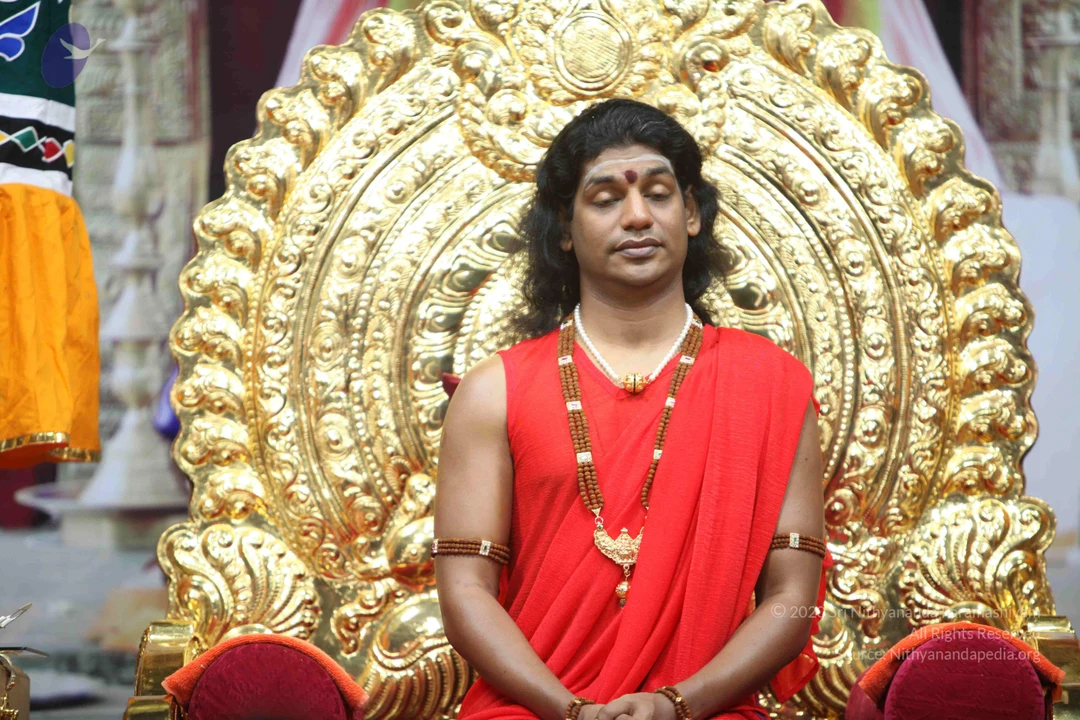
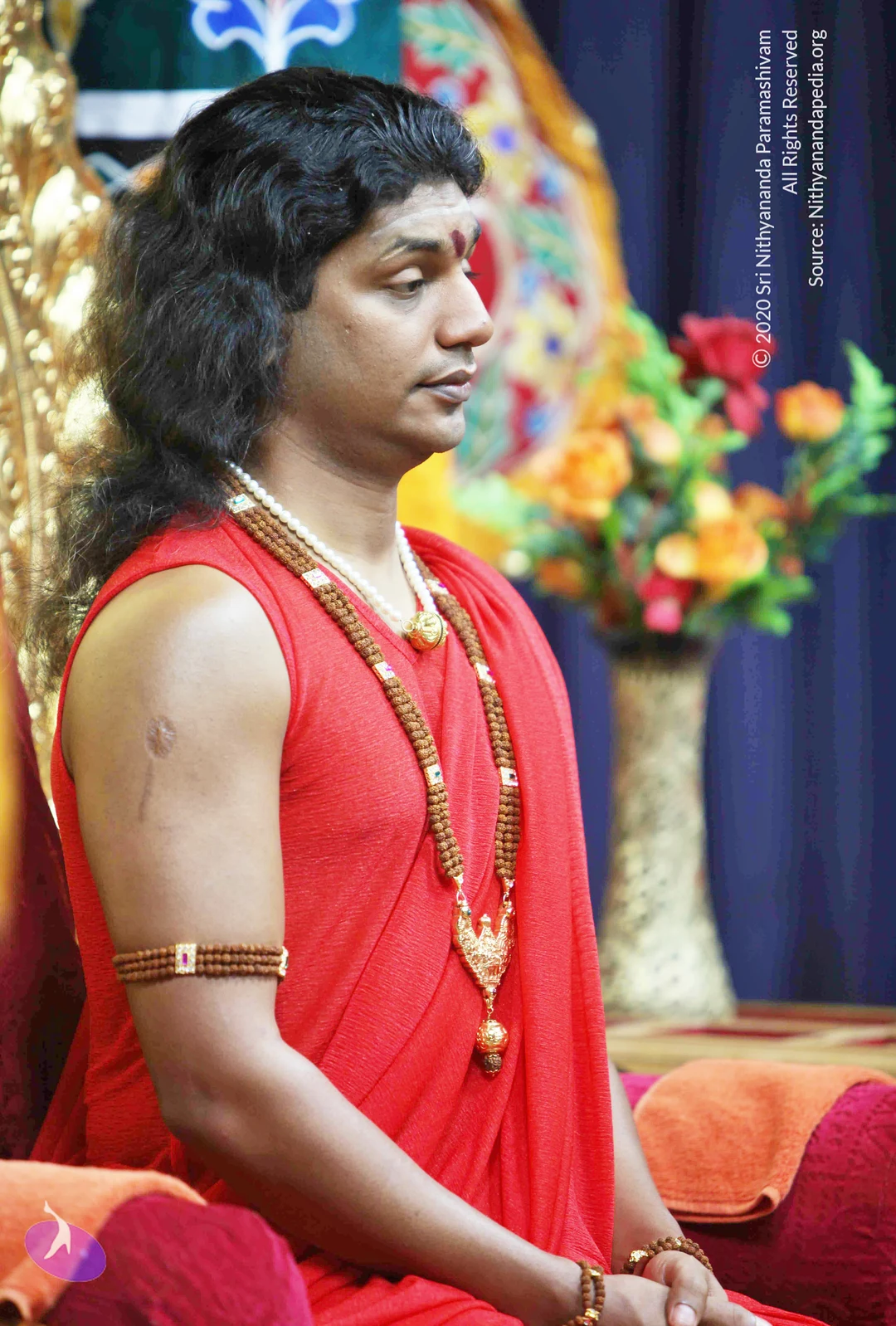
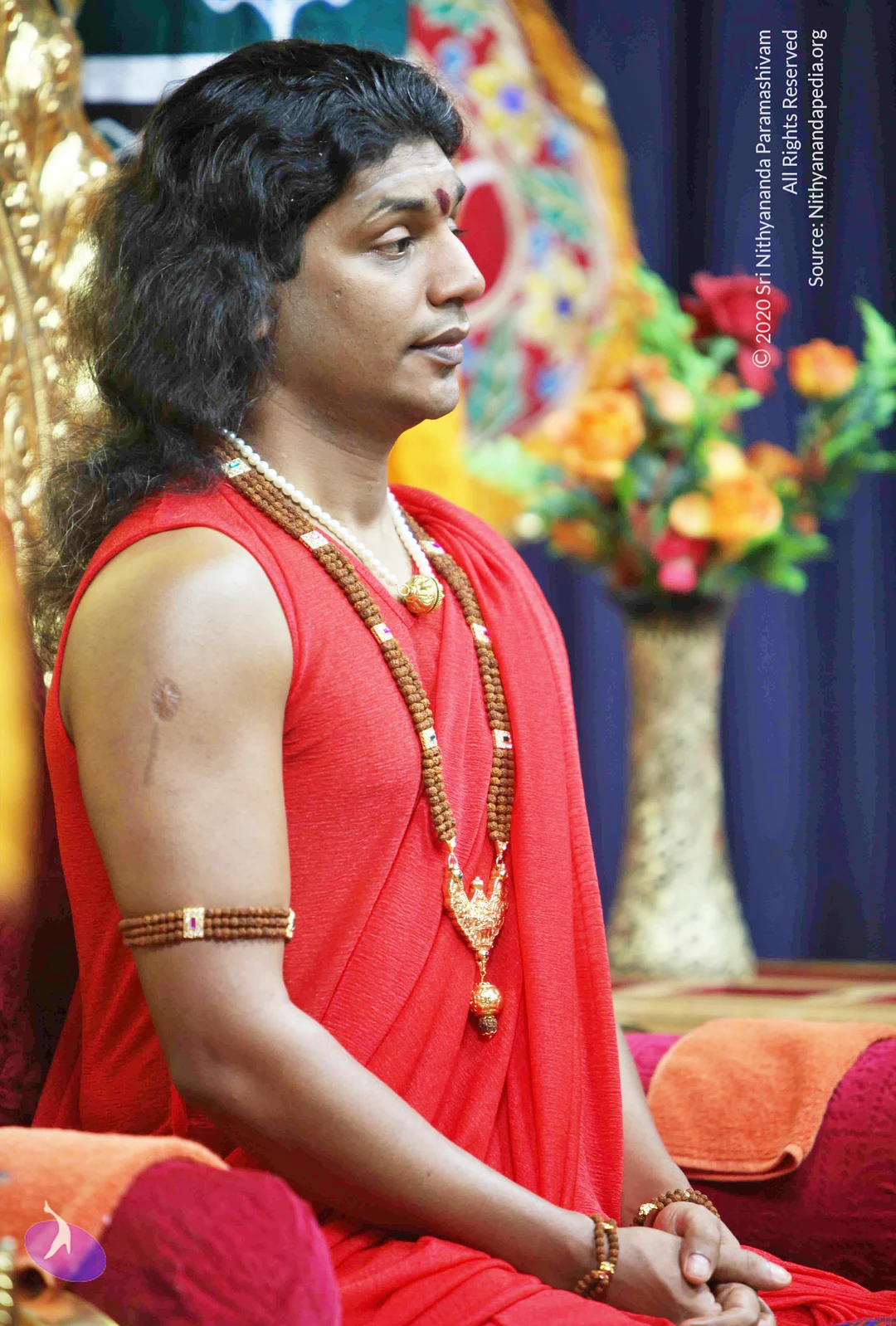
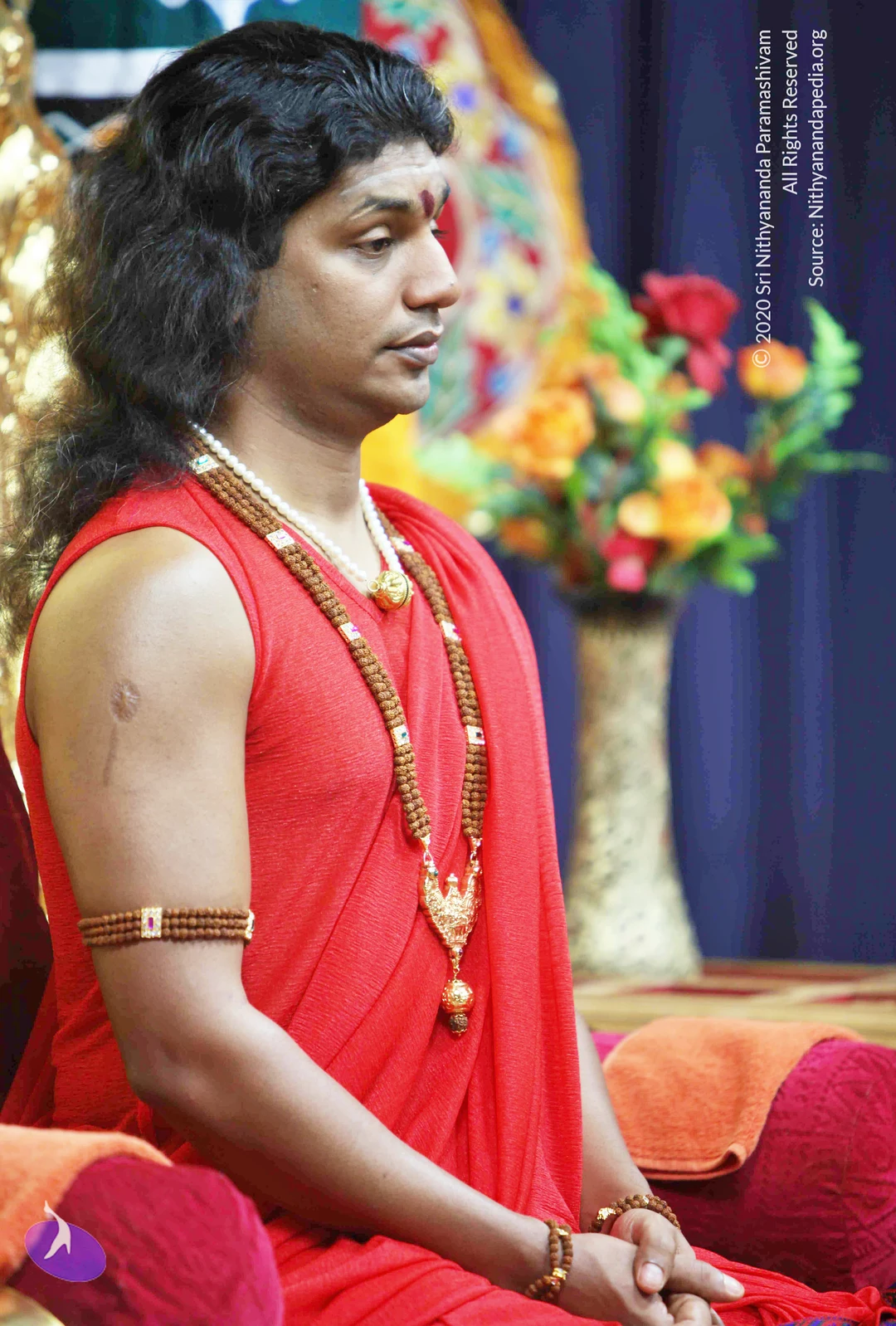
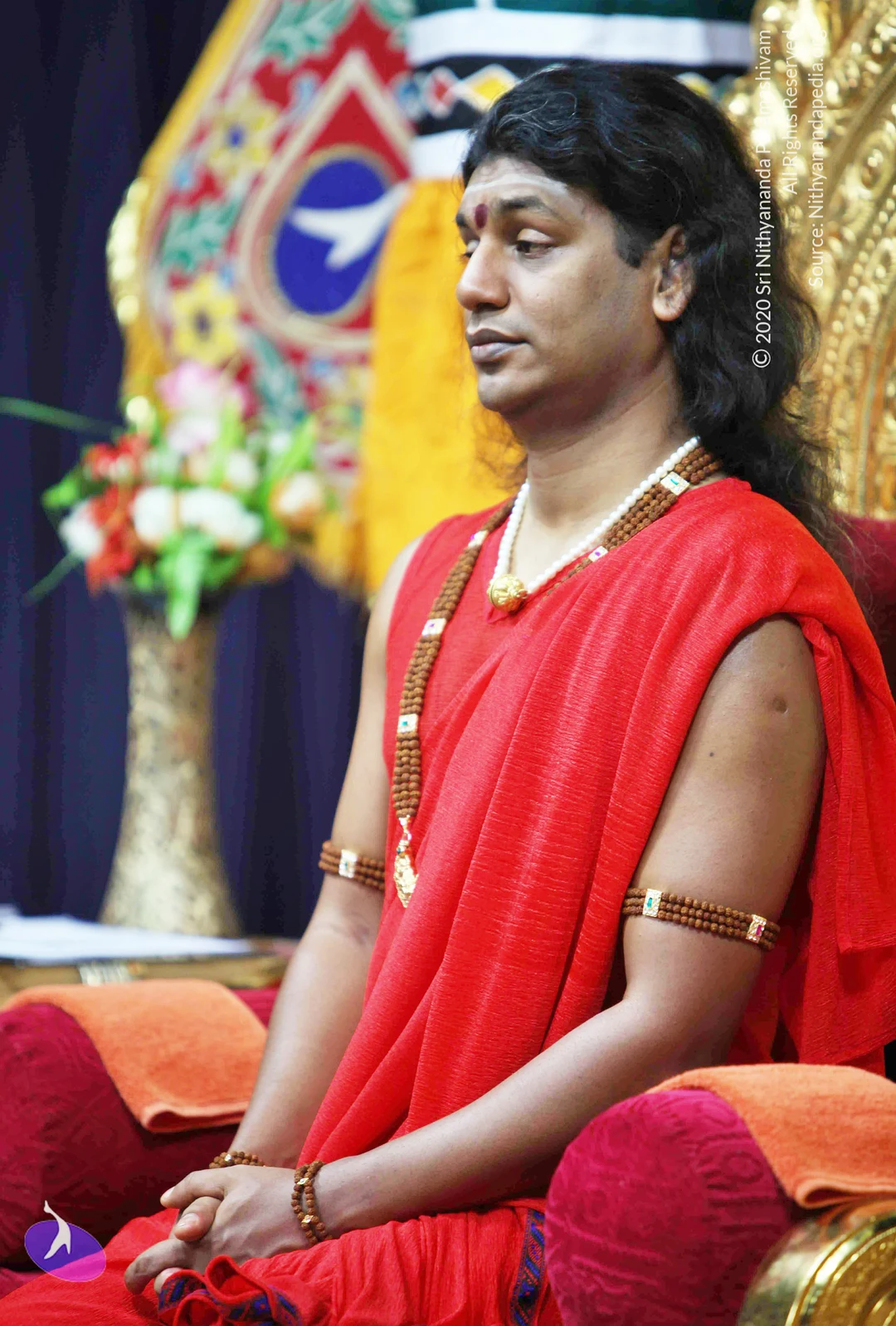
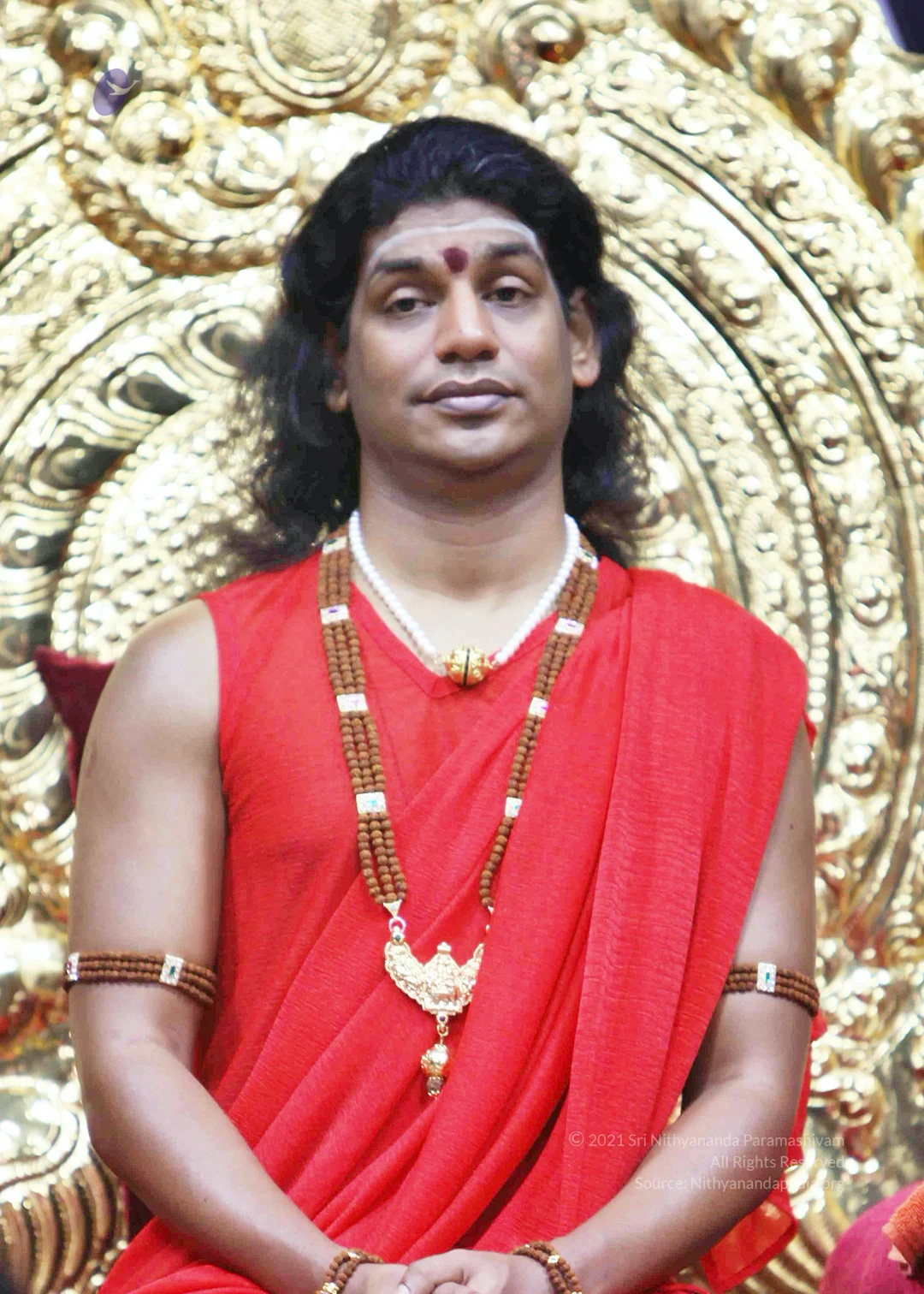
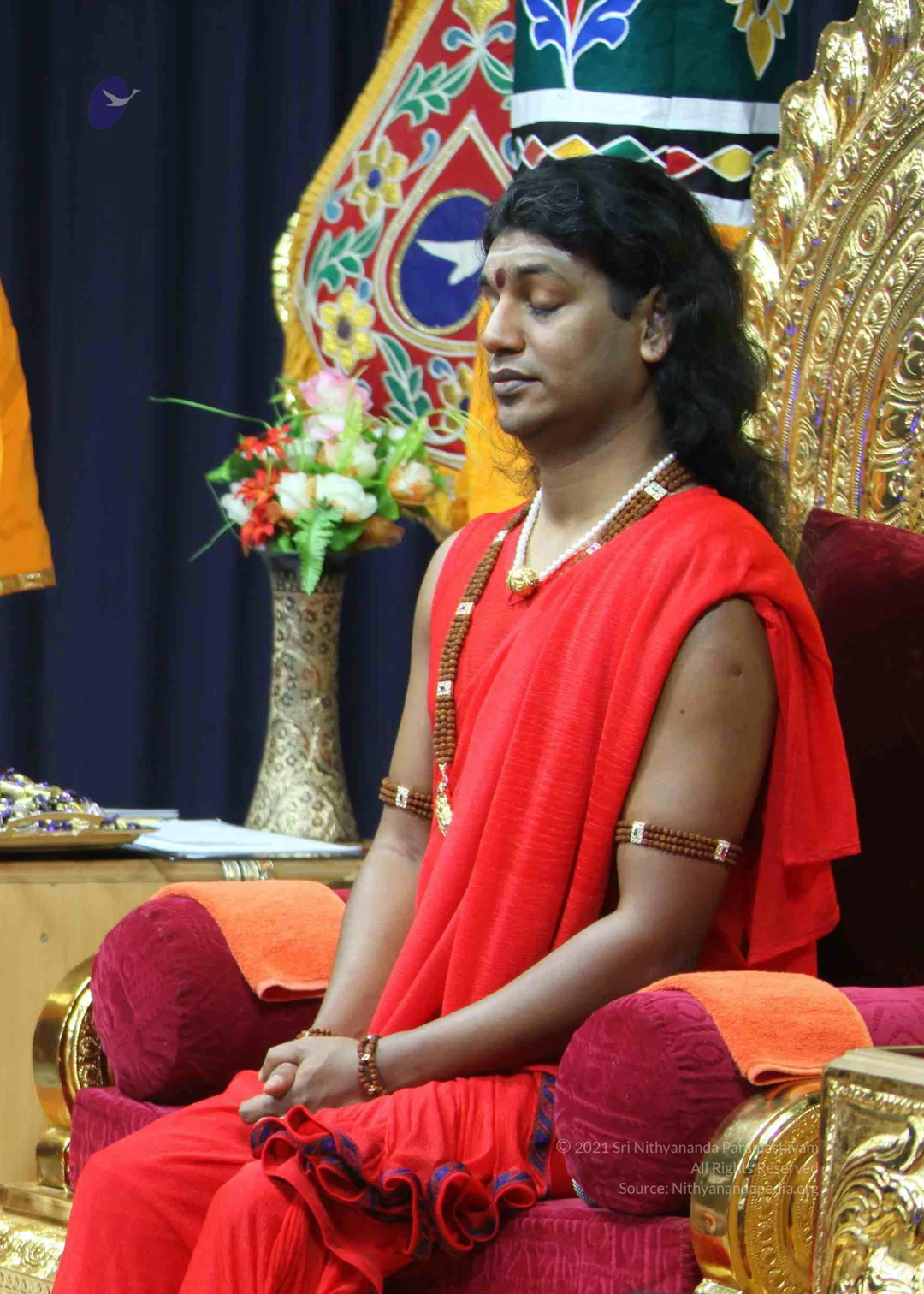
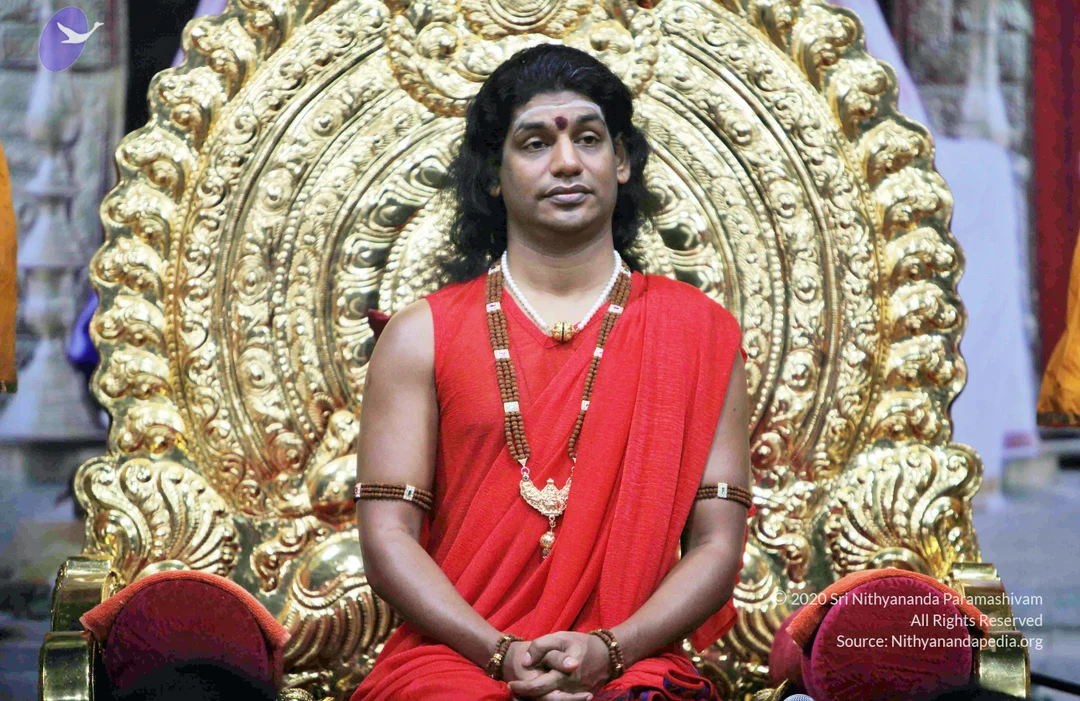
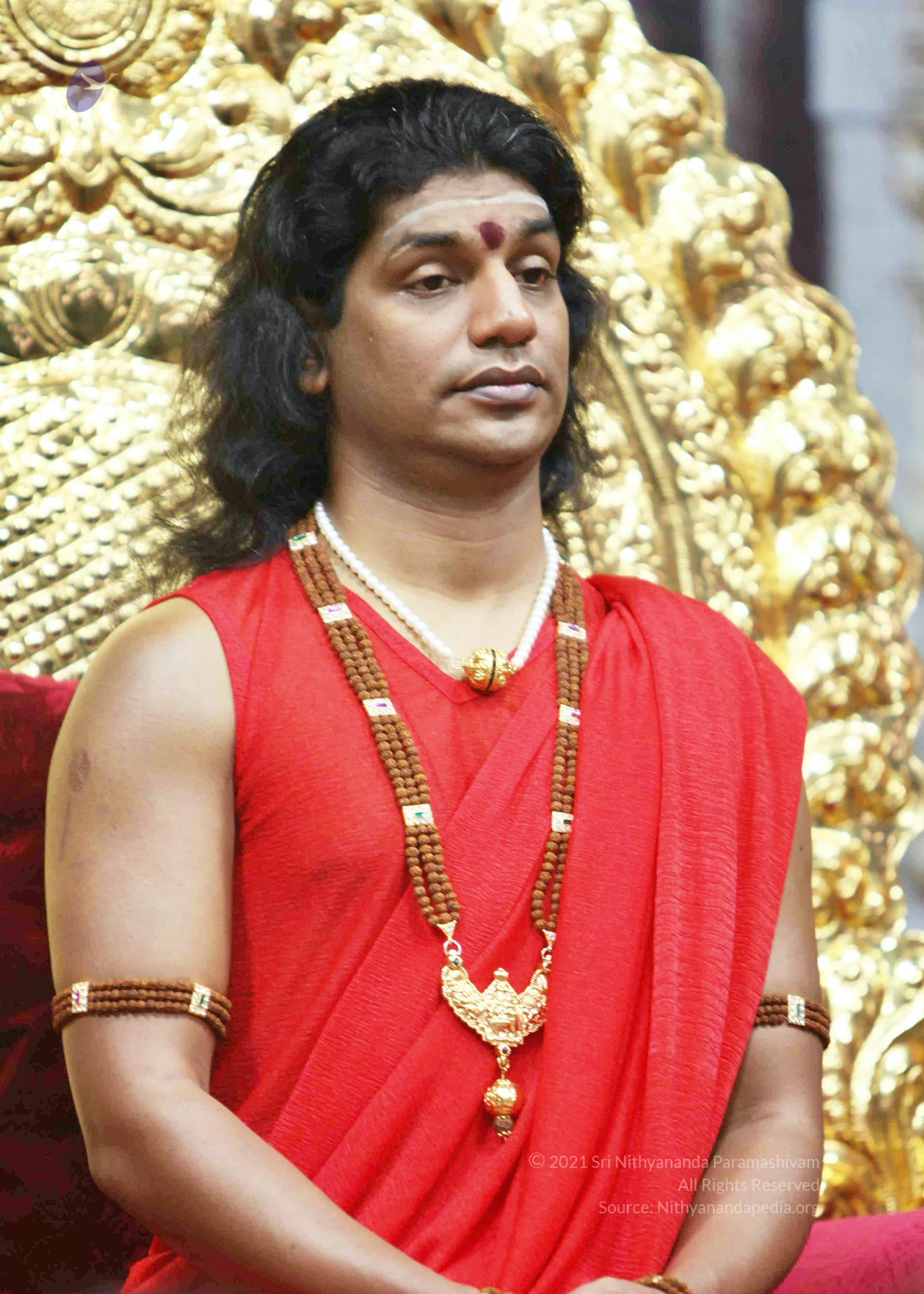
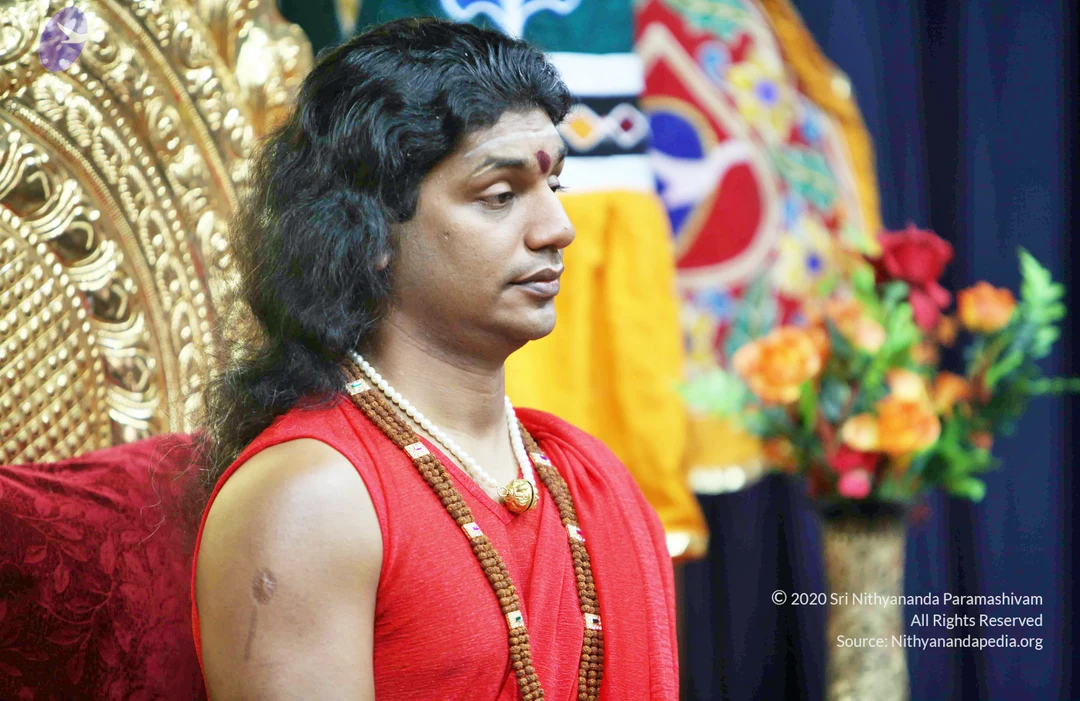
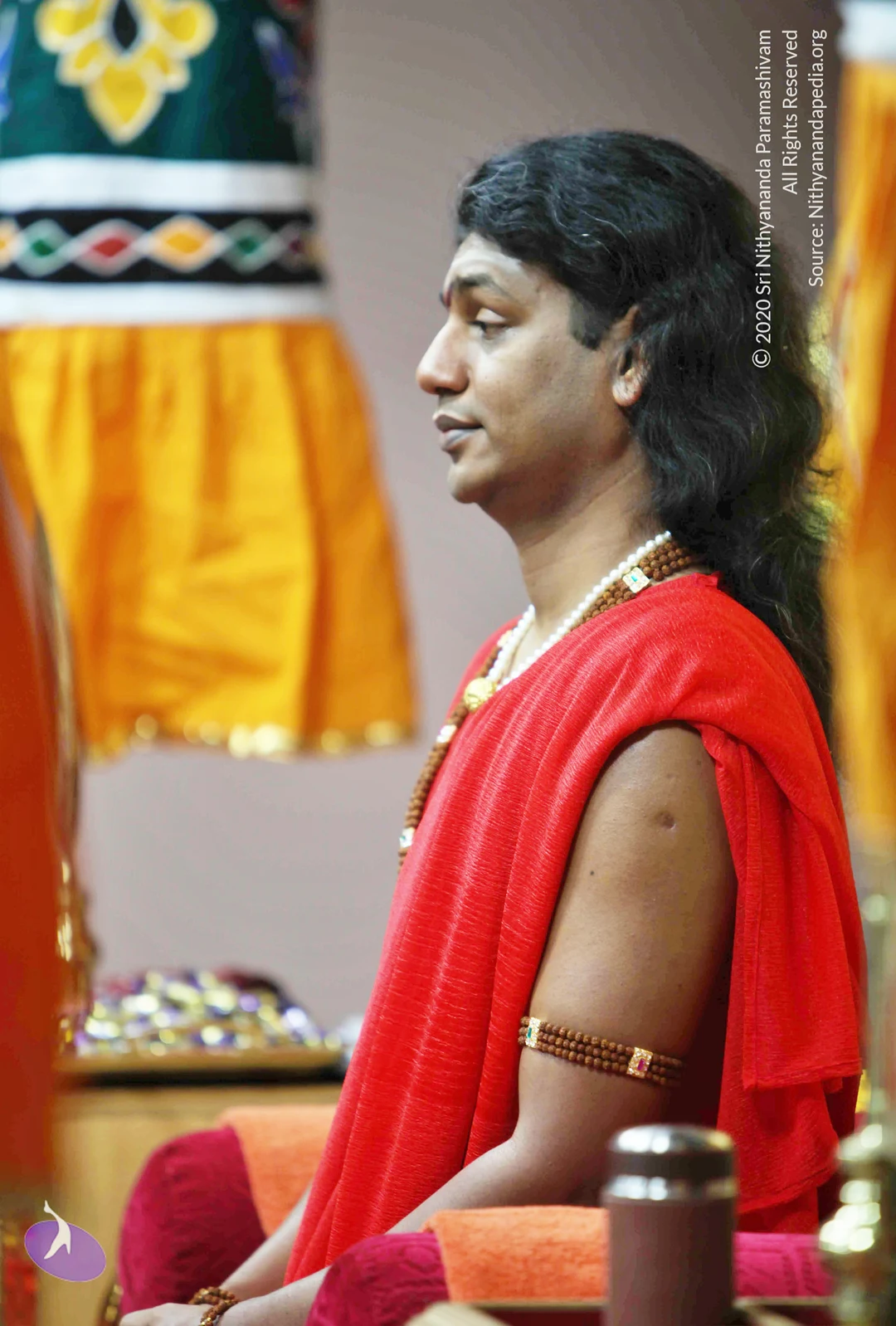
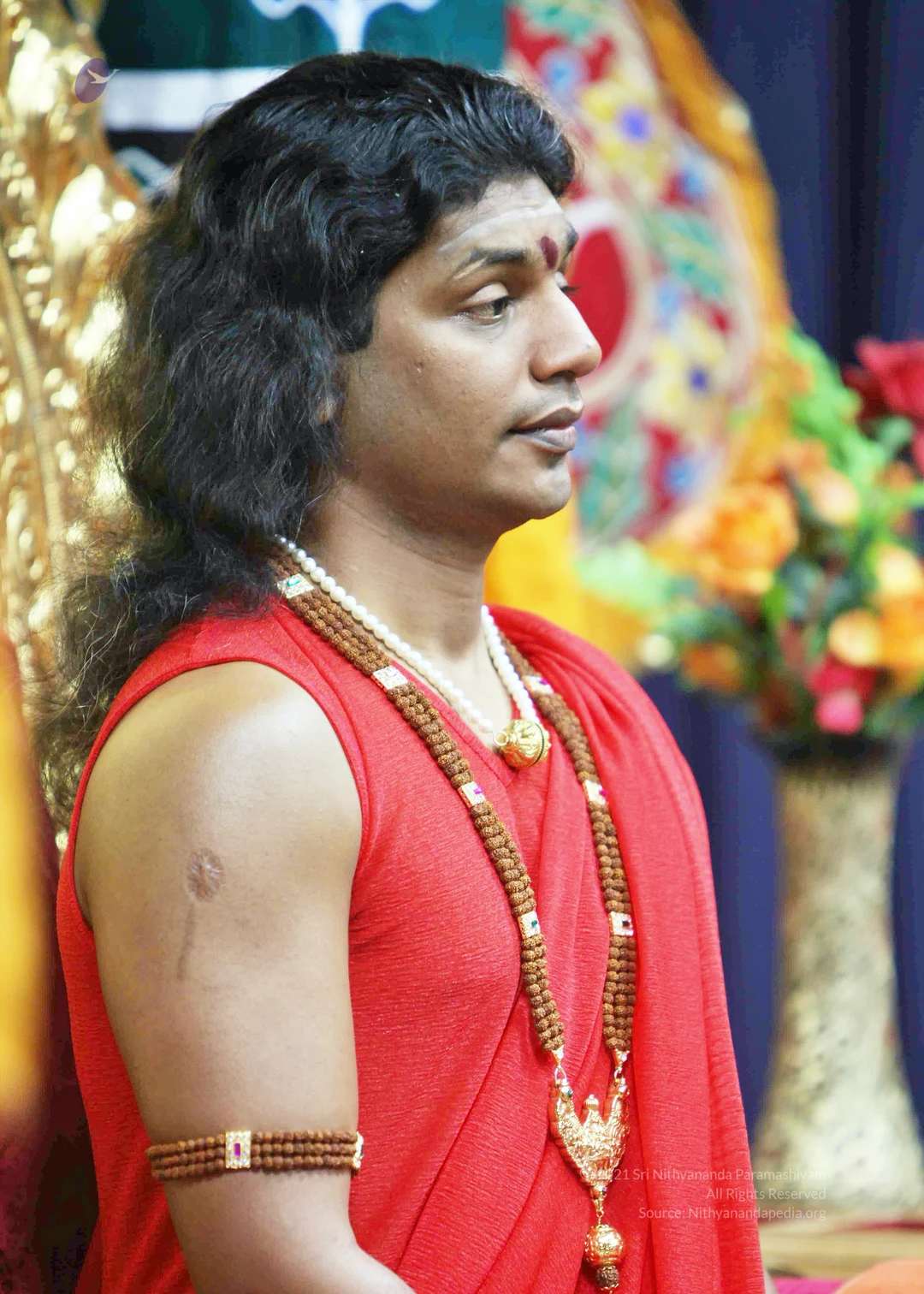
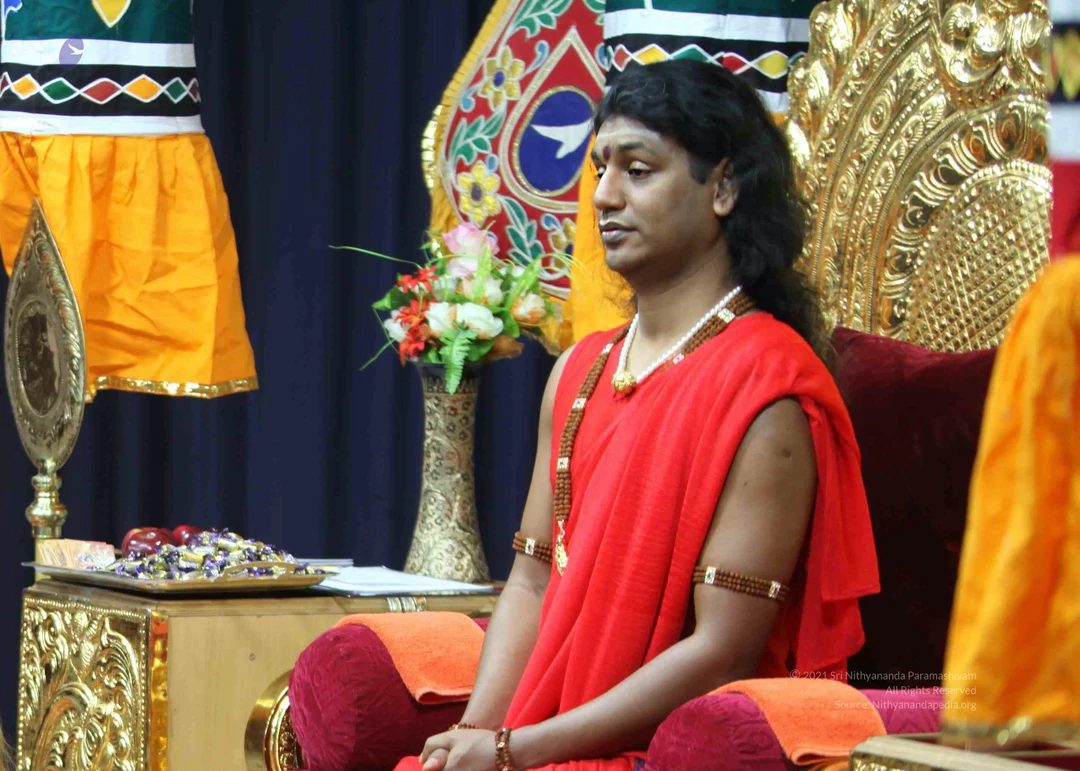
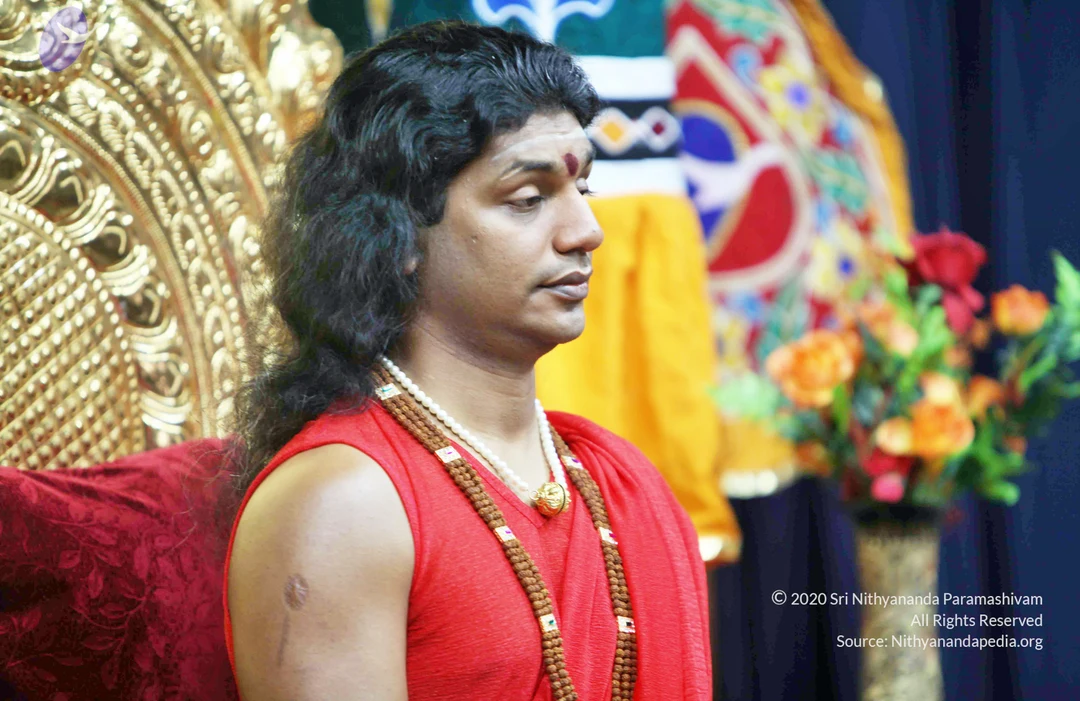
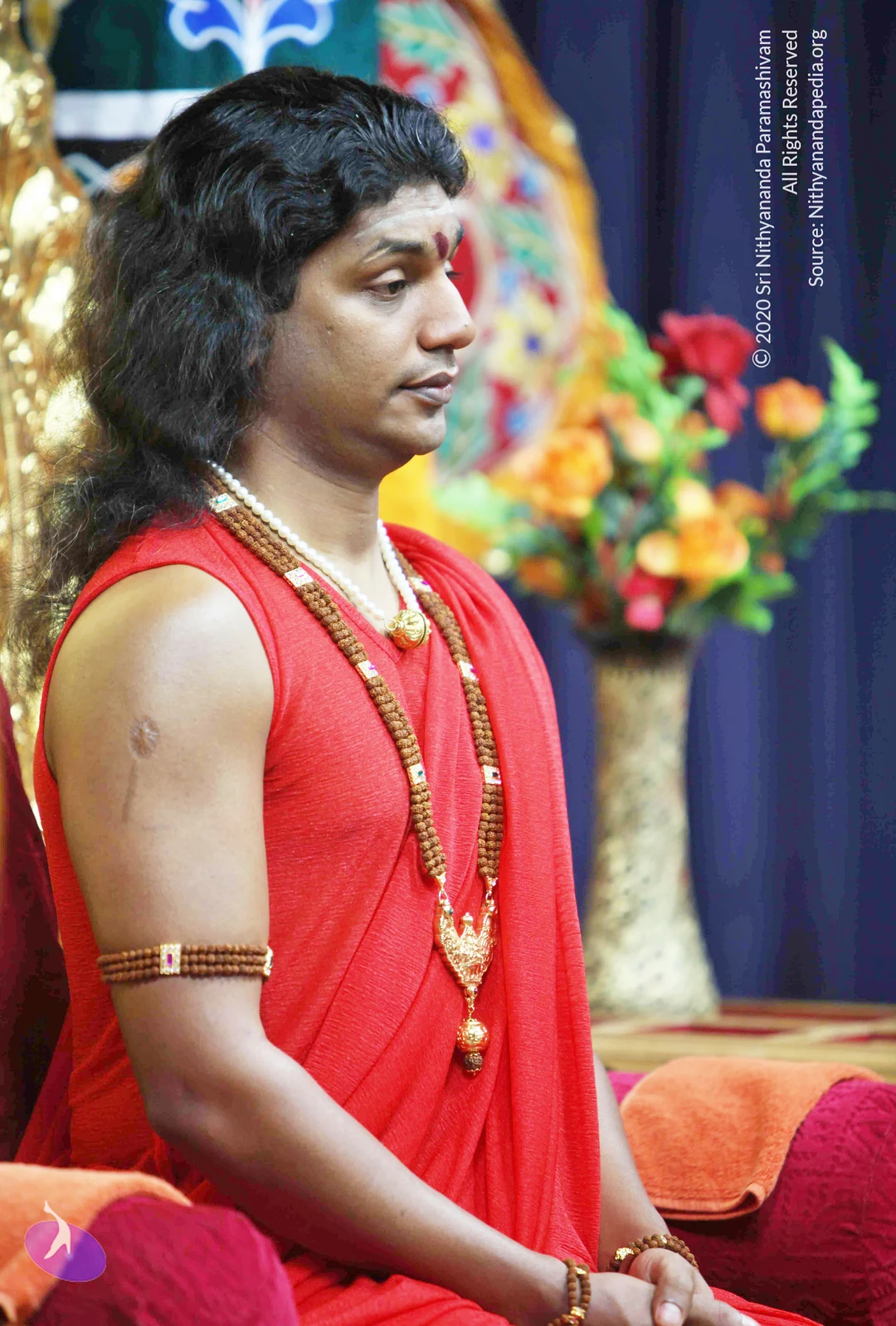
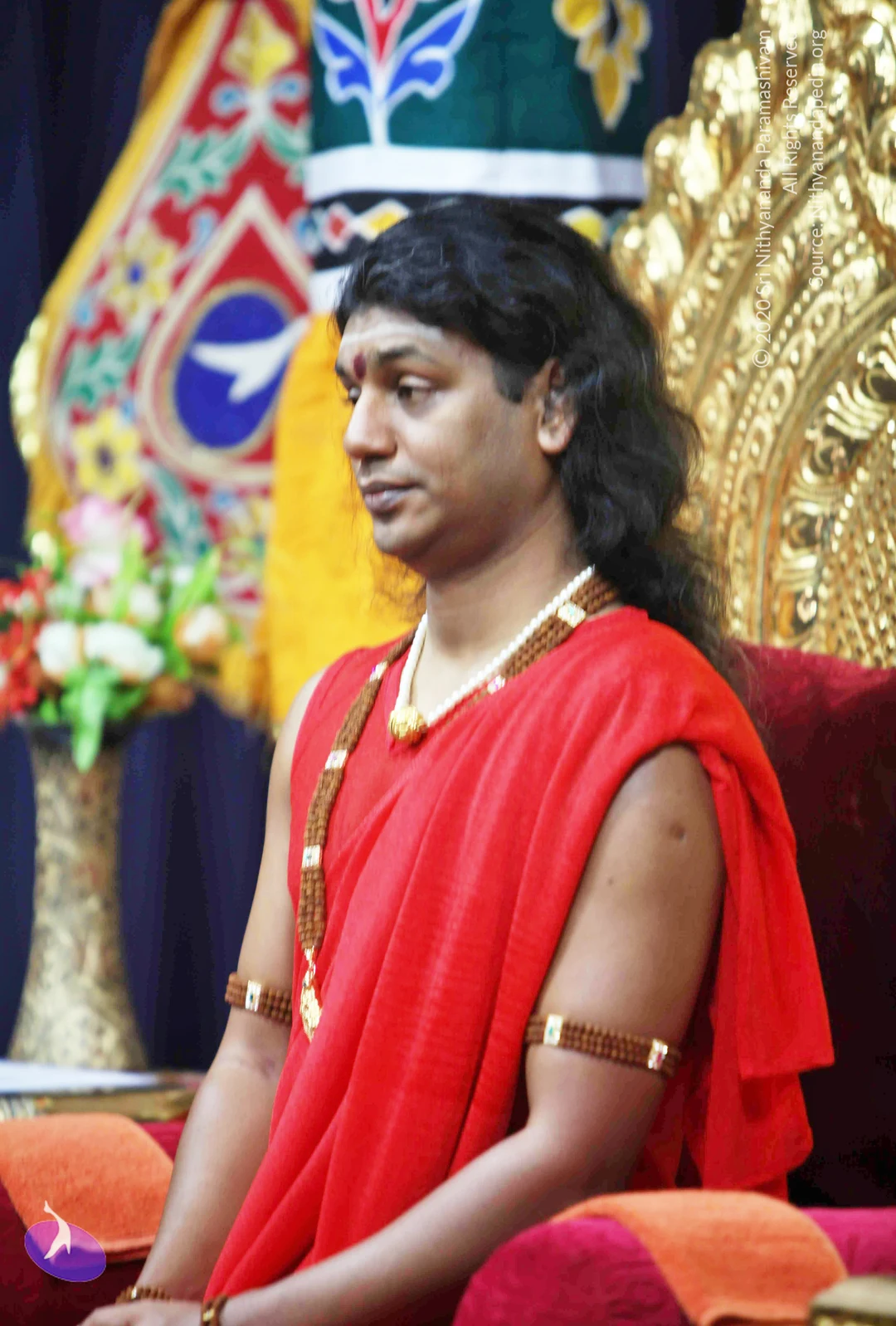
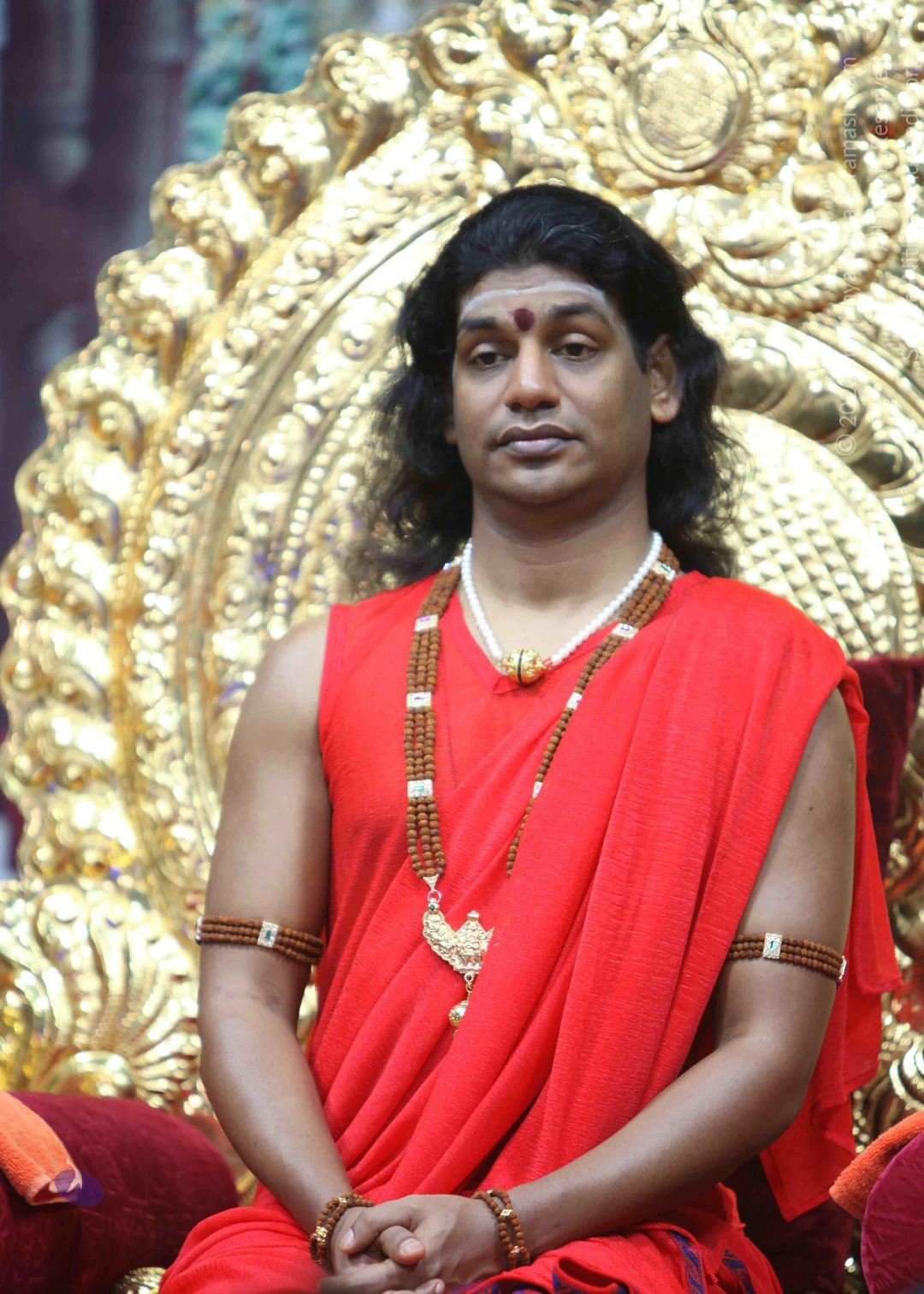
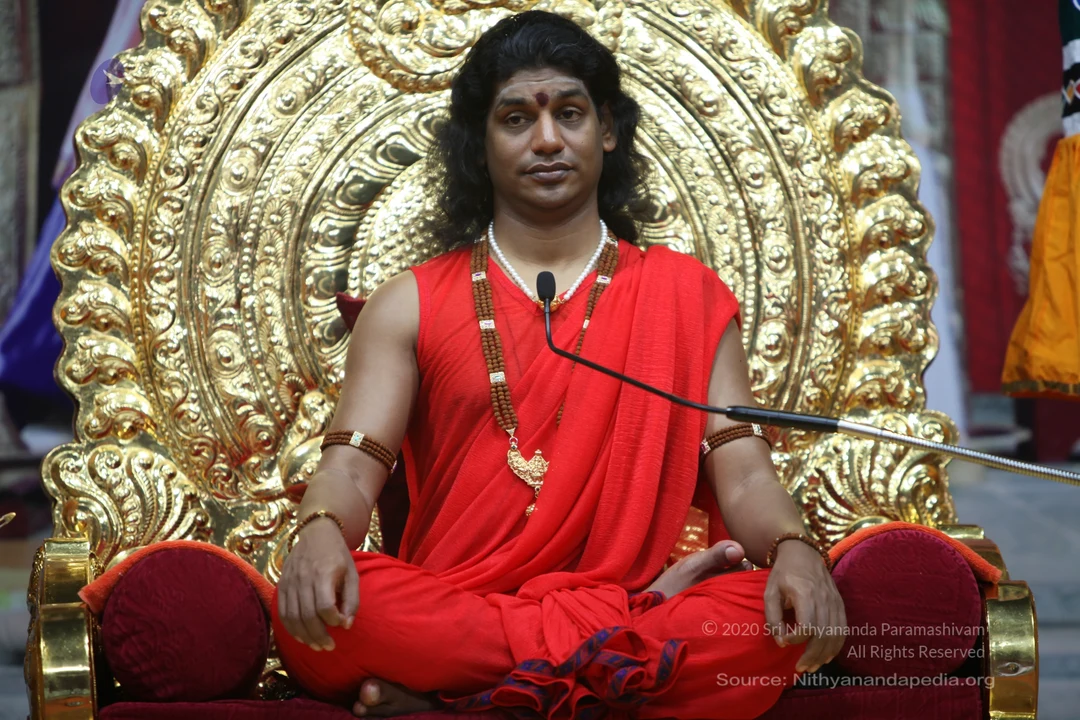
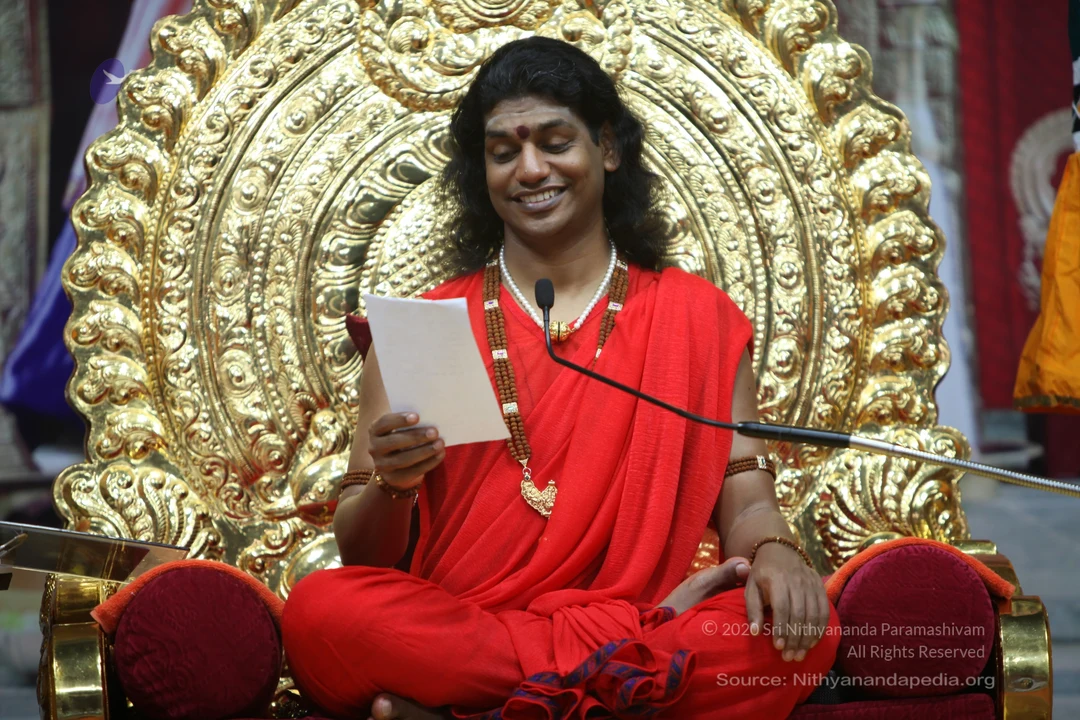
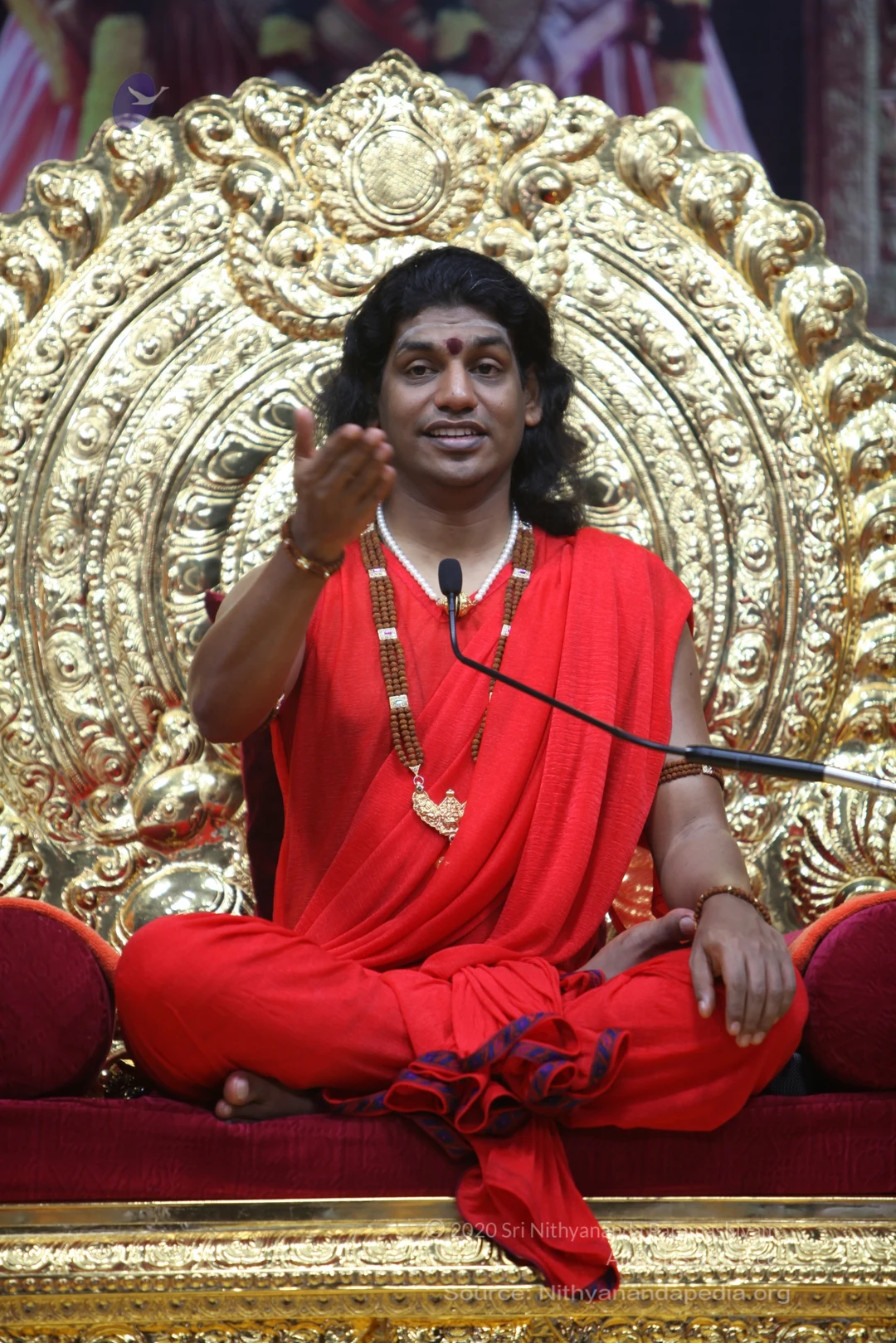
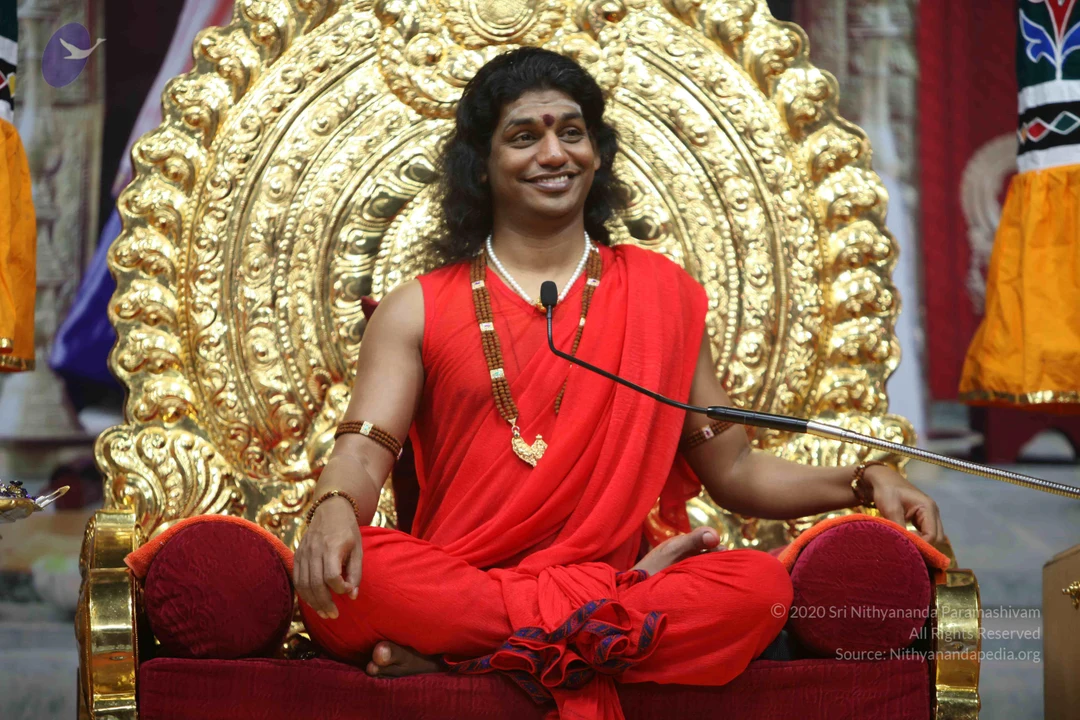
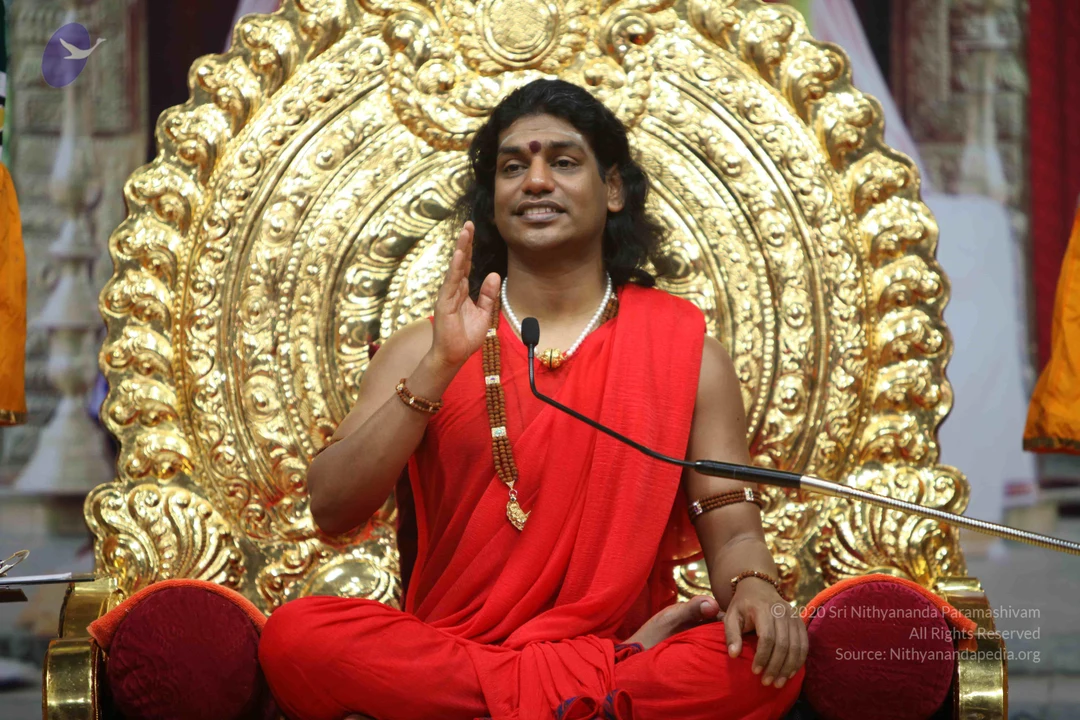
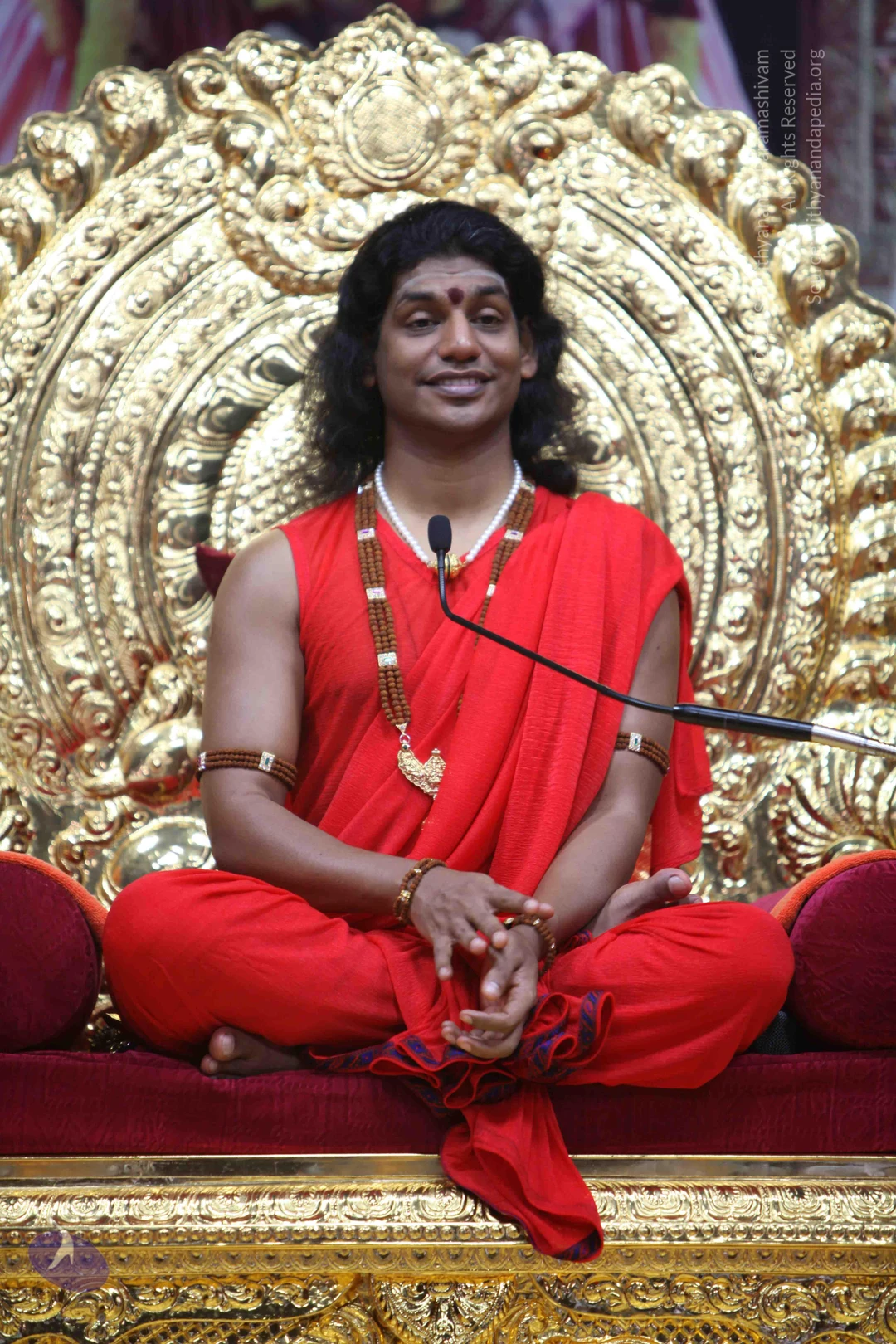
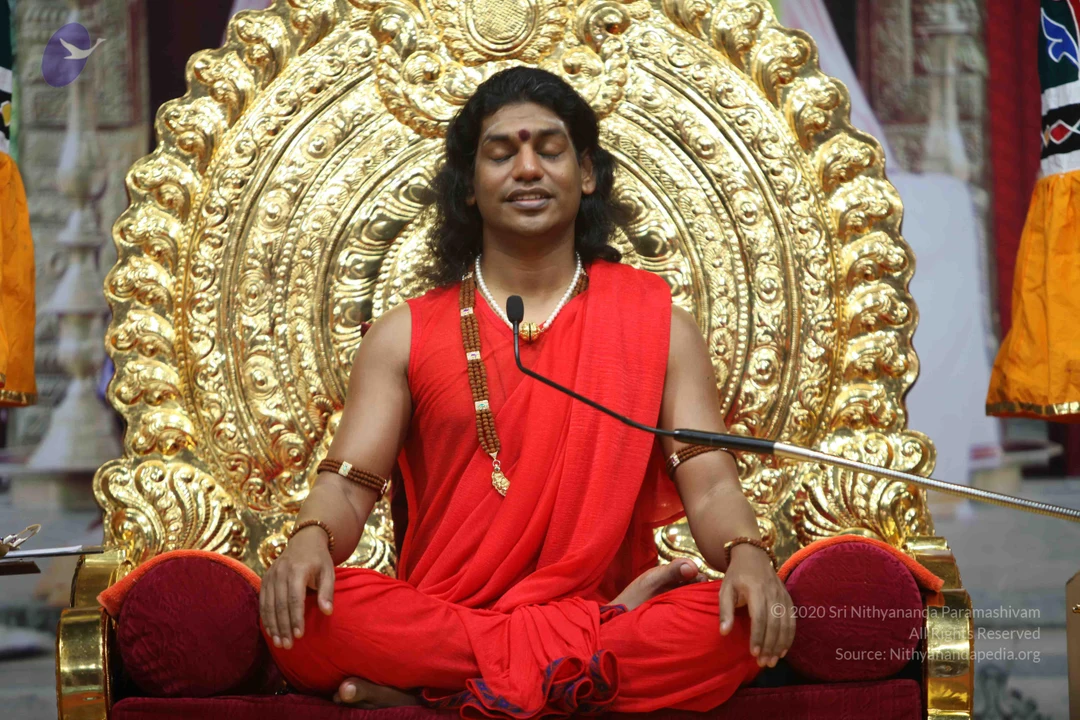
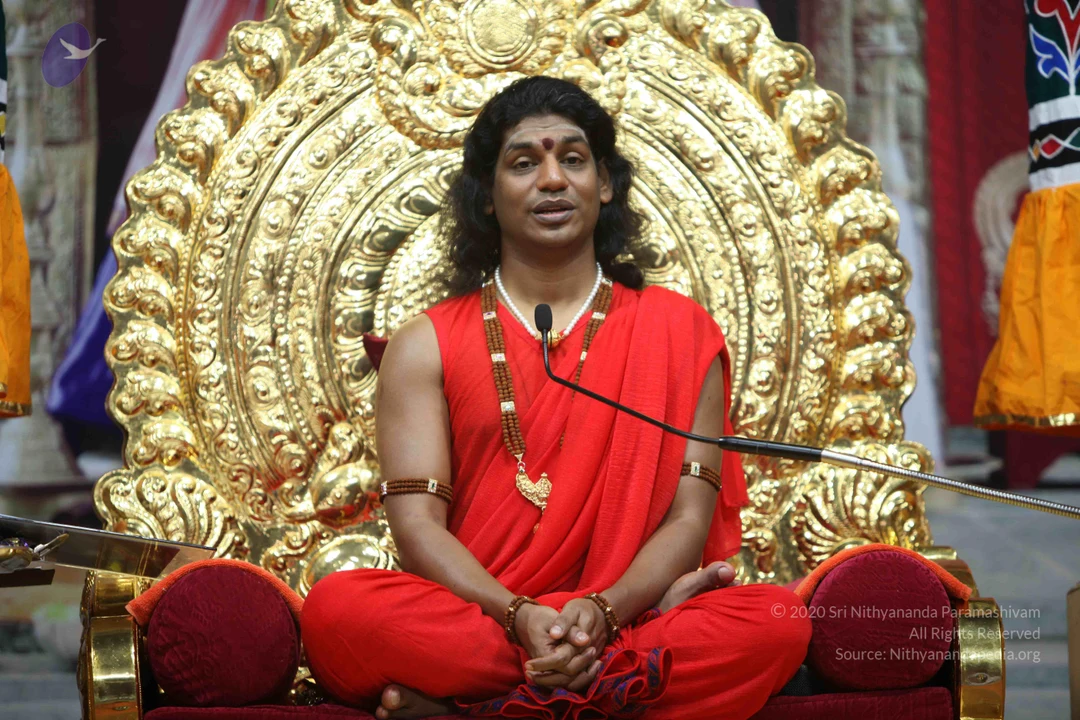
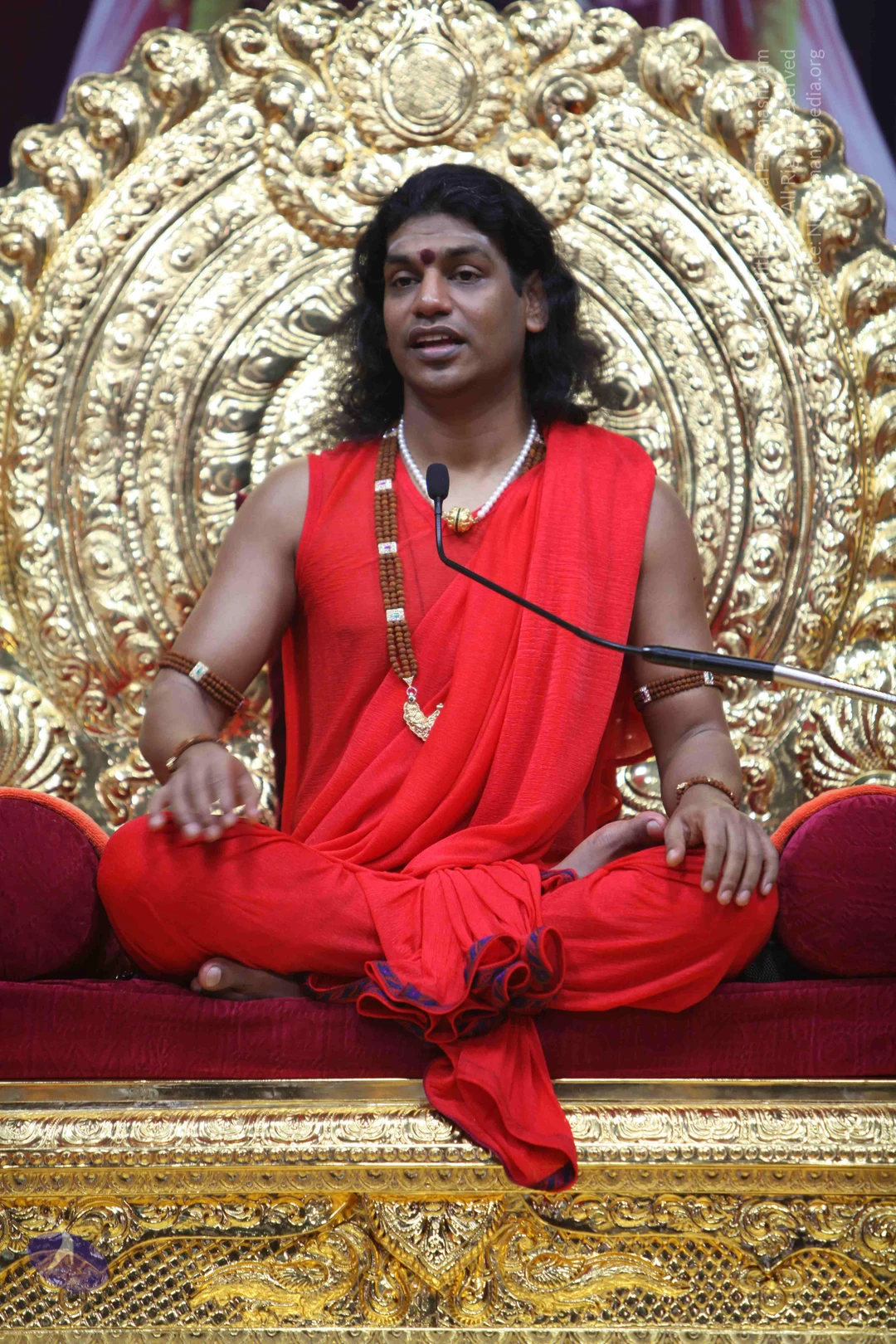
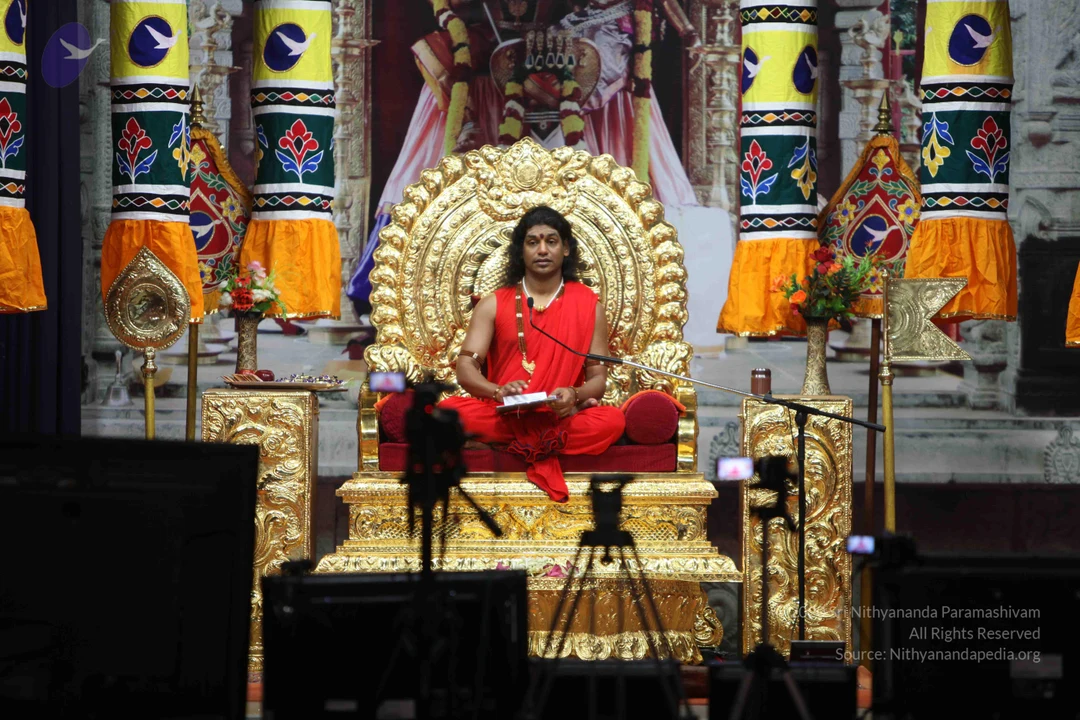
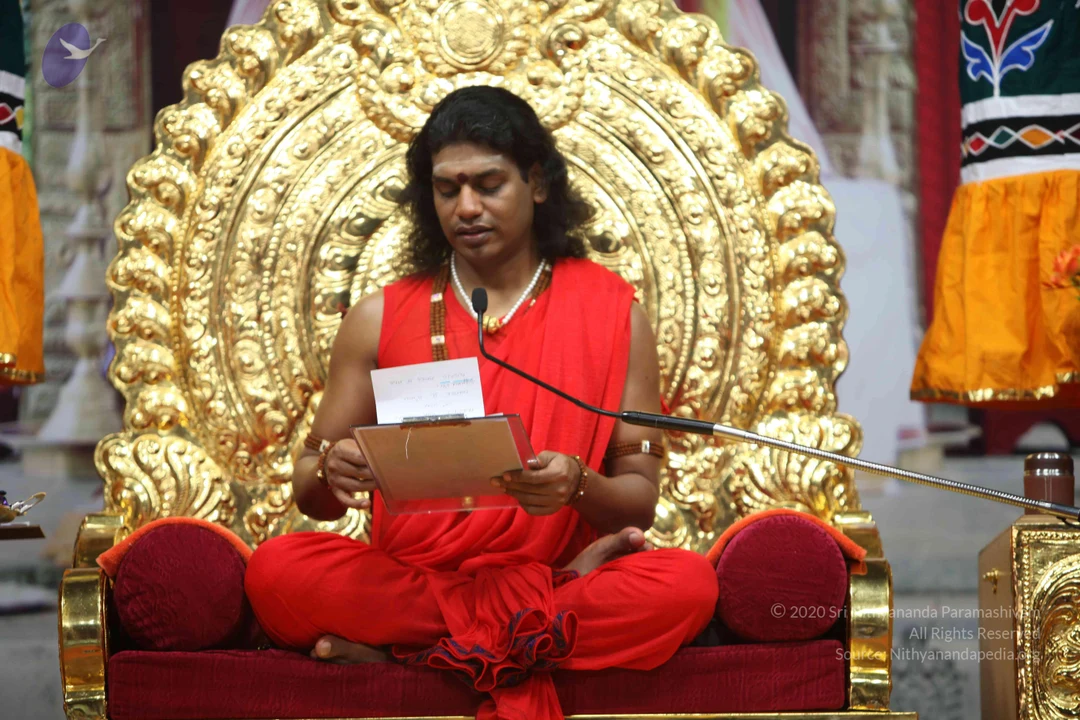
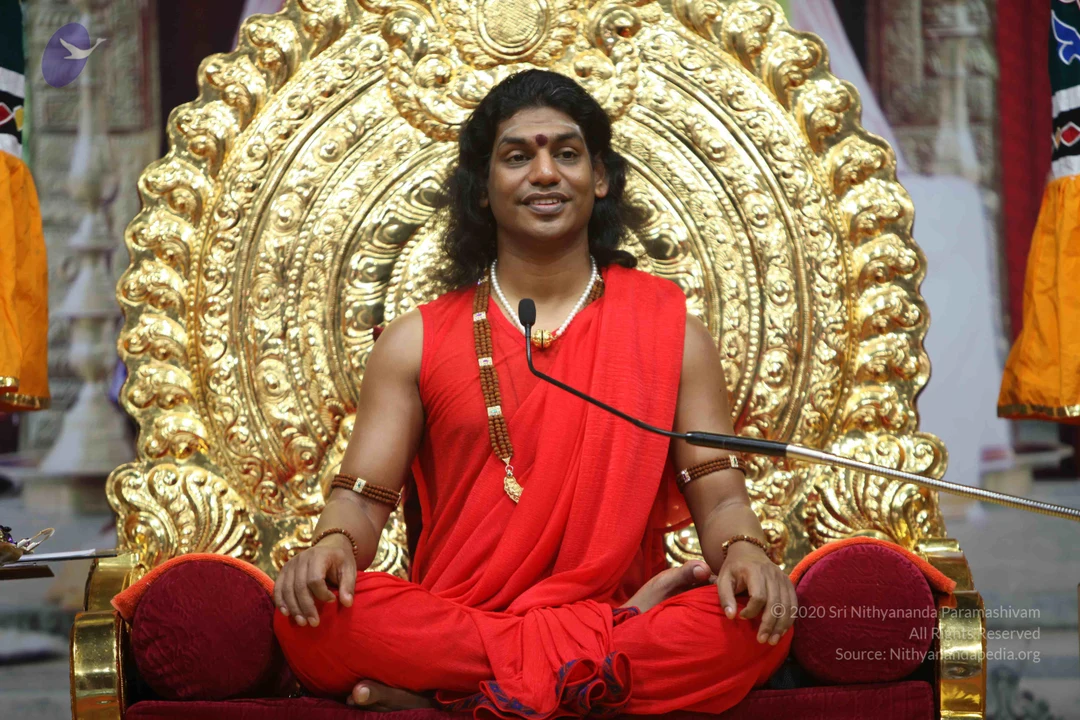
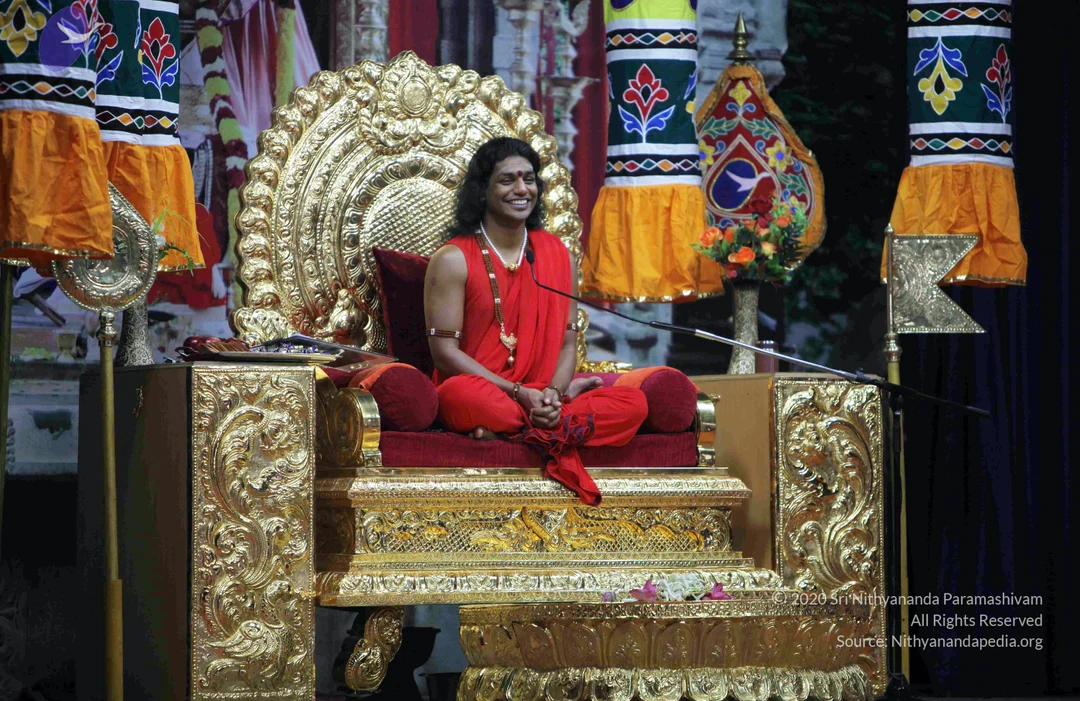
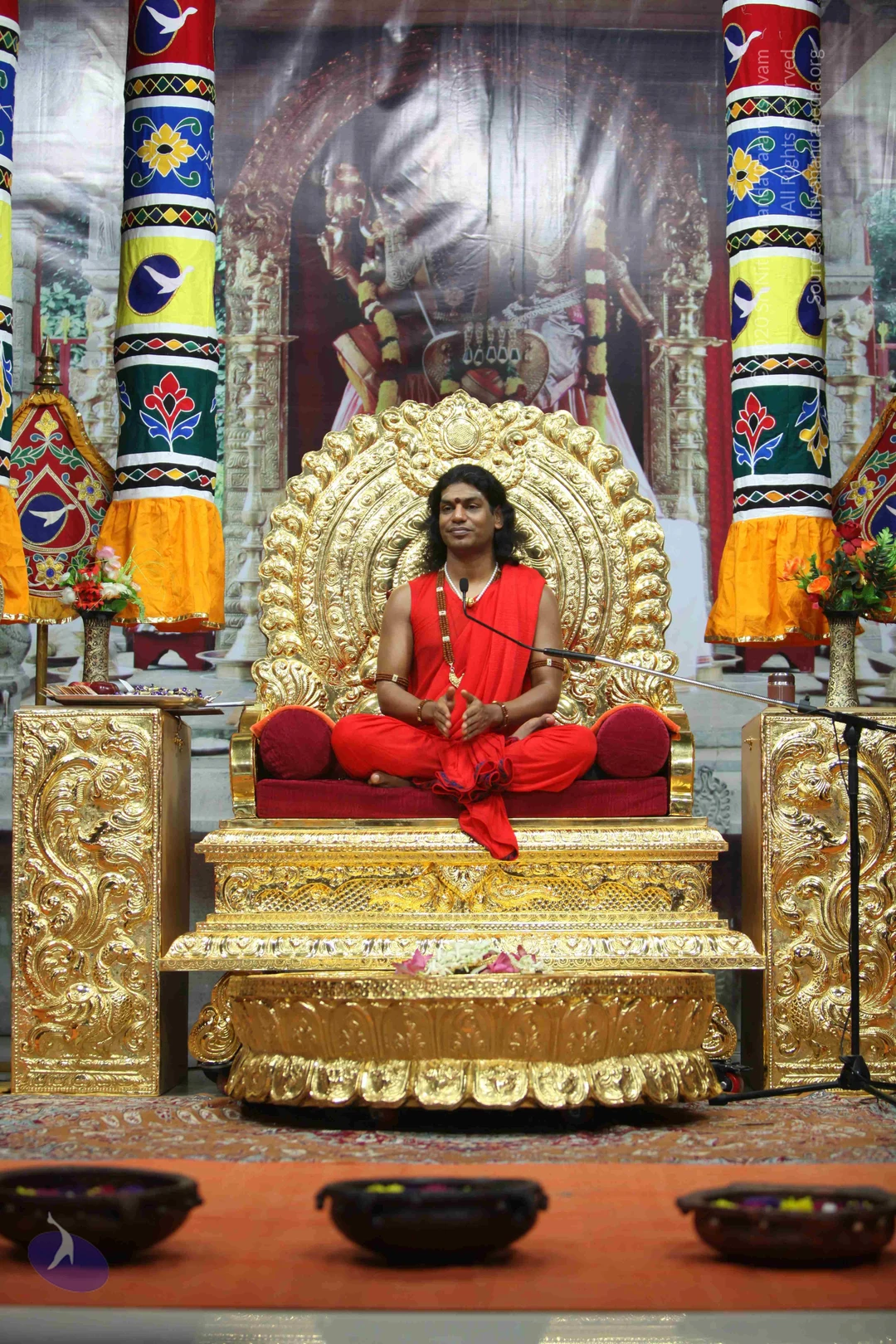
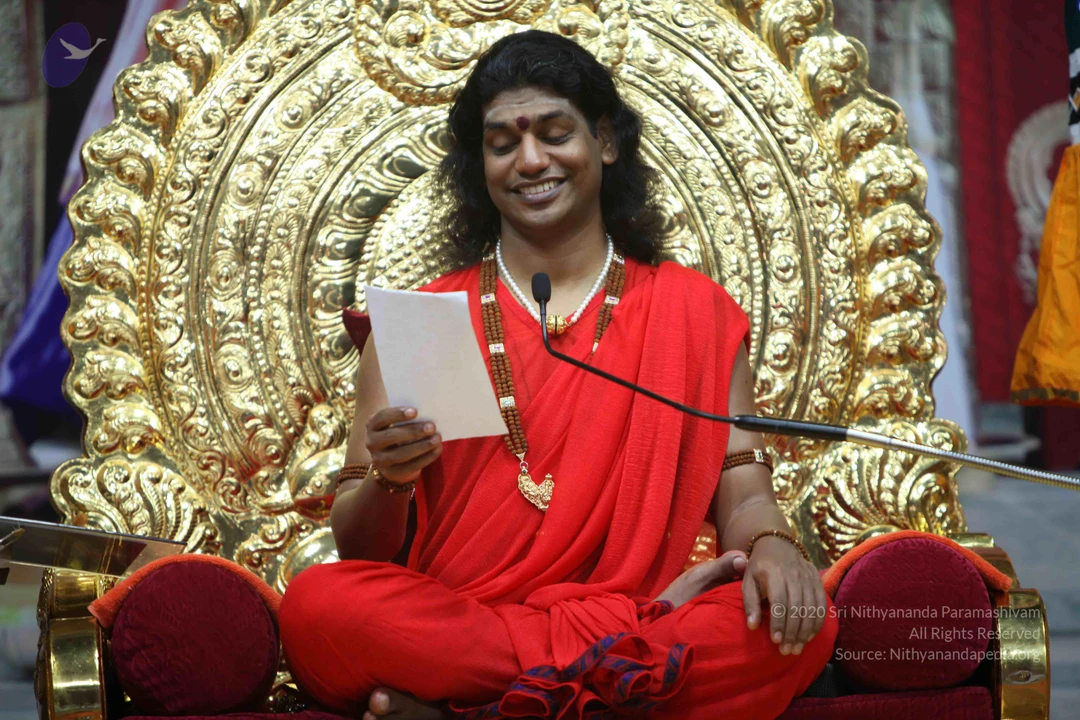
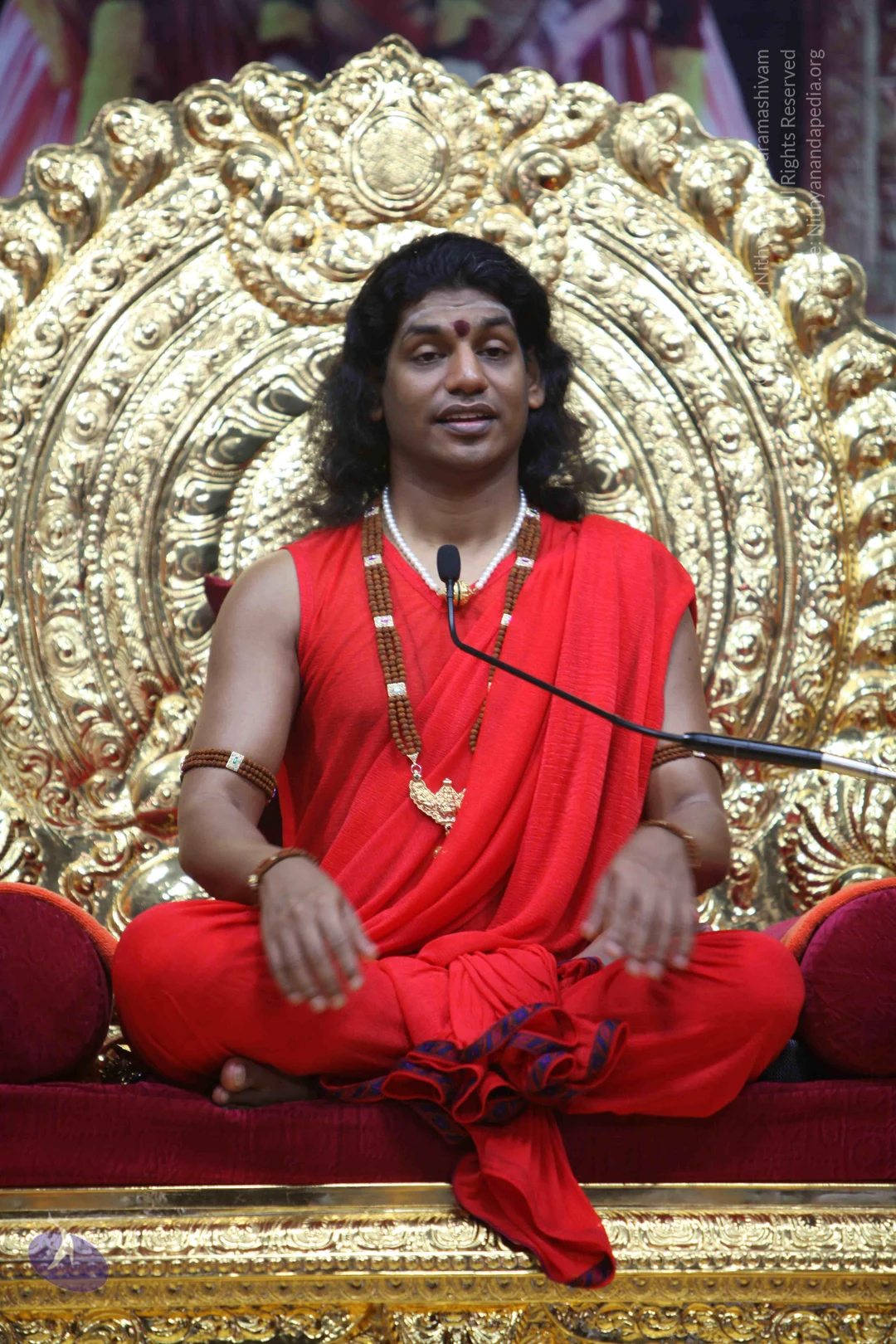
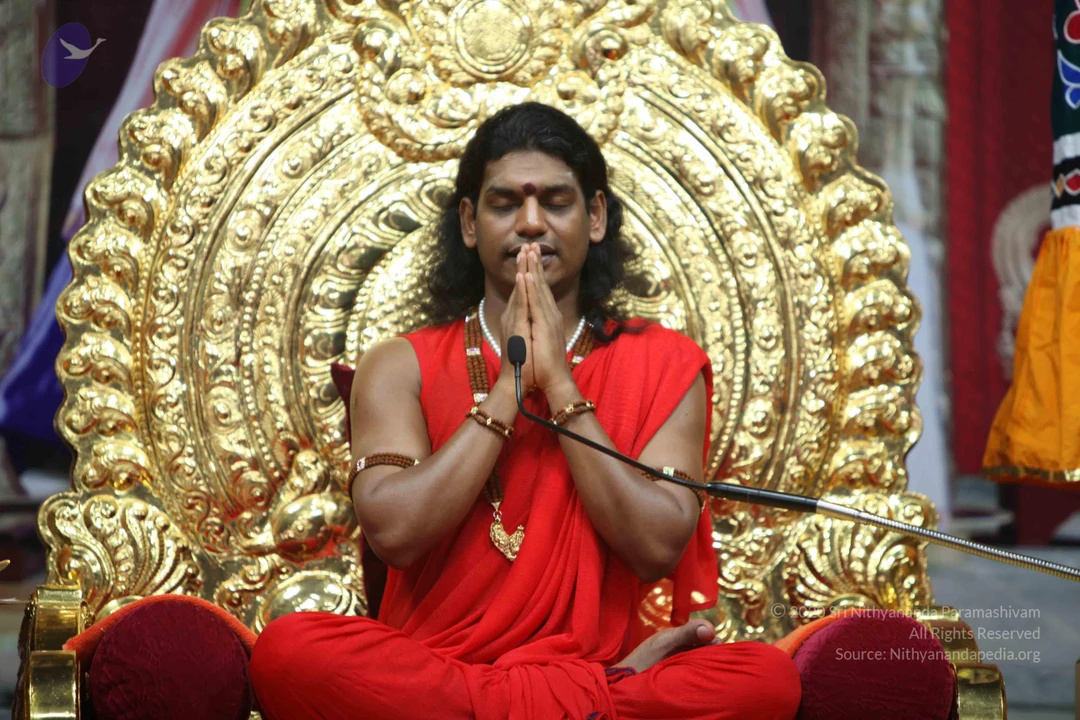
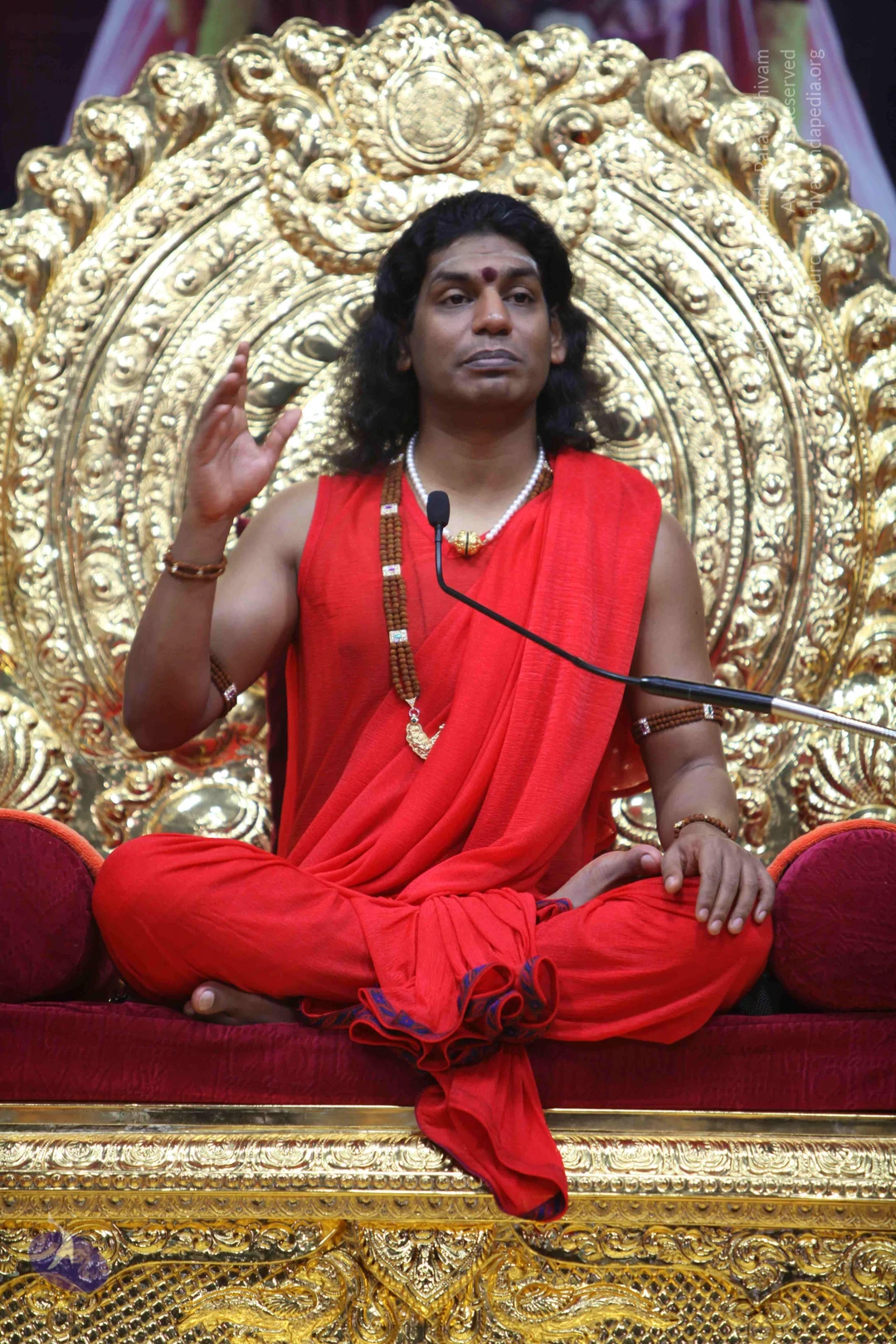
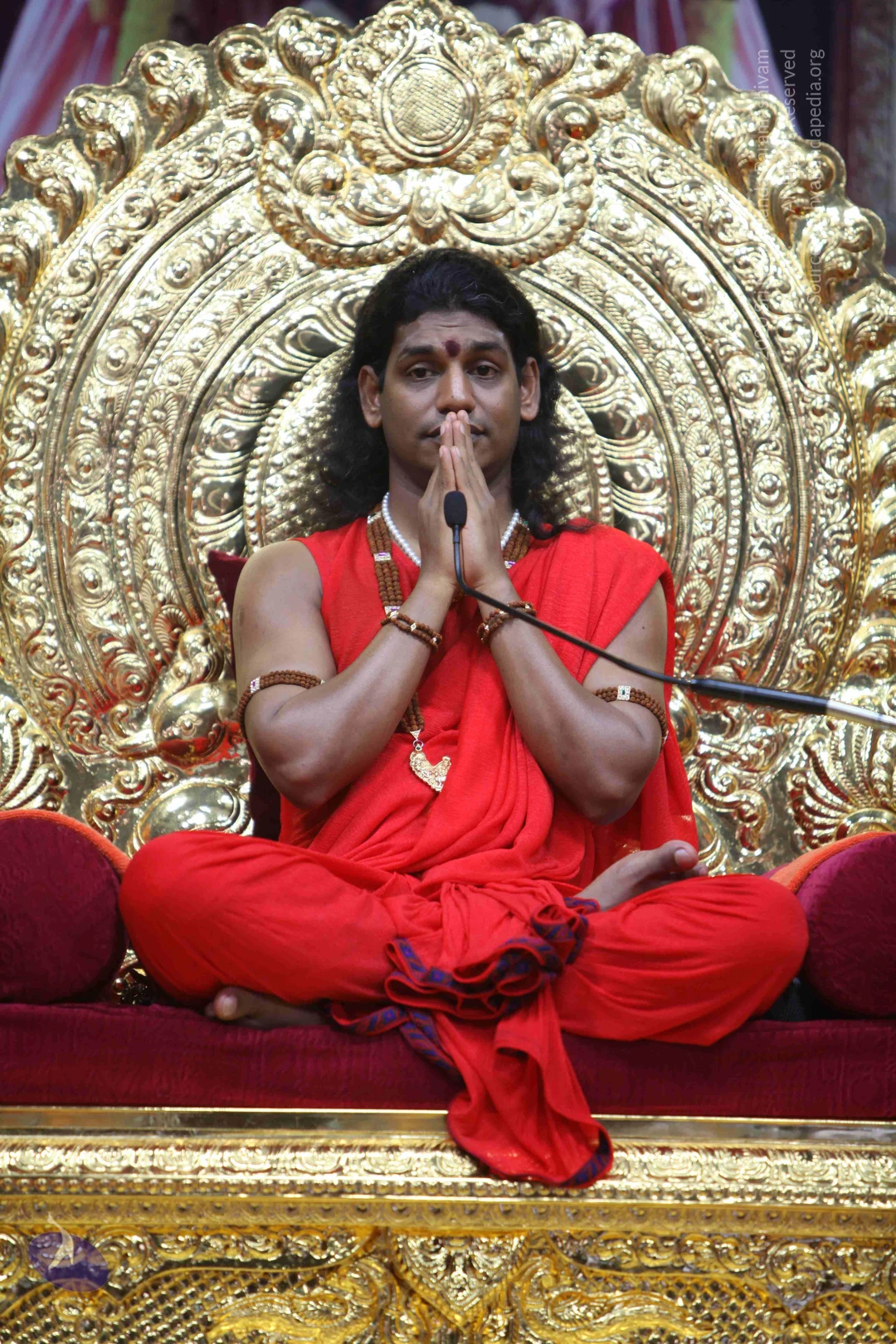
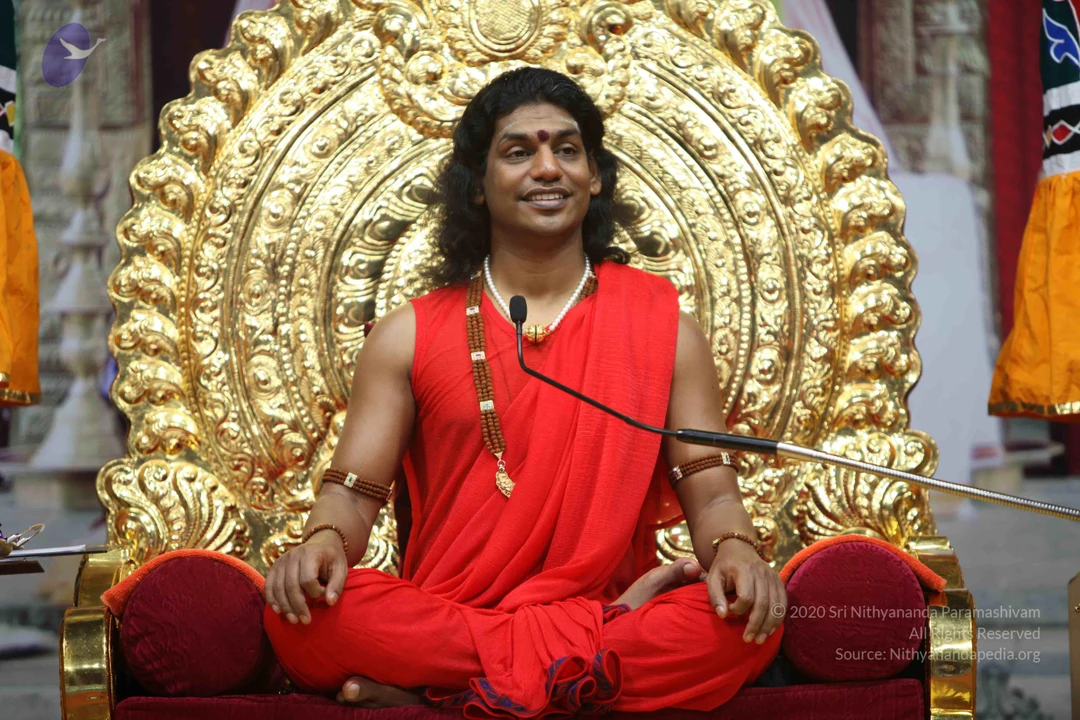
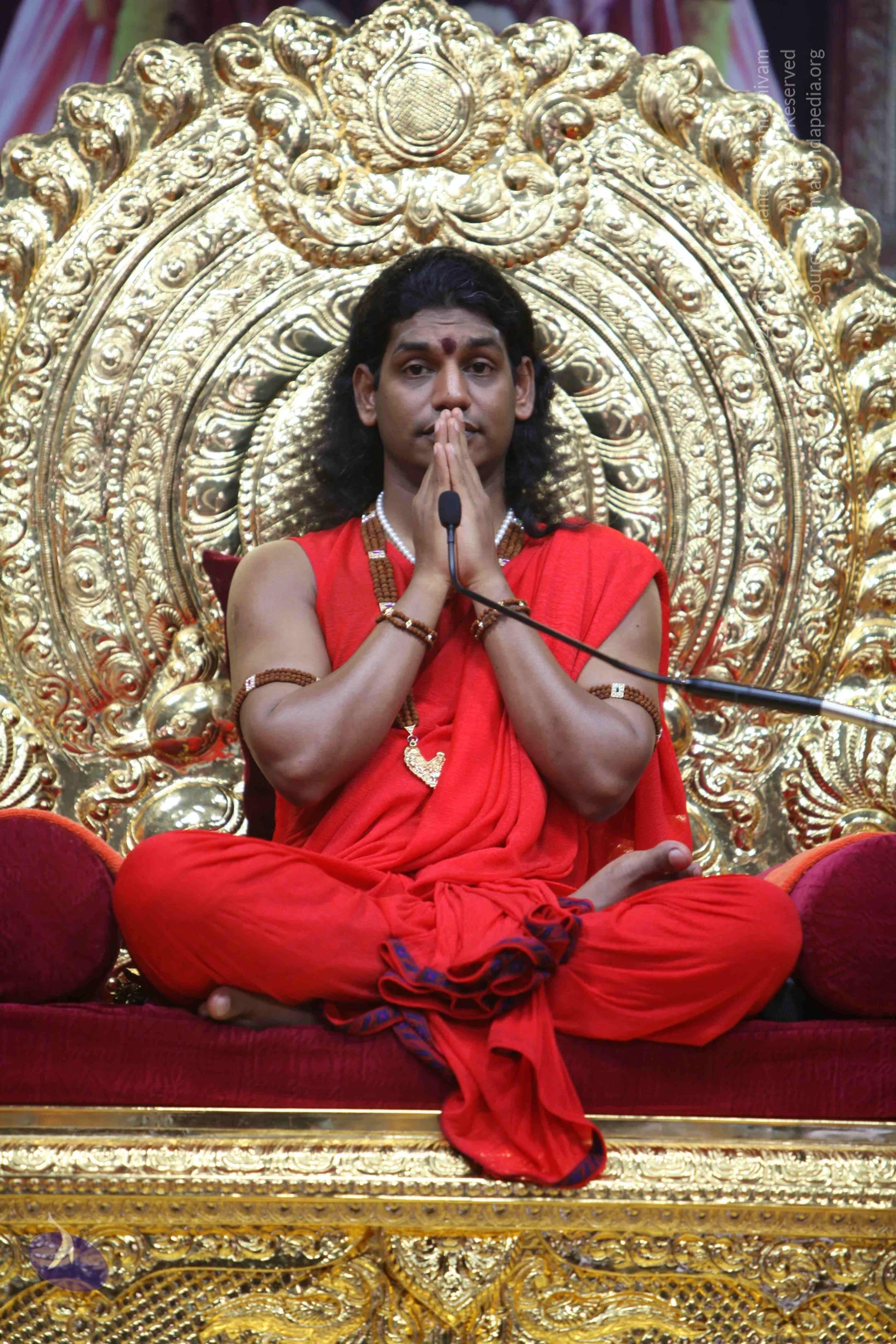
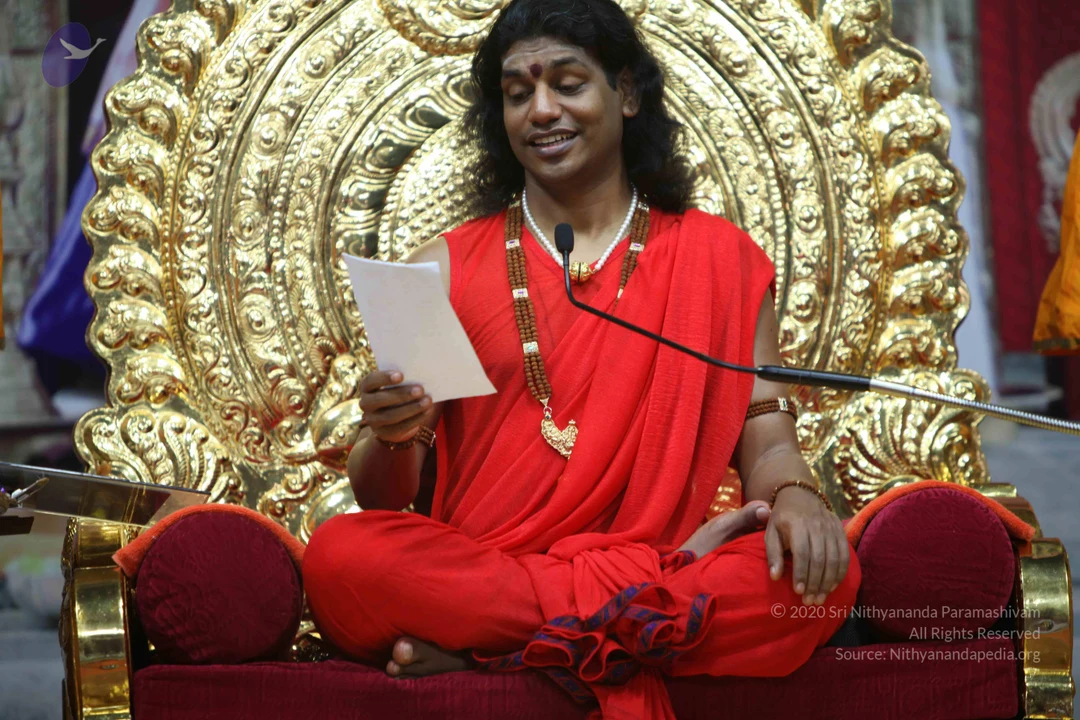
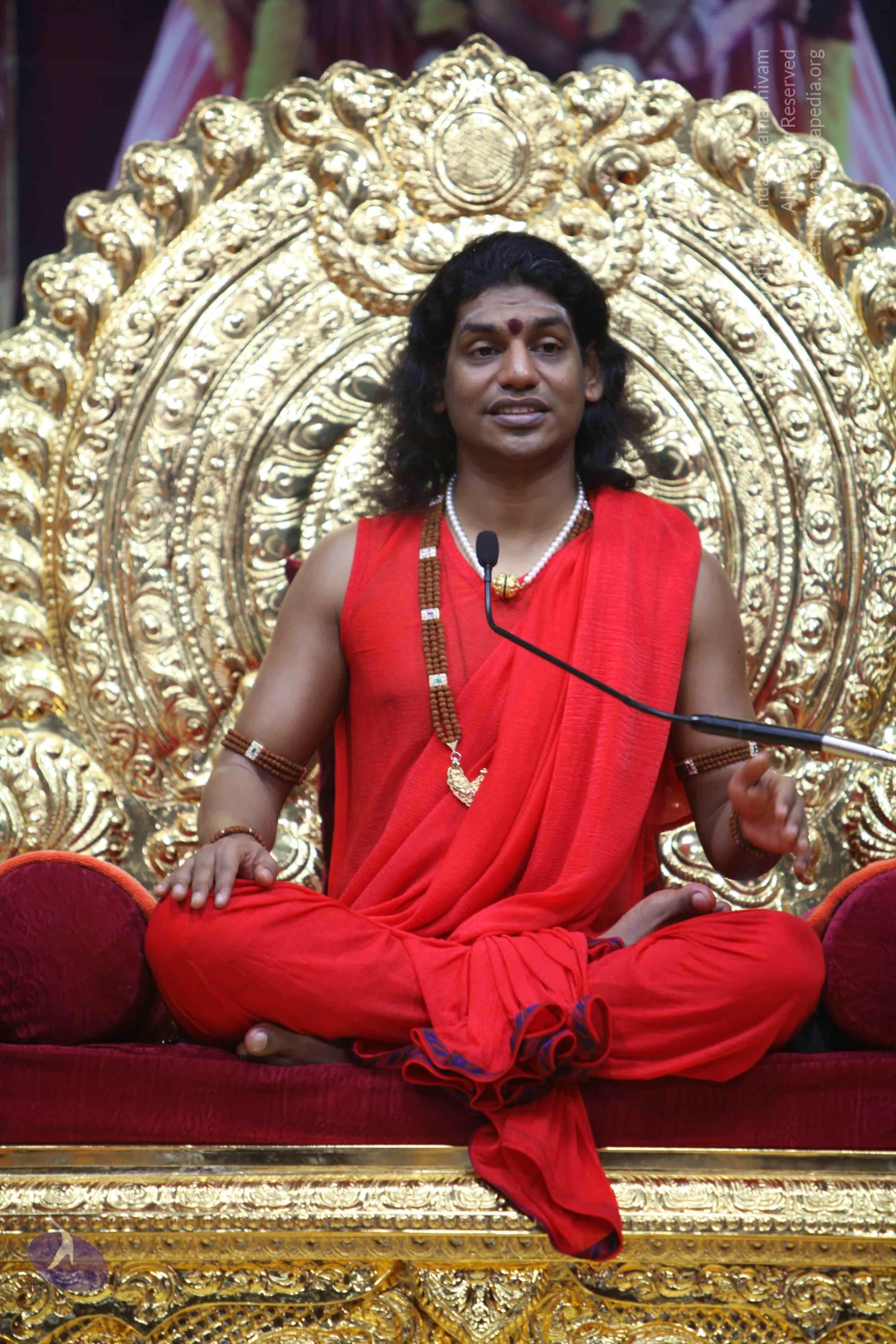
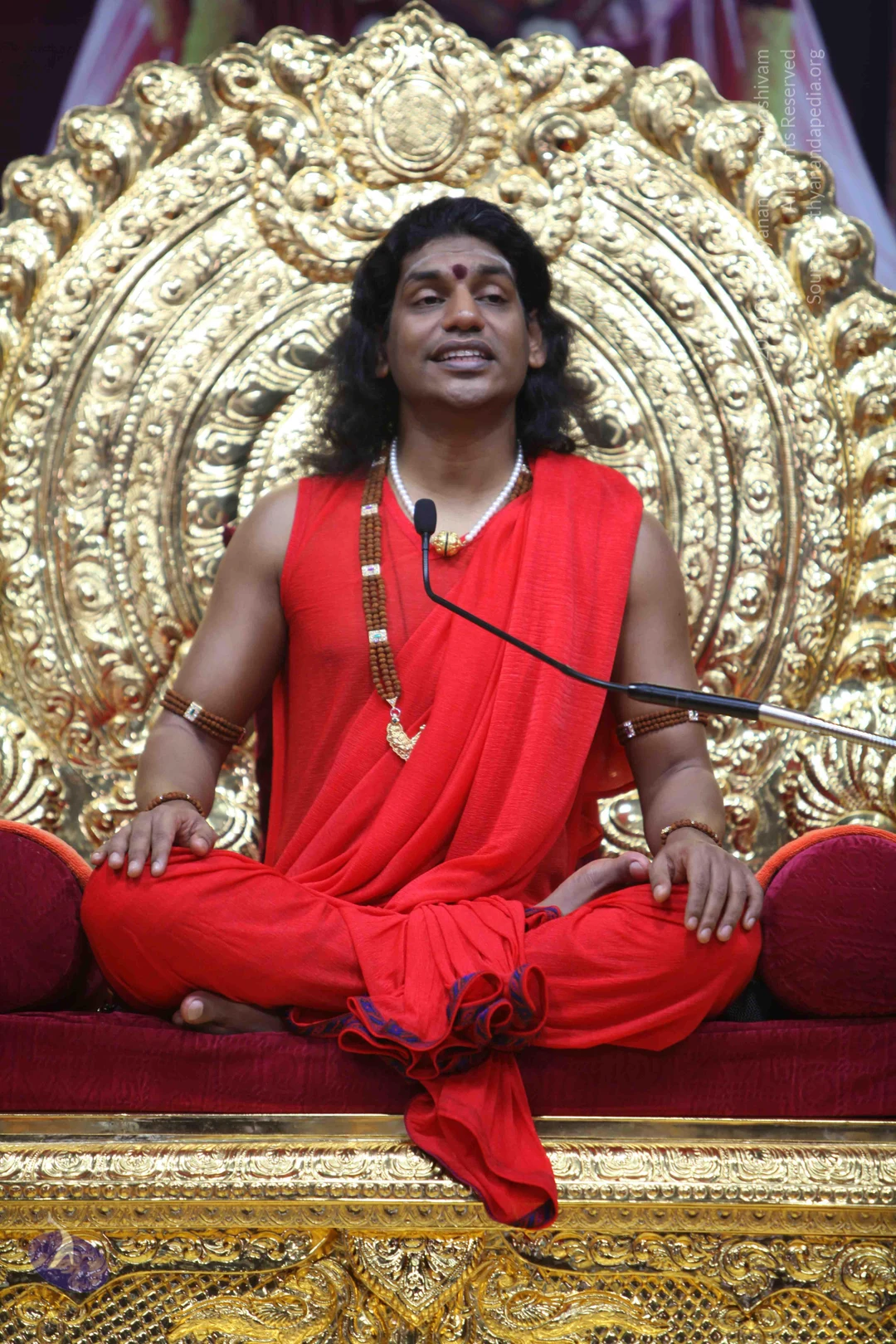
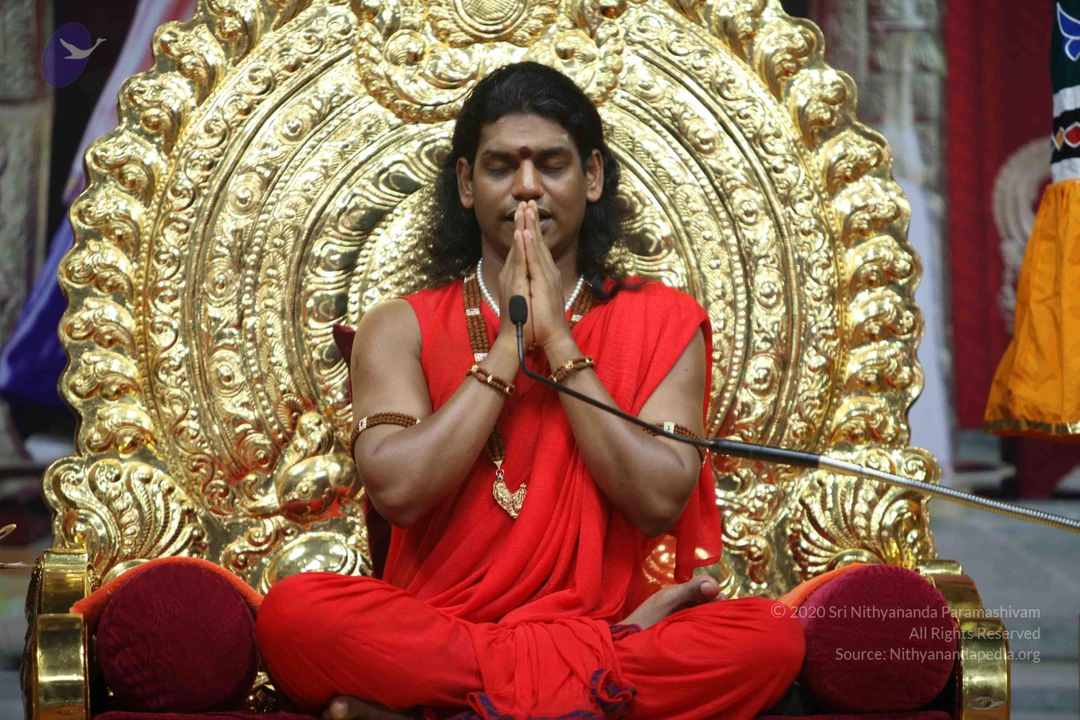
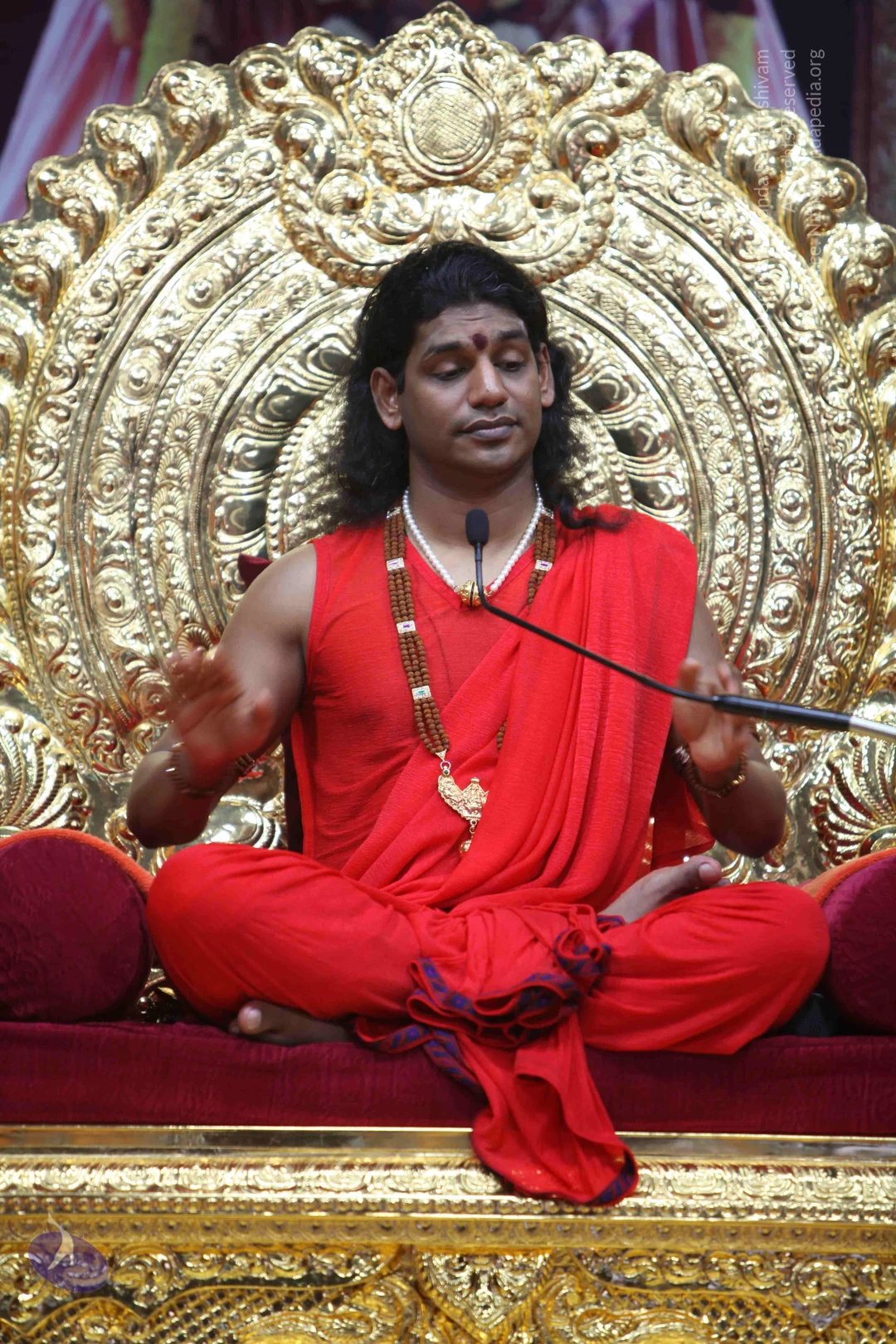
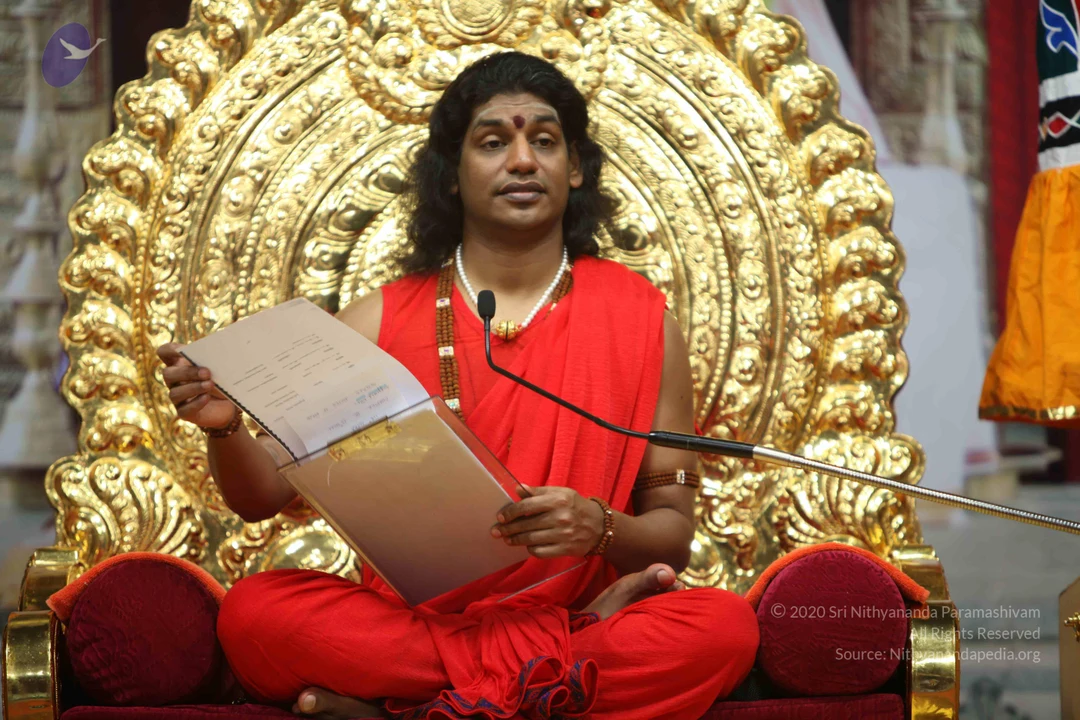
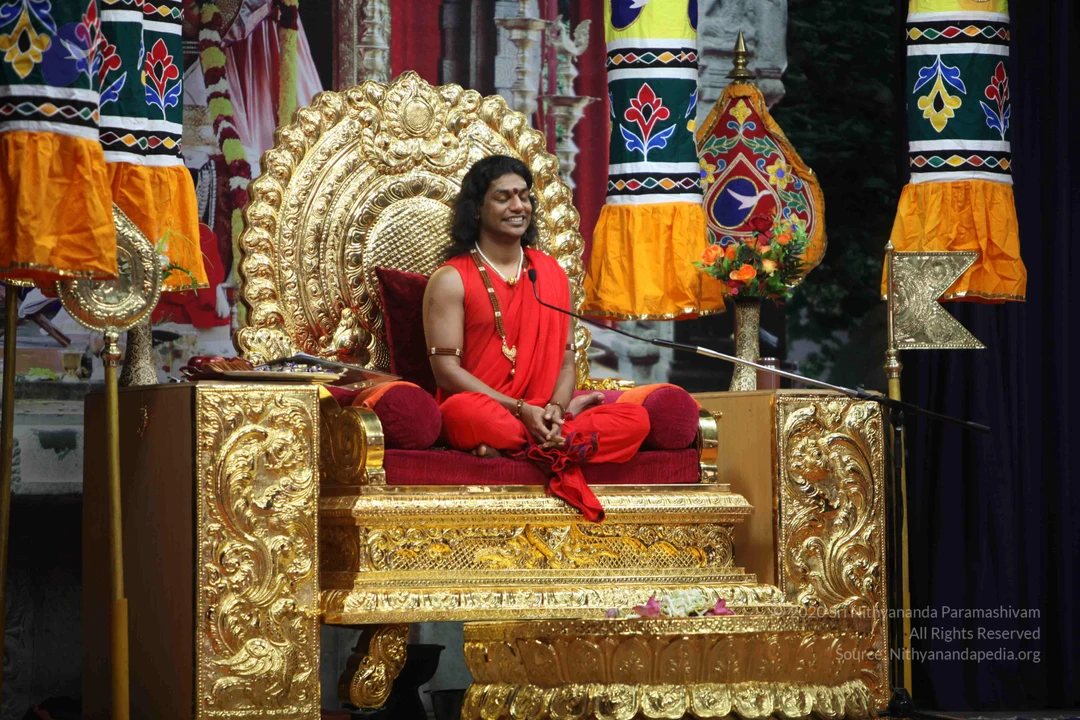
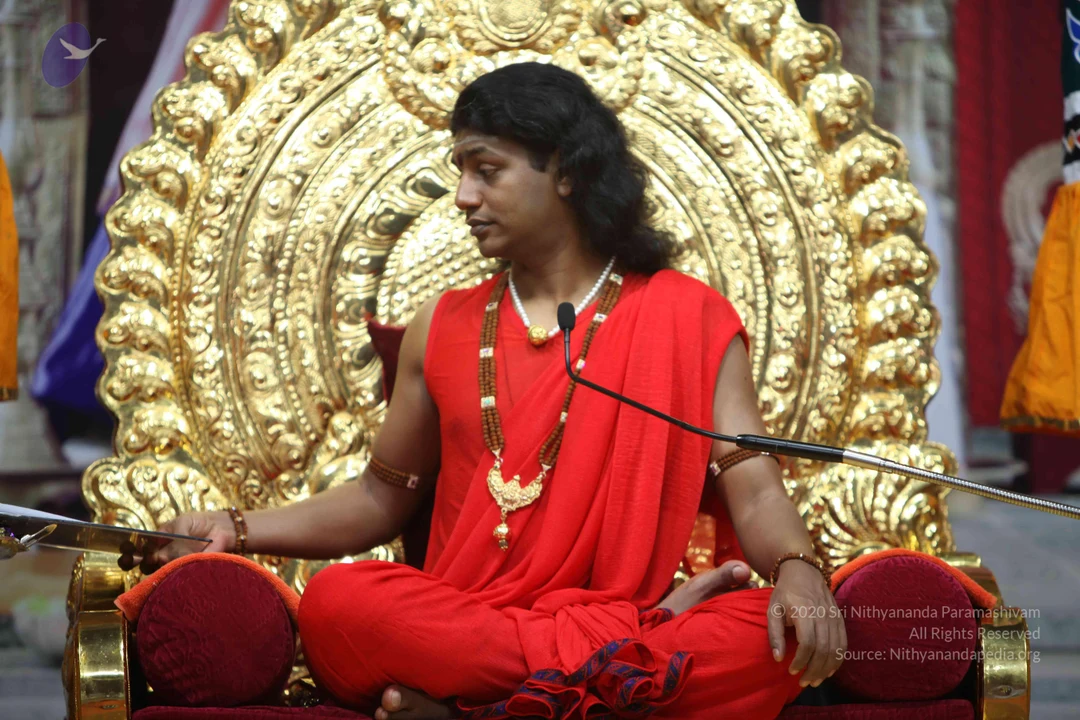
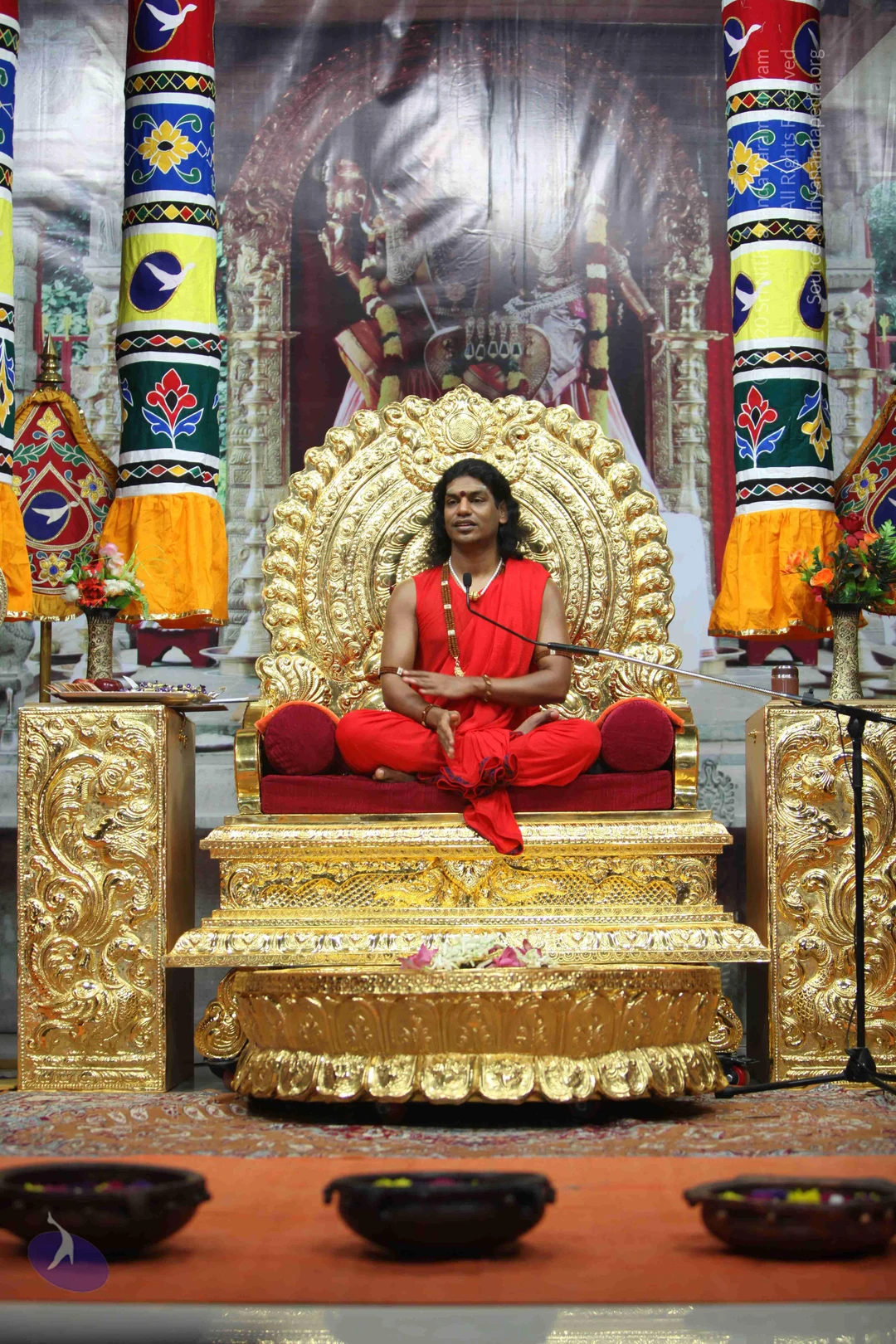
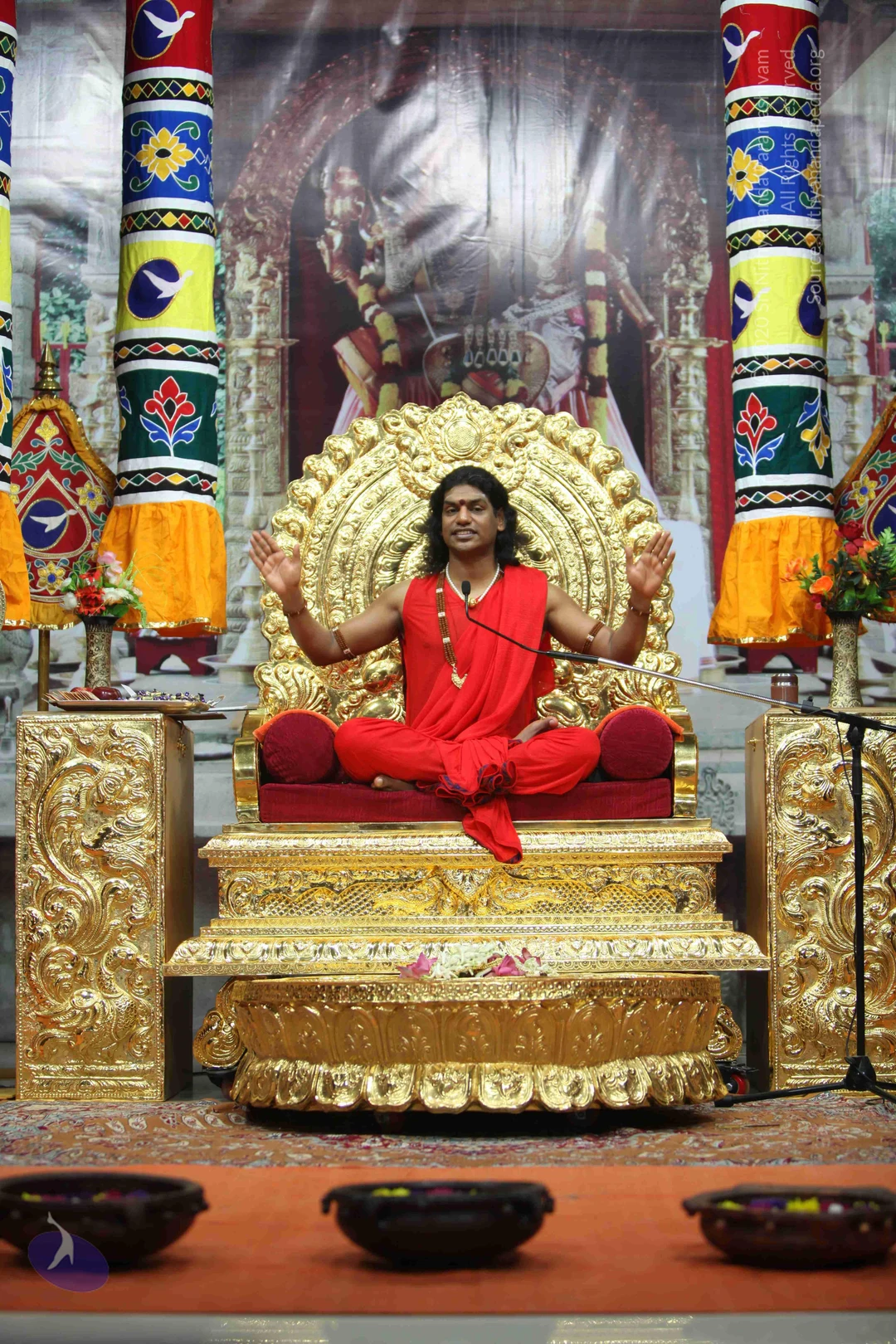
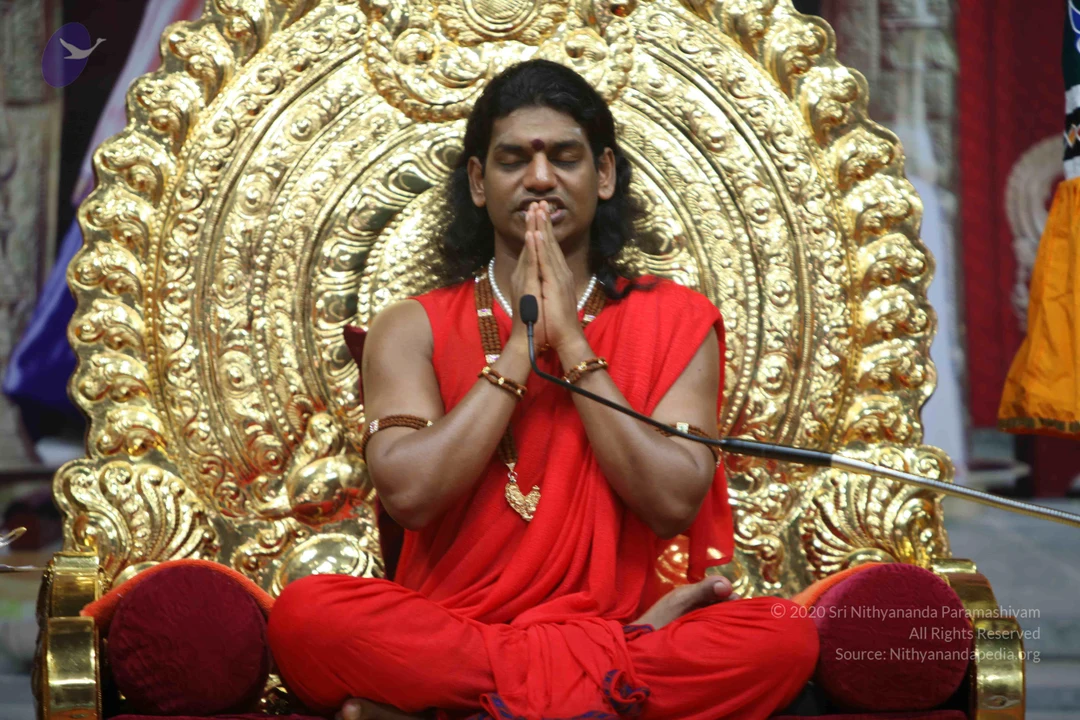
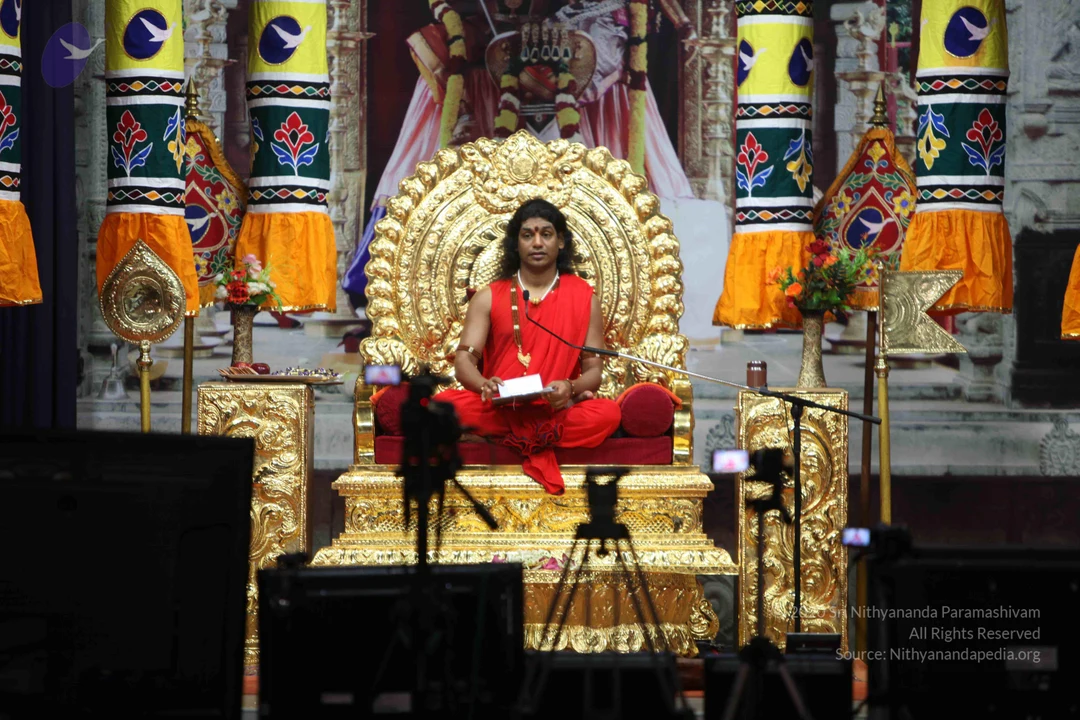
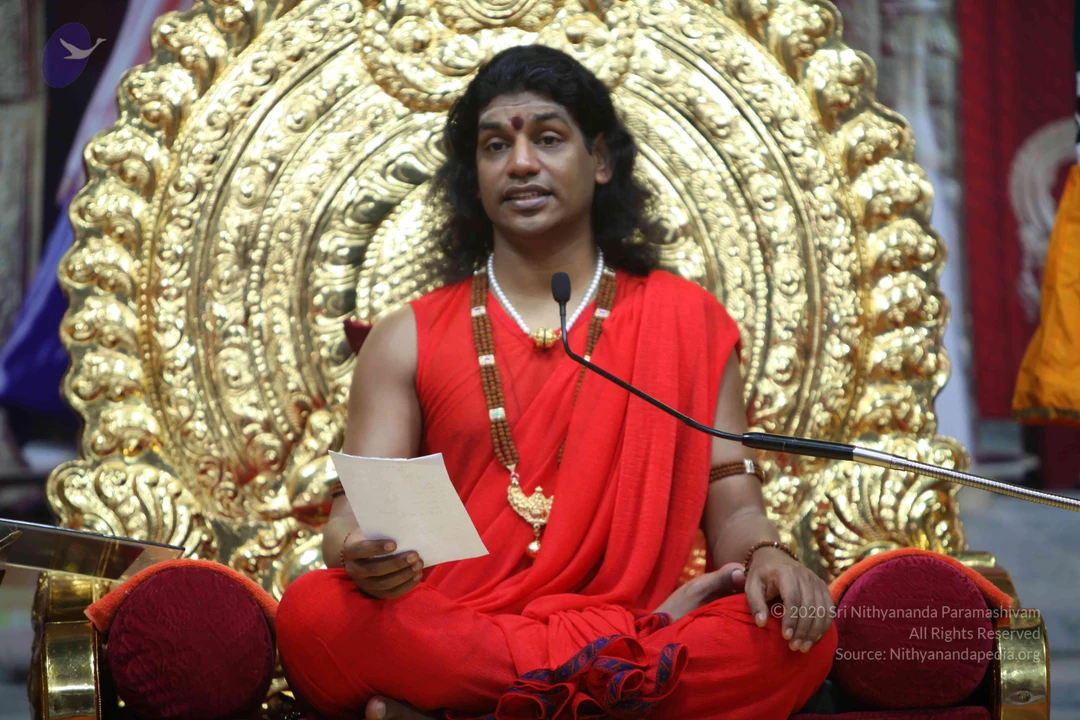
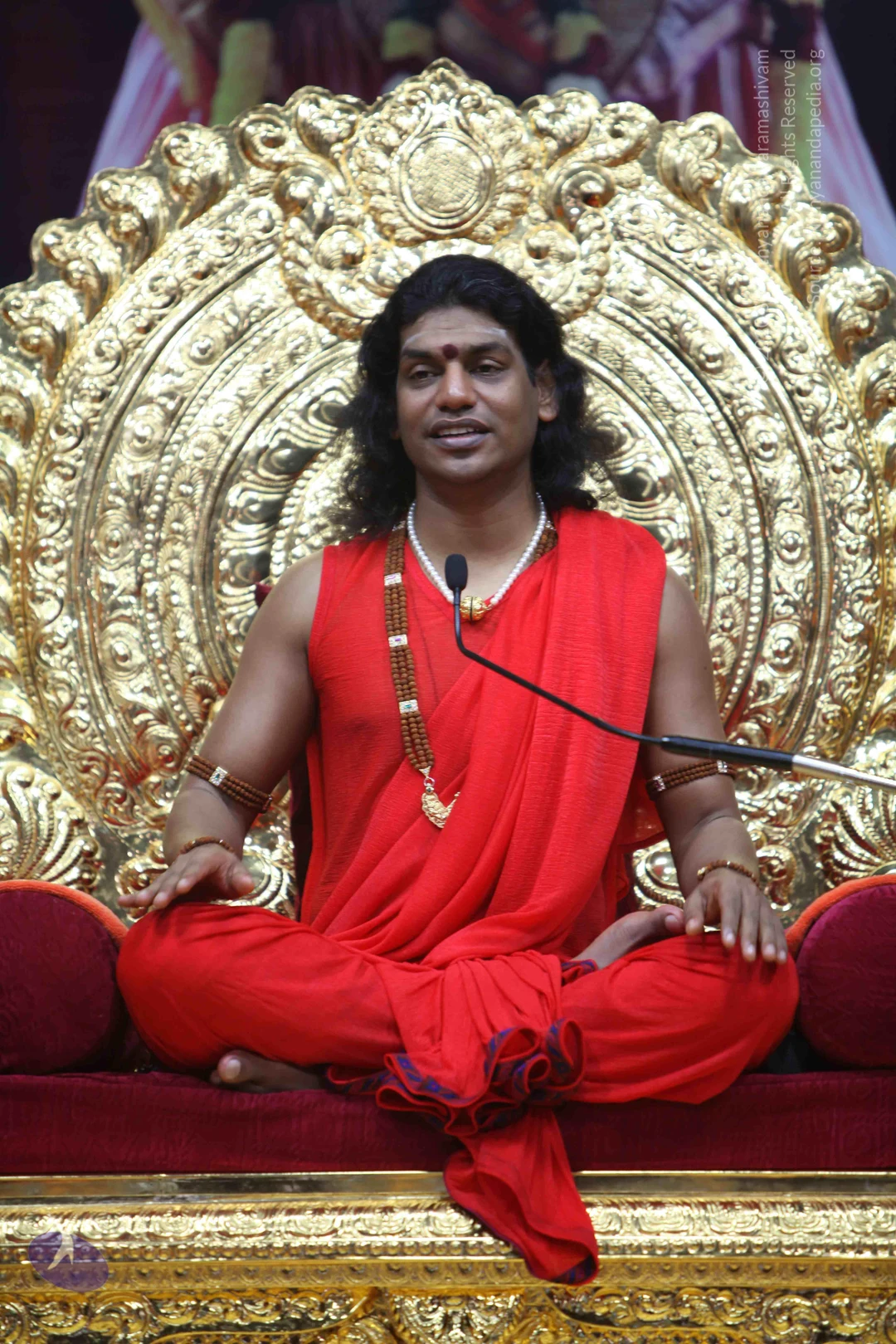
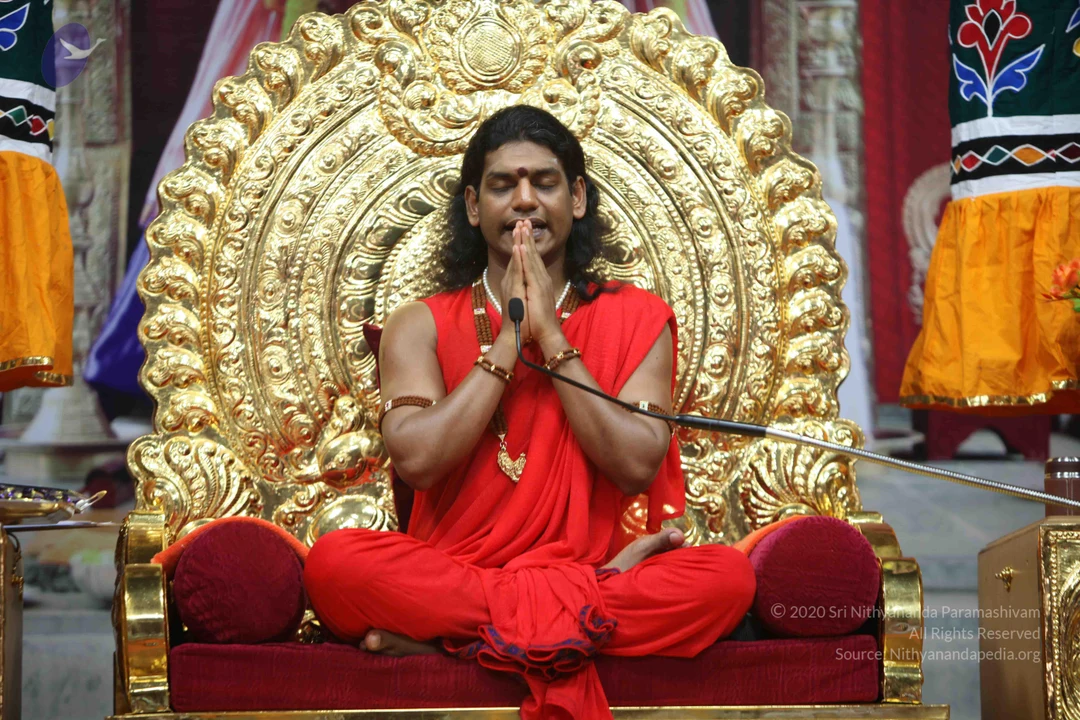
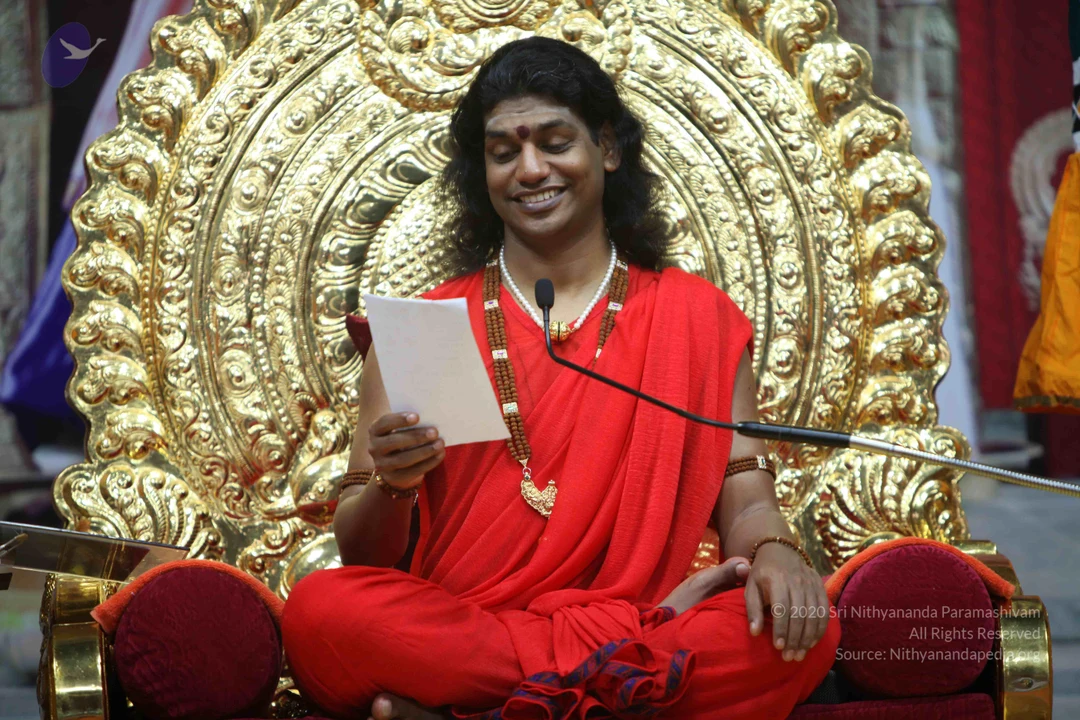
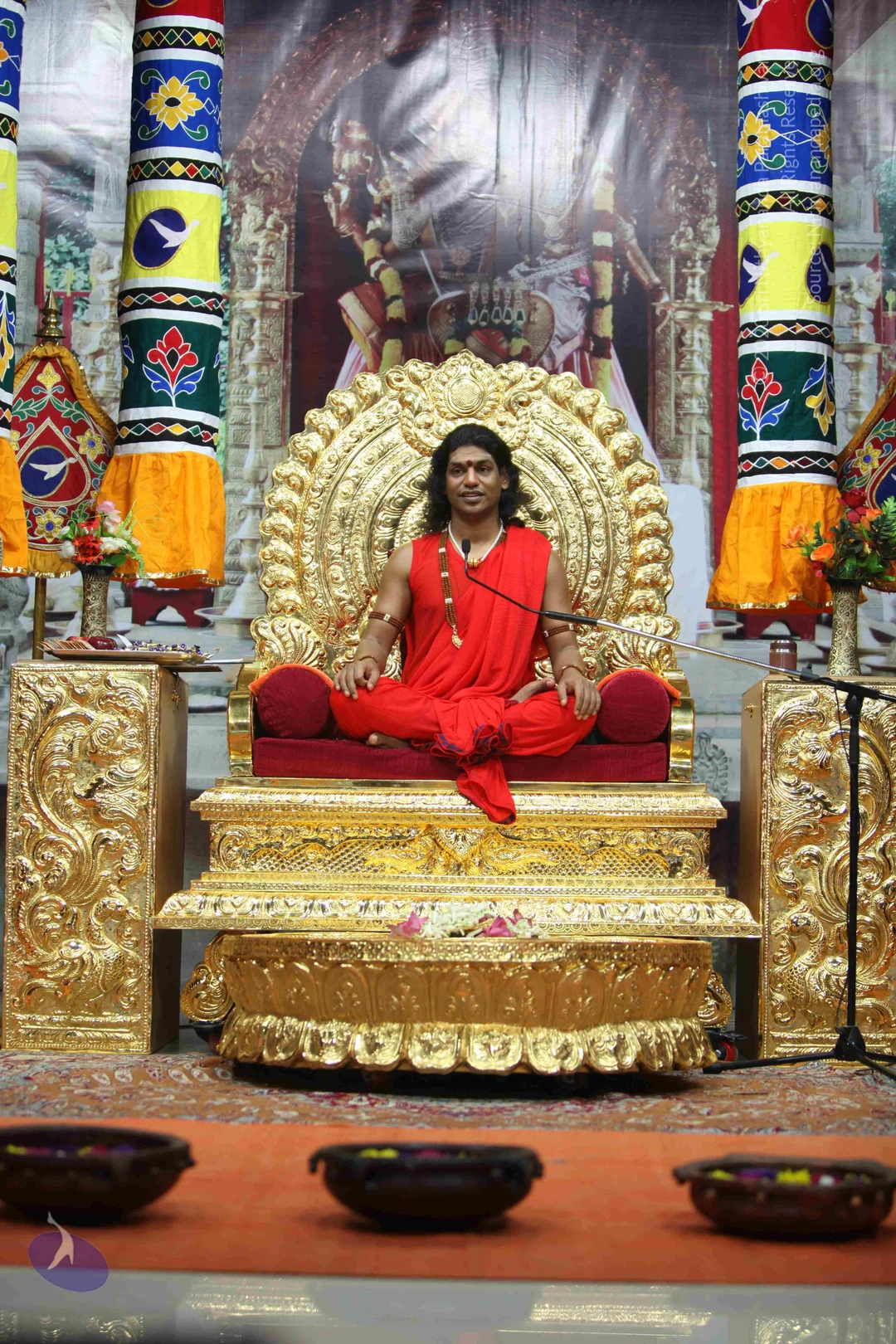
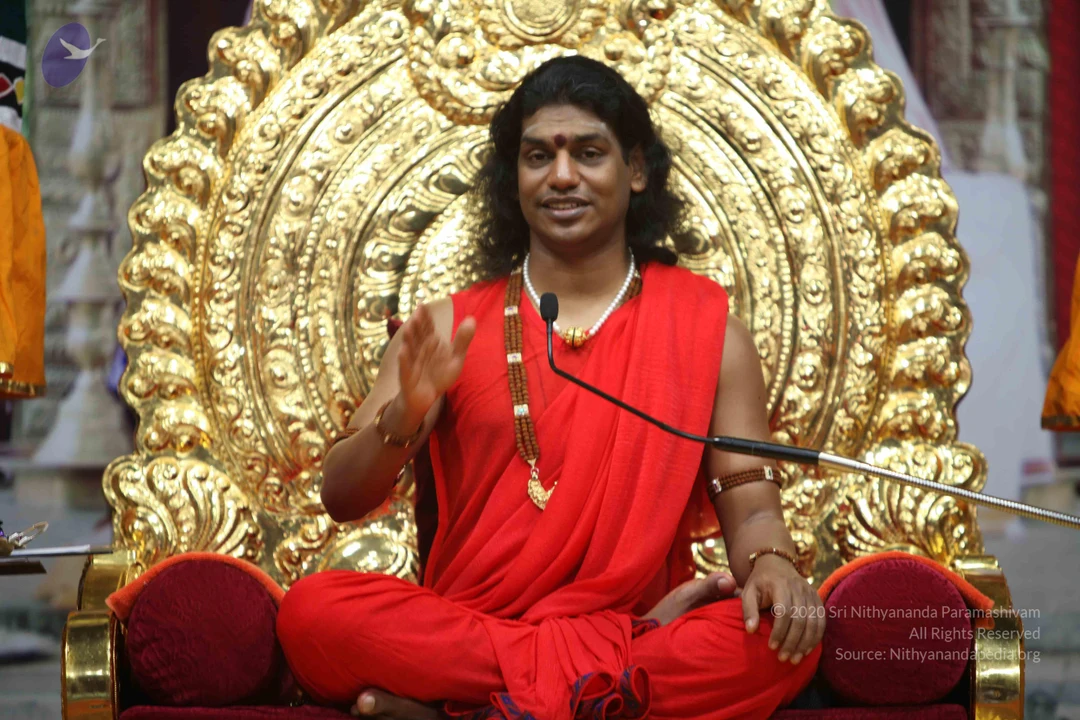
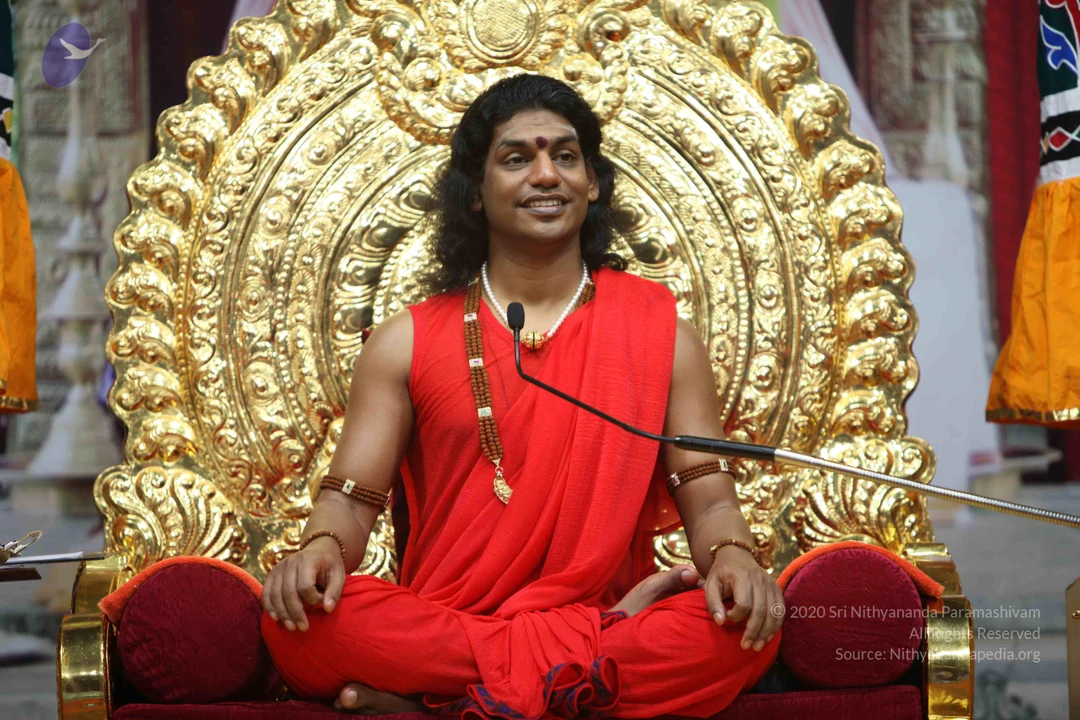
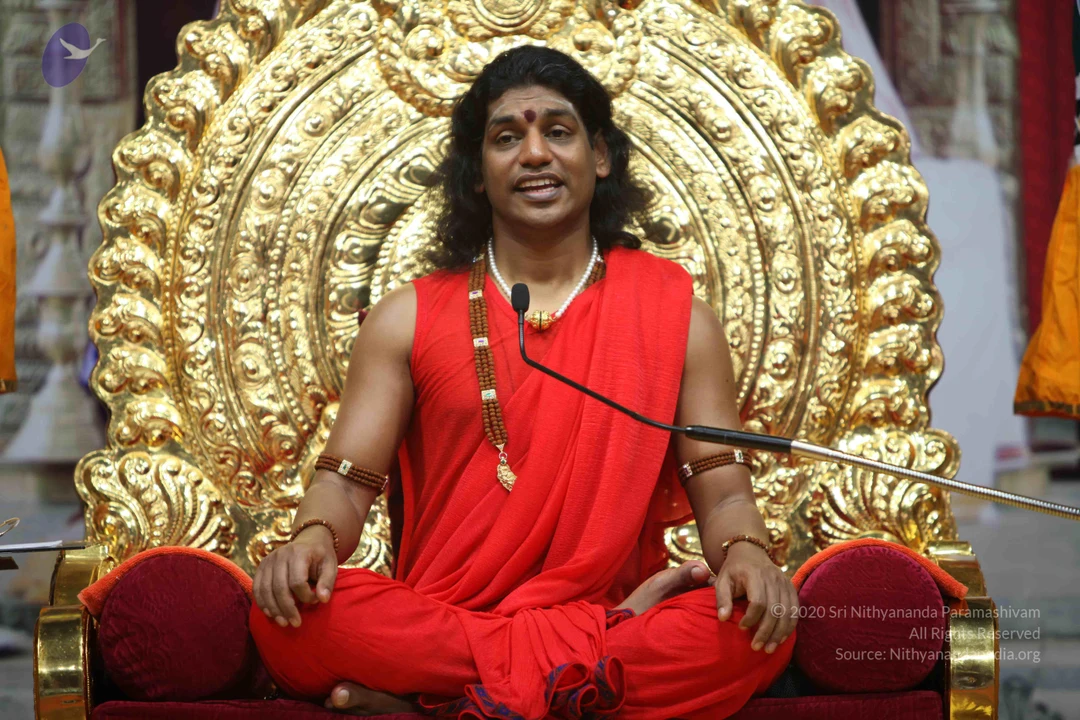
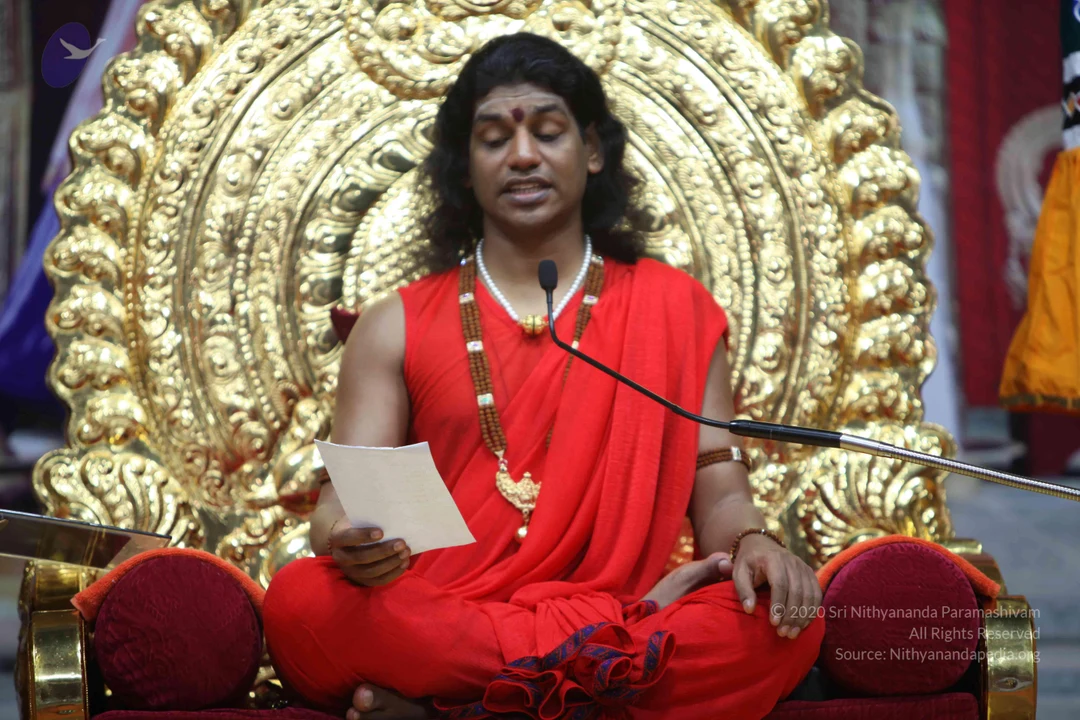
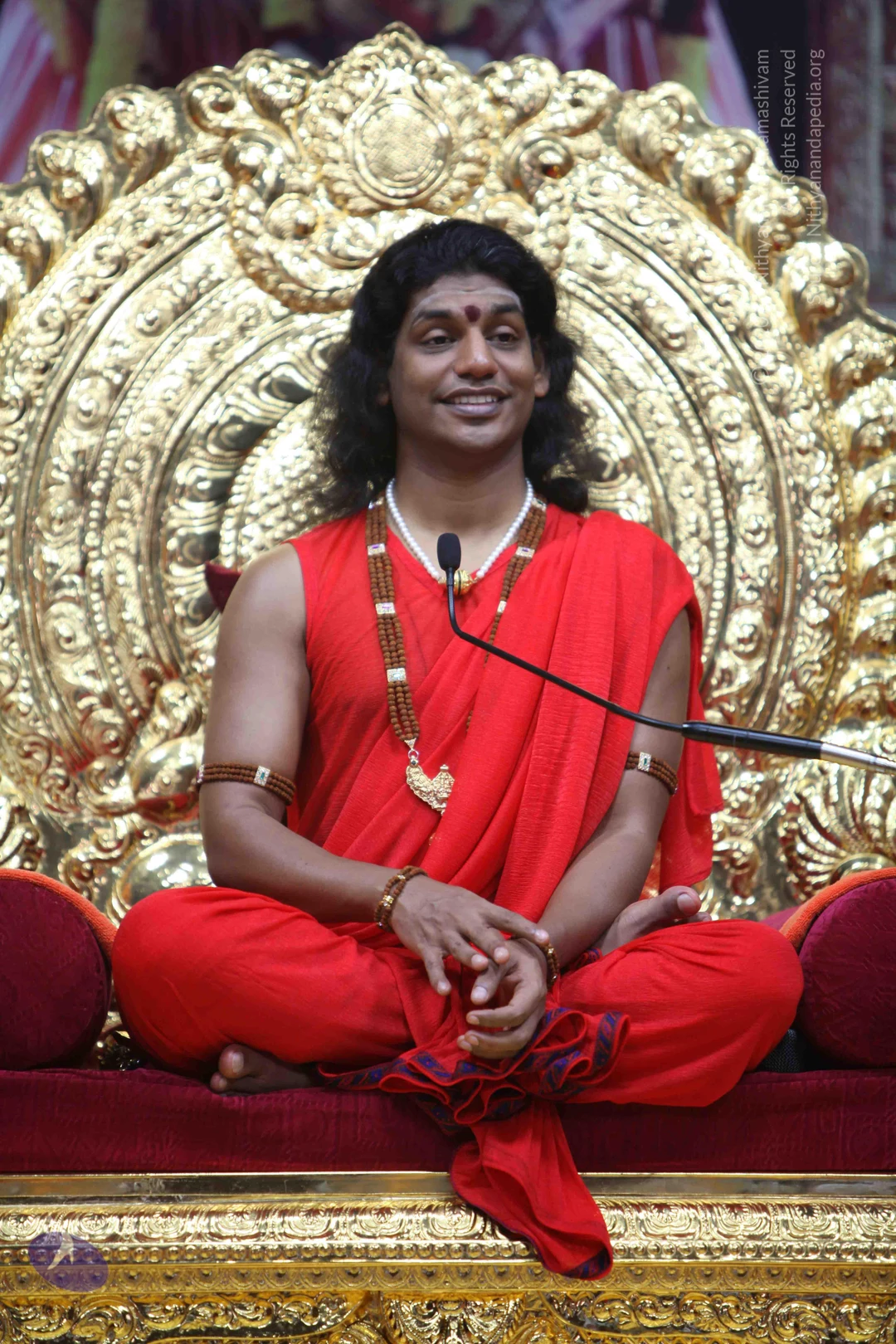
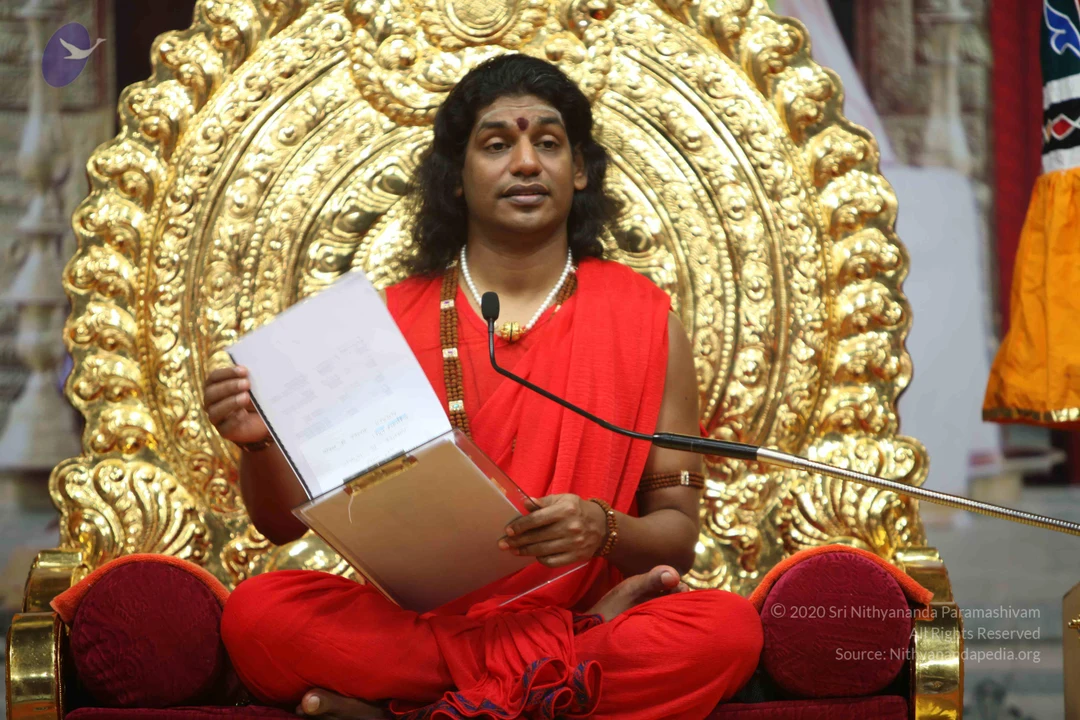
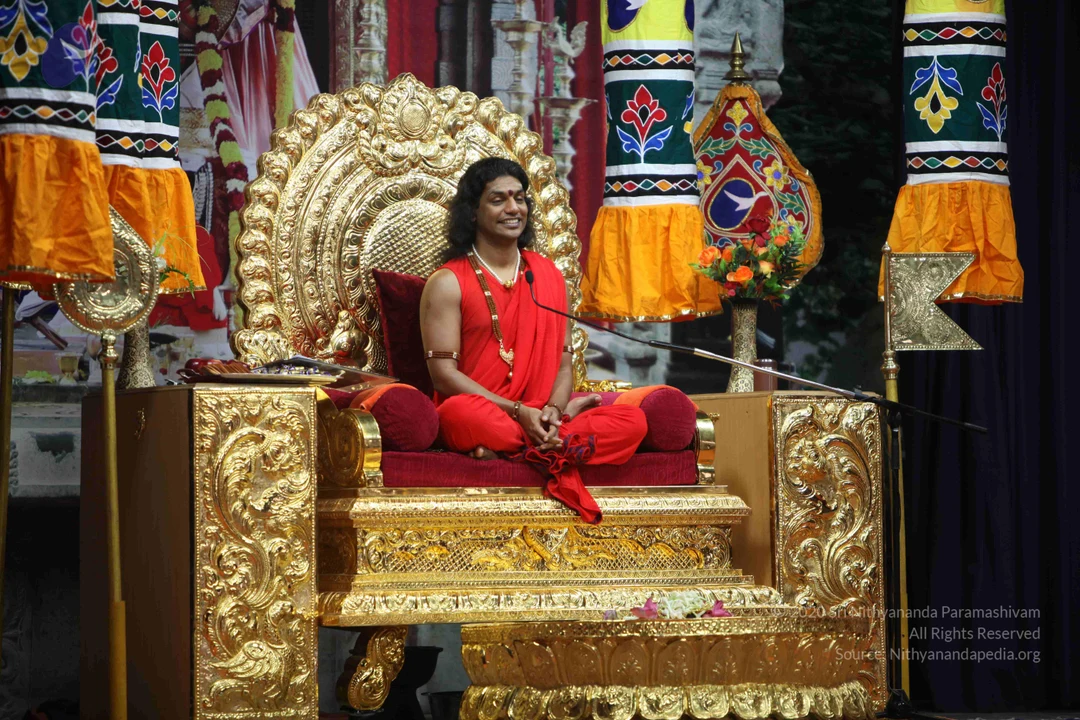
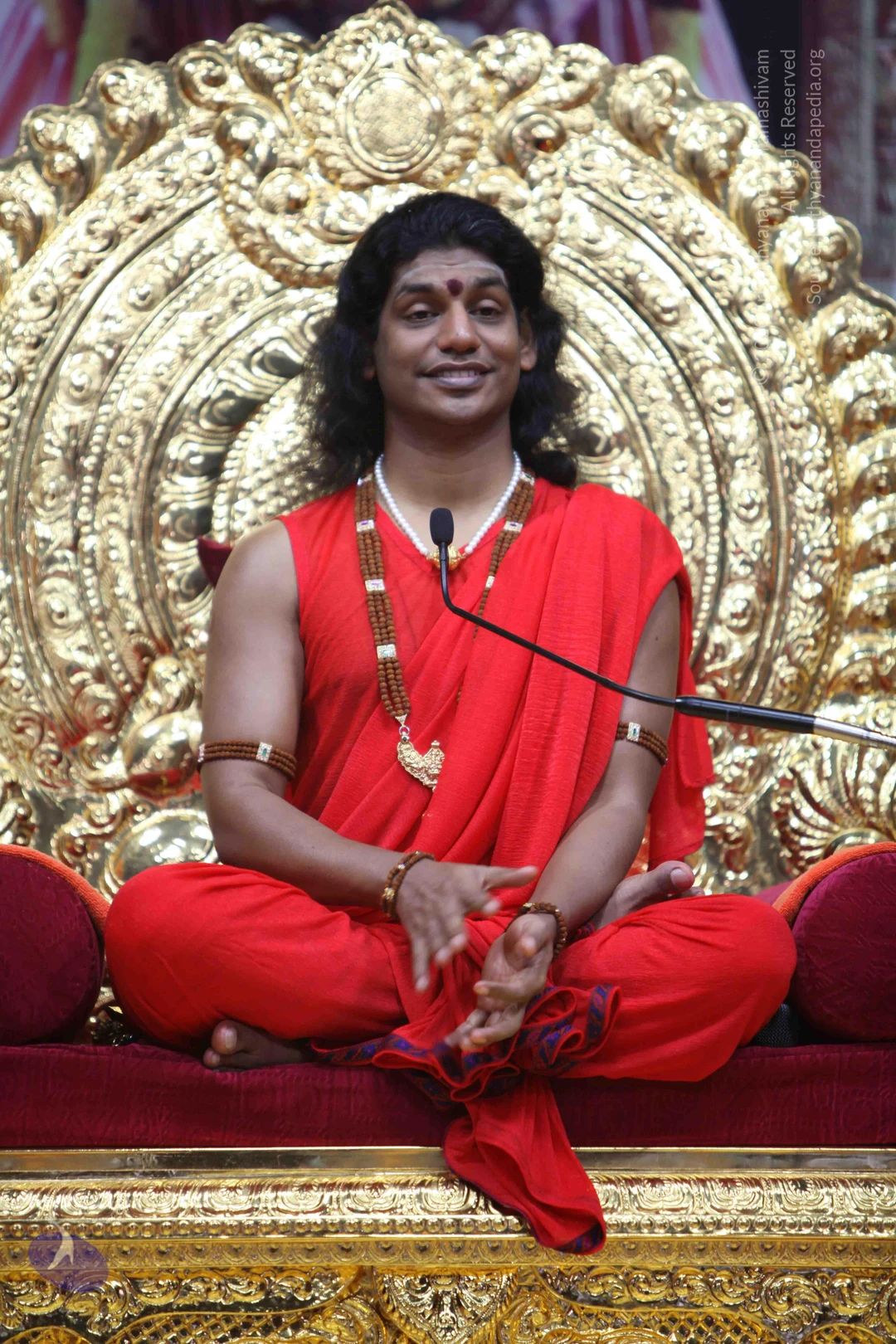
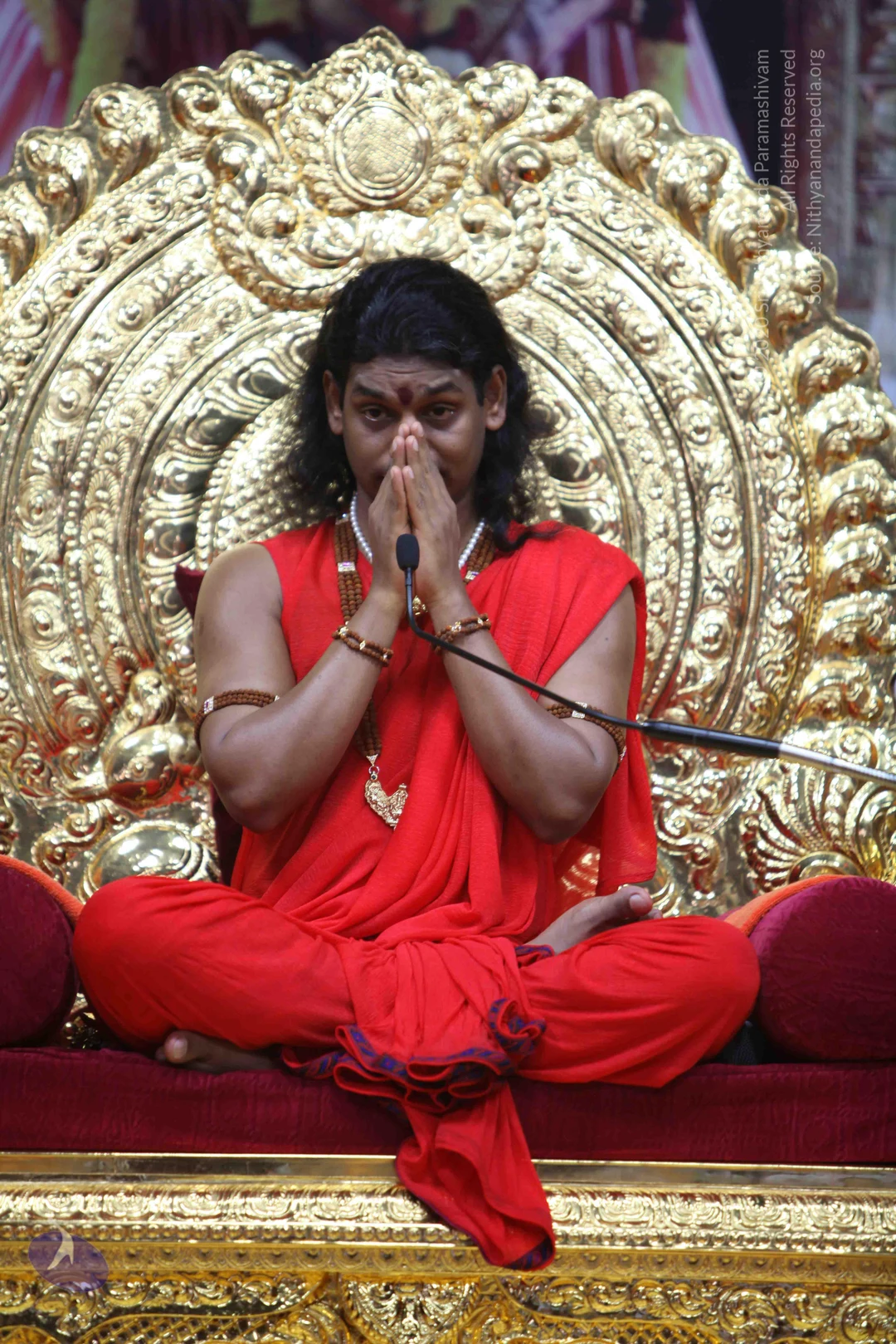
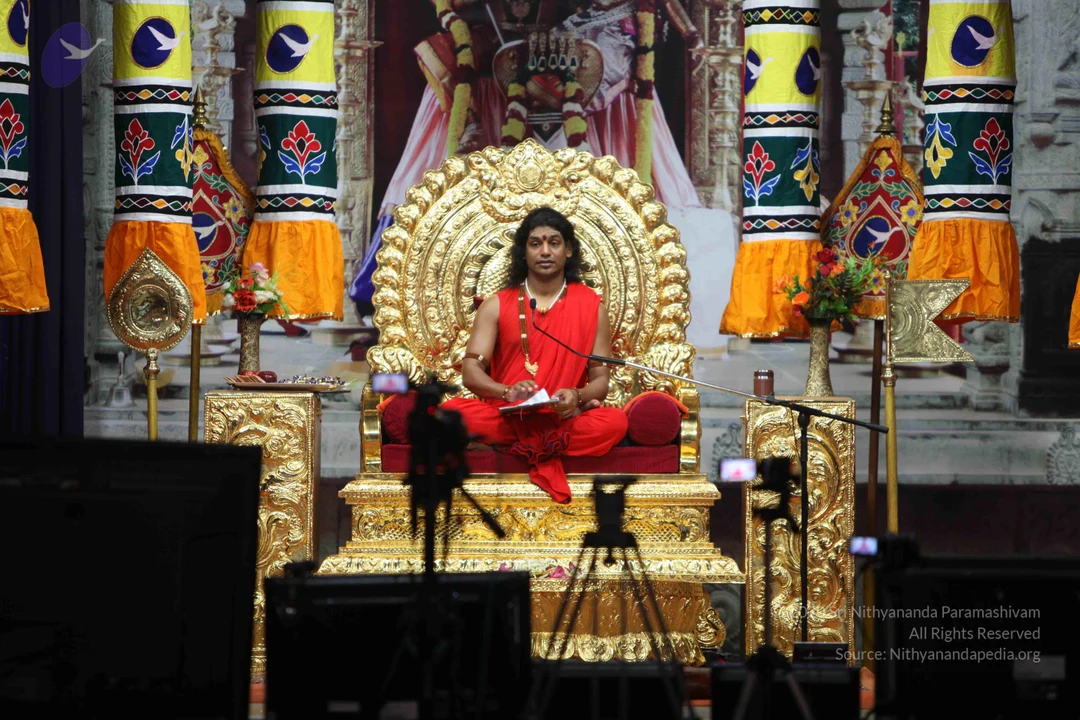
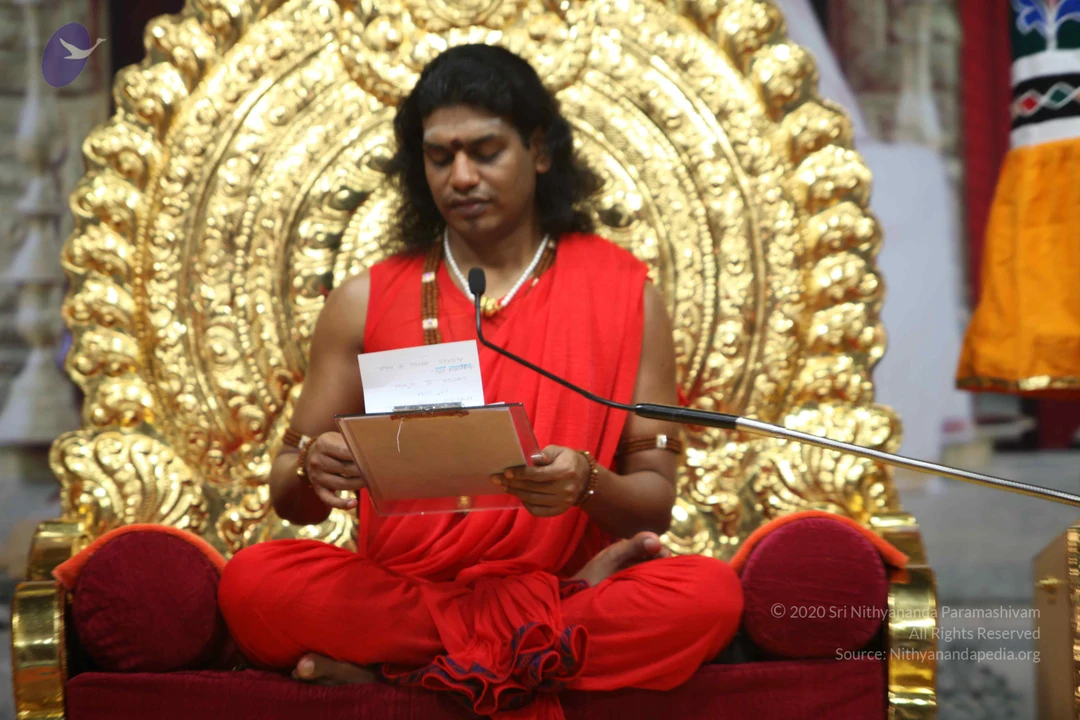
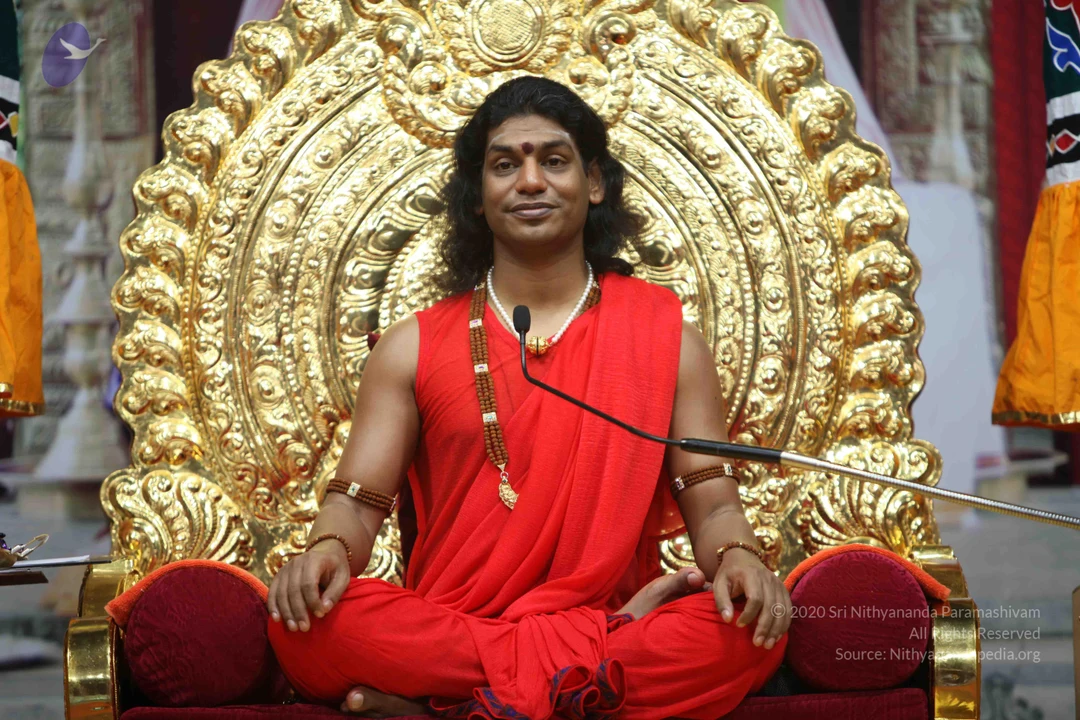
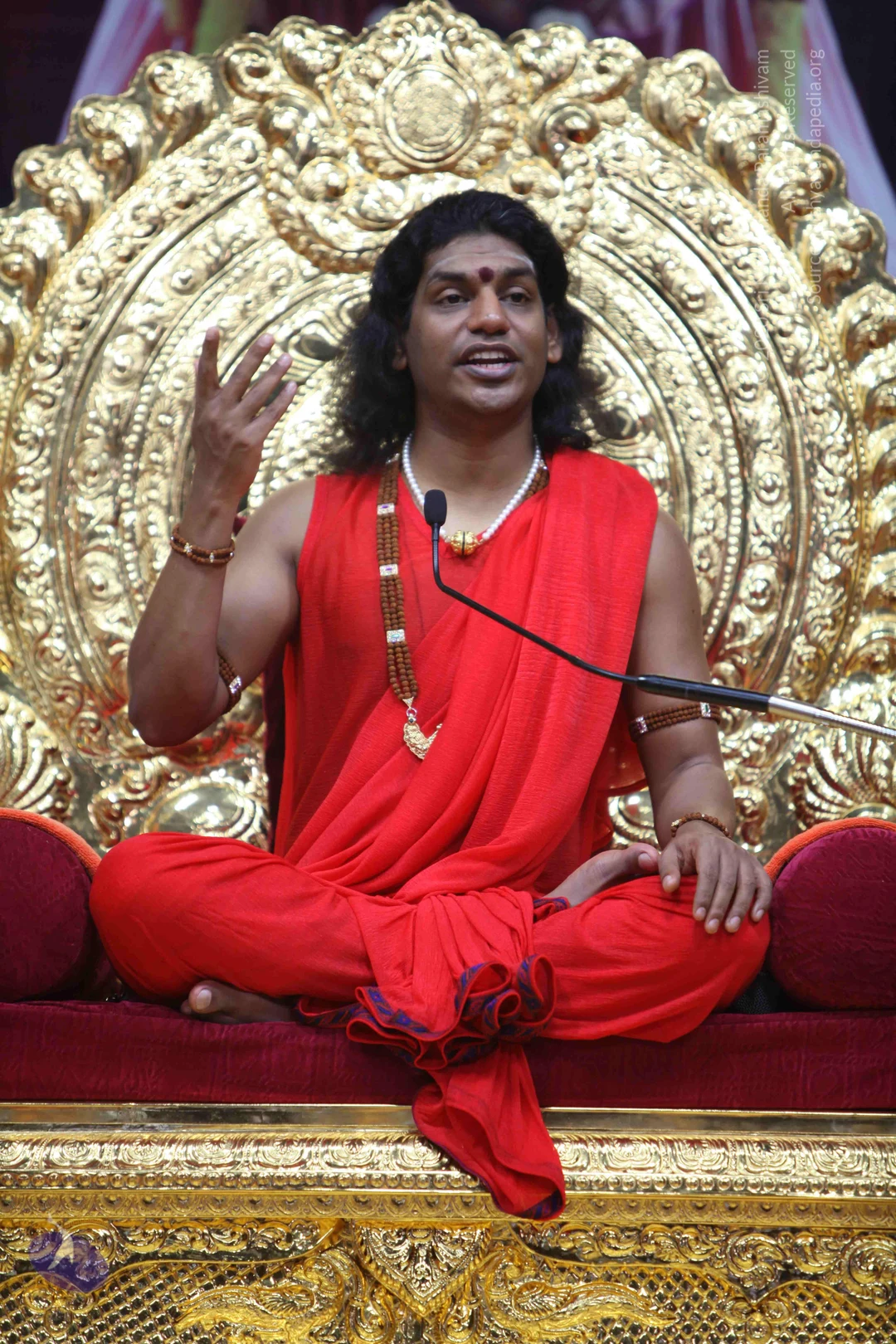
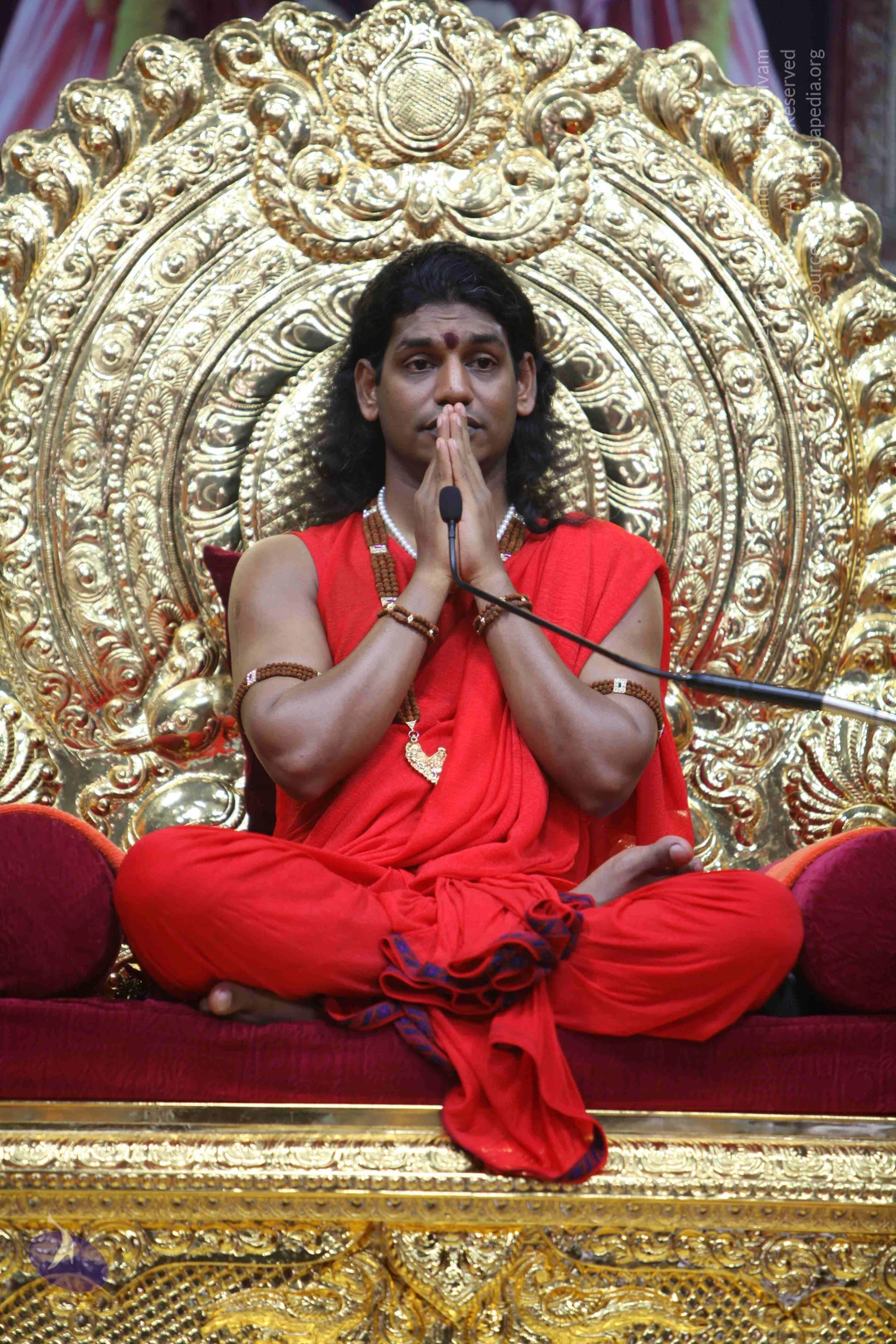
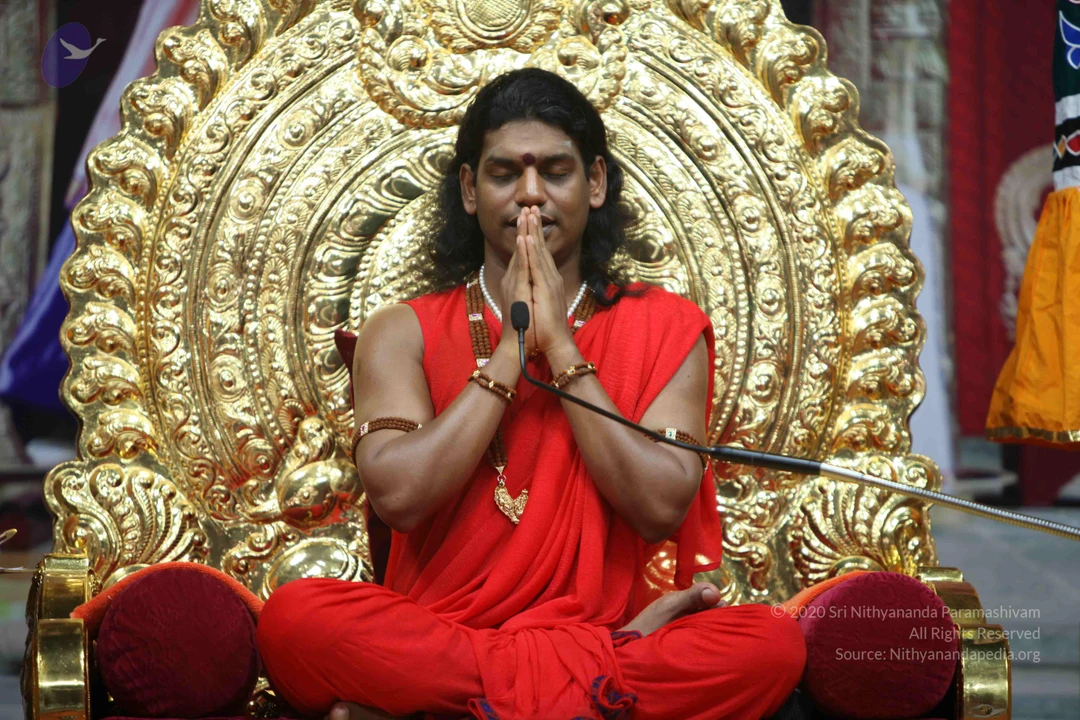
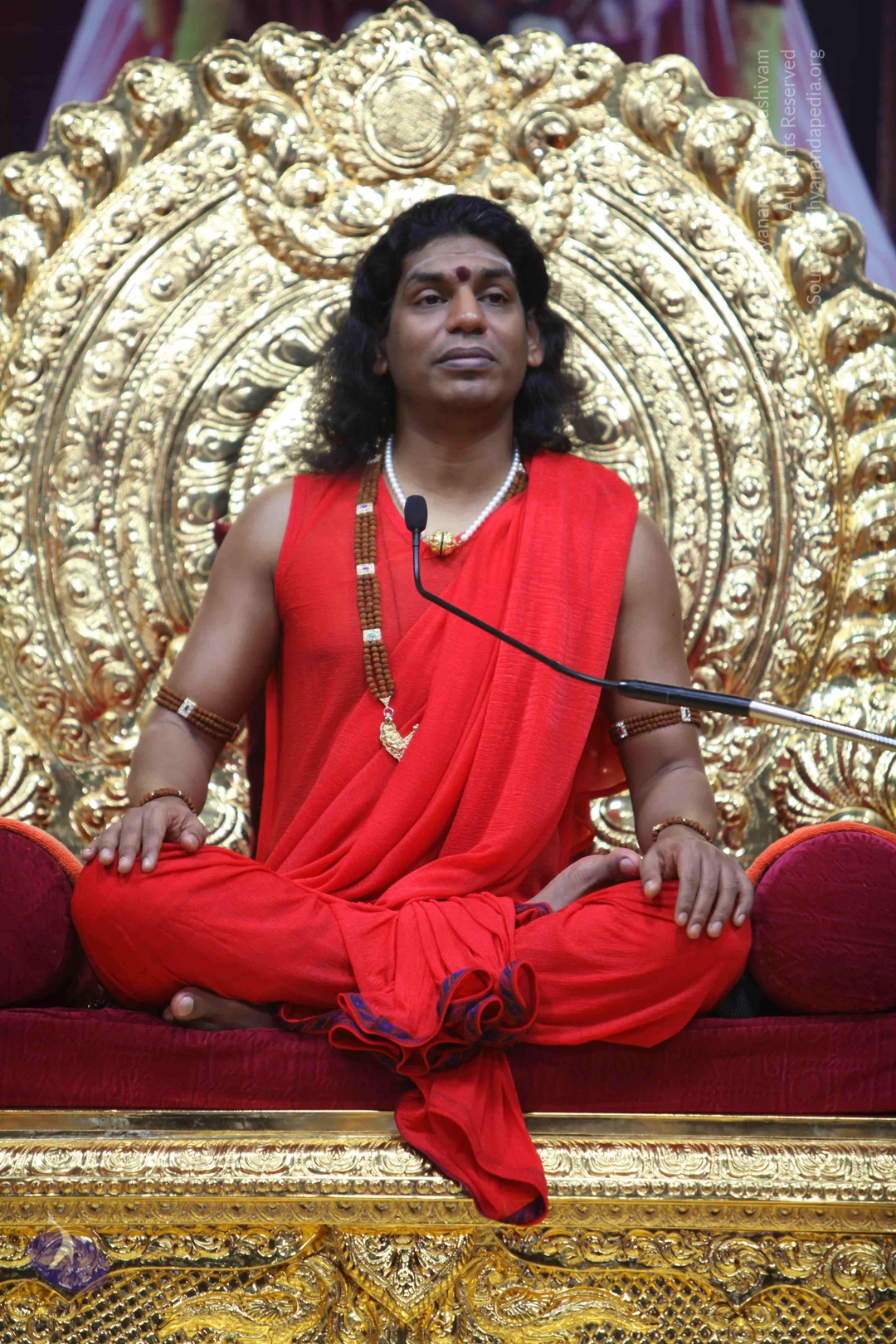
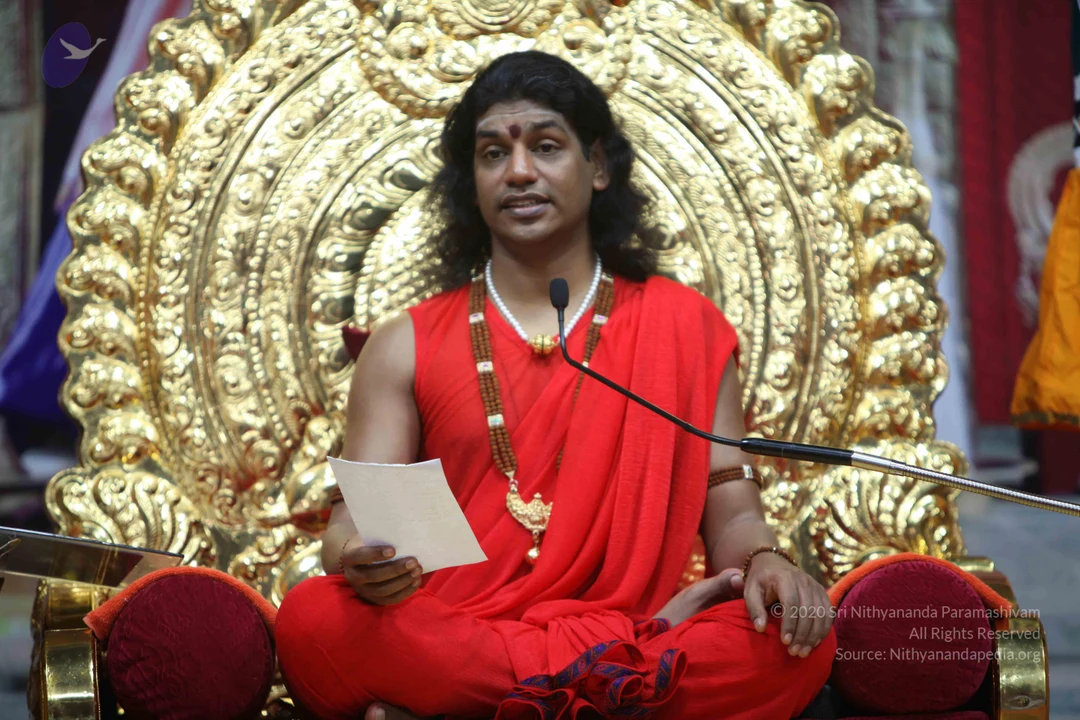
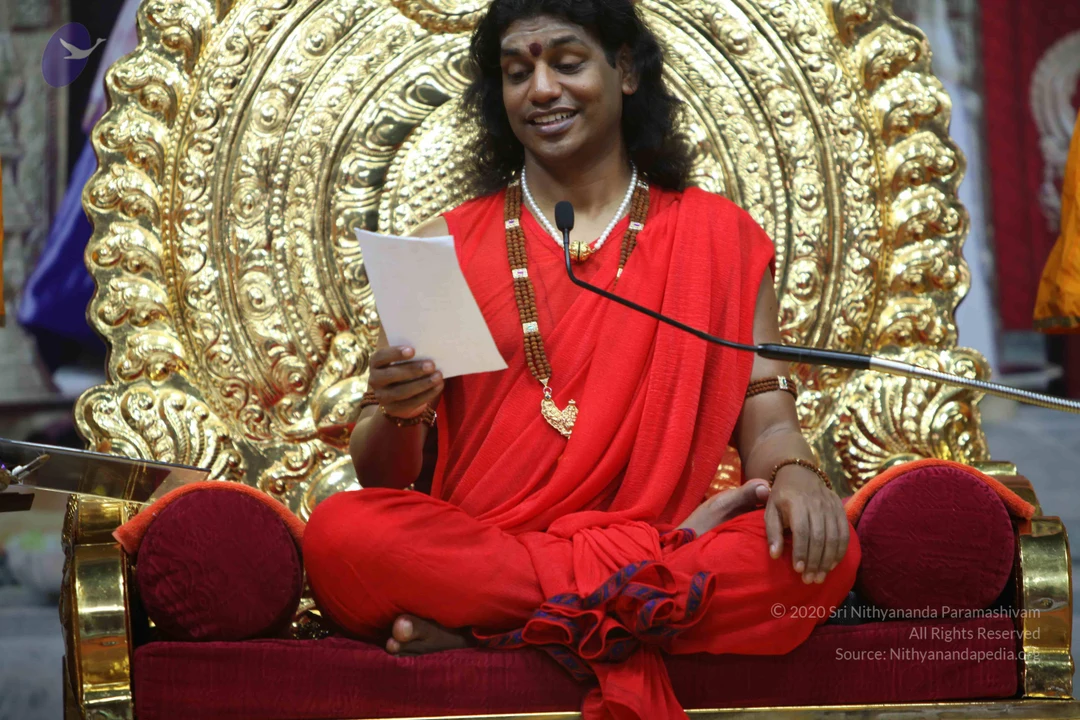
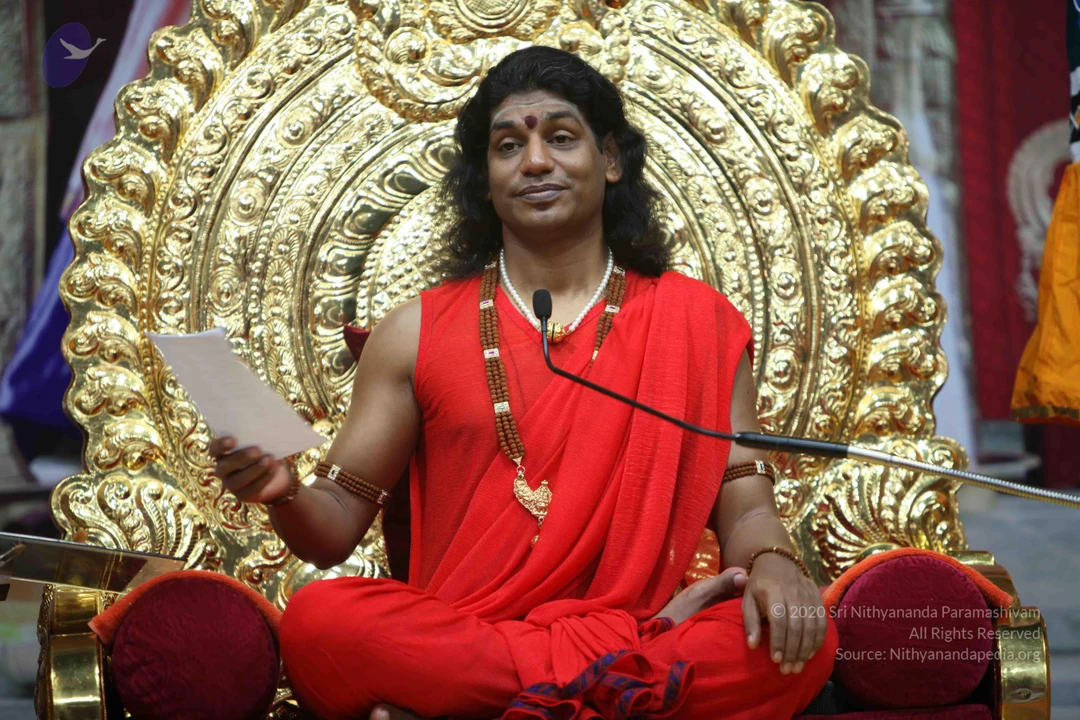
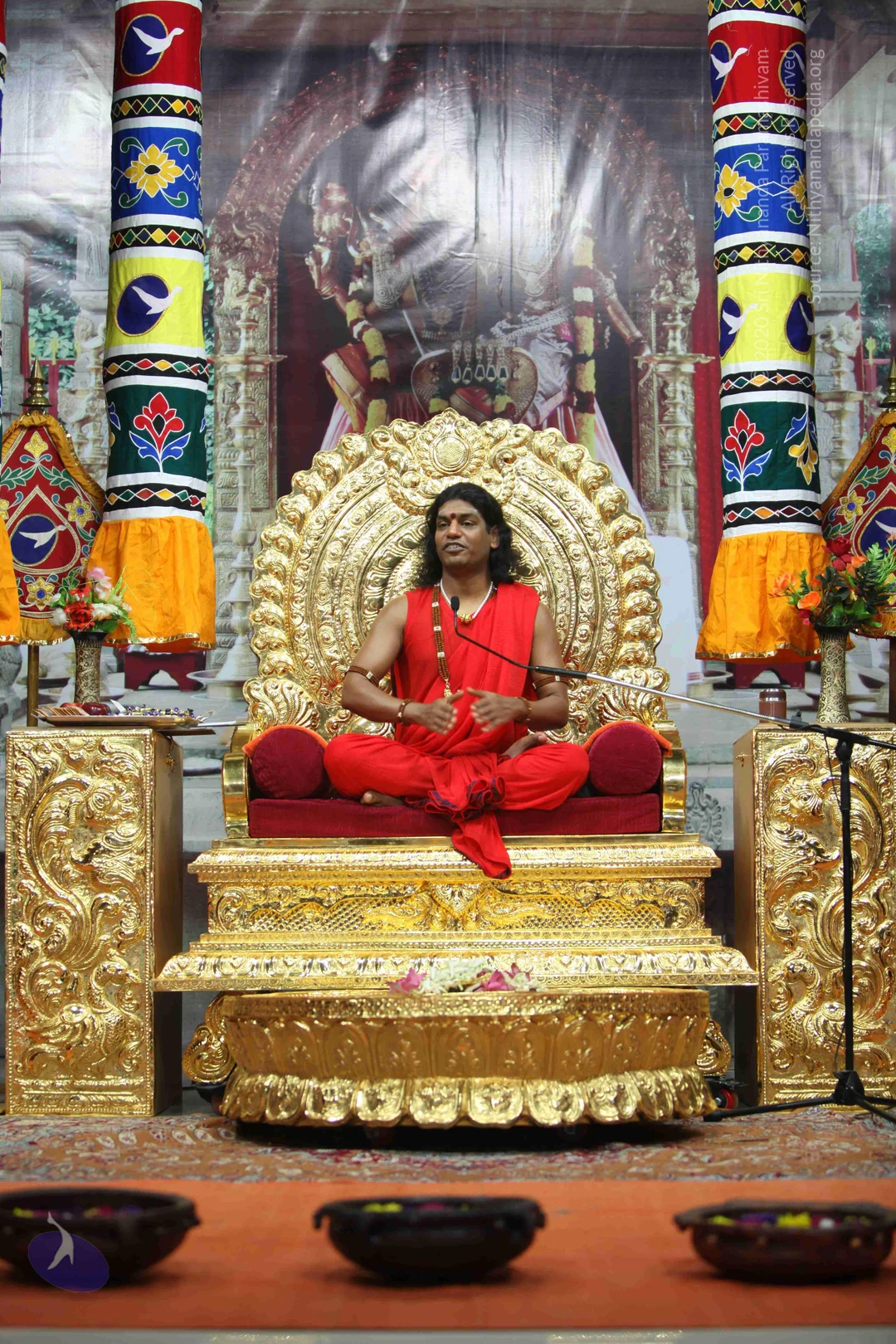
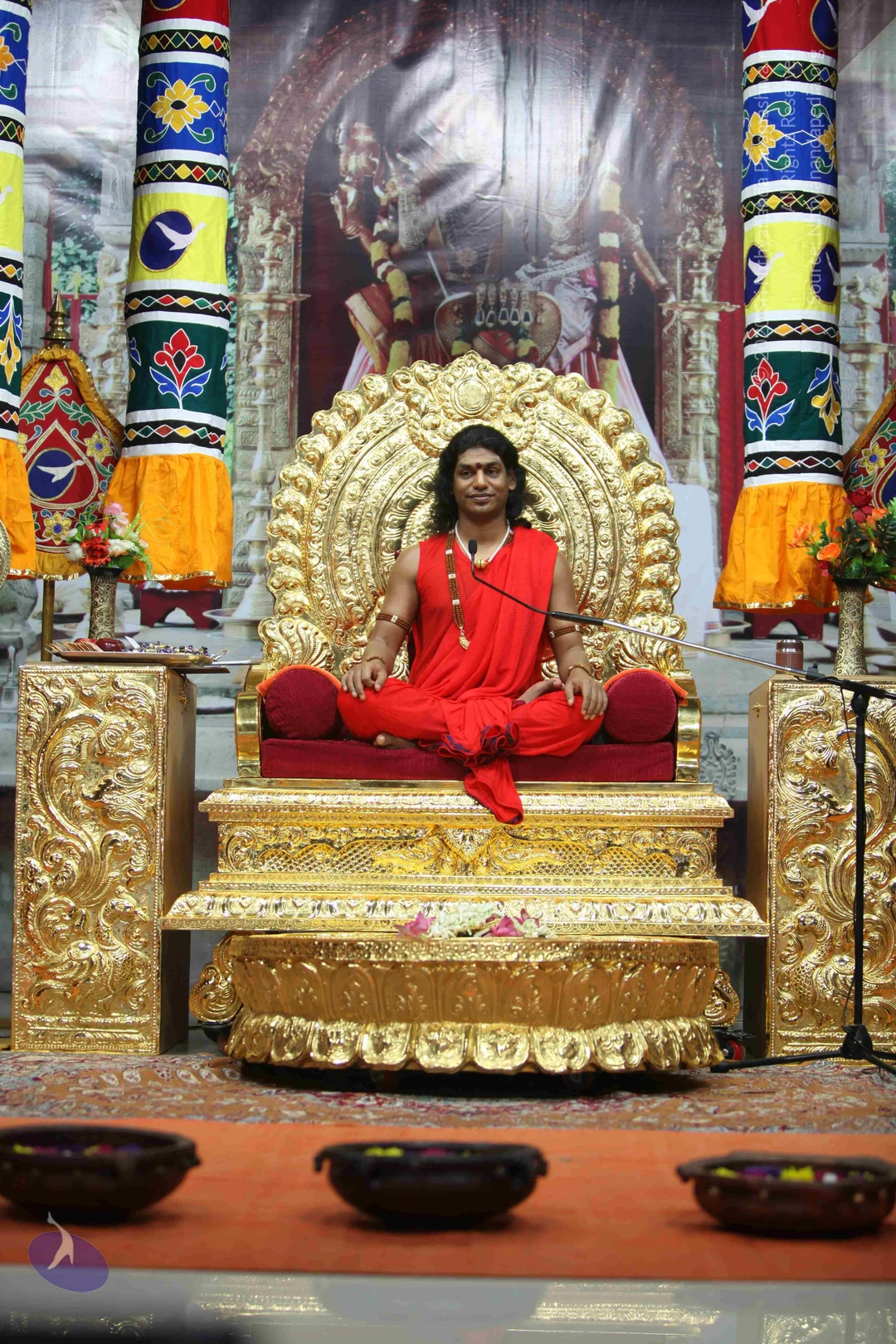
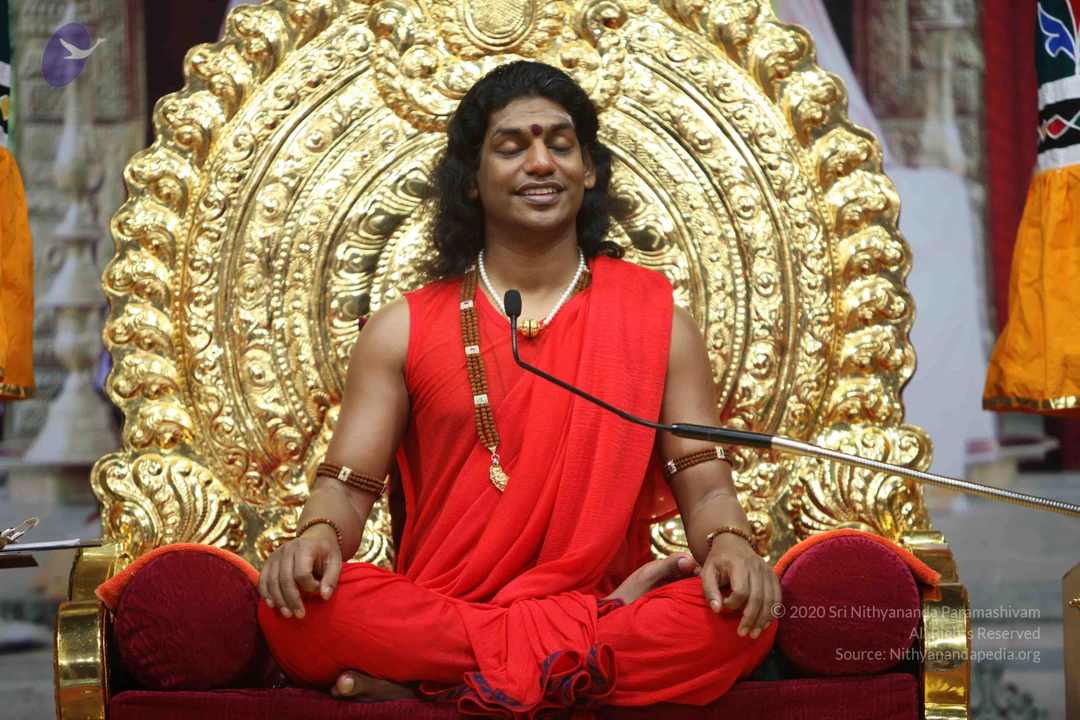
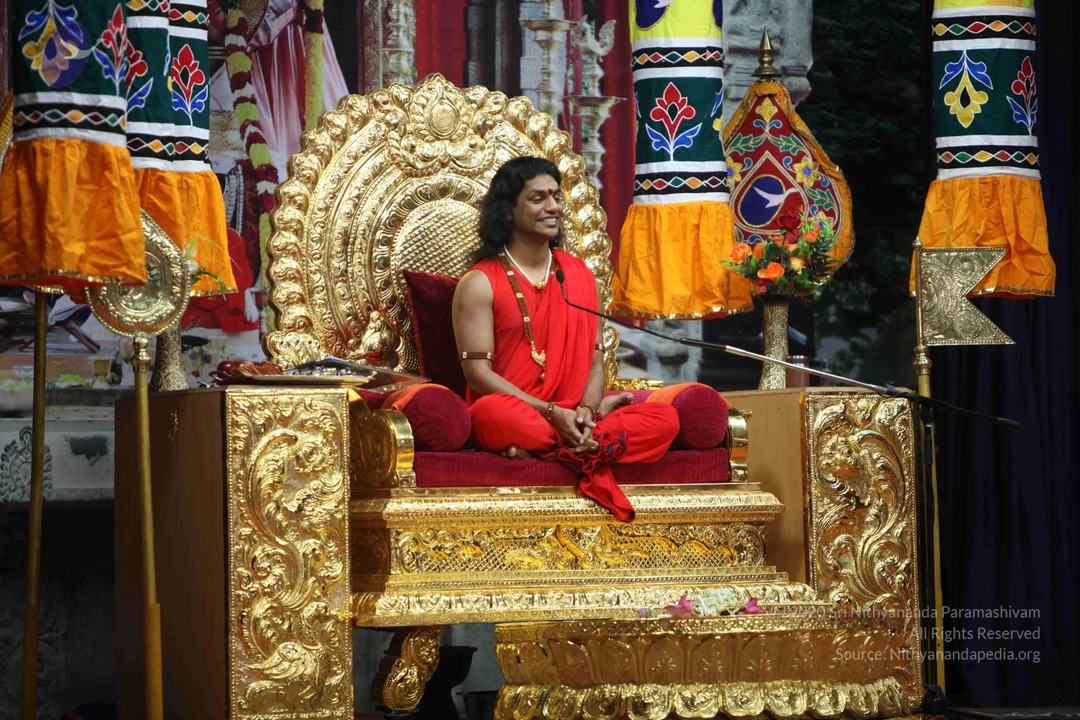
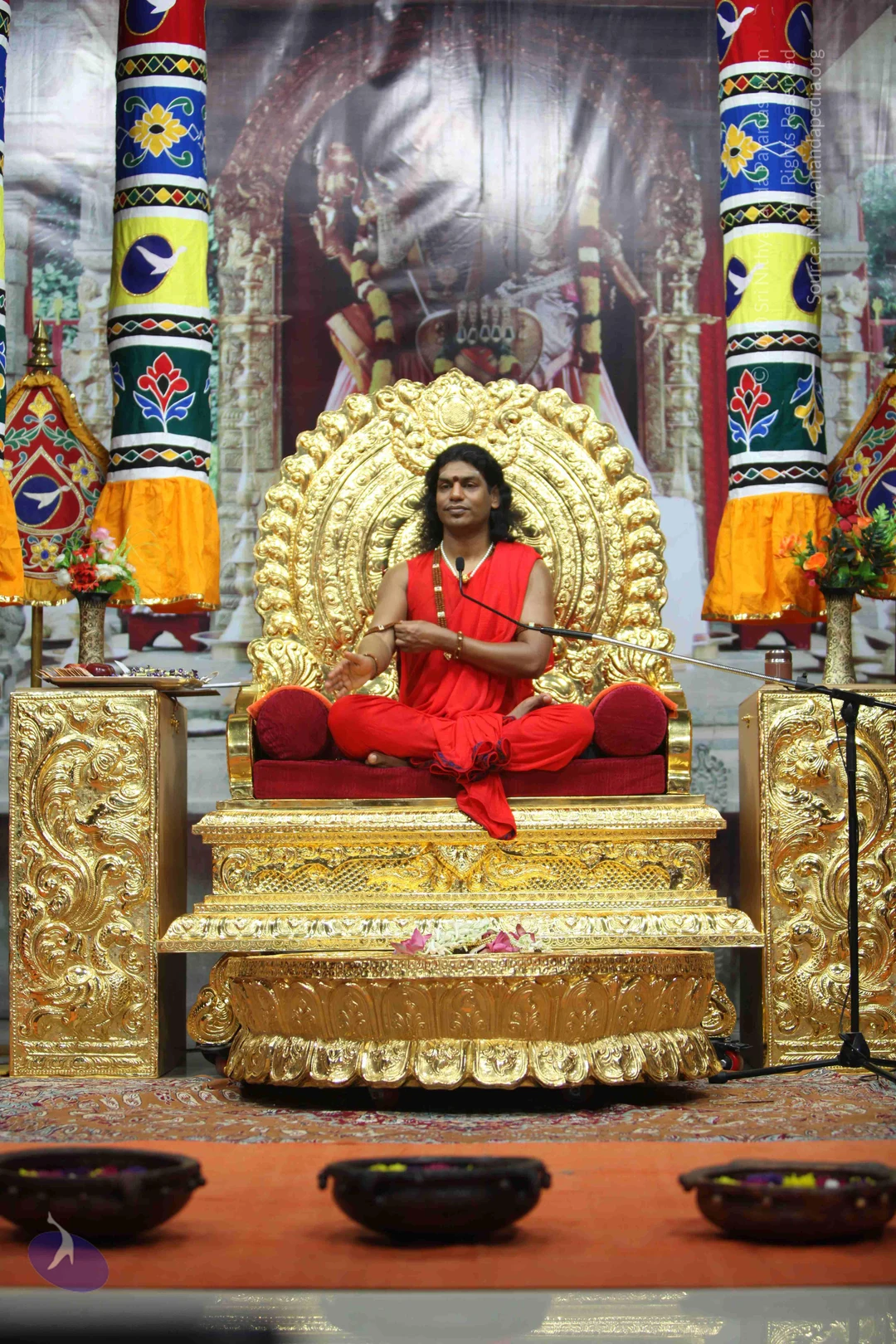
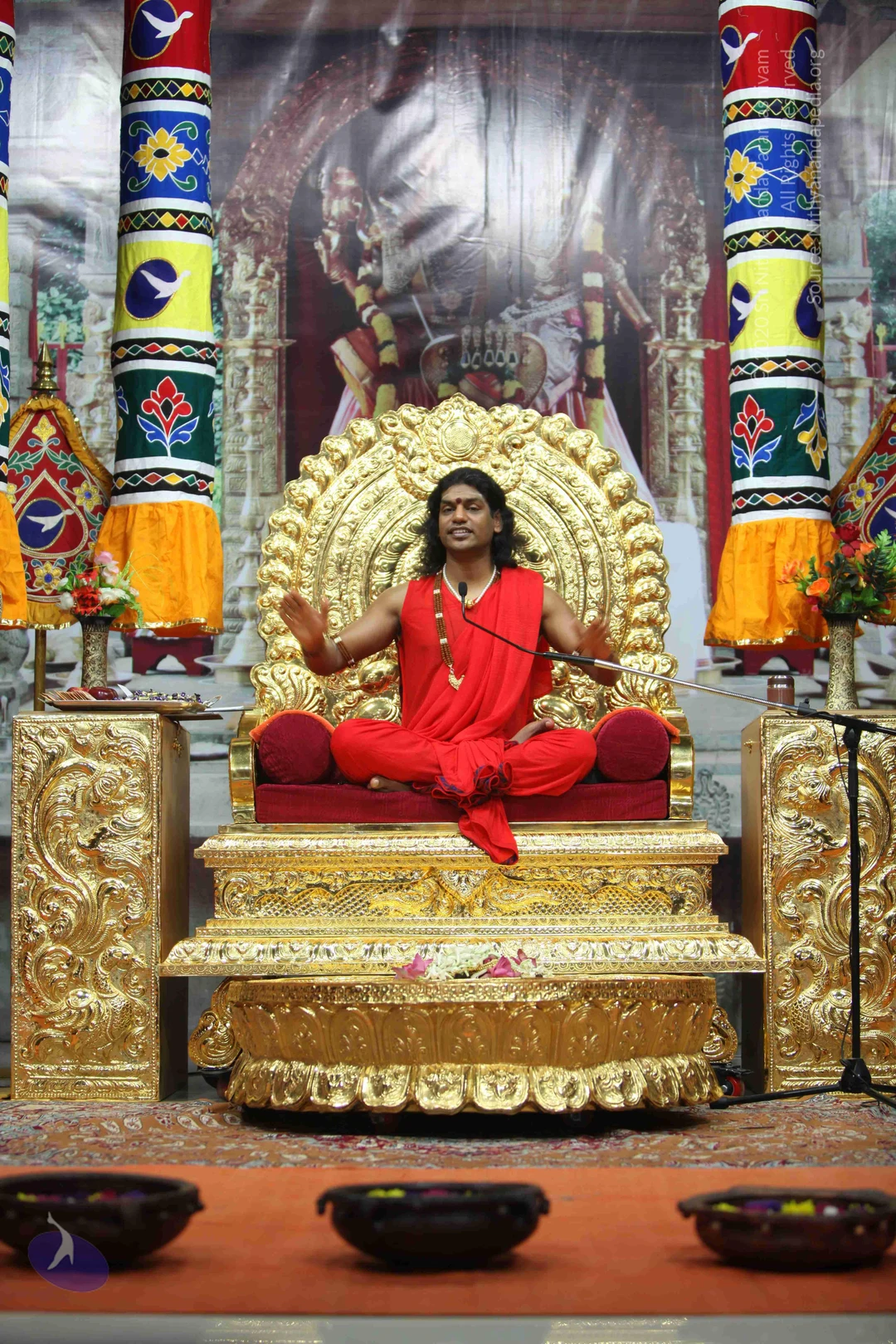
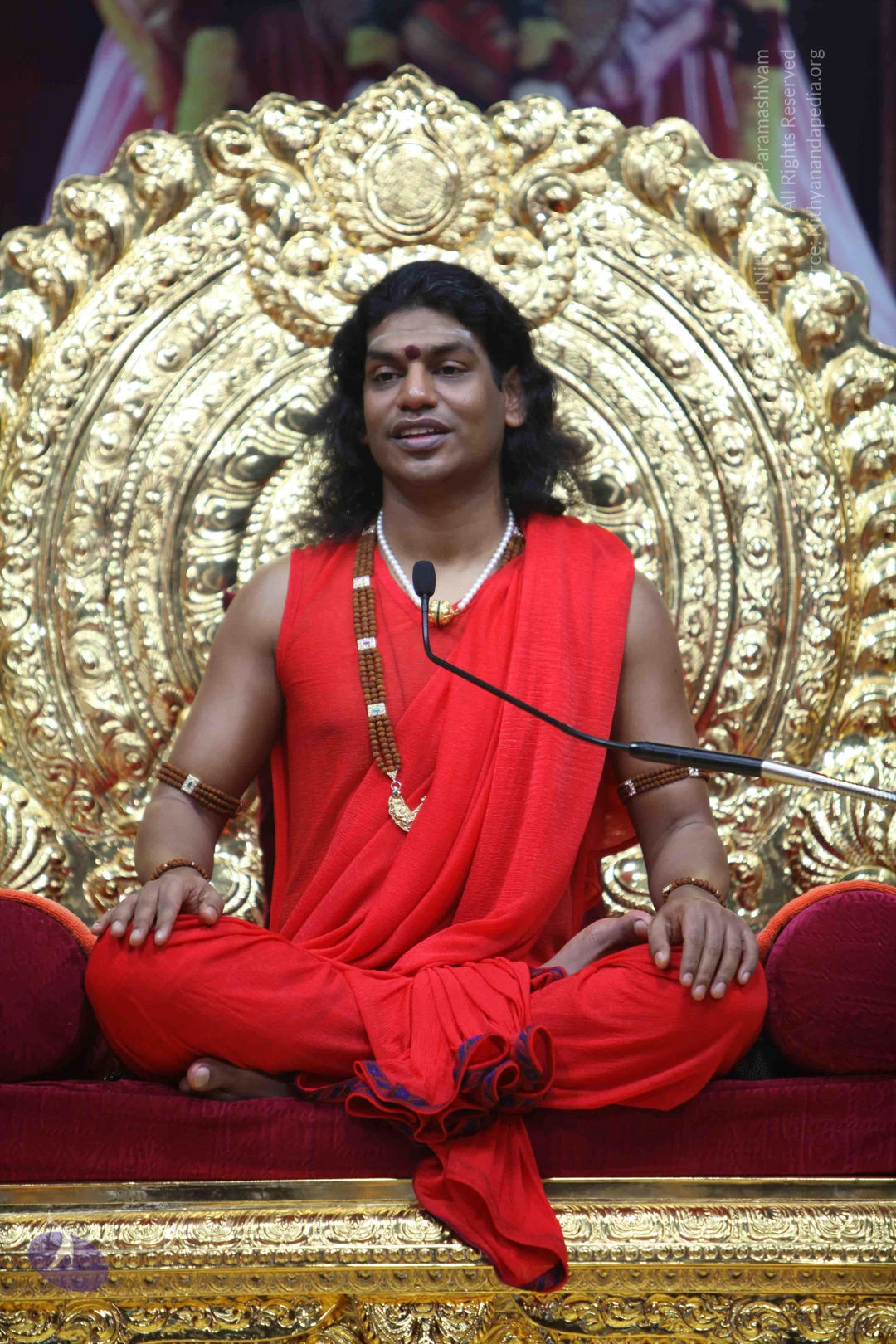
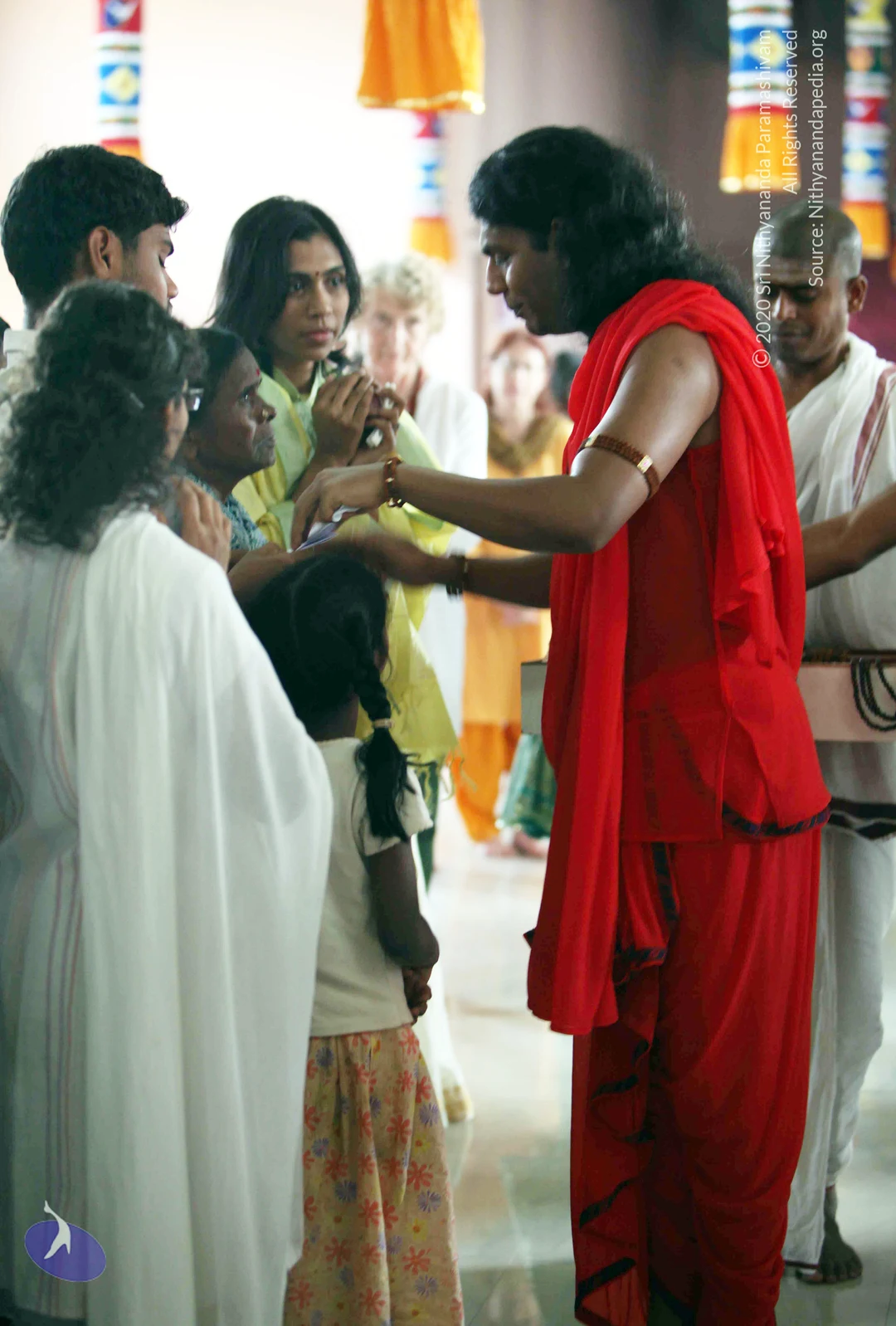
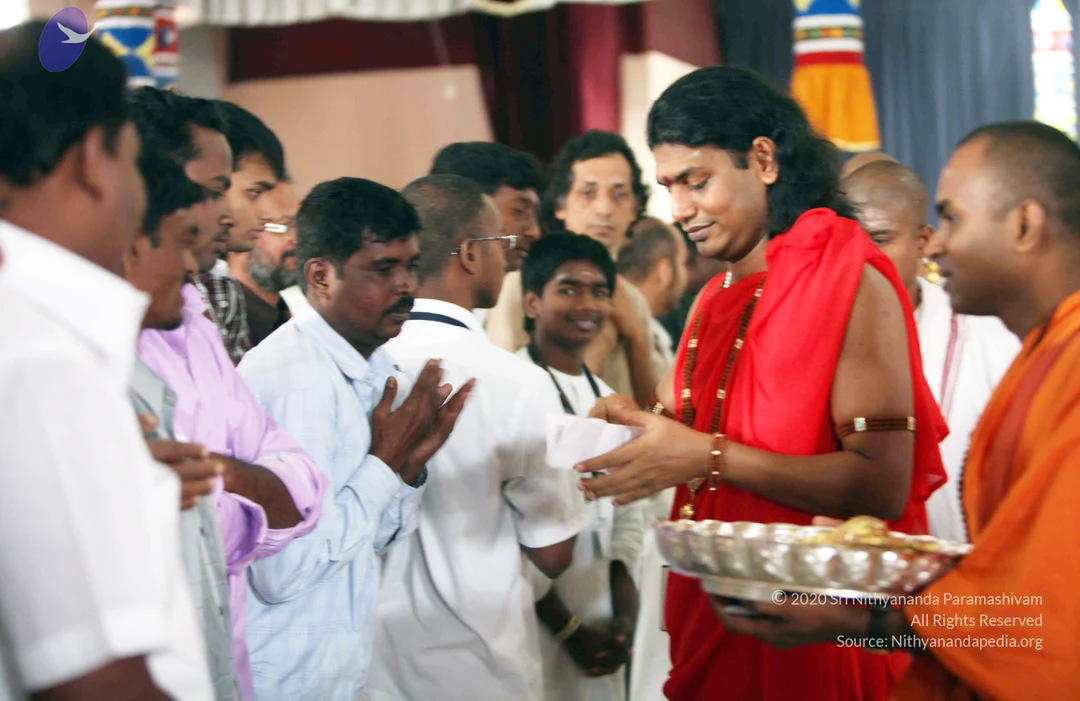
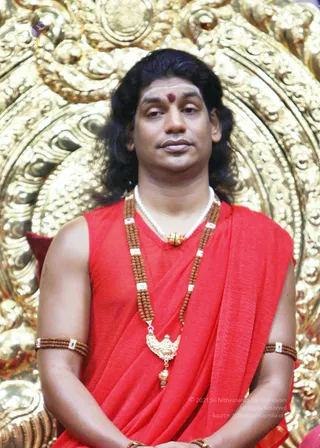
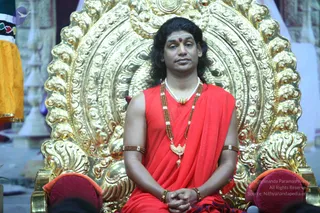
03-Morning-Satsang
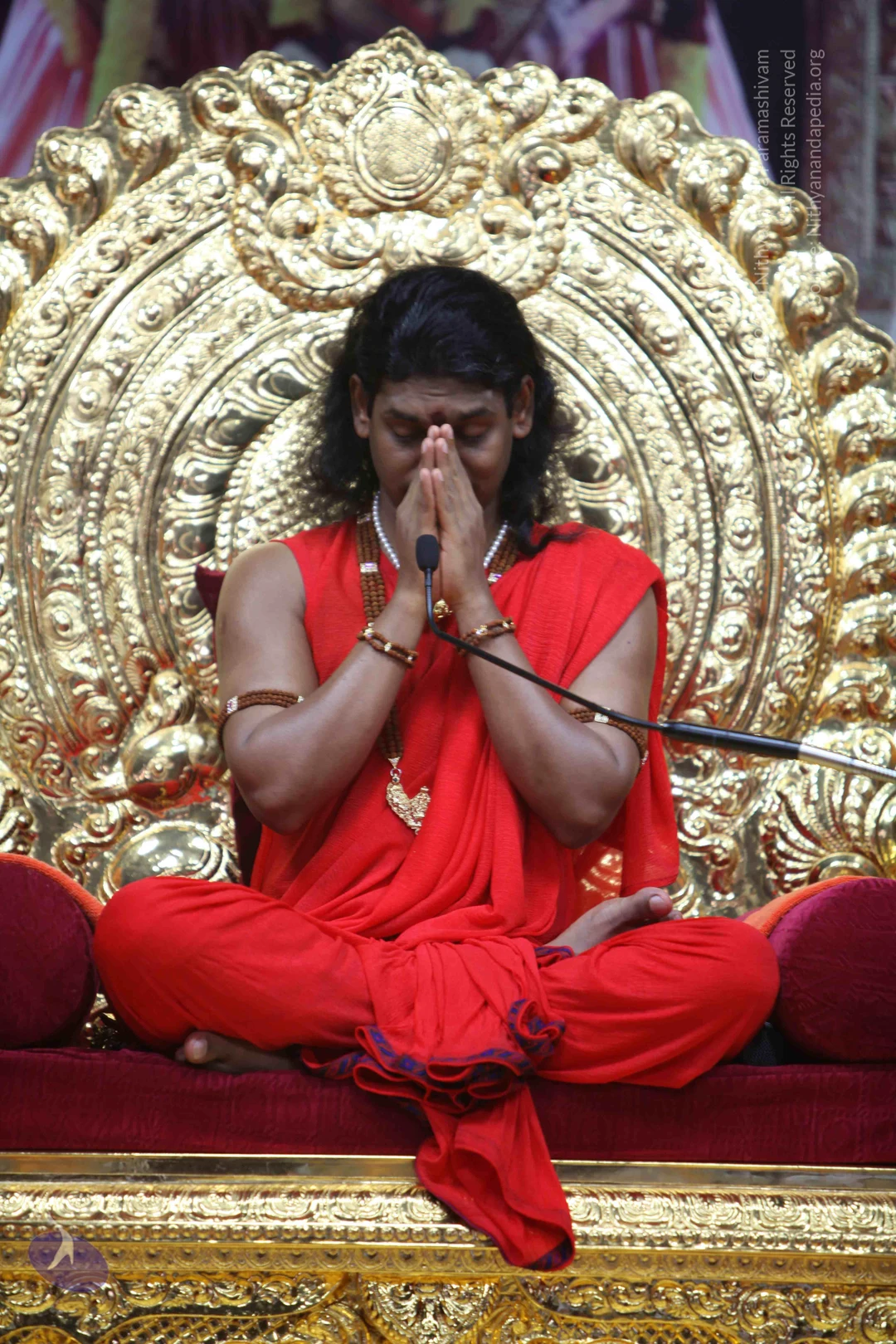
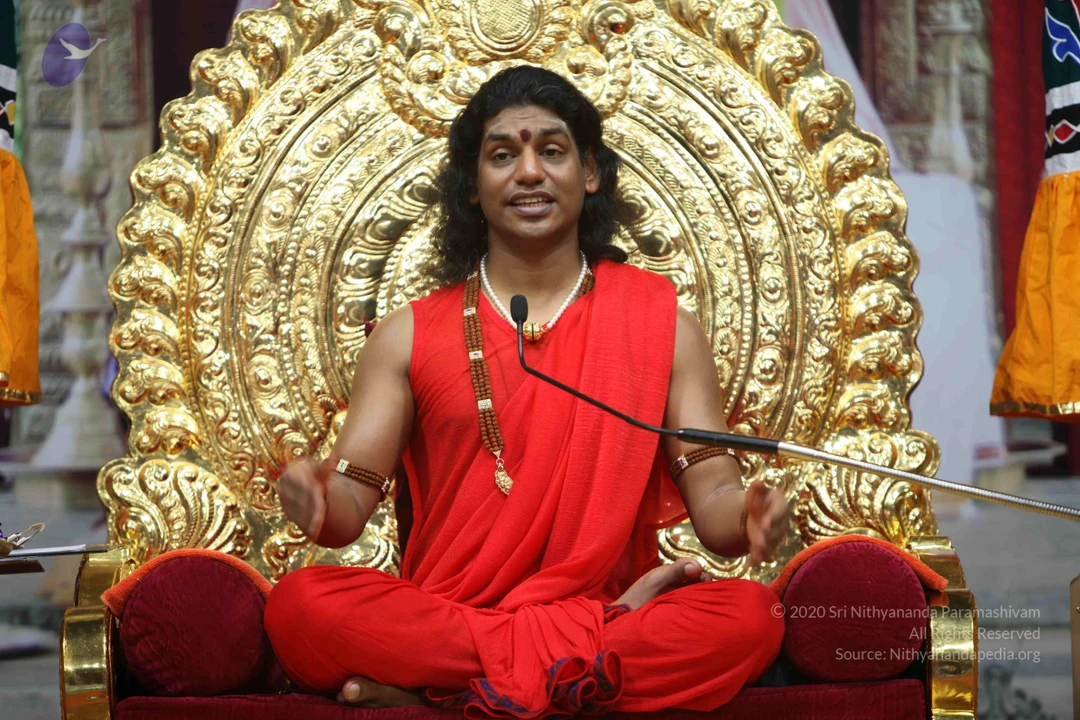
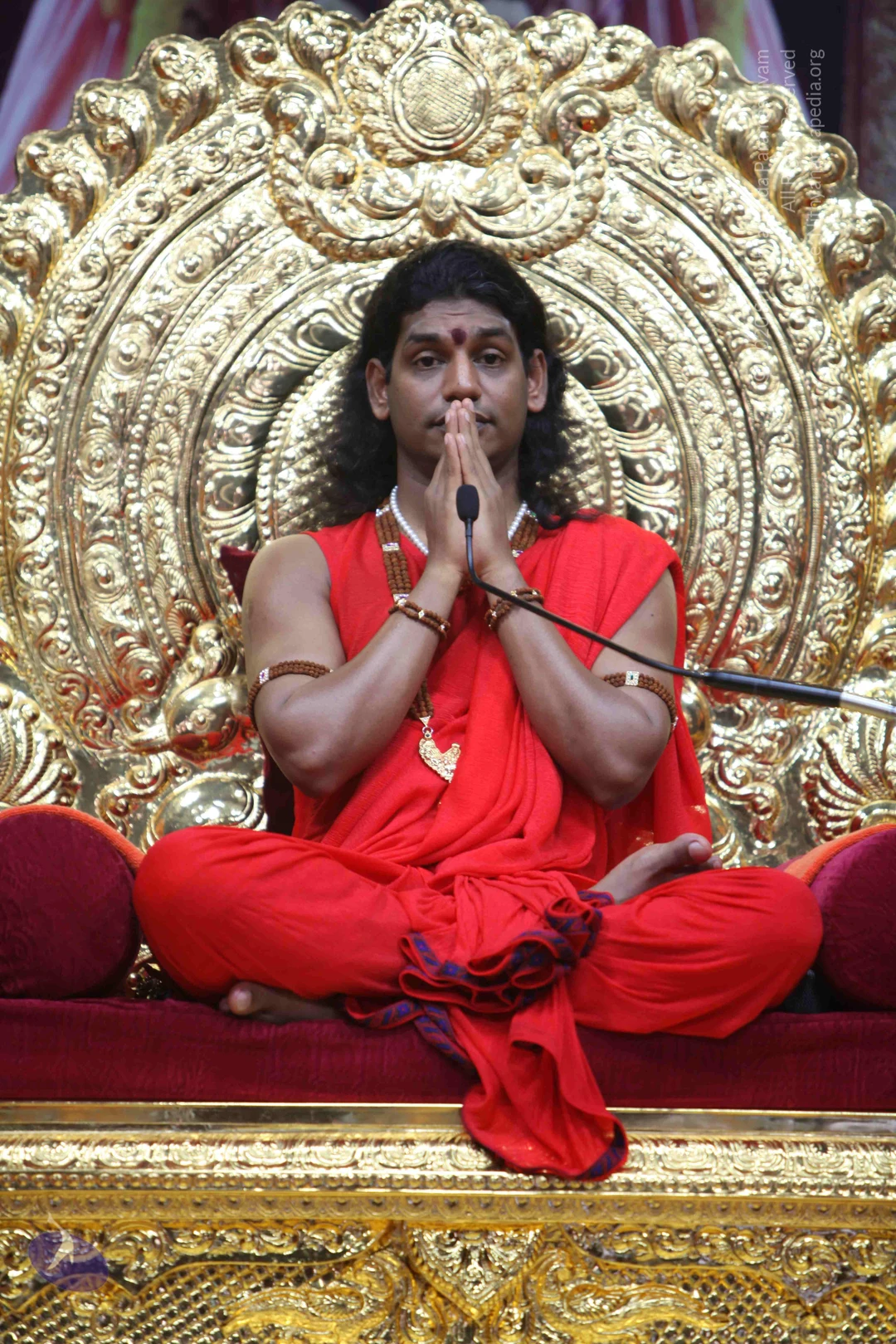
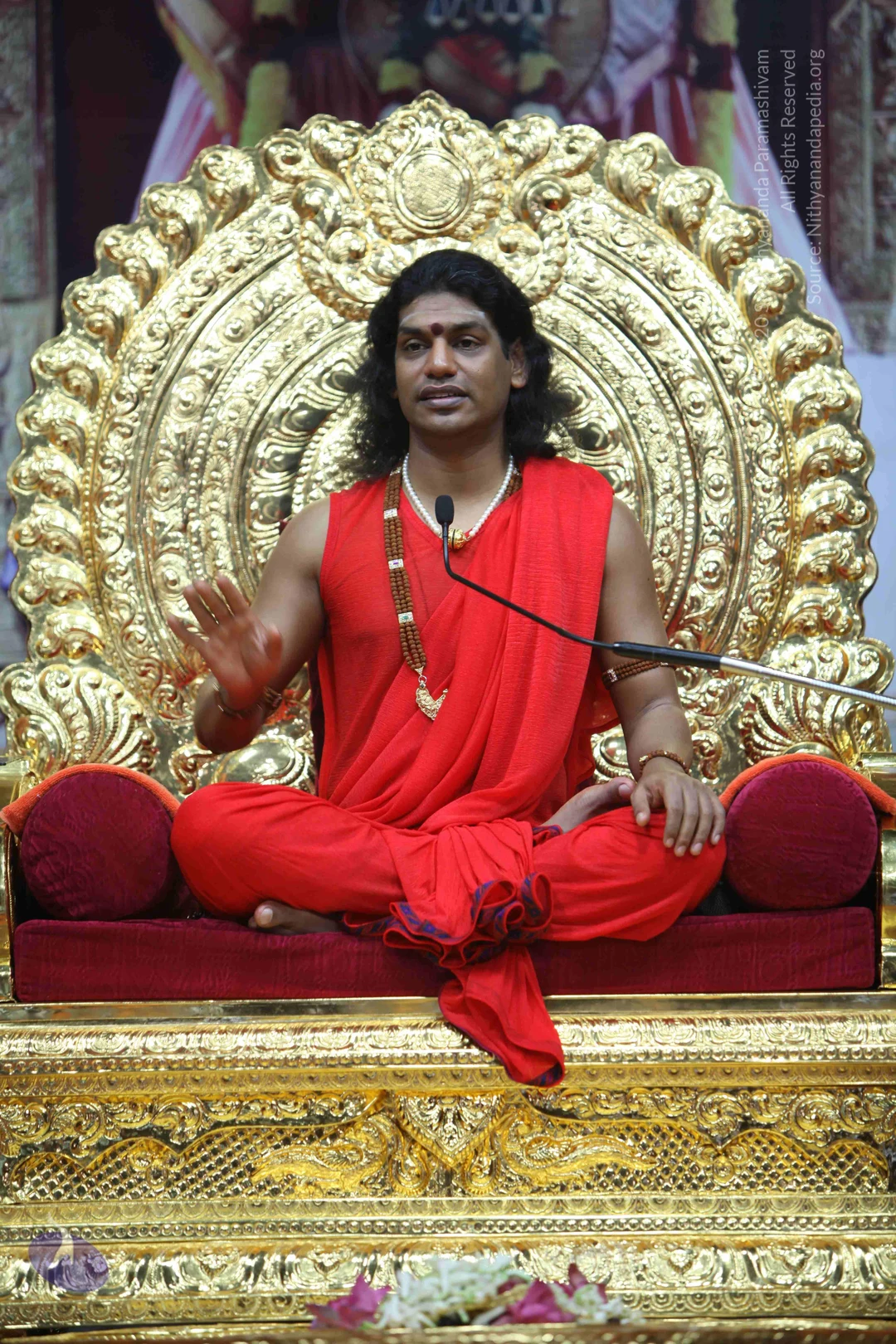
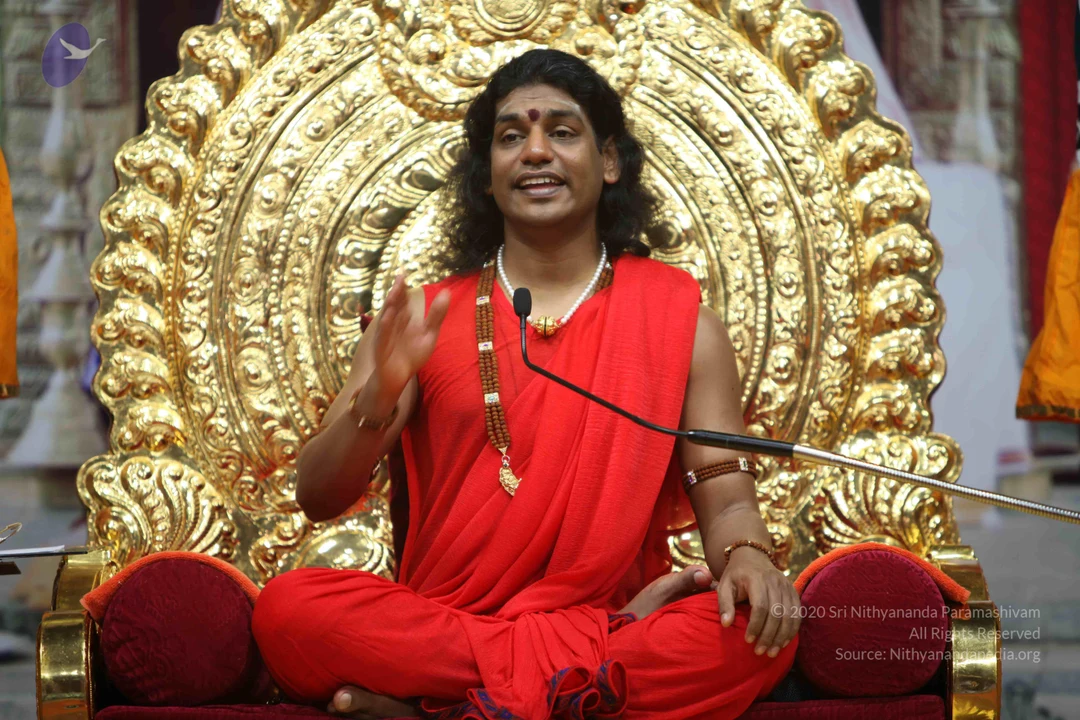
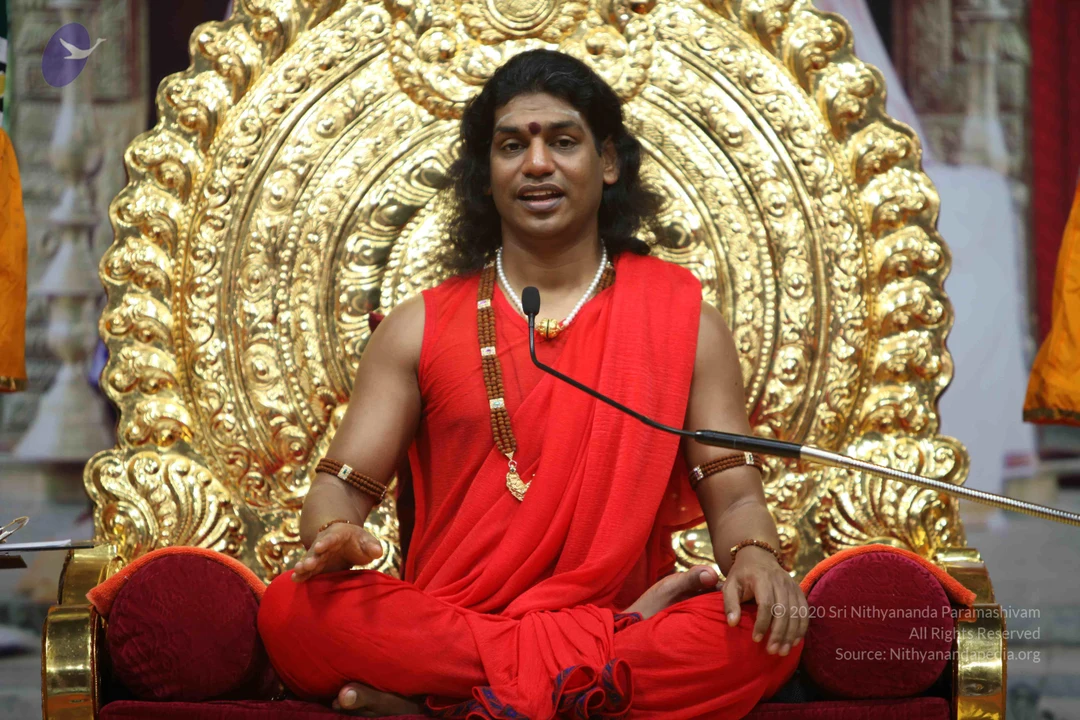
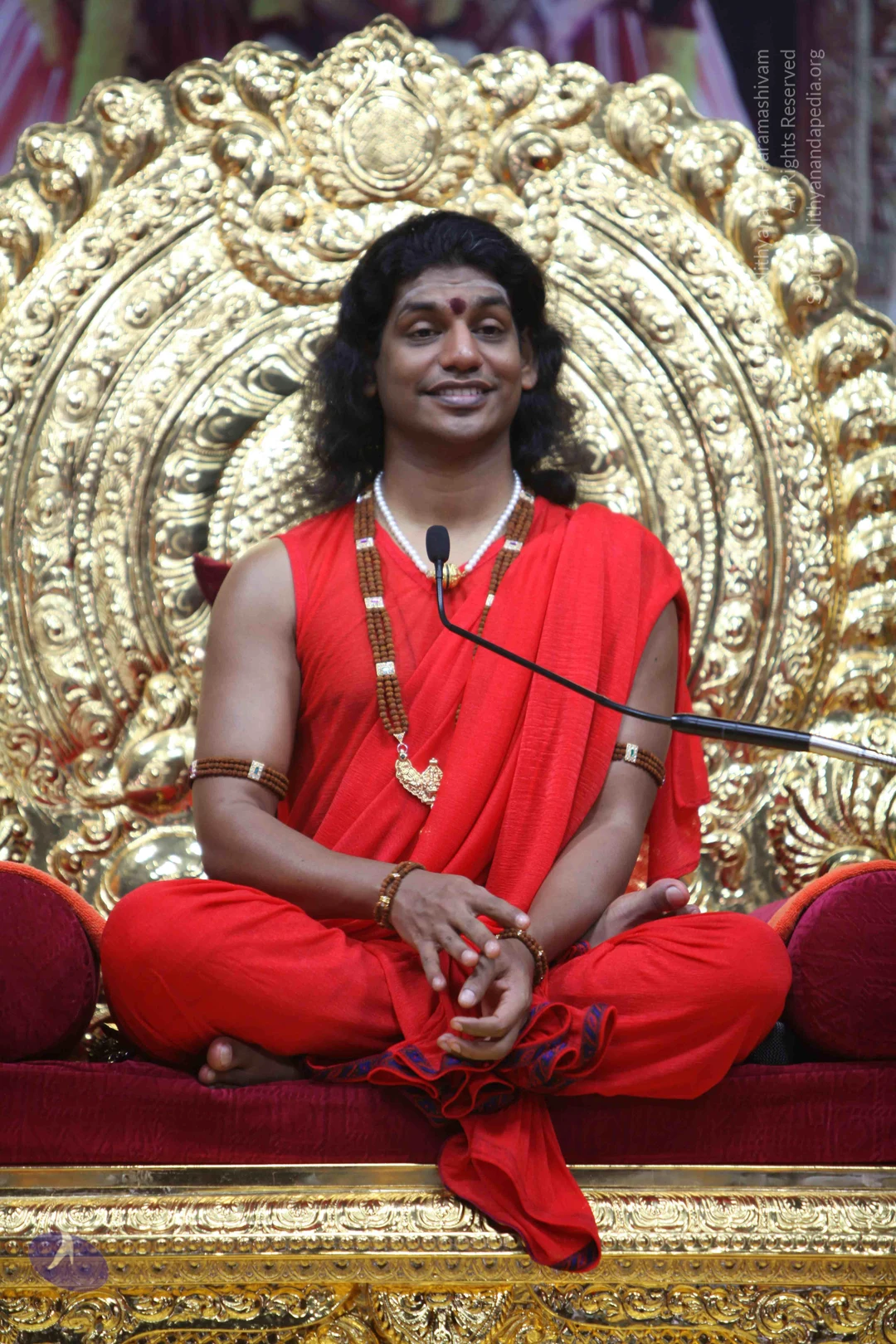
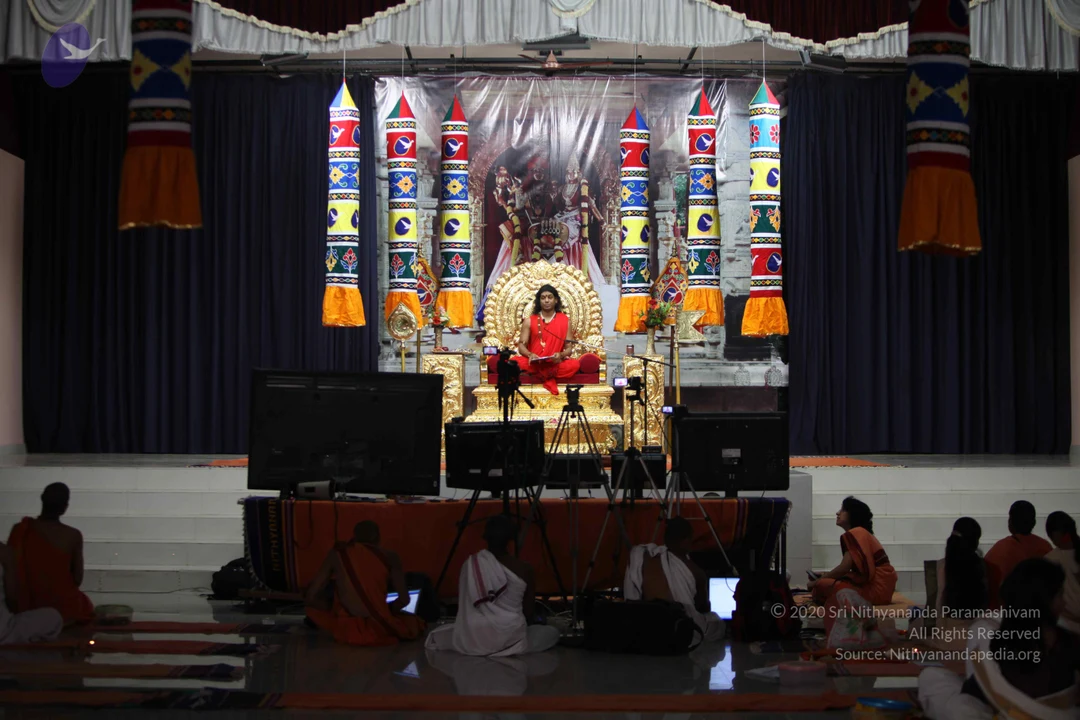
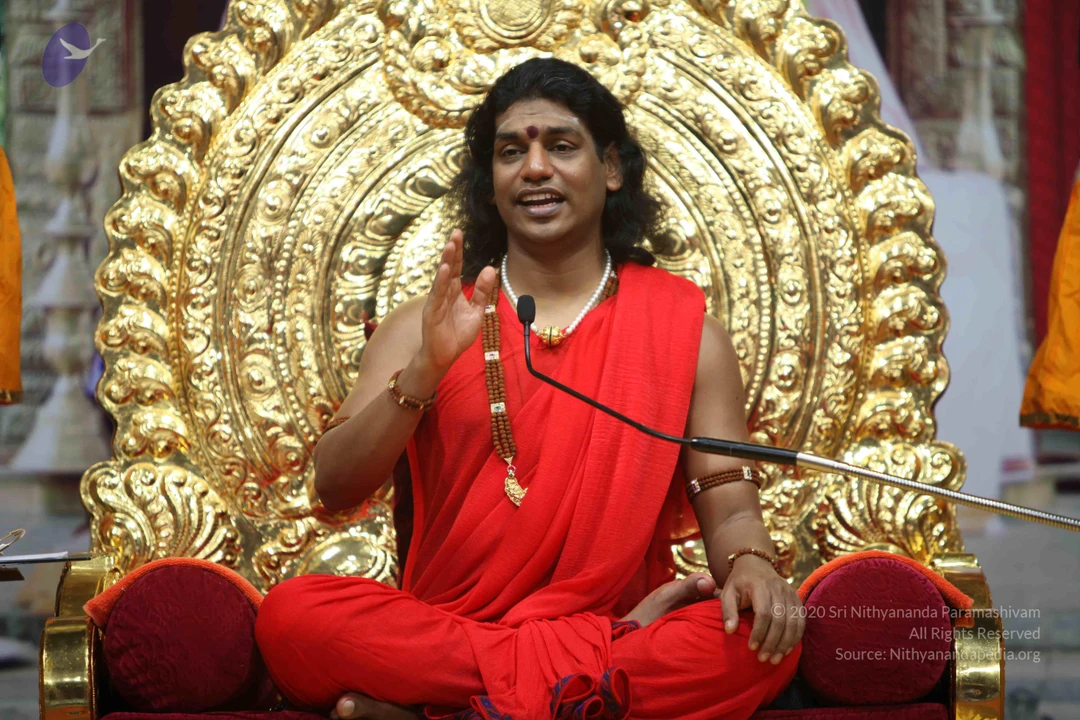
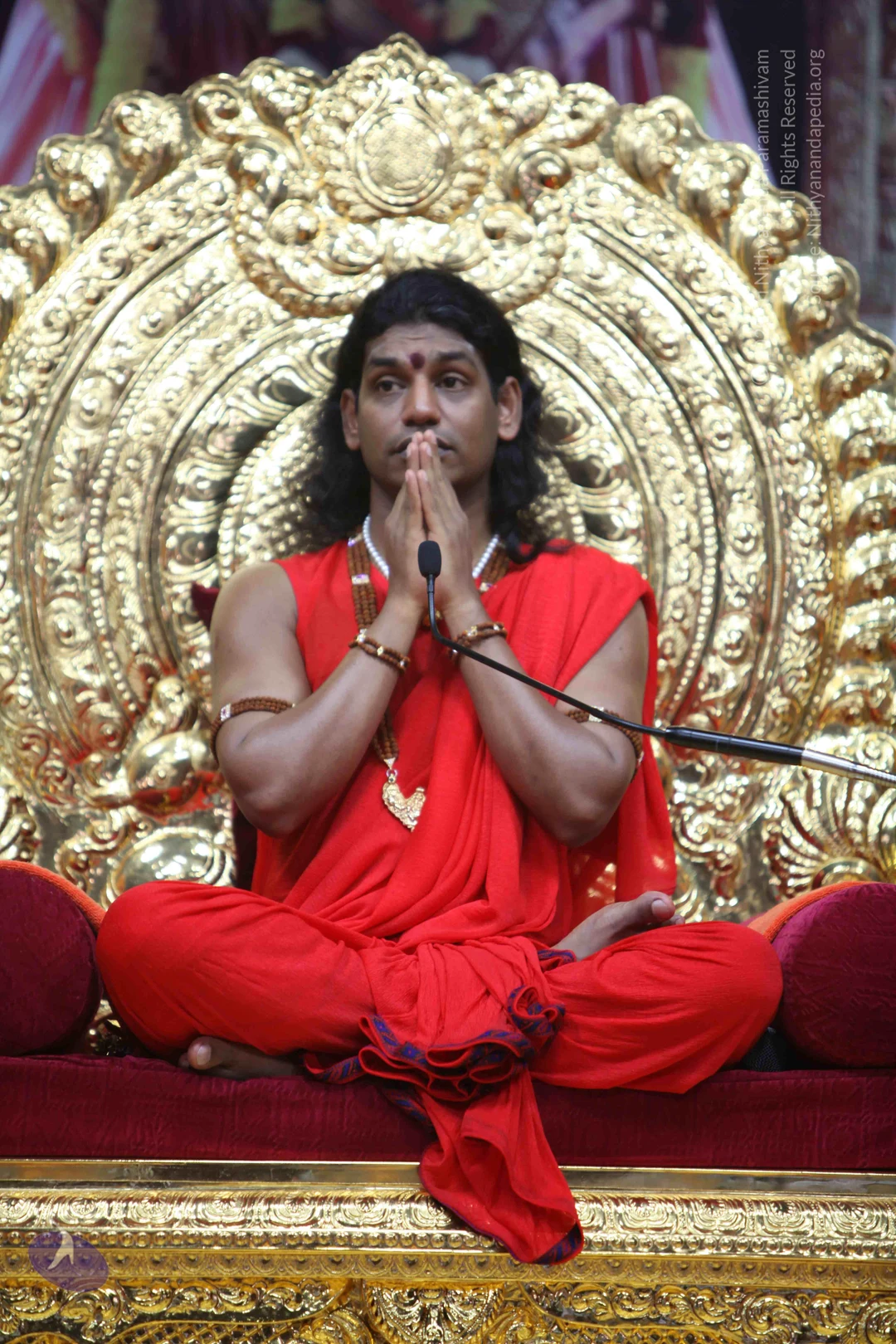
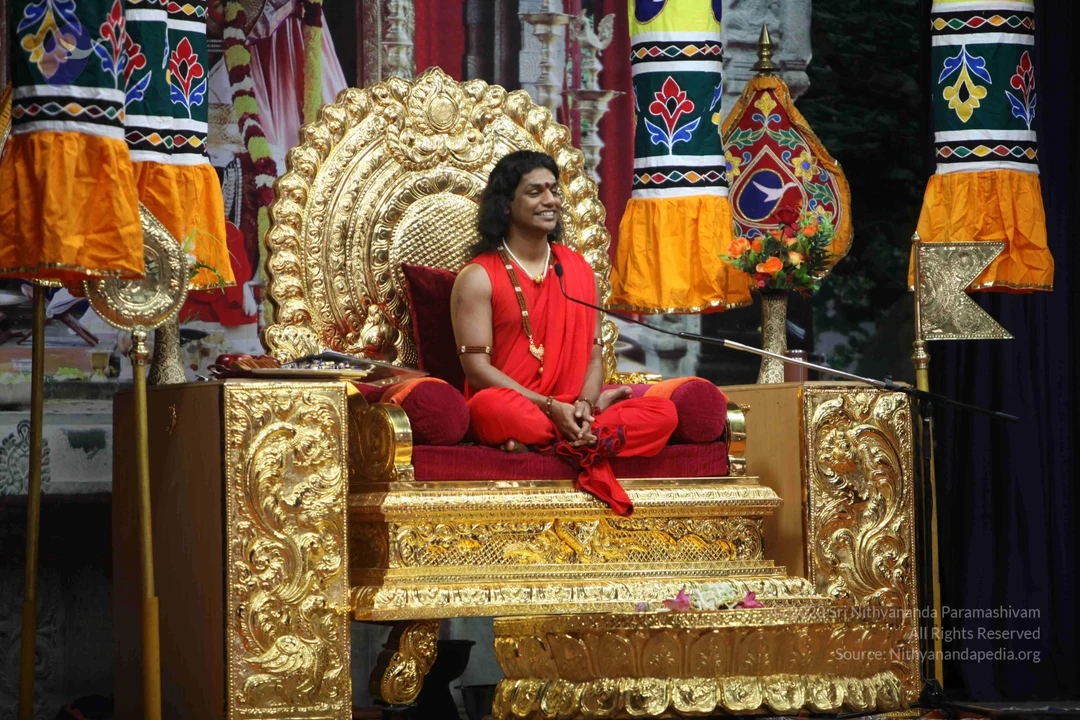
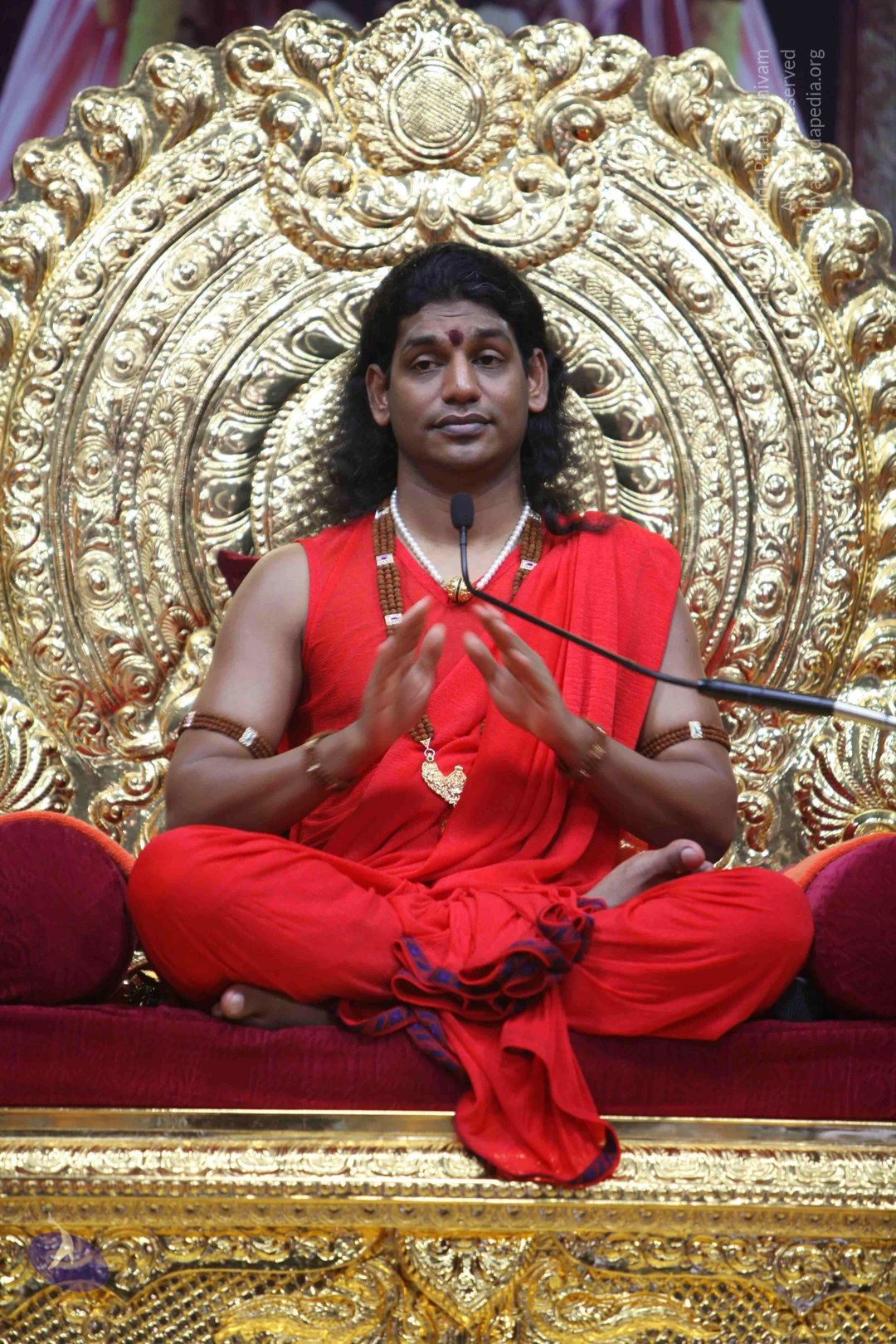
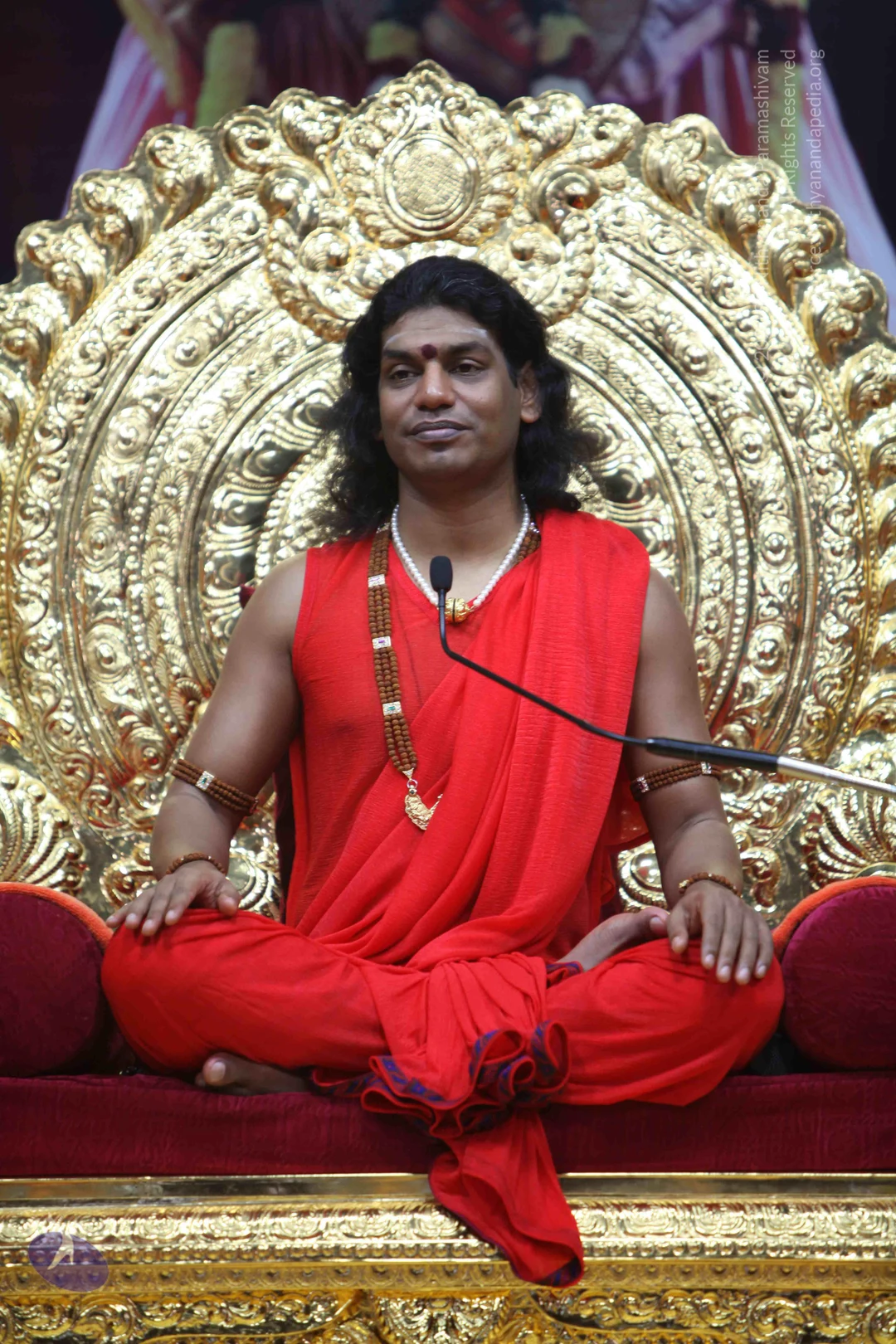
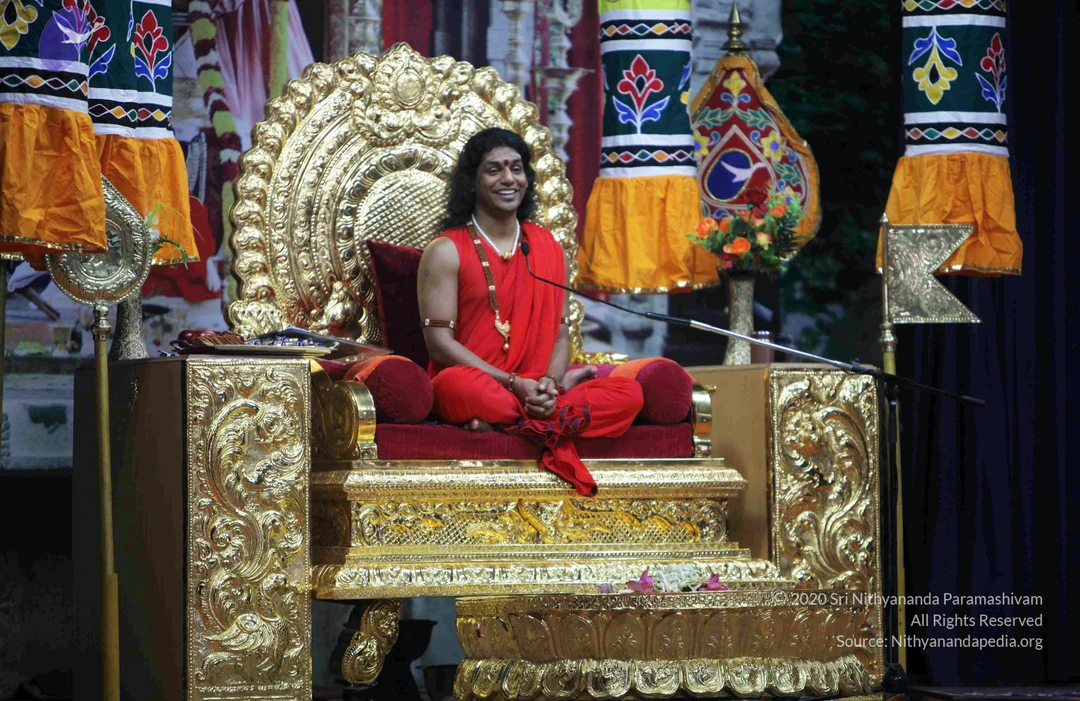
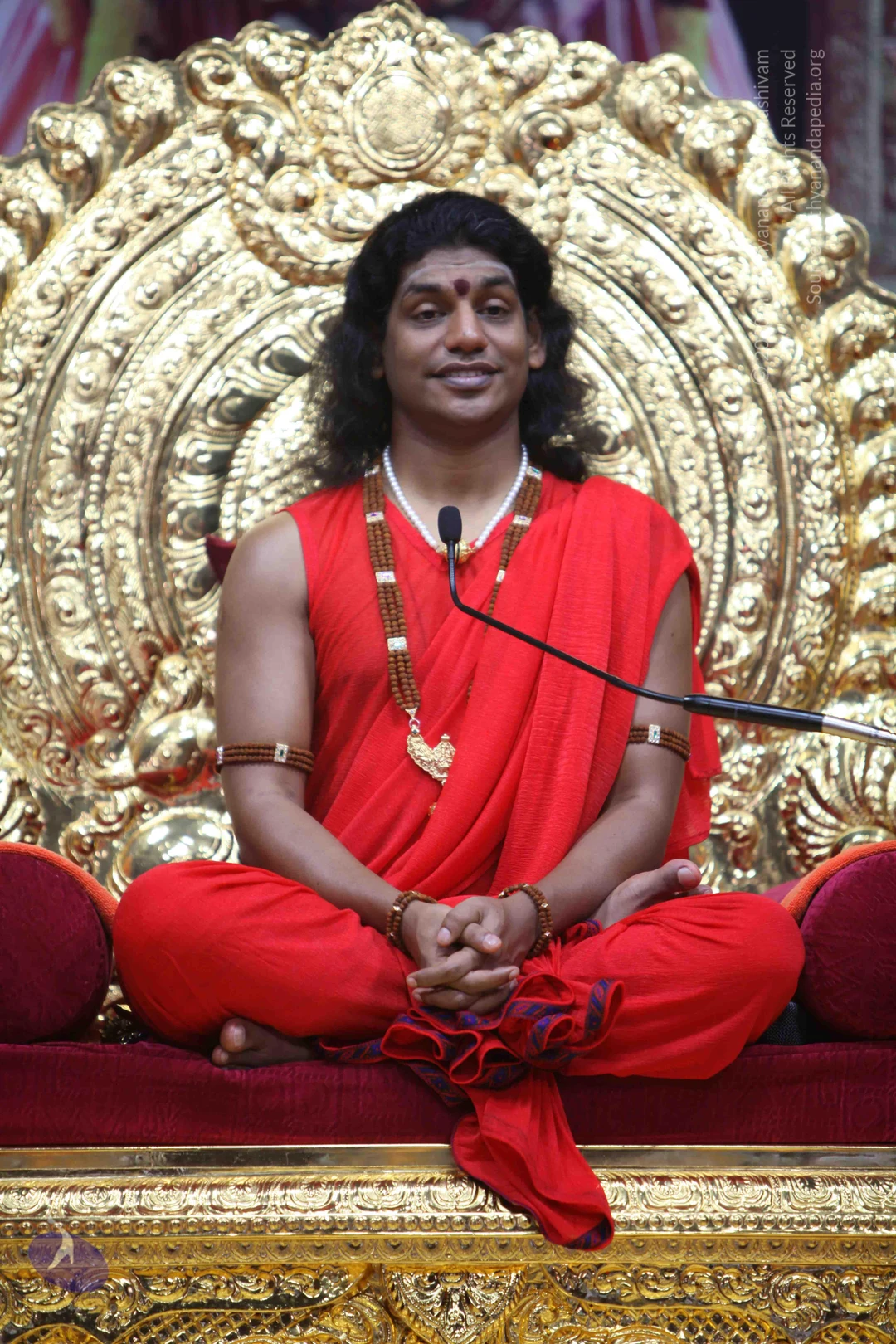
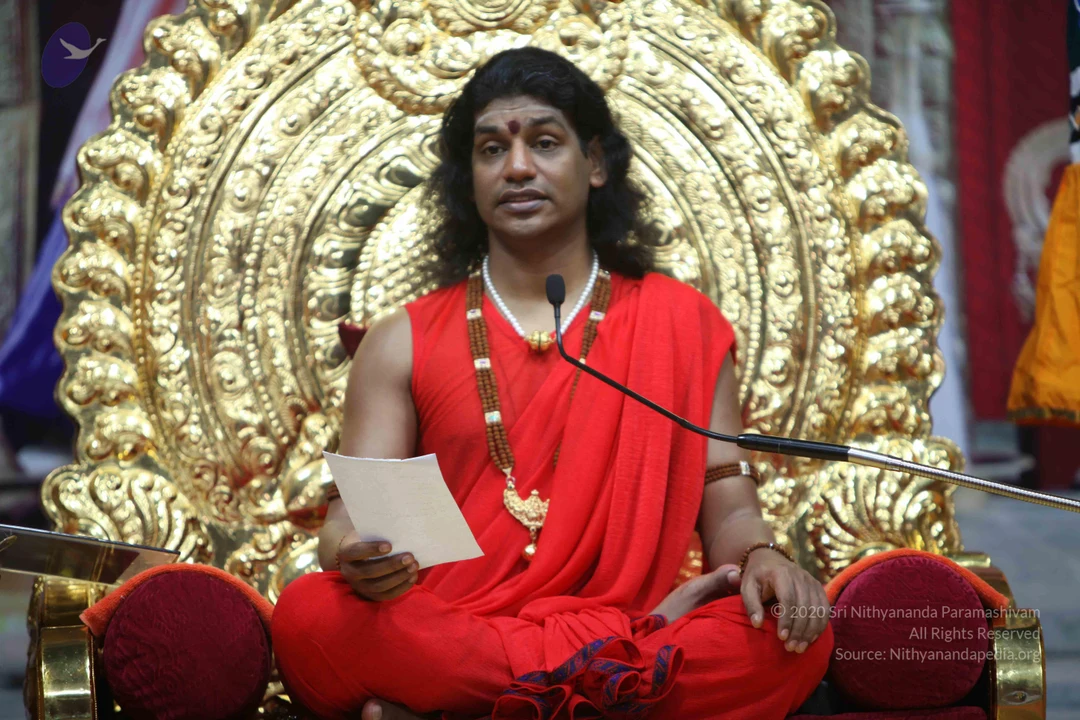
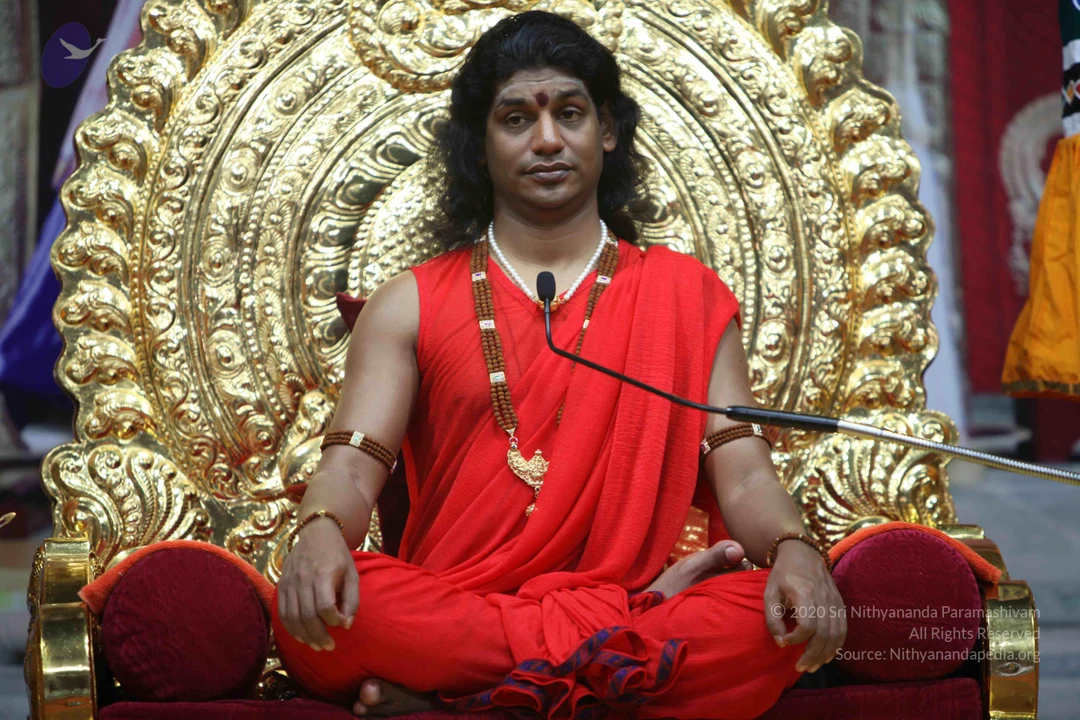
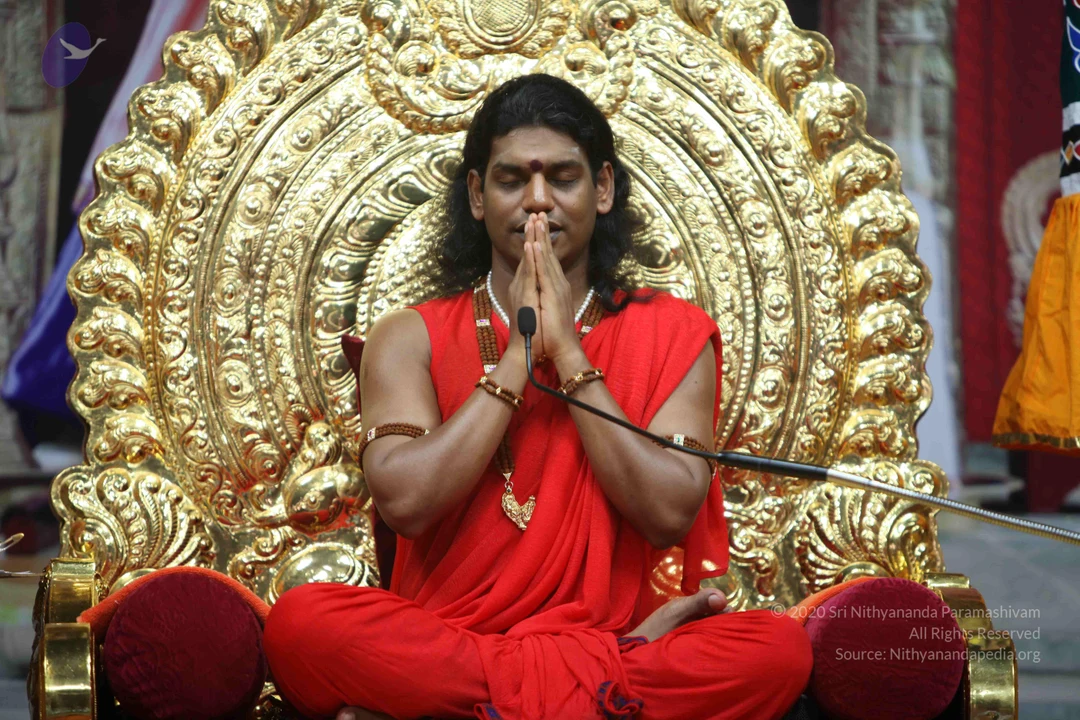
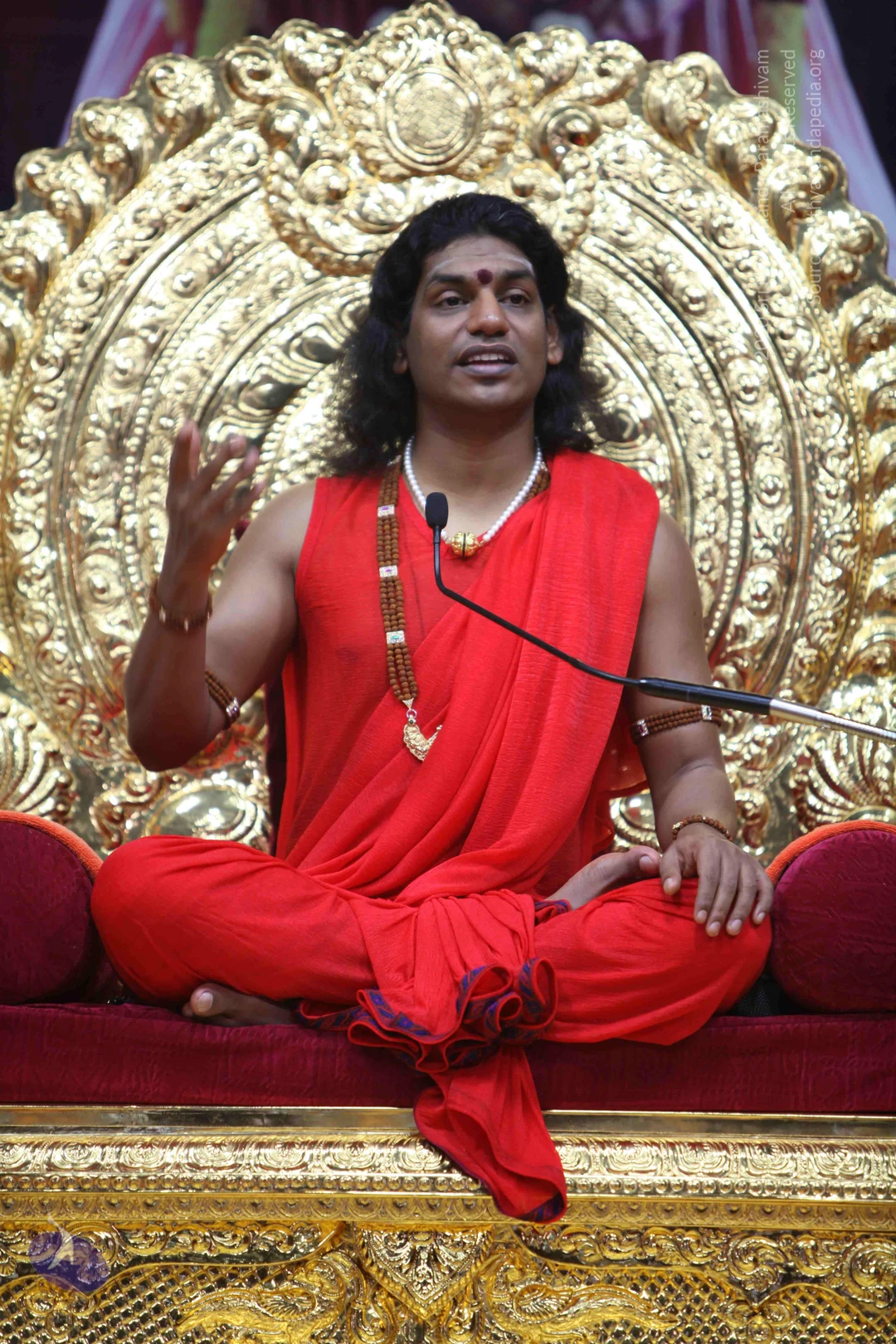
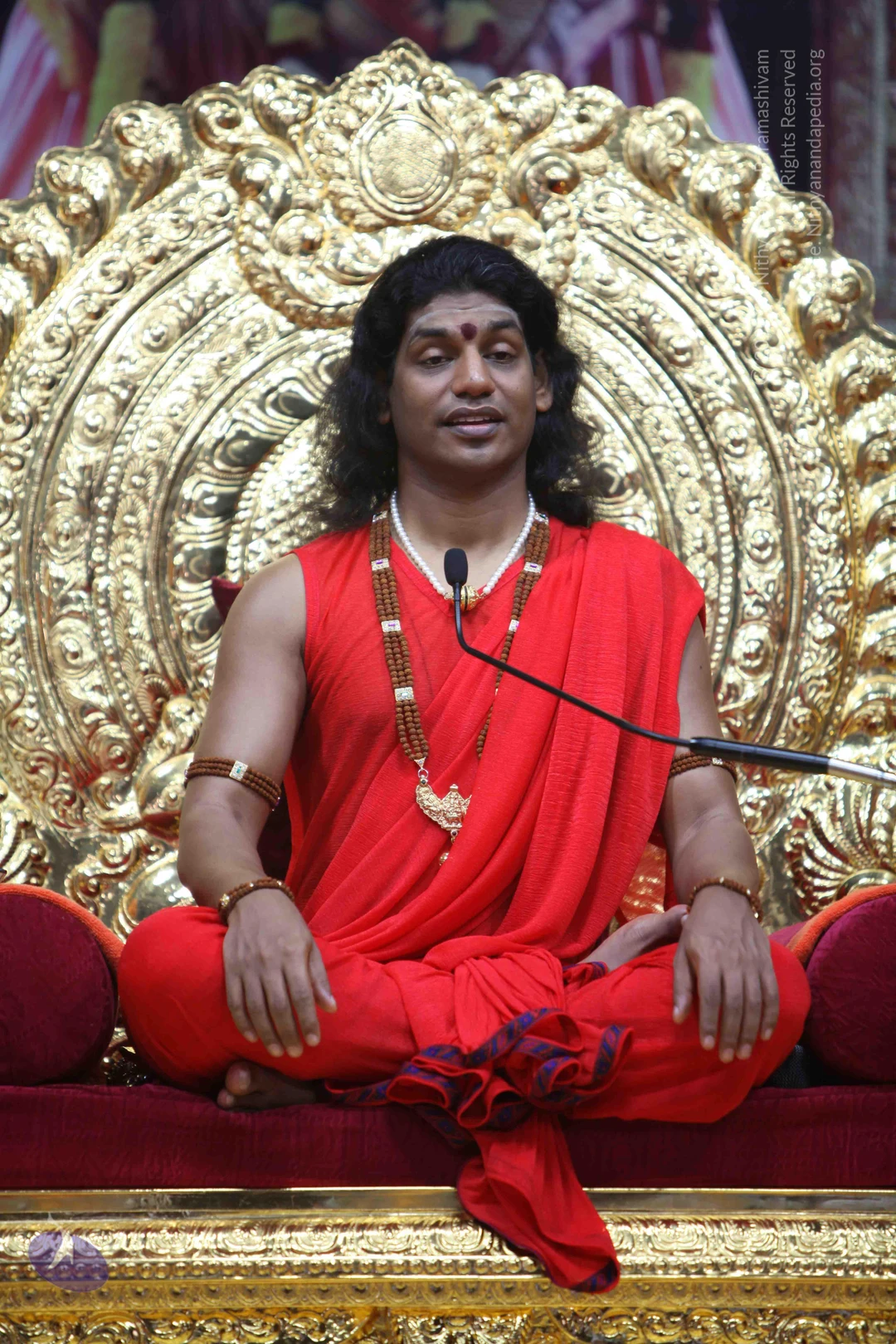
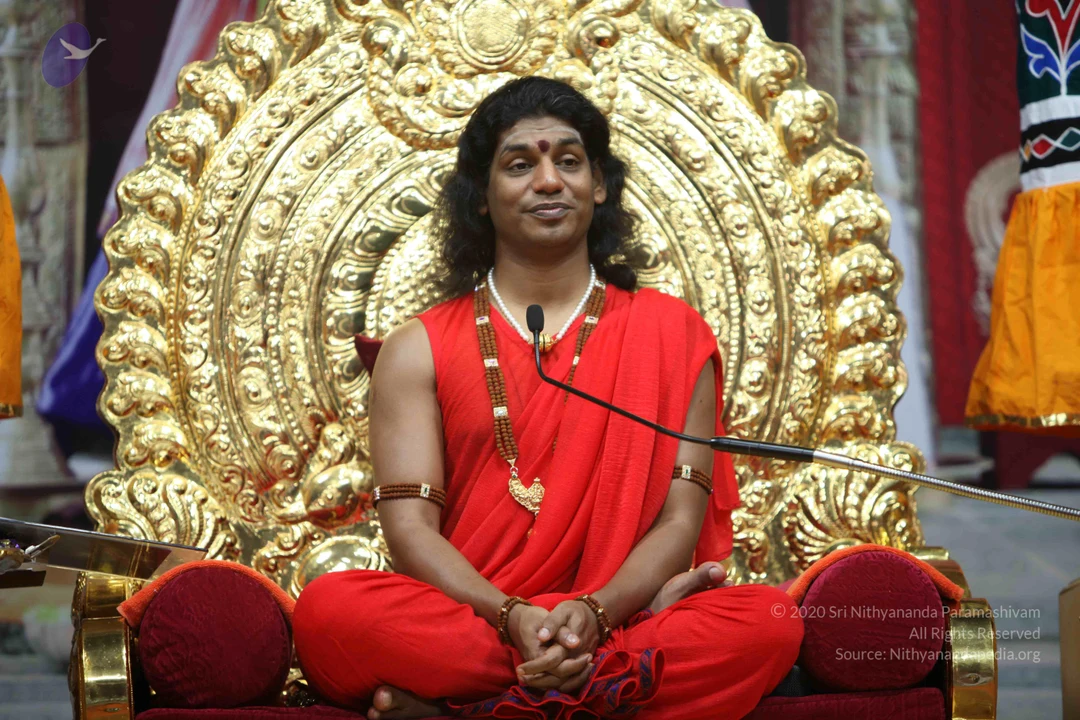
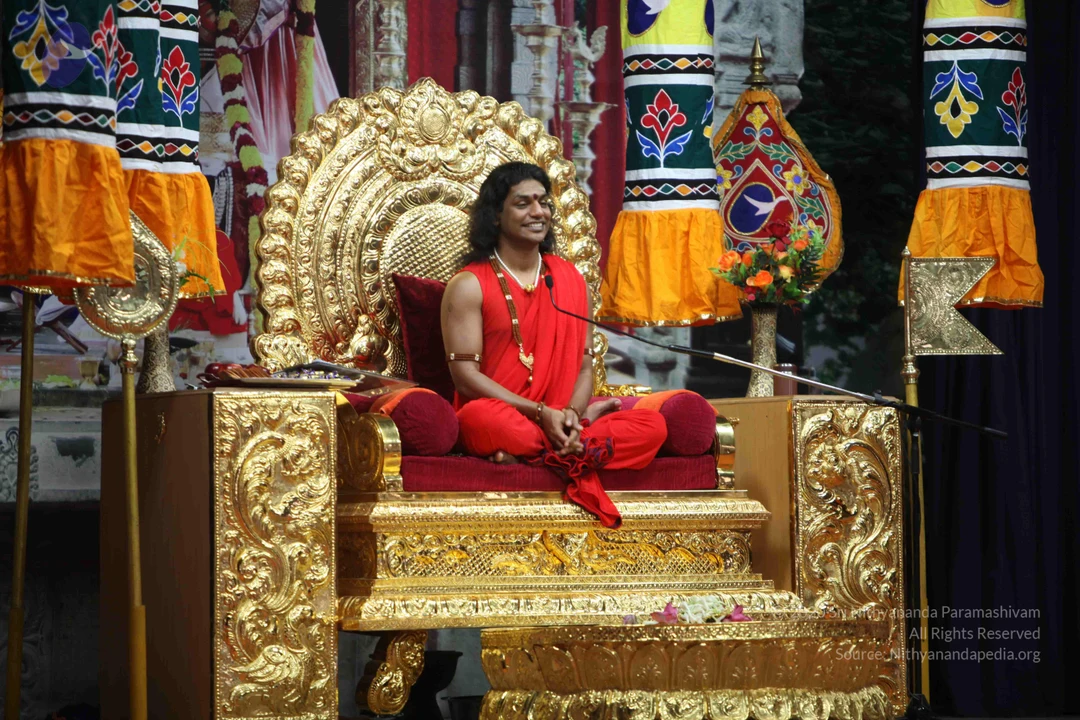
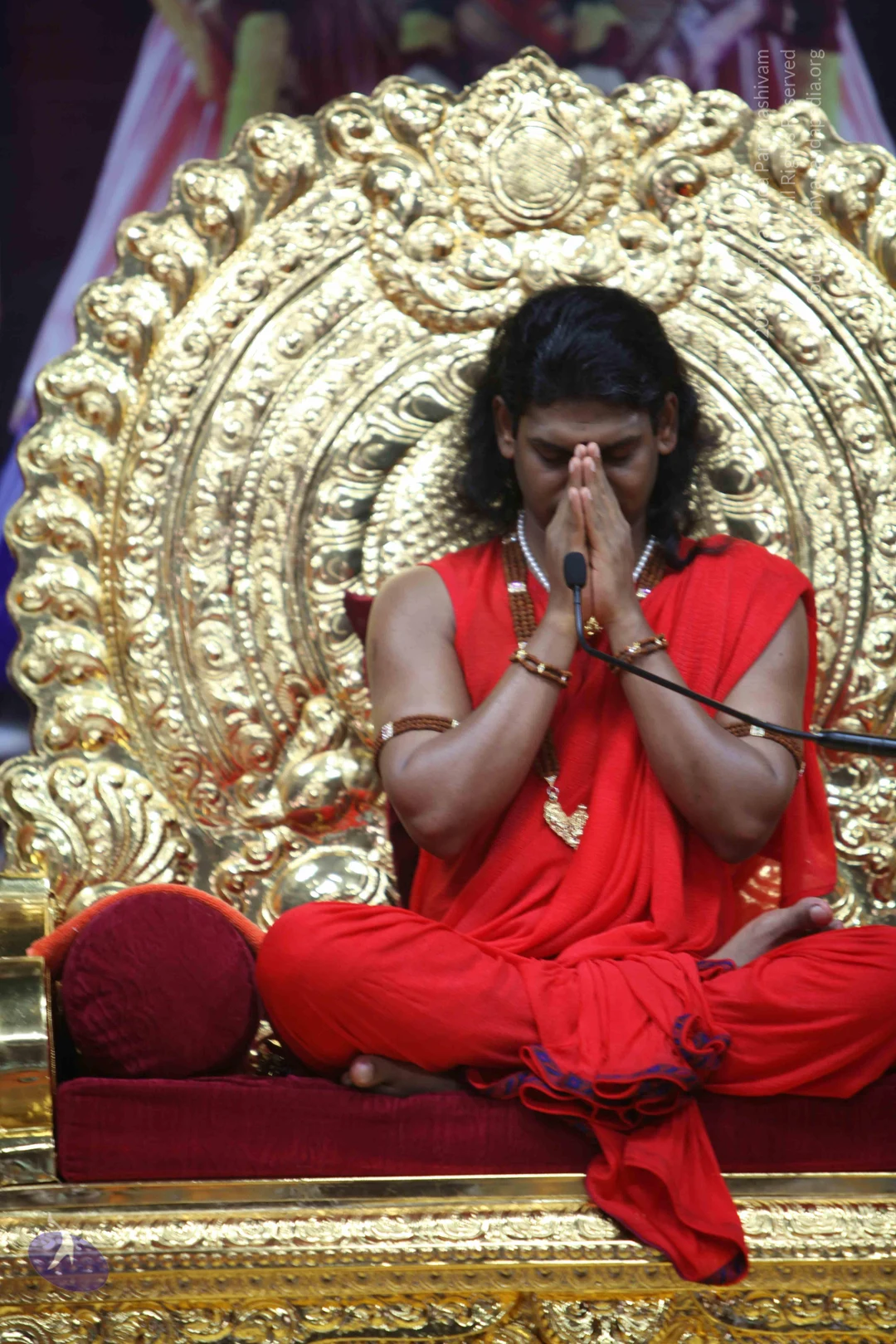
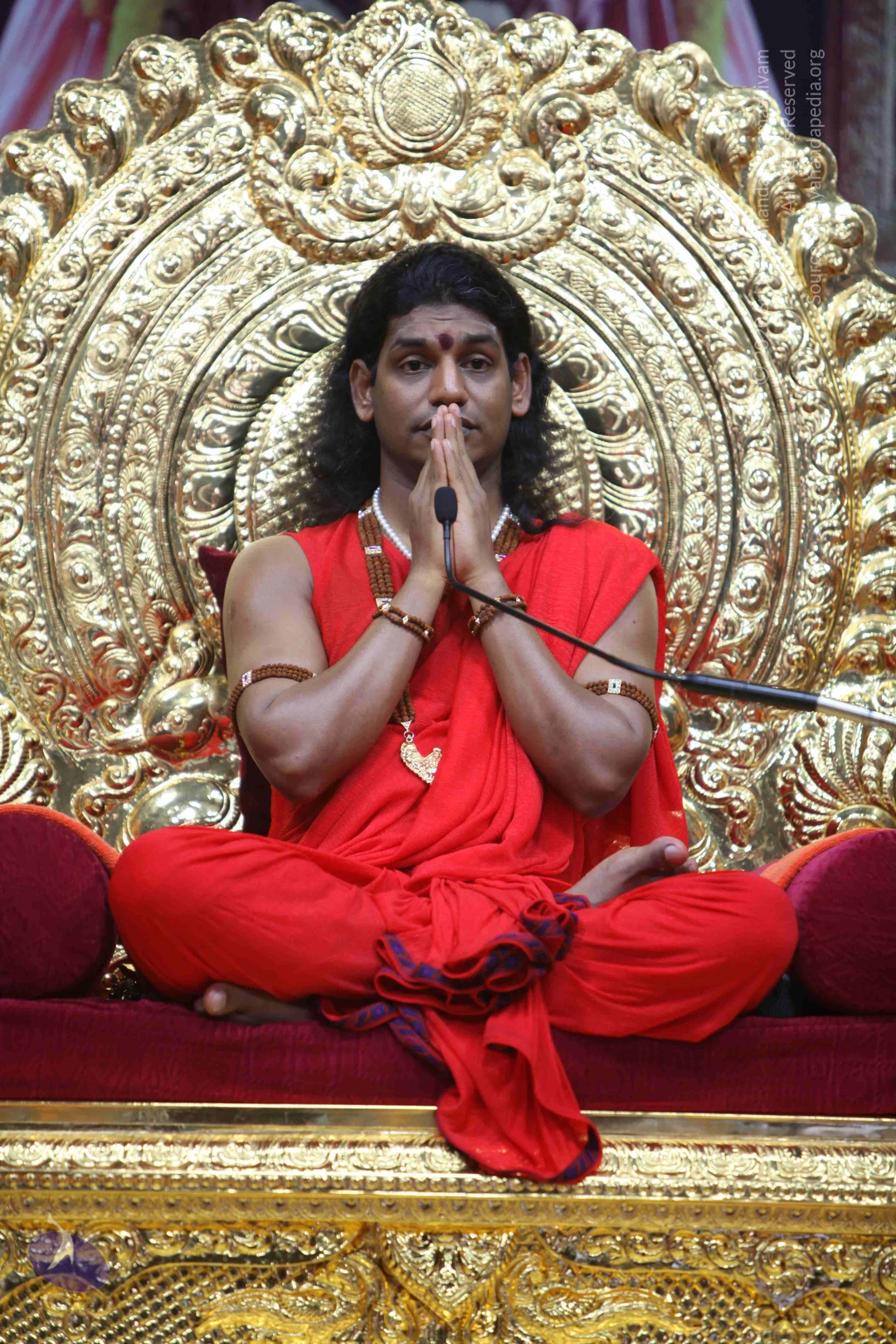
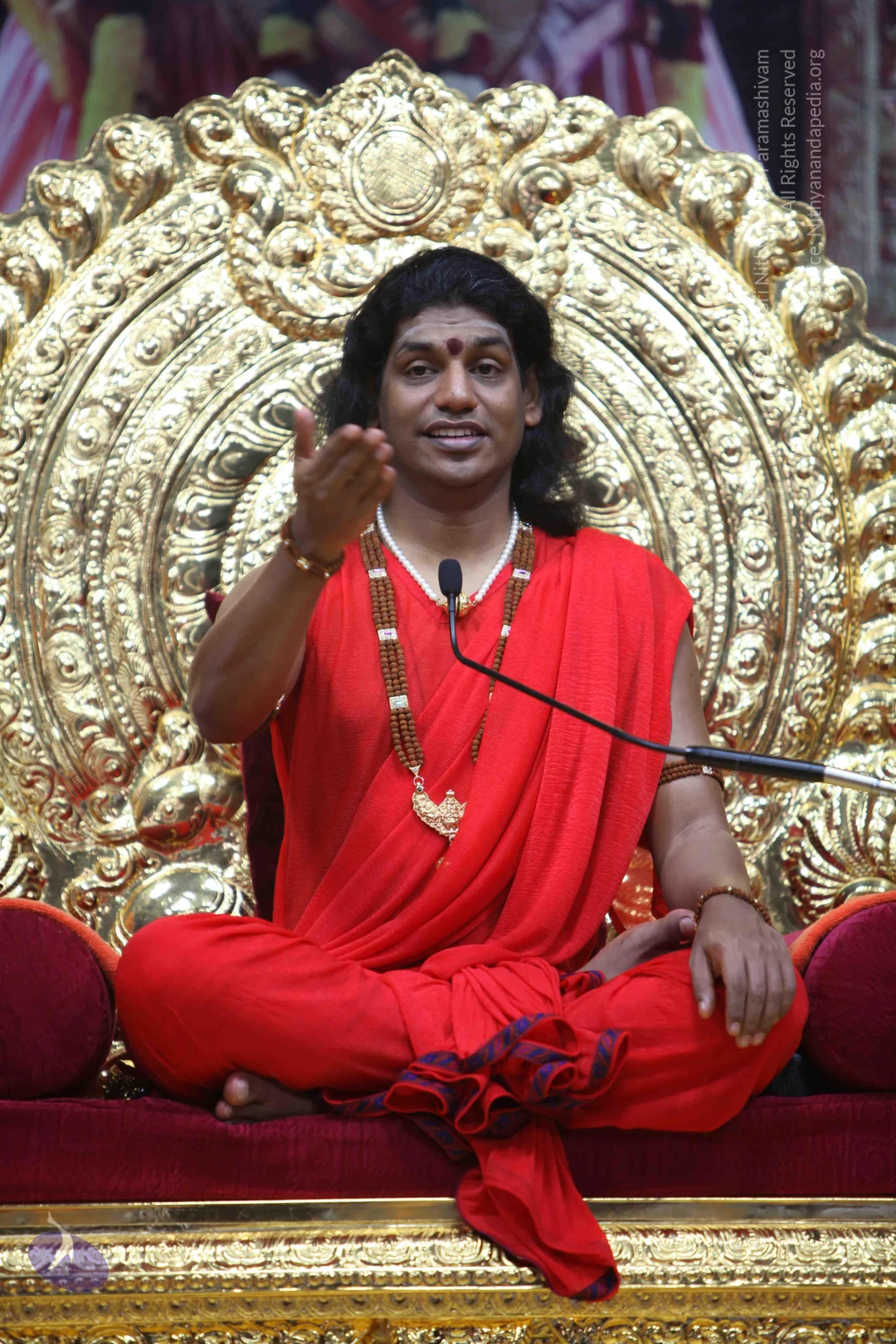
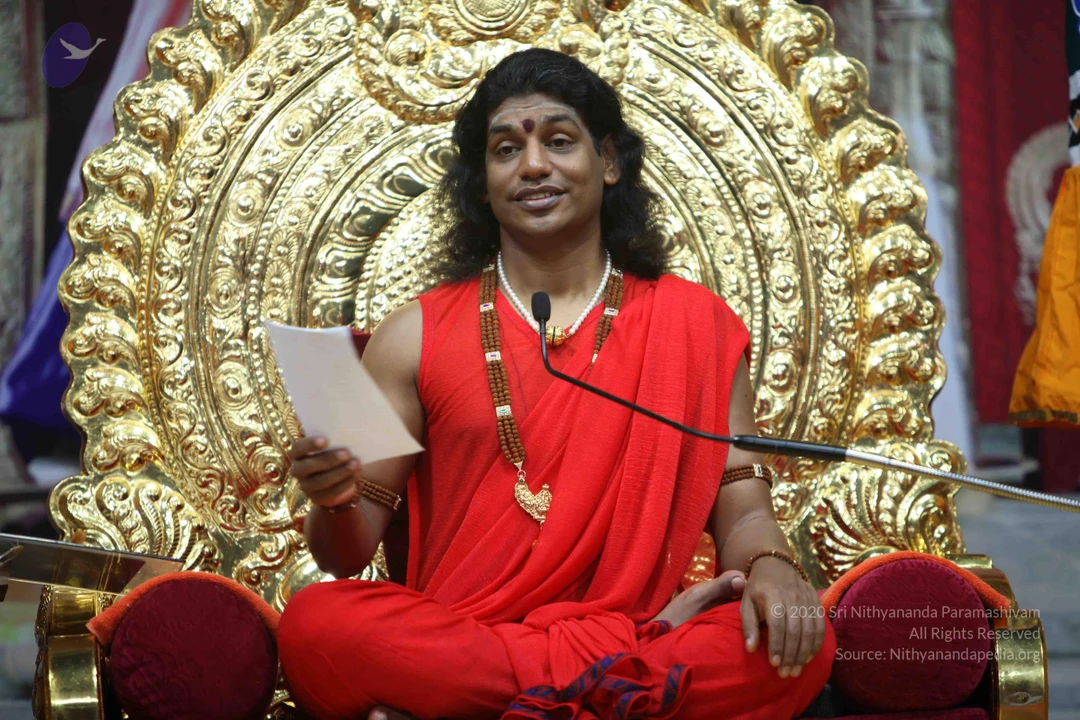
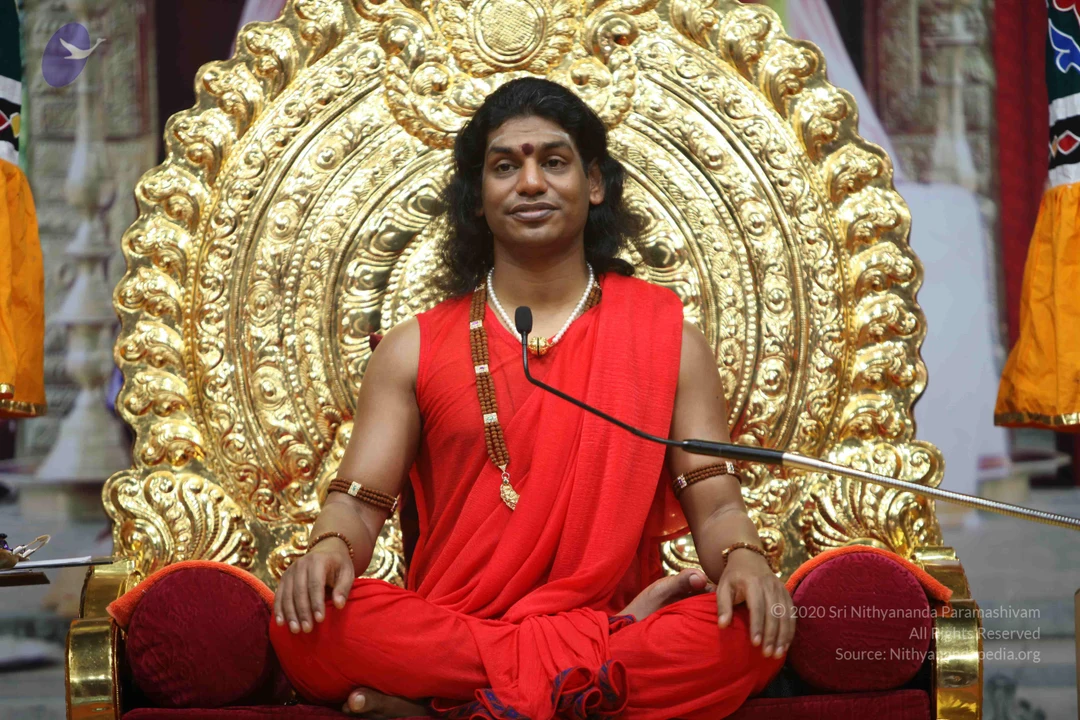
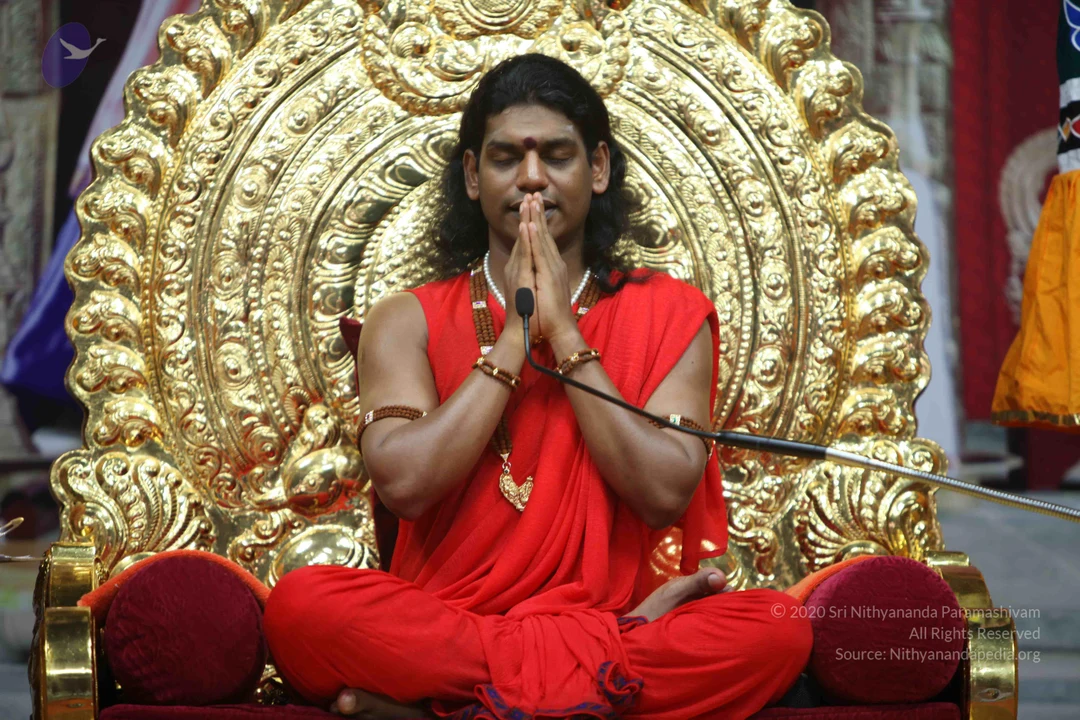
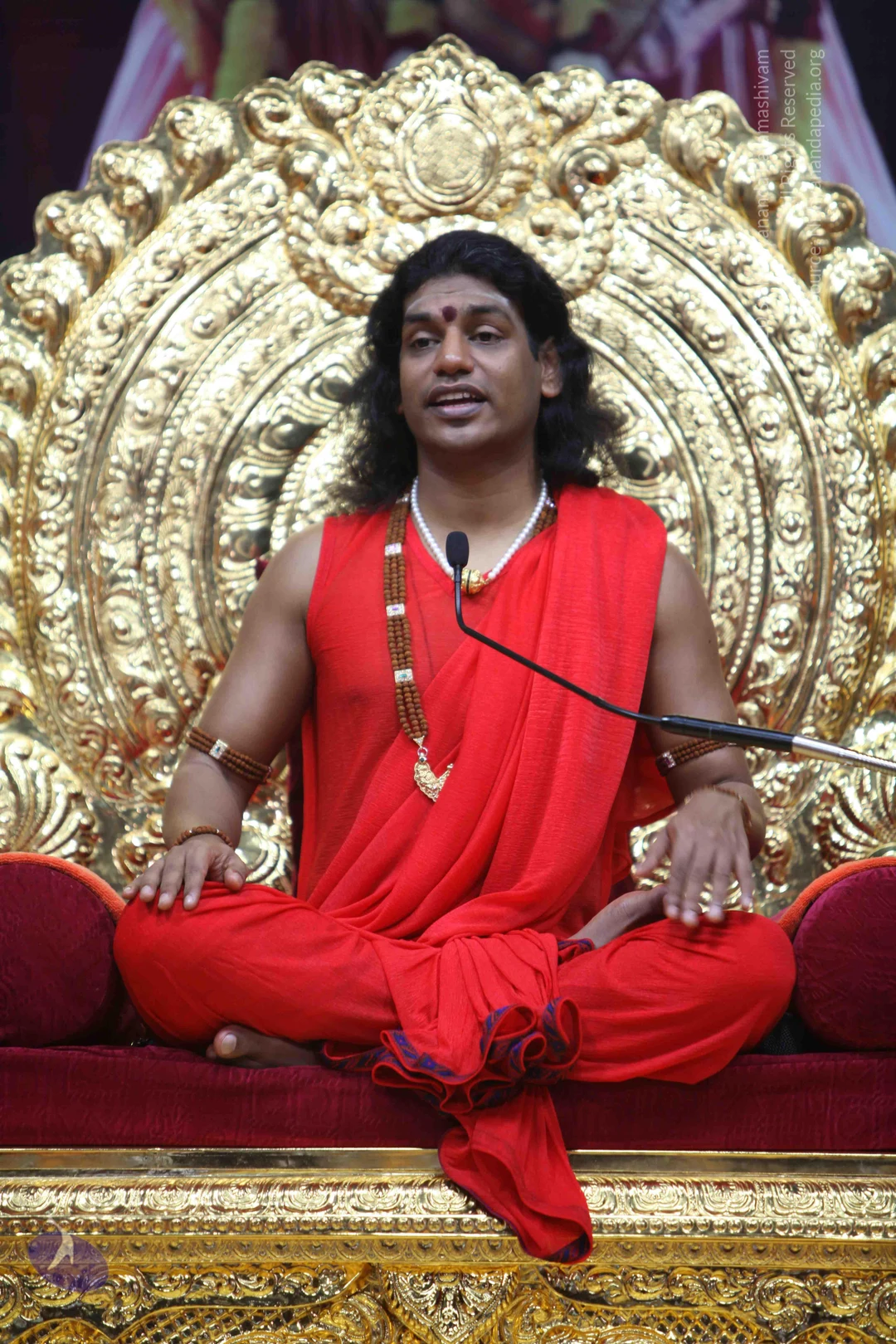
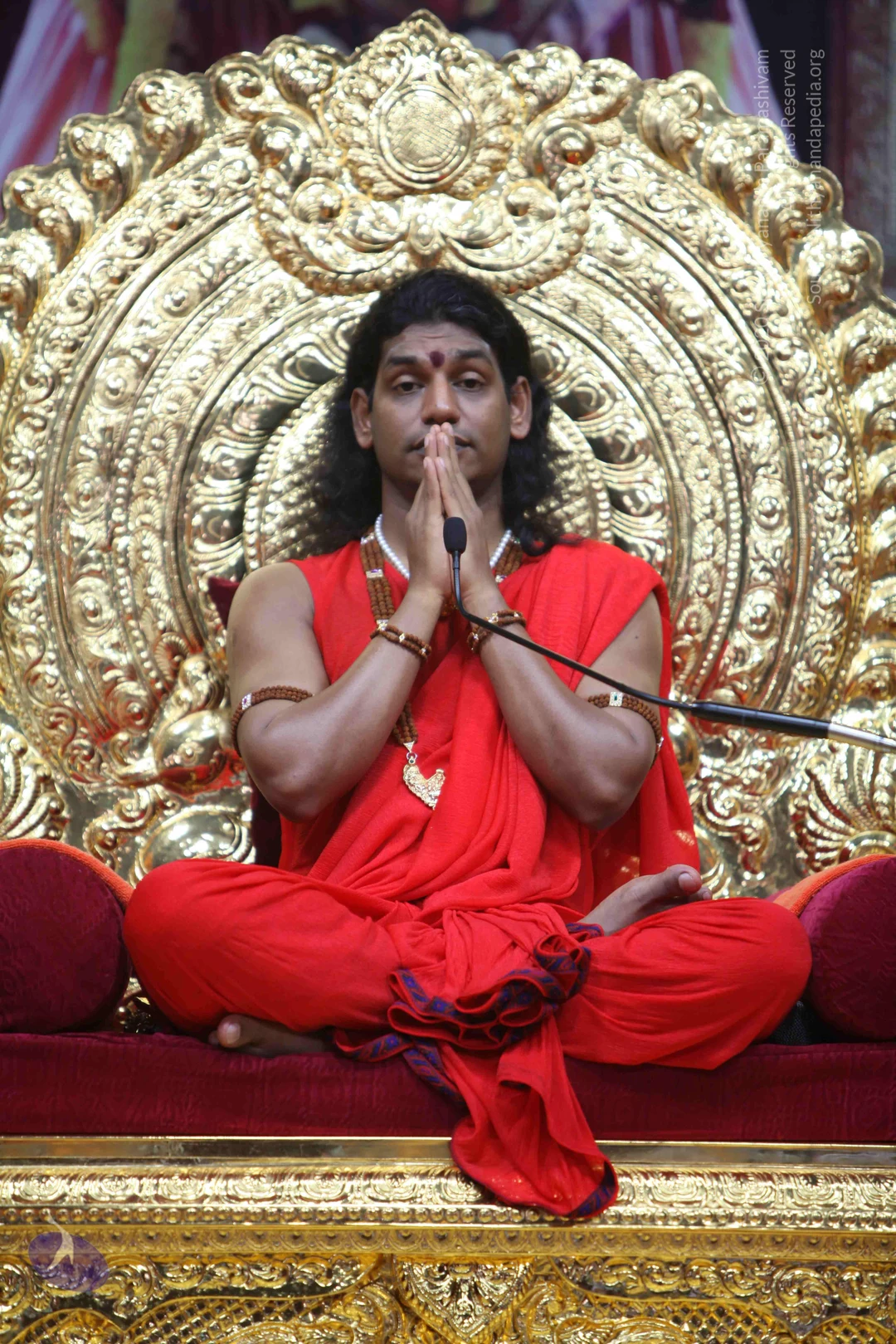
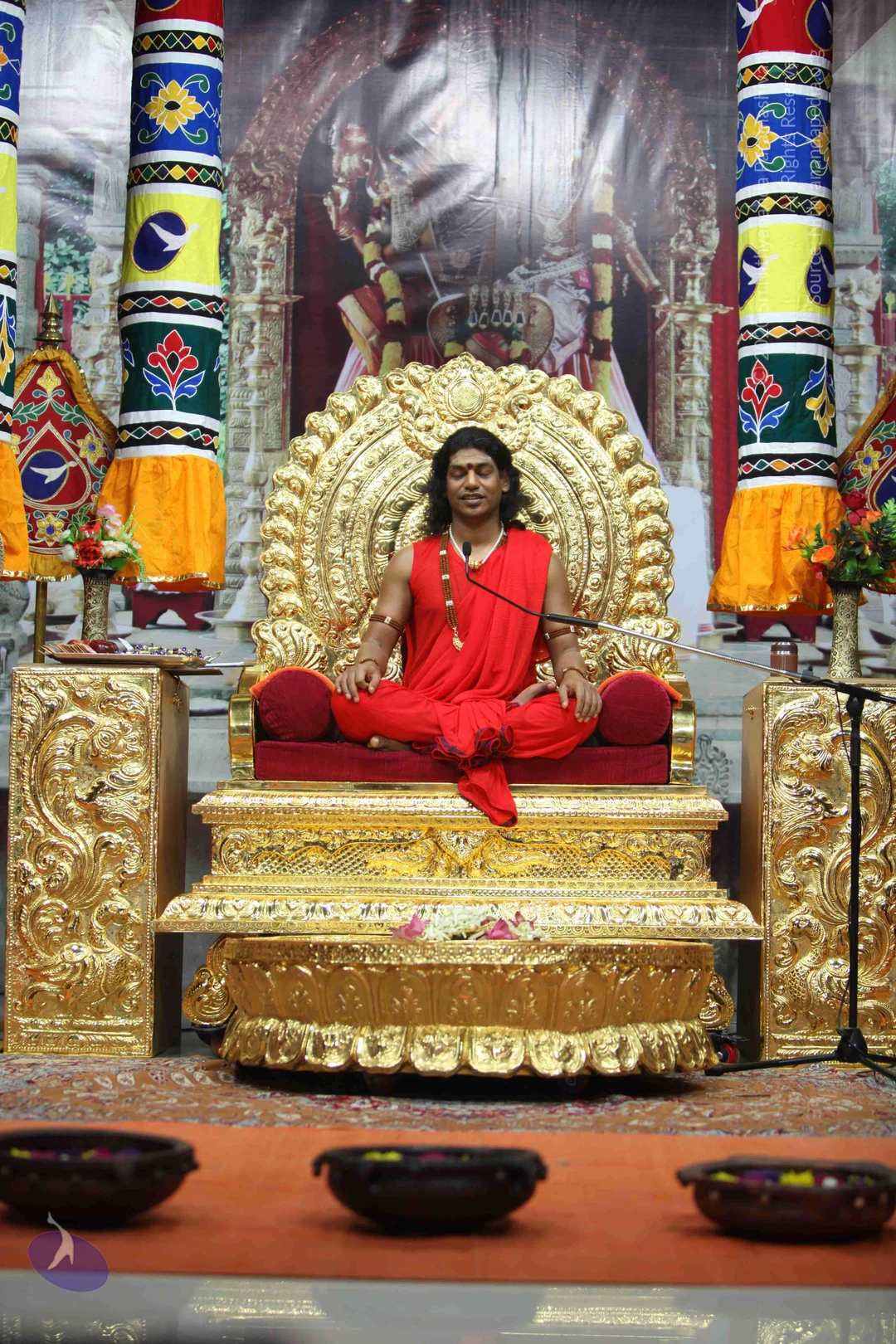
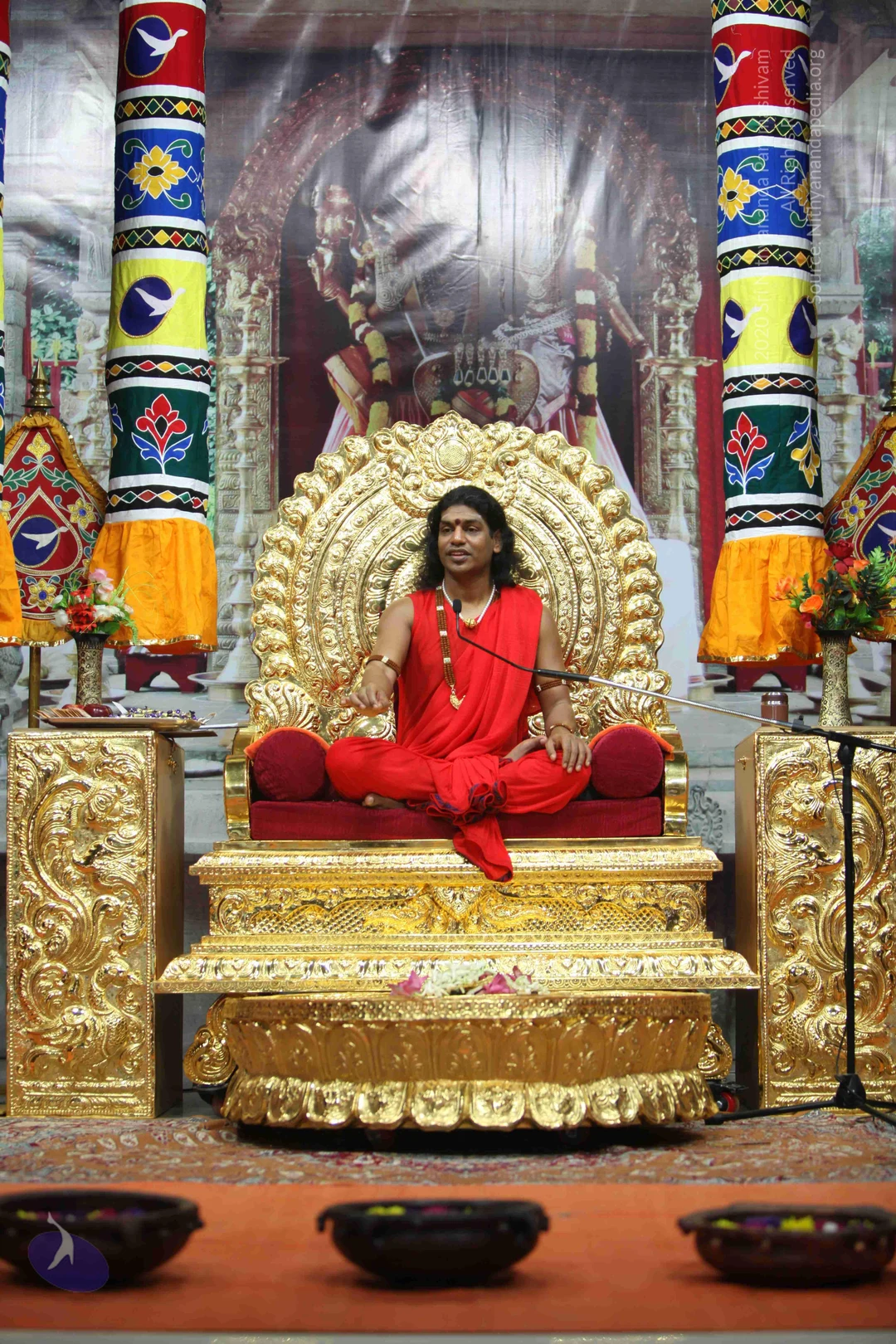
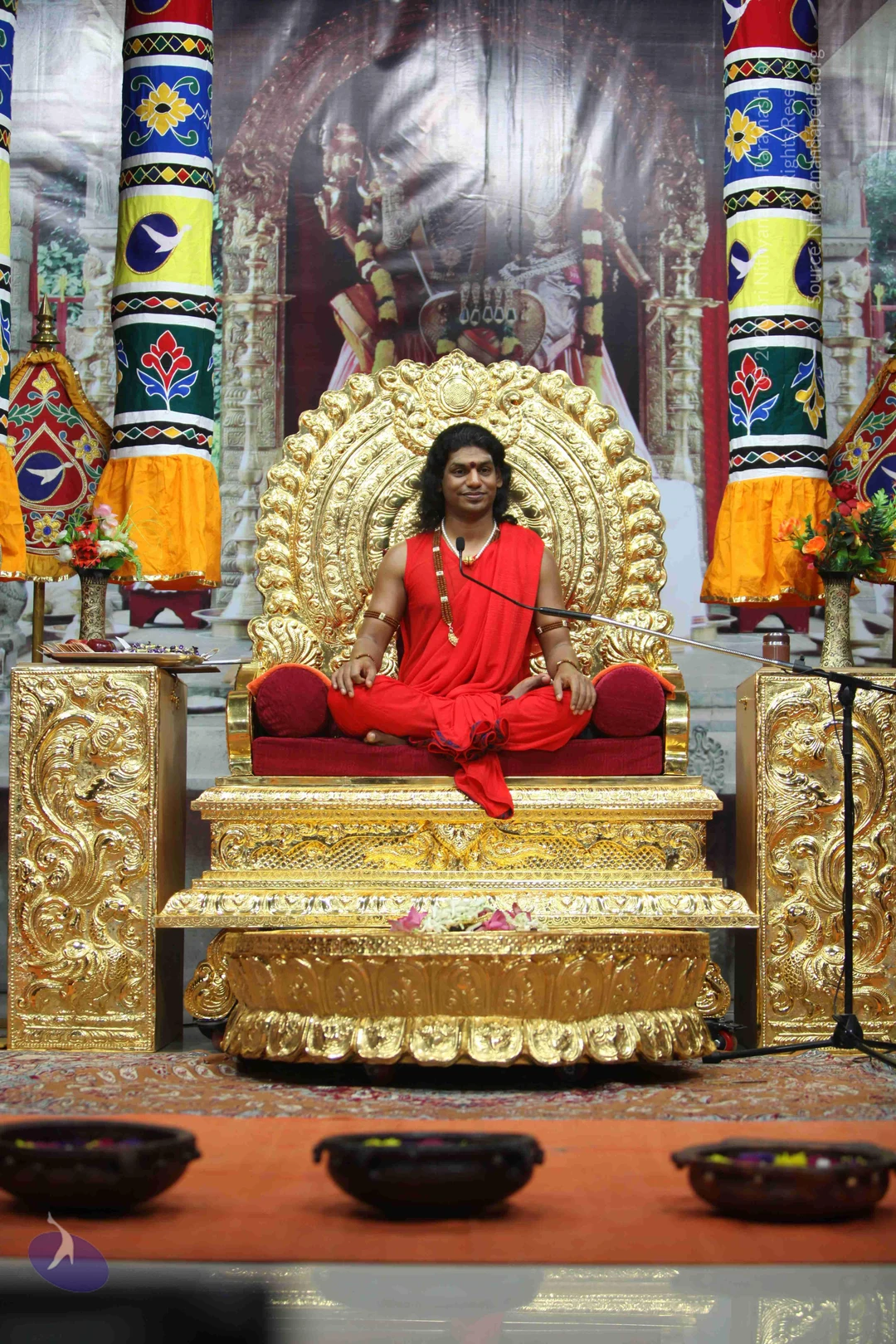
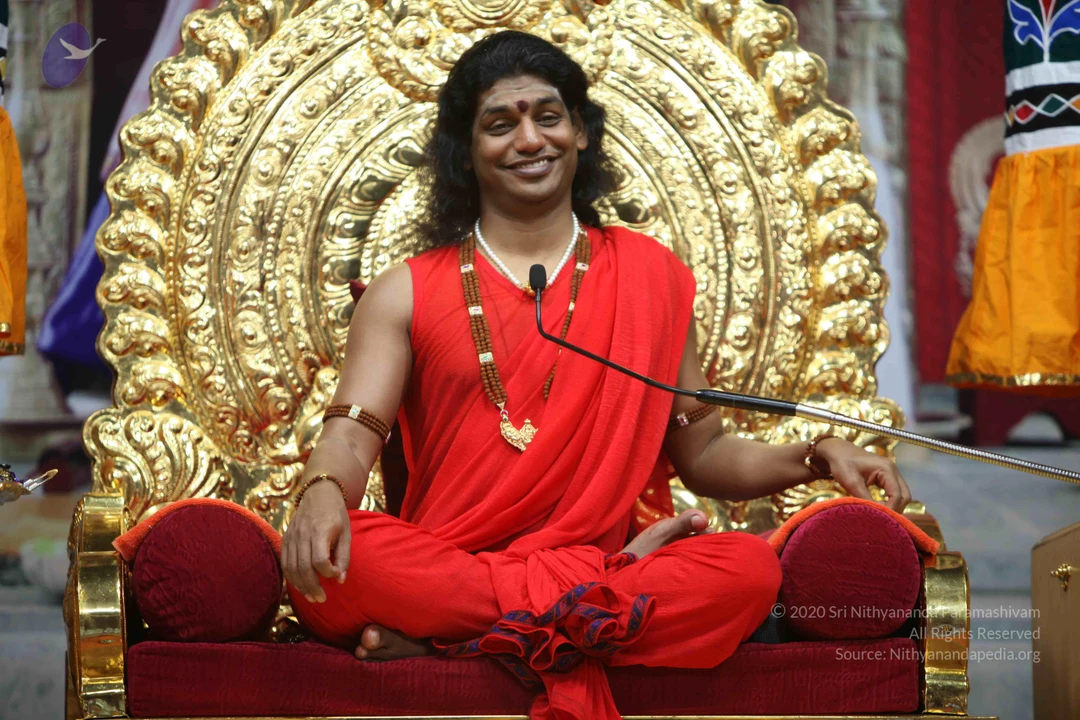
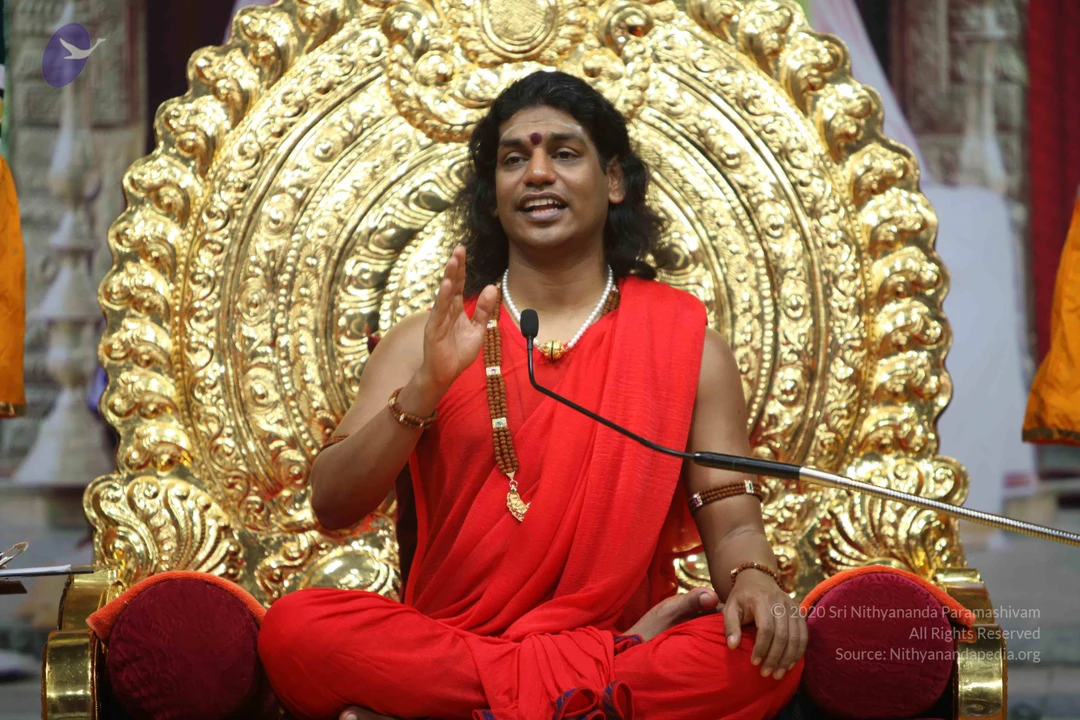
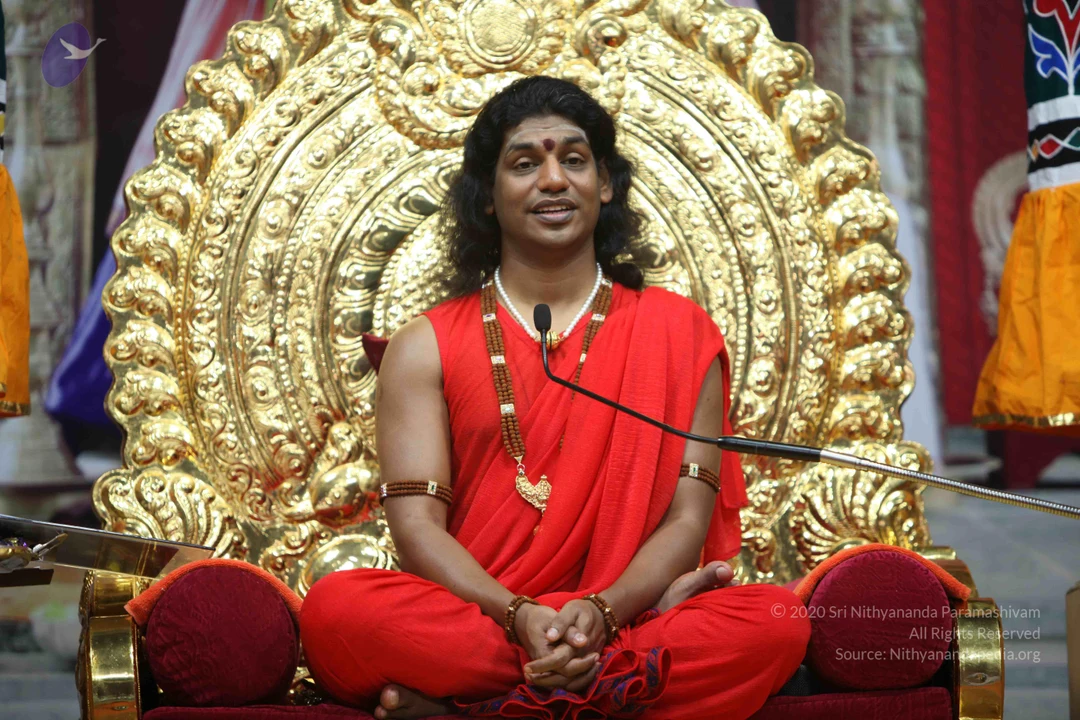
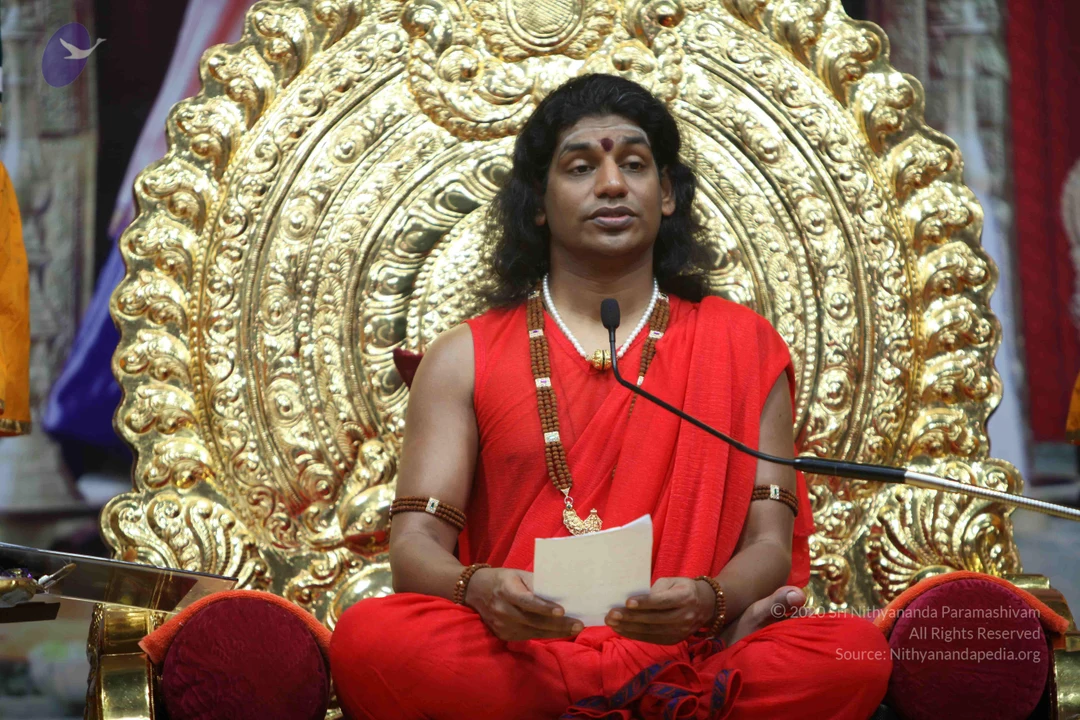
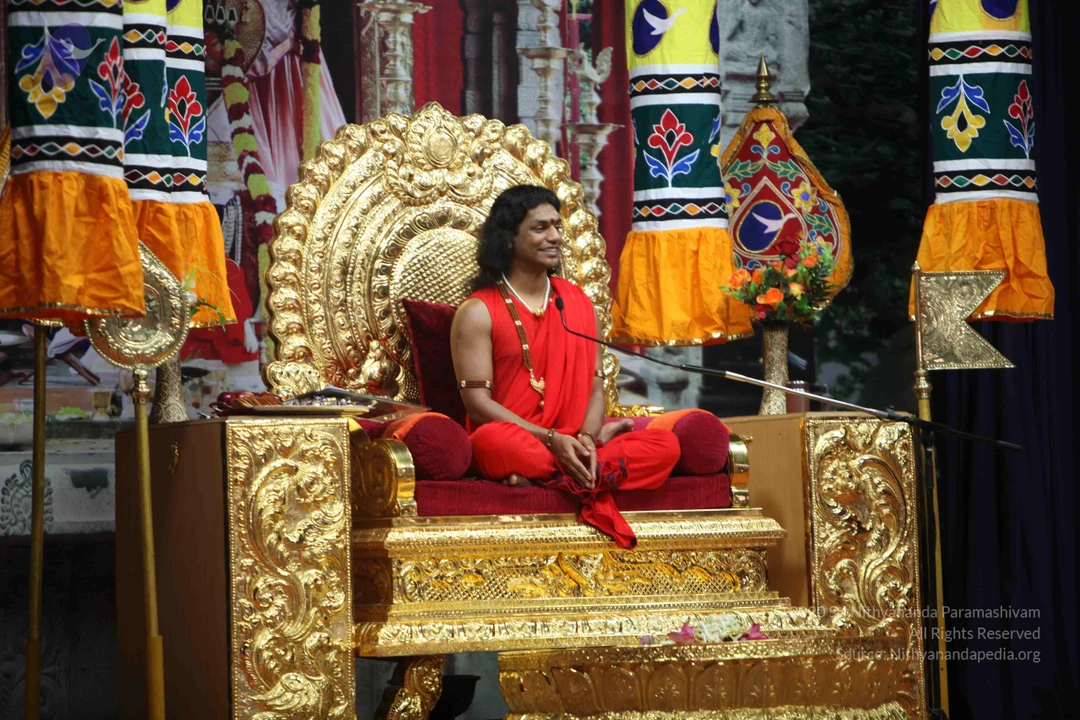
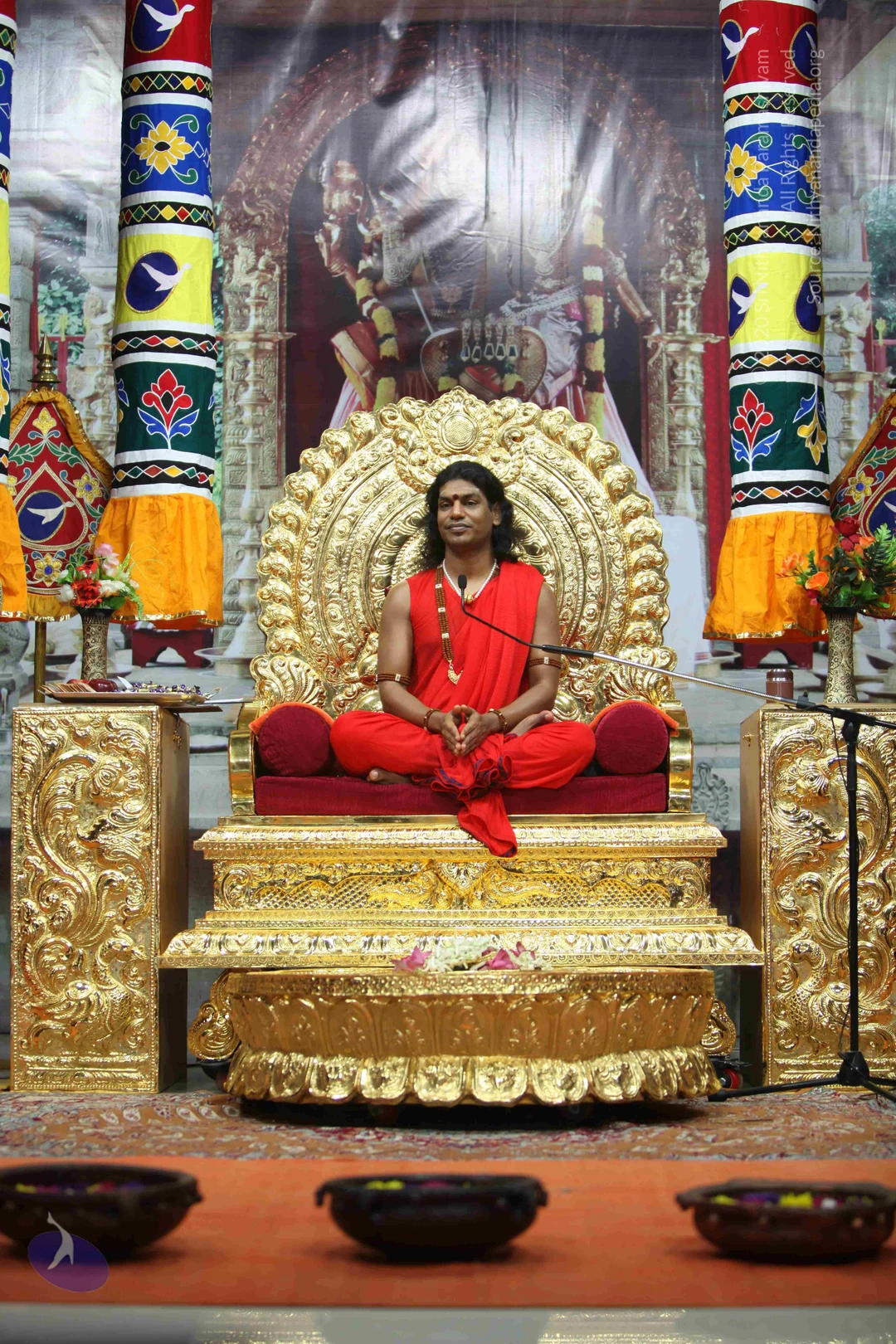
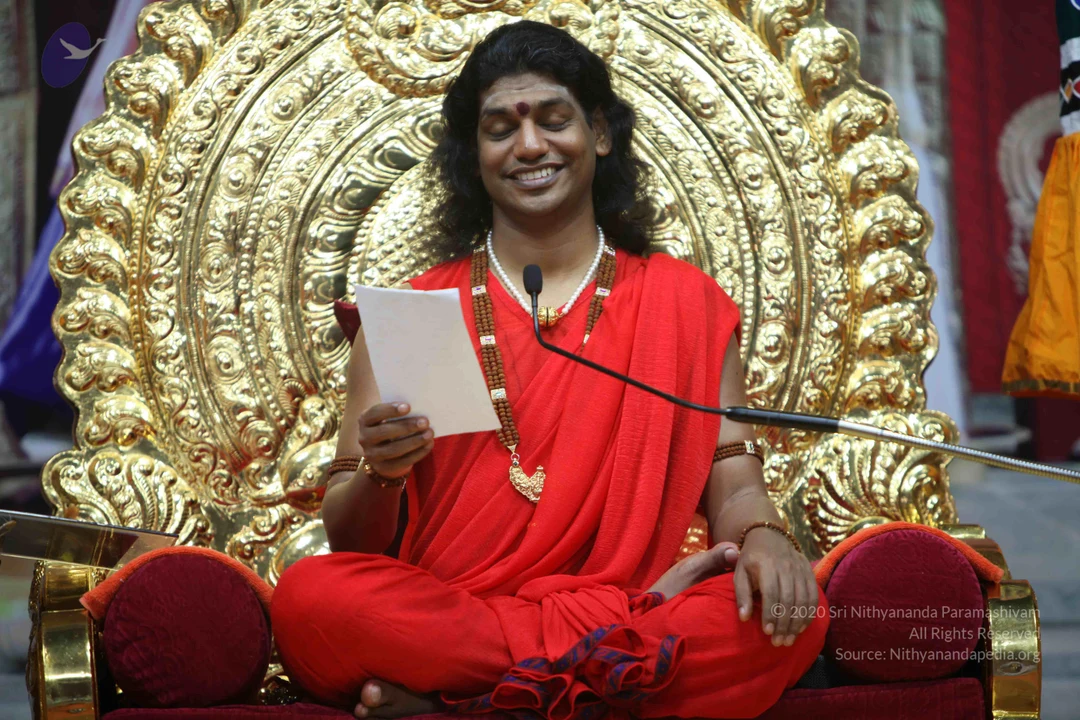
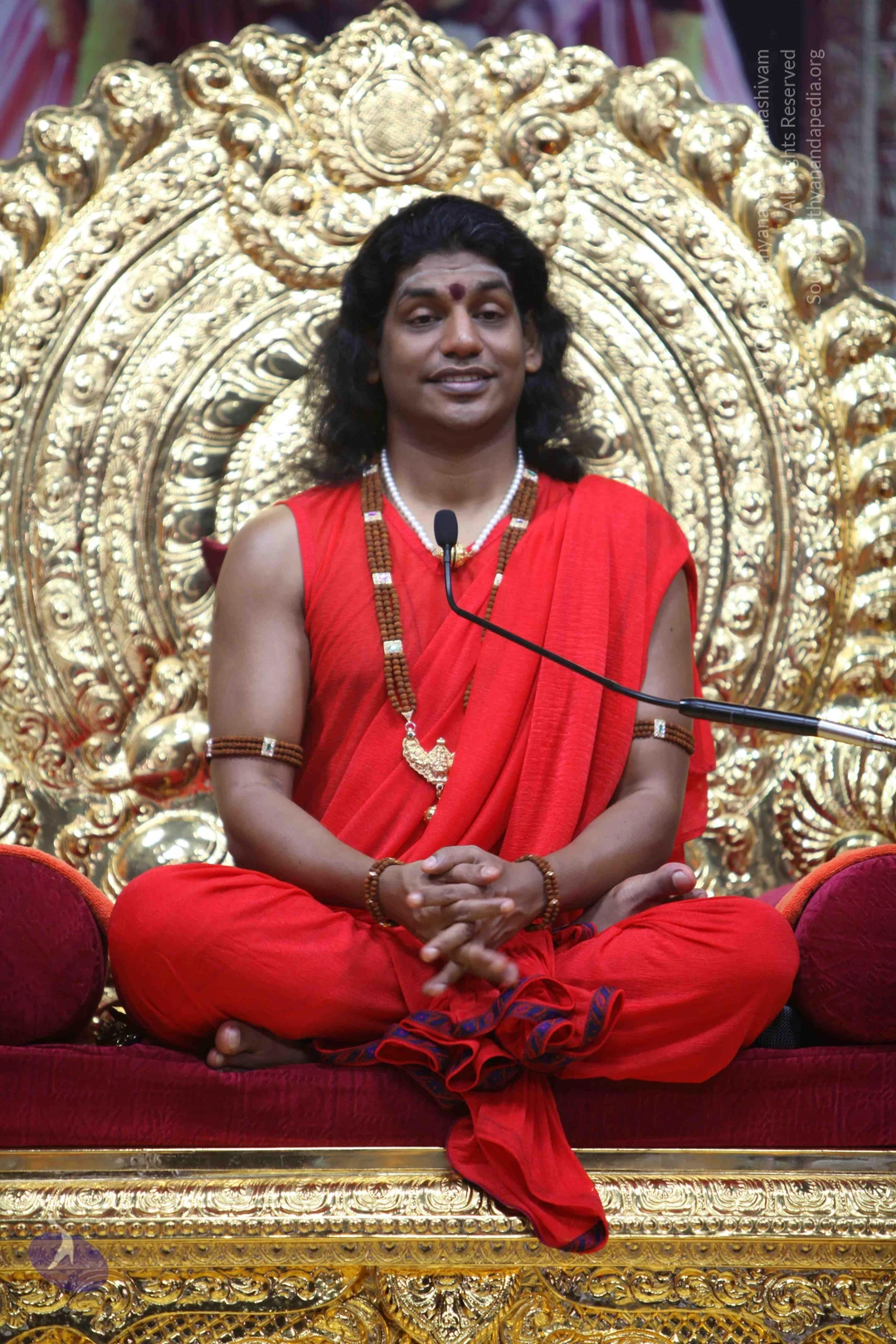
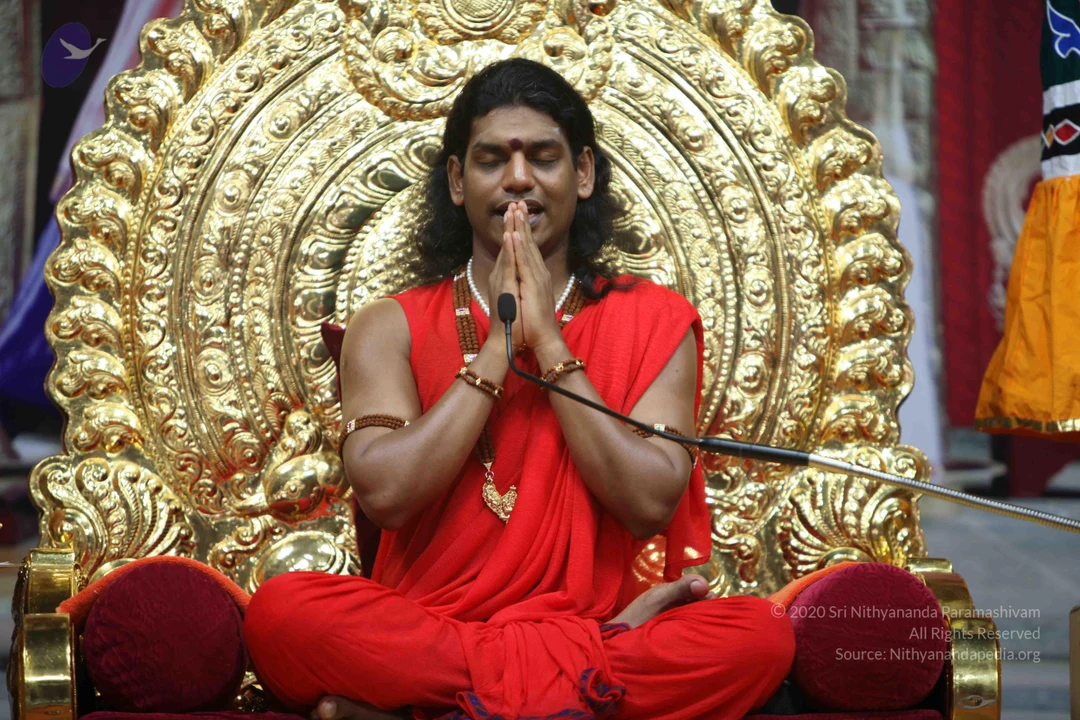
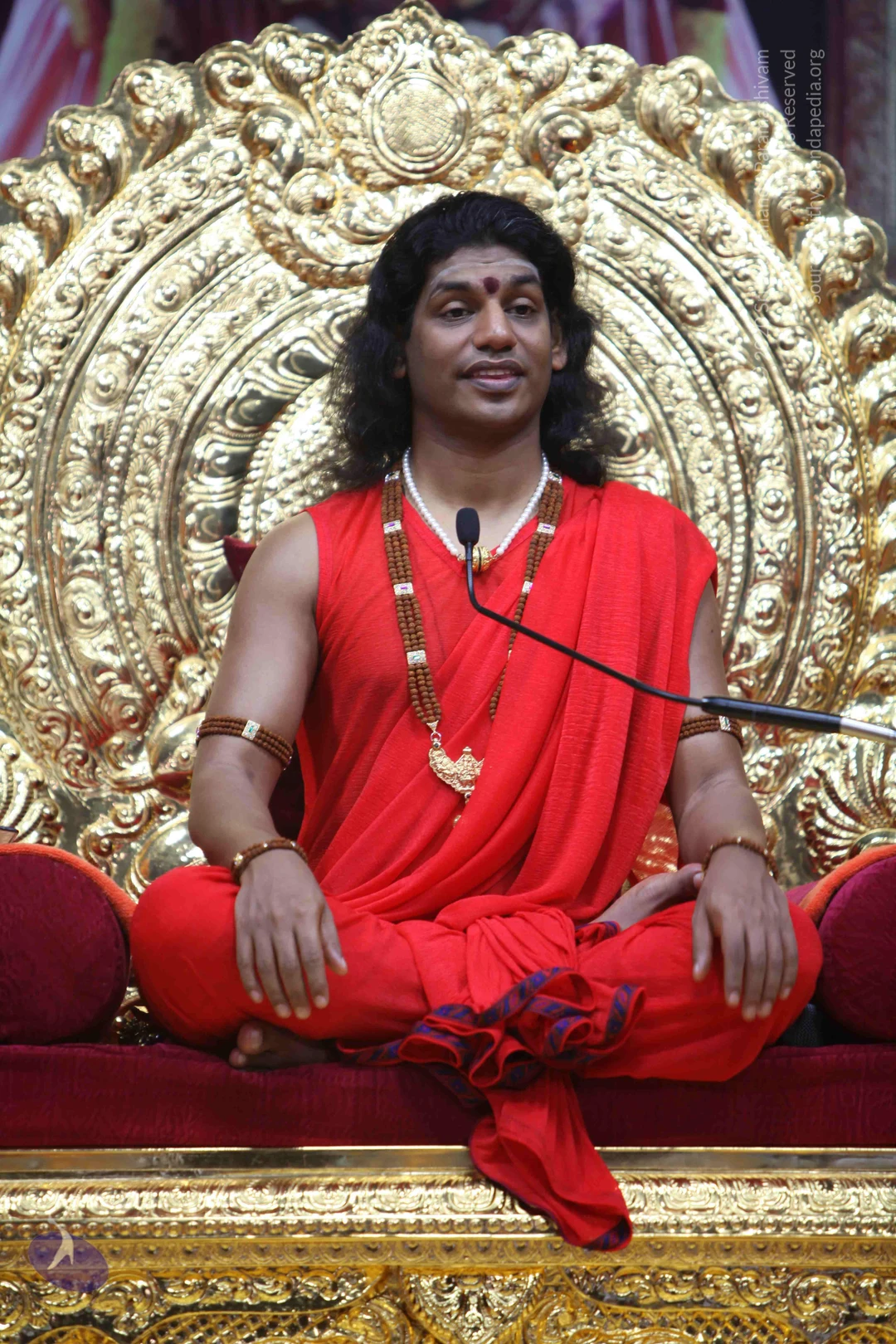
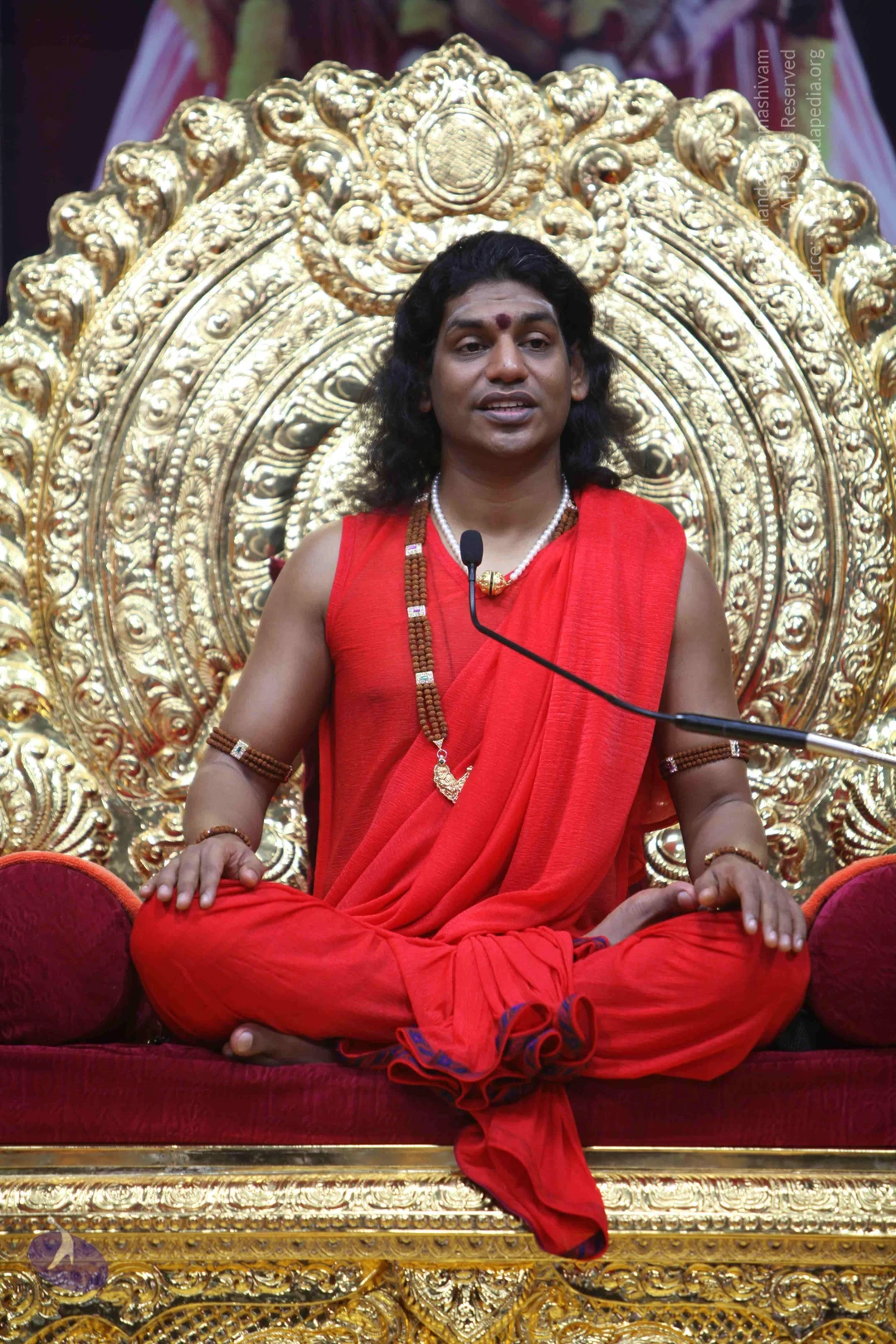
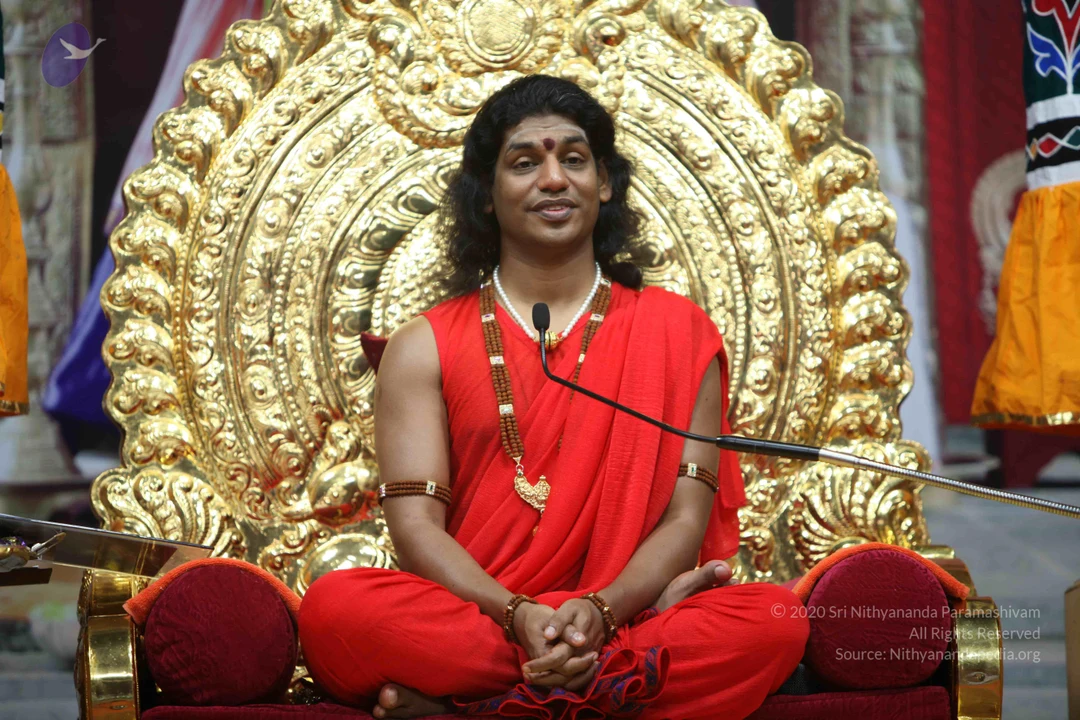
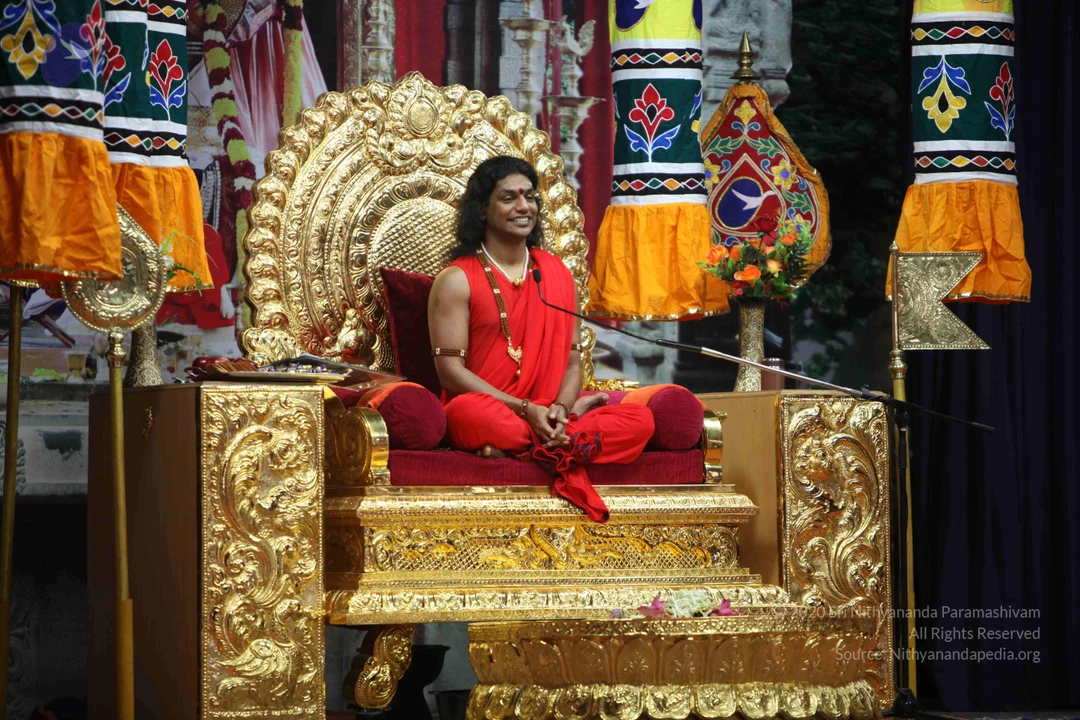
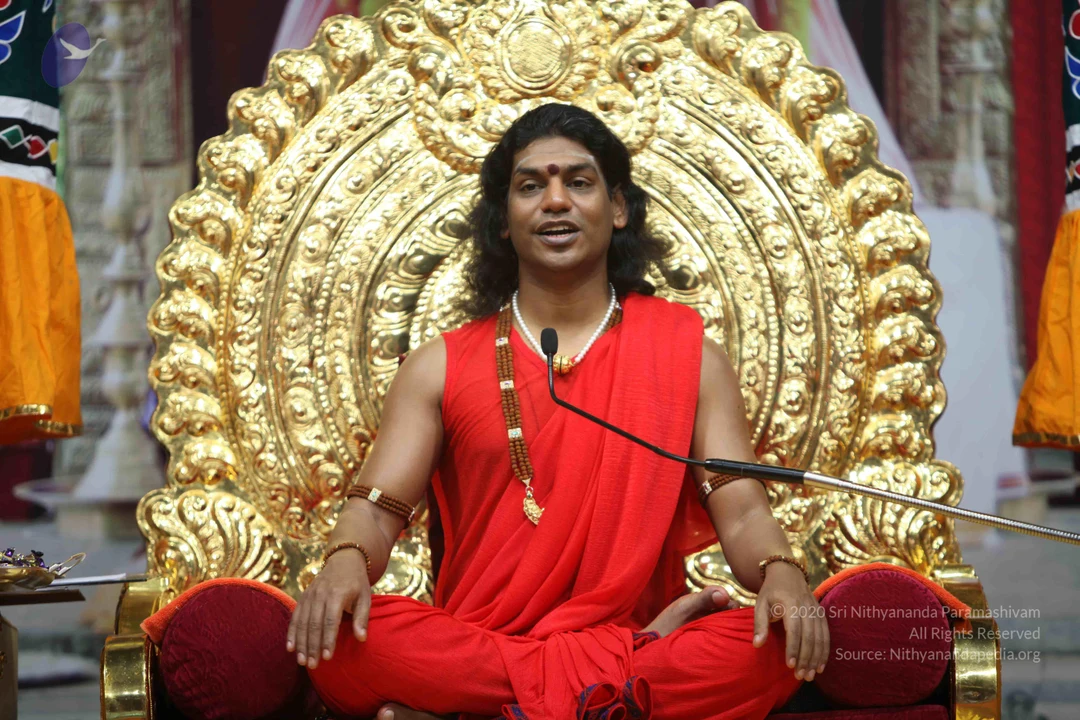
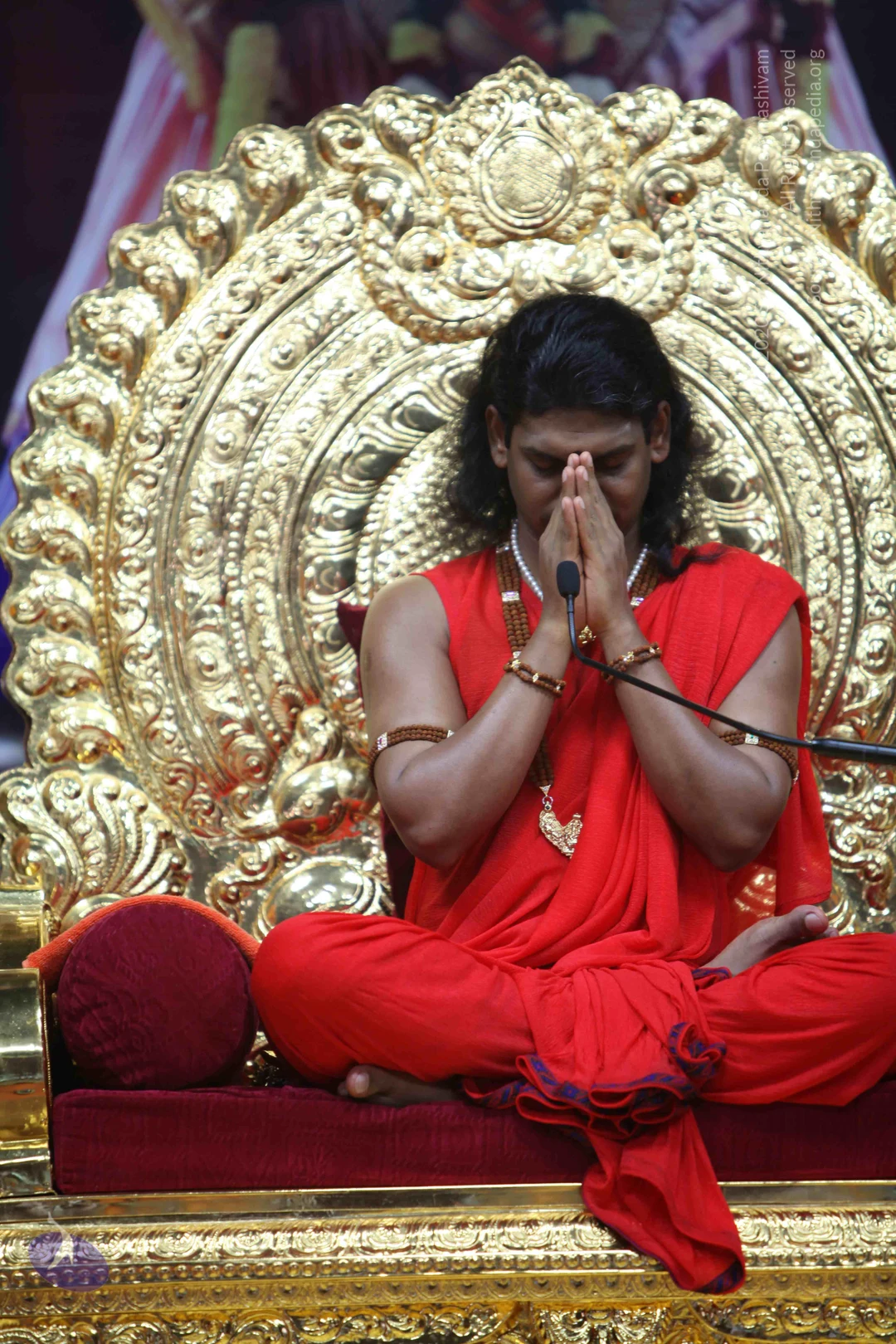
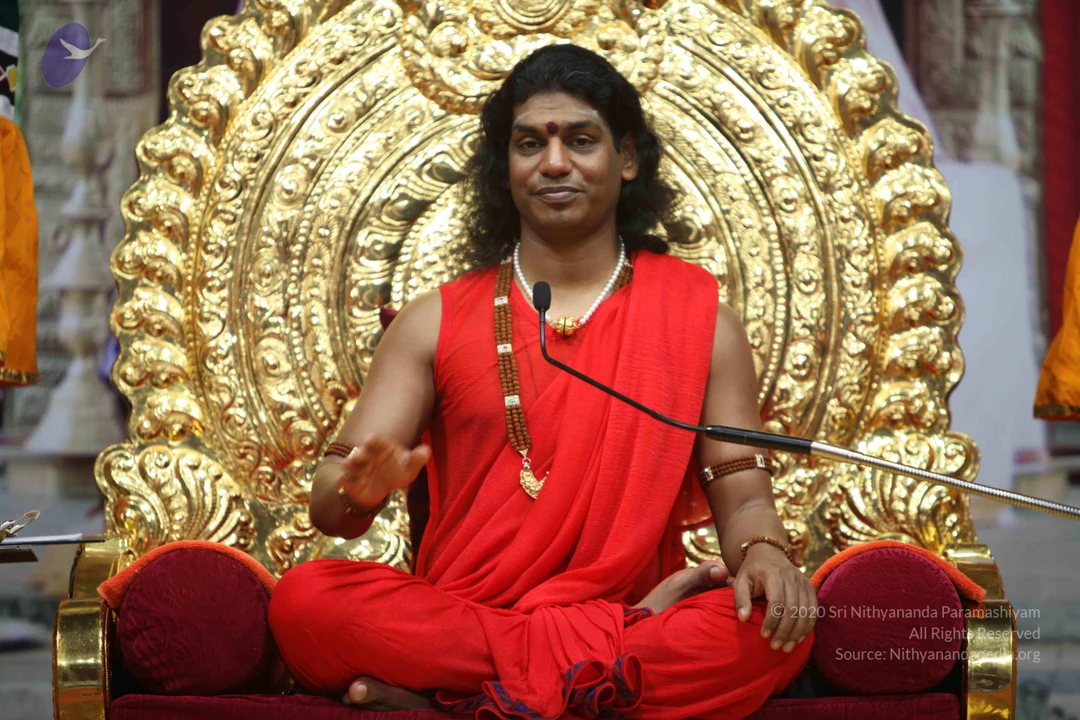
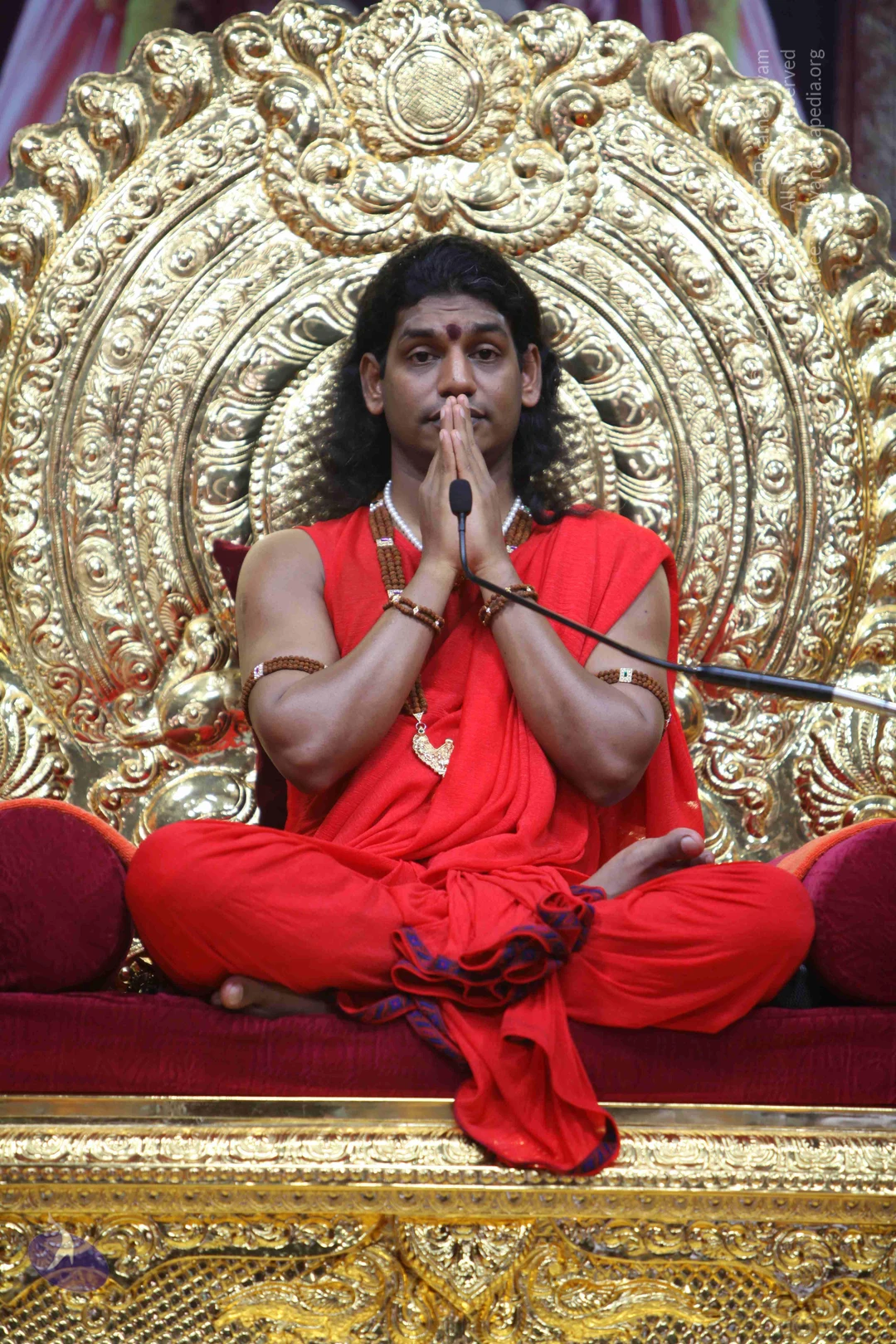
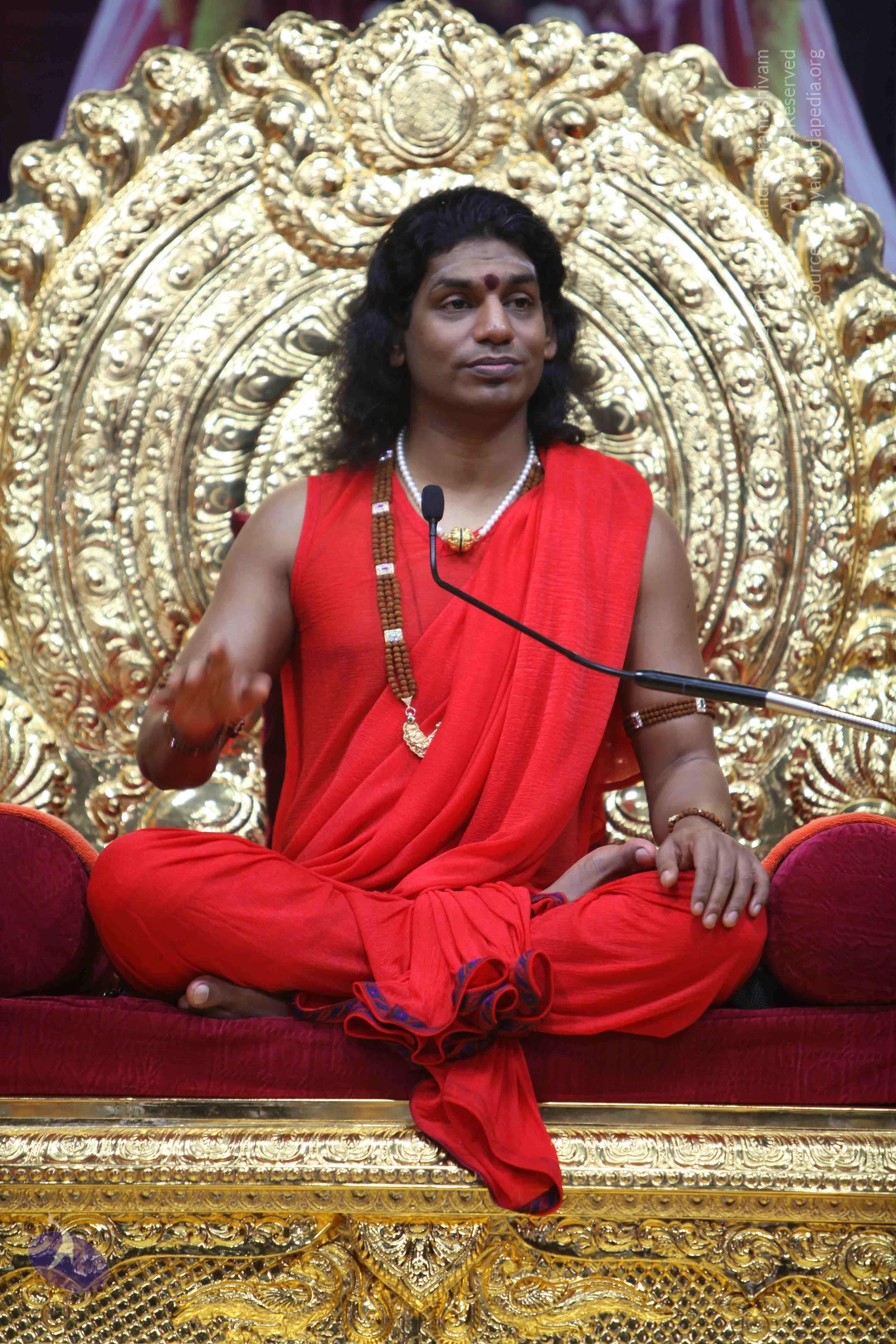
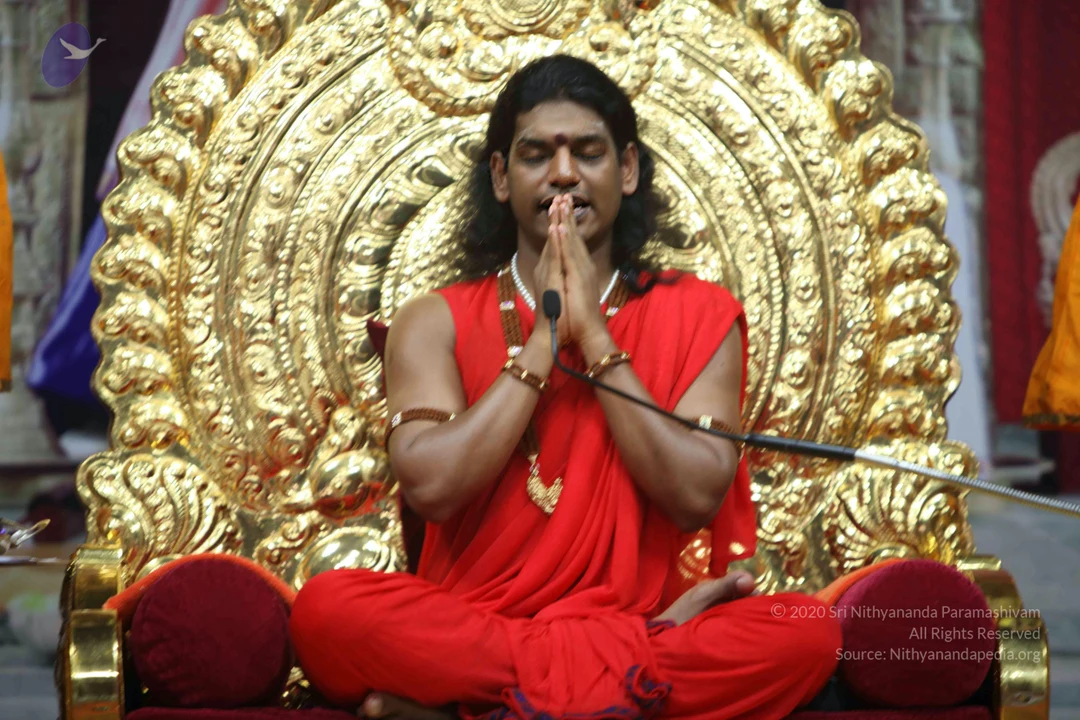
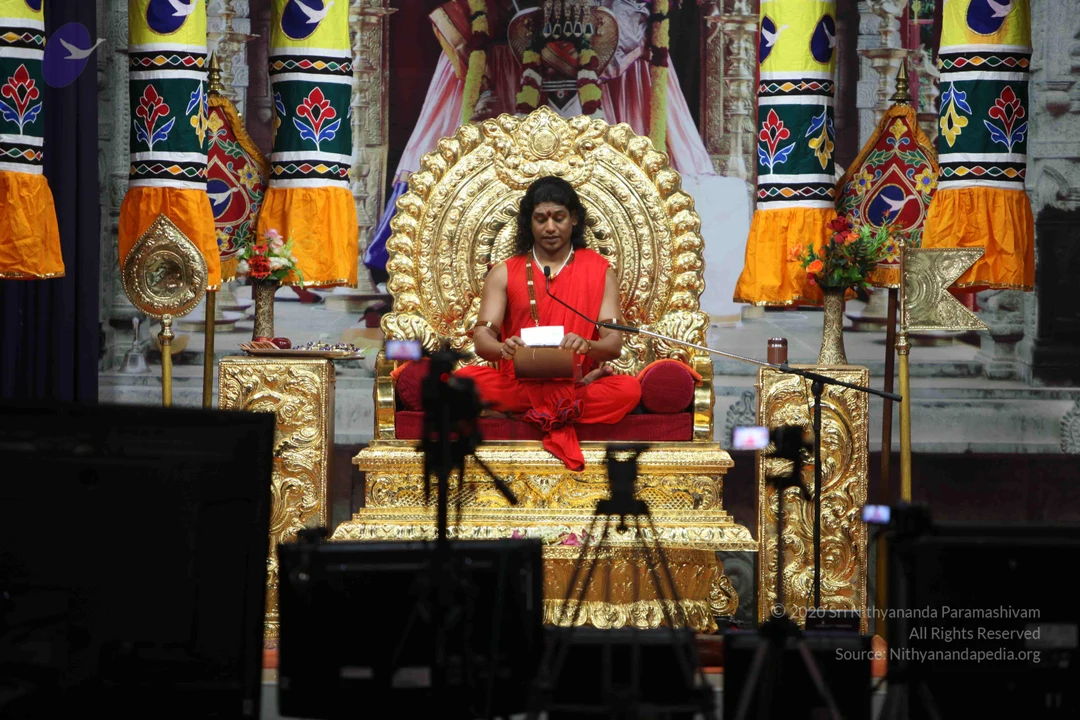
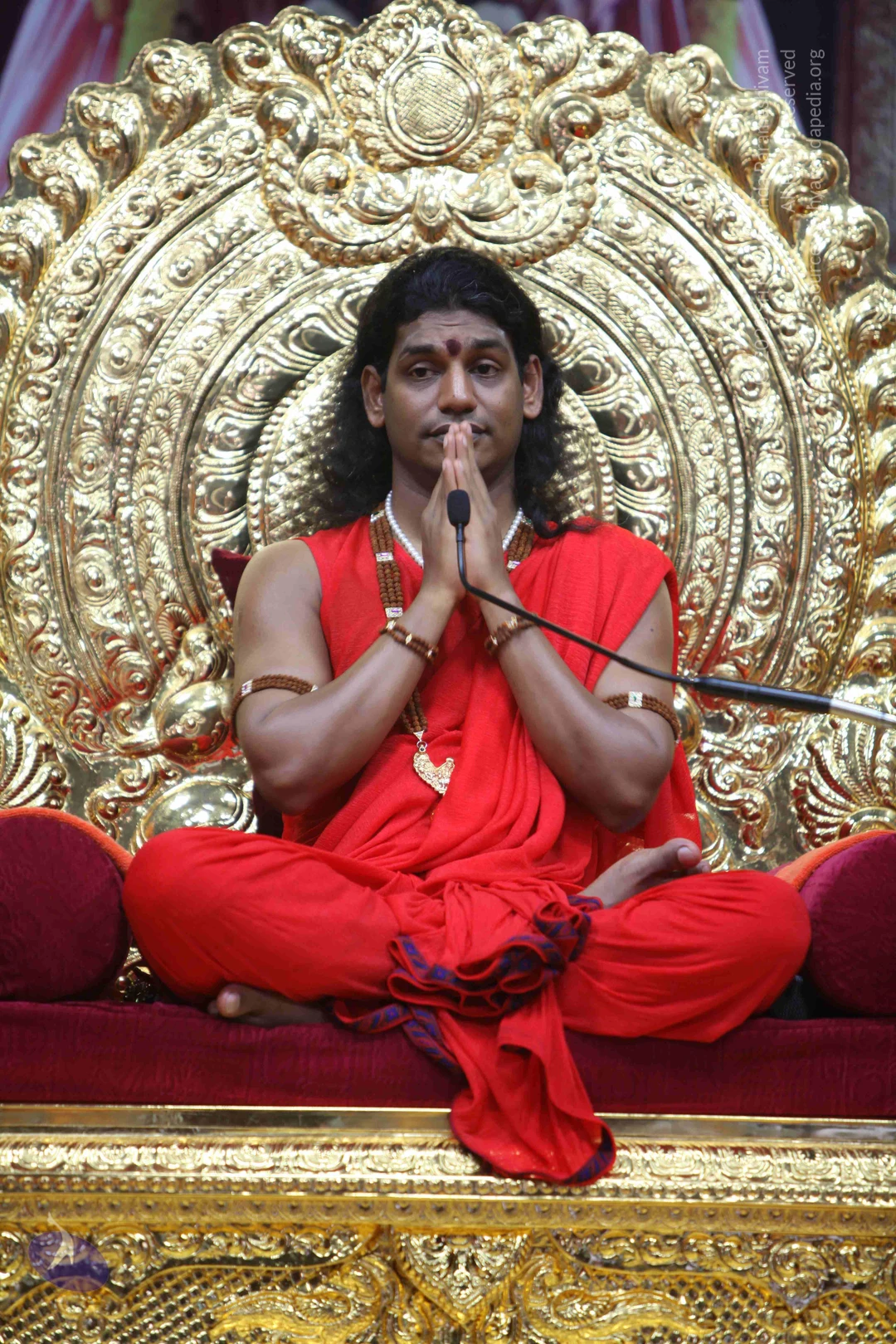
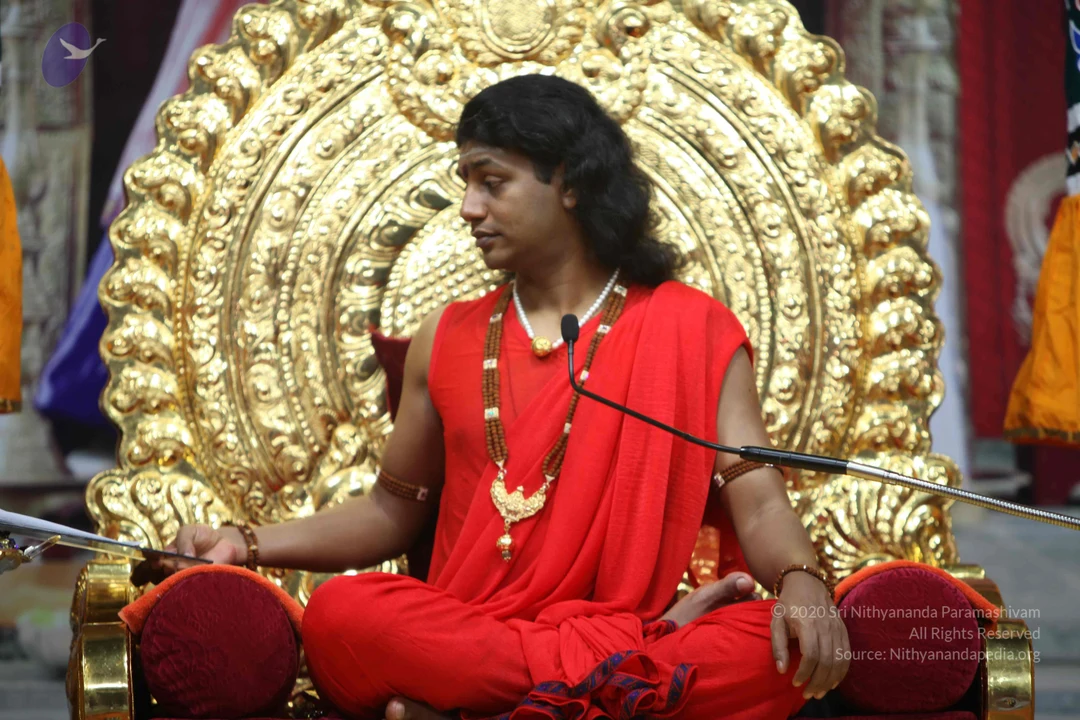
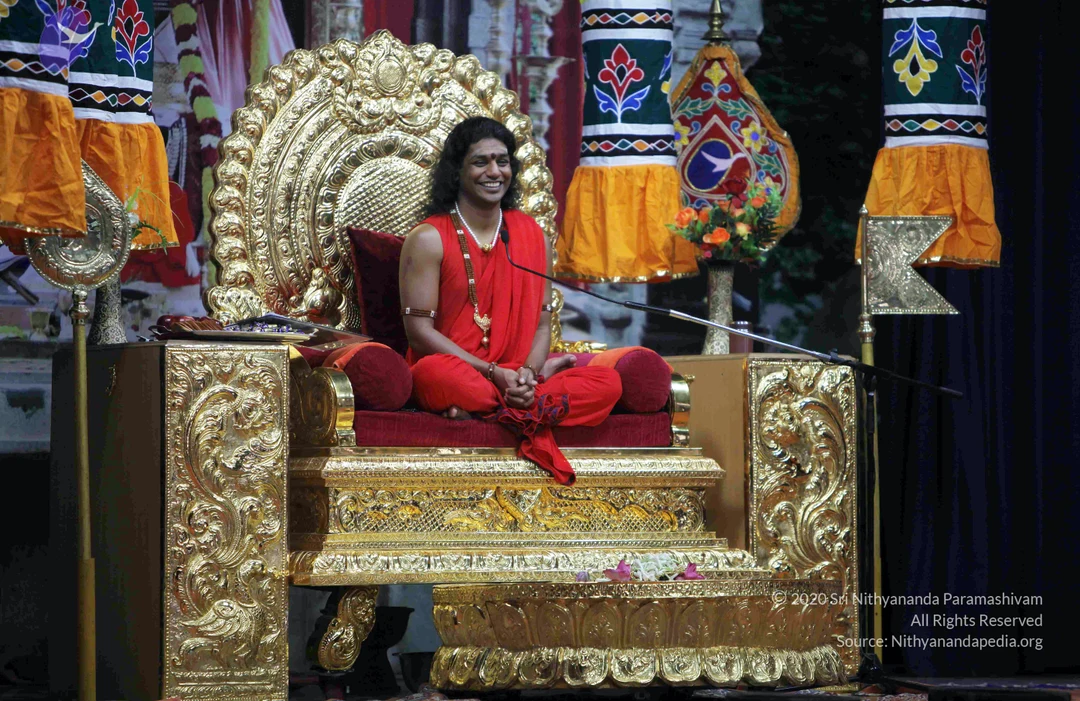
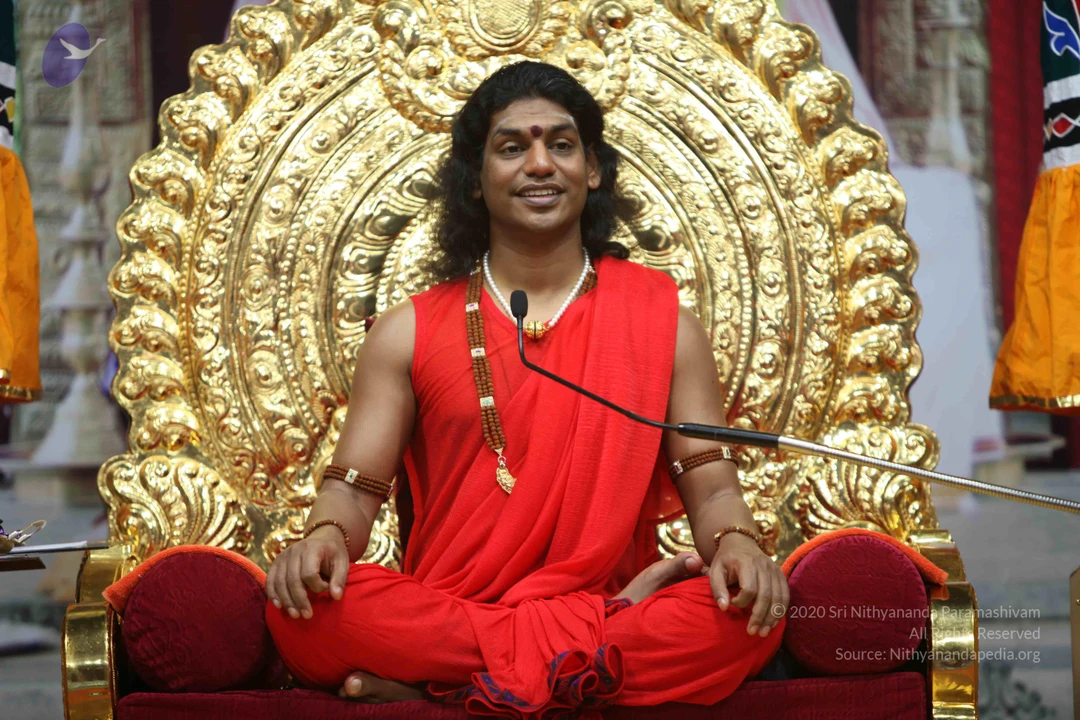
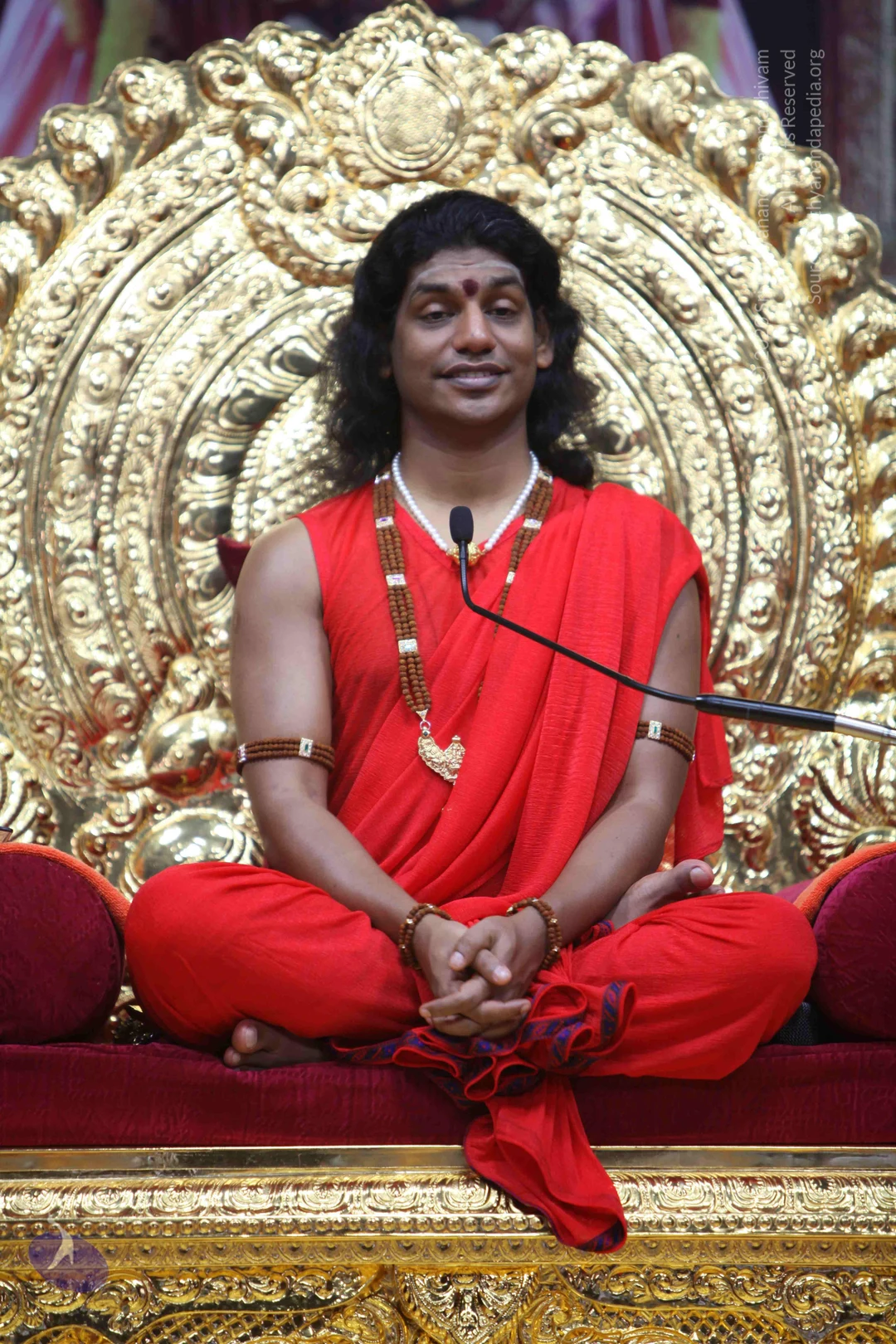
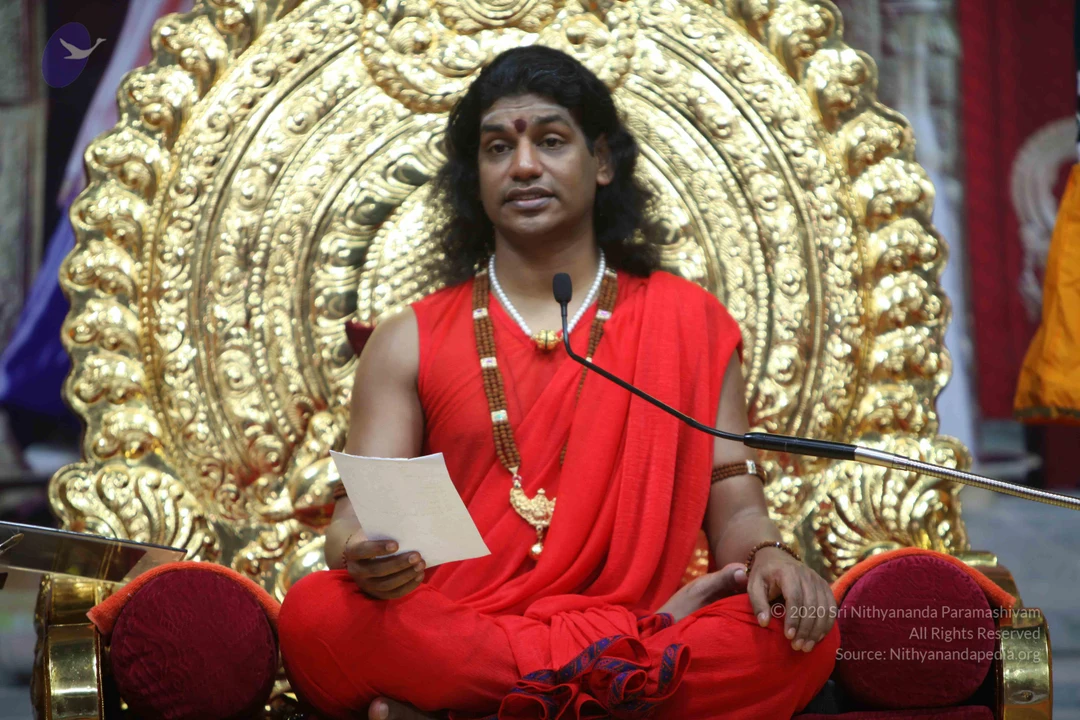
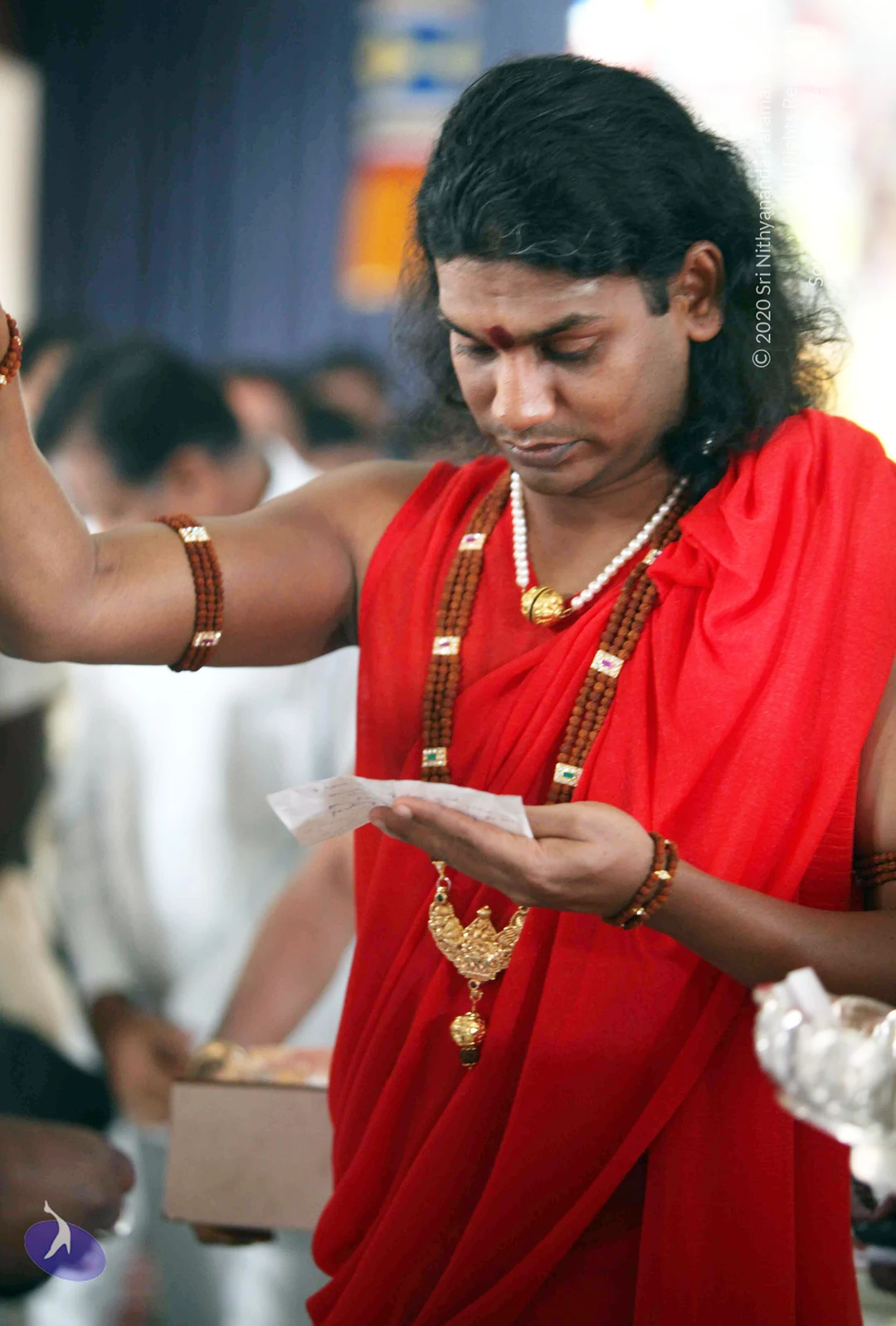
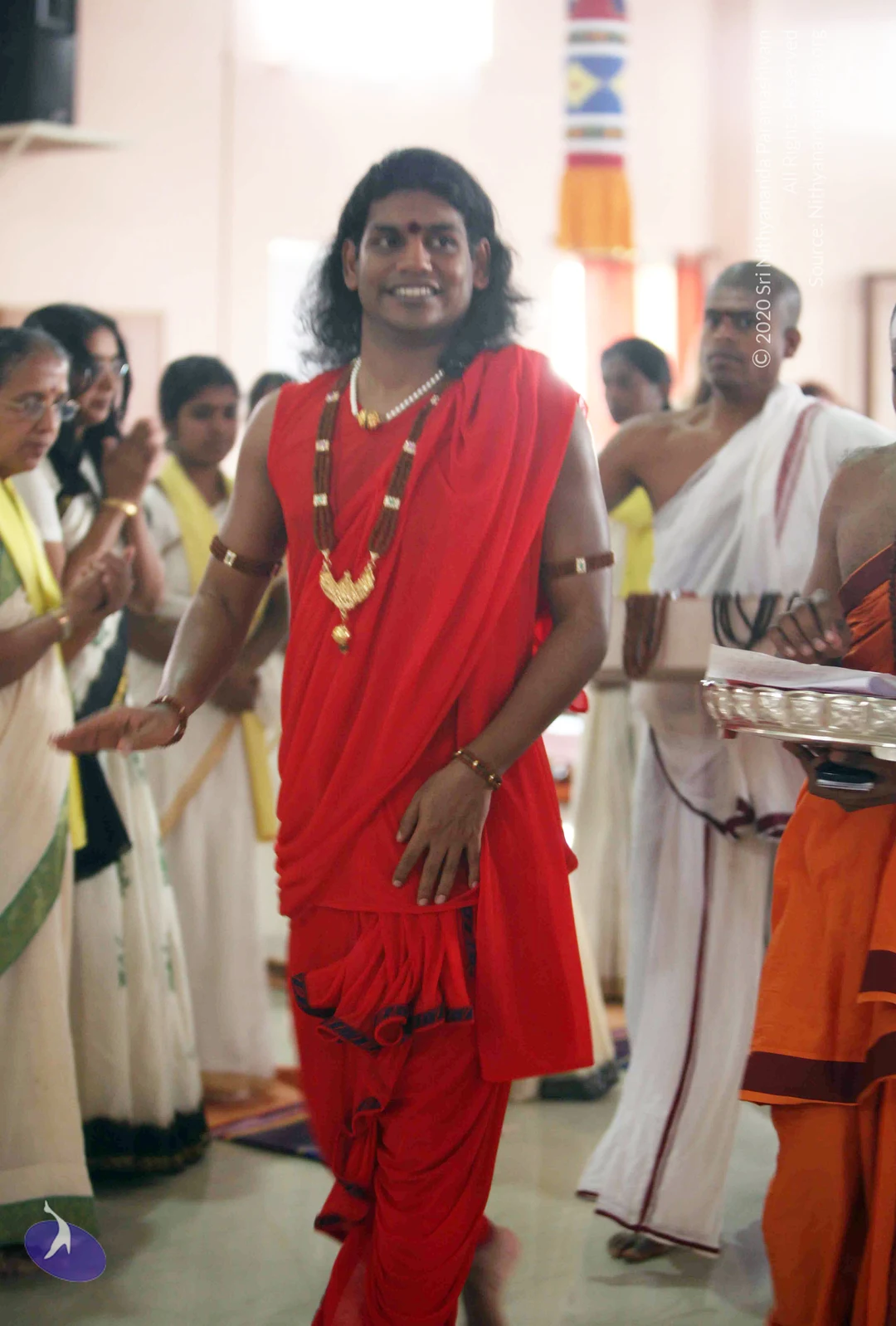
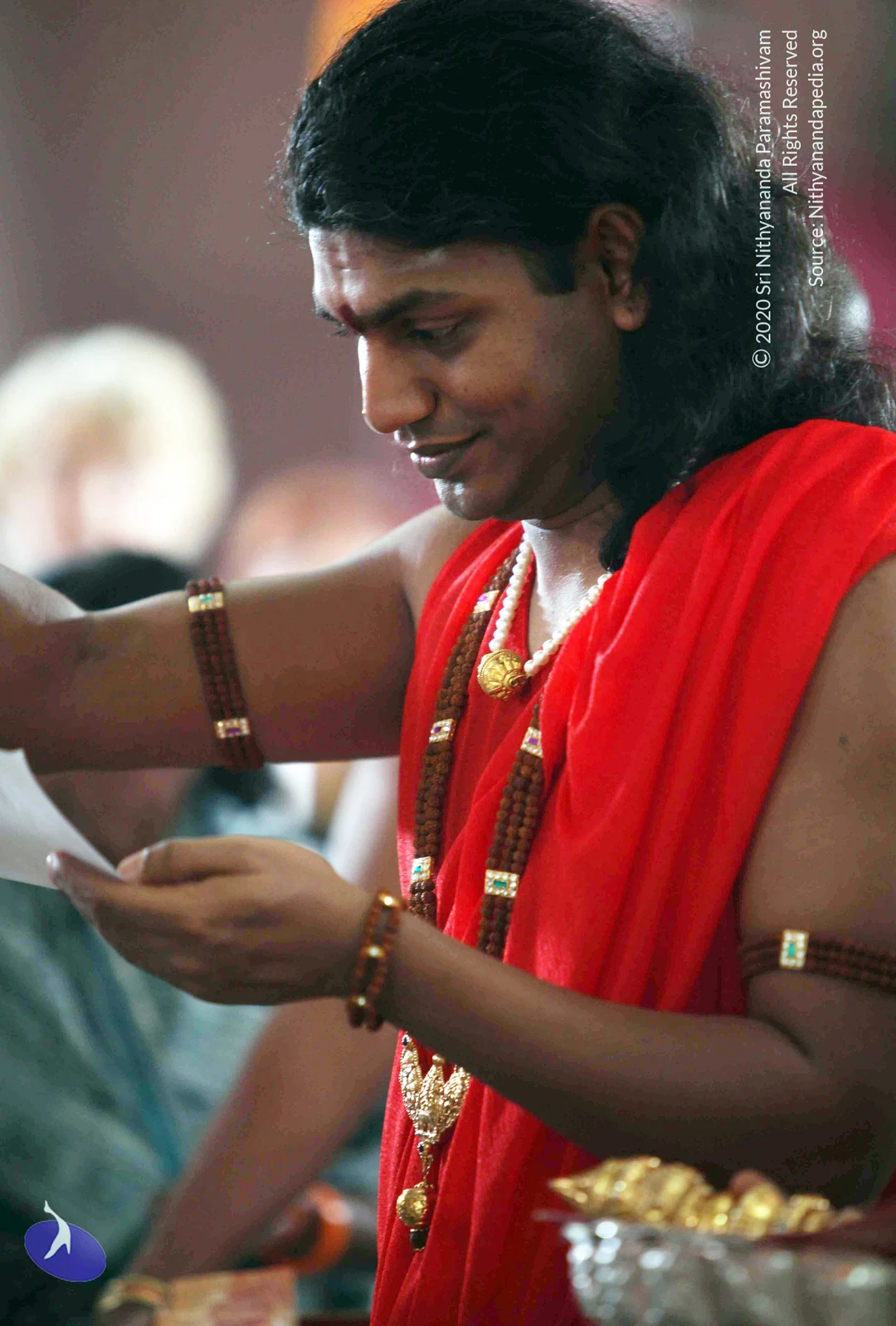
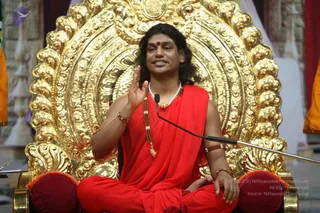
04-Sarva-Darshan
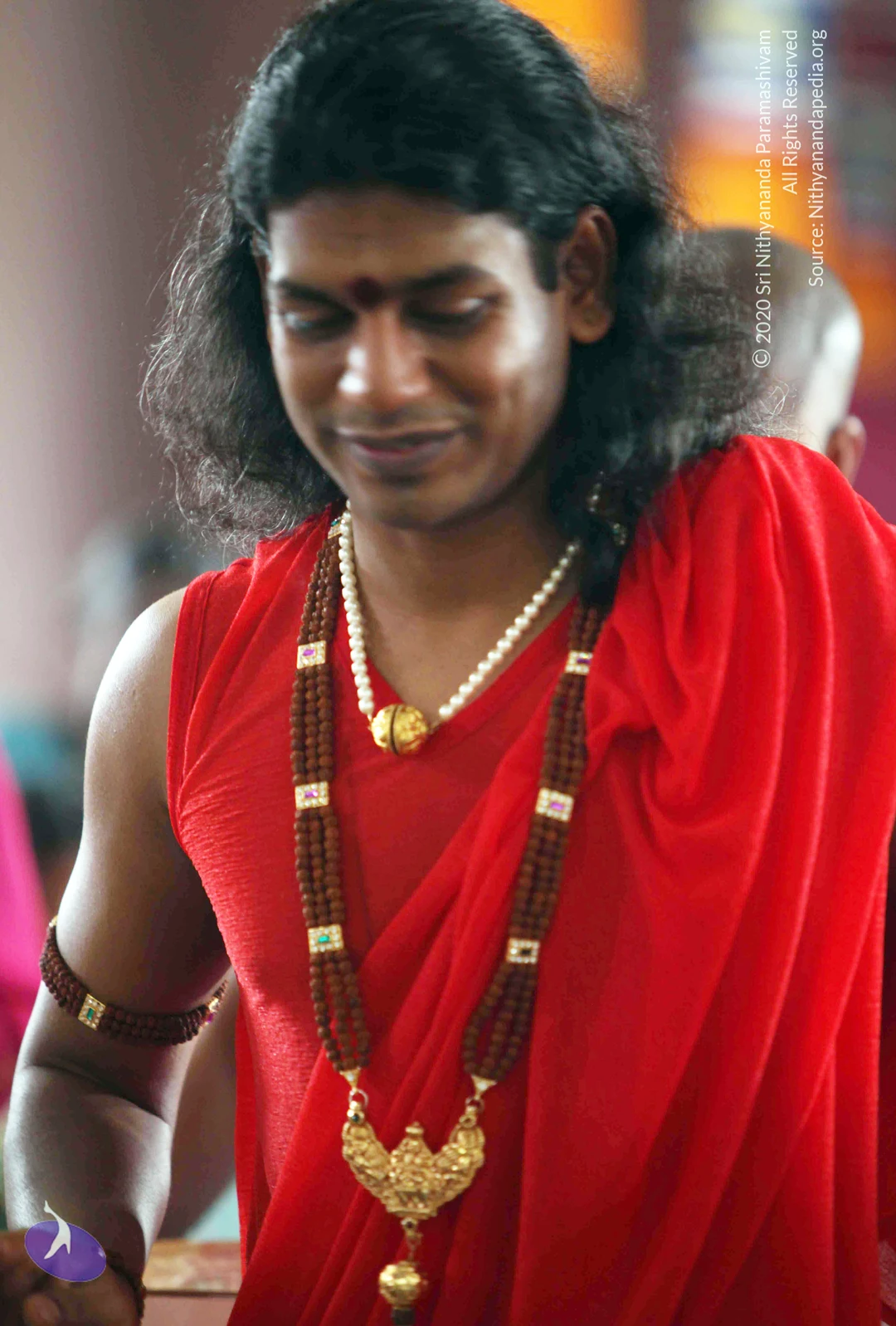
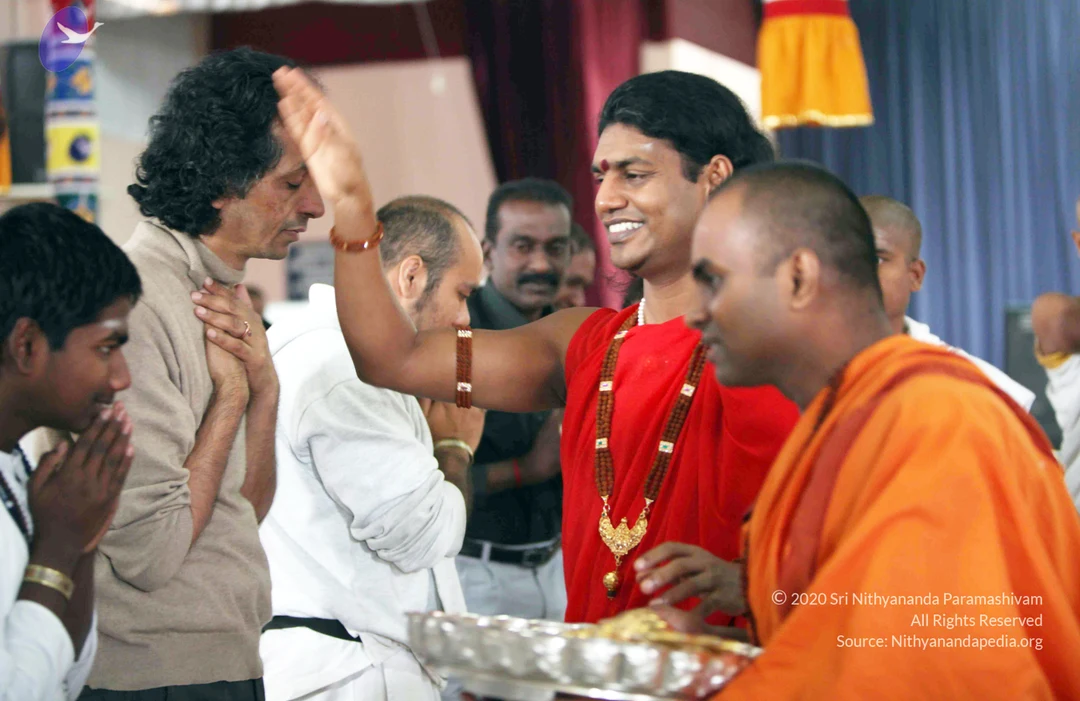
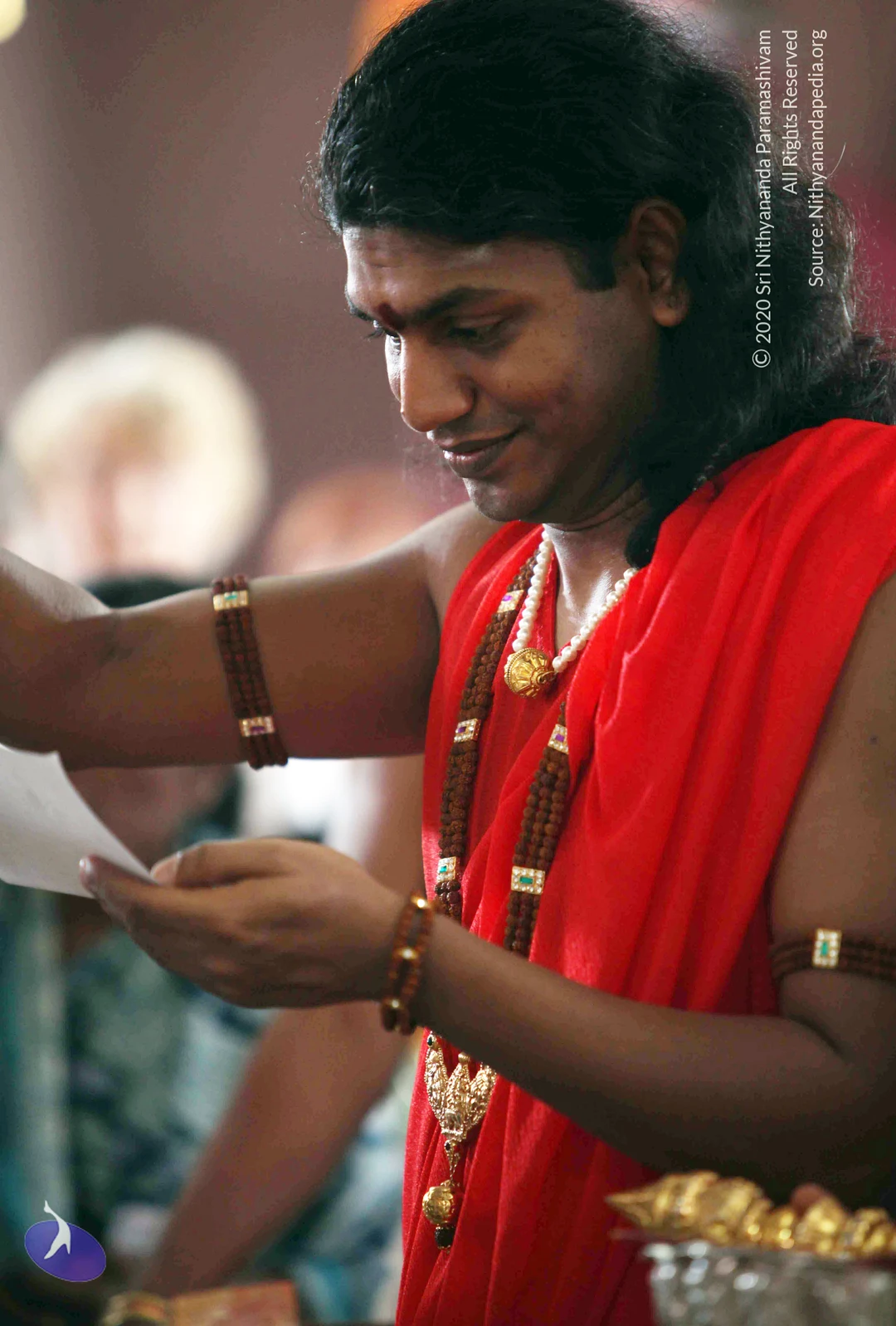
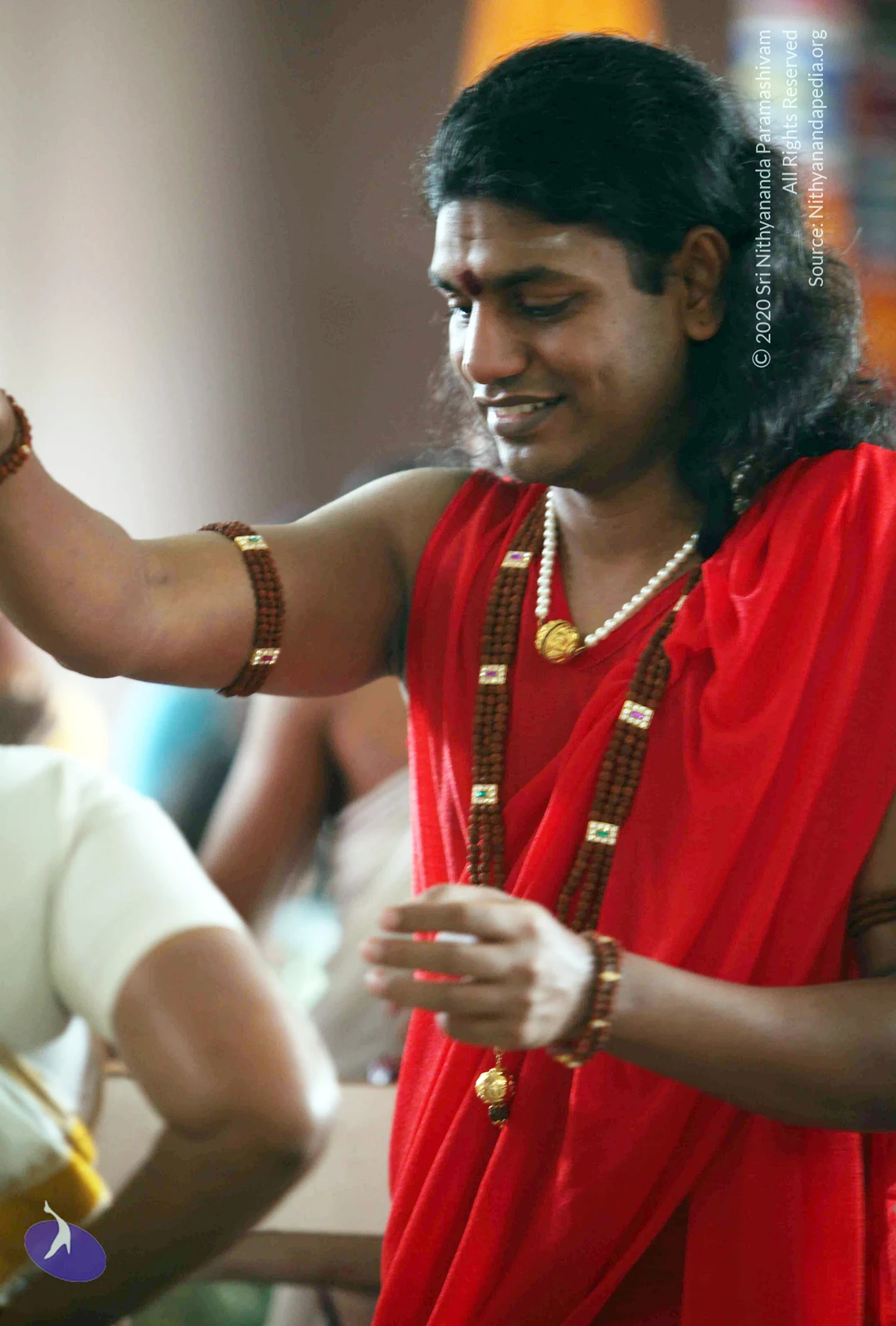
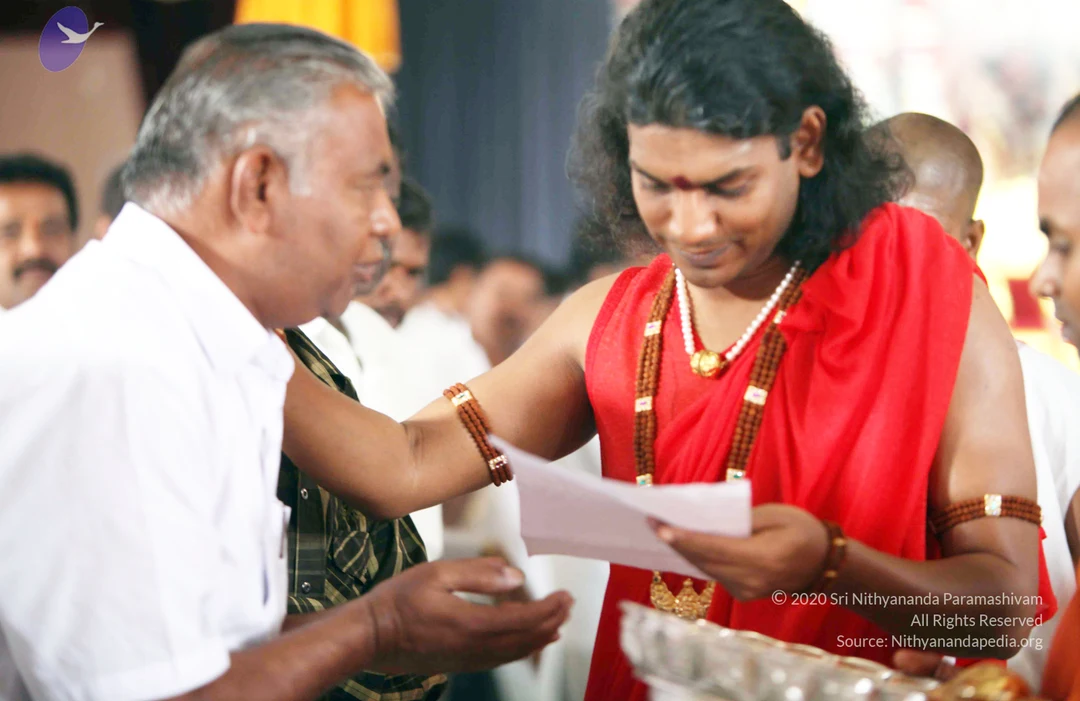
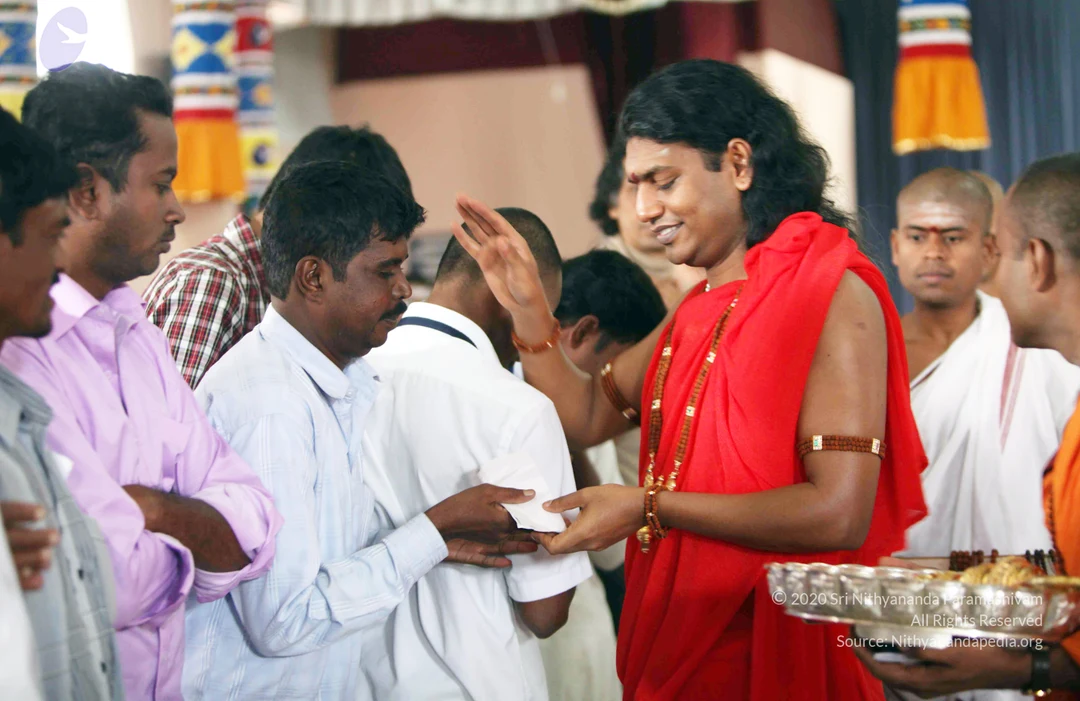
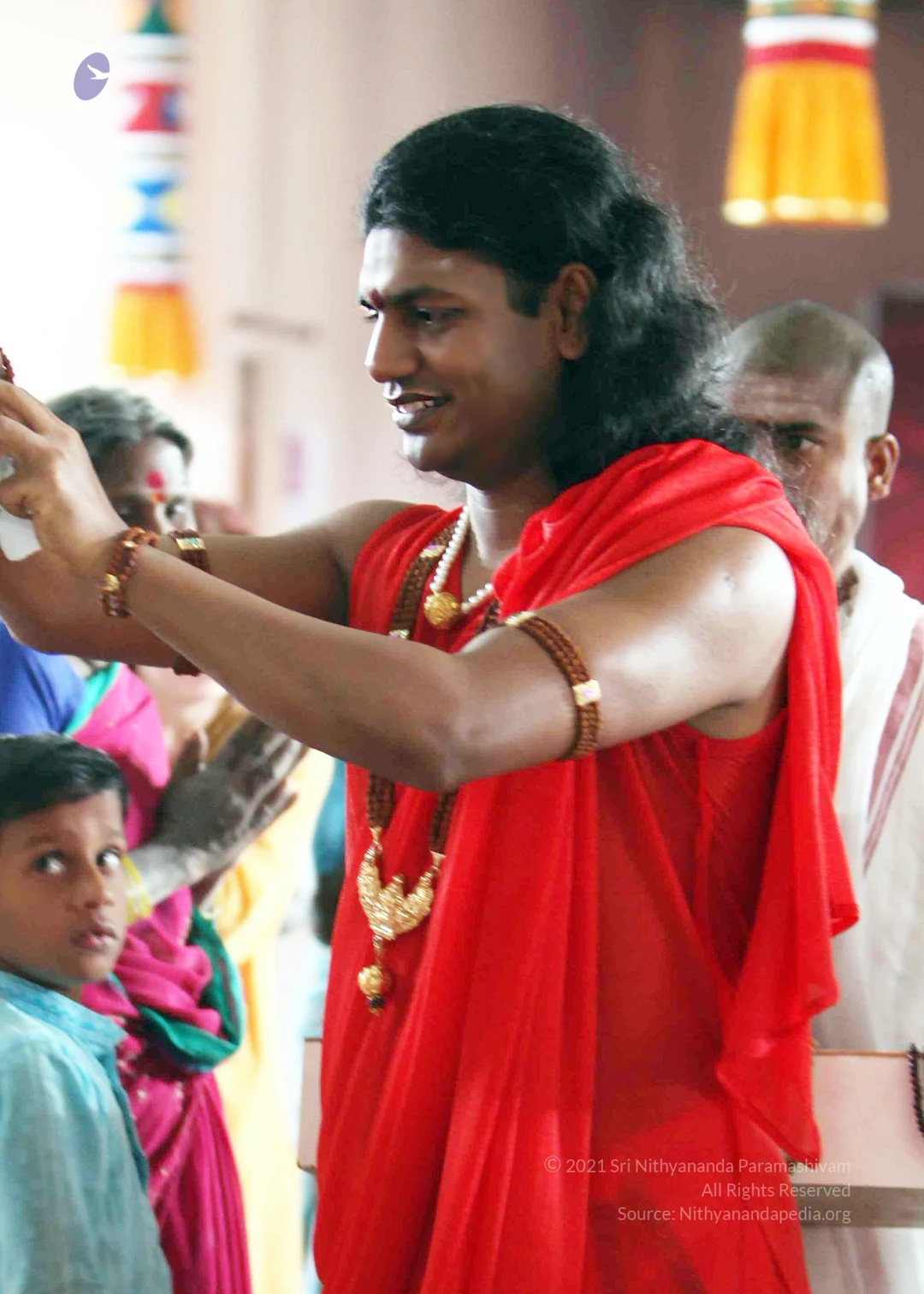
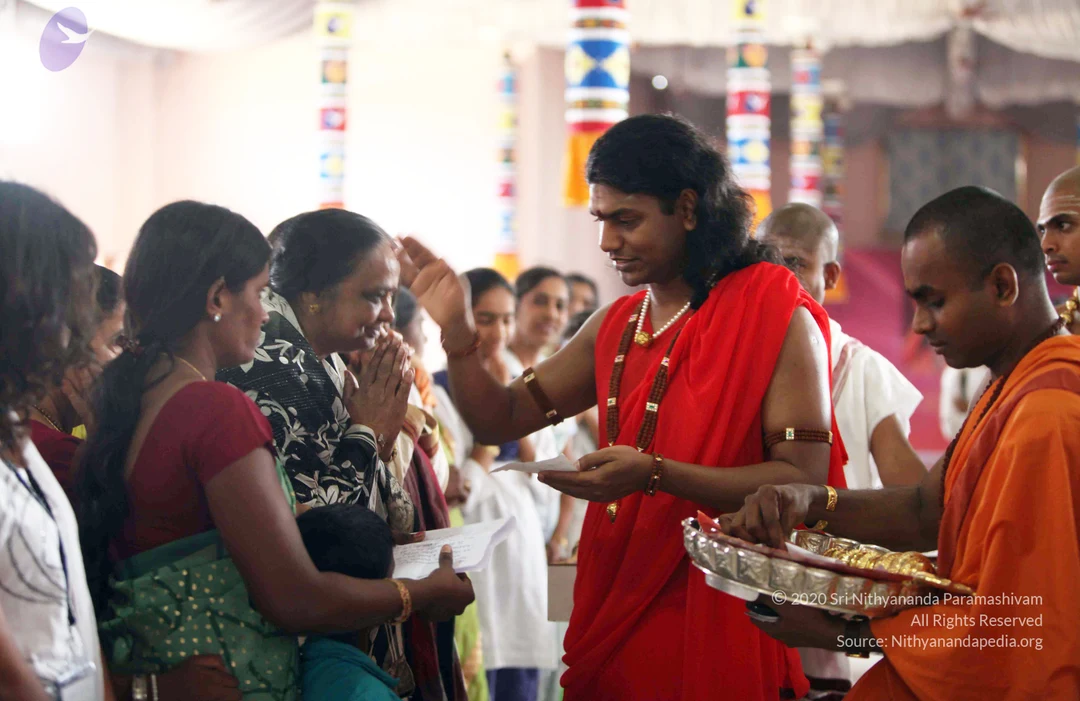
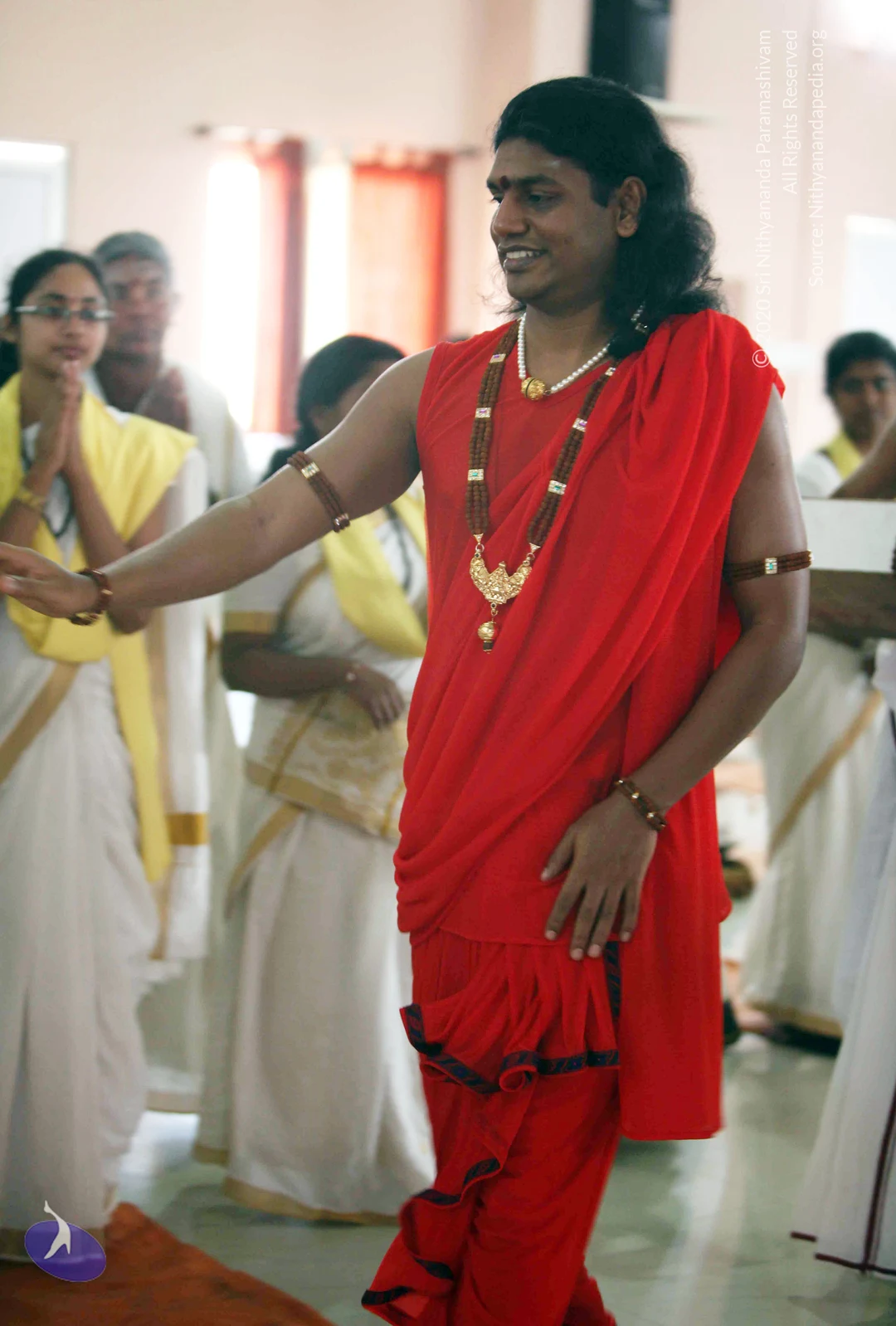
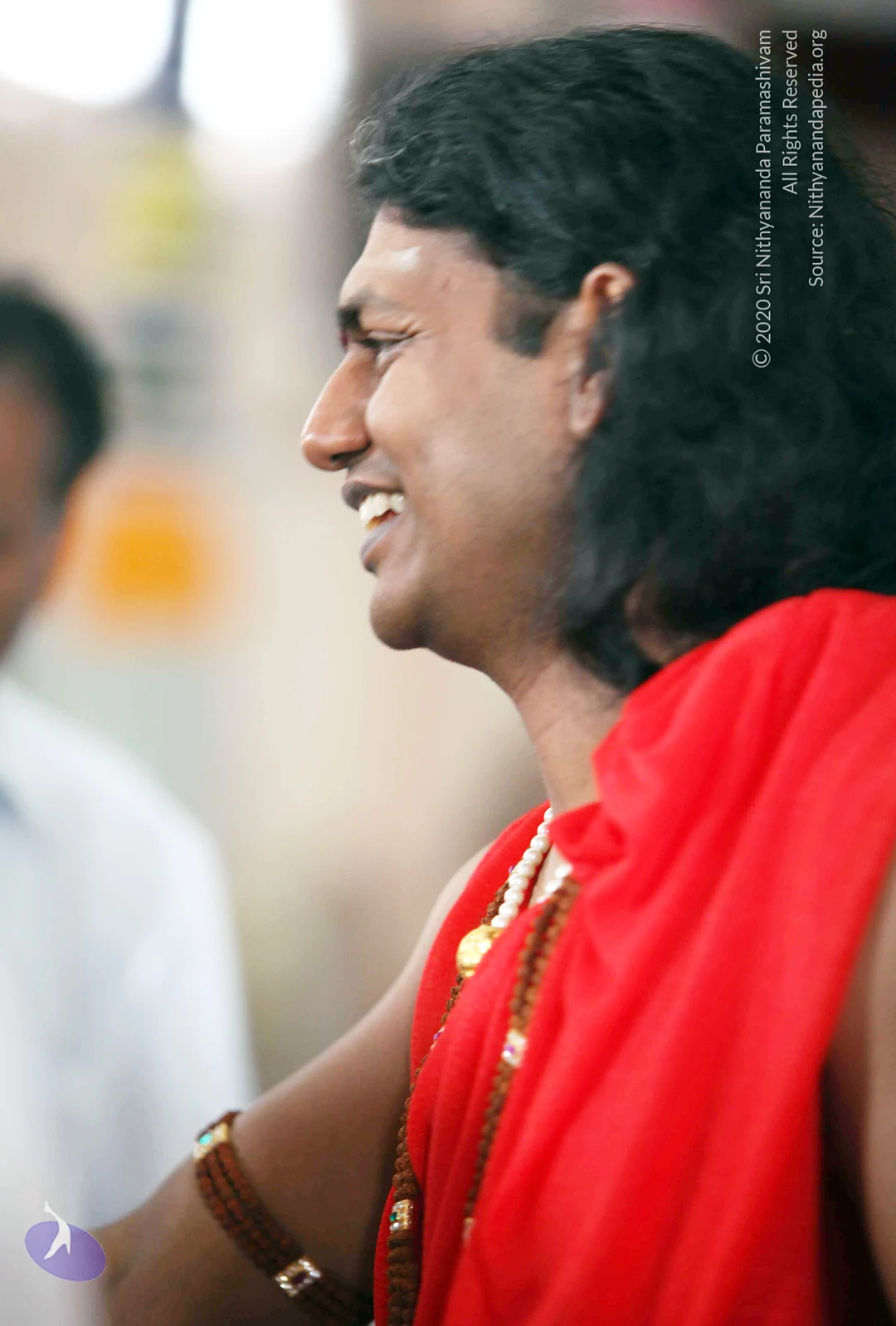
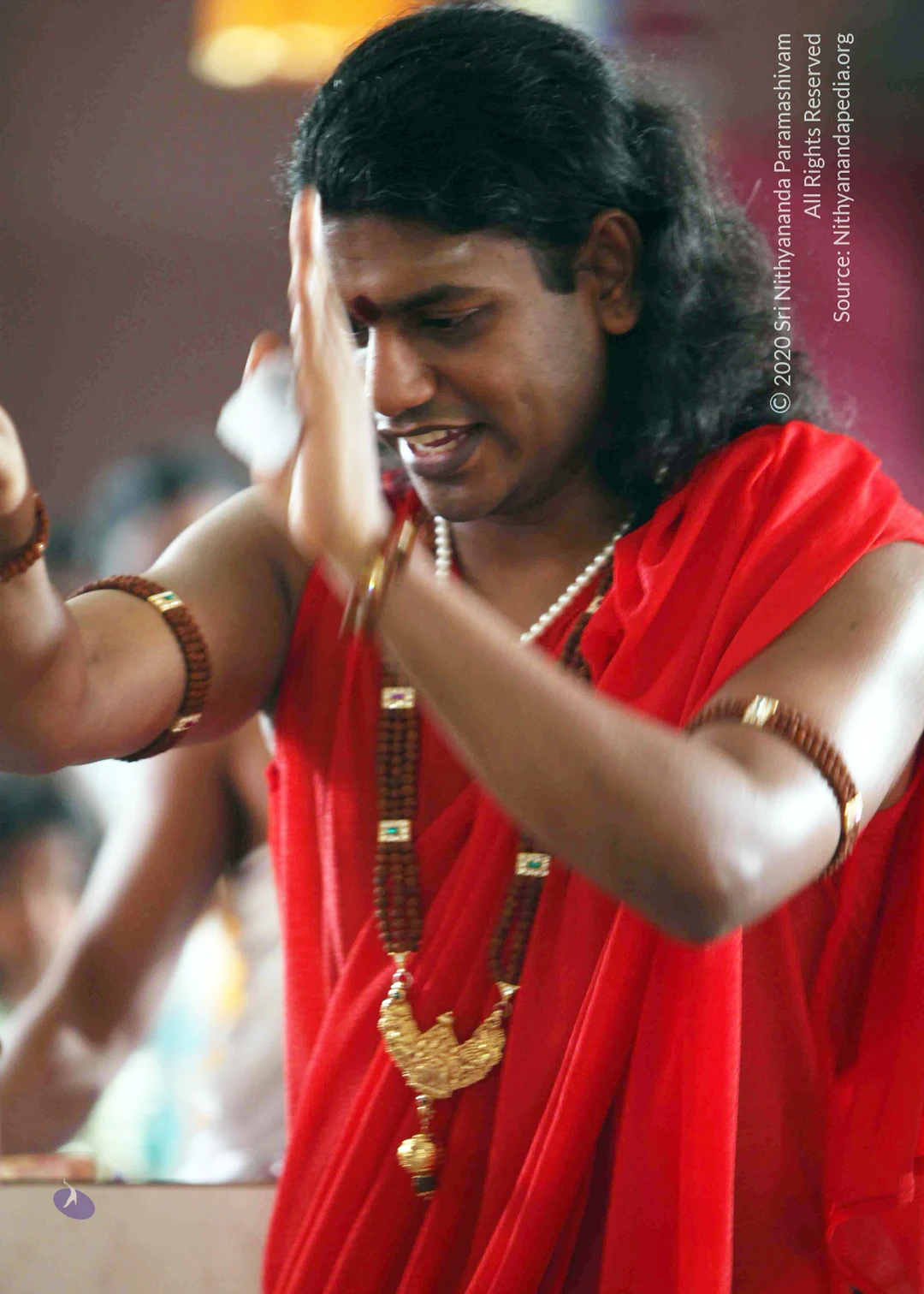
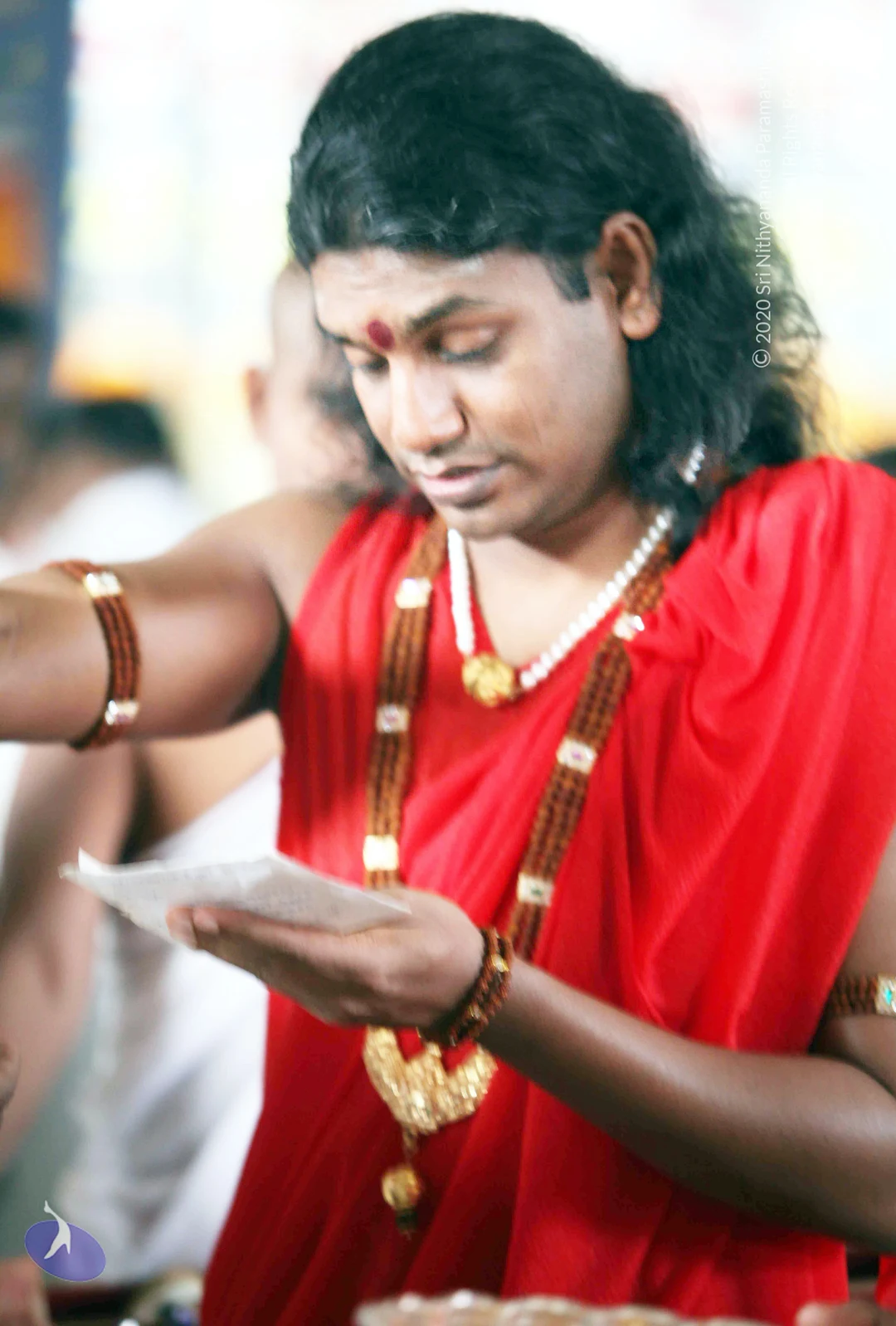
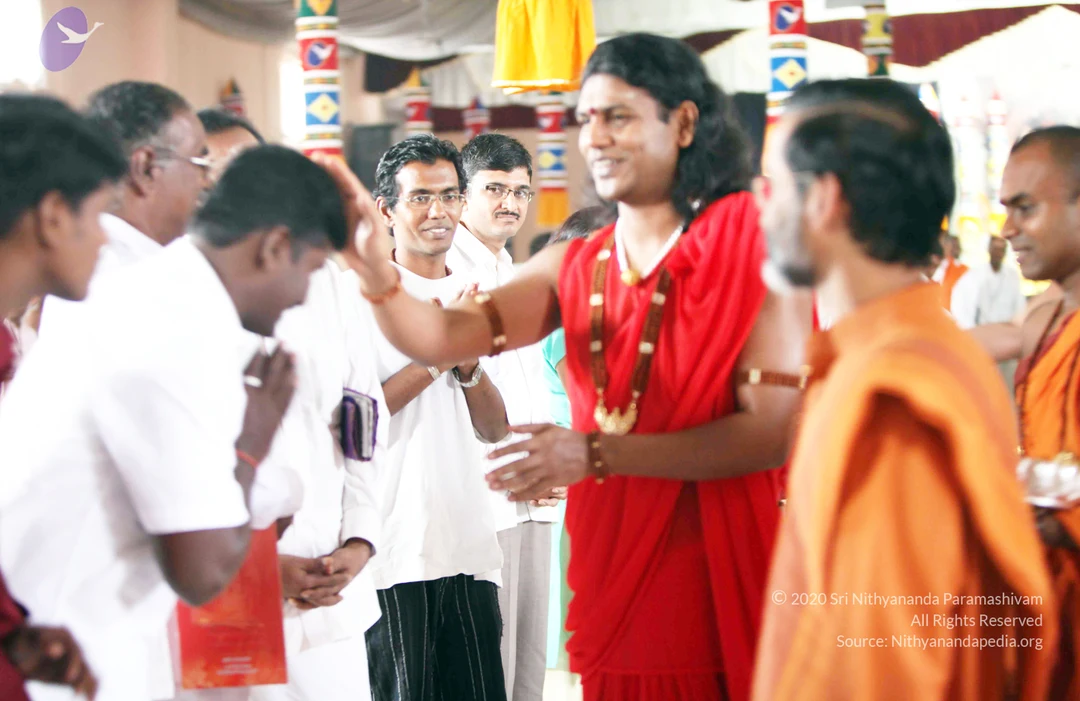
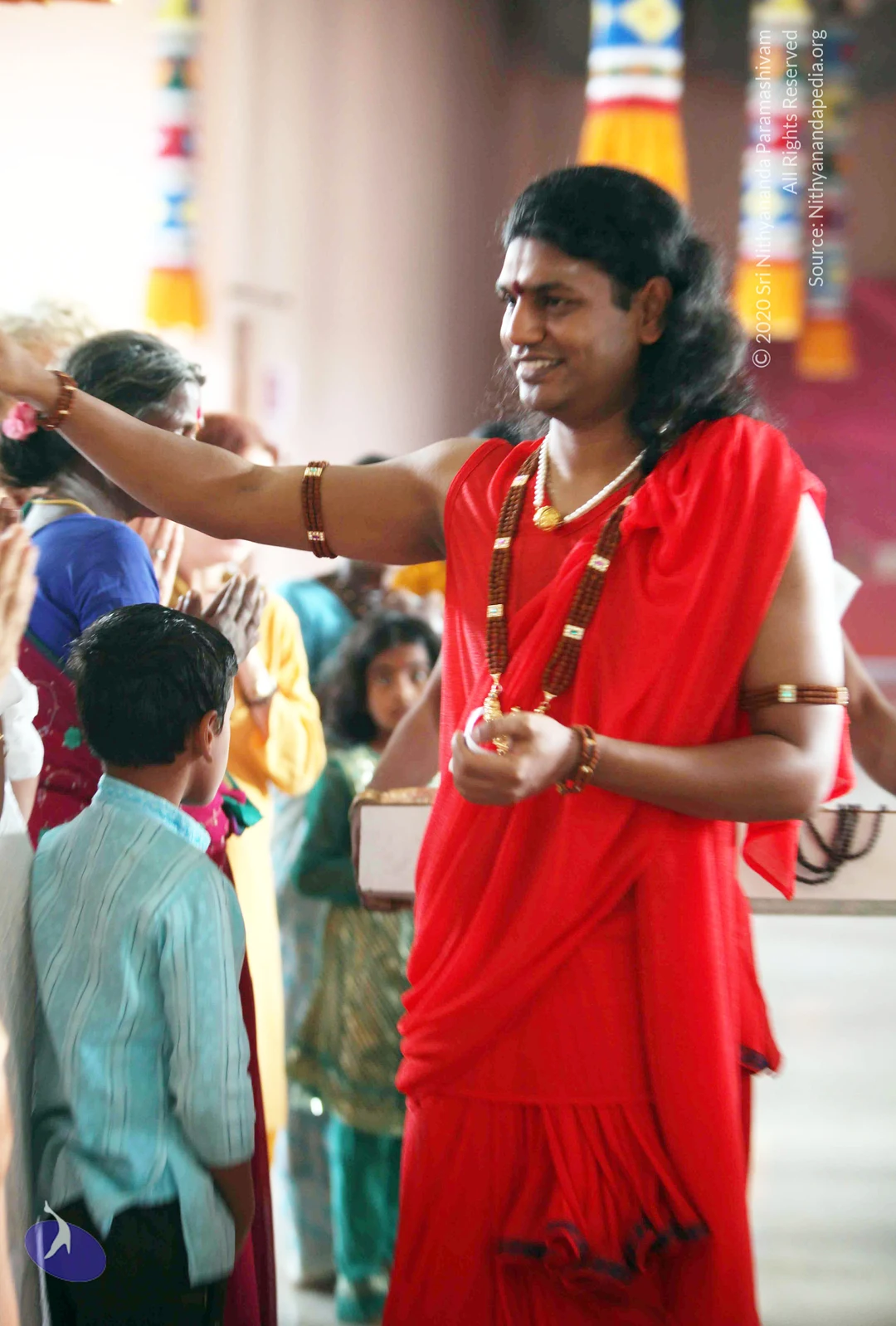
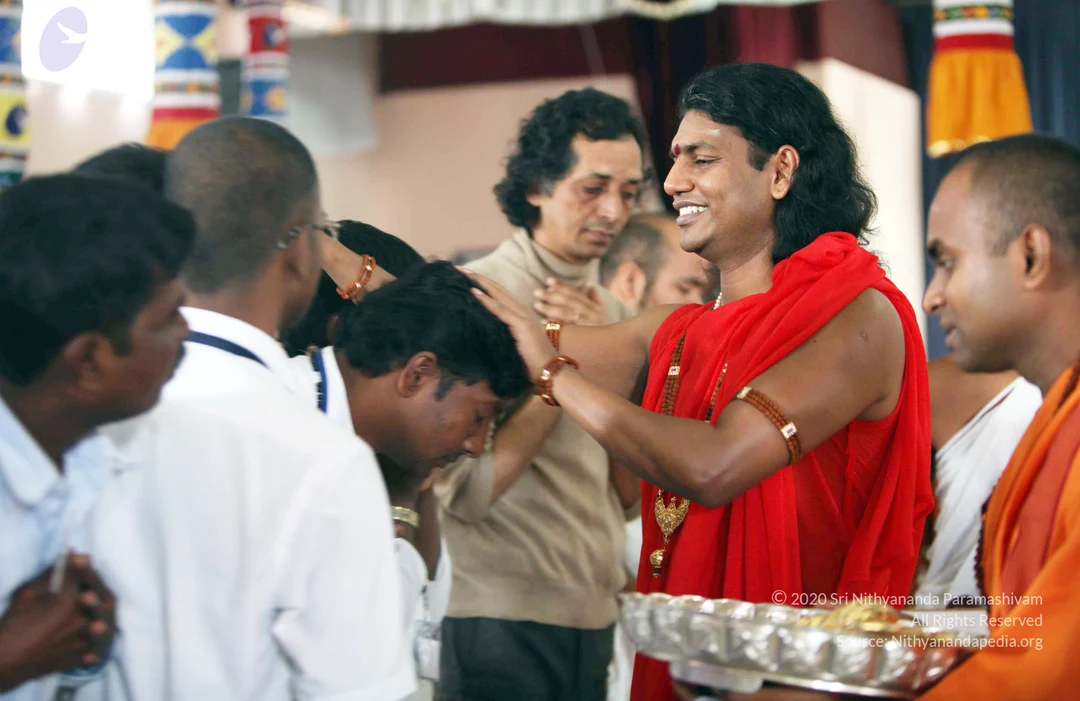
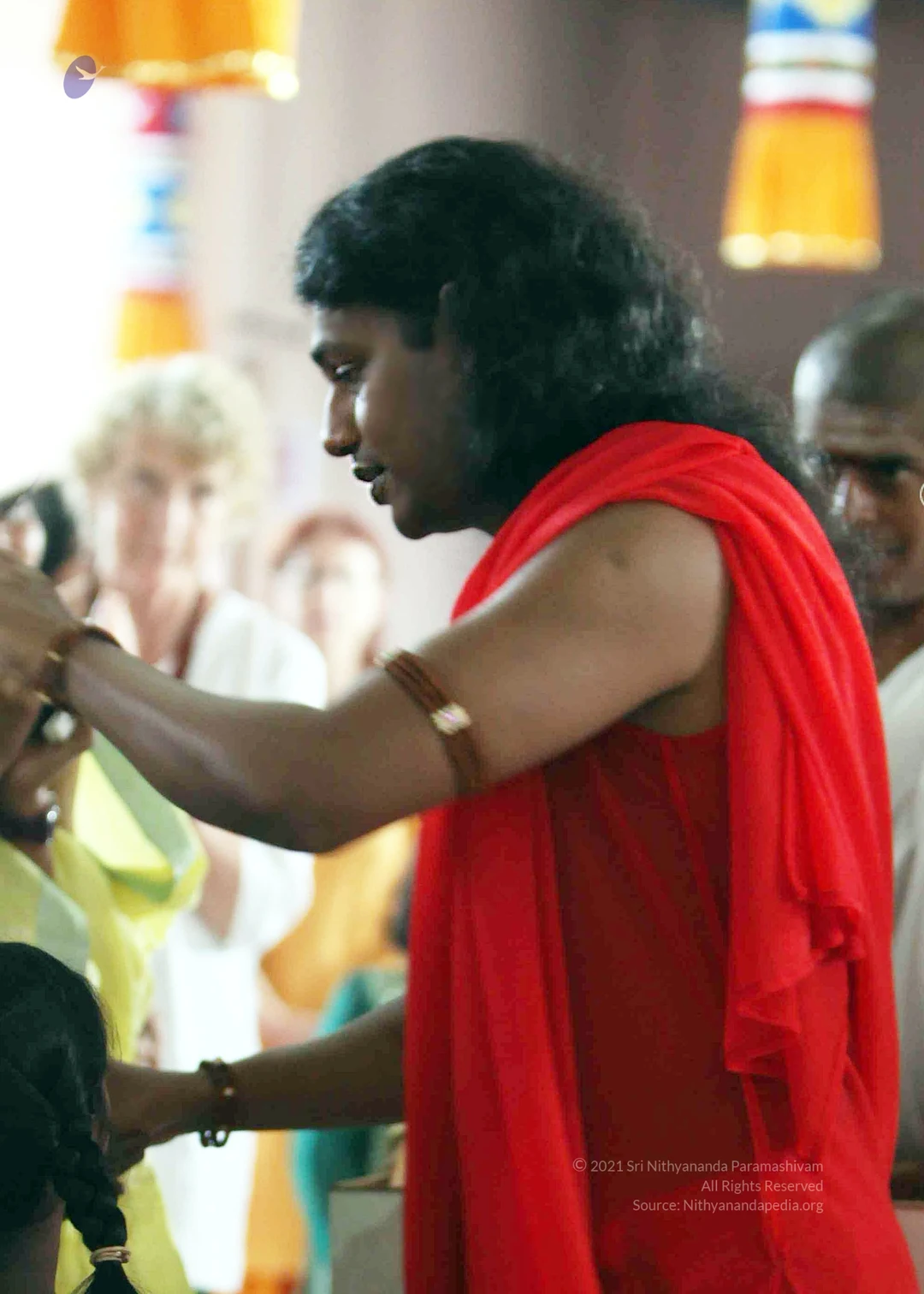
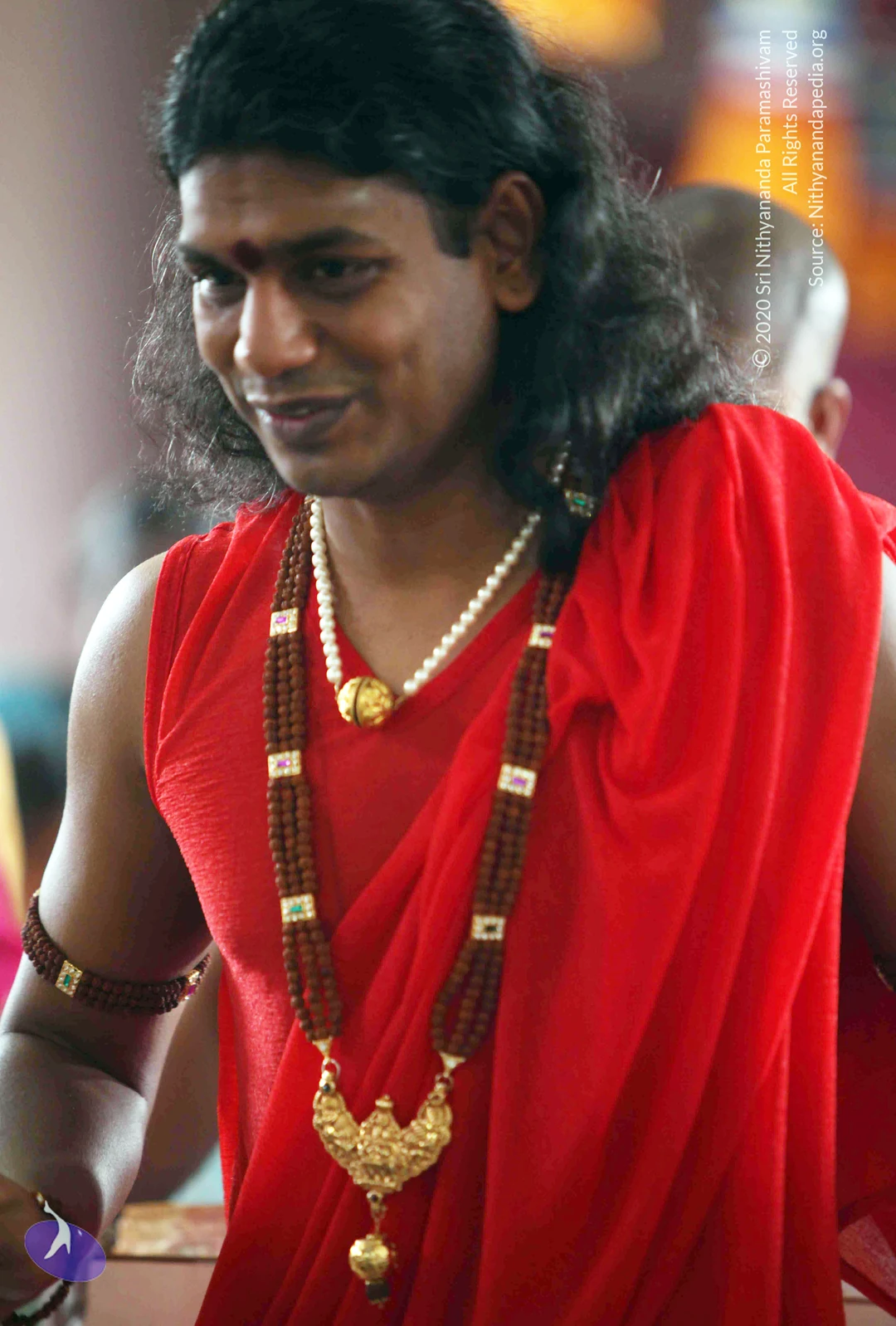
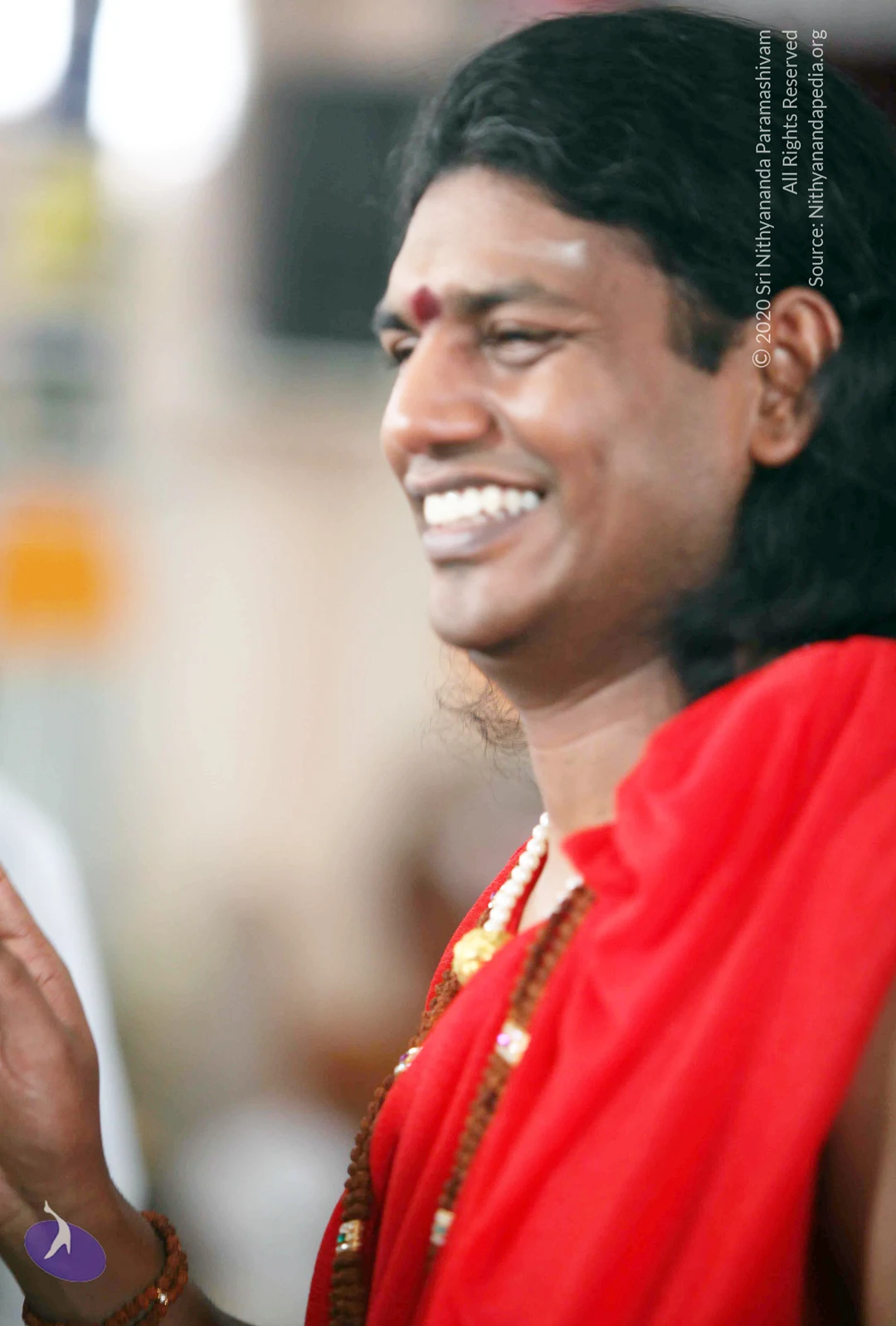
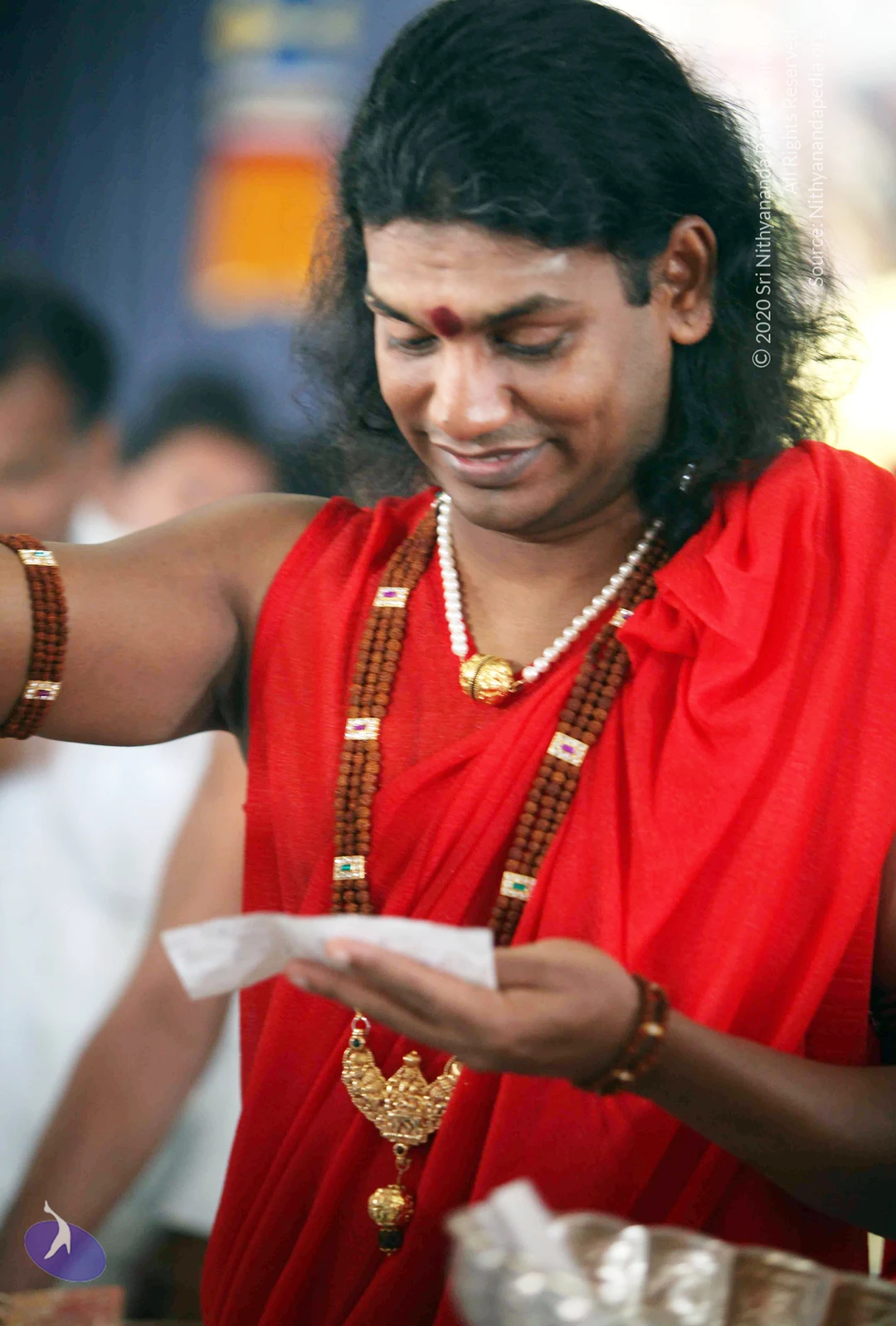
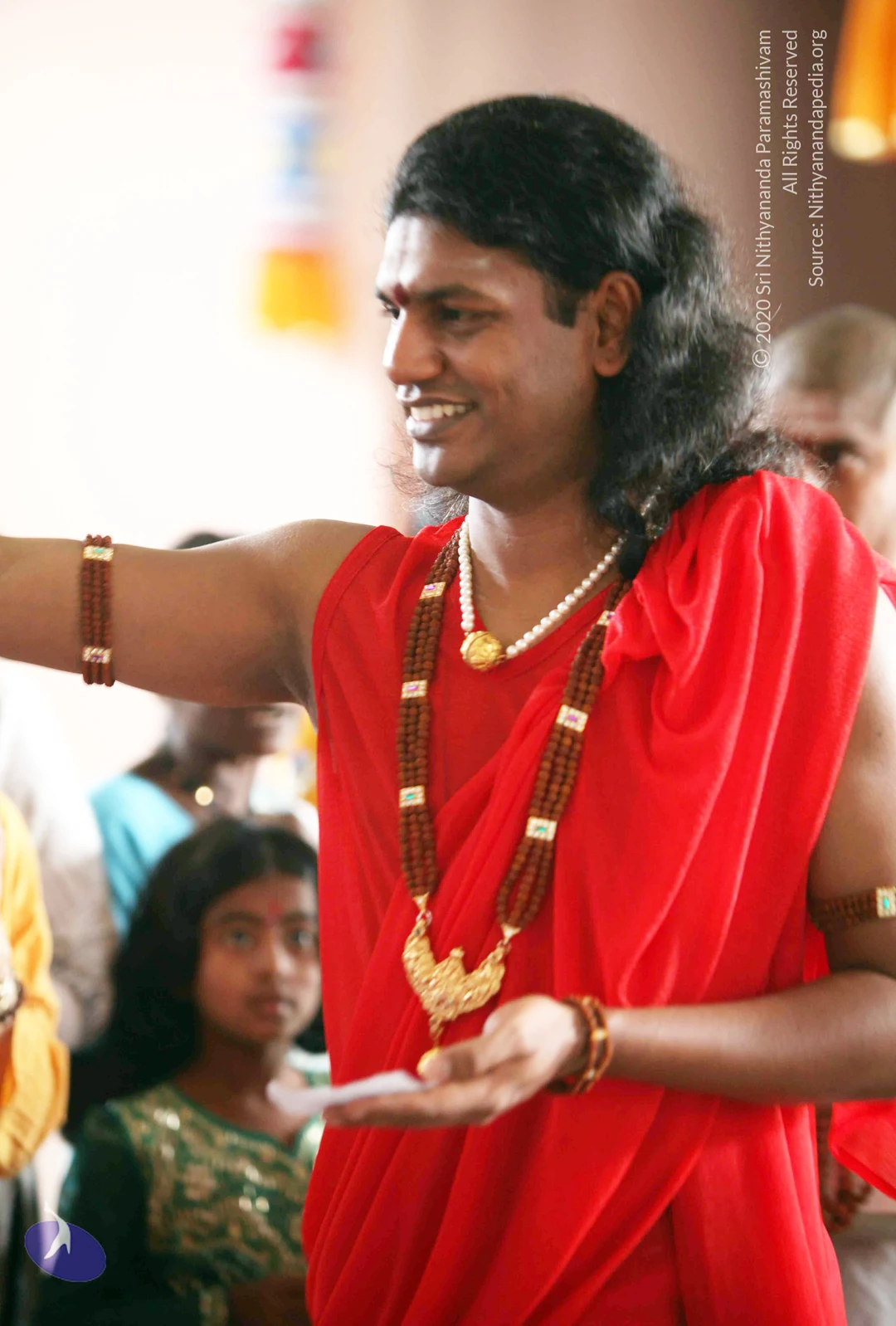
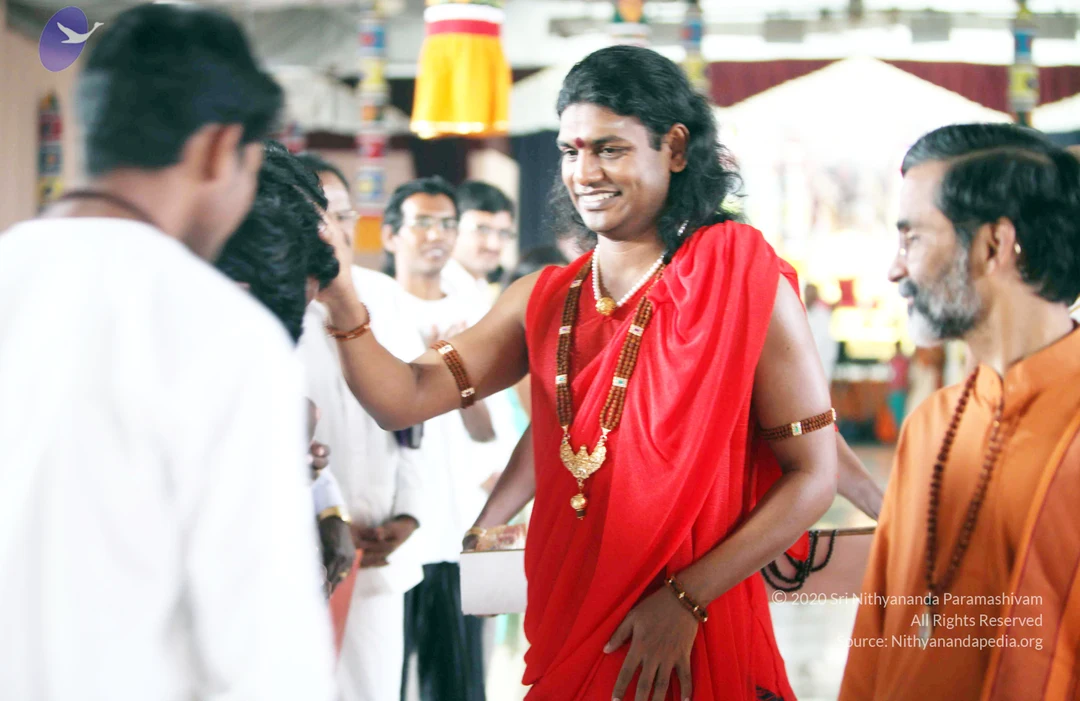
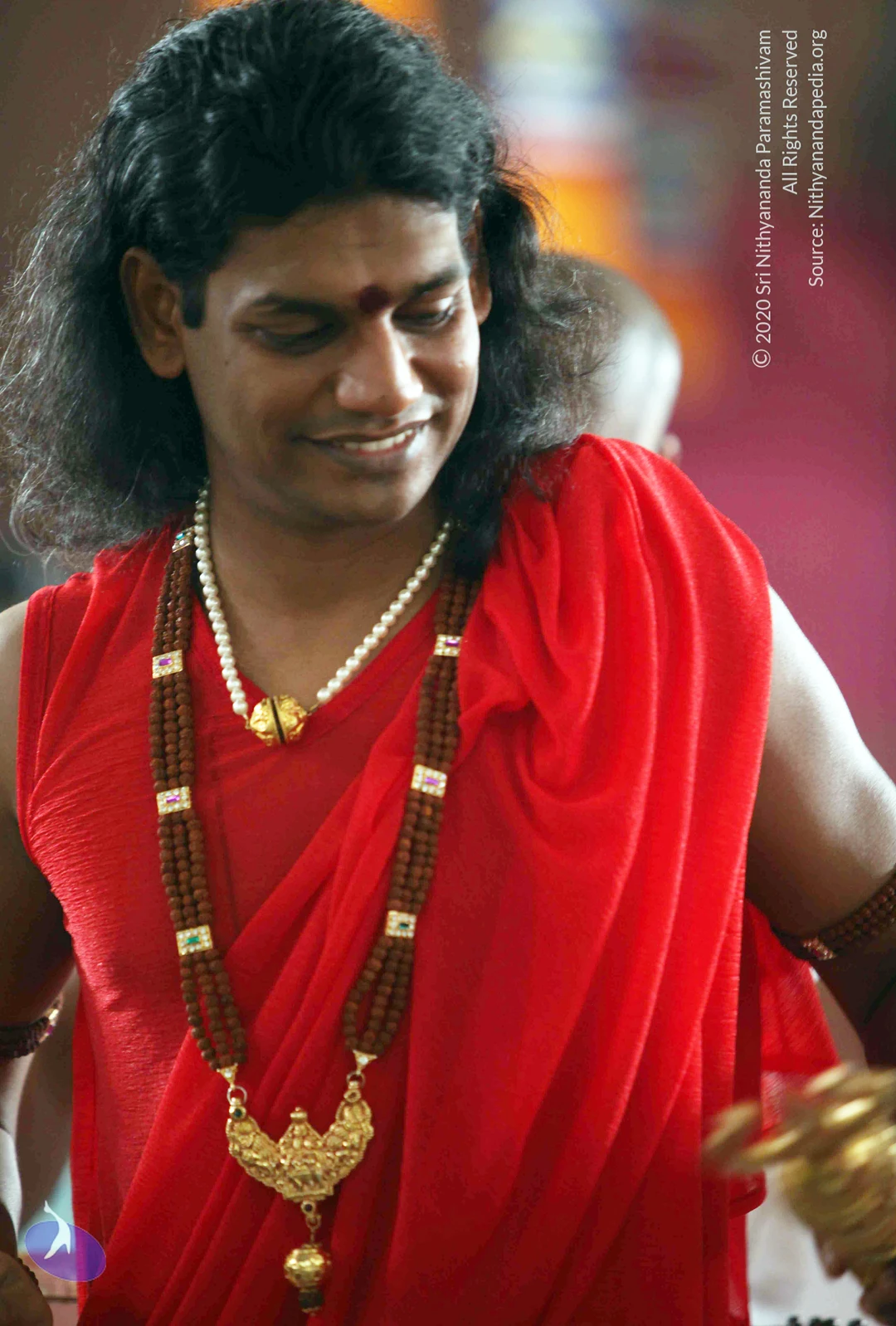
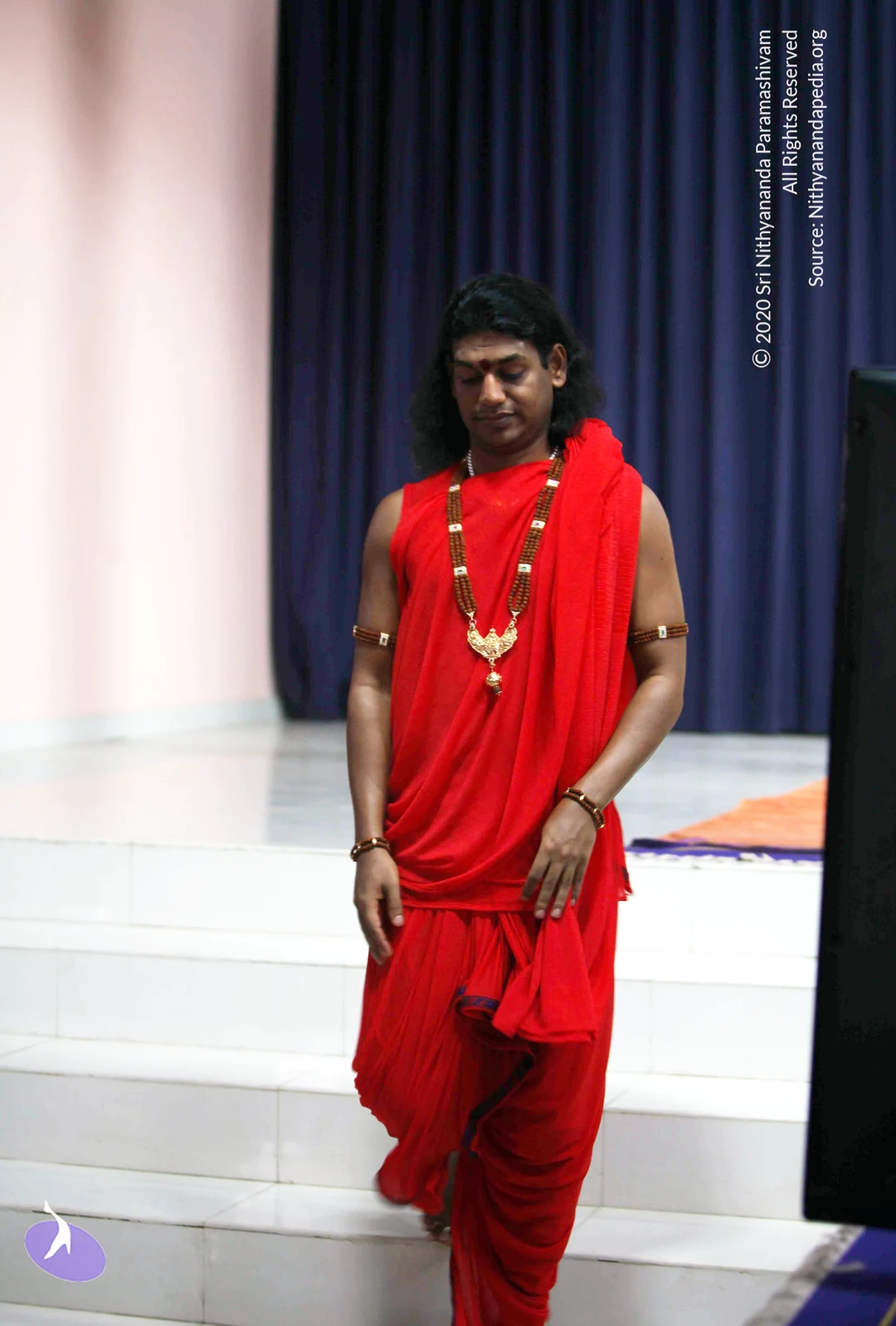
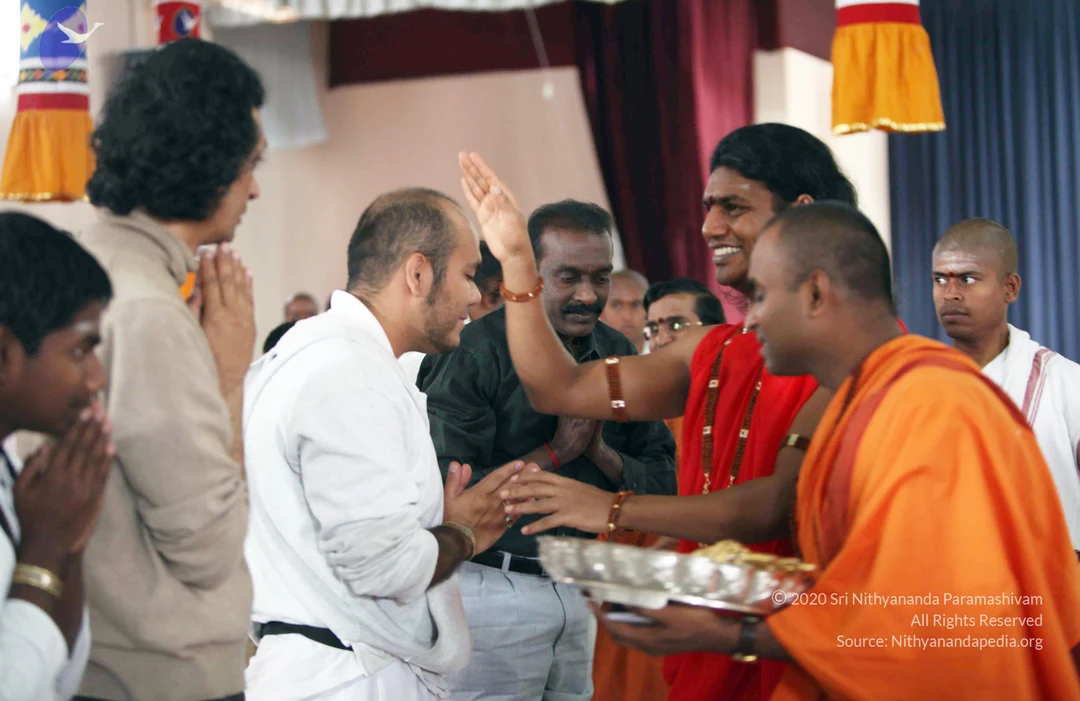
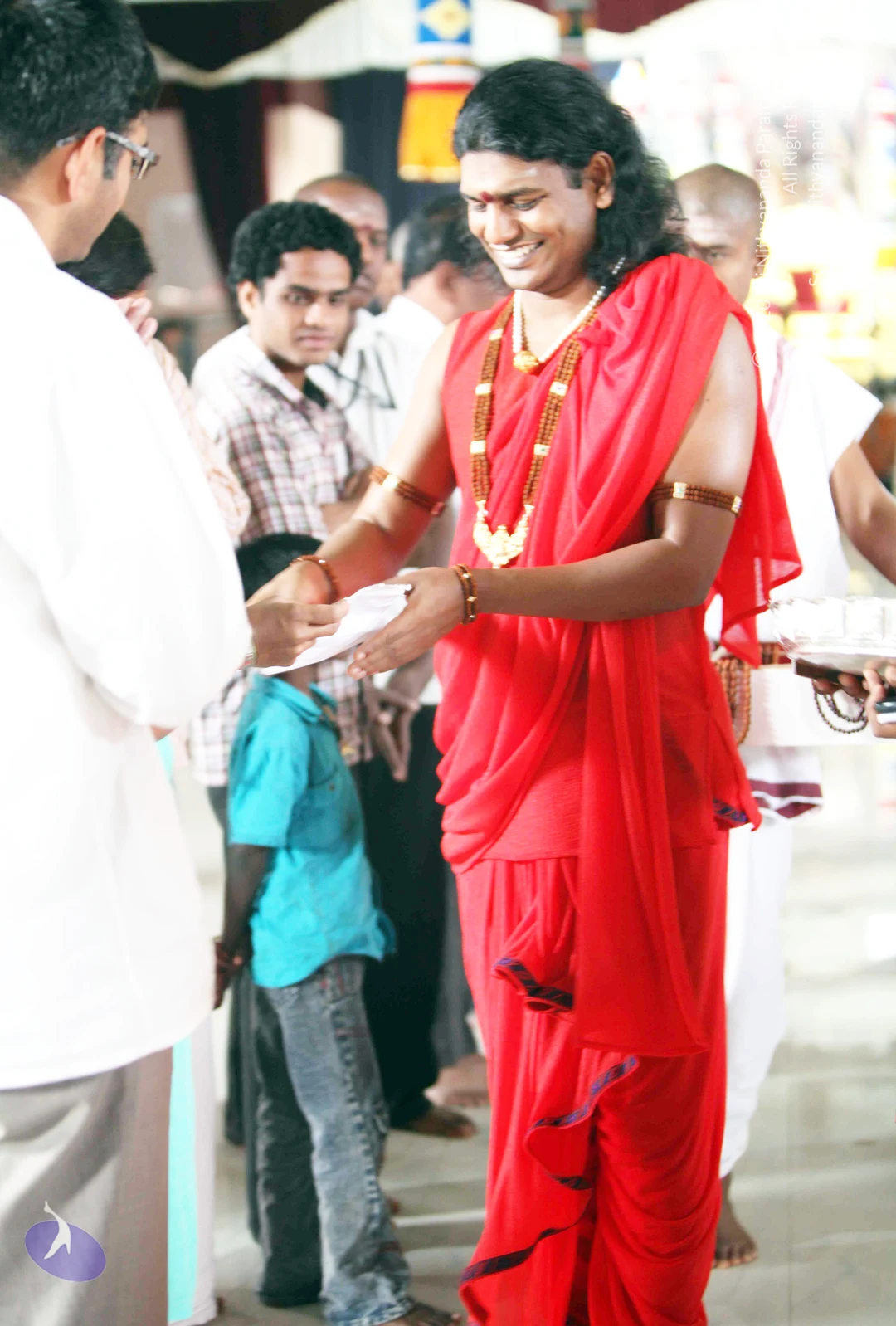
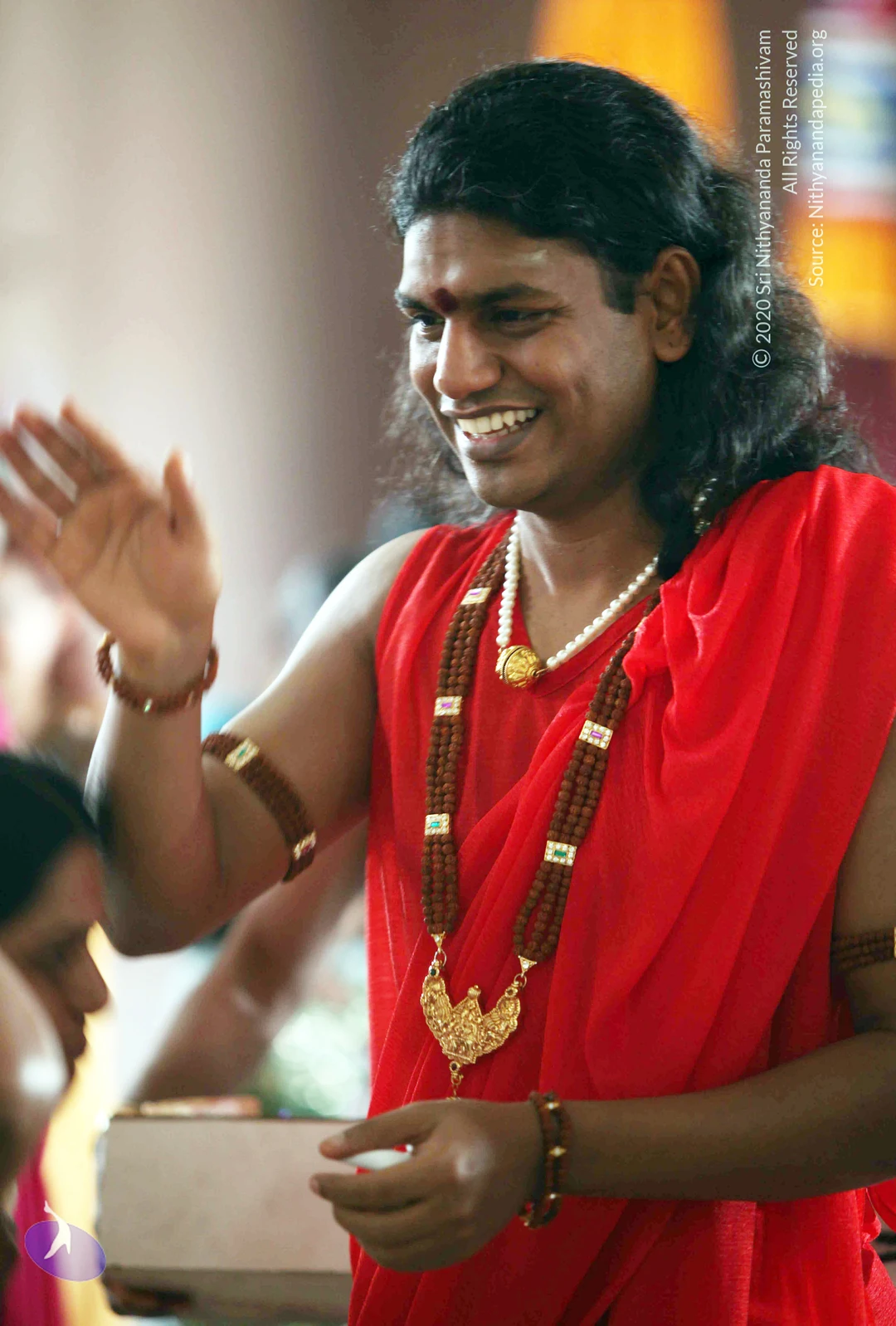
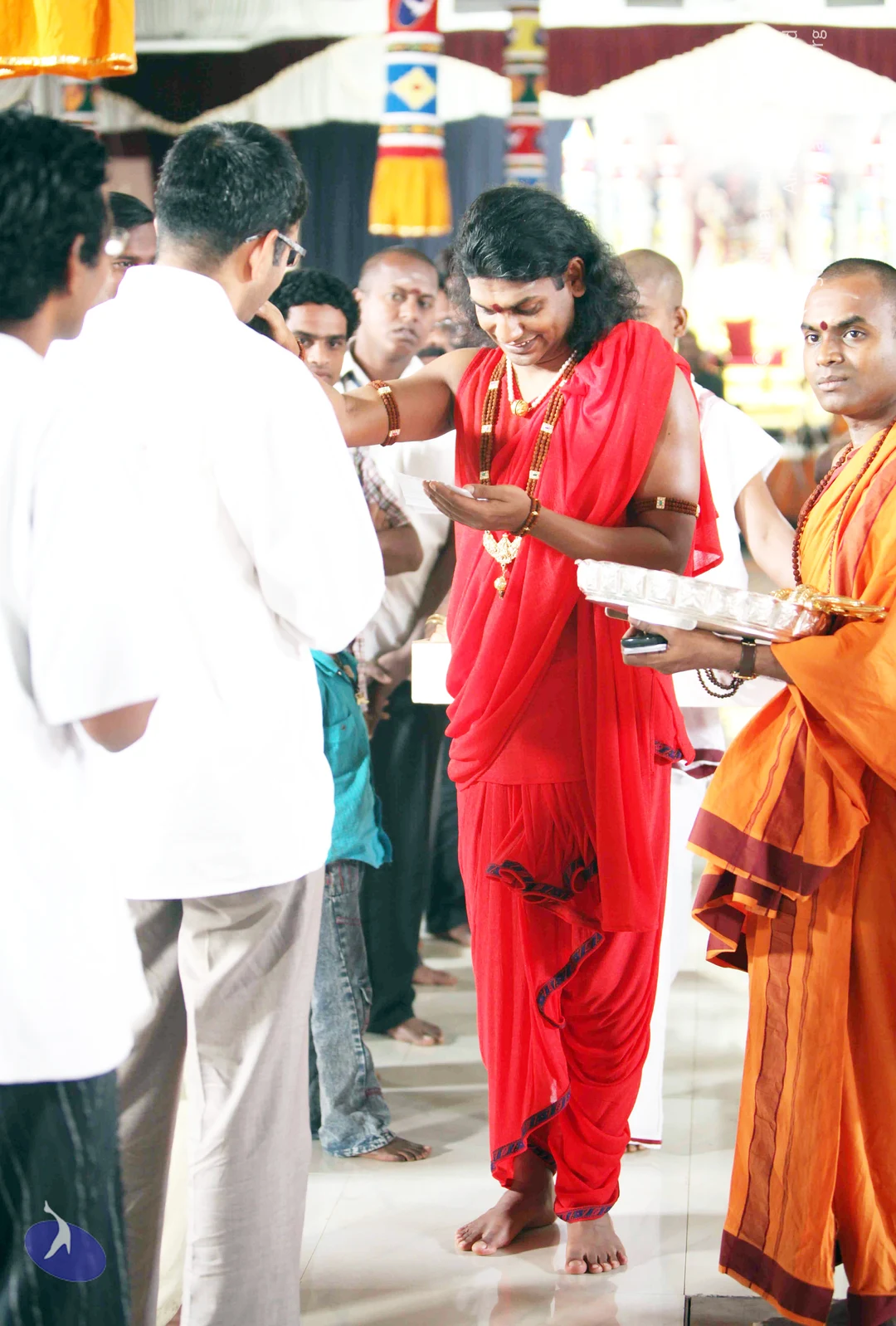
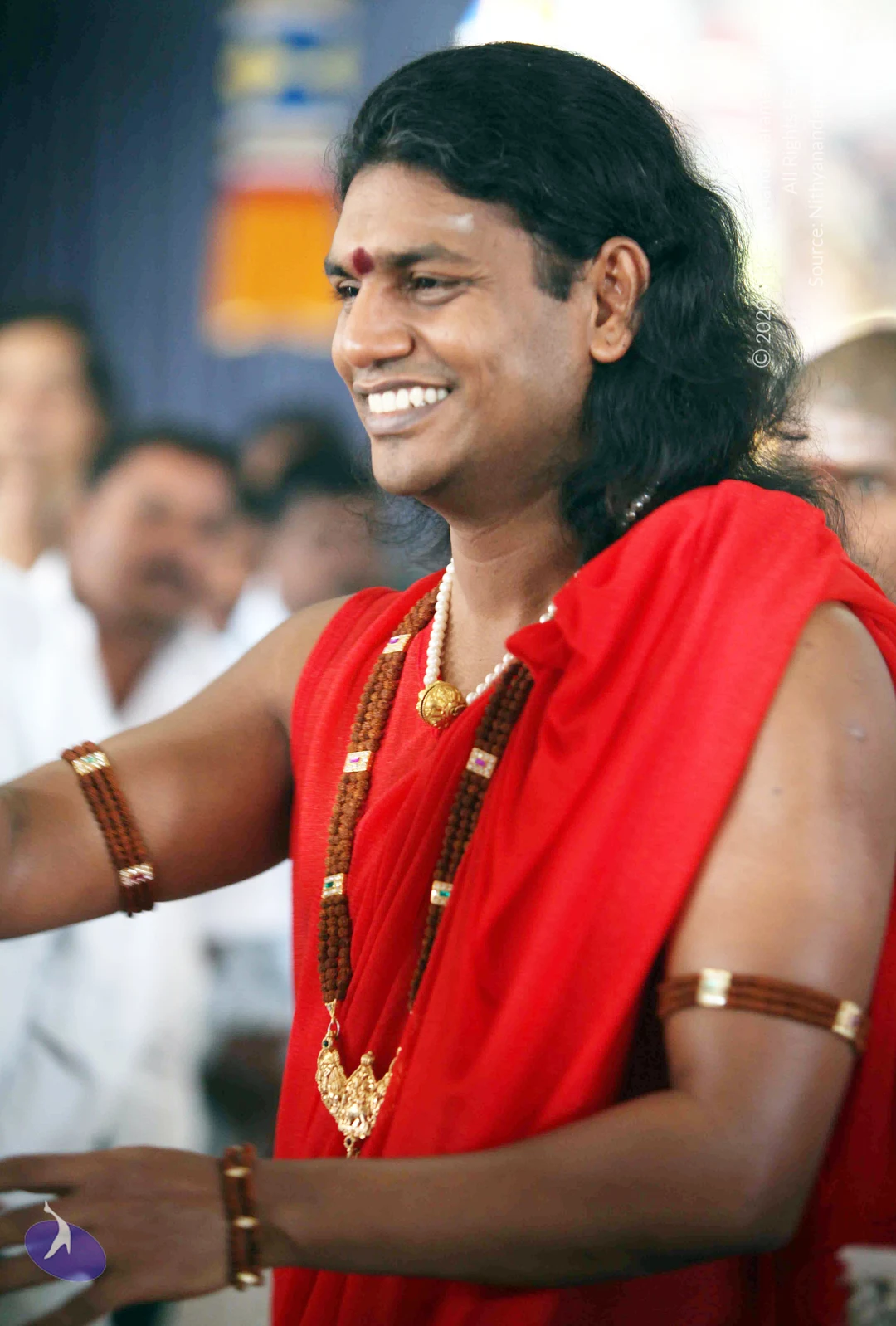
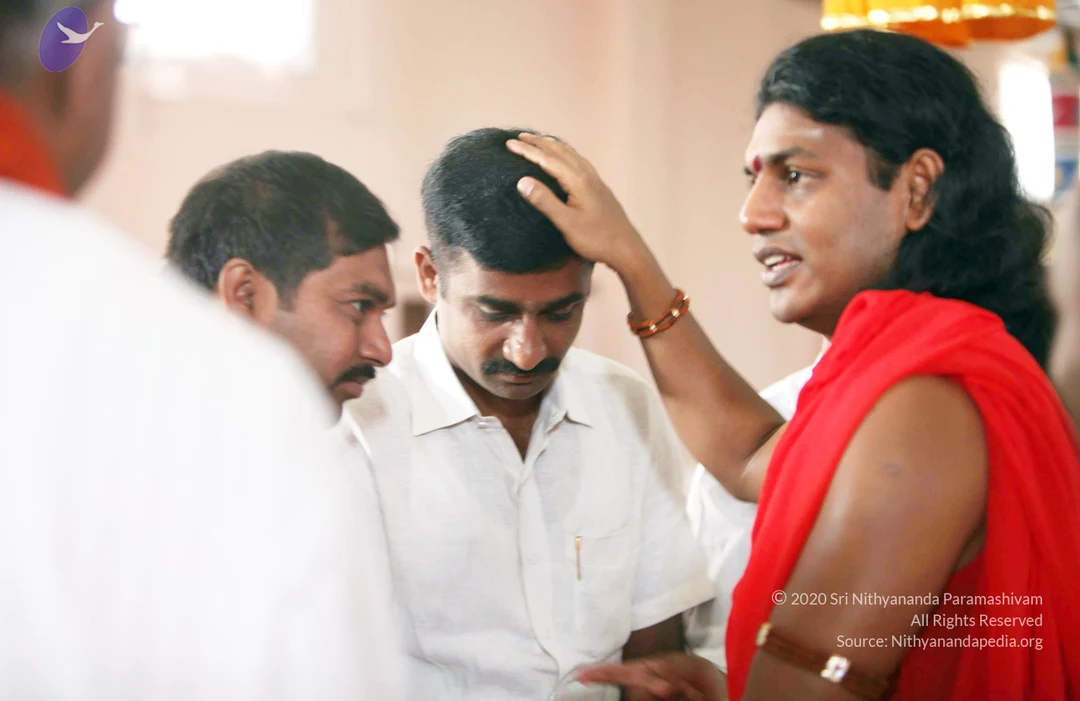
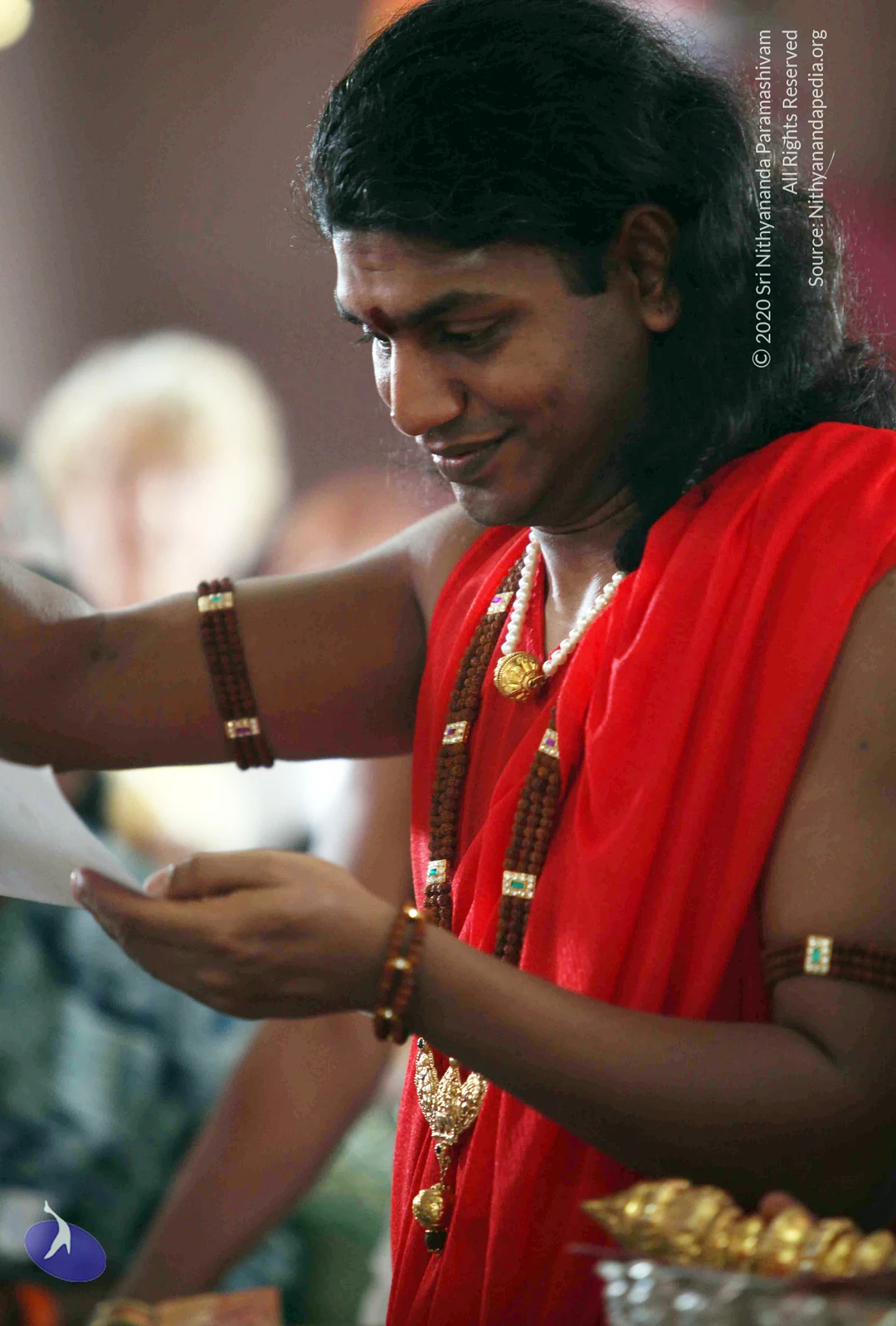
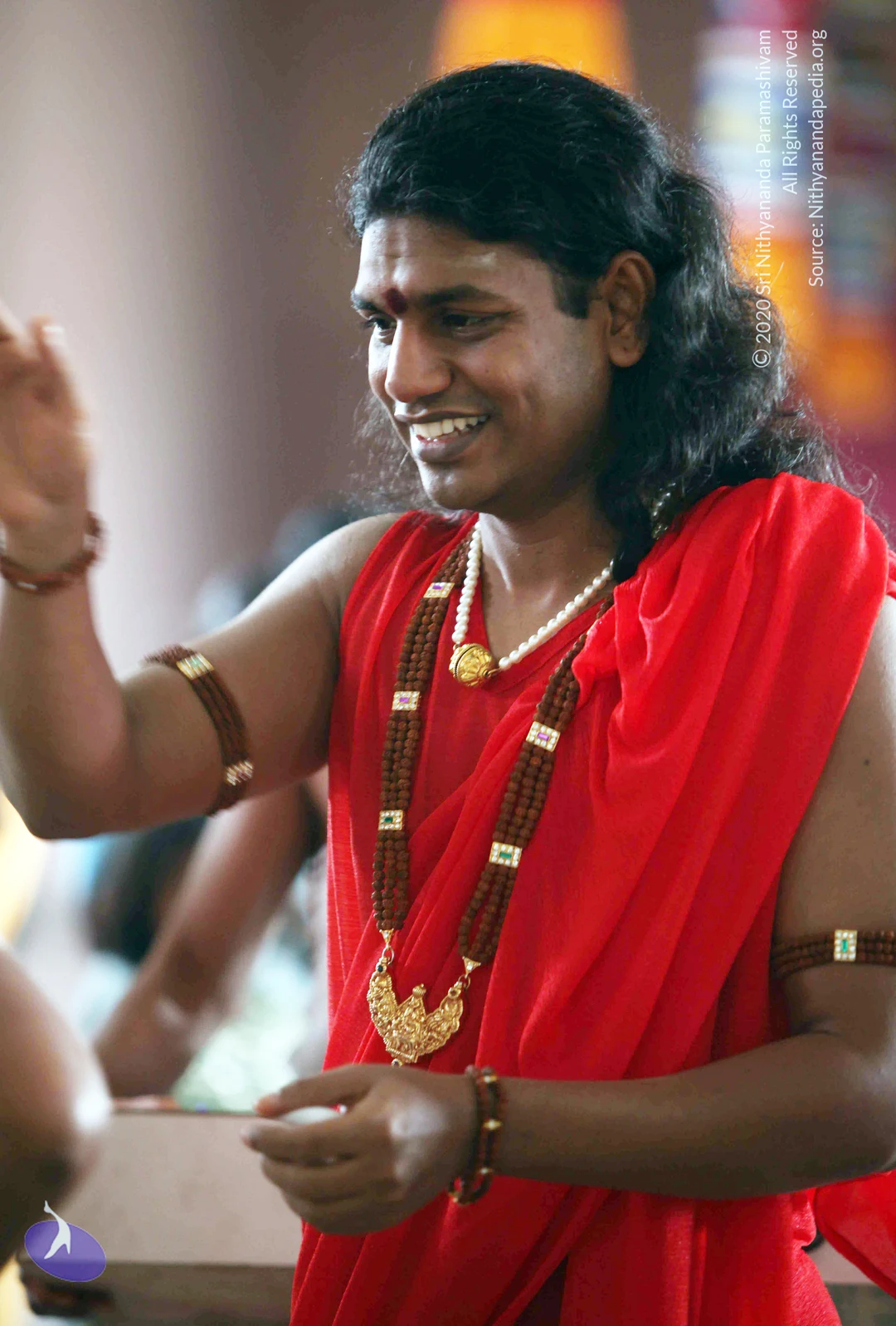
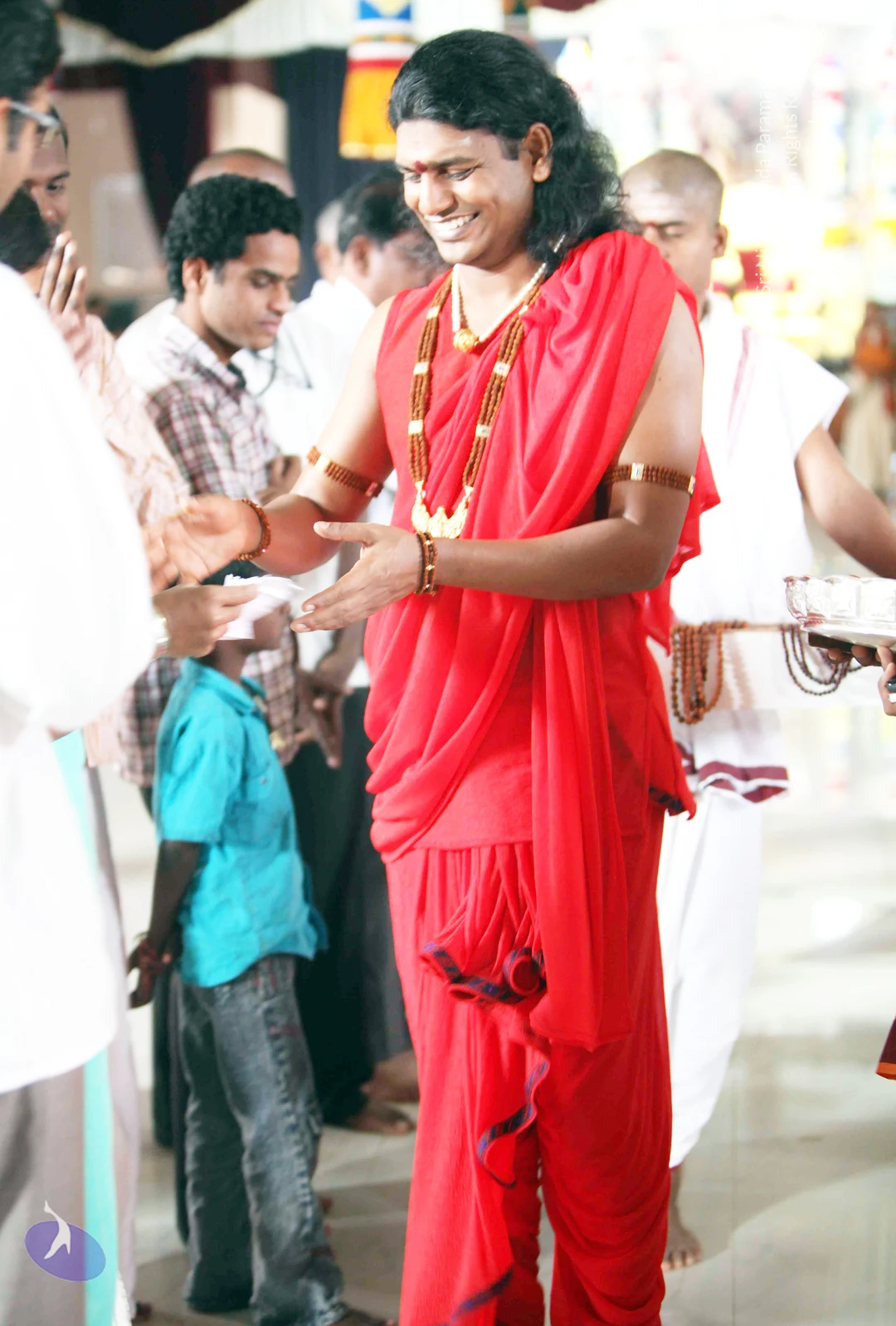
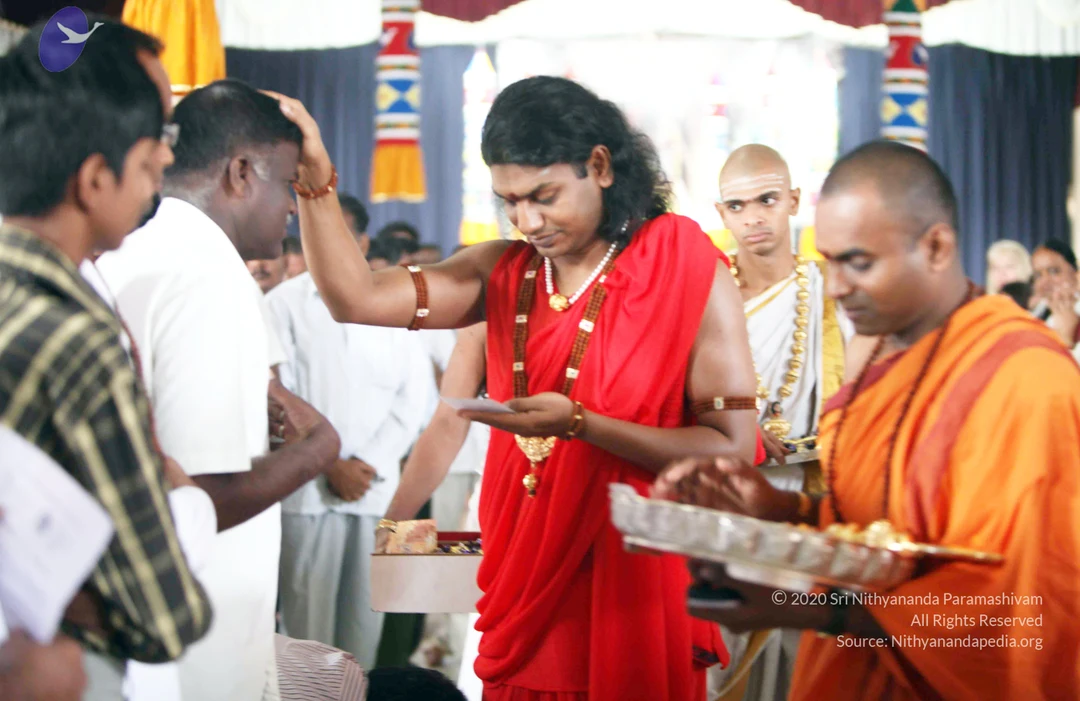
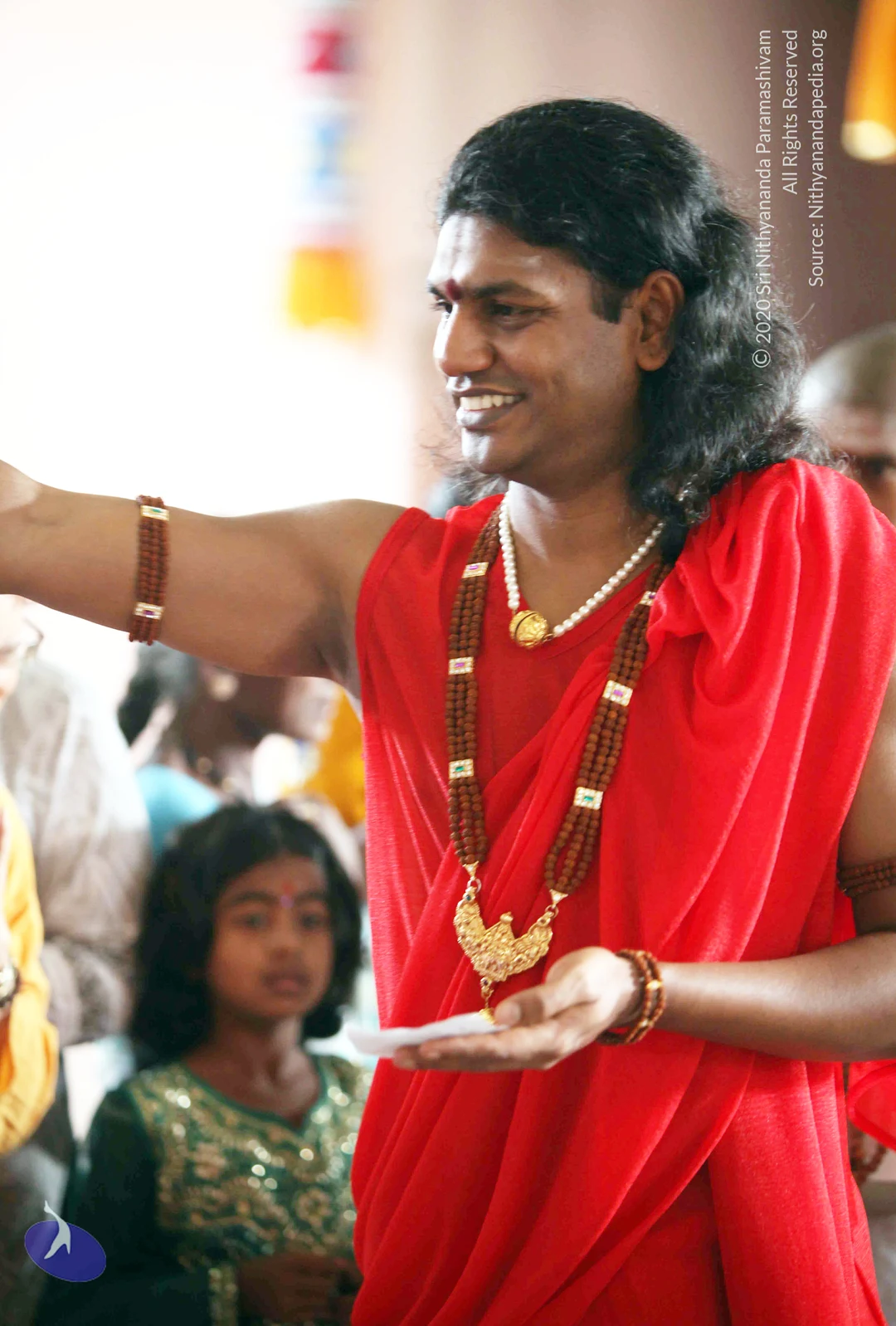
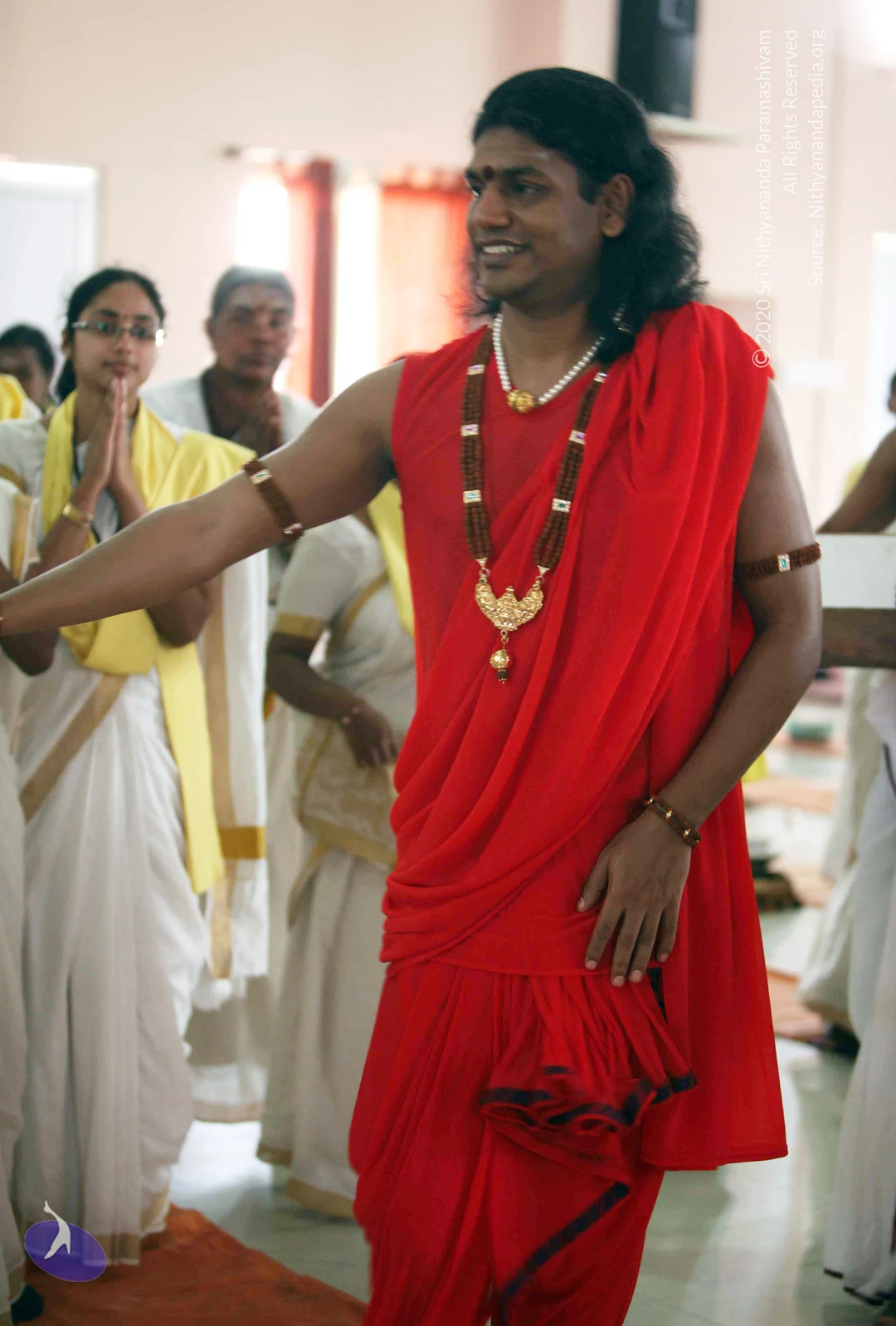
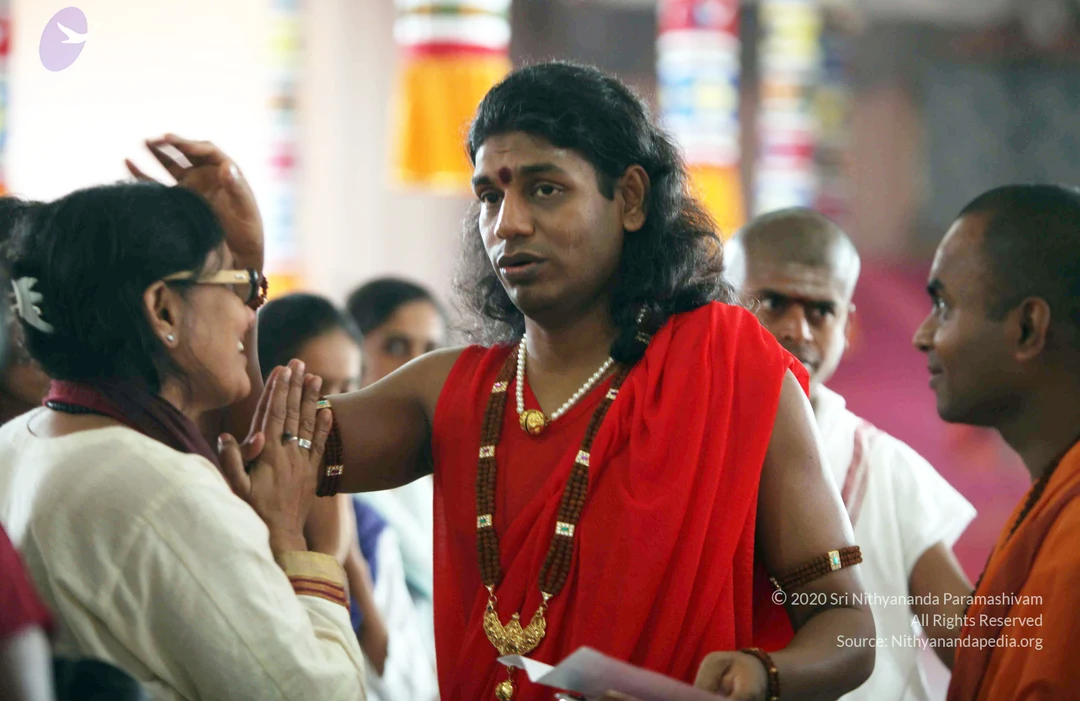
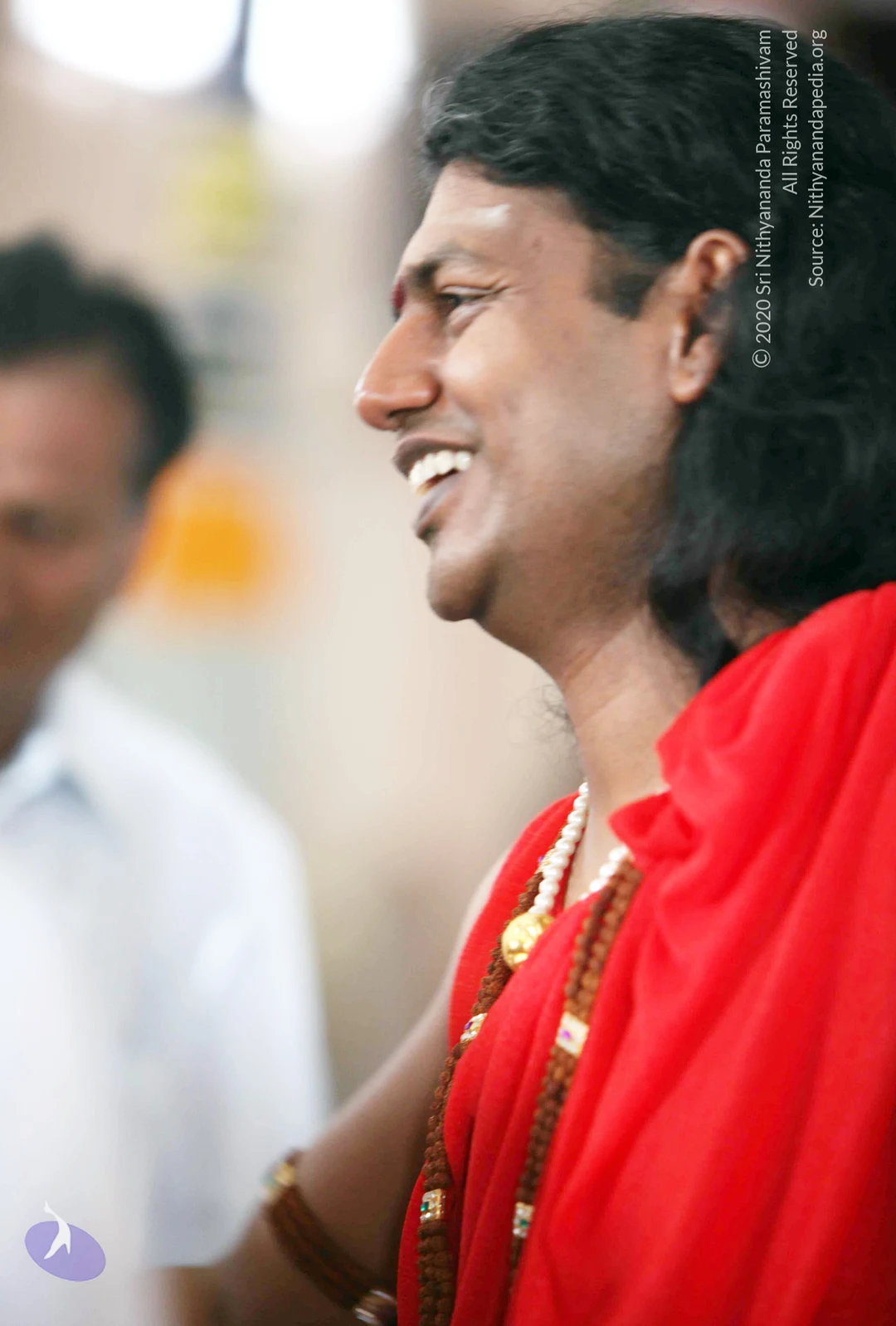
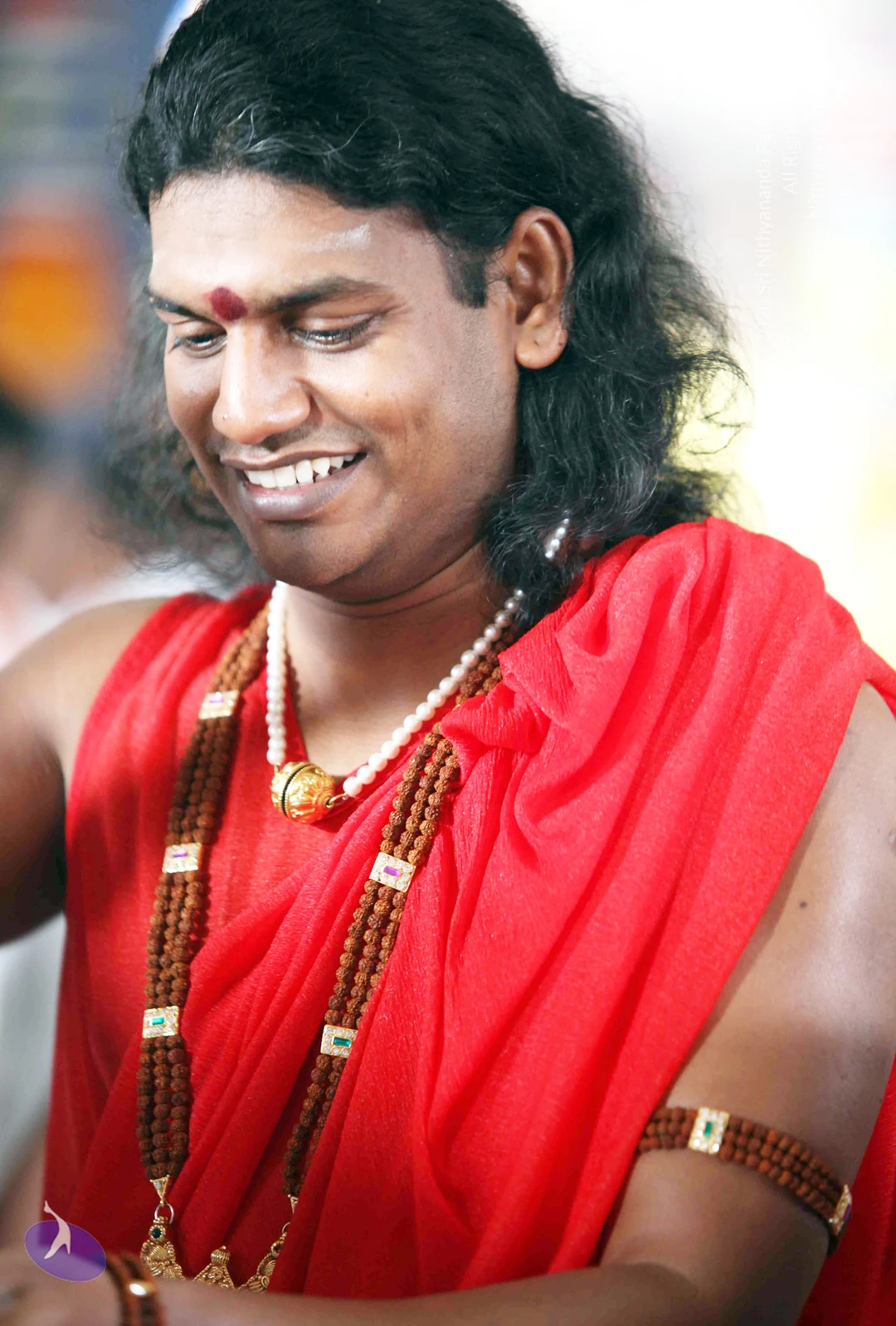
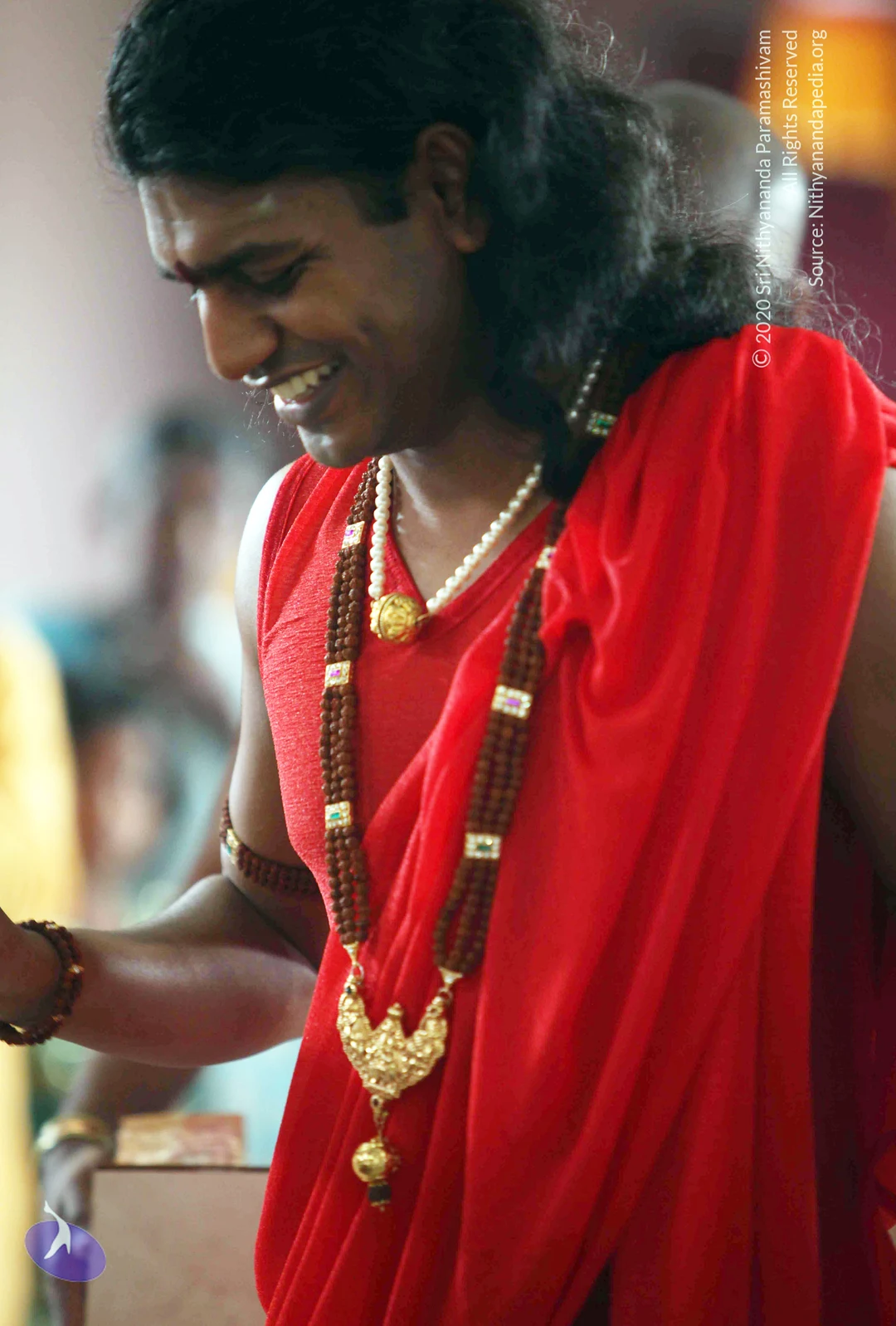
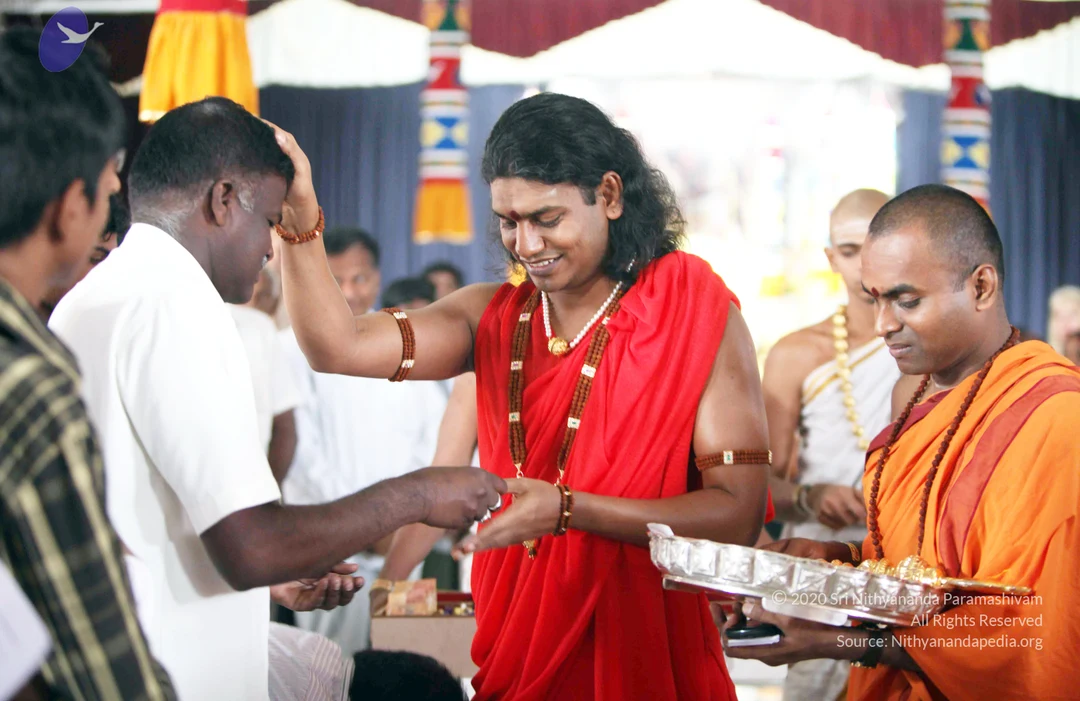
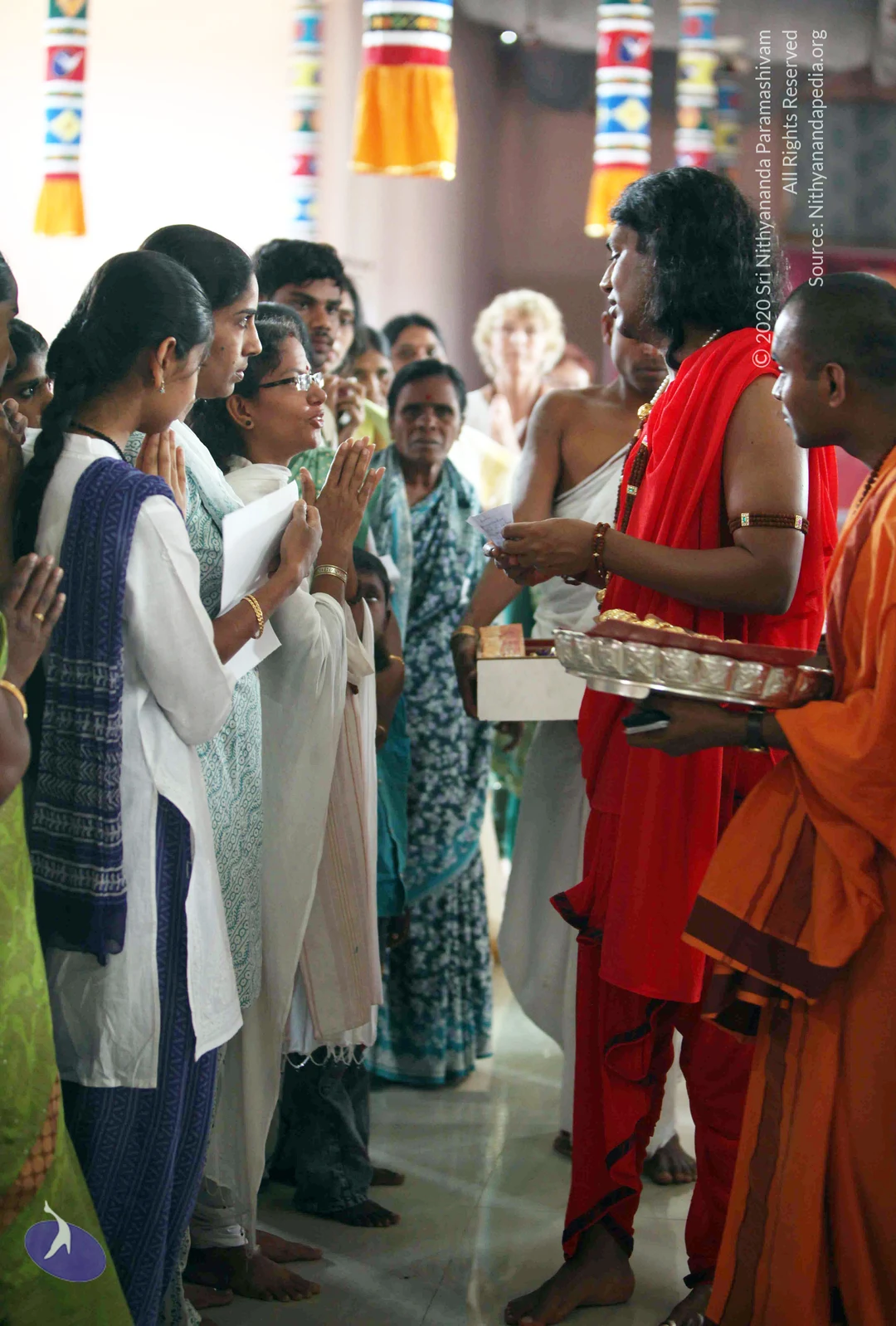
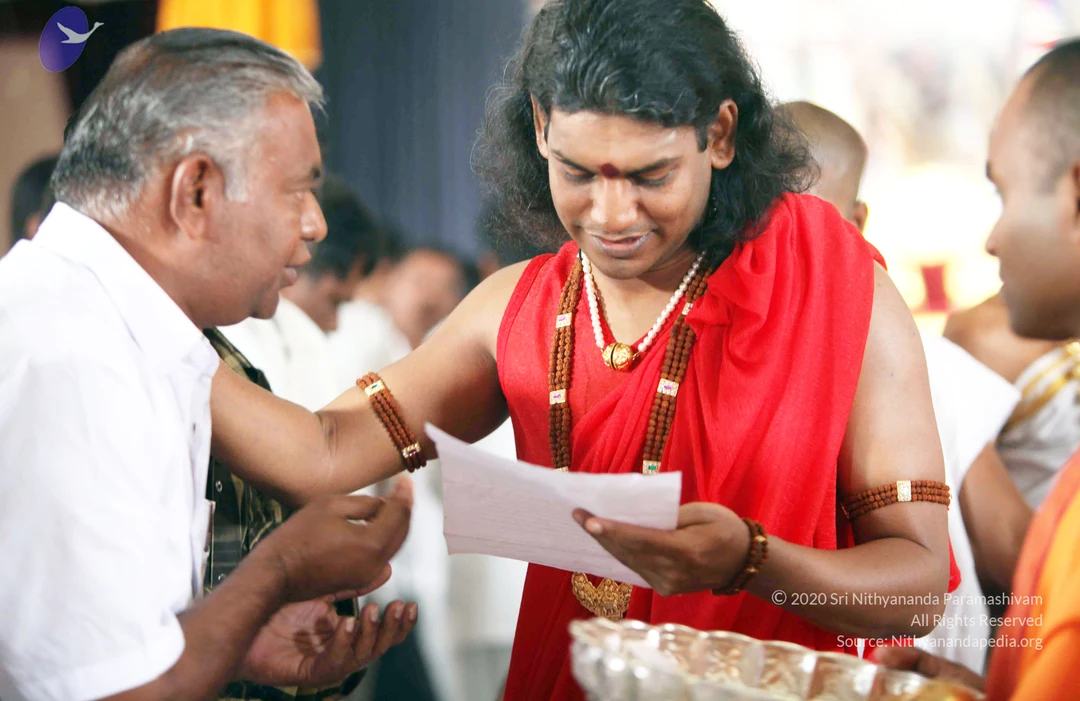
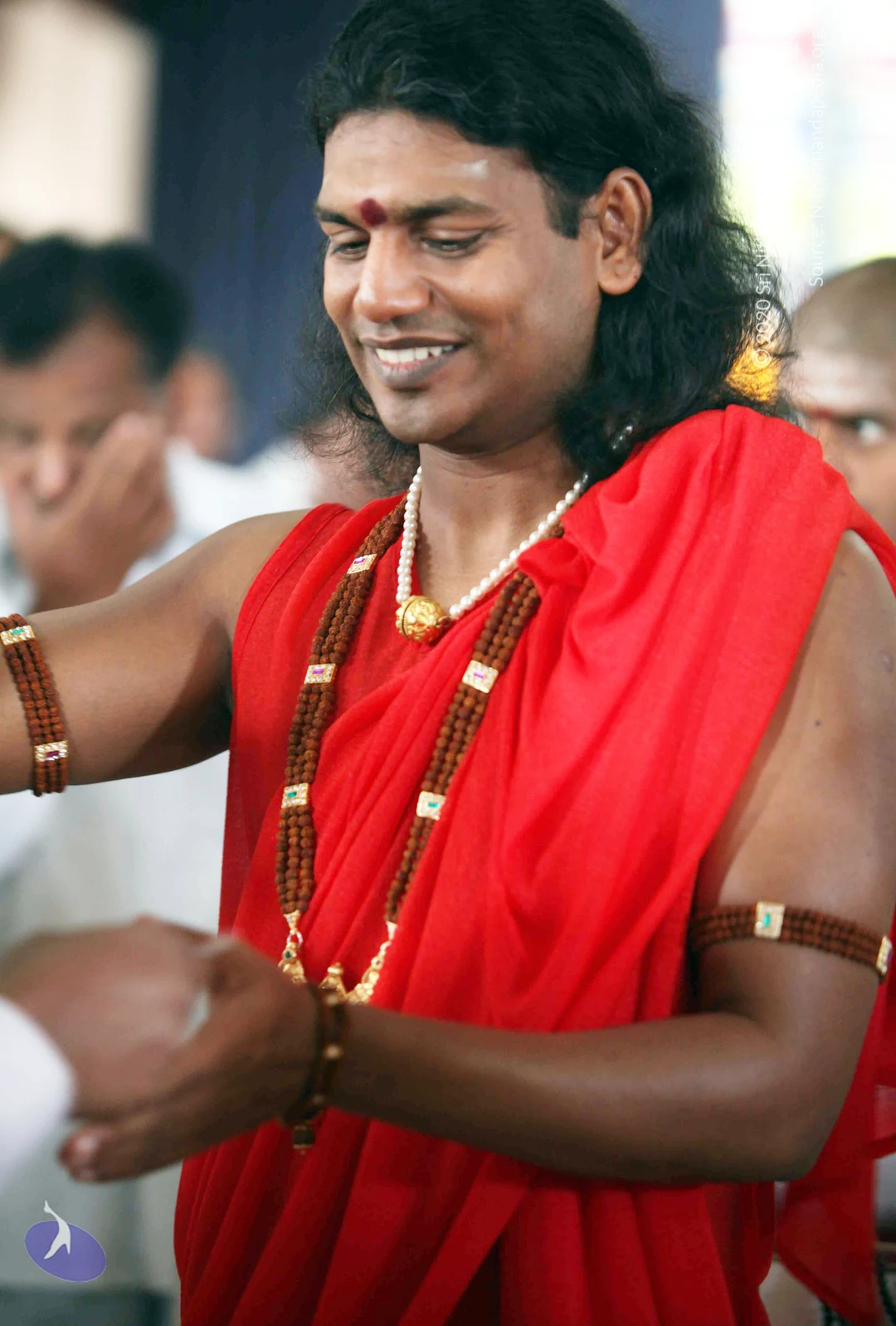
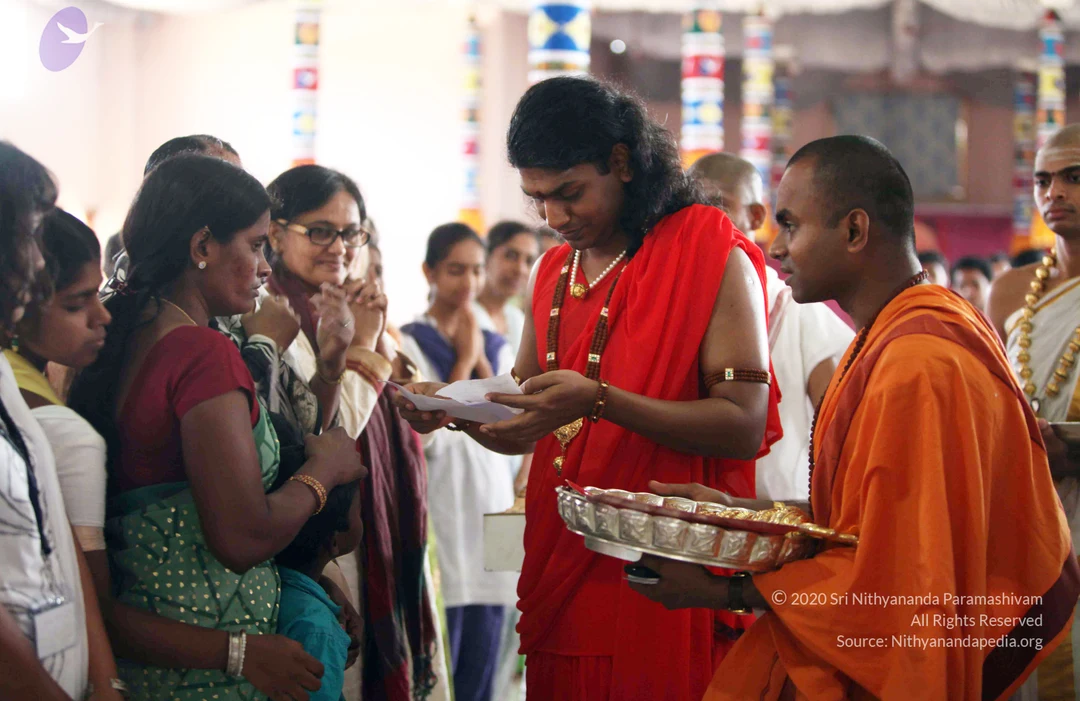
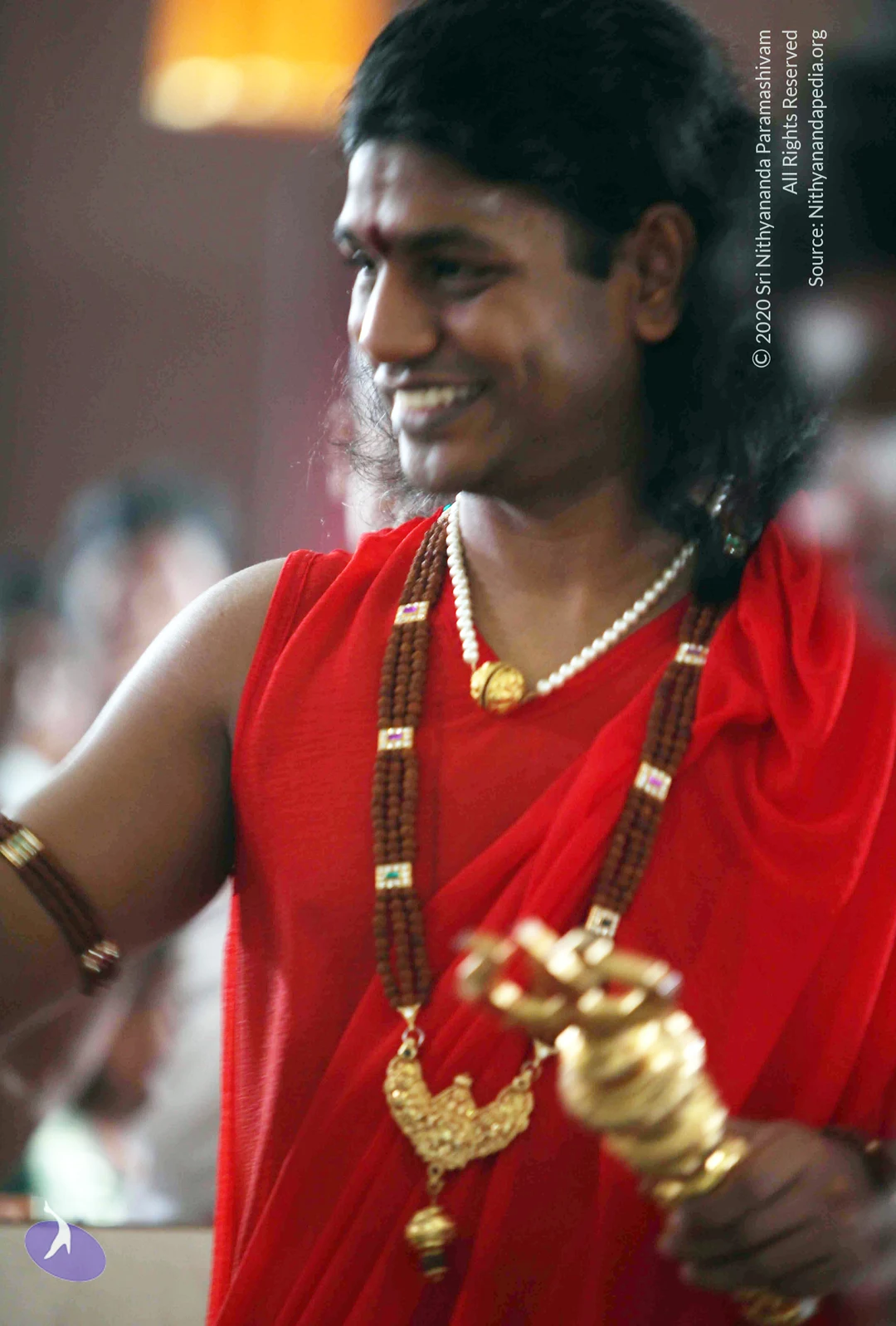
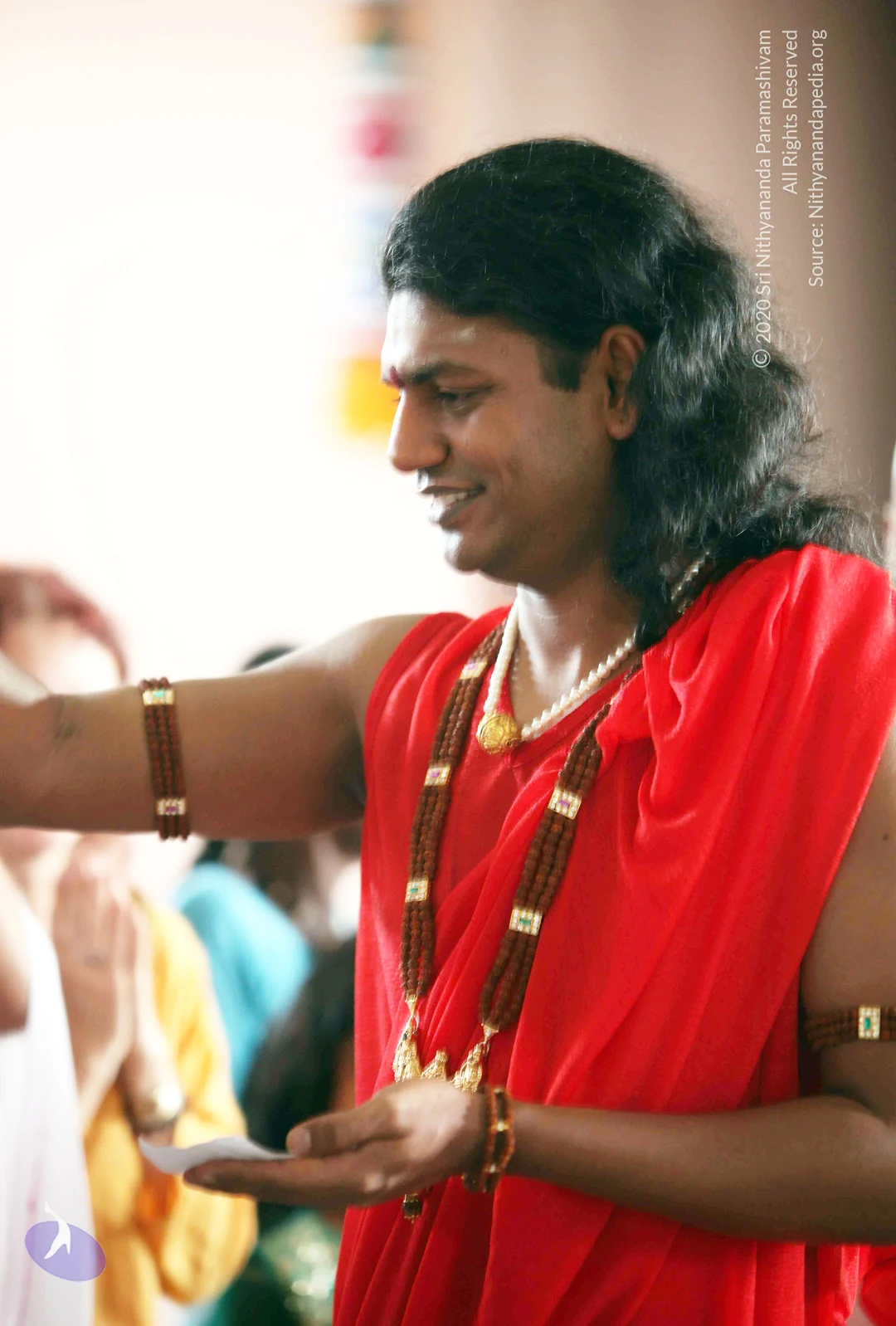
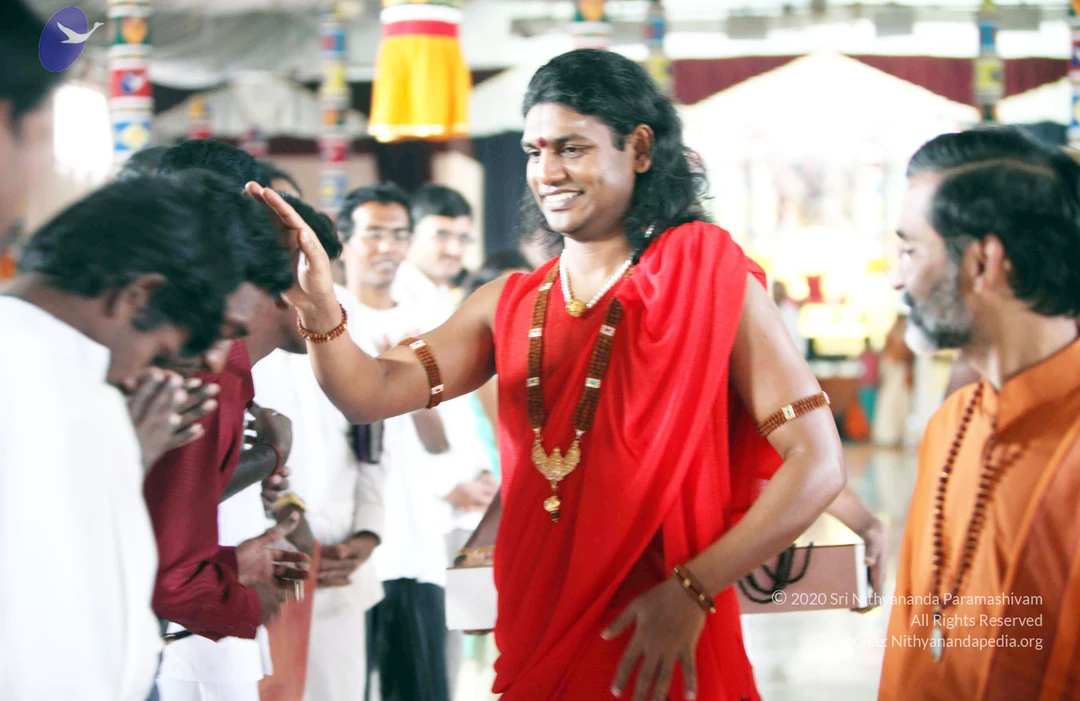
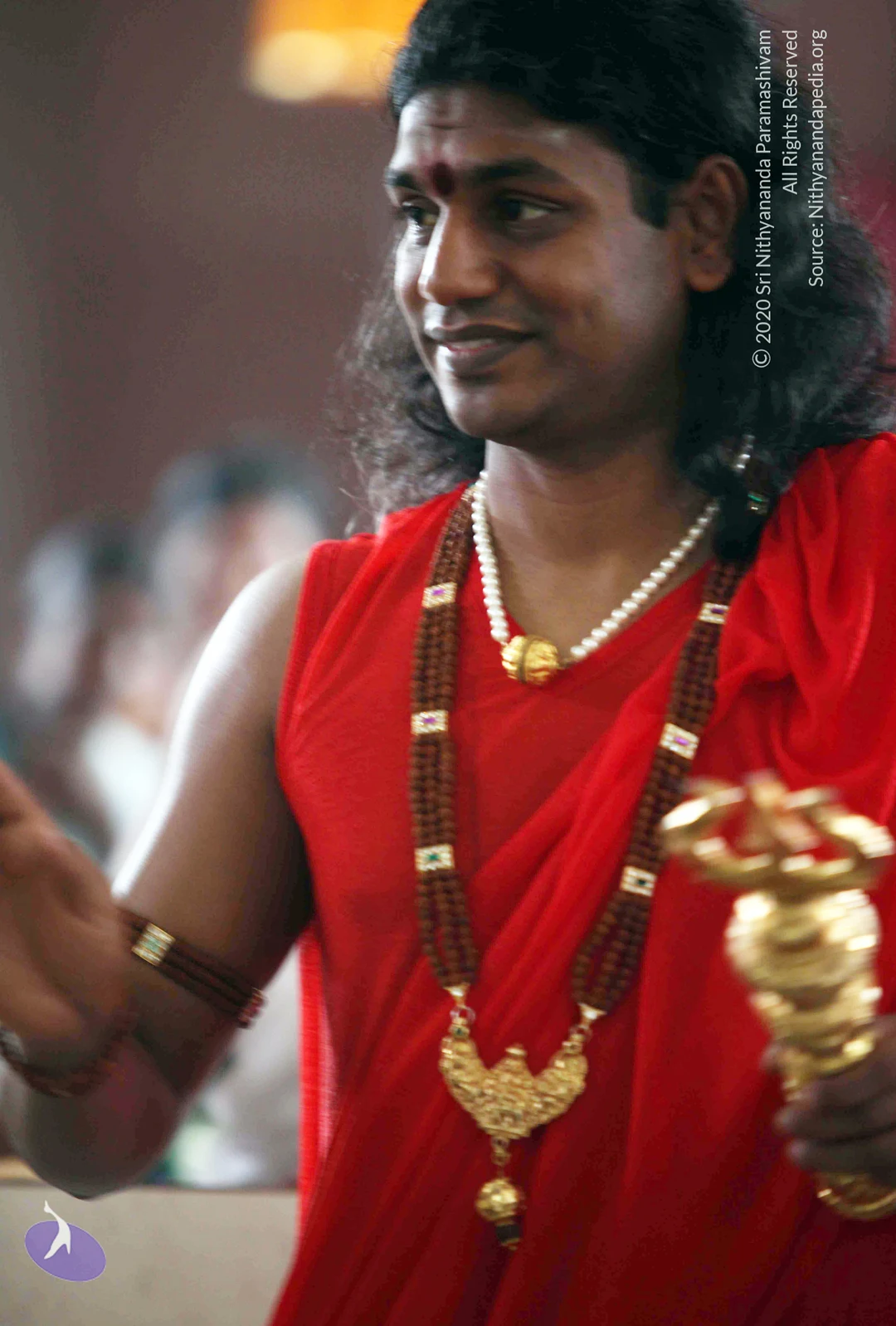
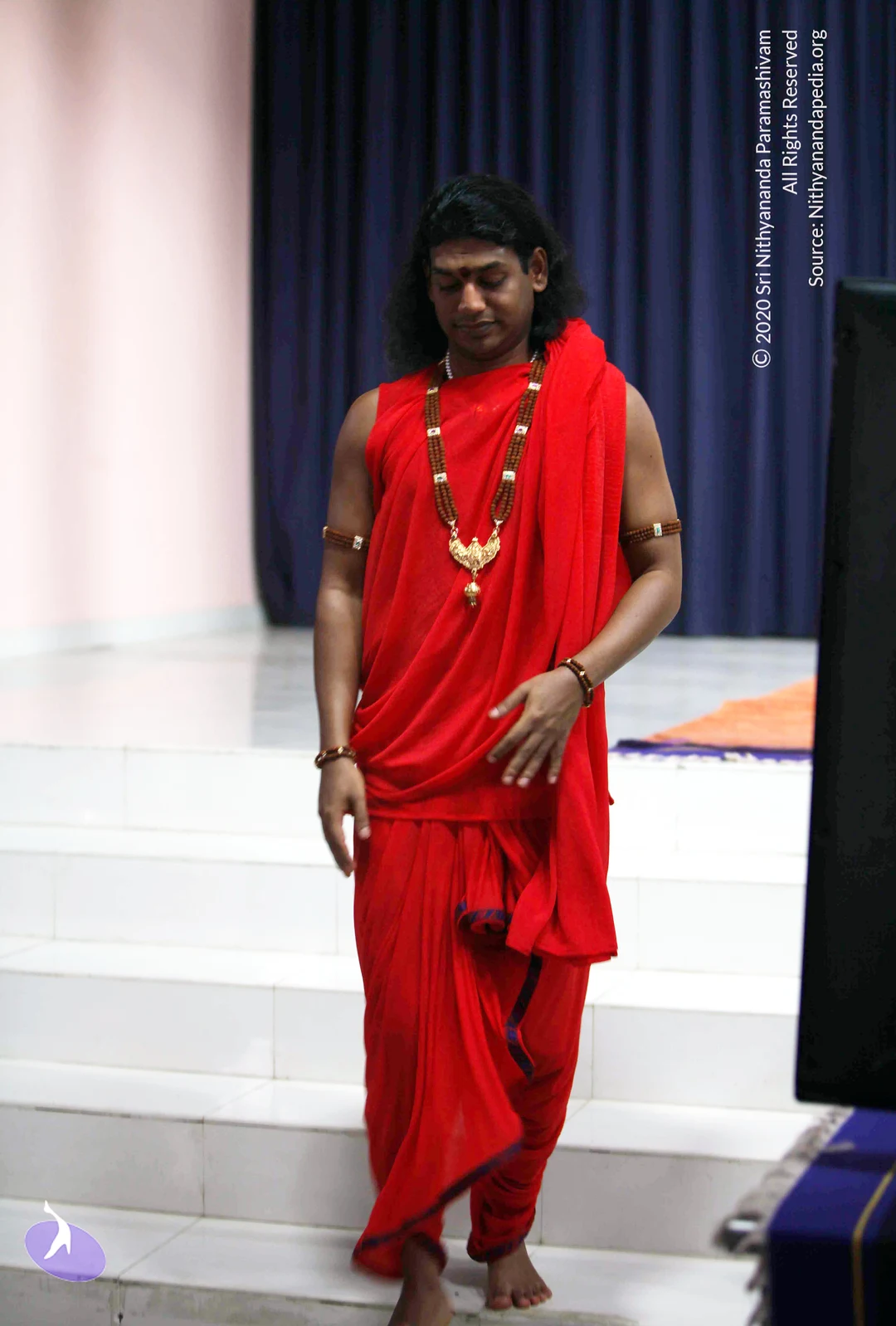
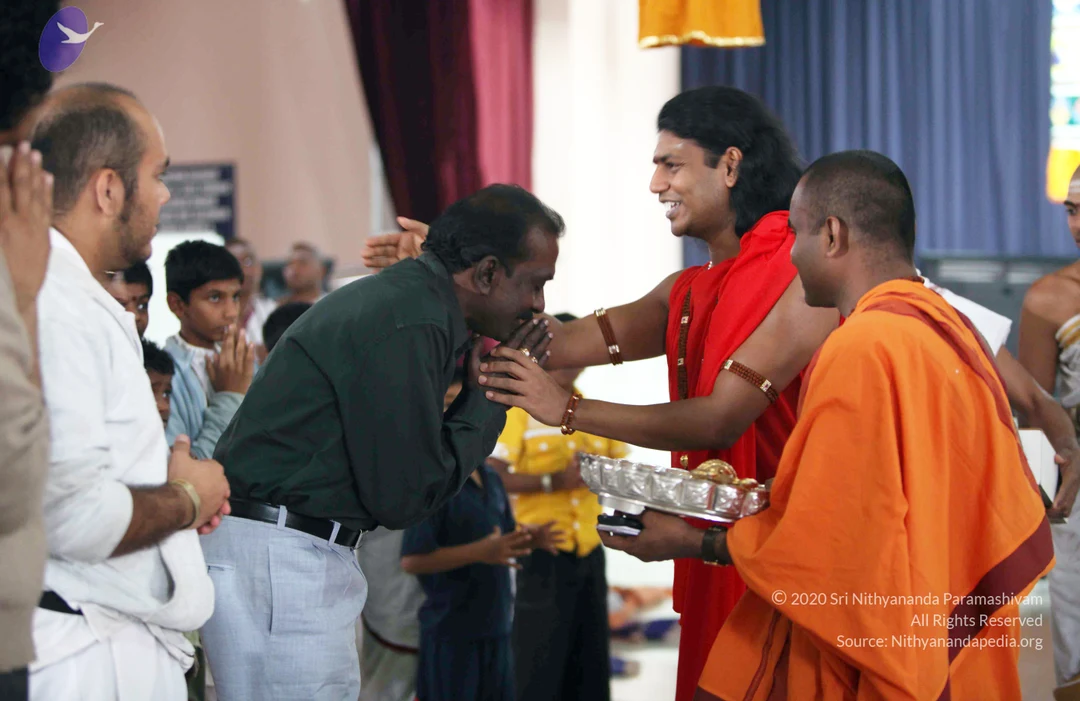
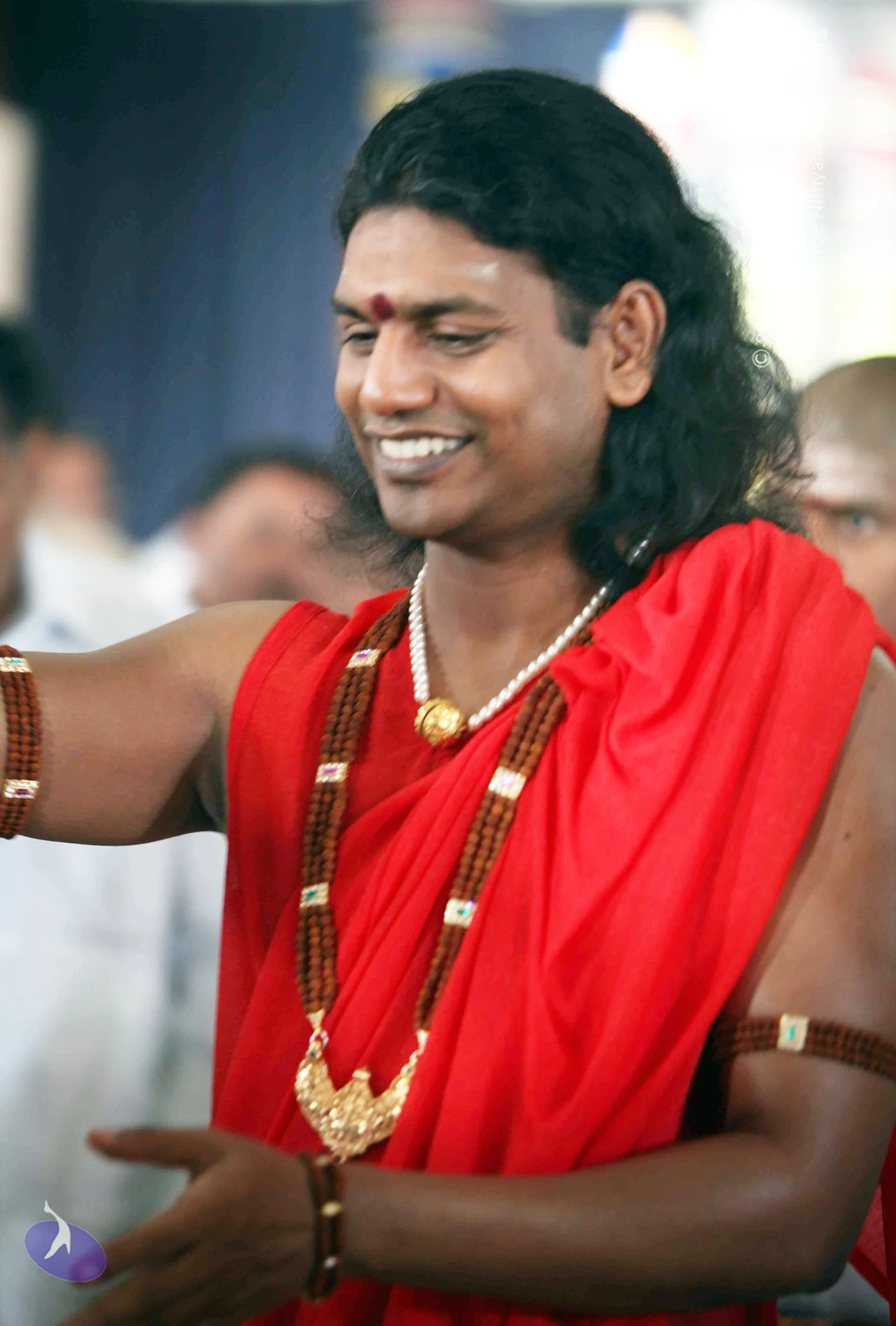
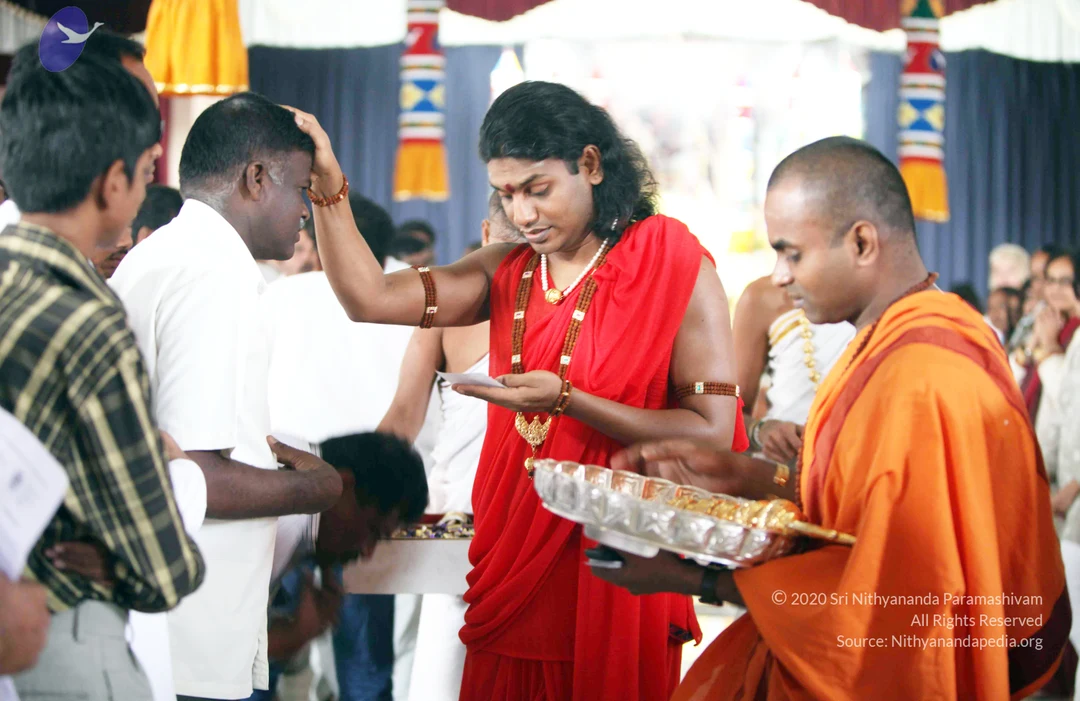
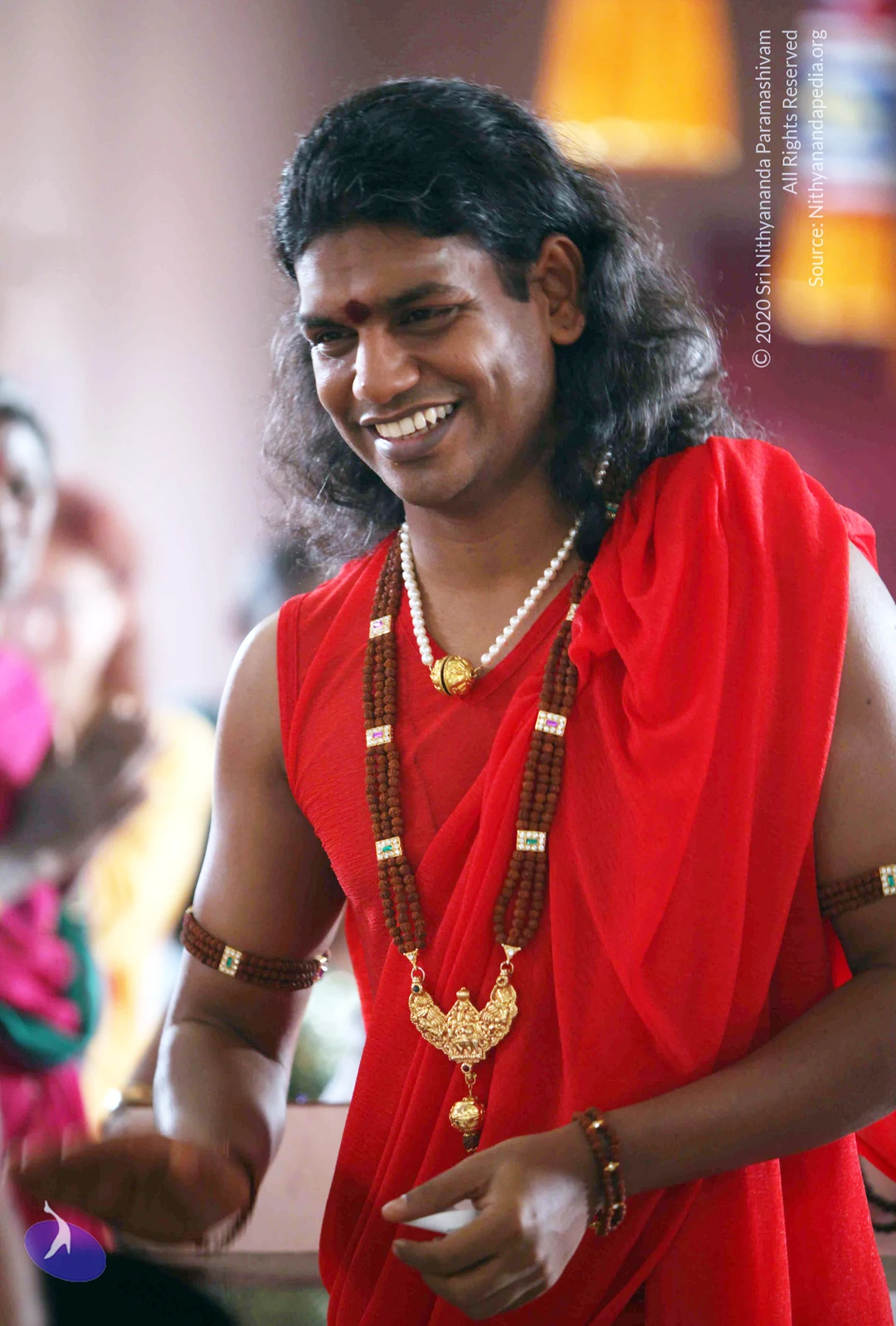
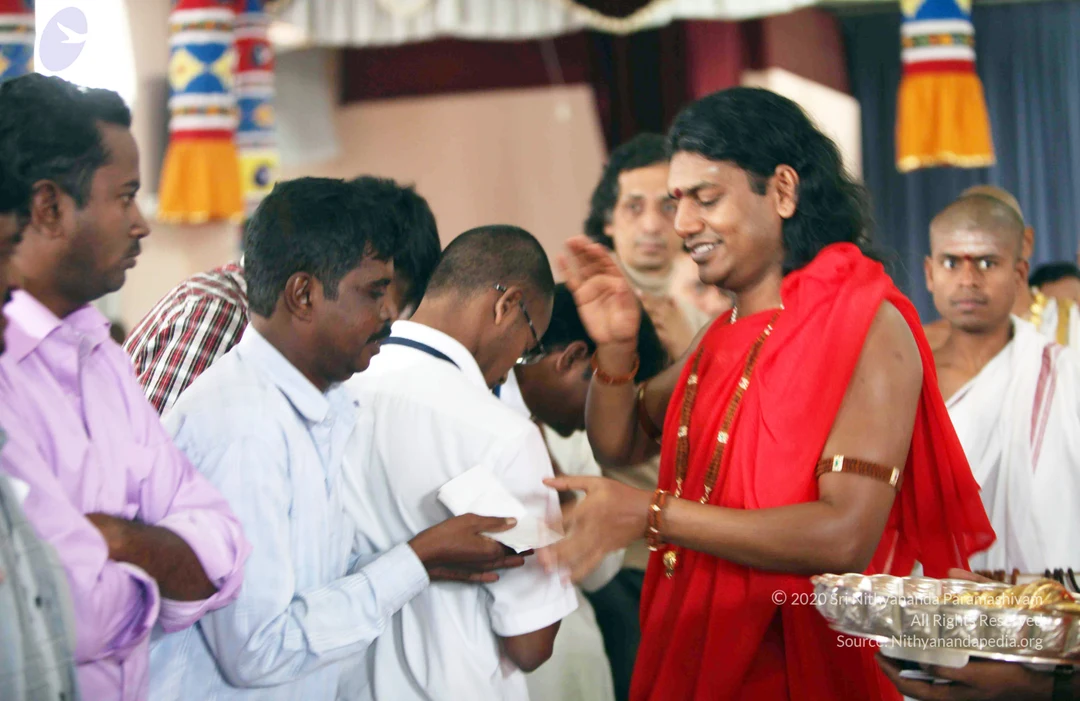
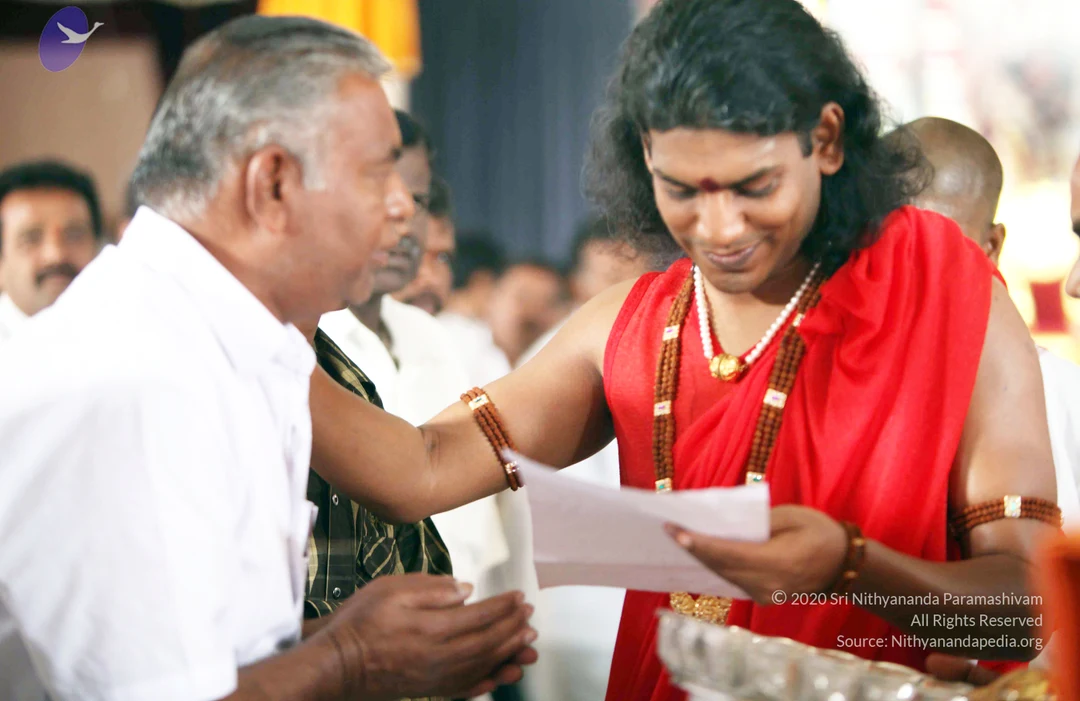
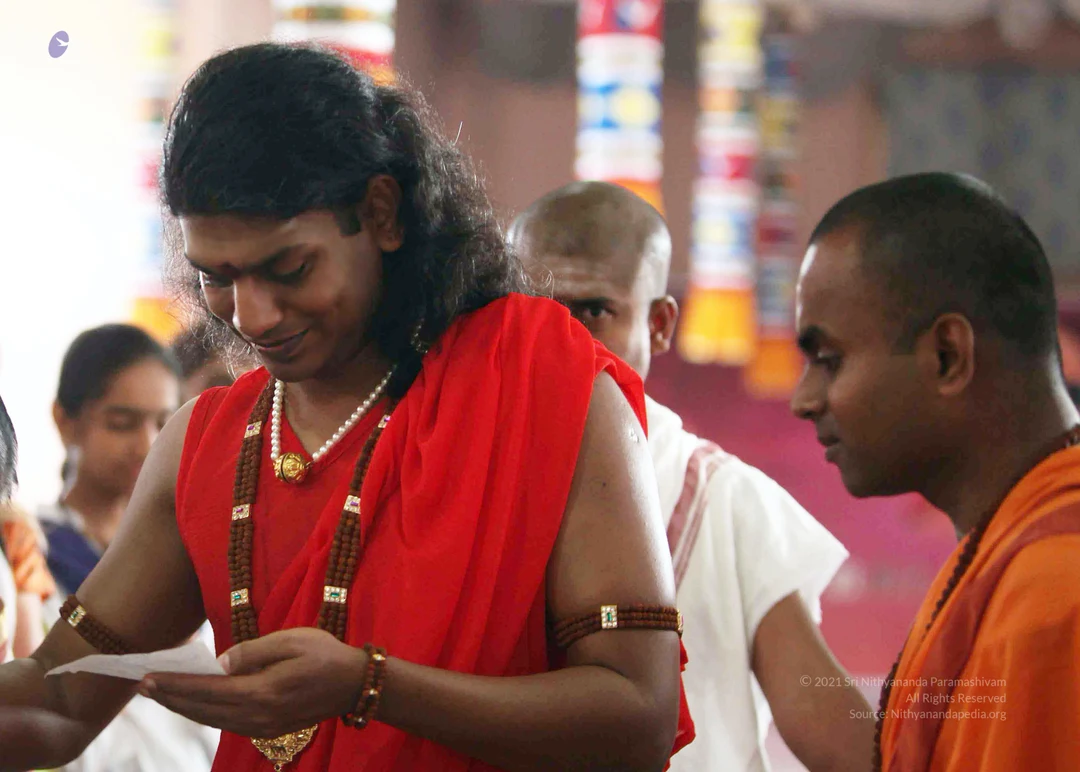
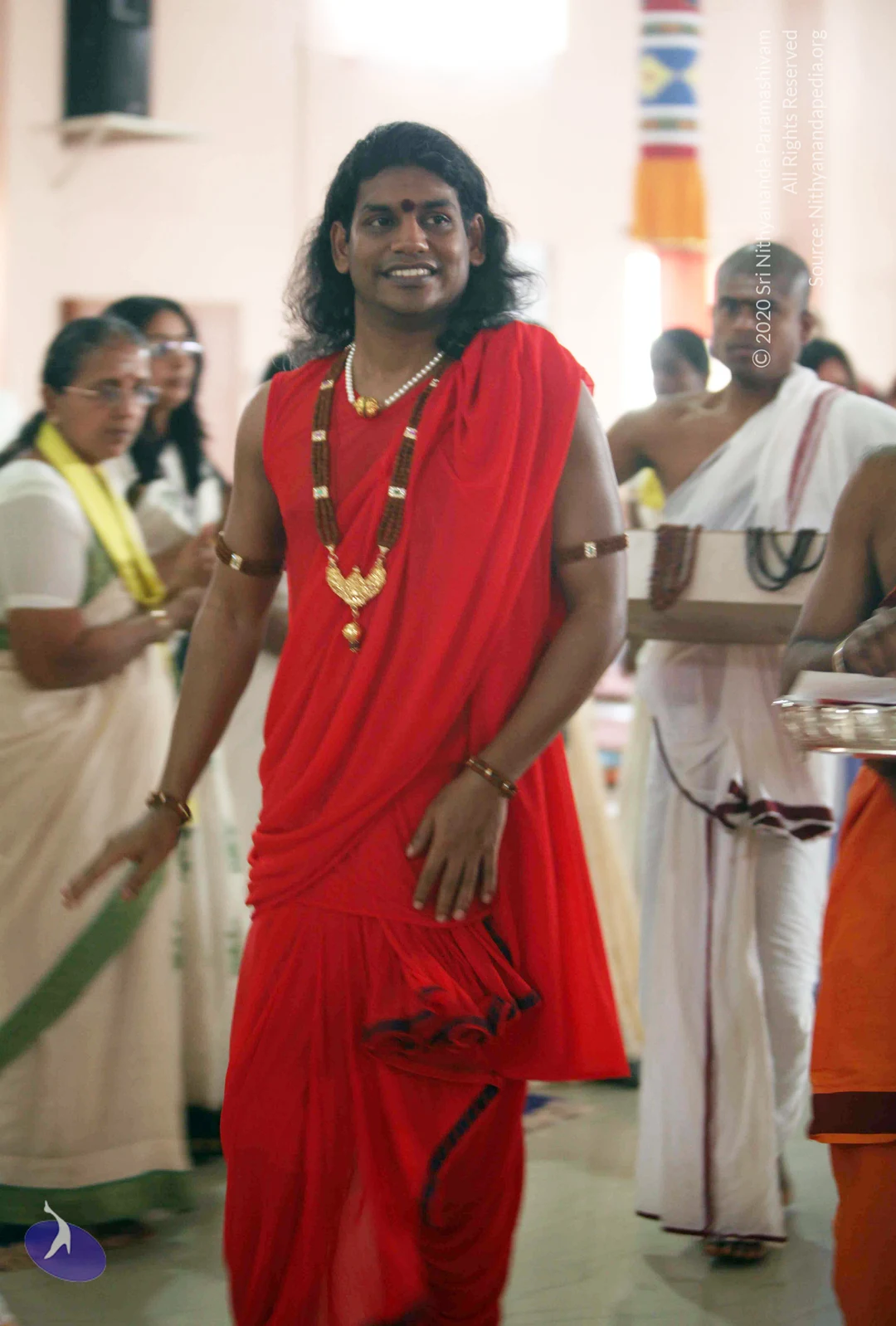
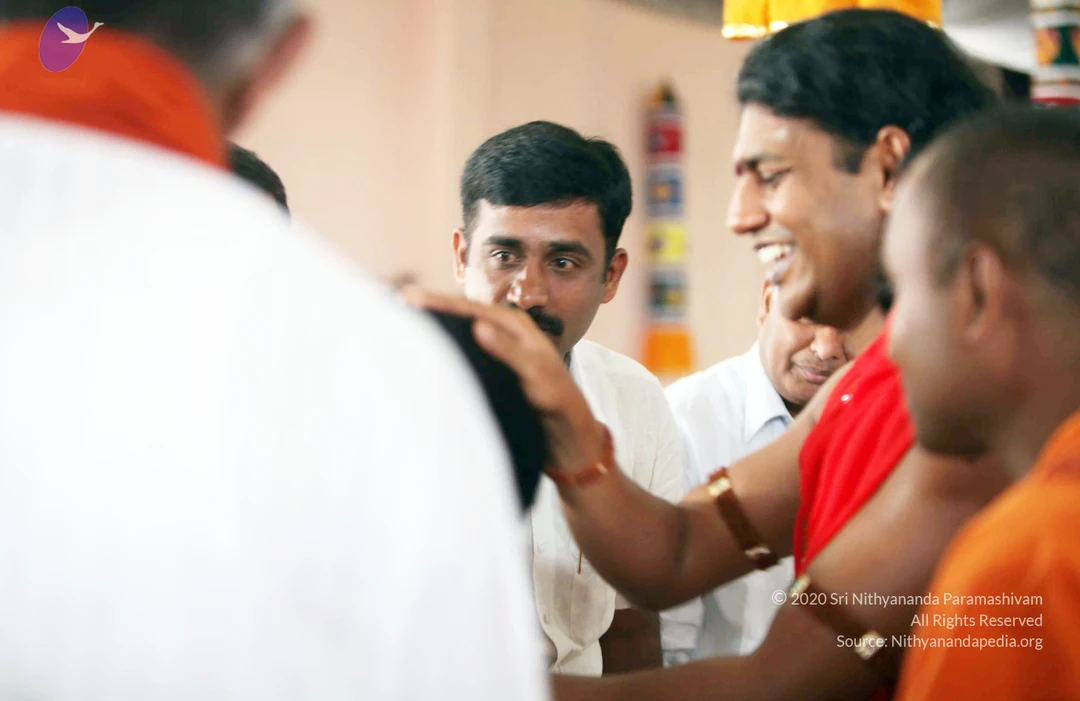
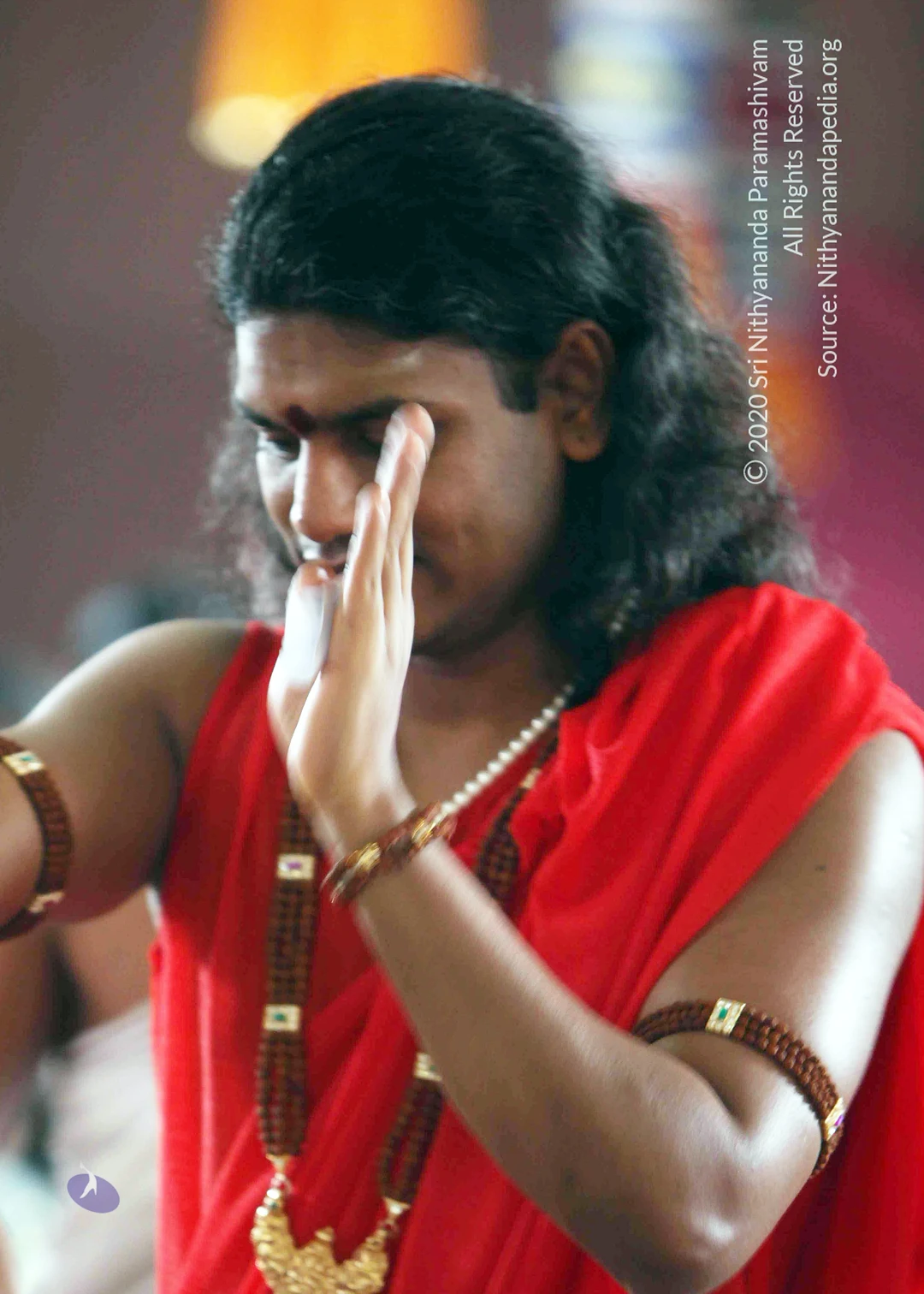
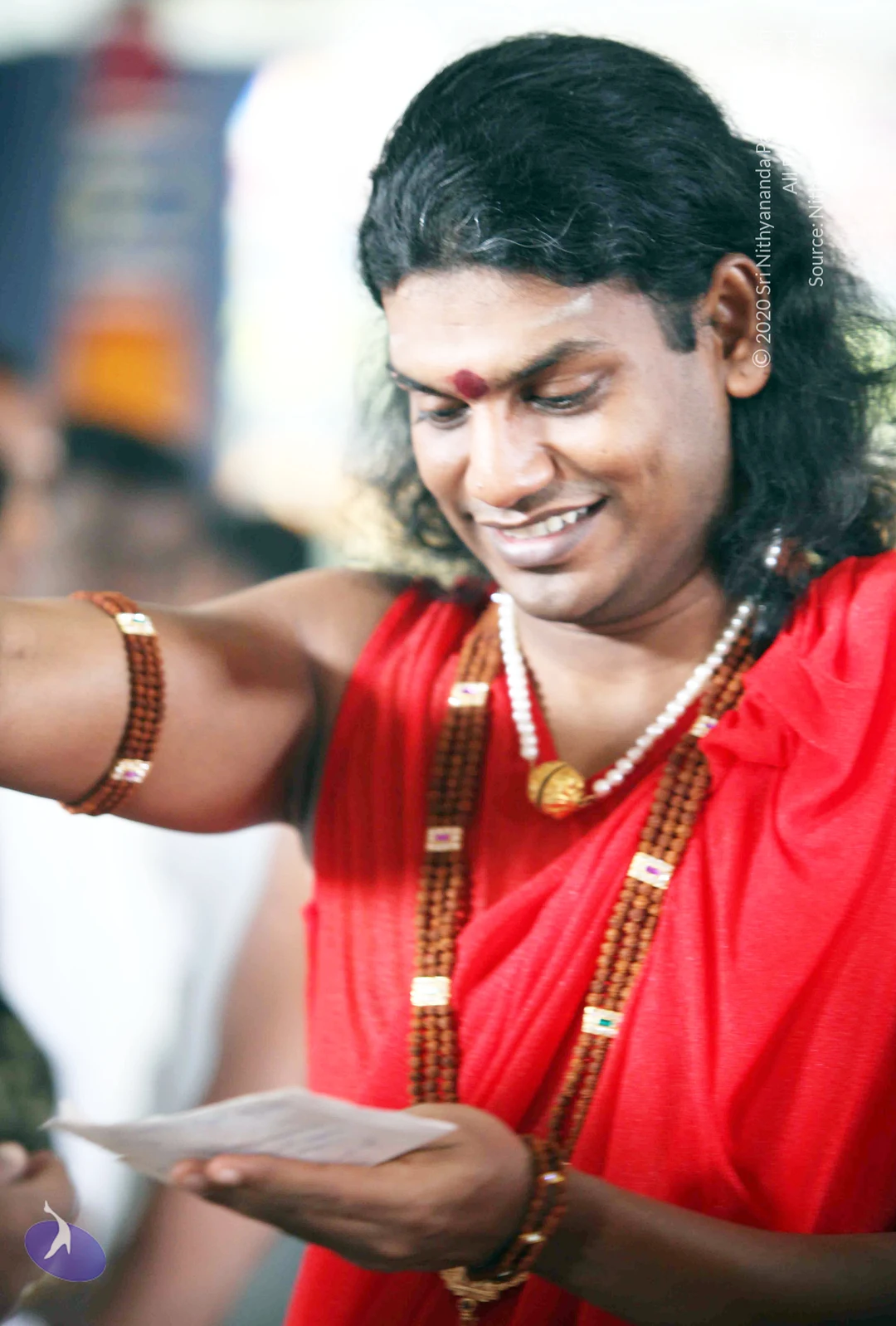
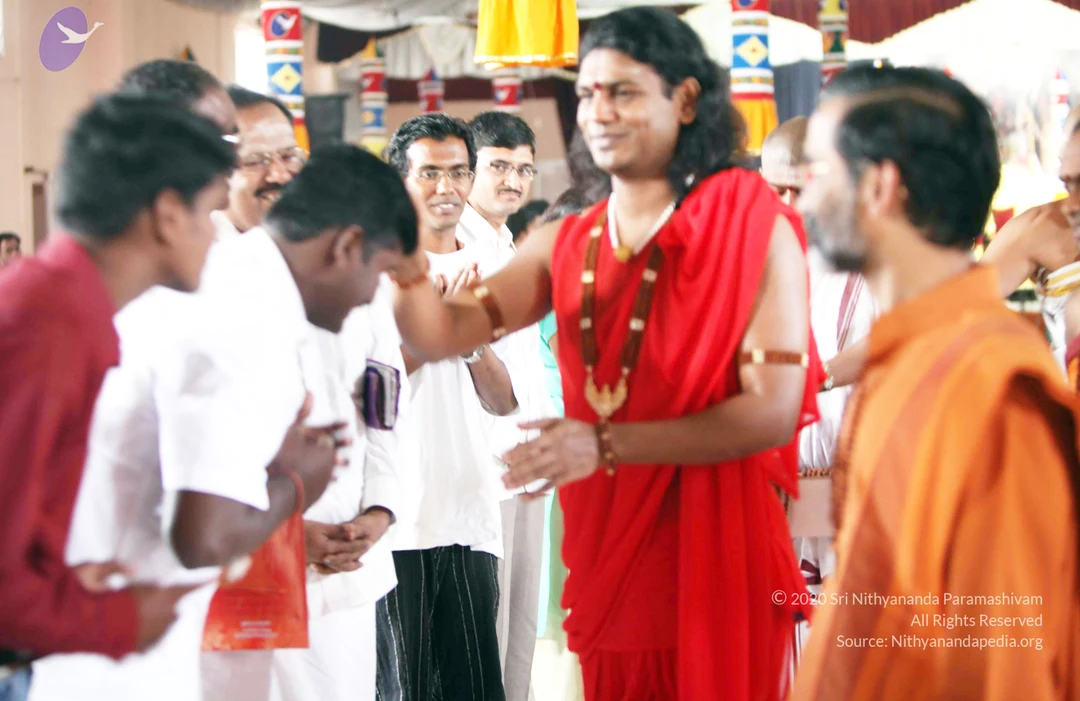
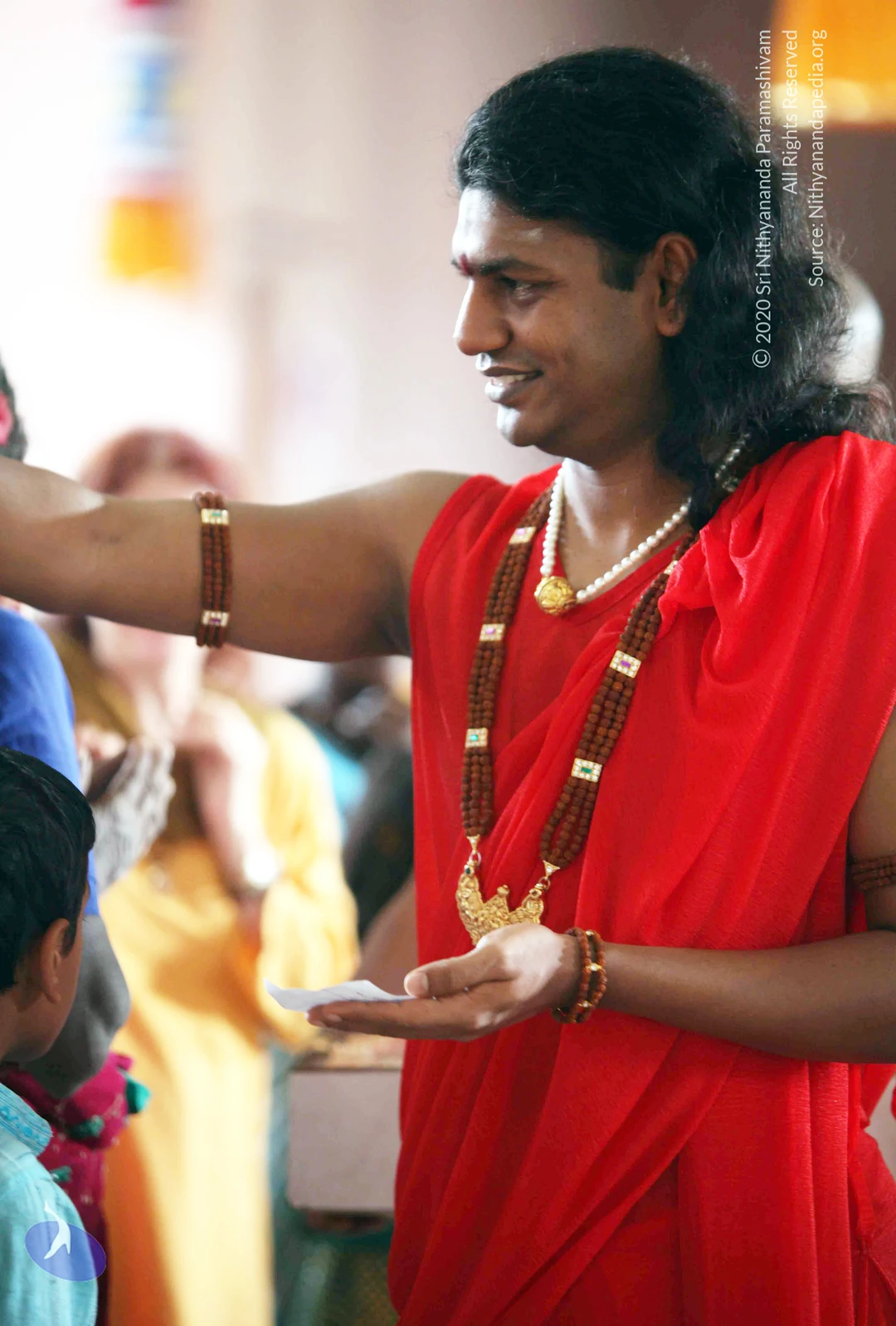
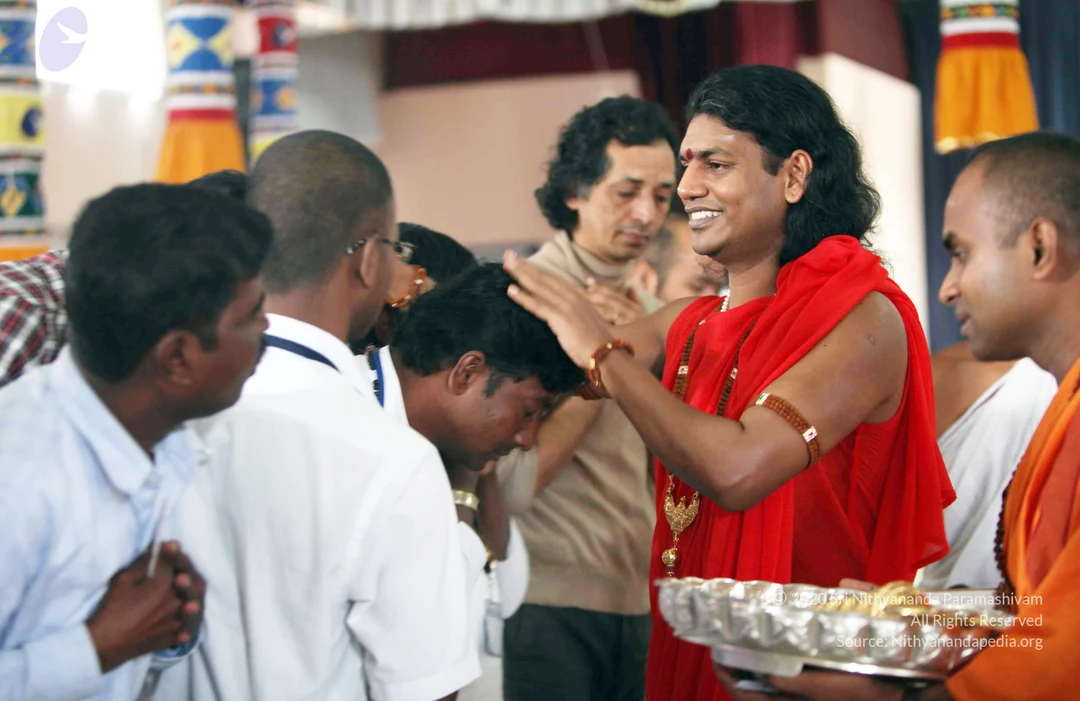
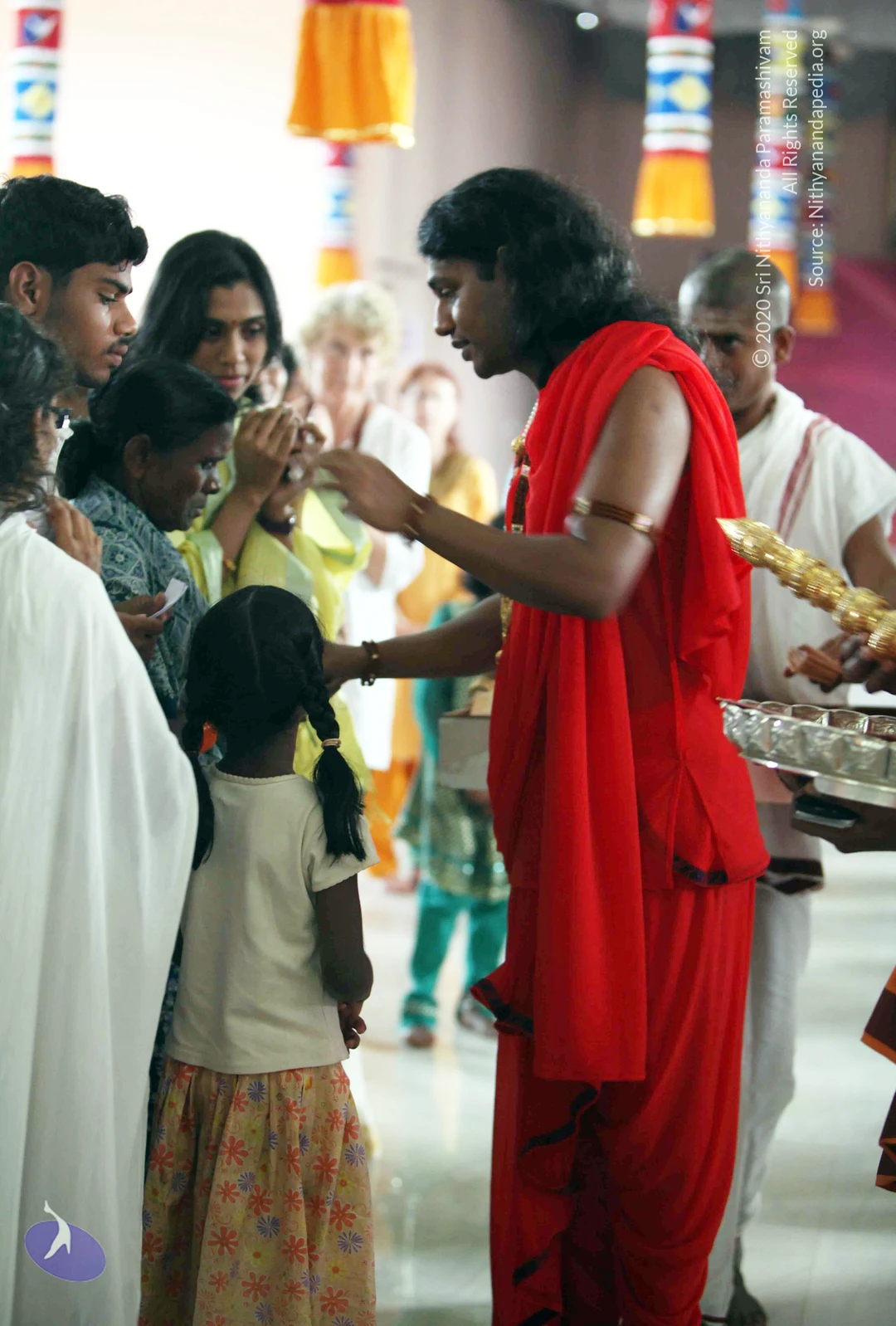
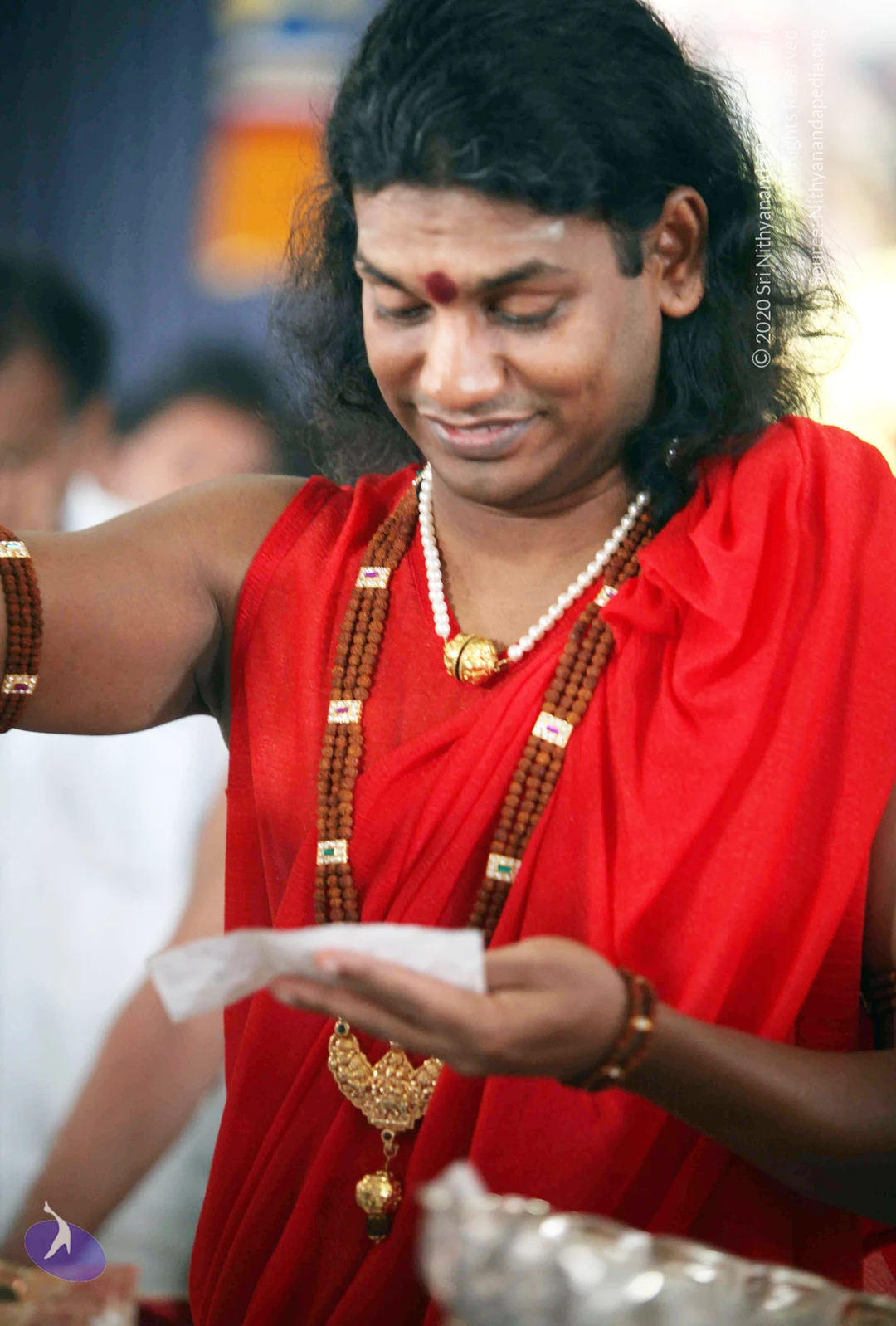
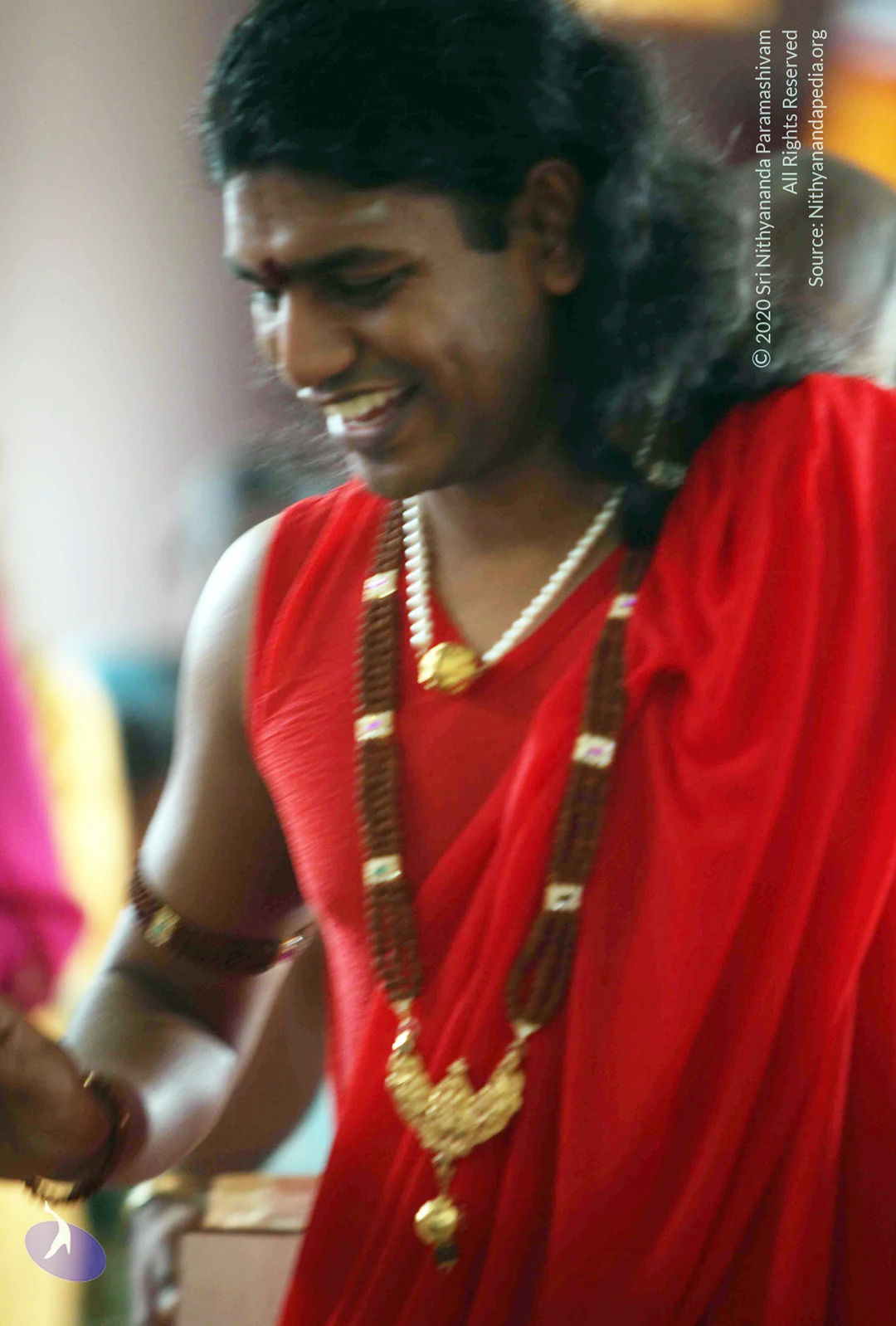
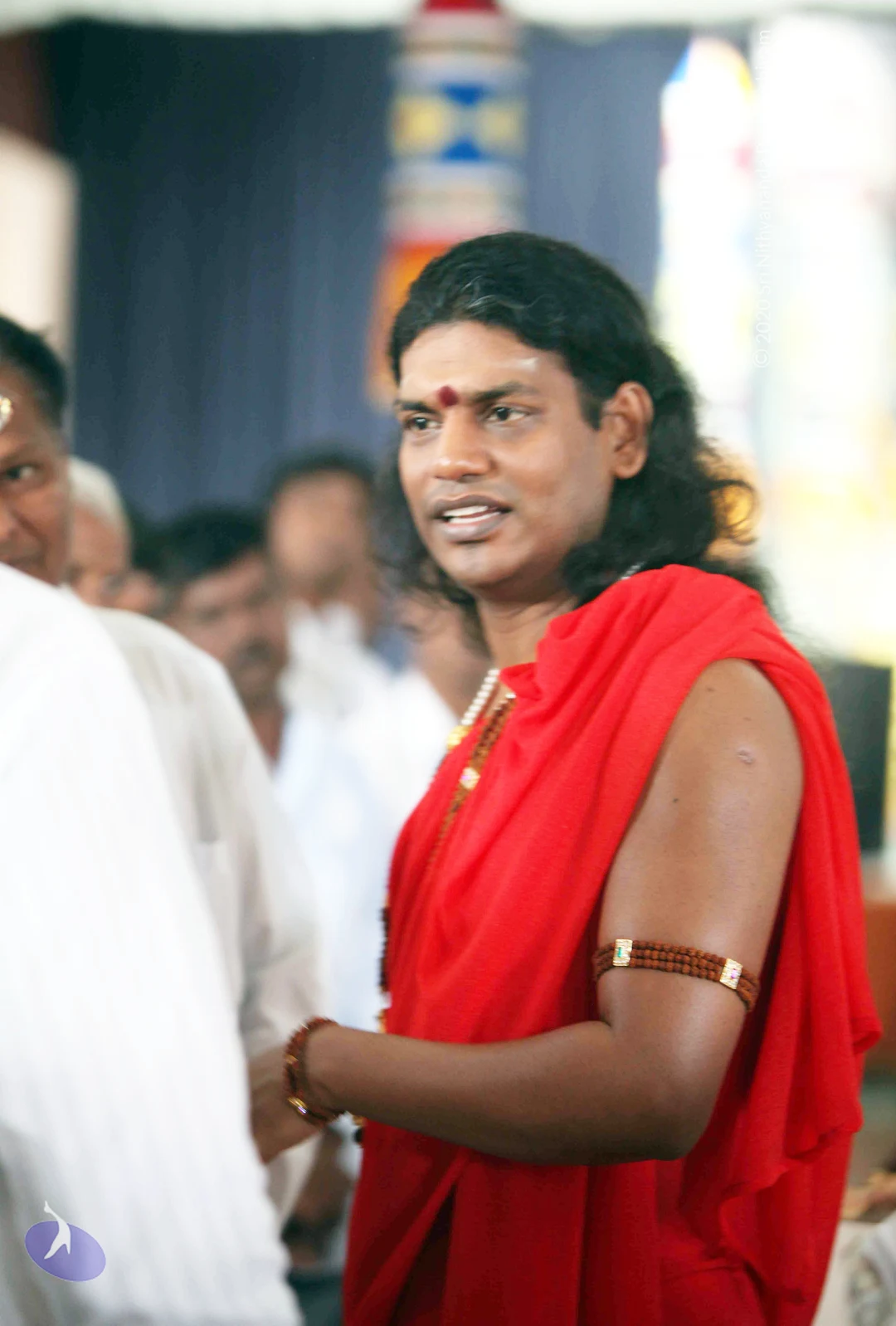
Photos from this day
View all 314 photosPanchatapas
2 photosSource gallery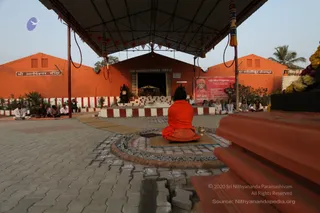
Paadapooja
9 photosSource gallery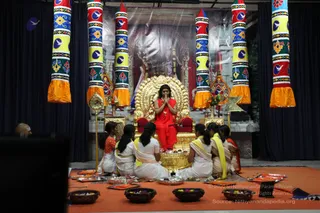
Nithyananda-Satsang
2 photosSource gallery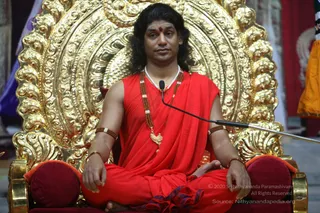
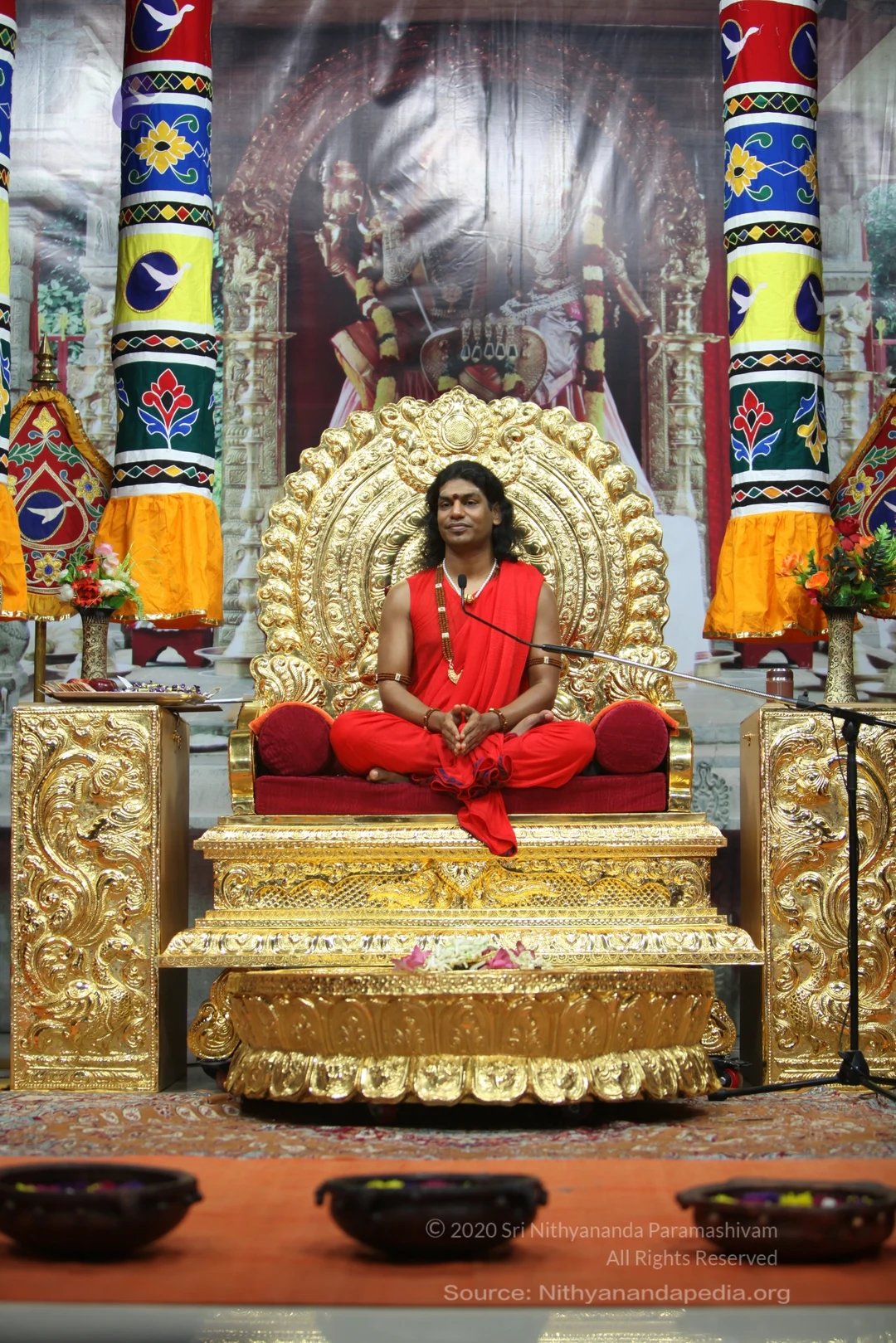
Sarvadarshan
13 photosSource gallery
01-Panch-Tapas
6 photosSource gallery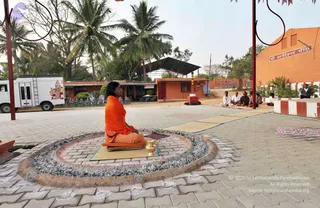
02-Pada-Puja
59 photosSource gallery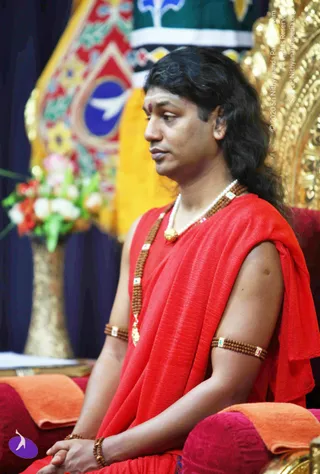
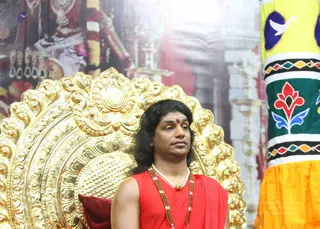
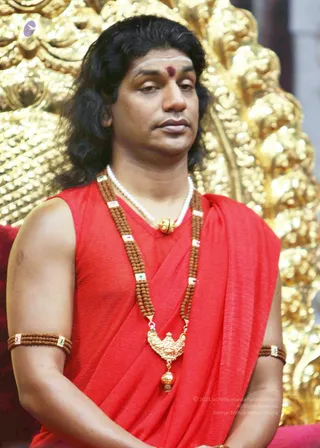
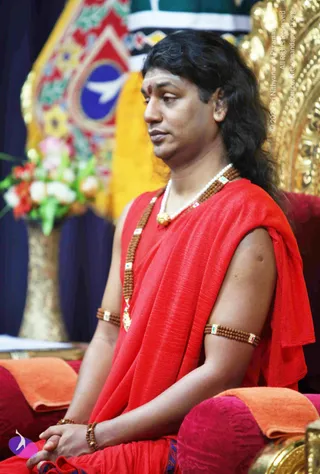
03-Morning-Satsang
120 photosSource gallery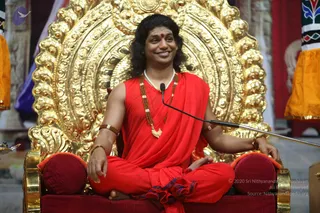
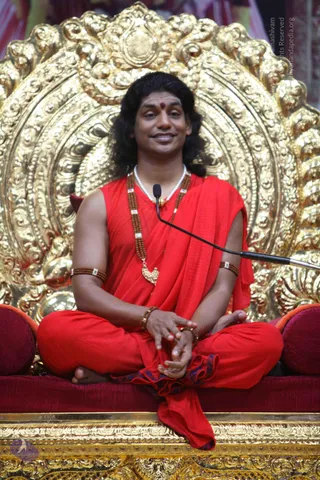
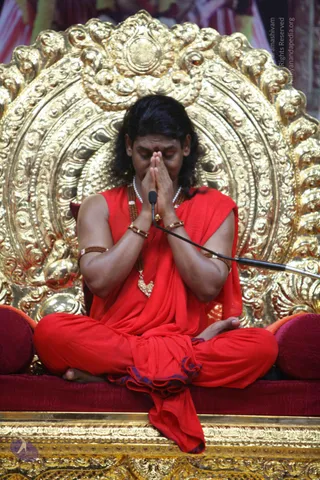
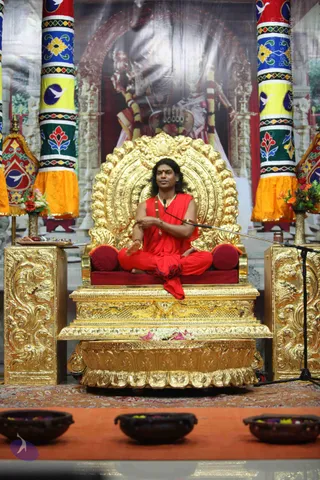
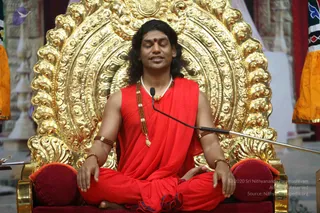
04-Sarva-Darshan
103 photosSource gallery