Wednesday
9 February 2011
No Mind State: Patanjali Yoga Sutras 115 - Nithyananda Satsang 9 Feb 2011
- Dated photos
- 268
- Source pages
- 1
- Media
- 2
February 09 2011
Original wiki pageTitle:
No Mind State: Patanjali Yoga Sutras 115 - Nithyananda Satsang 9 Feb 2011
Description:
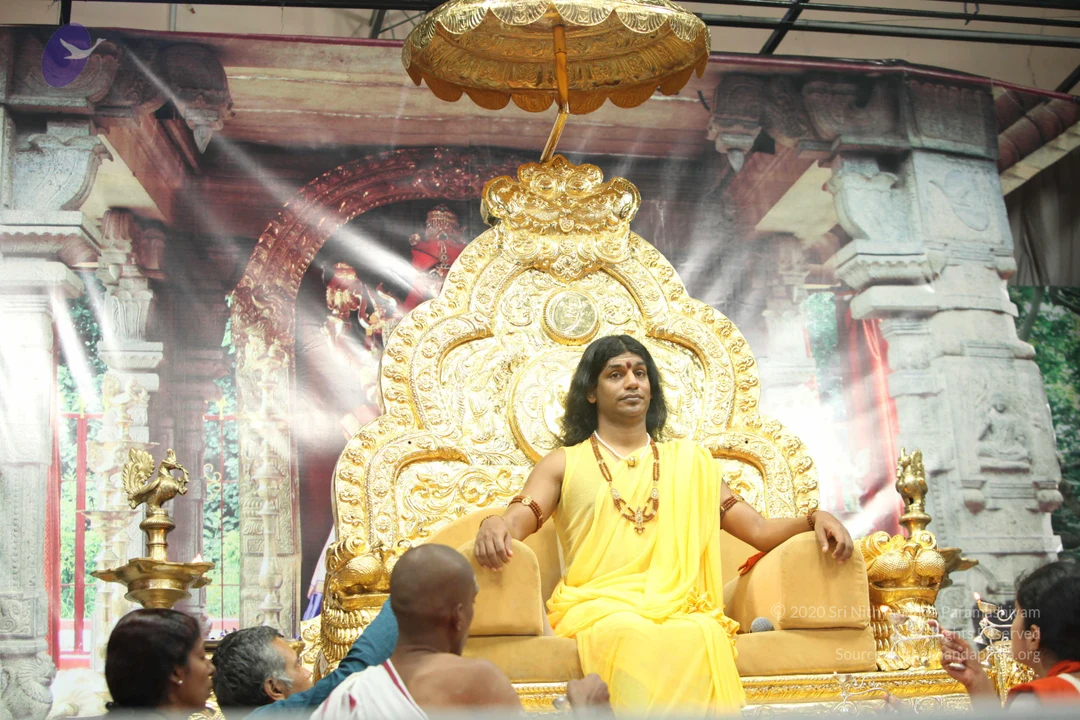
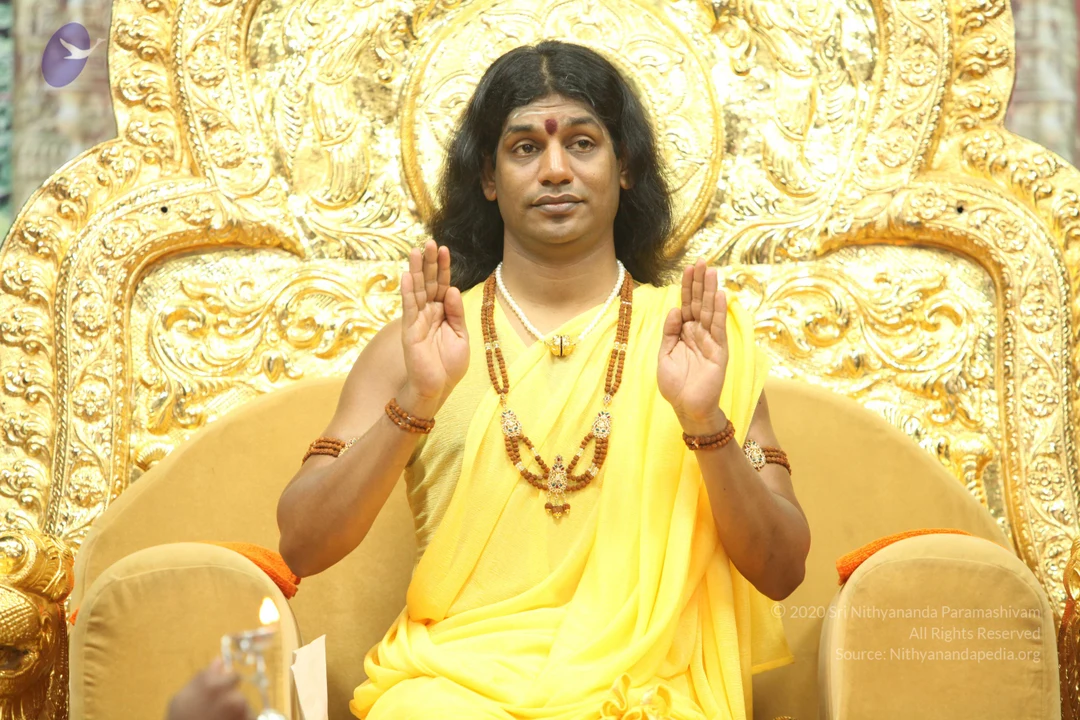
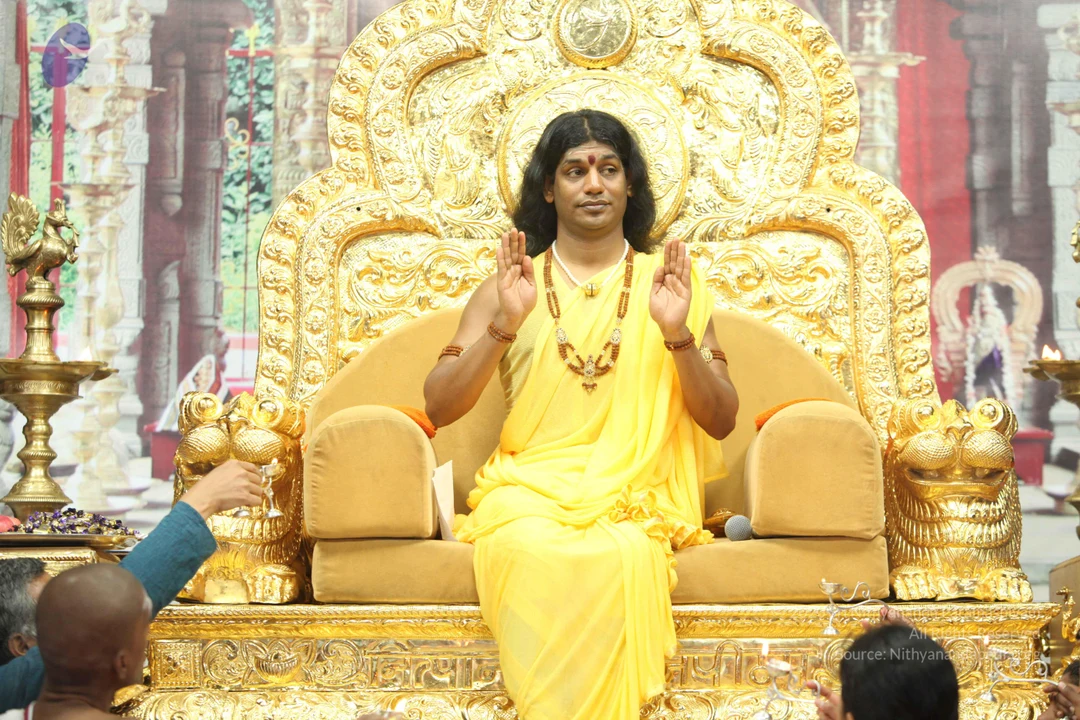
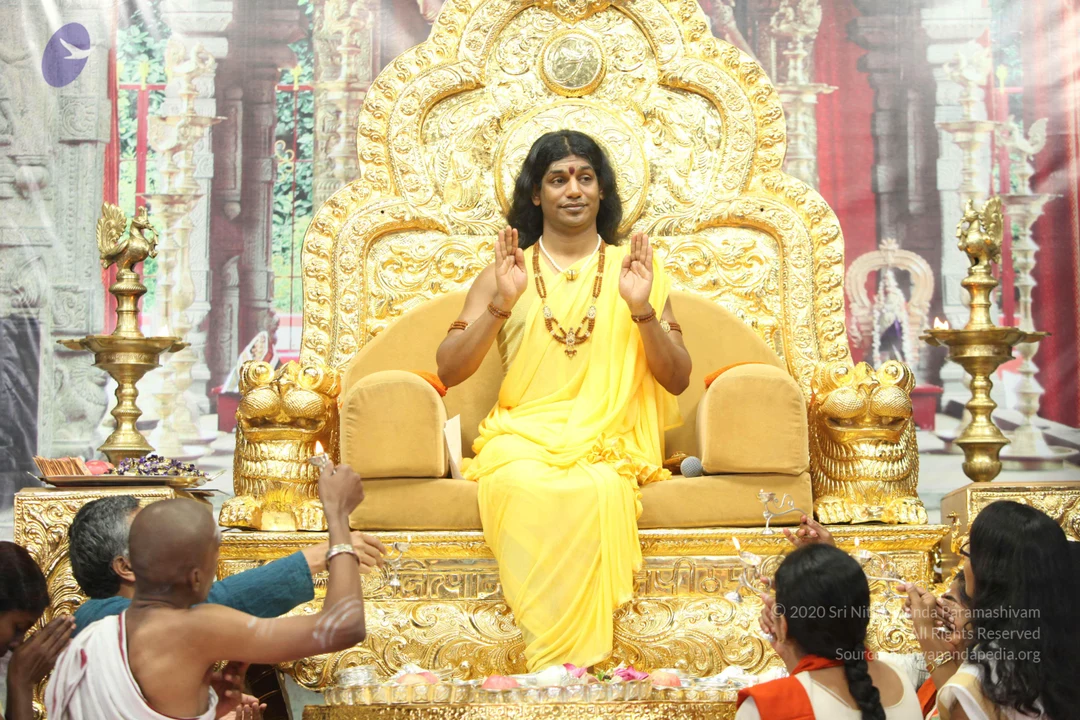
Living Incarnation and Avatar Paramahamsa Nithyananda started off his discourse with a riddle: "How can no mind state be explained and interpreted by mind? Very difficult, almost impossible. Only a mind which is in no mind and which can relate with the mind can tell about no mind to mind."
Without wasting the time in unnecessary efforts Patanjali is trying to explain a technical term called nirodha parinama. People, again and again, have a strong doubt, how can mind with so many thoughts and perversions, lead us to no mind space beyond mind? Because for any thought to disappear, you need some other thought to come there. How is unclutching possible from unclutching?
If this is answered logically to you, suddenly 95% of your spiritual sadhanas (practices) won't be required. By sadhana, your consciousness goes deeper and deeper and you make the qualitative breakthroughs in the consciousness, nirodha parinama. The qualitative shift in your inner space is responsible for your change.
A friend's house is never far away, so if enlightenment is your friend, the sadhana will never be far away or difficult, if you feel it's boring and difficult, then still enlightenment has not become a friend for you, the qualitative breakthrough, the qualitative shift in your consciousness.
He instructed everyone to do the following exercise: "Please understand, till tomorrow morning, have a liquid diet, the sharp part of your brain which is responsible for remembering smarana gets into marana 'death' if you have solid food. If you can, have a little Neem juice, it makes remembrance strong. Meditate on this one question, 'how can my mind with so many questions lead to the no-mind state? How can this lead me to the space where there is no thought?"
"Please understand, I'm giving you the clear technology, just understanding this can lead you to enlightenment. I'm not joking. I wanted to do this working on Yoga Sutra and Brahma Sutras as a mystery school. Every day I want to give you the proper technology, prepare you and be ready to take you to the next level, I want to strike when the iron is hot, after hitting, I'll cool it tomorrow and day after tomorrow I'll make it permanent."
Tomorrow's discourse will continue with this 'no mind' technology. Watch, share and like the videos and Subscribe to our channel to be notified of the next upload. click http://bit.ly/20j90wr to subscribe.
Link to Video:
| Video | Audio |
Transcription
(0:40)
Sadāshiva samārambām shankarācharya madhyamām Asmadācharya paryanthām vande guru paramparām.
(1:29)
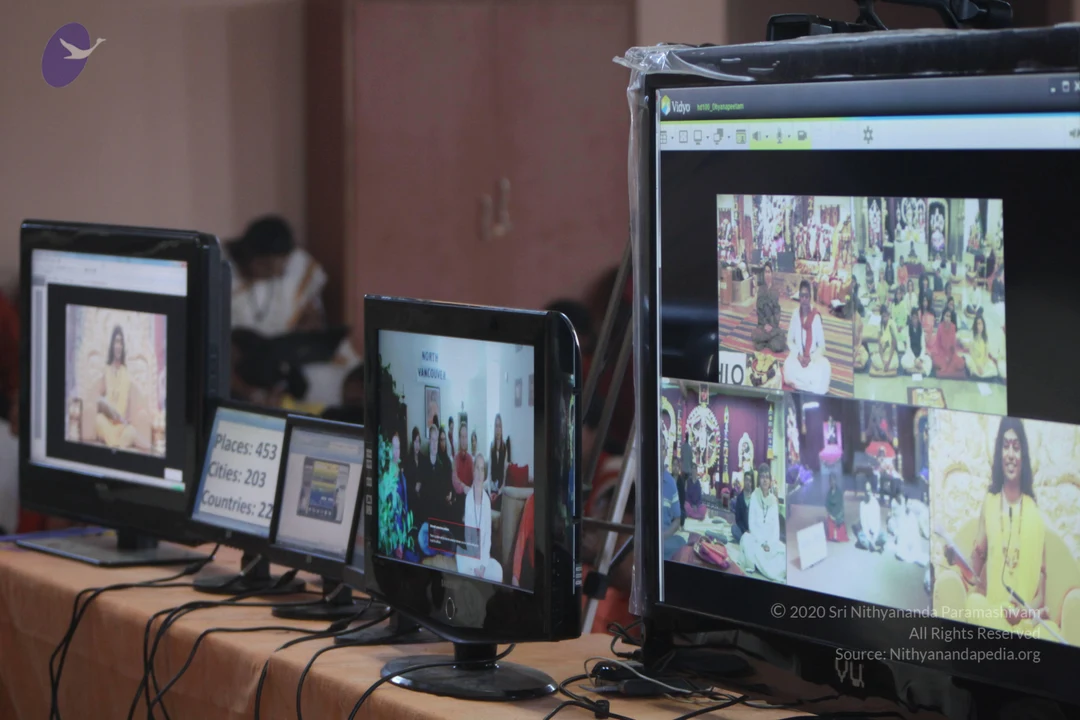
I welcome you all with My love and respects…. I welcome all the devotees who are sitting around the world with us in 453 places, 203 cities and 22 countries. 7 cities I am able to see Los Angeles, San Jose, Seattle, Ohio, Hyderabad, North Vancouver and Redondo Beach. These are the cities I am able to see. But all other cities, 453 places and 203 cities, 22 countries are going to see us. So just wanted to remind all of you, get into padmasana or vajrasana or sukhasana, samana mudra and unclutched mood. We will start the eN effect.
(3:04)
Let’s enter into the sutra, 115th sutra of Patanjali’s yoga sutra and the 3rd chapter, 9th verse. The subject for today’s satsang is ‘No Mind State’.... One of the most searched word in the spiritual world, in the internet - no mind state. How can no mind state be explained and interpreted…. by mind? Alright, I can say almost in a way impossible. Only a mind which is in no mind and which can relate with mind, only can tell about no mind to mind. The mind which is in no mind, able to relate with mind, only can tell about no mind to mind…. Let’s see how Patanjali gracefully puts the state of no mind in the words with which minds can understand “Yutthana Nirodhah Samskara abhibhava Pradurbhavau nirodhah Ksana Chitta Anvayah Nirodha Parinamah” Now itself I am saying I will expand on this sutra for three days. Masters like Patanjali will not use the same word three times without a solid reason. Understand Patanjali is not just a guy who knows the theology and spiritual ideologies. No. He is a grammatic.
(6:38)
Somebody goes to Bernard Shaw and asks, ‘Sir you have written an amazing book; 40 page book. Theories and truths expressed in that book is amazing. You could have written a bigger book. You did not have time’. He said “I did not have time, it's true but if I had time I would have written a smaller book; not bigger. Because I don’t have time I am not able to edit and reduce the words and I just spelled it out. If I had time I would have reduced this 40 page to at least 20”. Understand, people who have time, people who can, they say things in less words…. Patanjali not only a powerful teacher, an amazing grammarian; that is why I say he is a unique combination, he is an extraordinary combination. He is an unimaginable combination to express the no mind state in the sweet poetic language of Sanskrit.
(8:14)
He is using the word nirodaha at least three times in this sutra. So for every nirodha I will talk one day. He is using the word nirodha three times in this sutra “Vyutthana Nirodhah Samskara abhibhava Pradurbhavavau nirodhah Ksana Chitta Anvayah Nirodhah Parinamah”
(9:05)
Let’s see how Swami Vivekananda translates this sutra: by the suppression and the disturbing impressions of the mind and by the rise of impressions of control, the mind is persist in that moment of control is said to attain the controlling modifications. Swami Prabhavananda translates as: when the vision of the lower samadhi is suppressed by an act of conscious control so that there are no longer any thoughts or visions in the mind that is the achievement of control of thought waves of the mind. Swami Sachidananda translates as: the impressions which normally arise are made to disappear by the appearance of suppressive efforts which in turn create new mental modifications; the moment of conjunction of mind and new modifications is nirodha parinama. Nirodha parinama is the transformation of the mind in which the mind becomes permeated by the condition of nirodh which intervenes momentarily between an impression that is disappearing and the impression that is taking its place.
(10:59)
I will explain step by step this sutra. In this sutra Patanjali is trying to dissolve an important doubt a seeker will face in his journey; an important question all seekers will face in their journey. If this doubt is clarified if this doubt is answered the seekers journey will be lot easier. And it will be lot better without wasting the time in unnecessary efforts…. Patanjali is trying to explain a technical term called nirodha parinama…. I can say this is one of the oldest doubt, one of the oldest question all the seekers have. How can a mind with so many thoughts and patterns lead us to no mind state? It almost looks impossible. Somebody asked Me, “Swamiji is it not like crime to go to the moon with a bullock cart”. I said don’t make things difficult with these wrong examples. Relax!.... But people again and again have a strong doubt; ‘how can…. mind with so many thoughts, perversions, suppressions, lead us to no mind states beyond mind. How is it possible?’ Because any thought, for it to disappear you need some other thought to come there. How can unclutching is possible from unclutching?... Why is this oldest question still remains unanswered?
(14:44)
I tell you if just this question is answered logically to you suddenly 90% of your spiritual effort will not be required. You don’t need to do spiritual sadhanas which you think. Your spiritual path and the sadhana will be made too easy. Your spiritual efforts will be reduced at least 90%. First, I think, I want you to understand the importance of this difficult question, this strong question and the meaning of this very problem. By not understanding this problem how ignorantly you waste your time and energy and effort in wrong sadhanas. How by understanding this problem you can just disappear in Enlightenment, no mind state without any sadhana. I can say understanding this sutra is the technique; just understanding this sutra is a technique for instant Enlightenment. So I want to prepare you thoroughly for that. All the dangers and difficult questions we have, all the ignorant endarkening sufferings we have, all the tamasic and rajasic misunderstandings we have; everything boils down to one question, how can the mind lead us to no mind? How can the mind lead us to no mind?
(17:38)
I think, I would really want all of you to use this chance of getting instant Enlightenment. I don’t want you guys to miss this chance of getting instant Enlightenment. Because understanding about this problem this doubt will suddenly take away the fatigue and the hatred, tiredness you carry about the spiritual practice…. Spiritual practice is not something supposed to be done quantitatively for ever and ever and ever. No. It is the shifts which happen in you qualitatively whenever you are ready. Please understand, it is not like 12 years early morning everyday you will do some same set of things and the 12th year, because your bank balance is full and attendance is complete and you are given a certificate, you are Enlightened and all. No. You may ask then why sadhana? Because this sadhana, everyday your heat goes up. Your intelligent goes up and you take a deeper and deeper shift. You change your Consciousness. You take a just jump in the Consciousness. The qualitative jumps in the Consciousness; the qualitative breakthroughs in the Consciousness is what I call nirodha parinamaha. The nirodha parinamas the qualitative shifts in your inner space is responsible for your Enlightenment. That takes away the tiredness and fatigue and hatred you carry for sadhana.
(20:14)
Please understand, a friend’s house is never far away. Even if it is 100 kilometer you will not even remember it is 100 kilometer away. When we started the ashram here all the devotees in Bangalore felt ohhh 30 kilometers away, it is far away. I said don’t worry you will not even remember it is 30 kilometer. And I know devotees who come regularly, they don’t even remember. When they sit in the car in the house they know they are going to see Swamiji, when they see Swamiji they know they are here; that’s all. Friend’s house is never far away. So if Enlightenment is your friend, Enlightenment is your friend the sadhana will never be far away. If you are feeling sadhana is tire, sadhana is tiring, it is boring, it is creating fatigue in you, then still Enlightenment has not become friend for you. Enlightenment will become friend for you only if you understand the nirodha parinama, the qualitative breakthroughs, qualitative shifts which you need to experience in your Consciousness.
(21:44)
I really wanted to blast on this subject today. I am fully prepared, ready. But I think I am not going to speak just because I am ready. I am going to speak only after making you ready…. If I speak just because I am ready it’s almost like catharsis. No use. I have tremendous respect for Patanjali. With what passion and joy He would have written these sutras I know. Every day when He expresses these great truths He would have seen 1000s of people blossoming, flowering, having the breakthrough in the Consciousness; quantitative not just qualitative; quantitative and qualitative shift in the Consciousness. He would have been enjoying, He would have been getting the ecstasy, He would have been flowering more and more seeing the more and more disciples flowering. I wanted to honor the joy and sentiment out of which this great rishi would have created these sutras. I will honor these sutras only if I also see more and more people flowering with the understanding of this great sutra; not just giving an intellectual theological seminary just because I am ready. No. I want you to be ready.
(23:49)
So today I wanted to give this exercise to all of you people all over the world who are attending this satsang. Please understand 453 places, and 203 cities, and 32 countries at this moment; till tomorrow morning you come for Satsang have liquid food, liquid diet; because unfortunately the moment you add solid food to your body the sharp remembrance part of your brain the part of your brain which is responsible for remembrance stops working. The smarana, the non mechanical part of your brain which is responsible for smarana gets into marana - dead. The memory part dies. So for next 24 hours till you come back tomorrow morning have liquid diet. If you can, have little neem juice because neem makes the remembrance power strong. There is a part of mechanical, non mechanical part of brain in you which is responsible for sharp remembrance, clarity in visualization that will be awakened when you drink neem juice. So I am asking you to be on liquid diet means you can drink any number of juice, juices; any amount of juice. Have liquid diet, no solid food; have neem juice.
(25:53)
Meditate on this one question; ‘how can my mind with so much of thought lead me to no mind state. How is this possible?’ Because you suppress one thought, I will create another one thought. To unclutch from one thought I have to create at least the thought of unclutching. How can this lead me to the space where there is no thought, where there is no suppression, where there is no modification and where there is no mind? Understand three instruction; First no solid food, only juice. Second at least 100ml of neem juice. If you don’t get neem juice at least five leaves of, five neem leaves. Third instruction; see first two instruction is for third instruction. Don’t miss third and just do first two. No. The third is important. Go on hammering your mind ‘how can this mind filled with so many thoughts lead me to the space of no mind!’ because even the thought of unclutching is one more thought. I am not able to unclutch without bringing a thought of unclutching. How will this be possible?
(27:35)
Intensely remember, contemplate, squeeze your brain just with this one thought……. if you have. Squeeze your brain just with this one thought. Please understand I am giving you the clear technique because just understanding of this nirodha parinama can lead you to Enlightenment. I am not joking or making fun or exaggerating. No…. I am giving you the exact understanding. Sorry last number which I read was wrong; because webinar was out at that moment. Really 595 places people are sitting, 224 cities and 24 countries.
(28:46)
Please understand I wanted to do this working on yoga sutra and Brahma sutra like a mystery school. Every day I wanted to give you a proper technique and prepare you, ready and then take you to the next level. I wanted to hit when the iron is hot. So I am making the iron hot. Tomorrow I will hit. And after hitting, day after tomorrow again we will cool so that it becomes permanent. So understand these three instruction; no solid food but any amount of liquid is ok. You can take 10 juice or 20 juice ok no problem, and neem juice at least once, 100ml. If you take neem juice, five neem leaves, Ok. Third; whole day contemplate while you are driving, sitting, talking, doing anything, contemplate.
(30:15)
Don’t think ehhh ... I can’t understand. Anyhow tomorrow Swamiji is going to tell; let me listen….. Why unnecessary think about all these things? No it is like plowing the land. I want you to plough your mind with this one question today. So that tomorrow when I put the seed immediately sprouting happens. So, today whole day think on this question again and again and again…. How can unclutching which is one more mental process lead me to no mind space? How can mind lead me to no mind? How can the thinking process can lead me to no mind state? Be drowned in this one question. Let this be your mental occupation. You will come up with so many answers. ‘No, no, no, Unclutching not using the word, by using the mood, can lead you to Samadhi’. Mood is also one more thought be very clear. ‘No, no, no, I practiced unclutching .....little.... I can .... ehhh this all why unnecessary it’s ok. Come on let me have my....
(32:11)
Your mind will either tire you or divert you or comfort you or console you saying ‘tomorrow we are going to know the answer why are you bothered so much. Why don’t you wait for 24 hours, Swamiji is going to answer’. No. I am not going to answer you. I want you to dig out and meditate and contemplate on this one question. What is nirodha parinama? How can mind lead to no mind state? You yourself dig out whole day. Tomorrow when you come literally your brain should have a special groove just thinking and contemplating and meditating on this one subject. Please understand if you think on any special subject very strongly it will become like a groove in your mind. You should have the groove tomorrow. Only then I can sow the seed of nirodha parinama. I can sow the seed of nirodha parinama in you only if you create this intense thinking, contemplating, seeking…. For few moments sit with this question now. I will see that this question gets into your non mechanical parts of the brain to the level of your Kundalini, bio-memory and whole day you work on this question. Close your eyes and sit in vajrasana and samana mudra…. Contemplate on this one question. How can mind, thinking process can lead me into no mind state?
(36:26)
Live, express, radiate and share the Eternal Bliss, Nithyananda. Thank you.
(36:33)
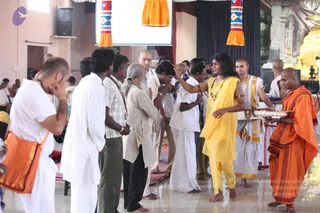
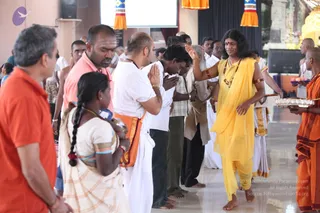
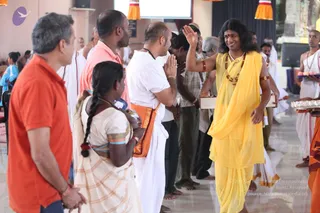
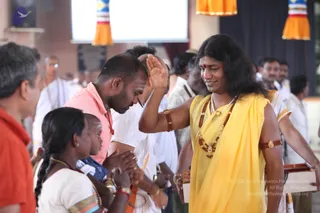
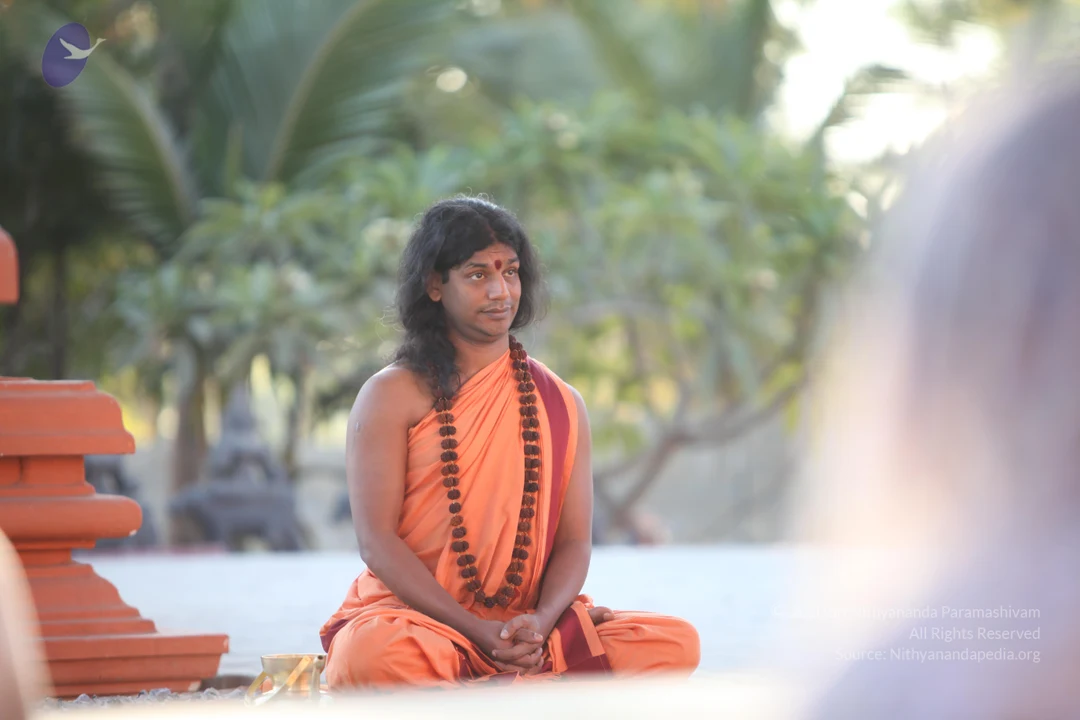
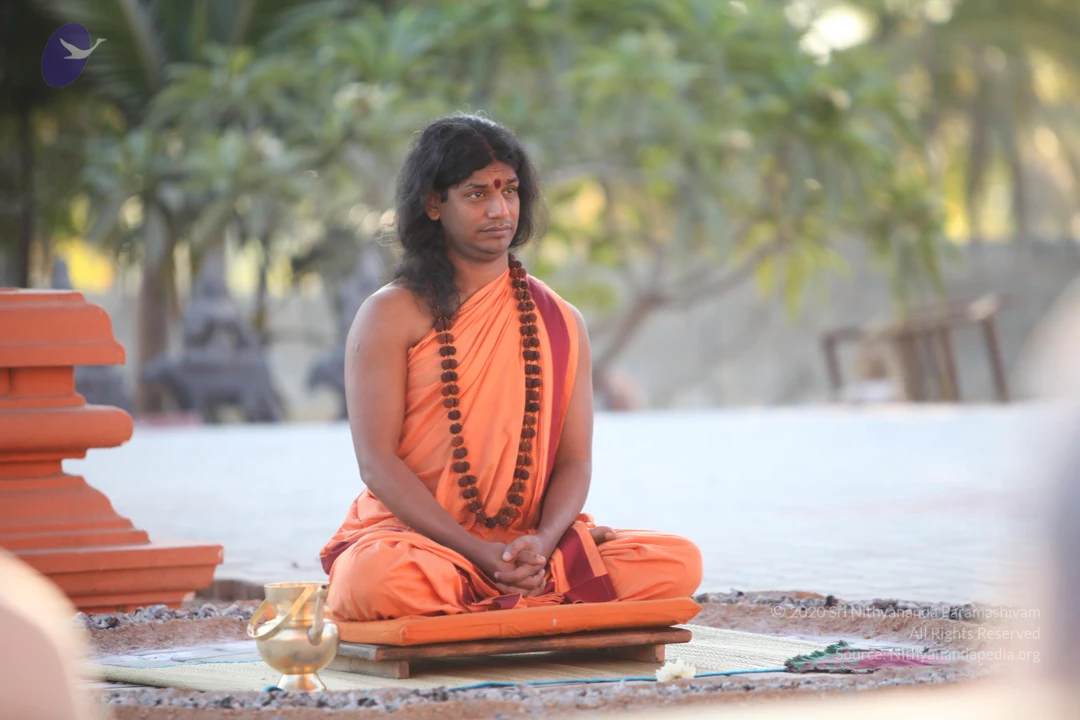
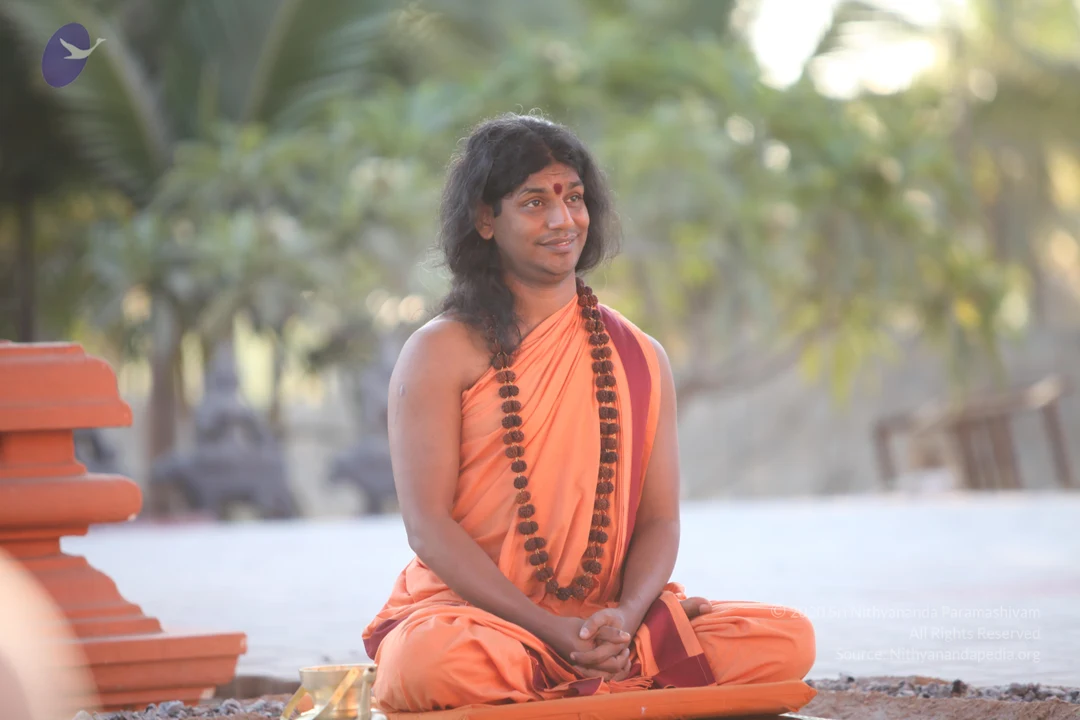
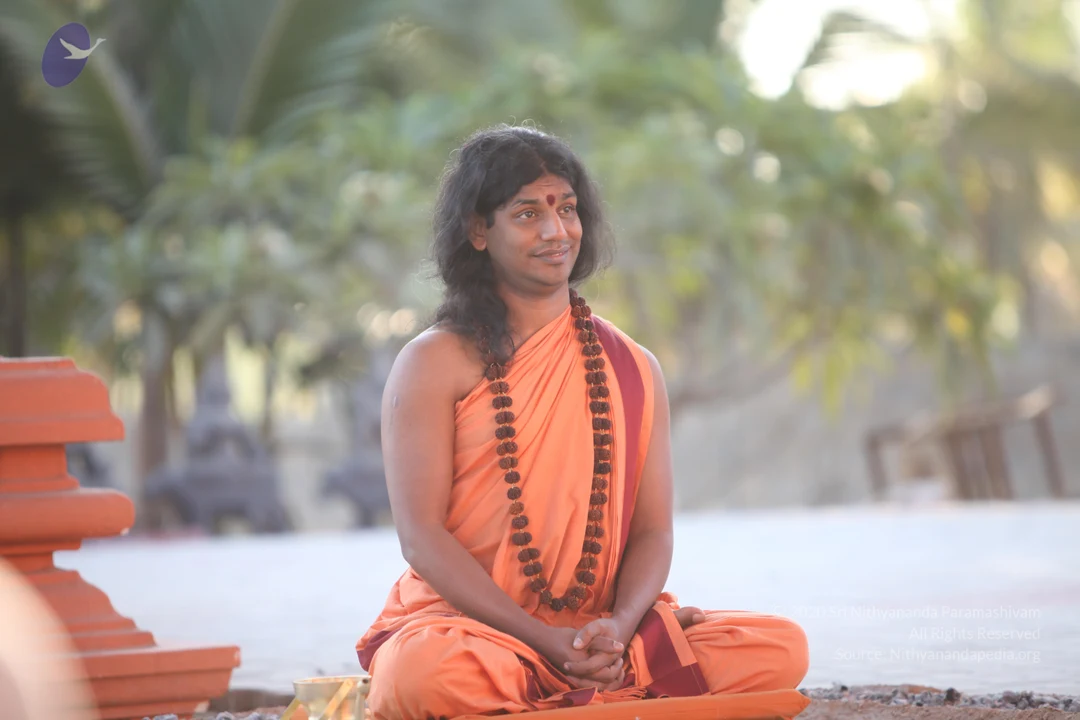
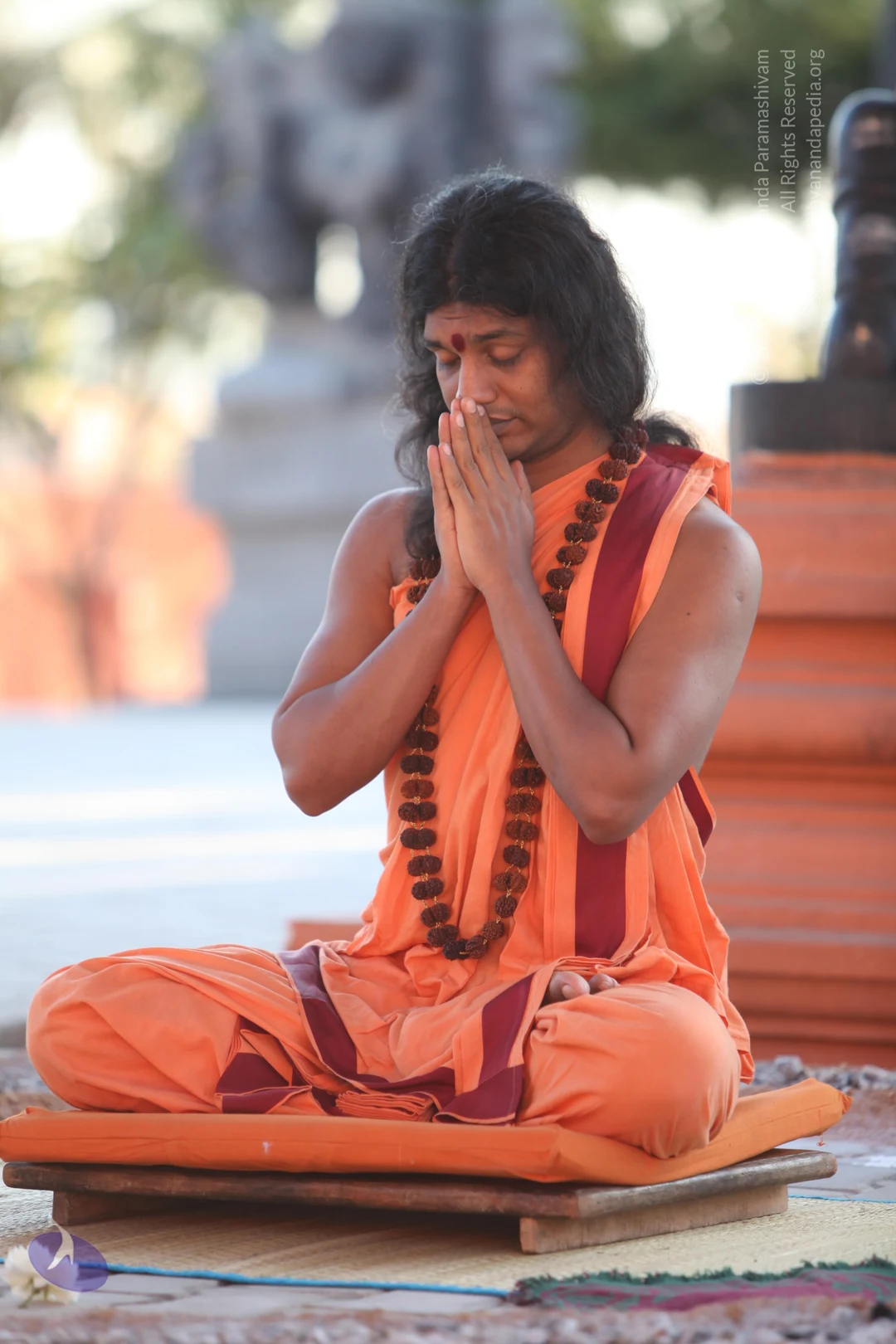
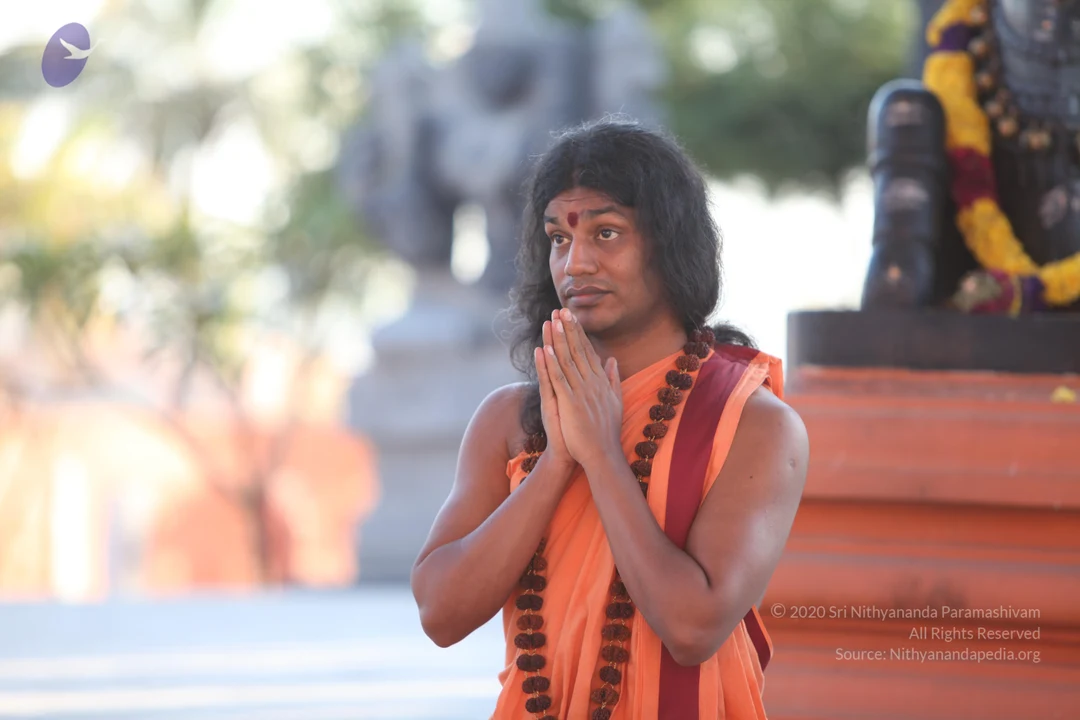
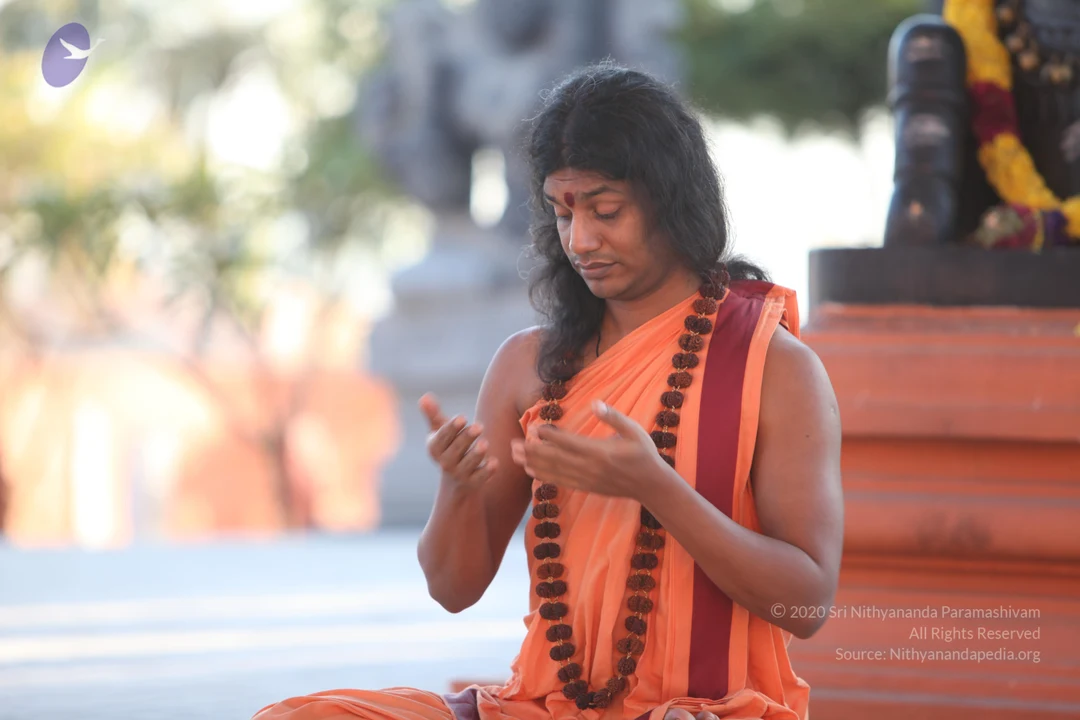
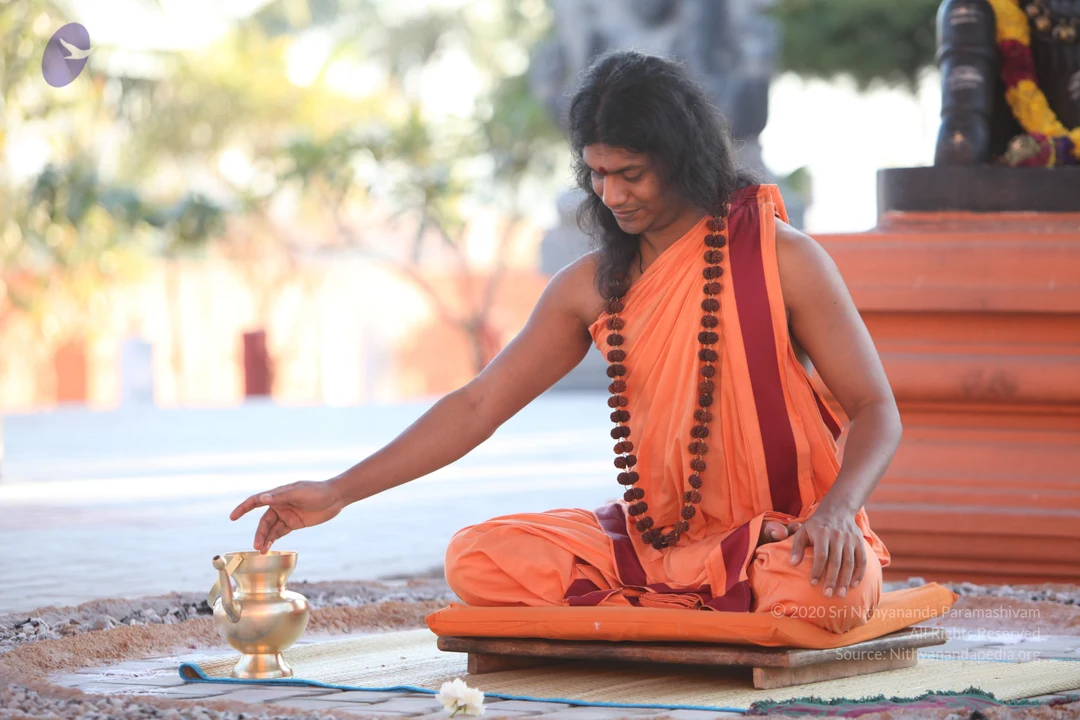
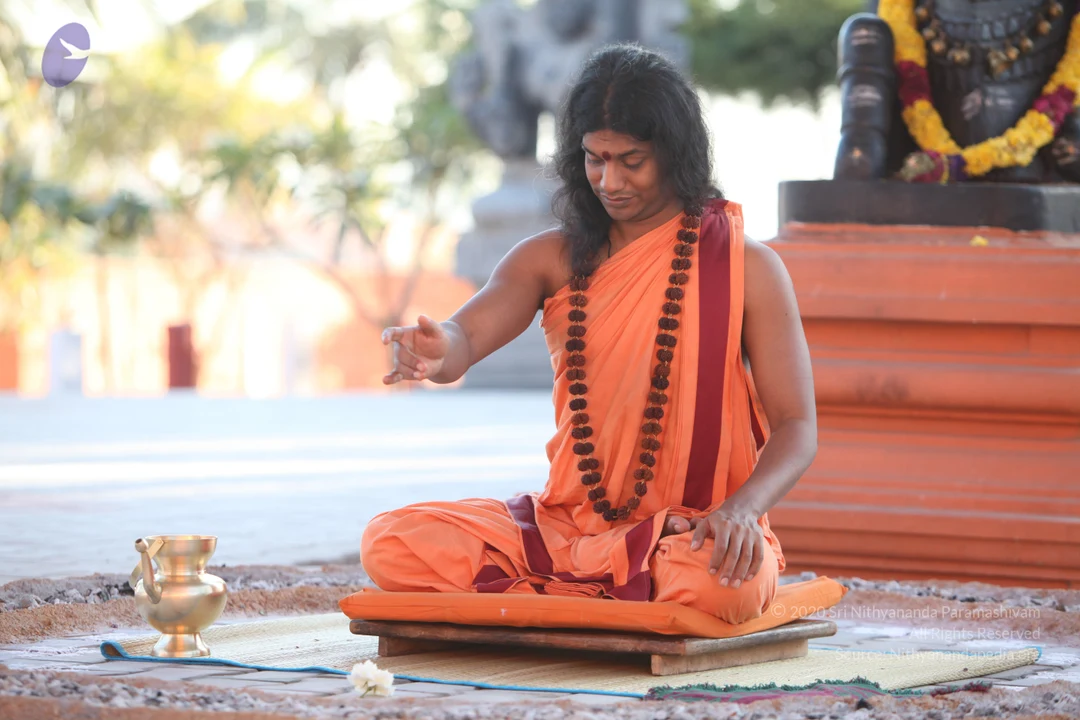
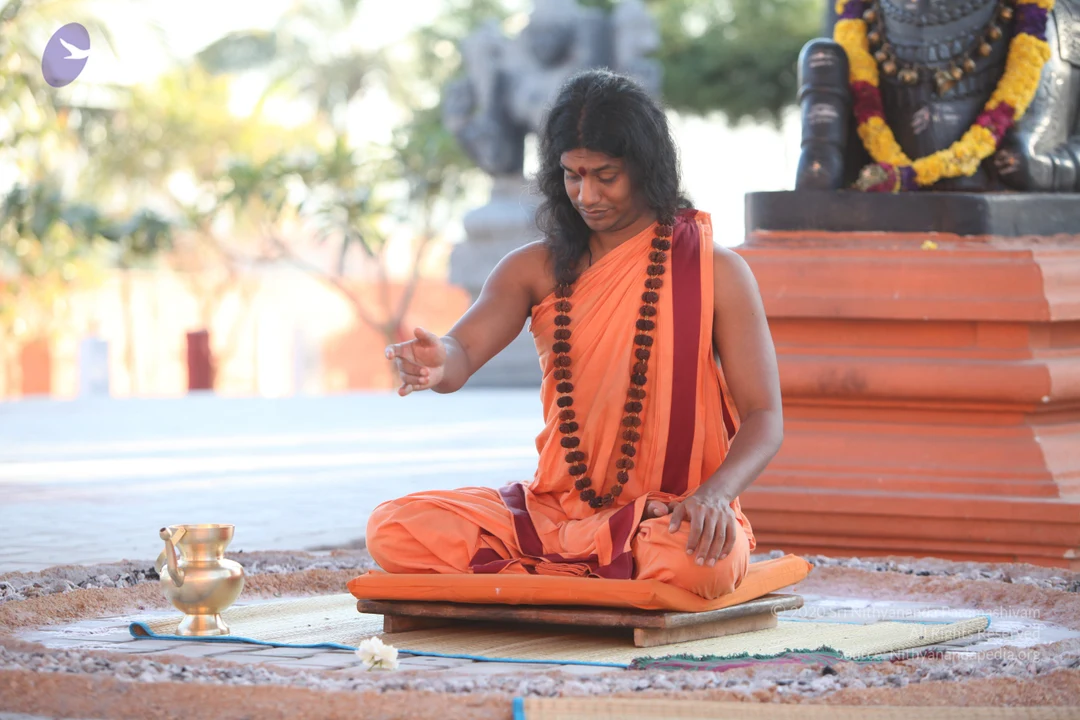
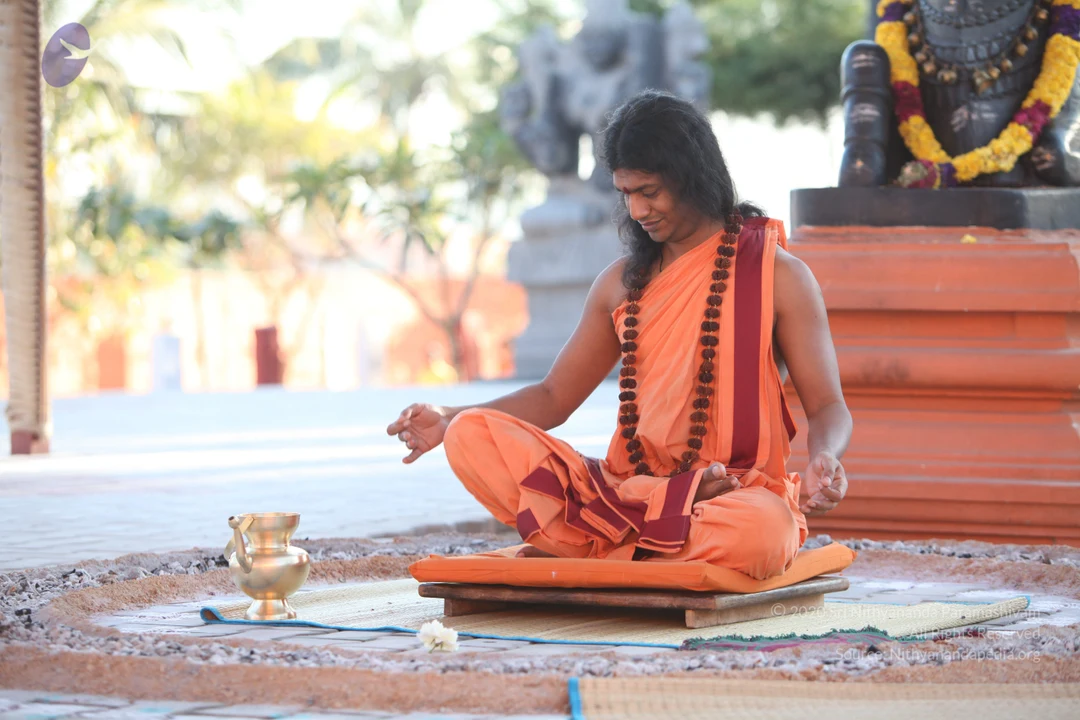
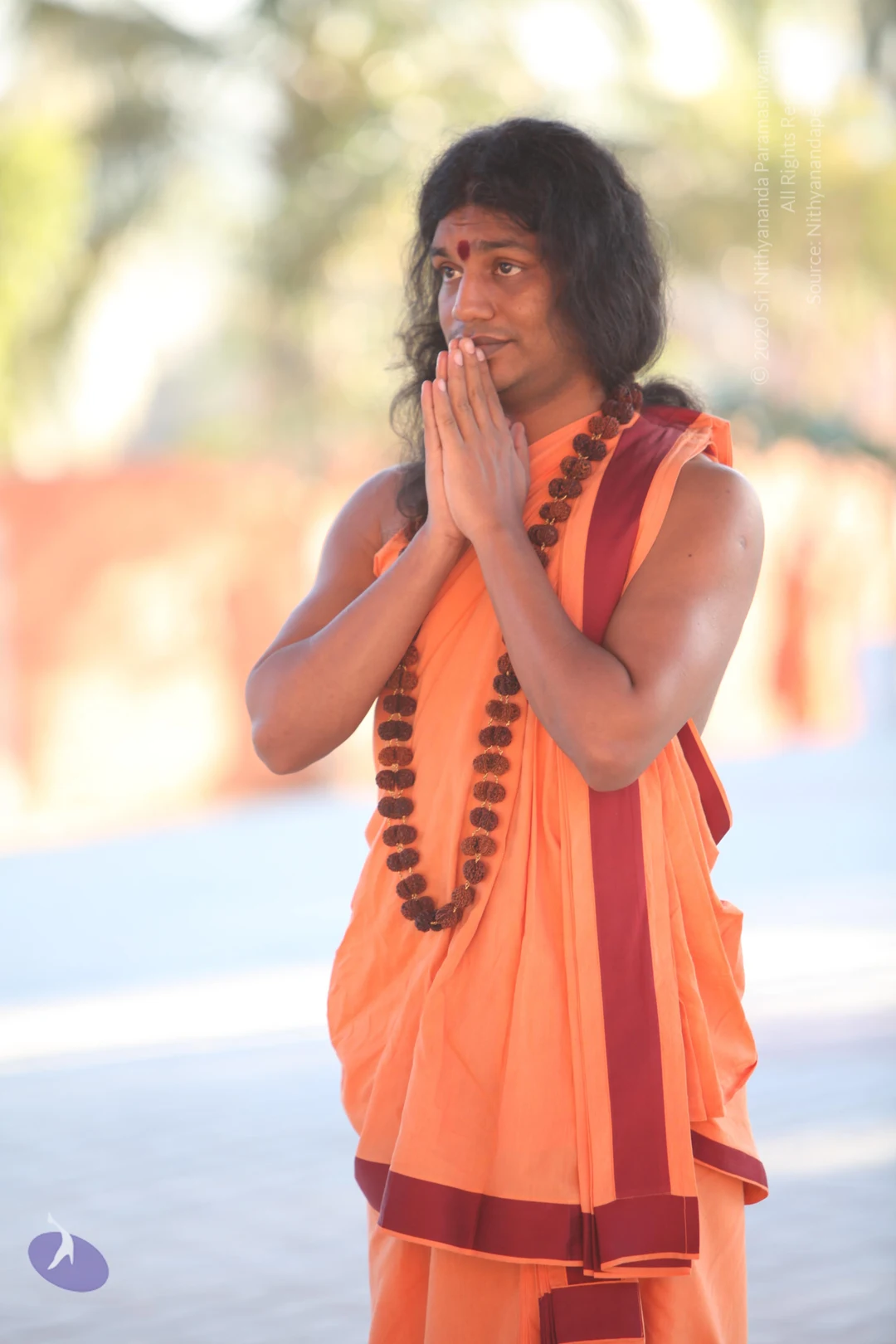
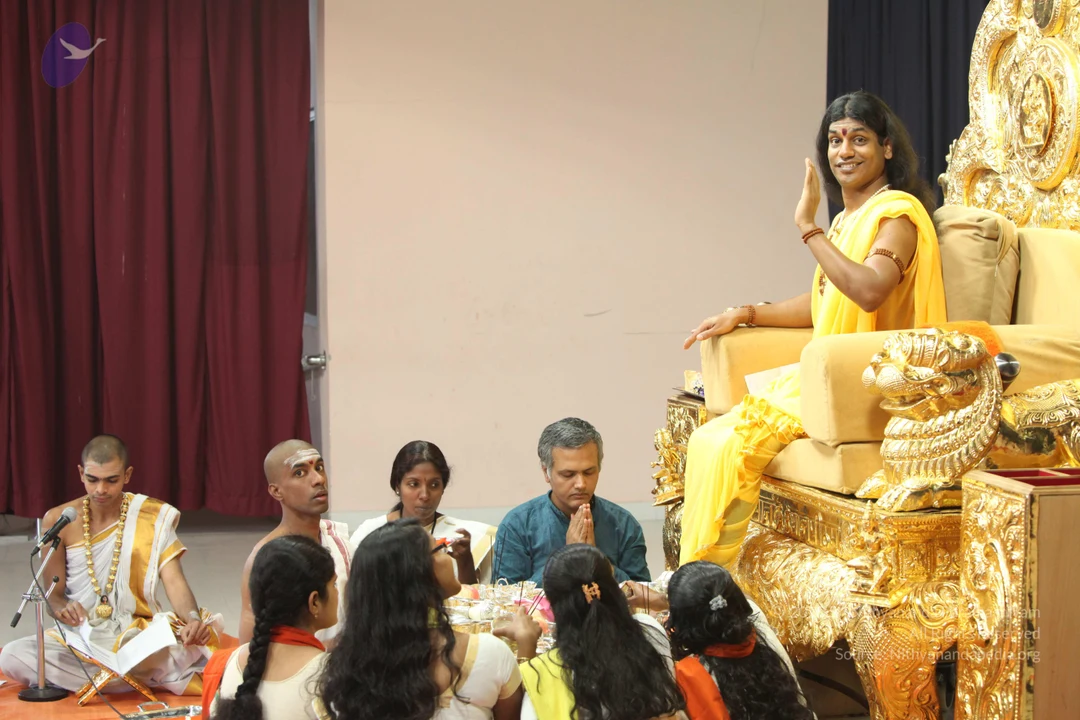
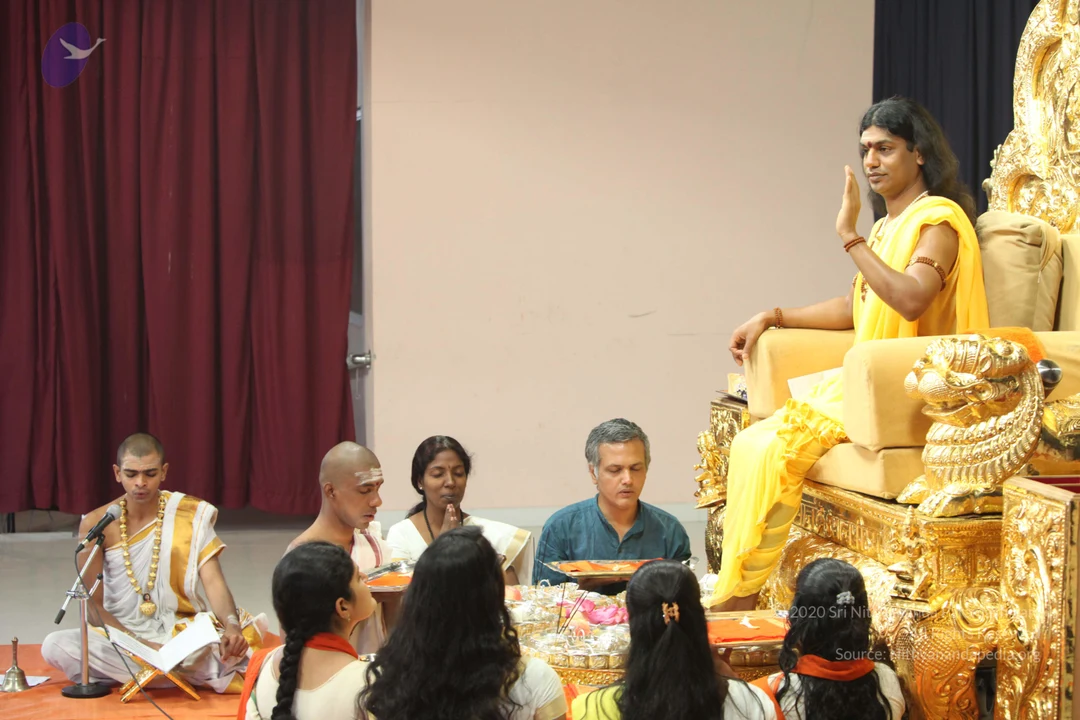
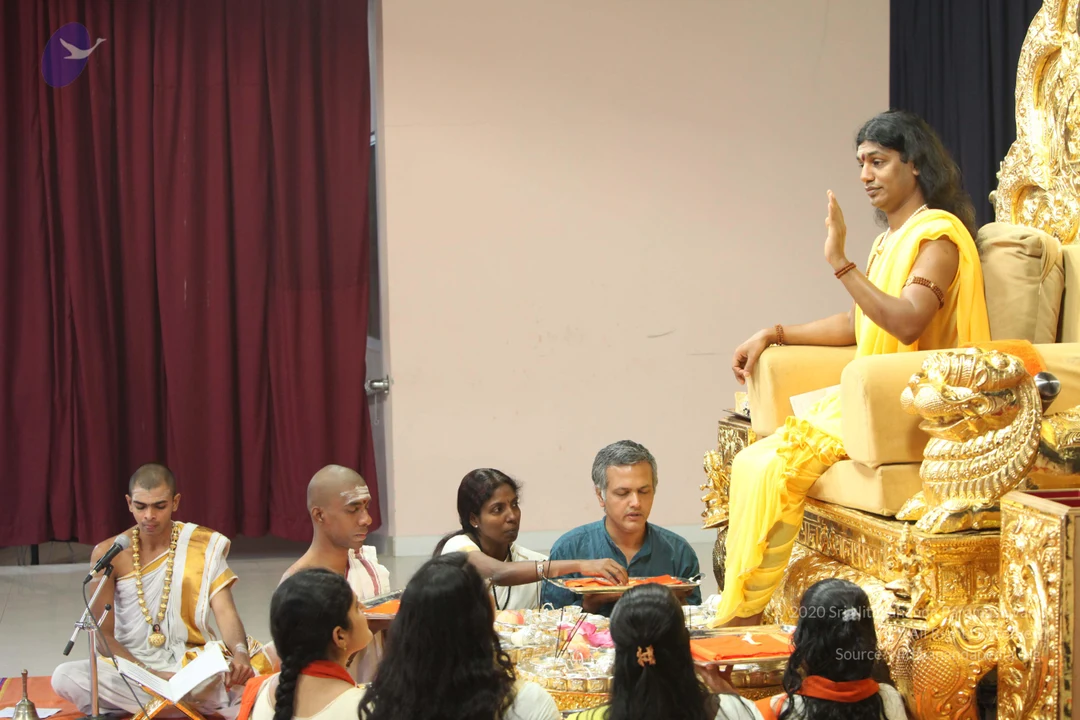
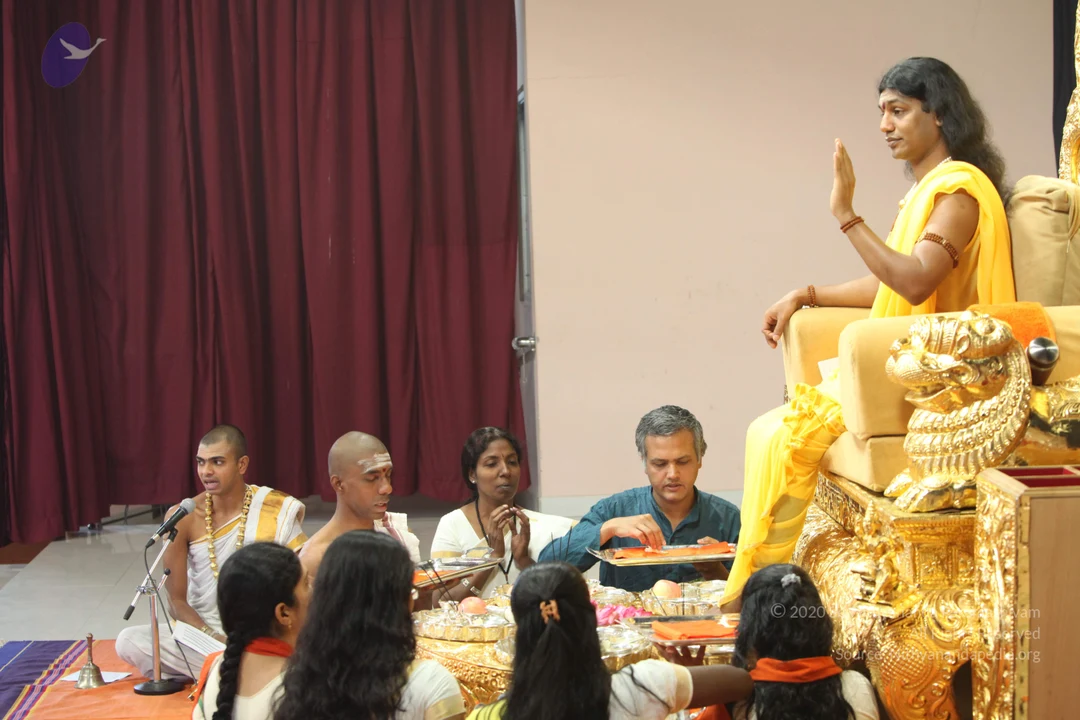
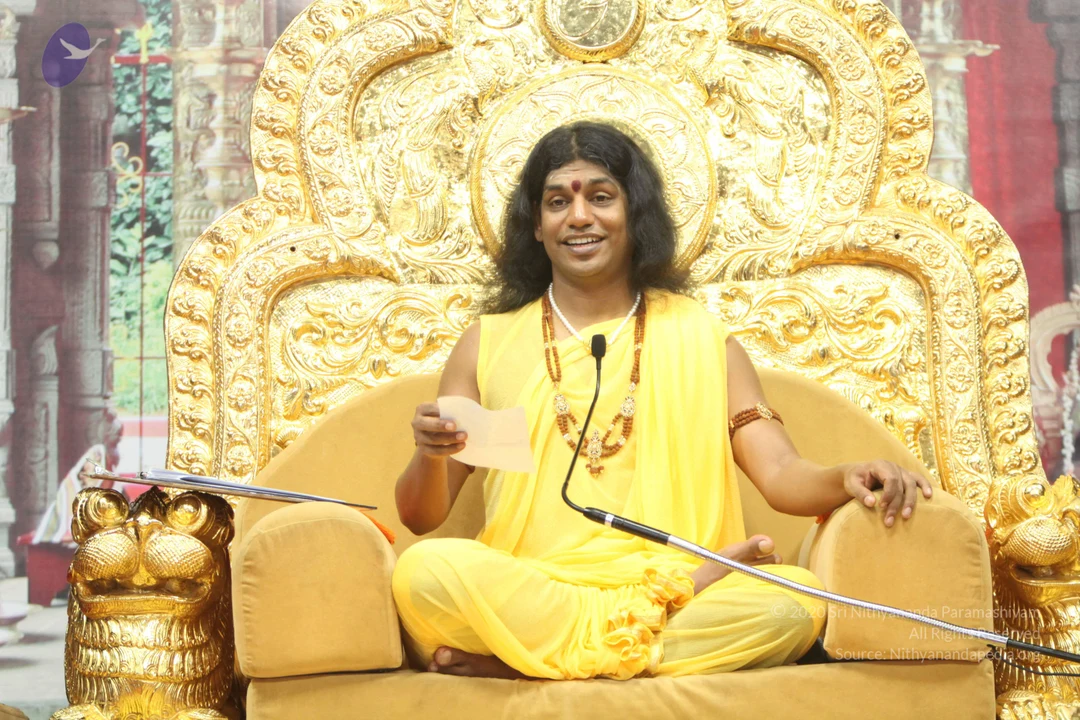
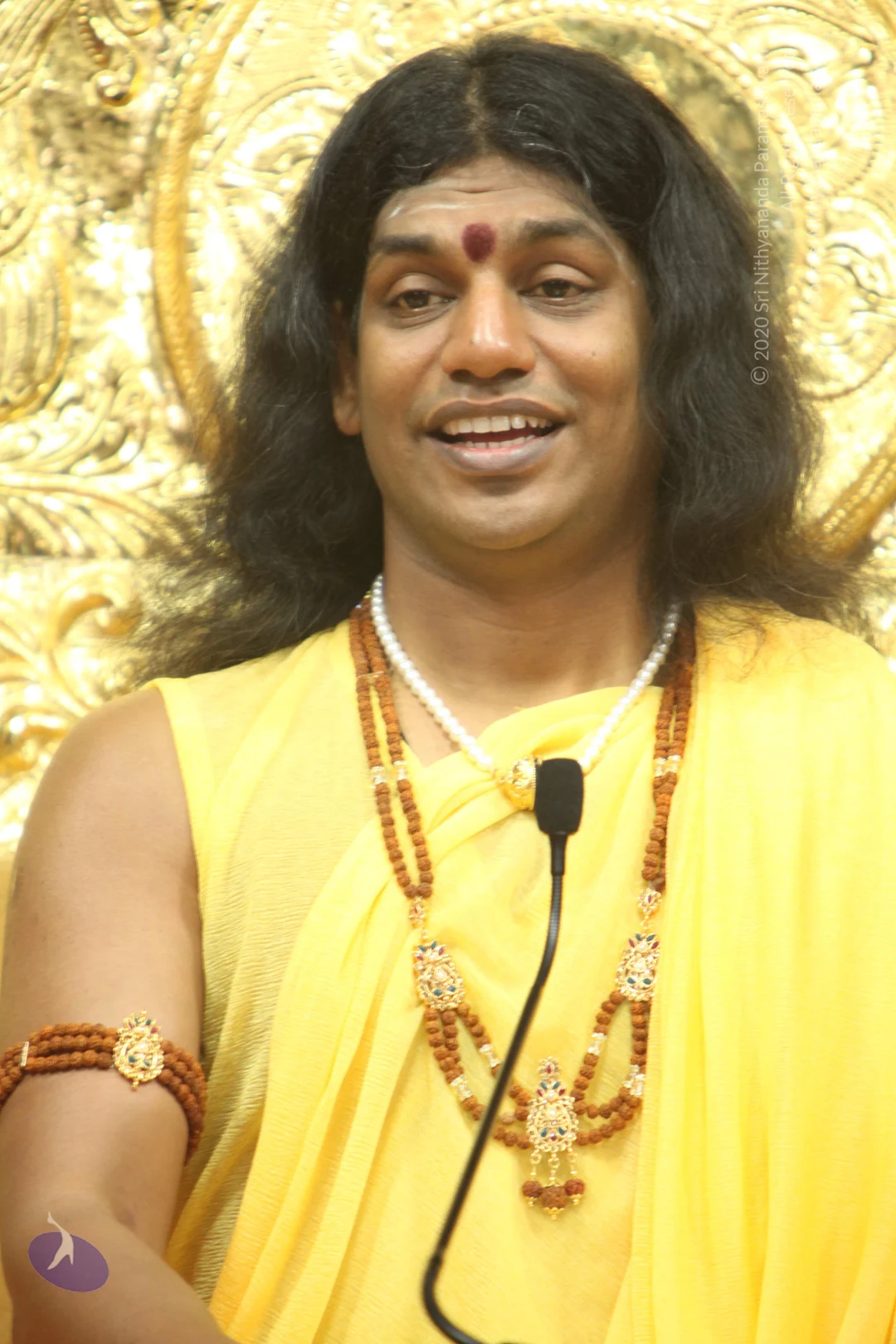
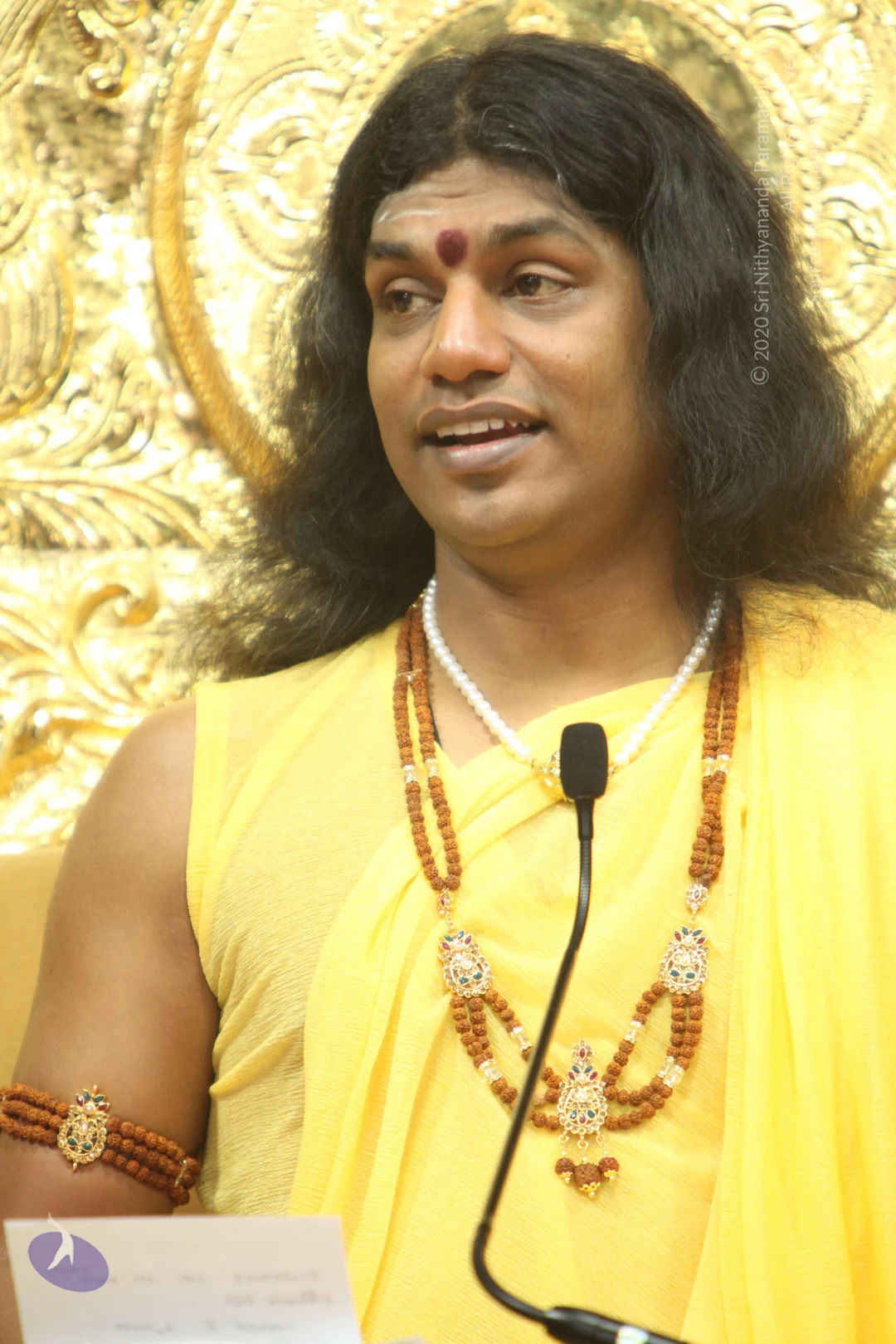
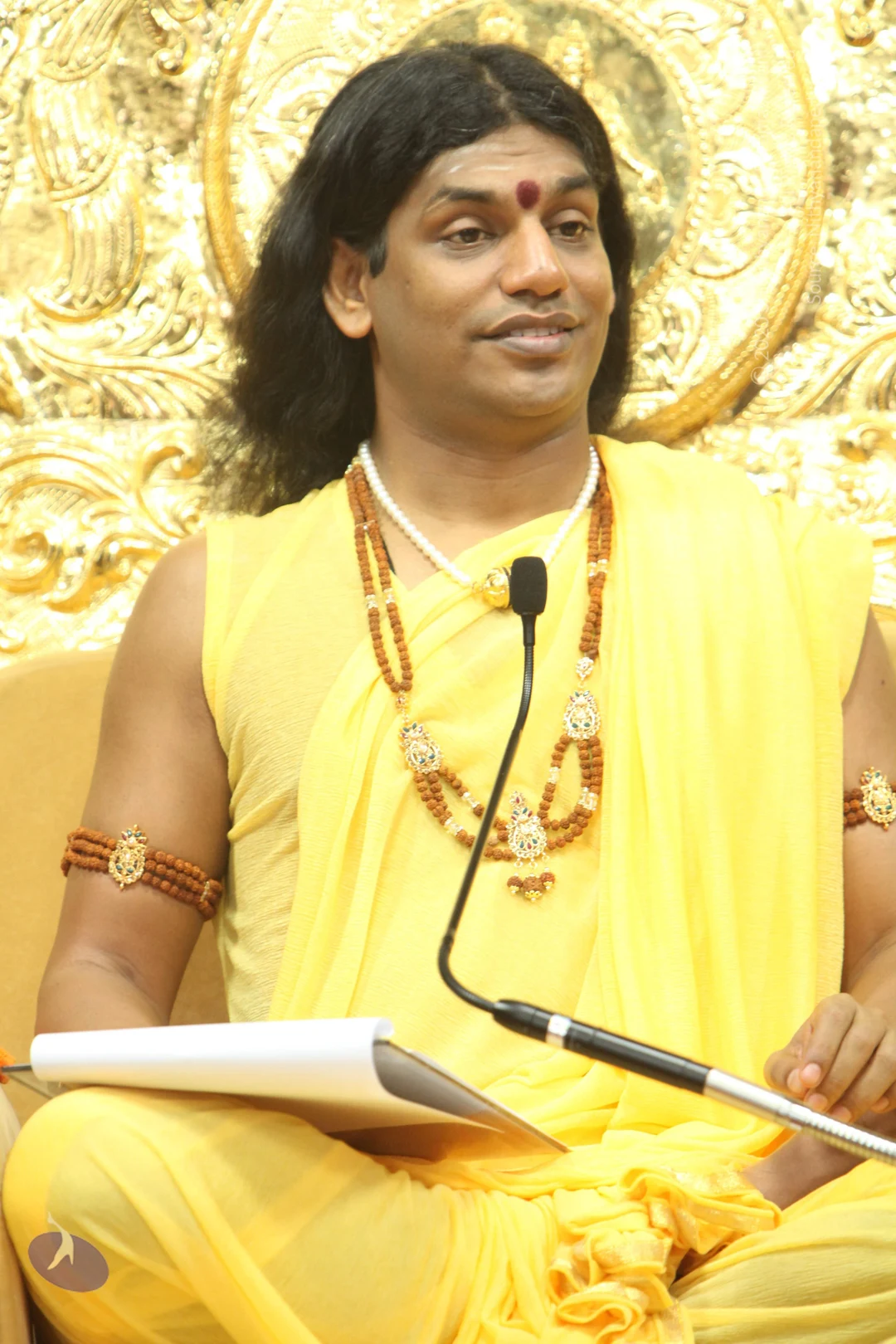
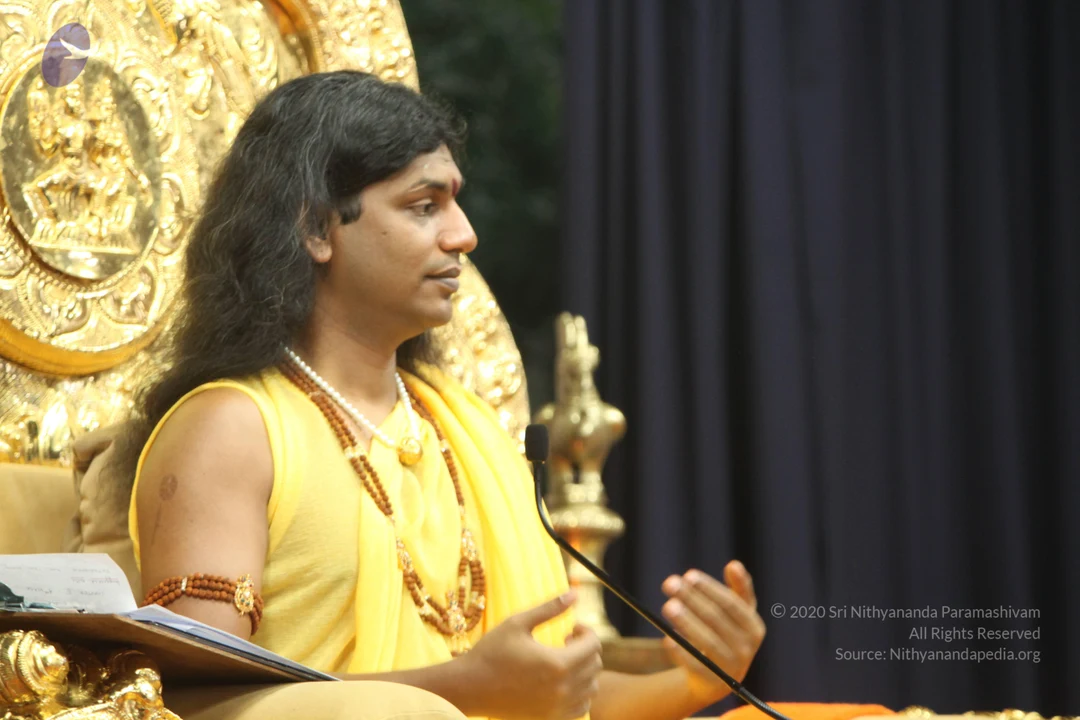
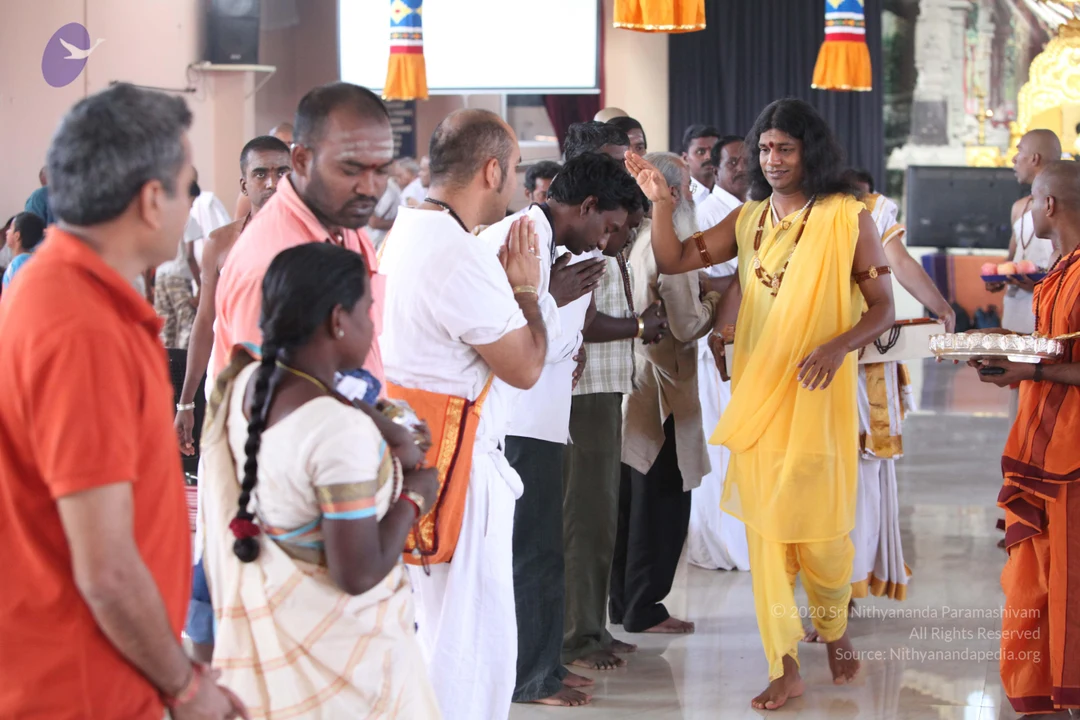
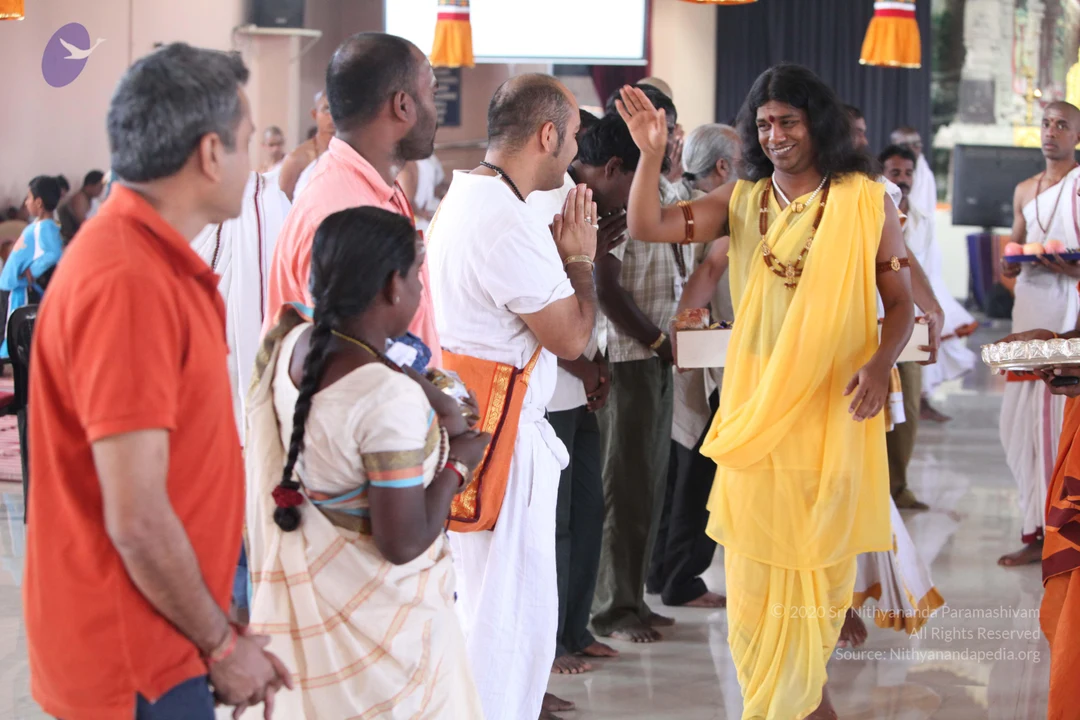
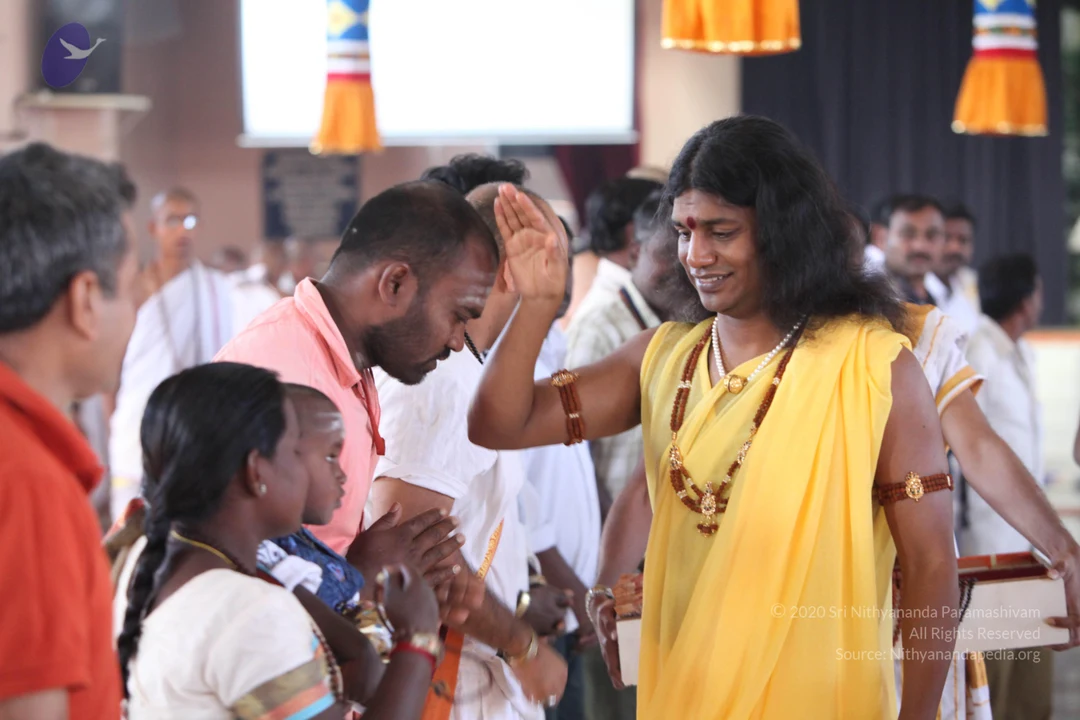
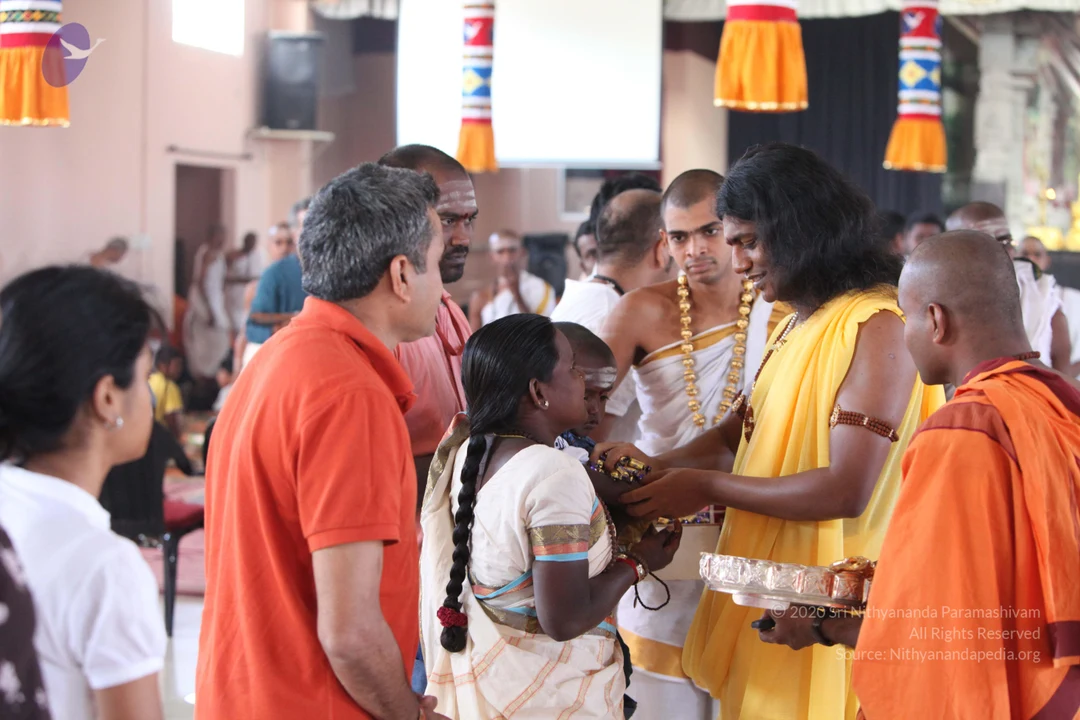
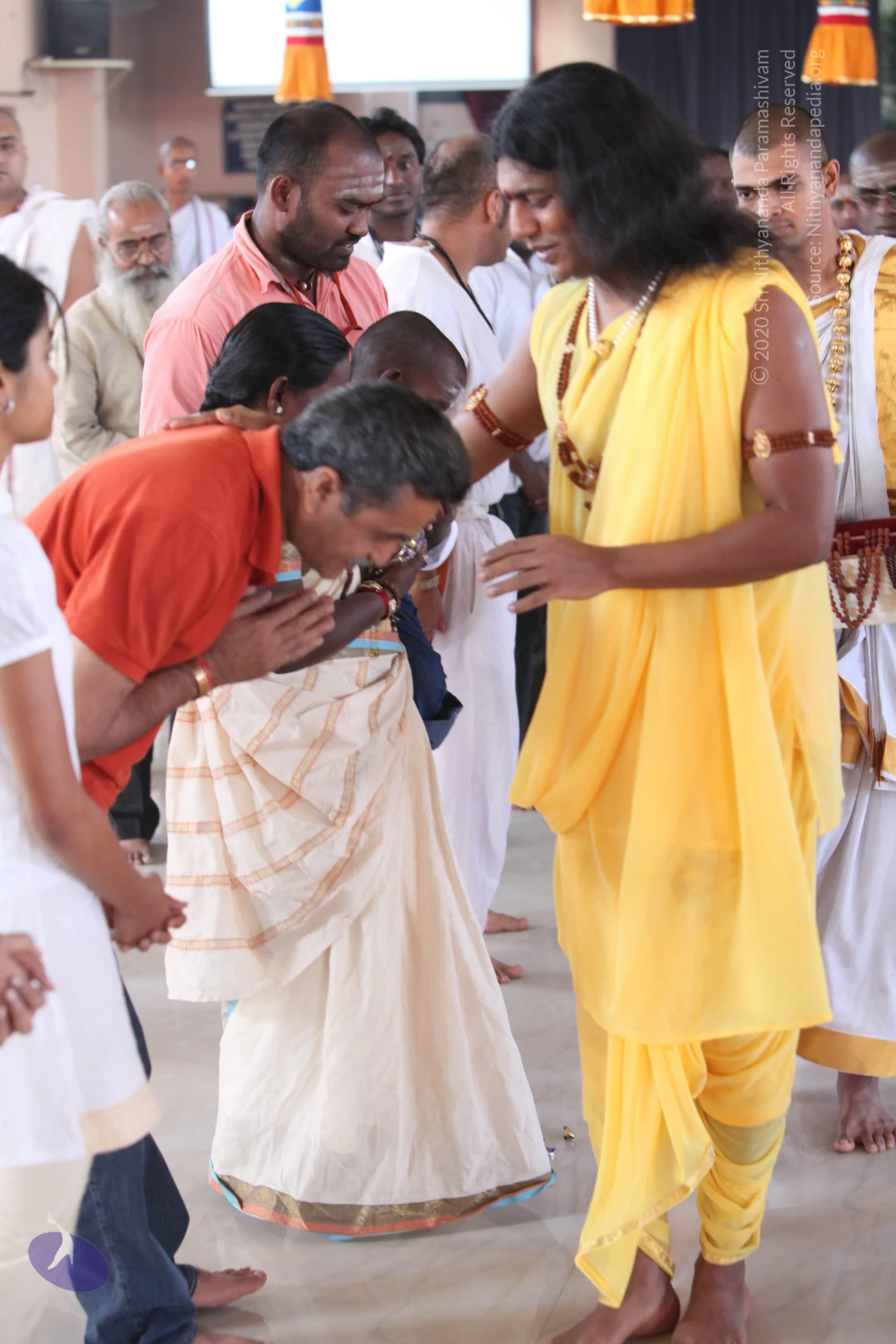
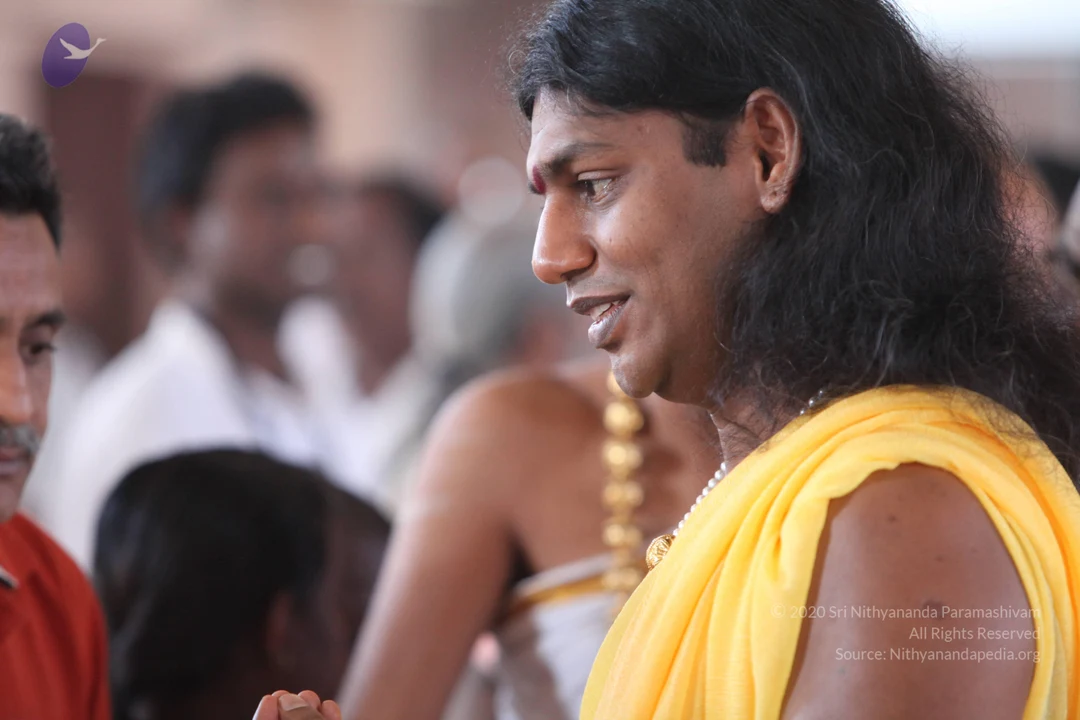
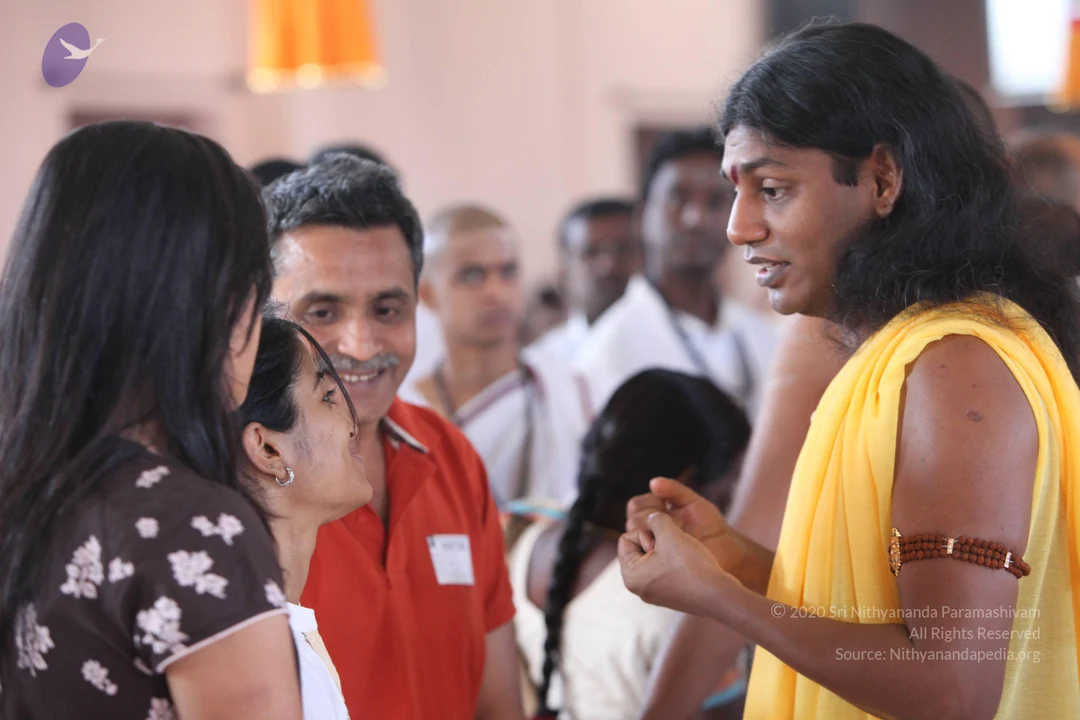
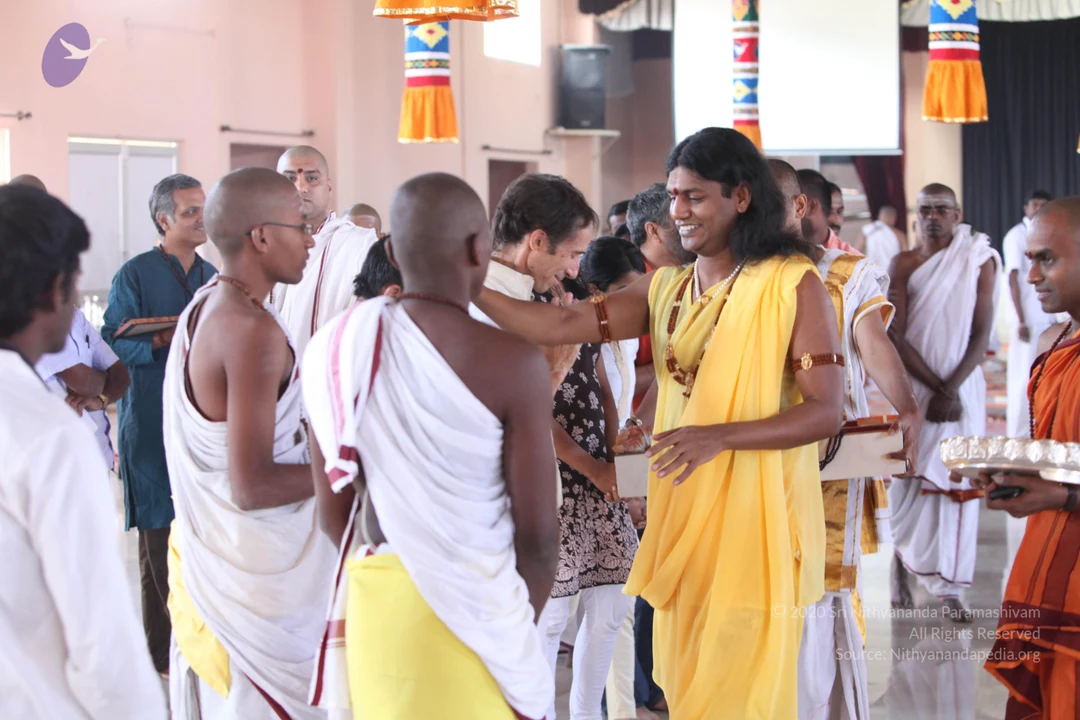
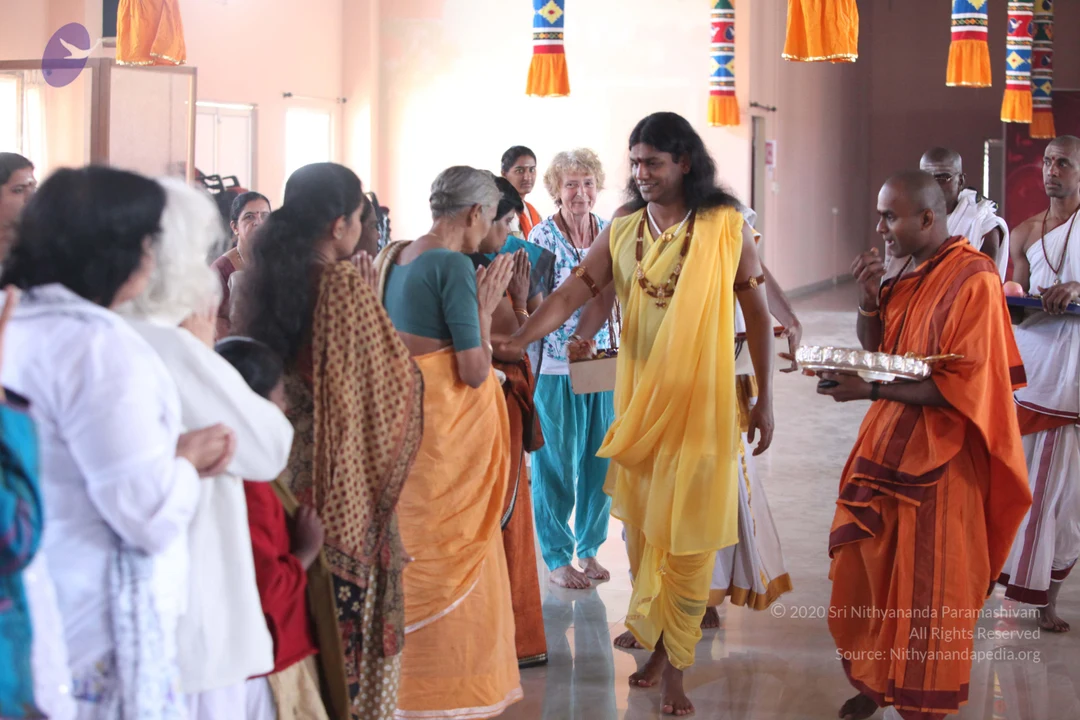
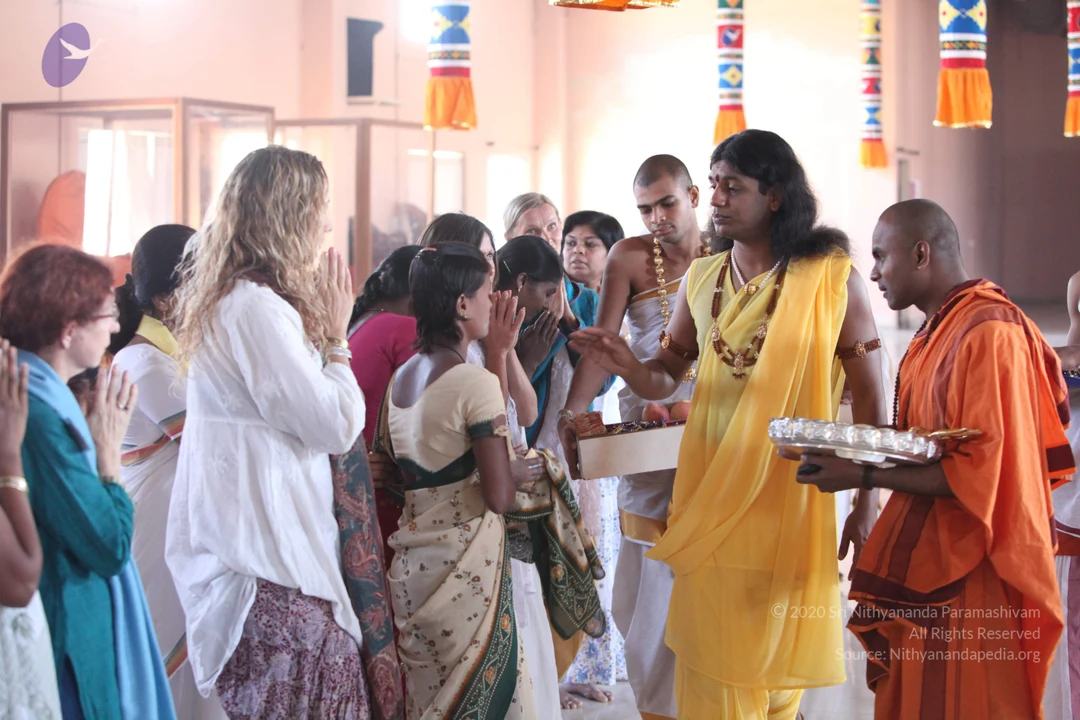
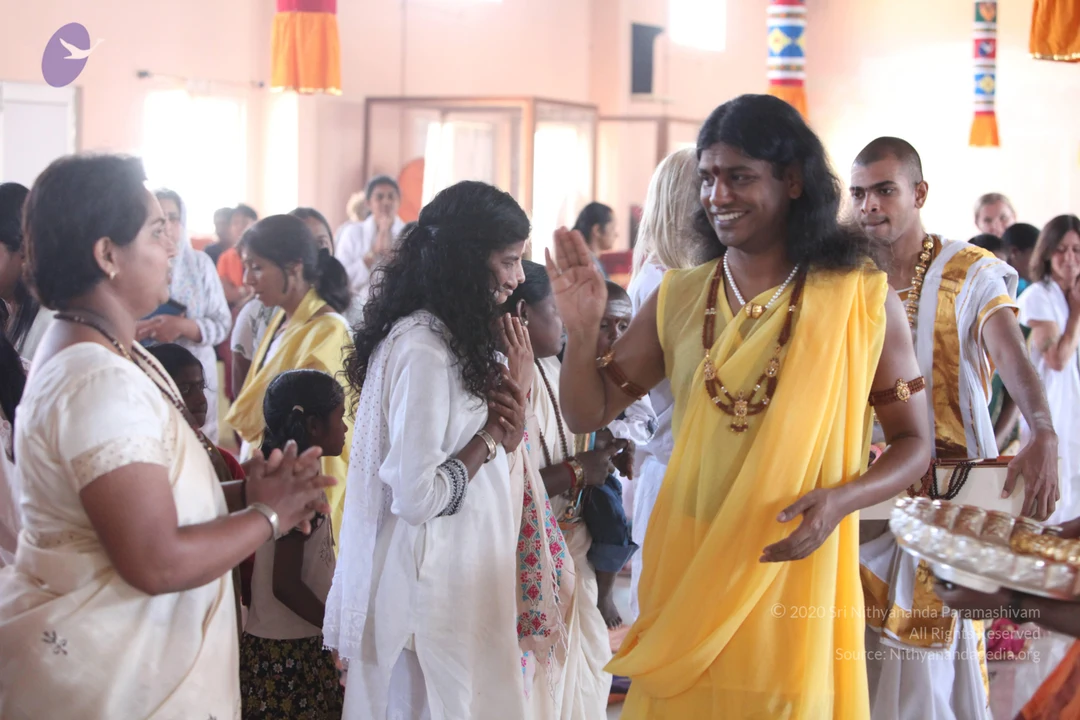
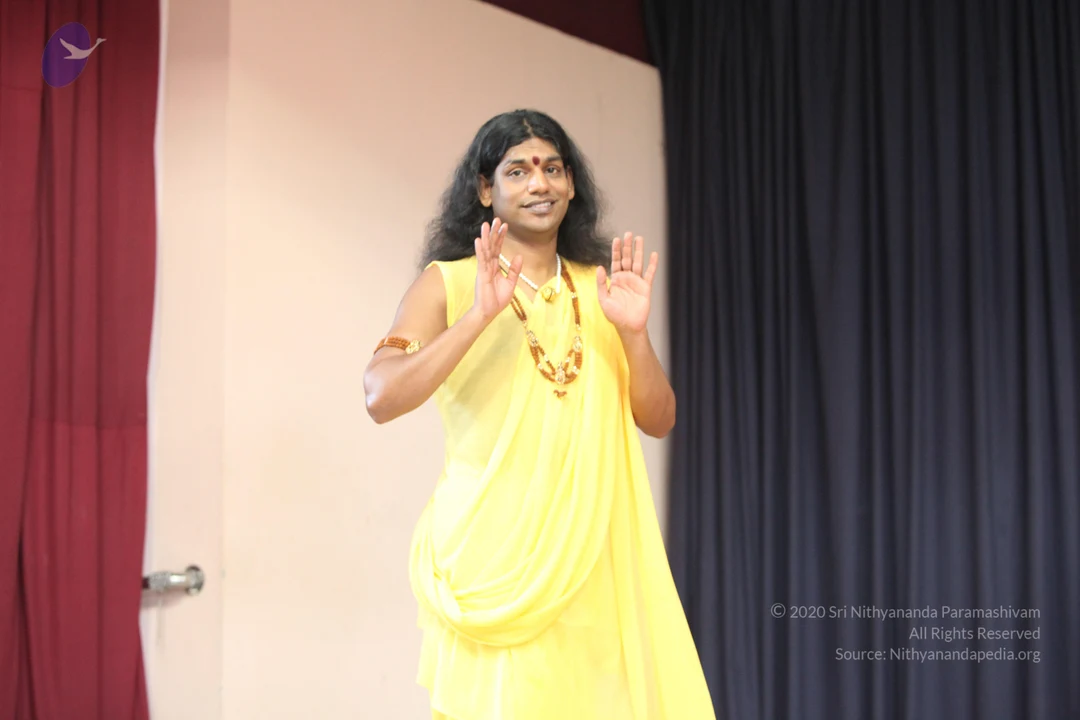
Photos Of The Day:
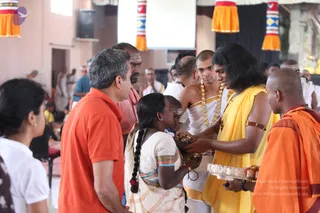
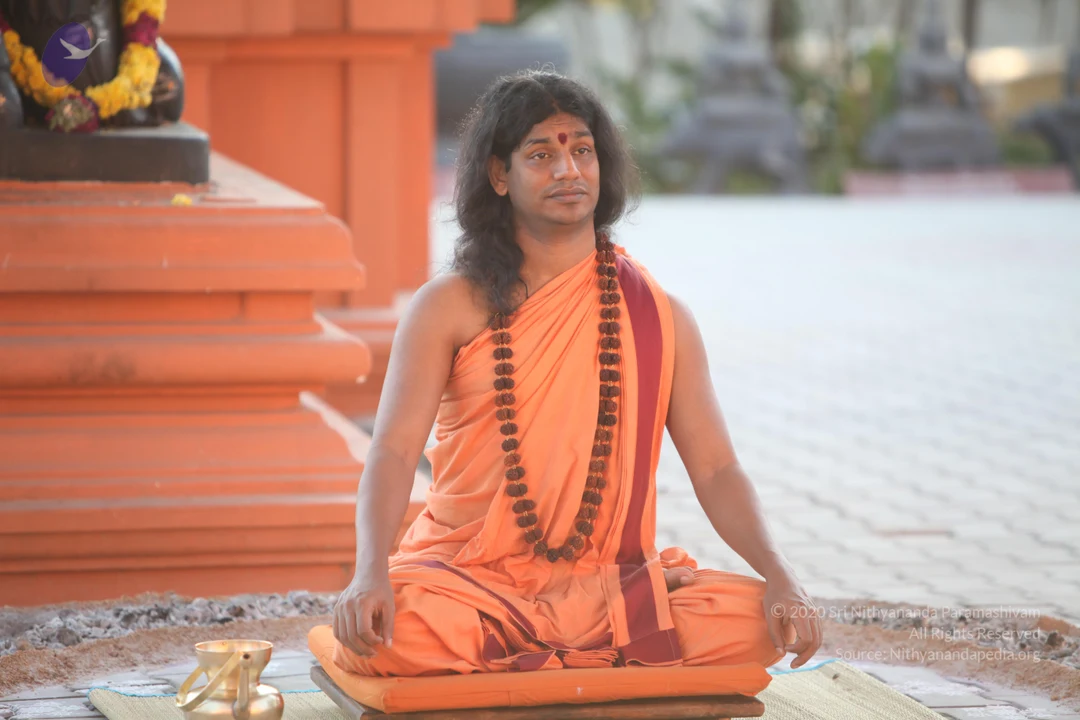
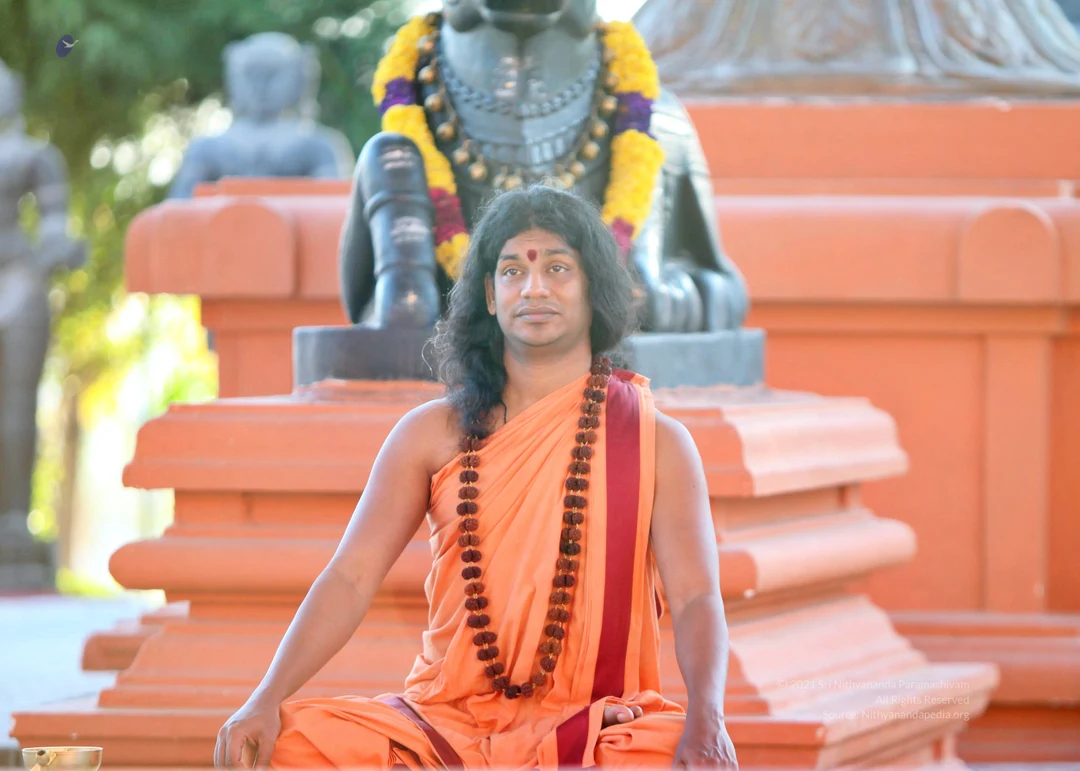
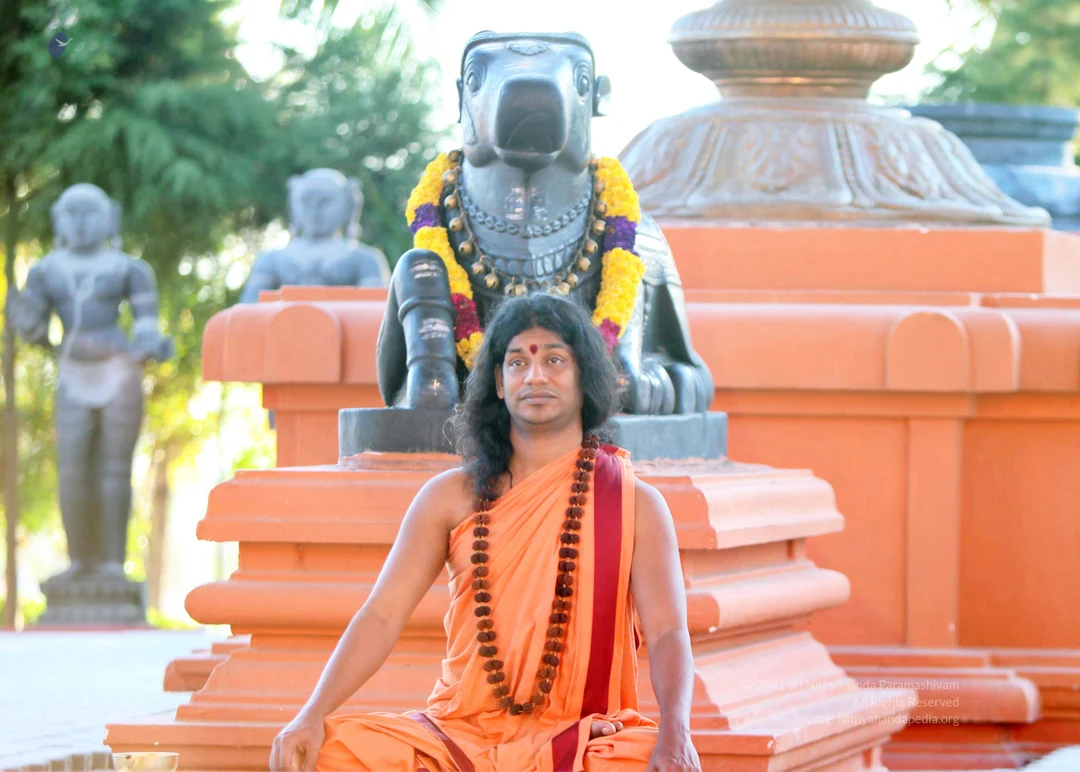
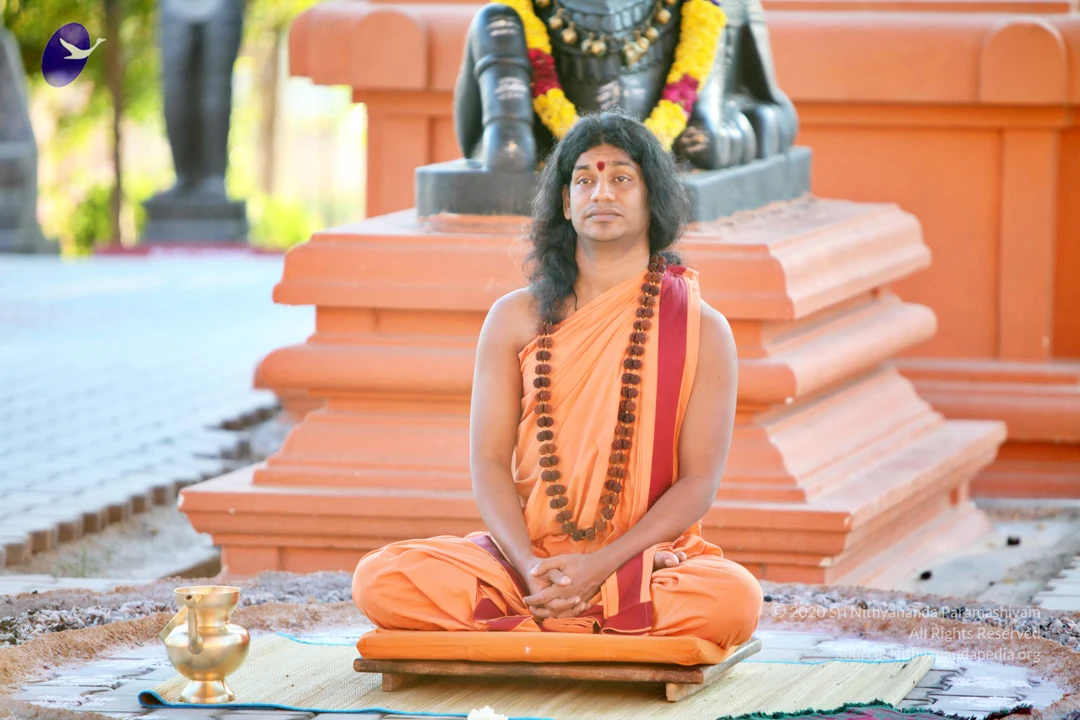
01-Panch-Tapas
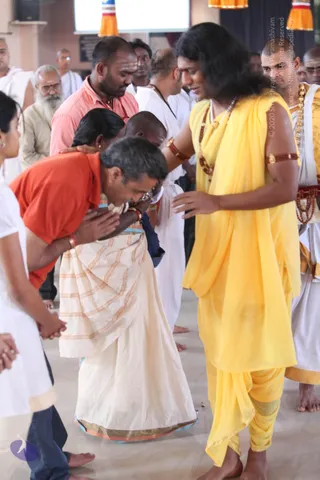
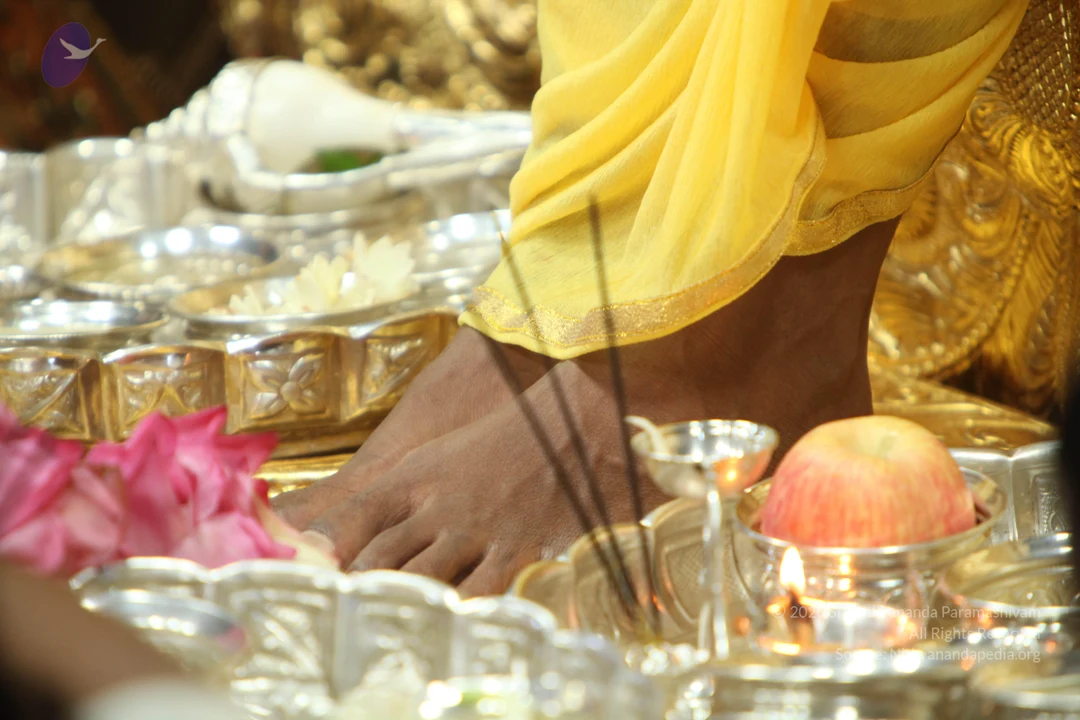
02-Pada-Puja
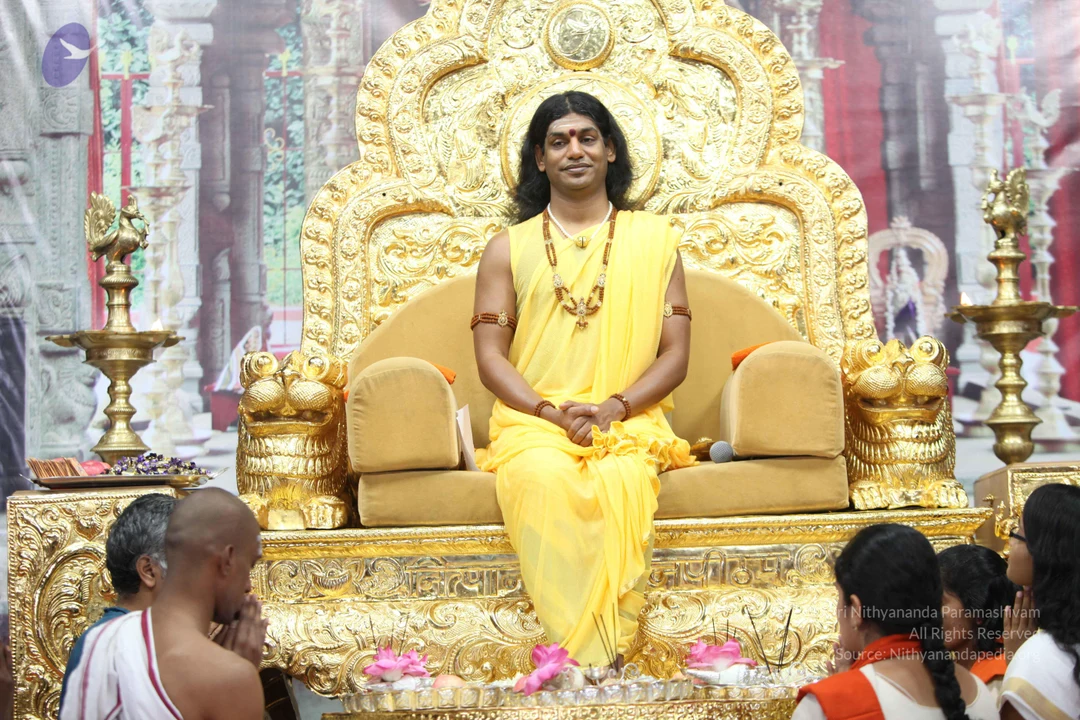
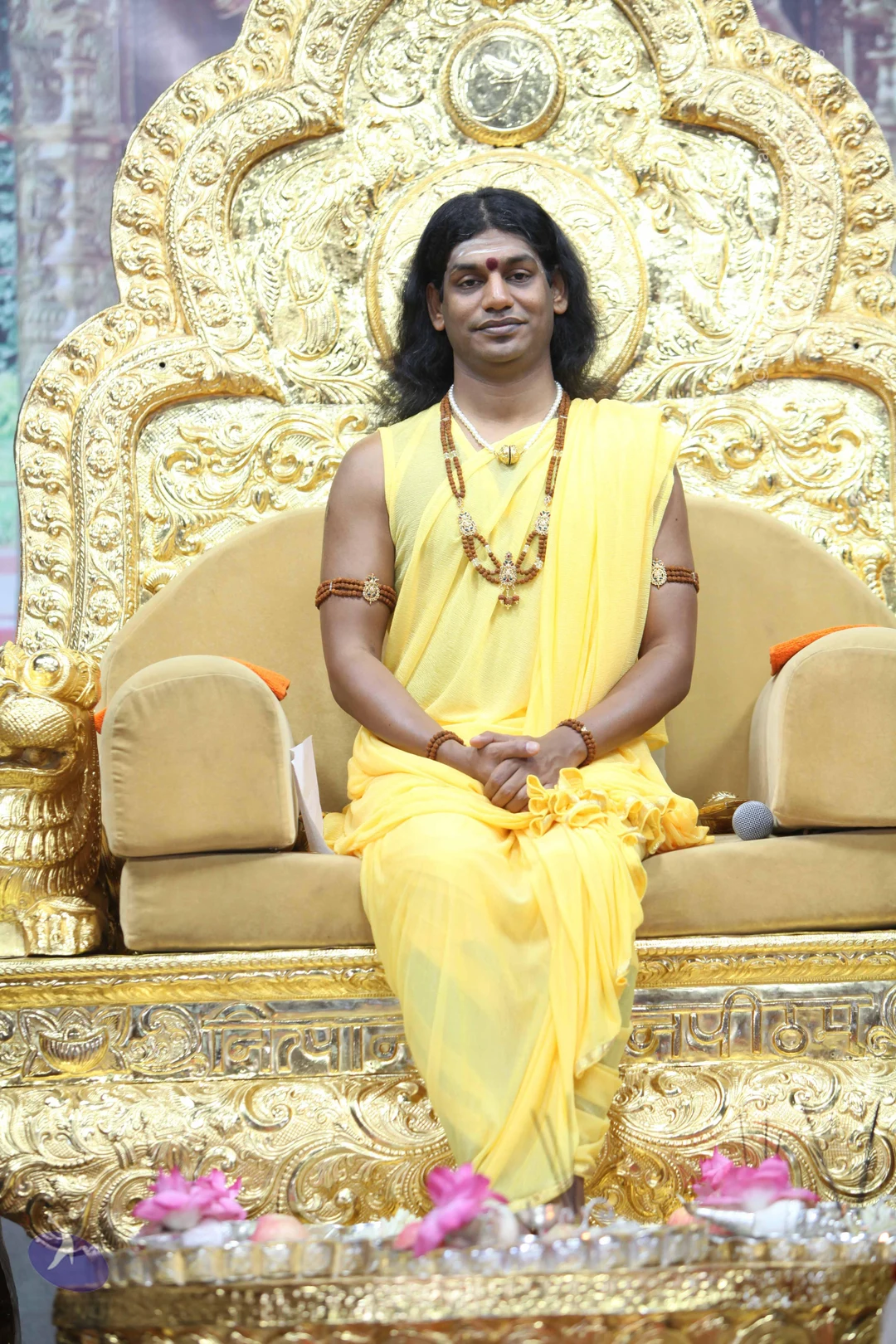
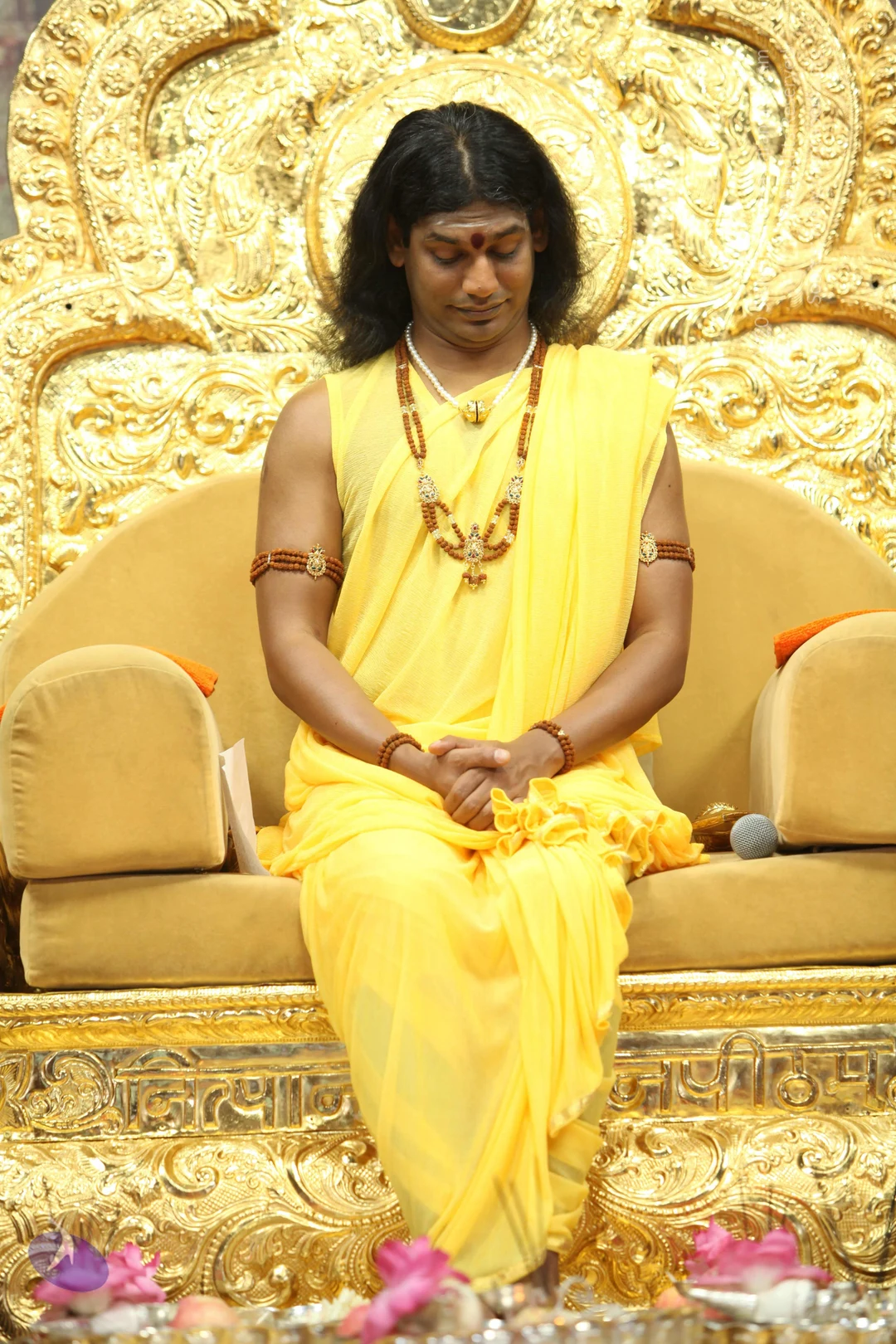
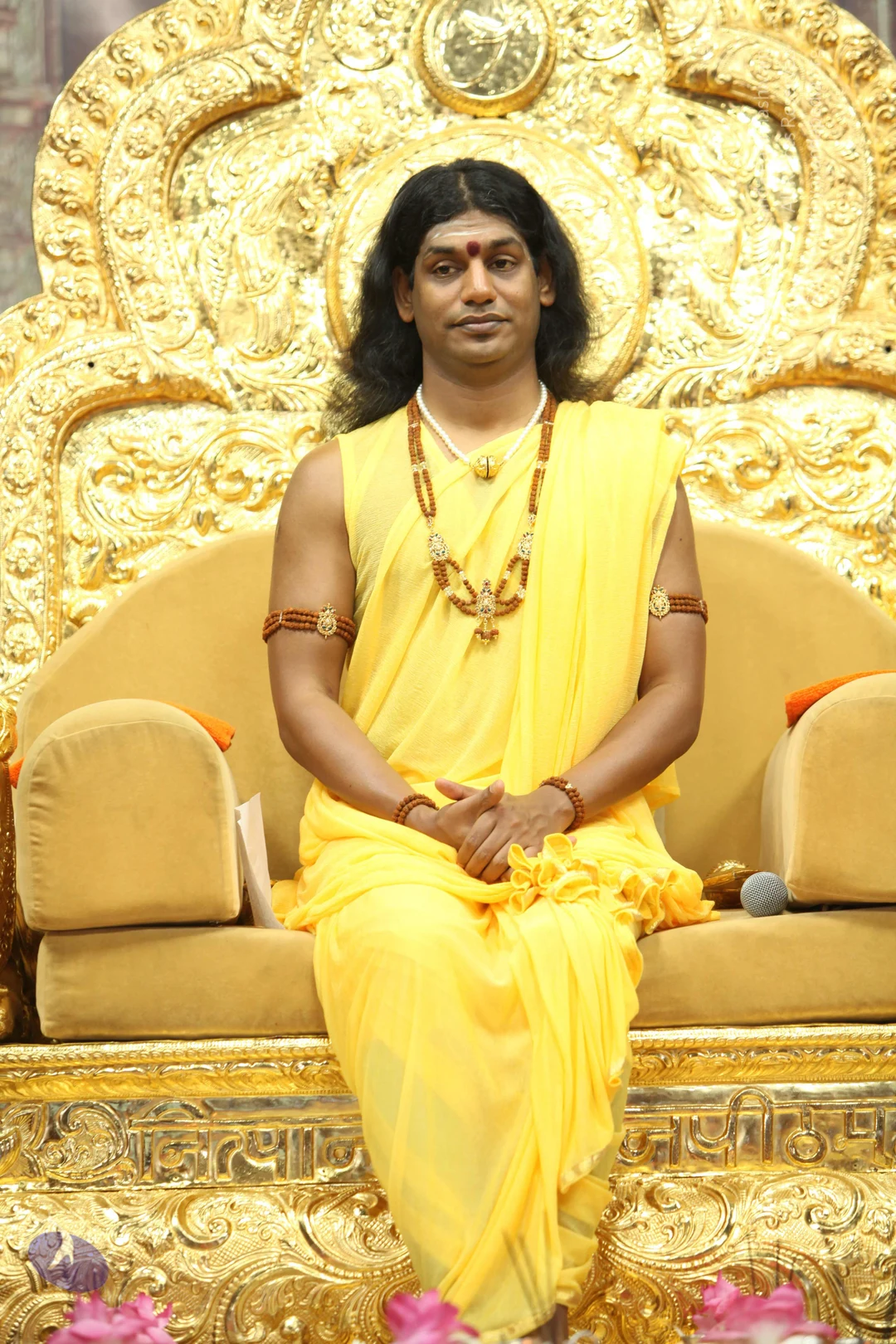
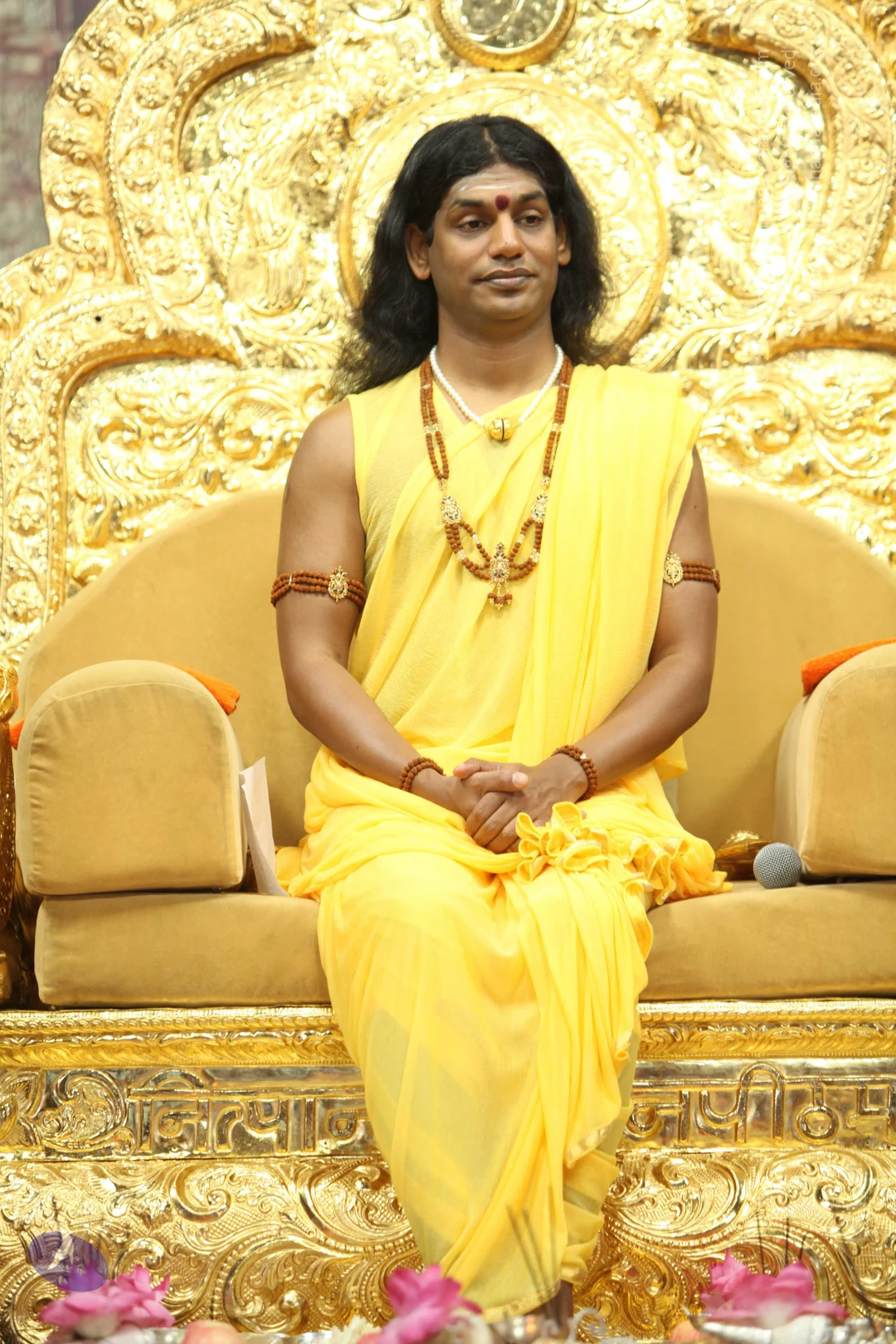
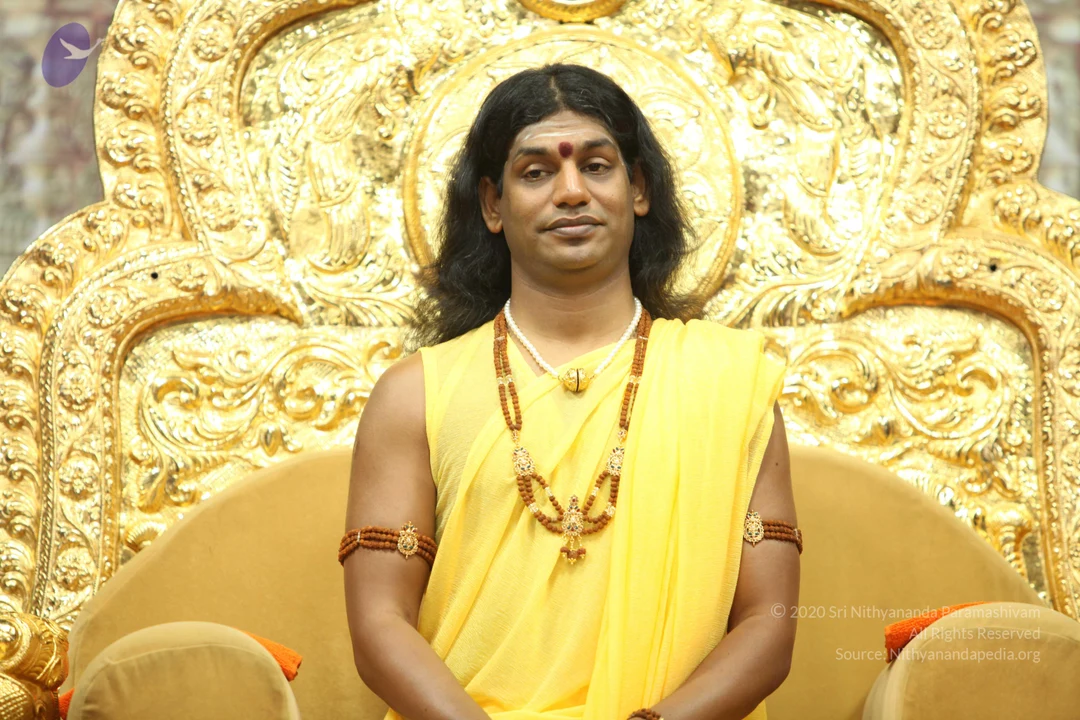
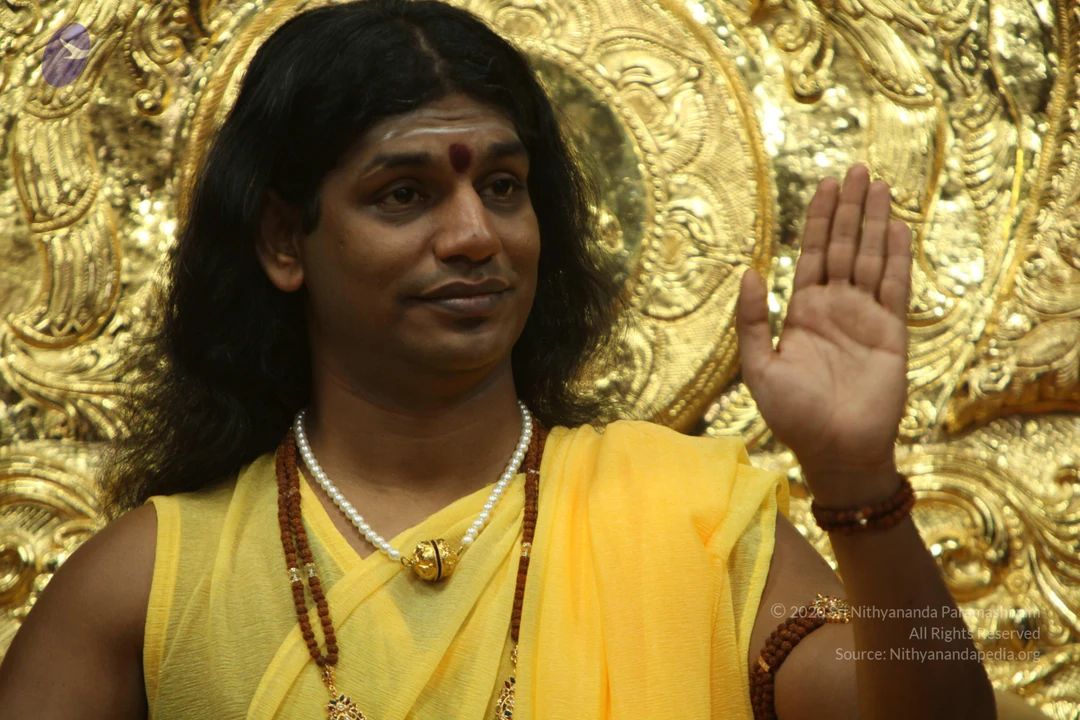
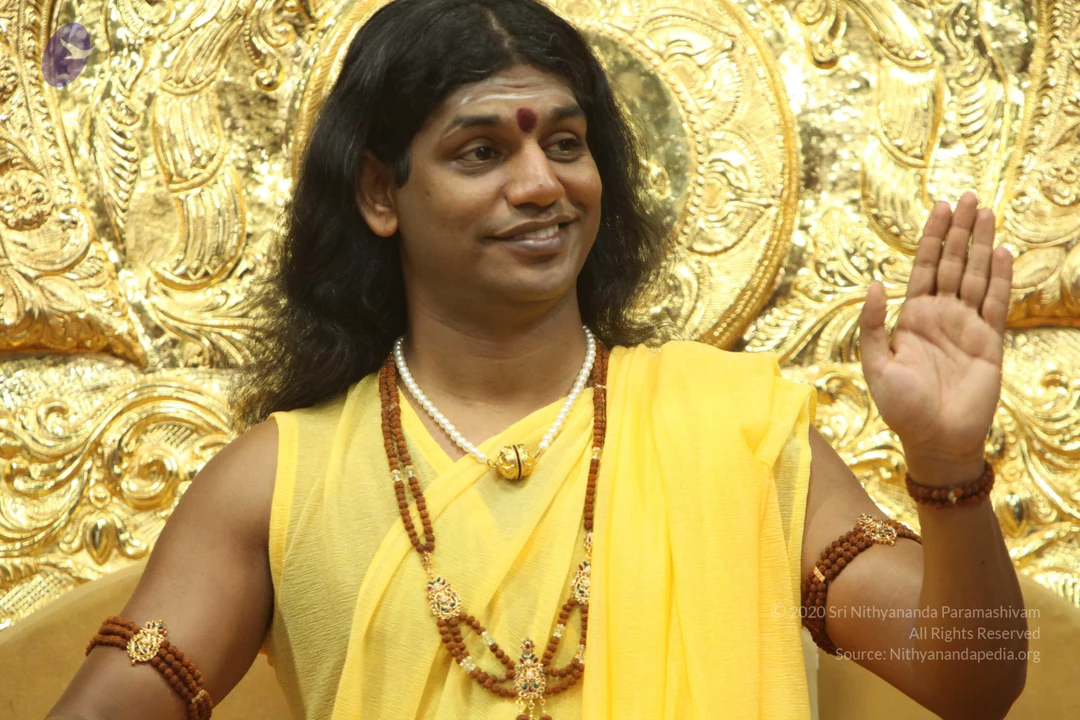
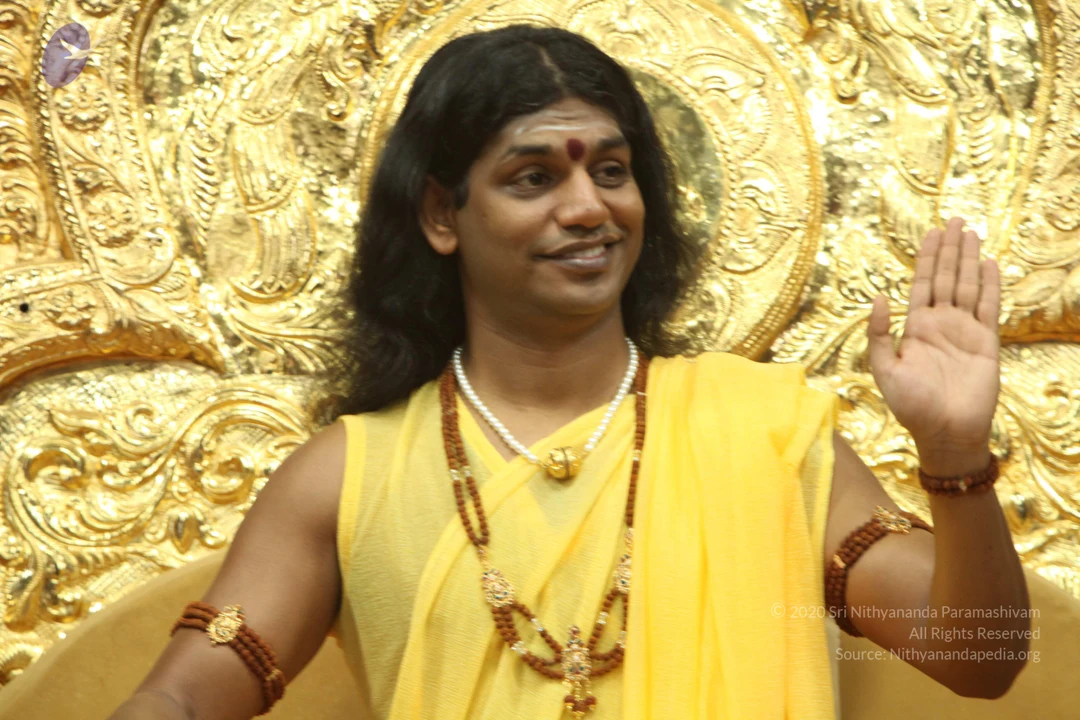
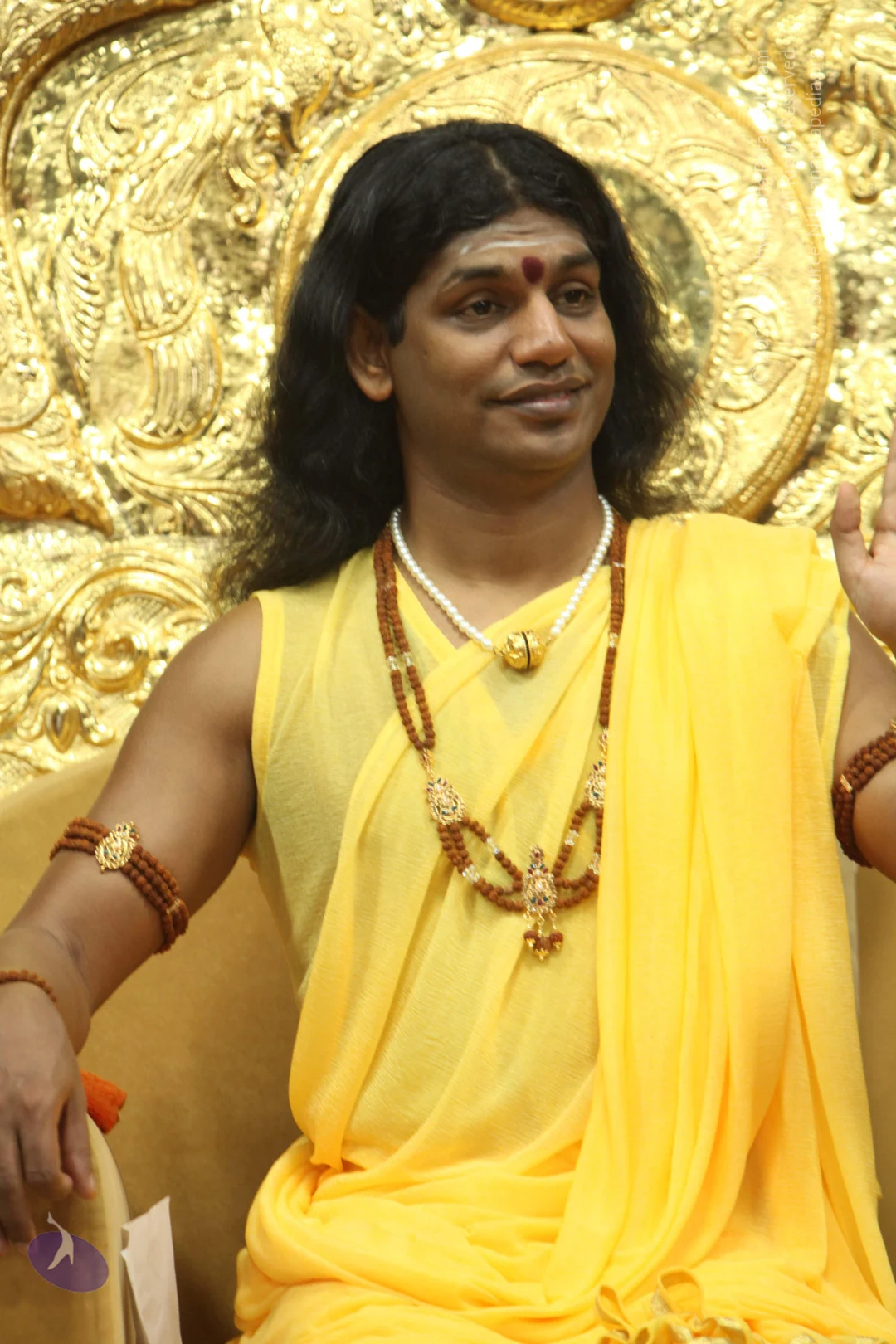
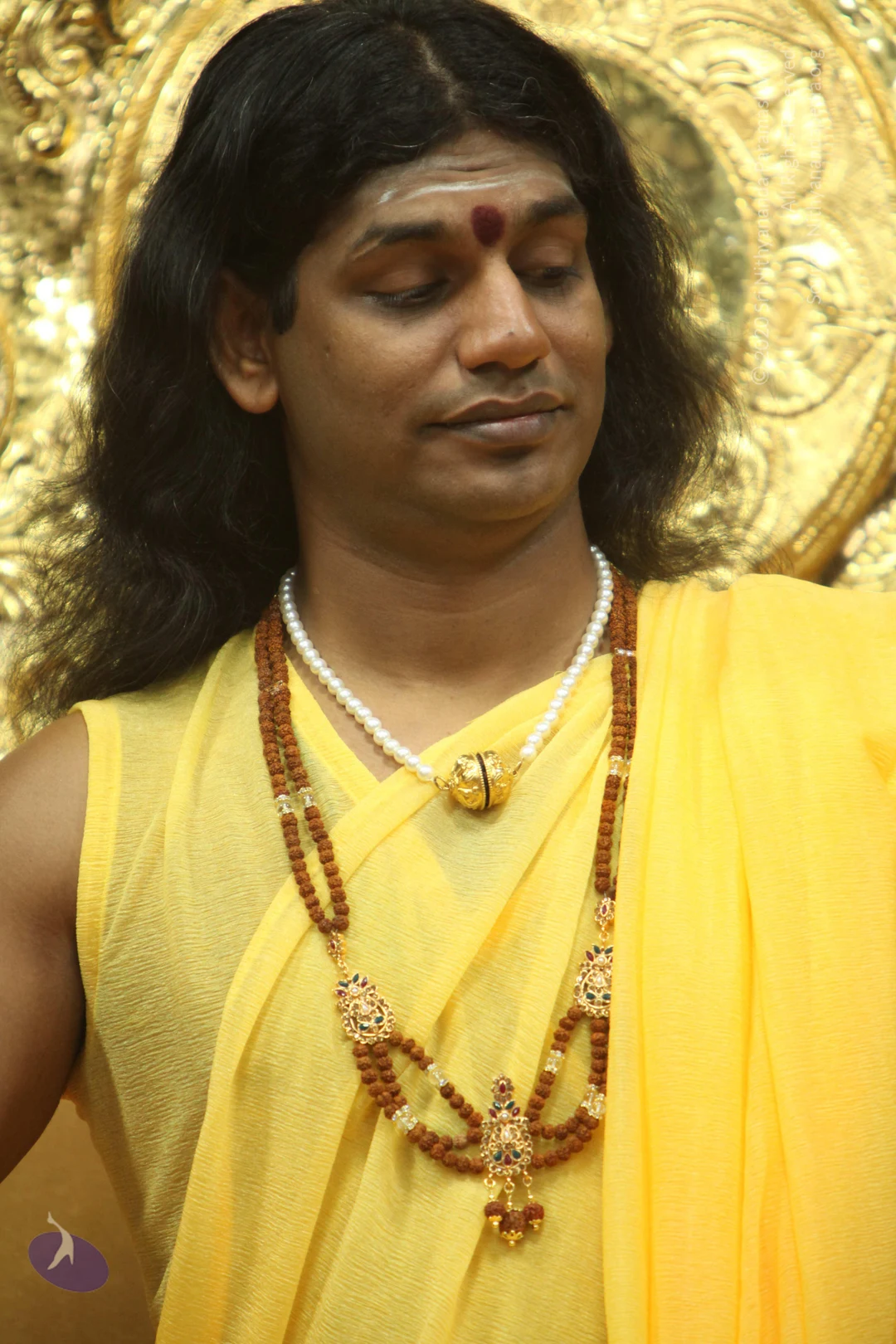
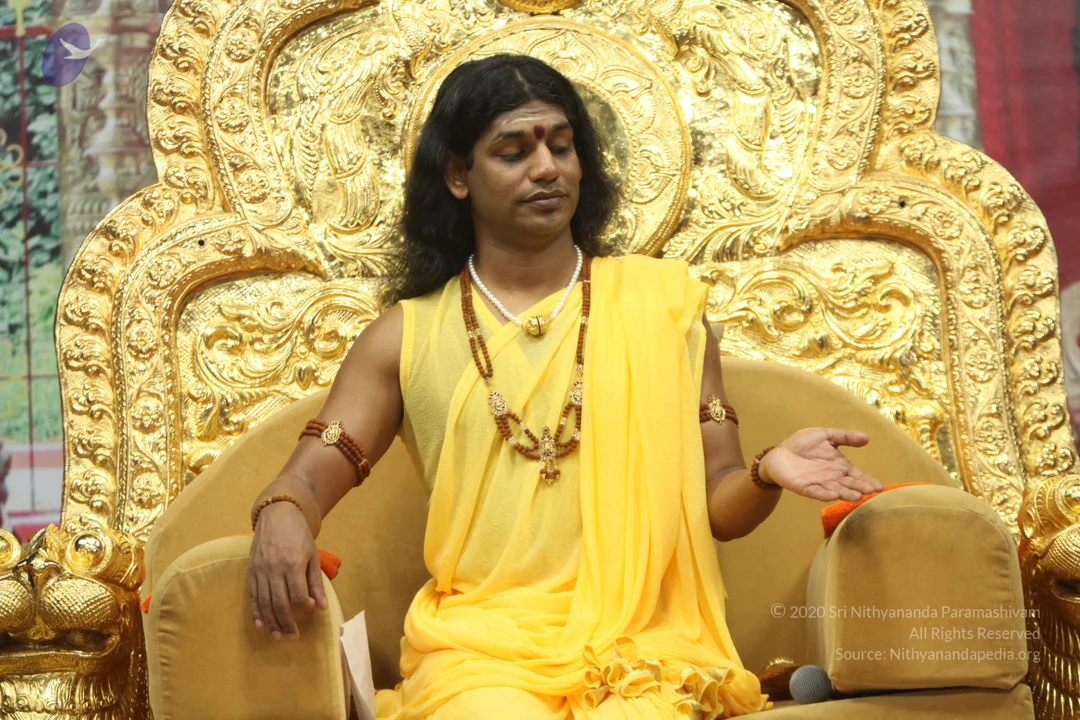
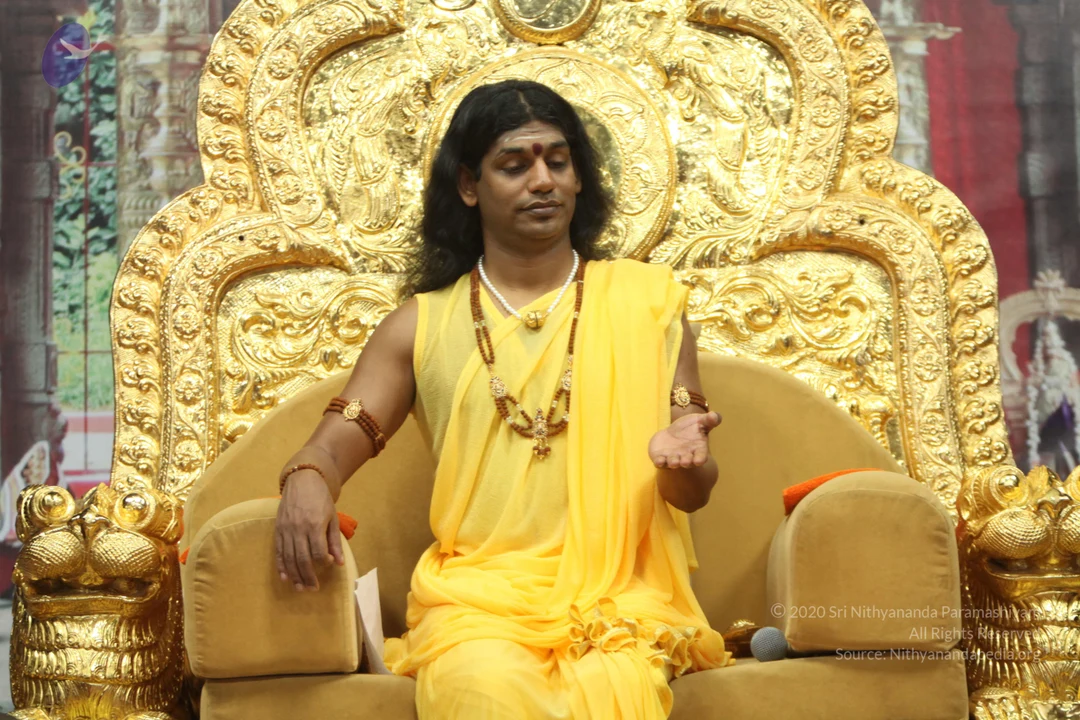
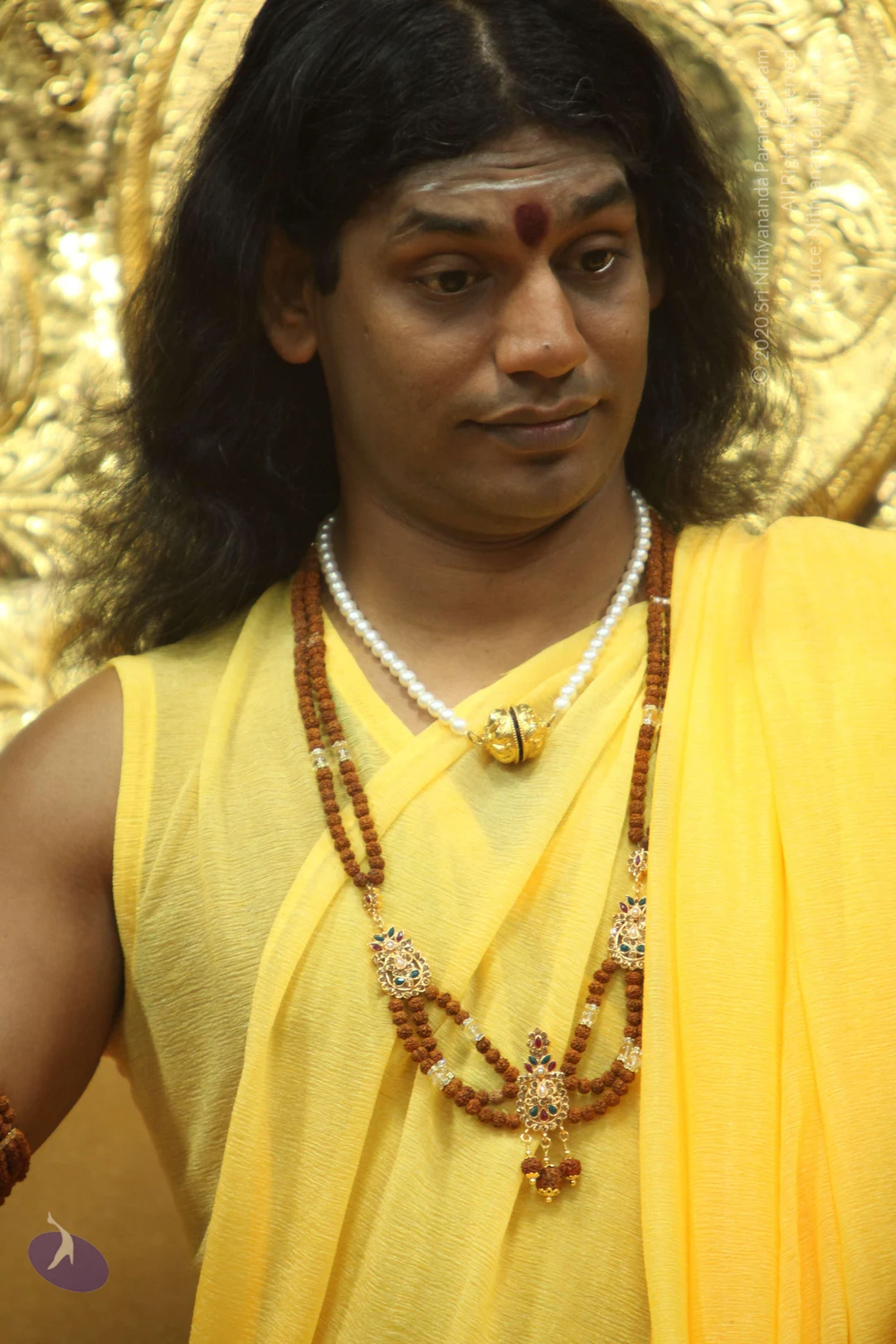
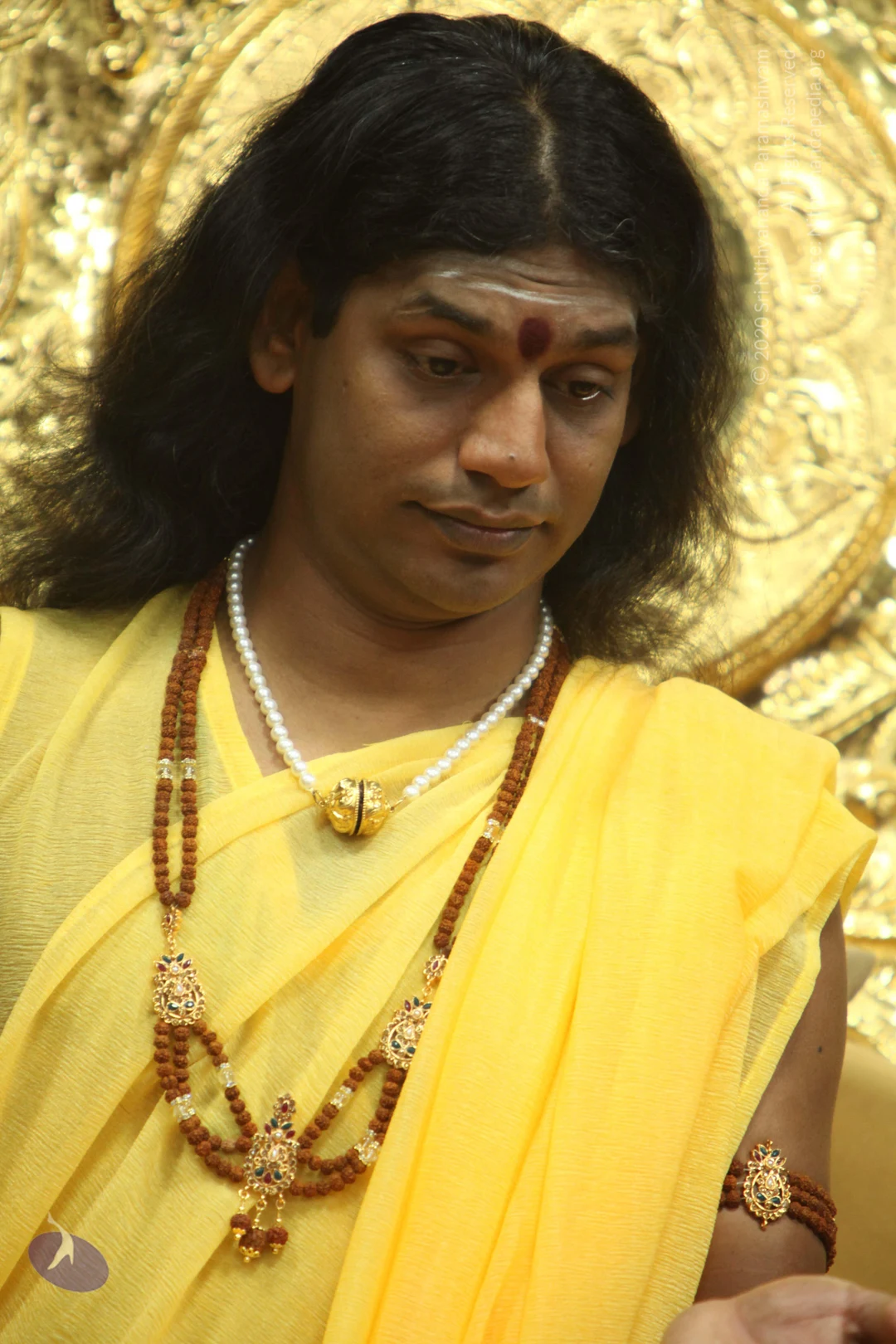
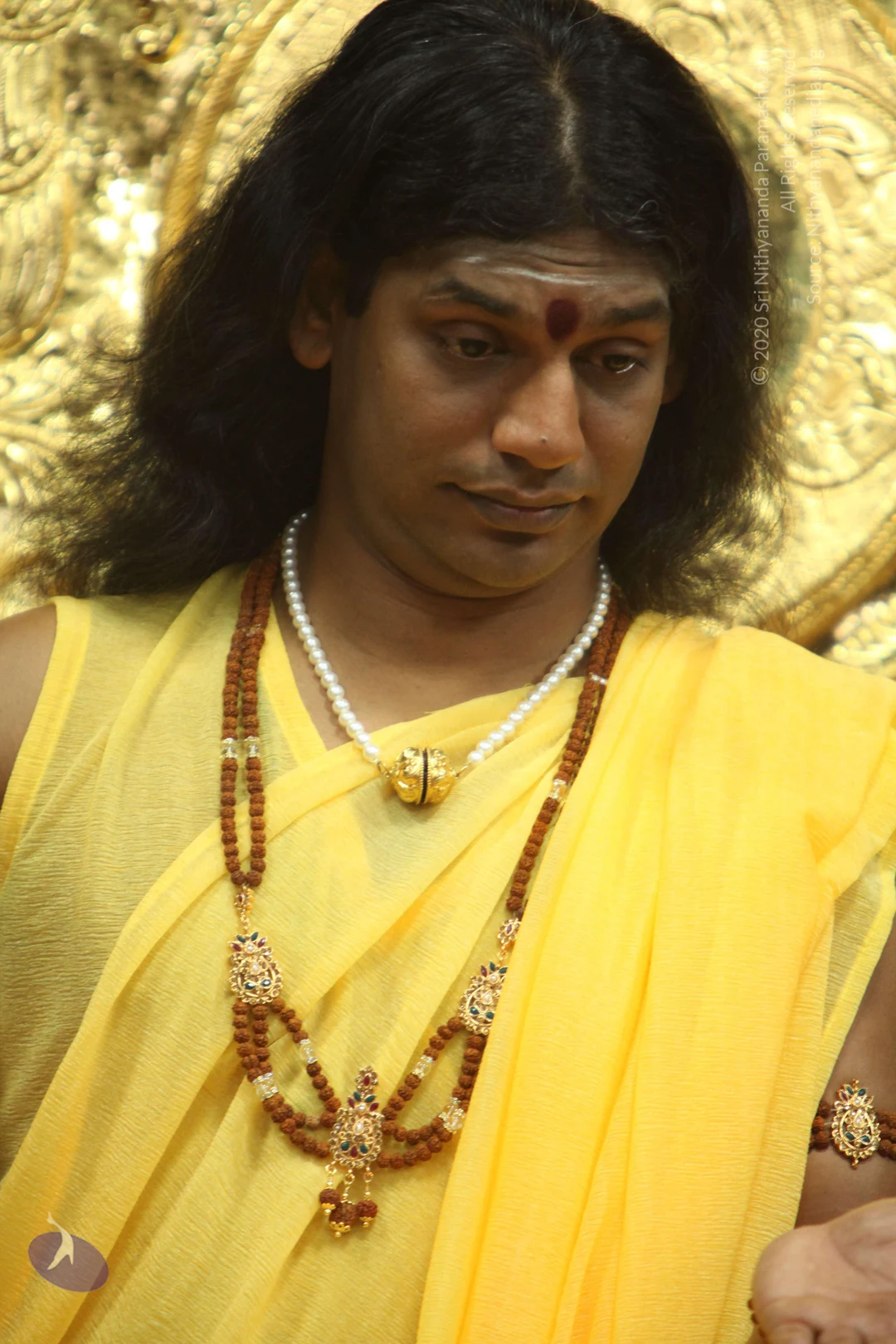
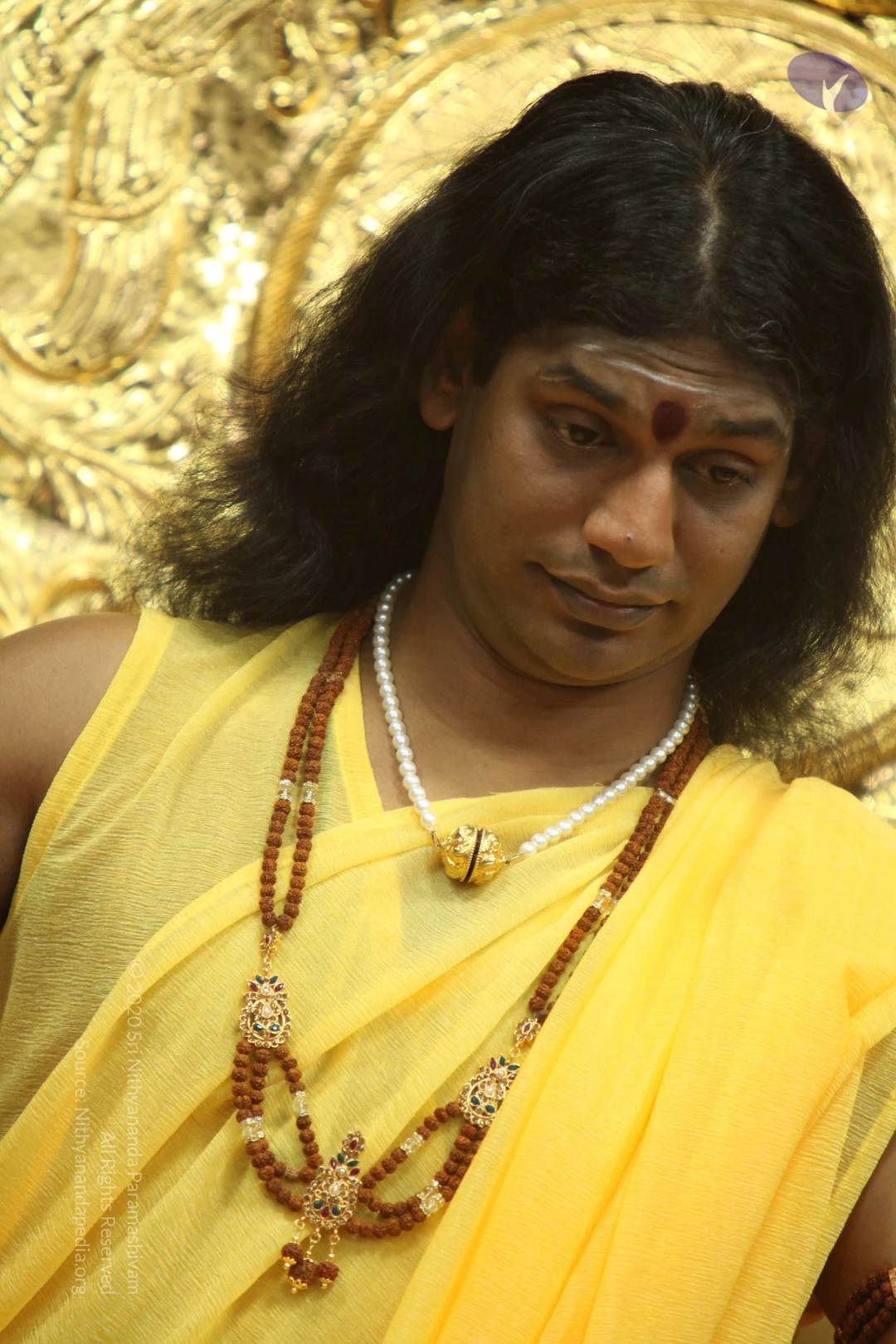
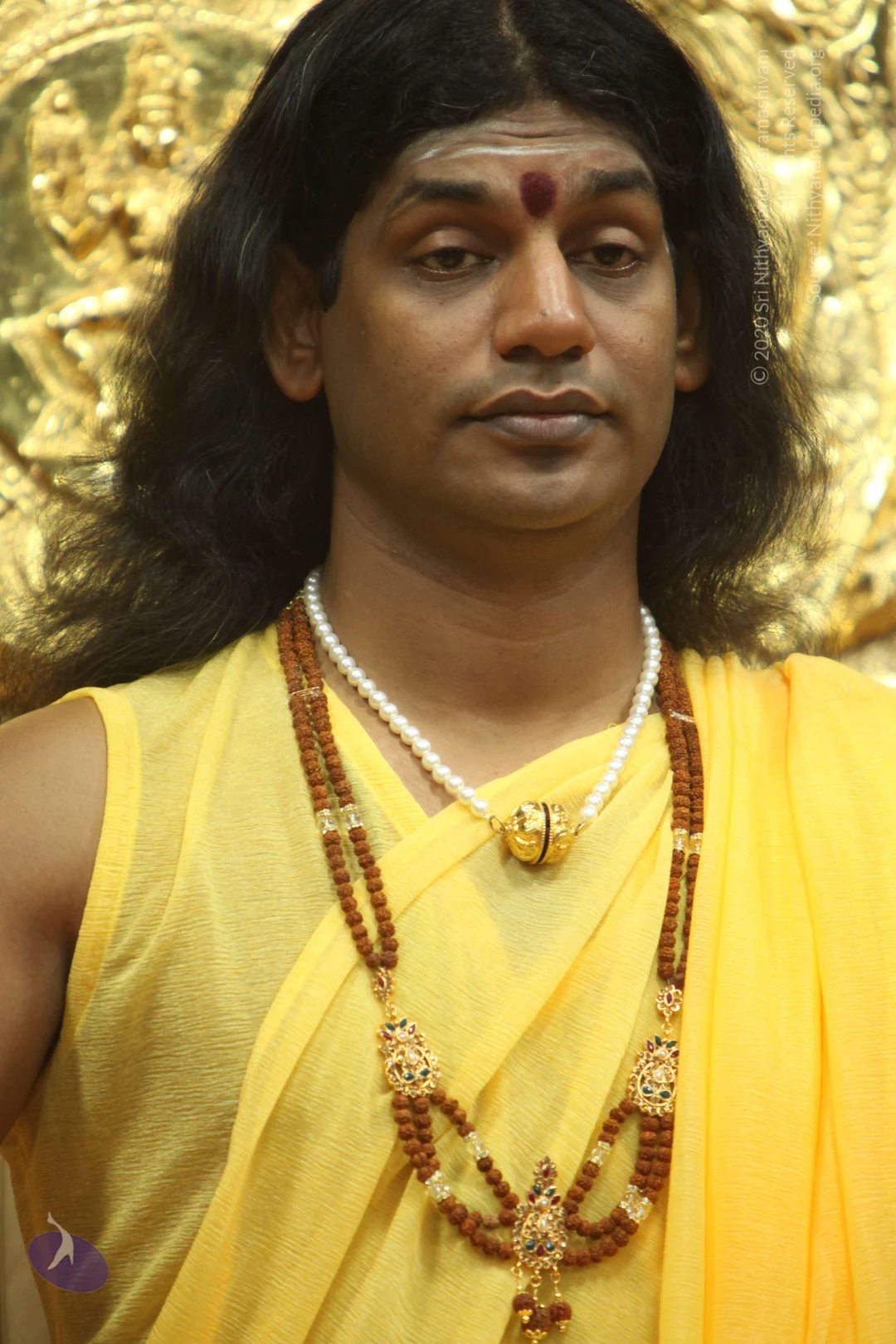
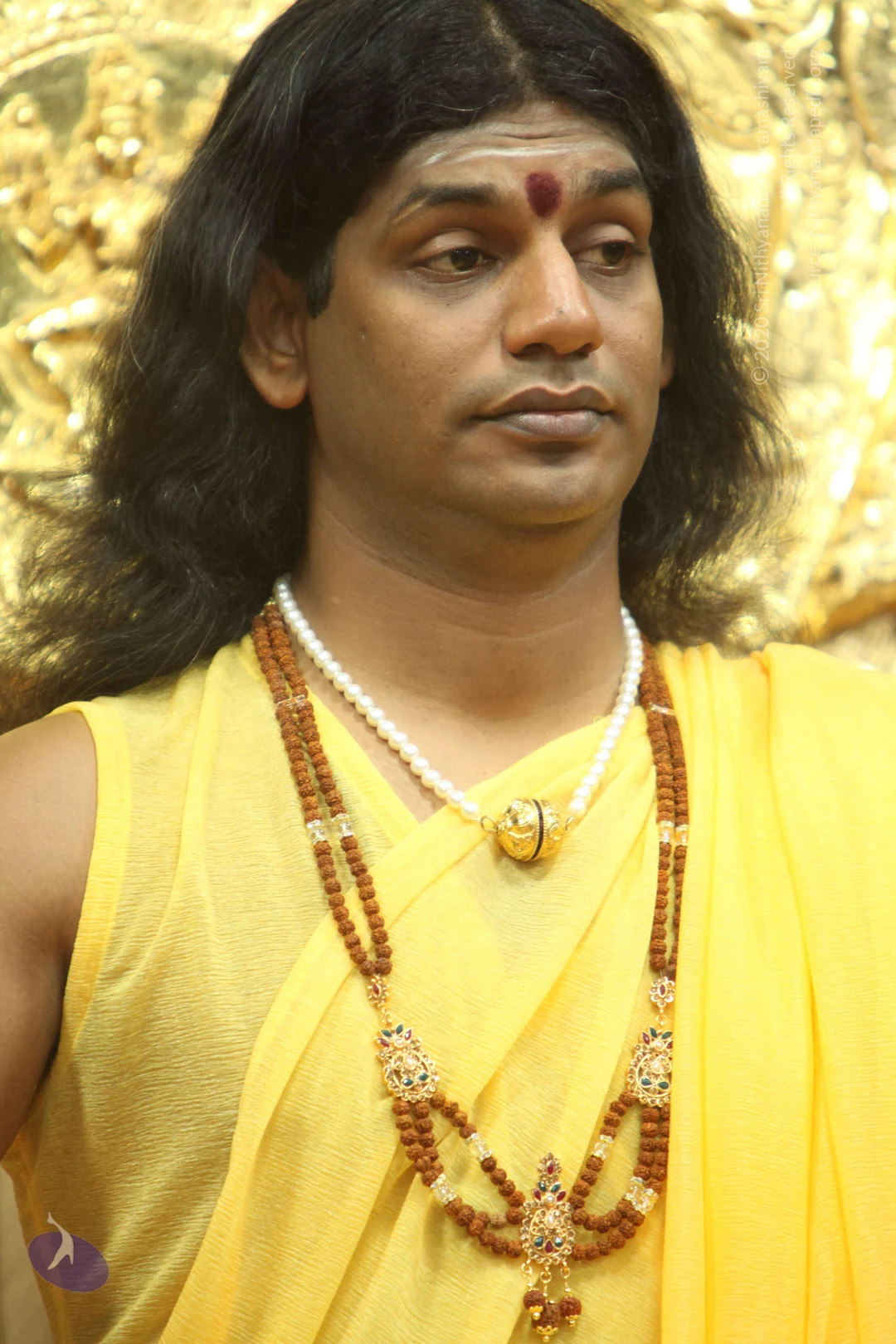
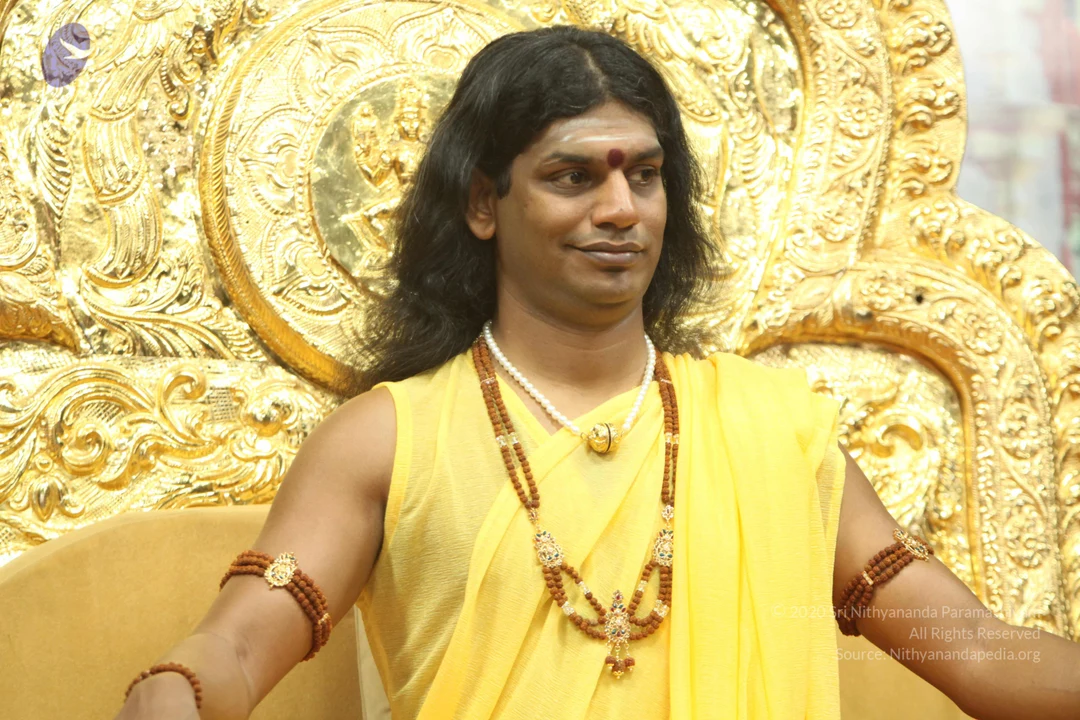
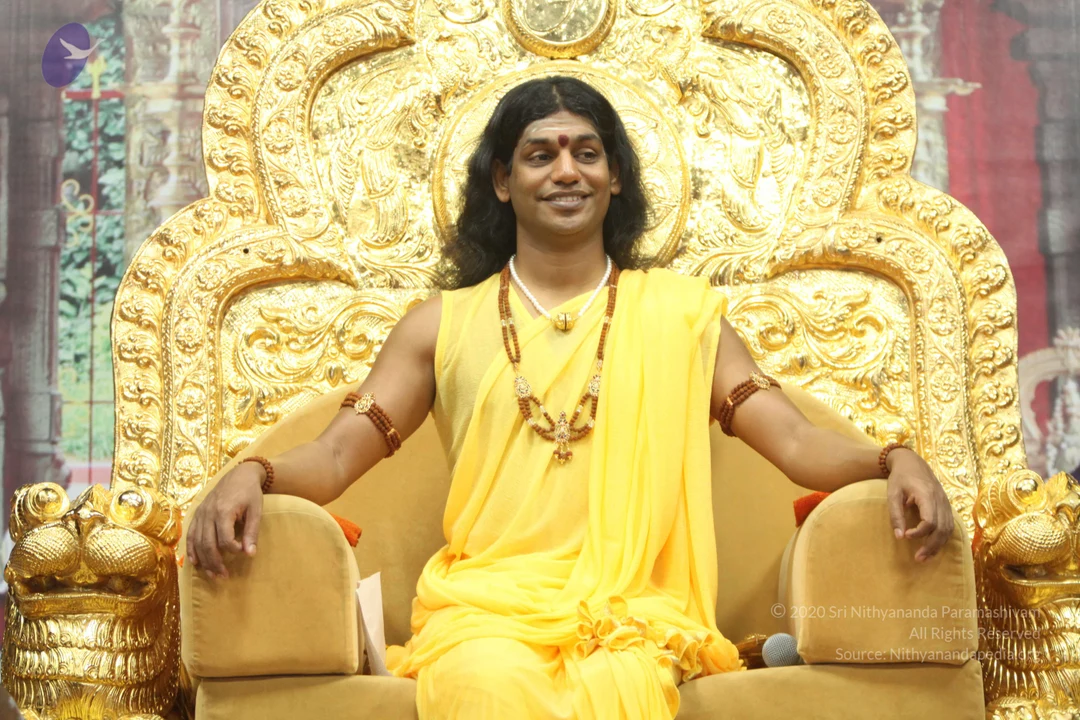
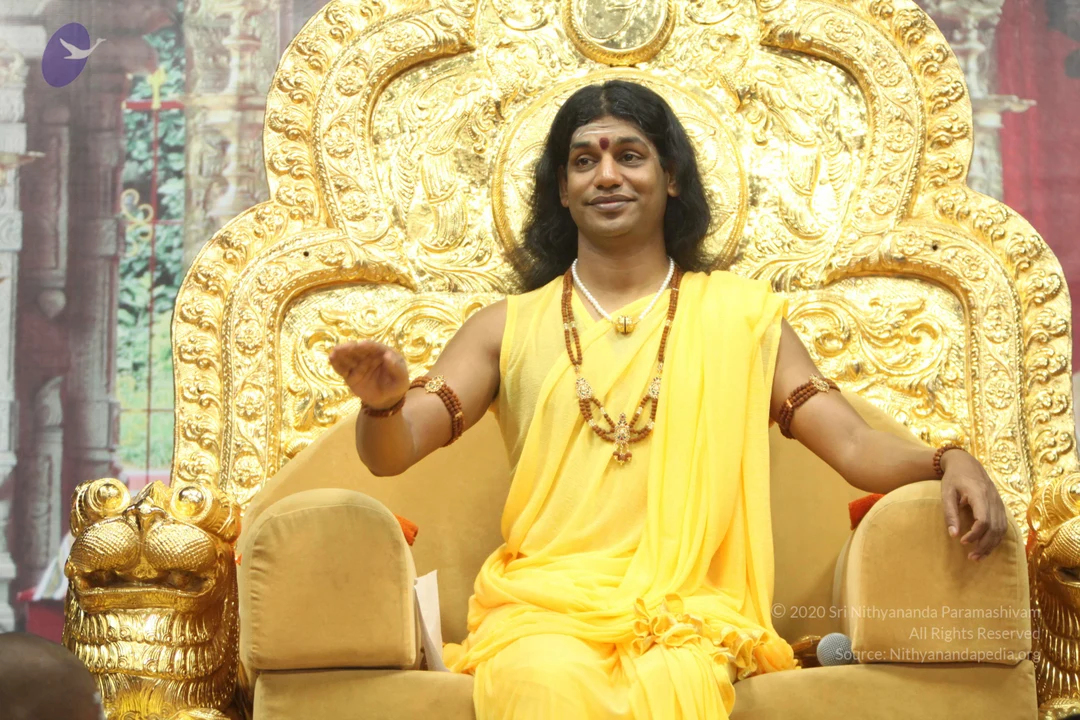
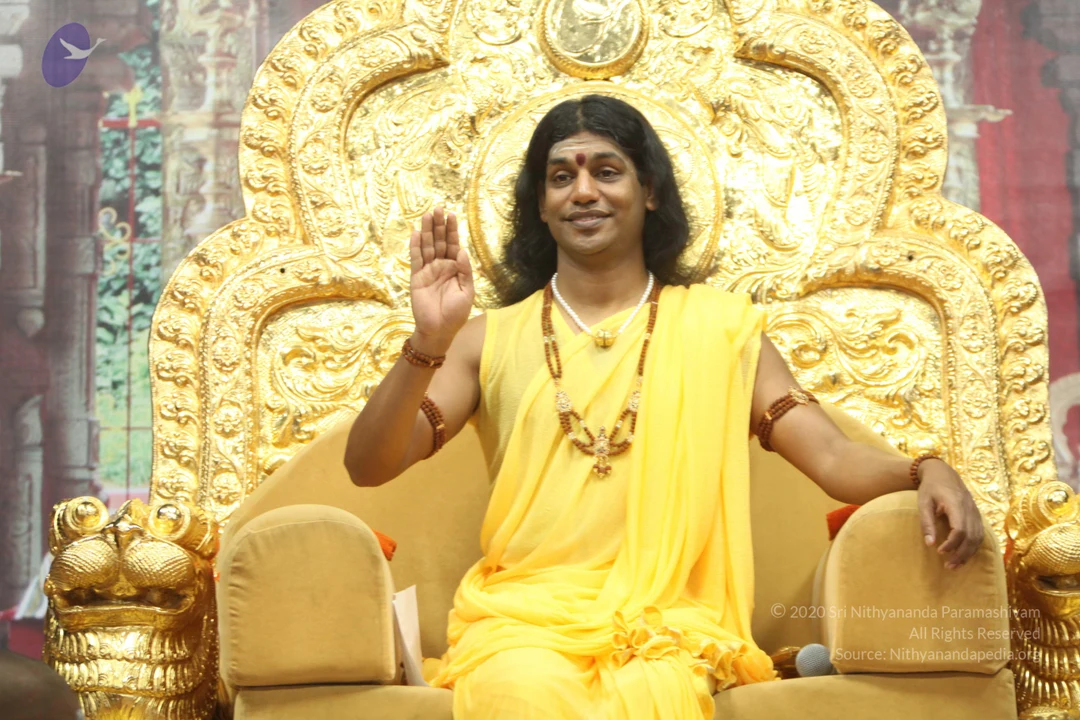
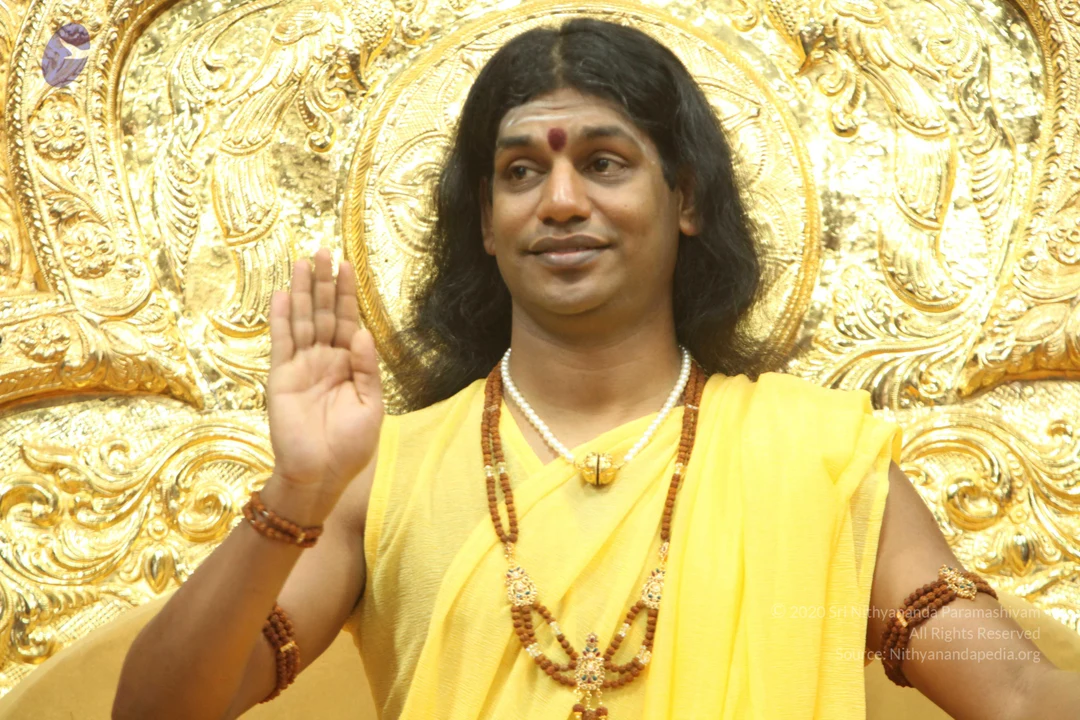
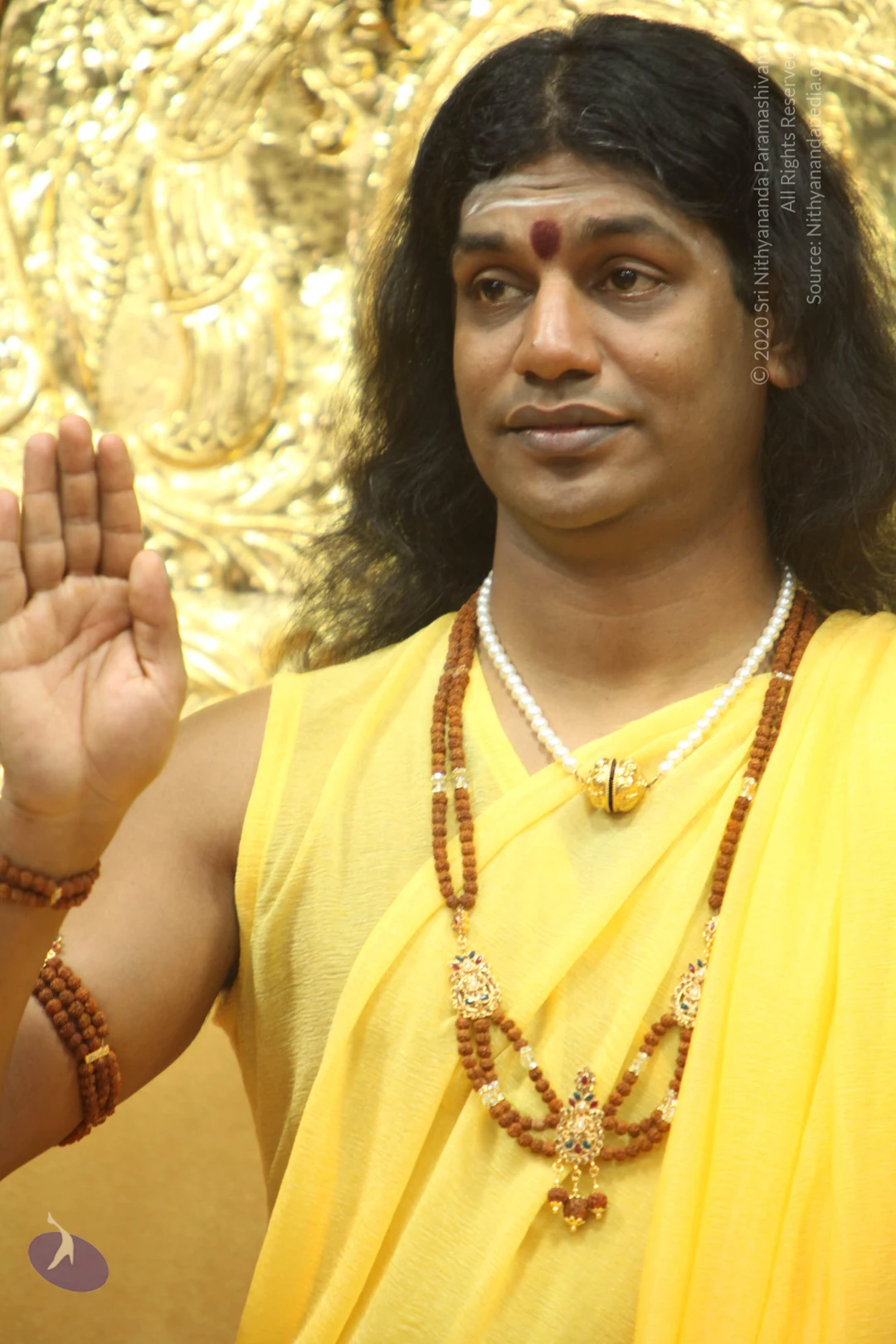
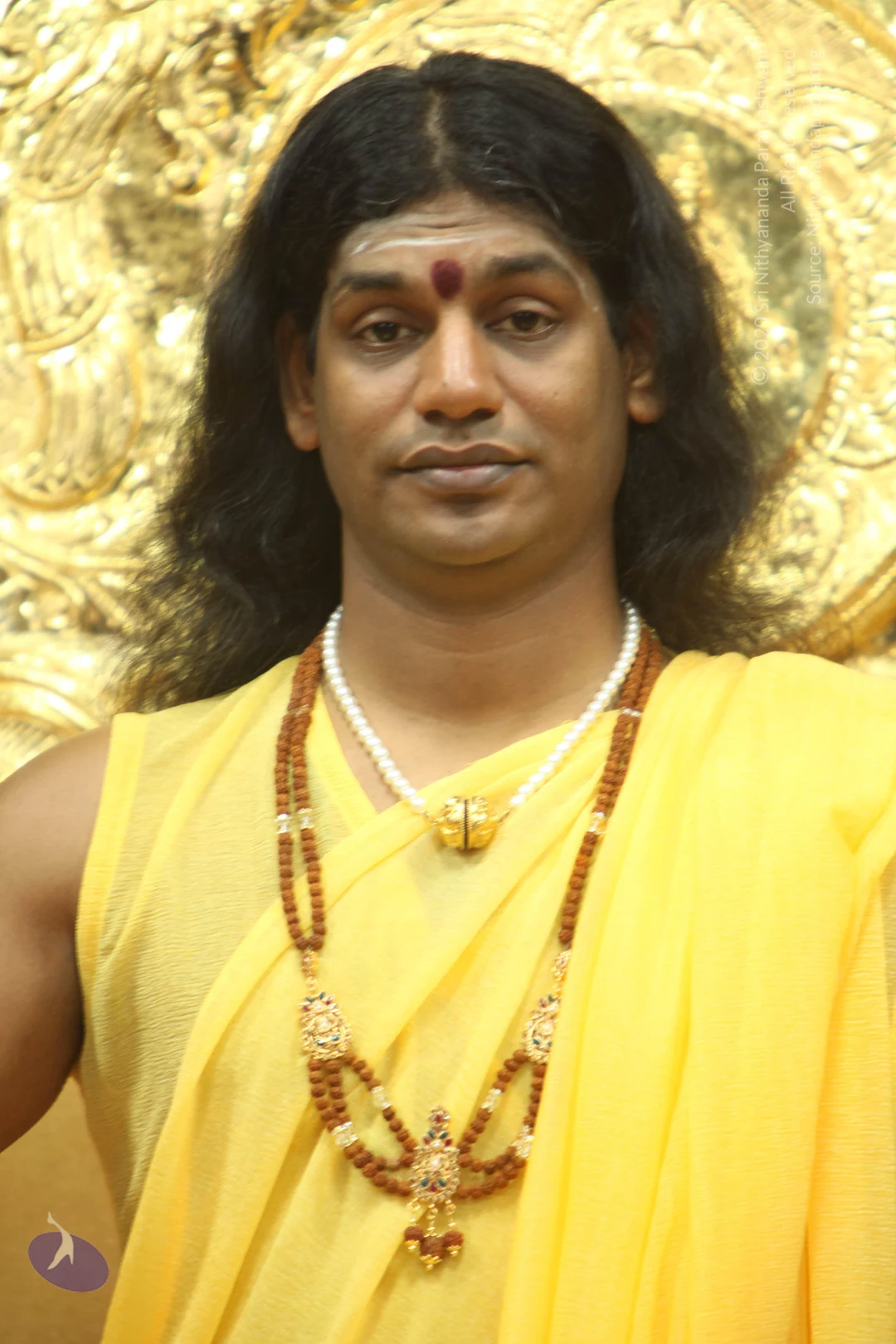
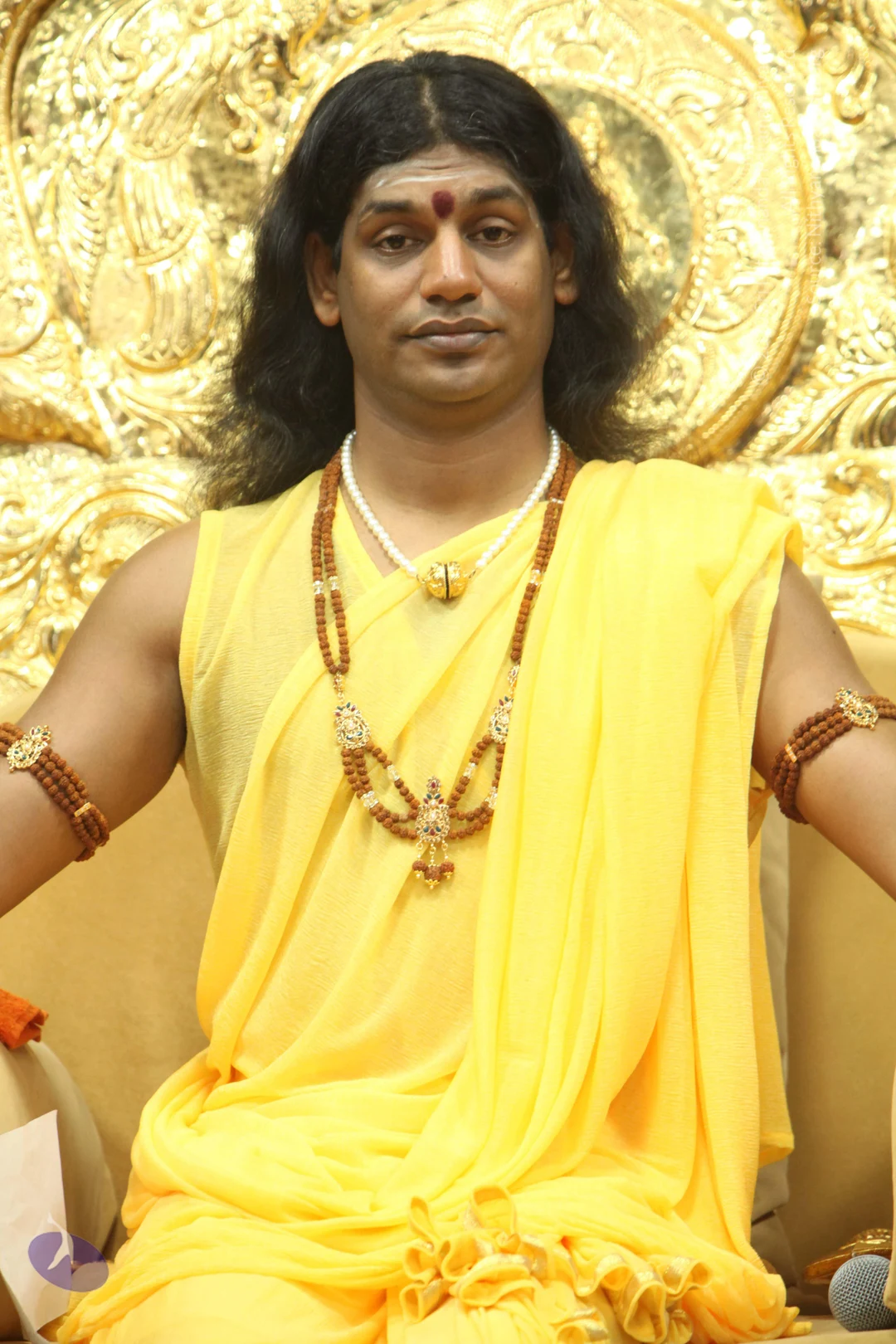
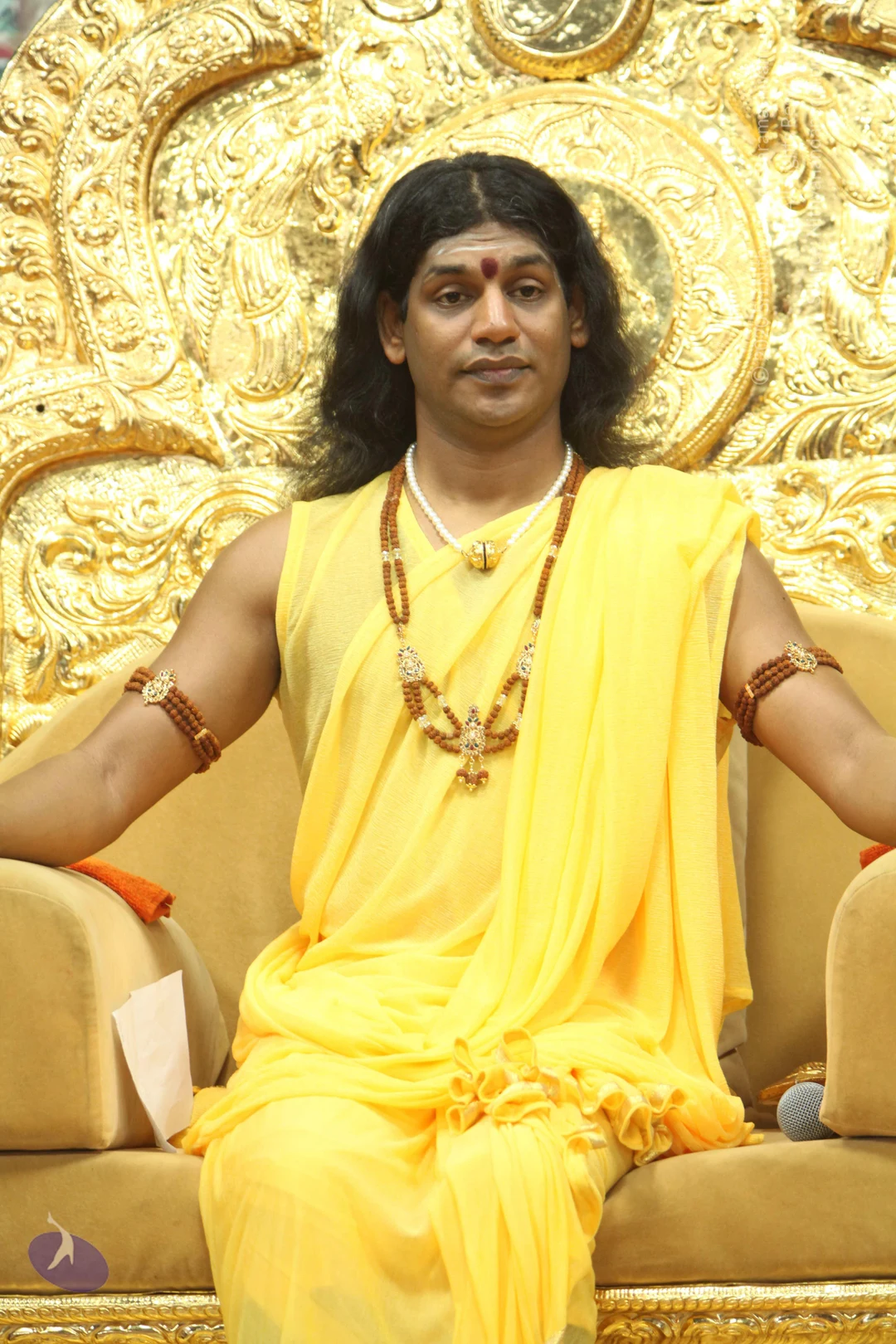
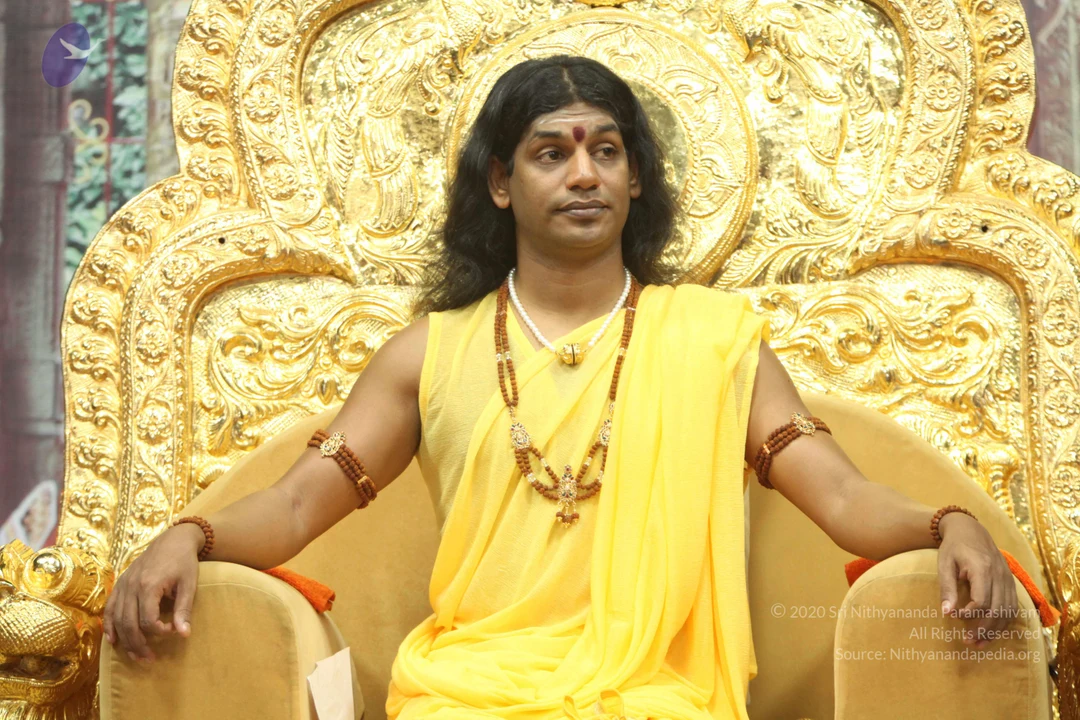
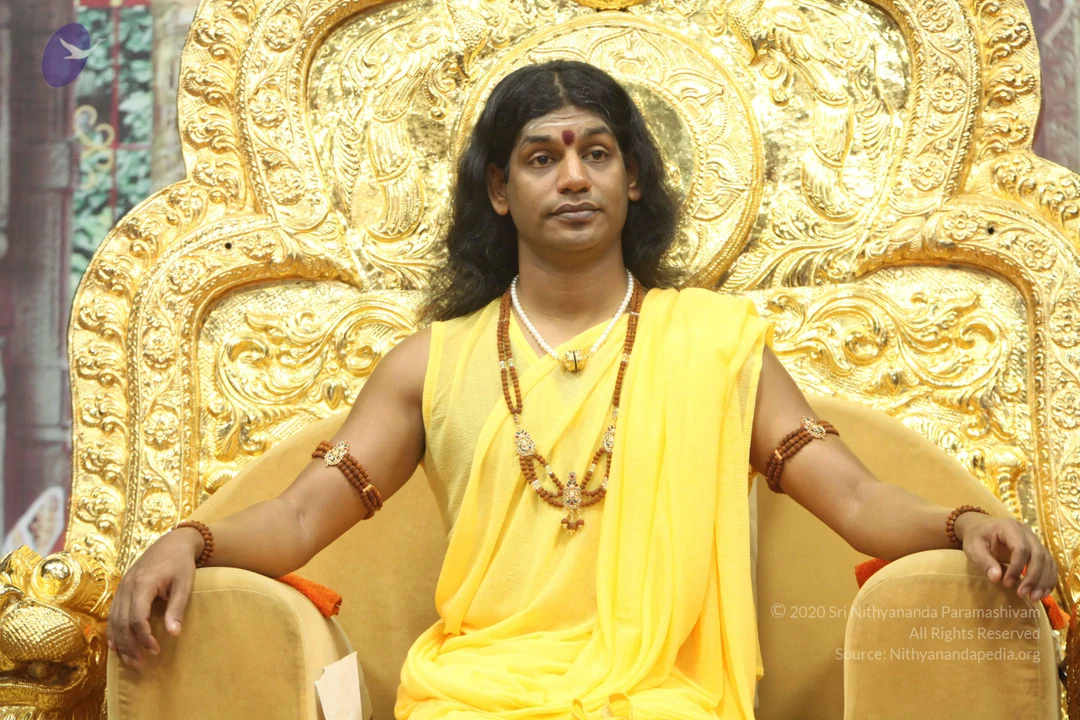
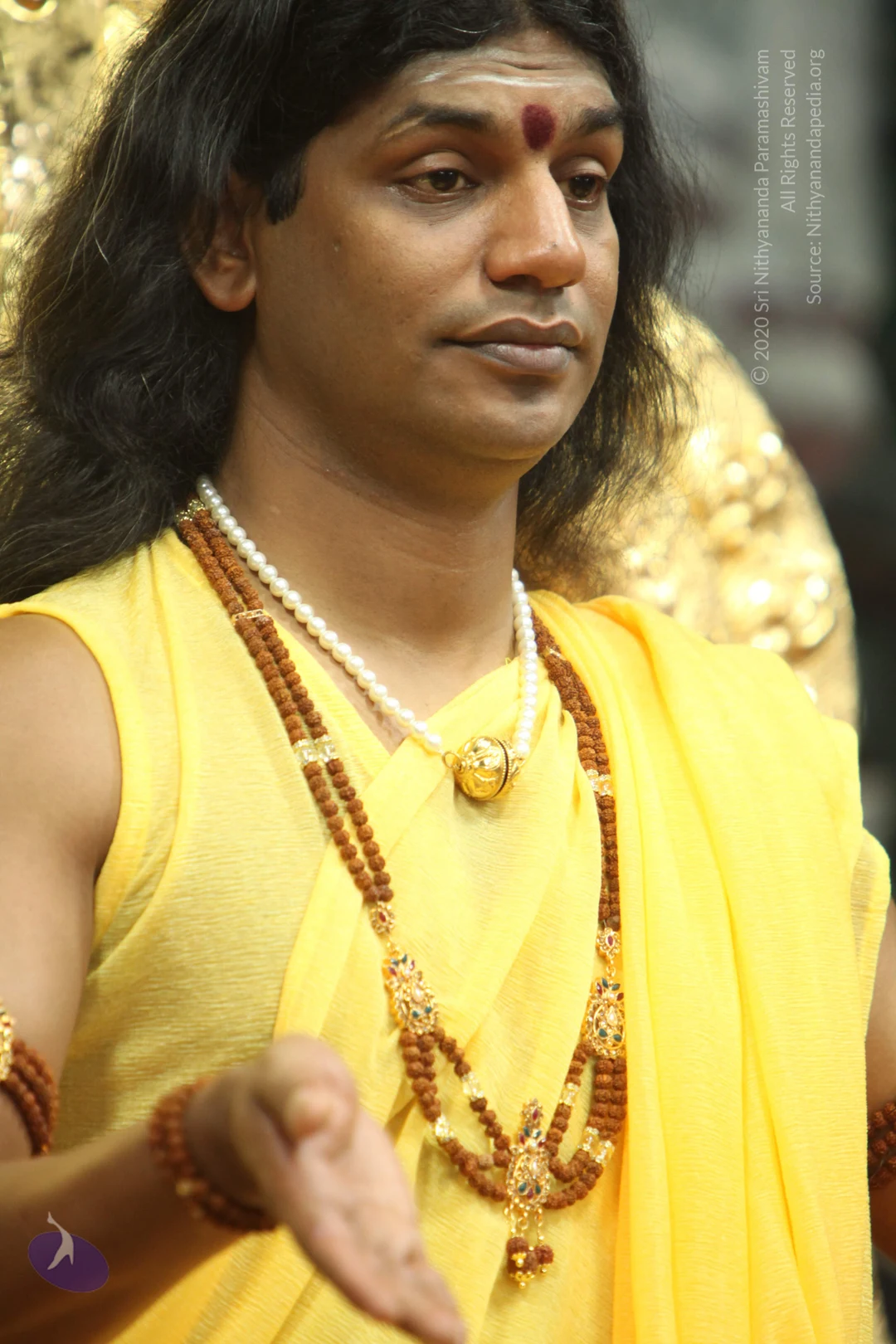
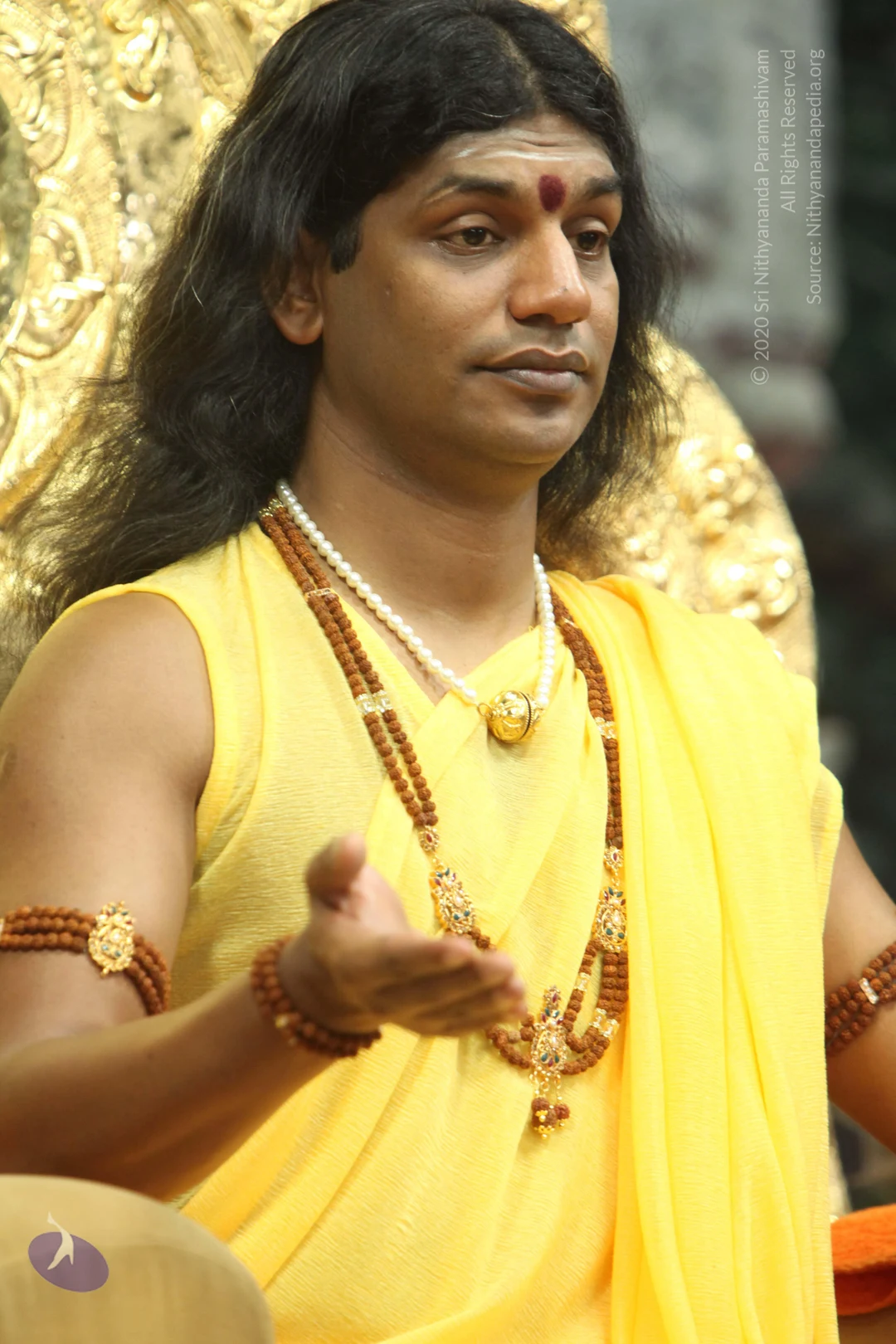
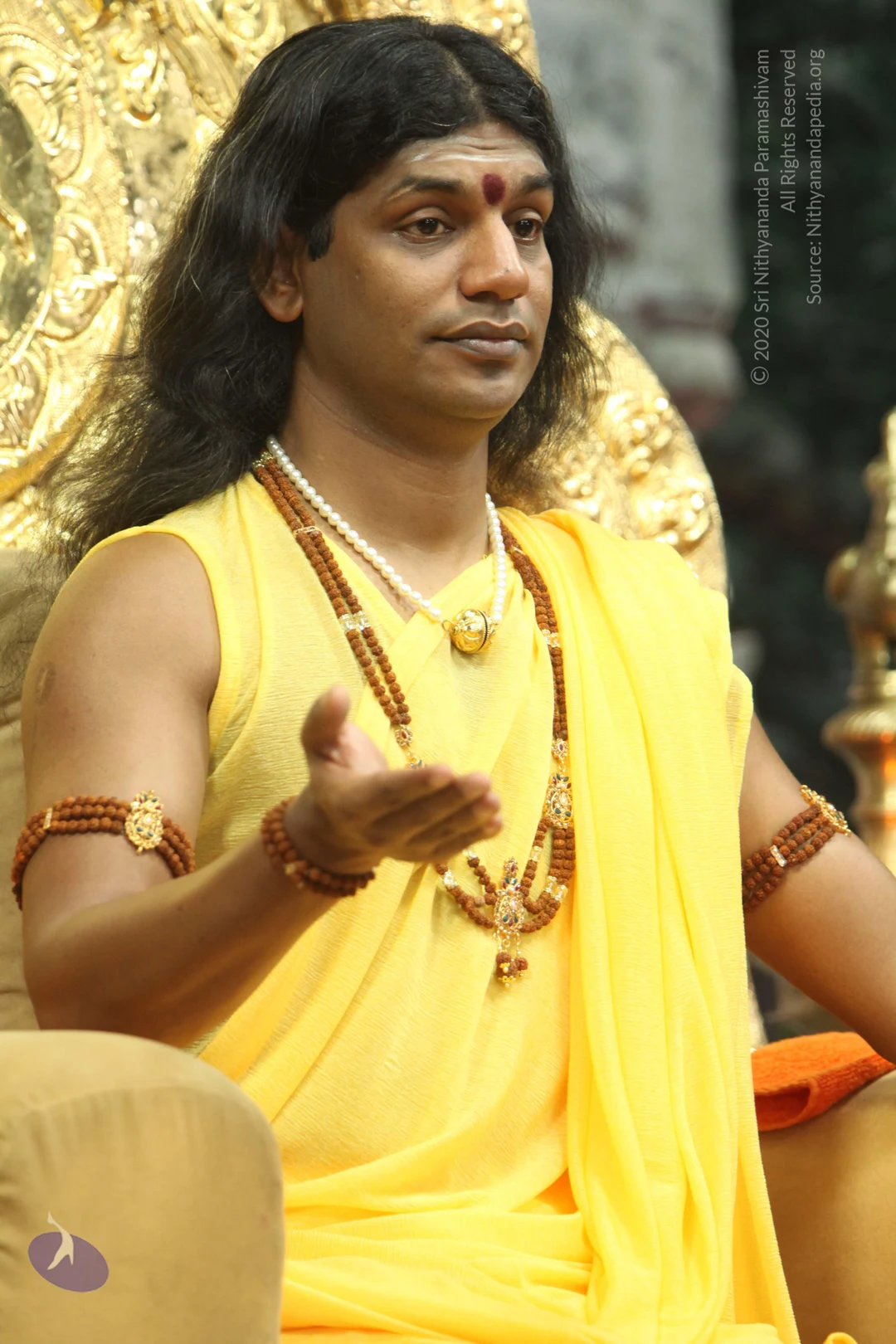
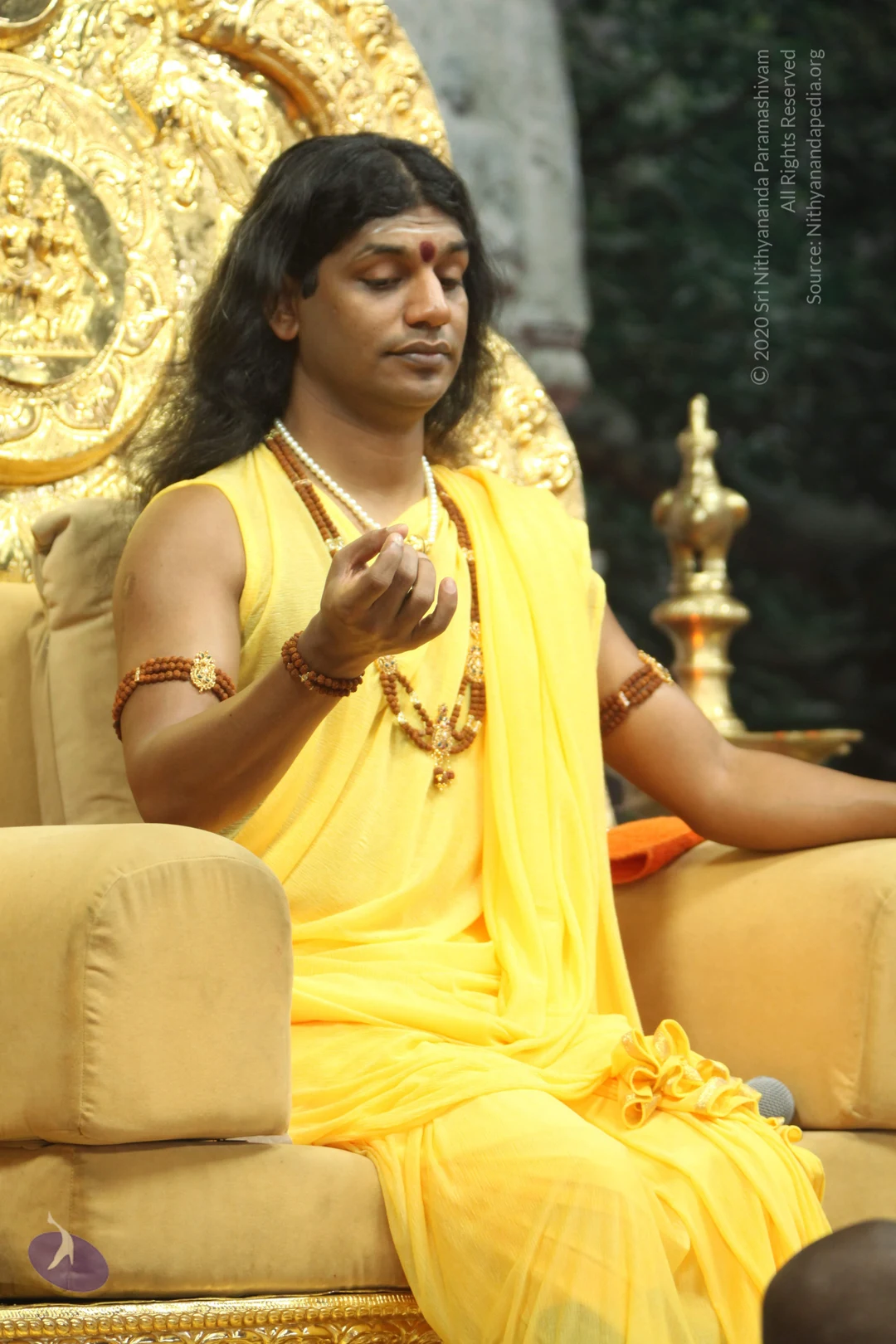
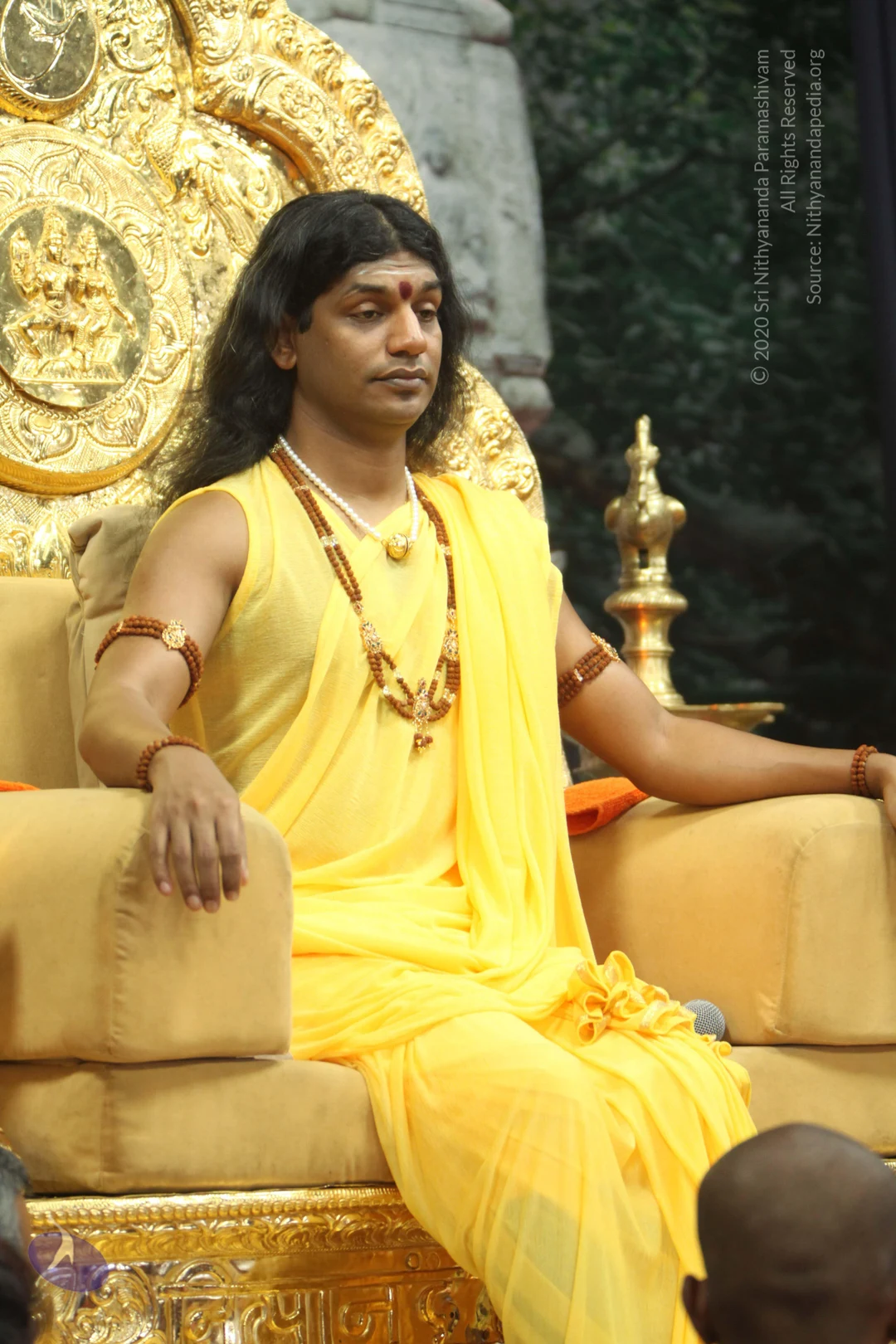
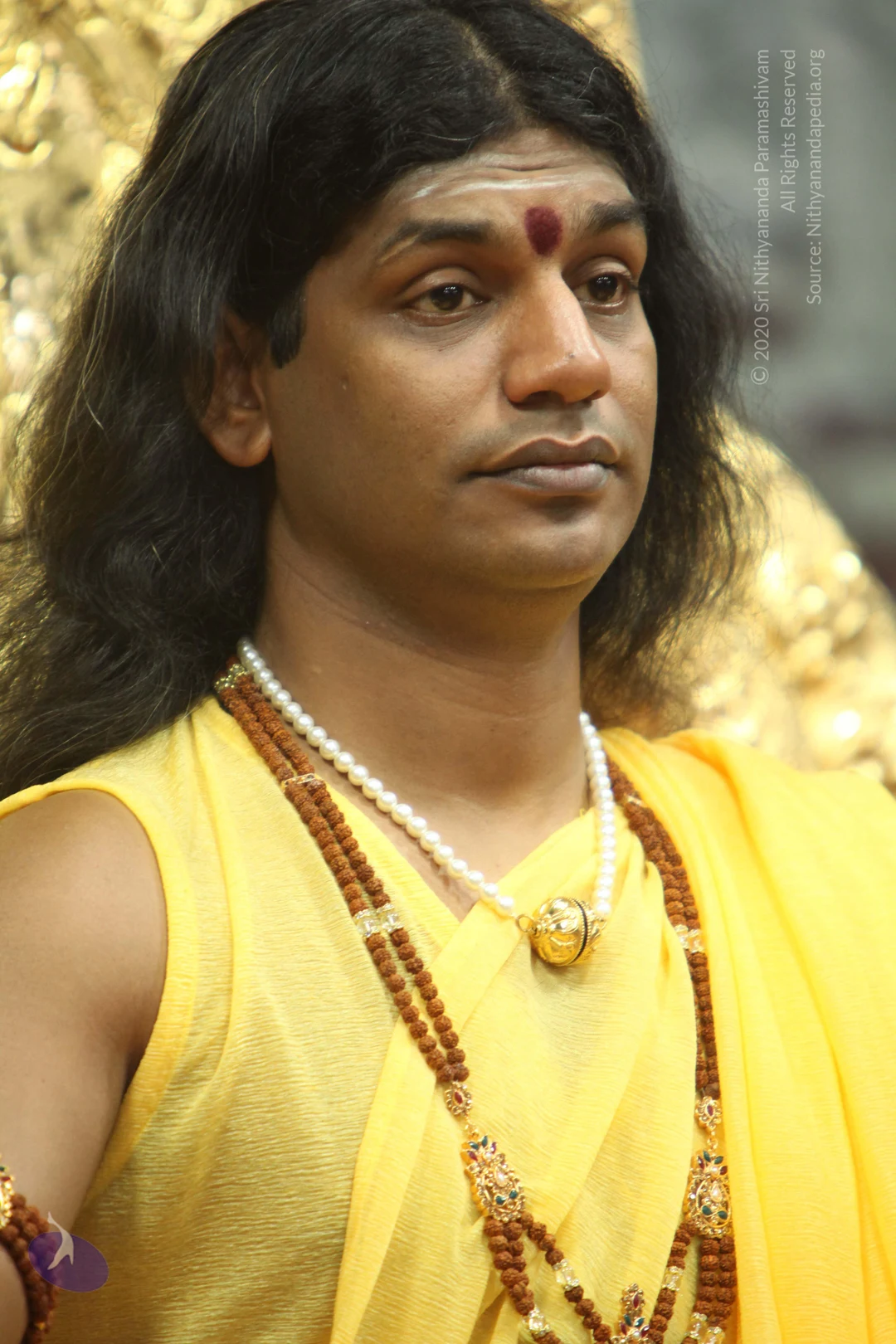
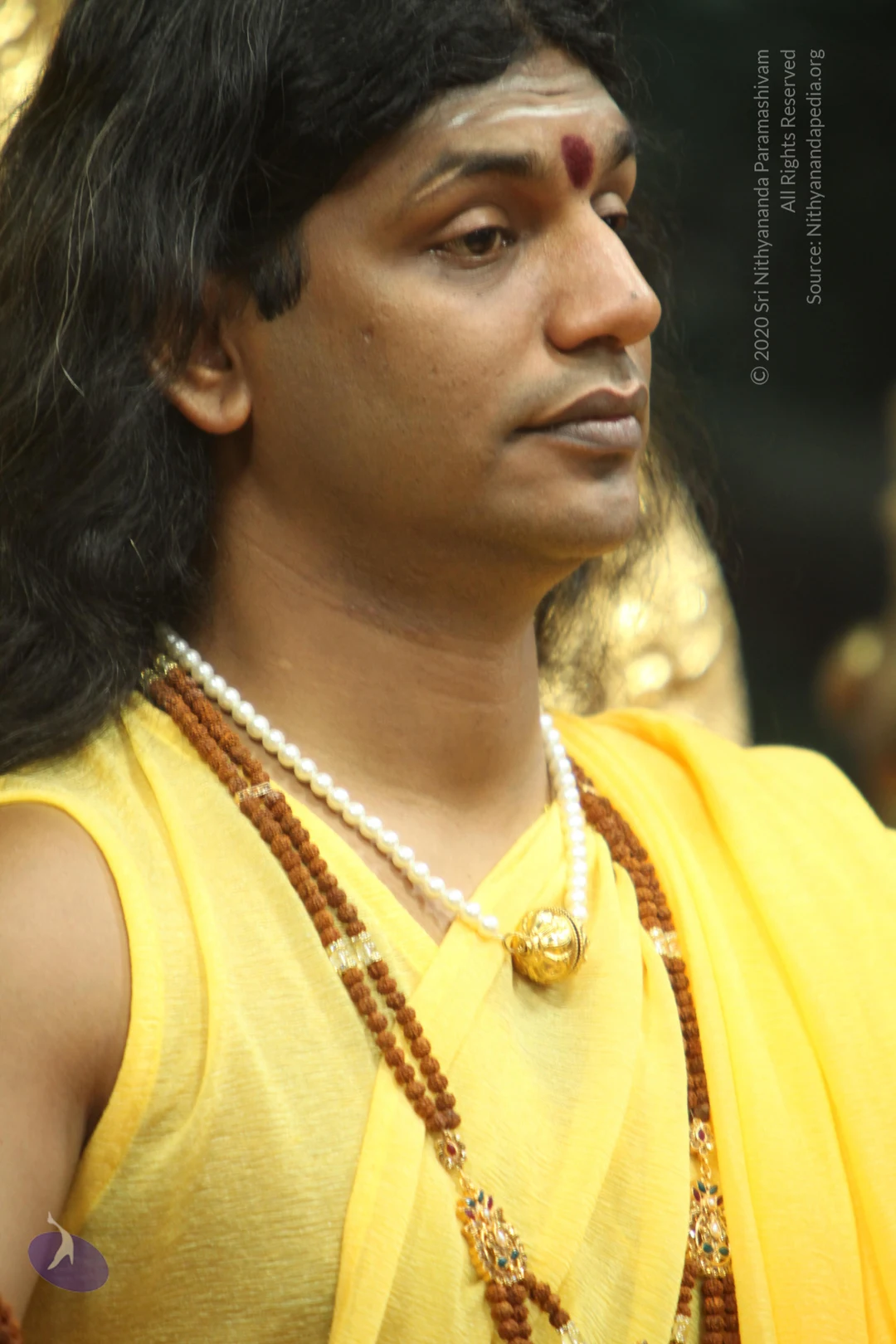
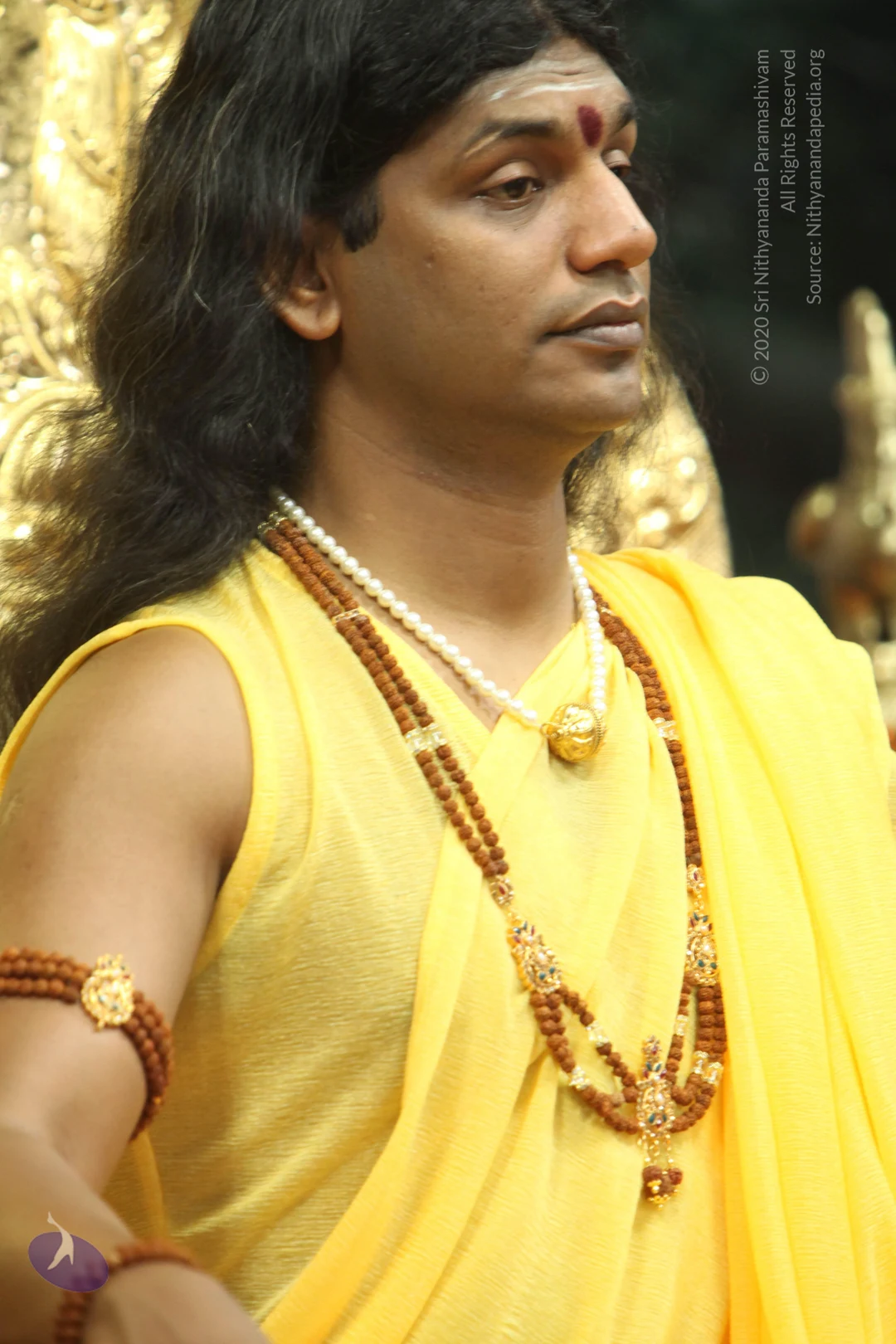
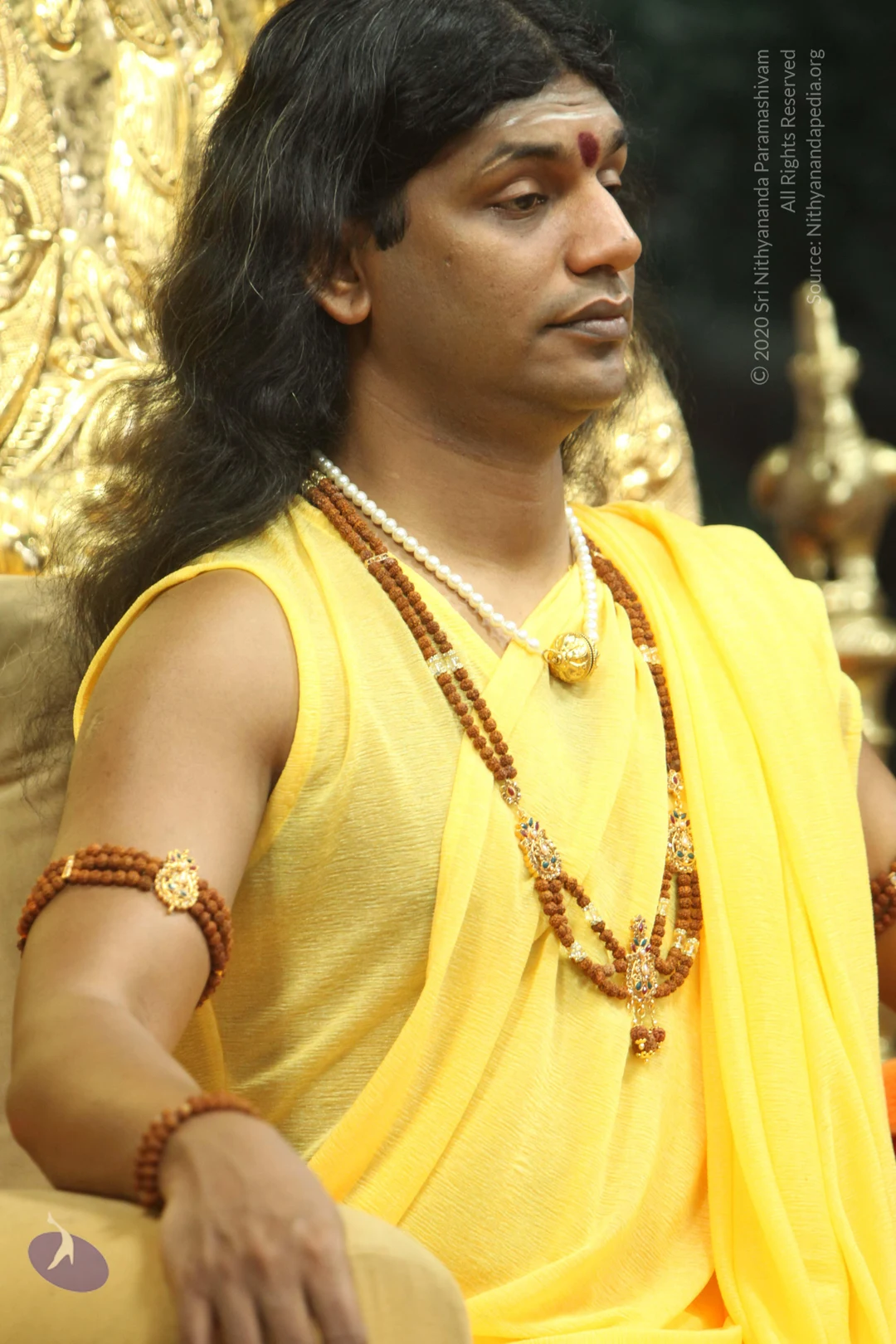
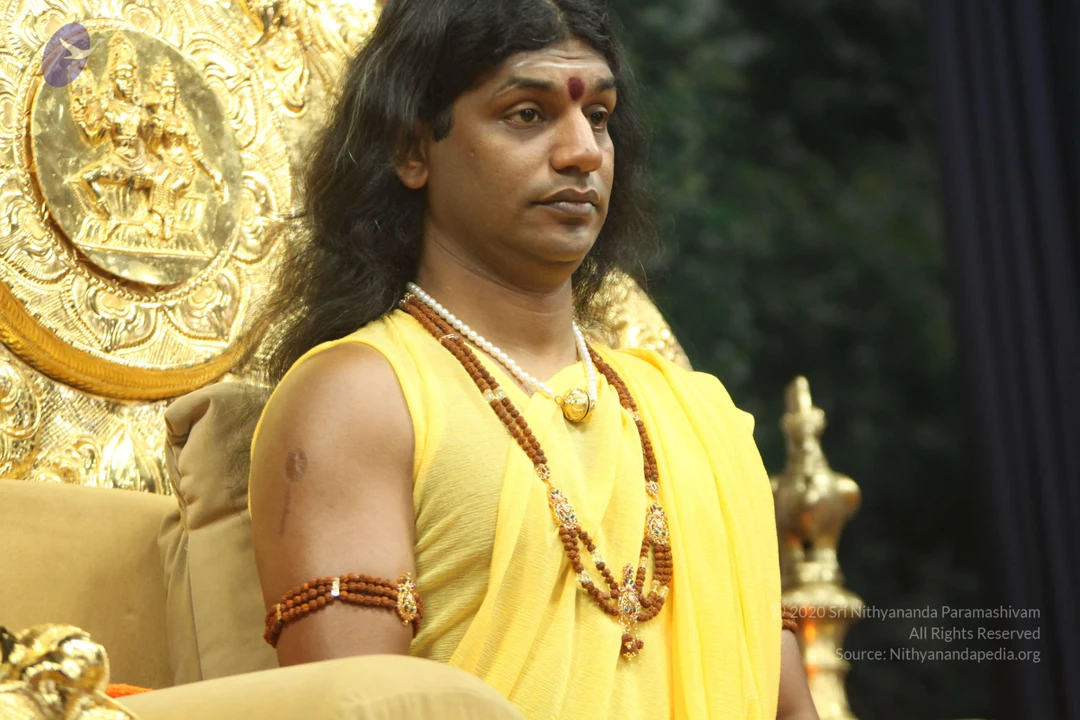
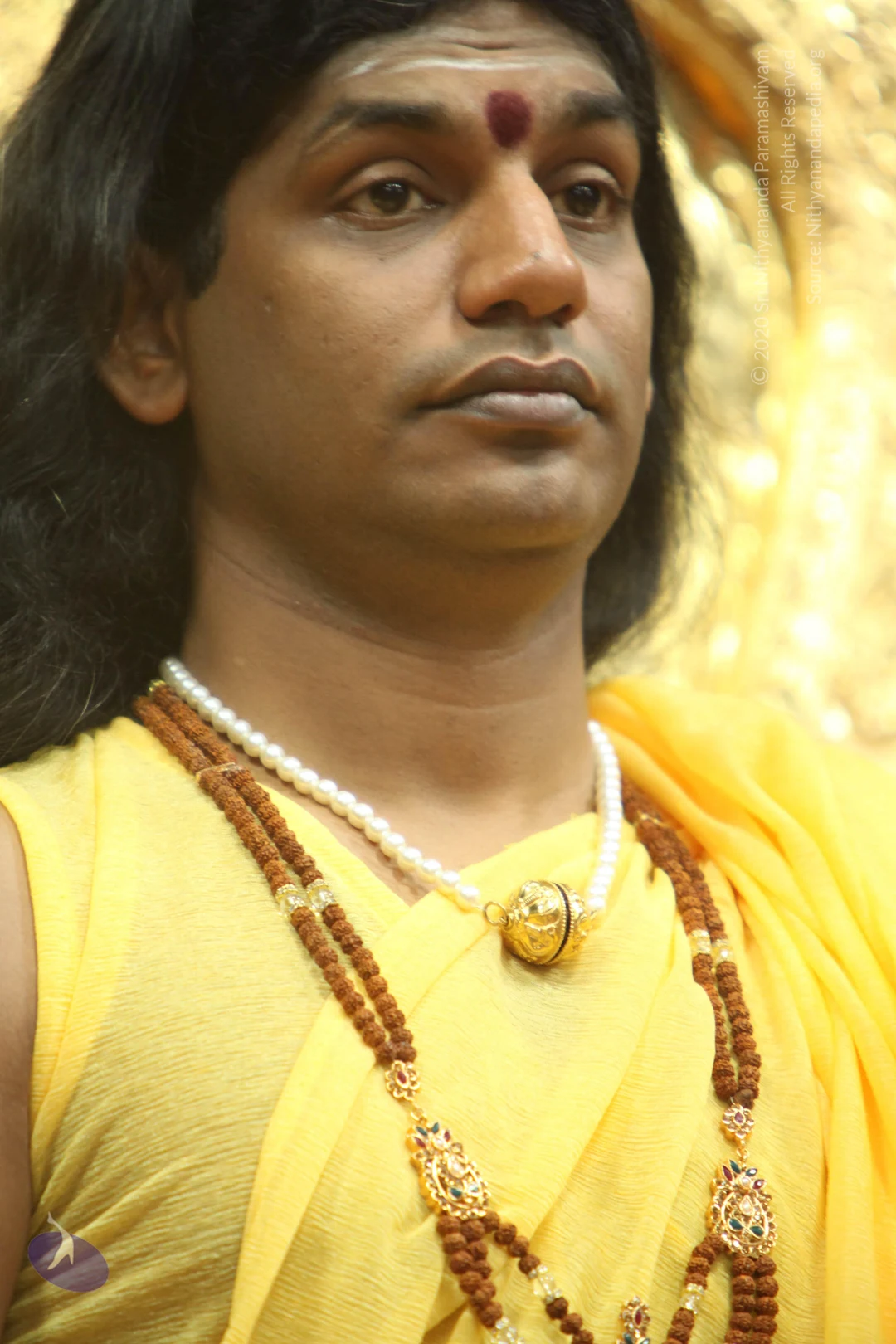
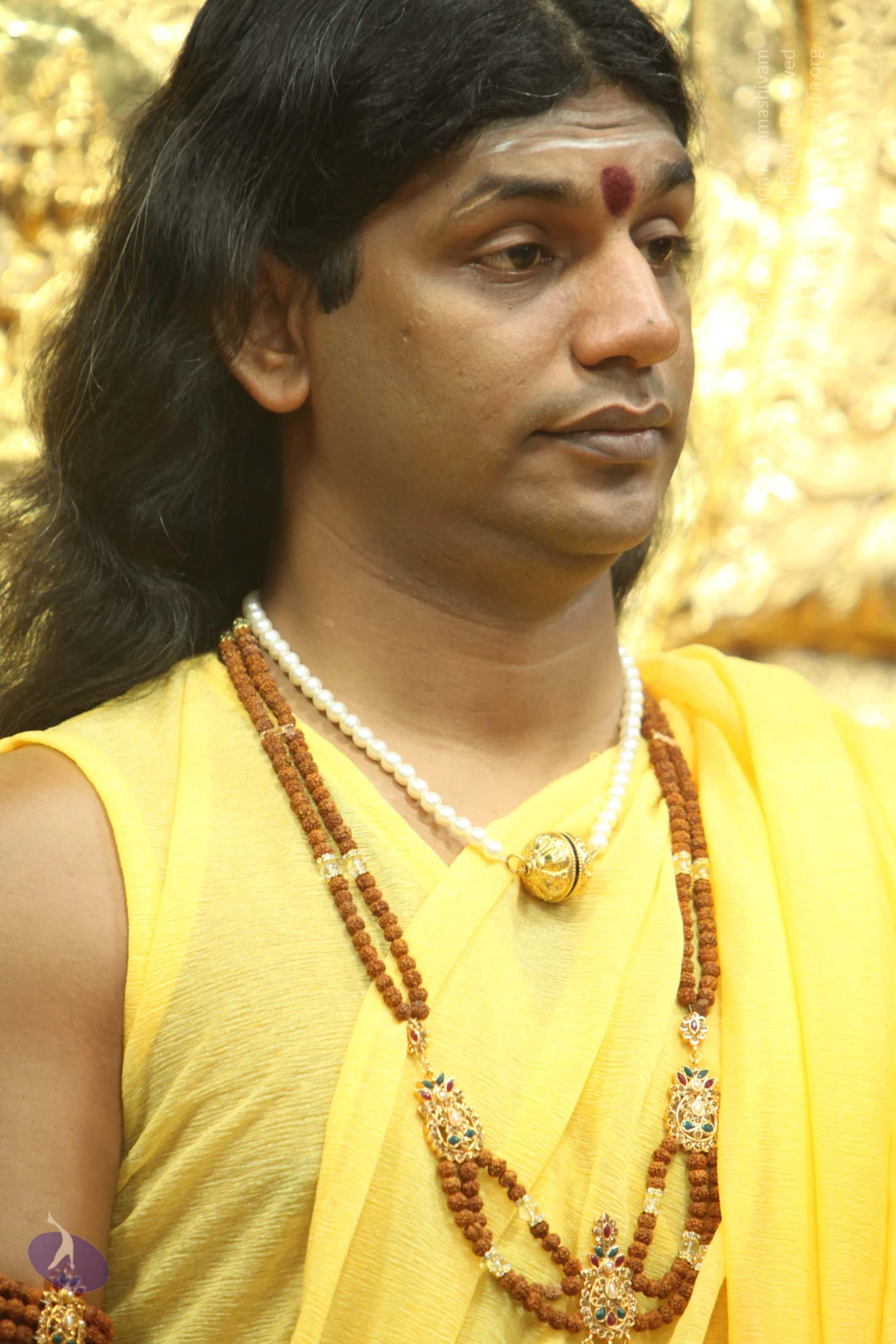
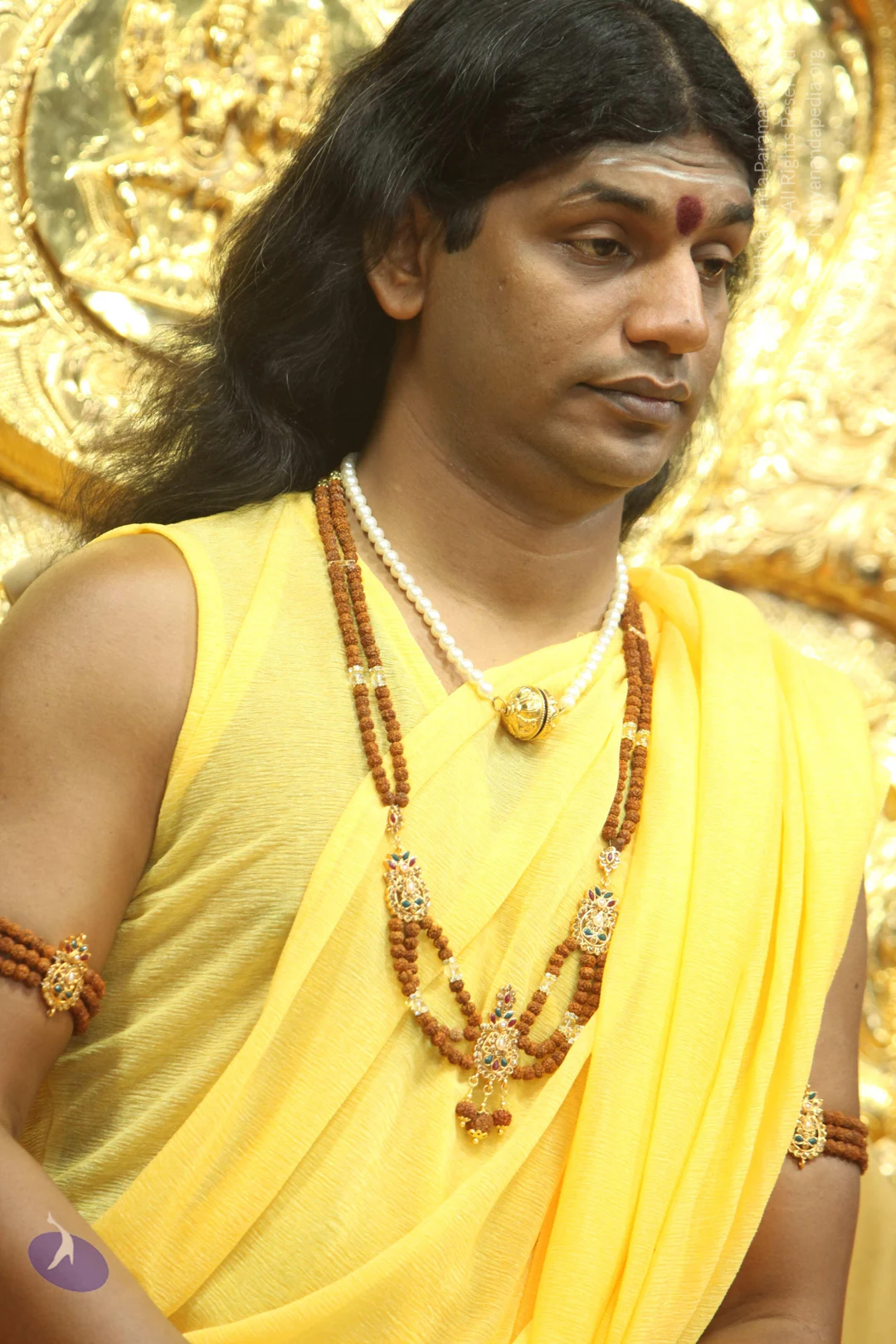
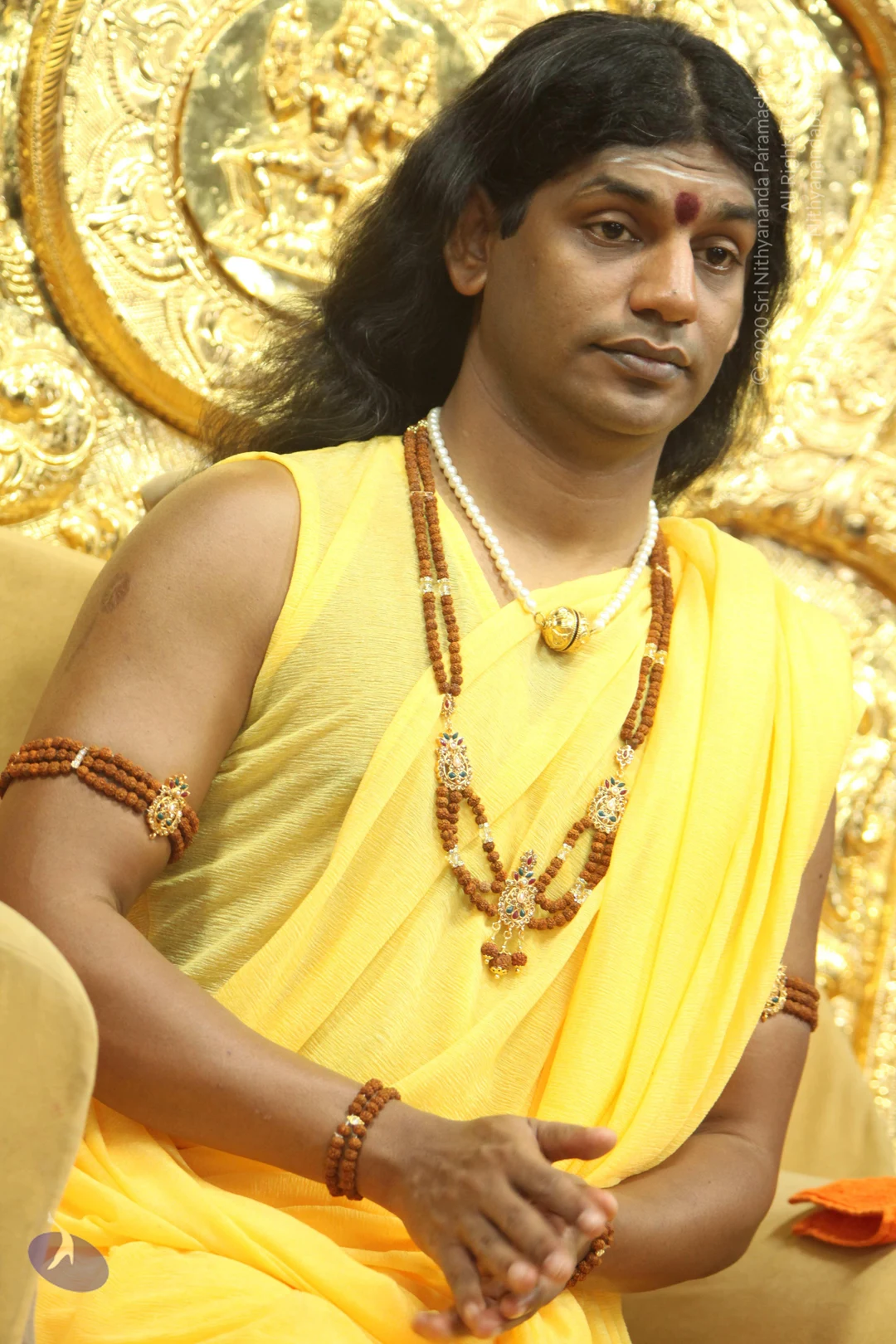
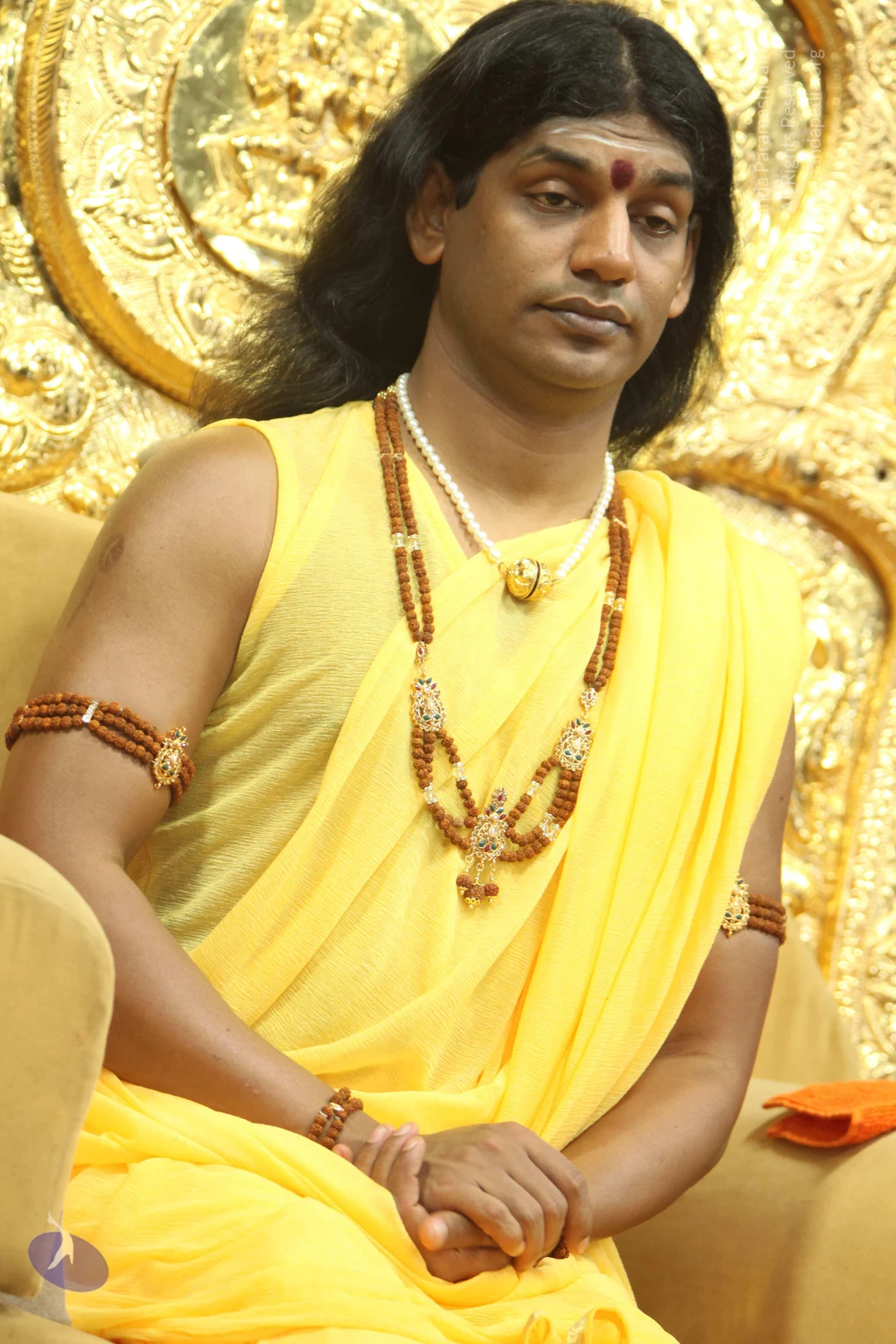
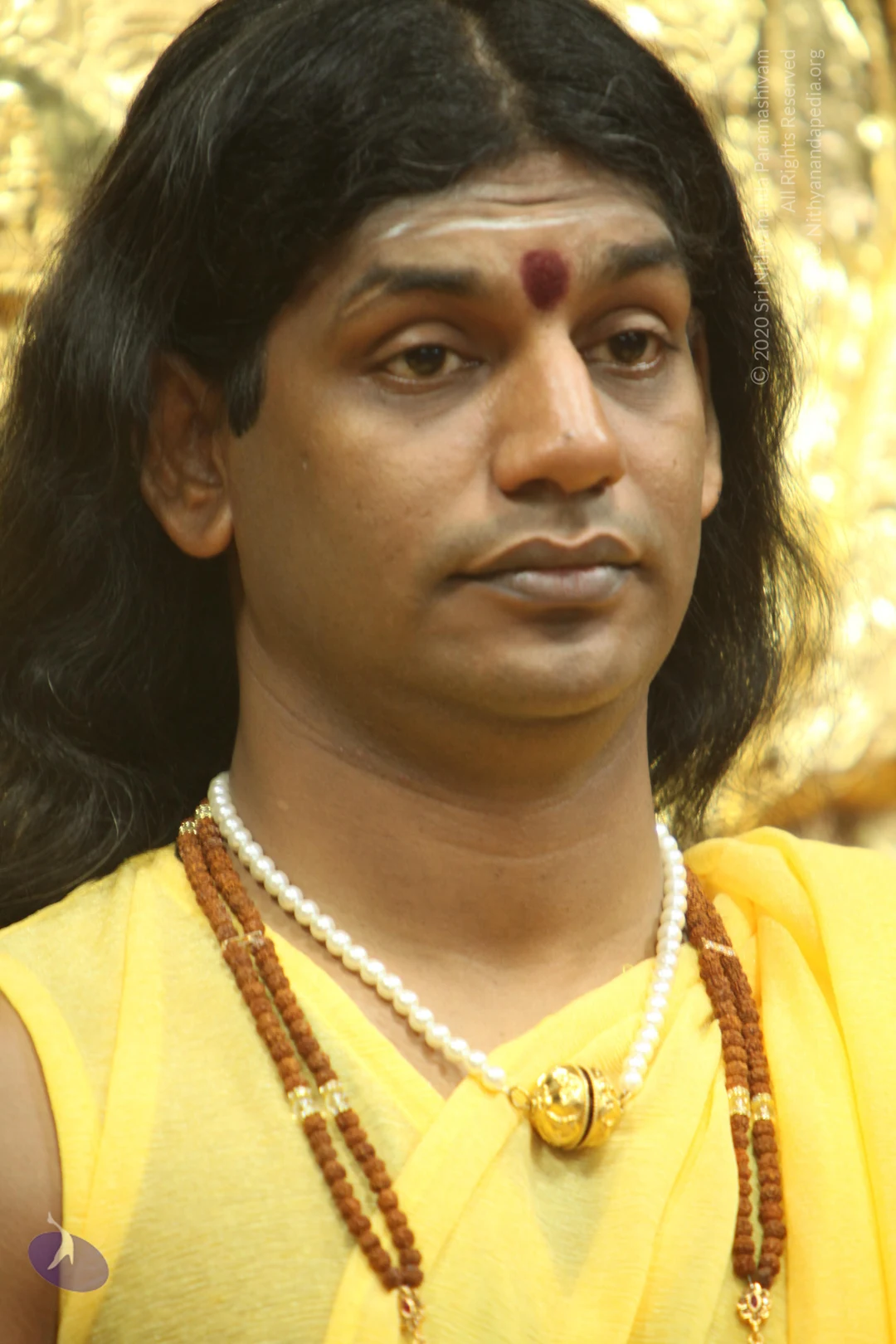

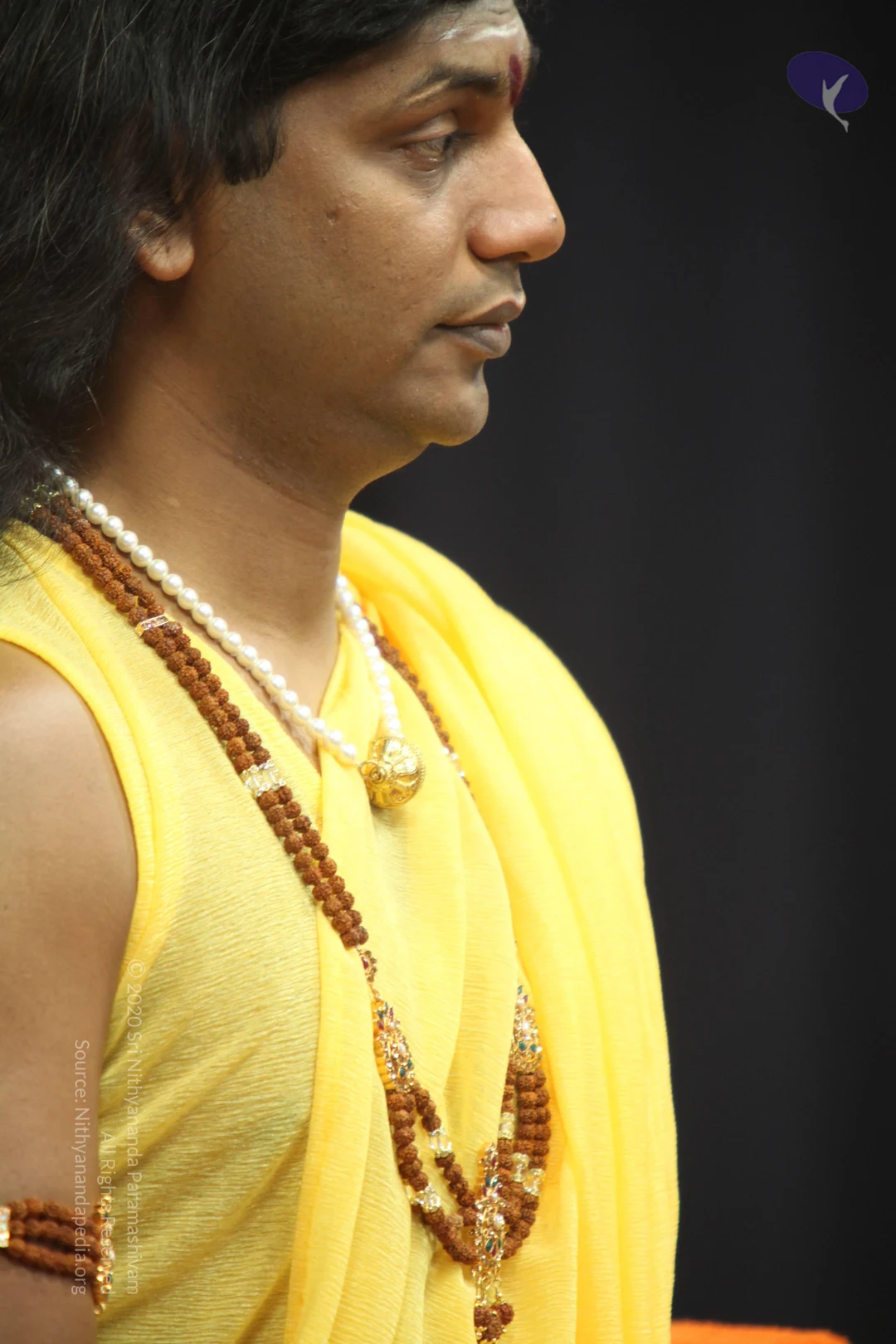
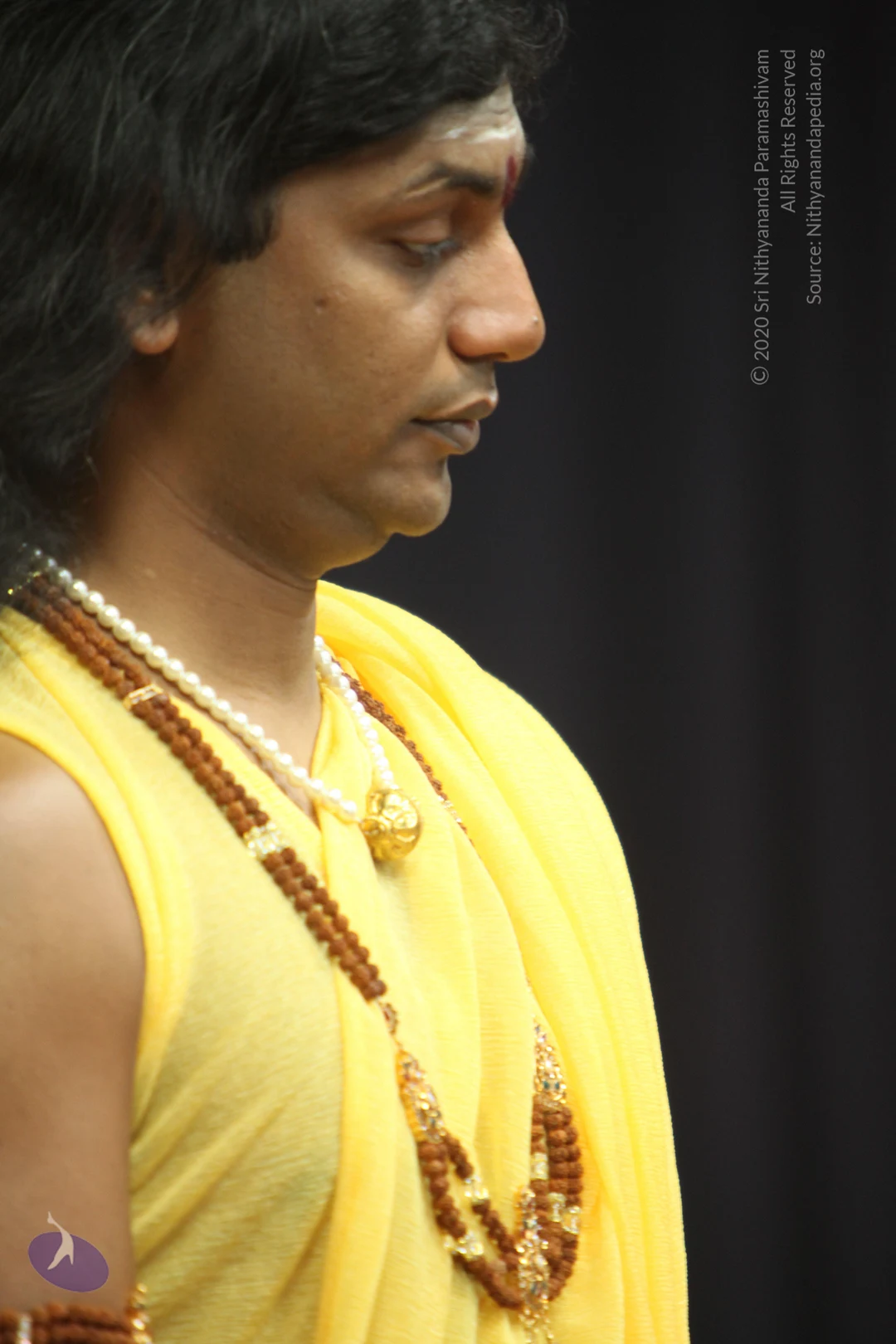
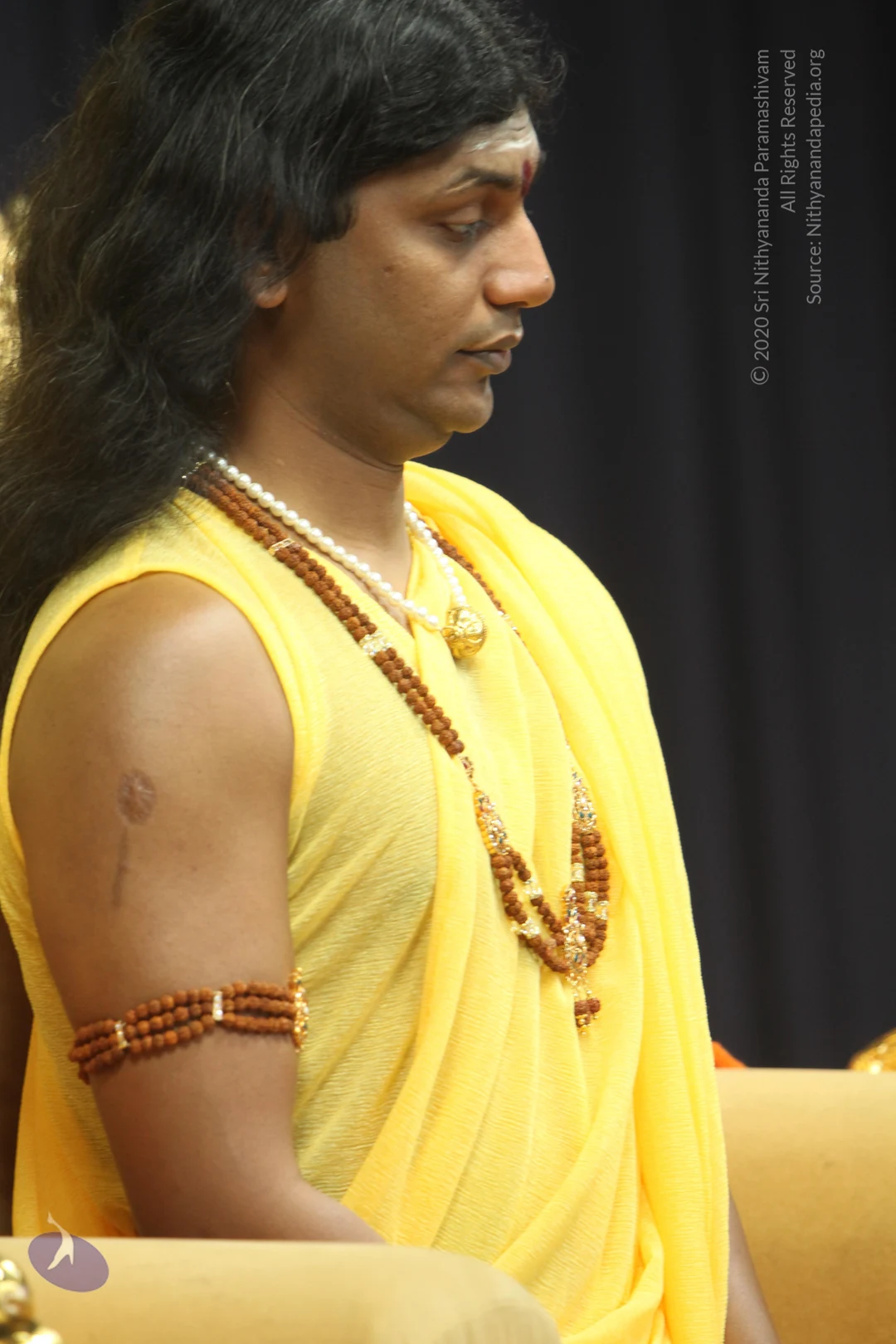
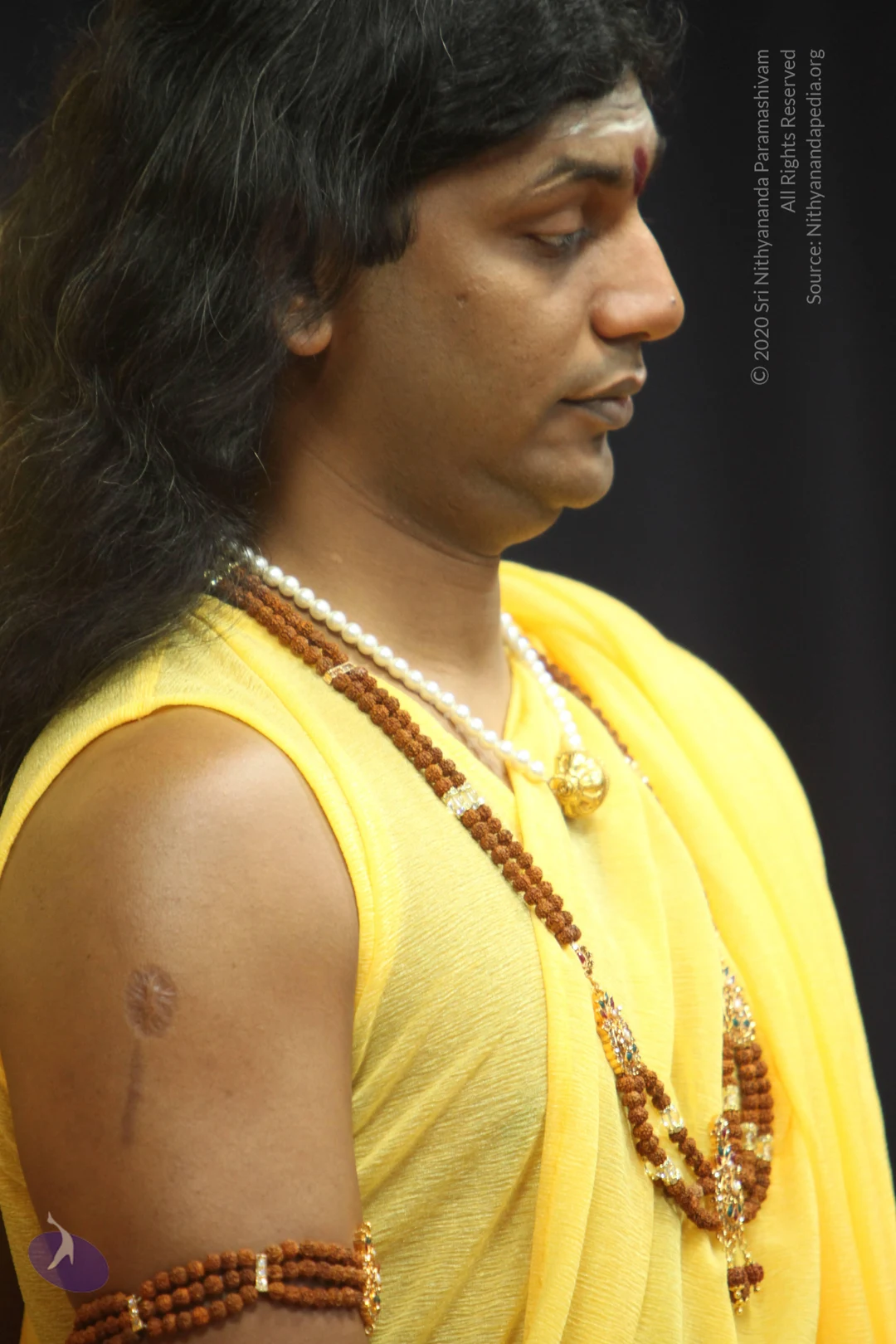
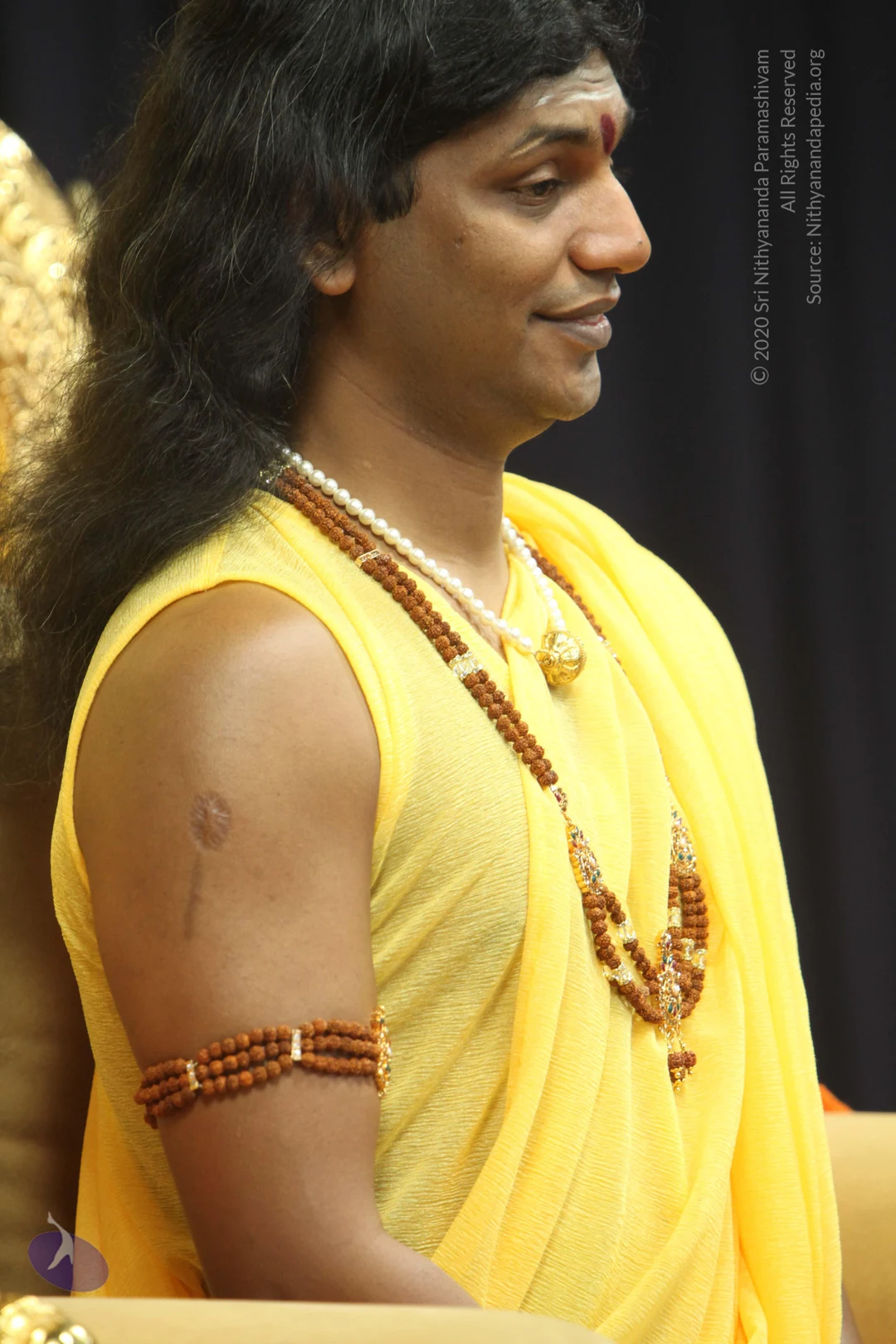
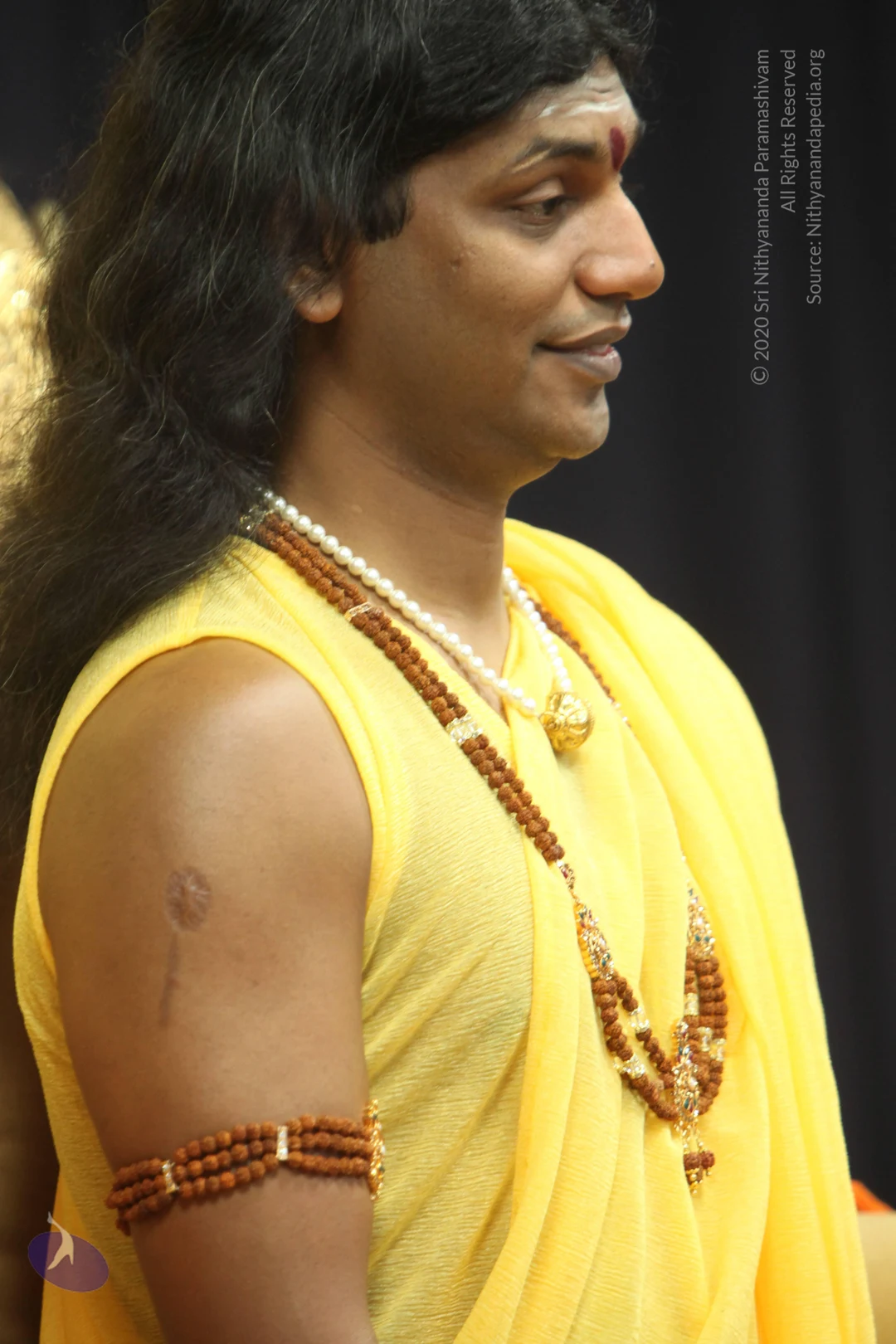
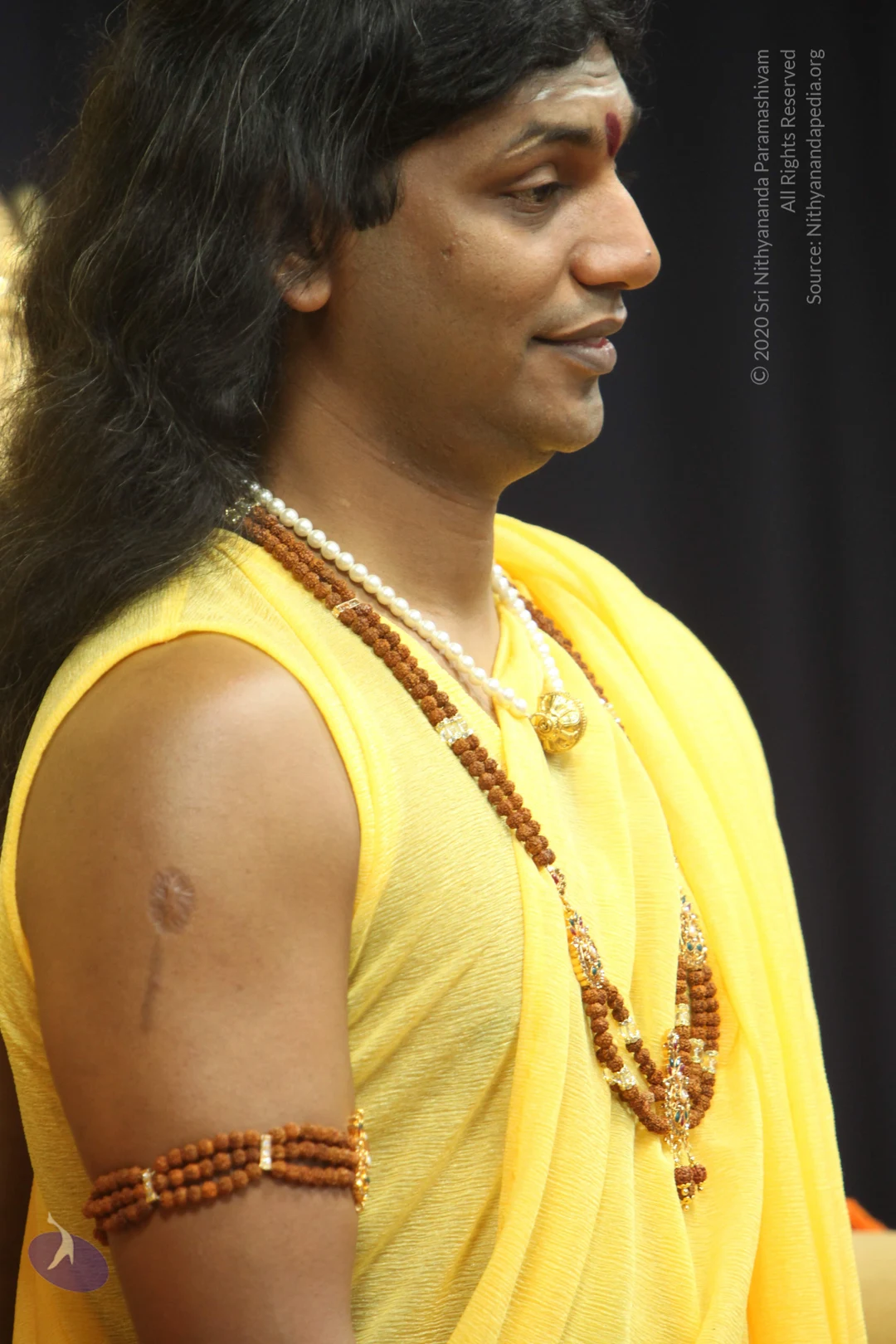
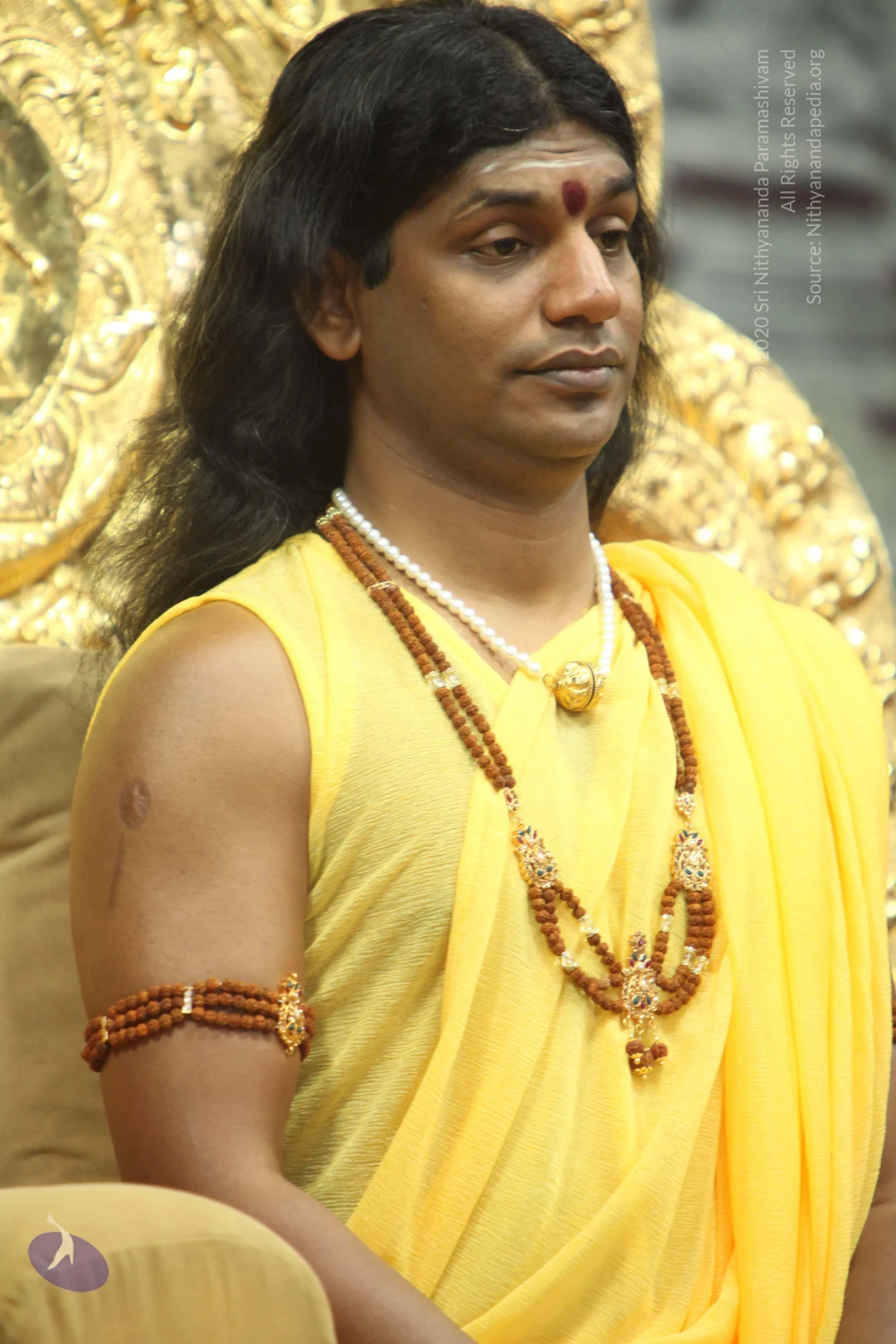
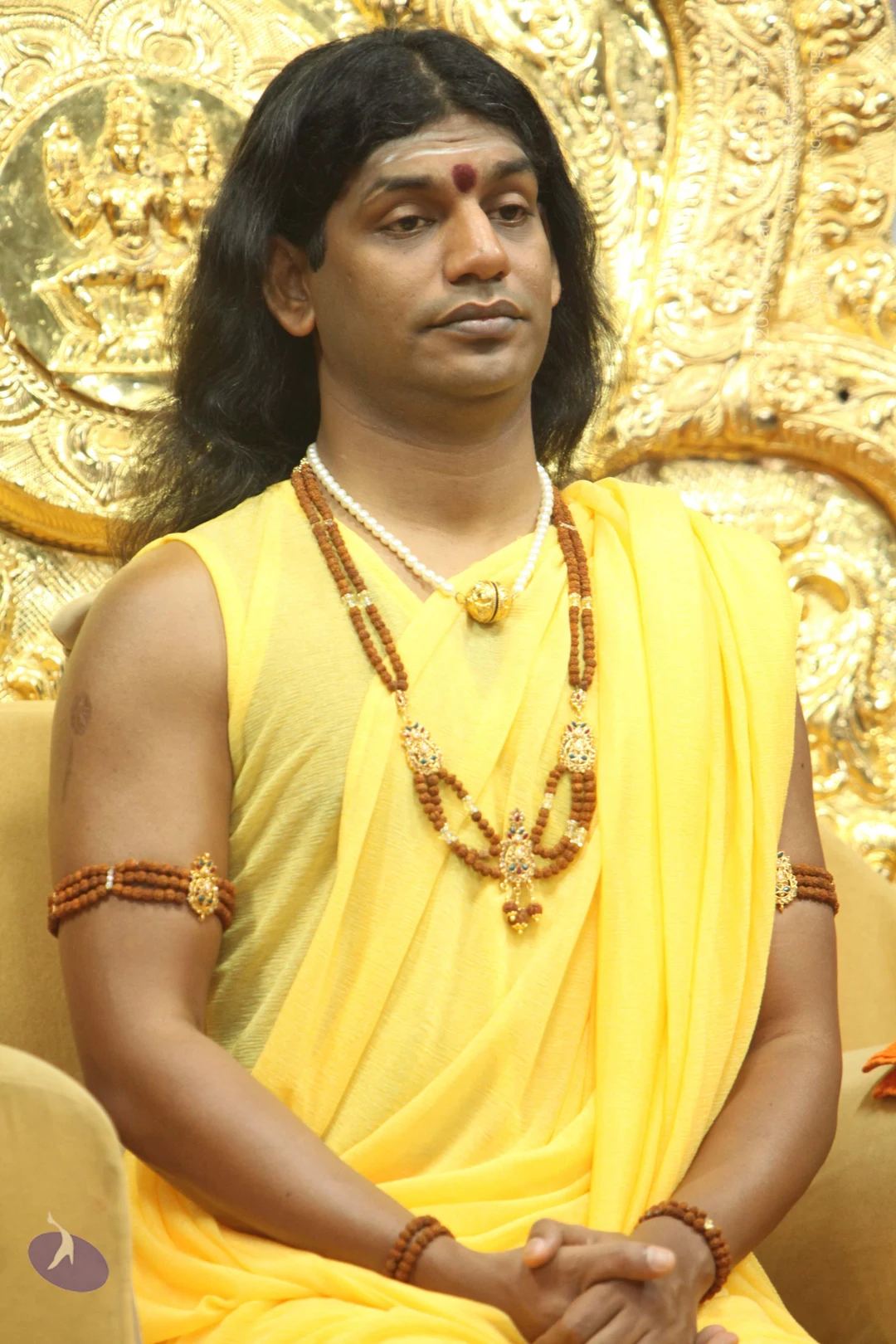
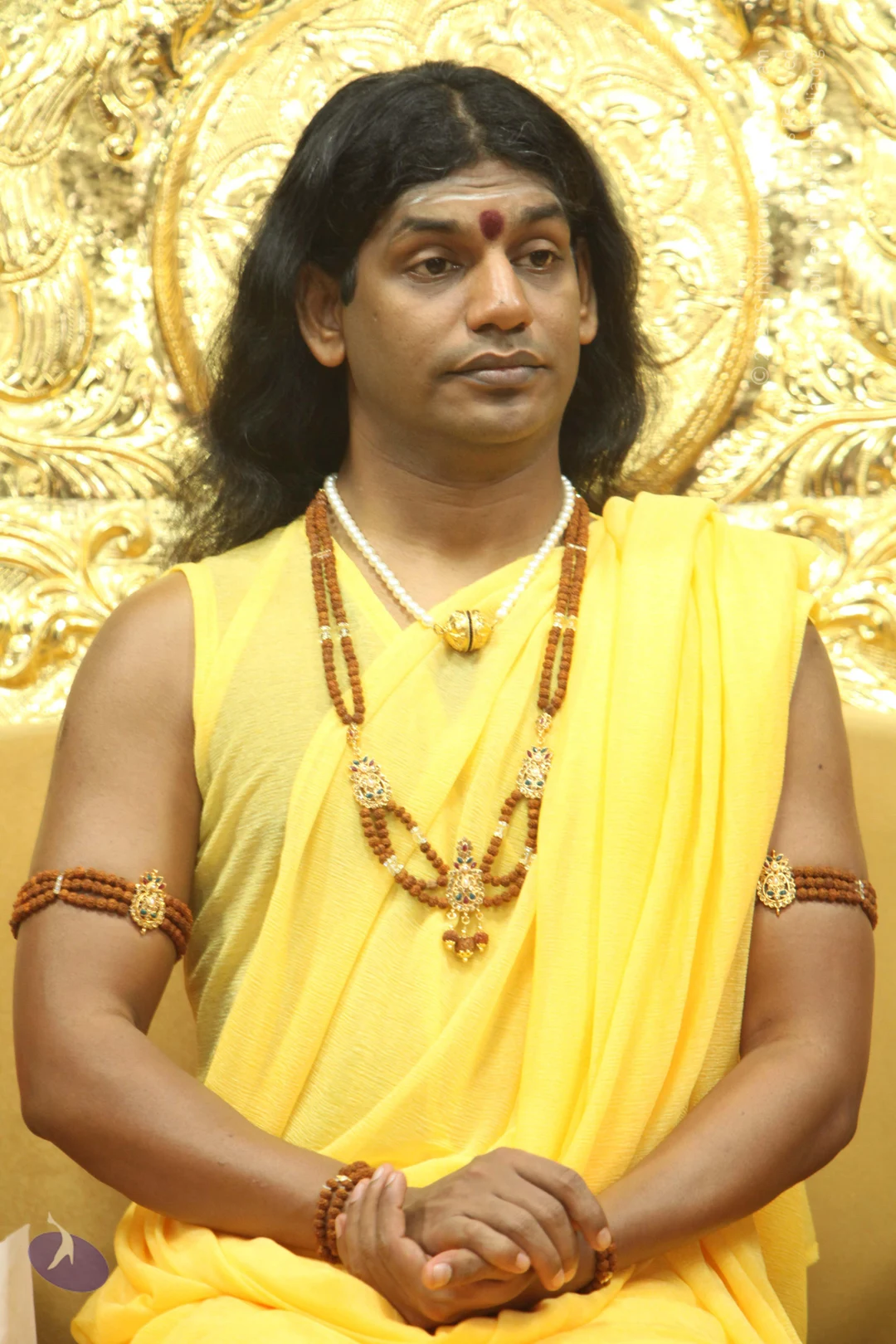
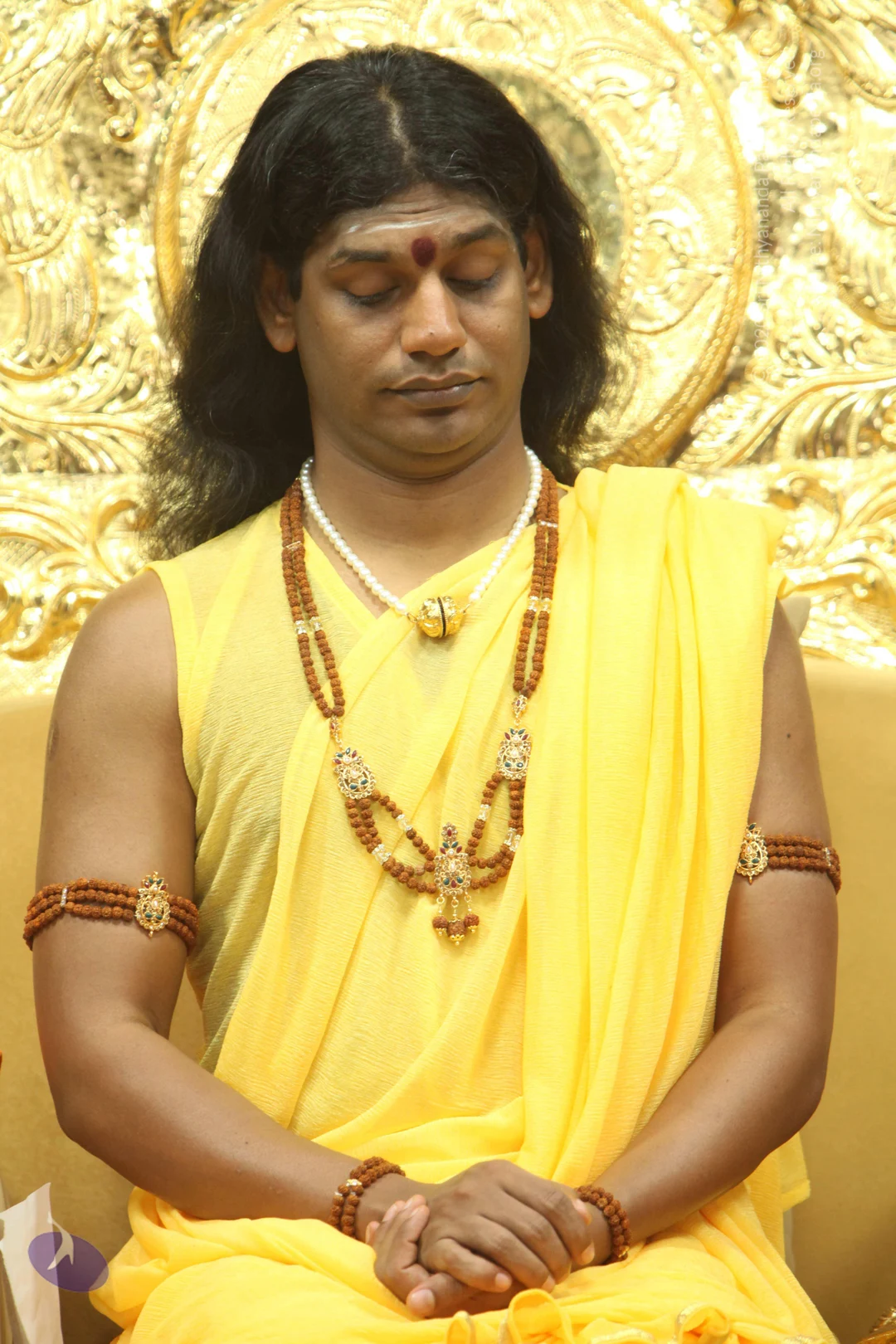
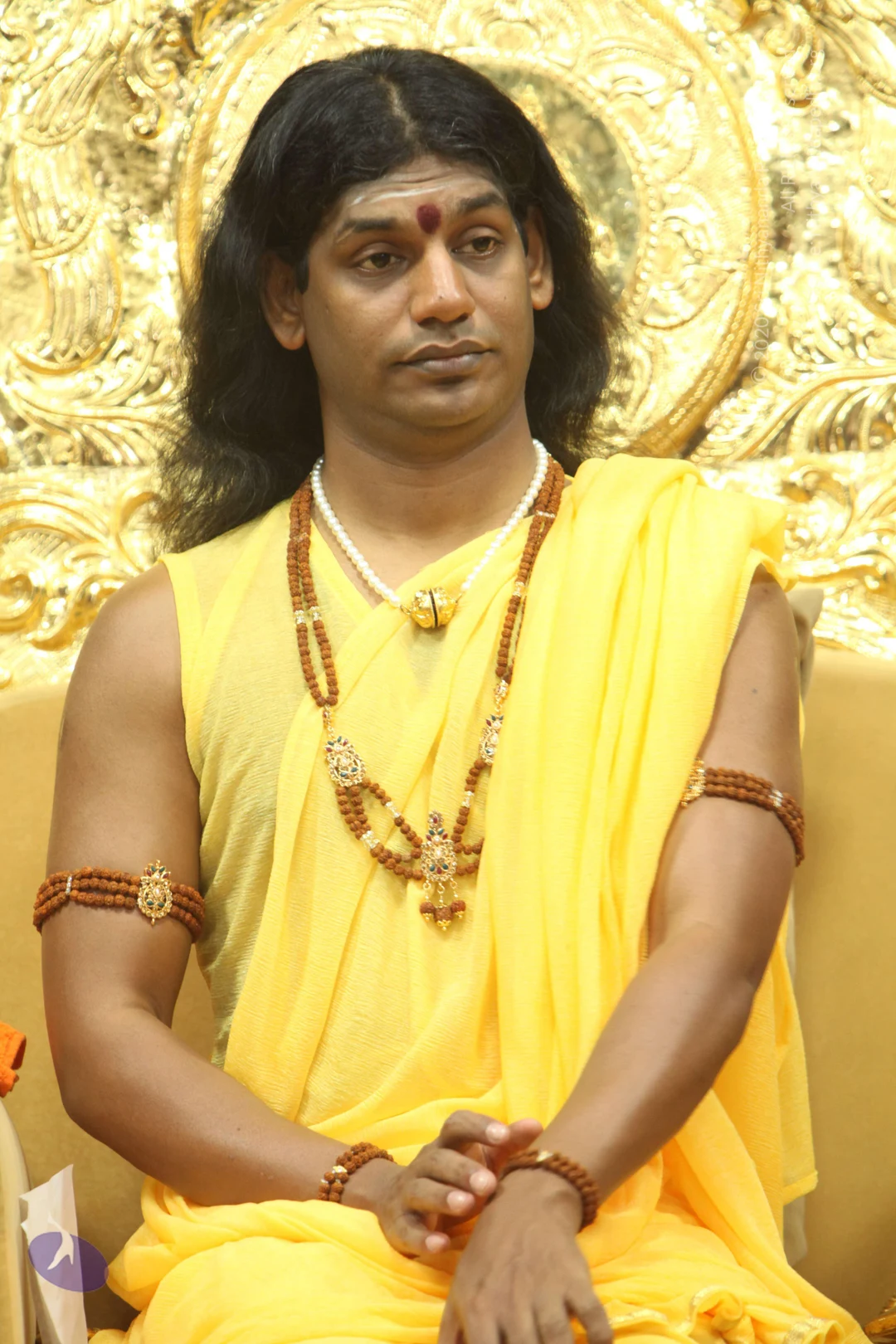
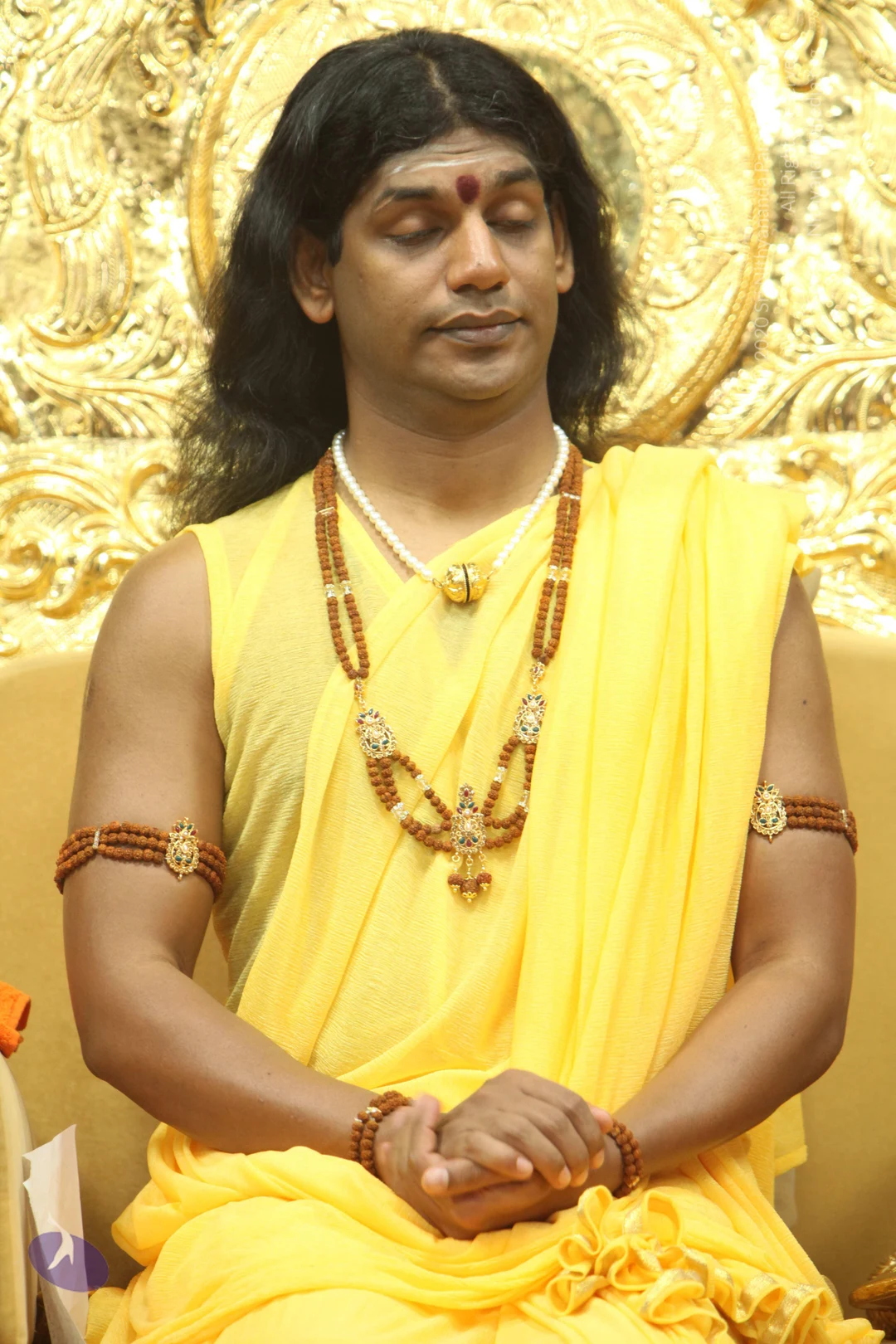
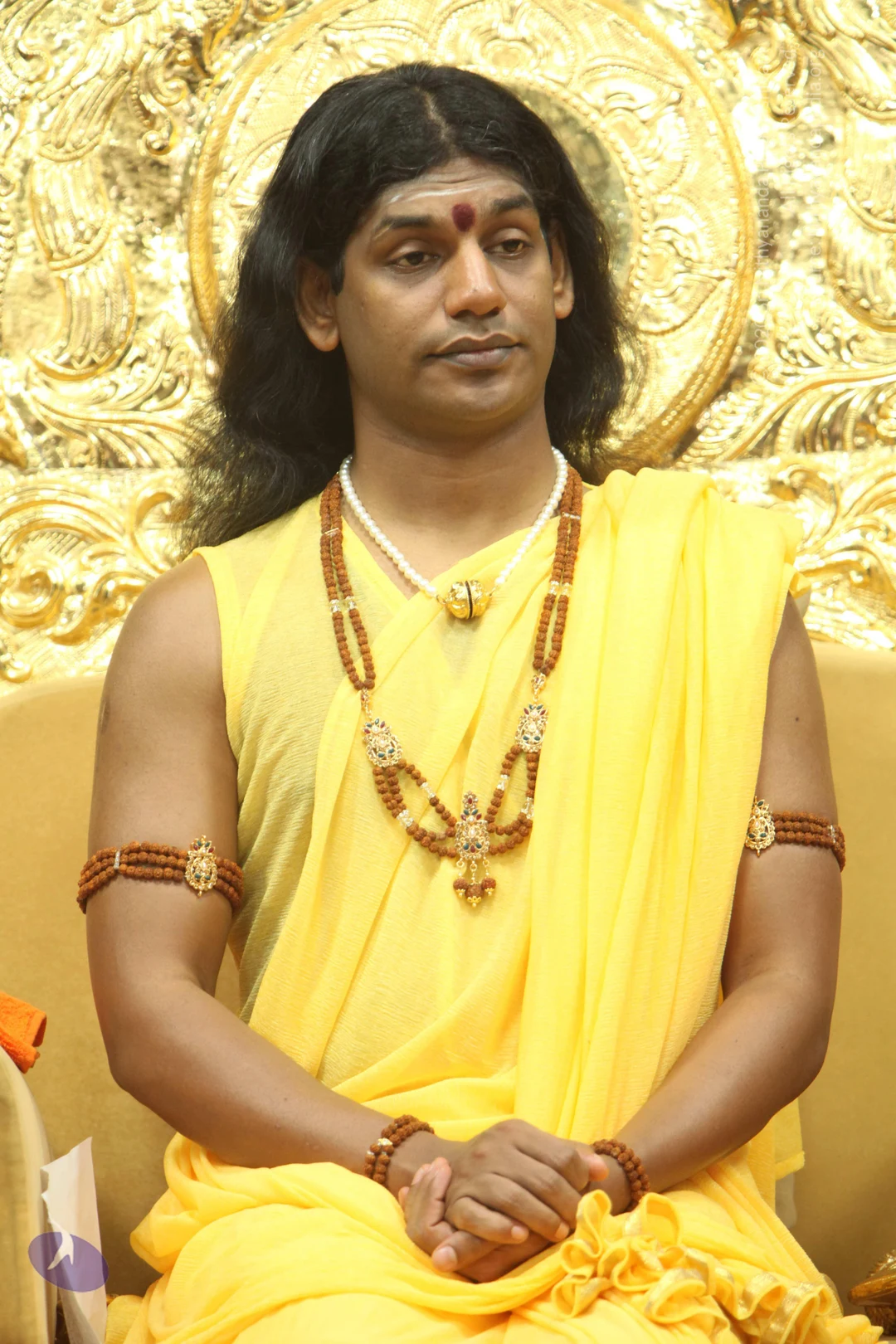
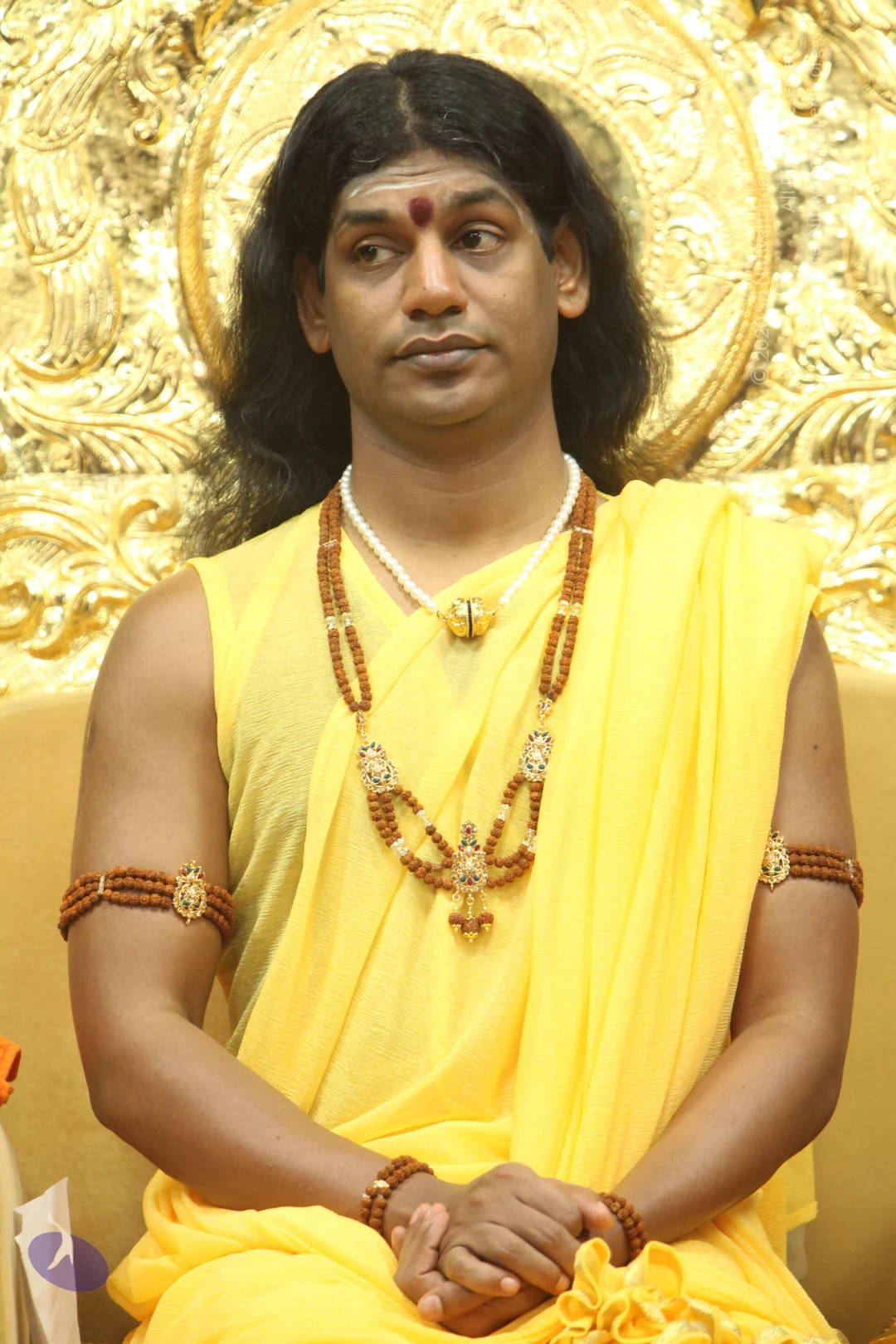
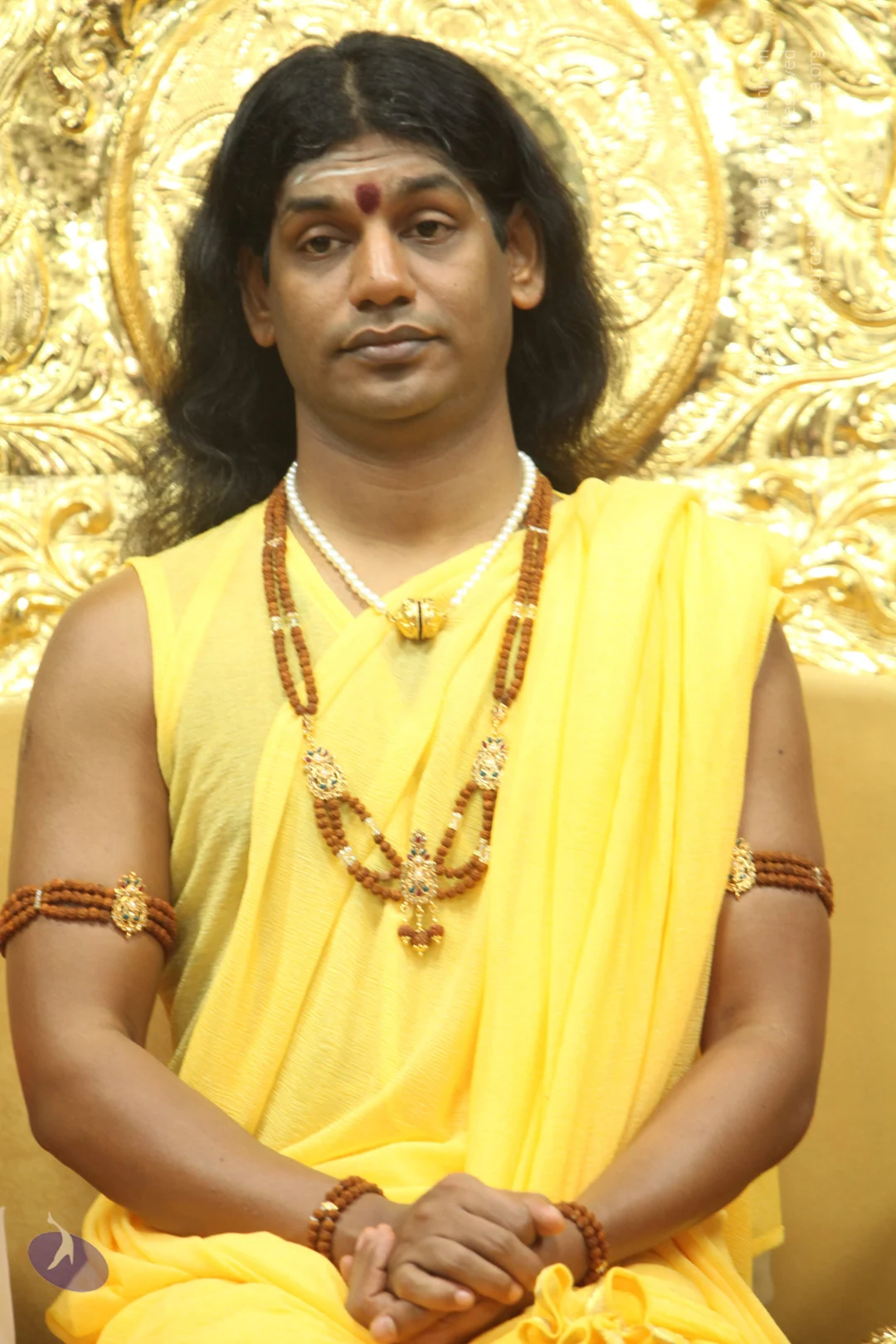
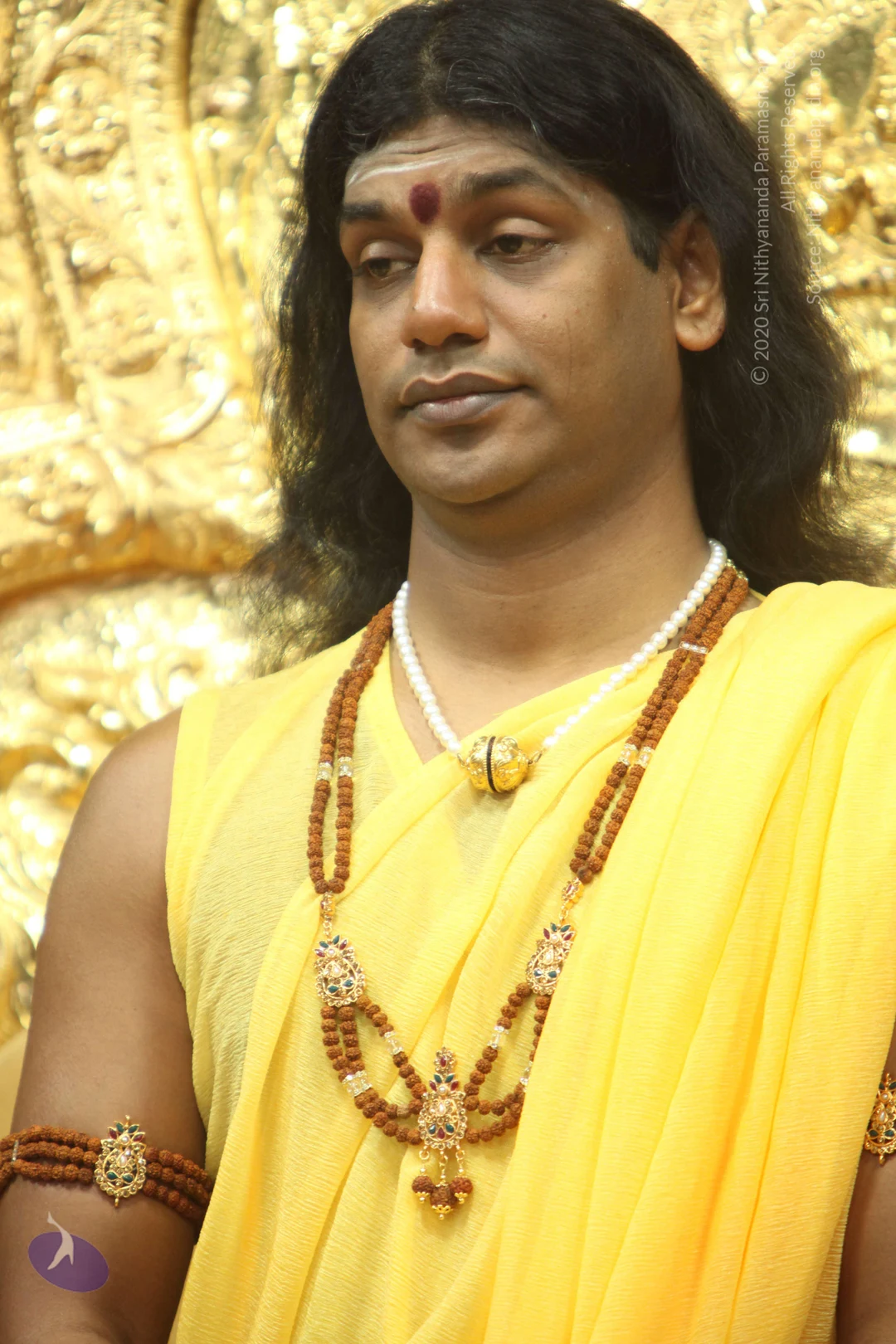
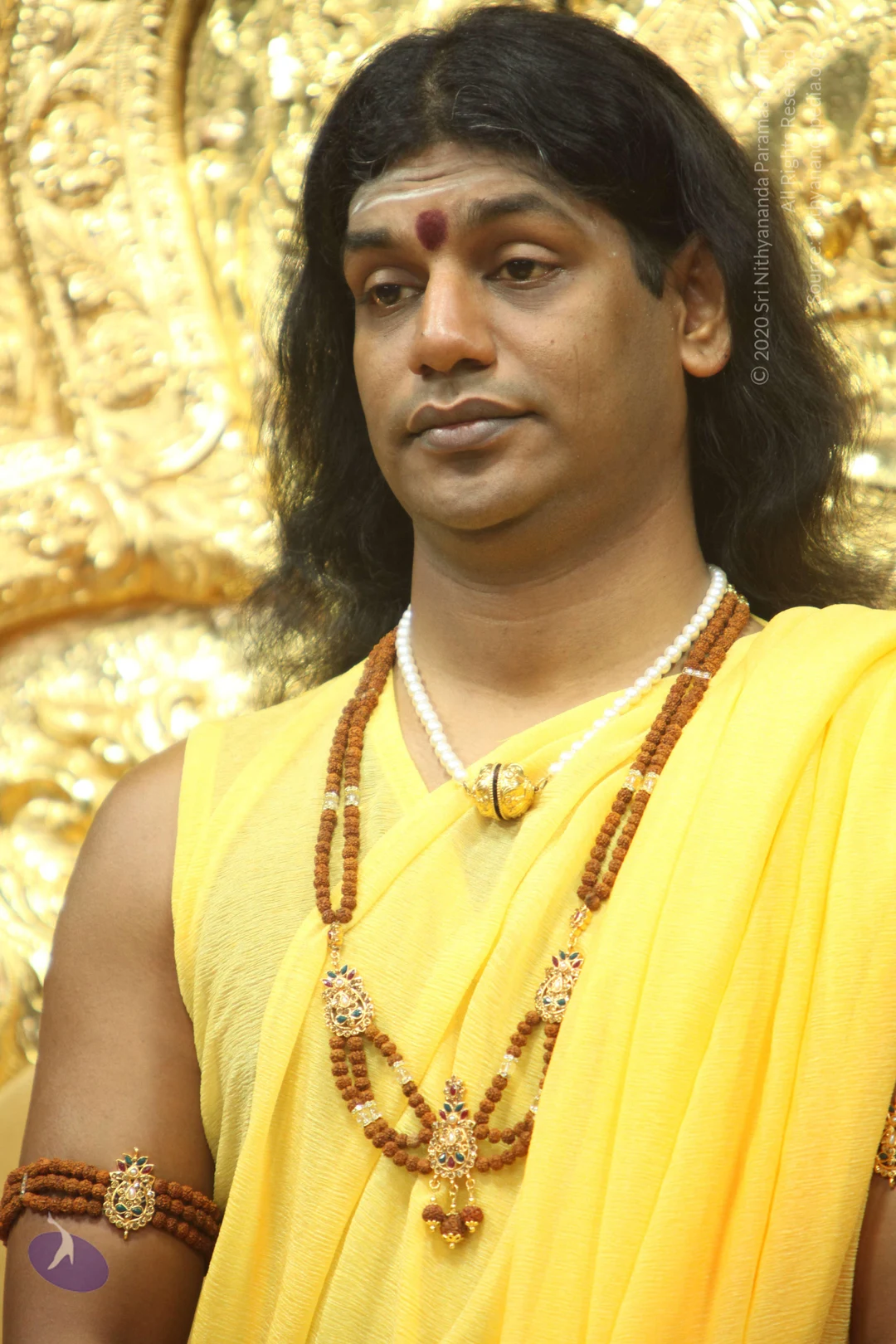
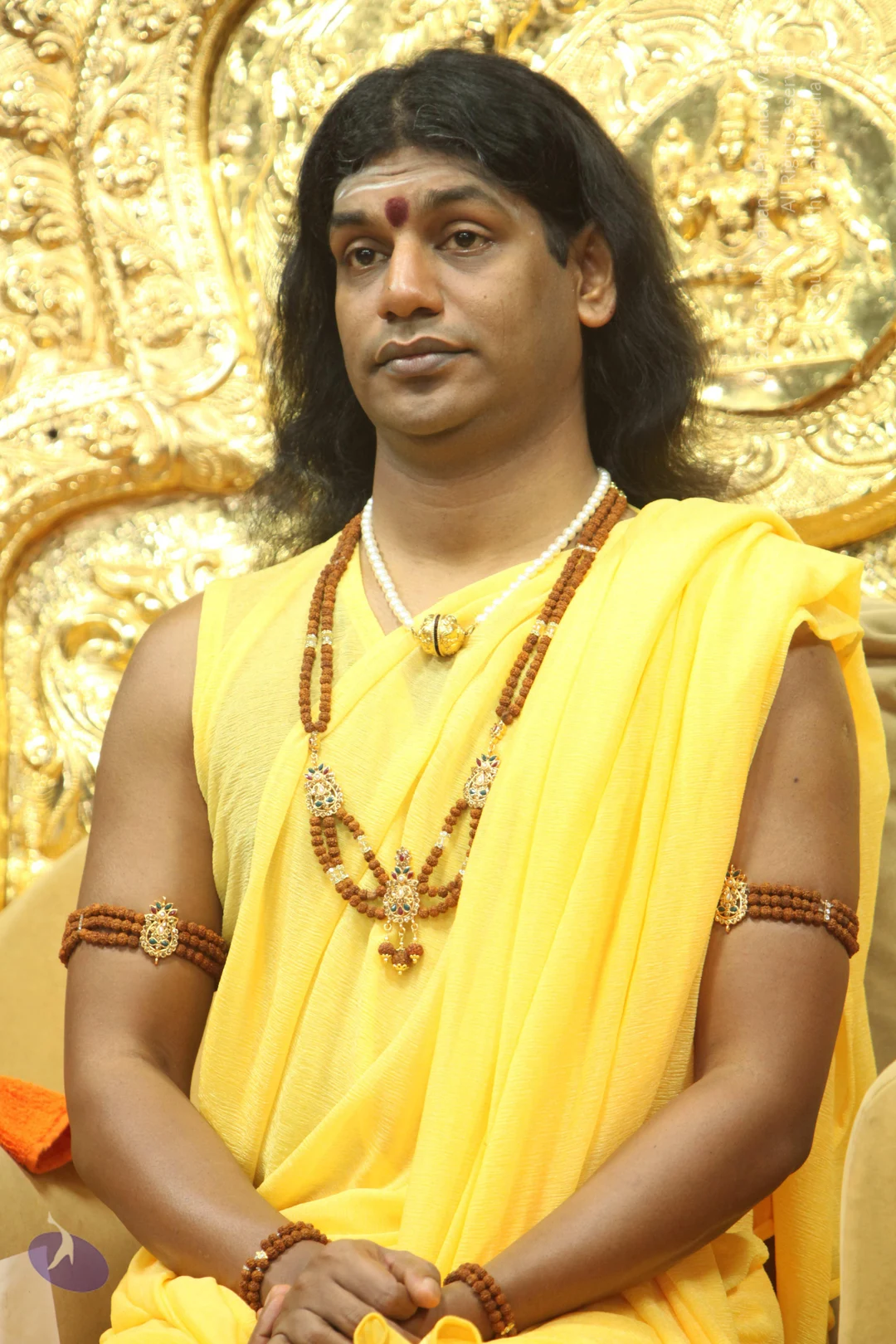
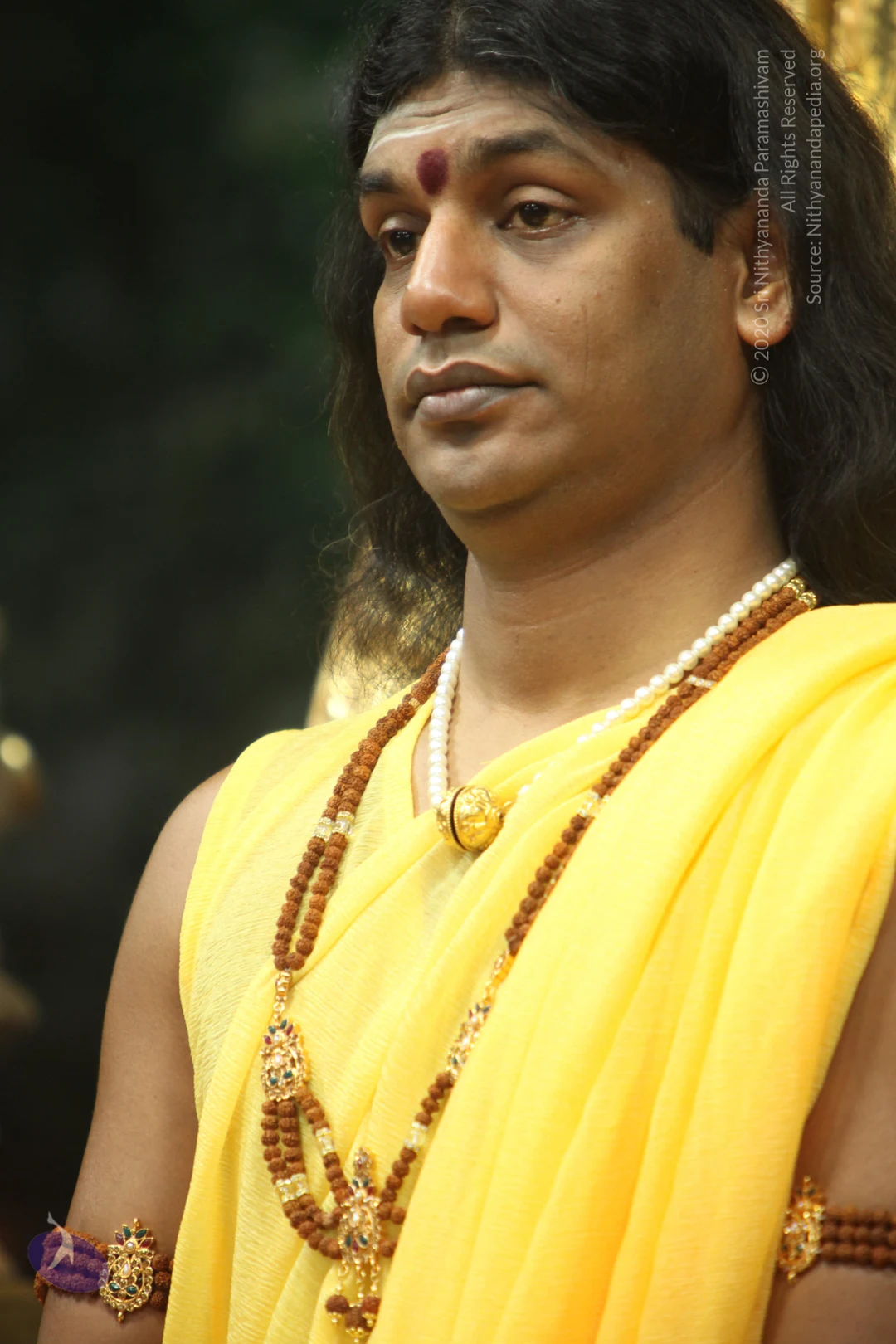
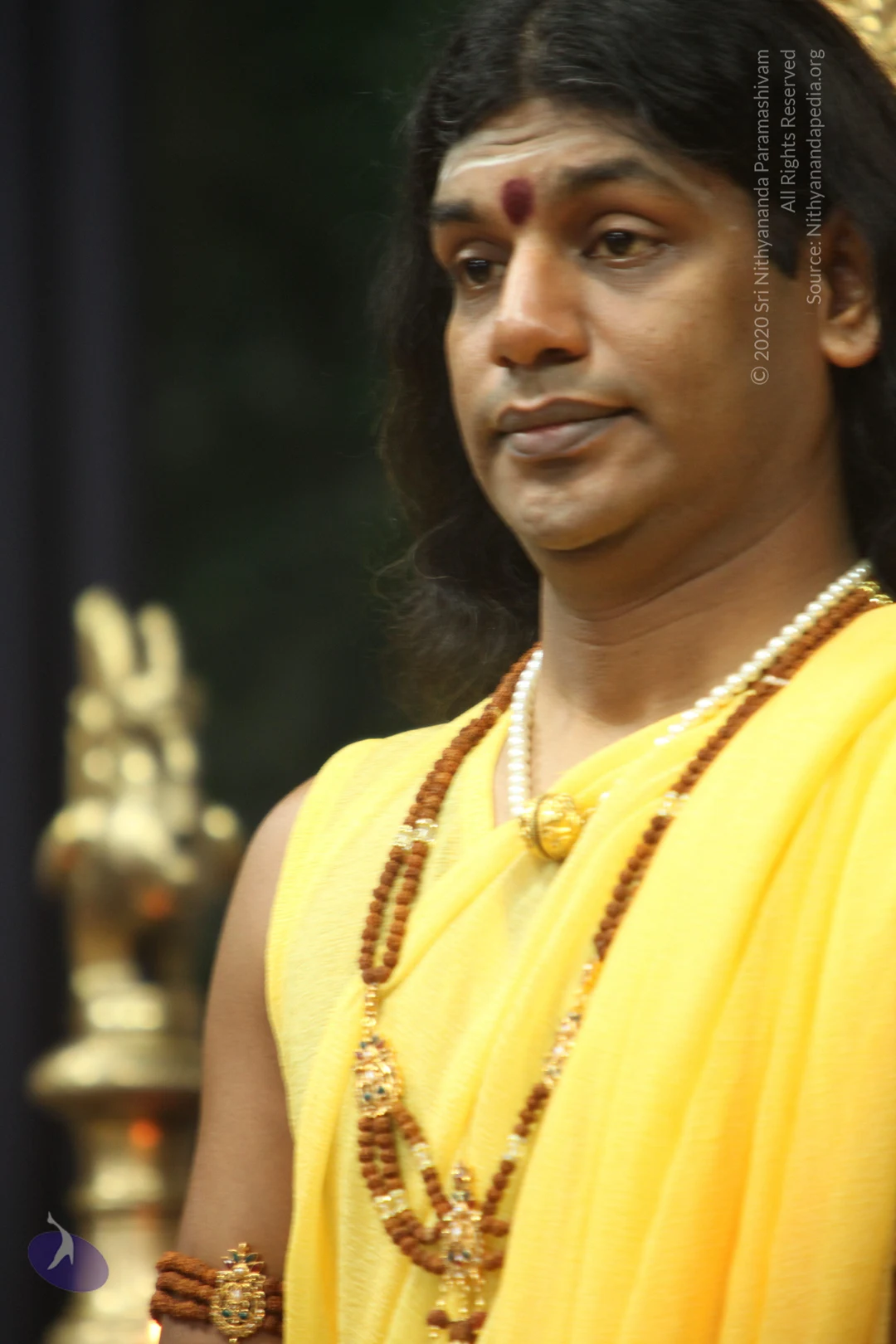
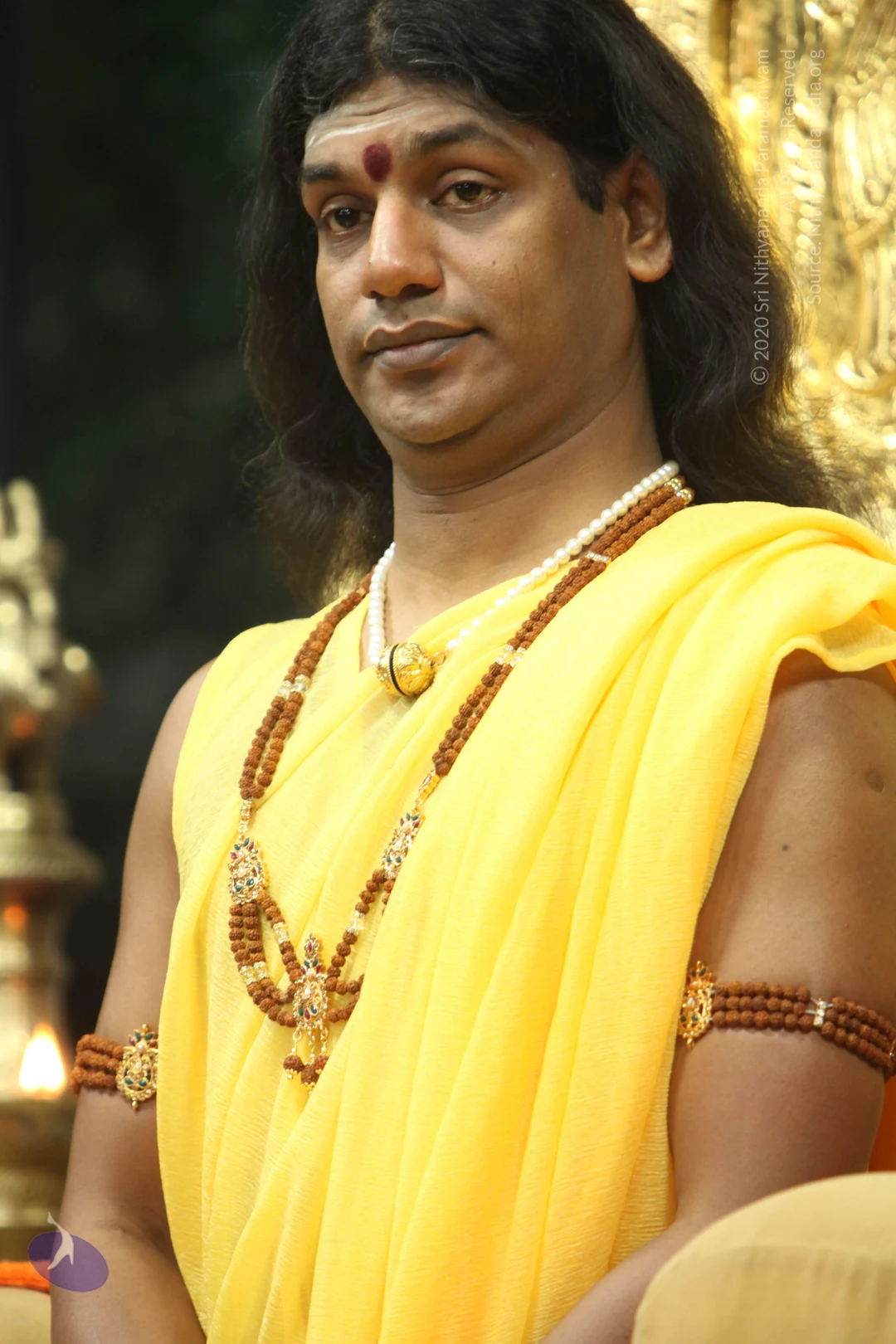
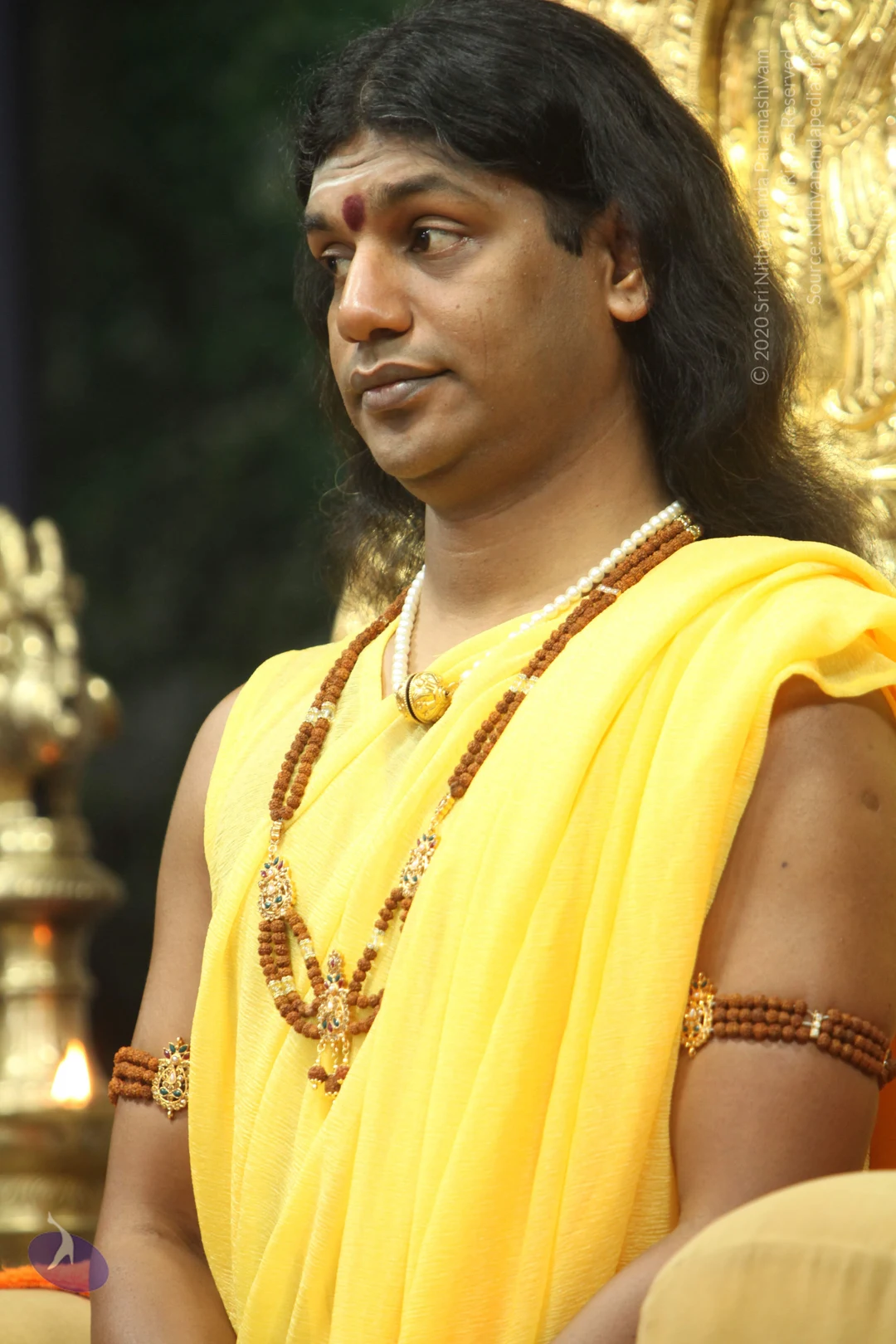
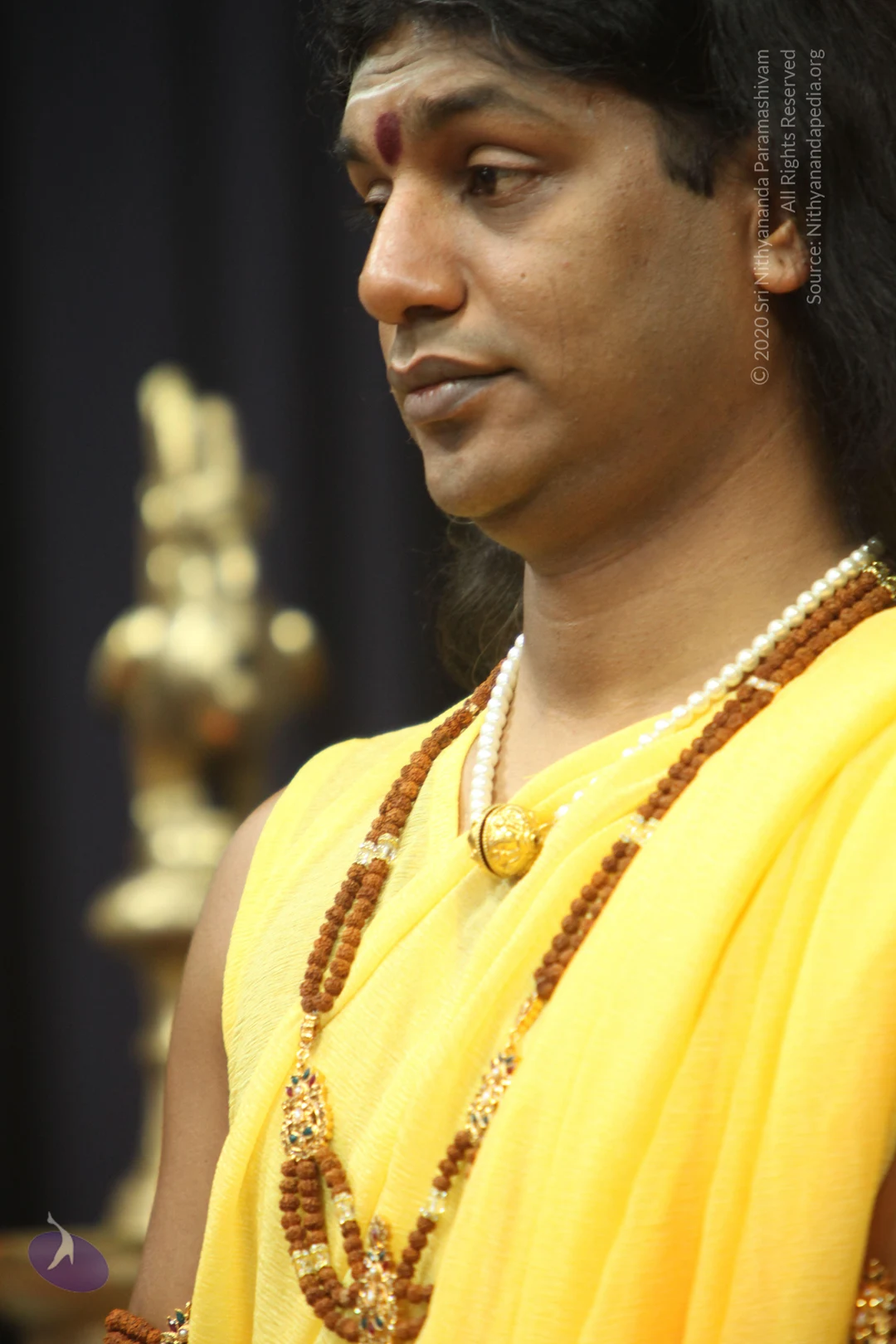
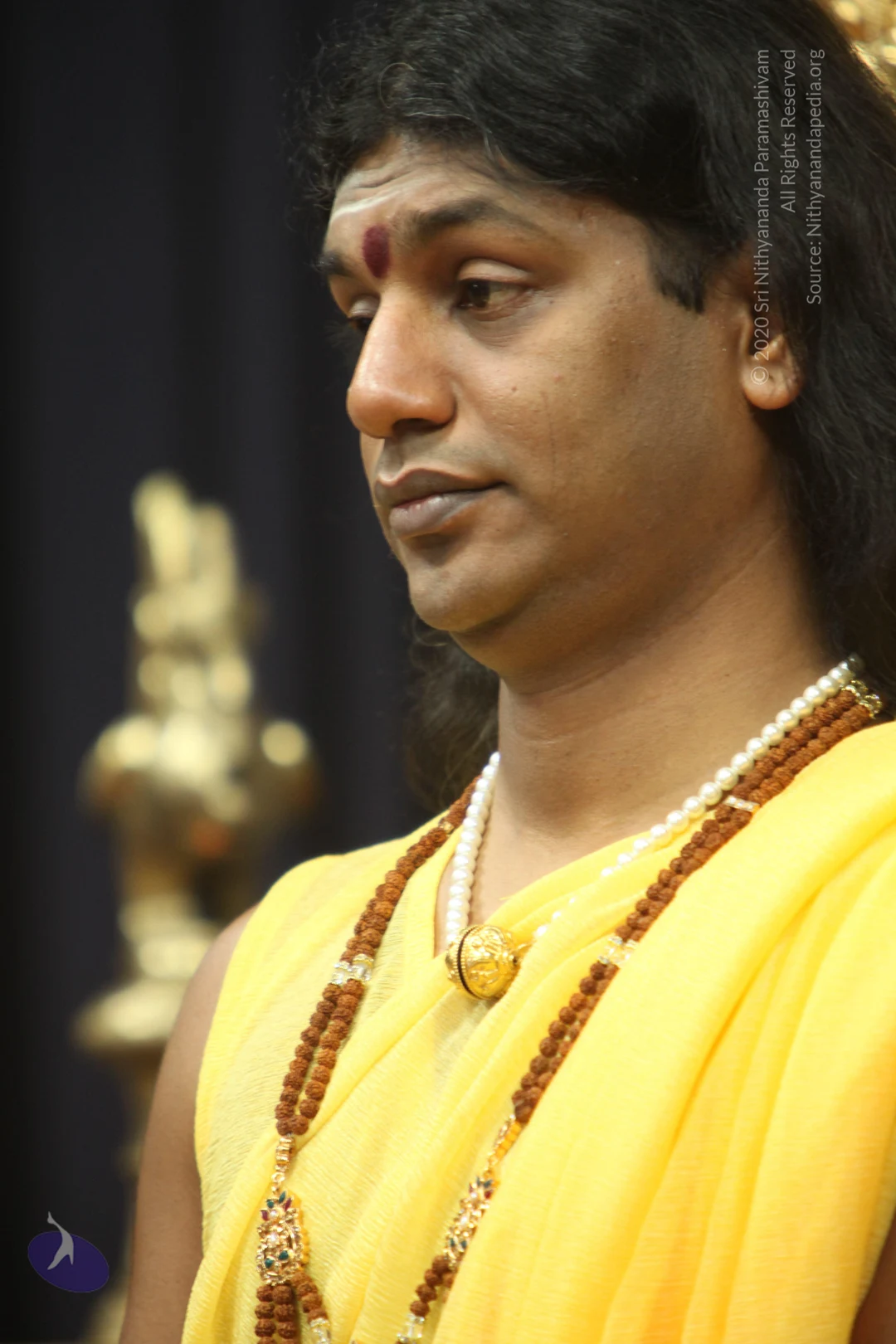
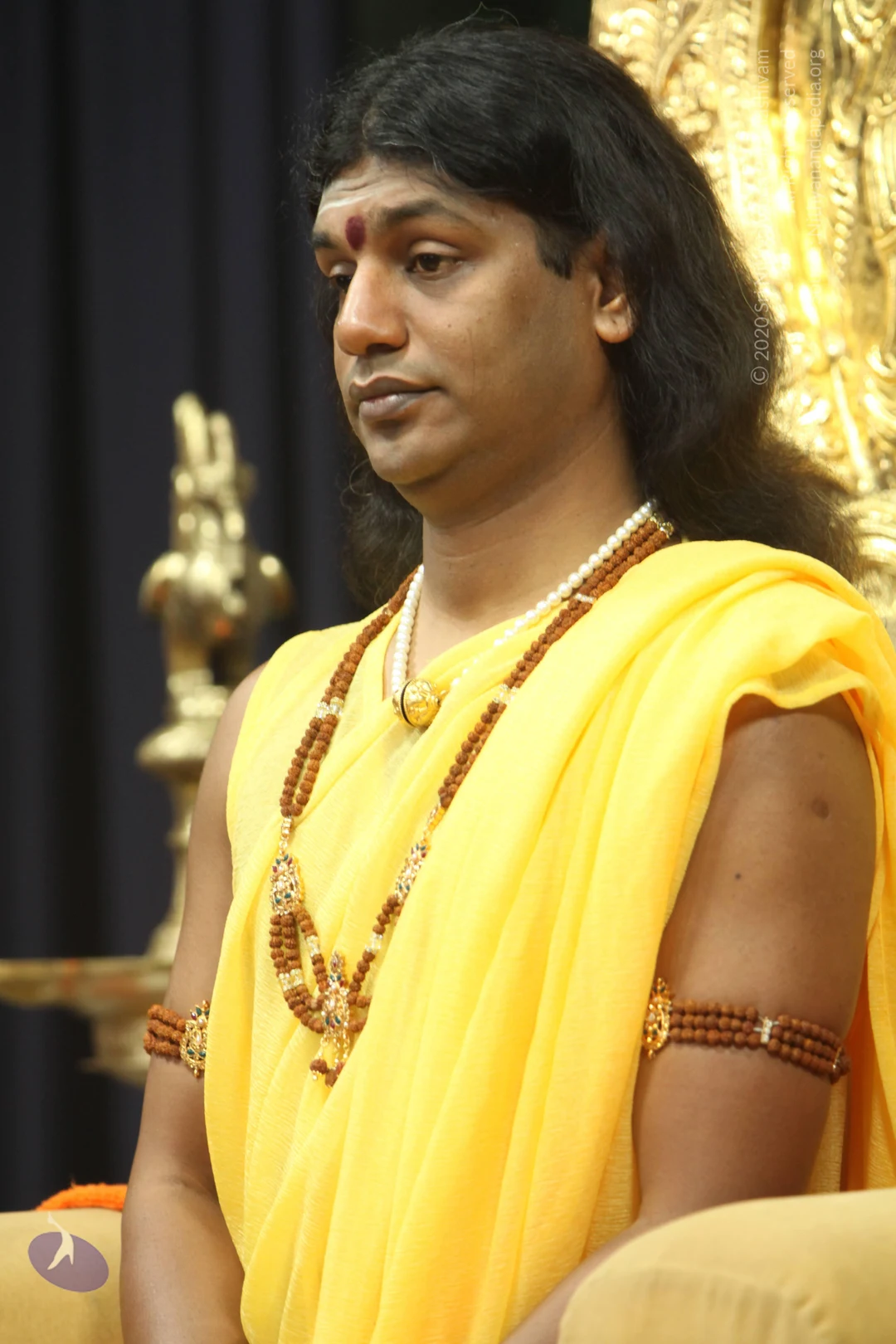
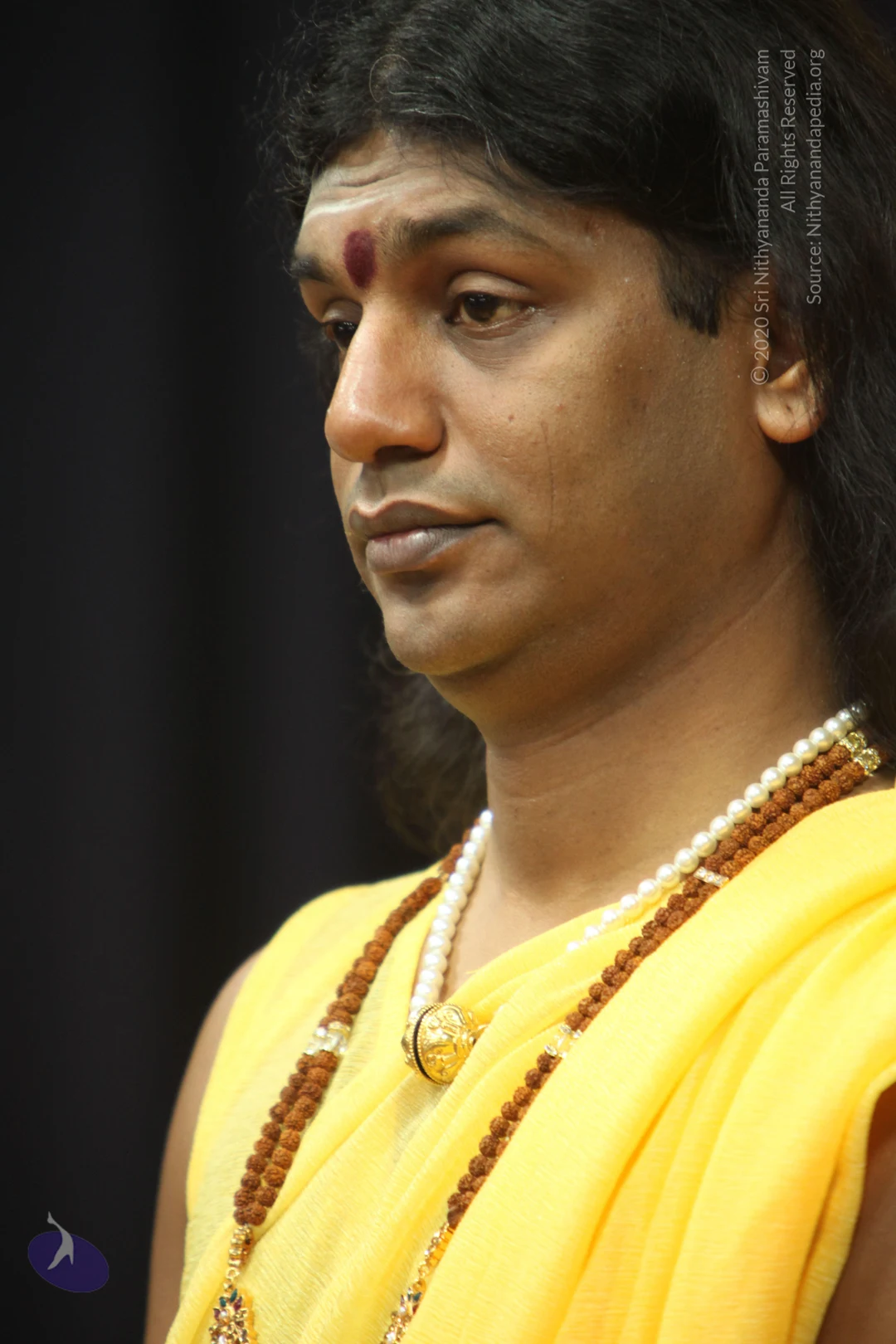
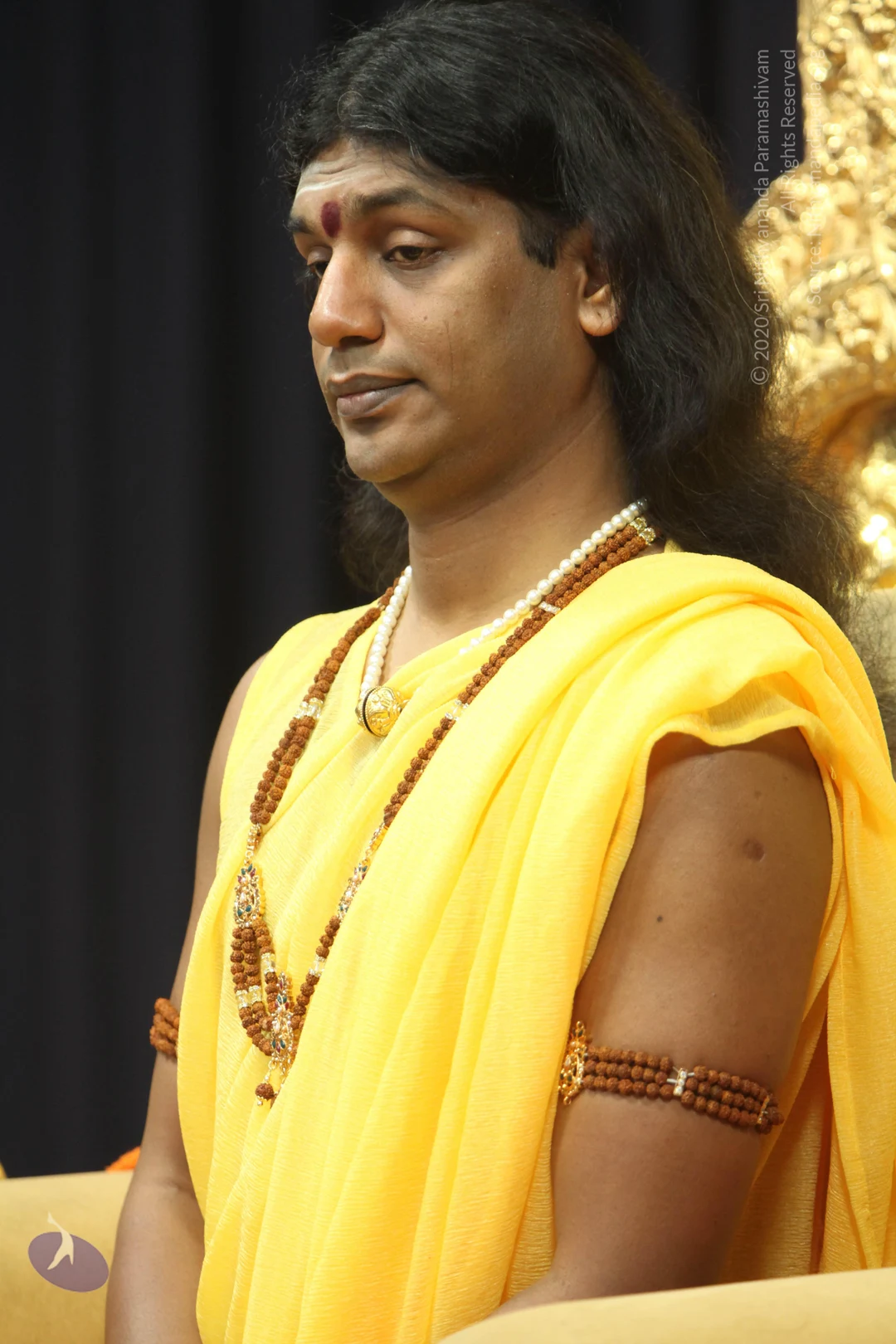
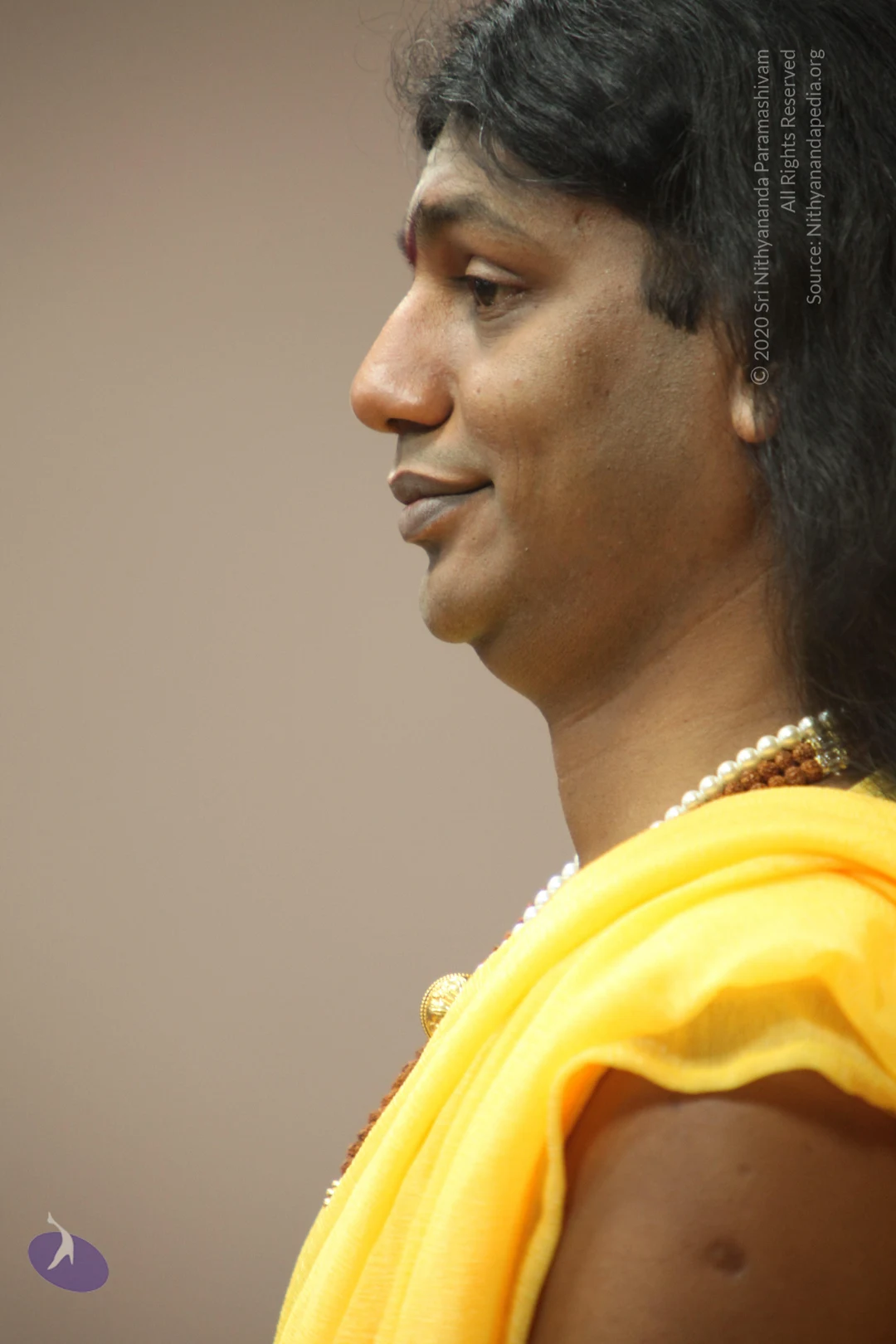
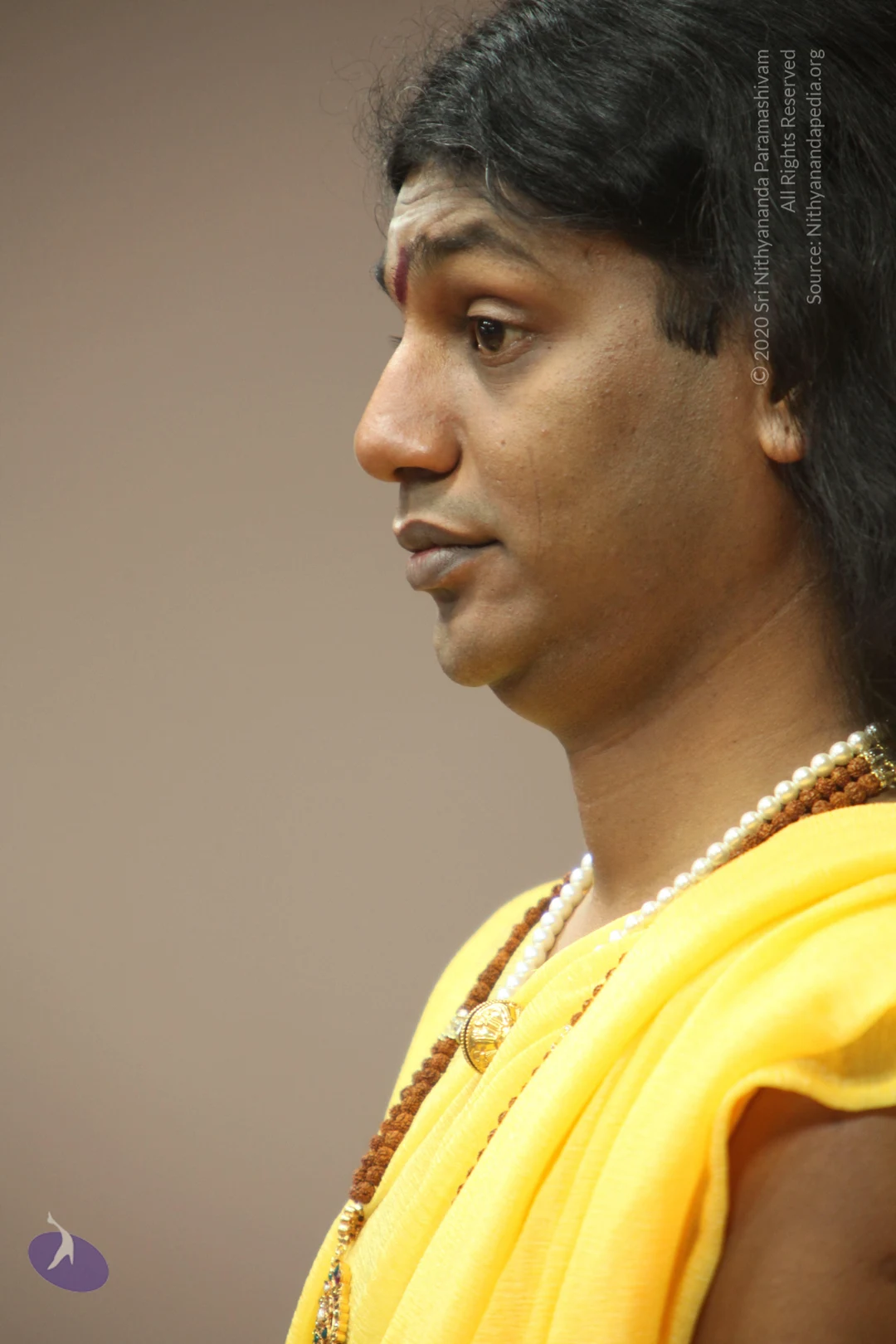
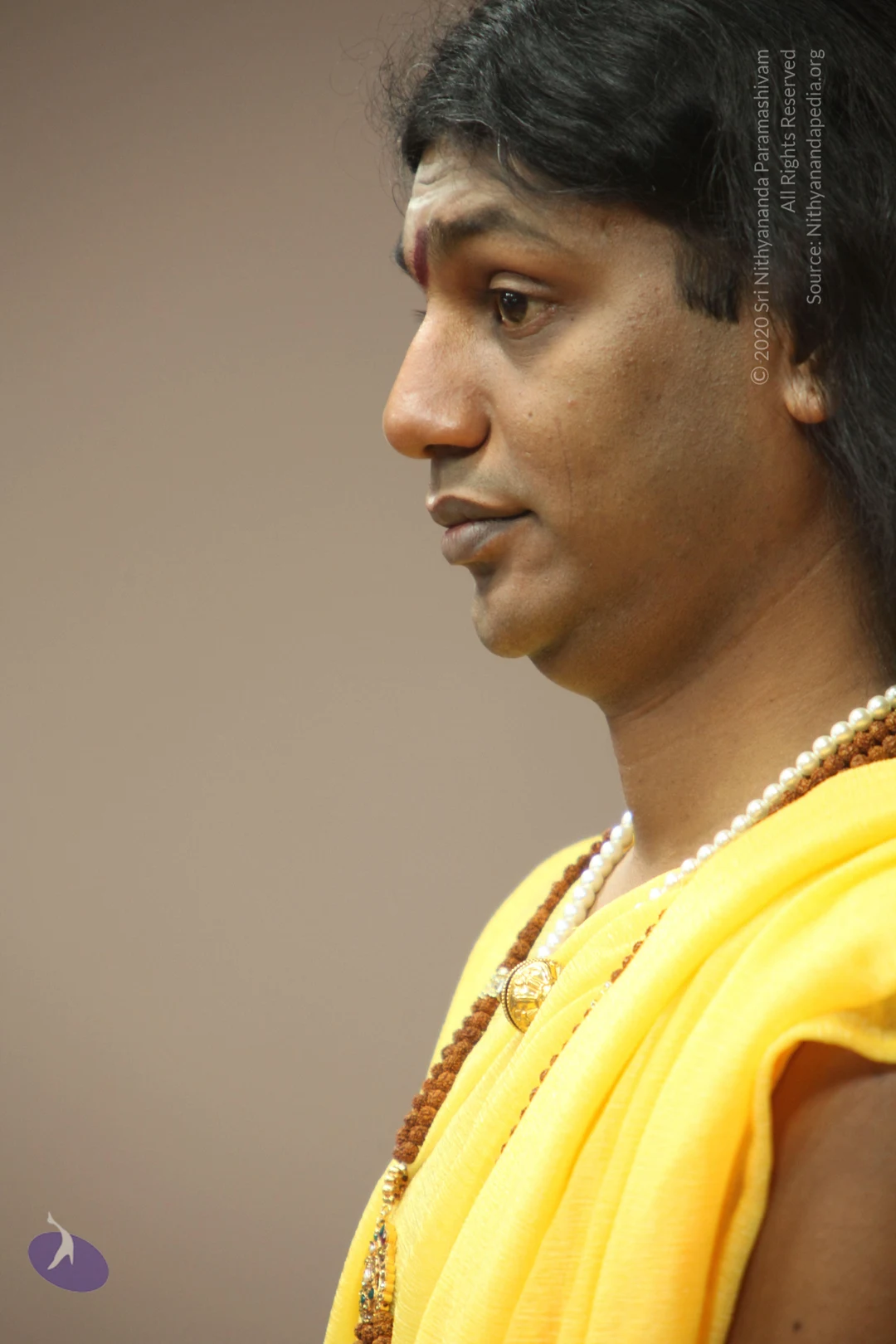
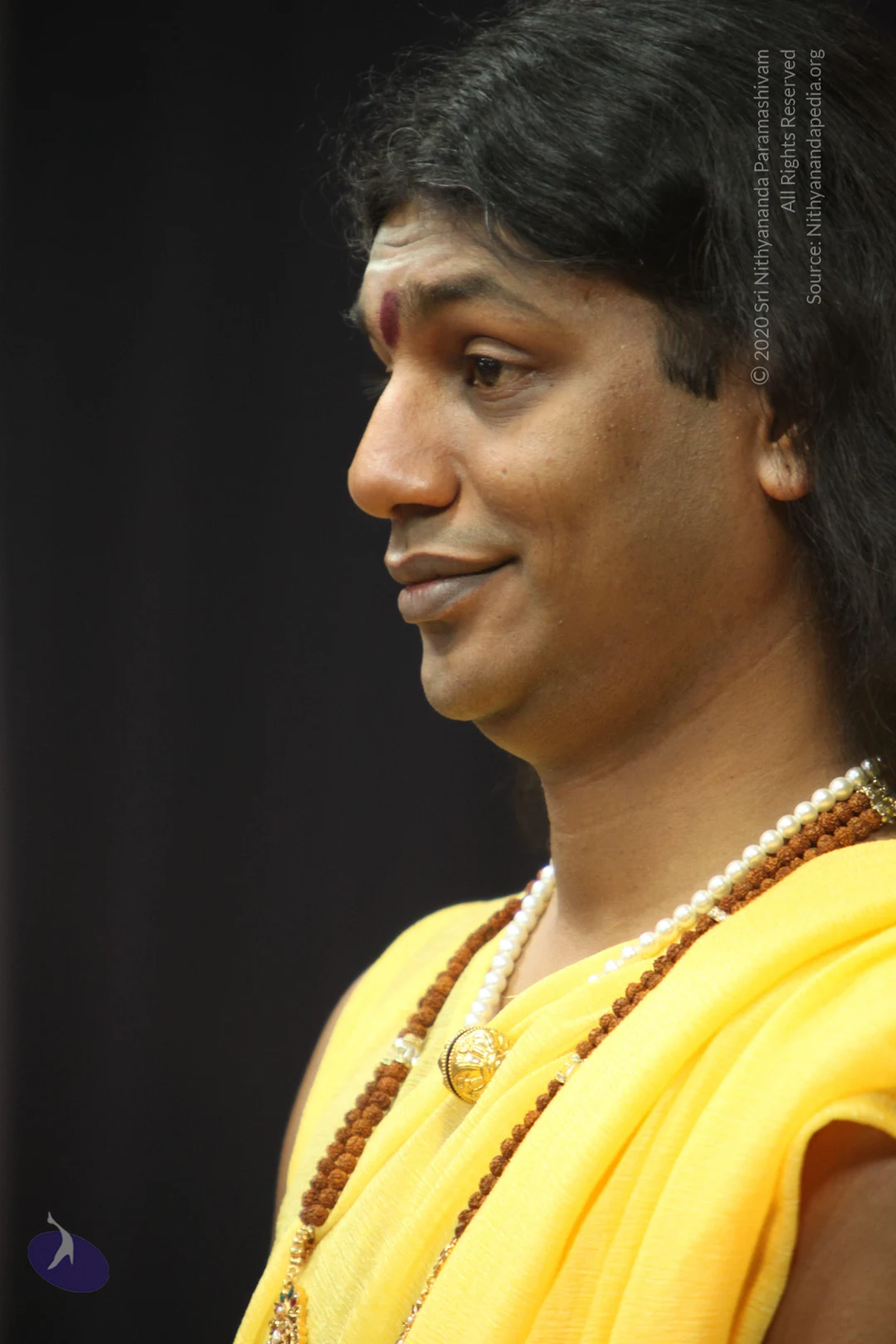
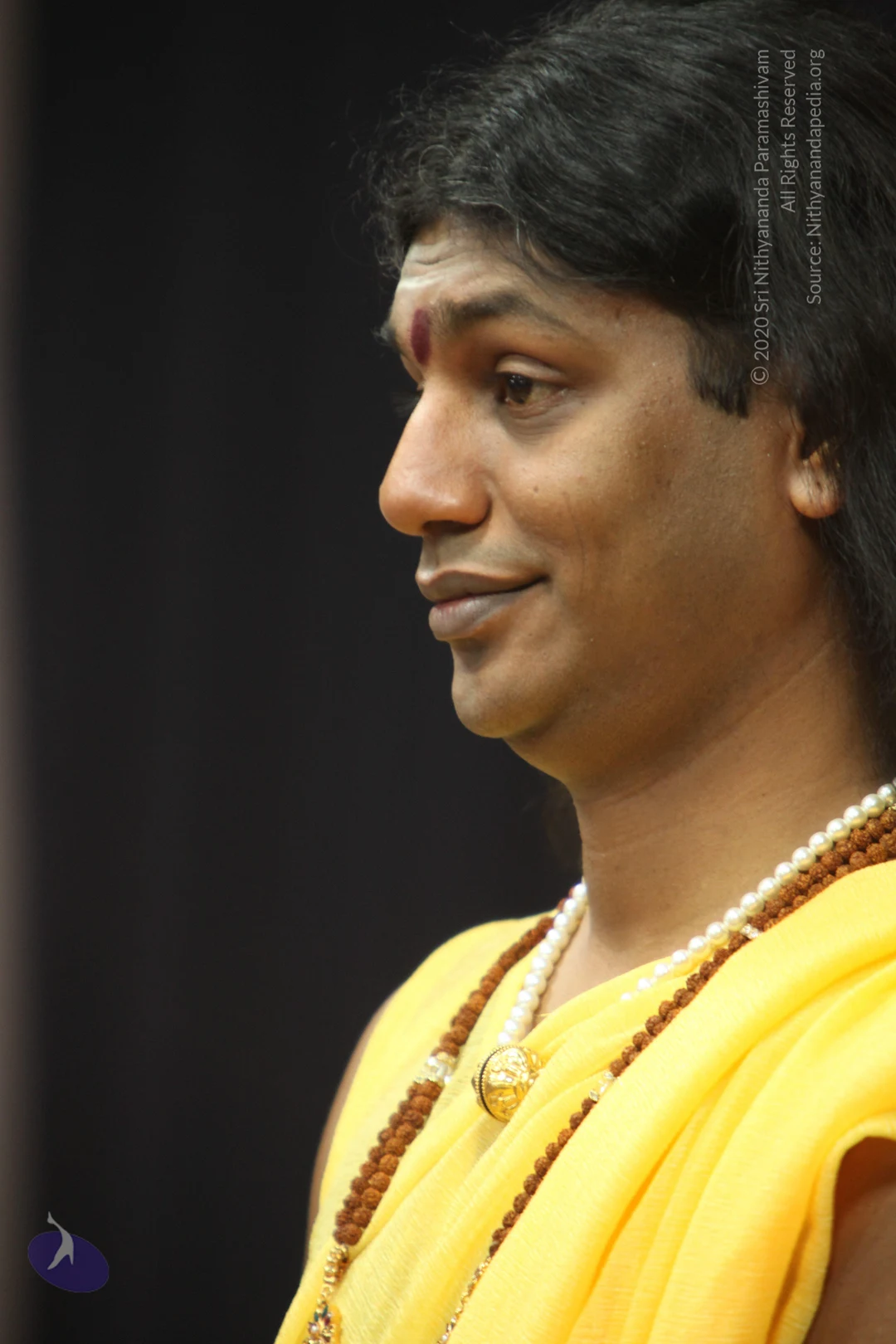
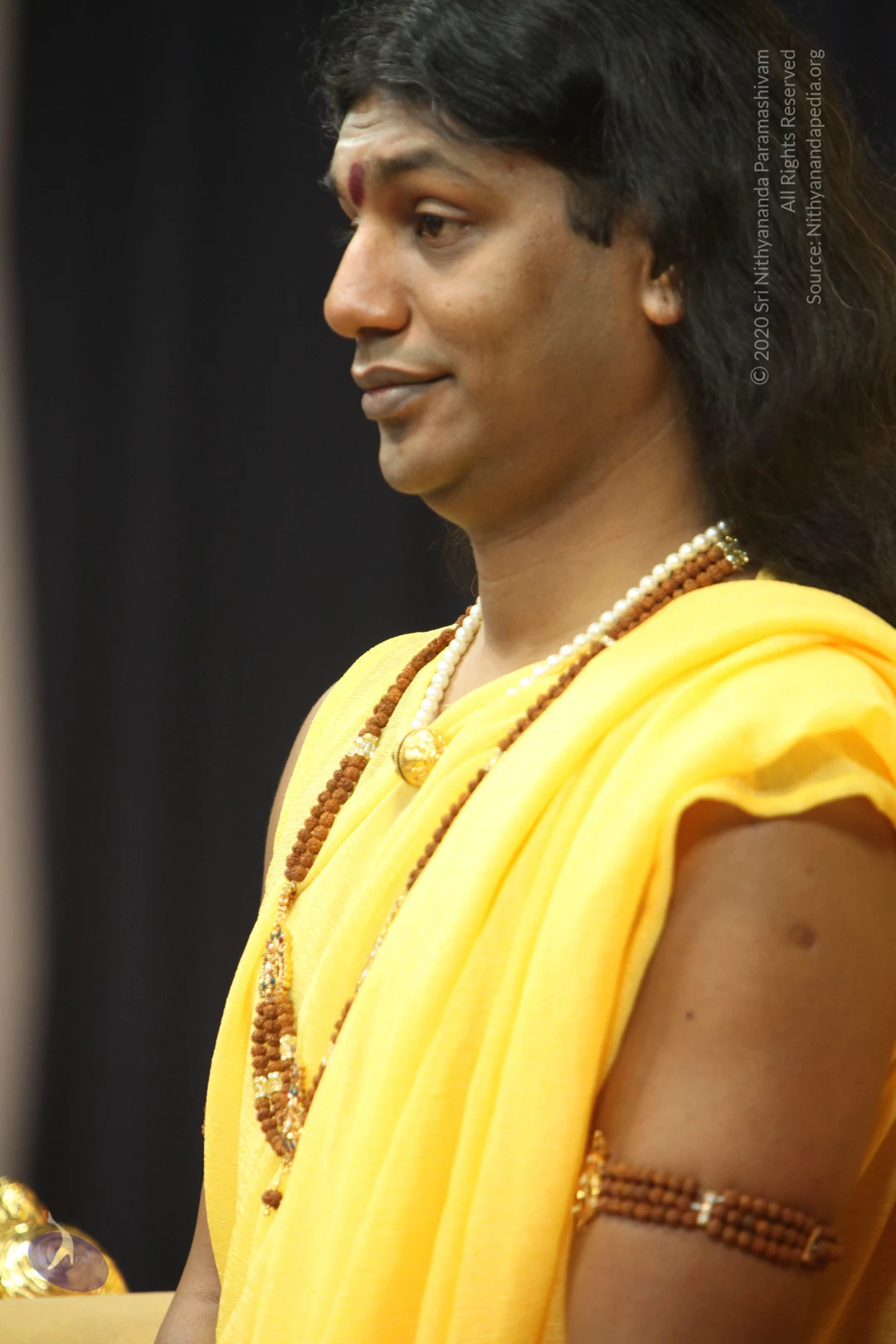
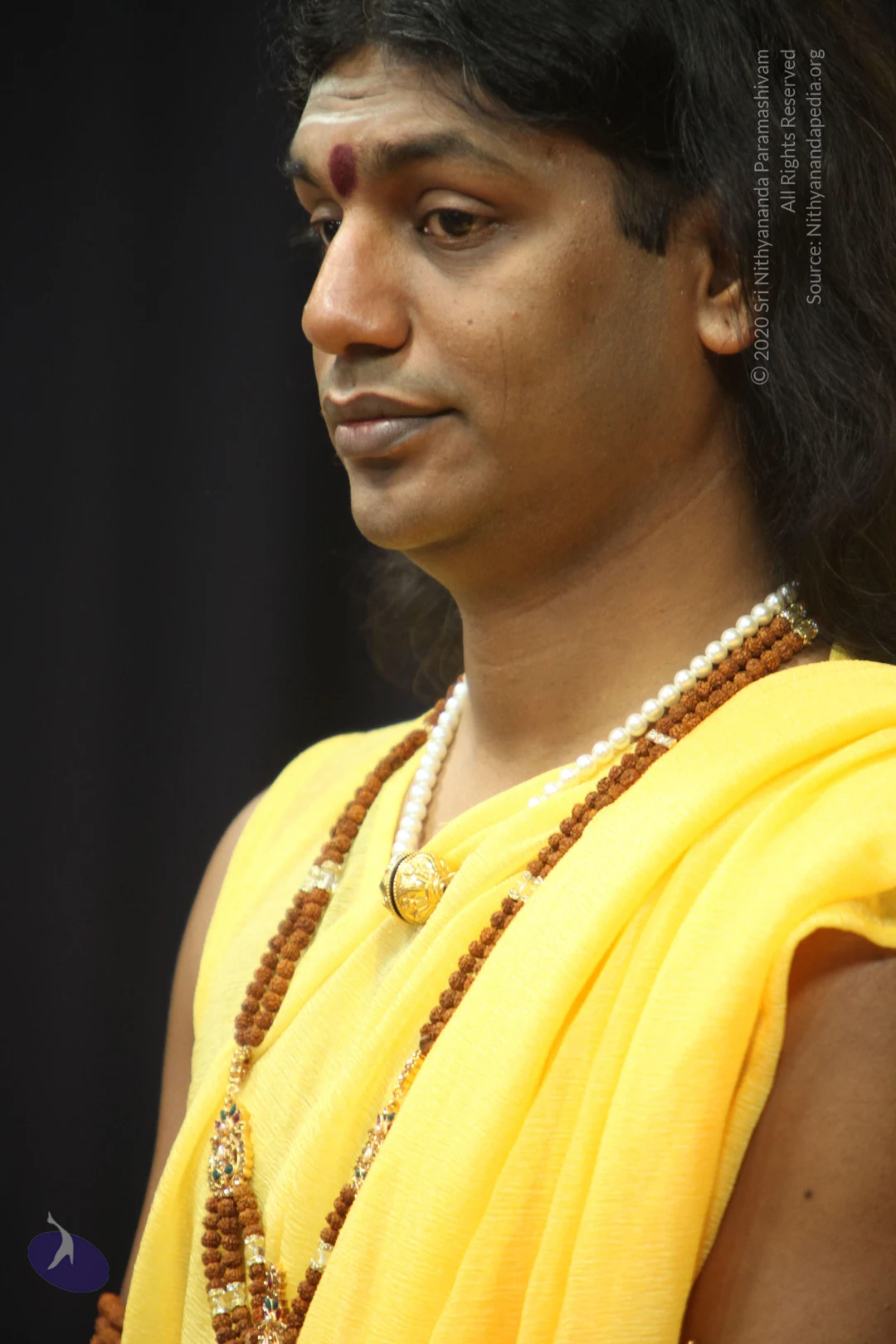
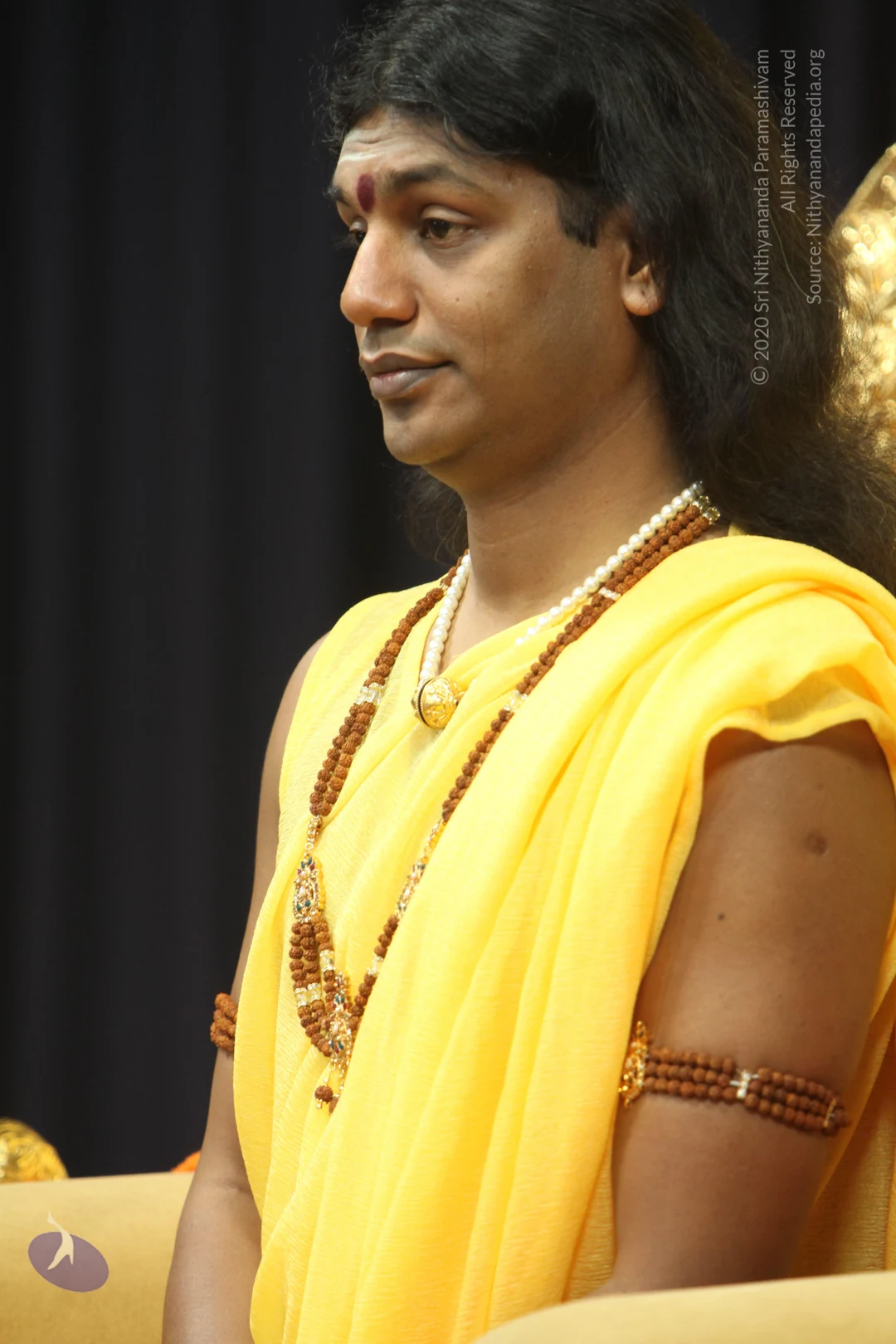
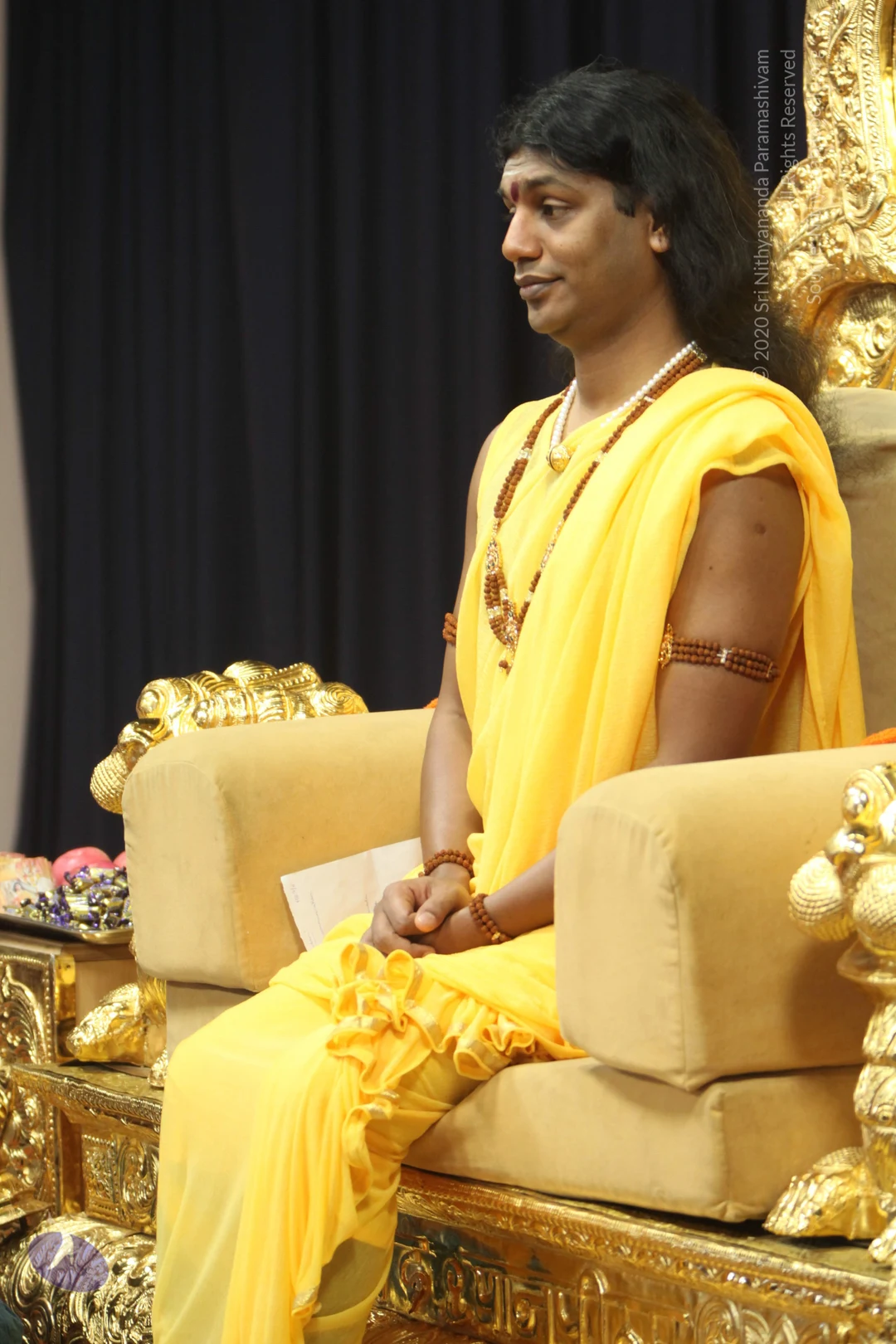
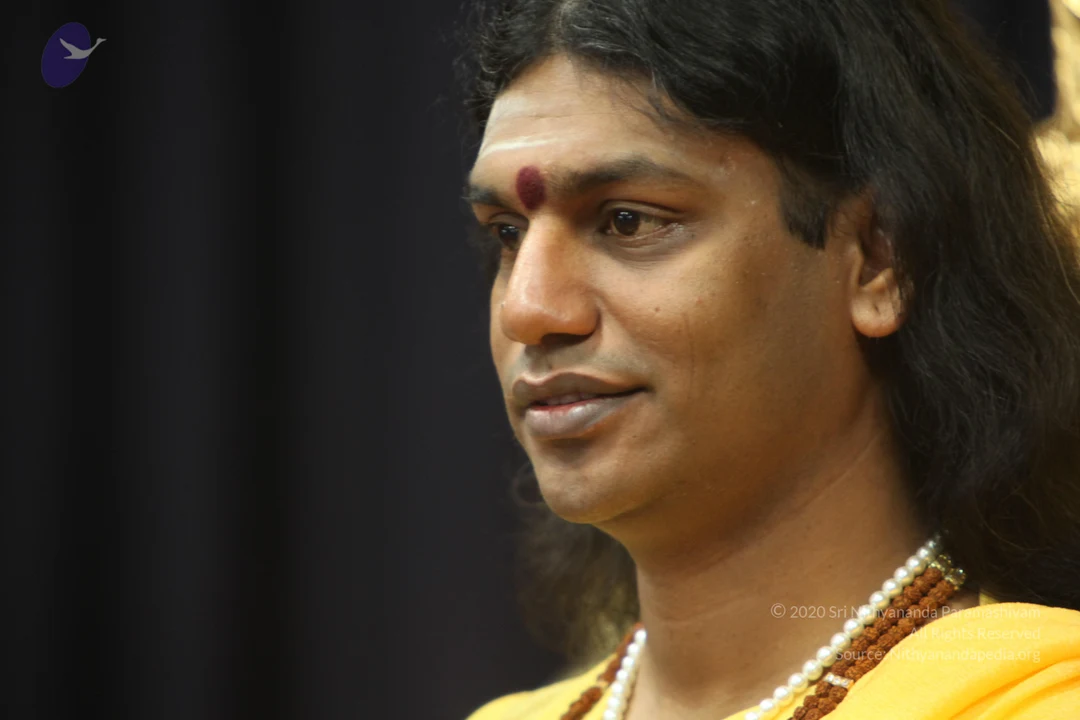
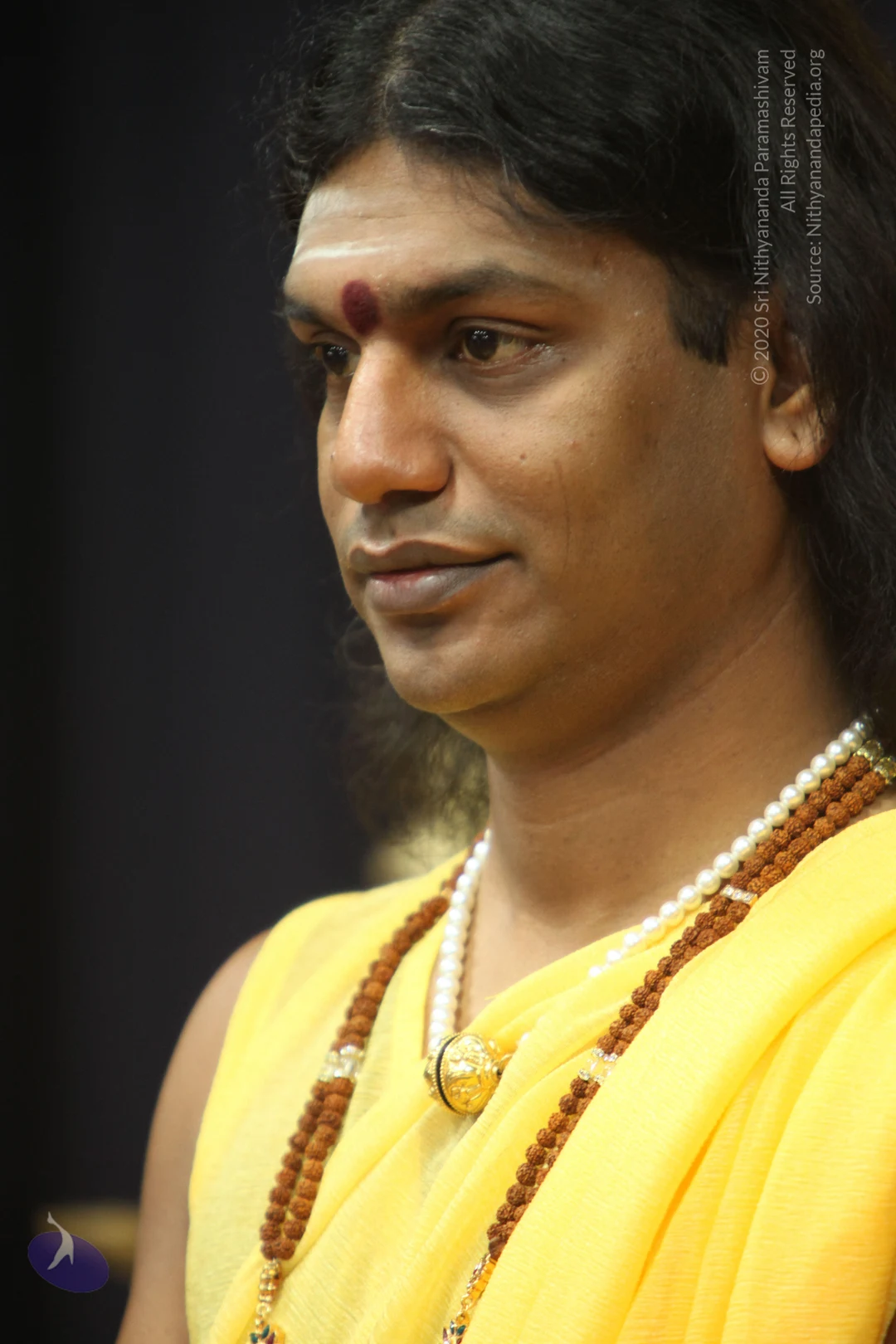
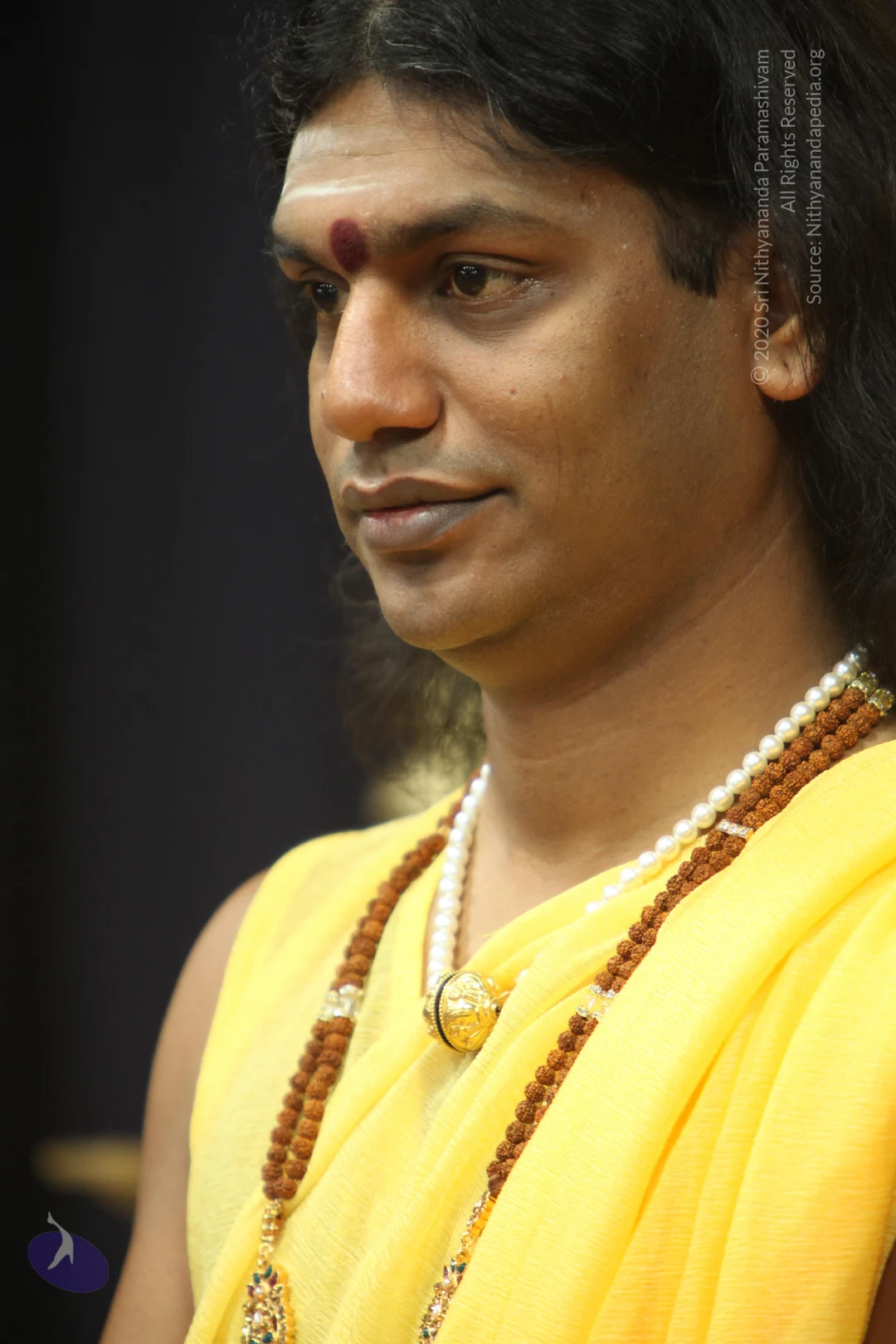
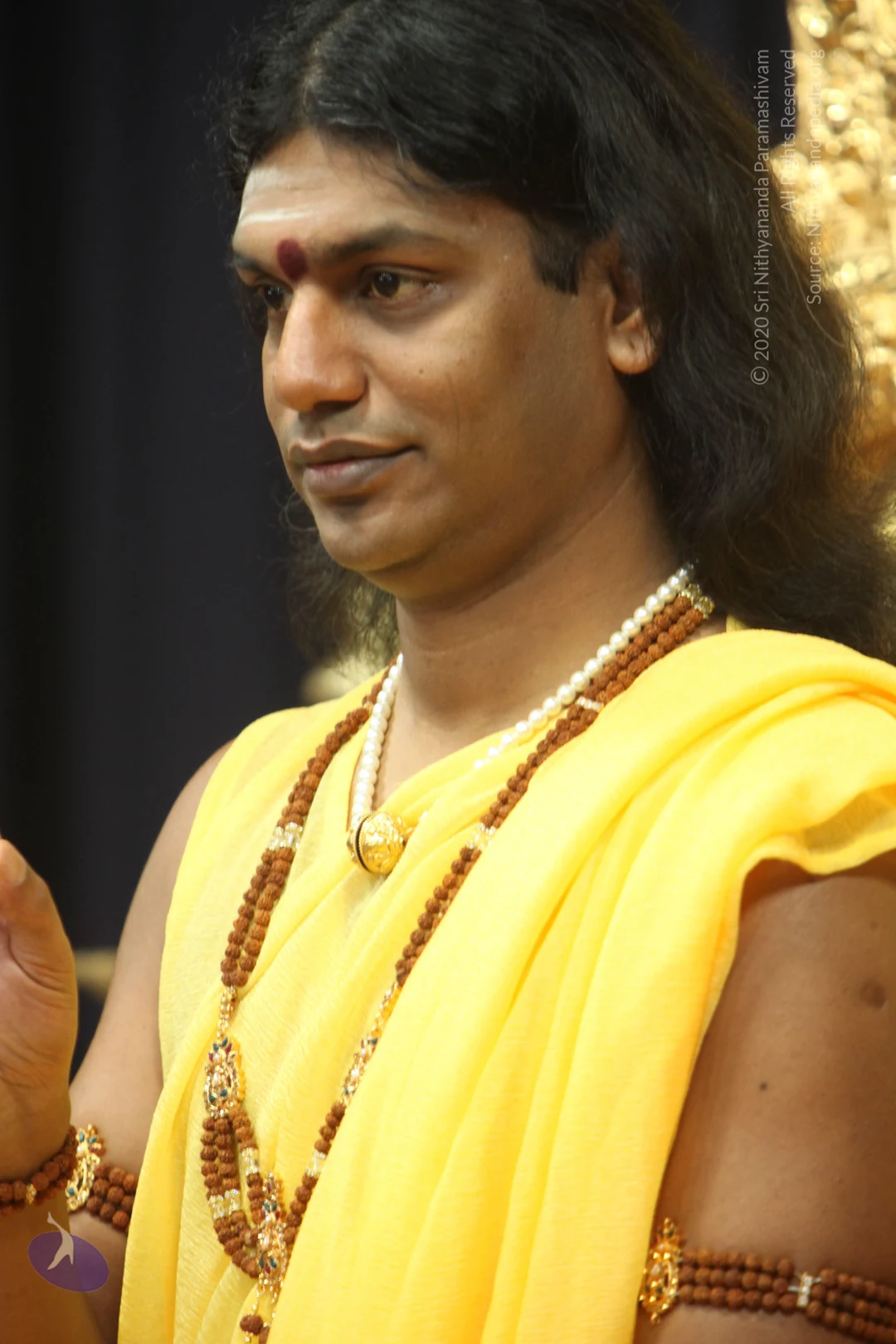
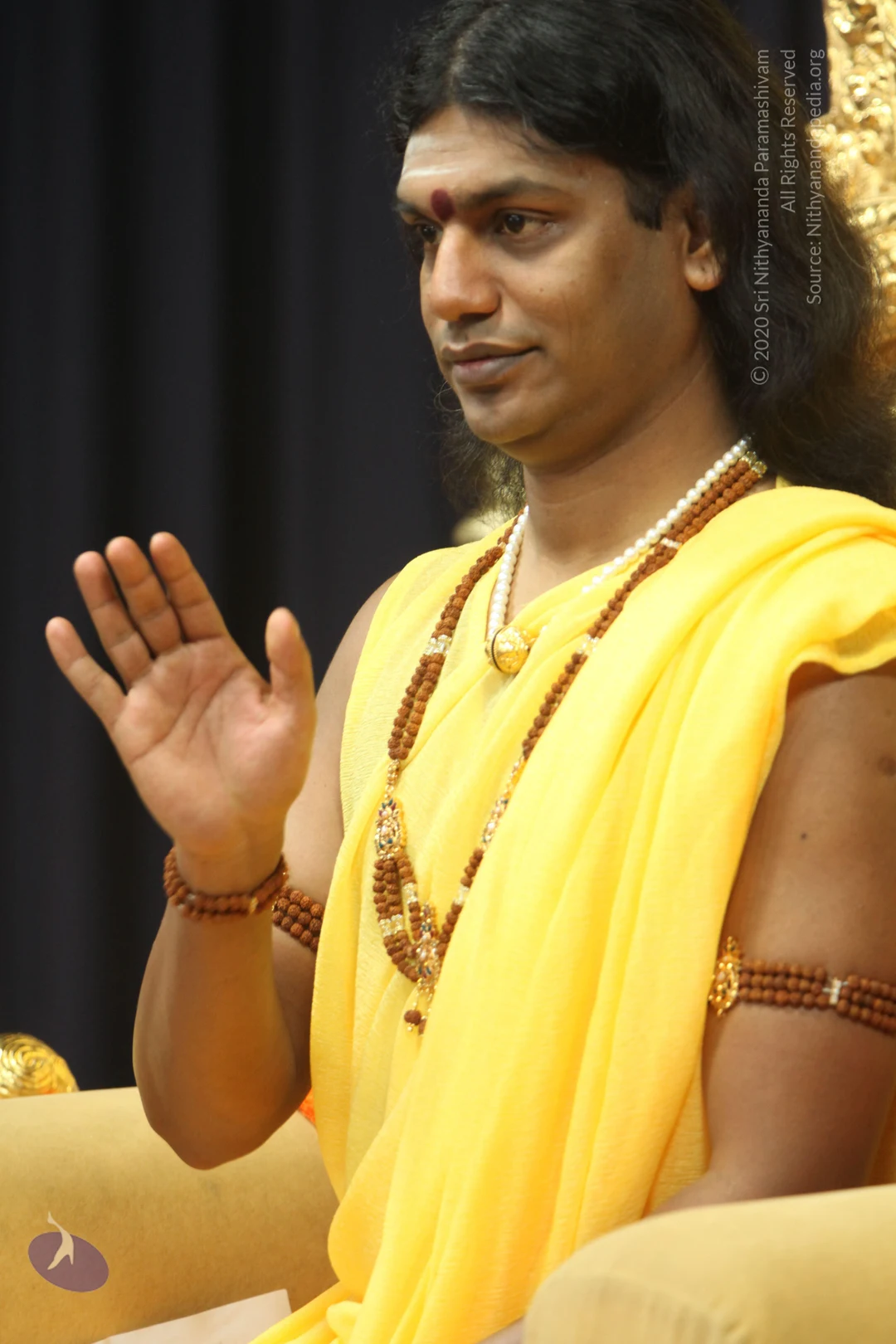
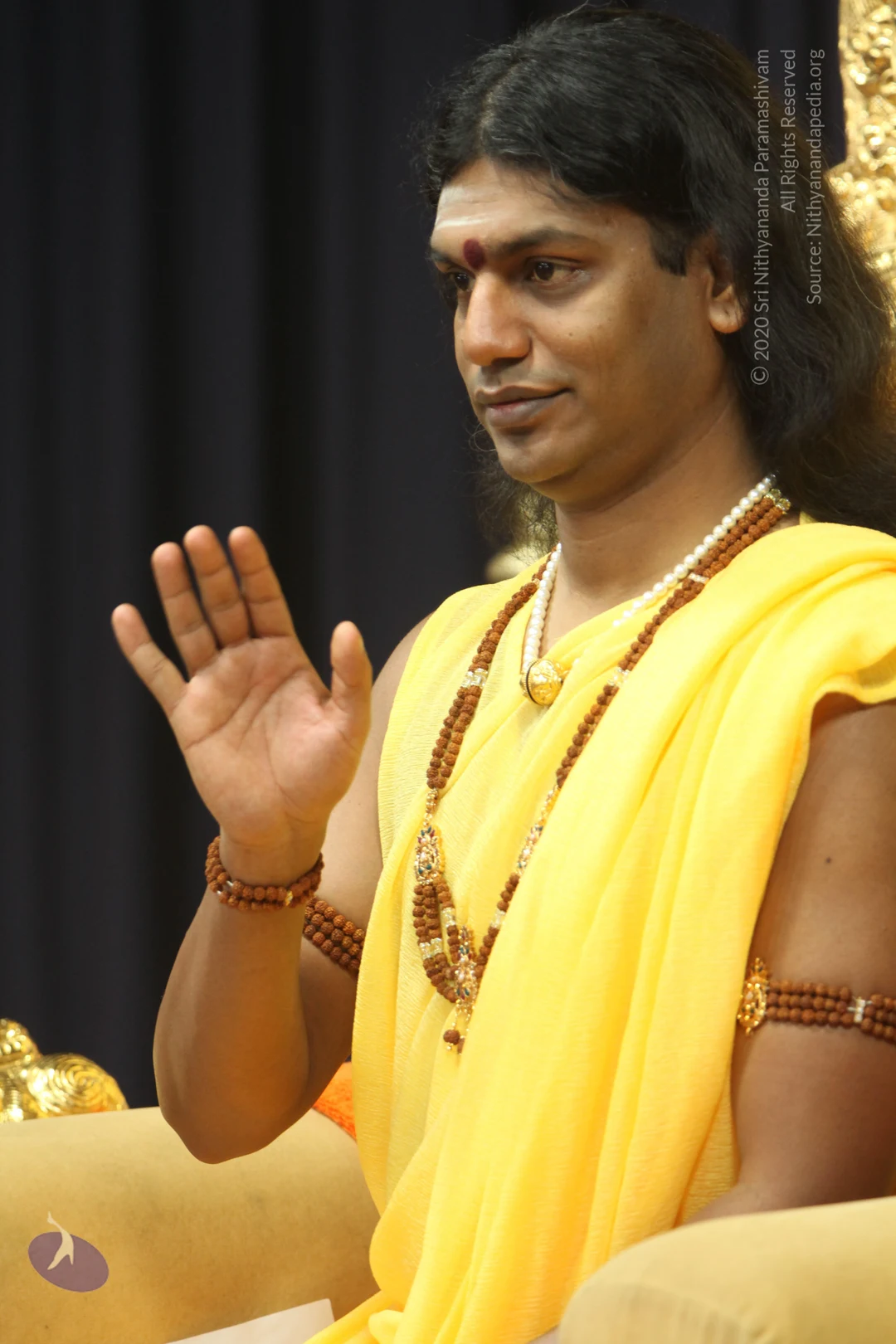
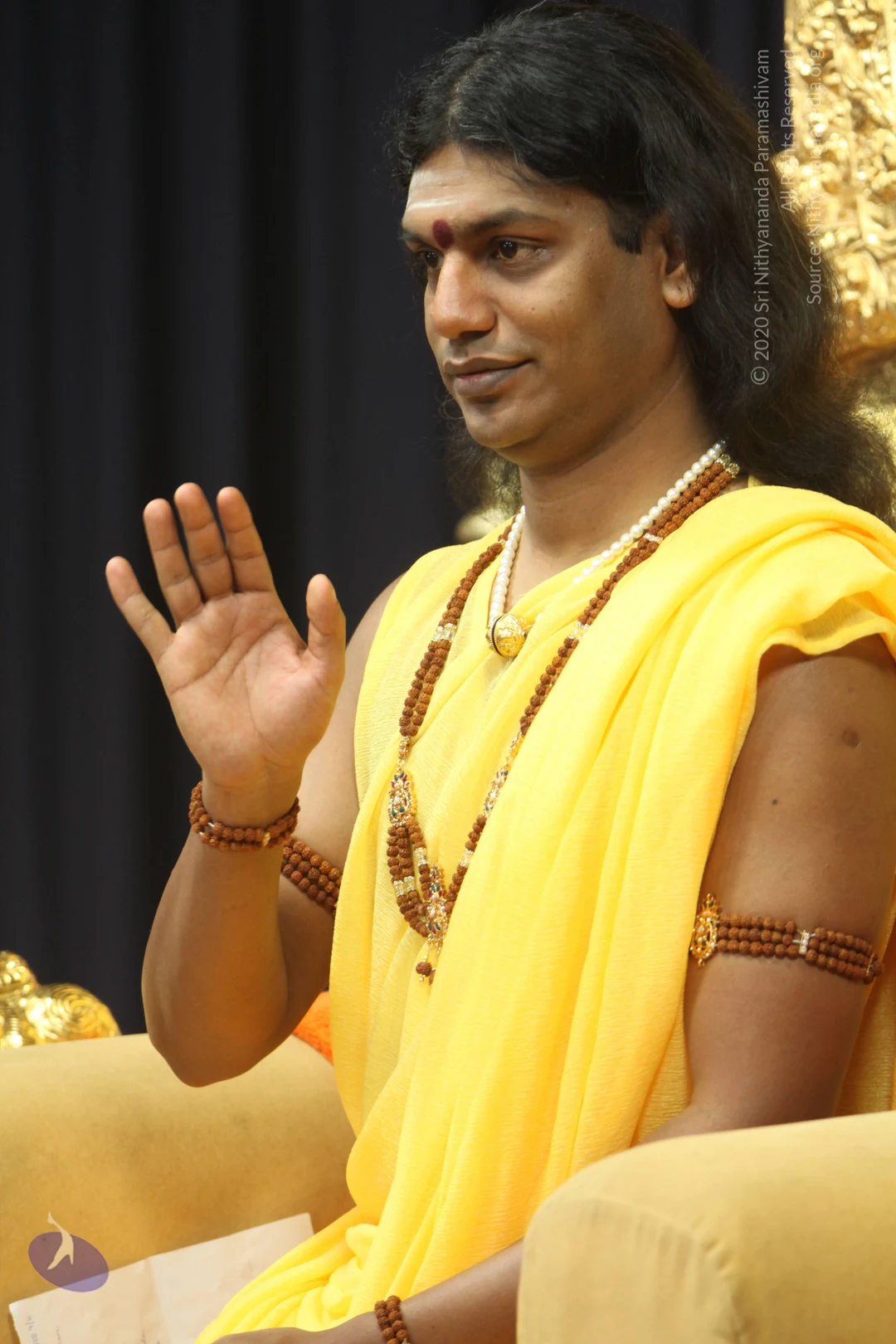
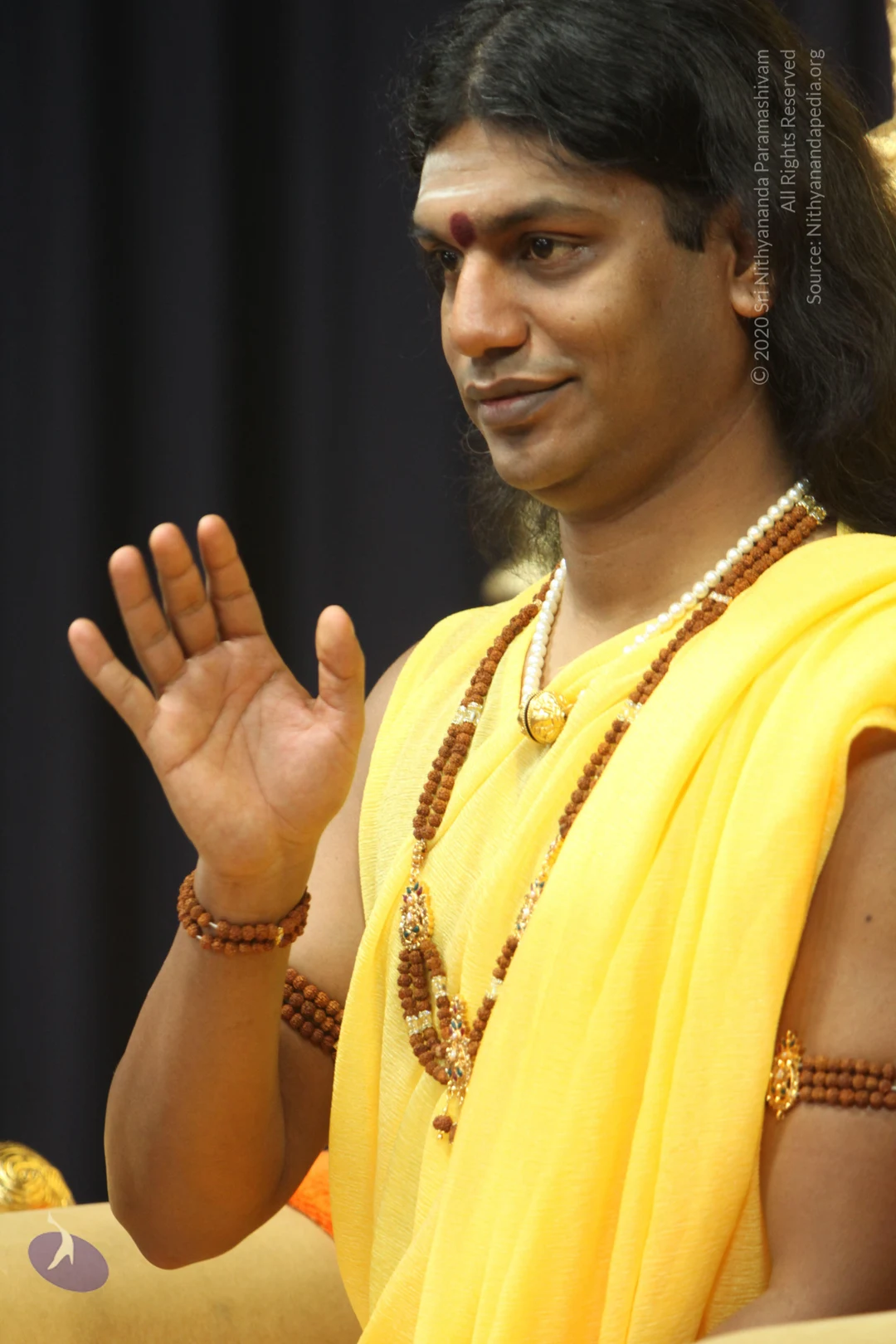
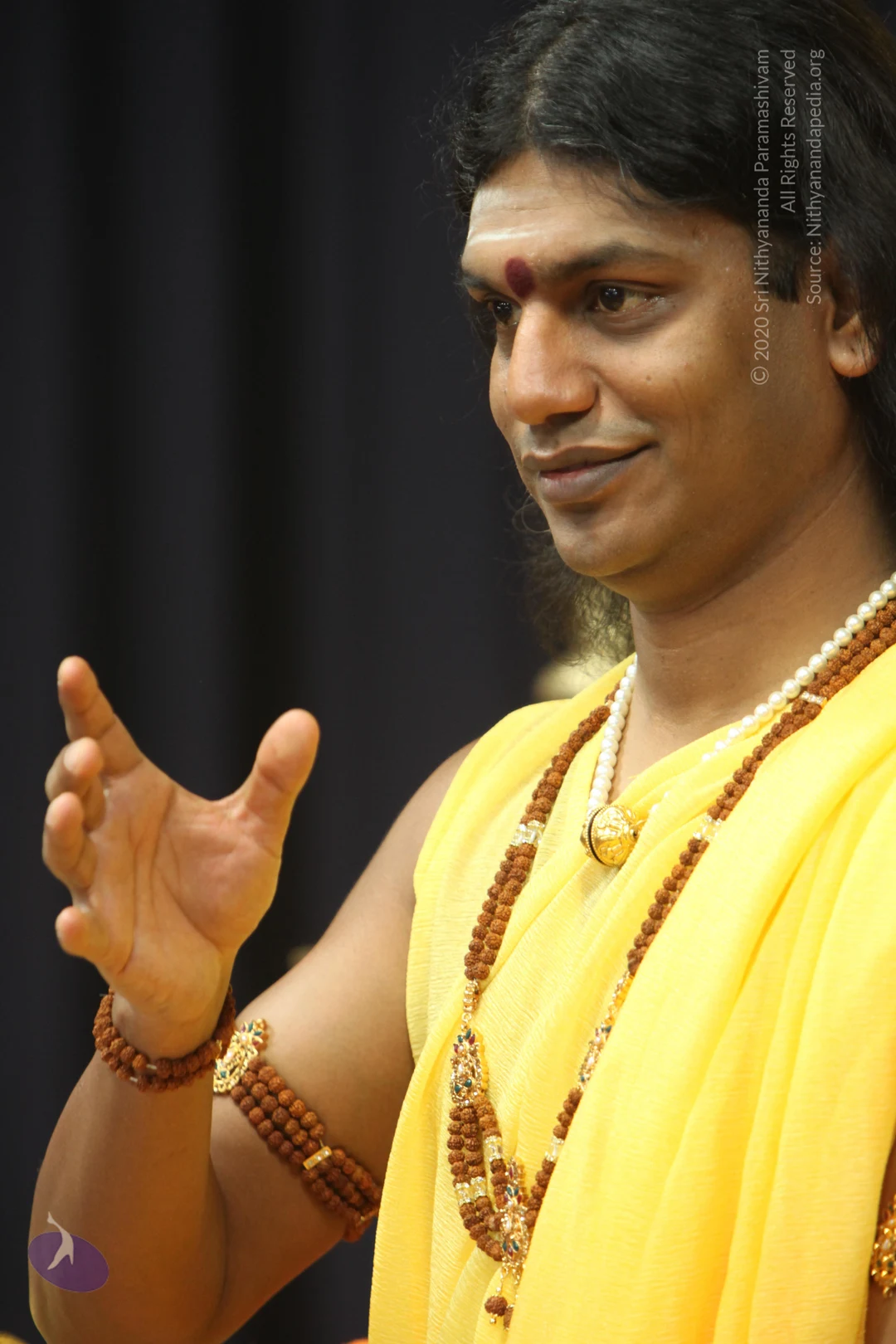
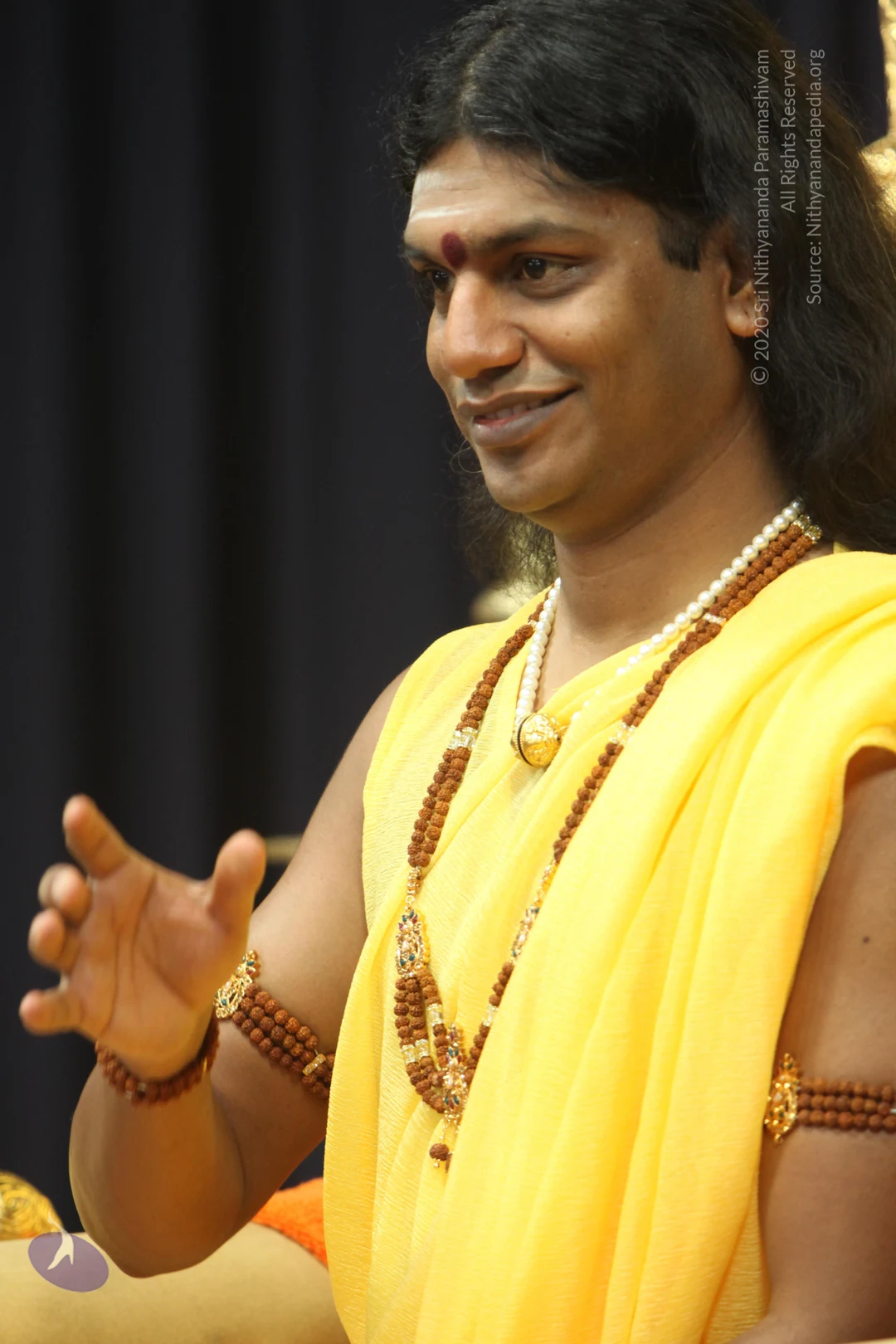
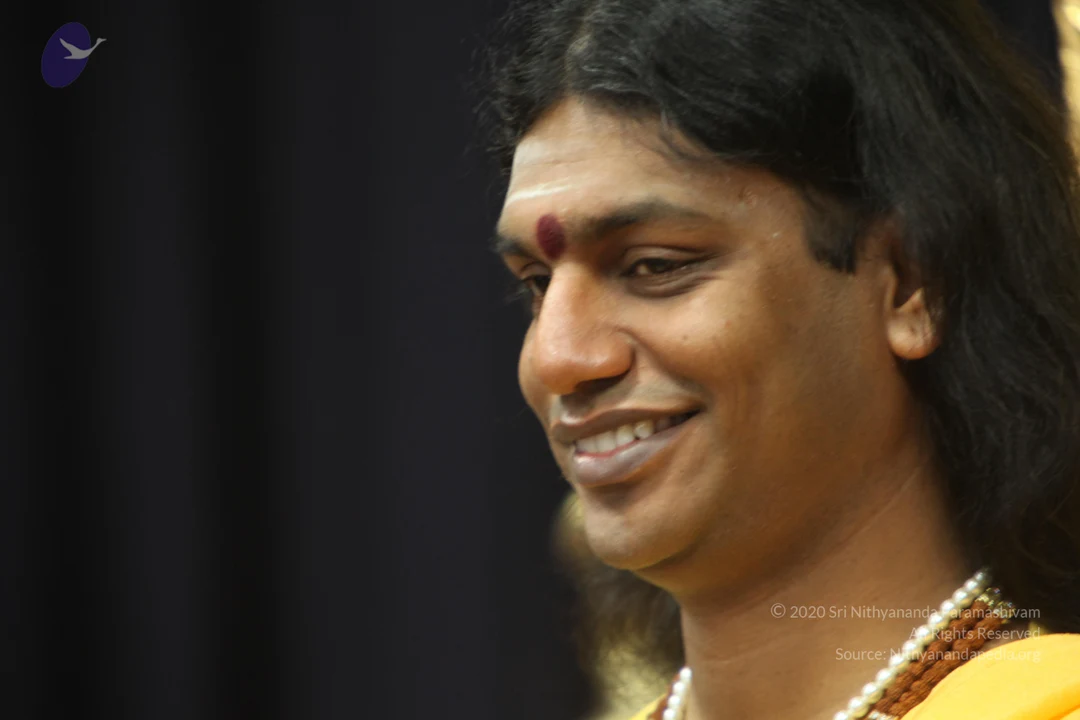
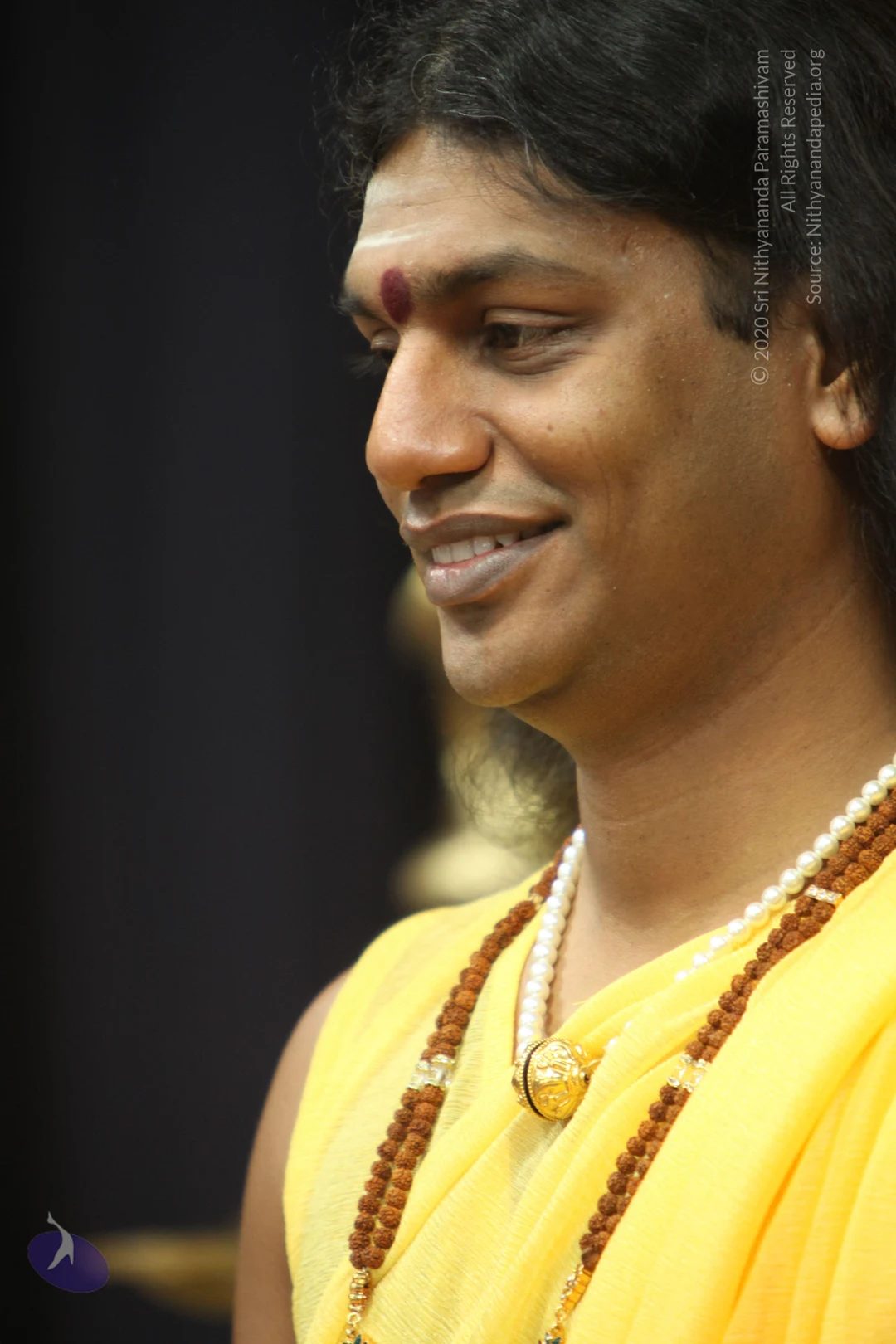
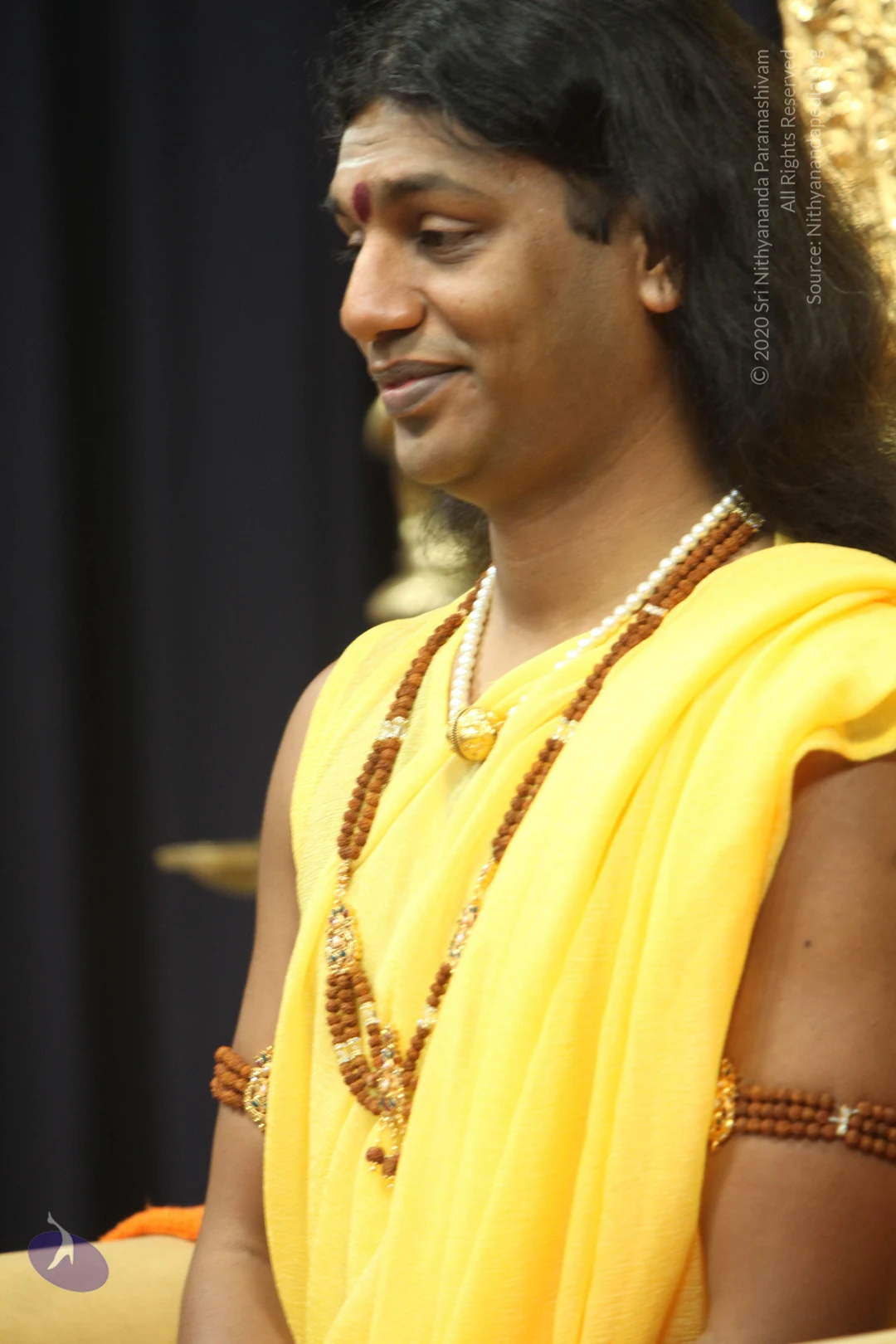
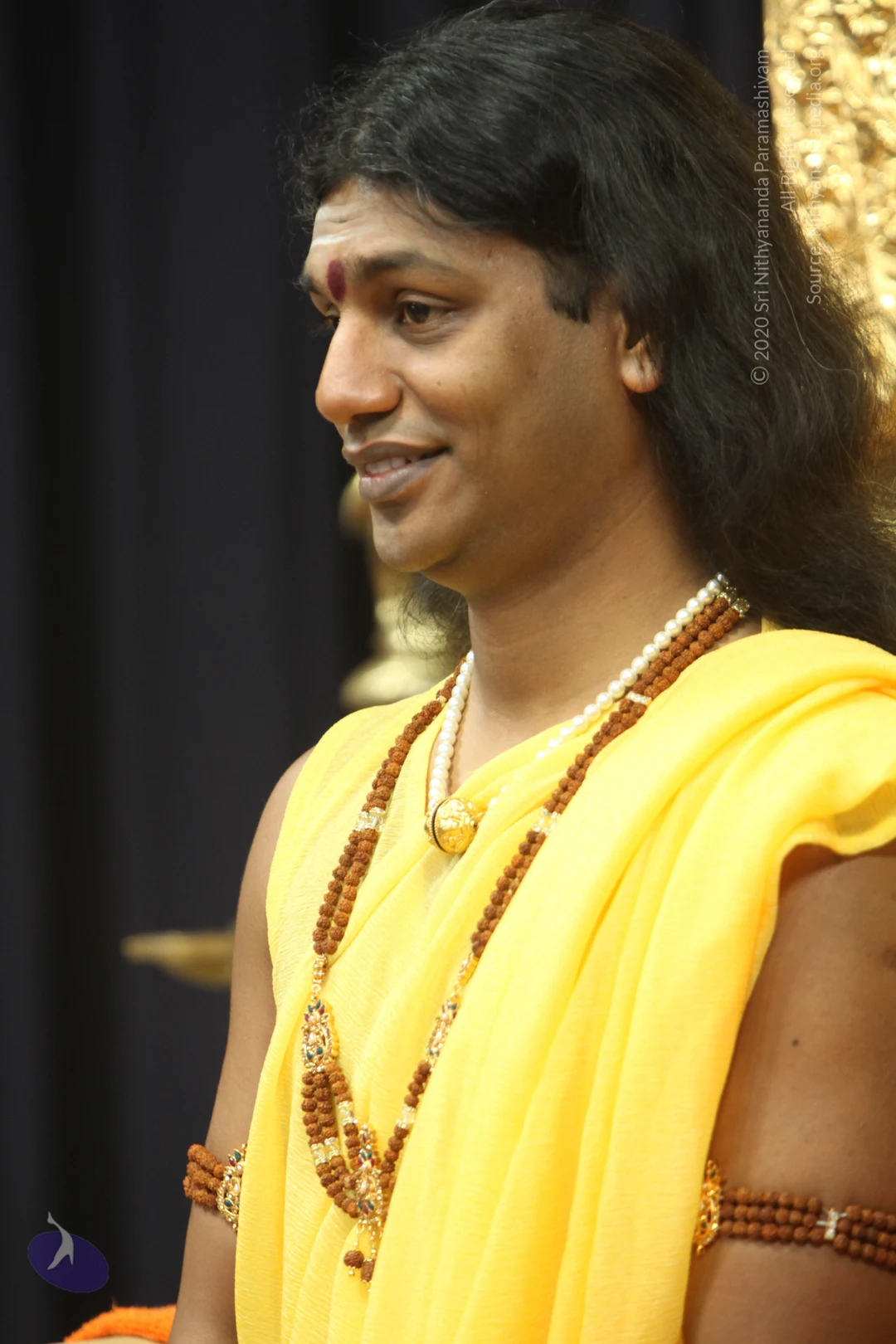
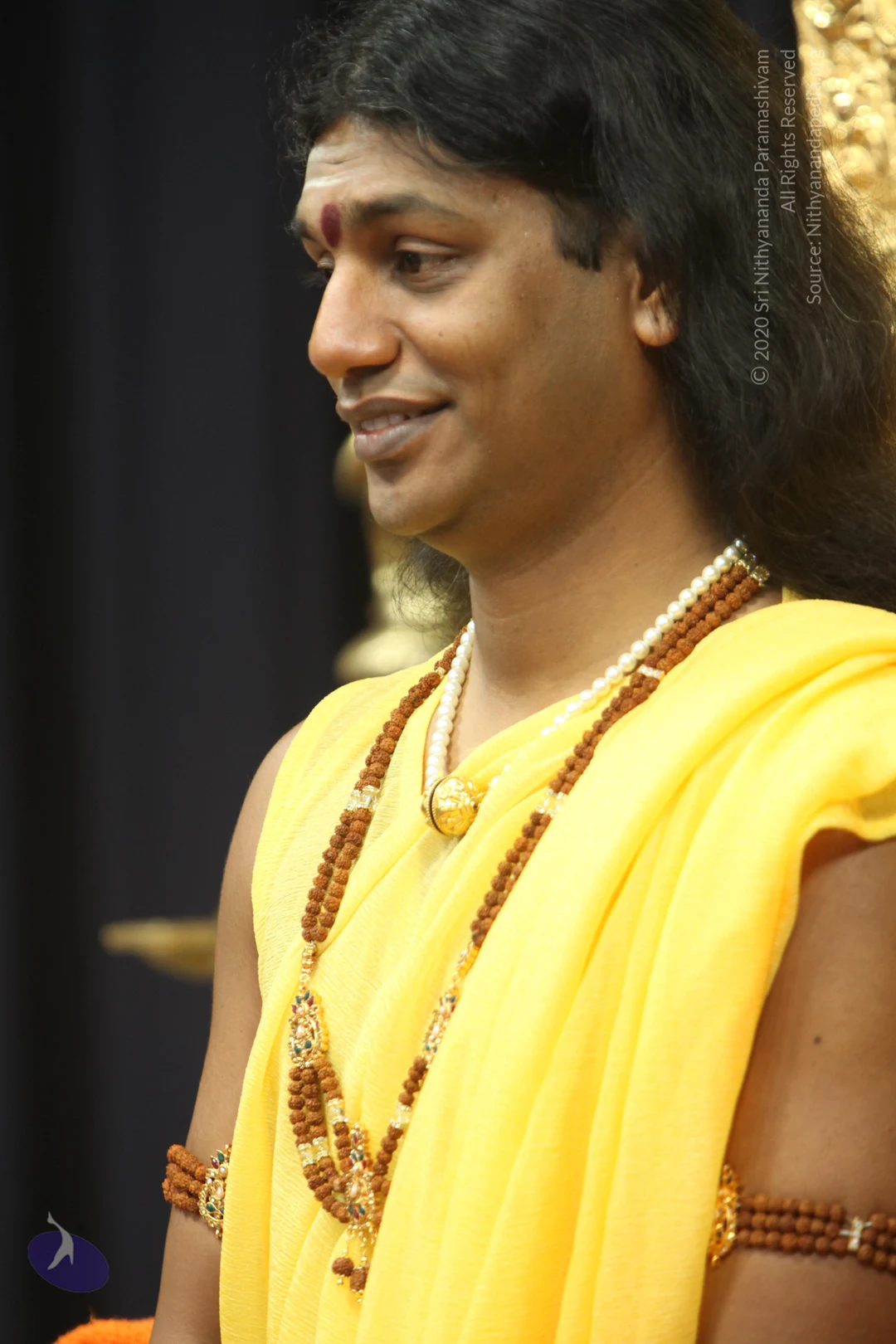
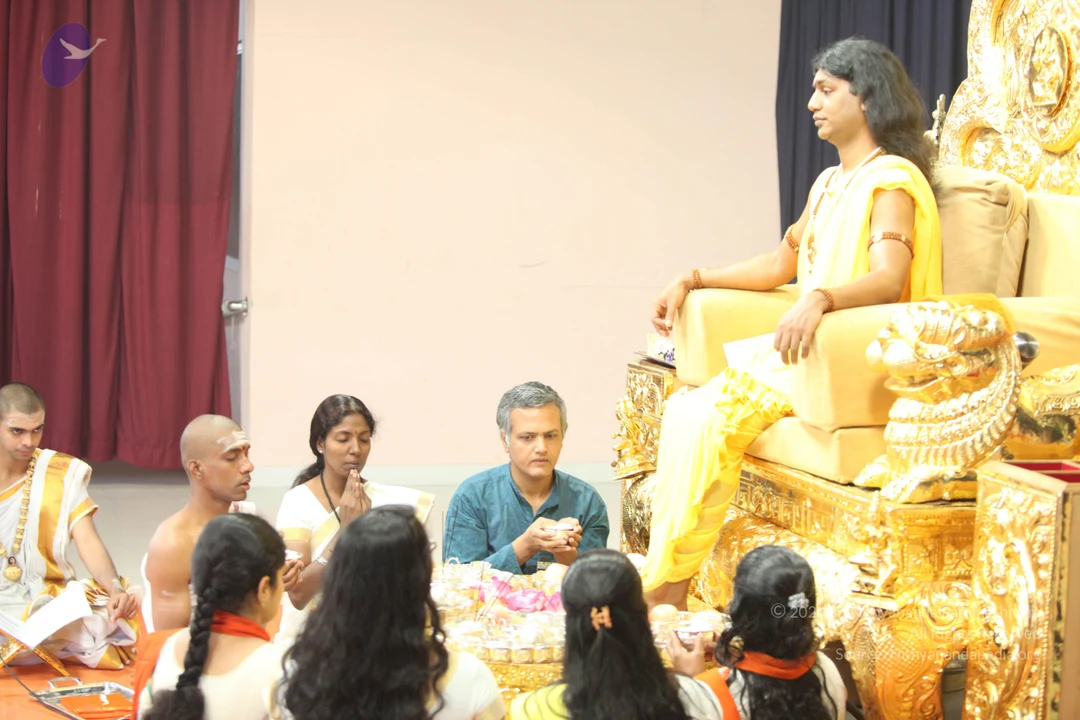
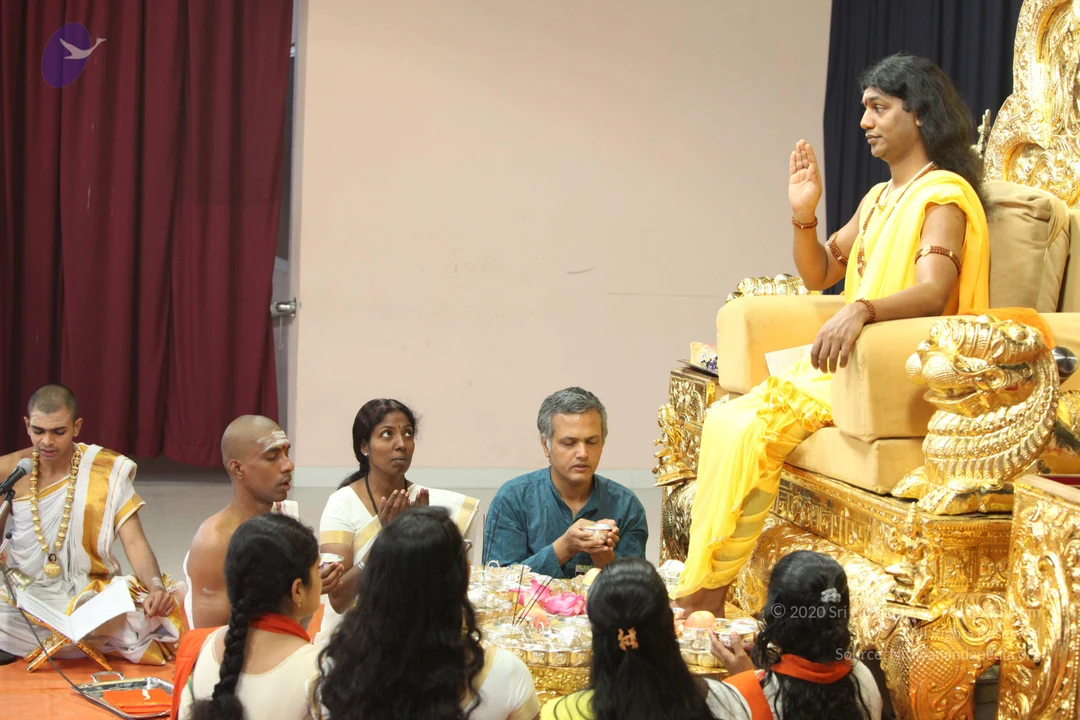
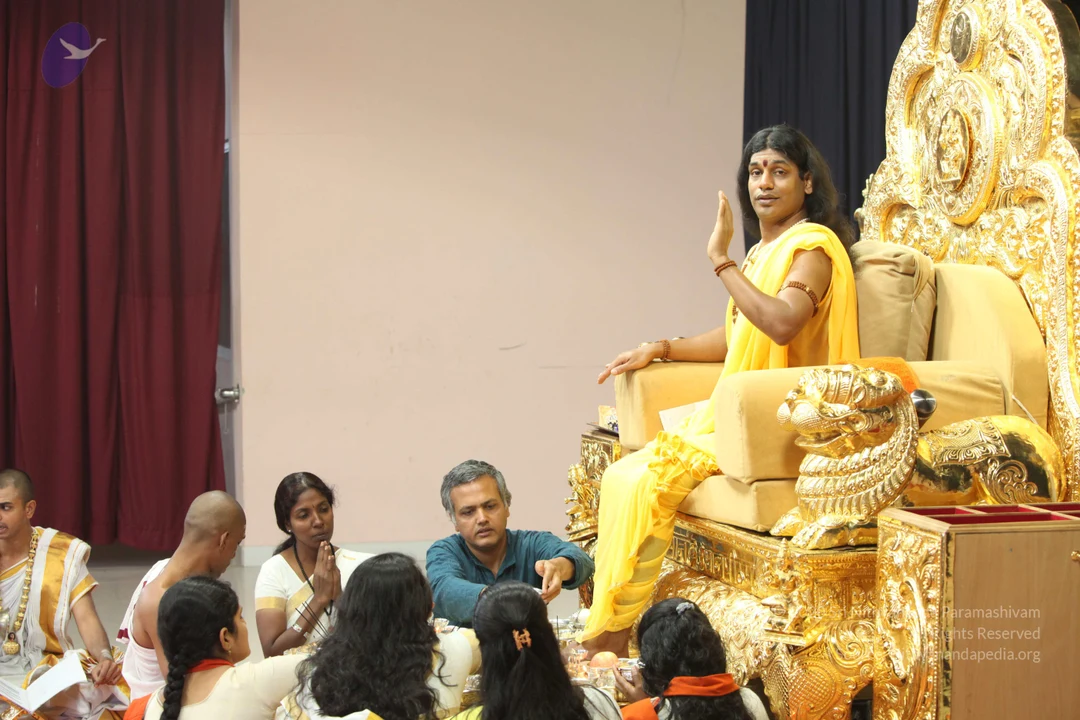
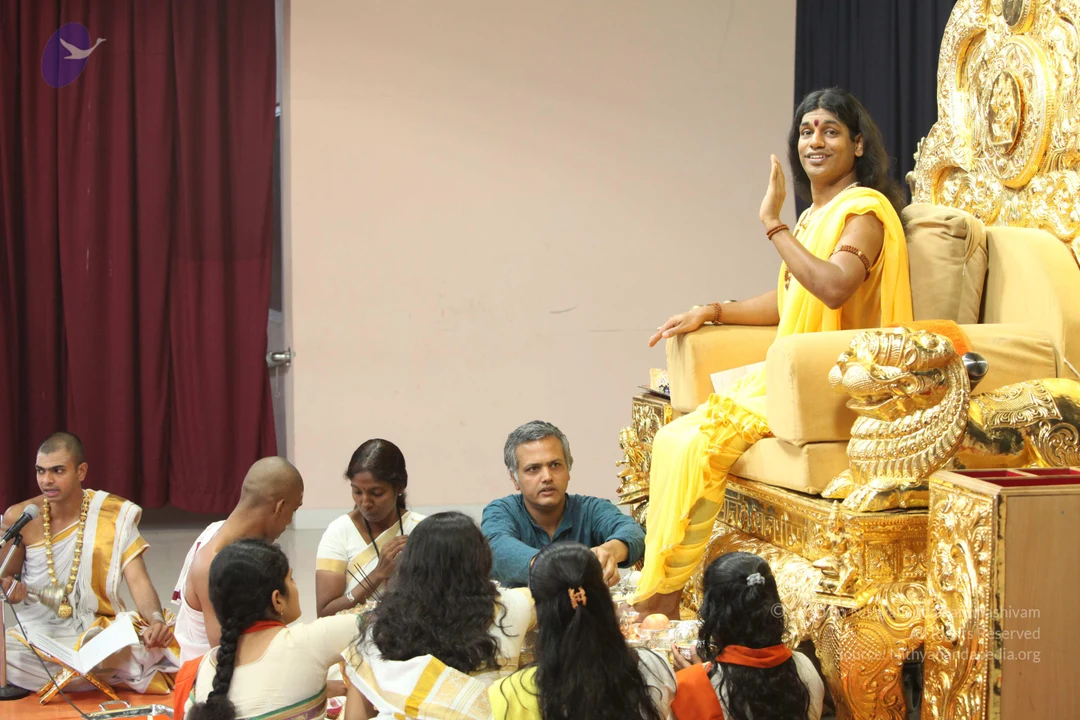
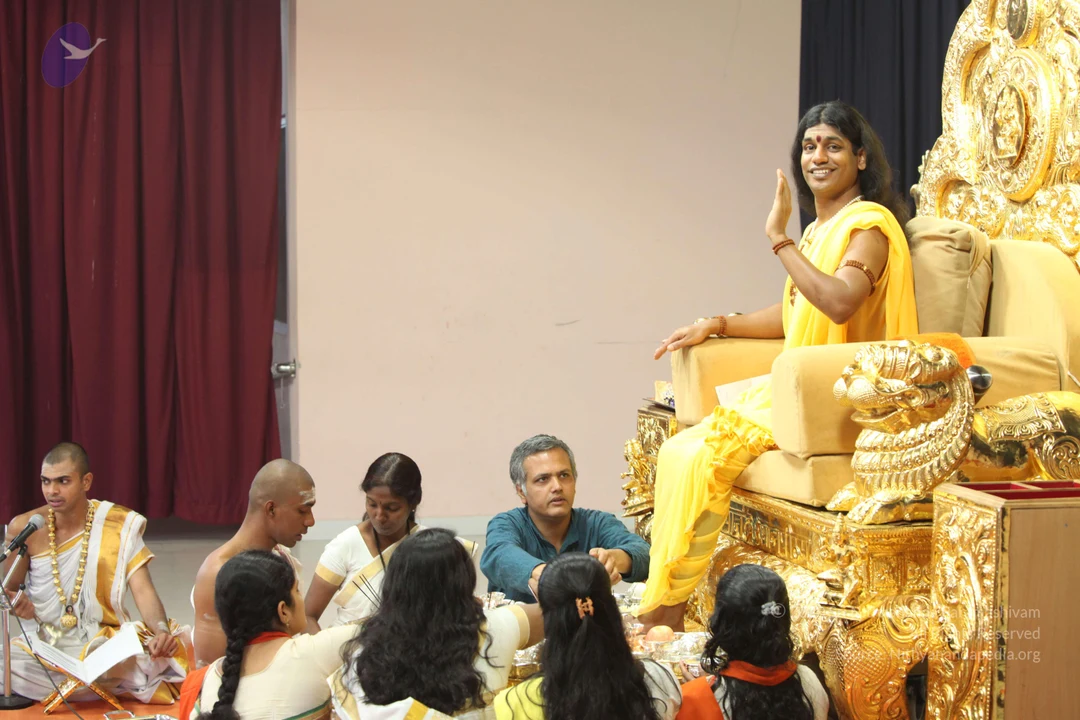
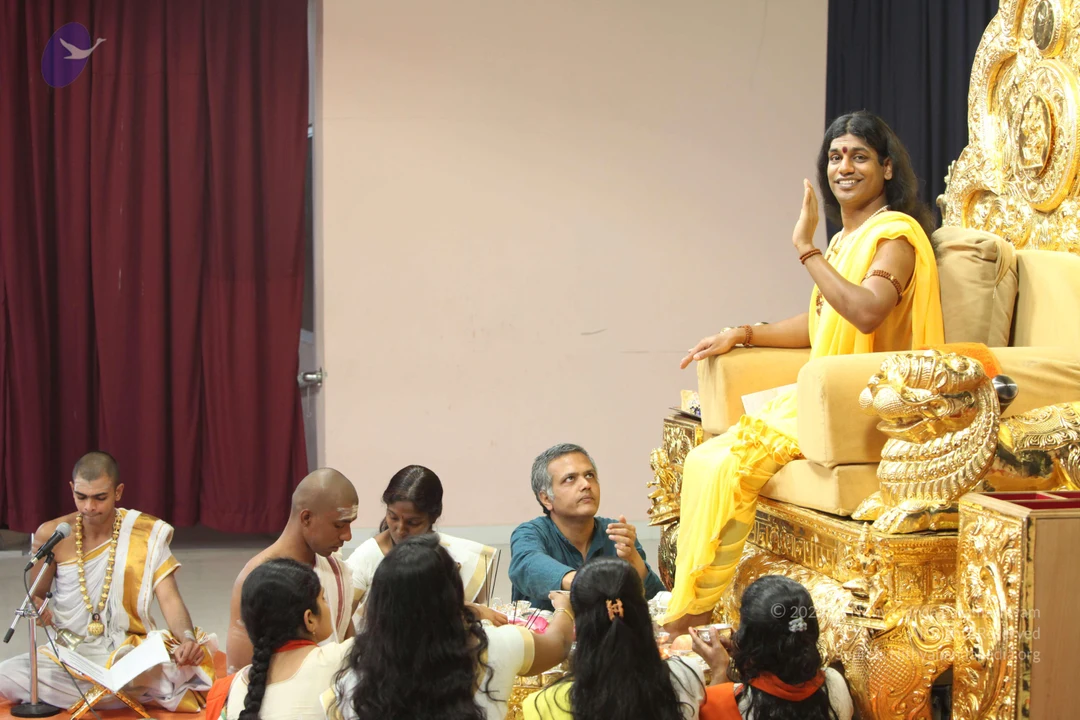
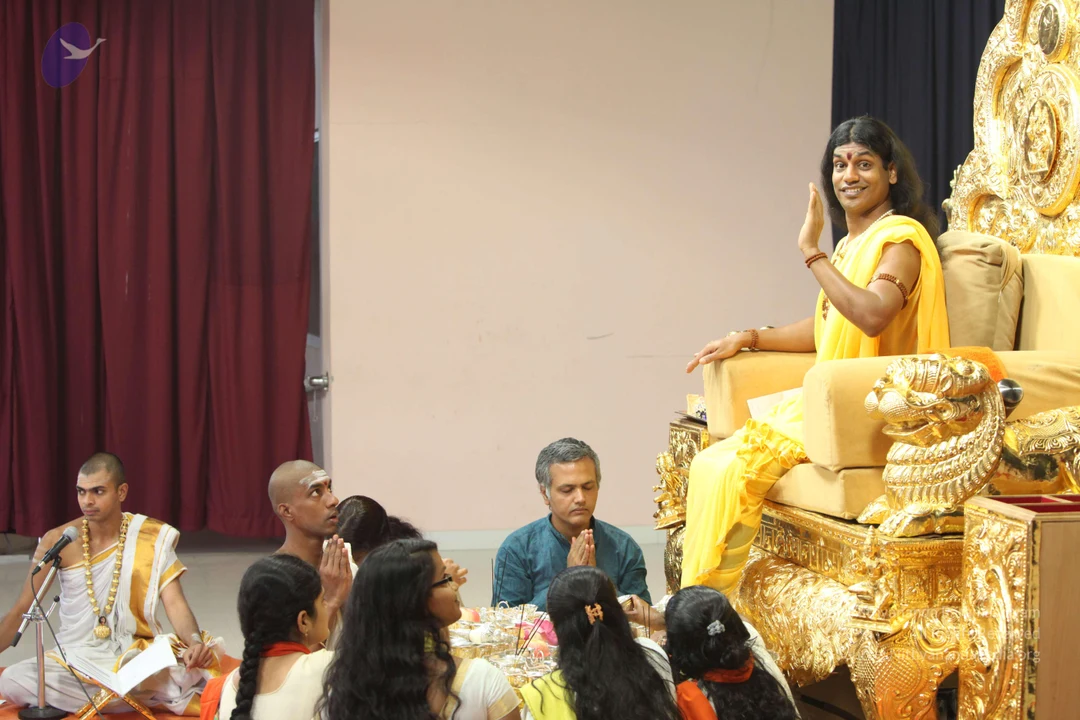
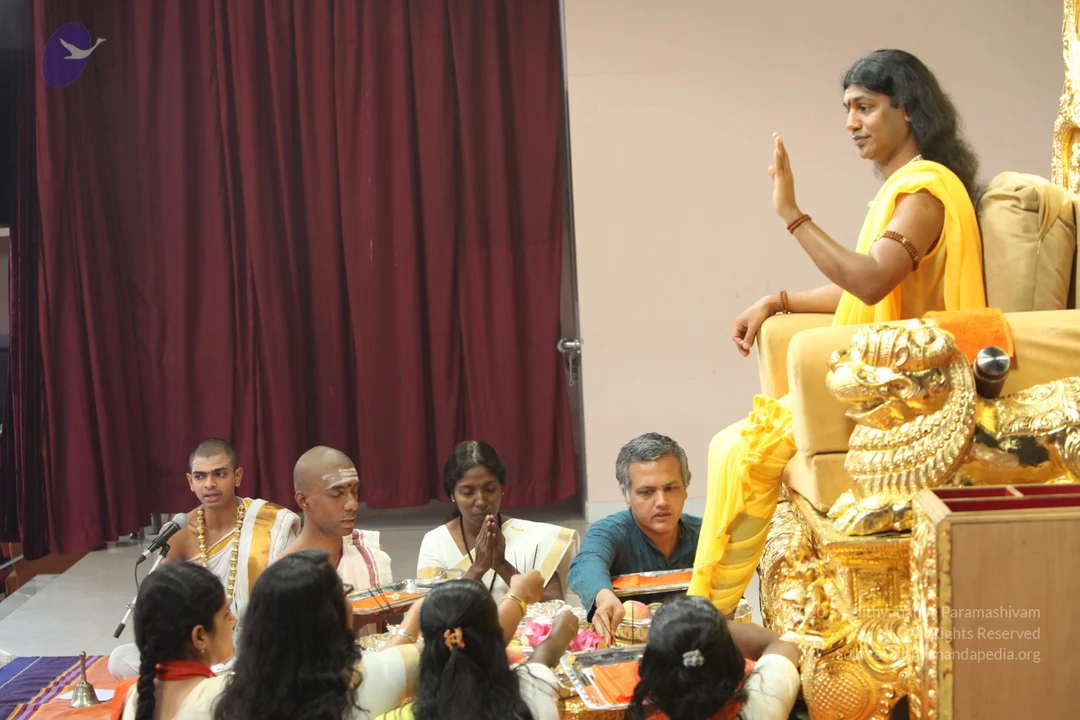
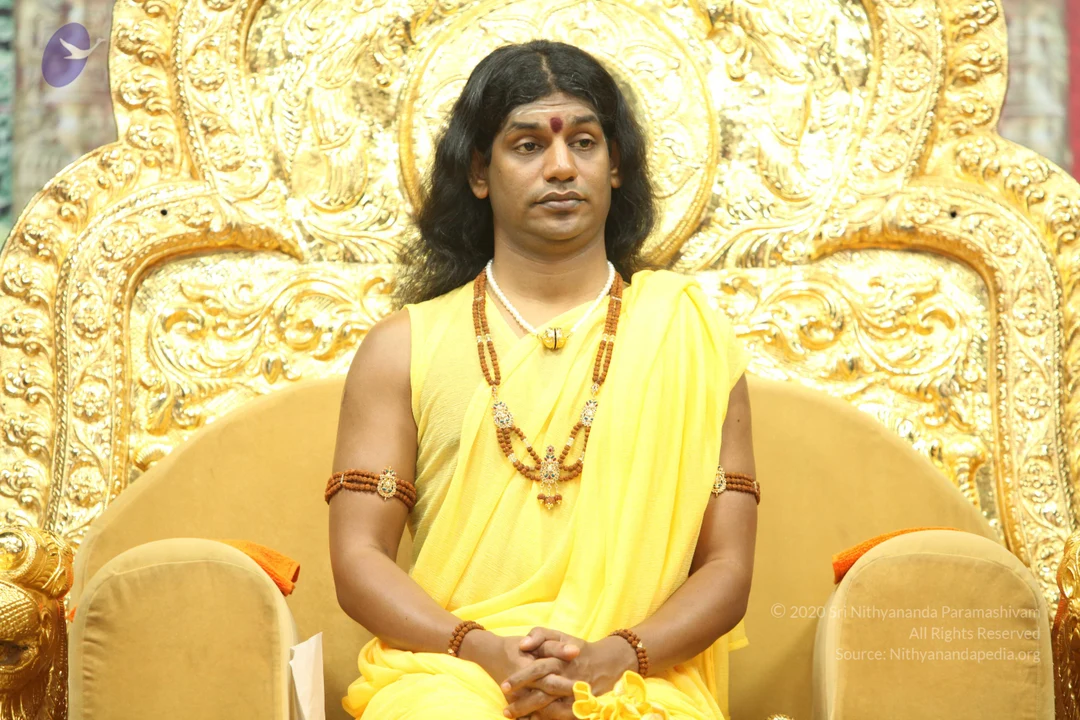
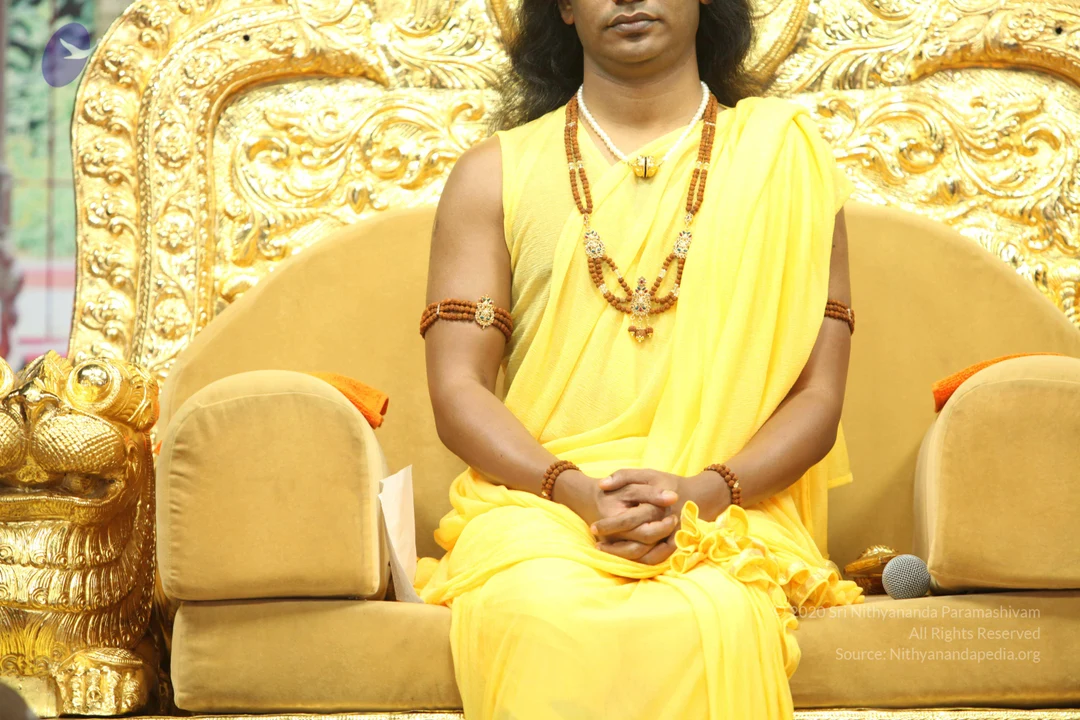
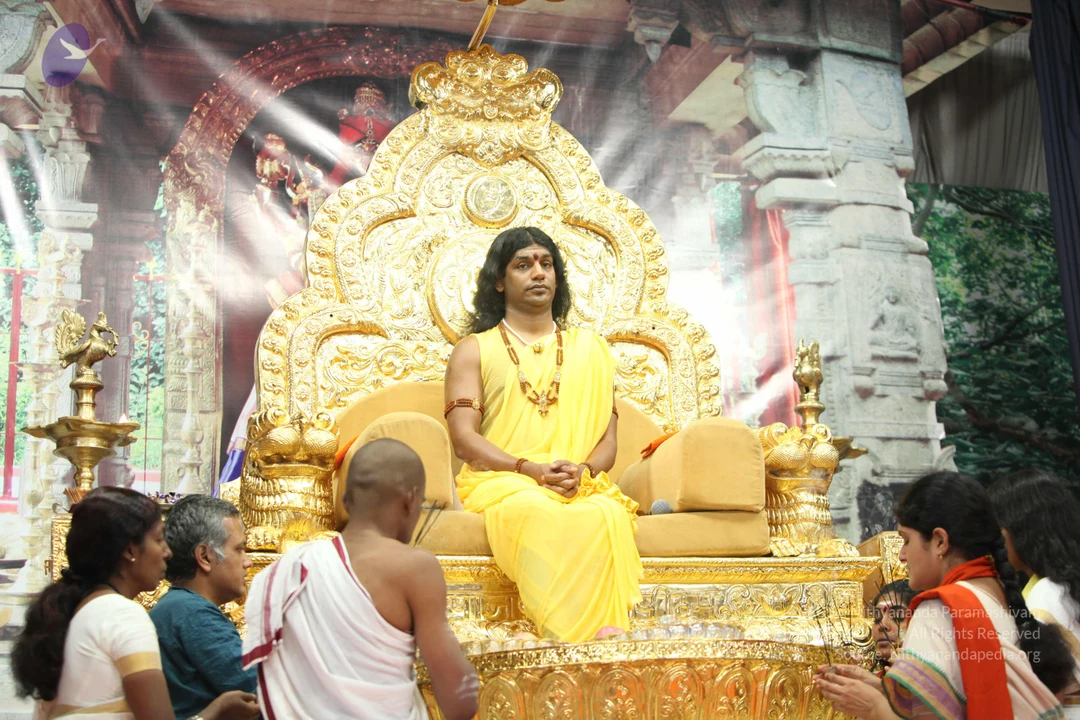
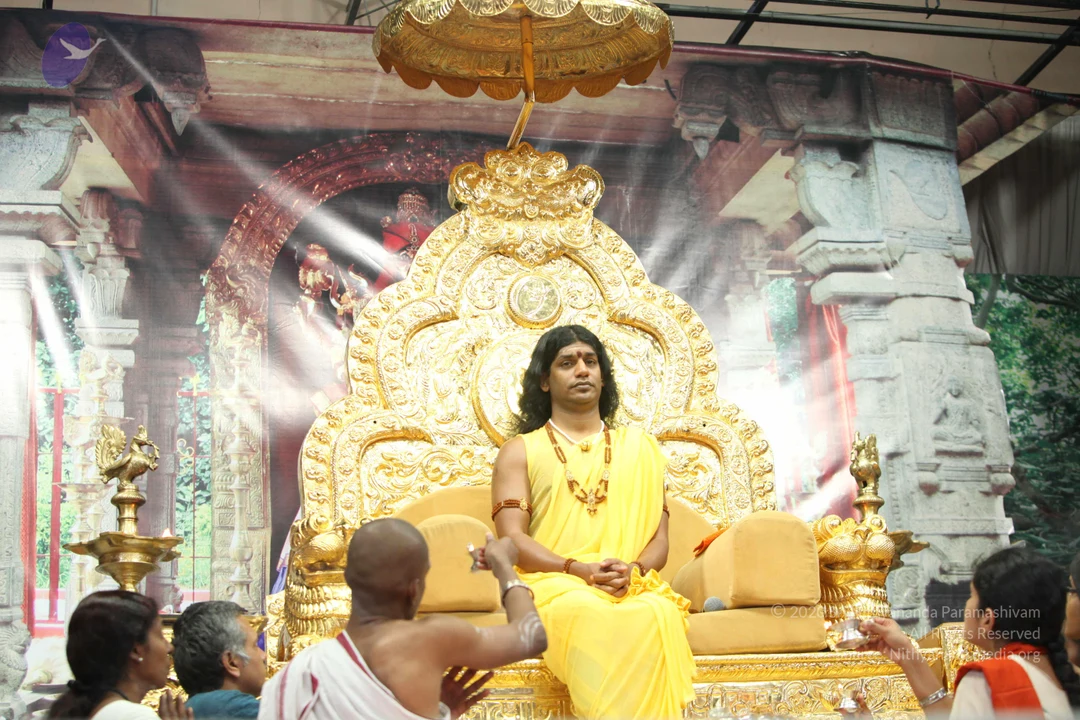
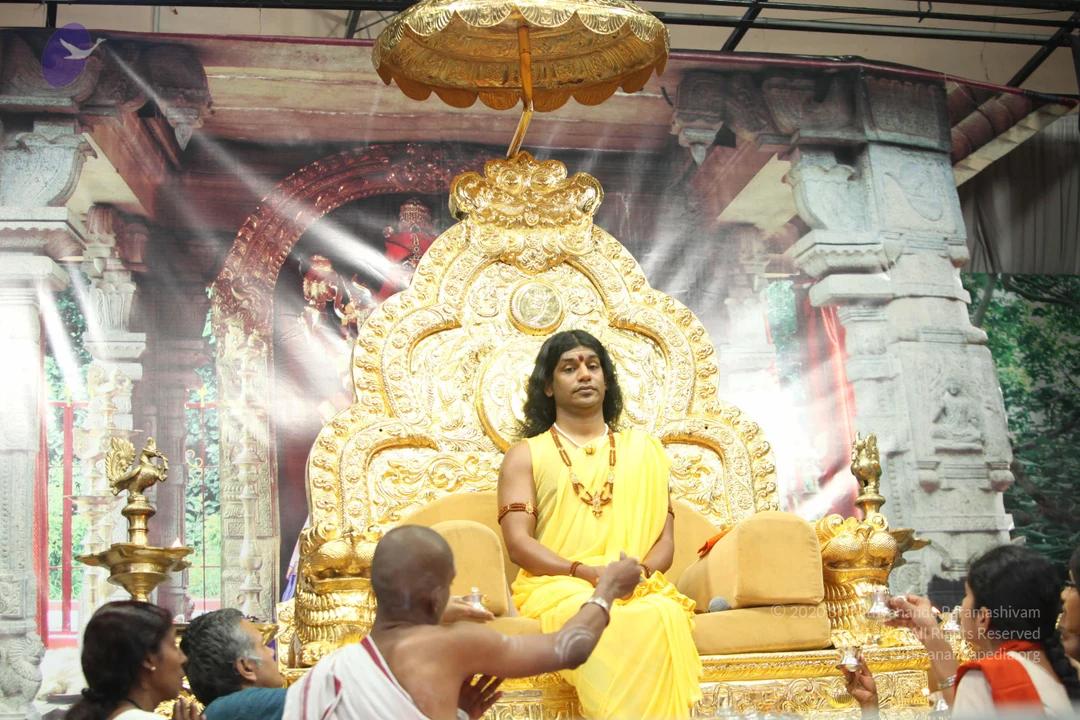
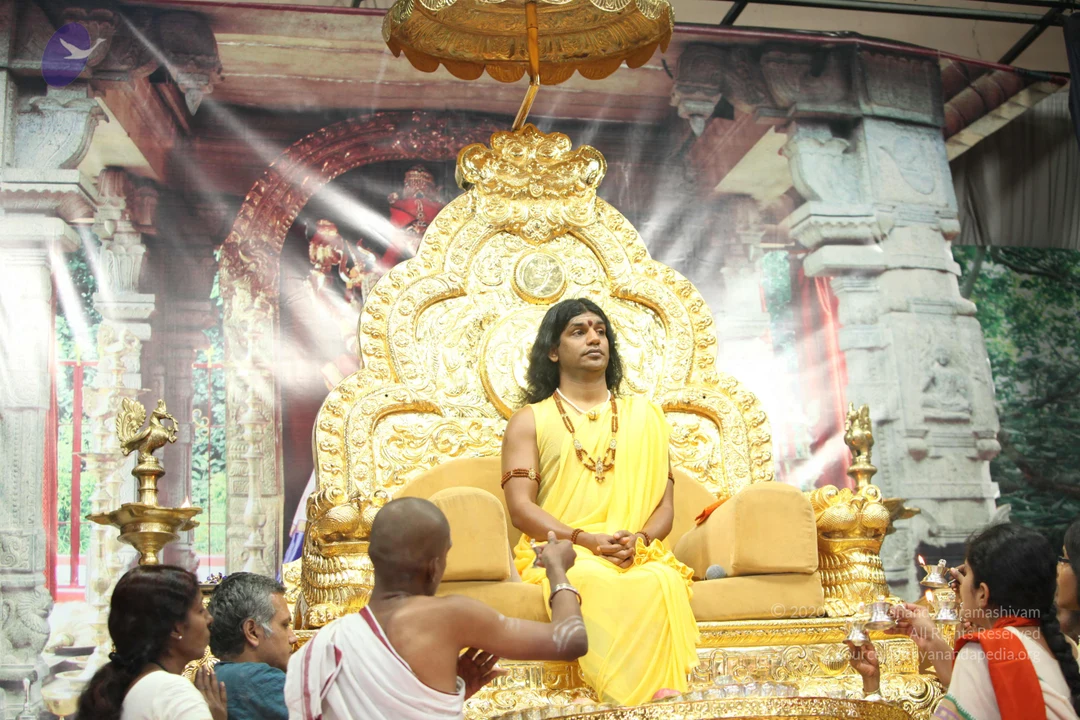
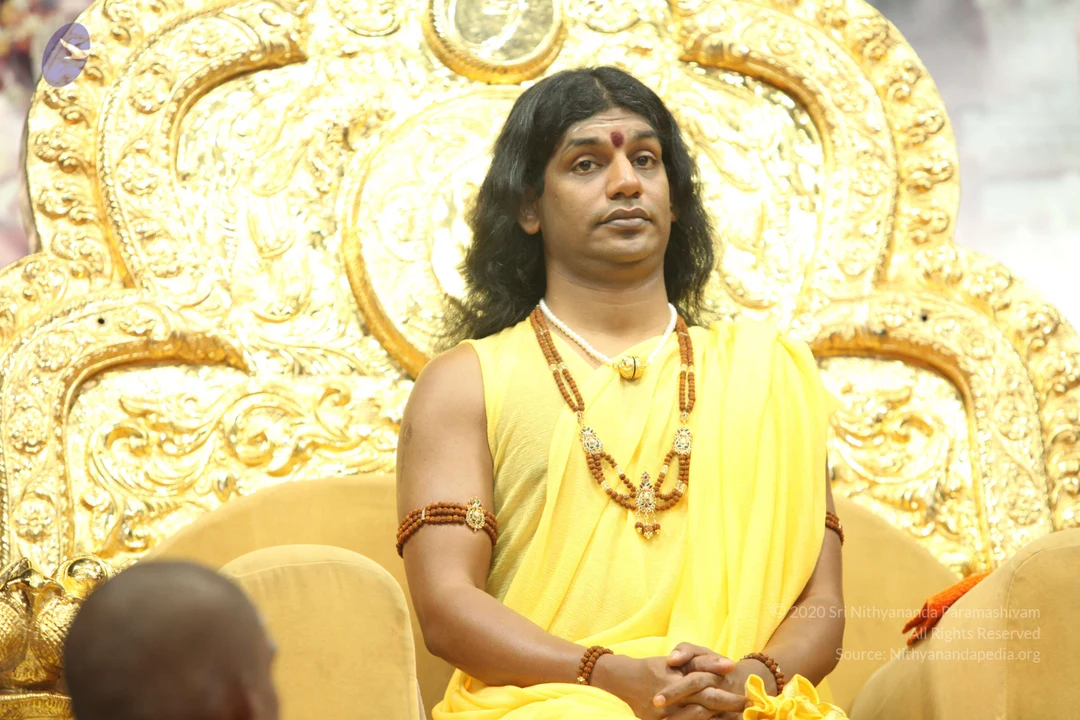
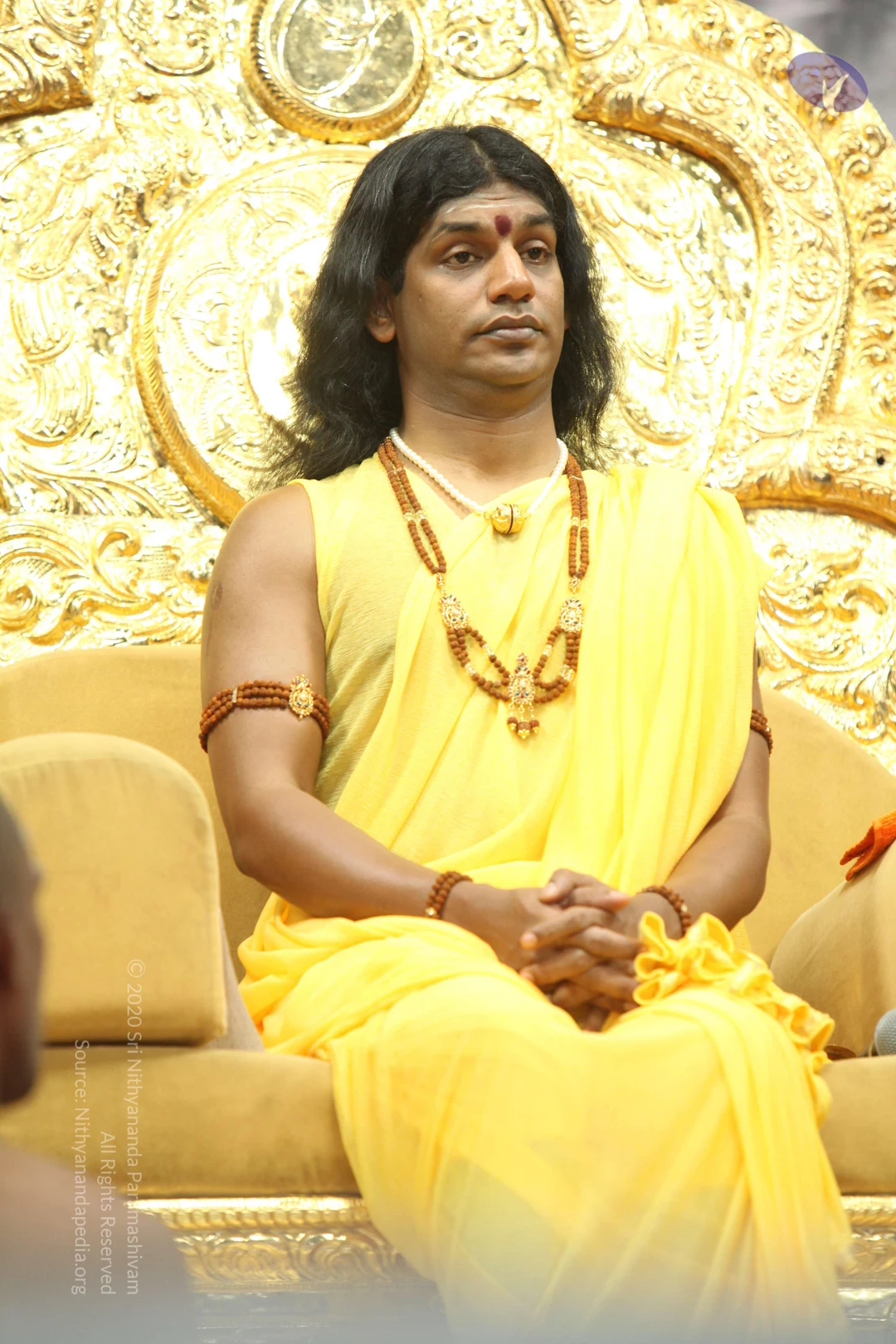
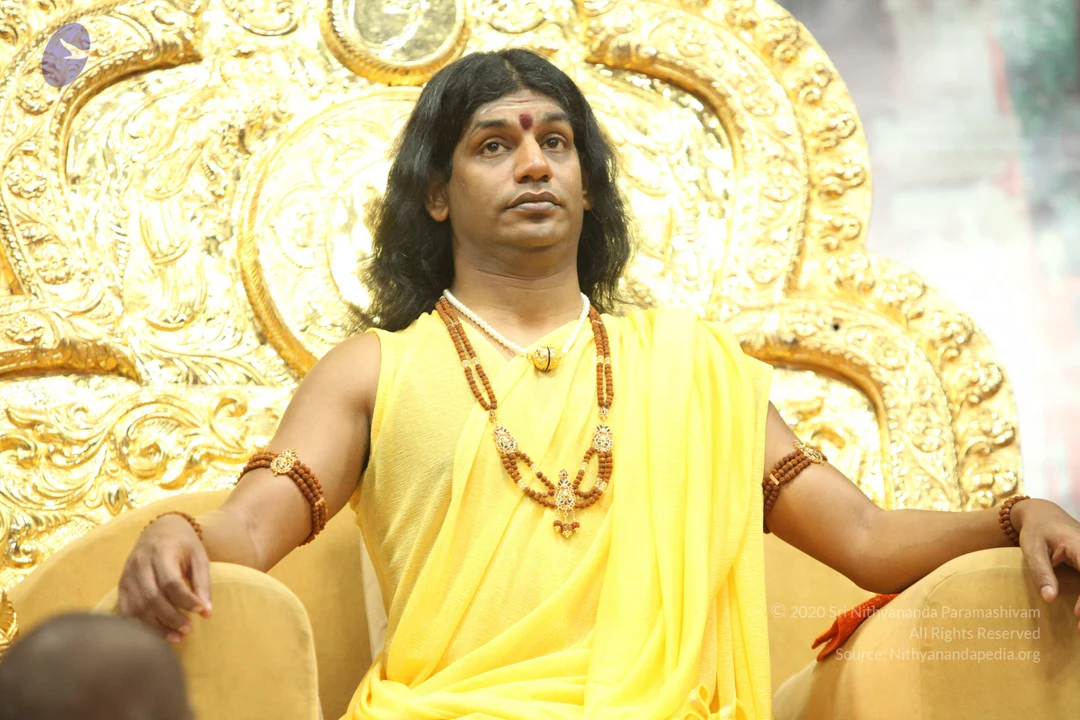
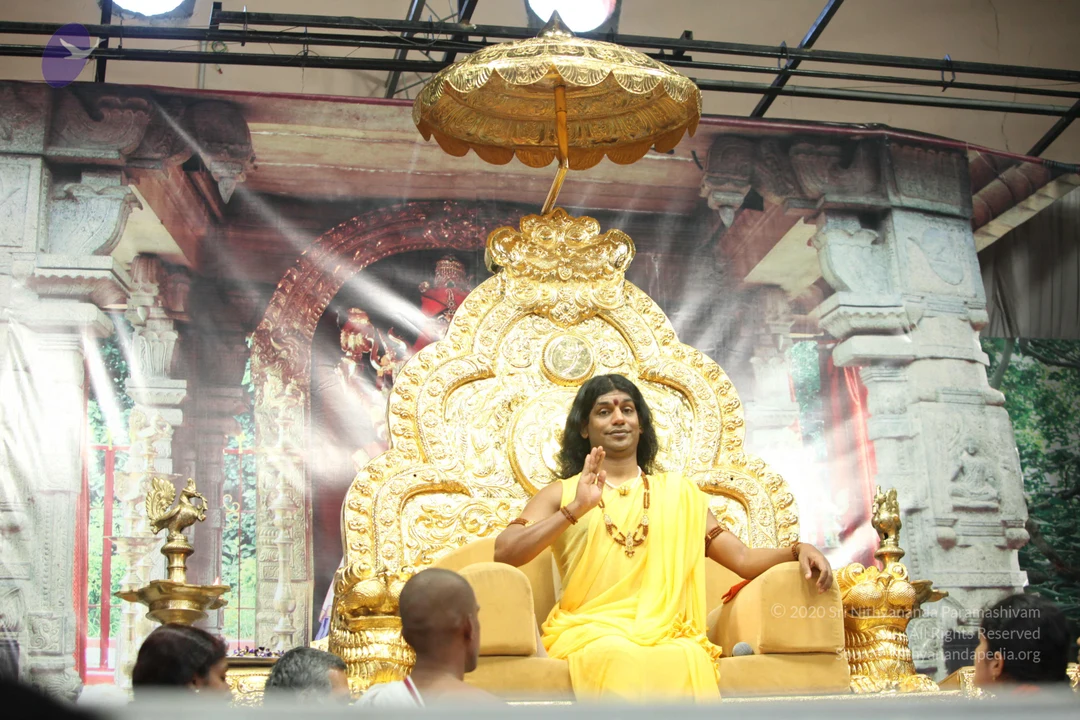
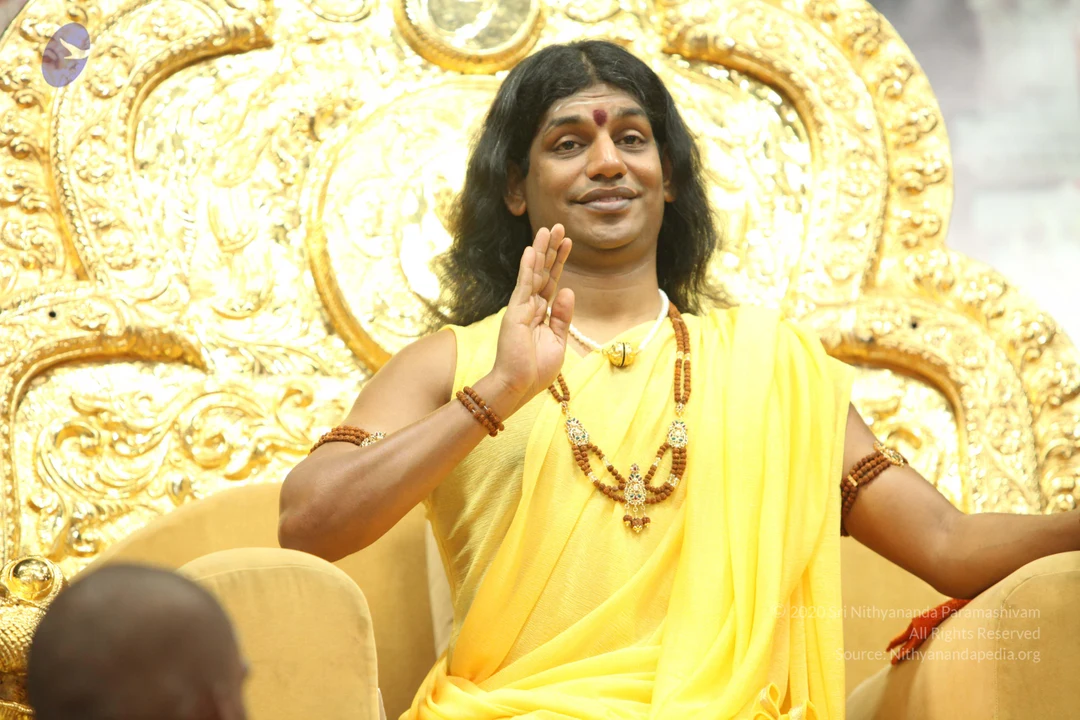
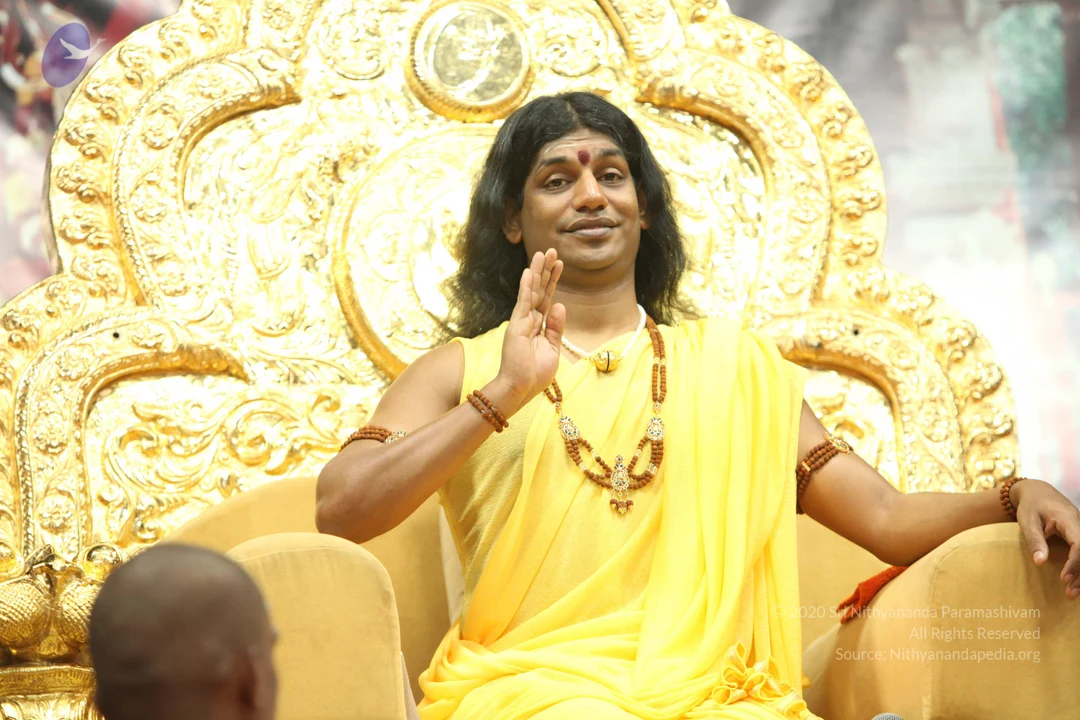
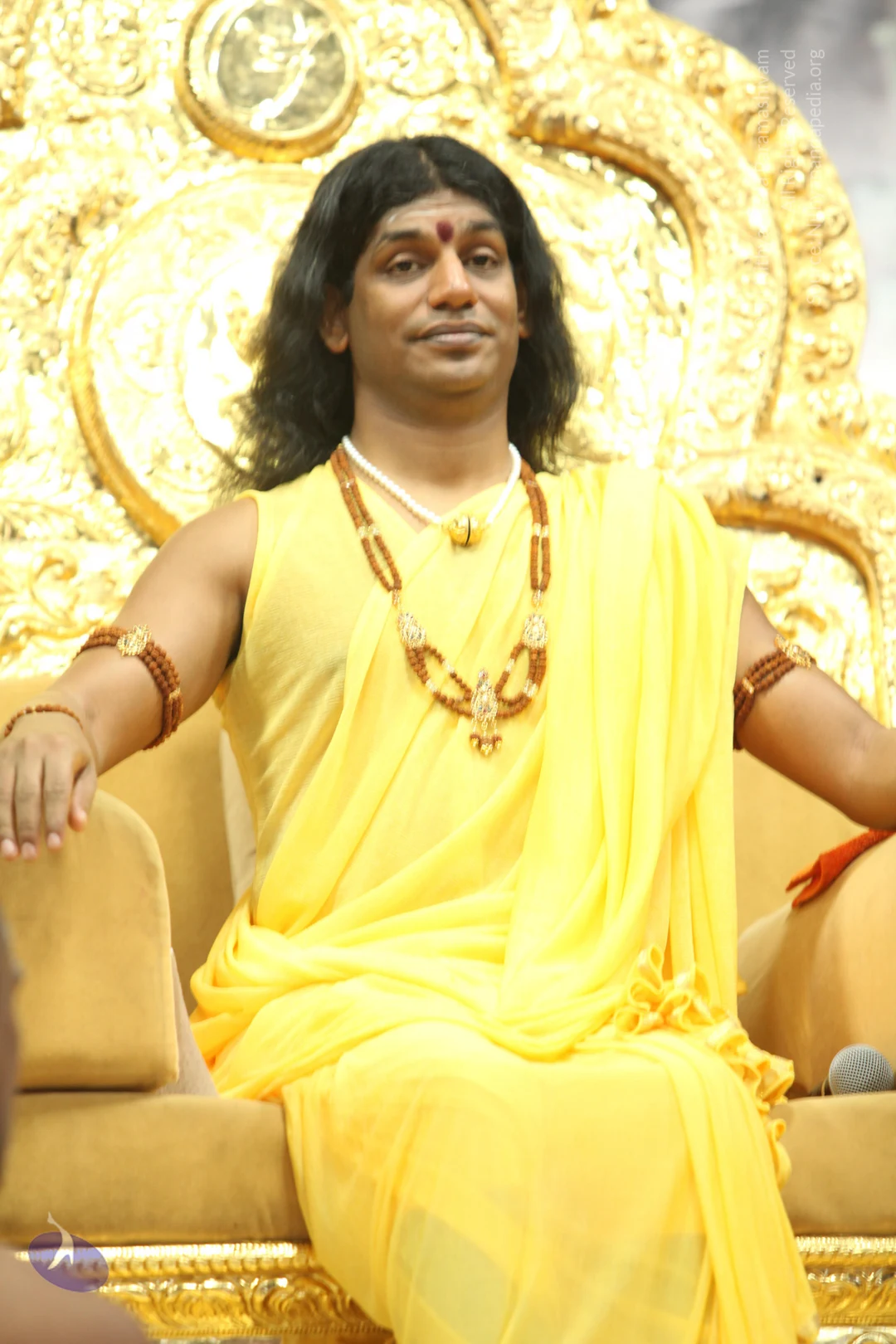
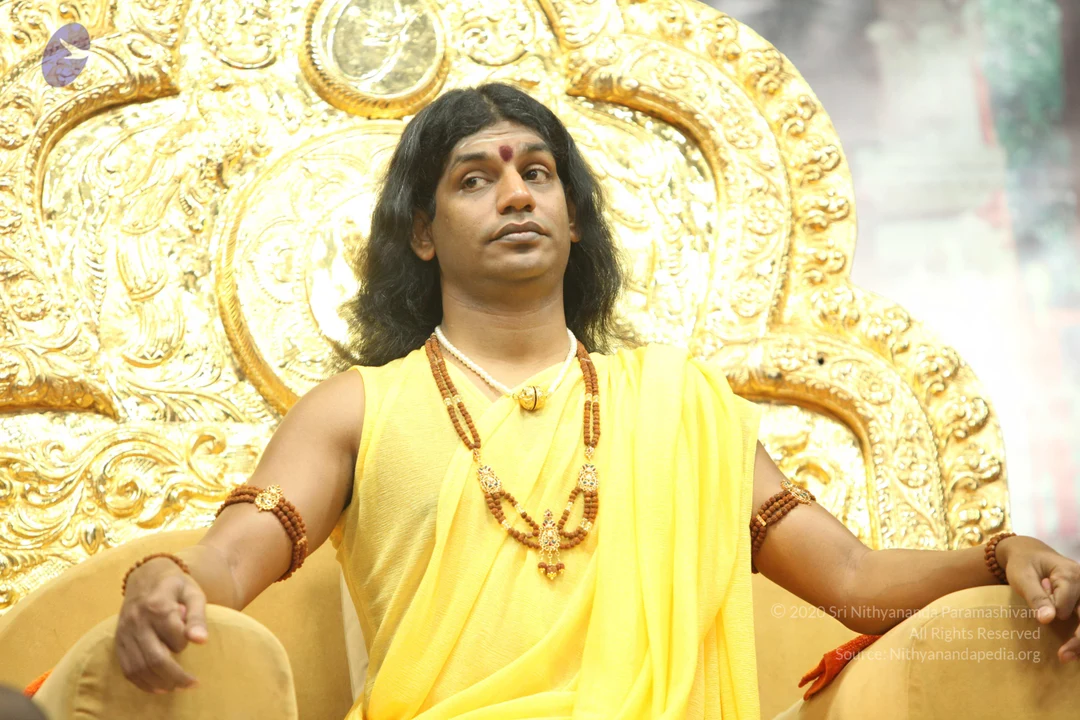
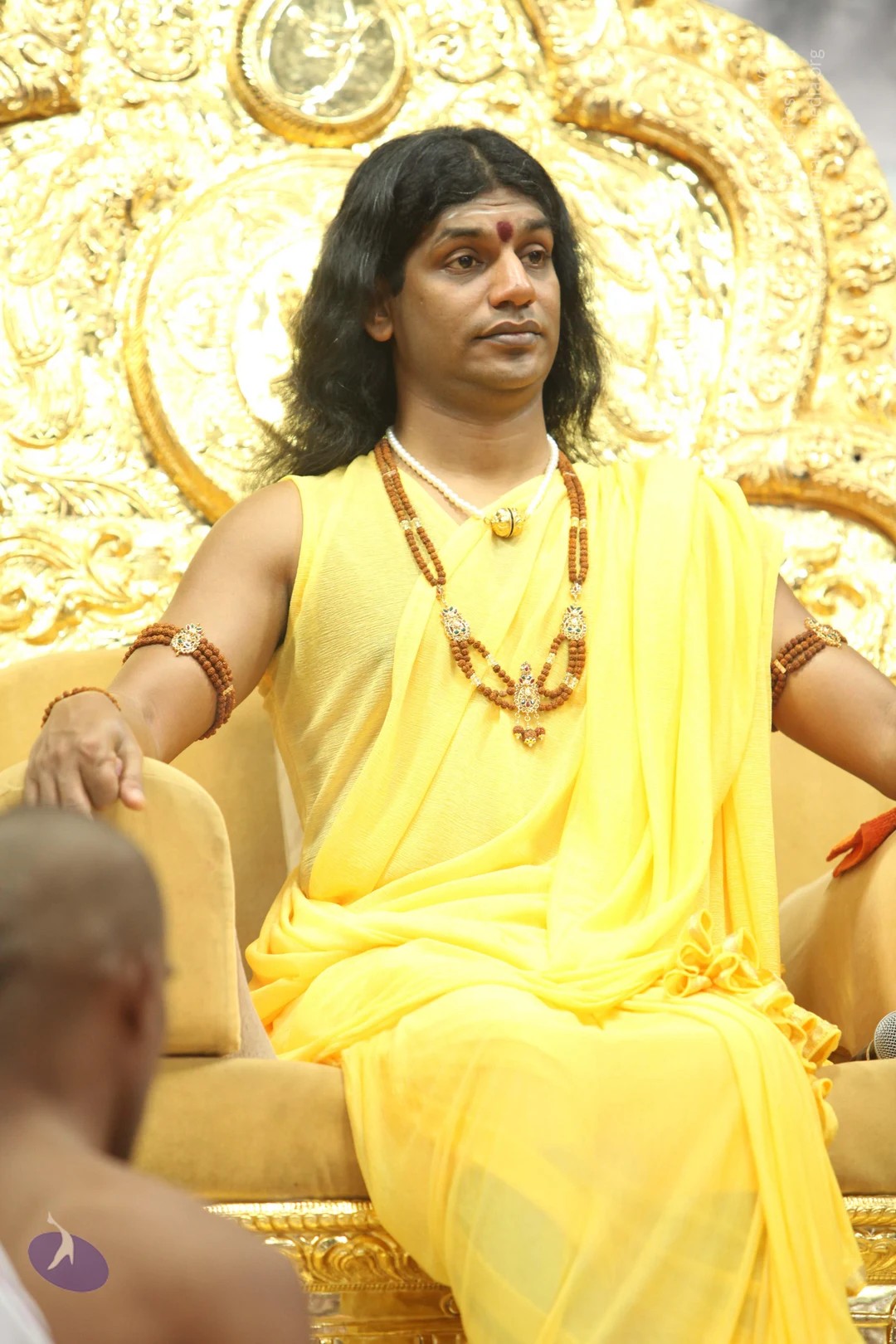
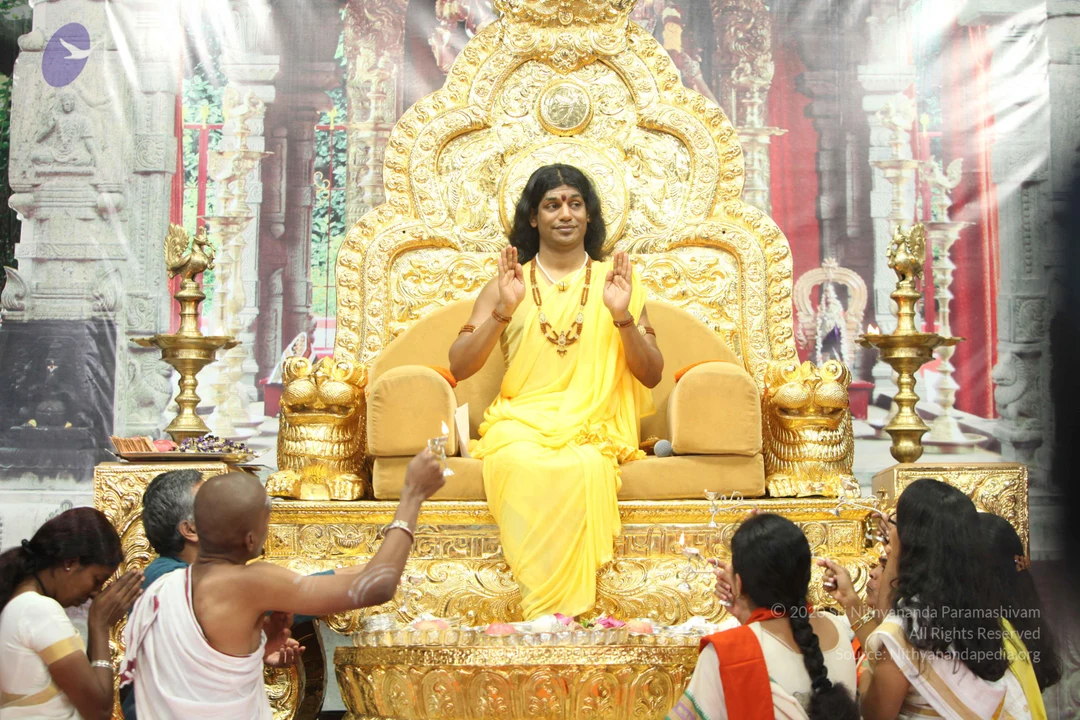
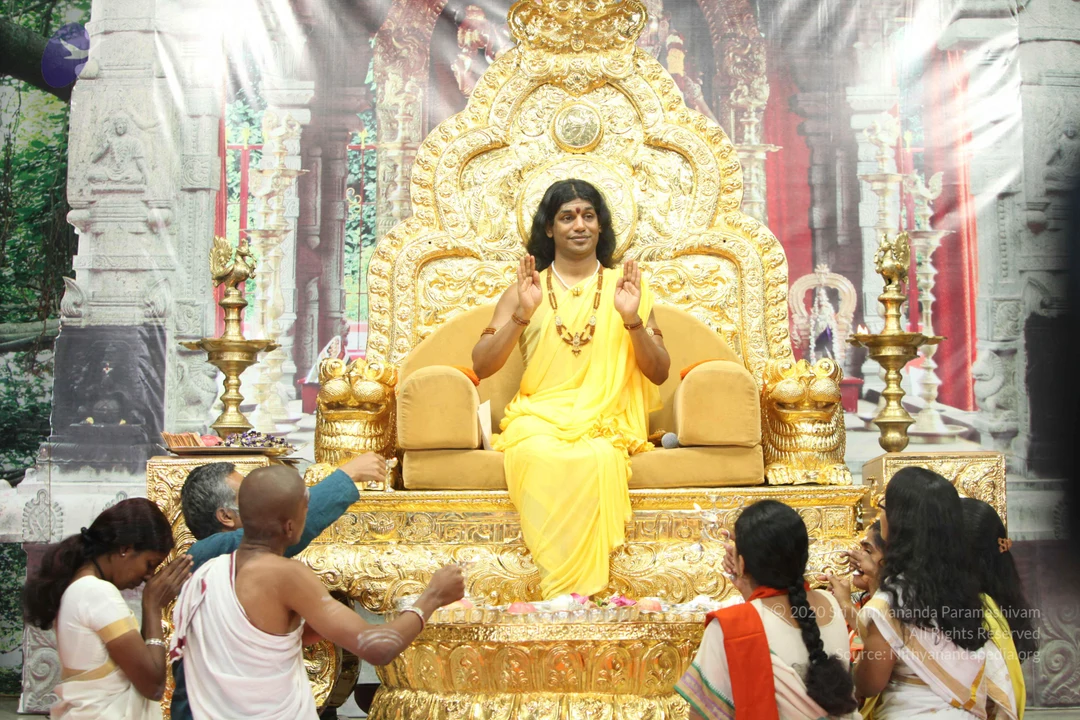
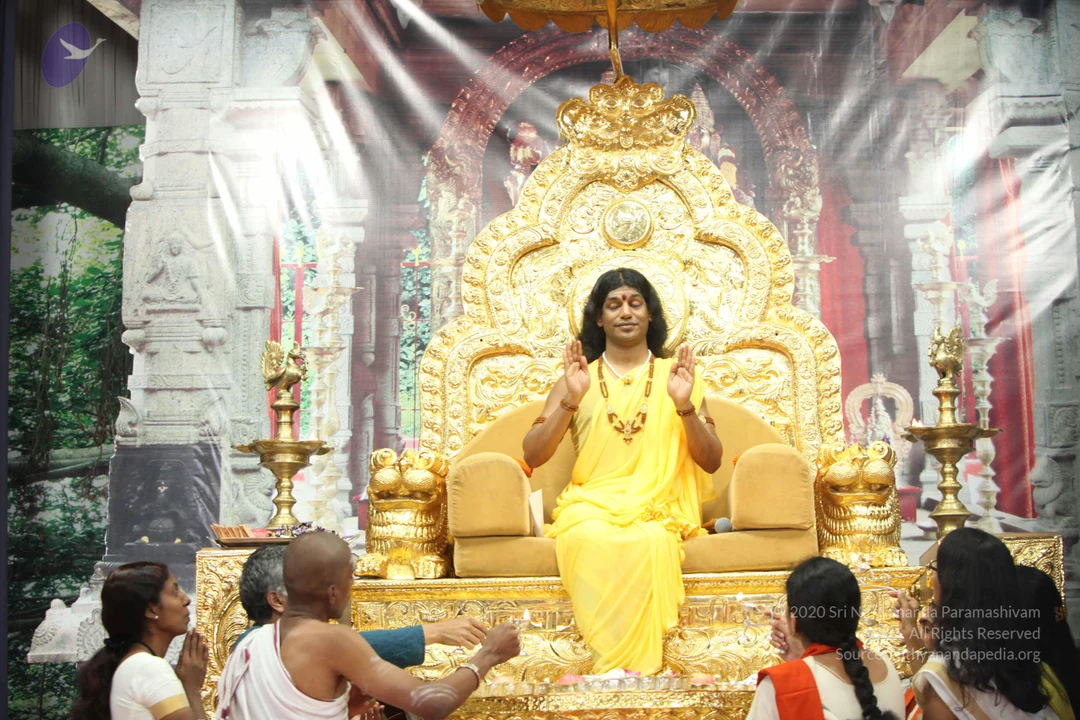
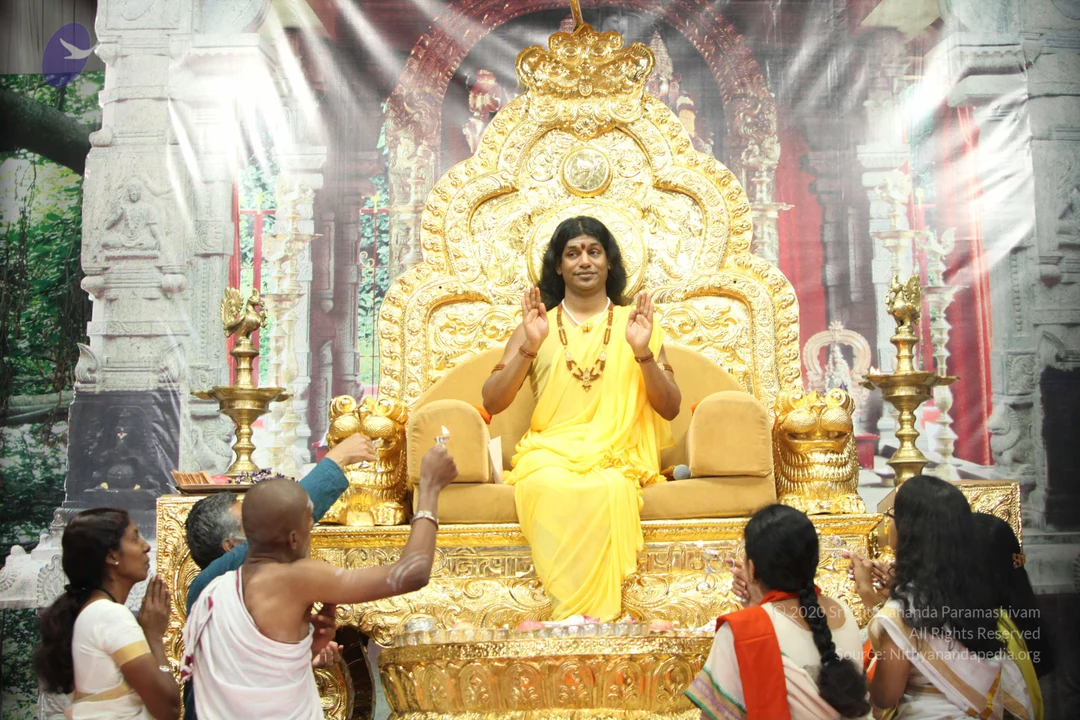
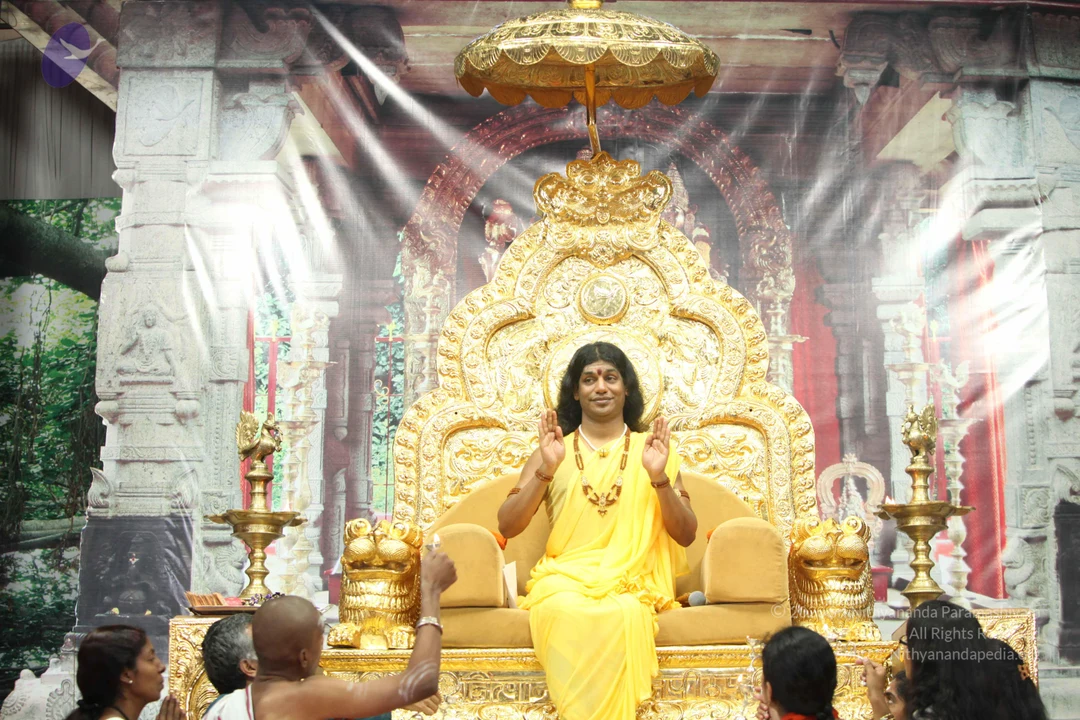
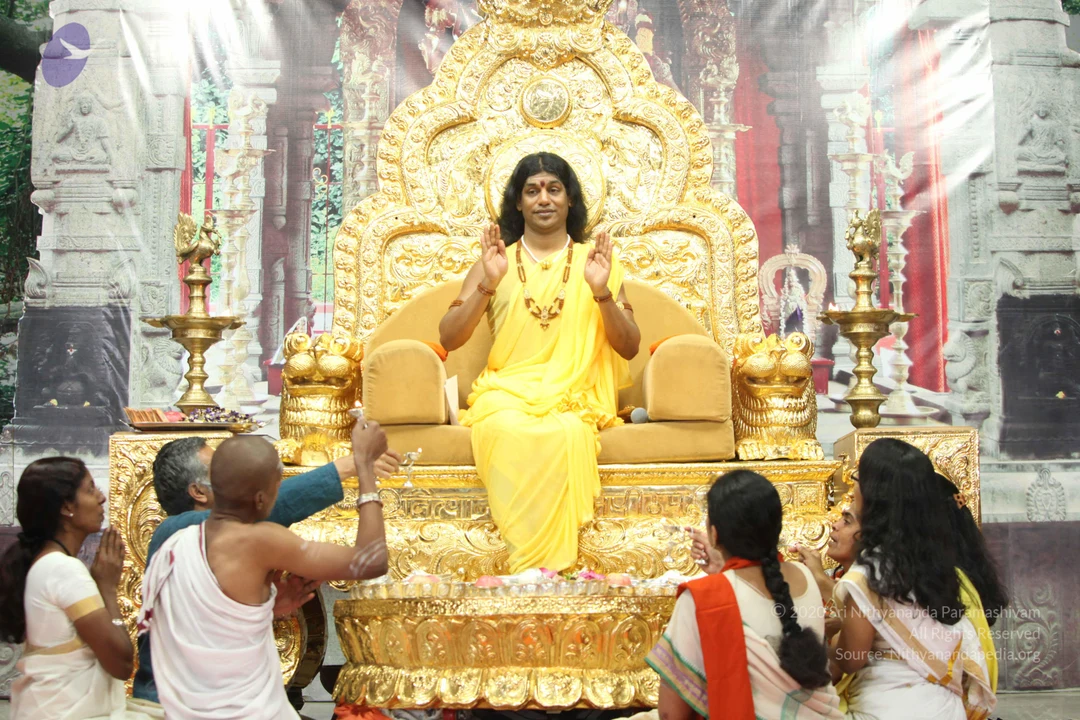
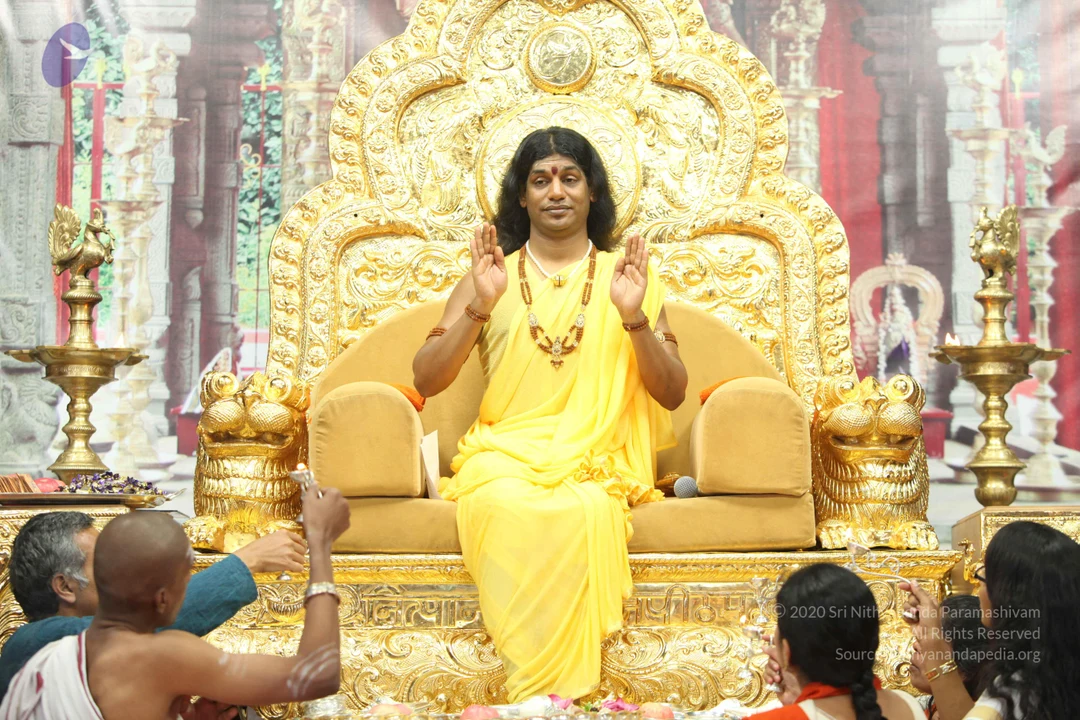
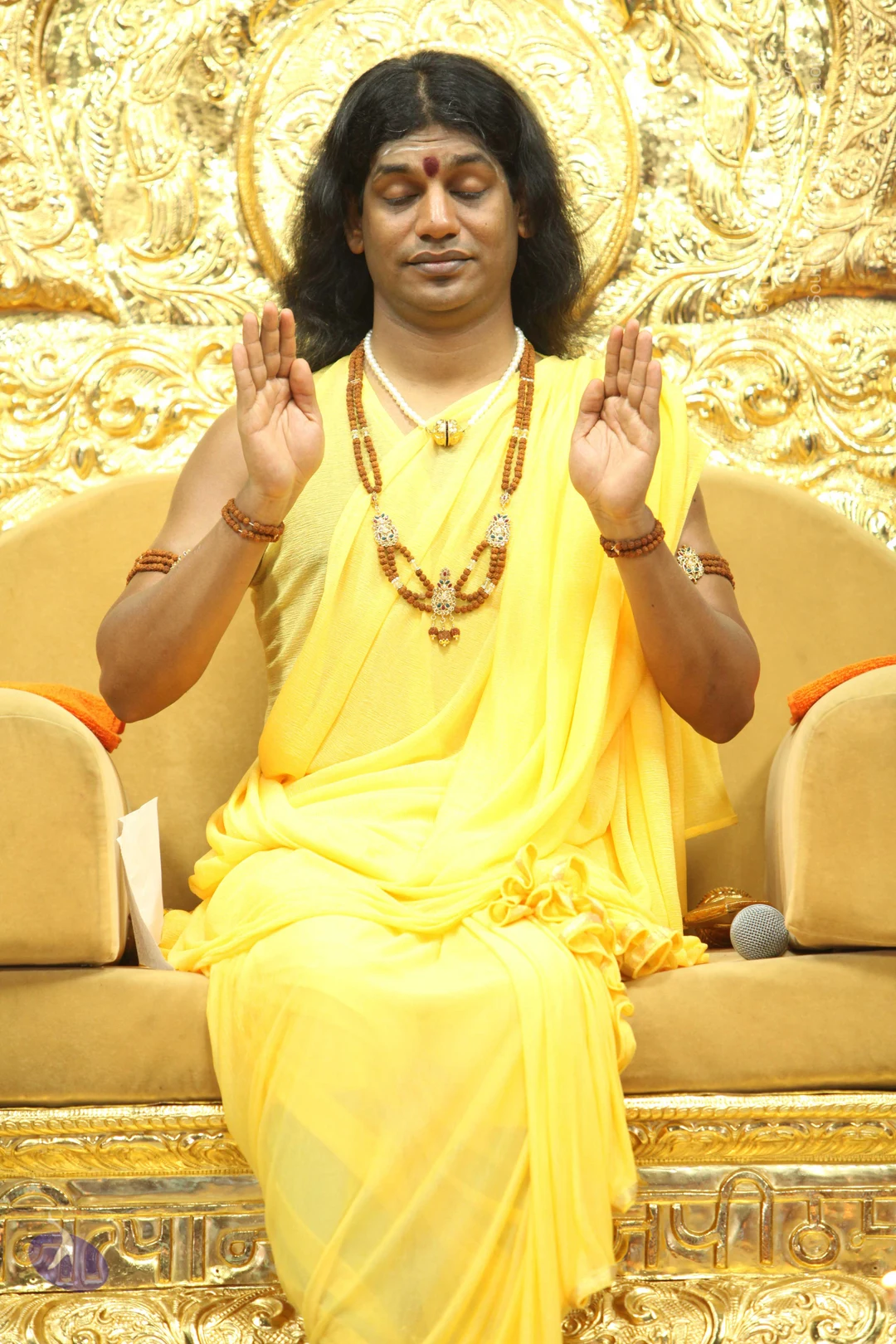
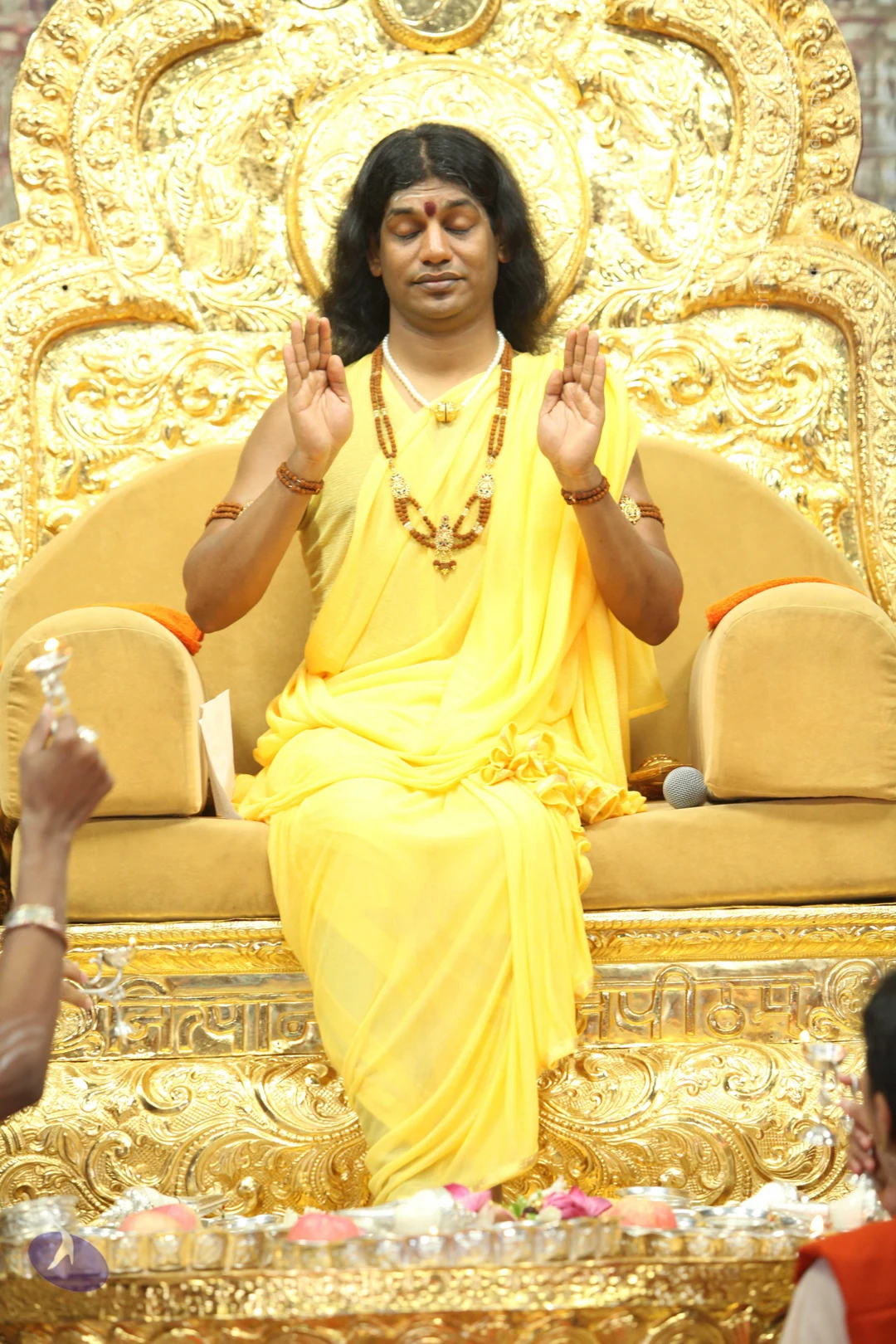
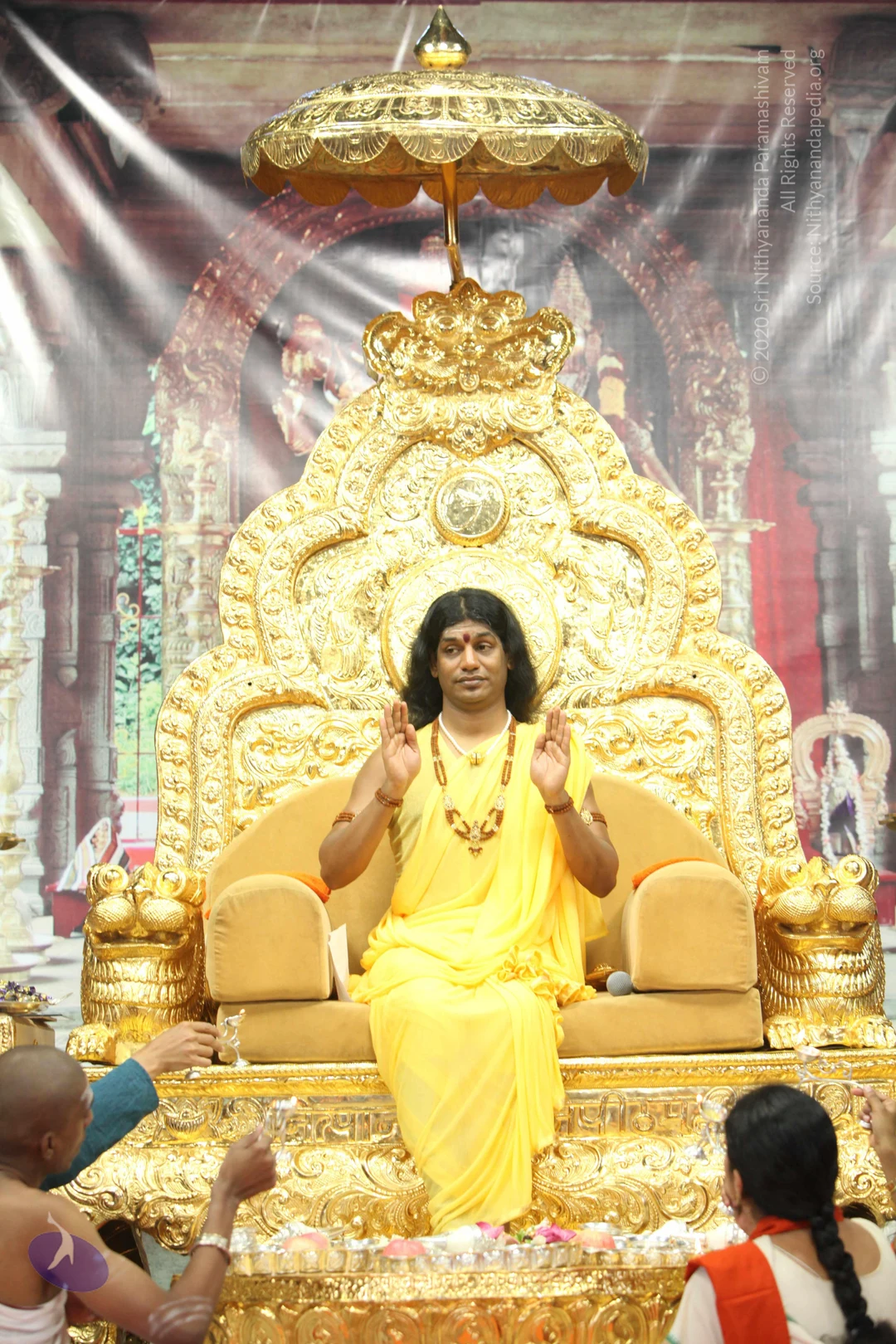
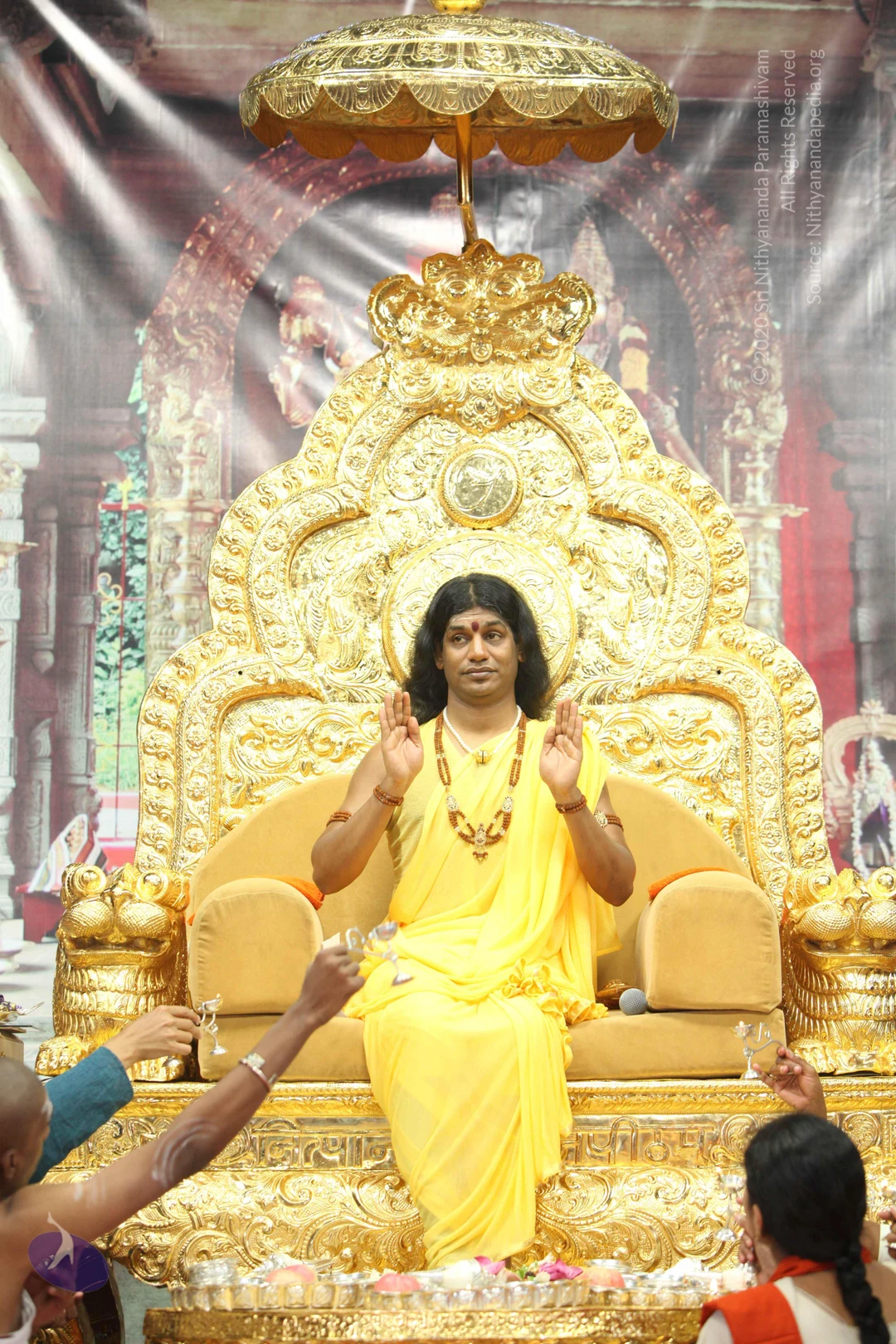
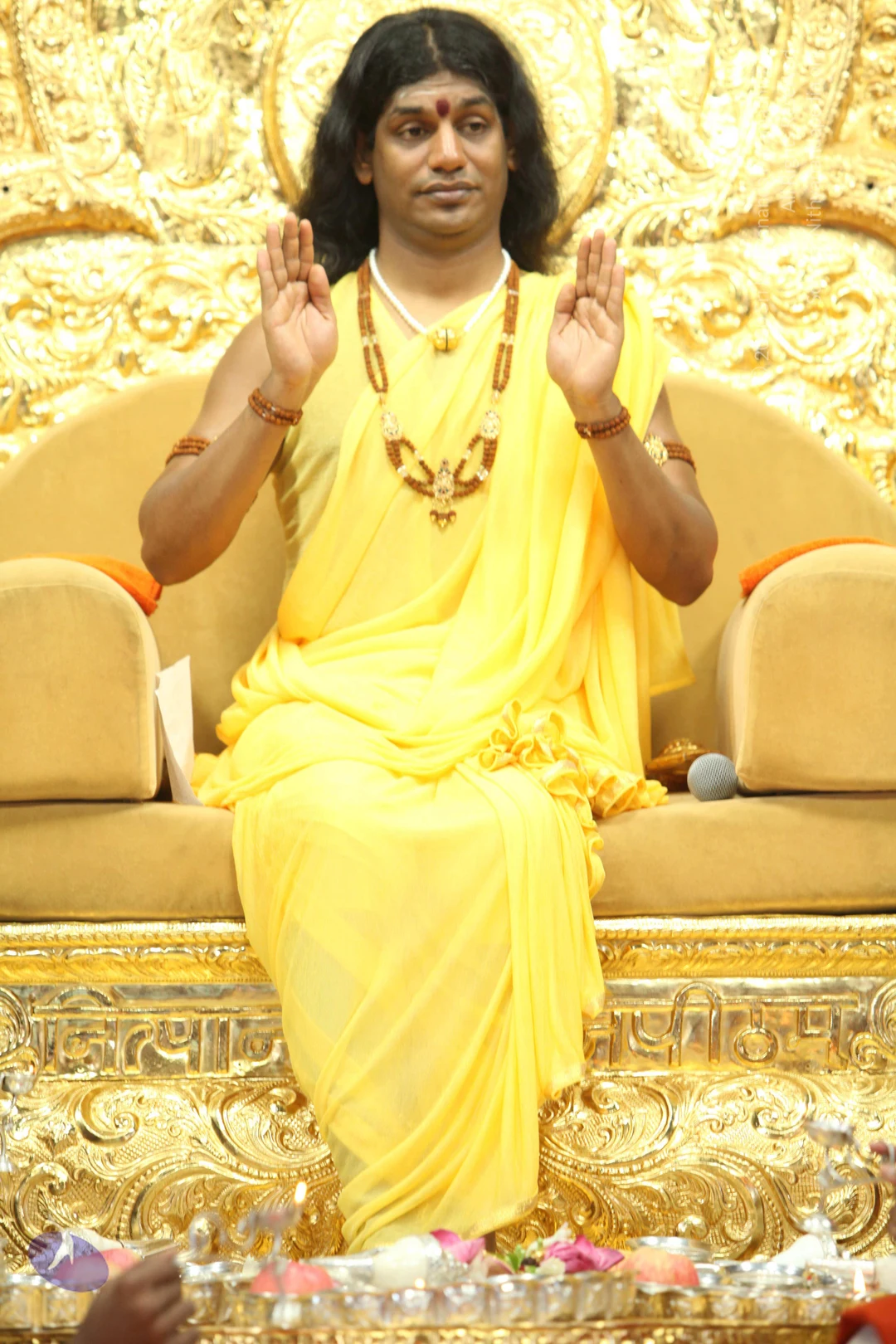
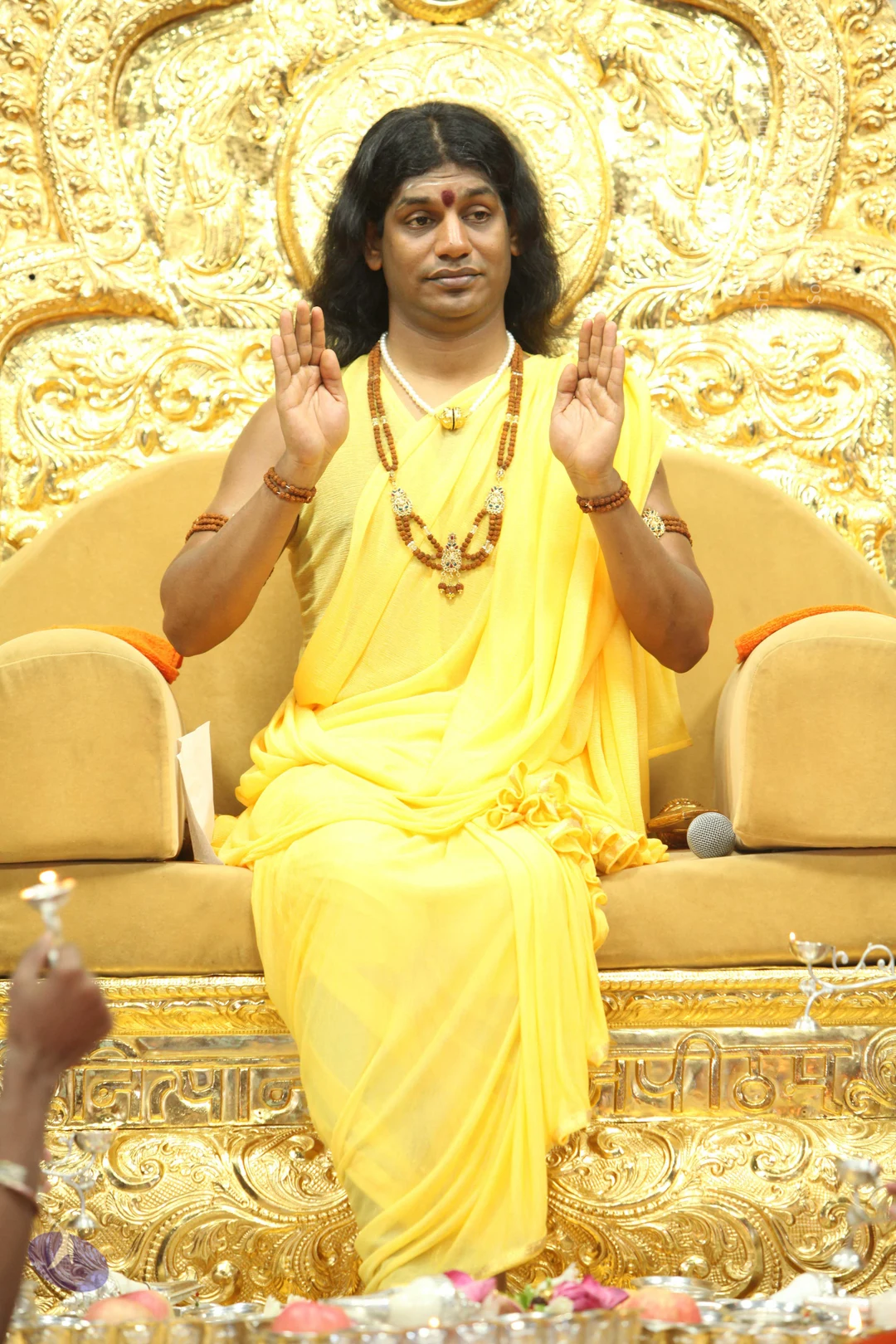
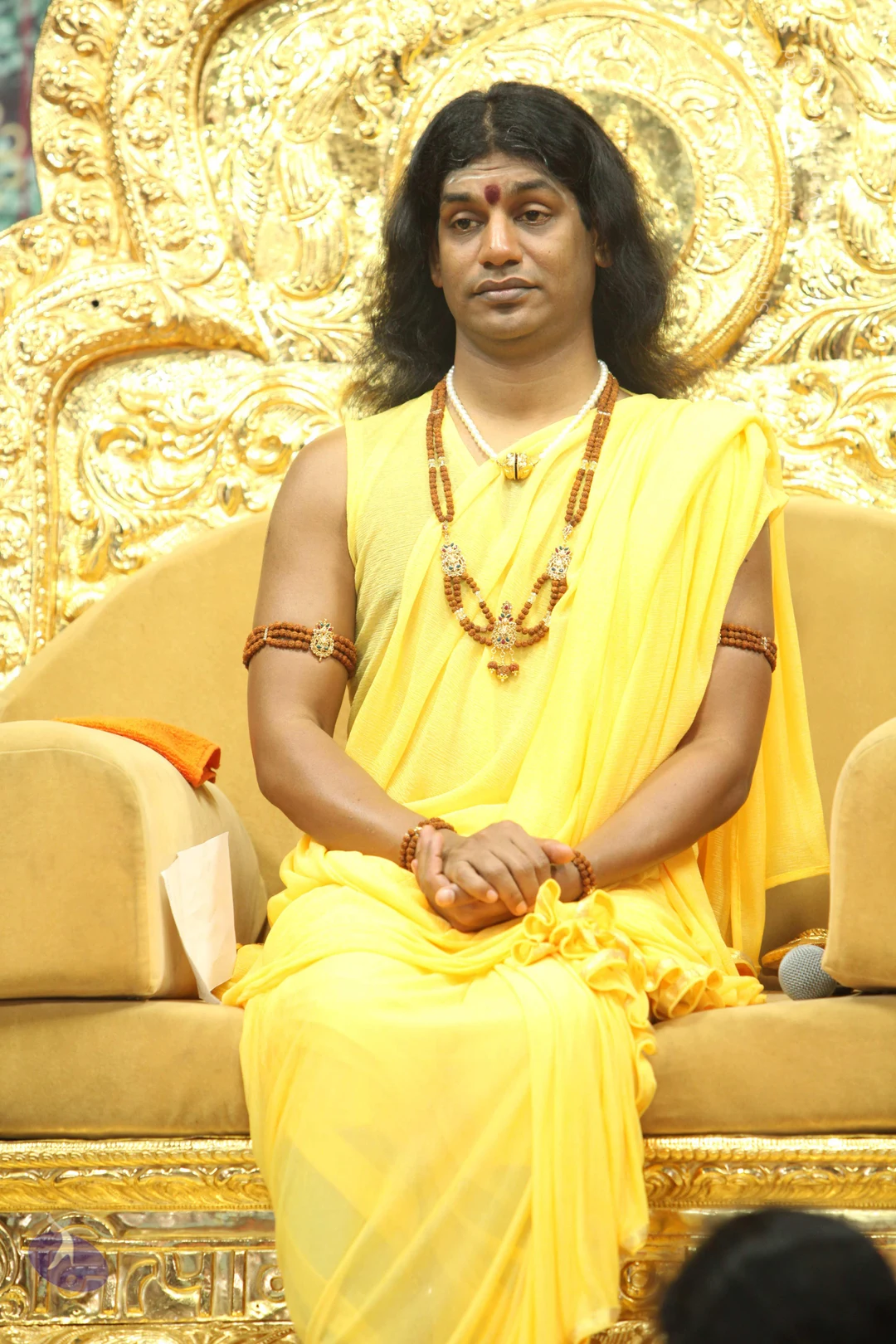
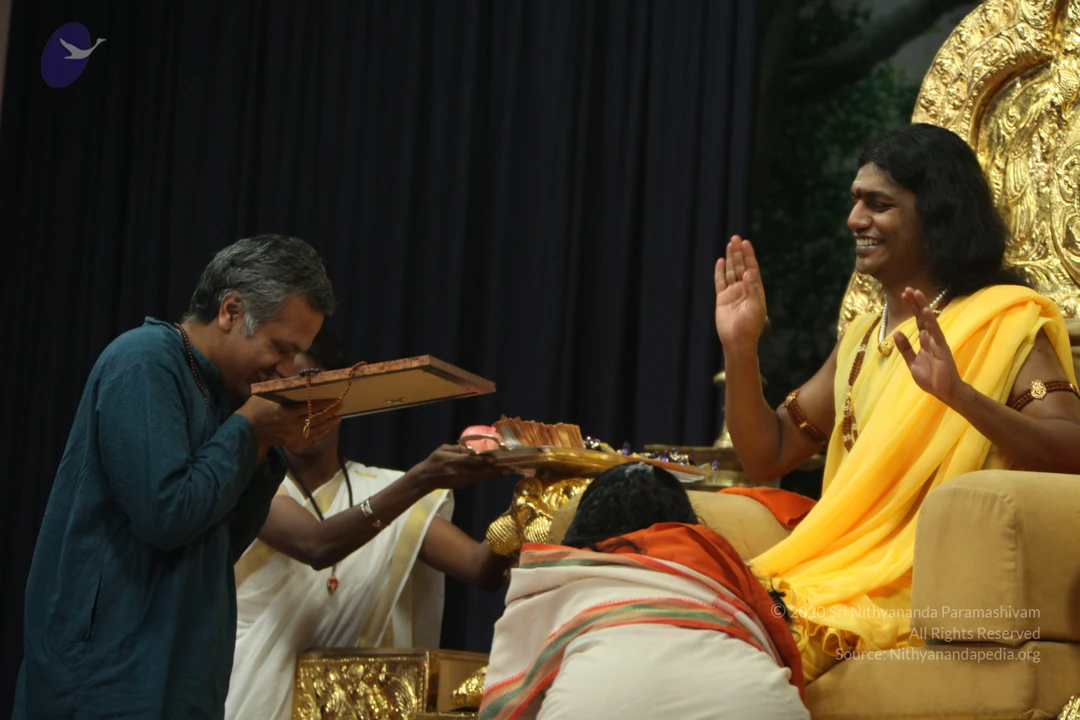
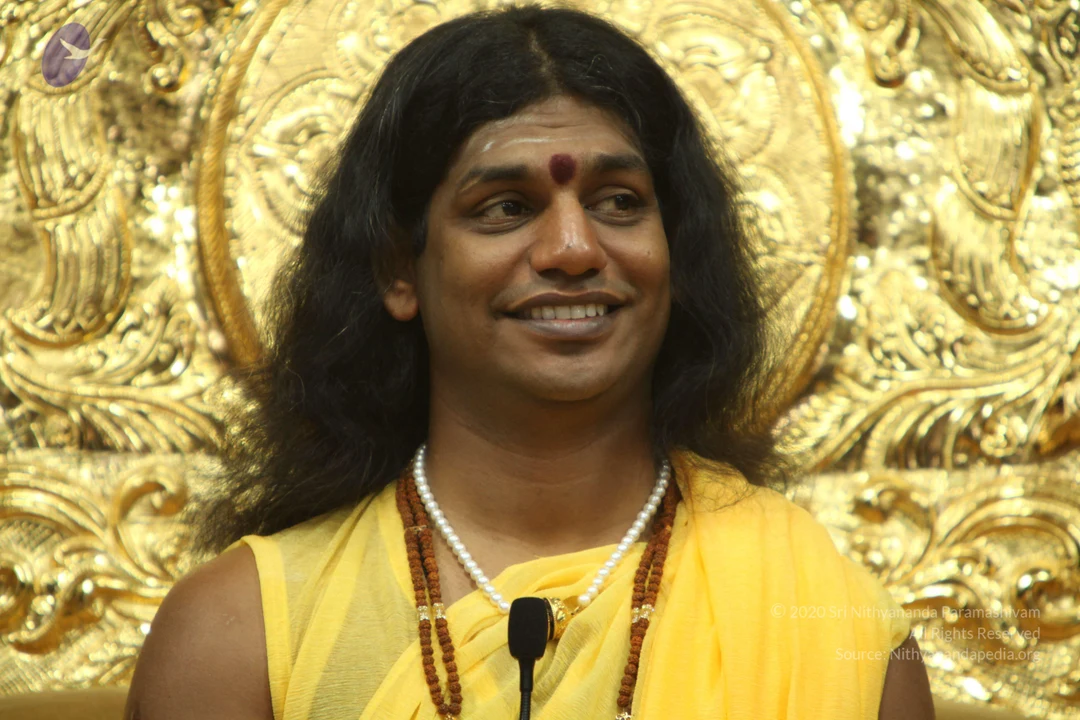
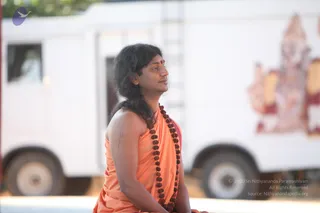
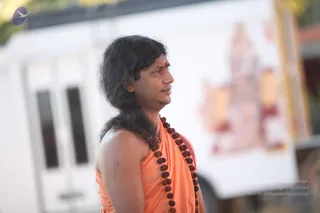
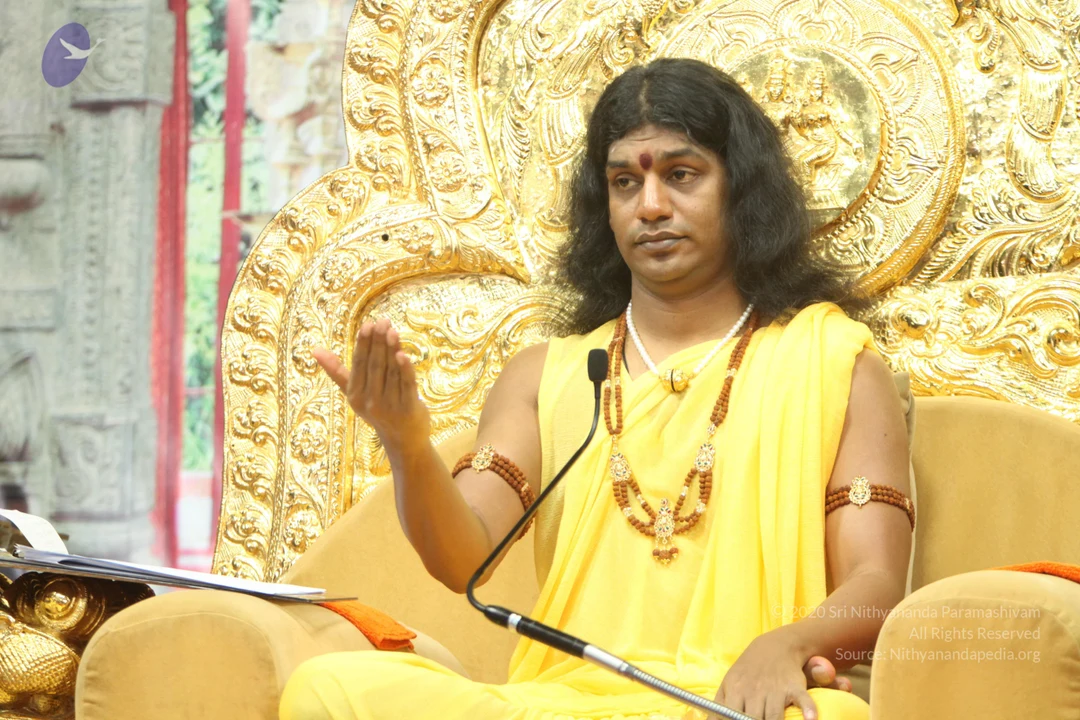
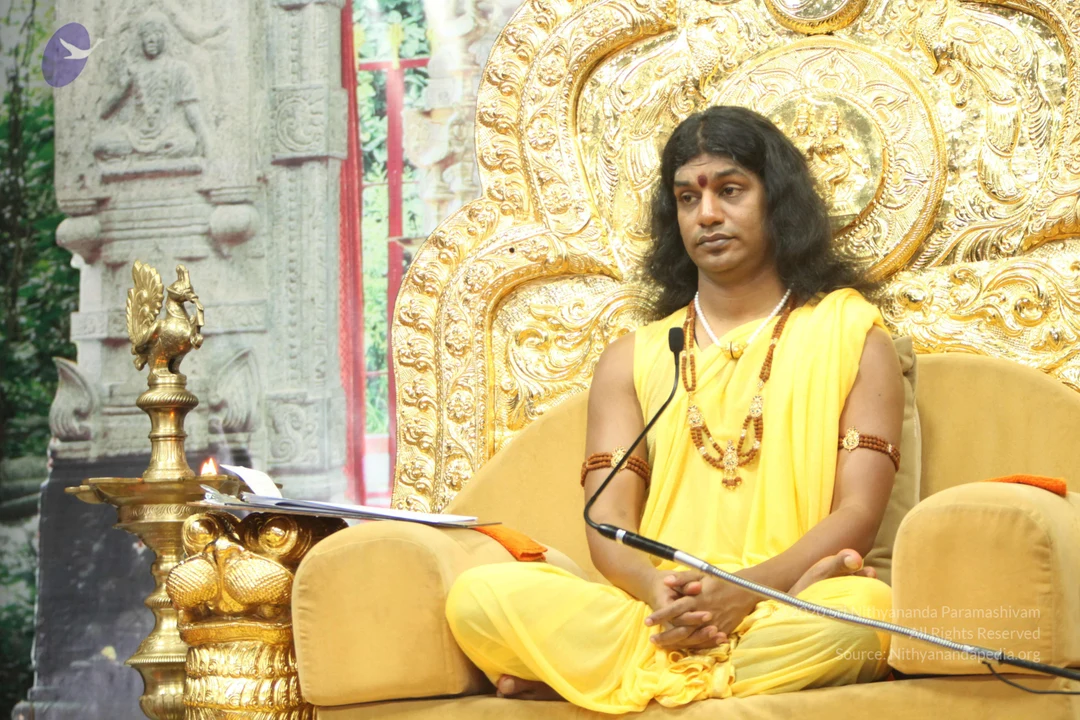
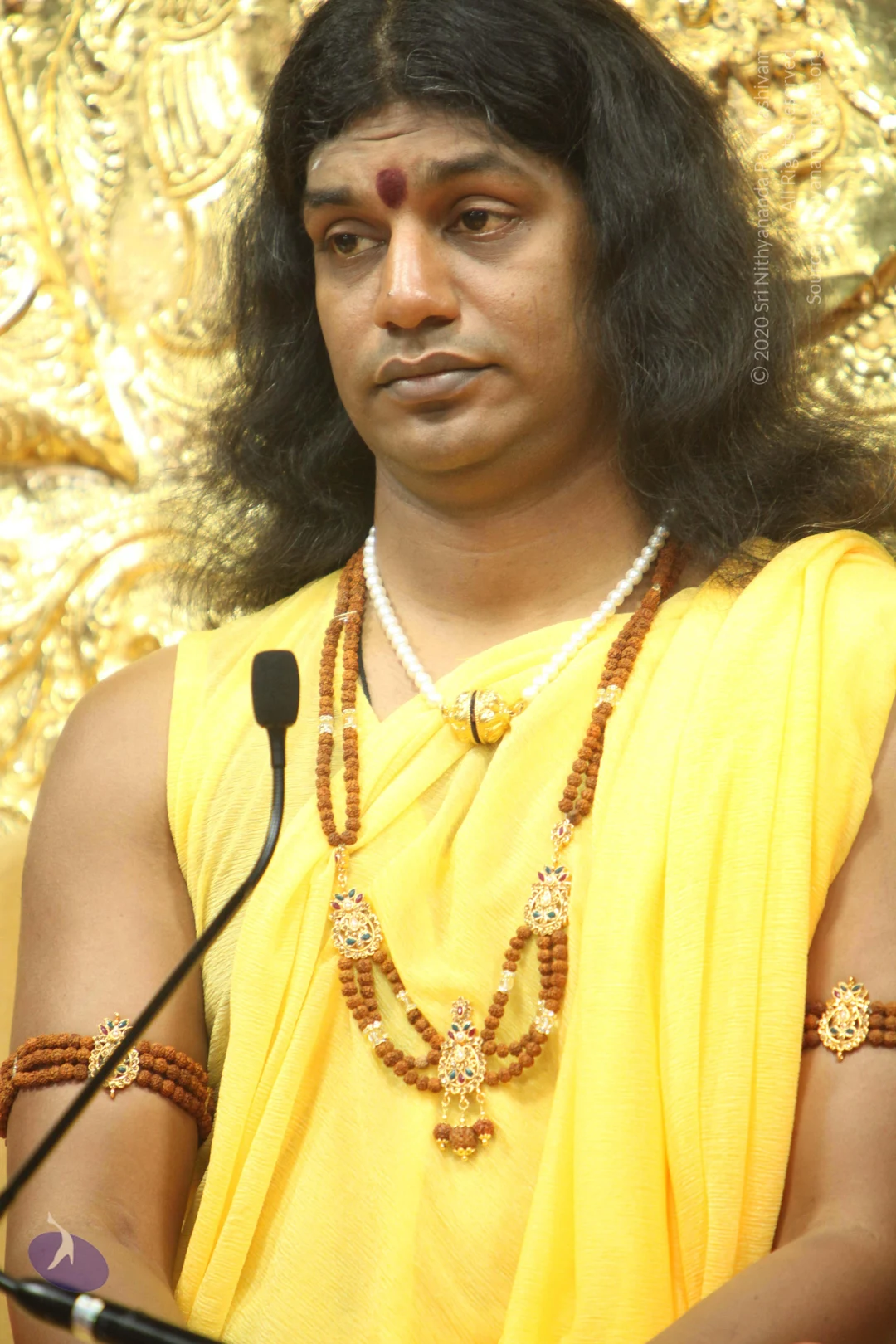
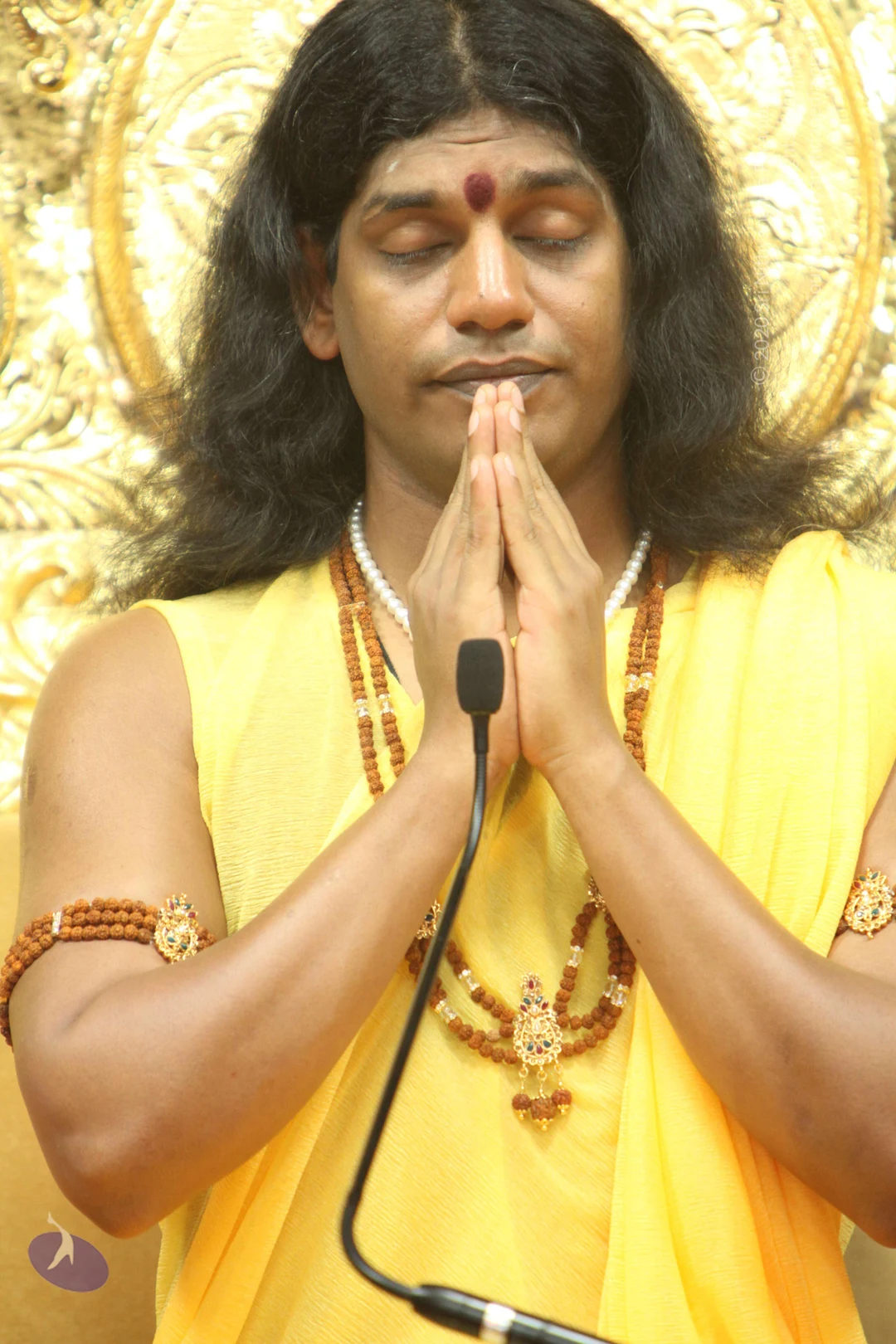
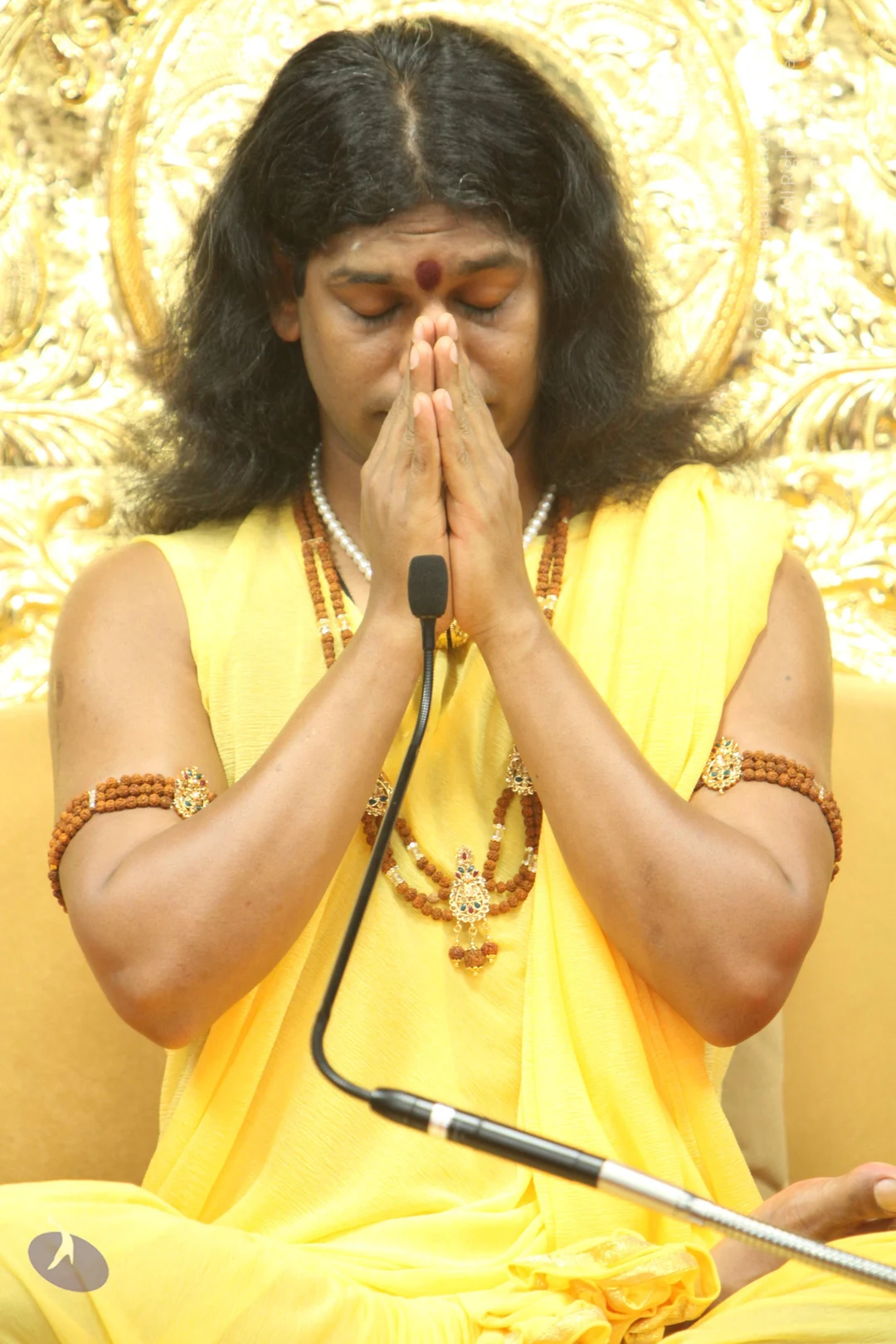
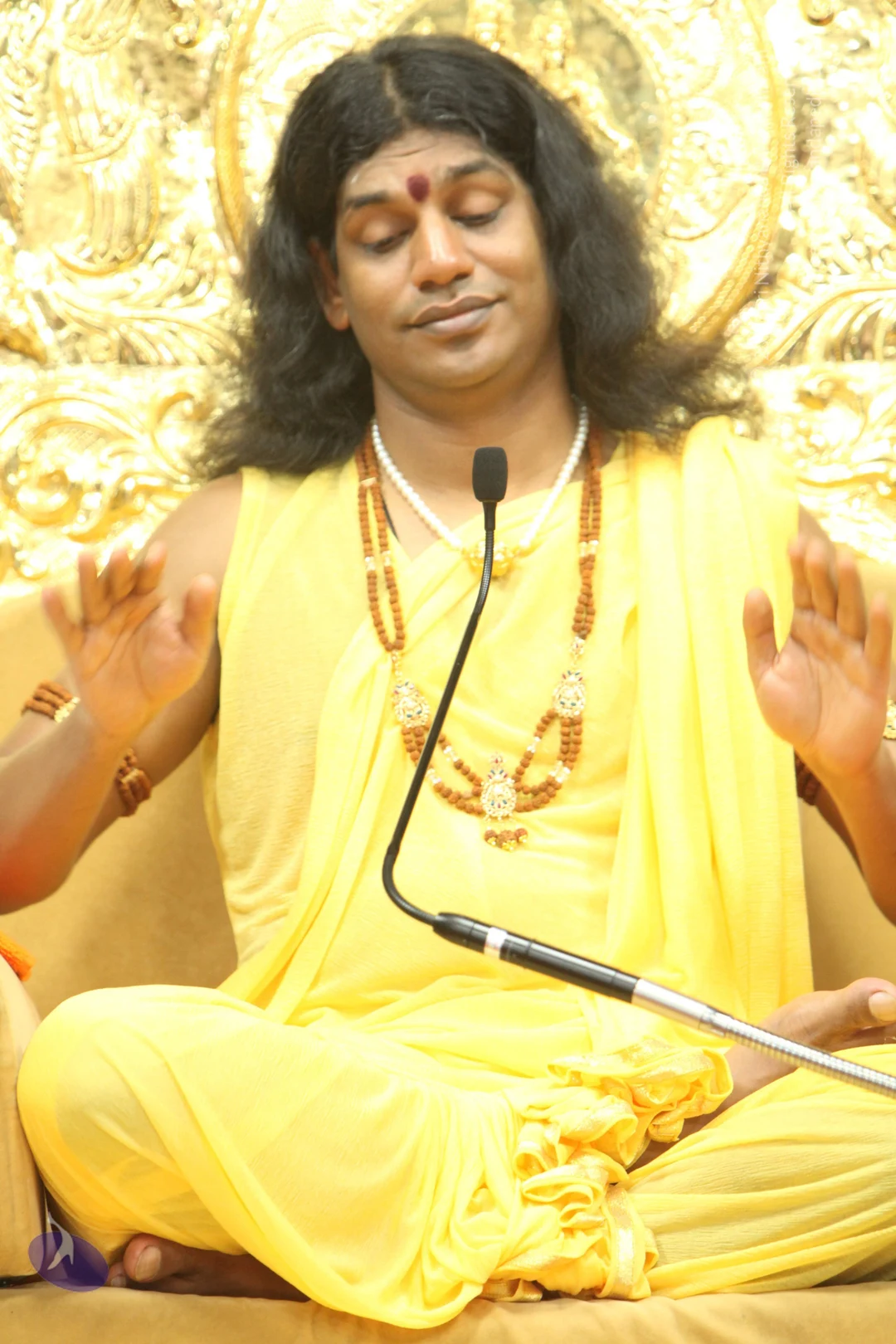
03-Satsang
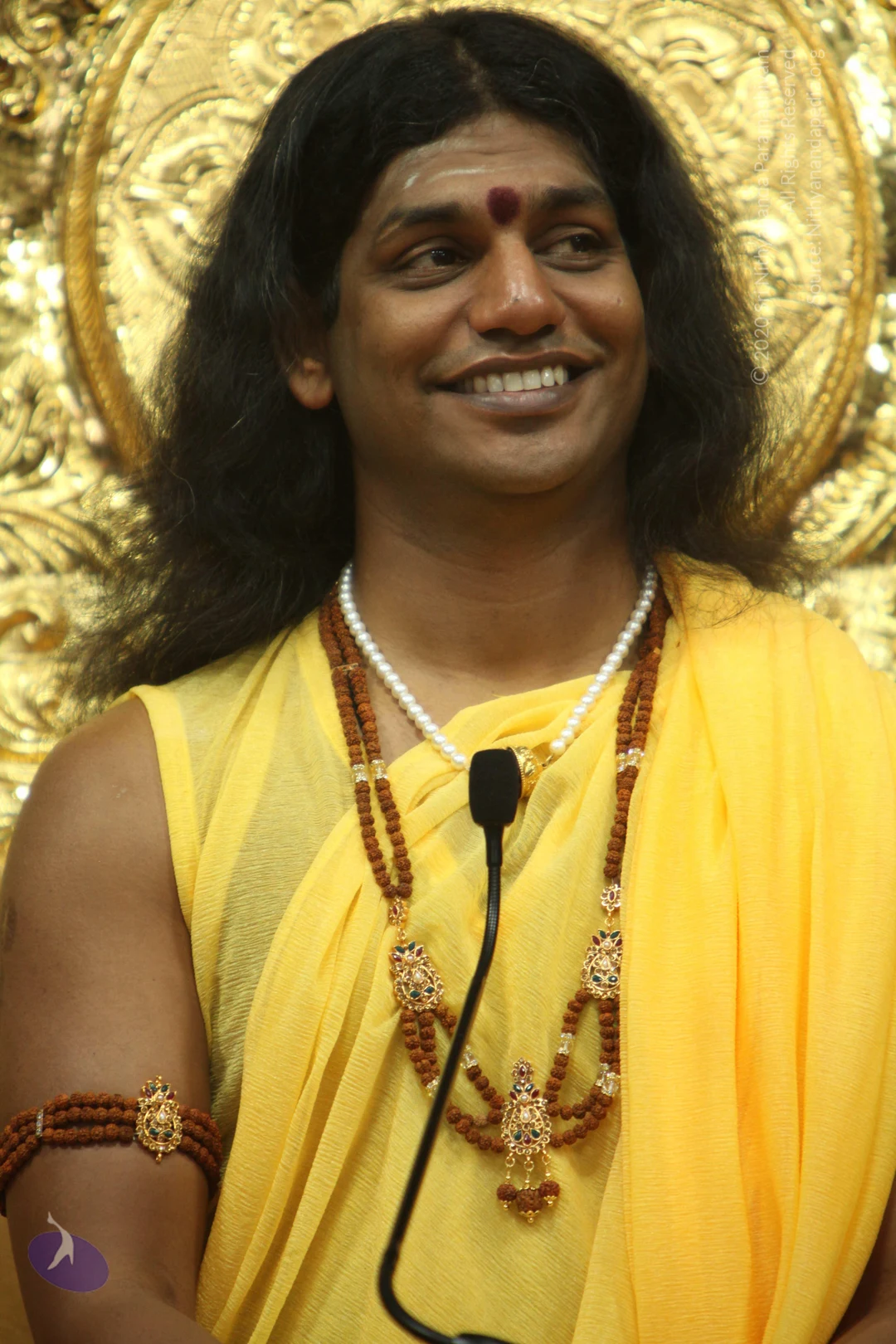
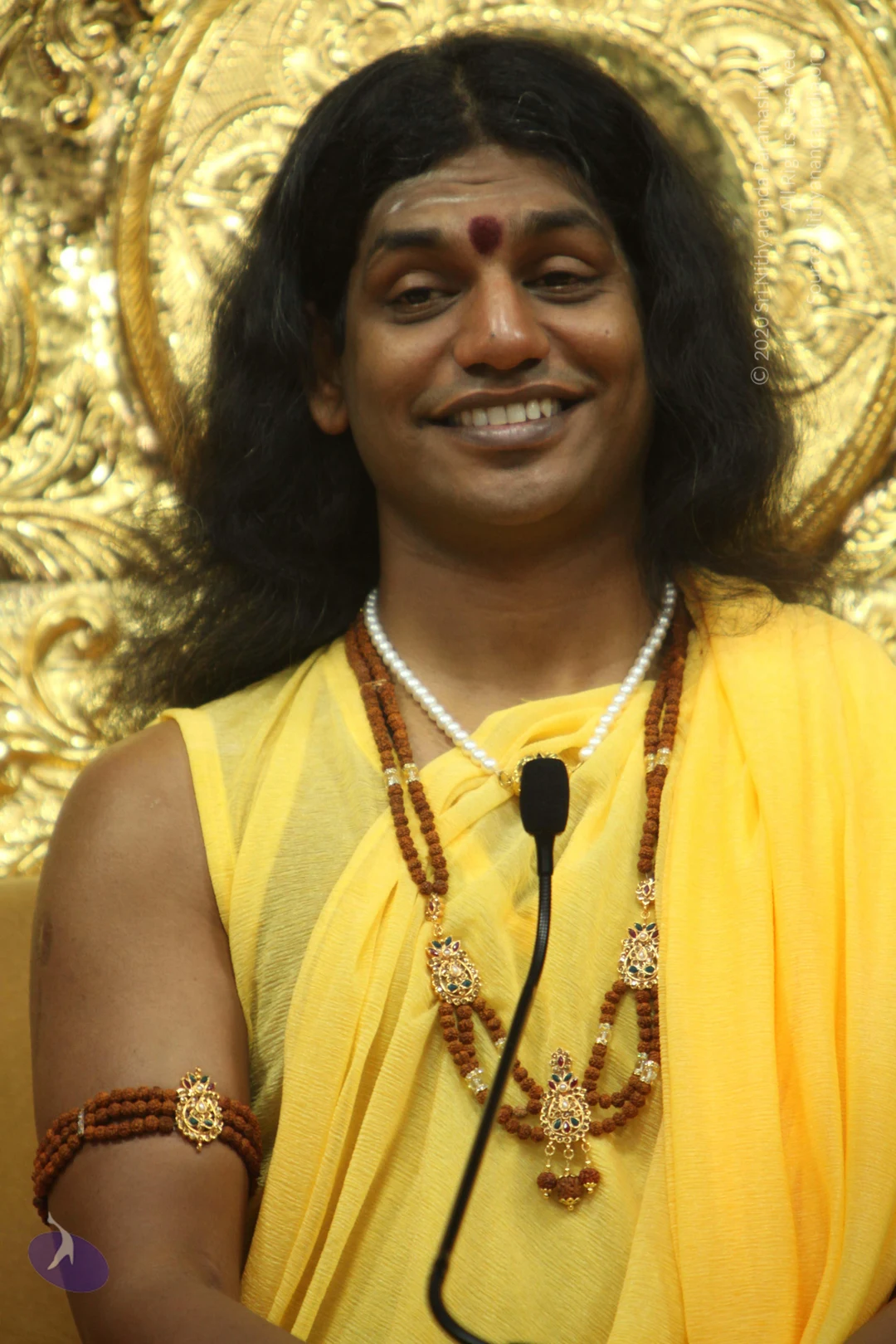
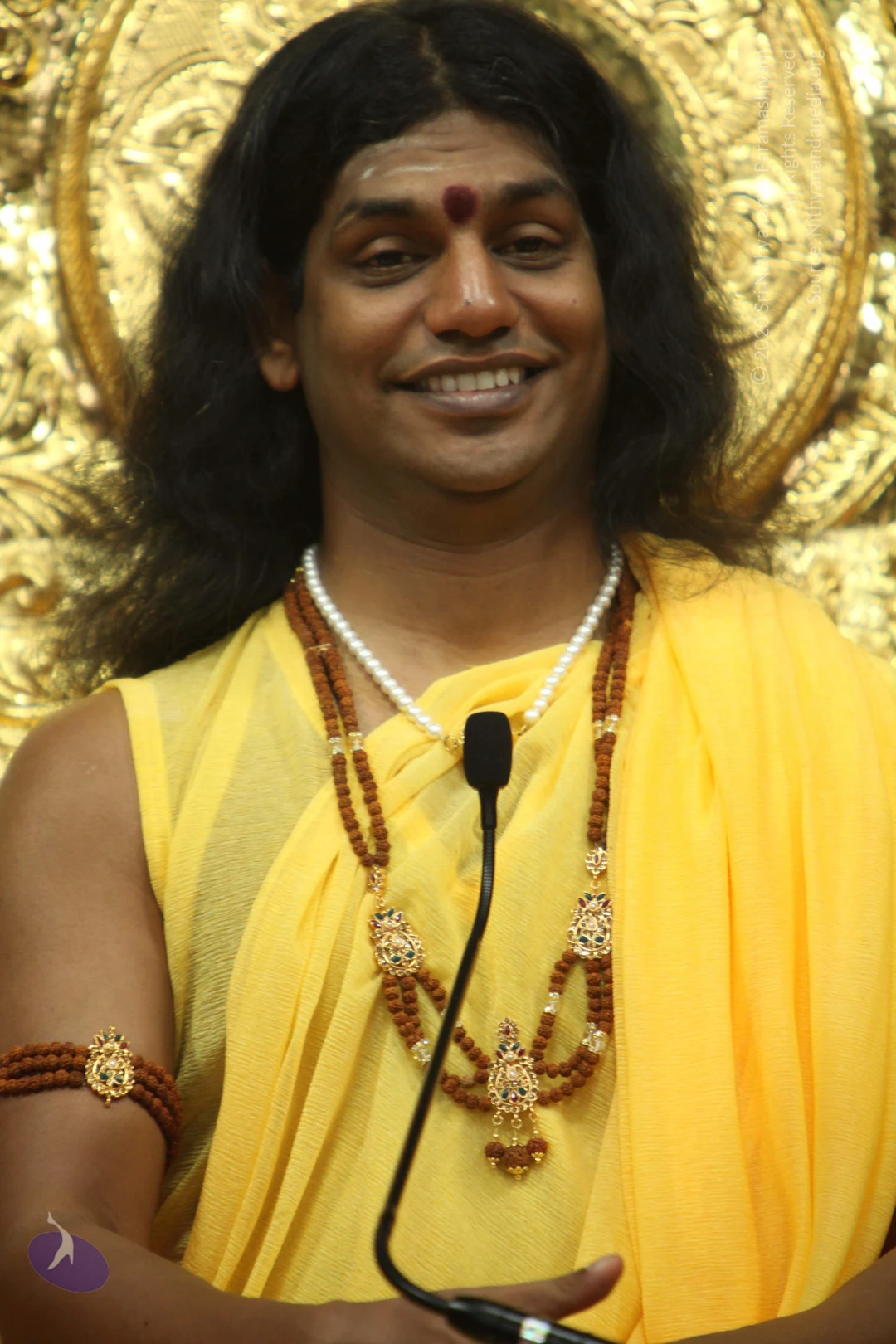
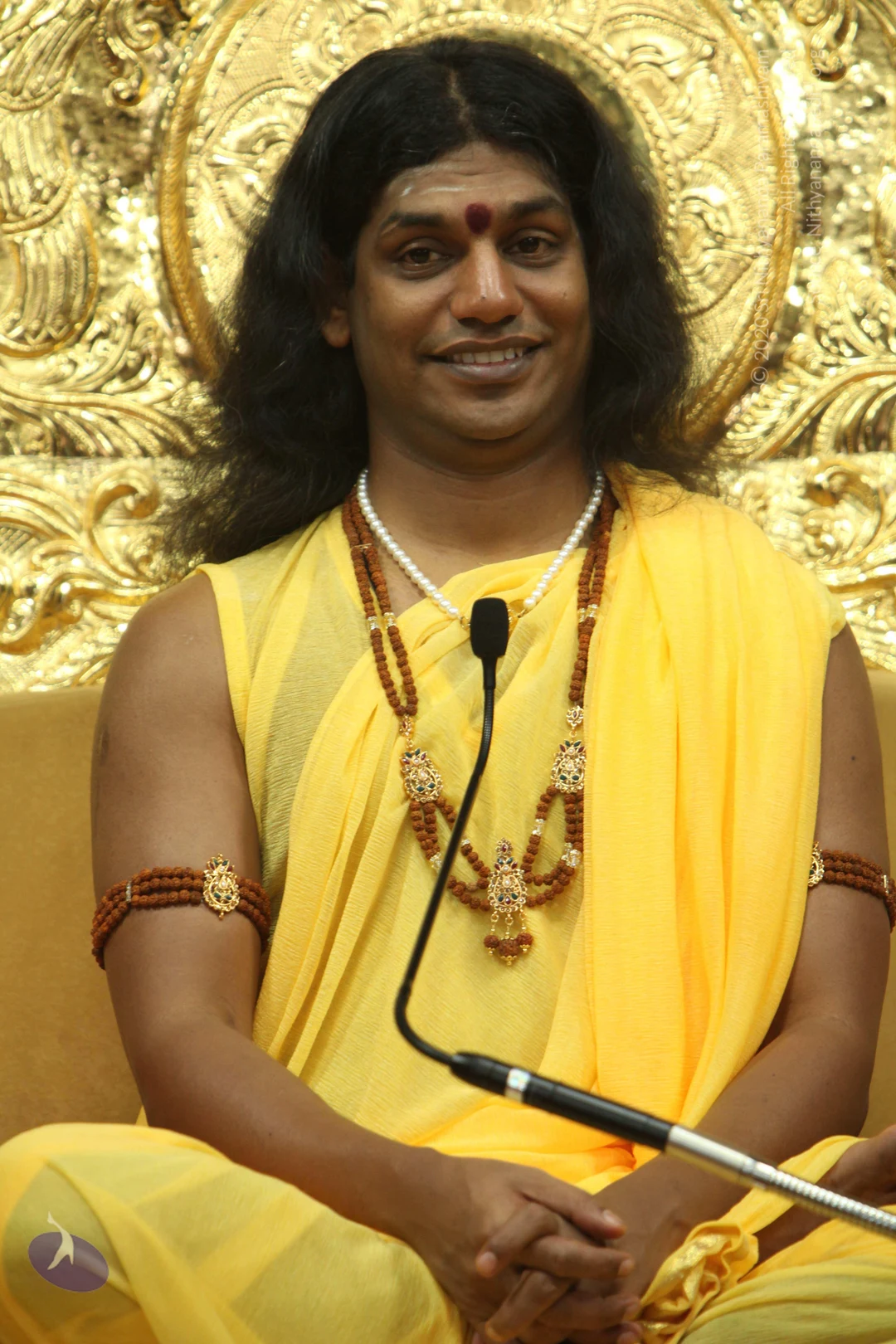
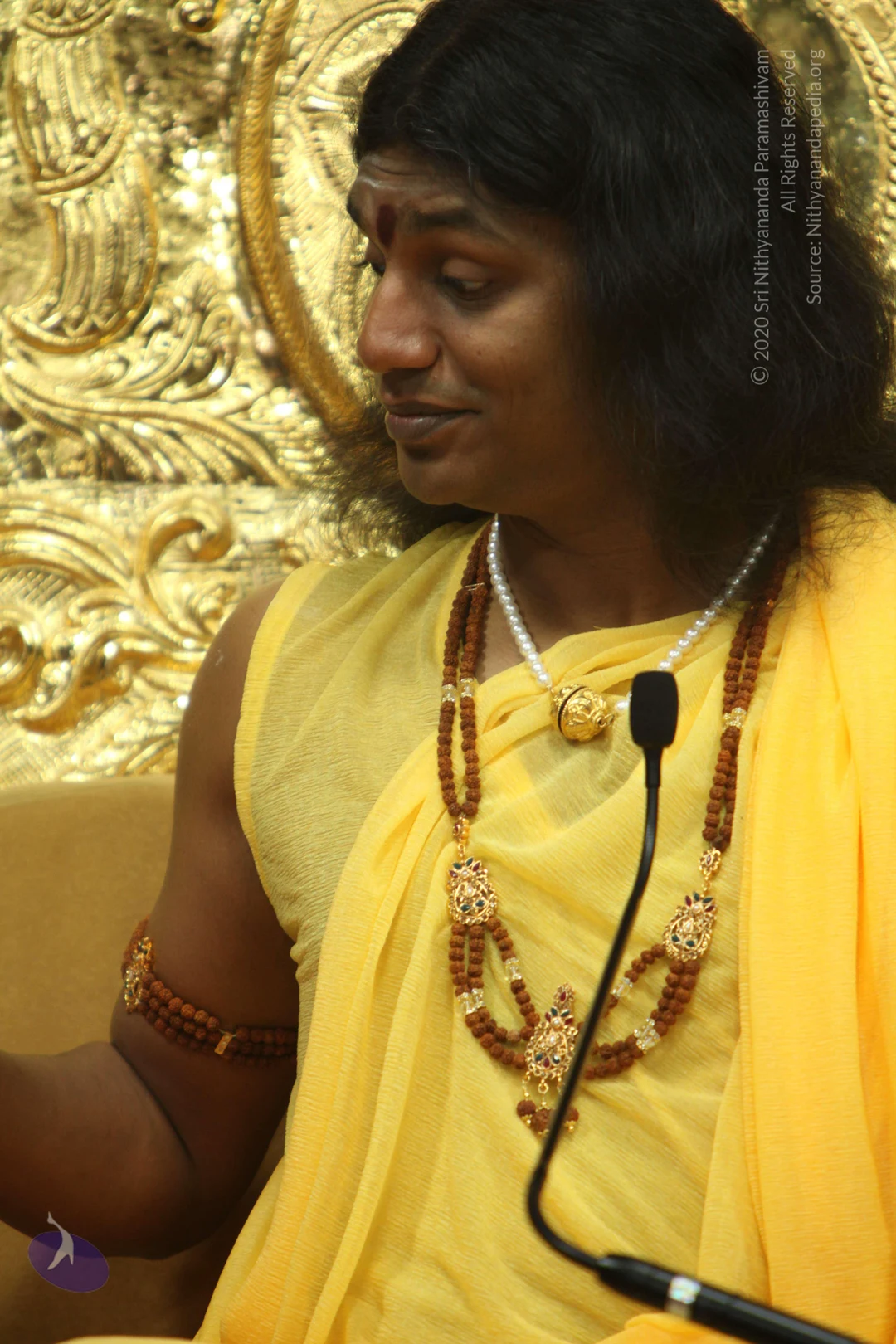
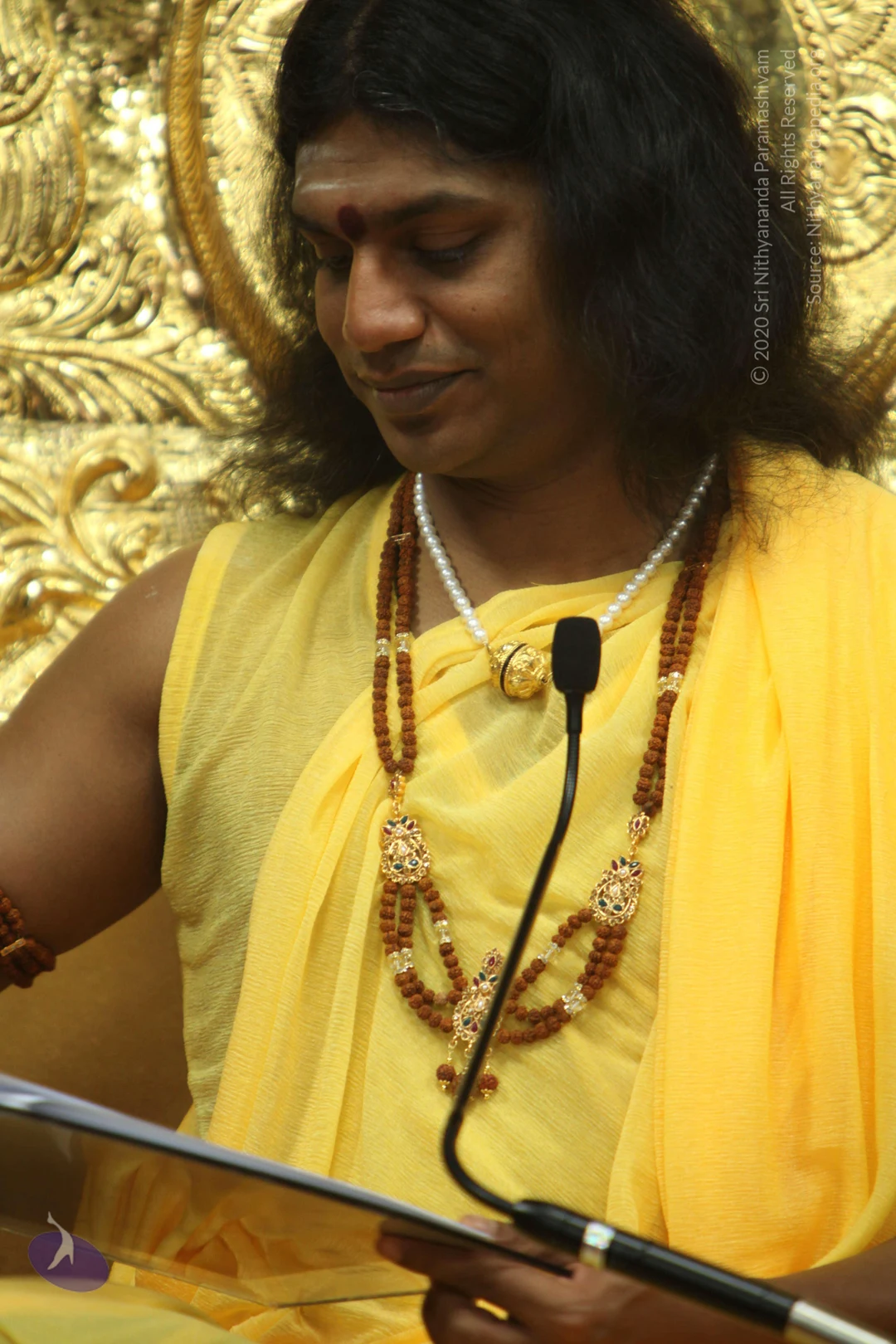
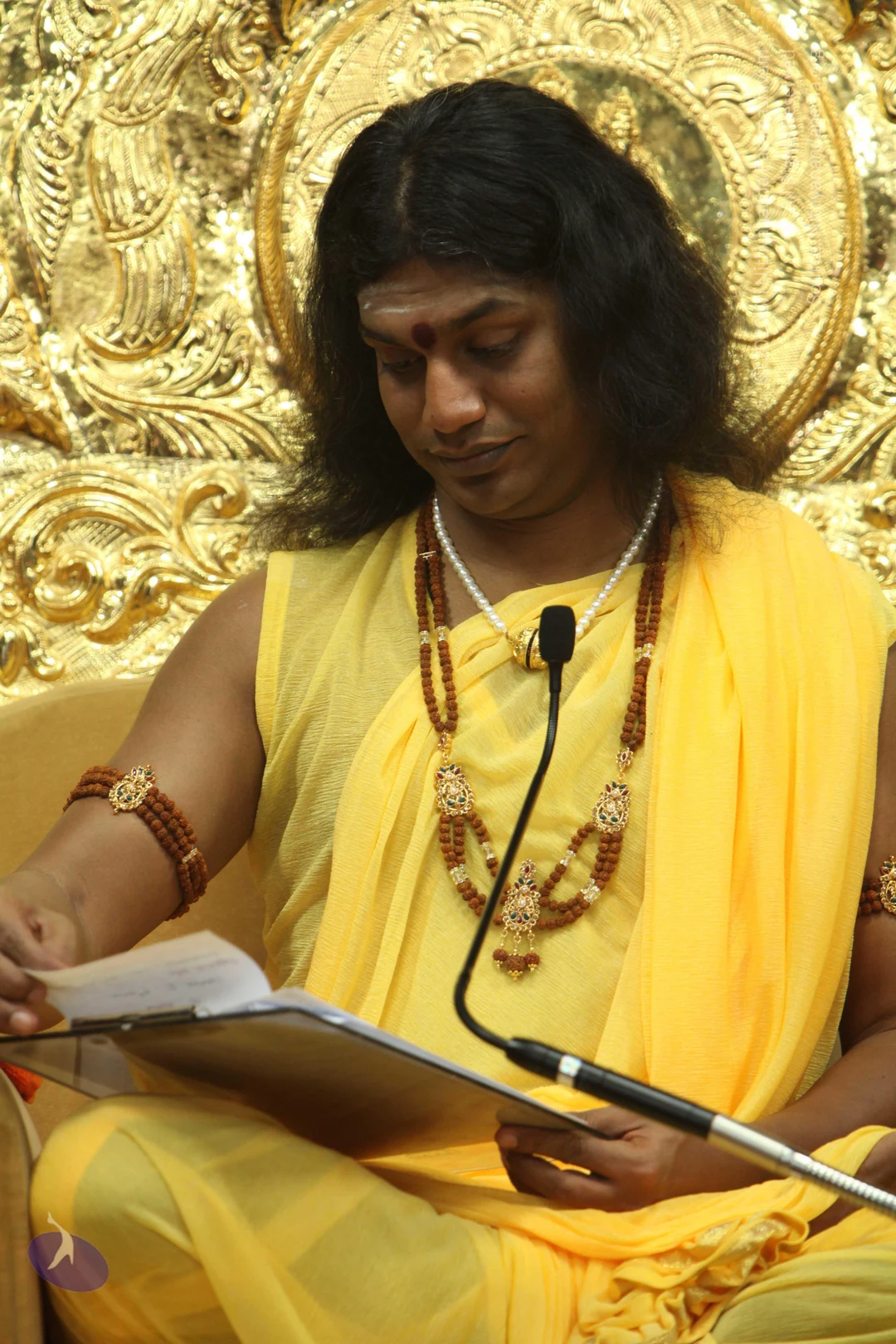
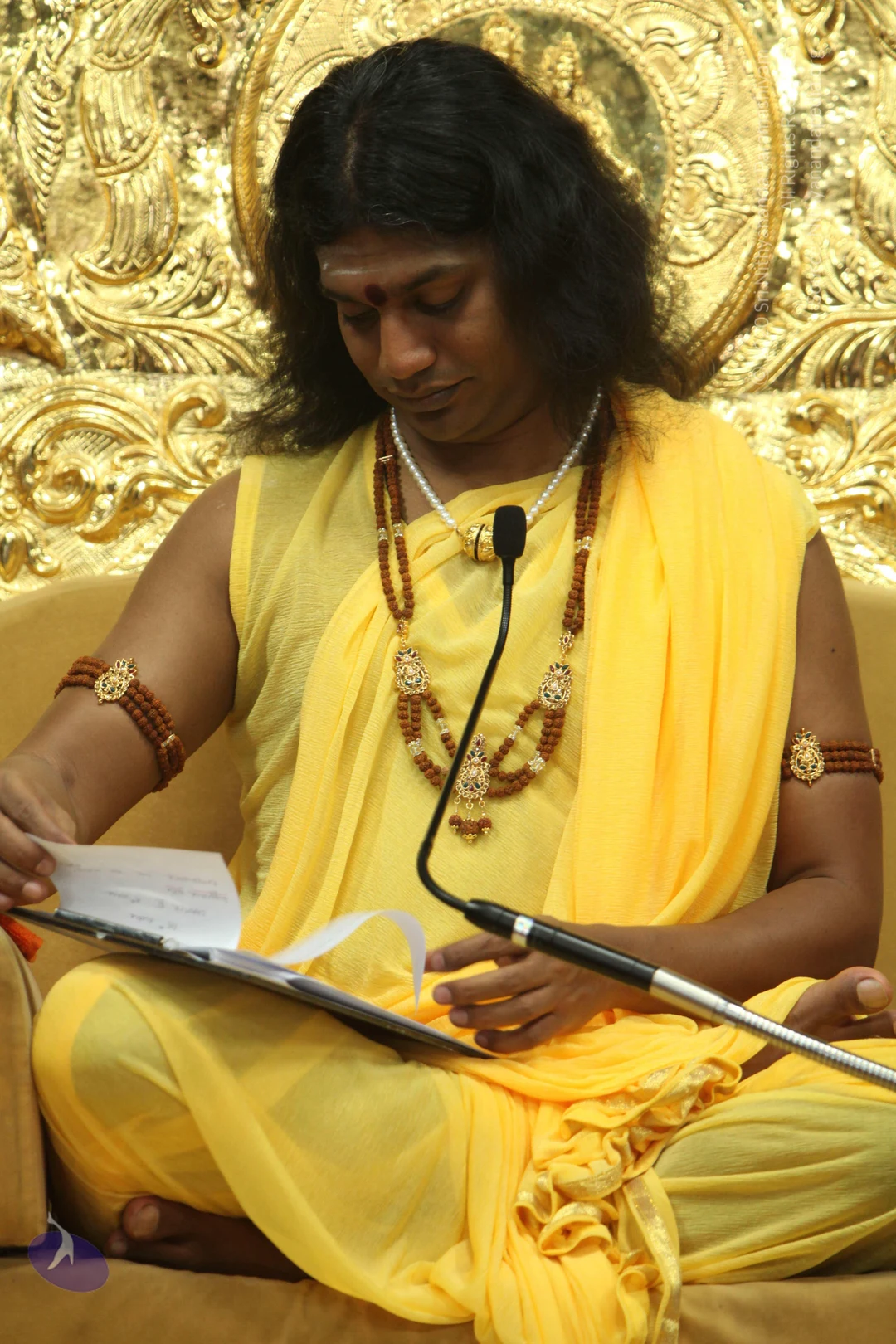
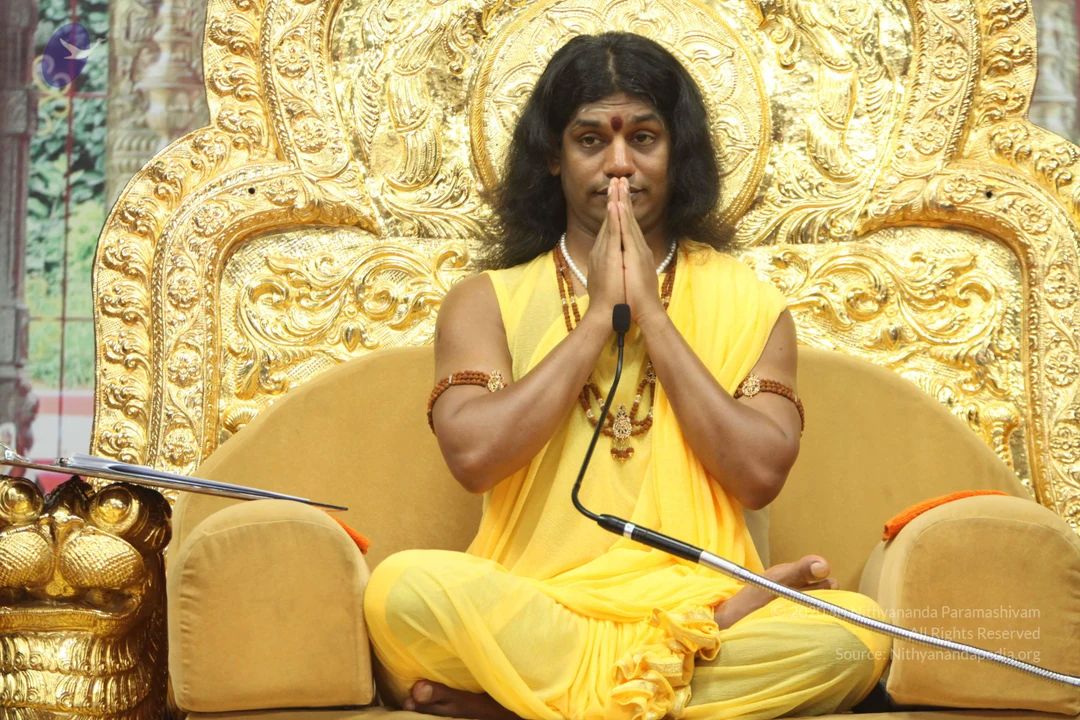
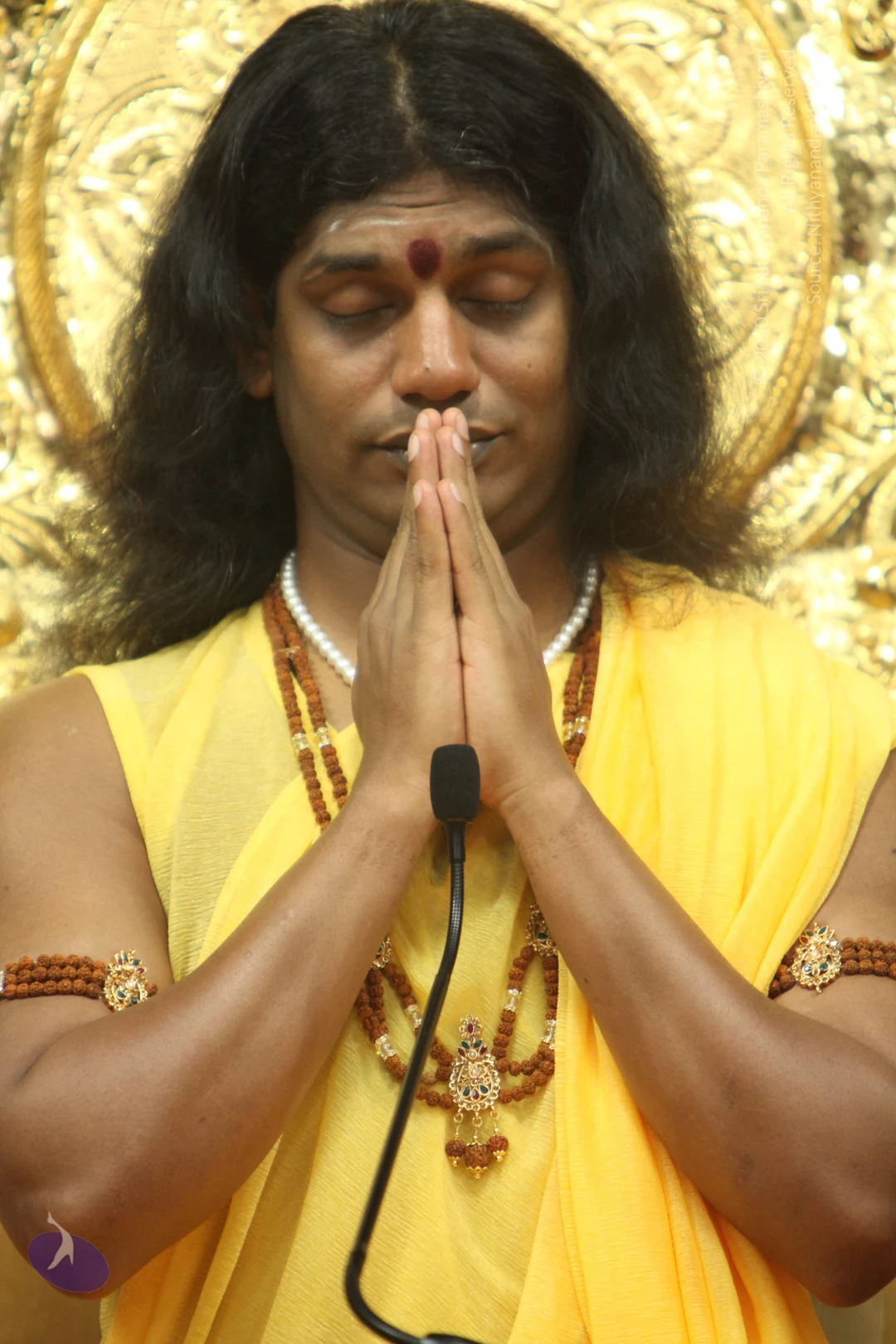
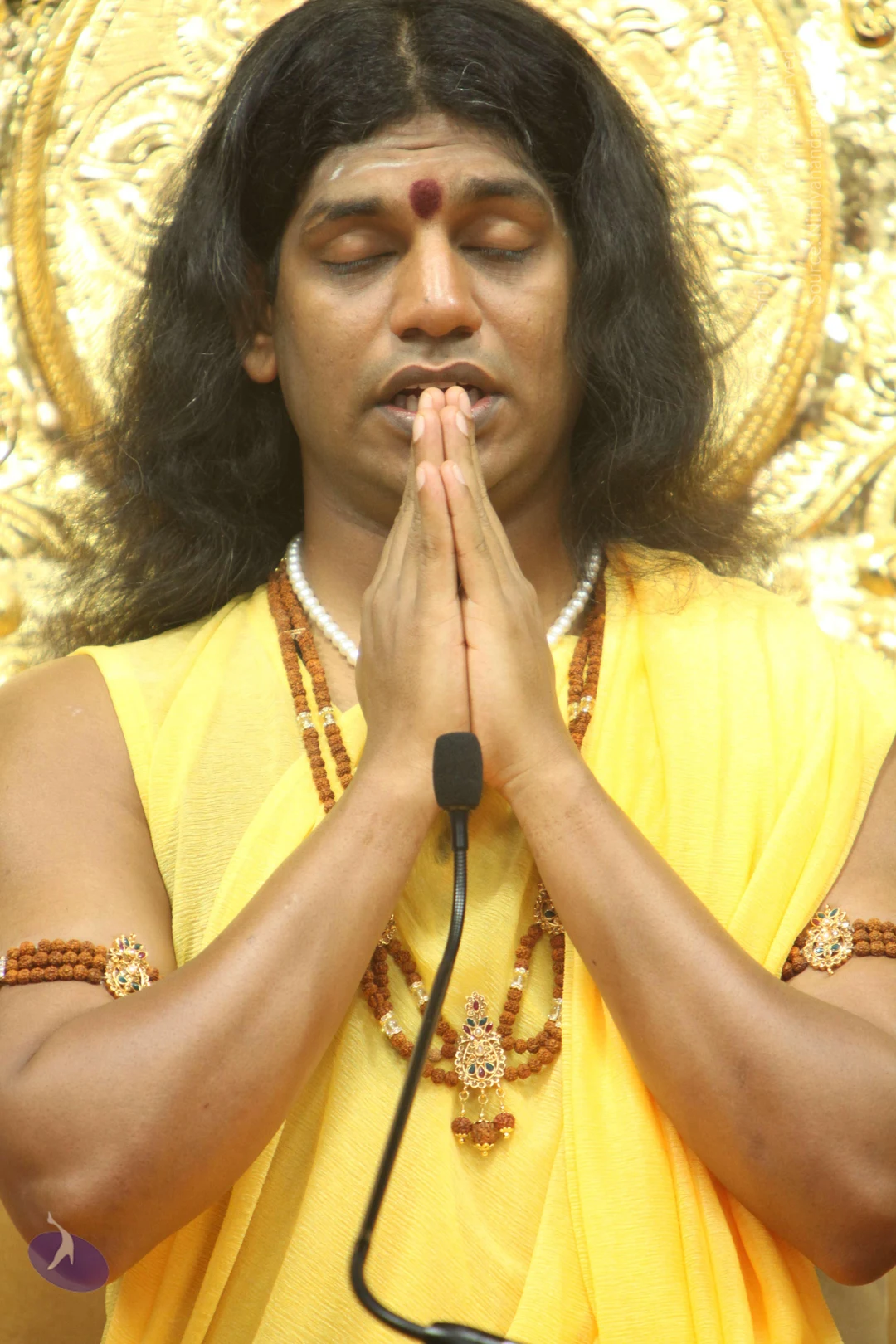
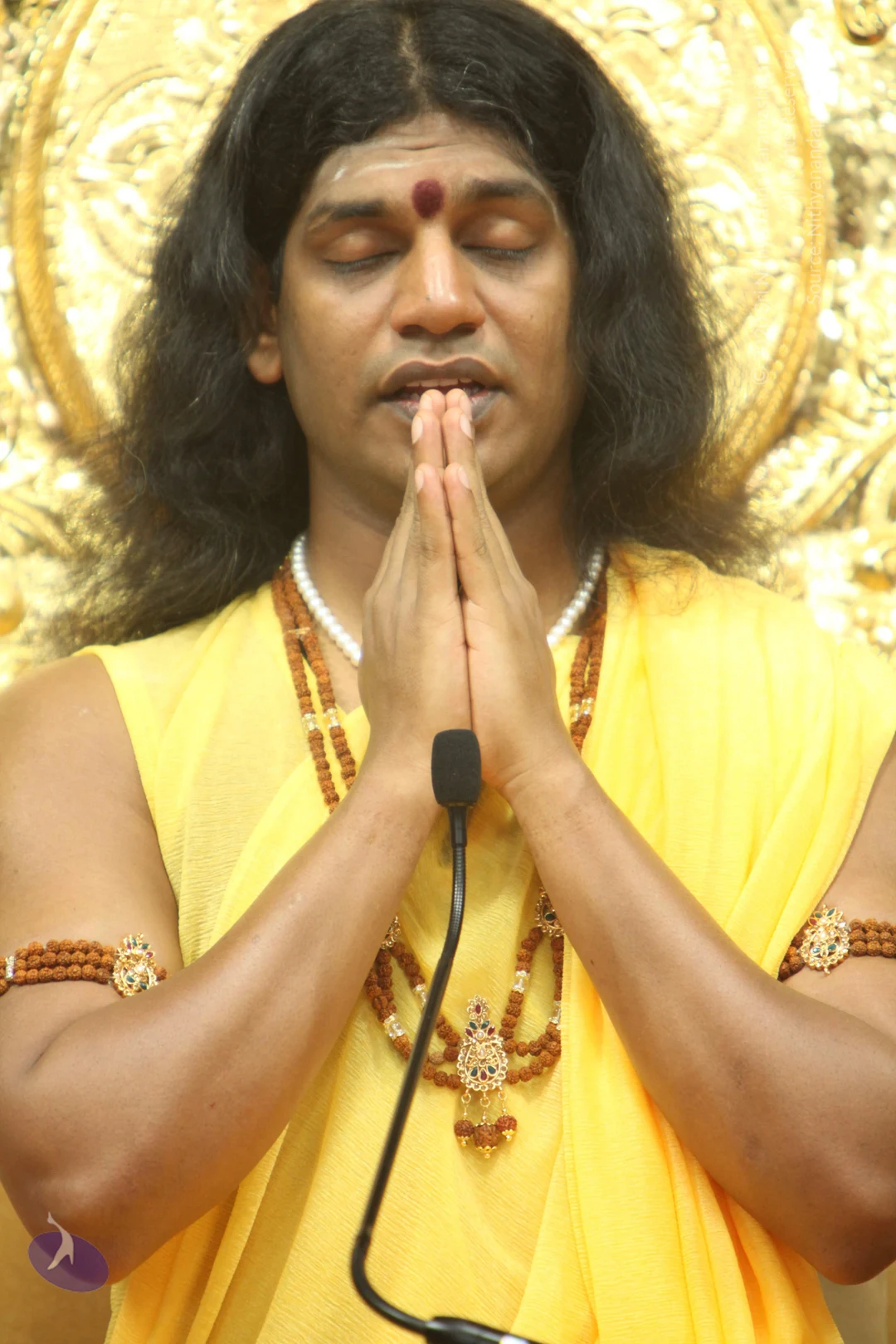
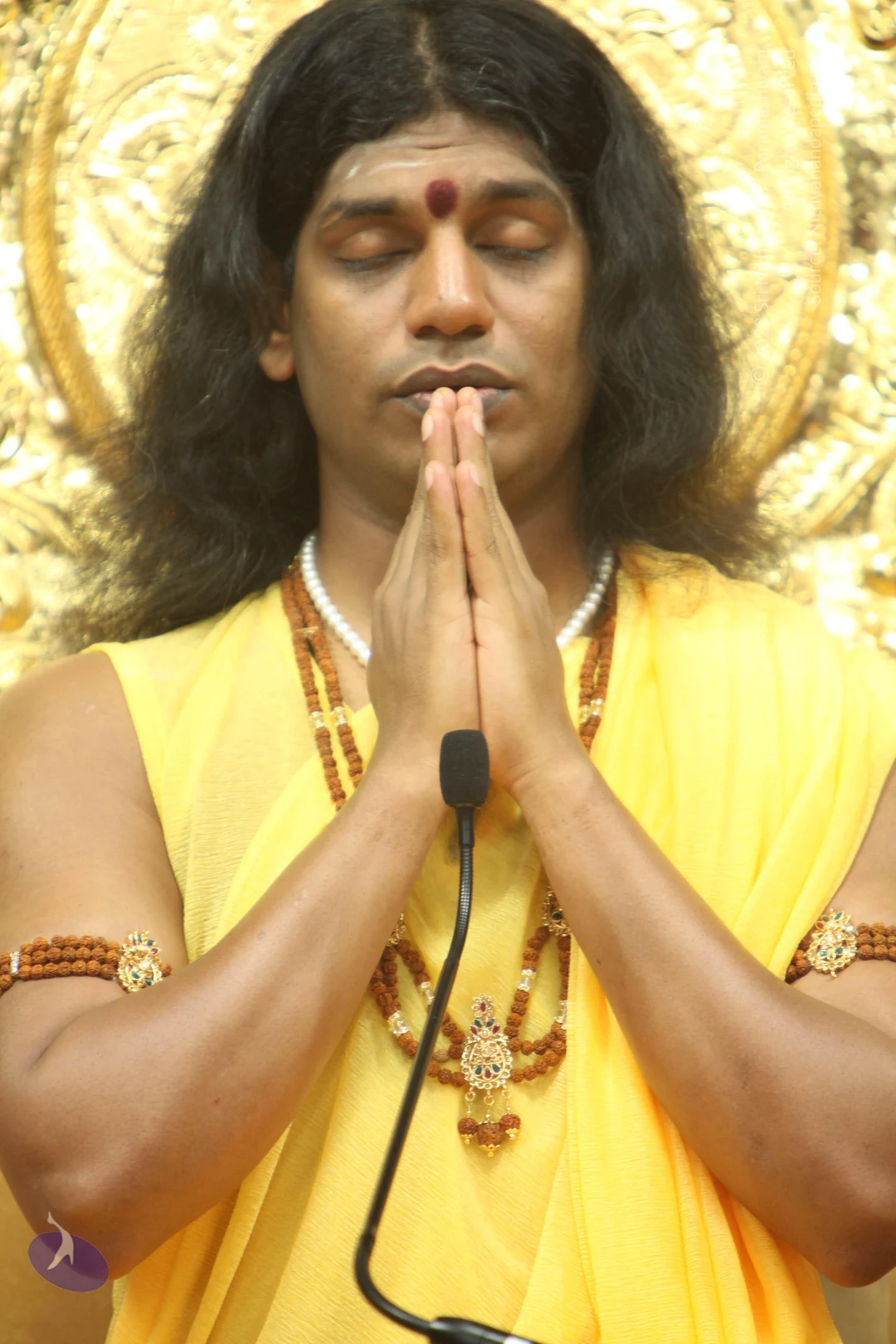
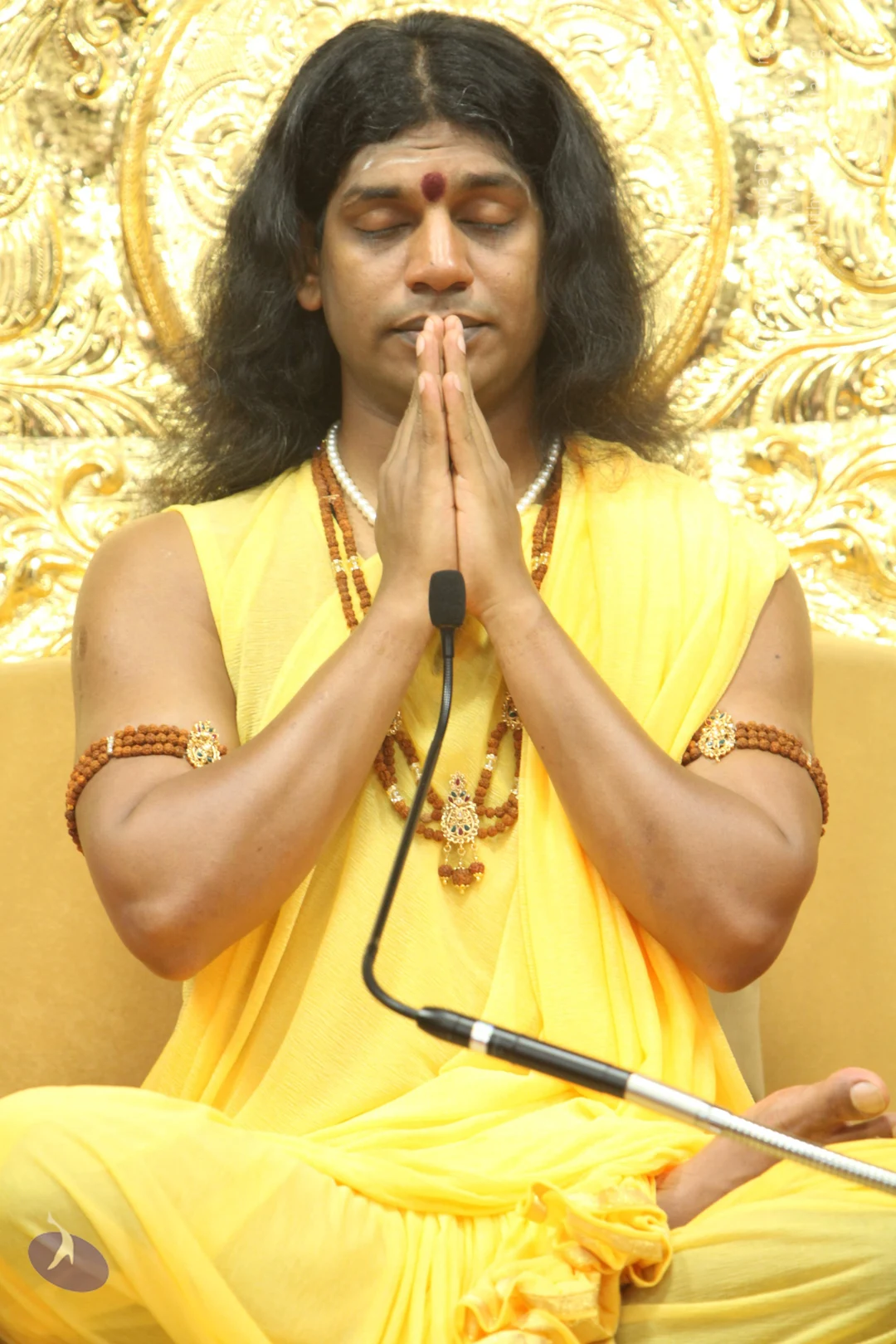
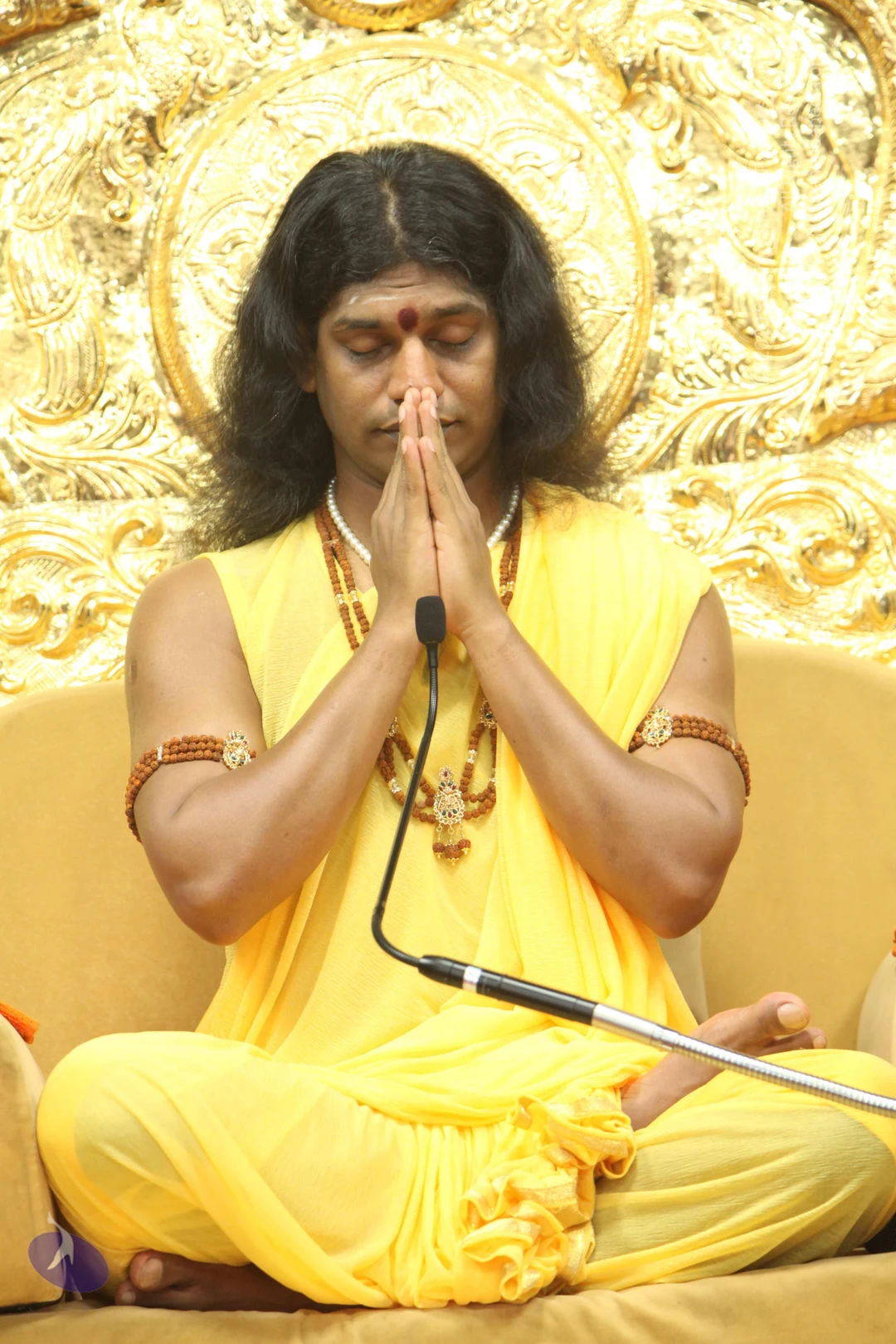
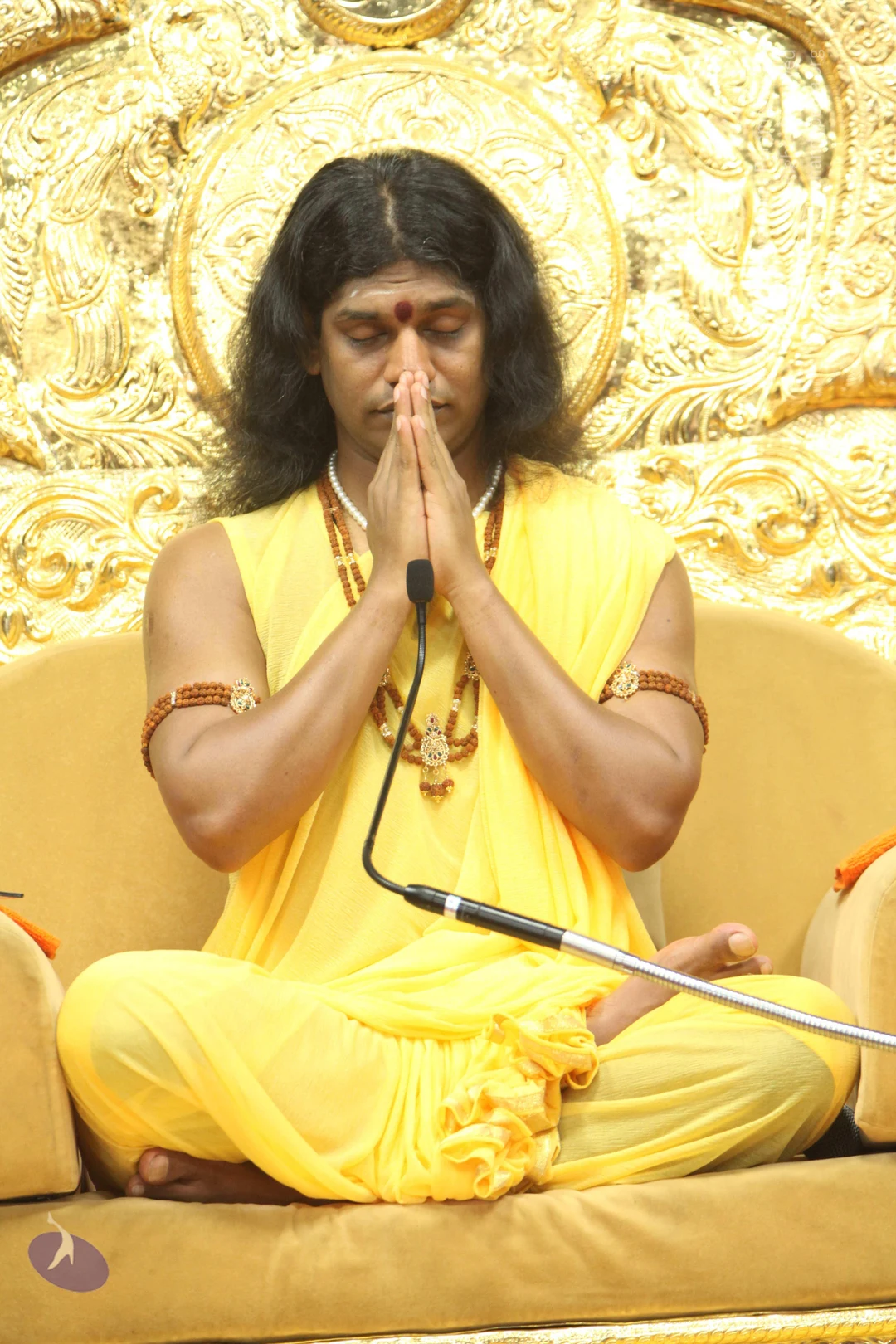
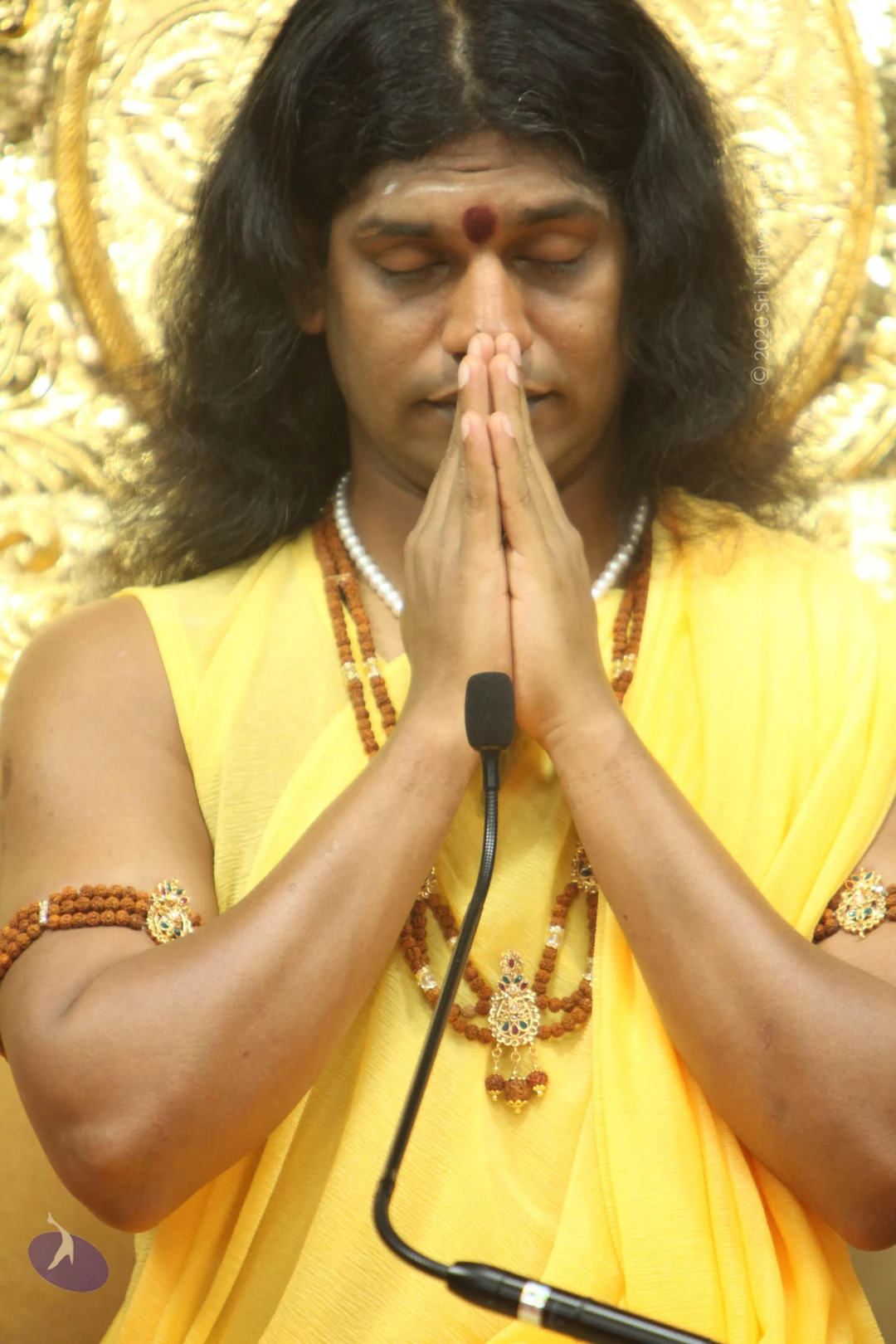
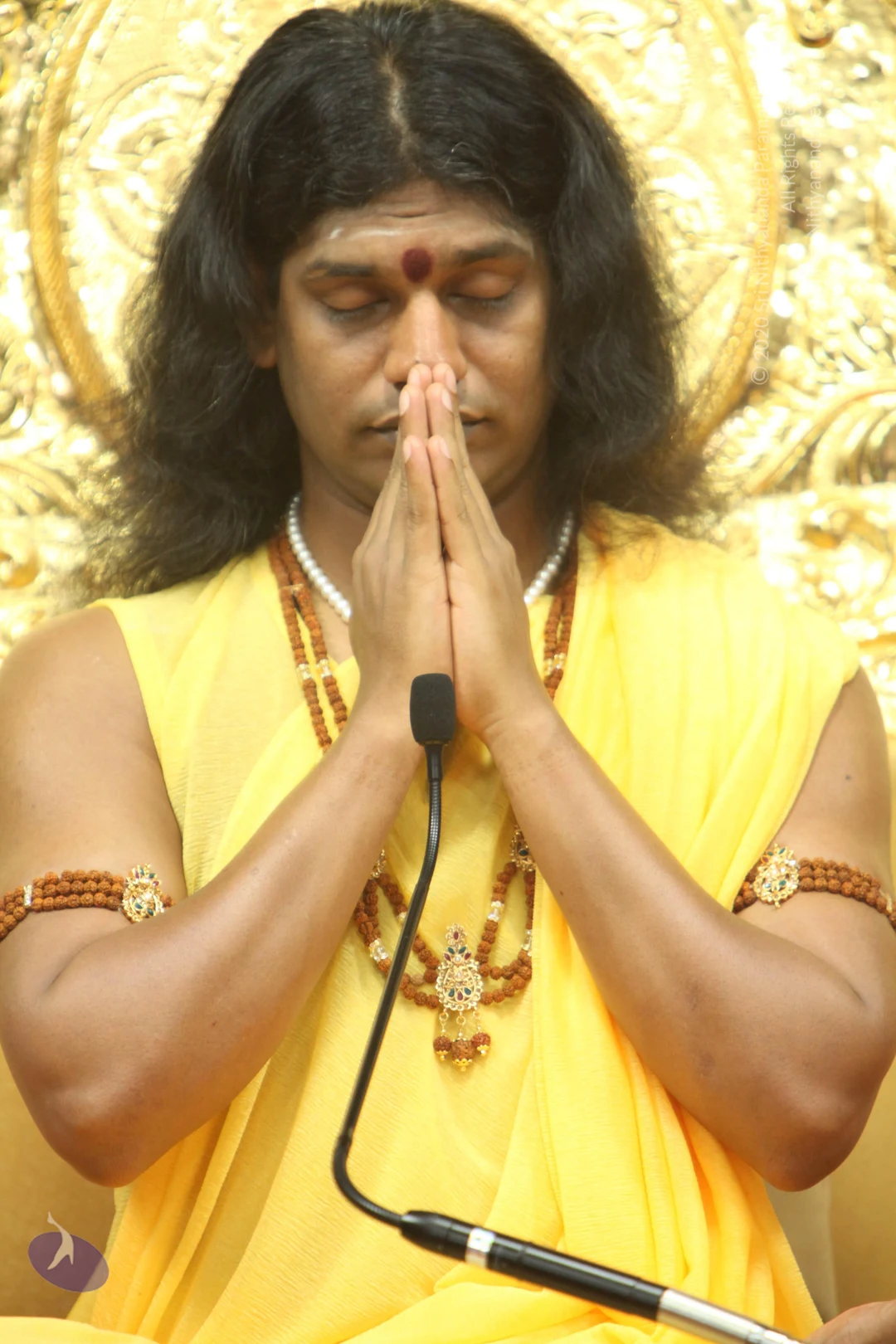
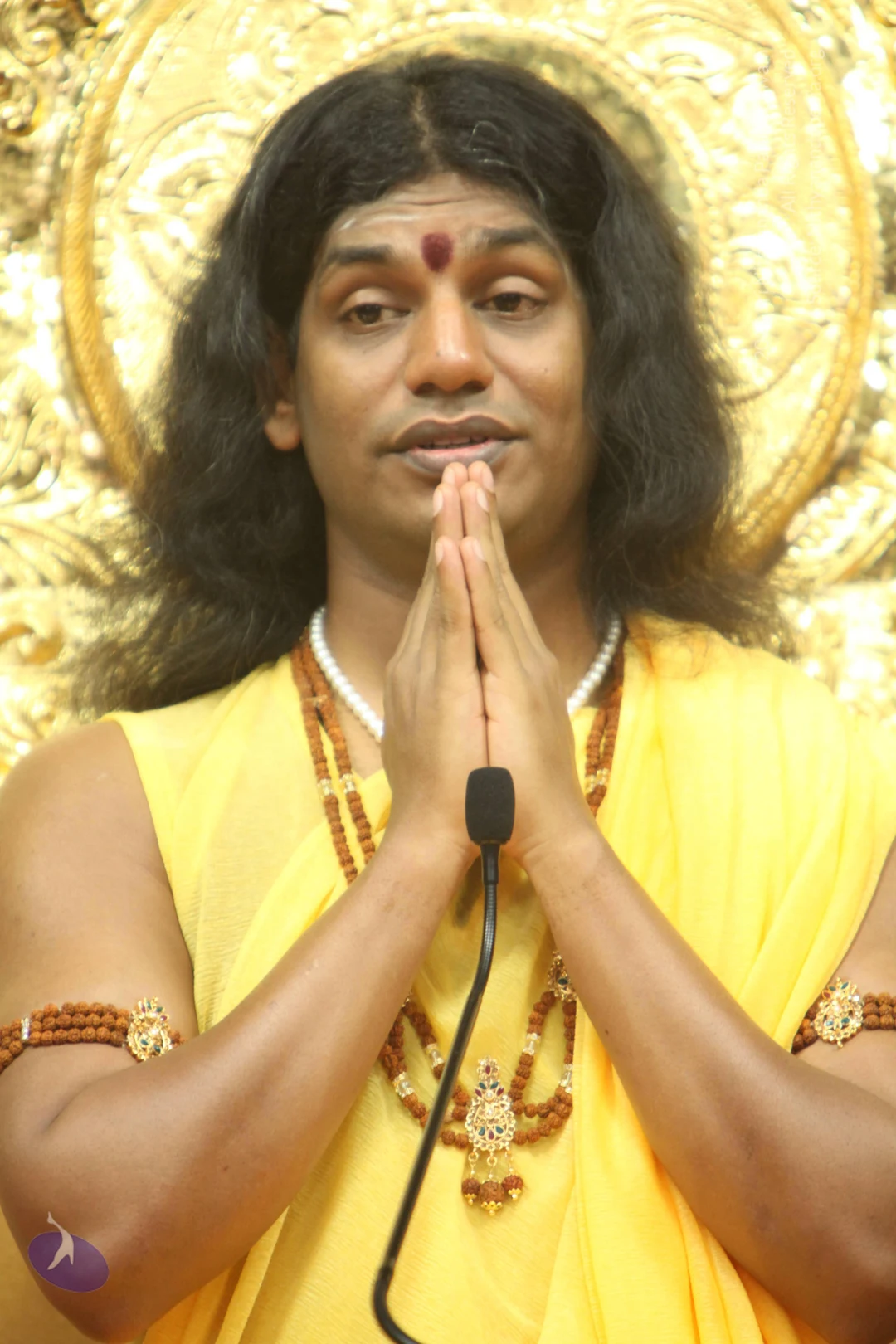
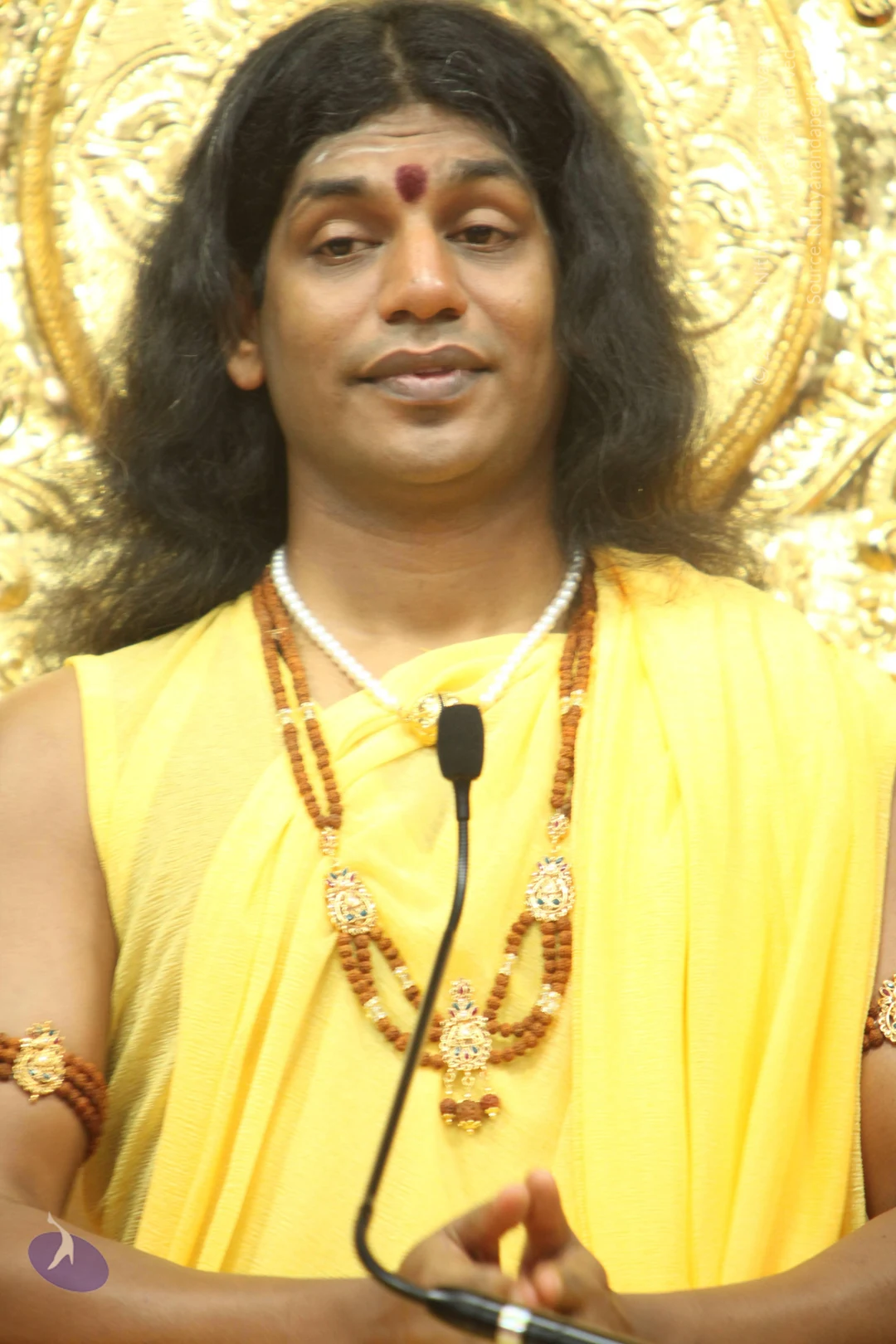
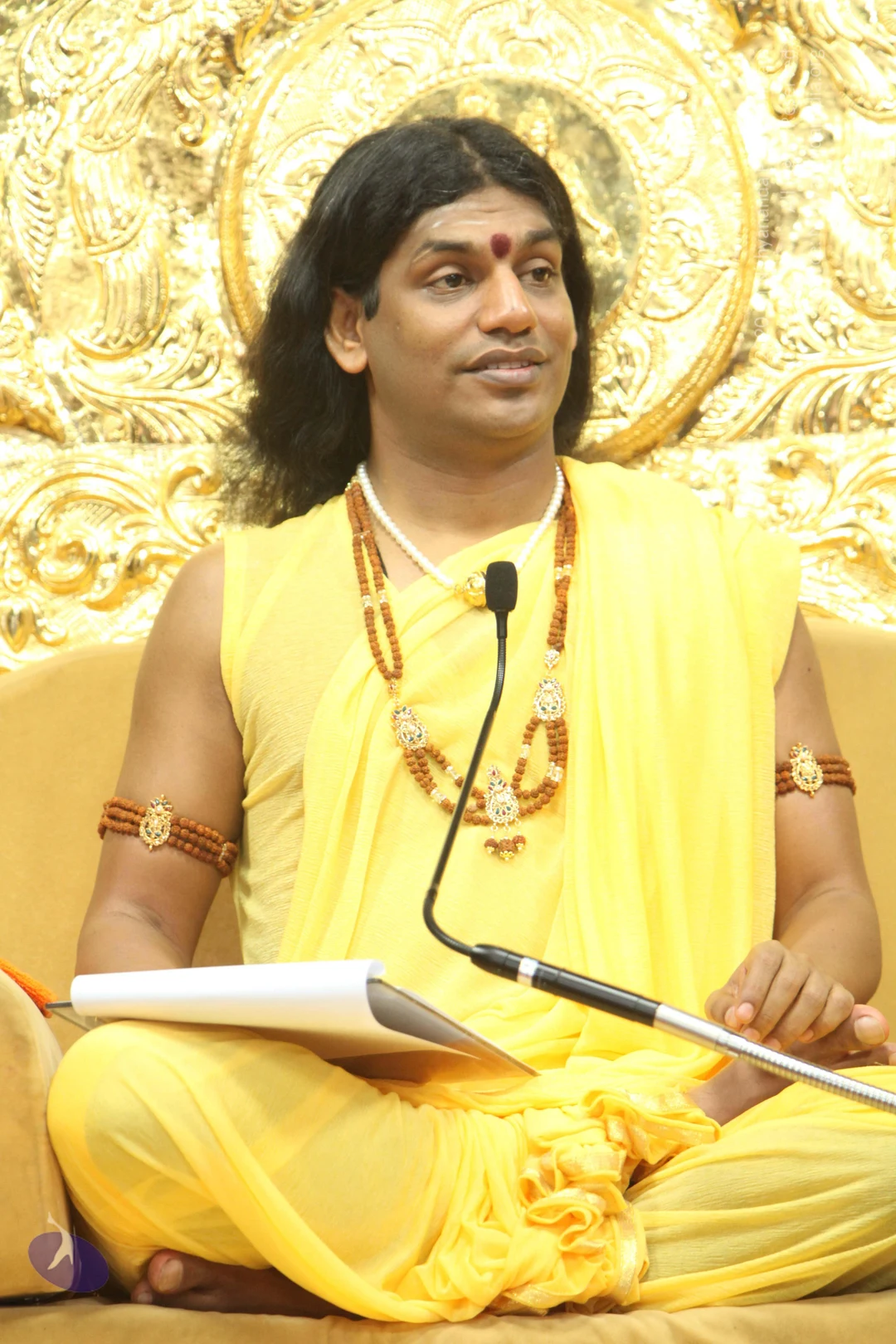
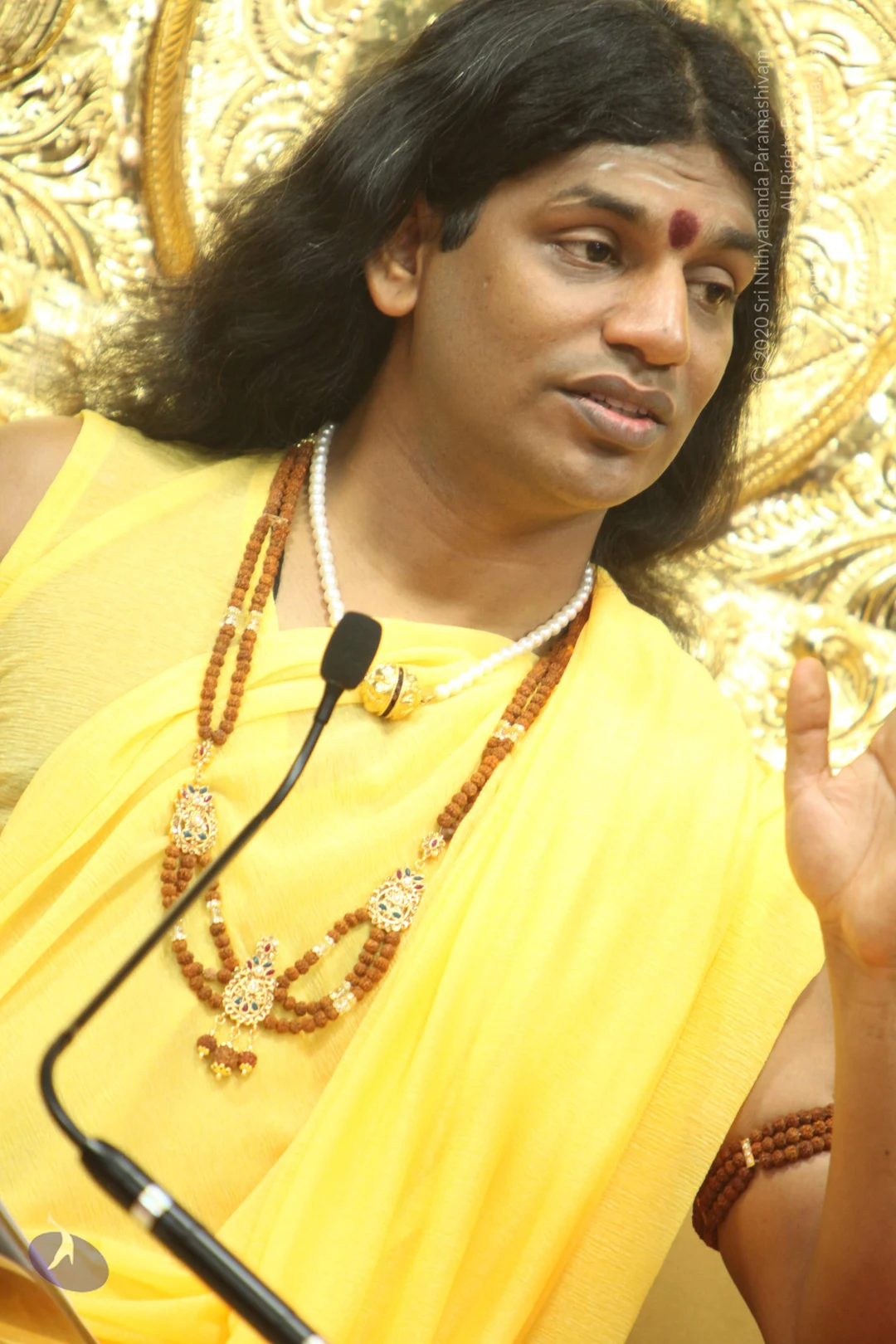
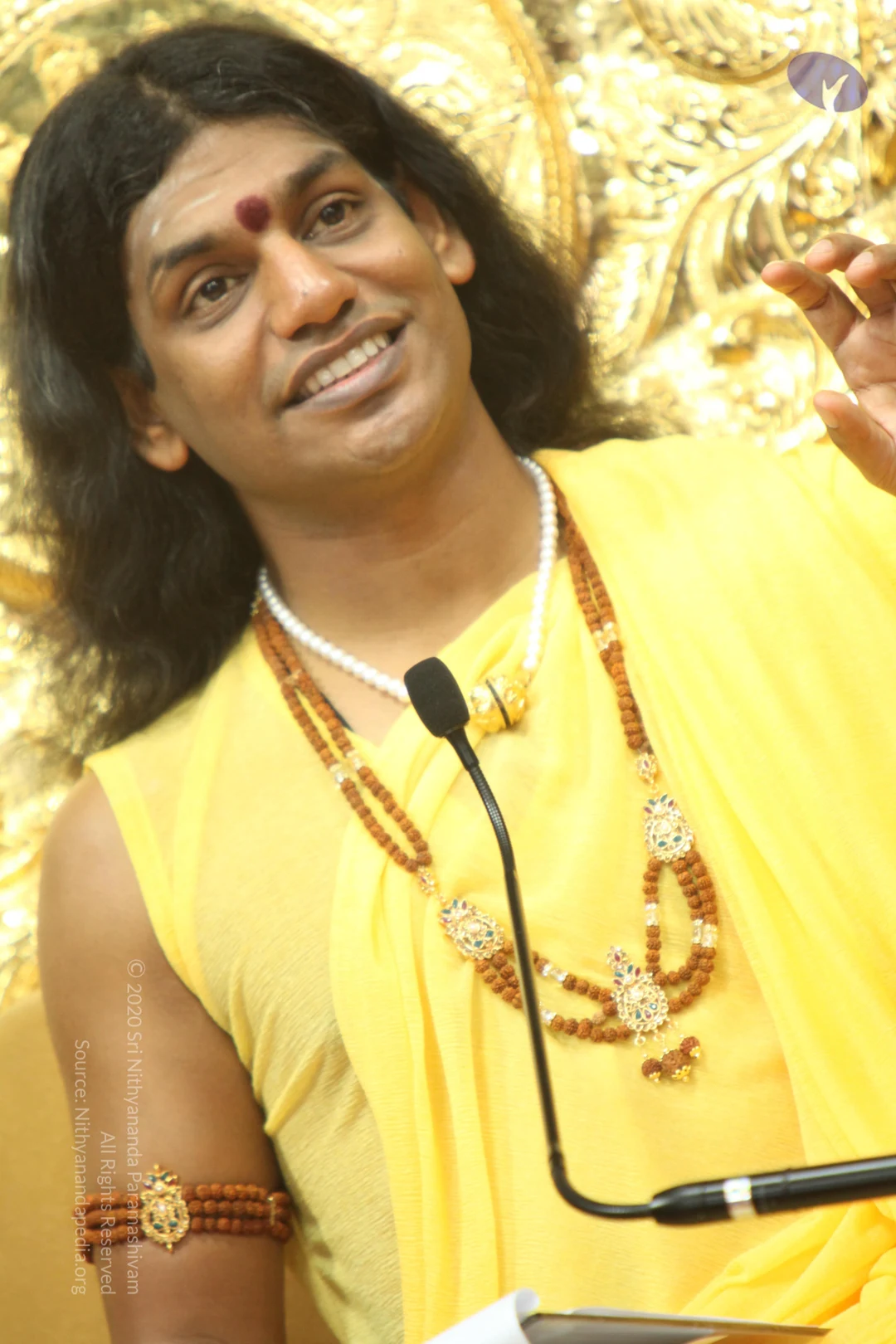
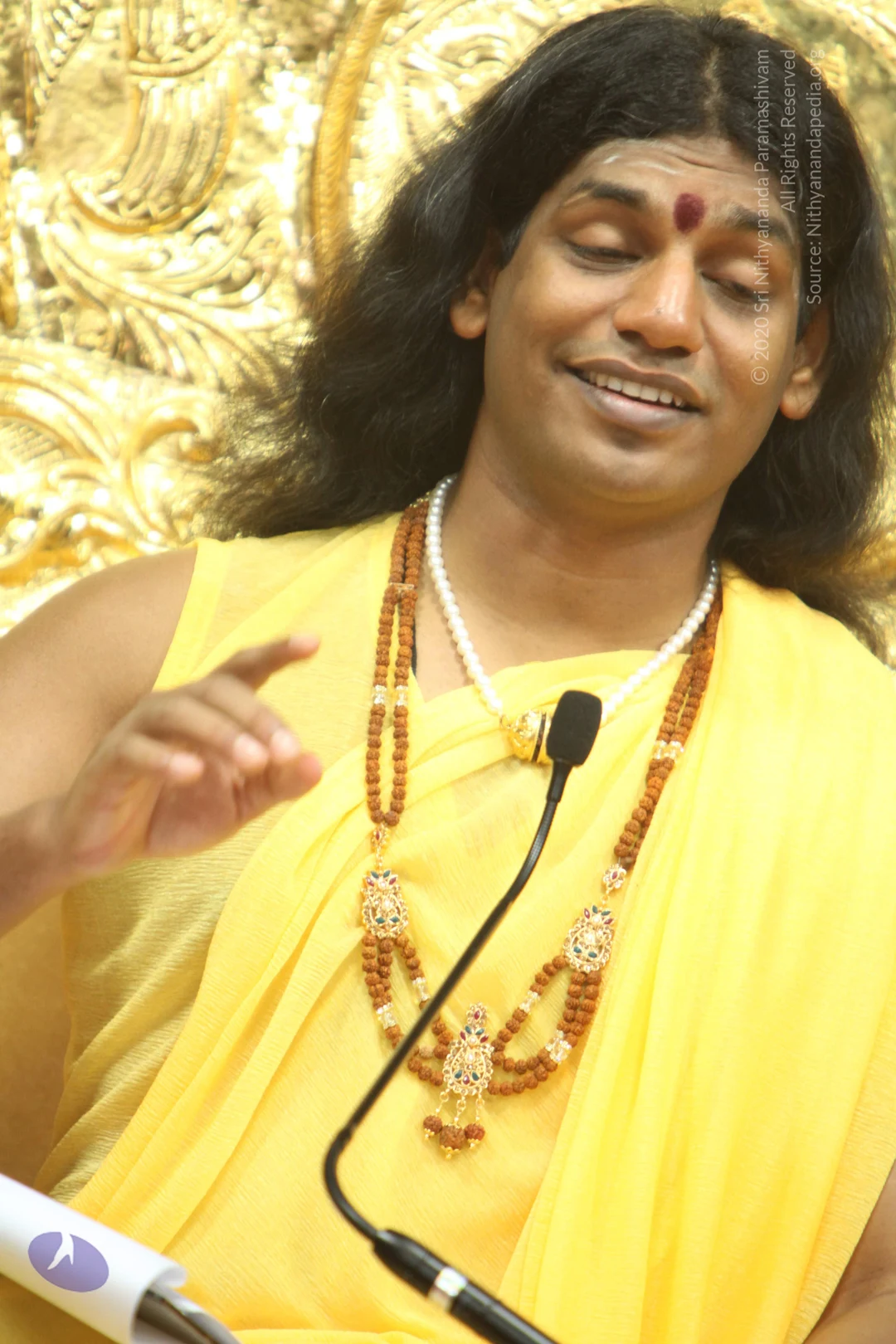
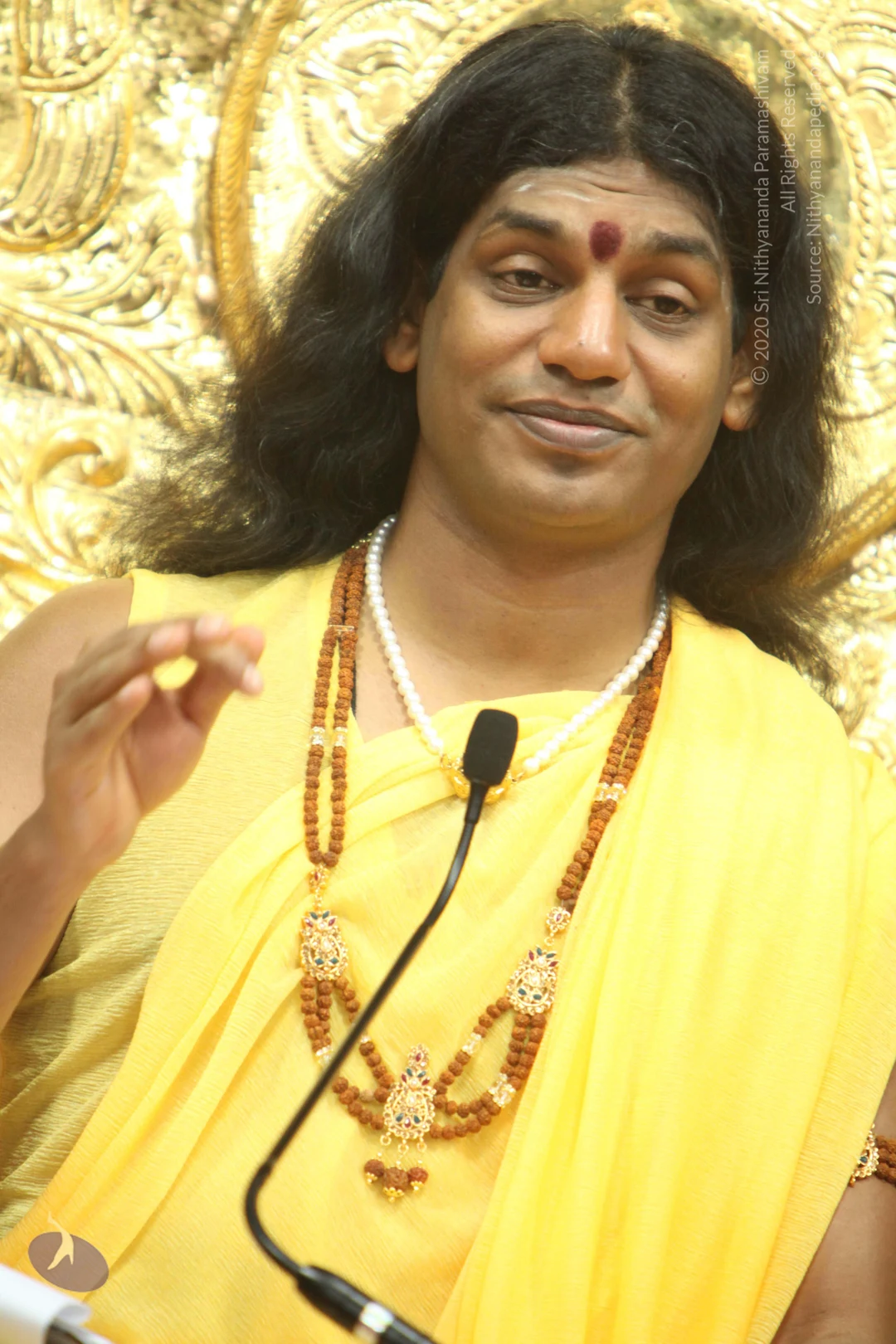
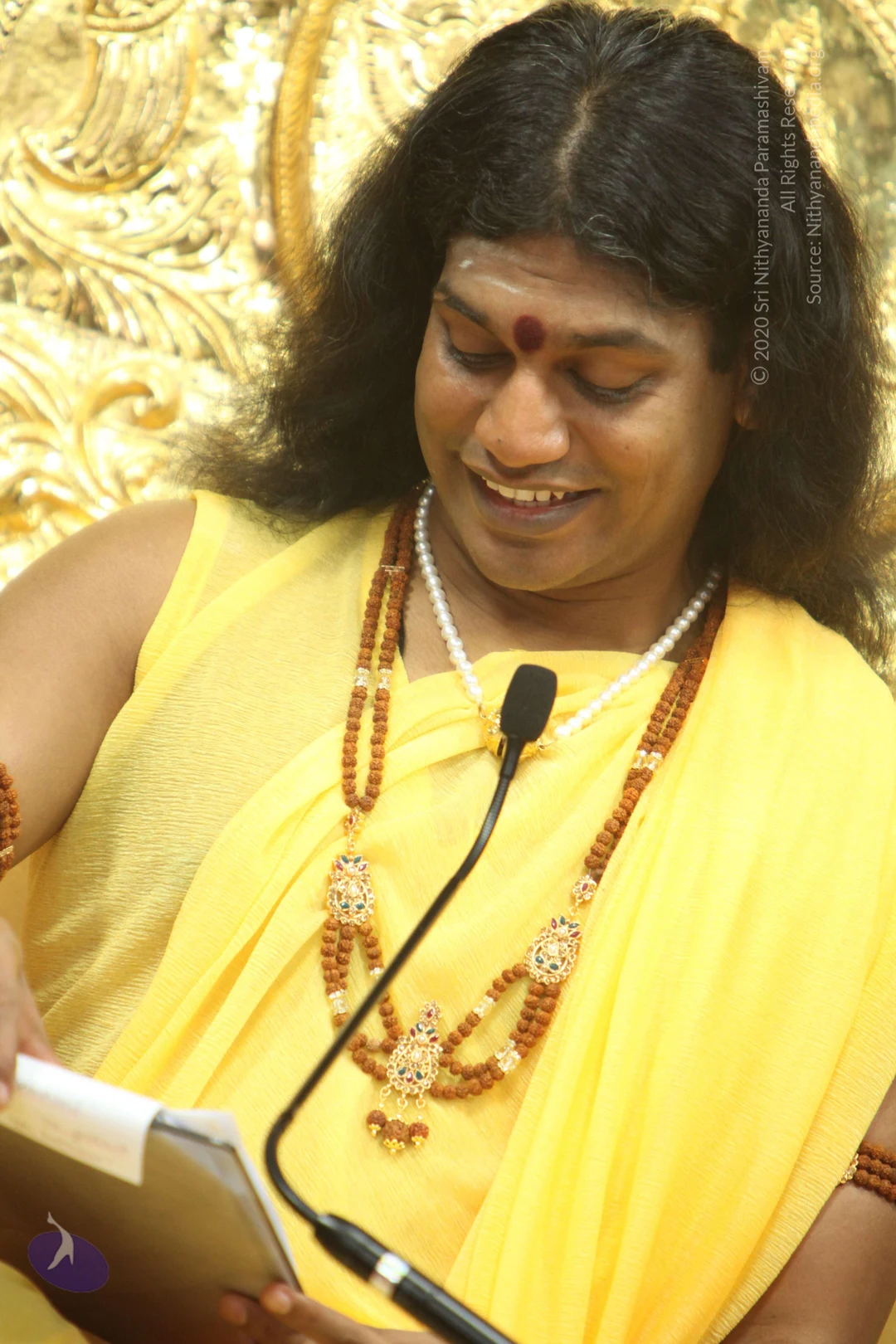
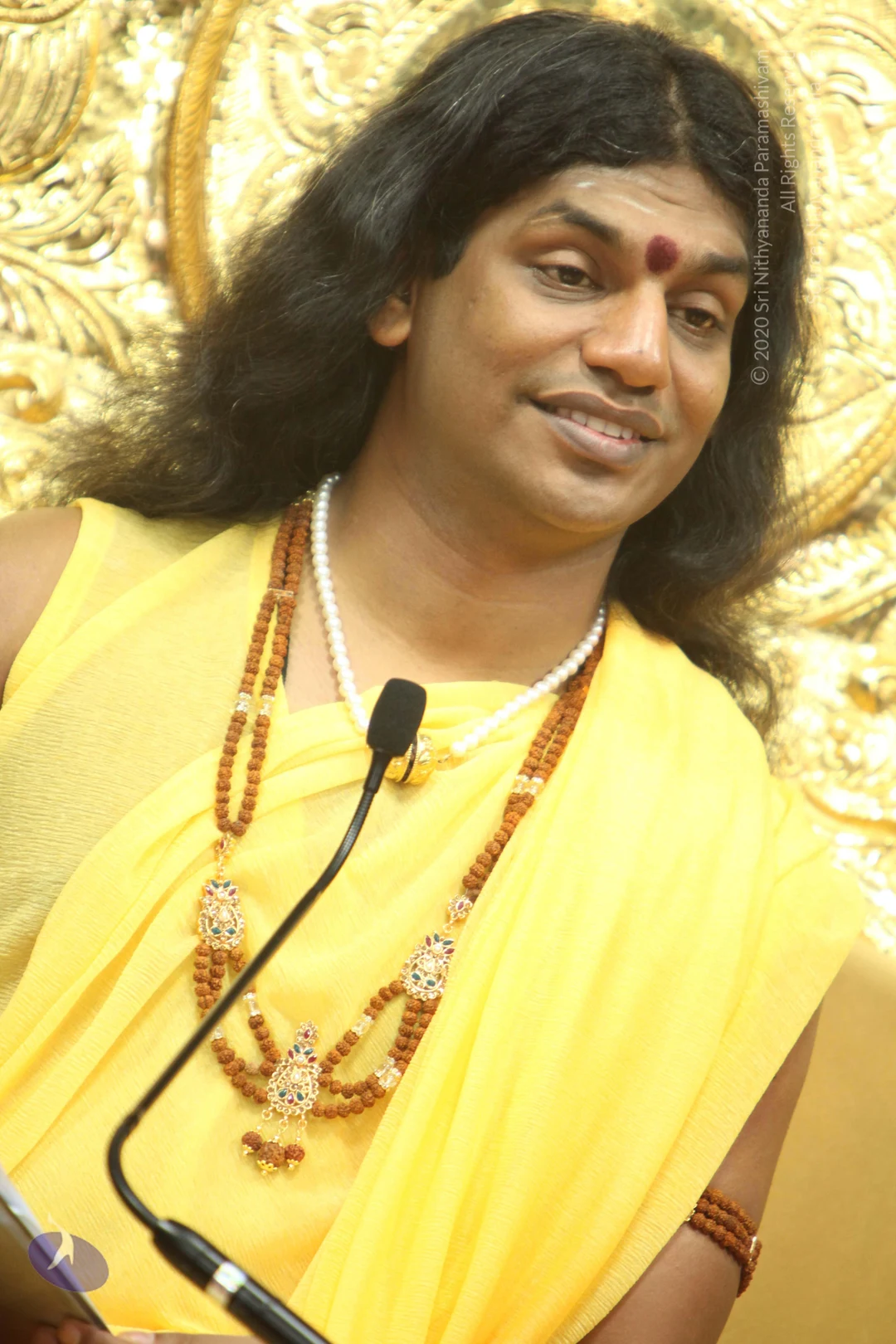
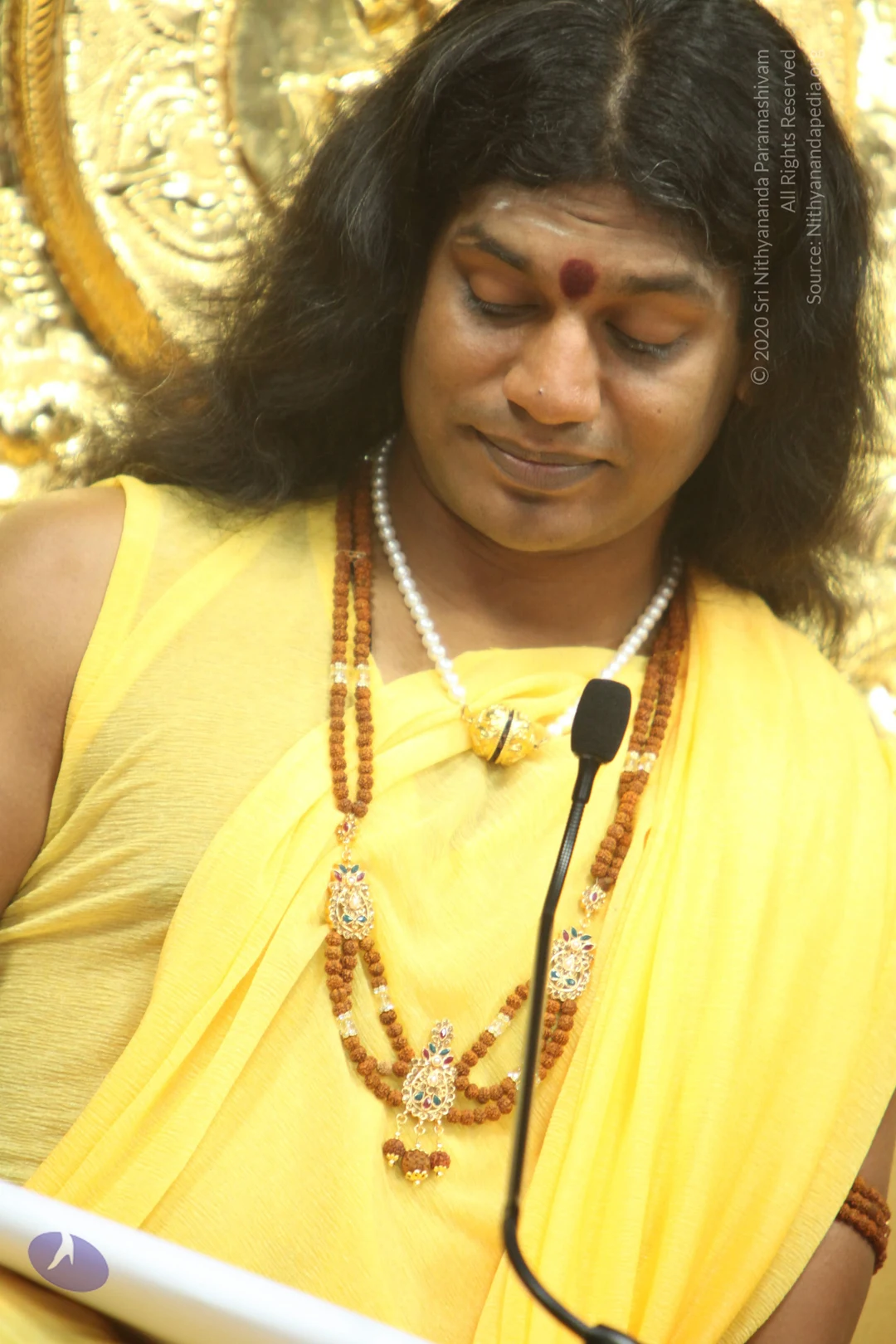
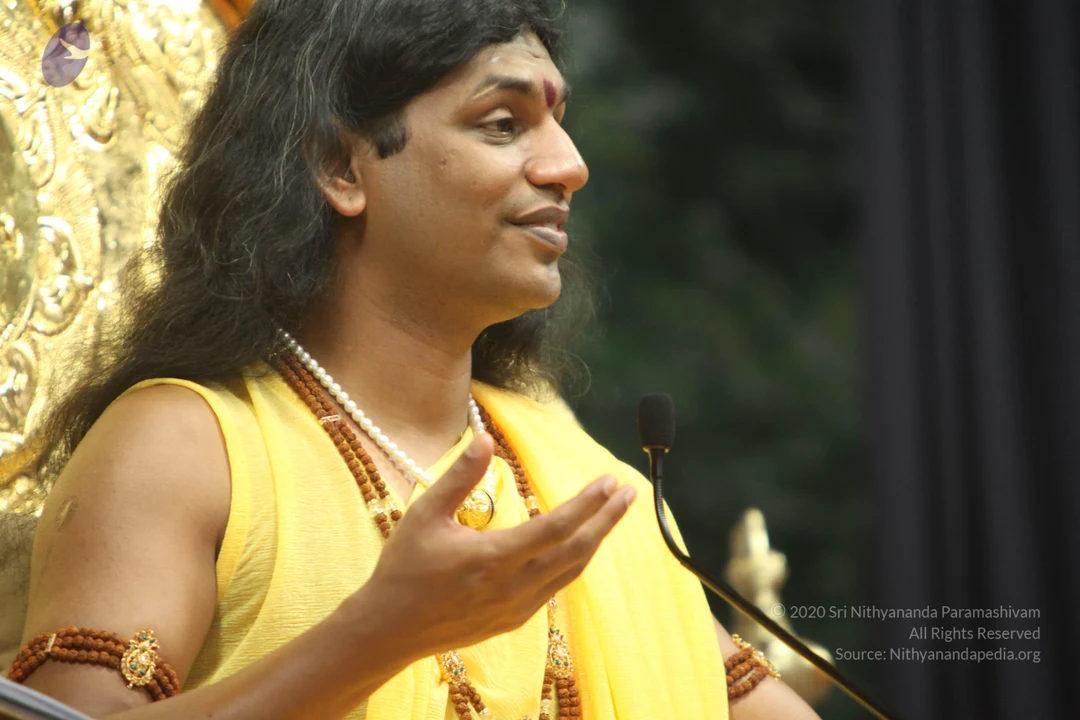
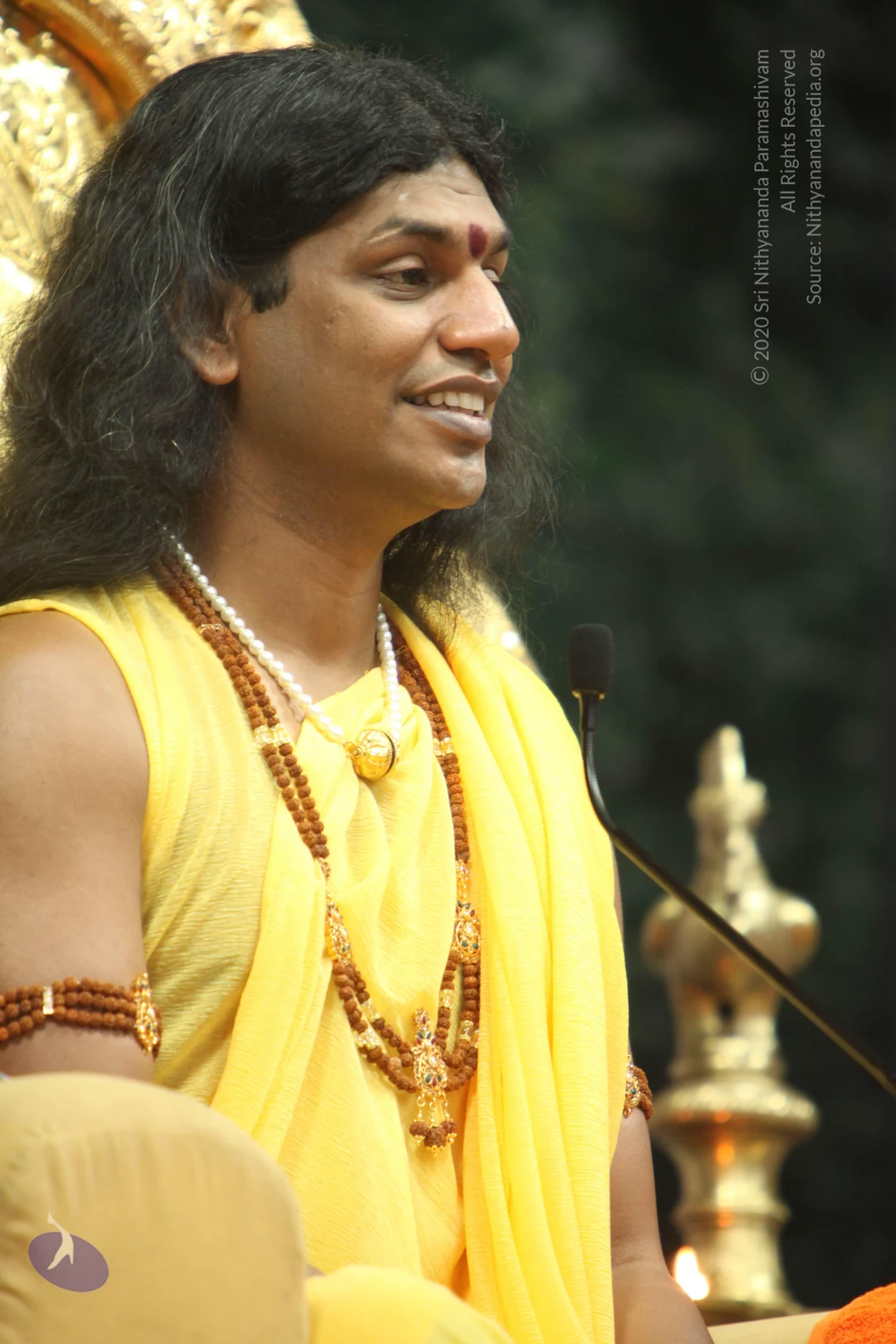
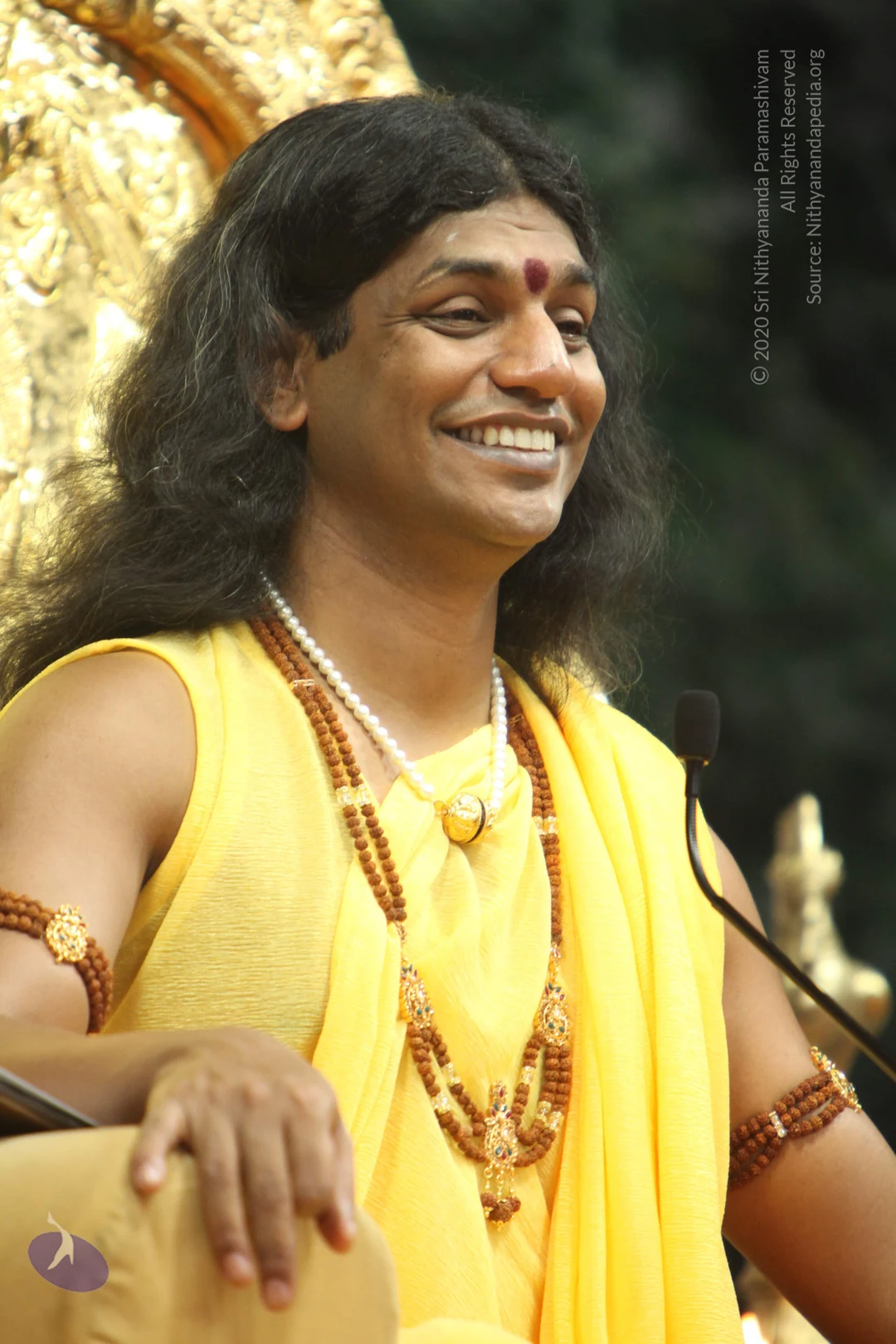
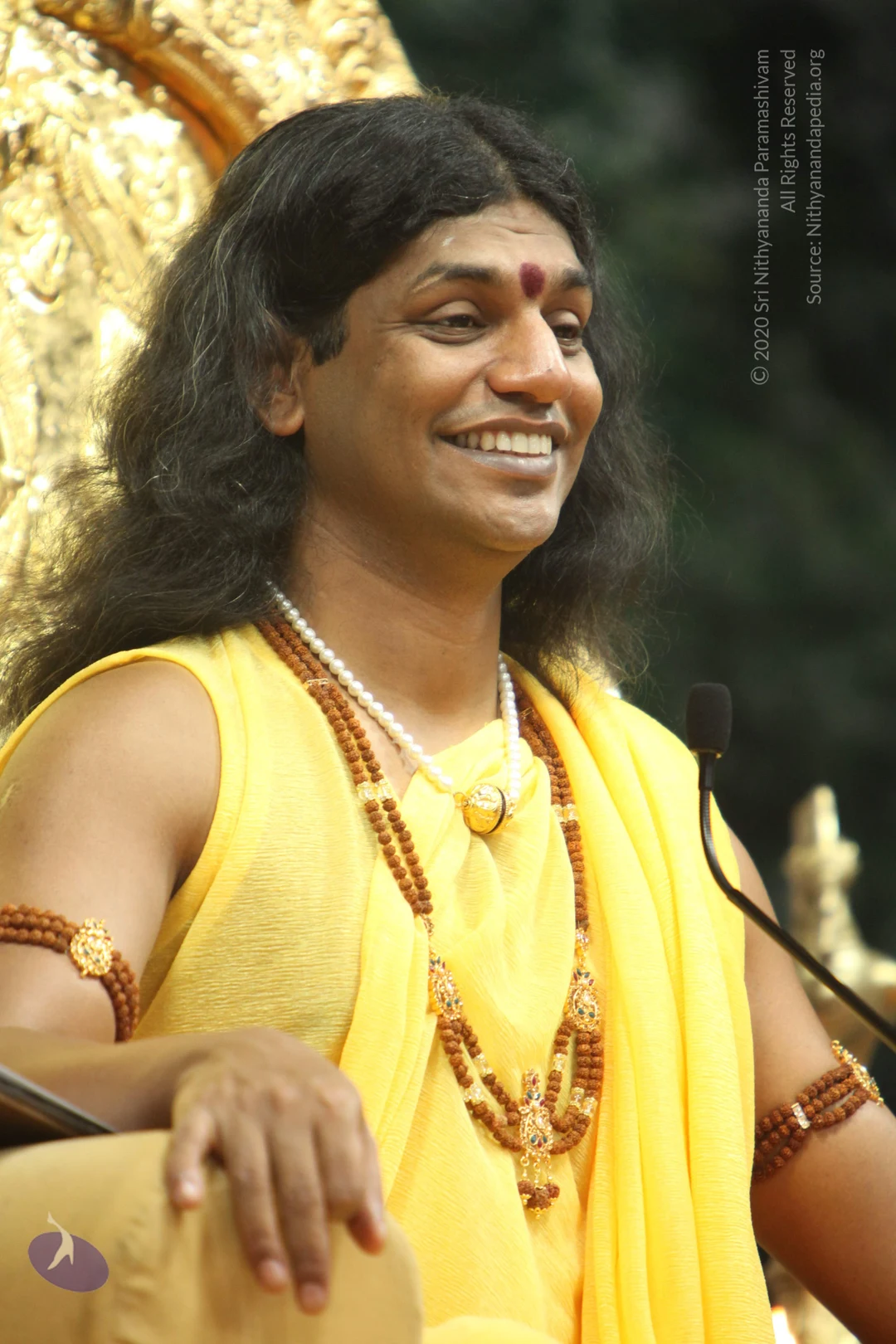
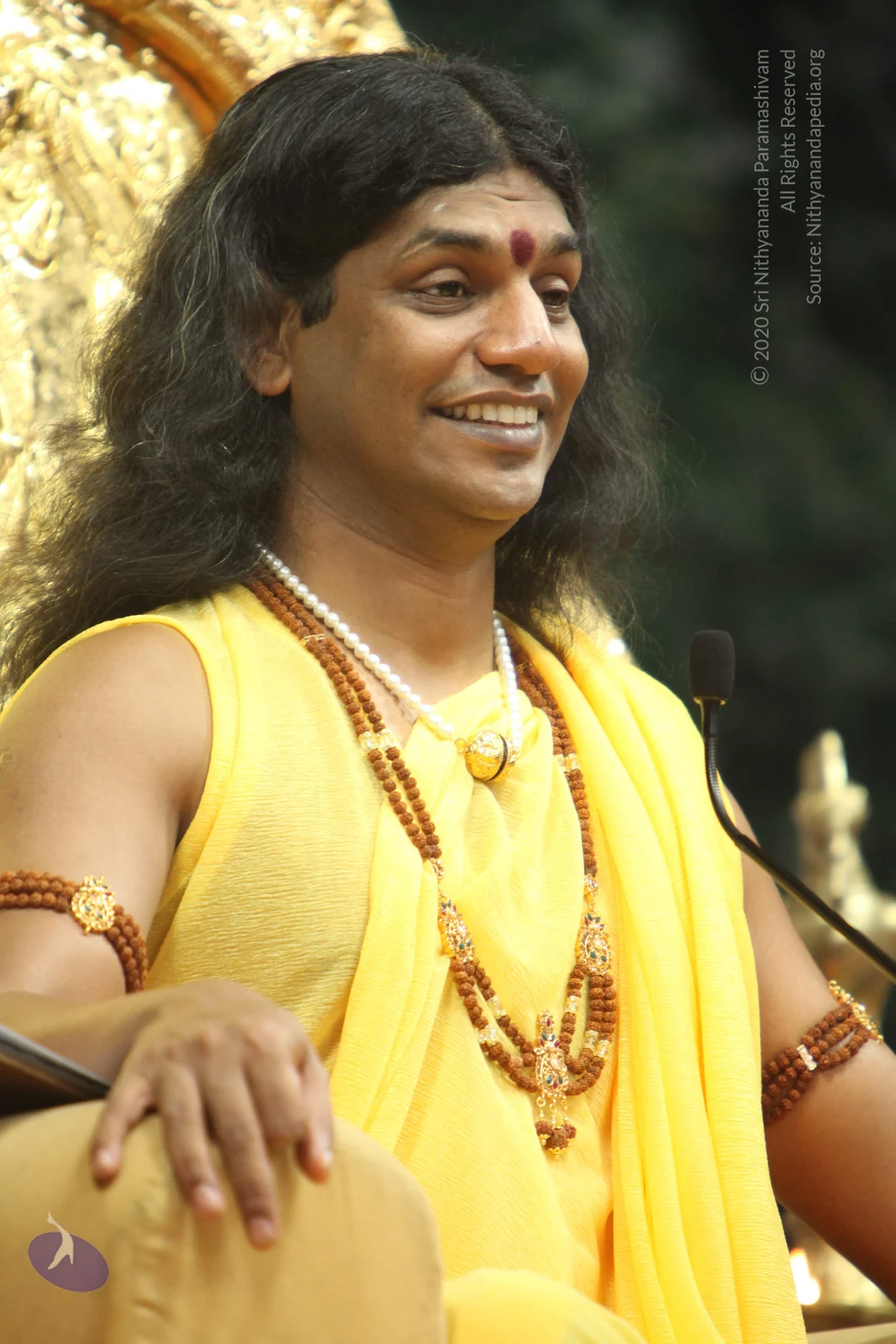
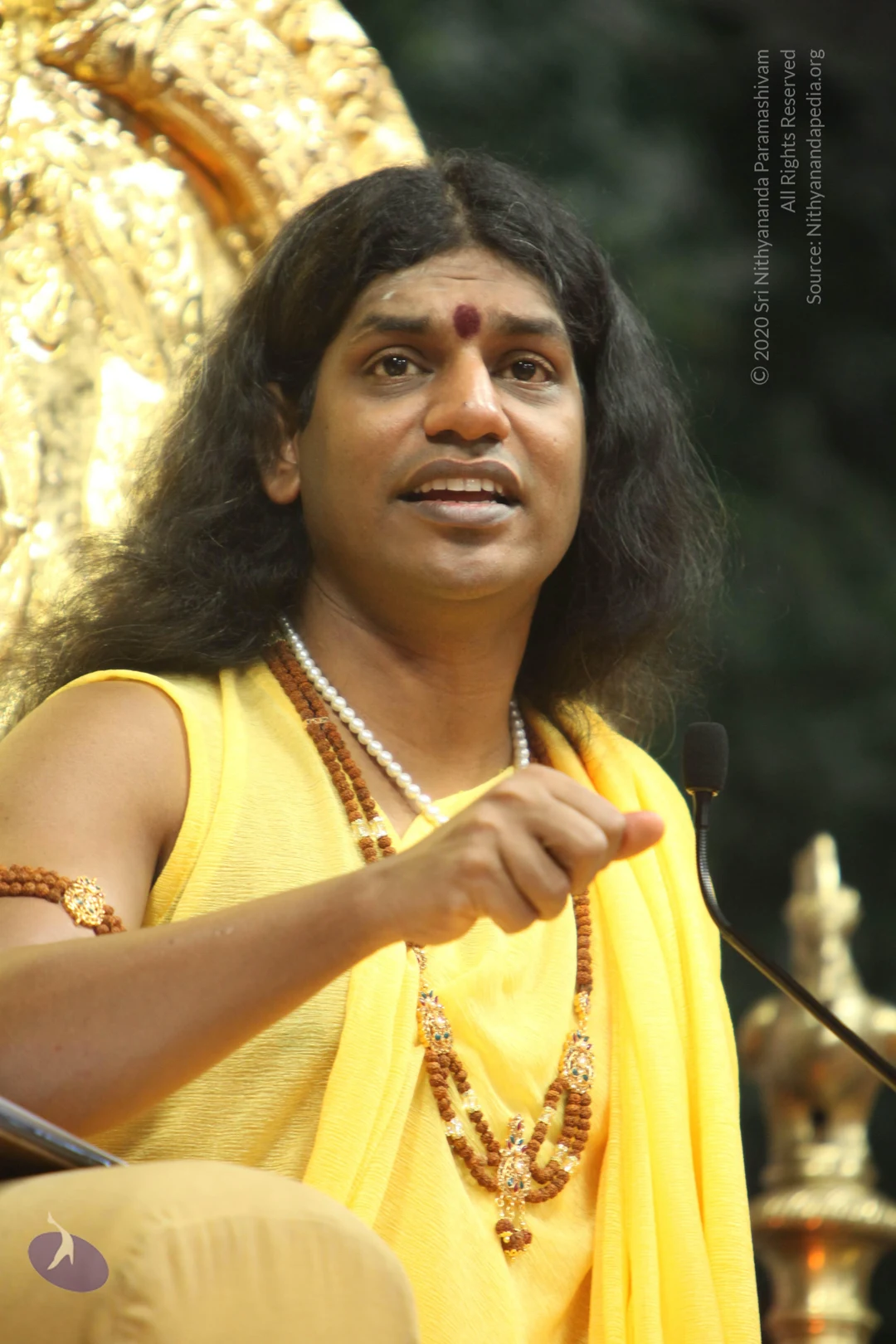
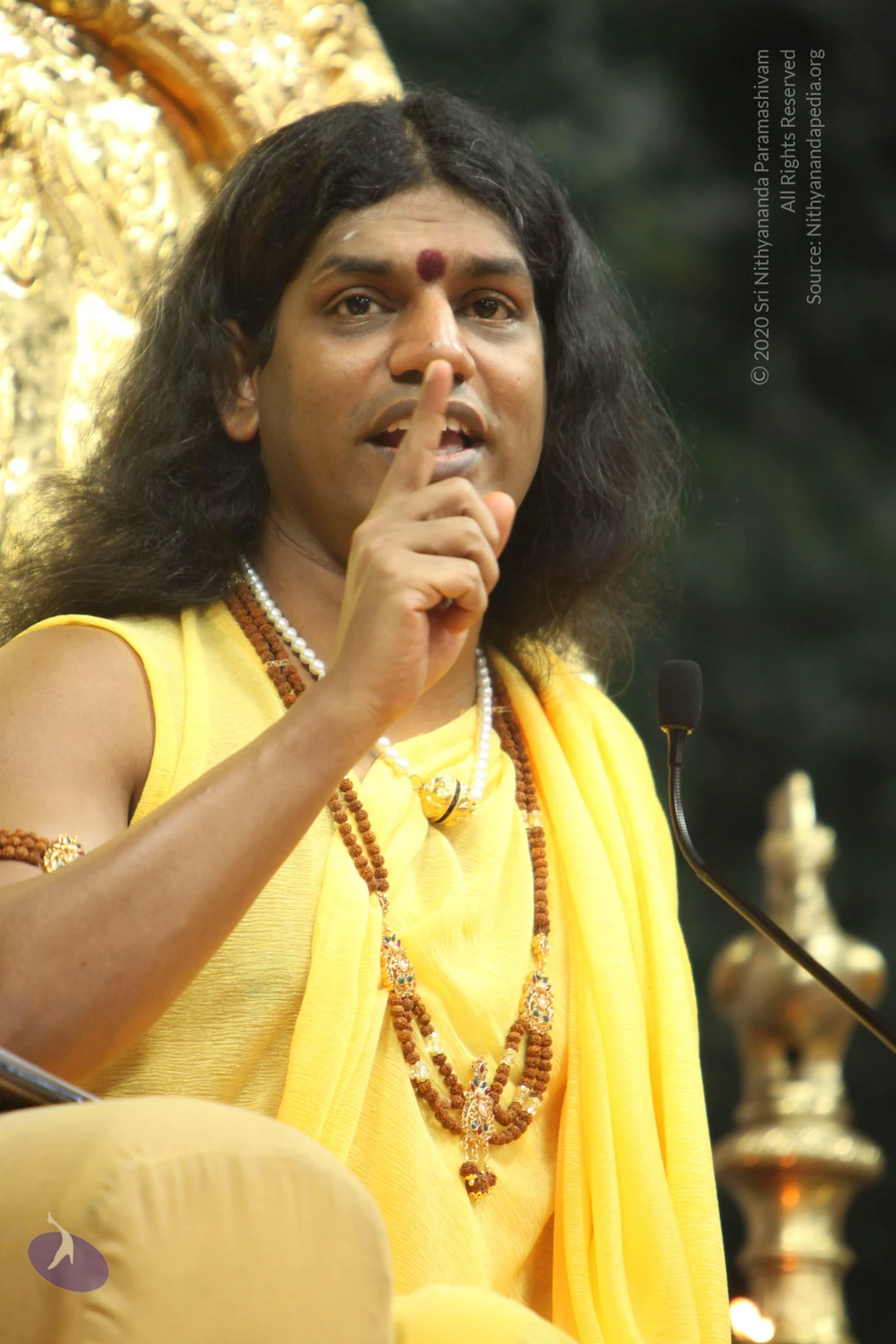
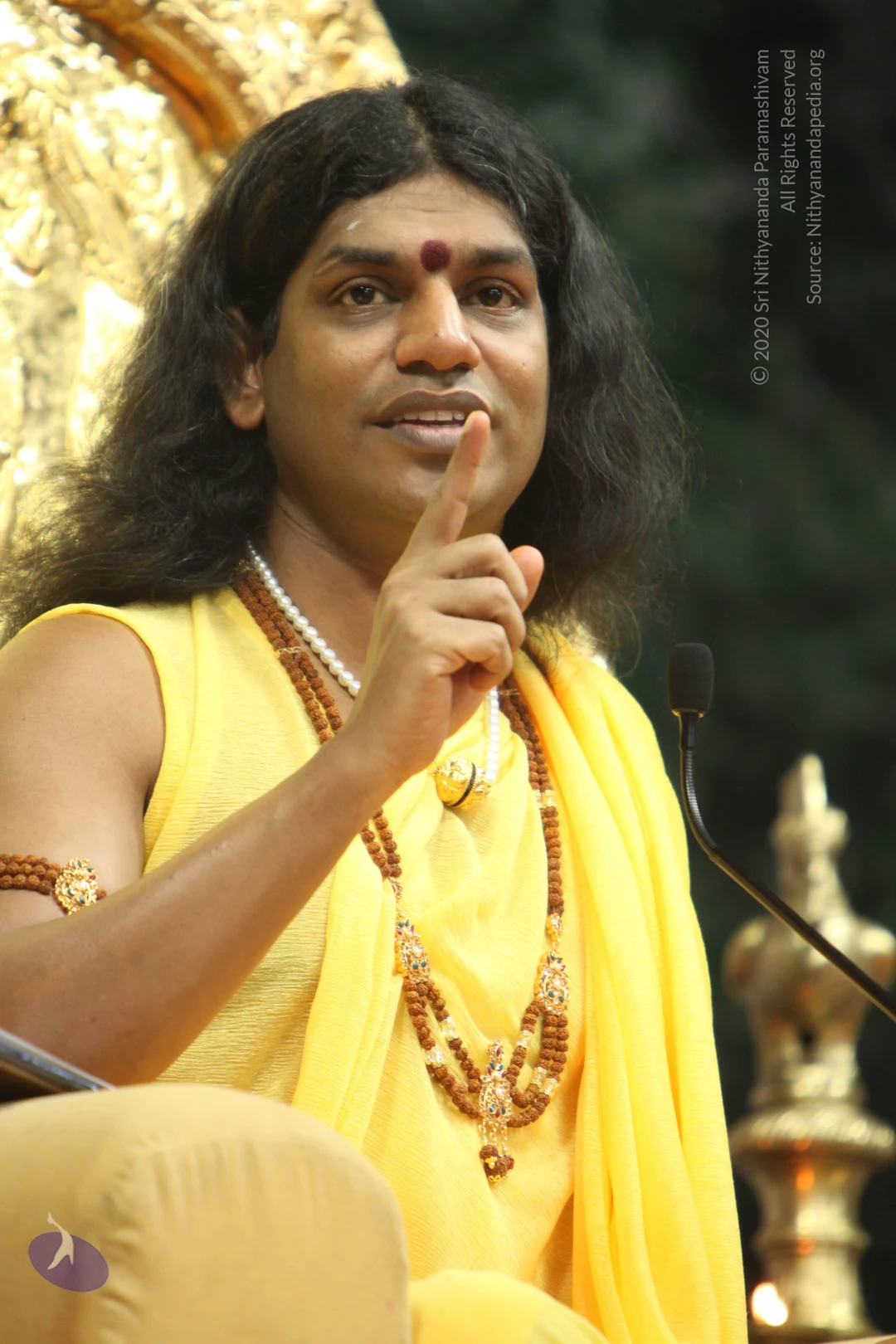
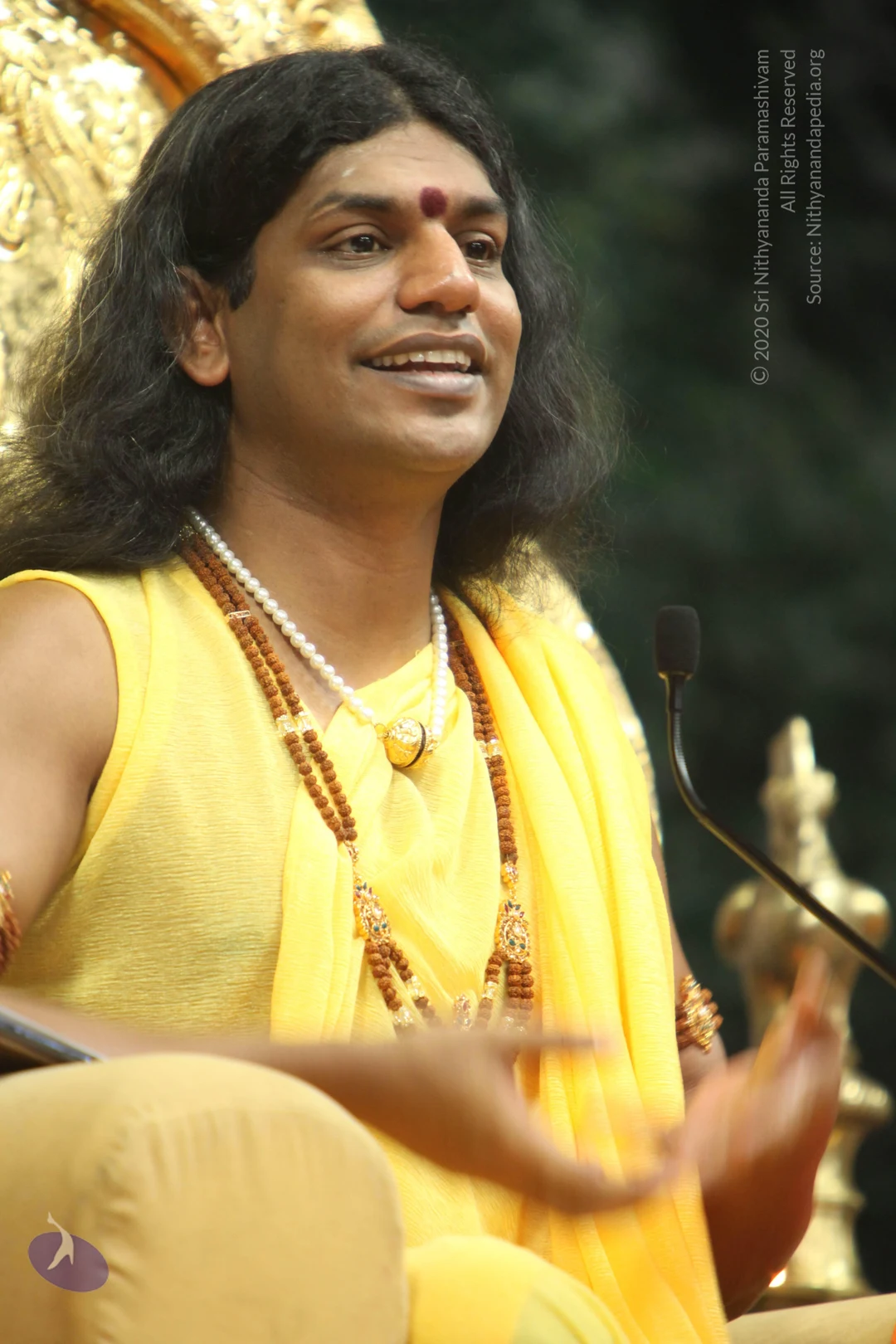
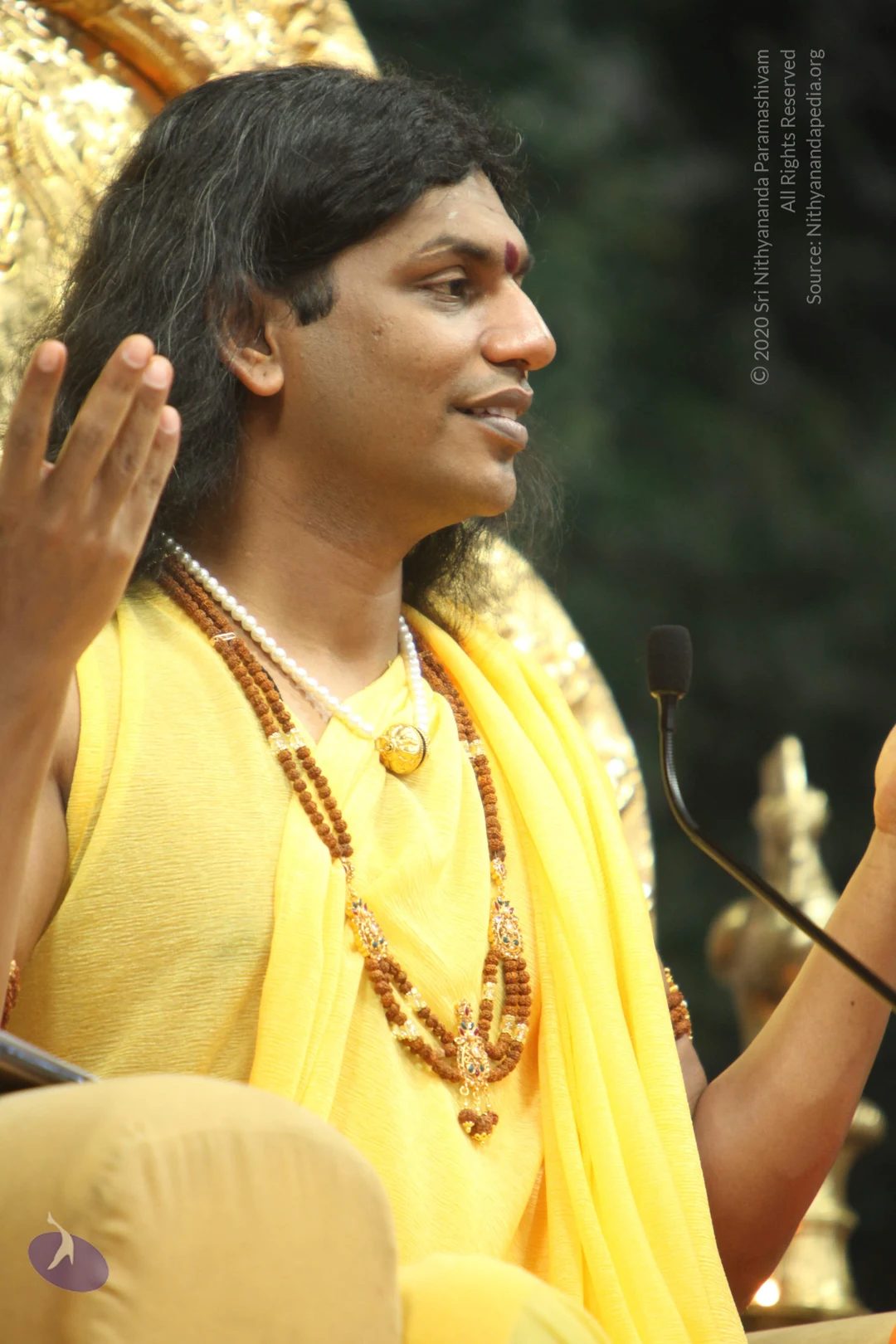
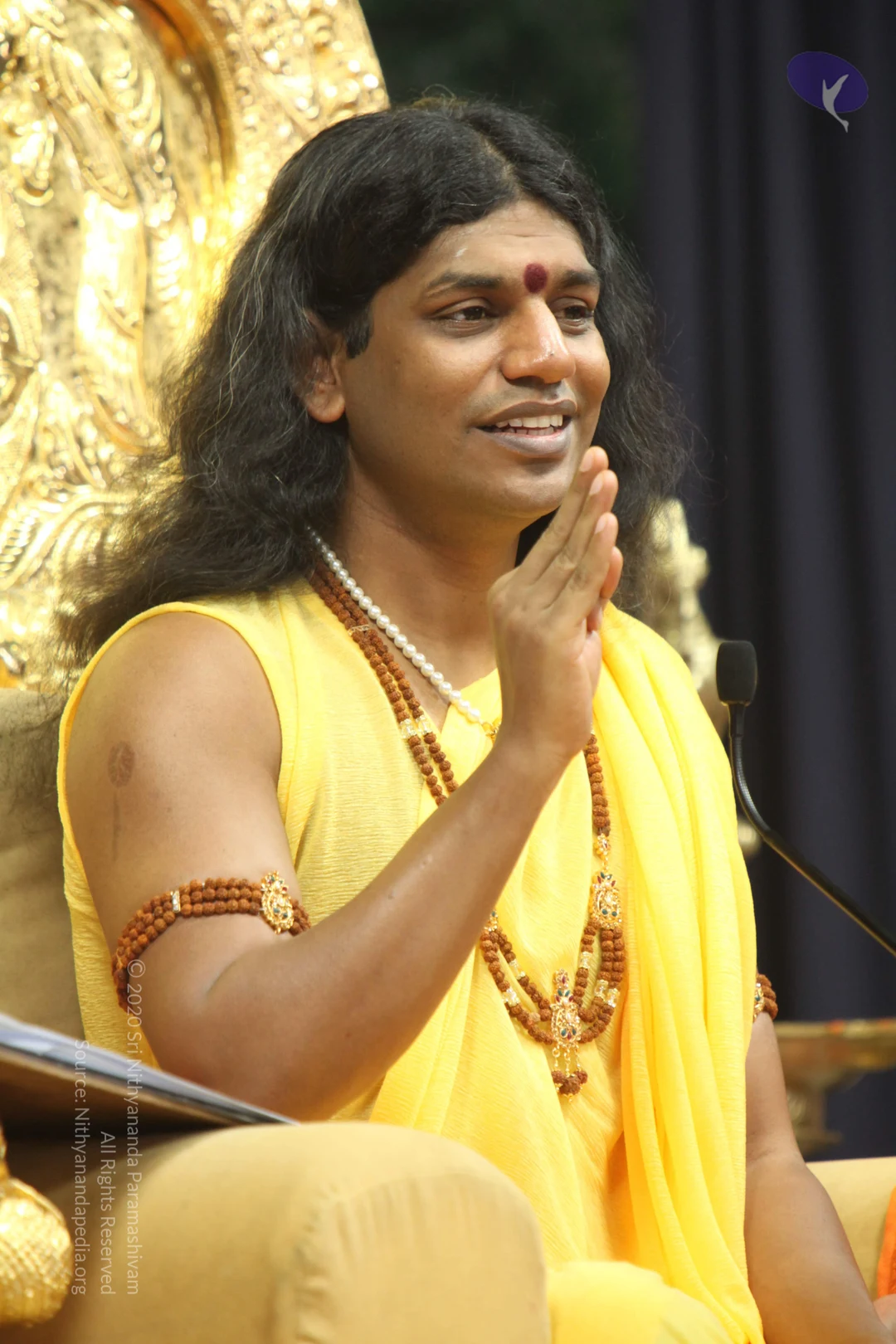
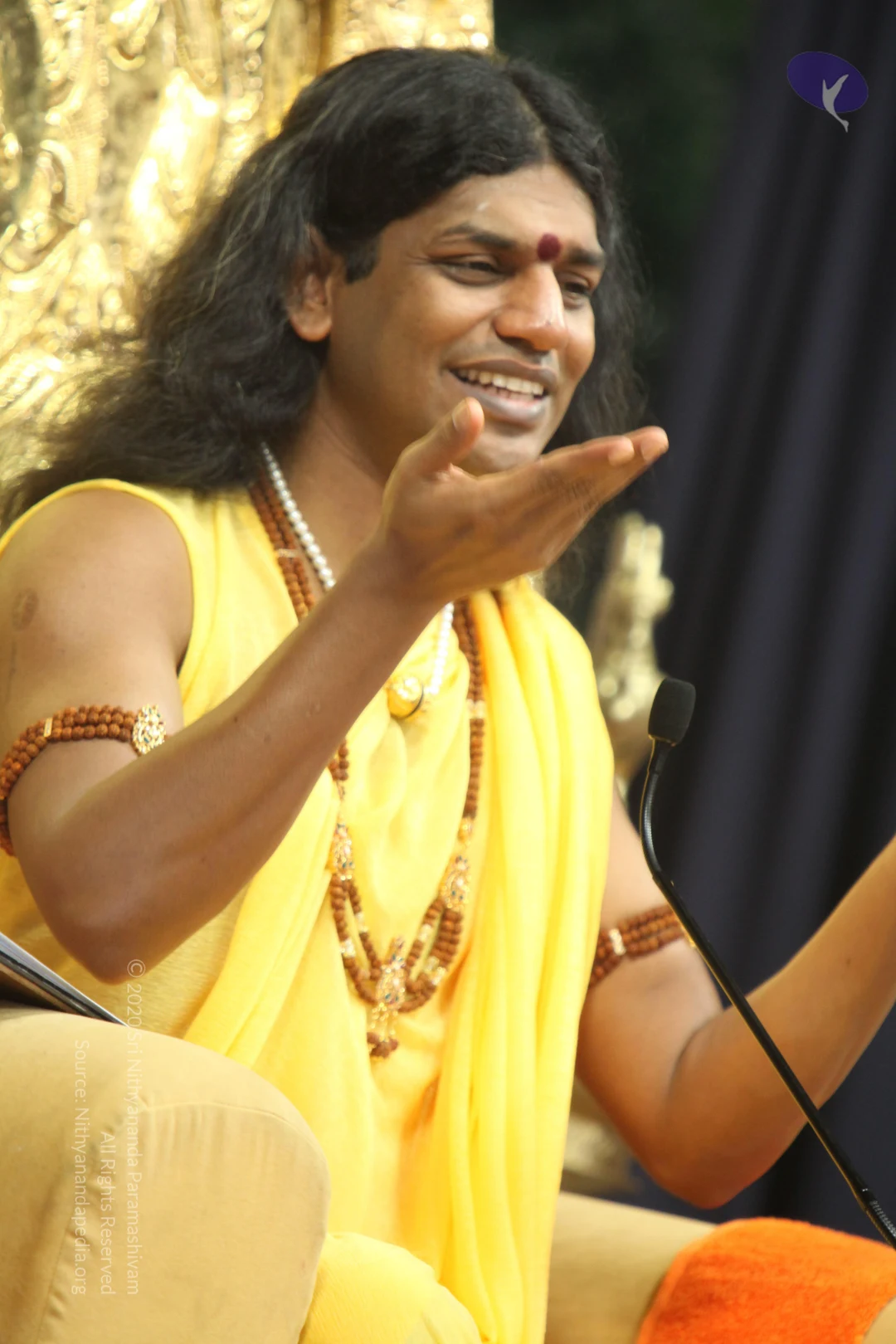
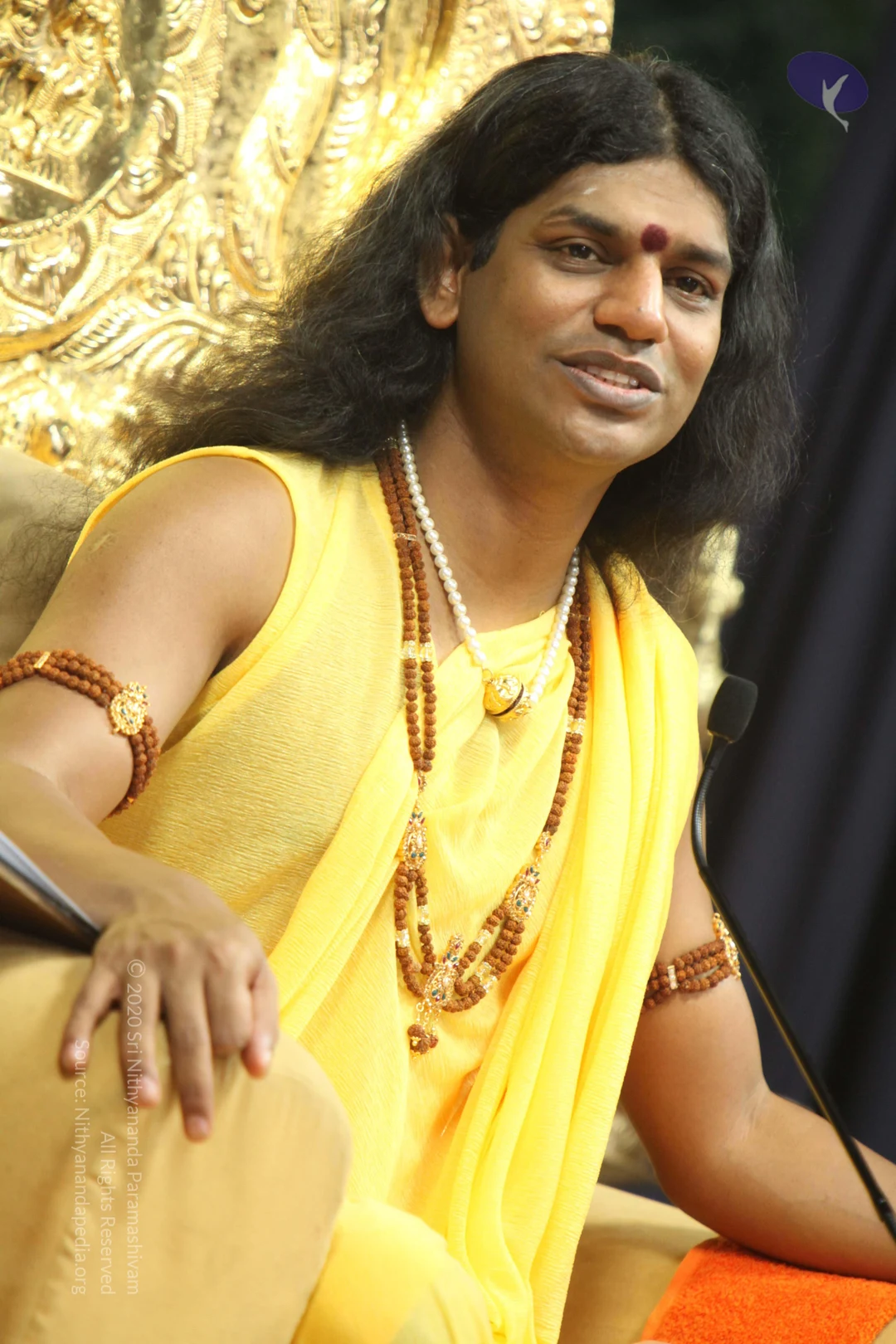
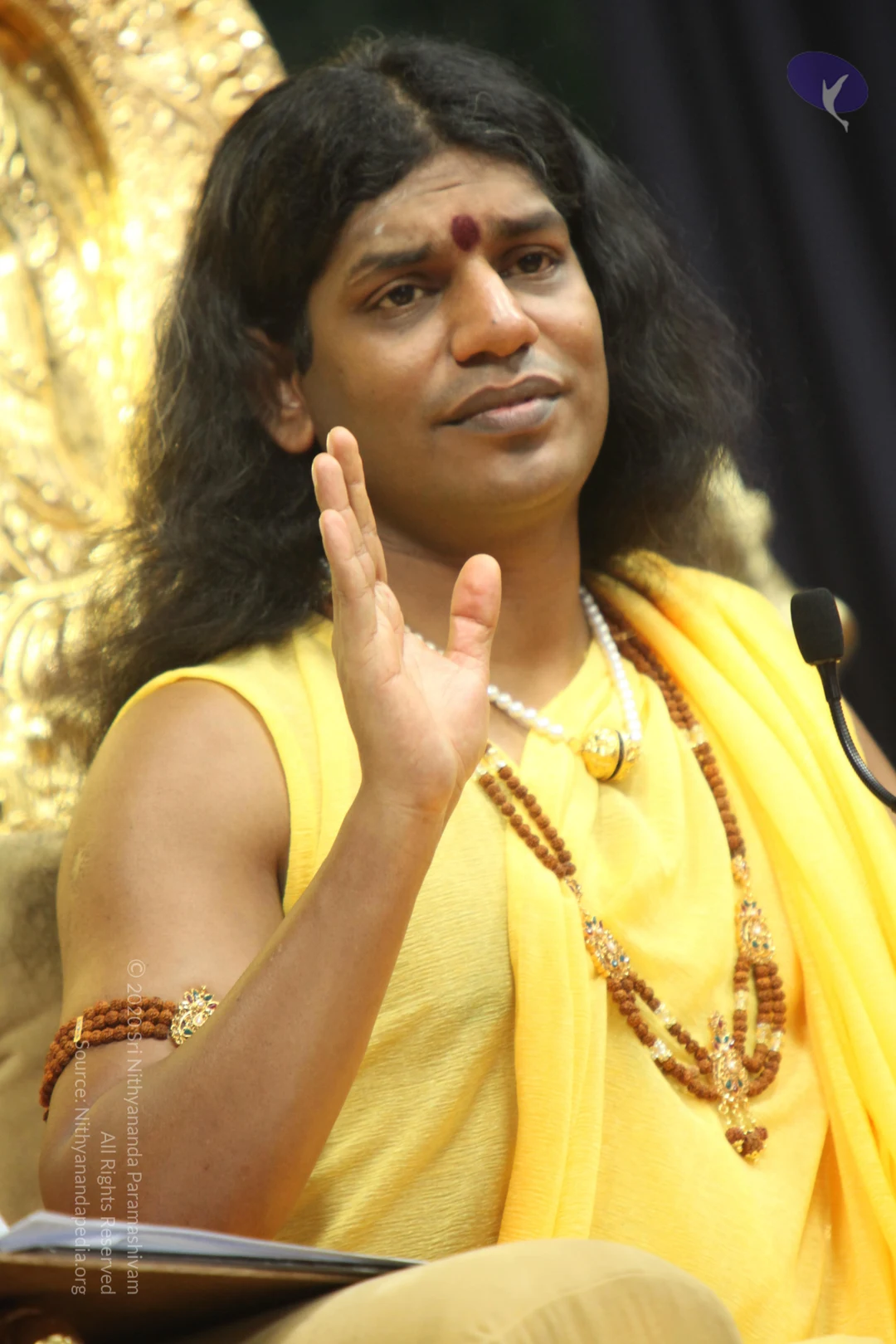
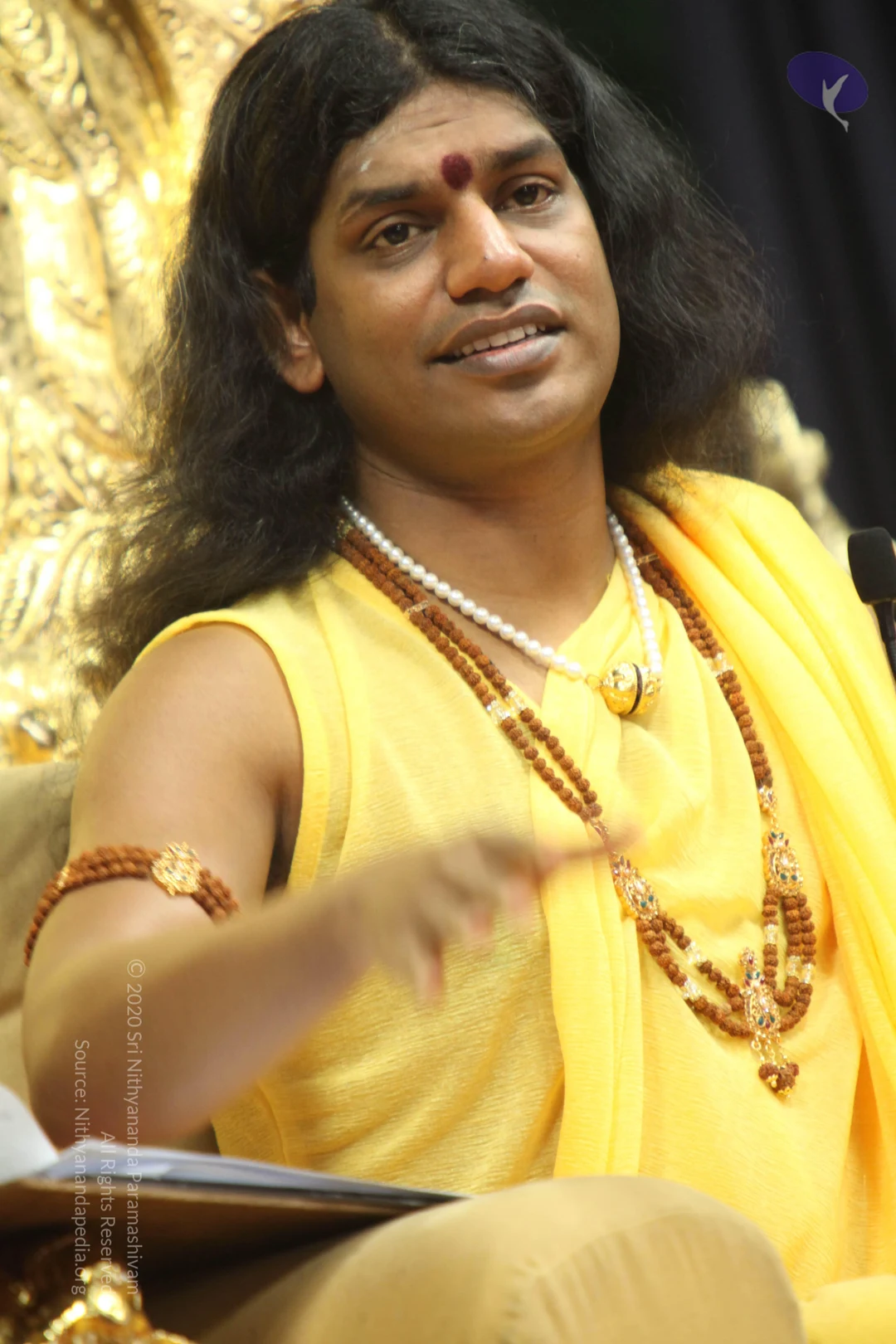
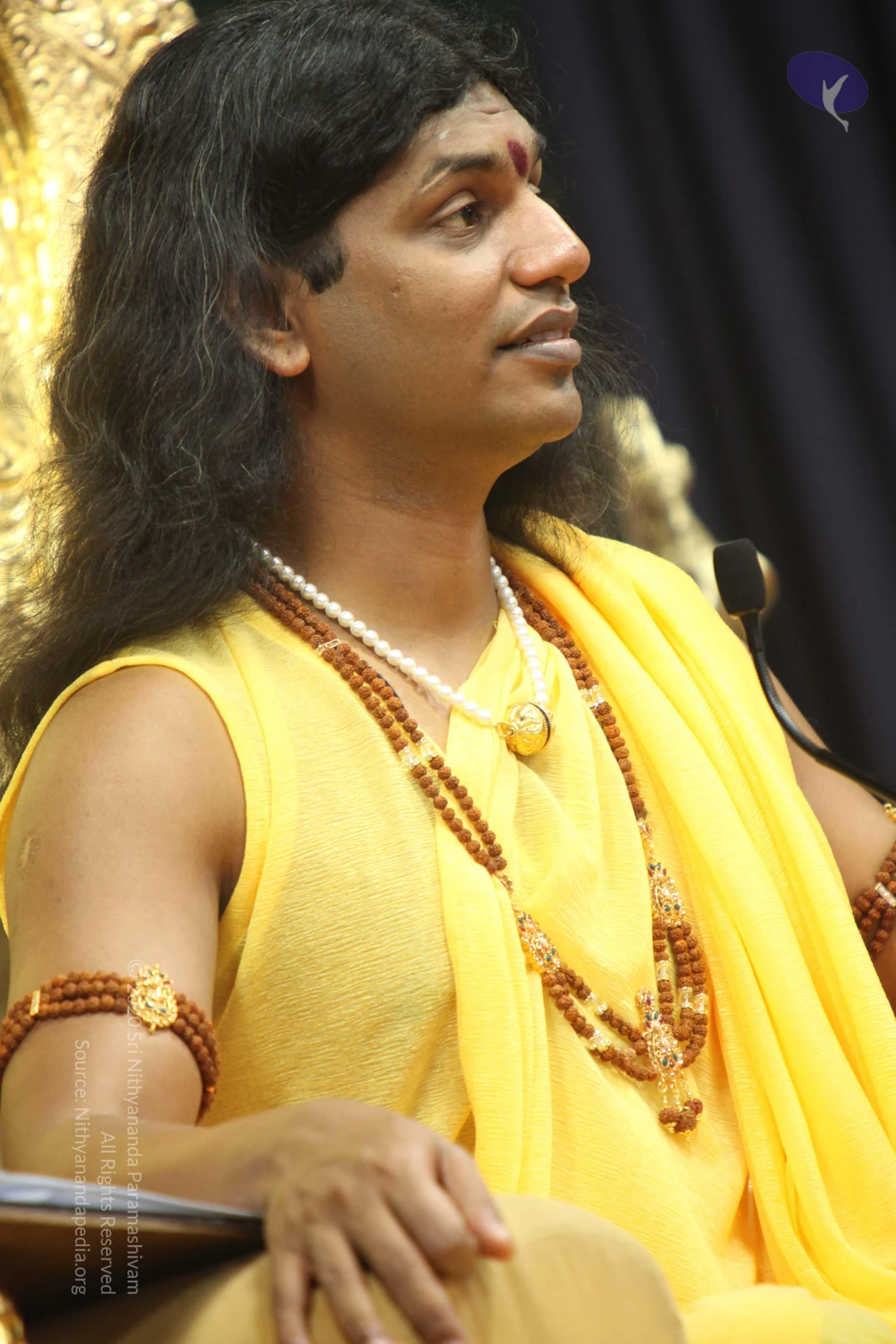
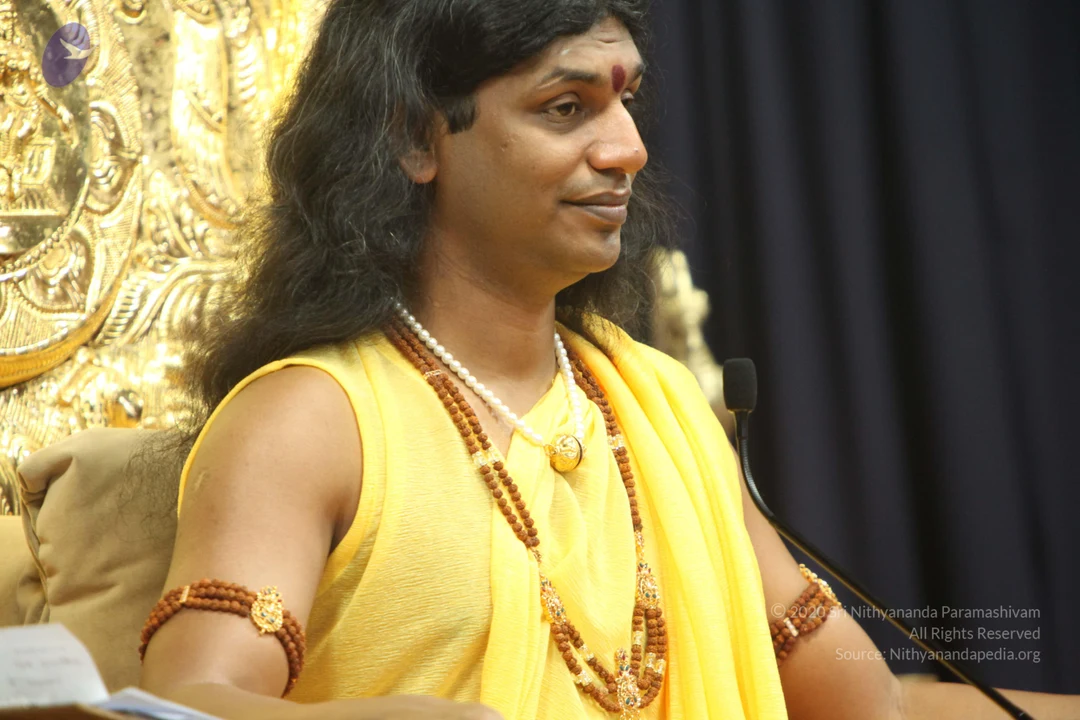
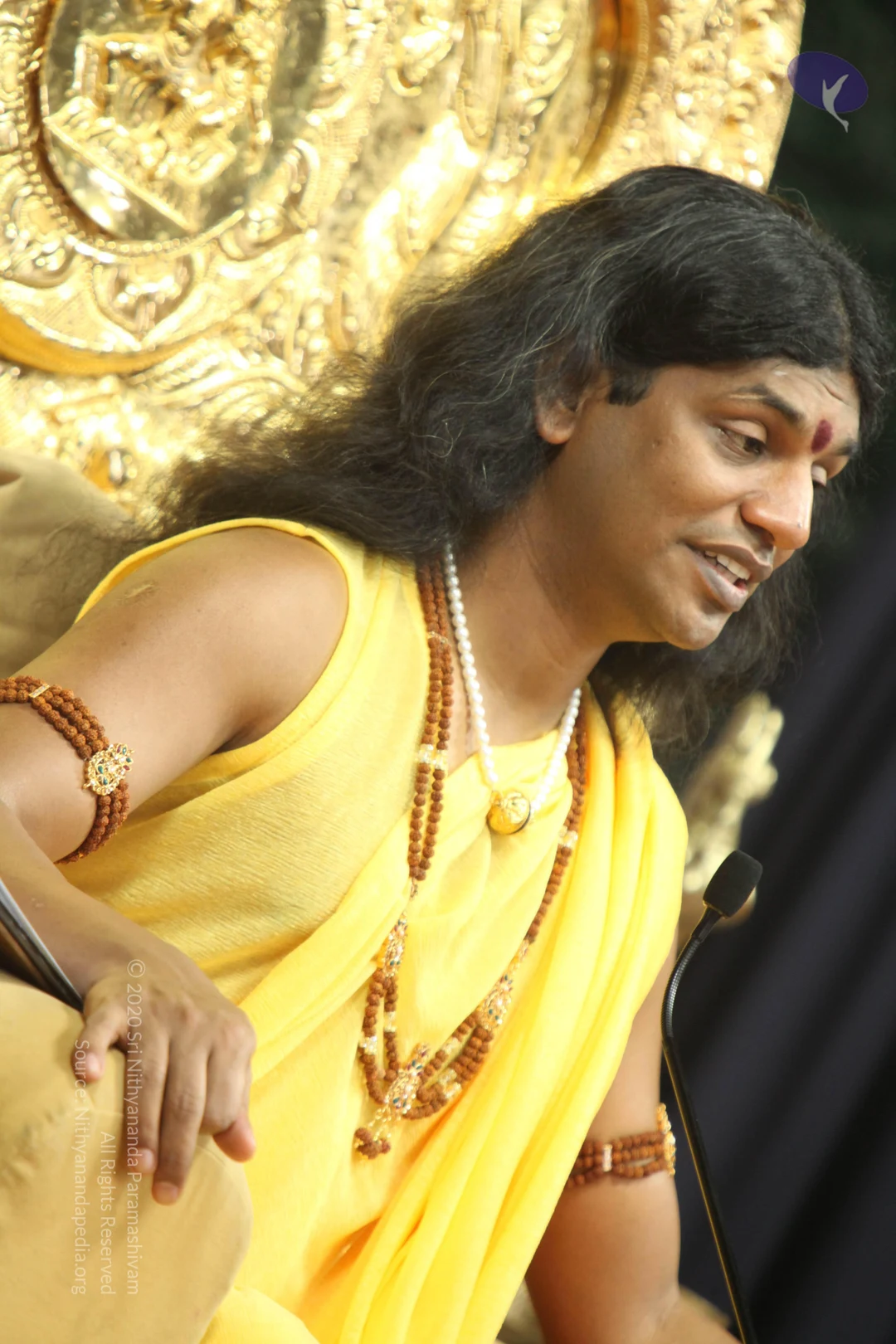
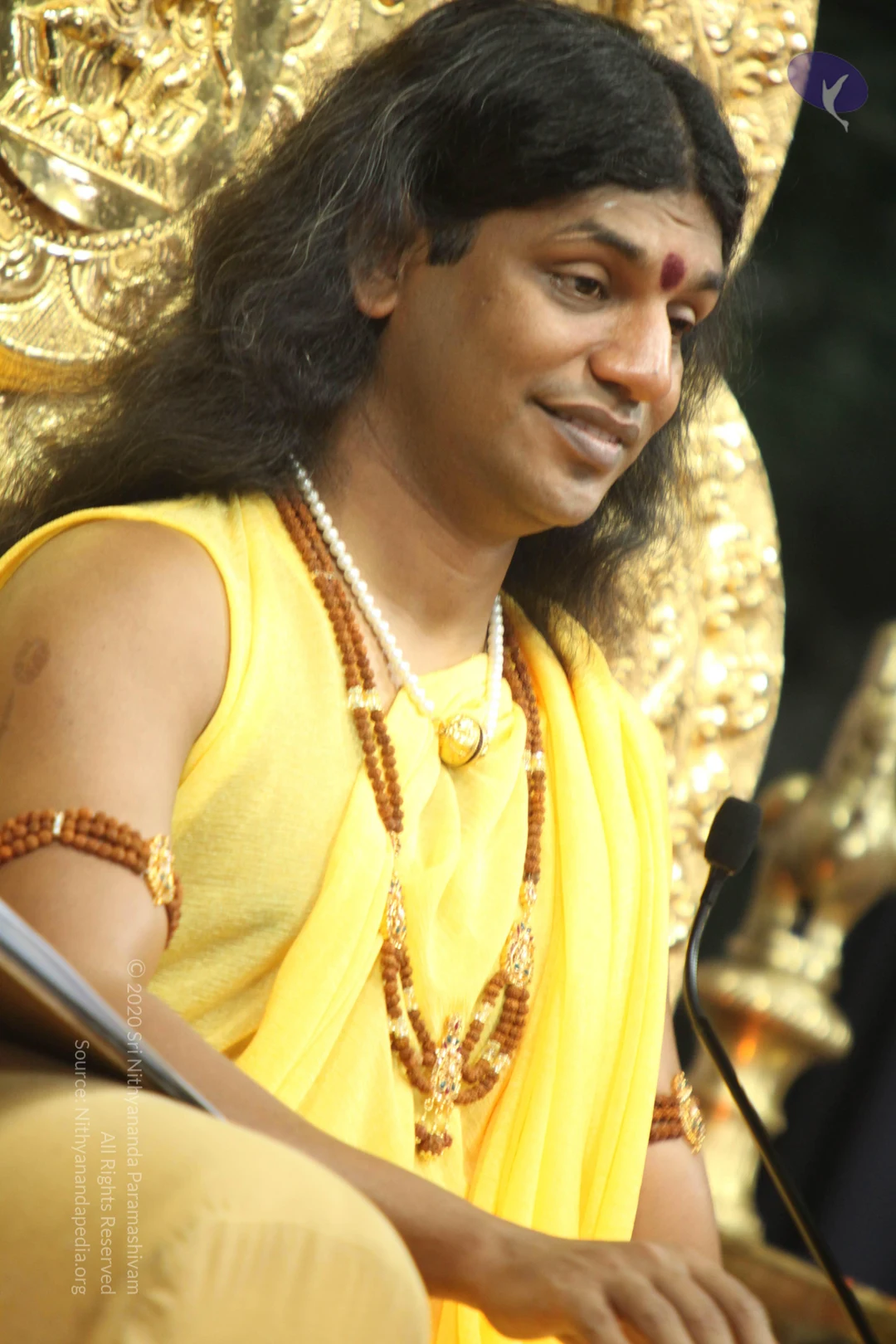
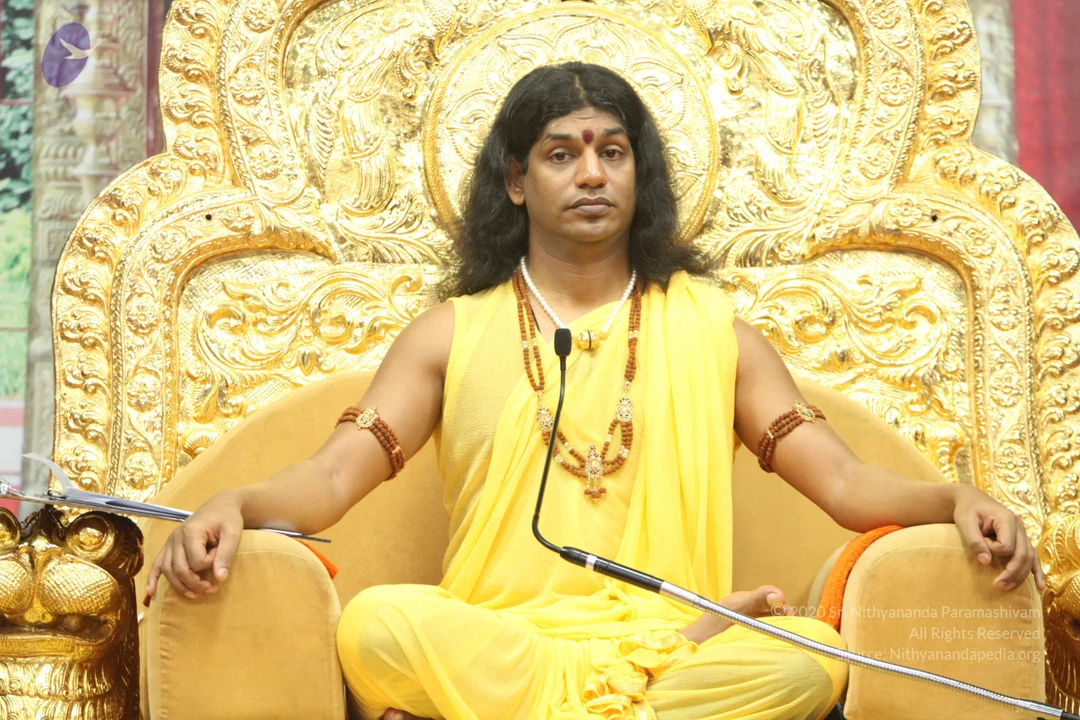
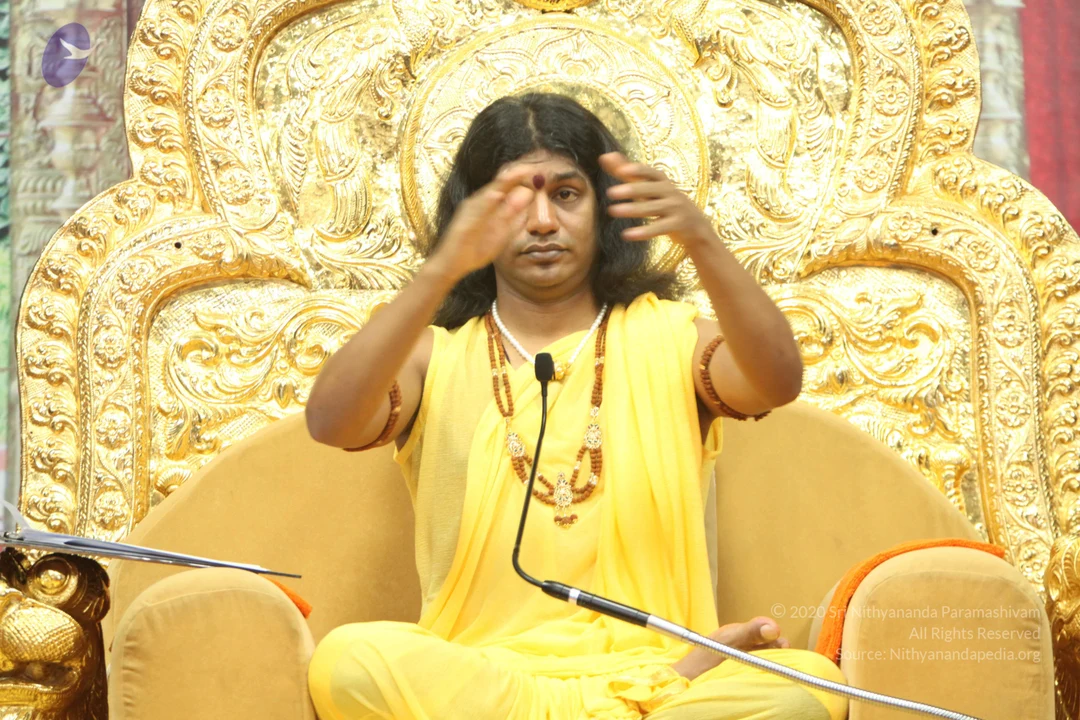
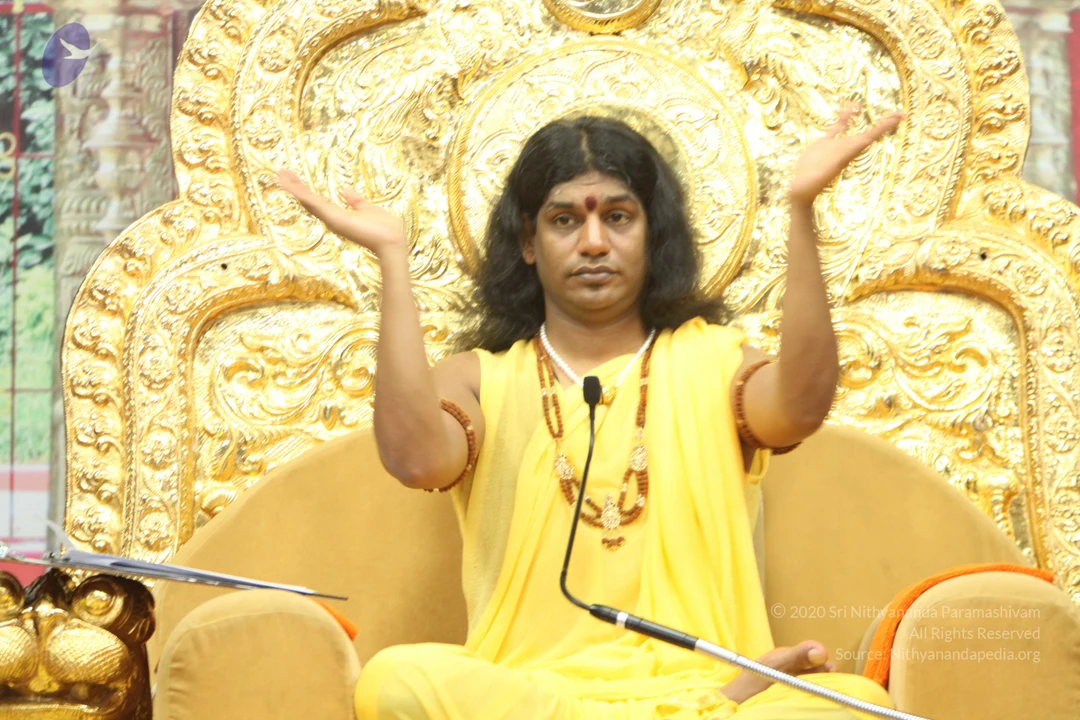
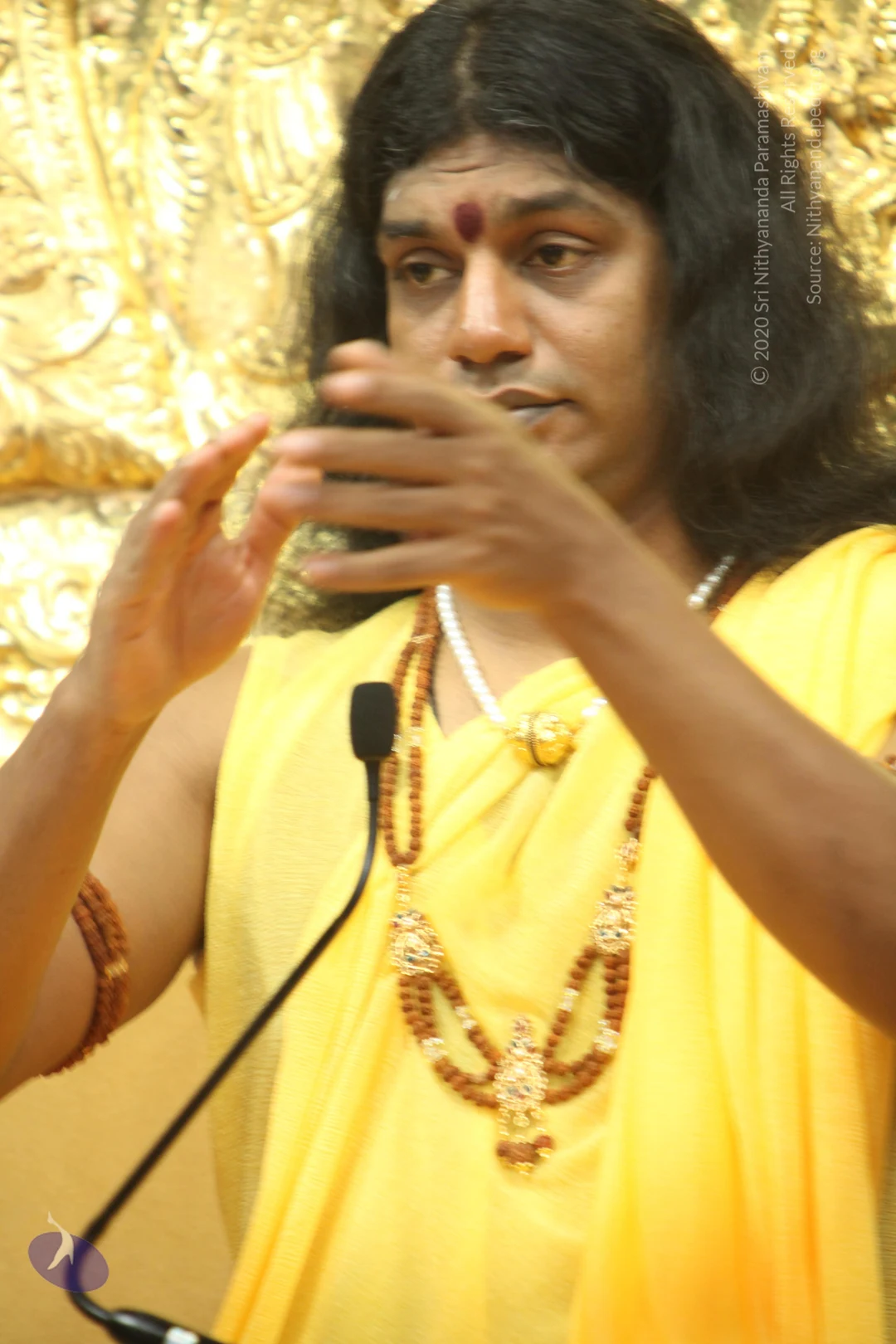
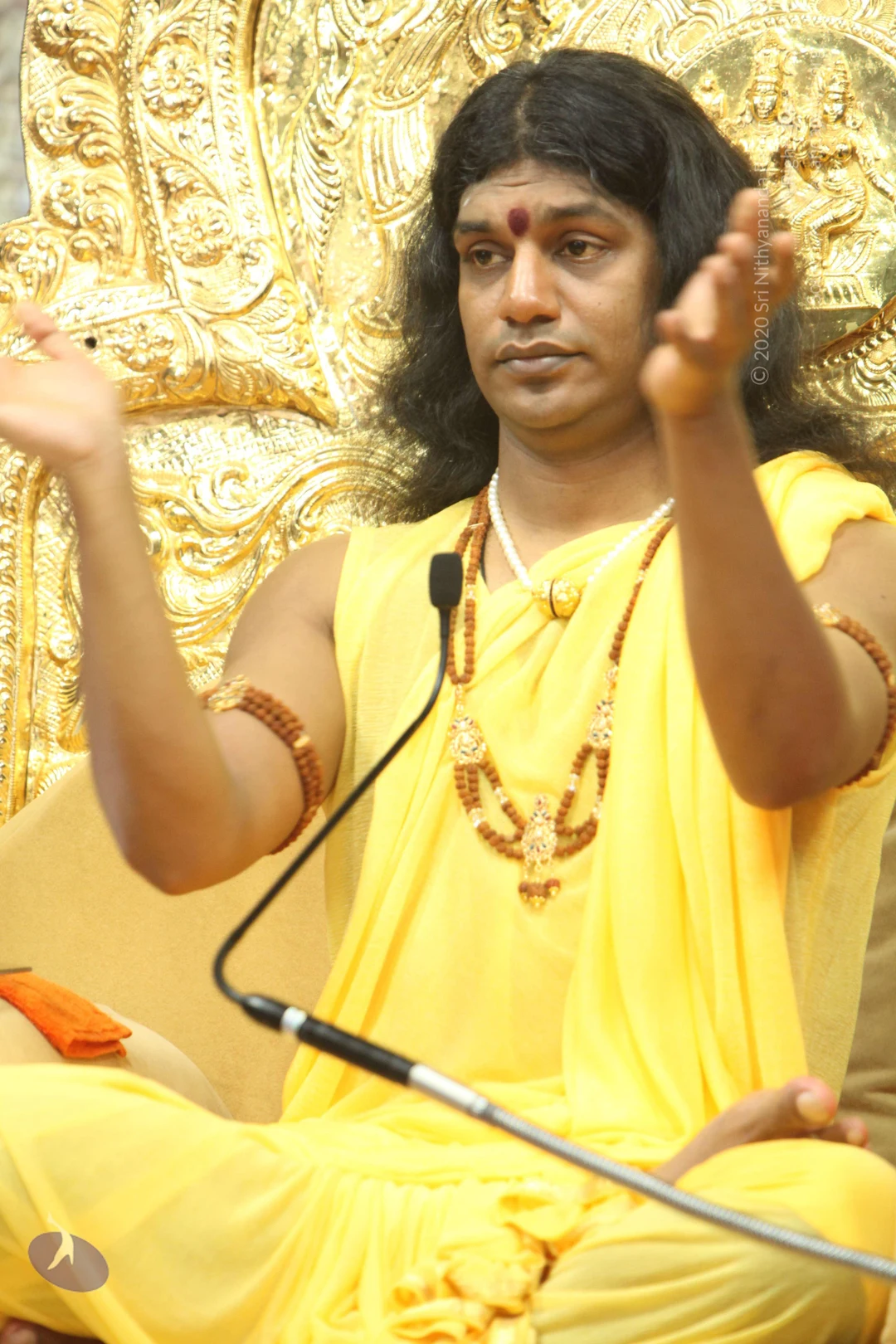
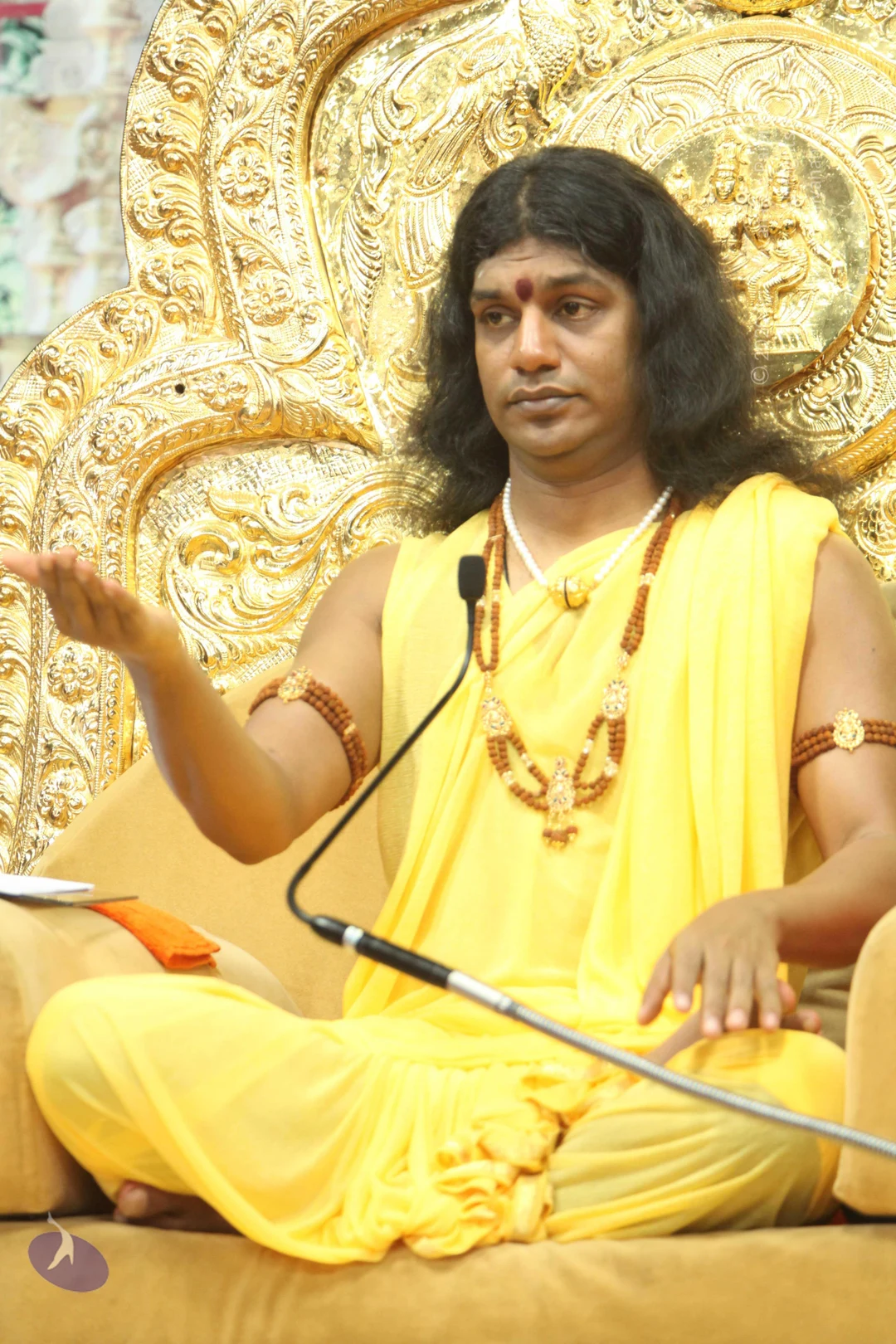
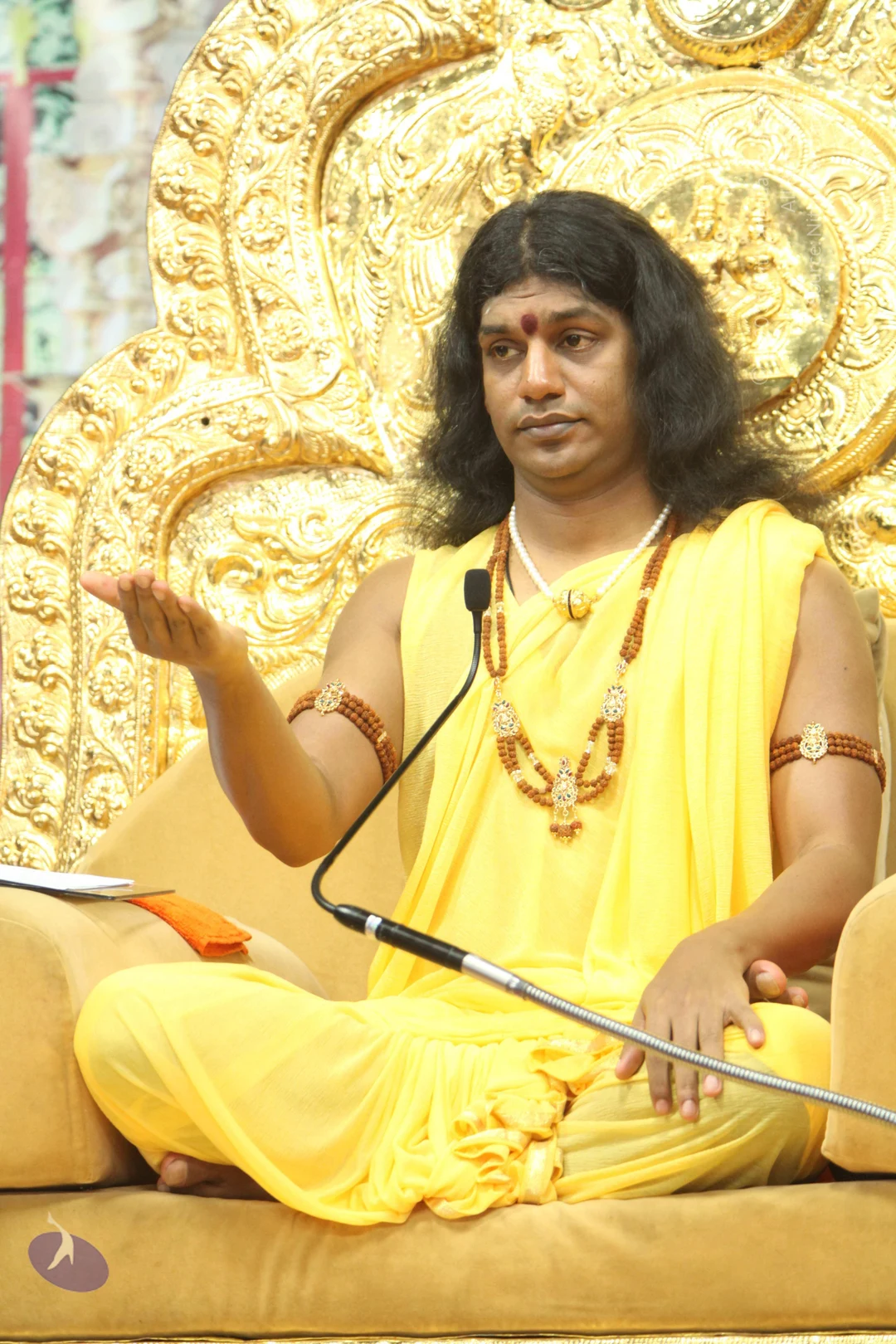
04-Sarva-Darshan
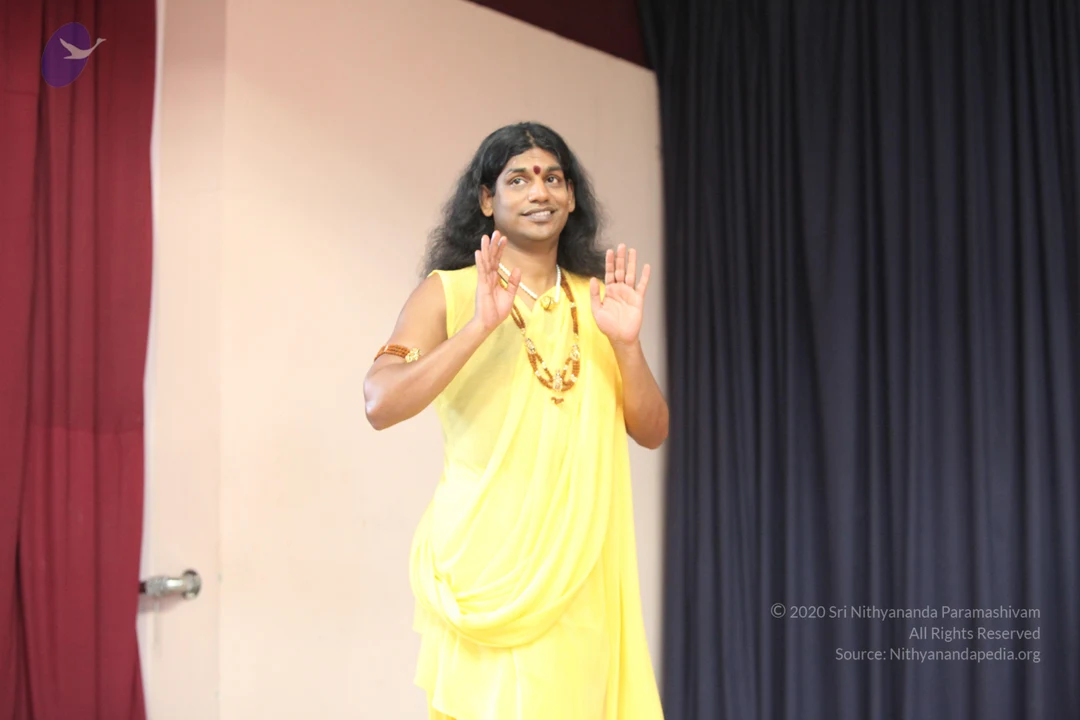
Photos from this day
View all 268 photos01-Panch-Tapas
31 photosSource gallery
02-Pada-Puja
152 photosSource gallery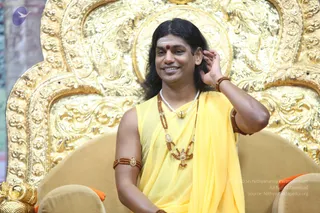
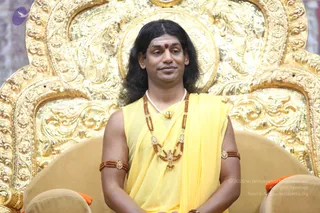
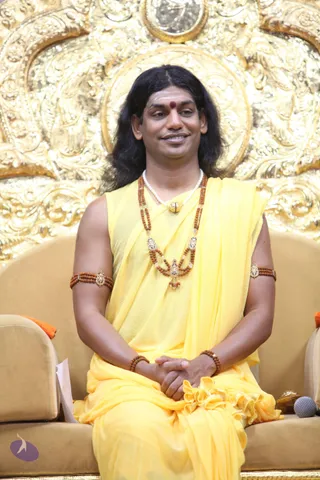
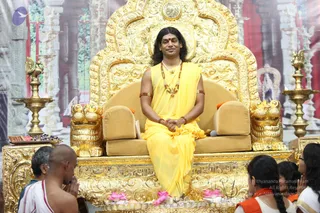
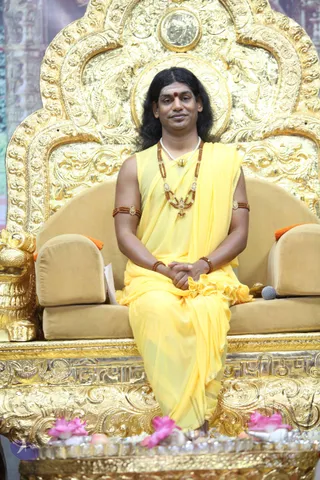
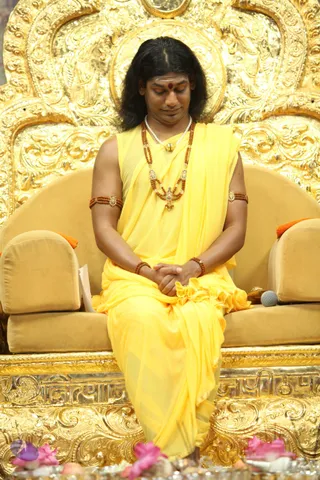
03-Satsang
71 photosSource gallery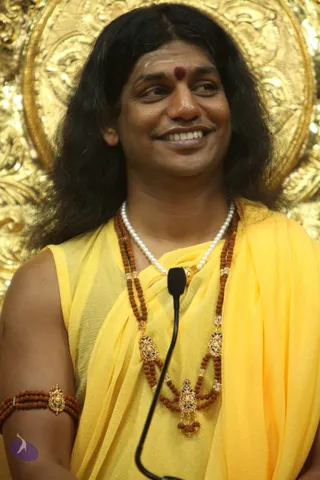
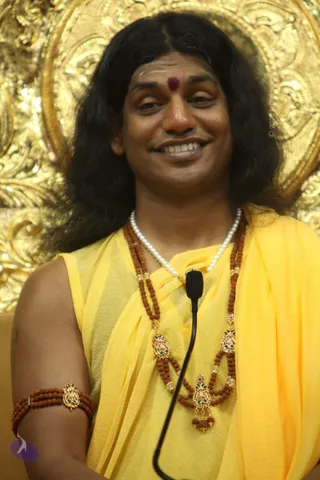
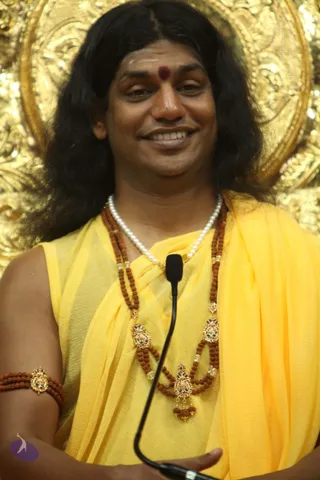
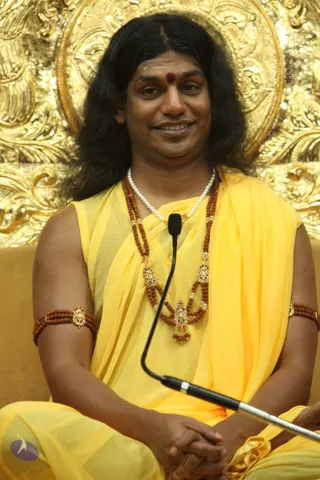
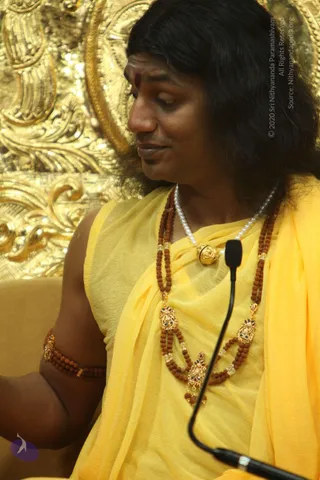
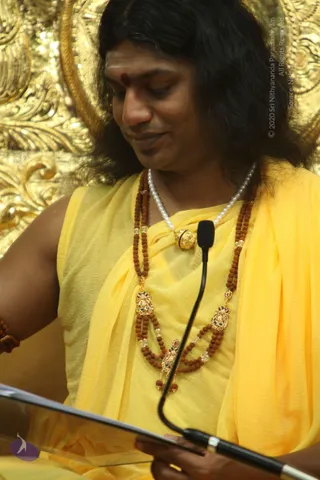
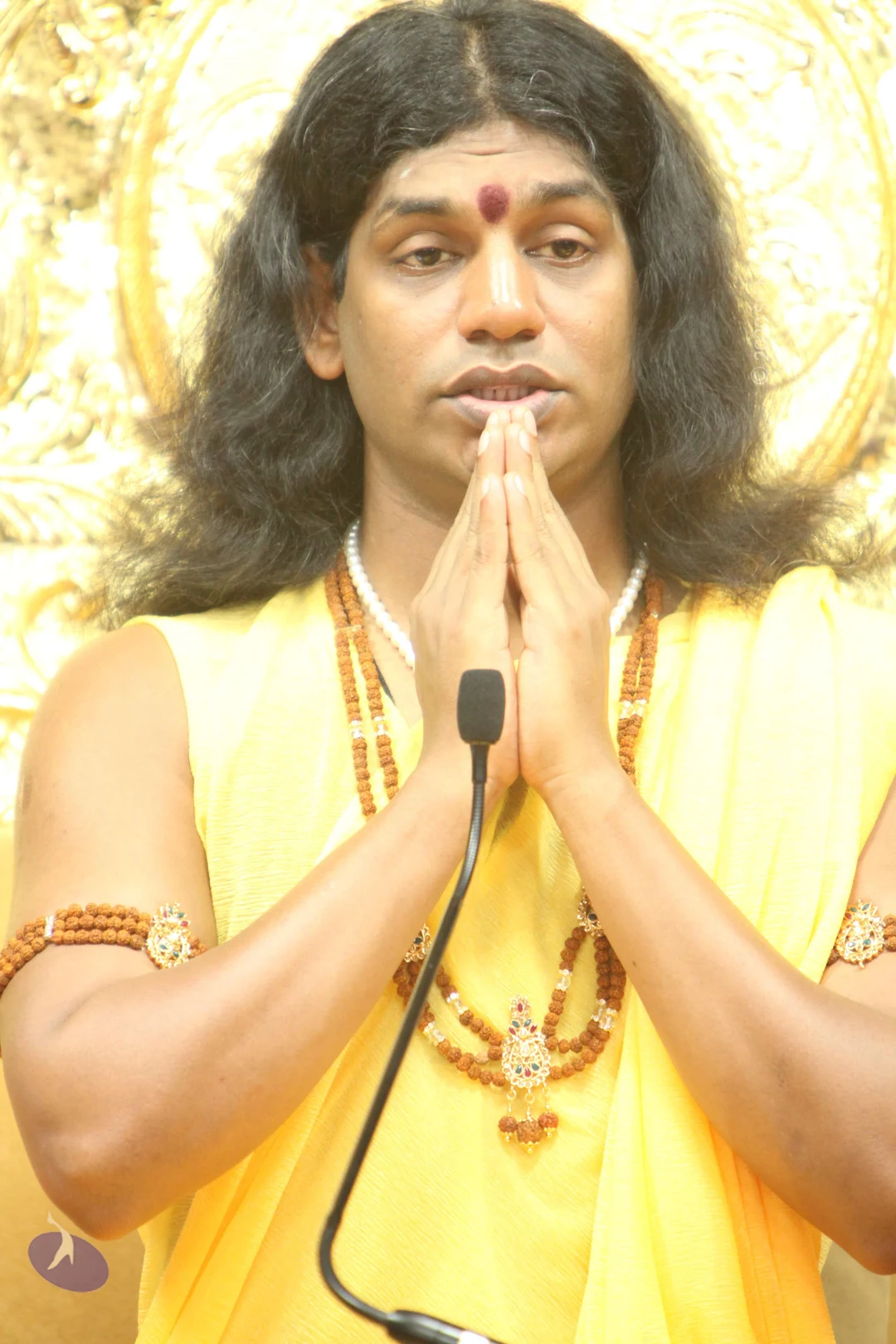
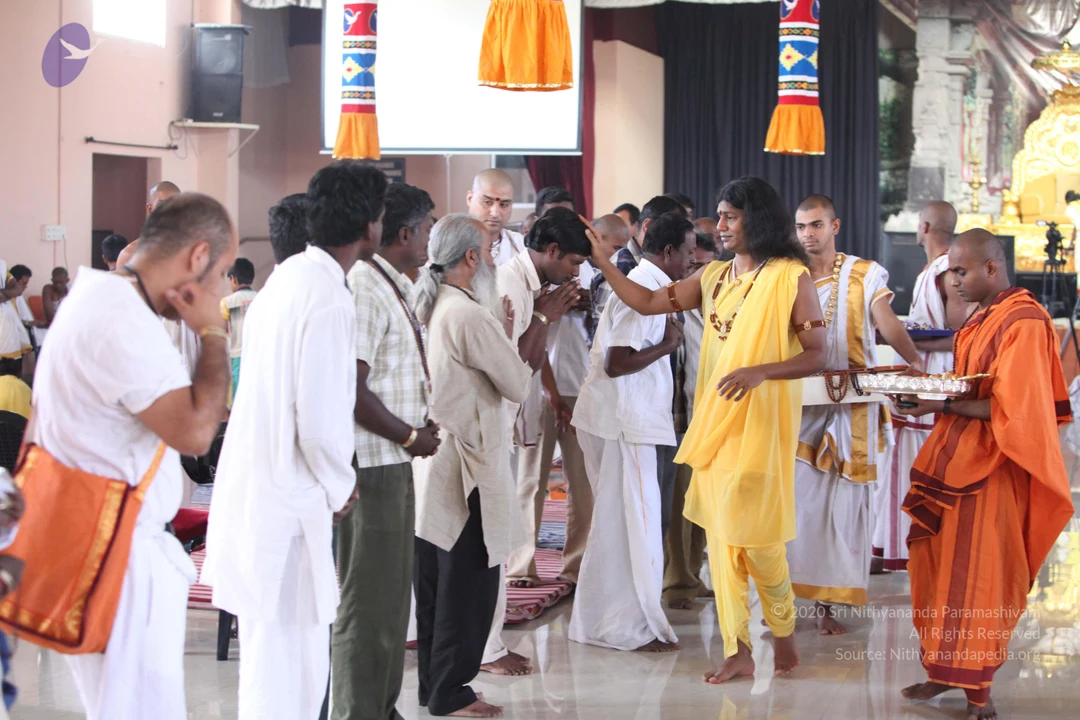
04-Sarva-Darshan
14 photosSource gallery