Friday
3 December 2010
Science of Becoming an Avatar (Siddha Tradition) - Nithyananda Morning Satsang
- Dated photos
- 168
- Source pages
- 1
- Media
- 2
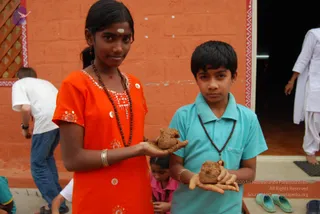
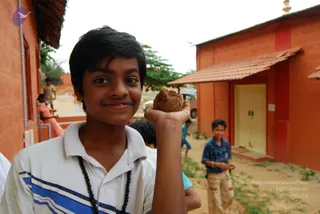
December 03 2010
Original wiki pageTitle:
Science of Becoming an Avatar (Siddha Tradition) - Nithyananda Morning Satsang
Narration:
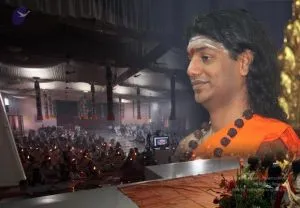
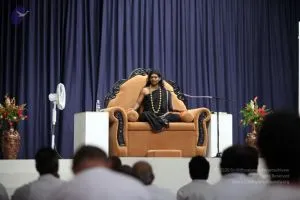
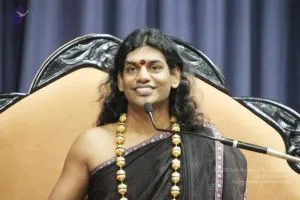
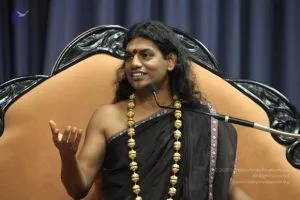
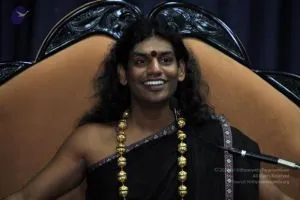
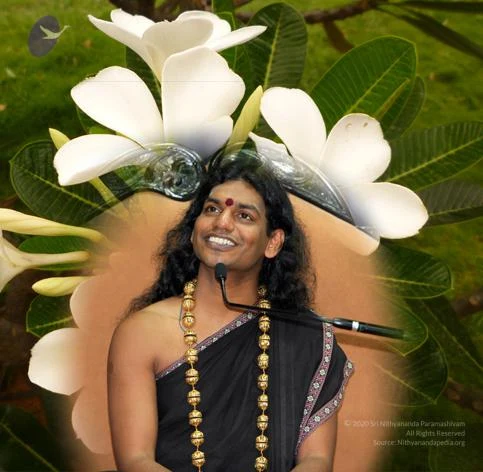
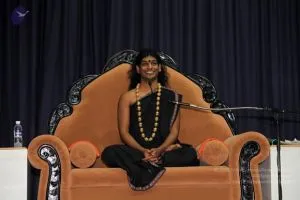
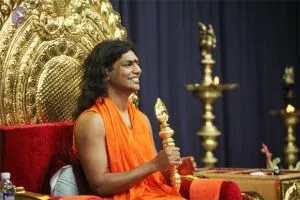
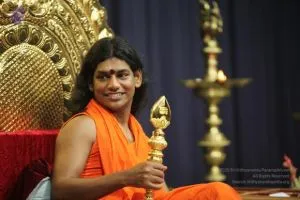
The Supreme Pontiff of Hinduism, Jagatguru Mahasannidhanam, His Divine Holiness, Bhagavan Nithyananda Paramashivam, expounded on the Cosmic Principles of Becoming an Avatar during the live public talk - Nithyananda Satsang, Siddha Tradition Series. In this talk entitled Siddha Tradition Science of Becoming an Avatar, The Supreme Pontiff of Hinduism explained that no other tradition, besides the Siddha Tradition, has done so much research on the science of making the body capable of radiating the Enlightenment experience and awakening deeper strands of your very DNA to become a new man. He shared that Siddhas use 3 things: mani, the truths, mantra, the technique and aushadha, herbs and medicines and use powerful processes to work with death to awaken these deeper strands of DNA. He then shared His own experiences where He experienced others dying and the powerful space it created in Him.
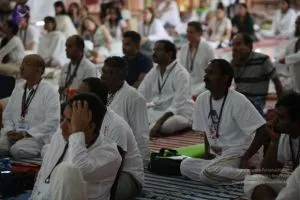
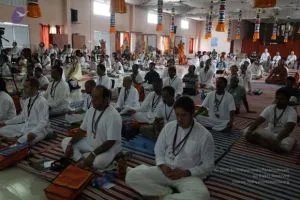
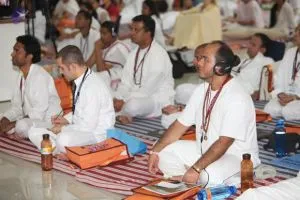
Today was Day three of the Inner Awakening Program with His Divine Holiness where delegates worked on death through understanding and technique.
Video:
Science of Becoming an Avatar (Siddha Tradition)
| Video | Audio |
Transcript:
Sadashiva samarambam shankaraacharya madhyamaam Asmadaacharya paryanthaam vande guru paramparaam.
1:01 I welcome you all with my love and respects. As you are all aware I am continuing on siddha tradition. Today’s subject for morning satsang is ‘Greatest truth revealed - Become an Avatar’. I want all of you to know an important truth. This I can make it in a very clear way, in a challenging way. There is no tradition; no spiritual tradition in the world speaks of man becoming an incarnation in that very body except siddha tradition. All traditions talk only about becoming enlightened; you will be liberated; jeevan mukta. But siddha tradition is the only tradition which has studied, mastered, the science of making your body capable of radiating that intense experience after becoming enlightened. Becoming incarnation, becoming an avatar, incarnation, the science is experienced and expressed only in siddha tradition. No other tradition has done so much research on body; please understand, on the physical, mental, emotional dimensions you need to have to be an incarnation.
3:09 All, almost all spiritual traditions stops with awakening the non mechanical parts of your brain; that’s all, they stop with it. Siddha tradition is the first science, spiritual science which has dived deep into the realms of awakening the deeper strands of your very DNA. Making new man is possible only through siddha tradition. Of course siddha tradition is not separate from vedic tradition. I can say a small secret mystical group which was doing higher parts of research and development in vedic tradition can be called as siddha tradition. Nobody has done so much work, so much of research and development. Nobody has revealed so much in the line of awakening the deeper strands of your DNA. Siddha tradition works with such powerful process. Straight away they work with death to awaken your deeper strands of DNA.
4:38 Please understand death is not actually as you think something negative. Siddha’s have mastered the science how to use every death to awaken the deeper strands of DNA. Every death can be used to awaken deeper strands of DNA. Please understand, at the time you are disillusioned about the stability of the society, your third level DNA strand can be awakened. Because disillusioning disillusionment about the society creates a deep insecurity in you and when you face that insecurity, next level of DNA the very physical structure, physical ability gets awakened in you. I can tell you really when you face a deep insecurity with the society you have two choice; either you can build completely new muscles and new body or completely get broken; go to pieces. You have two choices. Because when the insecurities attack, when the insecurity is awakened in you, if you just go into death, the death of moment to moment to moment, you will start living more into the conscious state. Living more into the conscious state will awaken the deeper strands of DNA.
6:29 Third and fourth same way if you have a broken heart if there is a problem you are facing in your life because of some broken relationship; yesterday two three people were telling me, asking me for healing that they have a broken relationship; their relationship is broken. Please understand go into that consciously. You will see the deeper level strands of DNA will be awakened in you. You will start living intensely, blissfully with your own body, without the need of other body. The possibility for achieving brahmacharya happens in you when the relationships are broken. Relationship being broken is the death; brahmacharya happening is new birth. So every major incident in your life, every death in your life can be used to awaken the deeper level strands of DNA.
7:30 Siddhas have used this science. Consciously they will put people into the death experience and awaken the deeper strands of DNA and bring them back. They even use sometimes herbs. See siddhas use three things; mani mantra aushada. Mani means the truths, mantra means the technique, aushada means herbs; medicines. Siddha masters have used all three. They will put disciple to death, awaken the deeper strands of DNA and bring him back. Science of becoming an incarnation is expressed in such a detailed way in the siddha tradition. I tell you every suffering imposed on you, I am not saying just die with the suffering; no…..live with the suffering. Live it. Suddenly you will see the moment you live you start living, deeper strands of DNA starts getting awakened in you.
9:00 Please understand, I am not saying you will just become emotionally strong. No. Your very body, to hold the consciousness will become great and big. Your very system which has an intense ability capacity to radiate will become big. Today we will work on death, of course not with medicines. Today we will work on death but not with medicines but just with understanding and technique. I can tell you from my own life how each death happened in my life, has made me an incarnation or I can say awakened the deeper strands of DNA.
10:04 First death I faced in my life, my father’s elder brother’s son, elder son. He died. He fell into the village well. He went for a vacation to his one of his relative’s house. You all know in Indian villages, if the school holiday, immediately we will pack and go to some aunts house uncles house; two three days run around there and come back. It’s a only way of vacation. He went to vacation; nearby village. My family is a tight knit family. They don’t marry outside the, not even outside community not even outside the family. They will marry inside, inside, inside, inside, inside, you pick up one person he will have ten way of relationship with other persons. So this boy, he used to be dumb and deaf little. So he can’t speak fluently. He went for vacation and the villages will have a wall, the well without wall. So this guy was running around and fell into that well and died; unfortunately.
11:34 So when his body was brought, first time its reality for me, somebody whom you saw till few days before will not be with you anymore. I can say in a way he was my first devotee. He used to have a great devotion for me. He is the one who will bring water, flowers, everything for my puja. He had a tremendous love and respect for me. Even though I am younger to him he will bring all the things necessary for my puja, help me in puja, assist me; very religious person. And I used to give him lot of attention. I am the only person who can play with him or who can entertain him. You see in all other play you need to talk, you need to interact, you need to be equal. But my play is sitting with the deities and playing, doing puja. There you don’t need to talk much. And only I will be able to accommodate him in my play. Nobody can accommodate. So he used to have a tremendous love for me and my first assistant maybe I can say and a great devotee.
12:51 Suddenly, he is not there. Apart from my practical problems of who will assist me in my puja and all that, who will fetch me water, who will get me flowers, who will get me sandal paste, then with that only you can do puja. I was thinking who will do all this work; such a big shock. The basic understanding that death is inevitable got drilled in me. Actually I can say this awakened the sense that I have to be dependant only on me, only on my body and mind for anything I want to do. Society will not be a permanent help. That reality was completely experienced by me. I can say surely it has awakened a very deep, next level strands of DNA in my body. It’s a independence. I can say this was one strong shift in my body. My body has become, started becoming yogic body. See my whole idea of depending on somebody was lost. I have to be completely dependent only on the six feet frame for anything I have to do.
14:23 And he was one more close disciple of Raghupathy Yogi. Raghupathy Yogi was actually working on him to make him speak. I have seen, Raghupathy Yogi actually made him speak at least on three occasion very fluently. But that boy finally asked Raghupathy Yogi no, no, no, I think I will be better if I just live the same way I came, so that I will not have much responsibility in the world; again the conscious decision. I have seen Raghupathy Yogi made him speak at least on three occasions very fluently. He gave some herbs and asked him to keep on the last part of the teeth and hold. And he started speaking fluently. That funny thing is, holding his teeth he was speaking fluently. That’s the most funny thing. Still I remember, the jaws are completely holding the herb, but he is speaking, he is able to create the sounds very properly, very clearly. That was the most funny part. Still I am not able to understand how Raghupathy Yogi made it.
15:42 Anyhow, the first death, that is responsible for my body becoming yogic body. So Oh God, because he used to bring me the nagalinga flowers which will grow, which will, the flowers will happen in the tree at least some six seven feet high. He is little taller than me, he will climb that tree and get that flower. The flower will be like a thousand hooded snake and inside there will be shivalinga. It’s called nagalinga flower. So he used to climb the tree and bring the flower. First time I realized, Oh God! Now I have to climb by myself. Even though Raghupathy Yogi has trained me climbing pillars and all that, the necessity to become an independent yogic body has happened in me with that first death.
16:54 The second death was my grandmother’s; my grandfather’s elder brother’s wife. She lived riped age of more than 103 and till the end very healthy. The funny part in this is, please understand the most funny part in this is, all these deaths I am describing happened like a process one by one by one. Now if I look back, it was such a great preparation how the cosmos was making incarnation. Actually I myself enjoy that story. I am writing an autobiography. I do not know whether somebody else is enjoying or not going to enjoy or not. I myself intensely enjoying. Oh God! What a play! What a leela happening! It’s such powerful truth; such powerful incidents played so beautifully, such a coordinated way.
18:41 The next death, my grandmother’s death; that has given me the lesson of society cannot be trusted and it is not a structure as it is believed by you. Father is not a father, mother is not a mother, uncle is not an uncle, aunt is not aunt. Things can be completely different. See first time I realized people can talk one thing and think something else. I never understood you can think something and talk something else. First time I realized during my grandmother’s death, how people behaved I saw.
19:39 You see she died and there used to be a doctor opposite to my house; very nice person. This old lady, our house had a big well in the center. In villages you know the common wells will be there in center of the houses. So in my whole street this is the only well which can give water during summer. During summer all other wells will dry up. So this poor doctor during summer he has to come only to this well for water. In villages it’s like they will, water and food and all is practically any house you can go and eat. I have seen at least when we were born and brought up that we all kids will go to any house and eat in that 30-40 houses. It will be aunt, uncle, father, father’s brother, brothers in laws or sister’s husband; someway it will be related. And so this doctor has to come here for the water. This old lady who died, my grandmother, she had a strong belief that after the sunset that needle, water, fire; all this three should not be given. So for some urgent thing after sunset if they come for the water this lady will shout and she will take away that vessel with which they fetch water from the well and hide it.
21:10 Once that doctor came for very important urgent reason - emergency for water. This lady did not give. She quoted that proverb – needle, water and fire should not be taken out of the house after the sunset. It’s a village belief. So the day before she died, it was late night. She had some problem. She need to have injection, some injection. So the doctor was called. The doctor came and checked everything and he said injection has to be given. Then that old lady said, ‘go and bring from your house’ and opposite house, this doctor said ‘You only used to tell water, needle and fire cannot be brought outside the house after the sunset. How can I bring? That old lady could neither say yes nor say no. She said no, no, somehow save me, save me. Then finally that doctor is a good person. He went and brought and did whatever he can but he couldn’t save. Naturally because she is too old and next day she passed away.
22:37 I just remembered Oh God!! This lady to whom she is not giving but that guy is giving so much. That’s one understanding. Second when the death was declared I saw all our, my family people. They were all sitting and they were all very normal happy; actually waiting for her to die. Because she had lot of money, jewelleries; those days that silver coin. In India we had a habit of silver coin, pre independence silver coins, lot of those coins she had under her bed in a trunk box. So now all these fellows will get a share because she had a, she herself did not have any kids. But her brothers and their kids many and finally each one will get one maybe little, little. But they were all waiting for their share. They were waiting for her death. The moment she died I saw these fellows were very cool. They did not cry immediately. They went to their rooms. Each one will be given one, one room usually in the joint families. They all went to their rooms and changed the dress, put on very simple clothes, removed all the costly jewels and put on simple jewels, came and assembled in the hall, center hall, as if like a scene and the first one say hmm start ooooooo………they started crying. It’s almost like a divya shariri. The moment I say, they start jumping.
24:20 And oooooooo they start. I thought Oh God! I thought the pain or the suffering will come immediately; the moment you say she has died. But this guys all went and did all, removed their makeup and they all opened their hair almost preparation for the whole scene. And I remember some of the ladies they wiped all the powder and eyeliner whatever they had. They came and sat in round circle and ooooo paati you left us and went away. Oh granny you left us and went away, they start. I couldn’t understand. Oh God! Just one minute before they were all alright. And the doctor declared at least twenty minutes before she is dead. How come twenty minutes no pain, no suffering, no crying came out, till all of them went to their rooms and changed their clothes and came back and they were even waiting for somebody to arrive. So they all waited when the last one arrived then they started ooooo granny you left us and went away. There is a typical song. 25:35 I thought Oh God! Anyhow I was not able to cry. I was feeling sad because I missed my candy every day. Every day she will give me one job. She will tell me to go and bring tobacco from the corner house; corner shop in the street; every corner in the street she will ask me to go and bring tobacco for chewing. She will not give money. She will tell take from your father. My father is a spendthrift. That is the right word I have to say. And he and money can’t go hand in hand. Anybody asks anything he will give away. You don’t need to ask second time. Only once you need to tell him you are in suffering and he will give it away. And he will give me the money and I will get tobacco for her and candy for me. And from today no candy because she is gone and I was only feeling bad for that but I was not crying. 26:46 I know all these fellows are trying to fake that crying. I slowly started laughing. Oh God! I am a small boy ten year old boy maybe. I went and leaned on my mother’s neck, back. Still I remember very clearly. They were all sitting like round and they were putting their hand on each other and bending and going up and down. That is the way they cry. Oh granny you left us and went away. That is the way they cry. I am giving you the exact scene. And then after two three times you shout that, clean the nose and wipe on somebody’s back side saree, somebody’s pallu, and then oooooo the milk which we boiled for yesterday got spoiled. This is all verses. And the buttermilk which we kept for you is drunk by the cat. Then we realized you are not going to be here to drink that milk, to drink that buttermilk. These are all I am giving you the exact translation of the village verses. When somebody dies how they sing; it’s called uppari in Tamil. 28:02 And then after few minutes when it becomes tired; you see how many times you will bend and up and down, up and down. And after few minutes they will sit. They will wipe their face and they will talk. What happened to your mother in law? She did not come. Ehh this saree I never saw, where did you buy? And they will be talking all very relaxed way. If some new relative comes then ohhhh mamaaaaaaa our granny went away leaving us, and that guy also will take the kerchief very seriously.... we don’t know whether he is hiding his laughter or crying. No really see, how many of you felt when you went to a death house, feeling like laughing? Raise your hand. See, but you can’t laugh there. What to do? Take the kerchief and hide the face.
29:09 No I saw the whole fun happening and I was actually leaning on my mother’s back. She was doing that same exercise of up and down. No……I remember leaning on her back and holding her head. Ma, you were not crying earlier I asked. Ehh she said ehhh keep quiet, now cry. Then I peeped my head between the heads and looked into my aunt’s face. She also only when she comes up she is showing the face, when she goes down she is ok. When she was going down she is ok. She is just wiping the face and she is not showing any face. When she comes up when others are able to see, she starts crying. I thought oh God! How can this be? And still I remember very clearly all the scenes very vividly. And these guys were not crying earlier now they are crying. How can this sudden and not only that after few minutes they settle down and only when the new relative comes, again the burst. And that guy also will sit in that circle. And you will say ok, ok what to do after all she lived her life completely and then after two minutes, he will wipe the face and then ask so everything what else is going on? What is growing in the land, in that farm land? Is all the property is in her name or shifted to somebody else’s name? They will start enquiring.
30:47 And after dropping that body, after one hour I saw all these fellows got into her room and locked them self and I also somehow sneaked into the room. I saw they are sharing the wealth under her bed. Now the fight started among the family; who will get that she had a pavala mala; the pearl mala. Who will get that mala? Who will get this coin? Who will get that jewelry? Who will get this jewelry? And they are cutting all that mala and jewels into pieces and weighing. And, body, dead body is lying down in the hall, but already the sharing has started.
31:30 When I looked at all that I thought Oh God! This lady had so much under her cot and she will never give a penny for the tobacco. First thing I thought if she would have given little bit of this I would have given it to that chettiar and whole life she would have had tobacco and I would have had candy. And neither she enjoyed nor she gave me and she just left the whole thing and died. Then I suddenly realized, even this fellows who are fighting and sharing, they are also going to leave and die like this. Same thing is going to happen. They take from her after her death. Somebody else is going to take from these guys after these guys death! I thought Oh God that’s right. So what is the use of this whole thing? Then what is happening in this whole thing? Just somebody steals from somebody legally or illegally but it is all just stealing, stealing, stealing, stealing, stealing. If you are caught, it’s illegal, if you are not it is legal; that’s all. Otherwise from here to there, here to there, here to there it’s all just stolen, stolen, stolen, stolen, stolen; nothing else.
33:05 First time my idea about society crumbled down, because one of my uncle was forcing me ehhh cry. I said no I don’t feel like crying. He said no everybody is coming, cry. I said no, I won’t. Then he has given me he slapped me. I just held his hand and said if you touch me once more I will tell everybody what all you guys did in the room; fighting for her jewels. Then my father intervened and said, “You know this fellow will really tell. Why are you playing with him? Why are you beating him at this moment? He will really sit outside and tell everybody before they come inside." Then they understood the danger. They put me in a room and locked me. They locked that room. I was inside that room. I can say I cried, cried, cried, for maybe half an hour or one hour. Then when I just fell, it was a big opening; a kind of a breaking; my whole being settled. My respect for society has disappeared.
34:33 Awakening of the deeper strands of DNA, this death has made vedic mind happen in me. The first death has made yogic body happen in me. This death has made vedic mind happen in me. I have to be independent mentally. There is no such thing as straight forwardness, honesty, innocence, thinking and talking it as it is. That was the first revelation for me. It was a strong revelation because I always thought thinking and talking is one and the same. I was feeling sad only for my candy. So I was telling that same thing to everybody. There is no hide and seek or double things. First time I realized people can think something else and speak something else. It was such a big revelation for me.
35:34 So, next strand of DNA was awakened in me, in my system. I realized I should have the vedic mind; means independent mind, untouched. I can say that vedic mind happened in me on that day; means keeping myself away from society. I have a space inside which is completely untouched by all circumstances outside. And I don’t need to; I don’t have the desire to go here, there or anything to see anything. Just because I don’t have desire to see anything, thousands come to see me. Understand, when that desire has disappeared I have become worthy of being seen by people or people naturally have the interest to see me. So I don’t go out to see anything.
36:40 Actually I have nothing to enjoy in the life. Maybe if I enjoy something in the life, when I see the devotion in the eyes of the disciples when they see me, that scene I enjoy; that’s all. That I don’t need to go anywhere; wherever I sit I have that scene only in front of me all the time. Millions sitting continuously in complete melting mood, so this is the only scene if at all I enjoy I enjoy. 37:10
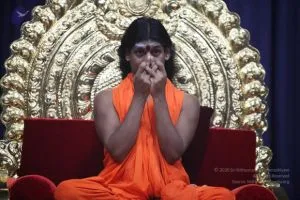
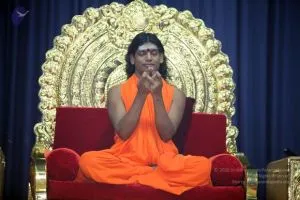
Photos Of The Day:
PANCHA-TAPAS
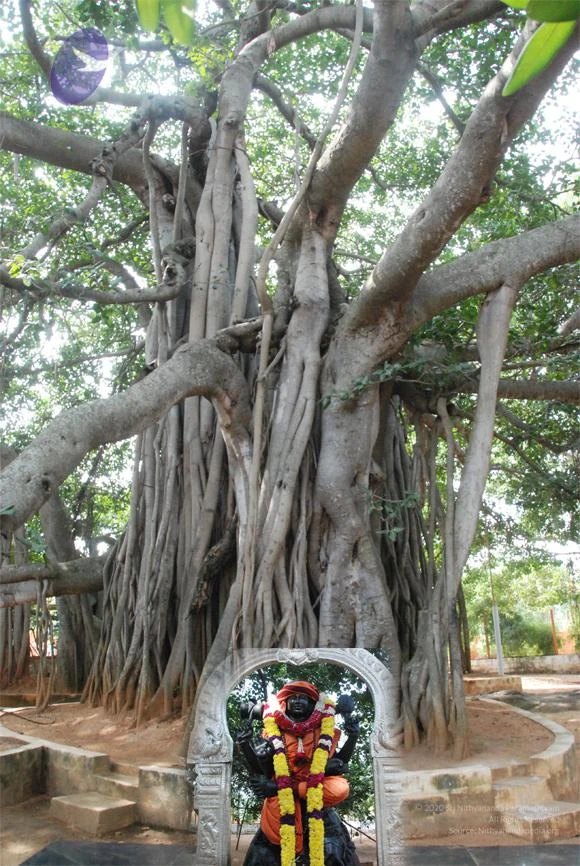
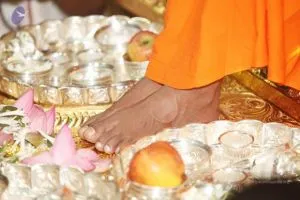
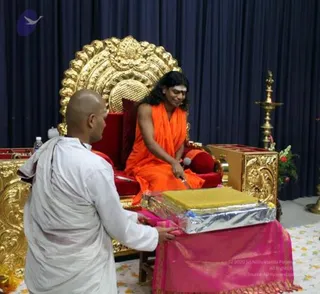
PADA-POOJA
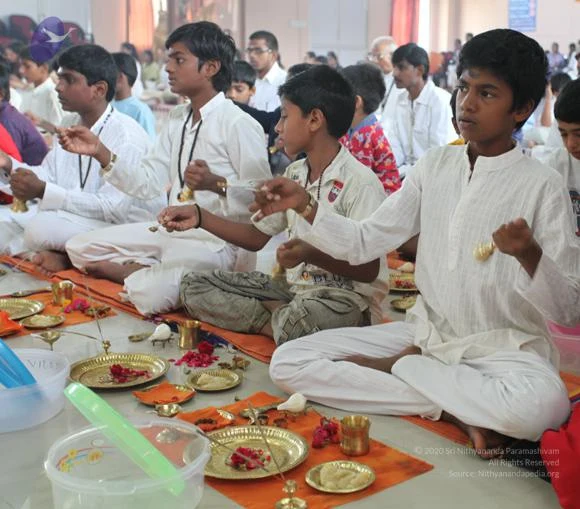
NITHYA-SATSANG
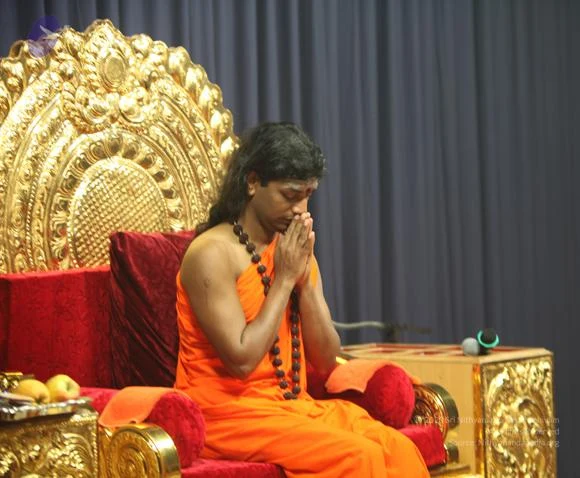
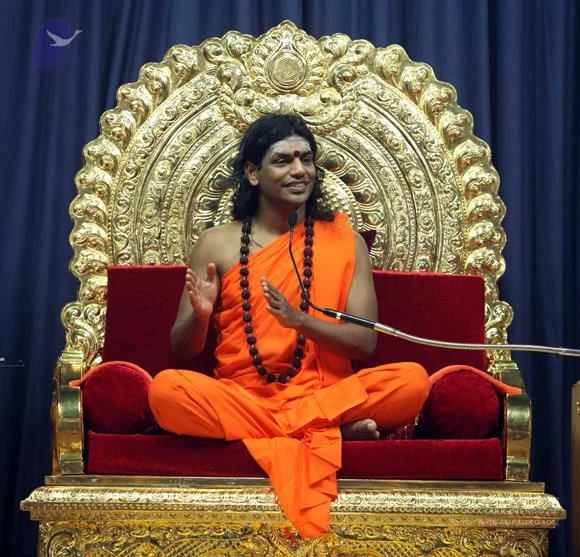
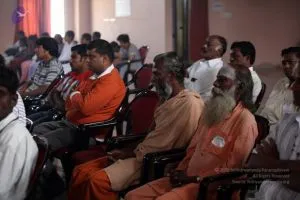
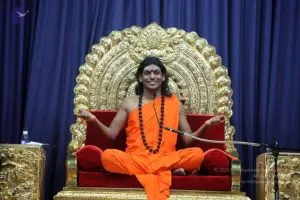
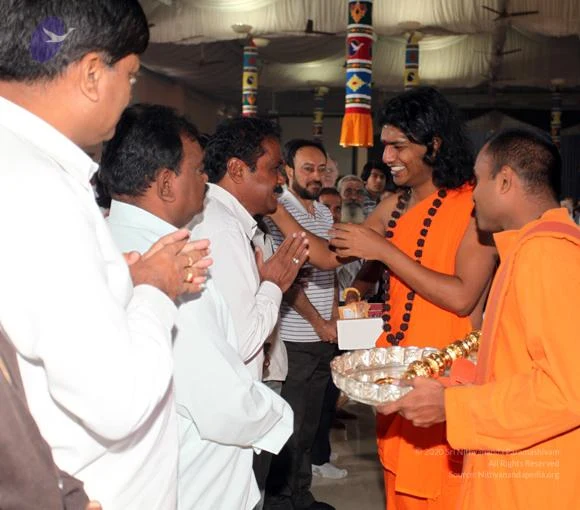
SARVA-DARSHAN
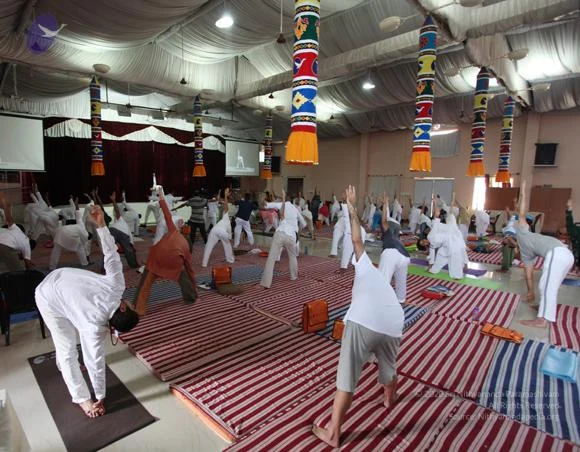
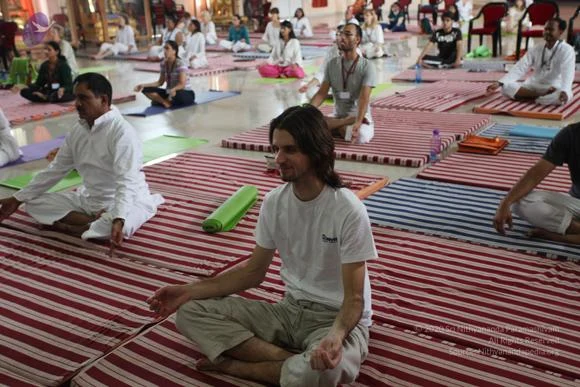
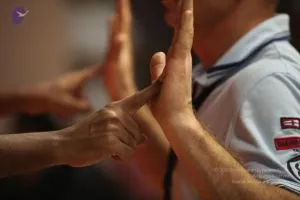
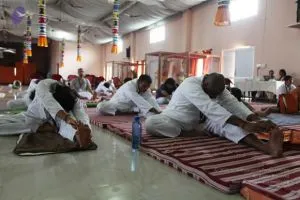
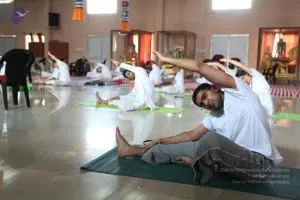
NITHYA-YOGA-BY-INNER-AWAKENING-DELEGATES
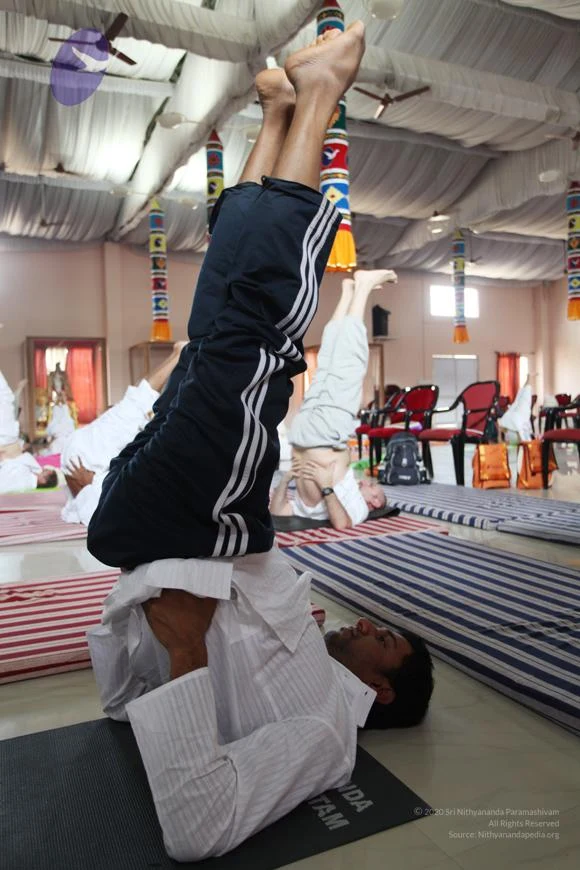
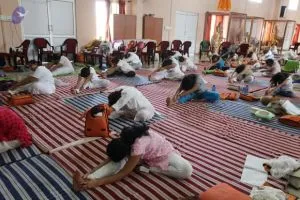
INNER-AWAKENING-SESSION-BY-HDH
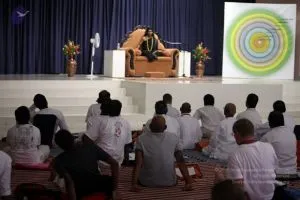
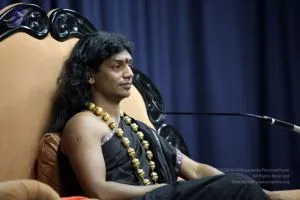
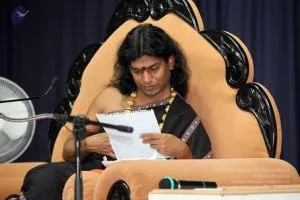
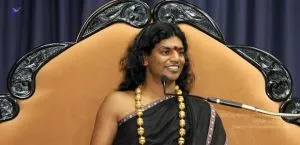
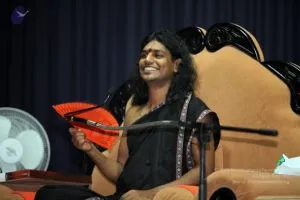
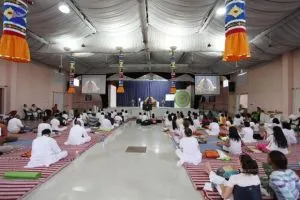
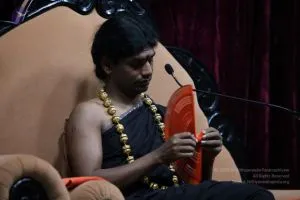
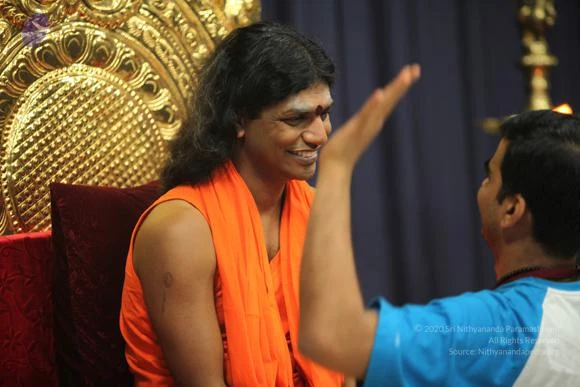
DARSHAN
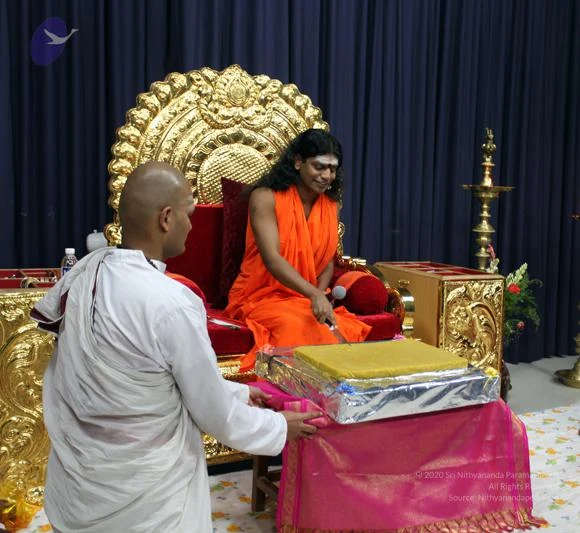
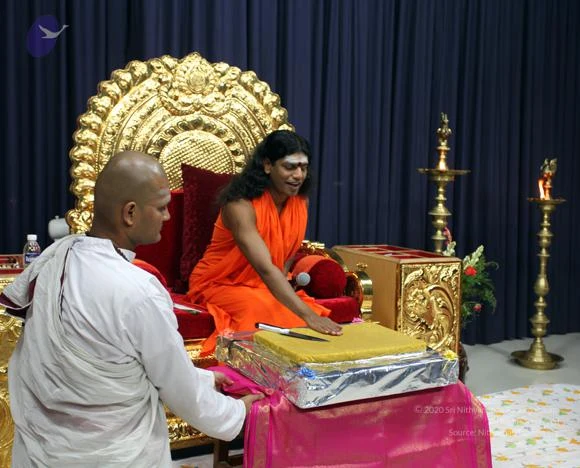
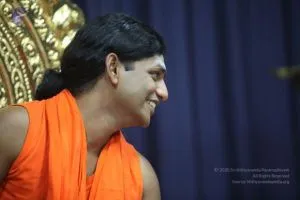
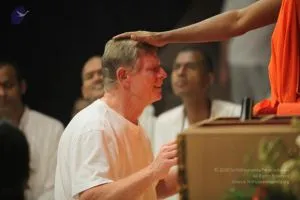
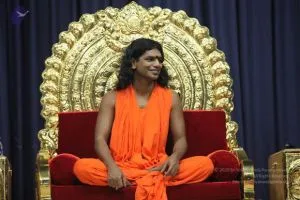
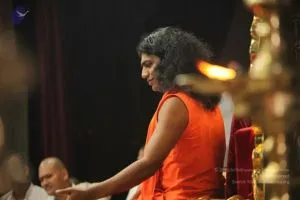
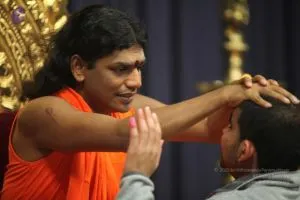
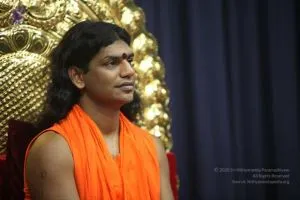
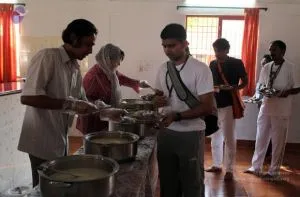
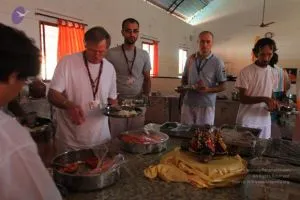
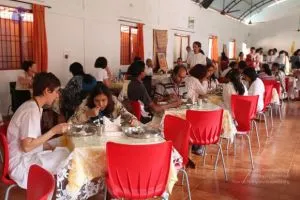
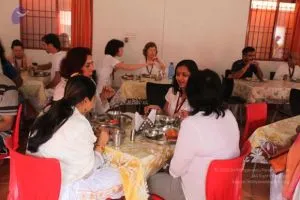
LUNCH-HOUR
Photos Of The Day:
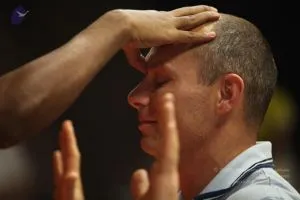
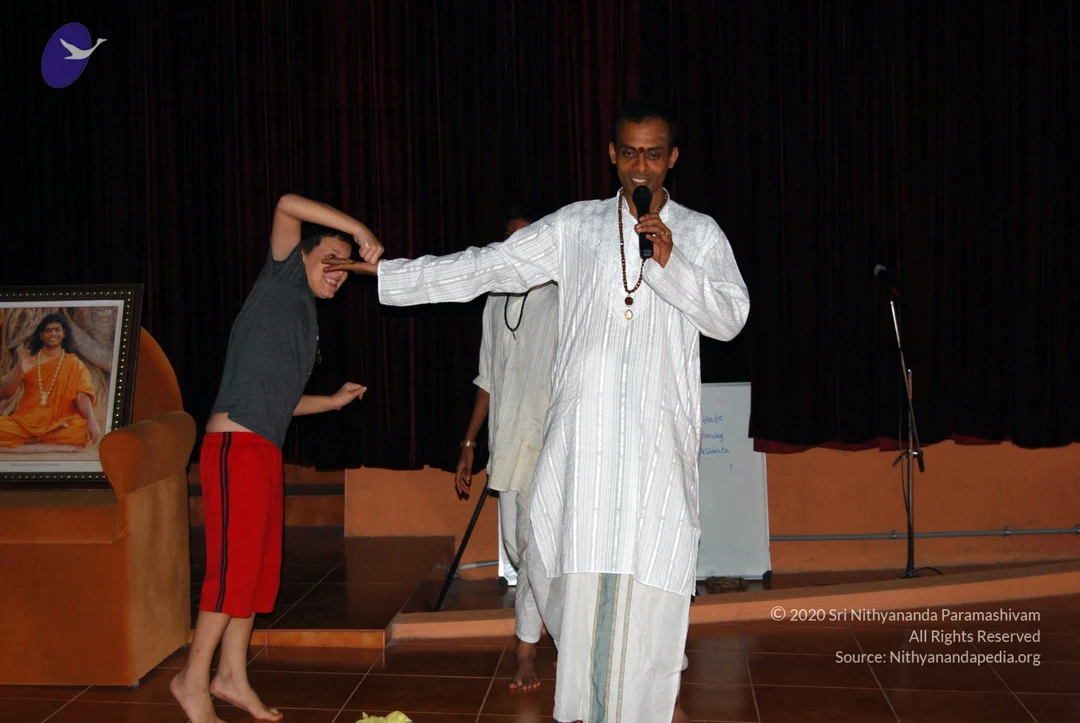
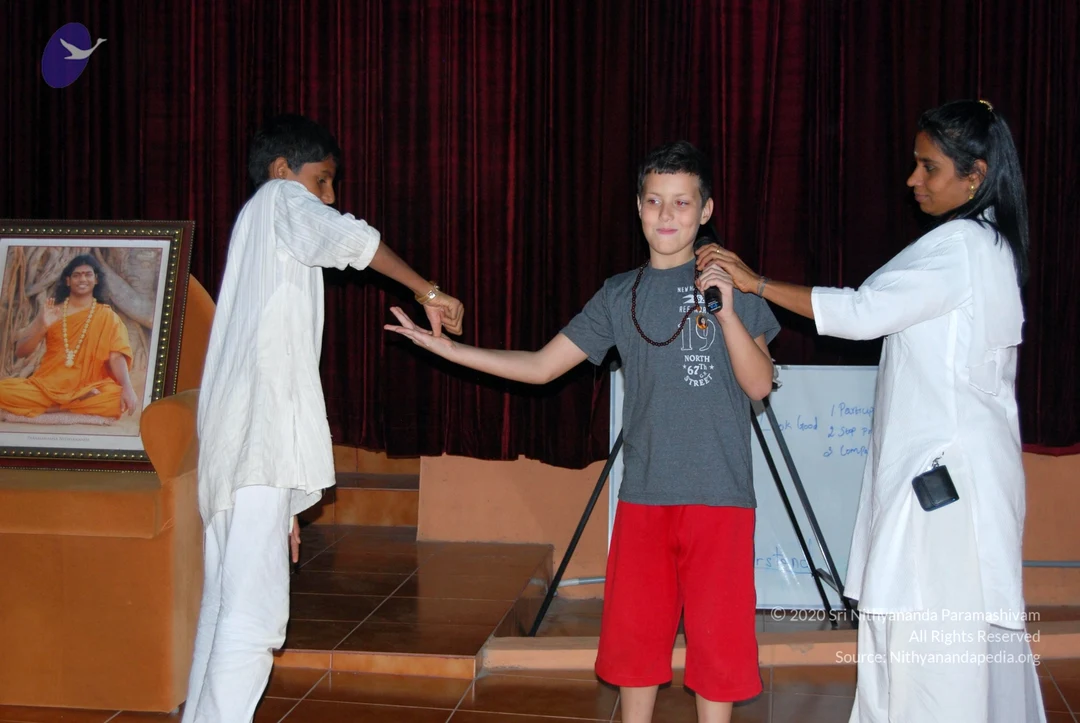
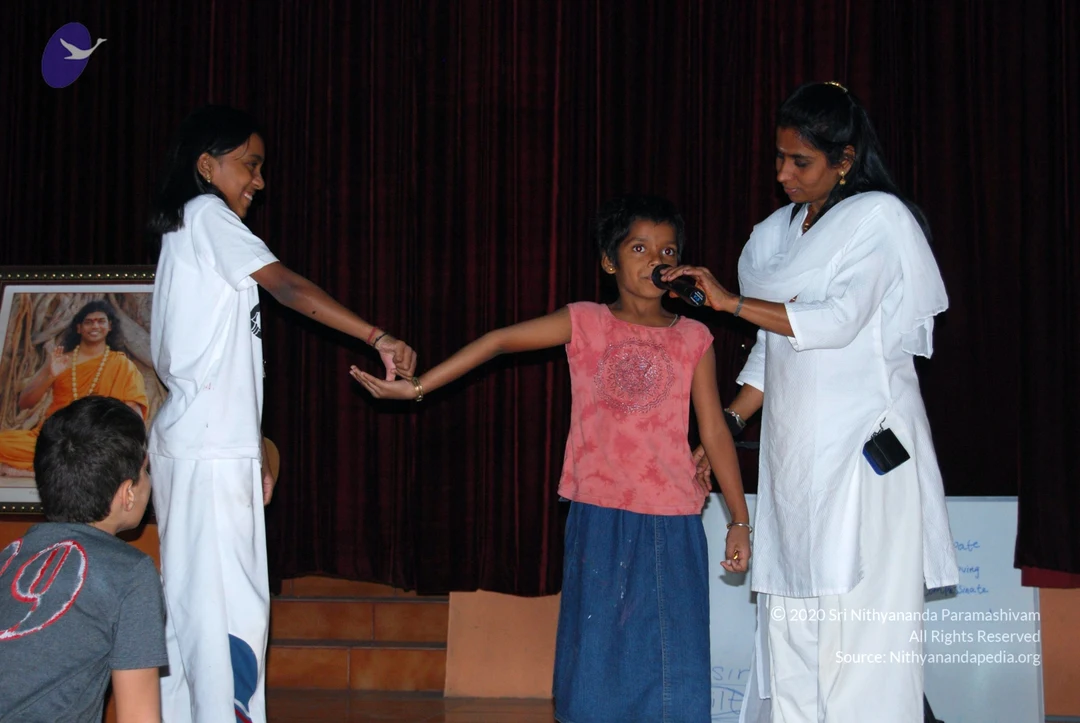
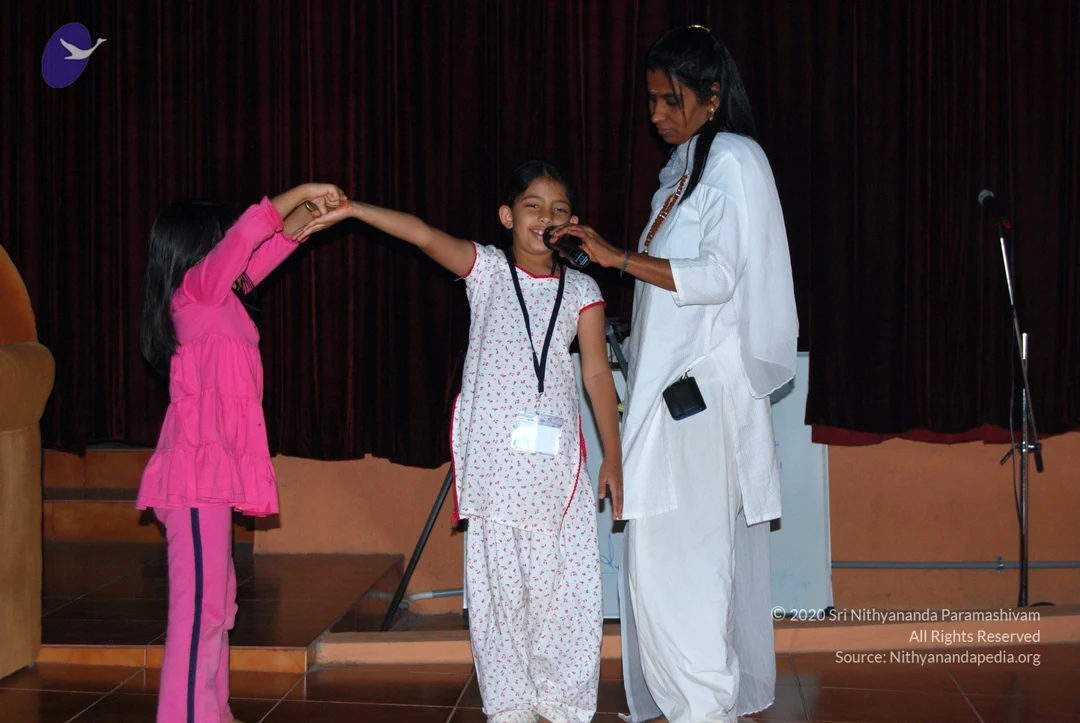
Inner-Awakening-Session
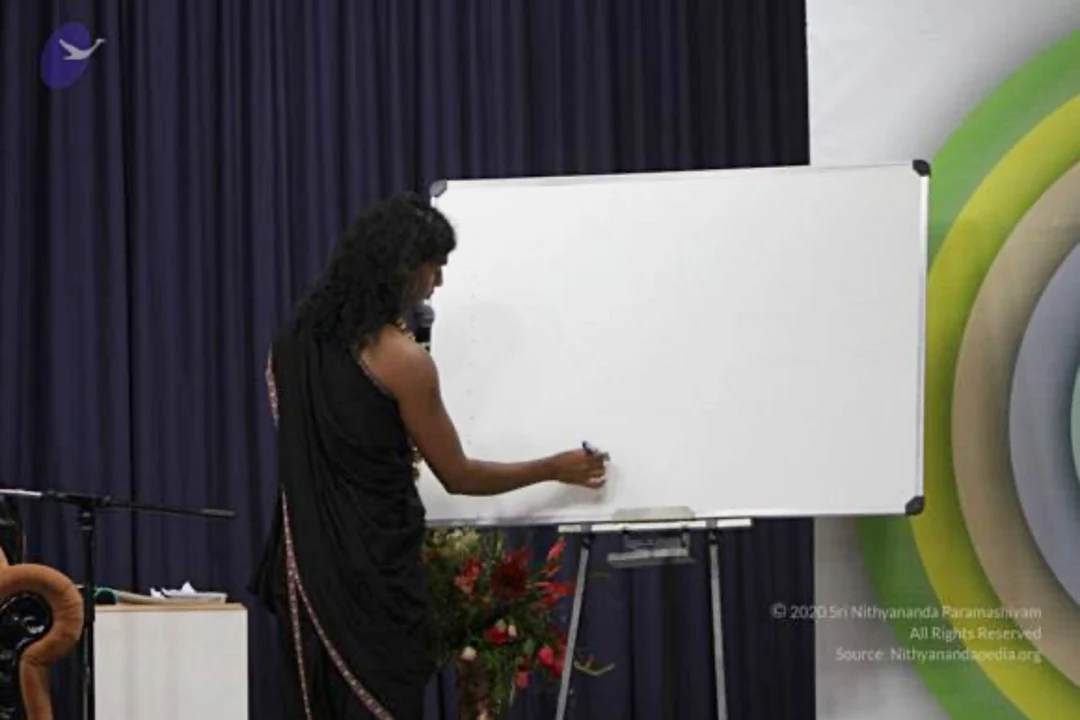
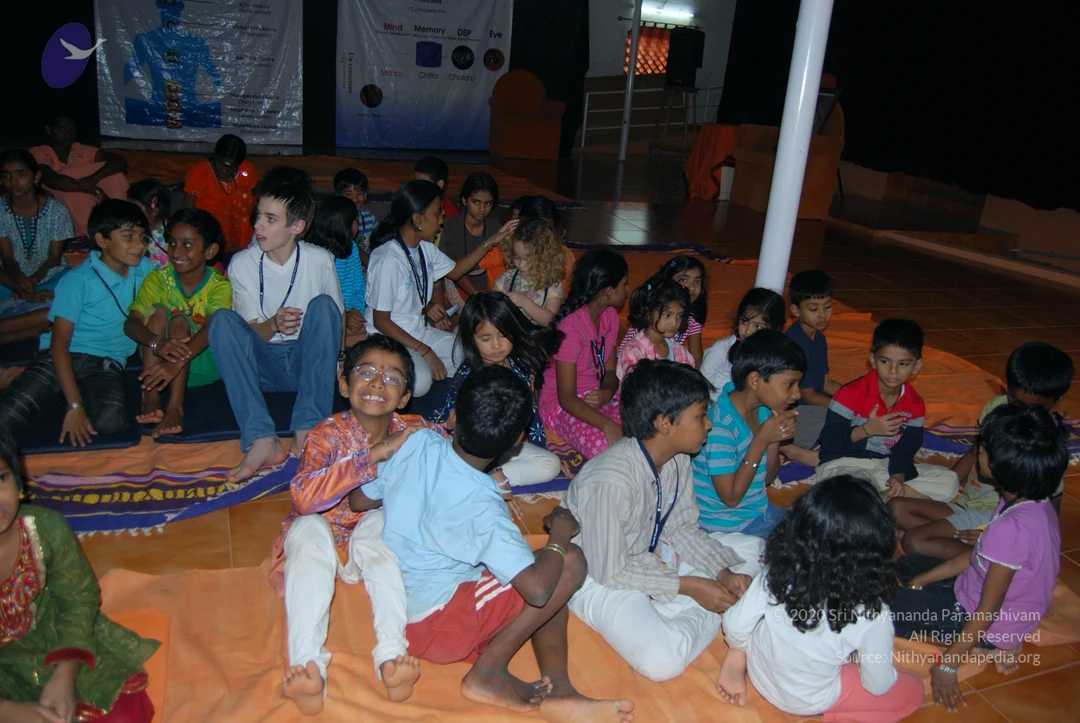
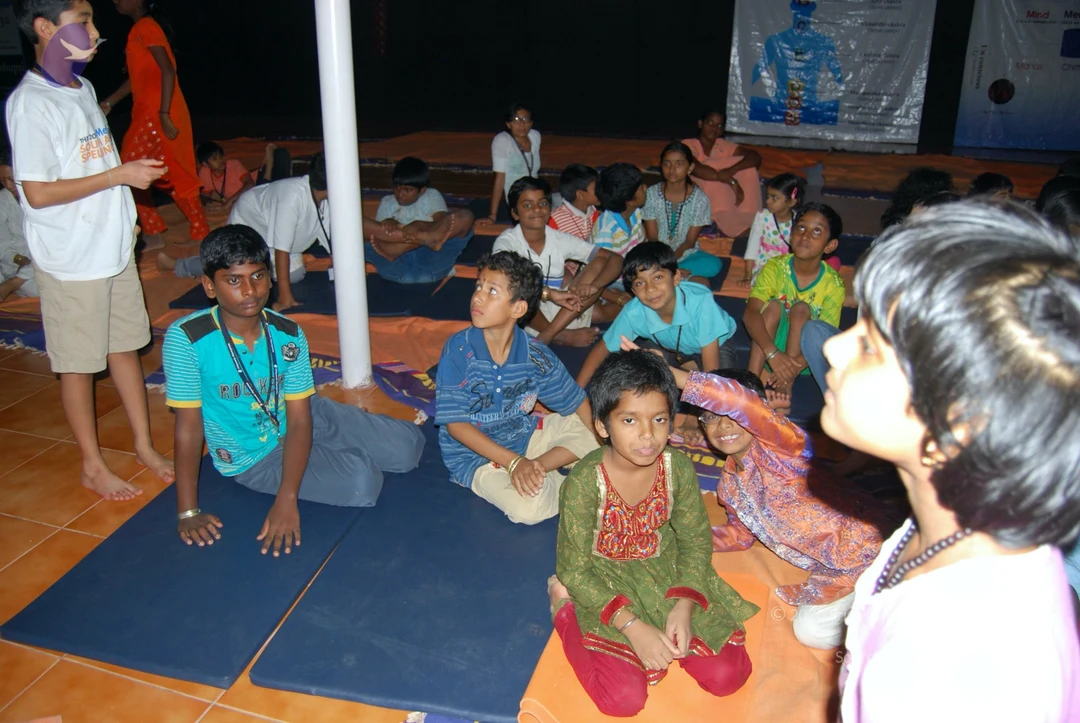
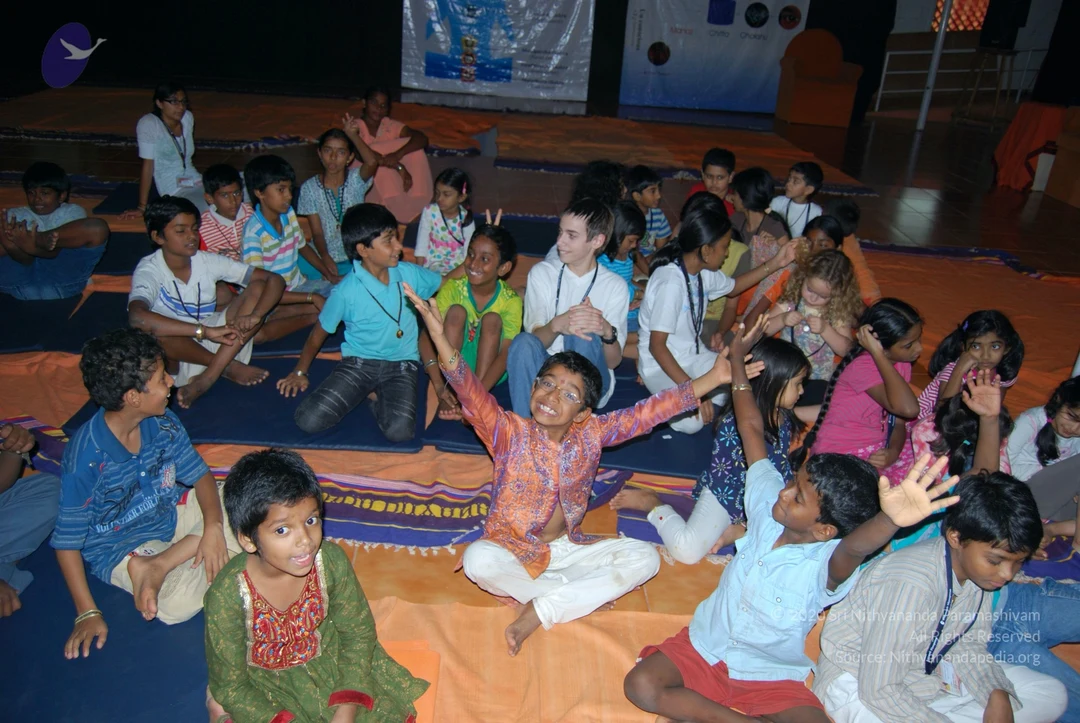
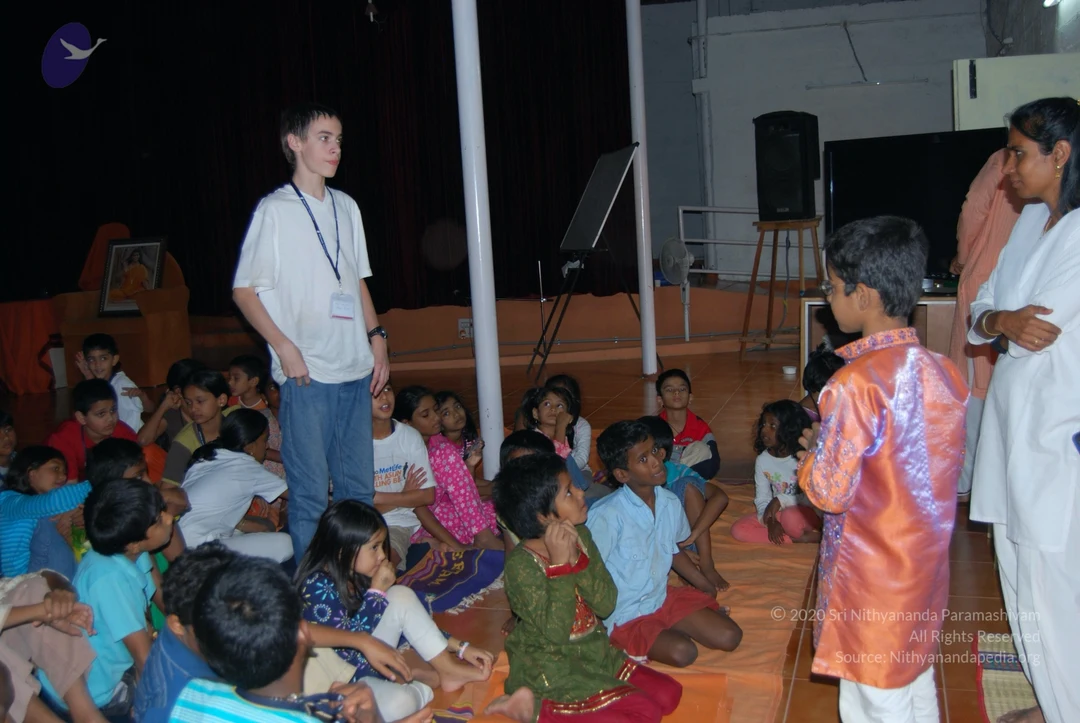
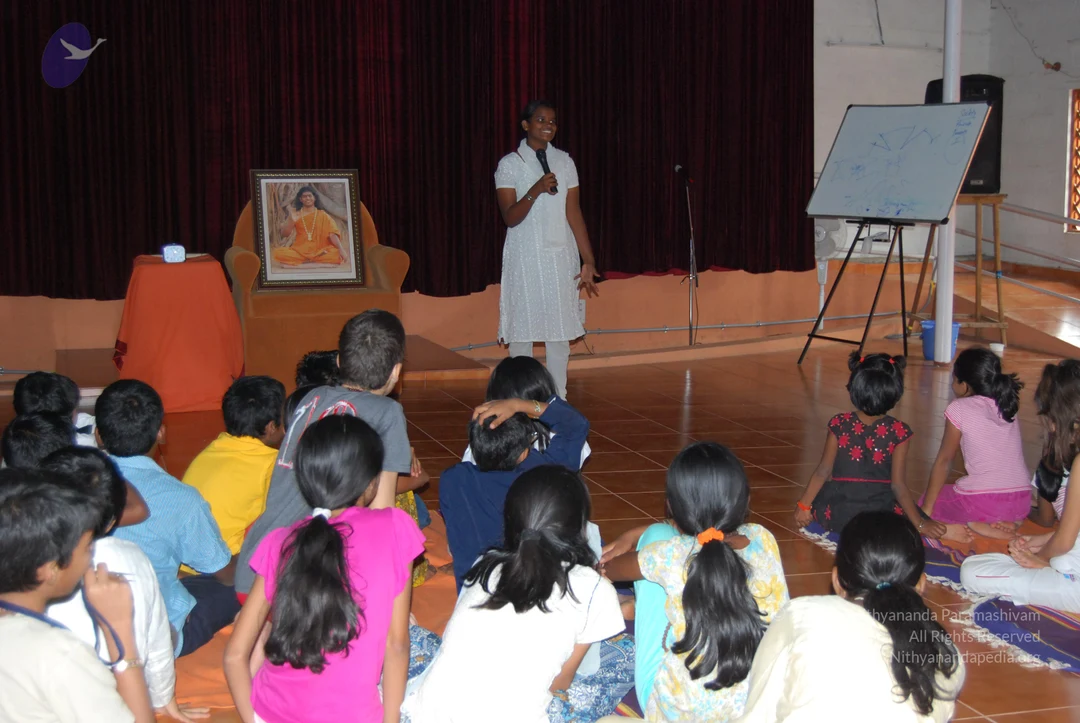
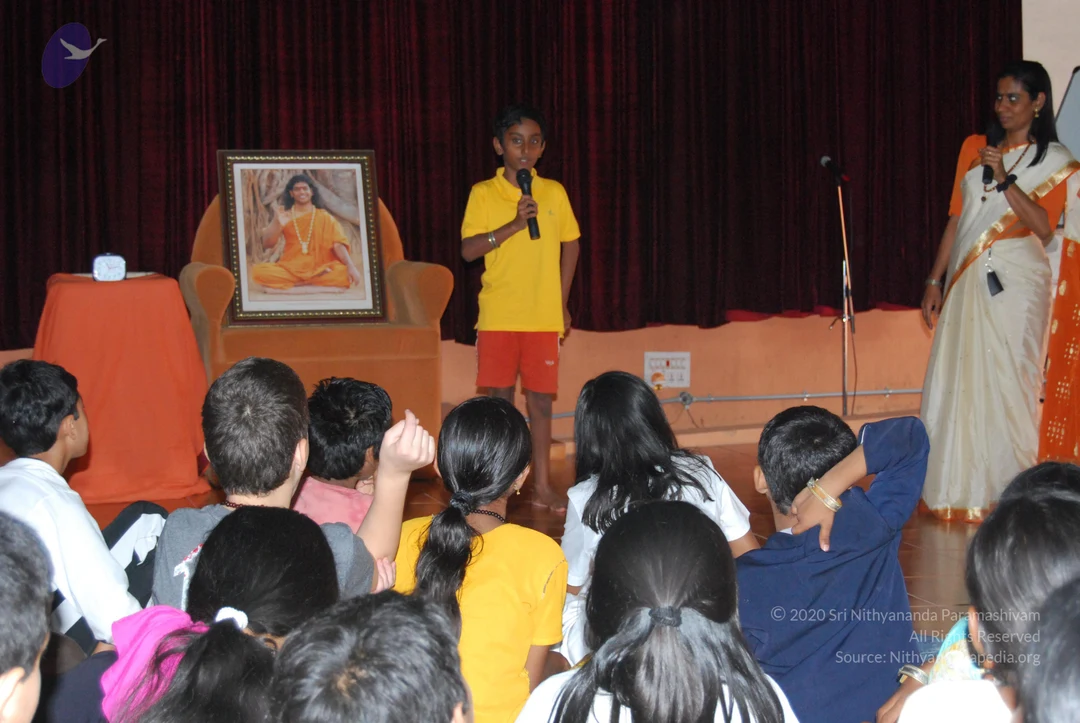
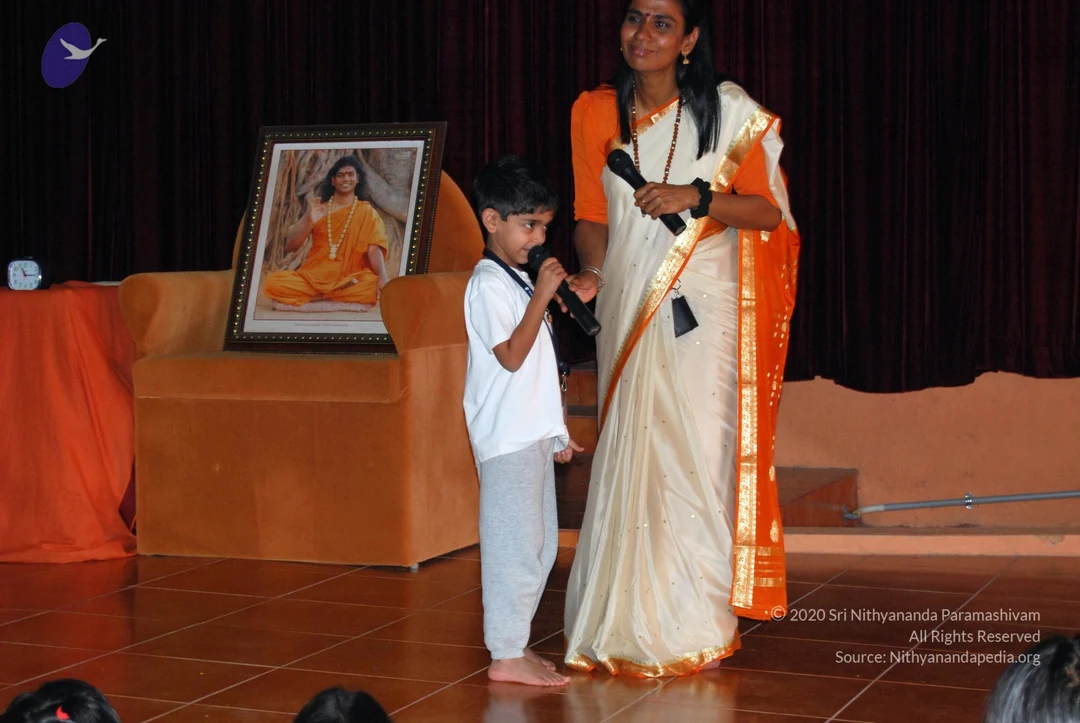
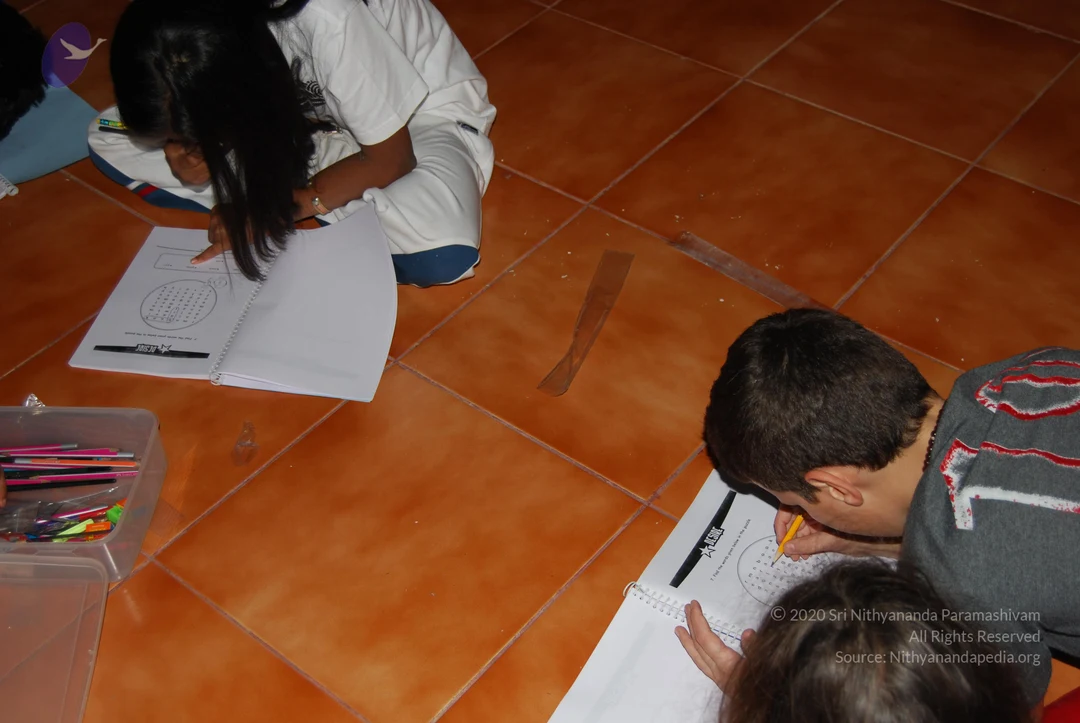
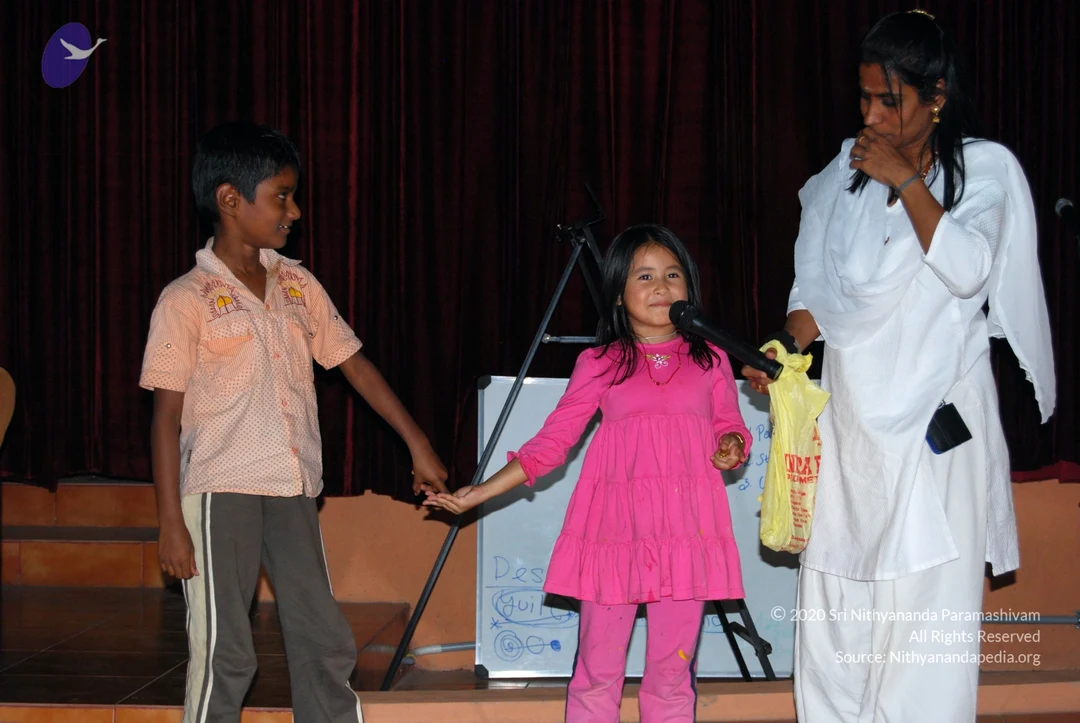
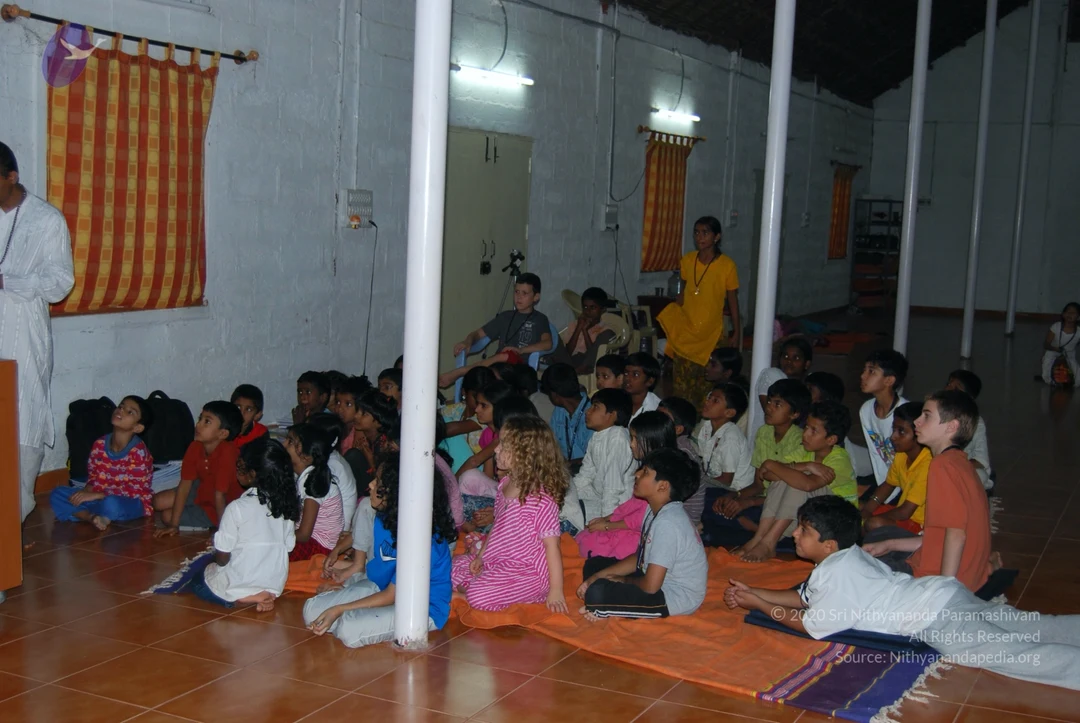
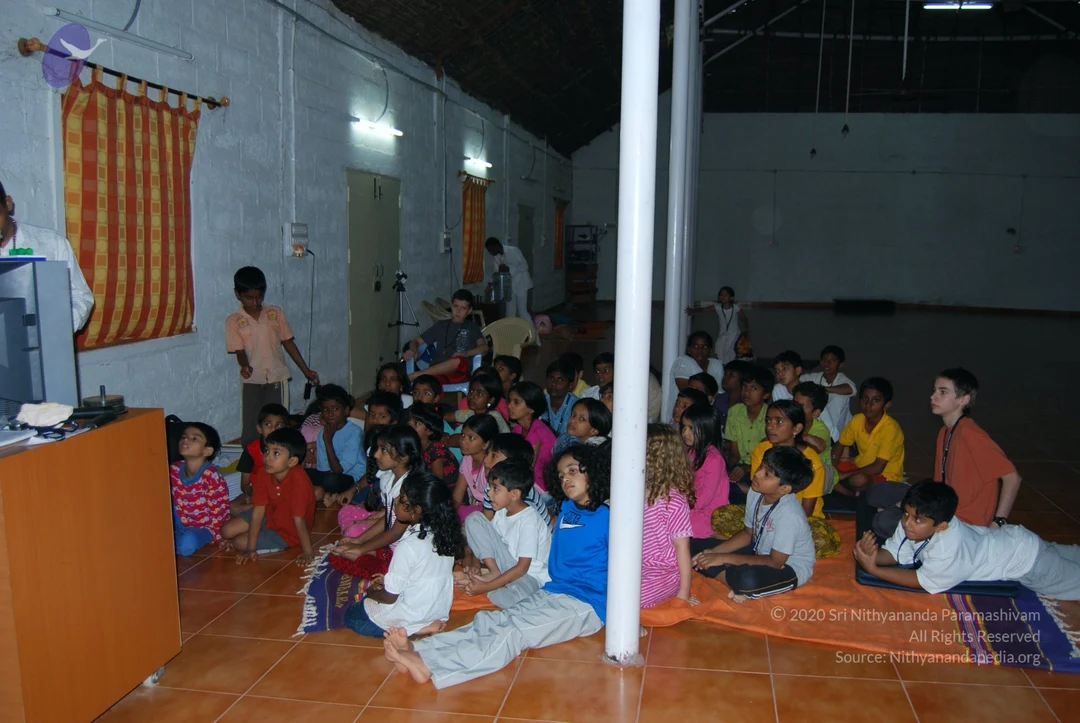
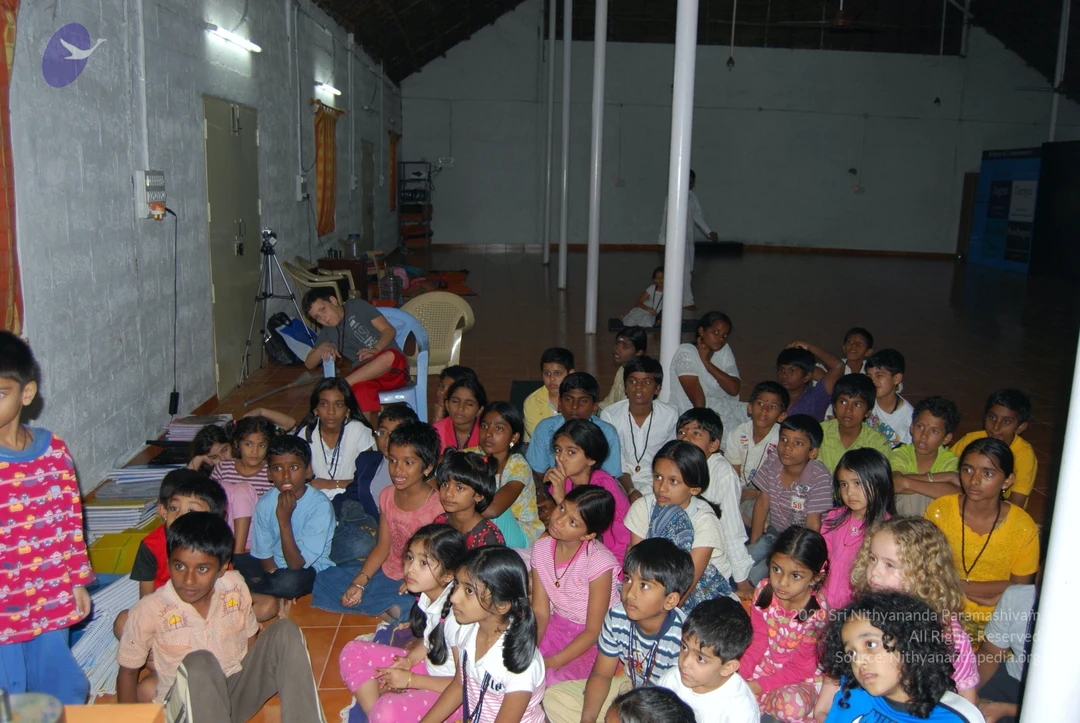
1-En-Genius-Sessions
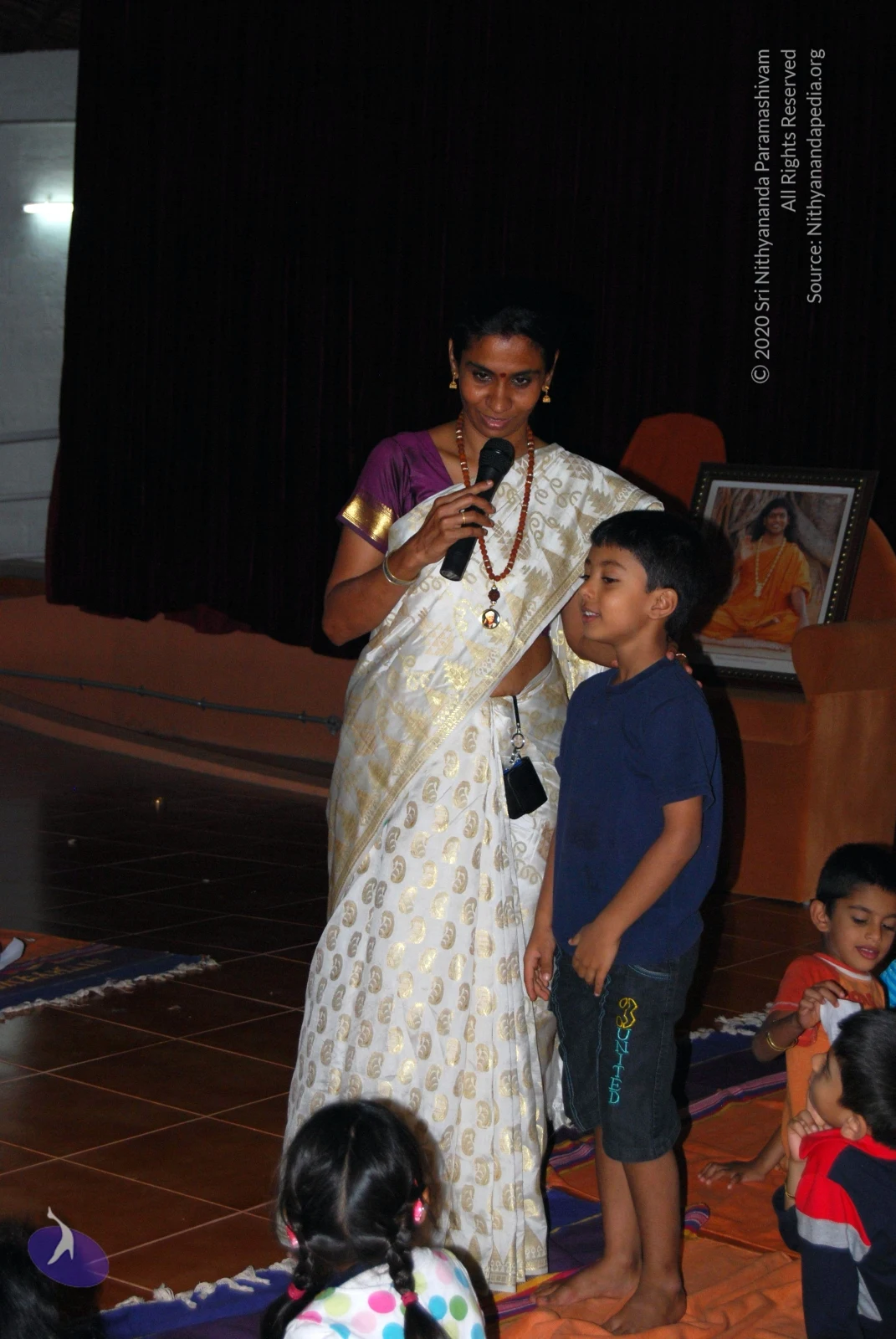
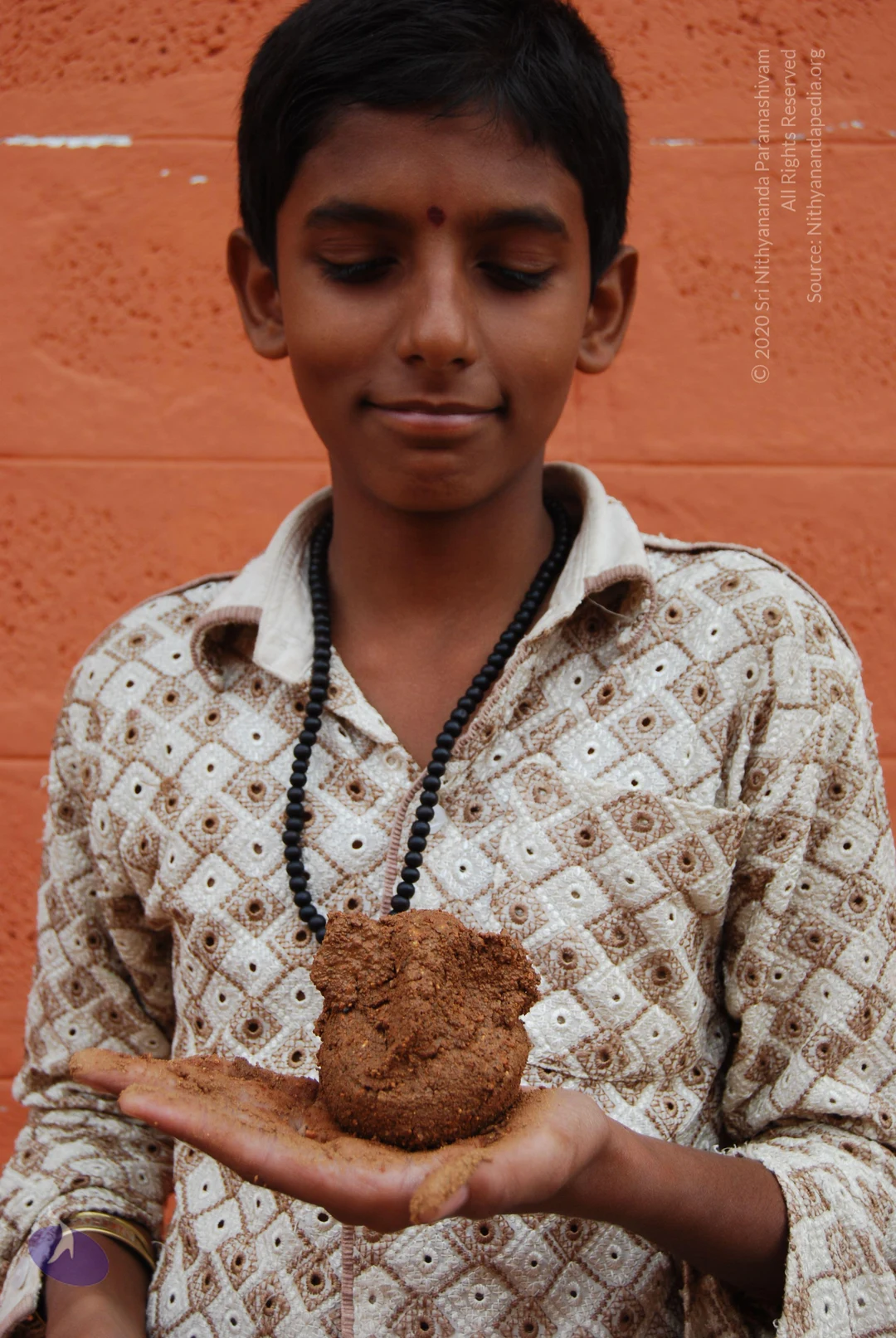
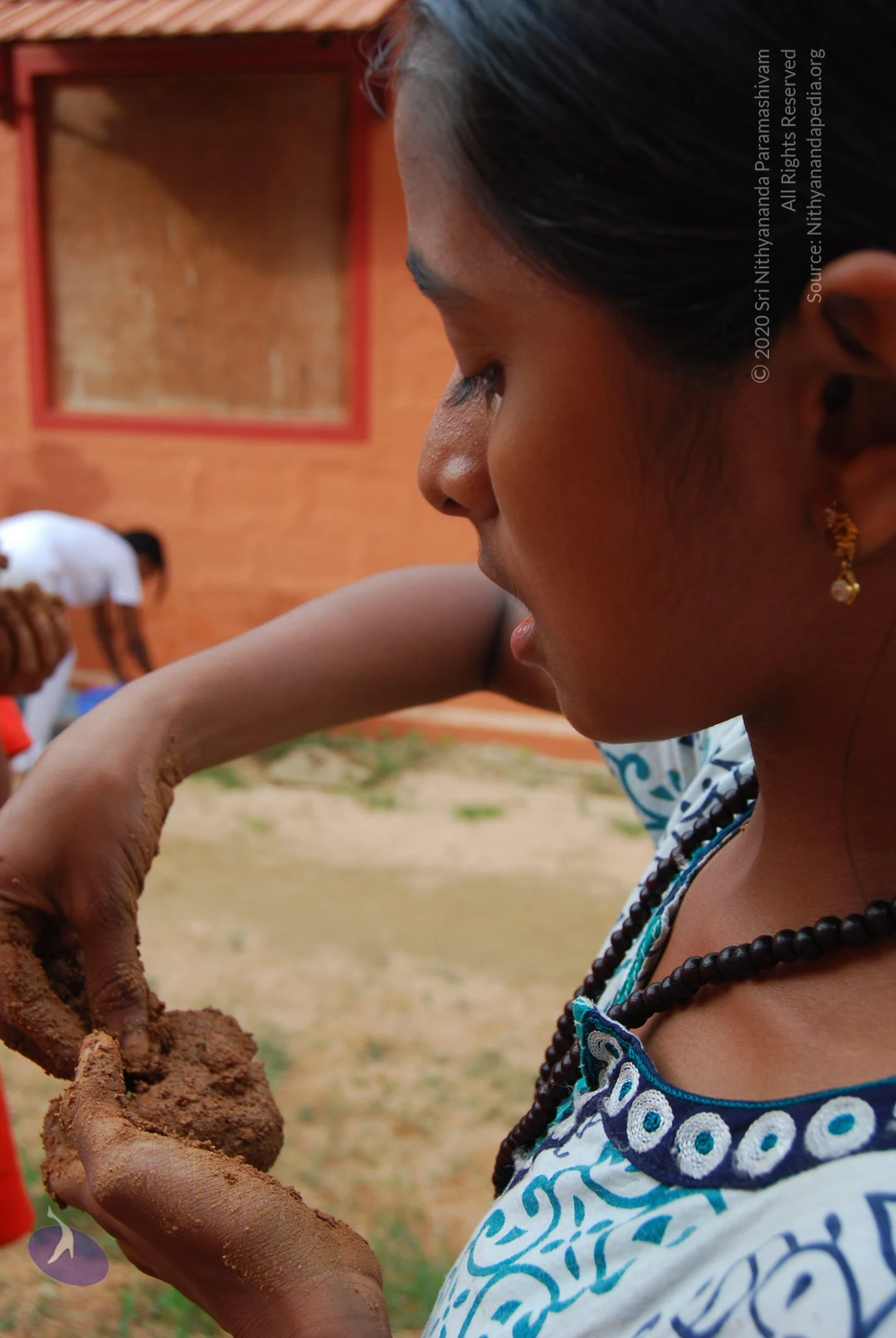
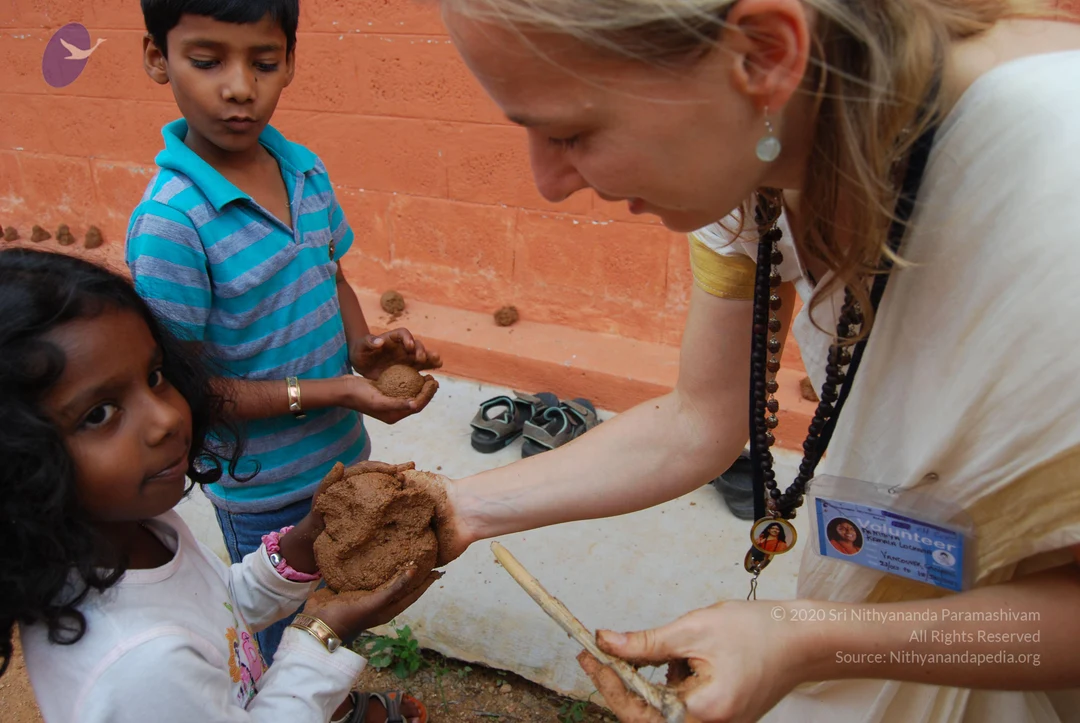
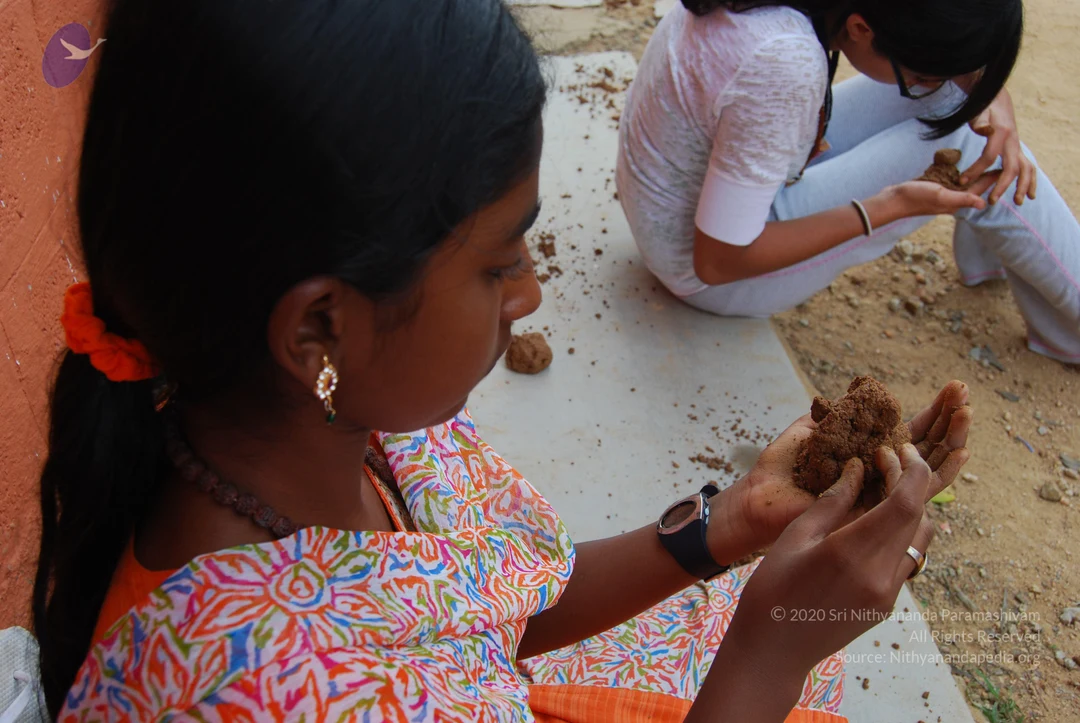
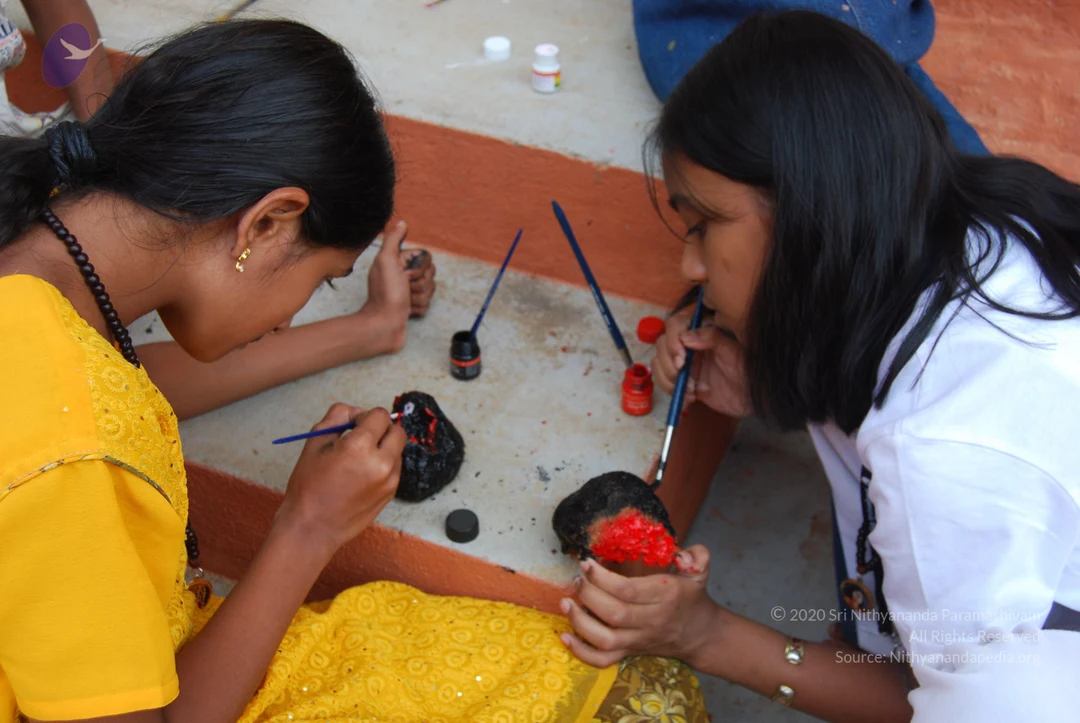
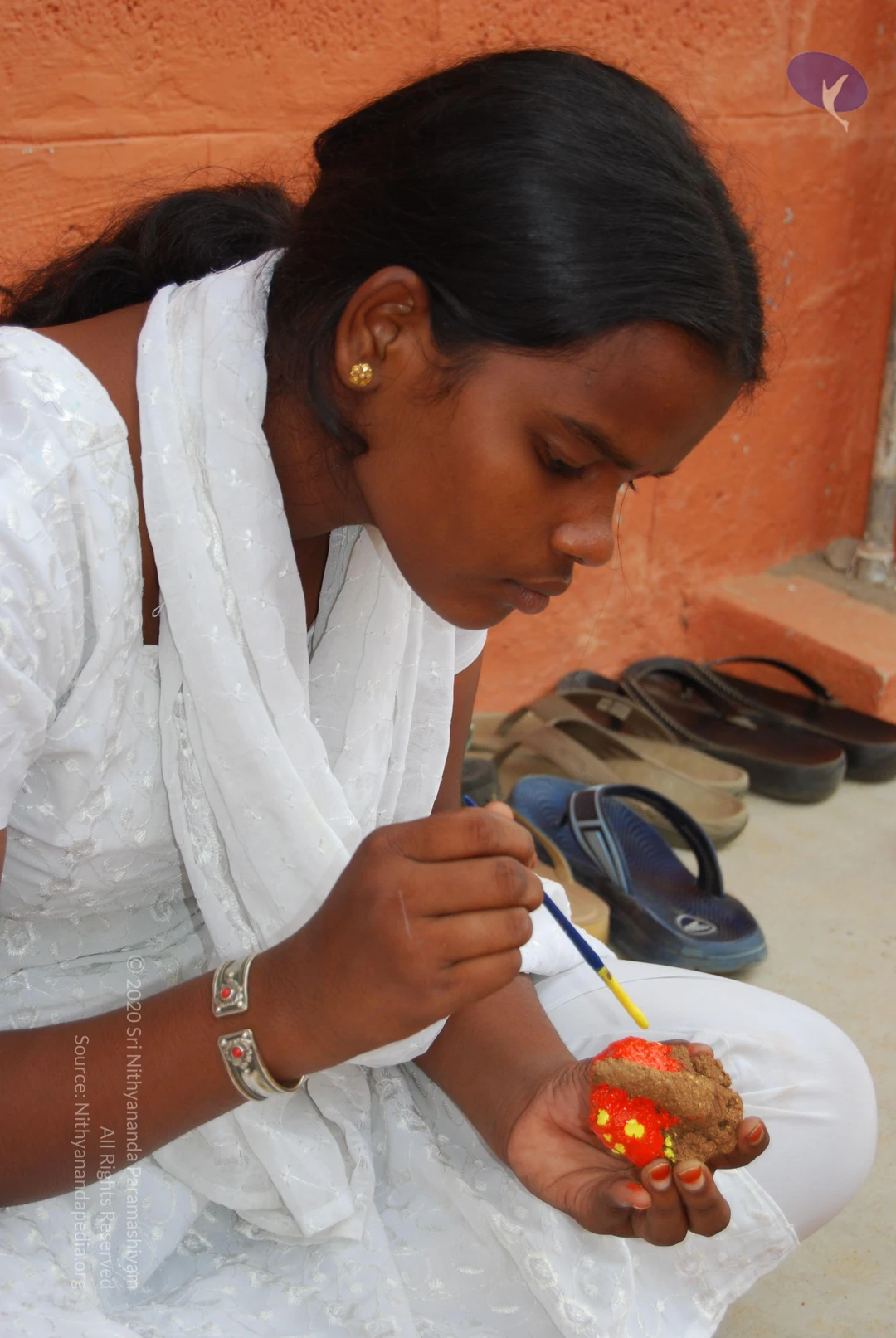
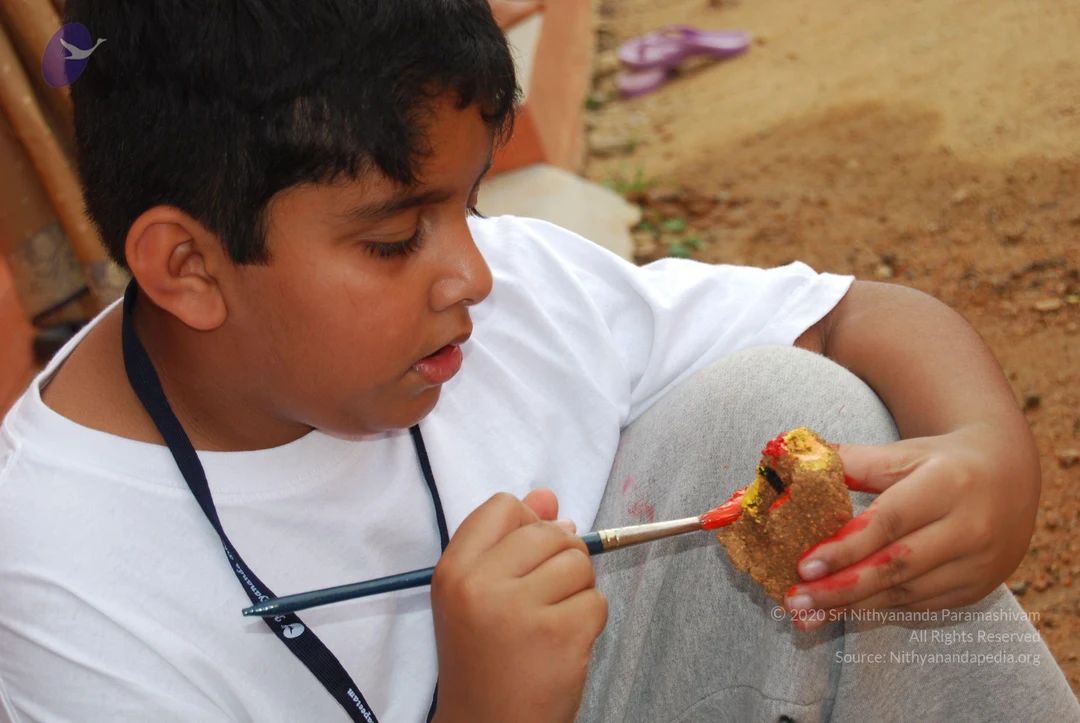
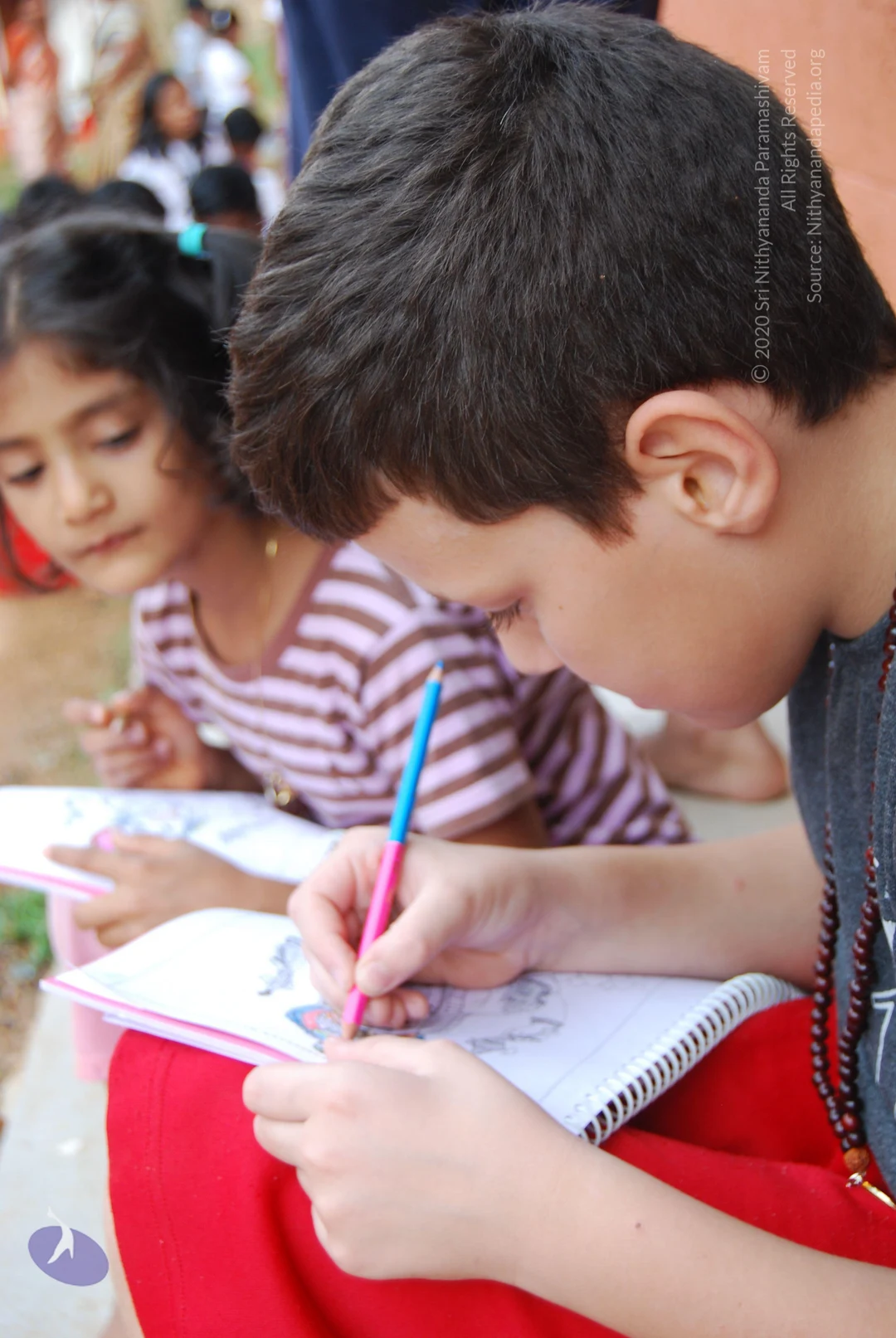
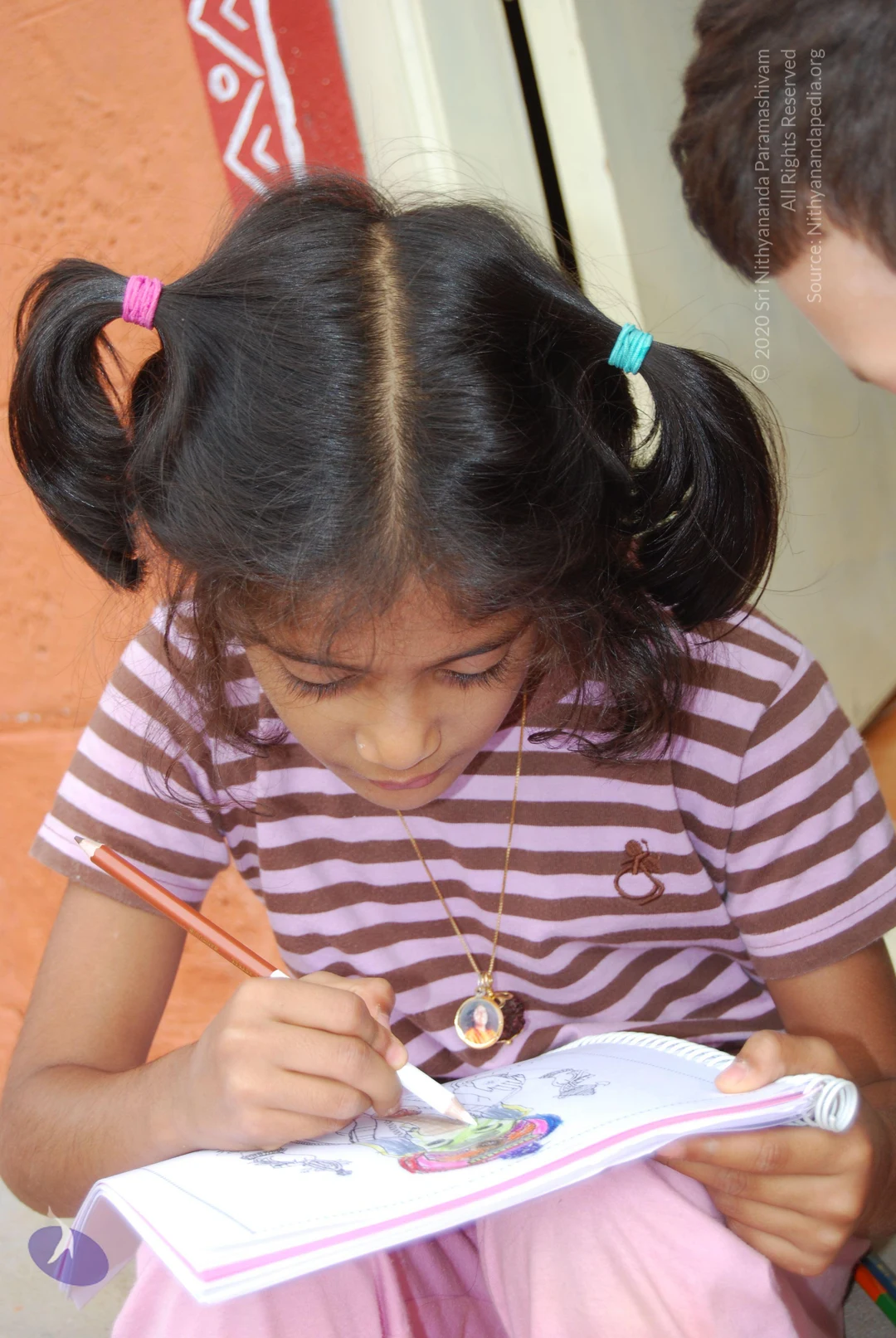
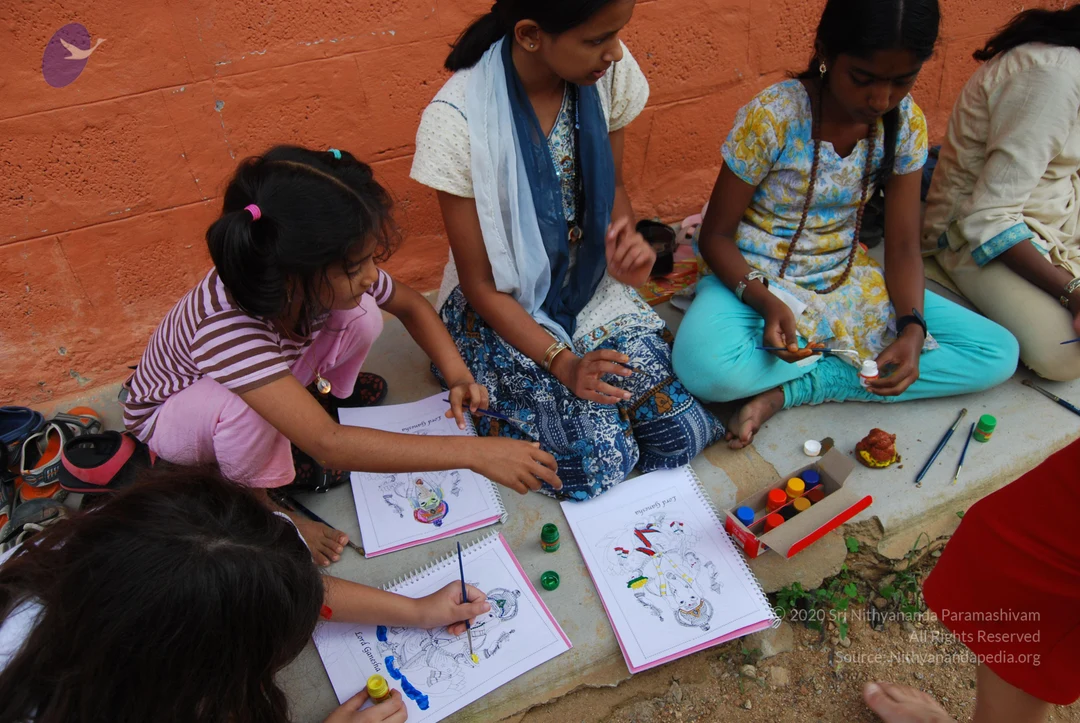
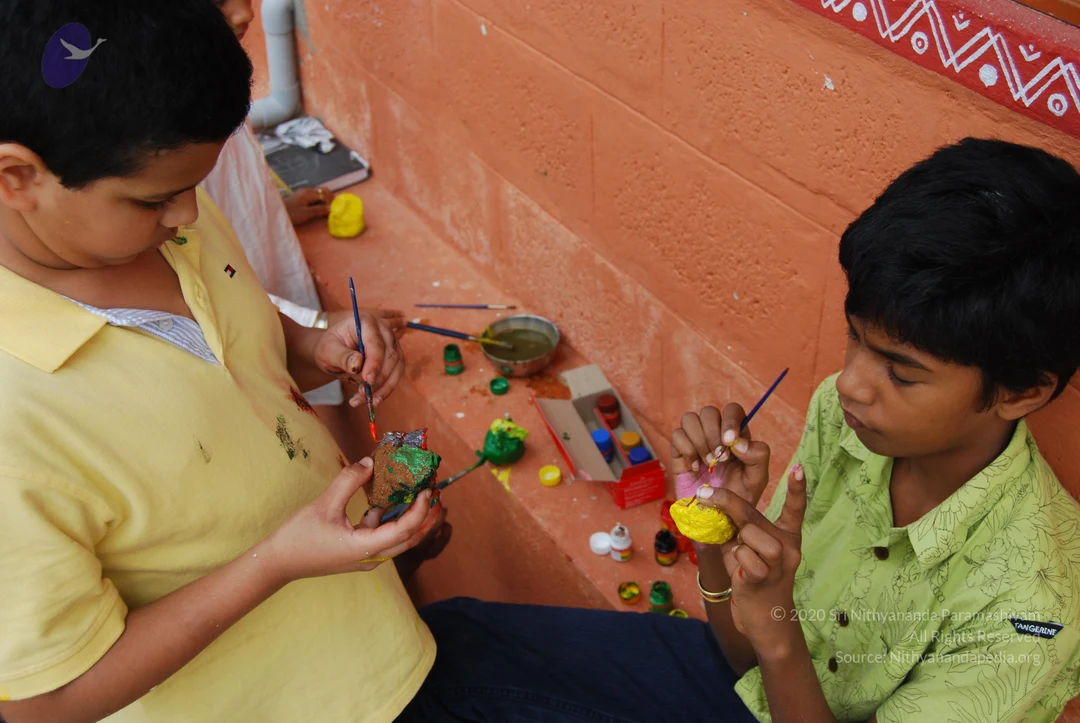
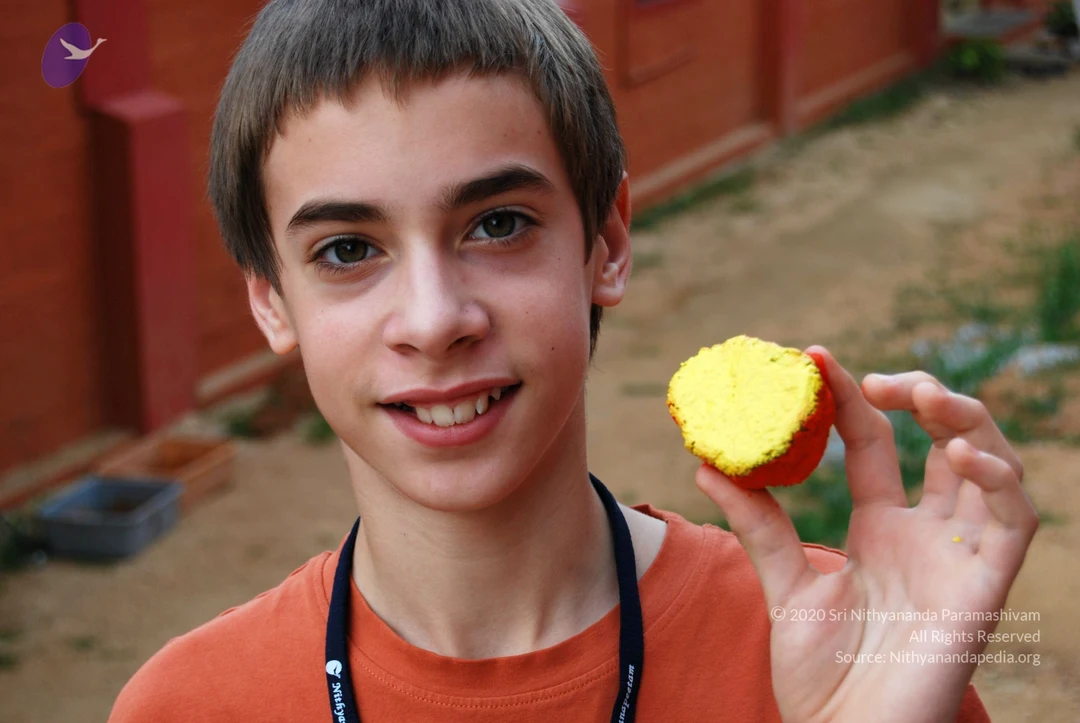
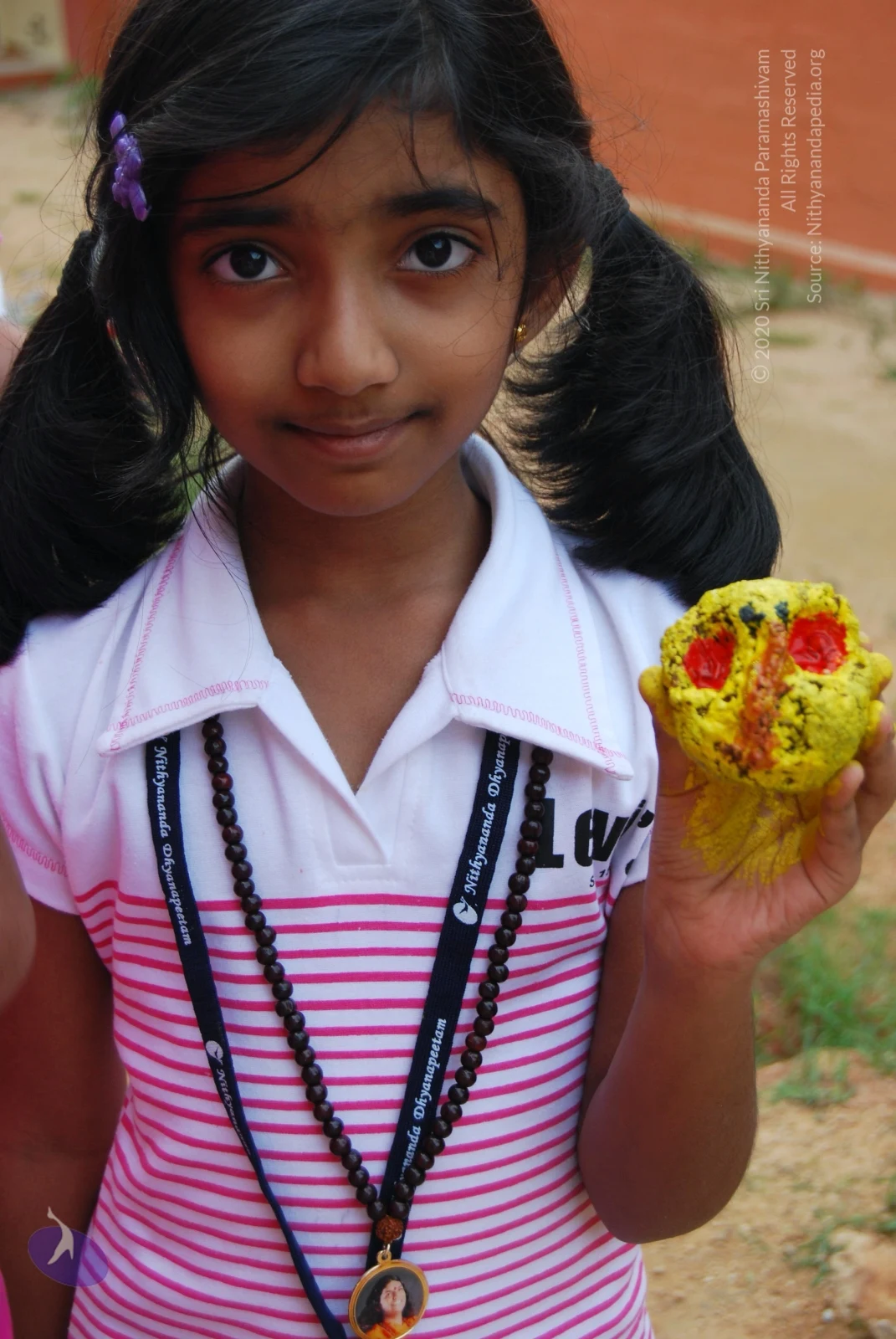
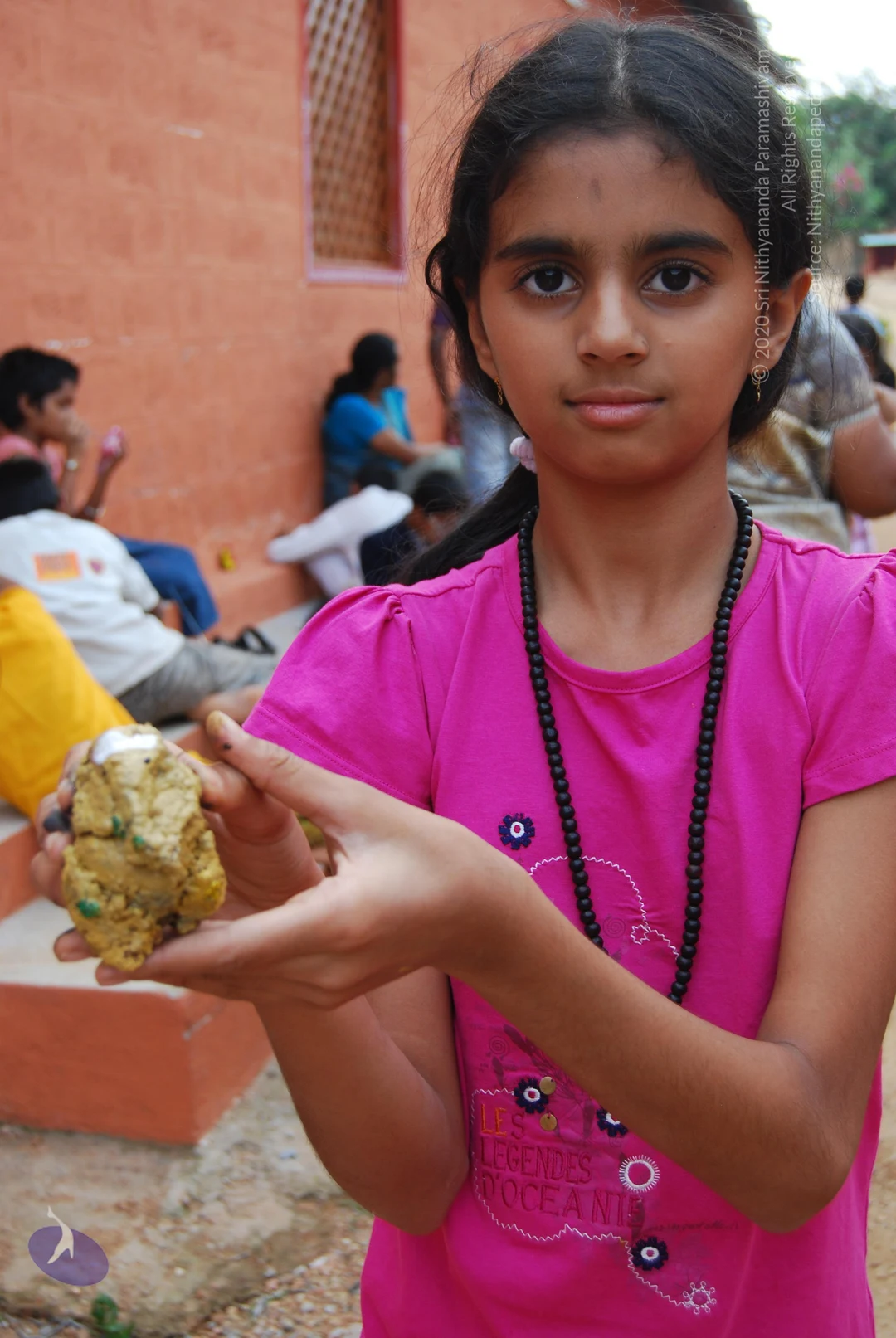
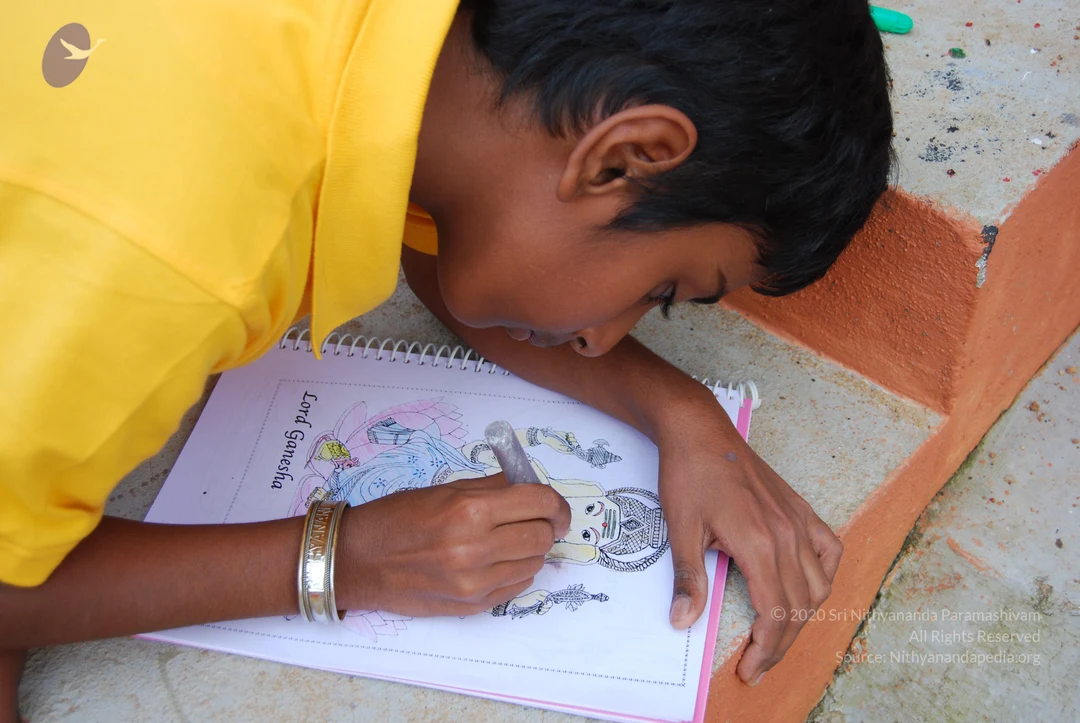
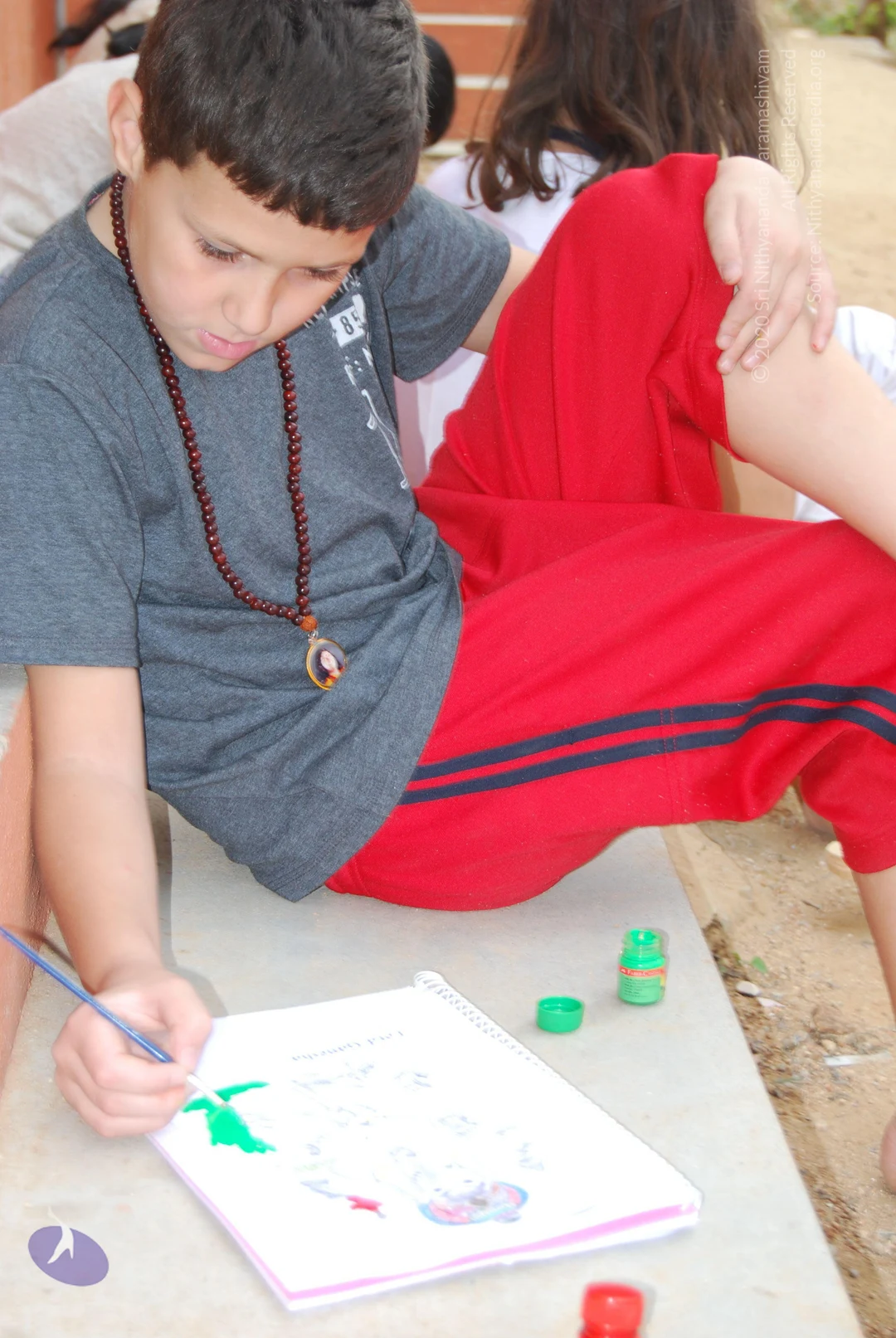
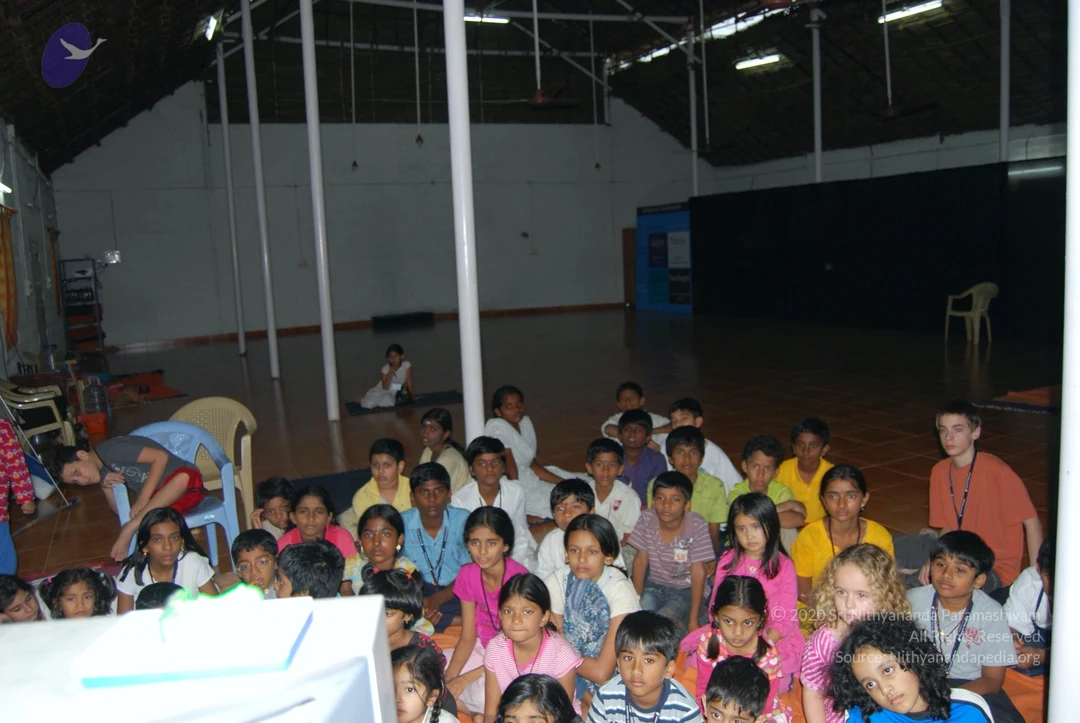
Photos from this day
View all 168 photosPANCHA-TAPAS
2 photosSource gallery
PADA-POOJA
11 photosSource gallery
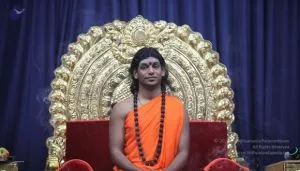
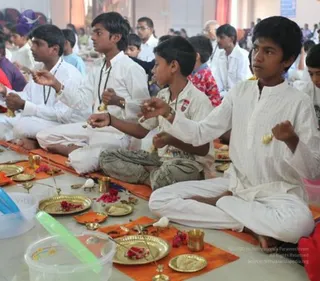
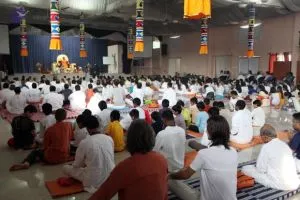
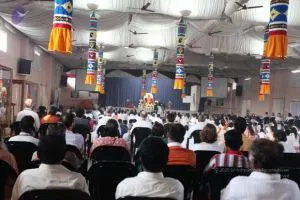
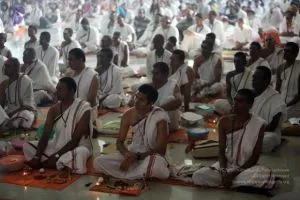
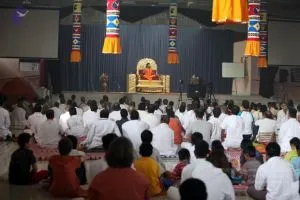
NITHYA-SATSANG
9 photosSource gallery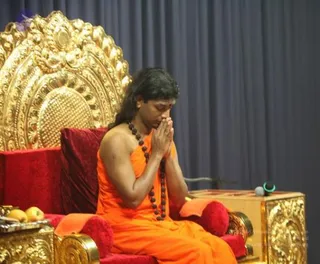
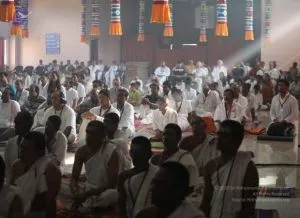
SARVA-DARSHAN
2 photosSource gallery
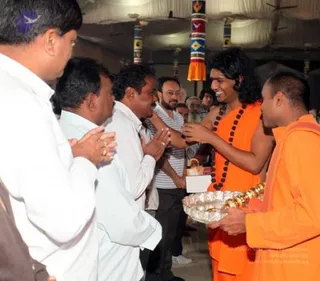
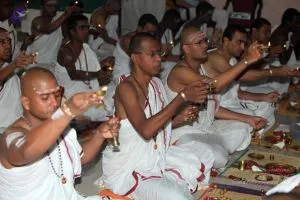
NITHYA-YOGA-BY-INNER-AWAKENING-DELEGATES
9 photosSource gallery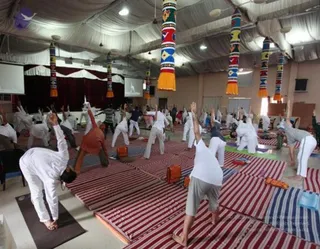
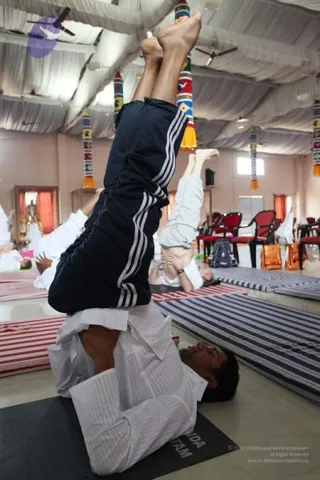
INNER-AWAKENING-SESSION-BY-HDH
32 photosSource gallery
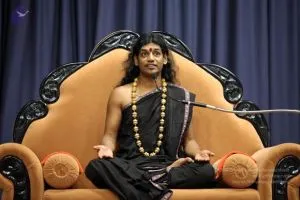
DARSHAN
26 photosSource gallery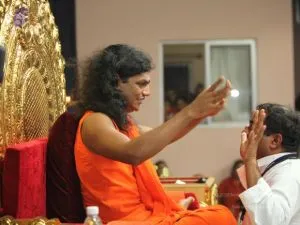
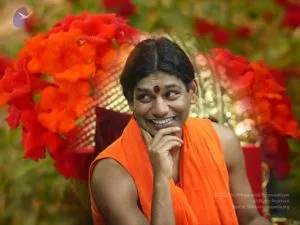
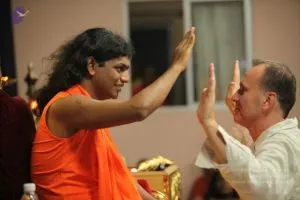
LUNCH-HOUR
6 photosSource gallery
Inner-Awakening-Session
1 photoSource gallery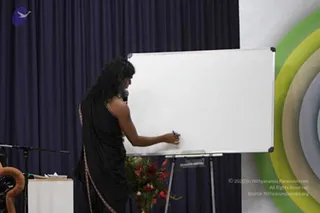
1-En-Genius-Sessions
70 photosSource gallery