Friday
13 August 2010
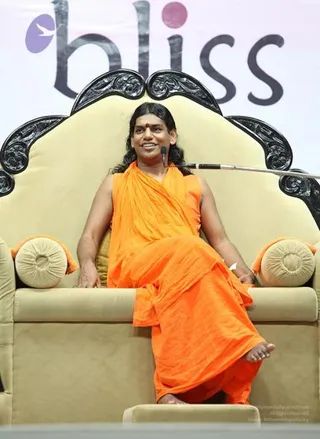
Supreme Pontiff of Hinduism HDH Bhagavan Sri Nithyananda Paramashivam
- Dated photos
- 20
- Source pages
- 1
- Media
- 4
August 13 2010
Original wiki pageTitle:
Supreme Pontiff of Hinduism HDH Bhagavan Sri Nithyananda Paramashivam
Narration:
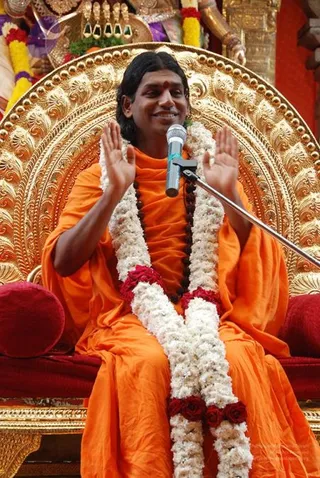
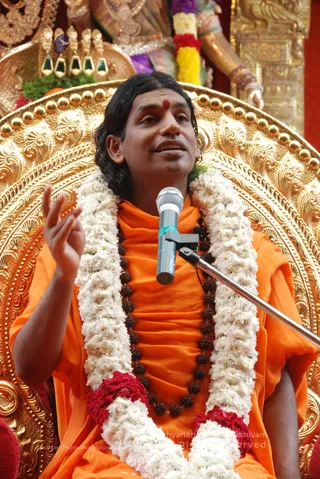
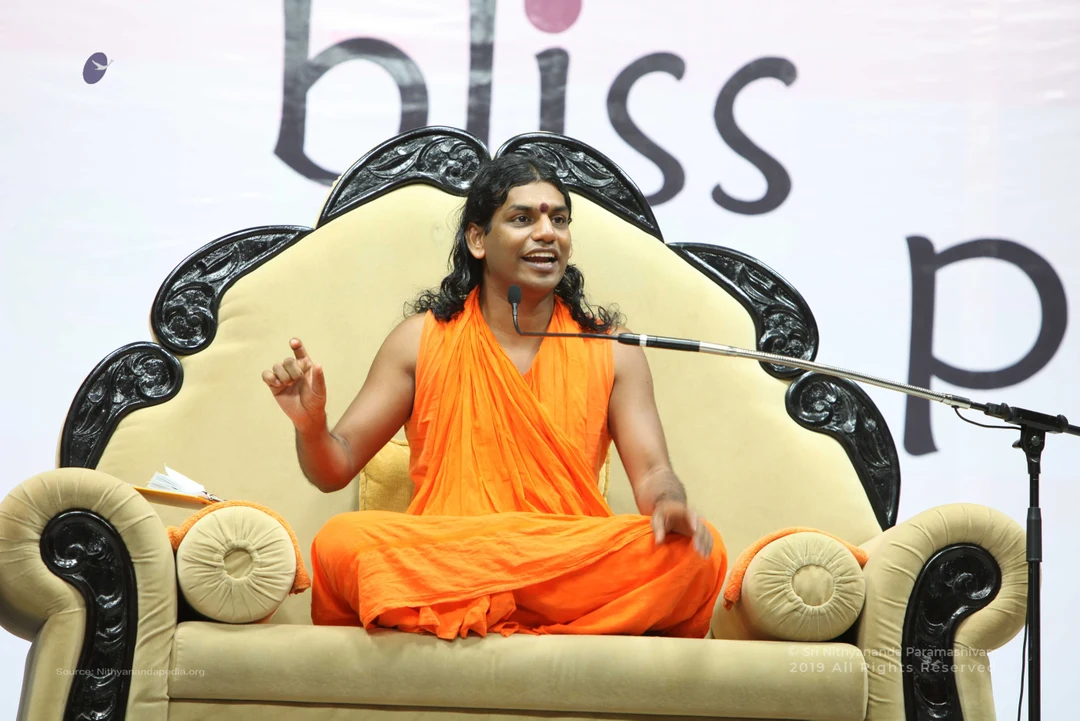
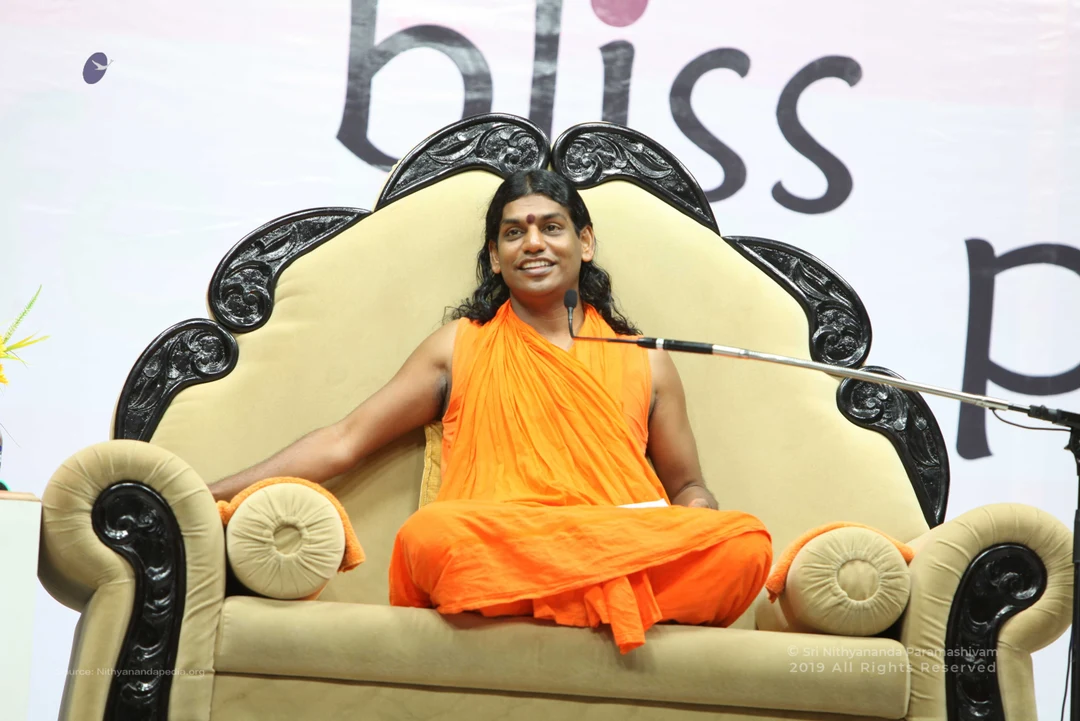
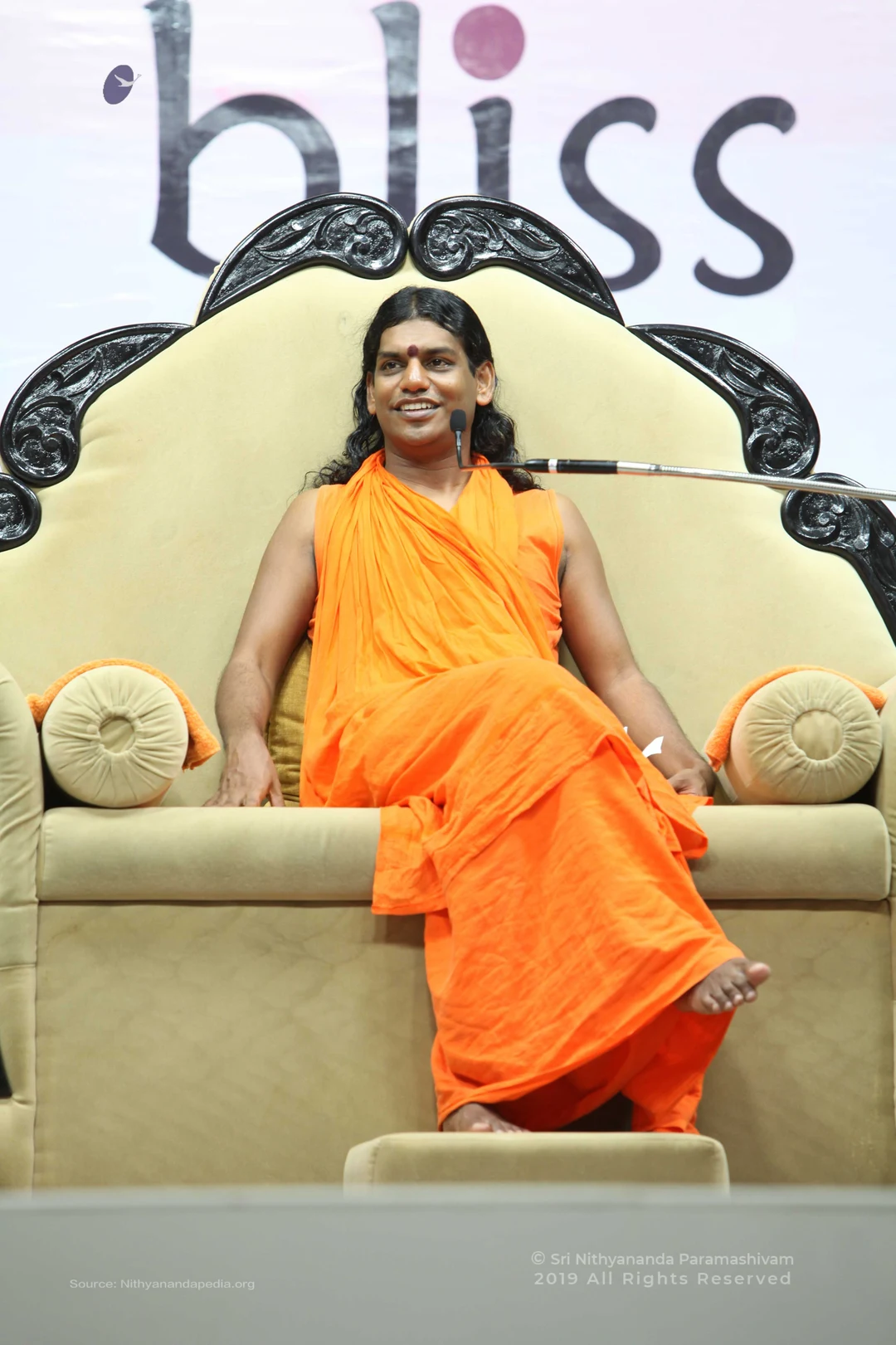
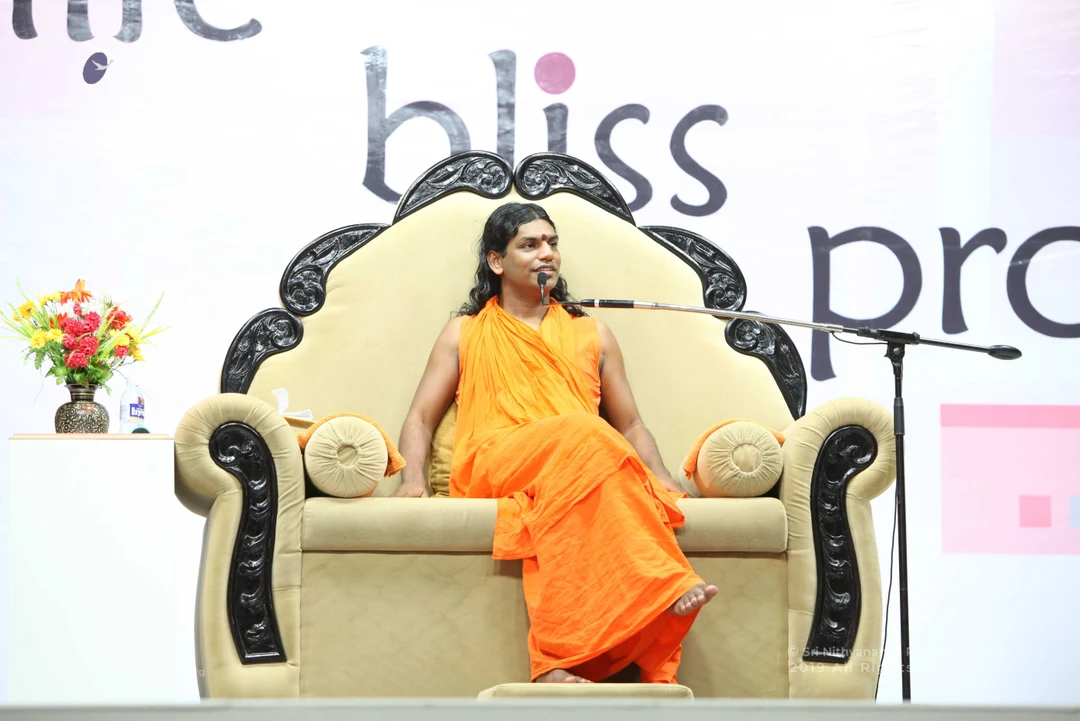
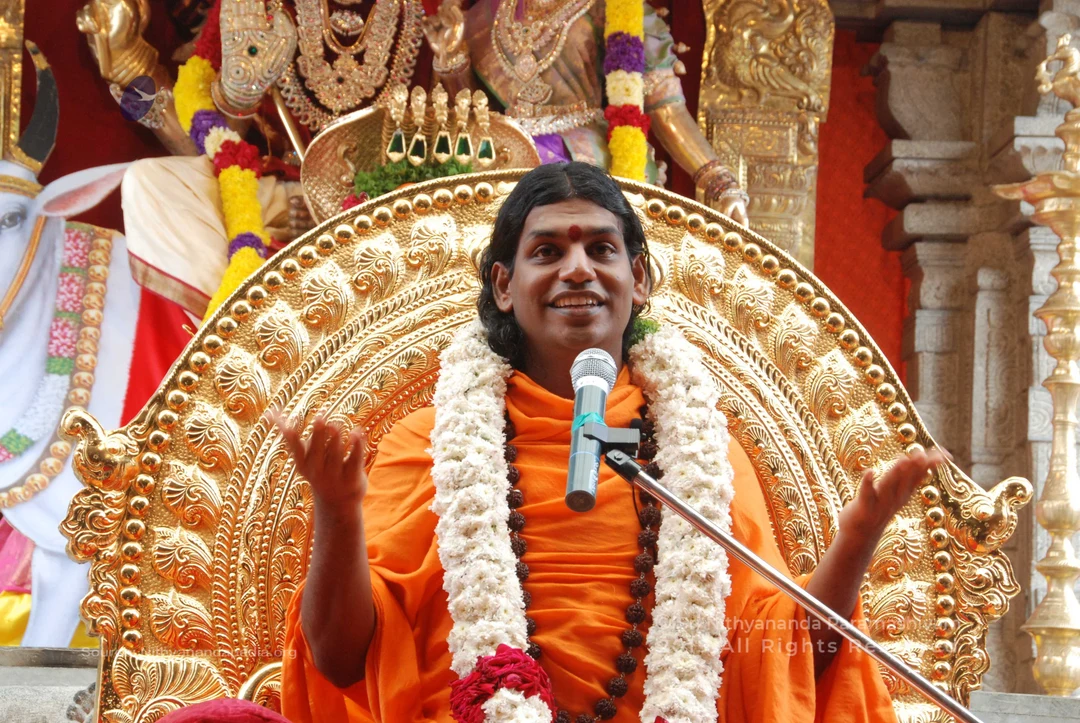
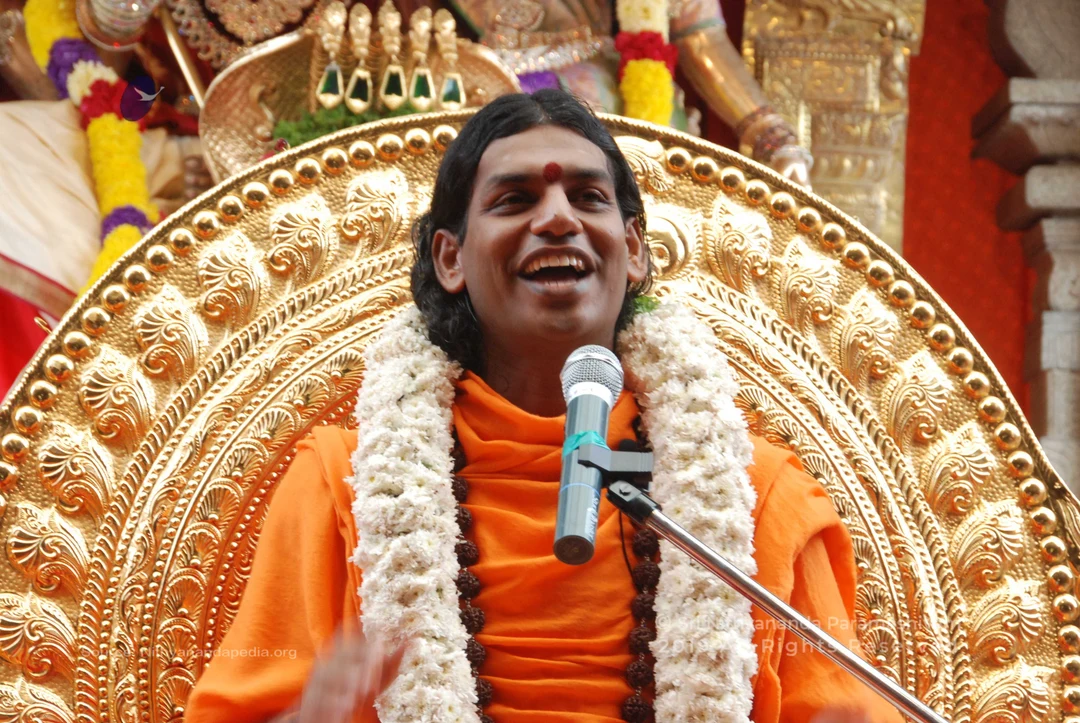
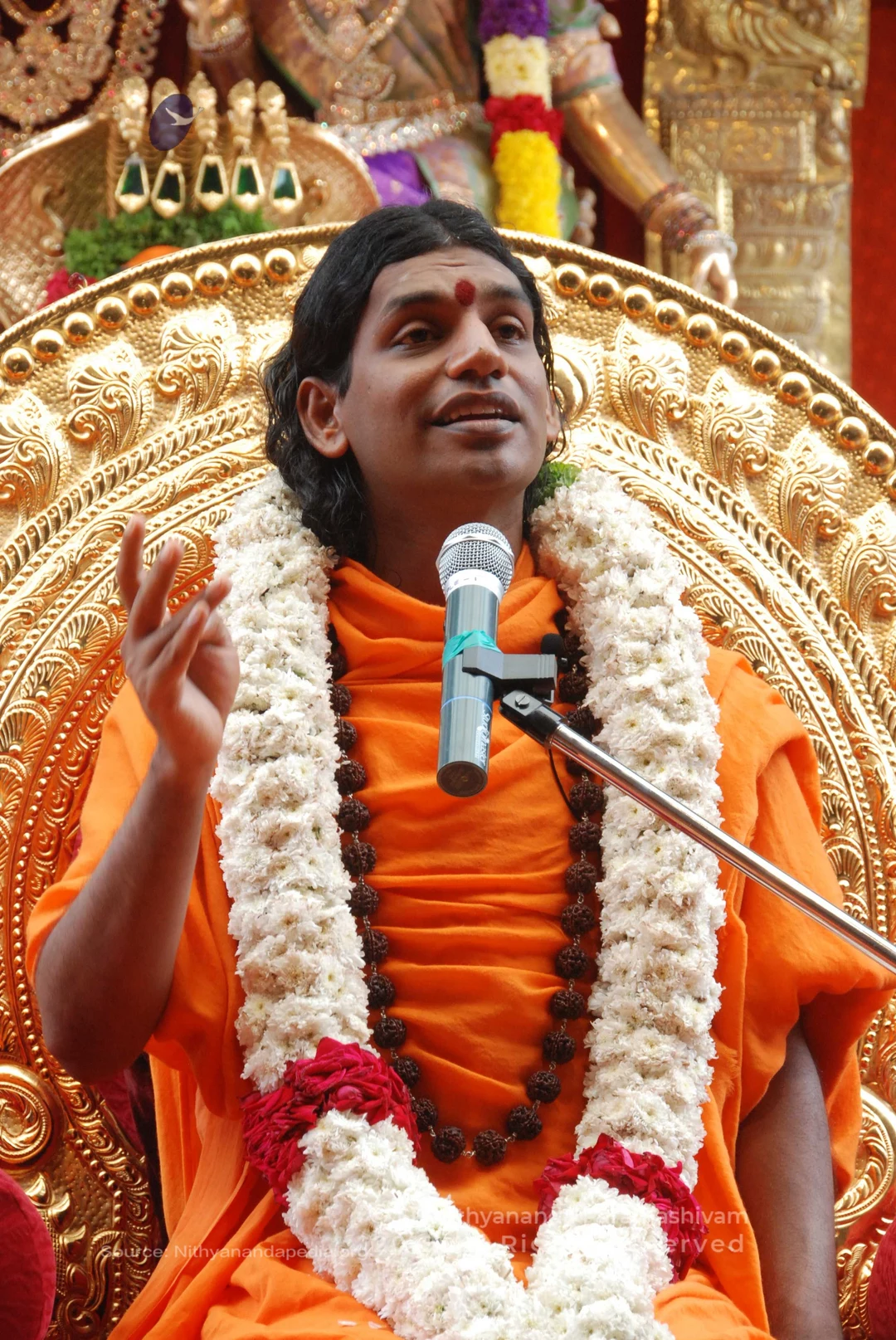
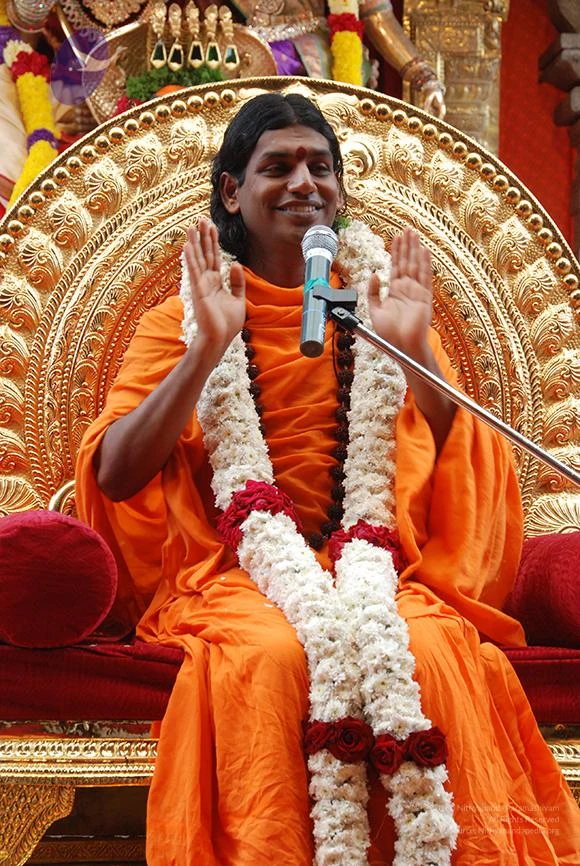
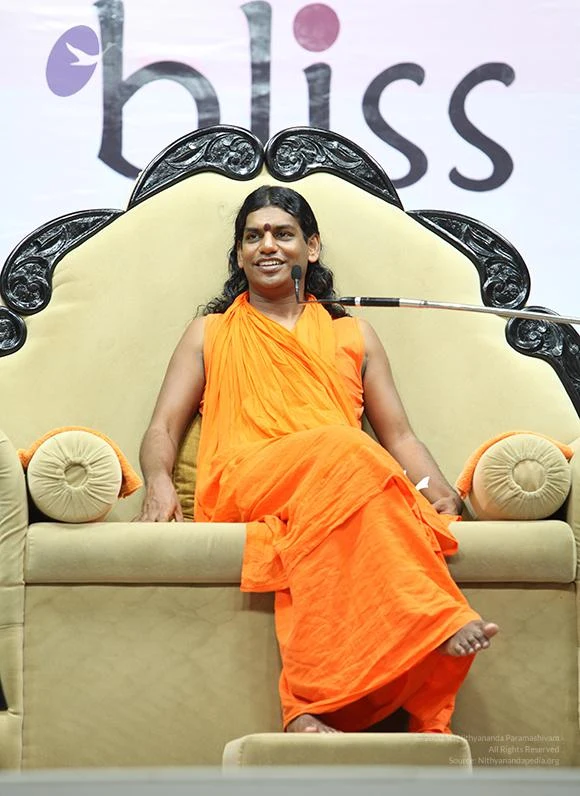
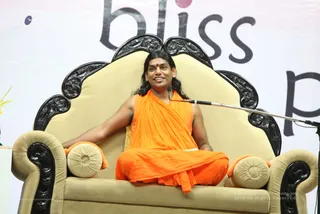
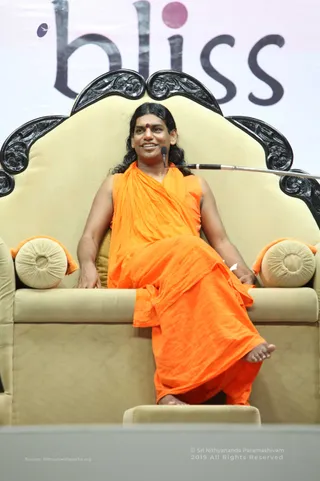
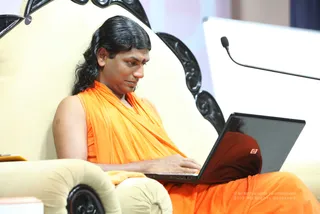
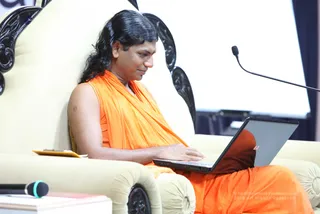
The Supreme Pontiff of Hinduism, Jagatguru Mahasannidhanam, His Divine Holiness, Bhagavan Nithyananda Paramashivam, expounded on the Cosmic Principles of Responsibility during a live public talk - Nithyananda Satsang. In this talk entitled BBC's Documentary on Ganges, Nithyananda Speaks -Taking up Responsibility and Miraculous Healing, The Supreme Pontiff of Hinduism shared truths about responsibility and healing from watching the BBC Documentary on the Ganges, where a village was shown miraculously living freely around cobras without any harmful effects. He explained that when you take responsibility, even if the venom, poison goes inside, it cannot stop your life or kill you and you will be alive radiating and living. He shared that taking responsibility changes your whole being because more and more expansion happens in your Consciousness and this will help in any crisis and many situations. His Divine Holiness shared in this satsang several powerful cognitions explaining further that not losing the balance or putting the weight on somebody else, but taking the responsibility on you, does miracles.
Video:
| Video | Audio |
Transcript:
Sadāshiva samārambhām Shankarāchārya madhyamām | asmat āchārya paryantām vande guru paramparām ||
(0:39)
Today I will express a few words on the truth; taking responsibility… Please understand, when seed is ready to take the responsibility of becoming tree, it grows; it transforms itself. When egg takes the responsibility of becoming a chicken or hen, it grows, expands and transforms itself. It is the decision to take the responsibility is breakthrough point. In any field, whether it is economical, corporate, social, or relationships, or spiritual, when you decide to take responsibility the breakthrough happens, the opening happens... the possibility opens. The straight method to make all the accidents into possibilities is taking responsibility. When you can’t take responsibility, even the air goes inside can become accident and stop your heart; it won’t come out. If you are ready to take the responsibility, even the poison goes inside can become part of you and make you a new Being, immune to the poison. The system which is ready to take the responsibility…
(2:50)
Just the other day I was seeing a beautiful documentary by BBC on ‘Ganges’. There is a description of a particular village on the banks of Ganges, where thousands of poisonous snakes, cobras are just moving around. The belief of that villagers, I saw the documentary and literally I saw, visually it is being shown, hundreds of cobras, here, there, here, there in the different houses. Kids are sitting and playing and the cobra is moving! And I saw one child, standing and doing something, the cobra was moving just on his very feet! And the workers are working on the farm, the farmers, the cobra was just moving on them! Literally it is not a trained cobra or a cobra without poison or the teeth removed; nothing! No! It is not trained cobra. Wild, village, free snakes! Just people are living with it and they’re living with people.
(4:04)
And the funny thing, the record says, even I was not even able to trust what BBC says, so surely they have done enough research before putting this to public, and they say that no individual has ever died because of snake bite. I was shocked. And they are showing some more clippings, like, even the kids when they are bitten by the snake accidentally, they take the child to a local temple, Devi temple, the snake Goddess temple, some pooja is done, some meditation is done, miraculously those kids recover without any medical attention. I was really shocked. Of course I know the power of the spiritual healing, or the healing through the feeling connection, vitarka, but I was surprised when the small kids who can’t understand what is vitarka. Even they getting healed, so consciously I started scanning, what is really happening? Especially in the documentary they are showing a child, surely less than ten years, that child being bitten by the cobra, but without any medical attention, just miraculously recovering. So I was scanning his consciousness, that child’s consciousness. I just saw, the molecules have taken, molecules of that body, the organs of that body have taken the responsibility of falling in tune with the consciousness of the community in which he is living. Please understand, see if he is a grown up man, if he has seen some other people being bitten by snake, being taken to the temple and they recovering miraculously, then naturally he will have that feeling connection, because he has seen it many times, it happening. So he recovering may not be a big miracle because, the faith! Feeling connection, that is the answer. But the surprising thing is the child who may not have seen some other people recovering, or he may not even understand that the possibility exists. But even the child recovering was really a miracle for Me. Of course, a man to who thousands and thousands of miracles are attributed, even for Me it is a miracle.
(6:45)
With this whole scandals, all possible abusals, there is not stone left unturned by the abusal, irresponsible media on Me. They discussed whether I am sanyasi or not, they discussed whether I am man or not. They have not left any stone unturned. They abused Me so much! But even, they were not able to create a controversy around My healing powers. I was surprised. That is the only thing, irreputable, stands still now holding this throne and this Dhyanapeetam.
(7:28)
Anyhow, the man who knows the science of spiritual healing, to whom millions of healing miracles are attributed, even for Me this was a miracle. It was a surprise, because I know, if you know, if you have seen somebody recovering from the poison, snake bite, then your bio memory will have the strength, vitarka to stand up during that crisis moment; during that critical moment. You see, when the snake bites, when the poison is trying to spread all over the body, during those moments, if you have the strong bio-memory of seeing somebody recovering from the poison bite, seeing somebody getting out of that poison, that bio-memory can be the strong protection that can create the medical effect and can get you out of that poison. Even this is a great miracle and not an ordinary happening. So even this I can understand because I have seen this kind of happenings. But the happening I am describing is something far deeper, far more, far beyond this understanding. See what I am talking now, this understanding, you seeing somebody being bitten by snake and that person has recovered because of faith or spiritual power, then if you are bitten by snake and if you are recovering it’s called placebo effect. In science in the medical field, they call it placebo effect. See even placebo effect has some definition, but the scene which I saw which was presented in the BBC documentary ‘Ganges’, I’ll really, sincerely recommend all our devotees, all the people that are interested in the Vedic tradition and the spiritual culture of India to see that documentary ‘Ganges’. And I thank BBC for bringing such wonderful truths of the Vedic wisdom to the world through that documentary. It is one of their, just, just I have no other word except My gratitude for BBC doing that job of bringing such wonderful truths. Such wonderful secrets of the Indian tradition, lost in villages, never brought to the international community. Through this documentary, BBC has done a great service of bringing so many other wonderful truths to the international community.
(10:25)
Let Me analyze this one truth. So the child, there is no possibility for the child to somebody being bitten and brought to the temple and recovering. So there is no bio-memory of somebody else getting healed already in that same situation so that that bio memory can act as a medicine. Act as a crisis management intelligence to recover from the snake bite. Then how, how the child is recovered? Because the truth, BBC says, ‘the child is recovered’. And I saw that documentary, I was shocked. The child was shown in that documentary, so what is the secret? When I looked in, to that child’s consciousness, what was happening? I just picked up the black box. Just like when a flight gets into an accident, you can retrieve the black box and get the whole detail of what happened. I got into the consciousness of the child and retrieved the black box. I wanted to know, really what’s the reason for the child’s recovery. Please understand, spiritual healing was not the reason. The faith healing was really not the reason. The placebo effect was not the reason. The reason behind the child’s recovery was, the child has already taken the responsibility to be in tune with the consciousness of the community in which he is living. Taking responsibility can even act as a lifesaving medicine. Please understand, taking responsibility, acting has a component of making you mentally mature. It’s understandable, when you take responsibility, you become mentally mature, you start acting, you start becoming honest and you start integrating yourself. This all understandable, but taking responsibility can shake your bio-memory so deeply, so strongly, a snake bite, a poison can just be nullified. It was real miracle.
(12:54
So, it’s a power of taking responsibility, in the dimension even which I am not able to conceive, which is beyond even My understanding but it is truth. I have to present the truth to you even if I am not able to conceive it, even if I am not able to understand it. One thing I can tell you, when you take the responsibility for your body, suddenly your organs have become alive, your body is in tune. When you take the responsibility for the happenings of in your breathing space you become a team leader. Whatever happens in your breathing space means Pranamaya Kosha - Pranik Space, you become leader, team leader. If you take the responsibility of whatever is happening in your mental layer - Manomaya Kosha, you become a social leader. Please understand. If you take the responsibility of your Annamaya Kosha- physical plane, you become healthy. If you take the responsibility of your Pranamaya Kosha - the Pranic Layer, whatever happens you become team leader because anything in your team happens, happens in your breathing space, you become team leader. If you take responsibility of whatever is happen in your Manomaya Kosha - Mental layer means all the information comes to you and response you do and all that happenings around you which directly impacts your mind and mental setup, you become social leader. If you take the responsibility of your Vijnanmaya Kosha means all th emotion, mental setup created from the young age in you, you become leader of the country, who sets a trend for future mental setups. When you take the responsibility of Anandamaya Kosha - Bliss Layer, you become leader of the cosmos. Because now you need to change the whole cosmos, only then you can be blissful. Only then your bliss can be Eternal Bliss.
(15:19)
So the more and more and more responsibility you take, more and more and more expansion happens in your consciousness. I know that child which took the responsibility in such a young age to be in tune with the consciousness of the community in which he is growing. When he grows, invariably he will be serving his community. His community will be part of him, he will be part of his community, he can radiate real empathy. The child can radiate real empathy.
(15:56)
Now I am trying to trace that child to bring that child here and show to the world. The miraculous bio-memory he is carrying, and if we can do some medical research, scientific research on his bio-memory and prove the power of taking responsibility. If we can study his bio-memory, I know for sure we will have some breakthrough. We will have some new discovery in this science which cuts across the physiology, psychology and consciousness. How when consciousness takes a responsibility, not only psychology even physiology responds differently. When you don’t take the responsibility, even the simple, pure, fresh oxygen-air goes inside, may stop your organs, it may not come out, you may die. When you take responsibility, even the poison, venom goes inside, cannot stop your life, kill you; you will be alive, radiating fresh and living.
(17:16)
Please understand, take responsibility, it just changes your whole being. I am not telling, you should go and catch the snake and make the snake to bite you, no! But taking responsibility helps in many crisis; many situations. Not losing the balance, putting the weight on somebody else, taking it on you, standing up with you, it just does miracles. It really does miracles. Understand through this revelation I am putting the importance of taking responsibility much more than the power of spiritual healing, faith healing which is My very brand. For which I am well known. So I am saying, very clearly, categorically, taking responsibility leads you to the much more powerful zone, powerful field than what feeling connection, faith or spiritual healing can do to you. I am putting spiritual healing next to the taking responsibility. I am putting ‘taking responsibility’ ahead of ‘spiritual healing’ through this revelation. So let you all live and radiate Enlightenment. Let you all achieve and radiate the Eternal Bliss, Nithyananda. Thank You. (18:56)
Title
13 Aug 2010 News from Nithyananda world family
Video and Audio
13 Aug 2010 News from Nithyananda world family
| Video | Audio |
Photos:
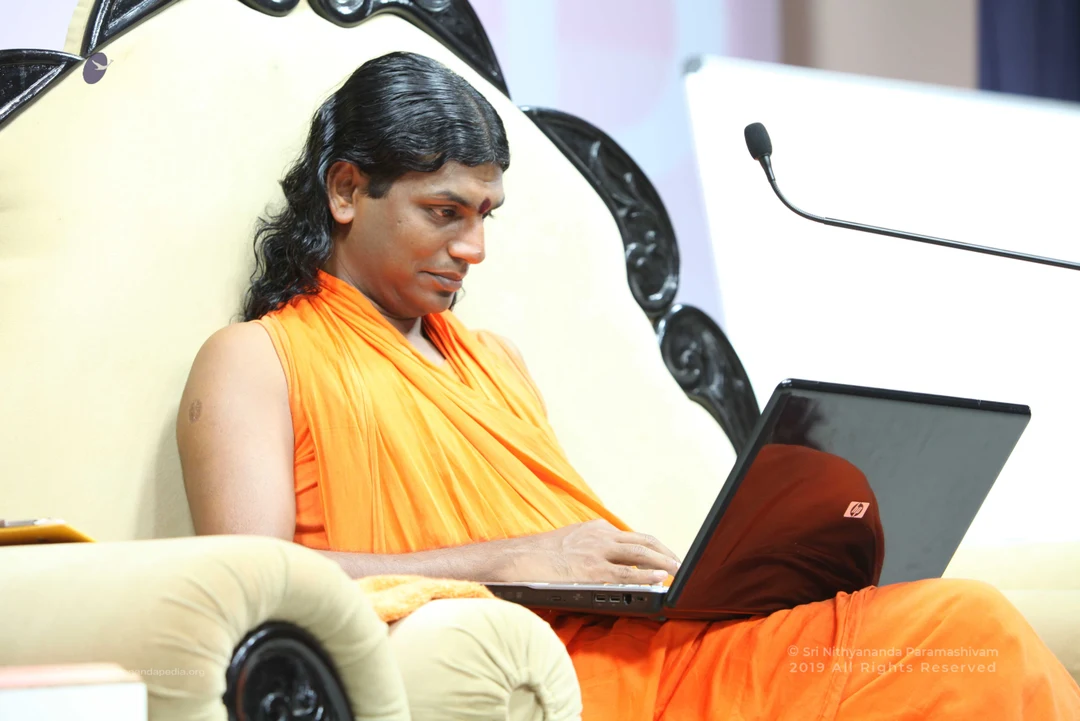
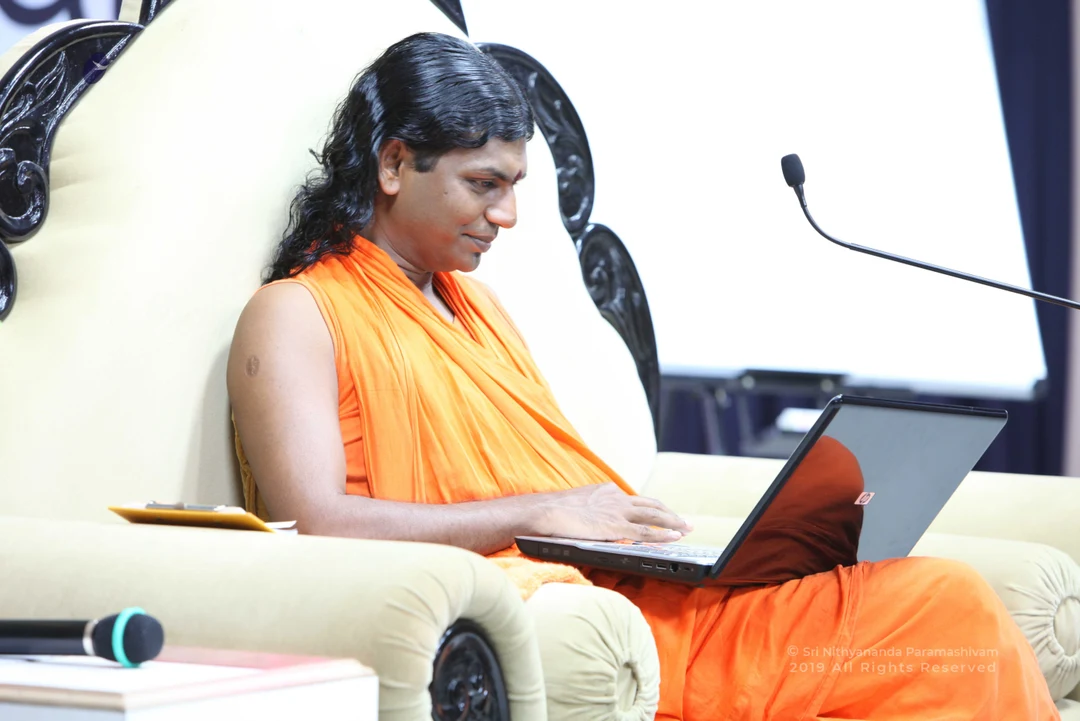
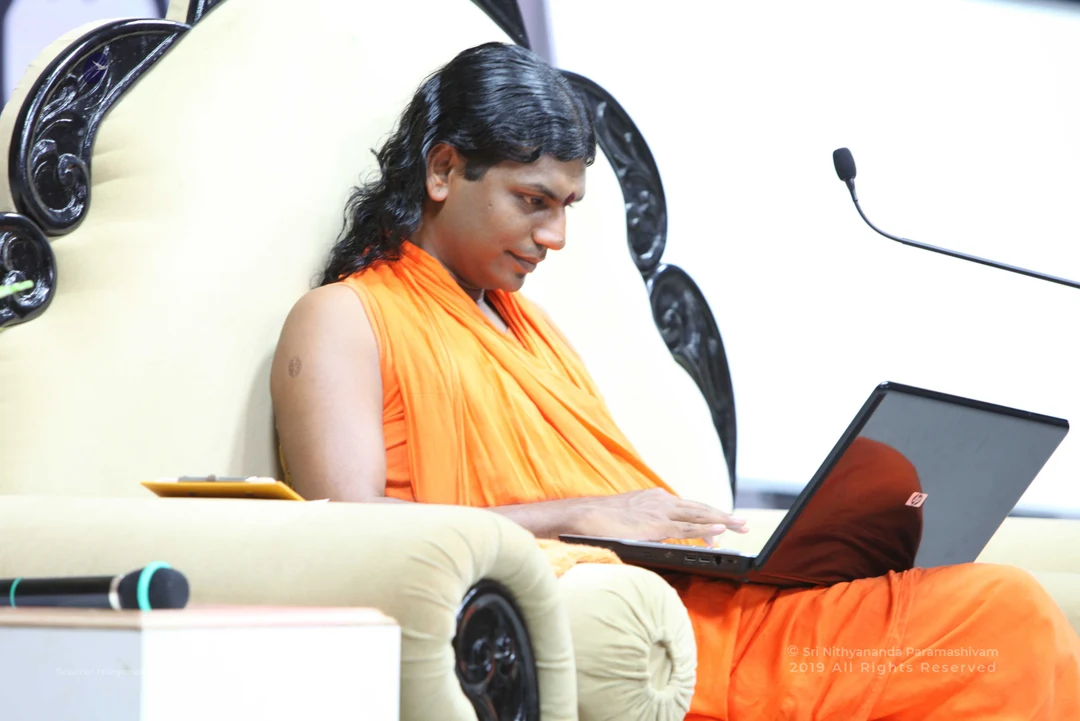
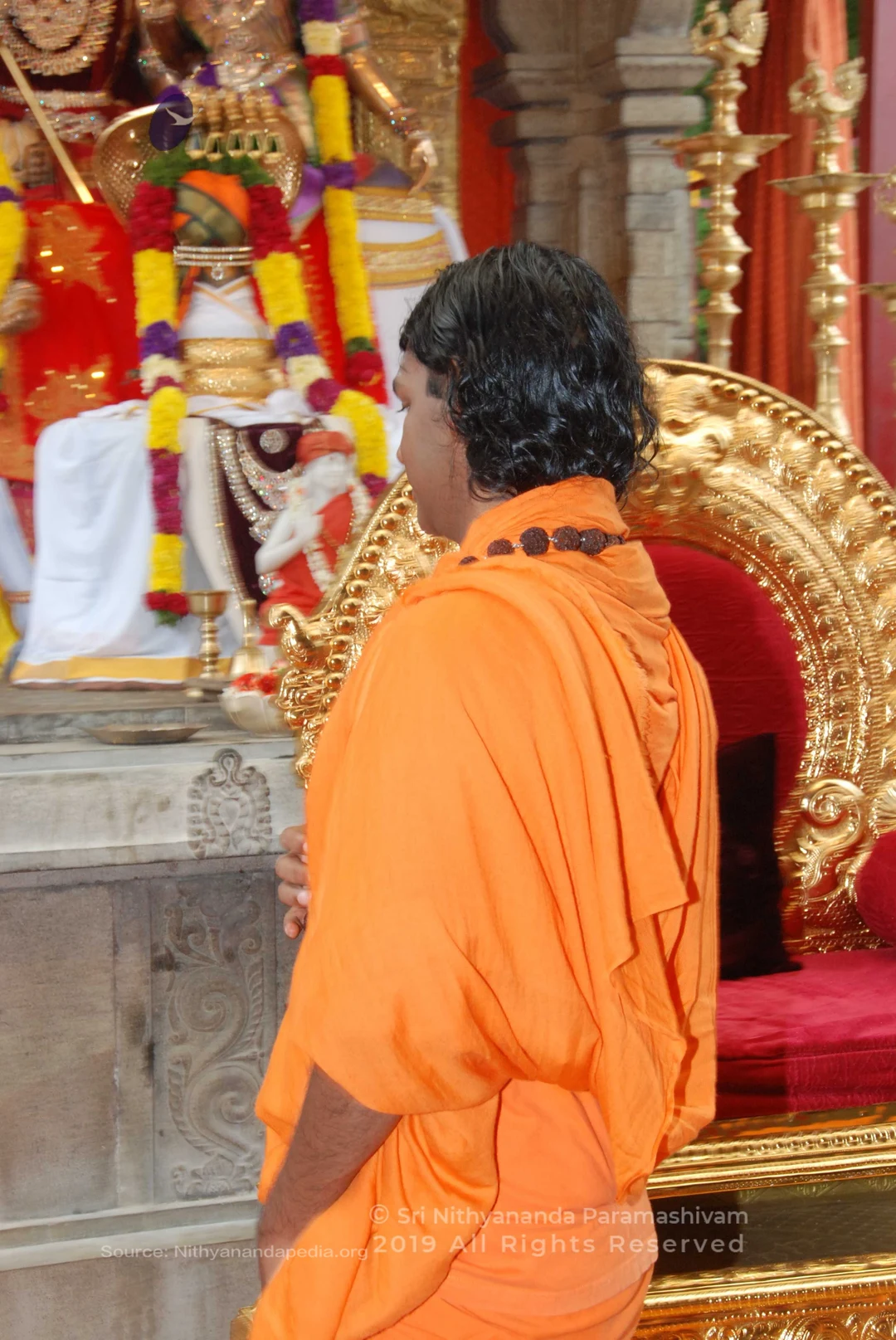
Photos Of The Day:
Panchatapas
Satsang
Photos Of The Day:
Photos from this day
View all 20 photosPhotos:
14 photosSource gallery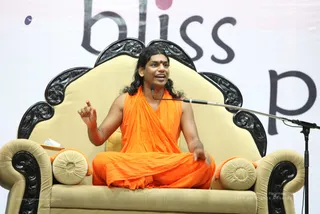
Panchatapas
1 photoSource gallery
Satsang
5 photosSource gallery