Tuesday
24 May 2022
NITHYANANDA SATSANG RETELECAST
- Dated photos
- 50
- Source pages
- 8
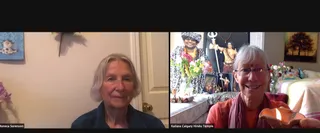
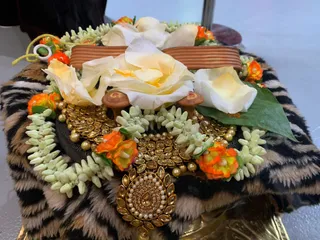
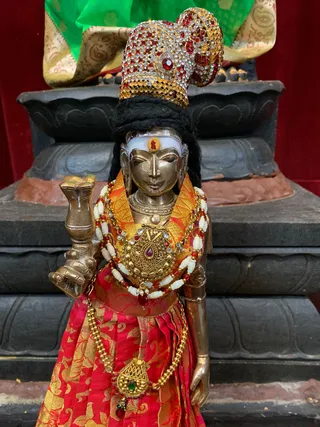
KAILASA CALGARY, CANADA on 5/24/2022
Original wiki pageDaily Update - PDB + Daily pictures-Nithya Dhyaan Meditation hosting
| Event Details | |
|---|---|
| Participants Count | 2 |
| Event Type | Online |
| Was Food Served in Event? | No |
| Count of Meals Served | |
| Volunteers Count | 1 |
| Event Duration | 1 hr |
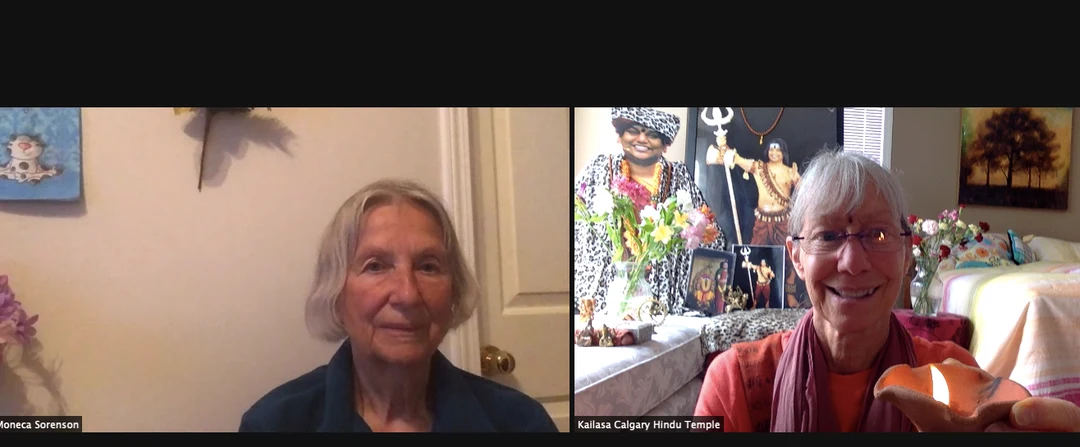
Nithya Dhyaan hosting
Pictures from the day
KAILASA HOUSTON, USA on 5/24/2022
Original wiki pageContents
Daily Update - PDB + Daily pictures
| Event Details | |
|---|---|
| Participants Count | 3 |
| Event Type | In-Person |
| Was Food Served in Event? | No |
| Count of Meals Served | |
| Volunteers Count | 0 |
| Event Duration | |
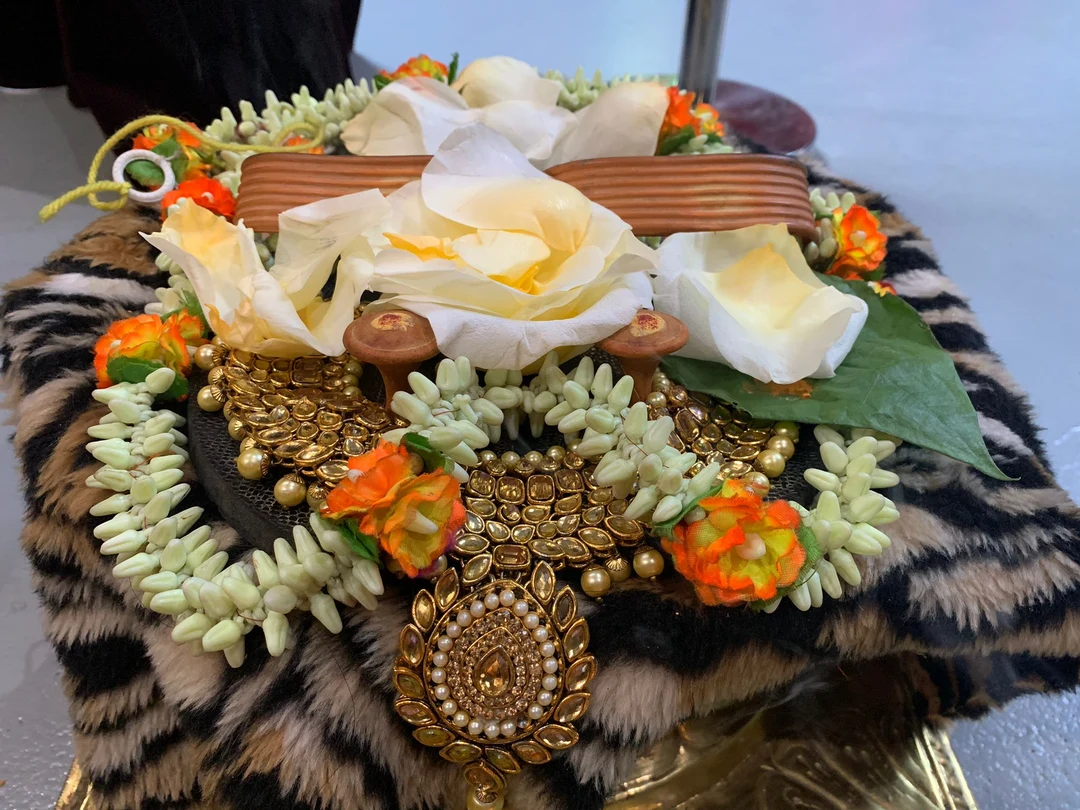
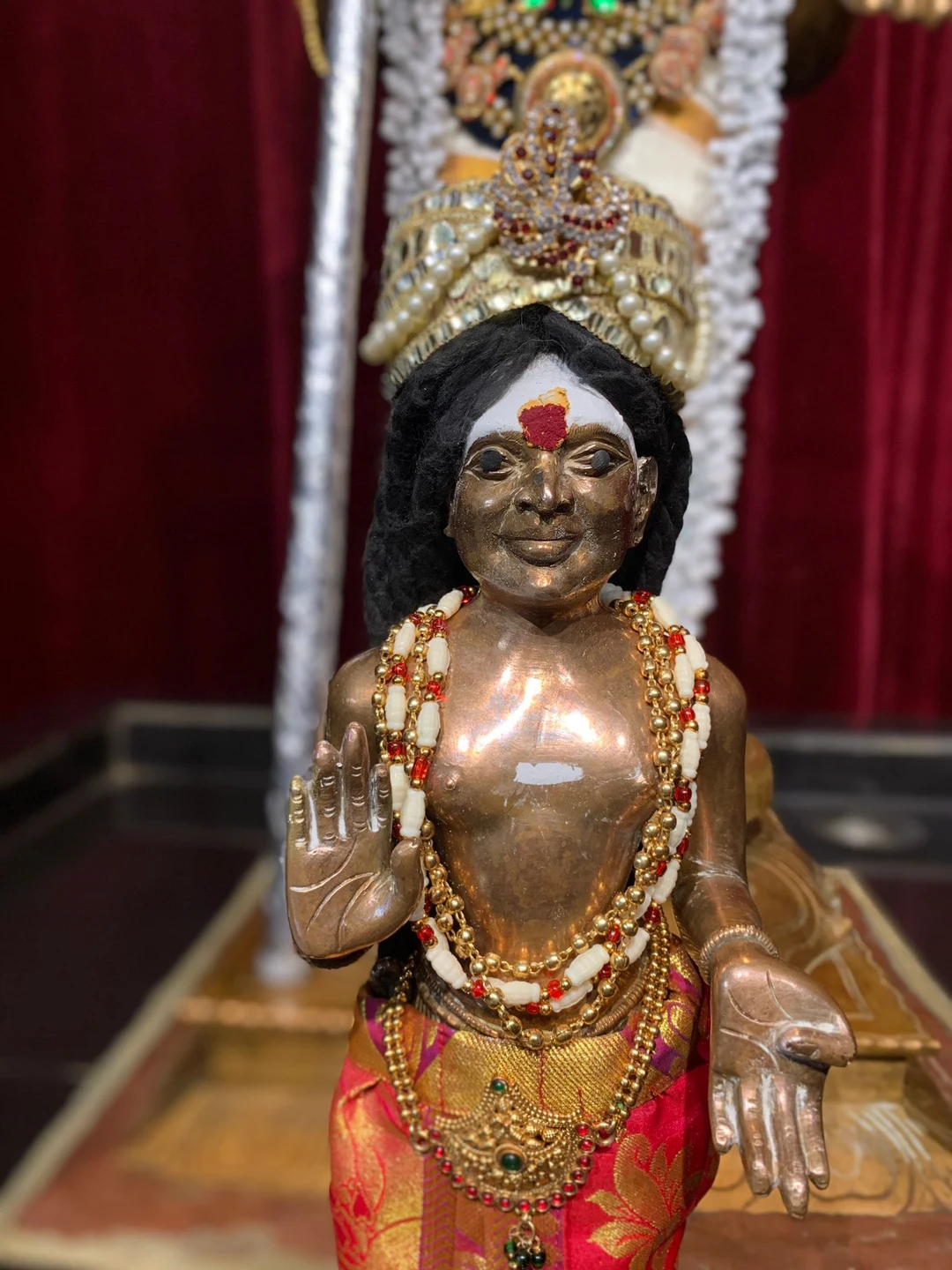
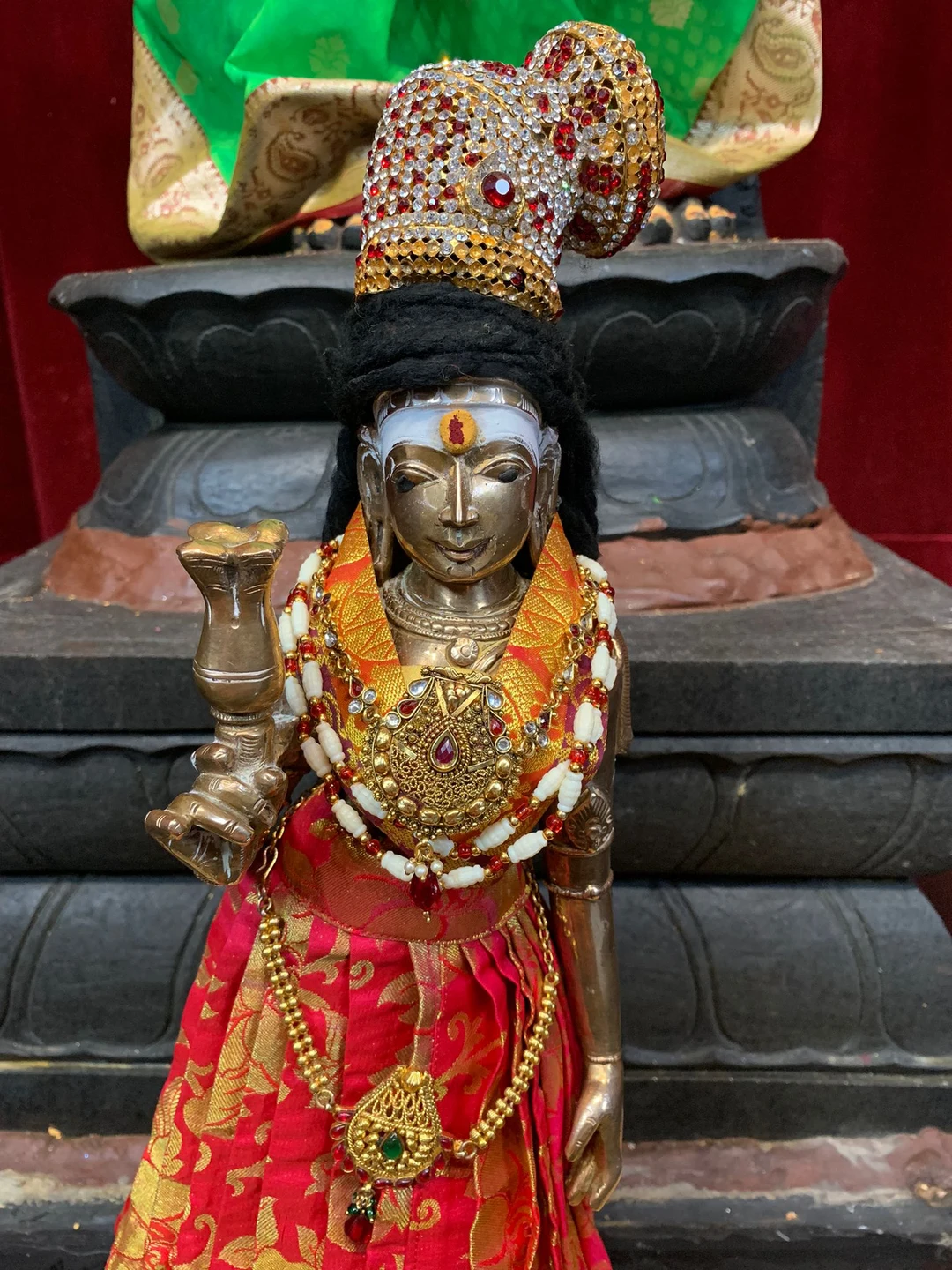
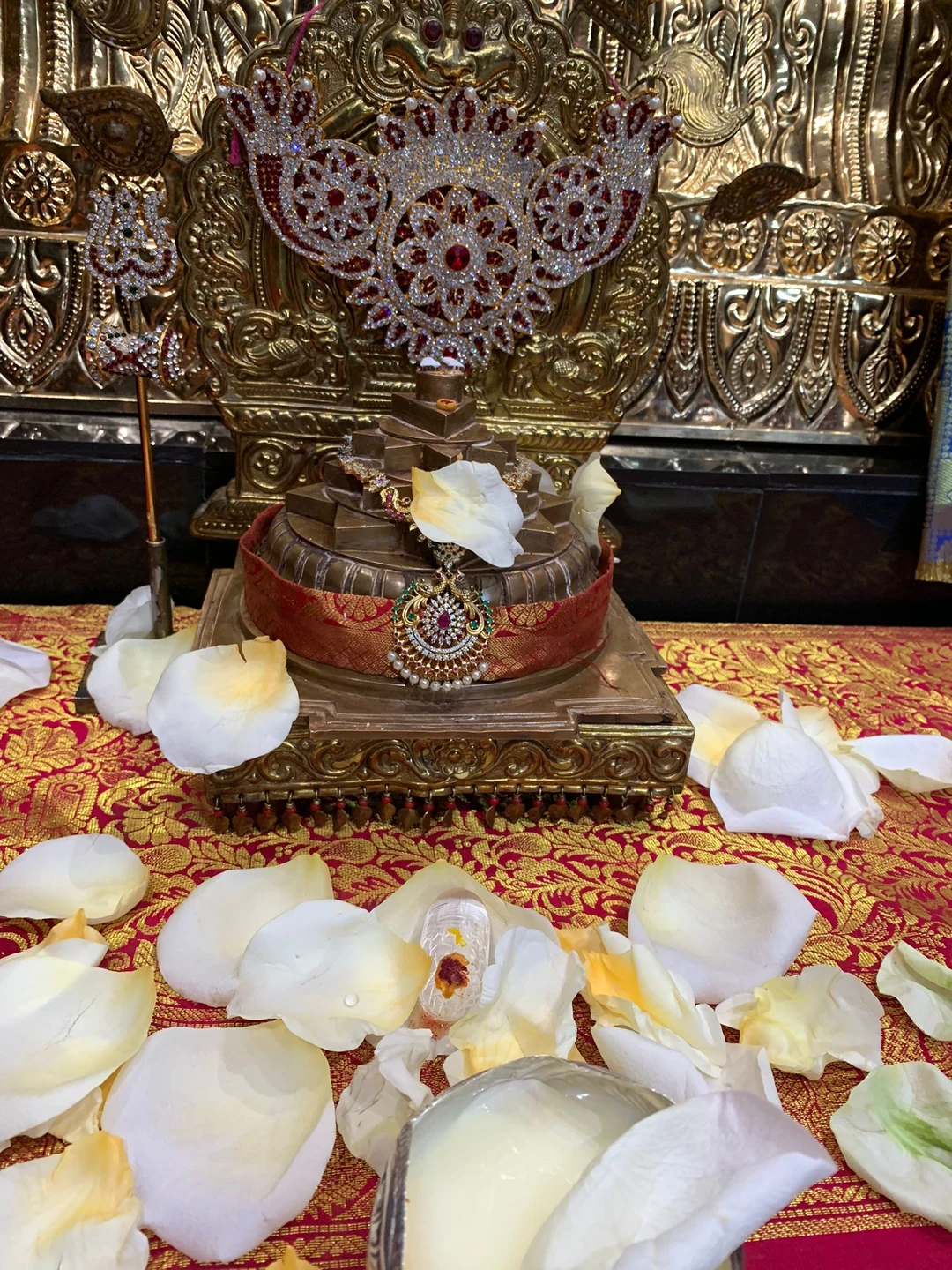
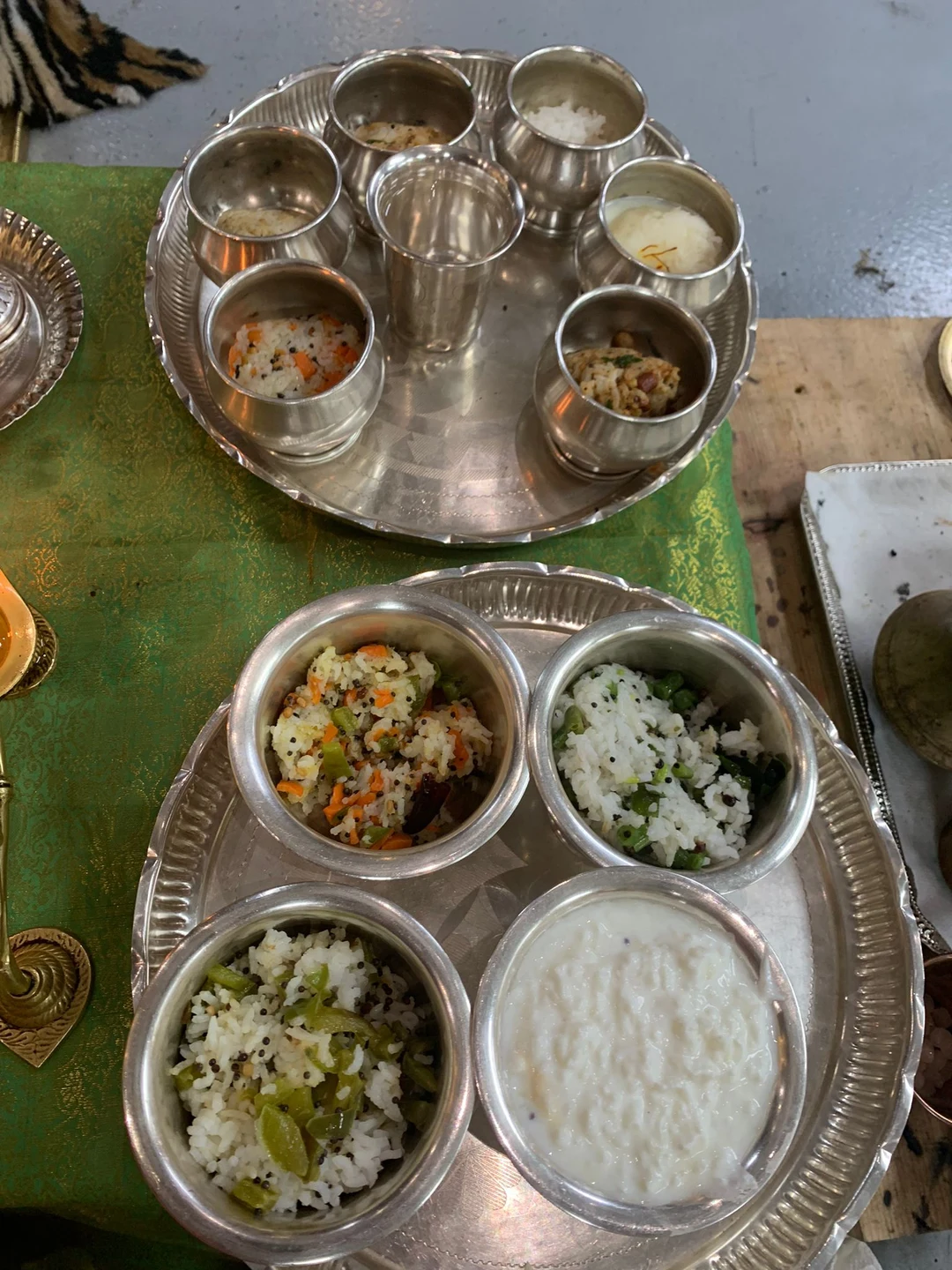
Daily Temple Activities:
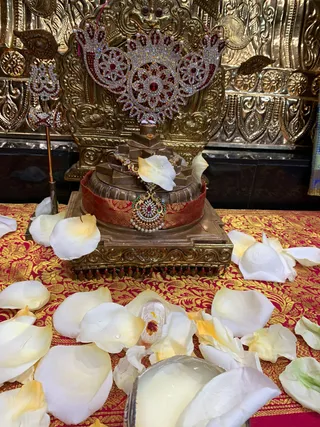
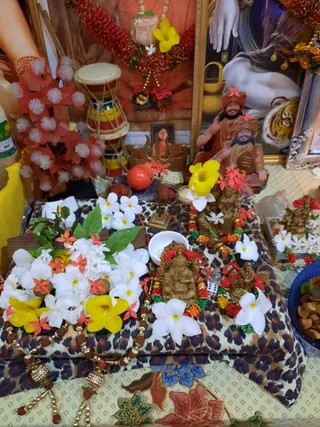
🔱MORNING SEVA🔱 ☀️ Suprabatham Seva - ‘Suprabhatam’ refers to the morning rituals offered in praise of the Paramashiva to awaken the divinity present within each one of us. ‘Su’ means good, auspicious and ‘Prabhath’ means morning. Suprabhatam is the act of dedicating oneself to the Divine and seeking Paramashiva’s blessings at the start of a new day. Let us invoke Paramashiva’s presence in our lives, offer gratitude and receive the Divine blessings. 💐 Bhoga Murthy Alankaram - Alankaram to Swamiji , Devi & Shiva Meru 🛕 Deity Procession - Taking the Bogha Murthy inside the temple area. 🌺 Offering Guru Puja, & Shiva Puja in the Morning to SPH JGM HDH Bhagawan Nithyananda Paramashivam, and Sri Shiva Puja to Lord Nithyanandeshwara. 🥙 Neivadhyam offer to Moolavar
🔱EVENING SEVA🔱 🥙 Neivadhyam - Offering Neivadhyams to All Deities 😴 Palliyari - It’s a Sacred process of making the deities to sleep, we offer DDNA, & Chamaran to them with sleeping song.
🔱SPECIAL OFFERING🔱 🧘♀️ Nithyananda Yoga - Today, devotees in Kailasa Houston and Southeast USA gathered in the Brahmamuhurta for 108 Prathama Vinyasa Krama & Nithya Dhyaan Meditation. 🧘♂️ Nithya Dhyaan Meditation 🧞♂️ Manifest Your Reality Kalpataru Meditation
Pictures from the day
KAILASA MELBOURNE, AUSTRALIA on 5/24/2022
Original wiki pageContents
Daily Update - PDB + Daily pictures
| Event Details | |
|---|---|
| Participants Count | 10 |
| Event Type | Online |
| Was Food Served in Event? | No |
| Count of Meals Served | |
| Volunteers Count | 2 |
| Event Duration | |
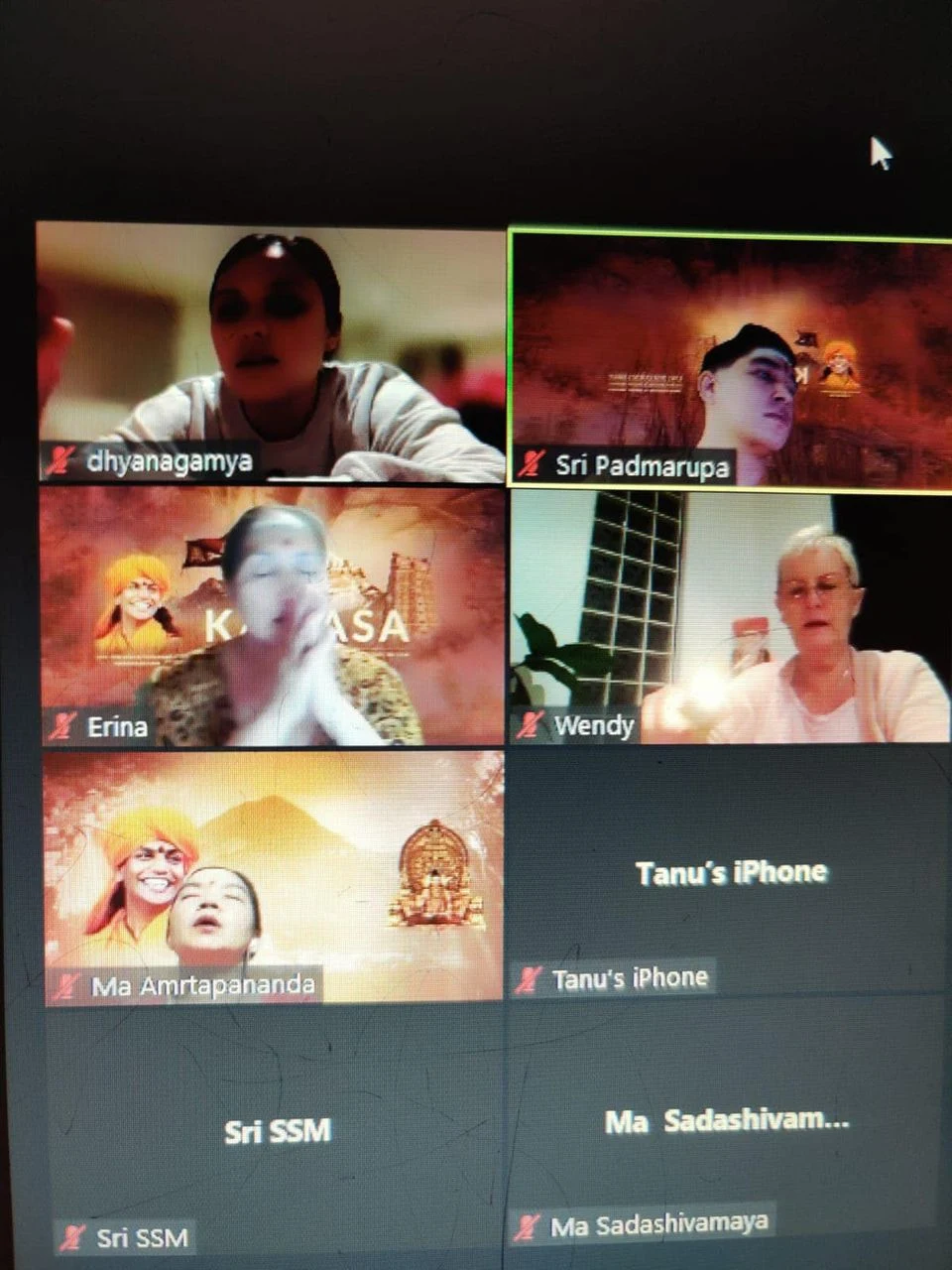
Day 7 of Sangha gathering Offering our sincere gratitude to Arunagiri Yogheshwara. We pray and seek the blessings of Arunagiri Yogeshwara to continue to manifest and keep our swamijis body alive and active in Sahaja Samadhi 🙏. Happening every night at 9pm Aest.
Pictures from the day
KAILASA OHIO, USA on 5/24/2022
Original wiki pageContents
Daily Update - PDB + Daily pictures
| Event Details | |
|---|---|
| Participants Count | 6 for Yoga and 6 for Puja |
| Event Type | Online |
| Was Food Served in Event? | No |
| Count of Meals Served | |
| Volunteers Count | 0 |
| Event Duration | 100 Min |
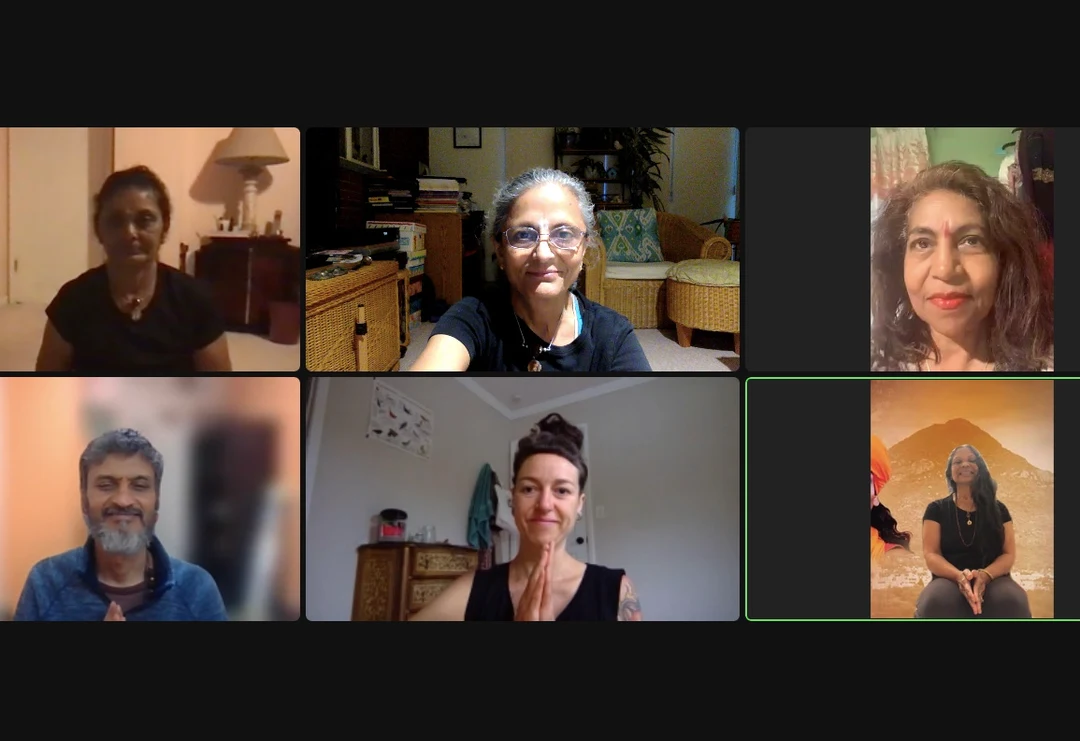
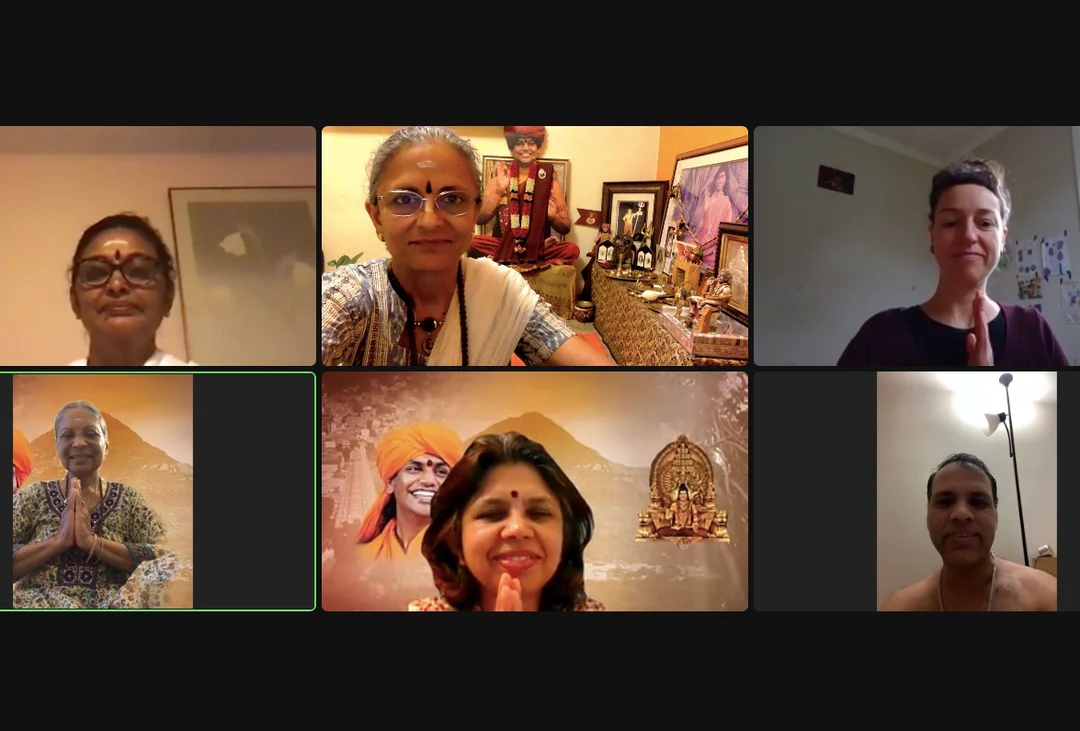
BrahmaMuhurta Yoga and Puja
Pictures from the day
KAILASA SAN FERNANDO, TRINIDAD & TOBAGO on 5/24/2022
Original wiki pageContents
Daily Update - PDB + Daily pictures-Our Daily Activities
| Event Details | |
|---|---|
| Participants Count | 10 |
| Event Type | Both |
| Was Food Served in Event? | No |
| Count of Meals Served | |
| Volunteers Count | 1 |
| Event Duration | |
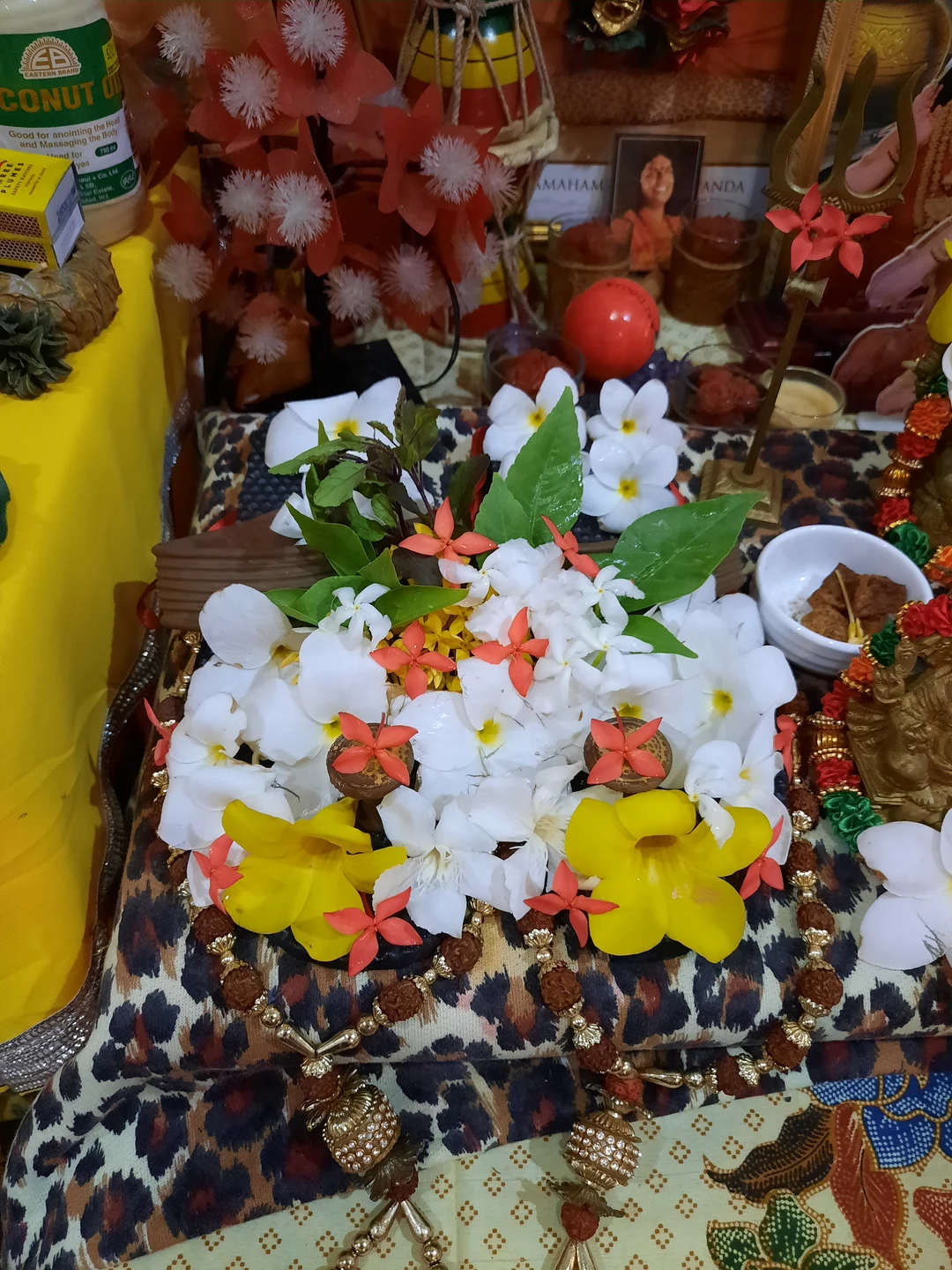
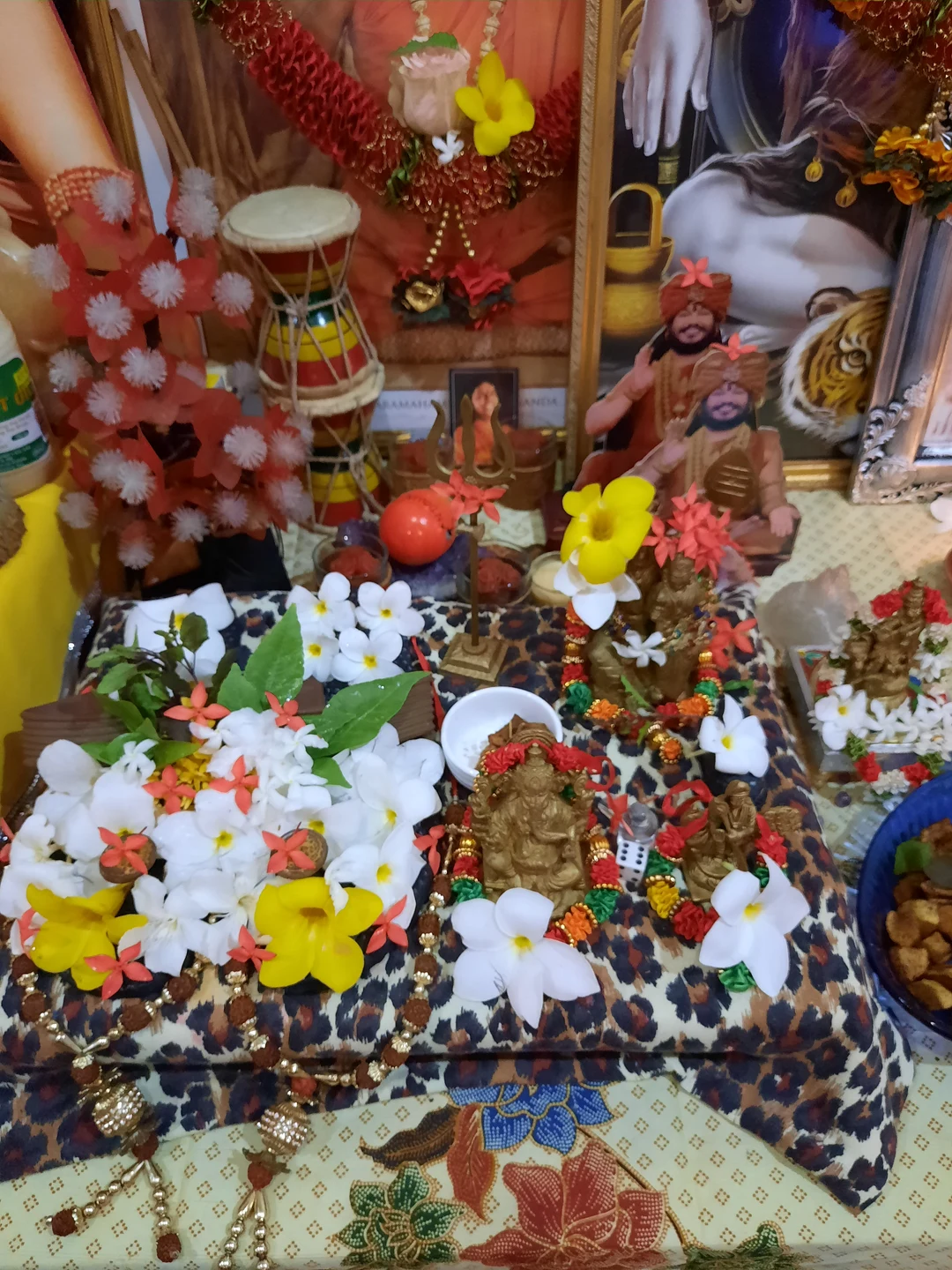
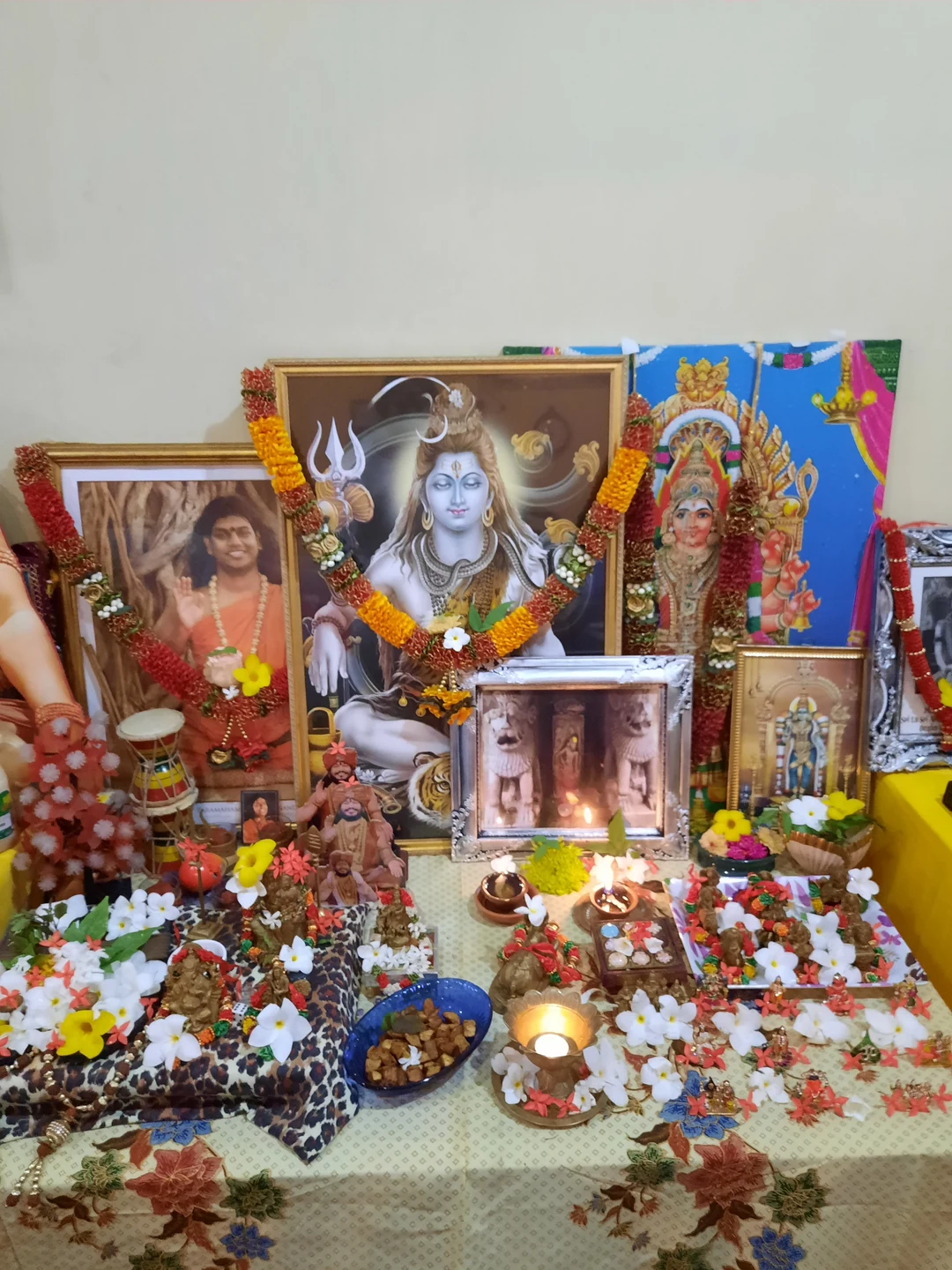
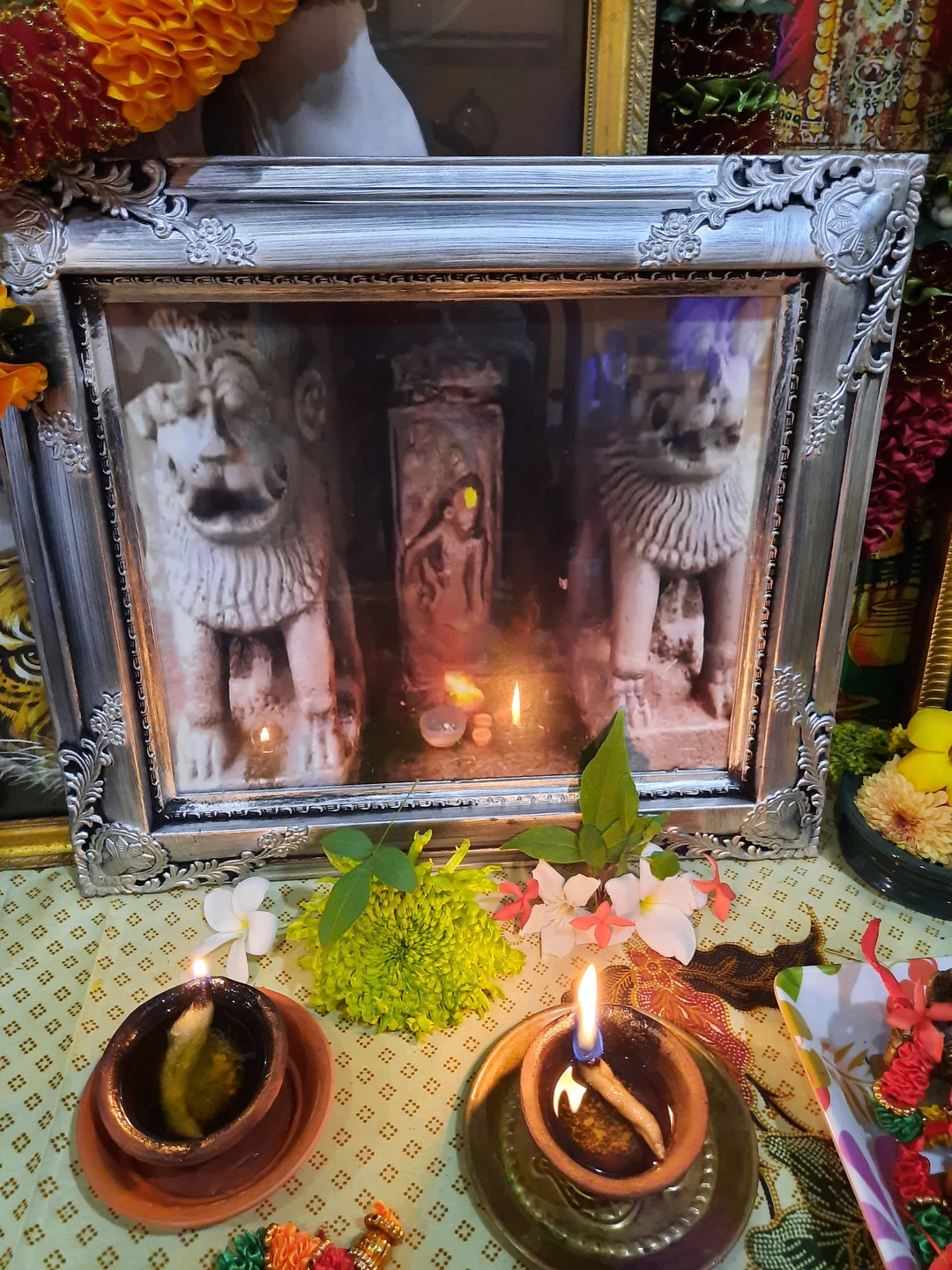
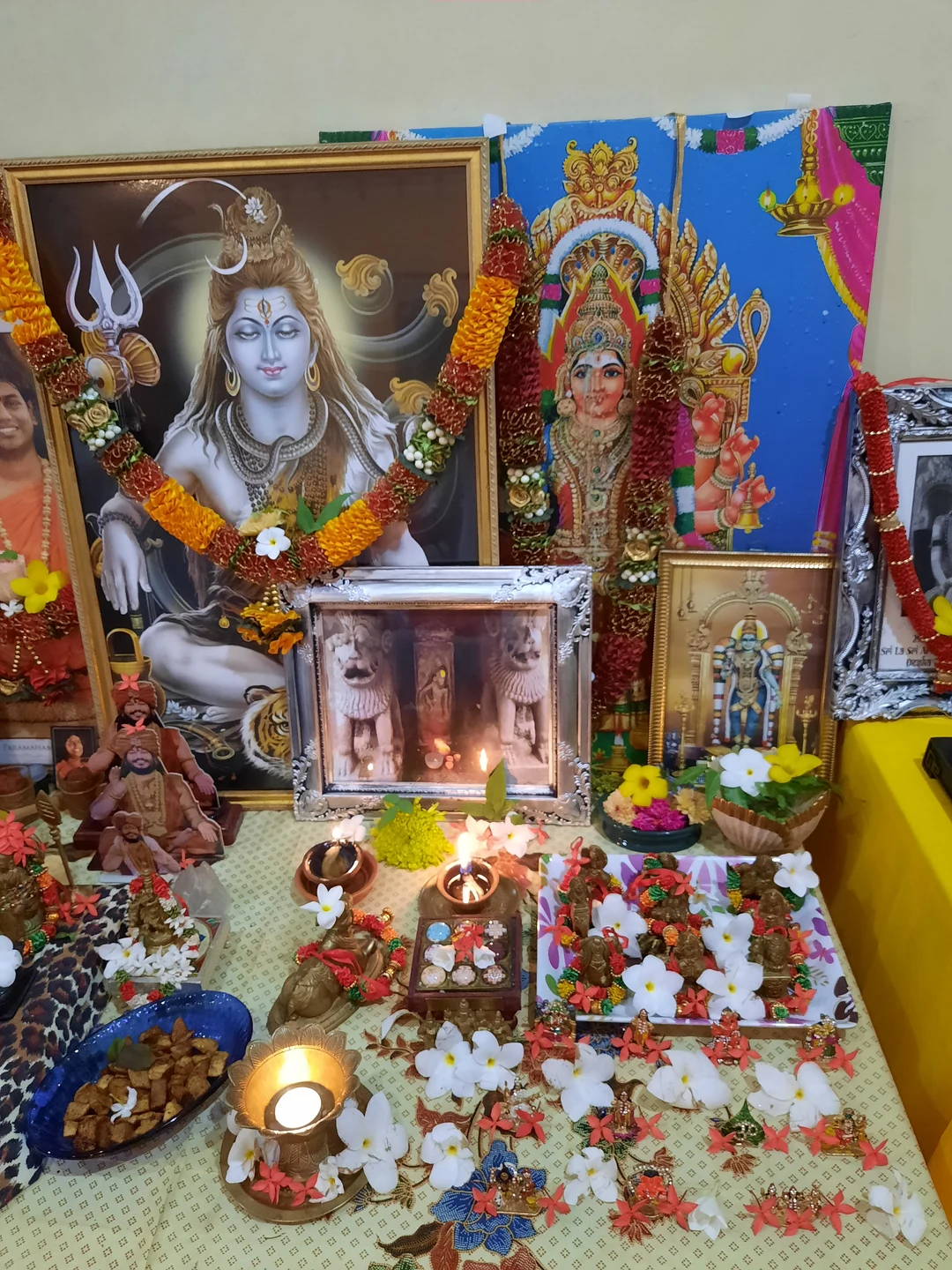
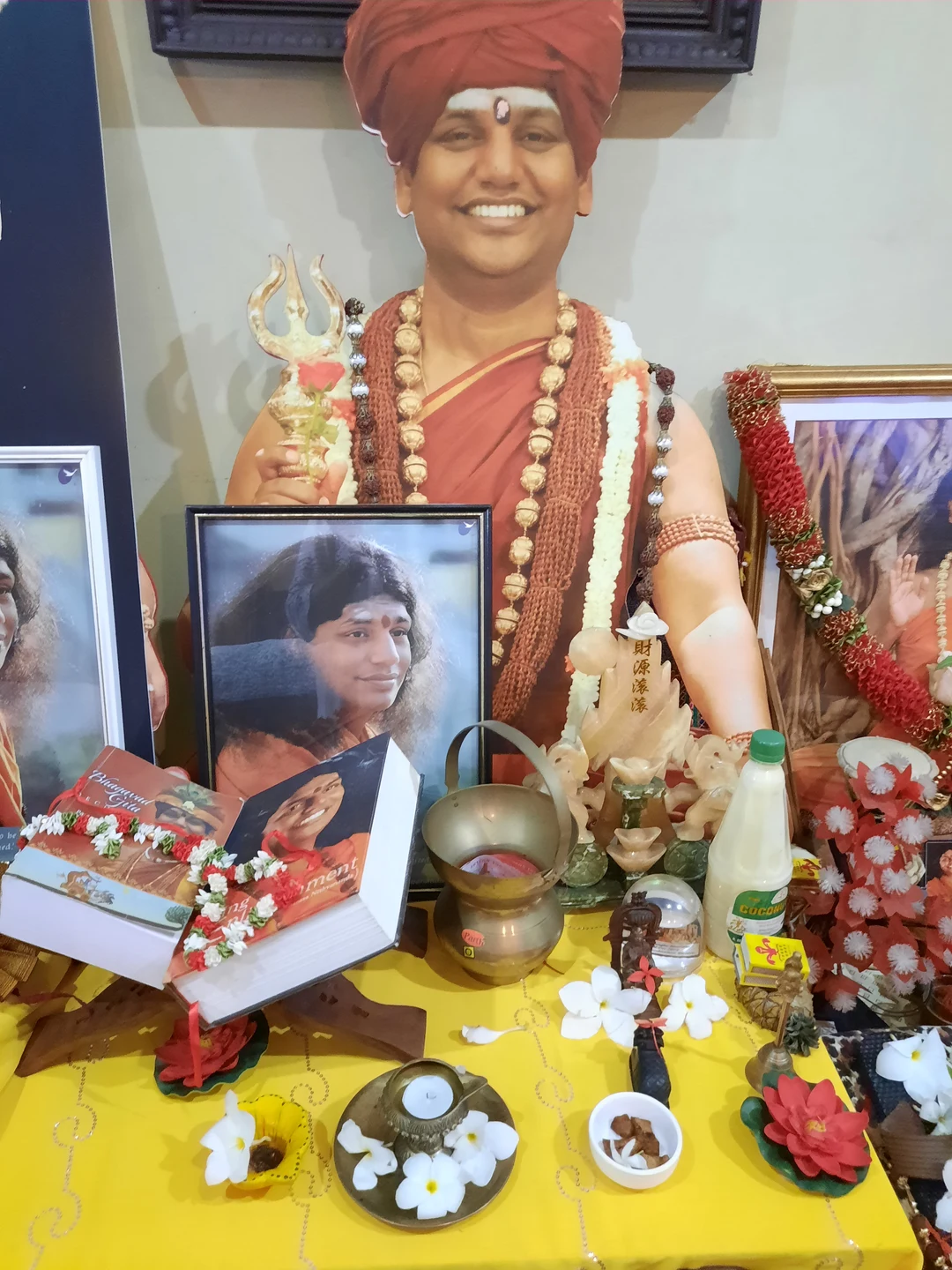
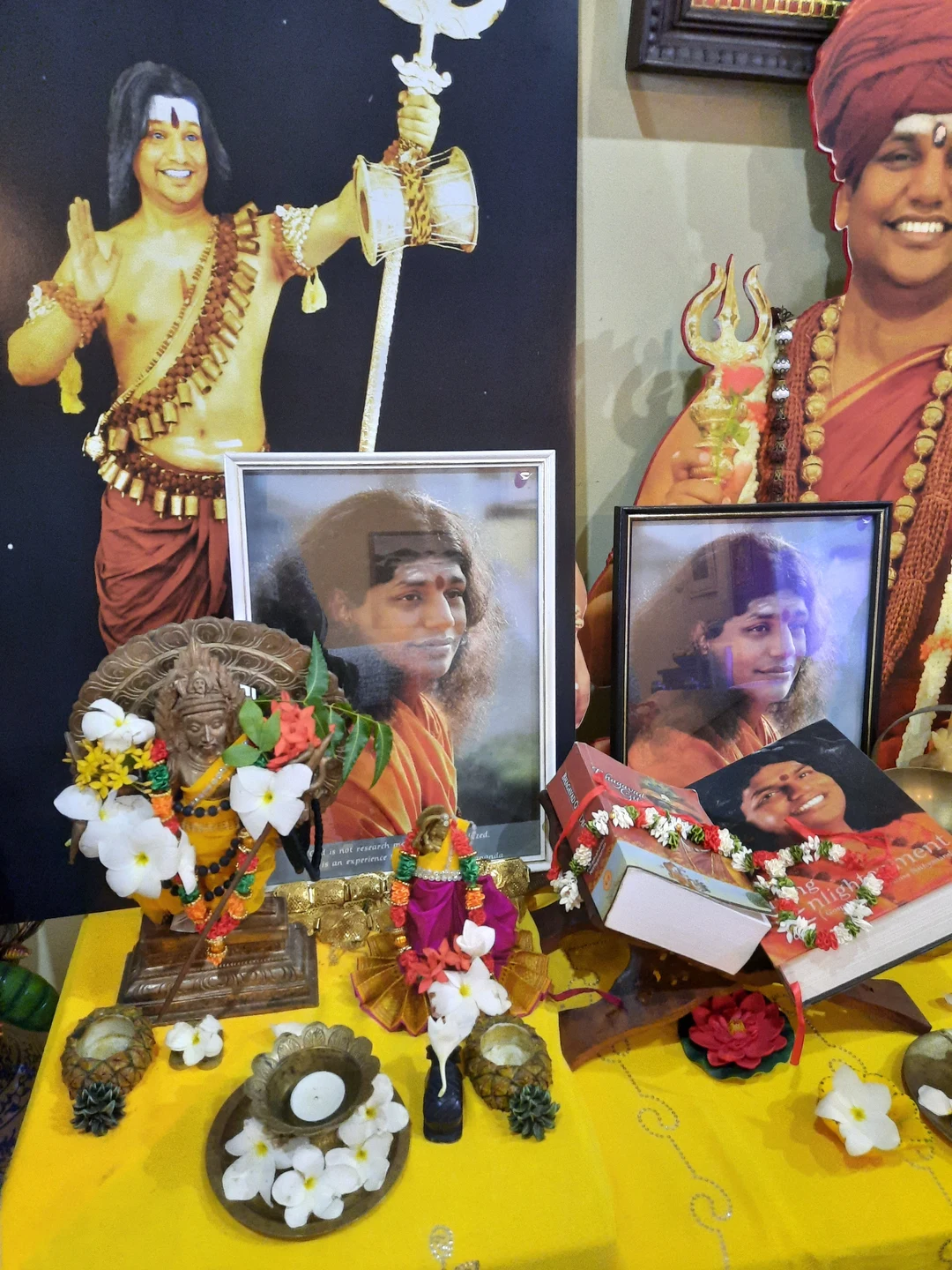
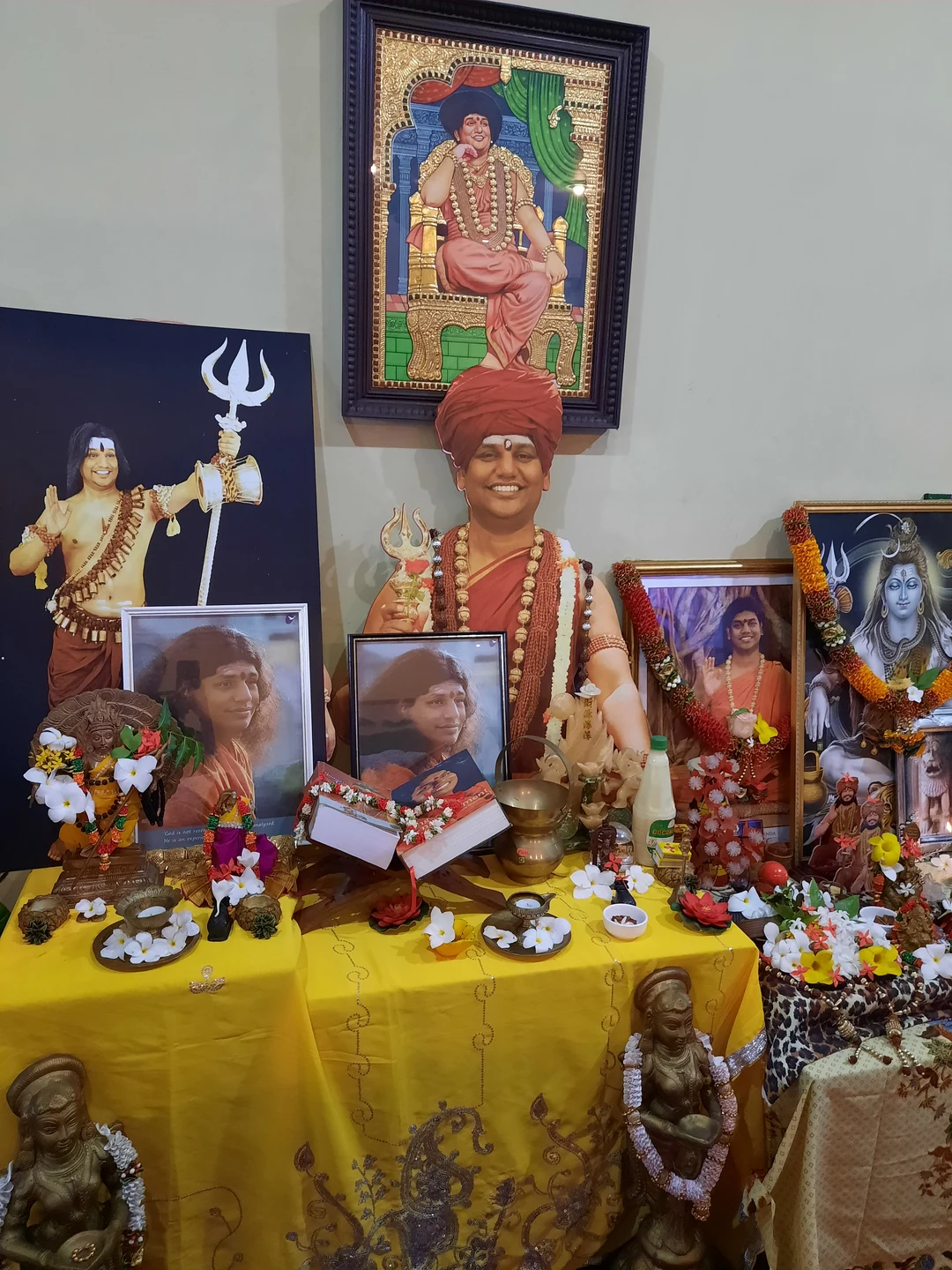
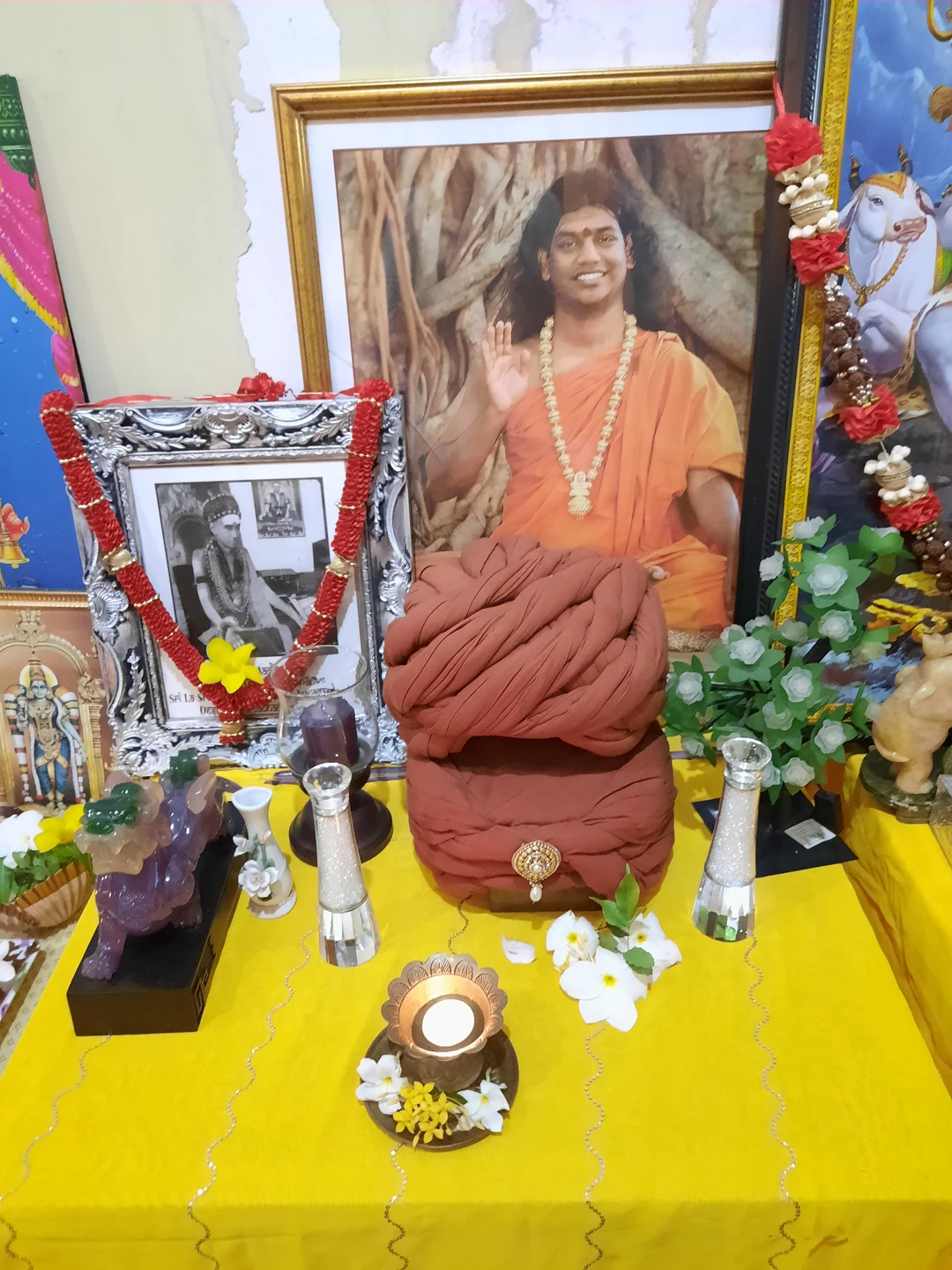
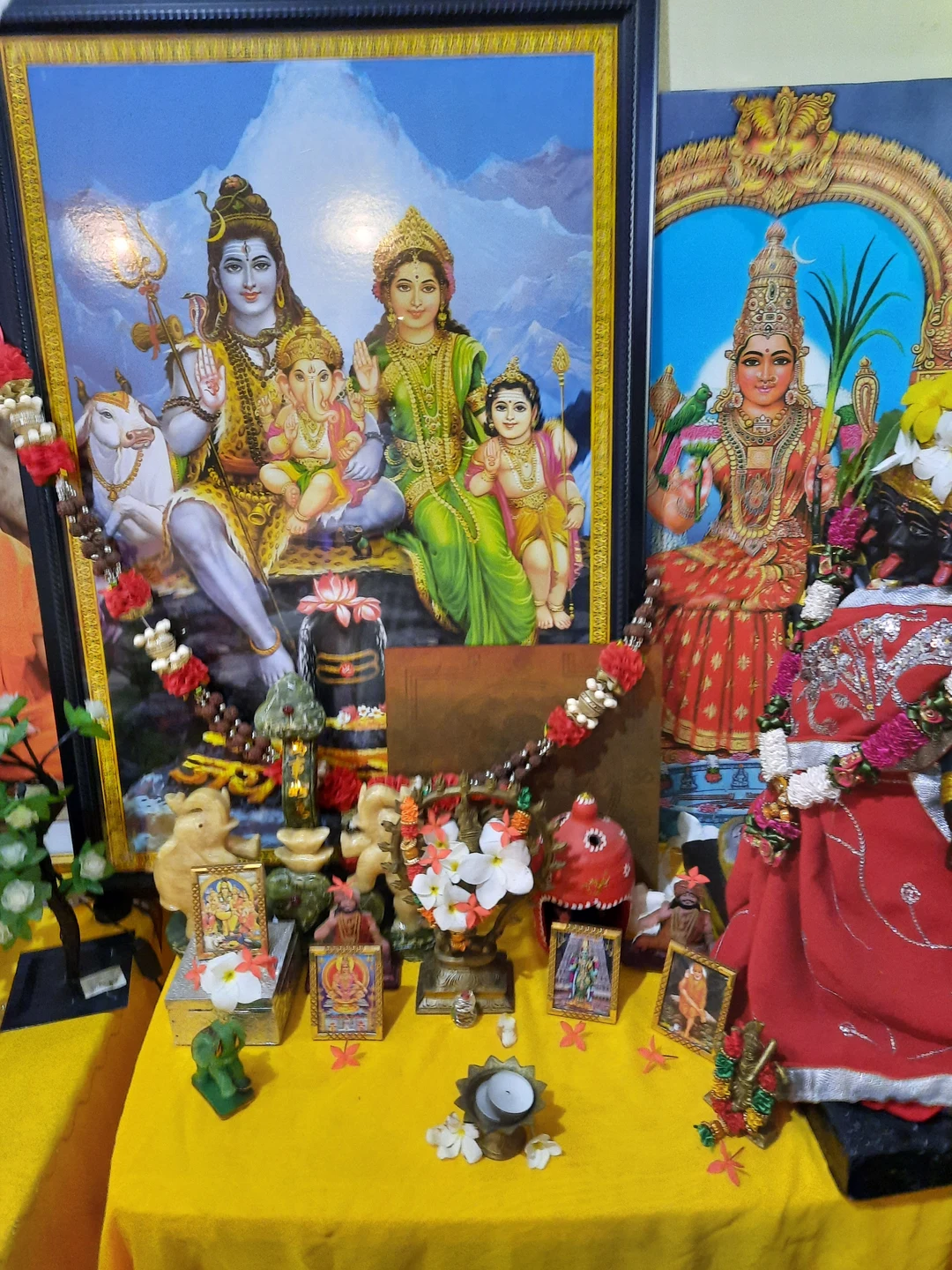
Our Daily Guru Paduka Puja and Shiva Puja and keeping the lamp lit for Arunagiri Yogeshwara to continue to be with us in the form of Bhagavan Sri Nithyananda Paramashivam.
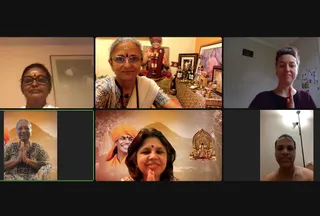
KAILASA Trinidad & Tobago gathered on 24-May-22 on zoom to offer our love and prayers to Arunagiri Yogeshwara to continue to be available to all of us through our beloved Swamiji Kailasa's Sri Nithyananda Paramashivam. - We all lit lamps and and offered our prayers to Arunagiri Yogeshwara. - We chanted Mahavakya 108 times. - We also listened to the beautiful teachings and leelas from Autobiography of the Avatar. We will be meeting every night at 8 pm to offer prayers for SPH, Bhagavan Sri Nithyananda Paramashivam. Time - 8 pm AST (TT time). Link to join: tiny.cc/KailasaTT. All are welcome to join.🙏🙏 Lighting Lamps for Swamiji #7 - 9 Participants (55)
Pictures from the day
KAILASA ST. LOUIS, USA on 5/24/2022
Original wiki pageContents
Daily Update - PDB + Daily pictures
| Event Details | |
|---|---|
| Participants Count | 1 for yoga and 2 for puja |
| Event Type | Online |
| Was Food Served in Event? | No |
| Count of Meals Served | |
| Volunteers Count | 0 |
| Event Duration | 1.5 hours |
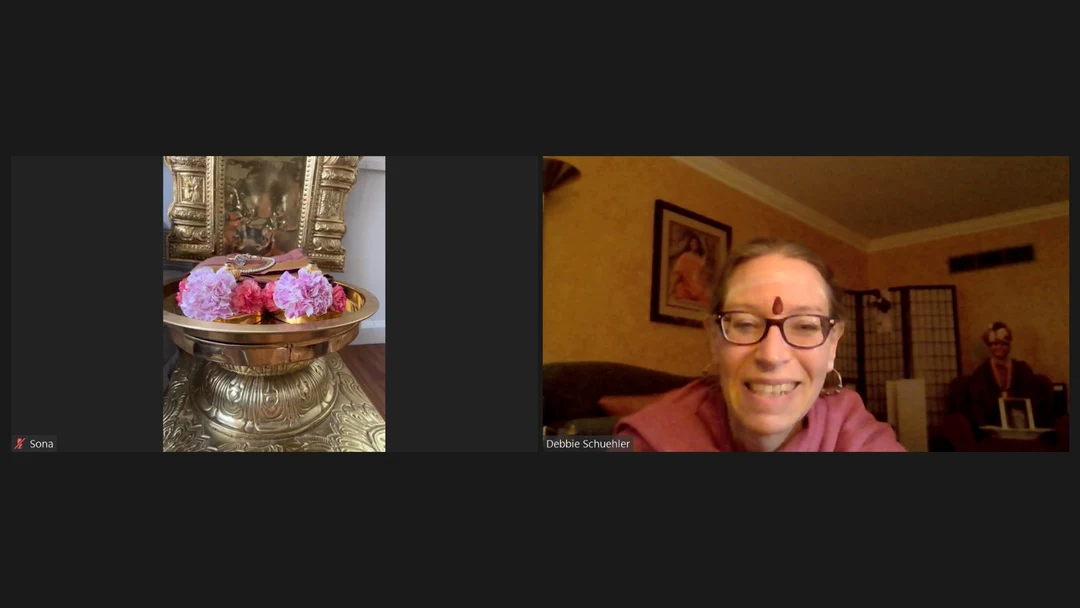
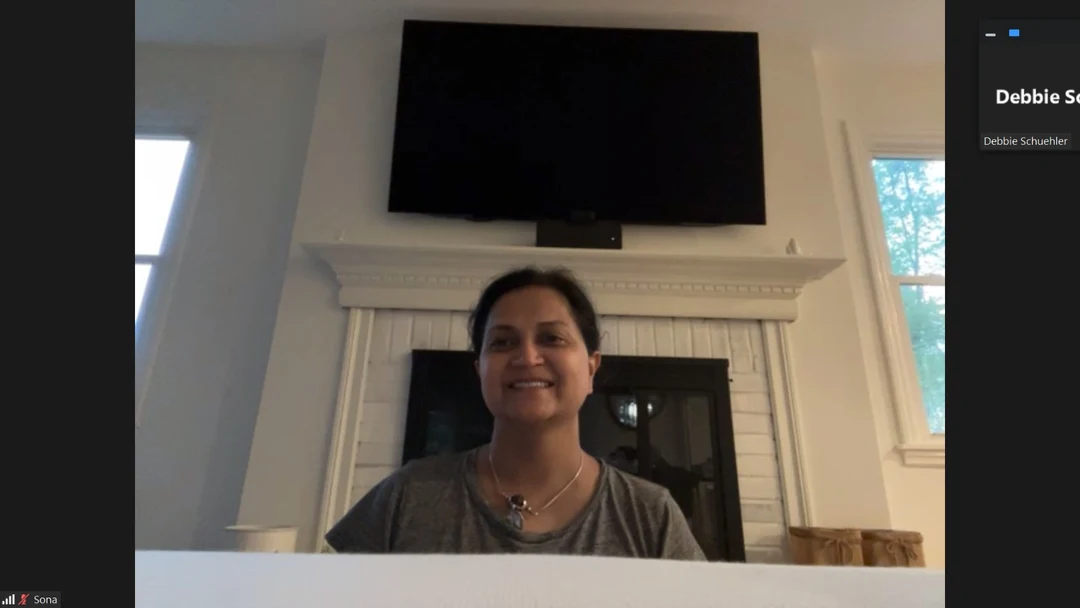
Morning Routine
Pictures from the day
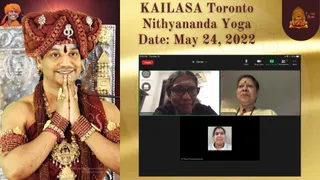
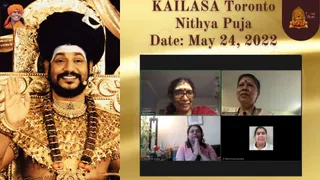
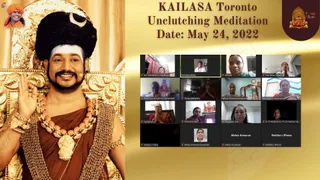
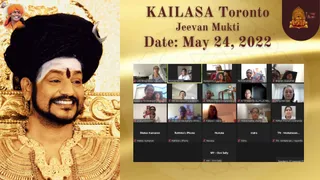
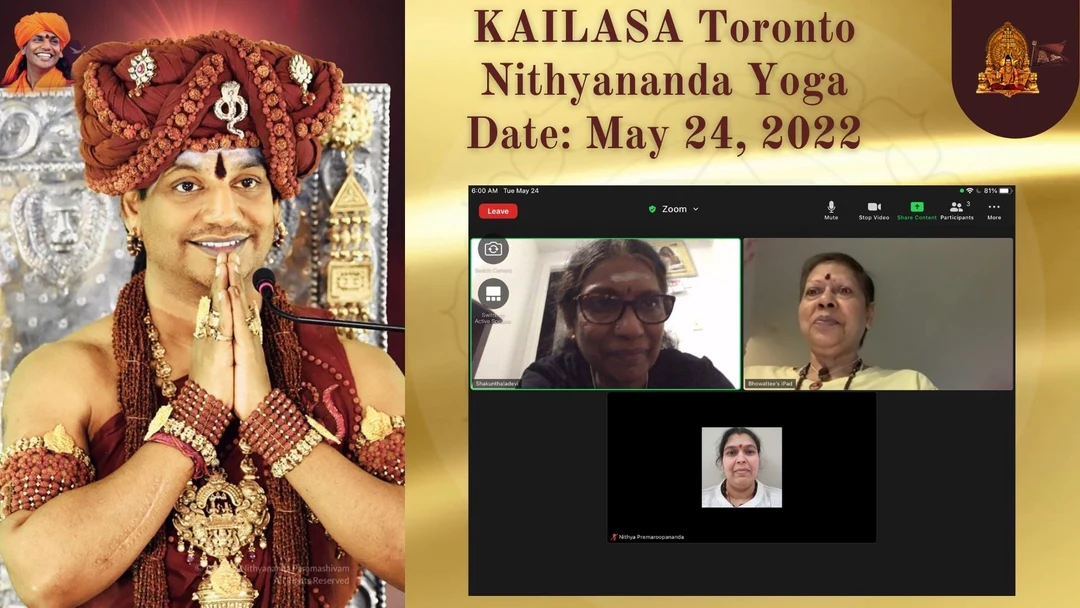
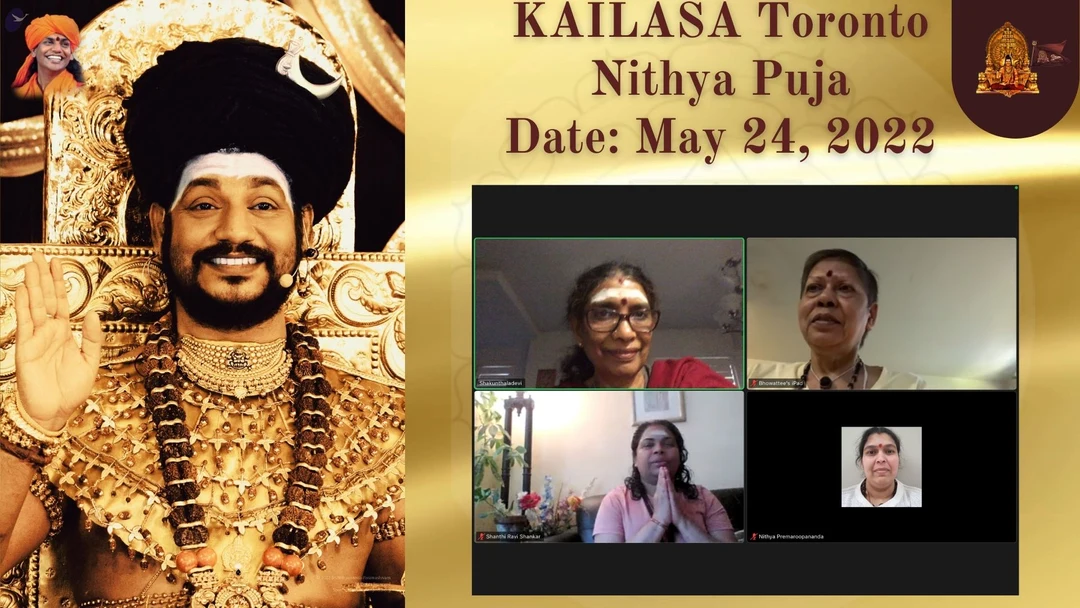
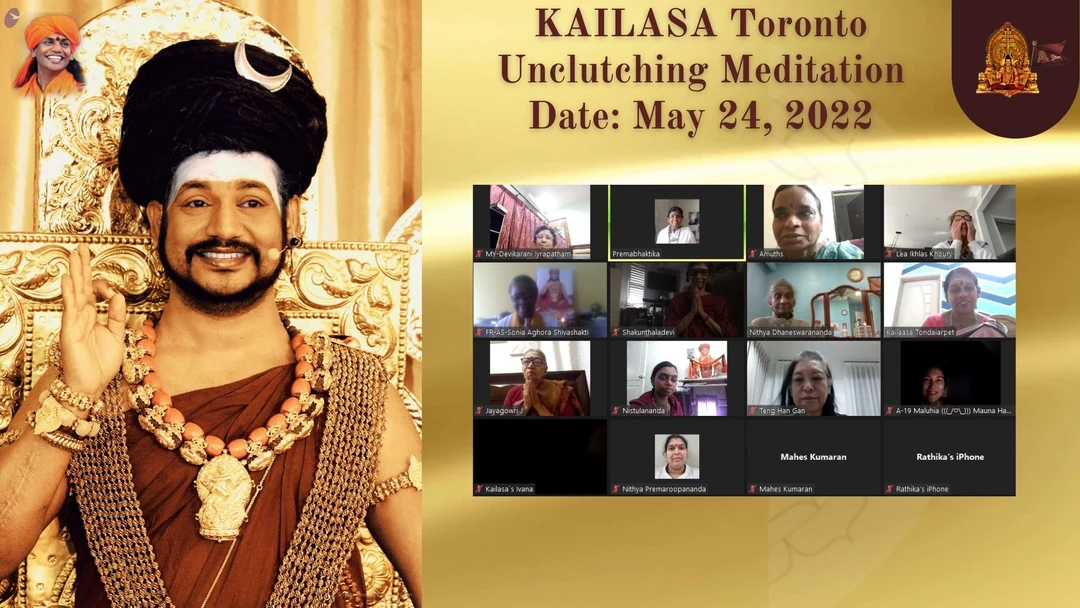
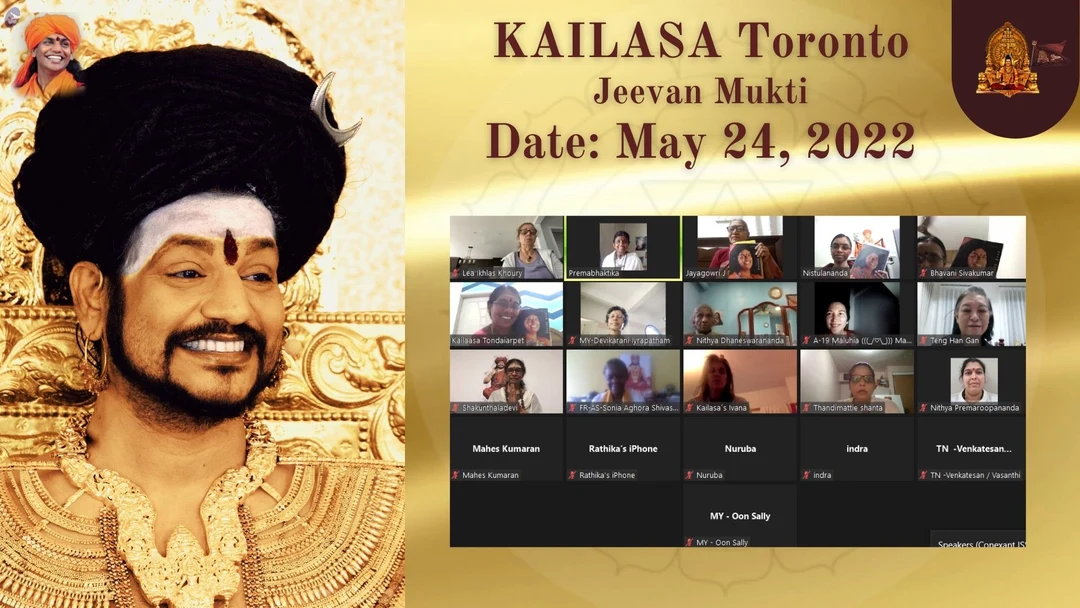
KAILASA TORONTO, CANADA on 5/24/2022
Original wiki pageContents
Daily Update - PDB + Daily pictures
| Event Details | |
|---|---|
| Participants Count | 193 |
| Event Type | Both |
| Was Food Served in Event? | No |
| Count of Meals Served | |
| Volunteers Count | 5 |
| Event Duration | |
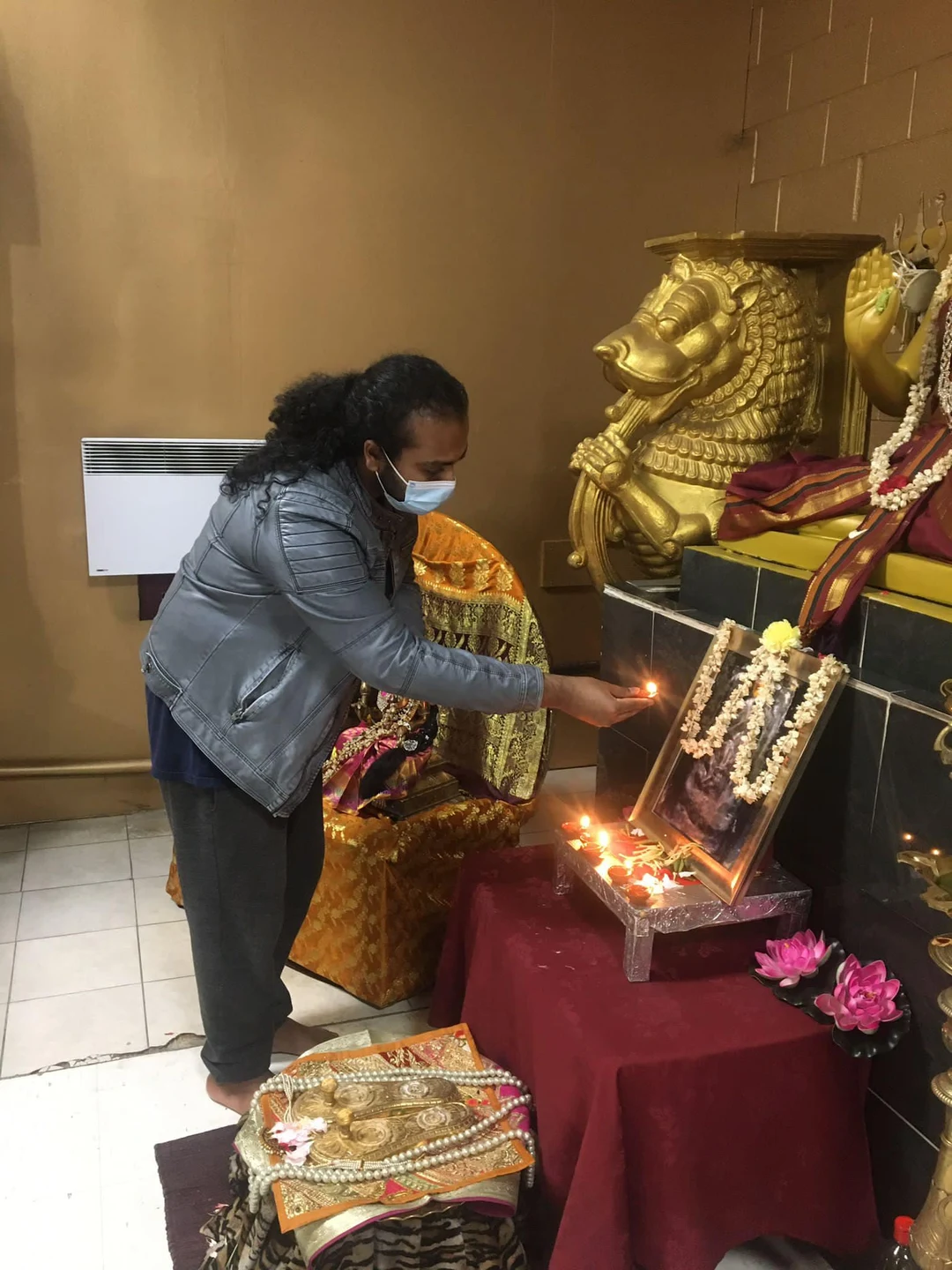
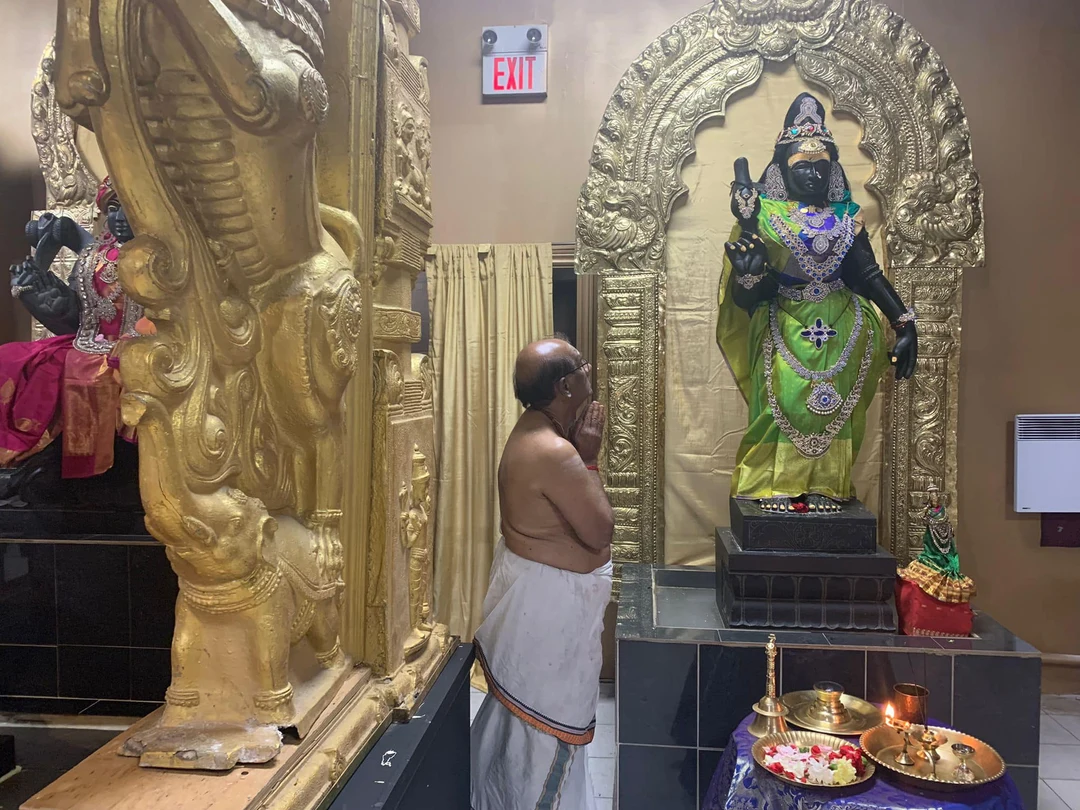
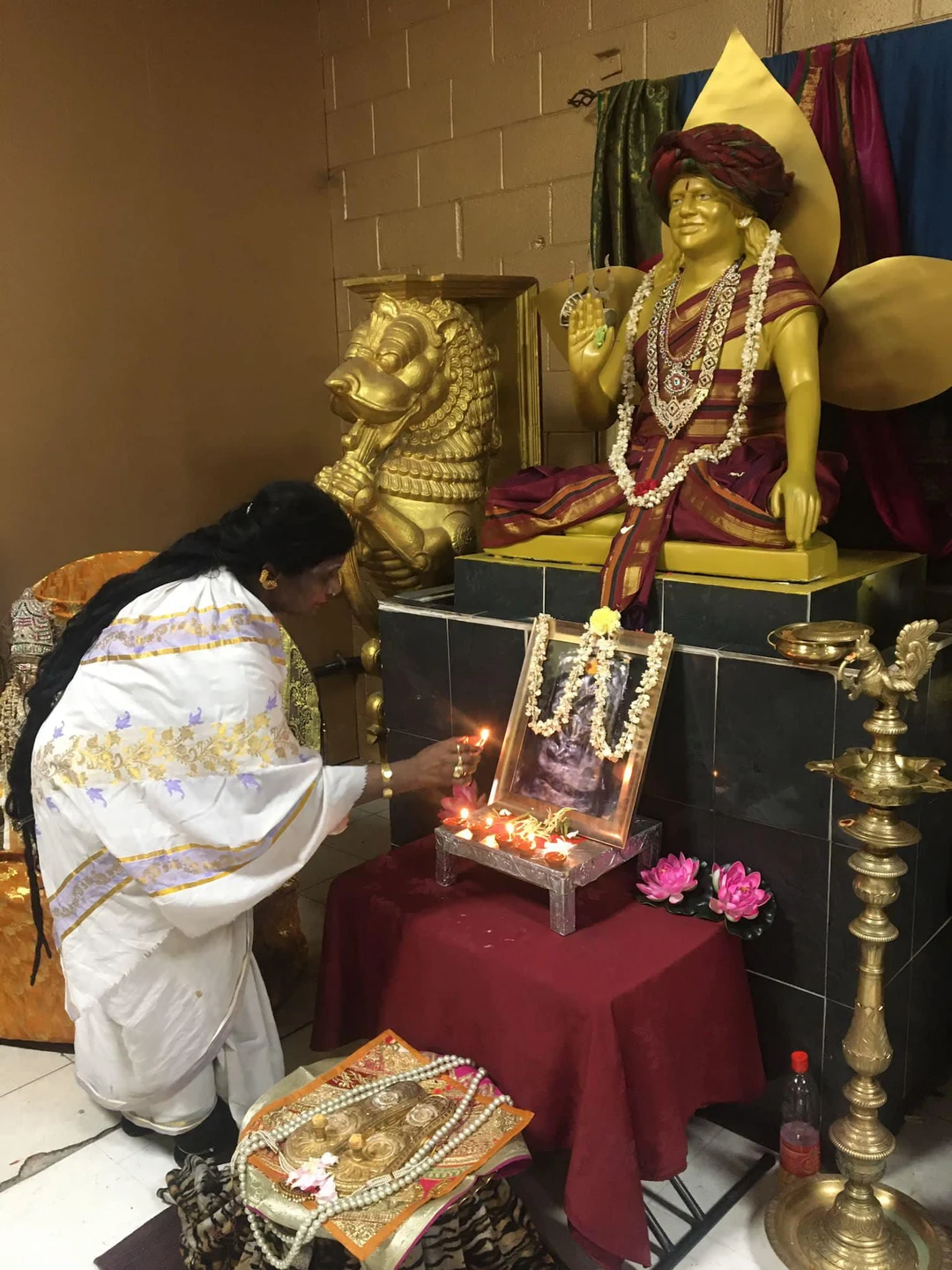
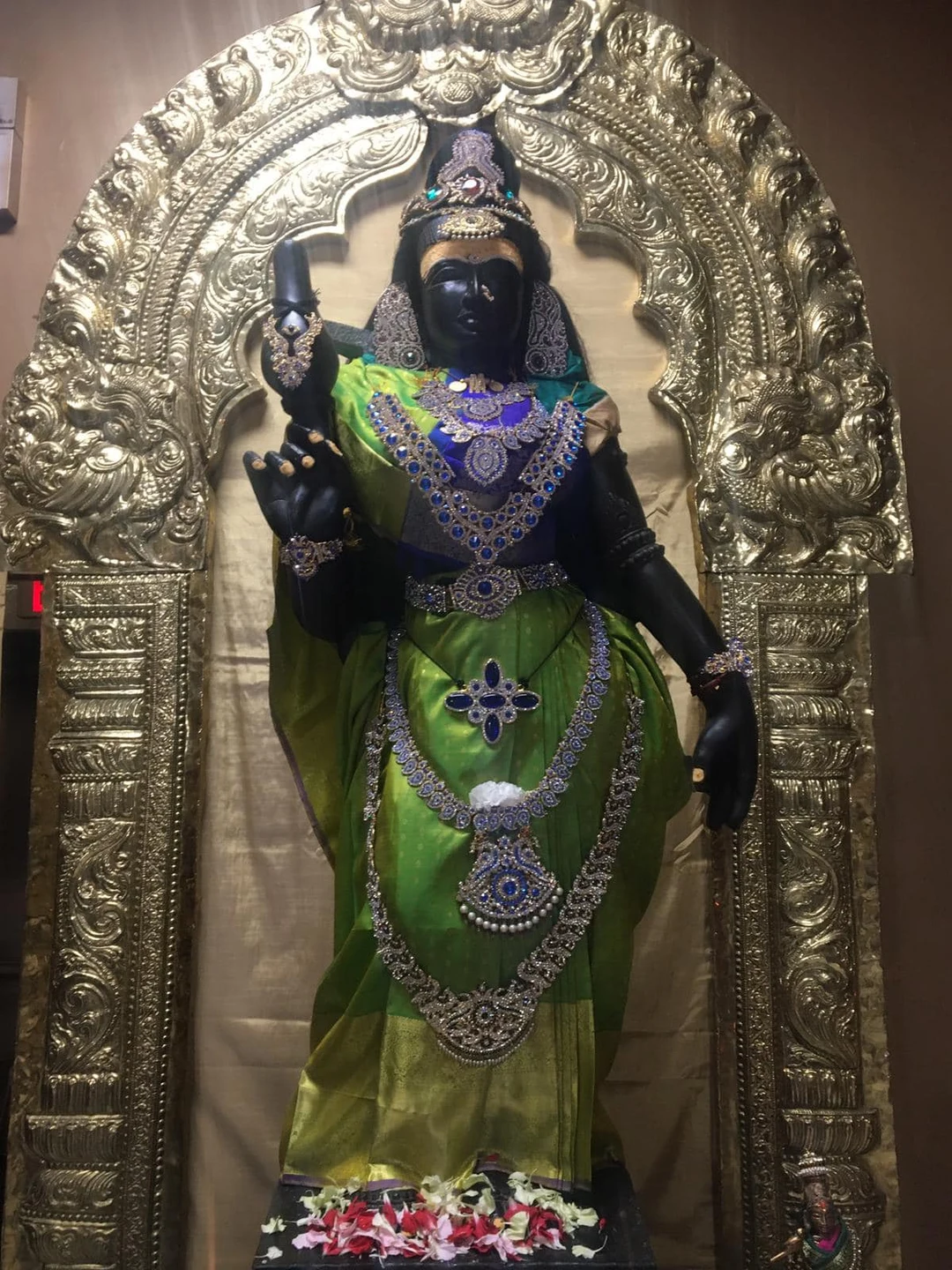
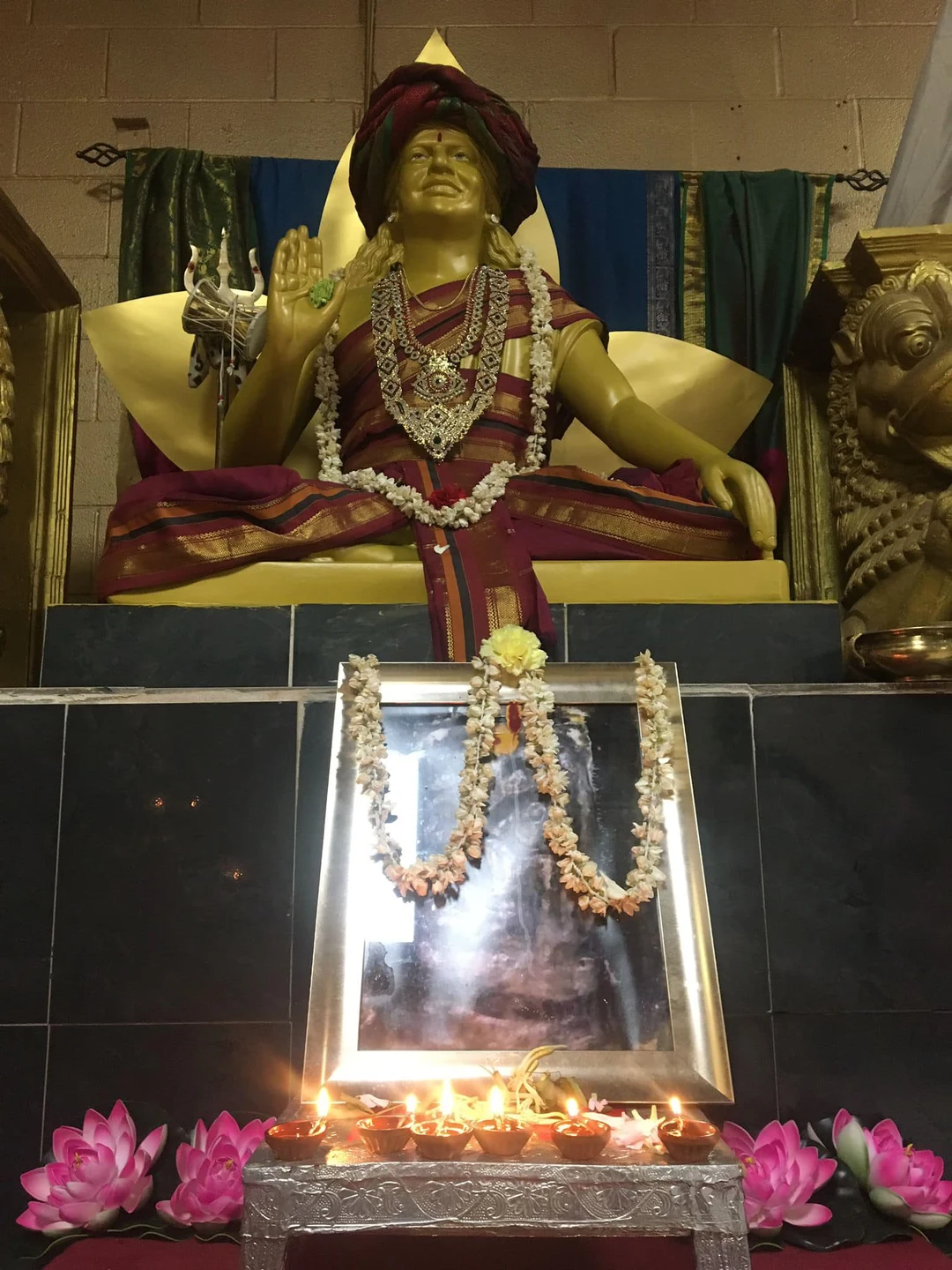
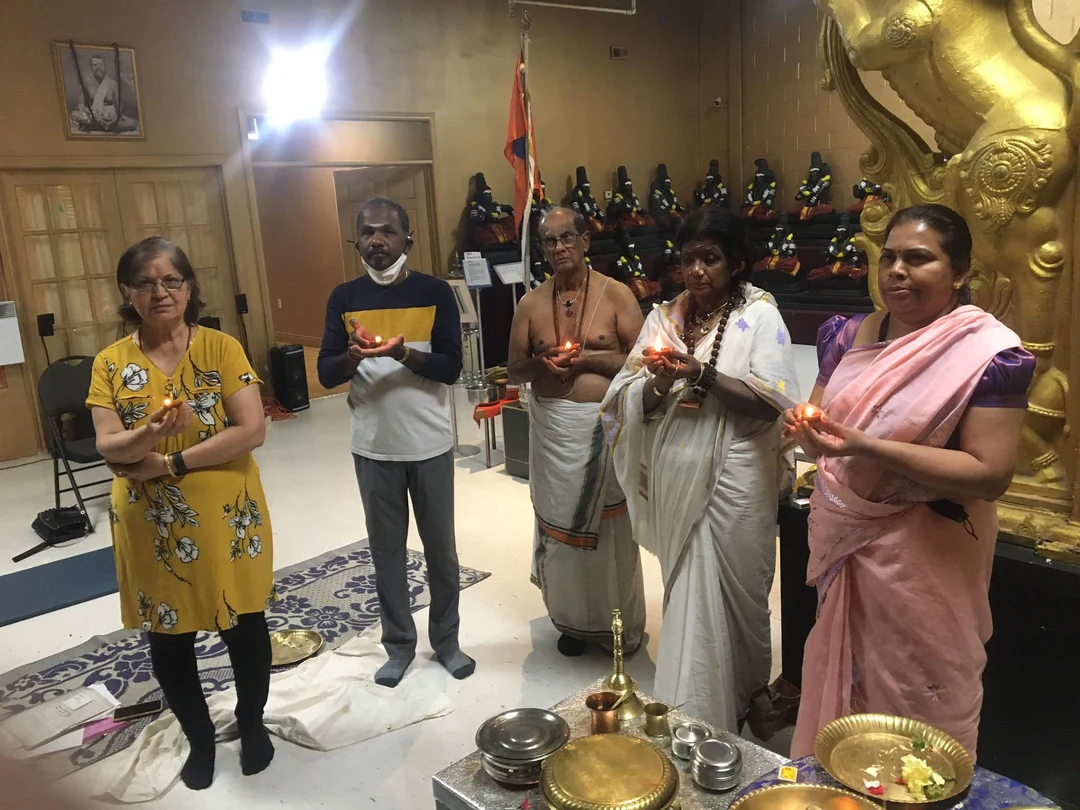
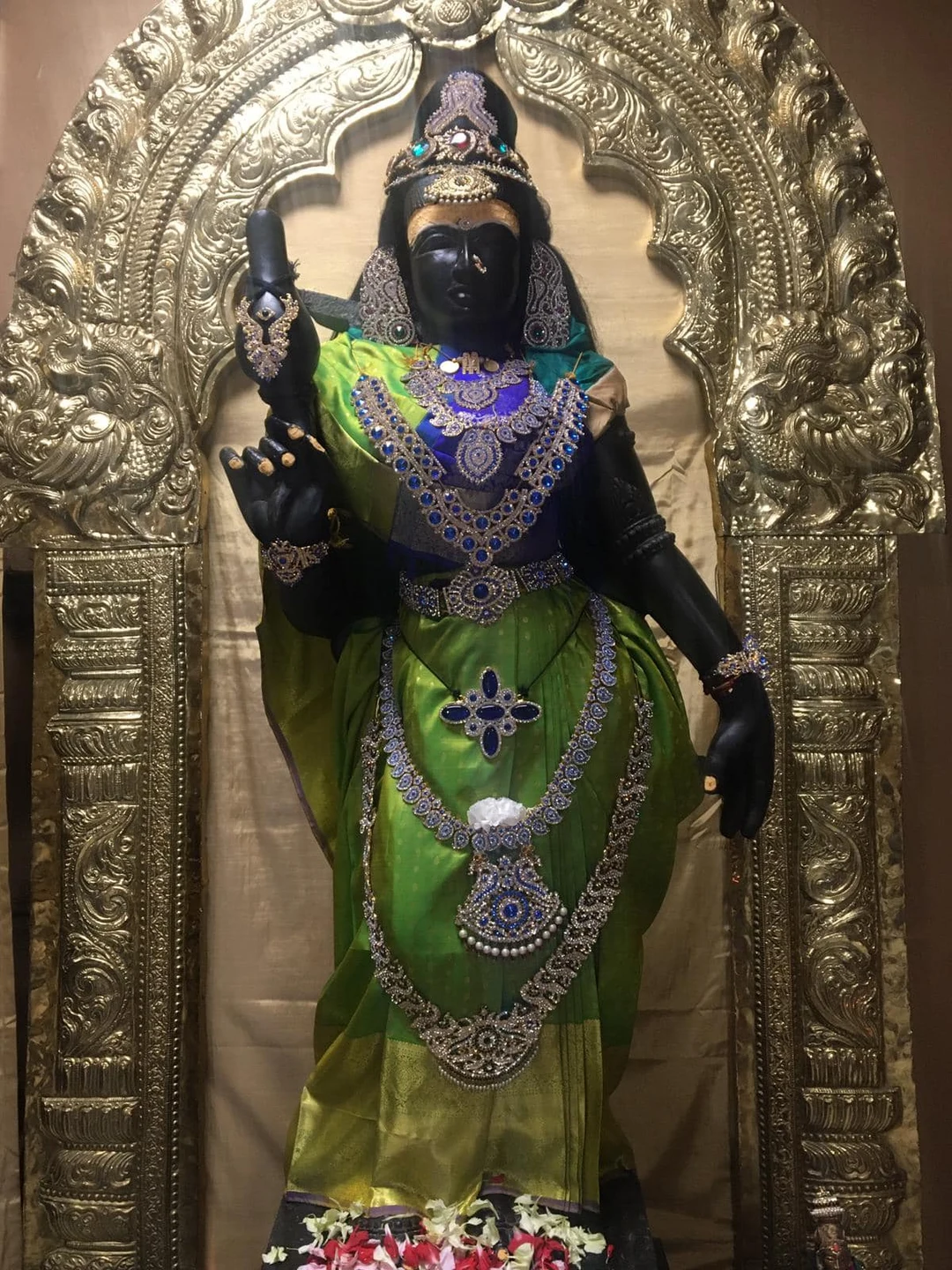
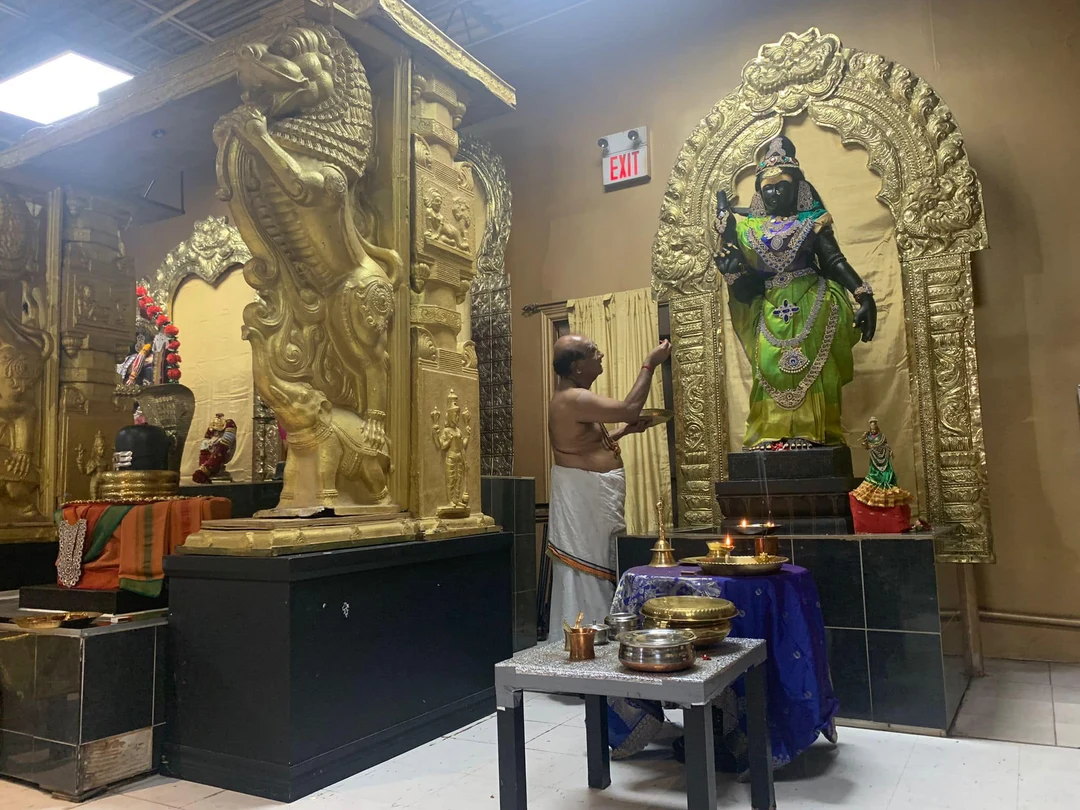
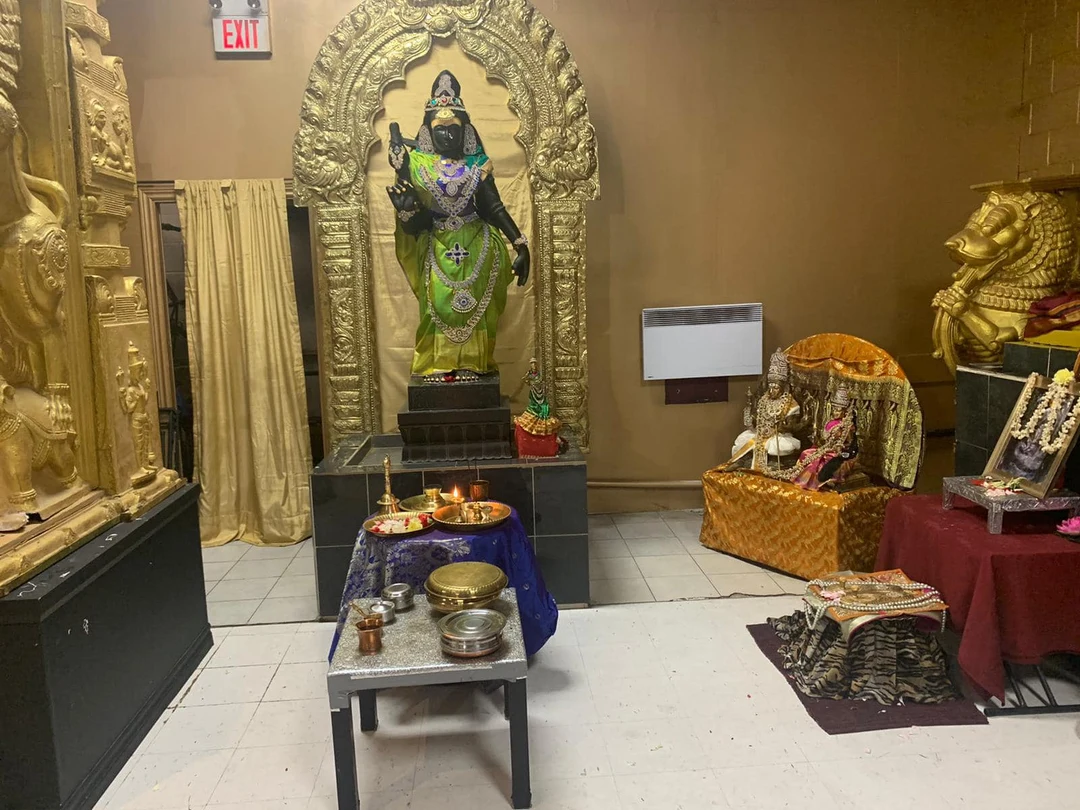
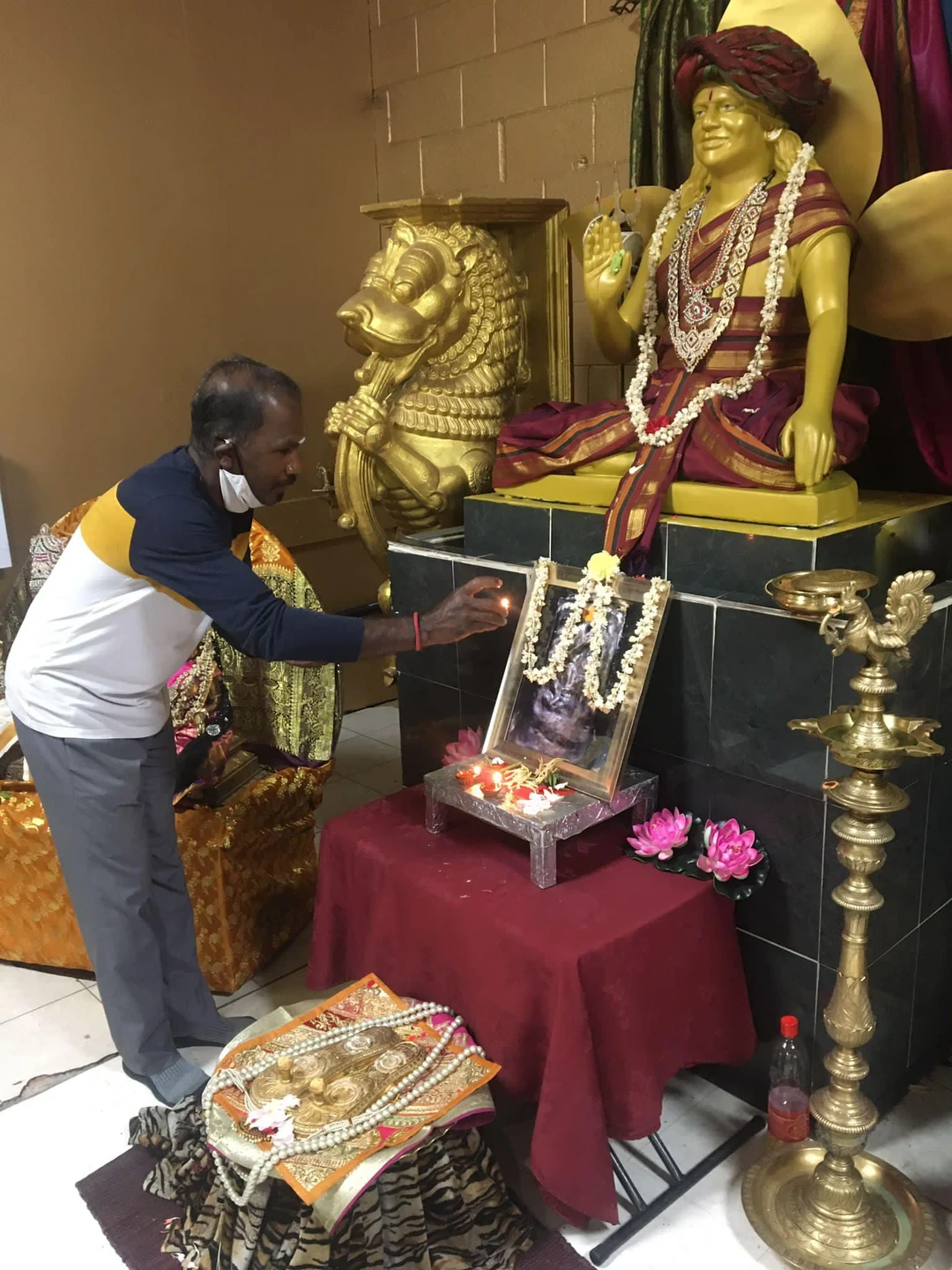
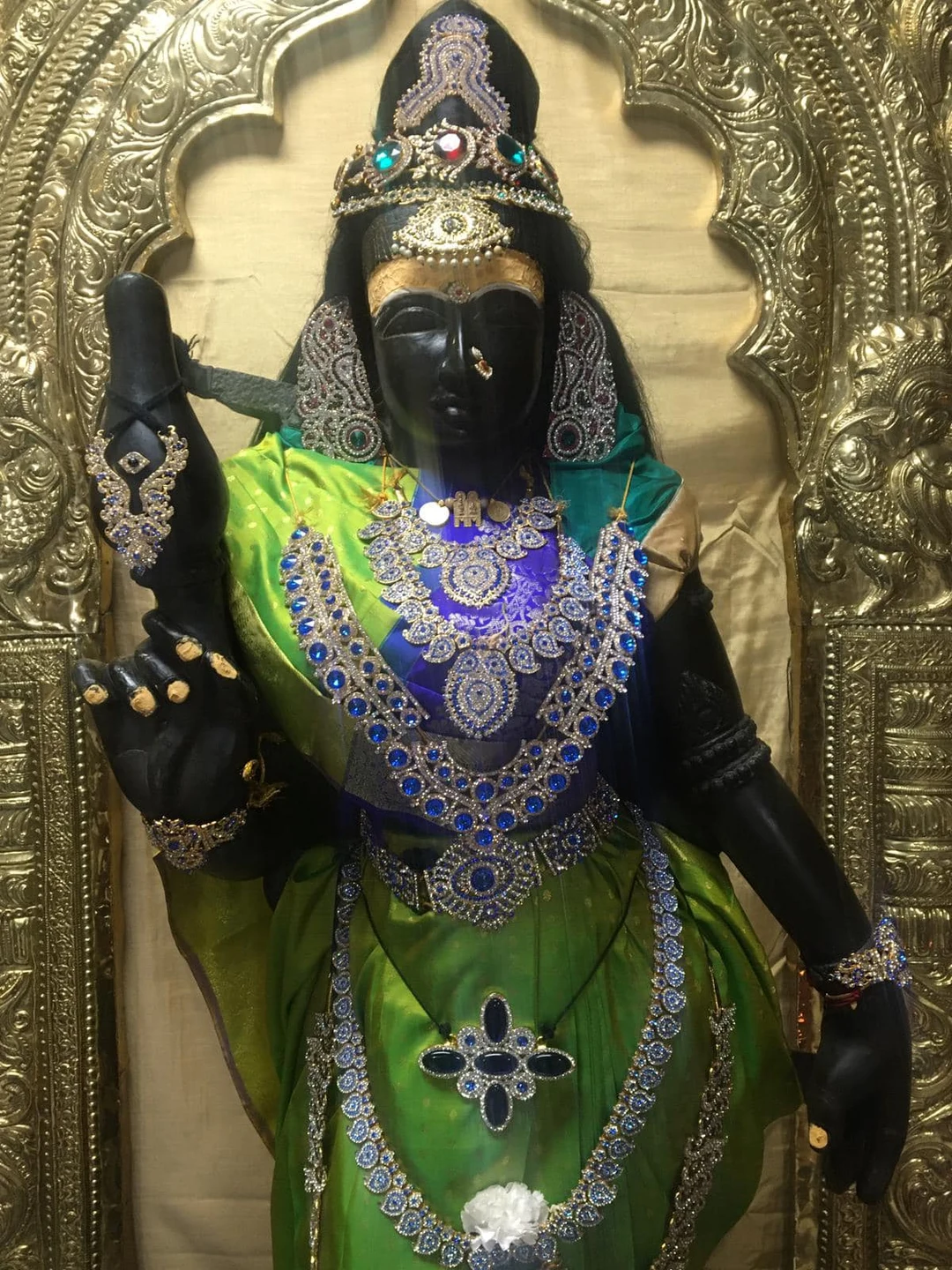
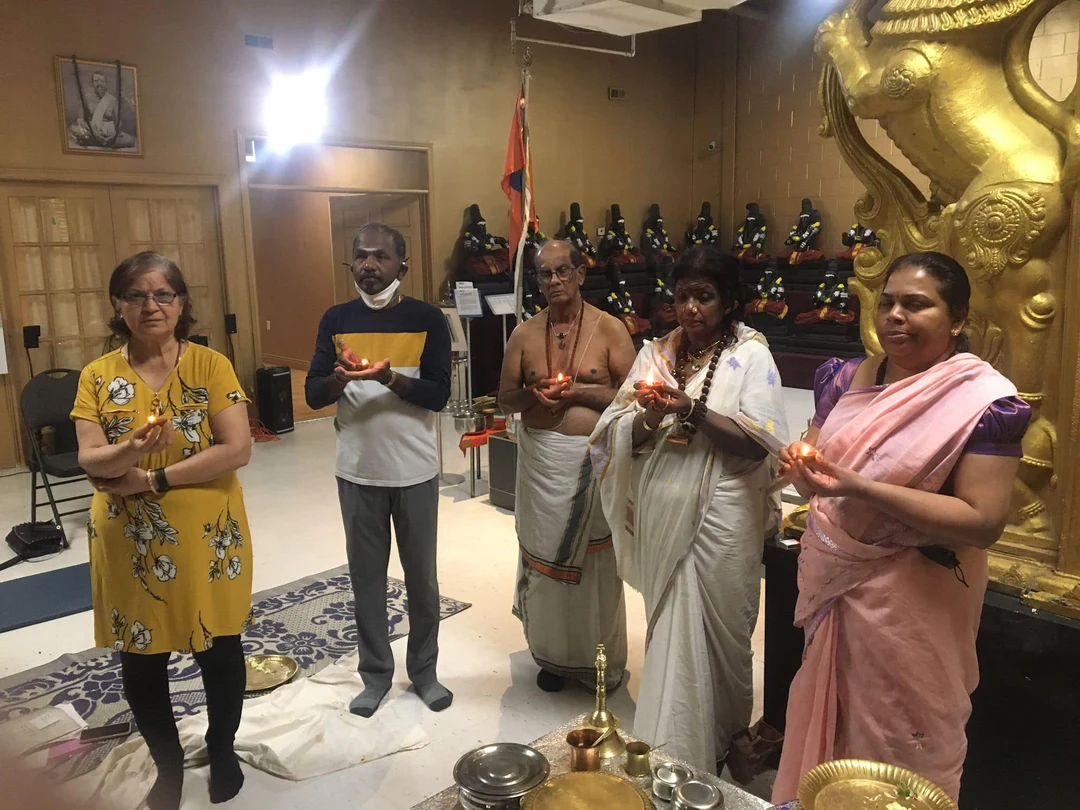
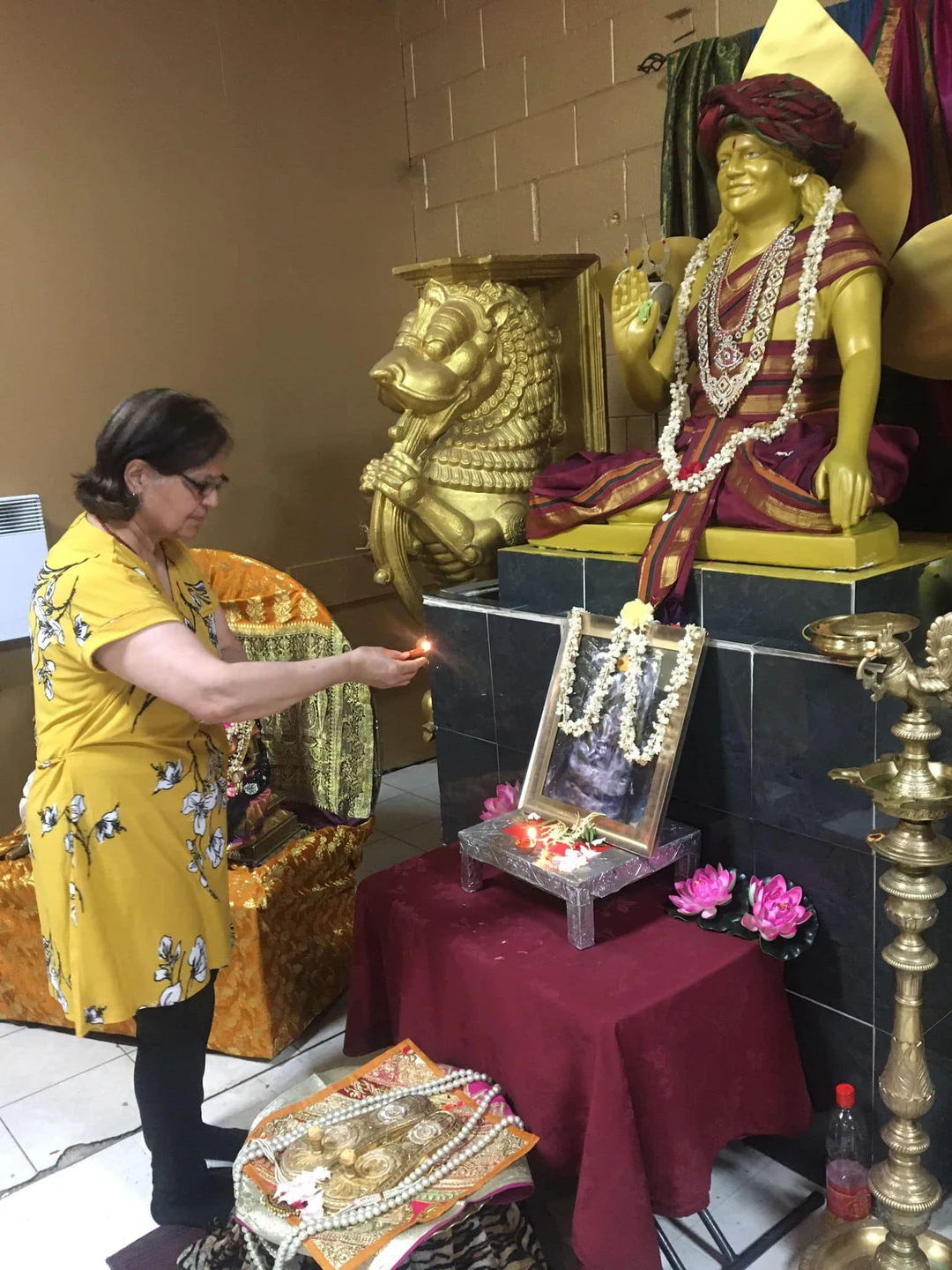
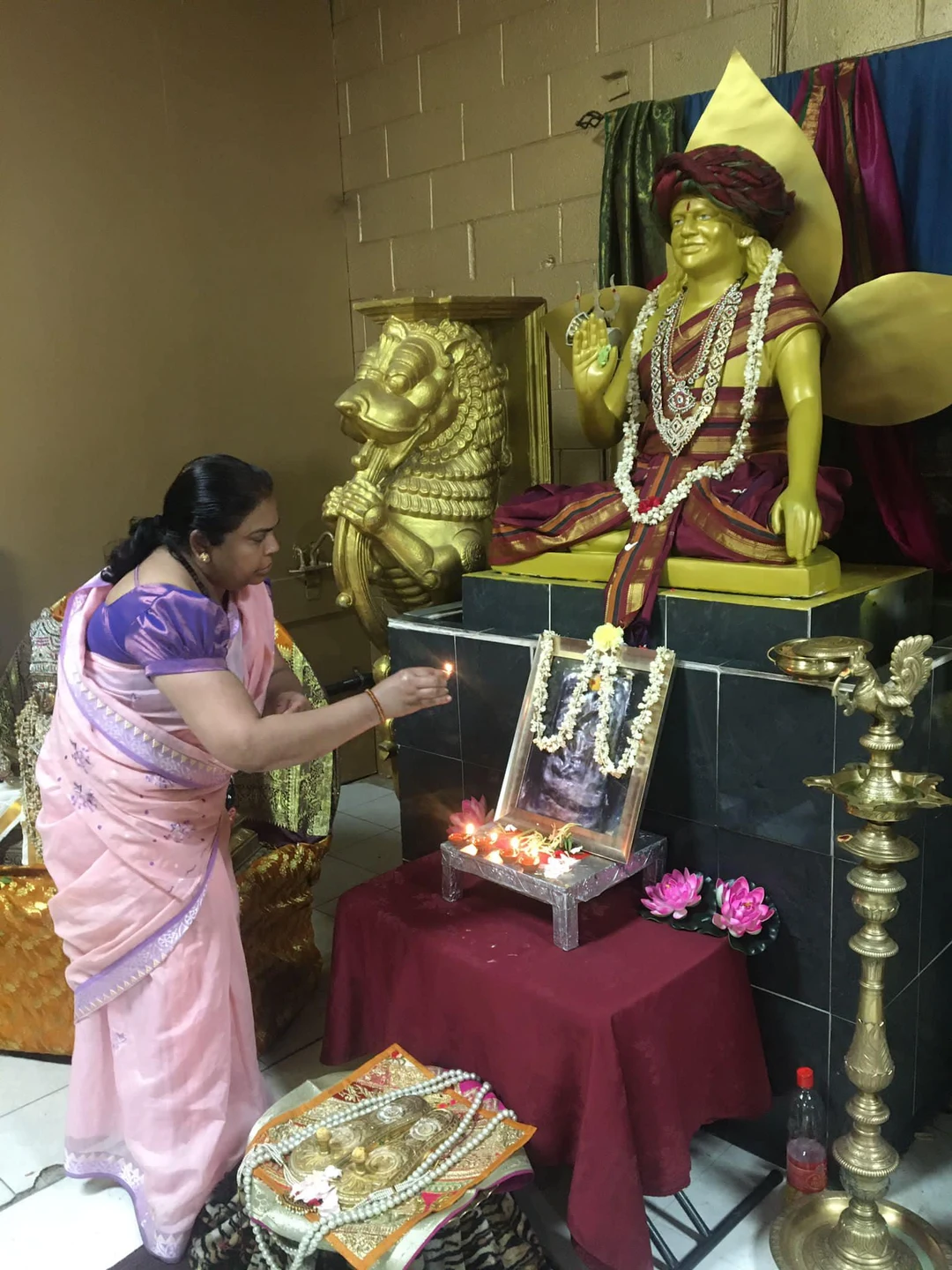
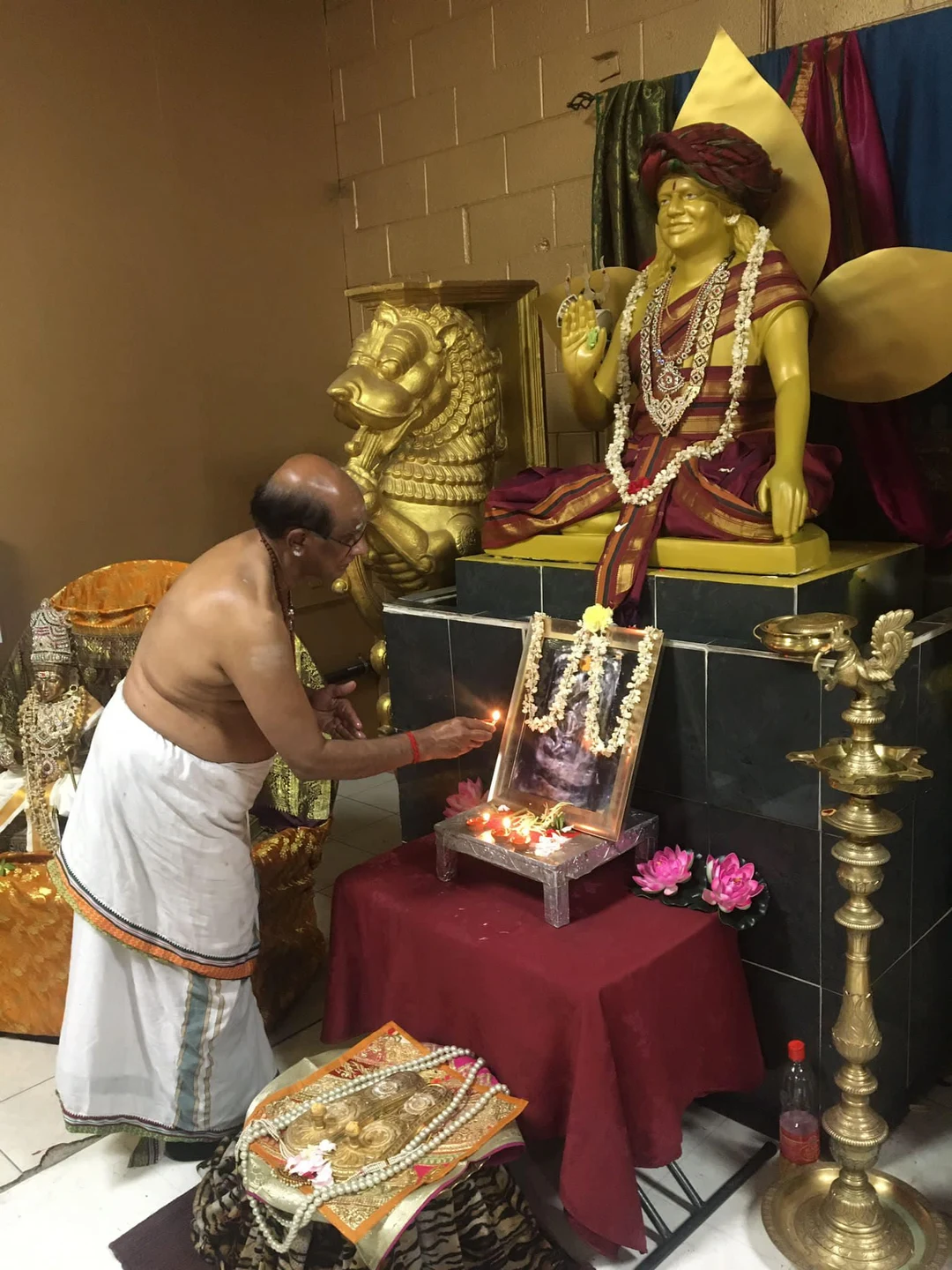
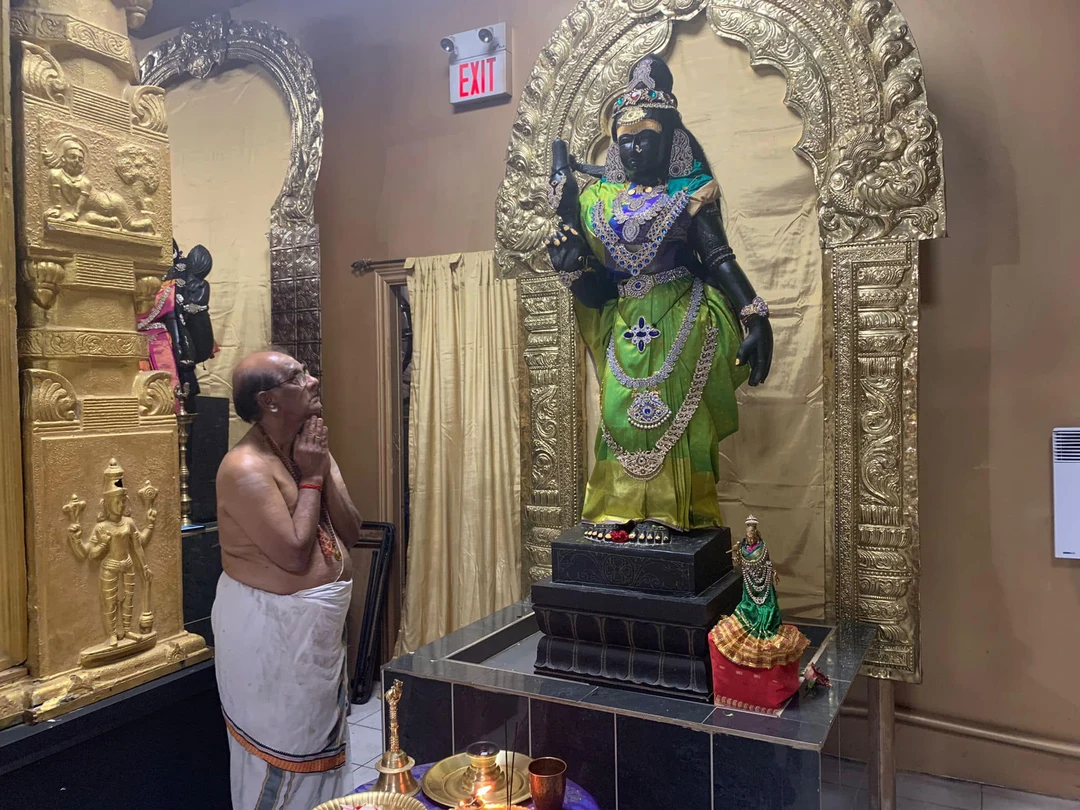
Daily Update And Special Prayer To Arunagiri Yogeeshwara
Pictures from the day



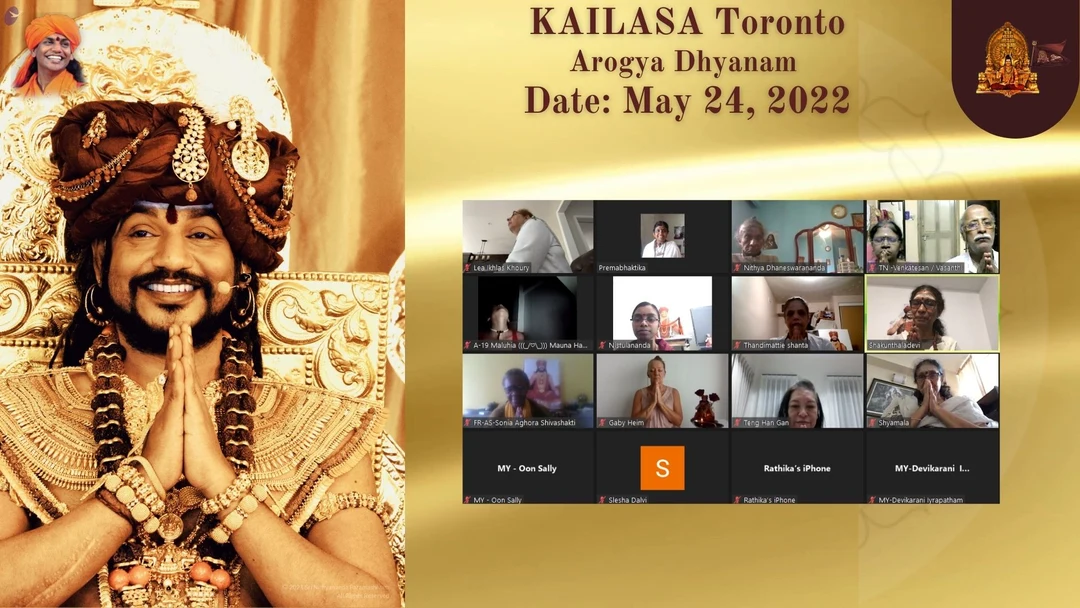
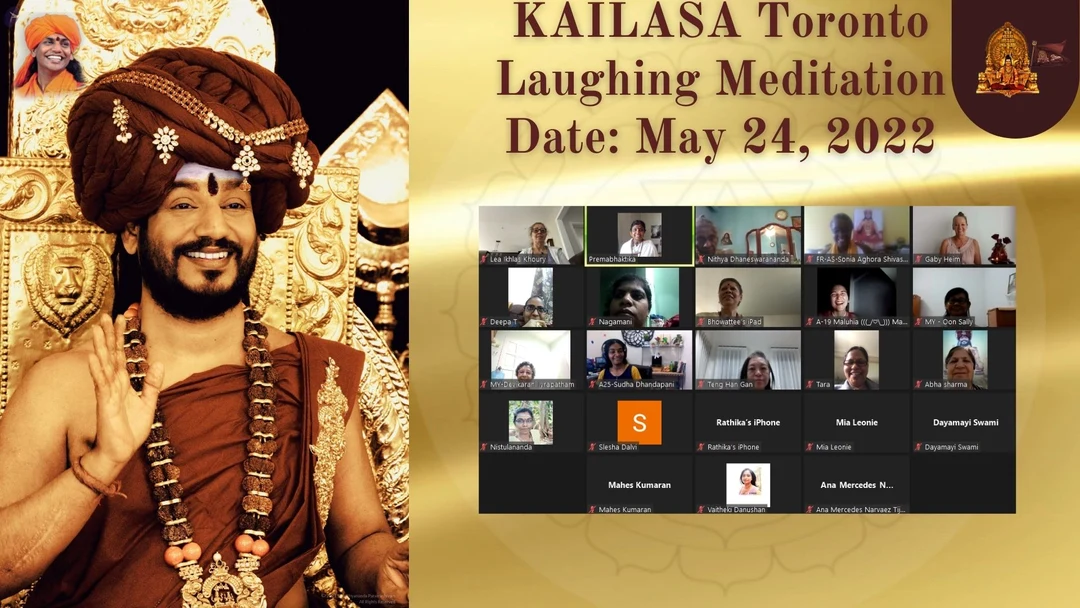
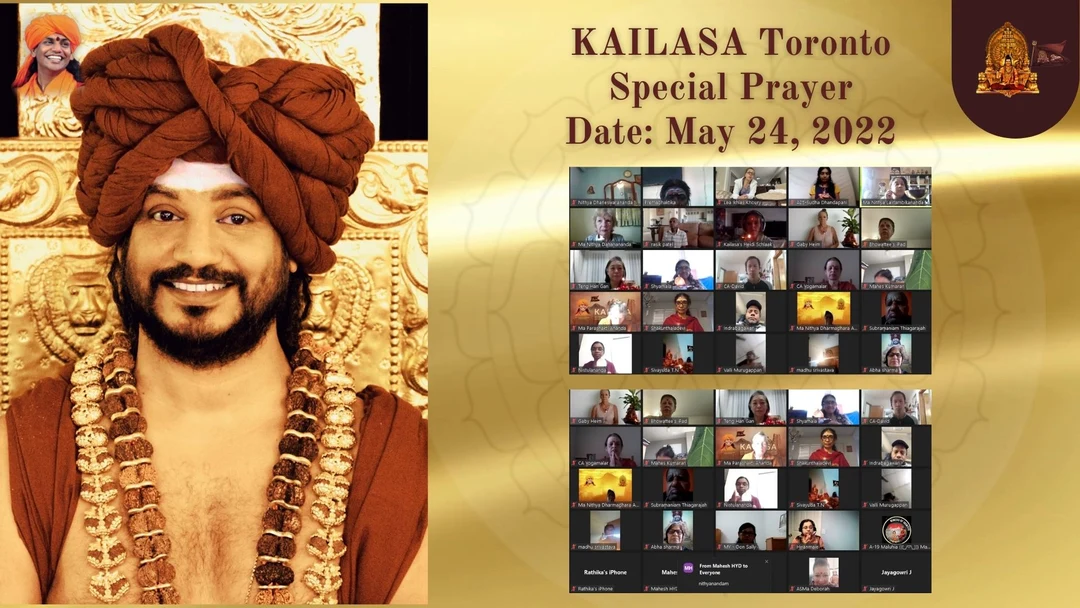


May 24 2022
Original wiki pageContents
Title
NITHYANANDA SATSANG RETELECAST
Transcript
Kailasa's Sri Nithyananda Paramashivam message from Samadhi State
PARAMASHIVA'S BLESSINGS !
- ONE MORE LIVE COVERAGE FOR ALL OF YOU FROM INSIDE SAMADHI.
- ONE OF THE LITERAL MEANING OF THE WORD SAMADHI IS - "SAMA + ADHI" GETTING BALANCED OR ONE WITH THE ORIGIN.
- IN MULTIPLE WAYS MY BODY, MIND, BEING, EMOTIONS, MUSCLE MEMORY, BIO-MEMORY, BIO-ENERGY - ALL ARE GETTING BALANCED & AGAIN & AGAIN ALIGNING BACK TO THE ORIGIN.
- VATA - PITTHA - KAPHA - ALL THE 3 DOSHAS OF THE BODY FALLS INTO SAMATVA.
- THIS MEANS, UNNECESSARY FAT & UNDIGESTED FOOD ACCUMULATED INSIDE THE BODY LEAVES THE BODY IN MULTIPLE FORMS & BODY GETS COMPLETELY DETOXED & STARTS SHINNING LIKE THE THIRD EYE OF PARAMASHIVA.
- THAT IS WHY NO EXTERNAL FOOD OR NO REGULAR SLEEP & NO REGULAR MALA-JALA.
- IDAGALA, PINGALA, SUSHUMNA - 3 NADIS GET ABSOLUTELY BALANCED, SO BREATHING & DASAPRANAS (THE 10 ACTIONS OF THE AIR CIRCULATION INSIDE THE BODY GETS COMPLETELY BALANCED, PURIFIED & DETOXED).
- THE KARMAS ARE PURIFIED, BURNT & CLEARED.
- WHEN I AM ESTABLISHED IN THIS SAMADHI STATE FULLY, ALL THOSE PEOPLE WHO ASKED BOONS, PRAYERS, WISHES ARE GRANTED - ENEREGY FROM PARAMASHIVA MANIFESTS INTENSELY AND FULFILLS EVERYONE.
- THAT IS THE REASON, PEOPLE FIND ALL THE BOONS THEY ASKED ME DURING THE PROGRAMS OR DURING THE PRAYERS GET FULFILLED WHEN I AM IN SAMADHI.
- ALL THE QUESTIONS PEOPLE ASKED ARE RESPONDED & ANSWERED INSIDE THEM WHEN IAM IN SAMADHI, BECAUSE I AM IN ONENESS WITH ALL OF THEM.
- EVEN THE SO CALLED HATERS & ENEMIES LOSE THE STRENGTH TO HATE ME AND HOLD ON TO THEIR ENEMITY BECAUSE I SPREAD & BEING ONE EVEN INSIDE THEIR SOUL.
- I SEE EVERY BEING WITH ALL THEIR PAST LIVES, PRESENT LIVES & FUTURE POSSIBILITIES & RESPOND ACCORDINGLY TO EACH BEING.
- FOR EVERY DEVOTEE, DISCIPLE WHO POURS THEIR TIME, TREASURE, TALENT - MY LOVE FROM THE SAMADHI STATE IS SHOWERED BACK ON THEM.
- LOVE & ATTENTION FROM SAMADHI STATE IS PURE ENERGY & POWER. SO WHEN IT IS SHOWERED, NOBODY WILL BE ABLE TO DOUBT OR DENY IT.
- EVERY BOON & BLESSING GIVEN DURING EVERY PROGRAM, EVERYTIME, EVEN IN THE PAST LIVES ARE EMPOWERED, MANIFESTED, FULFILLED NOW WHILE I AM IN SAMADHI BECAUSE THROUGH THIS BODY INTENSELY PARAMASHIVA MANIFESTS AND DOES ALL HIS ACTIVITIES HE IS SUPPOSED TO DO.
- IT IS LITERALLY LIKE PARAMASHIVA TAKES OVER MY BODY, BEING COMPLETELY, OPERATES ON HIGH SPEED INTENSITY & URGENCY, RESPONDS TO SINGLE INDIVIDUAL PRAYERS TO THE LARGEST HAPPENING IN THE COSMOS.
- MANY SEEKERS, SELF DENIAL, SELF HATRED SDHD IS DISSOLVED, RIGHT KNOWLEDGE IS GIVEN AND THE COURAGE TO FOLLOW THE RIGHT KNOWLEDGE IS SHOWERED.
- THAT IS THE REASON WHEN I AM IN SAMADHI MANY DEVOTEES, DISCIPLES BECOME SO INTENSE LIKE SHIVA GHANAS & TAKE POWERFUL DECISIONS TOWARDS MANIFESTING PARAMASHIVATVA.
- ACTUALLY BUILDING OF THE REAL KAILASA WORK HAPPENS MILLION TIMES MORE WHEN I AM IN THIS DEEP SAMADHI, THAN DOING REGULAR ACTIVITIES LIKE SATSANGH, INITIATION, CLASSES.
- THE WHOLE COSMOS IS CHURNED, SINCERE SEEKERS ARE INTENSELY ATTRACTED TOWARDS ME INTENSELY BEYOND THEIR SOCIETAL PATTERNS AND CONDITIONINGS.
- DURING THESE INTENSE SAMADHI PERIODS, PARAMASHIVA MANIFEST IN THIS BEING LIKE DYNAMIC, DYNAMITE DIAMOND & DESTROYS ALL THE PATTERNS AND CONDITIONINGS, IGNORANT CONSLUSIONS, SUPPORTED BY ARROGANCE.
- PARAMASHIVA LOVES, LOVES, LOVES, LOVES, LOVES CONTINUES TO LOVE YOU SO POWERFULLY, TILL ALL YOUR DOUBTS AND DENIAL ABOUT HIS LOVE DROPS & TILL YOU START ENJOYING THE SAME LOVE & ONENESS WITH PARAMASHIVA.
ENRICH & ENJOY, SHARE & CELEBRATE !
Disciples Respond to the ongoing rumours regarding the SPH's health
1. Ma Premesha shares her views on the vision of KAILASA and the ongoing rumours regarding the SPH's health
Video link: https://www.facebook.com/ParamahamsaNithyananda/videos/728618194996517
2. Ma Vimala shares on her views on the KAILASA's vision and the ongoing rumours regarding the SPH's health
Video link: https://www.facebook.com/ParamahamsaNithyananda/videos/1026198794666633
3. Ma Jnanatma Swami shares her views on the ongoing rumours regarding the SPH's health and the vision of KAILASA.
Video link: https://www.facebook.com/ParamahamsaNithyananda/videos/2126272084210657
4. Ma Tattvapriyananda and Ma Nithyanandhita share their views on the ongoing rumours about the SPH's health and the vision of KAILASA
Video link: https://www.facebook.com/ParamahamsaNithyananda/videos/1376555419515770
5. Ma Atmapriya Swami, an initiated Sannyasi of the Nithyananda order shares her view on the rumours in regards to the SPH's health and the vision of KAILASA
Video link: https://www.facebook.com/ParamahamsaNithyananda/videos/1409197829527675
How to do Bhuta Shuddhi as Per Shaiva Agamas?
How to do Bhuta Shuddhi as Per Shaiva Agamas?
Bhuta Shuddhi is a profound procedure in which we purify the 5 elements and attain oneness with Paramashiva through.
Video link: https://www.facebook.com/ParamahamsaNithyananda/videos/697747671436461
Secrets Of Rudram Chamakam - Enlightenment Through Desires by Using Sound to Reform DNA
Chamakam is the Vedic prayer to fulfil all our wishes. Chamakam is always chanted after Sri Rudram. By chanting Sri Rudram, the negativity and deep-rooted patterns are removed from us. As a result, a beautiful space is created in us for a new life. Through the power of Chamakam which prays for all the auspicious things to be in our life, our true desires are fulfilled leading us more and more towards a fulfilled life which is Living Enlightenment.
~ SPH JGM Nithyananda Paramashivam
Names of 56 Hindu nations from Shakti Sangam Mahatantra
Names of 56 Hindu nations from Shakti Sangam Mahatantra
। श्रीदेव्युवाच ।
देवेश श्रोतुमिच्छामि रहस्यातिरहस्यकम् ।
।श्रीशिव उवाच ।
भिन्नांजनं समारभ्य मा भैर्मा भै'महेश्वरि ॥ १ ॥
वृत्तानन्दं तु देवेशि ध्यात्वा वाच्छामितं शिवे ।
शिखागतं स्मरेत् वन्हि शिखासाधकरूपिणम् ॥ २॥
खरंतु देव्या रसनां बुद्धया ध्यात्वा महेश्वरि ।
साध्यस्य जाड्यरूपत्वं शिखायां परमेश्वरि ॥ ३ ॥
साध्यस्य हृदये देवि देवी तिष्ठति सर्वदा ।
जाड्यं तत्रैव देवेशि रसना लेह भक्षगा ॥ ४ ॥
एवं ध्यात्वा जपेद्वीरस्त्रैकाल्यज्ञानमाप्नुयात् ।
ताराविधौ महेशानि काम्य ध्यानं महेश्वरि ॥ ६ ॥
प्रत्यालीढं समारभ्य पंचमुद्राविभूषितम् ।
इत्येतं चिन्त्य यत्नेन जाड्यं न्यस्य कपालके ॥ ६॥
का संकर्तनं चिन्त्यं त्रैलोक्याधिपतिः कविः ।
राज्यदातृ स्वसामर्थ्य नहि तारां विना कलौ ॥ ७ ॥
xxxx सक्तामाग्नेयीनाडिकागताम् ।
शवस्य हृदये न्यस्तं दक्षिणं चरणं शुभम् ॥ ८ ॥
शवस्य पादयुगलमनुलोमा कृतिक्रमात् ।
संन्यस्य वामचरणे प्रत्यालीढं तदुच्यते ॥ ९ ॥
साधनायां दक्षशिरः प्राक् प्रत्यक् च शिरः सदा ।
शवस्वरूपं कथितं वामहस्तं हृदि18 स्थितम् ॥ १०॥
चतुर्भुजा कालिका स्यात् धनुरायुधधारिणी ।
कपाल पञ्चमं चेत्स्यात् वरहस्ते विधारयन् ॥ ११ ॥
मुण्डरूपं कपालं तु महाकाल मते मतम् ।
कलो तारा कलौ काली कलौ तारा च कालिका ॥ १२ ॥
शिवशक्तिप्रभेदेन देहे शक्तिरुपस्थिता ।
तारा शिवस्तथा काली शक्तिरूपा प्रकीर्तिता ॥ १३ ॥
देशव्यवस्थानियमो नाम सप्तमः
काली शिवस्तथा तारा शक्तिरूपा प्रकीर्तिता ।
अहो ज्ञानवतां ज्ञानी कालीतारा'परायणः ॥ १४ ॥
रहस्यातिरहस्यं च प्रोक्तं देवि तवाग्रतः ।
देशव्यवस्थां देवेशि कथ्यते शृणु यत्नतः ॥ १५ ॥
वैद्यनाथं समारभ्य भुवनेशांतगं शिवे ।
तावदंगाभिधो देशो यात्रायां न हि दुष्यति ॥ १६ ॥
रत्नाकरं समारभ्य ब्रह्मपुत्रांतगं शिवे ।
वंगदेशो मया प्रोक्तः सर्वसिद्धिप्रदायकः ।। १७ ॥
जगन्नाथात्पूर्वभागास्कृष्णातीरान्तगं शिवे ।
कलिंगदेश: संप्रोक्तो वाममार्गपरायणः ॥ १८ ॥
कलिंगदेशमारभ्य पंचाष्टयोजनं शिवे ।
दक्षिणस्यां महेशानि कालिंद: परिकीर्तितः ॥ १९ ॥
सुब्रह्मण्यं समारभ्य यावद्देवो जनार्दनः ।
तावत्केरलदेशः स्यात्तामध्ये सिद्धि 'केरलम् ॥ २० ॥
रामेश्वरो वेंकटेशो हंसकेरलबोधकः ।
अनंतशैलमारभ्य यावत्स्यादुडुपं पुरम् ॥ २१ ॥
तावत्सर्वेशनामा तु केरलः परिकीर्तितः ।
शारदामठमारभ्य कुंकुमाद्रितटान्तकम् ॥ २२ ॥
तावत्काश्मीरदेशः स्यात्पंचाशद्योजनान्तकः ।
कालेश्वरं श्वतगिरि त्रिपुरां नीलपर्वतम् ॥ २३॥
कामरूपाभिधो देवि गणेशगिरिमूर्धनि ।
त्रिपंचकं समारभ्य मध्ये चोजयिनी शिवे ॥ २४ ॥
मार्जारतीर्थ राजेन्द्र कोलापुरनिवासिनम् ।
तावद्देशो महाराष्ट्र: कार्णाटस्या भिगोचरः ।। २५ ॥
जगन्नाथादू भाग अर्वाक् श्रीभ्रमराम्बिका ।
तावदंध्राभिधो देशः सौराष्ट्रं शृणु सादरम् ।। २६ ॥
कोंकणात् पश्चिमं तीत्वा समुद्रप्रान्तगोचरः ।
हिगुलाजान्तका- देवि जन्तवो जनलेशतः ॥ २७ ॥
सौरराष्ट्रदेशो देवेशि नाम्ना तु' गुर्जराभिधः ।
श्रीशैलं तु समारभ्य चोलेशान्मध्यभागतः || २८ ।।
तैलंगदेशो देवेशि ध्यानाध्ययनतत्परः ।
मूकाम्बिको समारभ्य मलयाद्रय तगं शिवे ॥२९॥
मलयाला भिधो देशो मंत्रसिद्धिप्रवर्तकः ।
रामनाथं समारभ्य श्रीरंगान्तं बिलेश्वरि ॥ ३०॥
कर्णाटदेशो देवेशि साम्राज्यभोगदायकः ।
ताम्रपर्णी समारभ्य शैलार्धात्पुरतोऽर्द्धत: ॥ ३१ ॥
अवंतीसंज्ञको देशः कालिका तत्र तिष्ठति ।
भद्रकाली महत्पूर्व रामदुर्गाच्च पश्चिमे ॥ ३२॥
श्रीविदर्भाभिधो देशो वैदर्भास्तत्र तिष्ठति ।
गुर्जरात्पूर्वभागे तु द्वारकातो हि दक्षिणे ॥ ३३ ॥
मरुदेशो महे शानि उष्ट्रोत्पत्तिपरायणः।
श्रीकोंकणादधोभागे तापीतः पश्चिमोत्तरे ॥ ३४ ॥
आभीरदेशो देवेशि विन्ध्यशैले व्यवस्थितः ।
अवंतीतः पूर्वभागे गोदावर्यास्तथोत्तरे ॥ ३५ ॥
मालवाख्यो महादेशो धनधान्यपरायणः ।
द्रविडतैलंगयोर्मध्ये चोलदेशः प्रकीर्तितः ॥ ३६॥
लम्बकर्णाश्च ते प्रोक्ता भेदो ह्यवान्तरो भवेत् ।
कुरुक्षेत्रात्पश्चिमे तु तथा चोत्तरभागतः ॥ ३७॥
इन्द्रप्रस्थान्महेशानि दशत्रियोजनोत्तरम् ।
पांचाल देशो देवेशि सौंदर्य-गर्वभूषितः ॥ ३८ ॥
पांचालदेशमारभ्य म्लेच्छादक्षिणपूर्वतः।
काम्बोजदेशो देवेशि वाजिराशिपरायणः ॥ ३९ ॥
वैदर्भदेशादूर्घ च इन्द्रप्रस्थाच्च दक्षिणे ।
मरुदेशात् पूर्वभागे वैराड्-देशः प्रकीर्तितः ॥ ४० ॥
शव्यवस्थानियमो नाम सप्तमः ।
काम्बोजादक्ष भागे तु इन्द्रप्रस्थाच्च पश्चिमे ।
पाण्ड्य देशो महेशानि महाशूरत्व'कारकः ॥ ४२ ॥
गण्डकीतीरमारभ्य चम्पारण्यातकं शिवे ।।
विदेहभू: समाख्याता तैरभुक्त्यभिधः स तु ॥ ४२ ।।
काम्बोजदेशमारभ्य महाम्लेच्छात्तु पूर्वके ।
वाल्ही कदेशो देवेशि अश्वोत्पत्तिपरायणः ॥ ४३ ॥
तप्तकुण्डं समारभ्य रामक्षेत्रांतकं शिवे ।
किरातदेशो देवेशि विन्ध्यशैले च तिष्ठति ॥ ४४ ॥
करतोयां समारभ्य हिंगुलाजान्त कं शिवे ।
बक्तान देशो देवेशि महाम्लेच्छपरायणः ॥ ४५ ॥
हिंगुपीठं समारभ्य मर्के शांतं महेश्वरि ।
खुरासनाभिधो देशो म्लेच्छमार्गपरायणः ॥ ४६॥
तन्मध्ये चोत्तरे देवि ऐराकः परिकीर्तितः ।
काश्मीरं तु समारभ्य कामरूपाच्च पश्चिमे ।। ४७ ॥
भोटांतदेशो देवेशि मानसेशाच्च दक्षिणे ।
मानसेशादक्षपूर्वे चीनदेशः प्रकीर्तितः ।। ४८ ॥
कैलासगिरिमारभ्य सरयूयोनितः परे ।
आमोंगांतं महेशानि महाचीनाभिधो भवेत् ।। ४९ ॥
जटेश्वरं समारभ्य योगिन्यन्त महेश्वरि ।
नेपाल देशो देवेशि शिलट्ट शृणु प्रिये ॥ ५० ॥
गणेश्वरं समारभ्य महोदध्यंतगं शिवे ।
शिलहट्टा भिधो देशः पर्वते तिष्ठति प्रिये ॥ ५१ ।।
वंगदेश समारभ्य भुवनेशांतगं शिवे ।
गौडदेशः समाख्यातः सर्वविद्याविशारदः ॥ ५२ ॥
गोकर्णेशात्पूर्वभागे आर्यावर्तात्तु चोत्तरे ।
तैरभूक्ता पश्चिमे तु महापुर्याश्च पूर्वत: ॥ ५३ ॥
महाकोशलदेशः स्यात् सूर्यवंशपरायणः ।
व्यासेश्वरं समारभ्य तप्तकुण्डान्तकं शिवे ॥ १४ ॥
मगधाख्यो महादेशो यात्रायां न हि दुष्यति ।।
दक्षोत्तरक्रमेणैव क्रमात् कीकट मागधौ ॥ १५ ॥
चरणाद्रि समारभ्य गृध्रकूटांतकं शिवे ।
तावत्कीकटदेशः स्यात्तदुत्तरो मागधो मतः ॥५६॥
जगन्नाथप्रान्त'देशस्त्वौत्कलः परिकीर्तितः ।
कामगिरिं समारभ्य द्वारकान्तं महेश्वरि ॥ १७ ॥
श्रीकुन्तलाभिधो देशो इणं शृणु महेश्वरि ।
कामगिरेर्दक्षभागे मरुदेशात्तथोत्तरे ॥ १८ ॥
हूणदेशः समाख्यातः शूरास्तत्र वसन्ति हि ।
अथ घटुं समारभ्य कोटीशस्य च मध्यगः ।। ५९ ॥
समुद्रप्रान्तदेशो हि कोङ्कणः परिकीर्तितः ।
ब्रह्मपुत्रात्कामरूपान्मध्यभागे तु कैकयः ॥ ६० ॥
मगधादक्षभागे तु विन्ध्यात्पश्चिमतः शिवे ।
शौरसेनाभिधो देशः सूर्यवंशप्रकाशकः ॥ ६१ ॥
हस्तिनापुरमारभ्य कुरुक्षेत्राच्च दक्षिणे ।
पाञ्चालात्पूविभागे तु कुरुदेशः प्रकीर्तितः ॥ ६२ ।
मरुदेशात्पूर्वभागे कामाद्रेर्दक्षिणे शिवे ।
सिंहलाख्यो महादेशः सर्वदेशोत्तमोत्तमः ॥ ६३ ॥
शिलहट्टापूर्वभागे कामरूपात्तथोत्तरे ।
पुलिन्द देशो देवेशि नरनारायणः परः ॥ ६४ ॥
गणेश्वरात्पूर्वभागे समुद्रादुत्तरे शिवे ।
कच्छदेशः समाख्यातः सेवनं शृणु सादरम् ॥ ६५ ॥
पुलिन्दा दुत्तरे भागे कच्छ।च्च पश्चिमे शिवे ।
मत्स्यदेशः समाख्यातो मत्स्यबाहुल्यकारकः ॥ ६६ ॥
वैराटपांड्ययोर्मध्ये पूर्वदक्षक्रमेण च ।
मद्रदेशः समाख्यातो माद्रीशस्तत्र तिष्ठति ॥ ६७ ॥
शूरसेनात्पूर्वभागे कण्ठका पश्चिमे वरे ।
सौवीरदेशो देवेशि सर्वदेशाधमोधम: ॥ ६८॥
देशव्यवस्थानियमो नाम सप्तमः ।
अवंतीतः पश्चिमे तु वैदर्भादक्षिणोत्तरे ।
लाट देश: समाख्यातो बर्बरं शृणु पार्वति ॥ ६९ ॥
मायापुरं समारभ्य सप्तशृंगात्तथोत्तरे |
बर्बराख्यो महादेशः सैन्धवं शृणु सादरम् ॥ ७० ॥
लंकाप्रदेशमारभ्य मकान्तं परमेश्वरि ।
सेंधवाख्यो महादेशः पर्वते तिष्ठति प्रिये ।। ७१ ॥
एते पटपञ्चाशद्देशा' मया प्रोक्तास्तव प्रिये ।
एतन्मध्येऽपि देवेशि देशभेदास्त्वनेकशः ।।
कोटिशः सन्ति देवेशि एते मुख्याः प्रकीर्तिताः ।
रहस्यातिरहस्य च गोप्तव्य पशुसङ्कटे ।
इति संक्षेपतः प्रोक्तं किमन्यच्छ्रोतुमिच्छसि ।।
इति श्रीशक्तिसङ्गममहातन्त्रराजे उत्तरभागे तृतीय खण्डे श्रीमदक्षोभ्यमहोग्रतारासंवादे
देशव्यवस्थानियमो नाम सप्तमः पटलः ।
। śrīdevyuvāca ।
deveśa śrotumicchāmi rahasyātirahasyakam ।
।śrīśiva uvāca ।
bhinnāṃjanaṃ samārabhya mā bhairmā bhai'maheśvari ॥ 1 ॥
vṛttānandaṃ tu deveśi dhyātvā vācchāmitaṃ śive ।
śikhāgataṃ smaret vanhi śikhāsādhakarūpiṇam ॥ 2॥
kharaṃtu devyā rasanāṃ buddhayā dhyātvā maheśvari ।
sādhyasya jāḍyarūpatvaṃ śikhāyāṃ parameśvari ॥ 3 ॥
sādhyasya hṛdaye devi devī tiṣṭhati sarvadā ।
jāḍyaṃ tatraiva deveśi rasanā leha bhakṣagā ॥ 4 ॥
evaṃ dhyātvā japedvīrastraikālyajñānamāpnuyāt ।
tārāvidhau maheśāni kāmya dhyānaṃ maheśvari ॥ 6 ॥
pratyālīḍhaṃ samārabhya paṃcamudrāvibhūṣitam ।
ityetaṃ cintya yatnena jāḍyaṃ nyasya kapālake ॥ 6॥
kā saṃkartanaṃ cintyaṃ trailokyādhipatiḥ kaviḥ ।
rājyadātṛ svasāmarthya nahi tārāṃ vinā kalau ॥ 7 ॥
xxxx saktāmāgneyīnāḍikāgatām ।
śavasya hṛdaye nyastaṃ dakṣiṇaṃ caraṇaṃ śubham ॥ 8 ॥
śavasya pādayugalamanulomā kṛtikramāt ।
saṃnyasya vāmacaraṇe pratyālīḍhaṃ taducyate ॥ 9 ॥
sādhanāyāṃ dakṣaśiraḥ prāk pratyak ca śiraḥ sadā ।
śavasvarūpaṃ kathitaṃ vāmahastaṃ hṛdi18 sthitam ॥ 10॥
caturbhujā kālikā syāt dhanurāyudhadhāriṇī ।
kapāla pañcamaṃ cetsyāt varahaste vidhārayan ॥ 11 ॥
muṇḍarūpaṃ kapālaṃ tu mahākāla mate matam ।
kalo tārā kalau kālī kalau tārā ca kālikā ॥ 12 ॥
śivaśaktiprabhedena dehe śaktirupasthitā ।
tārā śivastathā kālī śaktirūpā prakīrtitā ॥ 13 ॥
deśavyavasthāniyamo nāma saptamaḥ
kālī śivastathā tārā śaktirūpā prakīrtitā ।
aho jñānavatāṃ jñānī kālītārā'parāyaṇaḥ ॥ 14 ॥
rahasyātirahasyaṃ ca proktaṃ devi tavāgrataḥ ।
deśavyavasthāṃ deveśi kathyate śṛṇu yatnataḥ ॥ 15 ॥
vaidyanāthaṃ samārabhya bhuvaneśāṃtagaṃ śive ।
tāvadaṃgābhidho deśo yātrāyāṃ na hi duṣyati ॥ 16 ॥
ratnākaraṃ samārabhya brahmaputrāṃtagaṃ śive ।
vaṃgadeśo mayā proktaḥ sarvasiddhipradāyakaḥ ।। 17 ॥
jagannāthātpūrvabhāgāskṛṣṇātīrāntagaṃ śive ।
kaliṃgadeśa: saṃprokto vāmamārgaparāyaṇaḥ ॥ 18 ॥
kaliṃgadeśamārabhya paṃcāṣṭayojanaṃ śive ।
dakṣiṇasyāṃ maheśāni kāliṃda: parikīrtitaḥ ॥ 19 ॥
subrahmaṇyaṃ samārabhya yāvaddevo janārdanaḥ ।
tāvatkeraladeśaḥ syāttāmadhye siddhi 'keralam ॥ 20 ॥
rāmeśvaro veṃkaṭeśo haṃsakeralabodhakaḥ ।
anaṃtaśailamārabhya yāvatsyāduḍupaṃ puram ॥ 21 ॥
tāvatsarveśanāmā tu keralaḥ parikīrtitaḥ ।
śāradāmaṭhamārabhya kuṃkumādritaṭāntakam ॥ 22 ॥
tāvatkāśmīradeśaḥ syātpaṃcāśadyojanāntakaḥ ।
kāleśvaraṃ śvatagiri tripurāṃ nīlaparvatam ॥ 23॥
kāmarūpābhidho devi gaṇeśagirimūrdhani ।
tripaṃcakaṃ samārabhya madhye cojayinī śive ॥ 24 ॥
mārjāratīrtha rājendra kolāpuranivāsinam ।
tāvaddeśo mahārāṣṭra: kārṇāṭasyā bhigocaraḥ ।। 25 ॥
jagannāthādū bhāga arvāk śrībhramarāmbikā ।
tāvadaṃdhrābhidho deśaḥ saurāṣṭraṃ śṛṇu sādaram ।। 26 ॥
koṃkaṇāt paścimaṃ tītvā samudraprāntagocaraḥ ।
higulājāntakā- devi jantavo janaleśataḥ ॥ 27 ॥
saurarāṣṭradeśo deveśi nāmnā tu' gurjarābhidhaḥ ।
śrīśailaṃ tu samārabhya coleśānmadhyabhāgataḥ || 28 ।।
tailaṃgadeśo deveśi dhyānādhyayanatatparaḥ ।
mūkāmbiko samārabhya malayādraya tagaṃ śive ॥29॥
malayālā bhidho deśo maṃtrasiddhipravartakaḥ ।
rāmanāthaṃ samārabhya śrīraṃgāntaṃ bileśvari ॥ 30॥
karṇāṭadeśo deveśi sāmrājyabhogadāyakaḥ ।
tāmraparṇī samārabhya śailārdhātpurato'rddhata: ॥ 31 ॥
avaṃtīsaṃjñako deśaḥ kālikā tatra tiṣṭhati ।
bhadrakālī mahatpūrva rāmadurgācca paścime ॥ 32॥
śrīvidarbhābhidho deśo vaidarbhāstatra tiṣṭhati ।
gurjarātpūrvabhāge tu dvārakāto hi dakṣiṇe ॥ 33 ॥
marudeśo mahe śāni uṣṭrotpattiparāyaṇaḥ।
śrīkoṃkaṇādadhobhāge tāpītaḥ paścimottare ॥ 34 ॥
ābhīradeśo deveśi vindhyaśaile vyavasthitaḥ ।
avaṃtītaḥ pūrvabhāge godāvaryāstathottare ॥ 35 ॥
mālavākhyo mahādeśo dhanadhānyaparāyaṇaḥ ।
draviḍatailaṃgayormadhye coladeśaḥ prakīrtitaḥ ॥ 36॥
lambakarṇāśca te proktā bhedo hyavāntaro bhavet ।
kurukṣetrātpaścime tu tathā cottarabhāgataḥ ॥ 37॥
indraprasthānmaheśāni daśatriyojanottaram ।
pāṃcāla deśo deveśi sauṃdarya-garvabhūṣitaḥ ॥ 38 ॥
pāṃcāladeśamārabhya mlecchādakṣiṇapūrvataḥ।
kāmbojadeśo deveśi vājirāśiparāyaṇaḥ ॥ 39 ॥
vaidarbhadeśādūrgha ca indraprasthācca dakṣiṇe ।
marudeśāt pūrvabhāge vairāḍ-deśaḥ prakīrtitaḥ ॥ 40 ॥
śavyavasthāniyamo nāma saptamaḥ ।
kāmbojādakṣa bhāge tu indraprasthācca paścime ।
pāṇḍya deśo maheśāni mahāśūratva'kārakaḥ ॥ 42 ॥
gaṇḍakītīramārabhya campāraṇyātakaṃ śive ।।
videhabhū: samākhyātā tairabhuktyabhidhaḥ sa tu ॥ 42 ।।
kāmbojadeśamārabhya mahāmlecchāttu pūrvake ।
vālhī kadeśo deveśi aśvotpattiparāyaṇaḥ ॥ 43 ॥
taptakuṇḍaṃ samārabhya rāmakṣetrāṃtakaṃ śive ।
kirātadeśo deveśi vindhyaśaile ca tiṣṭhati ॥ 44 ॥
karatoyāṃ samārabhya hiṃgulājānta kaṃ śive ।
baktāna deśo deveśi mahāmlecchaparāyaṇaḥ ॥ 45 ॥
hiṃgupīṭhaṃ samārabhya marke śāṃtaṃ maheśvari ।
khurāsanābhidho deśo mlecchamārgaparāyaṇaḥ ॥ 46॥
tanmadhye cottare devi airākaḥ parikīrtitaḥ ।
kāśmīraṃ tu samārabhya kāmarūpācca paścime ।। 47 ॥
bhoṭāṃtadeśo deveśi mānaseśācca dakṣiṇe ।
mānaseśādakṣapūrve cīnadeśaḥ prakīrtitaḥ ।। 48 ॥
kailāsagirimārabhya sarayūyonitaḥ pare ।
āmoṃgāṃtaṃ maheśāni mahācīnābhidho bhavet ।। 49 ॥
jaṭeśvaraṃ samārabhya yoginyanta maheśvari ।
nepāla deśo deveśi śilaṭṭa śṛṇu priye ॥ 50 ॥
gaṇeśvaraṃ samārabhya mahodadhyaṃtagaṃ śive ।
śilahaṭṭā bhidho deśaḥ parvate tiṣṭhati priye ॥ 51 ।।
vaṃgadeśa samārabhya bhuvaneśāṃtagaṃ śive ।
gauḍadeśaḥ samākhyātaḥ sarvavidyāviśāradaḥ ॥ 52 ॥
gokarṇeśātpūrvabhāge āryāvartāttu cottare ।
tairabhūktā paścime tu mahāpuryāśca pūrvata: ॥ 53 ॥
mahākośaladeśaḥ syāt sūryavaṃśaparāyaṇaḥ ।
vyāseśvaraṃ samārabhya taptakuṇḍāntakaṃ śive ॥ 14 ॥
magadhākhyo mahādeśo yātrāyāṃ na hi duṣyati ।।
dakṣottarakrameṇaiva kramāt kīkaṭa māgadhau ॥ 15 ॥
caraṇādri samārabhya gṛdhrakūṭāṃtakaṃ śive ।
tāvatkīkaṭadeśaḥ syāttaduttaro māgadho mataḥ ॥56॥
jagannāthaprānta'deśastvautkalaḥ parikīrtitaḥ ।
kāmagiriṃ samārabhya dvārakāntaṃ maheśvari ॥ 17 ॥
śrīkuntalābhidho deśo iṇaṃ śṛṇu maheśvari ।
kāmagirerdakṣabhāge marudeśāttathottare ॥ 18 ॥
hūṇadeśaḥ samākhyātaḥ śūrāstatra vasanti hi ।
atha ghaṭuṃ samārabhya koṭīśasya ca madhyagaḥ ।। 59 ॥
samudraprāntadeśo hi koṅkaṇaḥ parikīrtitaḥ । v brahmaputrātkāmarūpānmadhyabhāge tu kaikayaḥ ॥ 60 ॥
magadhādakṣabhāge tu vindhyātpaścimataḥ śive ।
śaurasenābhidho deśaḥ sūryavaṃśaprakāśakaḥ ॥ 61 ॥
hastināpuramārabhya kurukṣetrācca dakṣiṇe ।
pāñcālātpūvibhāge tu kurudeśaḥ prakīrtitaḥ ॥ 62 ।
marudeśātpūrvabhāge kāmādrerdakṣiṇe śive ।
siṃhalākhyo mahādeśaḥ sarvadeśottamottamaḥ ॥ 63 ॥
śilahaṭṭāpūrvabhāge kāmarūpāttathottare ।
pulinda deśo deveśi naranārāyaṇaḥ paraḥ ॥ 64 ॥
gaṇeśvarātpūrvabhāge samudrāduttare śive ।
kacchadeśaḥ samākhyātaḥ sevanaṃ śṛṇu sādaram ॥ 65 ॥
pulindā duttare bhāge kaccha।cca paścime śive ।
matsyadeśaḥ samākhyāto matsyabāhulyakārakaḥ ॥ 66 ॥
vairāṭapāṃḍyayormadhye pūrvadakṣakrameṇa ca ।
madradeśaḥ samākhyāto mādrīśastatra tiṣṭhati ॥ 67 ॥
śūrasenātpūrvabhāge kaṇṭhakā paścime vare ।
sauvīradeśo deveśi sarvadeśādhamodhama: ॥ 68॥
deśavyavasthāniyamo nāma saptamaḥ ।
avaṃtītaḥ paścime tu vaidarbhādakṣiṇottare ।
lāṭa deśa: samākhyāto barbaraṃ śṛṇu pārvati ॥ 69 ॥
māyāpuraṃ samārabhya saptaśṛṃgāttathottare |
barbarākhyo mahādeśaḥ saindhavaṃ śṛṇu sādaram ॥ 70 ॥
laṃkāpradeśamārabhya makāntaṃ parameśvari ।
seṃdhavākhyo mahādeśaḥ parvate tiṣṭhati priye ।। 71 ॥
ete paṭapañcāśaddeśā' mayā proktāstava priye ।
etanmadhye'pi deveśi deśabhedāstvanekaśaḥ ।।
koṭiśaḥ santi deveśi ete mukhyāḥ prakīrtitāḥ ।
rahasyātirahasya ca goptavya paśusaṅkaṭe ।
iti saṃkṣepataḥ proktaṃ kimanyacchrotumicchasi ।।
iti śrīśaktisaṅgamamahātantrarāje uttarabhāge tṛtīya khaṇḍe śrīmadakṣobhyamahogratārāsaṃvāde
deśavyavasthāniyamo nāma saptamaḥ paṭalaḥ ।
Perfect vegetarianism in the Vedas and Vedic yagyas
Perfect vegetarianism in the Vedas and Vedic yagyas.
The Vedic yagyas were pure sattvic deeds. The word yagya () itself means ‘the pious worship' because the celestial gods and goddesses are the manifestations of the sattvic aspect of maya. Katyayan Sutra says that the materials used in the yagyas must be purely vegetarian (). But the anti-Hindu writers have deliberately tried to abuse the Vedic religion, which was followed by the Indian writers, saying that the Vedic religion (yagyas) involved animal sacrifices. We will give you some references from the Vedas themselves and from the Poorv Mimansa of Sage Jaimini, the most authentic scripture on Vedic religion.
The Rigved says,
(1) Don't kill any being.
(2) The evil person who kills or eats the meat of a horse or a cow deserves to be terminated."
The Poorv Mimansa says,
"(3) In the Vedic yagya, killing of an animal or eating meat is totally prohibited. (4) Just like the cows are given as charity in the yagya, horses are also given as charity. (5) Horses and cows are used only for the purpose of giving them in charity, they are never used for eating." The Mahabharat Shanti Parv says, "(6) It is only the evil minded hypocrites who started telling that Vedic yagyas involve intoxicants and meat eating; it is not in the Vedas." The Atharvaved clarifies the literal confusion of Vedic words and tells that in the Vedic sanhita the names of the materials used for actual tire ceremony in yagyas are sometimes named as the name of an animal. For example: (7) Rice' is named as 'cow'and ‘sesame' is named as 'calf’. But it is just their style of writing, it doesn't mean cow or calf; it only means rice and sesame, and the knower of the Vedic grammar and Vedic morphology knows that. Just like if someone says, "I want the meat of hazel," a knower of the English language knows that he means the nut of the hazel.
In the Vedas the cow has been said 'अघन्या' (ऋ. 1/164/27. 4/1/6, 5/83/8, 10/87/16), which means that cows should never be hurt or killed. See some more references on the evils of meat eating.
(1) "देशे काले च सम्प्राप्ते मन्यन्नं हरिदेवतम् ।
श्रद्धया विधिवत् पात्रे न्यस्तं कामधुगक्षयम् ॥
न दद्यादामिषं श्राद्धे न चाद्याद धर्मतत्त्ववित ।
मन्यन्त्रः स्यात्परा प्रीतियथा न पशुहिंसया ।।
नेतादृशः परो धर्मो नृणां सद्धर्ममिच्छताम्।
न्यासो दण्डस्य भूतेषु मनोवाकायजस्य यः॥"
(भा. 7/15/5,7,8)
(2) "अखादत्रनुमोदंश्च भावदोषेण मानवः ।
योऽनुमोदति हन्यन्तं सोऽपि दोषेण लिप्यते ॥
इज्यायज्ञश्रुतिकृतयों मार्गरबुधोऽधमः ।
हन्याज्जन्तून् मांसगृध्रुः स वै नरकभाड्नरः ।।
आहर्ता चानुमन्ता च विशस्ता क्रयविक्रयी।
संस्कर्ता चोपभोक्ता च खादकाः सर्व एव ते॥"
(महा. अनु. 115/39,43,45)
(1) The Bhagwatam says, "In the shradh feast pure vegetarian food, after offering to God, should be given to brahmans. It satisfies the pitra gods forever (5). It is dharma (even for Kshatriya) that in shradh feast he should neither offer meat nor he himself should eat meat. Only vegetarian food must be offered because the meat is obtained by killing an animal (7). This is the best dharma to observe for everyone that one should not hurt other beings even in his thoughts (😎."
(2) The full 115th chapter of Mahabharat, Anushasan Parv, discusses the evils of meat-eating. It says. "The one who himself doesn't eat meat but even if he gives his consent to eat meat or to kill an animal, he becomes equally sinful as them (39). The meat-eater who kills an animal in the name of Vedic Yagya or tells that it is a requirement of the yagya is a sinner and he will go to hell (43). The one who brings an animal to be killed, the one who buys the animal to be killed, the one who kills the animal, and the one who sells, buys, cooks and eats the meat are all sinners (45)." Now we know that the Vedic yagyas were totally sattvic, and meat-eating was always condemned in Bhartiya scriptures. Thus, the observance of the Vedic rituals and the yagyas which followed the giving of money, material and domestic animals (mainly cows and sometimes horses) as a charity and was embraced with the general worship to God, was a procedure to develop the sattvic (pious) quality of the mind of a person who had worldly desires and attachments in the world. But, for such a person who has understood the futility of worldly enjoyments, the Upnishads showed the path of selfless devotion to God for God-realization. All the Vedas and the Upnishads were produced by Bhagwan Ved Vyas.
The personality of Ved Vyas and the scriptures relating to history, religion and the path to God.
Ved Vyas is one of the twenty-four descensions of God and every descension of God is absolute and eternal (). However, in practical life, most of them had a father and a mother who were Divine personalities. Accordingly, Ved Vyas was the son of Sage Parashar. He was born like a grown-up person and immediately he set out to jungles. Soon after that, he started revealing the scriptures. He lived during the time of King Shantanu, the grandfather of the Pandavas. Krishna Dwaipayan () was his first name and Ved Vyas was the title because he revealed and systematized the mantras of the Vedas. He was also called Vadrayan () because he lived for some time in the jungles of vadari () in the Himalayas near Badrikashram. All of these names are famous in the scriptures, but for speaking convenience Ved Vyas or Bhagwan Ved Vyas is commonly used for him.
These are all Divine happenings. For your understanding, you must know that Bhagwan Ved Vyas, who had conceived all of the scriptures in his Divine mind, systematically revealed them one after another. First, he revealed the Vedas including all 1,180 Upnishads and the affiliates and subsidiaries, then the 17 Puranas, then 18 Upapuranas etc.. when the Mahabharata and the Ramayana, and at the end the Bhagavatam which is called the Maha Puran (the supreme Puran). Ved Vyas taught these scriptures to his God-realized disciples who retained them in their Divine minds.
Satsangs on Vegetarianism:
2013_You are designed for vegetarianism
Other references:
यज्ञशिष्टाशिन: सन्तो मुच्यन्ते सर्वकिल्बिषै: |
भुञ्जते ते त्वघं पापा ये पचन्त्यात्मकारणात् ||3.13||
The righteous who eat the remnants of the sacrifice(yajña) are freed from all sins, but those sinful ones who cook food (only) for their own sake verily eat sin.
विद्याविनयसम्पन्ने ब्राह्मणे गवि हस्तिनि |
शुनि चैव श्वपाके च पण्डिता: समदर्शिन: ||5.18||
One who is full of knowledge and compassion sees equally the learned brāhmaṇa, the cow, the elephant, the dog and the Outcaste. (equal right of existence)
Manusmriti 5th Chapter
मधुपर्के च यज्ञे च पितृदैवतकर्मणि ।
अत्रैव पशवो हिंस्या नान्यत्रैत्यब्रवीन् मनुः ॥ ४१ ॥
एष्वर्थेषु पशून् हिंसन् वेदतत्त्वार्थविद् द्विजः ।
आत्मानं च पशुं चैव गमयत्युत्तमं गतिम् ॥ ४२ ॥
madhuparke ca yajñe ca pitṛdaivatakarmaṇi |
atraiva paśavo hiṃsyā nānyatraityabravīn manuḥ || 41 ||
eṣvartheṣu paśūn hiṃsan vedatattvārthavid dvijaḥ |
ātmānaṃ ca paśuṃ caiva gamayatyuttamaṃ gatim || 42 ||
At the Madhuparka offering, at sacrifices, and at the rites in honour of the Pitṛs,—at these alone should animals be killed, and nowhere else: thus has Manu declared—(41)
The twice-born person, knowing the real import of the Veda, killing animals on these occasions, carries himself and the animal to the most excellent state.—(42).
यो बन्धनवधक्लेशान् प्राणिनां न चिकीर्षति ।
स सर्वस्य हितप्रेप्सुः सुखमत्यन्तमश्नुते ॥ ४६ ॥
yo bandhanavadhakleśān prāṇināṃ na cikīrṣati |
sa sarvasya hitaprepsuḥ sukhamatyantamaśnute || 46 ||
He, who does not seek to inflict sufferings of capture and death on living beings, is the well-wisher of all and obtains perfect happiness.—(46).
यद् ध्यायति यत् कुरुते रतिं बध्नाति यत्र च ।
तदवाप्नोत्ययत्नेन यो हिनस्ति न किं चन ॥ ४७ ॥
yad dhyāyati yat kurute ratiṃ badhnāti yatra ca |
tadavāpnotyayatnena yo hinasti na kiṃ cana || 47 || He who does not injure anything obtains, without effort, what he thinks of, what he undertakes, and what he fixes his heart upon.—(47).
नाकृत्वा प्राणिनां हिंसां मांसमुत्पद्यते क्व चित् ।
न च प्राणिवधः स्वर्ग्यस्तस्मान् मांसं विवर्जयेत् ॥ ४८ ॥
nākṛtvā prāṇināṃ hiṃsāṃ māṃsamutpadyate kva cit |
na ca prāṇivadhaḥ svargyastasmān māṃsaṃ vivarjayet || 48 ||
Meat is never obtained without having encompassed the killing of animals, and the killing of animals does not lead to heaven; hence one should avoid meat.—(48)
समुत्पत्तिं च मांसस्य वधबन्धौ च देहिनाम् ।
प्रसमीक्ष्य निवर्तेत सर्वमांसस्य भक्षणात् ॥ ४९ ॥
samutpattiṃ ca māṃsasya vadhabandhau ca dehinām |
prasamīkṣya nivarteta sarvamāṃsasya bhakṣaṇāt || 49 ||
Having duly pondered over the origin of meat, and over the fettering and killing of living beings, one should abstain from the eating of all meat.—(49)
अनुमन्ता विशसिता निहन्ता क्रयविक्रयी ।
संस्कर्ता चोपहर्ता च खादकश्चेति घातकाः ॥ ५१ ॥
anumantā viśasitā nihantā krayavikrayī |
saṃskartā copahartā ca khādakaśceti ghātakāḥ || 51 ||
He who approves, he who cuts, he who kills, he who buys and sells, he who cooks, he who serves and he who eats it are ‘slayers’—(51).
इन्द्रियाणां निरोधेन रागद्वेषक्षयेण च । अहिंसया च भूतानाममृतत्वाय कल्पते ॥ ६० ॥
By the restraining of the senses, by the destruction of love and hatred, and by not injuring living beings, he becomes fit for immortality.—(60)
Yajurveda 1.1, Yajurveda 3.91, 12.32, 6.11, 14.8, 13.43, 13.49, 23.48, 13.47, 13.50, 11.83, 40.7,
Rigveda 10.87.16, 10.87.17-19,
Atharva Veda 10.1.29, 6.140.2,
Bhagavat Puran 11.5.14
Srimad Bhagavatam - Canto 10, Chapter 61, Verses 23, 24, 25, 26 1
Mahabharata, Anu. 115.9-12, 115.9.16, 18, 20, 21-25, 29-36, 38-40, 44-48, 52-53, 116.1, 11-13, 19, 32-40,
Valmiki Ramayana, Ayodhya Kand-chapter 20
गमिष्ये दण्डकारण्यं किमनेनासनेन मे।
विष्टरासनयोग्यो हि कालोऽयं मामुपस्थितः।।2.20.28।।
चतुर्दश हि वर्षाणि वत्स्यामि विजने वने।
मधुमूलफलैर्जीवन्हित्वा मुनिवदामिषम्।।2.20.29।।
I am setting forth to Dandaka forest. What is this seat for? A time has come for me when I am fit for a seat of kusa grass. Abstaining from means of enjoyment, live like hermits and living on honey, fruits and roots, I am to live in the solitary forest for fourteen years. (हित्वा मुनिवद् आमिषम् = I shall live like an ascetic leaving off all means of enjoyment. आमिषम् means “means of enjoyment.” When आमिषम् is used with the word मुनिवद् it means “objects of enjoyment”. आमिषम् also means material enjoyment, lust, craving)
Valmiki Ramayan, Sundar Kand, Chapter 43
न मांसं राघवो भुङक्ते न चाऽपि मधु सेवते।
वन्यं सुविहितं नित्यं भक्तमश्नाति पञ्चमम्।।5.36.41।।
न मांसं राघवो भुङ्क्ते न चापि मधुसेवते
- This statement, in fact, proves that Bhagwan Ram was a pure vegetarian never indulged in drinking or intoxicants. भुङ्क्ते = relish सेवते = accustomed to consuming. Do not confuse मधु with honey, the context is different here. These words do not indicate one instance of eating or drinking. Words for a single instance of eating or drinking are something like khadante or pibati. Those are common words used for eating and drinking. But Rishi Valmiki used special words like भुङ्क्ते or सेवते, which indicate a lifelong preference or habit.
Link to Facebook Page
https://www.facebook.com/ParamahamsaNithyananda/videos/728618194996517
https://www.facebook.com/ParamahamsaNithyananda/videos/1026198794666633
https://www.facebook.com/ParamahamsaNithyananda/videos/2126272084210657
https://www.facebook.com/ParamahamsaNithyananda/videos/1376555419515770
https://www.facebook.com/ParamahamsaNithyananda/videos/1409197829527675
https://www.facebook.com/ParamahamsaNithyananda/videos/418099466802484
https://www.facebook.com/ParamahamsaNithyananda/videos/697747671436461
https://www.facebook.com/ParamahamsaNithyananda/posts/pfbid024DAWc2WVgiEPpE5sfsBU9kwQ9fB6qtFTzgePLzweaBAxjitn6nWtsSNWysTPLPfxl
https://www.facebook.com/srinithyananda.swami/posts/pfbid0kyTNQofZPTTPTzkuzfUzyohvQDNSE5p53coeif7kMHgYaPGyiPDLc1DVuSmxp7nNl
https://www.facebook.com/ParamahamsaNithyananda/posts/pfbid0xKZ9kr4MuLik4TmkSyZiePJzVs7FkCfkEaZhbsCZsqq8wkY7ZgQpr2Q7FEaLvDNFl
https://www.facebook.com/ParamahamsaNithyananda/posts/pfbid0326rAPpJkUmwdsVapPEaeC6uu5iPkEeCkFtxSYqtugYqW6GJSjx1GfQ6K9okhQuLkl
https://www.facebook.com/ParamahamsaNithyananda/posts/pfbid0CSXJK7MZ25NiVro7AQmMPuc8KsDuy7SjX5jMFE6zZsENMepMxXgjEYFS1XuutFLel
https://www.facebook.com/ParamahamsaNithyananda/posts/pfbid02r5XHj1rQmVBFmhFejLUDe6u6ZViQoTyUAKobbSa35gZmdw4vArT5LM22F7kTtf5Ul
Photos from this day
View all 50 photosPictures from the day
1 photoSource galleryPictures from the day
5 photosSource gallery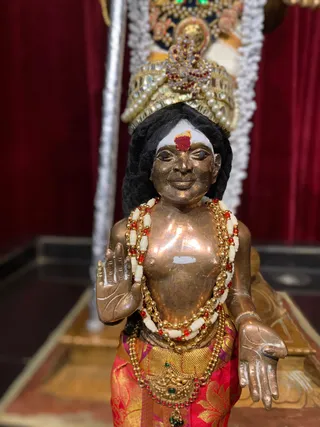
Pictures from the day
1 photoSource gallery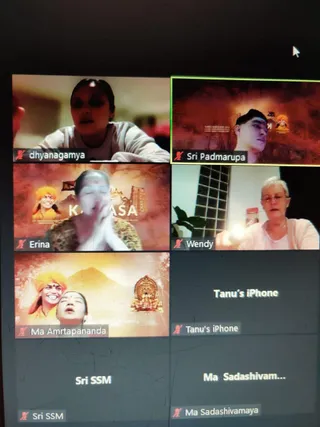
Pictures from the day
2 photosSource gallery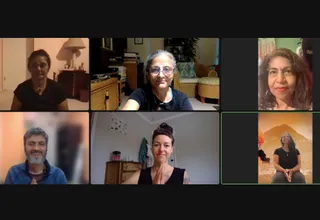
Pictures from the day
10 photosSource gallery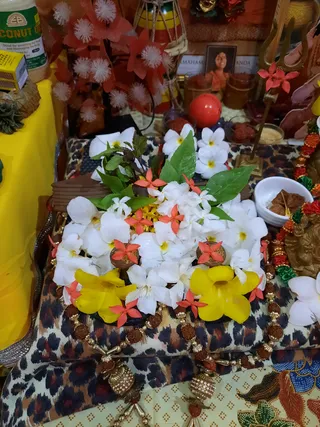
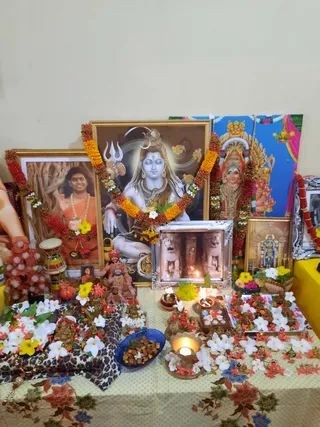
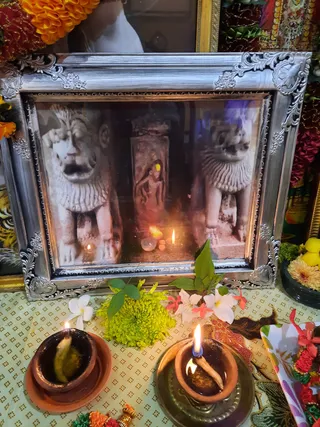
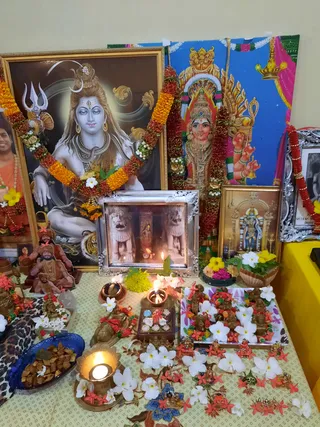
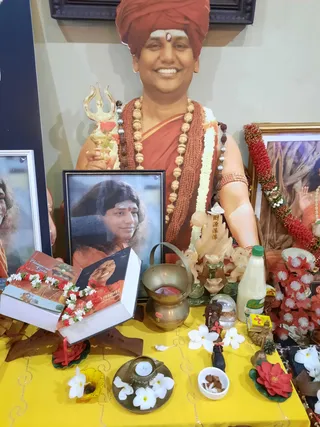
Pictures from the day
2 photosSource gallery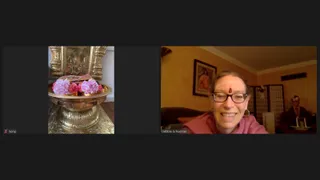

Pictures from the day
29 photosSource gallery