Thursday
22 June 2017
Exploring Superconscious Possibilities is Yoga, Hinduism Provides The Ambience - Aadheenam Chalo!
- Dated photos
- 261
- Source pages
- 1
- Media
- 2
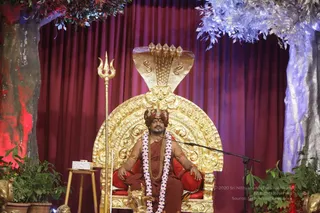
June 22 2017
Original wiki pageTitle:
Exploring Superconscious Possibilities is Yoga, Hinduism Provides The Ambience - Aadheenam Chalo!
Description
This discourse delivered on 22 Jun 2017, Paramahamsa Nithyananda expands on Adheenam Chalo series the scared truth from Agamas.
Link to Video
| Video | Audio |
Photos
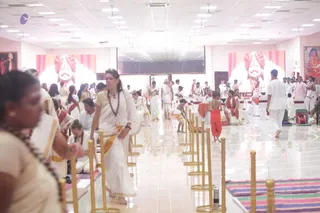
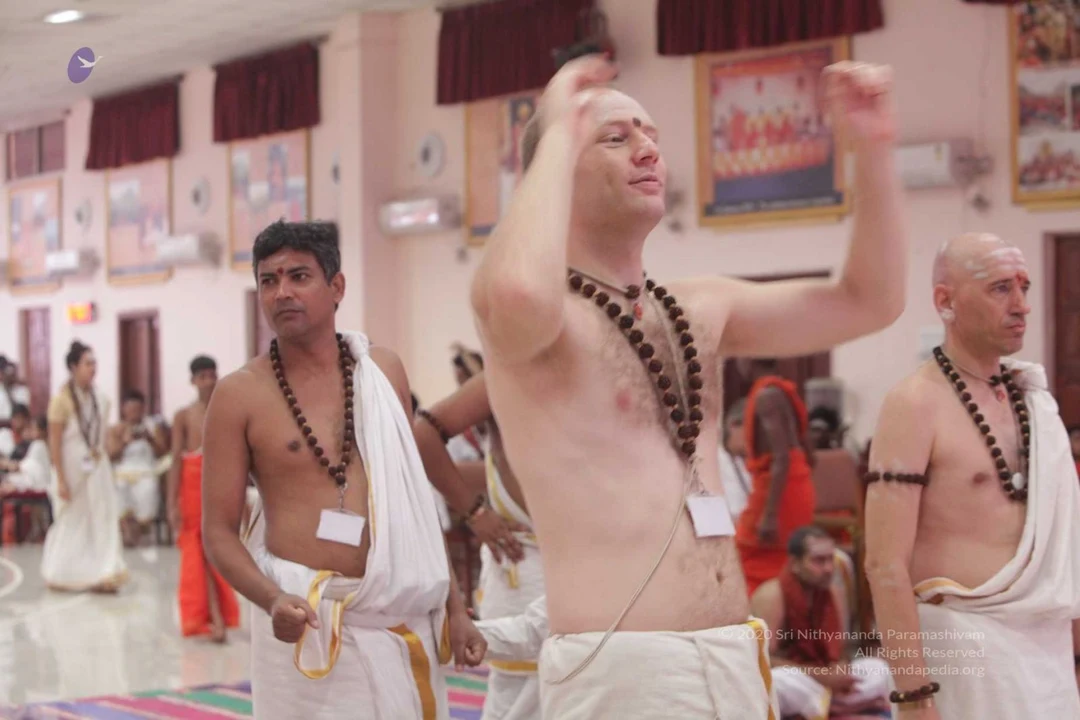 The delegates Performing Kirtan the Sacred dancing rituals during the Inner Awakening Convention
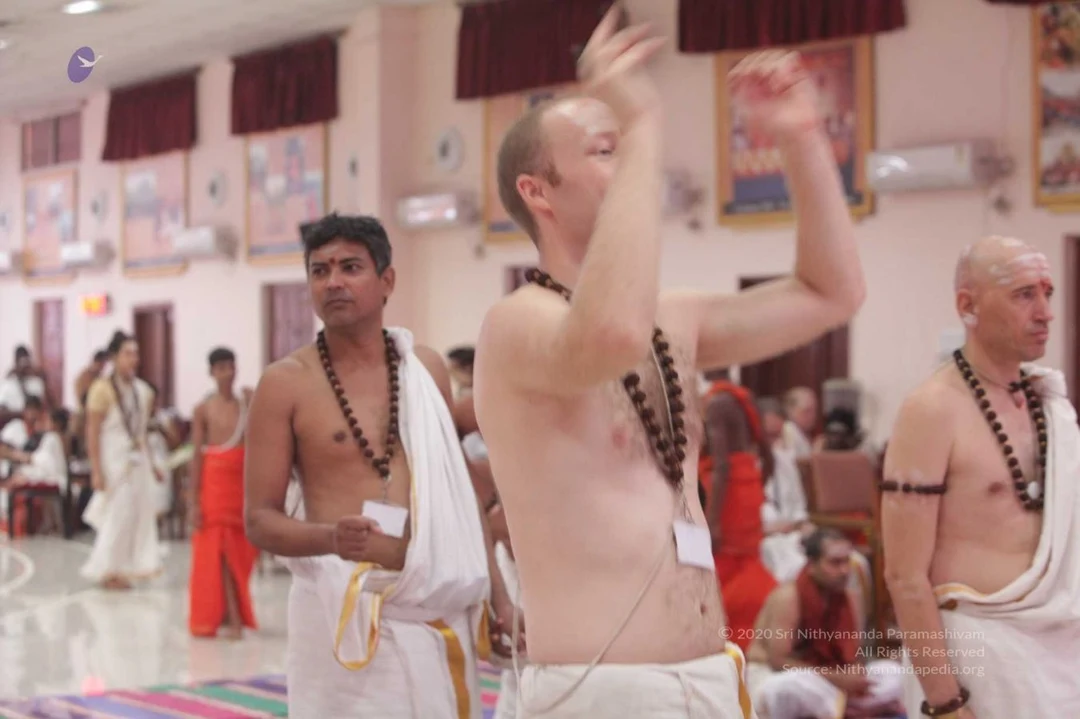 The delegates Performing Kirtan the Sacred dancing rituals during the Inner Awakening Convention
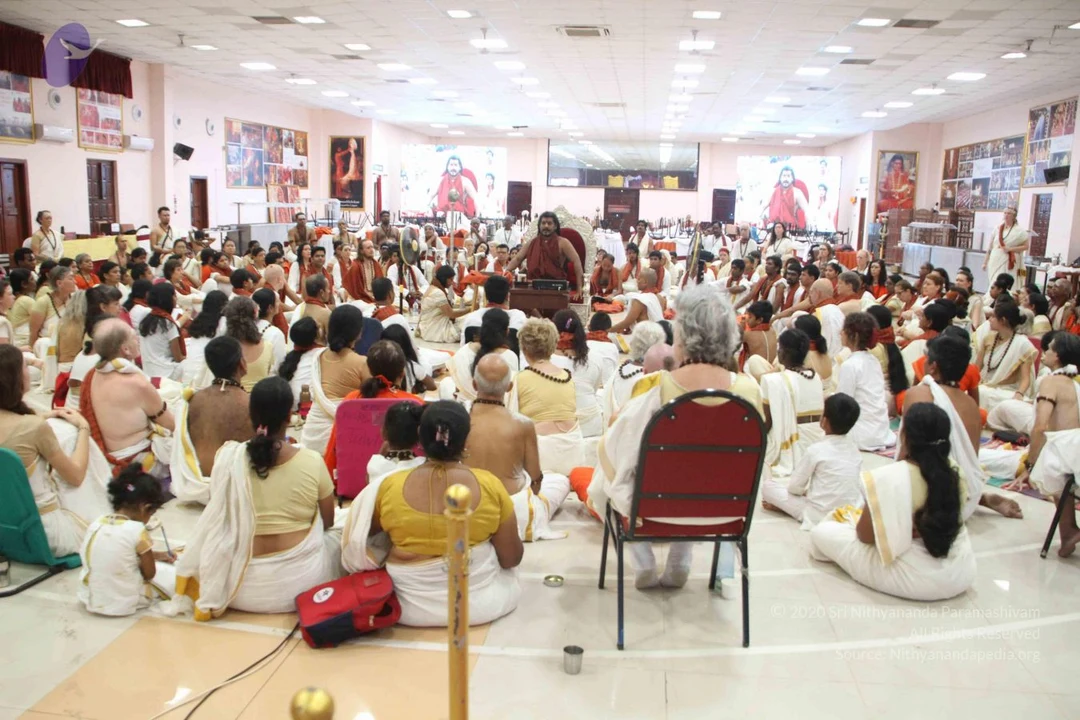
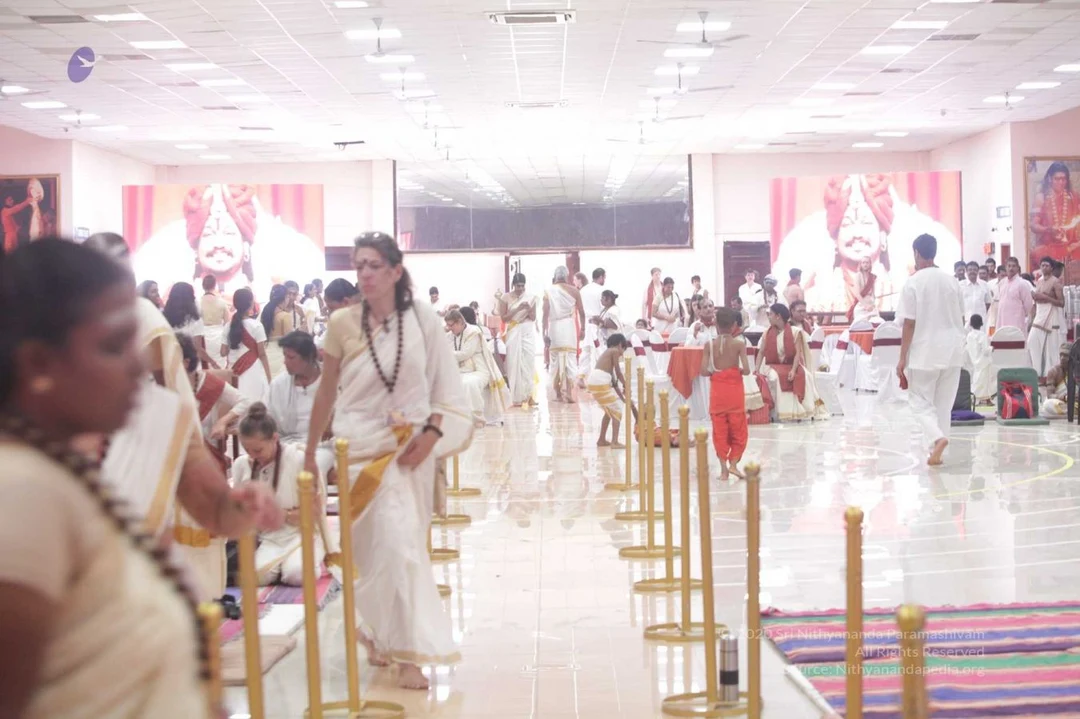 The delegates during the Inner Awakening Convention
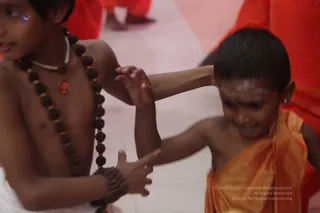
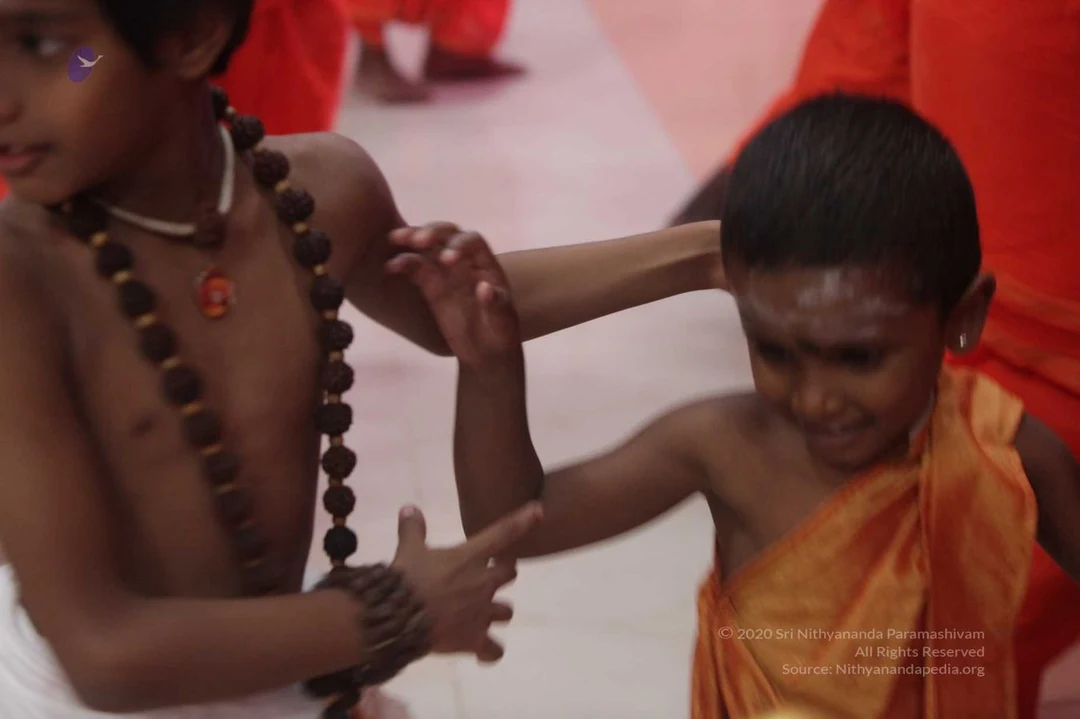 Balasanths celebrating the Kirtan during the Inner awakening Convention
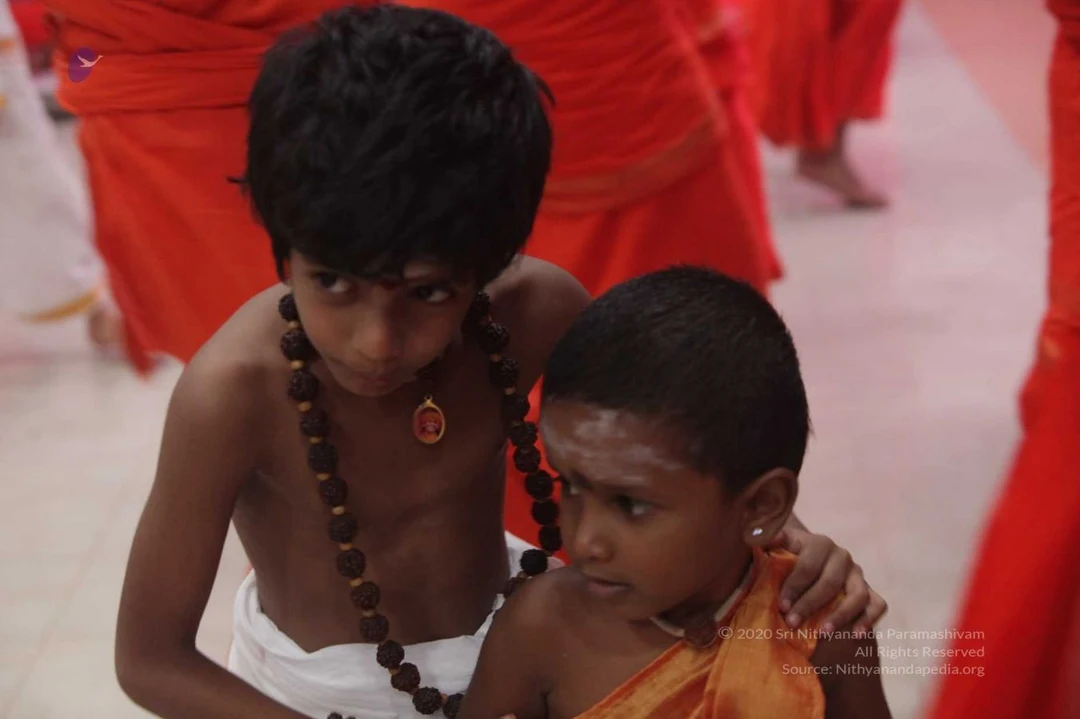 Balasanths celebrating the Kirtan during the Inner Awakening Convention
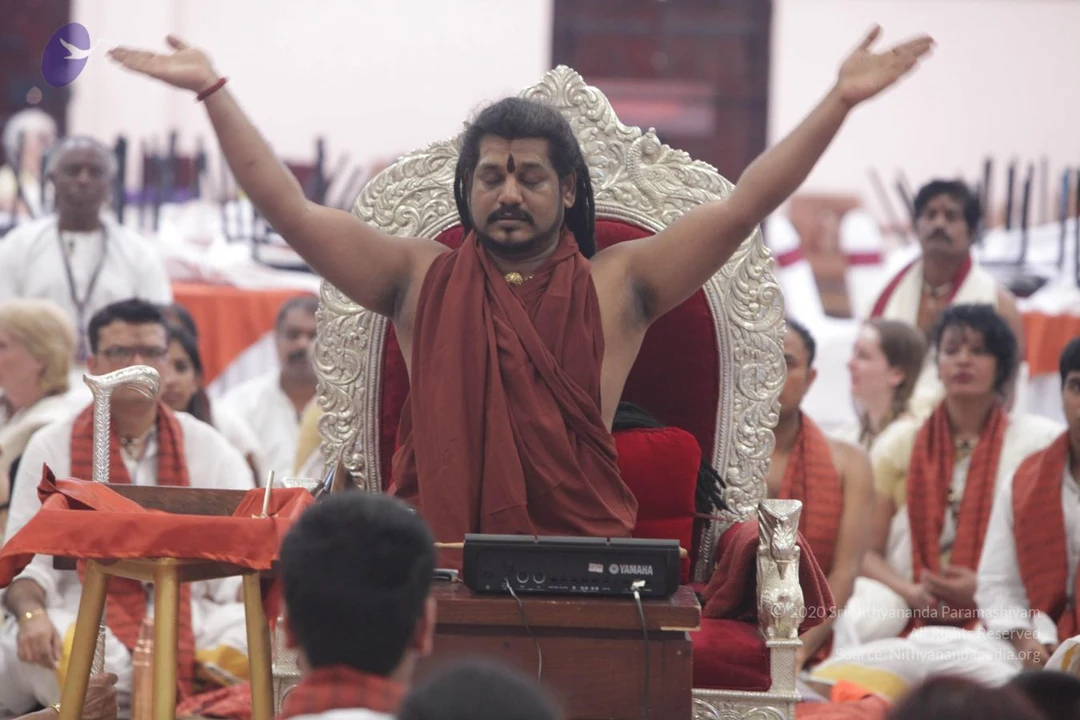
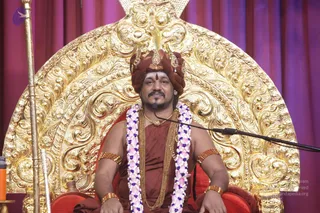
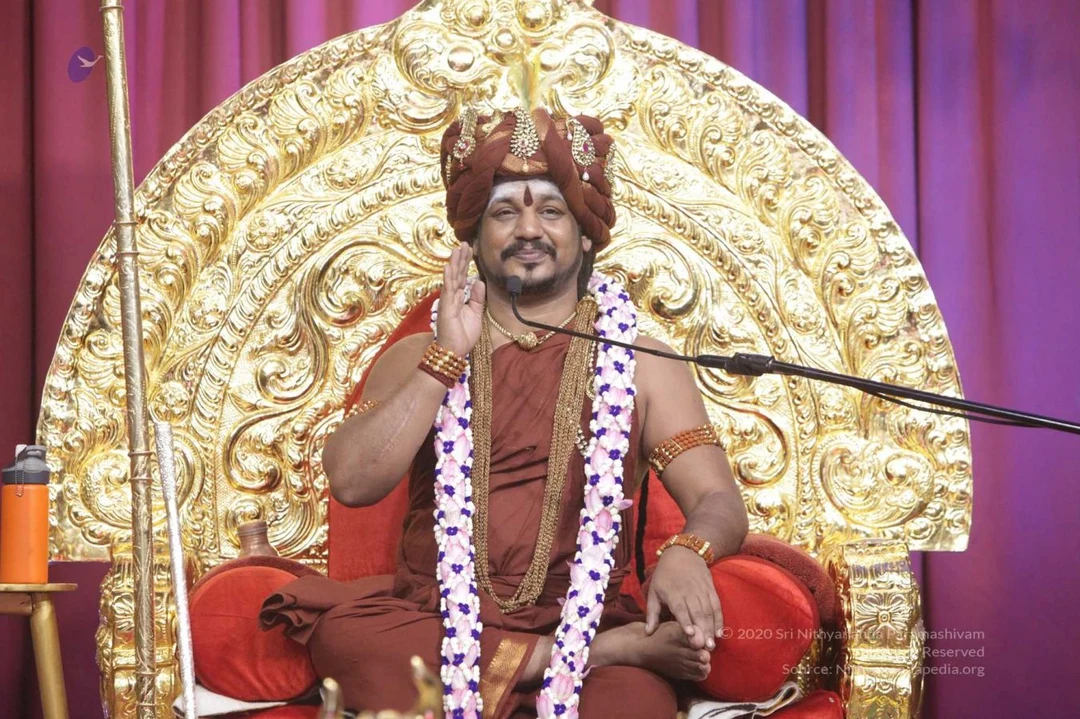 HDH Nithyananda Paramashivam blessings the delegates
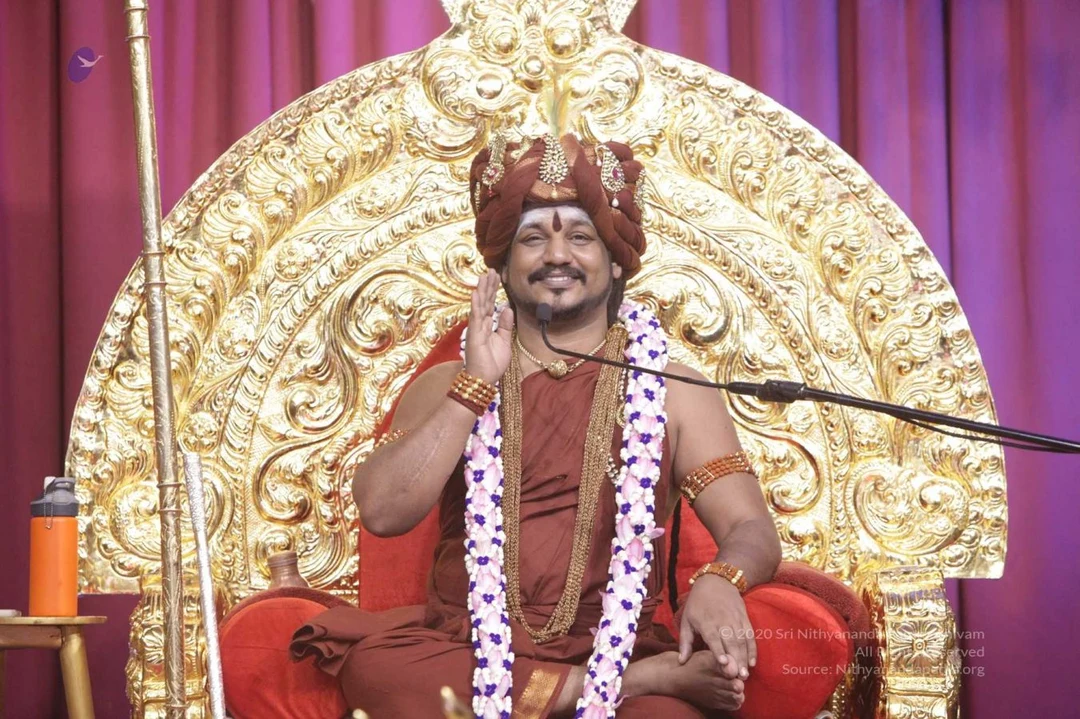 HDH Nithyananda Paramashivam blessings the Inner awakening convention delegates
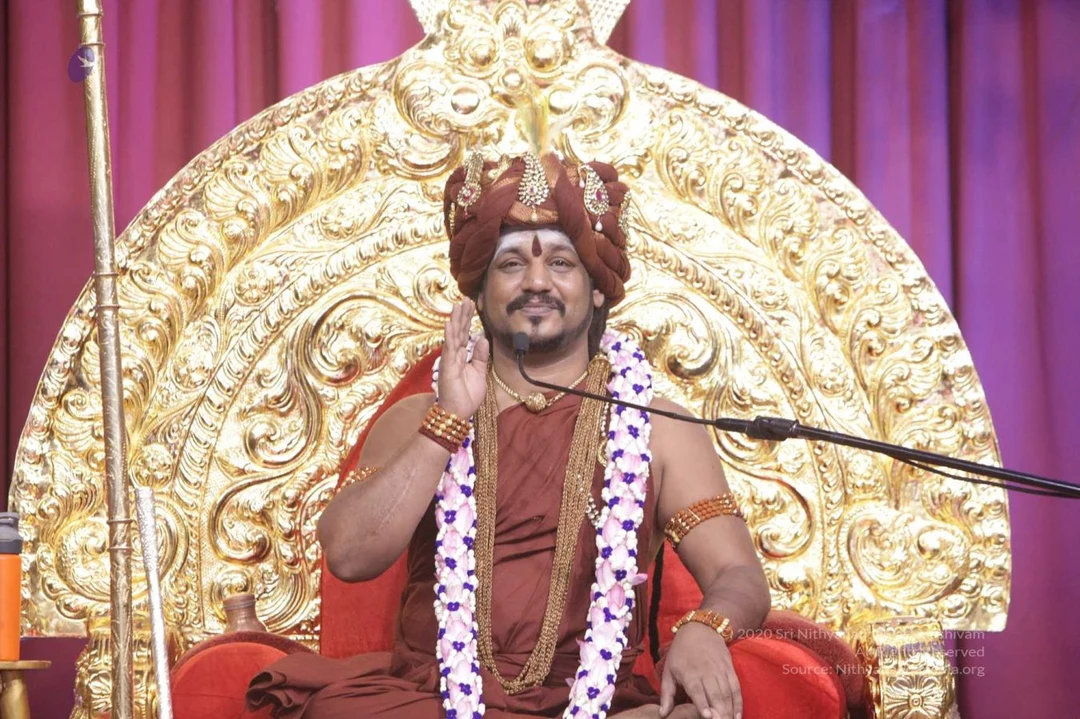 HDH Nithyananda Paramashivam blessings the Inner awakening convention delegates
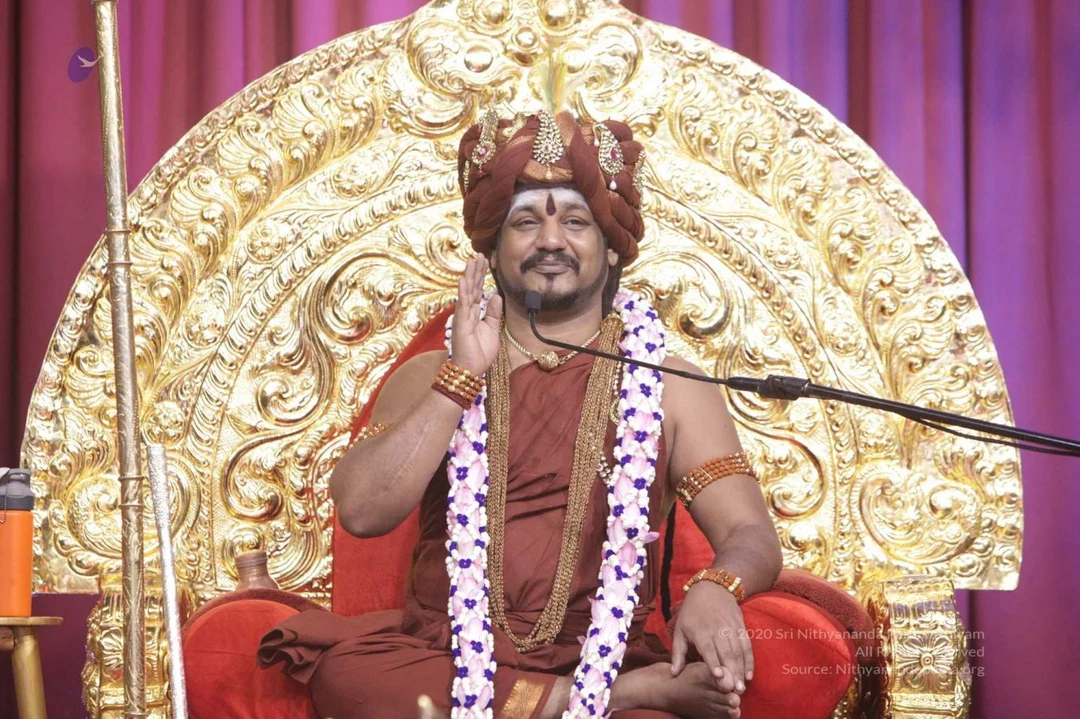 HDH Nithyananda Paramashivam blessings the Inner awakening convention delegates
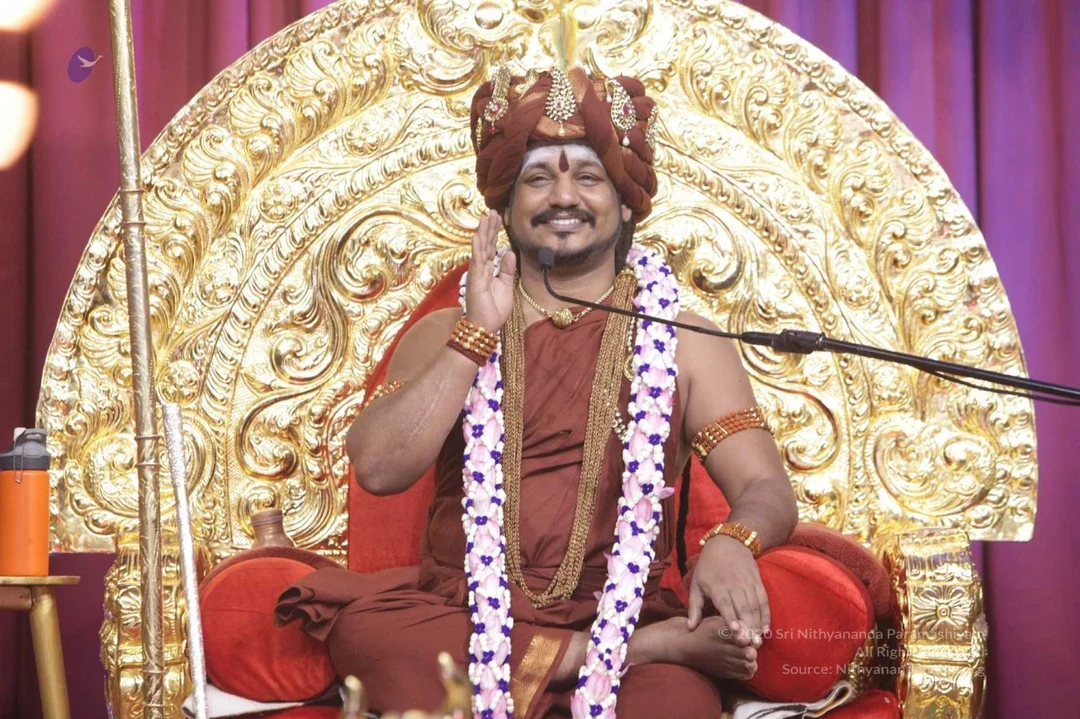 HDH Nithyananda Paramashivam blessings the Inner awakening convention delegates
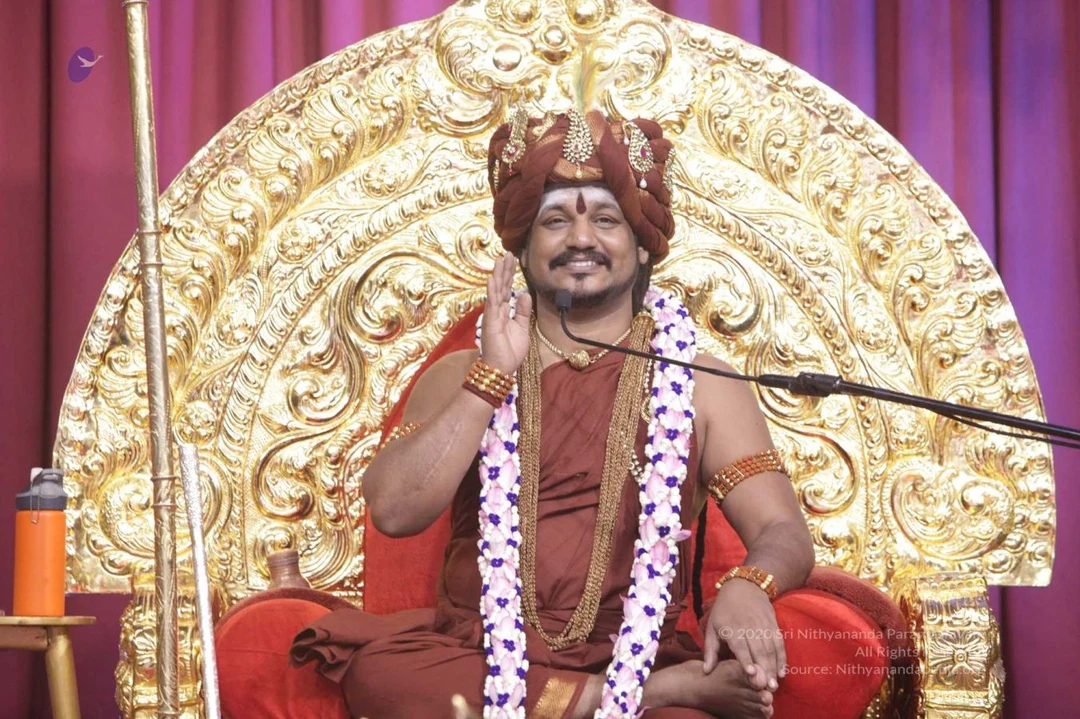 HDH Nithyananda Paramashivam blessings the Inner awakening convention delegates
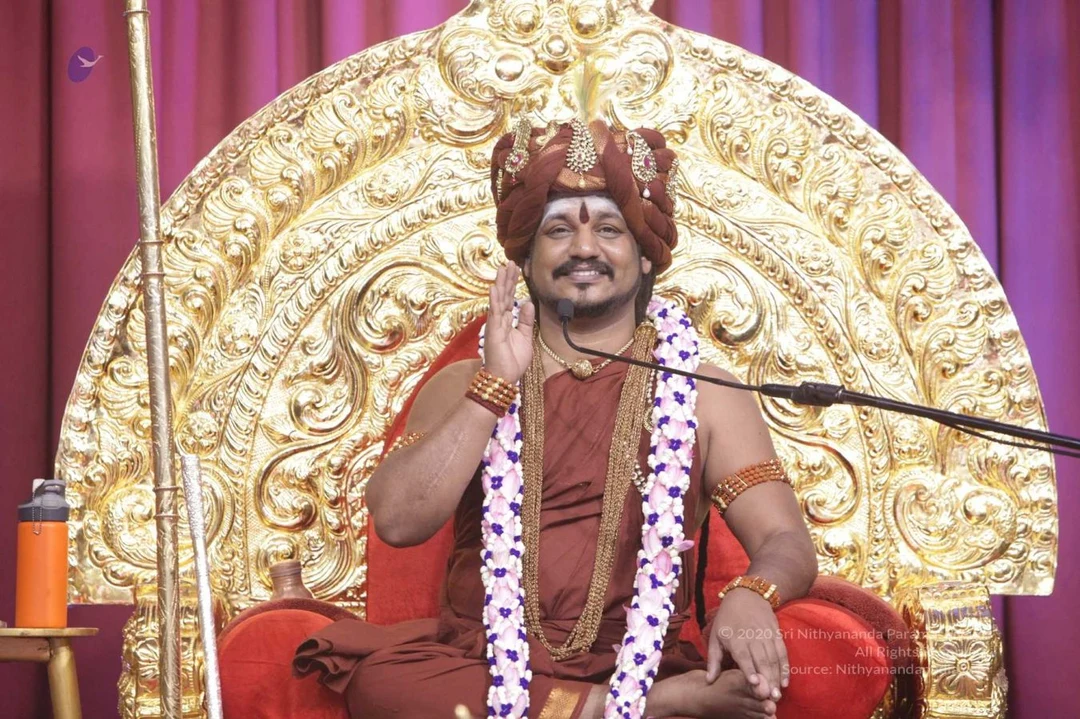 HDH Nithyananda Paramashivam blessings the Inner awakening convention delegates
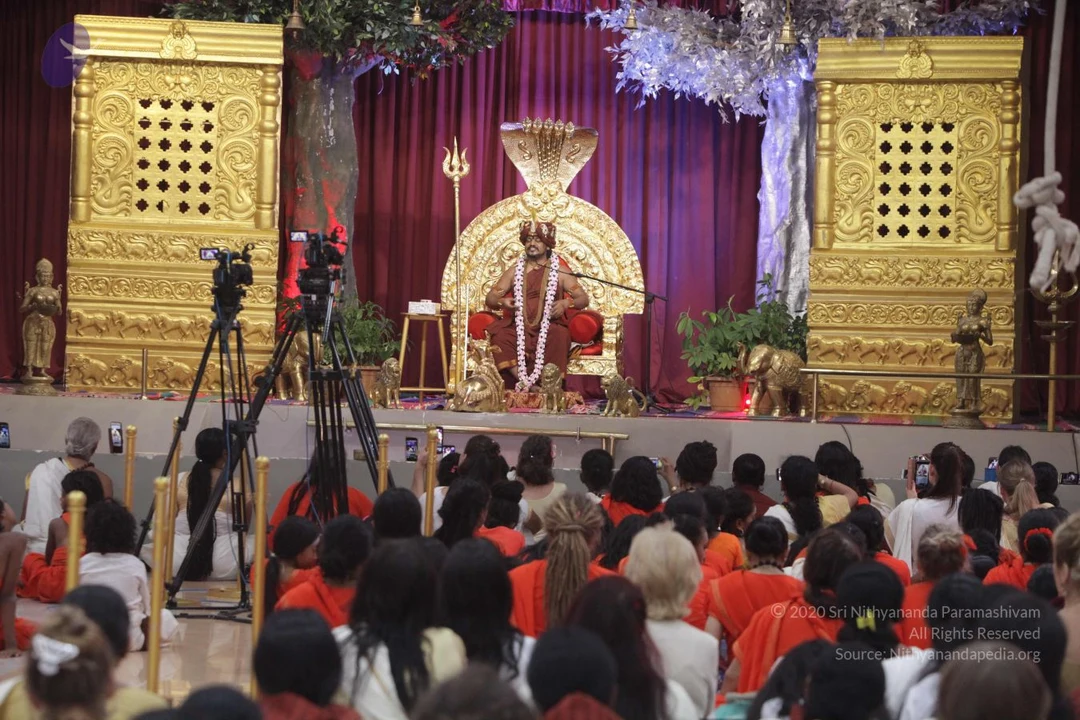
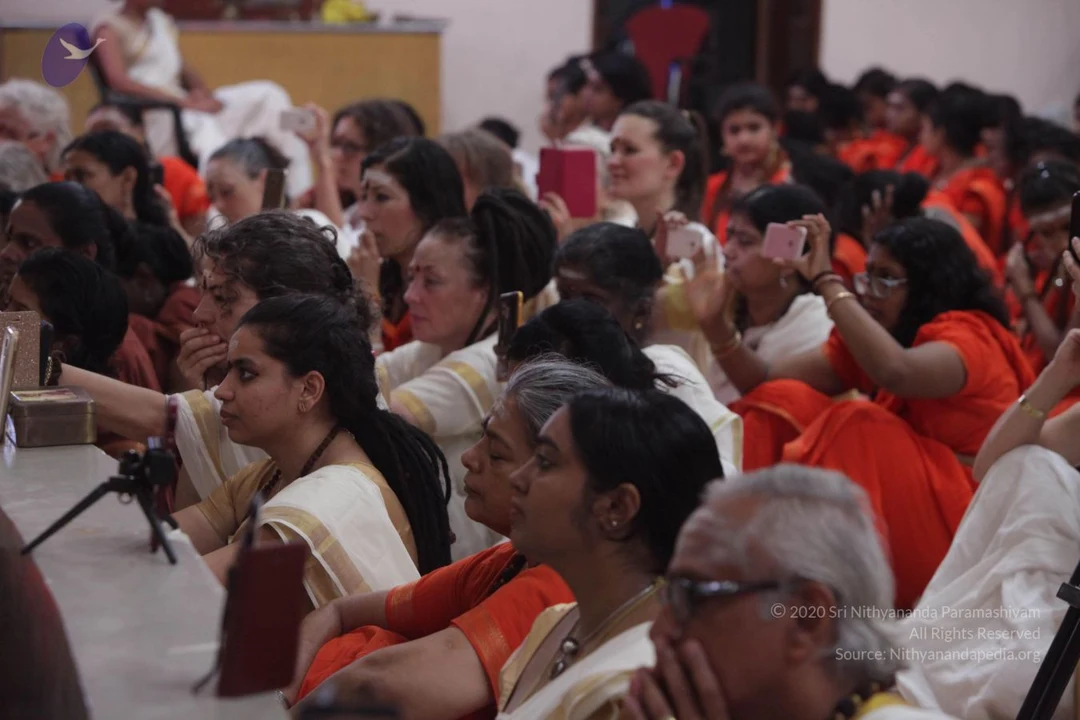
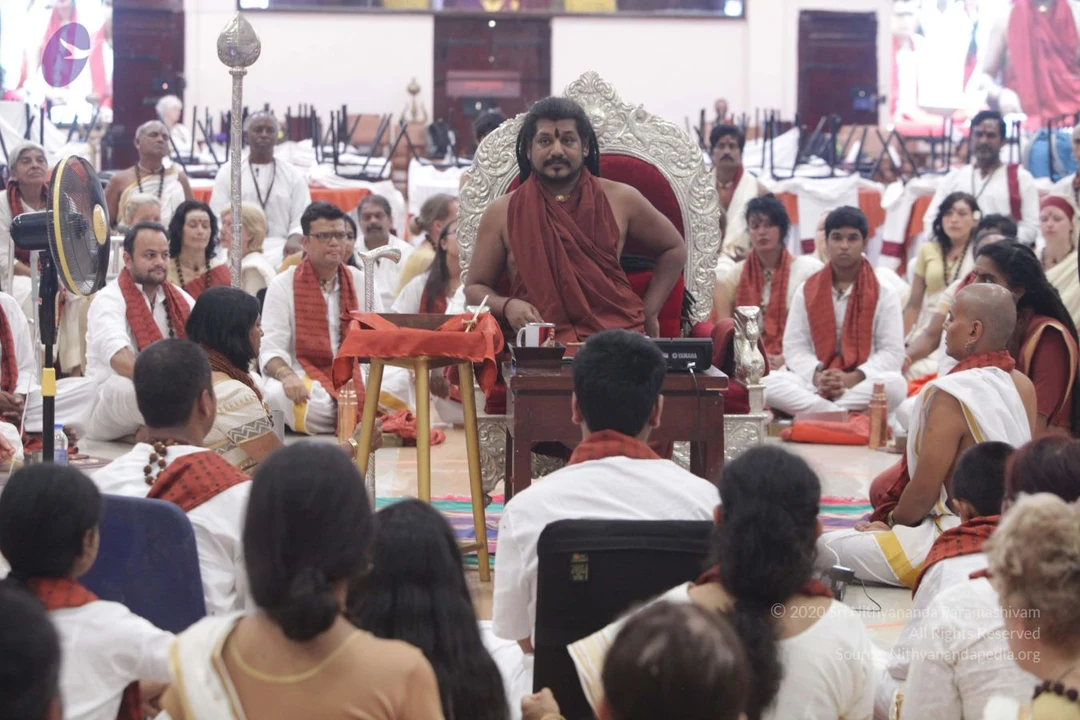
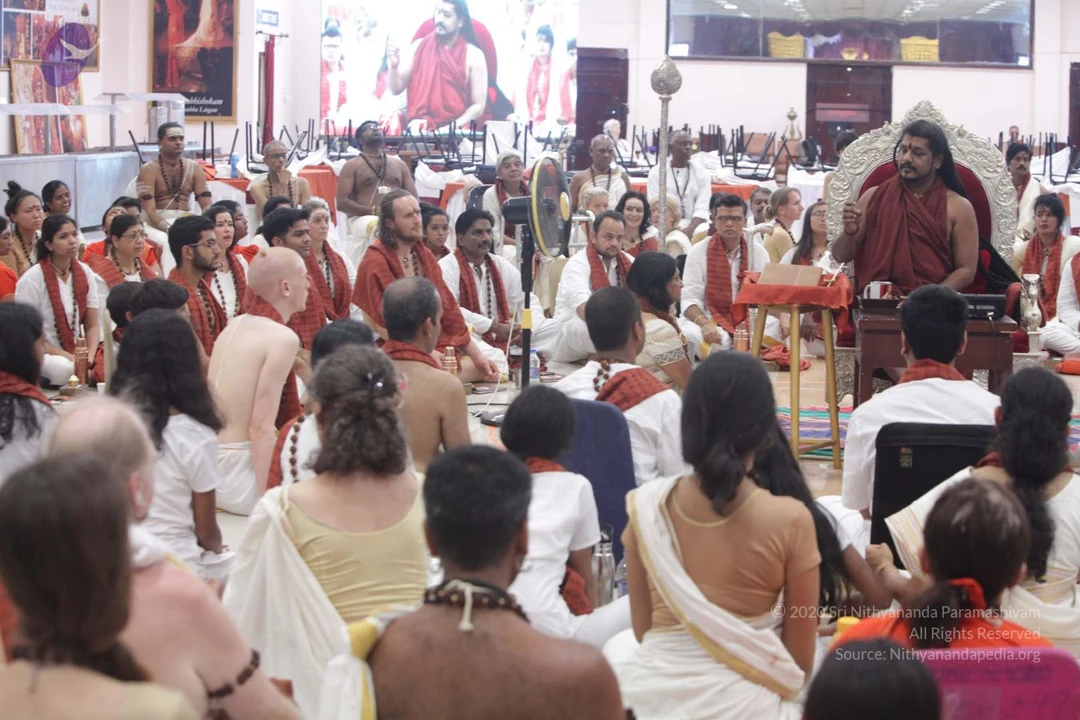
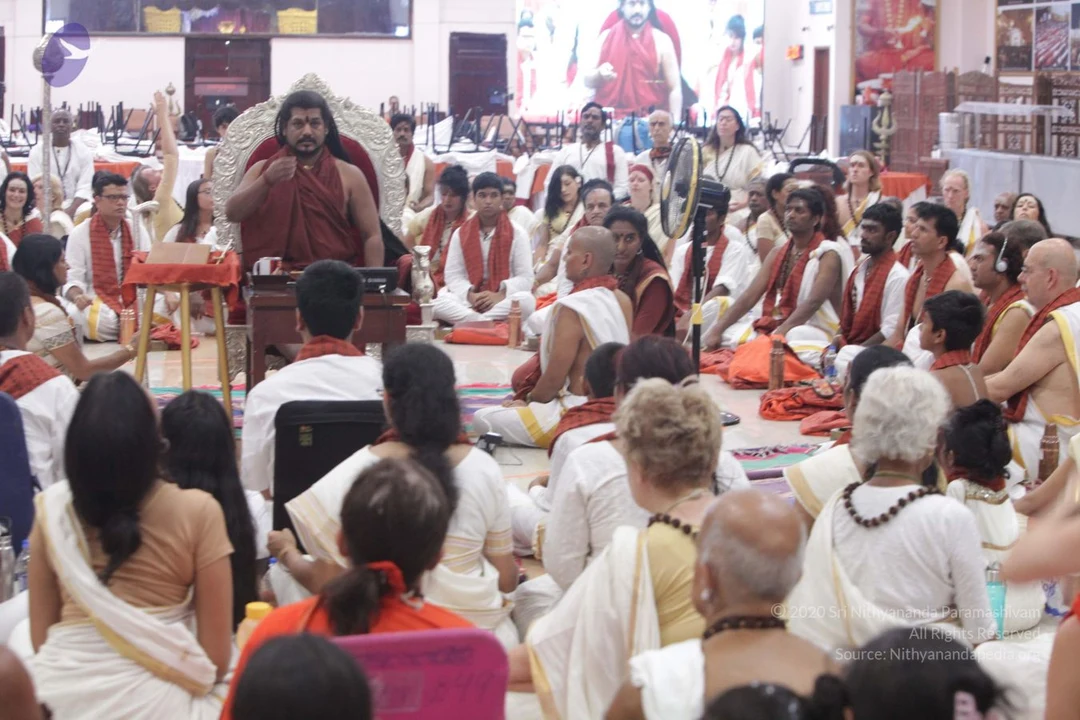
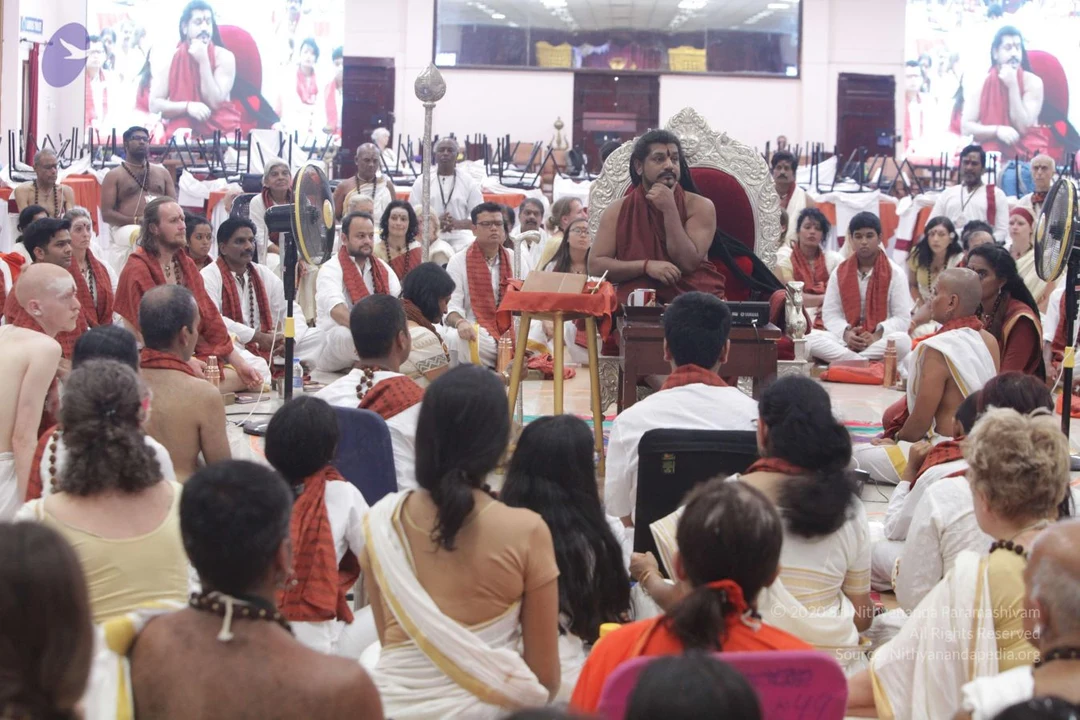
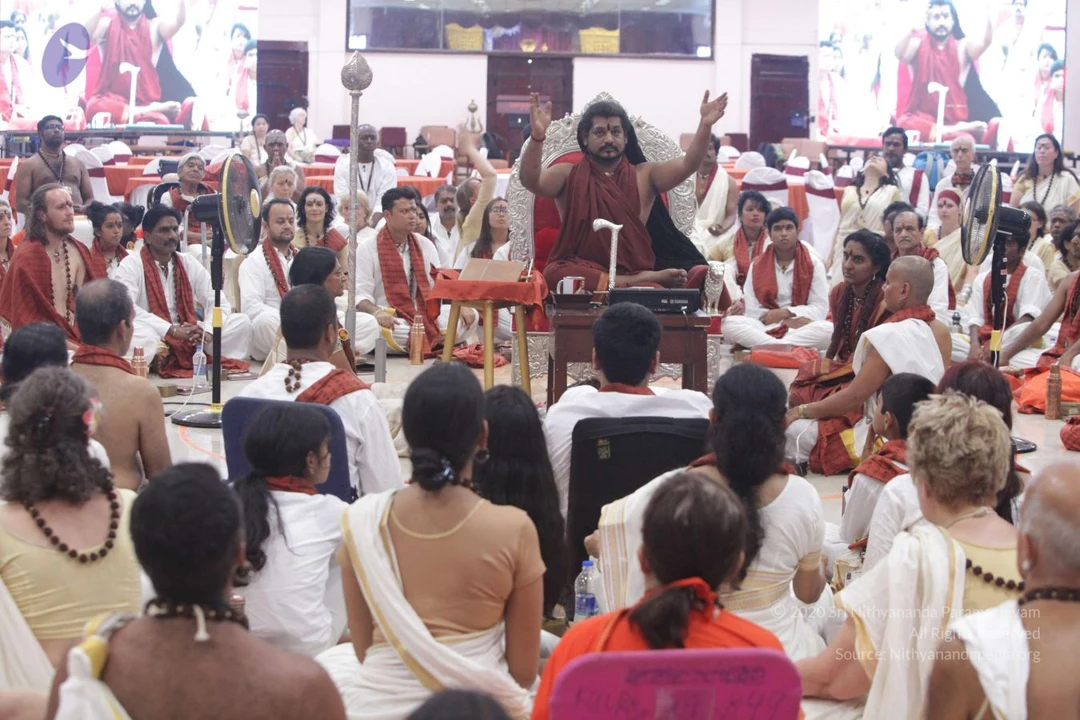
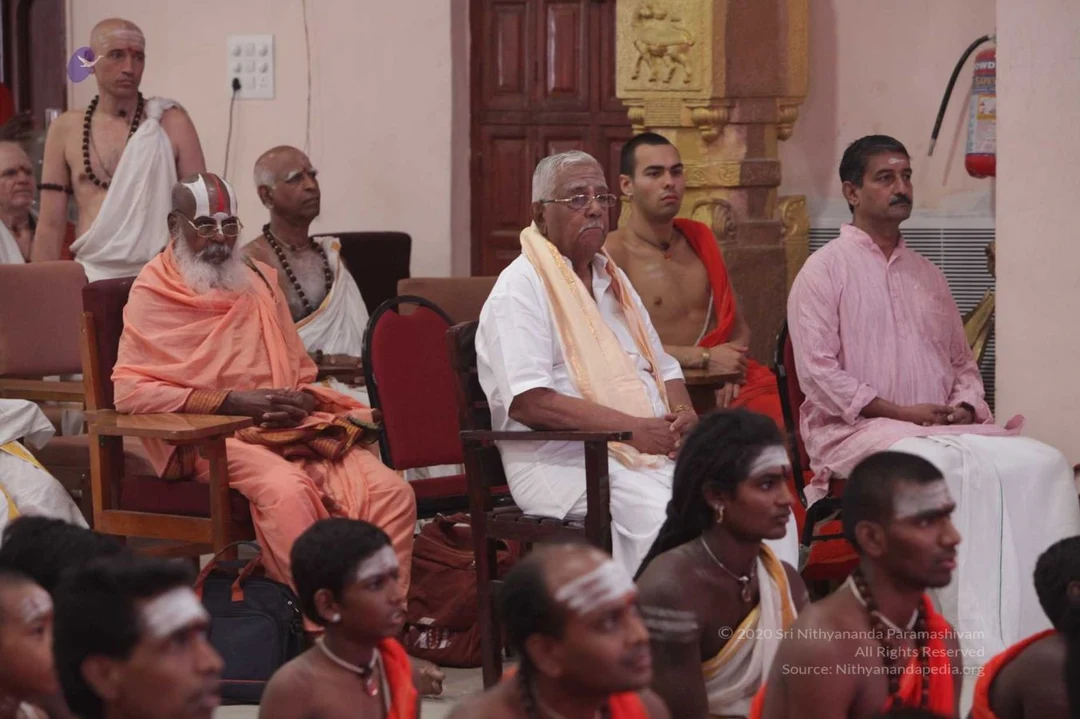 The Balasanths and the delegates listening to HDH Nithyananda Paramashivam during the satsang
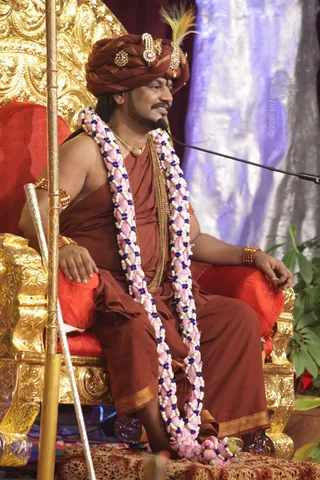
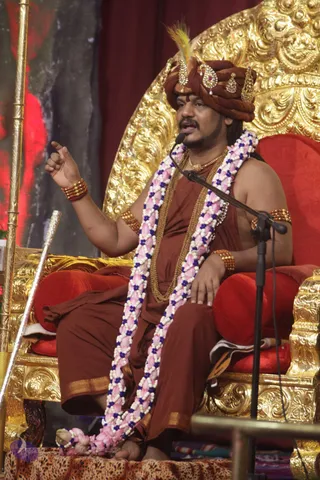
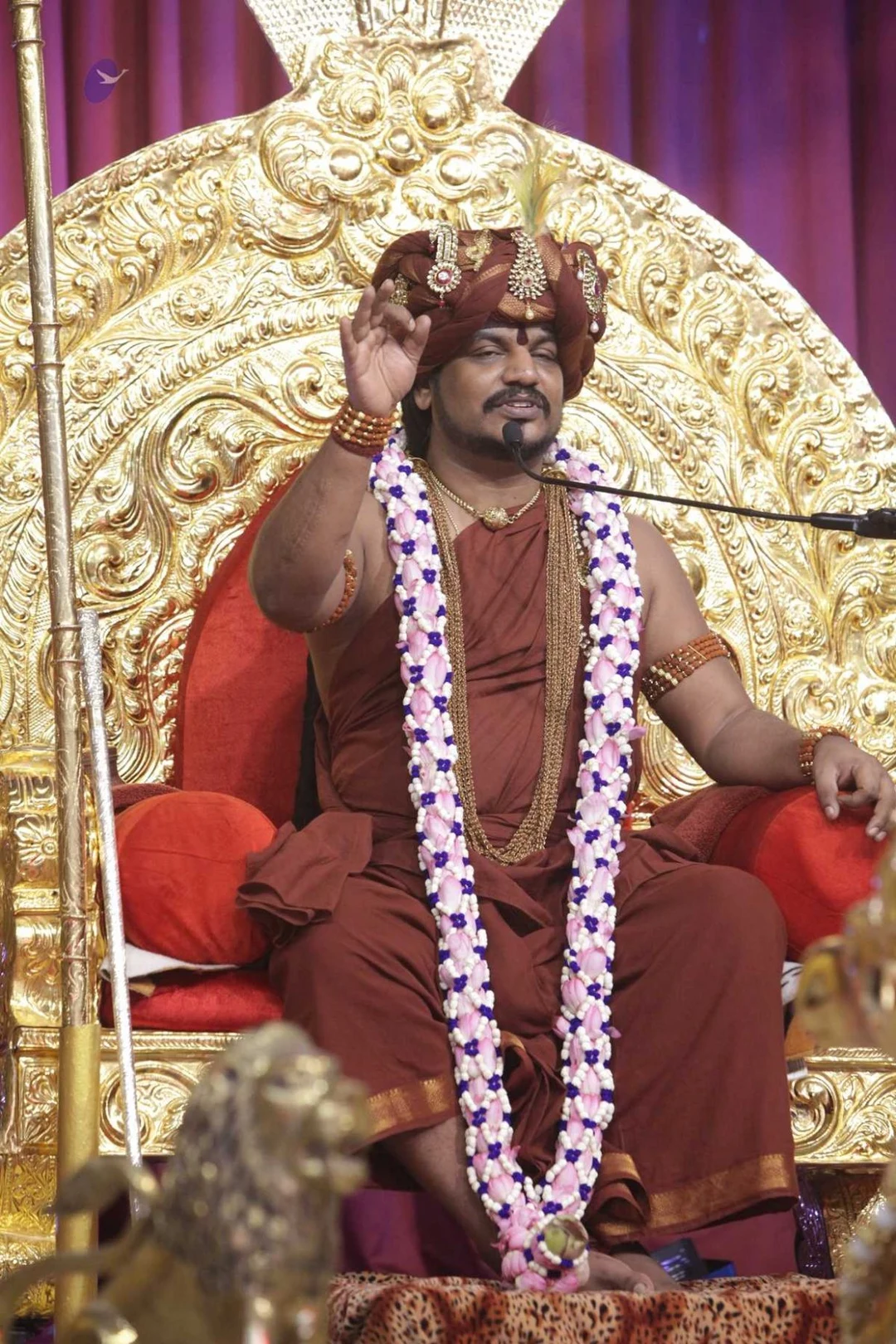
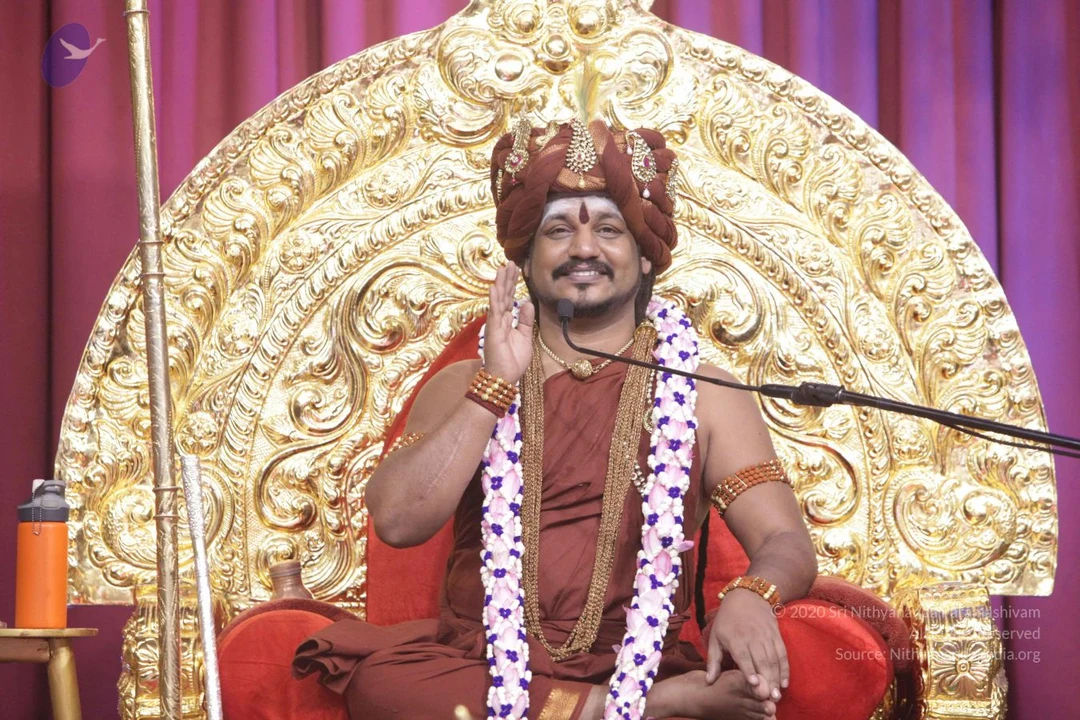
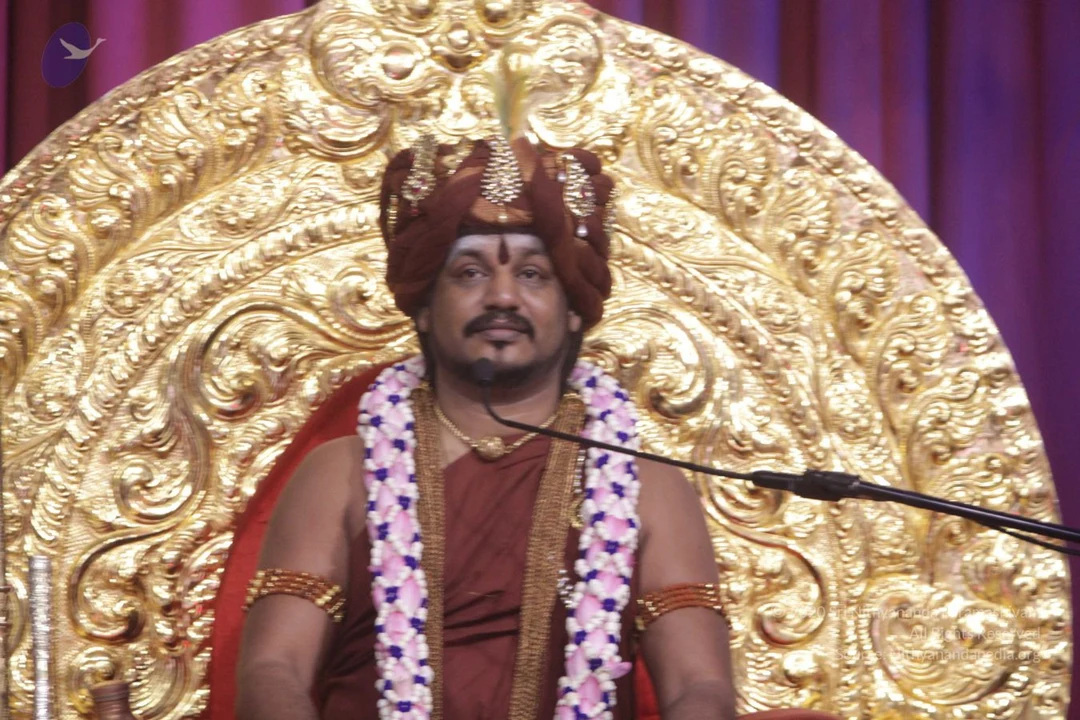
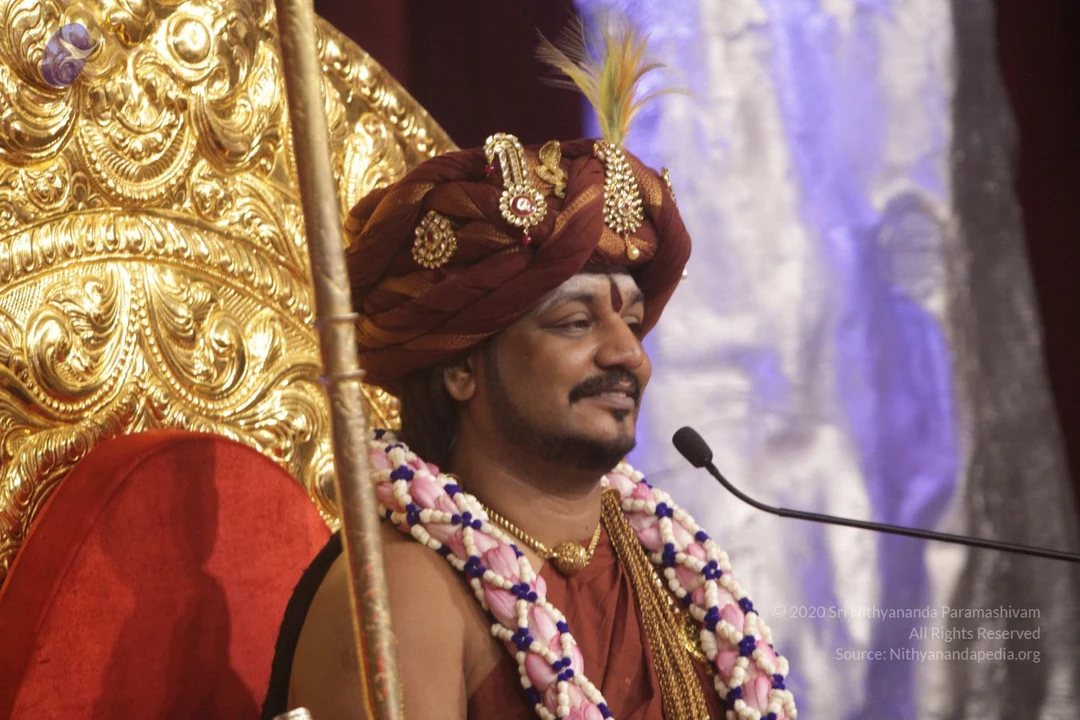
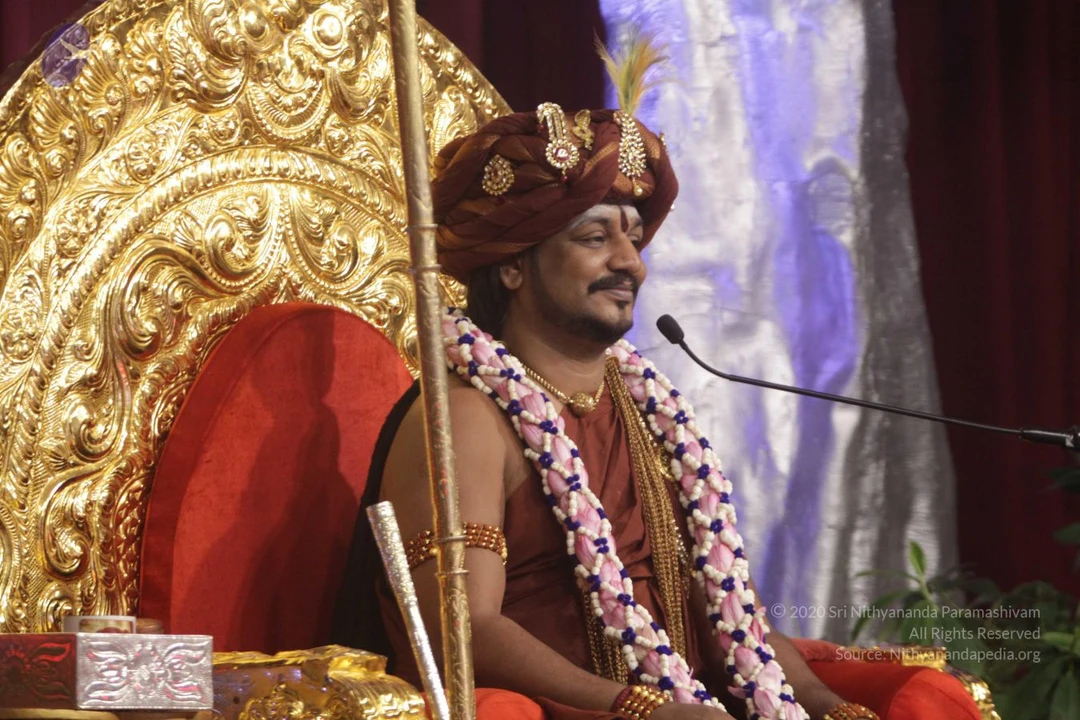
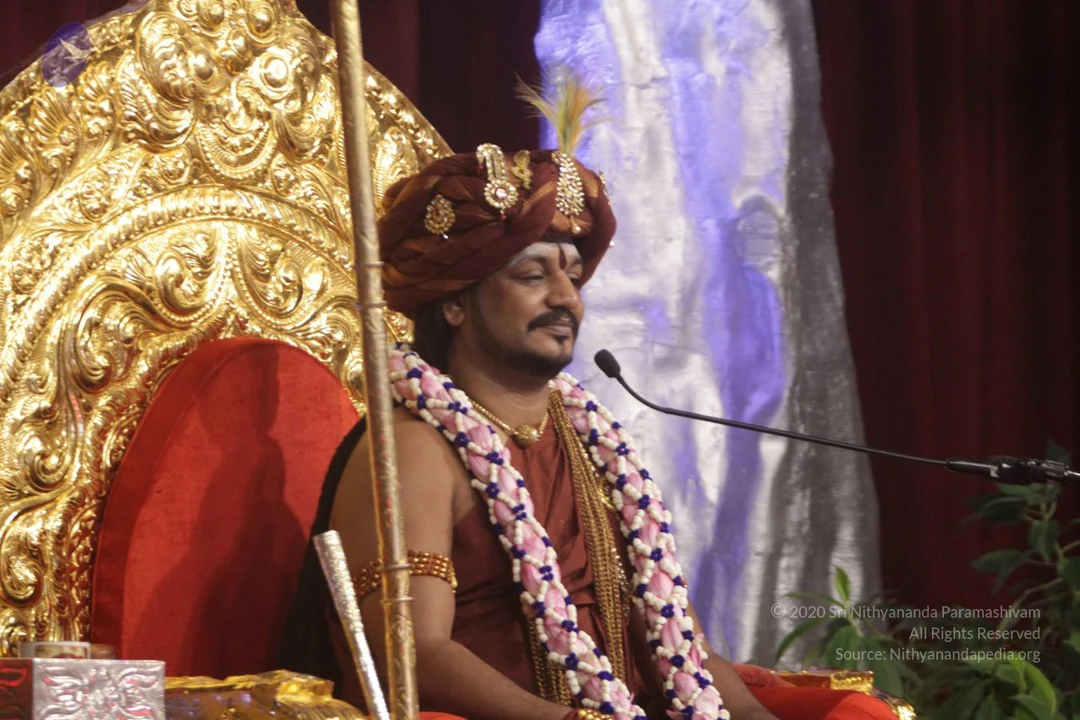
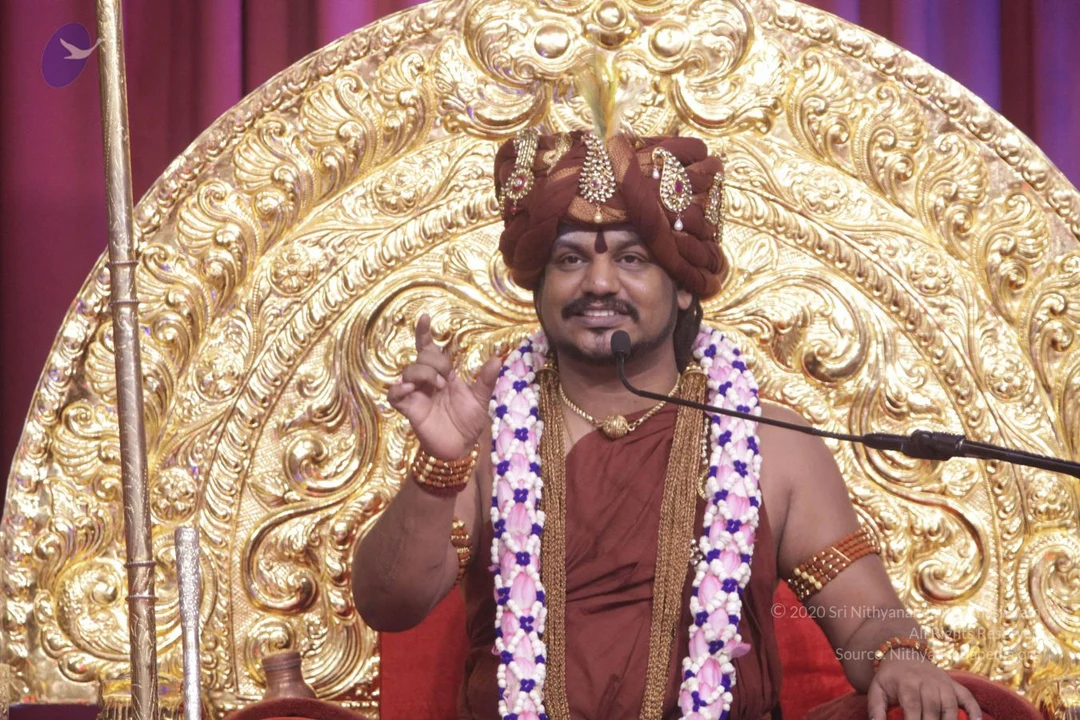
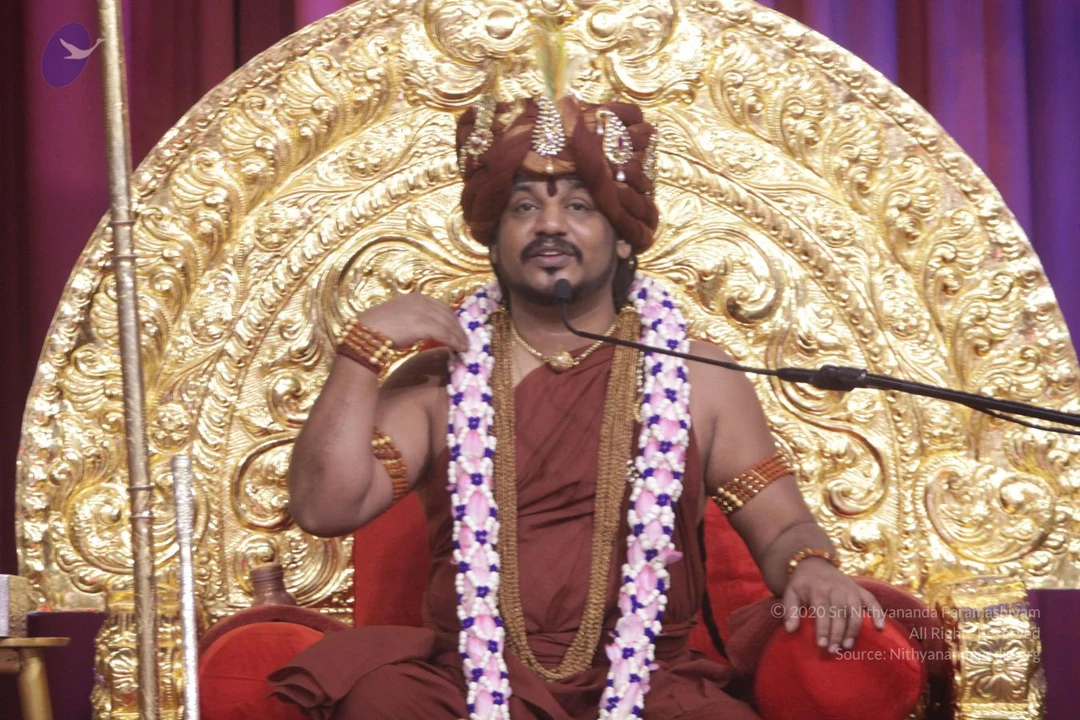
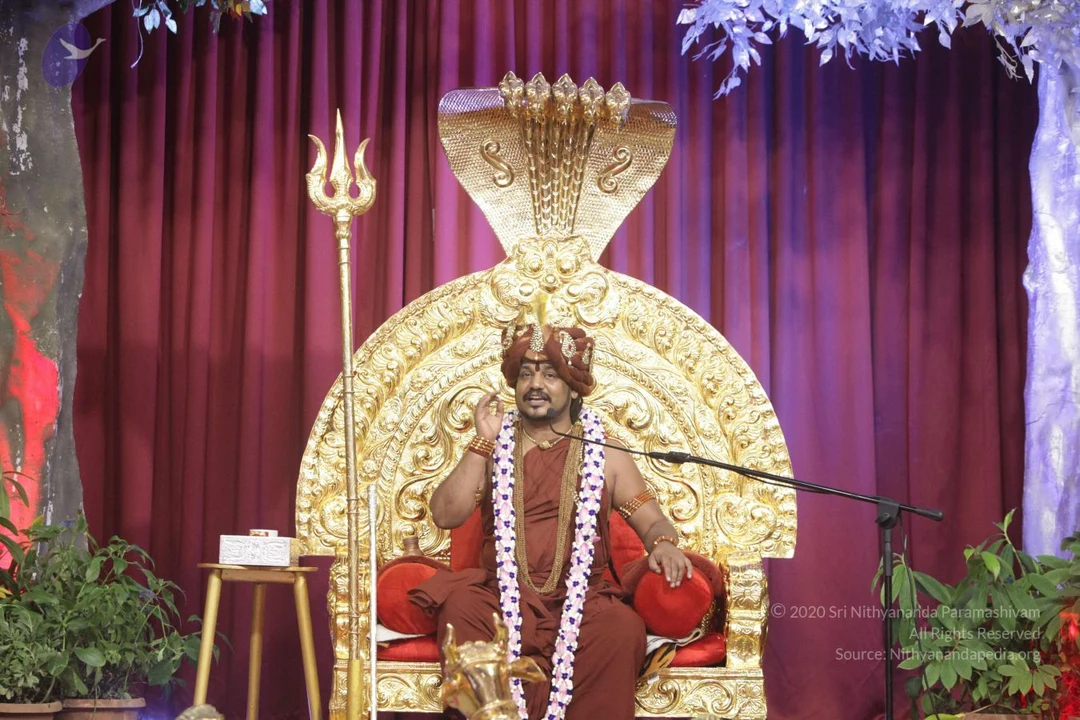
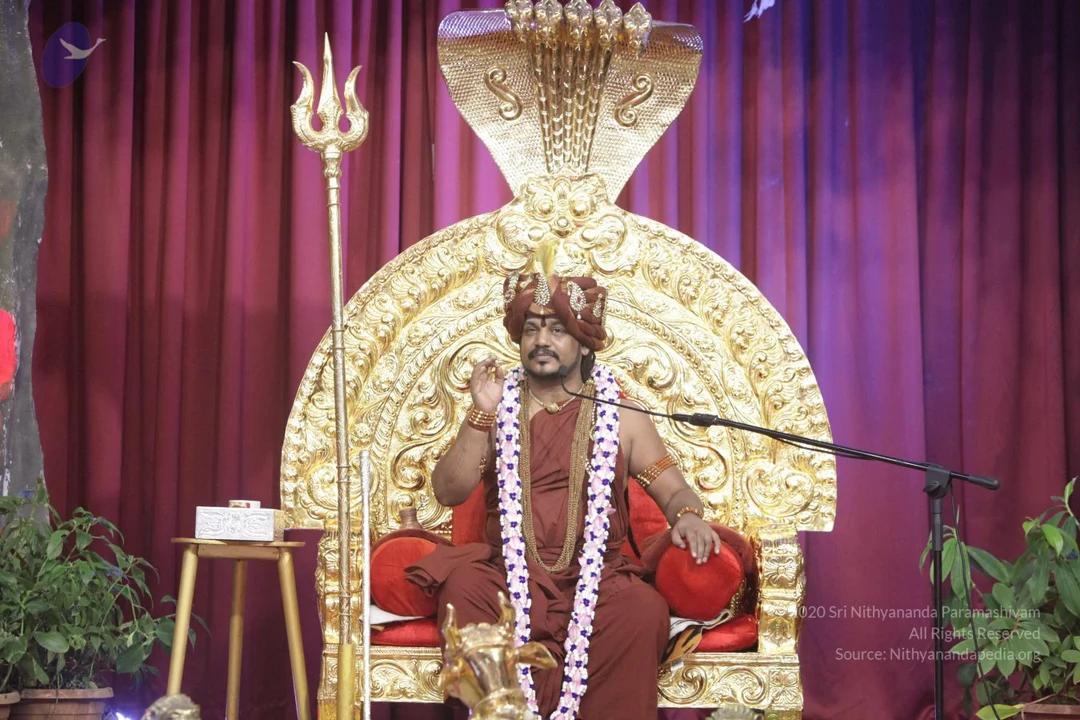
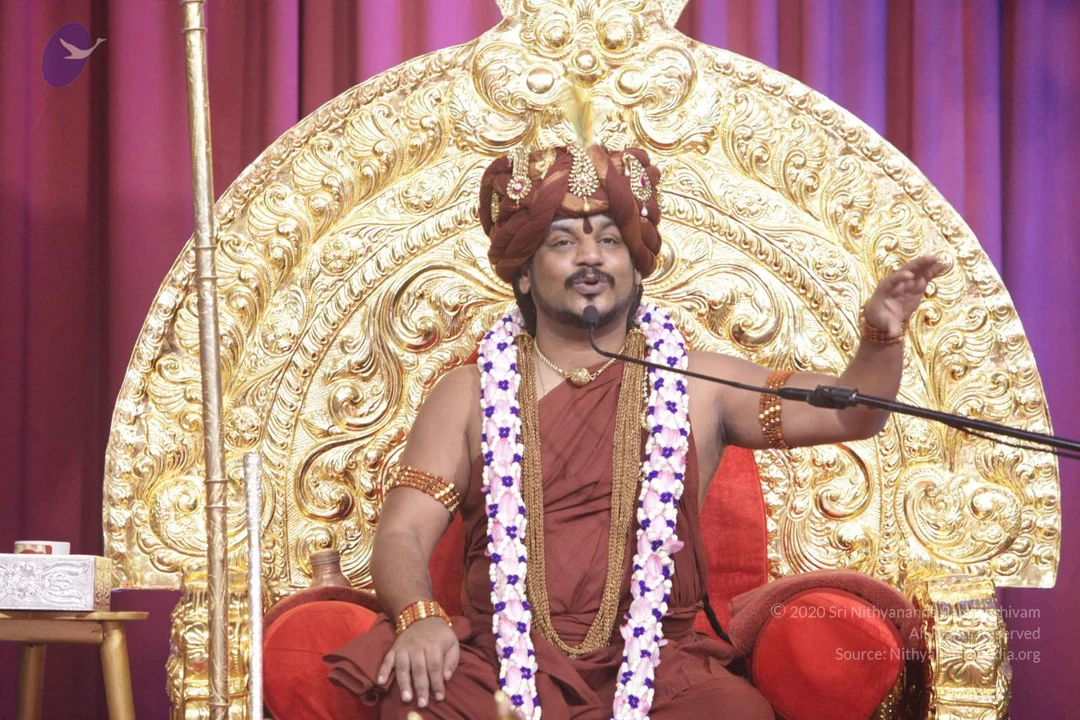
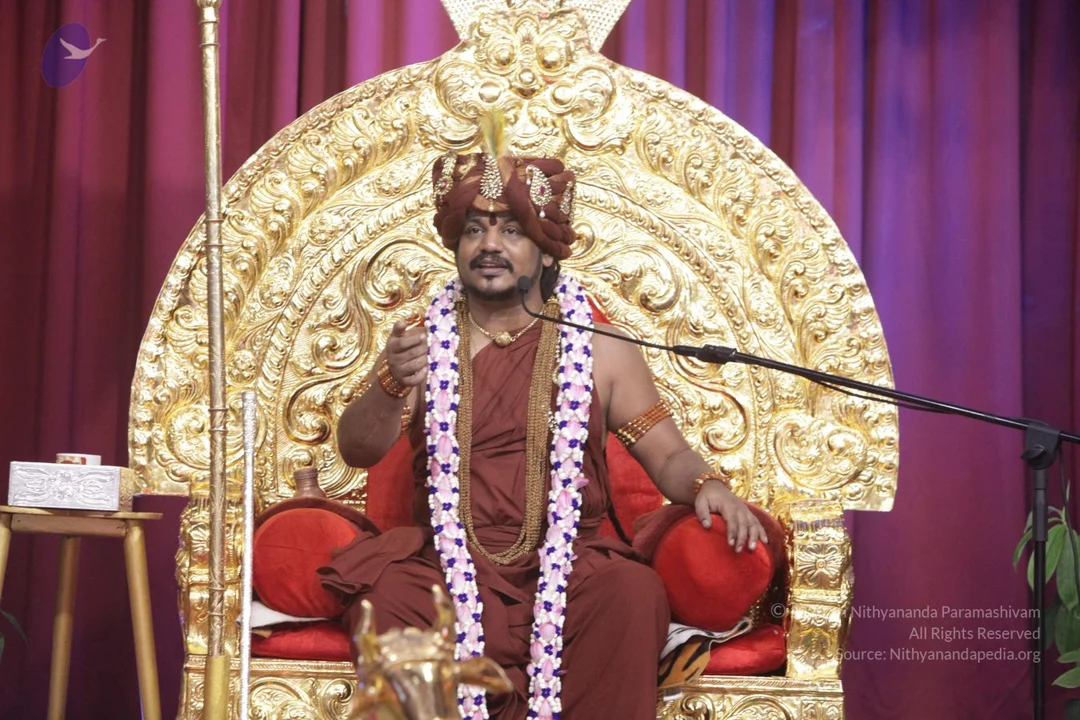
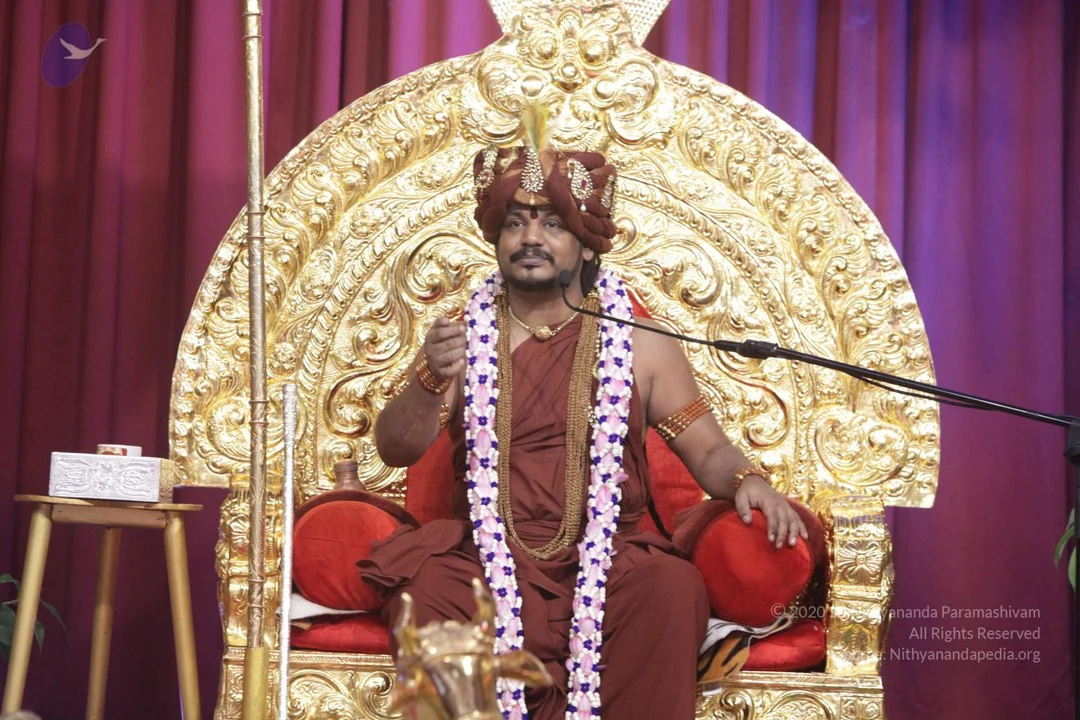
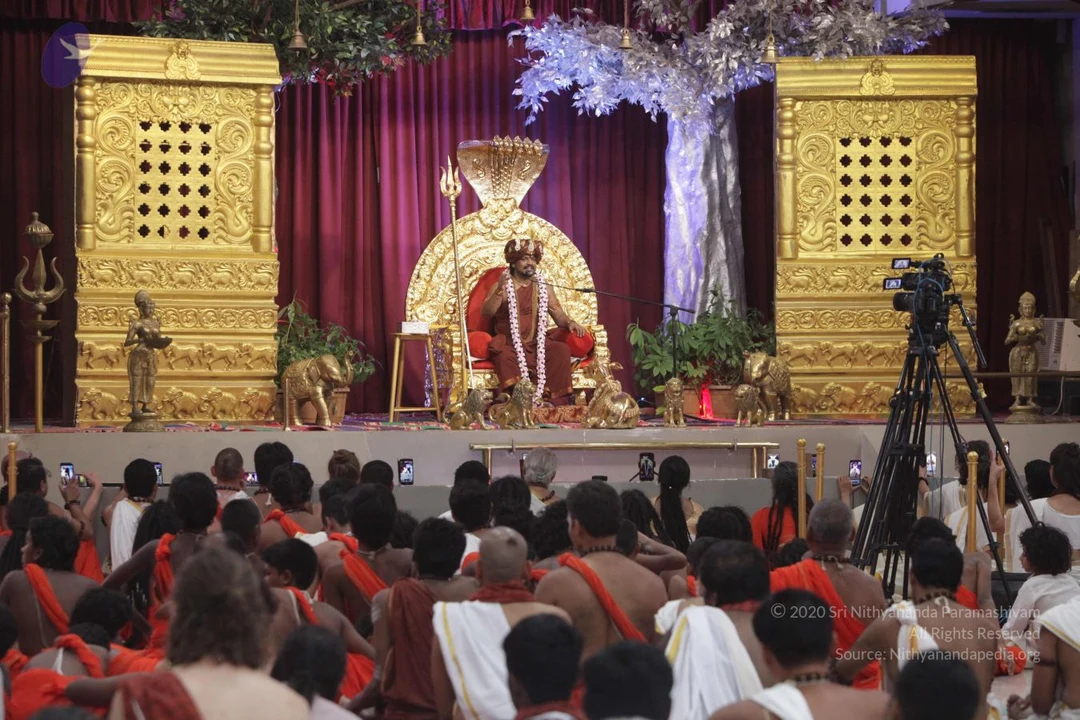
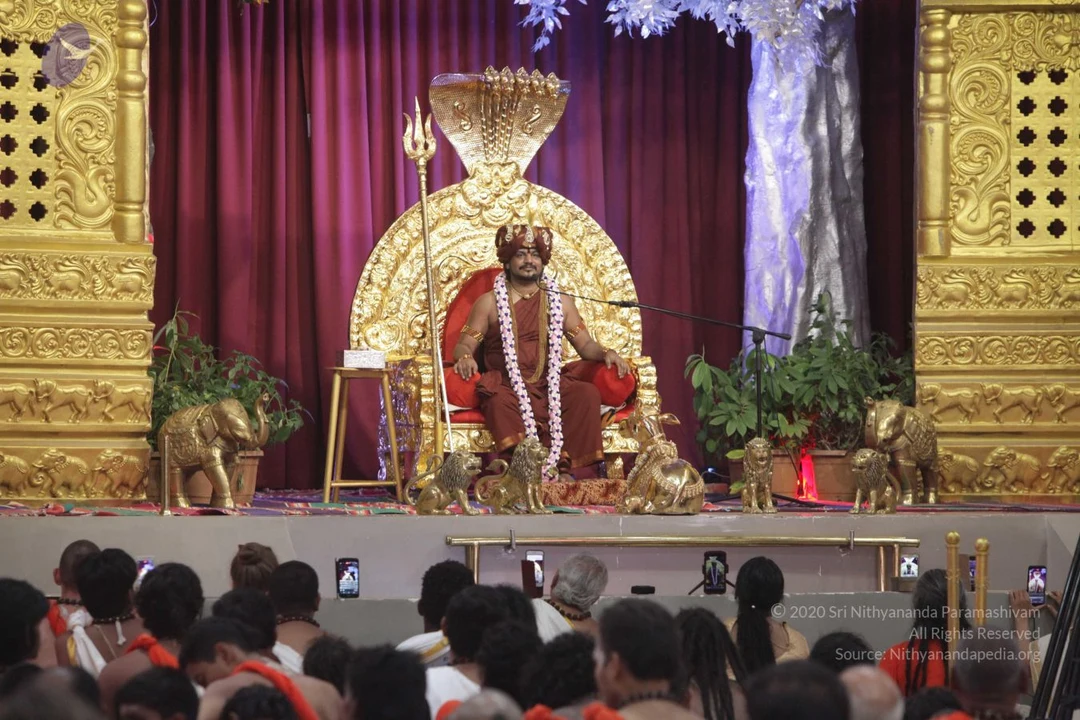
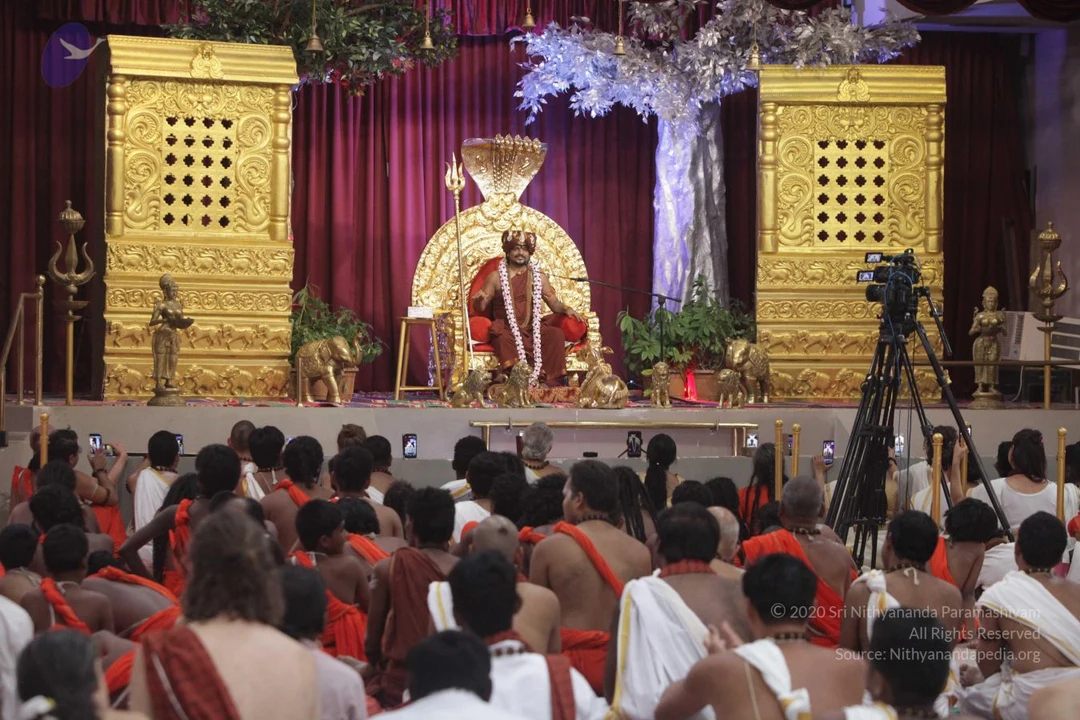
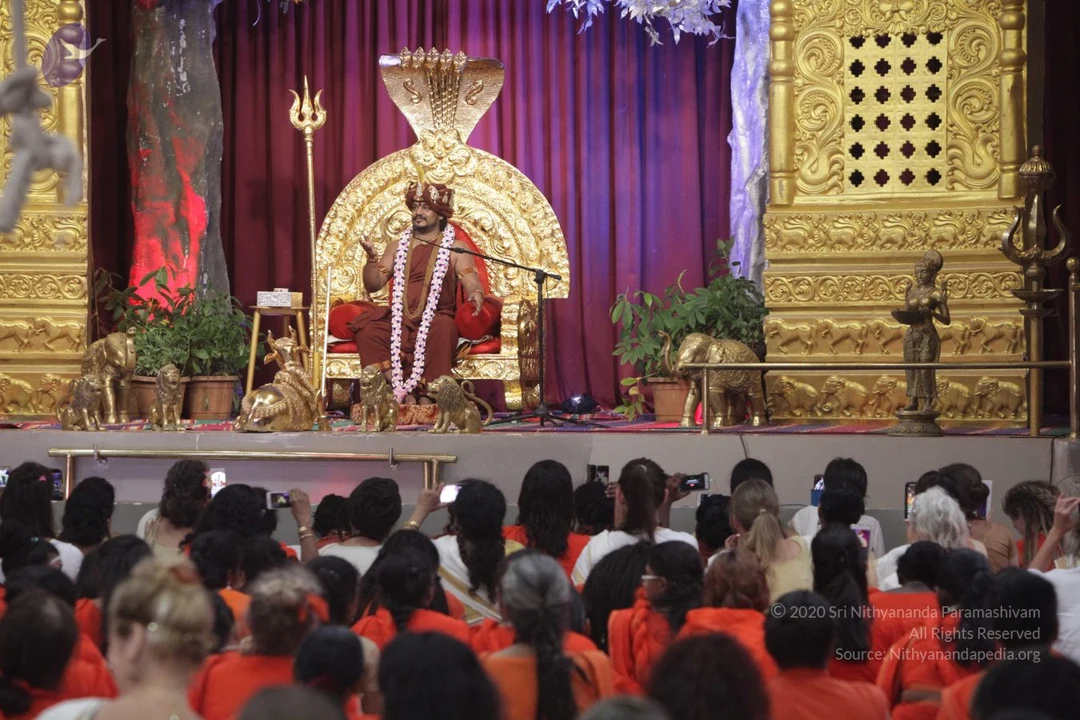
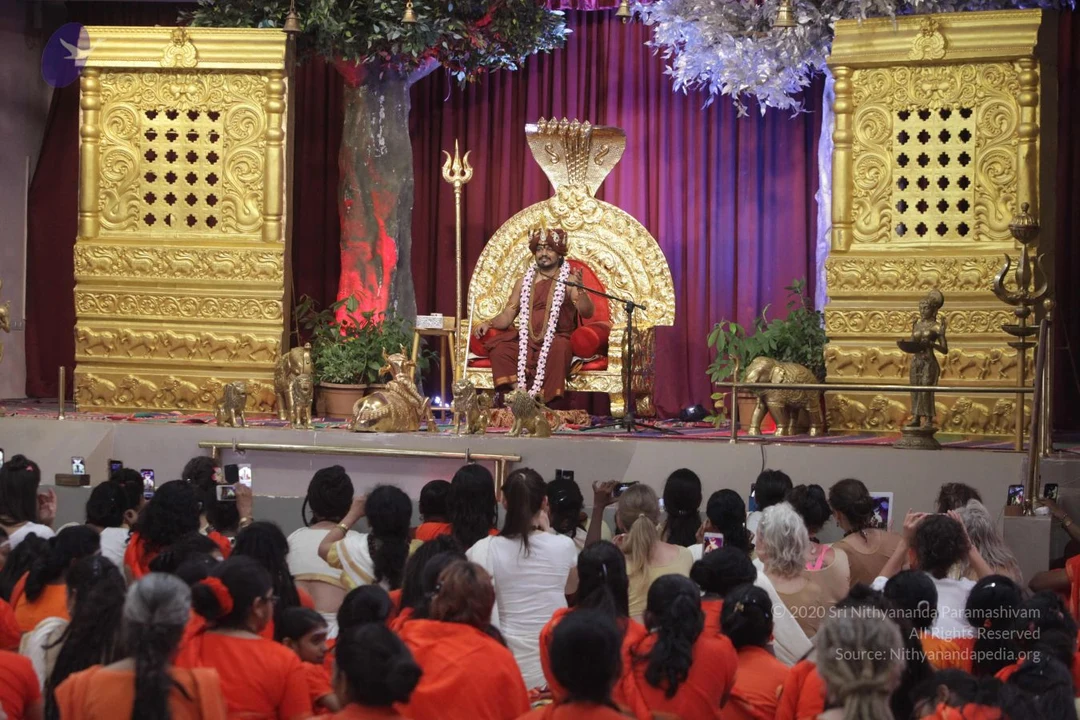
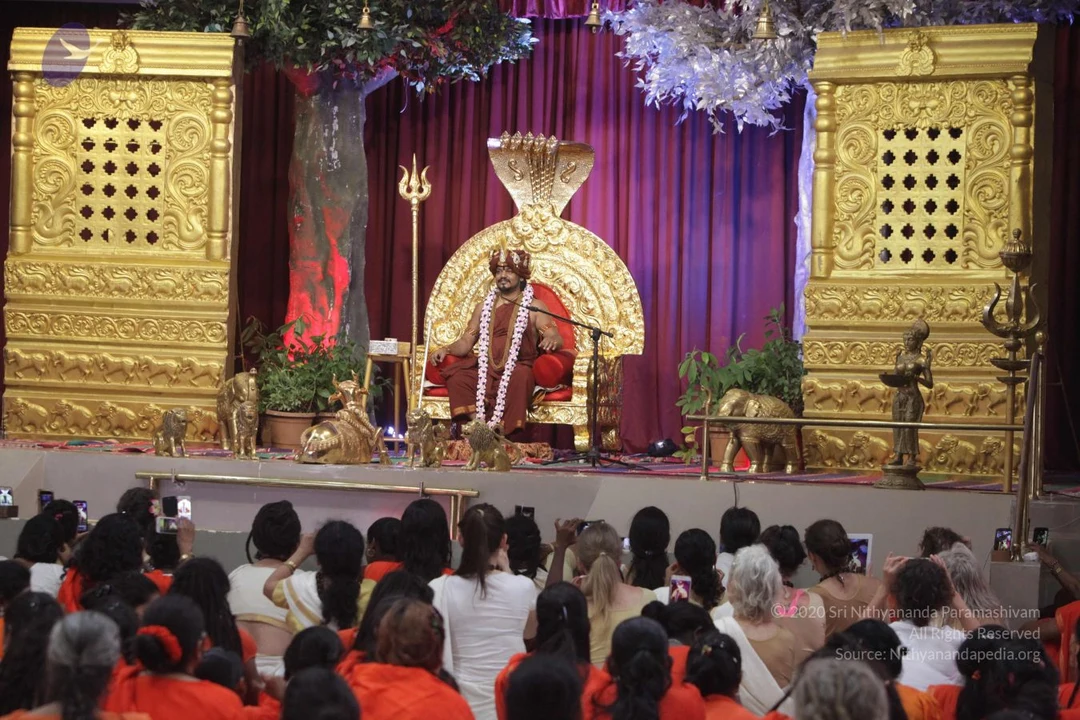
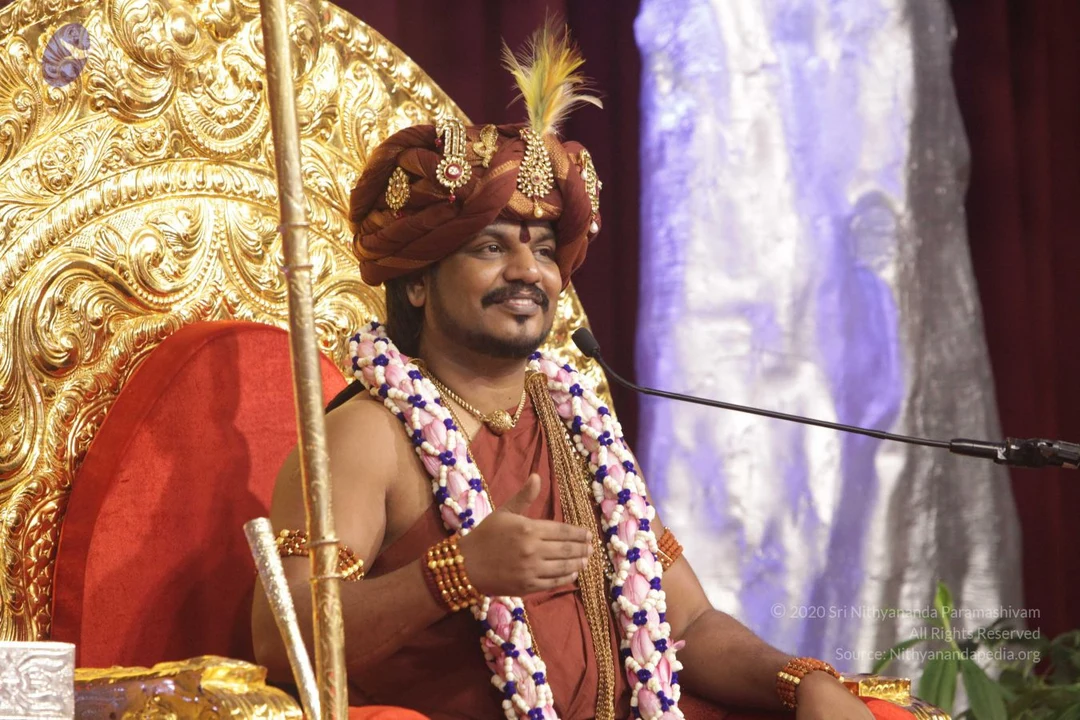
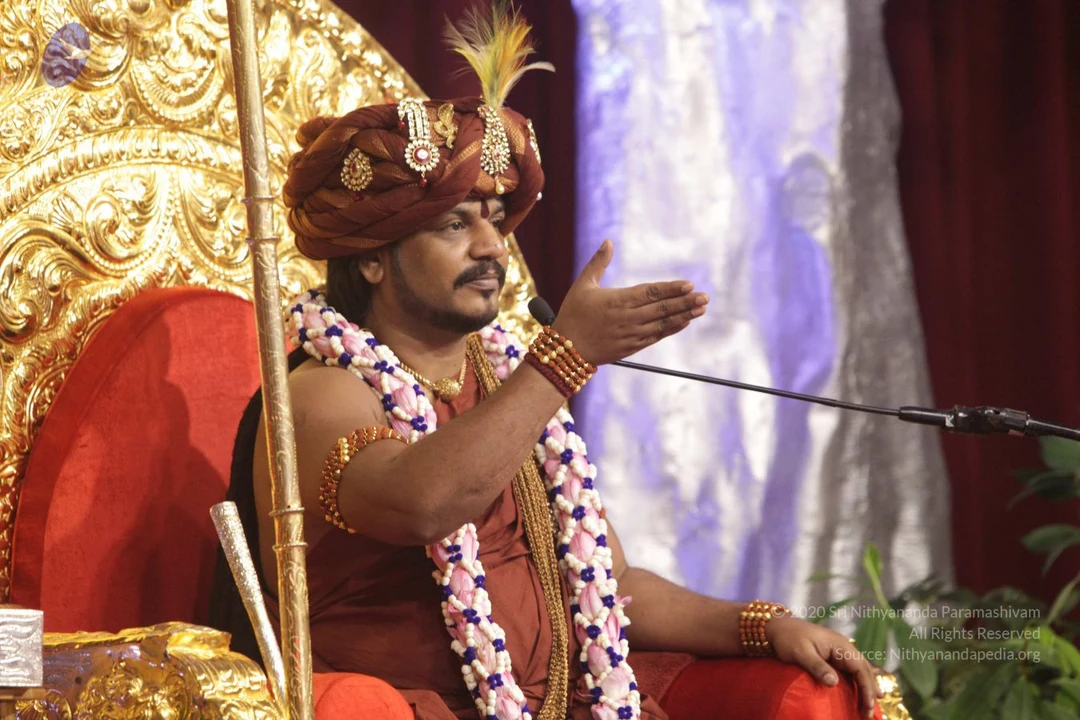
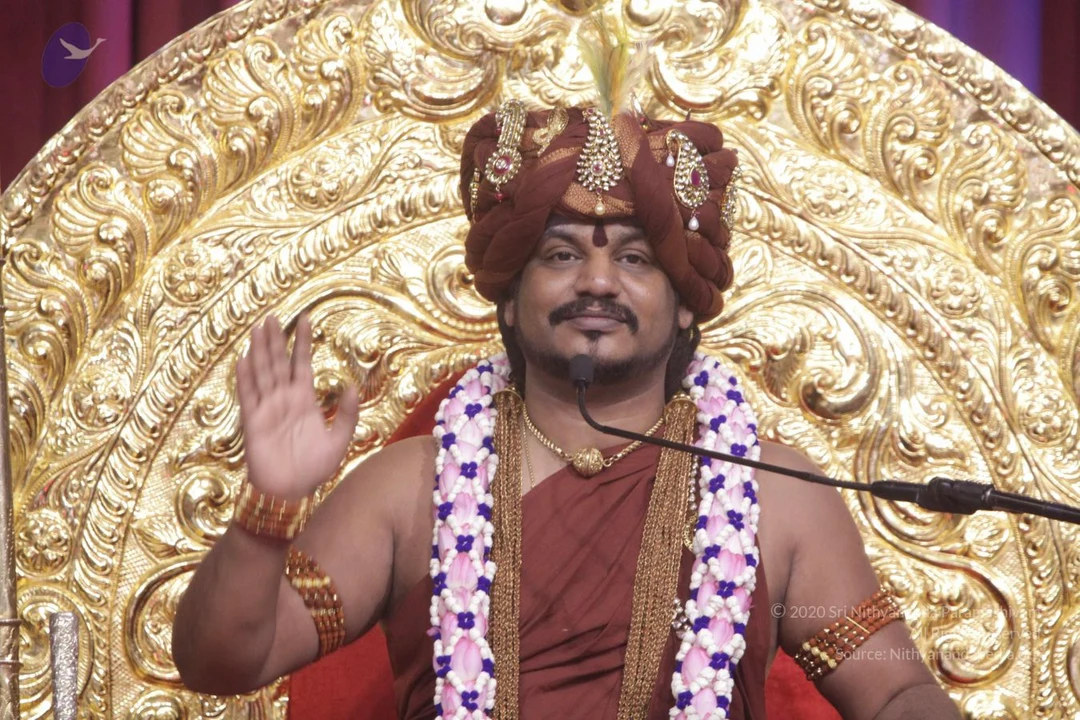
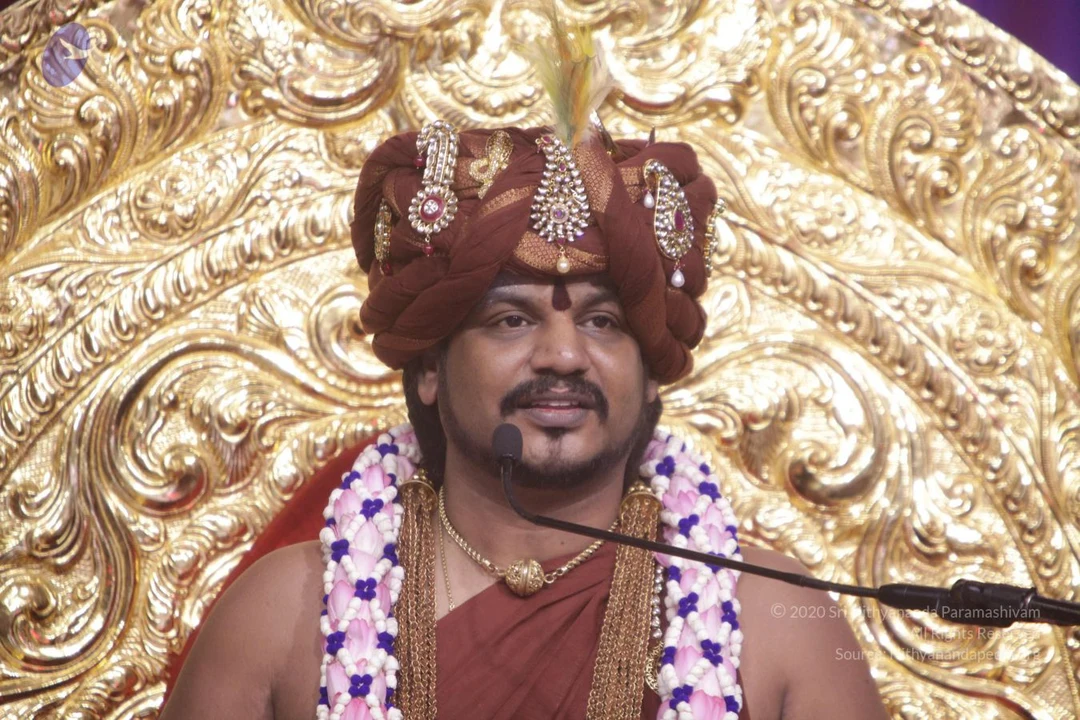
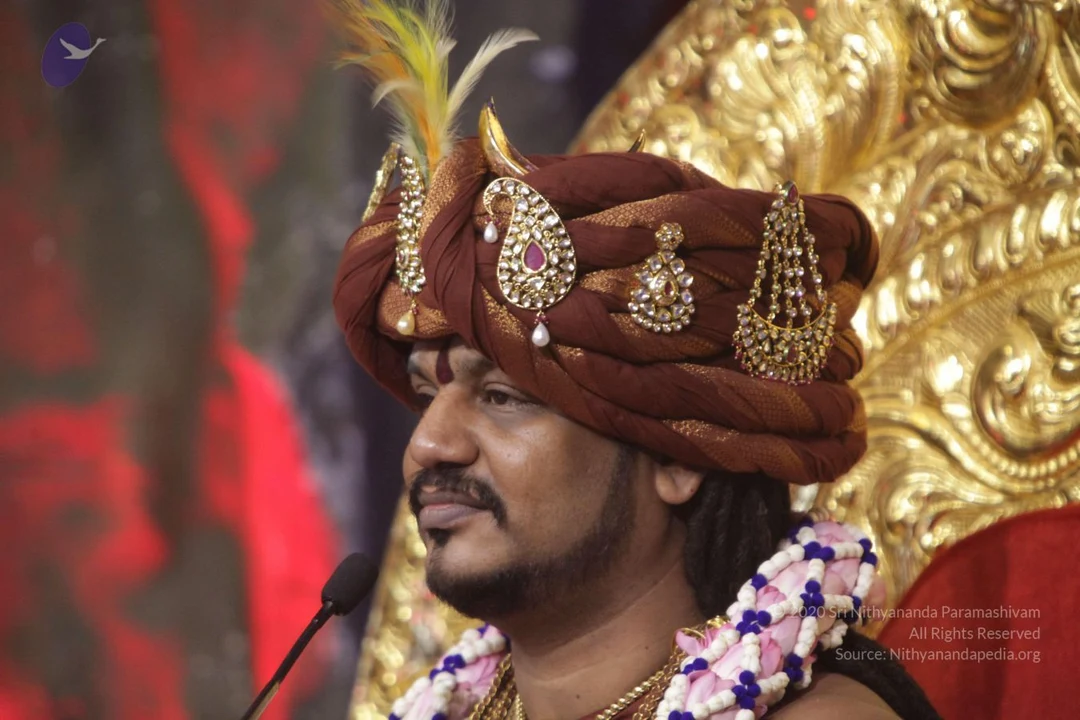
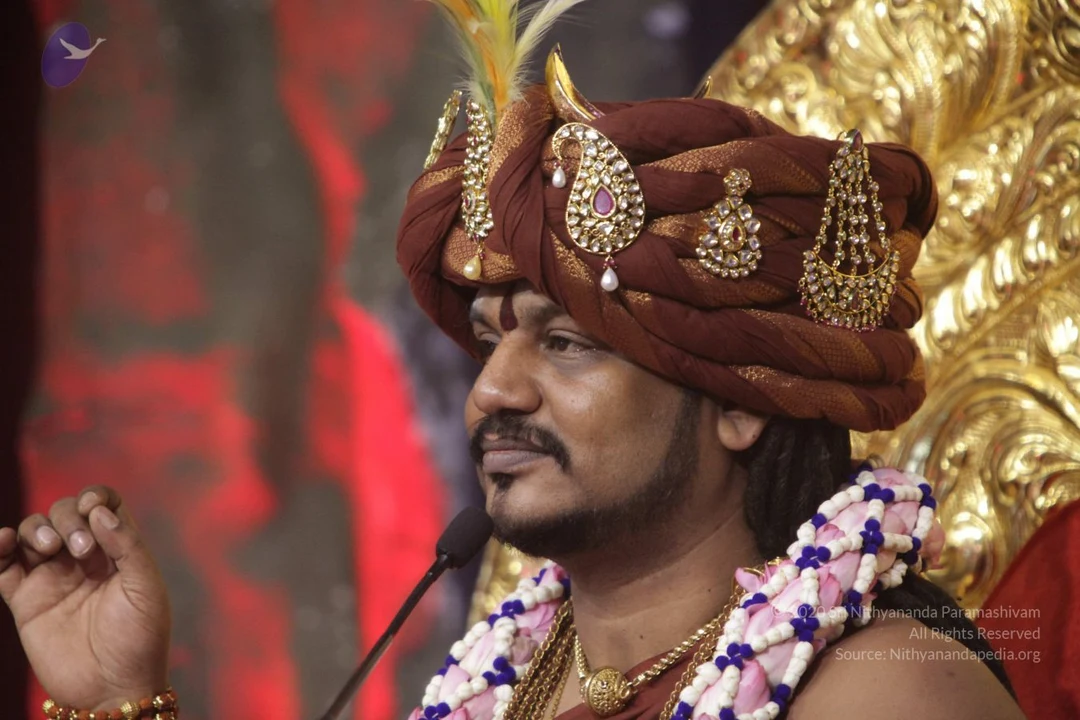
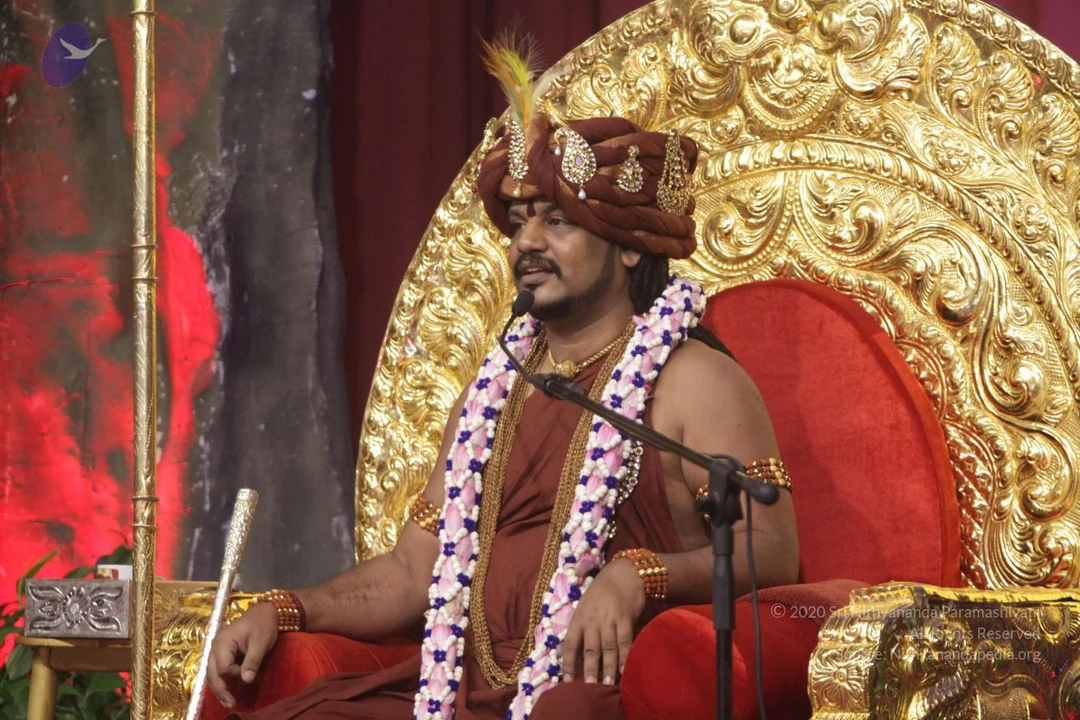
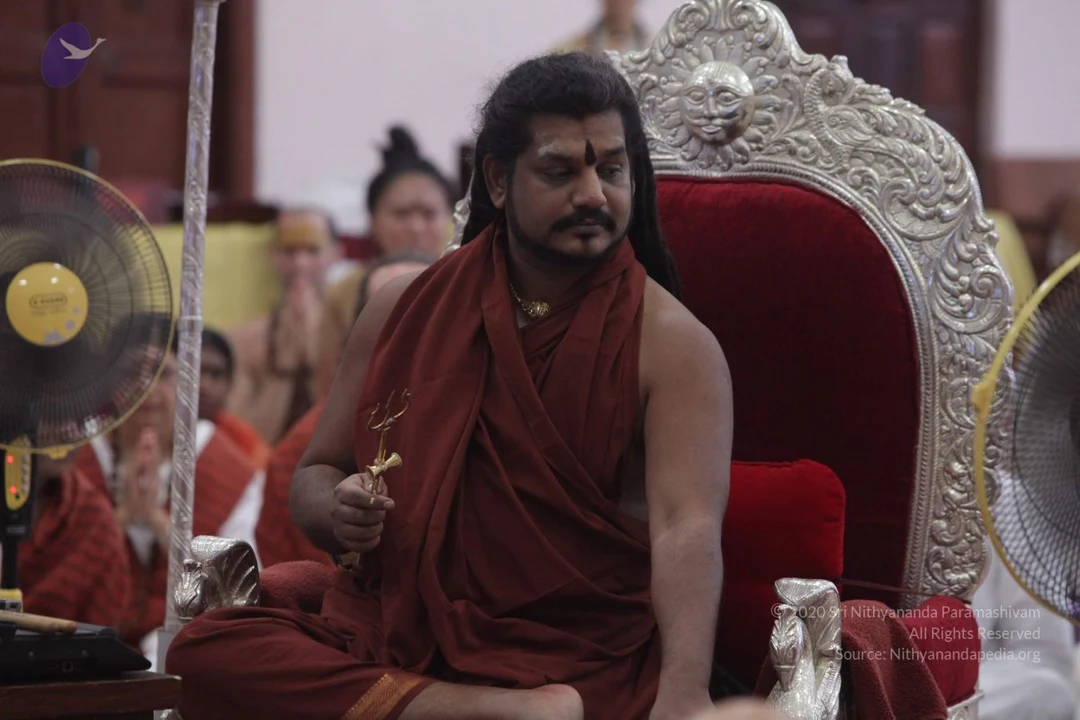
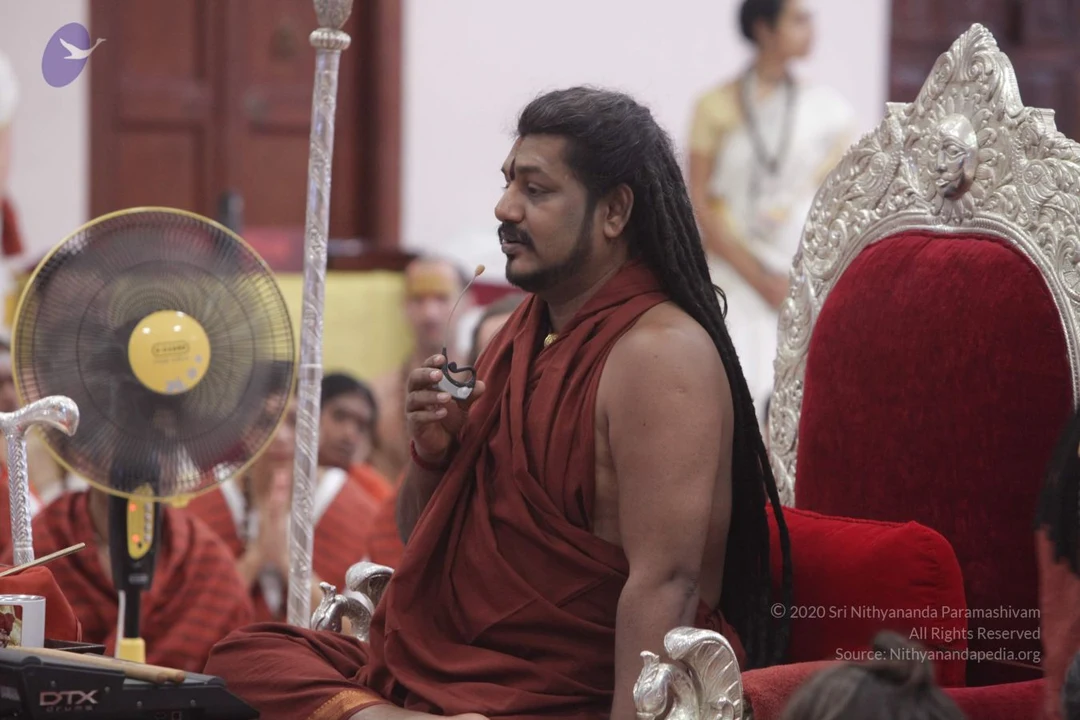
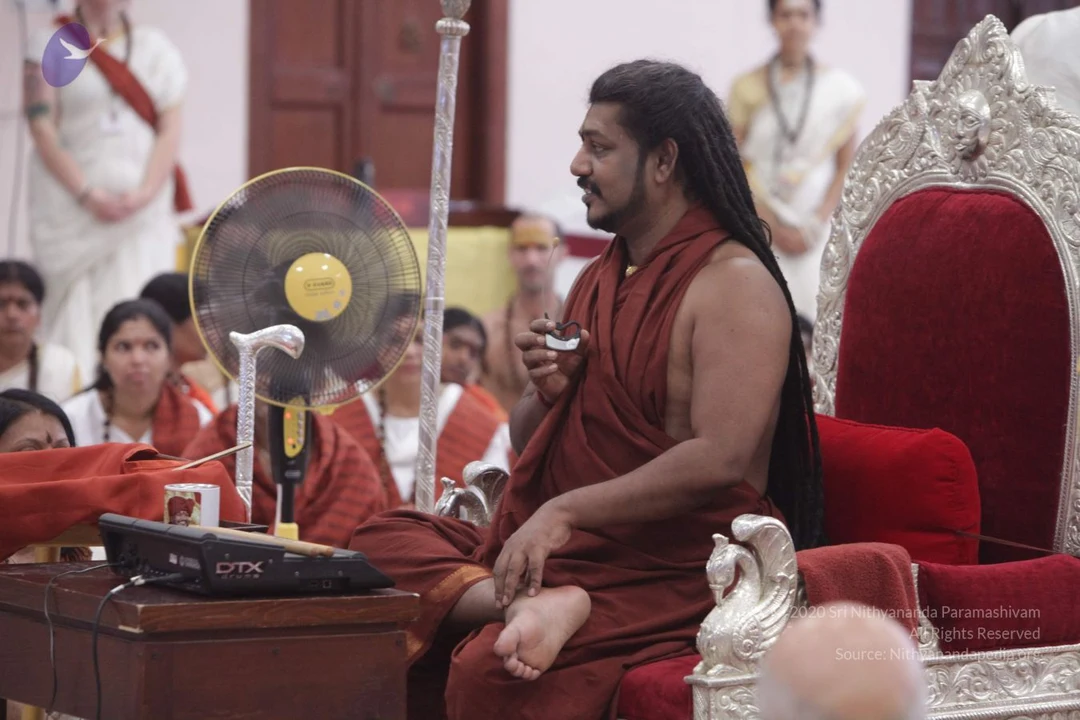
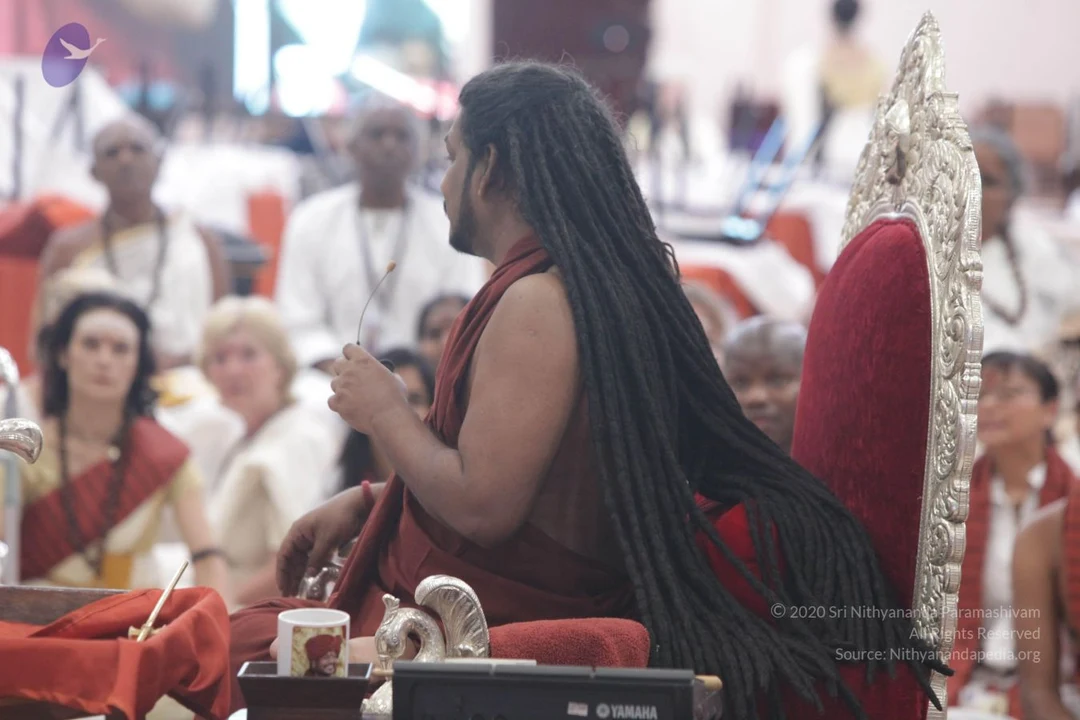
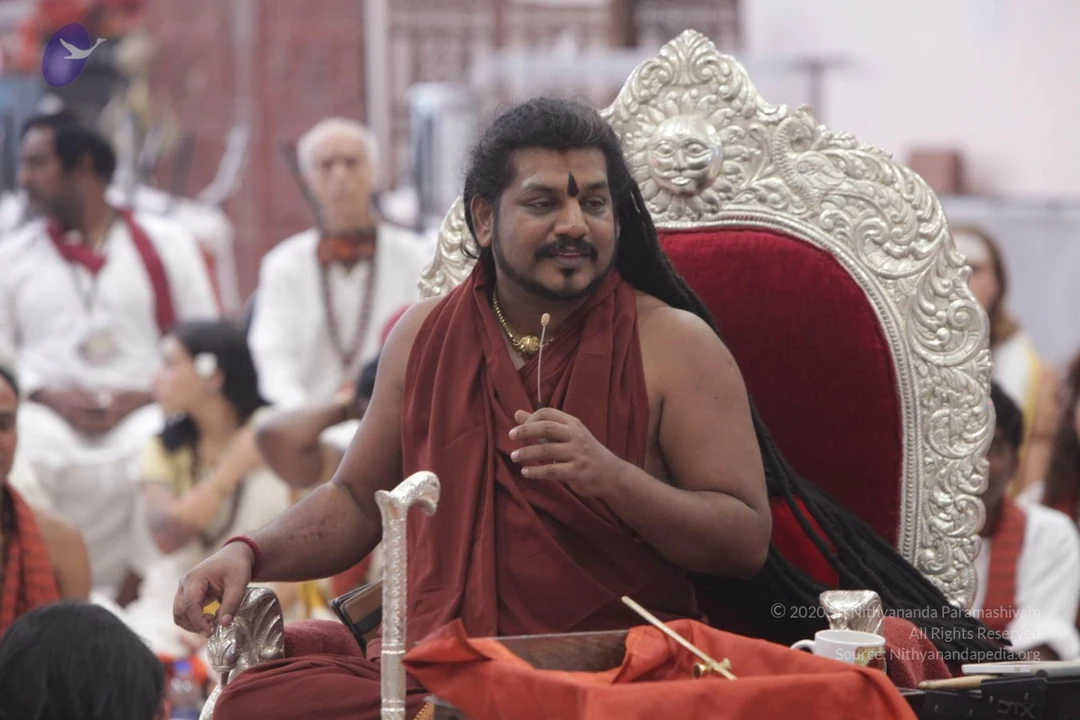
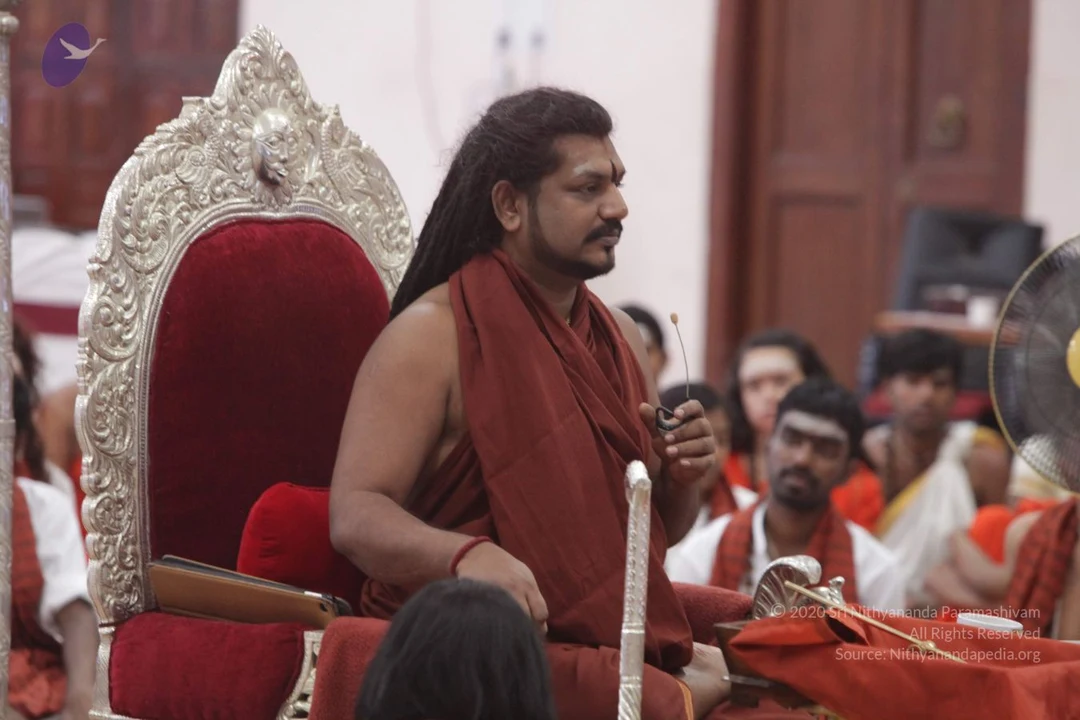
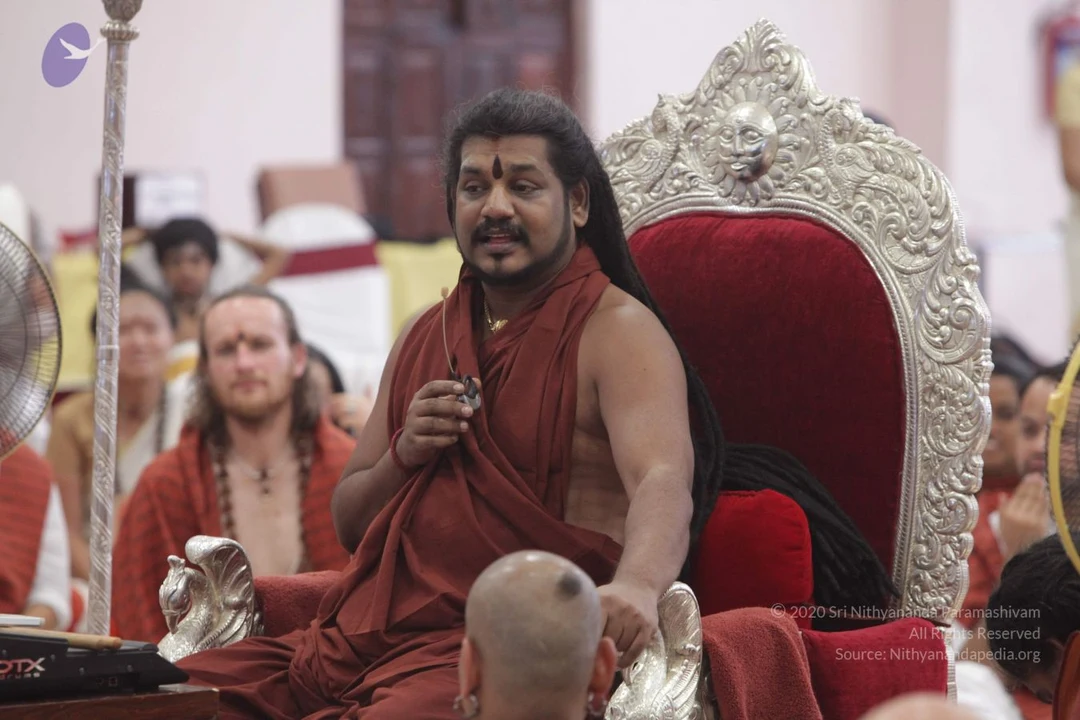
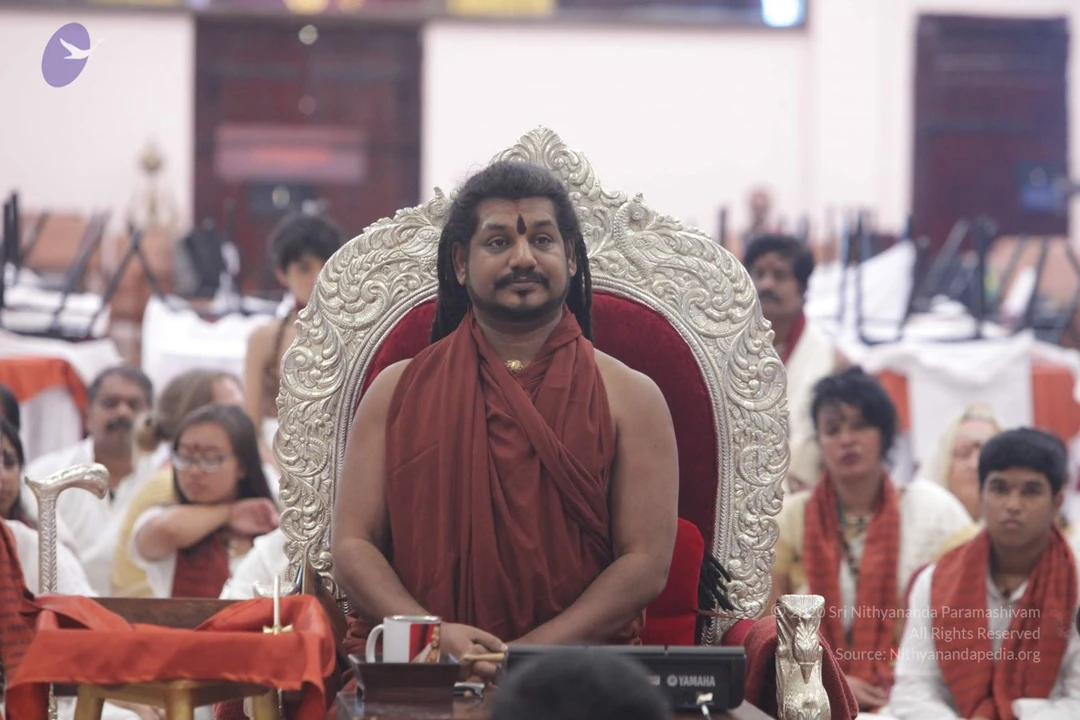
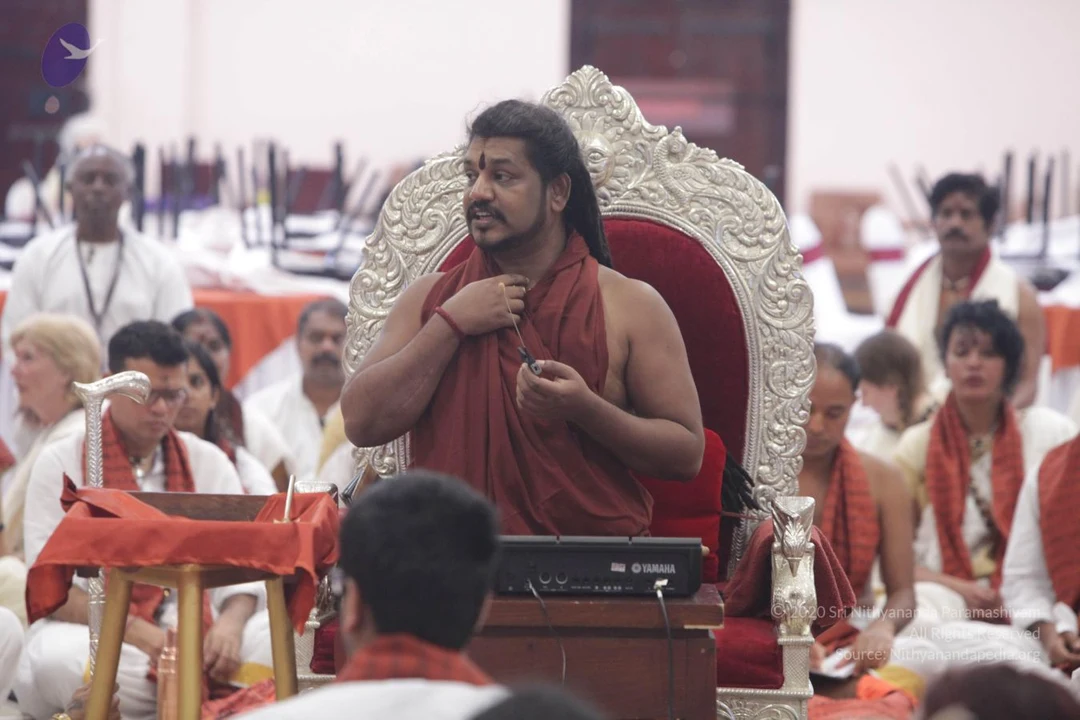
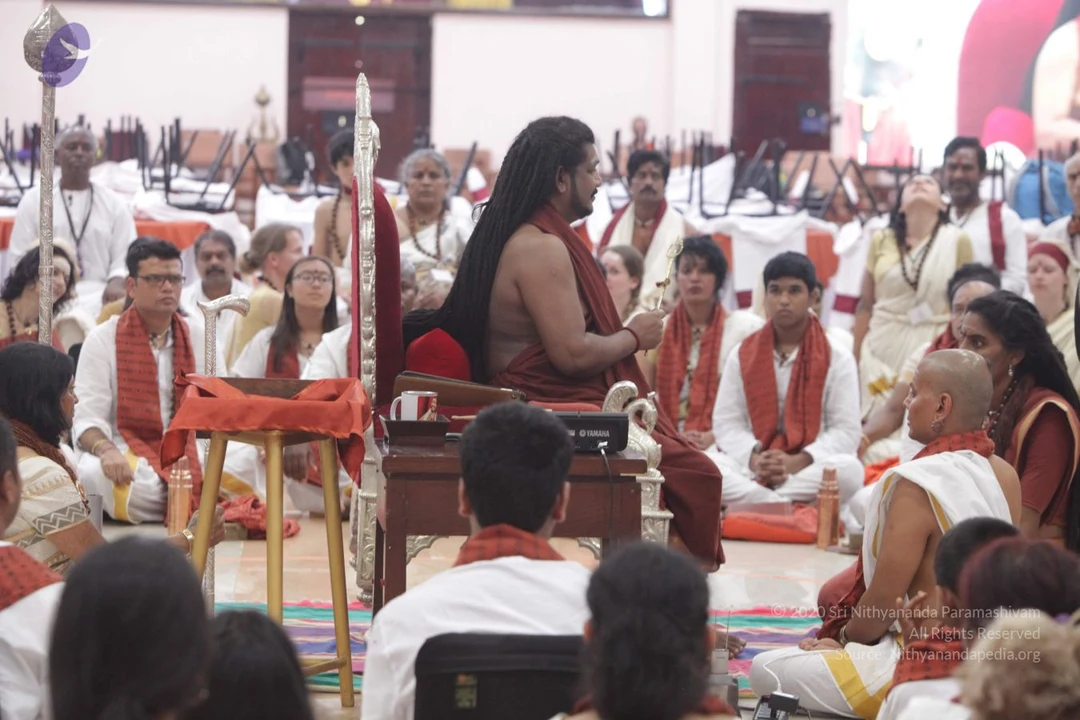
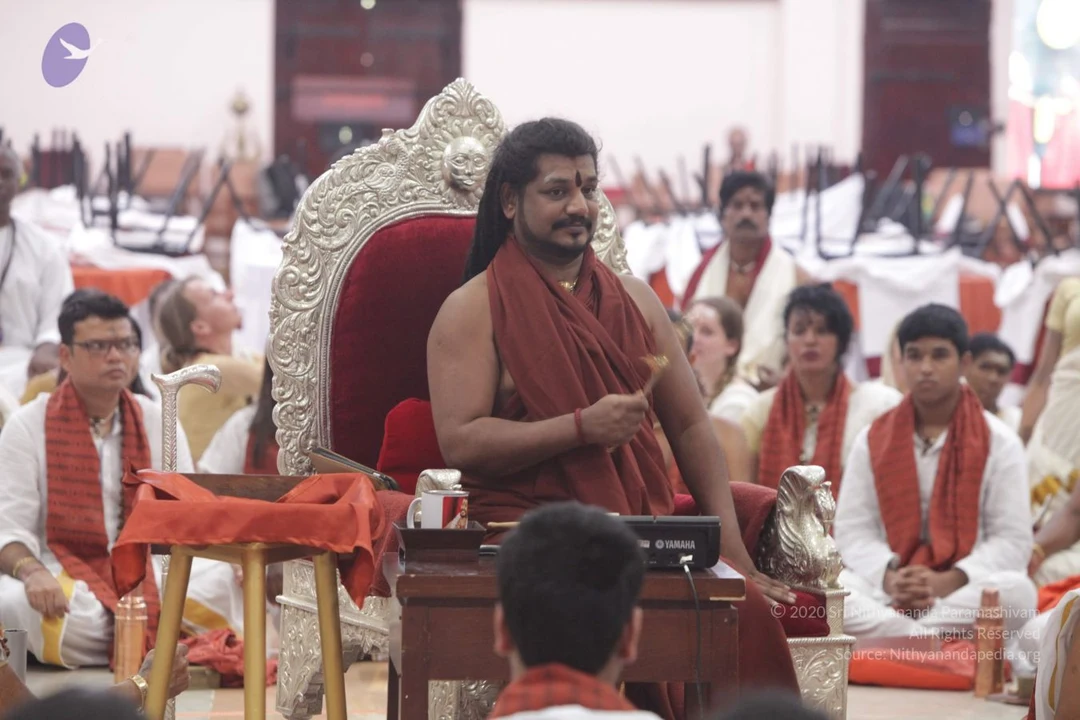
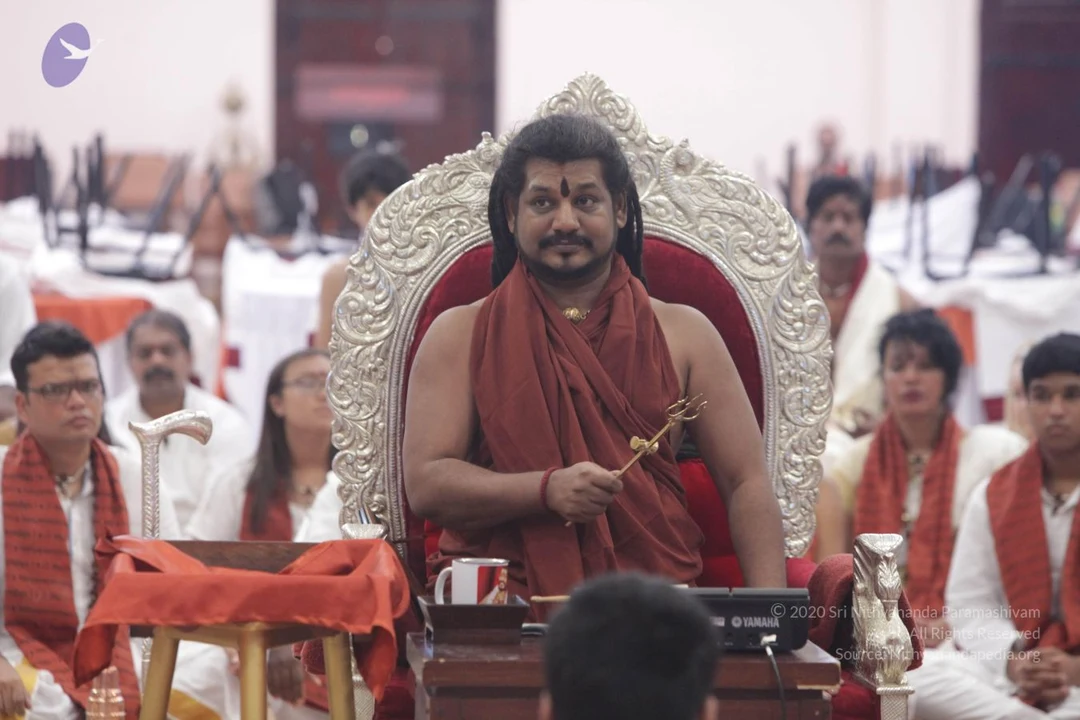
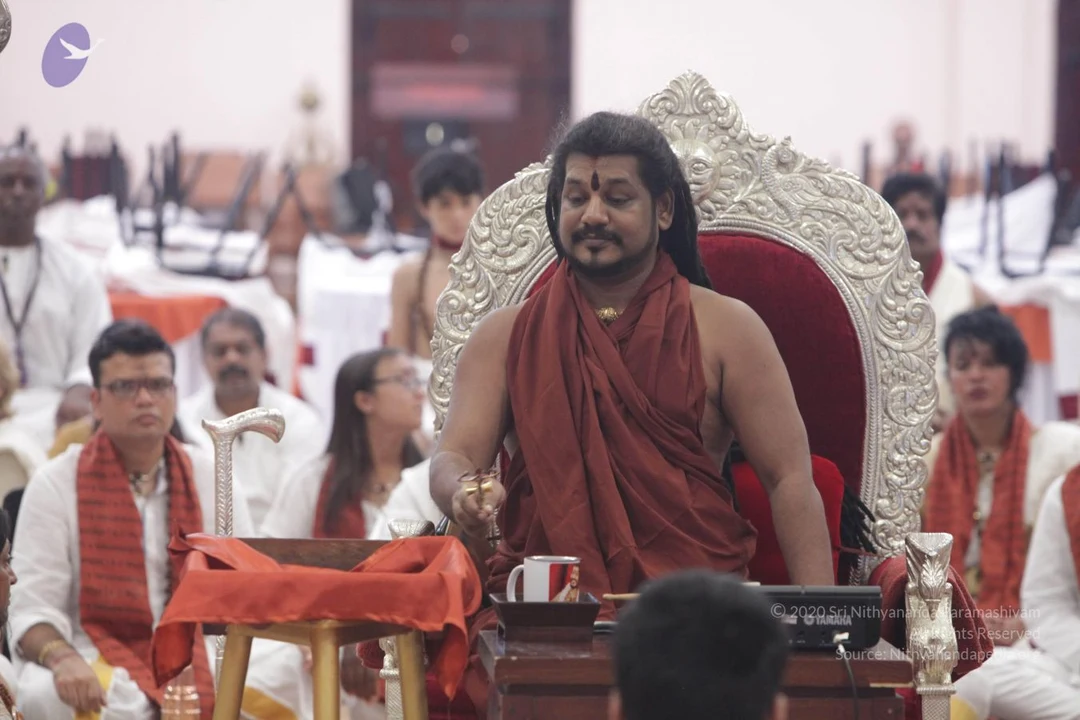
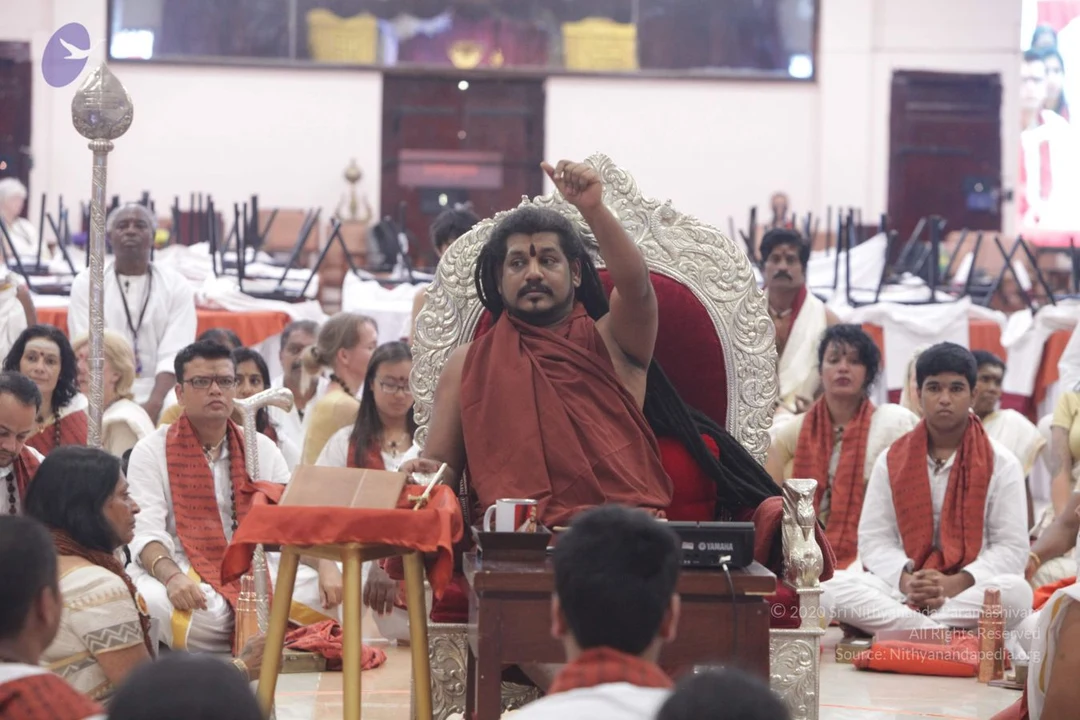
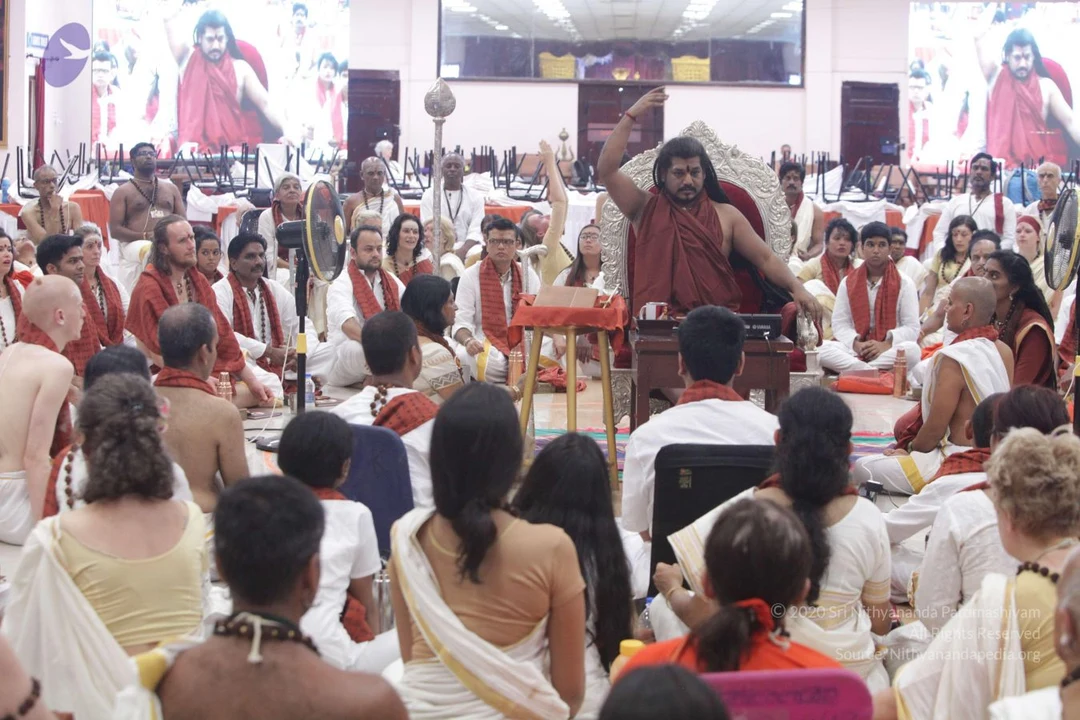
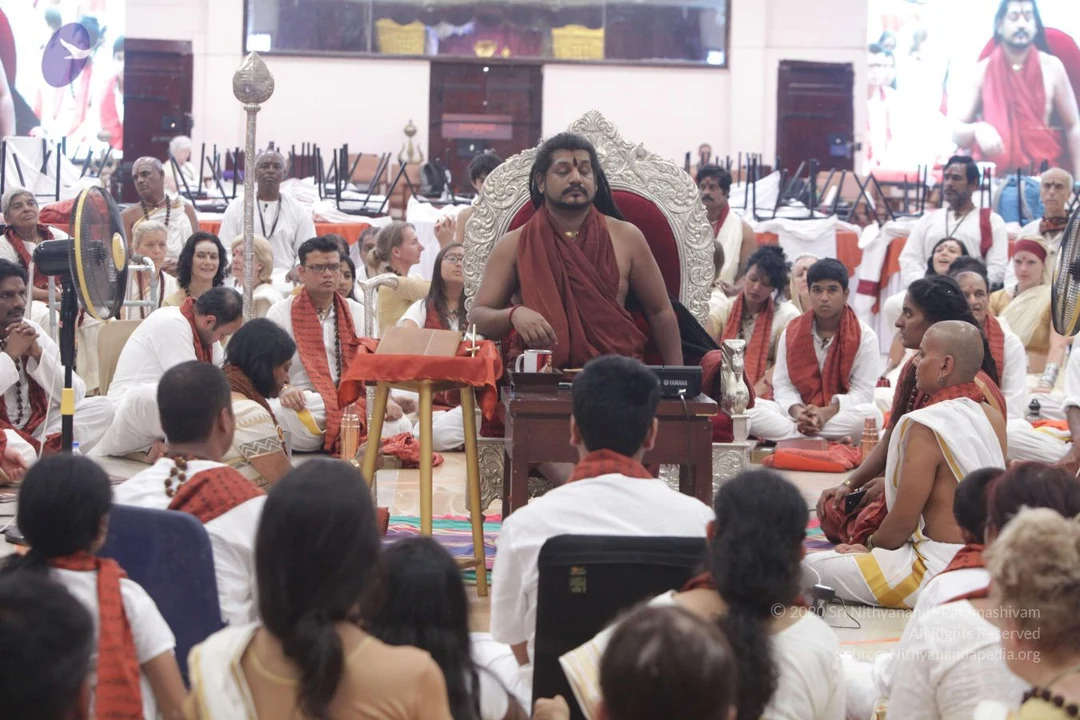
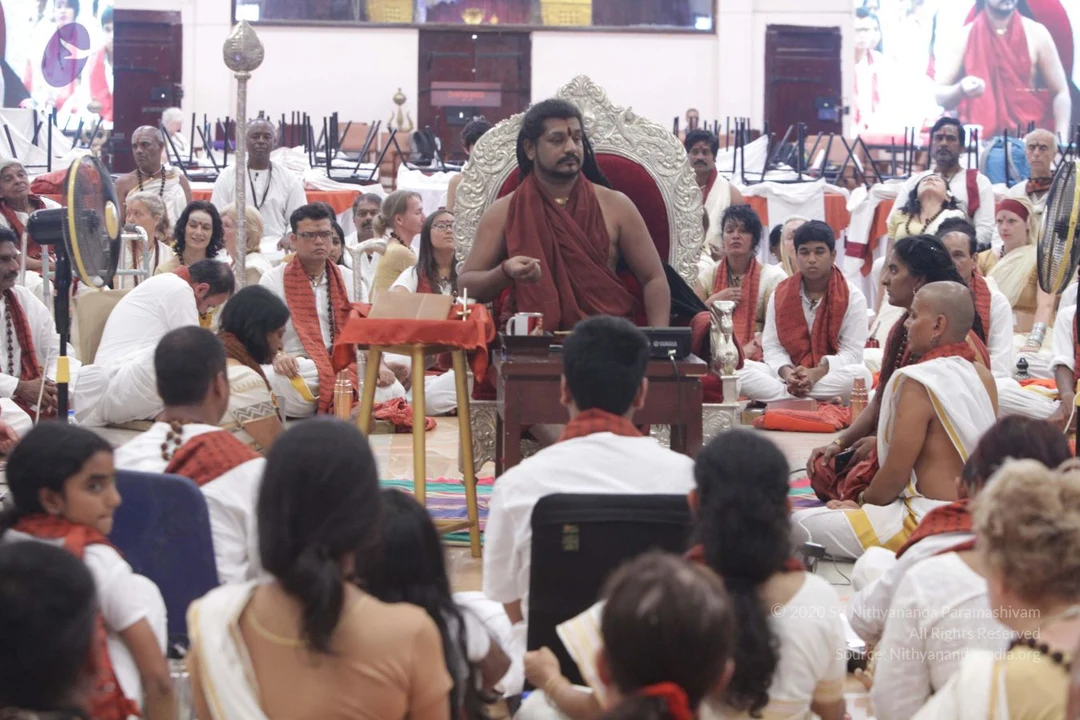
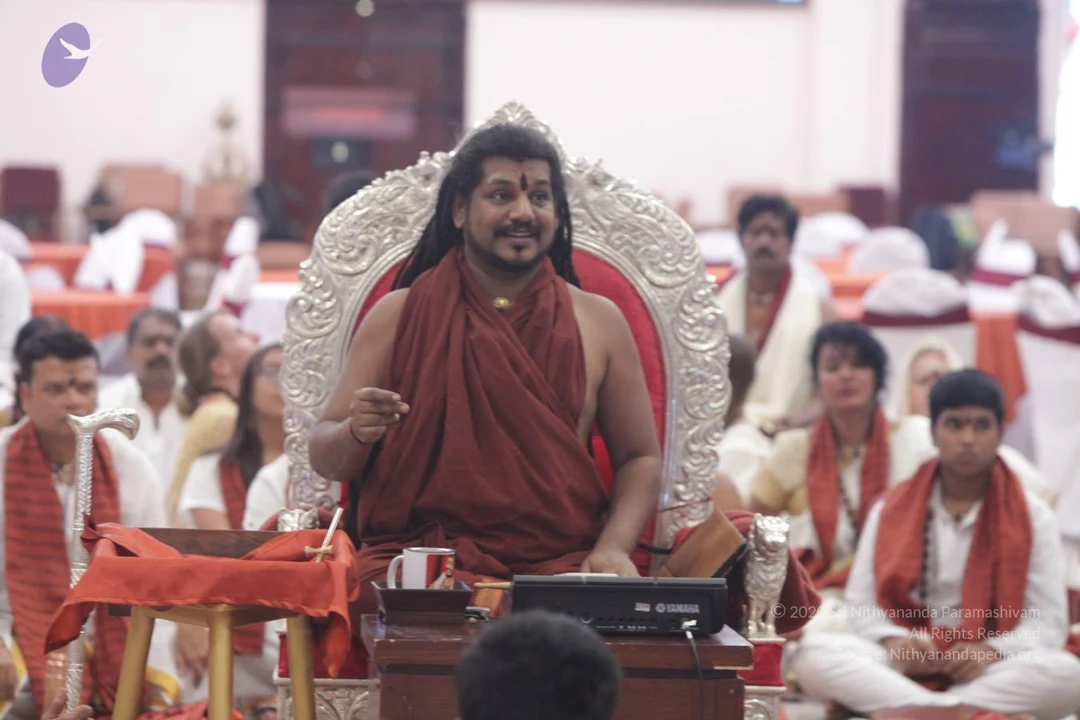
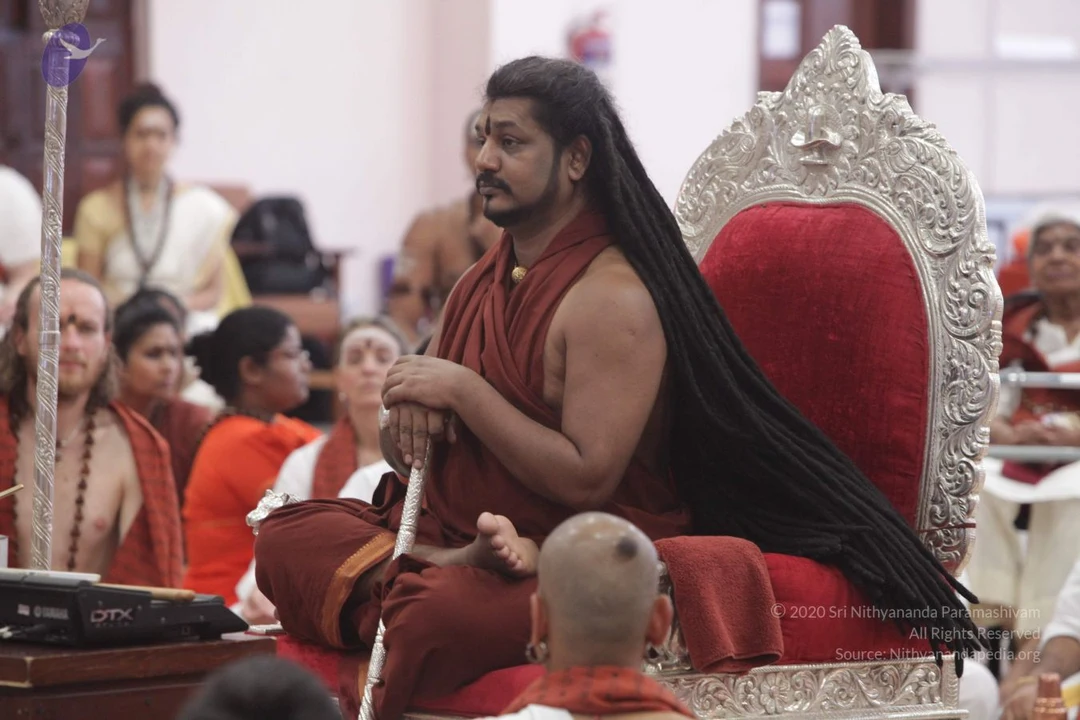
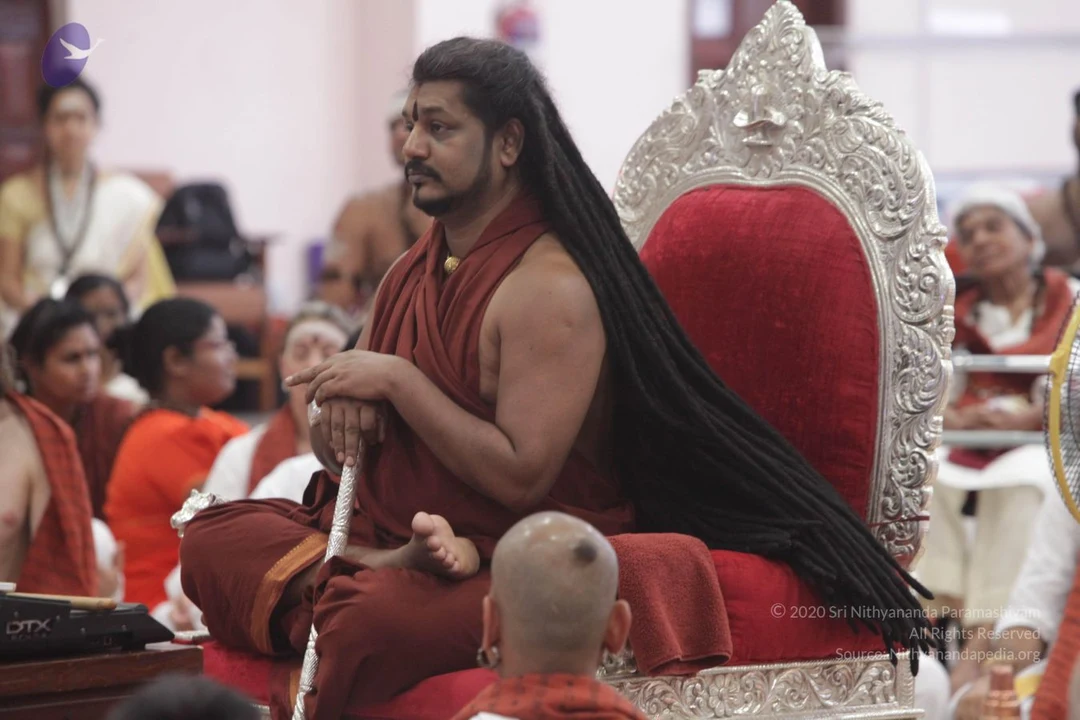
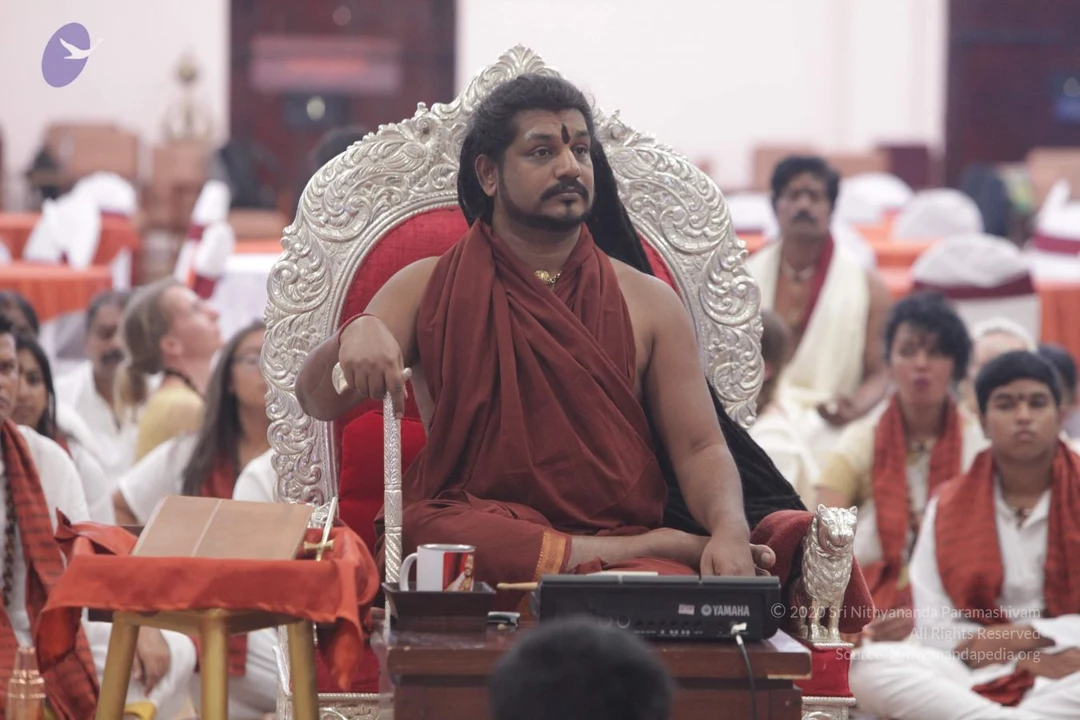
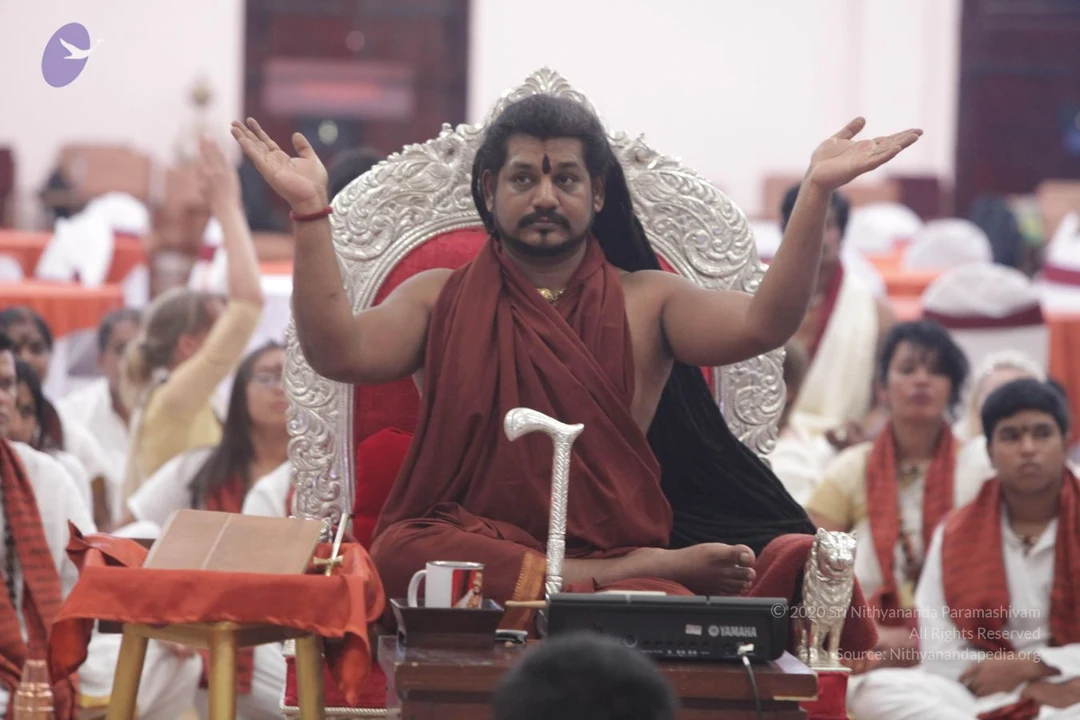
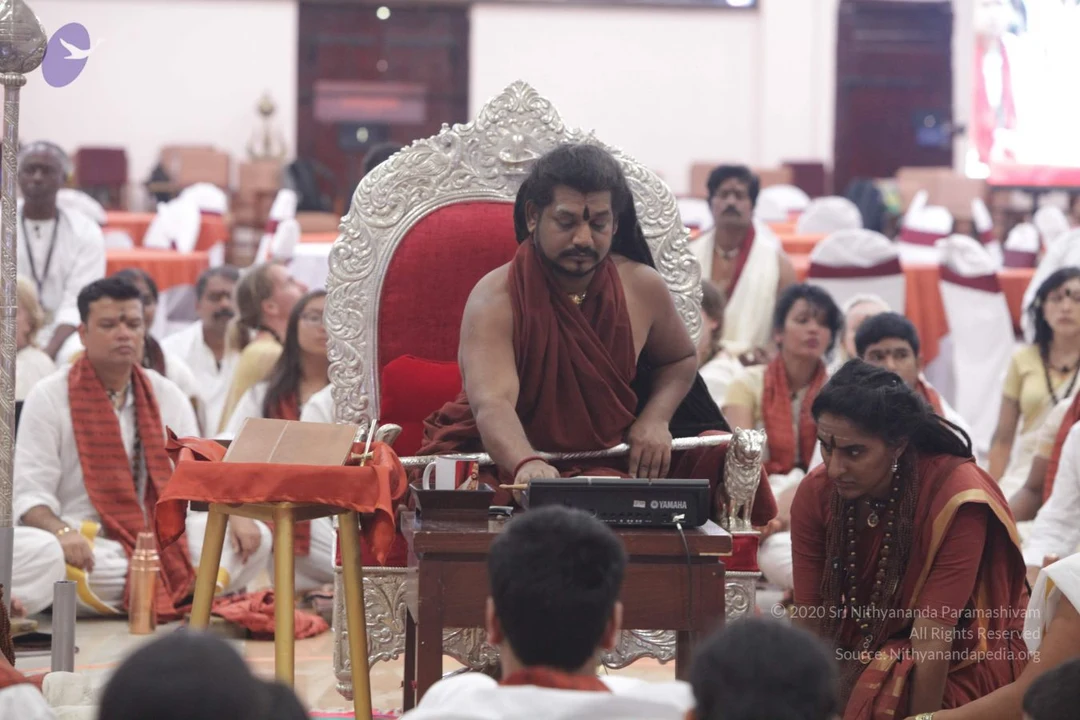
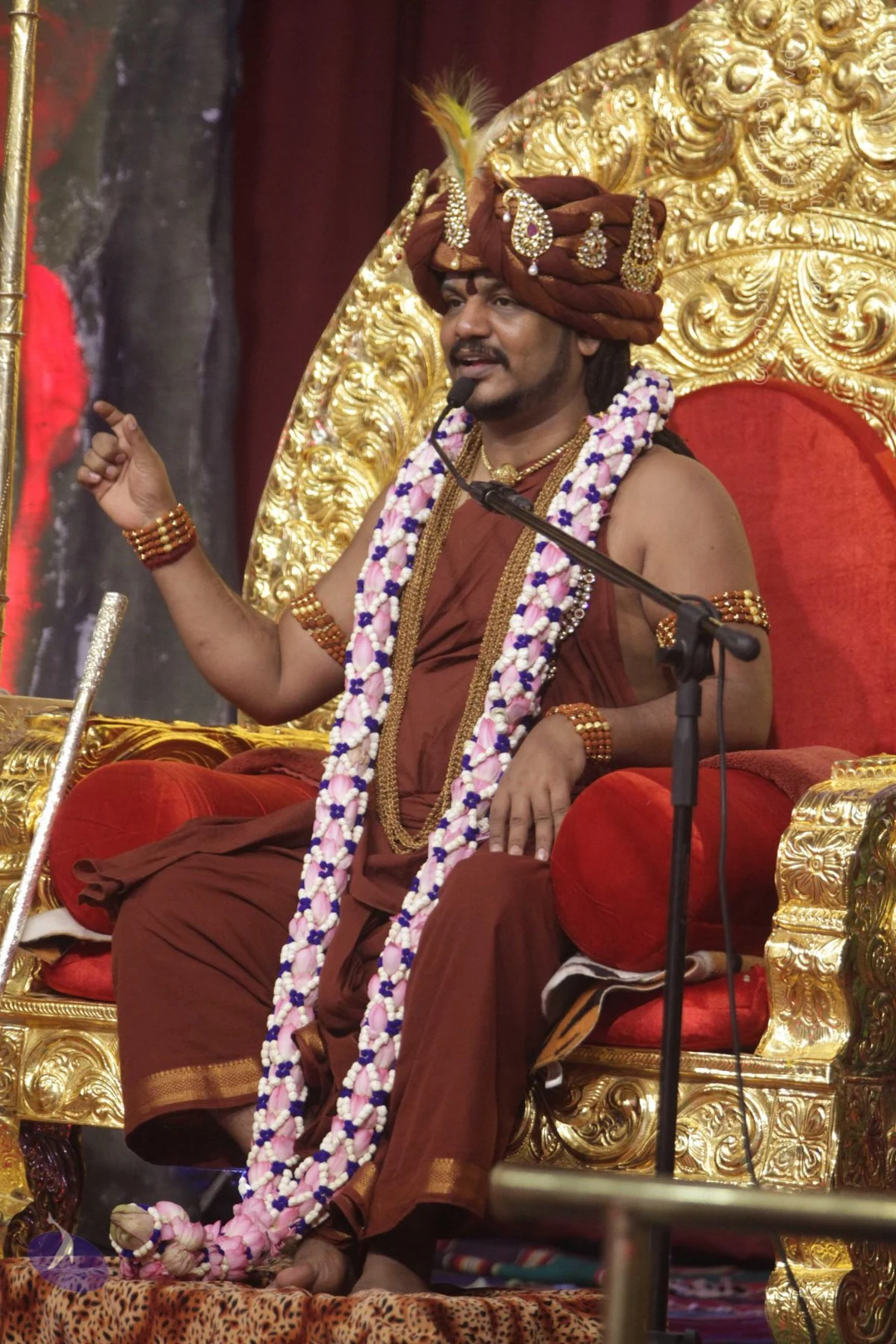
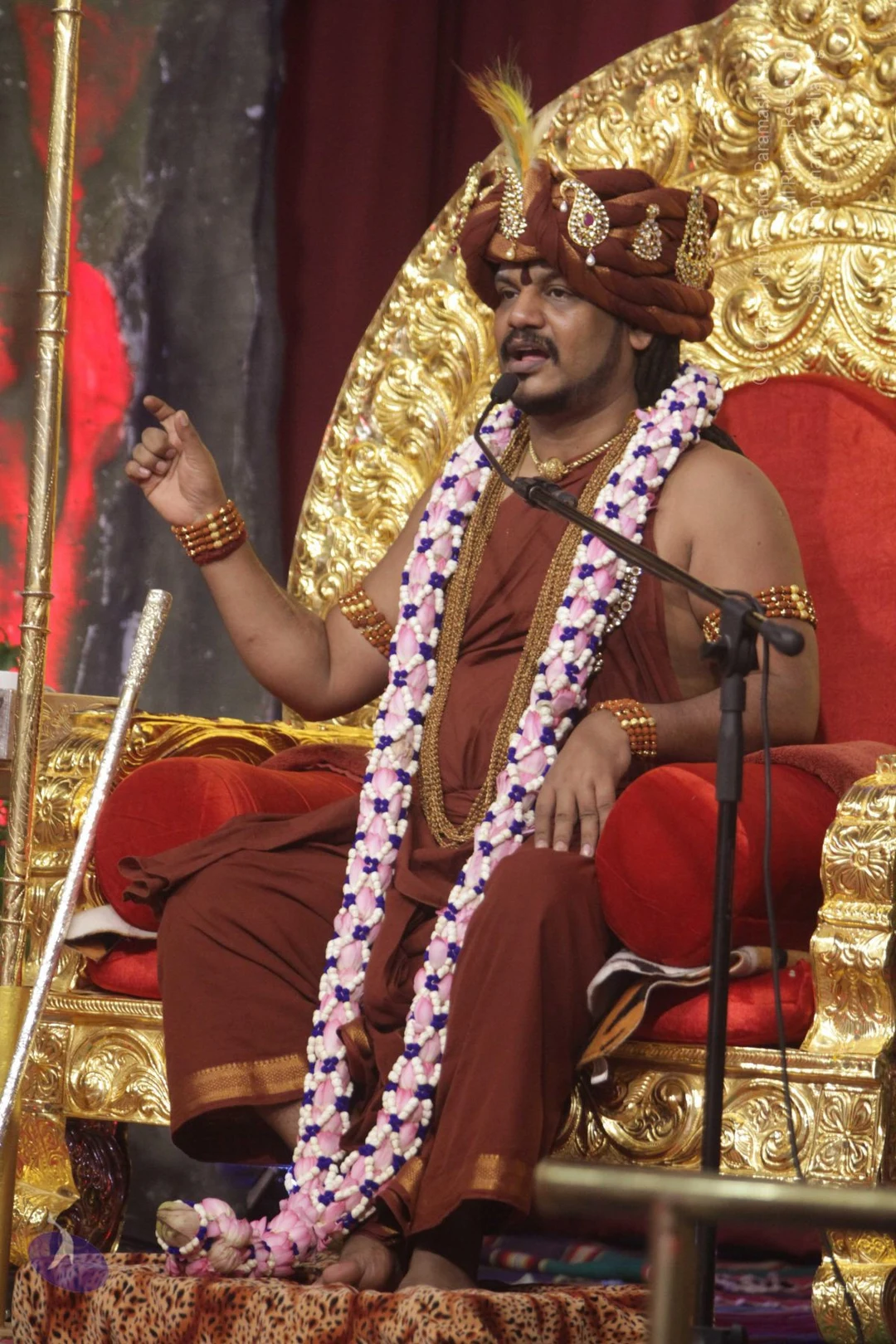
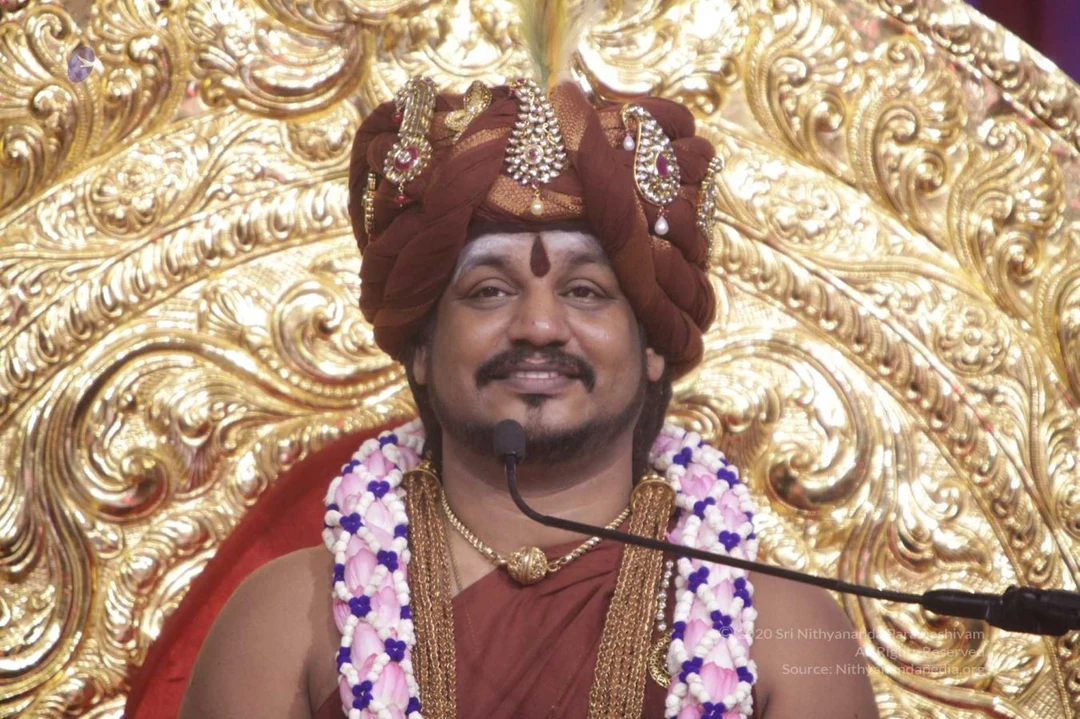 HDH Nithyananda Paramashivam delivering the morning satsang .
 HDH Nithyananda Paramashivam delivering the morning satsang .
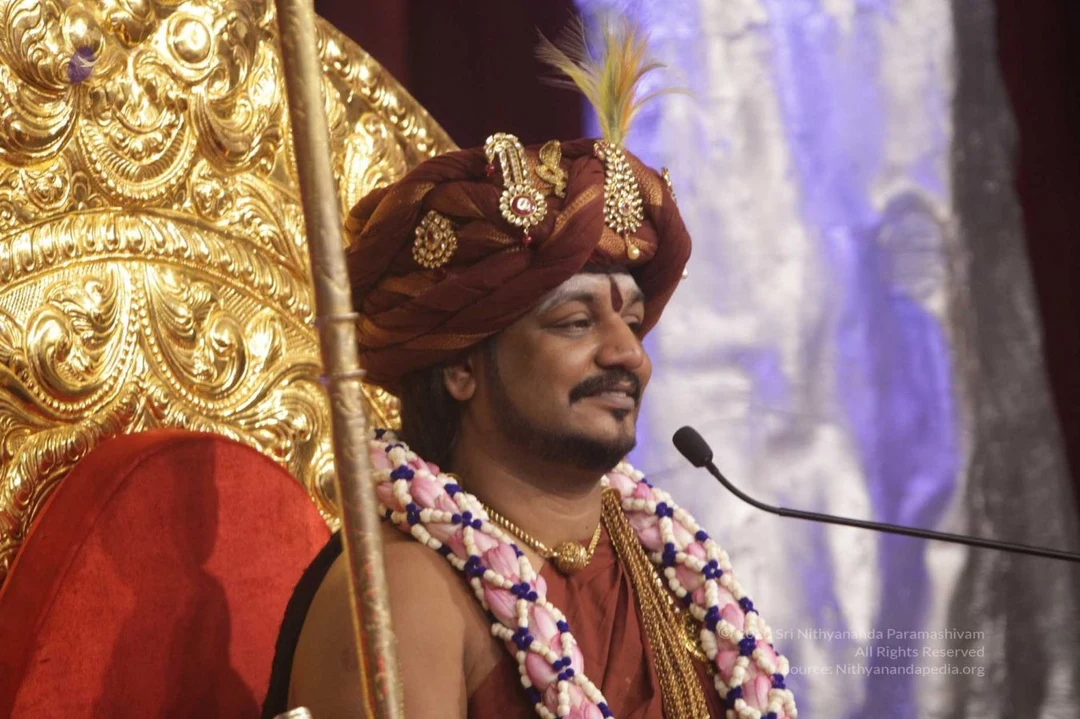 HDH Nithyananda Paramashivam giving Nayana dheeksha
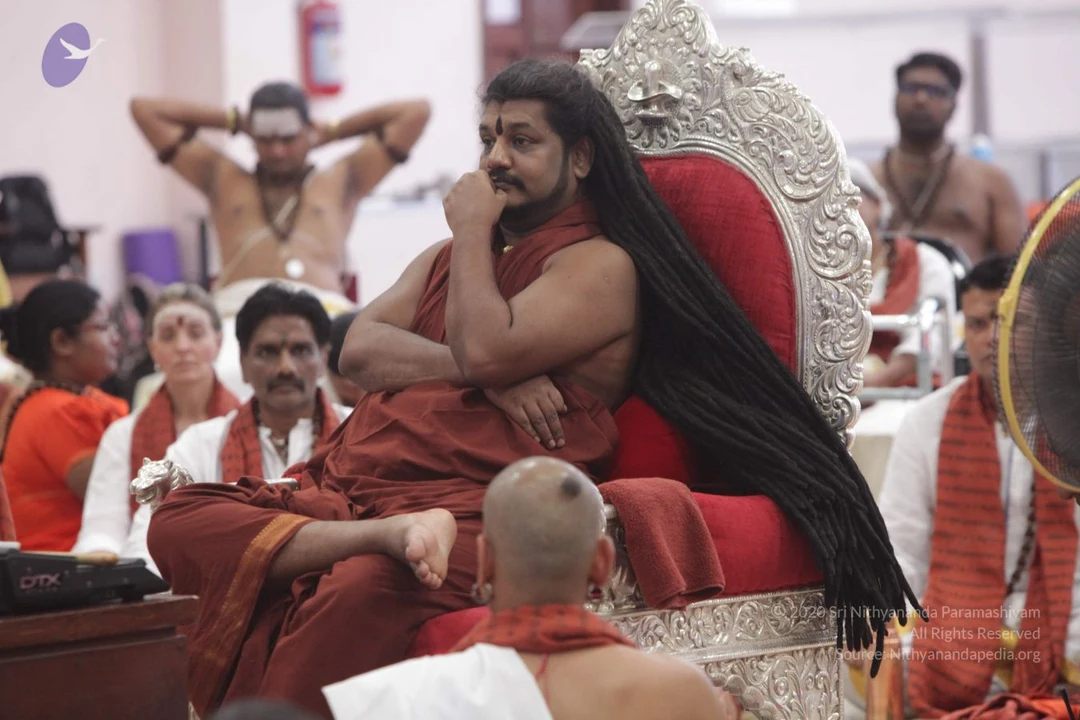
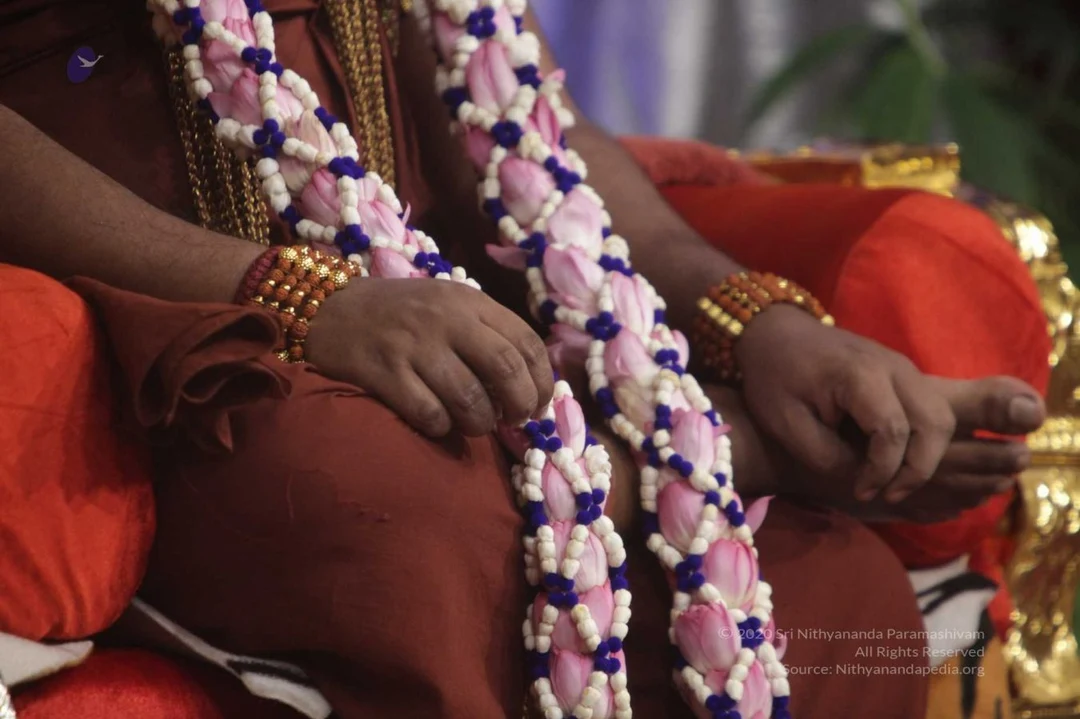 The lotus feet of HDH Nithyananda Paramashivam during morning satsang
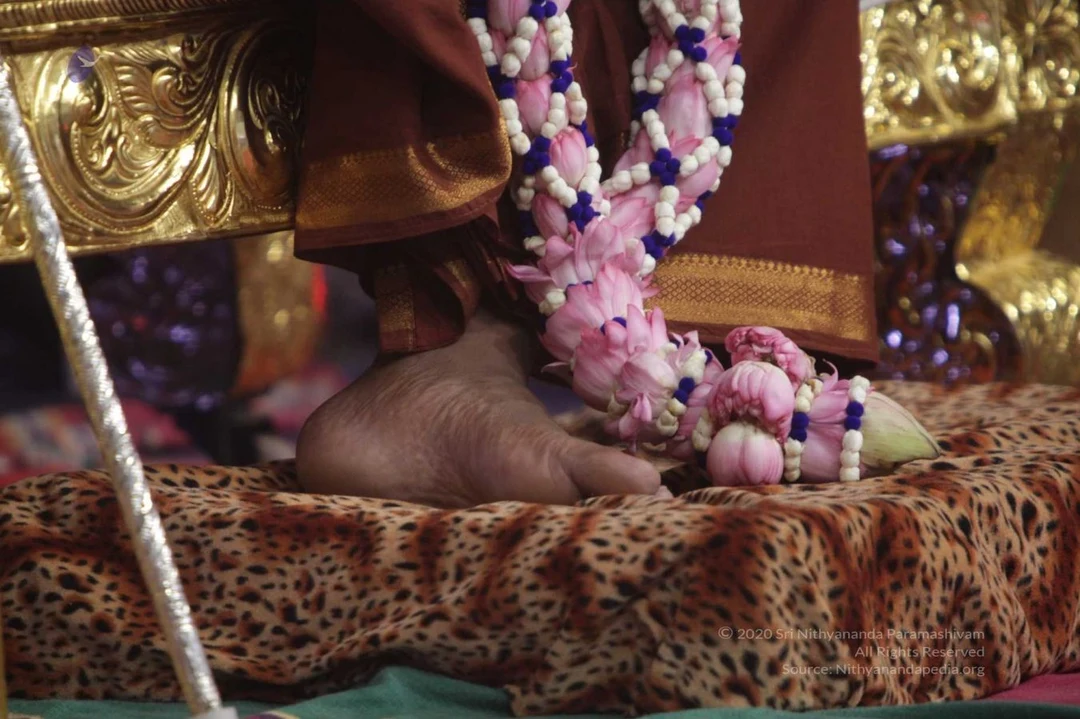 The lotus feet of HDH Nithyananda Paramashivam during morning satsang
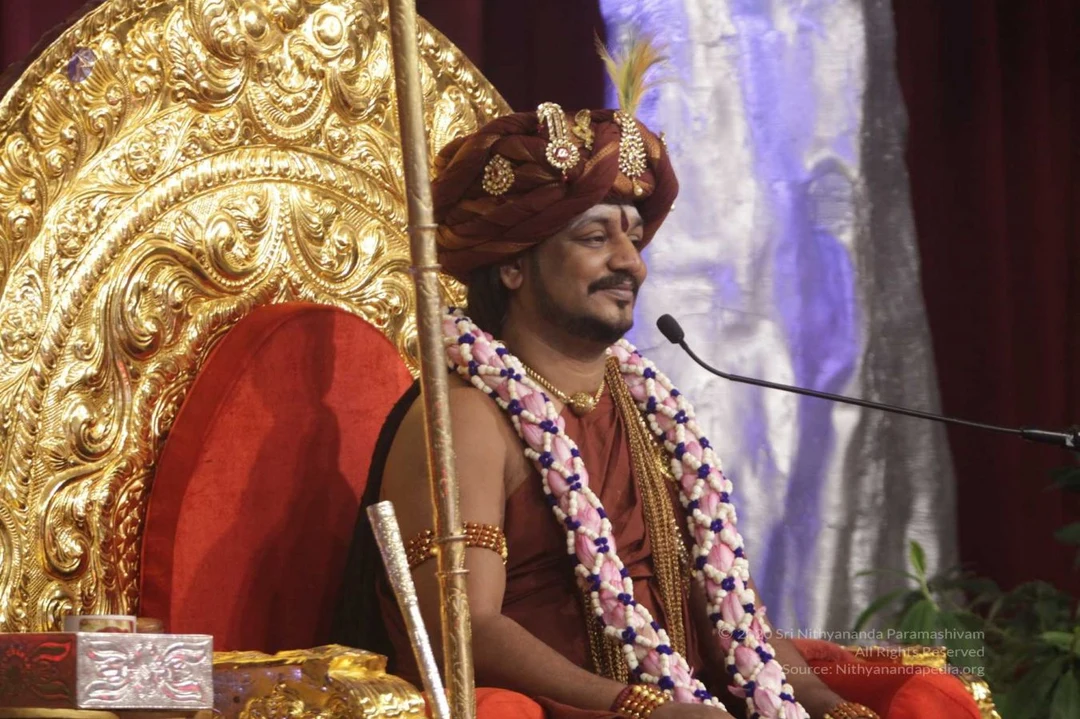 HDH Nithyananda Paramashivam revealing the sacred truth from agamas
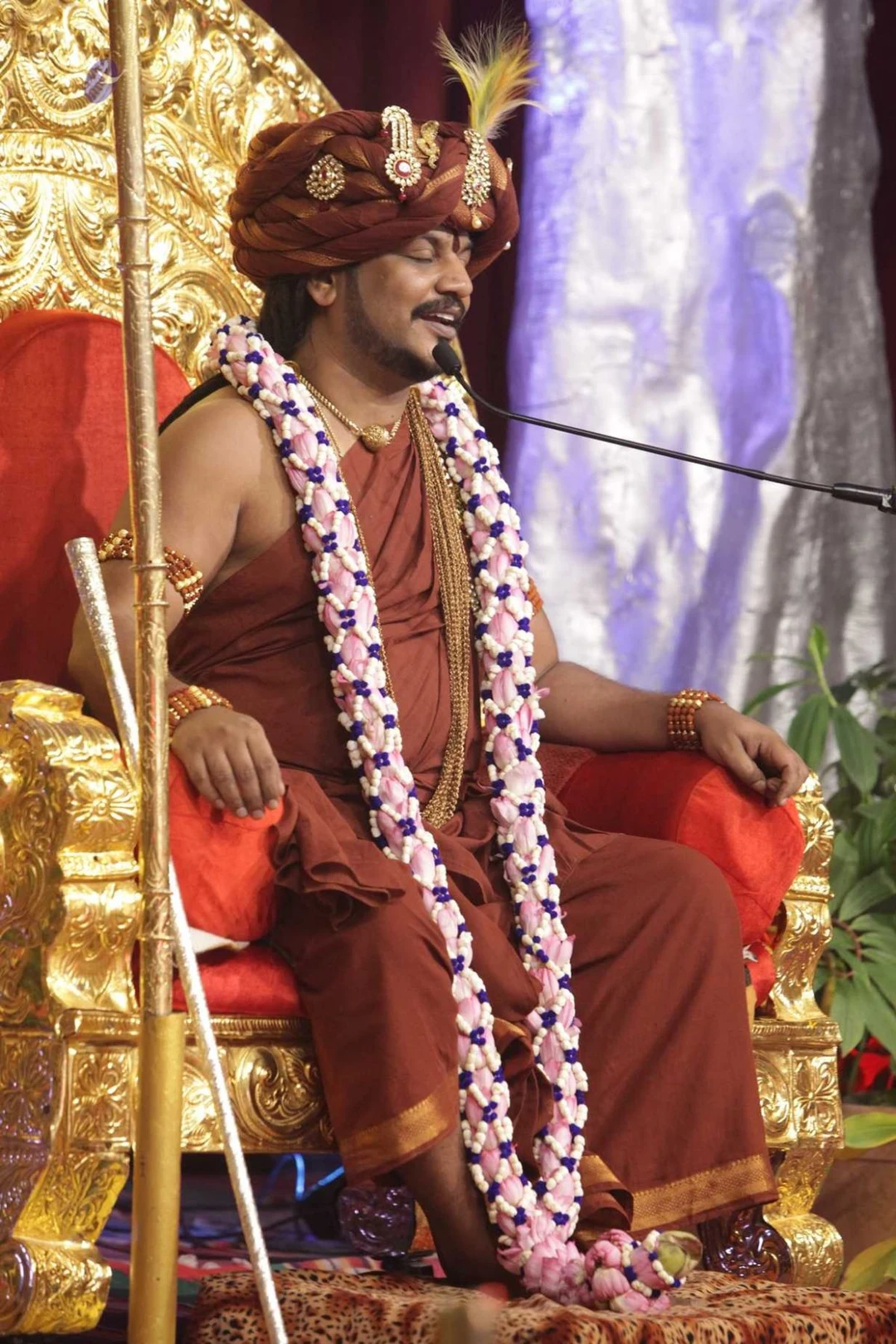
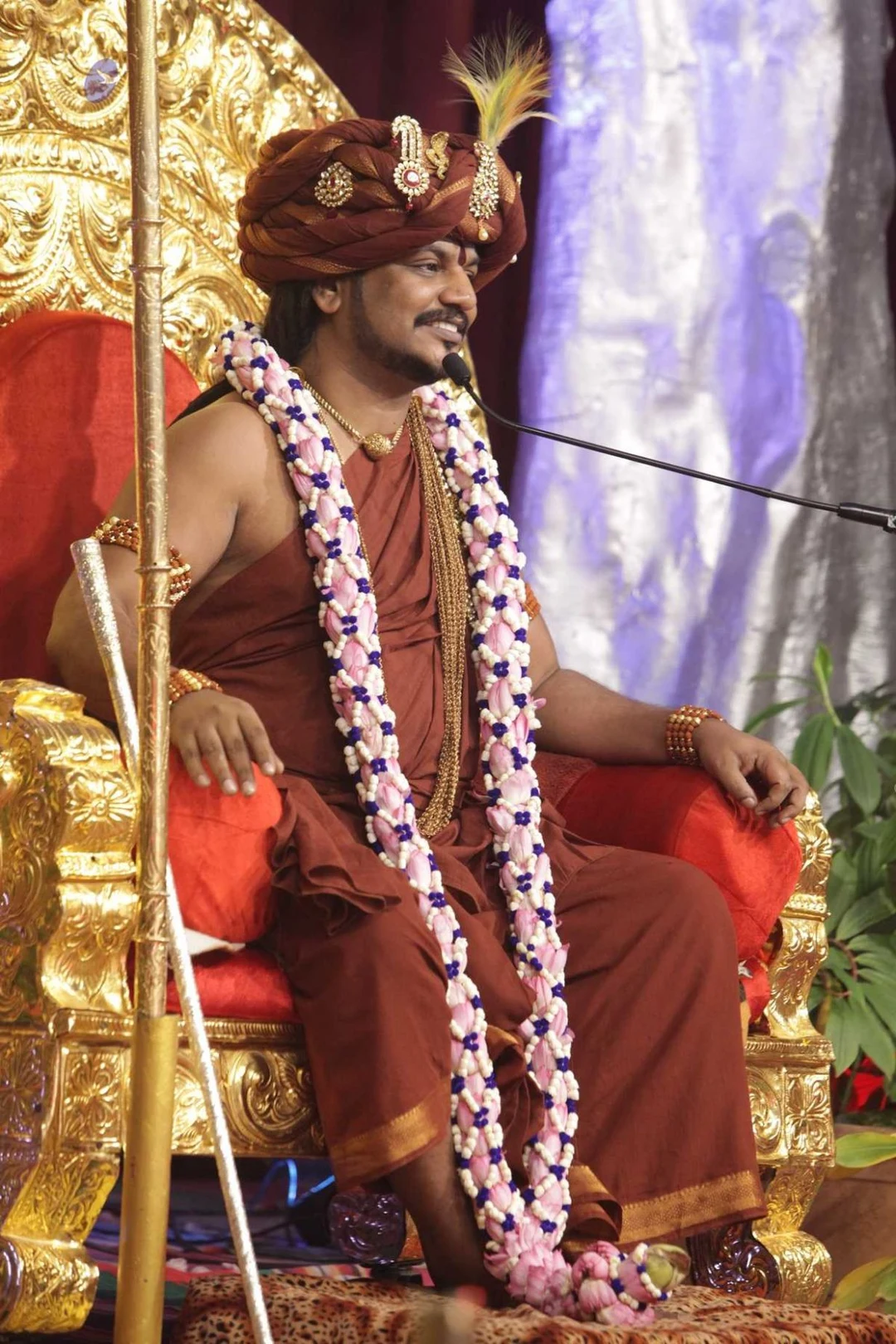
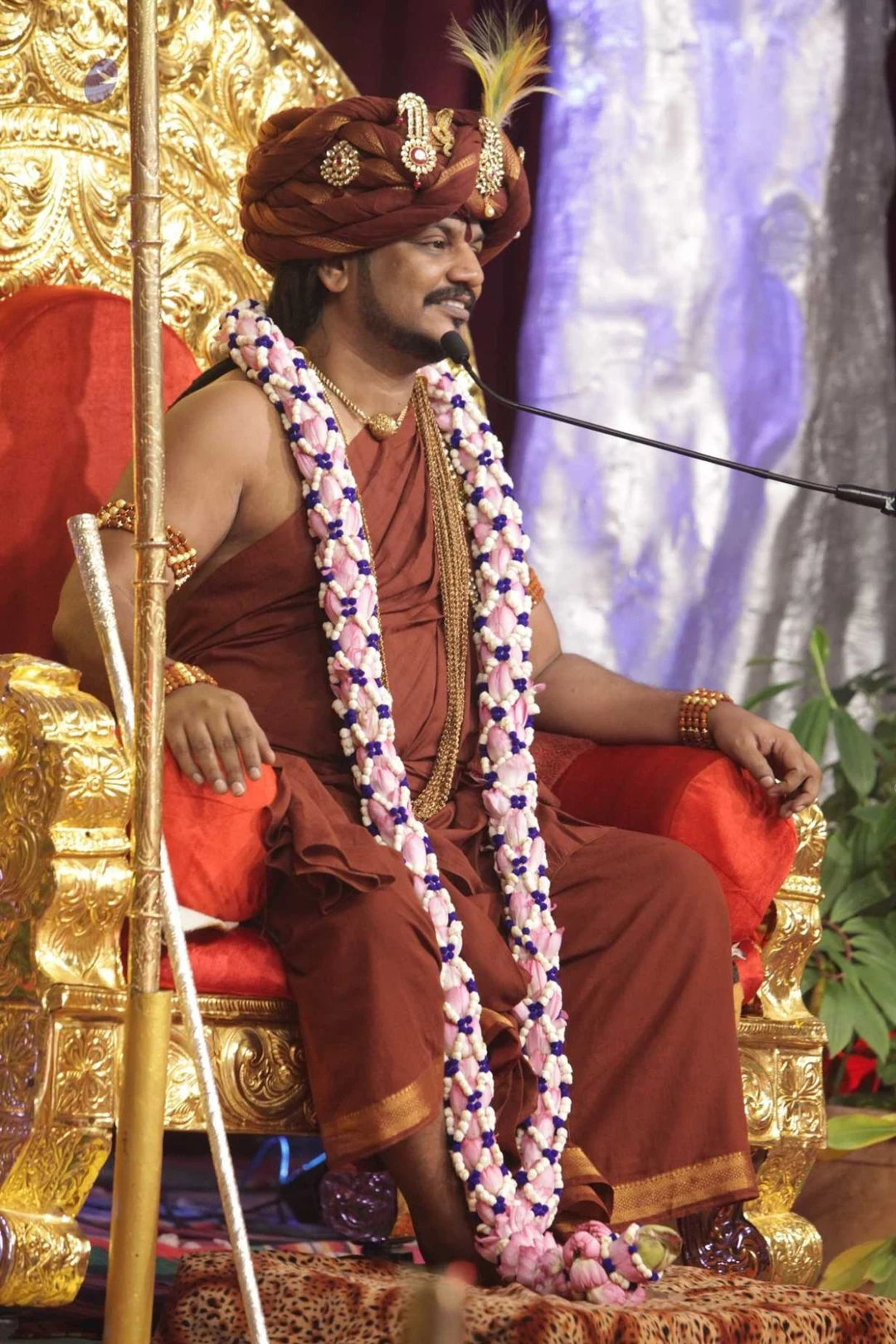
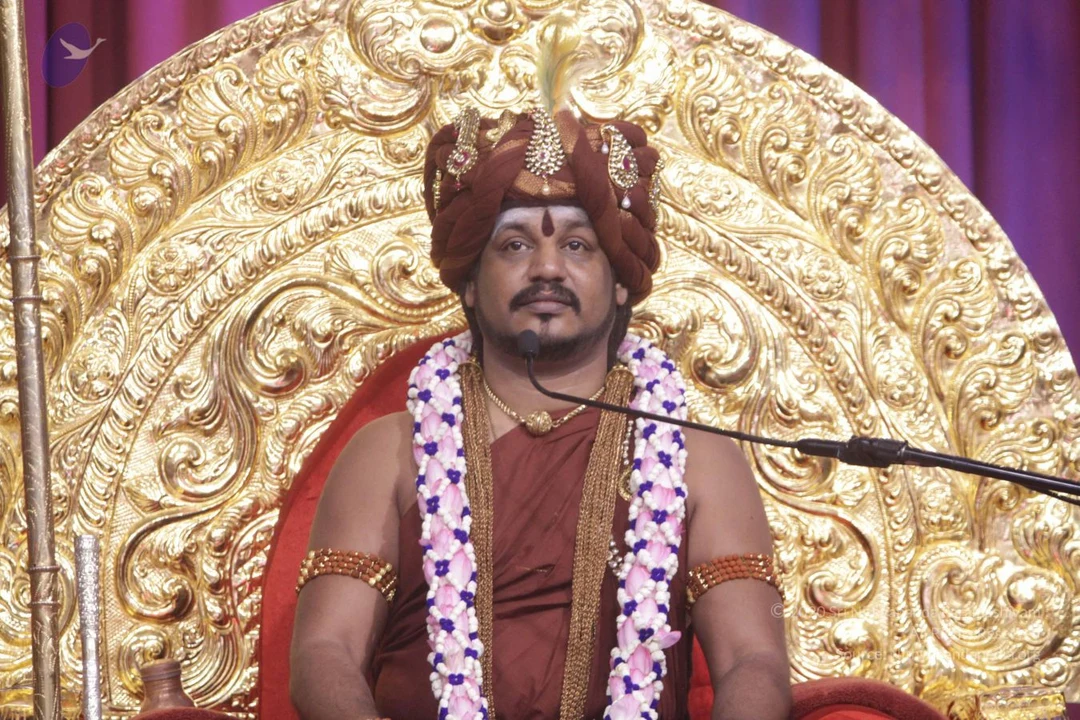
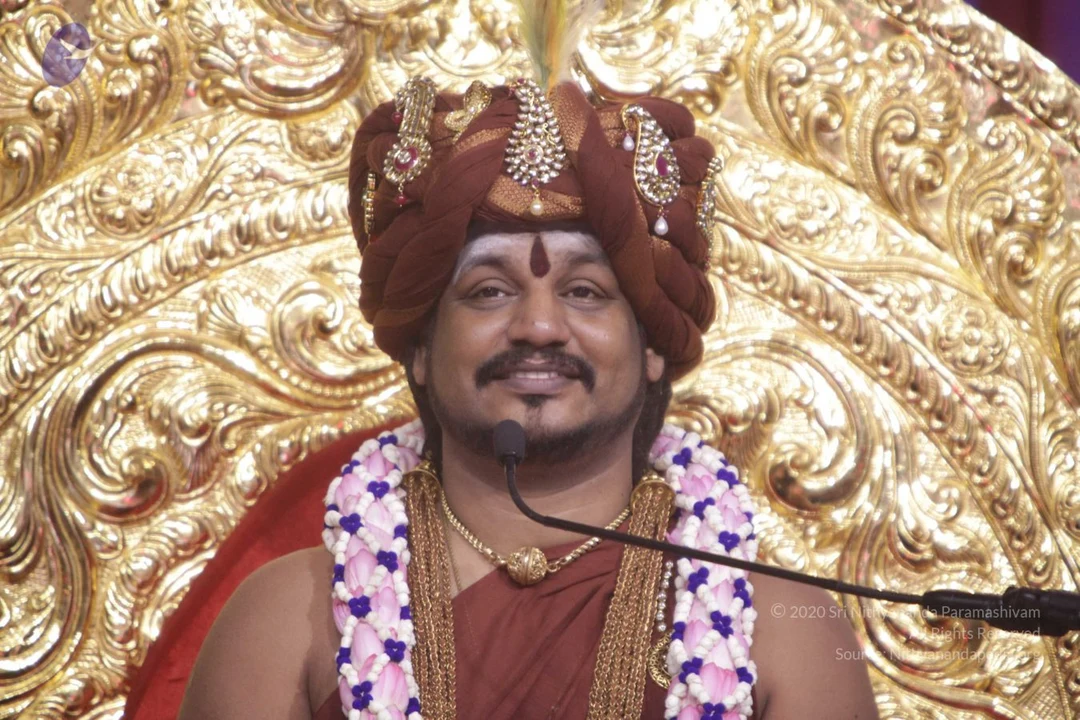
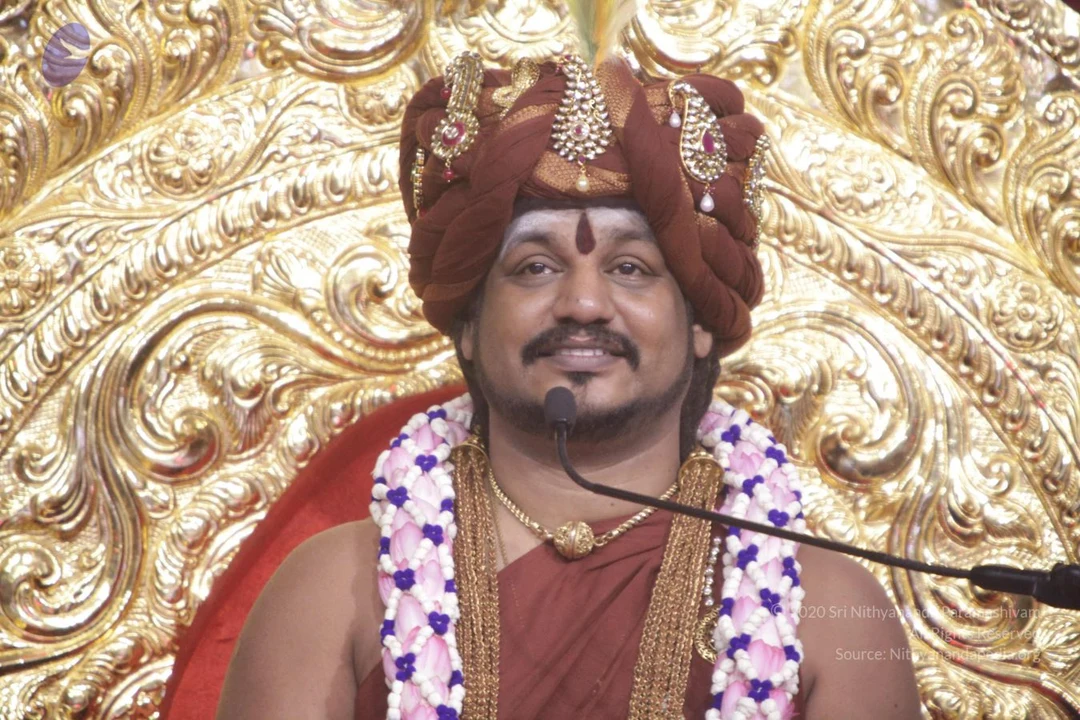
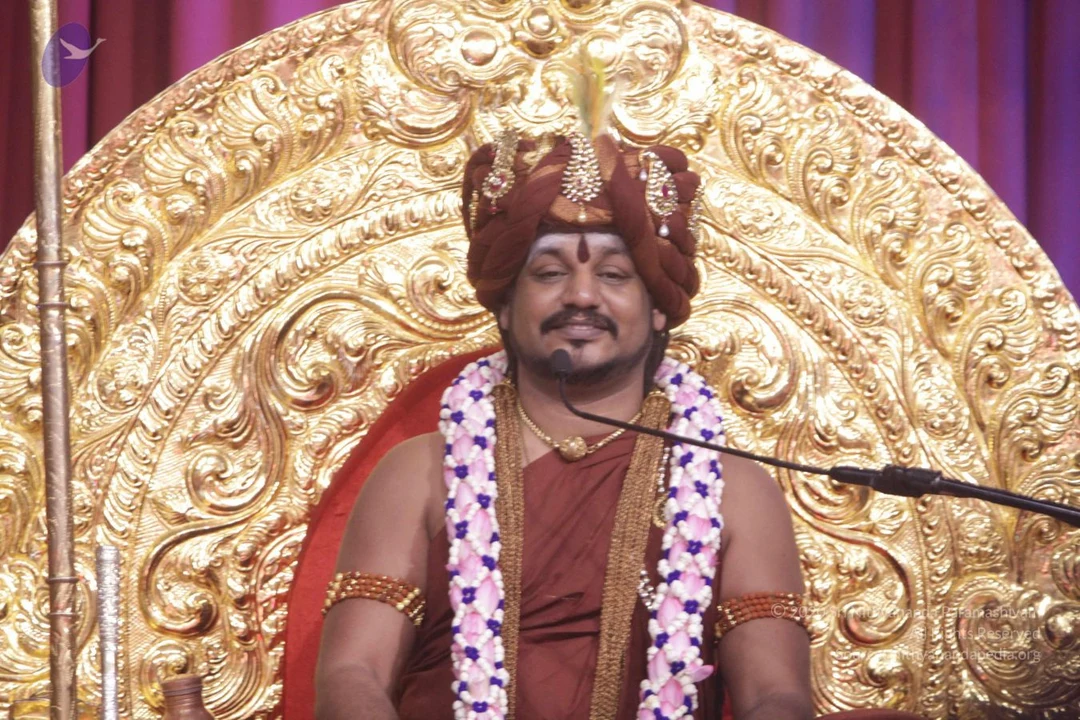
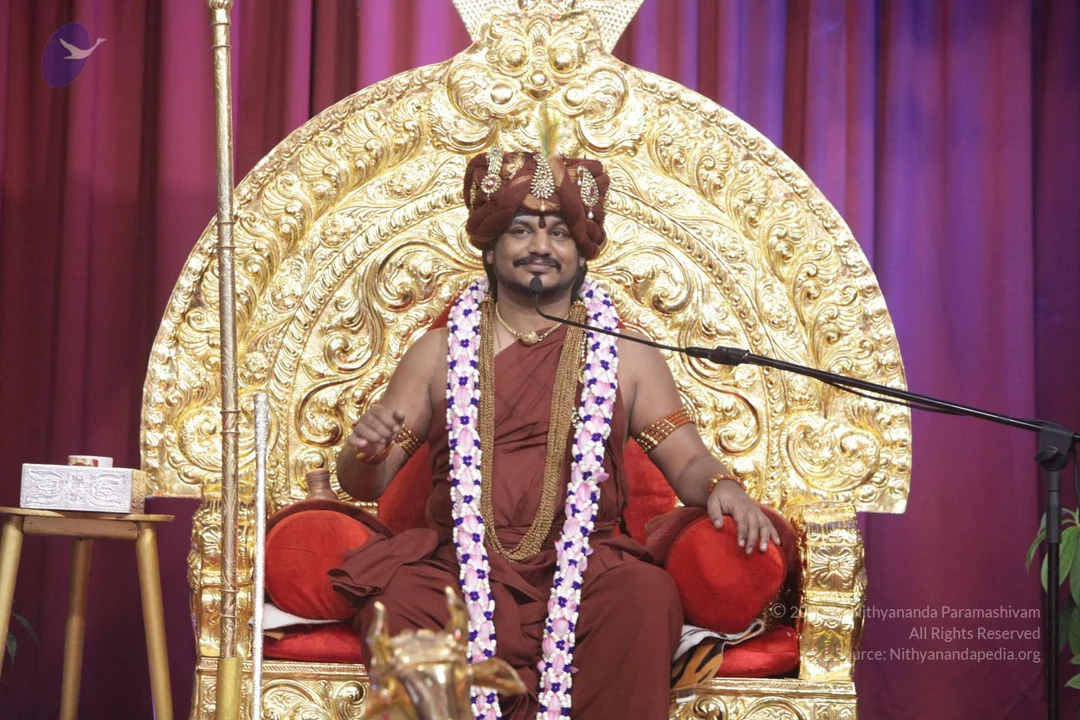
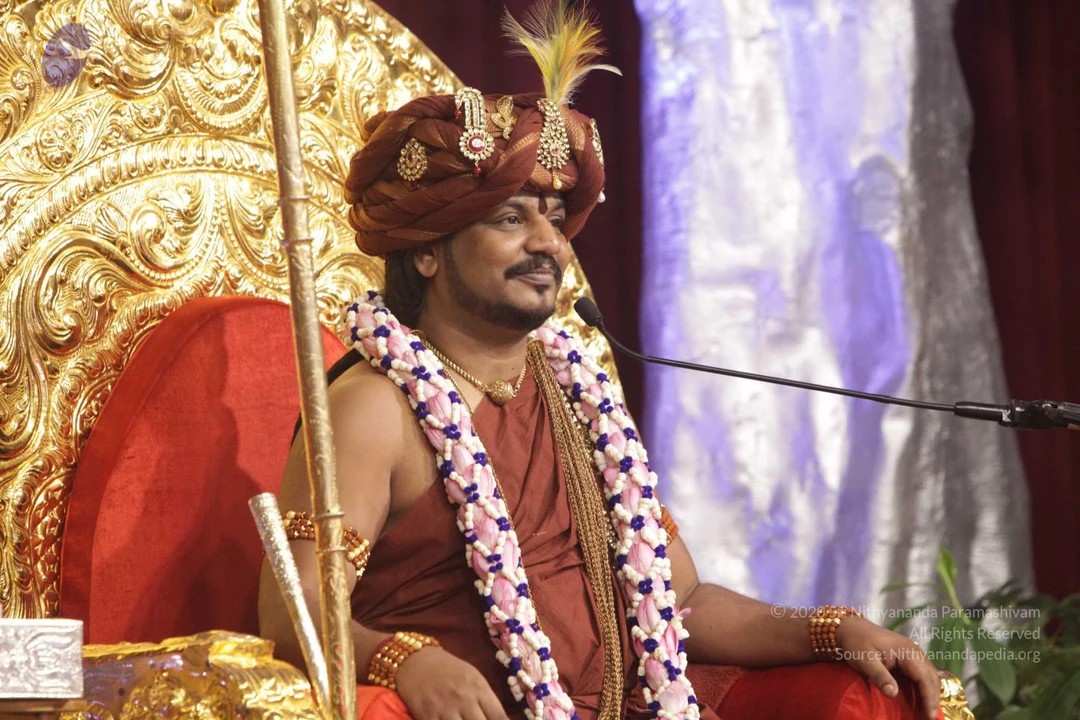
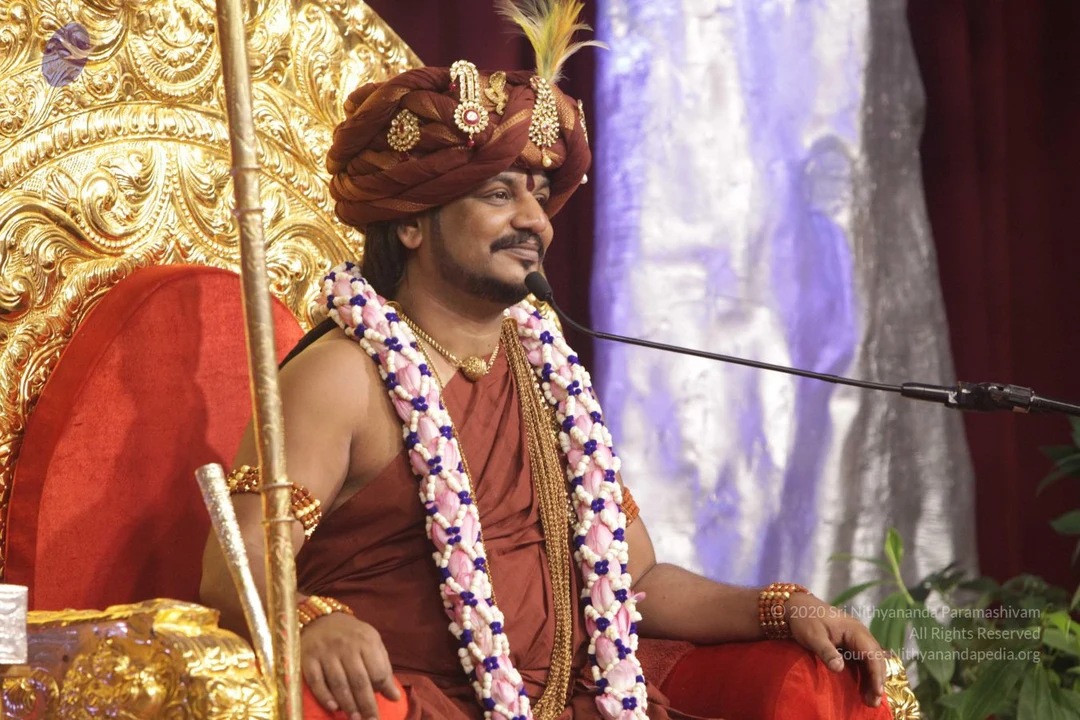
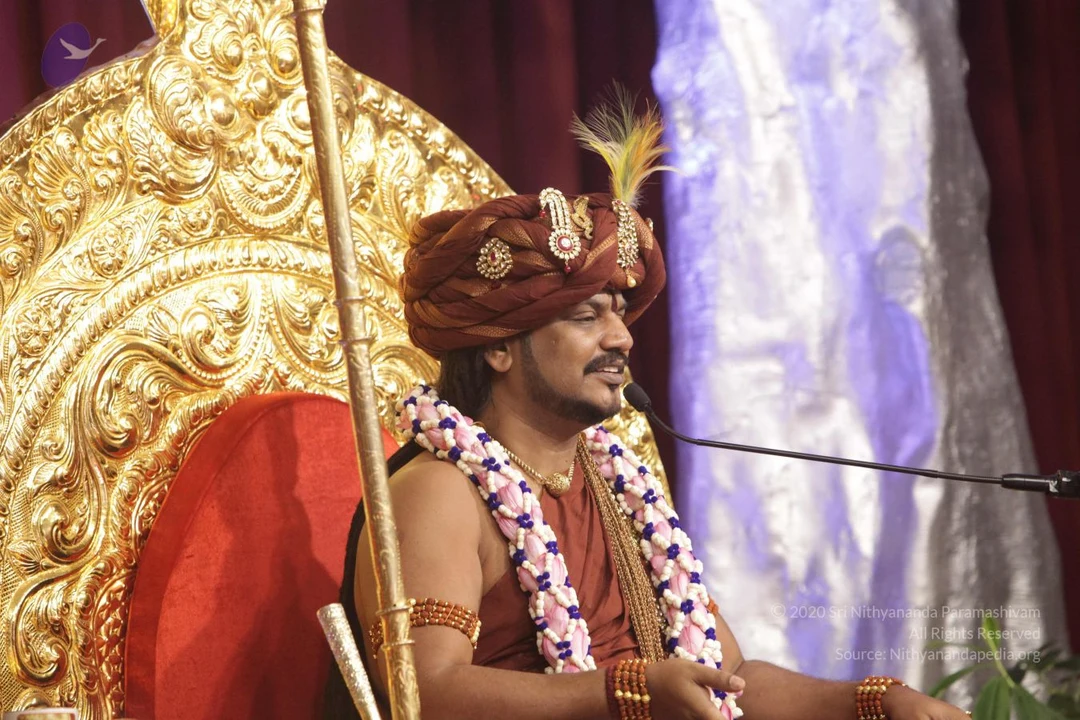
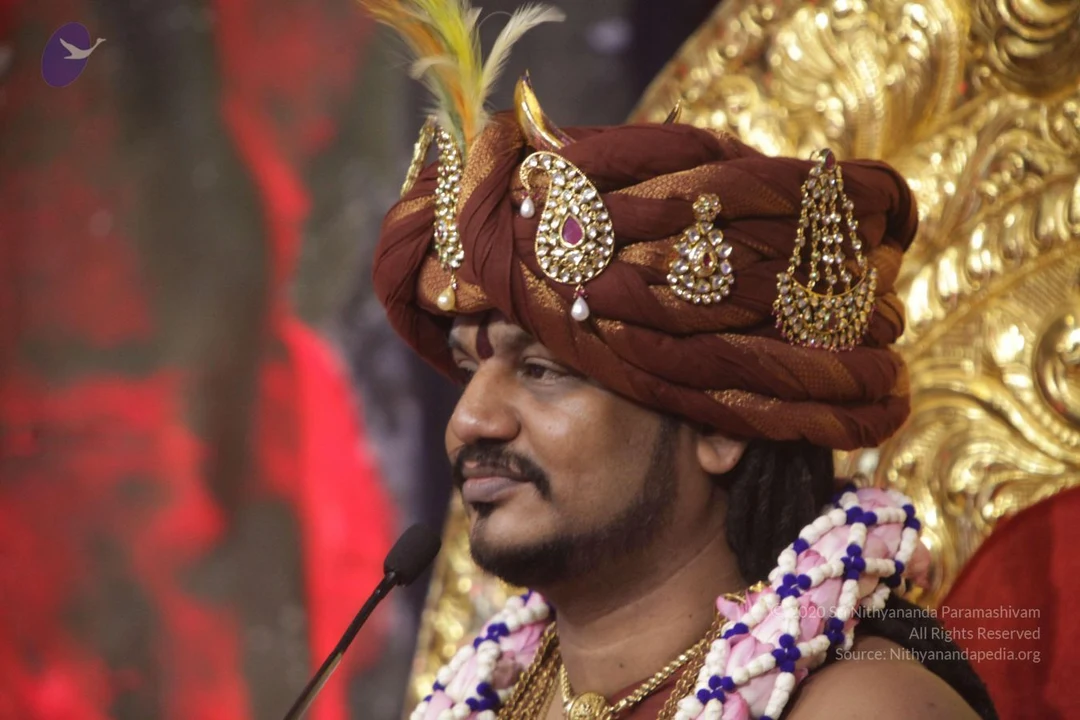
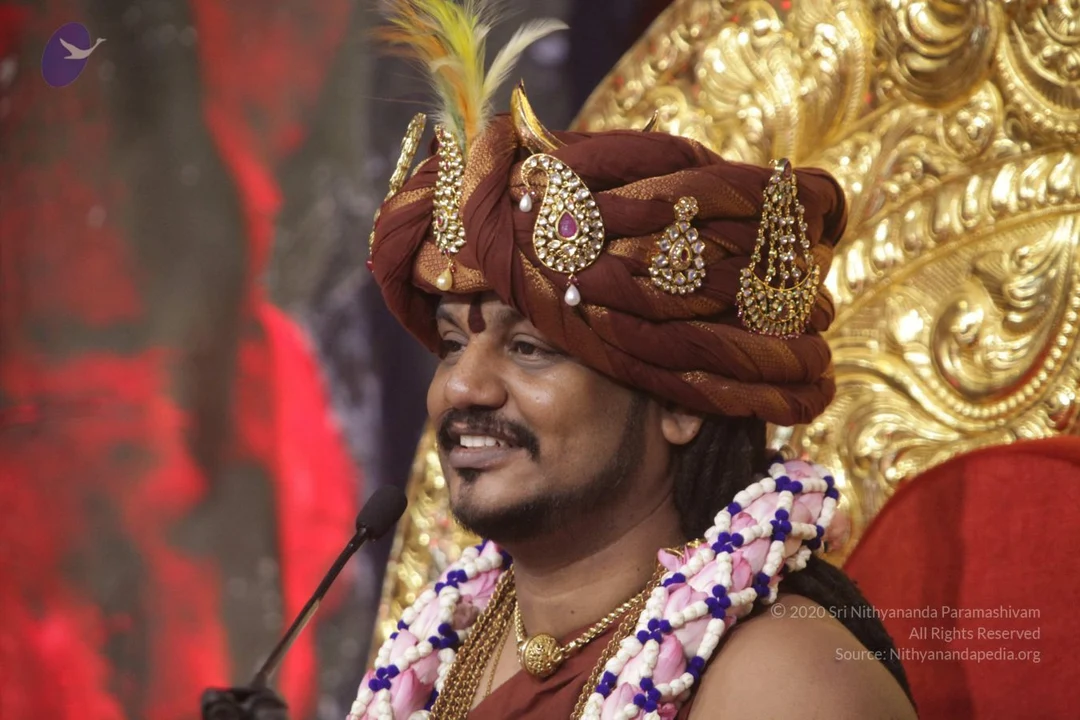
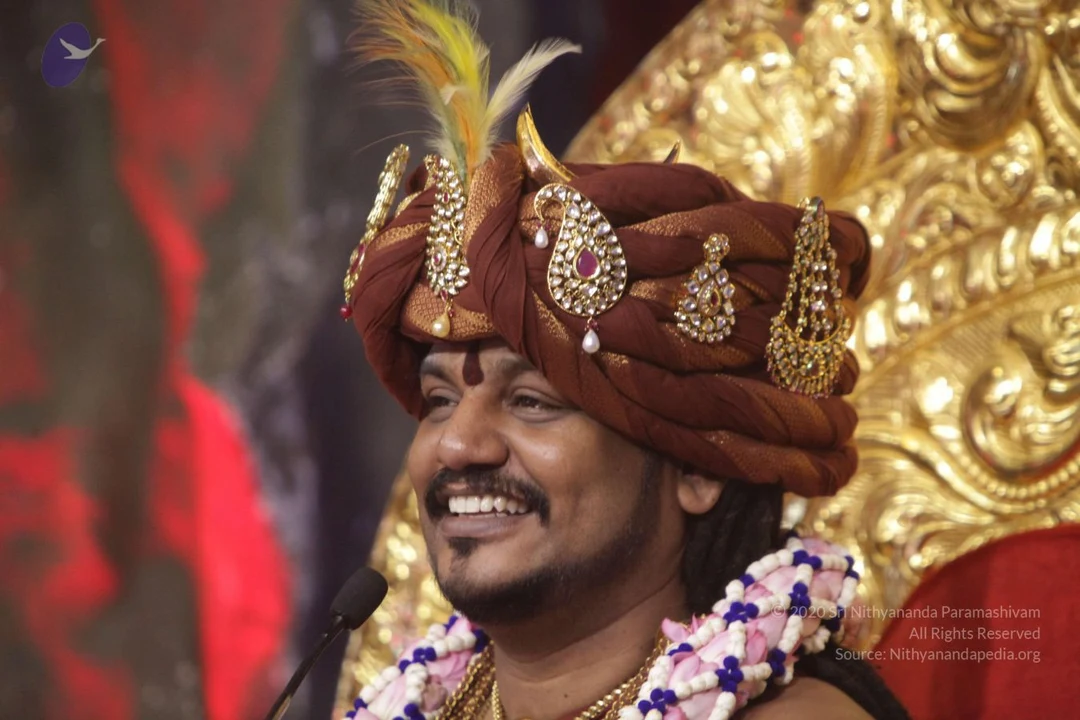
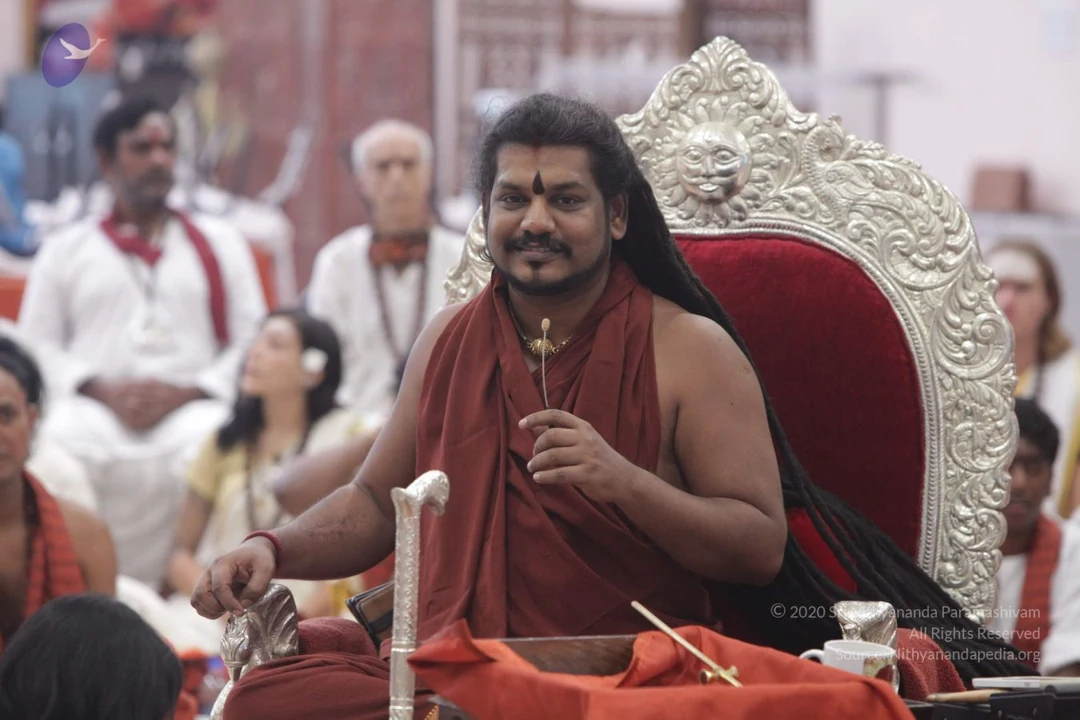
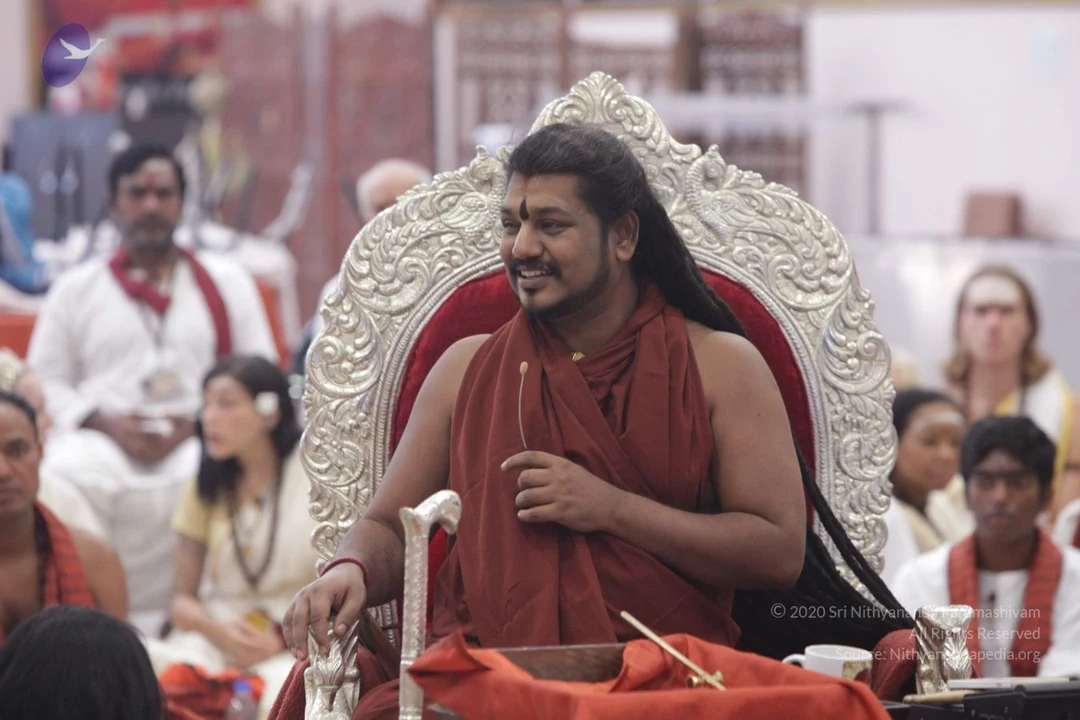
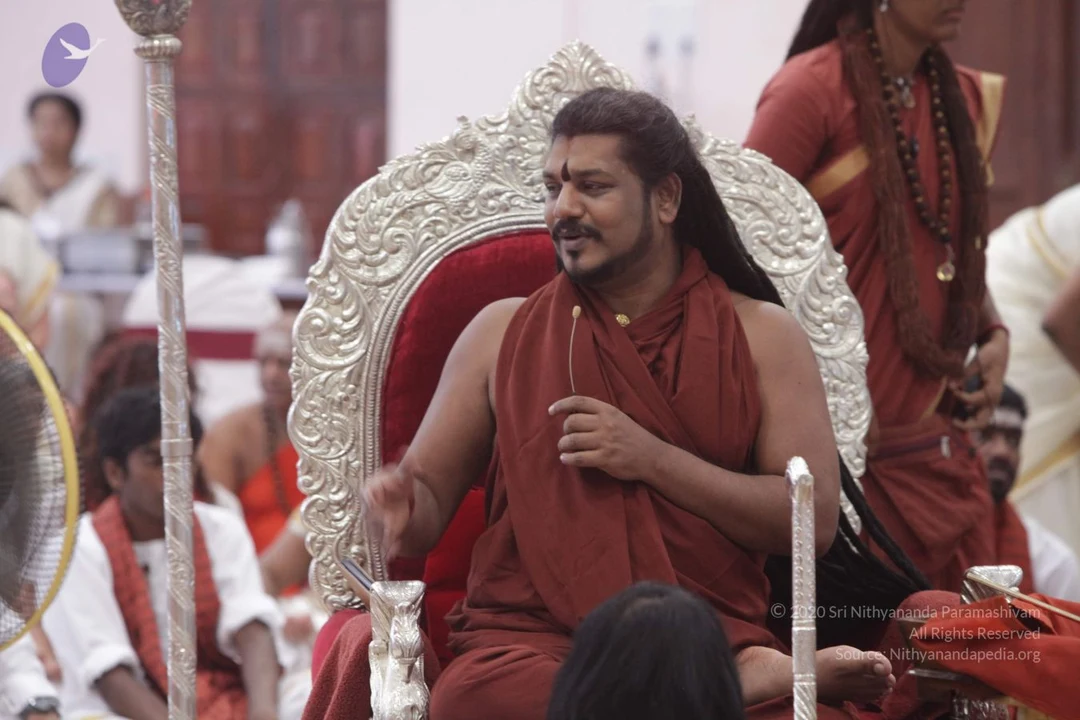
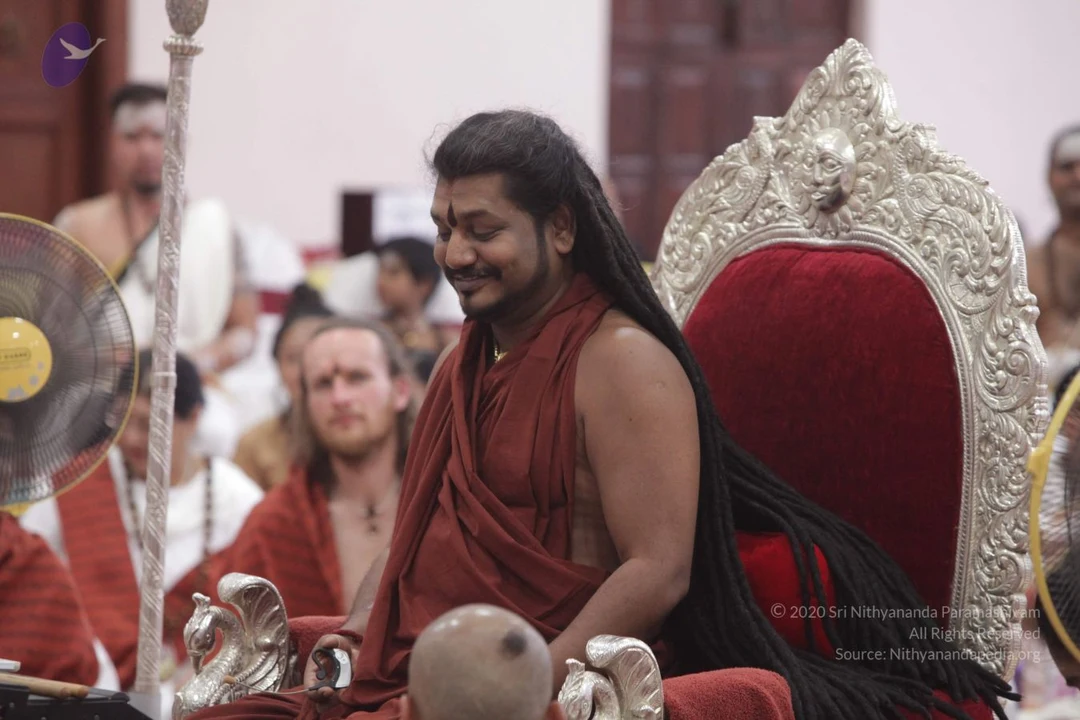
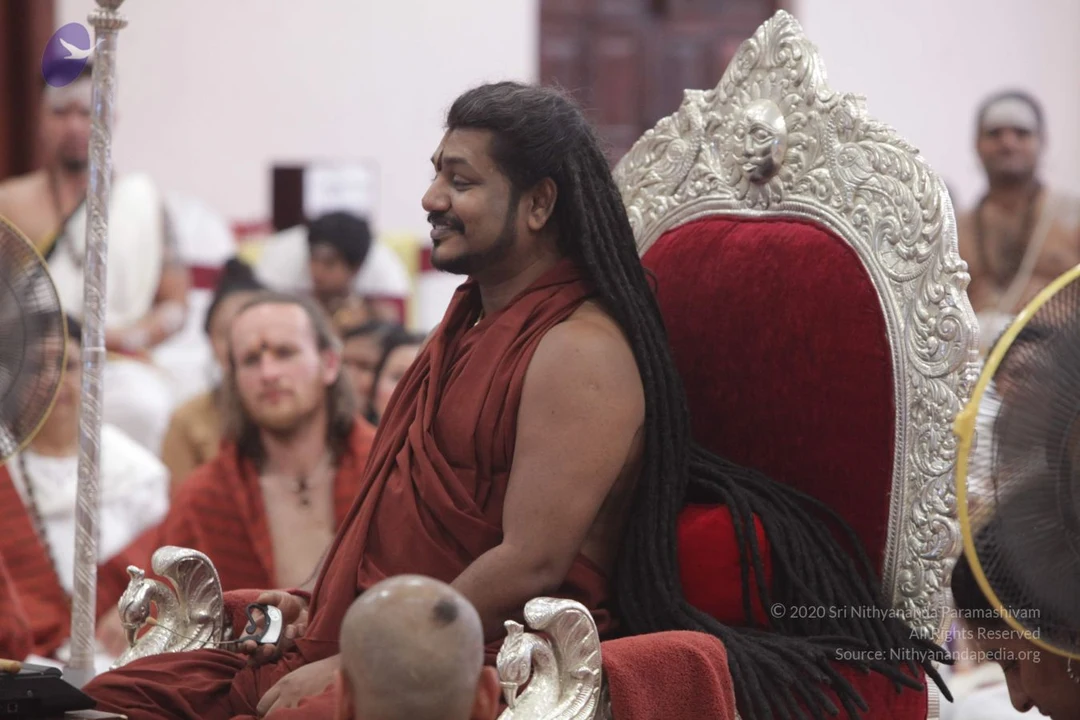
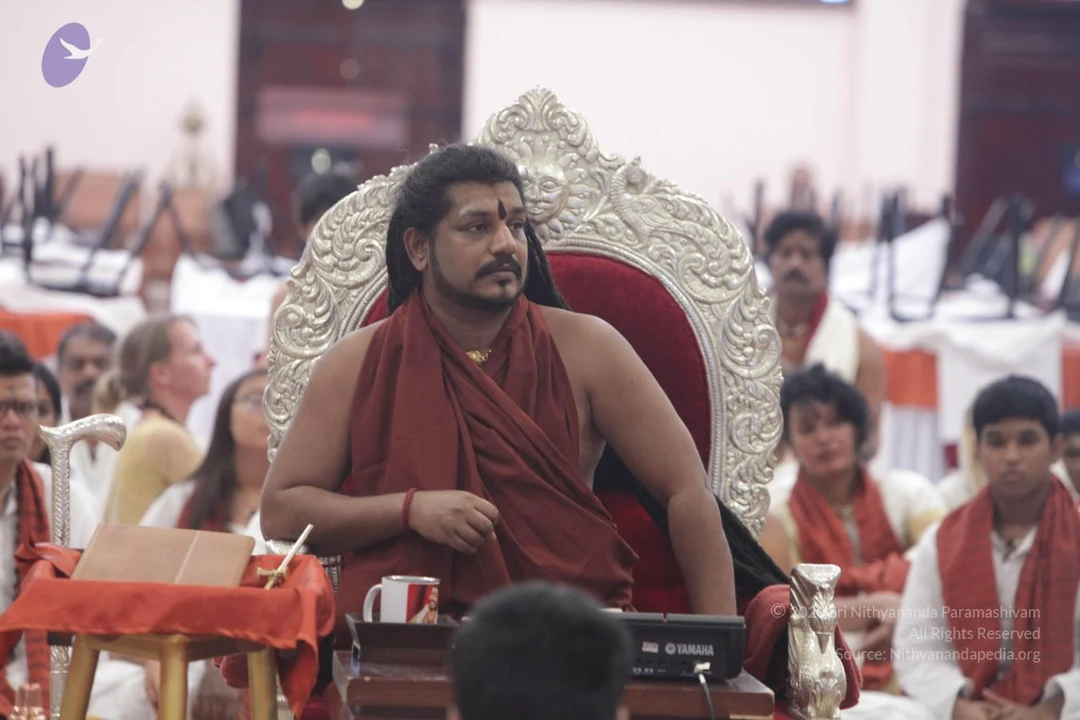
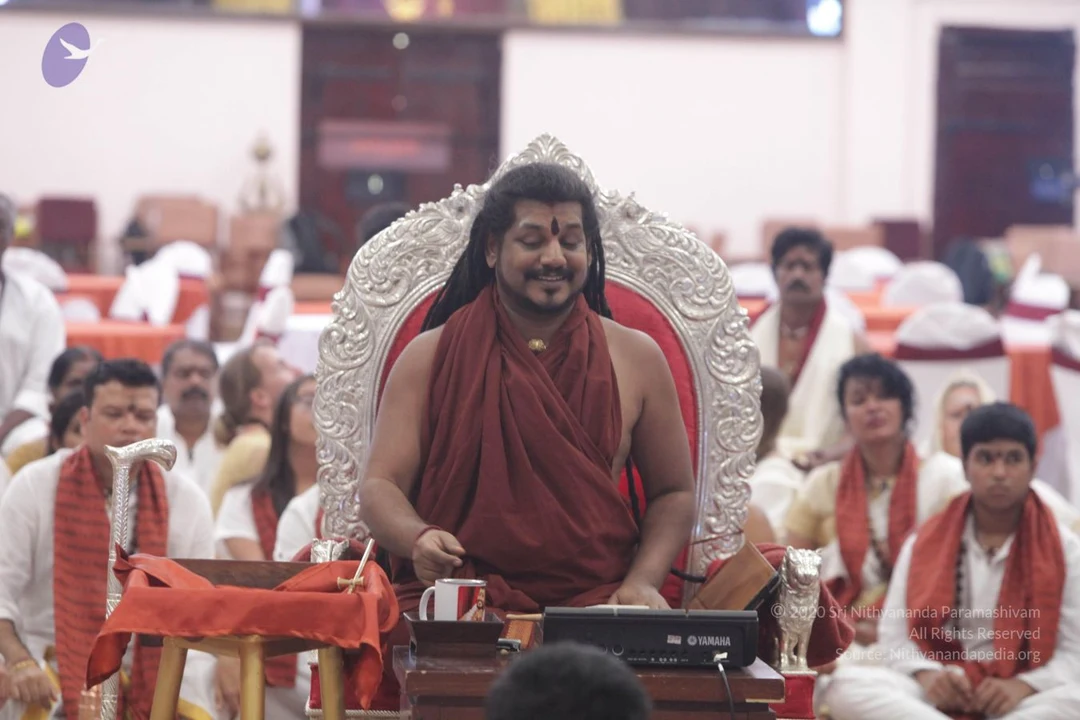
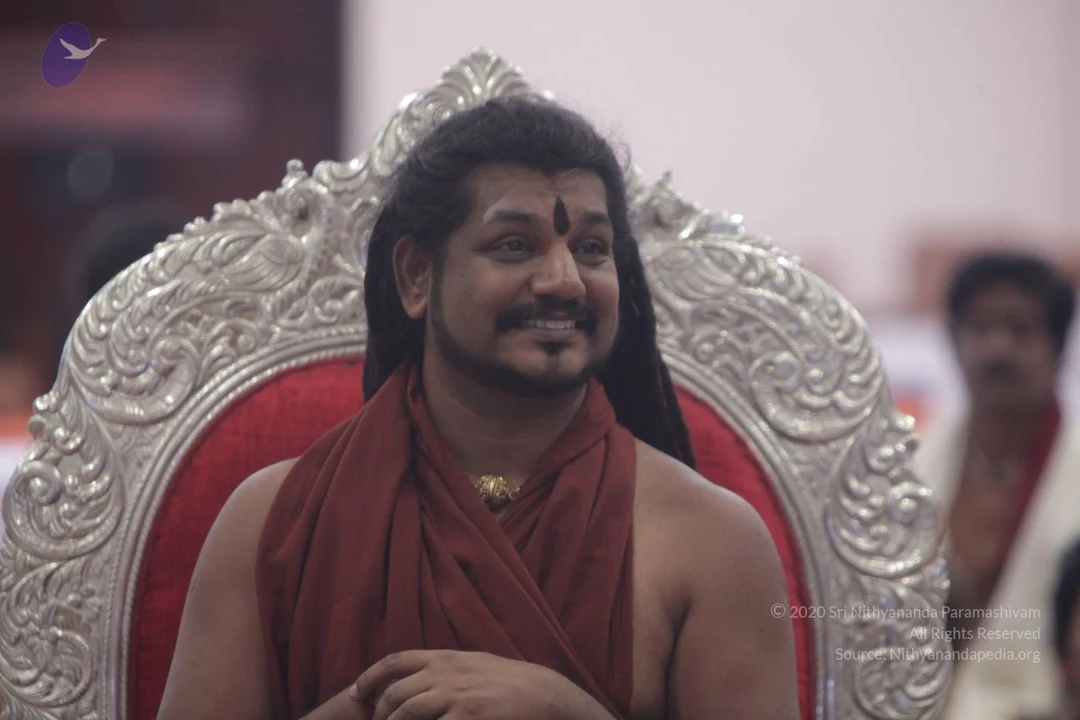
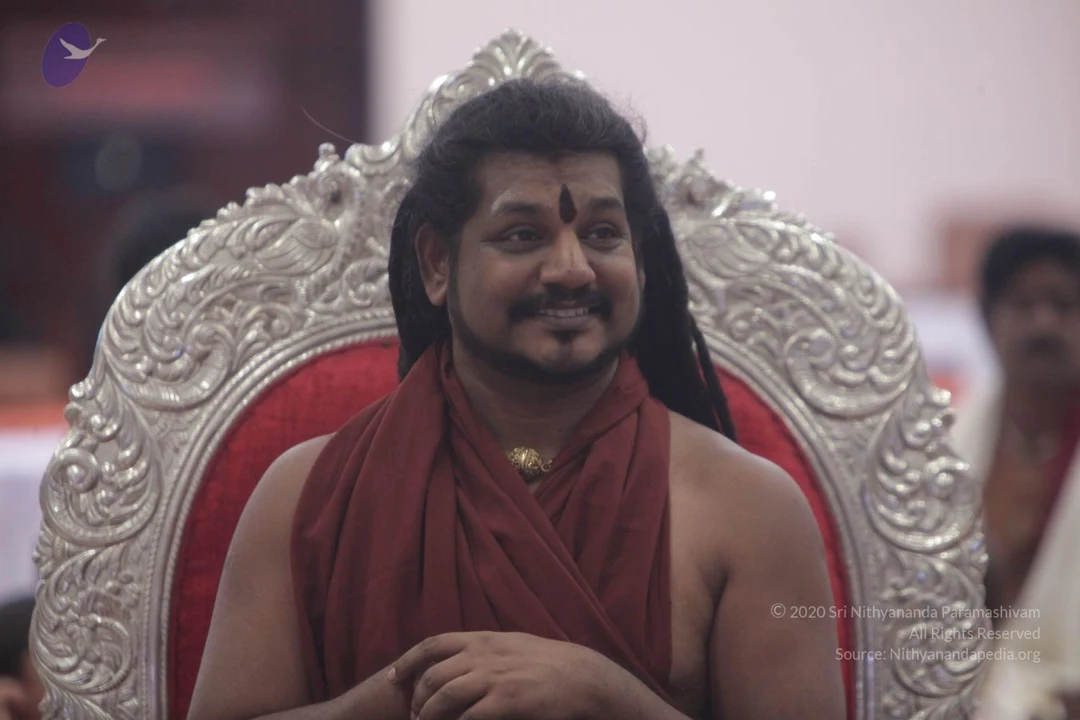
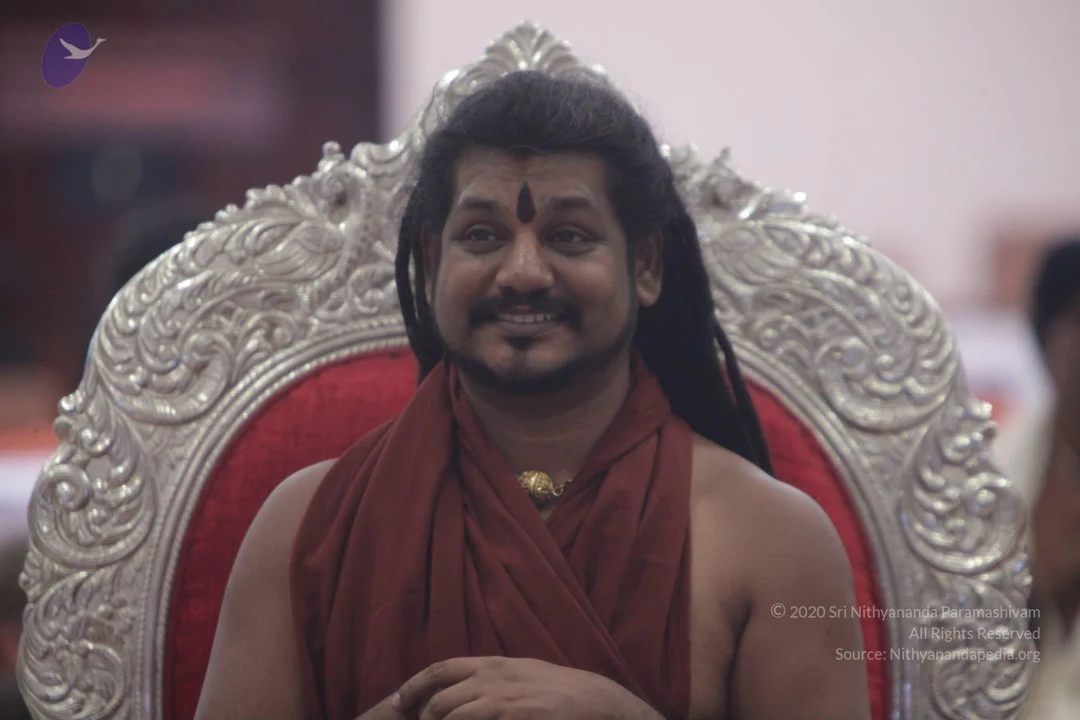
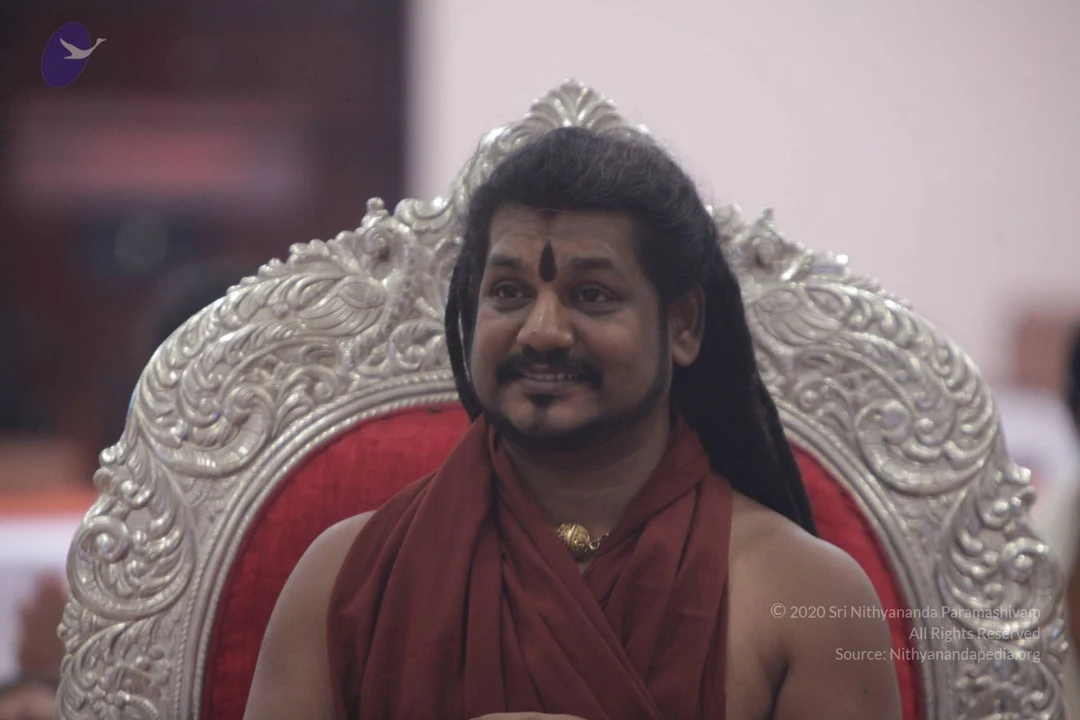
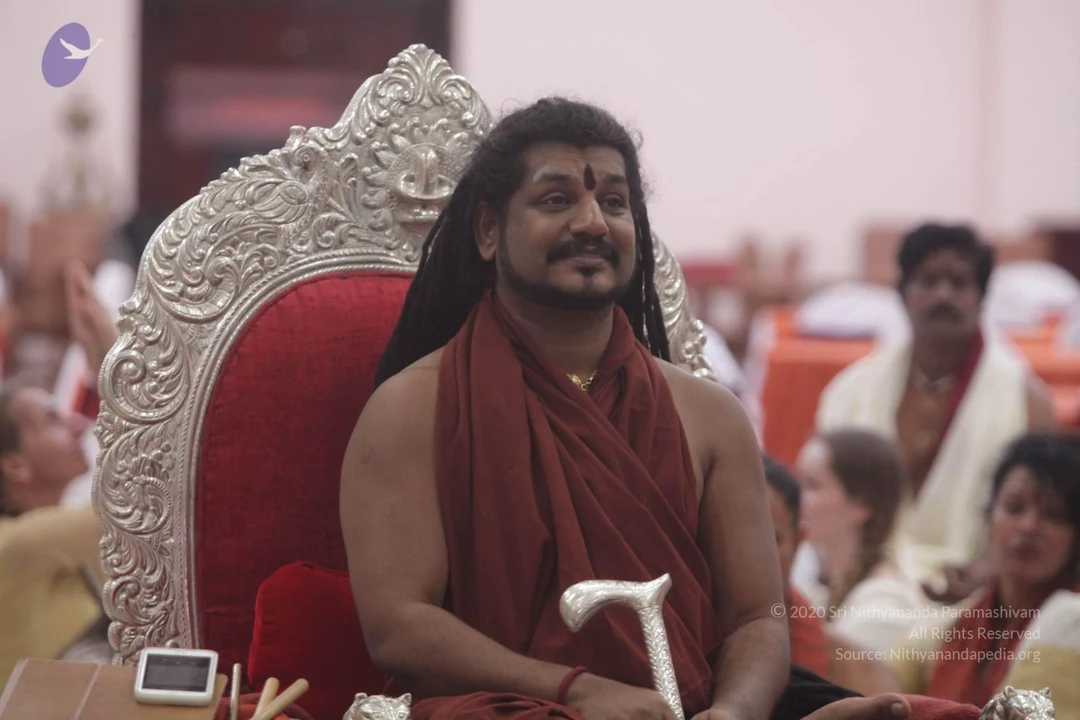
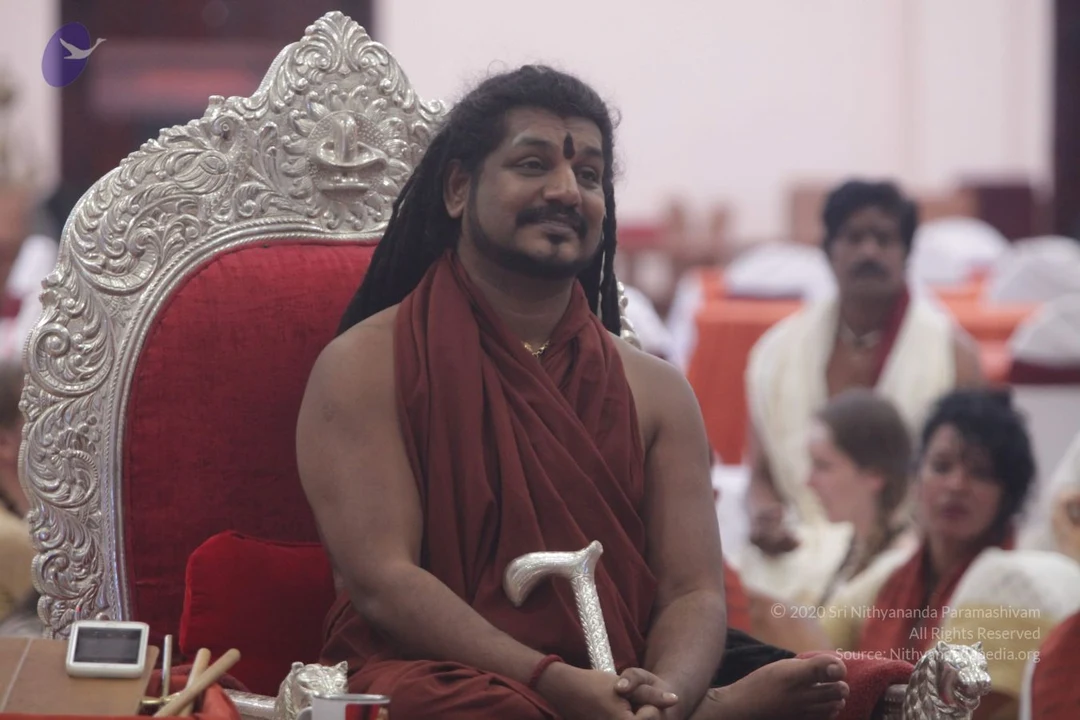
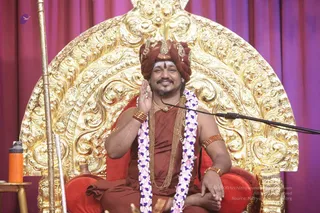
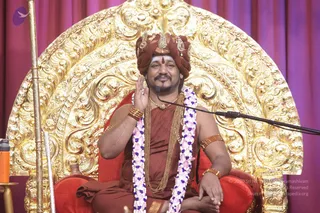
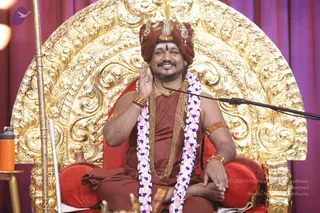
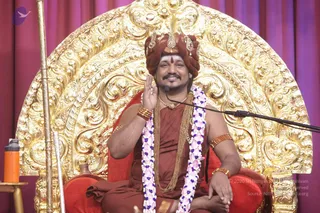
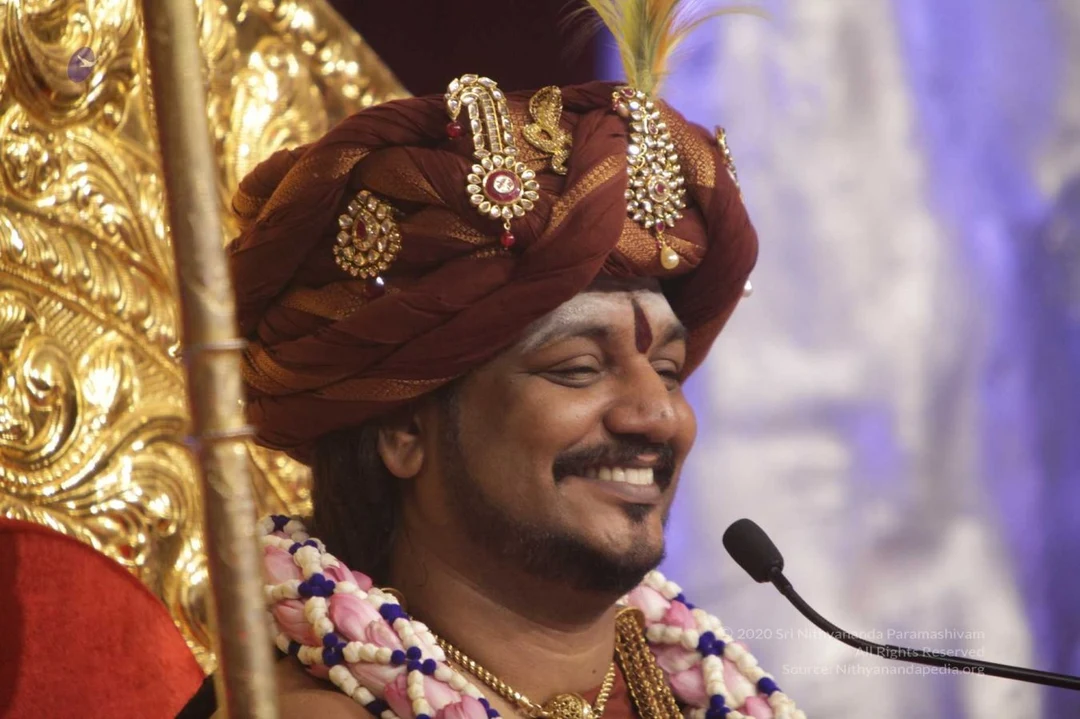 HDH Nithyananda Paramashivam with Sacred Smile on his face during the morning satsang.
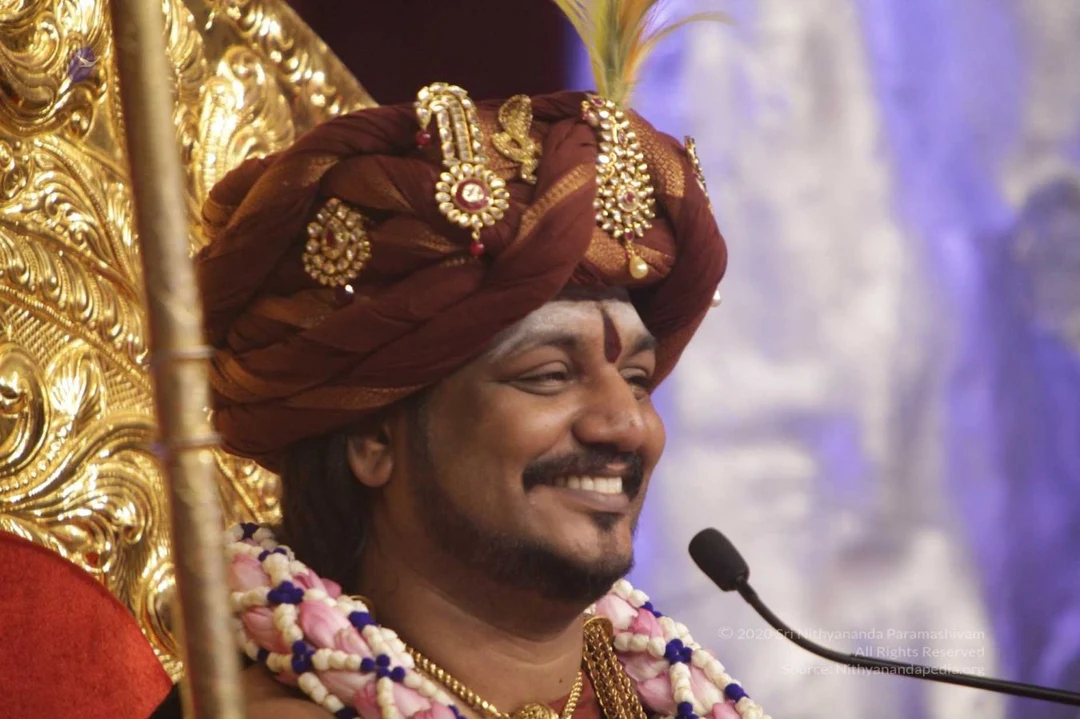 HDH Nithyananda Paramashivam with Sacred Smile on his face during the morning satsang.
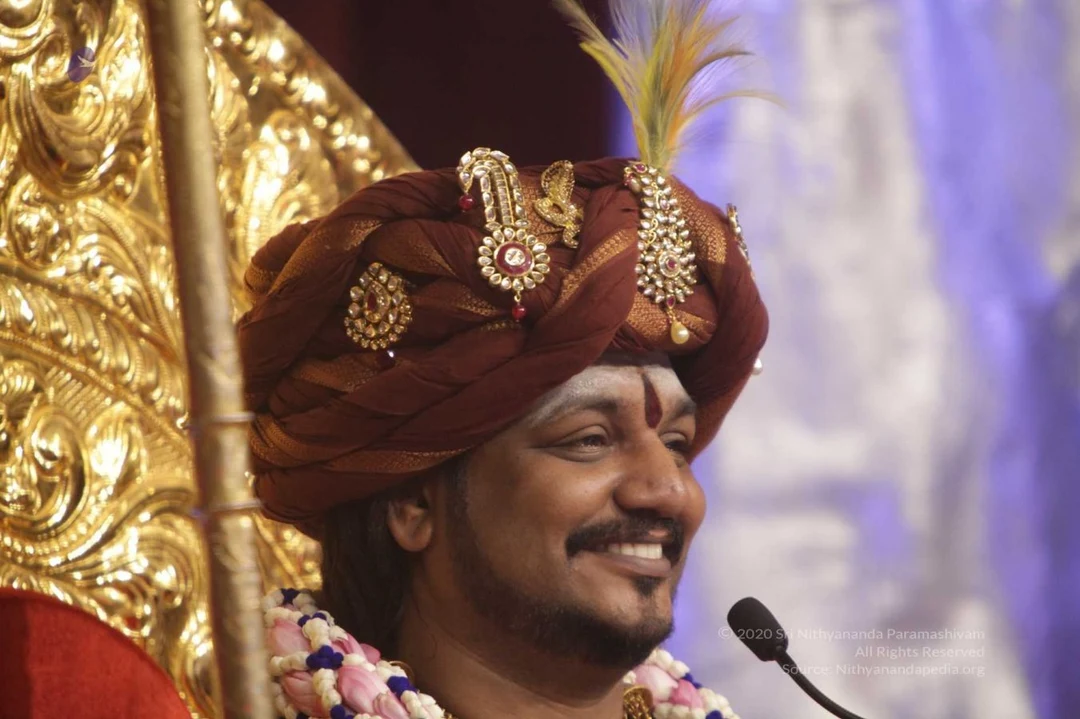 HDH Nithyananda Paramashivam with Sacred Smile on his face during the morning satsang.
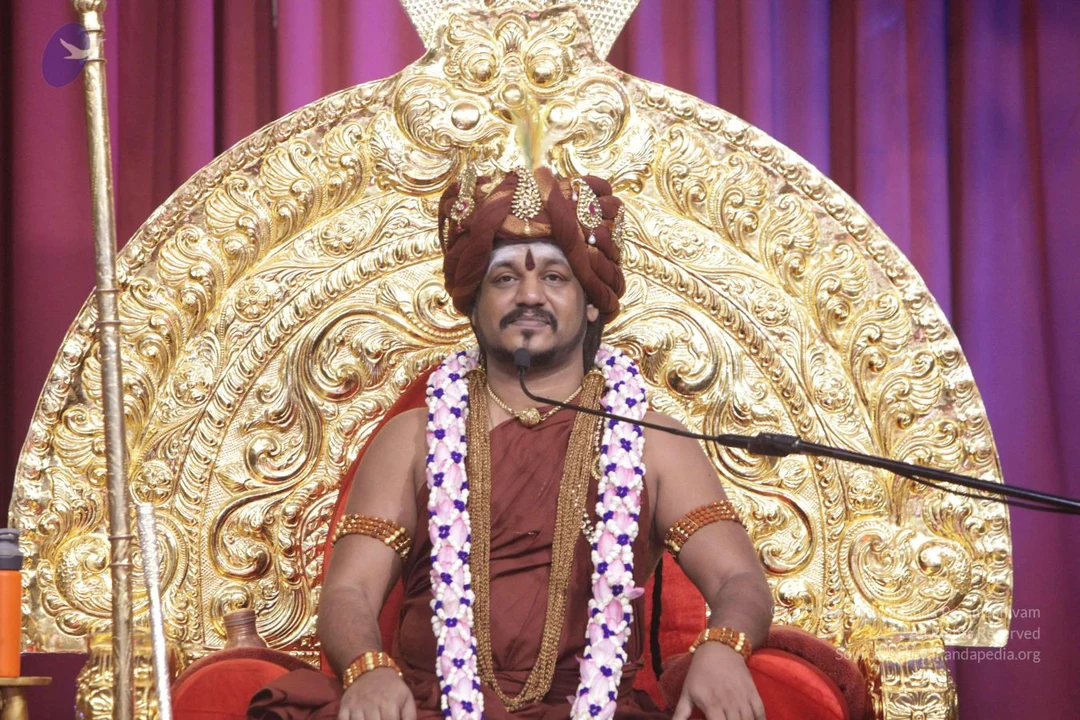
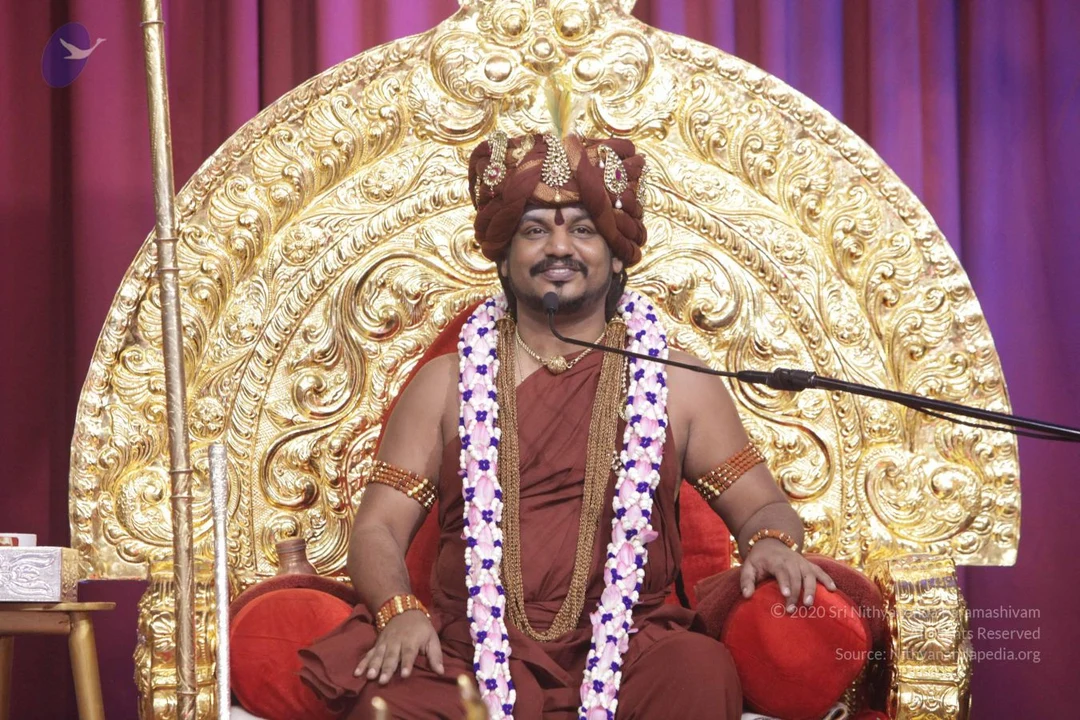
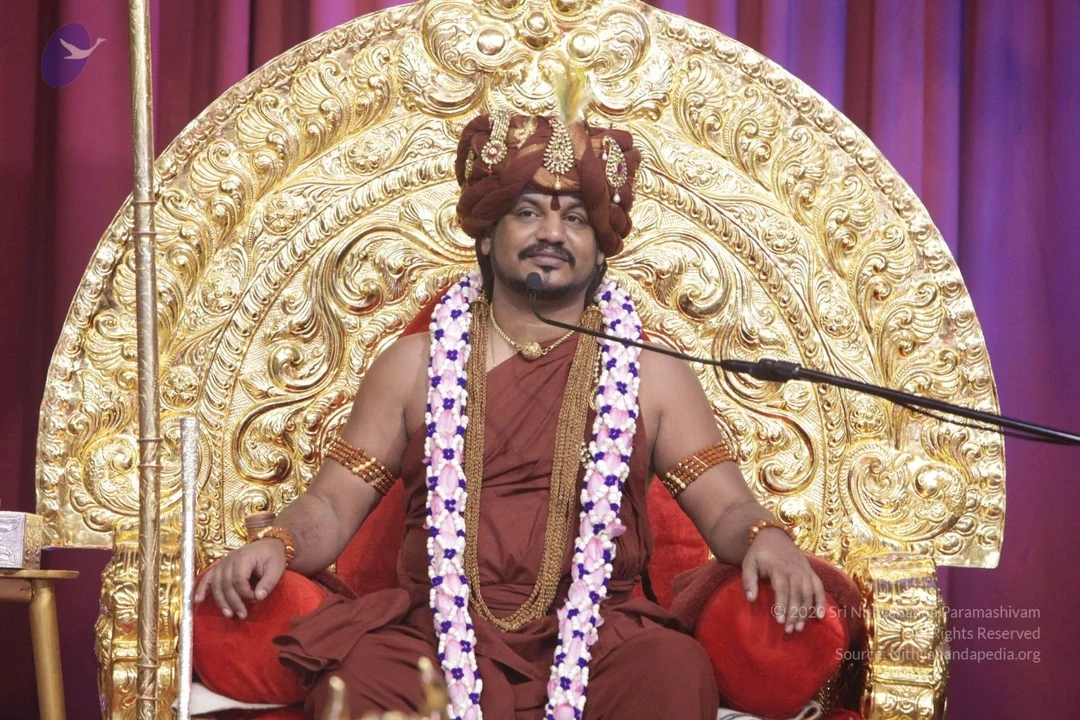
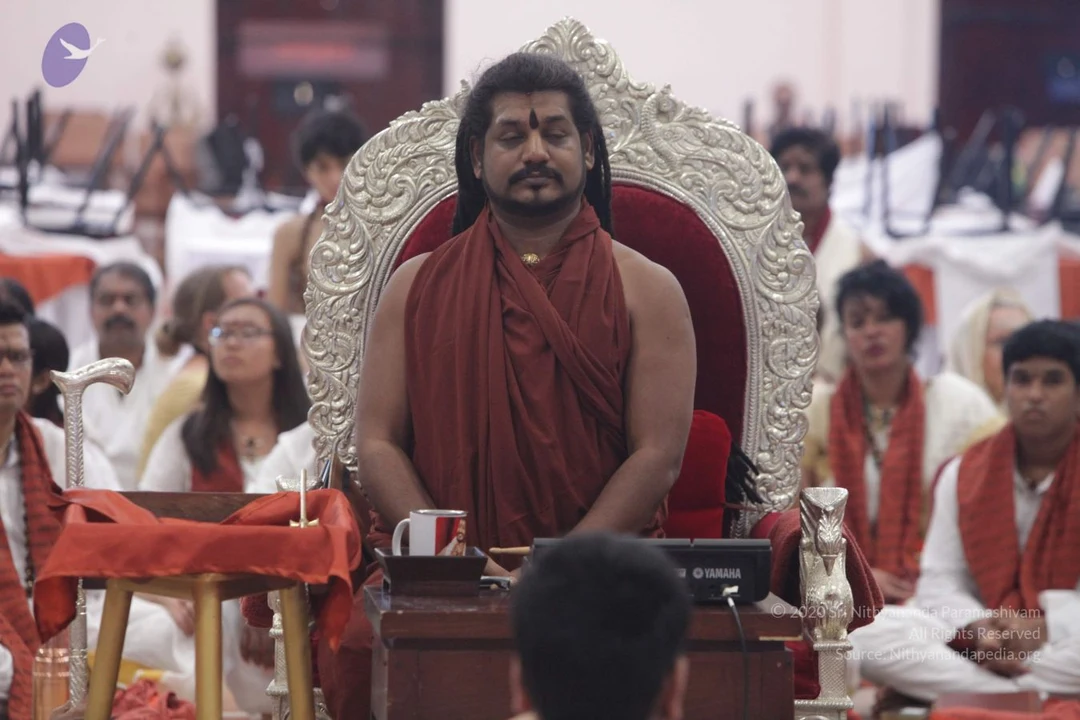
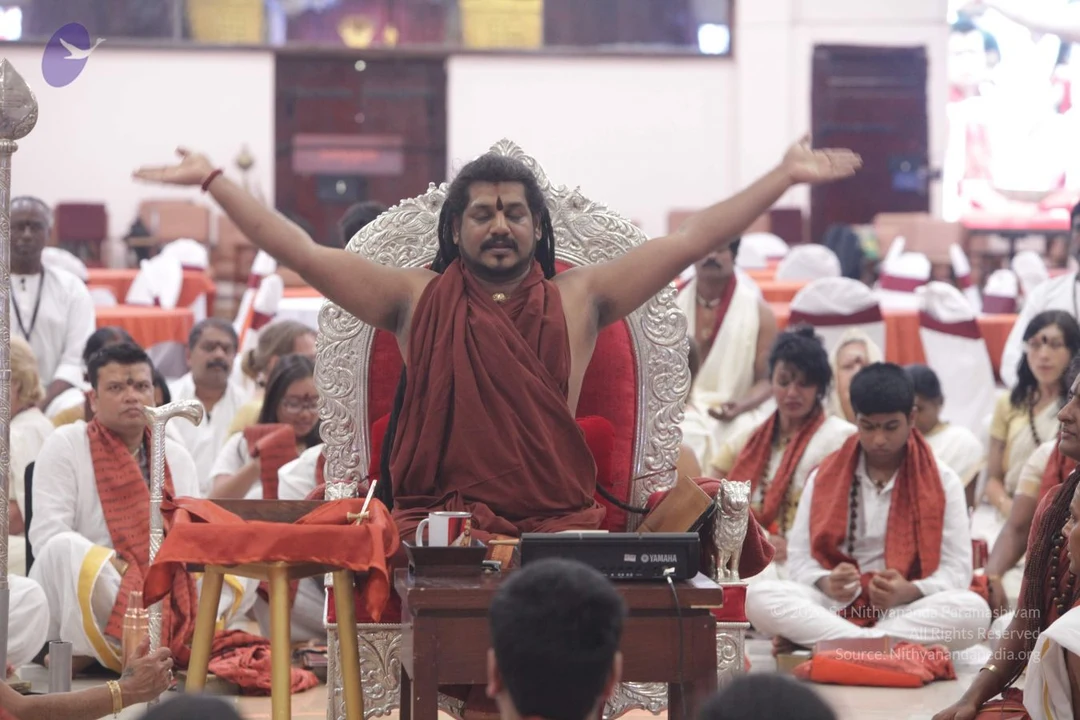
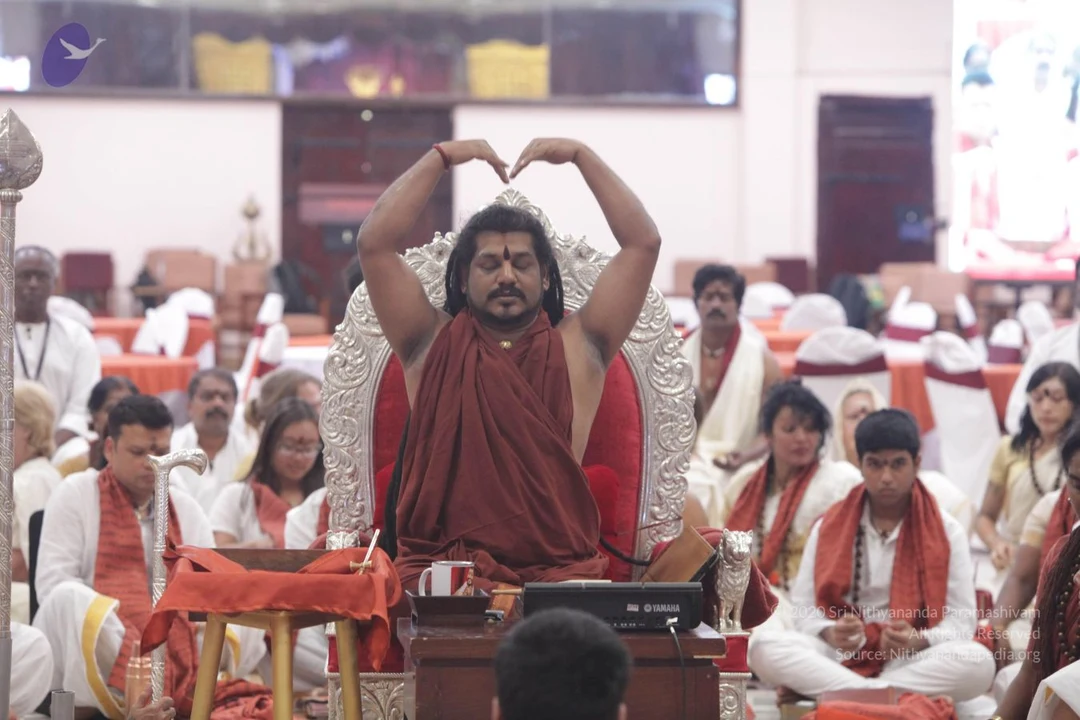
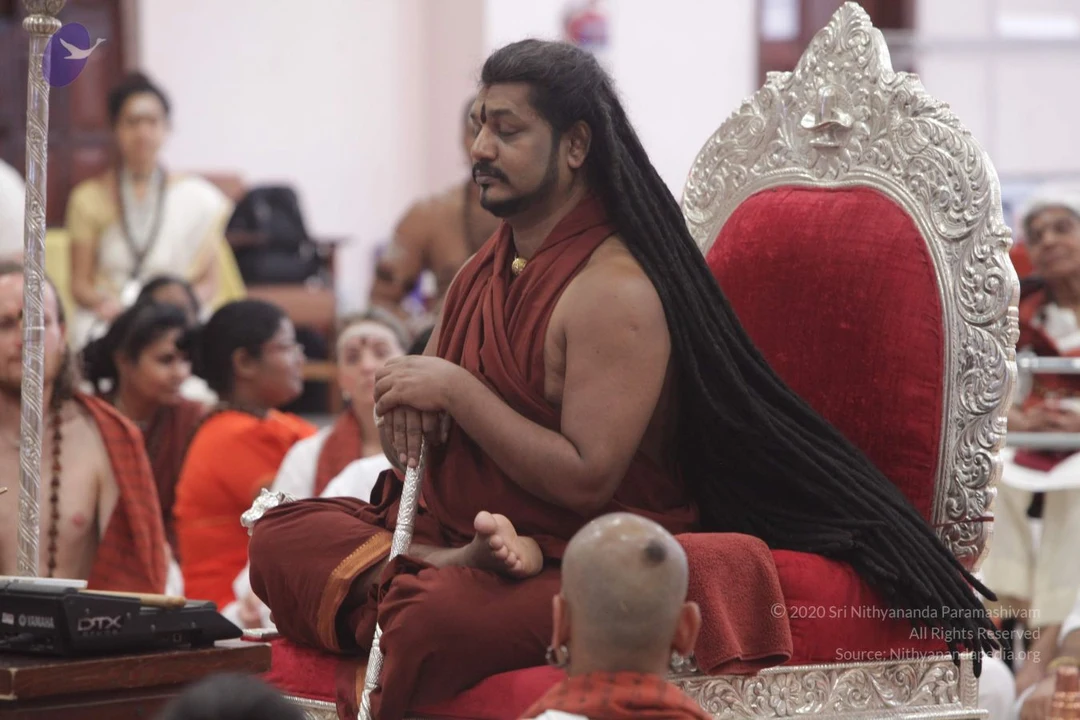
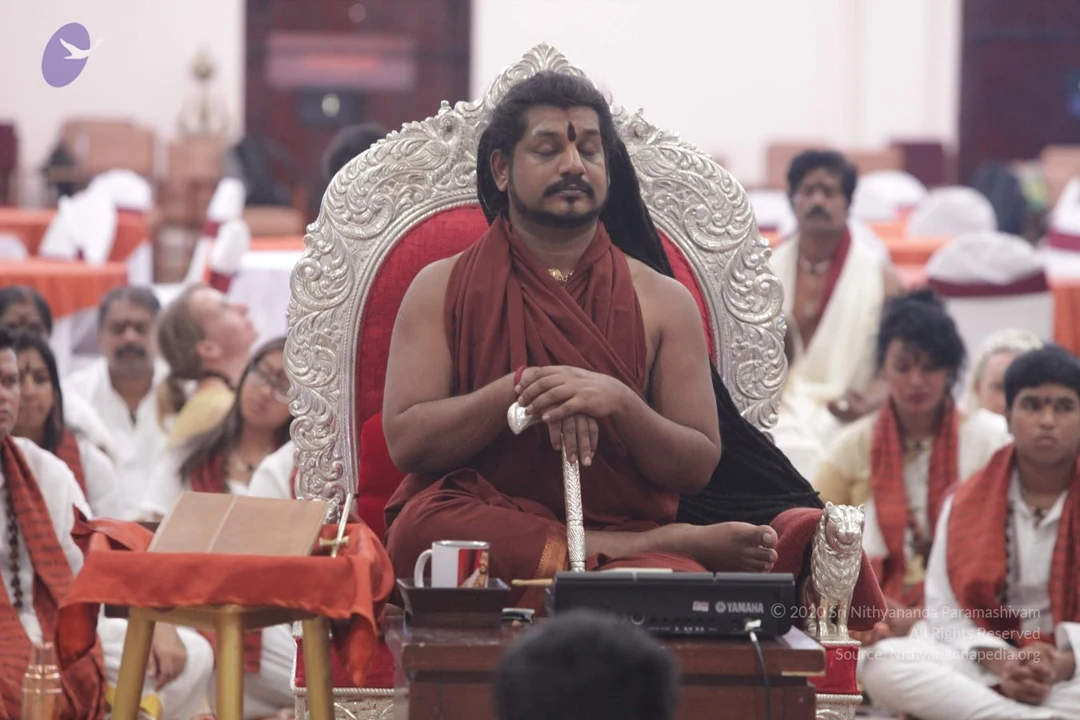
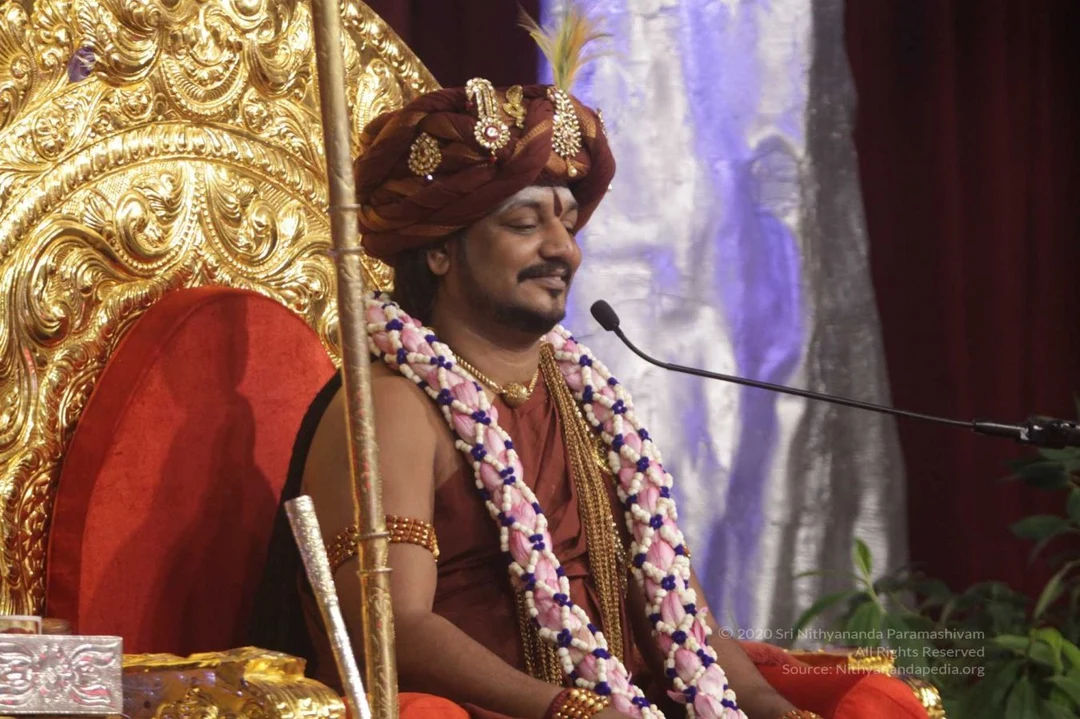 HDH Nithyananda Paramashivam sitting in the space of oneness.
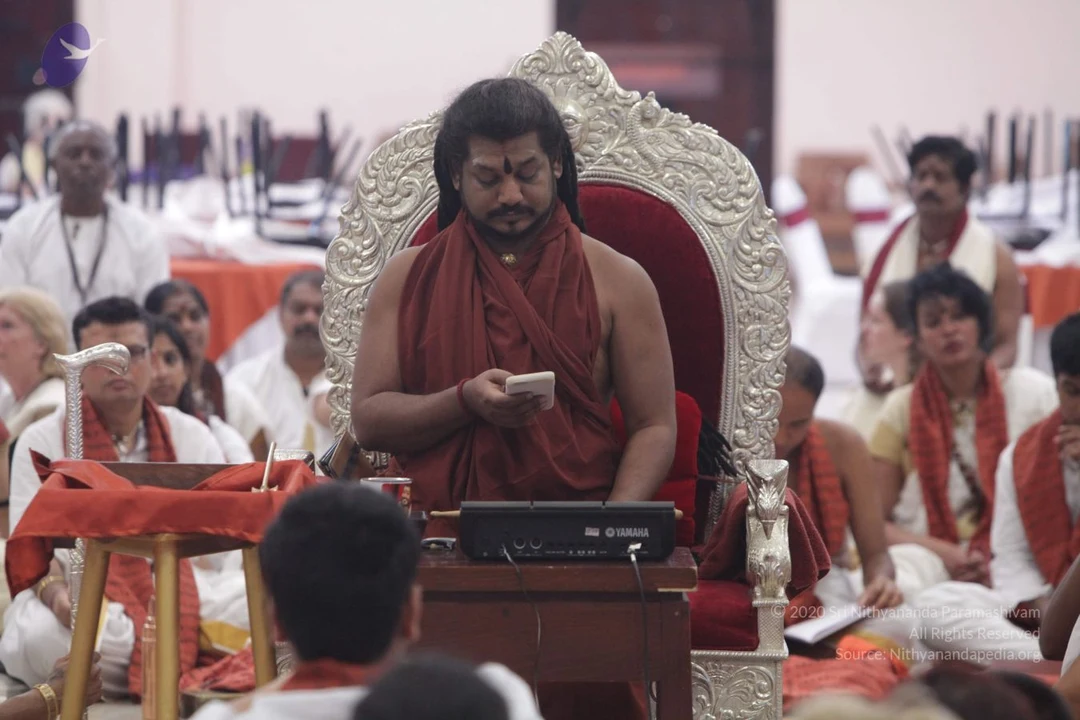
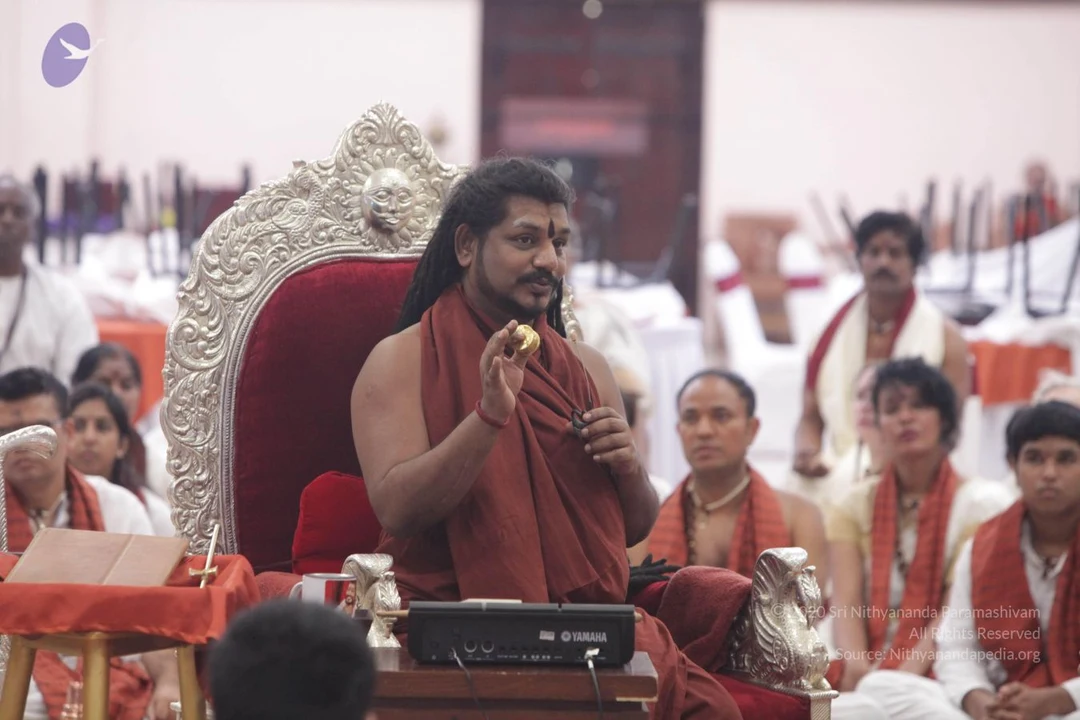
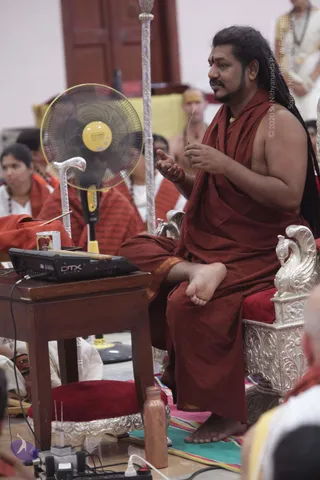
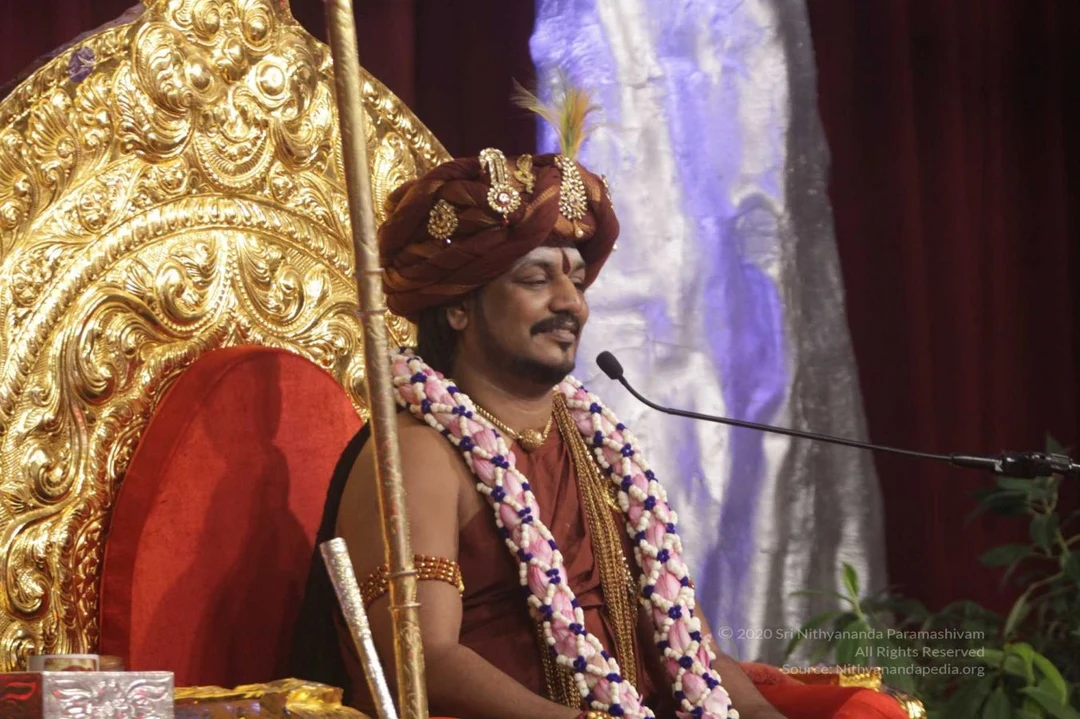 HDH Nithyananda Paramashivam delivering morning satsang
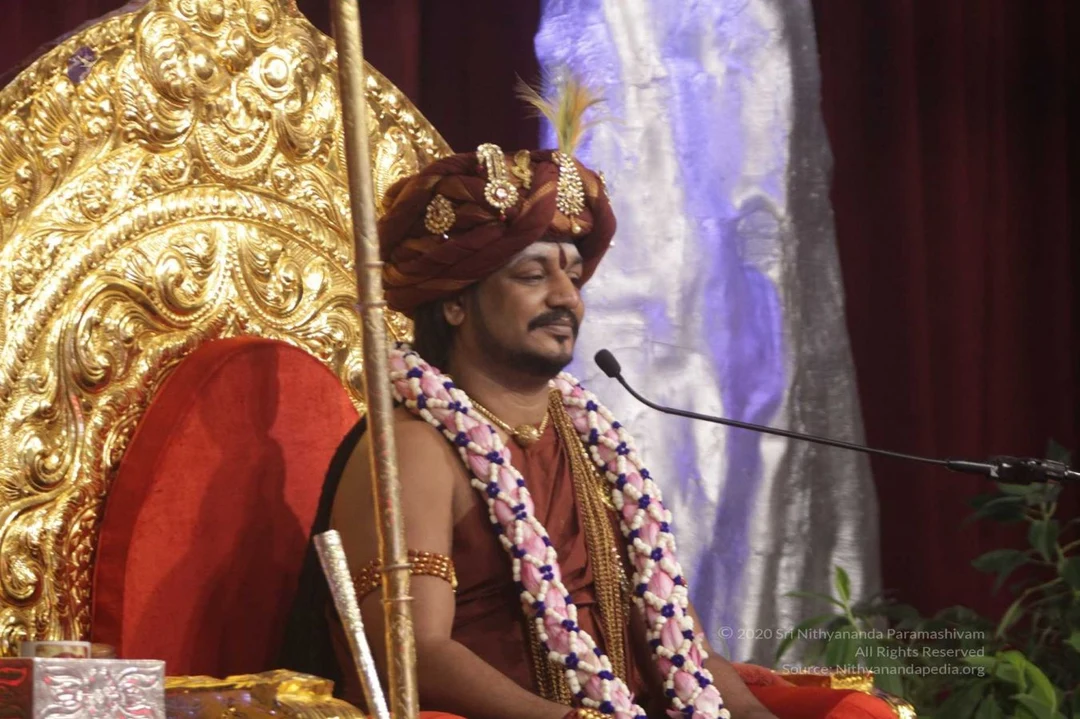 HDH Nithyananda Paramashivam delivering morning satsang
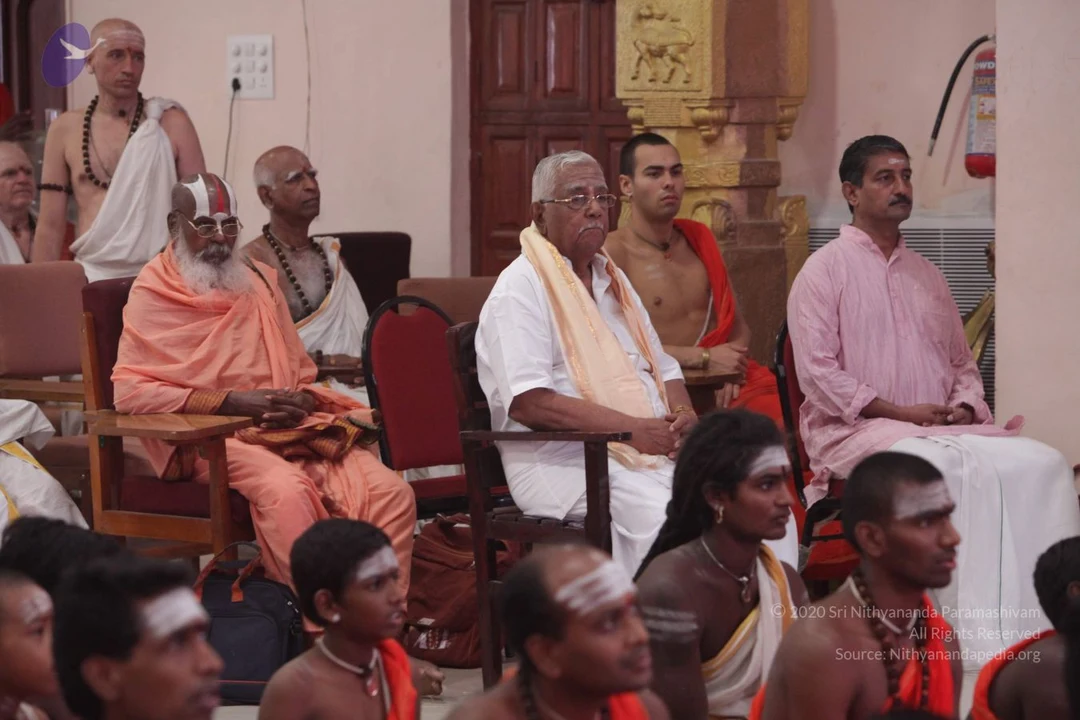
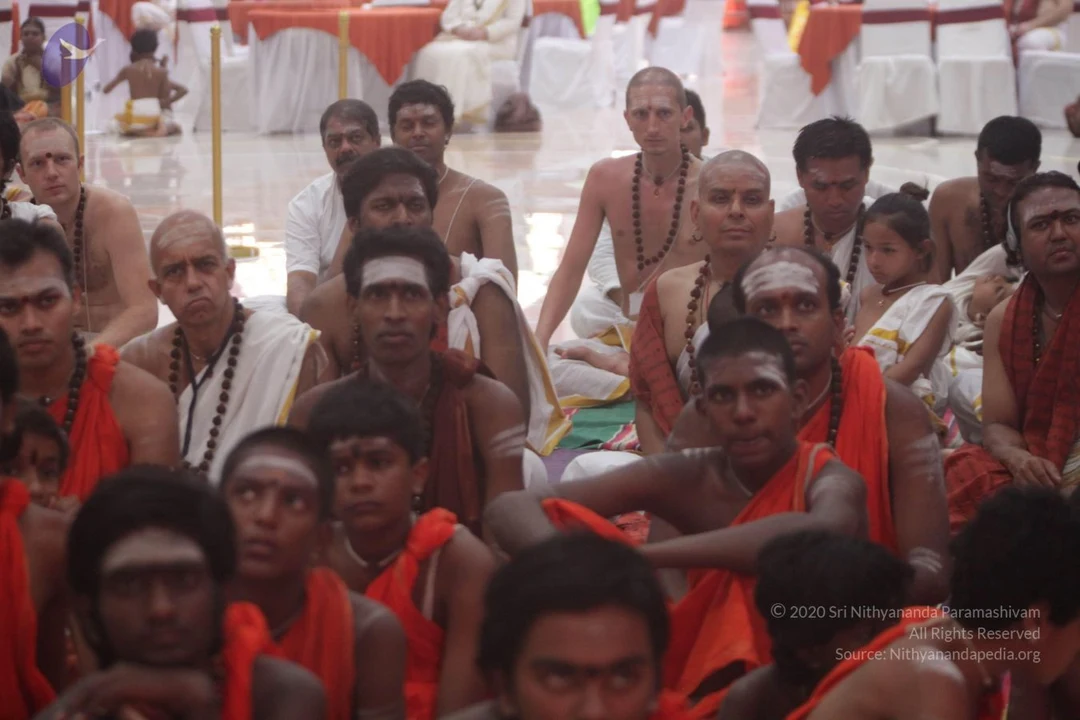
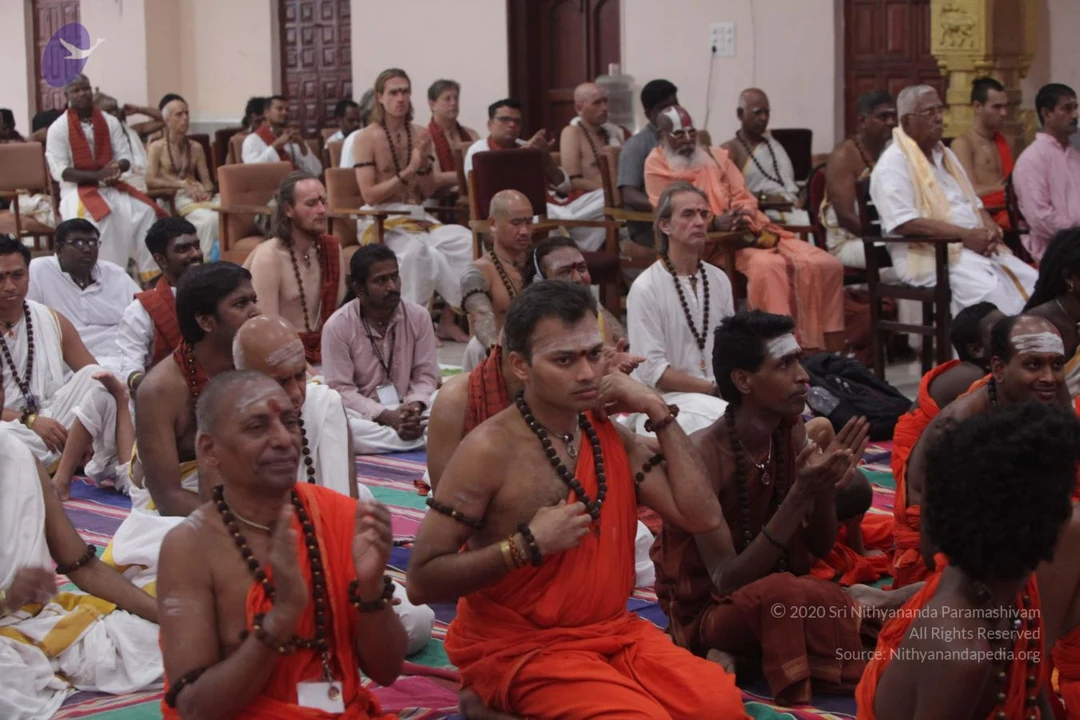
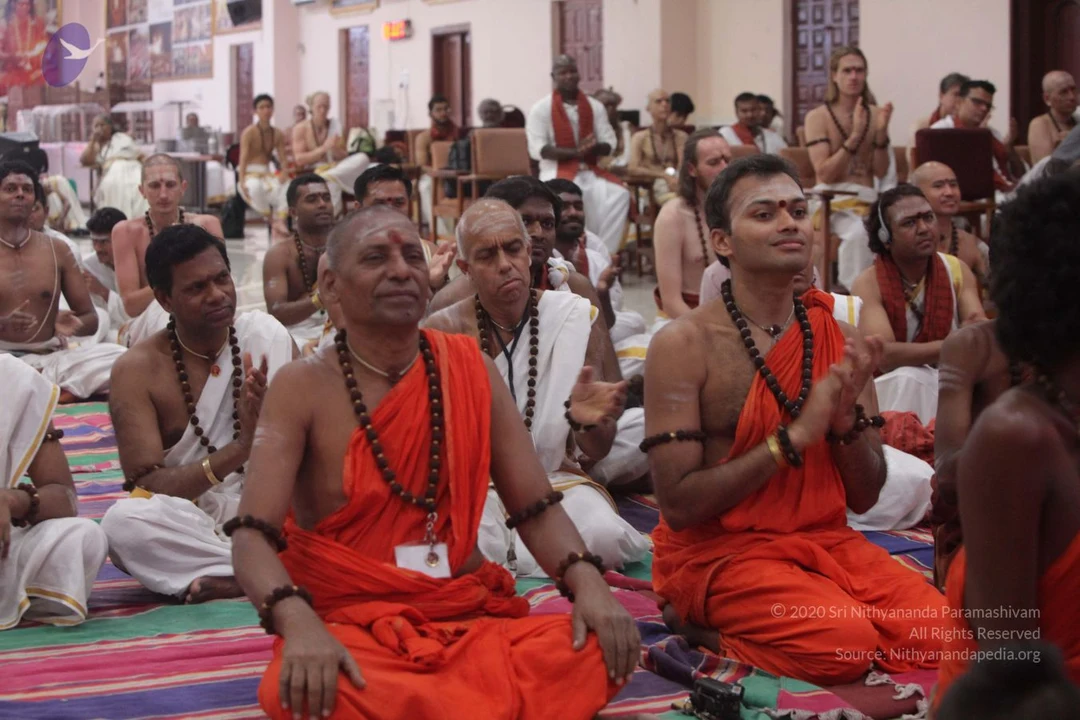
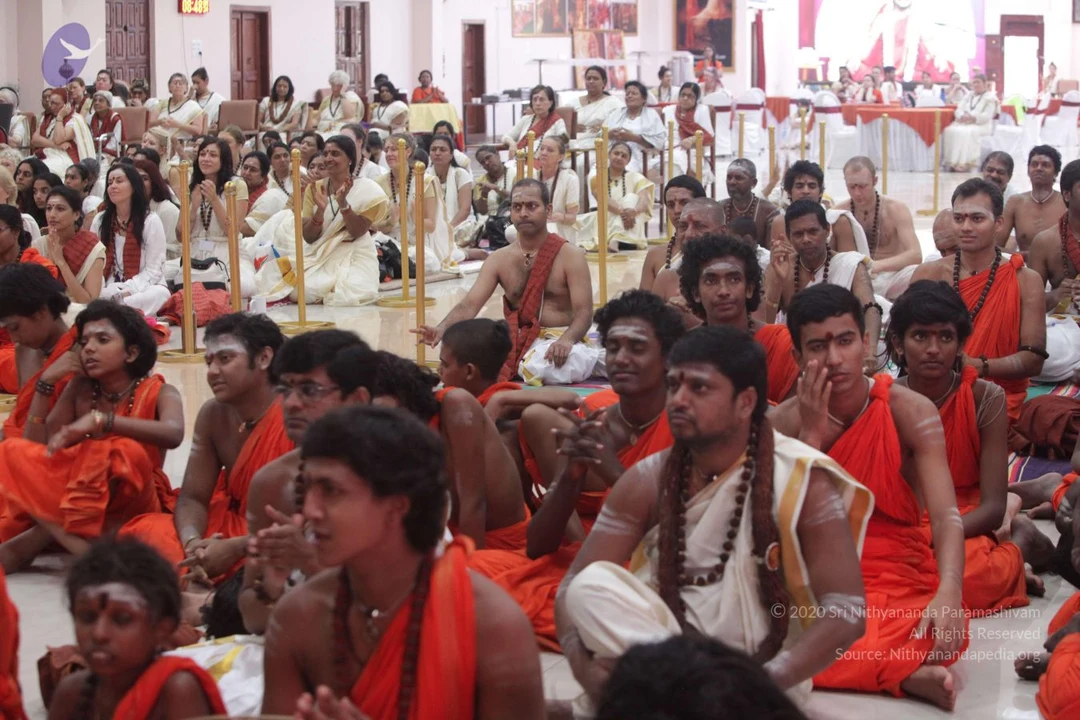
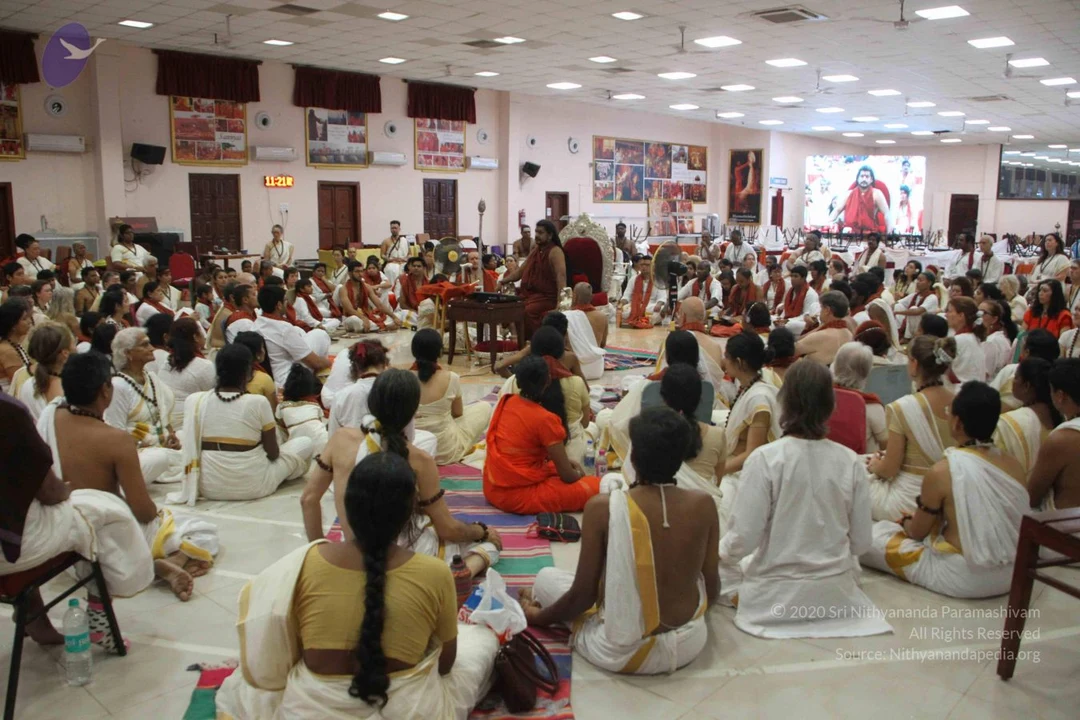
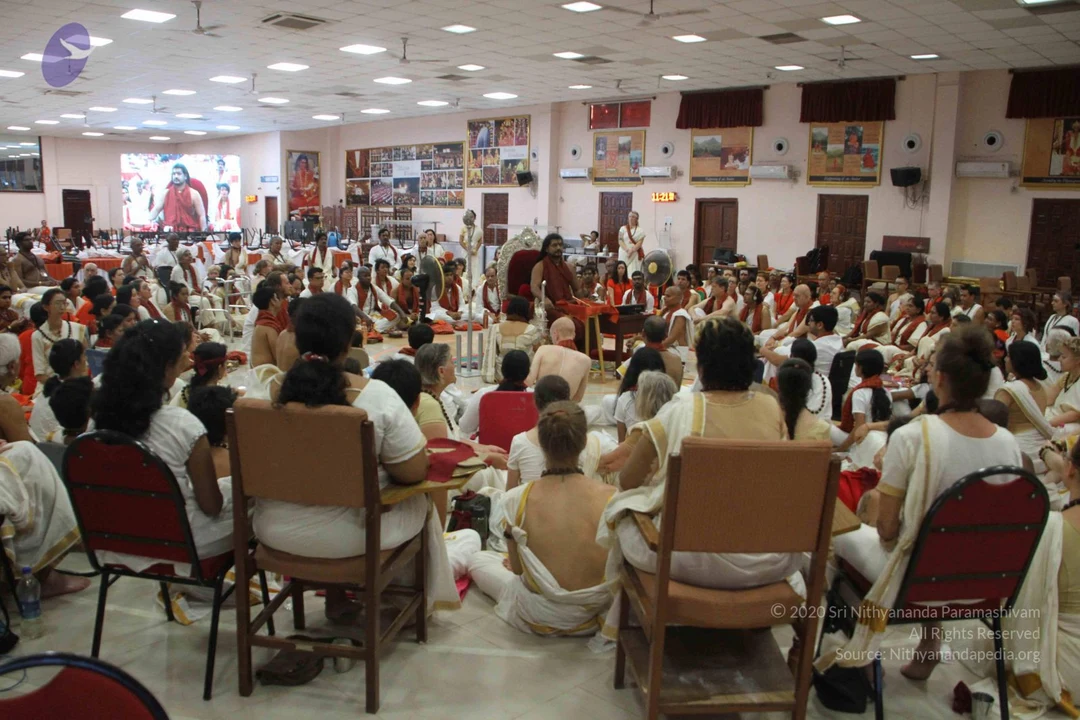
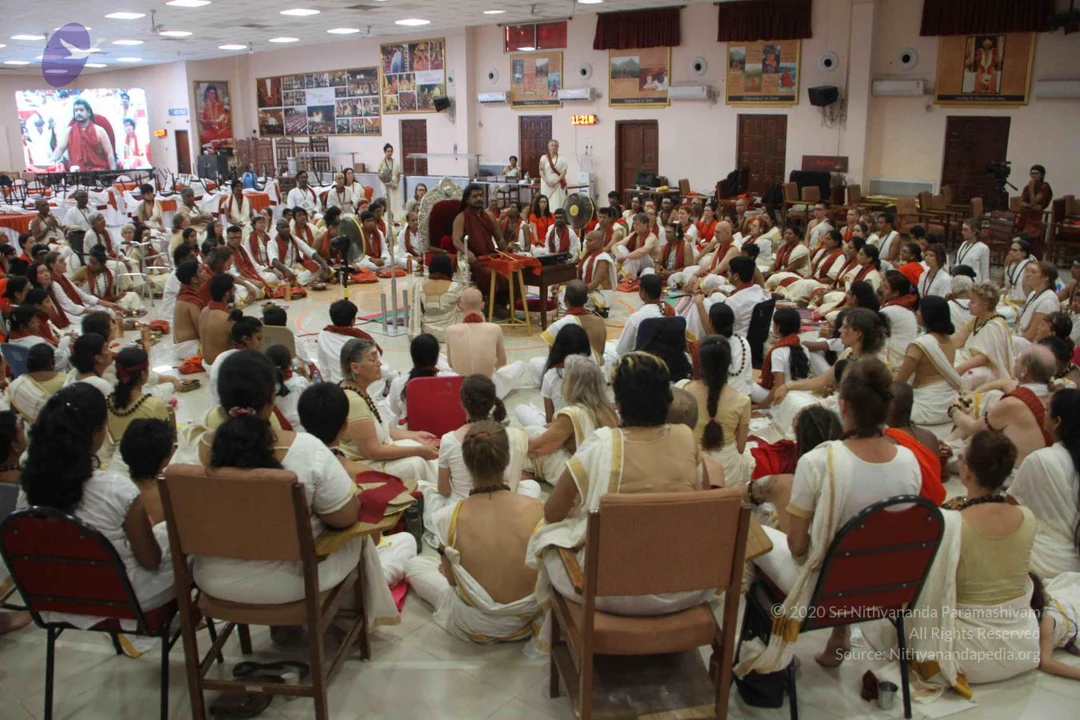
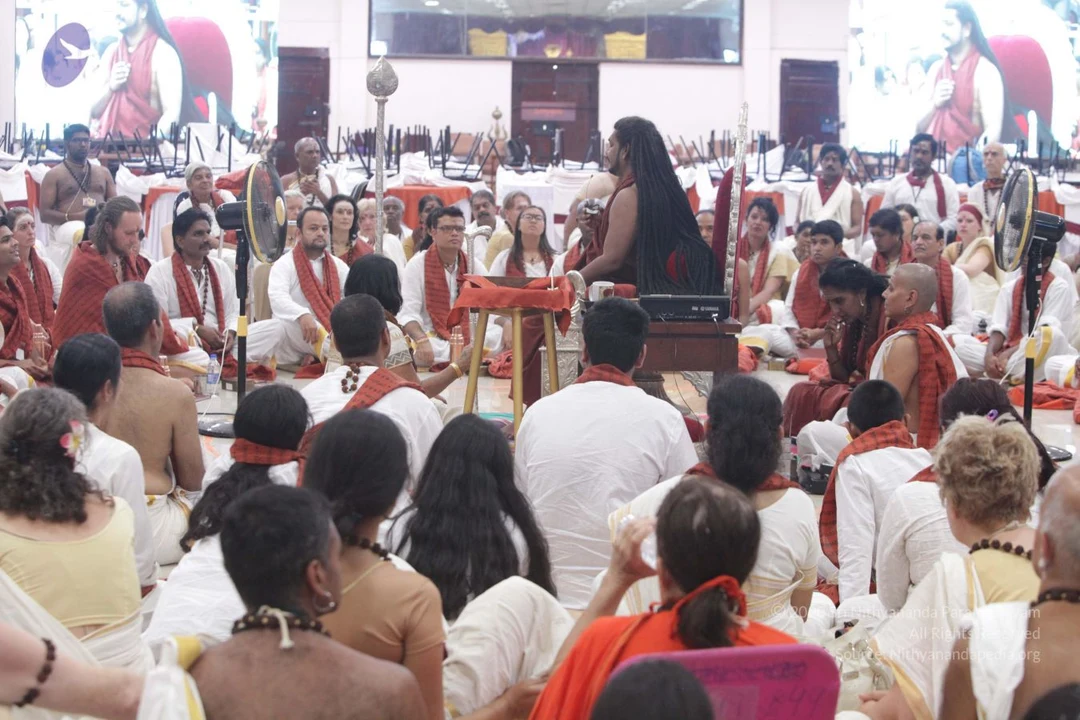
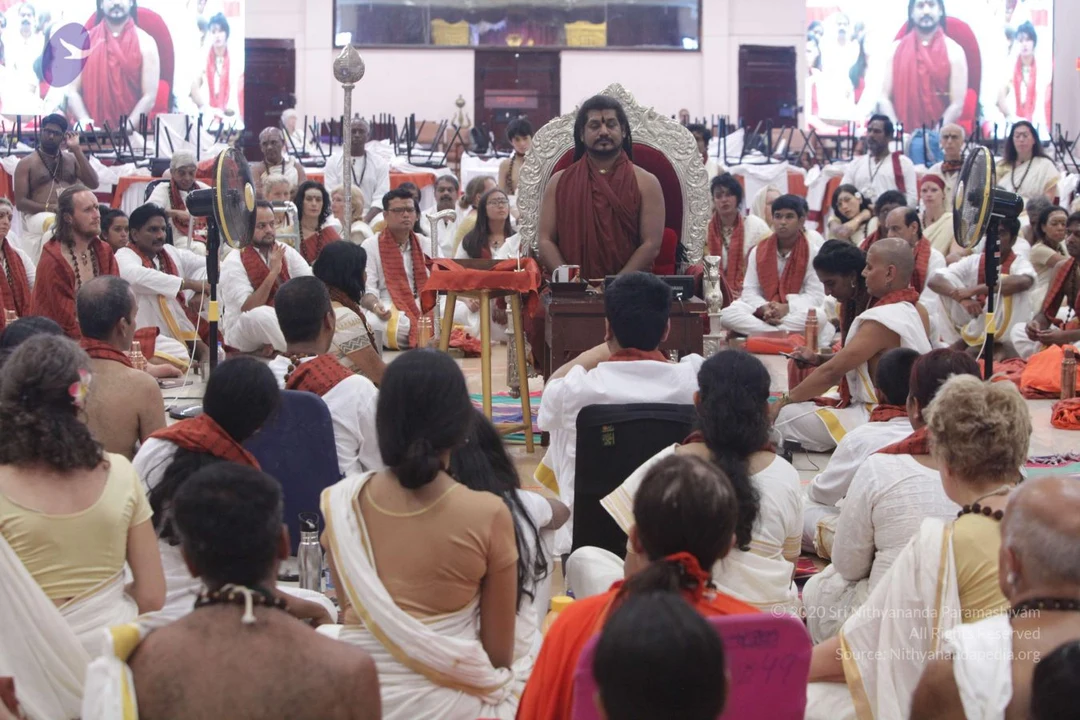
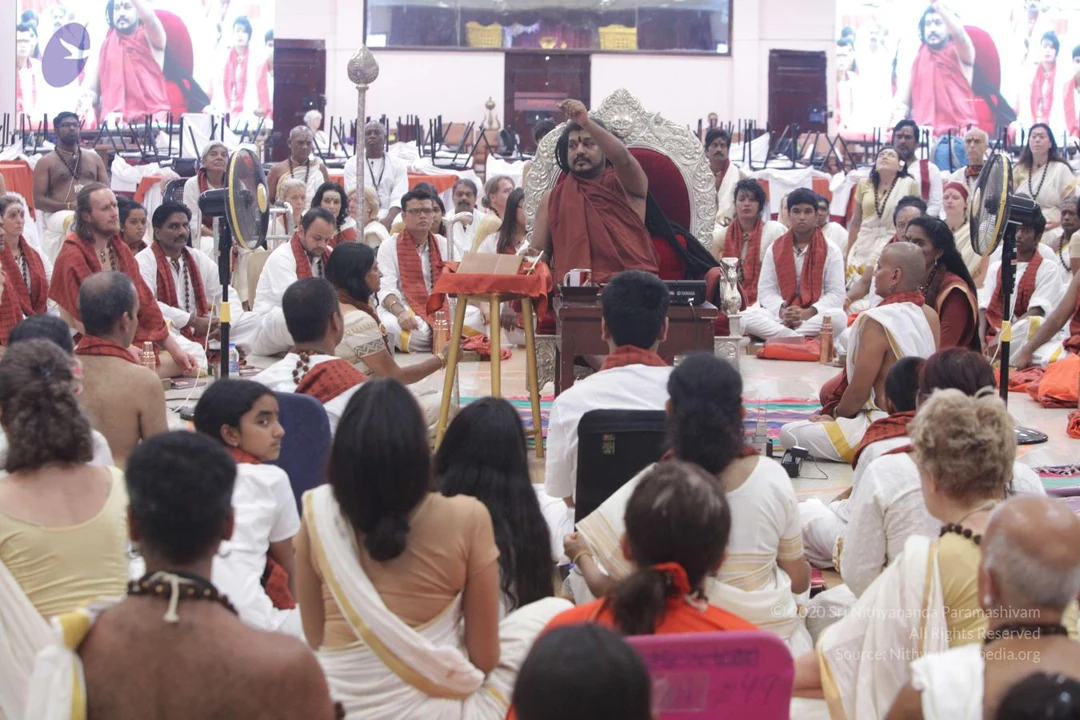
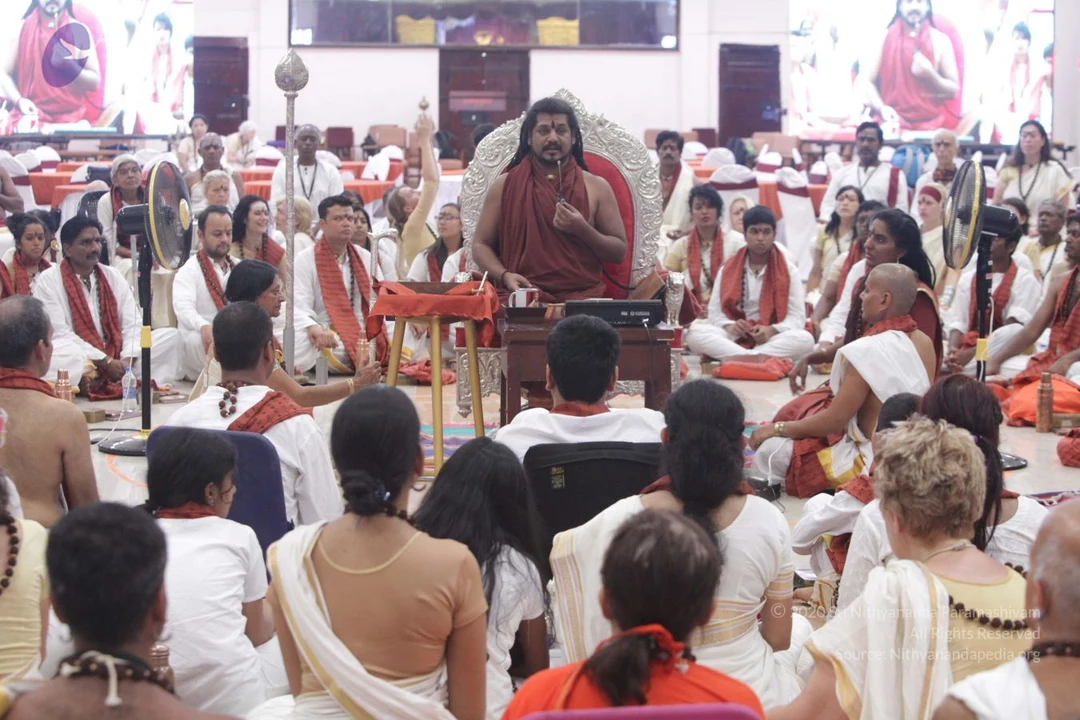
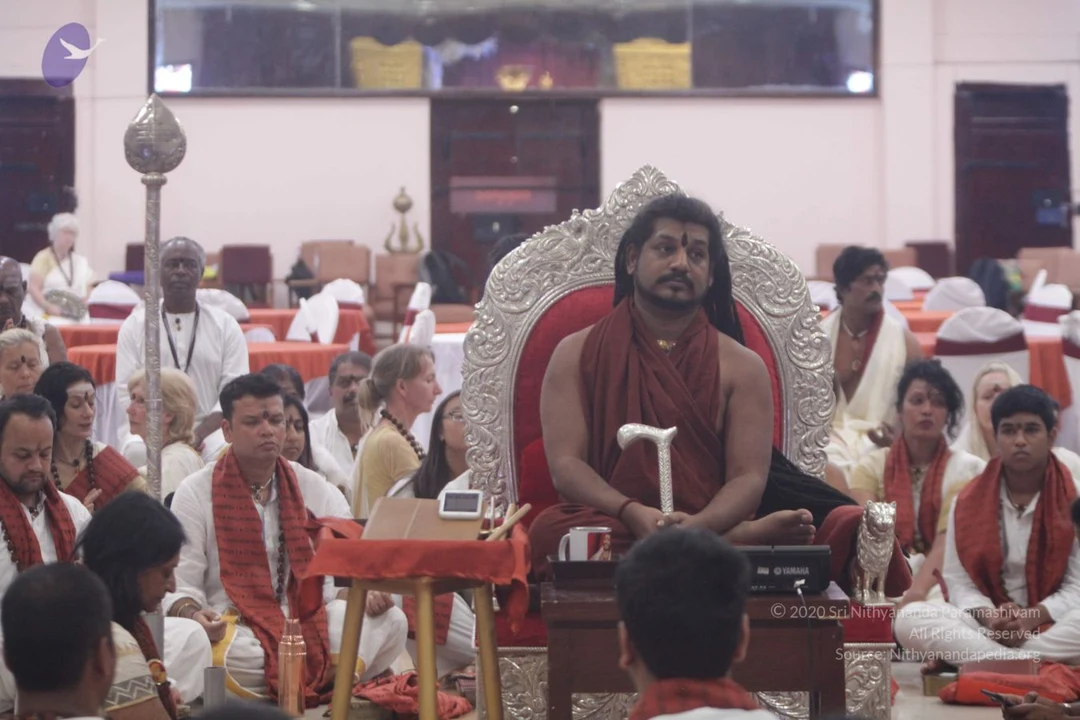
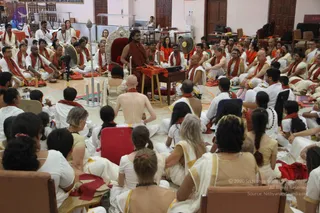
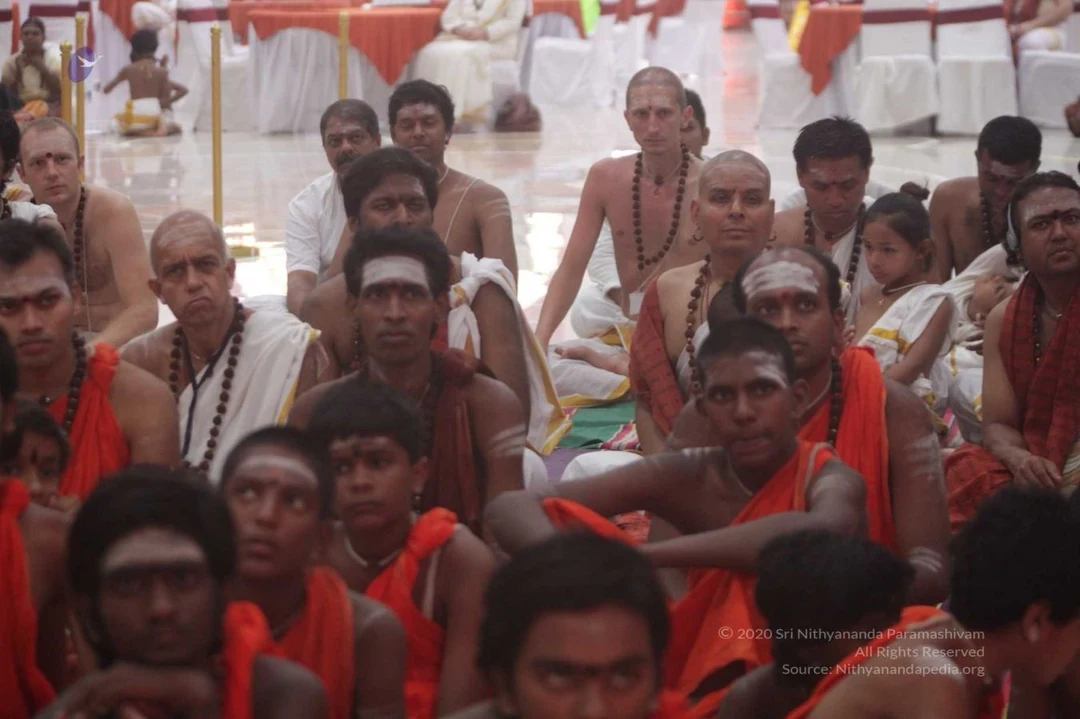 Sanyasies,Balasanths and Kailasavasis sitting in the presence of HDH Nithyananda Paramashivam during the morning satsang.
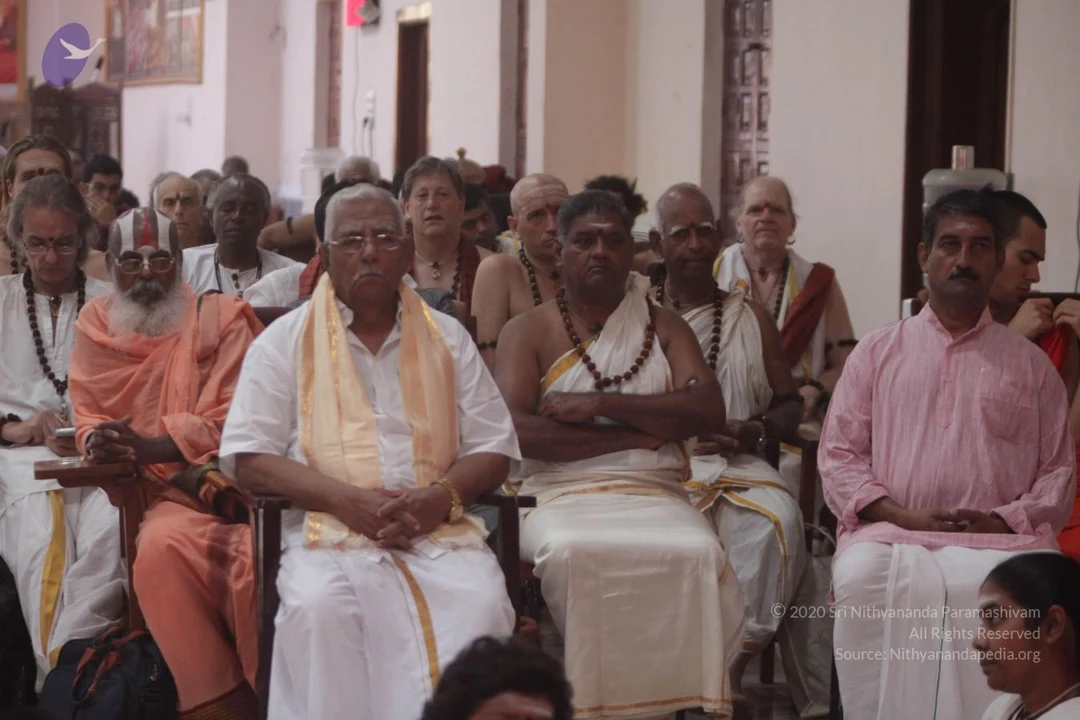
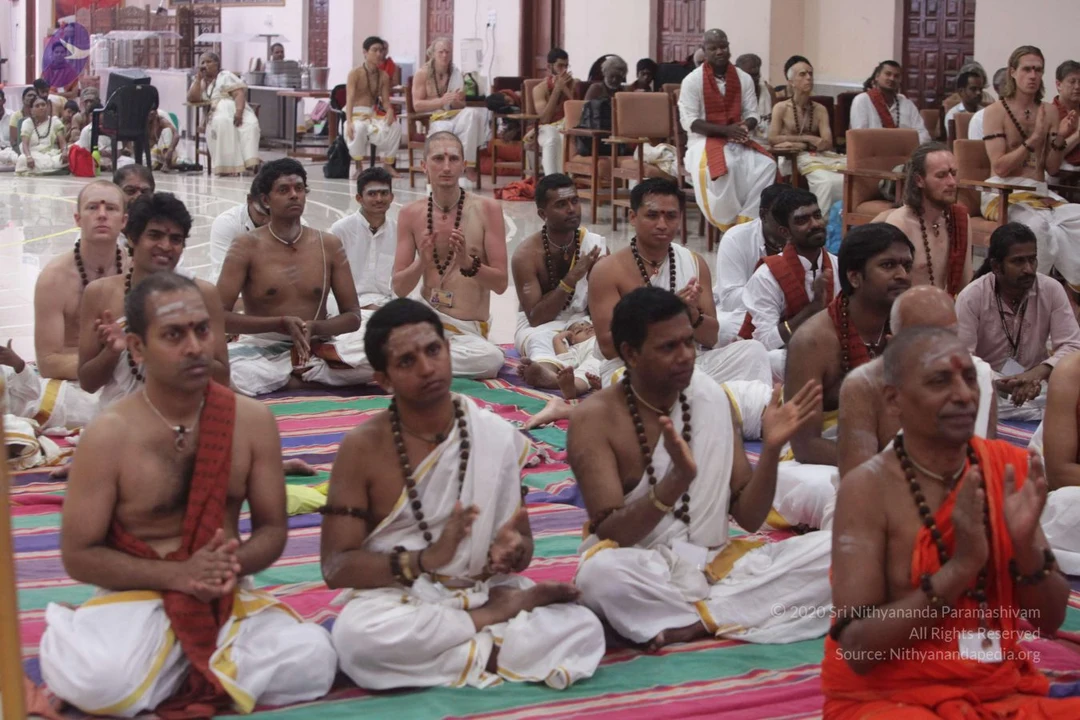
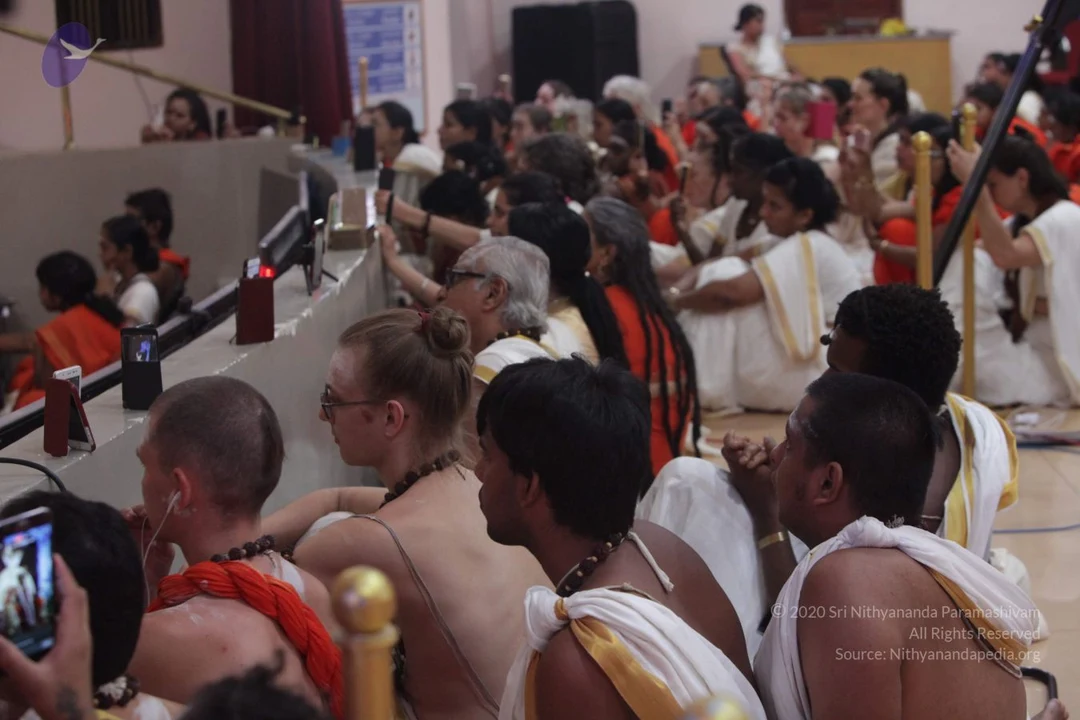
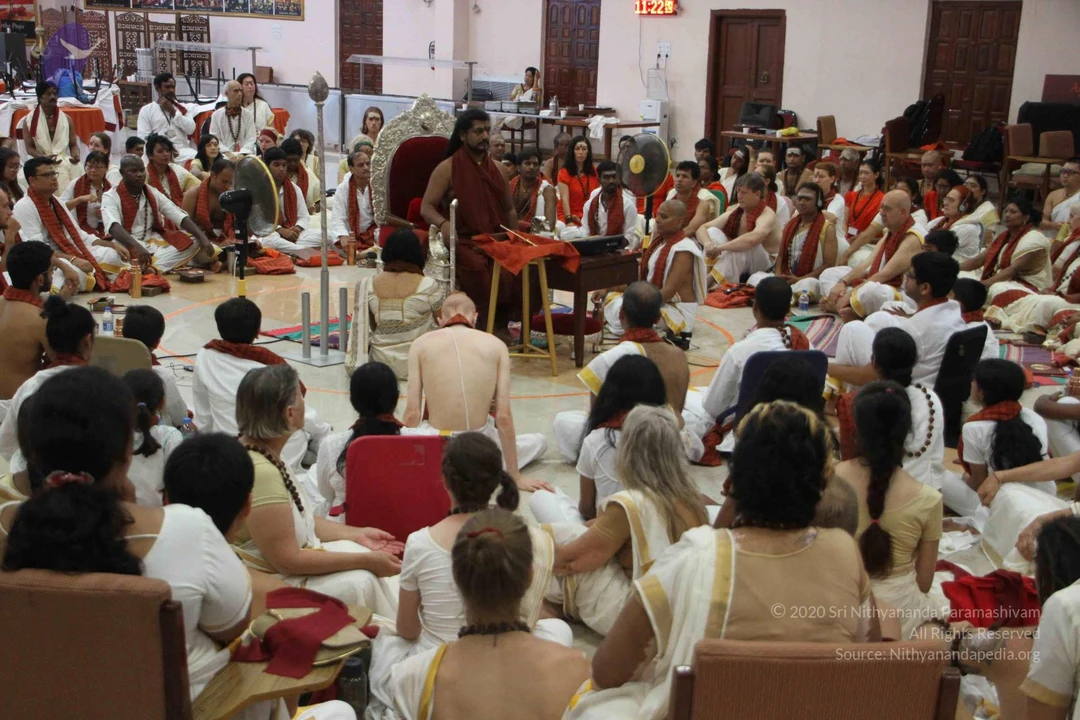
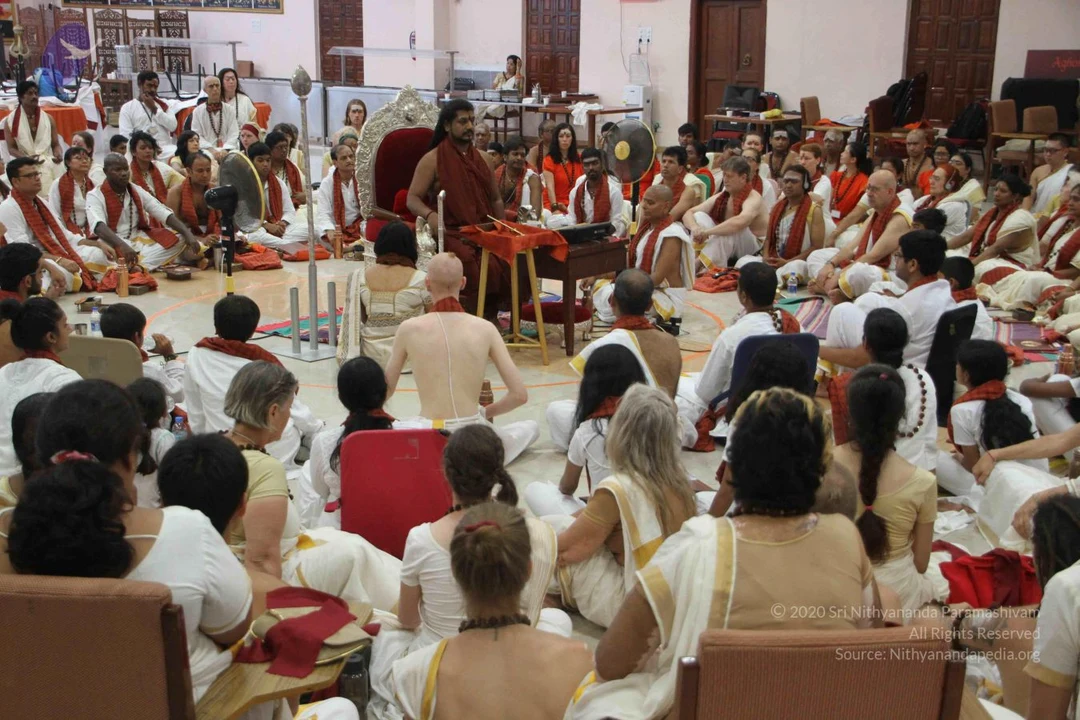
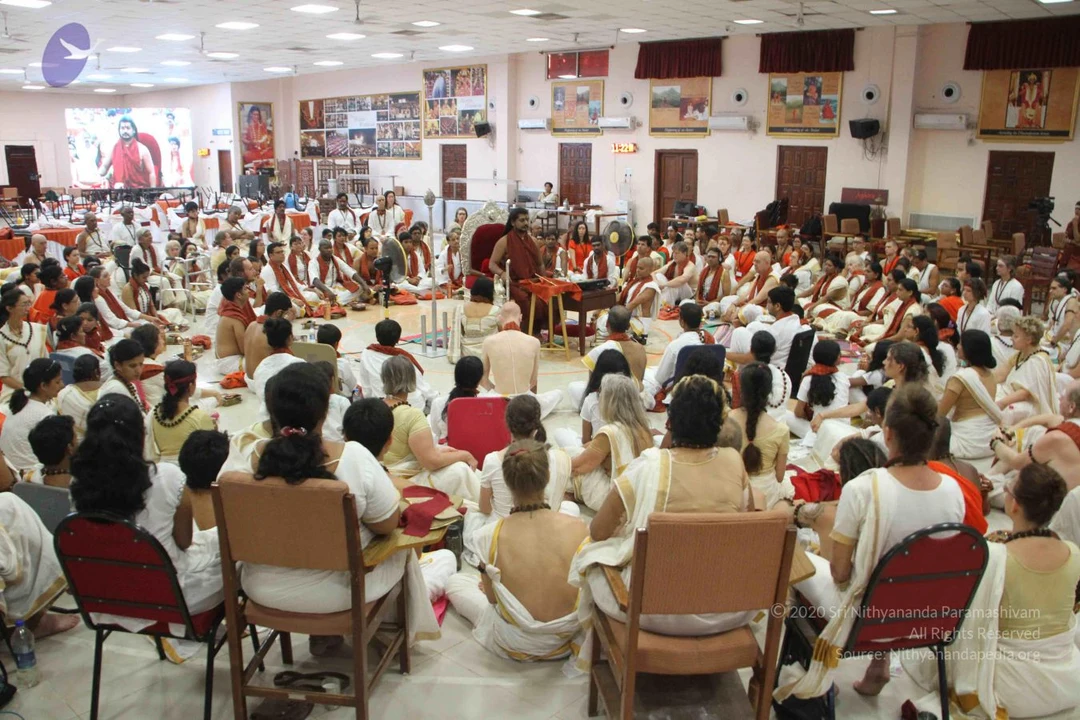
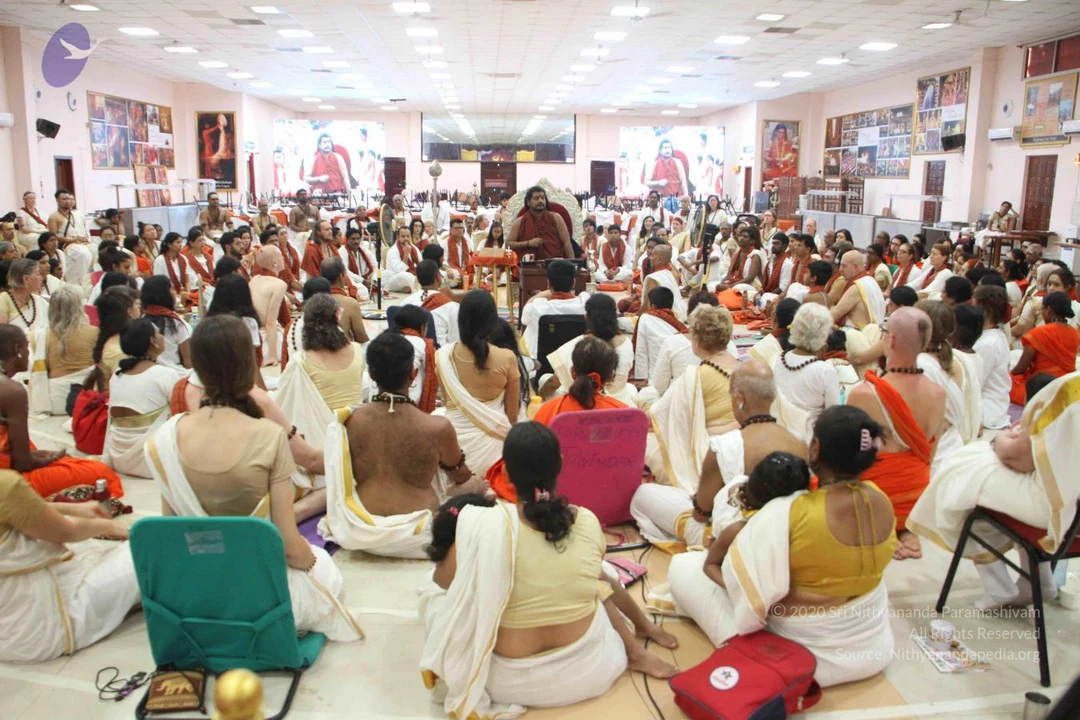
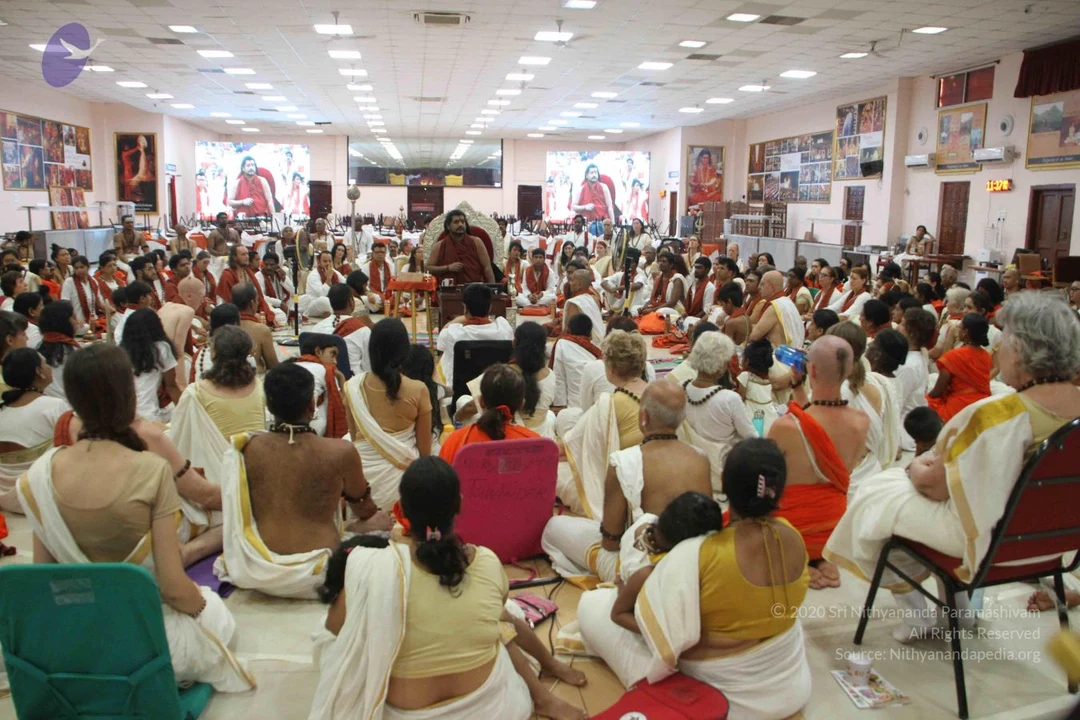
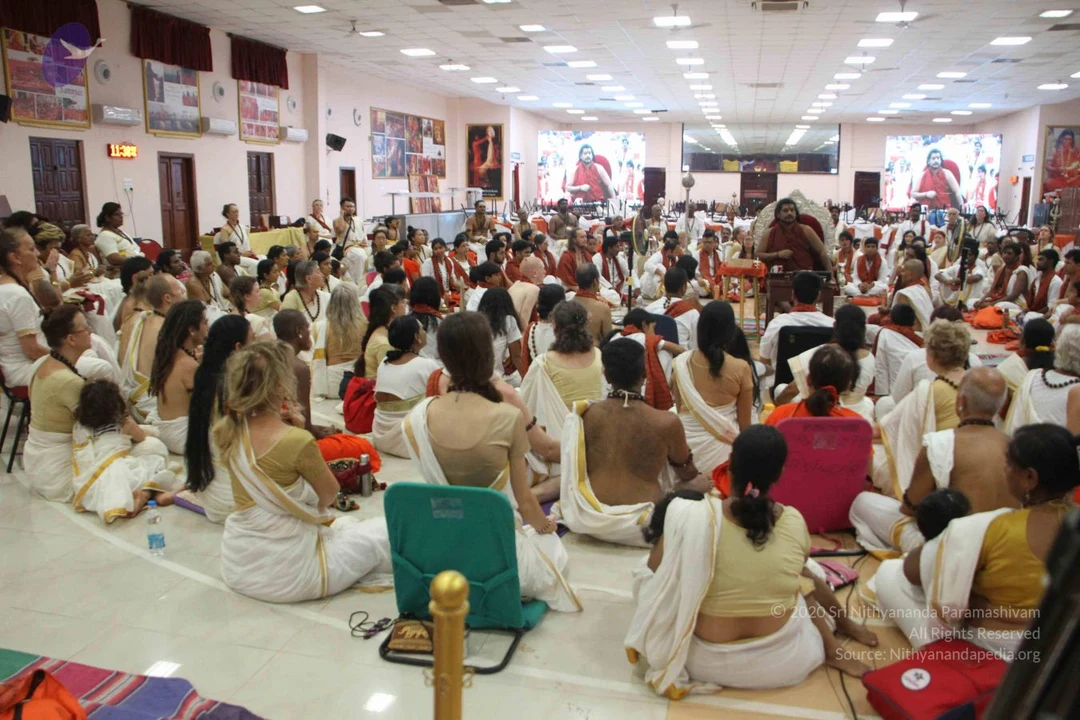
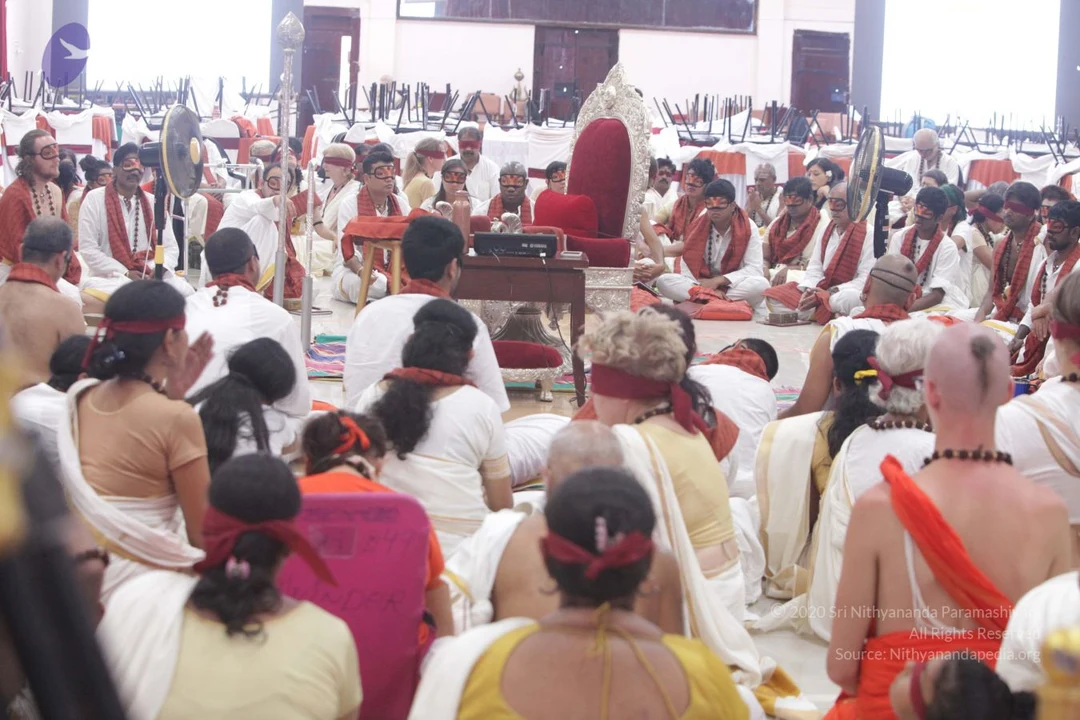
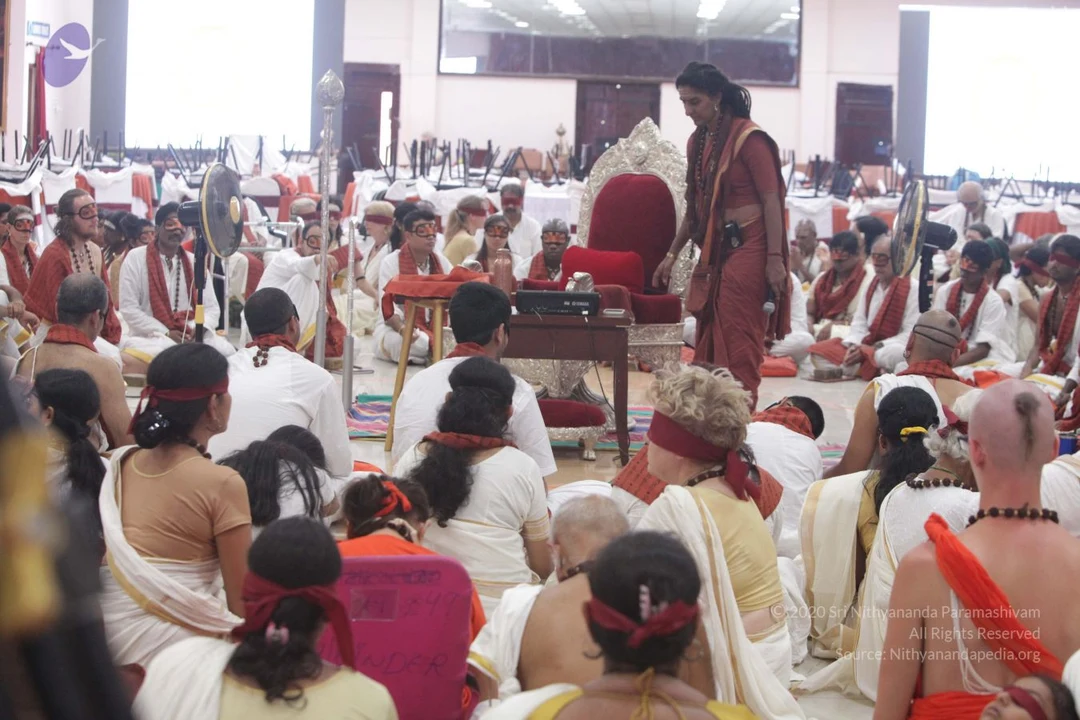
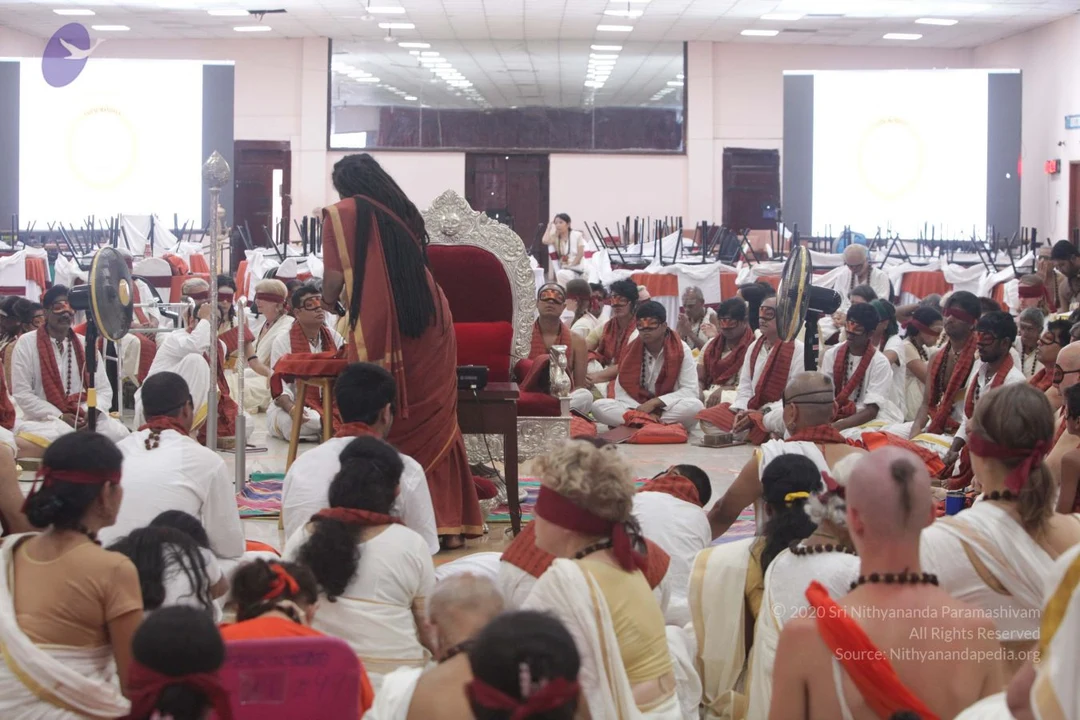
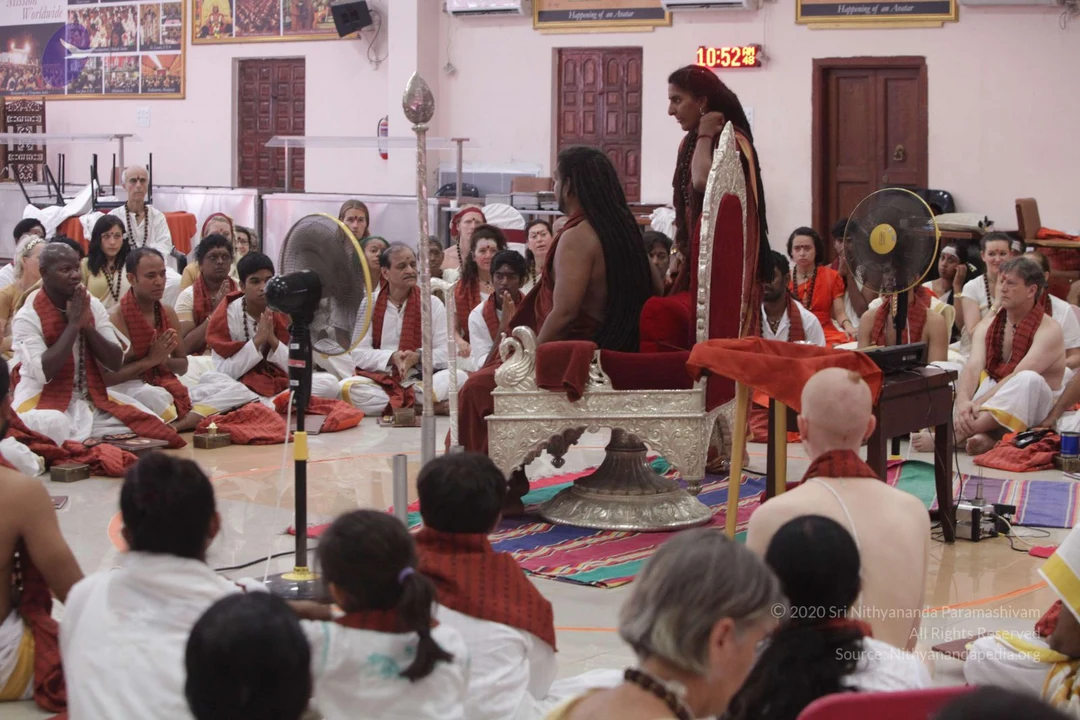
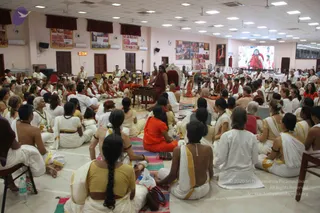
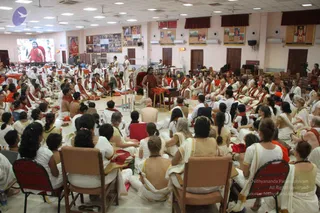
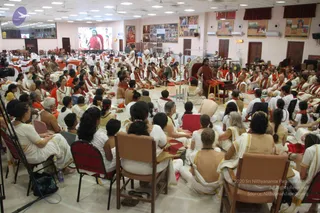
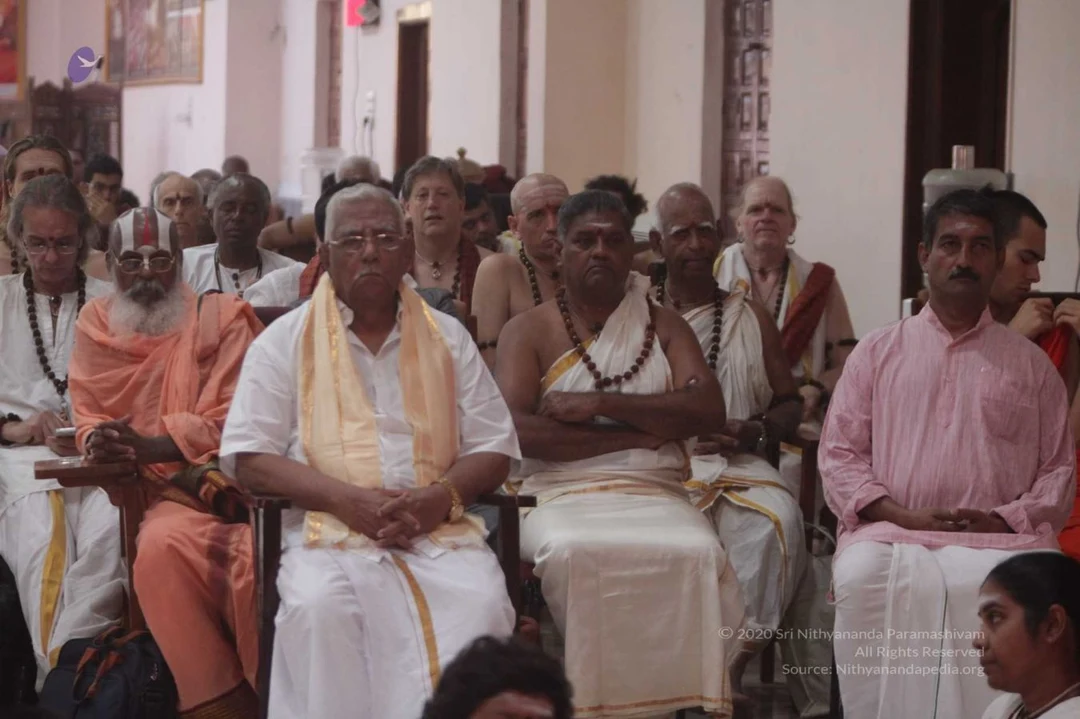 The delegates sitting in the presence of HDH Nithyananda Paramashivam during the morning satsang
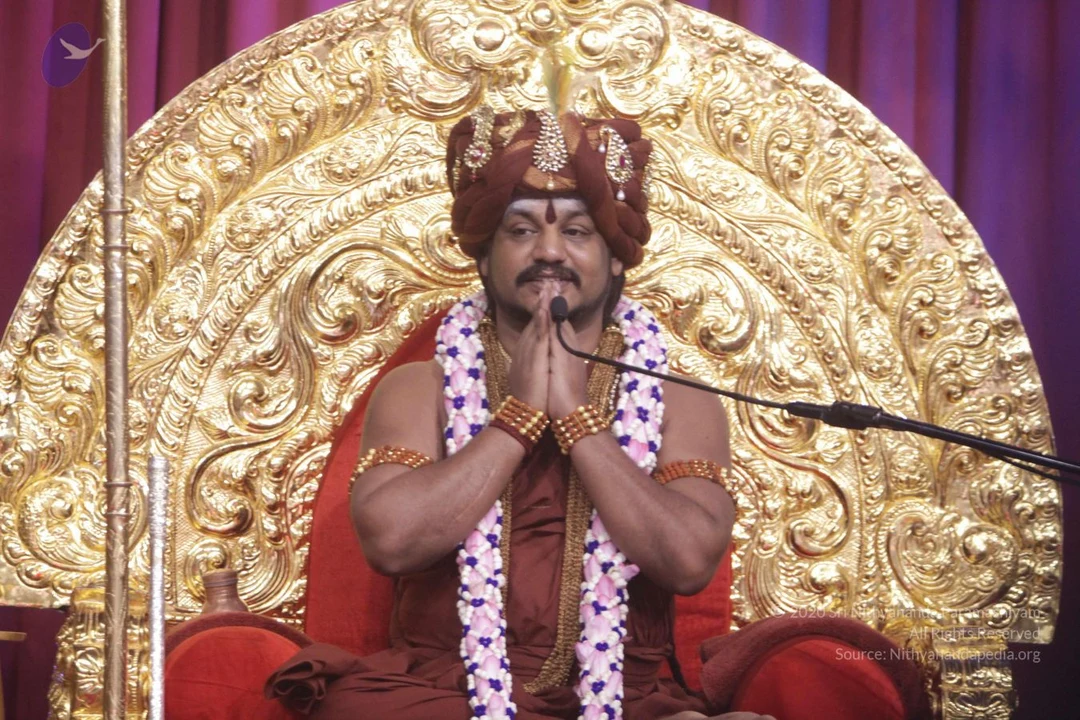
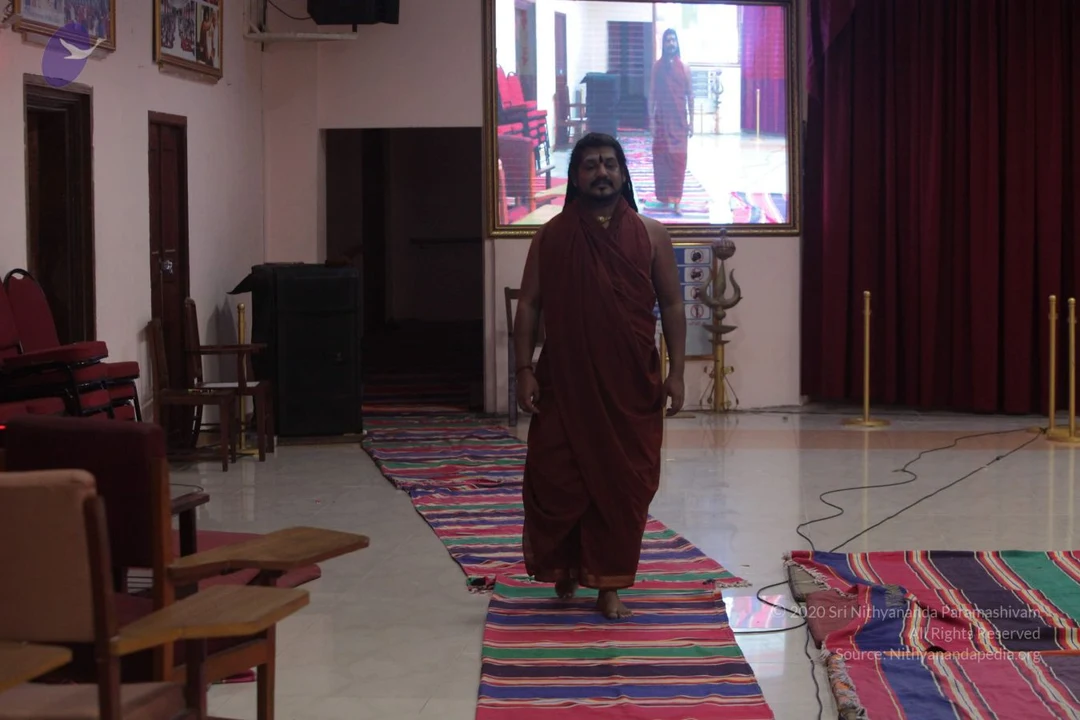
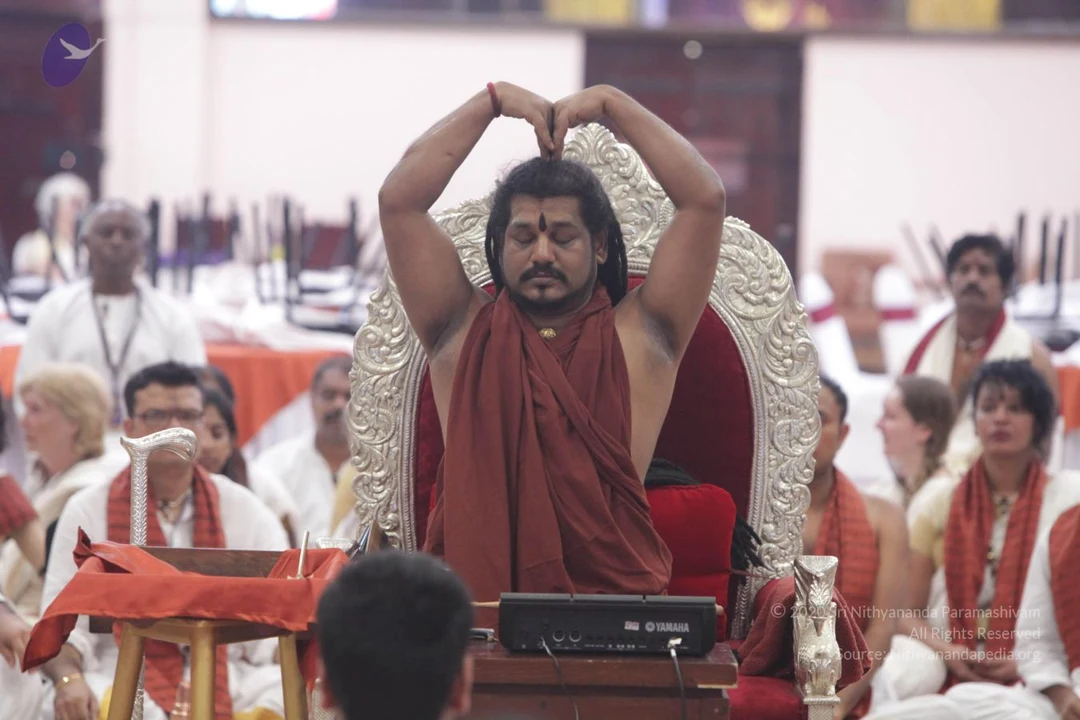
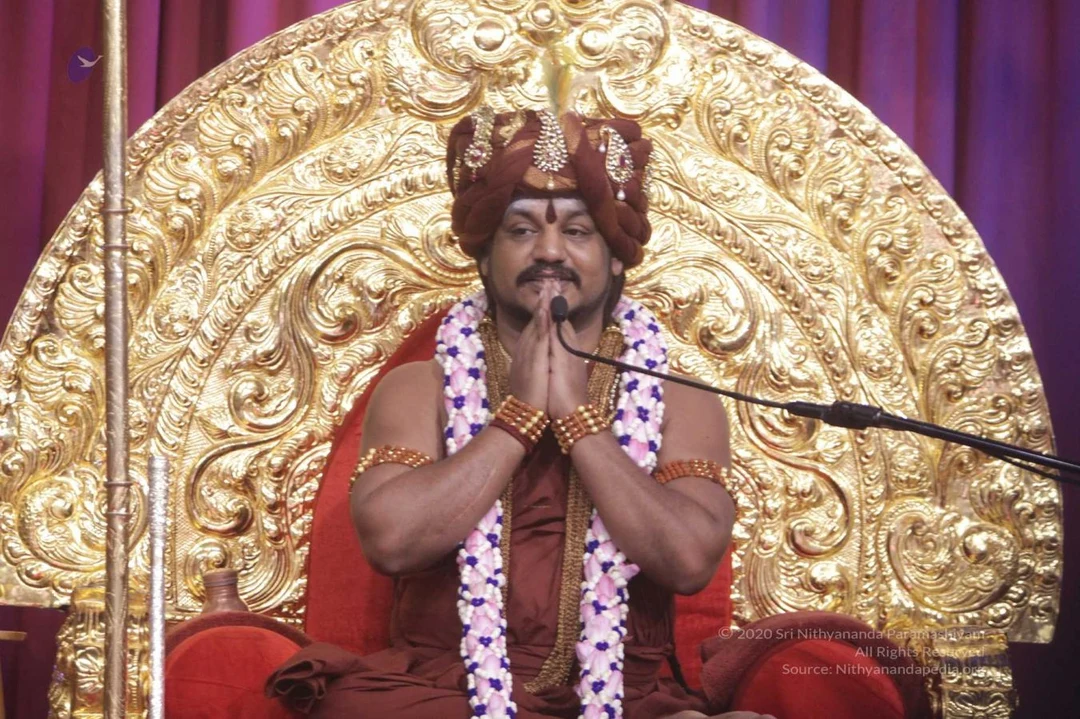 HDH Nithyananda Paramashivam praying and welcoming the delegates during the morning satsang.
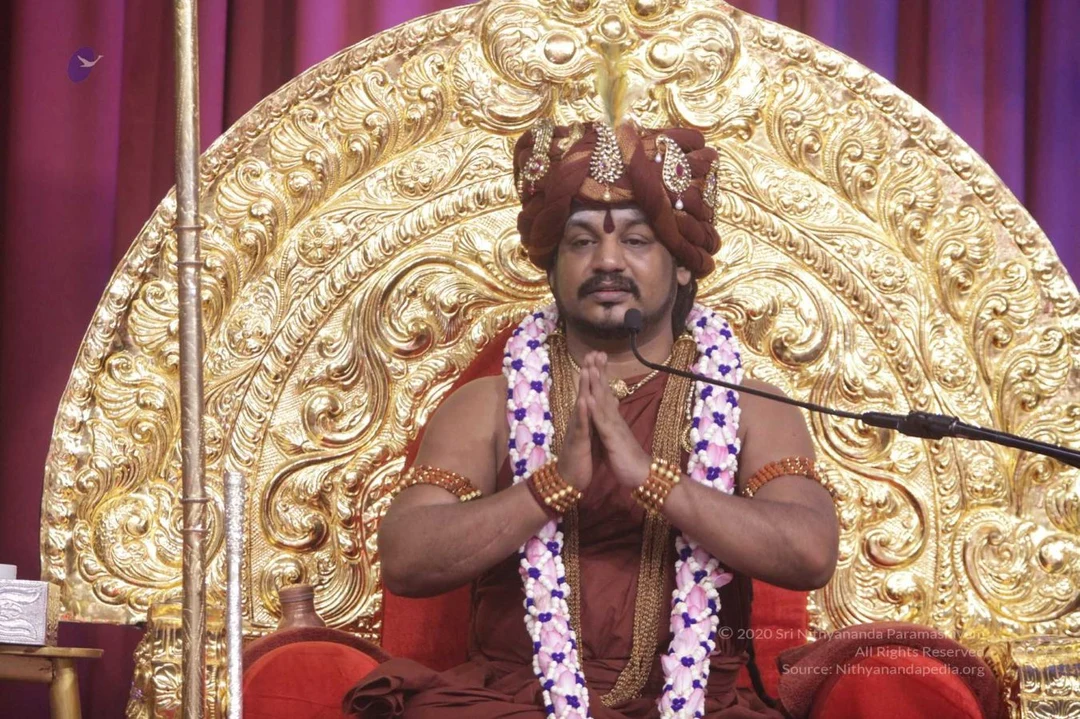 HDH Nithyananda Paramashivam welcoming the delegates during the morning satsang.
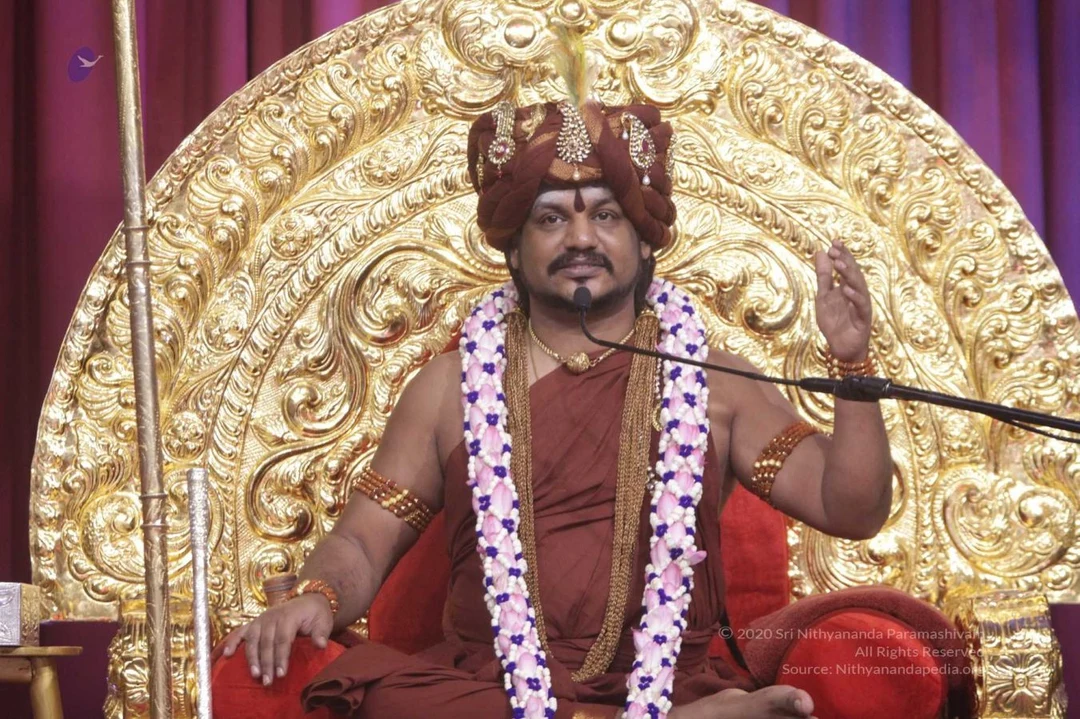 HDH Nithyanada Paramashivam explains about superconcious possibilities
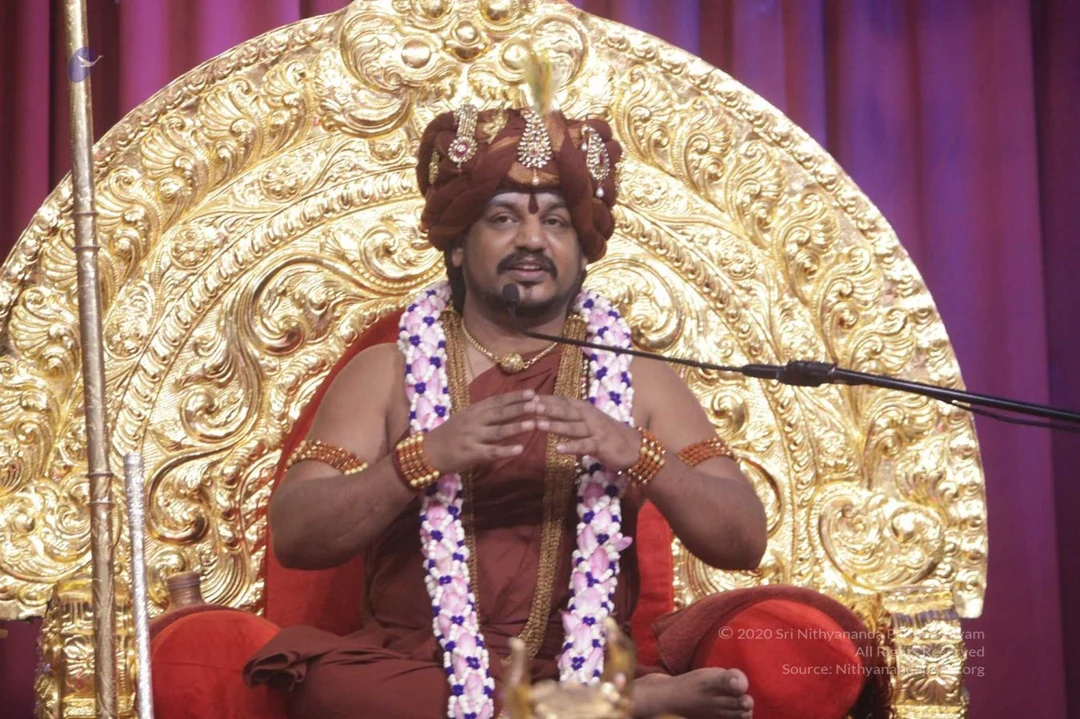 HDH Nithyanada Paramashivam explains about superconcious possibilities
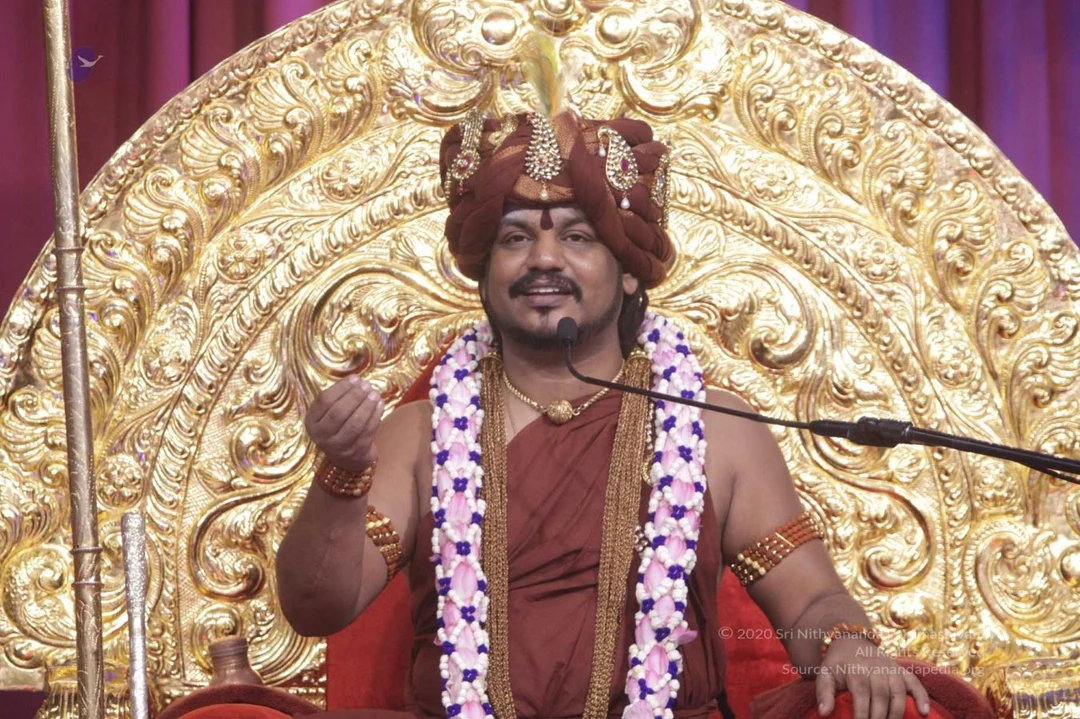 HDH HDH Nithyanada Paramashivam delivering the morning satsang on superconciousness
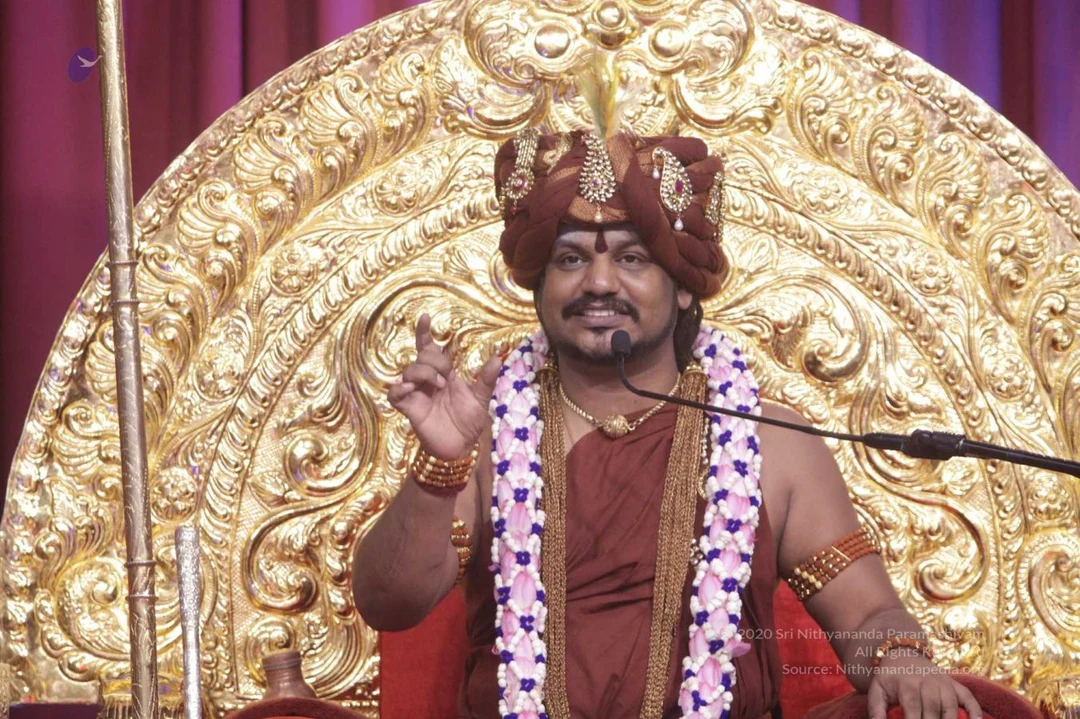 HDH HDH Nithyanada Paramashivam delivering the morning satsang on superconciousness
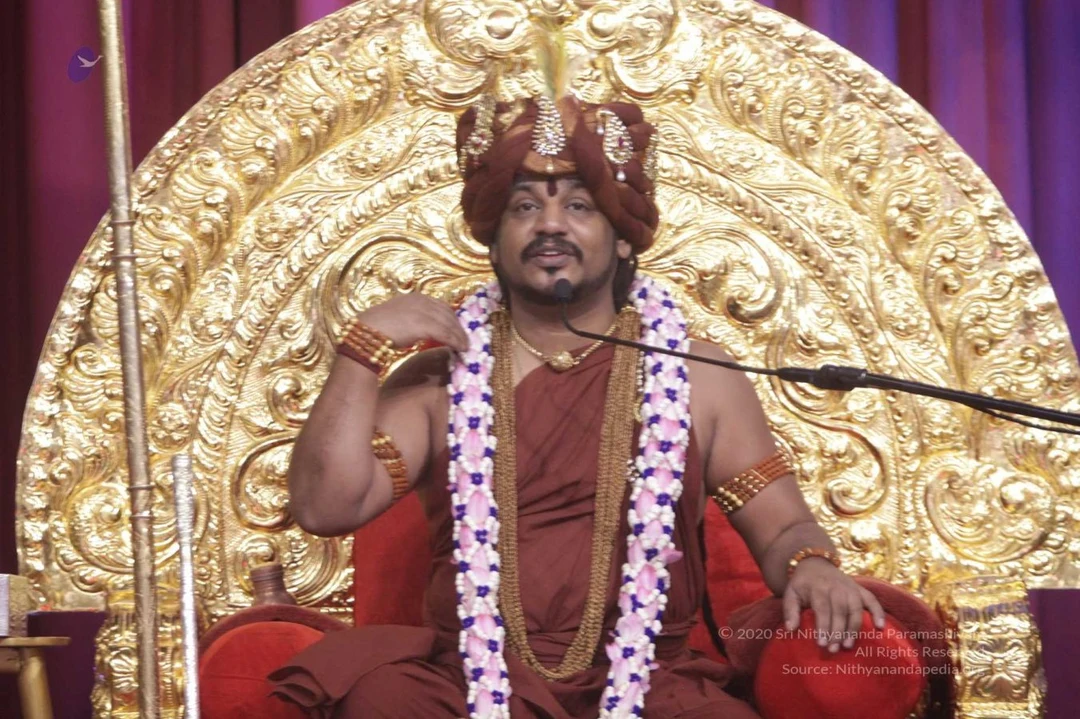 HDH HDH Nithyanada Paramashivam delivering the morning satsang on superconciousness
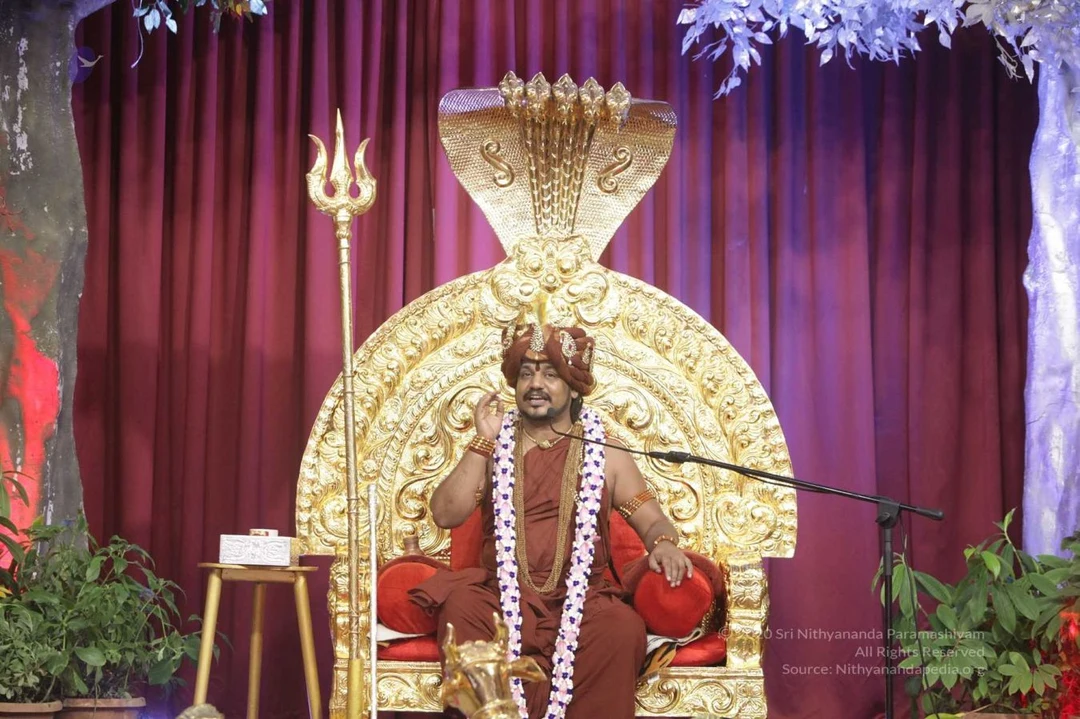 HDH Nithyananda Paramashivam explaining how to evolve to superconciousness
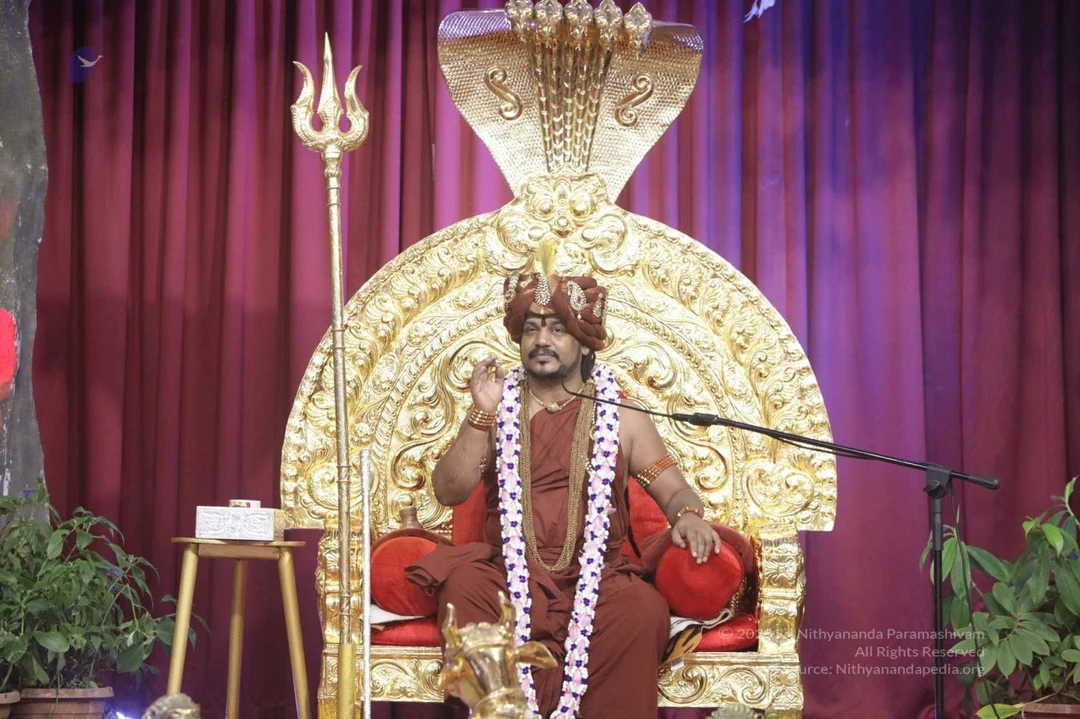 HDH Nithyananda Paramashivam explaining how to evolve to superconciousness
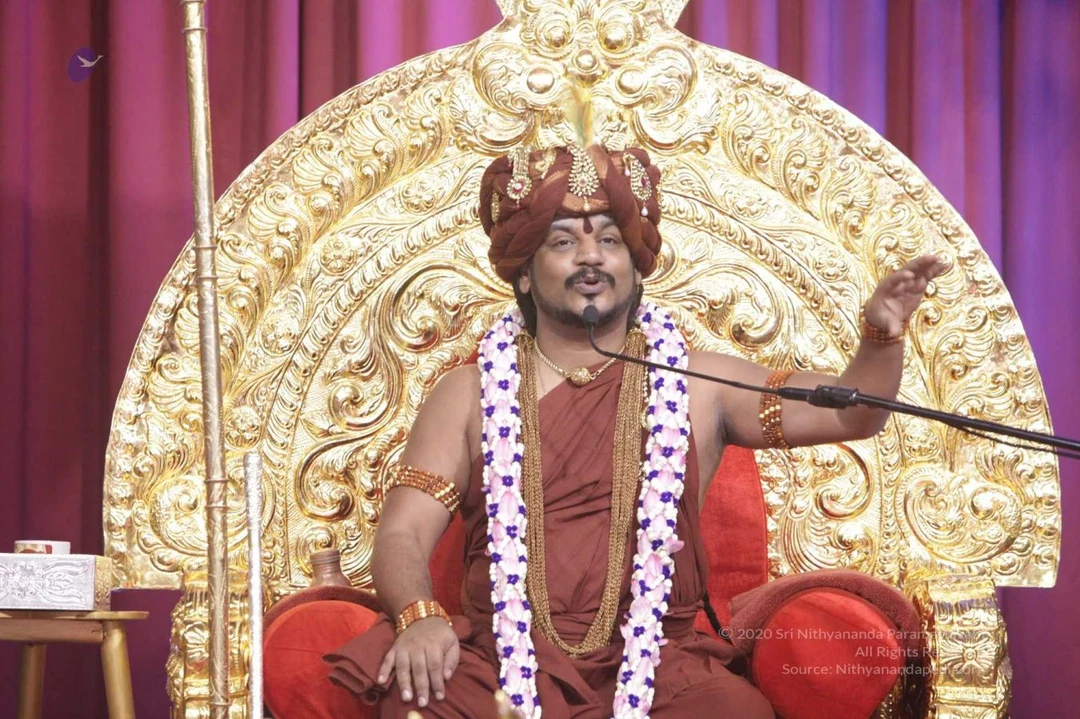 HDH Nithyananda Paramashivam revelling how a cell develop up to superconcious level
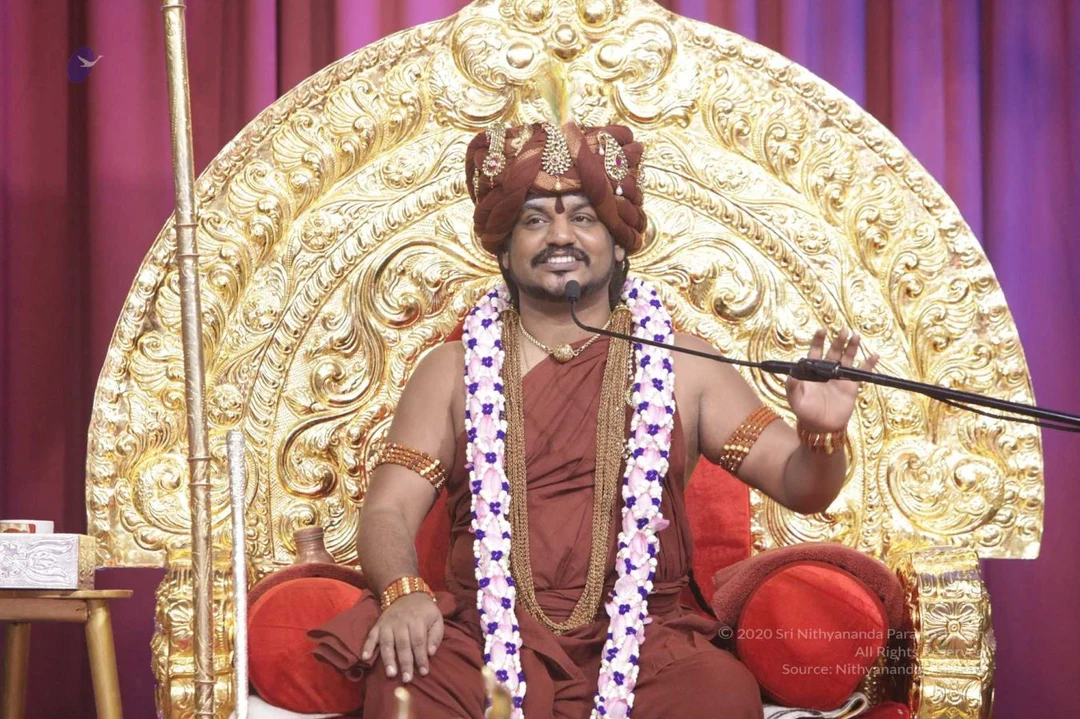 HDH Nithyananda Paramashivam revelling how a cell develop up to superconcious level
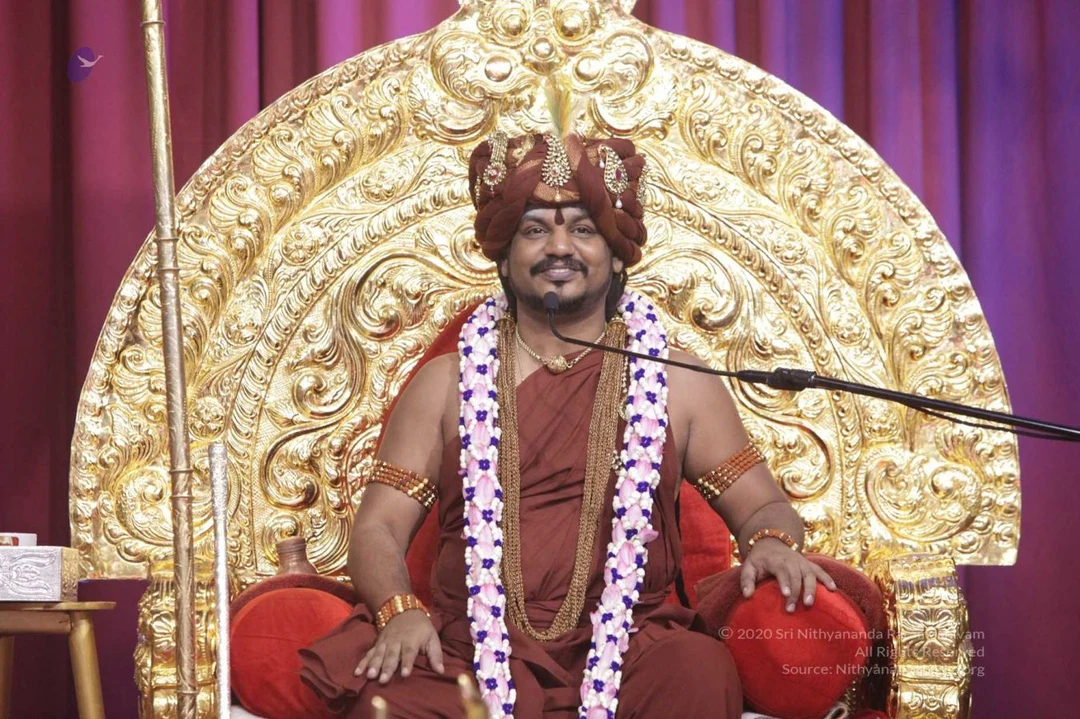 HDH Nithyananda Paramashivam revelling how a cell develop up to superconcious level
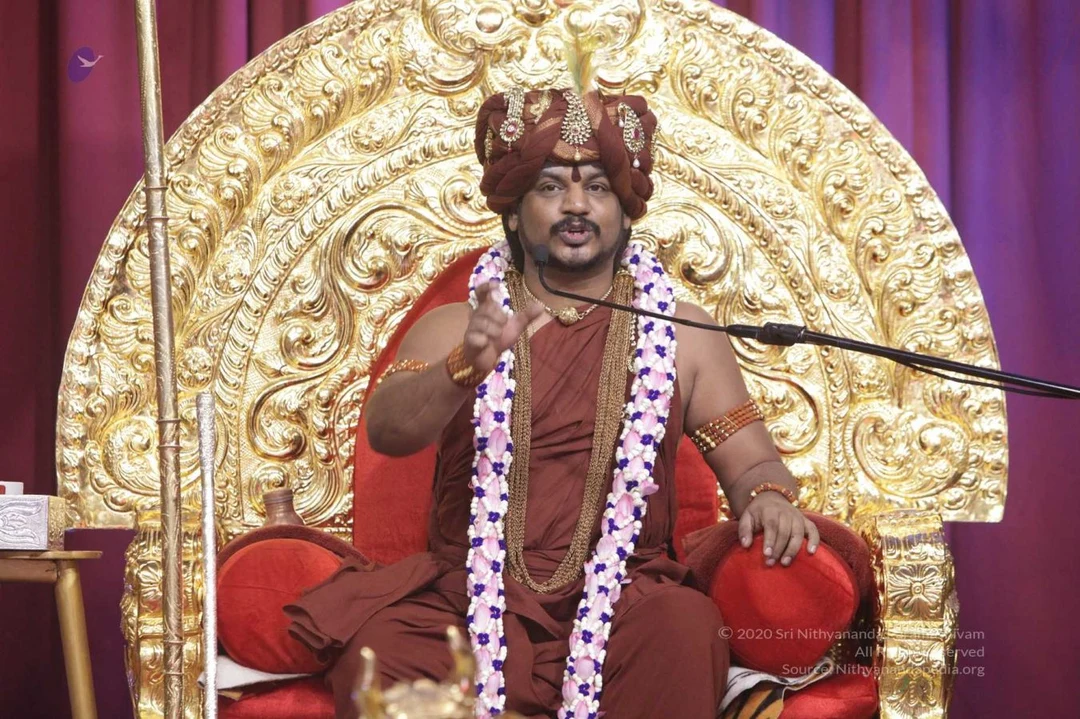 HDH Nithyananda Paramashivam revelling how a cell develop up to superconcious level
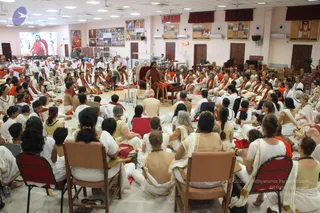
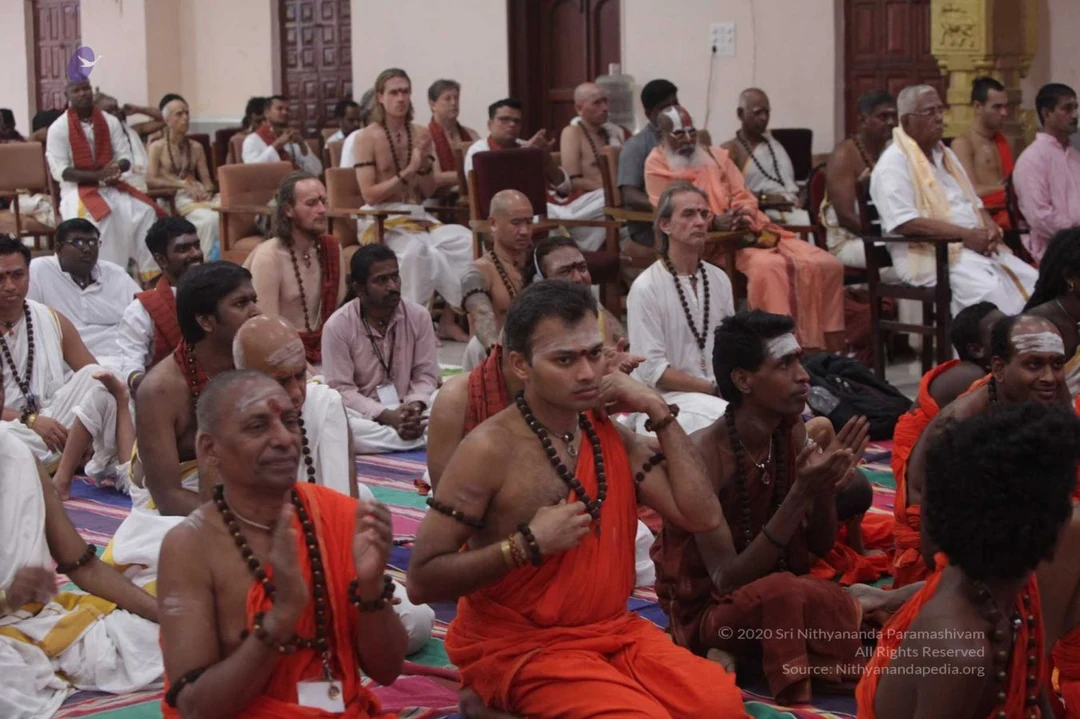 The Sanyasies and the delegates sitting in the presence of HDH Nithyananda Paramashivam during the satsang
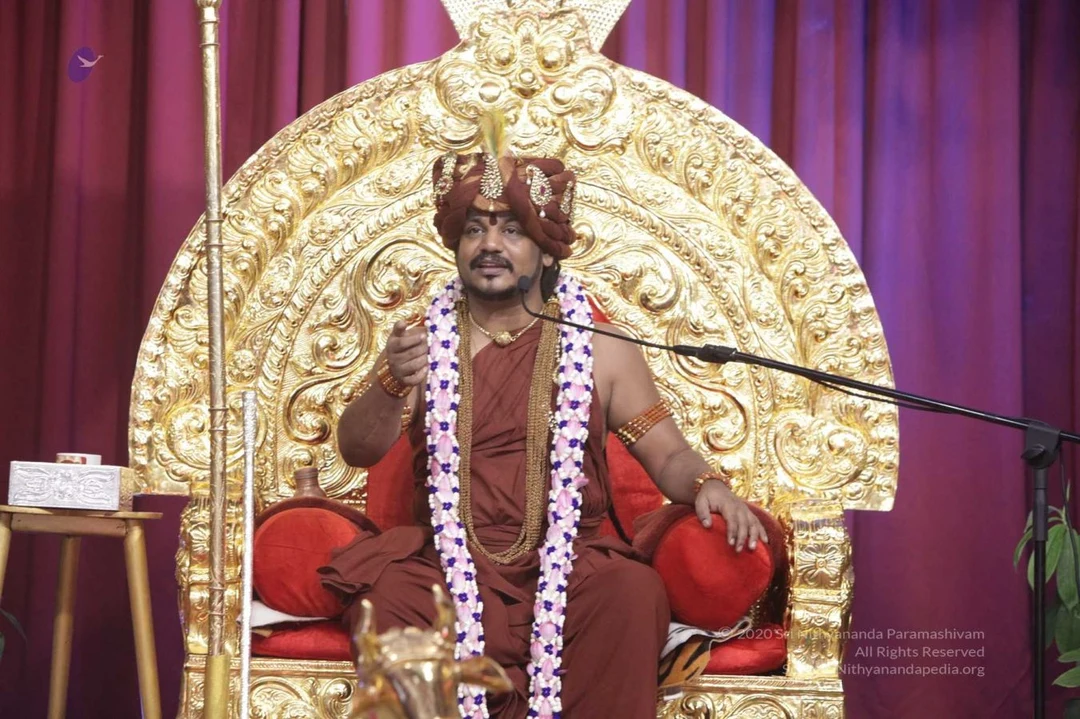 HDH Nithyananda Paramashivam explaining how a cell developed step by step to a human being .
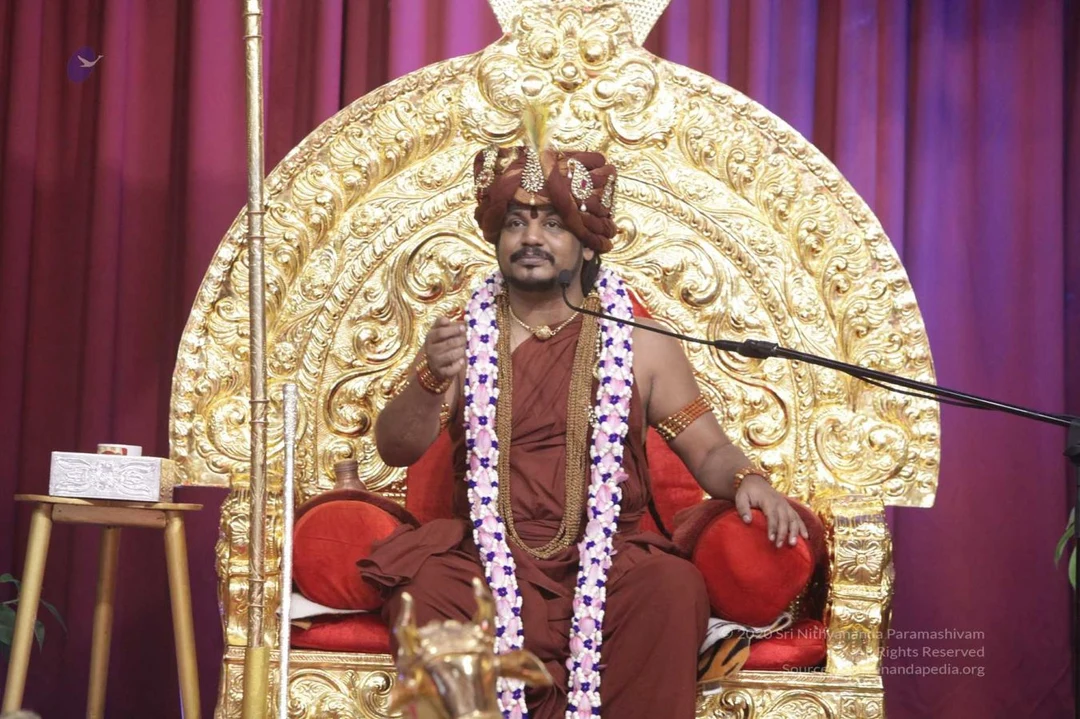 HDH Nithyananda Paramashivam explaining how a cell developed step by step to a human being
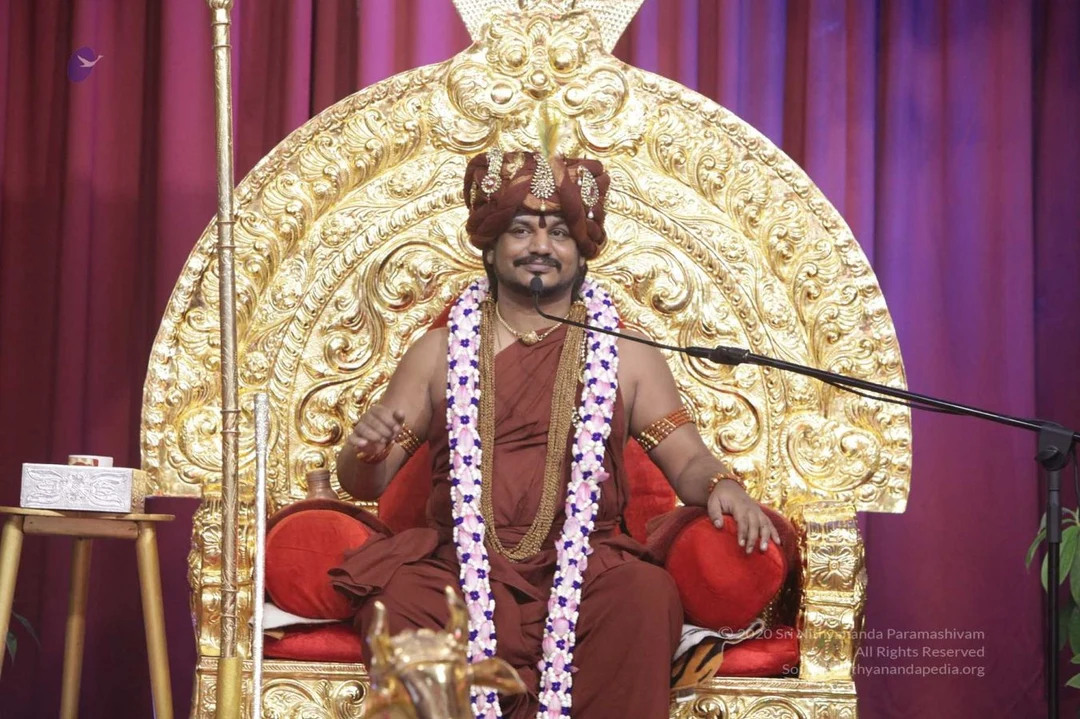 HDH Nithyananda Paramashivam explaining how a cell developed step by step to a human being
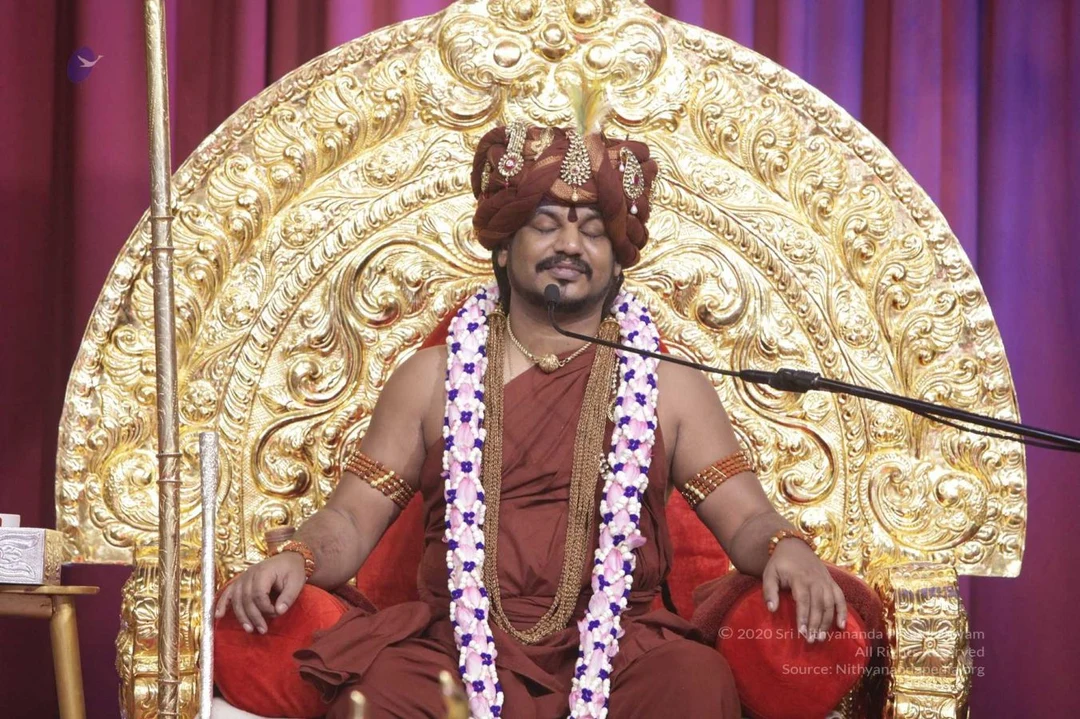 HDH Nithyananda Paramashivam explaining how a cell developed step by step to a human being.
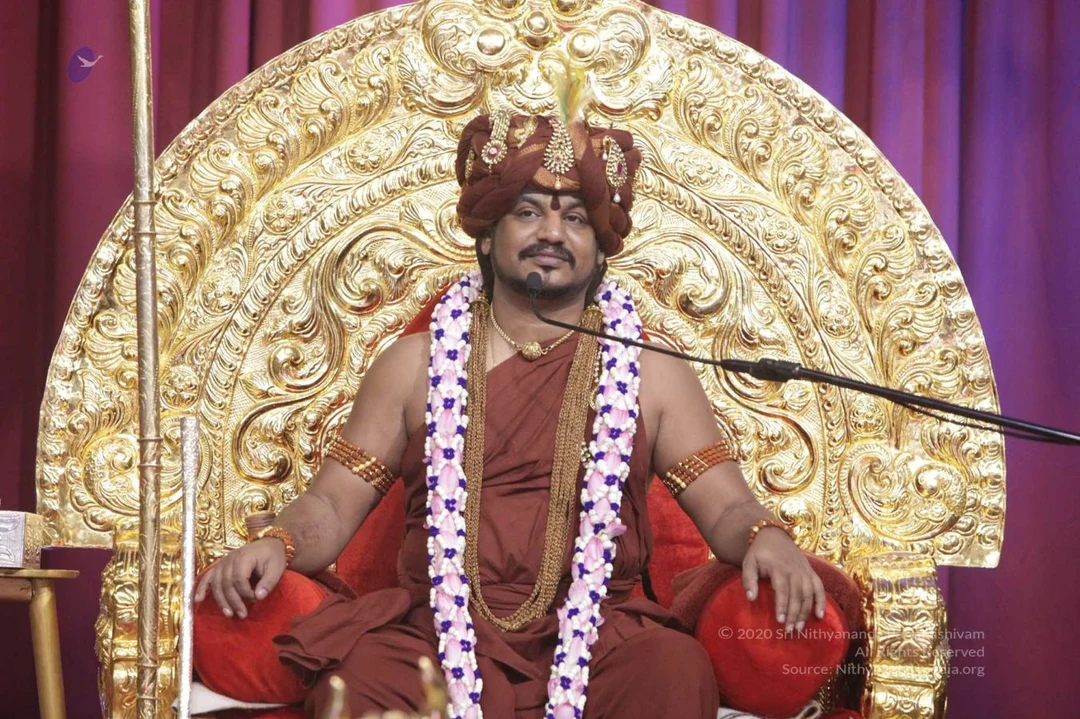 HDH Nithyananda Paramashivam how a cell developed step by step to a human being.
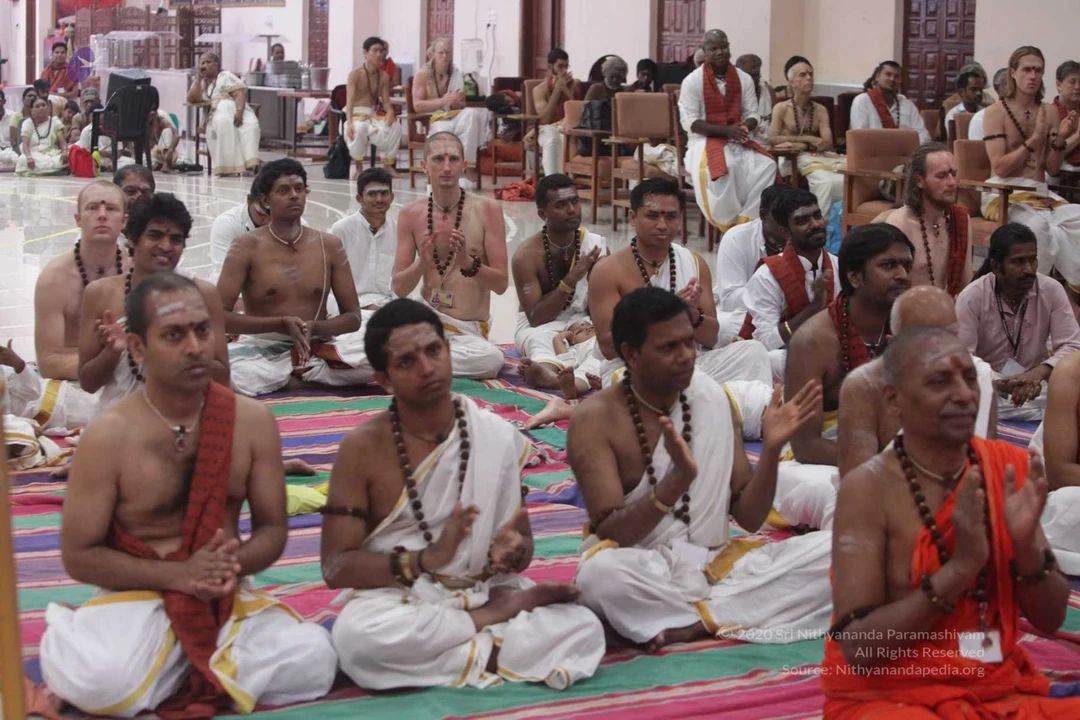 The delegates clubbing with joy in the presence of the HDH Nithyananda Paramashivam during the morning Satsang
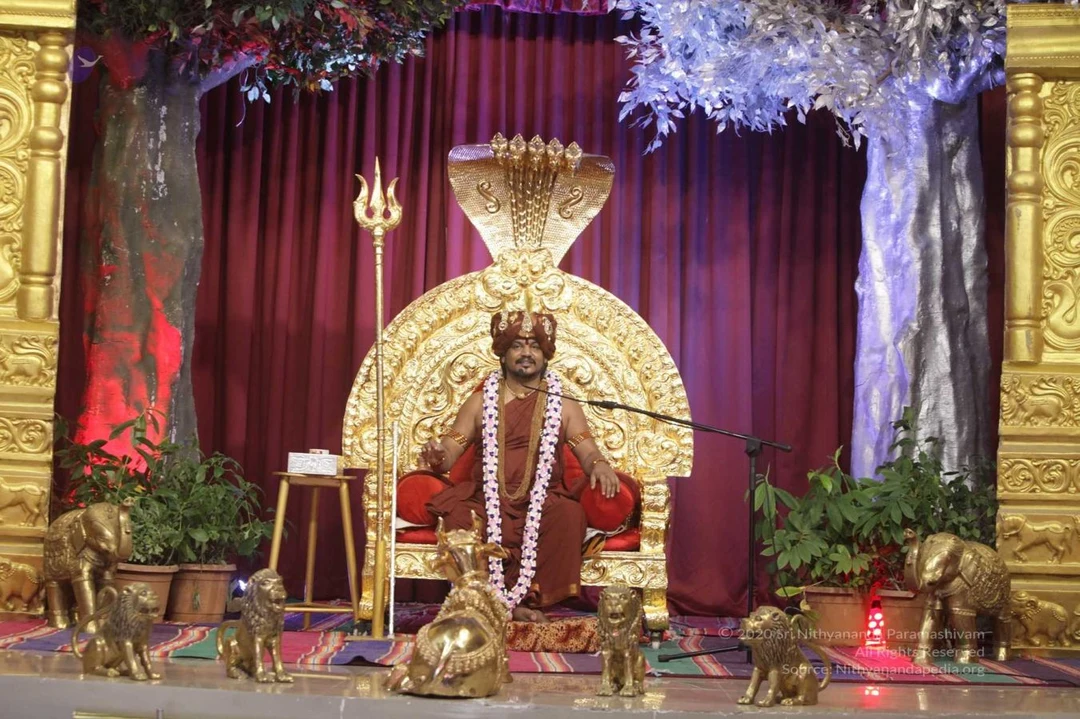 HDH Nithyananda Paramashivam explaining how Vishnu got involvement
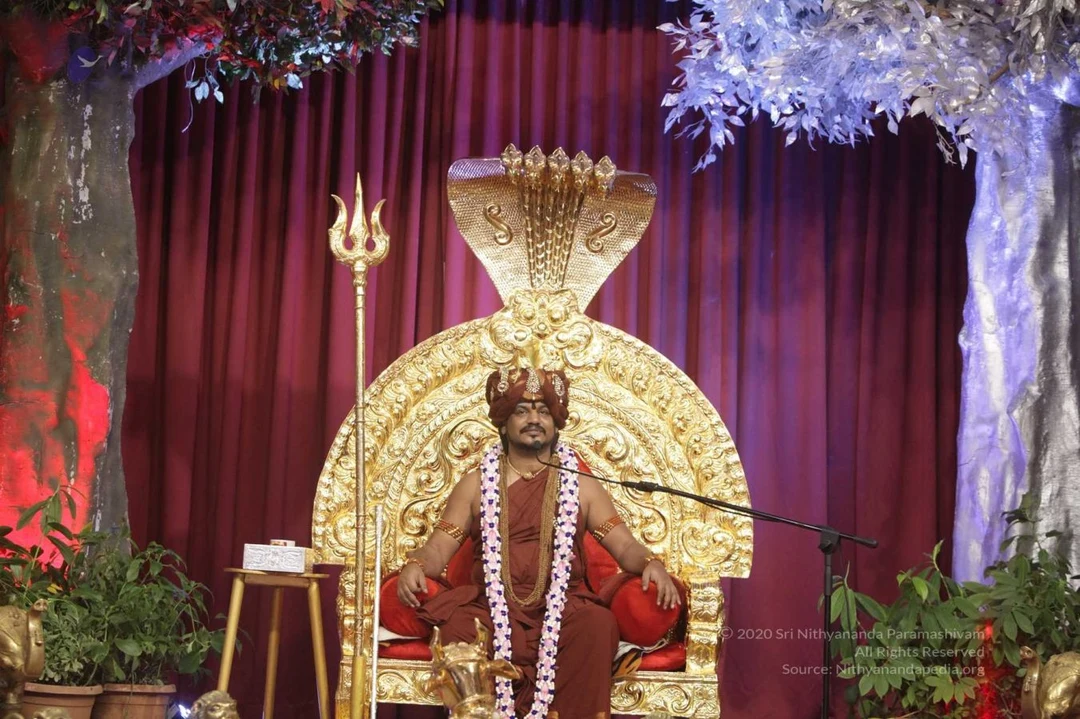 HDH Nithyananda Paramashivam explaining how Vishnu got involvement
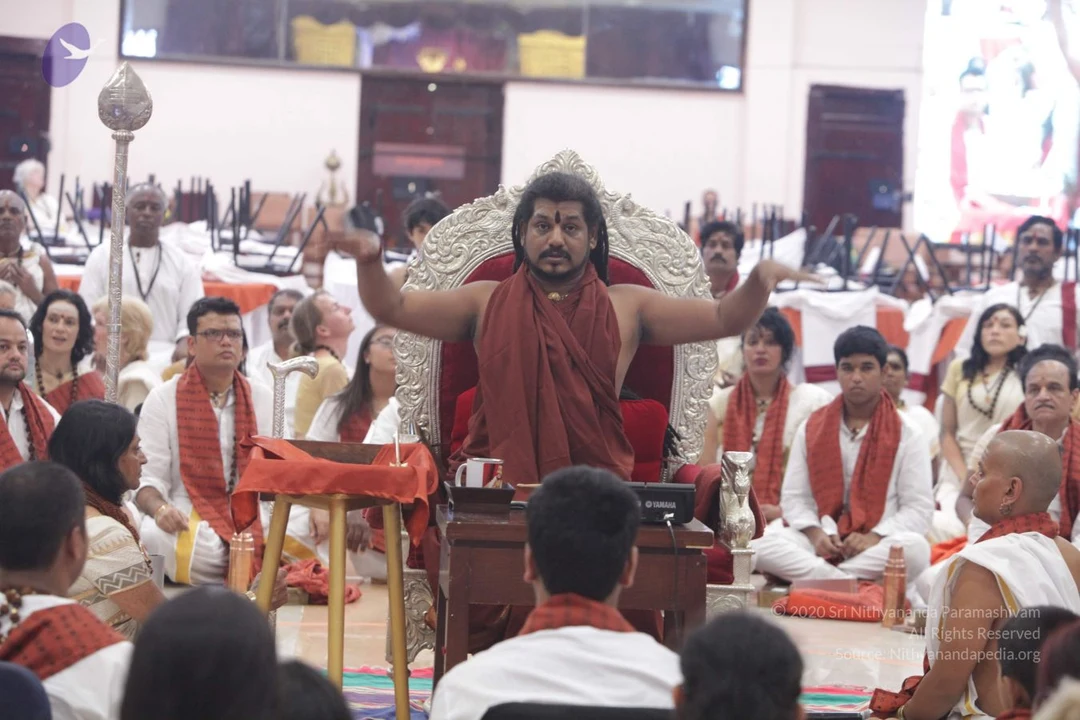
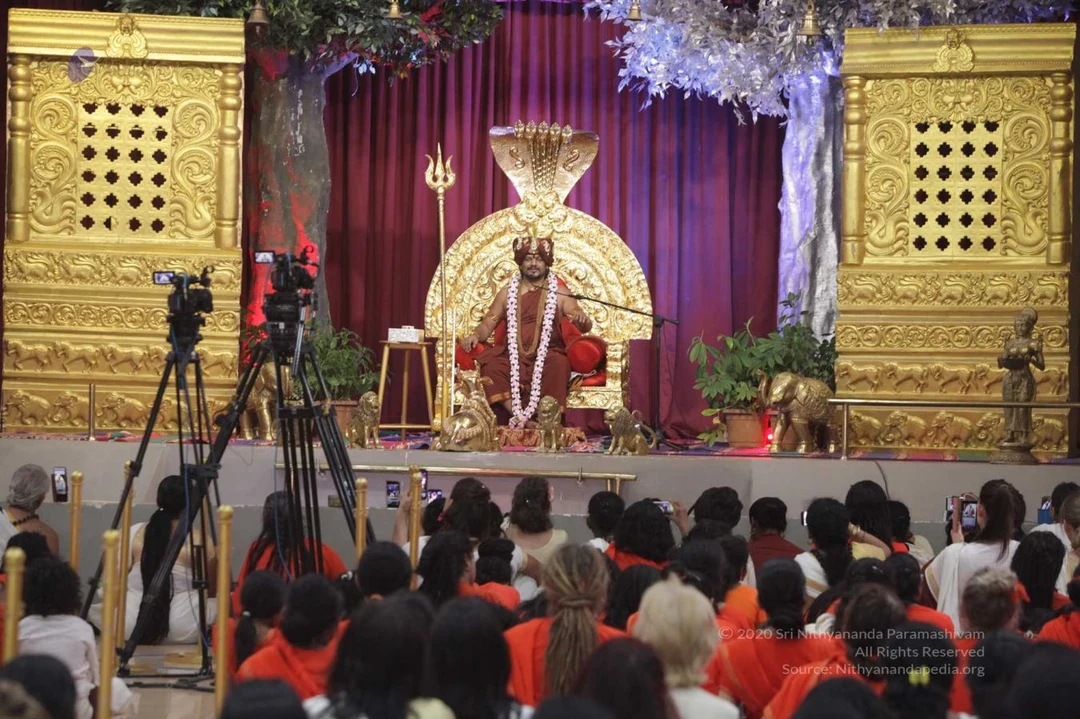 HDH Nithyananda Paramashivam delivering the morning satsang
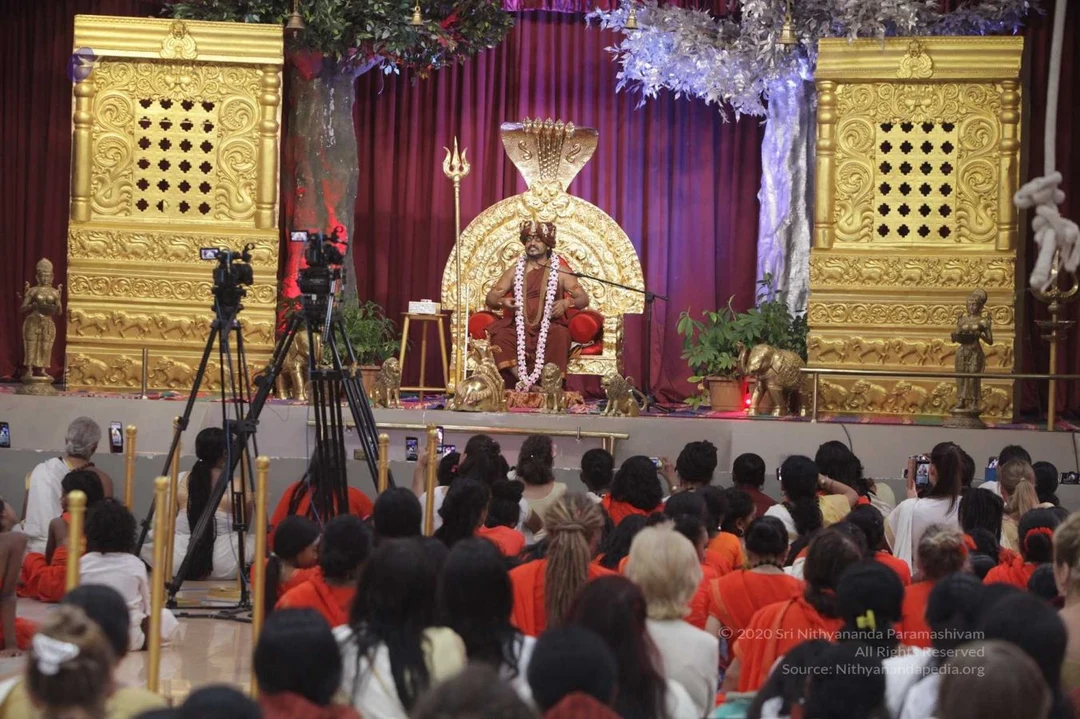 HDH Nithyananda Paramashivam delivering the morning satsang
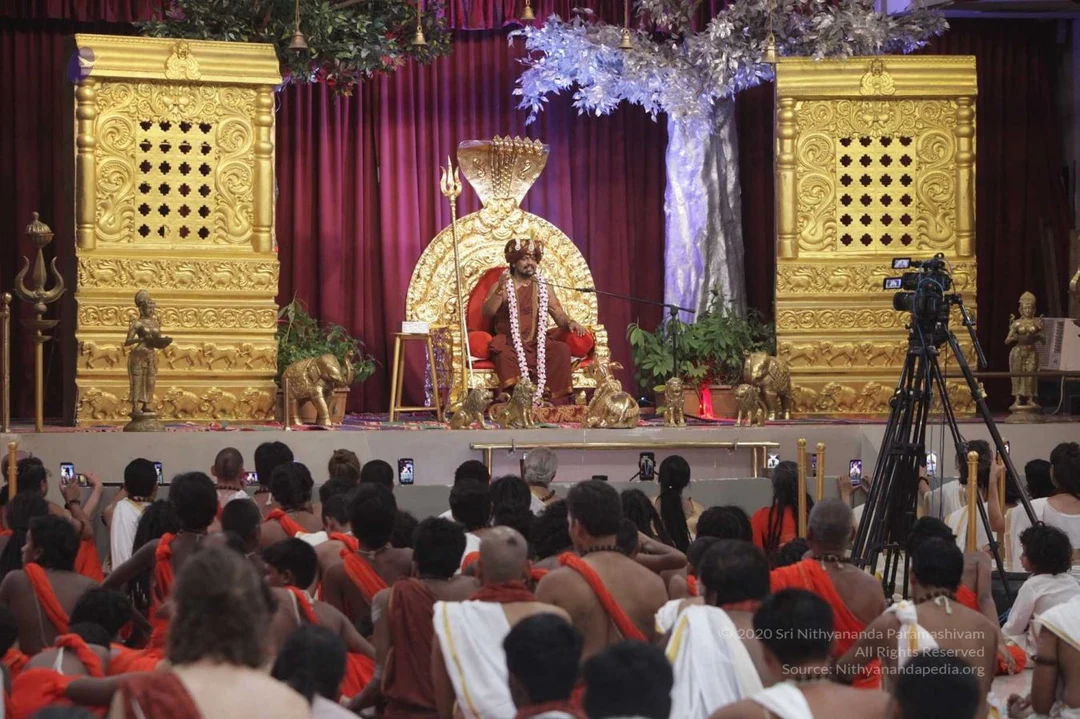 HDH Nithyananda Paramashivam delivering the morning satsang
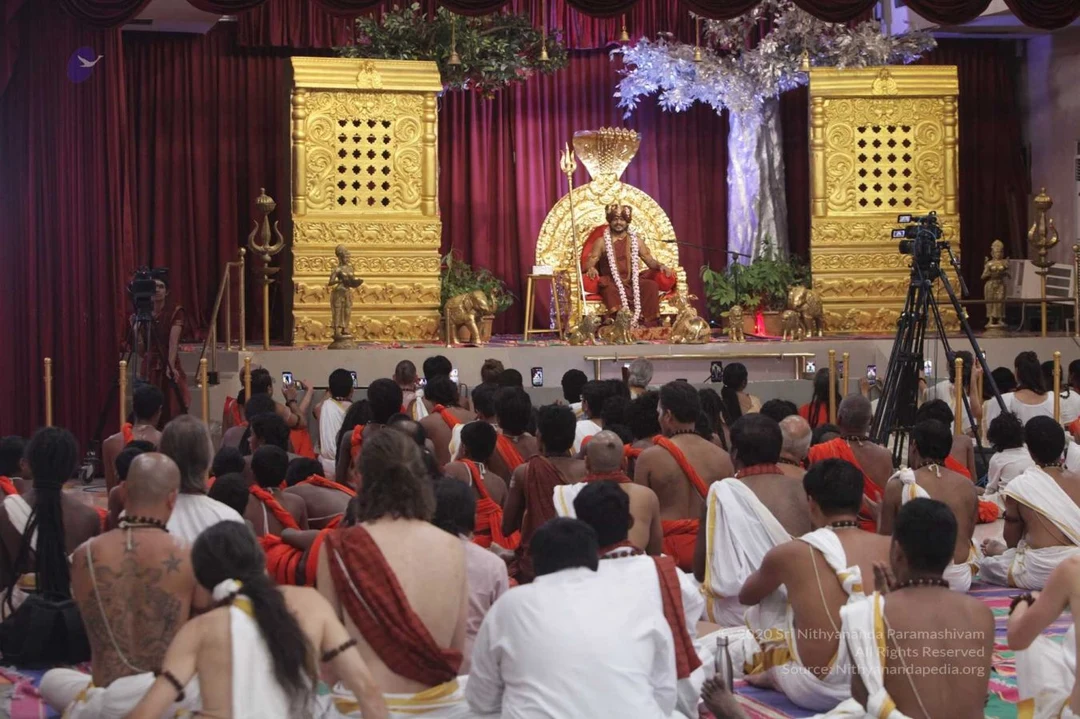 HDH Nithyananda Paramashivam delivering the morning satsang
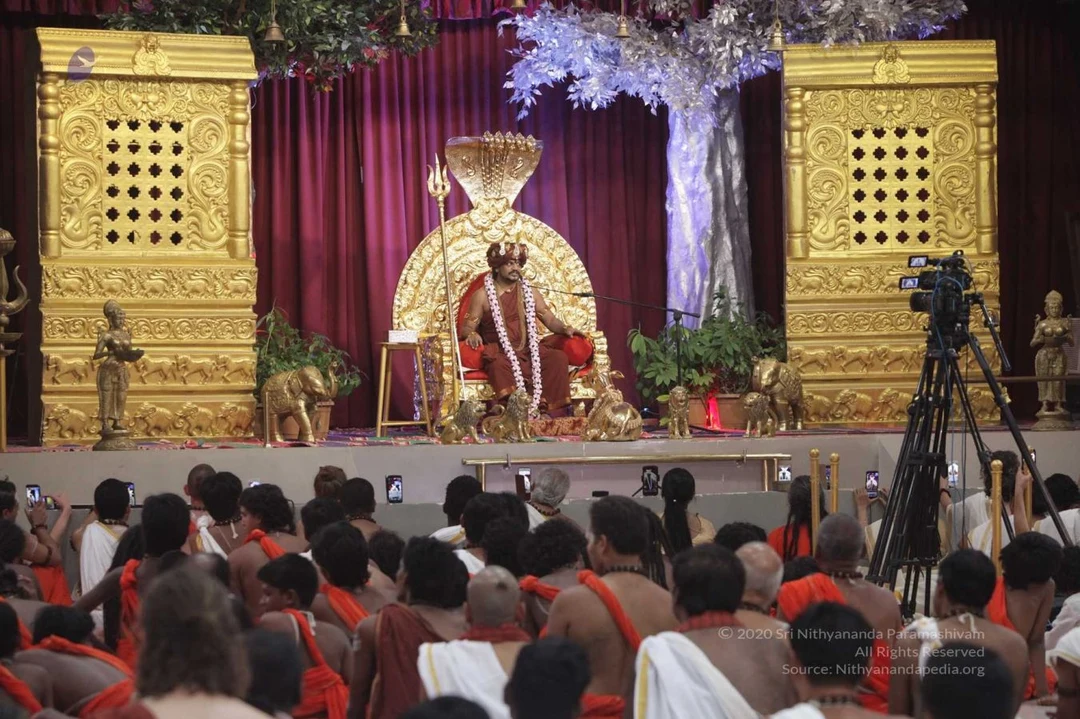 HDH Nithyananda Paramashivam delivering the morning satsang
 HDH Nithyananda Paramashivam delivering the morning satsang
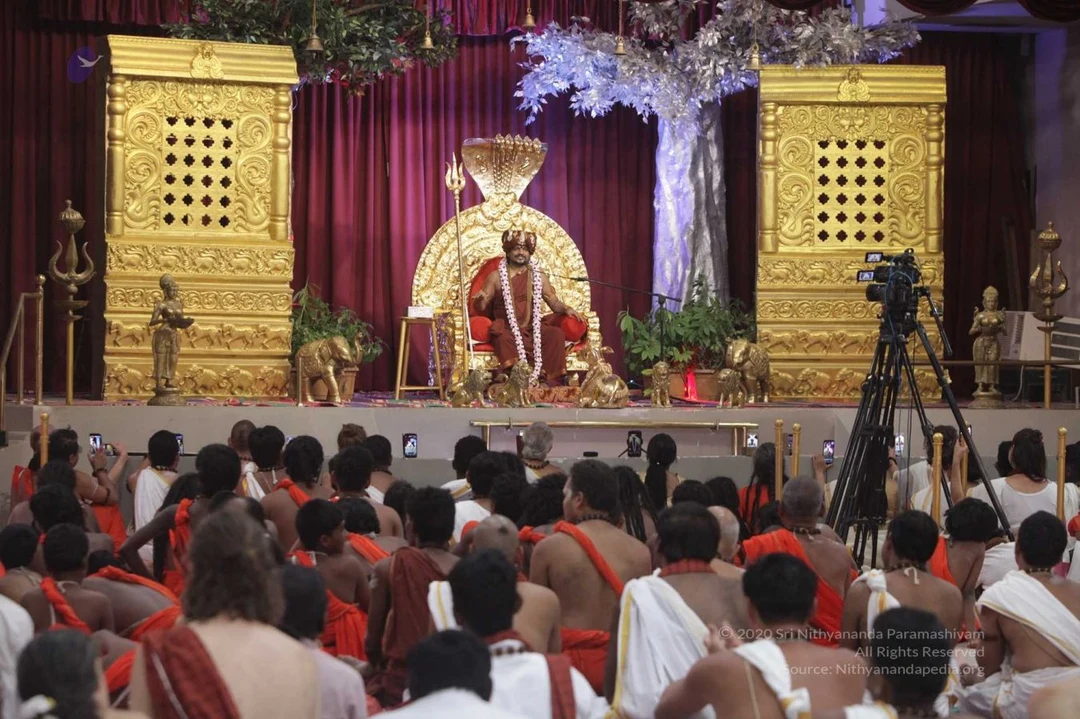 HDH Nithyananda Paramashivam delivering the morning satsang
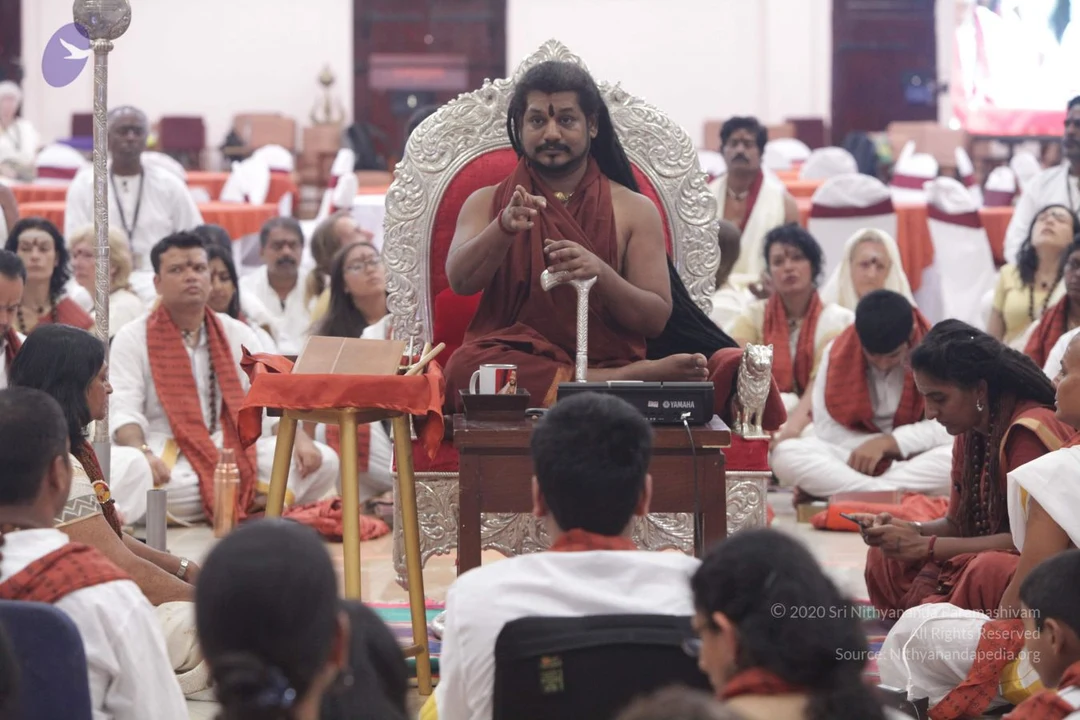
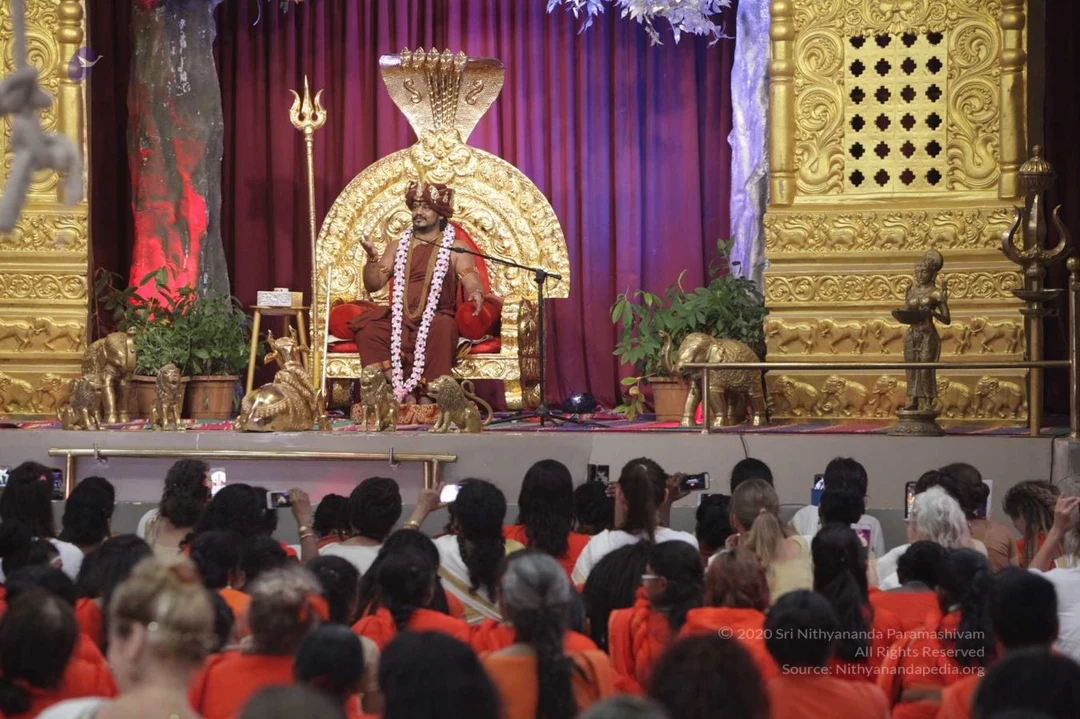 HDH Nithyananda Paramashivam delivering a discourse on Yoga
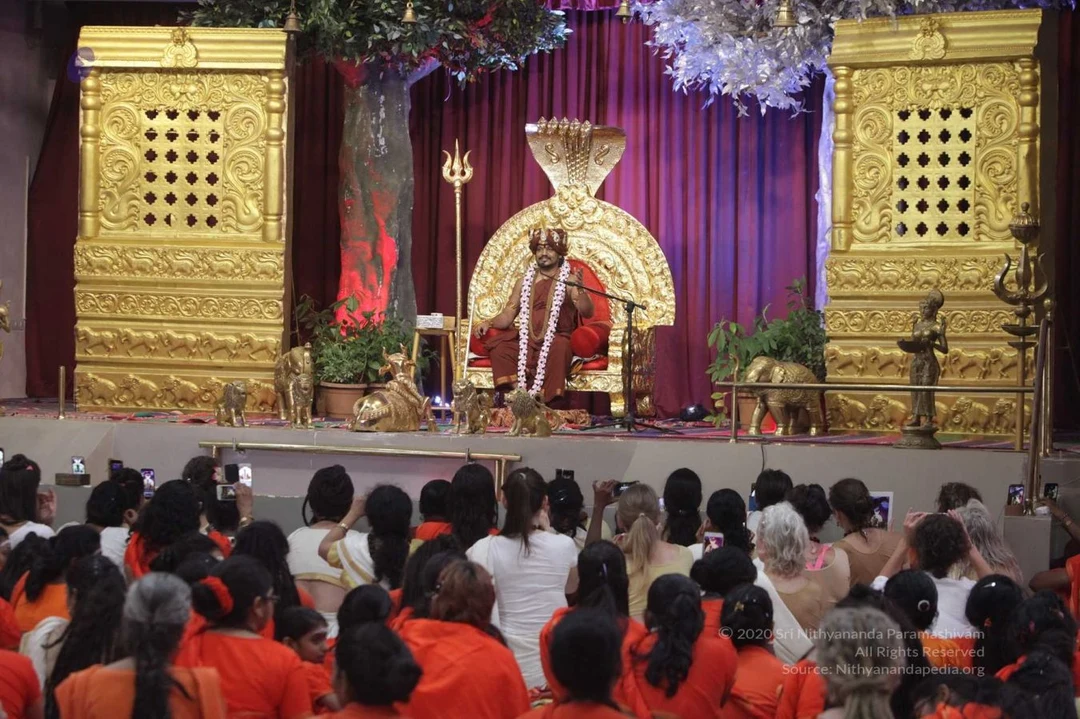 HDH Nithyananda Paramashivam delivering a discourse on Yoga
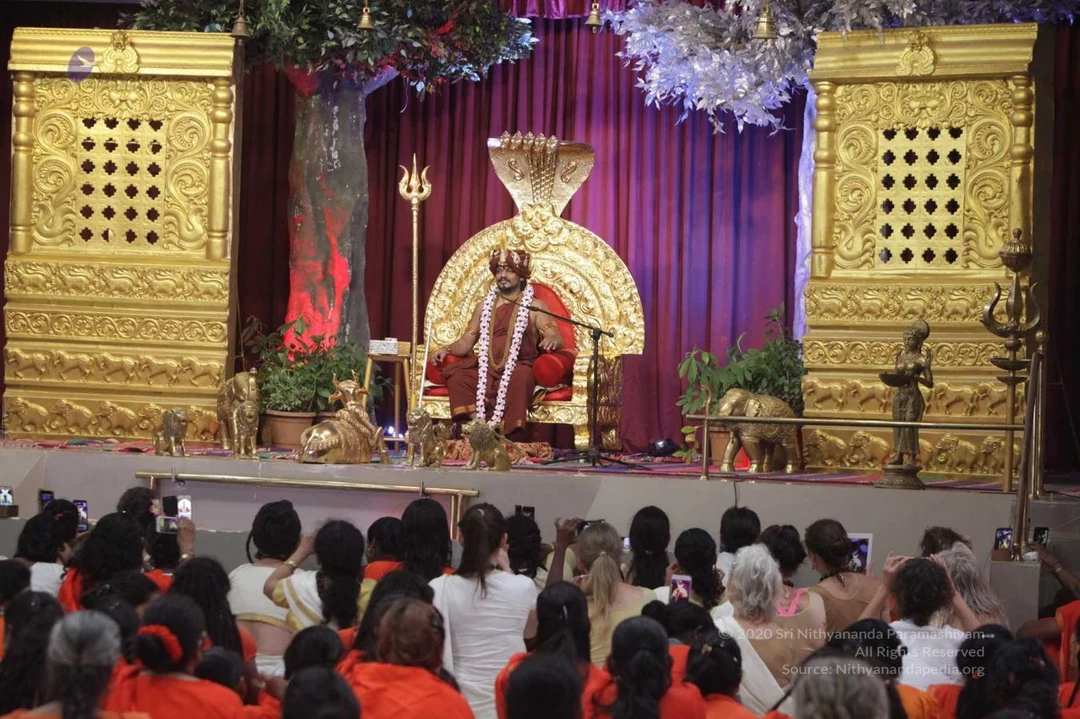 HDH Nithyananda Paramashivam delivering a discourse on Yoga
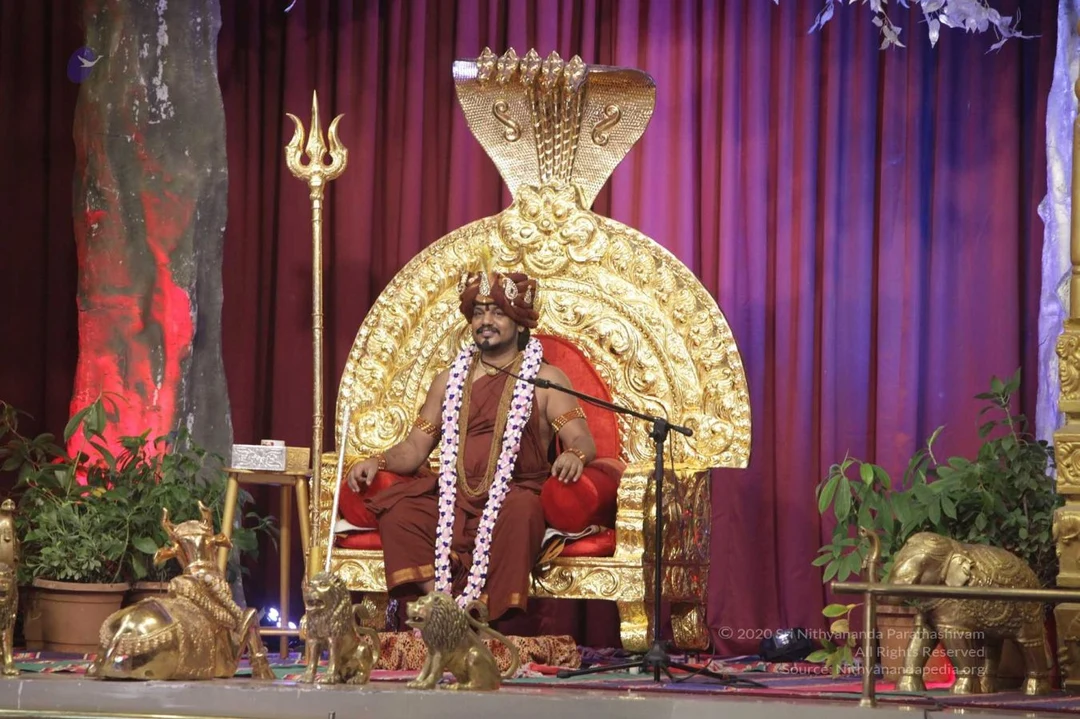 HDH Nithyananda Paramashivam giving energy darshan
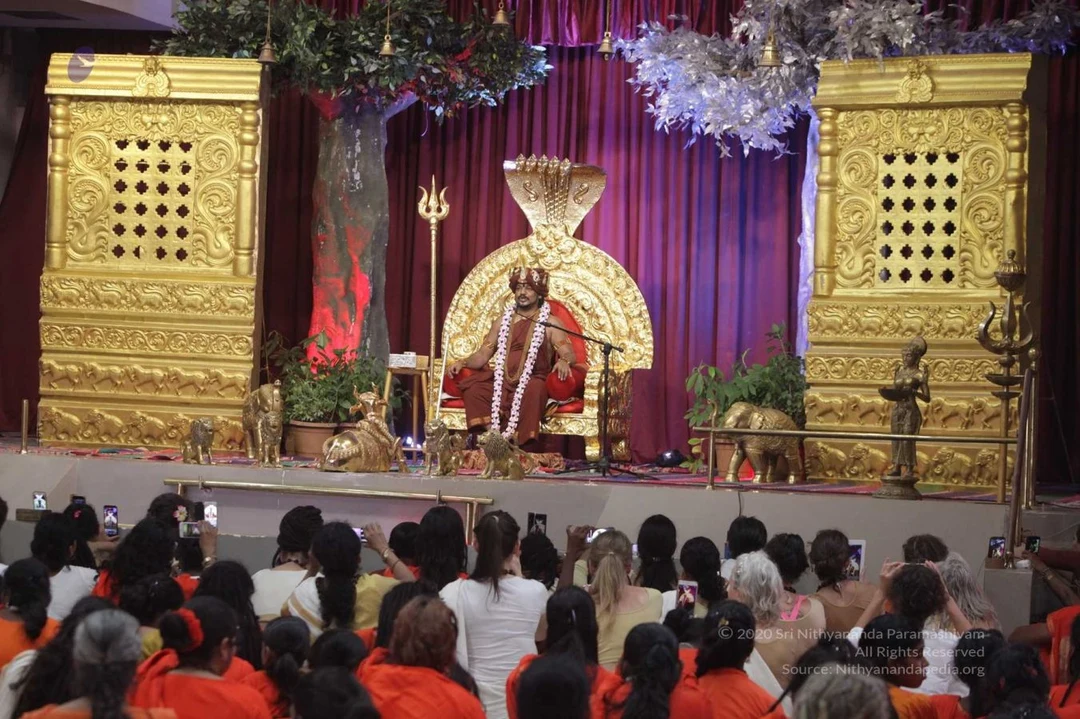 HDH Nithyananda Paramashivam delivering a discourse on Yoga
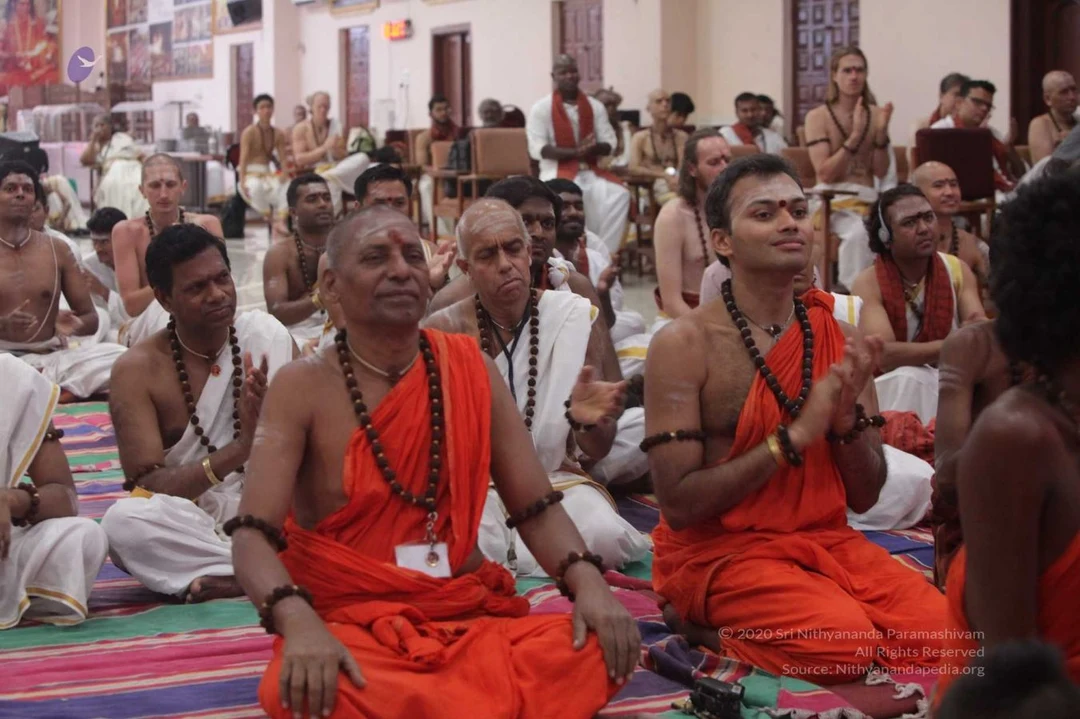 Sanyasies and the delegates sitting in the presence of HDH Nithyananda Paramashivam
 HDH Nithyananda Paramashivam delivering a discourse on Yoga
 HDH Nithyananda Paramashivam delivering a discourse on Yoga
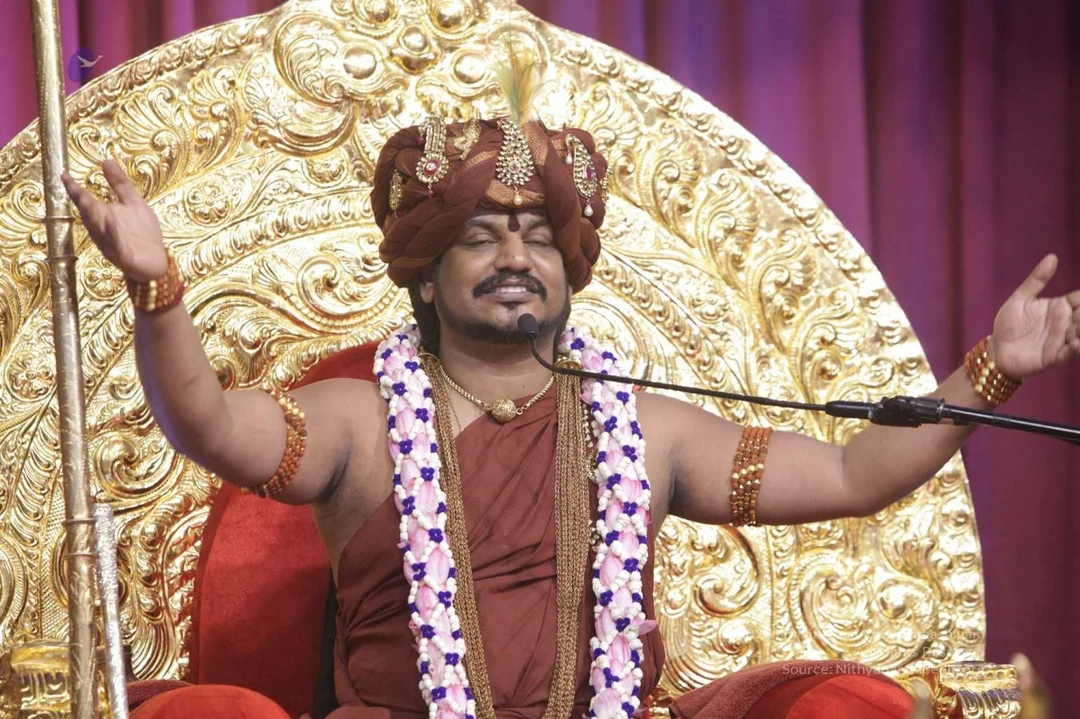 HDH Nithyananda Paramashivam delivering a discourse on Yoga
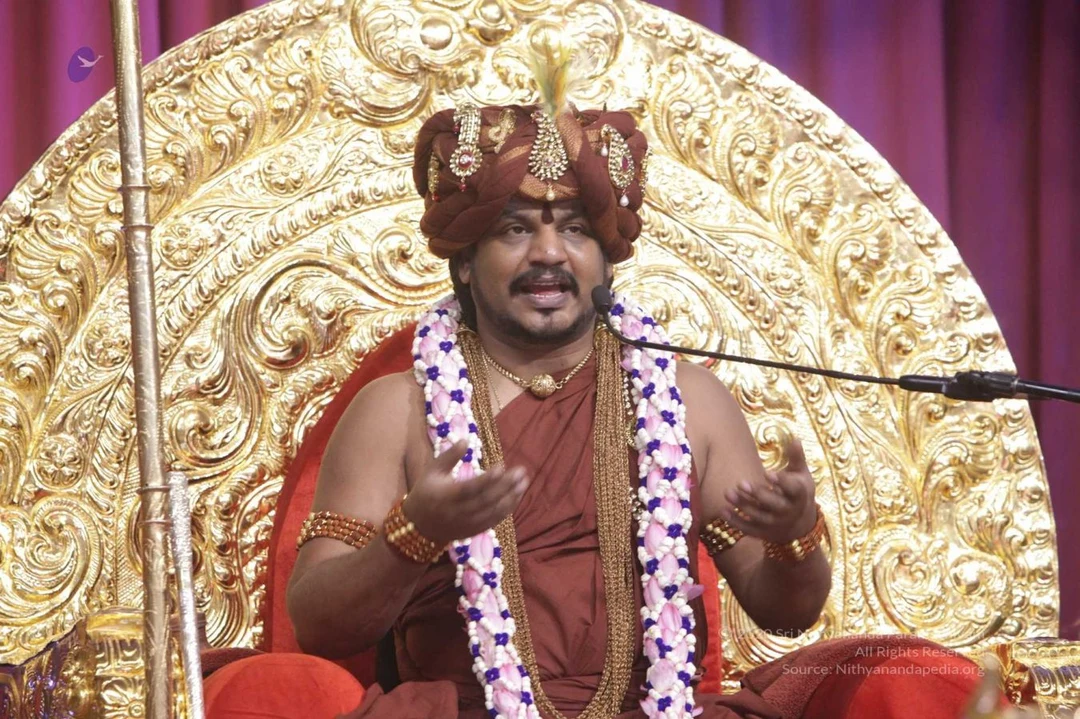 HDH Nithyananda Paramashivam delivering a discourse on Yoga
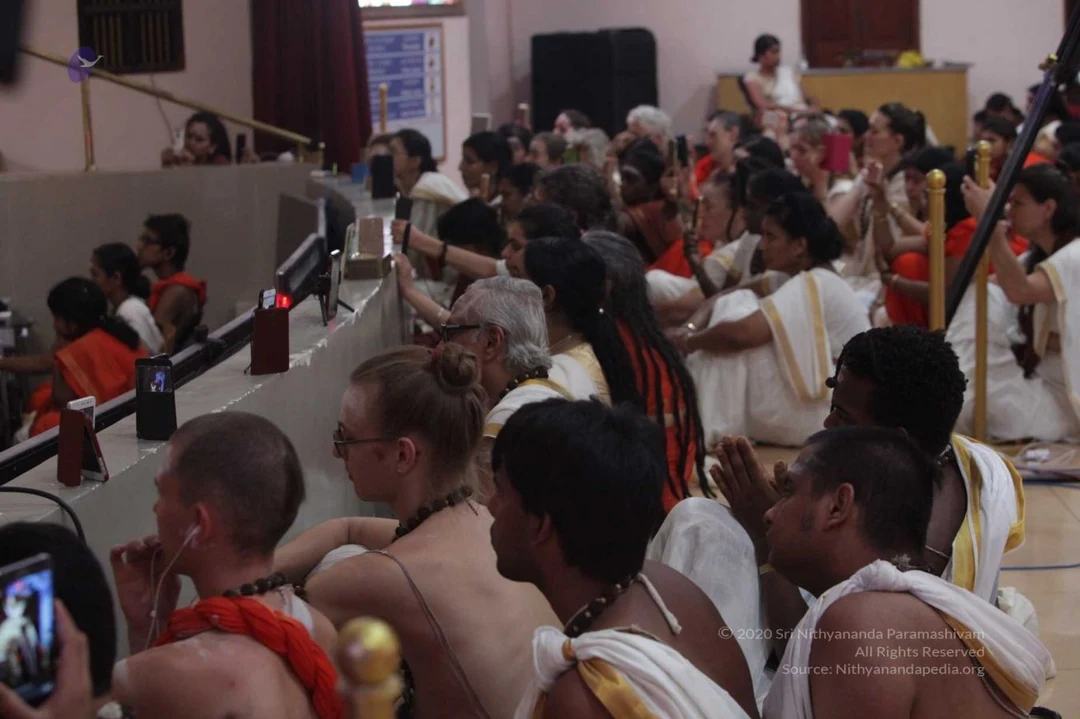 The Sanyasies and the delegates sitting in the presence of HDH Nithyananda Paramashivam
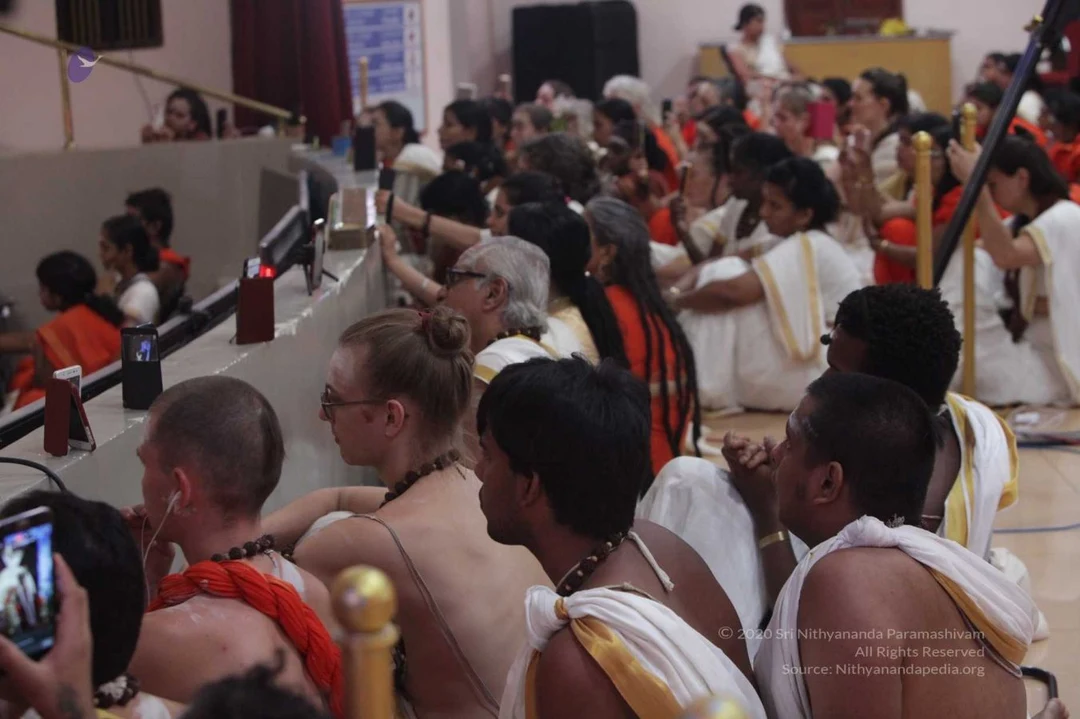 The Sanyasies and the delegates sitting in the presence of HDH Nithyananda Paramashivam
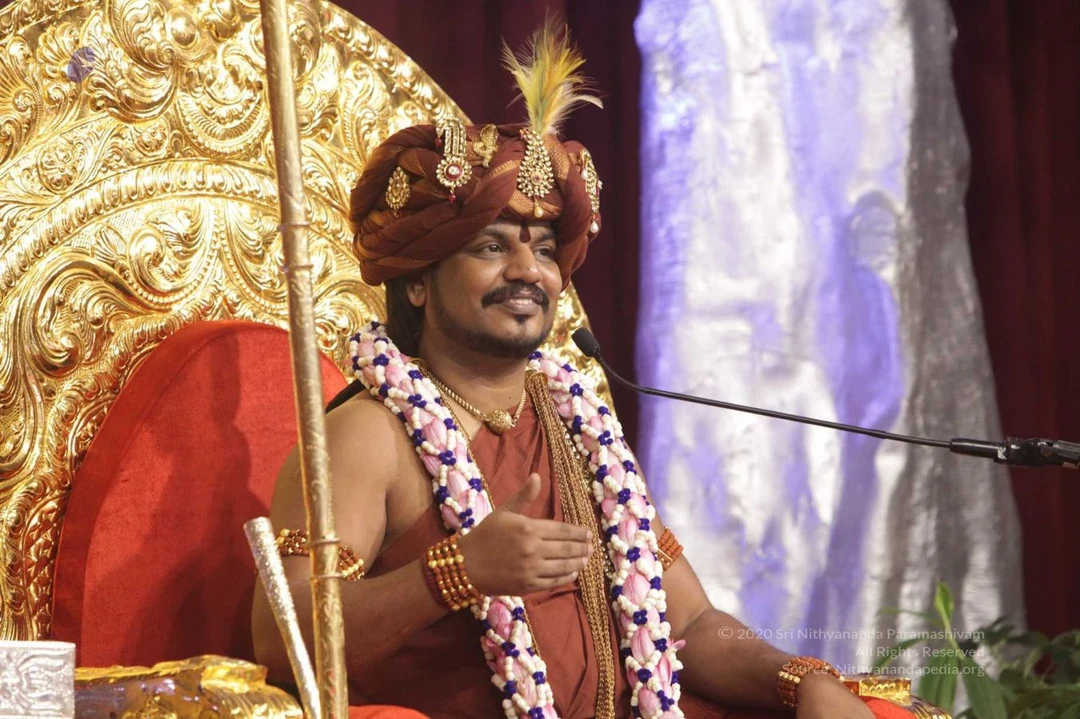 HDH Nithyananda Paramashivam delivering a discourse on Yoga
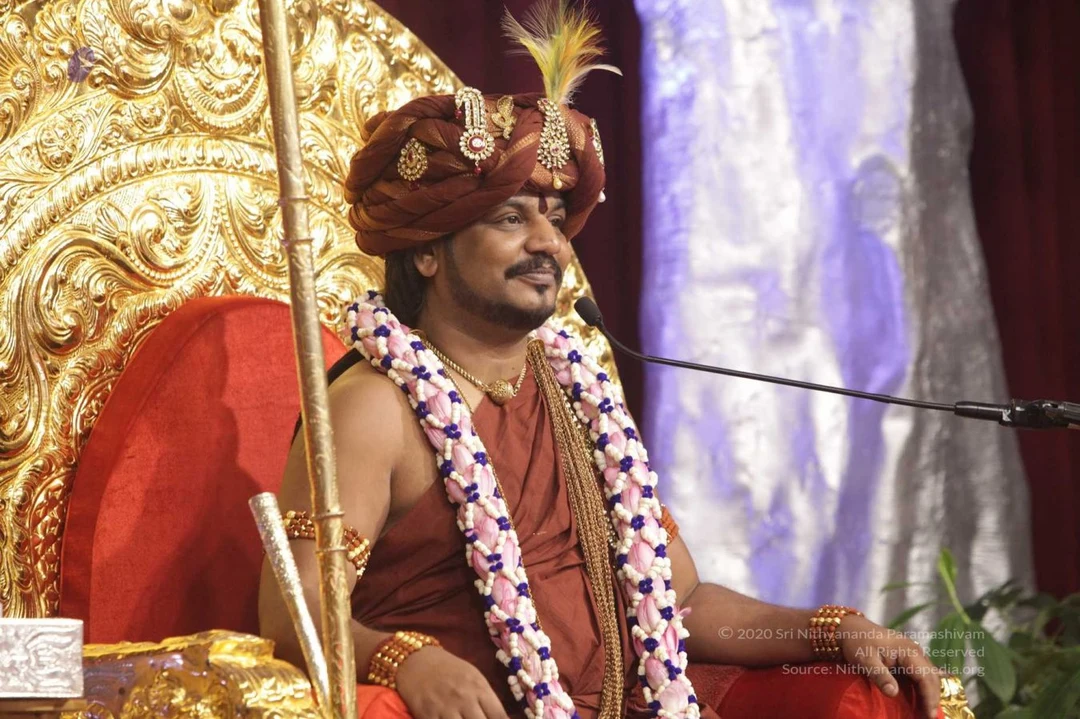 HDH Nithyananda Paramashivam delivering the morning satsang
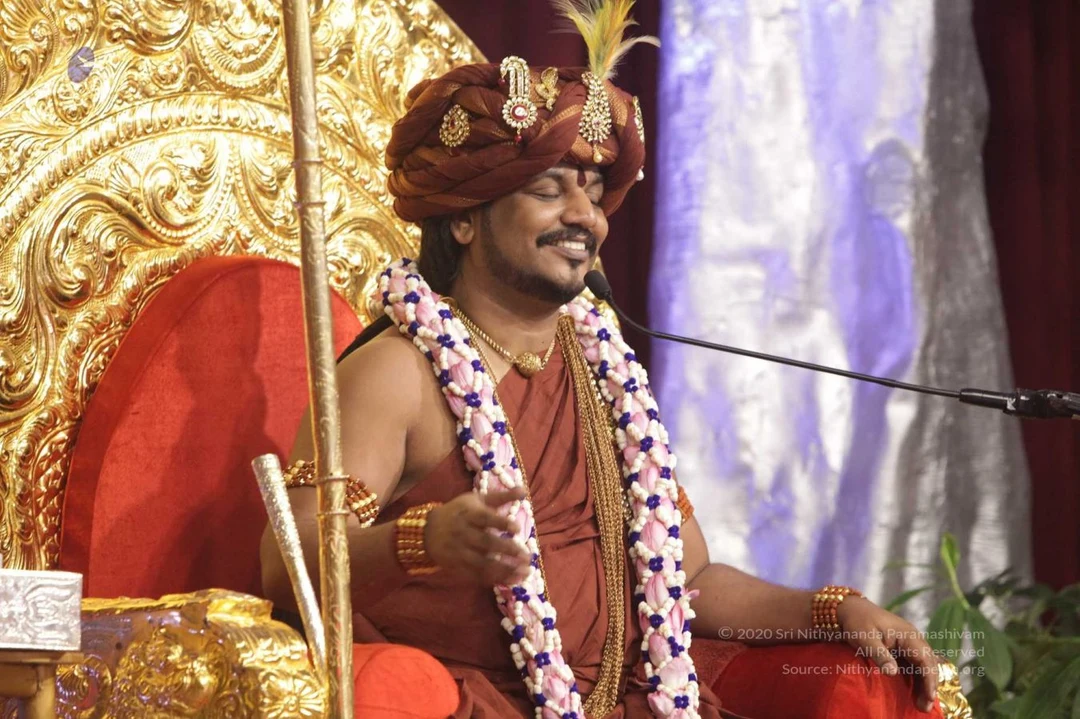 HDH Nithyananda Paramashivam releasing the sacred truth from Agamas
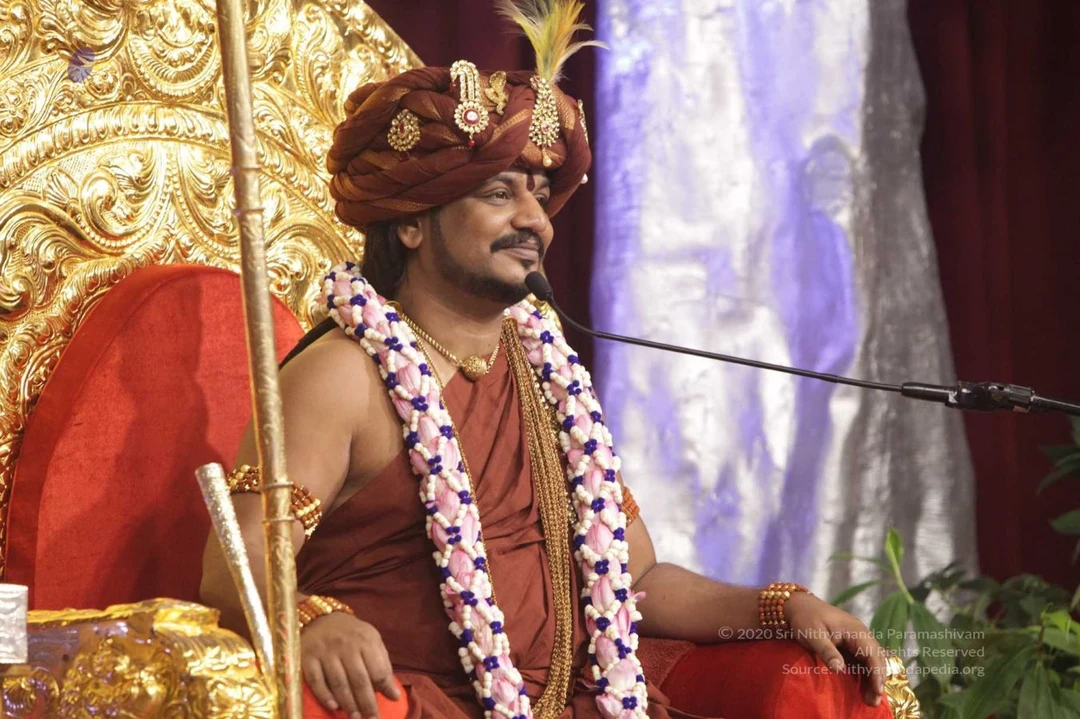 HDH Nithyananda Paramashivam releasing the sacred truth from Agamas
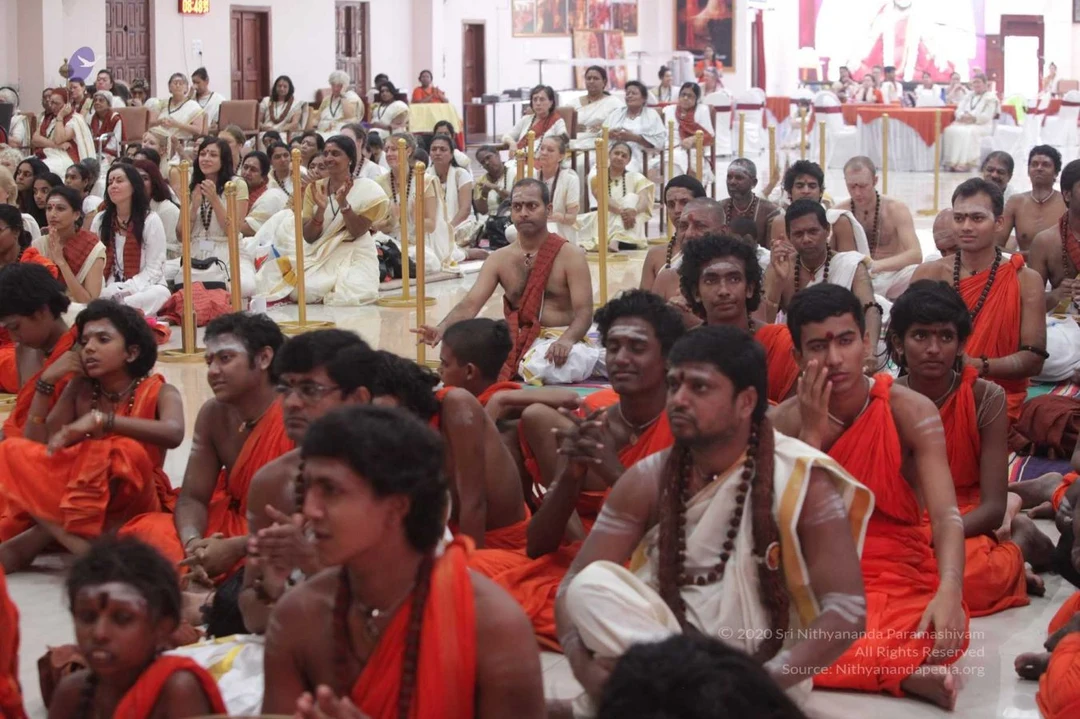 Balasanths and delegates enjoying the presence of HDH Nithyananda Paramashivam during the morning satsang
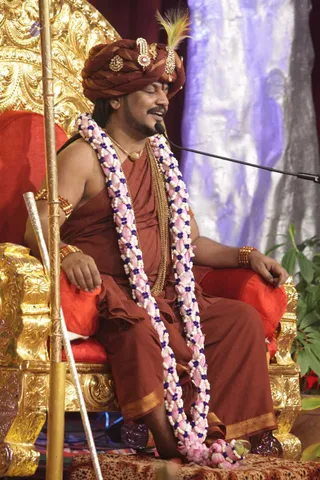 HDH Nithyananda Paramashivam delivering the morning satsang
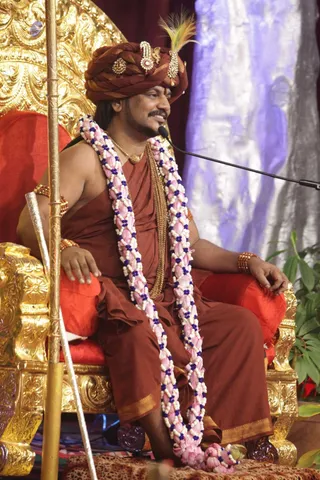 HDH Nithyananda Paramashivam delivering the morning satsang
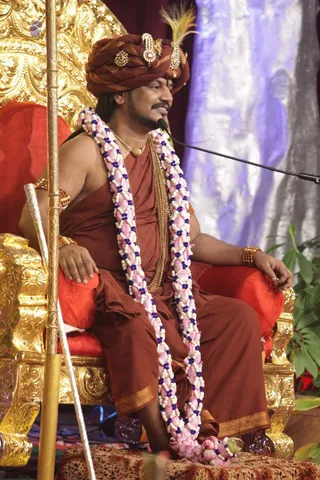 HDH Nithyananda Paramashivam addressing the delegates during the morning satsang
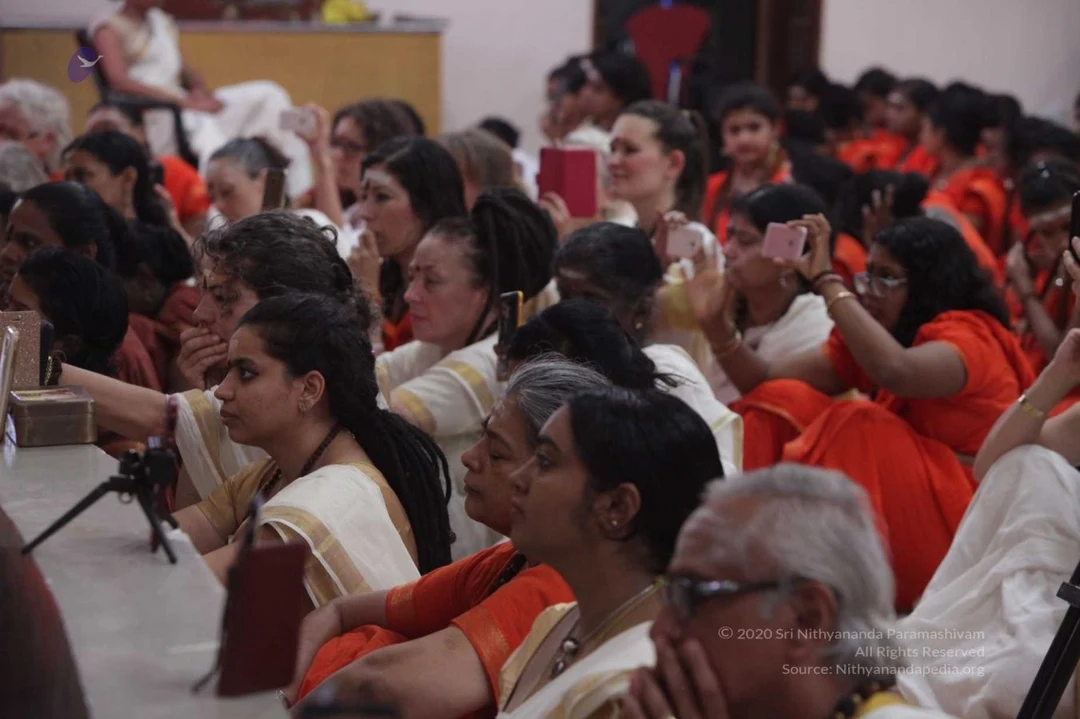 Kailasavasis and the Sanyasies sitting in the presence of the HDH Nithyananda Paramashivam during the morning satsang
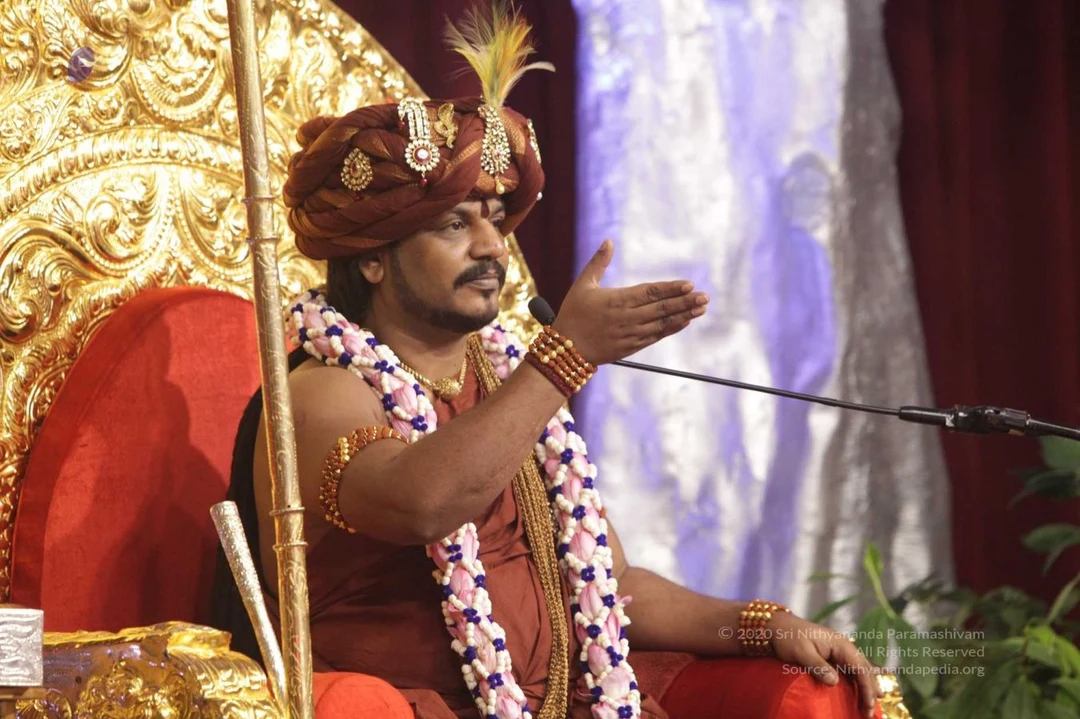 HDH Nithyananda Paramashivam delivering the morning satsang
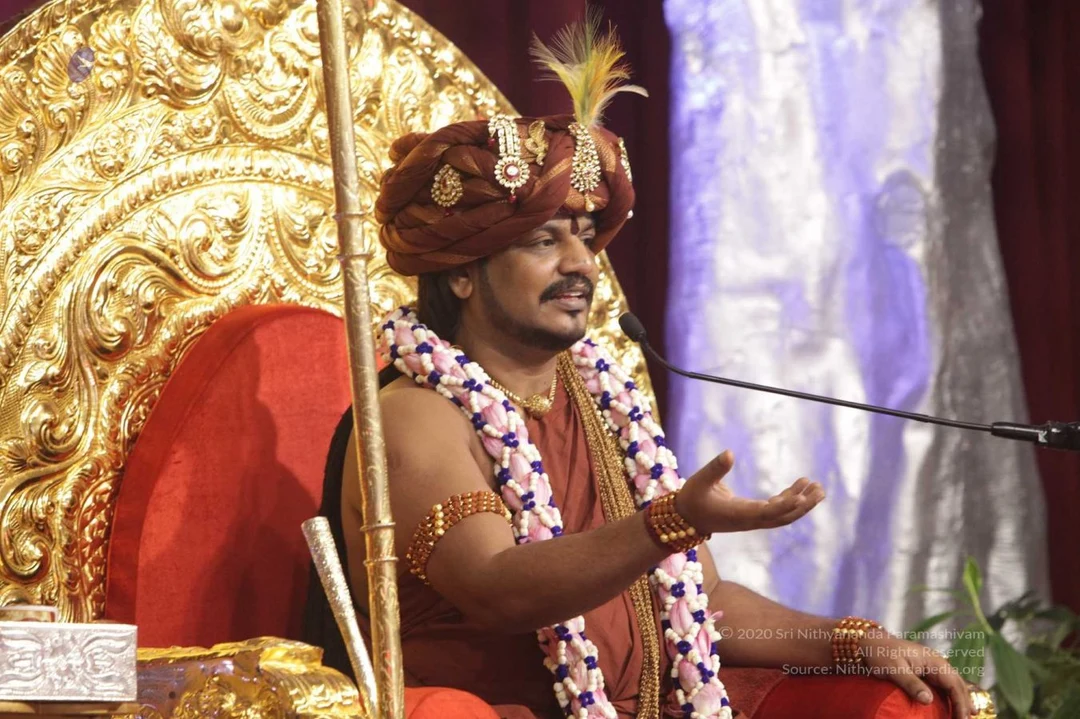 HDH Nithyananda Paramashivam explaining the sacred truths from Agamas
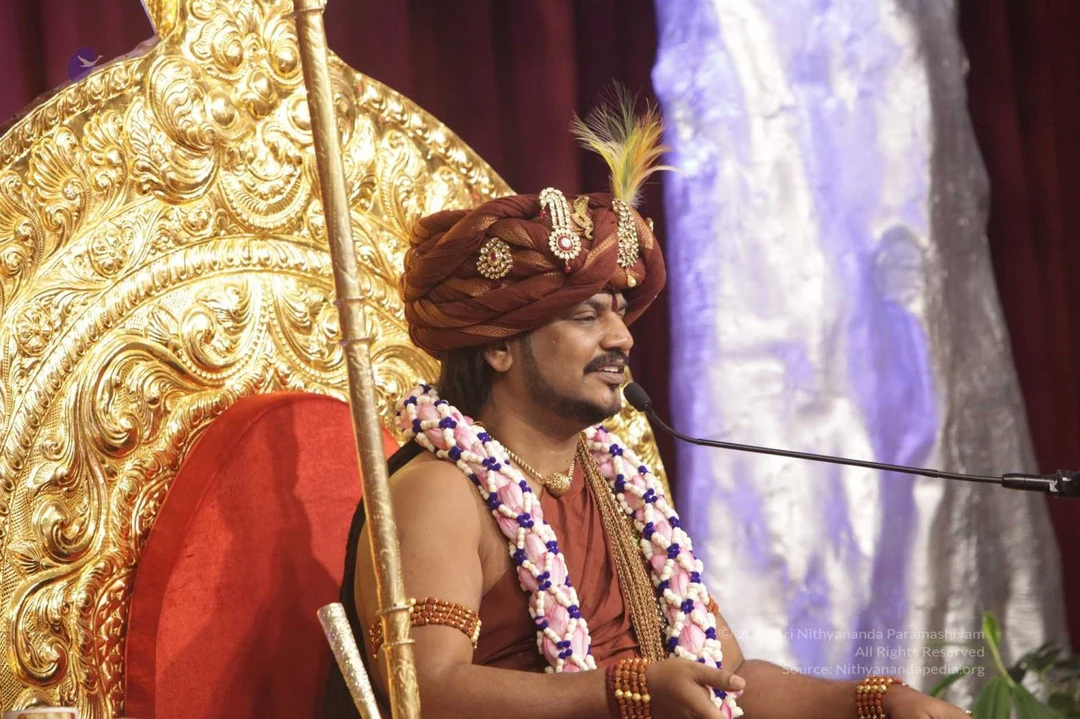 HDH Nithyananda Paramashivam explaining the sacred truths from Agamas
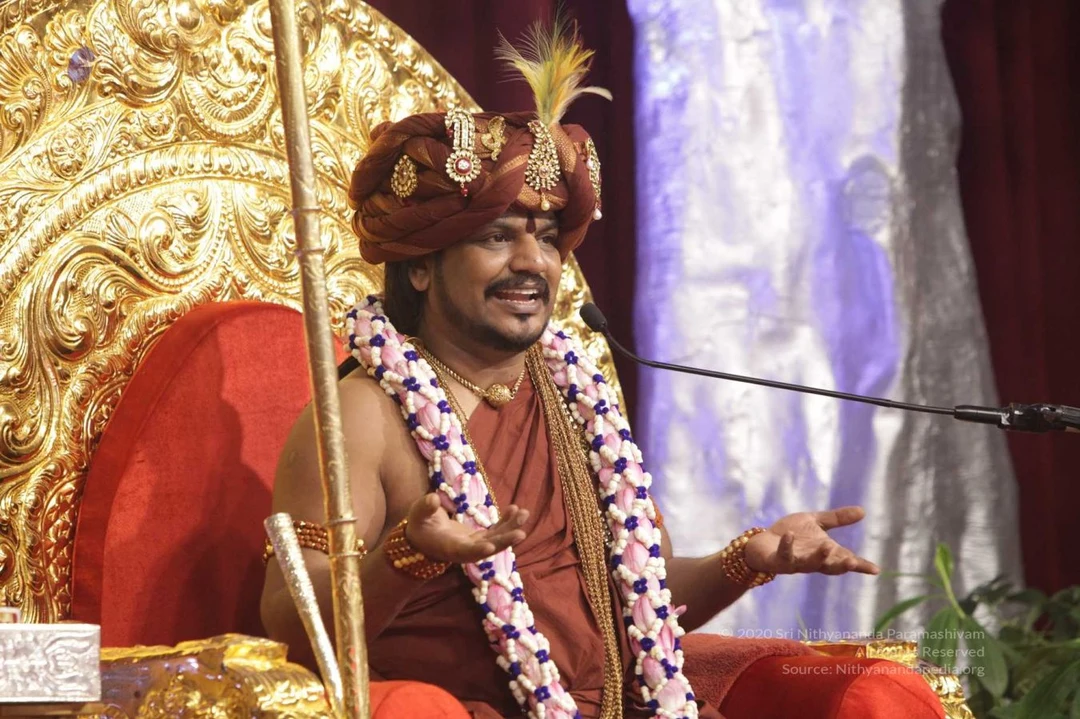 HDH Nithyananda Paramashivam explaining the sacred truths from Agamas
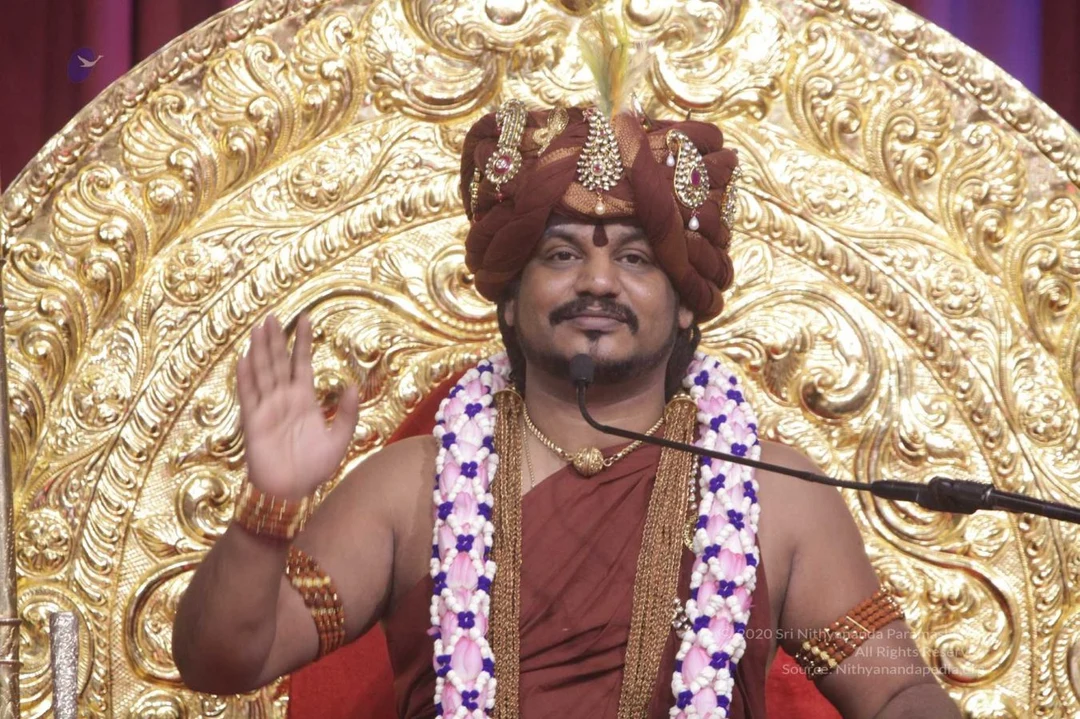 HDH Nithyananda Paramashivam revealing the truths from Agamas
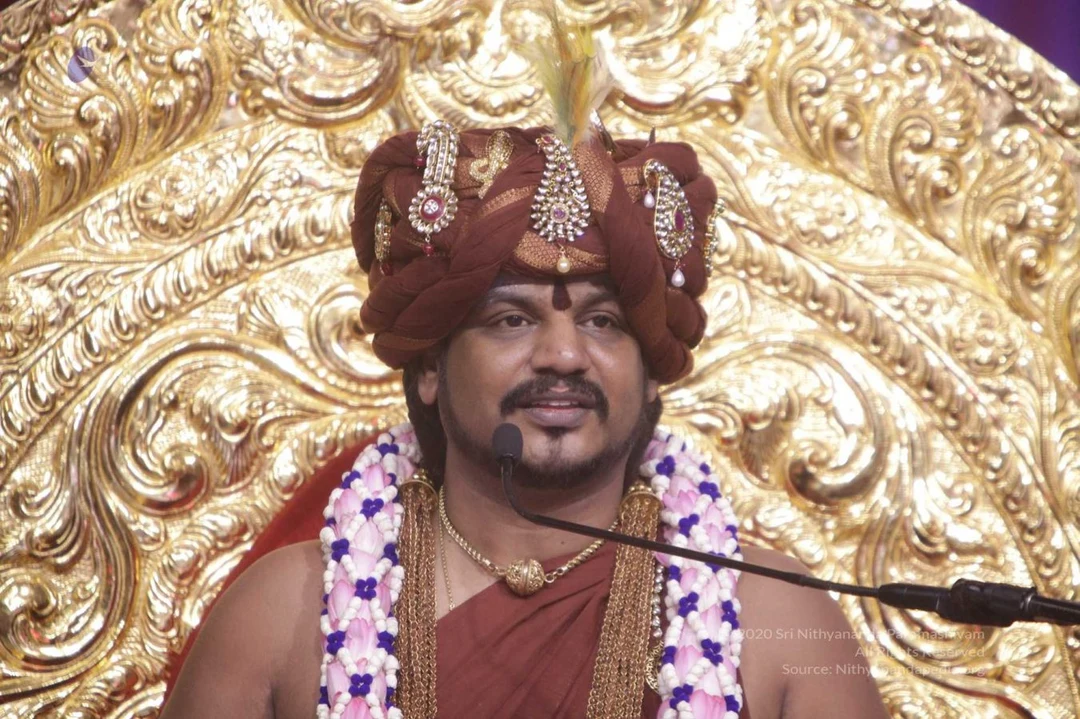 HDH Nithyananda Paramashivam revealing the truths from Agamas
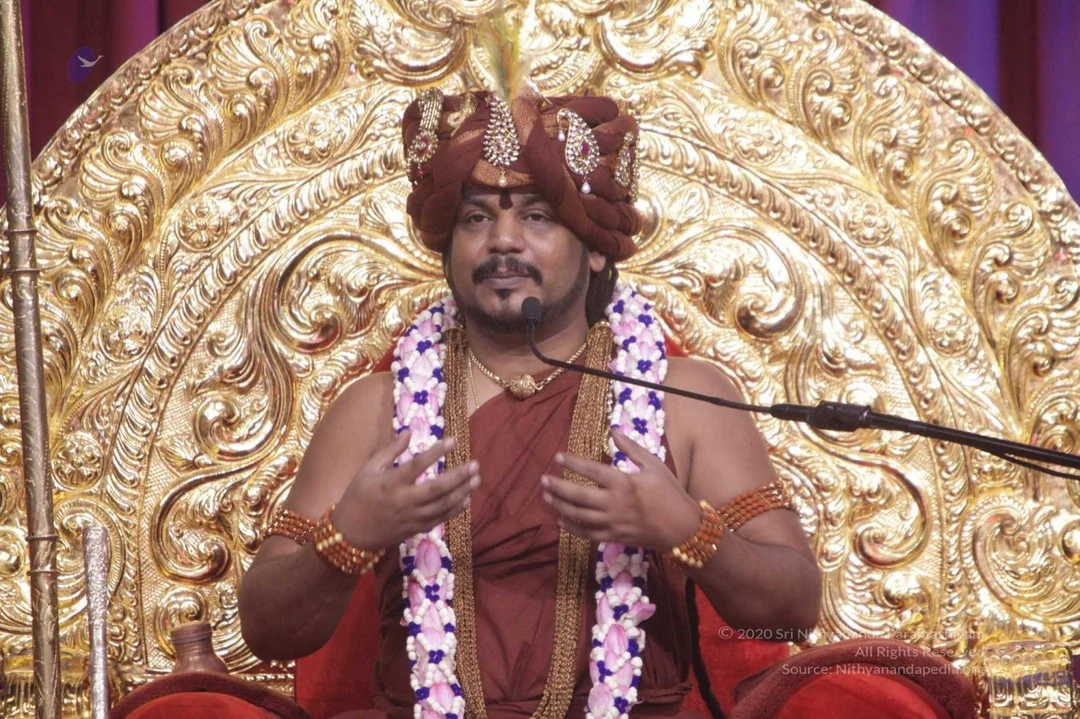 HDH Nithyananda Paramashivam revealing the truths from Agamas
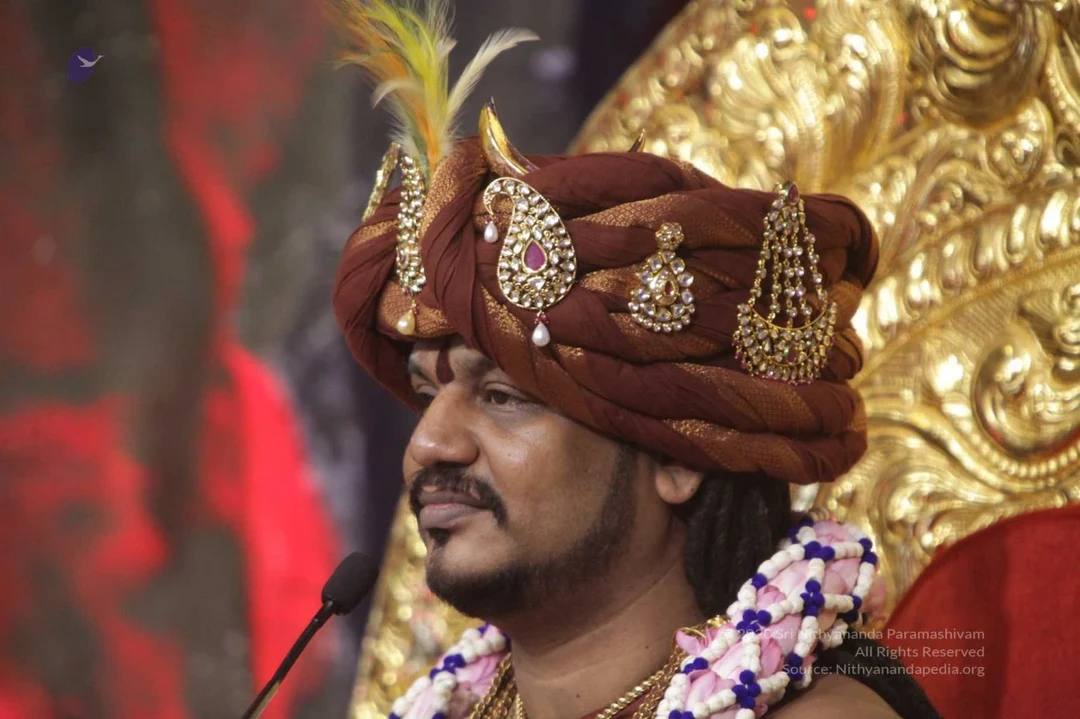 HDH Nithyananda Paramashivam during the satsang
 HDH Nithyananda Paramashivam narrating about the truth from Agamas.
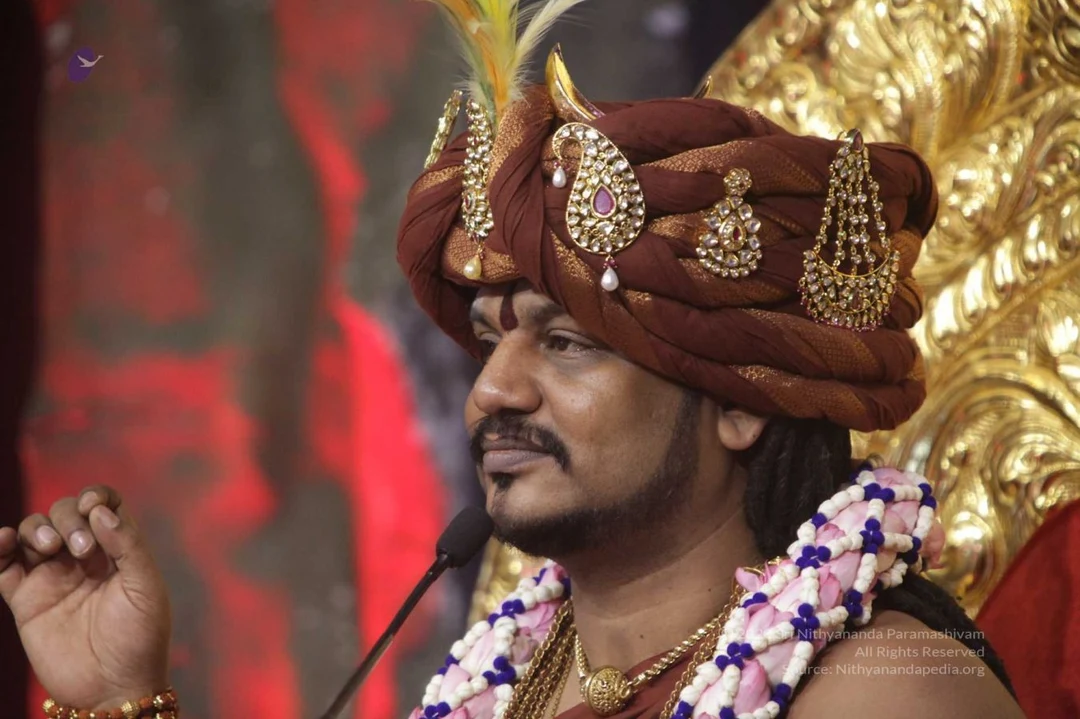 HDH Nithyananda Paramashivam relating with the sacred truth from Agamas.
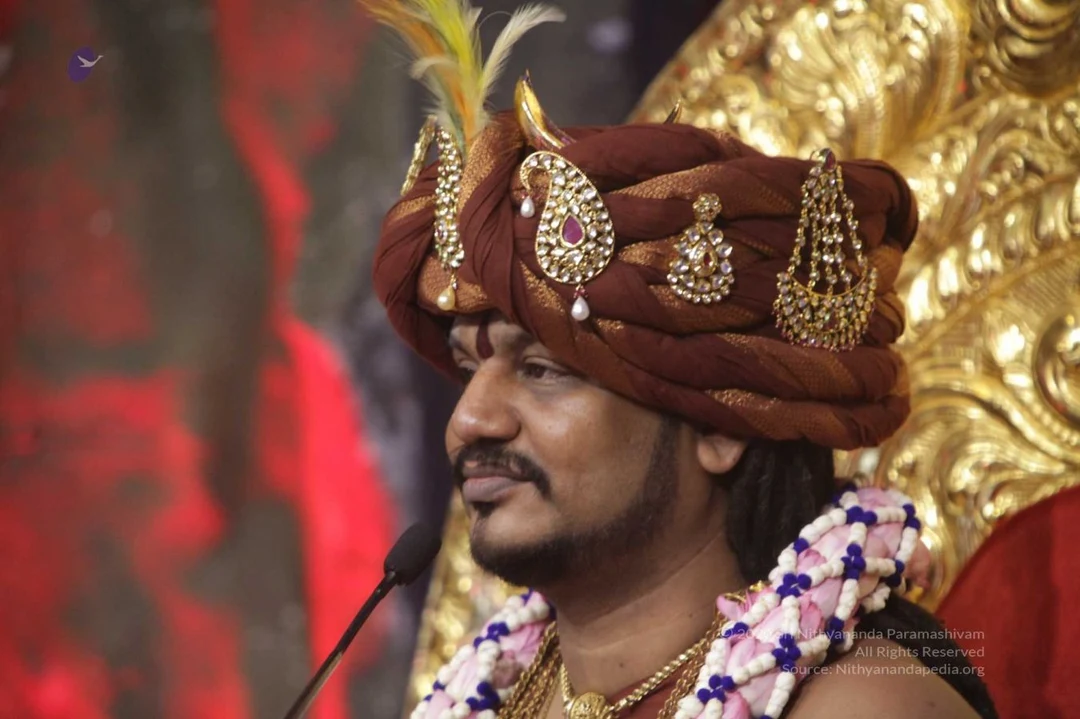 HDH Nithyananda Paramashivam delivering the truth from Agamas.
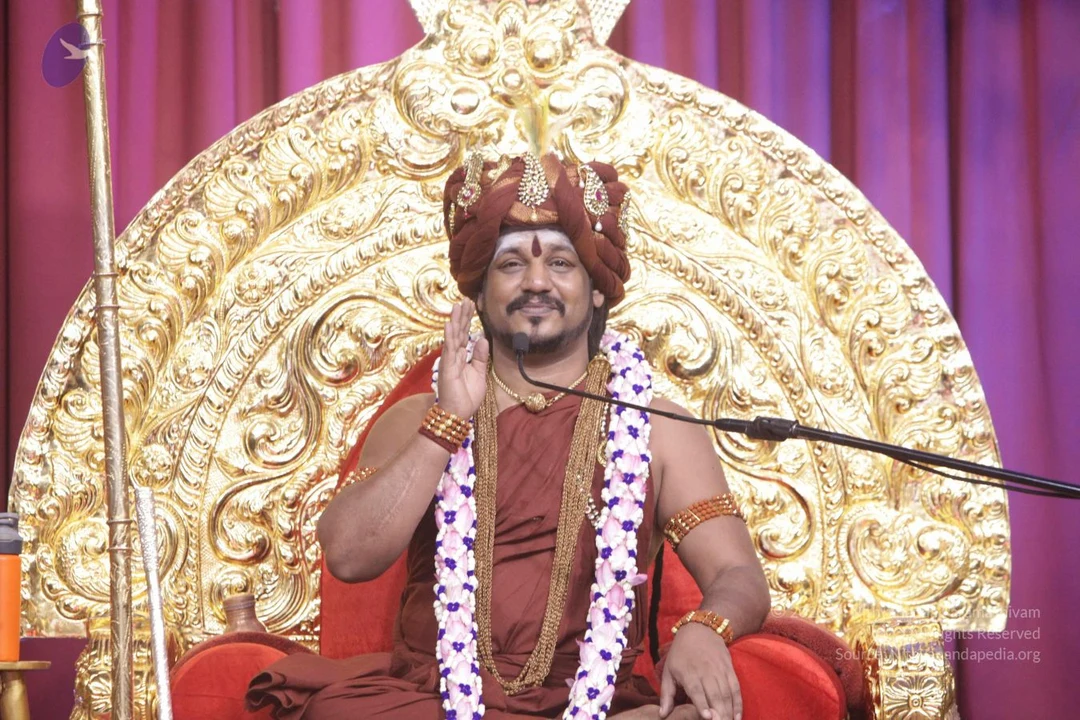
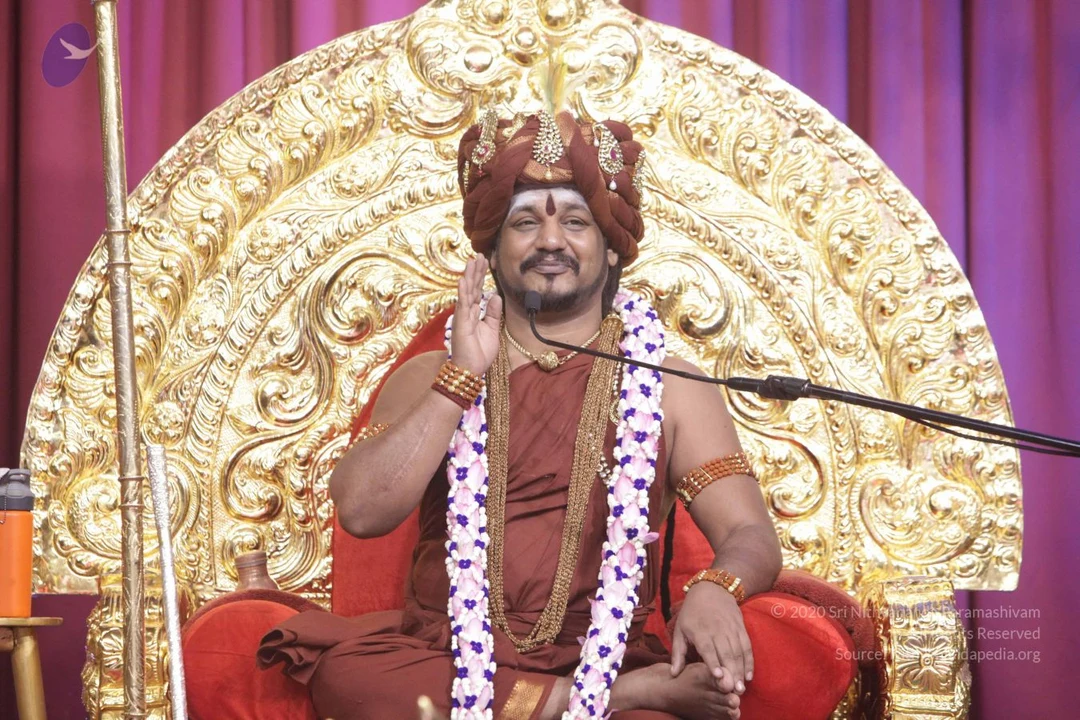
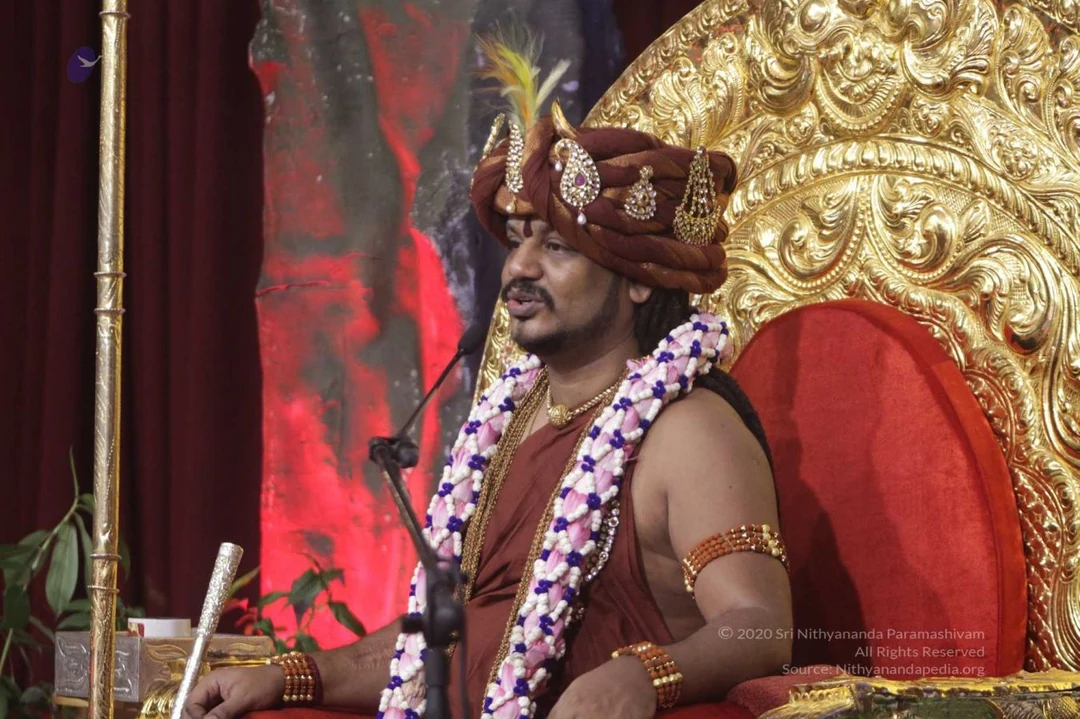 HDH Nithyananda Paramashivam delivering the satsang.
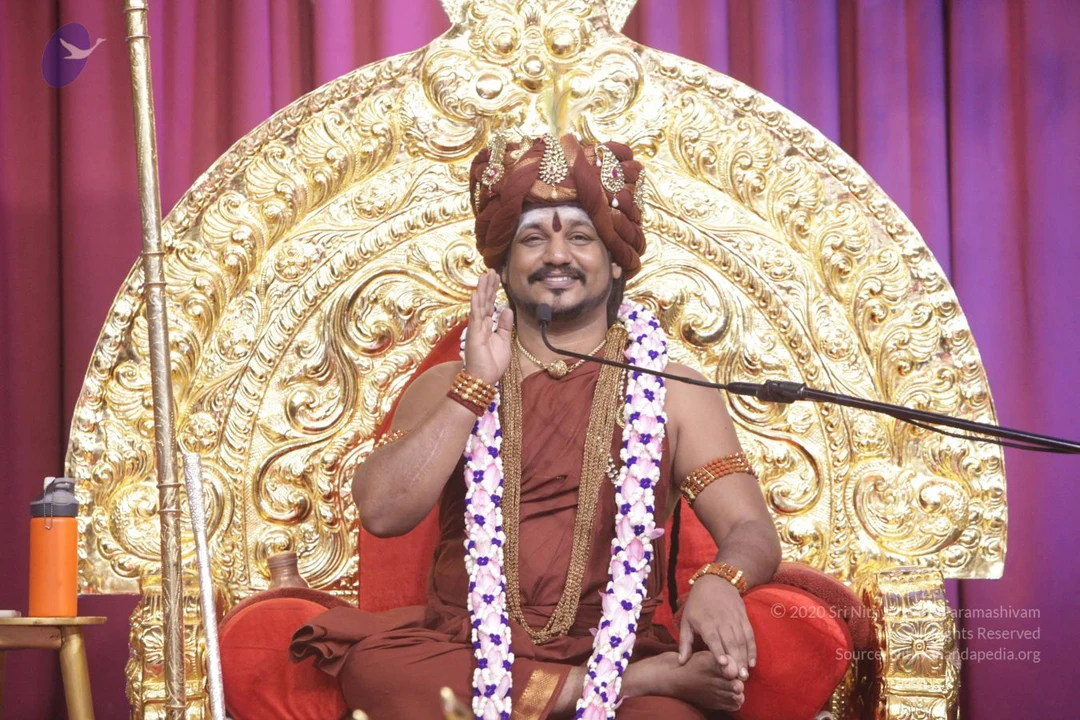
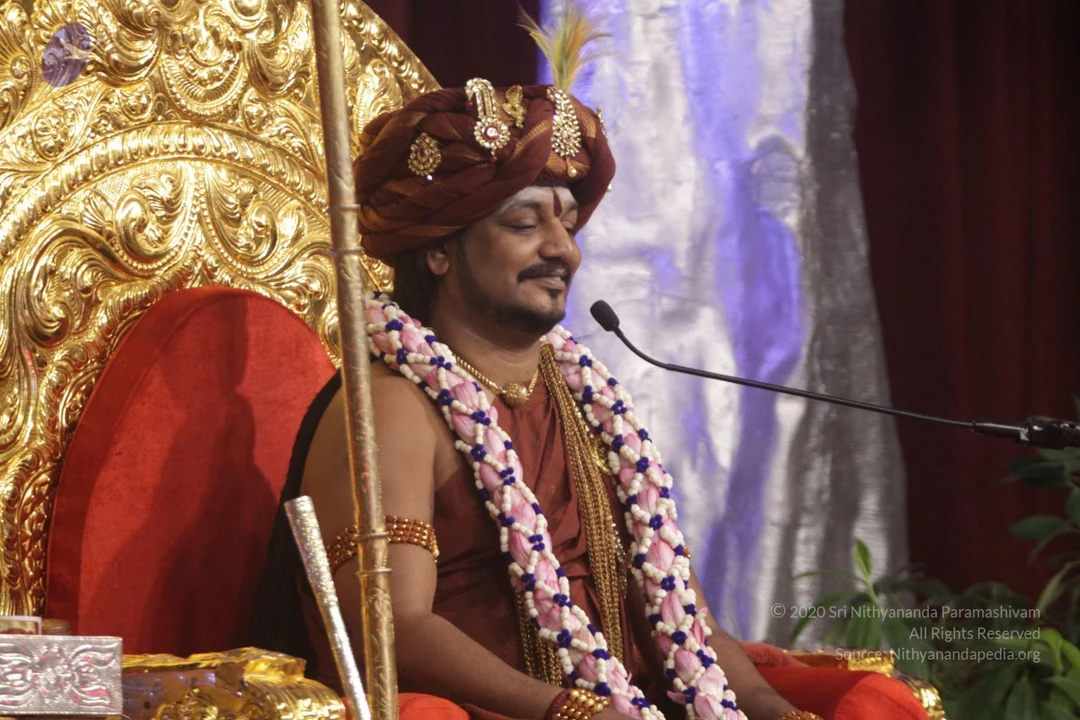
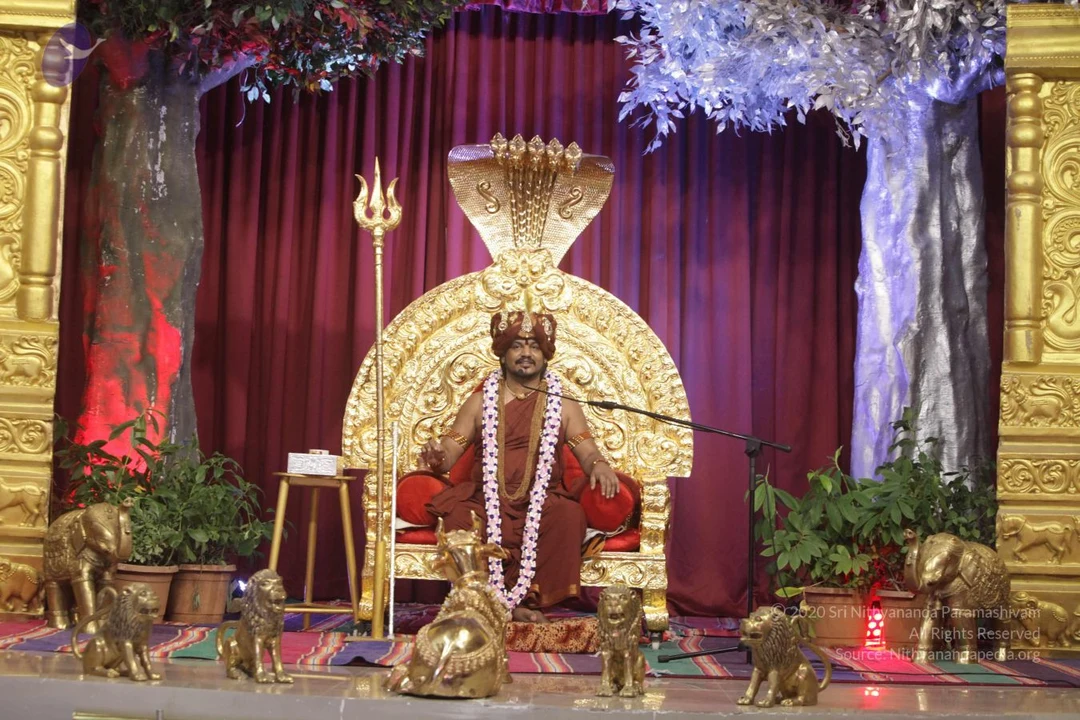
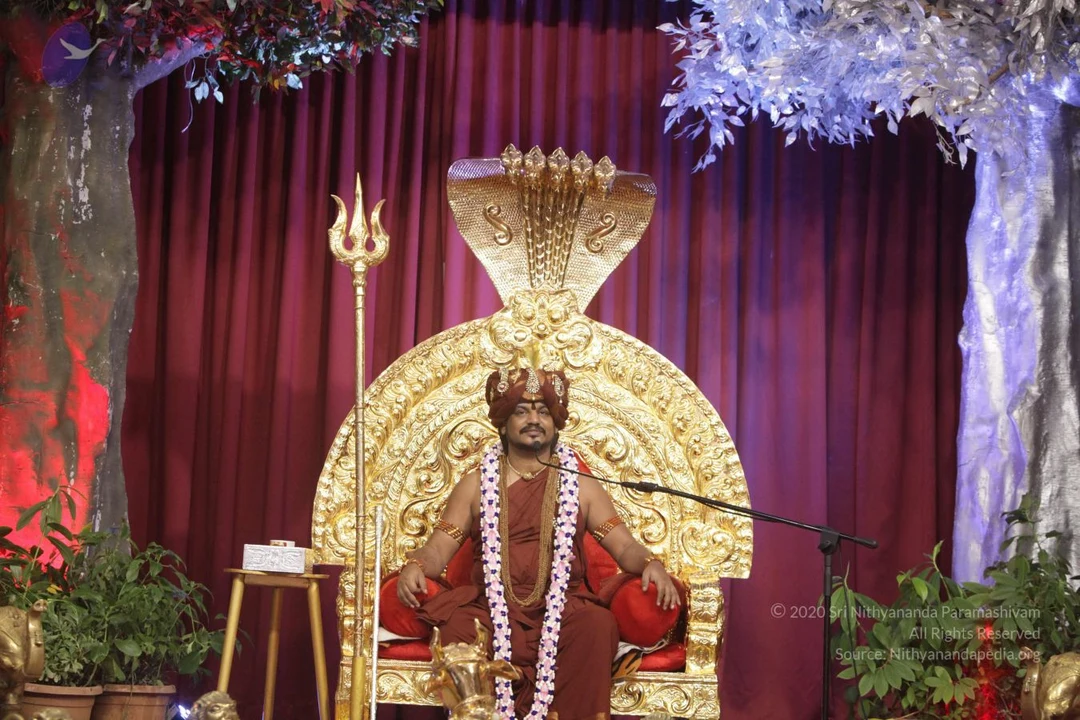
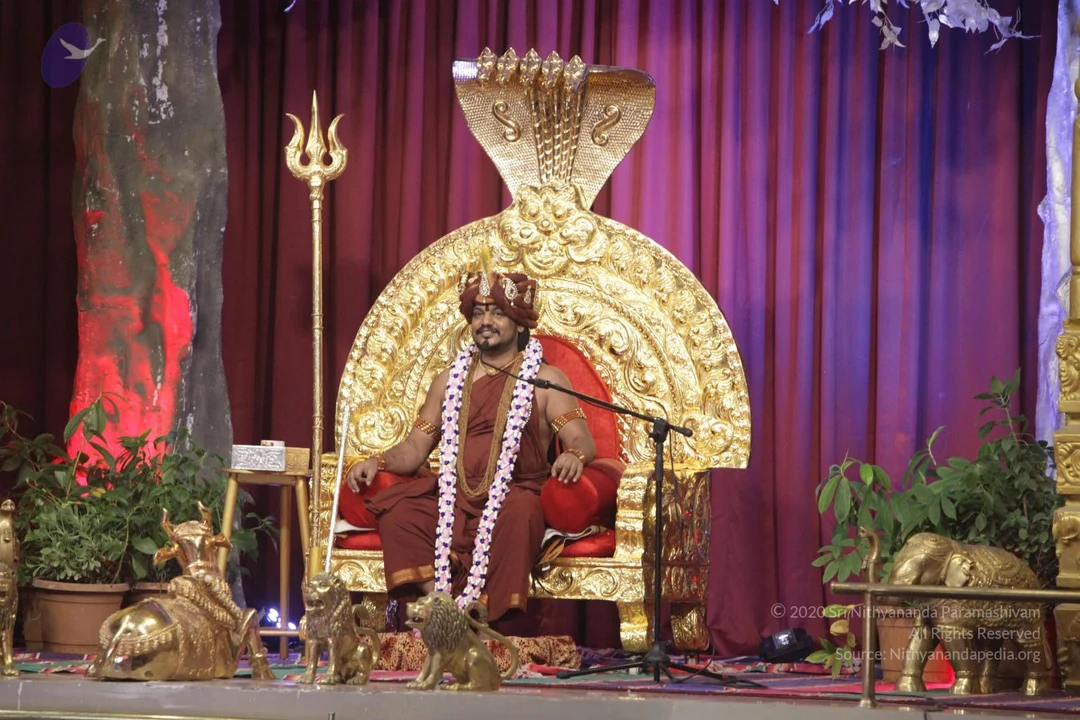
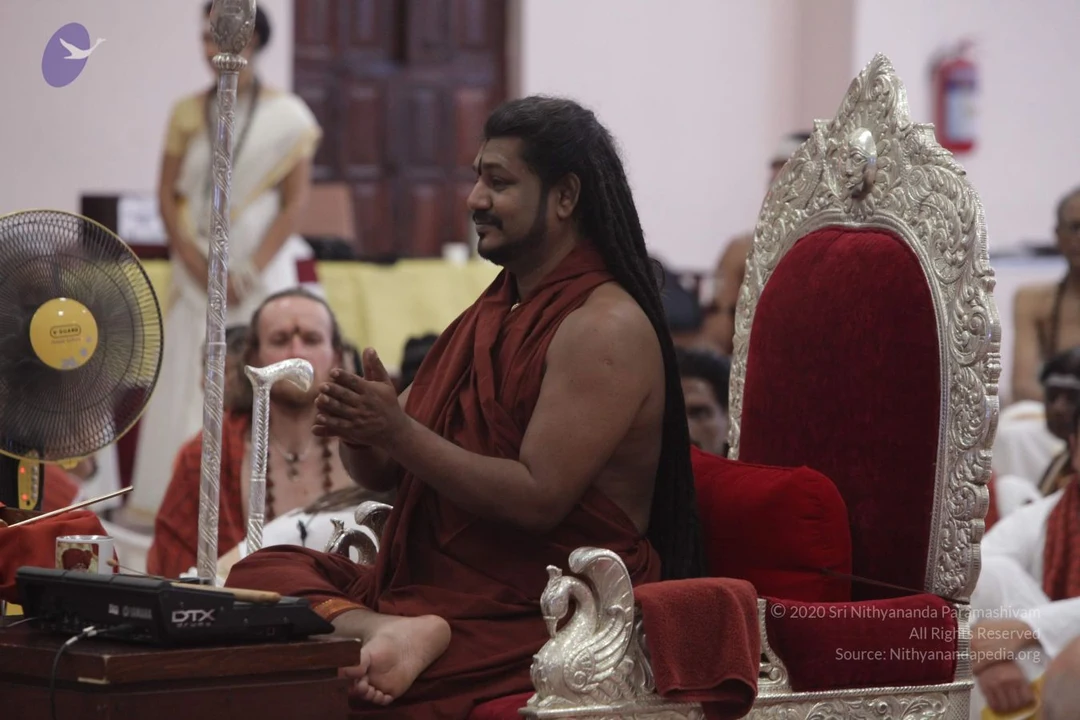
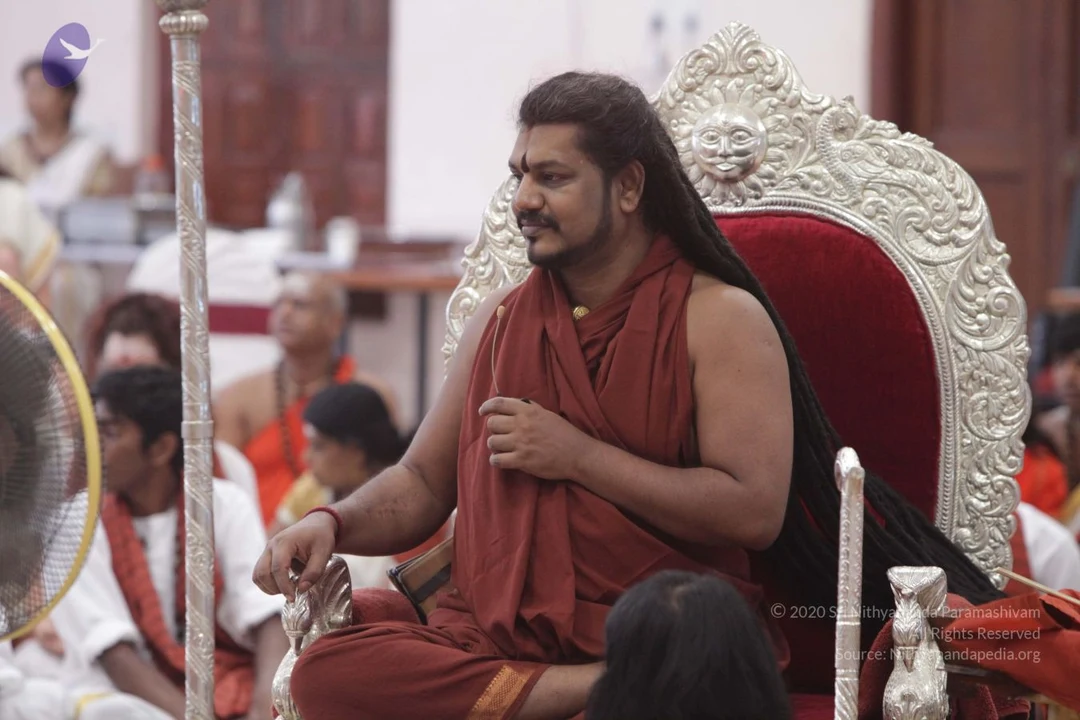
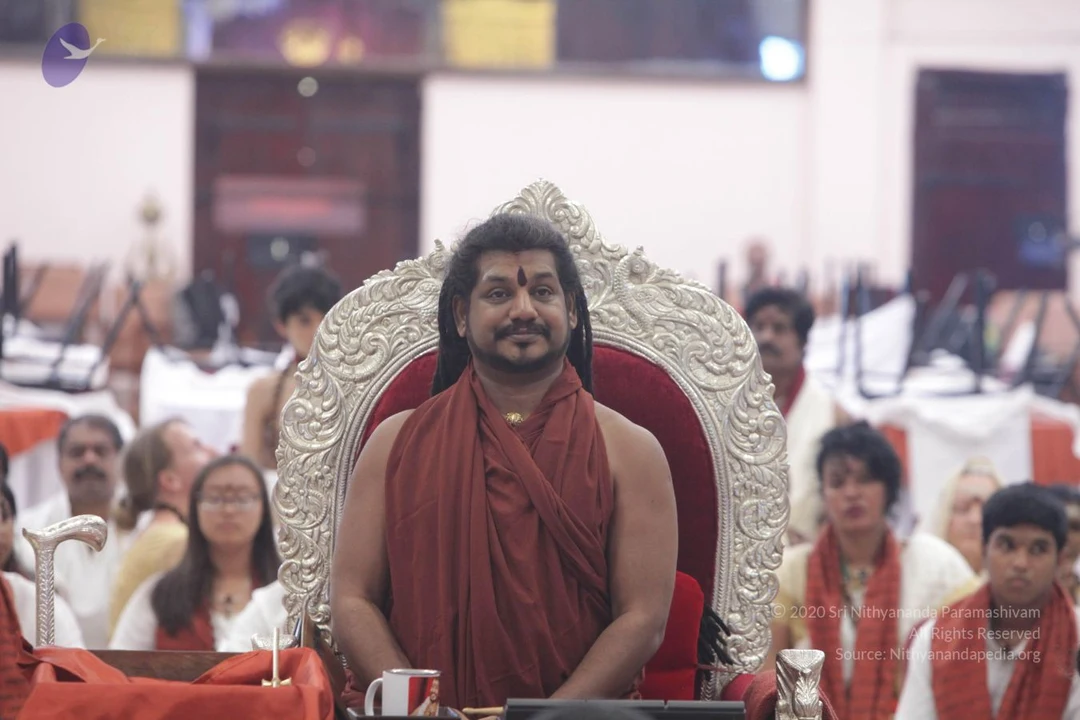
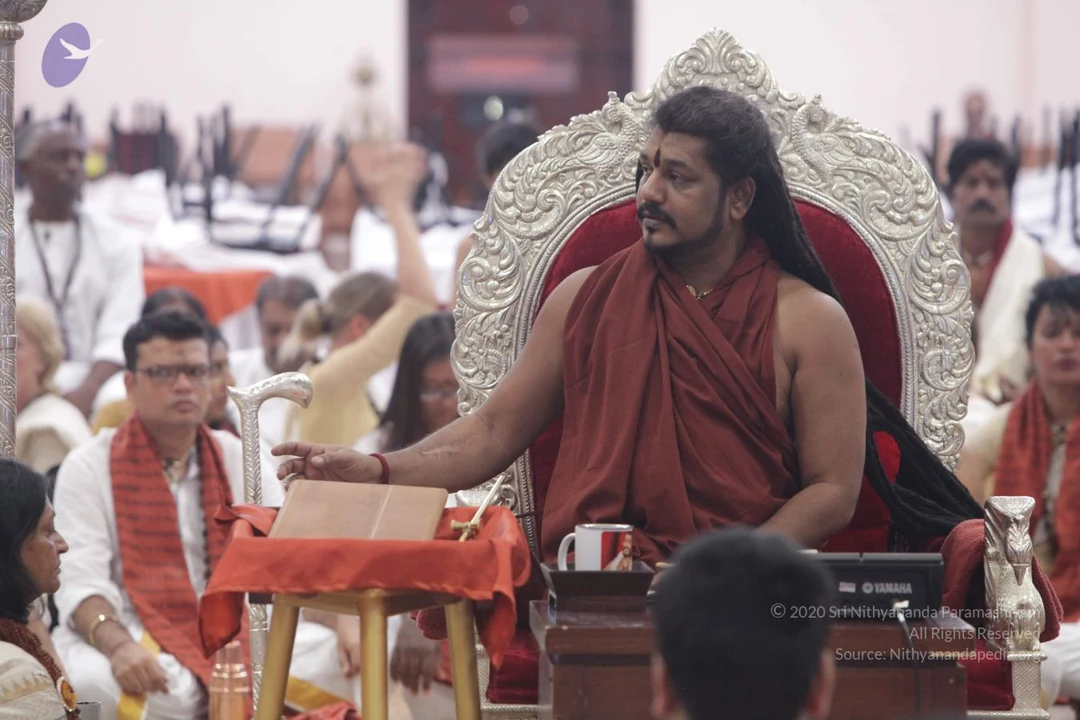
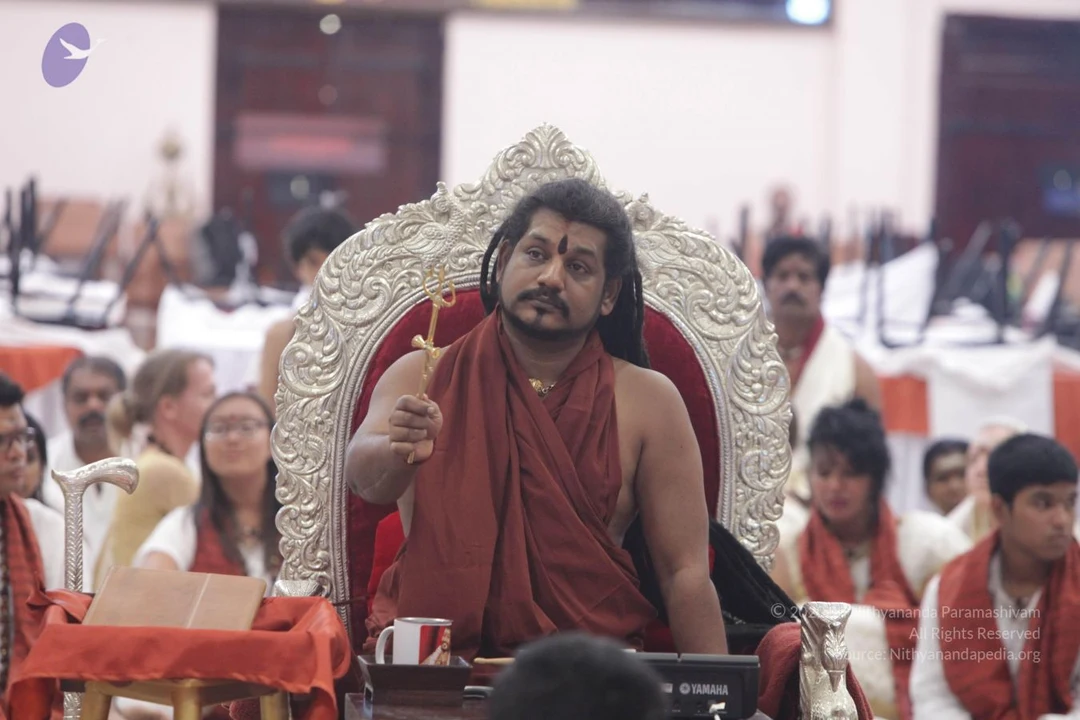
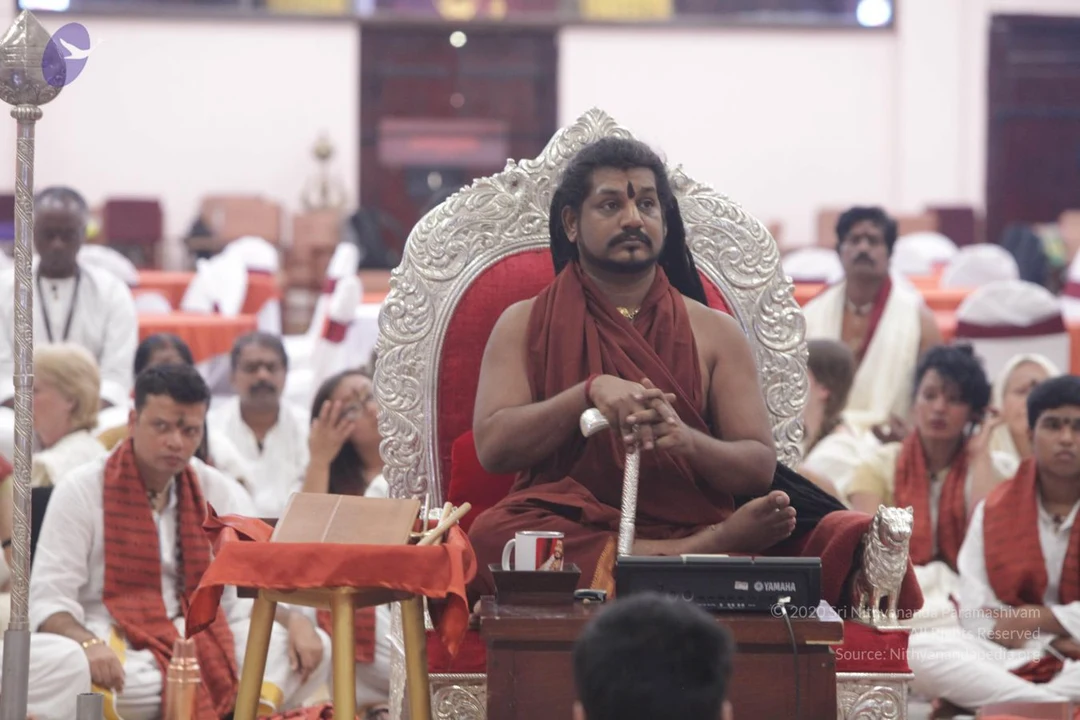
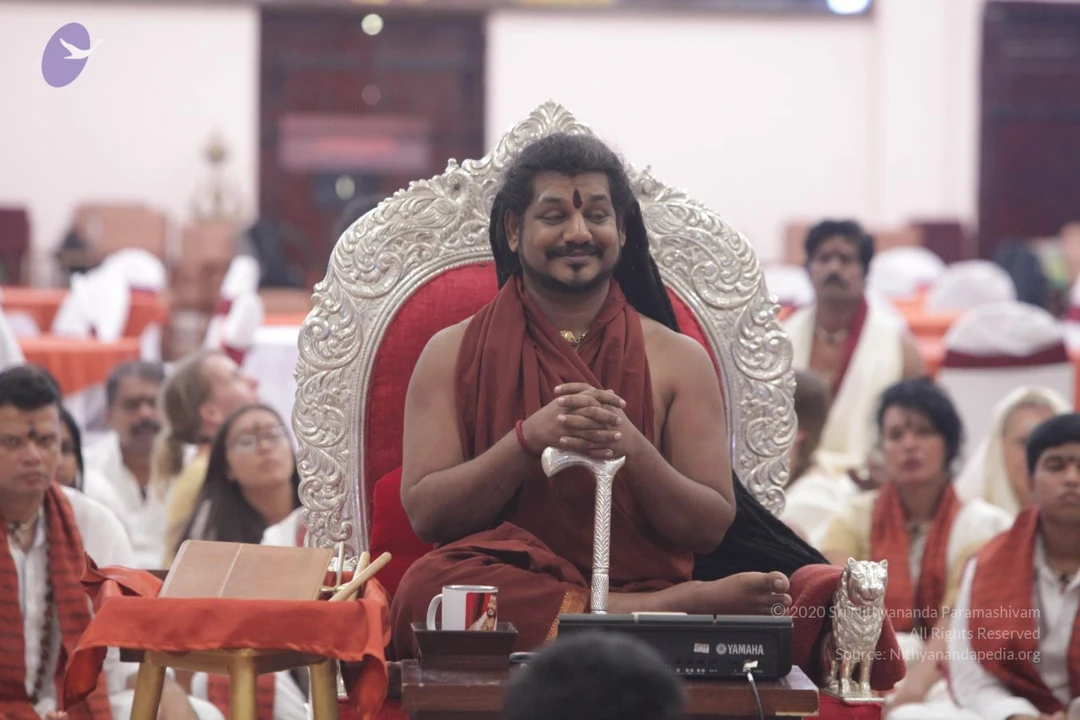
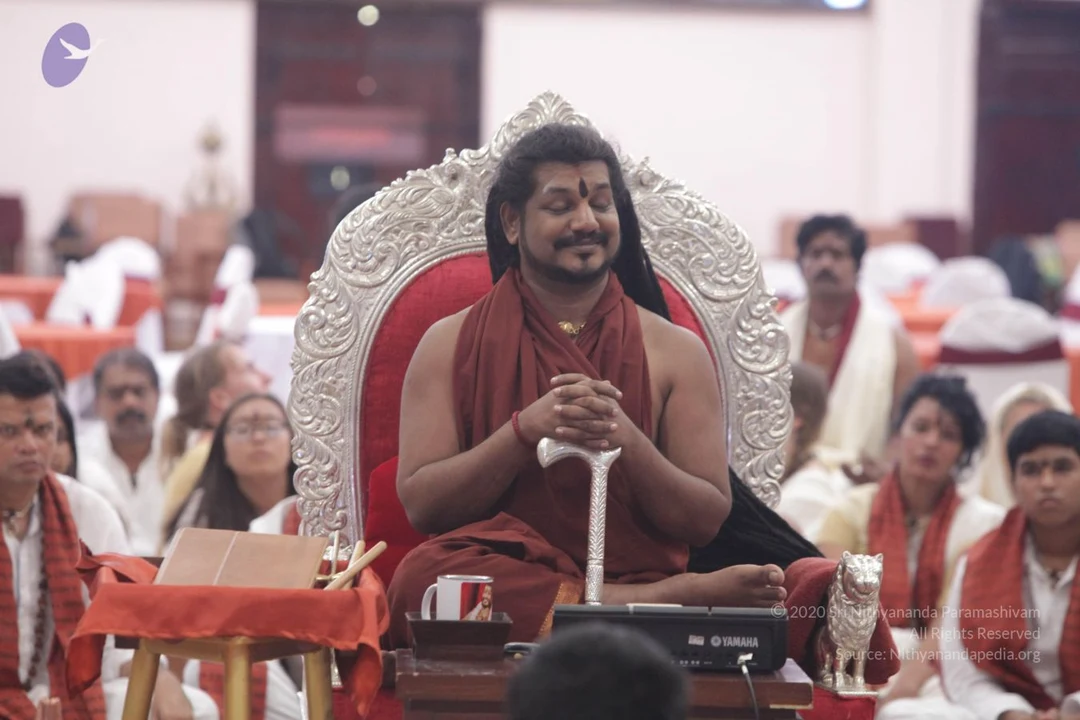
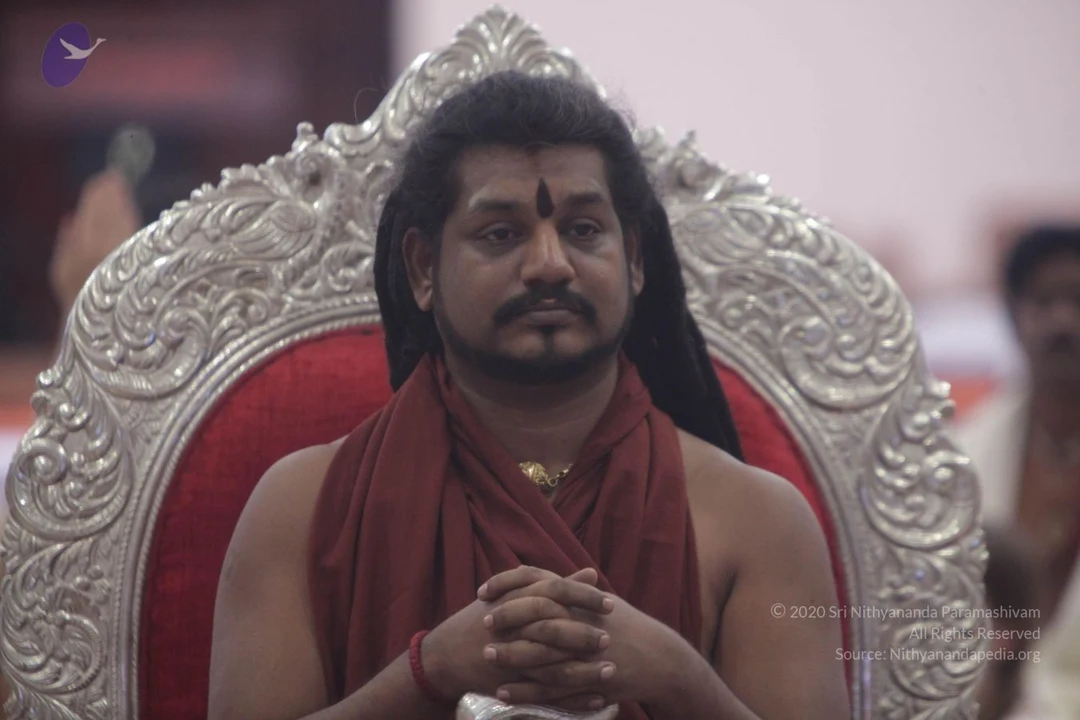
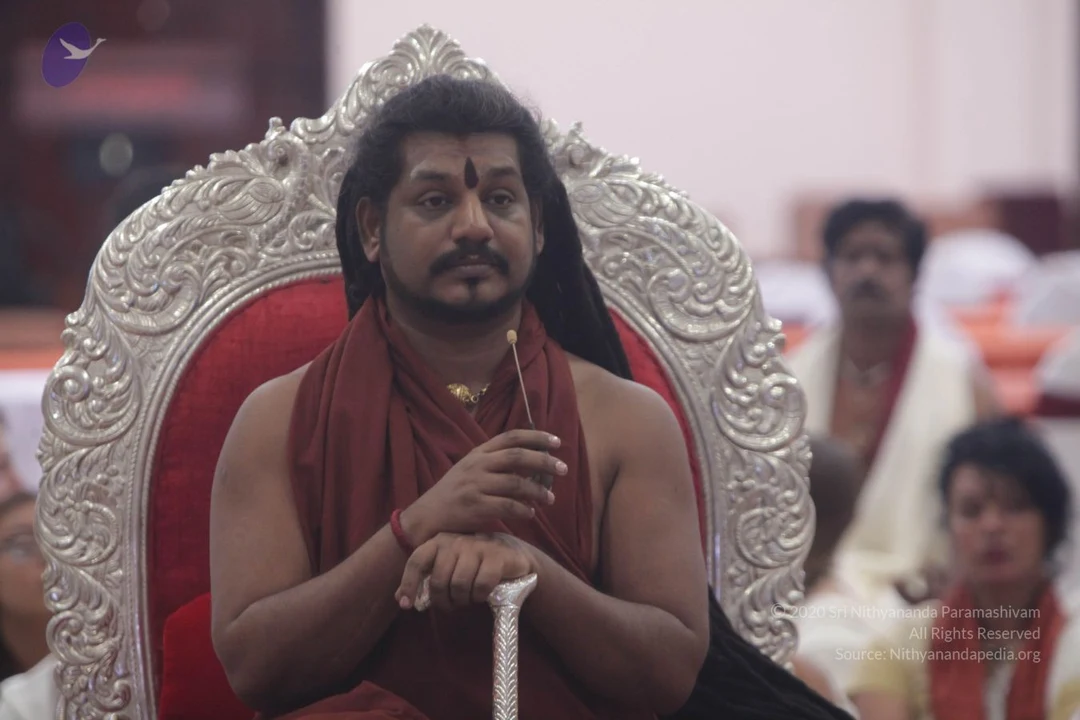
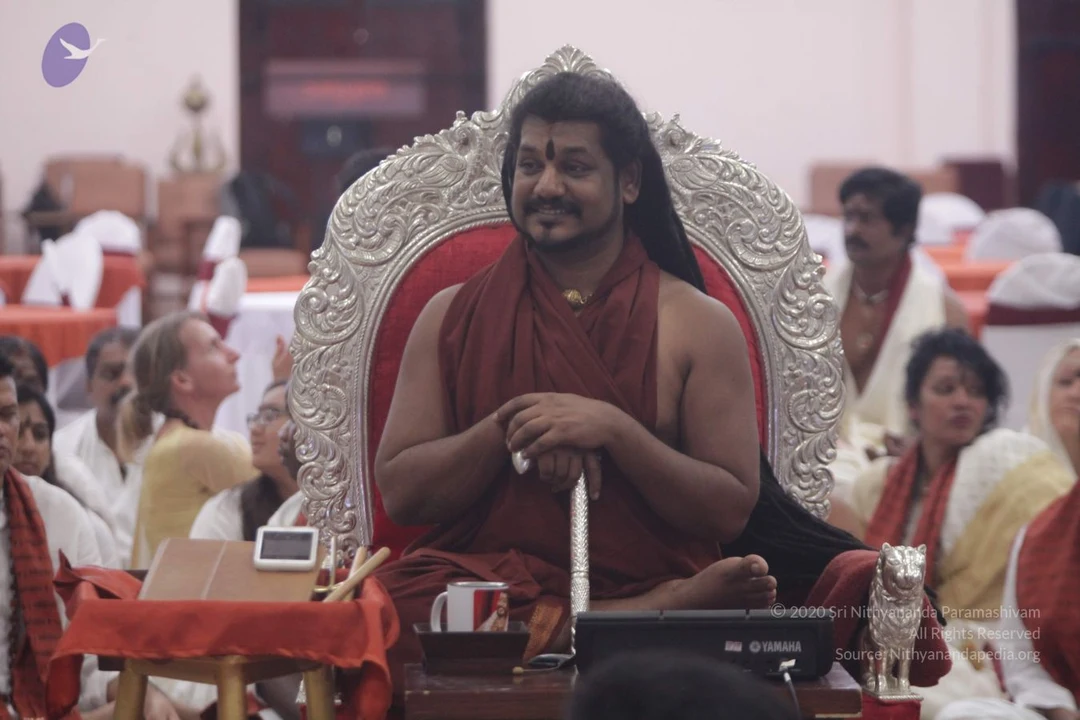
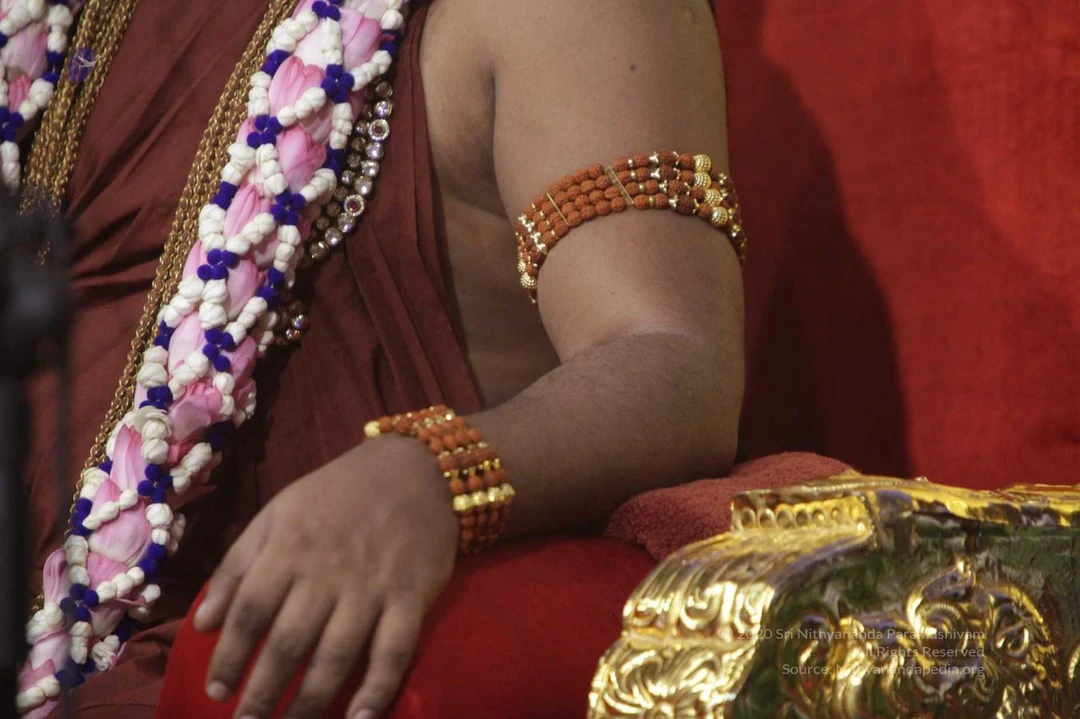 HDH Nithyananda Paramashivam sitting on Simhasana
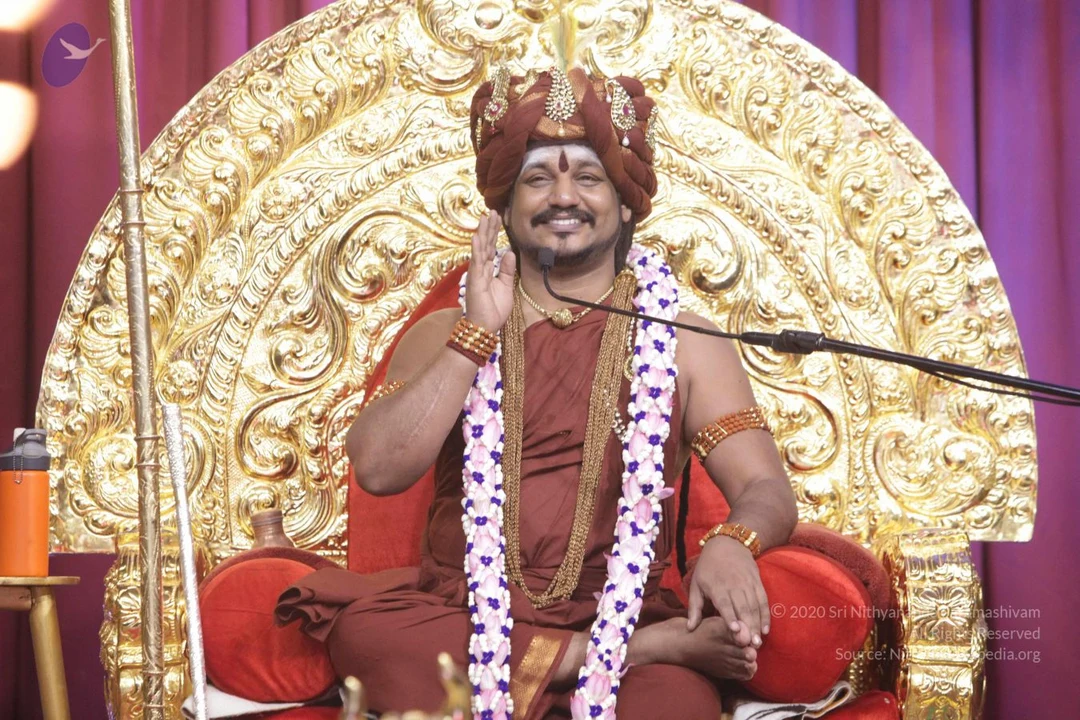
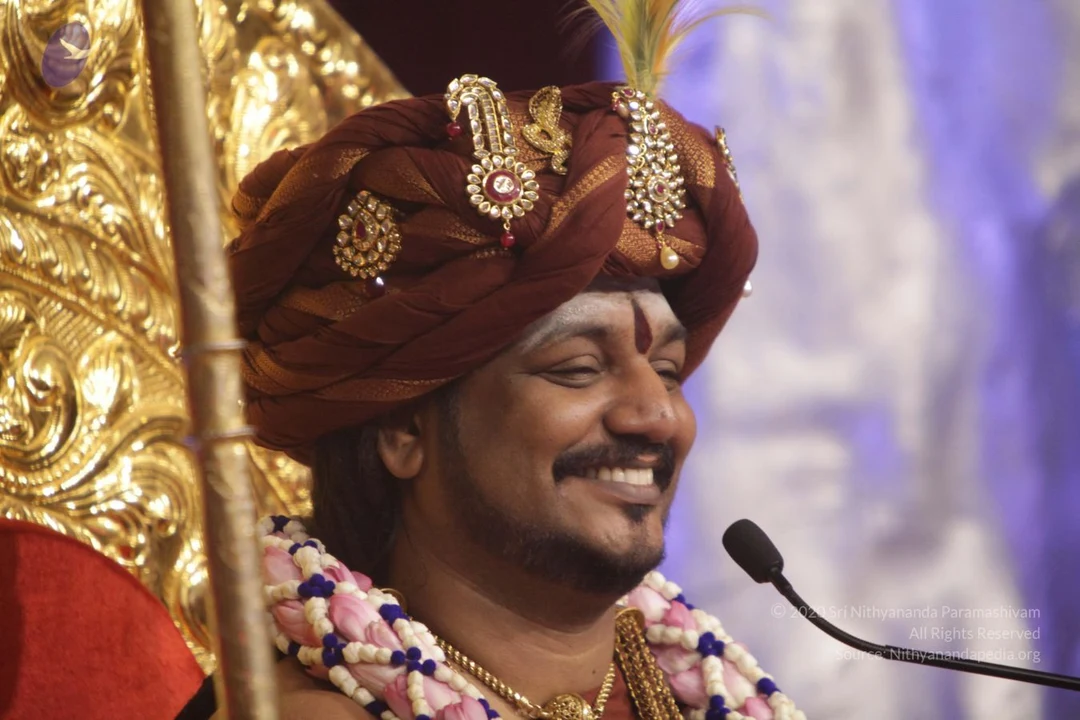
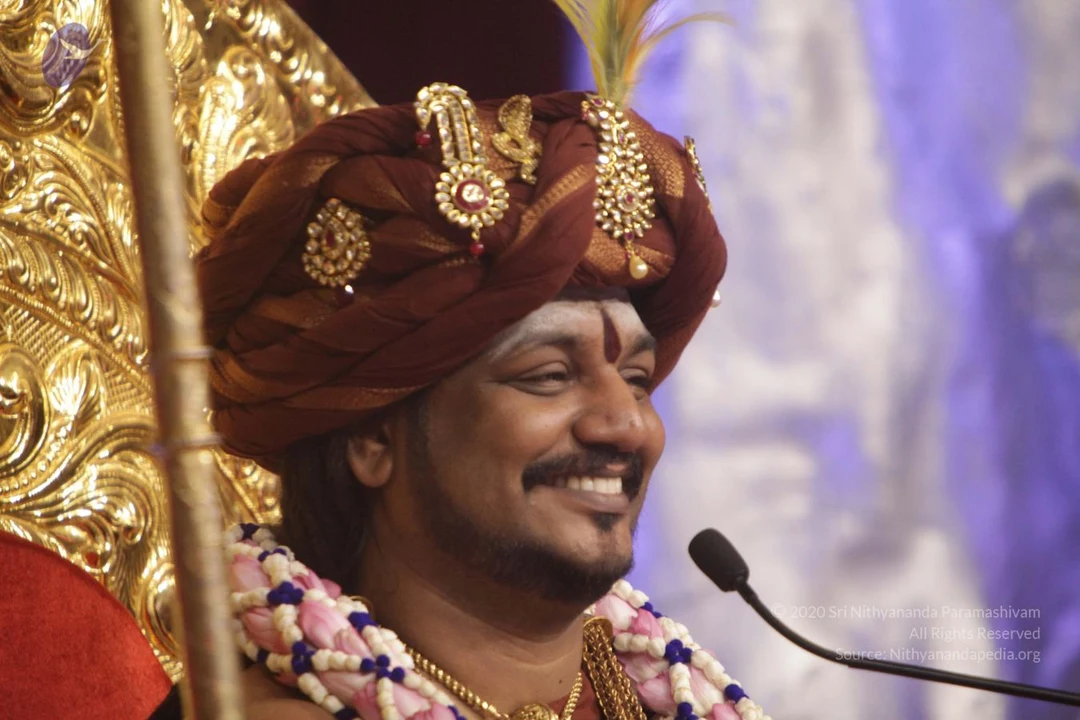
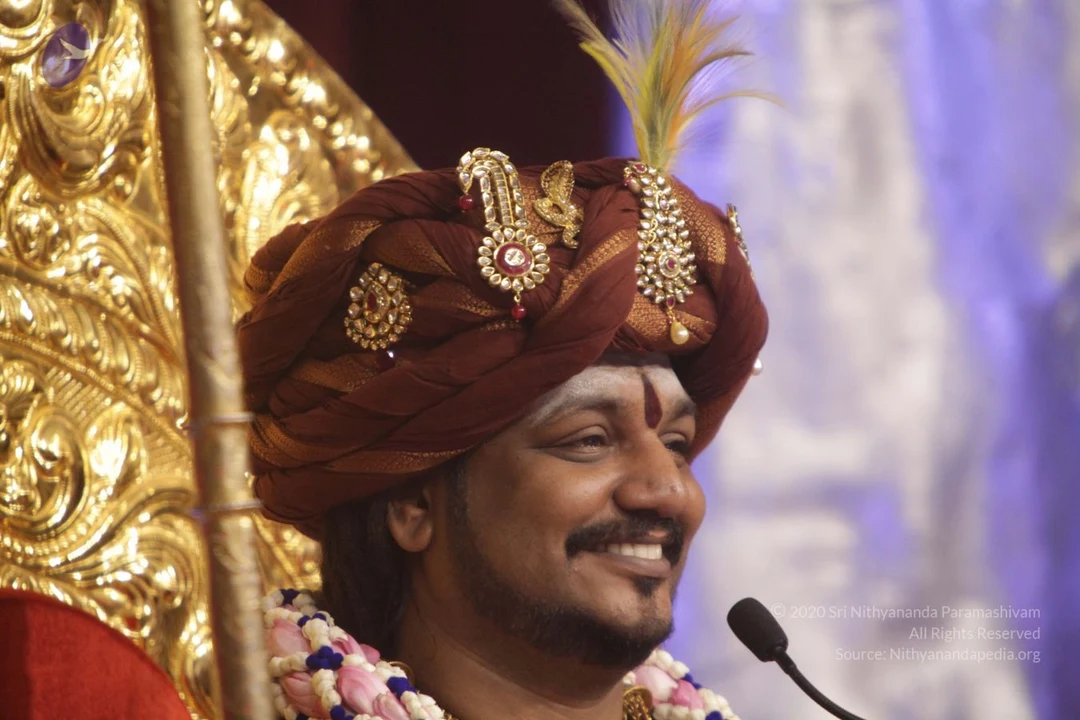
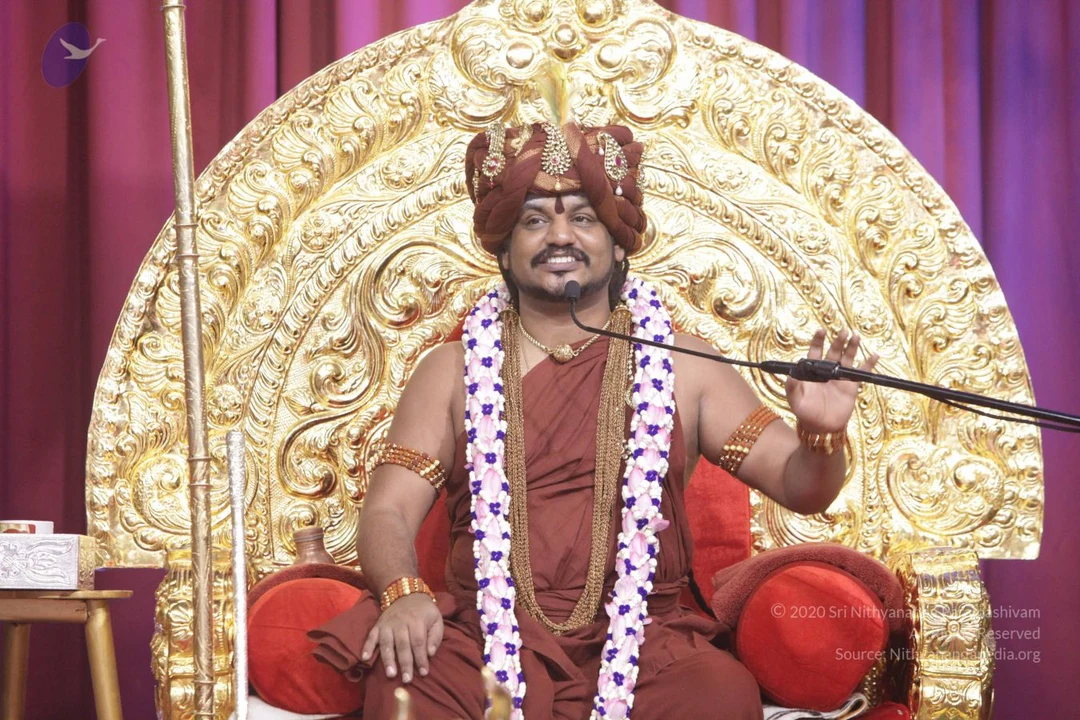
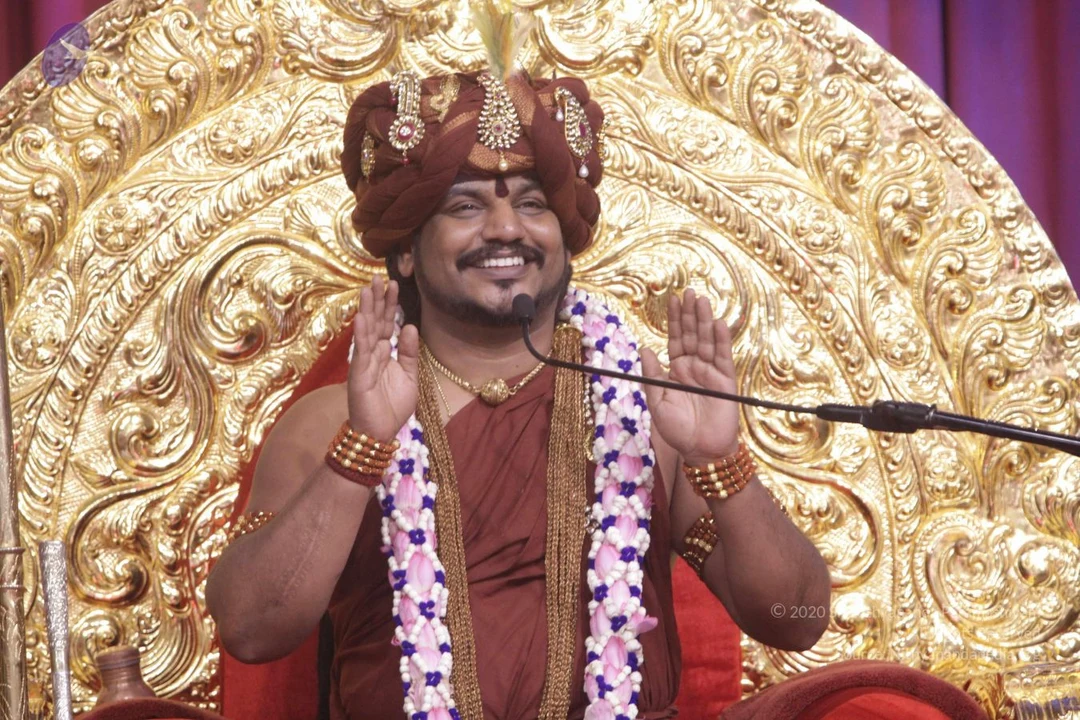
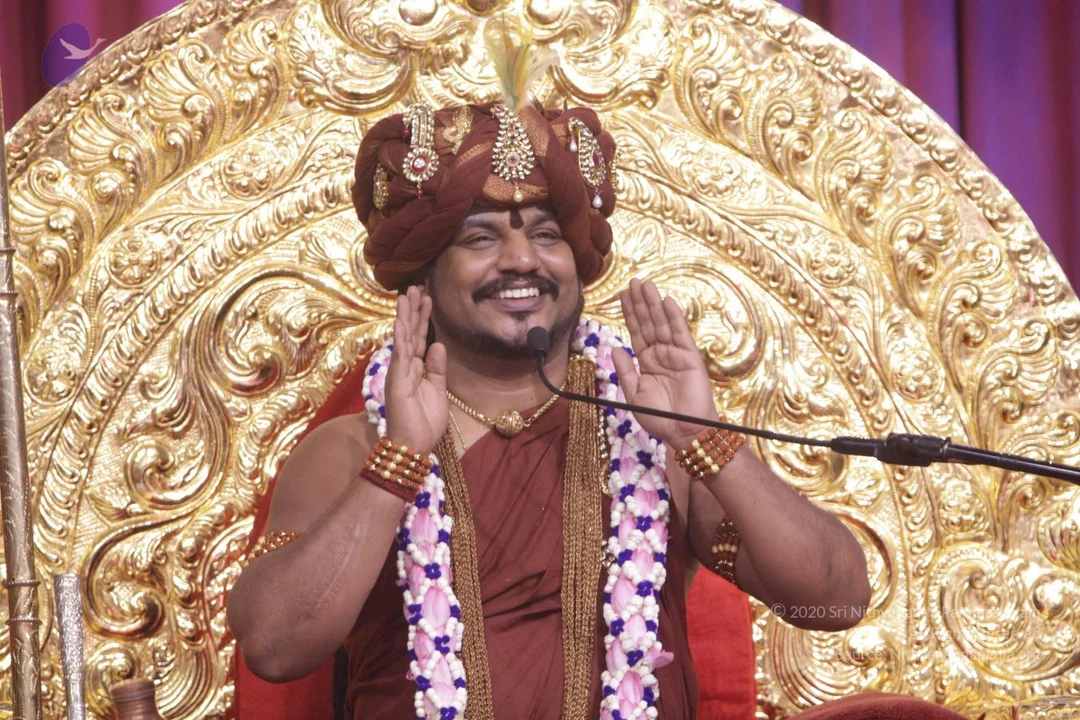
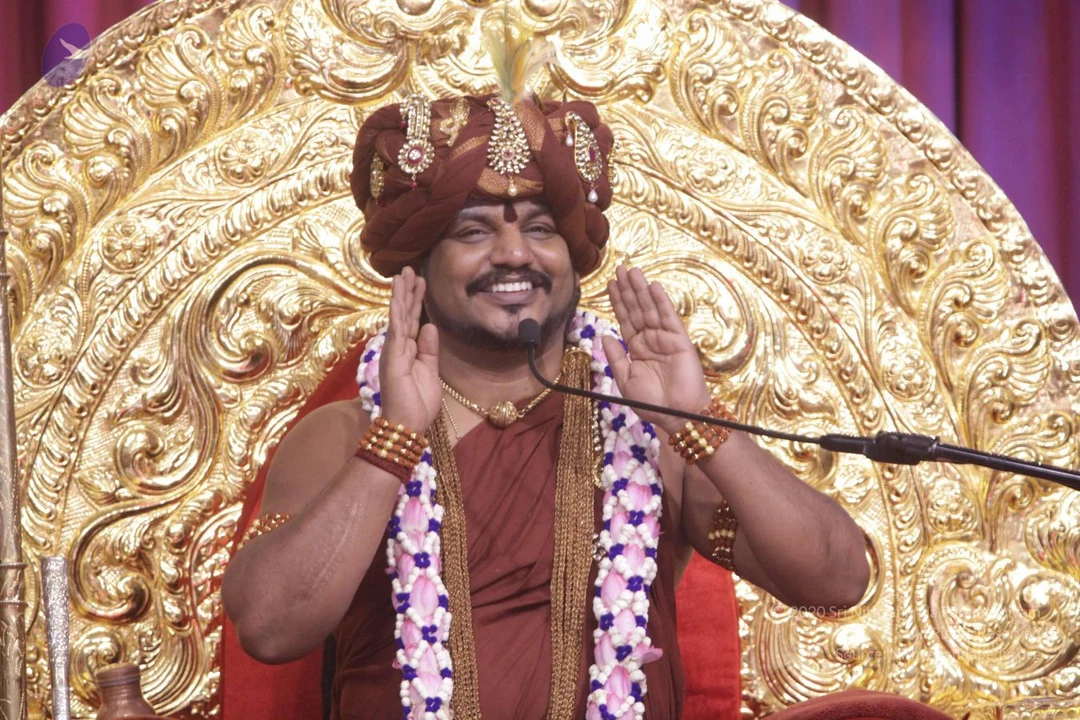
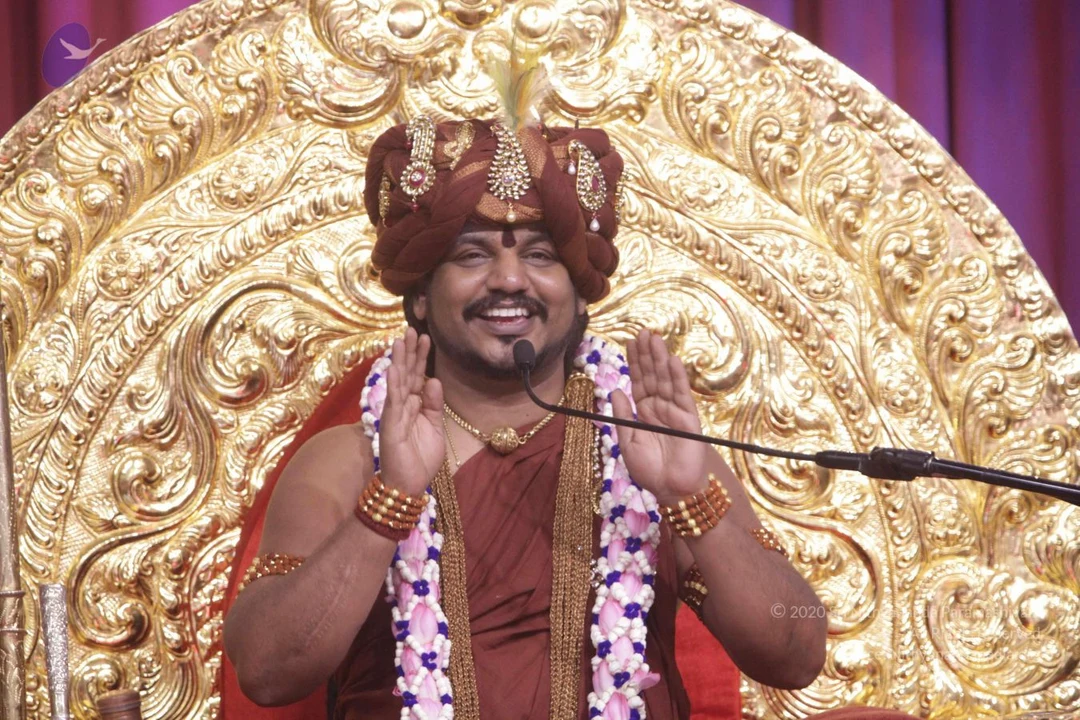
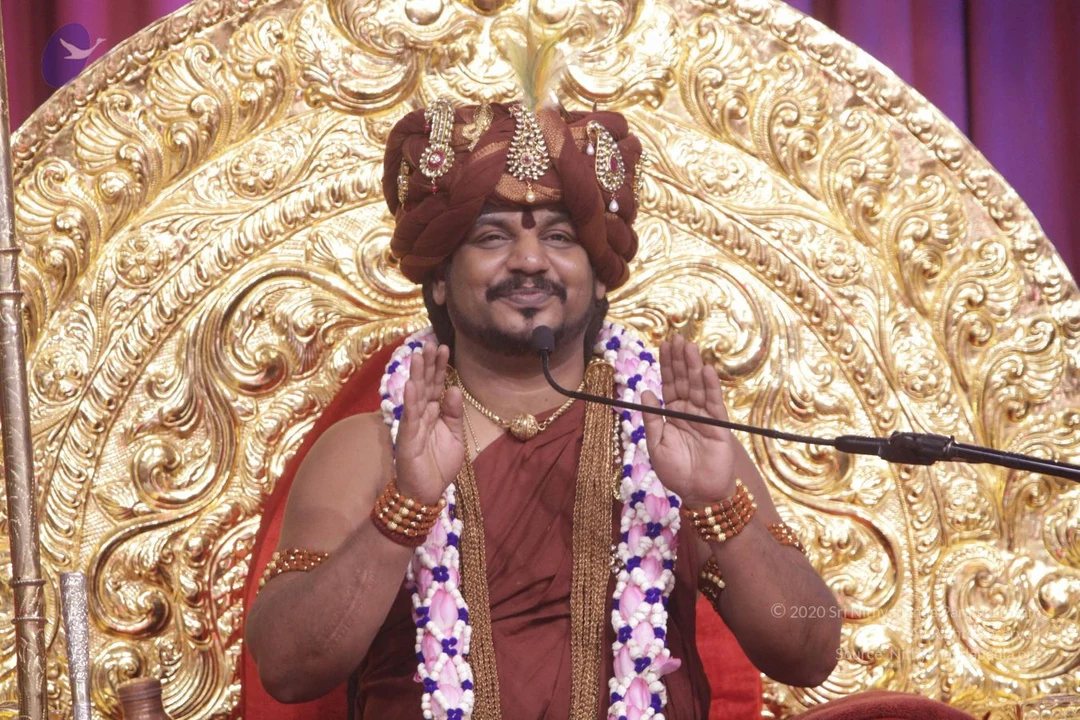
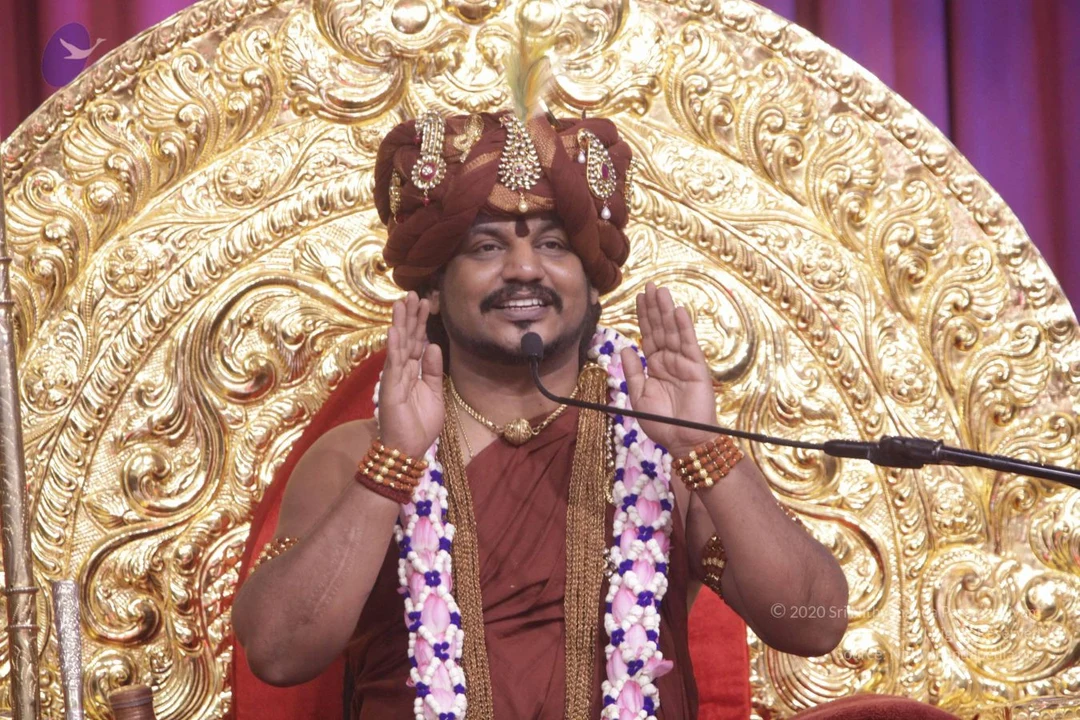
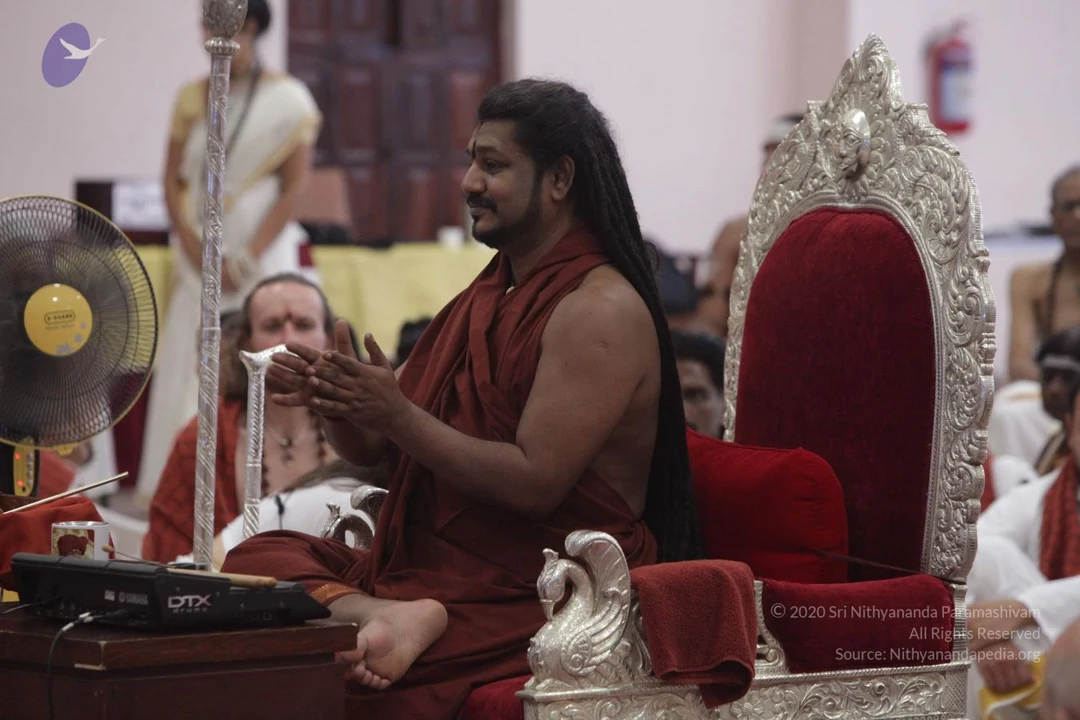
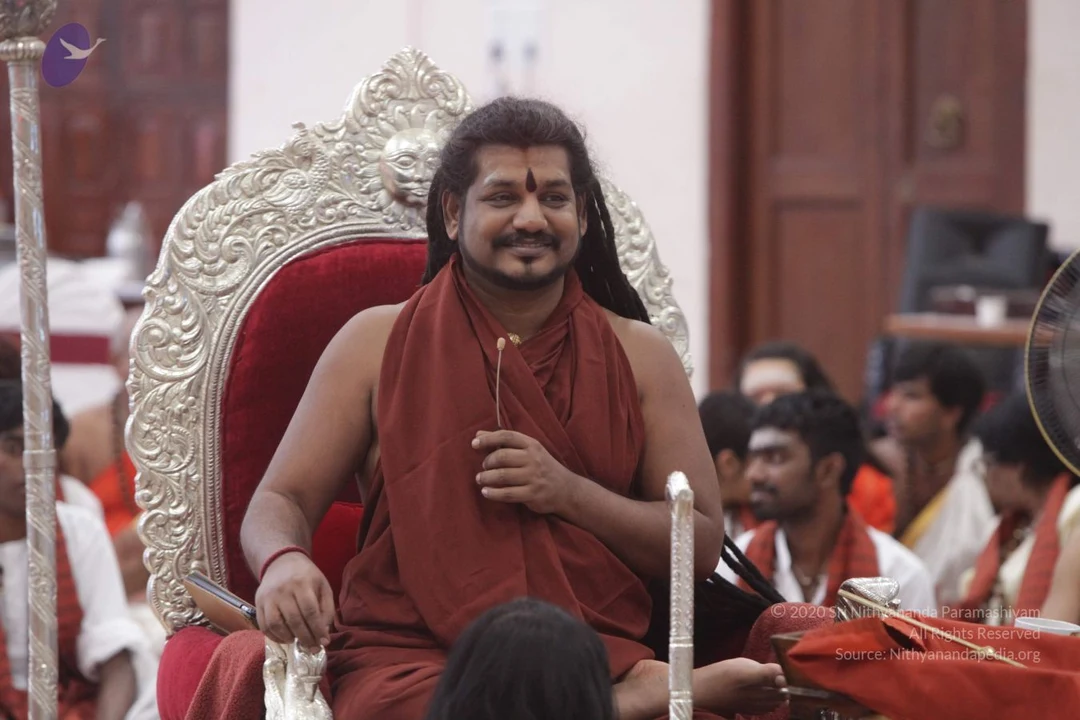
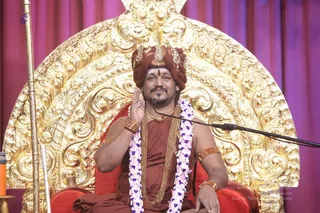
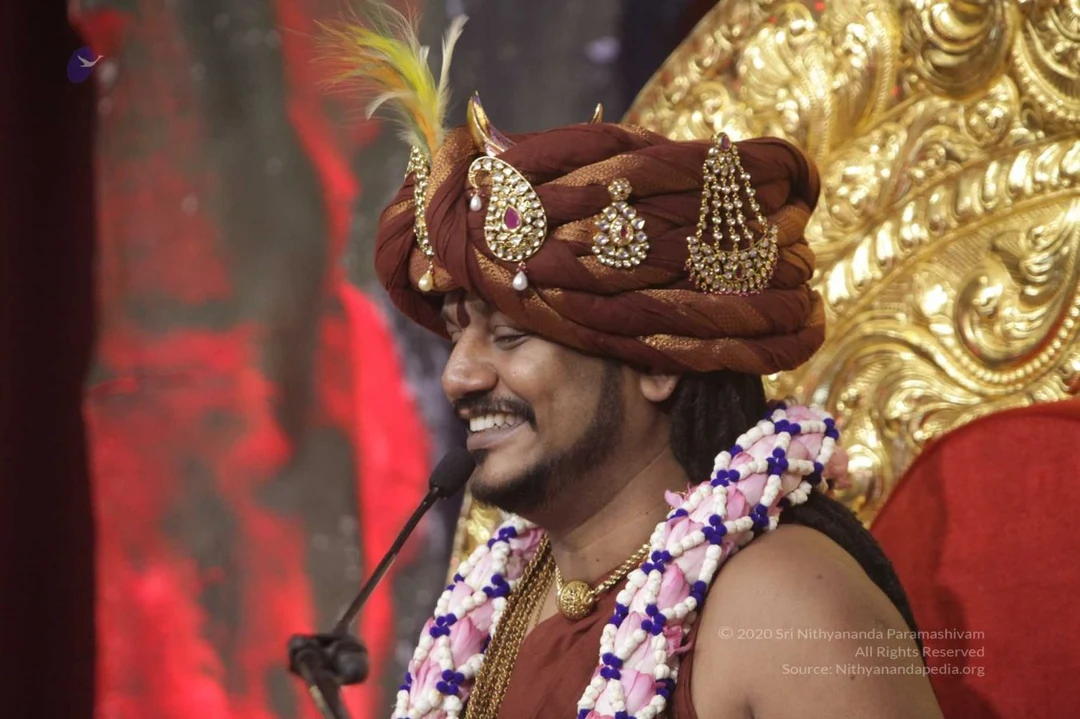 HDH Nithyananda Paramashivam with a sacred smile on his face while delivering the satsang
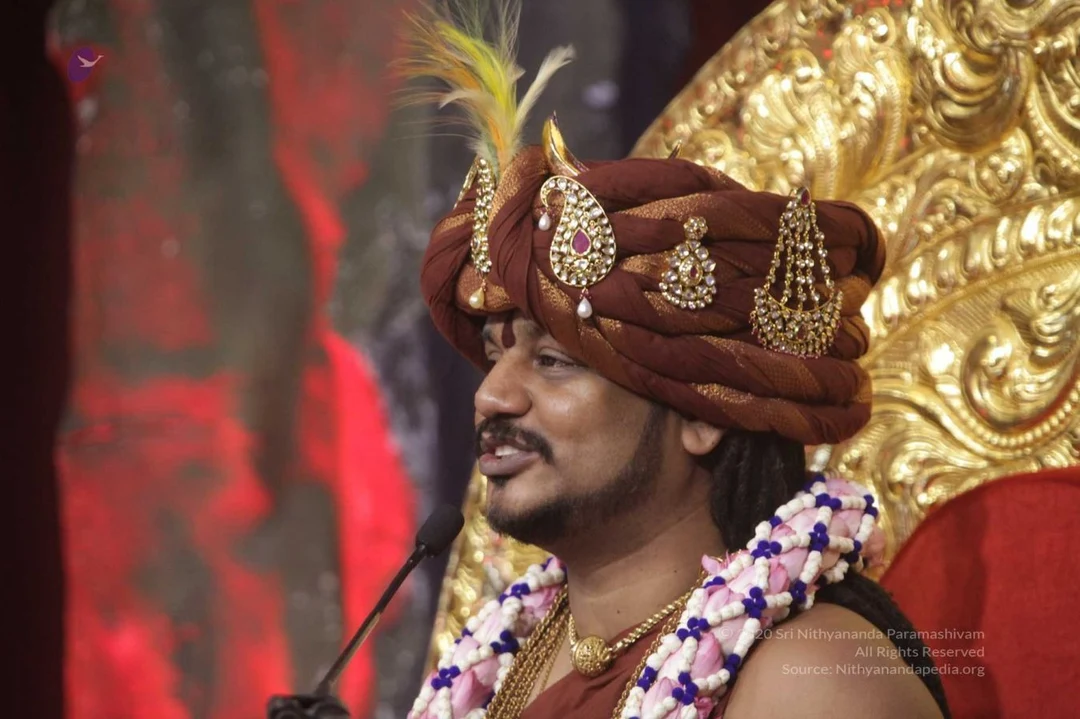 HDH Nithyananda Paramashivam delivering the satsang .
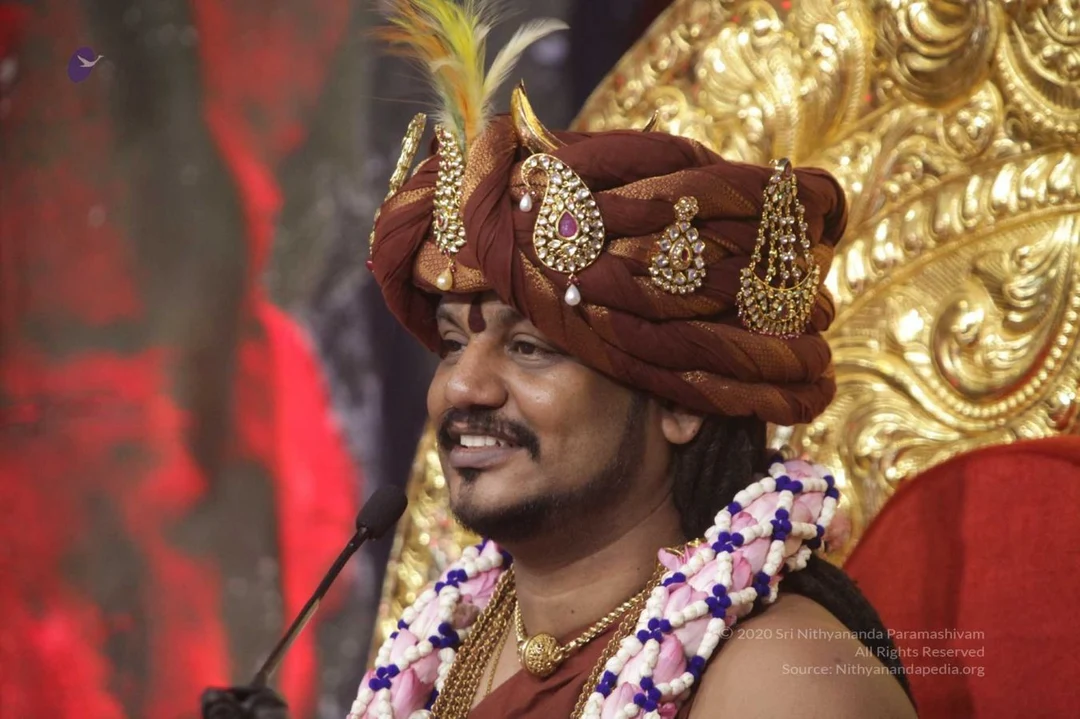 HDH Nithyananda Paramashivam with a sacred smile on his face while delivering the satsang
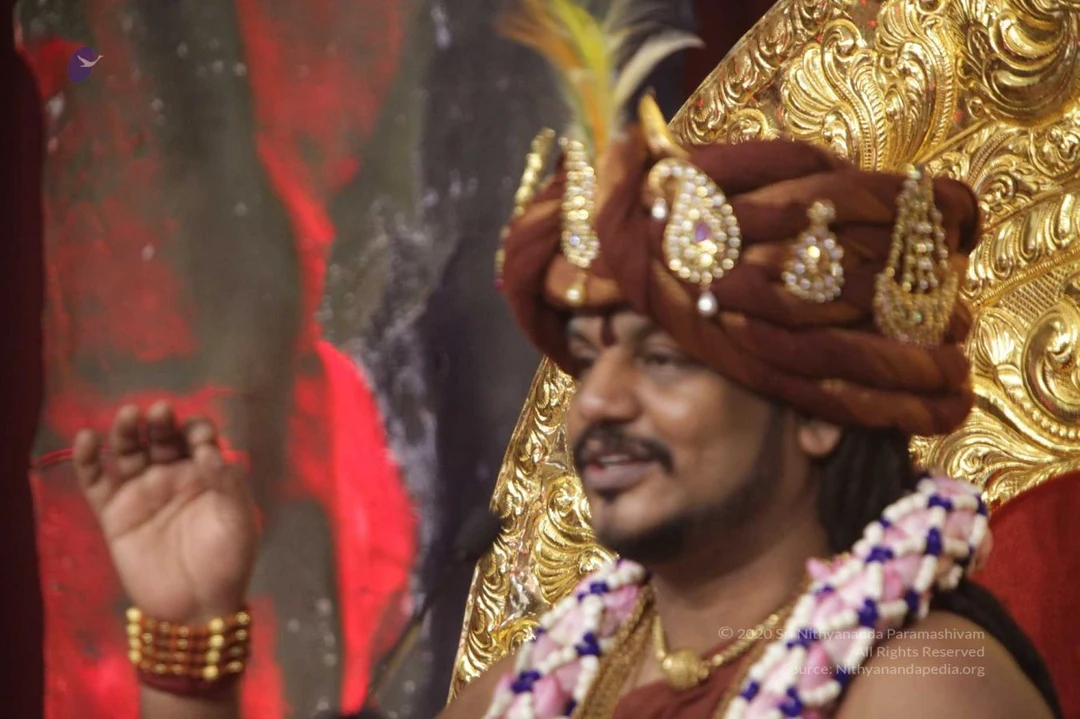 HDH Nithyananda Paramashivam delivering the satsang .
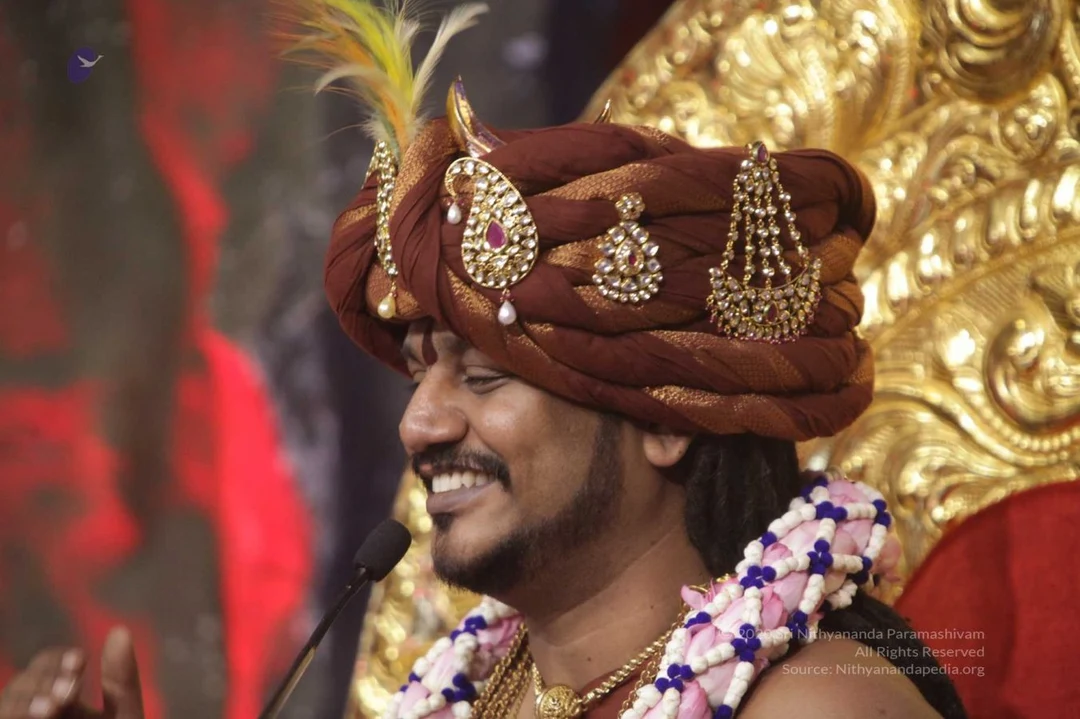 HDH Nithyananda Paramashivam delivering the satsang
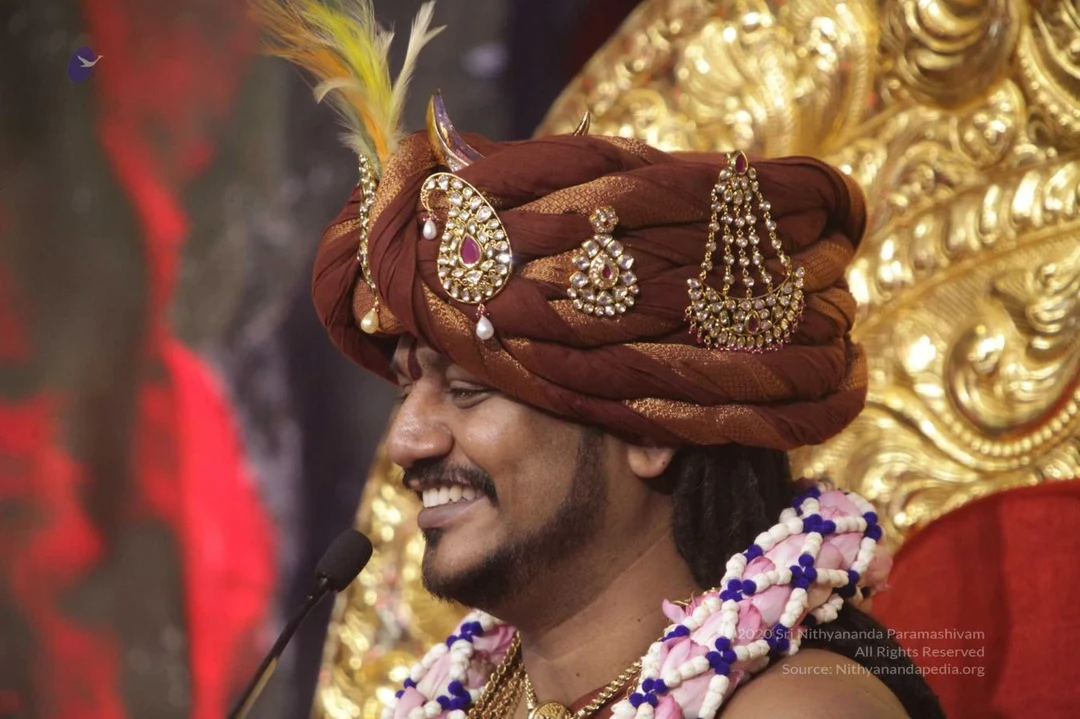 HDH Nithyananda Paramashivam delivering the satsang
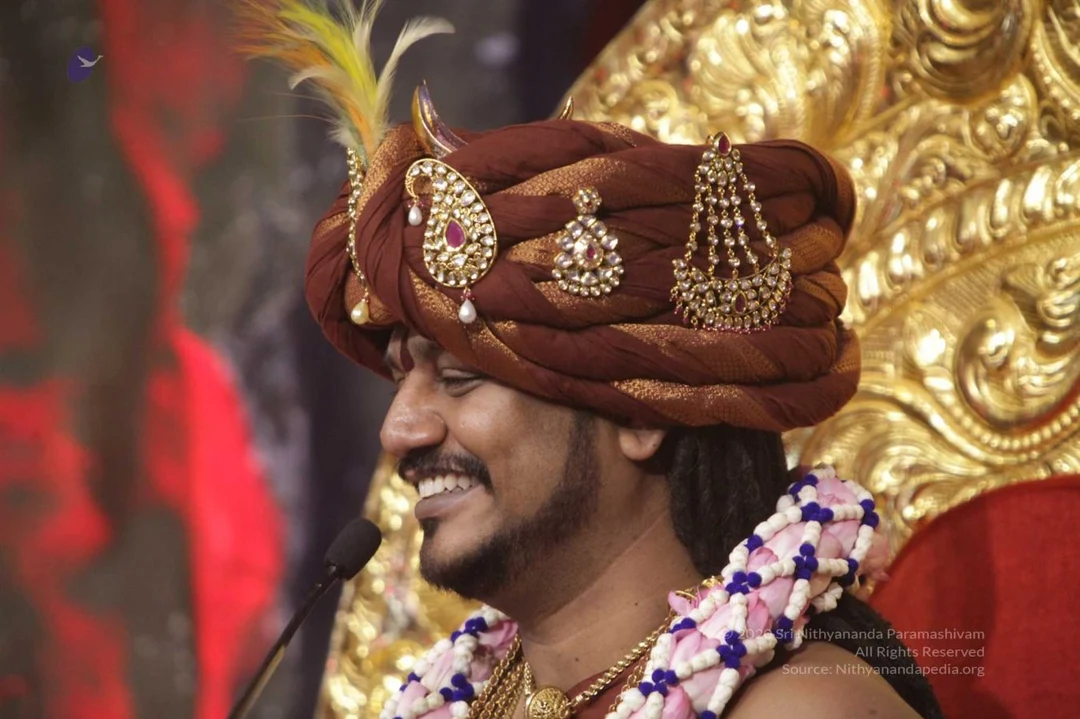 HDH Nithyananda Paramashivam delivering the satsang
 HDH Nithyananda Paramashivam delivering the satsang
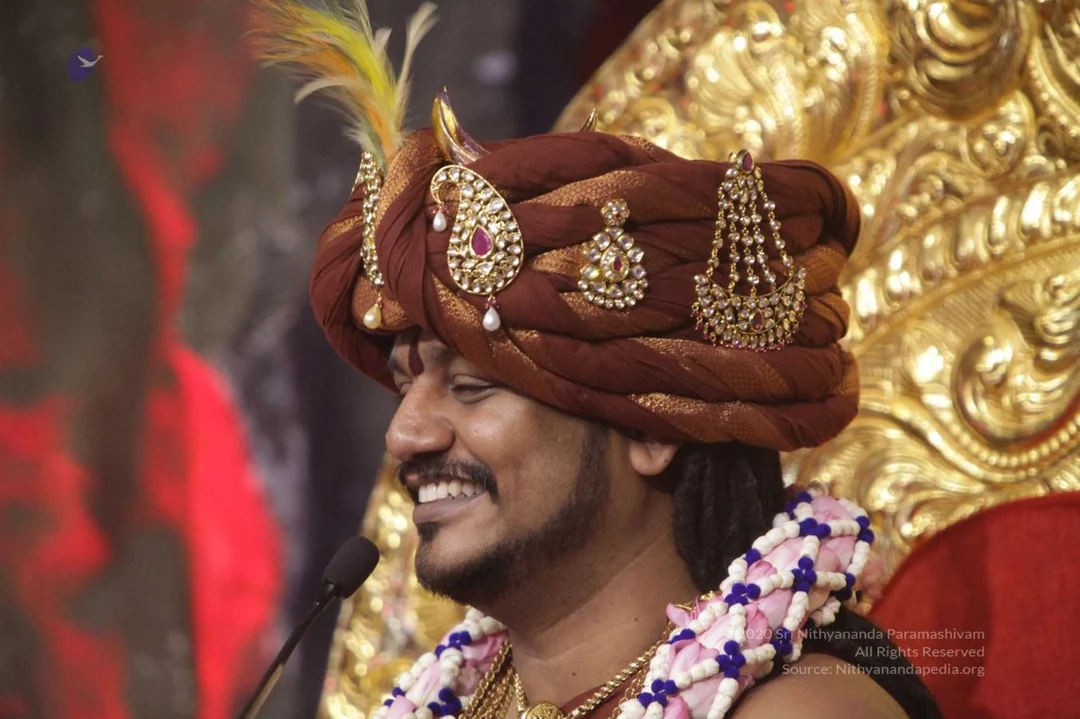 HDH Nithyananda Paramashivam delivering the satsang
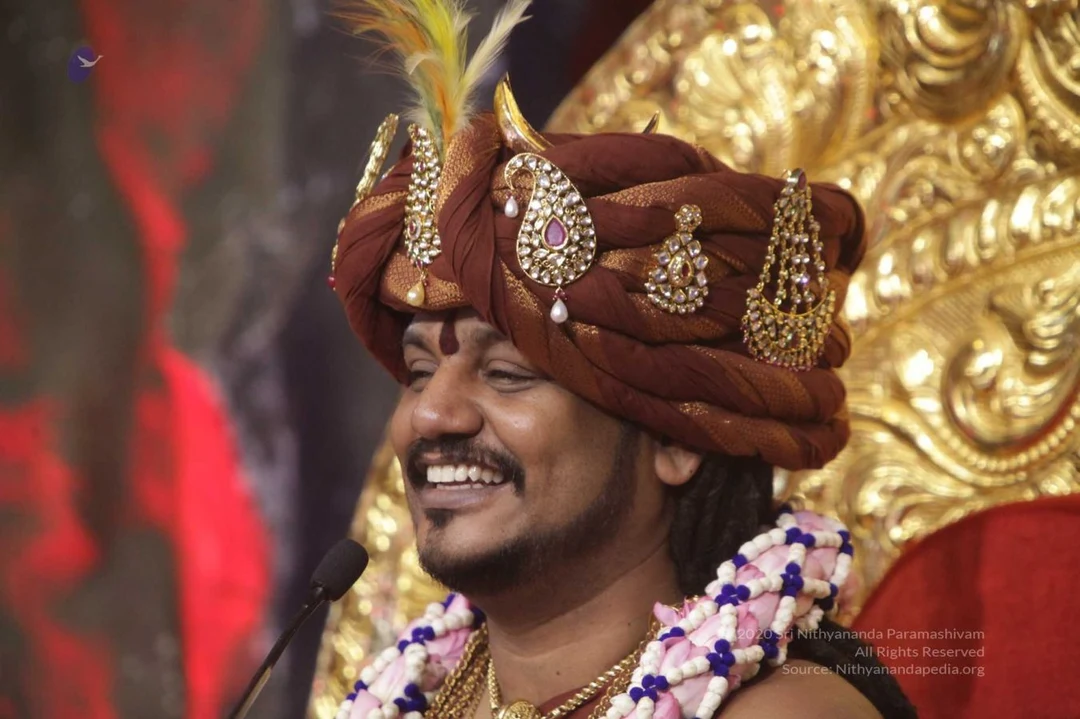 HDH Nithyananda Paramashivam delivering the satsang
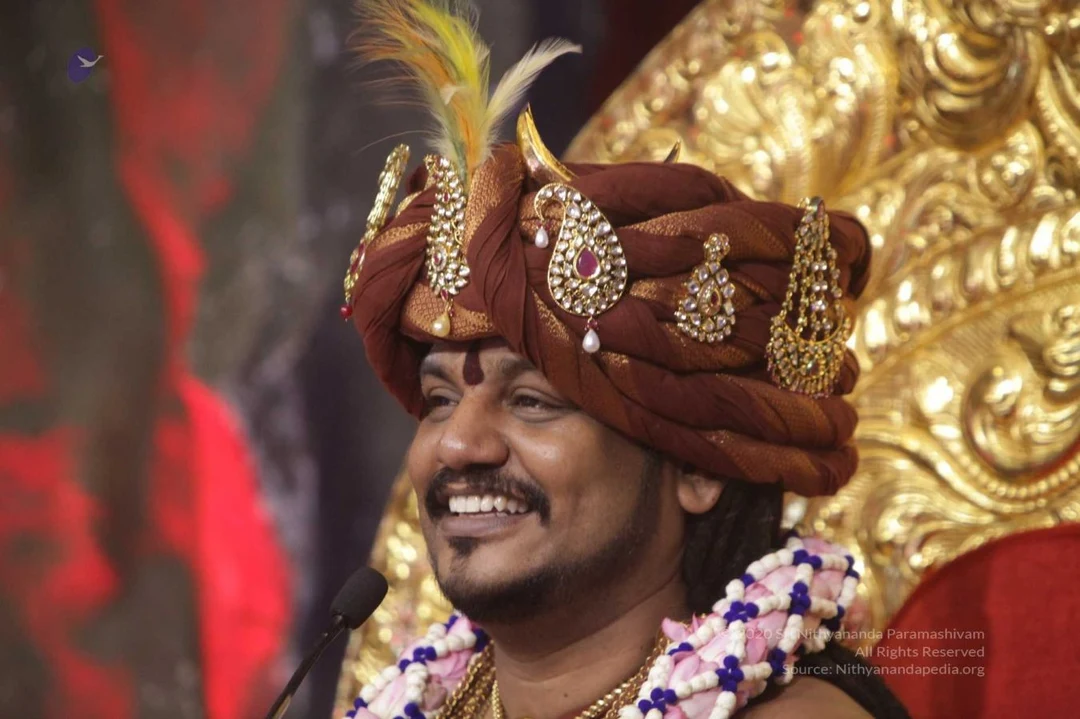 HDH Nithyananda Paramashivam delivering the satsang
 HDH Nithyananda Paramashivam delivering the satsang
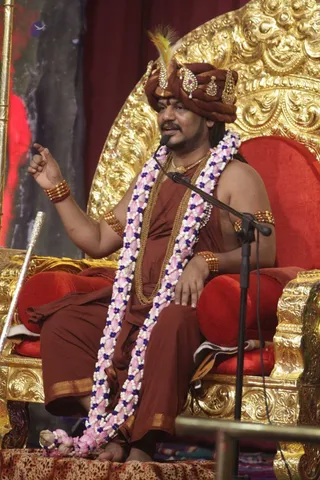 HDH Nithyananda Paramashivam delivering the morning satsang.
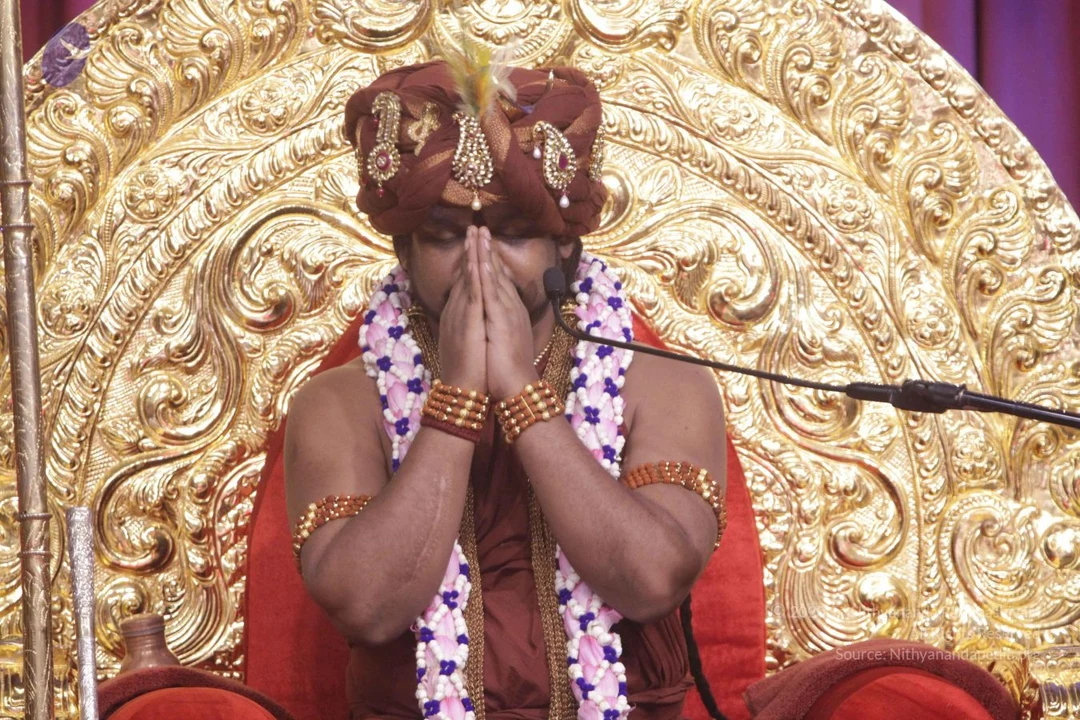
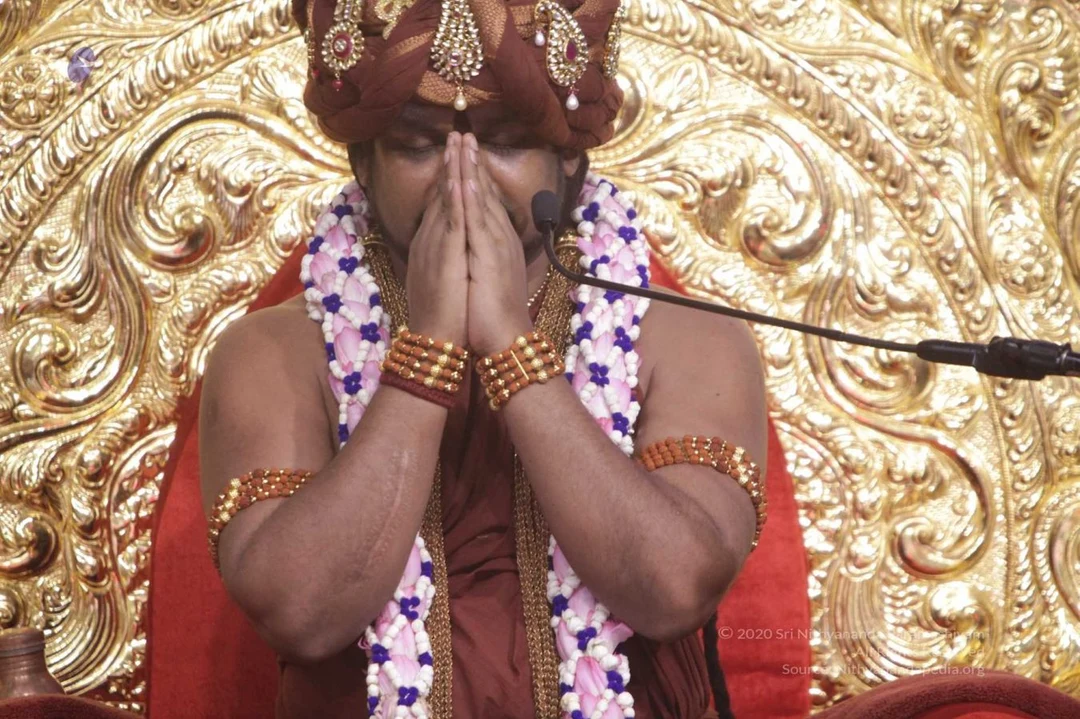 HDH Nithyananda Paramashivam praying at the end of the morning satsang.
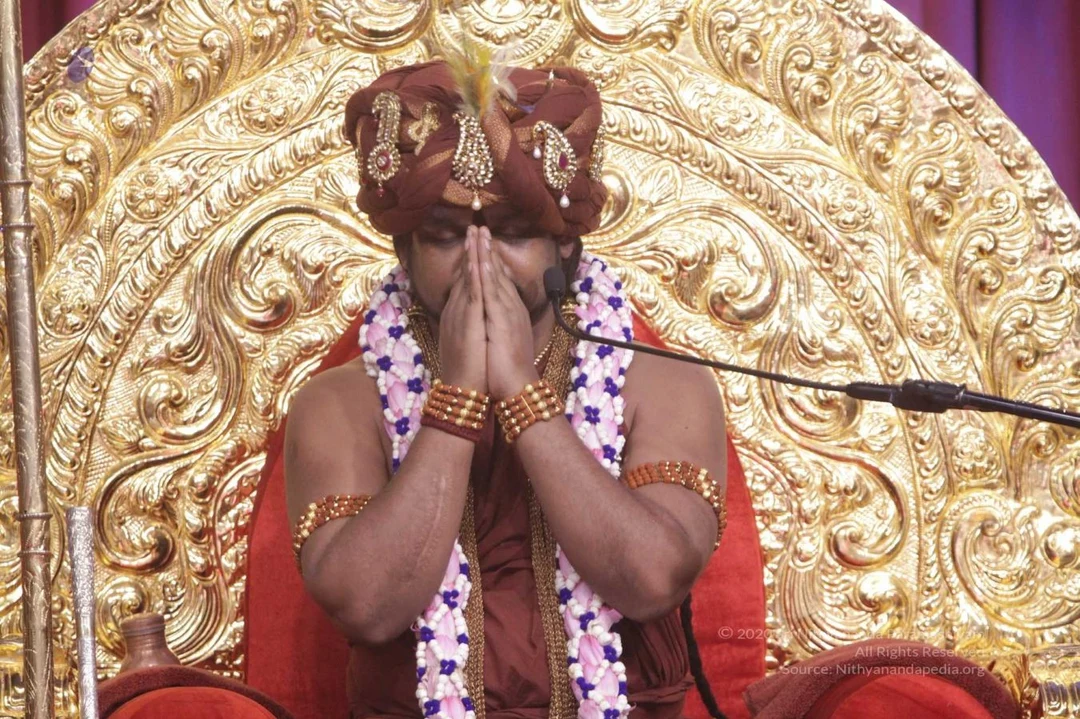 HDH Nithyananda Paramashivam praying at the end of the morning satsang.
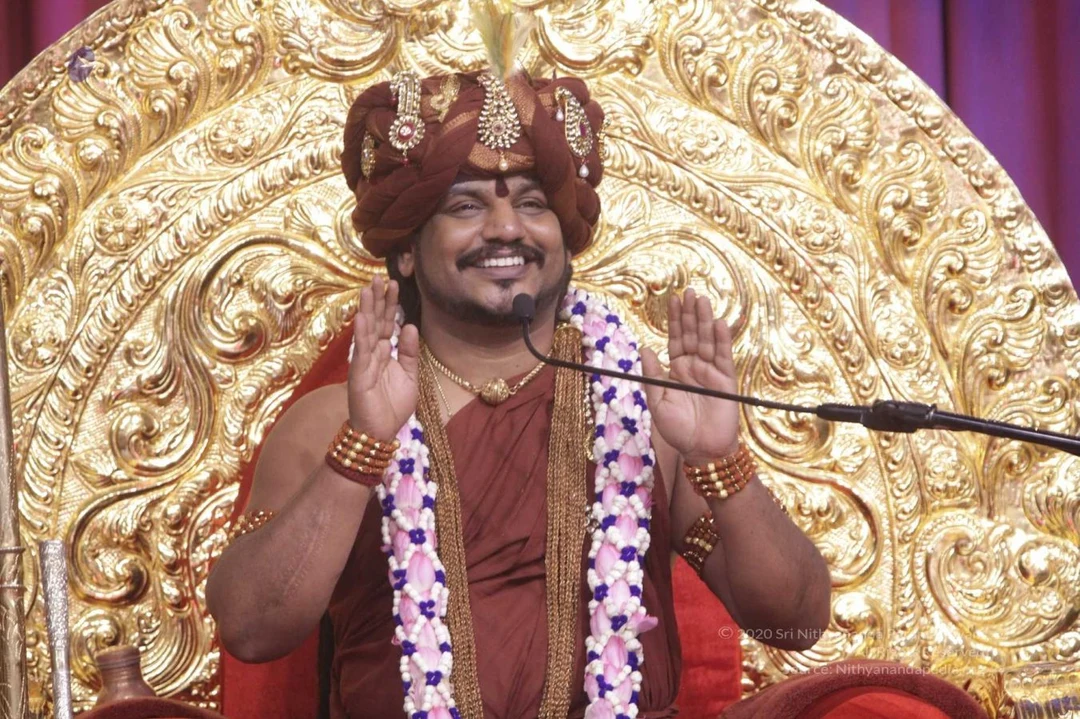 HDH Nithyananda Paramashivam blessings the delegates during the morning satsang.
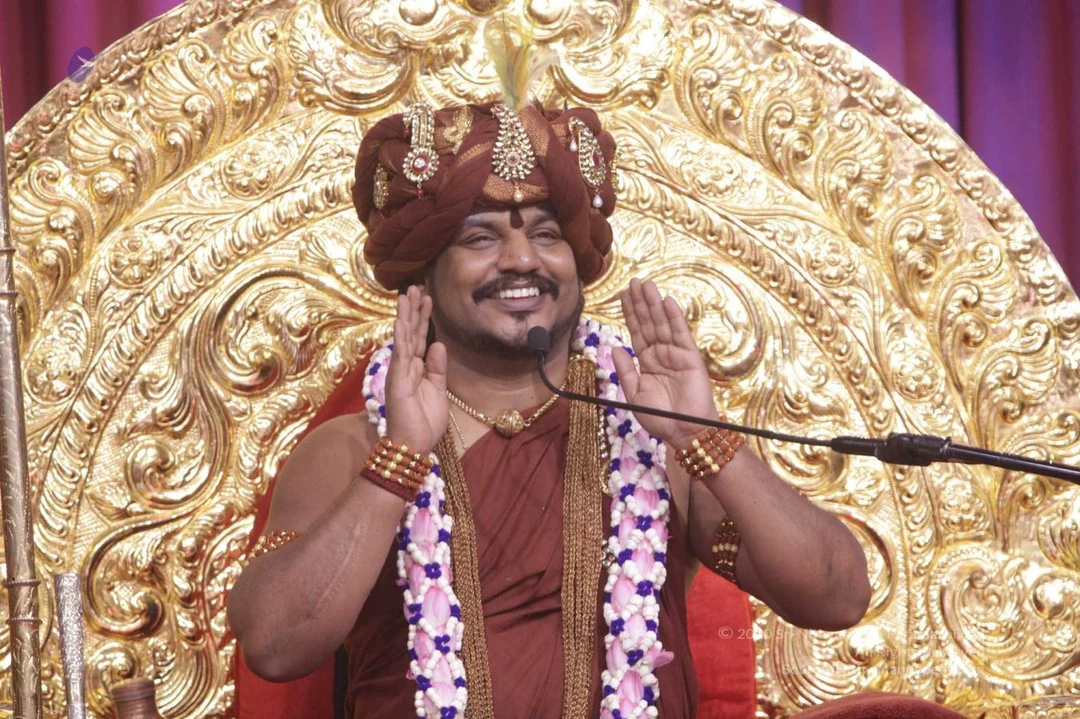 HDH Nithyananda Paramashivam blessings the delegates during the morning satsang.
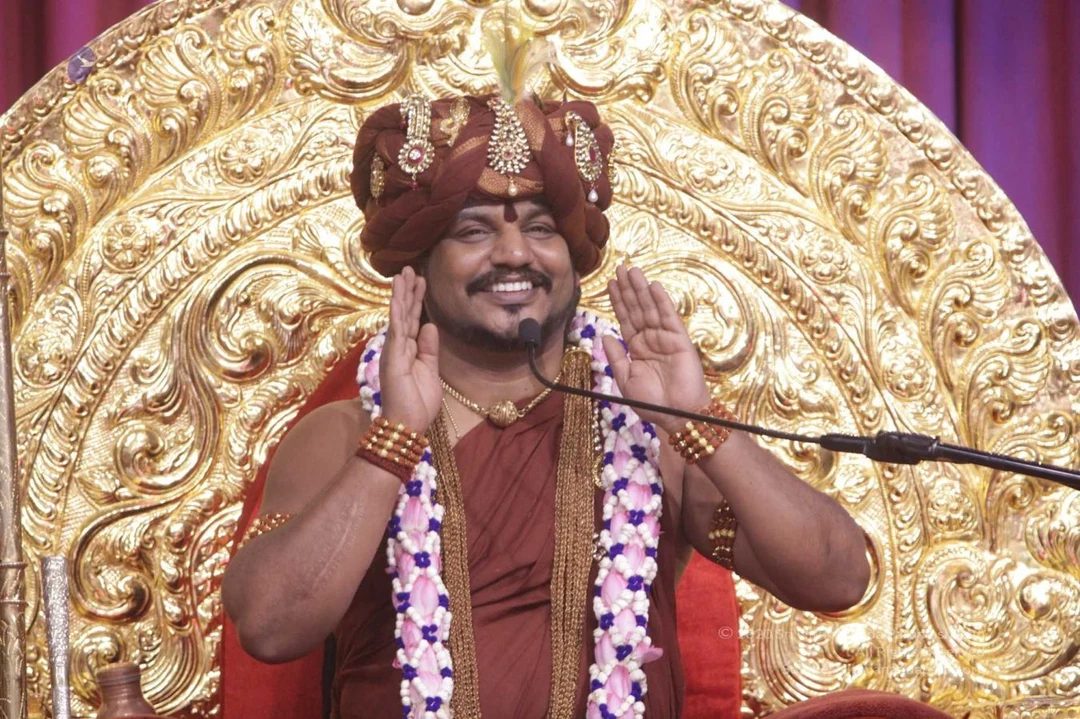 HDH Nithyananda Paramashivam blessings the delegates during the morning satsang.
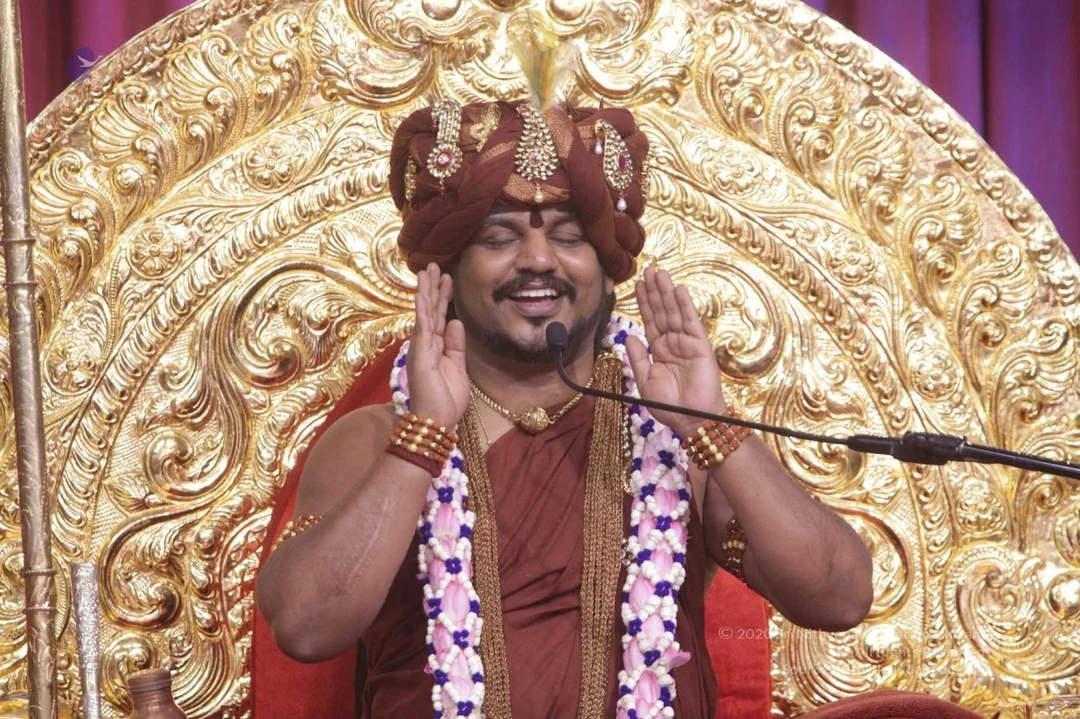 HDH Nithyananda Paramashivam blessings the delegates during the morning satsang.
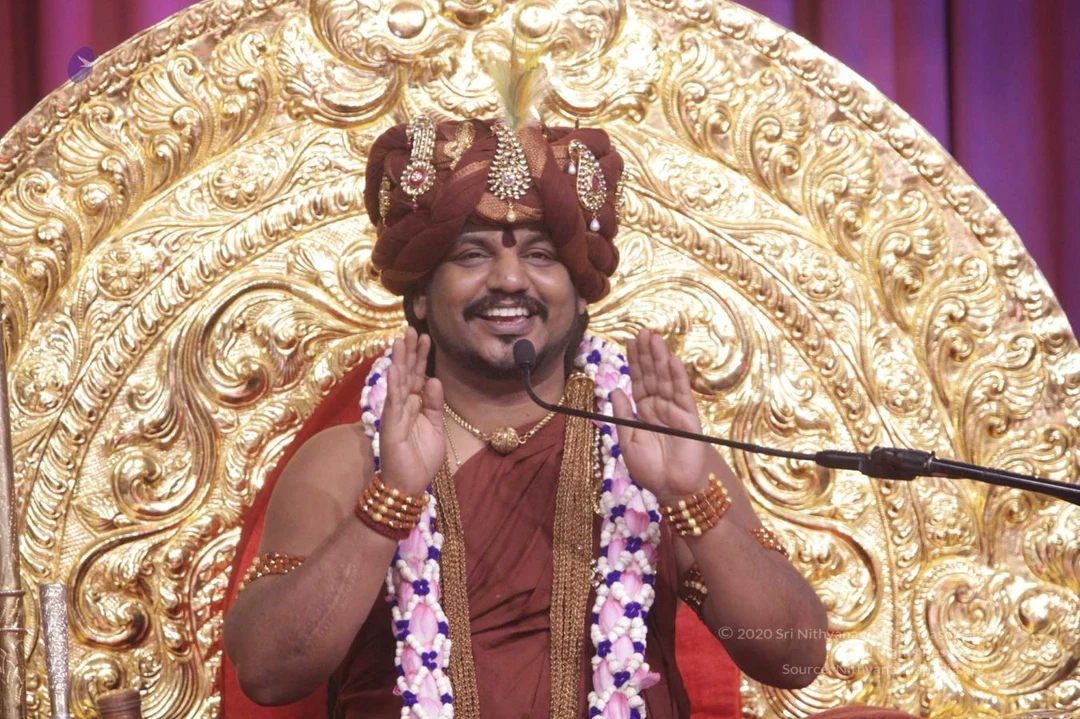 HDH Nithyananda Paramashivam blessings the delegates during the morning satsang.
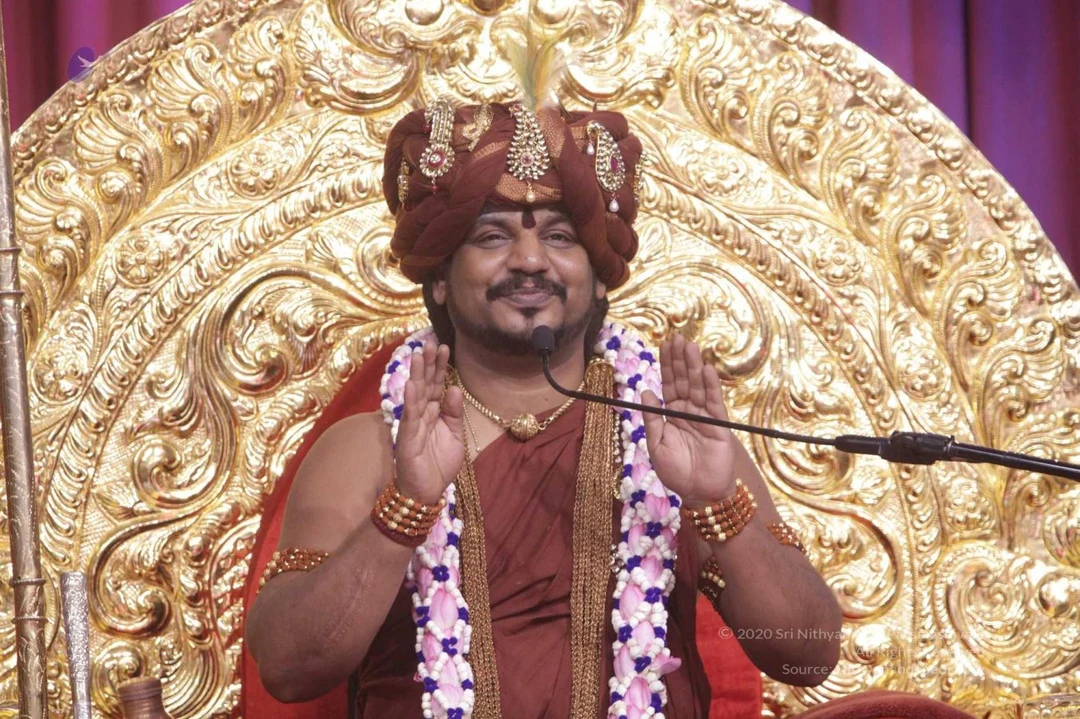 HDH Nithyananda Paramashivam blessings the delegates during the morning satsang.
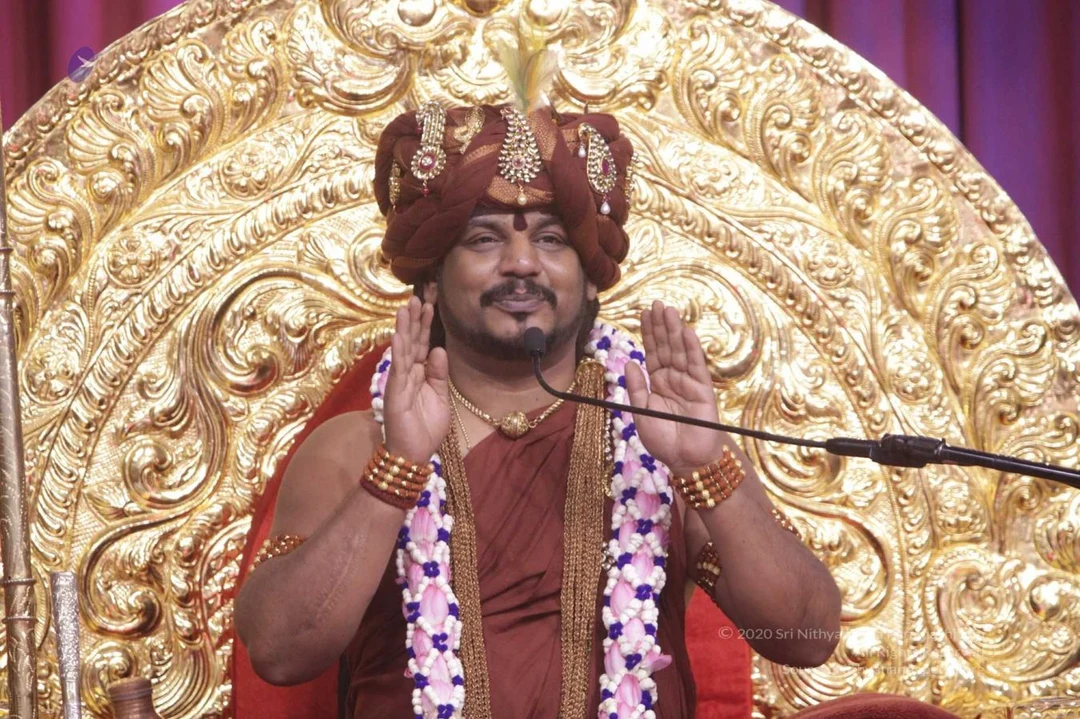 HDH Nithyananda Paramashivam blessings the delegates during the morning satsang.
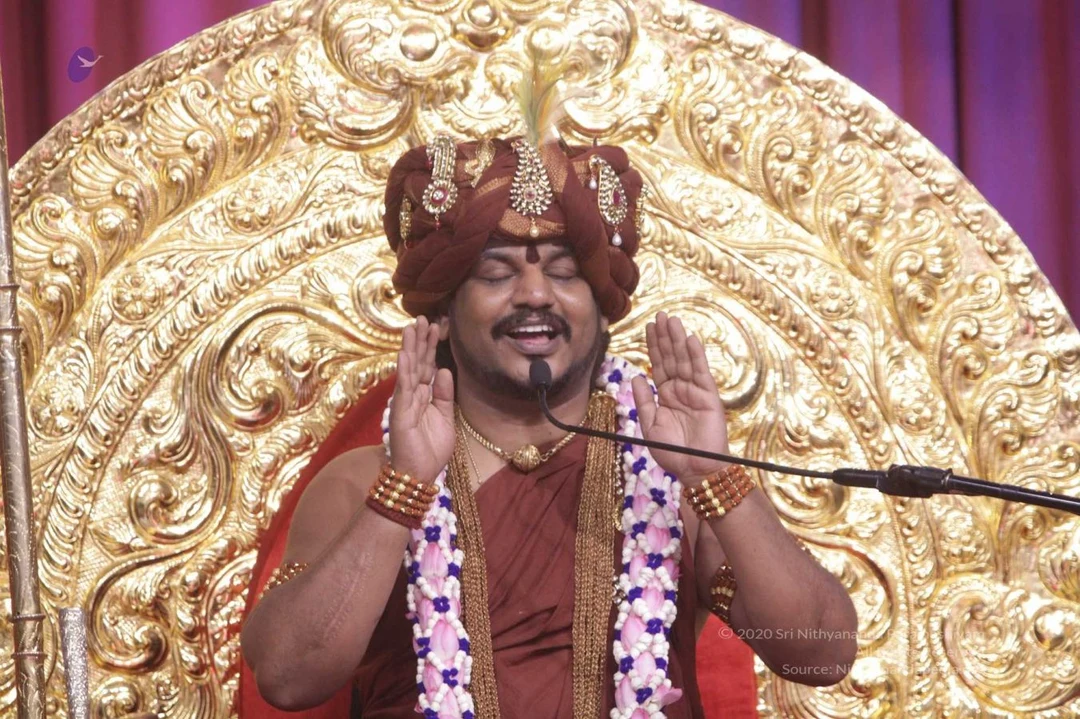 HDH Nithyananda Paramashivam blessings the delegates during the morning satsang.
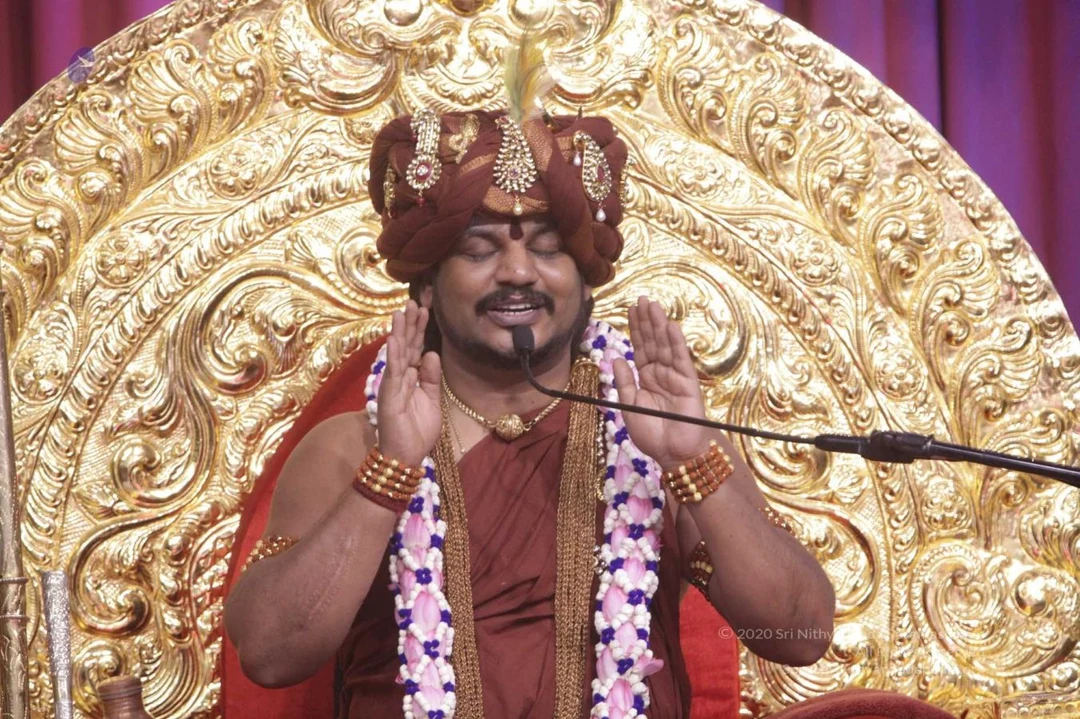 HDH Nithyananda Paramashivam blessings the delegates during the morning satsang.
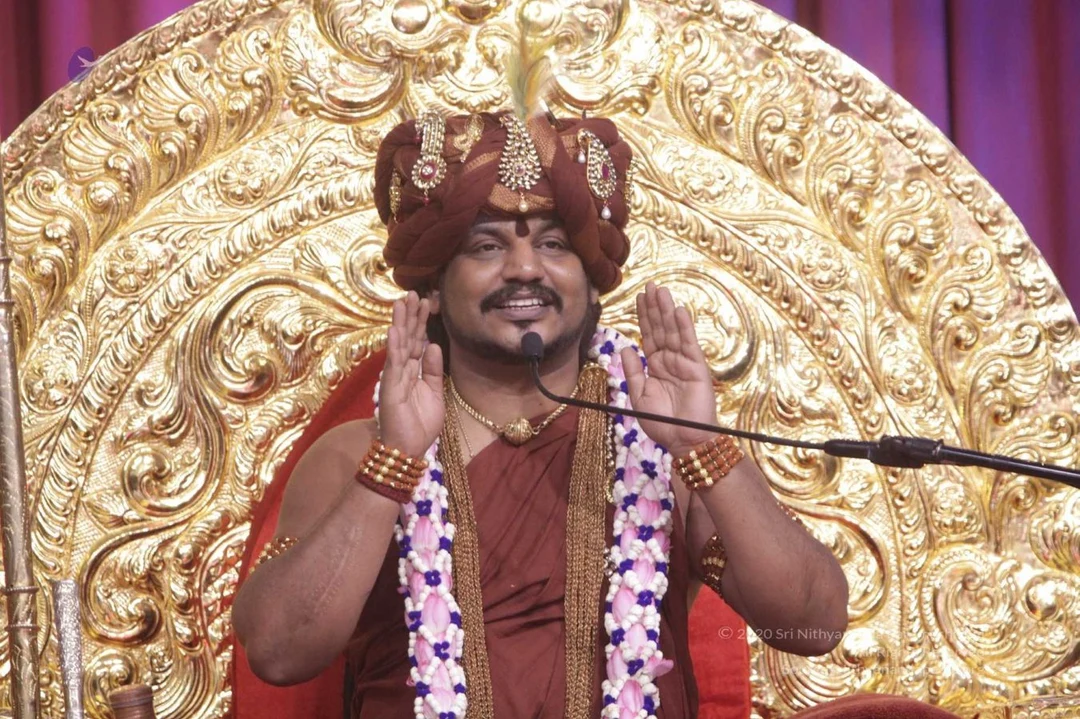 HDH Nithyananda Paramashivam blessings the delegates during the morning satsang.
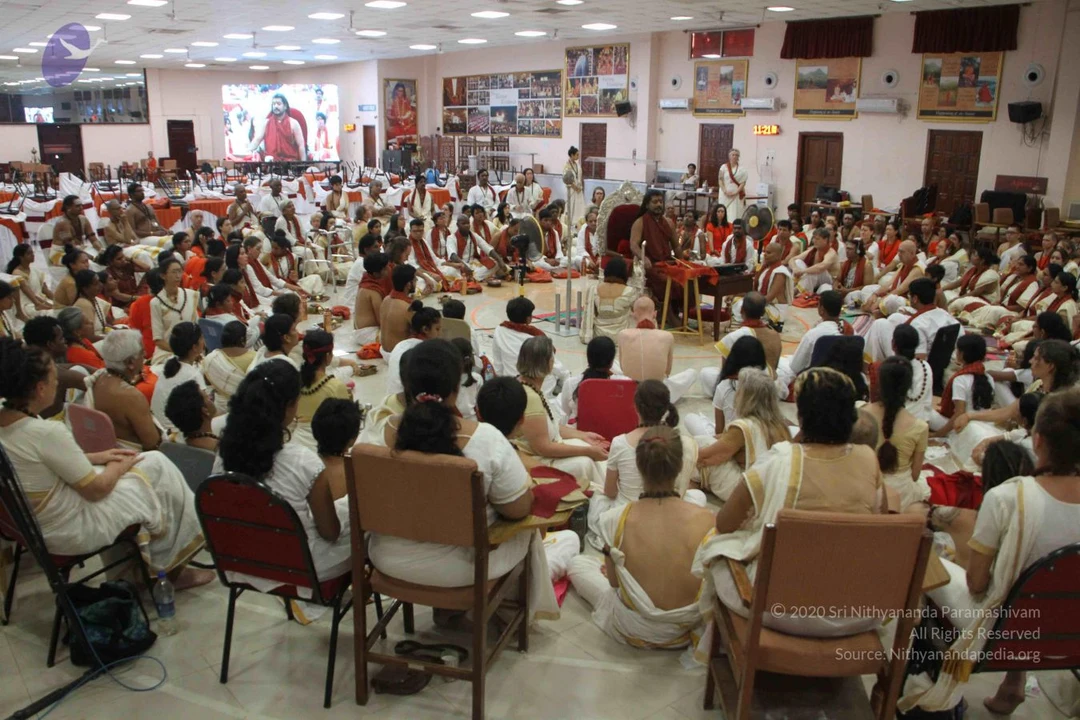
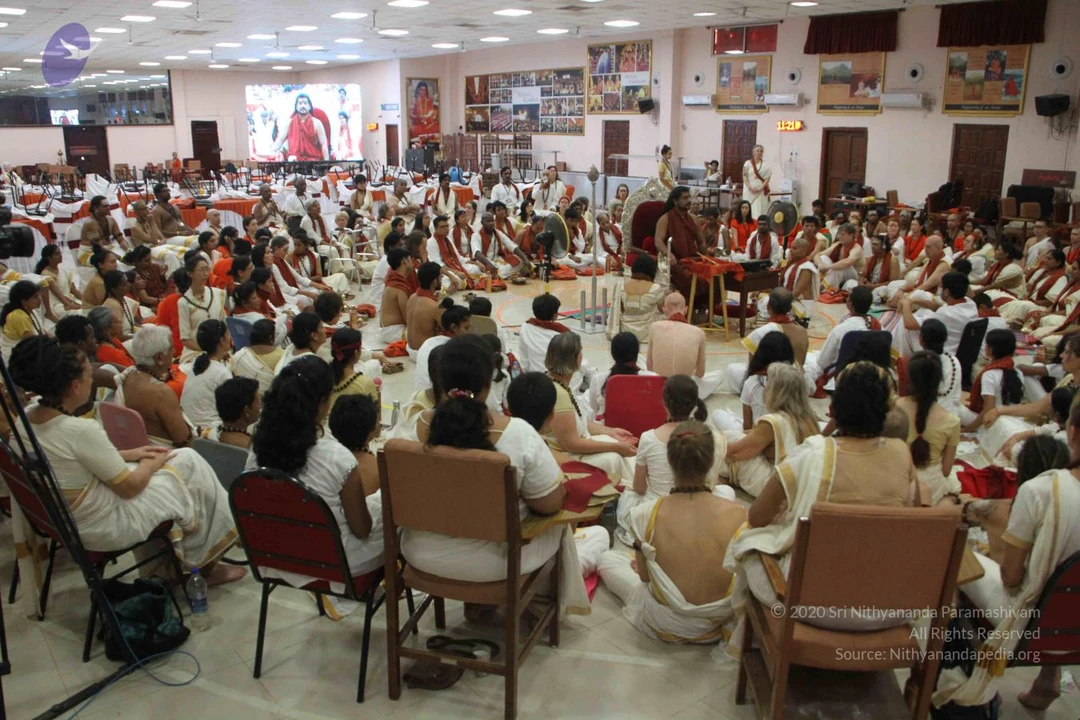
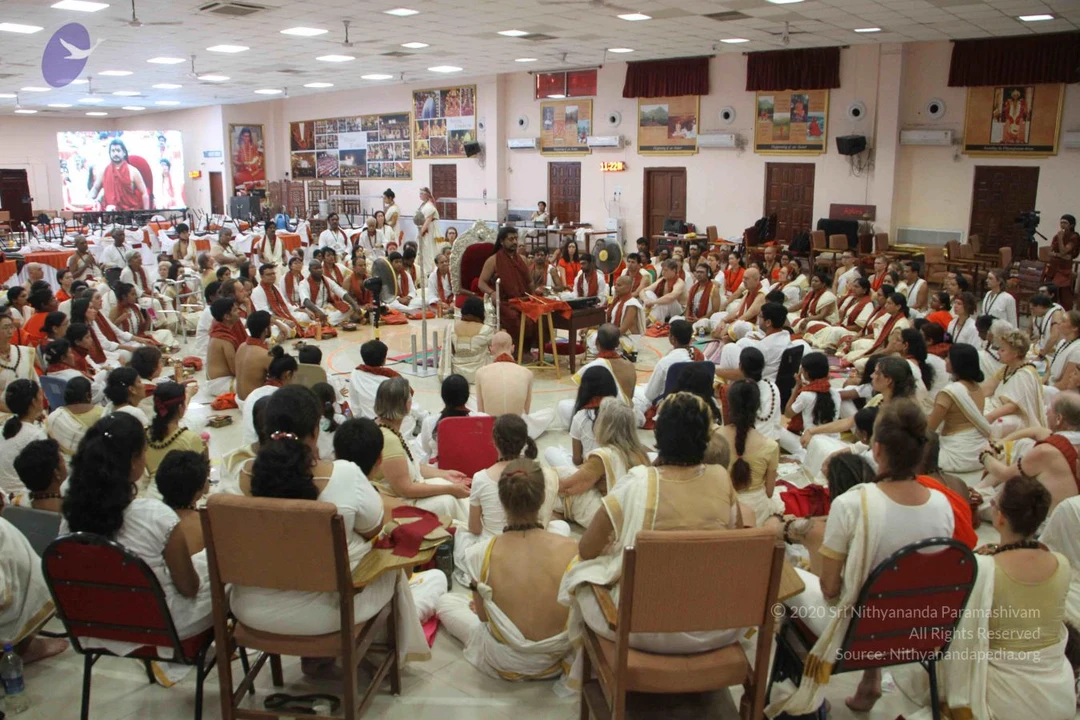
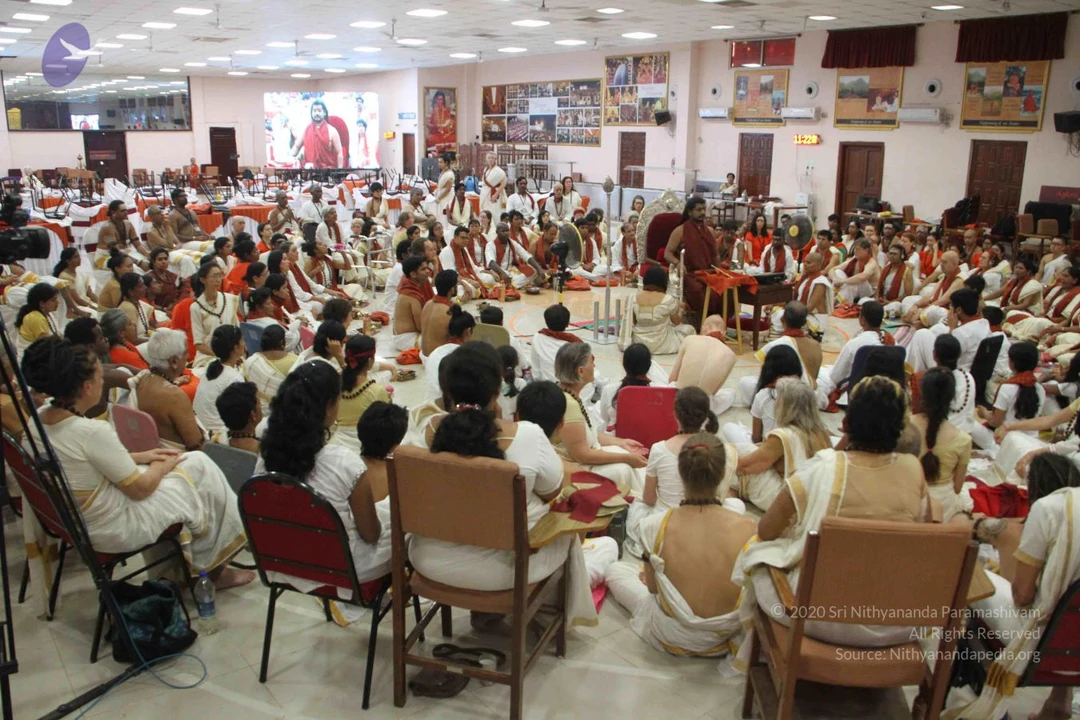
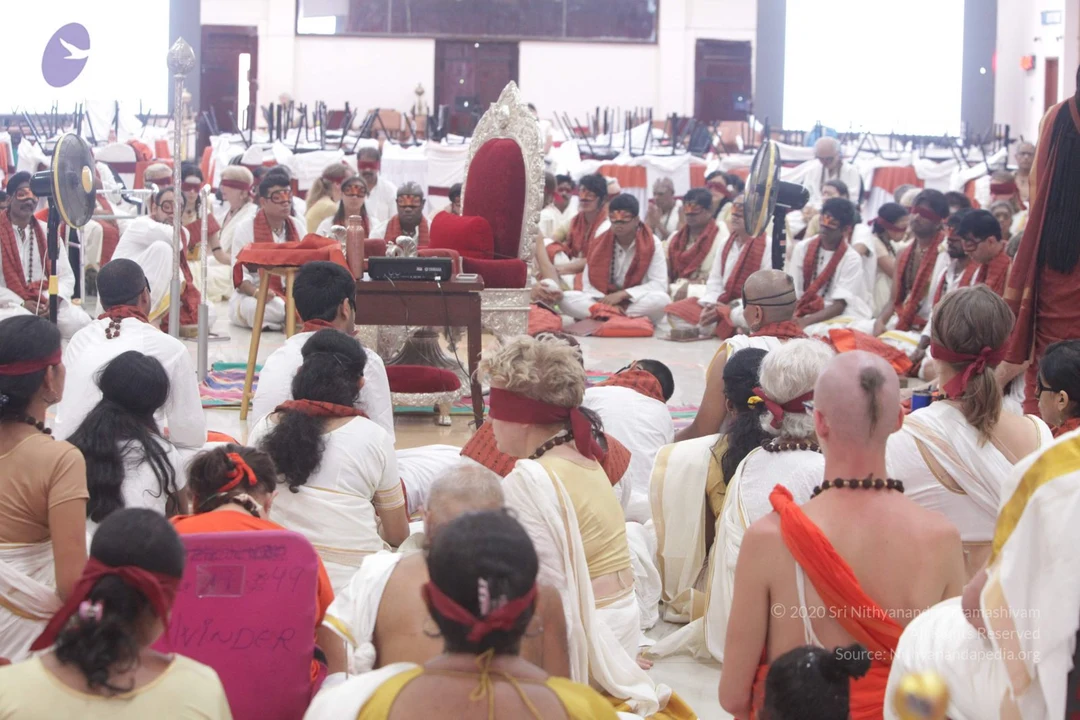
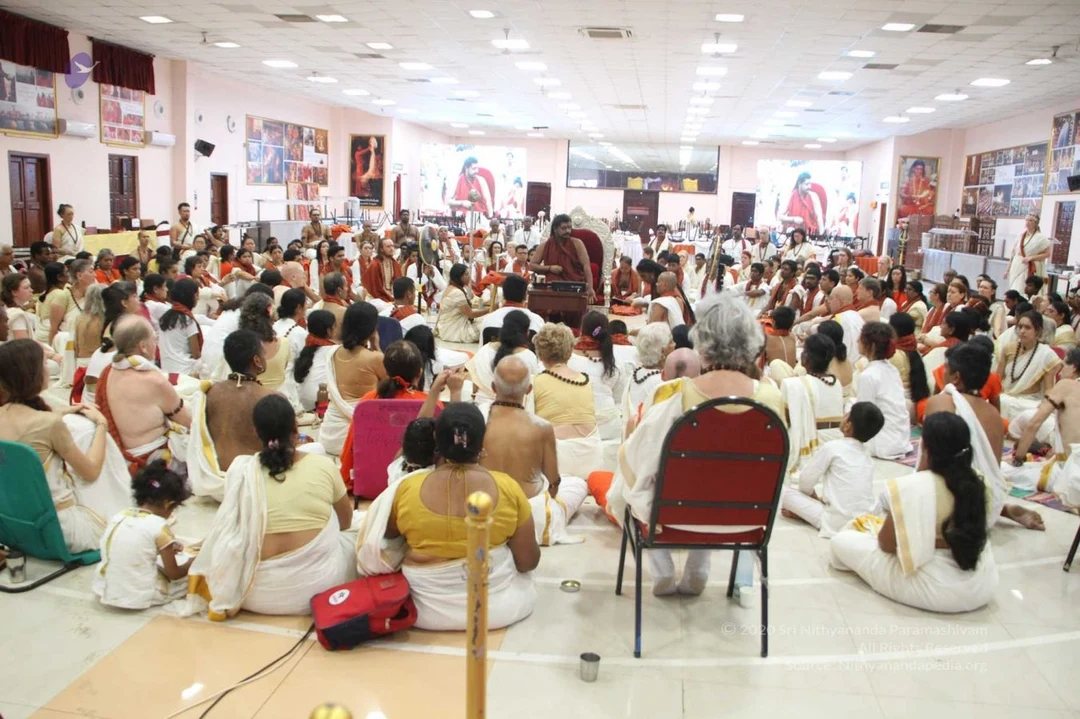 HDH Nithyananda Paramashivam with delegates during Mandala Process
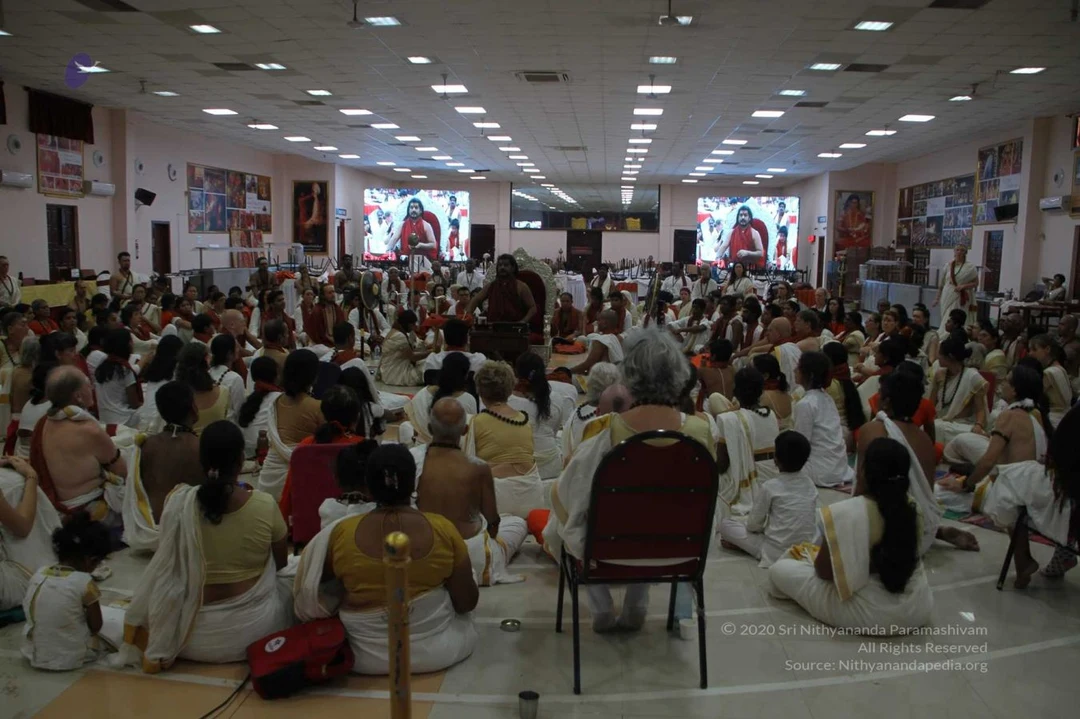 HDH Nithyananda Paramashivam during Mandala process with Delegate
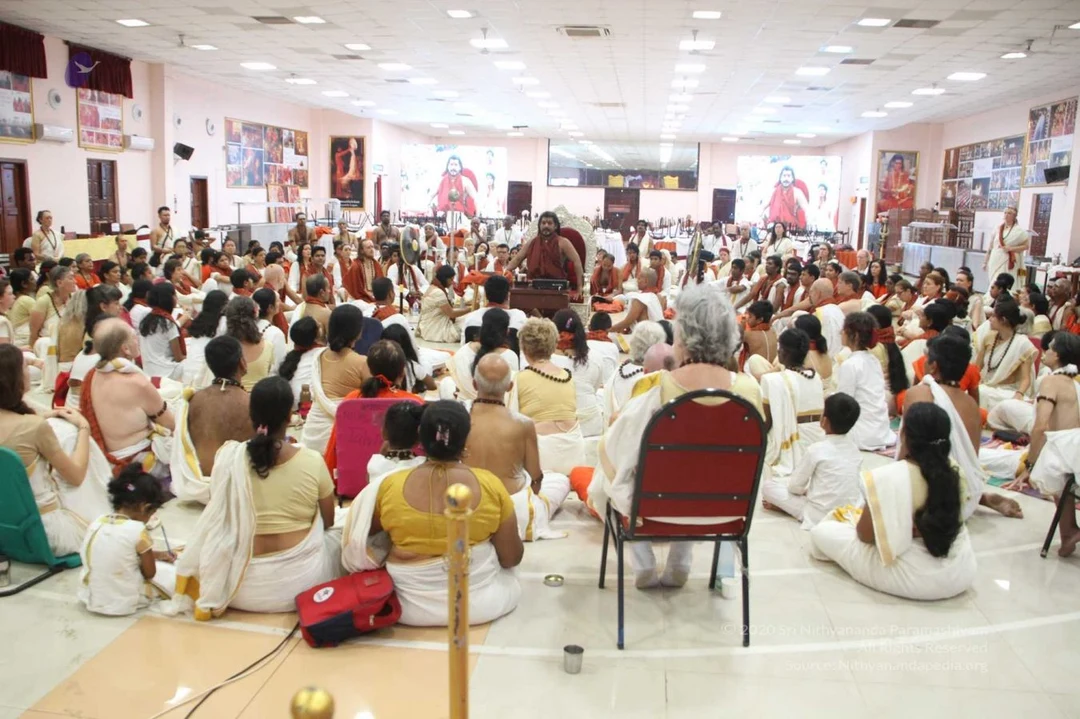 Delegates sitting in Mandala process with HDH Nithyananda Paramashivam
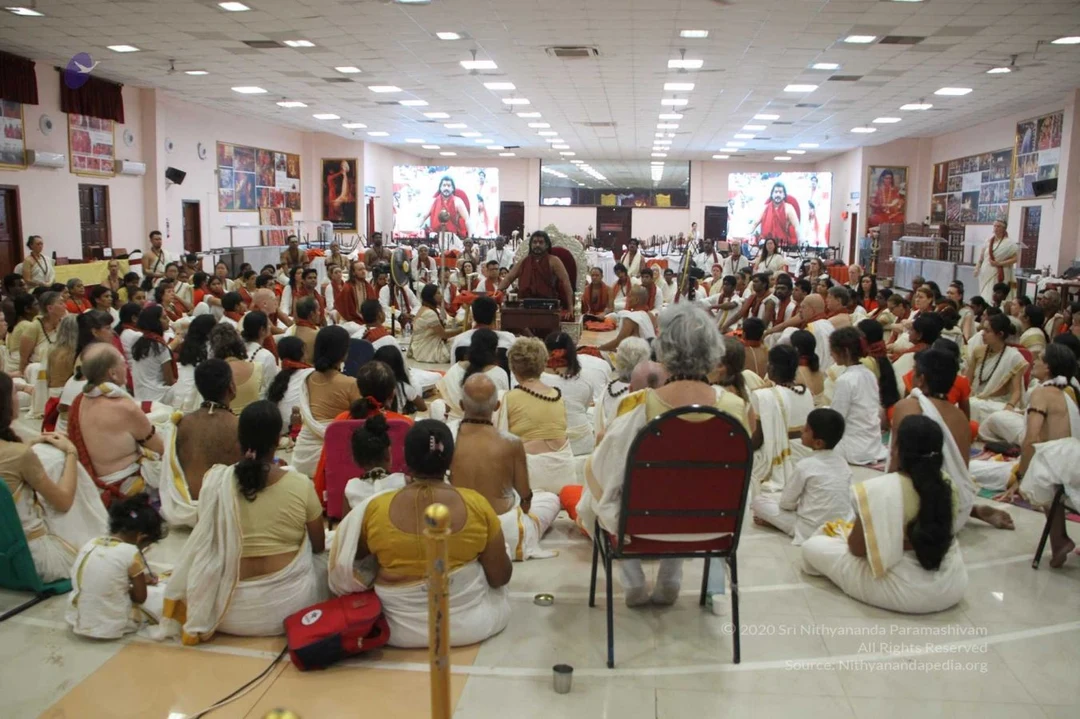 HDH Nithyananda Paramashivam teaching the delegates during Mandala Process
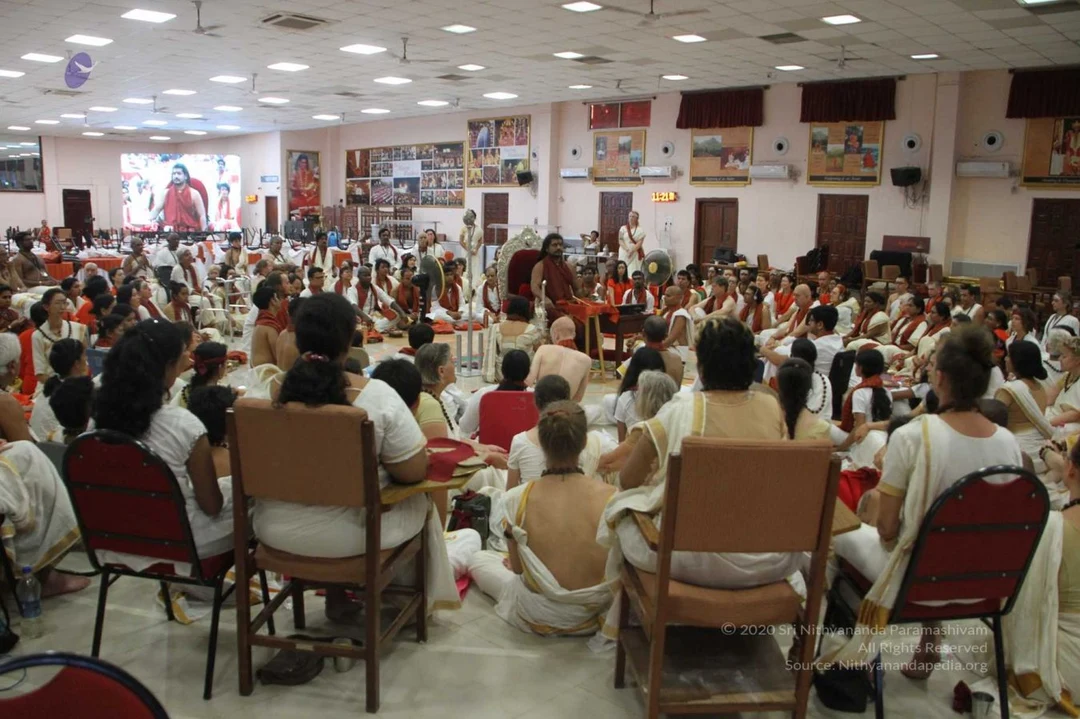 HDH Nithyananda Paramashivam guiding the delegates during the Mandala Process
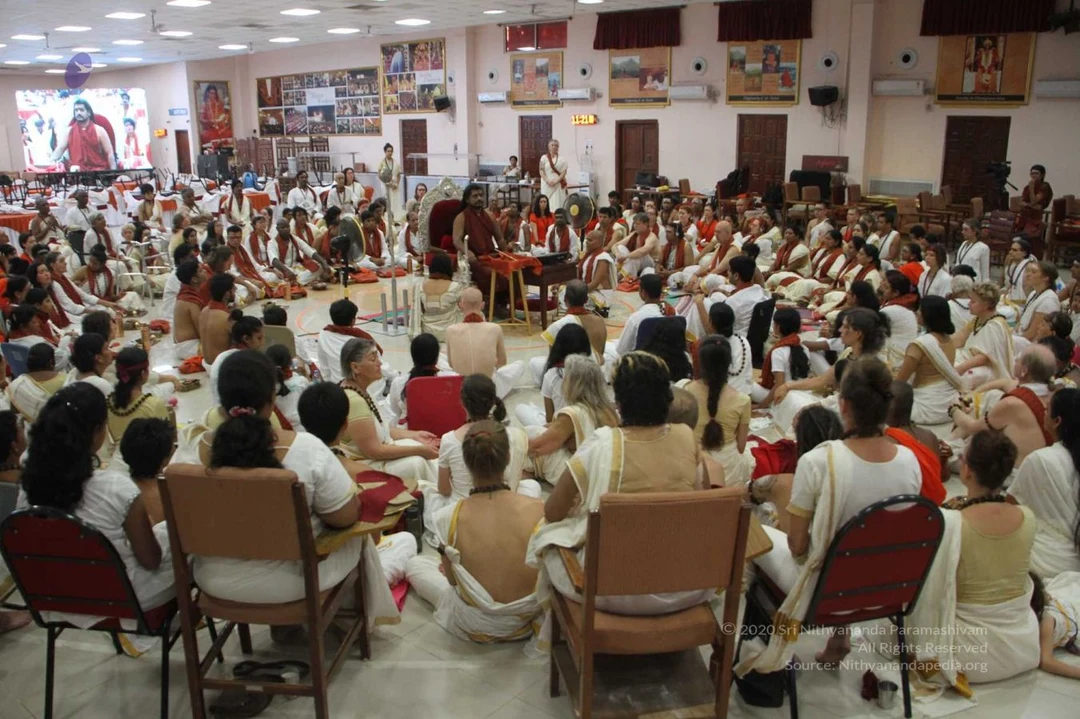 HDH Nithyananda Paramashivam with delegates during Mandala Process
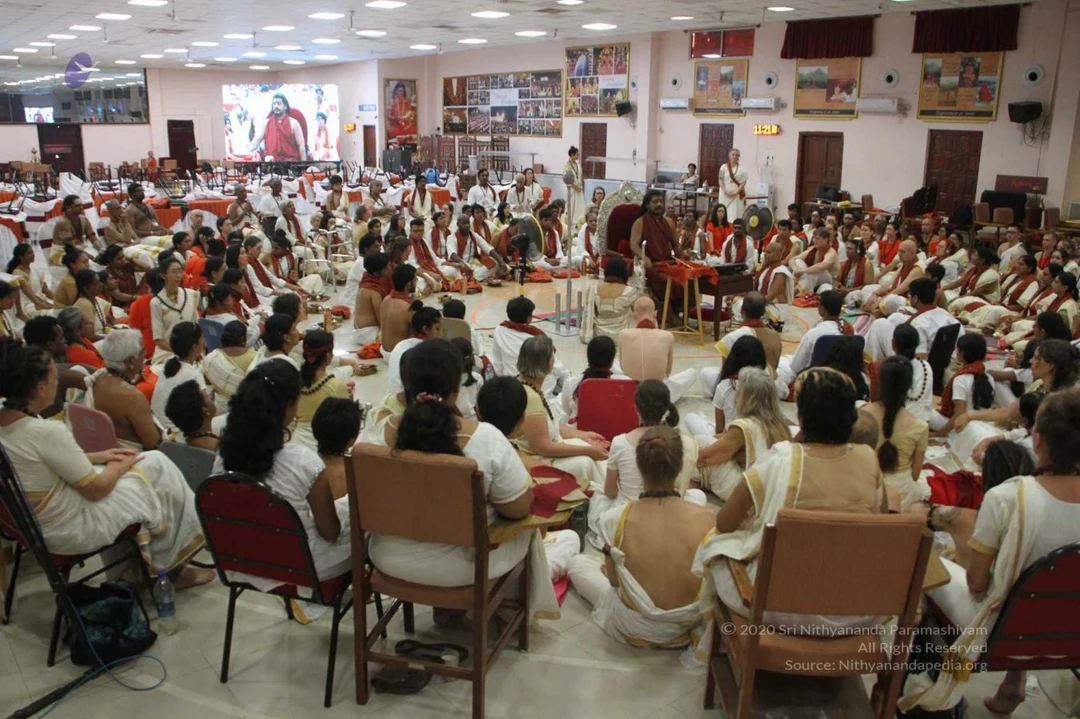 Delegates participating with HDH Nithyananda Paramashivam in the Mandala Process
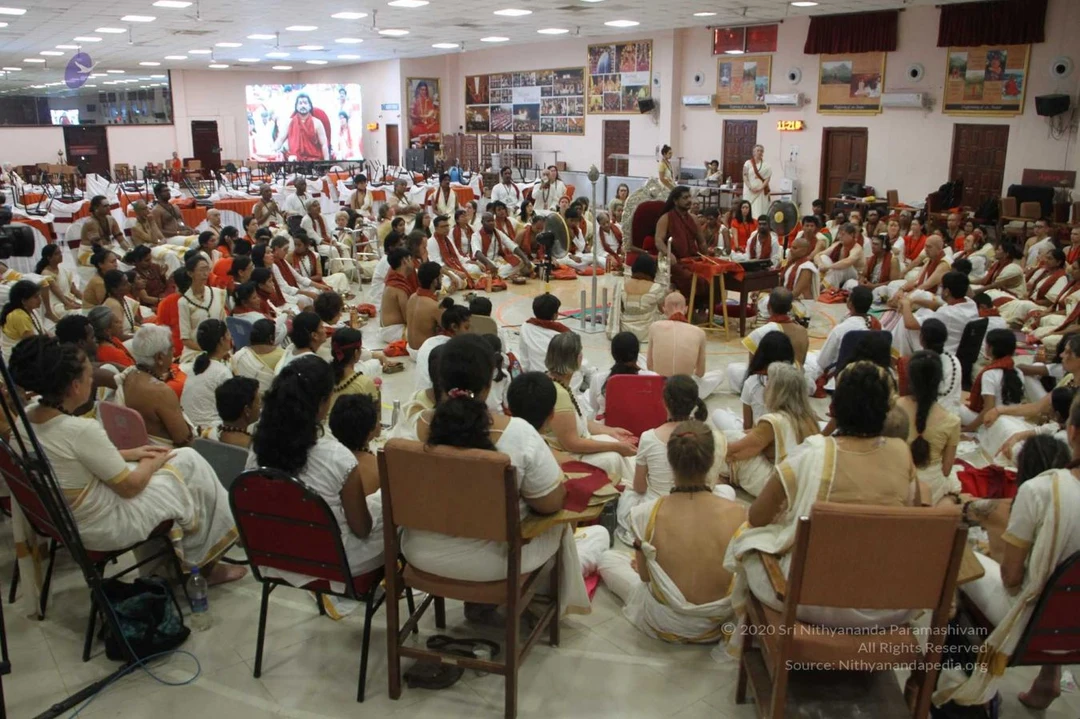 HDH Nithyananda Paramashivam during the Mandala Process .
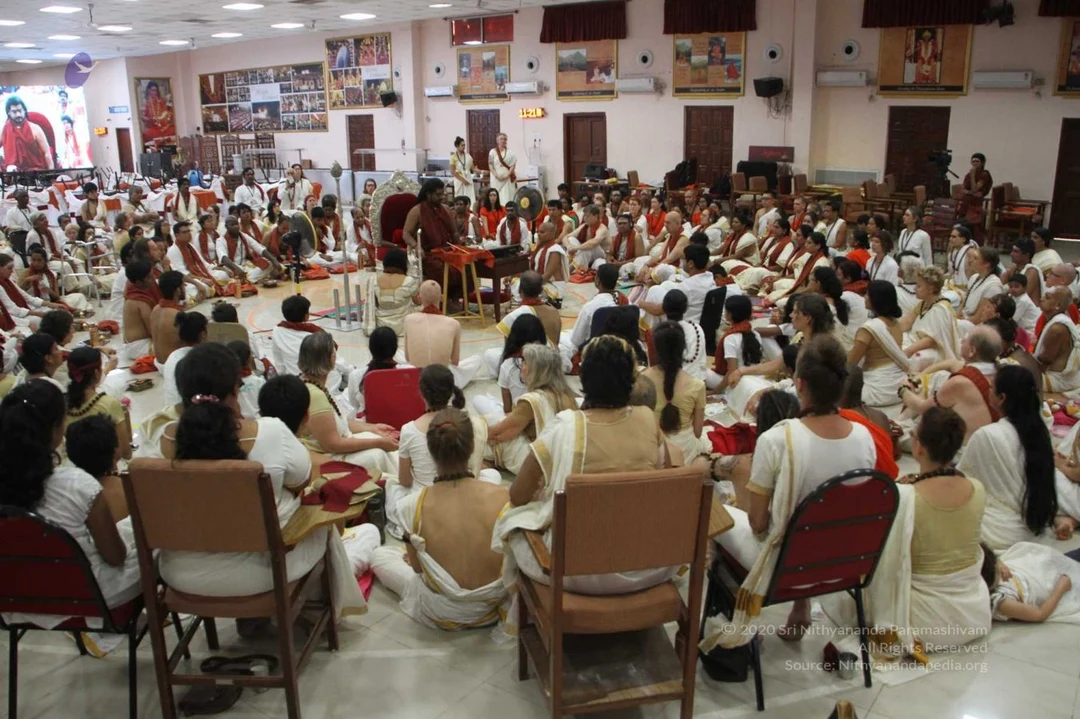 HDH Nithyananda Paramashivam with the delegates sitting in Mandala Process
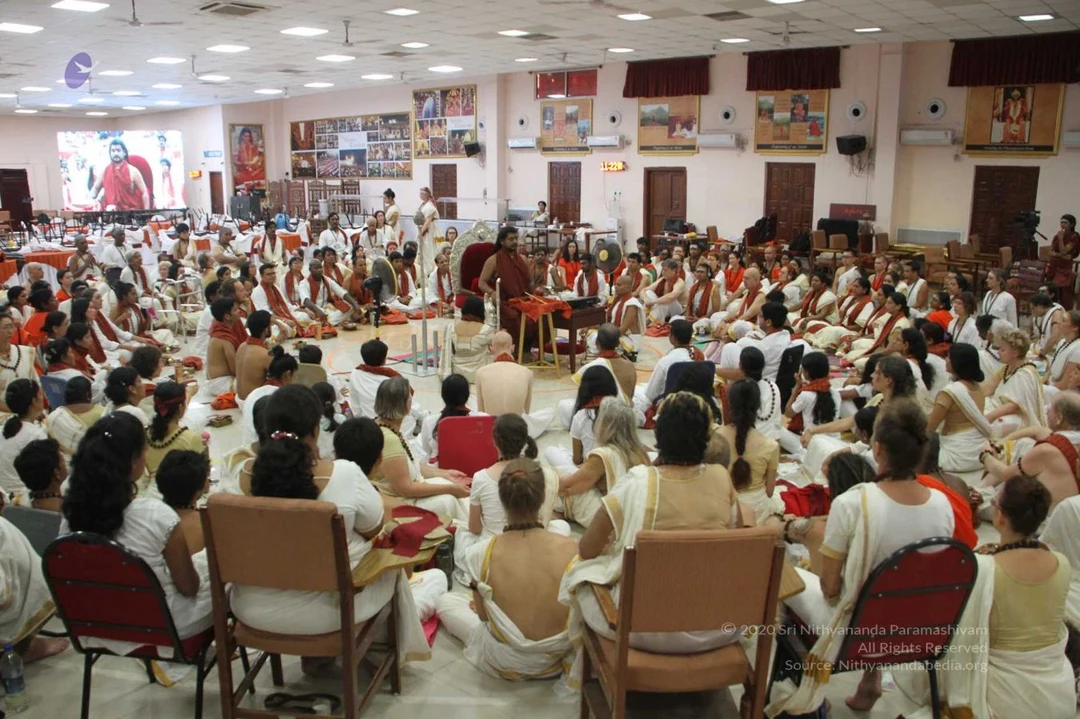 Mandala Process Guided by HDH Nithyananda Paramashivam
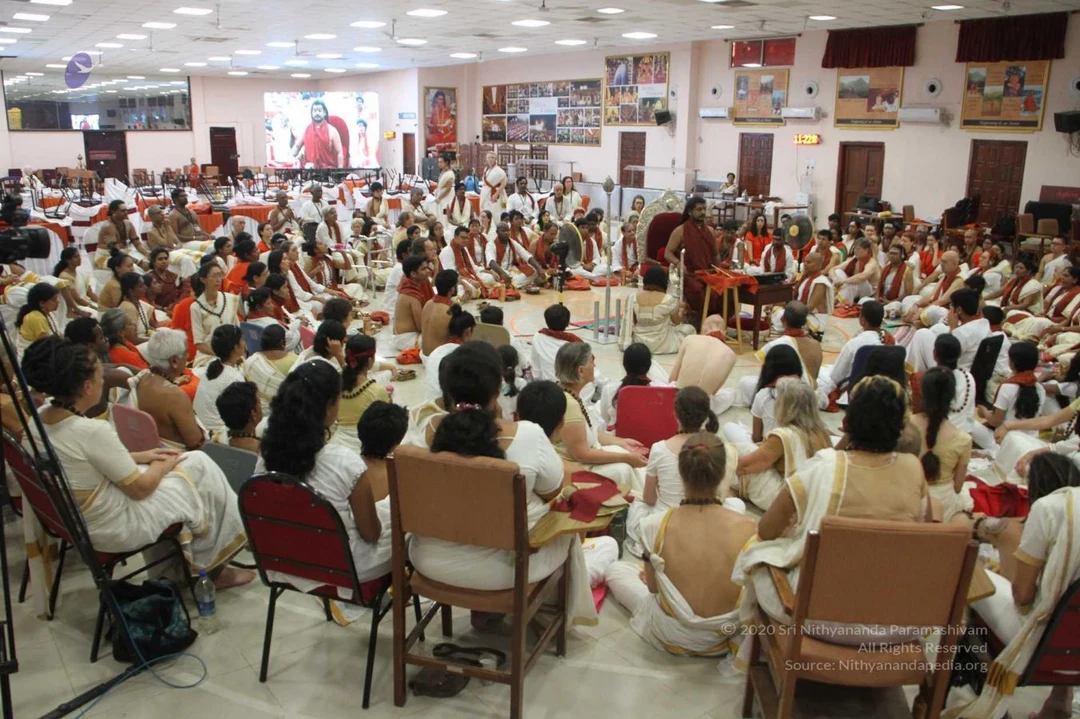 Mandala Process Guided by HDH Nithyananda Paramashivam
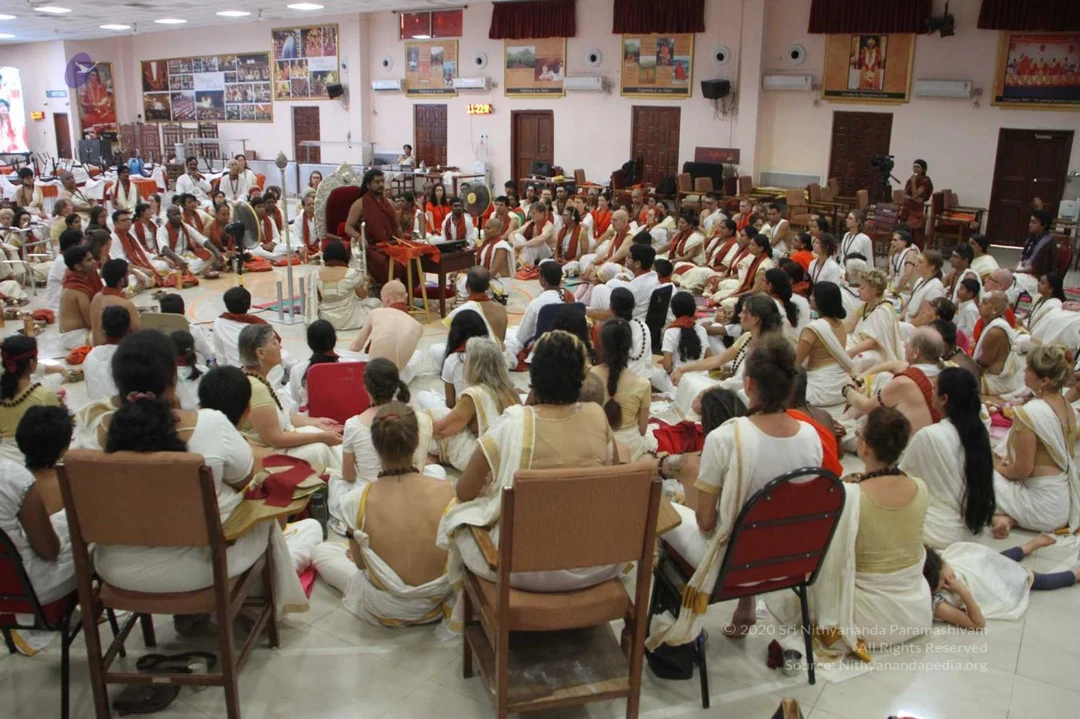 HDH Nithyananda Paramashivam conducting Mandala Process .
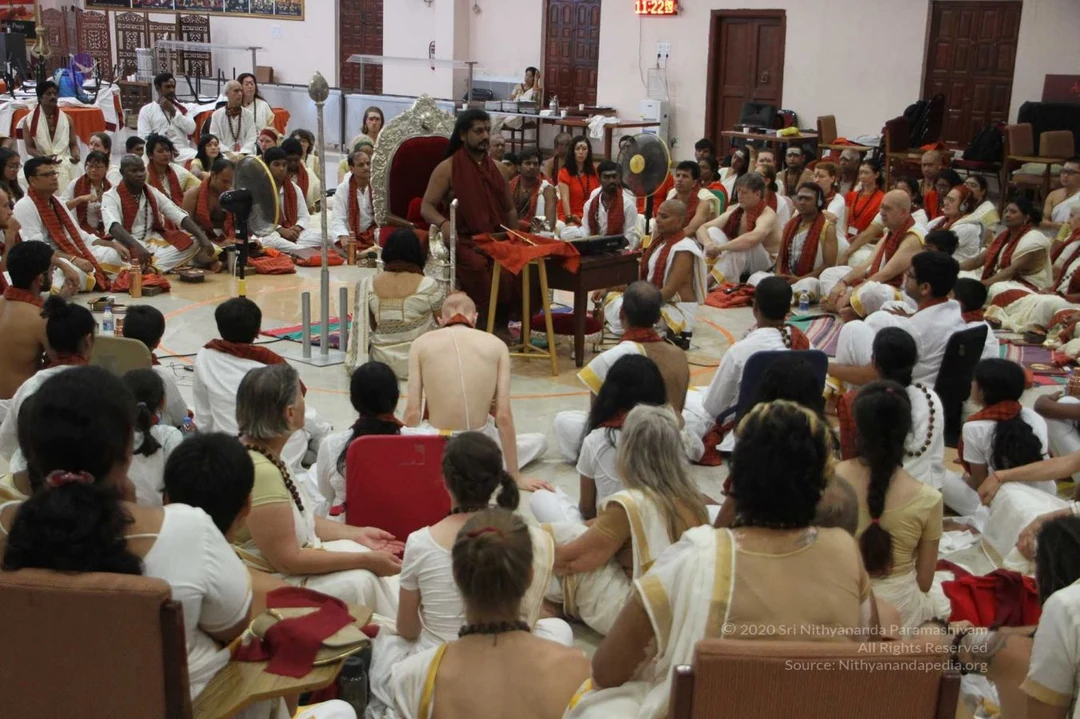 HDH Nithyananda Paramashivam conducting a Mandala process session with the delegates
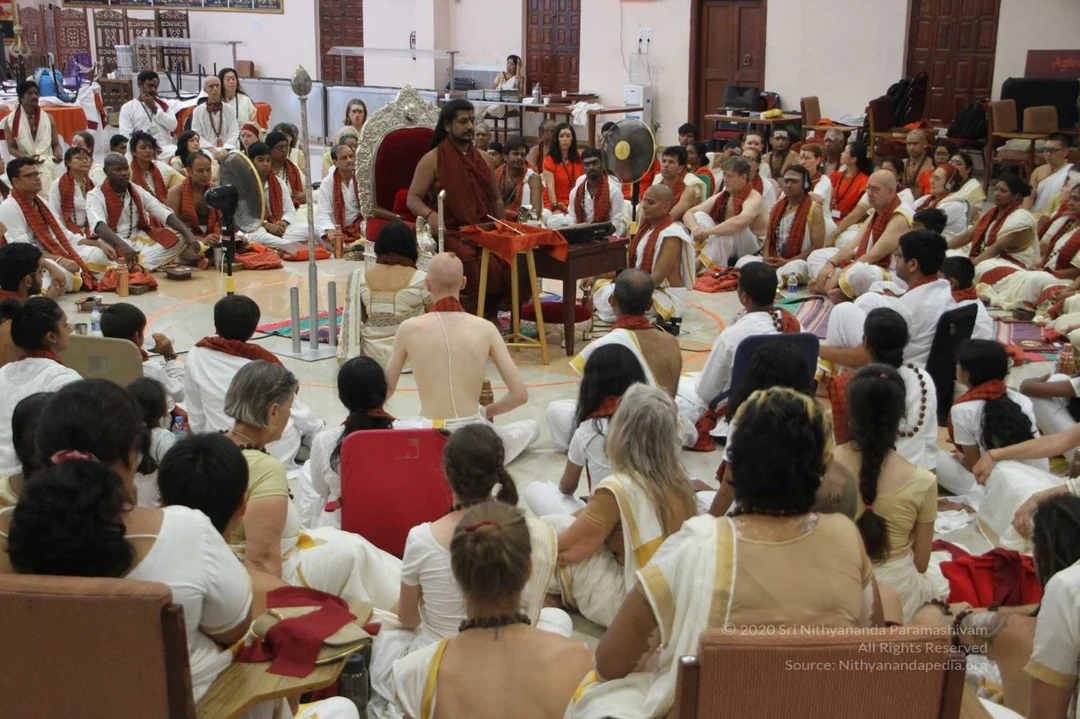 Mandala Process Guided by HDH Nithyananda Paramashivam
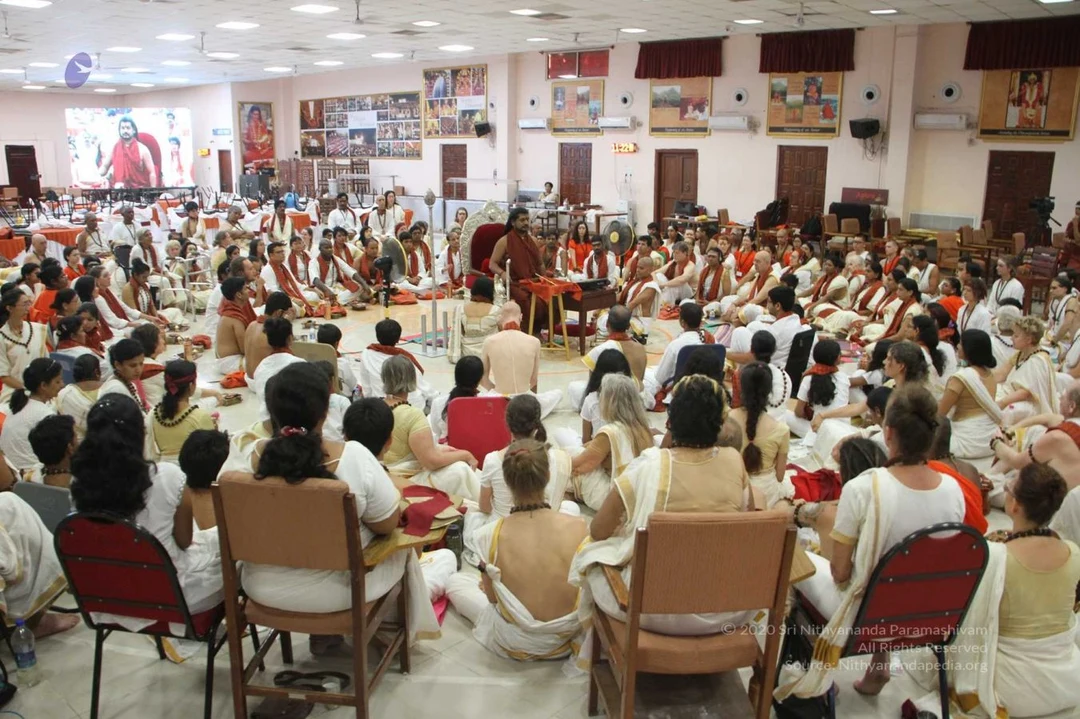 A group of delegates and Kailasavasis sitting in Mandala Process with HDH Nithyananda Paramashivam
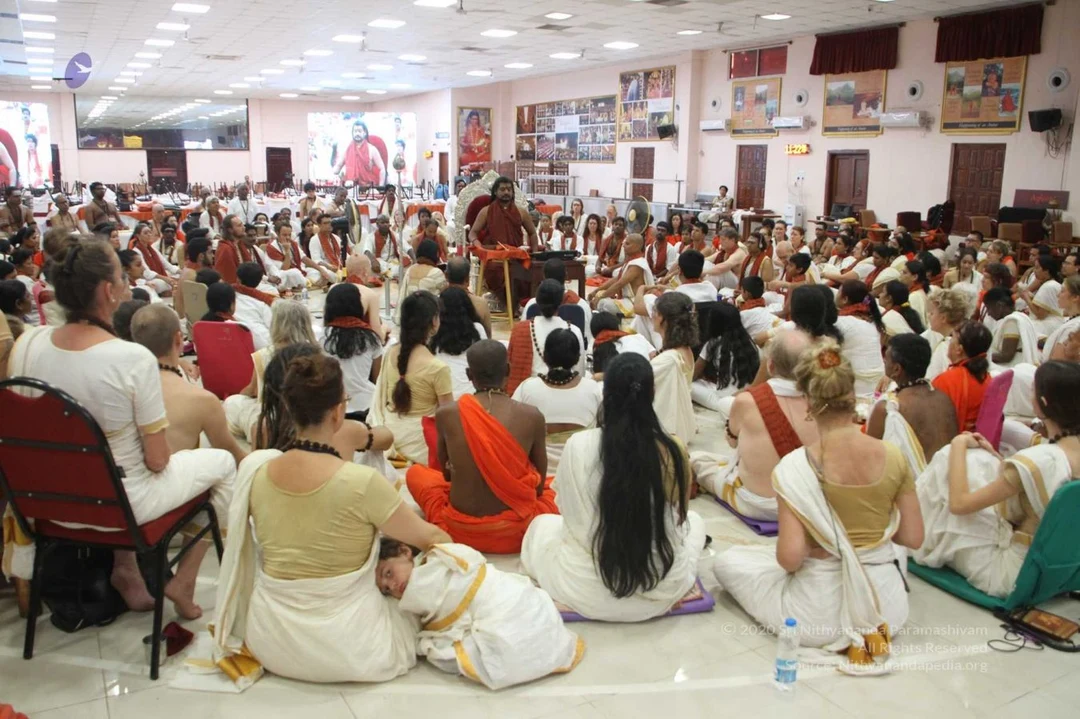 A group of delegates and Kailasavasis sitting in Mandala Process with HDH Nithyananda Paramashivam
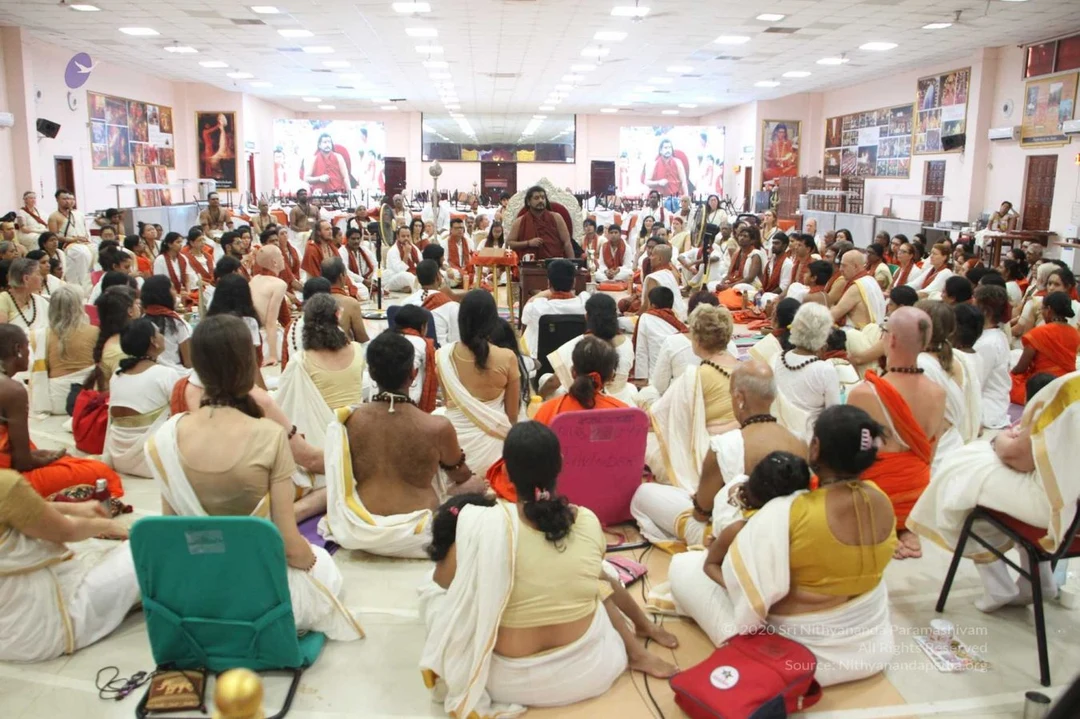 A group of delegates and Kailasavasis sitting in Mandala Process with HDH Nithyananda Paramashivam
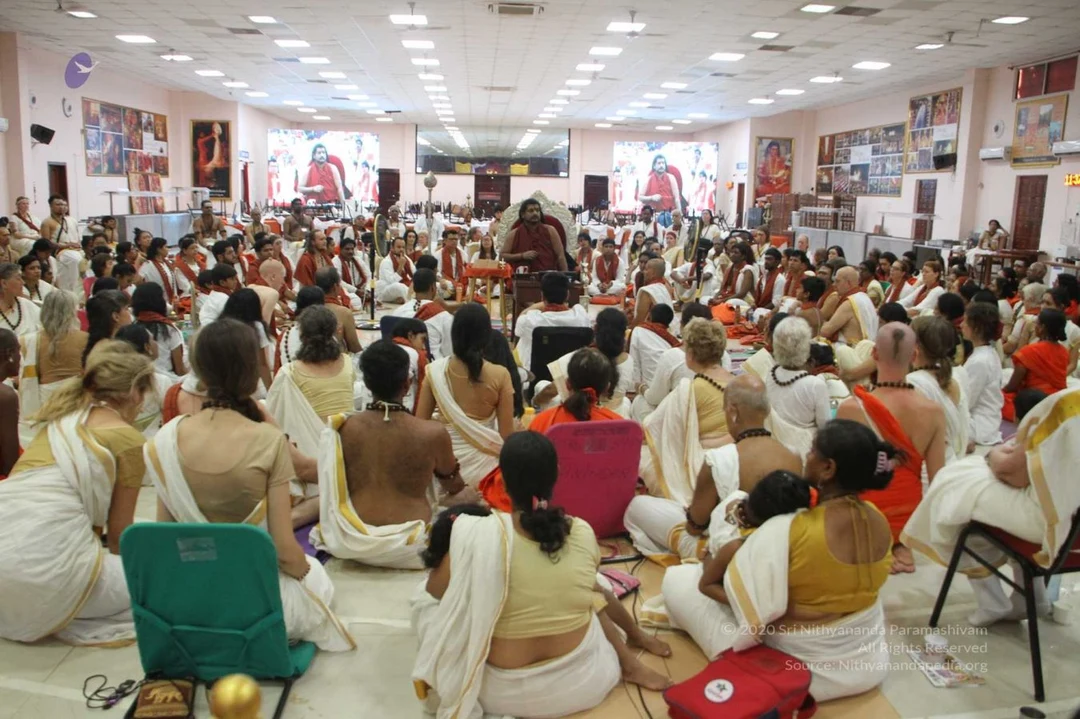 A group of delegates and Kailasavasis sitting in Mandala Process with HDH Nithyananda Paramashivam
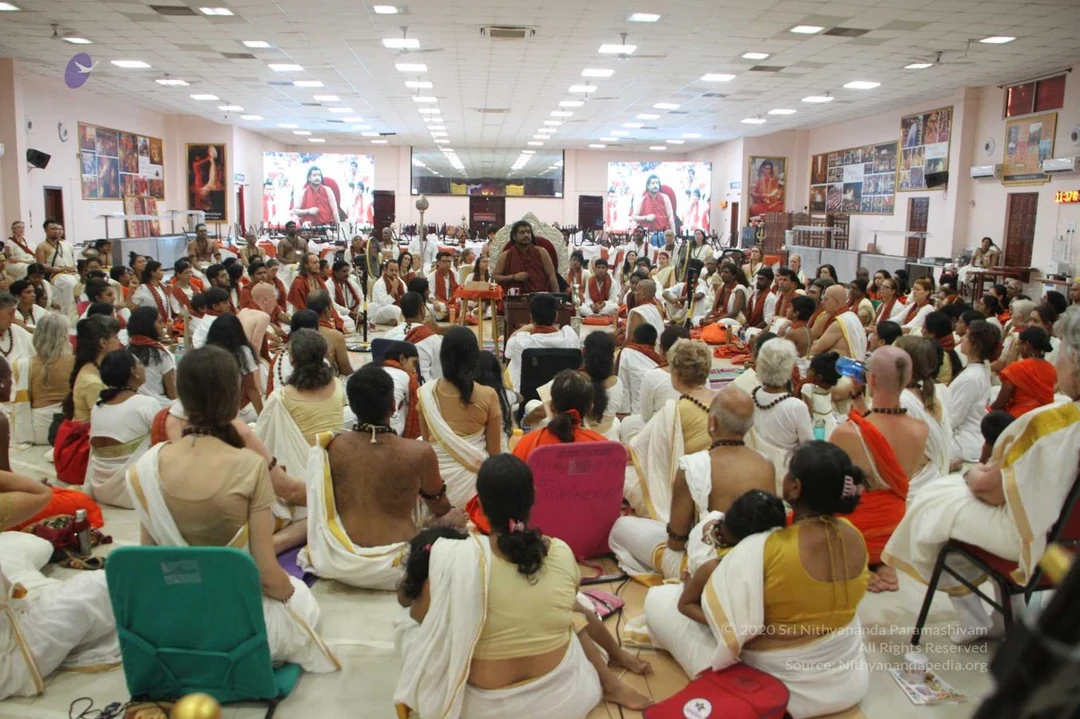 A group of delegates and Kailasavasis sitting in Mandala Process with HDH Nithyananda Paramashivam
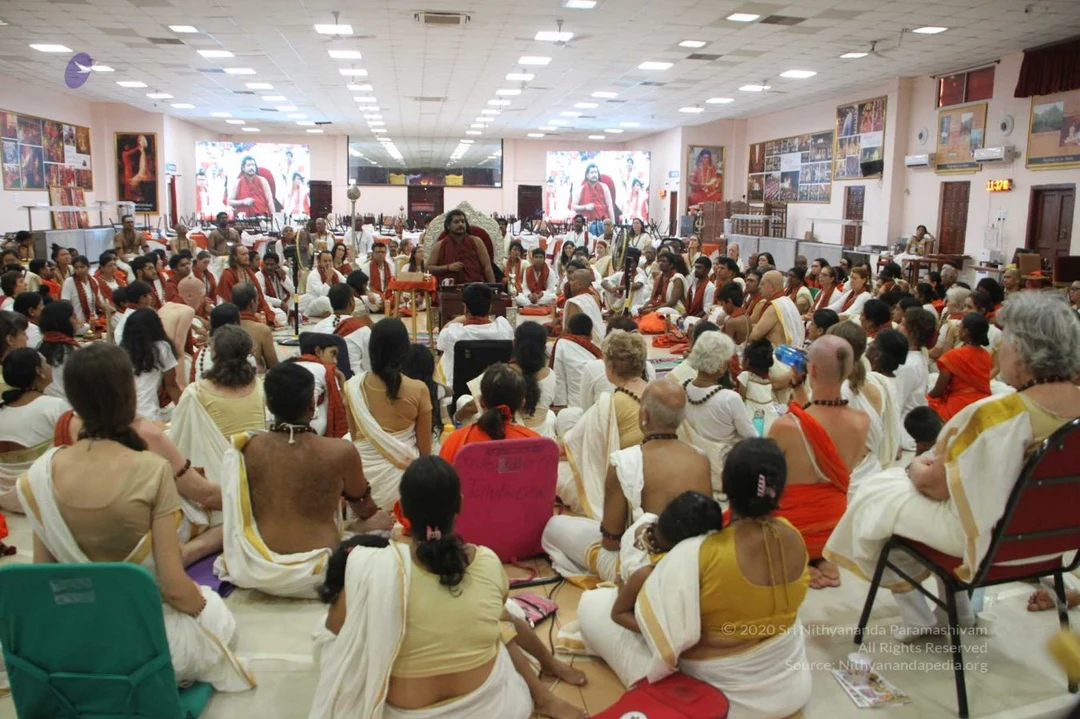 Delegates and Kailasavasis having Mandala Process session with HDH Nithyananda Paramashivam
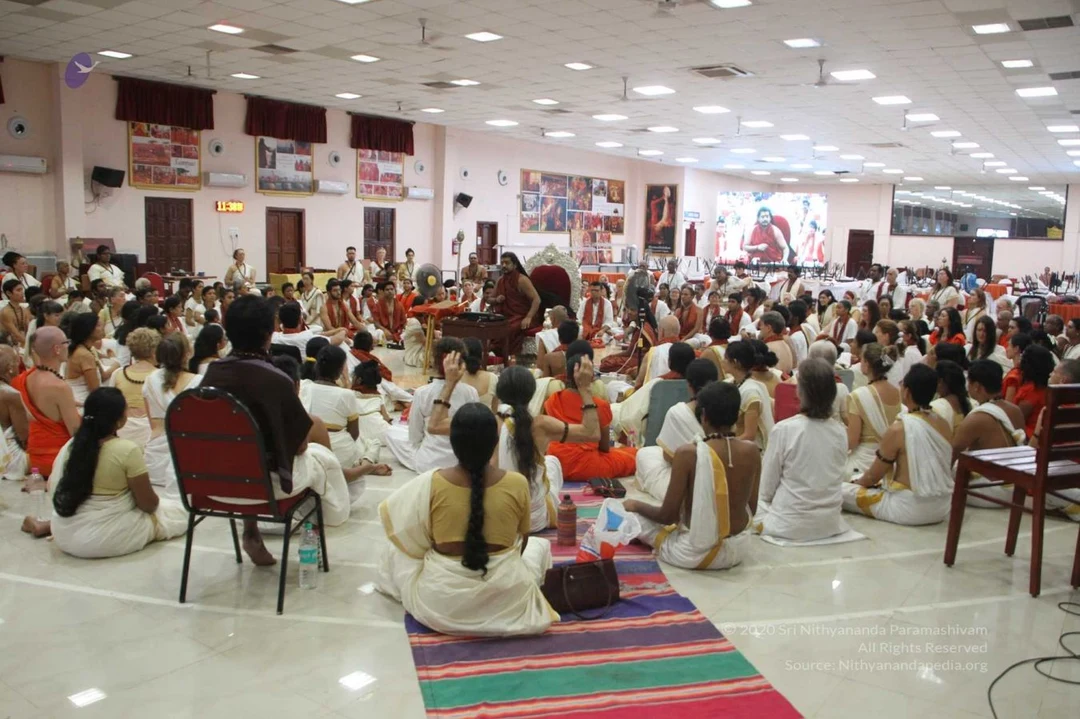 A group of delegates and Kailasavasis sitting in Mandala Process with HDH Nithyananda Paramashivam
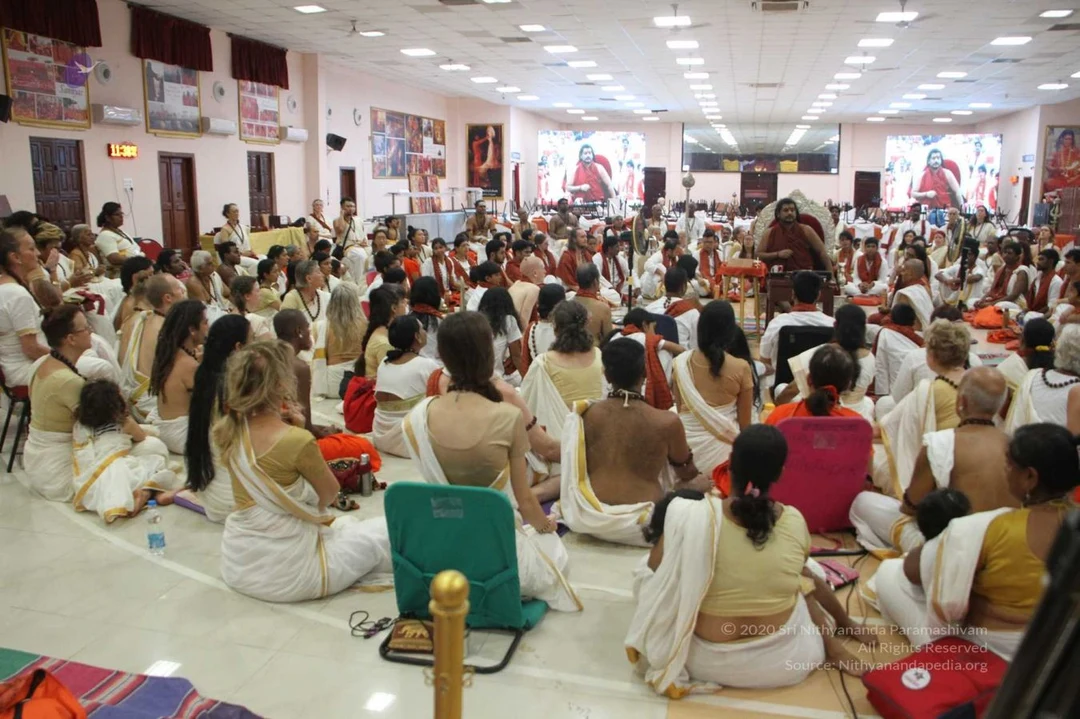 A group of delegates and Kailasavasis sitting in Mandala Process with HDH Nithyananda Paramashivam
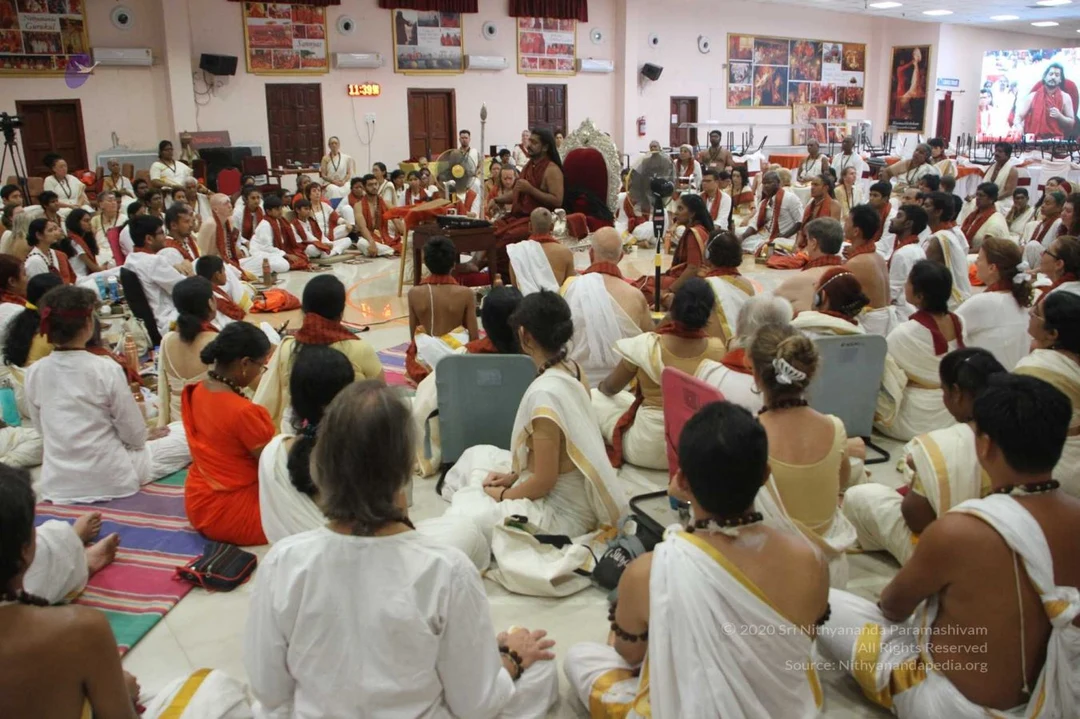 Mandala Process guided by HDH Nithyananda Paramashivam
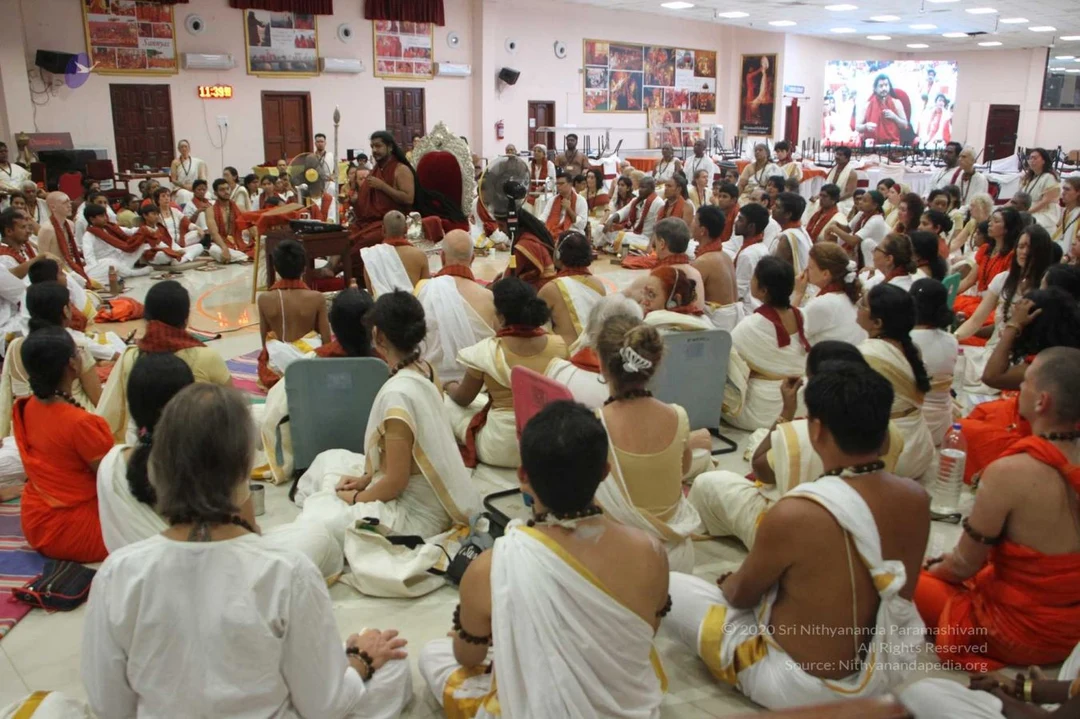 Mandala Process guided by HDH Nithyananda Paramashivam
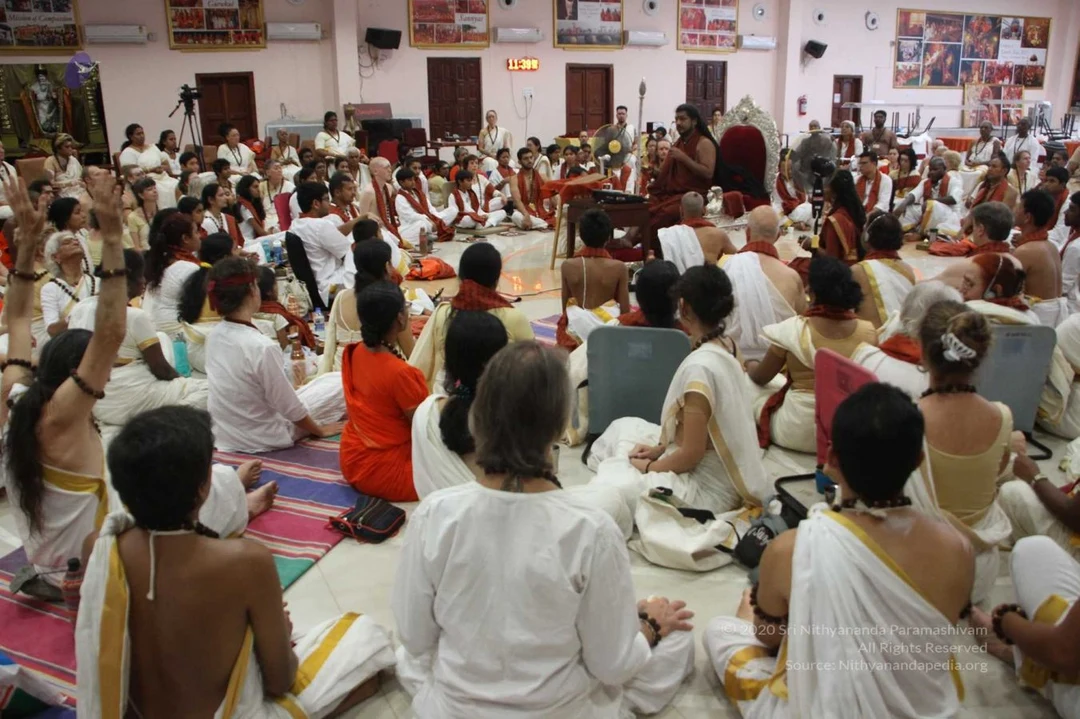 Mandala Process guided by HDH Nithyananda Paramashivam
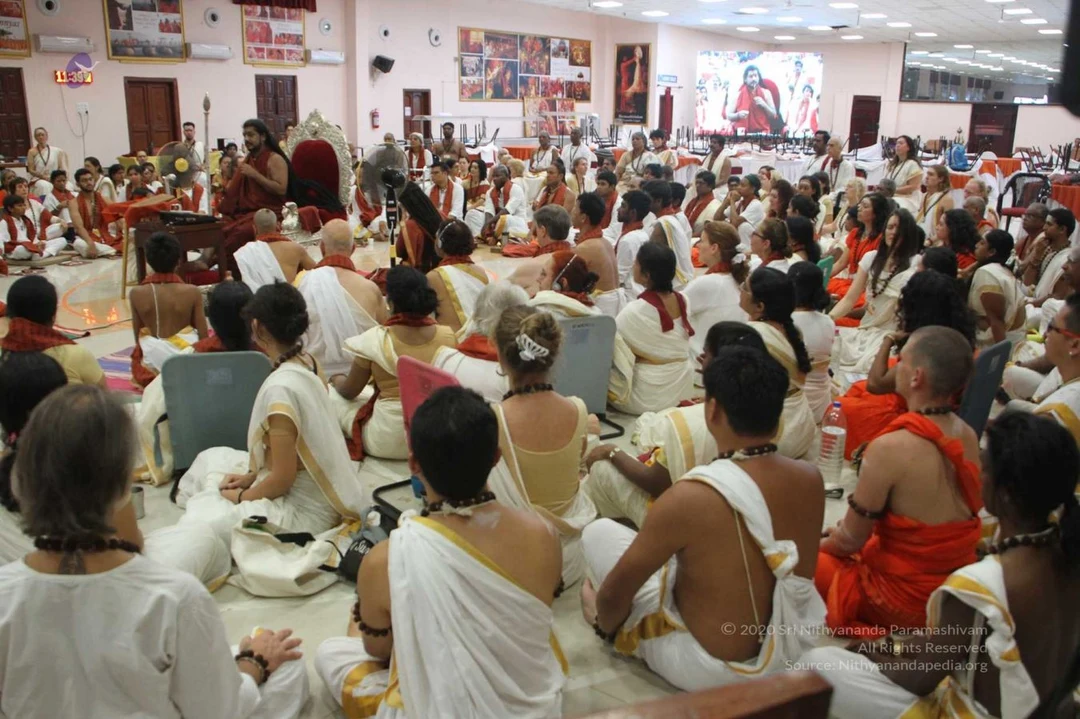 Mandala Process guided by HDH Nithyananda Paramashivam
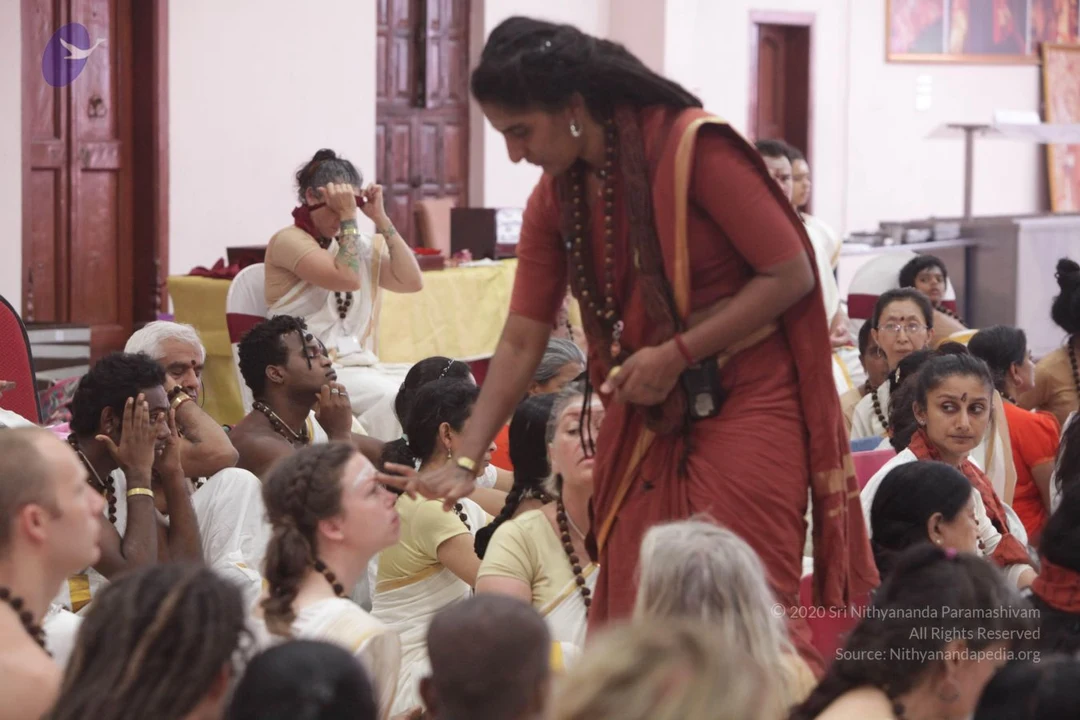
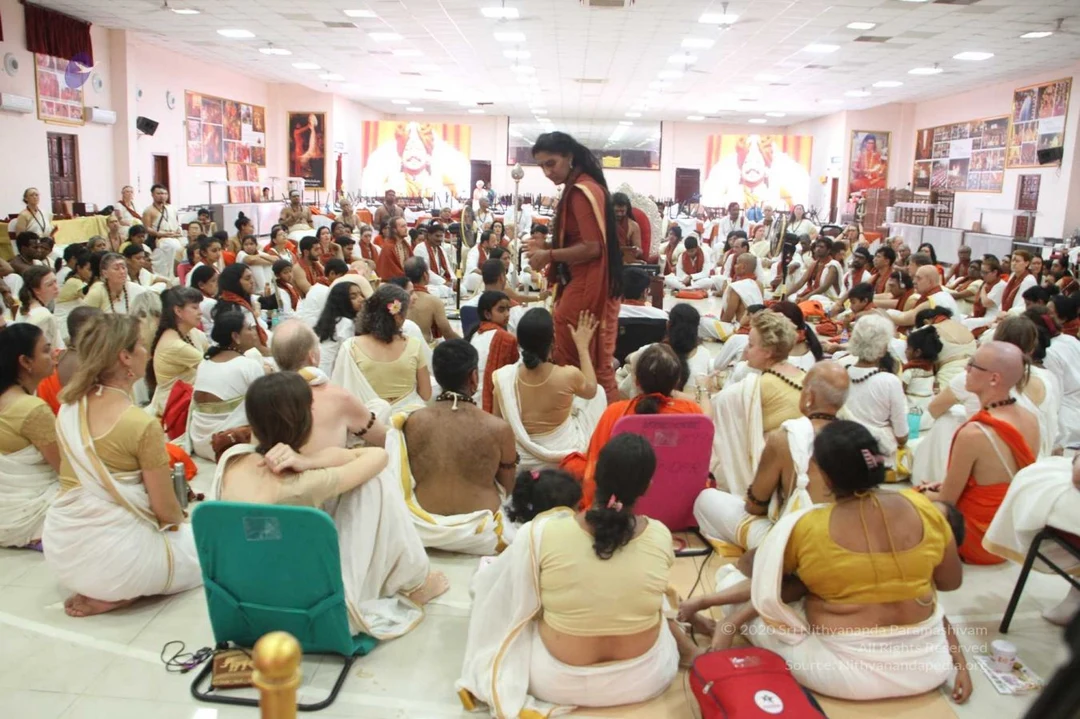 Poorna Sanyasi applying Jnanajna on the third eye of the delegates during Mandala Process
 Poorna Sanyasi applying Jnanajna on the third eye of the delegates during Mandala Process
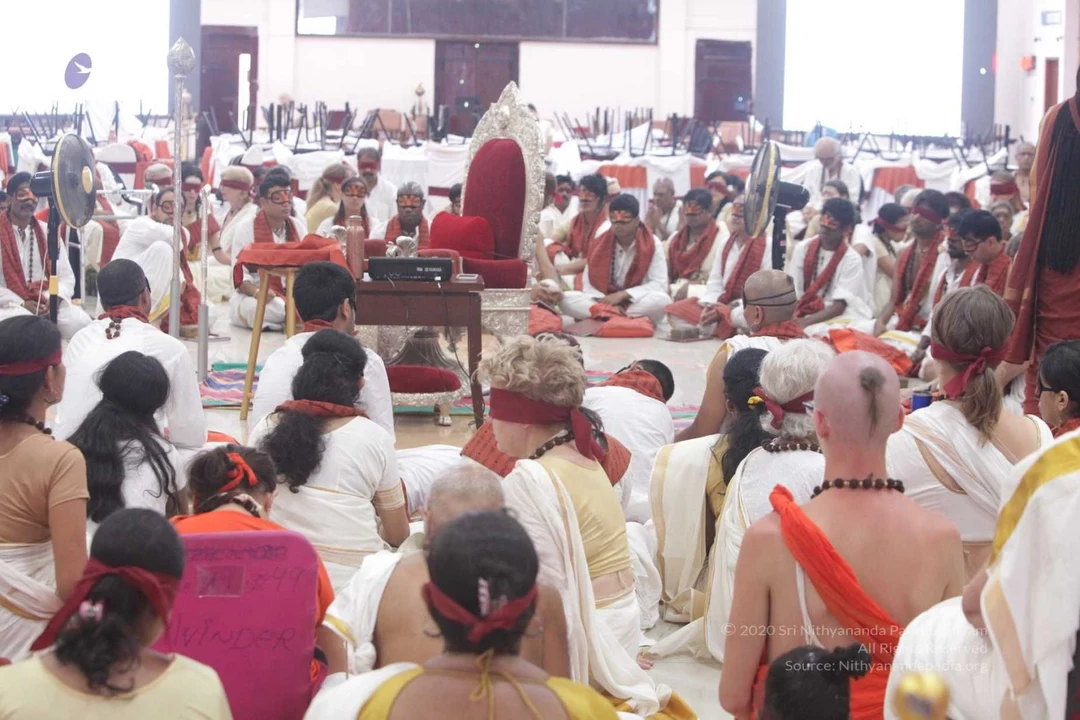 A guided Meditation session during Mandala process by HDH Nithyananda Paramashivam
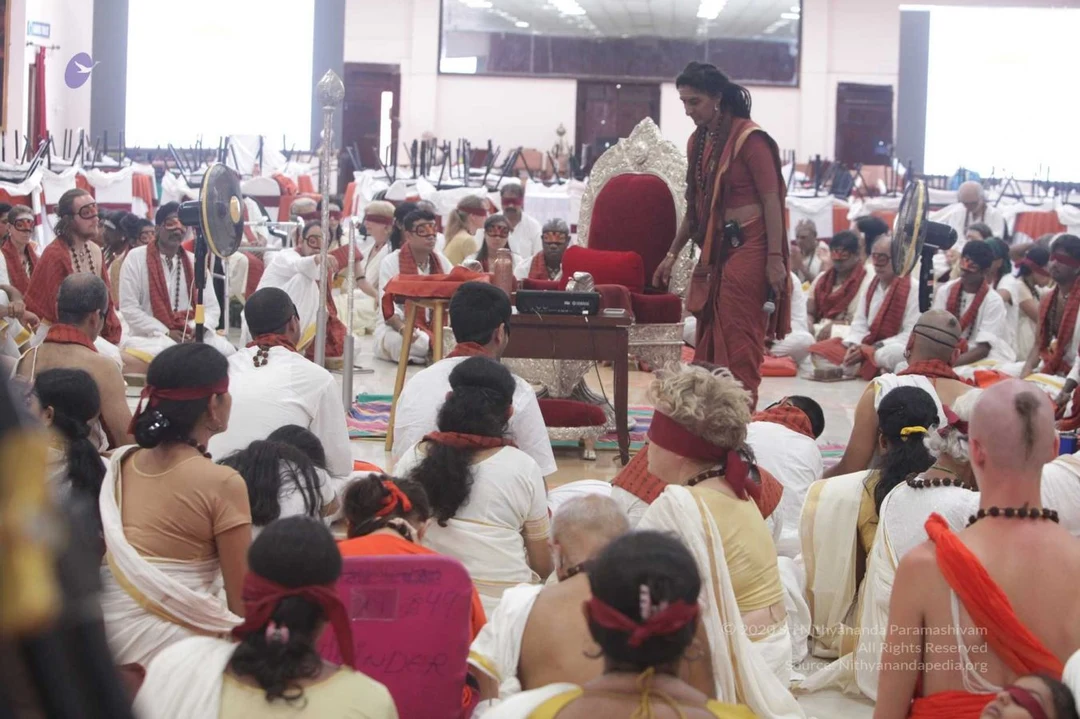 A guided Meditation session during Mandala process by HDH Nithyananda Paramashivam
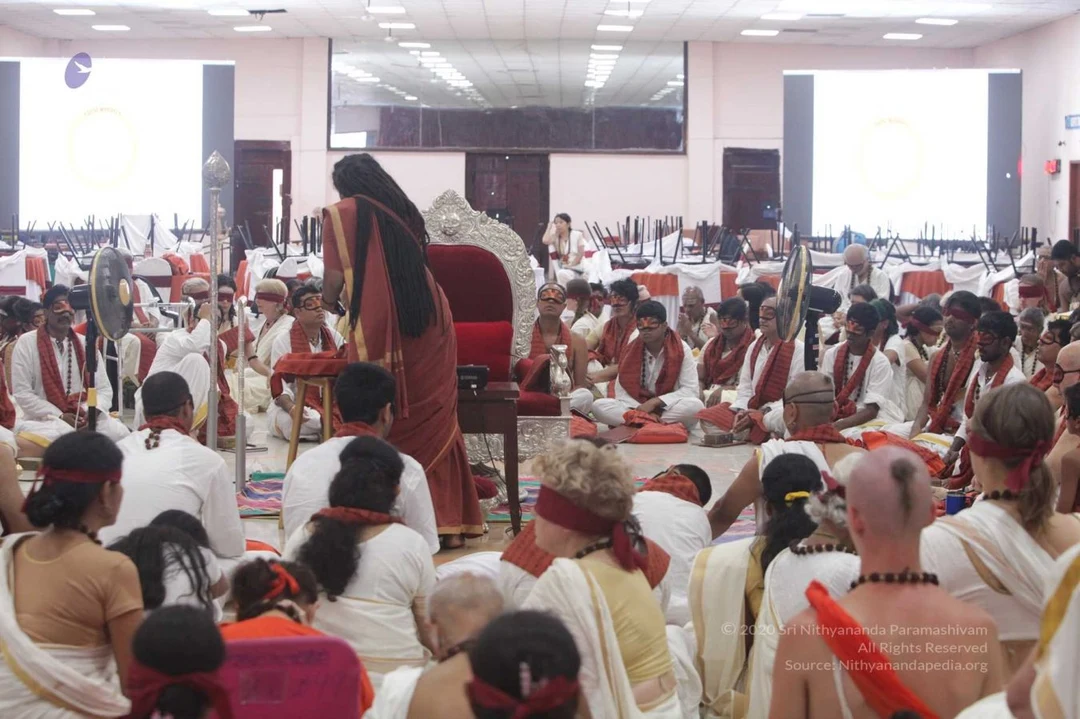 A guided Meditation session during Mandala process by HDH Nithyananda Paramashivam
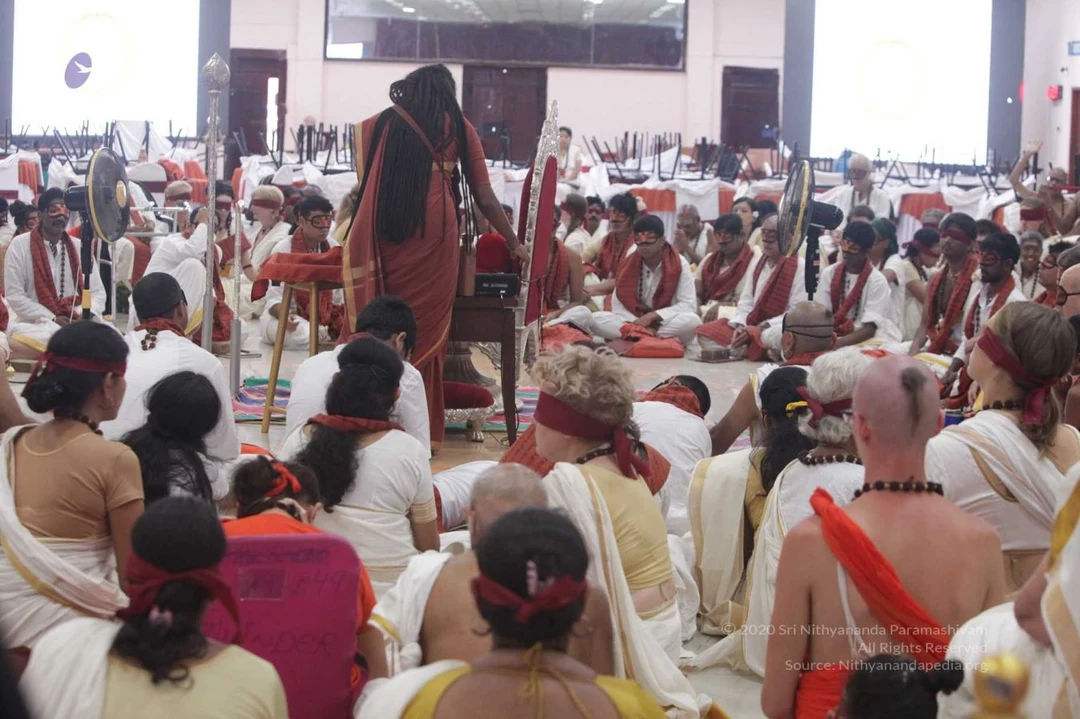 A guided Meditation session during Mandala process by HDH Nithyananda Paramashivam
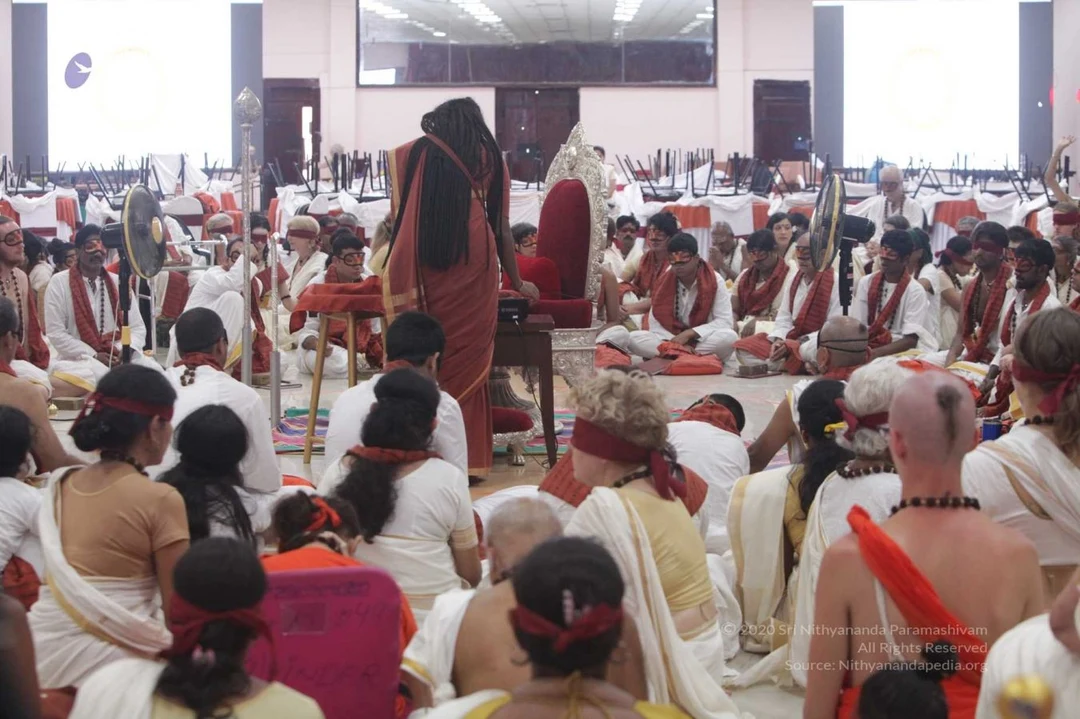 A guided Meditation session during Mandala process by HDH Nithyananda Paramashivam
 HDH Nithyananda Paramashivam conducting a Mandala process session with the delegates
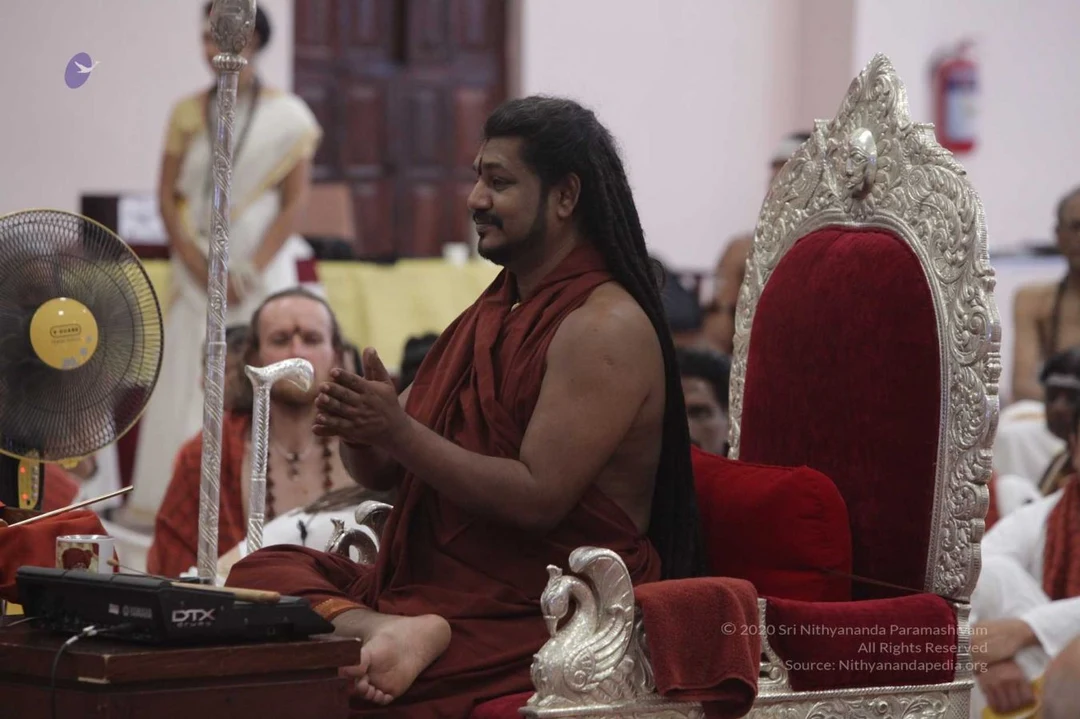 HDH Nithyananda Paramashivam Initiating the delegates during Mandala Process
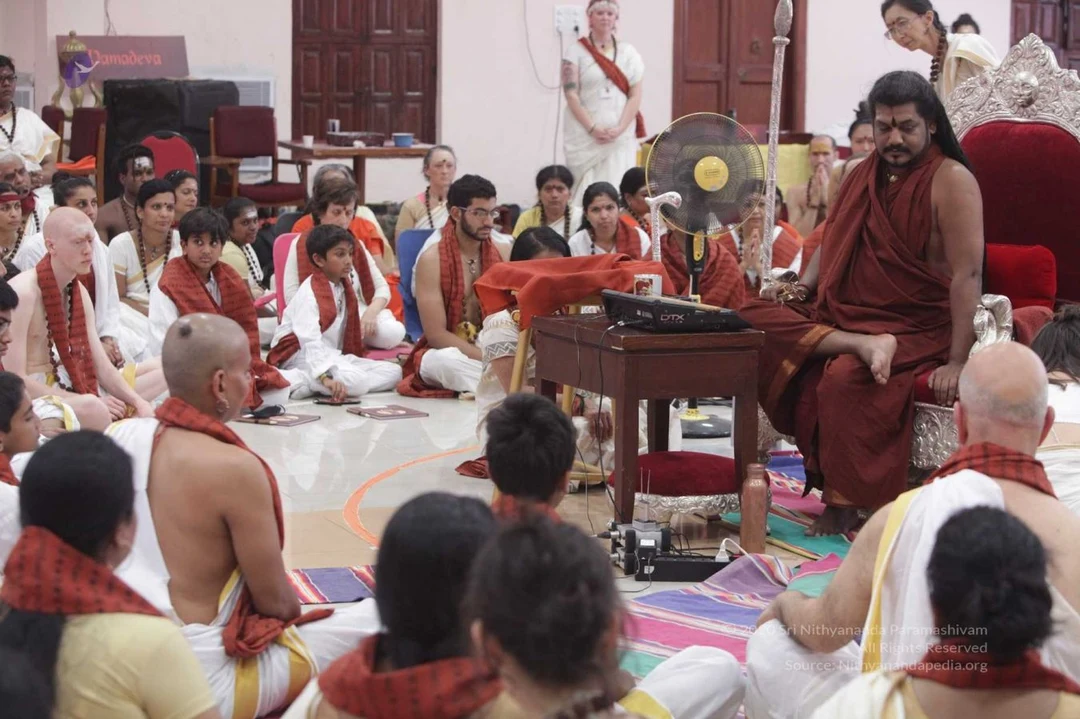 HDH Nithyananda Paramashivam Initiating the delegates during Mandala Process
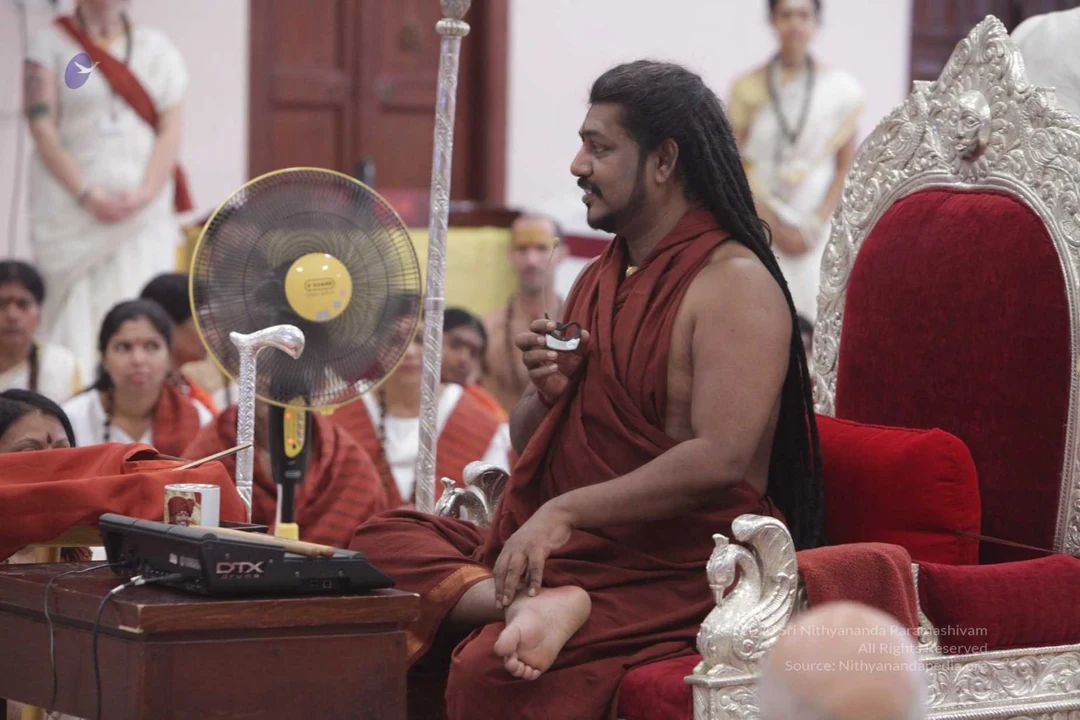 Delegates and Kailasavasis having Mandala Process session with HDH Nithyananda Paramashivam
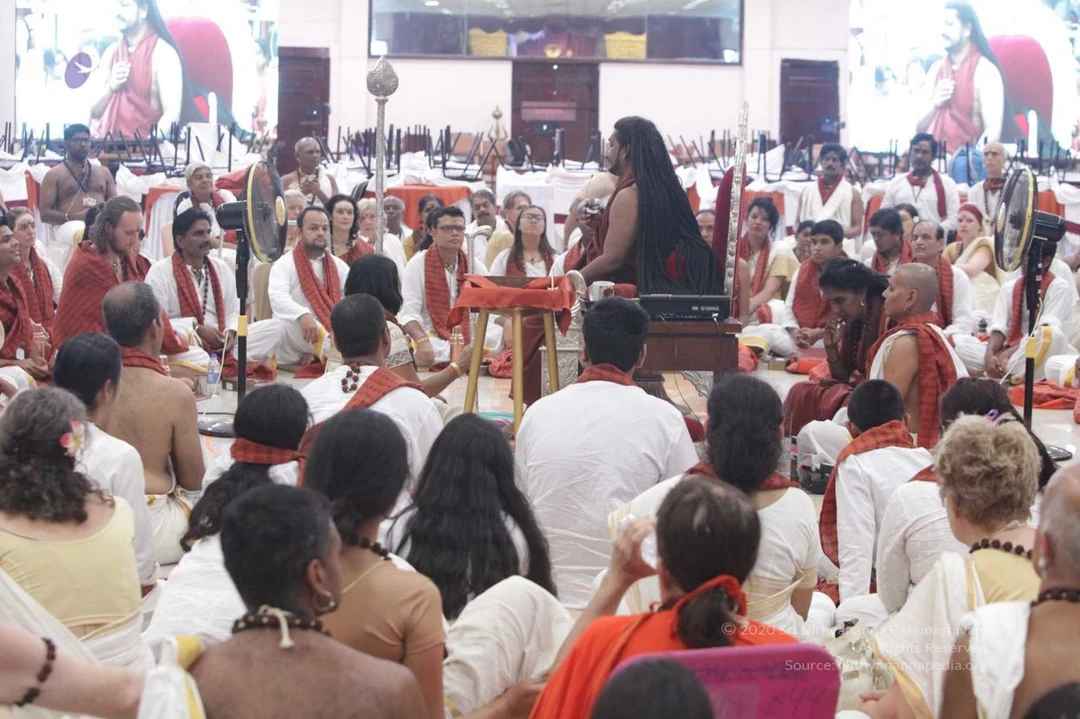 Delegates and Kailasavasis having Mandala Process session with HDH Nithyananda Paramashivam
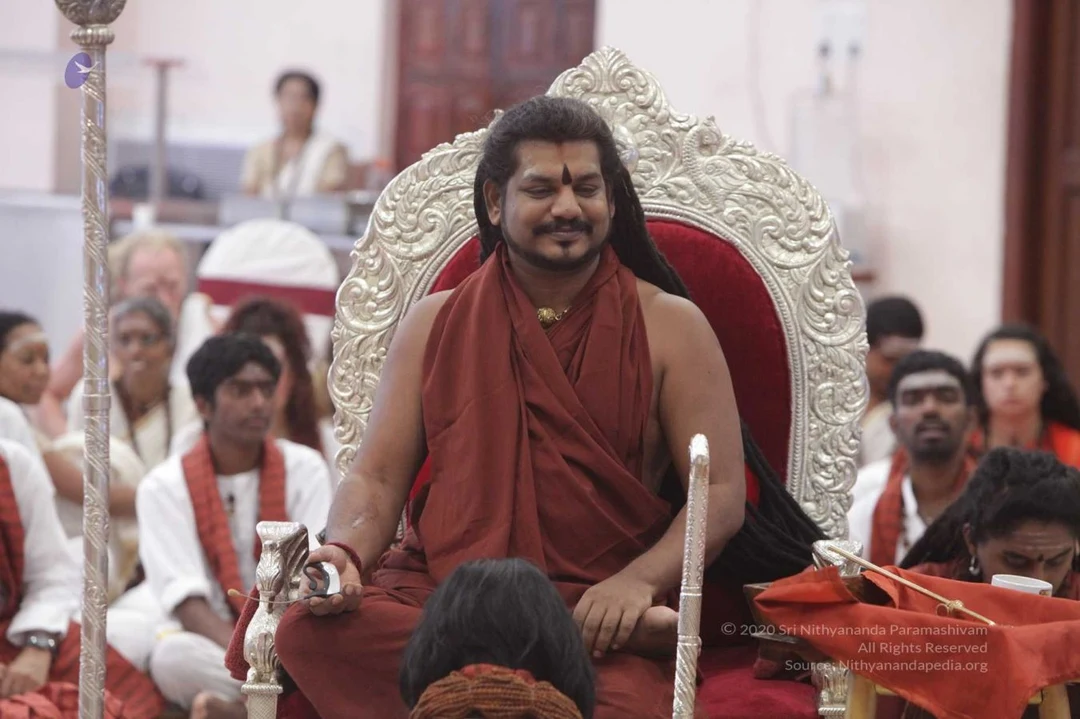 HDH Nithyananda Paramashivam conducting a session for delegates and Kailasavasis during Mandala Process
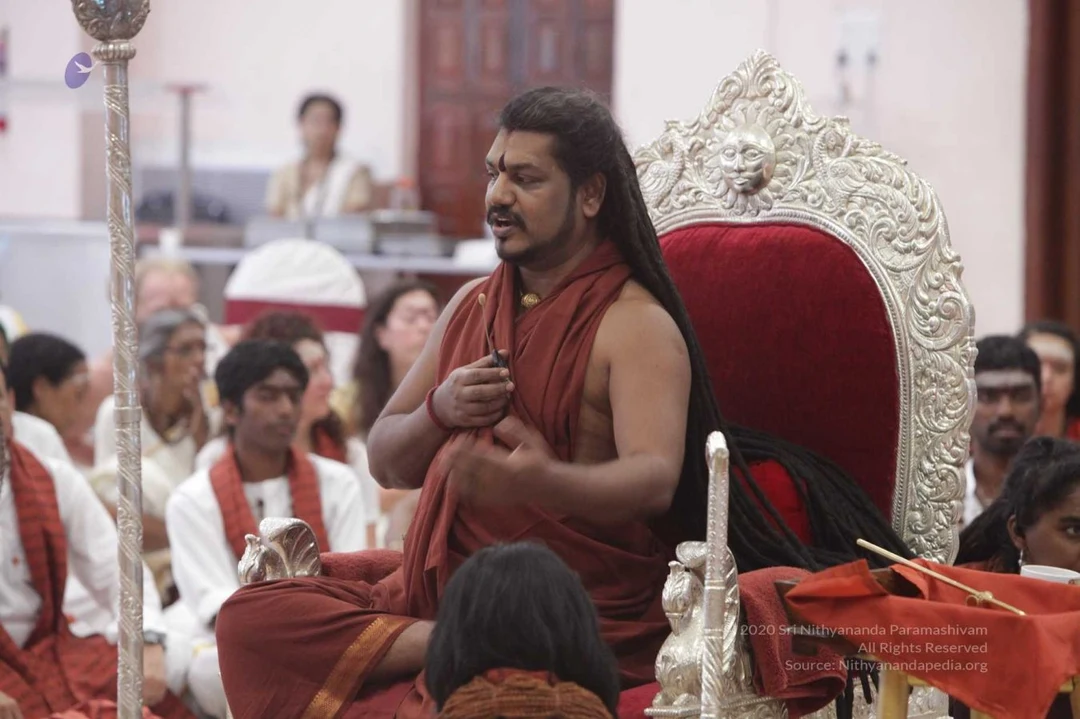 HDH Nithyananda Paramashivam conducting a session for delegates and Kailasavasis during Mandala Process
 HDH Nithyananda Paramashivam conducting a session for delegates and Kailasavasis during Mandala Process
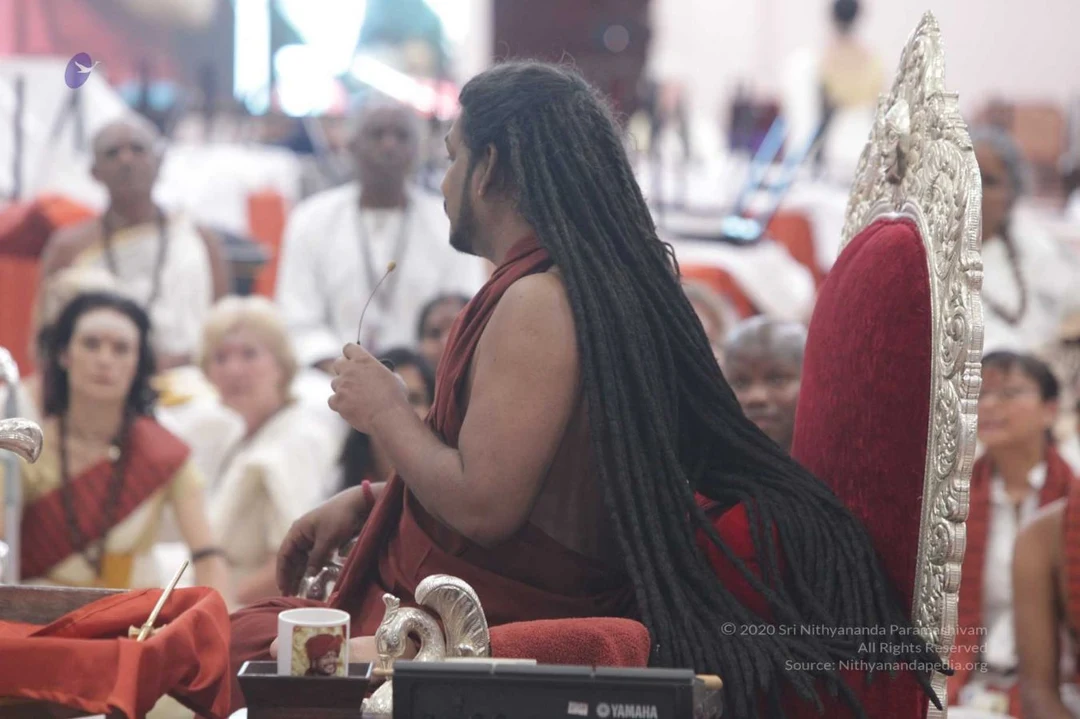 HDH Nithyananda Paramashivam conducting a session for delegates and Kailasavasis during Mandala Process
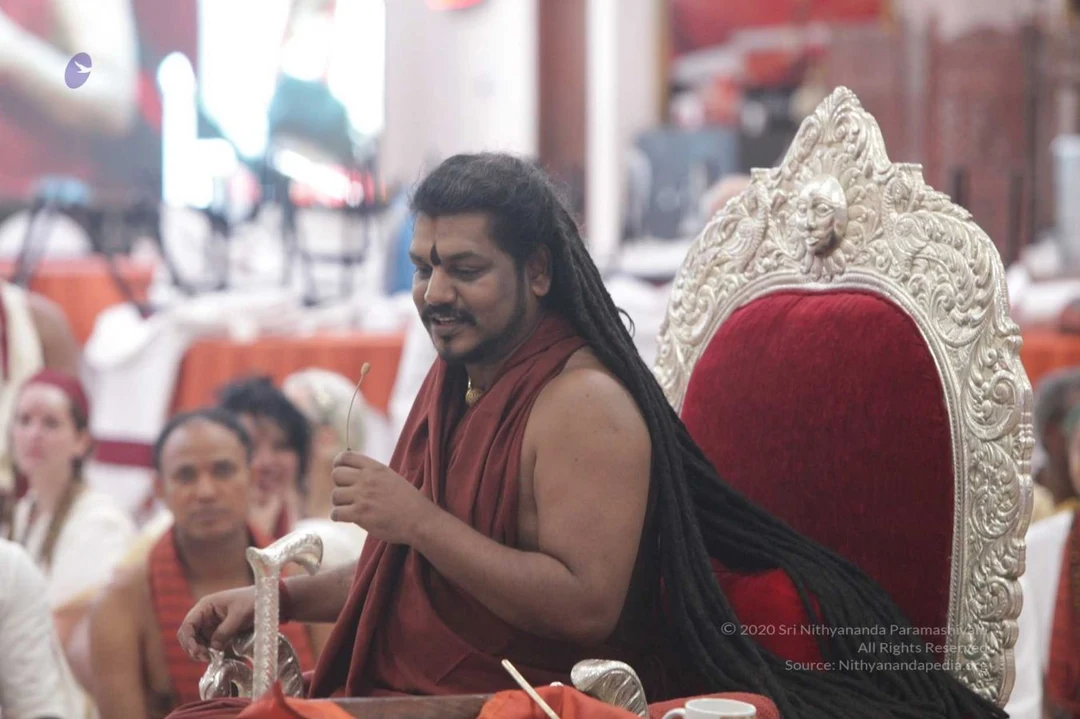 HDH Nithyananda Paramashivam conducting a session for delegates and Kailasavasis during Mandala Process
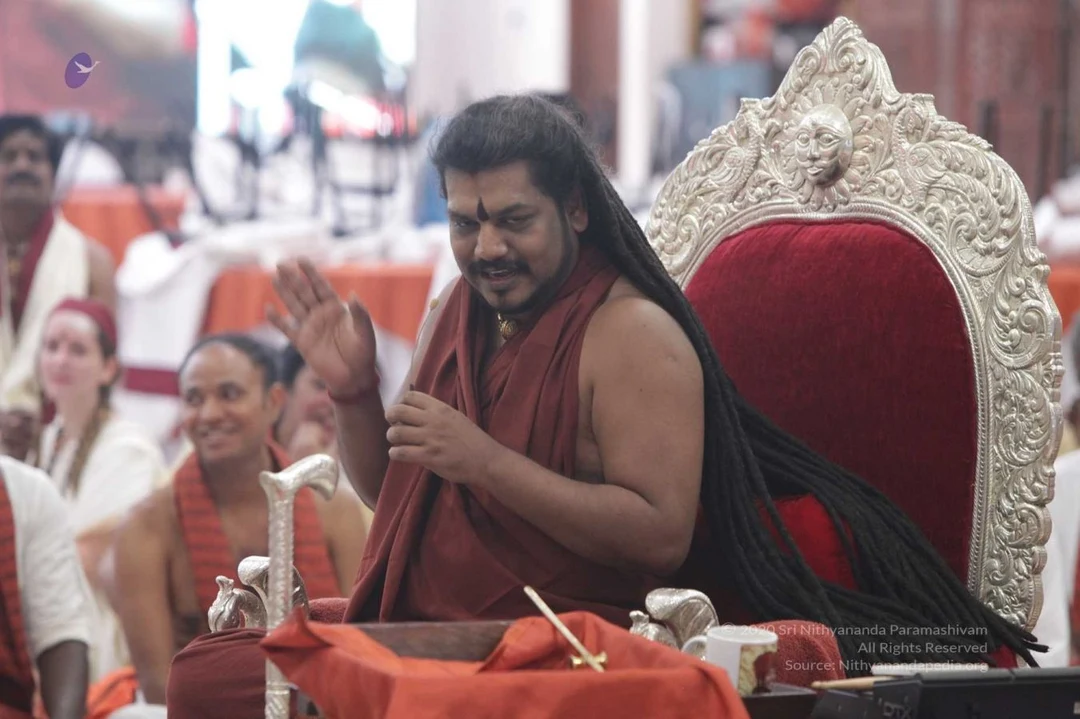 HDH Nithyananda Paramashivam conducting a session for delegates and Kailasavasis during Mandala Process
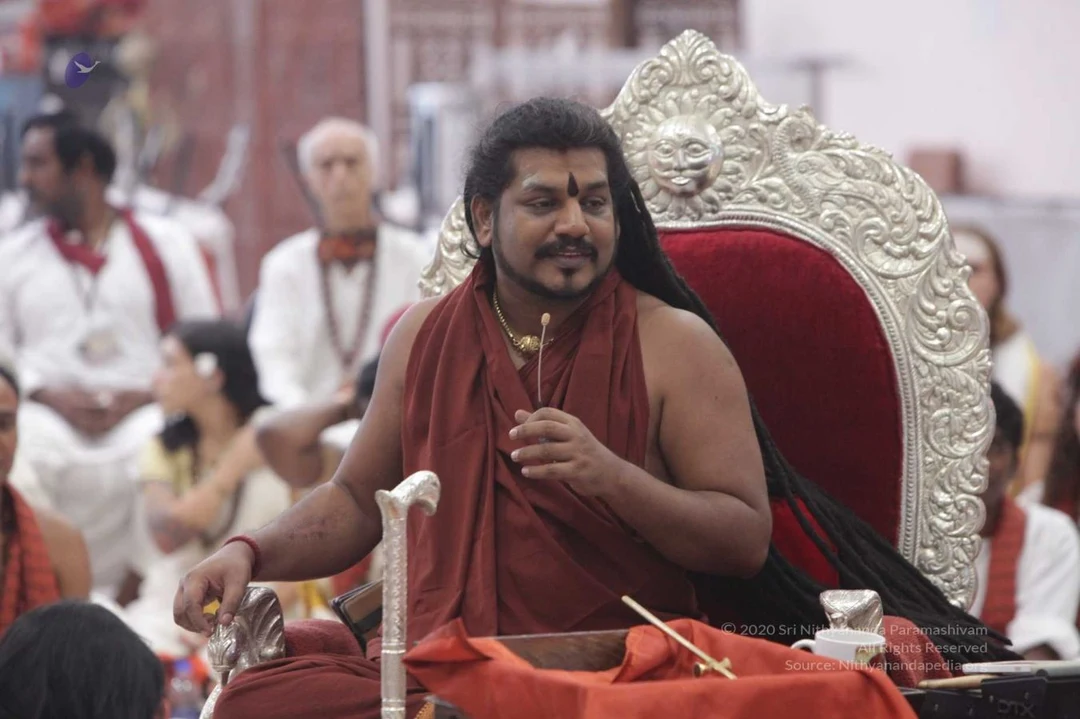 HDH Nithyananda Paramashivam conducting a session for delegates and Kailasavasis during Mandala Process
 HDH Nithyananda Paramashivam conducting a session for delegates and Kailasavasis during Mandala Process
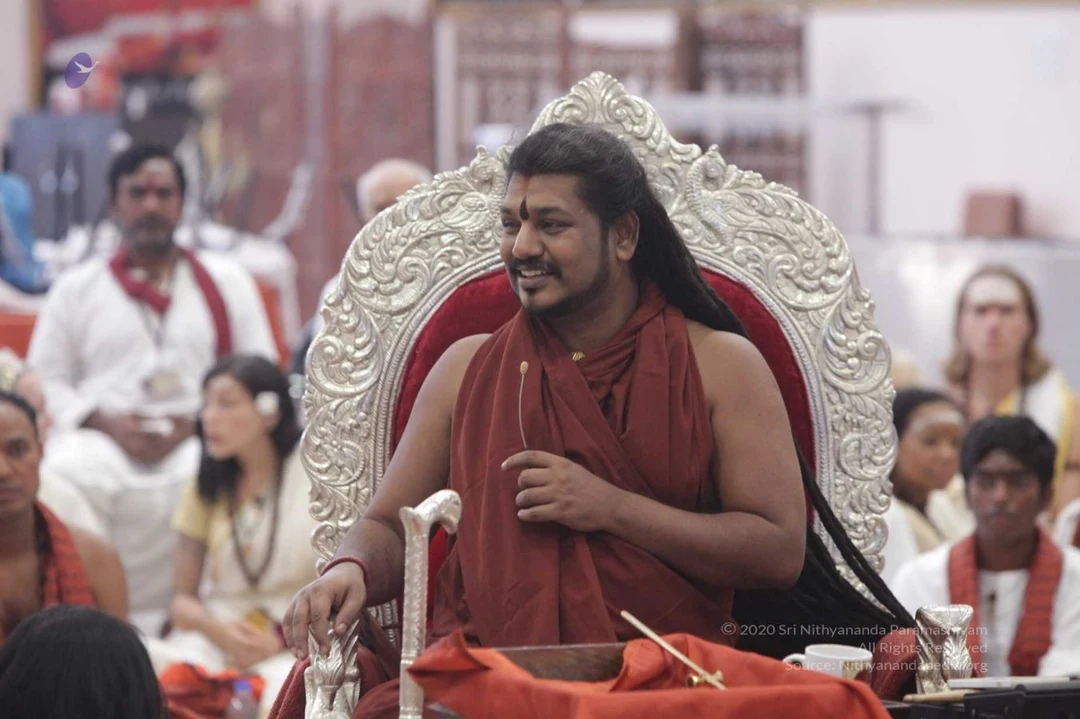 HDH Nithyananda Paramashivam conducting a session for delegates and Kailasavasis during Mandala Process
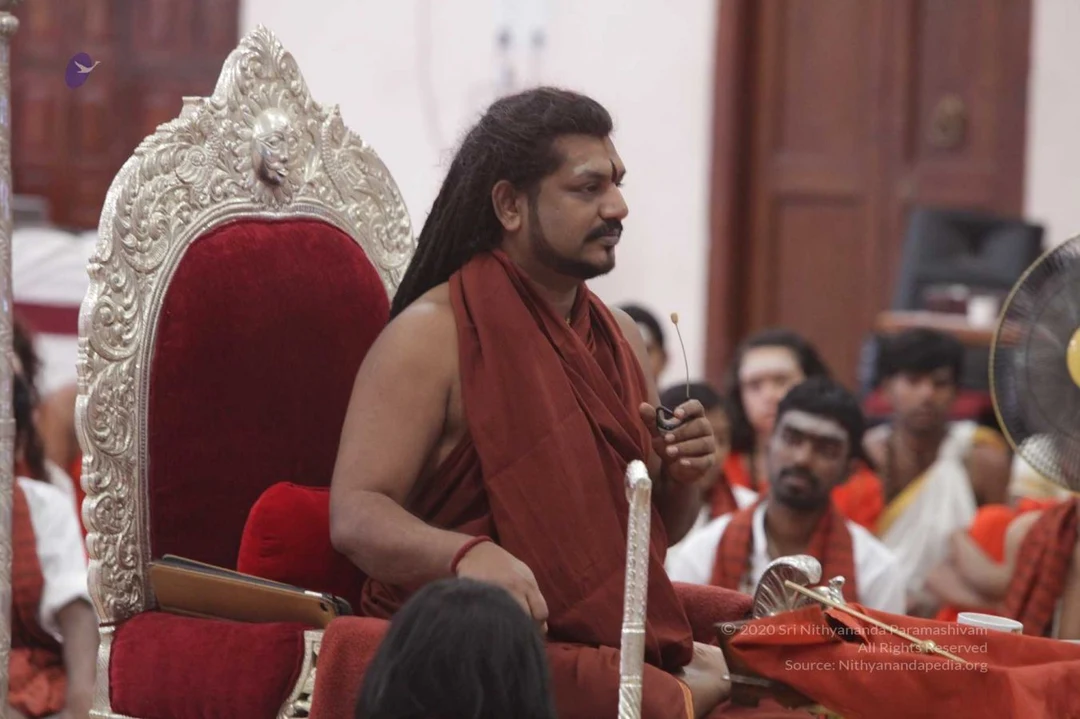 HDH Nithyananda Paramashivam conducting a session for delegates and Kailasavasis during Mandala Process
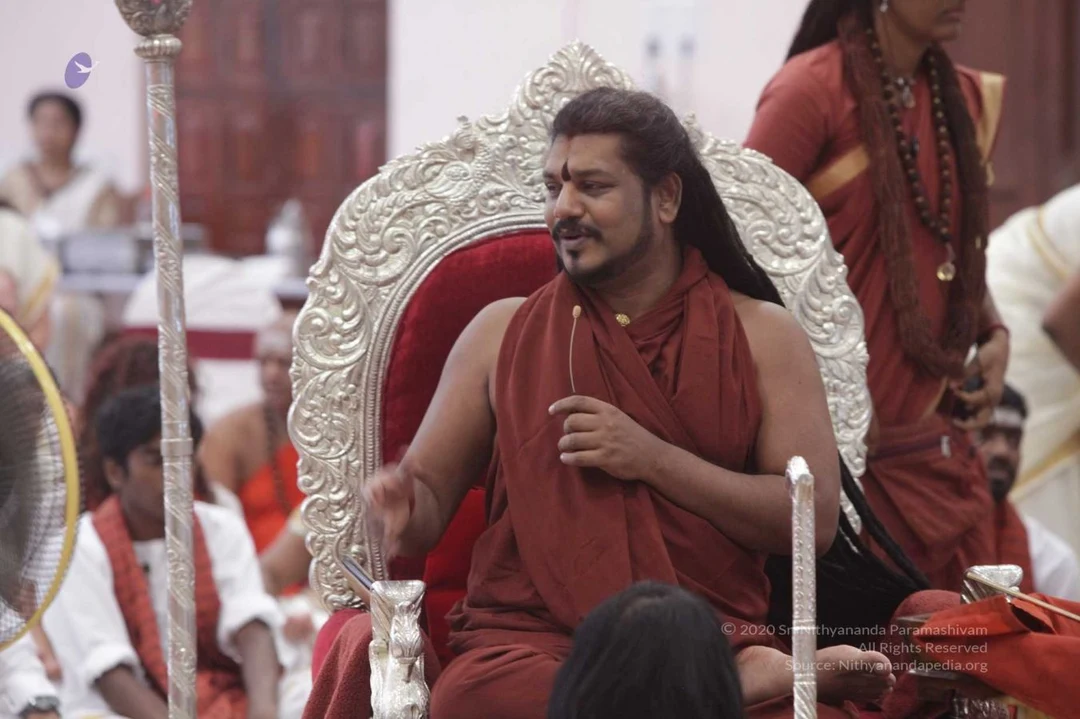 HDH Nithyananda Paramashivam conducting a session for delegates and Kailasavasis during Mandala Process
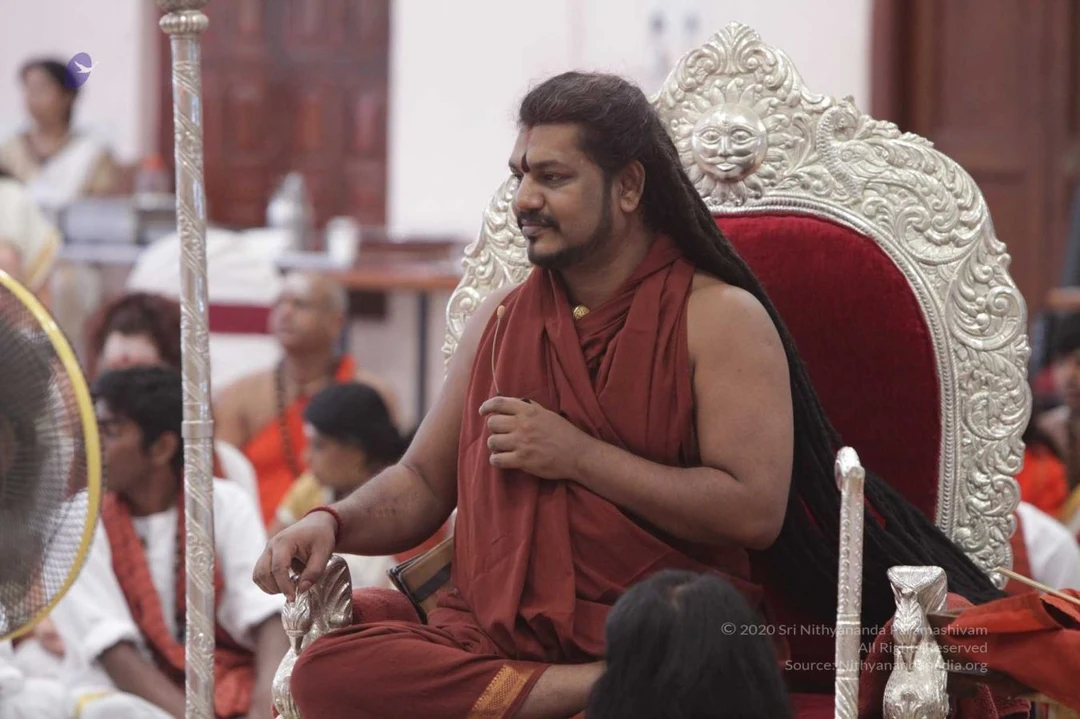 HDH Nithyananda Paramashivam conducting a session for delegates and Kailasavasis during Mandala Process
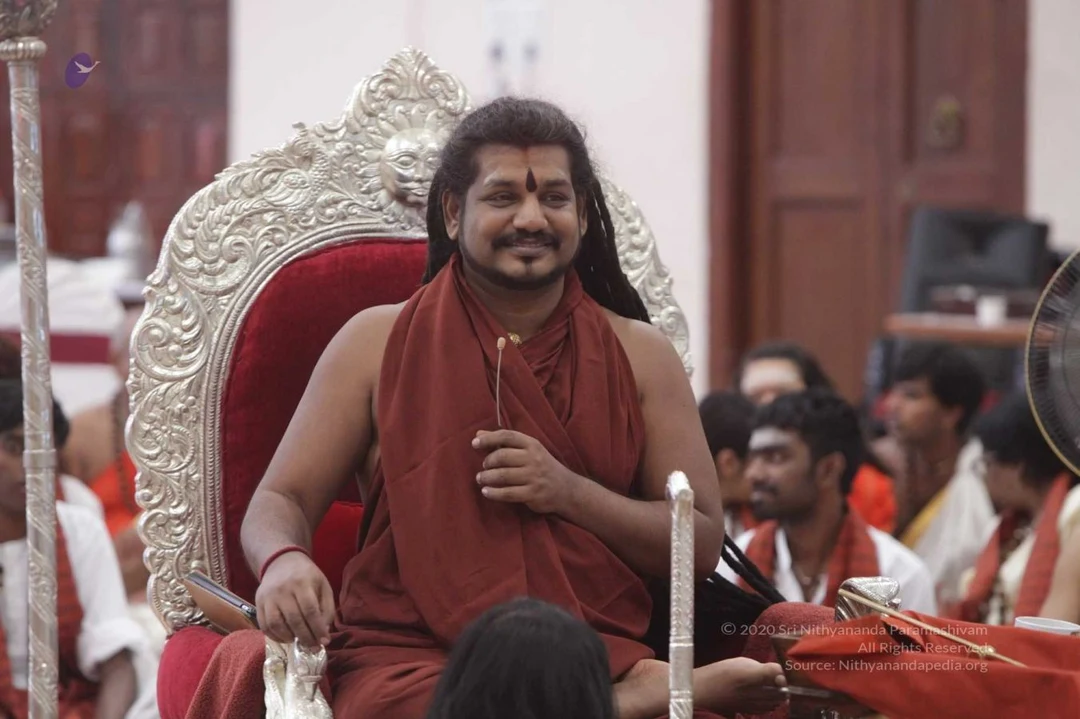 HDH Nithyananda Paramashivam conducting a session for delegates and Kailasavasis during Mandala Process
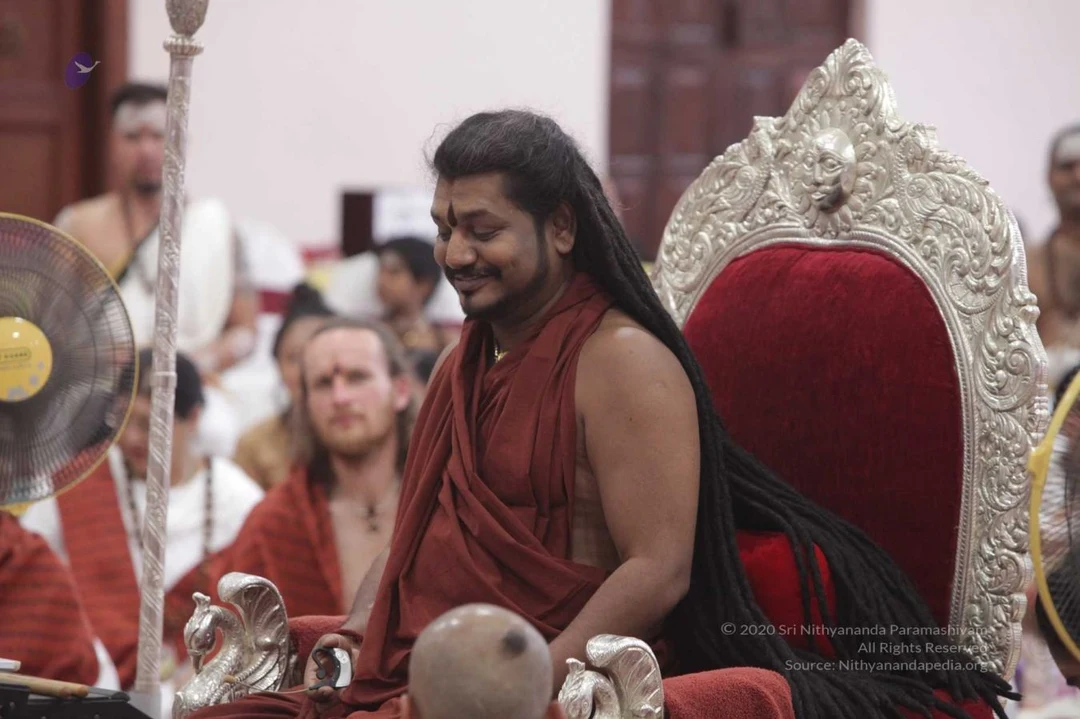 HDH Nithyananda Paramashivam conducting a session for delegates and Kailasavasis during Mandala Process
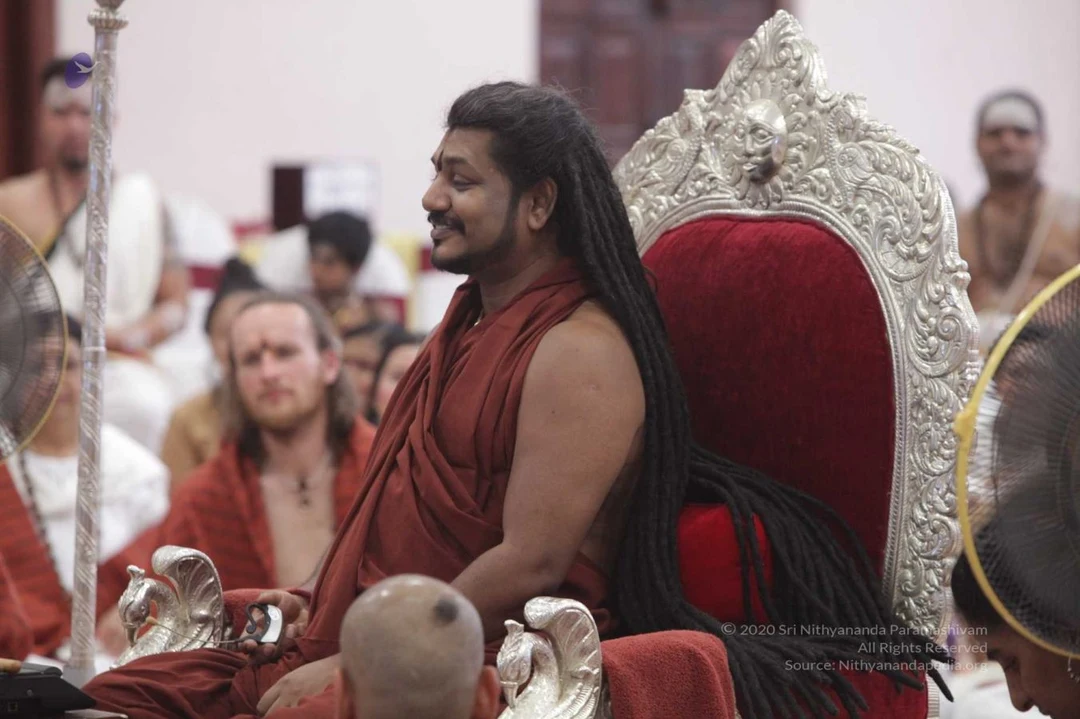 HDH Nithyananda Paramashivam conducting a session for delegates and Kailasavasis during Mandala Process
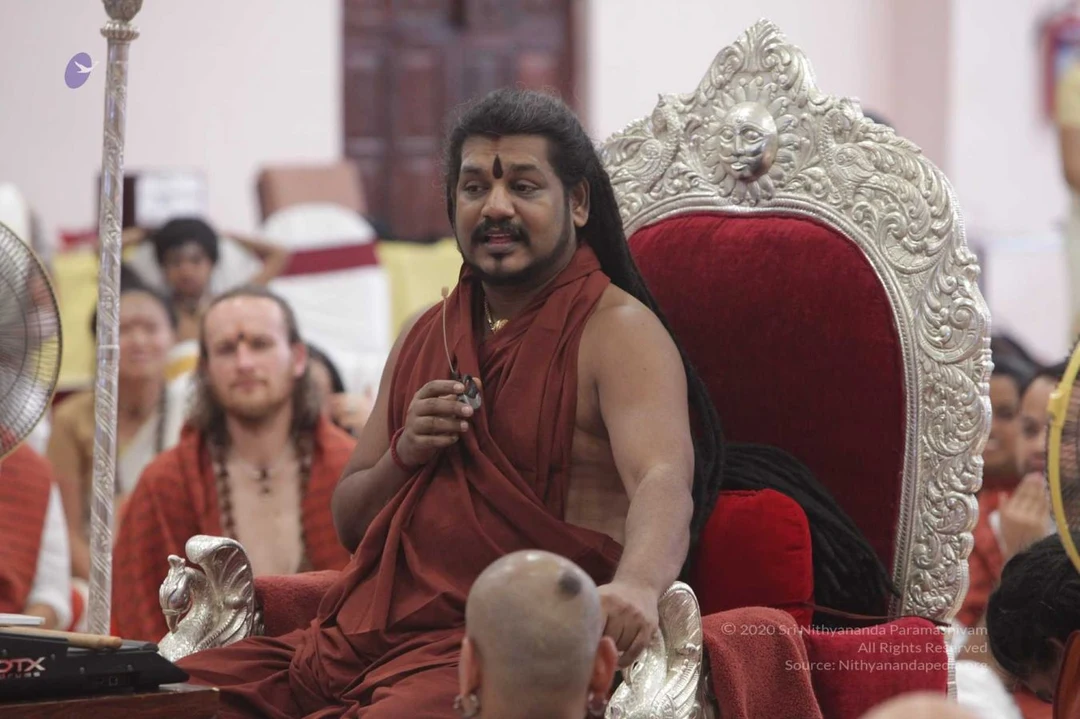 HDH Nithyananda Paramashivam conducting a session for delegates and Kailasavasis during Mandala Process
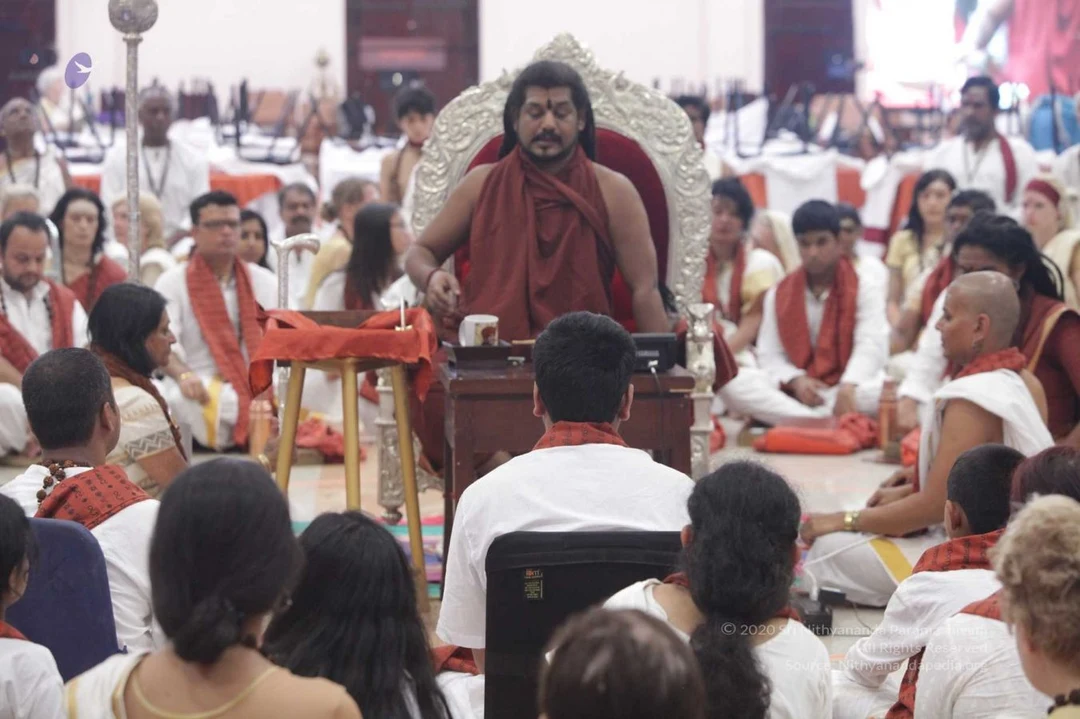 HDH Nithyananda Paramashivam guiding the delegates through a Mandala Process
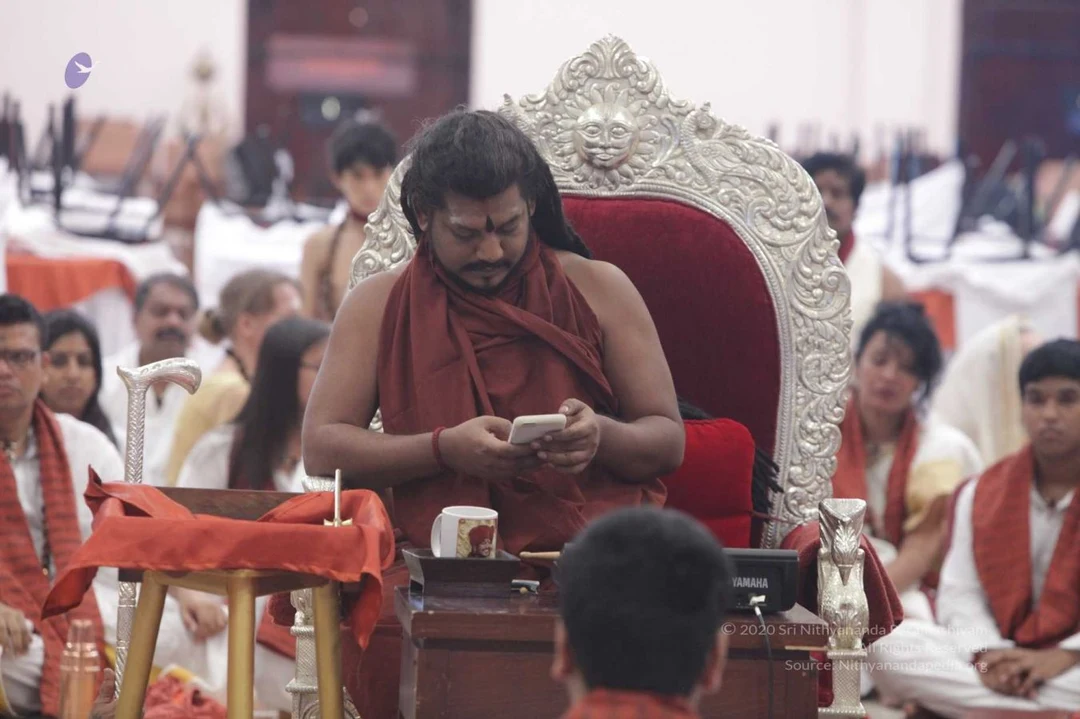 HDH Nithyananda Paramashivam during Mandala Process with delegates and Kailasavasis
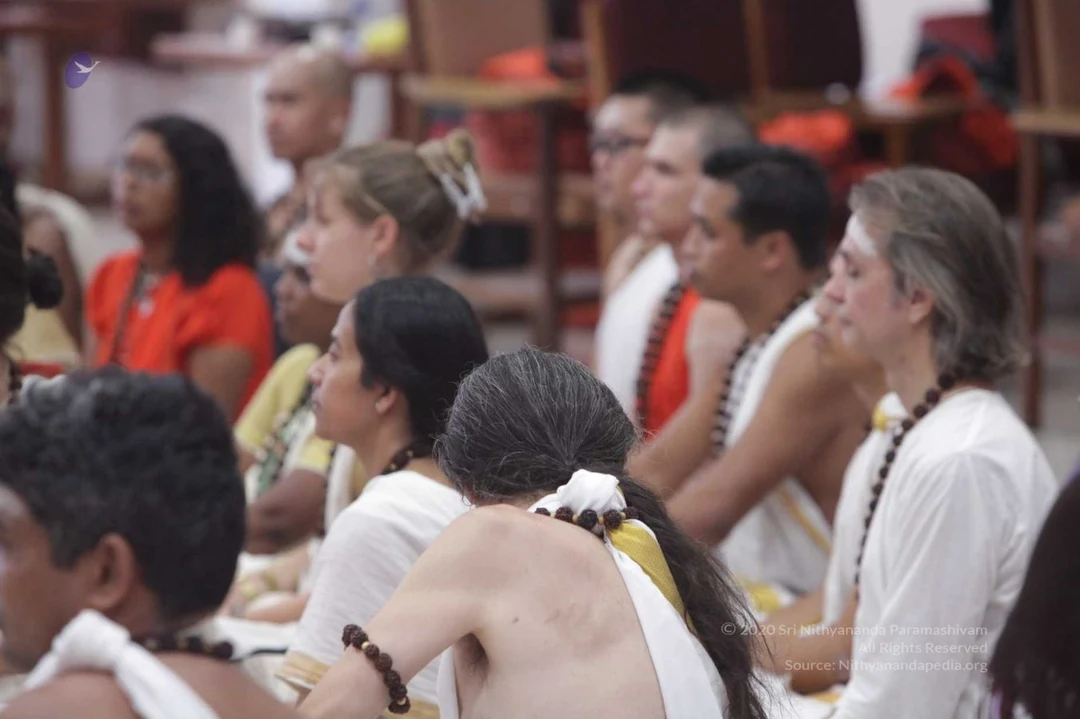 Delegates during Mandala Process with HDH Nithyananda Paramashivam
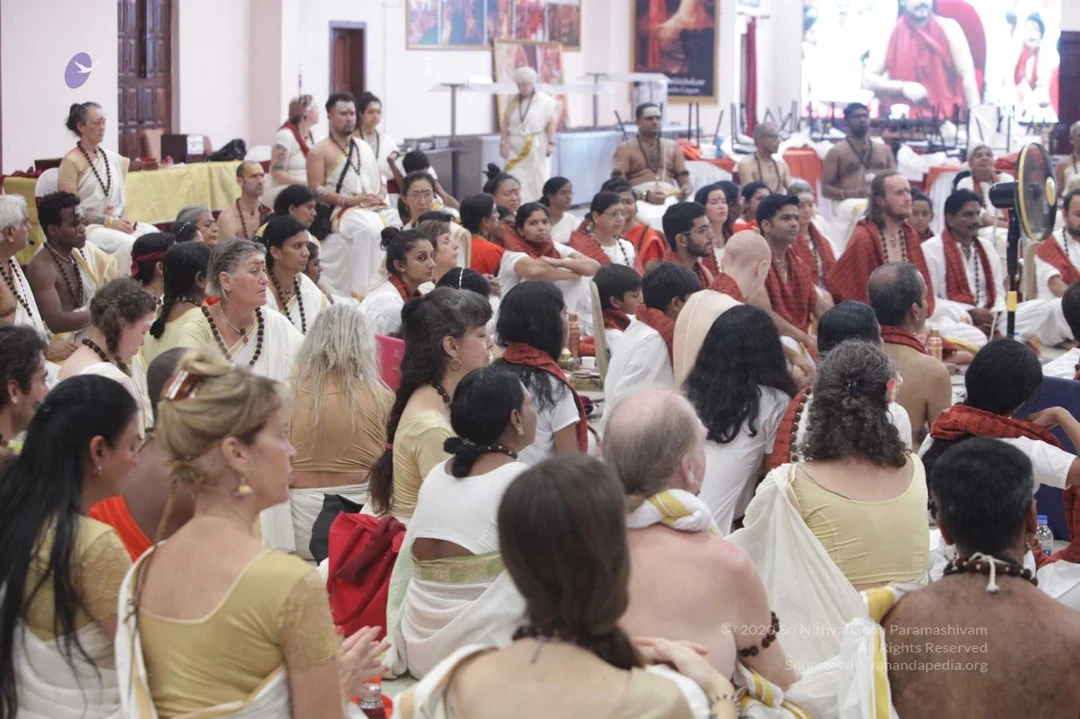 Delegates during Mandala Process with HDH Nithyananda Paramashivam
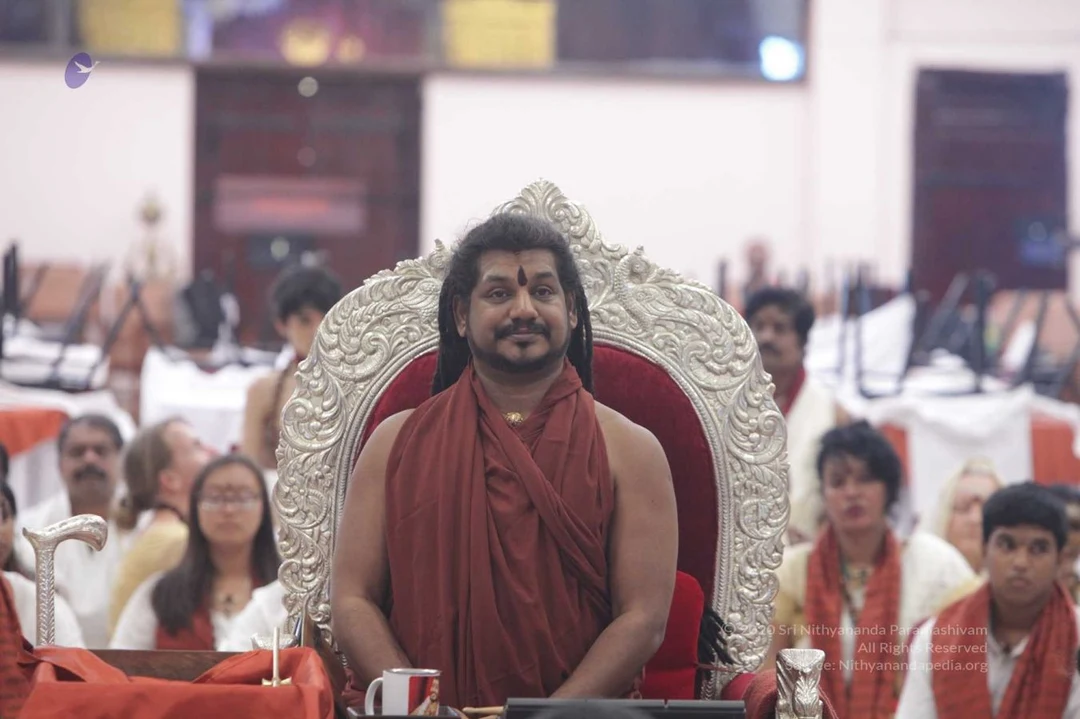 HDH Nithyananda Paramashivam during the Mandala Process with delegates
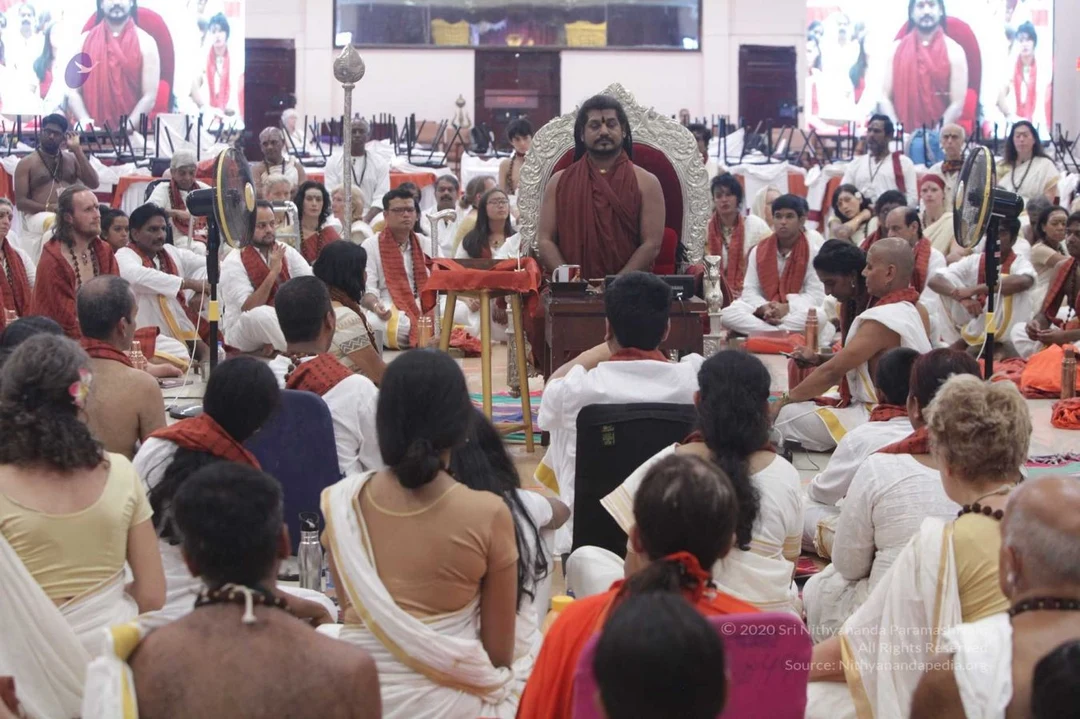 HDH Nithyananda Paramashivam initiating the delegates and Kailasavasis during Mandala Process .
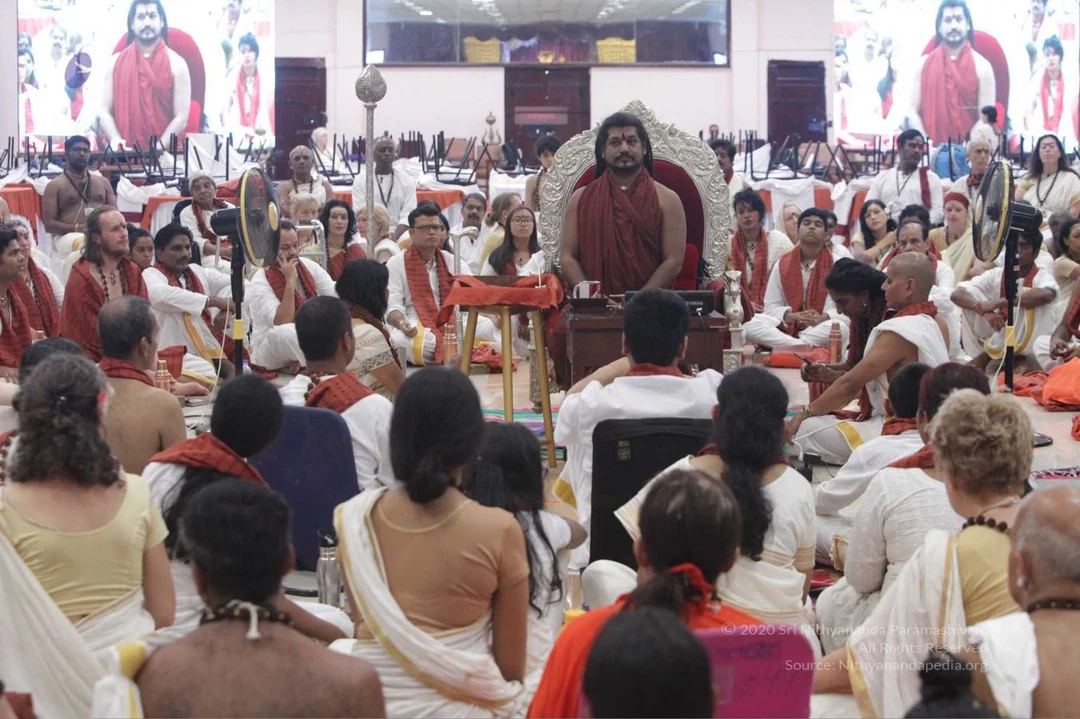 HDH Nithyananda Paramashivam initiating the delegates and Kailasavasis during Mandala Process .
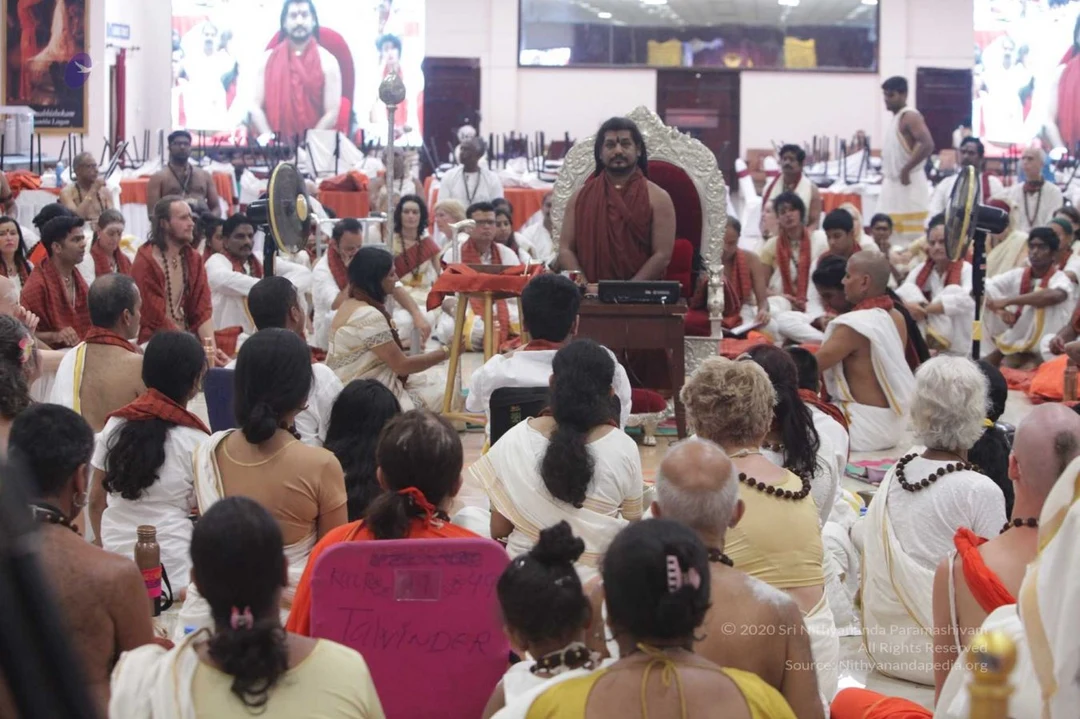 HDH Nithyananda Paramashivam initiating the delegates and Kailasavasis during Mandala Process .
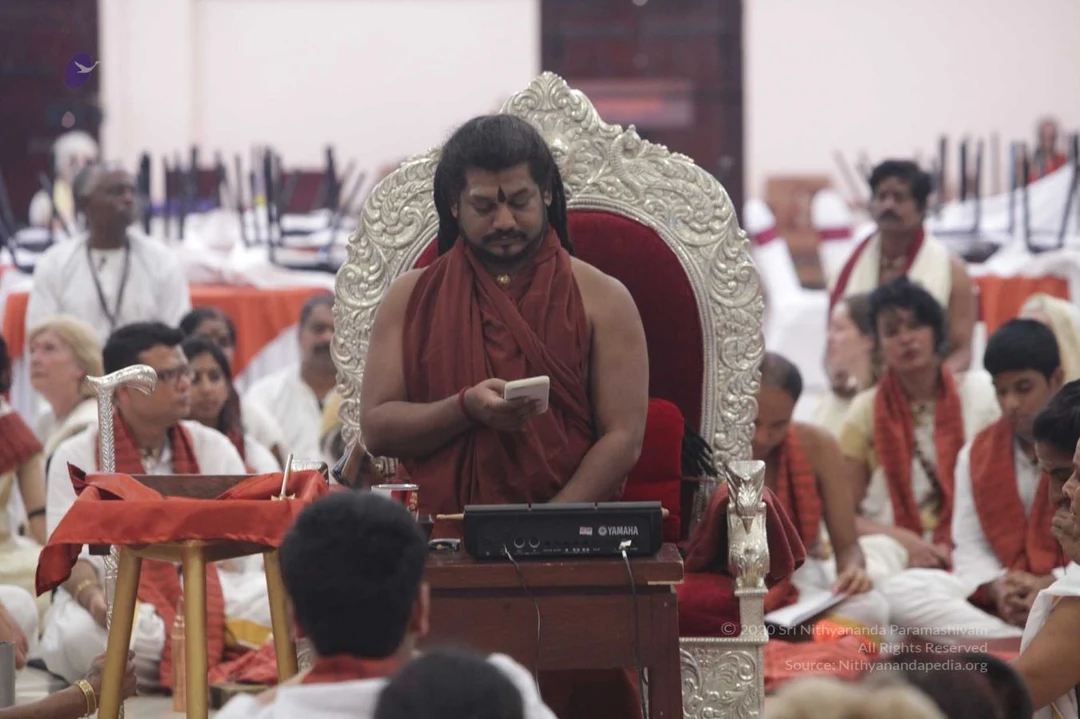 HDH Nithyananda Paramashivam during Mandala Process with the delegates and Kailasavasis
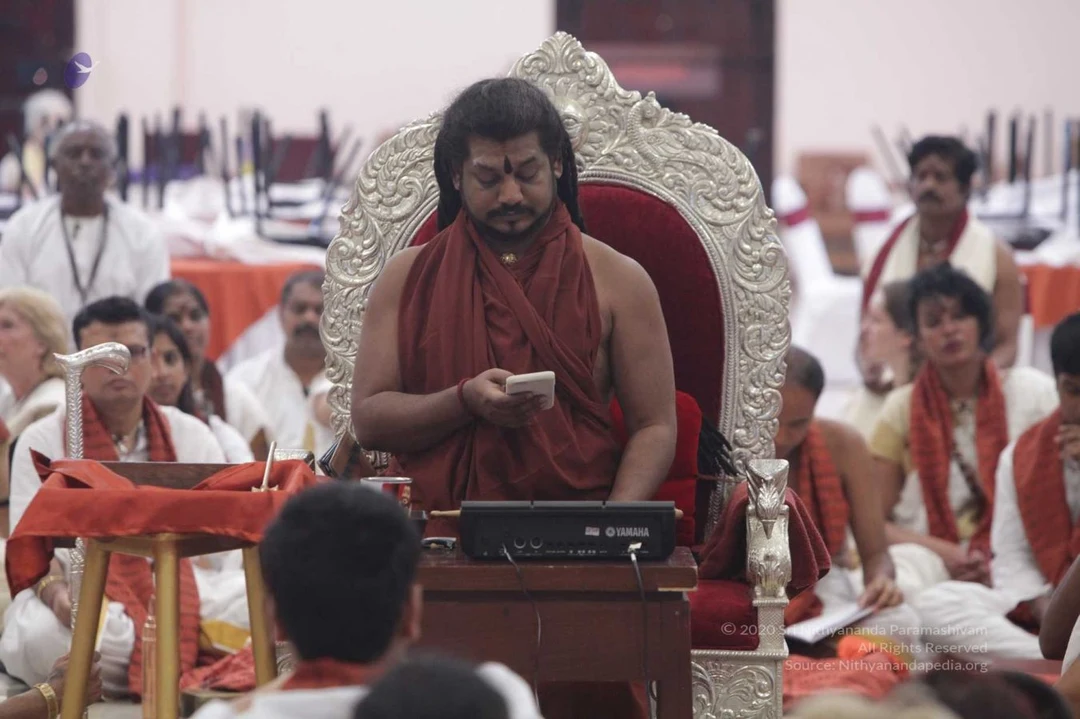 HDH Nithyananda Paramashivam during Mandala Process with the delegates and Kailasavasis
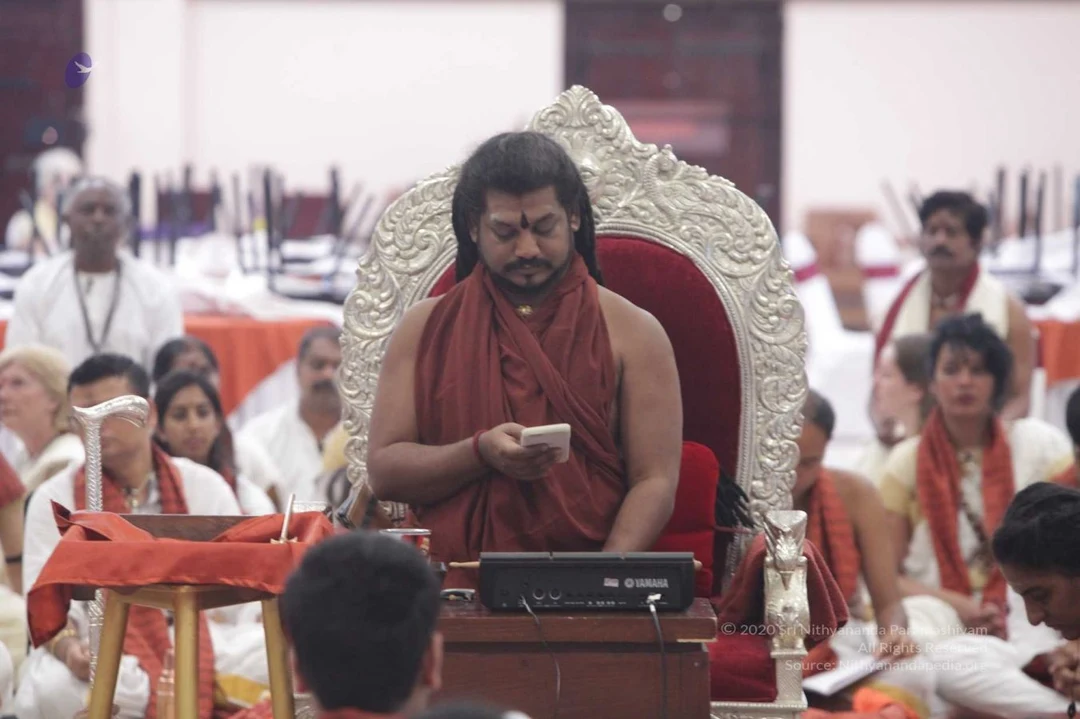 HDH Nithyananda Paramashivam during Mandala Process with the delegates and Kailasavasis
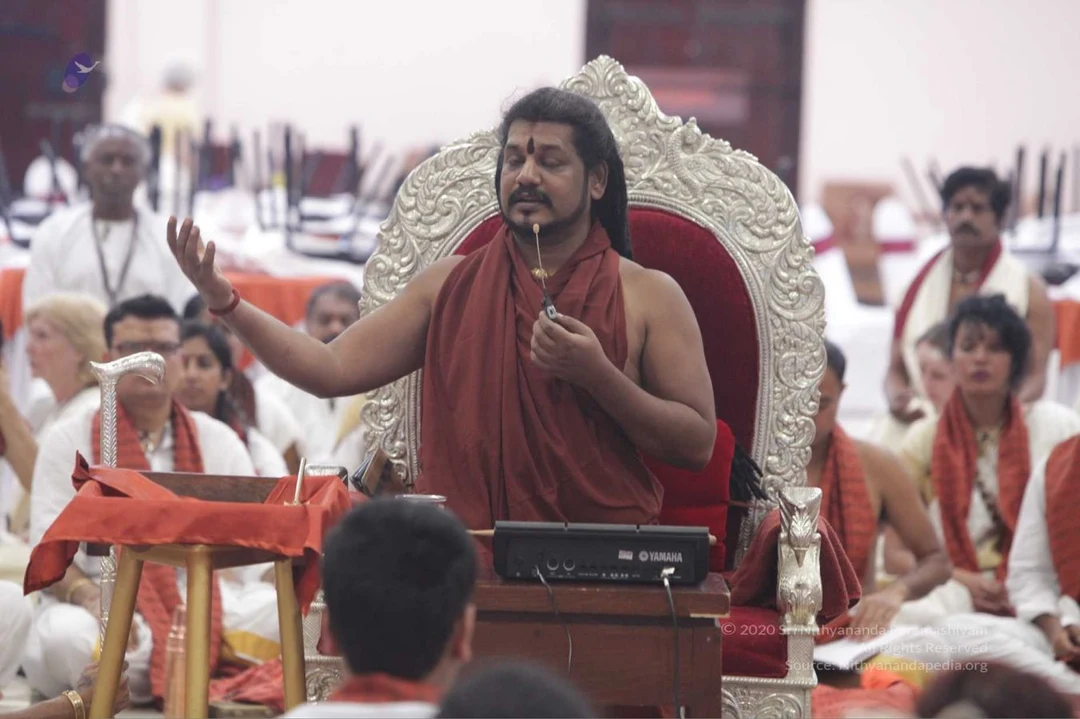 HDH Nithyananda Paramashivam conducting a session for the delegates and Kailasavasis during Mandala Process
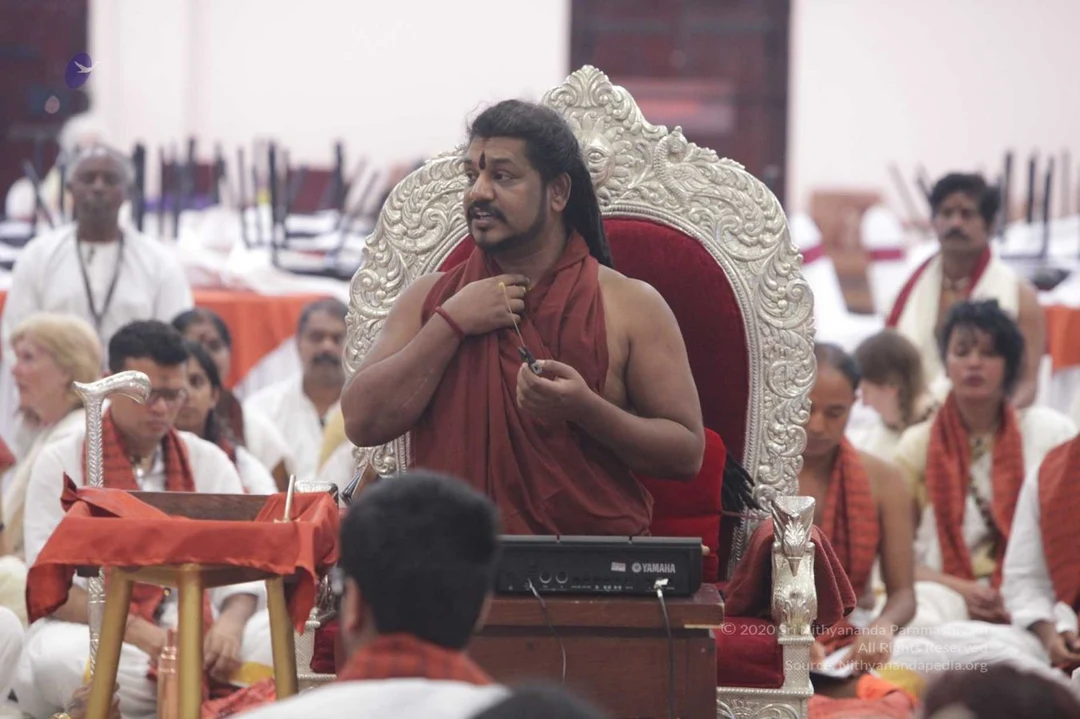 HDH Nithyananda Paramashivam conducting a session for the delegates and Kailasavasis during Mandala Process
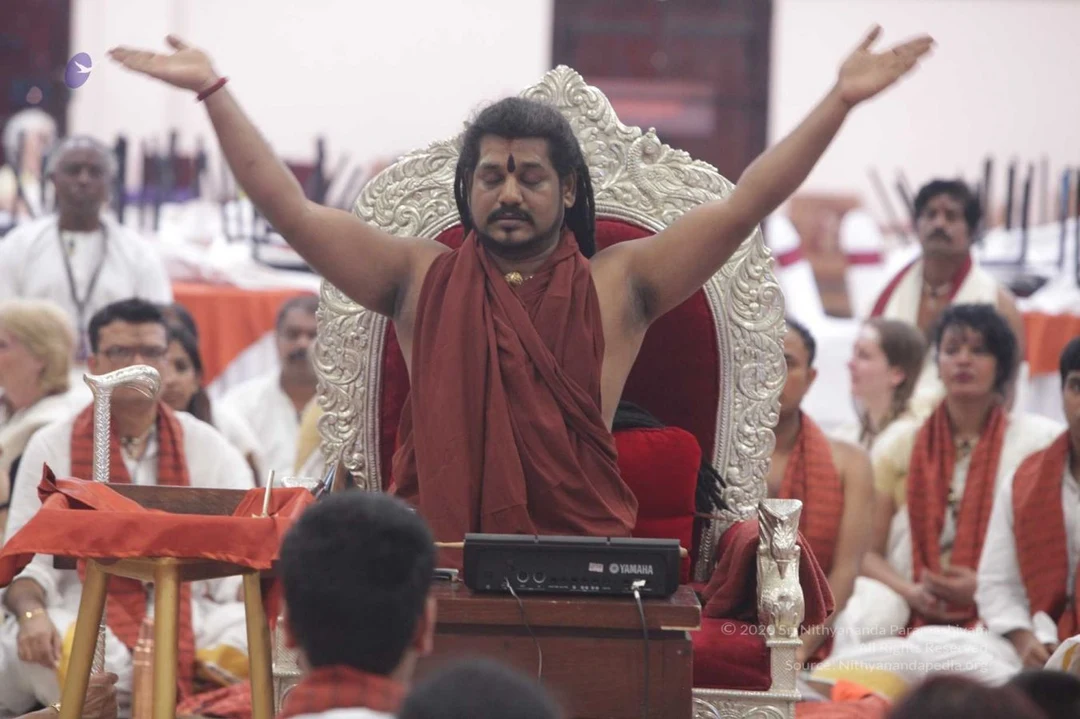 HDH Nithyananda Paramashivam initiating the delegates and Kailasavasis during Mandala Process .
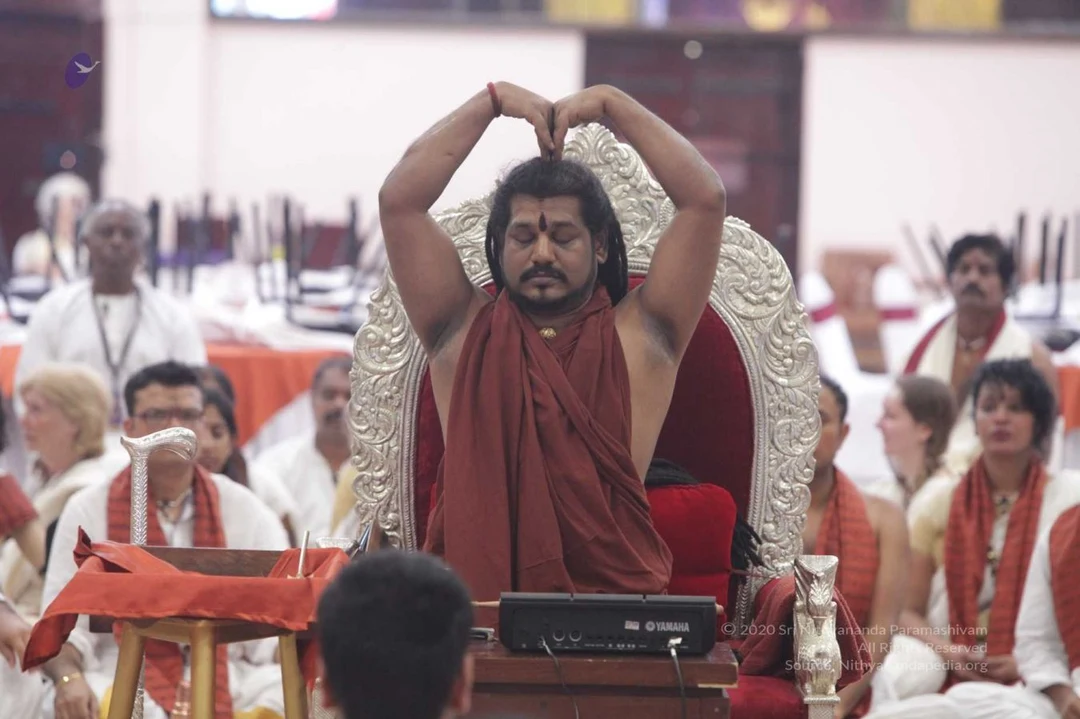 HDH Nithyananda Paramashivam initiating the delegates and Kailasavasis during Mandala Process .
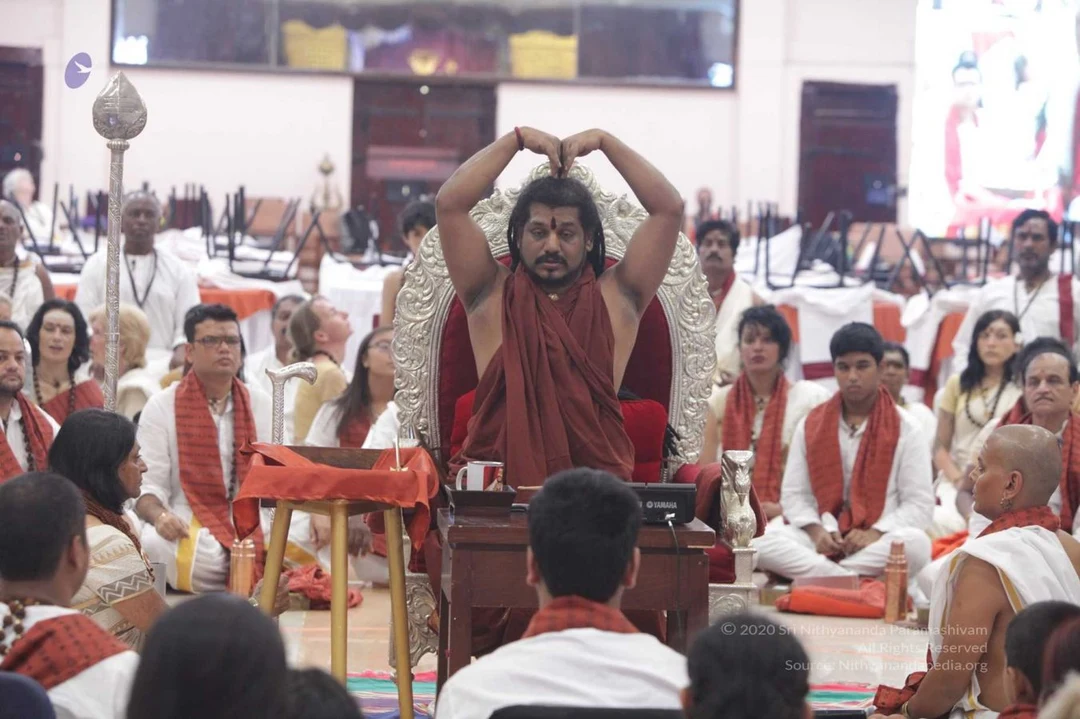 HDH Nithyananda Paramashivam initiating the delegates and Kailasavasis during Mandala Process .
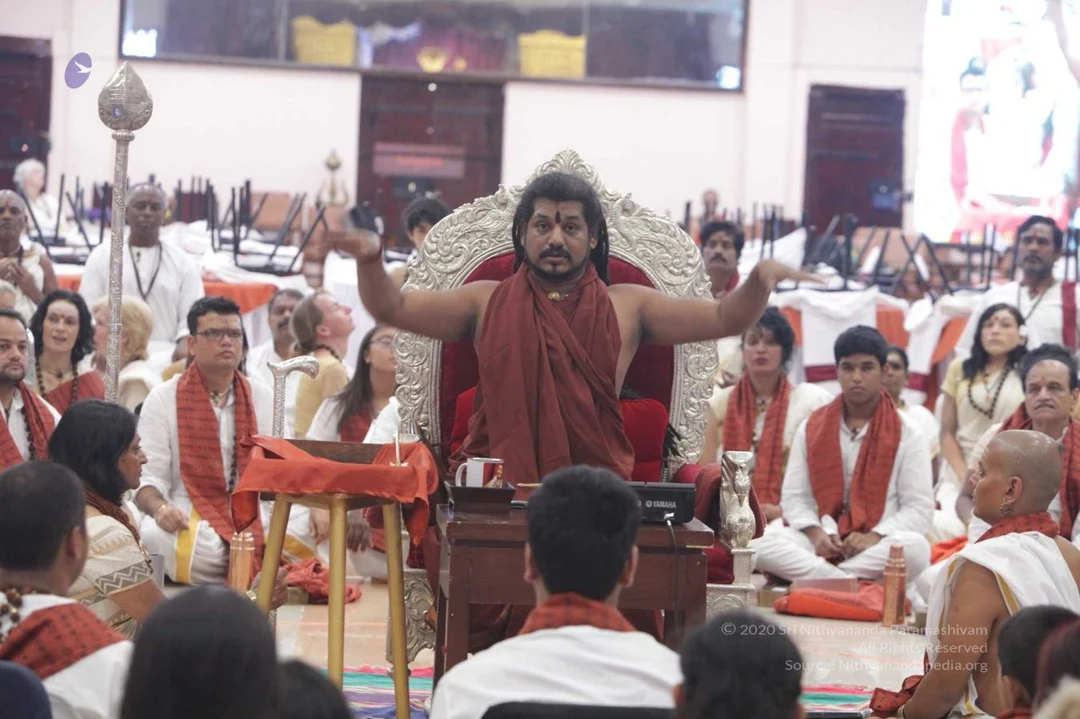 HDH Nithyananda Paramashivam initiating the delegates and Kailasavasis during Mandala Process .
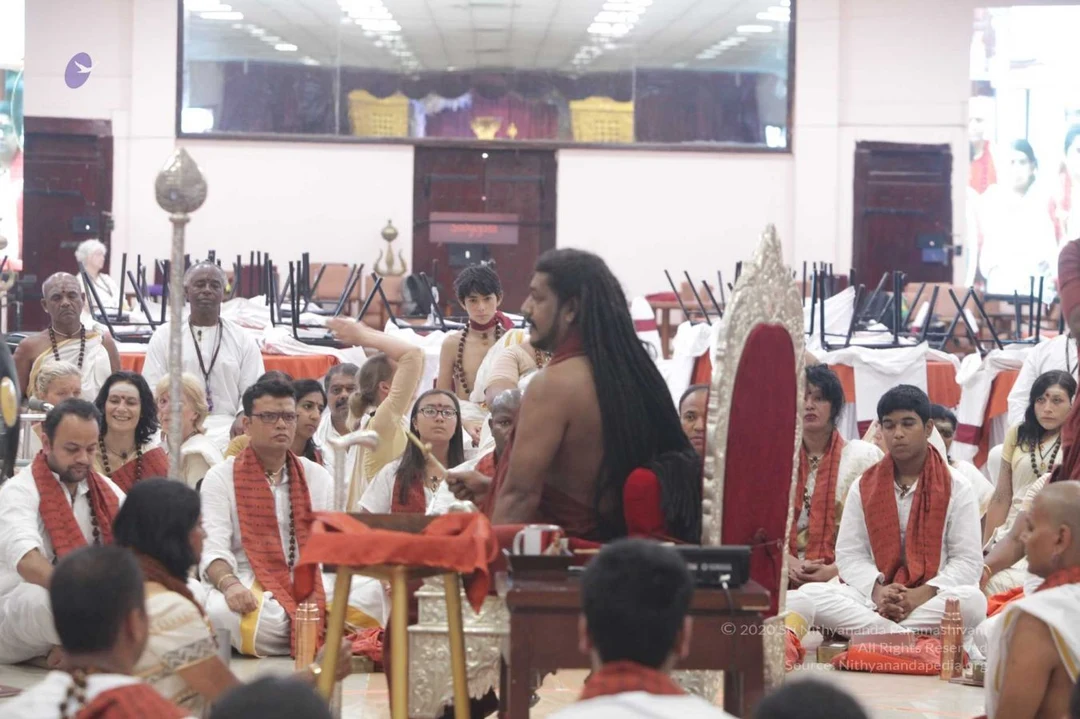 HDH Nithyananda Paramashivam Initiating the delegates through the sound during Mandala Process
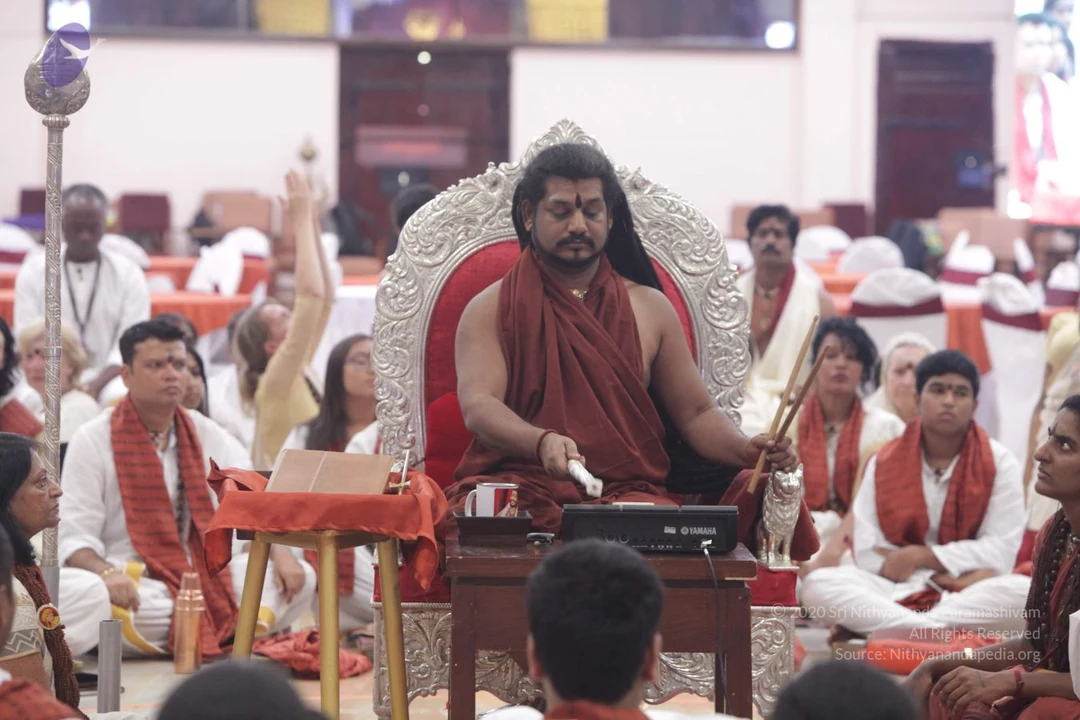
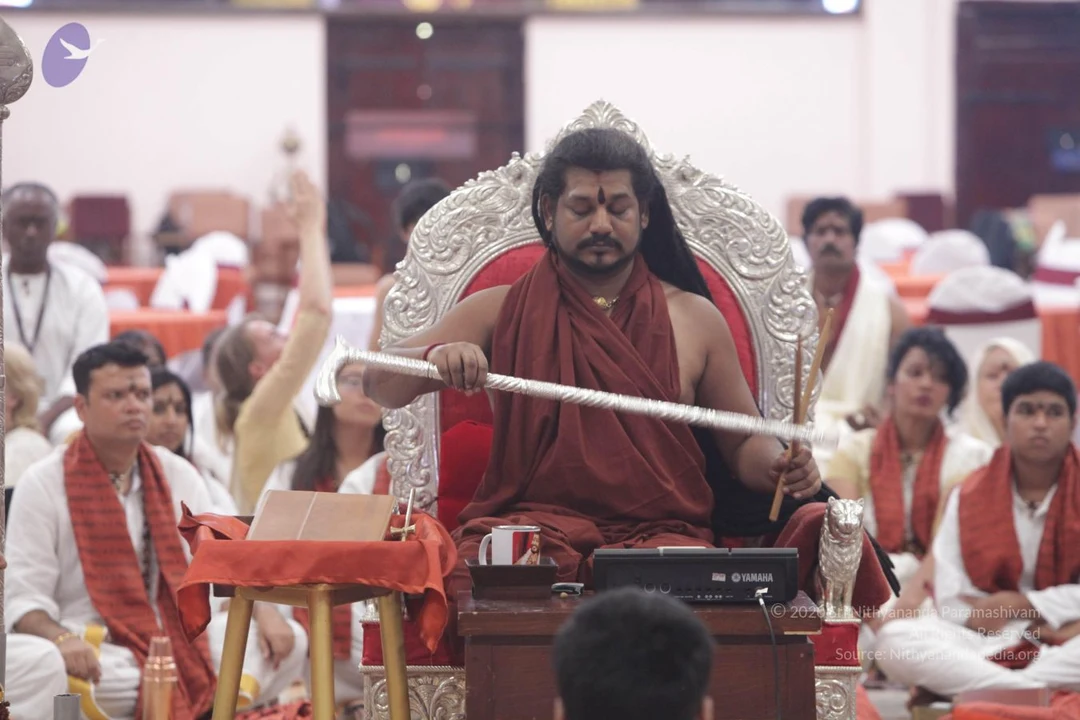
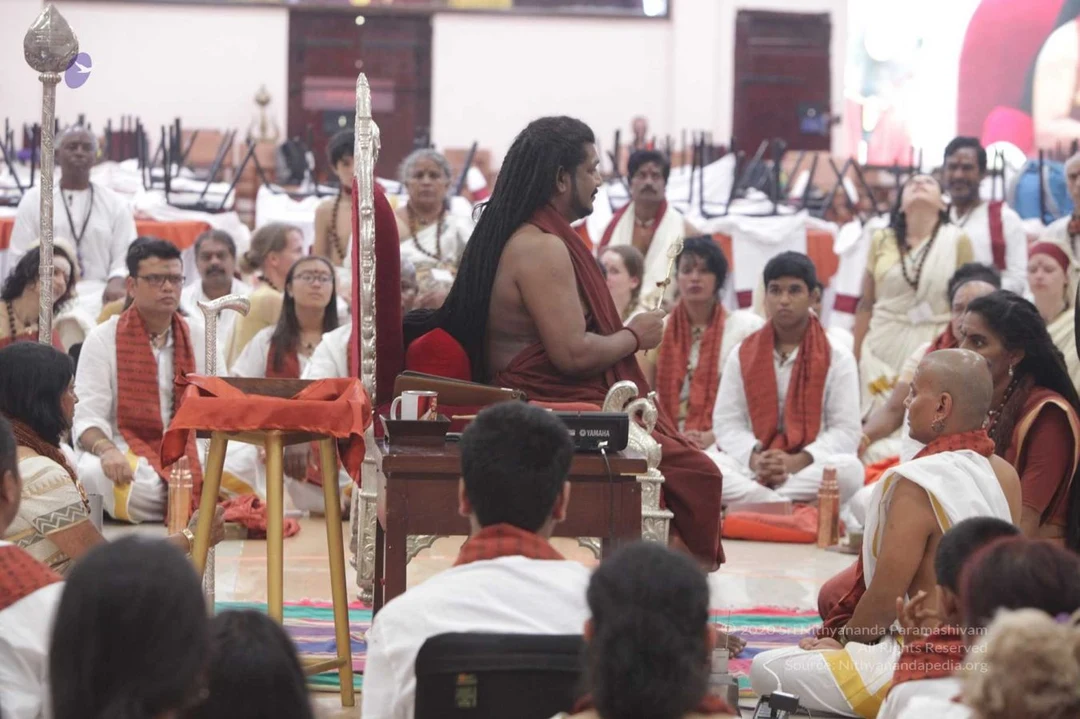 HDH Nithyananda Paramashivam initiating the delegates and Kailasavasis during Mandala Process using the energised Trishul
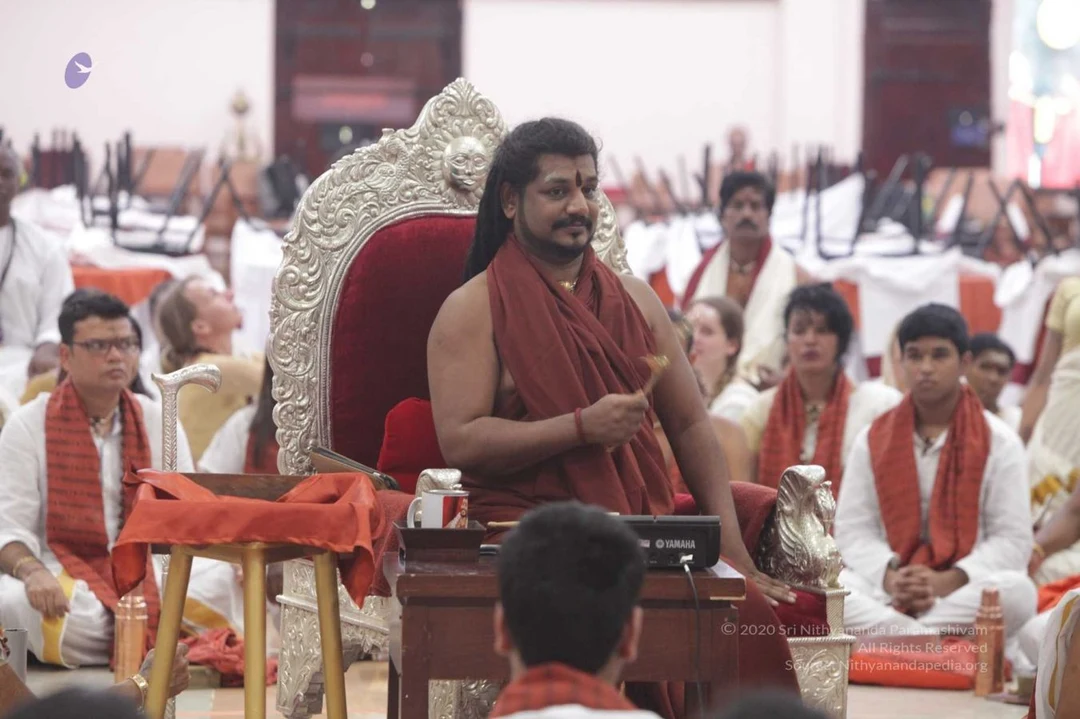 HDH Nithyananda Paramashivam Initiating the delegates through the sound during Mandala Process
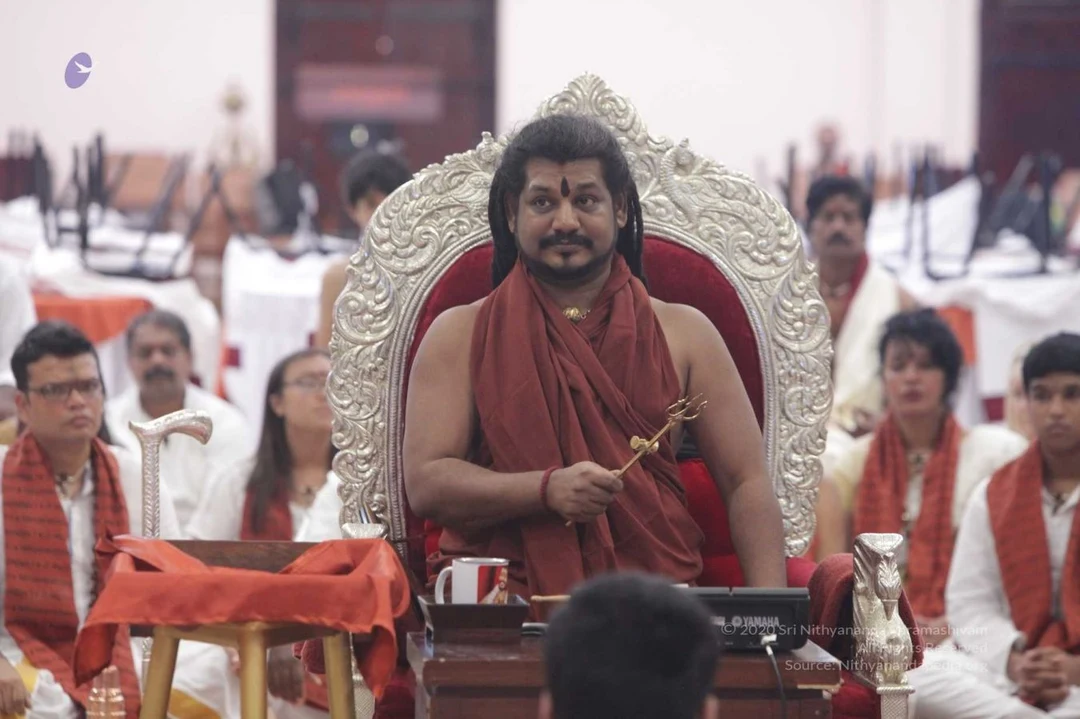 HDH Nithyananda Paramashivam initiating the delegates and Kailasavasis during Mandala Process using the energised Trishul
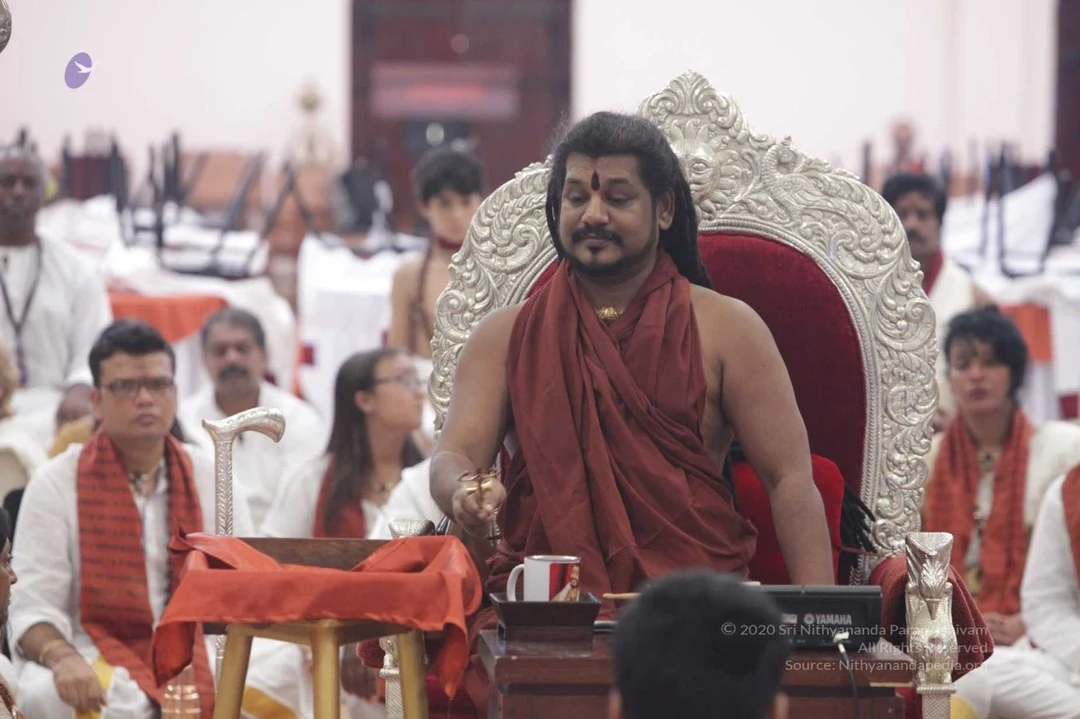 HDH Nithyananda Paramashivam initiating the delegates and Kailasavasis during Mandala Process using the energised Trishul
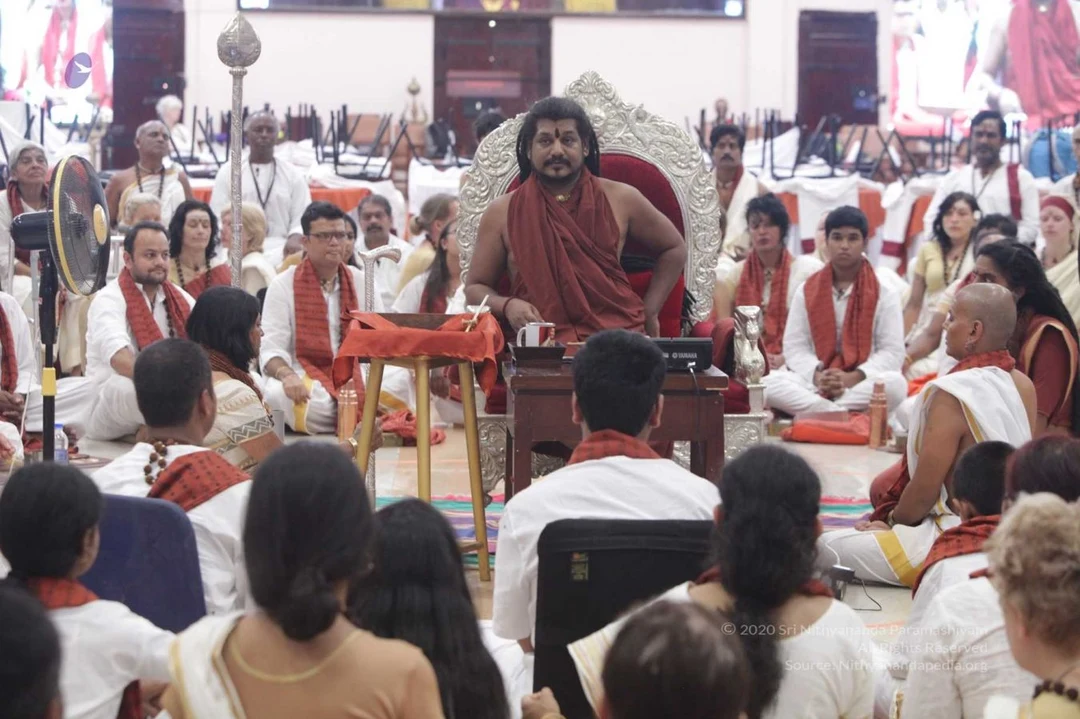 HDH Nithyananda Paramashivam during the Mandala Process with delegates
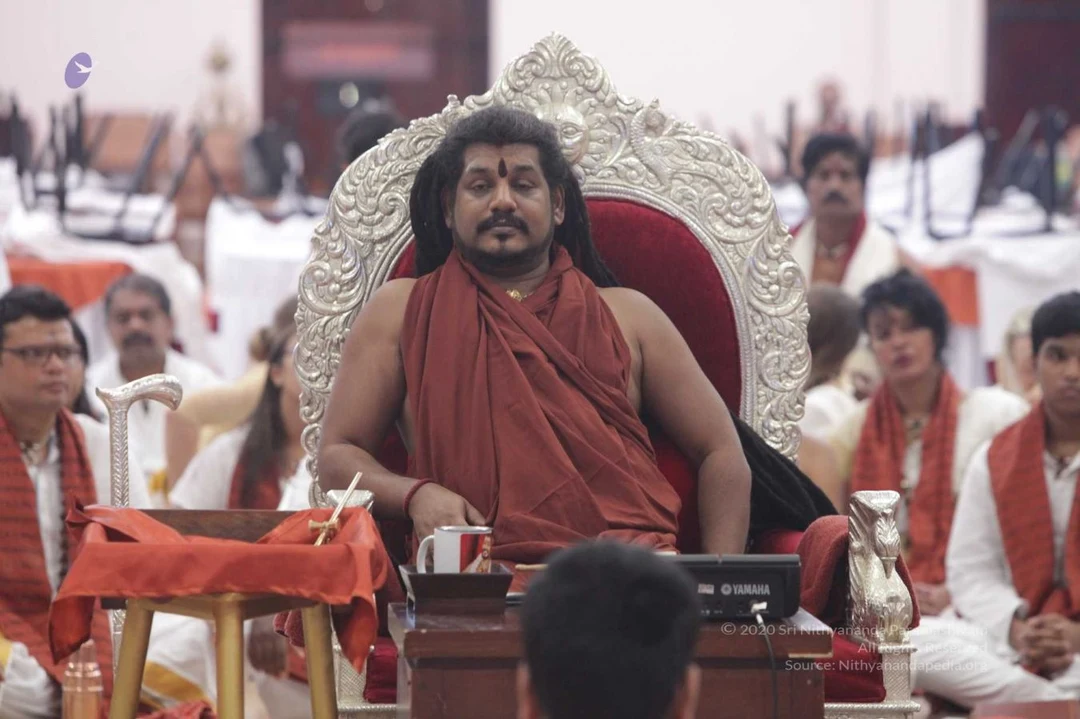 HDH Nithyananda Paramashivam during the Mandala Process with delegates
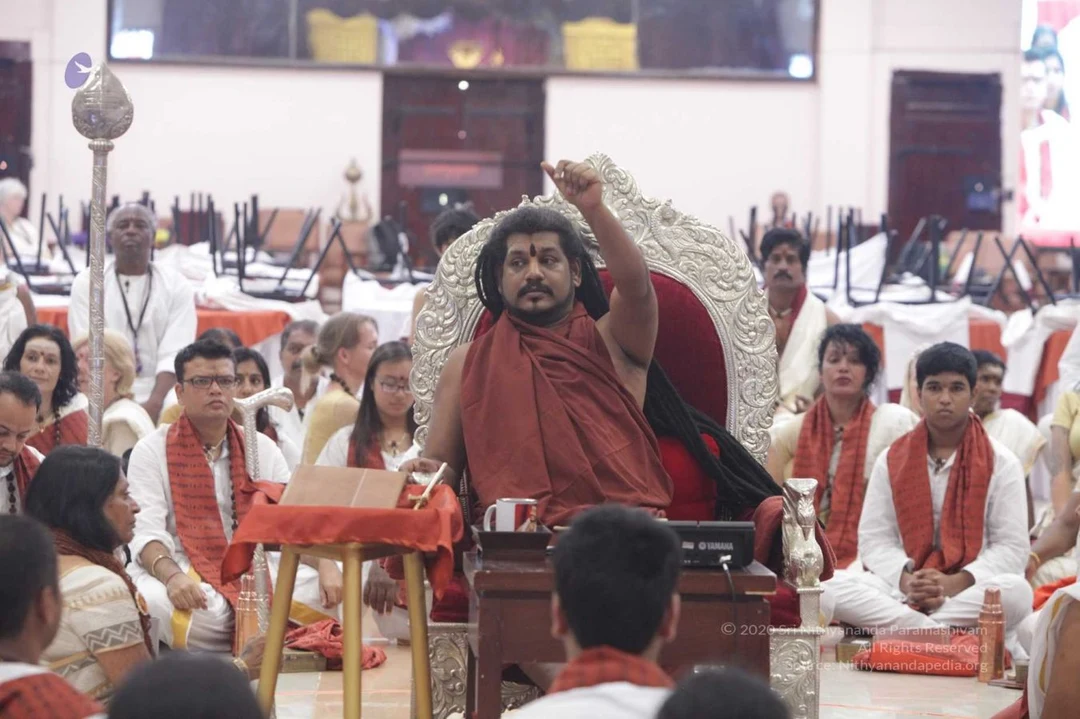 HDH Nithyananda Paramashivam initiating the delegates and Kailasavasis during Mandala Process using the energised Trishul
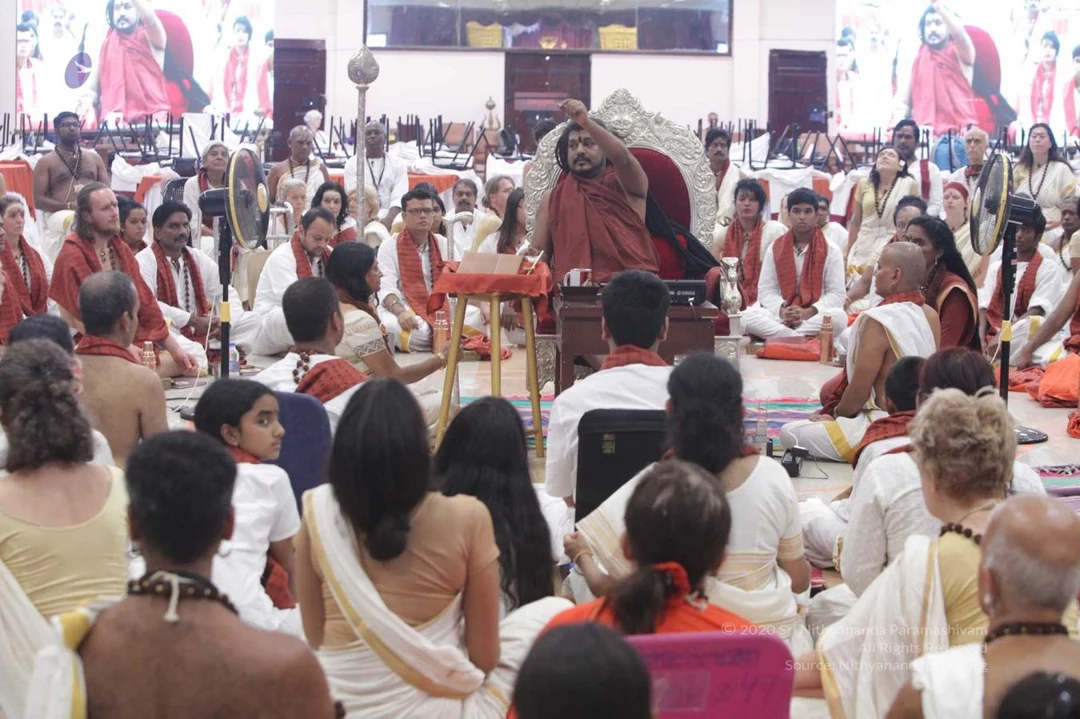 HDH Nithyananda Paramashivam initiating the delegates and Kailasavasis during Mandala Process using the energised Trishul
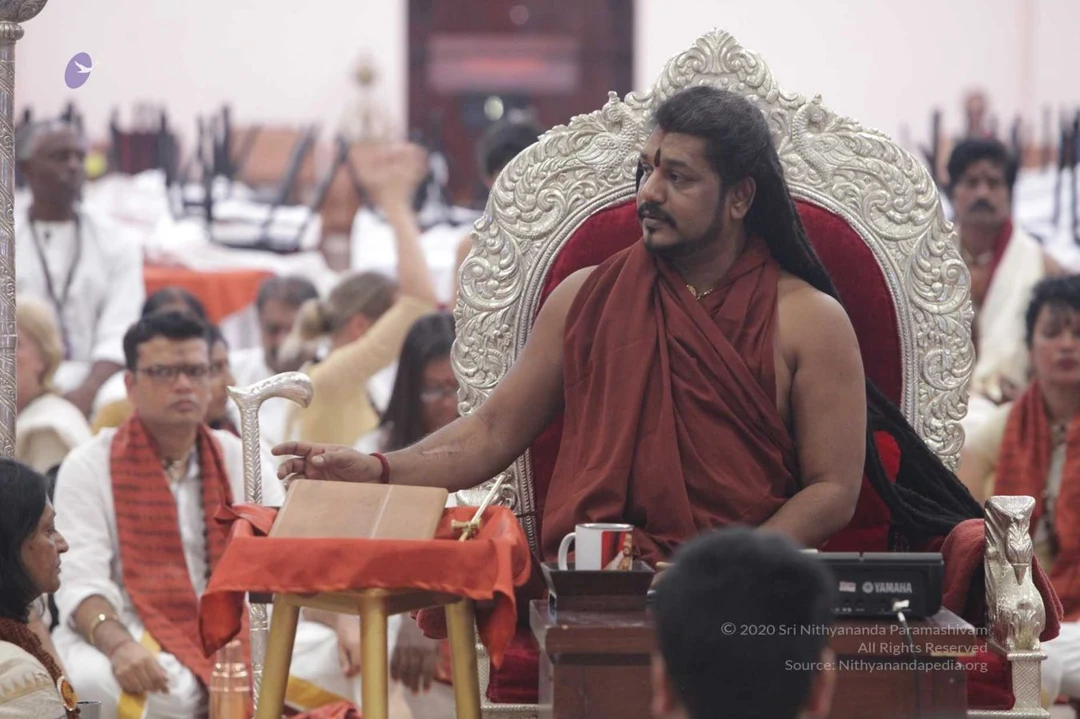 HDH Nithyananda Paramashivam initiating the delegates and Kailasavasis during Mandala Process using the energised Trishul
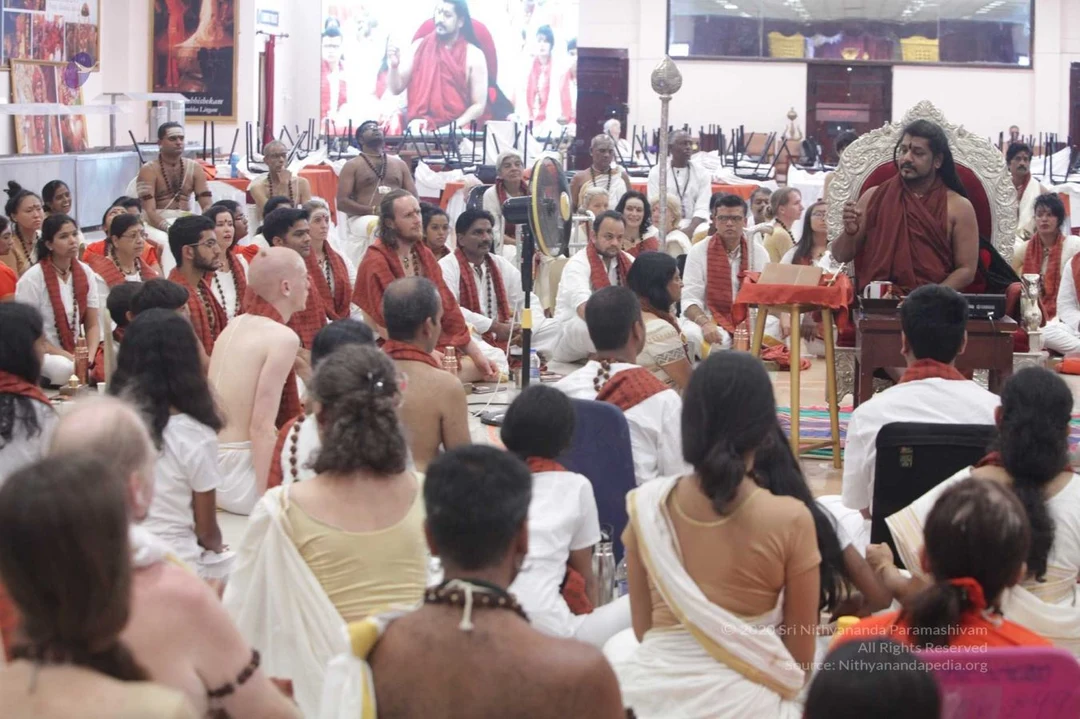 HDH Nithyananda Paramashivam initiating the delegates and Kailasavasis during Mandala Process using the energised Trishul
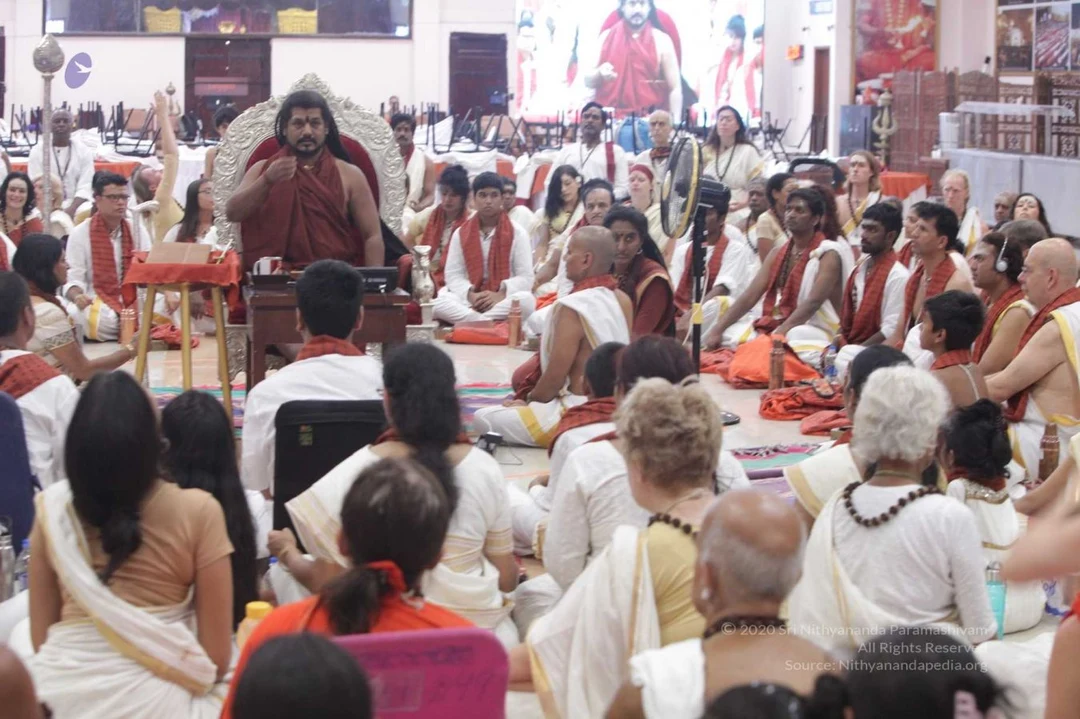 HDH Nithyananda Paramashivam initiating the delegates and Kailasavasis during Mandala Process using the energised Trishul
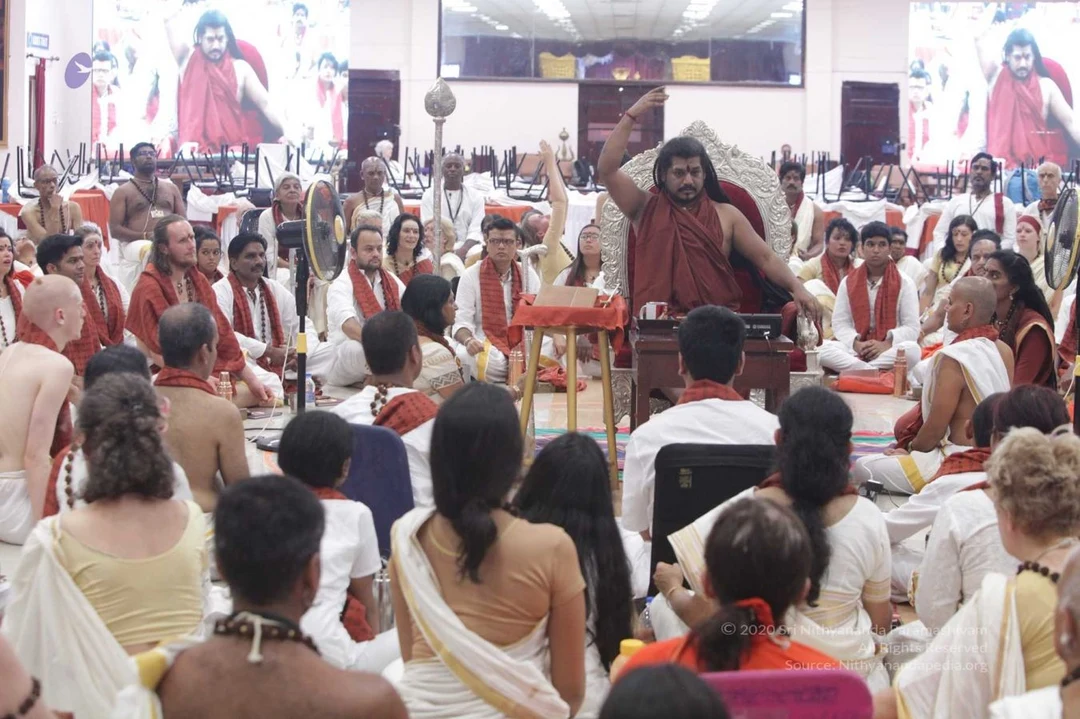 HDH Nithyananda Paramashivam initiating the delegates and Kailasavasis during Mandala Process using the energised Trishul
 HDH Nithyananda Paramashivam initiating the delegates and Kailasavasis during Mandala Process using the energised Trishul
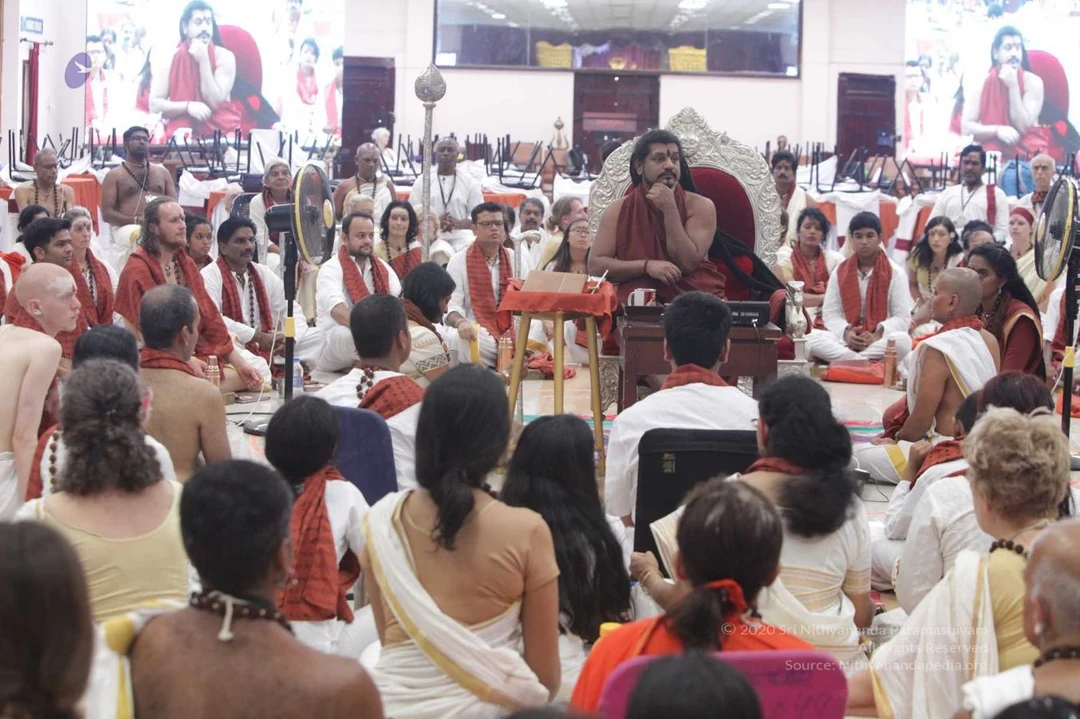 HDH Nithyananda Paramashivam during the Mandala Process with delegates
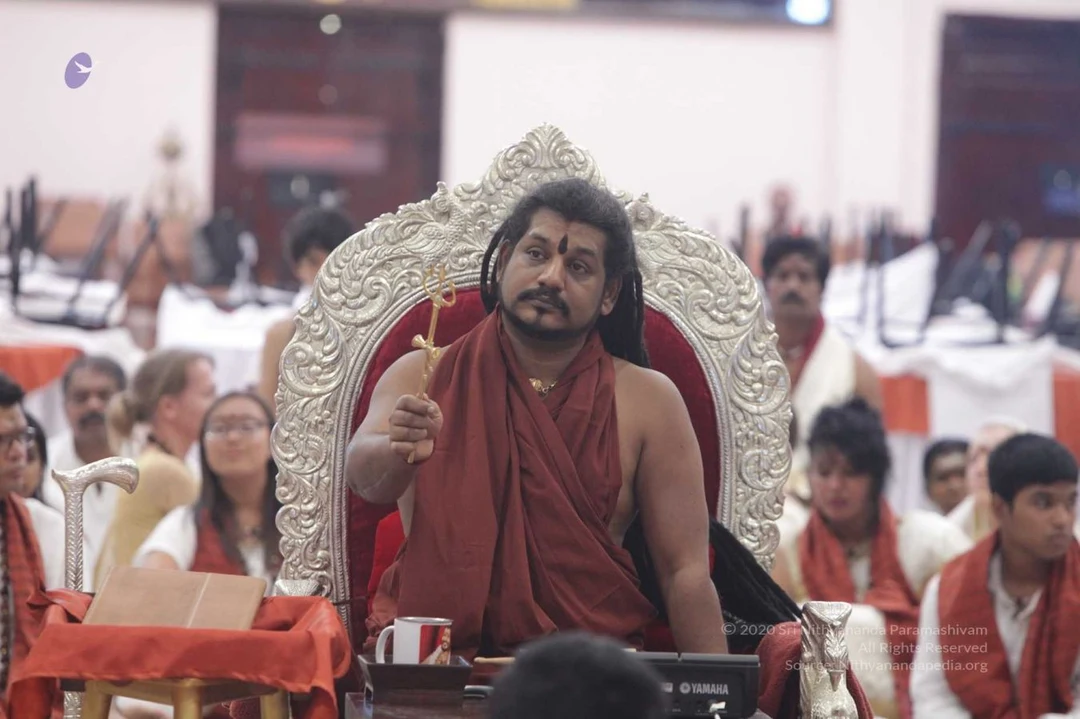 HDH Nithyananda Paramashivam initiating the delegates and Kailasavasis during Mandala Process using the energised Trishul
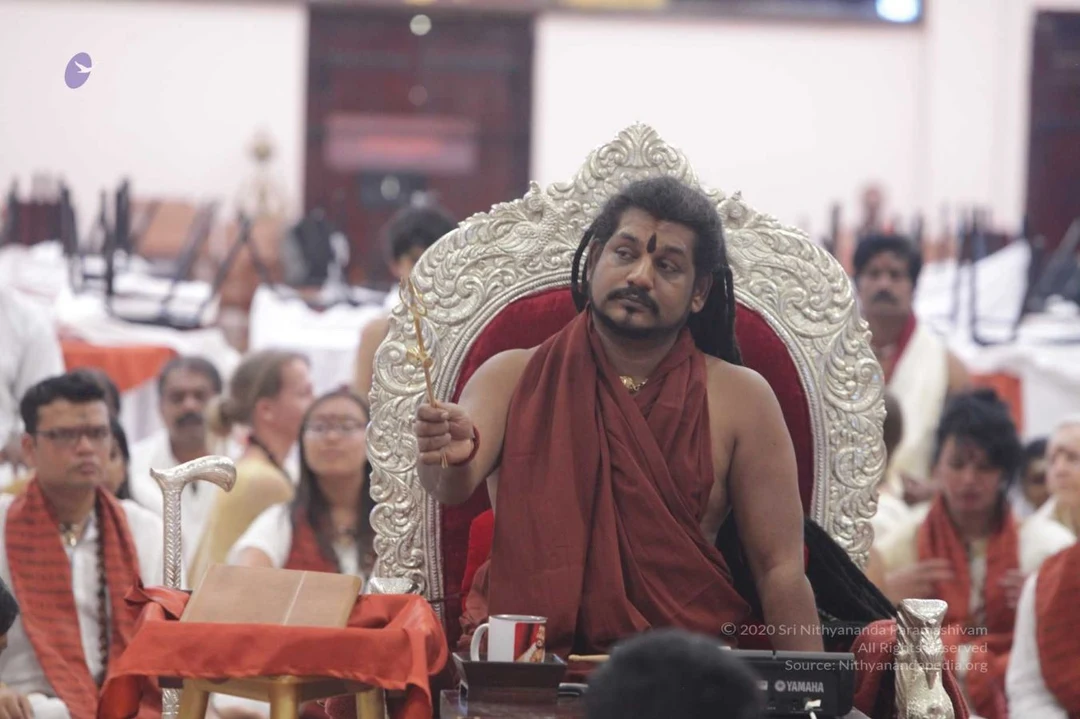 HDH Nithyananda Paramashivam initiating the delegates and Kailasavasis during Mandala Process using the energised Trishul
 HDH Nithyananda Paramashivam during the Mandala Process with delegates
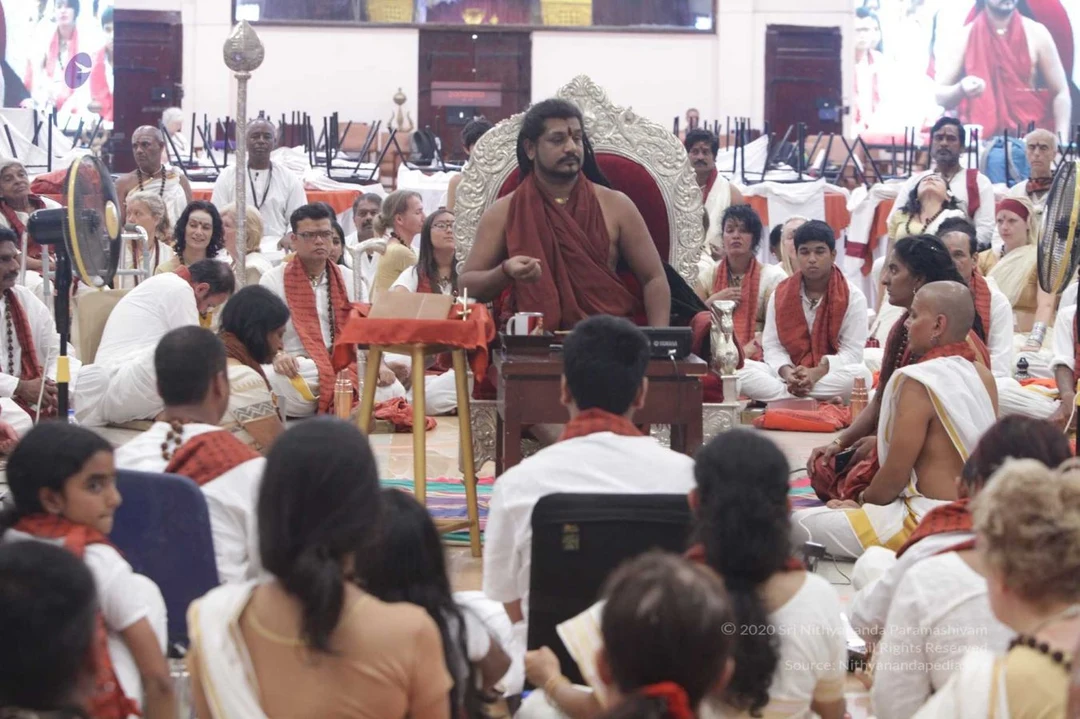 HDH Nithyananda Paramashivam Initiating the delegates using the sound techniques during Mandala Process
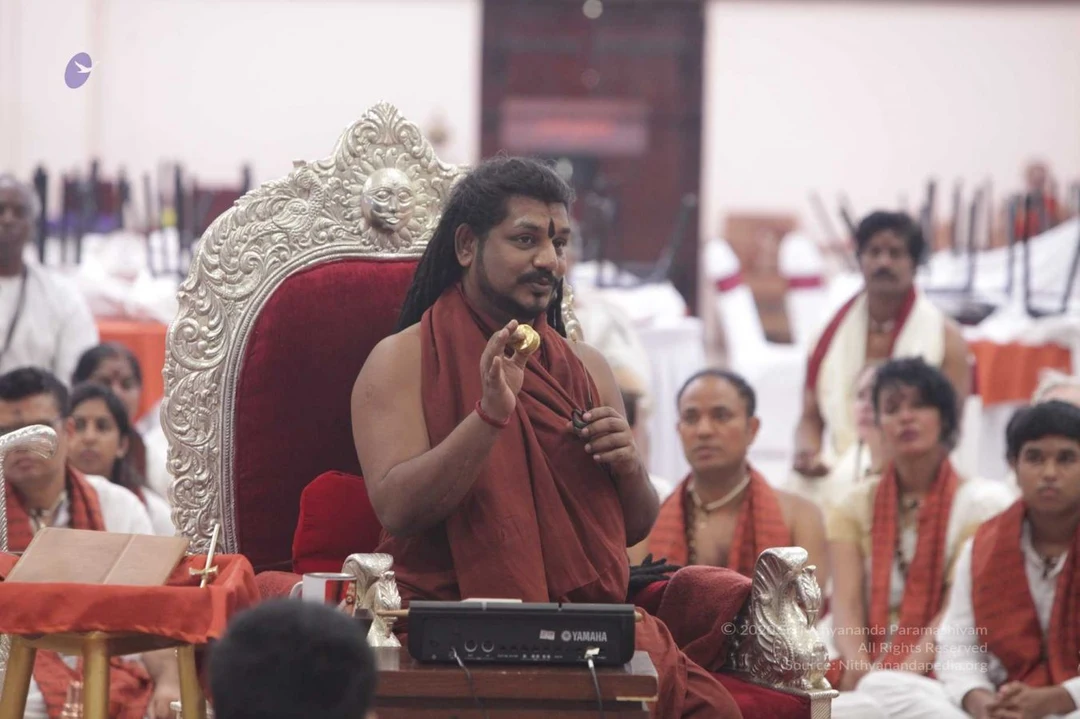 HDH Nithyananda Paramashivam conducting a session for delegates and Kailasavasis during Mandala Process
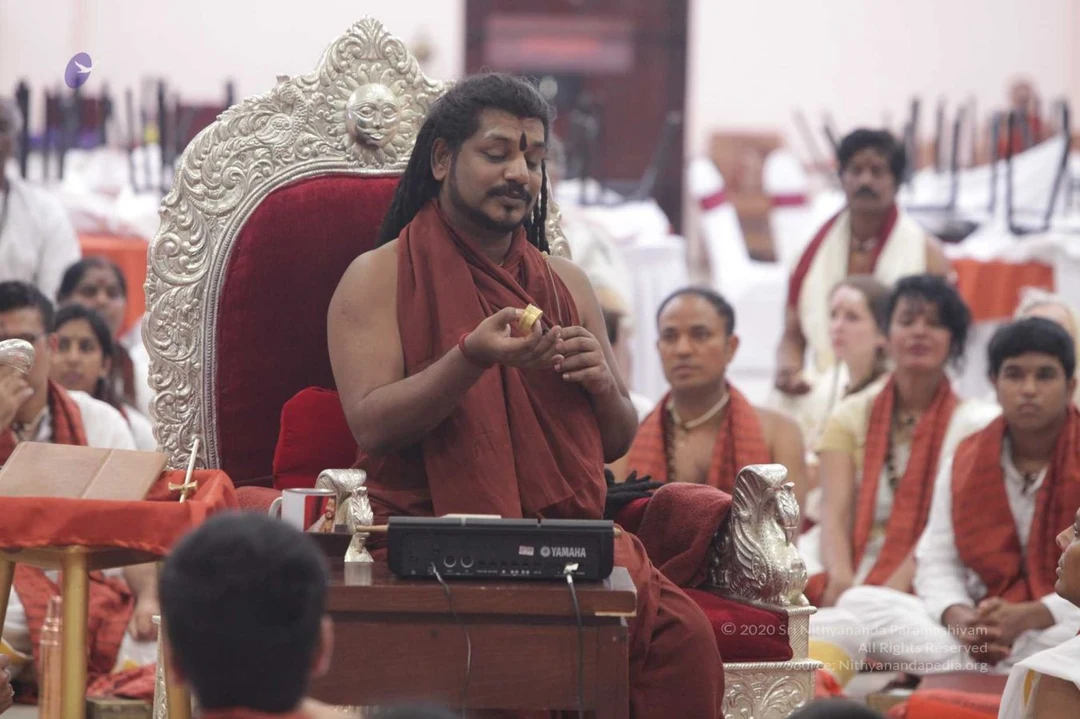 HDH Nithyananda Paramashivam conducting a session for delegates and Kailasavasis during Mandala Process
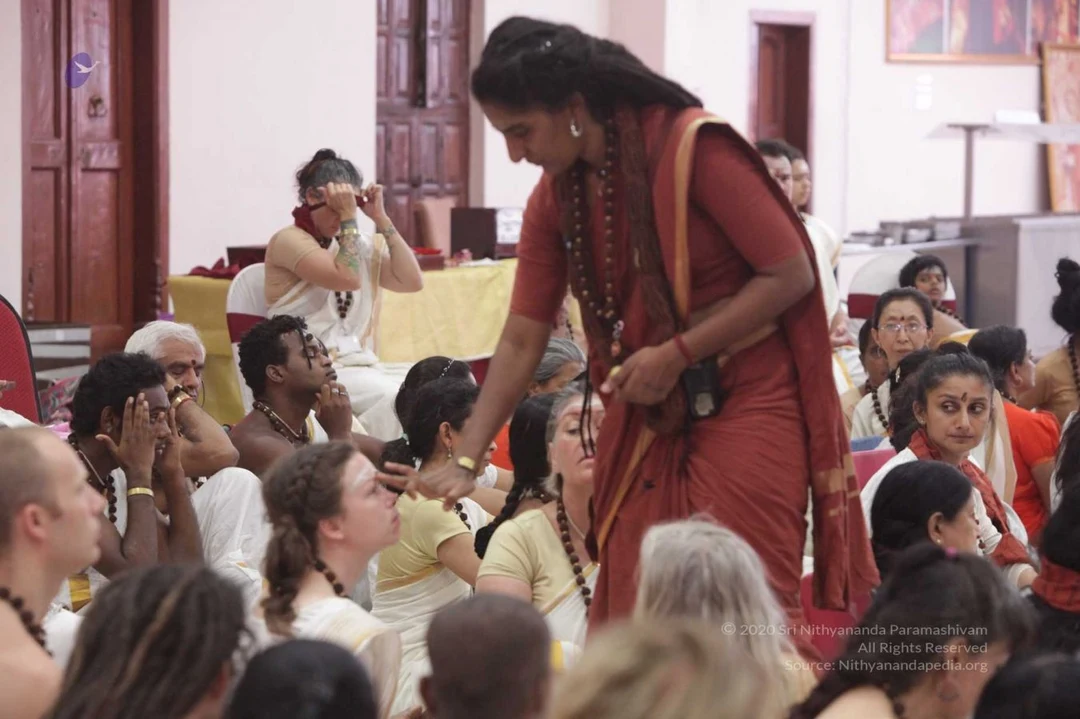 Poorna Sanyasi applying Jnanajna on the third eye of delegates during Mandala Process
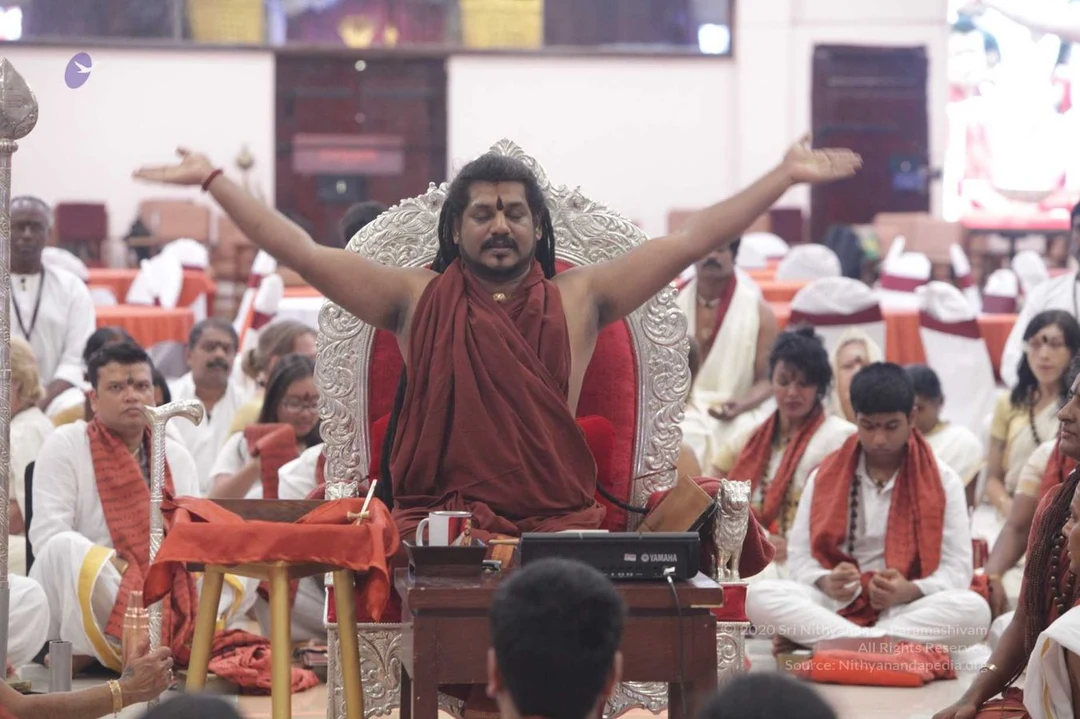 HDH Nithyananda Paramashivam initiating the delegates and Kailasavasis during Mandala Process .
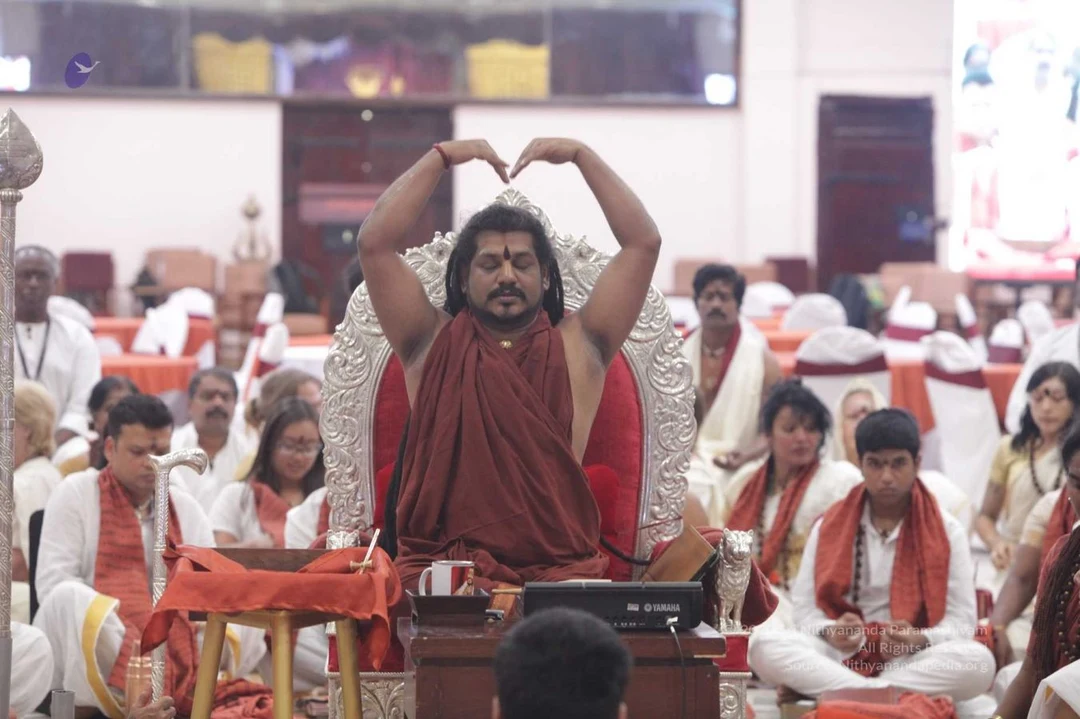 HDH Nithyananda Paramashivam initiating the delegates and Kailasavasis during Mandala Process .
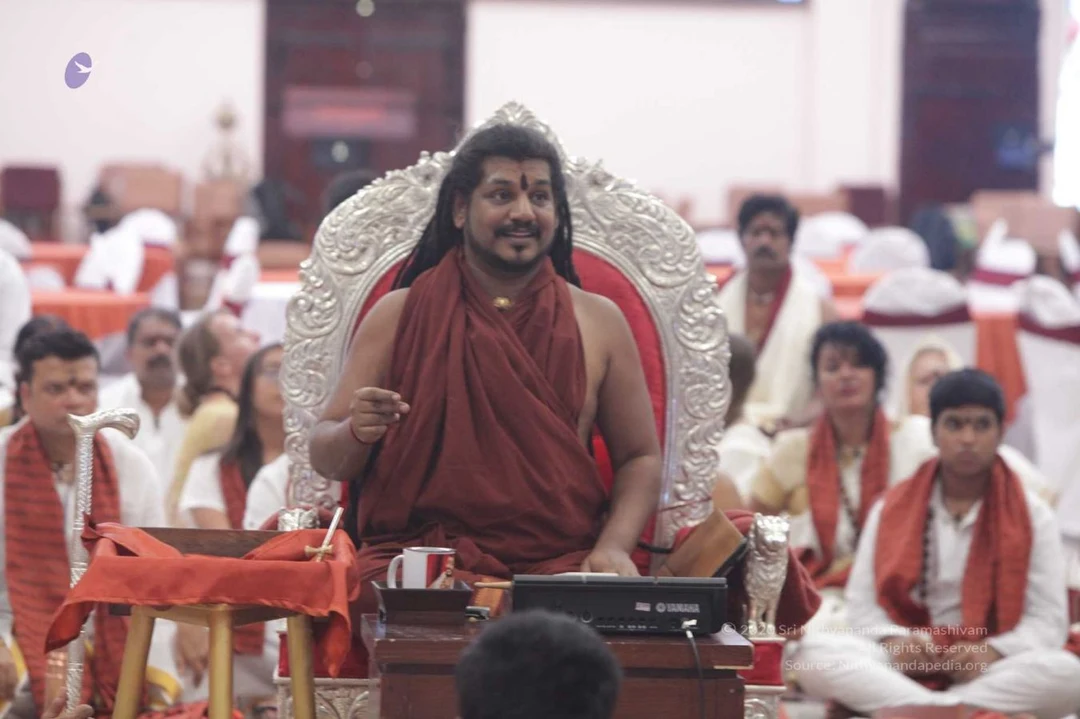 HDH Nithyananda Paramashivam initiating the delegates and Kailasavasis during Mandala Process .
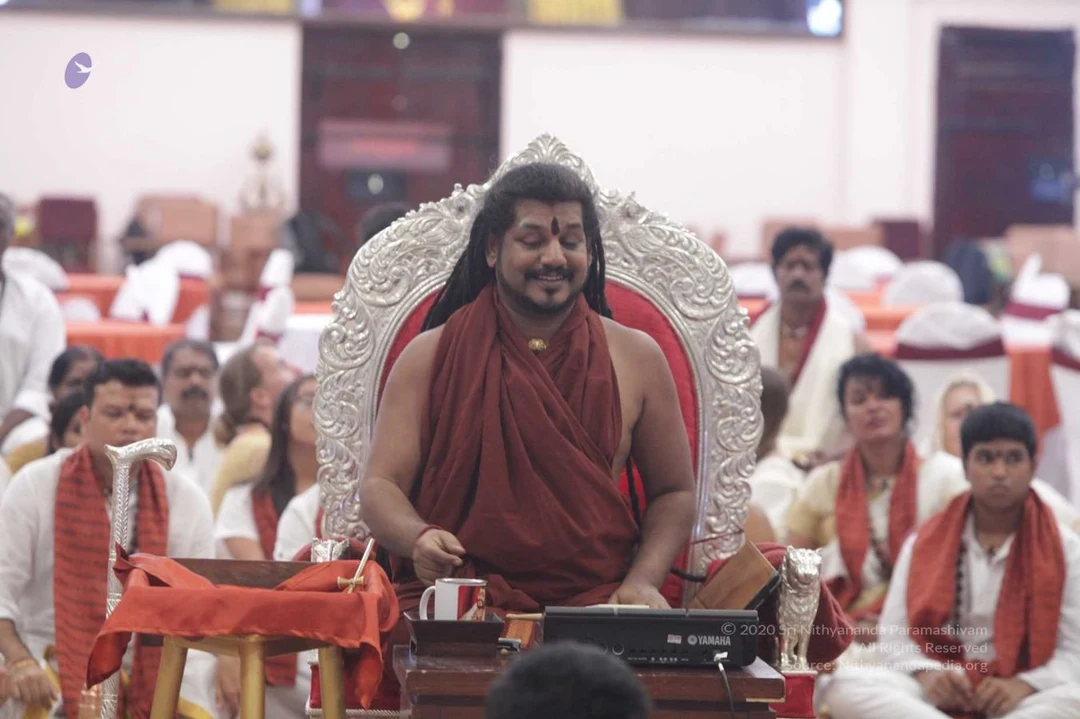 HDH Nithyananda Paramashivam initiating the delegates and Kailasavasis during Mandala Process .
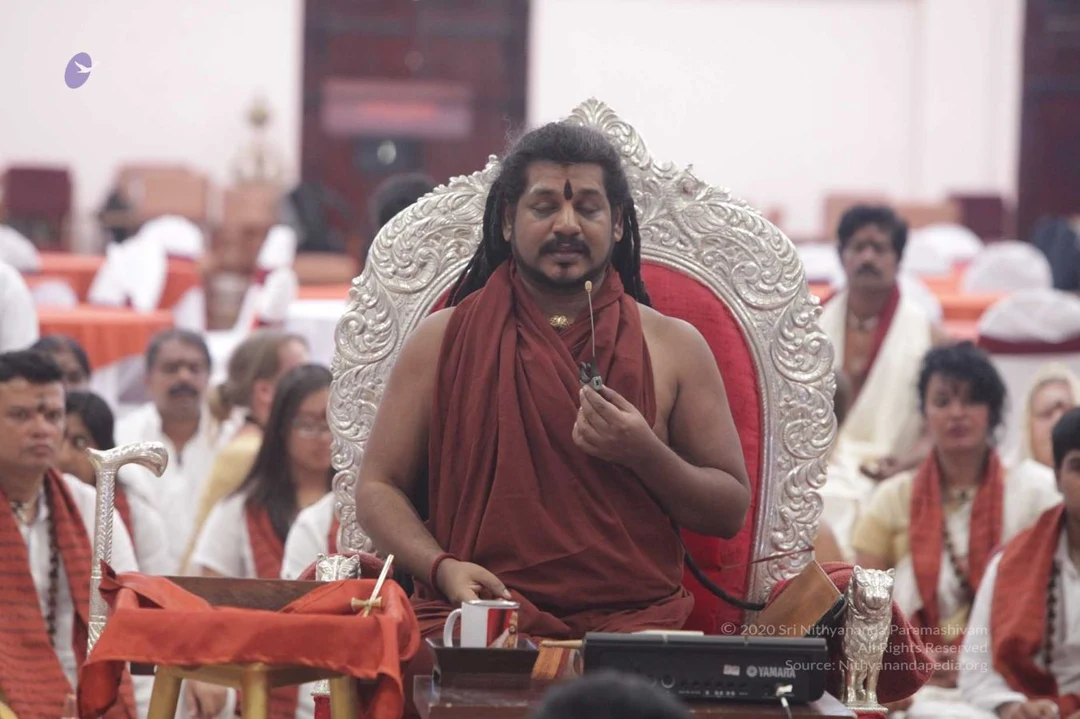 HDH Nithyananda Paramashivam conducting a session for delegates and Kailasavasis during Mandala Process
 HDH Nithyananda Paramashivam conducting a session for delegates and Kailasavasis during Mandala Process
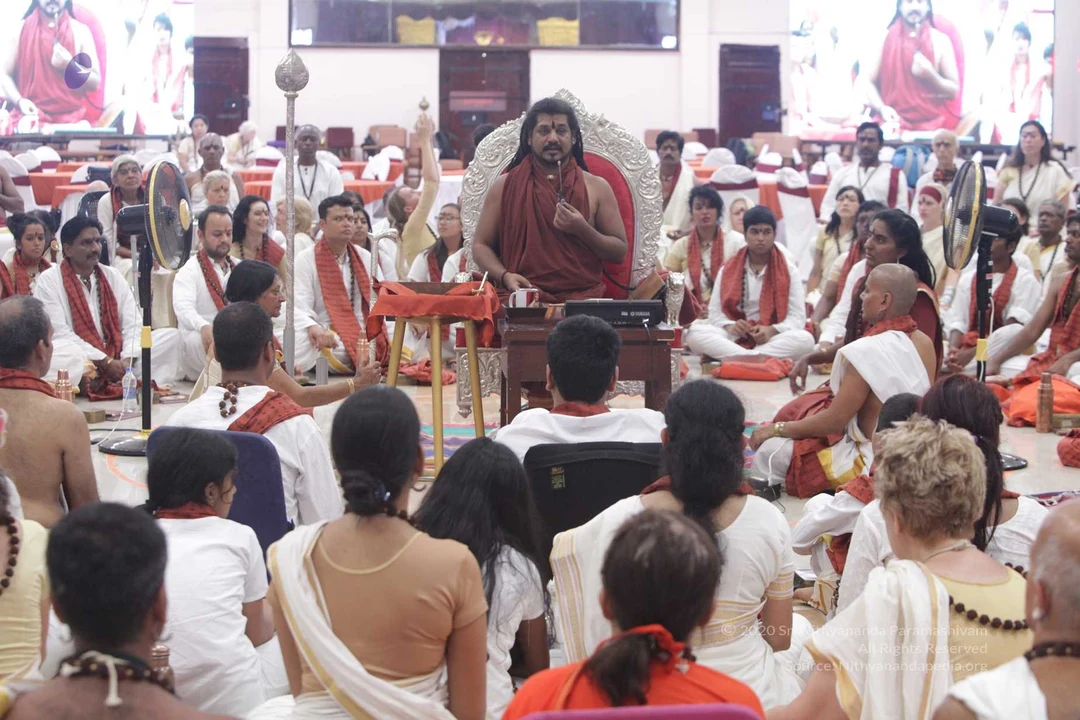 HDH Nithyananda Paramashivam conducting a session for delegates and Kailasavasis during Mandala Process
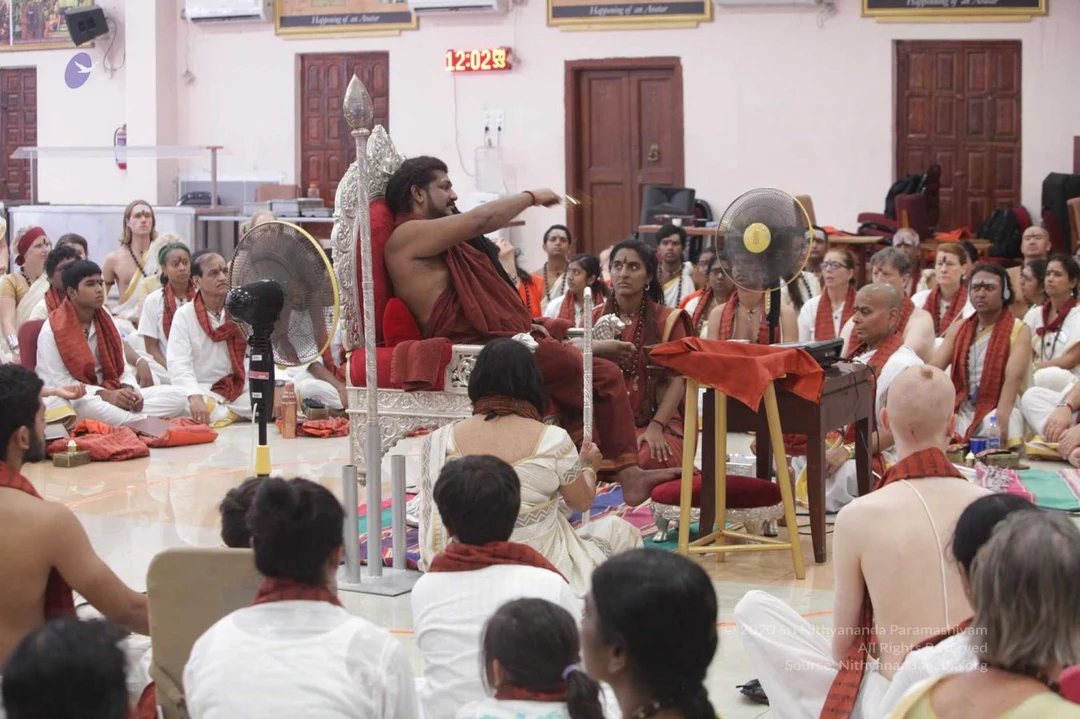 HDH Nithyananda Paramashivam initiating the delegates and Kailasavasis during Mandala Process using the energised Trishul
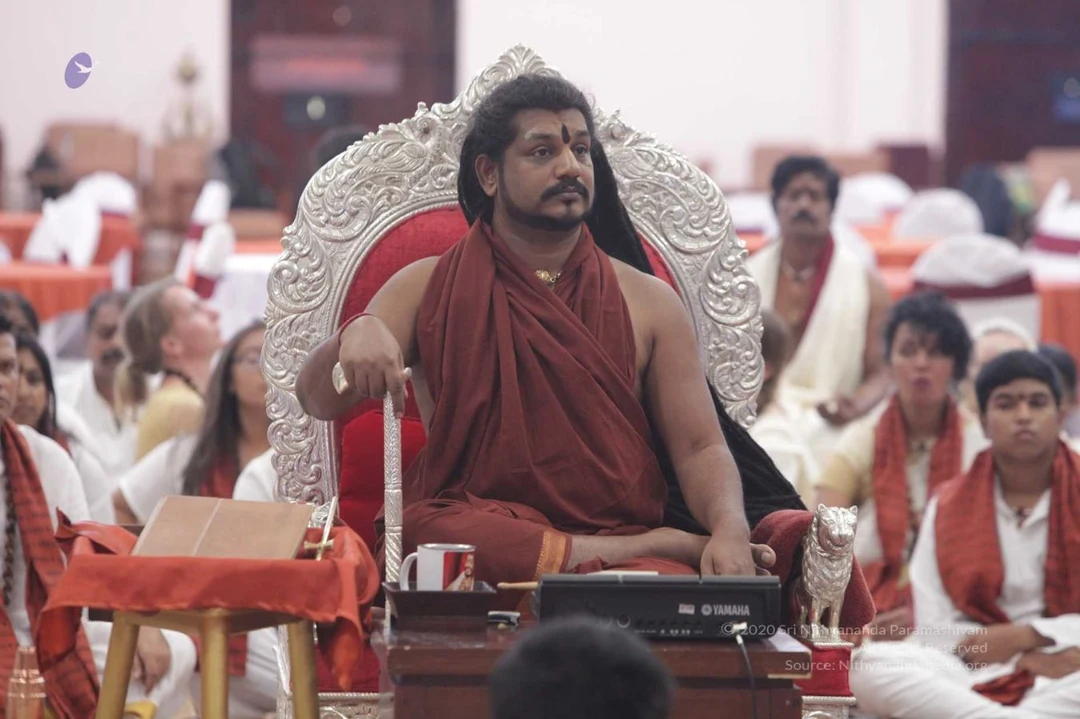 HDH Nithyananda Paramashivam during the Mandala Process with delegates
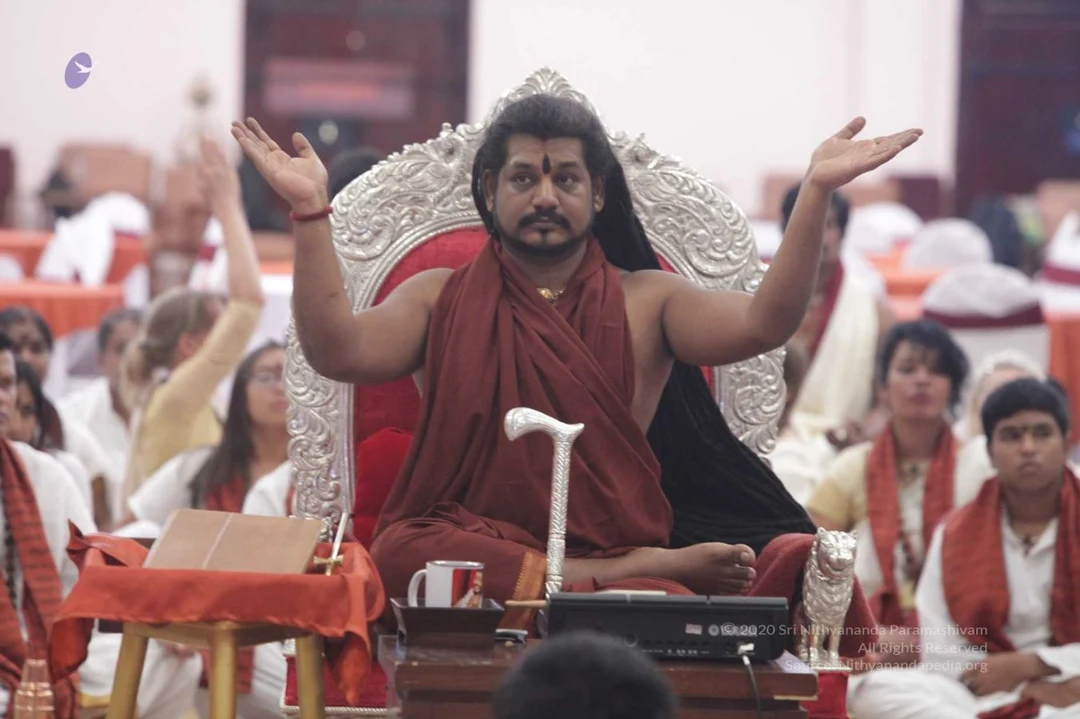 HDH Nithyananda Paramashivam initiating the delegates and Kailasavasis during Mandala Process .
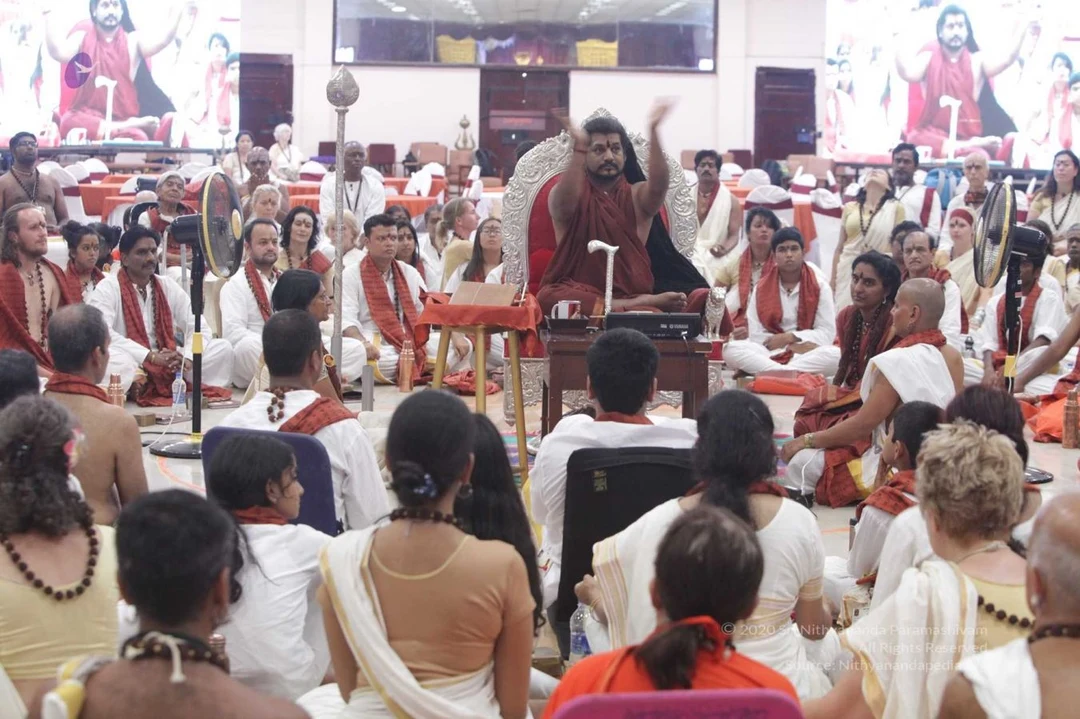 HDH Nithyananda Paramashivam initiating the delegates and Kailasavasis during Mandala Process .
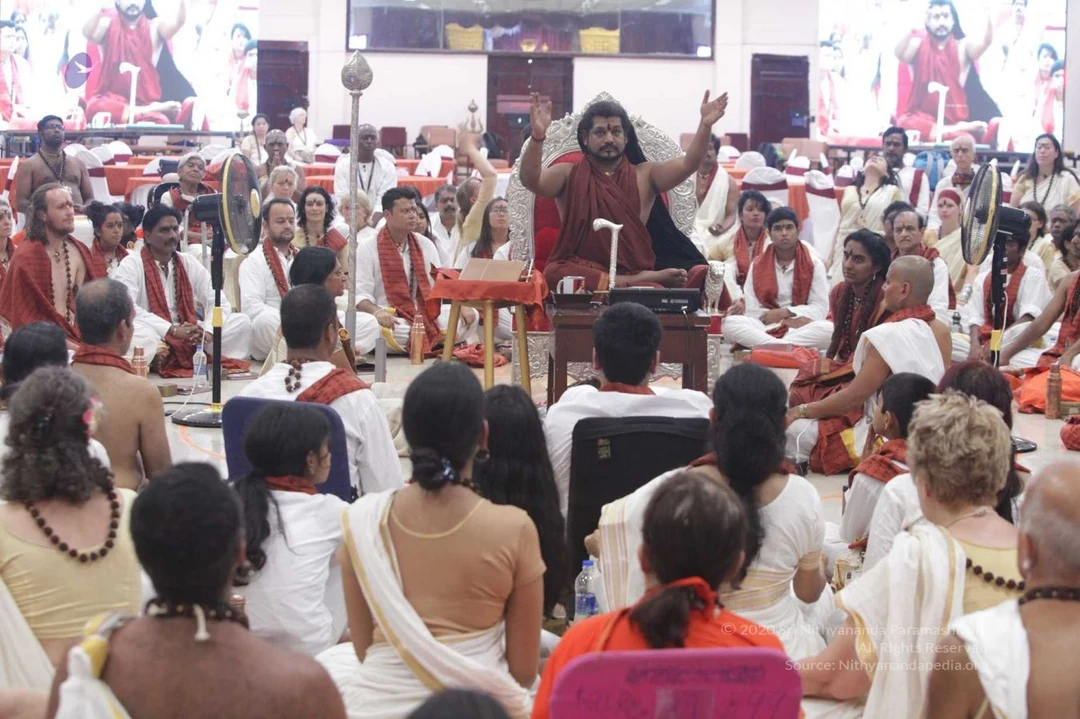 HDH Nithyananda Paramashivam initiating the delegates and Kailasavasis during Mandala Process .
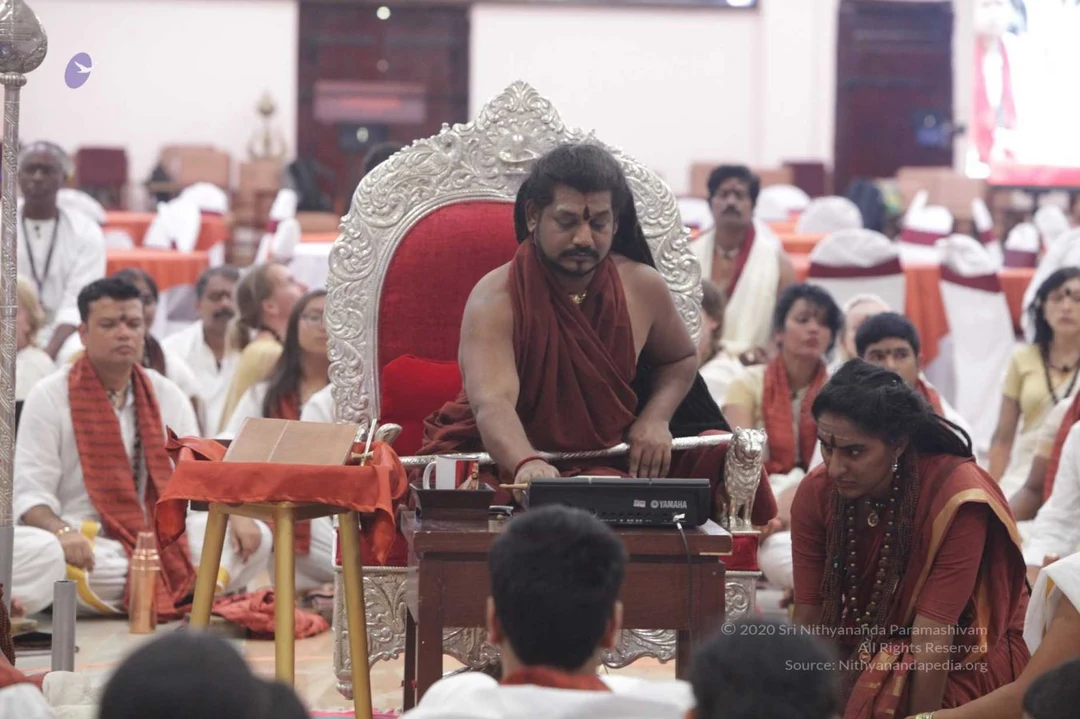 HDH Nithyananda Paramashivam Initiating the delegates using the sound techniques during Mandala Process
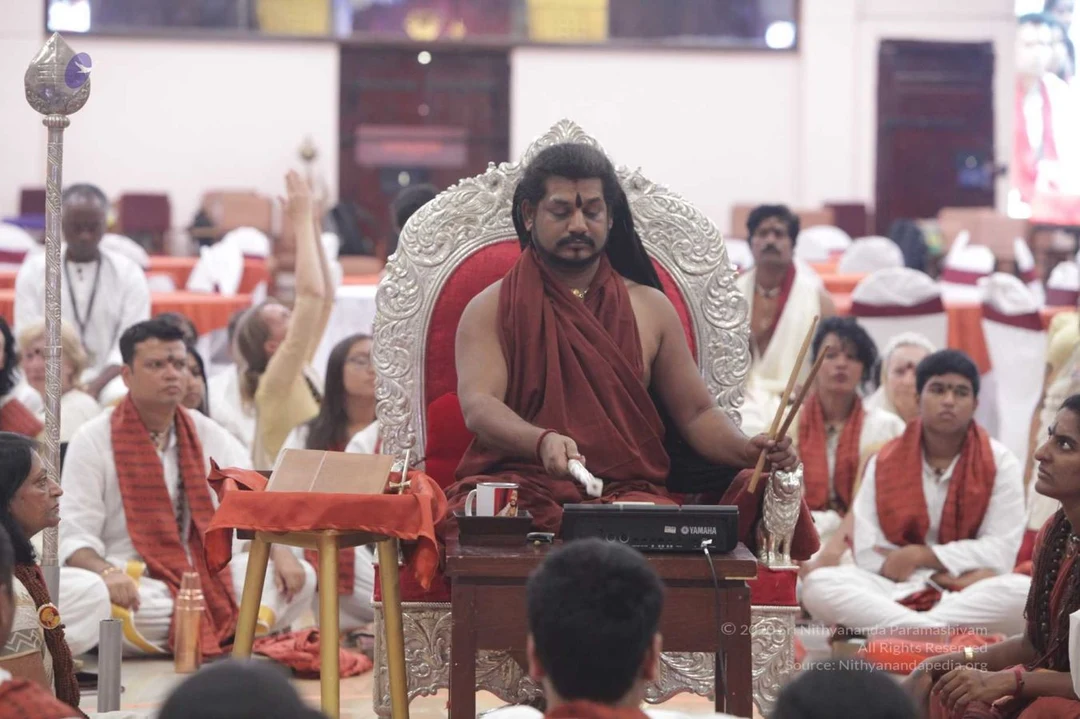 HDH Nithyananda Paramashivam Initiating the delegates using the sound techniques during Mandala Process
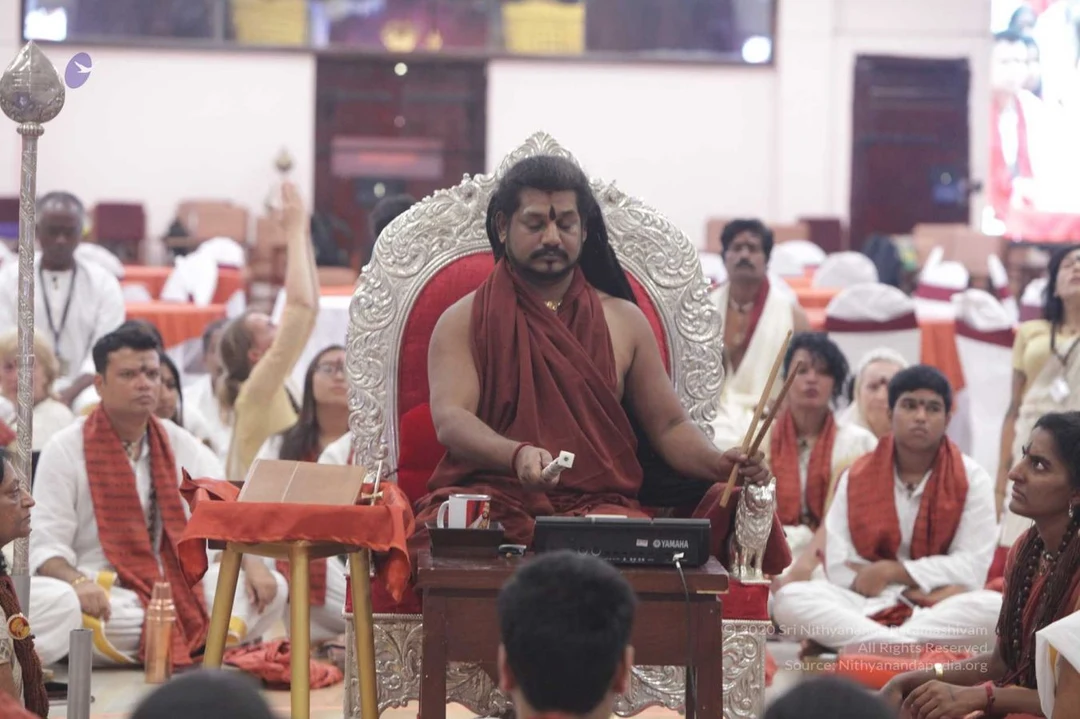 HDH Nithyananda Paramashivam Initiating the delegates using the sound techniques during Mandala Process
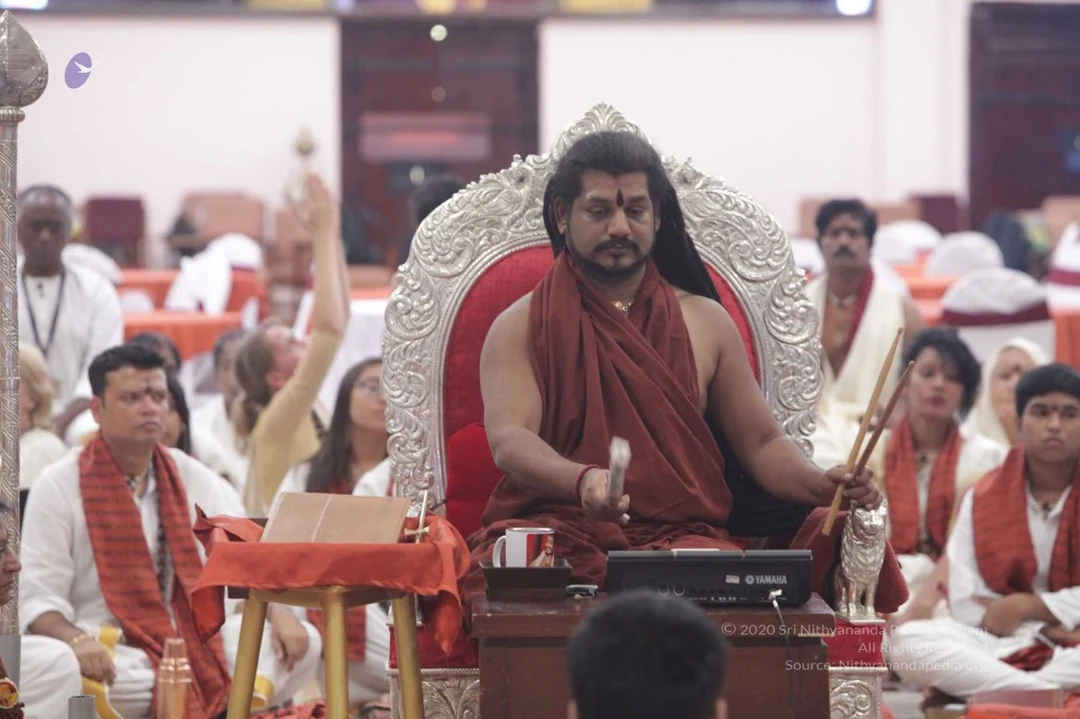 HDH Nithyananda Paramashivam Initiating the delegates using the sound techniques using Mandala Process
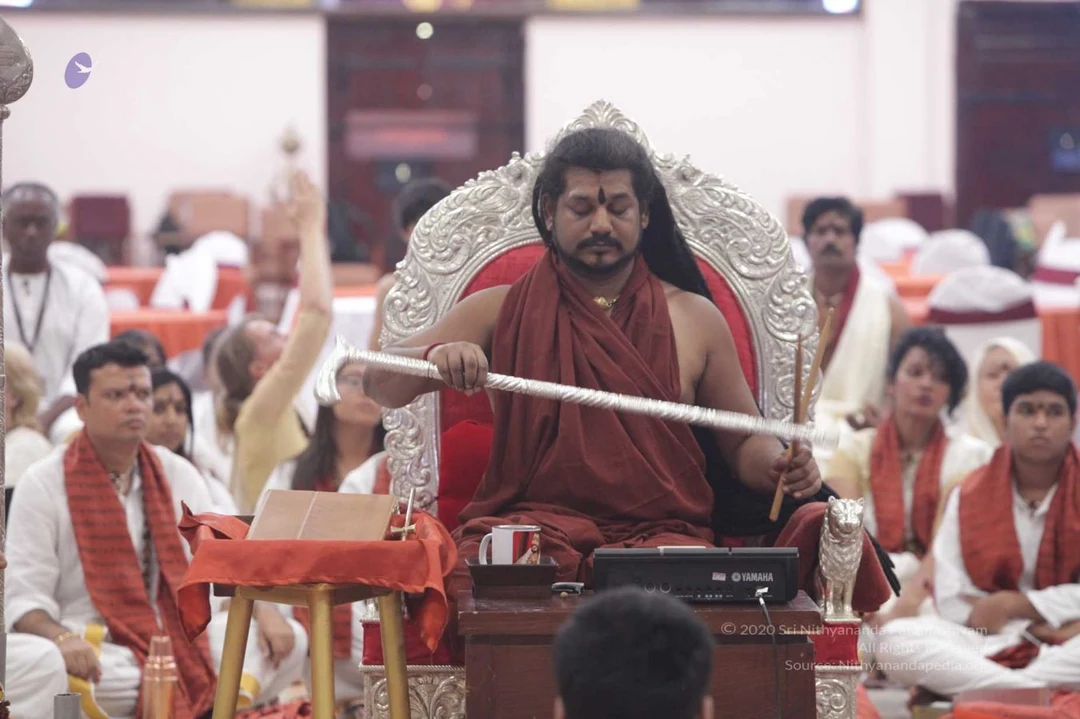 HDH Nithyananda Paramashivam Initiating the delegates using the sound techniques during Mandala Process
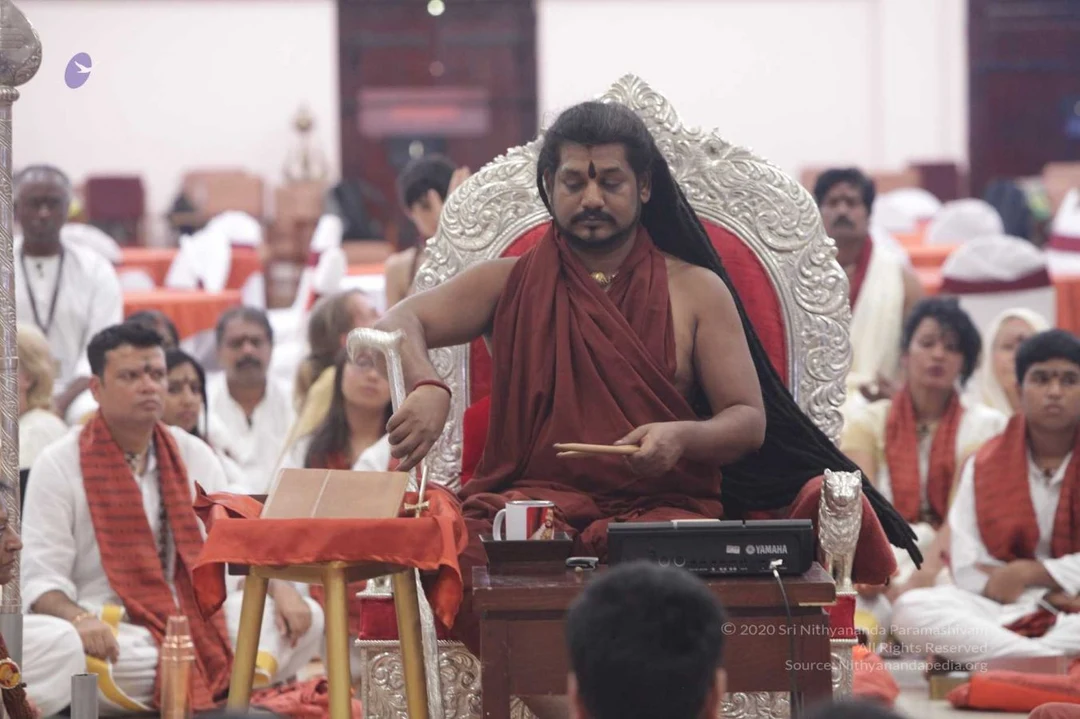 HDH Nithyananda Paramashivam Initiating the delegates using sound techniques during Mandala Process
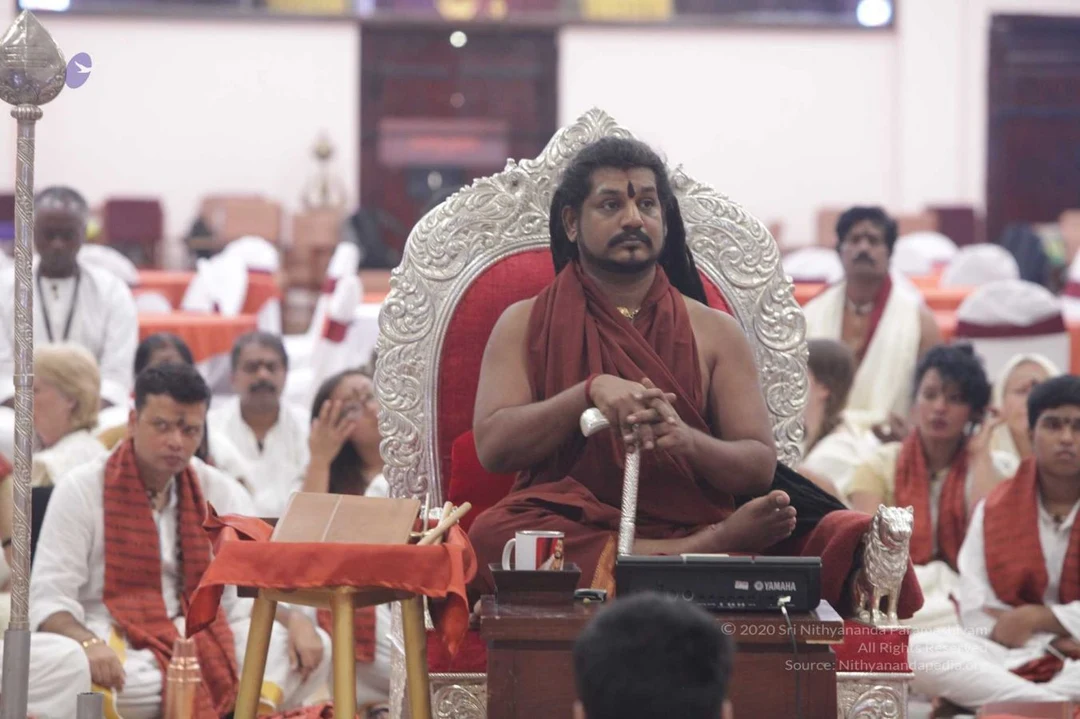 HDH Nithyananda Paramashivam initiating the delegates and Kailasavasis during Mandala Process .
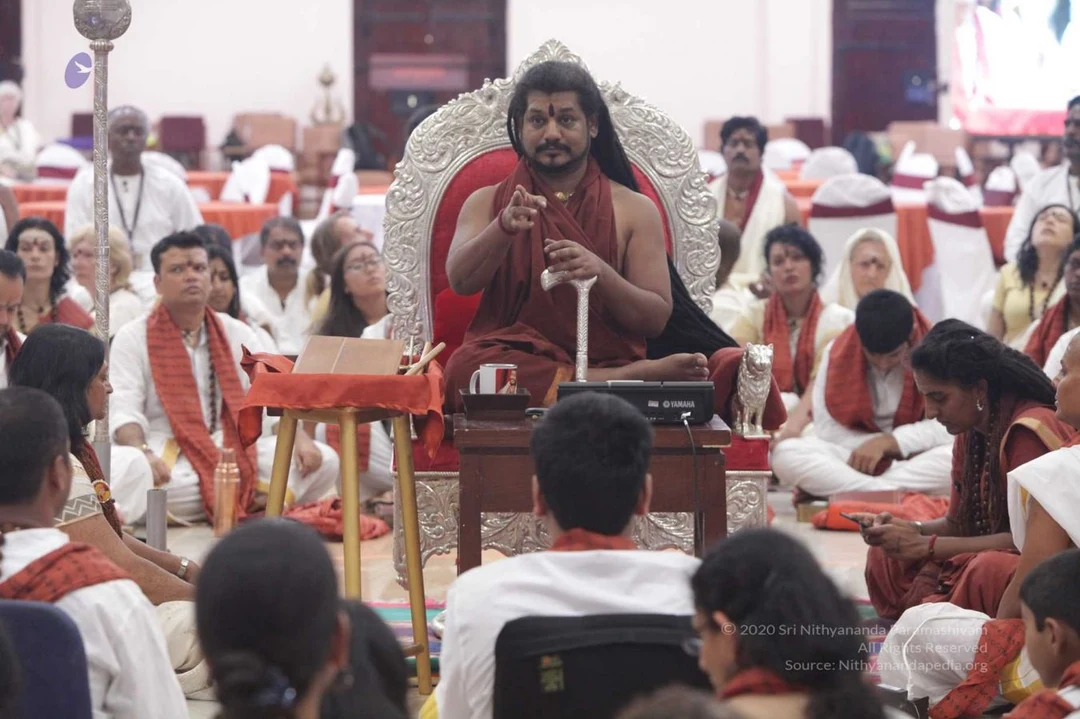 HDH Nithyananda Paramashivam initiating the delegates and Kailasavasis during Mandala Process .
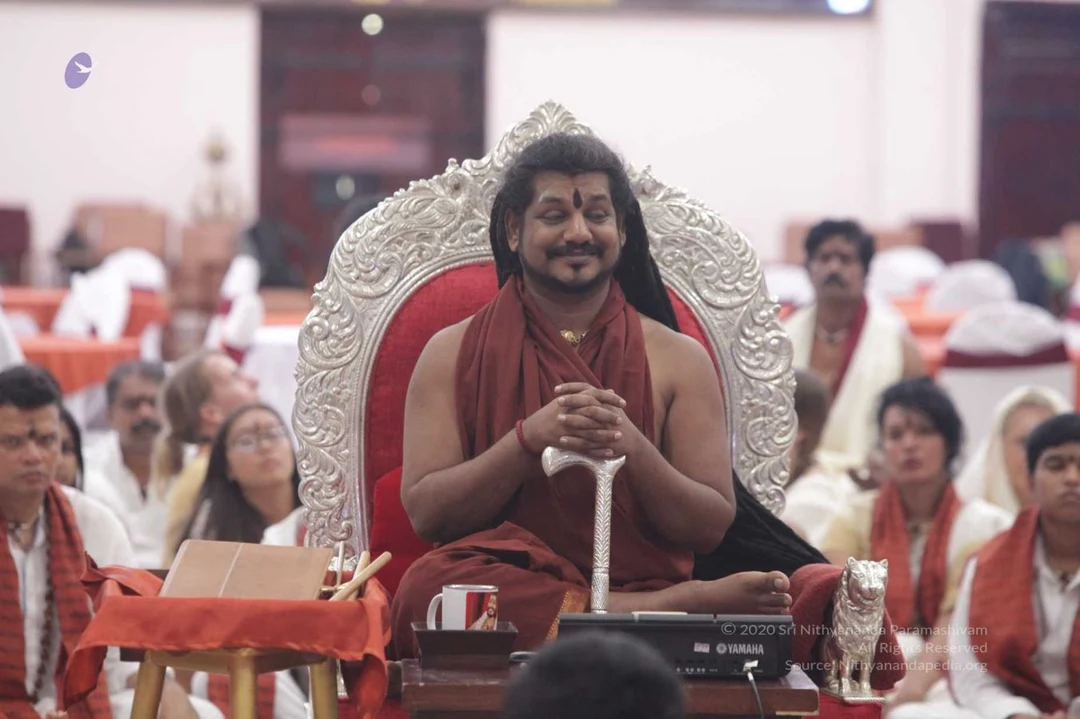 HDH Nithyananda Paramashivam initiating the delegates and Kailasavasis during Mandala Process .
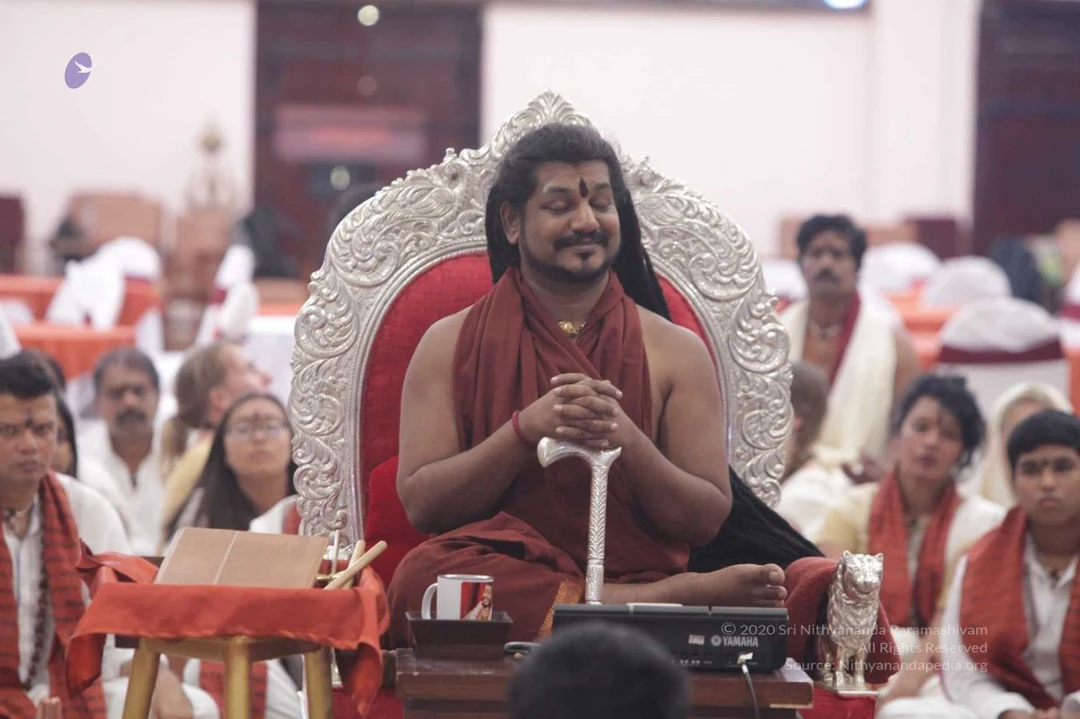 HDH Nithyananda Paramashivam initiating the delegates and Kailasavasis during Mandala Process .
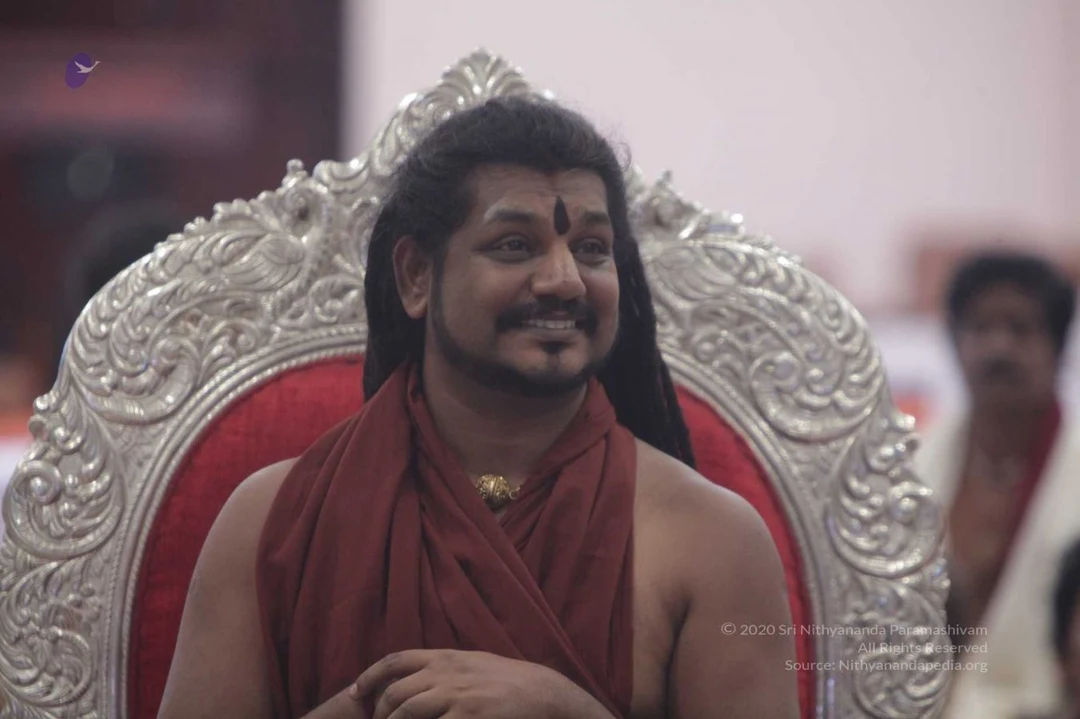 HDH Nithyananda Paramashivam during Mandala Process while Initiating the delegates
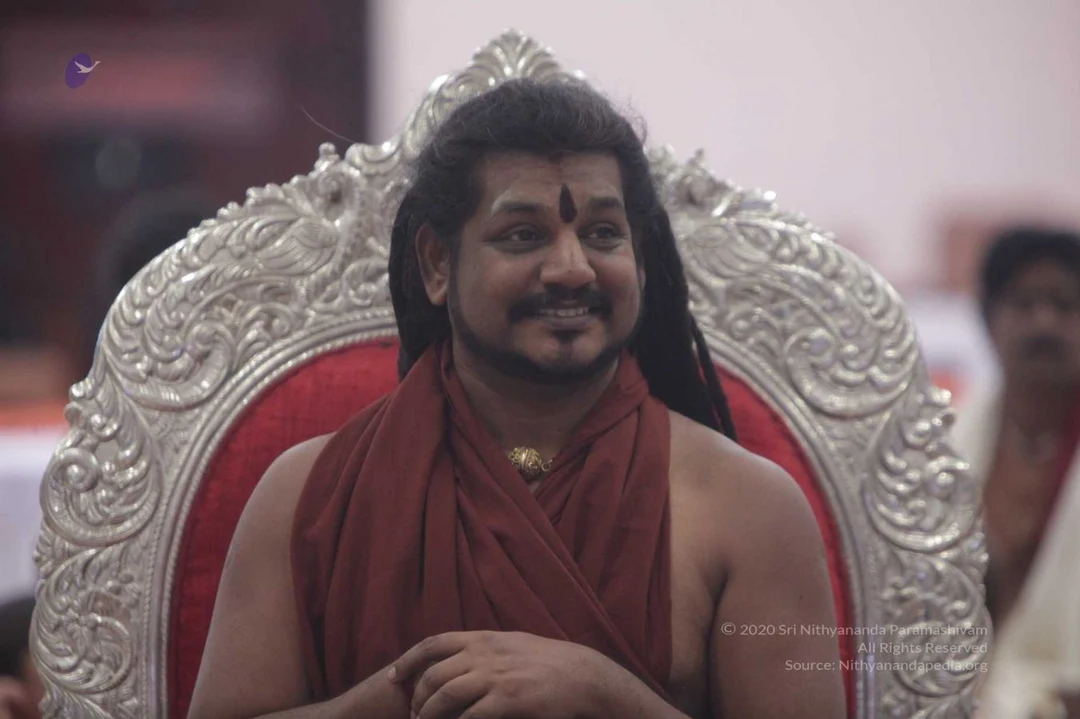 HDH Nithyananda Paramashivam during Mandala Process while initiating the delegates
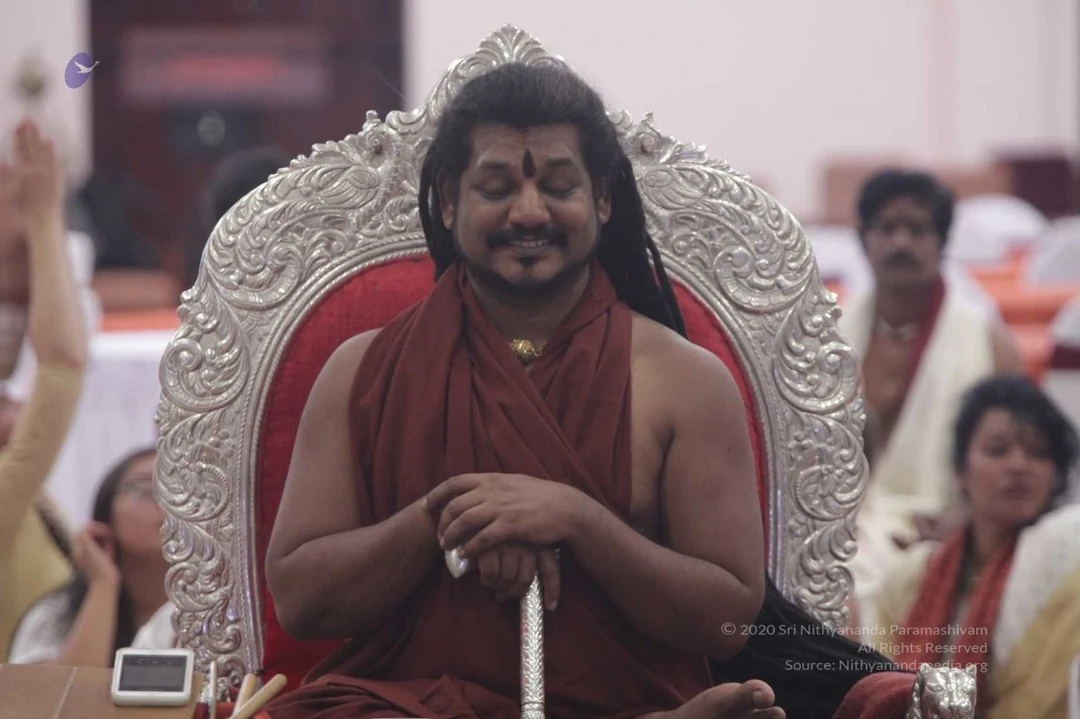 HDH Nithyananda Paramashivam during Mandala Process while Initiating the delegates
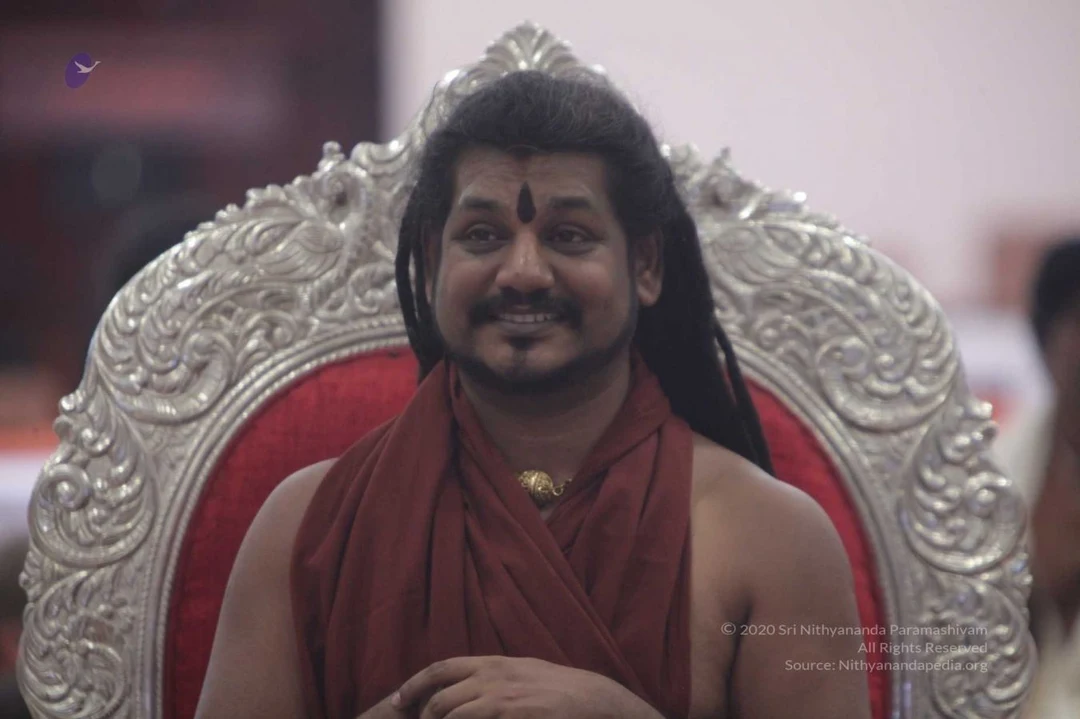 HDH Nithyananda Paramashivam during Mandala Process while Initiating the delegates
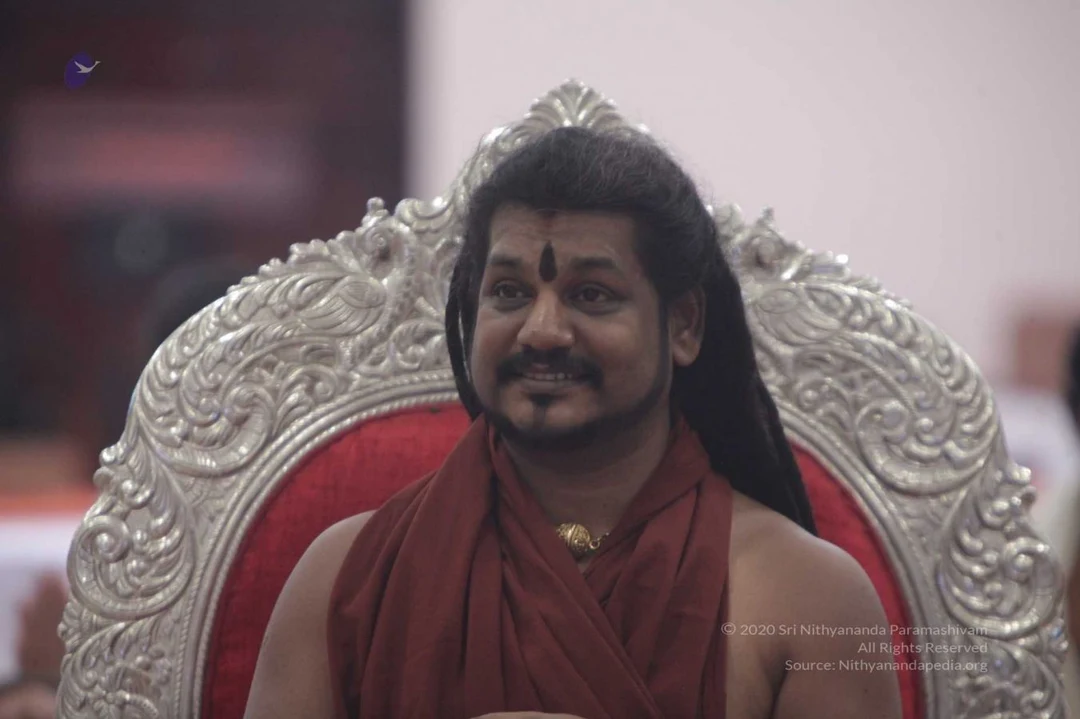 HDH Nithyananda Paramashivam during Mandala Process while Initiating the delegates
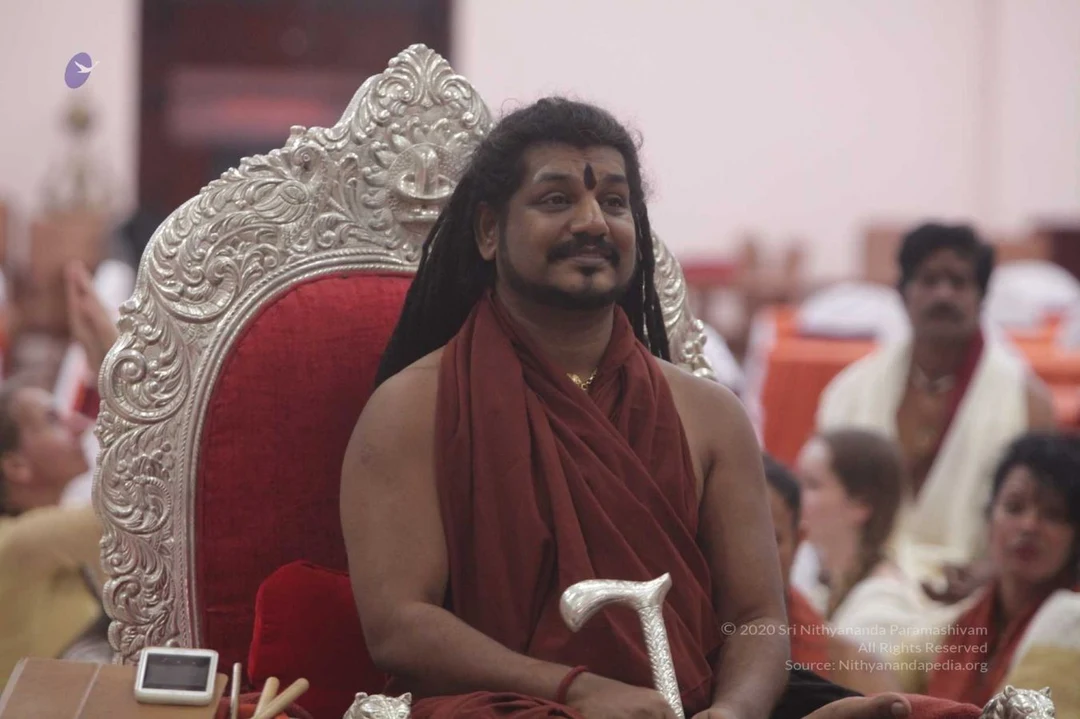 HDH Nithyananda Paramashivam during Mandala Process while Initiating the delegates
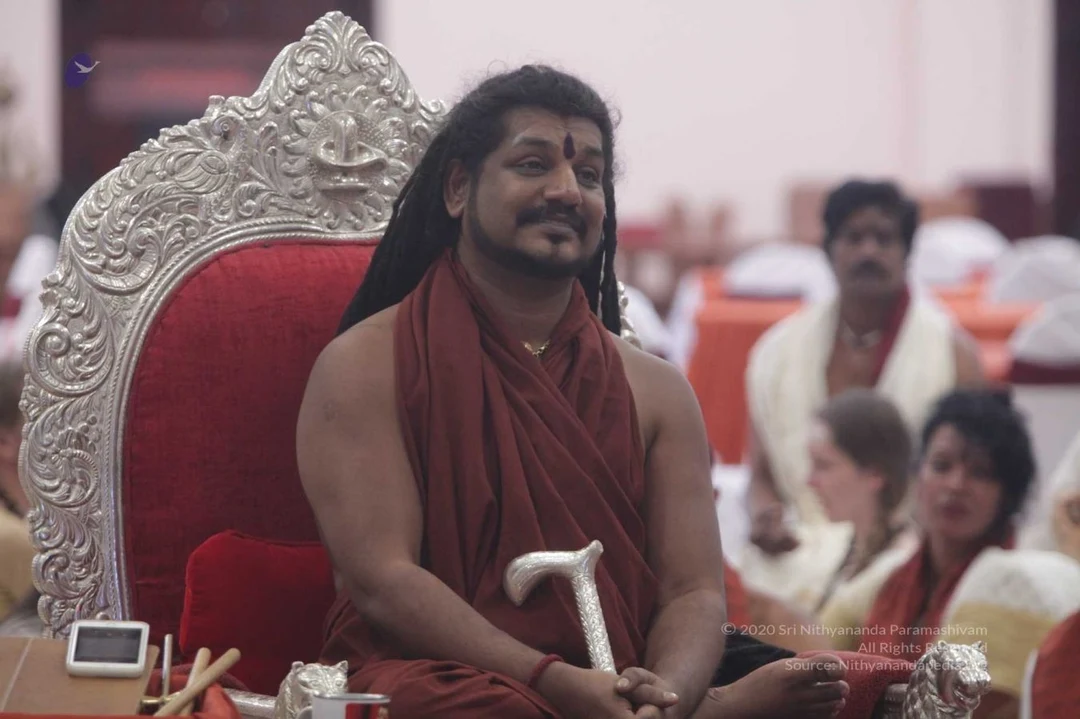 HDH Nithyananda Paramashivam during Mandala Process while Initiating the delegates
 HDH Nithyananda Paramashivam during Mandala Process while Initiating the delegates
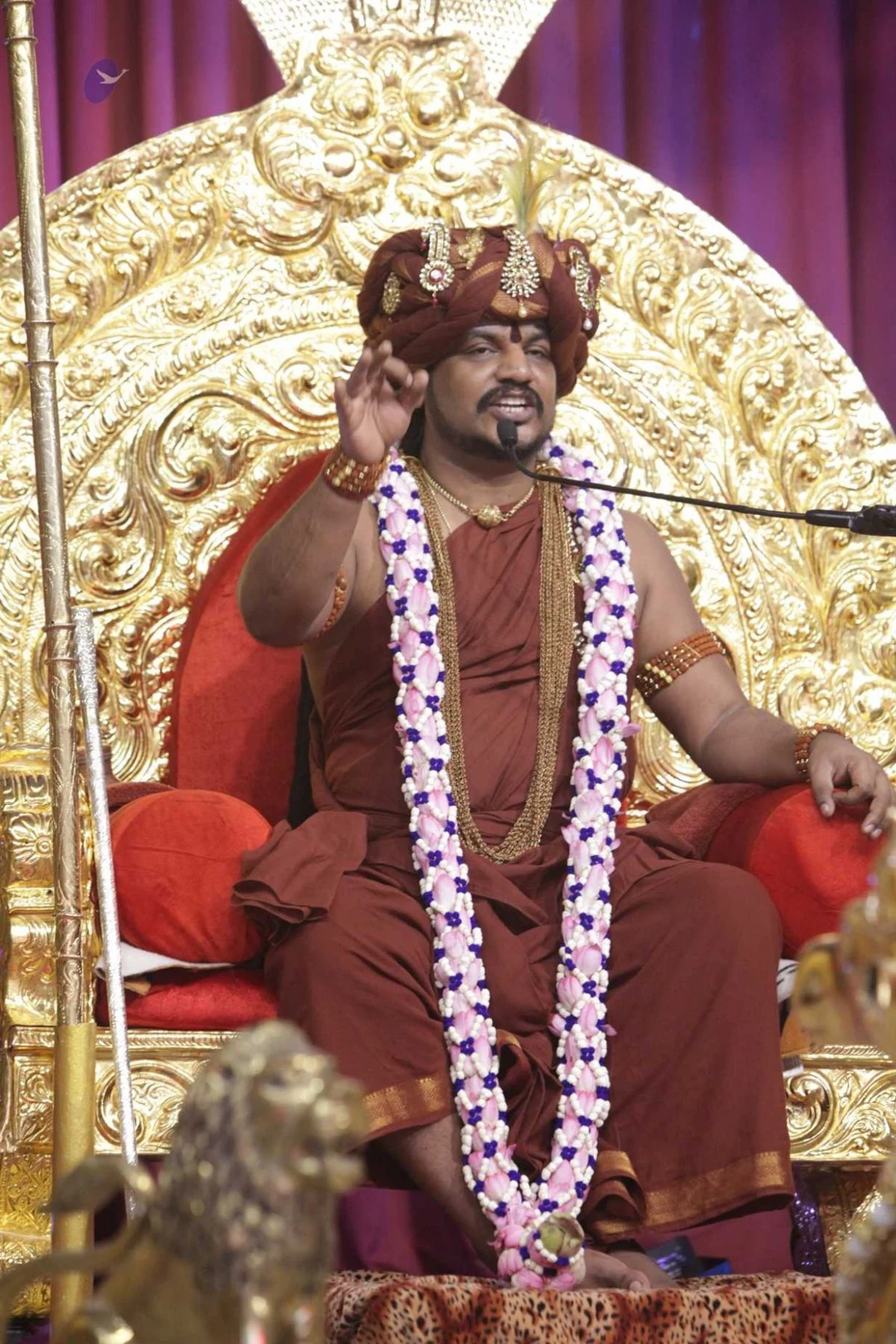

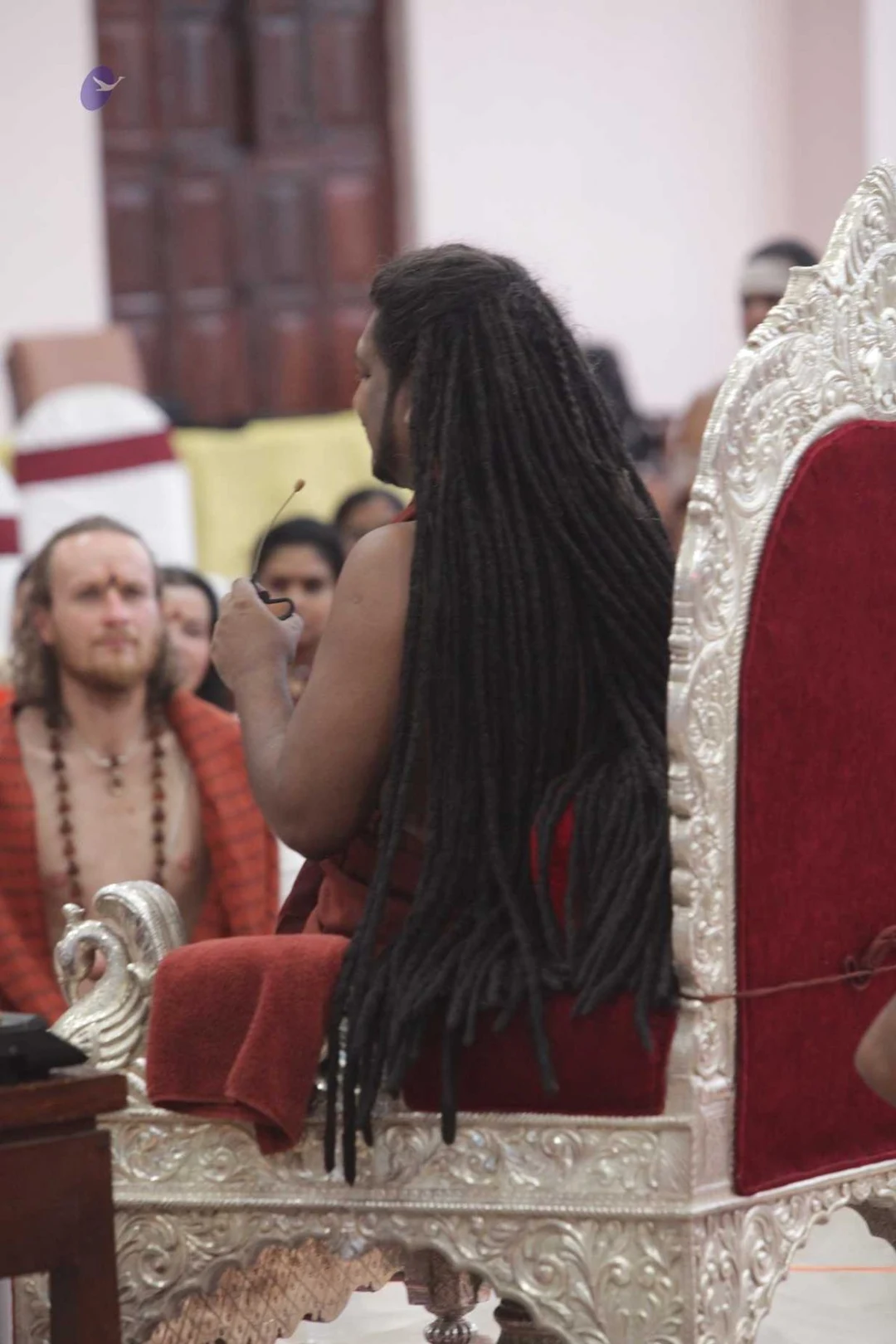
Photos Of The Day:
Nithya-satsang
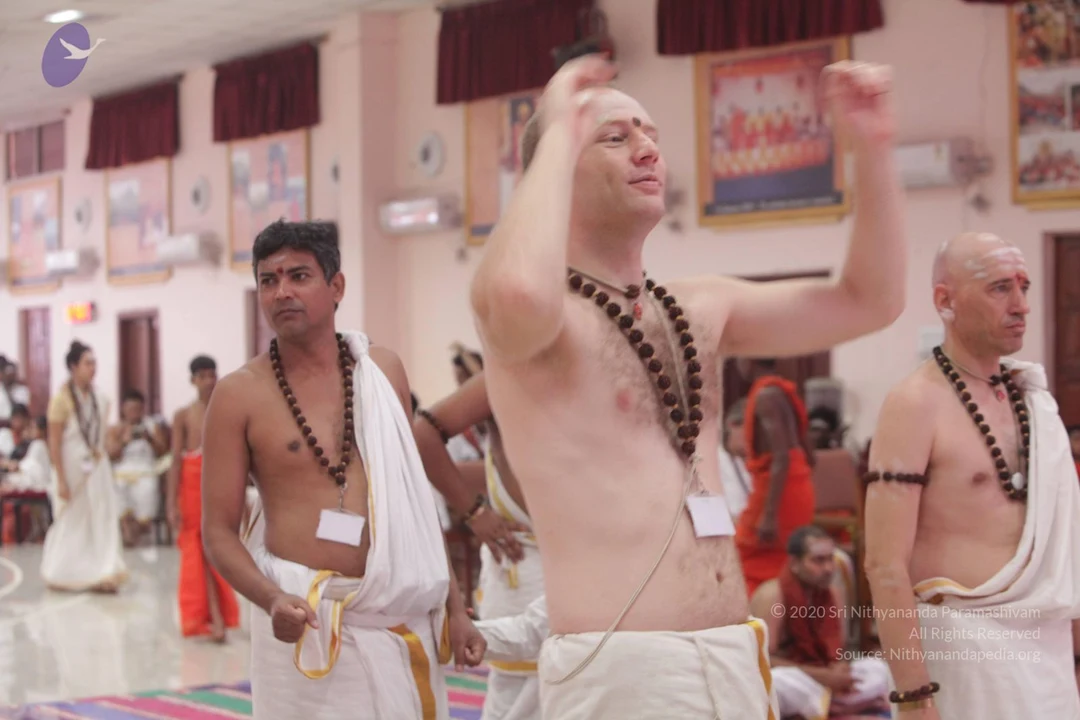
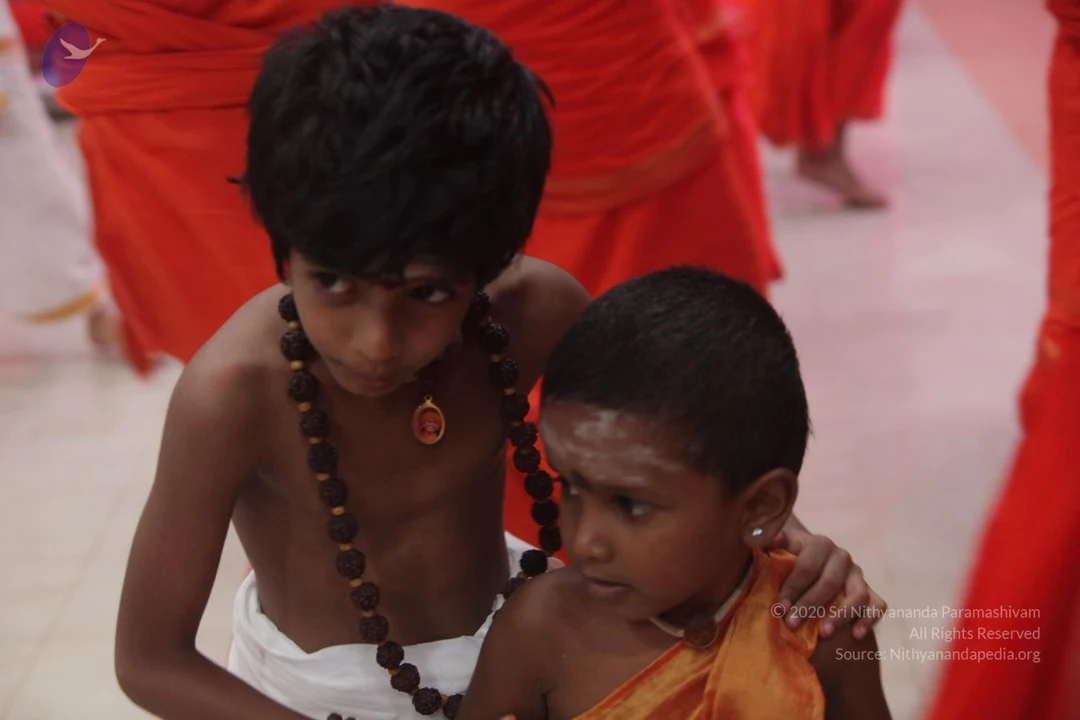
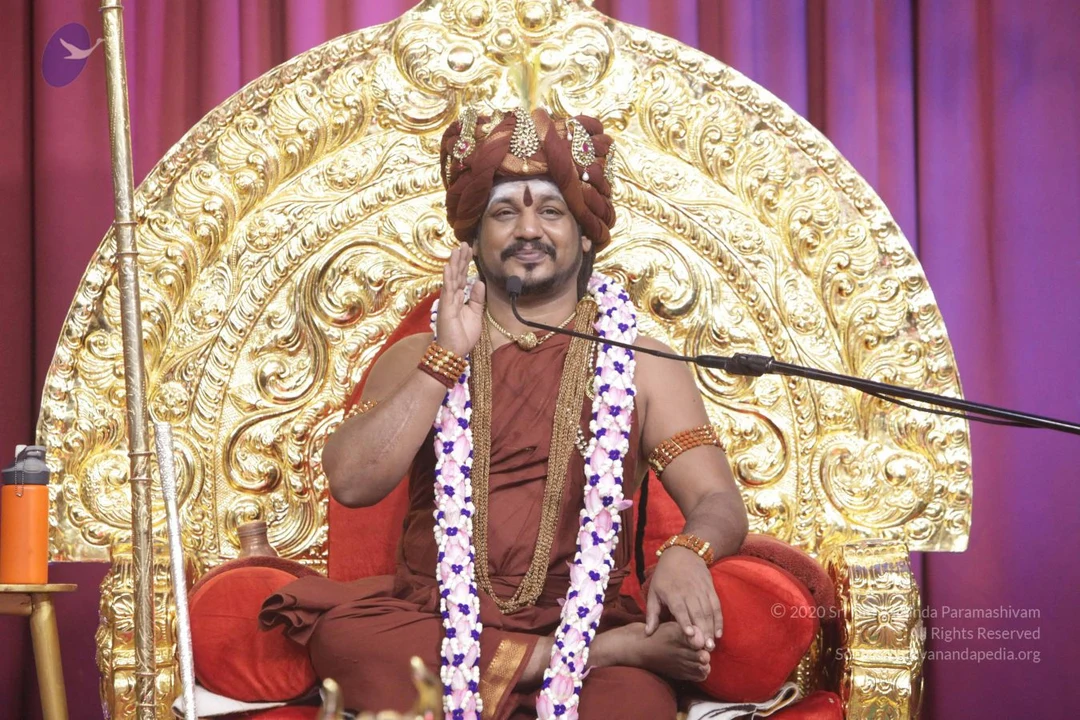

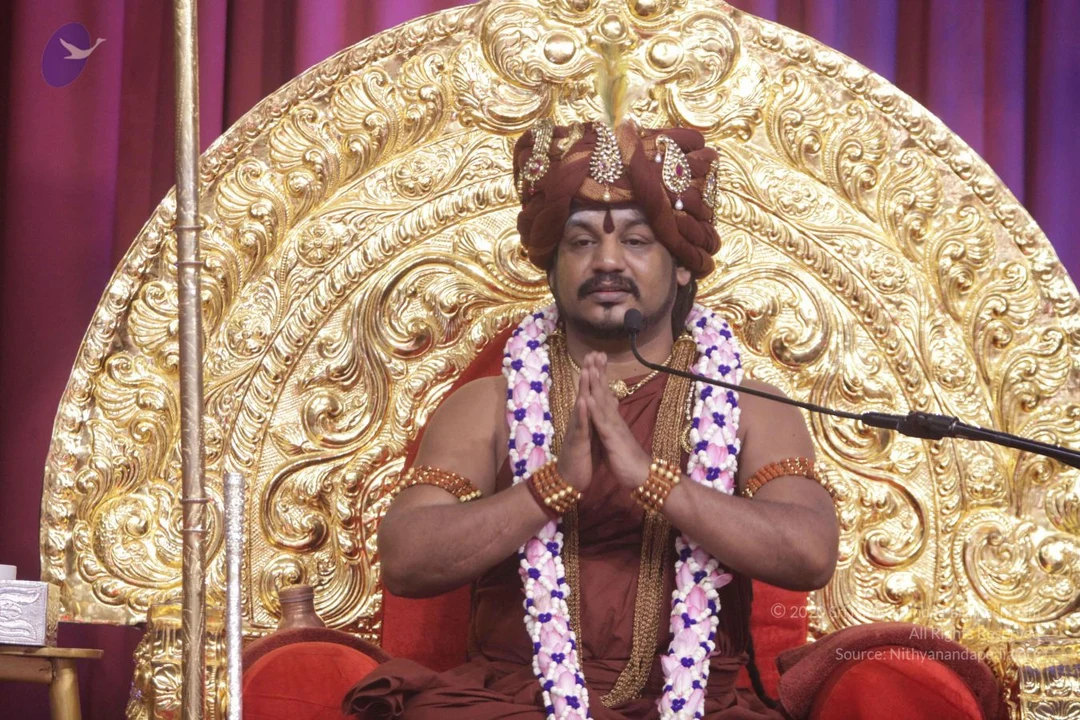
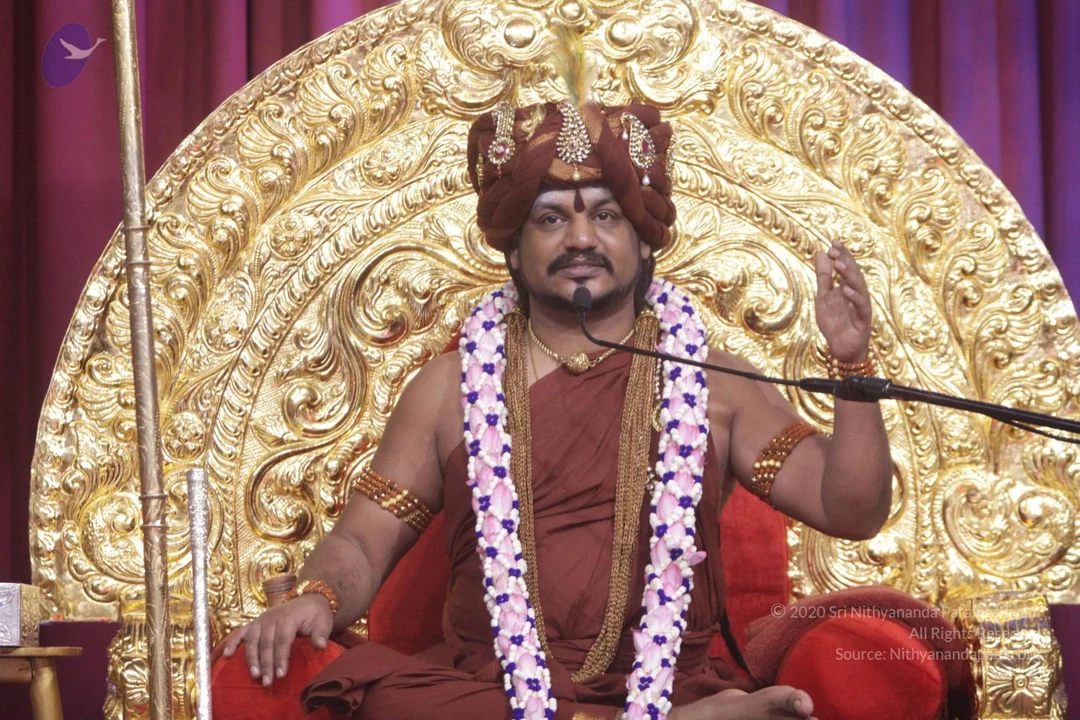
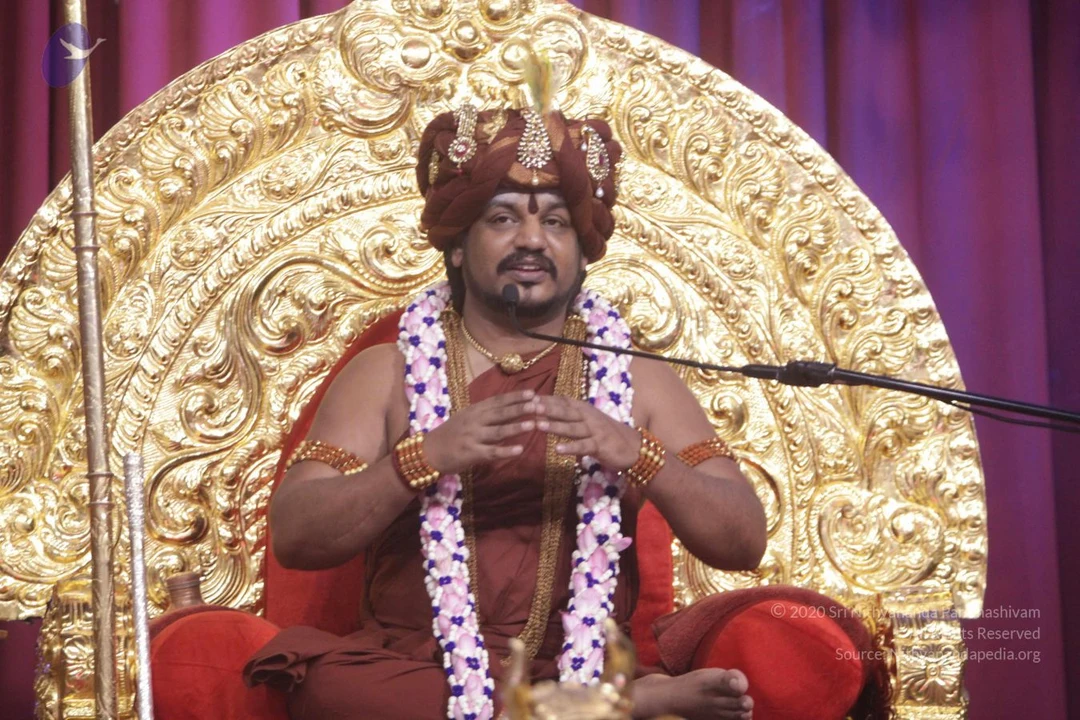
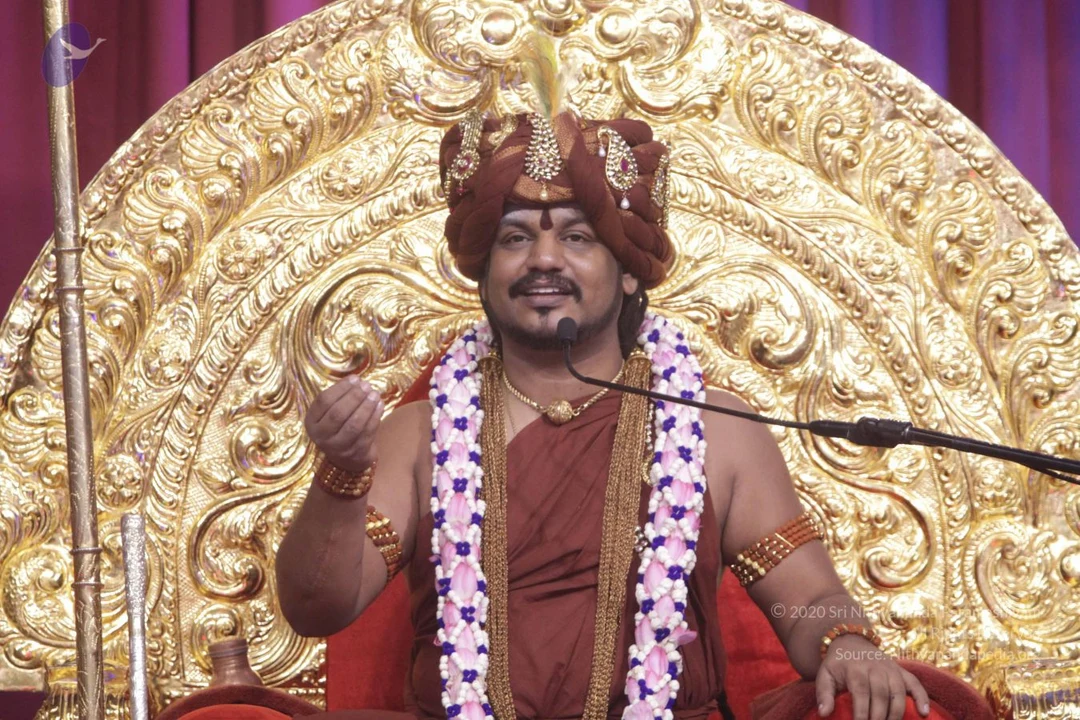

Mandala-process





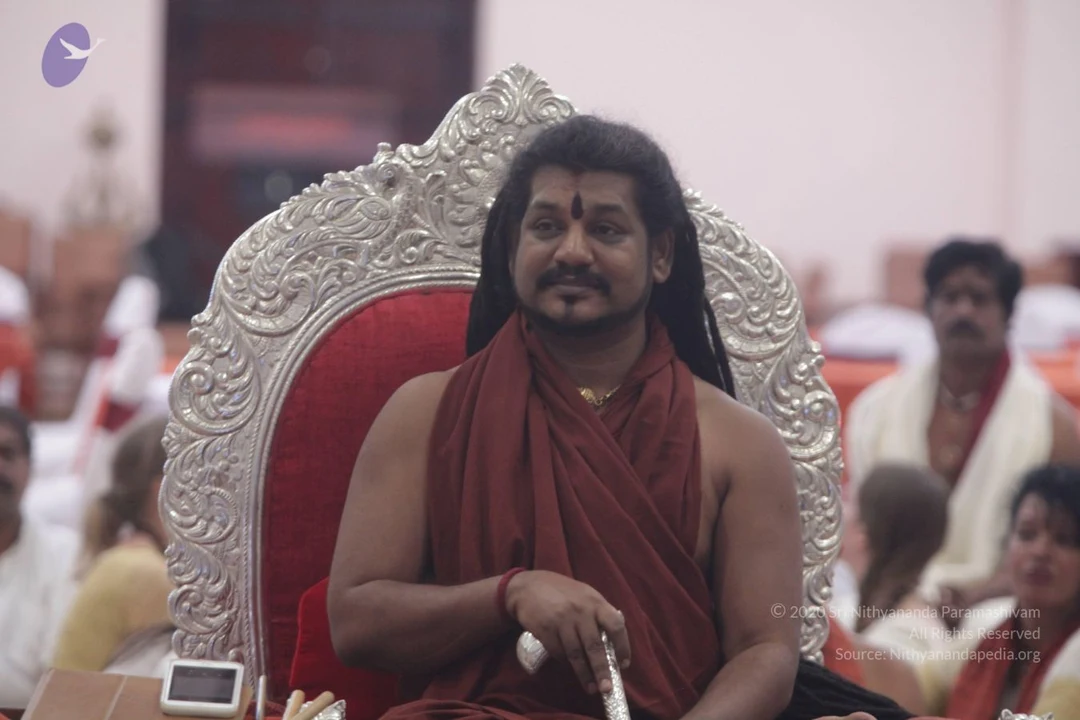
Photos Of The Day:
nithya-satsang
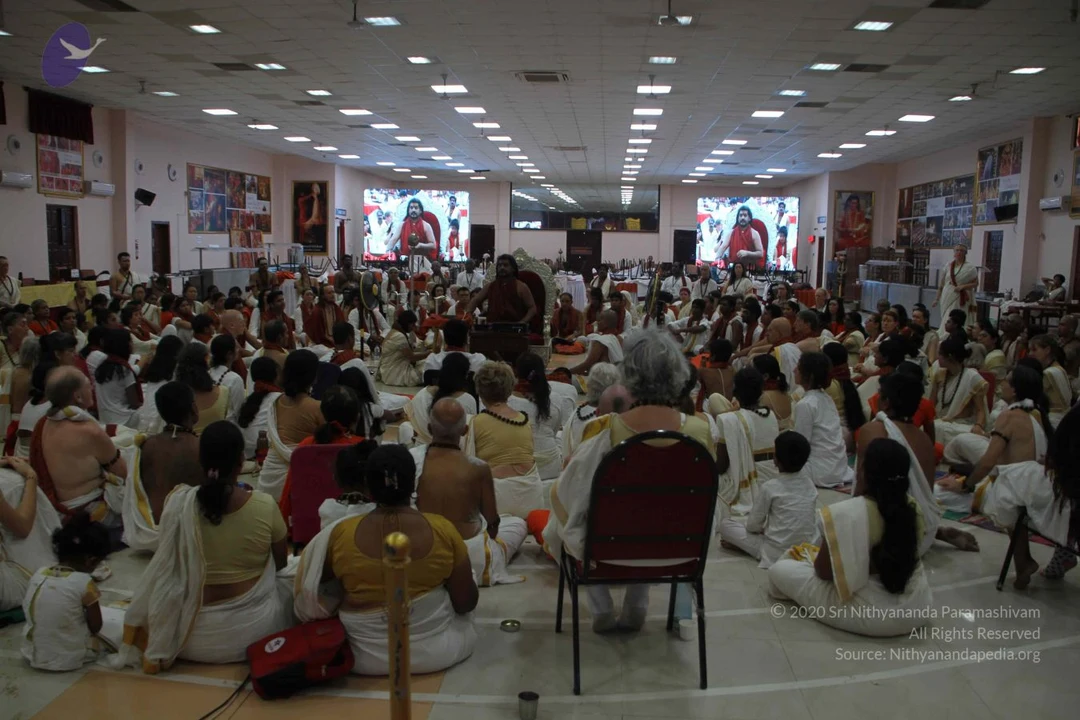
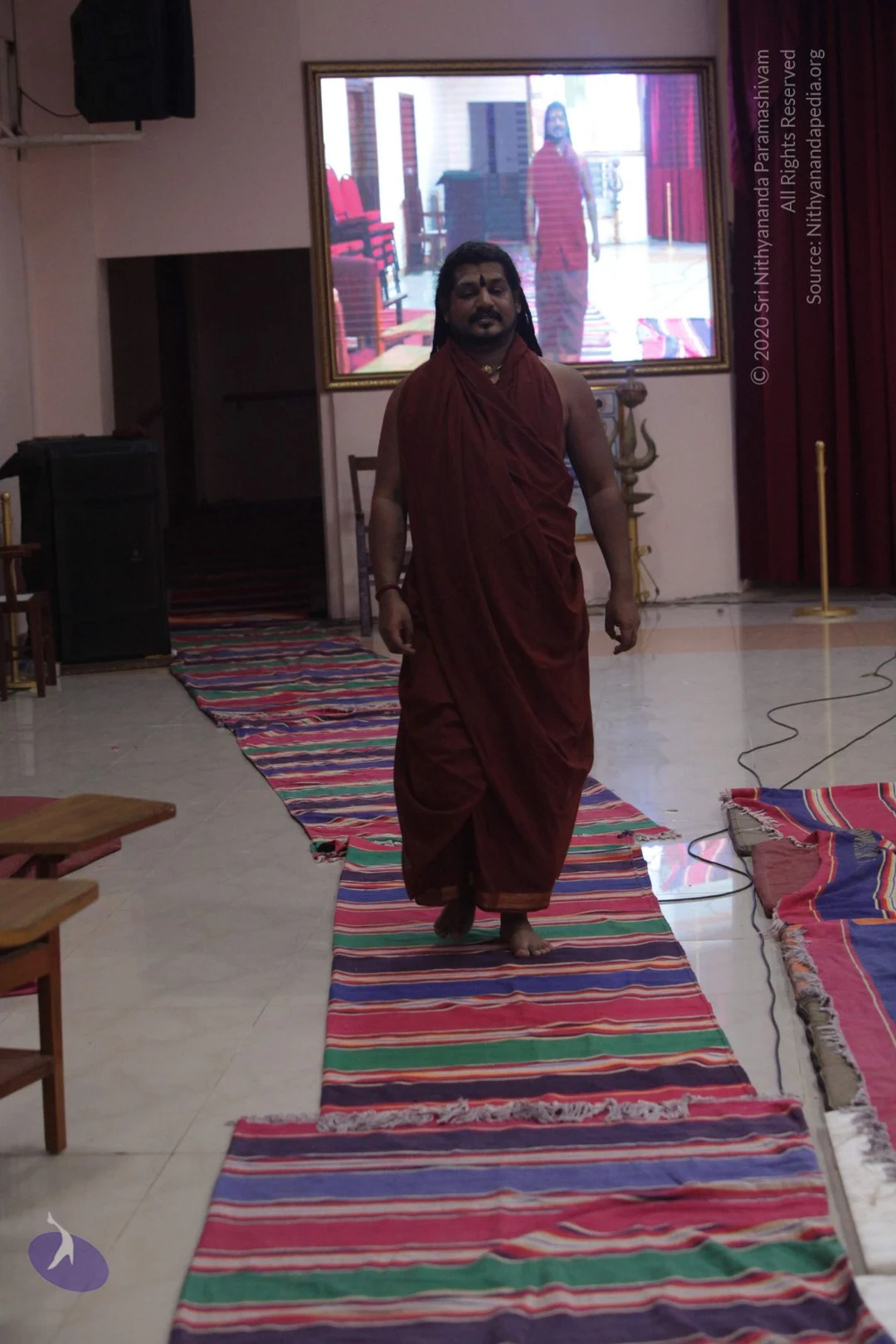
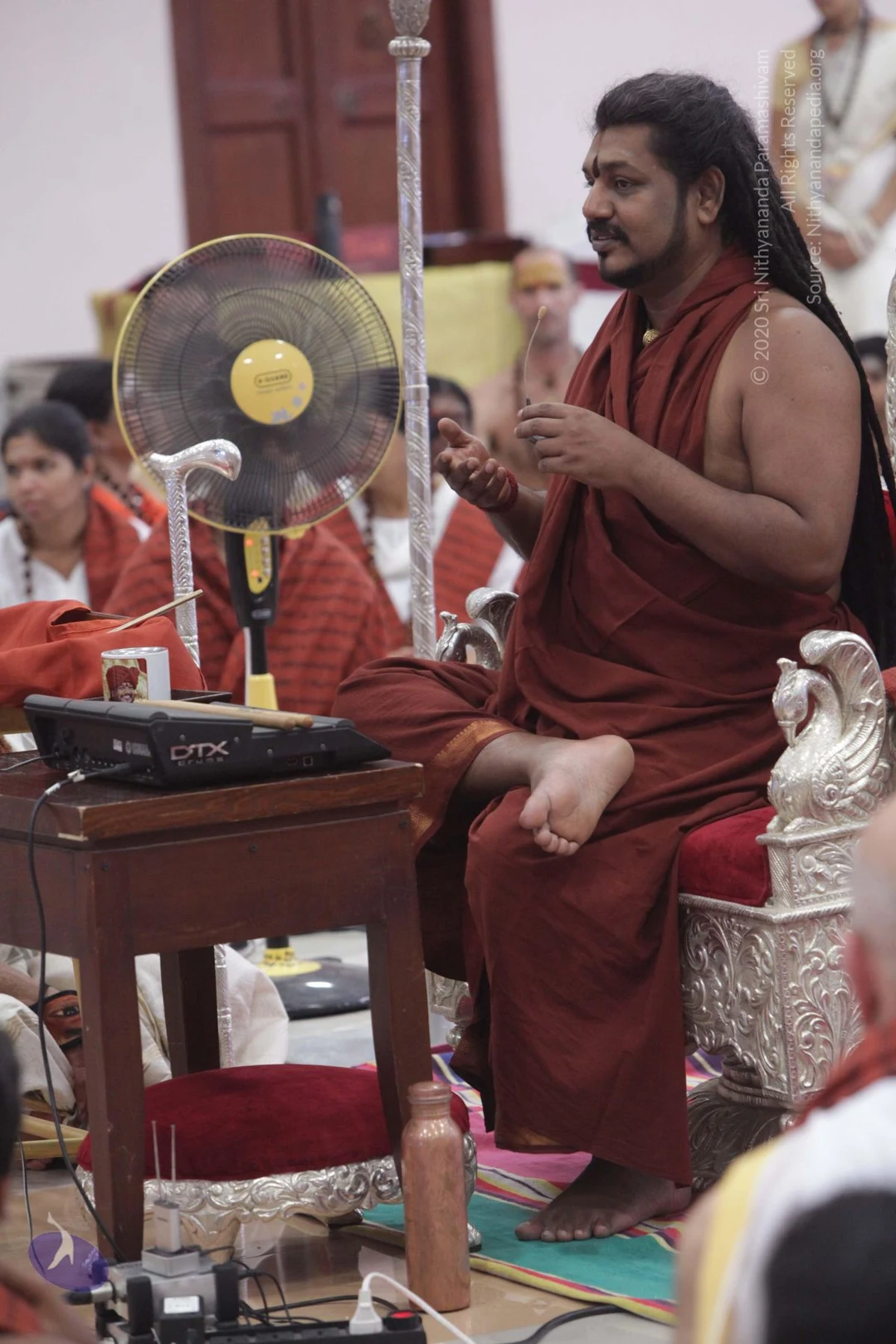
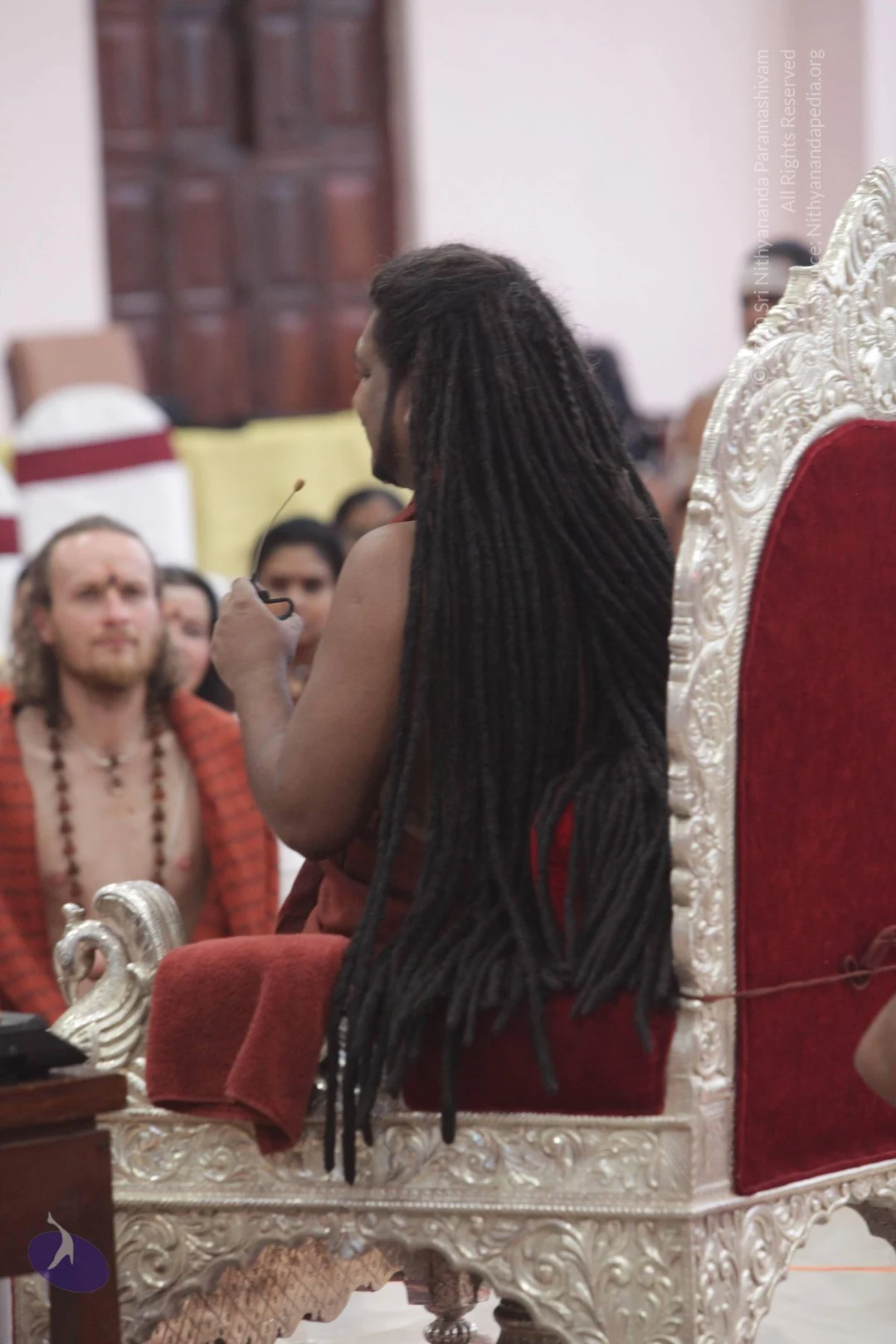
mandala-process
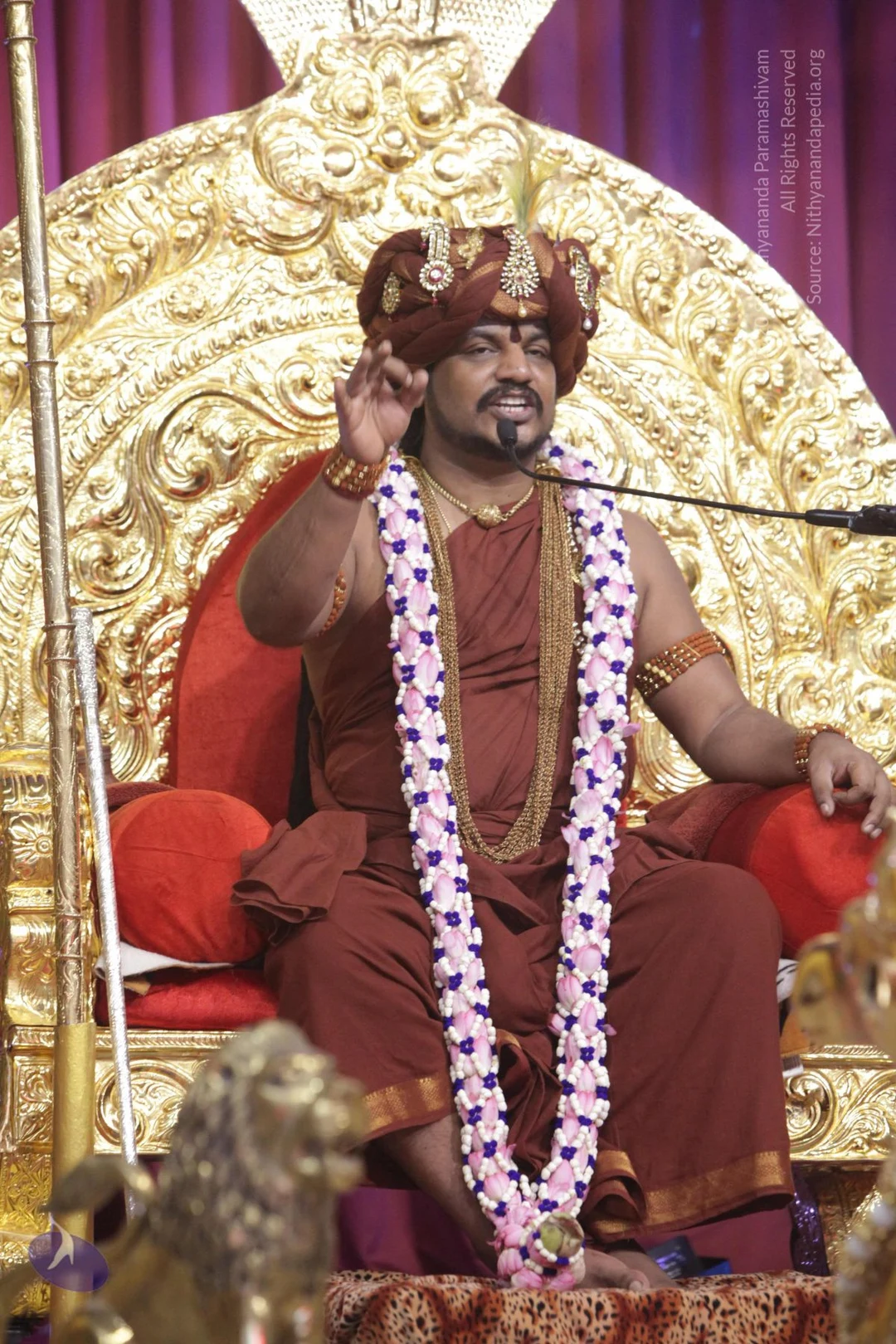
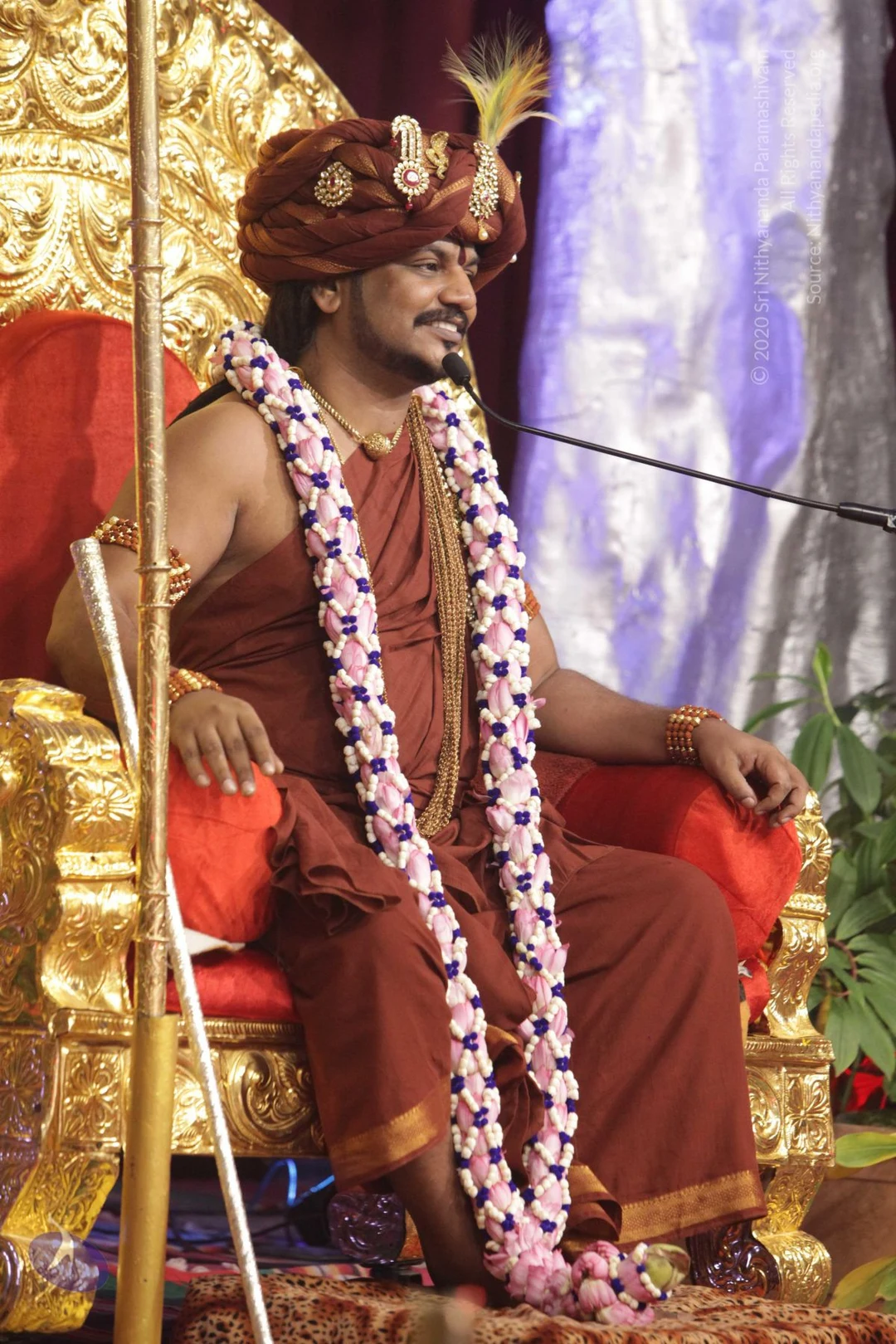
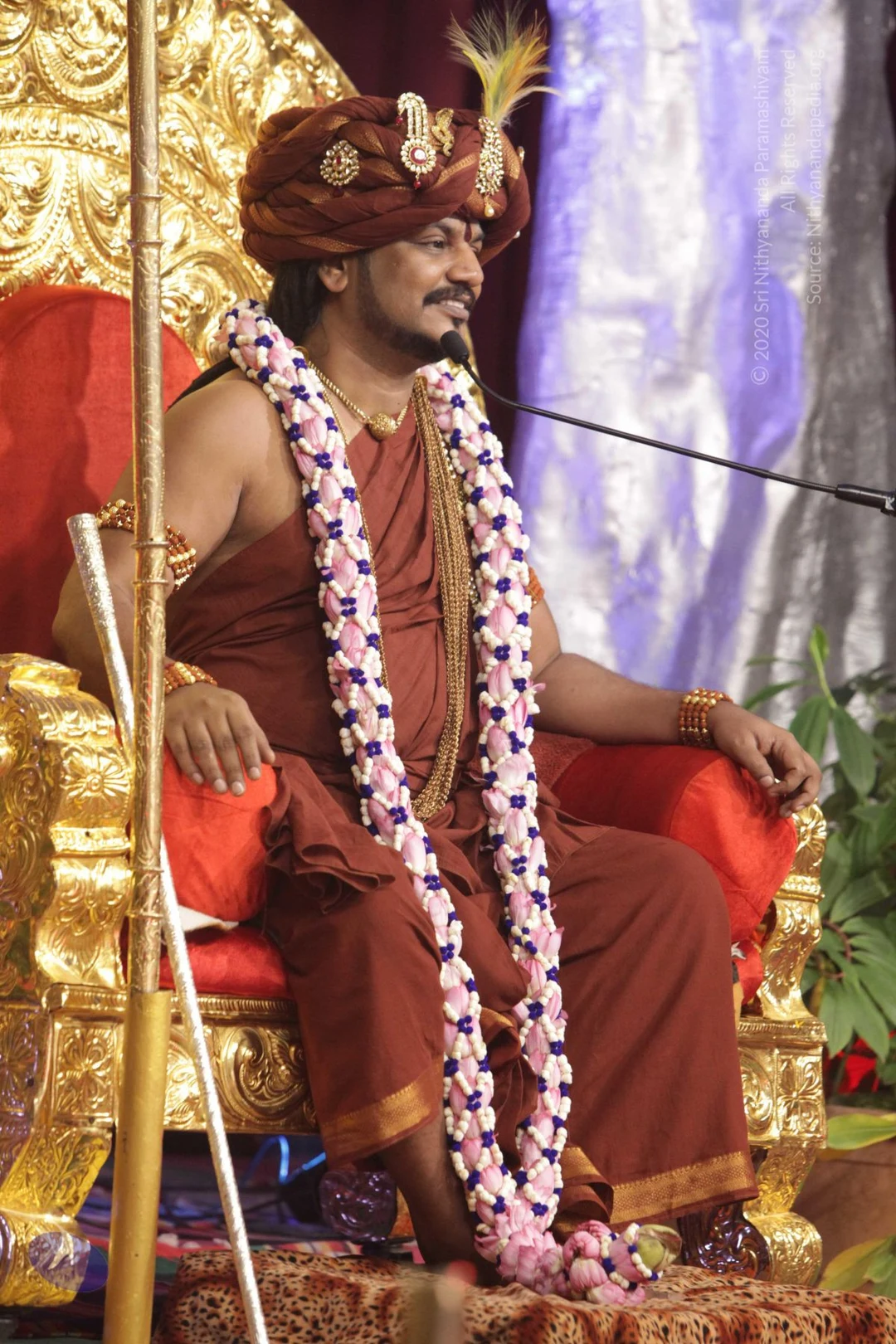
Photos from this day
View all 261 photosPhotos
146 photosSource gallery
Nithya-satsang
39 photosSource gallery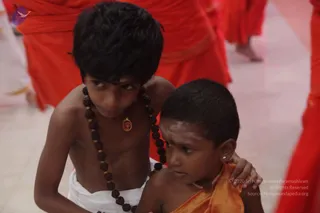

Mandala-process
72 photosSource gallery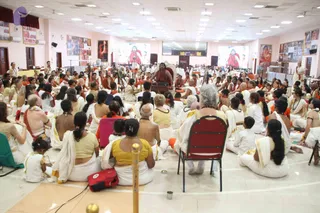
nithya-satsang
2 photosSource gallery
mandala-process
2 photosSource gallery