Sunday
21 May 2017
Life Beyond Limits - Q&A Session
- Dated photos
- 213
- Source pages
- 1
- Media
- 9
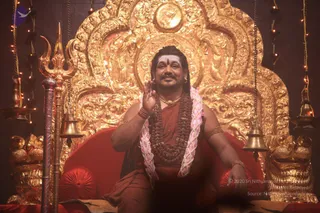
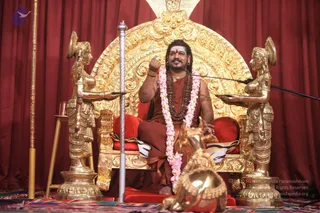
May 21 2017
Original wiki pageTitle
Life Beyond Limits - Q&A Session
Link to Video
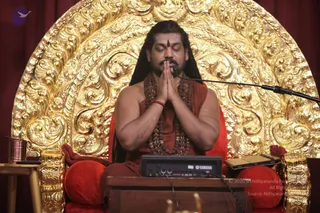
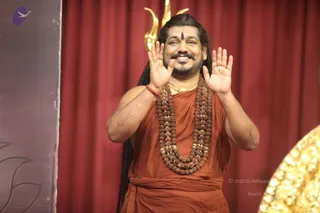
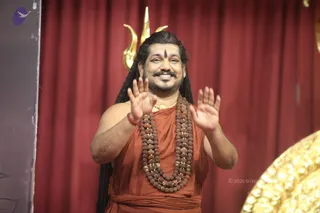
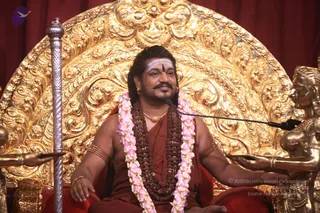
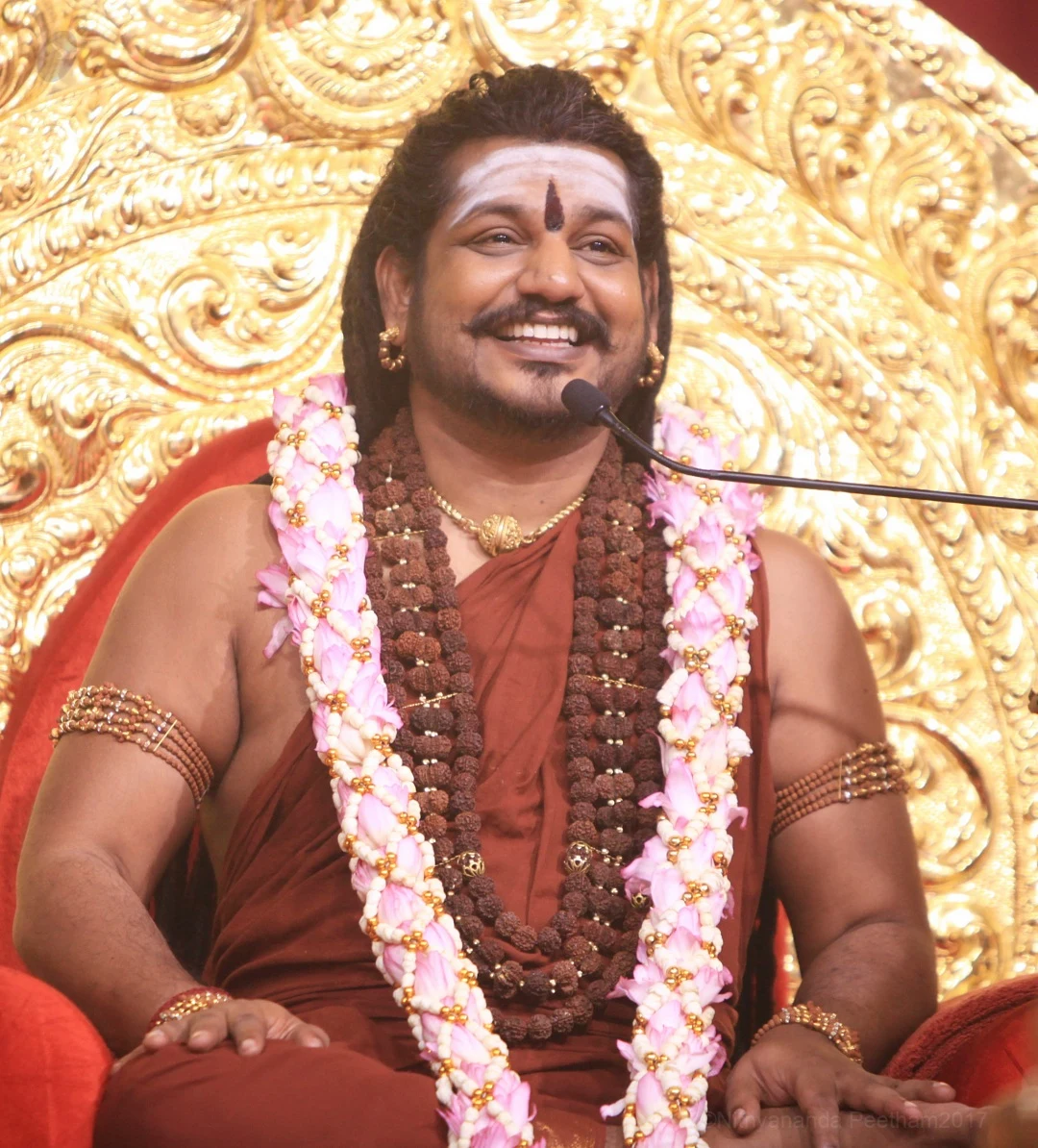
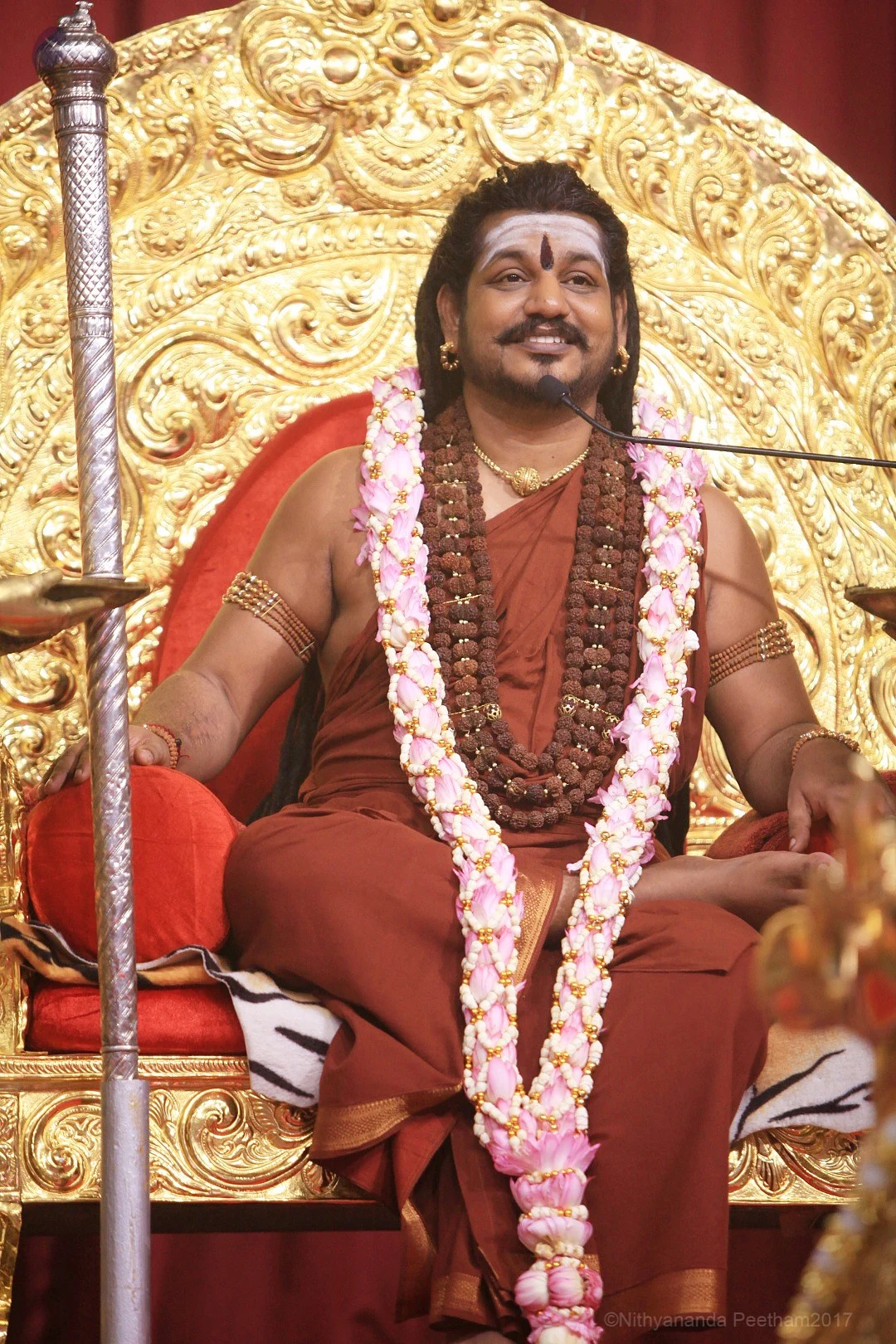
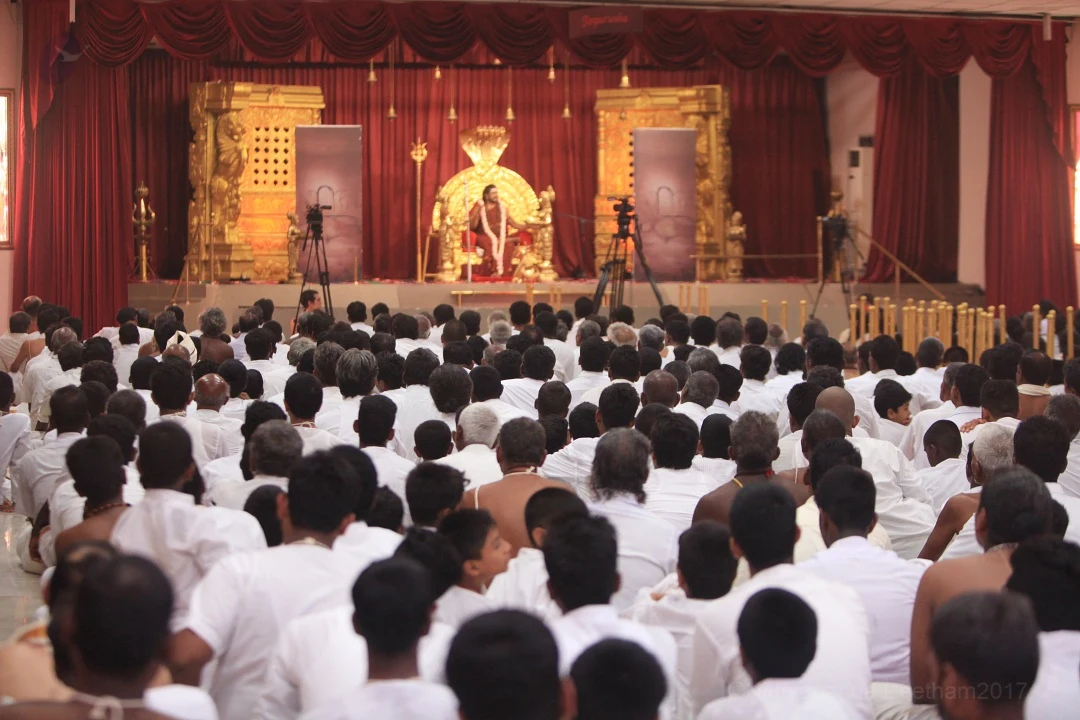
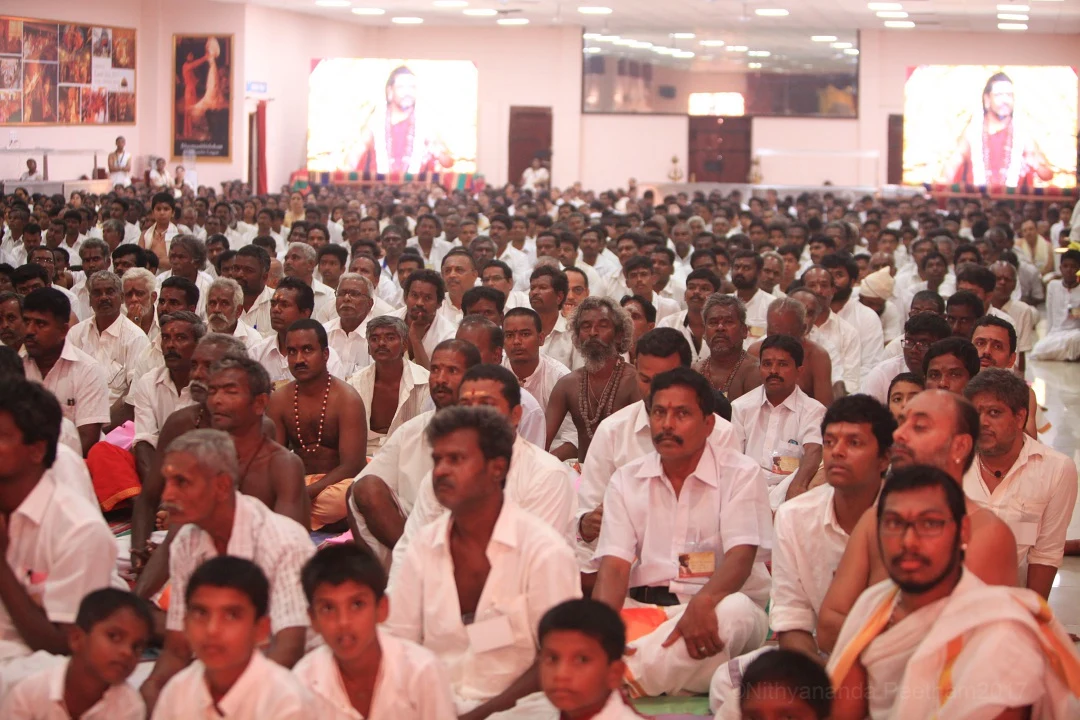
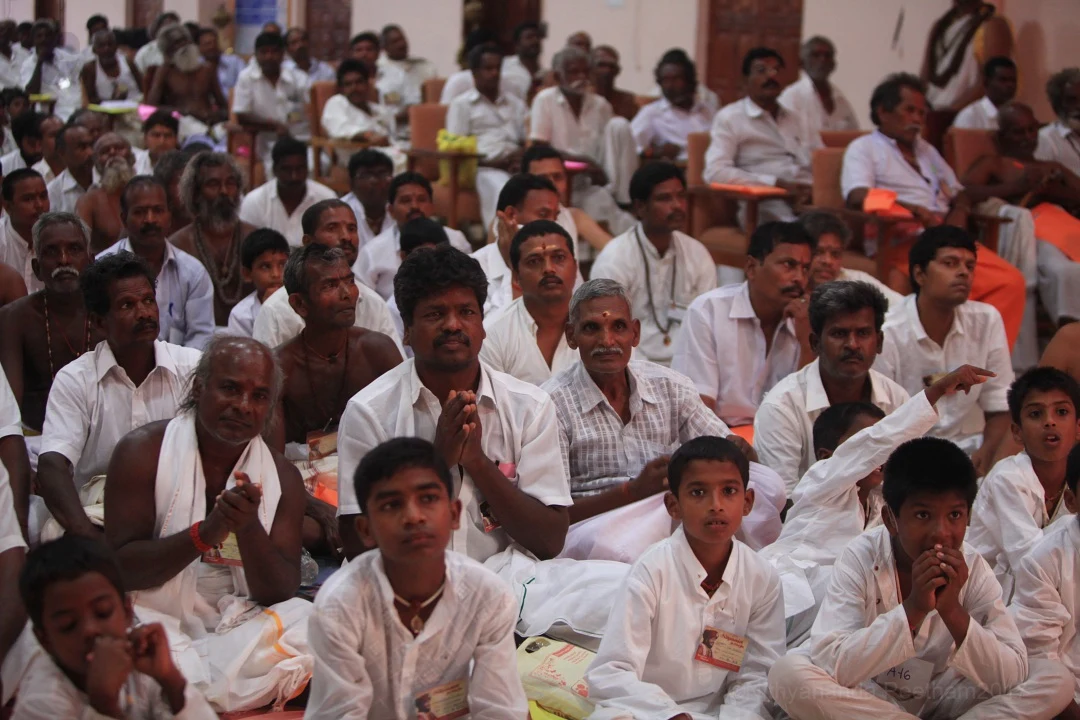
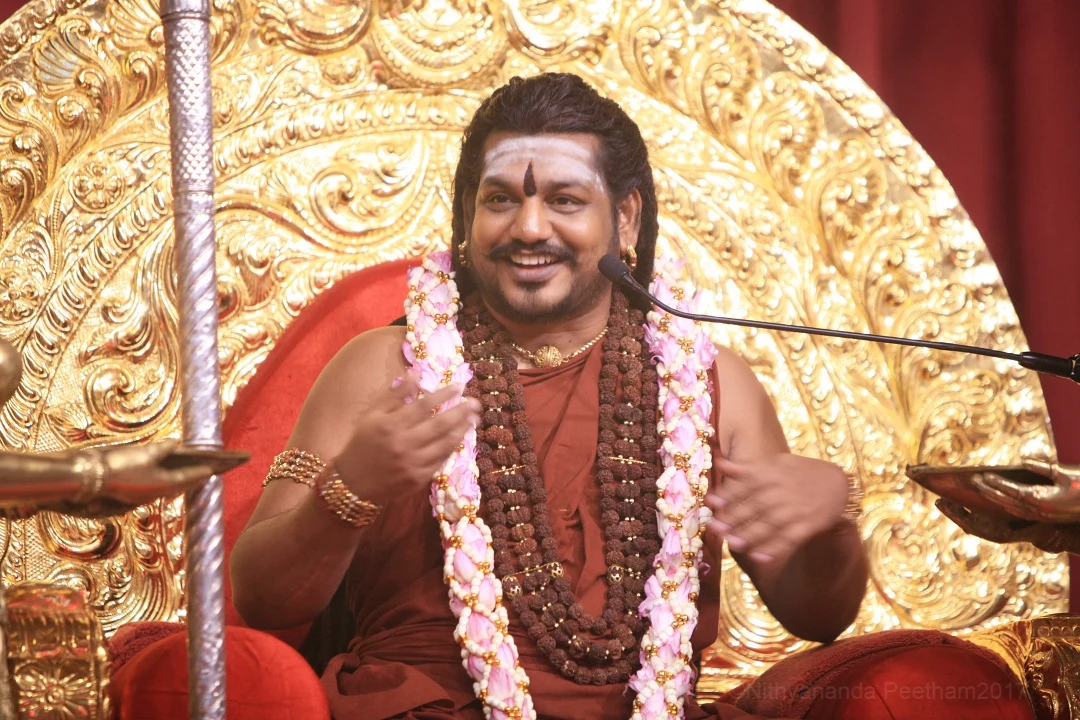
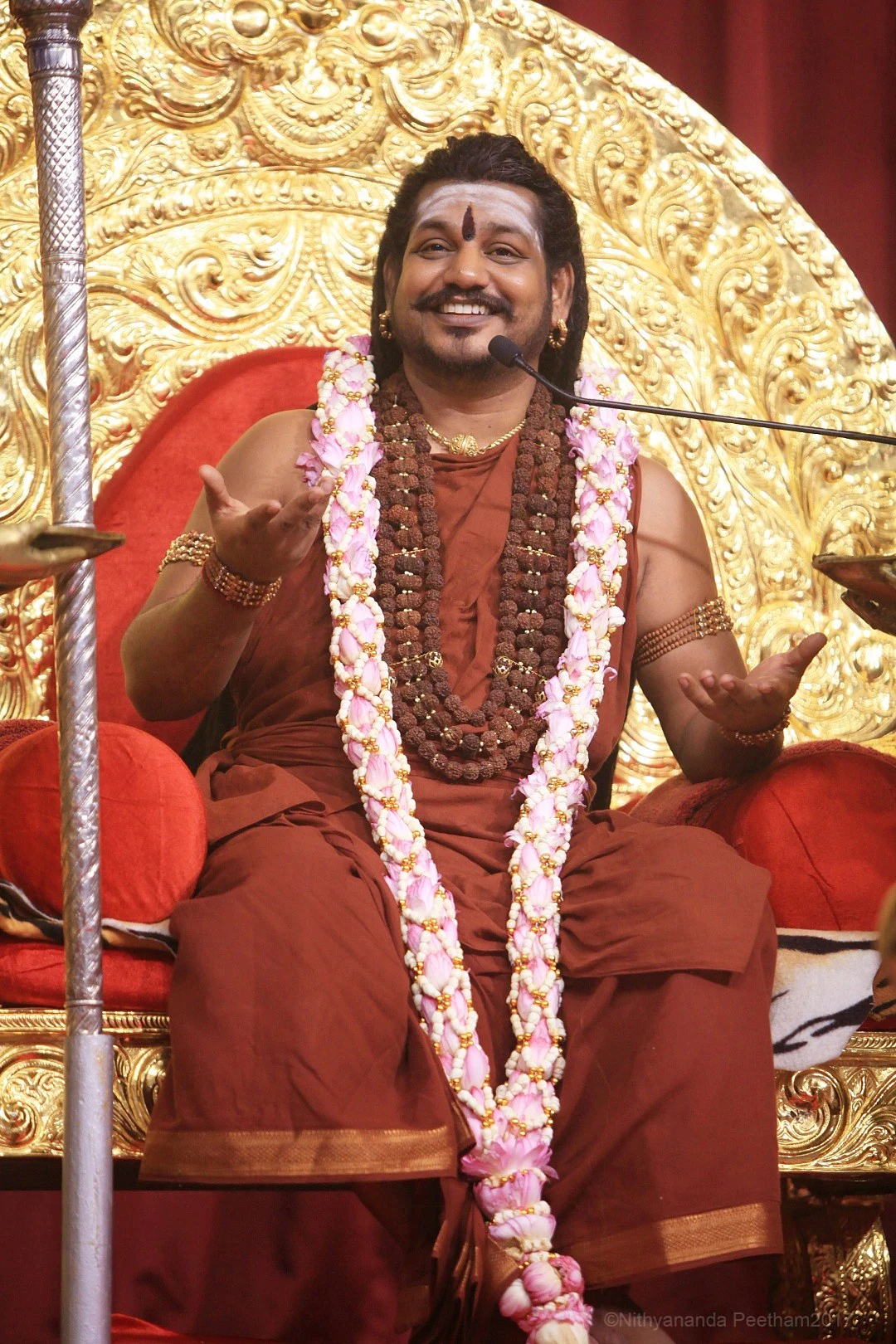
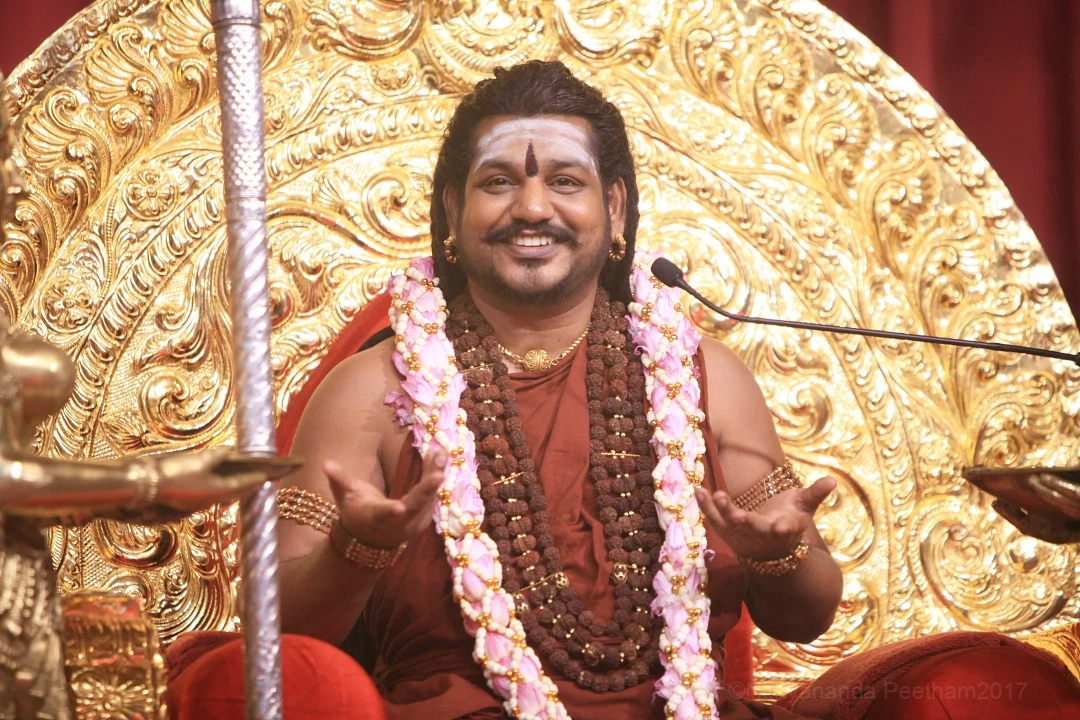
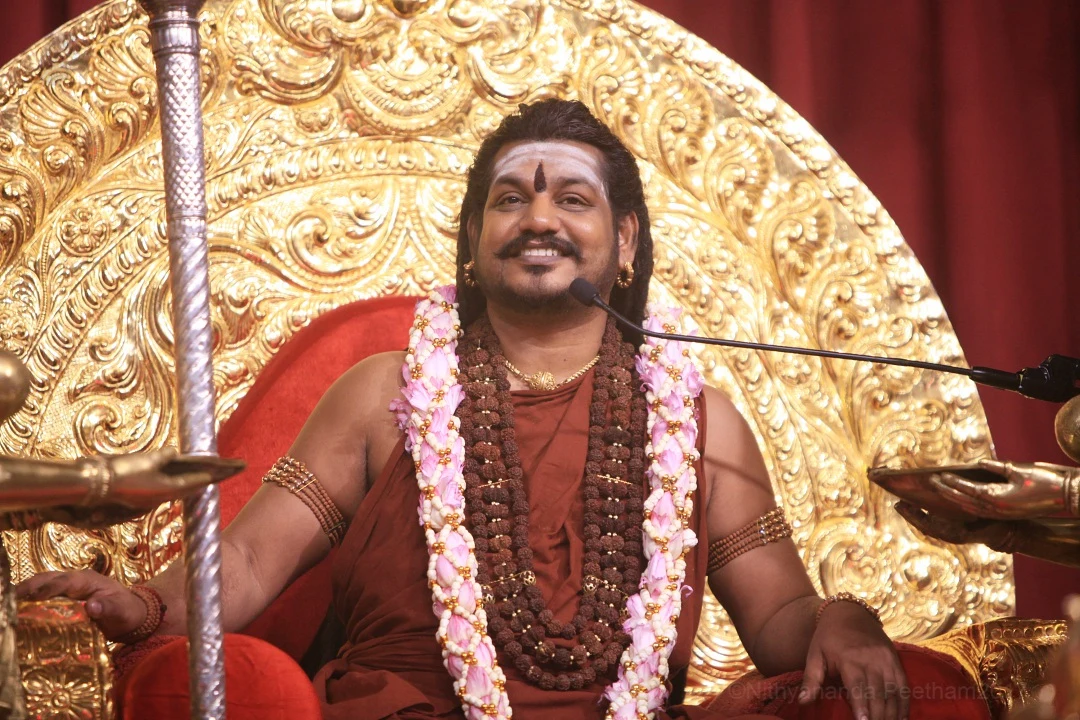
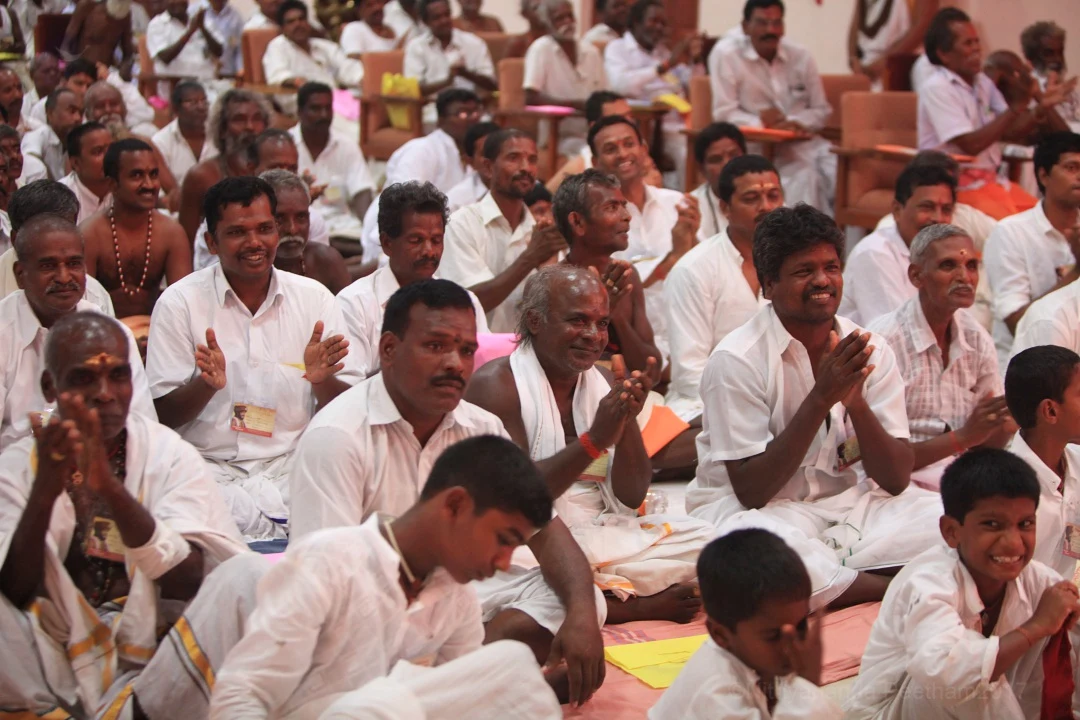
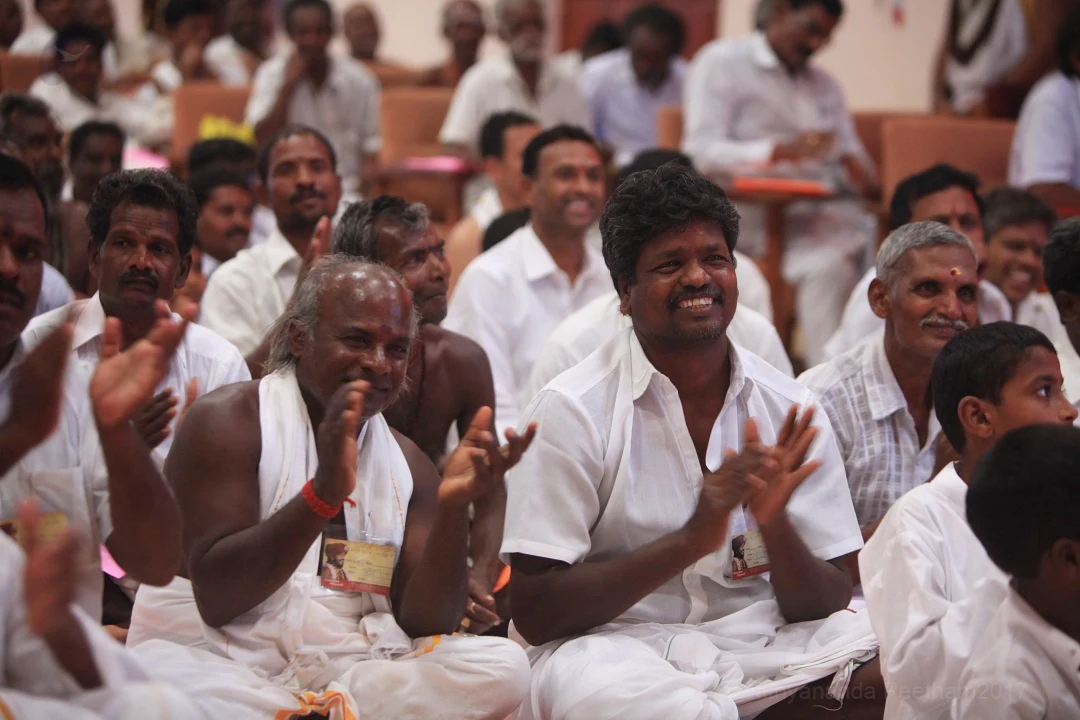
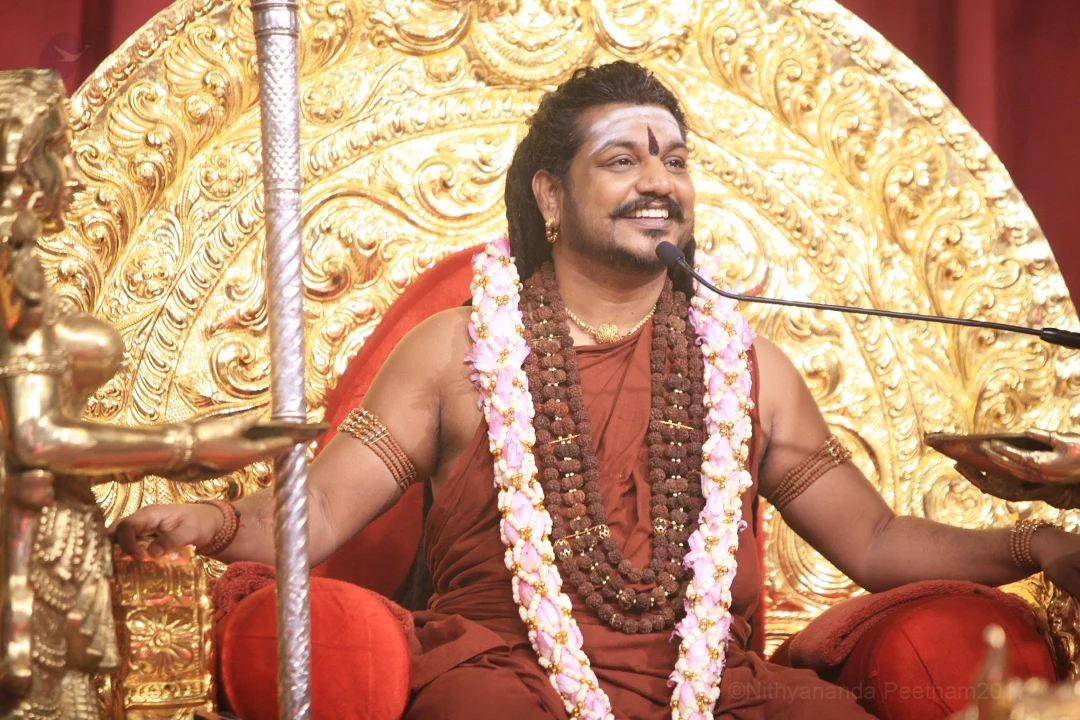
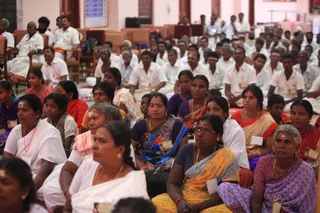
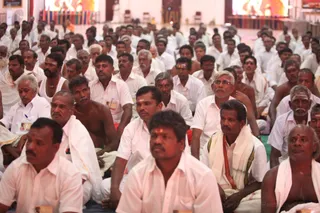
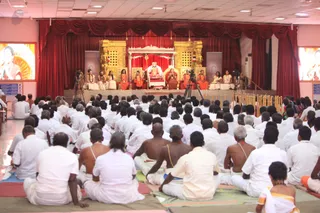
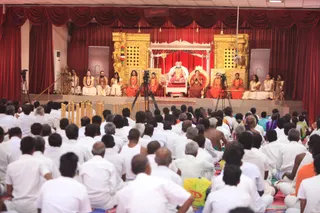
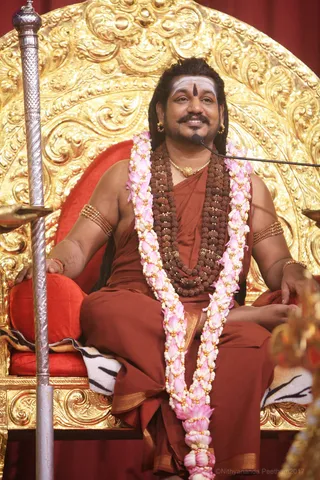
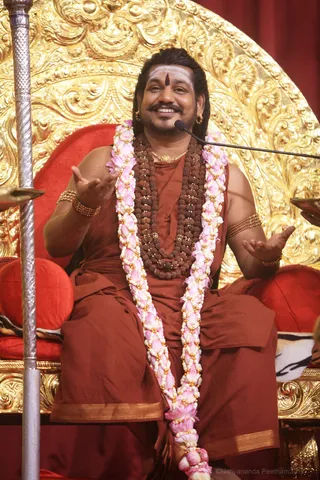
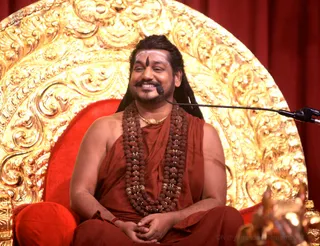
This video is from a 2-Day Workshop called Life Beyond Limits led by Paramahamsa Nithyananda, held on May 20-21, 2017.
| Video | Audio |
Title
சனாதன இந்து தர்மத்தின் அறிவியல்
Link to Video
நித்யானந்த பீடம் பிடதியில் 21மே 2017, பரமஹம்சர் திருவாய்மொழிந்தருளிய வகுப்பில் இருந்து எடுக்கப்பட்ட சத்சங்கம்
| Video | Audio |
Transcript in Tamil
நித்யானந்தம் - 10நாள் வகுப்பின் - முதல் வகுப்பு சனாதன இந்து தர்மத்தின் அறிவியல் ஹிந்து தர்மம். சனாதன ஹிந்து தர்மம் அடிப்படையாக ஆன்மாவை, உயிரை அடுத்த நிலைக்கு கொண்டு செல்லுகின்ற அறிவியல். நாம வெறுமனே இத்தனை தரம் விழுந்தெழு. இத்தனை தரம் குளி, நீ இத்தனை கல்யாணம் பண்ணிக்கலாம், பண்ணிக்கக் கூடாது அப்படிங்கற விதிகளின் தொகுப்பு கிடையாது. சனாதன ஹிந்து தர்மம் உயிரை அடுத்த நிலைக்குக் கொண்டு செல்லுகின்ற அறிவியல். யுத மதங்களையோ, பார்ஸியையோ பார்த்தீங்கன்னா அவங்க எல்லாருமே, உடம்பால என்ன செய்யணும், சமூகத்தில நீ எப்படி நடந்துக்கணும், யாருக்குக் கடன் கொடுக்கலாம், கொடுக்க வேண்டாம். எத்தனை கல்யாணம் பண்ணிக்கலாம், பண்ணிக்க வேண்டாம், எந்த மாதிரி சாப்பிடலாம் சாப்பிட வேண்டாம், ஒரு விதிகள் செய், செய்யாதே என்கின்ற விதிகளின் தொகுப்பு தான் அவங்கெல்லாம். சனாதன ஹிந்து தர்மத்துக்கே உரிய உயிர் நாடி, தனித்தன்மை, வேறு எந்த மதத்திலும் இல்லாத தனித்தன்மை நம்முடைய உயிரை அடுத்த நிலைக்குக் கொண்டு செல்லக்கூடிய அறிவியல். ஆன்மீக அறிவியல். நம்முடைய ஆன்மாவை அடுத்த நிலைக்குக் கொண்டுசென்று மலரவைக்கக்கூடிய மிகப்பொிய அறிவியல் சனாதன ஹிந்து தர்மம். ஒரு செல் உயிரிலிருந்து மீன் வரை வளர்ந்து மீனிலிருந்து குரங்கு வரை வளர்ந்து, மணிவாசகப்பெருமான் ரொம்ப அழகா சொல்வார், திருவாசகத்தில, புல்லாகி, புடாய், புழவாய், மரமாய், பல்விருகமாகிப் பறவையாய், பாம்பாகி, கல்லாய், மனிதராய், பேயாய், கணங்களாய். உண்மையிலே அவர் எந்த மாதிரி எல்லாம் பிறவிகளெடுத்தாரோ அதை அப்படியே வர்ணிக்கிறார். கல்லாய், மனிதராய், பேயாய், கணங்களாய், வல்லசுரராய், முனிவராய், தேவராய் கணங்களாய் எல்லாப் பிறப்பும் பிறந்திளைத்தேன் எம்பெருமான். தினந்தோறும் கீரைச்சோறே சாப்பிட்டா போரடிக்கும். ஆனா போரடிச்சப் பிறகு தான் கீரைச்சோறை விடுவோம். தினந்தோறும் காஃபியே குடிச்சா போரடிக்கும். ஆனா போரடிச்ச பிறகு தான் காஃபிய விடுவோம். உலகின் எல்லா அனுபவங்களையும் அனுபவிச்சு முடிச்ச பிறகு தான் விடுவோம். அதுதான் உயிரின் ஸ்வபாவம். உயிரின் குணம் உயிரின் தன்மை. உயிரின் இயற்கை. ஒரு செல் உயிரியான அமீபால ஆரம்பிச்சு, வளர்ந்து வளர்ந்து வளர்ந்து மீனாய், மீன் வளர்ந்து வளர்ந்து வளர்ந்து மீனிலிருந்து நீரிலும் நிலத்திலும் வாழக்கூடிய ஆமை, ஆமையிலிருந்து நிலத்தில் மட்டுமே வாழக்கூடிய வராகம், வராகத்திலிருந்து பாதி மிருகம் பாதி மனிதனான நரசிம்மம், நரசிம்மத்திலிருந்து குள்ள மனிதனான வாமனம். வாமனத்திலிருந்து ஓரளவுக்கு வளர்ந்து ஆனால் ஆட்சி மட்டுமே செய்யக்கூடிய இராமனும், இராமனிலிருந்து ஆட்சி மட்டுமல்ல ஞானத்தின் அருளாட்சியும் செய்யக்கூடிய கிருஷ்ணனும், ஒவ்வொன்றாய், ஒவ்வொன்றாய், ஒவ்வொன்றாய் பரிணமித்து வருகின்ற அந்தப் பரிமாணத்தைத்தான் நாம இந்து மதத்திலே அவதாரங்கள்னு சொல்றோம். ஒரு செல் உயிரியான அமீபாலருந்து மீன் வரை நடந்தது உடல் வளர்ச்சி. உடல் மட்டும் தான் வளர்ந்தது. ஆழ்ந்து கேளுங்கள். உடல் மட்டும் தான் வளர்ந்தது. மீனிலிருந்து குரங்கு வரை உடலும் மனமும் சோ்ந்து வளர்ந்தது. மனம்னா என்னன்னா உடலால உணரக்கூடியதைவிட அதிகமாக சிந்திப்பது, உணர்வது. குரங்கிலிருந்து மனிதன் வரை அப்ப உடல், மனம், உயிர், உணர்வு, அதுவும் சோ்ந்து வளர்ந்தது. உணர்வுன்னா என்னன்னா கனவு நனவு தூக்கம் துரியம் துரியாதீதங்கற நிலைகளை அனுபவிக்கக் கூடியது உணர்வு. ஒரு செல் நுண்ணுயிரிலேருந்து மீன் வரை உடல் வளர்ச்சி, மீனிலிருந்து குரங்கு வரை உடல் மன வளர்ச்சி குரங்கிலிருந்து மனிதன் வரை உடல், மன, உணர்வு வளர்ச்சி. இப்படித்தான் வளர்ந்து வந்துகிட்டே இருக்கறோம். ஆழ்ந்து புரிந்து கொள்ளுங்கள். குரங்கிலிருந்து எப்படி மனிதன் தோன்றினான். அப்படின்னா? திடீர்னு ஒரு குரங்கு நாலு காலால நடக்கறதுக்கு பதிலா ரெண்டு காலால நடக்க ஆரம்பிச்சது. அப்ப என்ன ஆச்சுன்னா மூளைக்குப் போற இரத்தத்தோட வேகம் குறைய ஆரம்பிச்சது. இரத்தத்தினுடைய அளவு இல்லை. வேகம் குறைய ஆரம்பிச்சது. வேகம் குறைய ஆரம்பிச்சவுடனே மூளைல சிந்திக்கின்றத் தன்மையை உடைய மென்மையான, சுட்சுமமான திசுக்கள் உருவாக ஆரம்பிச்சது. அதிலிருந்து தான் குரங்கின் மூளை சிந்தனை செய்யக்கூடிய அளவிற்கு வளர்ந்து மனித மூளையாக உருமாற்றம் பெற்றது. ஒரு சின்ன நிகழ்வு ரெண்டு கால்ல நடக்க ஆரம்பிச்ச அந்த சின்ன நிகழ்வால குரங்கிலிருந்து மனிதன் வளருகின்றான். இப்பொழுது மனிதன் மனிதனிலிருந்து வளர்ந்து இறைவனாக சதாசிவனாக மாறுவதற்கான நேரம் வந்துவிட்டது. நம்ப எல்லாருமே, நான் இப்ப சொன்ன எல்லாமே உங்களுக்கெல்லாம் எதுவும் புதுசில்ல. எல்லாருக்குமே தொியும். நீங்கள்ளாம் இதை பல பேருக்கு சொல்லிட்டிருப்பீங்க டெய்லி. தொியாதது ஒன்றுமல்ல. ஆனால் பிரச்னை என்னன்னா நமக்குள் அது ஜீரணமாகி, நம்முடைய அனுபுதியாக மாற வேண்டும். வார்த்தையா மட்டும் நமக்குள்ள இருந்தா அது மூளையிலேயே நின்னுரும். மத்தவங்களுக்கு சொல்லுவோம். ஆனா நமக்குள்ள அது அனுபுதியா மாறவில்லையென்றால், பால்குடி உடம்பு வளமாயிடும் அப்படின்னு ஊருக்கெல்லாம் சொல்லி என்ன பிரச்னை என்ன இருக்கு. நாம் குடித்து உடம்பு பலமானால் தான் நமக்கு உபயோகம். அதே மாதிரிதான் இந்த ஆன்மீக அறிவியல். இது ஒரு மிகப்பொிய அறிவியல். யார் அதை அனுபுதியாக மாற்றிக் கொள்கிறார்களோ அவர்களுக்கு இது உபயோகமாகின்றது. யார் இதை அனுபுதியாக மாற்றிக் கொள்கிறார்களோ அவர்களுக்கு இது உபயோகமாகின்றது. ஆழ்ந்து கேளுங்கள். பொய் சொல்லவோ, புரட்டுரைக்கவோ, அளவுக்கு மீறி சொல்லவோ உங்களை நான் அழைக்கவில்லை. இந்த சத்தியத்தை நான் உங்களோட என்ன இந்த 10 நாளும் பகிர்ந்து கொள்ளப் போகின்றேனோ, அந்த சத்தியத்தை எனக்குள் அனுபுதியாக மலர்த்தியிருக்கின்ற என்னுடைய குருவின் சாட்சியாய் சொல்லுகின்றேன். உண்மையில் இந்த அறிவியல் சத்தியம். இது உங்களுக்கும் சாத்தியம். அதை உங்களுக்கும் சாத்தியமாக்குவதற்காகத்தான் உங்களை அழைத்திருக்கிறேன். நமது உயிர் பலவிதமான அனுபவங்கள் ஜென்மங்கள் இதையெல்லாம் எடுத்து புல்லாகி, புடாய், புழவாய், மரமாய், பல்விருகமாகிப் பறவையாய், பாம்பாகி, கல்லாய், மனிதராய், பேயாய், கணங்களாய் வல்லசுரராகி முனிவராய்த் தேவராய் செல்லா நின்ற இத்தாவர சங்கமத்துள் எல்லாப் பிறப்பும் பிறந்திளைத்தேன் எம்பெருமான்னு மணிவாசகர் சொல்றா மாதிரி நாம எல்லாருமே அது பிறந்து இளைத்துவிட்டுத்தான் இங்க வந்து உட்கார்ந்திருக்கோம். பிறந்து இளைத்தோம் அப்படிங்கற நினைவைத்தான் மறந்தோம். மாதாவும் உடல் சலித்தாள் பெற்று பெற்றுப் போட்டு. வேதாவும் கை சலித்தான் பிரம்மன் செஞ்சு செஞ்சு உடம்பைச் செஞ்சு கொடுத்து நாமும் கால் சலித்தோம். நடந்து நடந்து நடந்து. இடைக்காட்டுச் சித்தர் சொல்லுவார் "நந்தவனத்திலோராண்டி நாலாறு மாதமாய் குயவனை வேண்டி கொண்டு வந்தானோரு தோண்டி அதைக் கூத்தாடிக் கூத்தாடிப் போட்டுடைத்தாண்டி.’’ அது நந்தவனத்தில் ஆண்டி நாமதான். நாலாறுமாதமாய் குயவனை வேண்டி நாலு ஆறு பத்து மாசம் குயவன் பிரம்மா. பிராம்மாவை வேண்டி கொண்டு வந்தானொரு தோண்டி. இது தான் தோண்டி இந்த உடம்பு தான் தோண்டி. நந்தவனத்திலே ஒரு ஆண்டி. கிணற்றிலிருந்து நீர் இறைத்து புச்செடிகளை வைப்பதற்காக குயவன்ட்டேபோய் ஒரு தோண்டி வாங்கிண்ட்டு வந்தானாம். மண்பானை. மண்பானை கிடைச்சிருச்சே அப்படின்ற ஆனந்தத்துல அதை தலைமேல வைச்சு கூத்தாடின வேகத்தில தோண்டியப்போட்டு உடைச்சிப்பிட்டான். நாமும் அதையேத்தான் செய்யறோம். நாலு ஆறு மாதம் பத்து மாதம் பிரம்மனை வேண்டி இந்தத் தோண்டிய வாங்ட்டு வரோம். பெருமானை அடைந்து விடலாம்னு. ஆனா இங்க வந்து கூத்தாடி கூத்தாடி போட்டுடைத்தாண்டி, உடைச்சப் பிறகு தான் தொியுது. கூத்தாடியே வாழ்க்கைப் போயிருச்சுன்னு. இது எல்லாம் நமக்குத் தொியாதது ஒண்ணுமில்லை. எல்லாமே தொியும். அறிவுபுர்வமாகத் தொிந்து தான் வாழ்ந்திருக்கிறோம். தொிந்து தான் இருக்கறோம். அதனால தான் தேட ஆரம்பிச்சோம். அதனால தான் தேடறோம். ஆதனால தான் தேடறோம். நல்லாத் தொிஞ்சுக்கோங்க. நம்ம எல்லாருக்குள்ளேயுமே அந்தத் தேடுதல் இருக்கறதனால தான் நாம நடத்தற கோவில்களையோ, ஆன்மீக நடவடிக்கைகளையோ விடாம செஞ்சிட்டிருக்கிறோம். எல்லாருக்குமே தொியும். வேற வேலையை எடுத்தோம்னா நிறையவே சம்பாதிக்கலாம்னு. சமூகம் வளர்ந்திடுச்சு. ஆனா விடாம செய்வது. திருமேனித் தீண்டுவது நம் வாழ்க்கை என்கின்ற வக்கிரத்தாலும். வைராக்கியத்தாலும் தான். திருமேனித்தீண்டுவது எங்கள் வாழ்க்கைப் பயன். என்கின்ற வைராக்கியம். நம்ம எல்லாருக்குள்ளேயும் அதனால் தான் அந்த தேடுதல் இருக்கு. இந்த தேடுதல் அனுபுதியாக மாற வேண்டும். அவ்வளவு தான். ஏதோ ஒரு இடத்தில் நம் குண்டலினி சக்தி, உயிர் சக்தி விழிப்புற்று இது அனுபுதியாக மாற வேண்டும். நல்லாத் தொிஞ்சுக்கோங்கய்யா. நாம்ப எல்லாருமே நம்ம சொந்தக் கிராமங்கள்ல திரும்பிப்போய் பார்த்தோம்னா ஒரு முப்பது நாப்பது வருடத்துக்கு முன்னாடிக்கூட யாராவது ஒரு சித்தர், ஒரு தாத்தா, ஒரு பாட்டி உட்கார்ந்து மண்ண அள்ளிக்கொடுத்தே ஊருக்கெல்லாம் வைத்தியம் பார்த்து, இல்ல வெறும் வேப்பிலை அடிச்சே எல்லாத்தையும் சரிப்பண்ணி, இல்லைப் பார்த்தே சரிப்பண்ணி எத்தனையோ கதைகள் நம்ப எல்லா கிராமங்கள்ளயும் ஒரு 60, 70 வருஷத்துக்கு முன்னாடி கூட இந்த மாதிரி வாழ்ந்தவங்களை நம்ப எல்லா கிராமங்கள்ளேயும் கேள்விப்பட்டிருக்கிறோம். இந்த மாதிரி கேள்விப்பட்டவங்கல்லாம் கைத்தூக்குங்க. எங்க ஊரில இப்படி வாழ்ந்தாங்க சாமி. வாழ்ந்தாங்க சாமி. உண்மை. இதெல்லாம் உண்மை. ஐயா ஞானிகளும் சித்தர்களும் யோகிகளும் நம்முடைய வாழ்க்கை முறையின் பாகமாக இருந்தாங்கய்யா. எனக்குத் தொிஞ்சு நான் பிறந்து திருவண்ணாமலைல பிறந்து வளர்ந்தப்போ 50க்கும் மேற்பட்ட அந்த ஞானிகளை இந்த திருவண்ணாமலை மண்ல பார்த்திருக்கேன் ஐயா. திருமஞ்சனக் கோபுரத்து பக்கத்துலயே ஒரு சின்ன ரூம்ல மௌன சுவாமிகள்னு ஒருத்தர் உட்கார்ந்திருப்பார். 80 ஆண்டுகள். வயசு ஒரு வார்த்தை பேசினது கிடையாது. ஒருவேளை உணவும் கிடையாது அப்படியே உட்கார்ந்திருப்பார். தெற்கு கட்டை கோபுரத்தில நாராயணசாமின்னு ஒருத்தர் உட்கார்ந்திருப்பாரு. உணவு தண்ணியில்லாமல். எத்தனைபோ் திருவண்ணாமலைல பார்த்திருப்பீங்க கேள்விப்பட்டிருப்பீங்கன்னு எனக்குத் தொியாது,் நான் சொல்றவங்களையெல்லாம். 50 போ் என்னால சொல்ல முடியுங்கய்யா. திண்ணை ஸ்வாமின்னு. இரமண மகரிஷி வந்து சும்மாயிருன்னு சொல்லறேன்னு சொன்ன ஒரே ஒரு வார்த்தைக்காக 46 வருடம் திண்ணையை விட்டு நகராமல் அப்படியே உட்கார்ந்திருந்தார் சமாதியில. அண்ணாமலை ஸ்வாமிகள் திண்ணை ஸ்வாமிகள். அண்ணாமலை ஸ்வாமிகள் அப்படித்தான். ராம்சுரத்குமார்ன்ற விசிறி ஸ்வாமிகள். சாது ஓம்னு ஒருத்தர் இருந்தார். மலை சுத்தற வழில சின்ன ஒரு 4அடிக்கு 3 அடி மண்டபத்துக்குள்ளேயே ஒருத்தர் உட்கார்ந்திருப்பார். குத்துக்கால் போட்டு, சுரைக்காய் ஓட்டு சாமின்னு, சுரைக்காய் ஓடு முன்னாடி இருக்கும். அதுல சோறு போட்டா ஒரேயொரு பருக்கையை இரண்டு பருக்கையை எடுத்து வாயில போட்டுப்பார் அவ்வளவுதான். சாக்குப்பை ஸ்வாமிகள்னு இருந்தார். புண்டி மஹான். நம்ம திருவண்ணாமலைக்குப் பக்கத்துல கலசபாக்கம் புண்டின்னு ஒரு ஊர் இருக்கு. அங்க ஒரு புண்டி மகான் இருந்தார். தினந்தோறும் புண்டிக்கும் திருவண்ணாமலைக்கும் நடந்து நடந்து போயிட்டு வருவார். நான் புறந்து வளர்ந்த 30 வருஷத்துக்கு முன்னாடி தாங்கய்யா. எனக்கு இப்ப 39 வயசுதான் ஆகுது. 30 வருஷத்துக்கு முன்னாடி. 50 பேரை என்னால் சொல்ல முடியும். திருவண்ணாமலை வாழ்ந்தார்கள். படுபாவிகள் கலாச்சார சீரழிவினால் வாழையடி வாழையென வந்த ஞானப்பரம்பரையை கருவறுத்தவர்கள் மீது உங்கள் கோபத்தைத் திருப்புங்கள். உங்கள் மீதே திருப்பிக் கொள்ளாதீர்கள் அல்லது இந்த அறிவியல் பொய்யென்று நினைக்காதீர்கள். இந்த அறிவியல் பொய்யல்ல. இந்த அறிவியல் நமது வாழ்க்கை முறையாக மாறாமல் போனது சமூகக்குற்றம். நான் வெறும் ஒரே ஒரு ஊர்லயிருந்து 50 பேரைச் சொல்றேன். கட்டாயமா உங்க ஊர்ல எல்லா ஊர்லயும் திரும்பிப் பார்த்தீங்கன்னா 5, 10 பேராவது 30, 40 வருஷத்துக்கு முன்னாடி சொல்லியிருக்க முடியும். ஏன் திடீரென்று வறண்டு போனது. உங்க ஊரிலல்லாம் திரும்பிப் பார்த்தீங்கன்னா ஒரு 60, 70 ஆண்டுகளுக்கு முன்னாடி ஓரு 30.40 சின்னச்சின்ன திருப்பணிக் கழகம், அப்பர் உழவாரப்பணிக்கழகம். அருணகிரிநாதர் திருப்புகழ் சபை. மாணிக்கவாசகர் திருவாசகக் கூட்டம். வள்ளலார் ஆன்மீக சபை. அப்படில்லாம் ஆக்டிவ்வா சின்னச் சின்ன சின்ன குழுக்களா இந்த வயதானவர்களுக்கொல்லாம் என்டர்டெயின்மெண்ட்டே இதுதான். அந்த மாதிரி தான் வாழ்ந்தாங்க. தொியுங்களா? இல்ல இப்ப இருக்கு. டெட்டா இருக்கோம். அப்பல்லாம் புத்தகங்கள் பதிப்பித்து வகுப்புகள் எடுத்து அடுத்த ஜெனரேஷனுக்கு அந்த மழெறடநனபந அந்த அறிவை, அநத அனுபுதியை வசயளெஅவை பண்ணியிருந்திருக்காங்க. இப்ப அந்தக் கட்டிடங்கள் இருக்கலாம். யாராவது வர்ற ஒண்ணு ரெண்டு பேருக்கு ஏதோ ஒரு அப்படியே ஒரு ஈனஸ்வரத்துல ரெண்டு வார்த்தைகள் நடக்கலாம்.
சமூக ரீதியாக நமக்கு இழைக்கப்பட்ட மிகப்பொிய தீங்கு இந்த அறிவியல் சாத்தியம் என்று அடுத்த தலைமுறையை நம்பாமல் மறுக்க வைத்தது. பிரச்சனையே வேற ஒண்ணுமில்லீங்கய்யா. படித்தவர்கள், சிந்திக்கத் தொிந்தவர்கள் மொத்தமா பார்த்தீங்கன்னா அந்த எலைட் இன்டெலக்சுவல்ஸ்னு சொல்லுவோம். சிந்திக்கத் தொிந்த எல்லாருமே பகுத்தறிவு சிந்தனைதான் உயர்ந்ததுன்னு நம்ப வெச்சு மொத்தத் தமிழுமே அகநானூறு, புறநானூறு, சிலப்பதிகாரமும், சீவக சிந்தாமணியும் என்கின்ற போலித்தோற்றத்தை உருவாக்கி, திருவாசகமும் திவ்வியப் பிரபந்தமும் இது எல்லாம் ஏதோ சமூகத்துடைய கீழ்த்தட்டு மக்களுக்கான விஷயங்கறா மாதிரி மறுதலிக்கப்பட்டு, இதை நம் வாழ்க்கையின் அனுபுதியாக மாற்றிக்கொள்ளாமல் தனித்து எங்கேயோ படிக்கிறோம் கேட்கறோம். இது எல்லாம் அனுபுதியாக சாத்தியம்னு நாம்பளே நம்ப முடியாத மாதிரி, ஐயா எந்த ஒரு விஷயமுமே அதை வாழ்ந்து காட்டுகிற அனுபுதிமான்கள், அனுபுதிமான்களைப் பார்க்கும்பொழுது தான் அந்த சத்தியத்தின் மீது நமக்கு நம்பிக்கை வரும். இப்ப காலைல பார்த்திருப்பீங்க. இவங்க எல்லாரும் வந்து அதை அனுபுதியாக உங்களுக்குக் காட்டும்பொழுது, சாட்சிப் பிராமாணமாகக் காட்டும்பொழுது தானே இது சாத்தியம்னு நம்ப முடியுது. இல்லைன்னா என்ன நினைக்கறோம். சரி. ஒருவேளை நம்பினாக்கூட எப்படி நம்புவோம். சரி சாமி சொல்றாரு. பொய் சொல்ல மாட்டாருன்னு நம்பலாம். அப்படின்னு நினைப்போமேத் தவிர அது நமக்கும் சாத்தியம்னு நமக்குத் தோன்றதில்லை. ஆழ்ந்து புரிந்து கொள்ளுங்கள். இது நமக்கும் சாத்தியம். இந்த அறிவியல் அழிய விடுவதில்லை. ஞானசம்பந்தரும், மணிவாசகரும், அப்பரும், சுந்தரரும் ஆண்டாளும் ஔவையாரும் வாந்துதித்த தமிழ்த்தாயின் ஞானகர்ப்பம் என்றென்றும் வாழ்ந்து ஞானிகளை உருவாக்கிக் கொண்டேயிருக்கும். அப்பரும், சுந்தரரும், ஞானசம்பந்தரும், மணிவாசகரும் வாழ்க்கையாக வாழ்ந்து காட்டிய இராமானுஜரும், ஆழ்வார்களும், ஆண்டாளும் வாழ்வாக நடந்துக்காட்டிய இந்த யோக அறவியல் சத்தியம். அது உங்களுக்கும் சாத்தியம். மனித உயிர் மலர்ந்து இறைத்தன்மைக்குள் நுழைய வேண்டிய தருணம் வந்துவிட்டது. இந்தப் பத்து நாளும் நான் செய்யப்போறது இவ்வளவுதாங்கய்யா. உங்களுடைய உயிரை, குண்டலினி சக்தியை உயிர்ப்பிப்பதன் மூலமாக உங்களுக்கே நீங்க வந்து உங்களைப்பத்தியே ஒரு சின்ன கட்டுப்பாடு வைச்சிருப்பீங்க. நமக்கு என்னப்பா வரும். நமக்கு என்னப் பண்ண முடியும். ஒரு 4 மணி நேரம் நம்மால வேலை செய்ய முடியம். இன்னொரு 4 மணிநேரம் யோசிக்க முடியும். அதுக்கு மேல நம்பளால எதுவும் நடக்காது. அப்படின்னு உங்களைப் பற்றியே நீங்கள் வைத்துக் கொண்டிருக்கிற உடல், மனம் சார்ந்த கட்டுப்பாடுகளை தகர்த்தெறிந்து, உங்களுக்குள் இருந்கும் அந்த பெரும் சக்திப் பதிவுகளை உயிர்ப்பிக்கச் செய்து அதை உங்களுடைய நடைமுறை வாழ்க்கையாக.. இன்னிக்கு காலைலே நீங்கள் பார்த்தீங்கல்ல சீடர்கள் செய்து காட்டிய சக்திகள், வௌிப்படுத்திய சக்திகள், அது உங்களுக்கும் சாத்தியம்னு நிஜமாக்கி விட்டுத்தான் உங்களை அனுப்புவேன். இது நான் உங்களுக்கு கொடுக்கிற உறுதிமொழி. இந்த வார்த்தைக்கு நீங்கள் என்னை பொறுப்பாளனாக என்னை நீங்கள் ஏற்றுக்கொள்ளலாம். இந்த வார்த்தைக்கு நான் பொறுப்பு. ஆழ்ந்து தொிஞ்சுக்கோங்க. அகங்காரத்தால் பேசவில்லை. திமிராலும் பேசவில்லை. சத்தியம் சார்ந்து பேசுகிறேன். இந்த வார்த்தைக்கு நான் பொறுப்பு. உங்களுக்குள் மலரச்செய்தே தீருவேன். இது ஒரு அறிவியல்ங்ய்யா. இந்த அறிவியலை, இப்ப நீங்க காலைல ஒரு 10, 15 சக்திகளை வௌிப்படுத்திப் பார்த்திருப்பீங்க. இந்த அறிவியலை வந்து பெருமான் சதாசிவன் ஆகமத்துல குடுக்கறாரு. உண்மையில் நமது இந்து மதத்திற்குள் உட்சம்பிரதாயங்களுக்குள் பொிய பிரச்னை எல்லாம் கிடையாதுங்கய்யா. மதத்தை நம்மை நாமே துண்டாடுவதற்குத்தான் சைவ வைஷ்ணவ பிரச்னை எல்லாம். எத்தனை பேரு தில்லை கோவிந்தராஜனைப் பார்த்திருக்கீங்க. சிதம்பரத்தில எத்தனைப்போ் ஐயா நல்லாப்போய்ப் பாருங்க அந்தக் கருங்கல் வந்துப் பழமையானதா இருக்கு. பொன்னம்பலத்து கருங்கல்லைவிட அந்தக் கருங்கல் பழமையானதா இருக்கு. நடராஜப்பெருமானுடைய பொன்னம்பலம் இருக்கற கருங்கல்லைவிட, கோவிந்தராஜப் பெருமாள் சந்நிதியும் அந்த கருங்கல் திருமேனி பழமையா இருக்கு. அருமையான தத்துவங்கய்யா. ஒரு பக்கம் நடராஜப்பெருமான் தாண்டவமாடி இடது காலைத் தூக்கிக் காட்டறாரு. இன்னொரு பக்கம் கோவிந்தராஜப் பெருமாள் கால் நீட்டிப் படுத்துக் காட்டறாரு. இரண்டும் சேர்ற இடம் சிதம்பர இரகசியம். ஒண்ணுமேயில்ல வடிவமில்லாத கடவுள். வுடிவமில்லாத தன்மை. வடிவமில்லாத நாங்கள் தான் இரண்டு வடிவமா இருக்கோம்பா. எப்படி வேணா இரசிச்சுக்கோன்னு சொல்ற தத்துவம் தாங்கய்யா, இறுதியில் இறைவன் வடிவம் கடந்த பரம்பொருள். நமக்கு எப்படி வேணுமோ அப்படி வராரு. அவ்வளவுதான். சிவனா வேணும்னு கூப்ட்டா சிவனா வராரு. முருகனா வேணும்னு கூப்பிட்டா முருகனா வராரு. விஷ்ணுவா வேணும்னு கூப்ட்டா விஷ்ணுவா வராரு. நல்லாப் பார்த்தீங்கன்னா, சிதம்பர இரகசியம் இதுதான். சதாசிவ பெருமான் தாண்டவமாடி இடது காலைத் தூக்கி காட்டற டைரக்ஷணும் விஷ்ணு பெருமான் யோக சயனத்திலே இருந்து கொண்டு அனந்த சயனத்திலே இரண்டு காலையும் நீட்டி காட்டுகின்ற டைரக்ஷன் ரெண்டும் எந்தப் பக்கம் காட்டுதுன்னா அந்த மூலைலப் பார்த்தீங்கன்னா வடிவமில்லாத ஆகாச பரம்பொருள். இரண்டு காலைப் பிடிச்சாலும் அங்கதான் போவீங்கன்னு சொல்றதுதான் நம் இந்து மதத்திற்குள் சம்பிரதாய வேறுபாடுகள், கோட்பாடுகள் அதிகபட்சமாக ஒரு வாத விவாதமாக இருந்திருக்கிறதே தவிர வெட்டிக்கொண்டு சாகின்ற விரோதமாக இருந்ததில்லை. விவாதம் வேற. விரோதம் வேற. இல்லாத கட்டுக்கதைகளை உருவாக்கி, நல்லாத் தொிஞ்சுக்கோங்கய்யா, உண்மையிலே பார்த்தா ஜாதி கூட நம்ம ஆகமங்கள், சாஸ்திரங்கள்ள இல்லீங்கய்யா. ரொம்பத் தௌிவா, இப்ப இன்னிக்கும் நாளைக்கும் இந்த ஆகமங்களுை்டய ஒரிஜினலான சாஸ்திரப் ப்ரமாணமே கொடுக்கறேன். தௌிவா சொல்றாரு பெருமான். எல்லா ஜாதியினர் மட்டுமில்ல எல்லாப் பால் அதாவது ஆண், பெண், அலி என்கின்ற எல்லா பாலினத்திற்கும் மட்டும் கிடையாது எல்லா உயிரினத்திற்கும் தீக்ஷை அளிக்கக் கடவதுன்னு சொல்றாரு. ஒரு குரு மண்டபத்தில உட்கார்ந்து தீக்ஷை குடுக்க ஆரம்பிச்சார்னா பாம்பு பல்லி நாய் வந்தா கூட தீக்ஷை கொடுத்தாக வேண்டும். மறுக்கக் கூடாது. ஐயா எத்தனை போ் கேள்விப்பட்டிருக்கீங்க? எறும்பு புசித்தத்தலம் திருச்சி பக்கத்தில திருவெறும்புர்னு இருக்கு. ஆனையும், சிலந்தியும் புசித்தத்தலம் திருவானைக்காவல். பாம்பு புசித்த தலம் காளஹஸ்தி. அப்புறம் எப்படி அவங்கள்லாம் புஜை பண்ணாங்க.? உயிரினங்கள் எல்லாவற்றிற்கும் இந்த அறிவியல் பொது. இந்த அறிவியல் ஜாதிகள் மட்டுமல்ல. இனம் மட்டுமல்ல. உயிரினங்கள் எல்லாவற்றிற்கும் பொது. ஆகமத்துல இந்த அறிவியலை பெருமான் ரொம்பத் தௌிவா விளக்கறாரு. 463 வேறு வேறு சக்திகளை வௌிப்படுத்துகின்ற தீக்ஷை முறைகளையும் முறையாக மிகத்தௌிவாக விளக்குகின்றார். யாரெல்லாம் அந்த அறிவியலை வாழ்கிறார்களோ அவர்கள் எல்லோருக்கும் இன்றும் அது பலன் தருகின்றது. ஆகமத்துக்கு எக்ஸ்பயரி டேட் கிடையாதுங்கய்யா. நம்ம டூத்பேஸ்ட்டுக்கும் நாம யுஸ் பண்ற மருந்துகளுக்கும் தான் எக்ஸ்பயரி டேட் உண்டு. ஆகமத்துக்கு எக்ஸ்பயரி டேட் கிடையாது. இன்றும் அது சத்தியத்தோடு வாழ்கின்றது. இன்றும் கடைபிடிப்பவர்களுக்கு அவர் சொல்ற உணவு முறைகளை சாப்பிட்டு, அவர் சொல்ற அந்த தியானம், அந்த தீக்ஷைக்குள்ள சக்தி பாதத்துக்குள்ள போனா அவர் சொல்ற அந்த சக்தி வௌிப்படுது. இது சத்தியம். இது சாத்தியம். இதைச் சொல்வதற்காகத்தான் என்னை அனுப்பியிருக்கிறார். இதுதான் என் வாழ்க்கையின் நோக்கம். இதை உங்களுக்குள் அனுபுதியாக்குவது என்னுடைய பொறுப்பு. நான் உங்ககிட்டே ஒண்ணே ஒண்ணு தான் கேட்கறேன். இந்தப் பத்து நாட்களும் எனக்கு ஒண்ணே ஒண்ணு தான் வேணும். இன்டெக்ரிட்டியோட டைம்க்கு க்ளாஸ்க்கு வந்து உட்கார்ந்திடுங்கப் போதும். வேற எதுவும் வேண்டாம். வேற எதுவுமே வேண்டாம். டைம்க்கு வந்து உட்கார்ந்திடுங்க. காரணம் என்னன்னா இந்தத் தீக்ஷை நடப்பதற்கு நாம ரெண்டு பேரும் உட்கார்ந்தாகணும். நான் மட்டும் உட்கார்ந்திருந்து நீங்க எங்கிருந்தாலும் கொடுத்திரலாம்னு சொன்னா அப்படியே பண்ணியிருப்பேன். ஆனா அது சாத்தியமில்லை. இந்தச் சக்திப்பரிமாற்றம் நடப்பதற்கு நாம் ரெண்டுபேரும் ஒண்ணா உட்கார்ந்தாகணும். அது மட்டுமல்லாமல் என்னுடைய மற்ற வகுப்புகளை எல்லாம் தள்ளி வைச்சு உங்களோட இருக்கறதுக்காக க்ளீனா ஏற்கெனவே என்னுடைய காலண்டரை கடைட பண்ணிட்டேன். தினந்தோறும் நானே வந்து க்ளாஸ் எடுக்கப்போறேன். நானே தான் வந்து உட்கார்ந்து தீக்ஷை கொடுக்கப்போறேன். எல்லா தீக்ஷைகளையும் நானே தான் கொடுக்கப் போறேன். எல்லா வகுப்பும் நானேதான் எடுக்கப்போறேன். அத்தனையும் தமிழ்லெயே செய்யப்போறேன். யுஉவரயடலா இன்னொரு நிகழ்ச்சி நடந்திட்டு இருக்கு. உலகம் முழுக்க இருந்து ஆதீனவாசியா நிரந்தரமா இங்கே பிடதில ஆதீனத்துல தங்கறதுக்காக வந்திருக்கற ஒரு குழு. அவங்களுக்கான 21 நாள் வகுப்பு நடந்திட்டிருக்கு. அந்த வகுப்பு ஆங்கிலத்துல நடக்கும். ஆனா உங்கள் வகுப்பு மொத்தமும் தமிழ்ல நடக்கும். நானே தான் வரப்போறேன். ஒரே ஒரு விஷயம் தான் வேணும். டைம்க்கு க்ளாஸூக்கு வந்திடுங்கப் போதும். வேற எதுவுமே வேண்டாம். நமக்கெல்லாம் நிறைய சந்தேகம் இருக்கும். எனக்கு இதெல்லாம் புரியாது சாமி. எனக்கு எழுதப்படிக்கத் தொியாது. நல்லாத் தொிஞ்சிக்கங்க. சதாசிவன் வரப்போகின்ற எல்லாவிதமான மனிதர்களுக்கும் சோ்த்துத்தான் இந்த அறிவியலைக் கொடுத்திருக்கார். நாம இல்லையில்லை சாமி என்னை மாதிரி ஒரு முட்டாள் வருவான்னு அவர் நினைச்சுப் பார்த்திருக்க மாட்டார் சாமி அப்படின்னு நினைக்காதீங்க. நம்ம எல்லார மாதிரியான மாதிரிகளை எல்லாம் வரப்போகுதுன்னு அவர் தொிஞ்சுத்தான் ஏன்னா உருவாக்கறது அவர்தானே. எல்லா மாதிரி மனிதர்களுக்கும் சோ்த்துத்தான் இந்த அறிவியலை கொடுத்திருக்கார். ஆதனால இது எனக்கு வொர்க் அவுட் ஆகுமான்னு பயப்படவே பயப்படாதீங்க. அத்துணைப்பேருக்கும் இது சாத்தியம். சாத்தியமாக்க வேண்டியது என் பொறுப்பு. அத்துணைப்பேருக்கும் இது சாத்தியம். அத்துணைப் பேருக்கும் இதைச் சாத்தியமாக்க வேண்டியது என் பொறுப்பு. இந்த கட்டாயமா, உங்க பல பேருக்கு கட்டாயமா இந்தப் பழக்கமெல்லாம் இருக்காது. இருந்தாலும் ஒரு சின்ன வேண்டுகோள். இந்தப் பத்து நாட்கள் மட்டுமாவது புகையிலை இந்த எதுவுமில்லாமல் விட்டுட்டீங்கன்னா ஏன்னா சதாசிவன் ரொம்ப தௌிவா சொல்றாரு. இந்தத்தீக்ஷை பத்து நாட்களில் சுத்தமான சைவ ஆகாரமும் மற்ற லாகிரி புகையிலை வஸ்துக்கள் தவிர்ப்பது. காரணம் என்னன்னா தயவுசெய்து நீங்கத் தப்பா எடுத்துக்க வேண்டாம். கட்டாயமா உங்களுக்கு அந்த மாதிரிப் பழக்கங்கள் இல்லைன்னு தான் நான் நம்பறேன். யாராவது ஒருத்தர் ரெண்டு போ் இருந்தா இந்தப் பத்து நாட்கள் இதைத் தவிர்த்து விடுங்கள். காரணம் என்னன்னா இந்த மூளைல பித்த லேயர்னு ஒண்ணு கழசஅ ஆகும். நம்மளை வந்து ஒரு மயக்கத்திலேயே வைச்சிருக்கற அந்தப் பித்த லேயர் புகையிலையினாலும், ஆல்கஹாலாலும் தூண்டப்படும். அந்தப் பித்த லேயர் தூண்டப்பட்டால் நான் குடுக்கற தீக்ஷை வந்து உள்ளுக்குள்ளே நடக்காது. ஏற்கெனவே உங்களுக்கு அந்த பித்த லேயர் தூண்டப்பட்டு உடல் வந்து தொந்தரவு செய்யப்பட்டிருந்தா தினந்தோறும் கொஞ்சம் கடுக்காய்ப்பொடி எடுத்துக்கங்க. தினந்தோறும் ராத்திரி தூங்கும்பொழுது. கம்ப்ளீட்டா க்ளீன் ஆயிடும். நல்லாத் தொிஞ்சுக்கங்க. இந்து மதத்திலே தாயை விட உயர்ந்தது எதுவும் கிடையாது. ஒரு சந்யாசியாக இருந்தால் கூட தாயைப்பார்த்தால் இவன் தான் விழுந்து வணங்கணும். தந்தையைப் பார்த்தால் தந்தை விழுந்து வணங்கணும். ஆனால் தாயைப் பார்த்தால் இவர்தான் விழுந்து வணங்கணும். இது சாஸ்த்ர விதி. ஆனா வேதம் என்ன சொல்லுதுன்னா கடுக்காய் தாயைவிட சிறந்ததாம். தாயைவிட எதையுமே சிறந்ததென்று சொல்லாத வேதம் சந்யாசிகூட கூட தாயைப்பார்த்தால் இவர் தான் விழுந்து வணங்கணுமாம் ஆனால் கடுக்காய் தாயை விடச்சிறந்ததாம். காரணமென்னன்னா நம்ம உடம்புக்குள்ளே உணவினாலும் மற்றத் தேவையில்லாத பழக்கங்களினாலும் நம்முடைய மூன்றாவது கண் அறித்துப் போயிருந்தால் நம்ப மூன்றாவது கண் வந்து நம்ம இரண்டு கண் மாதிரியே இந்த உடம்புக்குள்ள இருக்கின்ற இன்னொரு உறுப்பு. அந்தக் கண்ணிலும் நரம்பு மண்டலங்கள் இருக்கு. இந்த மாதிரியான சரியான உணவுப் பழக்க வழக்கம் சின்ன வயசிலருந்து யாரும் சொல்லிக் கொடுக்காததனால தவறான உணவுப் பழக்கவழக்கத்தால உங்களுக்கு ஆன்மீக விஷயங்கள் வந்து சேராம ஐயோ பல விஷயத்தை சின்ன வயசில கேள்விப்படாம இழந்தோமே அப்படின்னு வருந்தினீங்கன்னா தினந்தோறும் அவங்களை சபிங்க. உங்க சாபமெல்லாம் சும்மா போகாது. கவலையேபடாதீங்க. சும்மா போகவே போகாது. என் பக்தர்கள் சாபத்துக்கே தாங்க முடியலை. யாராயிருந்தாலும் சரி. இந்து மதத்திற்கு இழைக்கப்பட்ட மிகப்பொிய அநீதி. தமிழ்நாட்டிலே வந்த ரௌடித்தனமான நாத்தீகம். இவங்க நாத்தீகம் கொள்கை அளவிலான வாத விவாதமாக இருந்திருந்தால் கூட தப்பில்லை. ஆனால் அரசியல் பவர். மீடியா பவர். ரௌடி பவர். எல்லாப் பவரையும் கையில எடுத்திக்கிட்டு நாத்தீகத்தை நம் மீது திணித்தார்கள். ஐயா. திணிக்கப்பட்ட நாத்தீகம். அழிக்கப்பட்ட ஆன்மீக அறிவியல் கோயில்களை எல்லாம் இடிச்சதைக் கூட பொறுத்துக்கலாம். ஏன்னா திரும்ப கட்டிடலாம். ஏன்னா எத்தனையோ தடவை திரும்ப கட்டிடுவோம் நாம. நூம அதைப்பத்தி எல்லாம் கவலையேப்பட மாட்டோம். எல்லா கோவிலையும் 50 தரமாவது இடிச்சிருக்காங்க. அப்புறம் திரும்ப கட்டியிருக்கோம் ஐயா. நாம சொல்ற மதுரை மீனாட்சி சிதம்பரம் எல்லாக்கோவிலையும் இடிச்சு தள்ளியிருக்காங்க. திரும்ப தான் கட்டினோம். திரும்ப திரும்ப கட்டிட்டோம். கோவில்களை இடிச்சுத்தள்ளினப்ப கூட திரும்ப எந்திரிச்சு நின்னுட்டோம். குருமார்களை எல்லாம் கொன்று குவிச்சப்ப கூட திரும்ப எந்திரிச்சு நின்னுட்டோம். ஒரு விஷயம் அவங்க அடிச்சது நம்மால திரும்ப எந்திரிச்சு நிக்கவே முடியலை. இந்த அறிவியல், ஆன்மீக அறிவியல் குண்டலினி சக்தியை விழிப்பிச்சு சக்திகளை விழிப்பிச்சு வௌிப்படுத்தற இந்த குருகுலத்திலேயே அந்தக் காலத்தில சின்ன வயசிலேயே கத்துக் கொடுத்திடுவோம். அந்தக் குருகுல கல்விமுறையை அடிச்சதை நம்மளால இன்னும் திரும்ப எந்திரிச்சு நிக்க முடியலை. மீண்டும் குருகுலத்தை உயிர்ப்பிக்க வைத்தே தீருவேன்றதுக்காகத்தான் உட்கார்ந்து வேலை பண்ணிண்டிருக்கேன் ஐயா. பத்து லட்சம் சந்யாசப் படையோடு மீண்டும் தமிழகம் தெய்வீகத்திராவிடமாக மலர்ந்தே தீரும். இந்த அறிவியல் நம்பளுக்குள்ள மலர்ந்திடுச்சுன்னா நம்ப வாழ்க்கை மேல நமக்கே நம்பிக்கை வந்திடுங்கய்யா. நம்முடைய புஜை. நம்முடைய யோகம், நம்முடைய தியானம், நம்முடைய வாழ்க்கை முறை இது எல்லாத்து மேலயும் நமக்கு சிரத்தை நம்பிக்கை வந்திடும். ஆனா இந்த அறிவியல் நம்பளுக்குள்ளே மலரலைன்னா இந்த மாதிரி சக்திகள் மலரலைன்னா கொஞ்ச நாள்ள நமக்கே நம்ப மேல நமக்கே நம்பிக்கையில்லாம அழிச்சதுதான் அழிச்சதுதான் திராவிடர்கள் பண்ண இந்த தி.க. பண்ண போலிப் பகுத்தறிவாளர்கள் பண்ணக் கொடுமை போலிப் பகுத்தறிவுவாதிகள் செய்த கொடுமை. சின்ன வயசில உணவுப் பழக்கவழக்கங்கள் சரியாயில்லாததனாலே உங்களுடைய மூன்றாவது கண் அரிக்கப்பட்டிருந்தால் அந்த சக்தி வௌிப்பாடு தீக்ஷை கொடுத்தா உடனடியா அந்த சக்தி வௌிப்பாடு நடக்கறது கொஞ்சம் கஷ்டமாயிருந்தா தயவ செய்து தினமும், இன்று முதல் உறங்கப் போவதற்கு முன் சிறிது கடுக்காய்ப்பொடி எடுத்துக்கங்க. இந்தப் பத்து நாள் இங்க இருக்கும்பொழுதும் தினந்தோறும் இரவு கொஞ்சுண்டு கடுக்காய்ப்பொடி எடுத்துக்கங்க. முதல் நாள் கொஞ்சம் கஷ்டமாய்தான் இருக்கும். வயத்தைக்கலக்கும். தப்பில்லை. ஒரு அரை டீஸ்புன் எடுத்துக்கங்க. தப்பில்லை. காரணமென்னன்னா உடம்பு க்ளீன் ஆகறது ரொம்ப முக்கியம். இந்த குண்டலினி சக்தி எந்திரிக்கும் பொழுது உடம்பு க்ளீனா இருக்கறது ரொம்ப முக்கியம். உடம்பும், குடலும் தூய்மையாக இருப்பது ரொம்ப முக்கியம். அப்ப தான் அந்த சக்தி பொங்கும்பொழுது நம்மளால அதை அழகா உள்வாங்கி நம்முடைய வாழ்க்கையிலே மலரச் செய்து கொள்ள முடியும். இந்தப் பத்து நாள் நிகழ்ச்சியுமே ஆகமங்களிலிருந்து சதாசிவன் அருளியபடி சாஸ்திரப் பிரமாணம் மாறாமல் வடிவமைச்சிருக்கேங்கய்யா. நீங்க சாப்பிடற சாப்பாடு கூட ஆகமங்களிலே அளிக்கப்பட்டிருக்கிற சுப சாஸ்திரப்படி முறைப்படி சமைக்கப்படுகிறது. நீங்க சாப்பிடற ஊறுகாய்க்கு கேட்டீங்கன்னாக்கூட என்னால ஒரிஜினலான சம்ஸ்க்ருத ஸ்லோகத்தைக் கொடுக்க முடியும். முறைதவறாமல் அத்தனையுமே எந்த விதமான மருந்து புச்சி மருந்தோ உரமோ போடாத ஆர்கானிக்னு சொல்லுவோம். இயற்கை வேளாண்மையினால் செய்யப்பட்ட பொருட்கள் ஆகமத்திலே பாகசாஸ்திரம், சுப சாஸ்திரம்னு சதாசிவன் கொடுக்கறாரு. தேவிக்கு. அது தமிழ்ல பாகசாஸ்திரம்னு மொழிபெயர்க்கப்பட்டு யுஎயடையடியடய இருக்கு. அதனுடைய அளவு கூட மாறாமல் முறையாக சமைக்கப்படுகிறது. அதனால இந்தப் பத்து நாட்களும் இந்த உணவு தவிர வேற எந்த உணவும் எடுத்துக் கொள்ளாமல் வேற எதுவும் எடுத்துக்காம இருந்தீங்கன்னா உடம்பு க்ளீன் ஆயிடும். இன்னொரு விஷயம் என்னன்ன இந்த உணவு எவ்வளவு வேணா சாப்பிடுங்க. வெயிட் குறைஞ்சிடும். காரணமென்னன்னா நம்பளுக்குள்ள இருக்கிற ஜடராக்னியை உயிர்ப்பித்து ஏற்கெனவே உடம்புக்குள்ள ஜீரணிக்காமல் ஏதாவது இருந்தால் அதையும் ஜீரணிக்கின்ற சக்தி உடையது. நீங்க செய்யப்போற தியானங்கள் புஜைகள், தீக்ஷைகள், உணவு முறை அத்துனையுமே ஆகமங்களைச் சர்ந்து வேதங்களையும் ஆகமங்களையும் சார்ந்து சாஸ்திரப் பிரமாணம் மாறாமல் வடிவமைத்திருக்கிறேன்.
ஆழ்ந்து புரிந்து கொள்ளுங்கள். நம்ம இந்து மதத்தில ரெண்டு பாகமிருக்கு. இந்த ஞானம், இந்த குண்டலினி சக்தி உயிர்ப்பிக்க வெச்சு சக்திகளை வௌிப்படுத்தற ஞான அறிவியல். இன்னொண்ணு நம்முடைய வாழ்க்கை முறை. திருநீறு புசிக்கறது. ருத்ராட்சரம் போட்டுக்கறது. ட்ரெஸ் அந்த மாதிரி கட்டிக்கறது. அந்த மாதிரி சைவ உணவு சாப்பிடறது இந்த வாழ்க்கை முறை. நிறைய நவீன காலத்து குருமார்கள் இந்த ஆன்மீக அறிவியலை மட்டும் திருடி இந்த வாழ்க்கை முறையைப் பத்தி கவலைப்படாம இதை உலகம் முழுக்க வித்து பணம், புகழ், போ் பண்ணிக்கிட்டு ஆனா இதெல்லாம் இந்து மதத்துக்கு சொந்தமானதுன்னு வௌிலயே சொல்லாம தனக்கே சொந்தமானதைப்போல காட்டிக் கொண்டு ஊரை ஏமாற்றி உலையிலடித்துக்கொண்டு திரிகிறார்கள். நான் ரொம்பத் தௌிவா இருக்கேன். இது எதுவுமே என்னுடையதில்லை. எல்லாமே இந்து மதத்தினுடையது. உங்களோடு நான் பகிர்ந்து கொள்கின்ற எல்லாமே இந்து மதத்தினுடையது. எதுவும் என்னுடைய கண்டுபிடிப்பல்ல. இந்து சாஸ்திரங்களில்தான் இருக்கின்றன. நான் என்னப் பண்ணியிருக்கேன்னா என்னுடைய அனுபுதியில அதைப்பார்த்திருக்கேன் அவ்வளவுதான். அங்க சொல்றாங்களா கரெக்ட். எனக்கும் அது அனுபுதியாயிருக்கு. சாஸ்திர ப்ரமாணங்கள், வேத ஆகமங்கள்ள சொல்றது சாஸ்த்ர ப்ரமாணம். ஆப்த ப்ரமாணம்னா நம்முடைய பெரிய பெரிய மகான்கள், இராமகிருஷ்ணர், இரமண மகரிஷி, ஸ்ரீ கிருஷ்ணர், ஆண்டாள் ஞான சம்பந்தர், ராமானுஜர், சங்கரர், நம்முடைய பொிய பொிய மகான்கள் 63 நாயன்மார்கள் 12 ஆழ்வார்கள் இவங்களுடைய அனுபுதி எல்லாம் சோ்ந்தது தான் ஆப்த ப்ரமாணம். என்னுடைய வாழ்க்கையில் எதை எதையெல்லாம் அவங்க சொன்னதை நான் அனுபவிச்சு அனுபுதியா அடைஞ்சிருக்கேனோ அதை தான் என் ஆத்மப்ரமாணம்னு சொல்றேன். அதை உங்களுடைய அனுபுதியா மாத்தறதுதான் சாட்சிப் ப்ரமாணம். வேத ஆகமங்களிலே சொல்லியிருக்கின்ற சாஸ்திரப்ரமாணம் 12 ஆழ்வார்கள் 63 நாயன்மார்கள் மற்ற யோகிகள் சித்தர்கள் இவங்களுடைய வாழ்க்கையிலே எல்லாம் அந்த வேத ஆகமங்கள்ள இருக்கறதை அனுபவிச்சதுதான் ஆப்தப்ரமாணம்னு சொல்றோம். அதுல என்னுடைய வாழ்க்கையில நான் என்ன அனுபவிச்சிருக்கேனோ அதைத்தான் ஆத்மப்ரமாணம்னு சொல்றேன். அதை உங்களுடைய வாழ்க்கையிலே அனுபுதியாக மாற்றுவதை தான் சாட்சிப் ப்ரமாணம்னு சொல்றேன். உங்களோட நான் பகிர்ந்துக்கற எல்லாமே சாஸ்திரப் ப்ரமாணம். ஆப்தப்ரமாணம். என்னுடையது அல்ல. அதுமட்டுமல்லாமல், எக்காரணம் கொண்டும் வாஸ்து ஜோதிடம் நியுமராலஜி ஜெம்மாலஜி யோகா ஆன்மீகம் தியானம் புஜை எங்கப் போனாலுங்கய்யா தயவுசெஞ்சு சாஸ்திரப் ப்ரமாணம் தொியாதவர்களிடம் செல்லாதீர்கள். எங்கப் போனாலும், இல்லை யார் உங்க கிட்டே வந்து விவாதத்துக்கு வந்தாலும் முதல்ல கேளுங்க. சாஸ்த்ரப் ப்ரமாணம் சொல்லு. அதைக் கேளுங்க. நம்முடைய இந்து மதத்தினுடைய அழிவிற்கு ஒரு பொிய காரணம் சாஸ்திரப் ப்ரமாணங்களைப் பற்றிக் கவலைப்படாமல் நடைமுறையில யாராவது ஏதாவது சொன்னா அதையே இந்து மதம்னு மாத்திக்கறோம் பாருங்க அதான் பிரச்னையே. அனுஷ்டானத்தில் இருப்பவைகள் ஆசாரம் கிடையாது. நிறைய விஷயங்கள் அனுஷ்டானத்தில் மறைஞ்சு என்ன அழிந்து போயிடறது. சாஸ்திரப் ப்ரமாணங்களில் இருப்பவை மட்டும் தான் இந்து மதம். சாஸ்திரப் ப்ரமாணம் கேட்காம எதையாவது பண்ணீங்கன்னா அது காக்கா ப்ரியாணி தின்னா மாதிரி ஆயிருங்கய்யா. அது காக்கா ப்ரியாணிங்கய்யா. 5 ரூபாய்க்கு ப்ளாட்ஃபார்ம்ல காக்க ப்ரியாணி தின்னீங்கன்னா காக்கா குரல் வராம் வேற என்ன குரல் வரும்.? தயவு செஞ்சு சாஸ்திரப் ப்ரமாணம் கொடுக்காத எந்த யோகா, தியானம், ஜோதிடம் வாஸ்து எதையுமே ஏற்றுக்கொள்ளாதீர்கள். யார் உங்க கிட்டே வந்துப் பேசினாலும் முதல்ல கேள்வி கேளுங்க. ஜோதிடம் பற்றி சொல்றே நல்லதுப்பா. ஒரிஜினலான சுத்திரம் படிச்சிருக்கியா? எனக்கென்ன பலன்னு நீ சொல்றதை நான் ஏத்துக்கறேன். அதோட சுத்திரத்தை மேற்கோள்காட்டு. இந்த காலத்துல எல்லாமே தமிழ்ல மொழி பெயர்ப்பாகி வந்திடுச்சிங்கய்யா. இல்லாதது ஒண்ணுமேயில்லை. சாஸ்திரப் ப்ரமாணங்களை மேற்கோள்காட்டி சொல்லத் தொியாத எதையுமே கடைபிடிக்காதீர்கள். கடைபிடித்தால் நல்லா ஞாபகம் வைச்சிக்கங்க. காக்கா ப்ரியாணின்னு. அப்ப மனசுல உங்களுக்கு என்ன வரணும். ஐயோ காக்கா ப்ரியாணிடா. அதை மறுத்துவிடுங்கள். காக்கா ப்ரியாணி சாப்பிடுவதை விட அதை சாப்பிடாம இருந்தா உடம்புக்கு நல்லது. எங்கயாவது போய் ஏதாவது ஒரு ப்ராணாயாமம்னு மூக்கை மூடி, நாக்கை மூடி, கைய மூடி, காதை மூடி ஏதாவது எங்கயாவது போய் அடைச்சிக்கிட்டா யார் என்னப் பண்றது.? இந்தப் பத்து நாட்களும் உங்களோடு நான் பகிர்ந்துக் கொள்ளப் போகின்ற எல்லாமே சாஸ்திரப் ப்ரமாணம் சார்ந்தது. என்கிட்டே பலபோ் கேட்கறதுண்டு. என்ன சாமி சின்னக் குழந்தைகளெல்லாம் நீங்க தீக்ஷை குடுத்தவுடனே அப்படியே சக்தி வௌிப்படுது. எங்களுக்கு வயசானவங்களுக்கு இப்படி டைம் ஆகுதே சாமி. ரெண்டு காரணம். ஒண்ணு வழி முறை தொியாததனாலே உடம்பை நீங்க ரொம்ப சீரழிச்சிட்டீங்க. சரியான உணவு முறை இல்லாம, சரியான மனப்பழக்கம் சிந்தனை ஓட்டமில்லாமல் மனசைச் சீரழிச்சிட்டோம். சின்ன வயசிலேயே உங்களைப் பார்த்திருந்தா ரொம்ப நல்லாருந்திருக்குமே சாமி ஐயோ சின்ன வயசிலேயே இதெல்லாம் தொிஞ்சிருந்தா எவ்வளோ வாழ்க்கை நல்லாருந்திருக்குமே. தொியவிடாமல் செய்தவர்களை திட்டுங்கள். உங்க மேல தப்பில்லை. நம்ப முன்னோர்கள் இதுக்கெல்லாம் உழைச்சிருக்காங்கய்யா. சும்மாவா இத்தனைப்பொிய கருங்கல் ஆலயங்கள் கட்டி வெச்சாங்க. இங்க நான் ஒரு கோவில் கட்டும்பொழுதுதான் தொியுதுங்கய்யா. எவ்வளோ பொிய பாடு அப்படின்னு. ஒரு கோவில் கட்றது எவ்வளோ பொிய பாடு அப்படின்னு இங்க ஒரு கருங்கல் கோவில் கட்ட ஆரம்பிக்கும்போது தான் தொியுது. இங்க ஒரு பொிய சிவாலயத்திற்கு வொர்க் பண்ணிட்டிருக்கிறோம். கட்டி முடித்த பிறகு உலகத்திலேயே மிகப் பொிய சிவாலயம் 88 ஏக்கர் அளவில கட்டறோம். மாஸ்டர் ப்ளான் போட்டு 40 சதவிகிதம் செதுக்கி முடிச்சிட்டோம். ஆனா அந்த 40 சதவிகிதம் செதுக்கினதை எடுத்துட்டு வந்து அடுக்கறதுக்கு 5 வருஷமாகும். 40 சதவிகிதம் தான் இப்ப செதுக்கியிருக்கோம். இன்னும் 60 சதவிகிதம் செதுக்கவேயில்லை. பண்ணியிருக்கிற 40 சதவிகிதத்தை. ஒண்ணு மேல ஒண்ணு வைச்சு அடுக்குவதற்கு 5 வருஷம் ஆகும். இன்னும் மீதி அந்த 60 சதவிகிதம் செய்யறதுக்கு இன்னும் ஒரு 15 வருஷம் ஆகும். அப்ப நான் நினைச்சேன். சதாசிவன் கொடுத்த இவ்வளோ சக்திகளை வெச்சிக்கிட்டே நமக்கு இத்தனை வருஷம் ஆகுதுன்னா நமது முன்னோர்கள் ஊருக்கு ஊர் இந்த சைஸ் கோவில்கள் கட்டி வைச்சிருக்காங்கன்னா அப்ப எவ்வளோ பேருக்கு எவ்வளோ சக்திகள் இருந்திருக்கும். ஐயா சக்திகள் இல்லாமல் வெறும் பணத்தை வெச்சிட்டெல்லாம் ராஜ ராஜ சோழன் மாதிரி கட்டியிருக்கிற கோவில்லாம் சத்தியமா கட்ட முடியாதுங்கய்யா. வெறும் பணத்தை வெச்சு கட்டிட்டாங்கன்னுலாம் நினைச்சிடாதீங்க. சாத்தியமேயில்லை. அந்த இன்டெலிஜன்ஸ். நம்முடைய இந்த ஆலயத்தினுடைய கருவறை வந்து 120 அடி கருங்கல்லால கட்டப்போறோம். இந்த 120 அடி கருங்கல் முறையா அது செட்டாகி ஸ்டேபிளா அது நிக்கறதுக்கு இந்த டெக்னாலஜிய மாஸ்டர் பண்றதுக்கு எங்களுக்கு 8 மாசம் ஆச்சுங்கய்யா. அதாவது எப்படி அந்தக் கல்லைப் பொறுத்துனா, எந்த நில நடுக்கம் வந்தாலும் இது தாக்குப்பிடிக்க முடியும் அப்படின்ற டெக்னாலஜி அதாவது லேண்ட் டெஸ்ட், சாயில்டெஸ்ட்னு சொல்லுவோம். இதை மட்டும் பண்றதுக்கு எங்களுக்கு 8 மாசம் ஆச்சு. அஞ்சே வருஷத்தில ராஜ ராஜ சோழன் கட்டின கோவில் 217 அடி இந்தக் கோவில் கம்மி தான். 120 அடி தான். அவனுடைய 217 அடி அஞ்சே வருஷத்துல கட்டியே முடிச்சிட்டாங்க. எனக்கு இங்க சாயில் டெஸ்ட் பண்ணி ரிசர்ச் பண்ணி முடிக்கறதுக்கு இவ்வளவு மெஷினரிஸ் இவ்வளவு மாடர்ன் டெக்னாலஜி பேப்பர்ல போட்டு கூட்டி கழிக்கறதுக்கே எனக்கு 8 மாசமாயிருச்சுங்கய்யா. அவங்க 5 வருஷத்துல கட்டி முடிச்சிப்புட்டாரு. அப்படின்னா தொிஞ்சுக்கோங்க. நம்முடைய முன்னோர்கள் தினசரி வாழ்க்கை இப்ப நீங்கல்லாம் செல்ஃபோன் வெச்சிருக்கீங்கல்ல. அந்த மாதிரி சக்தி வெச்சிருந்திருக்காங்க. இது நம்ம முன்னோர்களுக்கு வாழ்க்கை முறையா இருந்திருக்கு. நல்ல வேளை பெருமான் ஆகமத்தின் மூலமாக இந்த அறிவியலை உயிரோட வெச்சிருக்கார். இன்னொரு கொடுமை என்னன்னா. நம்ம ஆகமங்கள்ள 14 ஆகமங்கள் தமிழ்நாட்டில் கிடைக்காம ஃப்ரென்ச்ல பாரிஸ்ல அவங்களுடைய ஆர்க்கைஸ்ல இருந்து நான் என்னுடைய ப்ரென்ச் சன்யாசிகளை அனுப்பி அங்கருந்து காப்பி எடுத்திட்டு கொண்டு வந்தேங்கய்யா. தயவு செய்து கைத்தட்டாதீர்கள். மிகவும் மனவருத்தத்தடன் வலியோடு சொல்கிறேனுங்கய்யா. இது ரொம்பக் கொடுமையானதுங்கய்யா. பச்சையா சொல்லணும்னா நம்ம வீட்டு பெண்களை அவங்க தூக்கிக்கிட்டுப் போய் நாம அங்கப் போய் பெண்களை மீட்டெடுத்திட்டு வரா மாதிரிங்கய்யா. பெண்கள்னு சொன்னா நமக்கு வலிக்குது. சாஸ்திரங்கள்னு சொன்னா வலிக்க மாட்டேங்குது. அதான் பிரச்சினை. அந்தளவுக்கு சாஸ்திரத்துக்கும் நமக்கும் தூரம் உருவாக்கப்பட்டுவிட்டது. அந்த அளவுக்கு அது ஒரு நமது தினசரி வாழ்க்கையின் பாகமாக இல்லாமல் போய்விட்டது.
ஐயா இந்த சாஸ்திரங்கள், ஆகமங்கள், சக்திகளை மட்டும் நம்மளுடைய வாழ்க்கையில வௌிப்படுத்திக் காட்டினோம்னா யாராவது இந்து மதத்திலருந்து வேற மதத்திற்குப் போவாங்கன்னு நினைக்கறீங்க. இப்பக்கூடங்கய்யா யாருமே சாஸ்திர சக்தியினால அவங்க மதத்திற்கு கன்வர்ட் பண்ணிடலை. வயத்துக்கு இல்லாதவங்களை புடிச்சு கன்வர்ட் பண்றாங்க. யாருமே கிறிஸ்துவத்துக்குப் போலைங்கய்யா. வயத்துக்குப் போறாங்க. சாப்பாட்டுக்குப் போறாங்க. உங்க ஊரிலே எல்லாம் போய் சொல்லுங்க. தைரியமா சொல்லுங்க. வௌி நாட்டிலருந்து பணத்தைக் கொண்டு வந்து வௌ்ளைத் தோல் இருக்கற ஆளுங்களைப் கொண்டு வந்து படிச்சவங்களை எல்லாம் கொண்டு வந்த இங்க இல்லாத ஆட்டமெல்லாம் போட்டு இங்க இருக்கற ஏழை ஜனங்களை வயித்துக்கு இல்லாதவங்களை ஏமாத்தி மதம் மாத்தறீங்க. ஆனா வௌி நாட்டு படிச்சவங்கல்லாம் இங்க வந்து அவங்க பணம்கொடுத்து இந்துவா மதம் மாறிட்டிருக்காங்க. சுத்திப்பாருங்க. எத்தனை நாட்டவர்களை இந்து மதத்தினுடைய ருத்ராட்சரமும் திருநீறும் அணிந்து யக்ஞோபவீதம் போட்டு காலைல சிவ புஜை பண்றாங்கன்னு. ? நம்முடைய சாஸ்திரங்களை வாழ்ந்தோமானால் நம்மைப் போன்ற ஒரு உயர்ந்த வாழ்க்கை முறை சிவிலைசேஷன். நாம ஒரு பொிய சிவிலைசேஷன்ங்கய்யா. தௌிவான கல்வெட்டுக்கள் இருக்குது. தஞ்சாவுர் கோவிலை தங்கத்தால் போர்த்தி வைத்திருக்கிறான் ராஜராஜன். இன்னமும் பார்த்தீங்கன்னா அந்தக் கருங்கல் துளைகள் இருக்குங்கய்யா. தங்கத்தகடு போர்த்தி அந்த ஆணி அடிச்சு துளைகள் இருக்கு. கோபுரம் முழுக்க சாமி ஏறிப்பார்த்தேன் .ஒரு தரம் ஒரு கும்பாபிஷேகத்துக்கு முன்னாடி அழைச்சிருந்தாங்க. சாமிப்போனேன். உள்ளுக்குள்ள அந்தக் கருவறைக்குள்ள ஒரு பிரகாரம் இருக்கு அந்த மண்டபத்துக்குள்ளேயும் மேல இரண்டு மண்டபத்துக்குள்ளேயும் போய்ப் பார்த்தேன். 3 அடிக்கு 1 அந்த தங்கத் தகட்டை வைச்சு தெச்ச ஓட்டை இருக்கு இன்னும். அப்ப எவ்வளோ பொிய வாழ்க்கை முறை நம்ம பொியோர்கள் வாழ்ந்திருக்காங்க. நம்முடைய வாழ்க்கையோட சமூகத்தோட பெஸ்ட் புத்திசாலிகள் பணம் எல்லாமே நம்முடைய இந்து மதம் சார்ந்ததாக இருந்திருக்கின்றது. ஐயா, பிரிட்டிஷ் வௌ்ளைக்காரன் வந்து நம்மளைக் கொள்ளை அடிக்கிற வரைக்கும் உலகத்தோட ஸ்ட்ராங்கஸ்ட் இகானமி நாமதாங்கய்யா. நம்மளை கொள்ளை அடிச்சி அடுத்தடுத்து சில சத்சங்கம் உங்களுக்கு வகுப்பெடுக்கும்போது சொல்றேன். எப்படி நம்மளை வறுமையில ஆழ்த்தி இந்து மதத்தை ப்ராக்டீஸ் பண்றதனால தான் நாம வறுமையில இருக்கறோம்னு நம்ம முன்னோர்களை நம்ப வெச்சு நம்மையும் நம்முடைய வாழ்க்கை முறையையும் பிரித்தார்கள். நம்முடைய வாழ்க்கயைில இருக்கற எல்லாப் பிரச்னைகளுக்கும் காரணம் சாஸ்திரங்களை நாம் வாழாமல் விட்டதுதான். ஆனா நம்ம வாழ்க்கையில் இருக்கற எல்லாப் பிரச்னைகளுக்கும் காரணம் நம்ம சாஸ்திரத்தை வாழறதுதான்னு நமக்கு சொல்லிக் கொடுக்கப்பட்டது. மொத்தமா நான் உங்களுக்கு சொல்லணும்னு நினைக்கறதோட சாரம் இதுதான். மனிதனிலிருந்து அடுத்த நிலையான சதாசிவ நிலைக்கு சக்தி வௌிப்பாட்டு நிலைக்கு போக வேண்டிய நேரம் வந்துவிட்டது. அந்த நேரம் உங்களுக்கெல்லாம் வந்ததனால் தான் நீங்கள்ளாம் இங்க வந்திருக்கீங்க. அது நிச்சயமாக சாத்தியம். உங்களுக்கு இது சாத்தியம். இது சத்தியம். இந்த அறிவியலை, இந்த சக்தி வௌிப்பாட்டை நீங்களும் செய்வீர்கள் அதற்கு நான் பொறுப்பு. உங்களுக்குள் அந்தக் குண்டலினி சக்தியை உயிர்ப்பிக்க வைத்து உங்களுக்குப் புரிகின்ற விதத்திலே அதை சொல்லி செய்ய வேண்டியது என்னுடைய பொறுப்பு. எனக்குப் புரியாது. எனக்குத் தமிழ் எழுதவராது. பேச வராது எனக்கு எதைப்பத்தியும் கவலைப்படாதீங்க. நீங்க உயிரோட இருக்கீங்கல்ல அது போதும். எனக்குத் தேவை உங்கள் உயிர் மலர்வதுதான். அதுக்கு உங்க உயிர் இருக்கு அது போதும் எனக்கு. வேற எதுவும் தேவையில்லை. அந்த உயிர் மலர்ந்தால் நேச்சுரலா அந்த சக்திகள் மலரும். அத்துணையும் நடக்கும். இப்போ தயவசெய்து அமர்ந்திருங்கள்..., இப்ப உங்களுடைய அடுத்த நிகழ்ச்சிக்கான வைஅபைௌ யெழெரெஉந பண்ணுவாங்க. நீங்க எங்க பயவாநச ஆகனும்னு. அதாவது இந்த நேரத்துல ஆசிரமத்துல வந்து ஒரு 8 ப்ரோகிராம் நடந்துகிட்டு இருக்கு. வேற வேற நிகழ்ச்சிகள். அதனால் வேற வேற ாயடடள ழசபயெணைந பண்றோம். வேற வேற ாயடடள ழசபயெணைந பண்றோம். தயவுசெய்து உங்களுடைய தங்குகிற வசதி மத்த விஷயங்களில் இருக்கின்ற சிறு சிறு சங்கடங்களைப் பொறுத்துக்கொள்ளுங்கள். ரொம்ப.. ஐயா இந்த சங்கத்தை தனி ஒரு நபராக இருந்து 13 வருடத்திற்கு முன்பாக கடவுள் சக்தி மட்டும் முதலீடாக வைத்து, வேறு ஒரு துணையும் இல்லாமல் முதல்ல இங்க உழளெவசரஉவழைெ ன 72 நானே சுளையில் வைத்து என் கைபட சுட்டு இந்த கட்டிட வேளையை ஆரம்பிச்சேங்கையா. என் கையால் செங்கல் செய்து, வேற ஆள் யாரும் கிடையாது நான் தனி ஆள். இந்த நிலத்தை மட்டும் தானமா ஒருத்தர் குடுத்துட்டு போயிட்டாரு. ஏன்னா இது பாம்புகள் காடு. தண்ணி கிடையாது. அதனால் ஒருத்தர் தானமா குடுத்துட்டு போயிட்டாரு அவரு. 72 செங்கல், நான் செங்கள் சுளை வச்சி சுட்டு கட்டி ஆரம்பிச்சேன்.. இந்தனை தாக்குதலுக்கு நடுவுல இத எழுப்பி நிறுத்தியிருக்கேன். 13 ஆண்டுகளில் தனி ஒரு நபராக.. 2003ல ஆரம்பிச்சேன். என்ன எங்ககிட்ட இருக்கோ பகிர்ந்துக்கிறேன், தயவுசெய்து குறைகளைப் பொறுத்துக்கொள்ளுங்கள். அடுத்த ளநளளழைகெ்கான வைஅந சொல்லுவாங்க. அடுத்த வகுப்பில் சந்திக்கலாம். ஆனந்தமாக இருங்கள்.
Title
How long does it take to open the Third Eye?
Link to Video
In the Q&A session of Life Beyond Limits Workshop (21 May 2017), Paramahamsa Nithyananda answers a participant's question: How long does it take to open the Third Eye?
| Video | Audio |
Title
Can I Manifest My Reality Through Intensity?
Link to Video
In the Q&A session of Life Beyond Limits Workshop (21 May 2017), Paramahamsa Nithyananda answers a participant's question: To manifest powerful cognitions and create what we want, will it happen quicker through intensity?
| Video | Audio |
Number of Temples Participated
16 temples all over the world
Photo of The Day
Sakshi Pramana
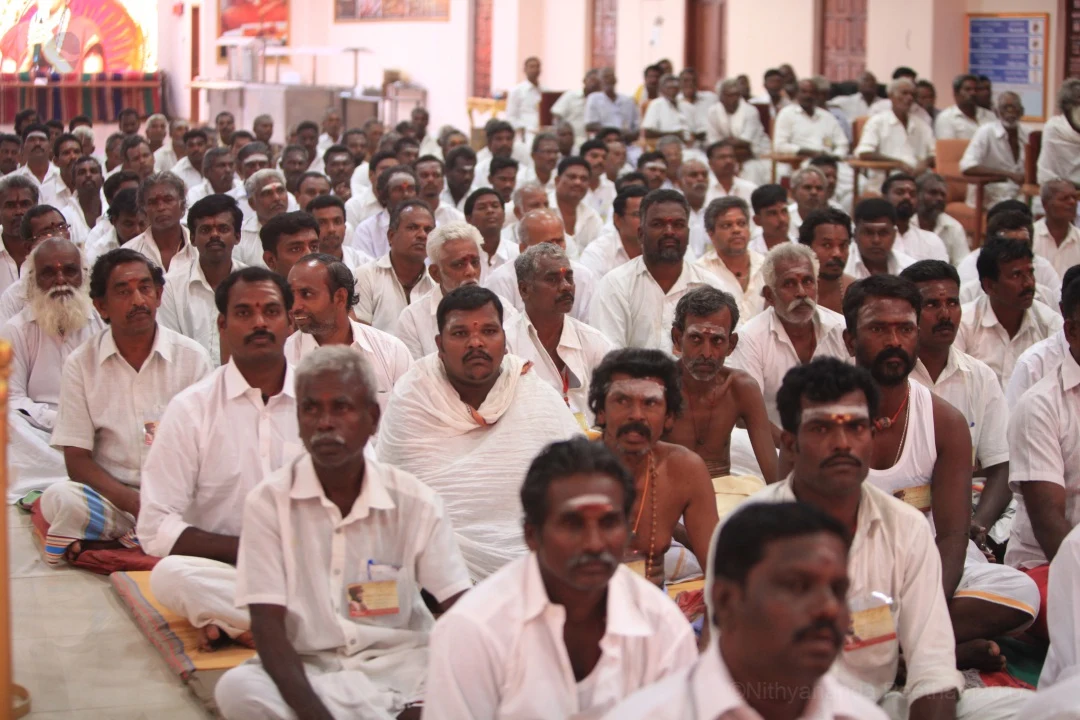
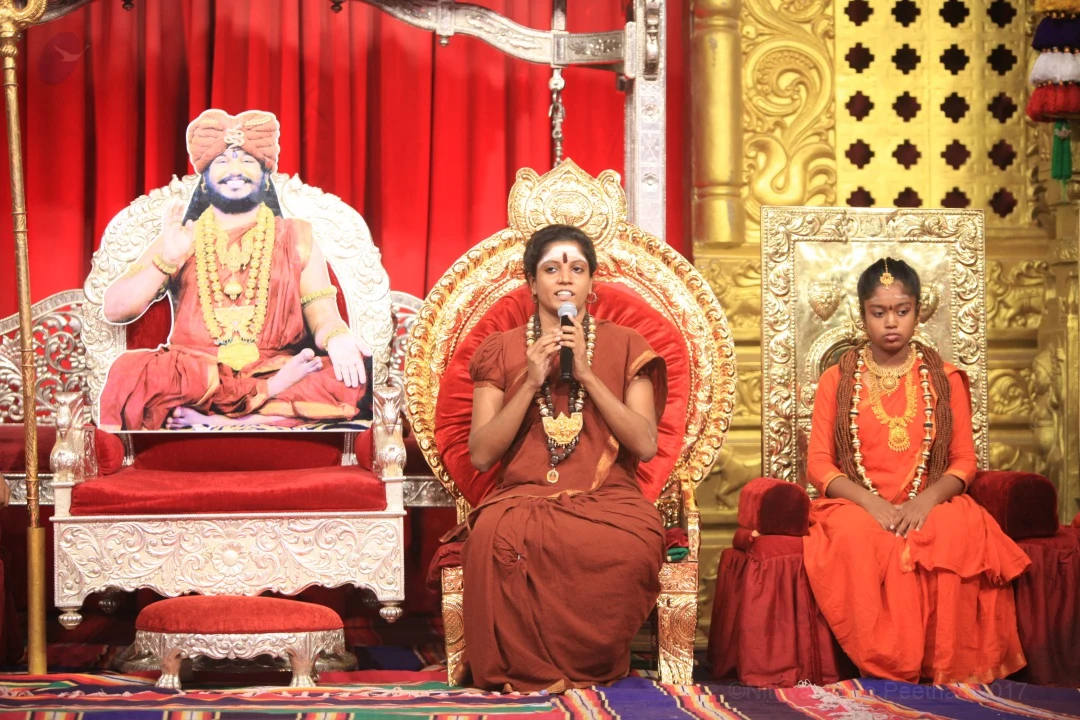
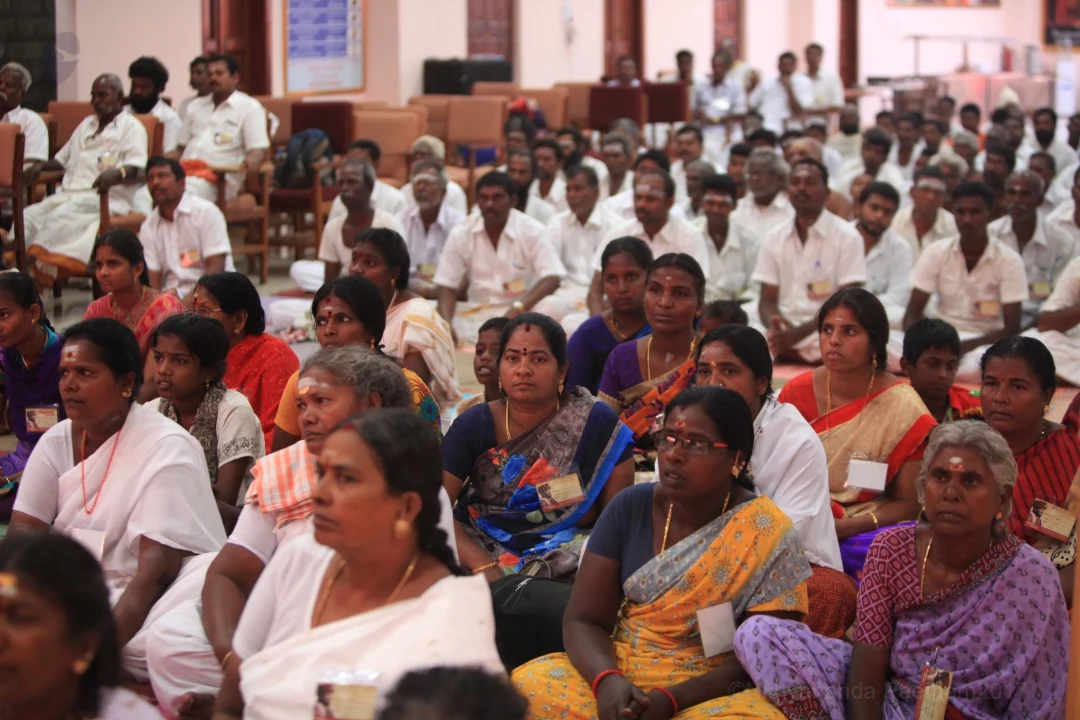
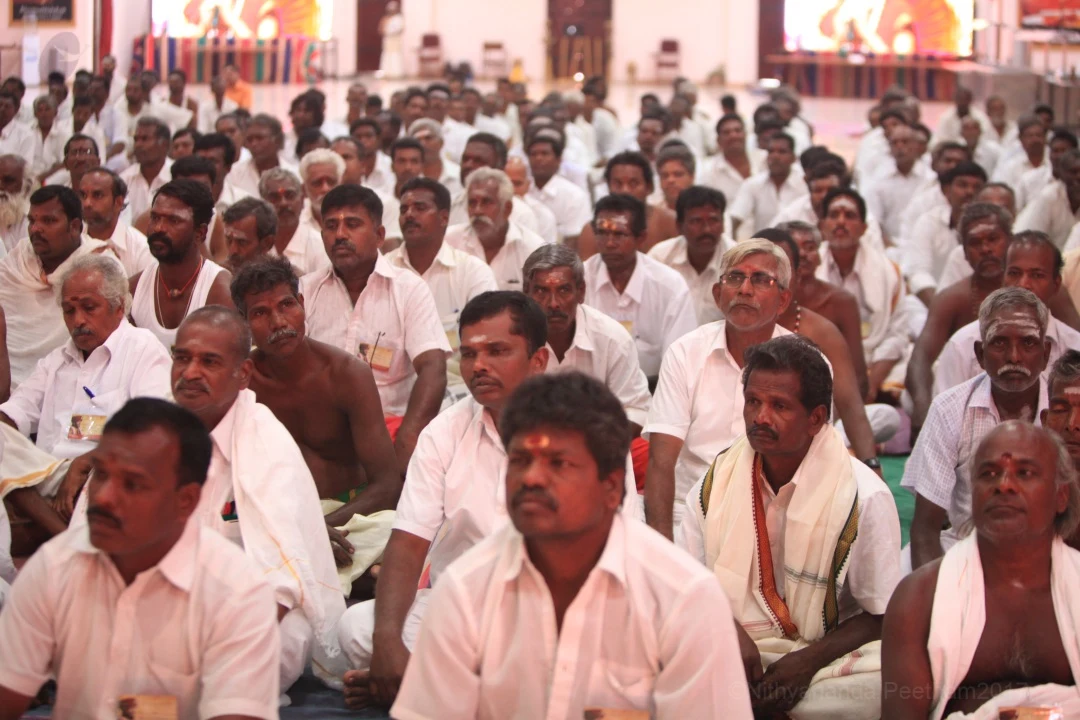
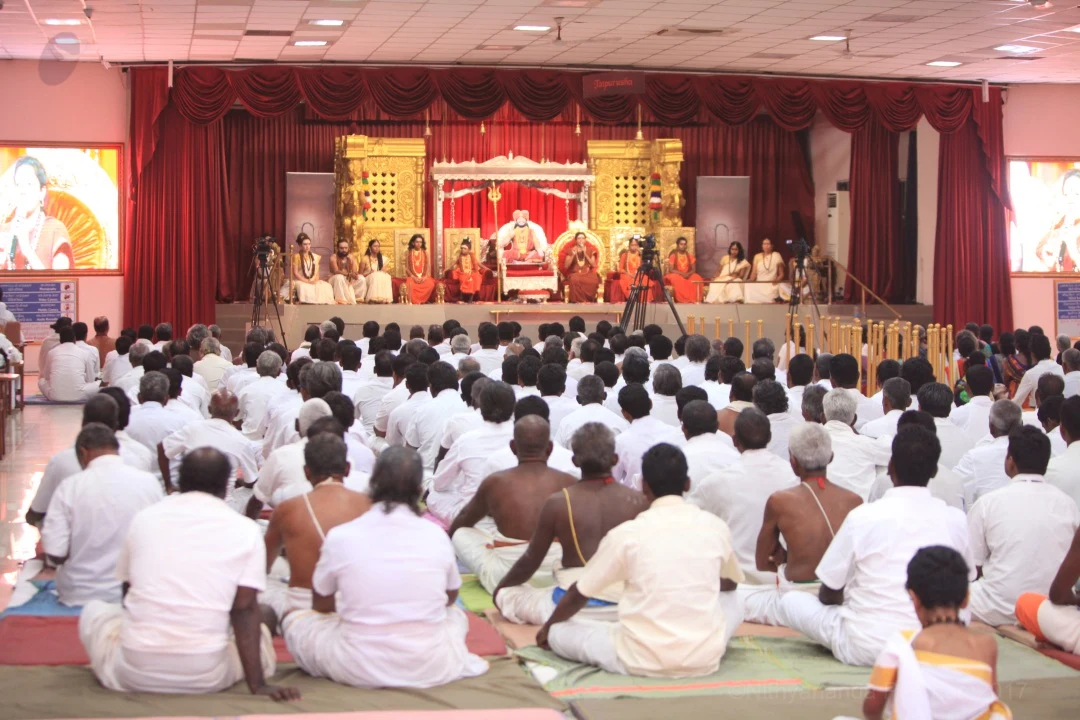
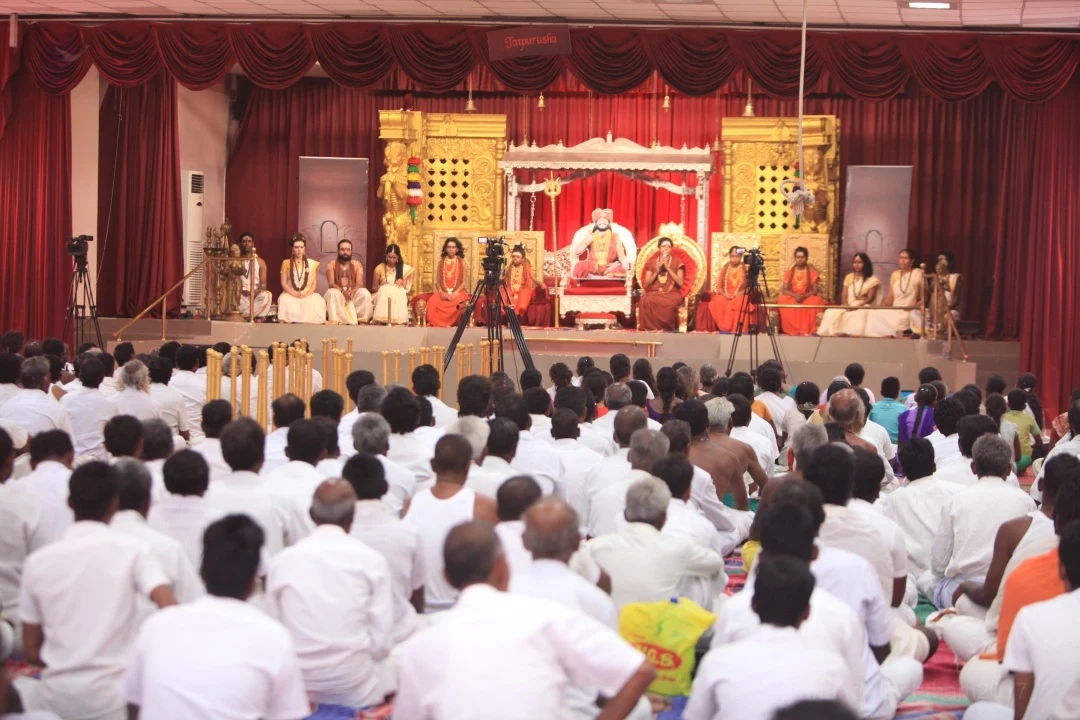
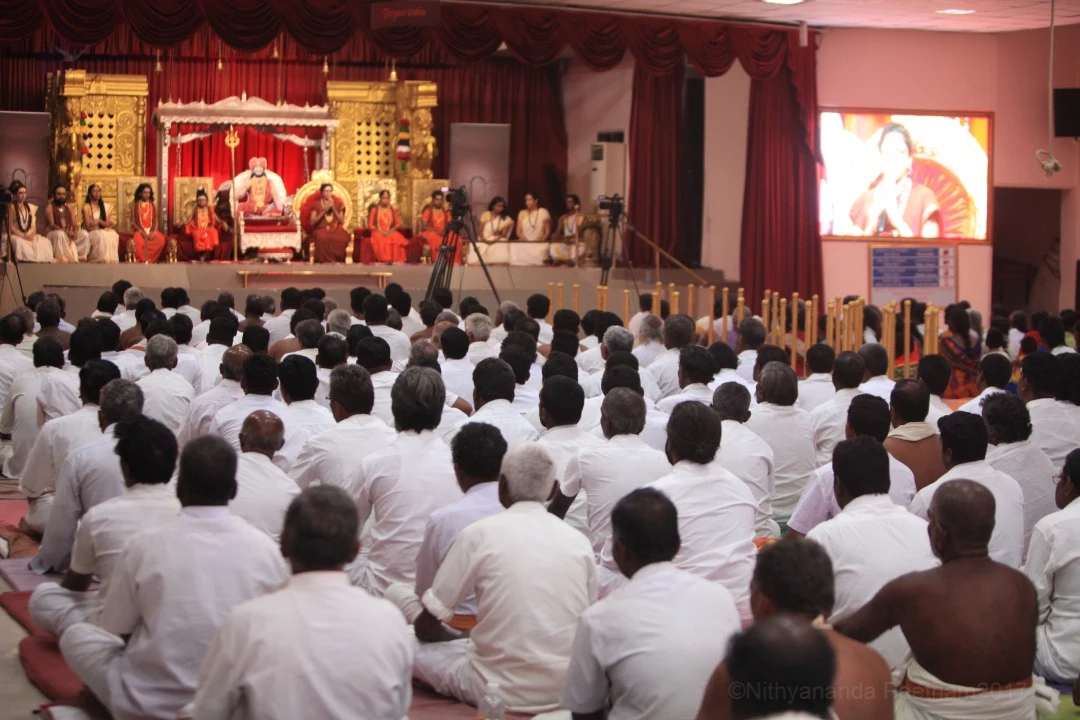
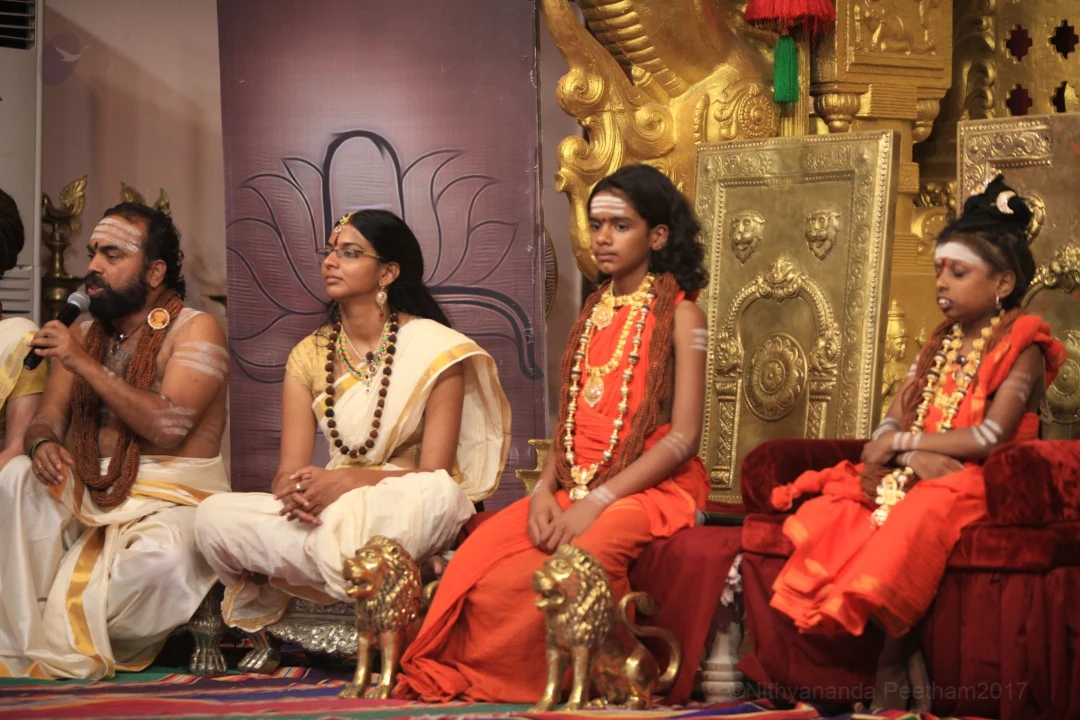
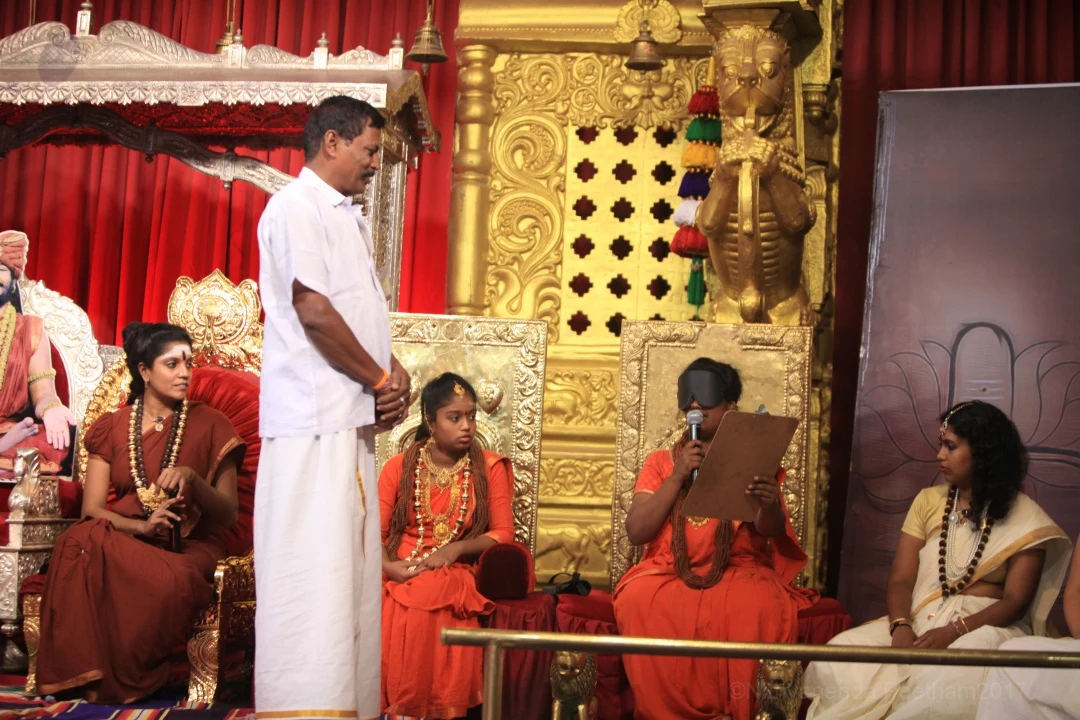
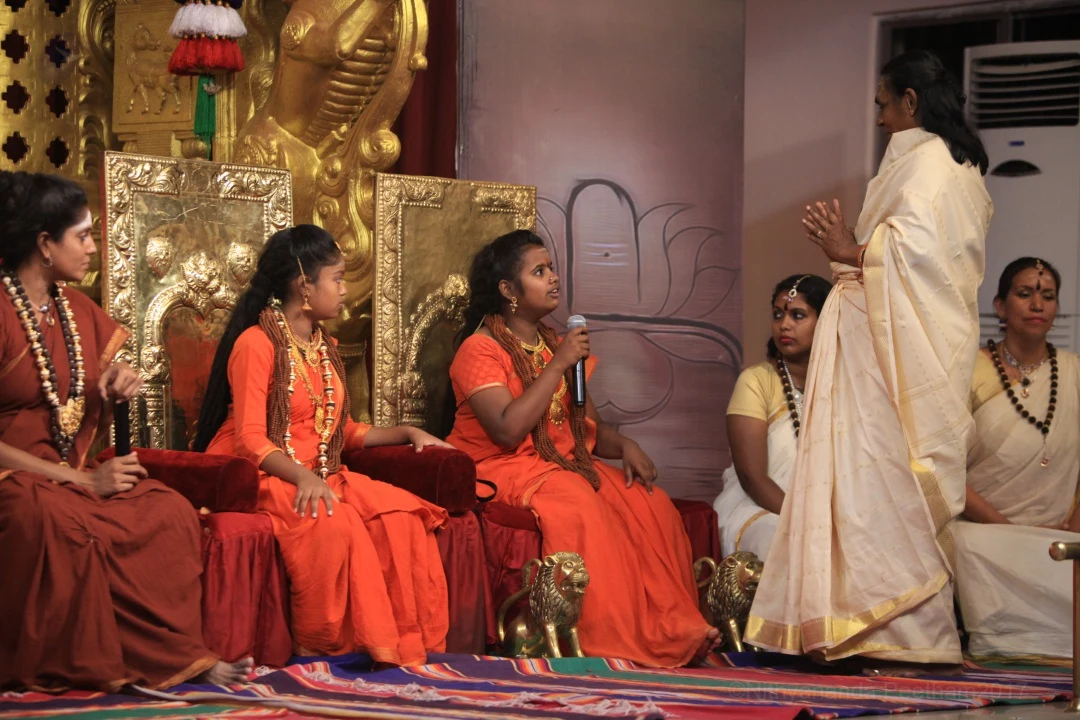
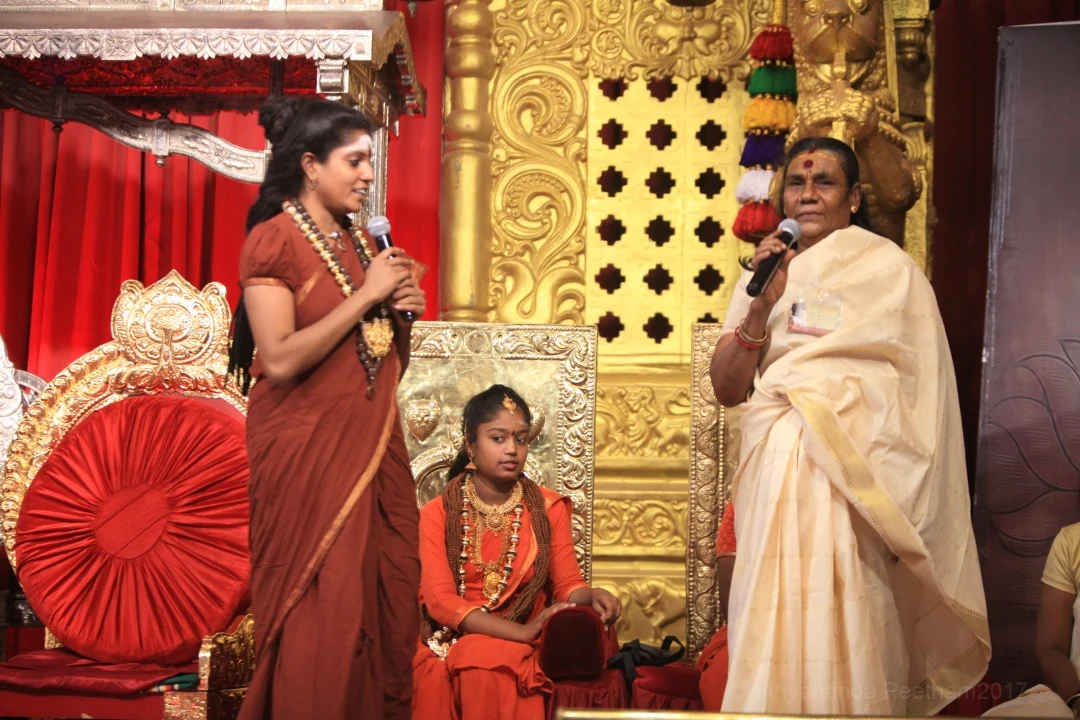
Darshan
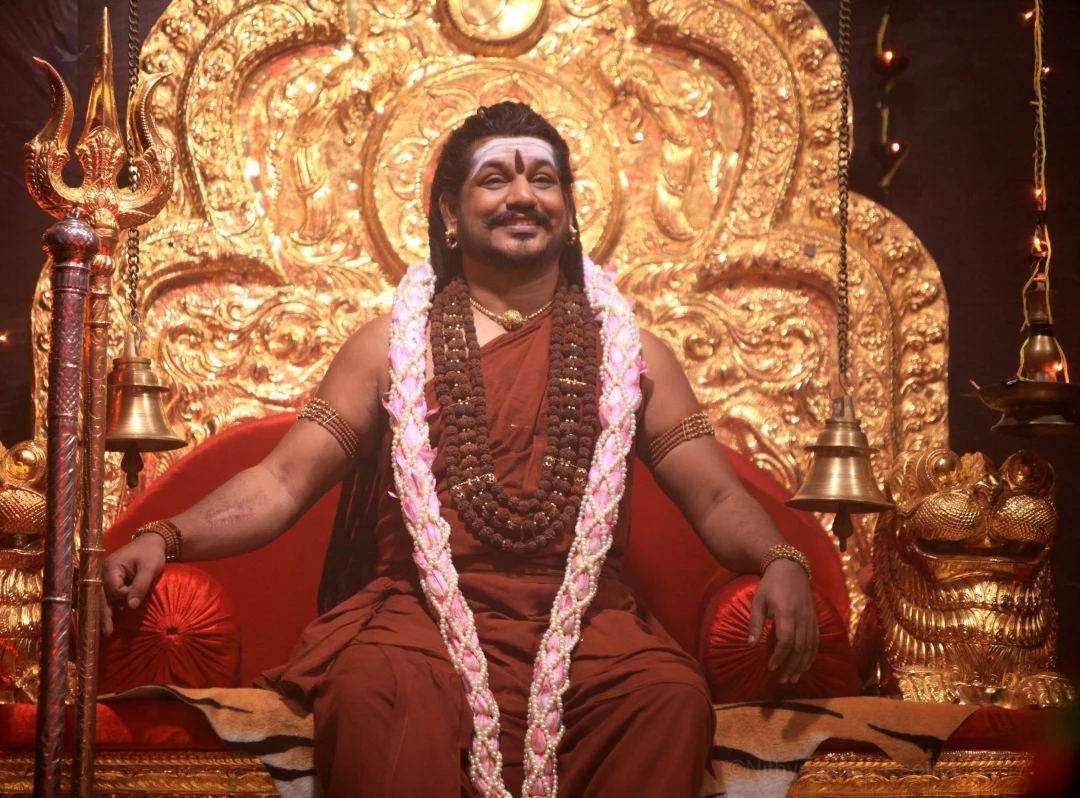
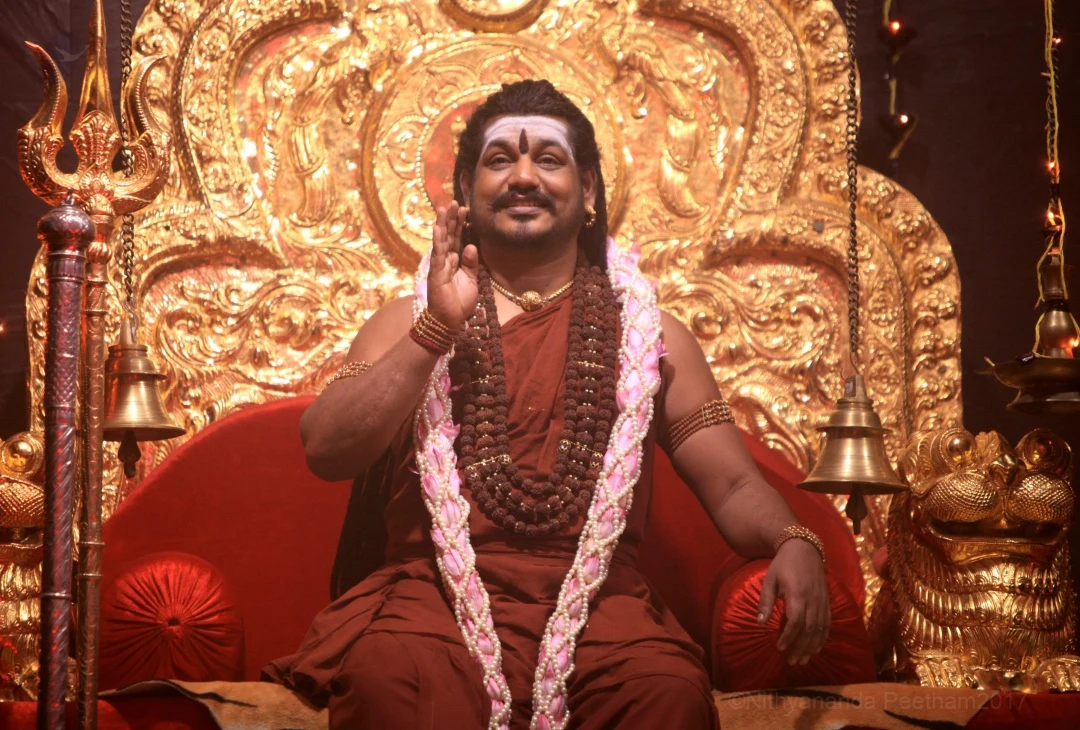
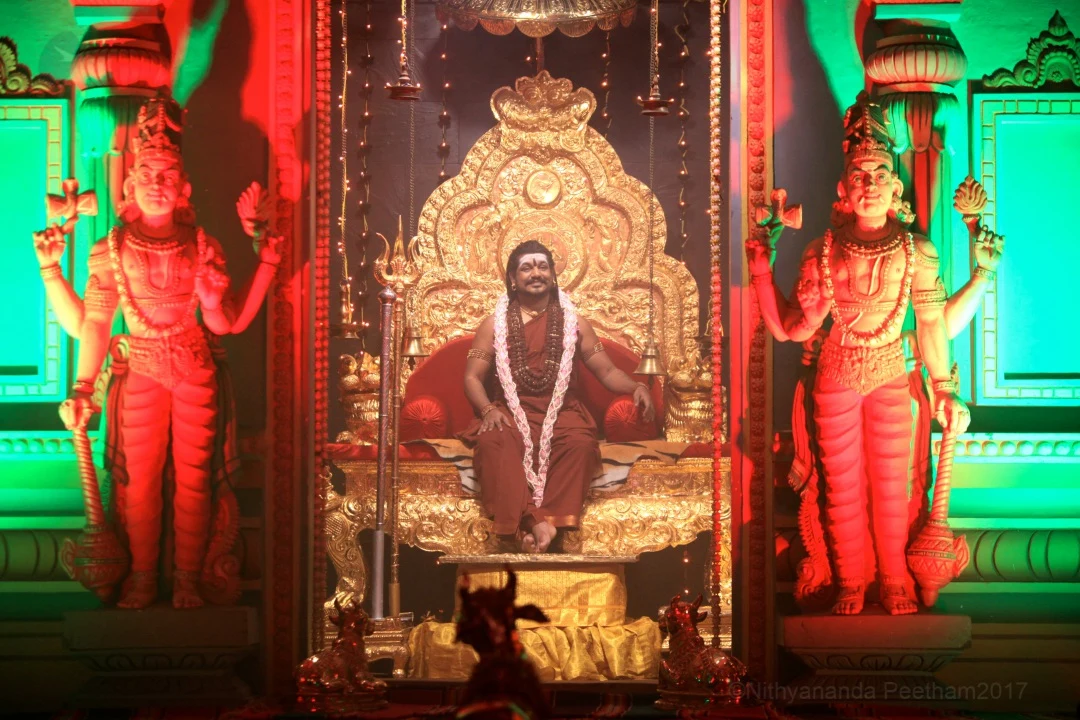
Satsang
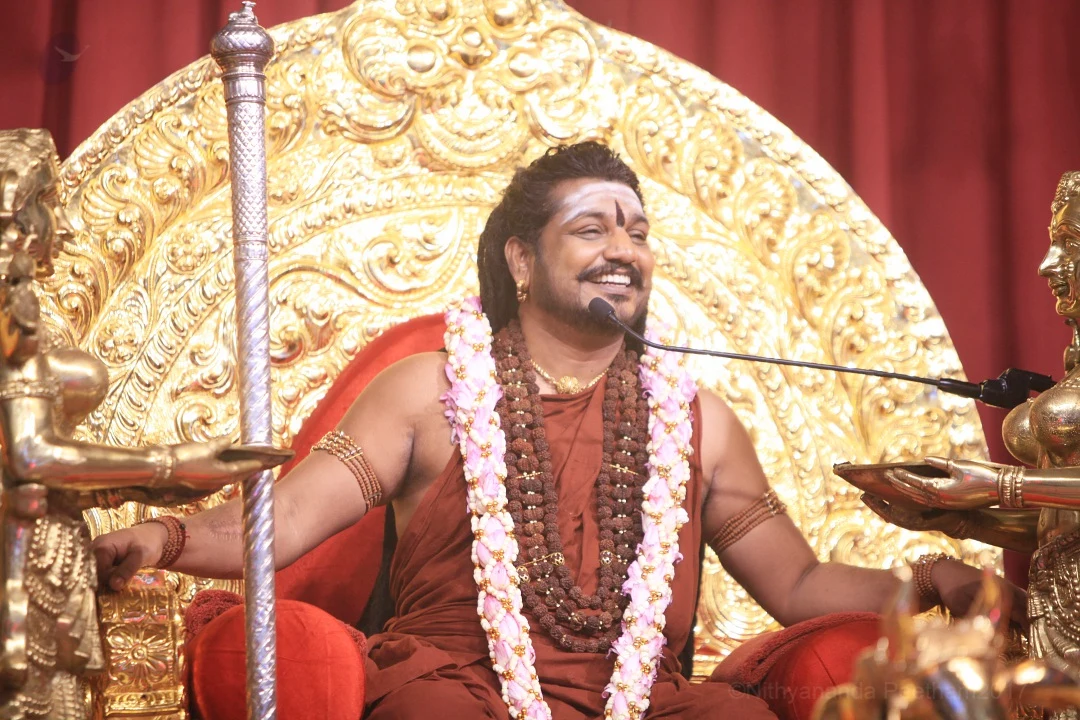
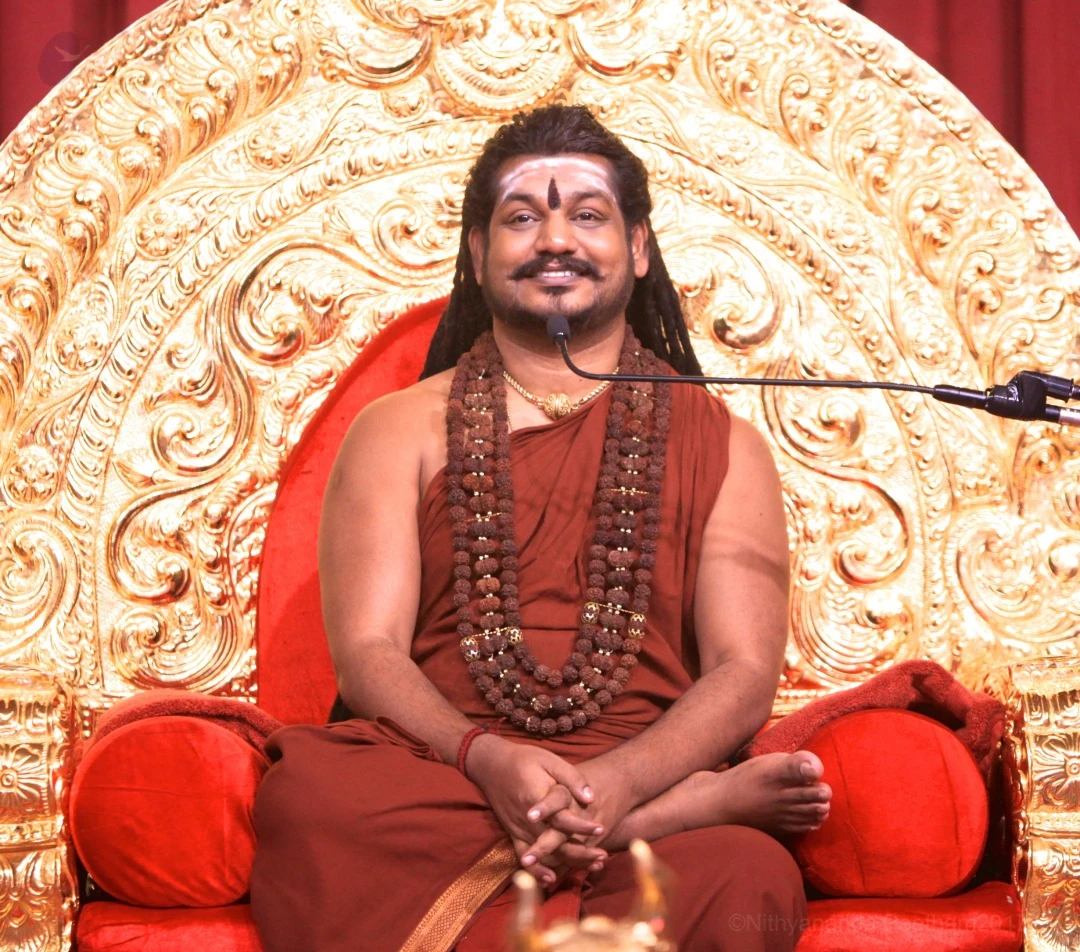
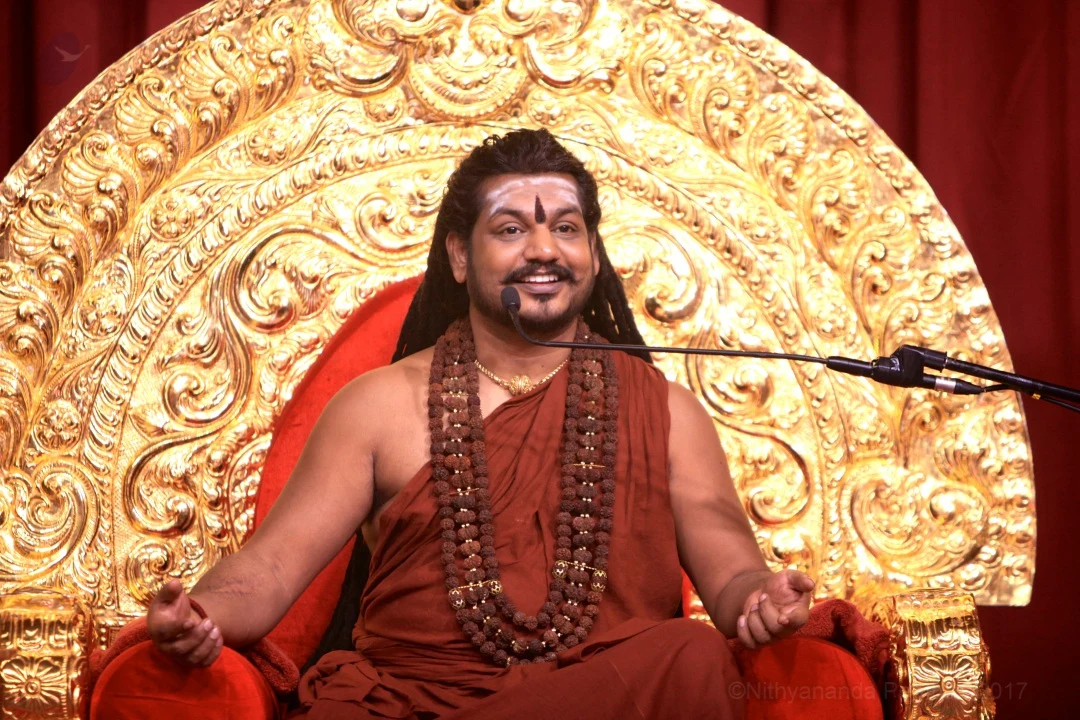
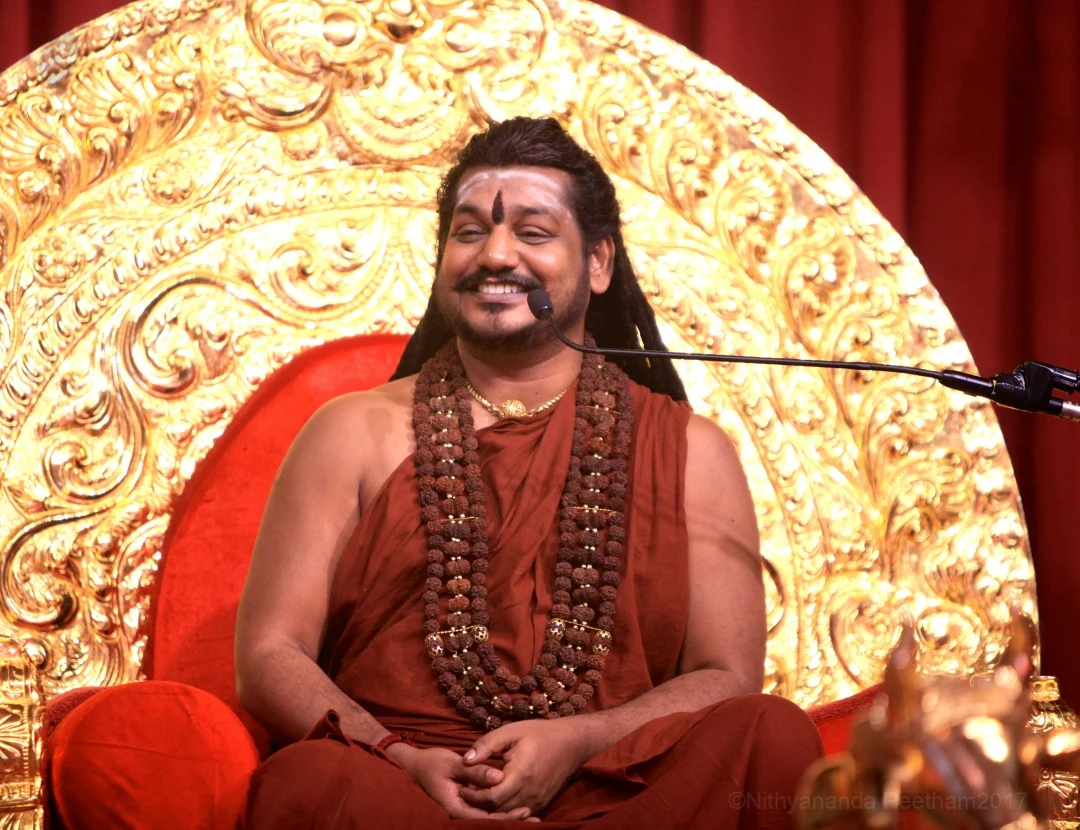
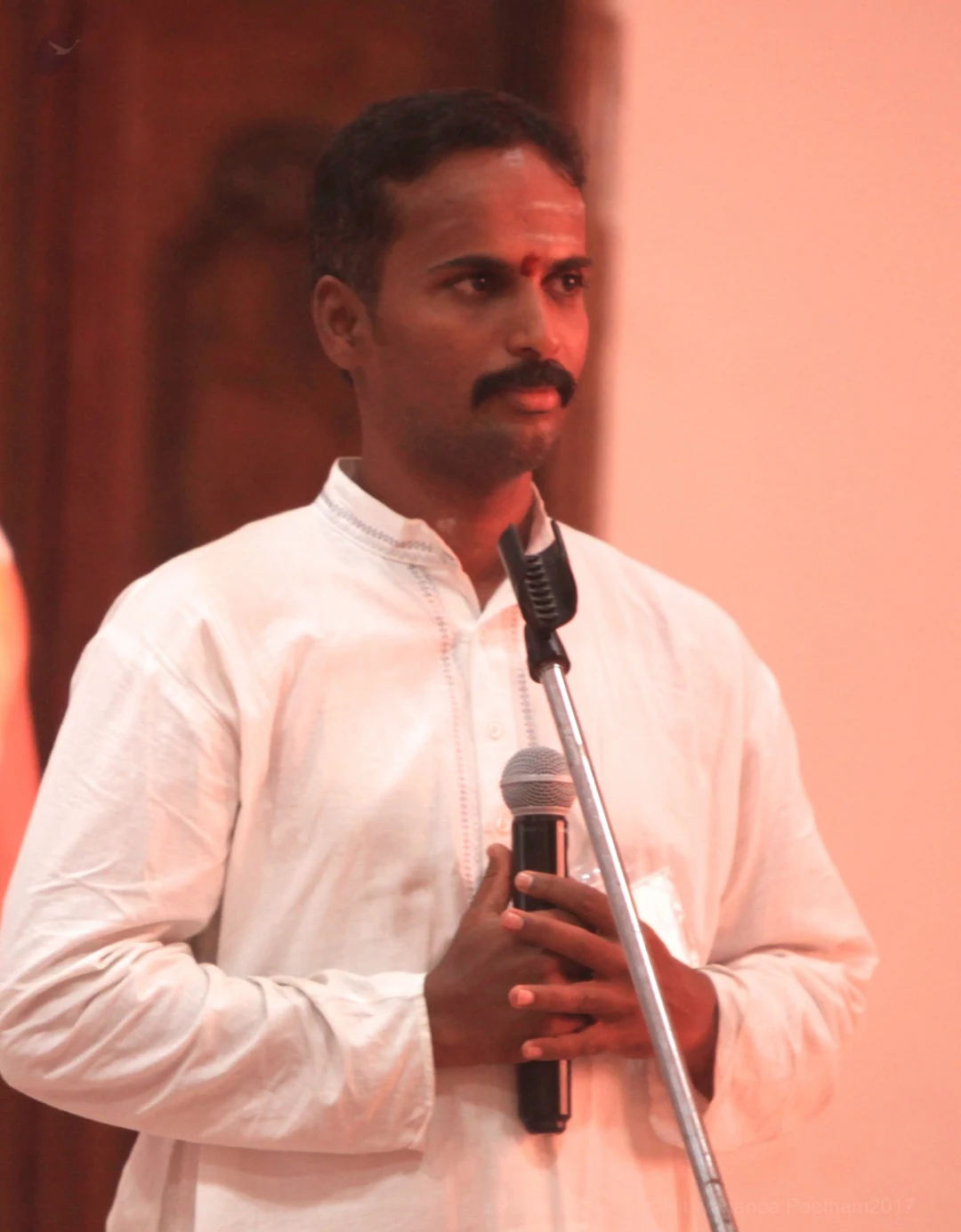
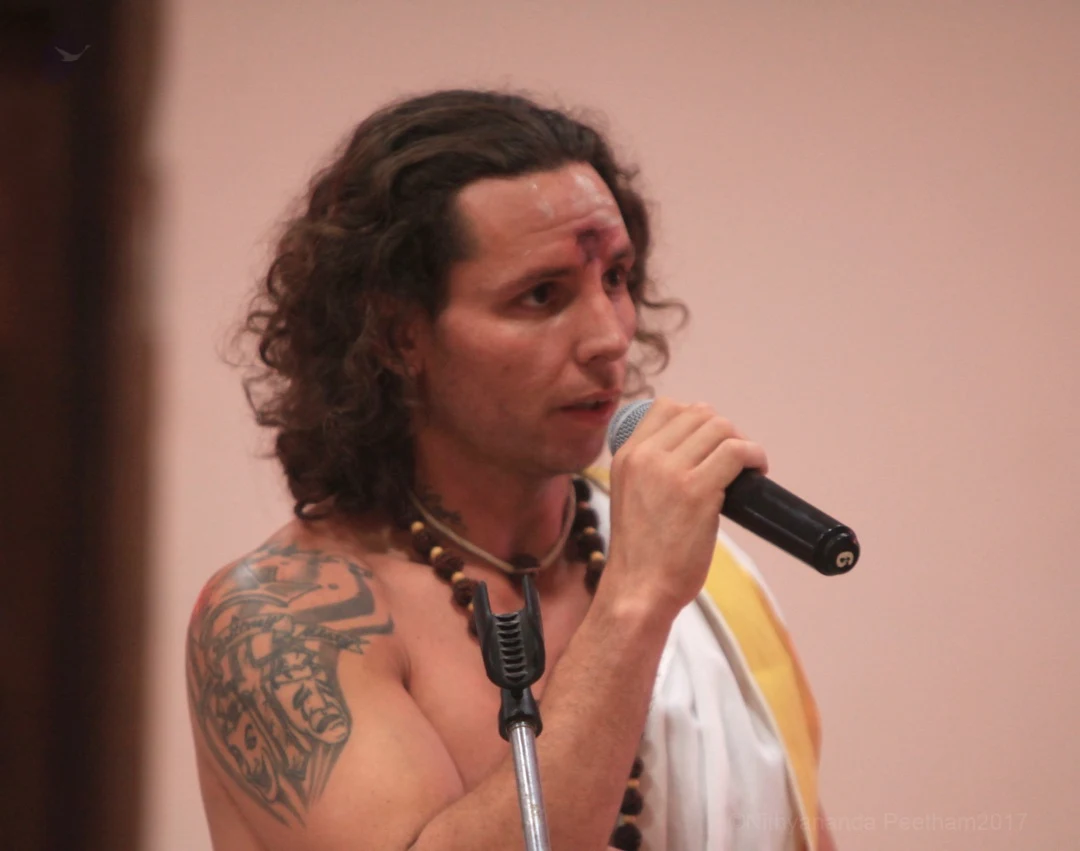
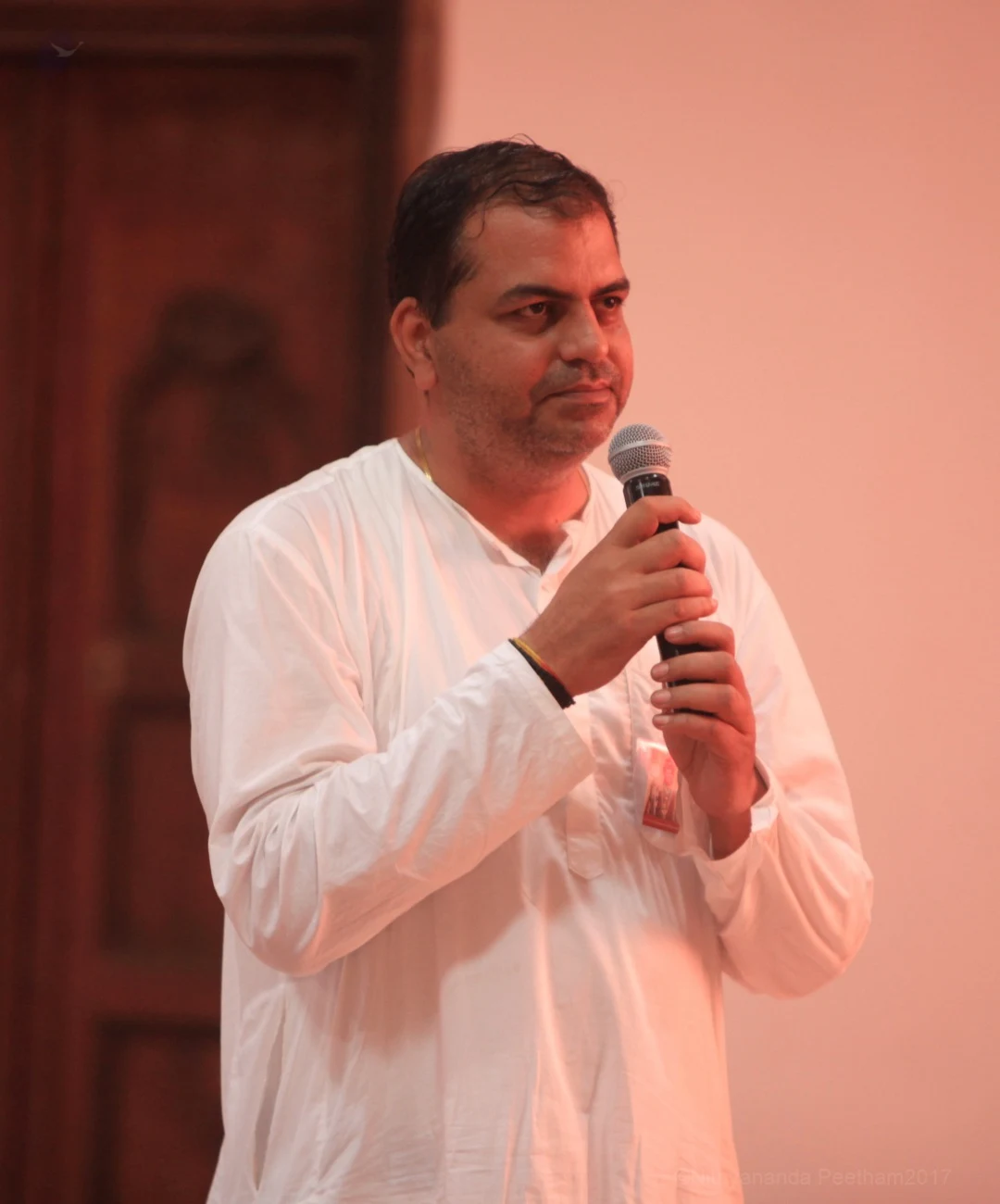
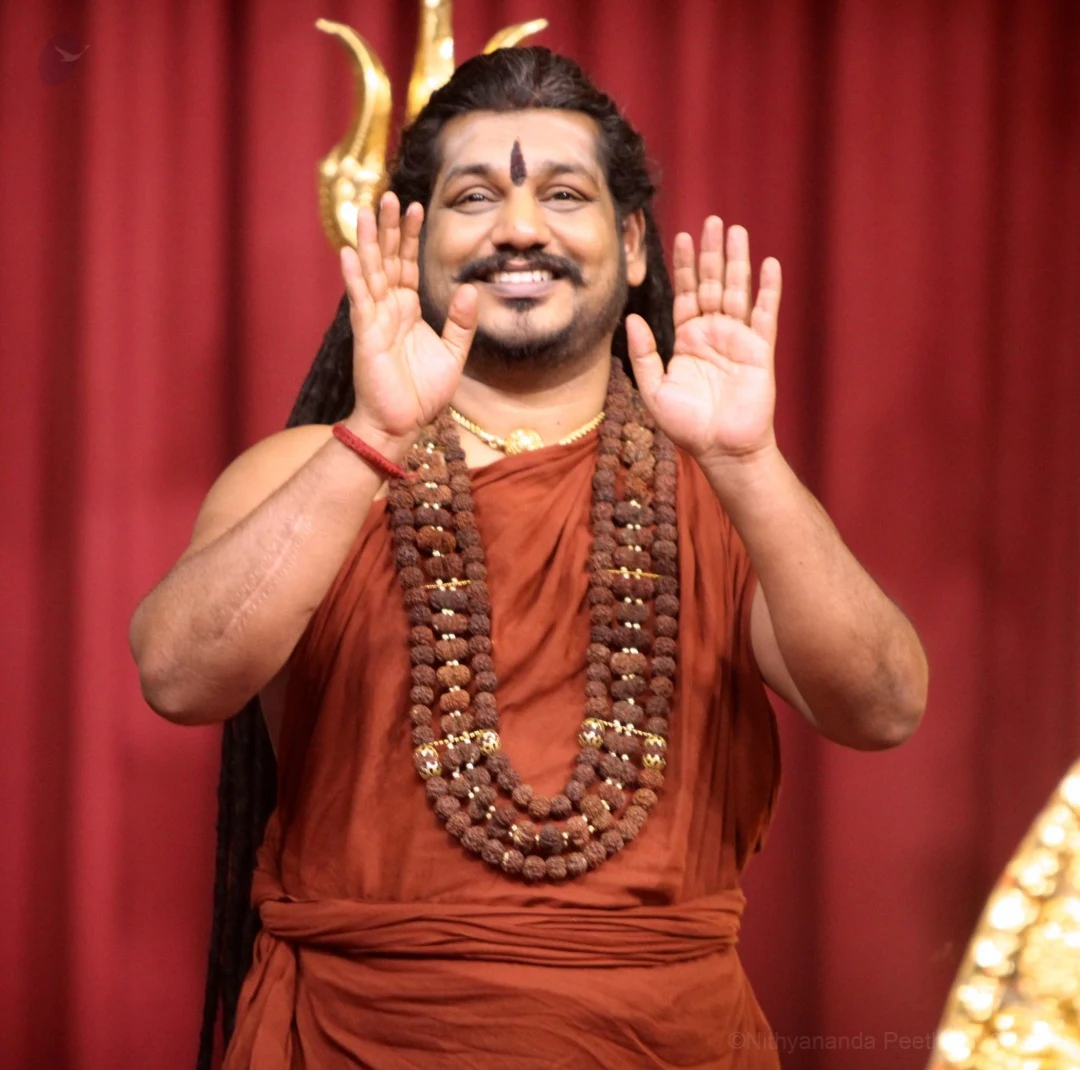
Temple
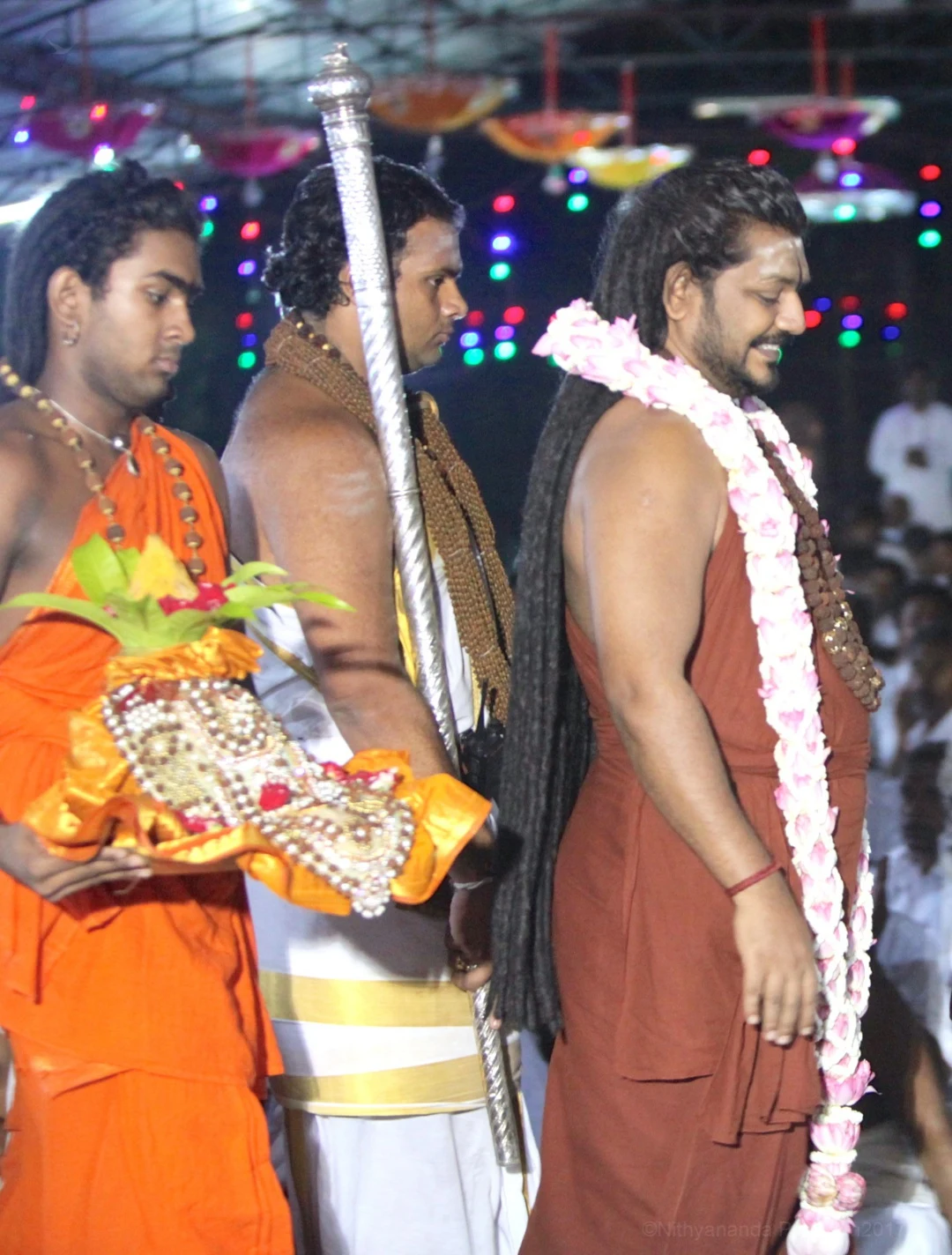
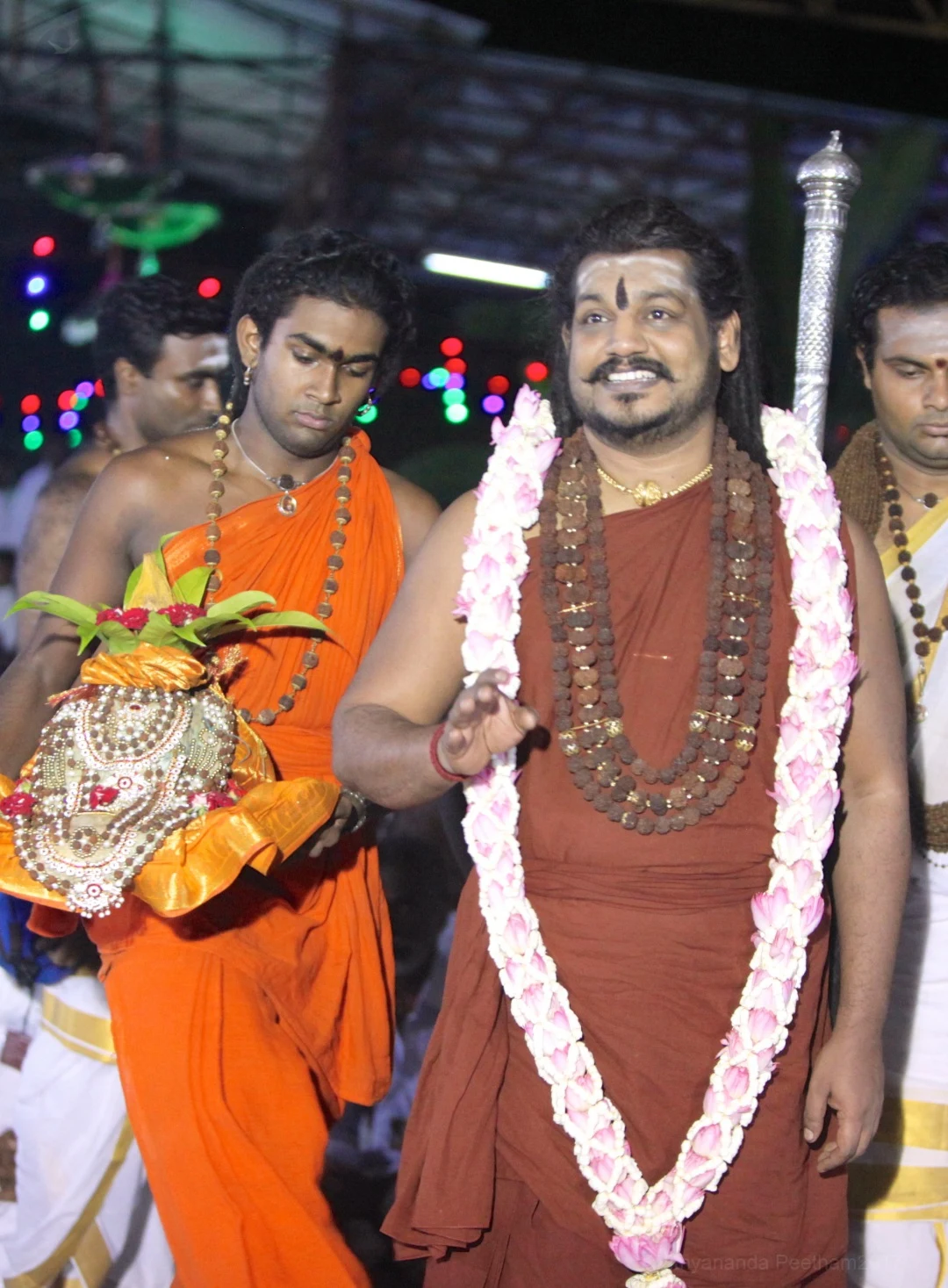
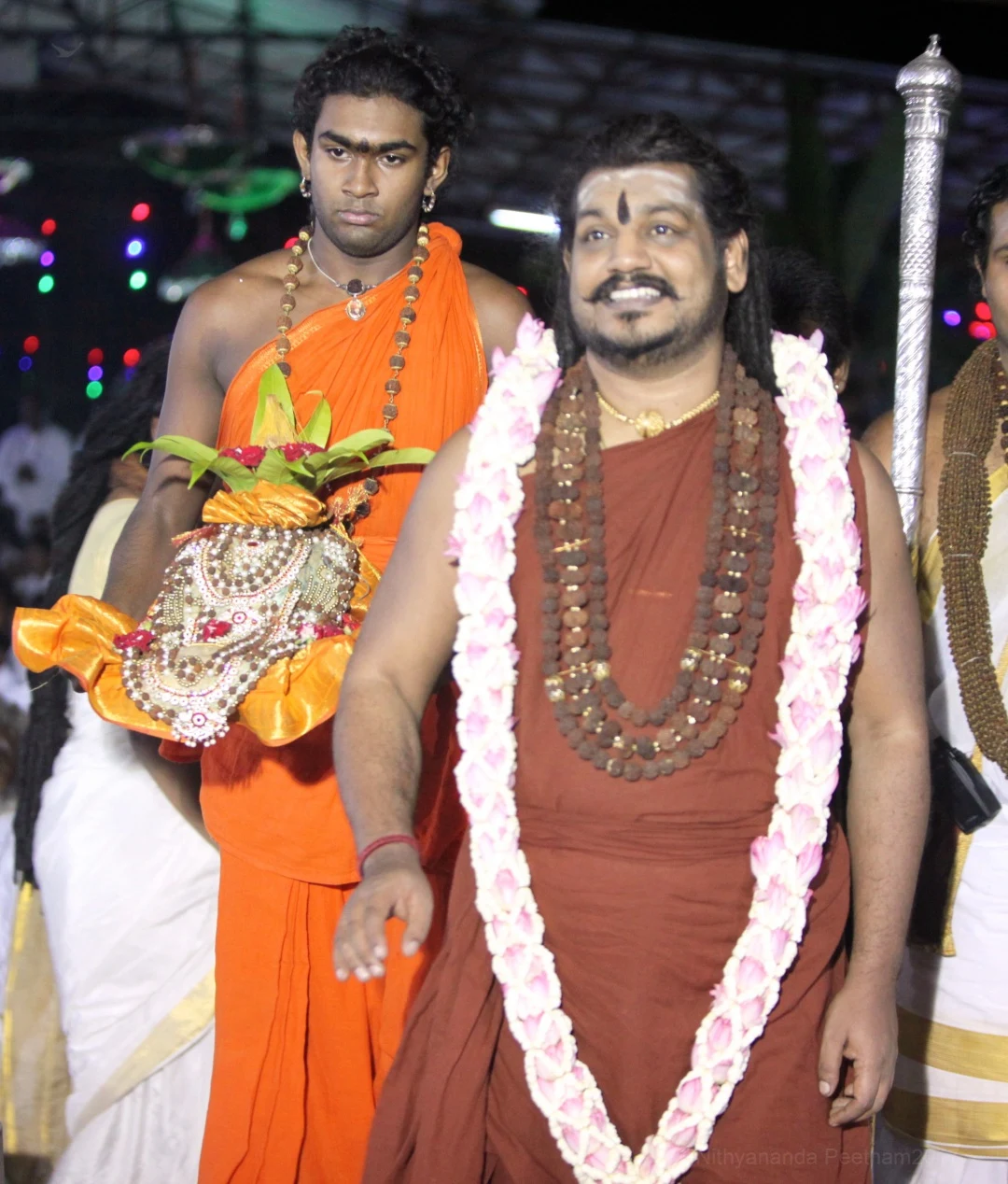
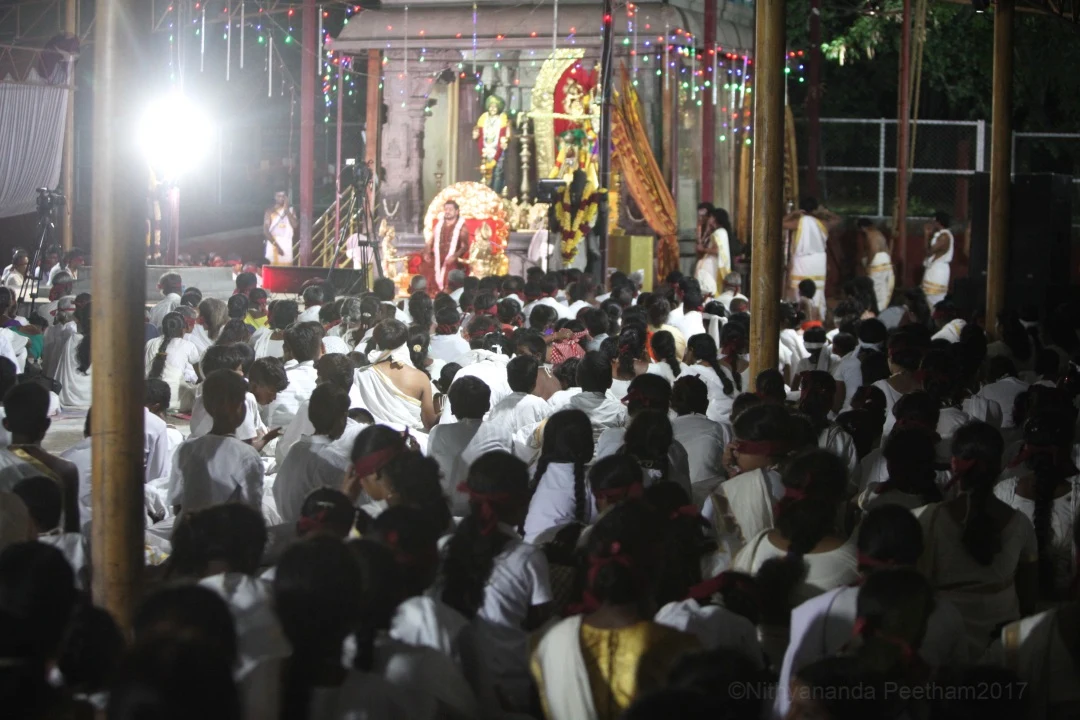
Akashic Reading
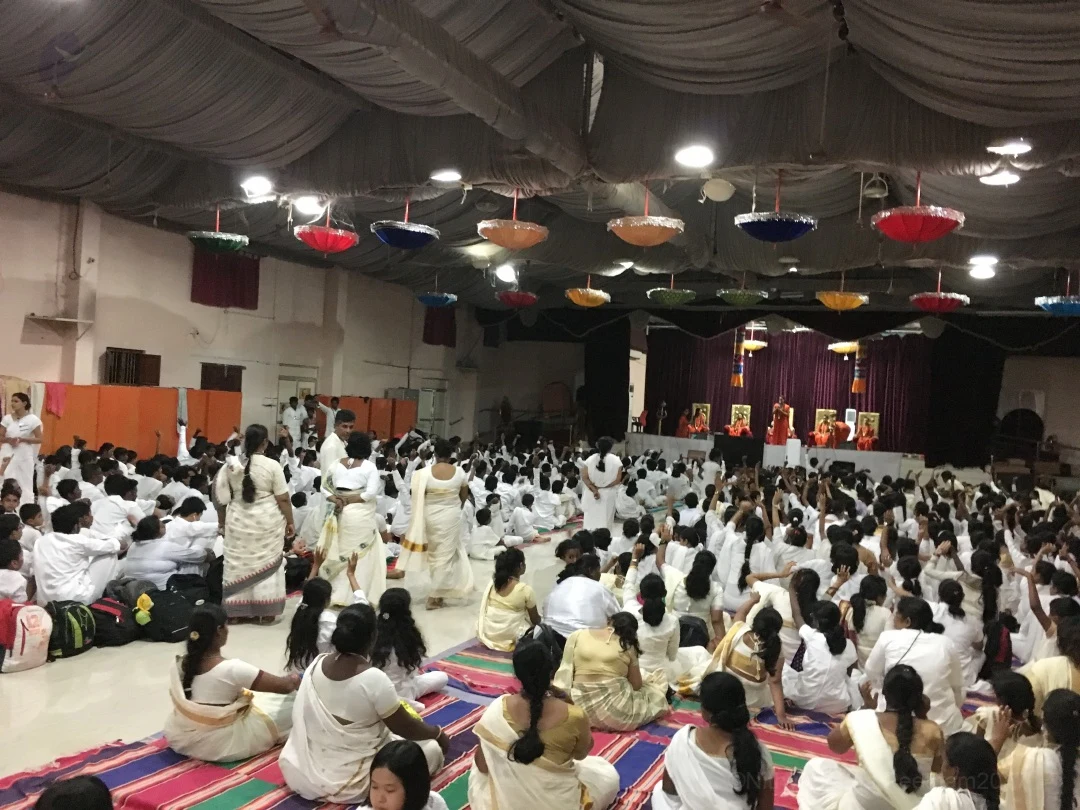
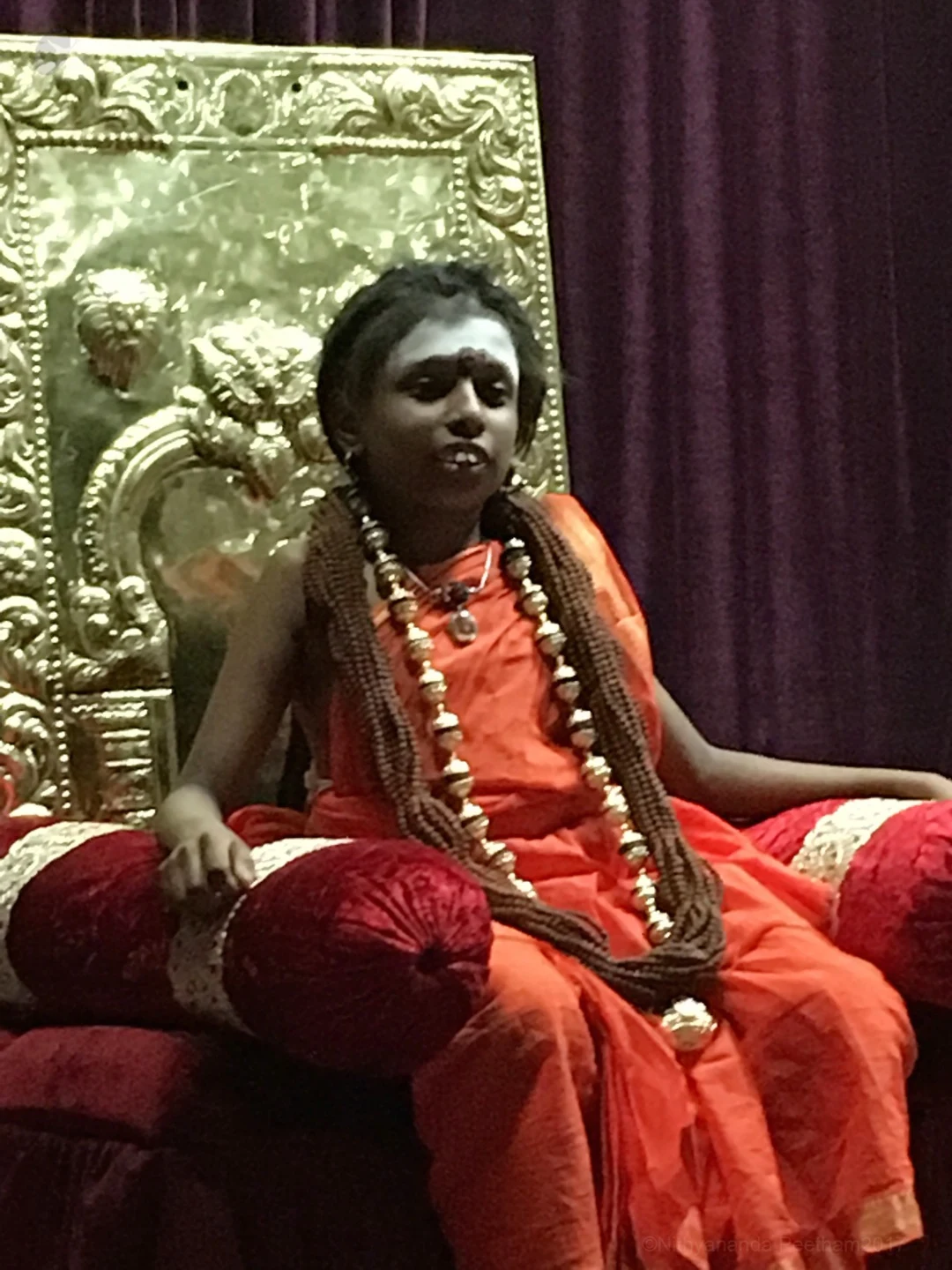
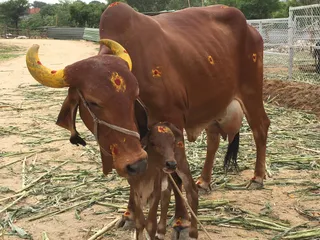
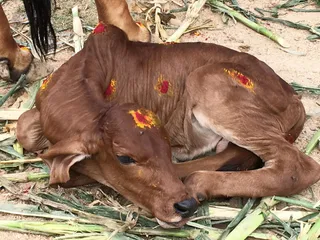
Goshala
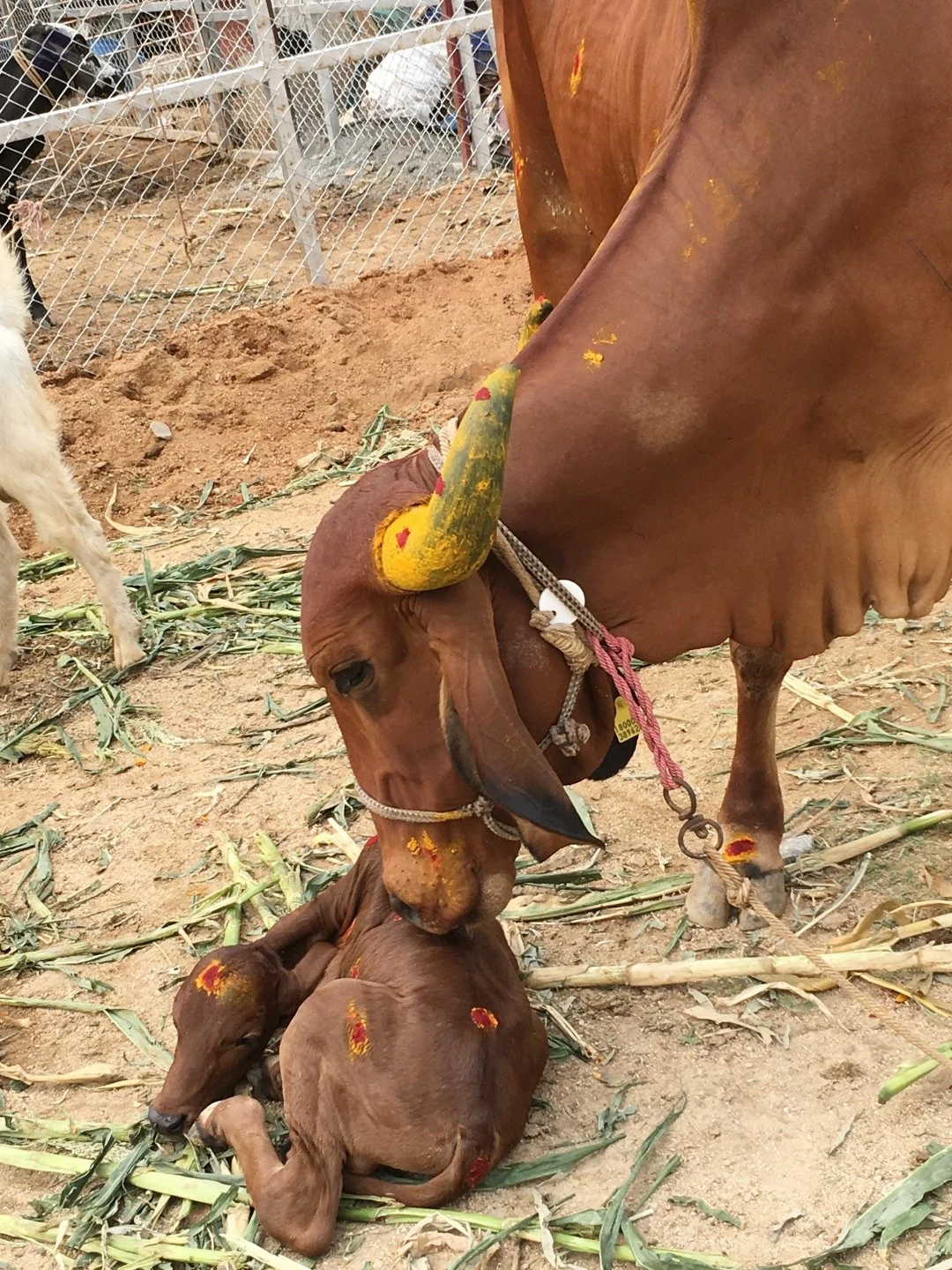
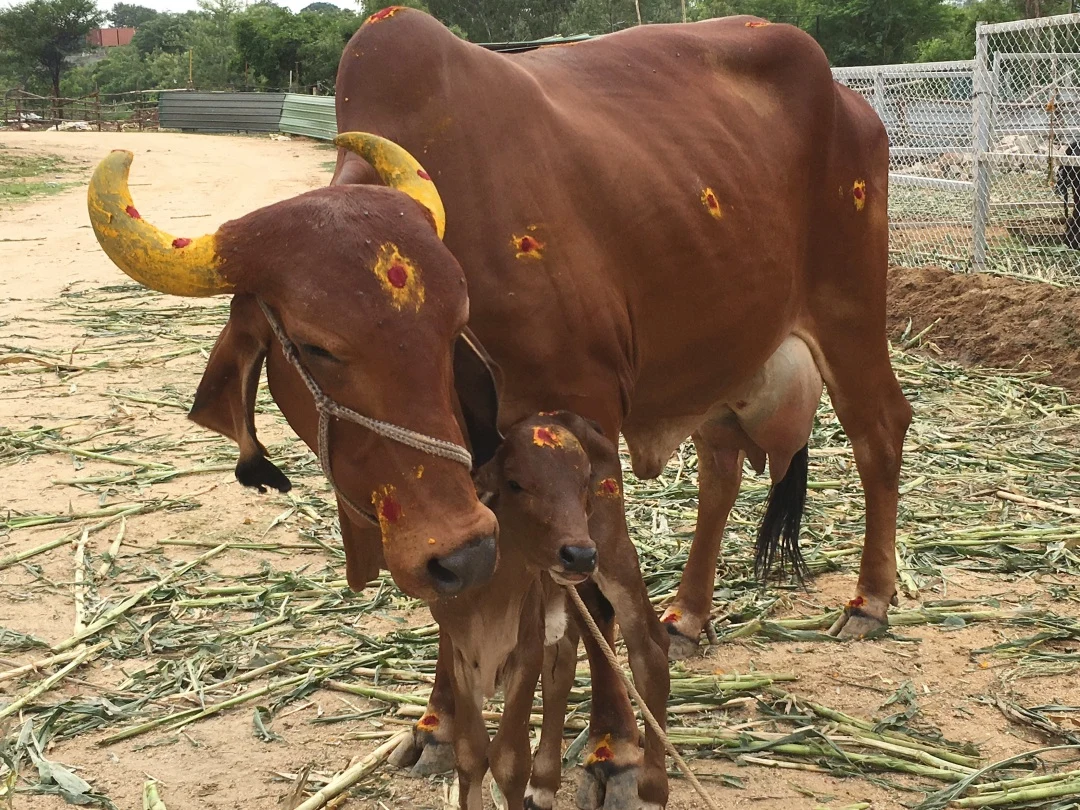
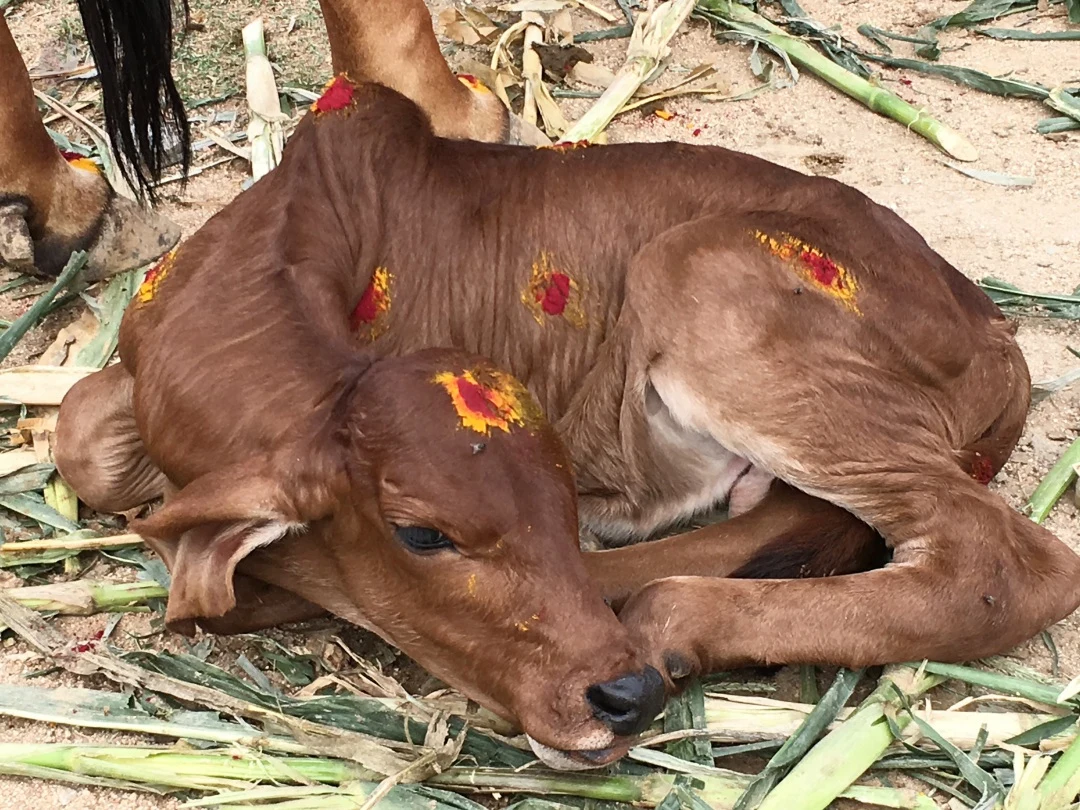
Sharing from INNER AWAKENING
Photos Of The Day:
Conducting-Week-end-Programme
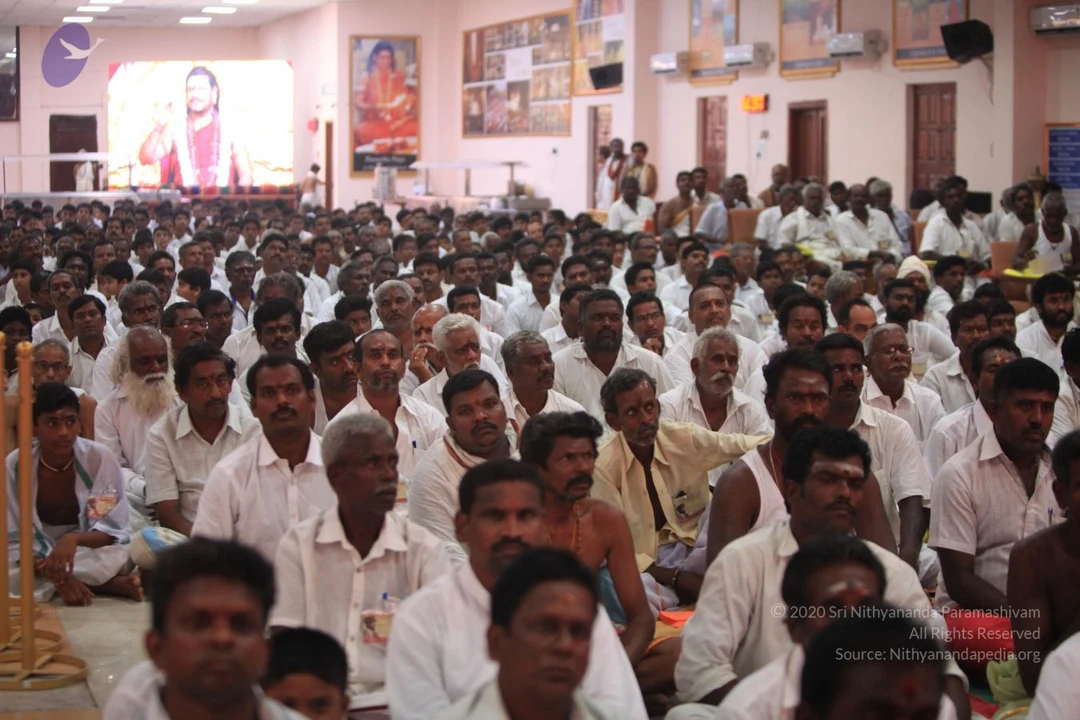
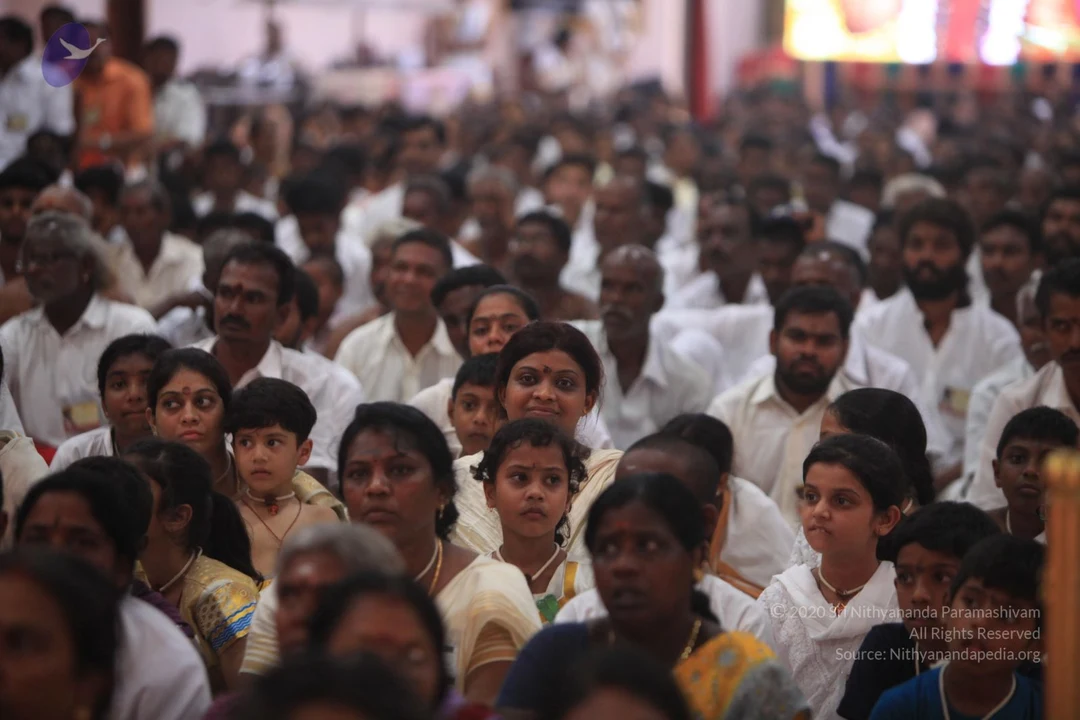
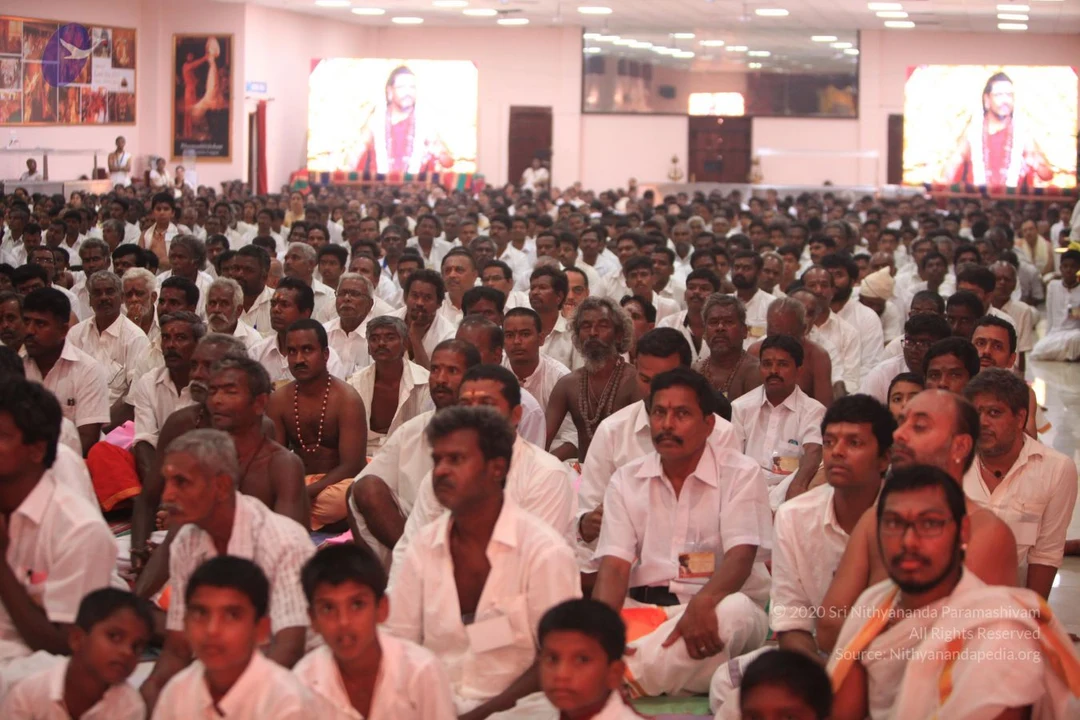
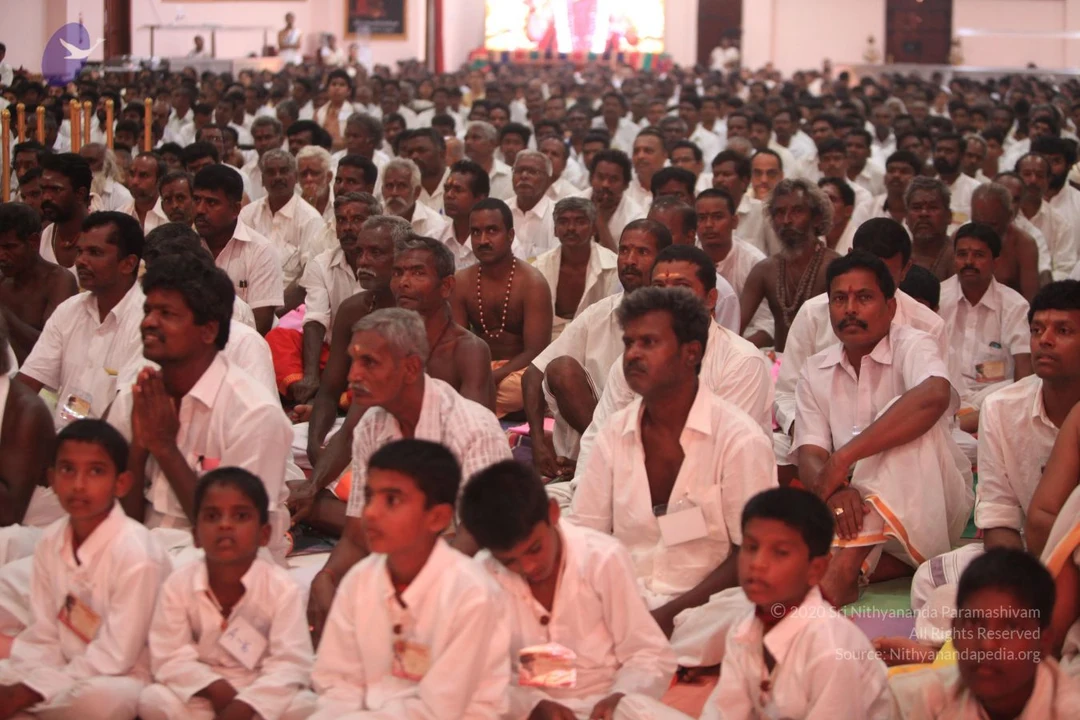
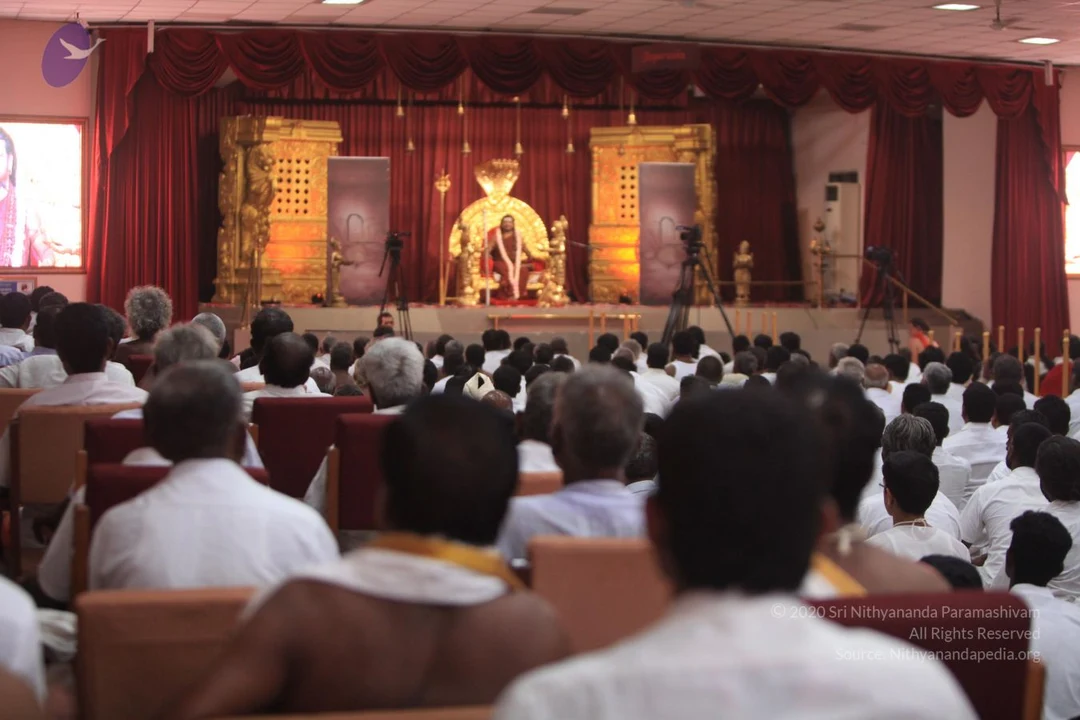
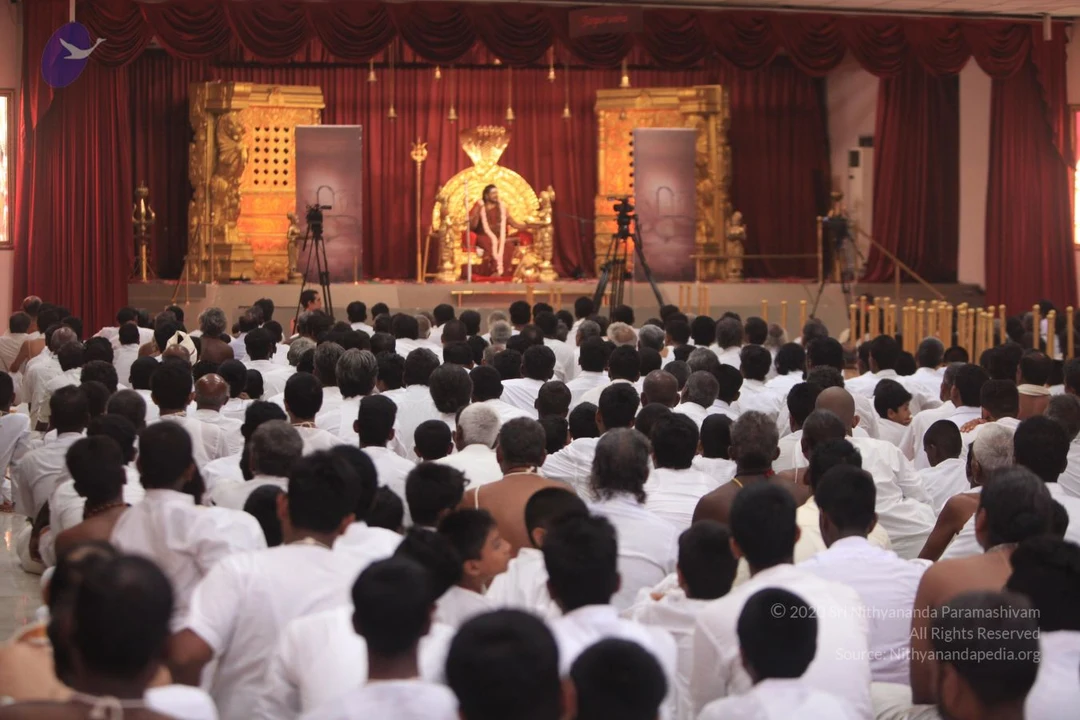
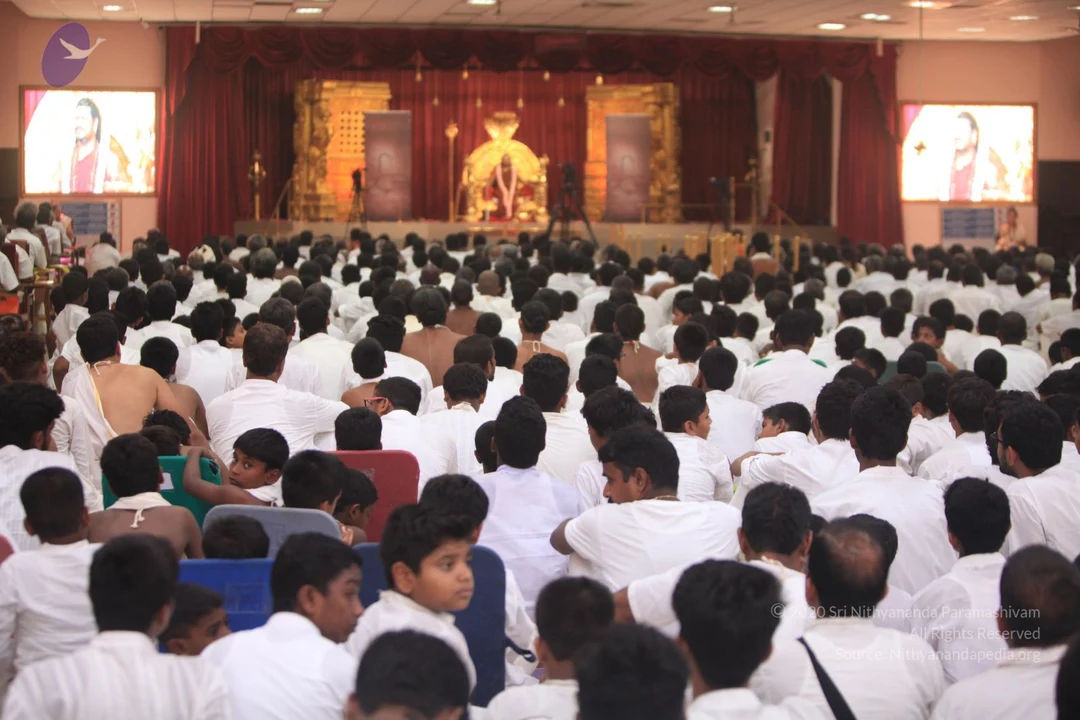
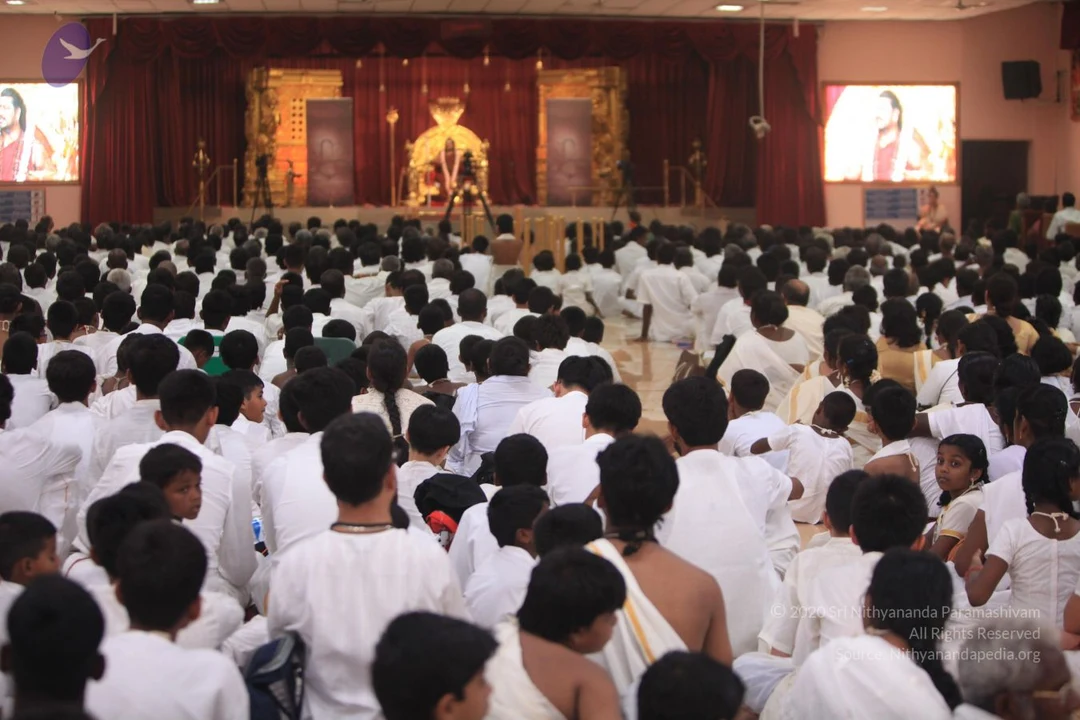
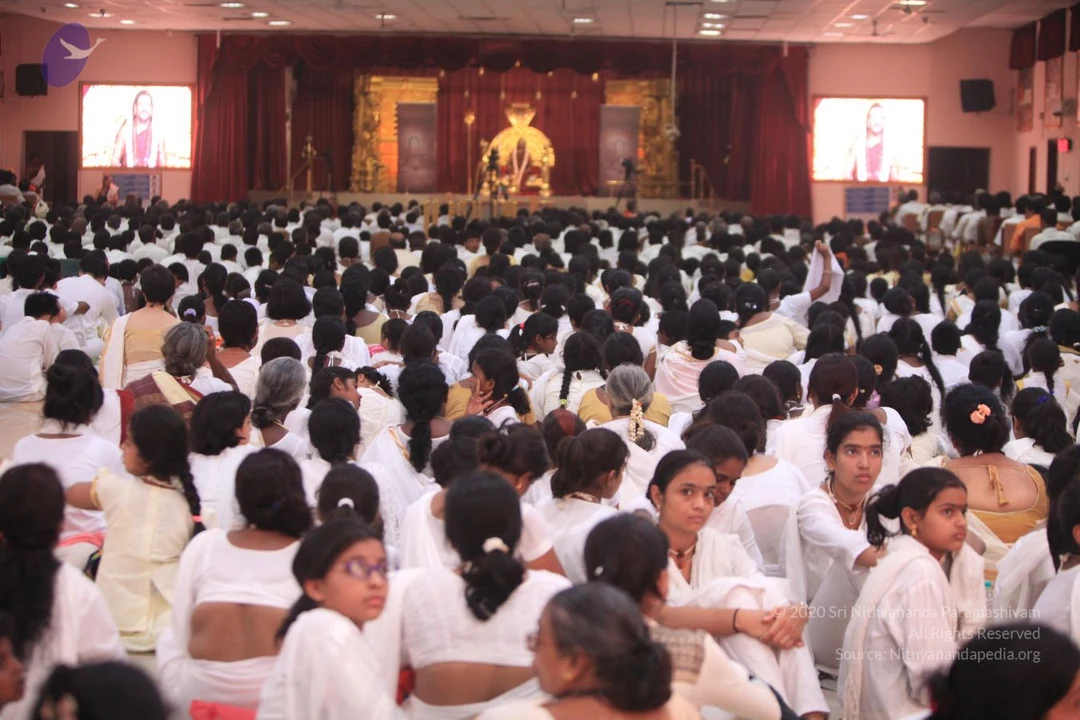
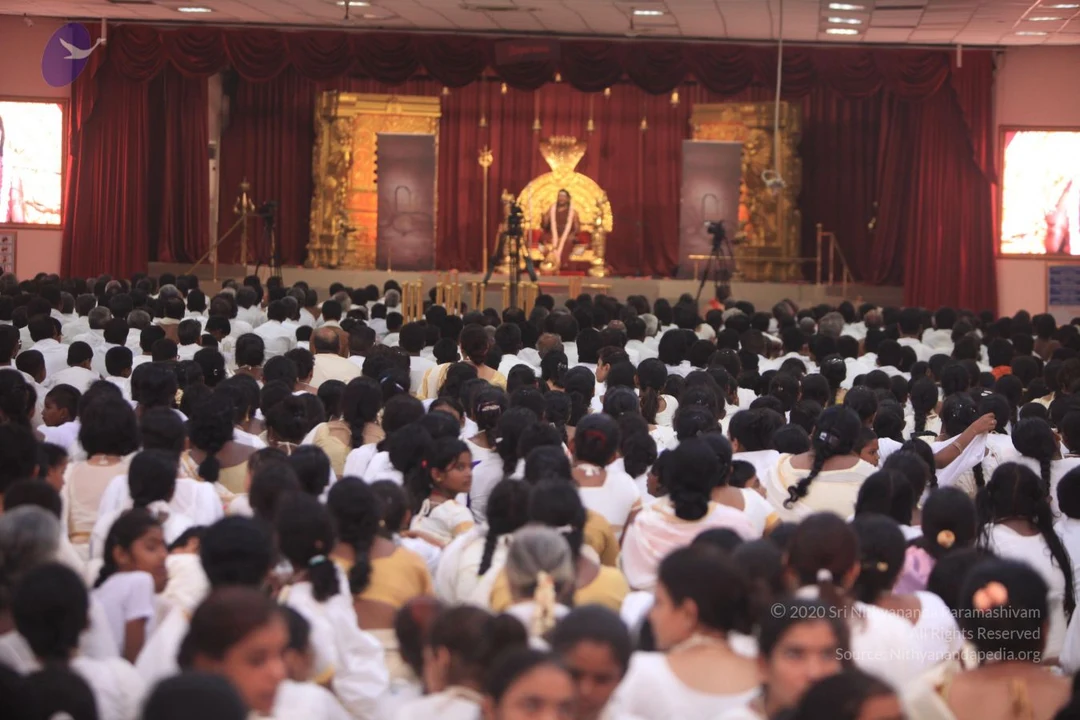
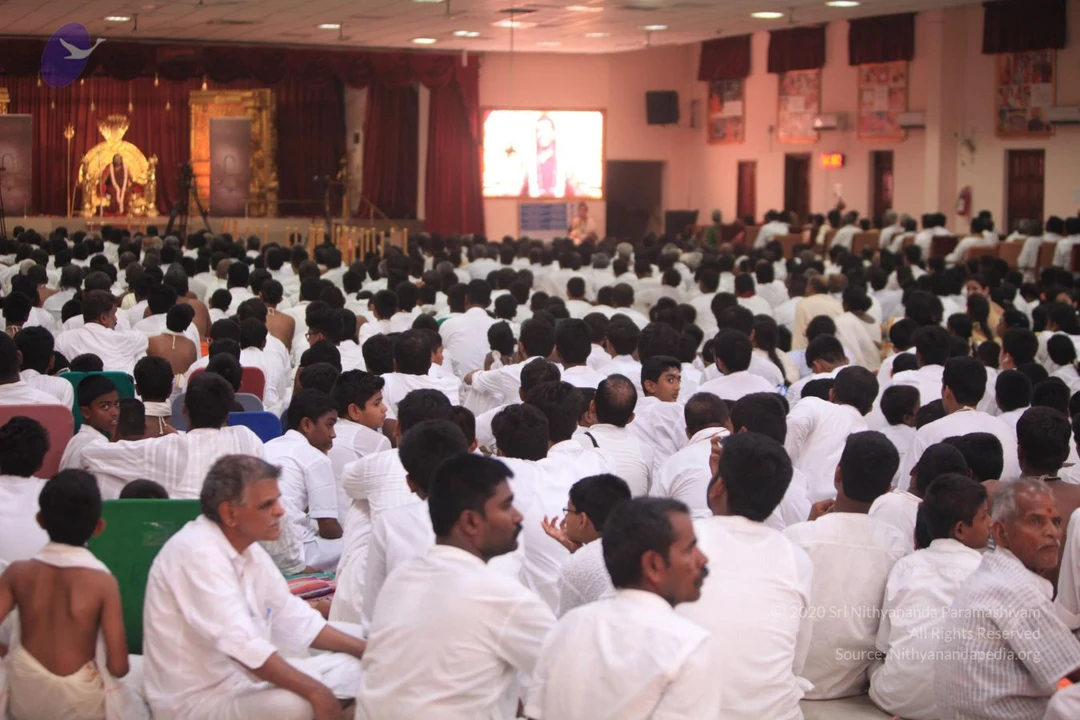
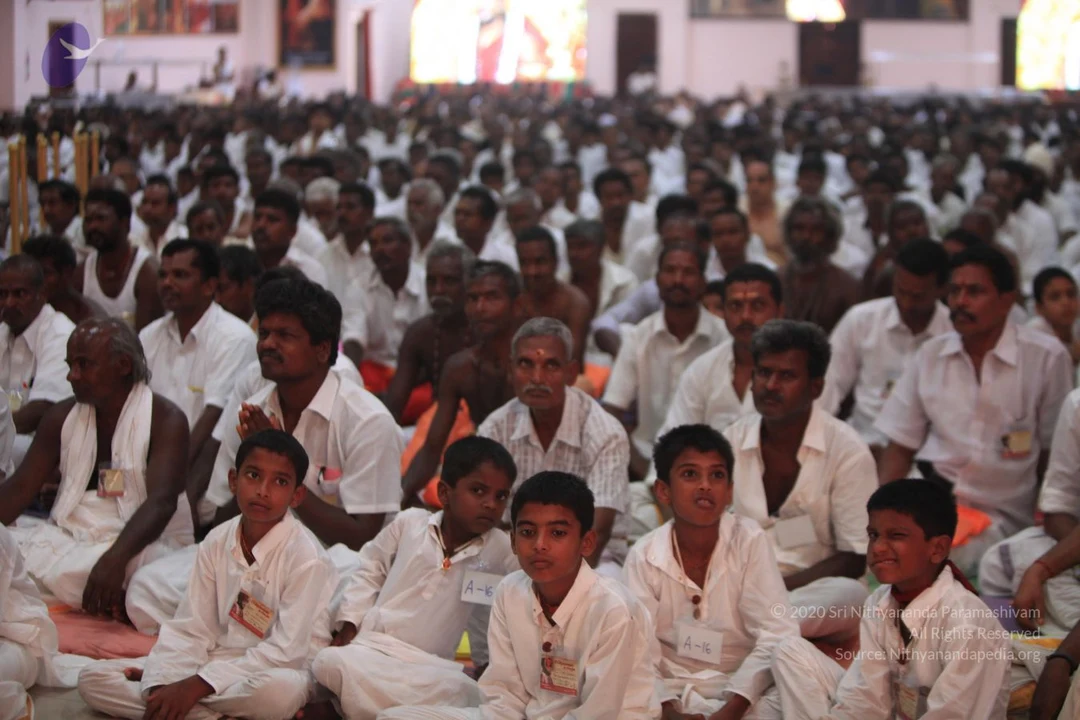
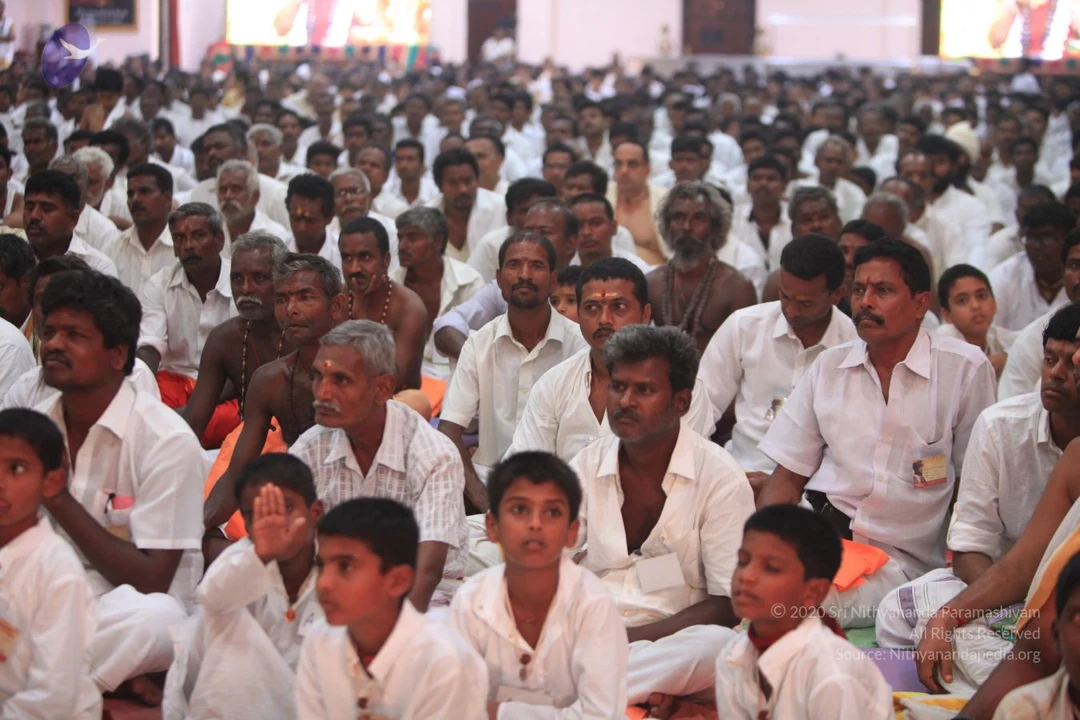
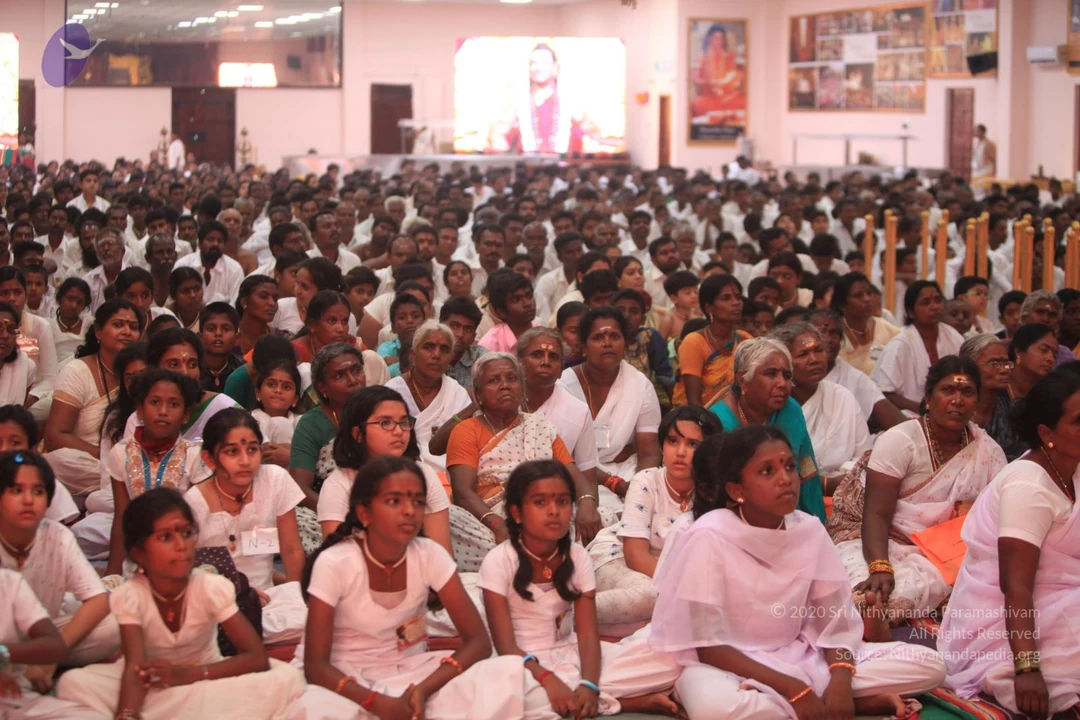
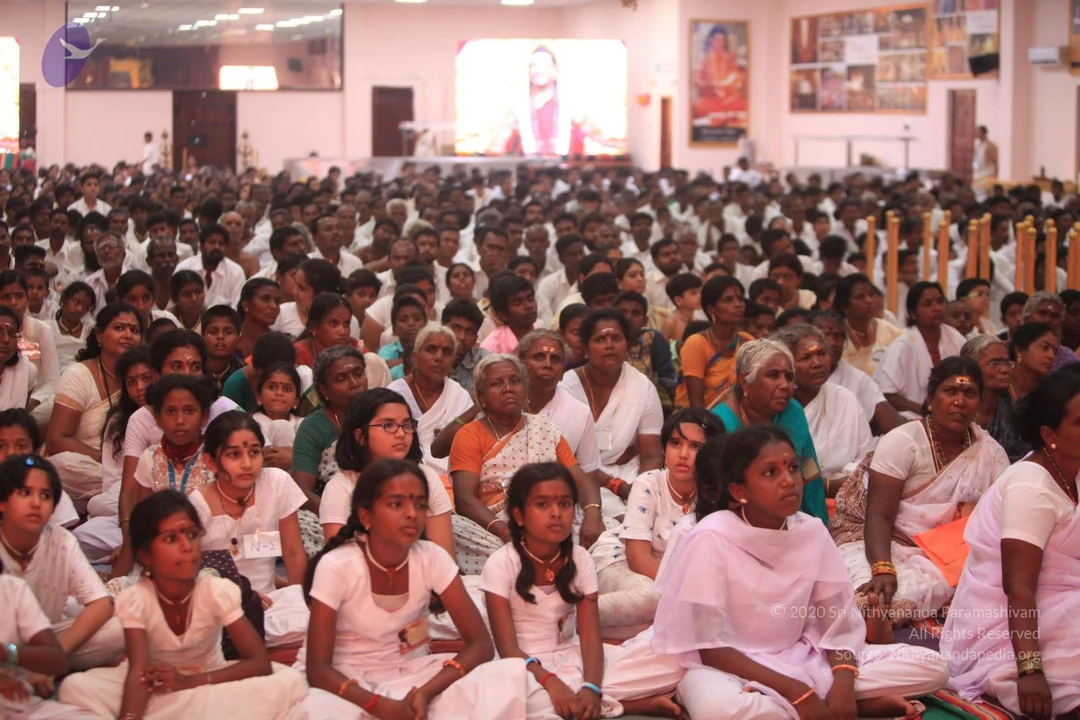
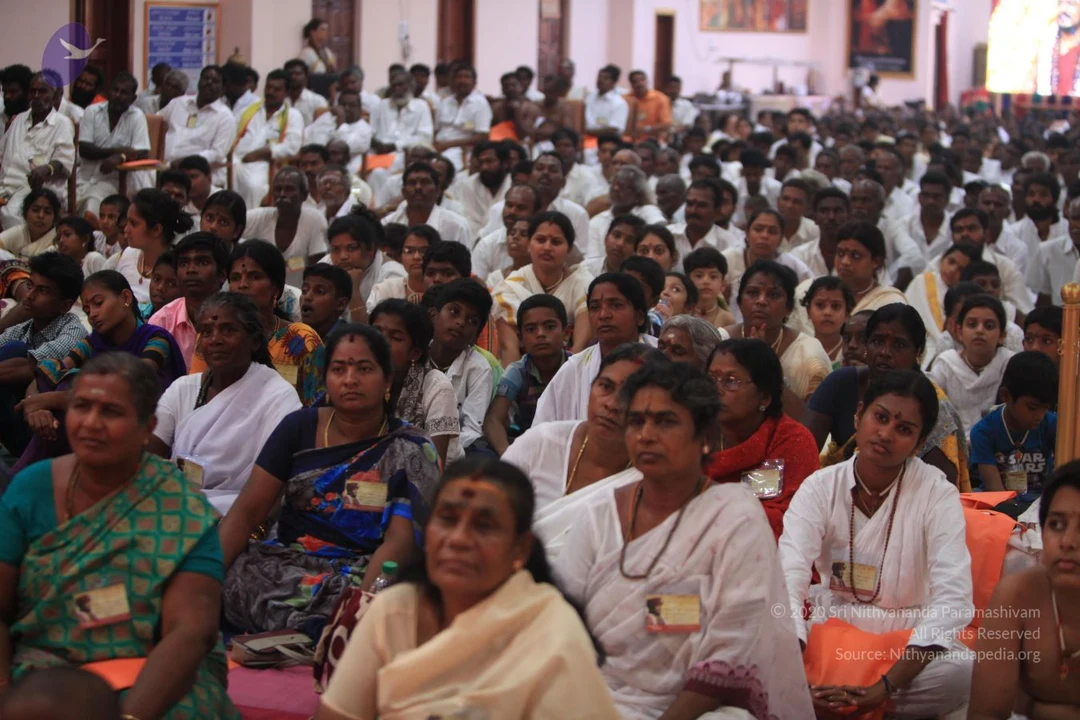
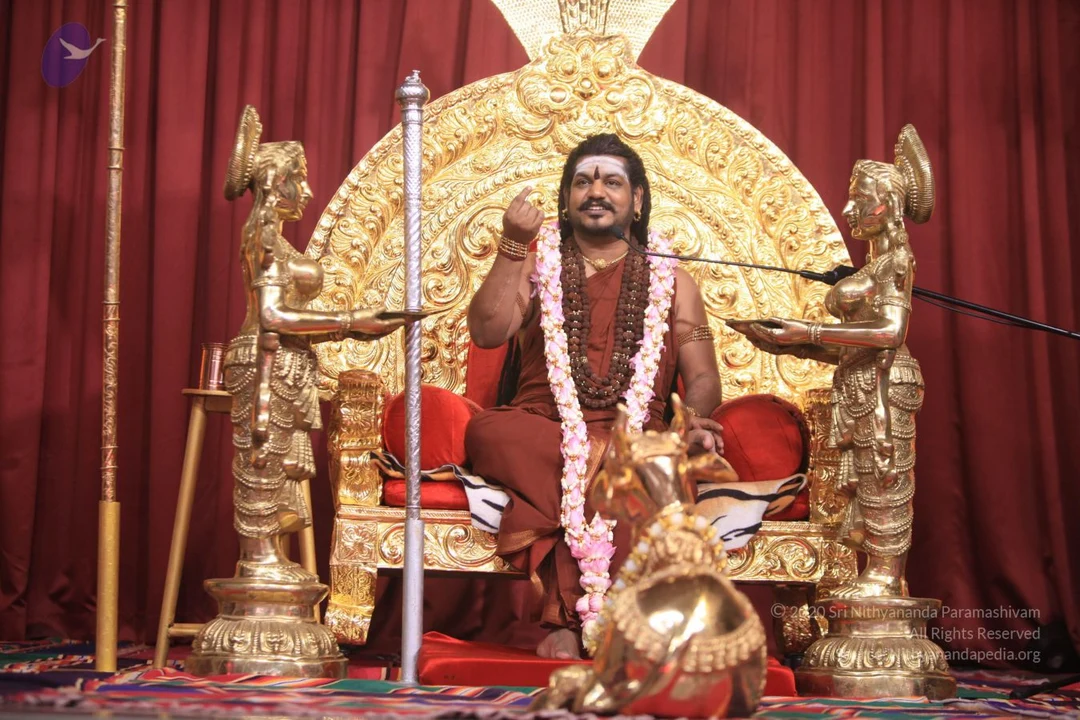
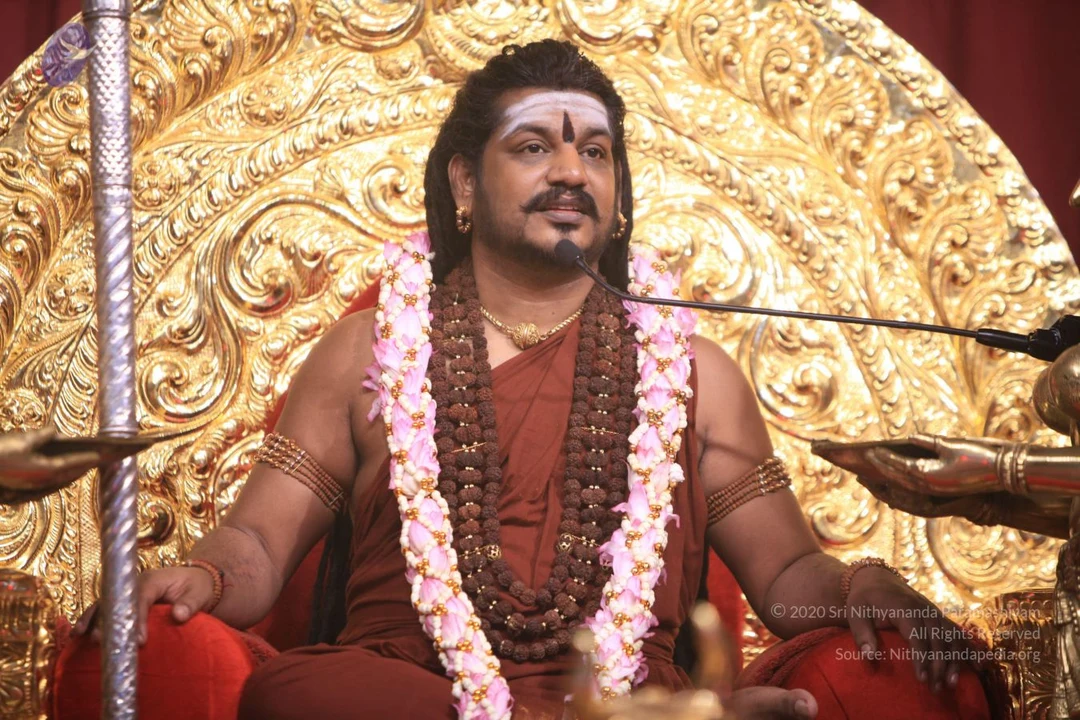
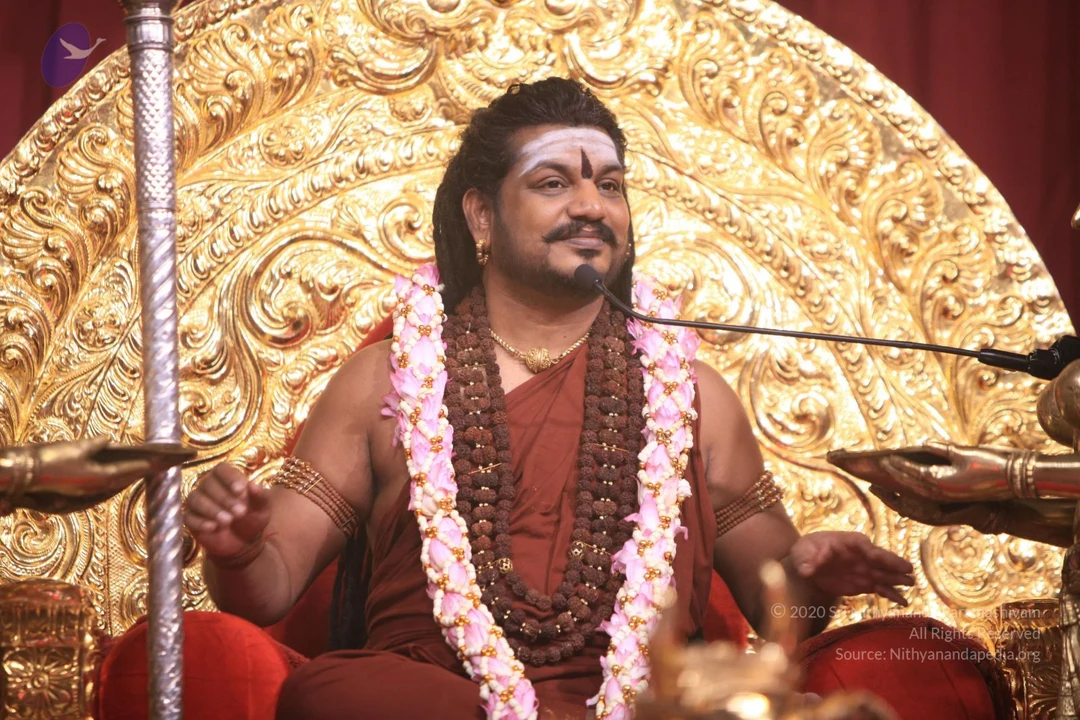
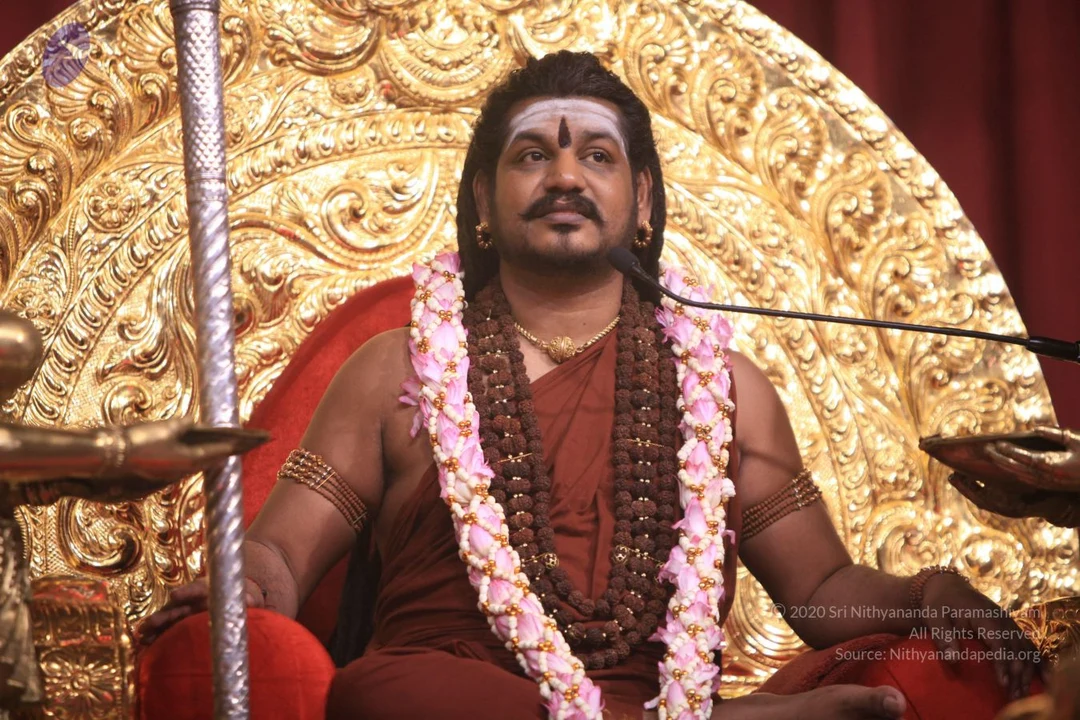
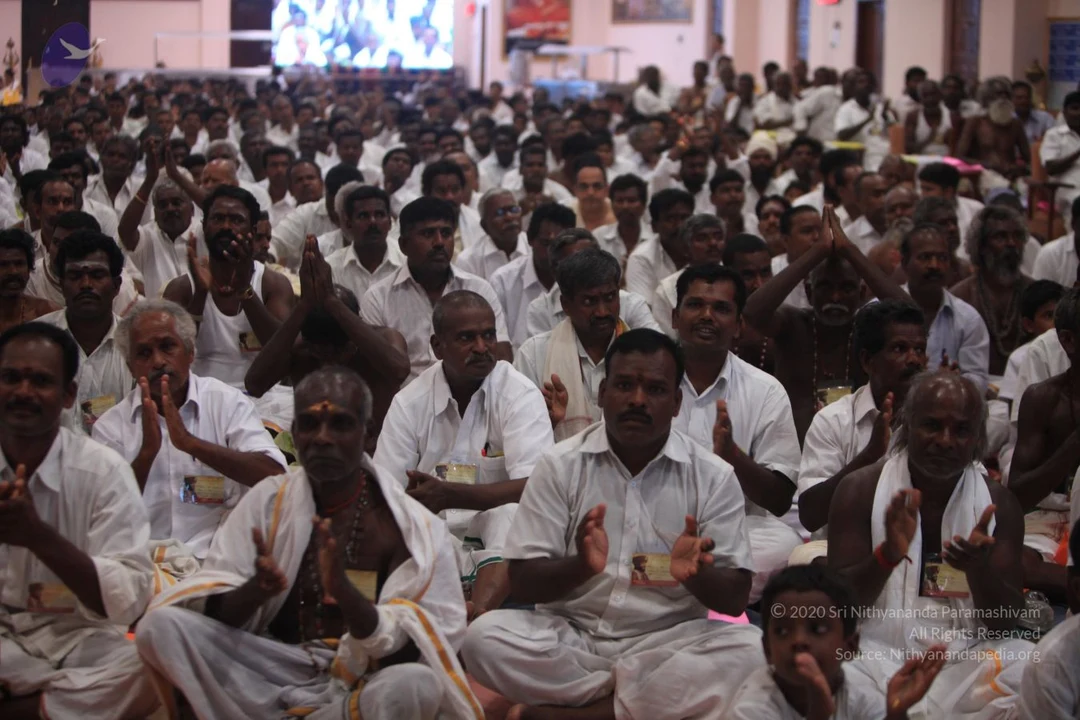
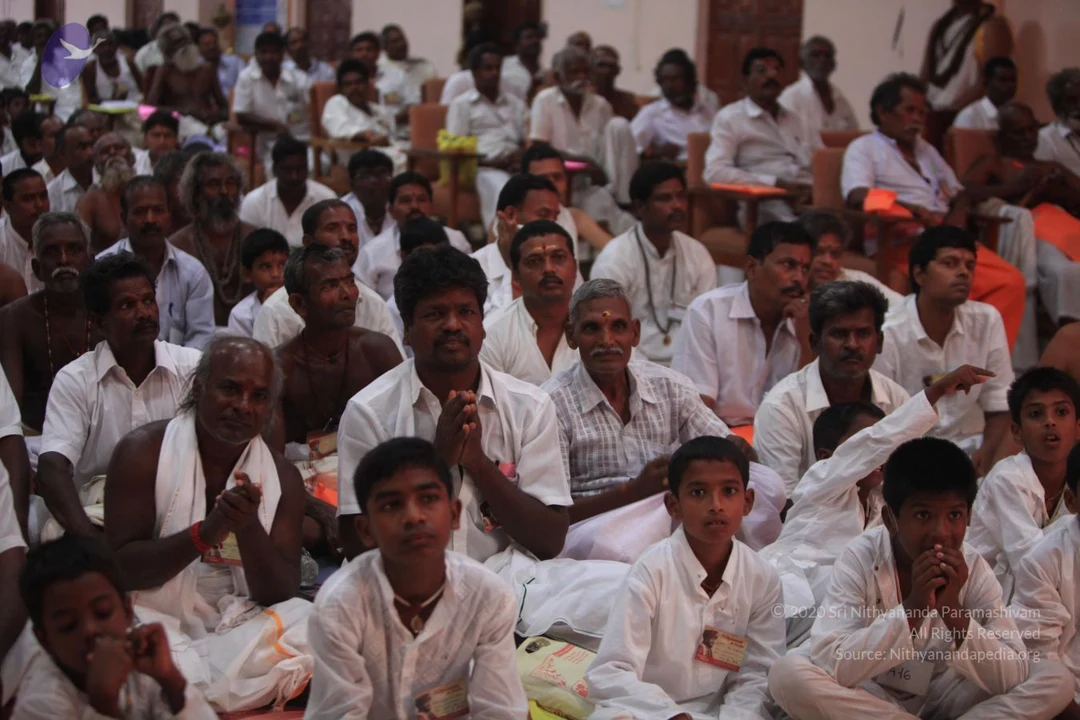
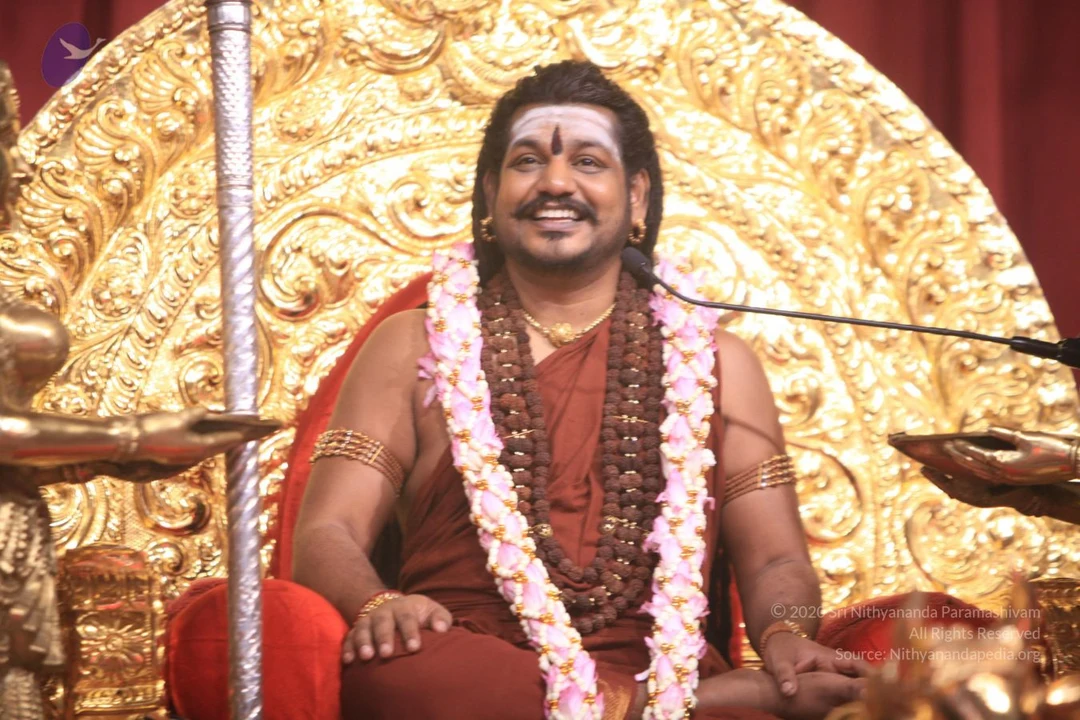
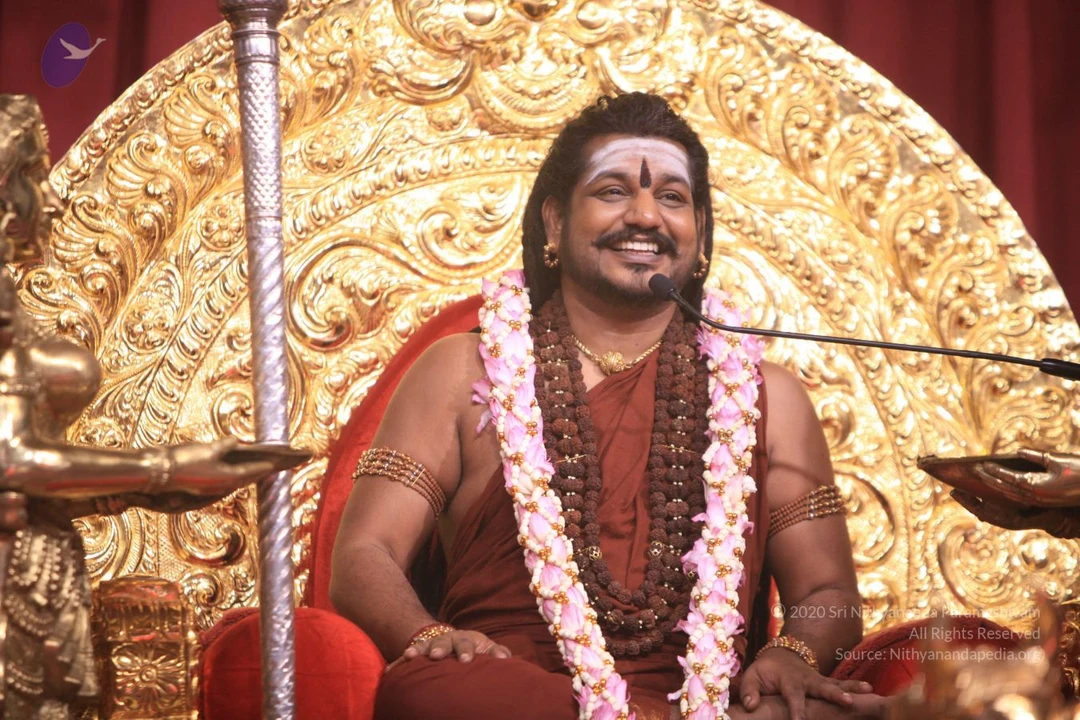
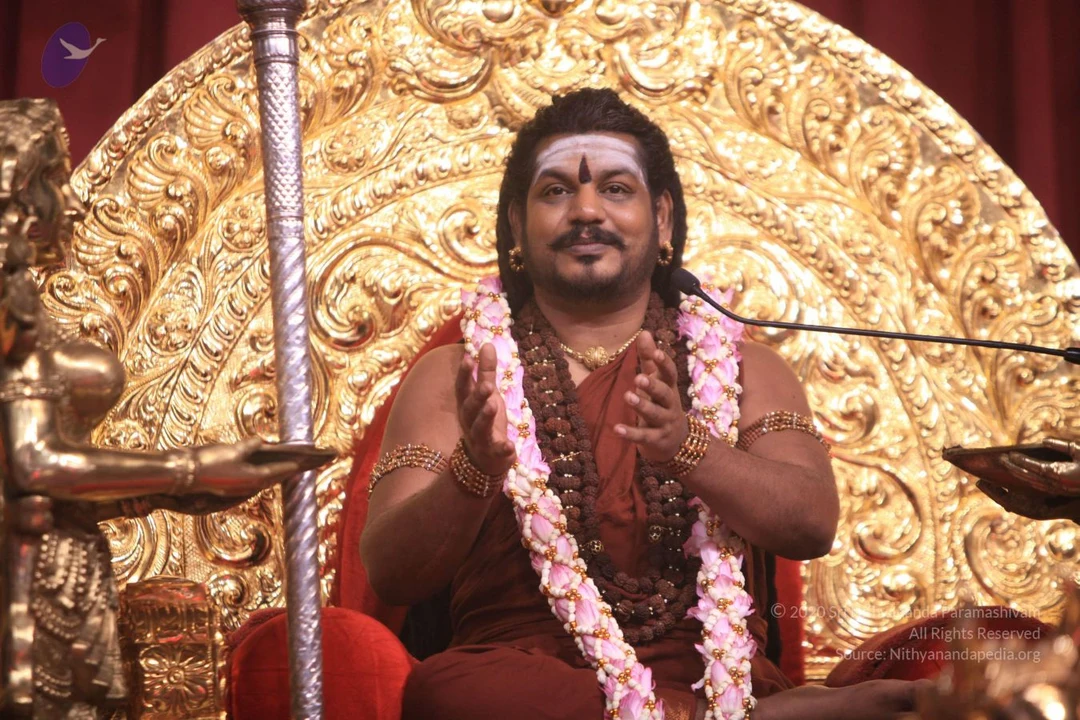
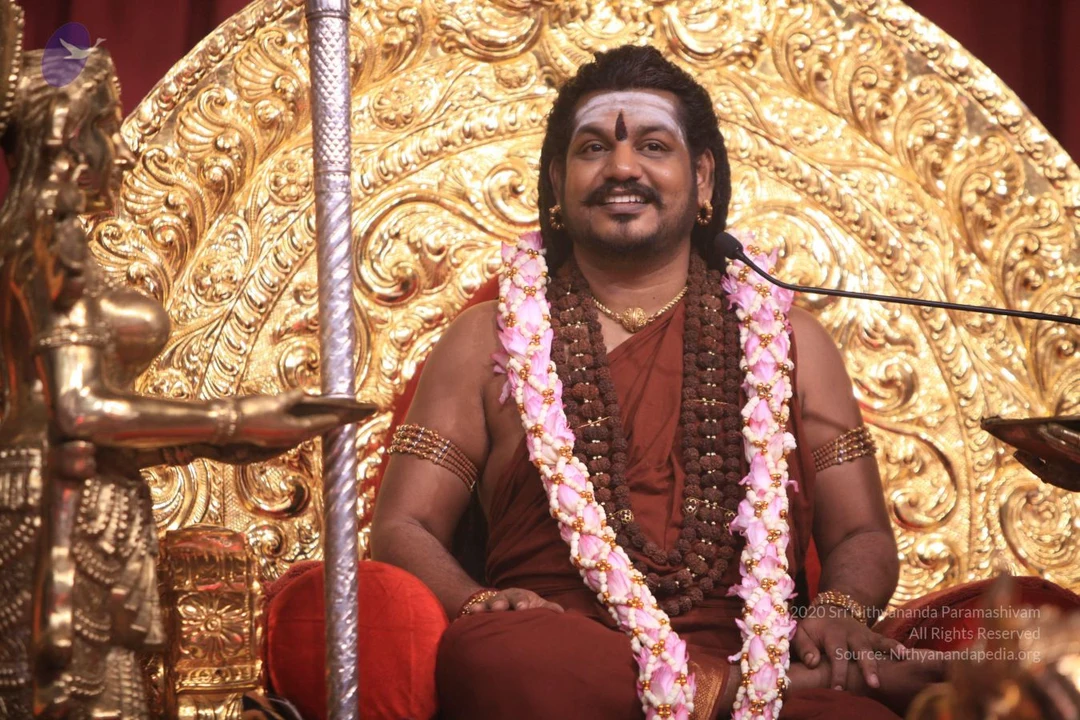
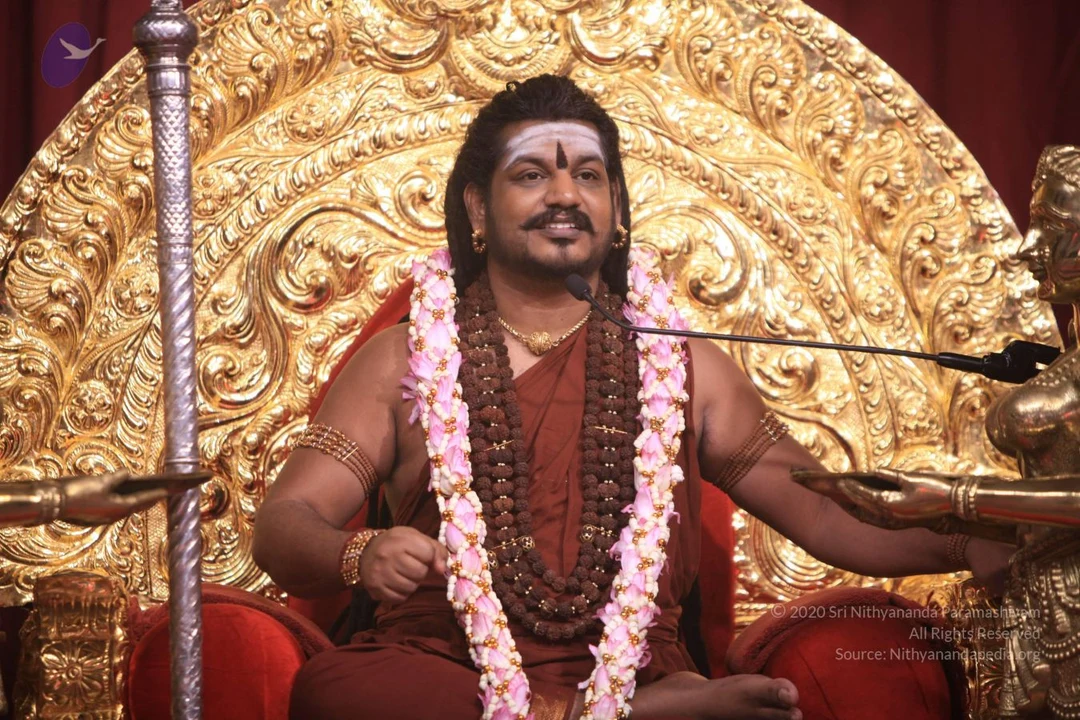
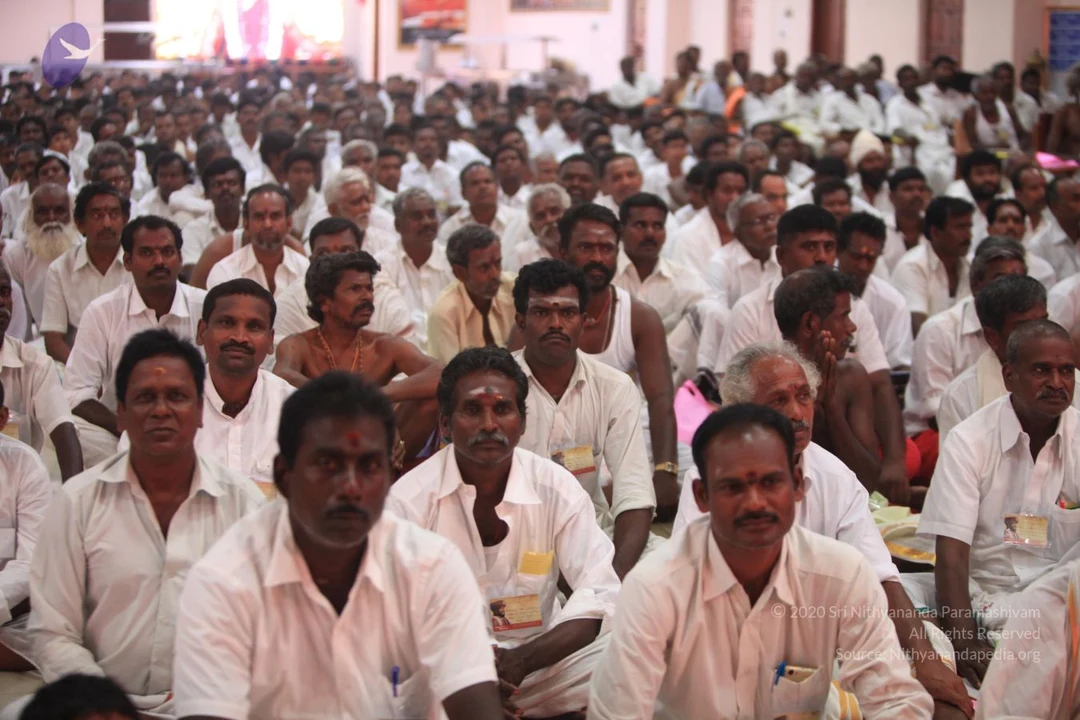
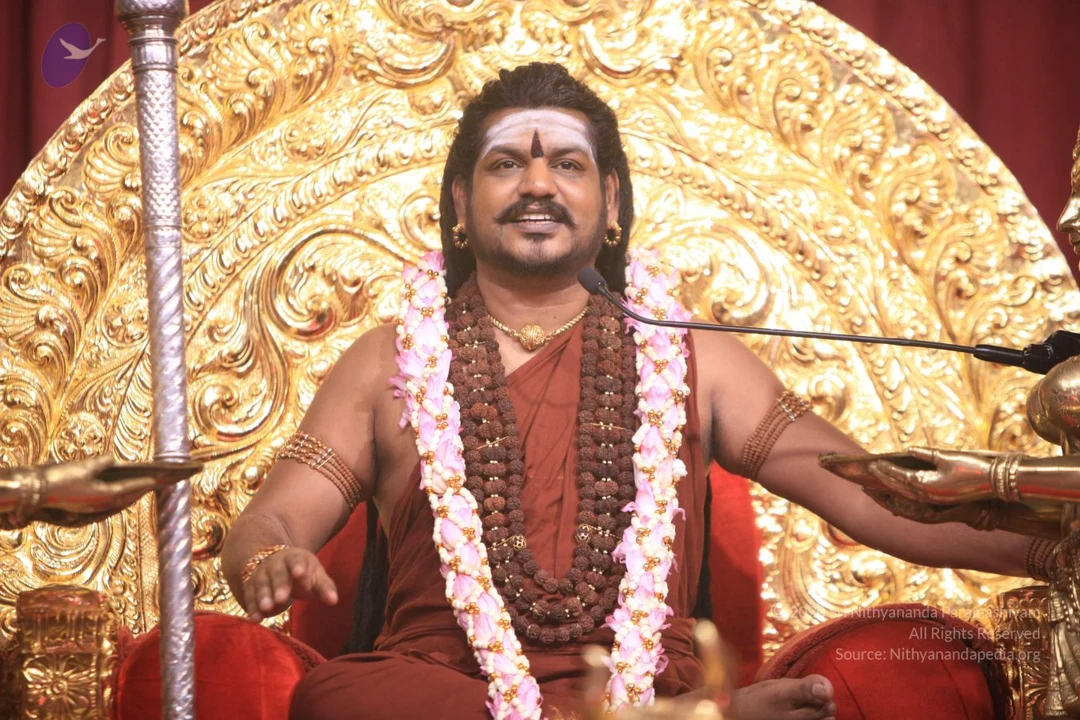
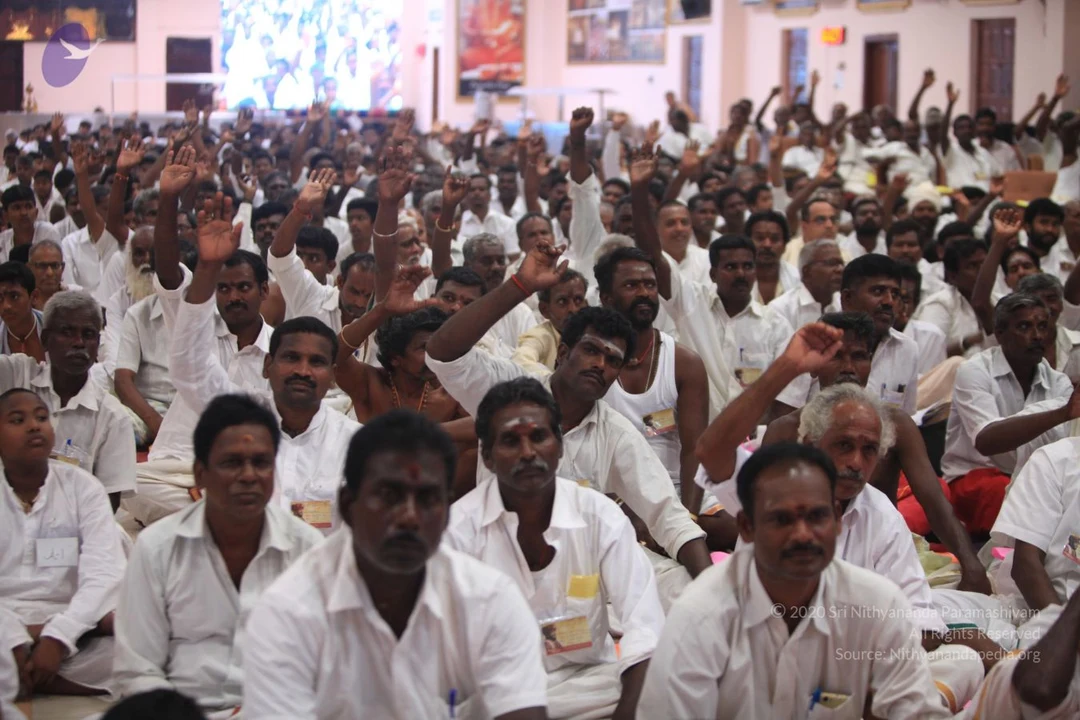
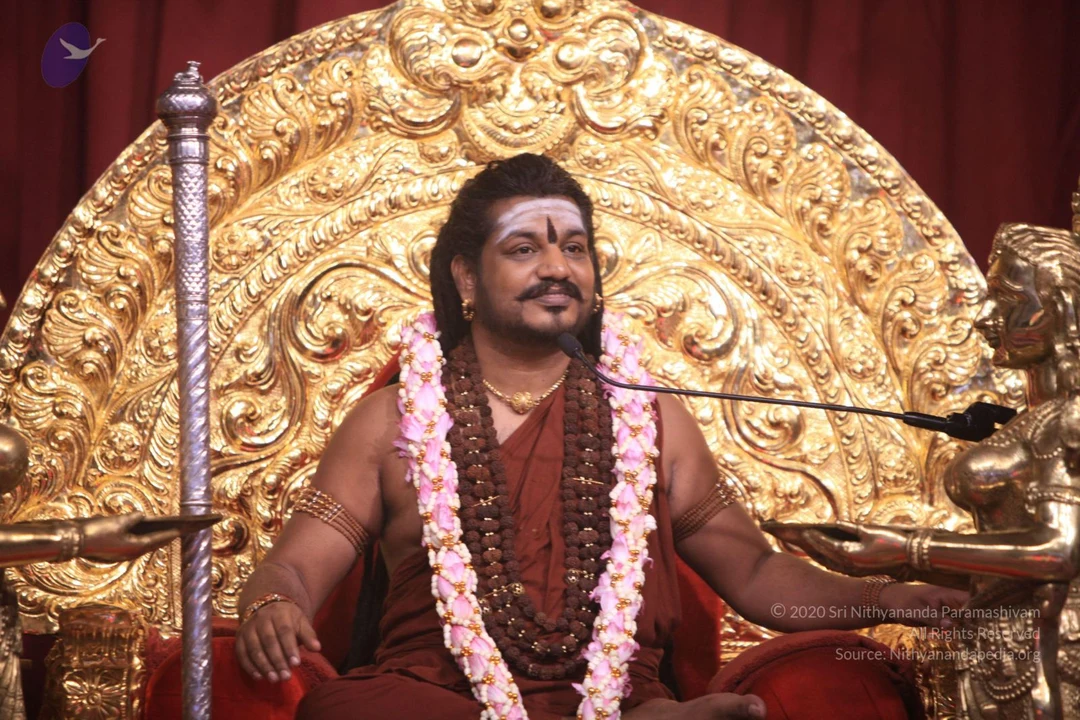
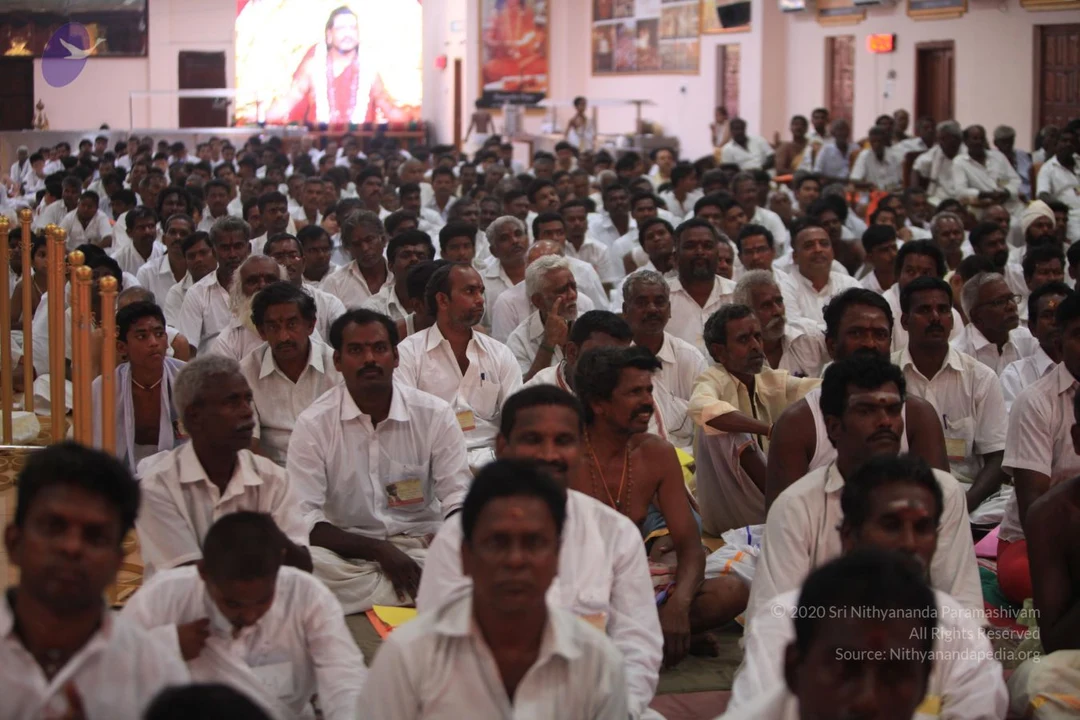
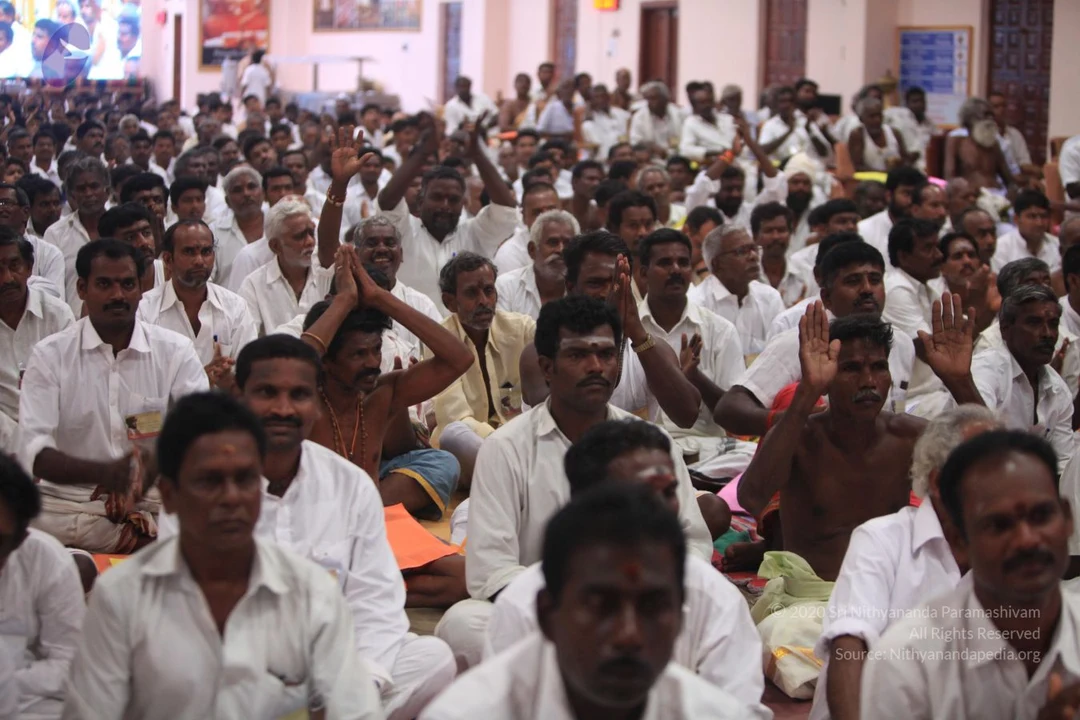
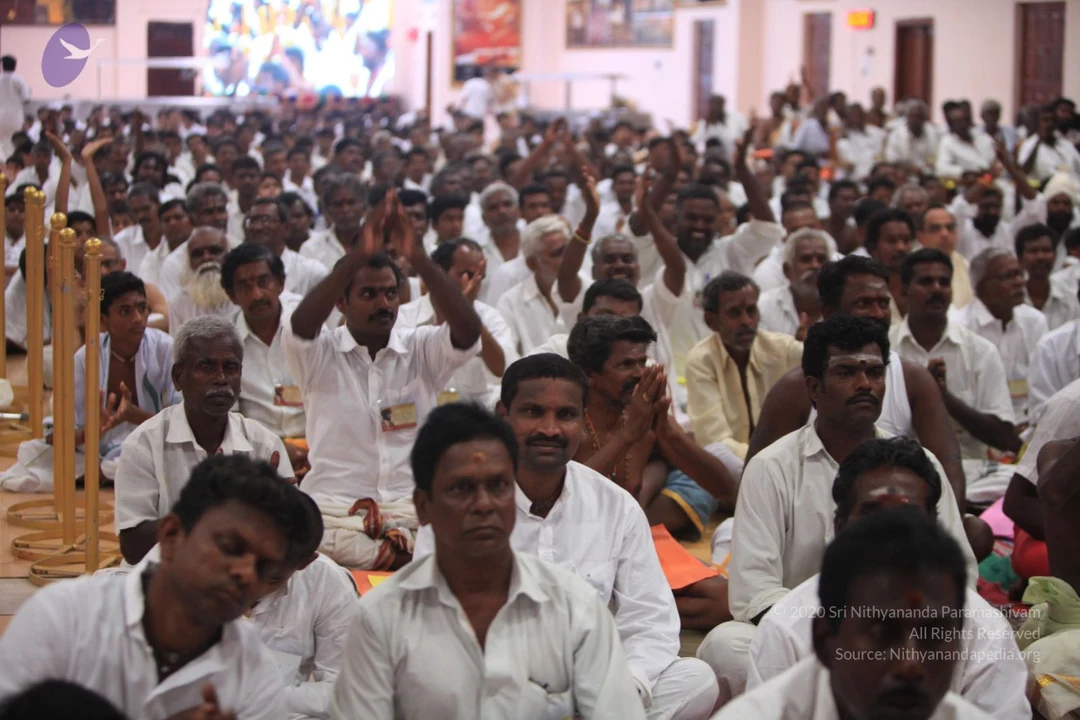
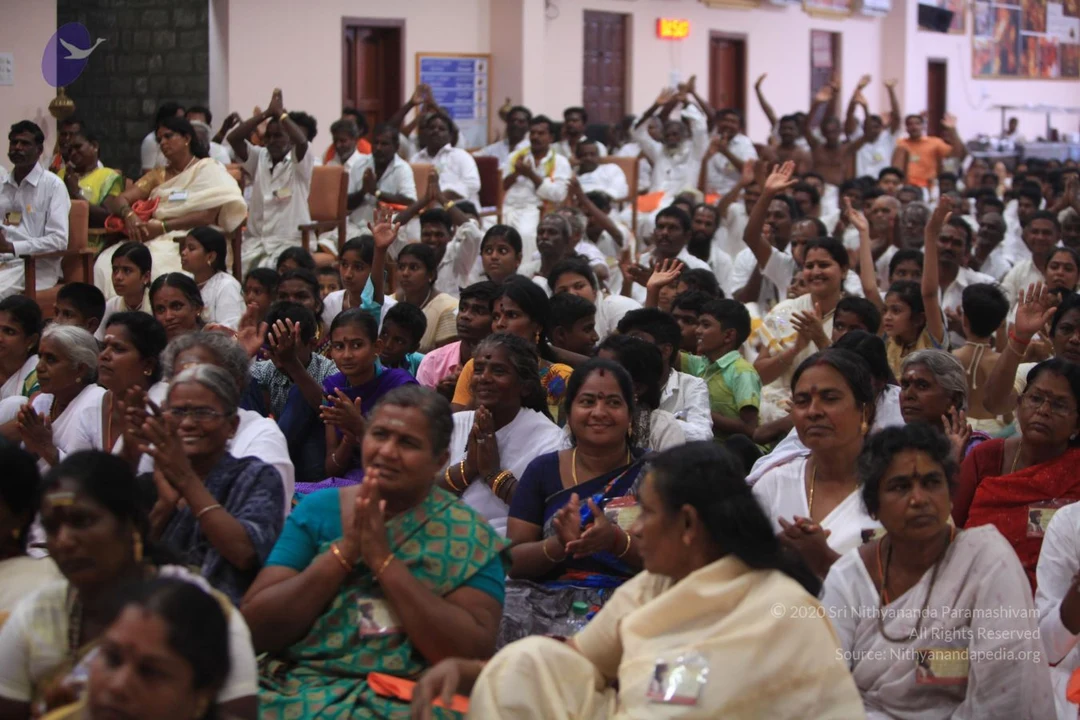
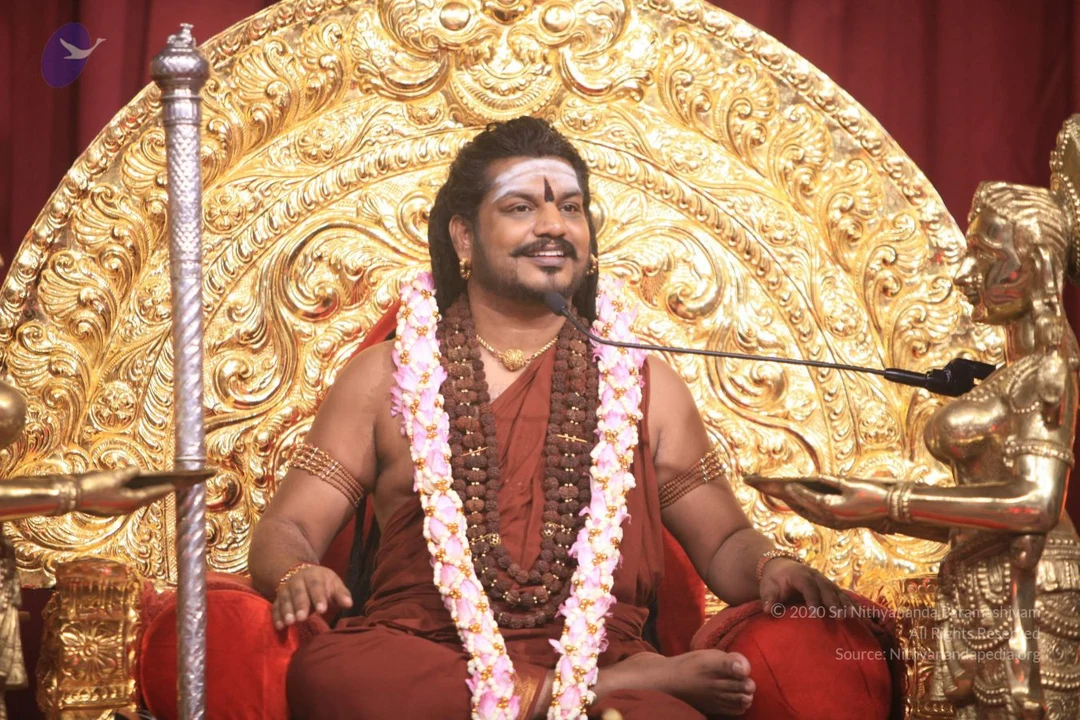
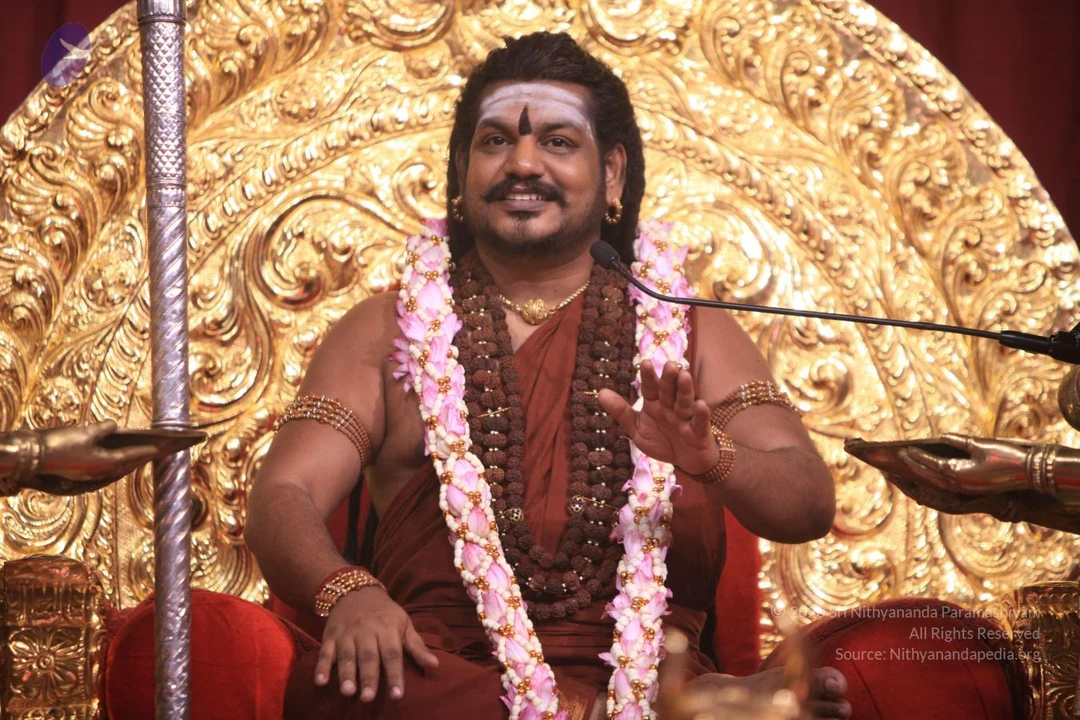
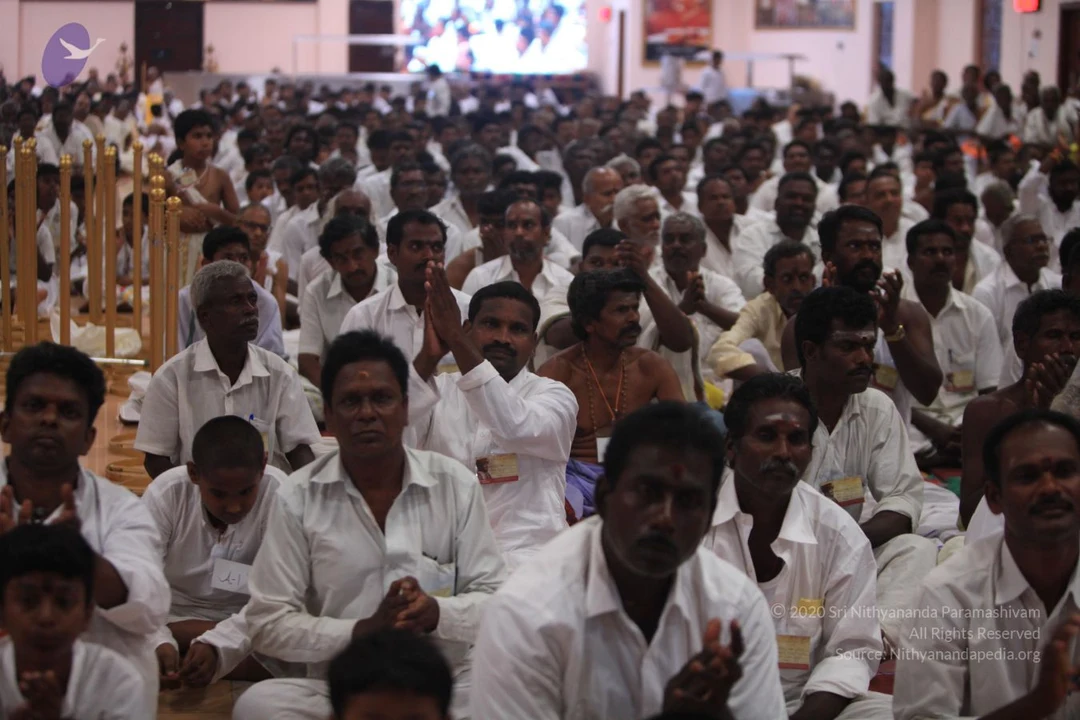
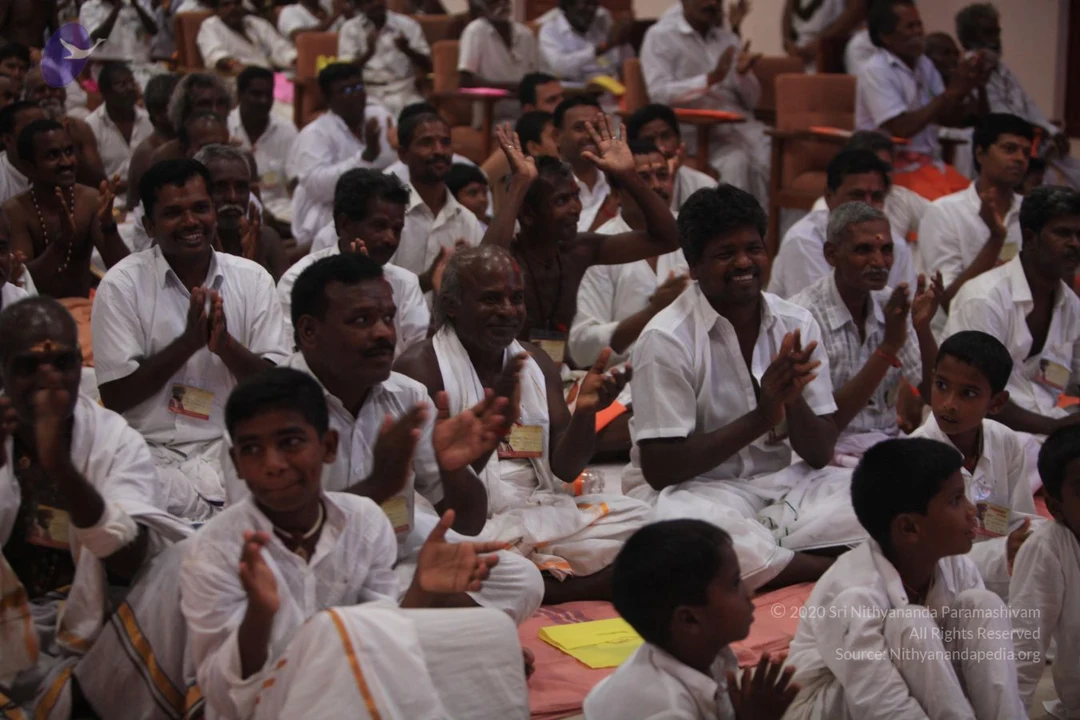
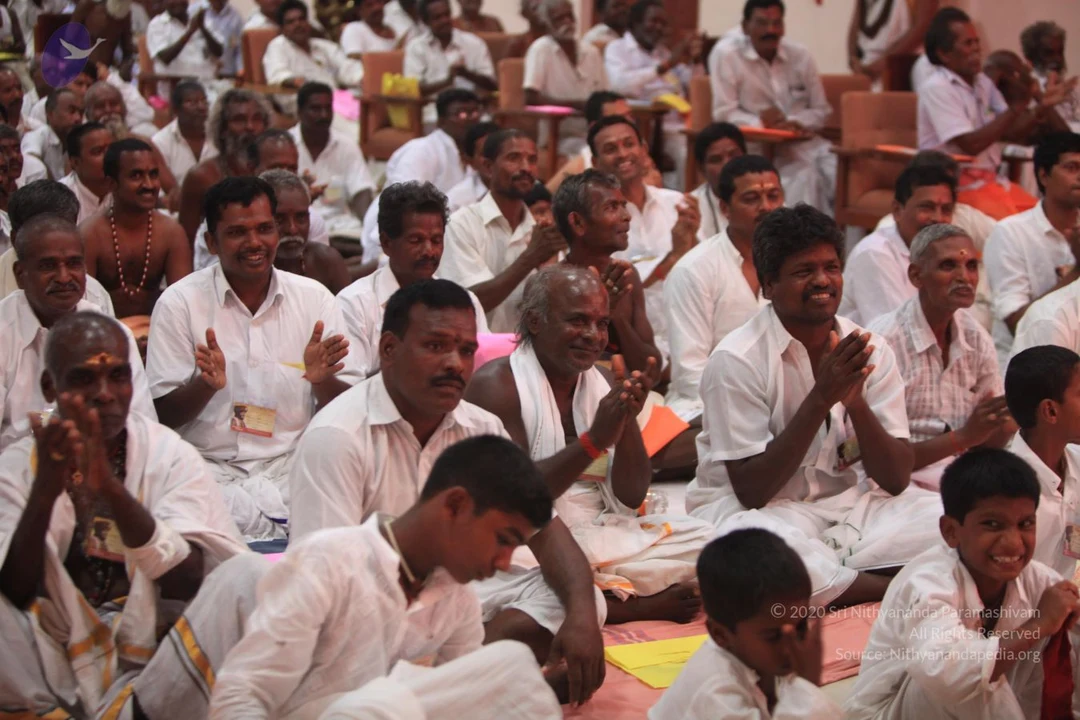
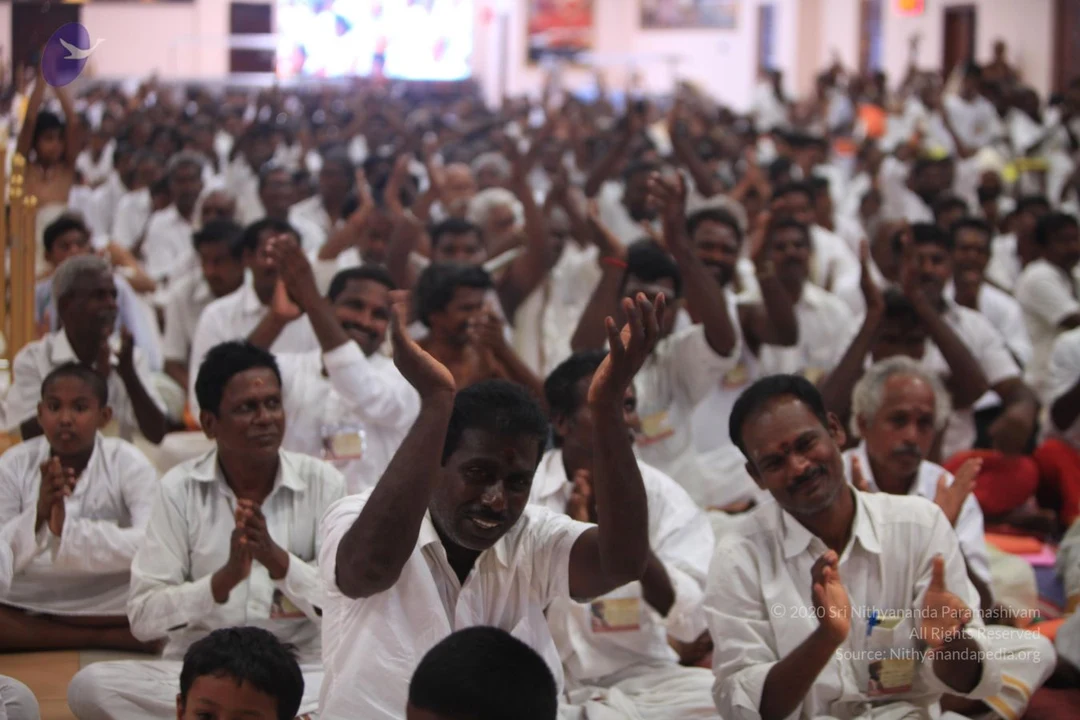
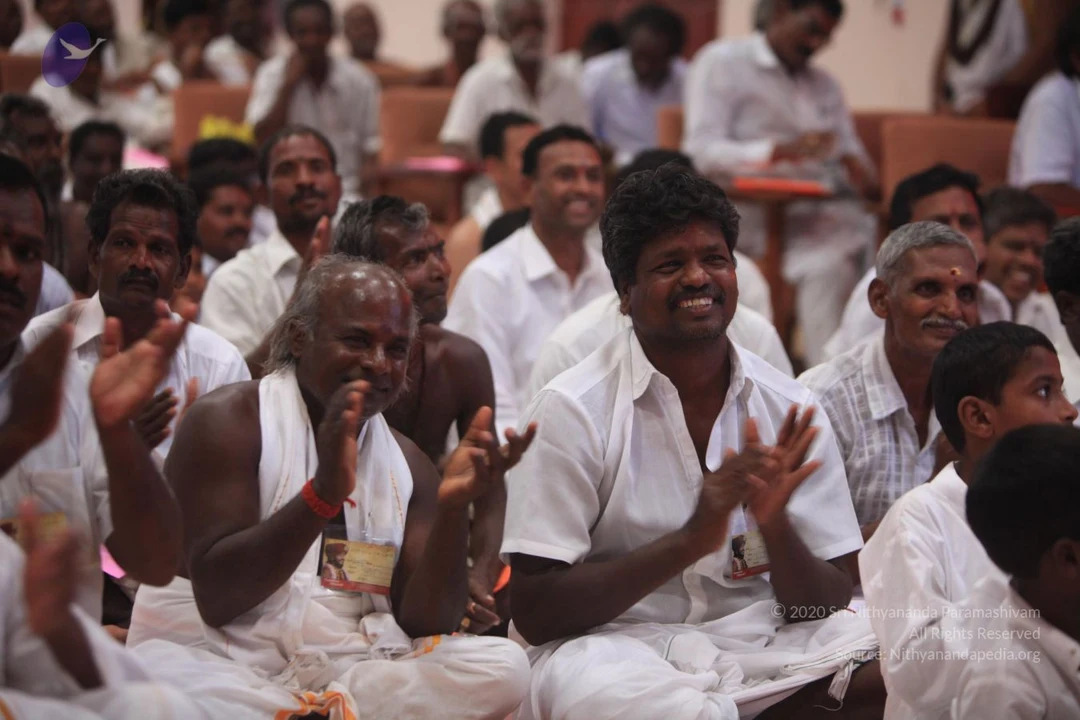
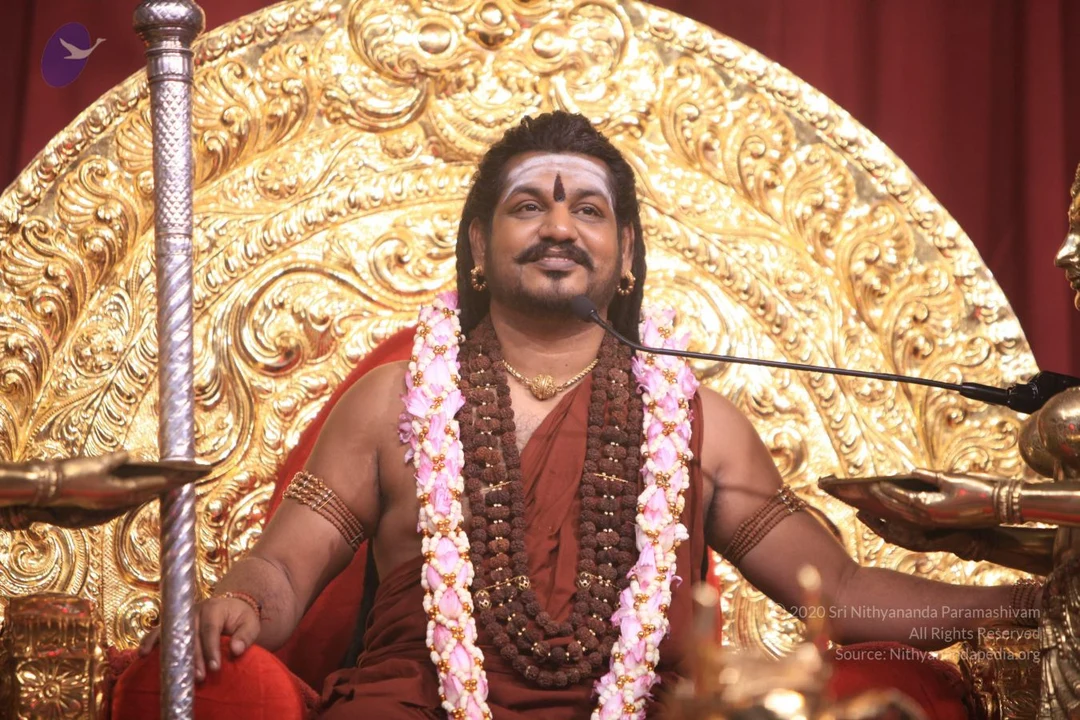
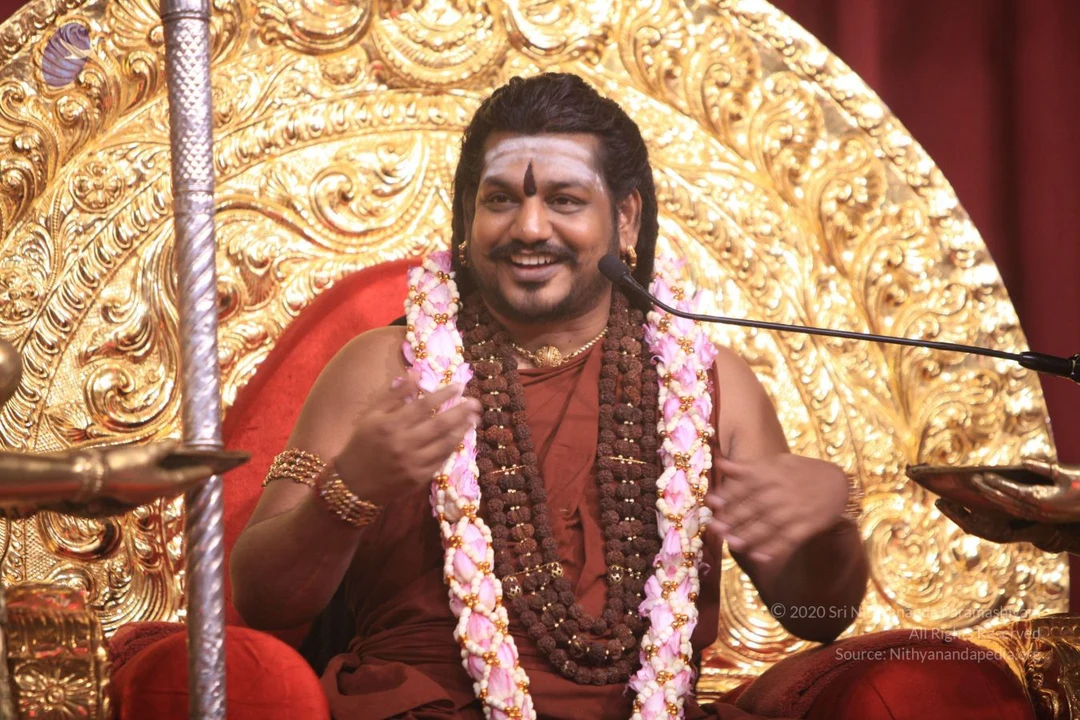
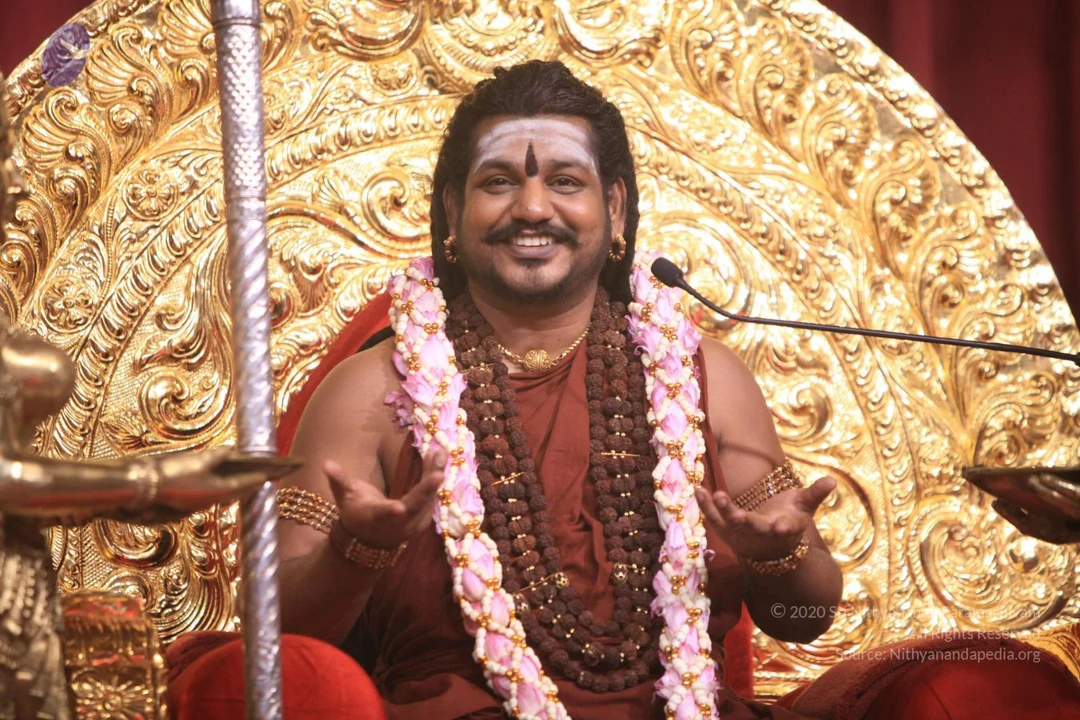
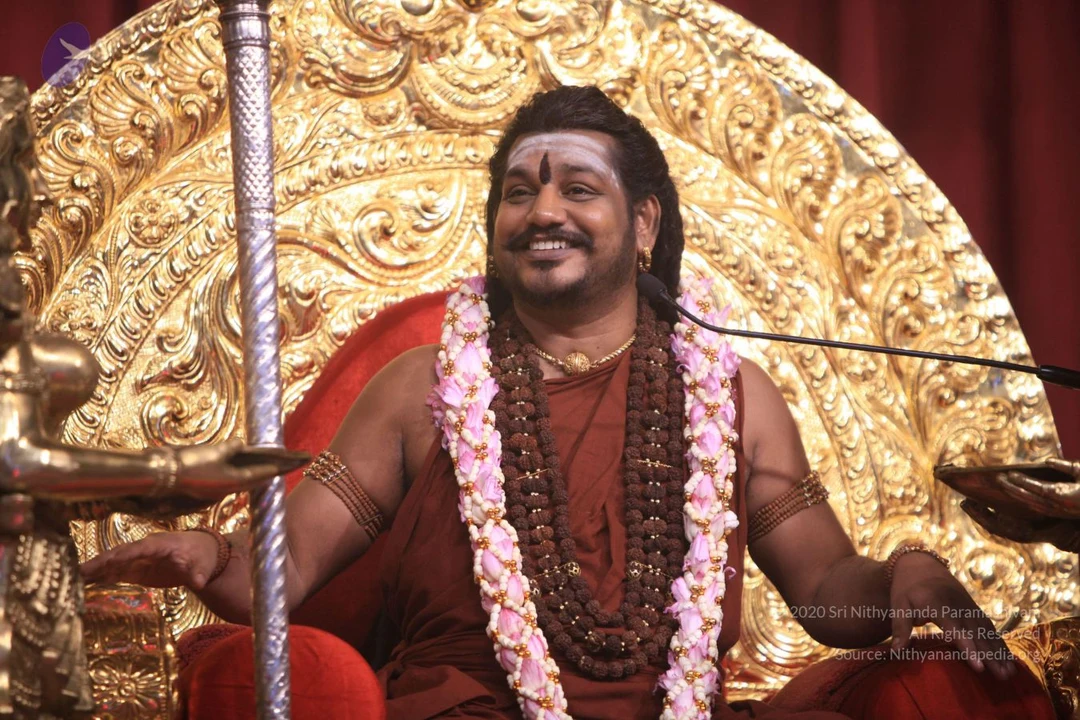
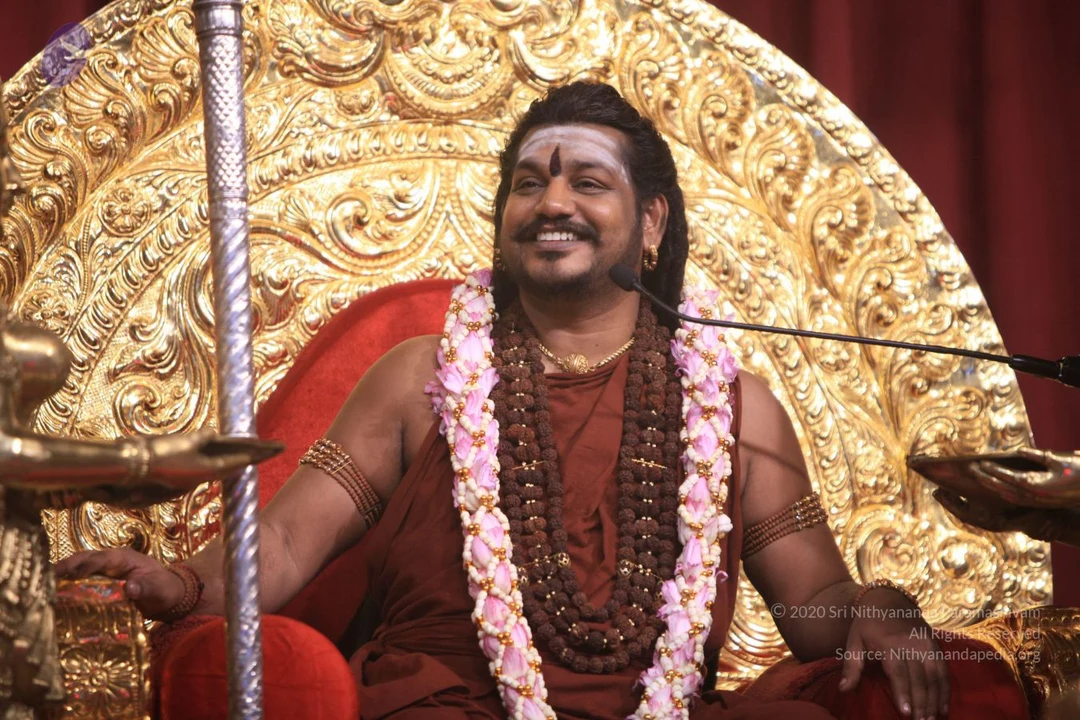
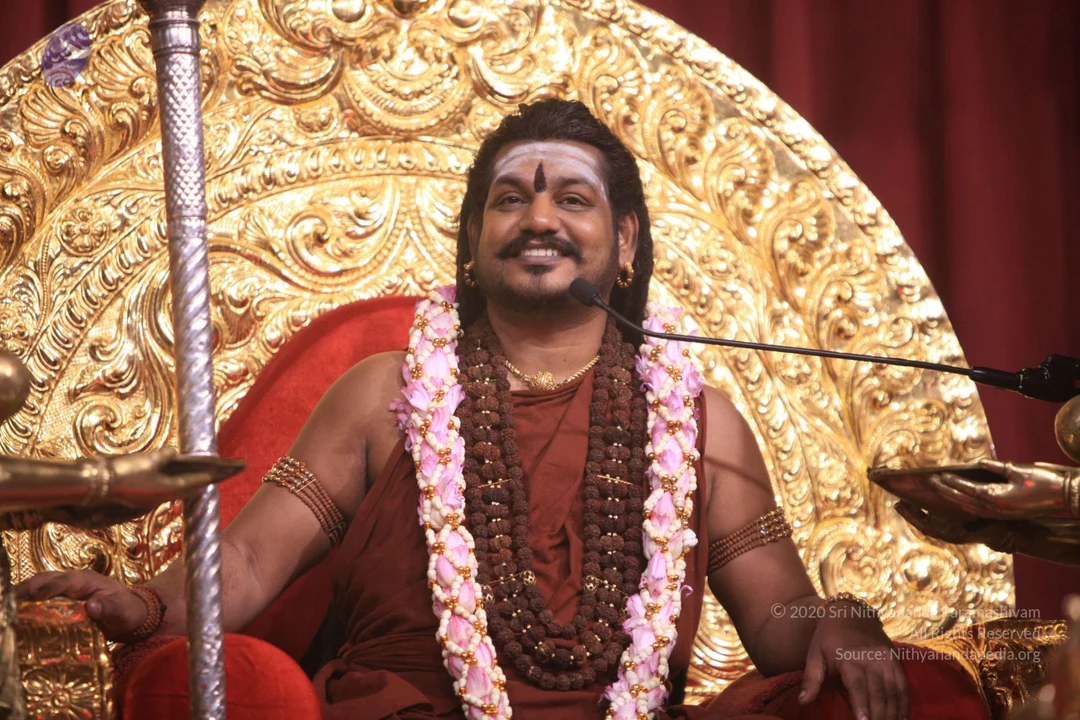
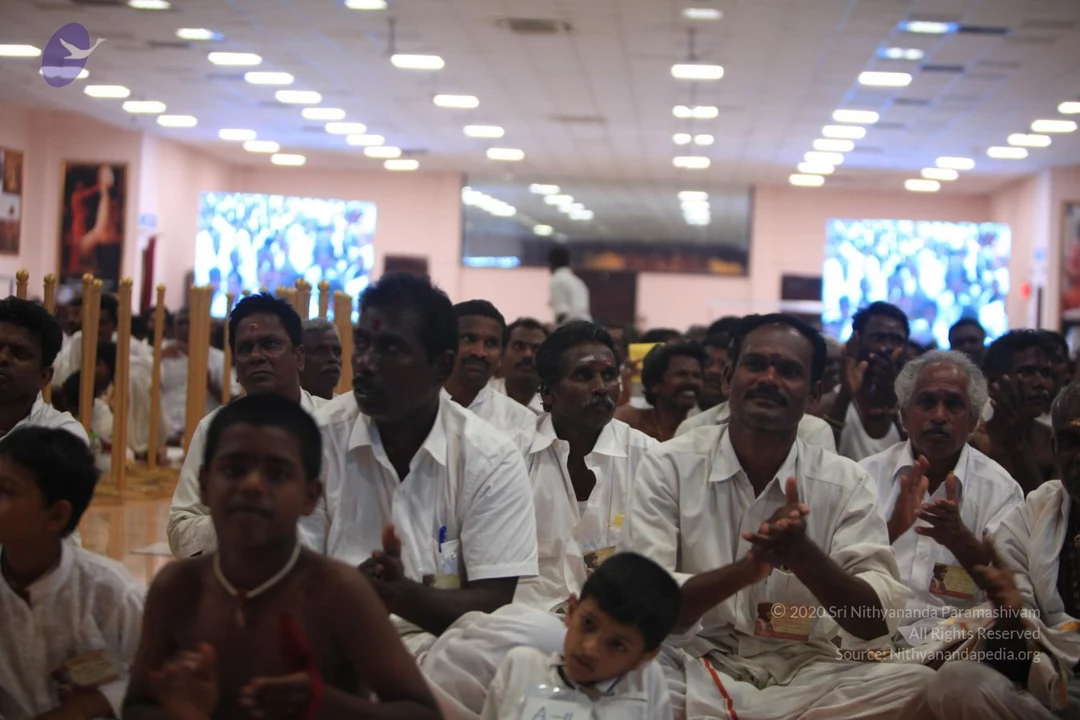
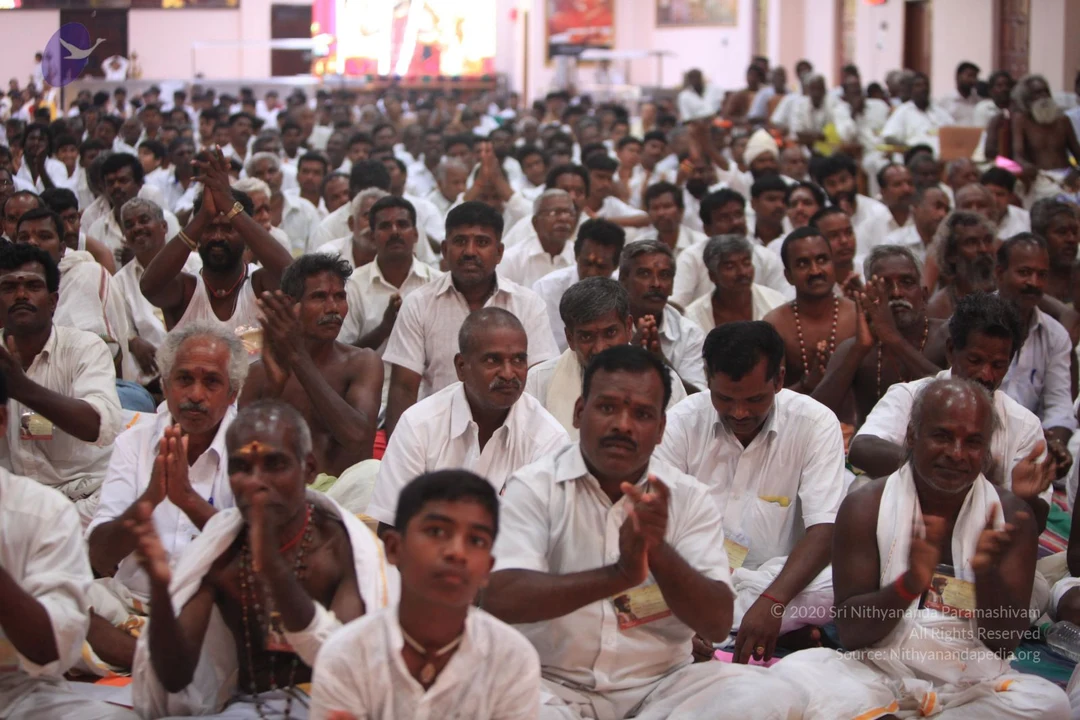
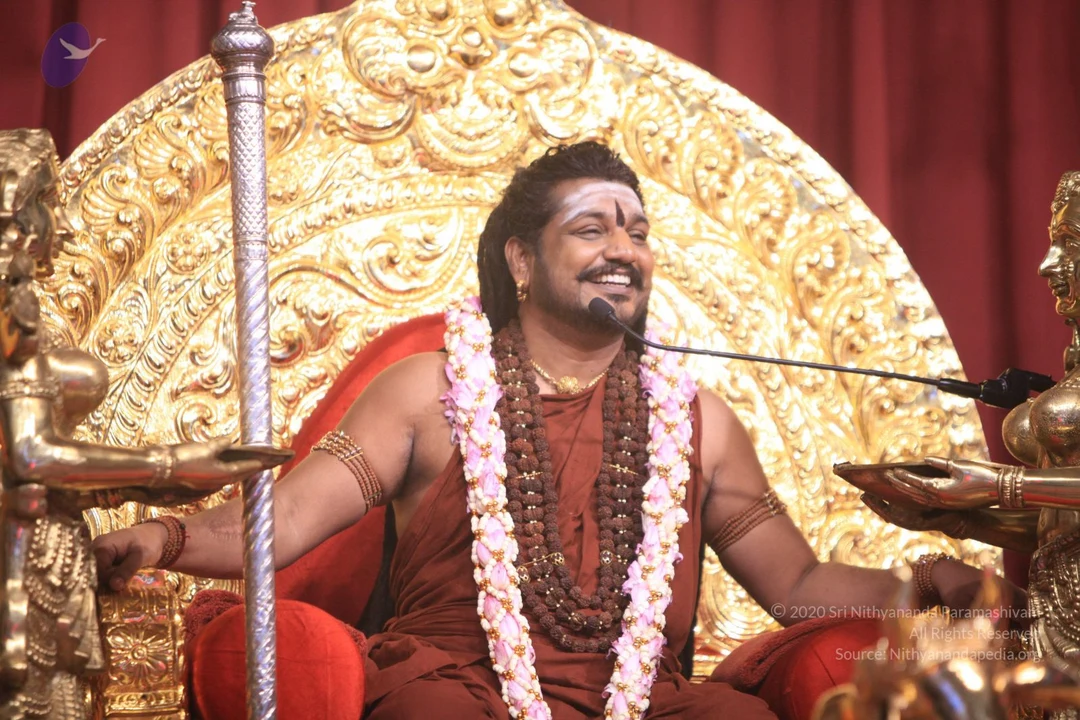
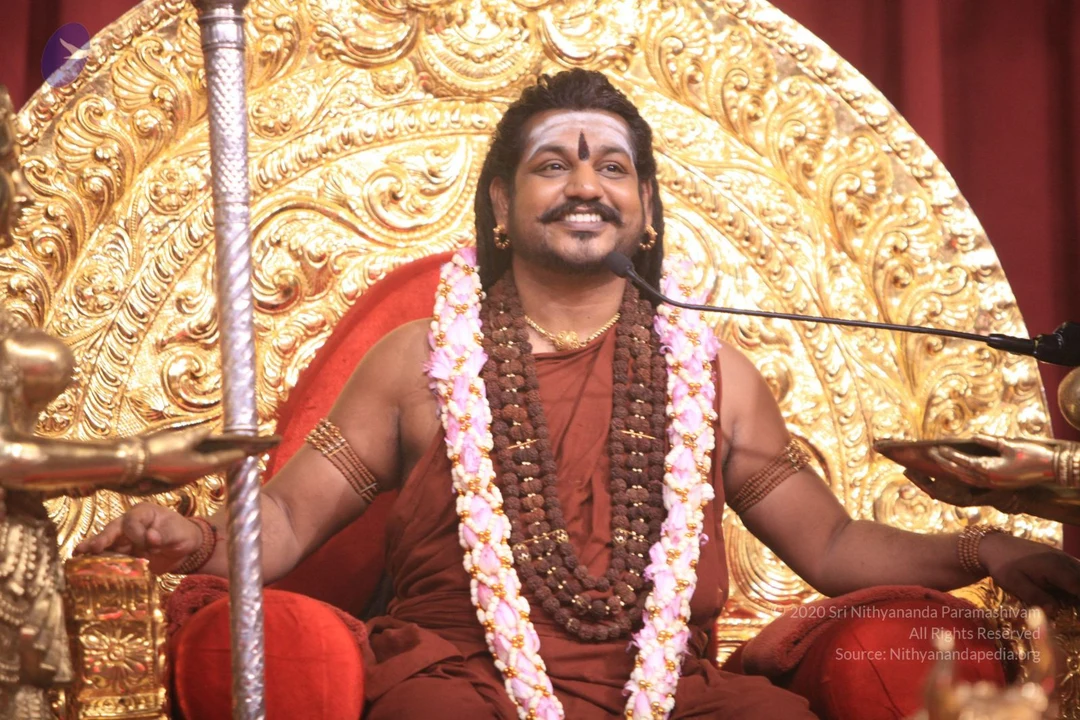
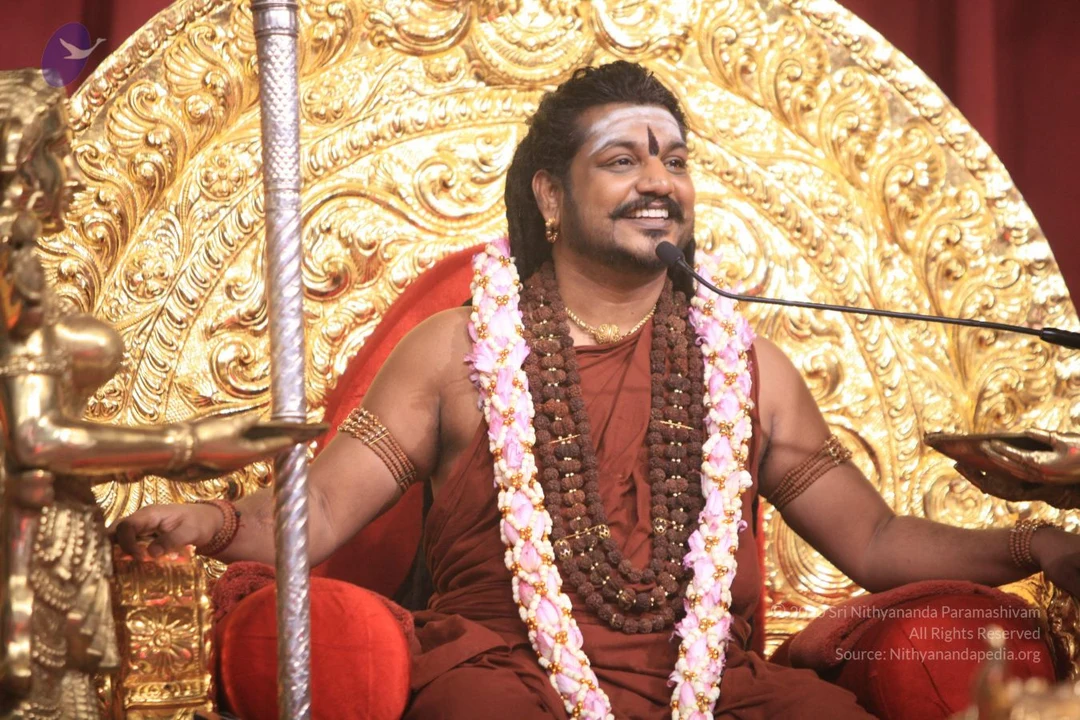
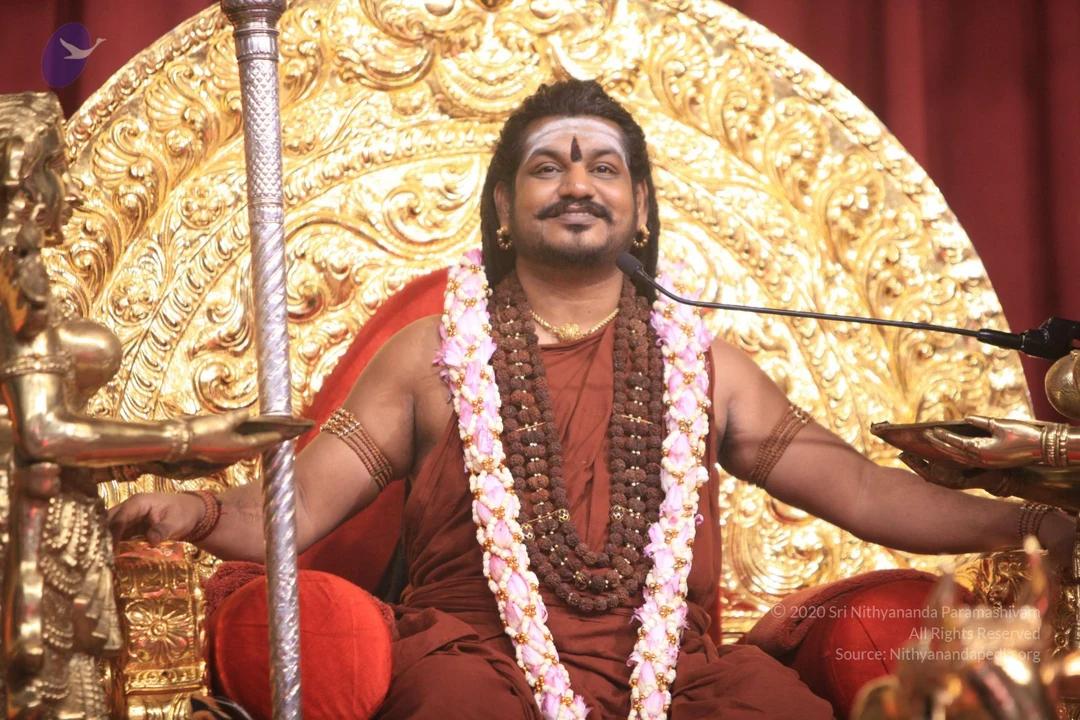
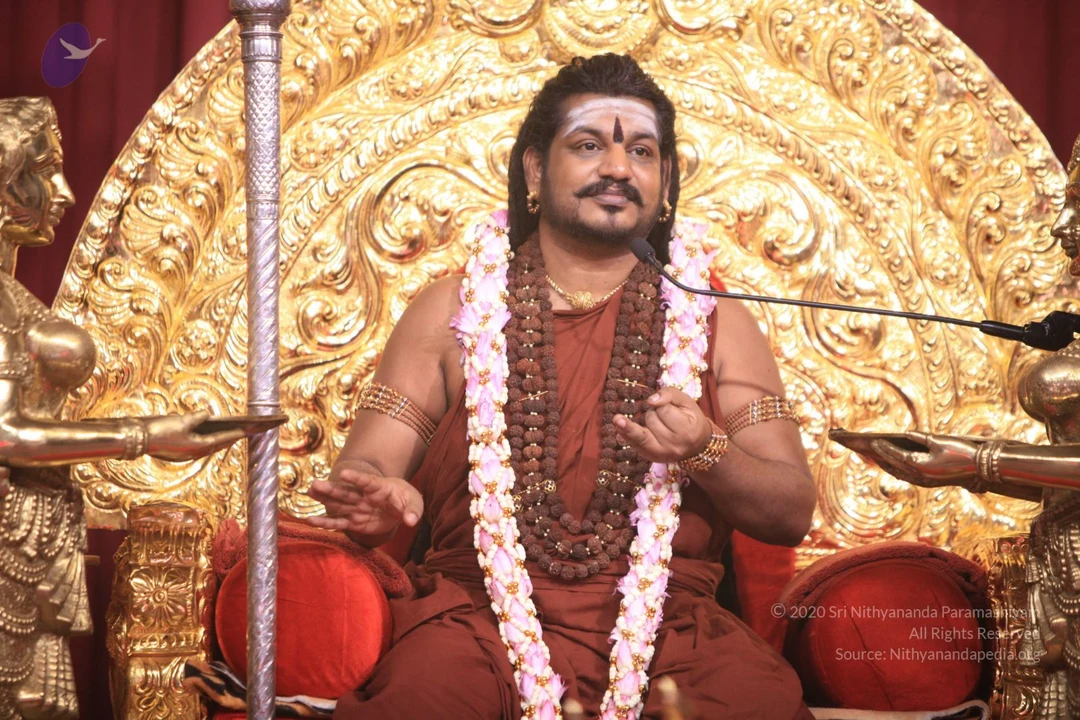
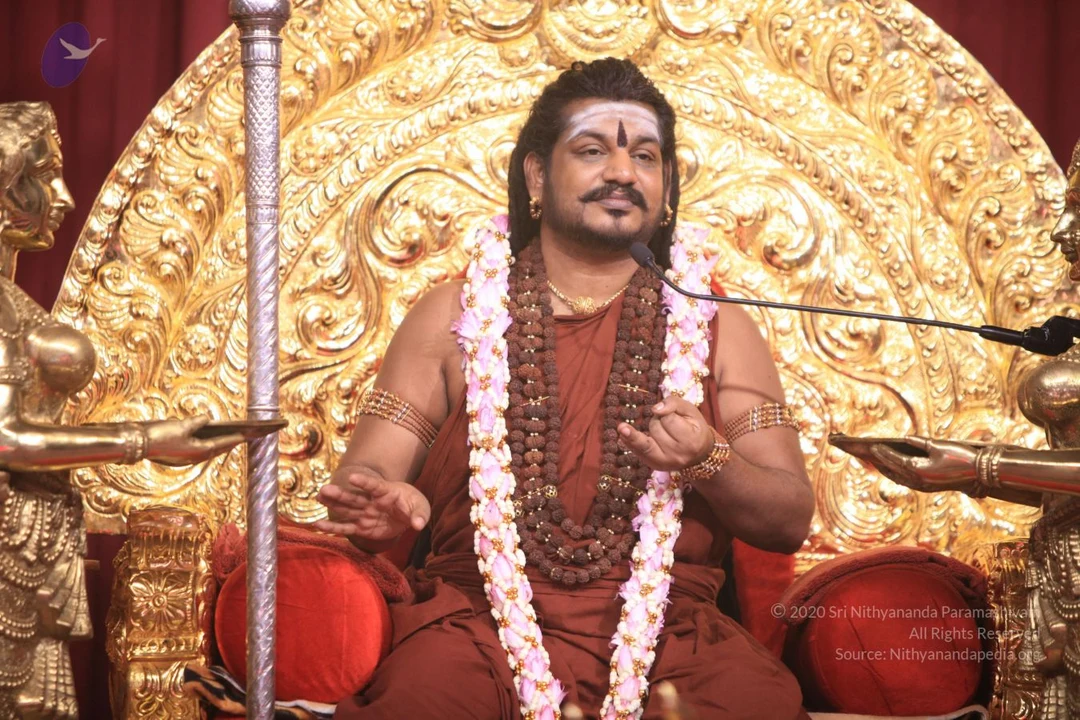
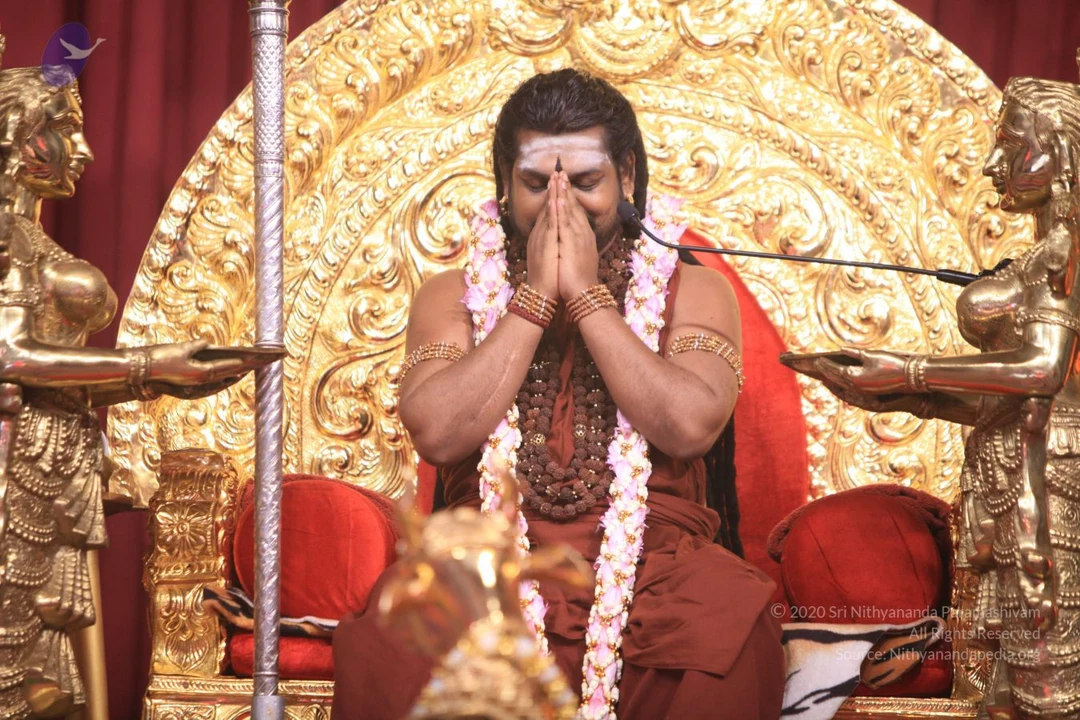
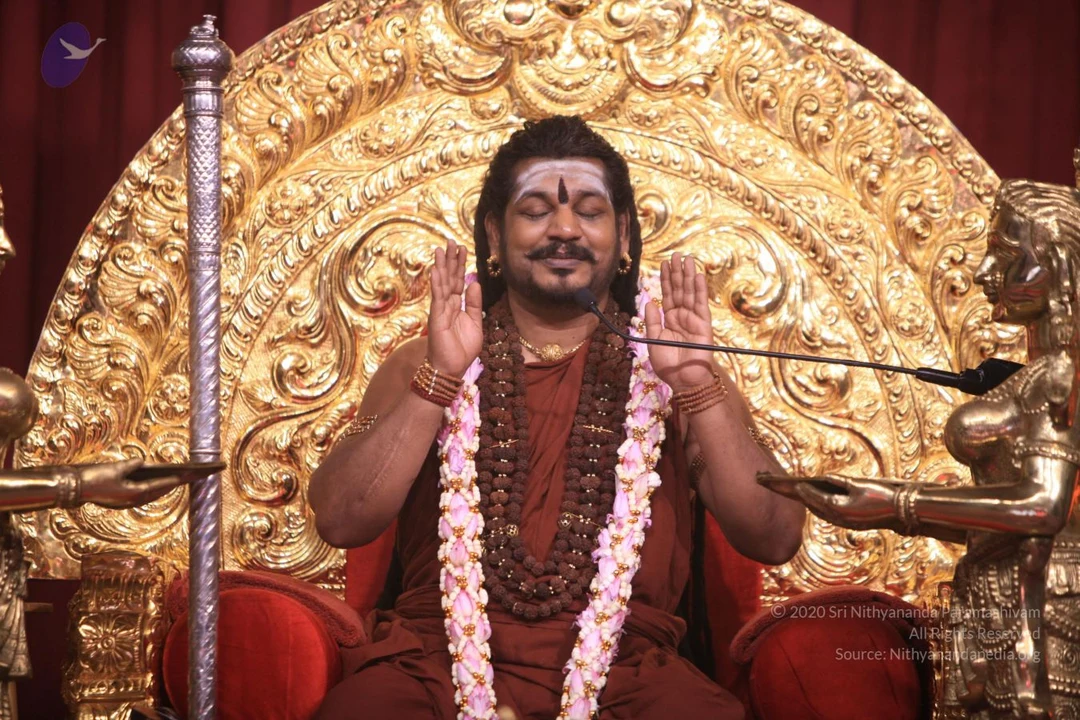
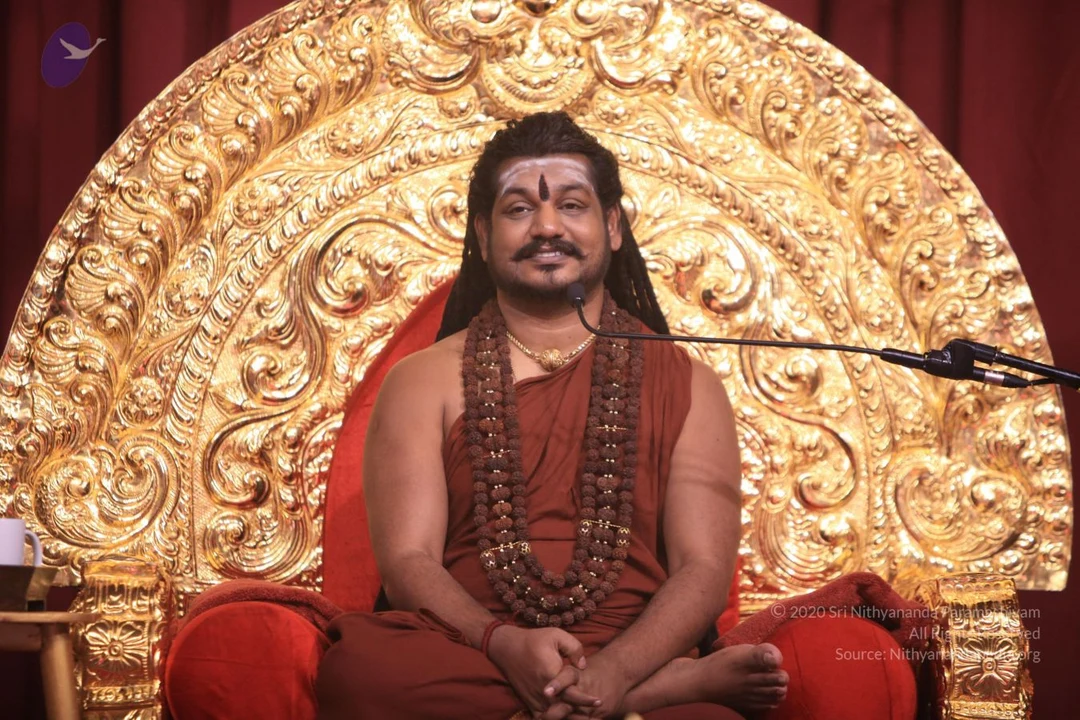
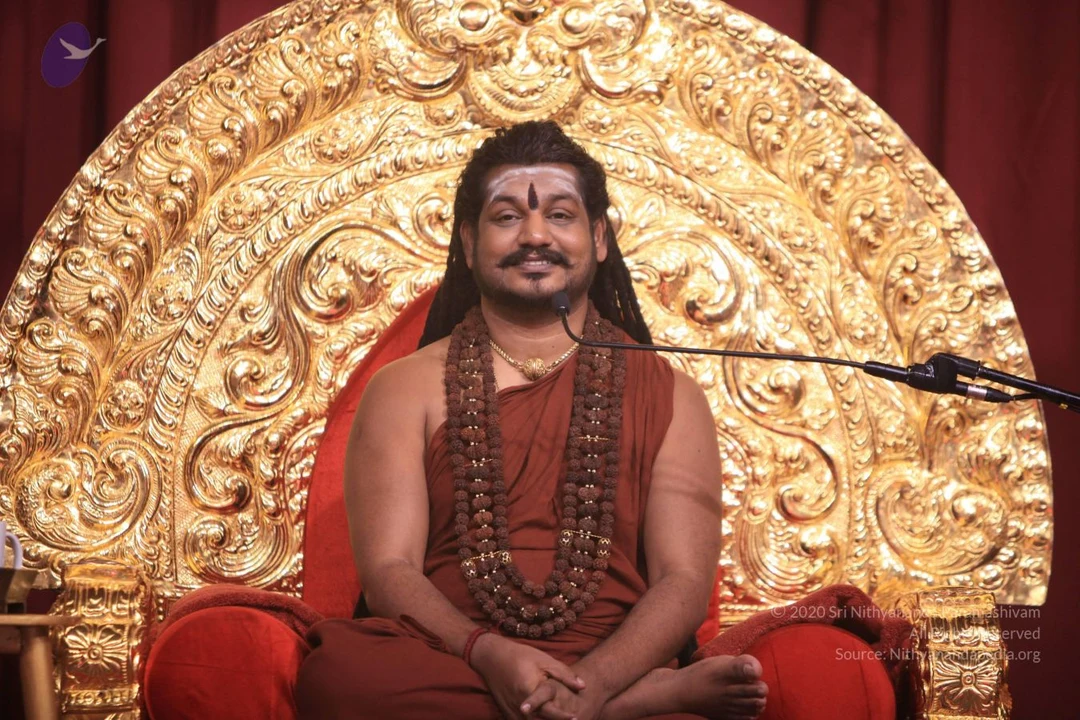
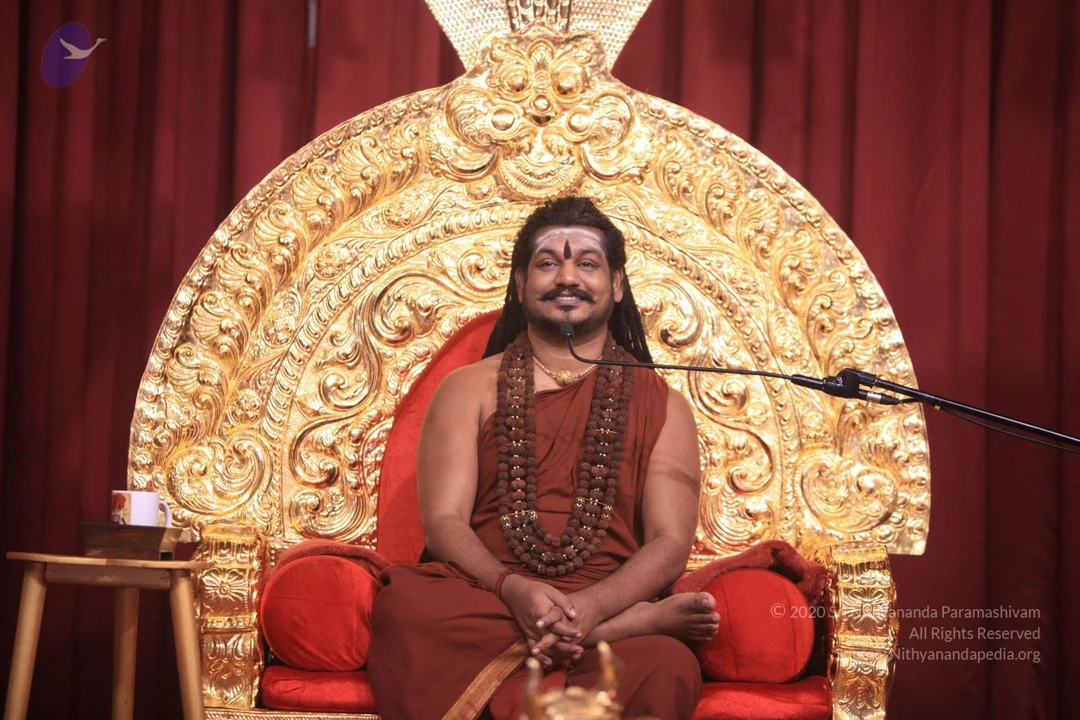
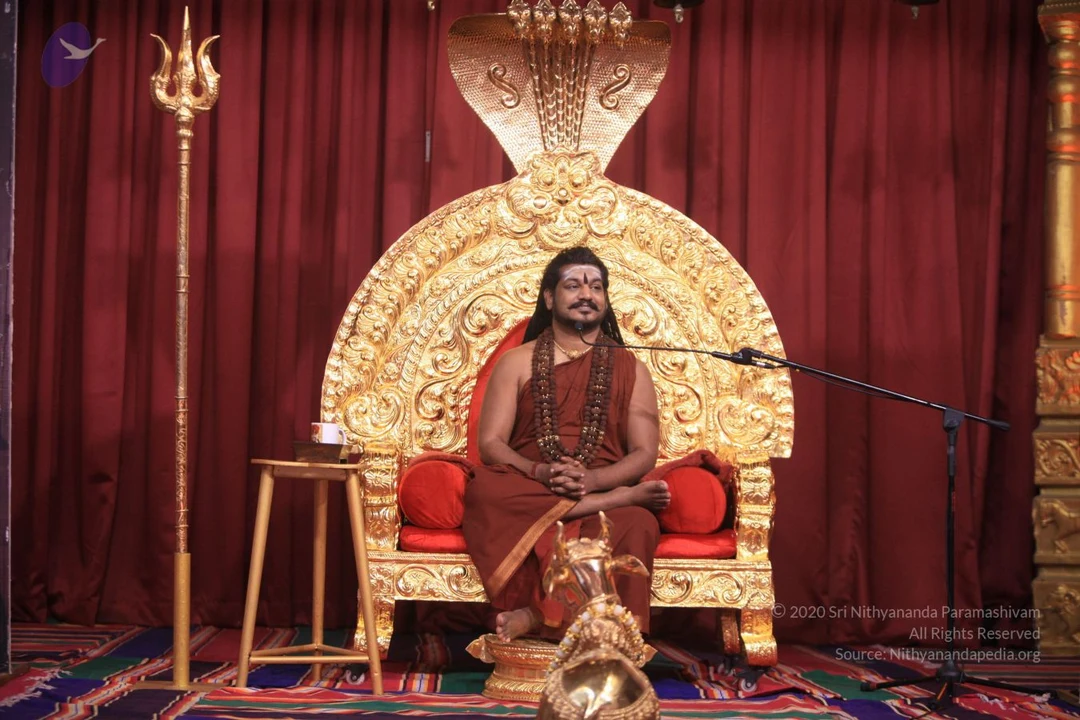
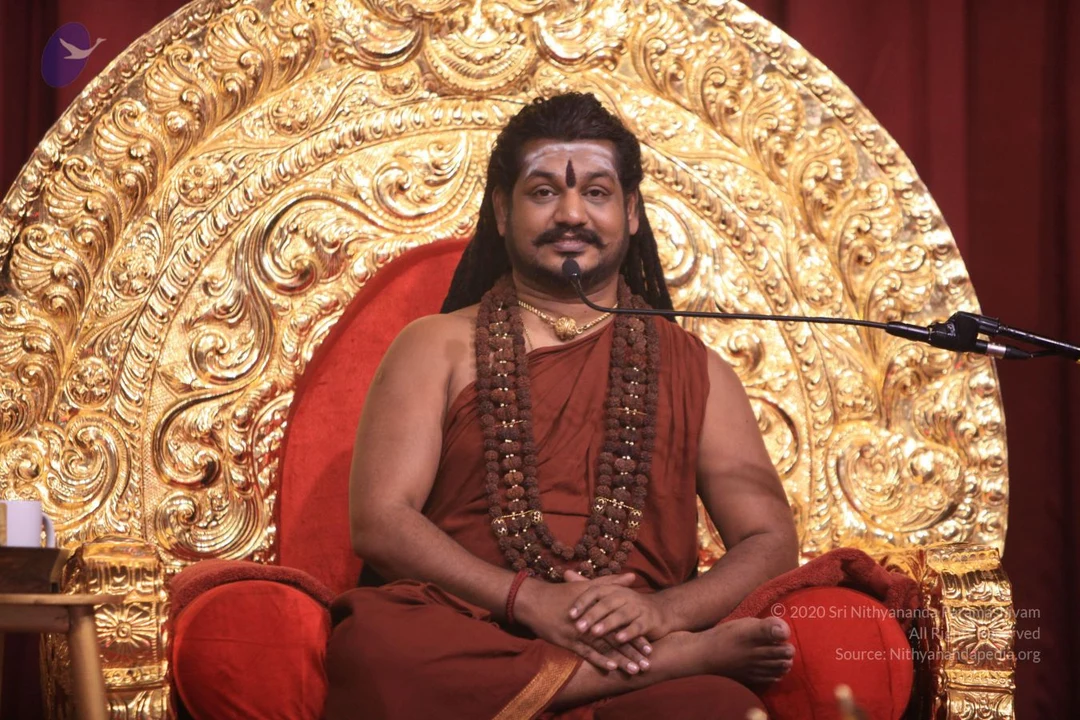
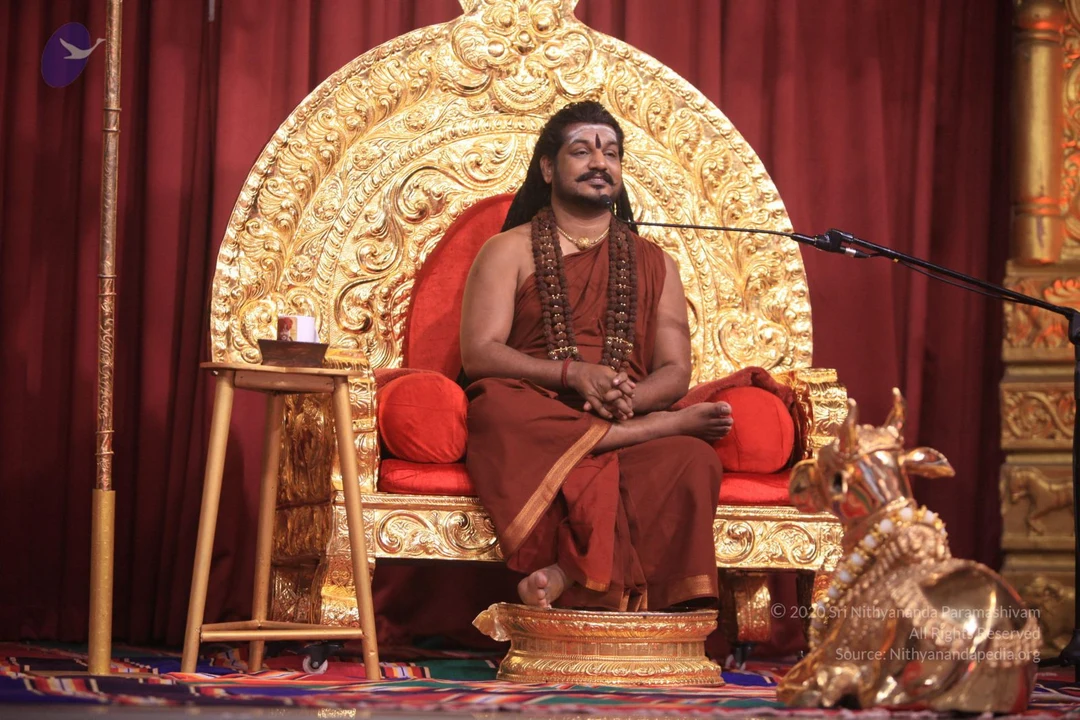
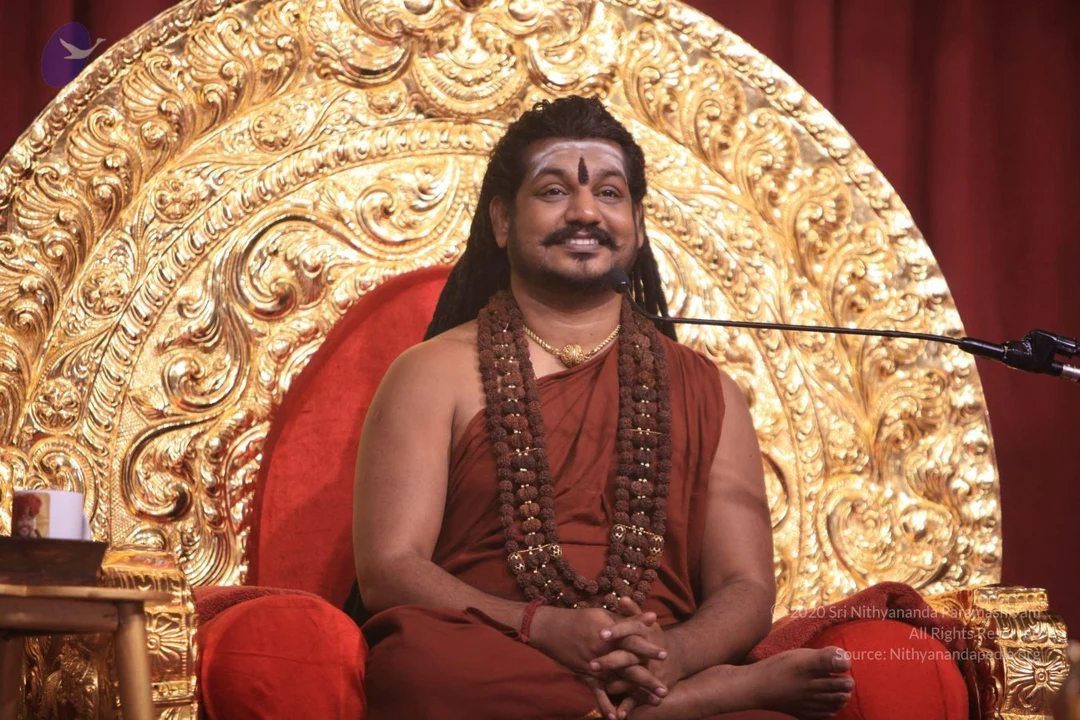
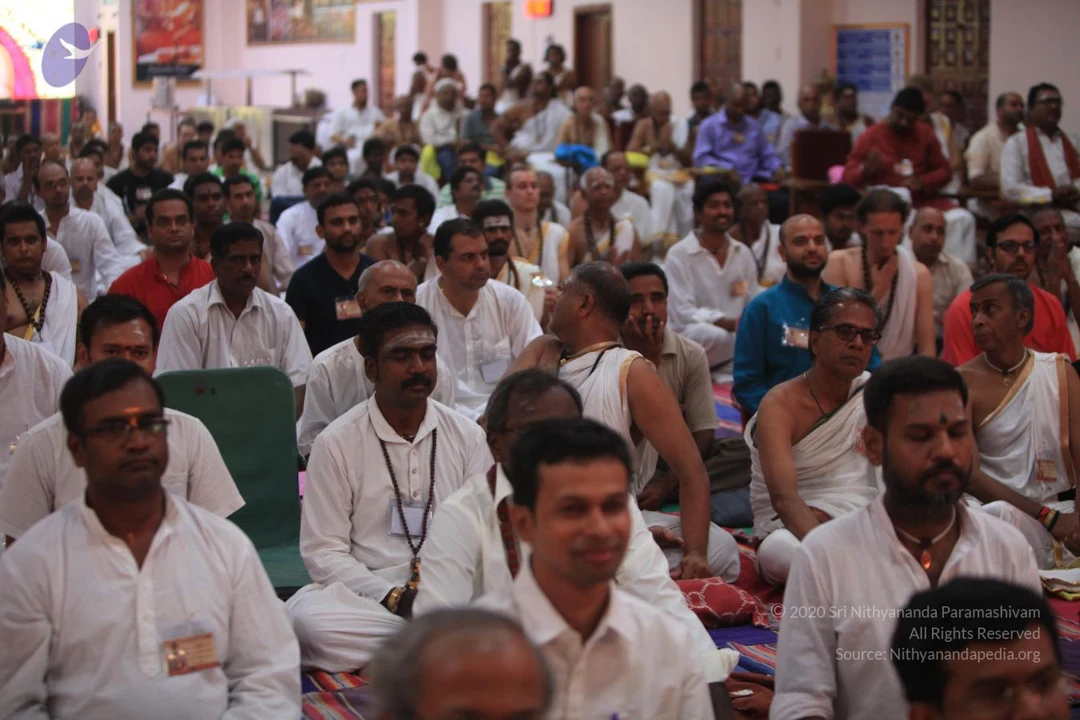
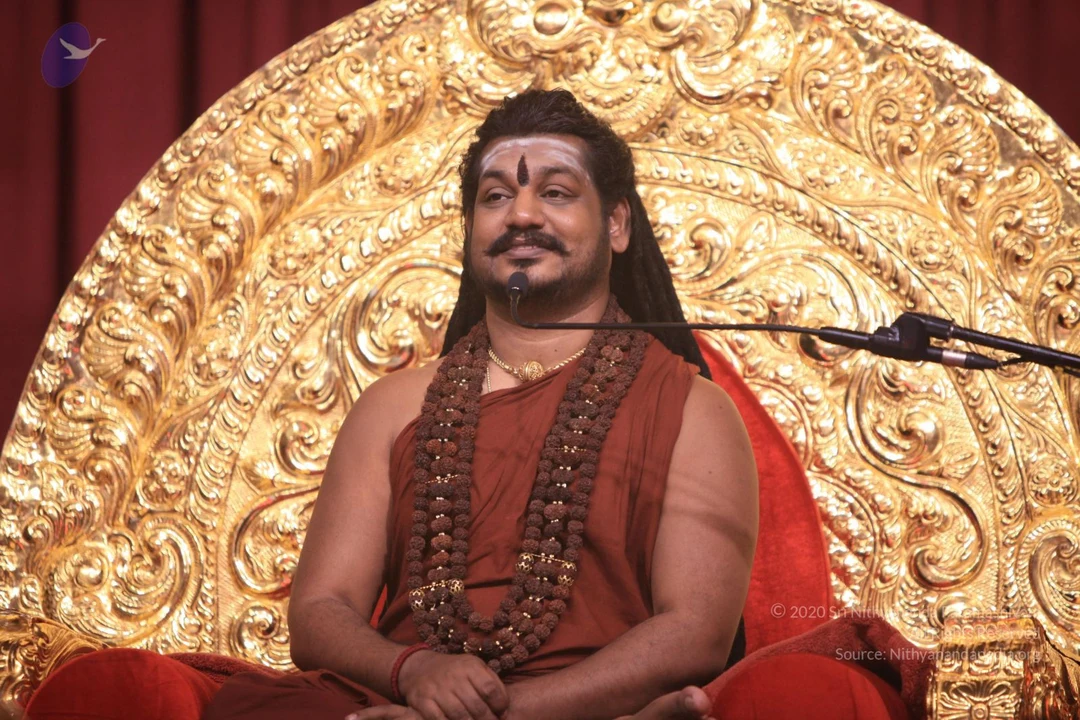
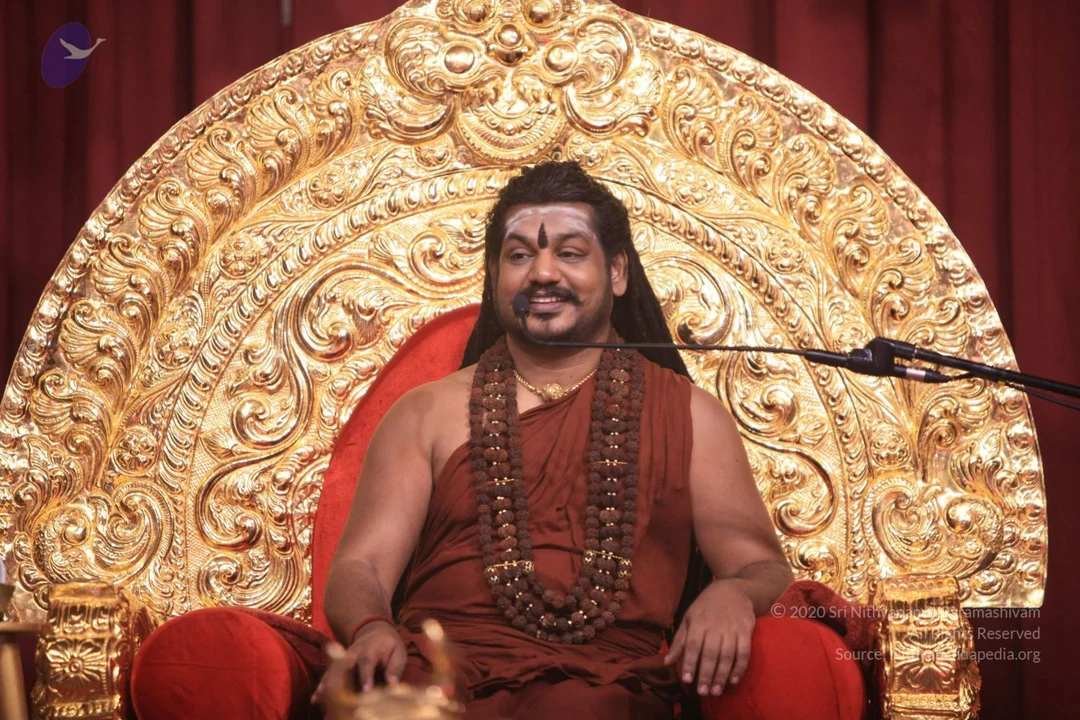
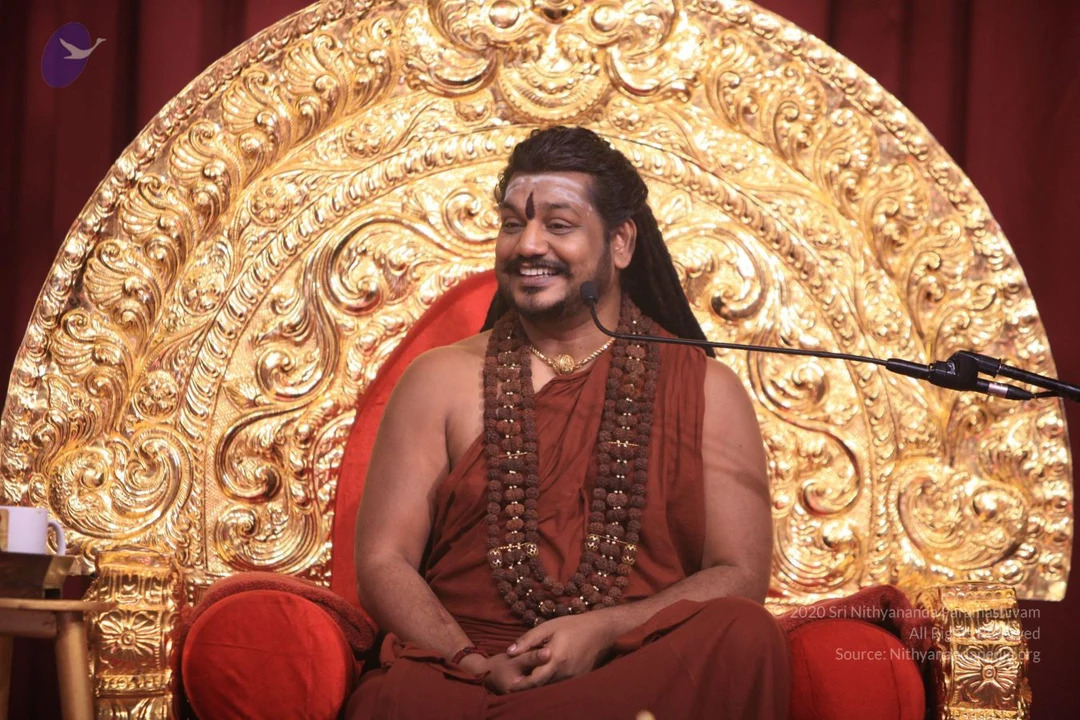
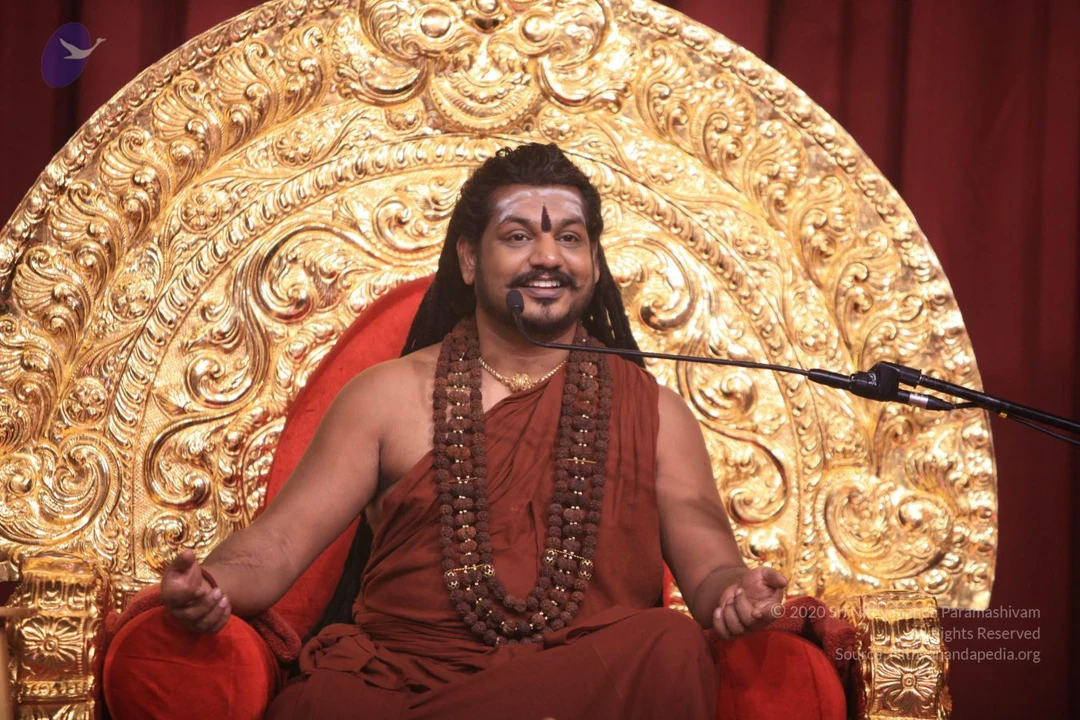
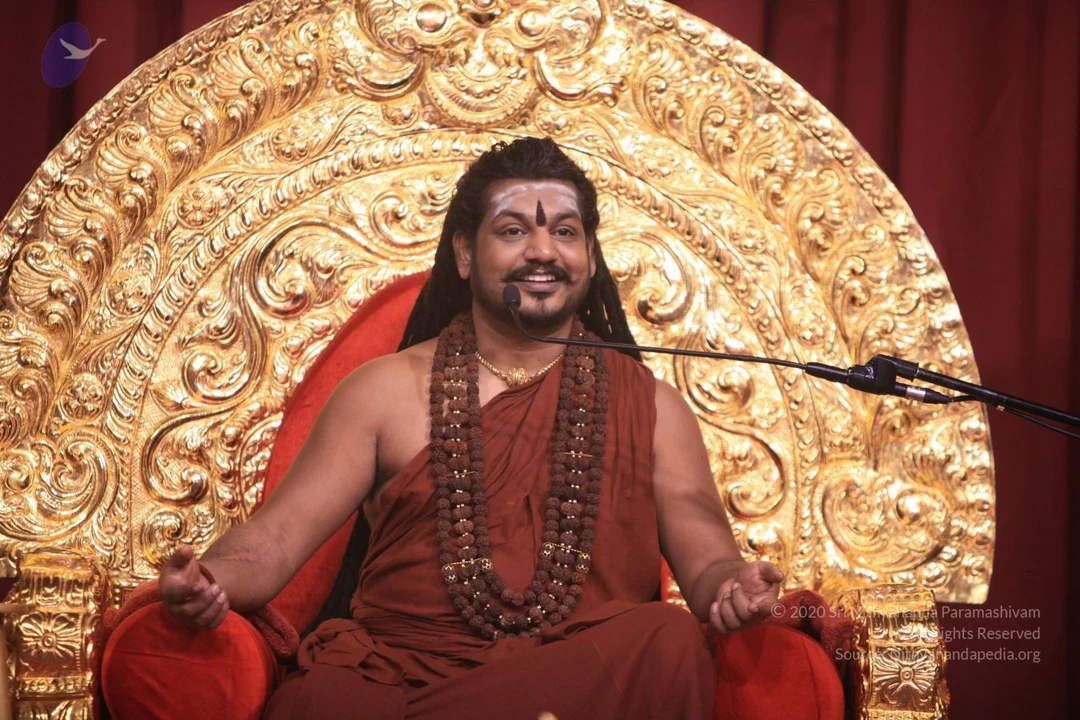
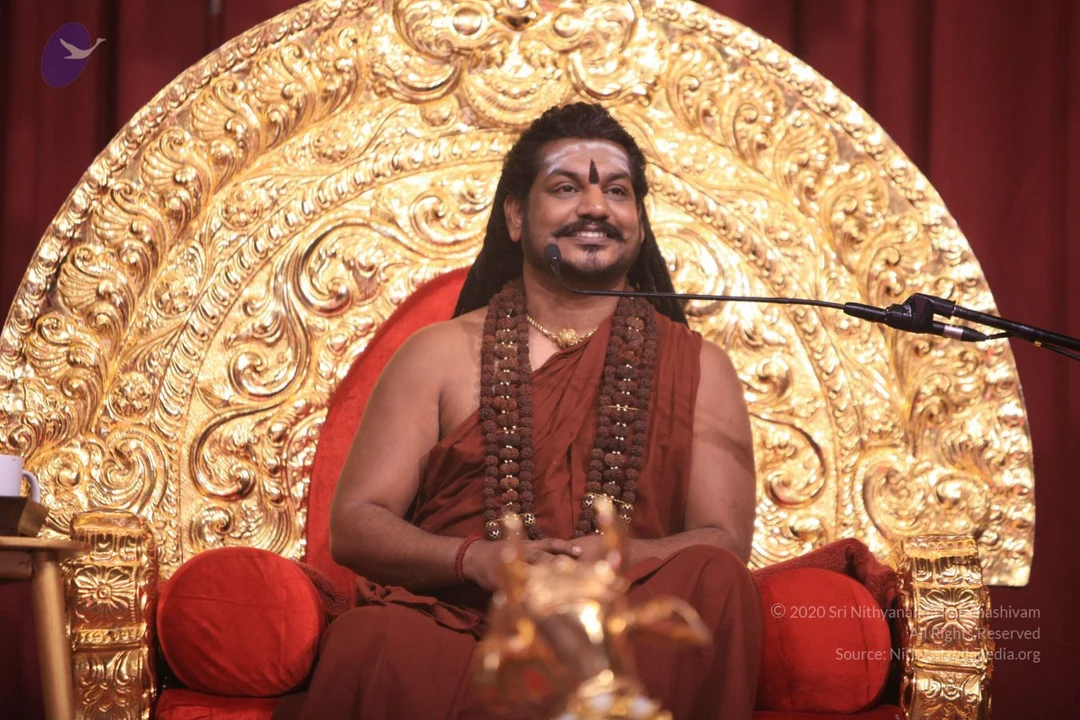
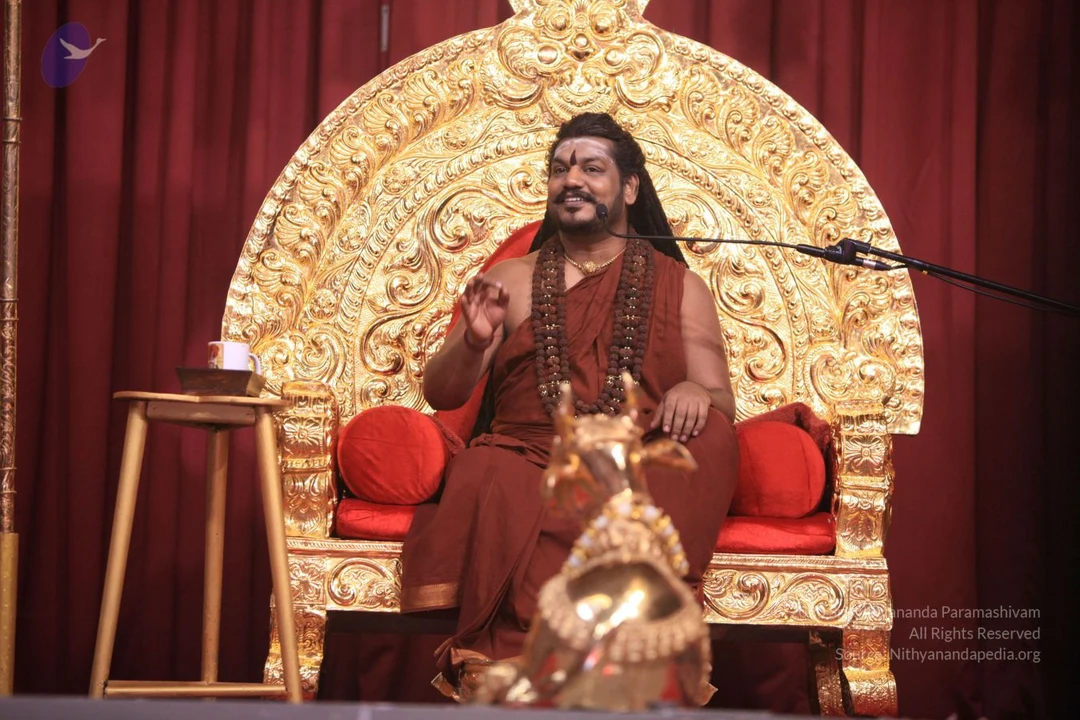
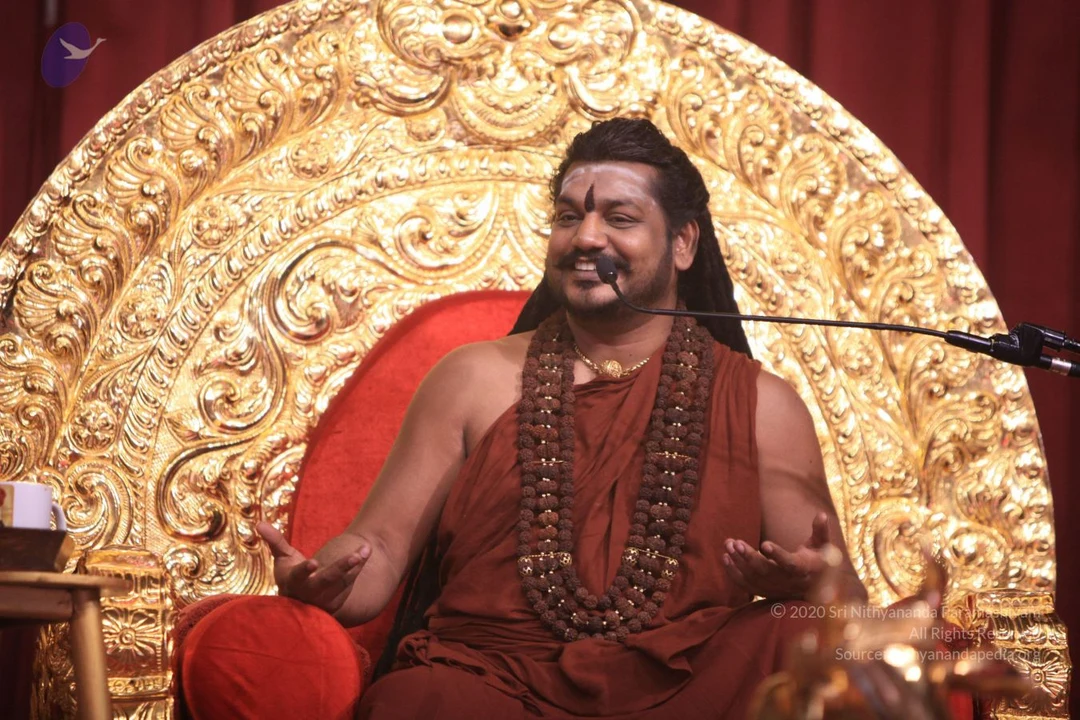
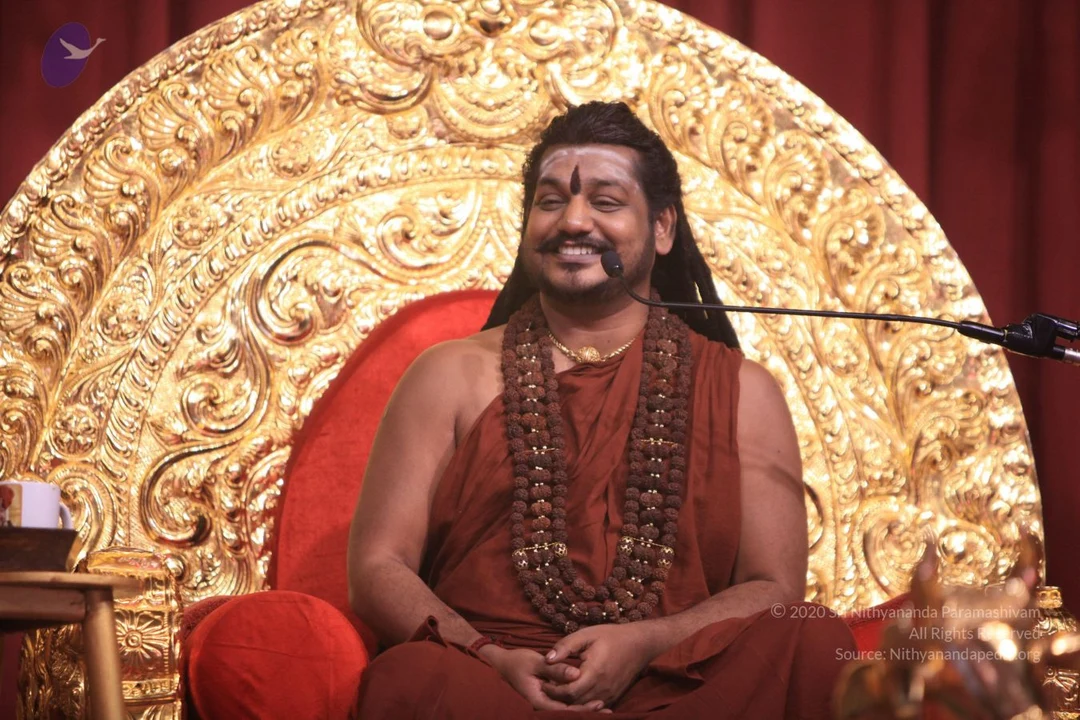
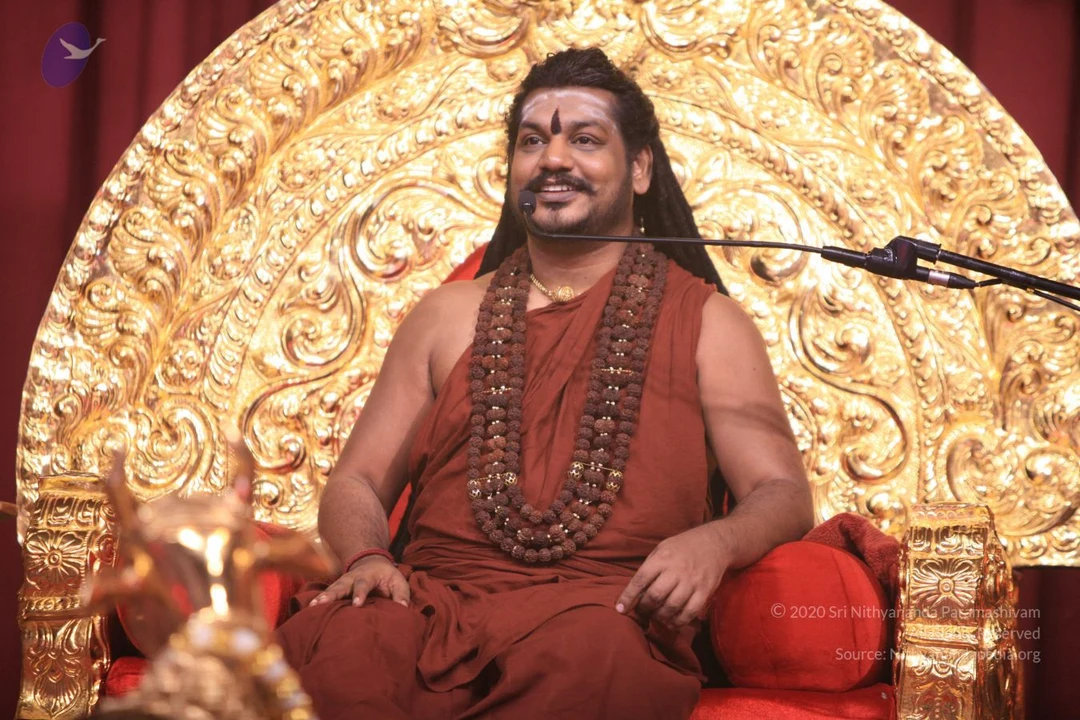
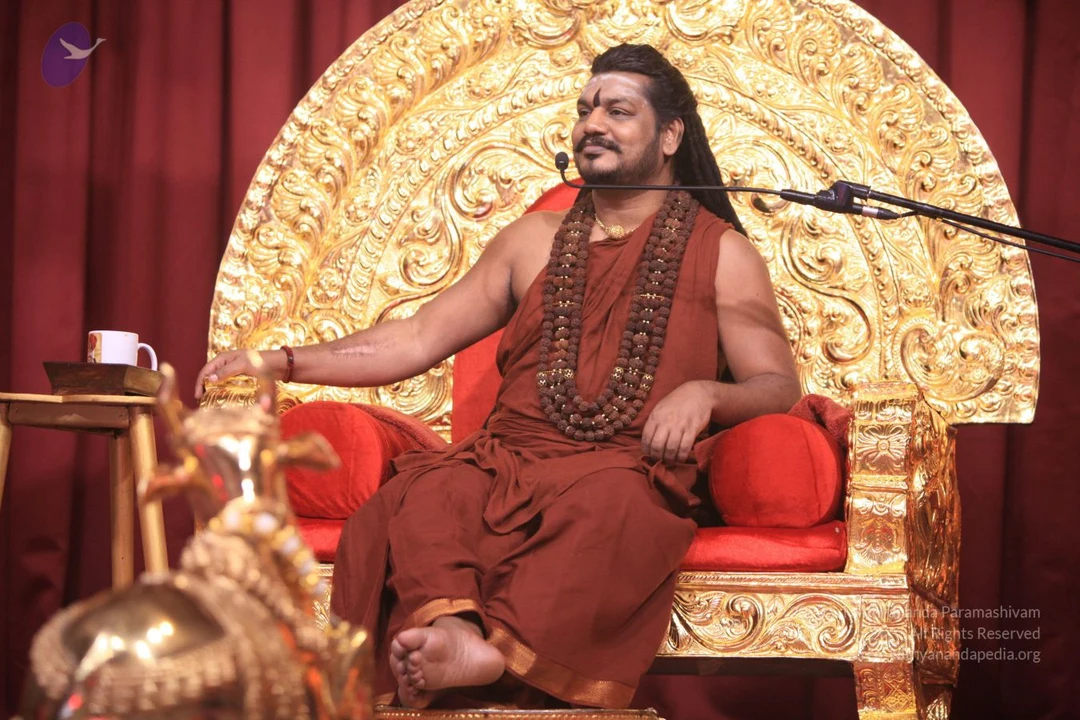
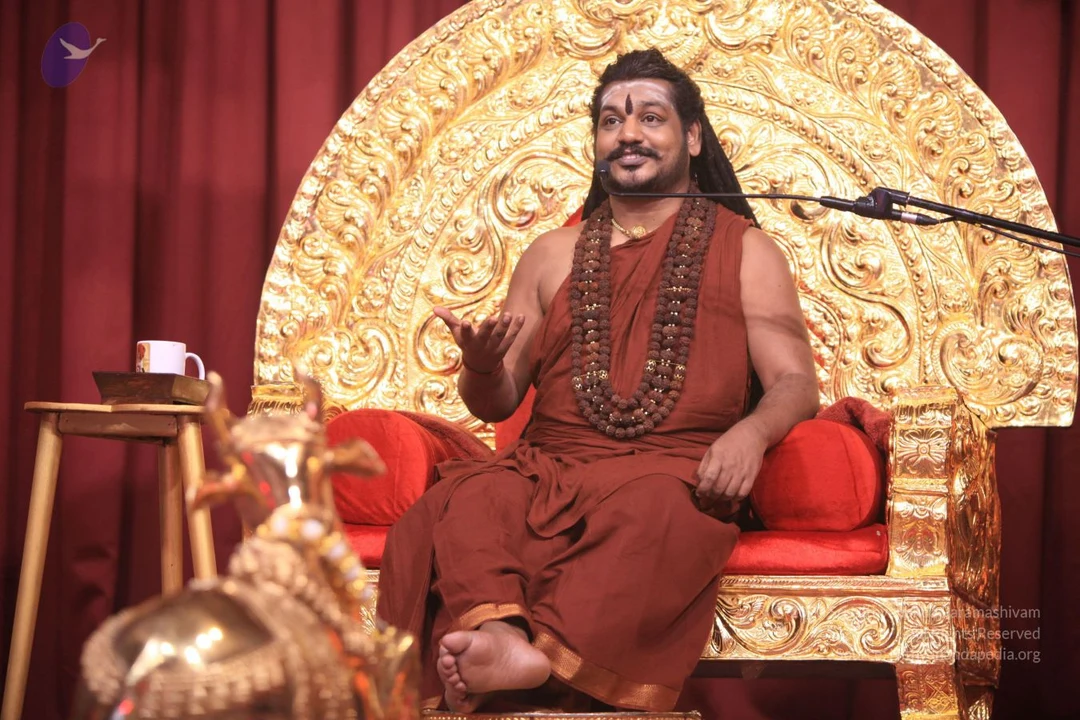
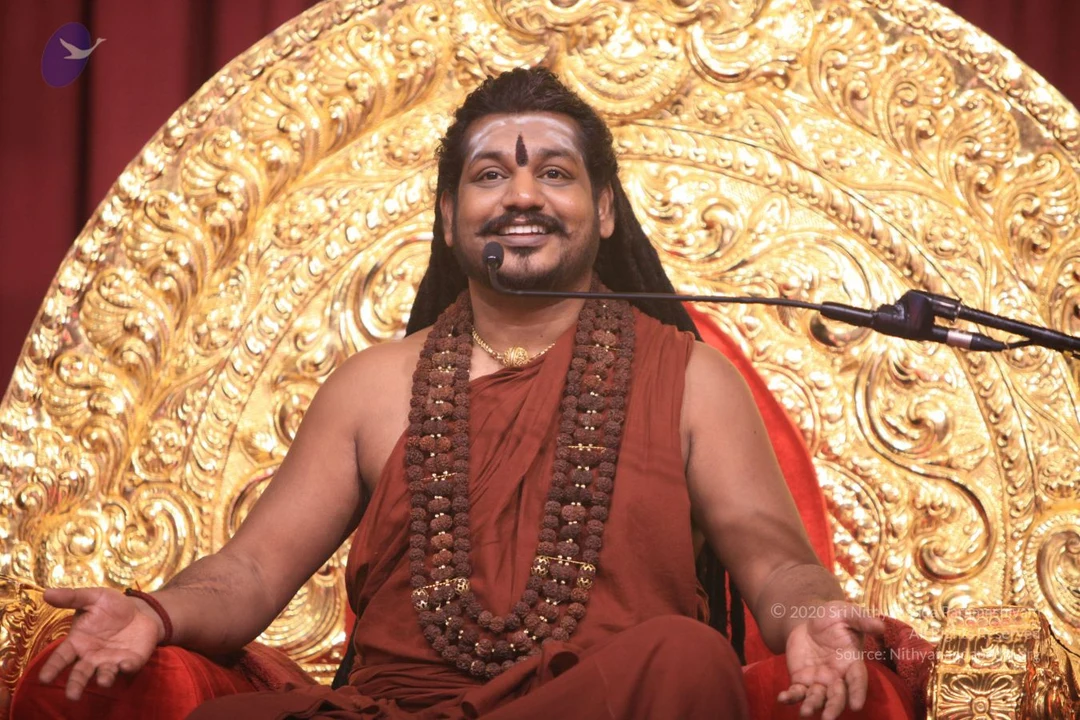

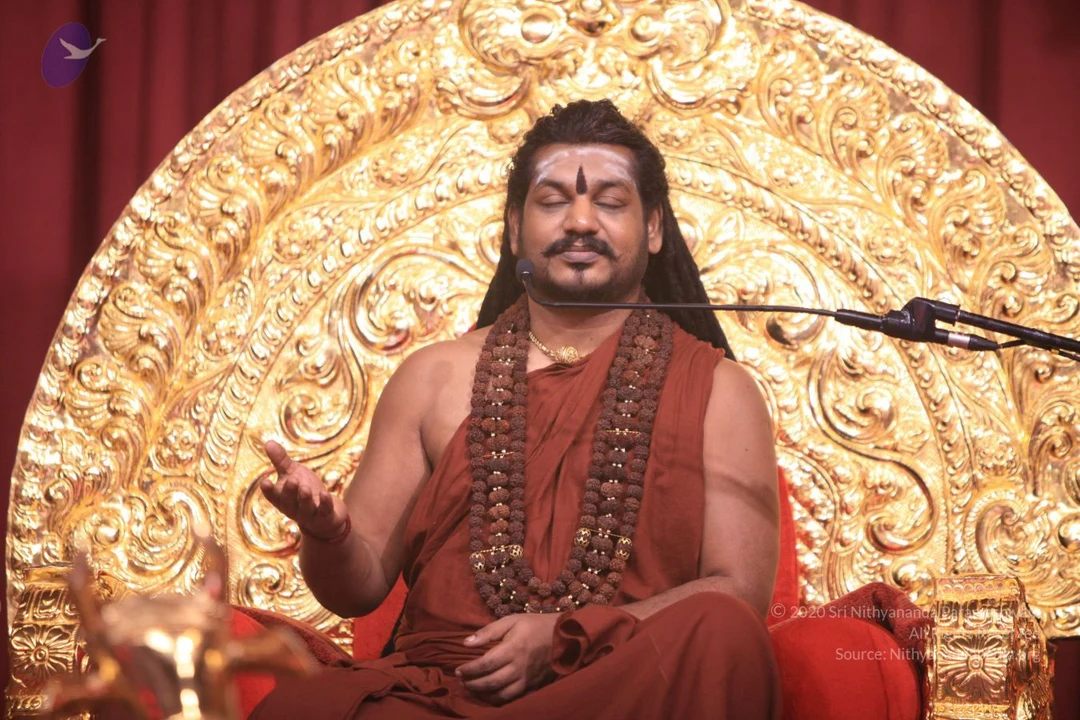
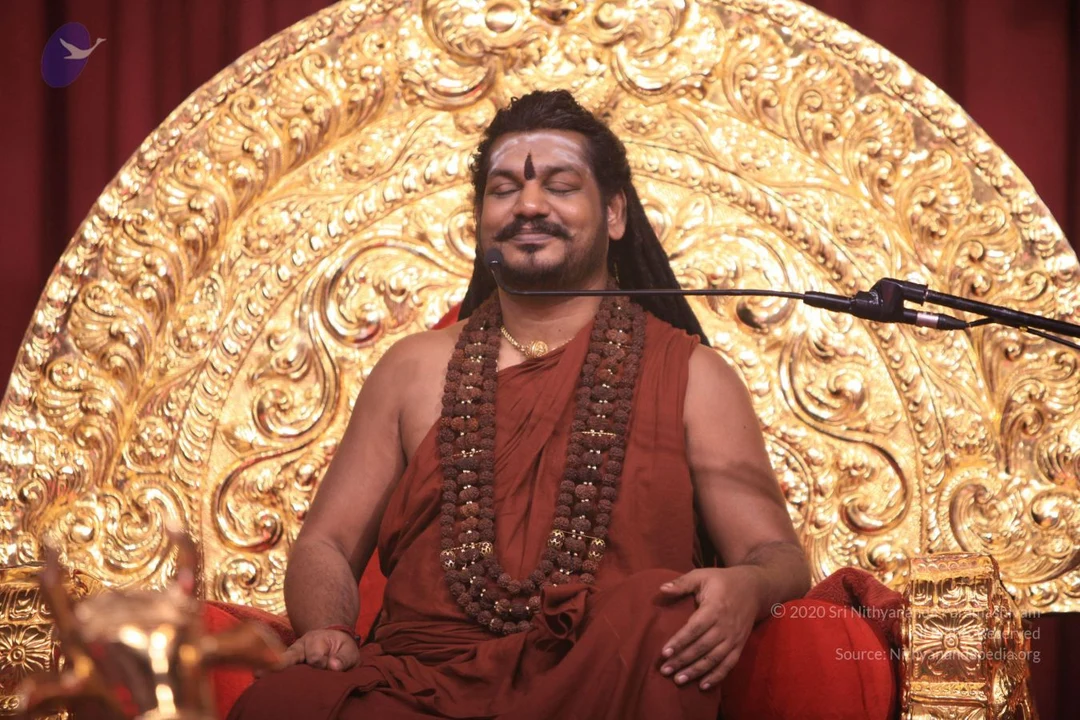
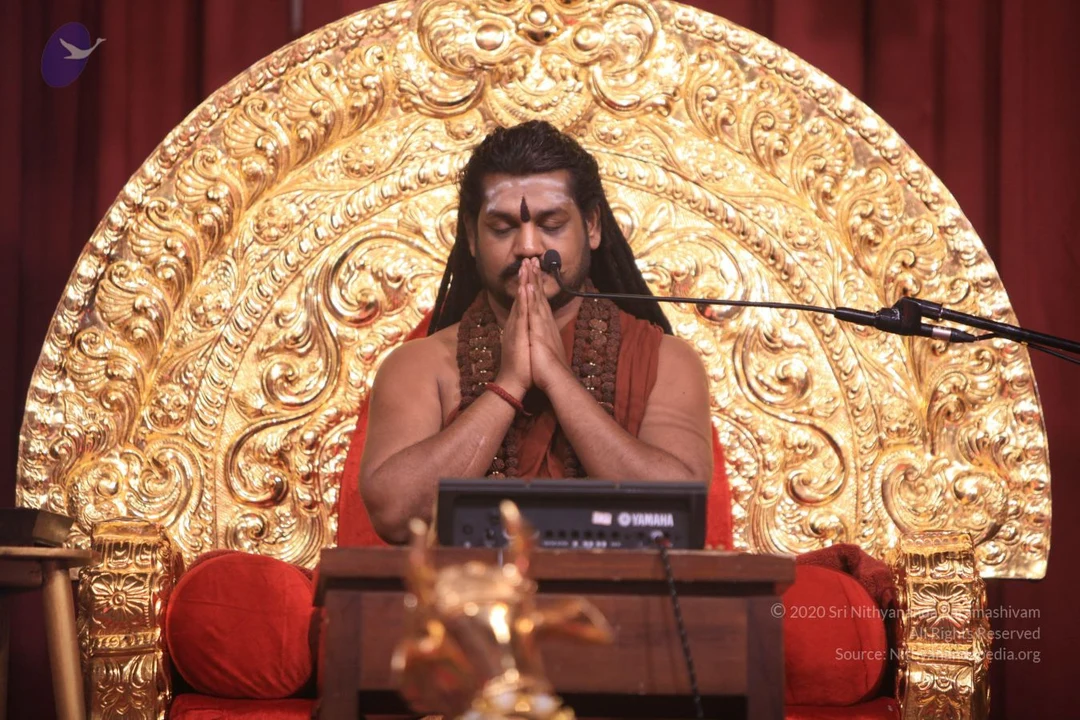
Initiation
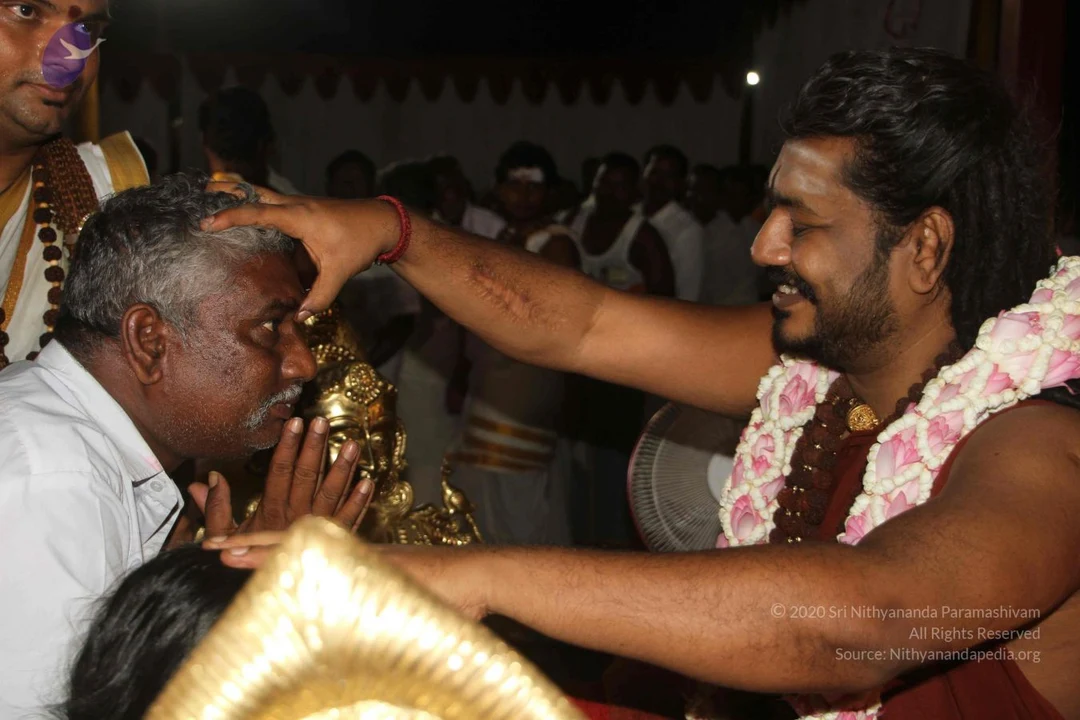
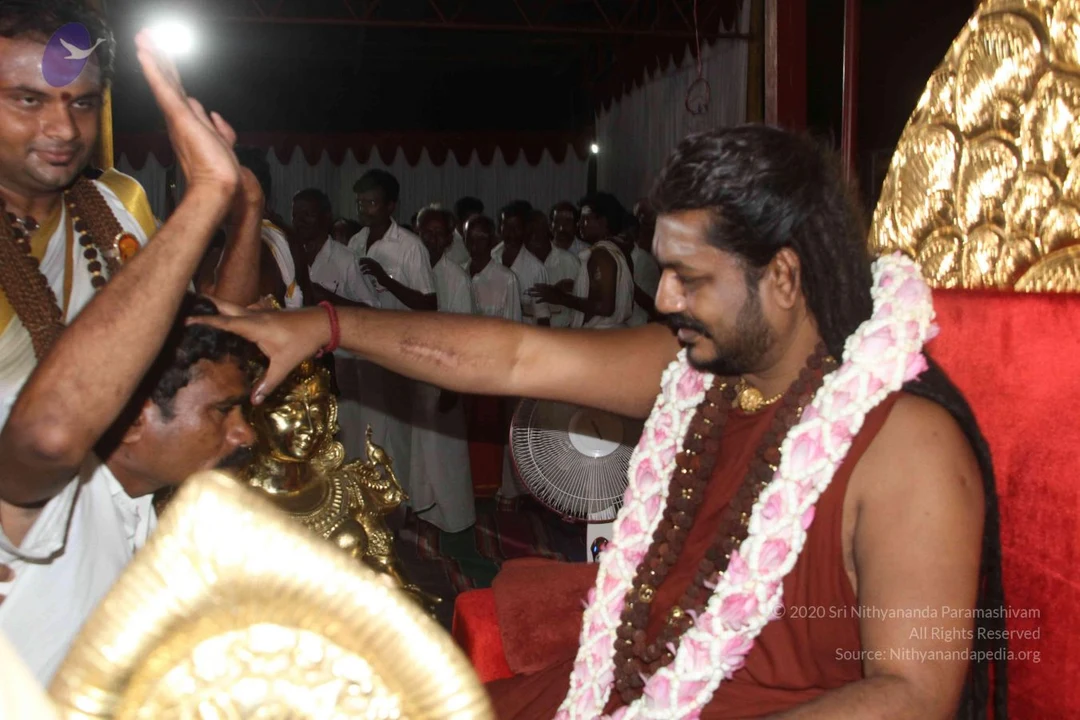
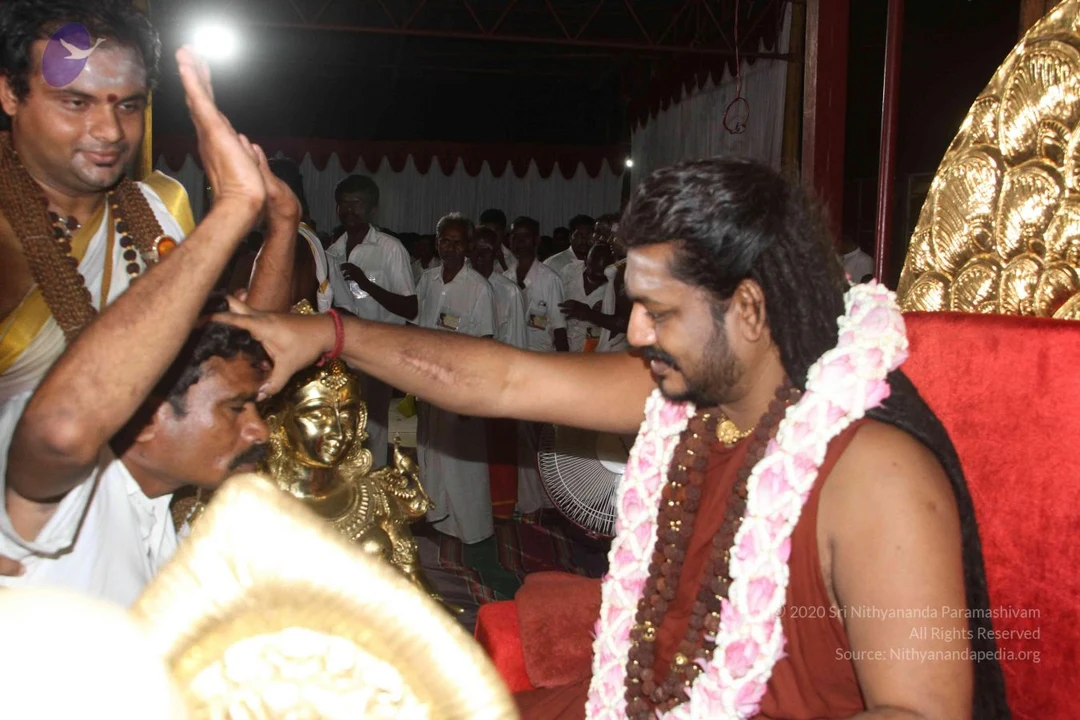
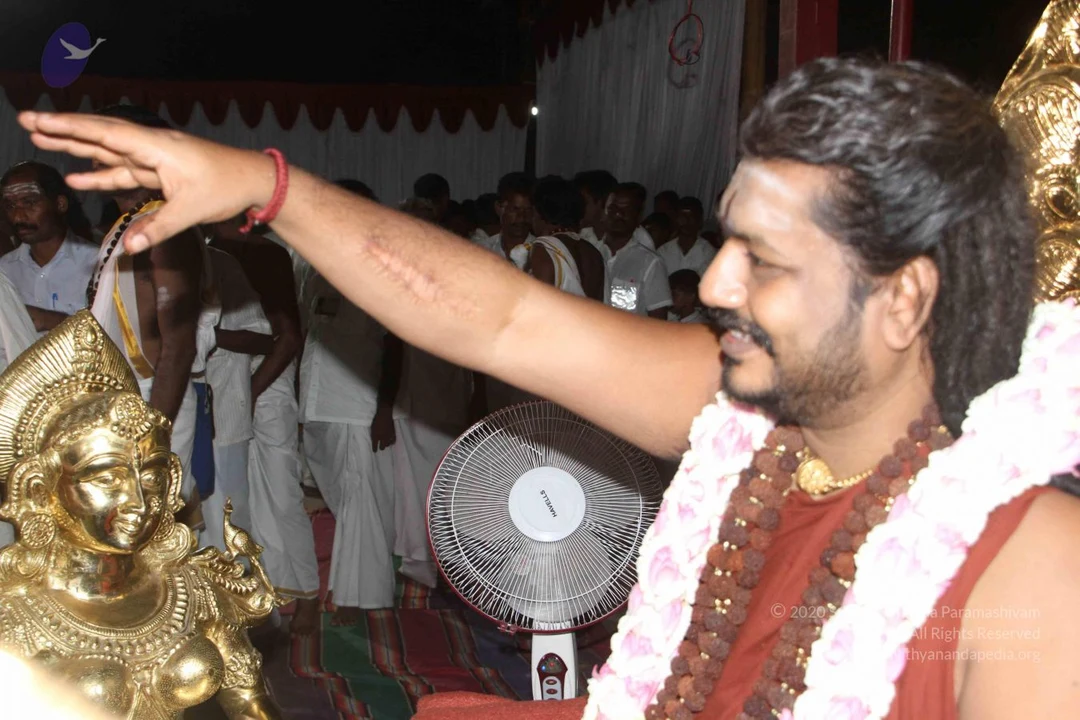
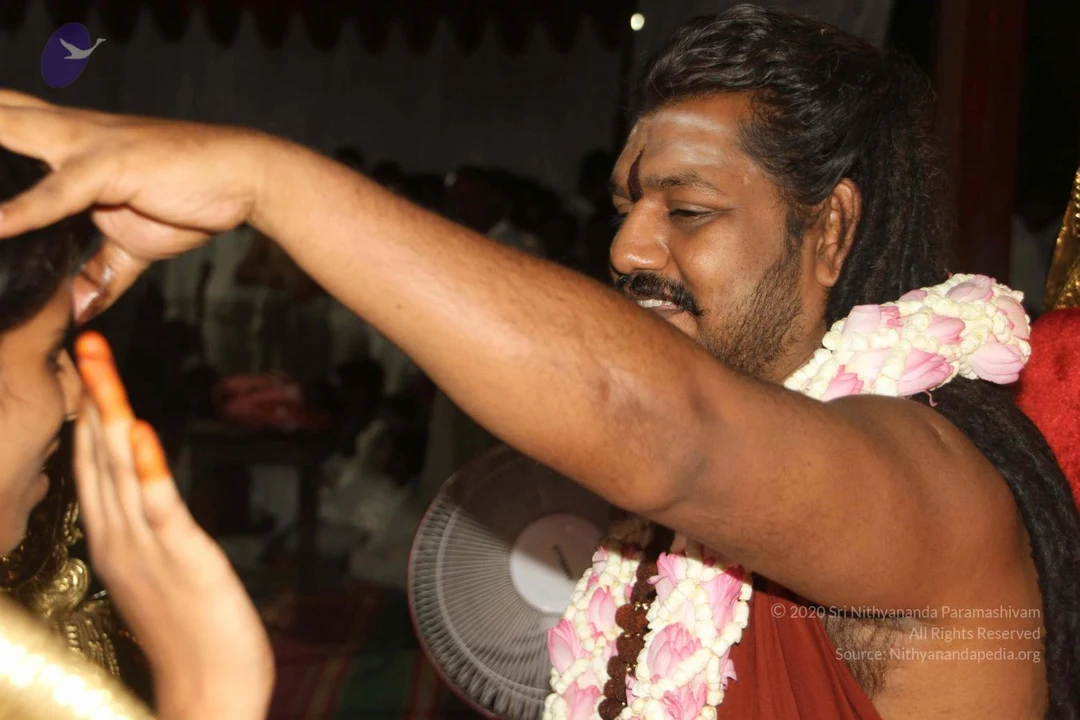
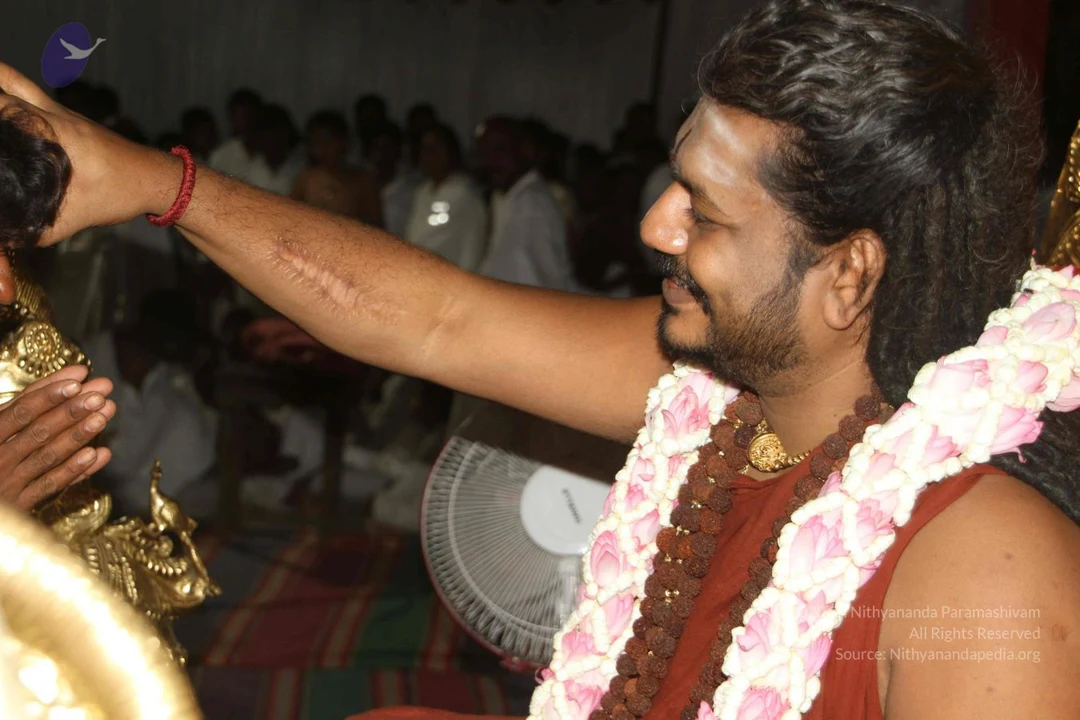
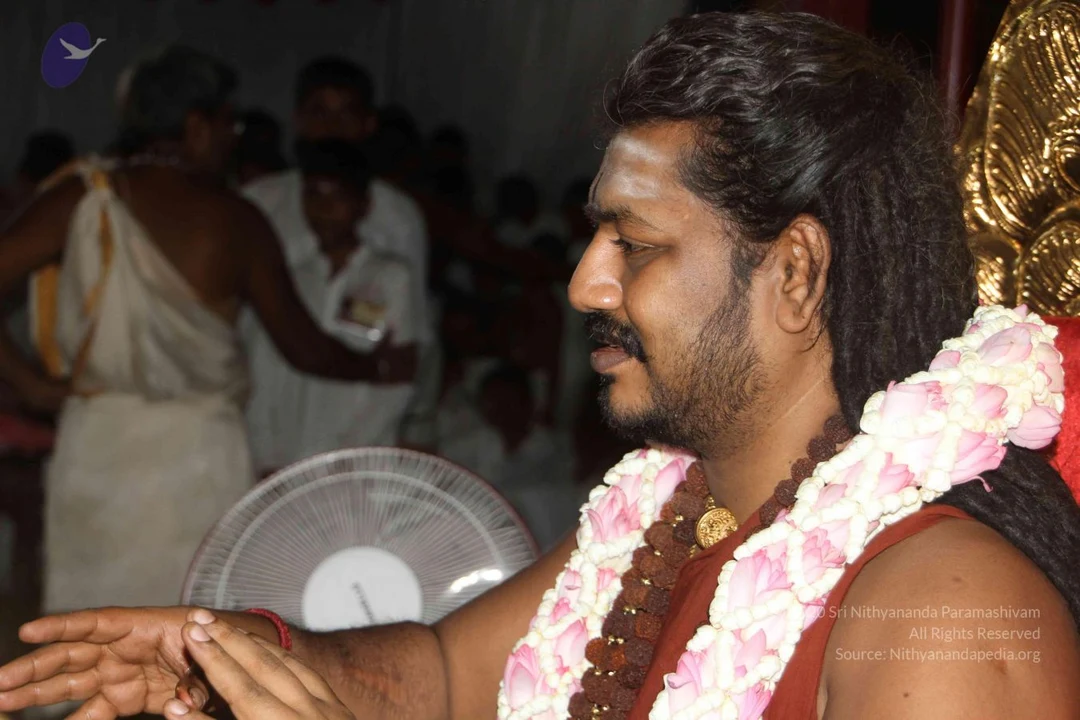
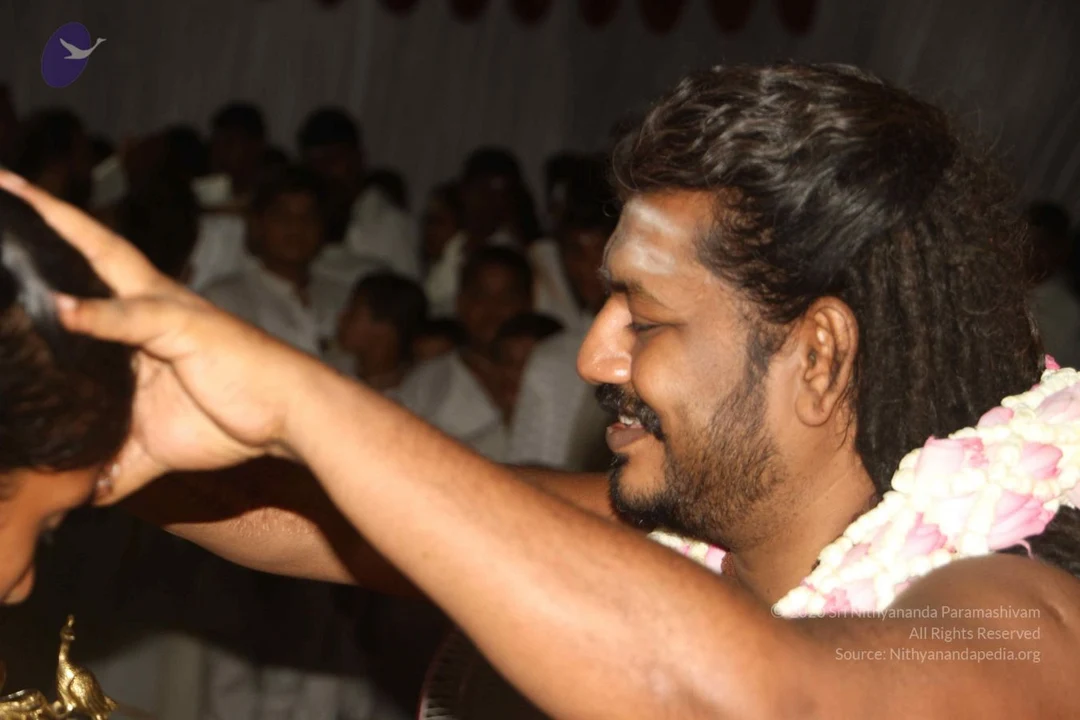
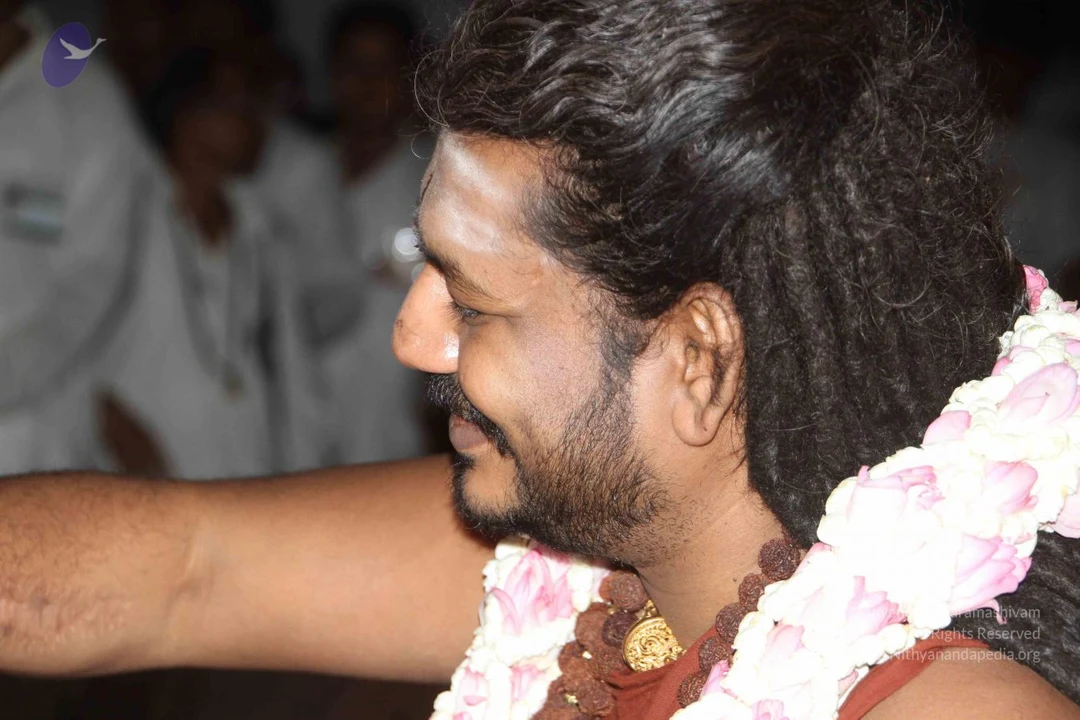
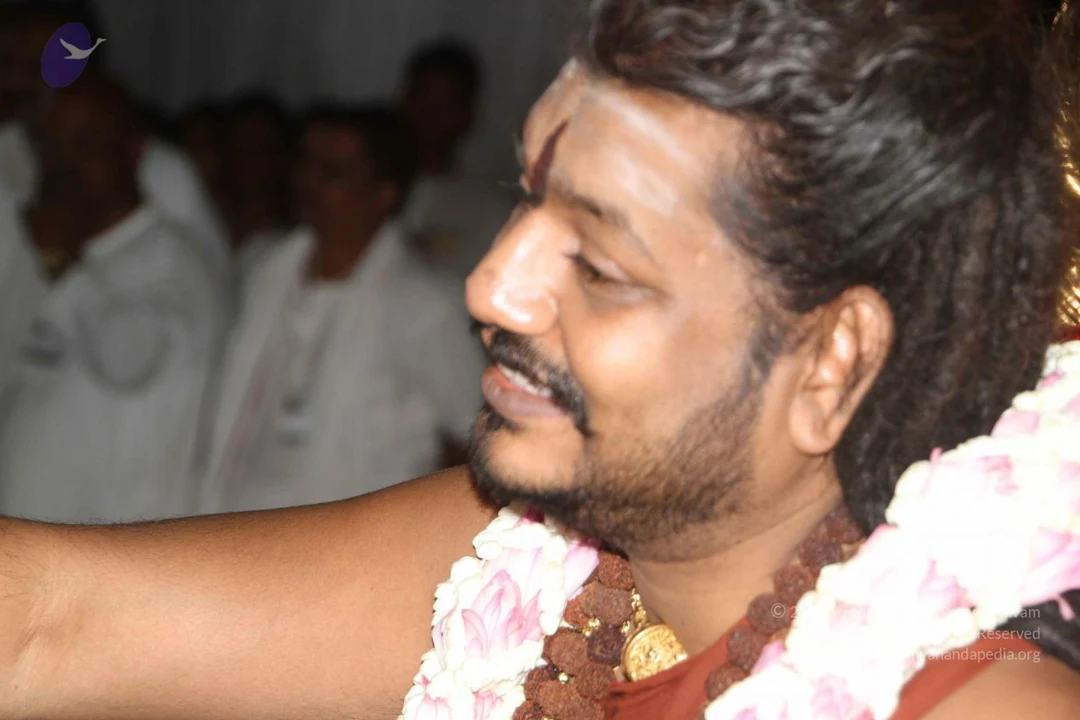
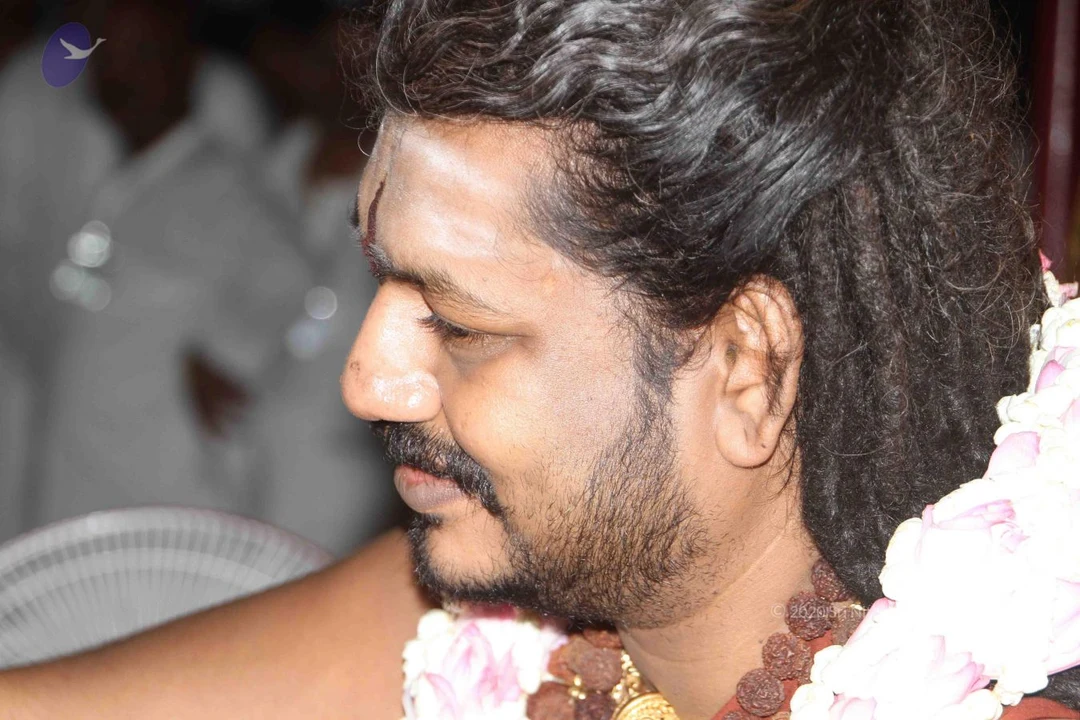
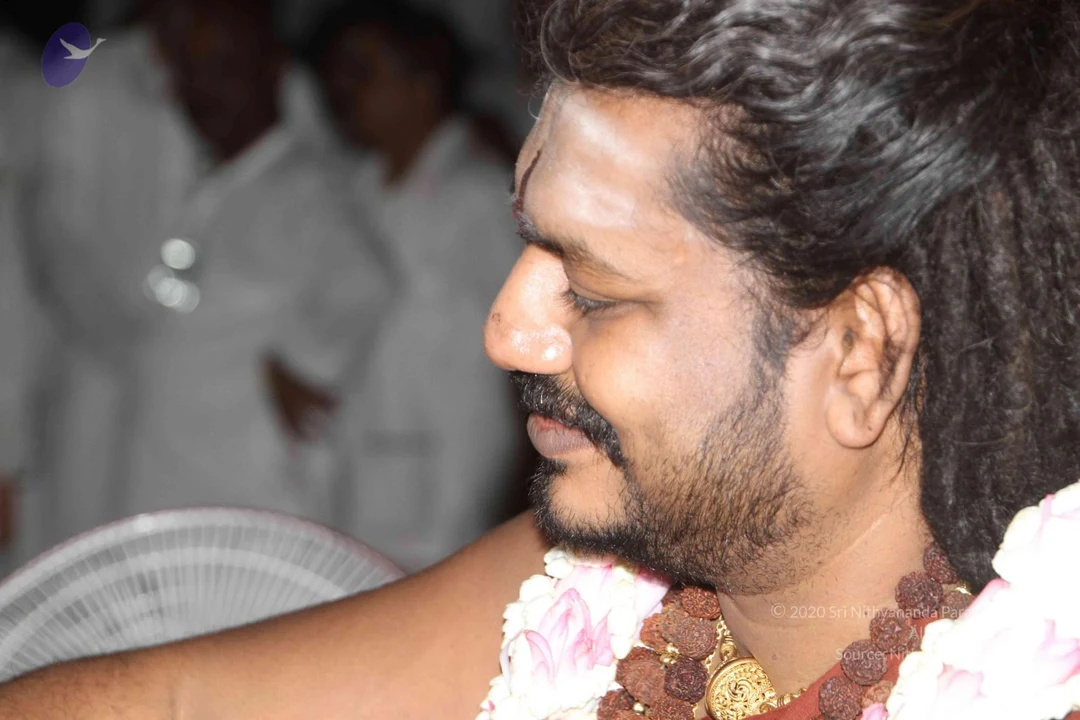
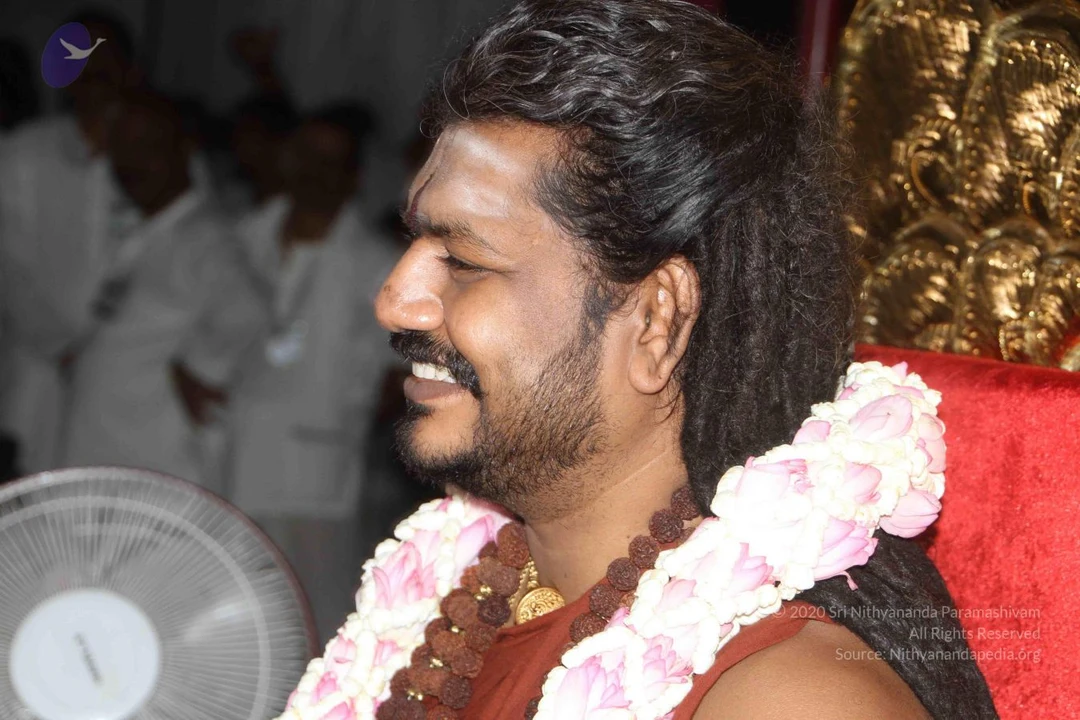
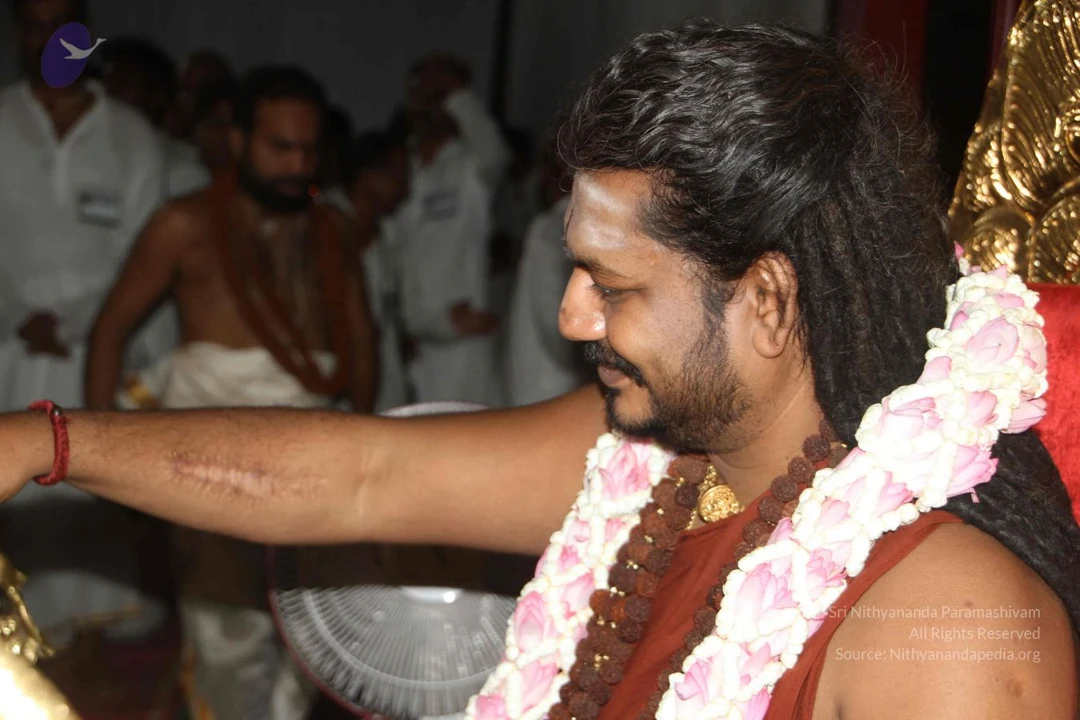
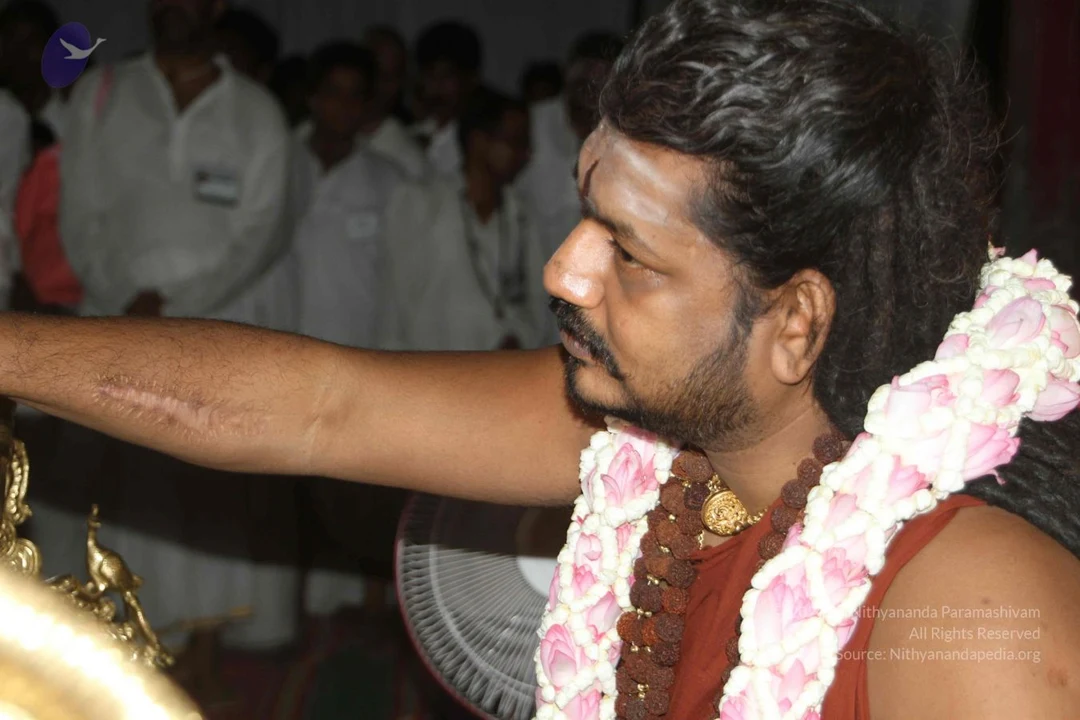
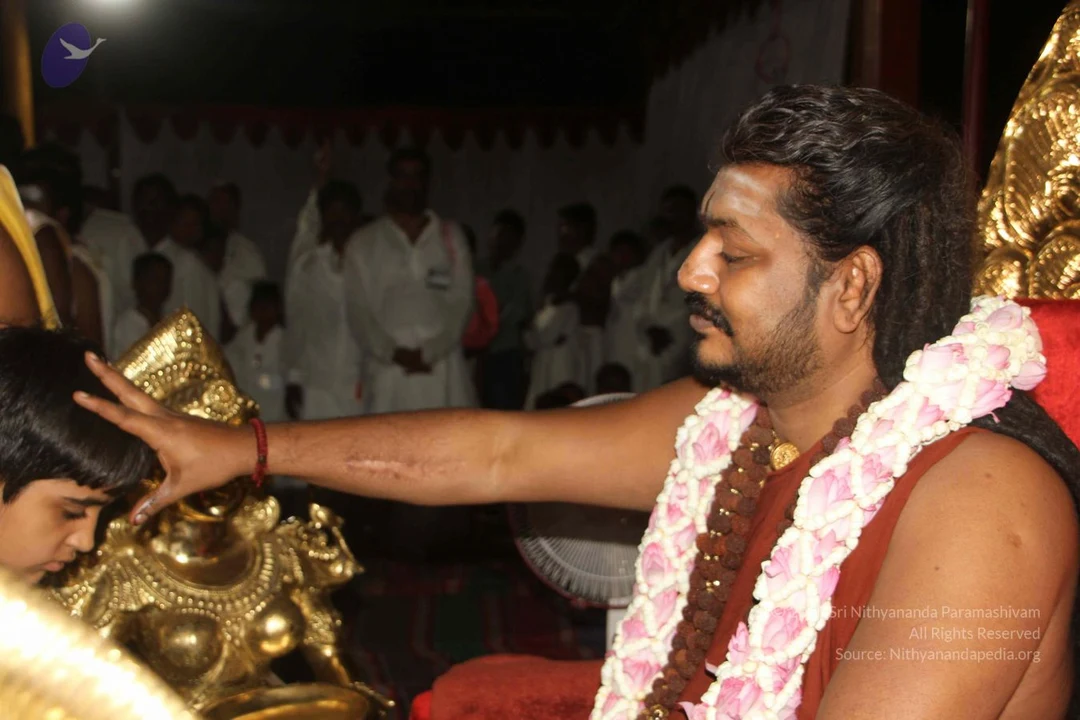
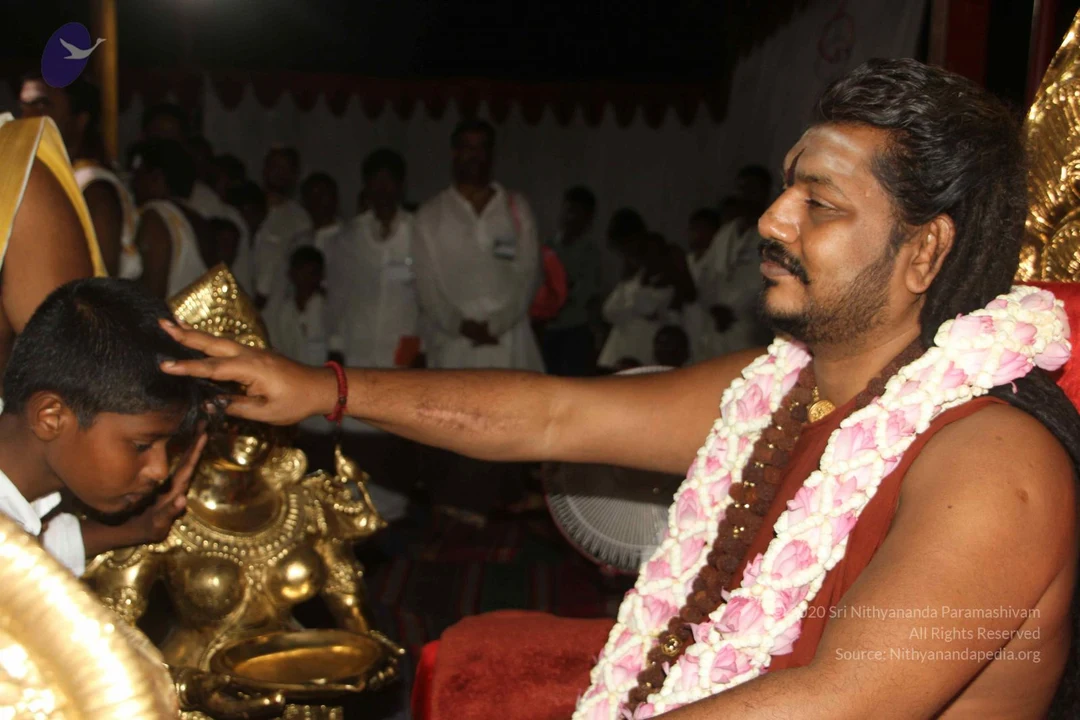
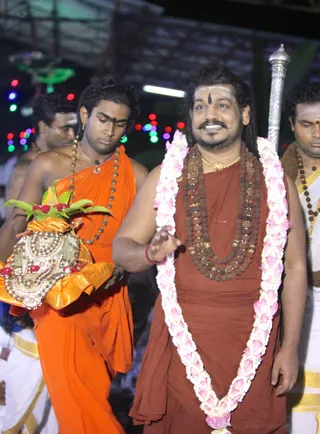
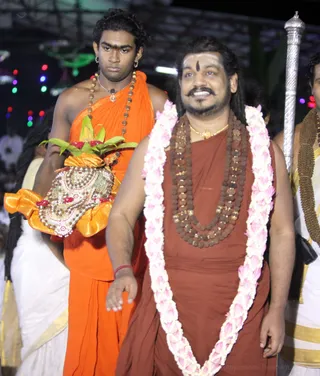
Receiving-Swamiji-with-Poornakumbam-in-Temple
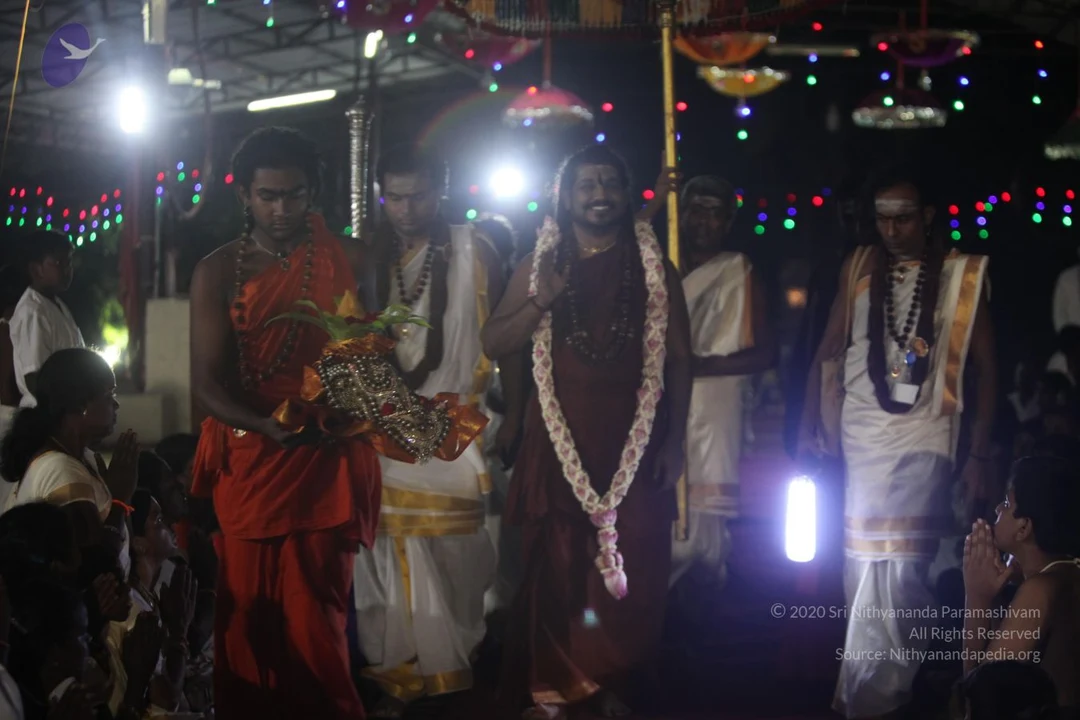
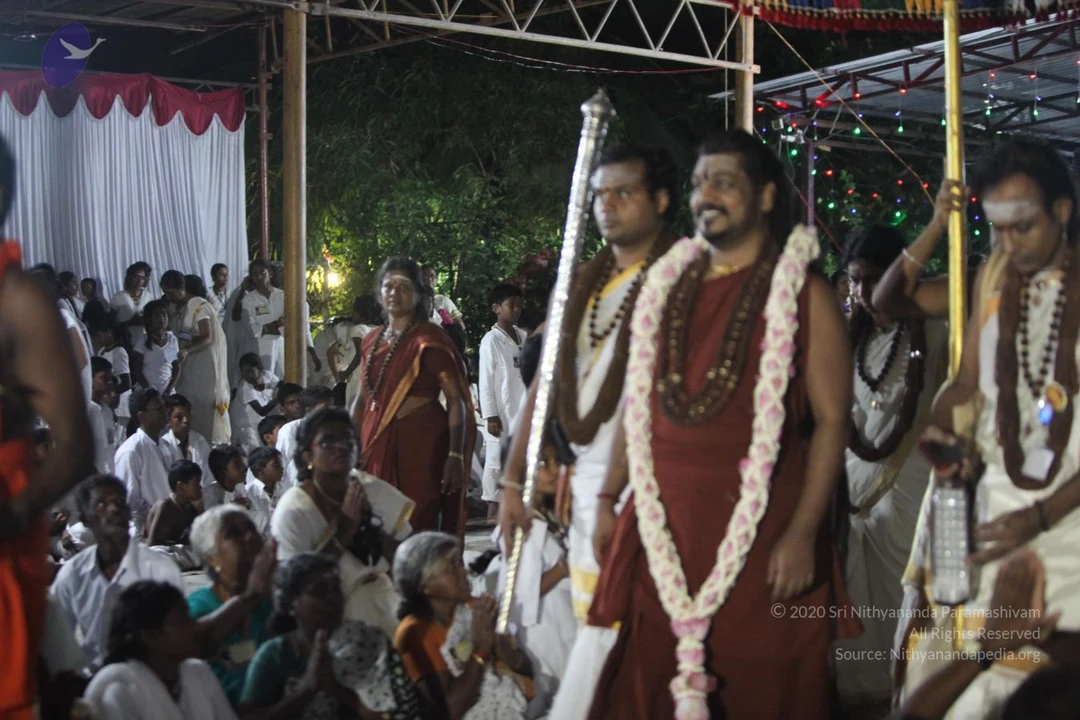
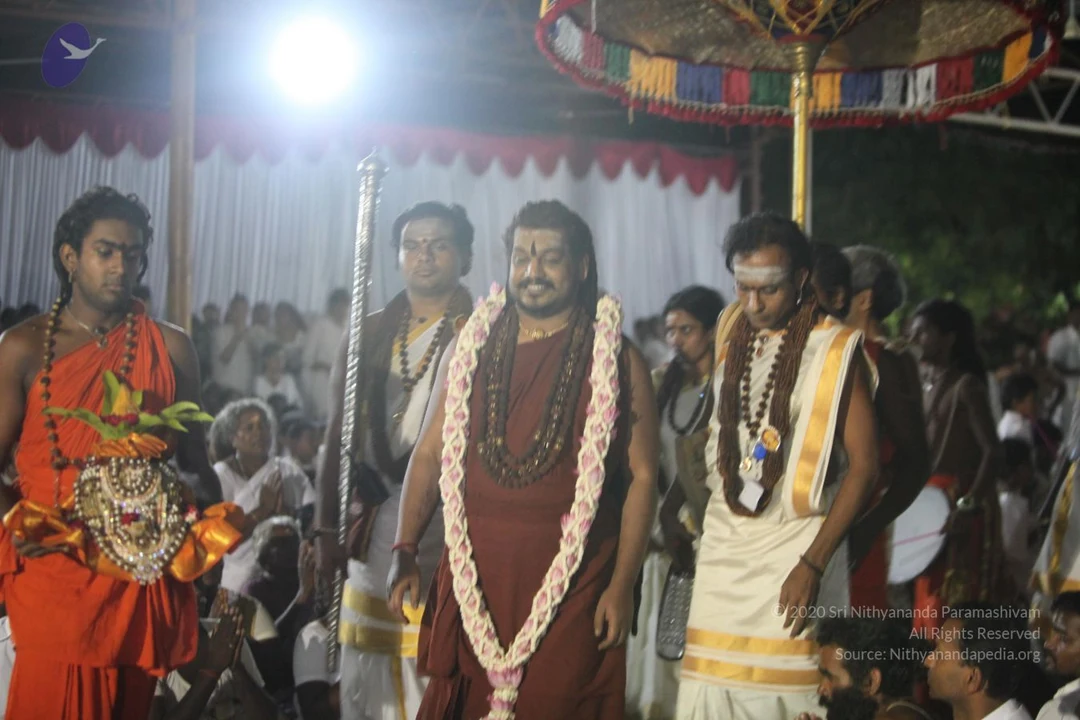

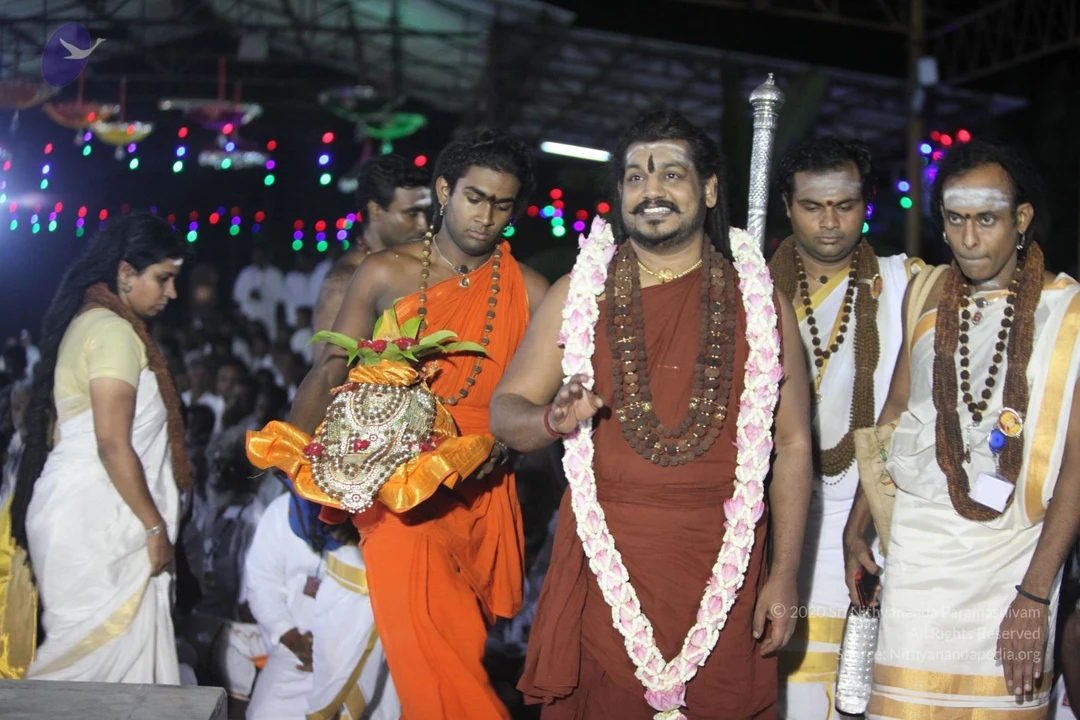
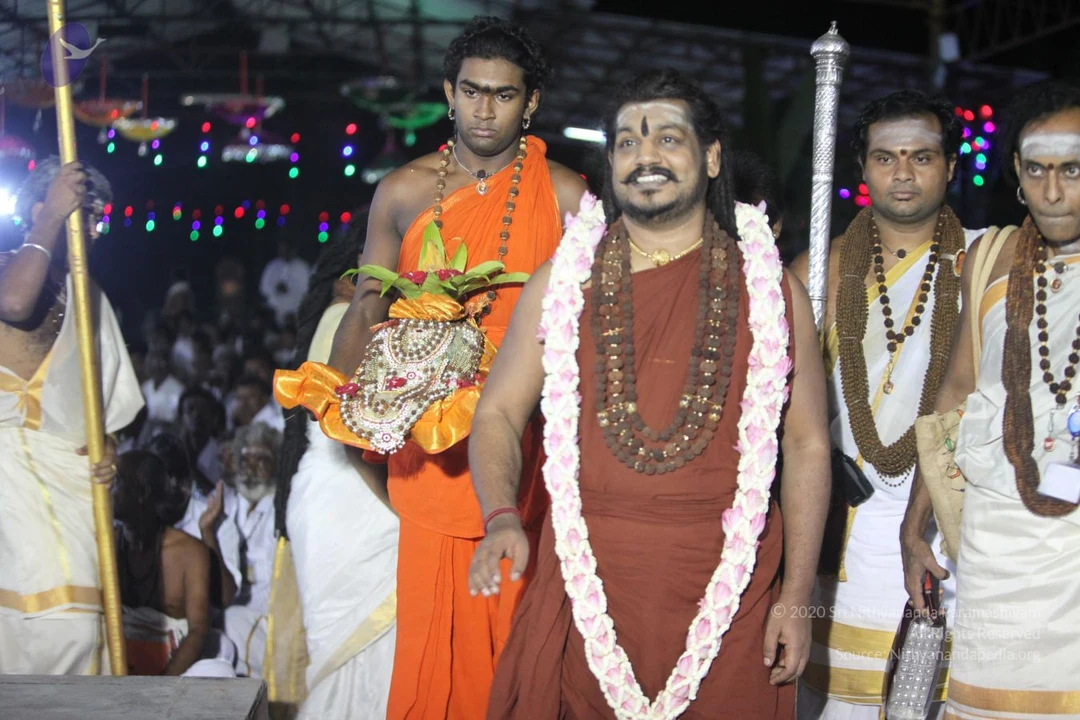
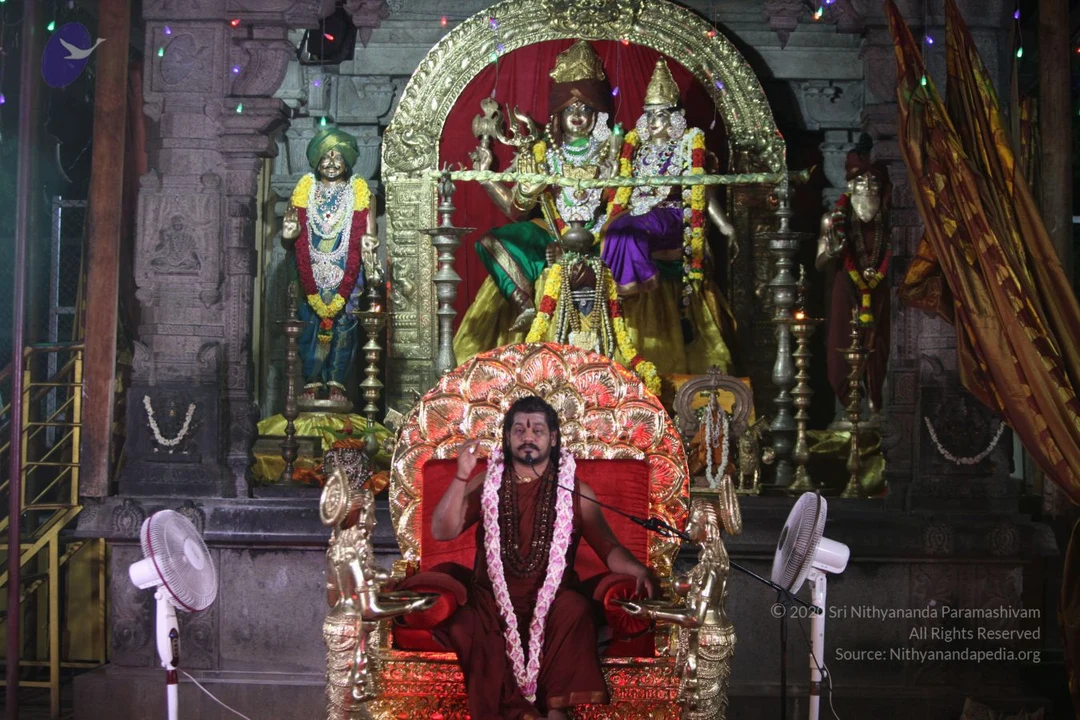
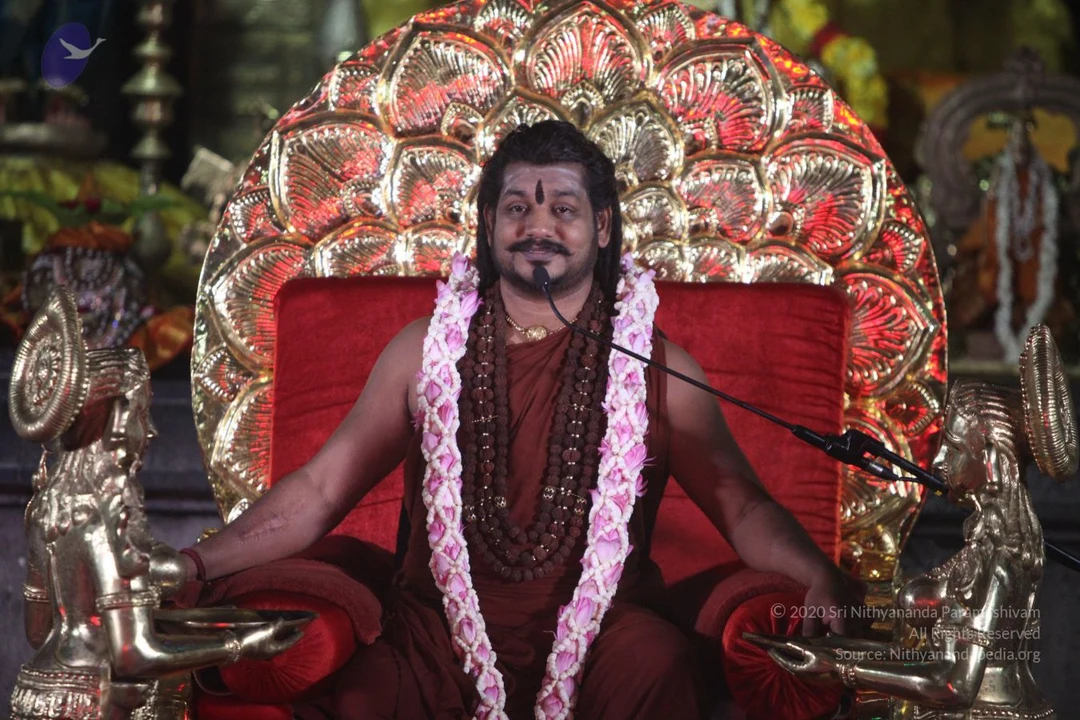
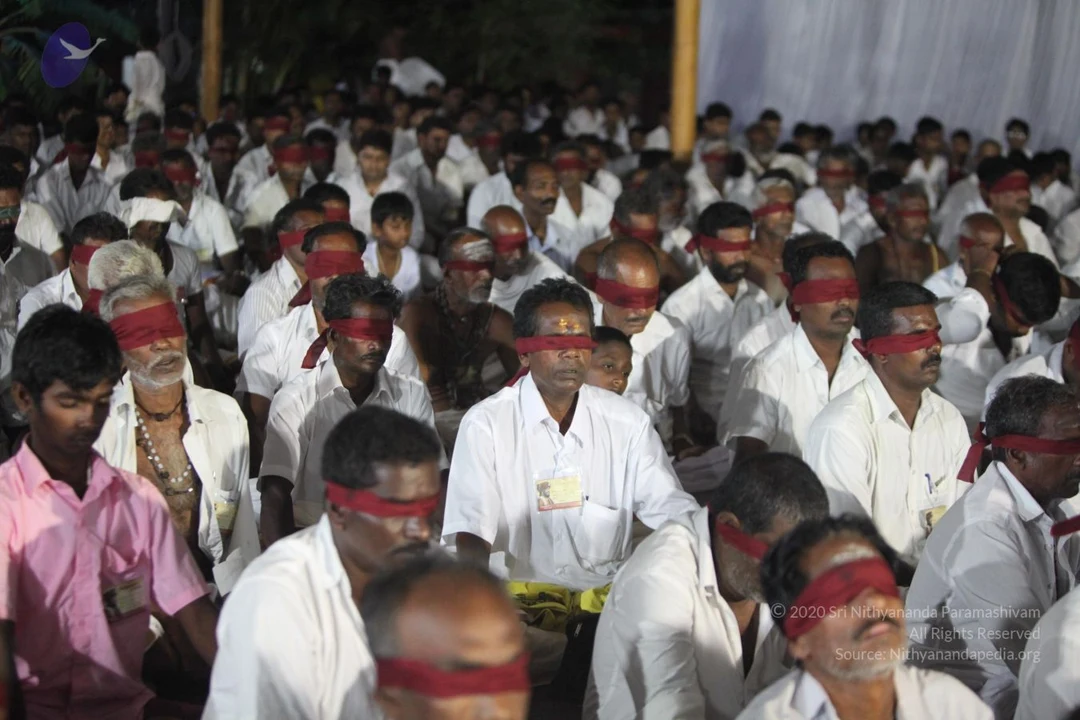
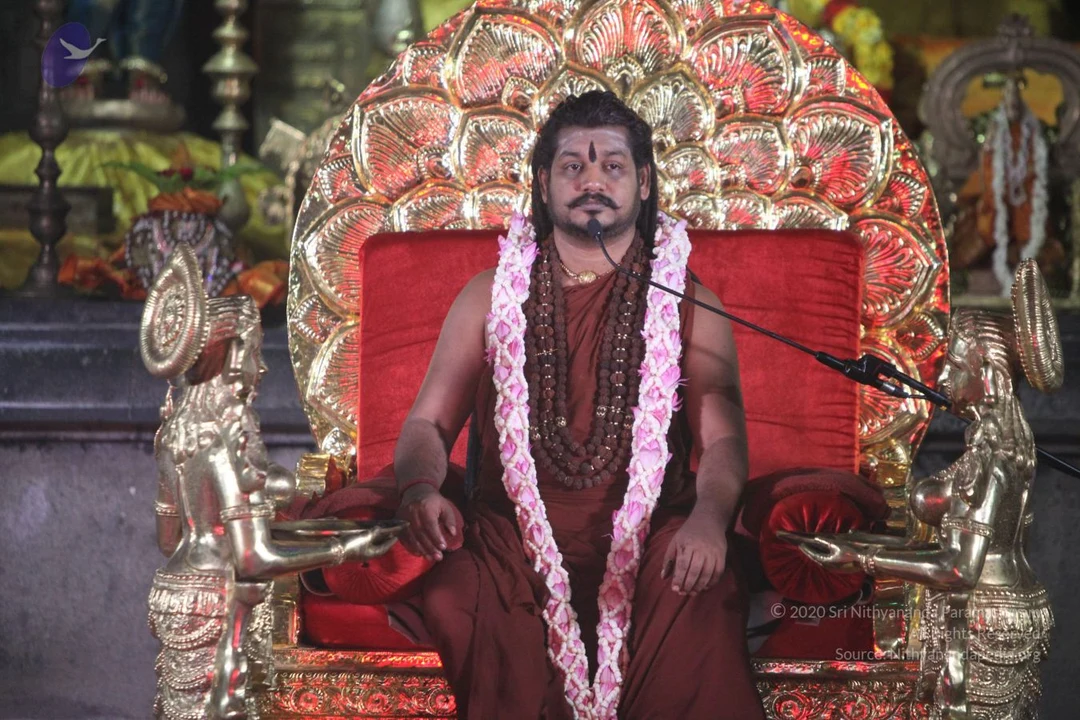
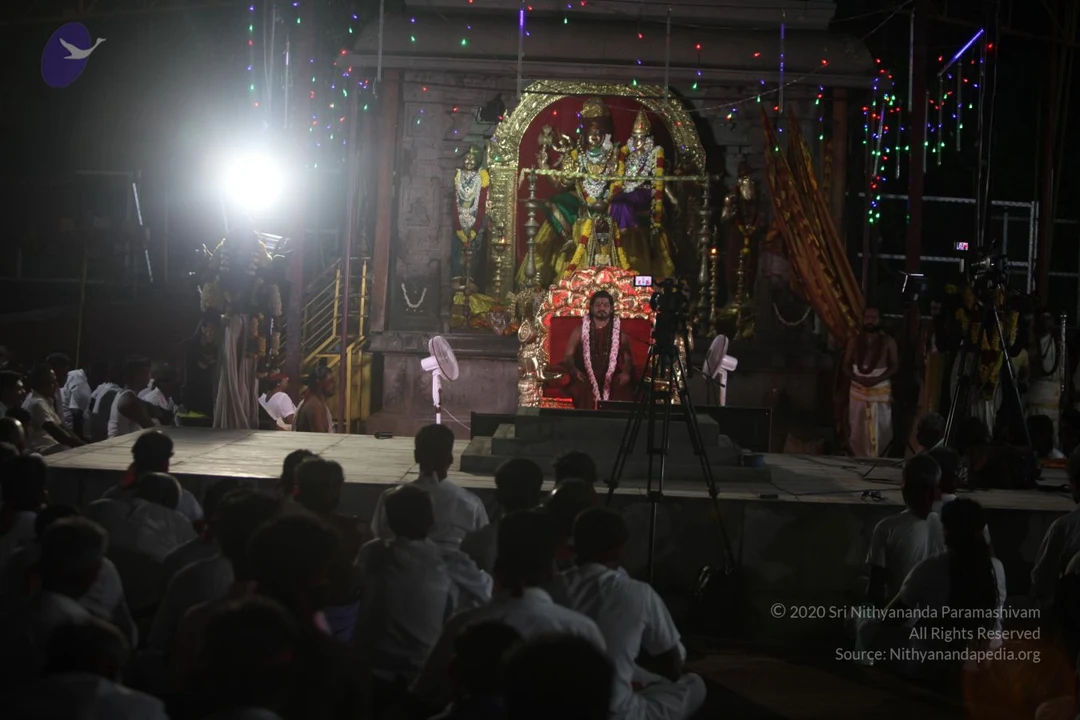
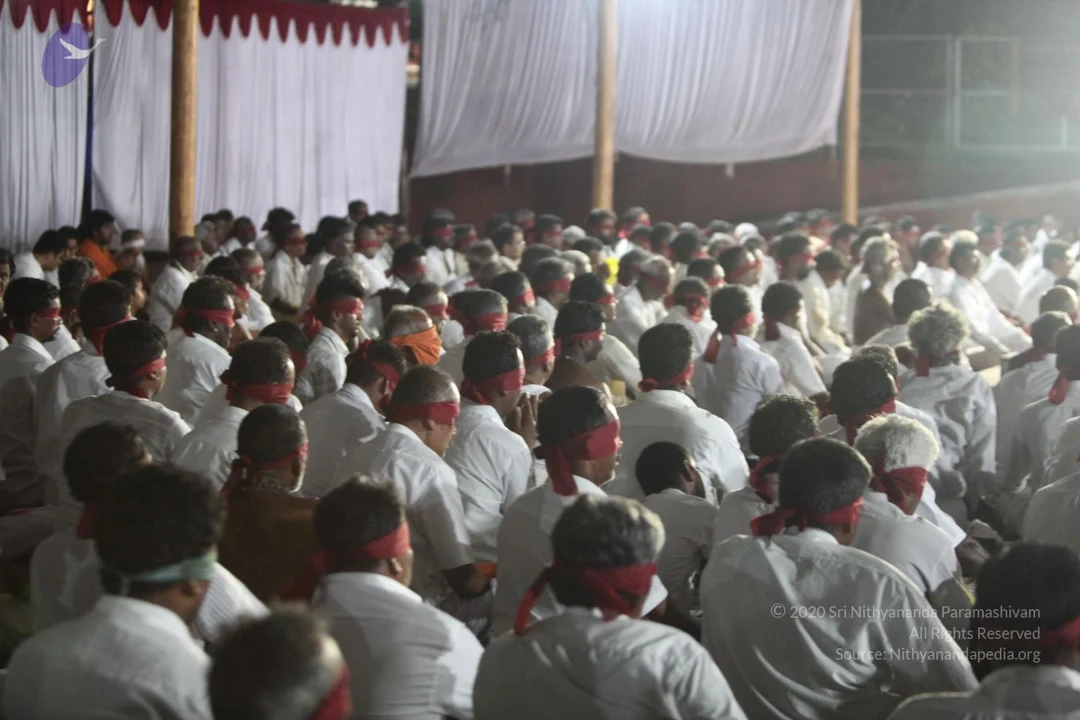
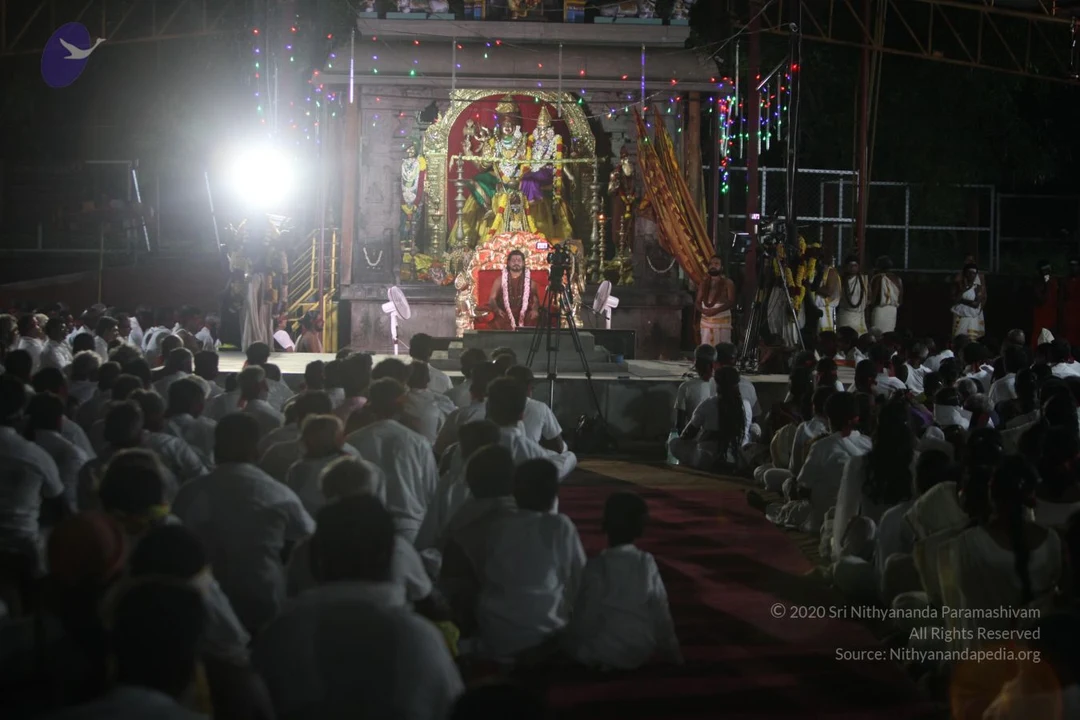
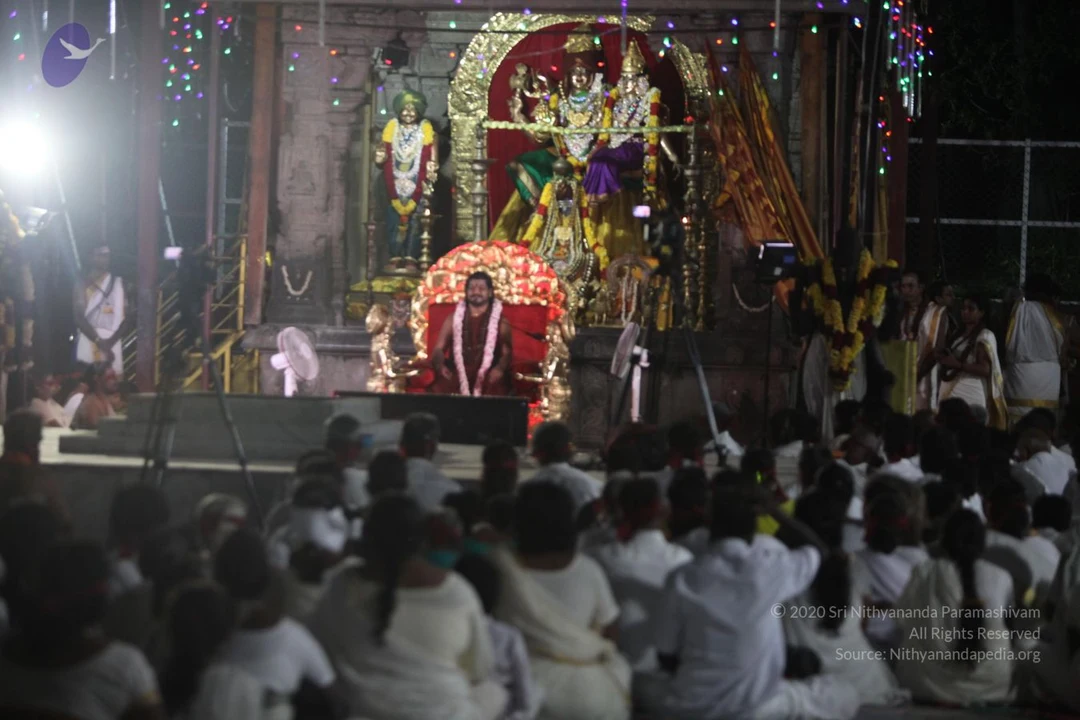
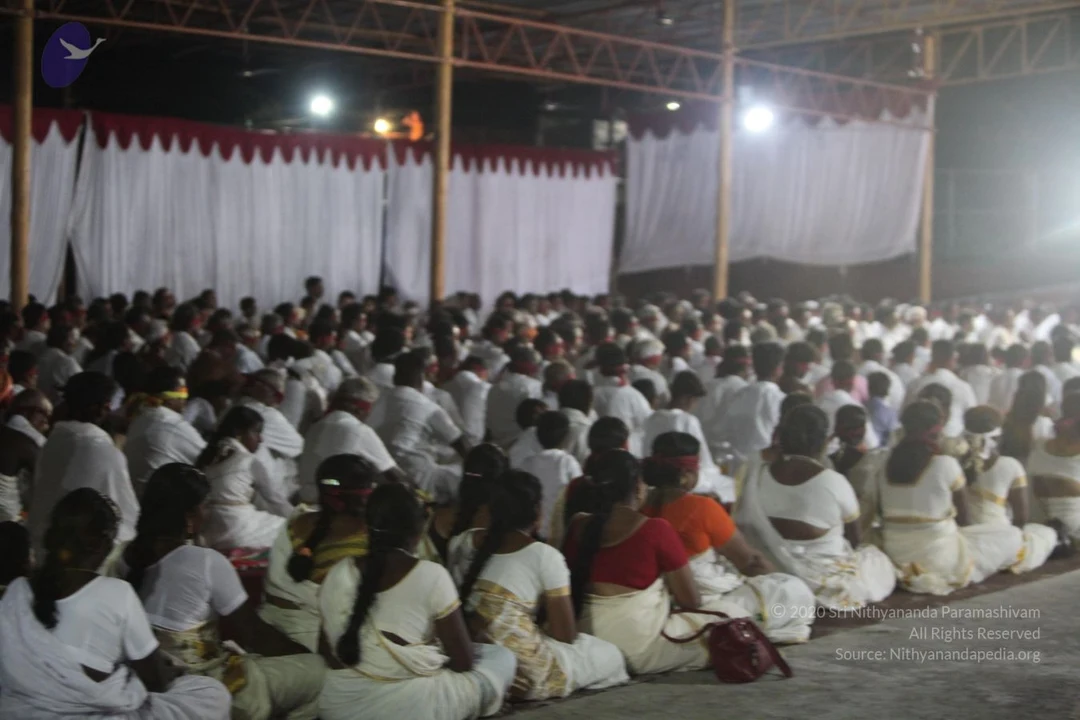
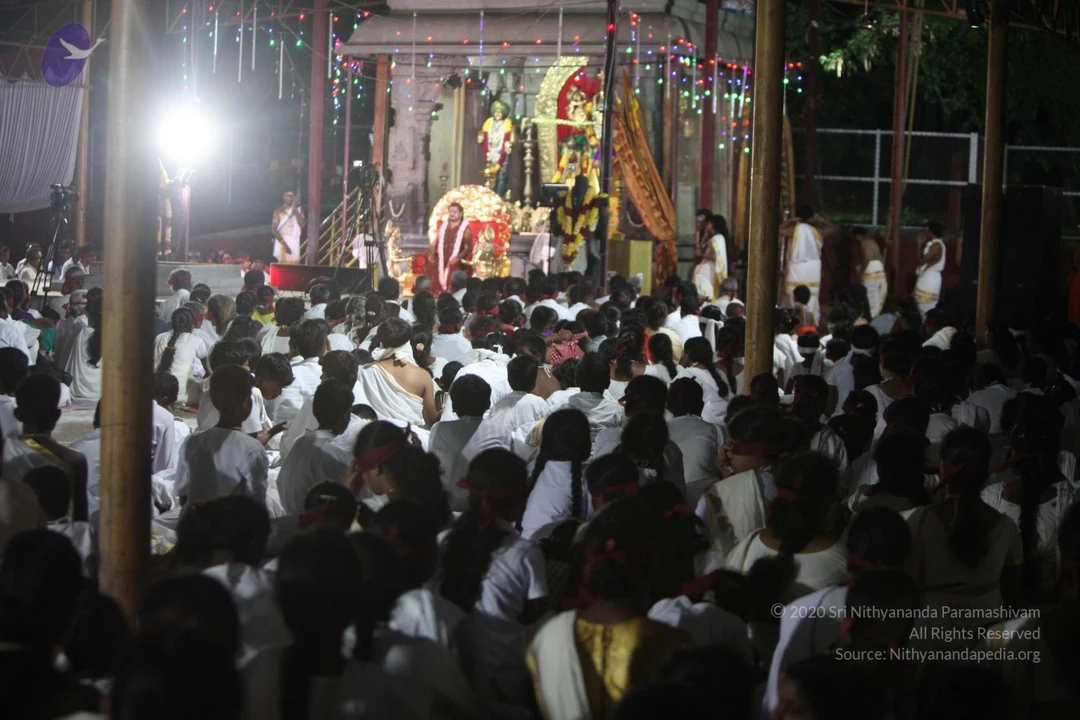
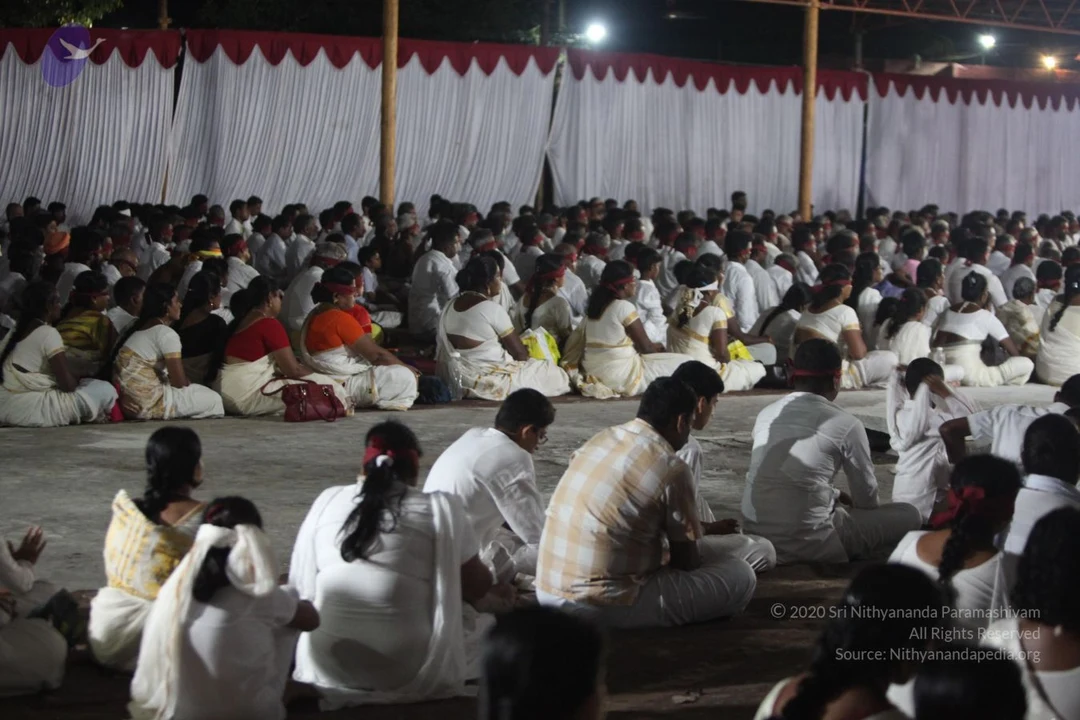
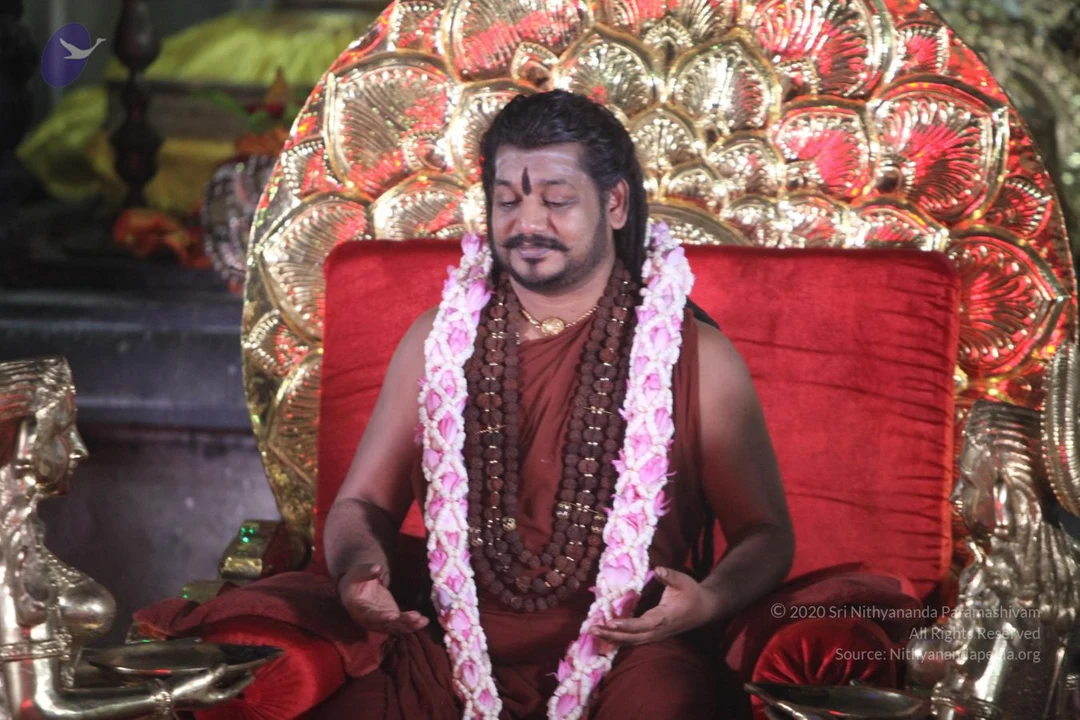
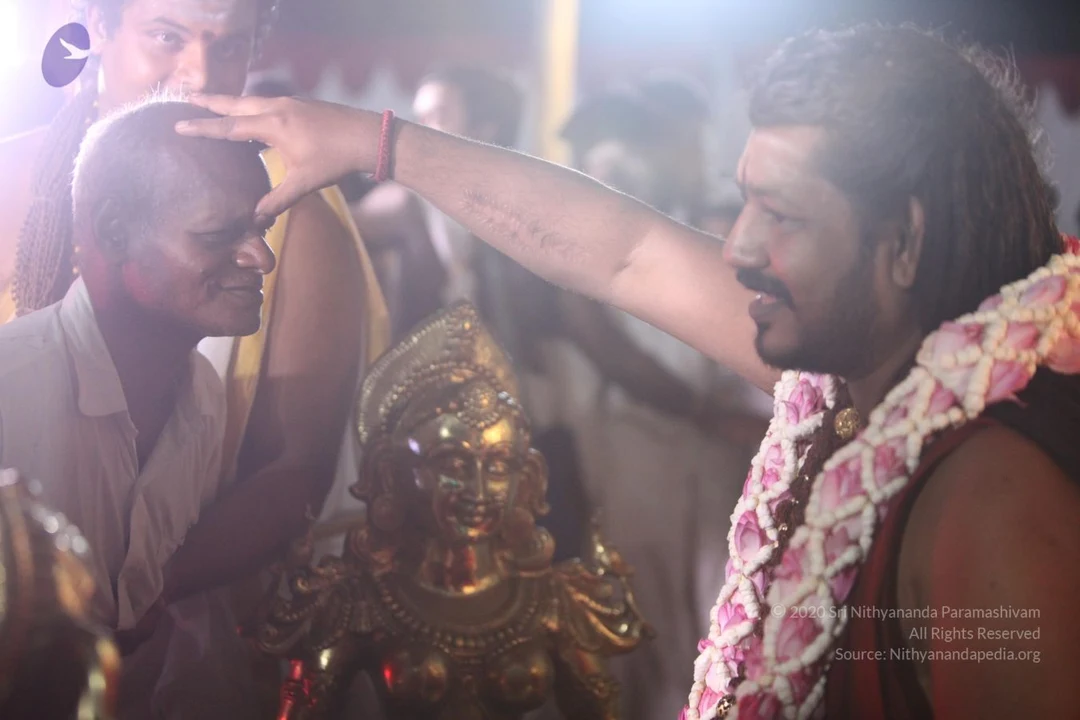
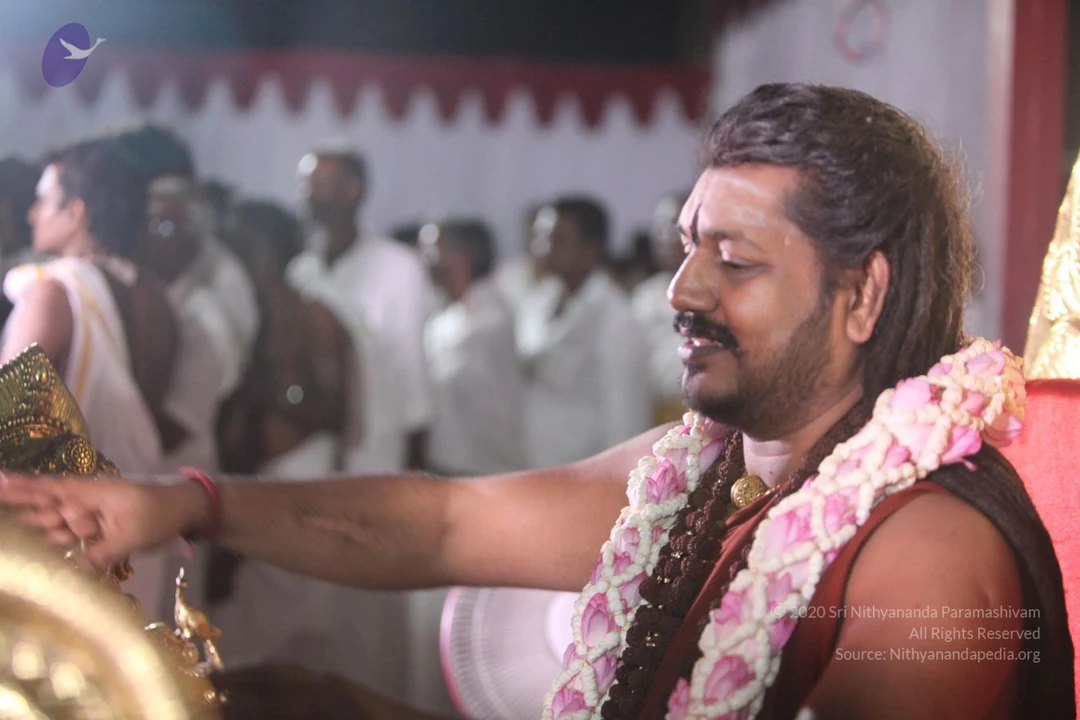
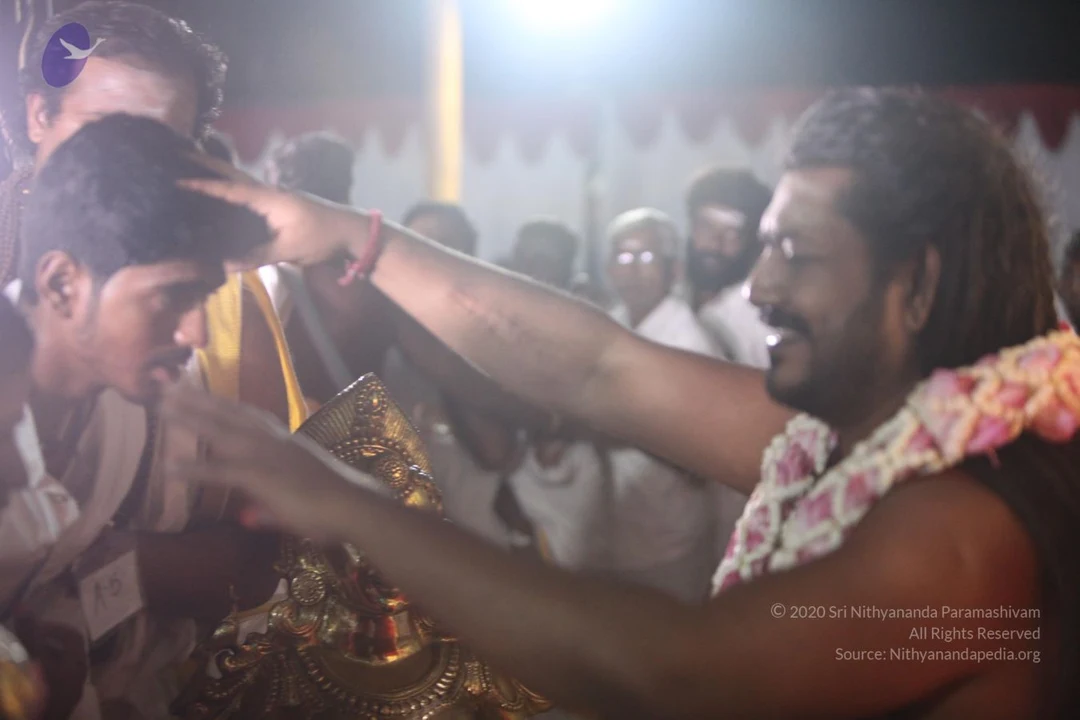
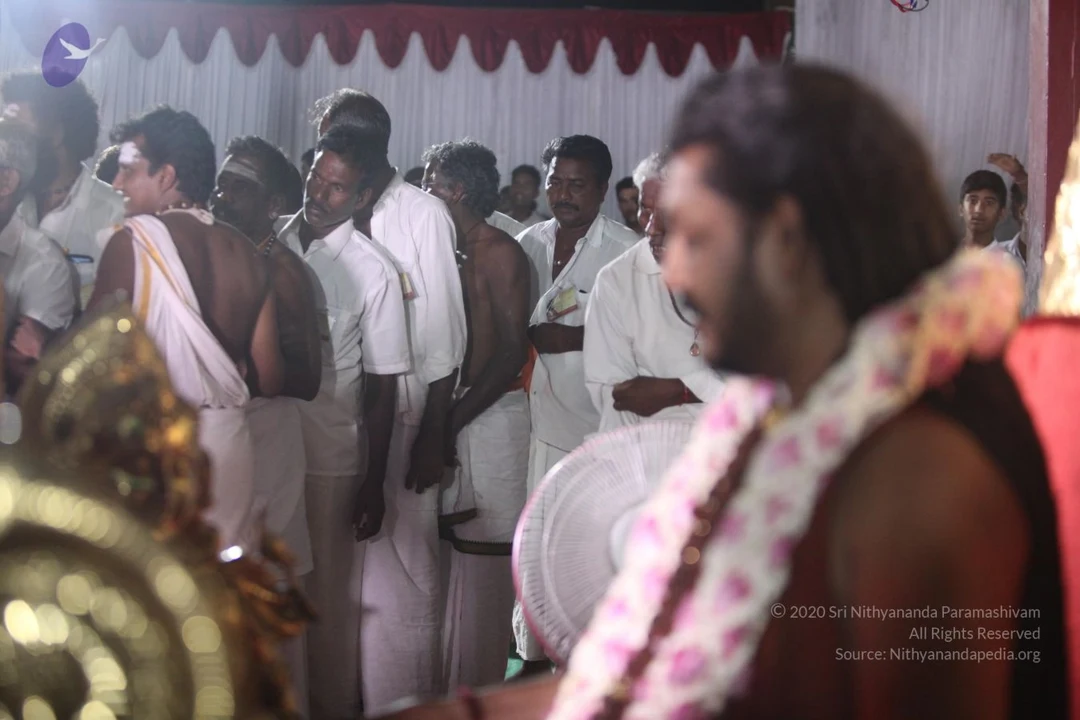
Darshan
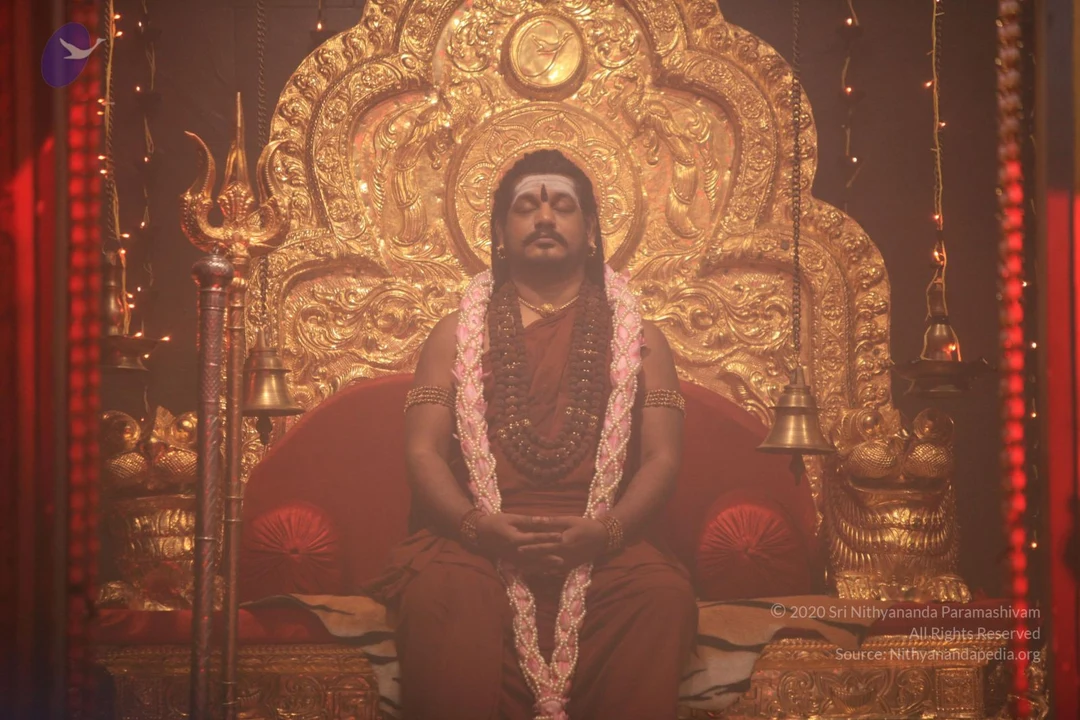
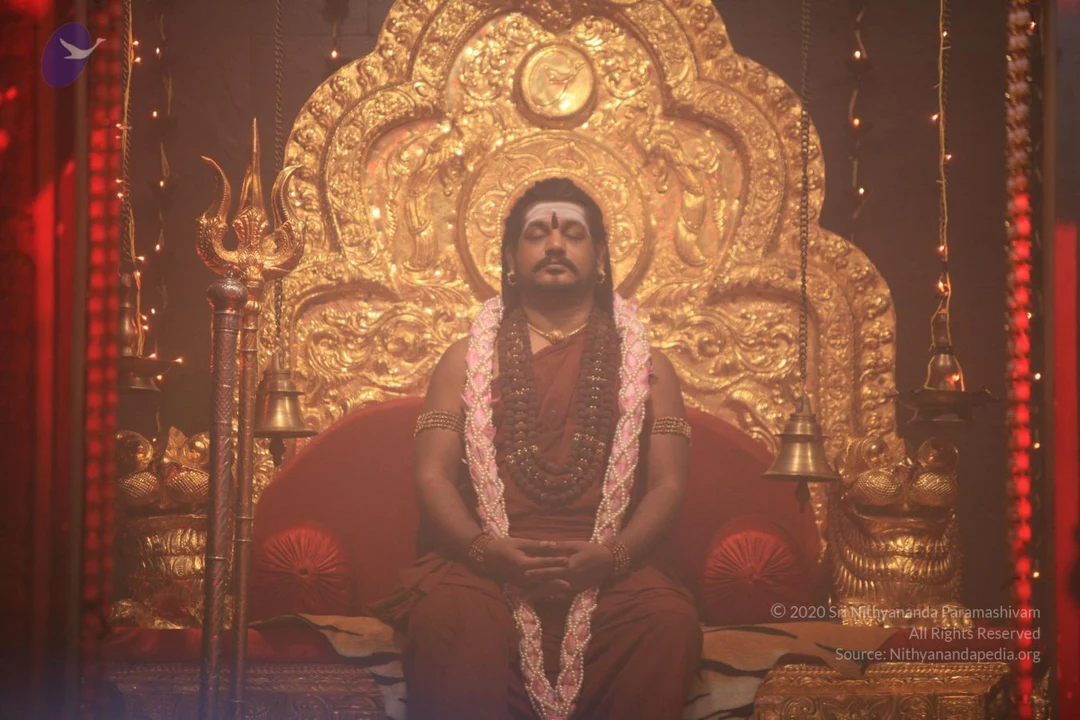
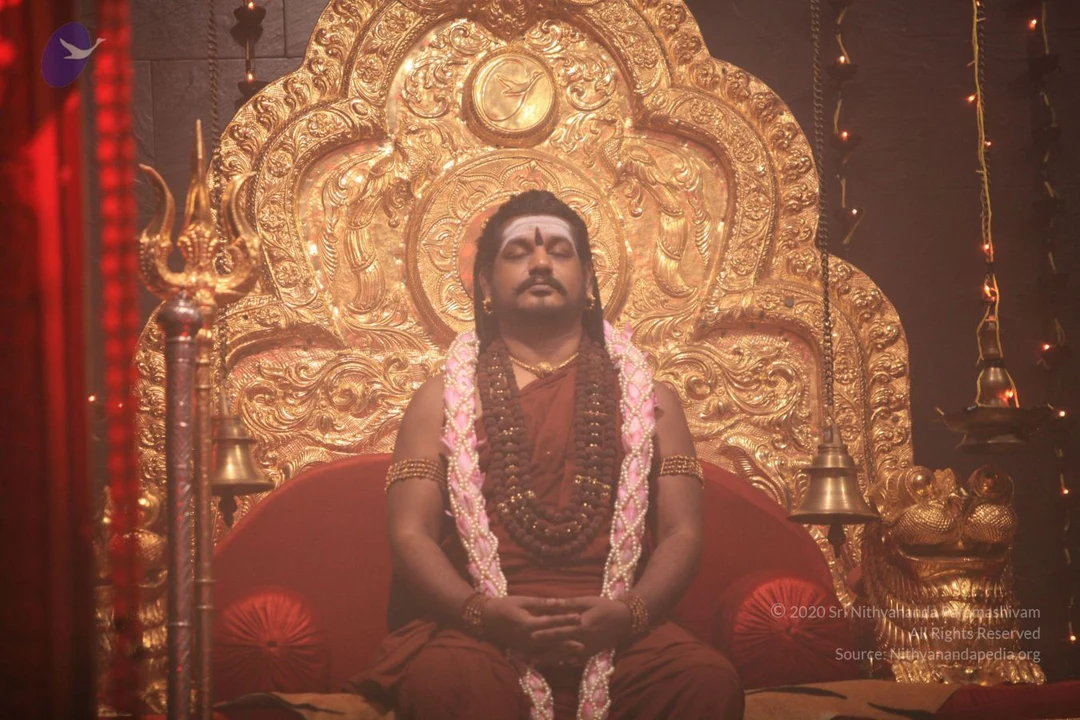

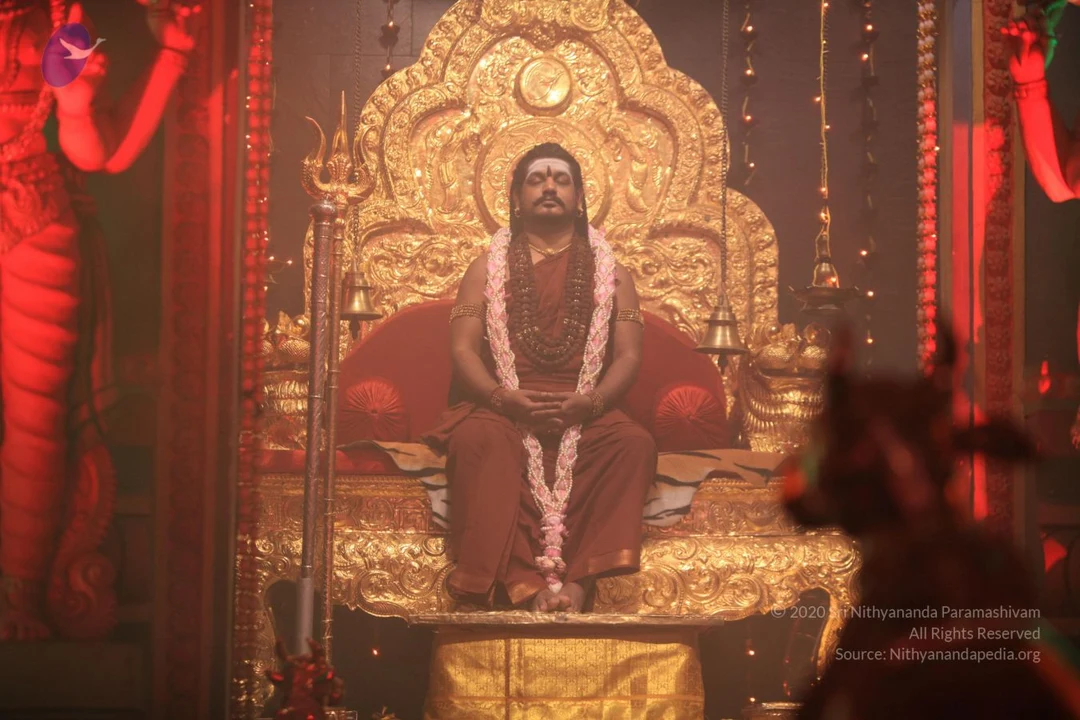
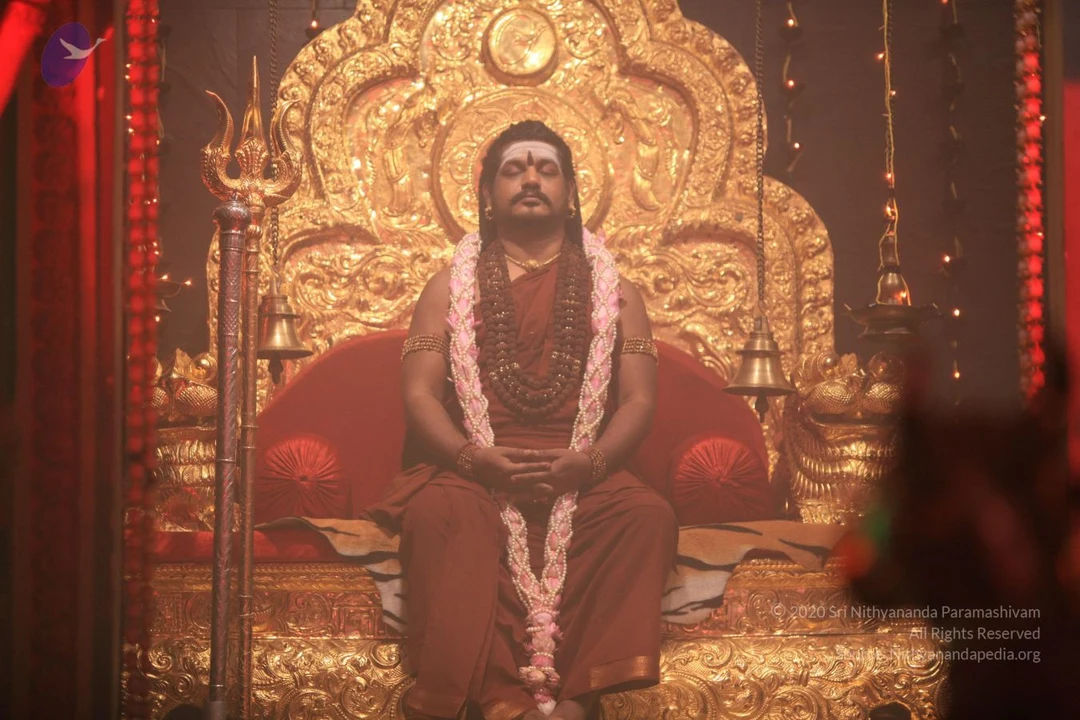
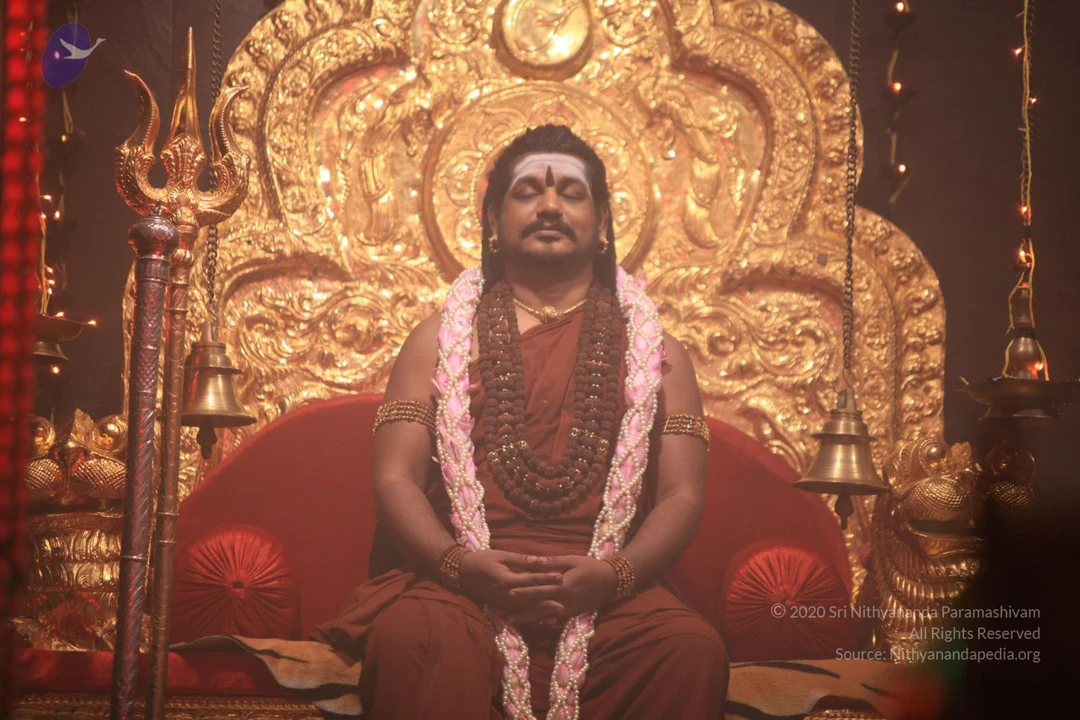
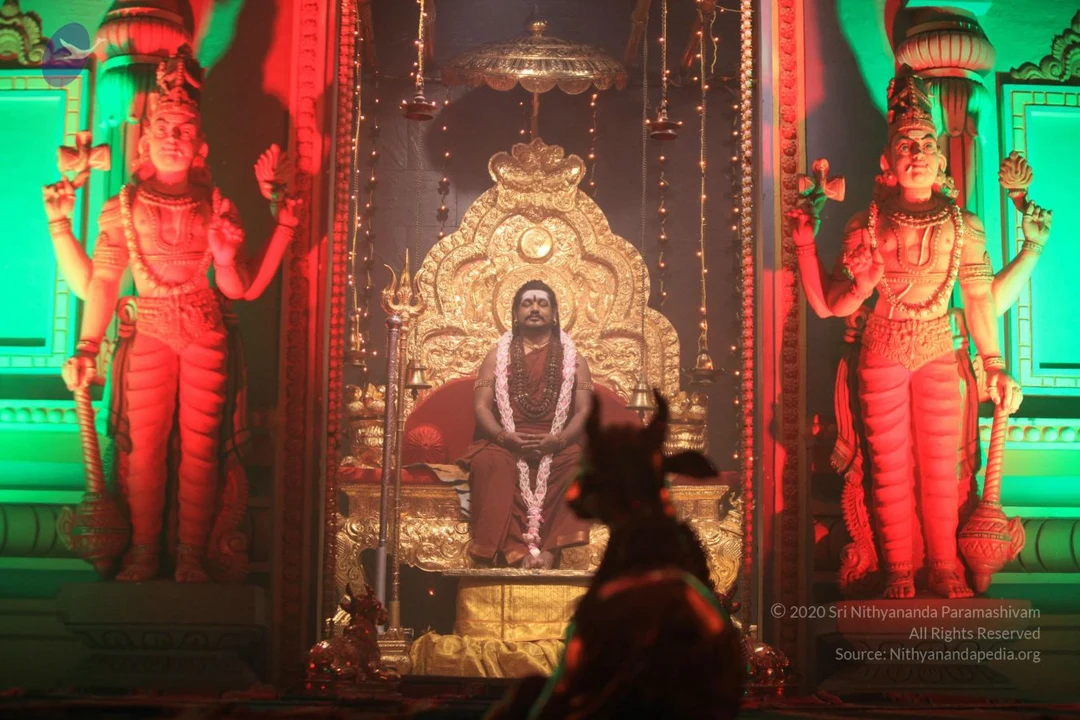
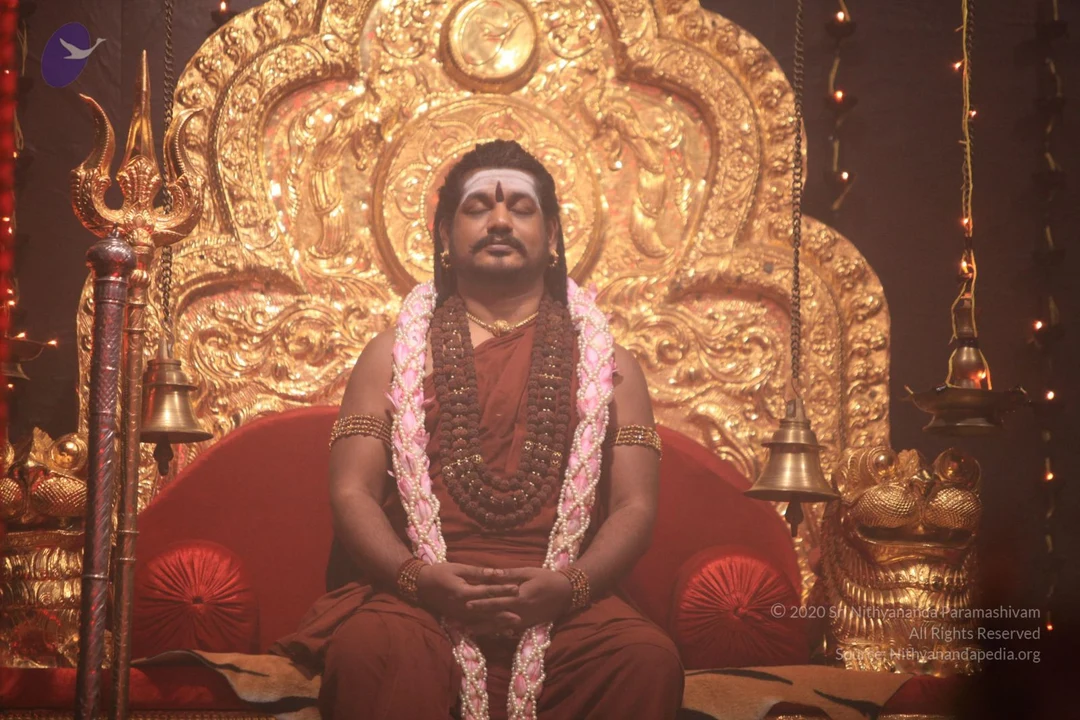
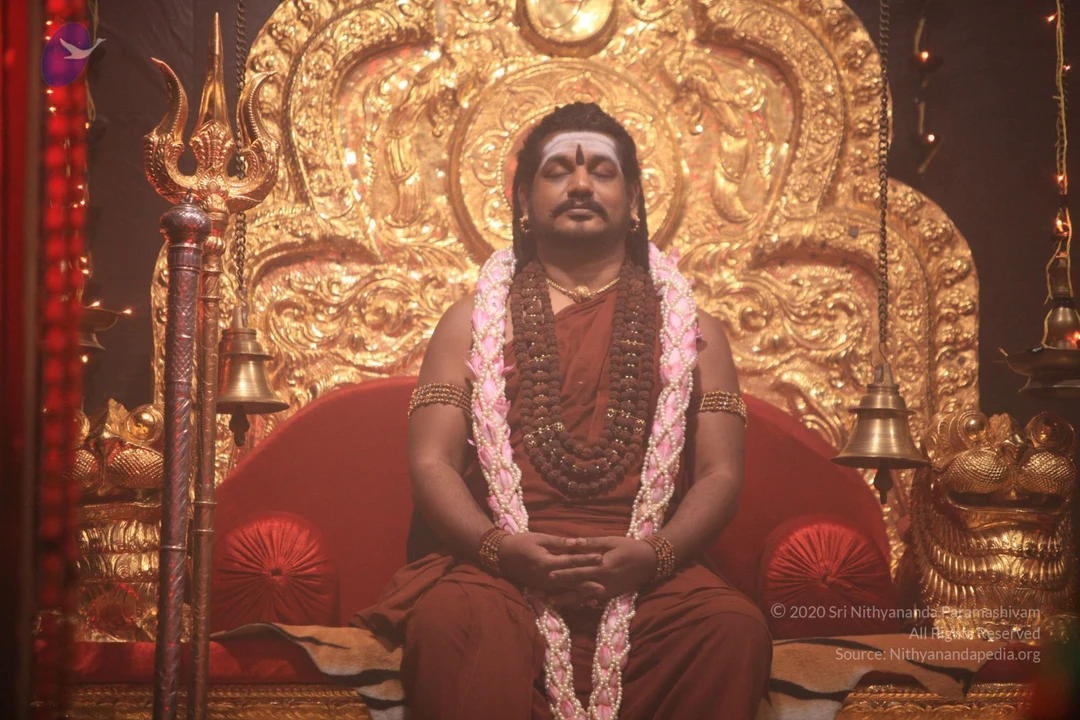
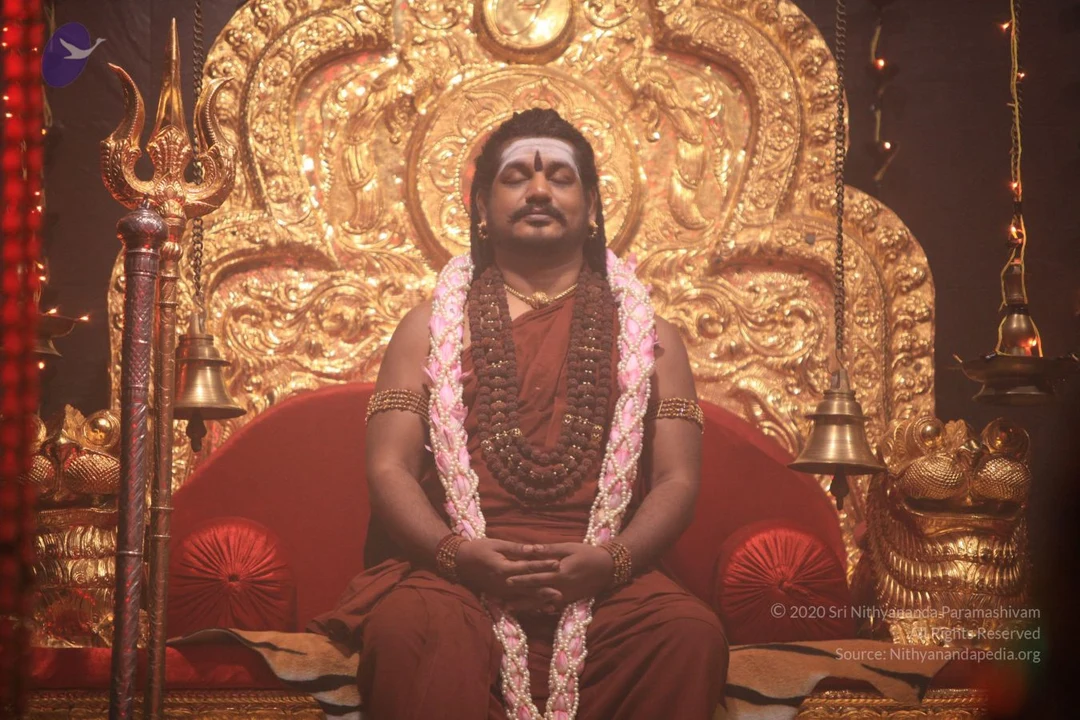
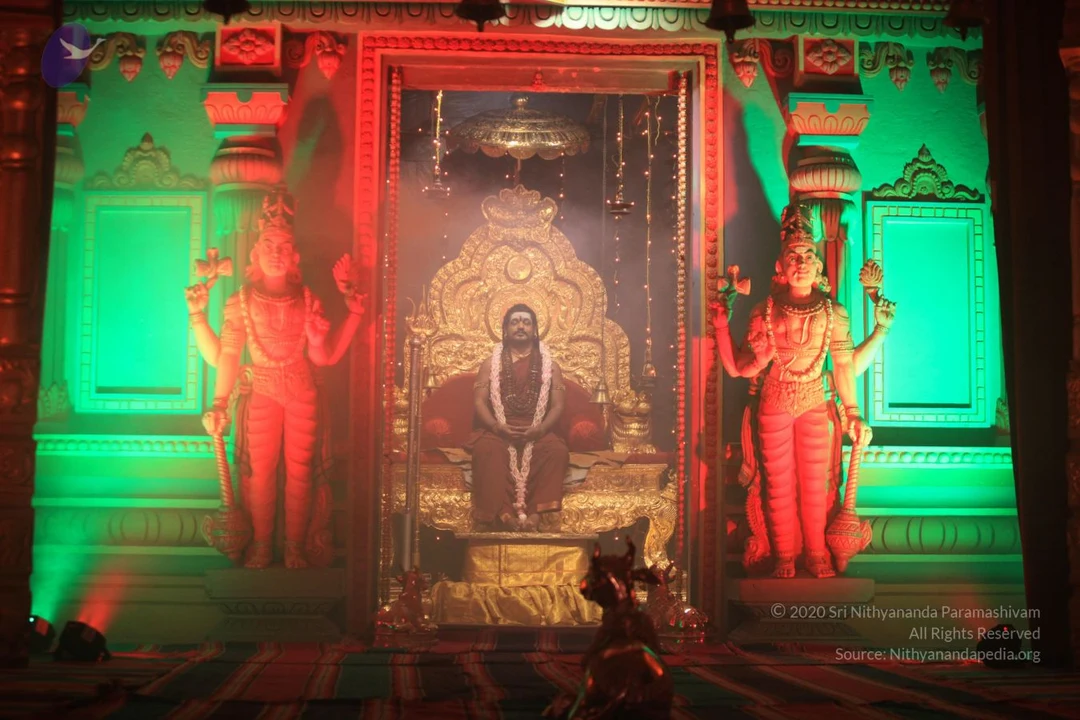
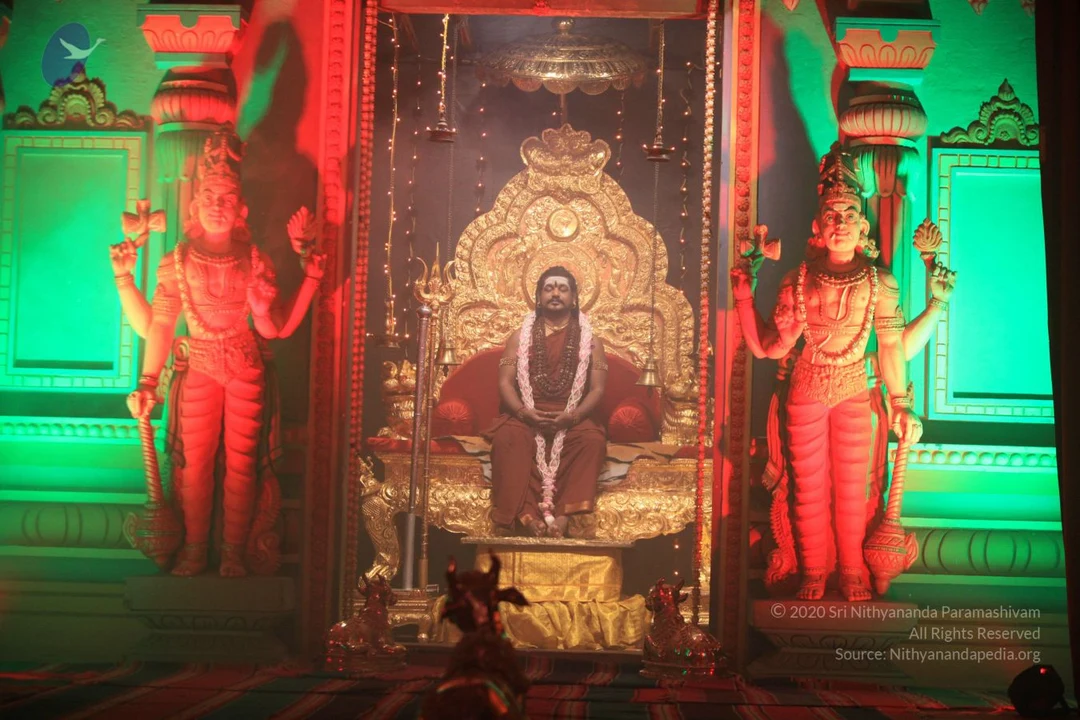
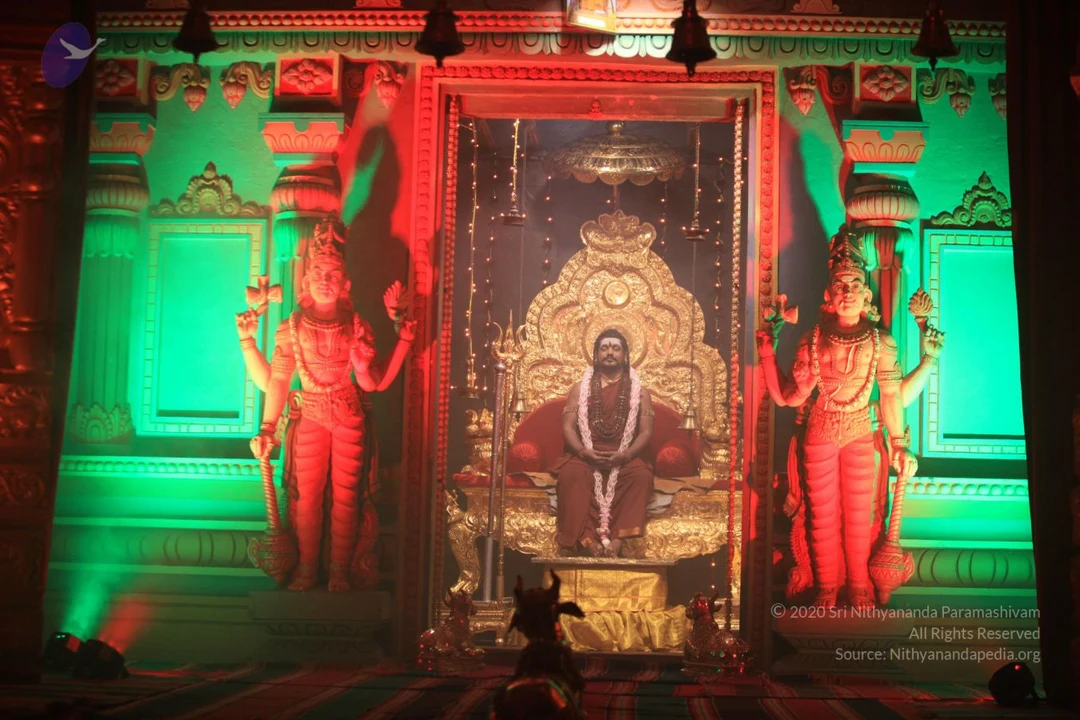
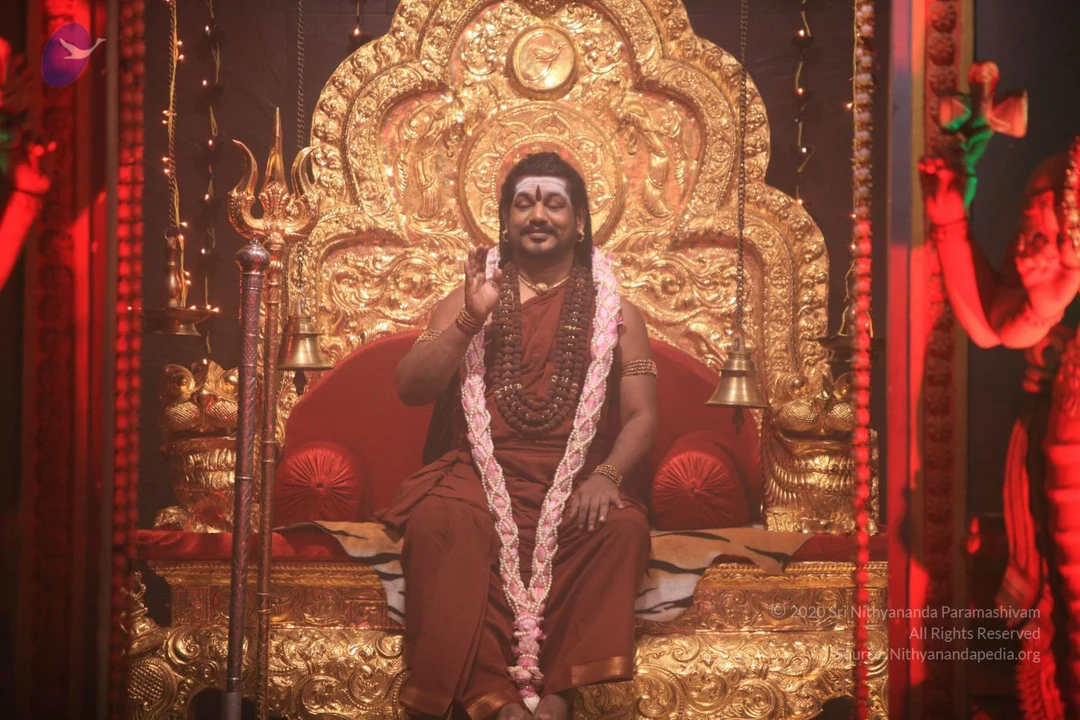
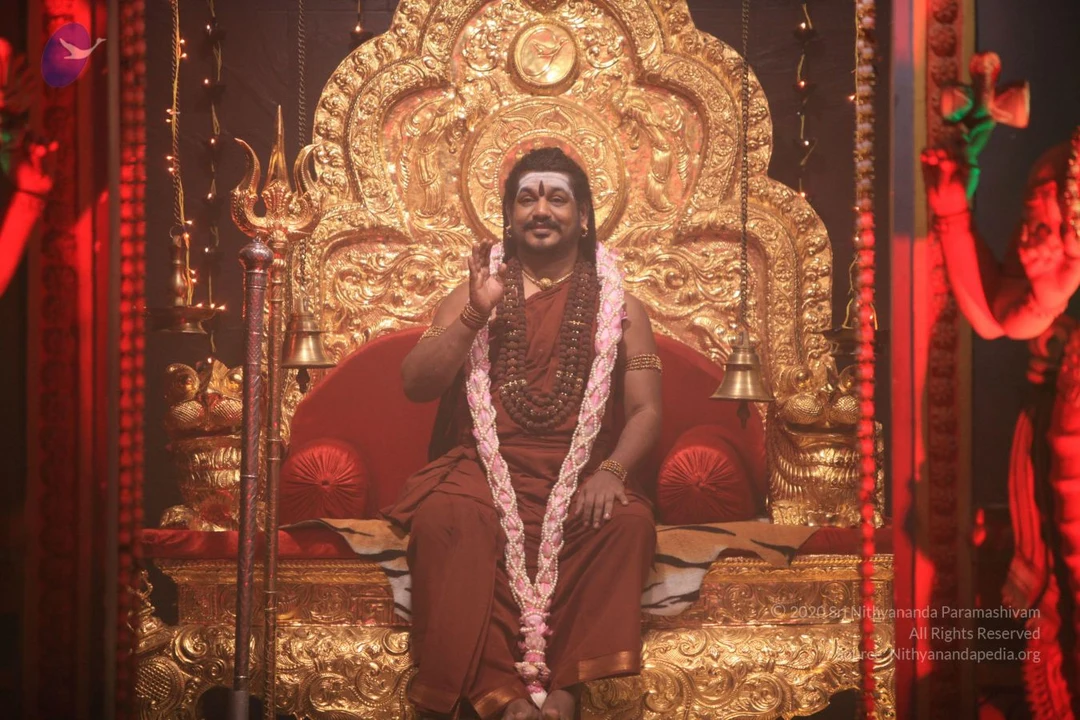
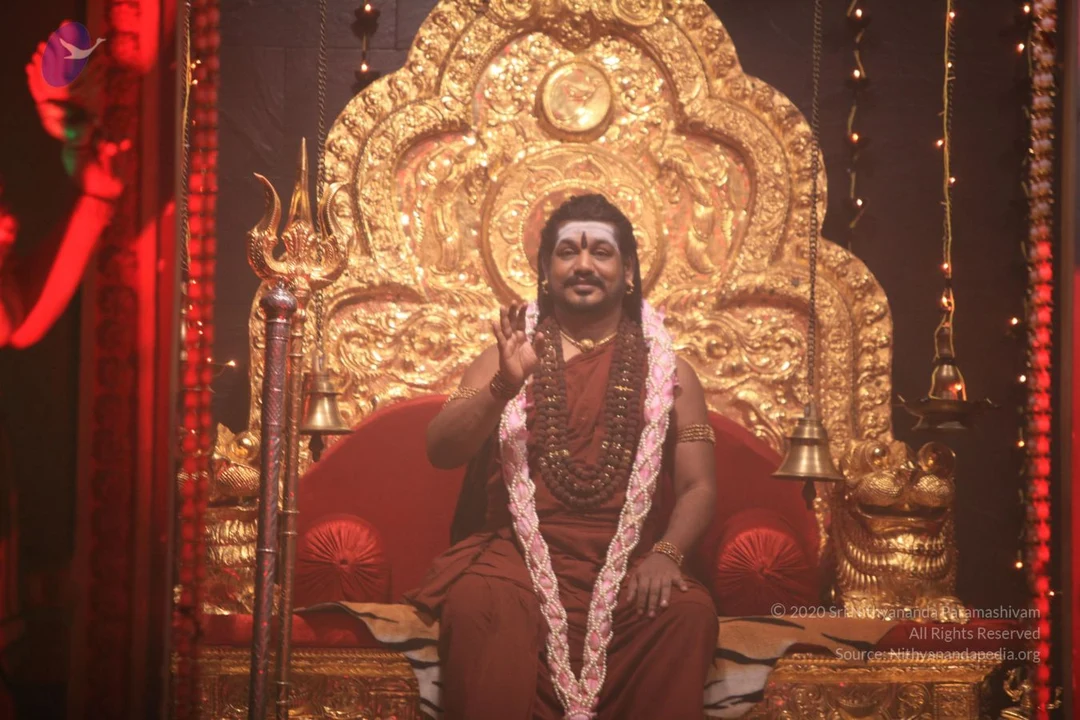
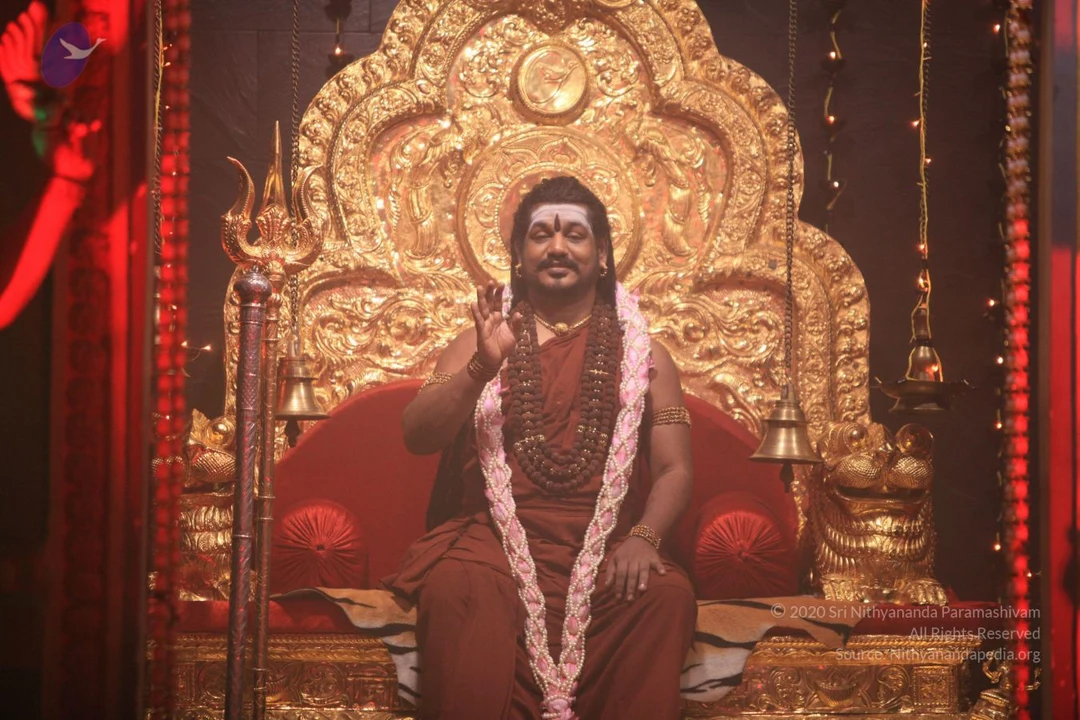
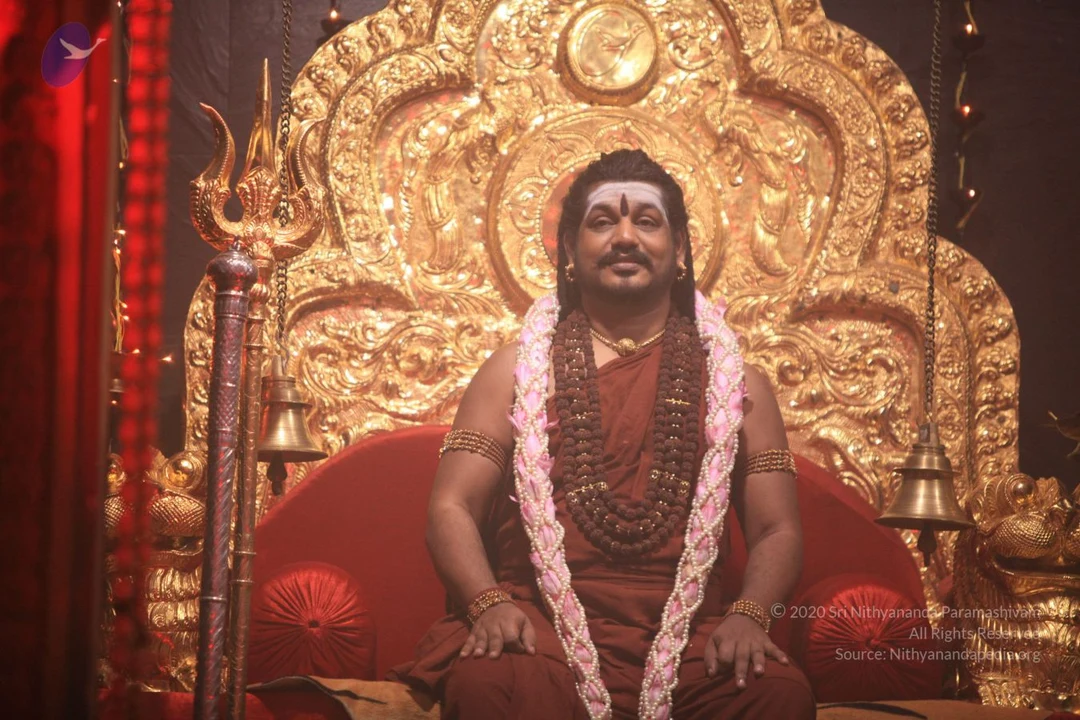
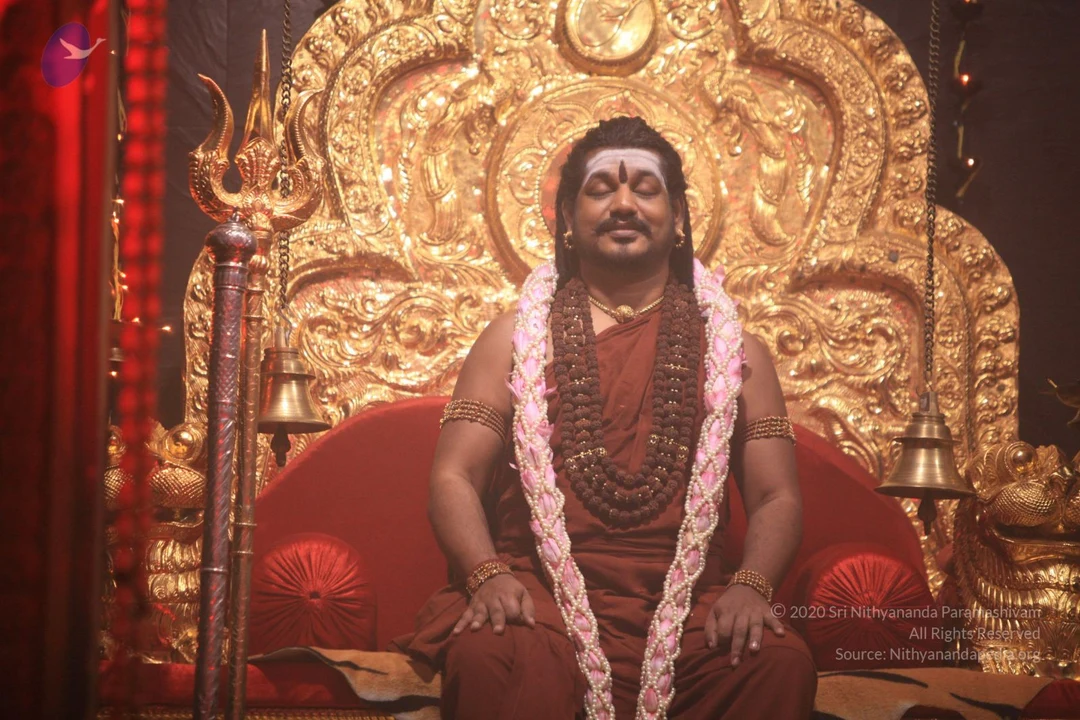
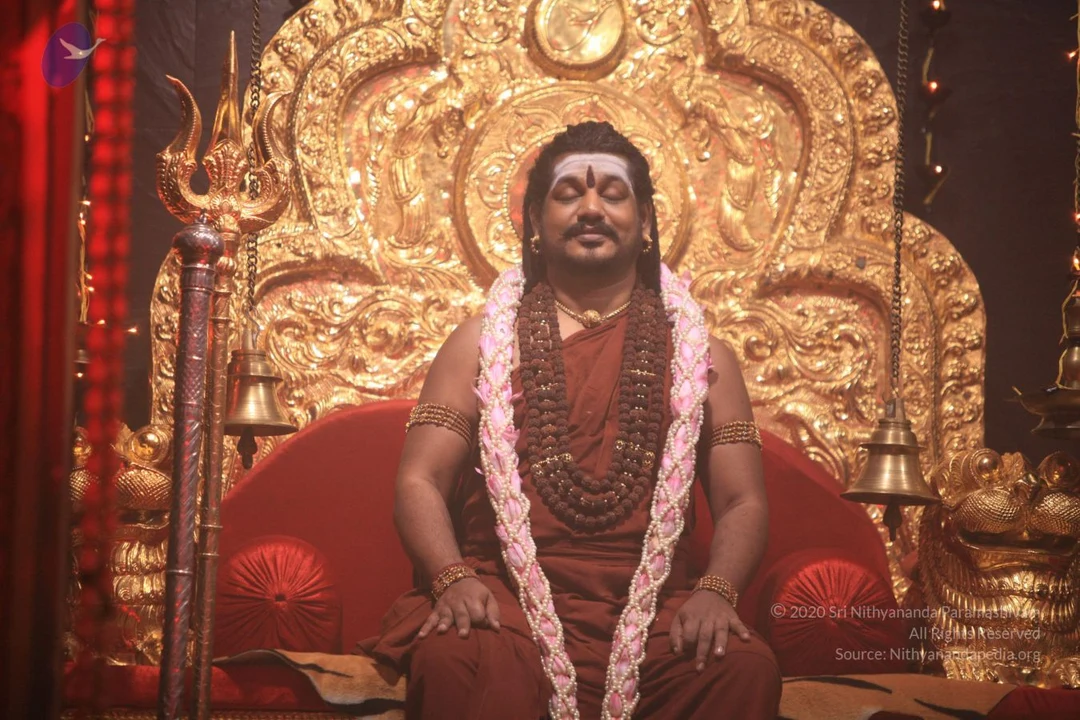
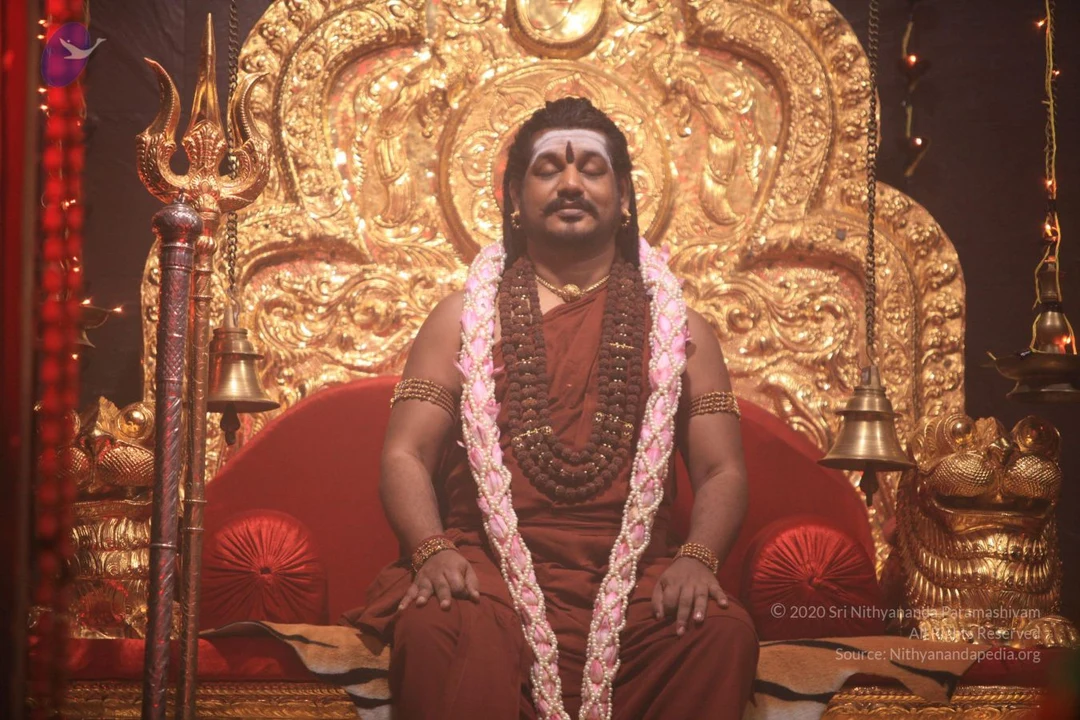
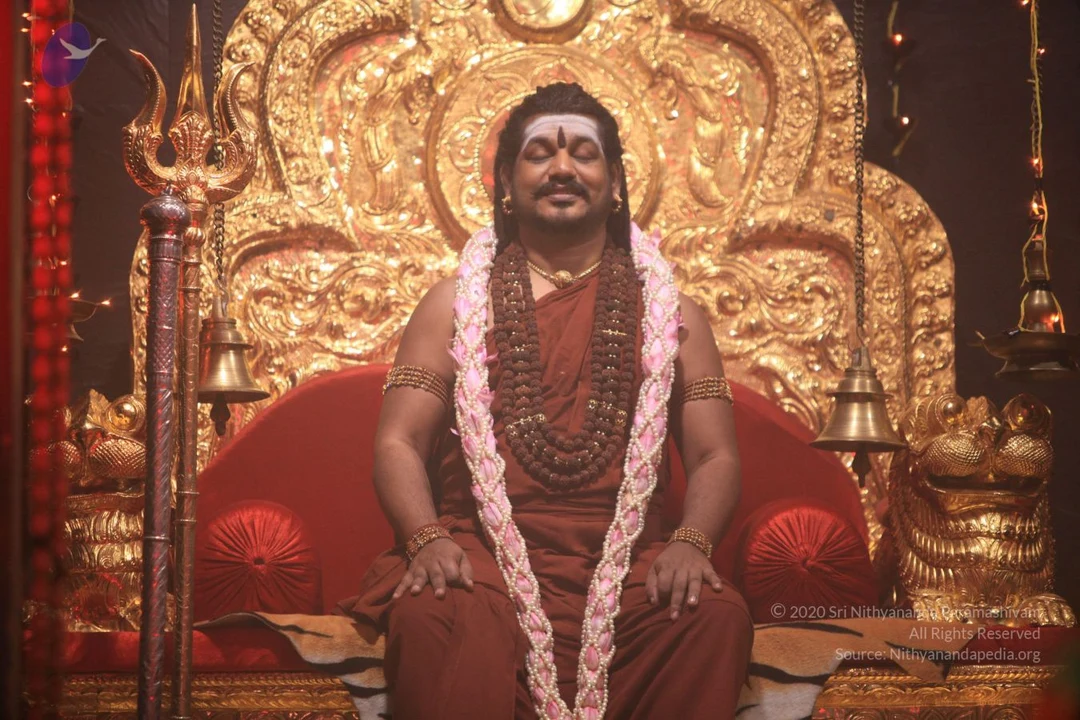
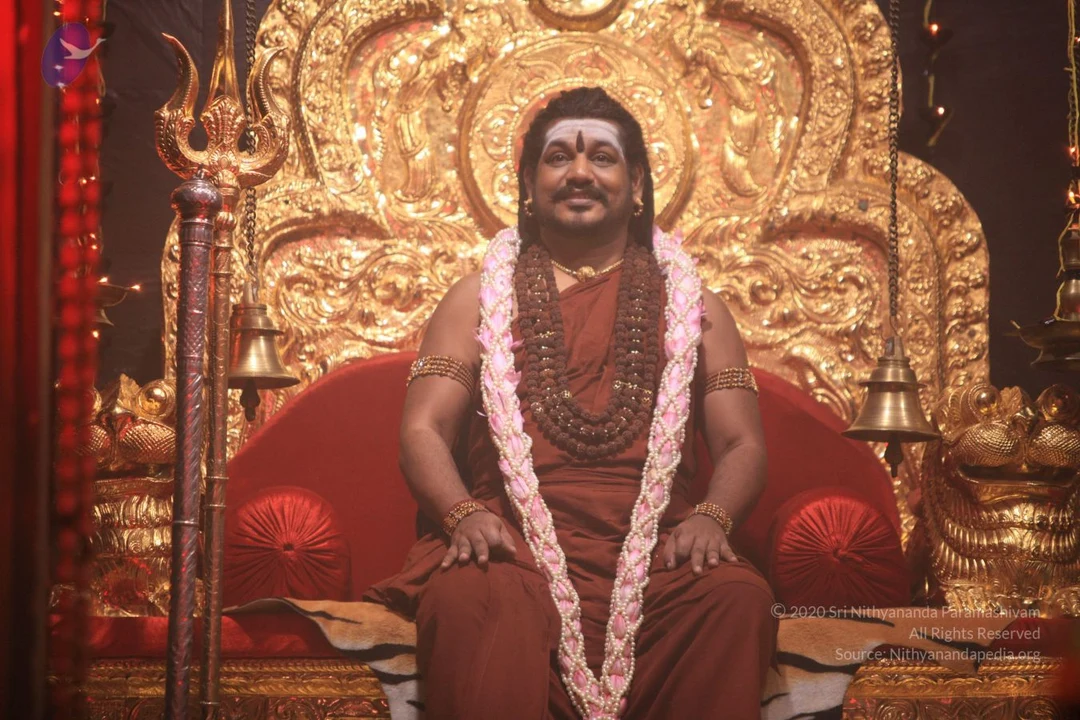
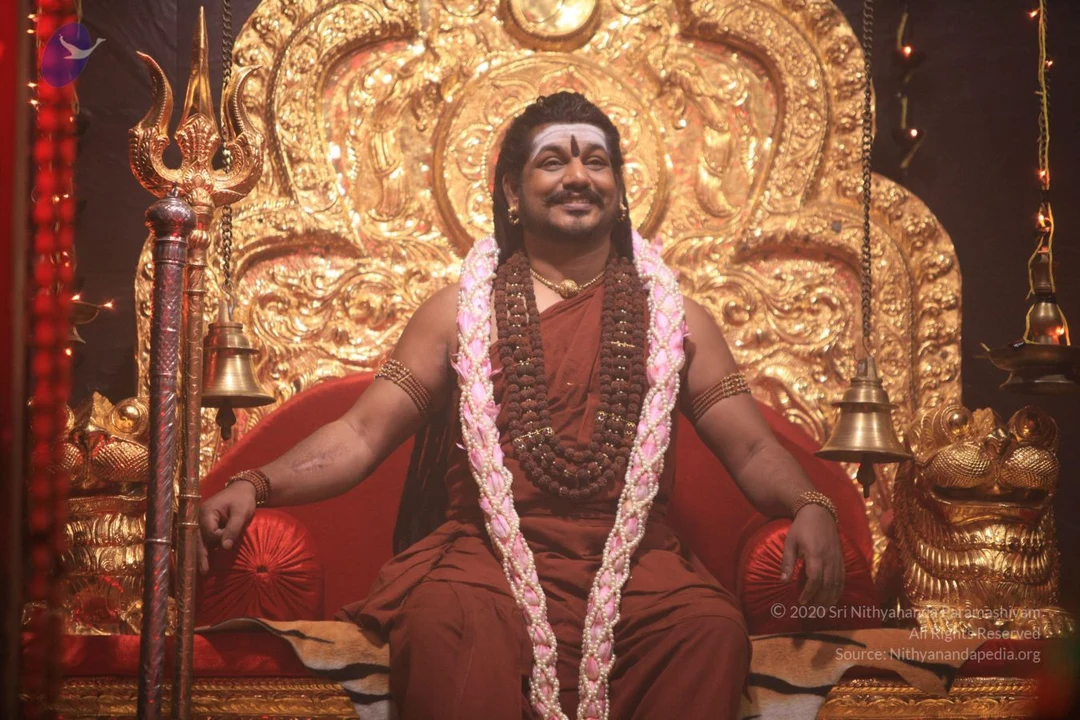
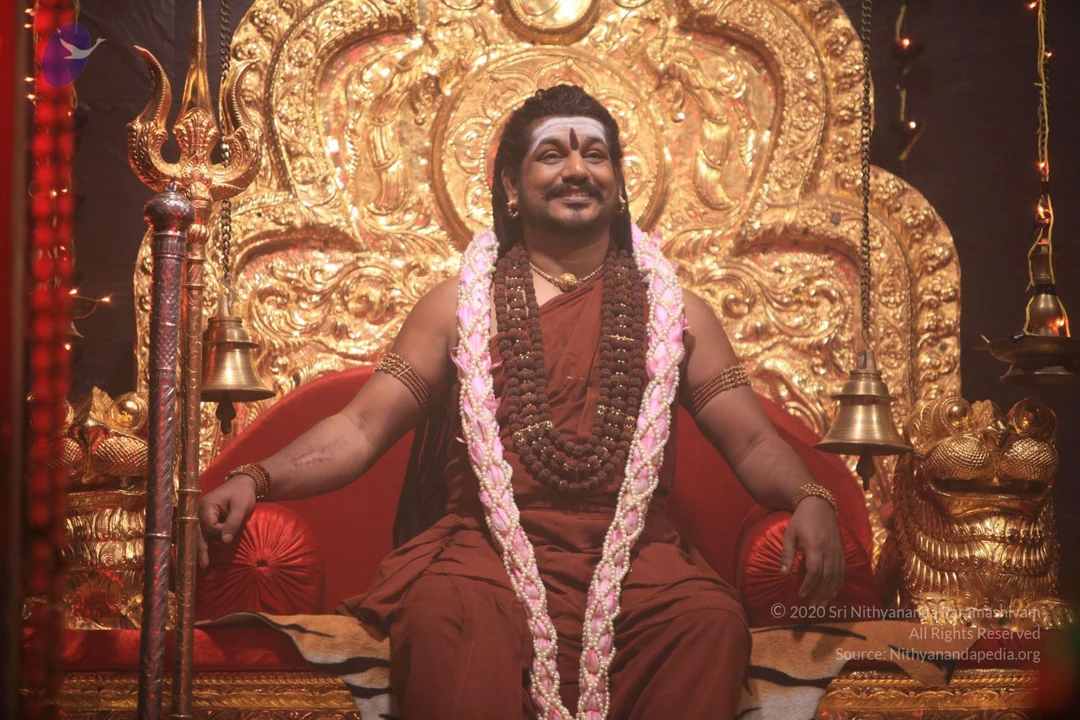
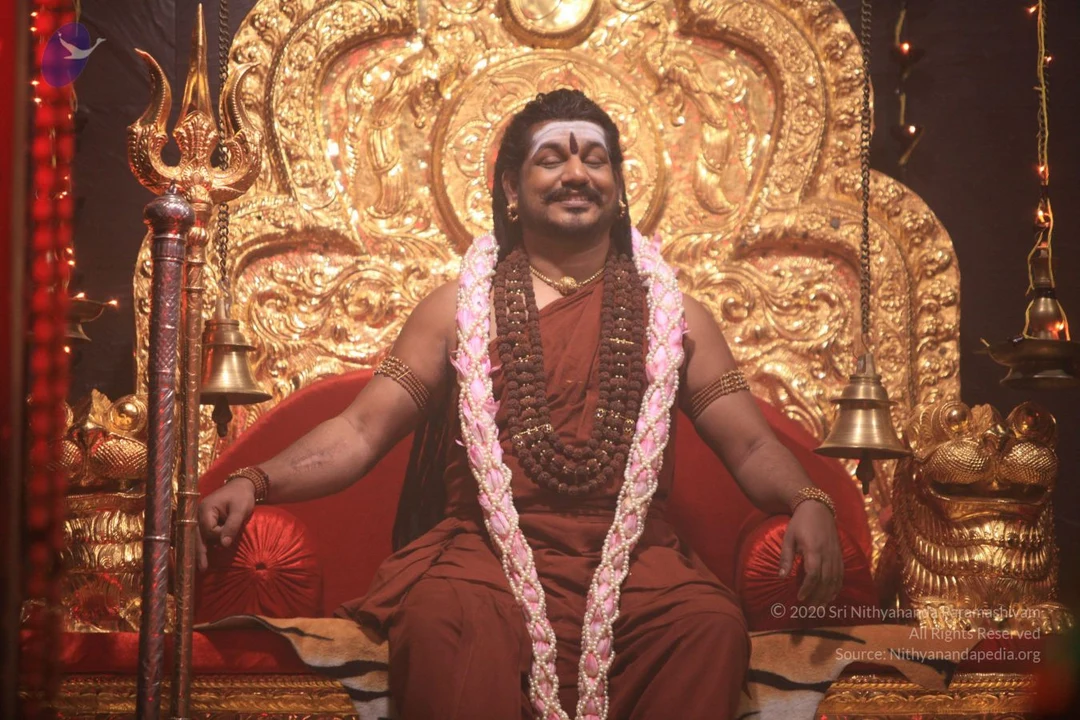
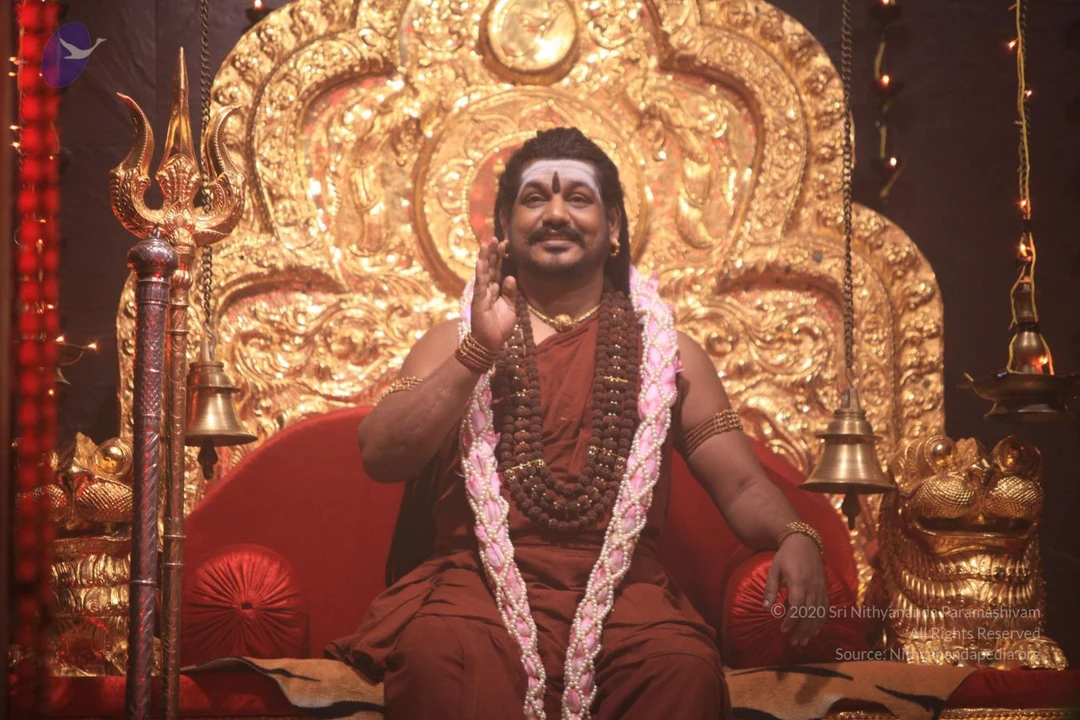
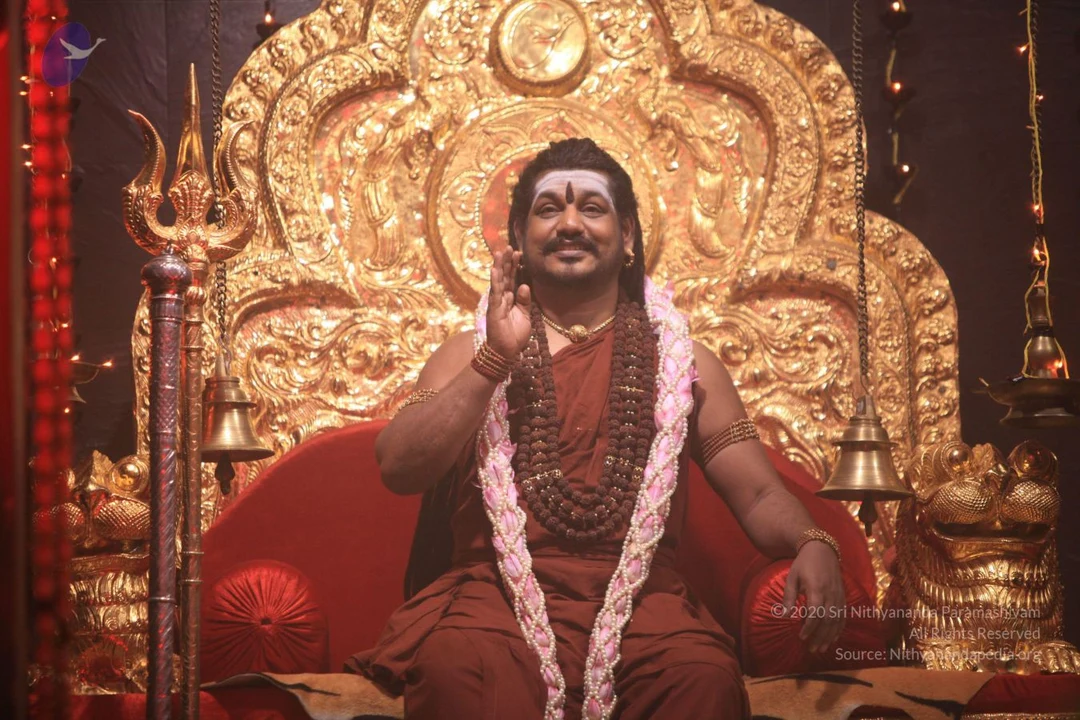
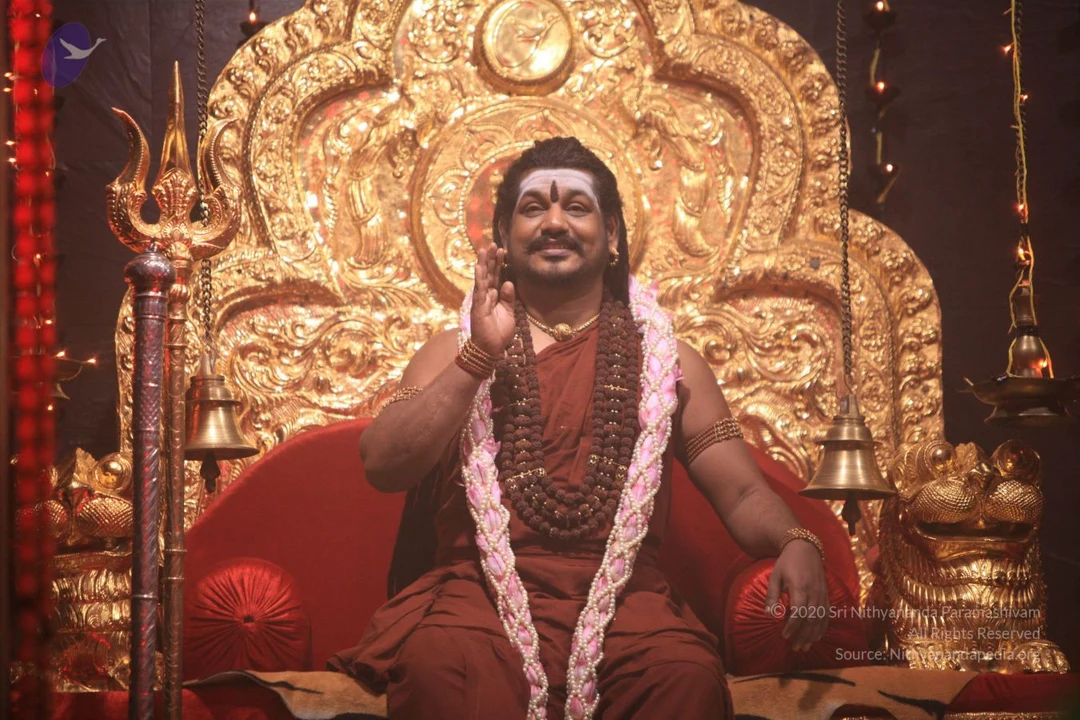
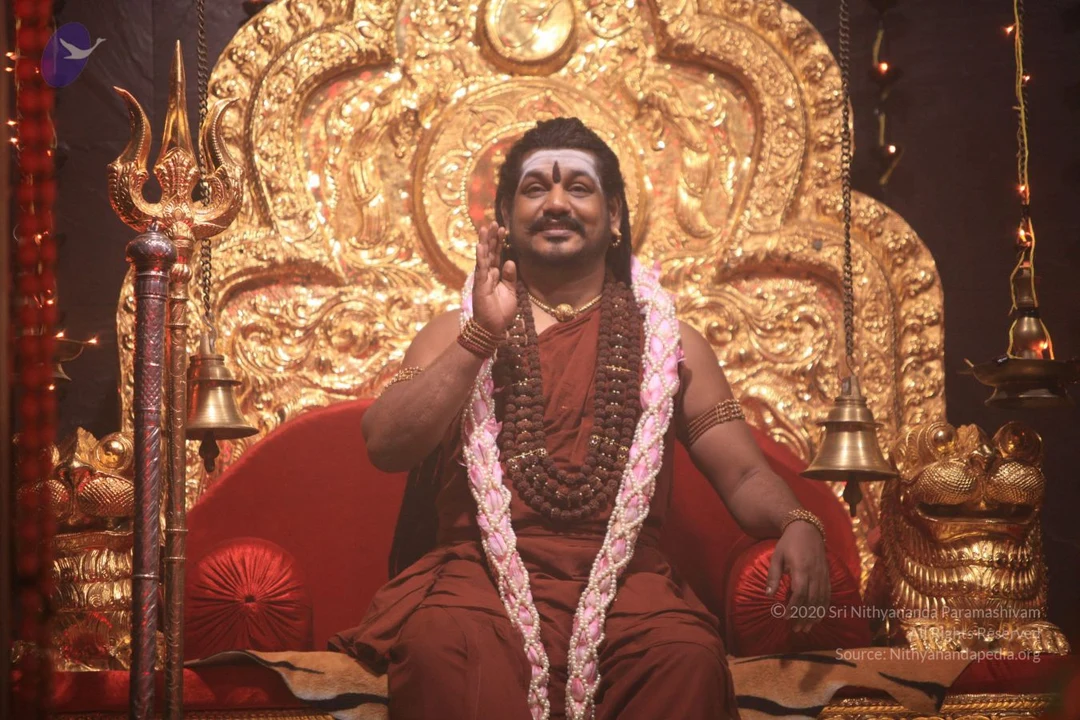
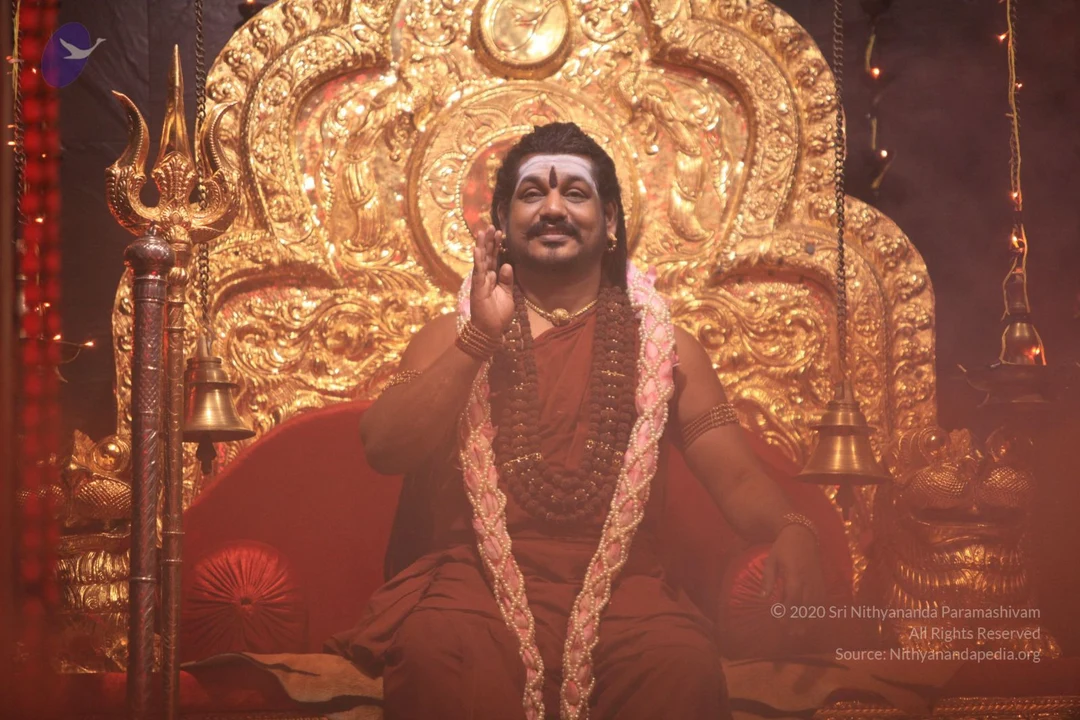
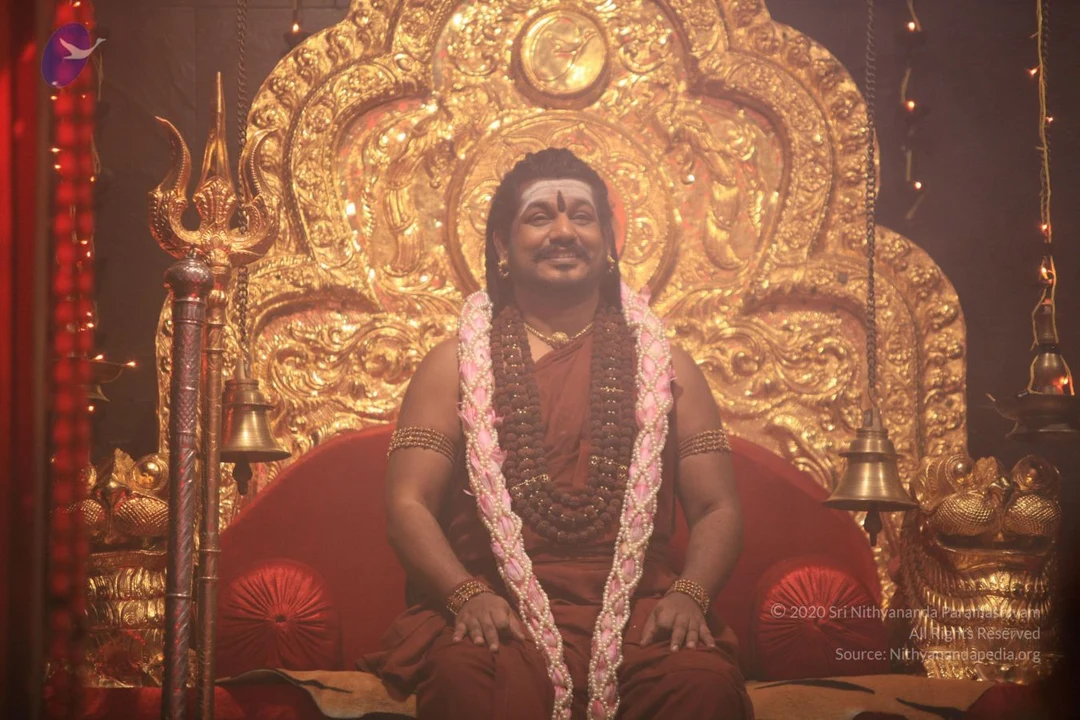
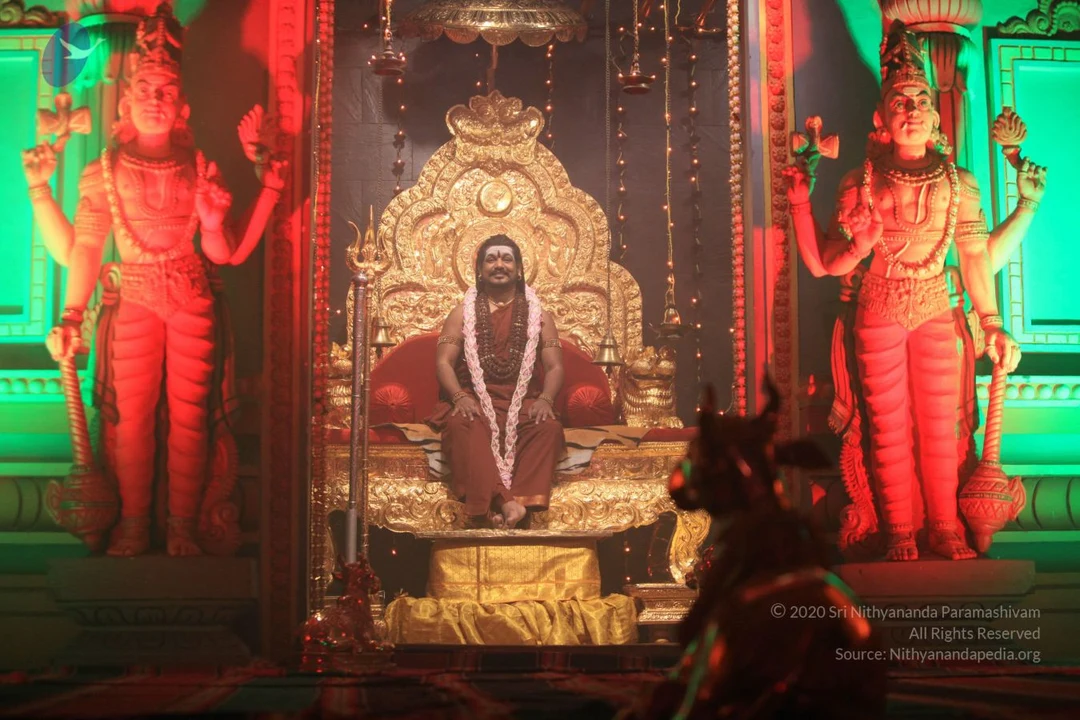
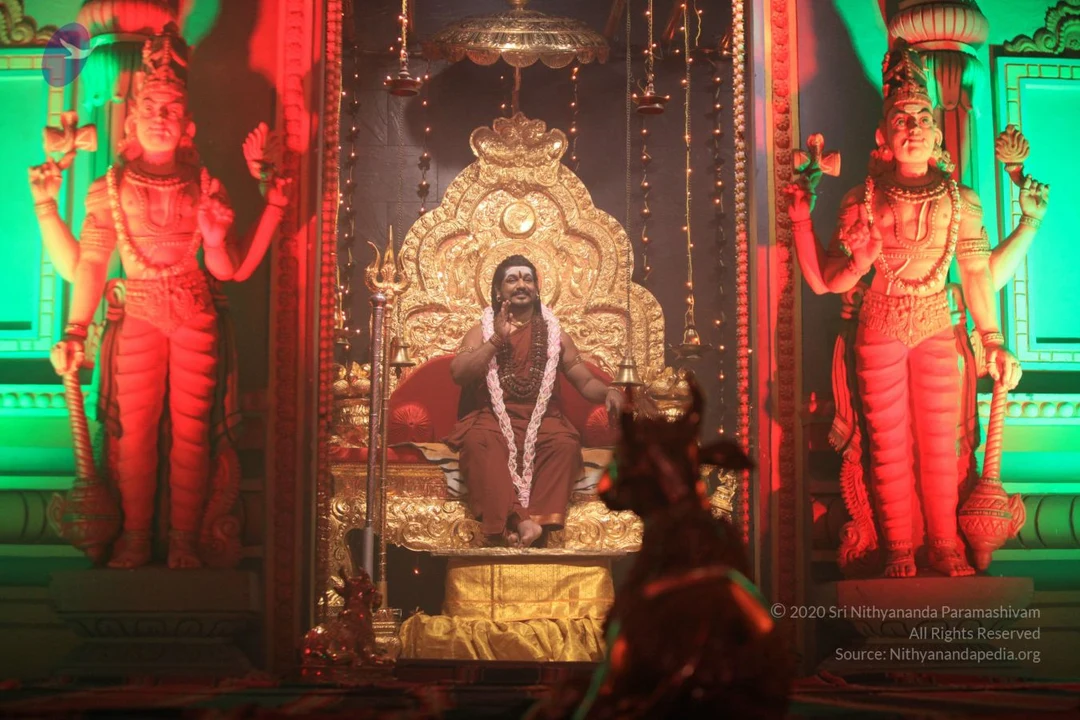
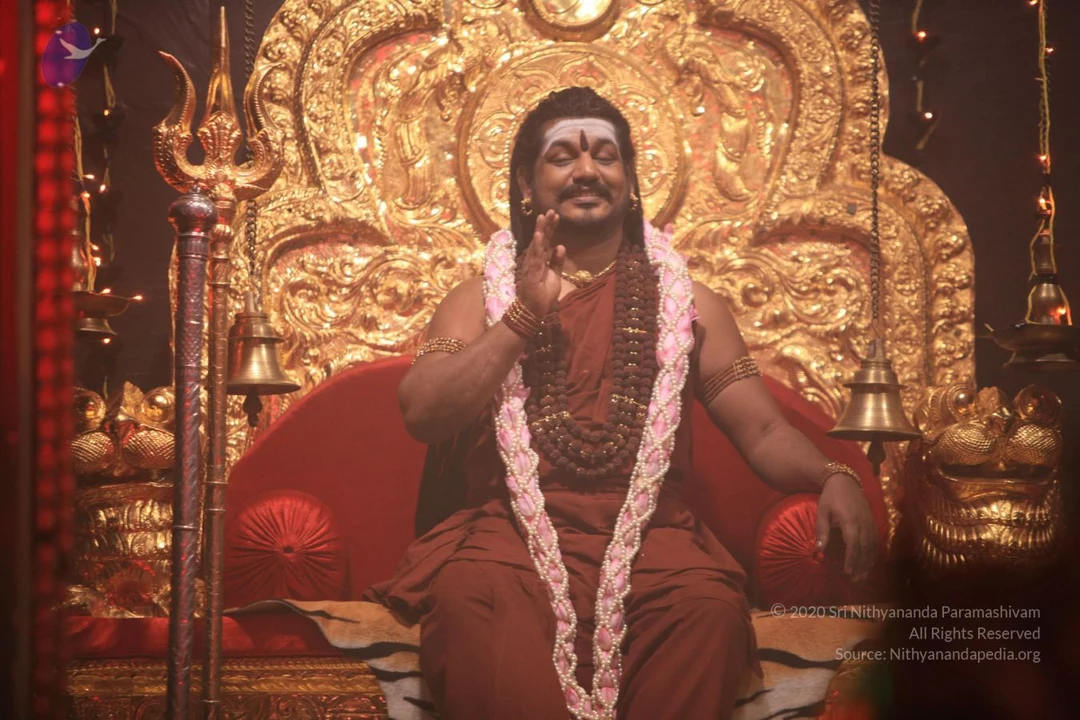
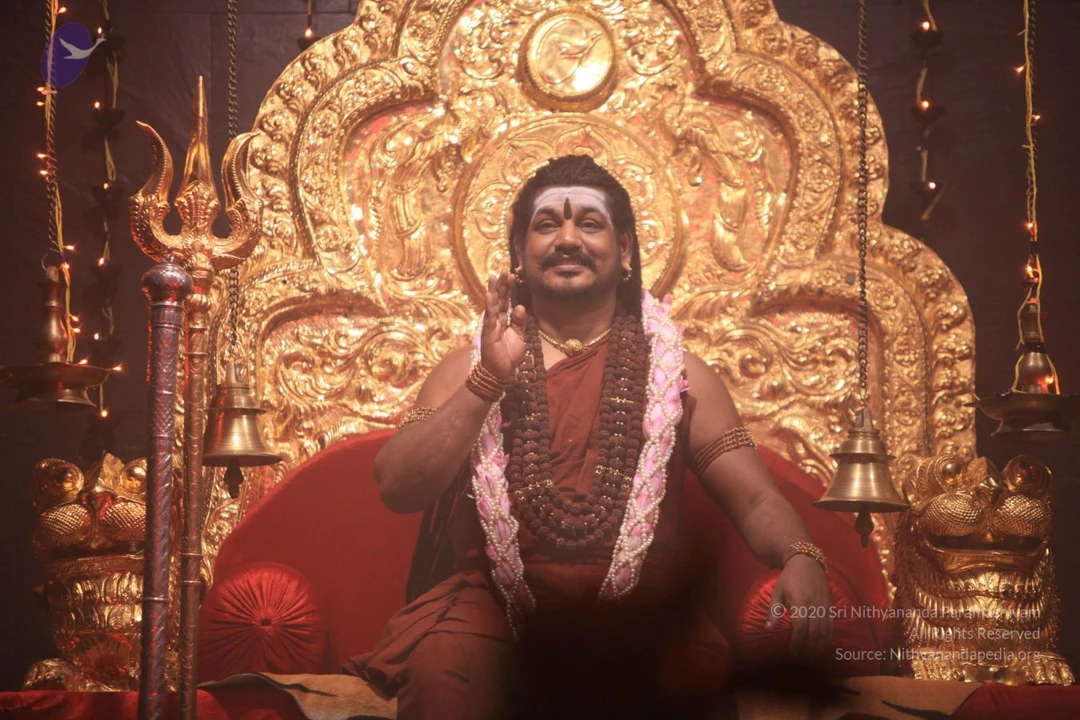
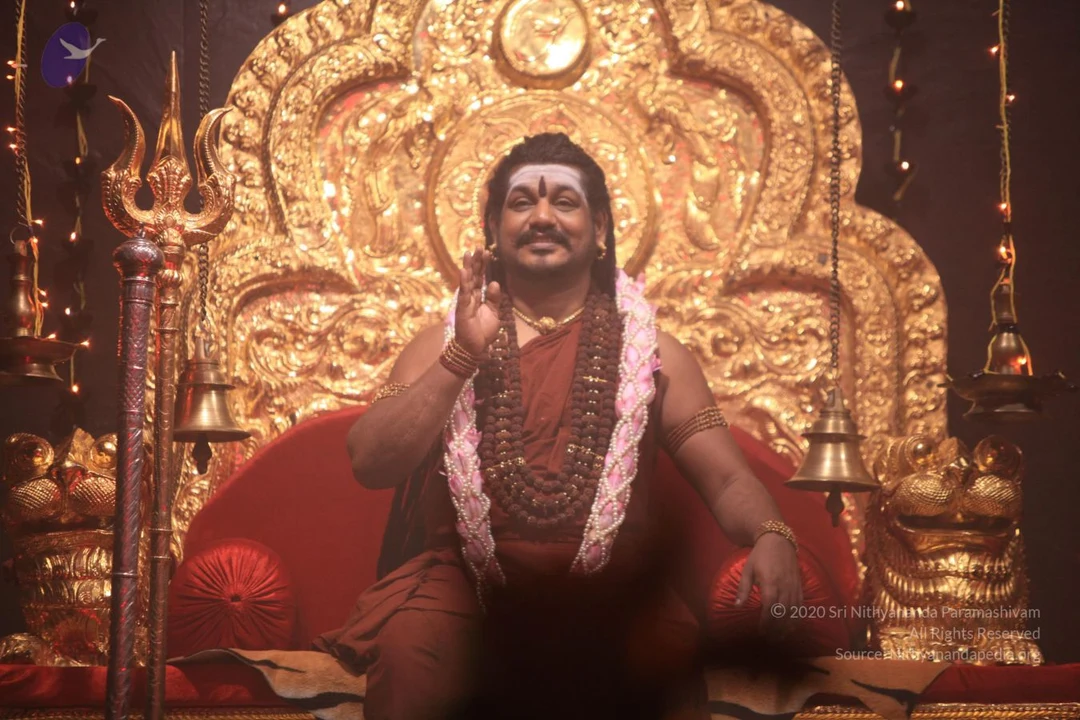
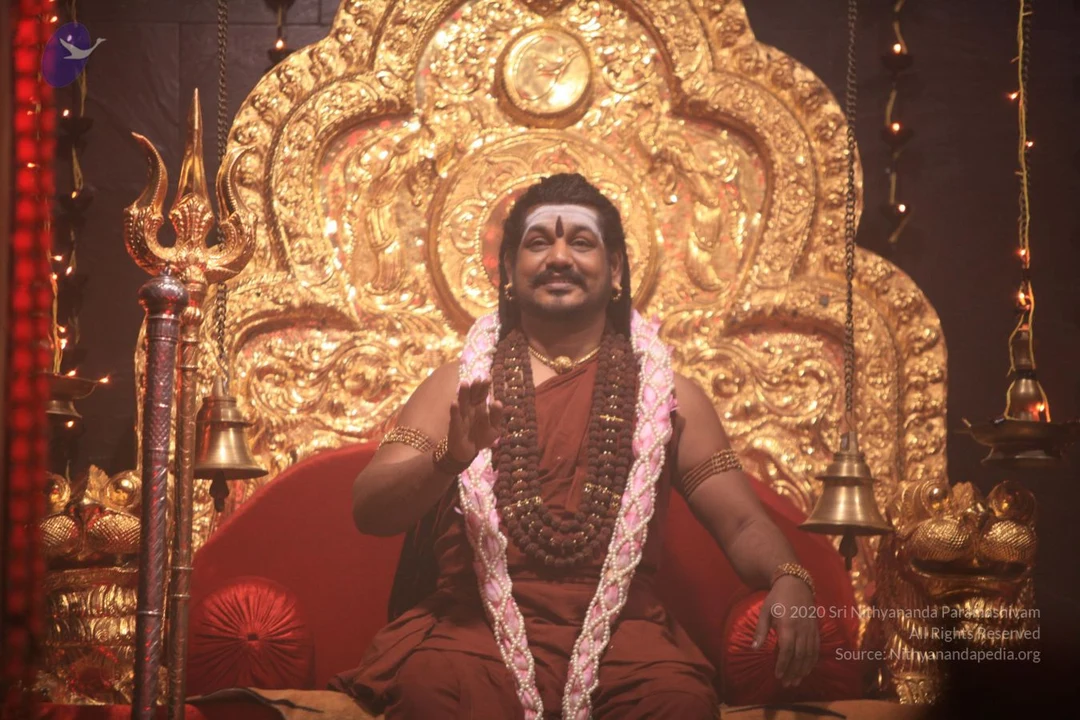
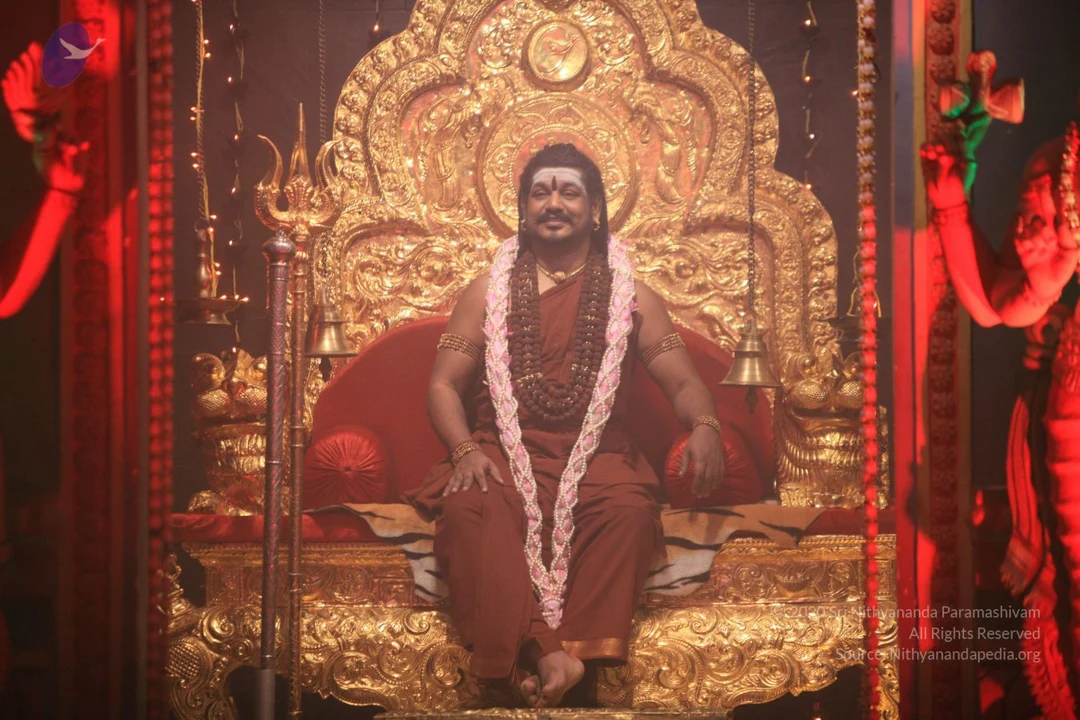
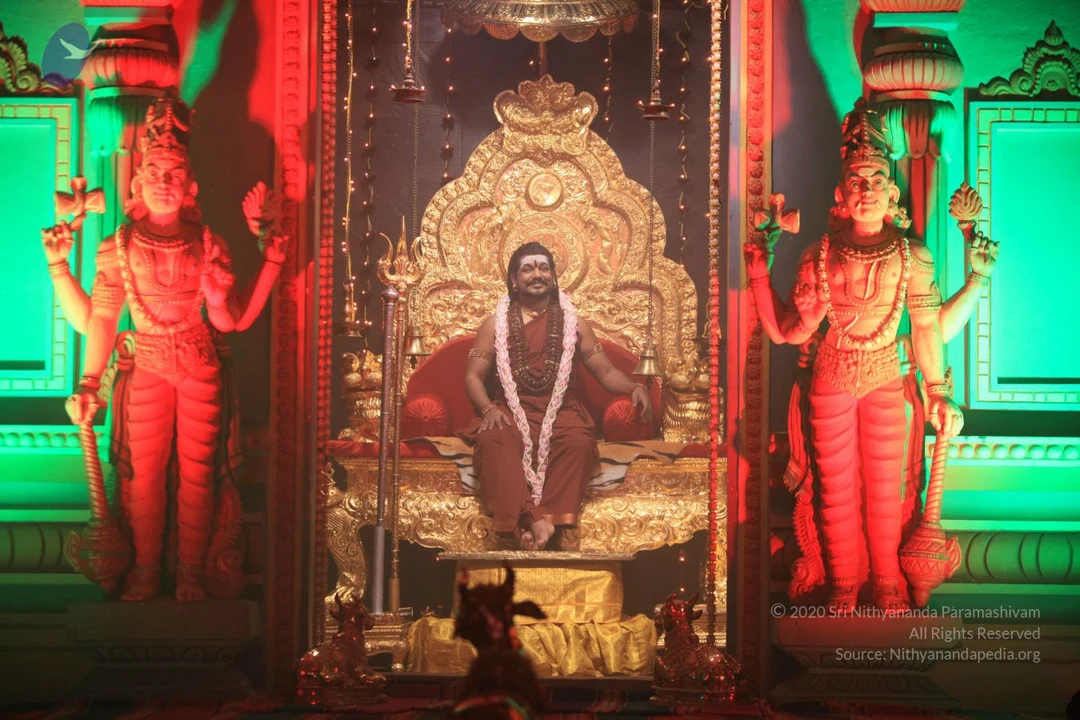
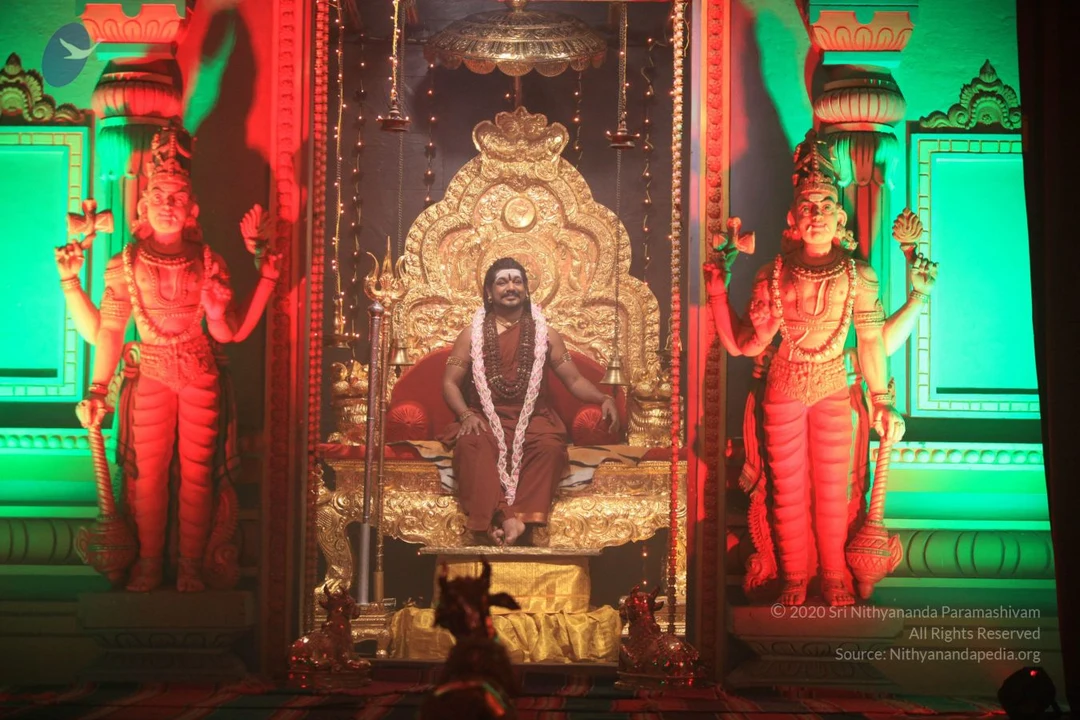
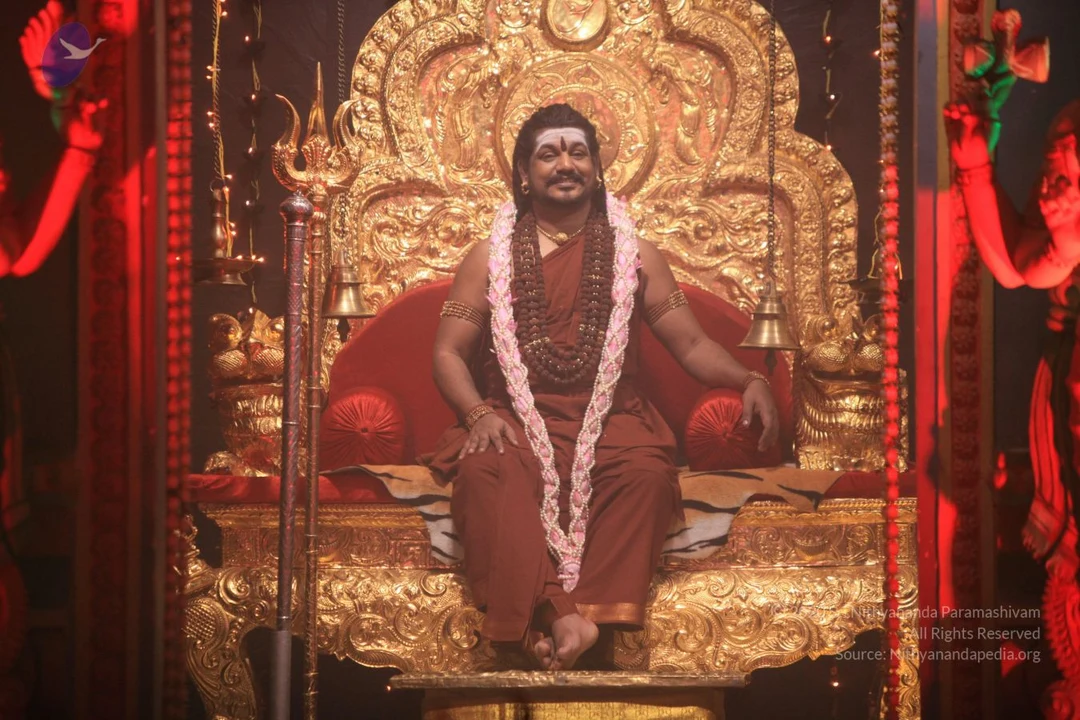
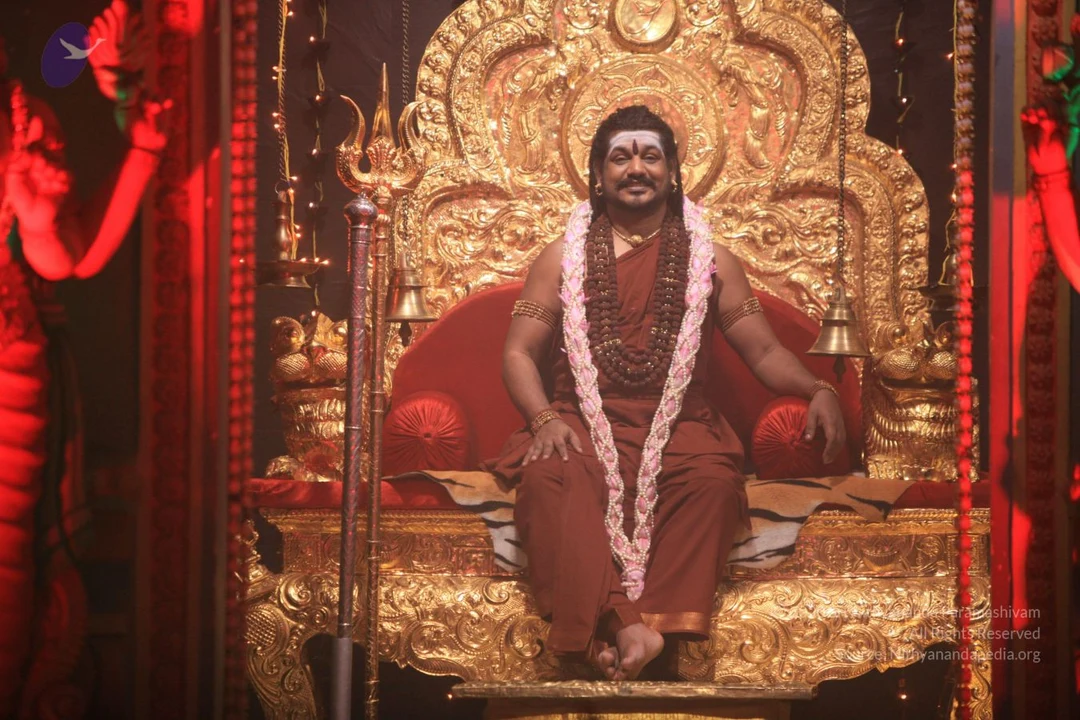
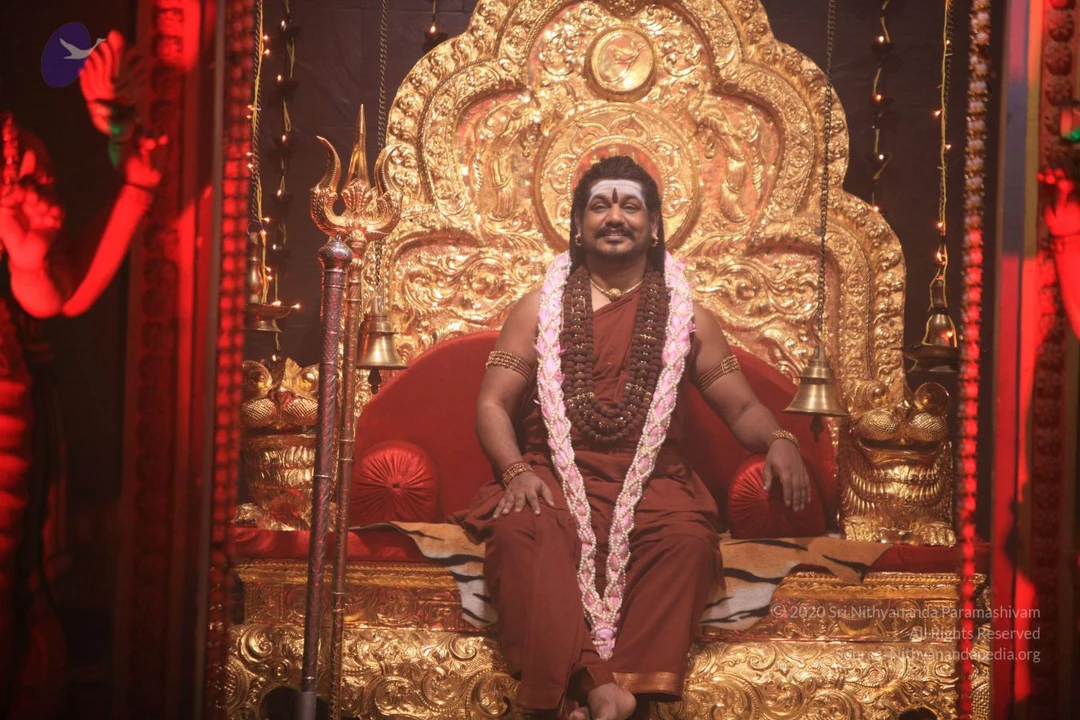
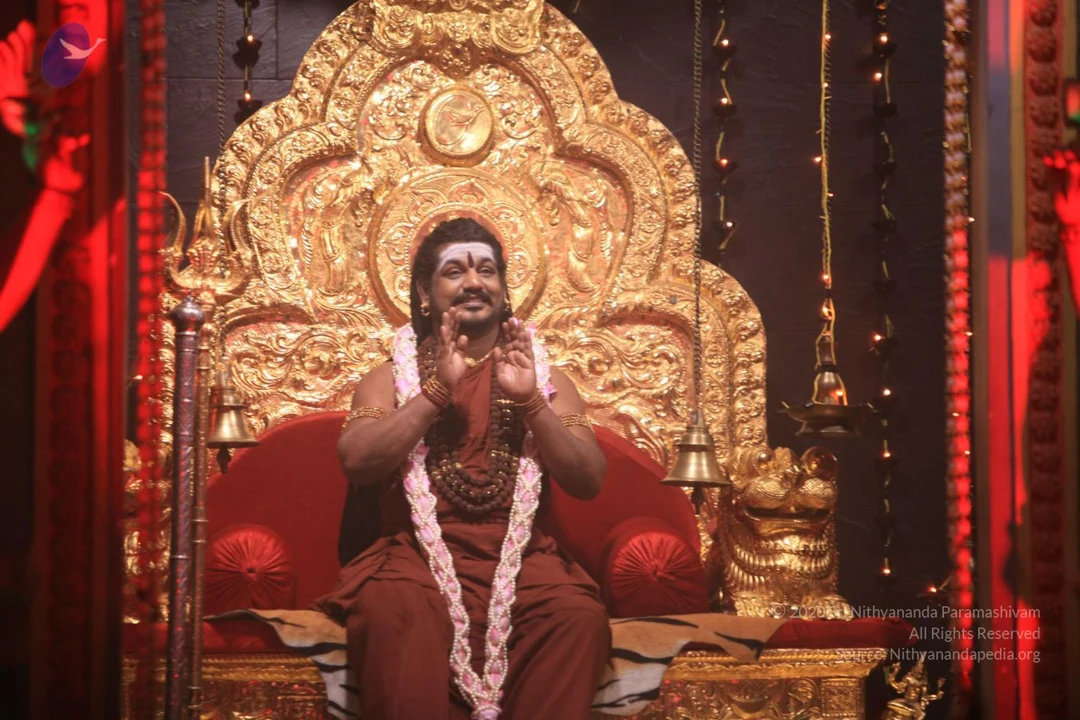
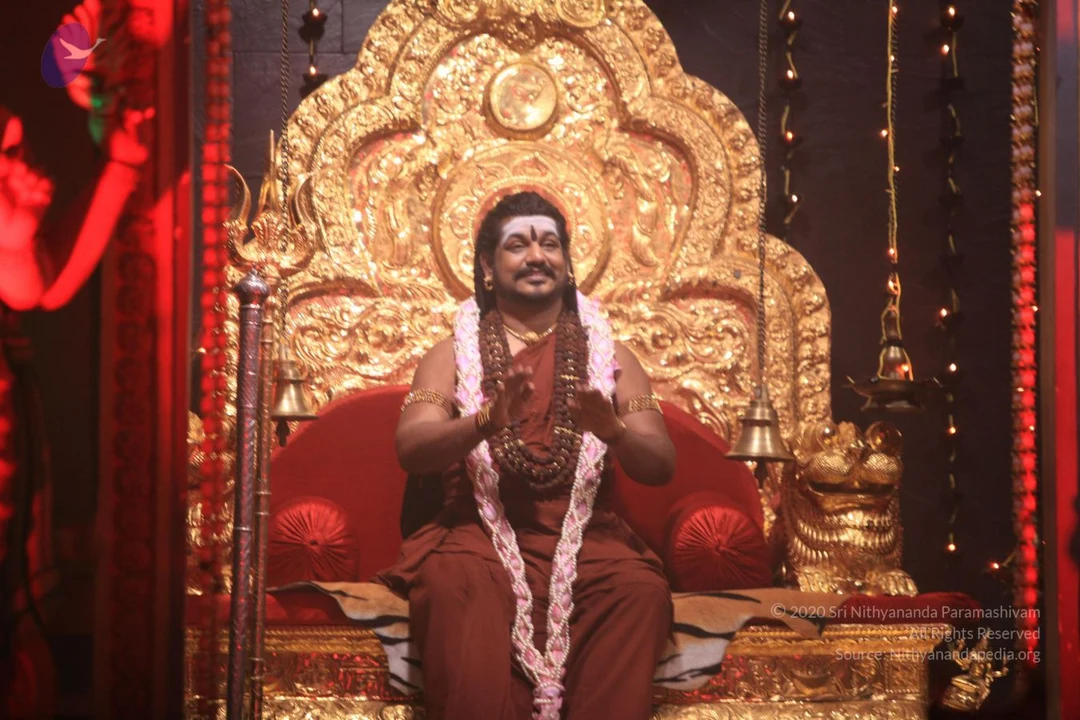
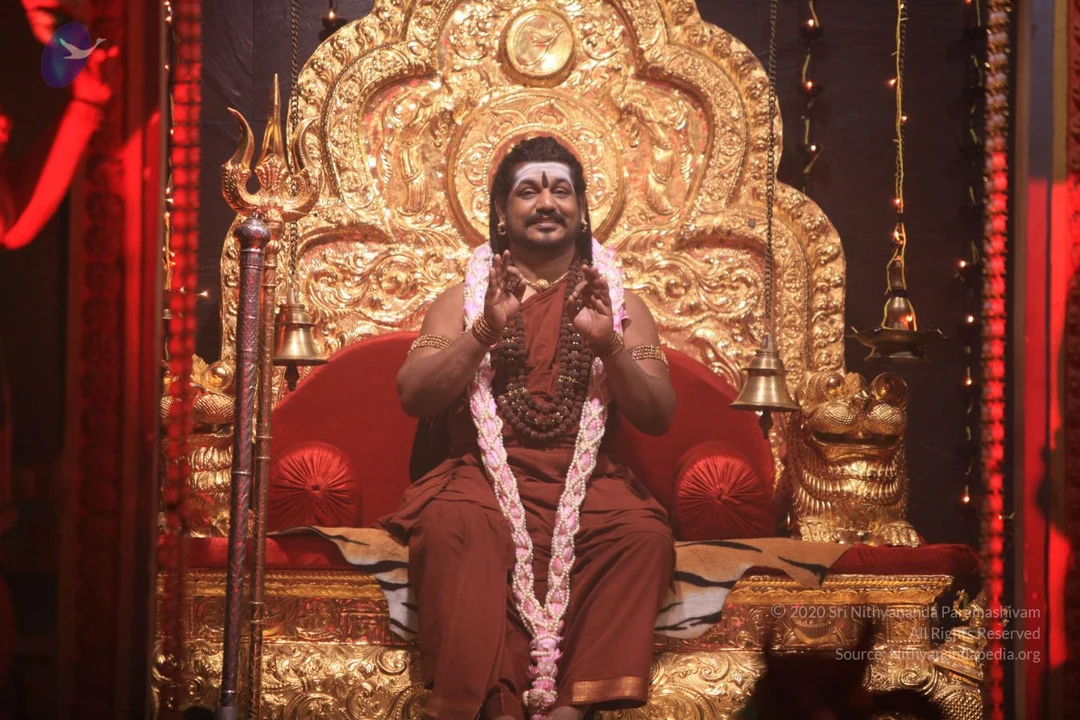
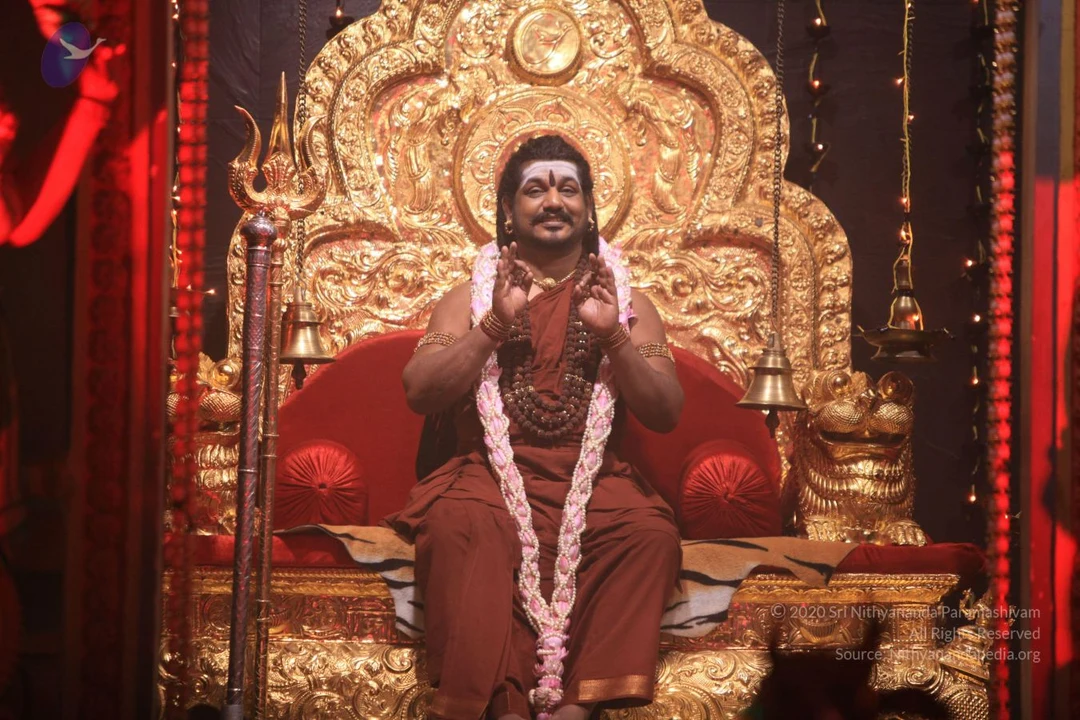
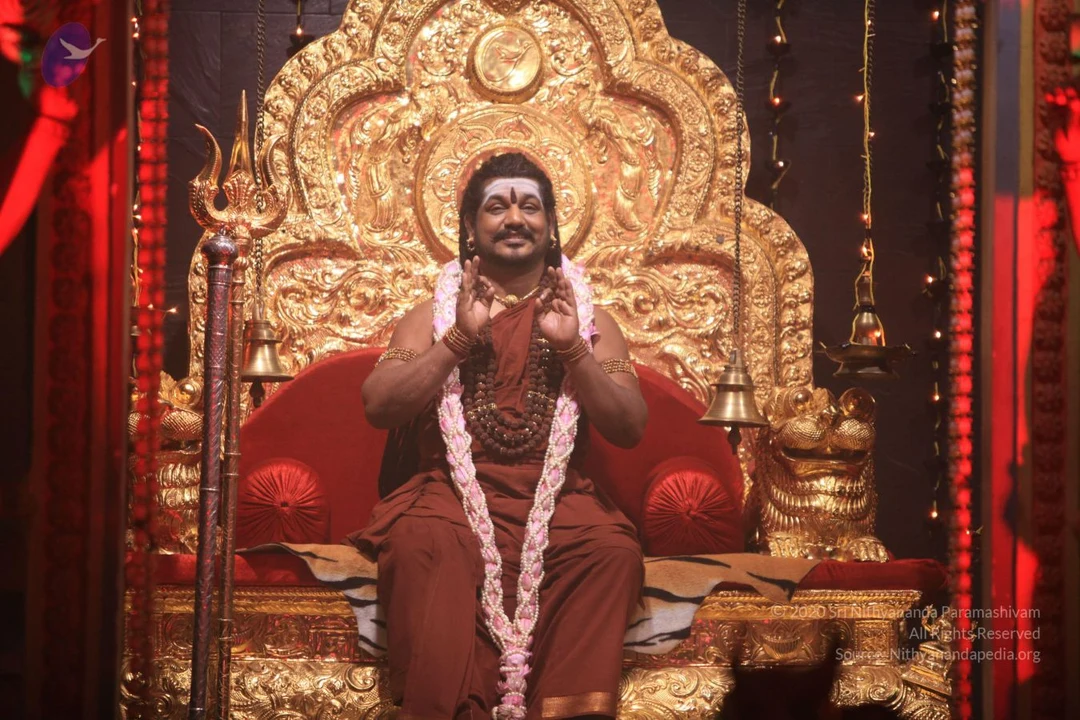
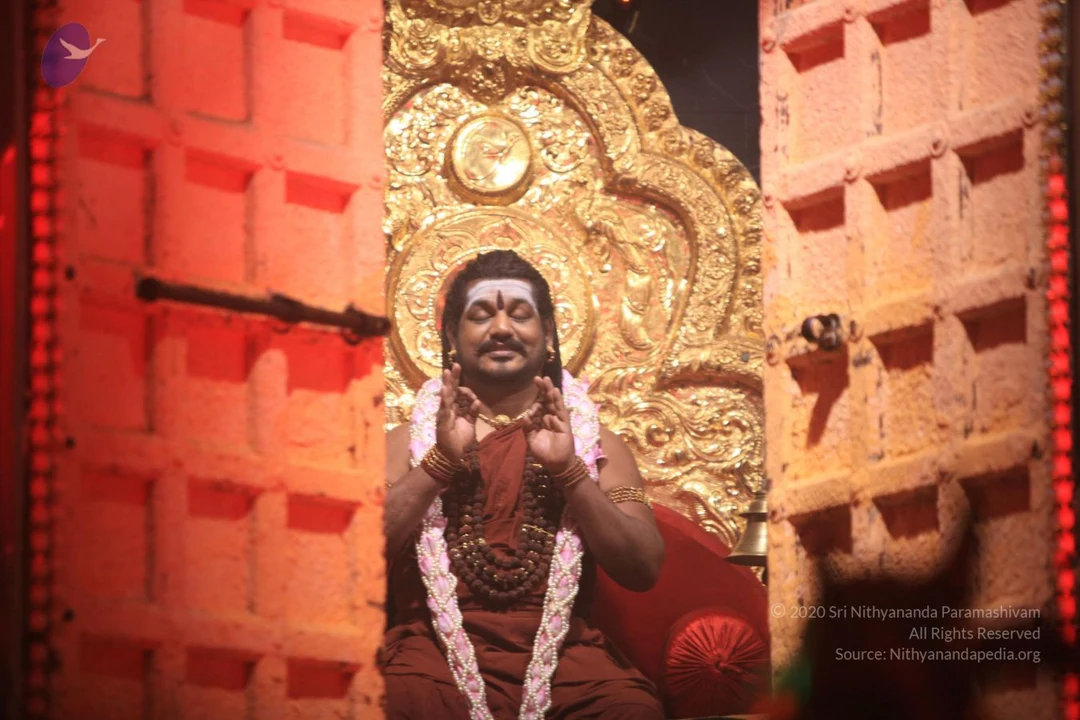
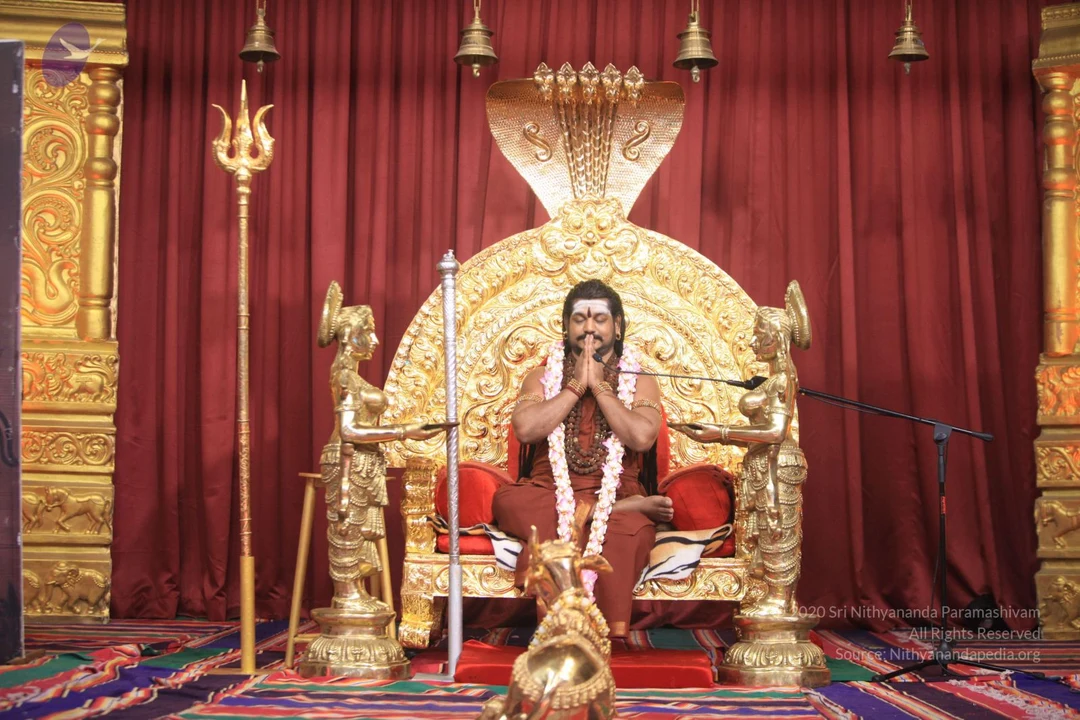
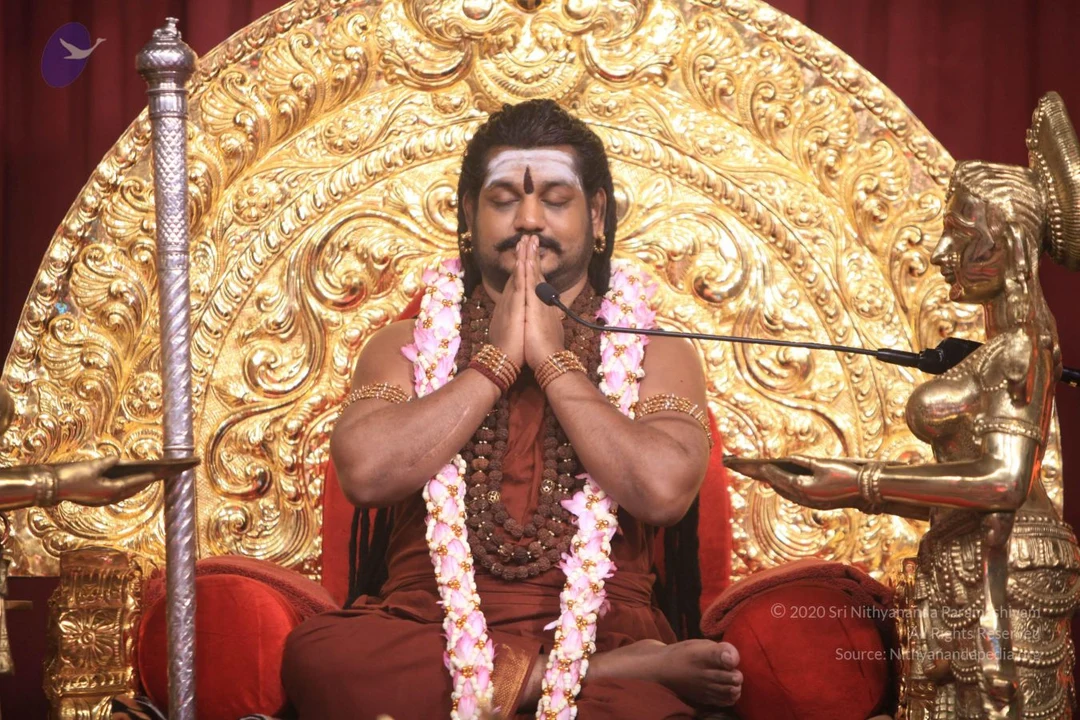
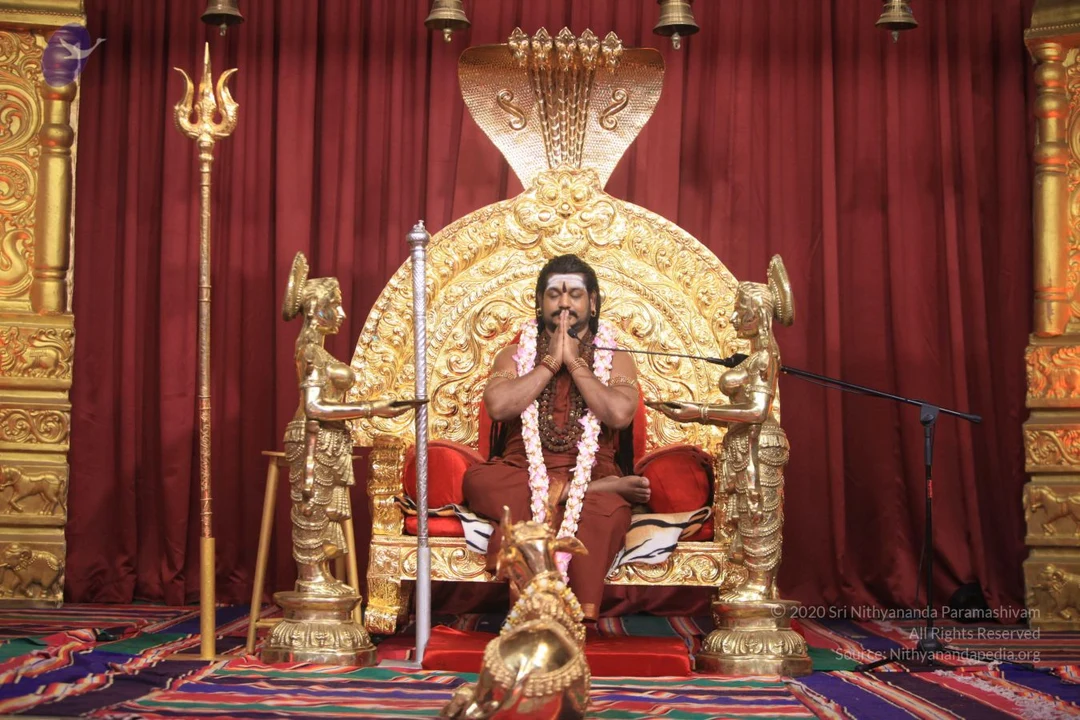
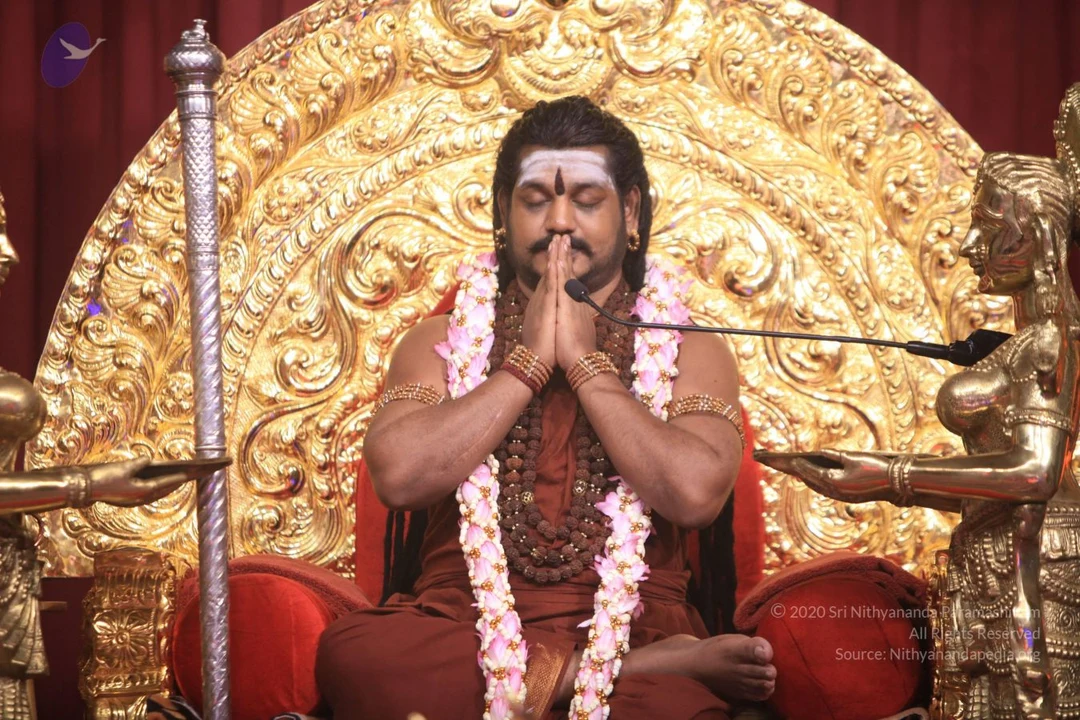
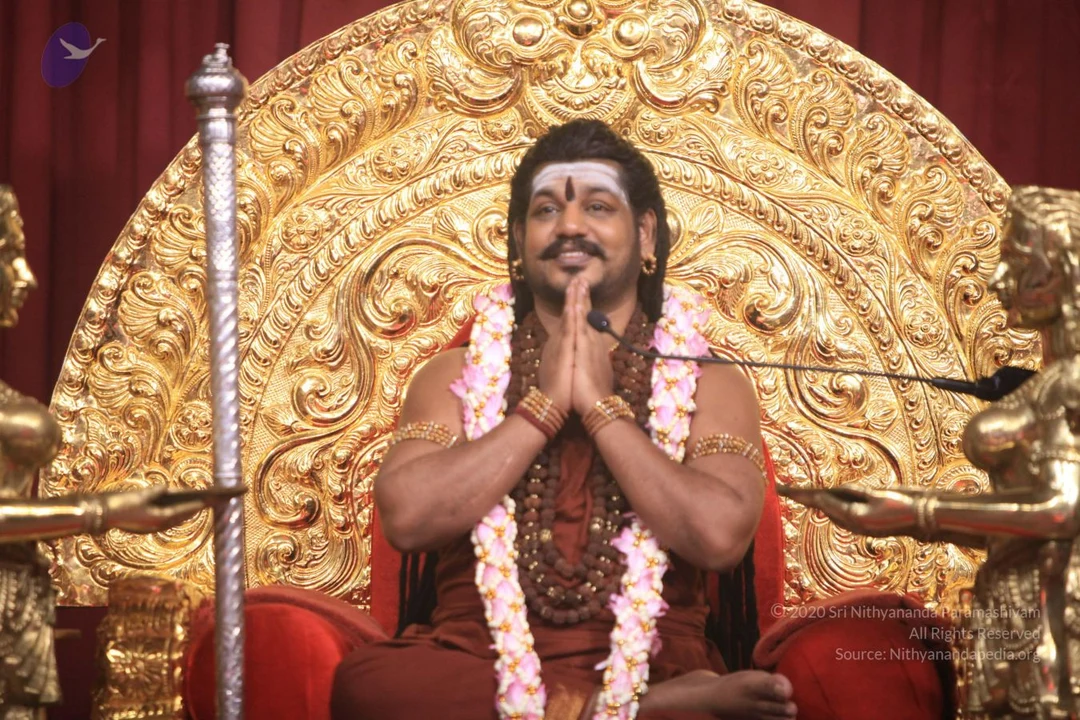
Final-Blessings
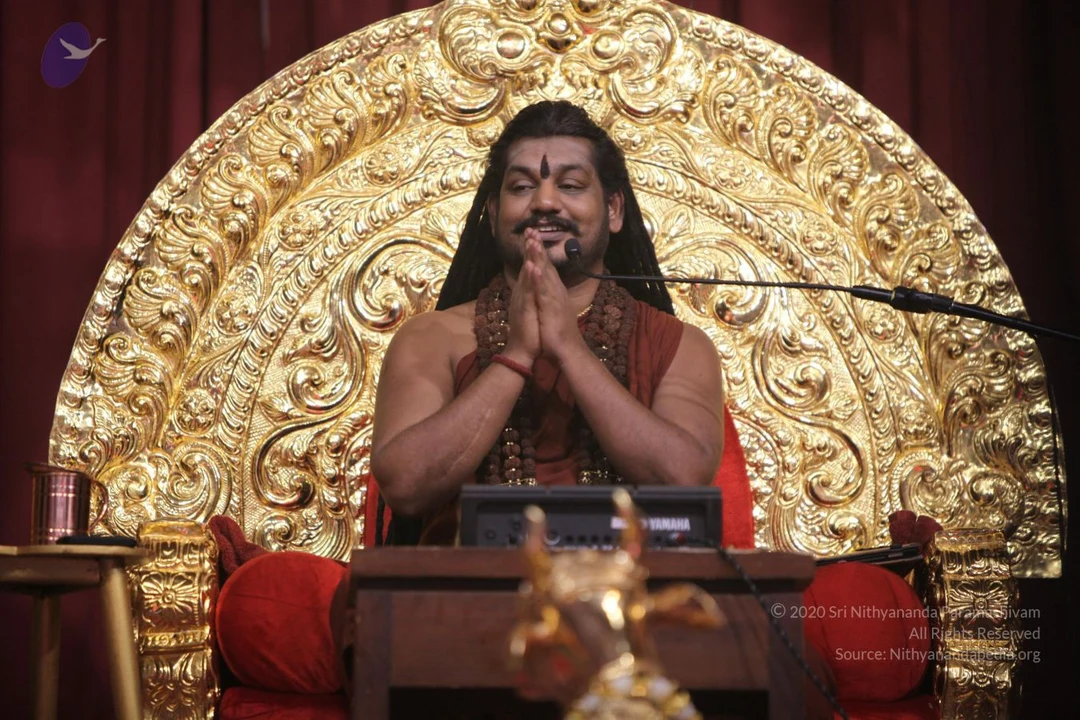
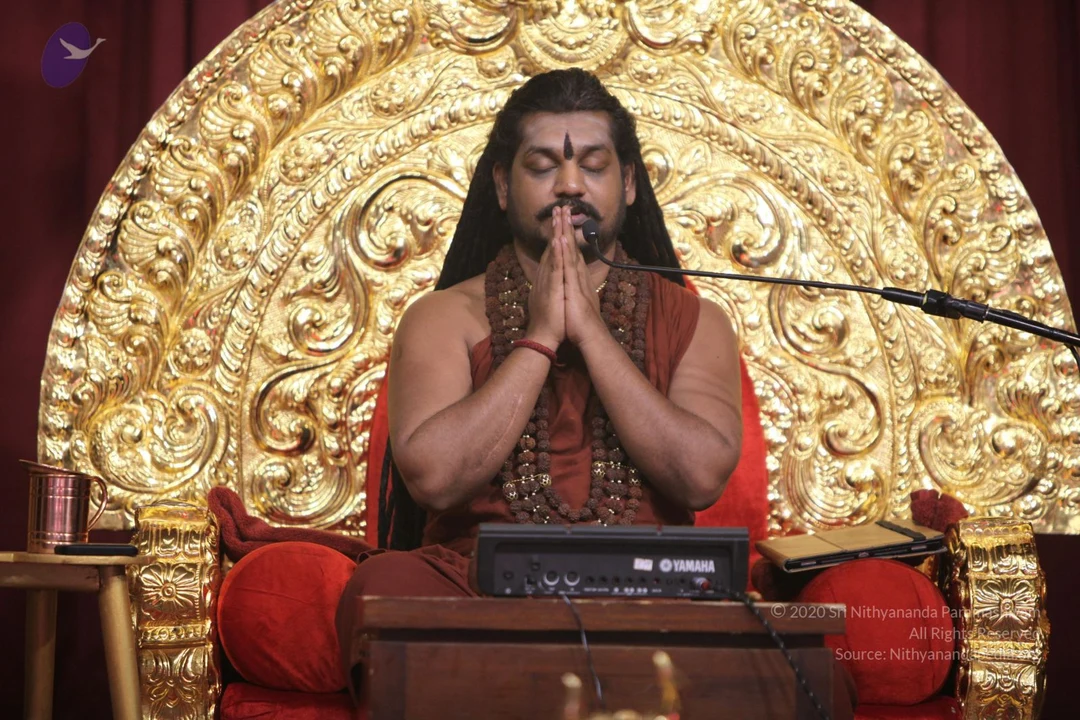
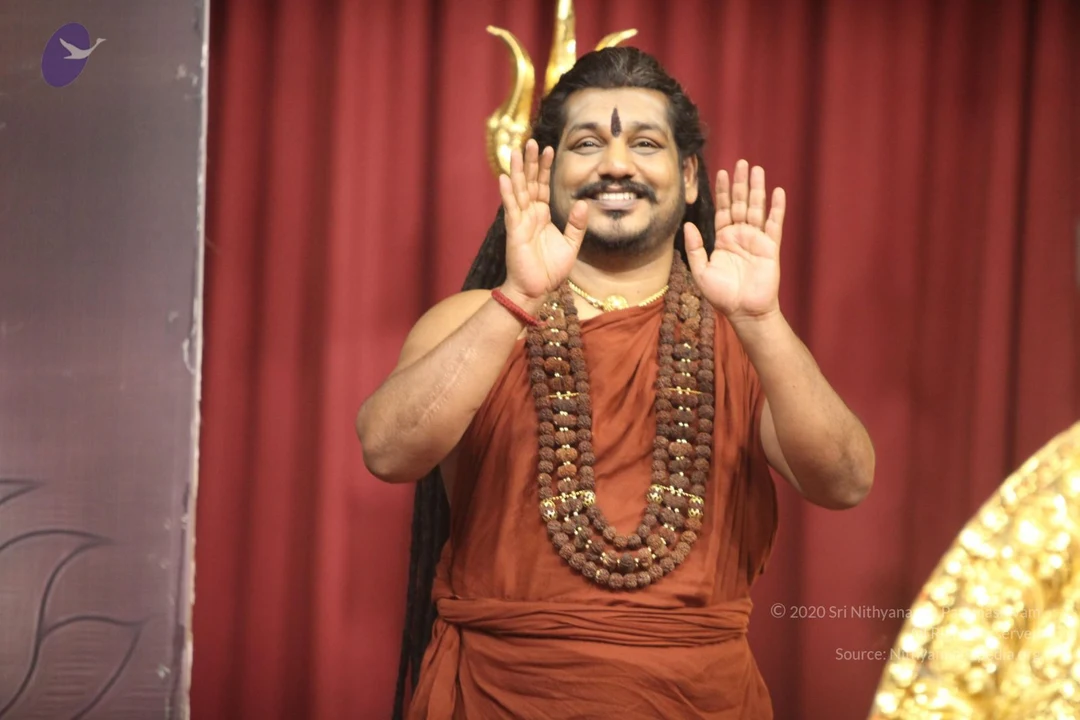
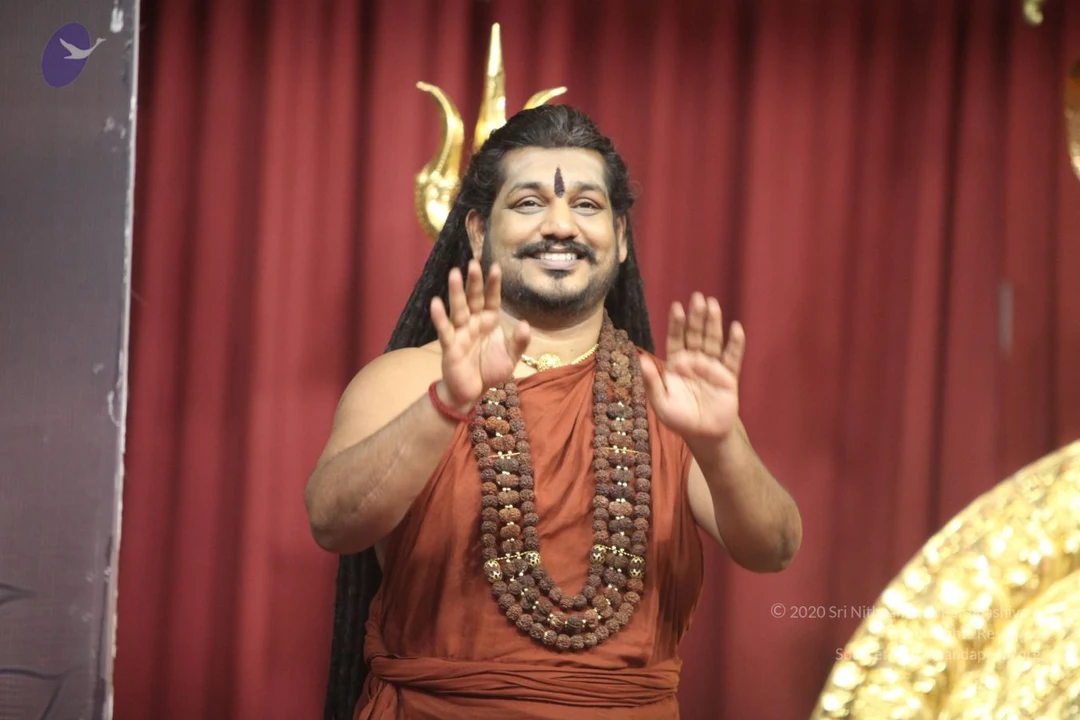
,
Photos from this day
View all 213 photosSakshi Pramana
11 photosSource gallery
Darshan
3 photosSource gallery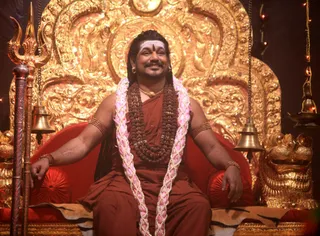
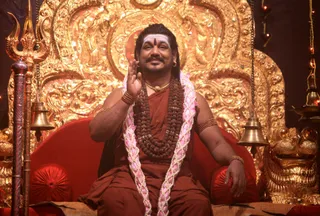
Satsang
11 photosSource gallery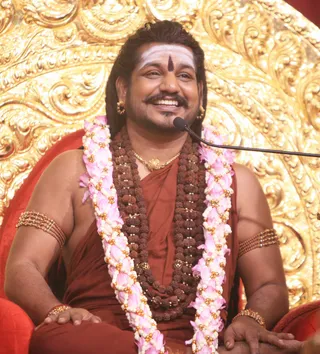
Temple
4 photosSource gallery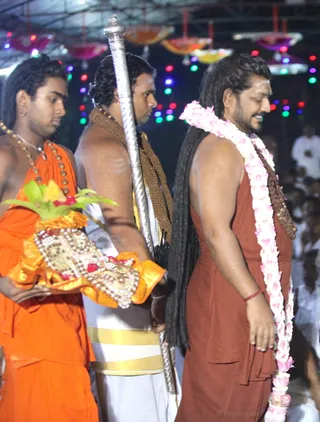
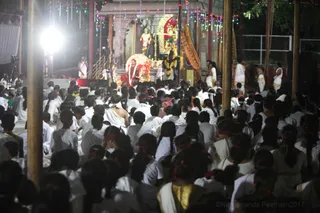
Akashic Reading
2 photosSource gallery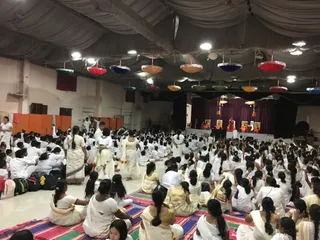
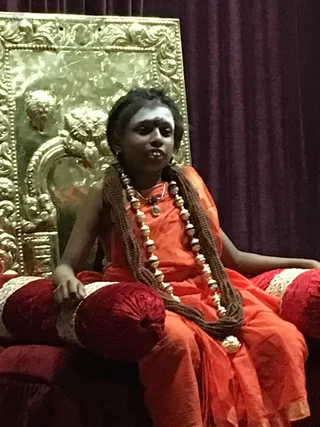
Goshala
3 photosSource gallery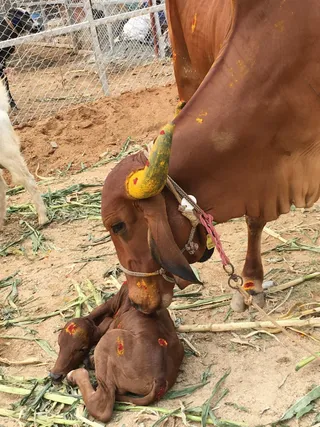
Conducting-Week-end-Programme
82 photosSource gallery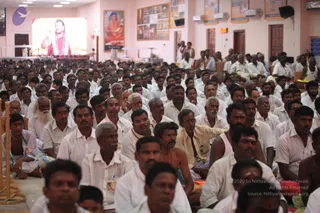
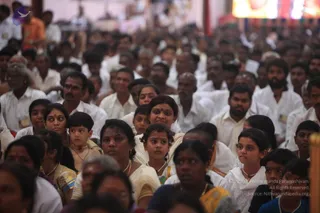
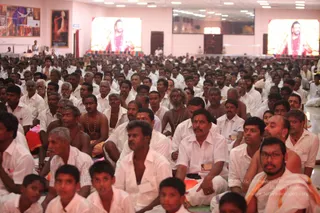
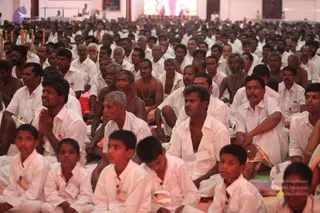
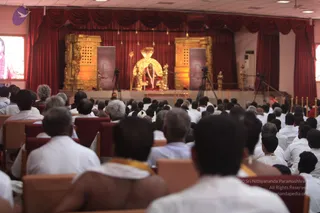
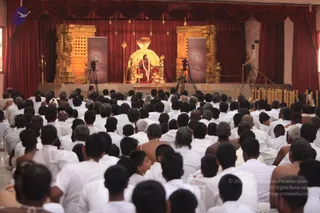
Initiation
17 photosSource gallery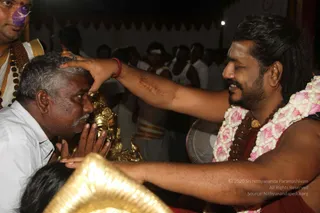
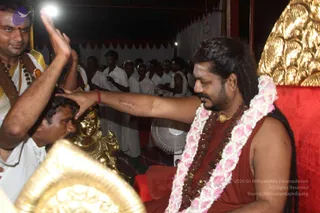
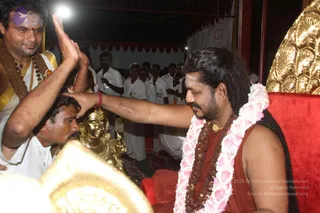
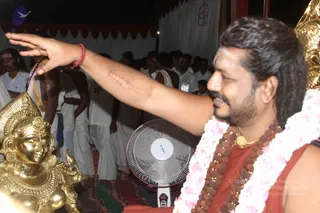
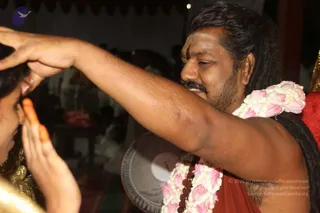
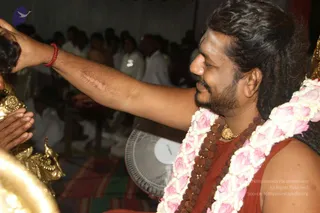
Receiving-Swamiji-with-Poornakumbam-in-Temple
22 photosSource gallery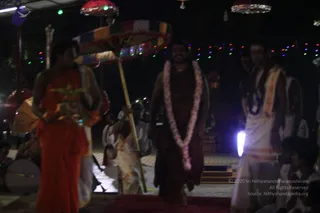
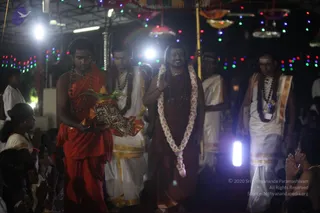
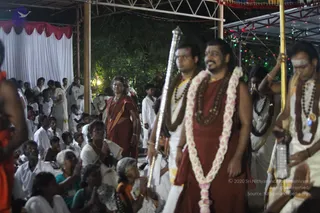
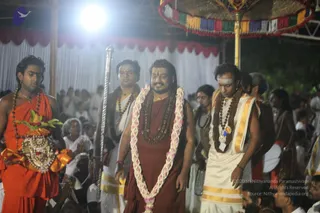
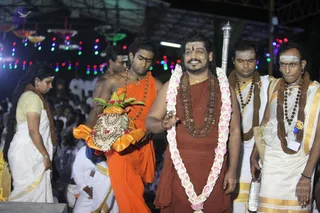
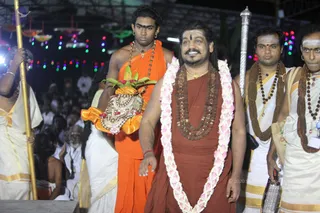
Darshan
54 photosSource gallery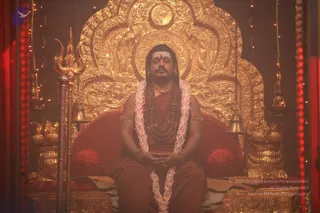
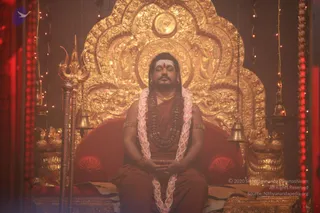
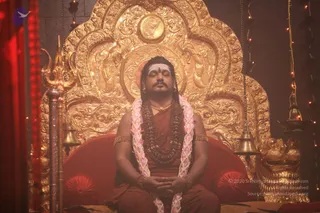
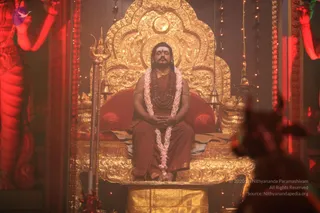
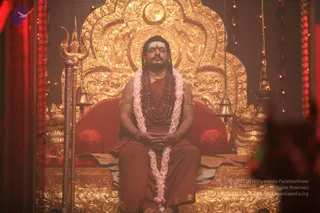
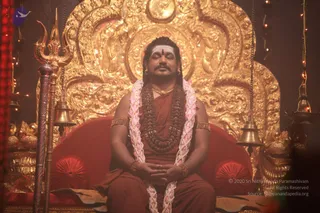
Final-Blessings
4 photosSource gallery