Tuesday
22 November 2016
Come Here to Enjoy Sadashivoham 2016
- Dated photos
- 419
- Source pages
- 1
- Media
- 2
November 22 2016
Original wiki pageTitle
Come Here to Enjoy Sadashivoham 2016
Description:
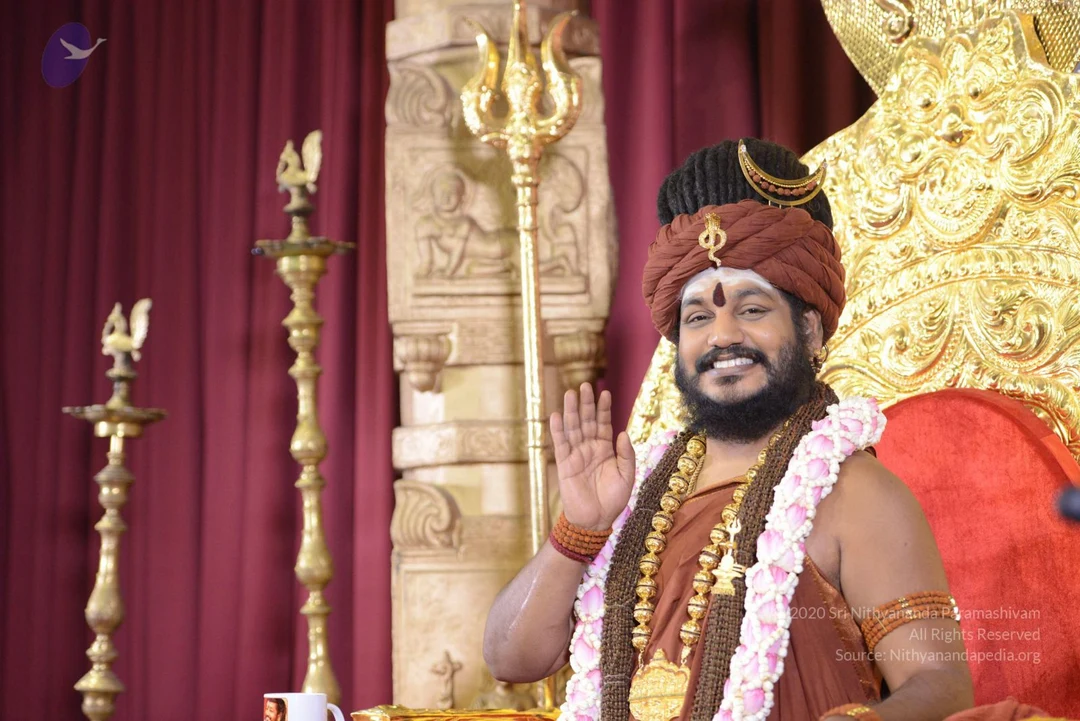
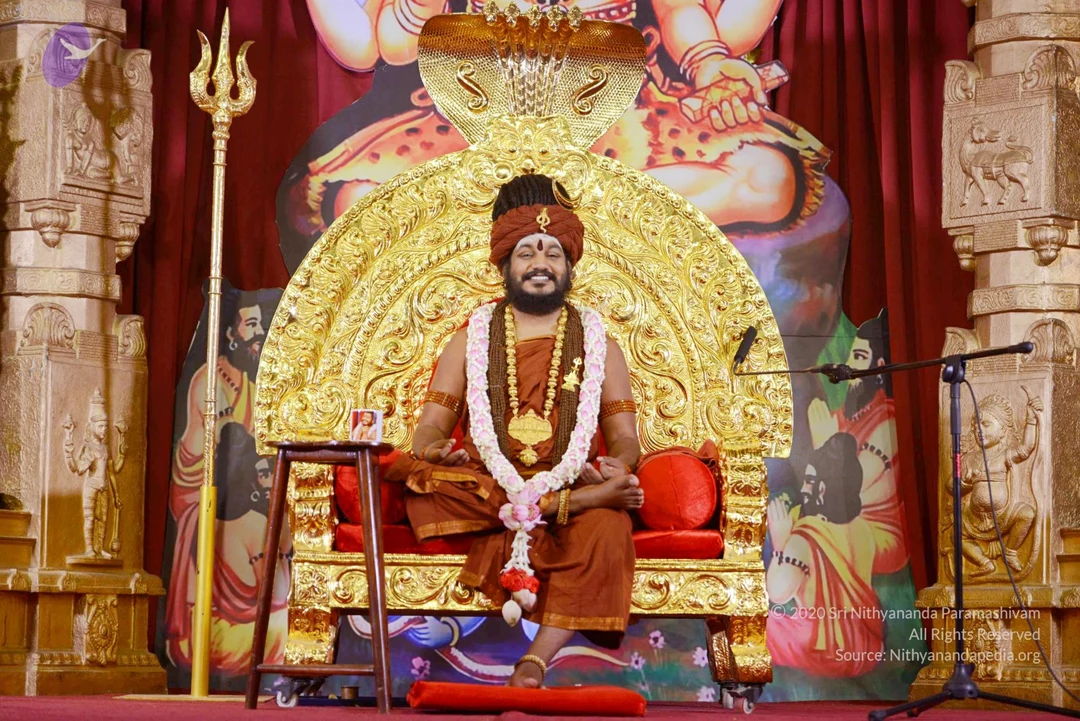
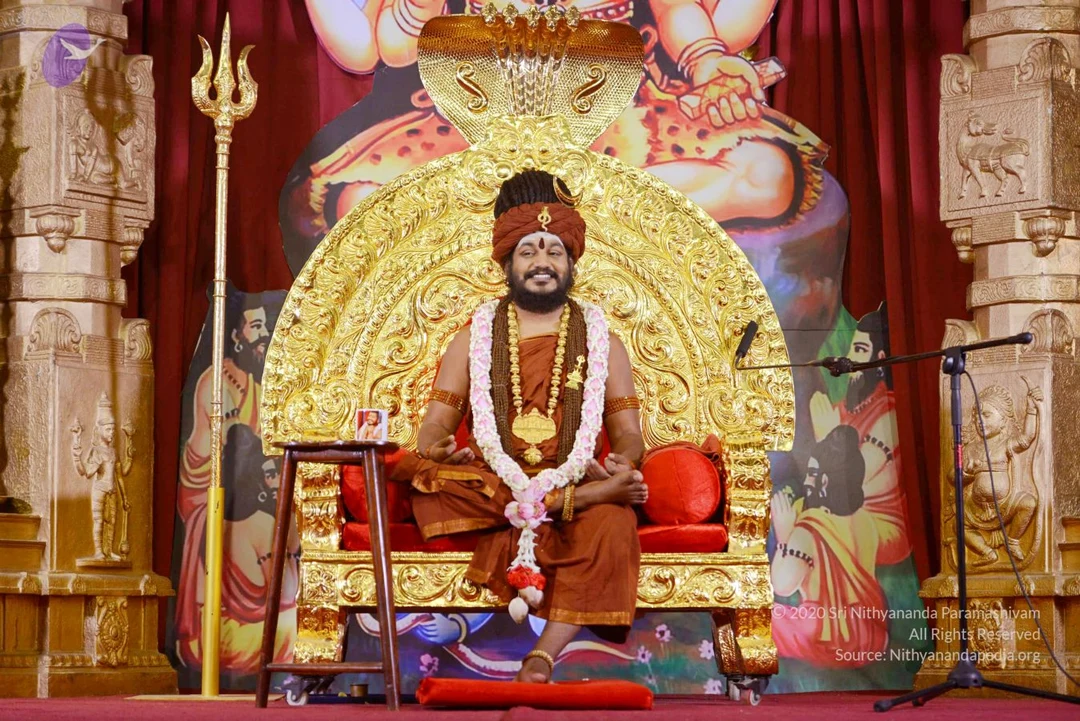
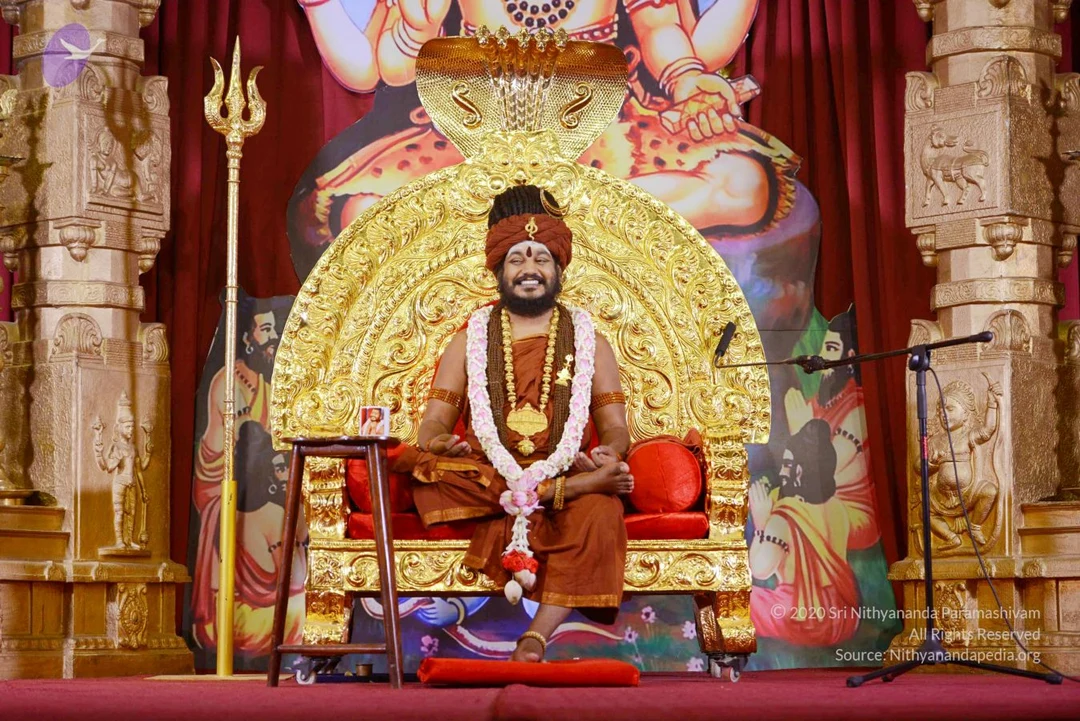
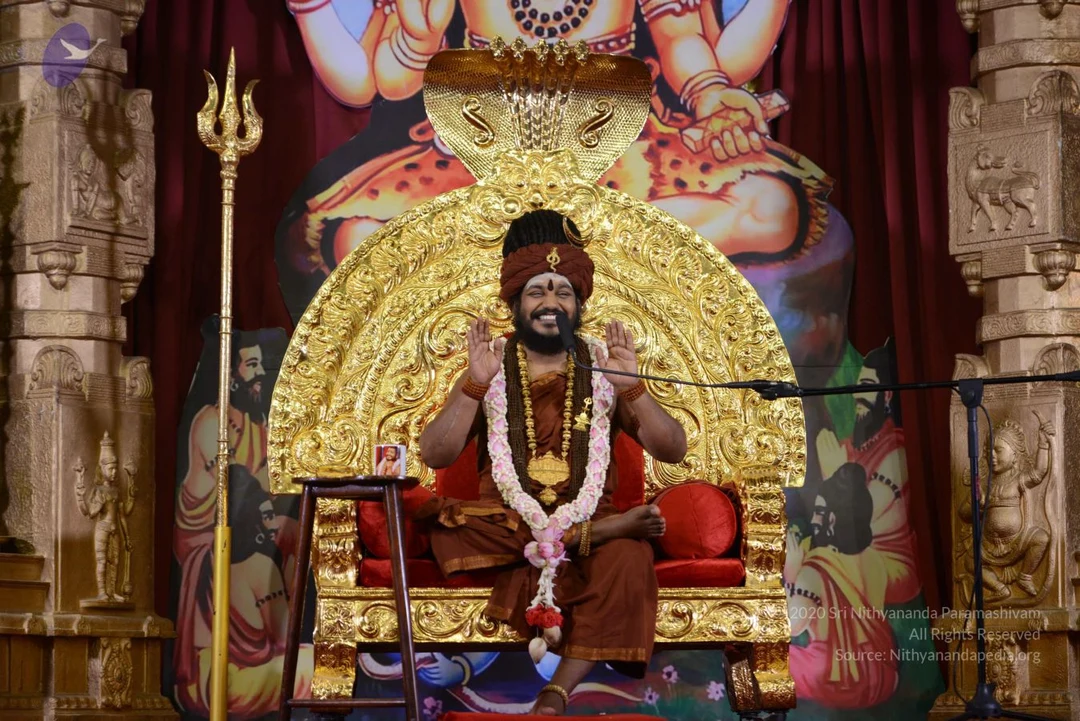
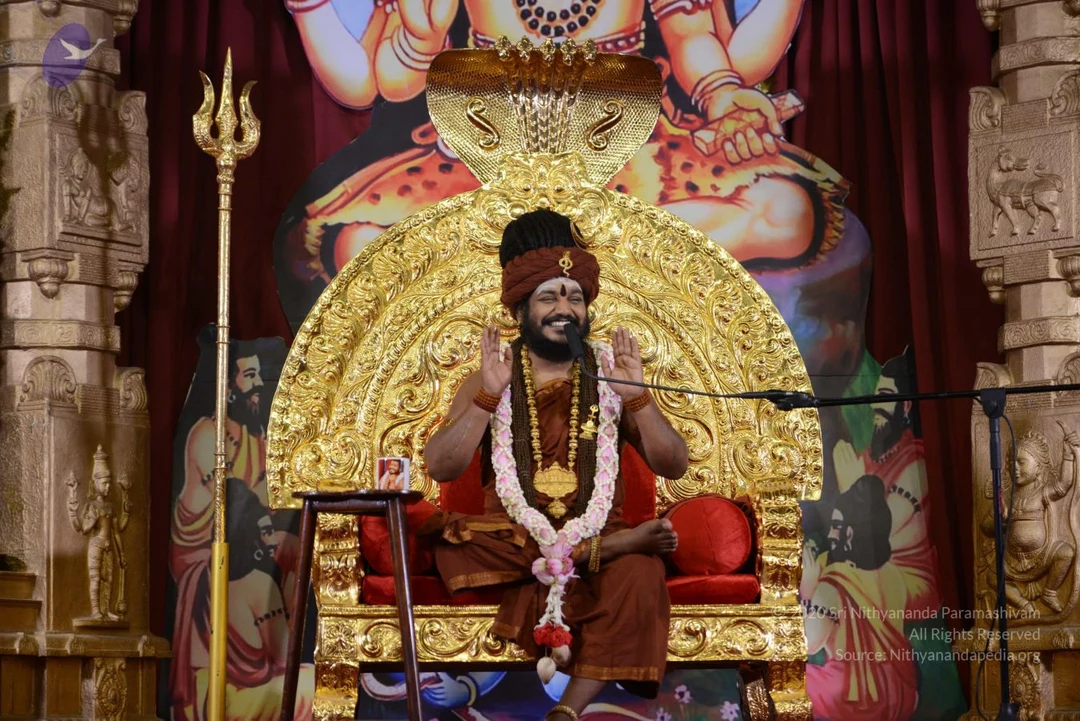
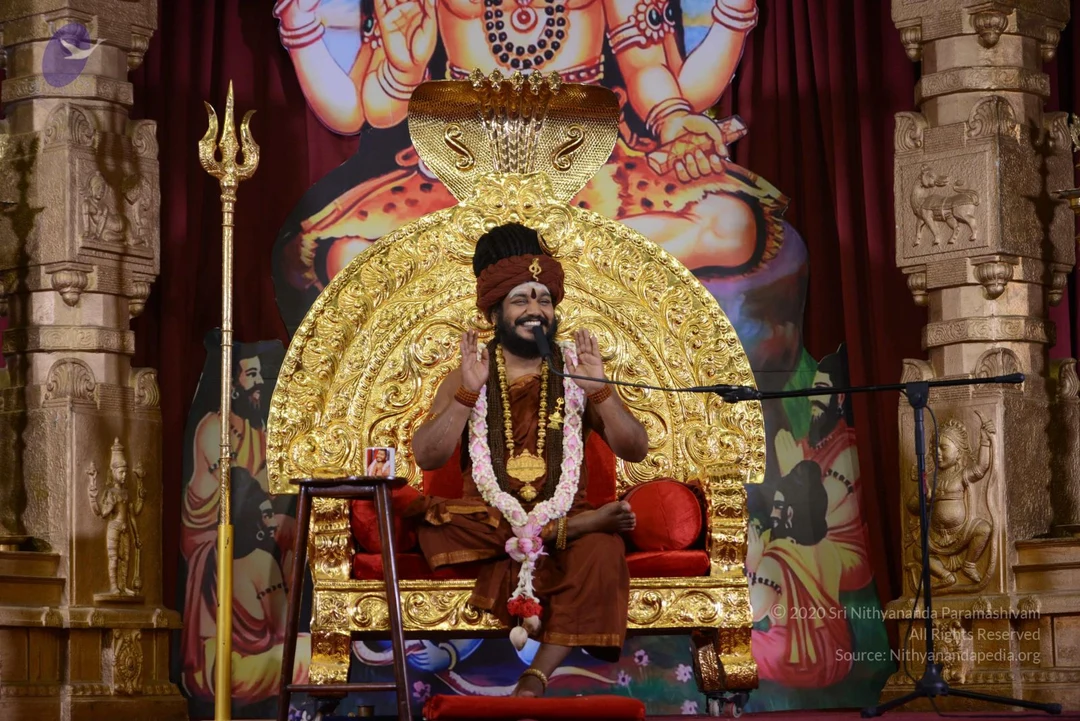
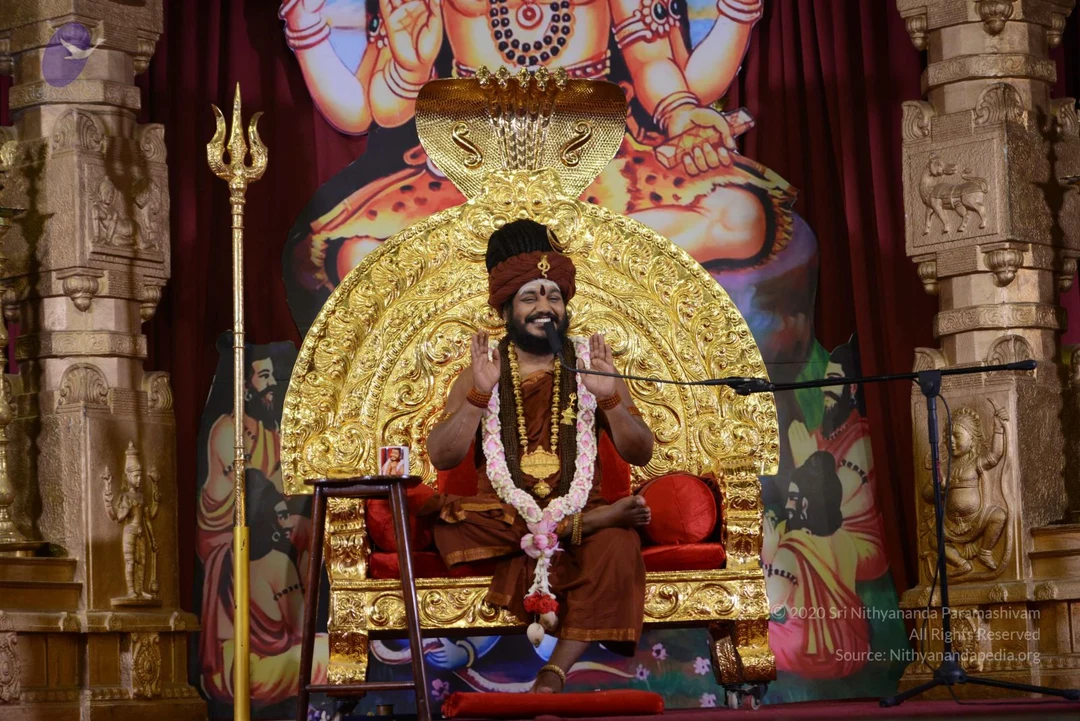
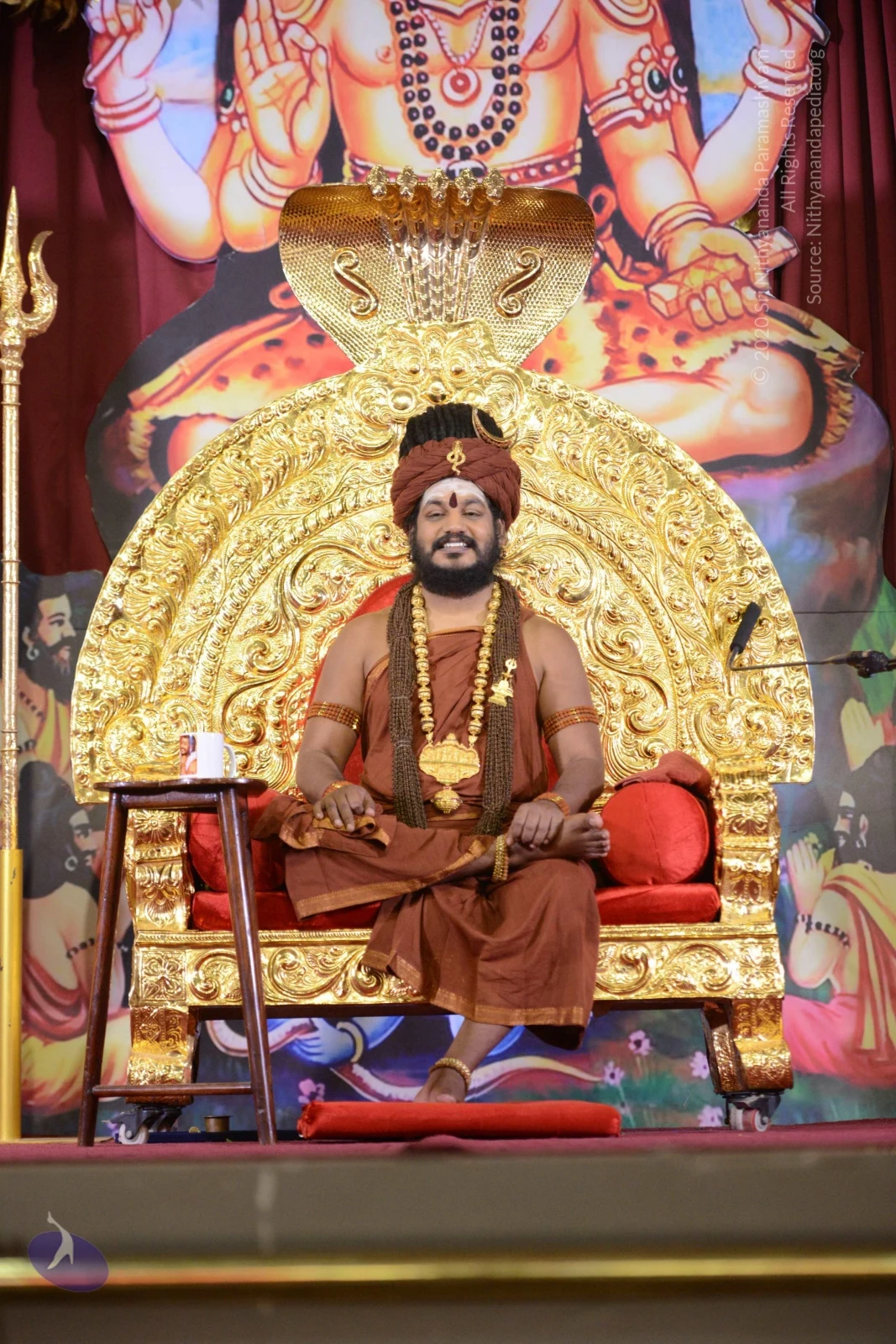
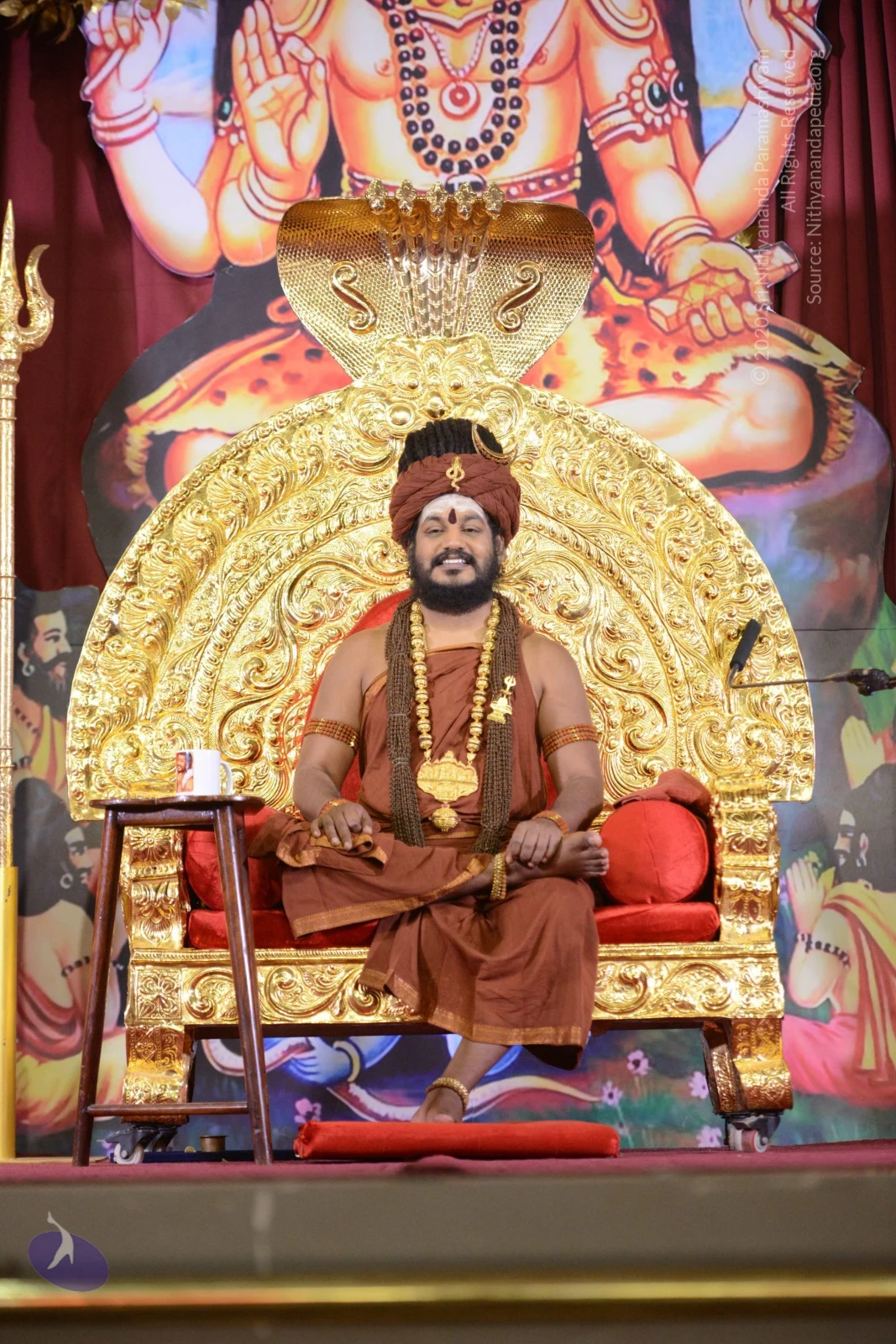
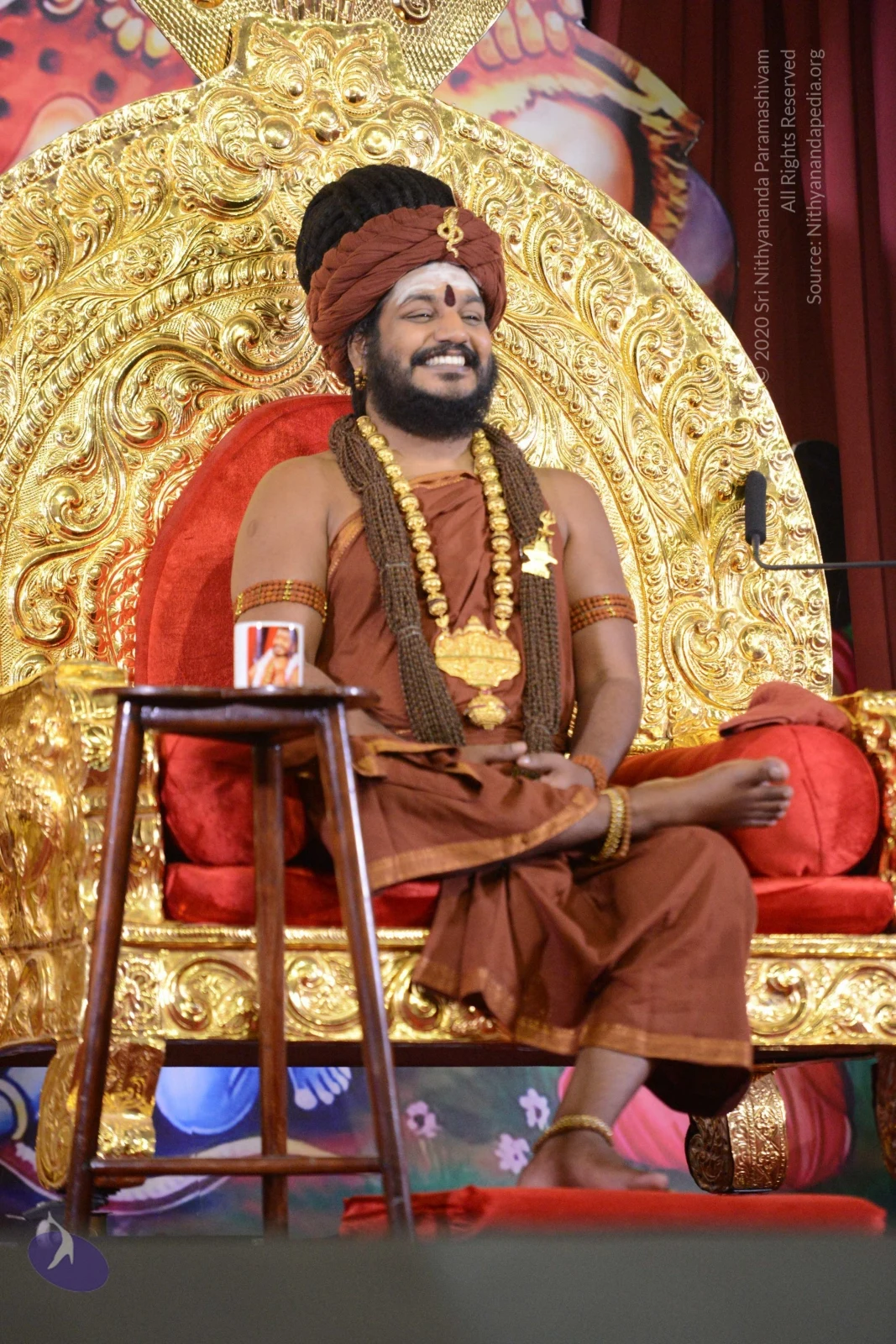
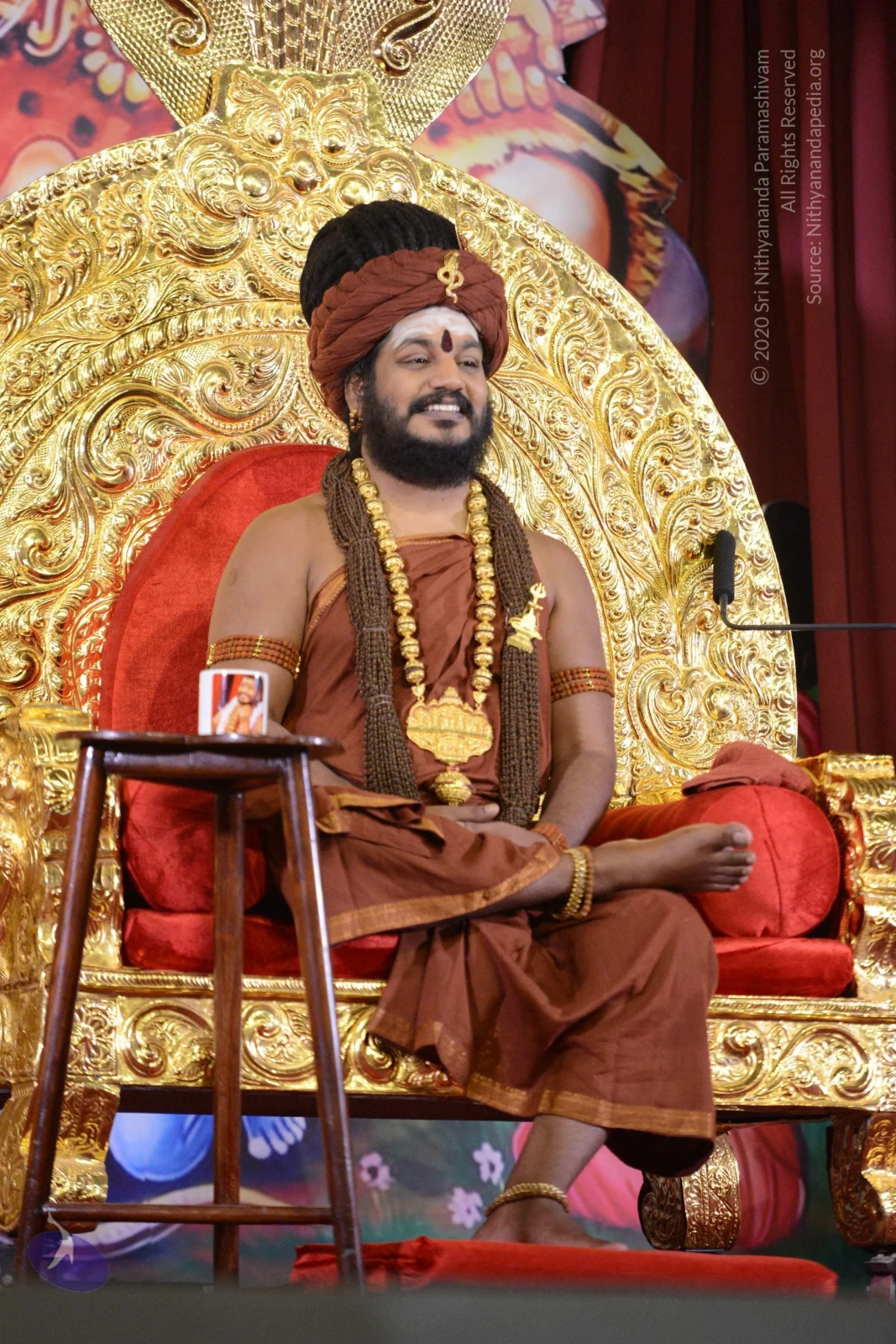
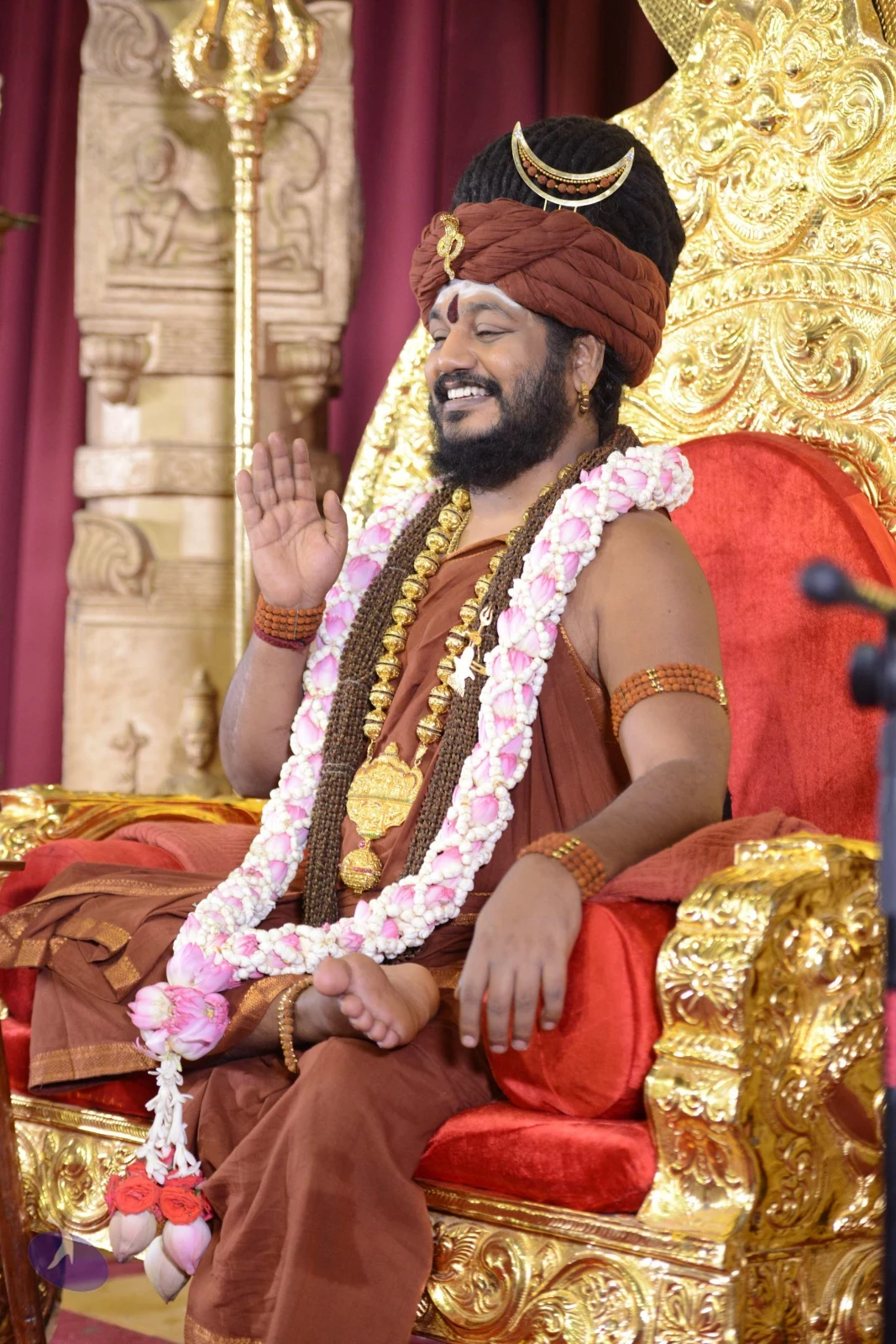
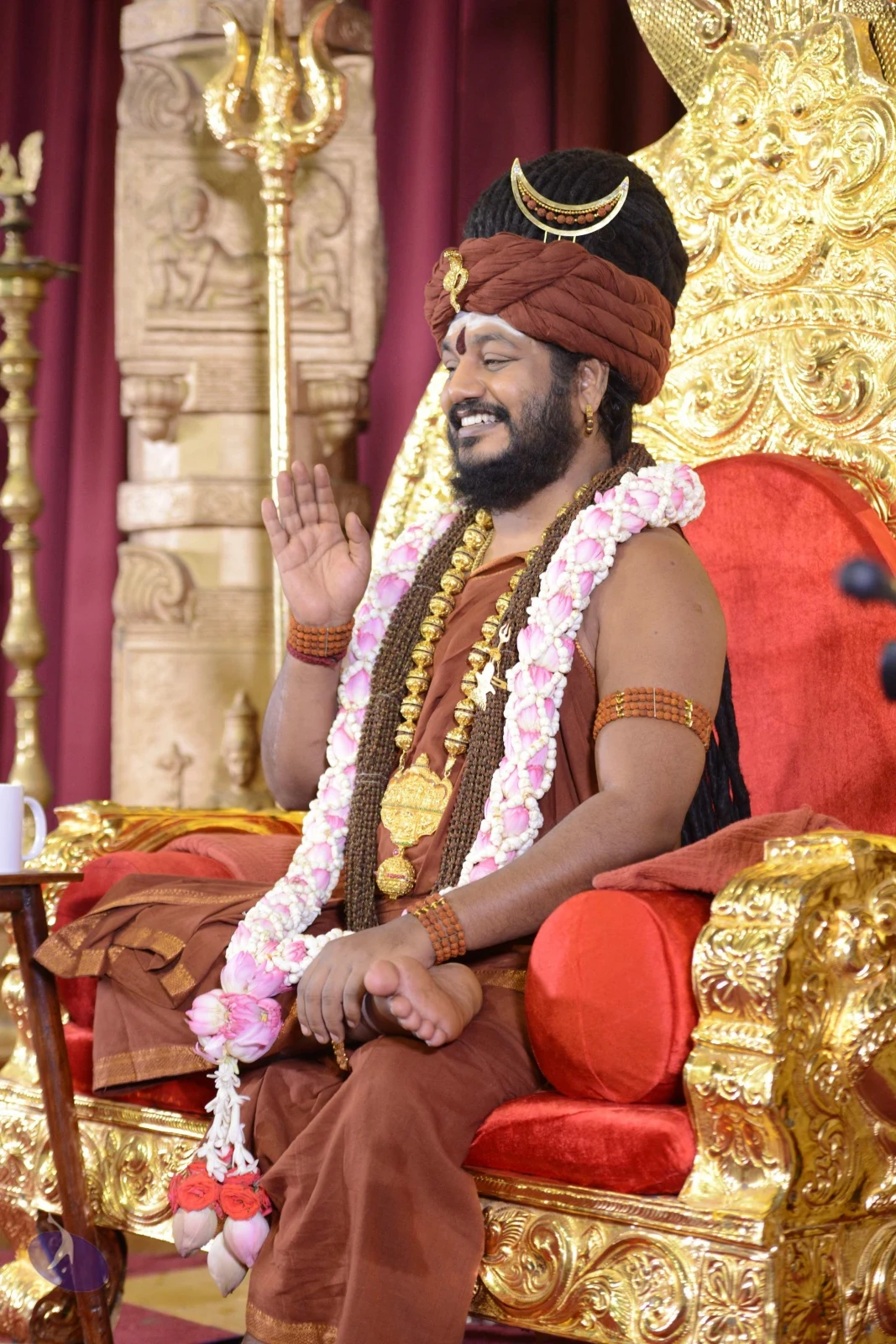
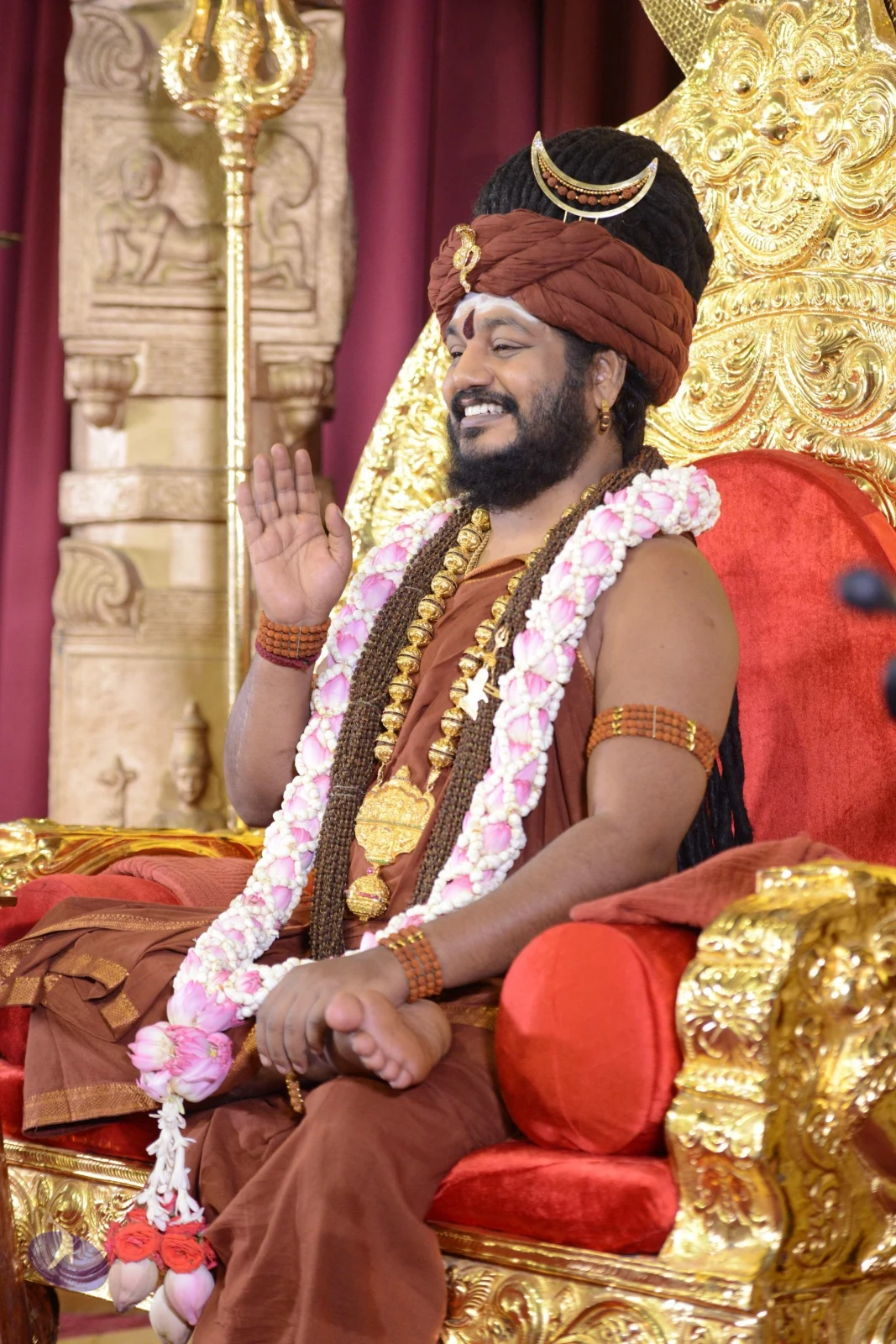
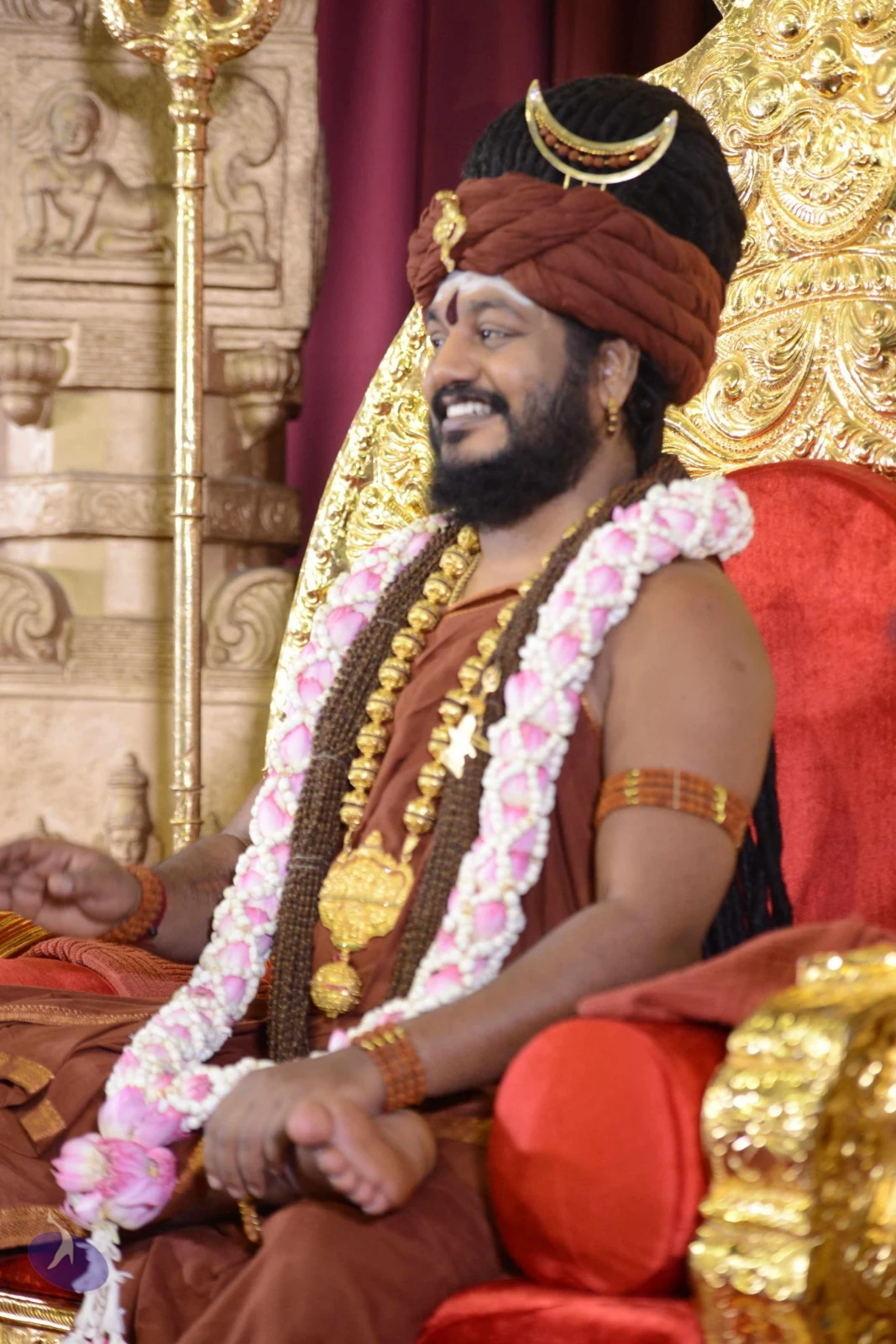
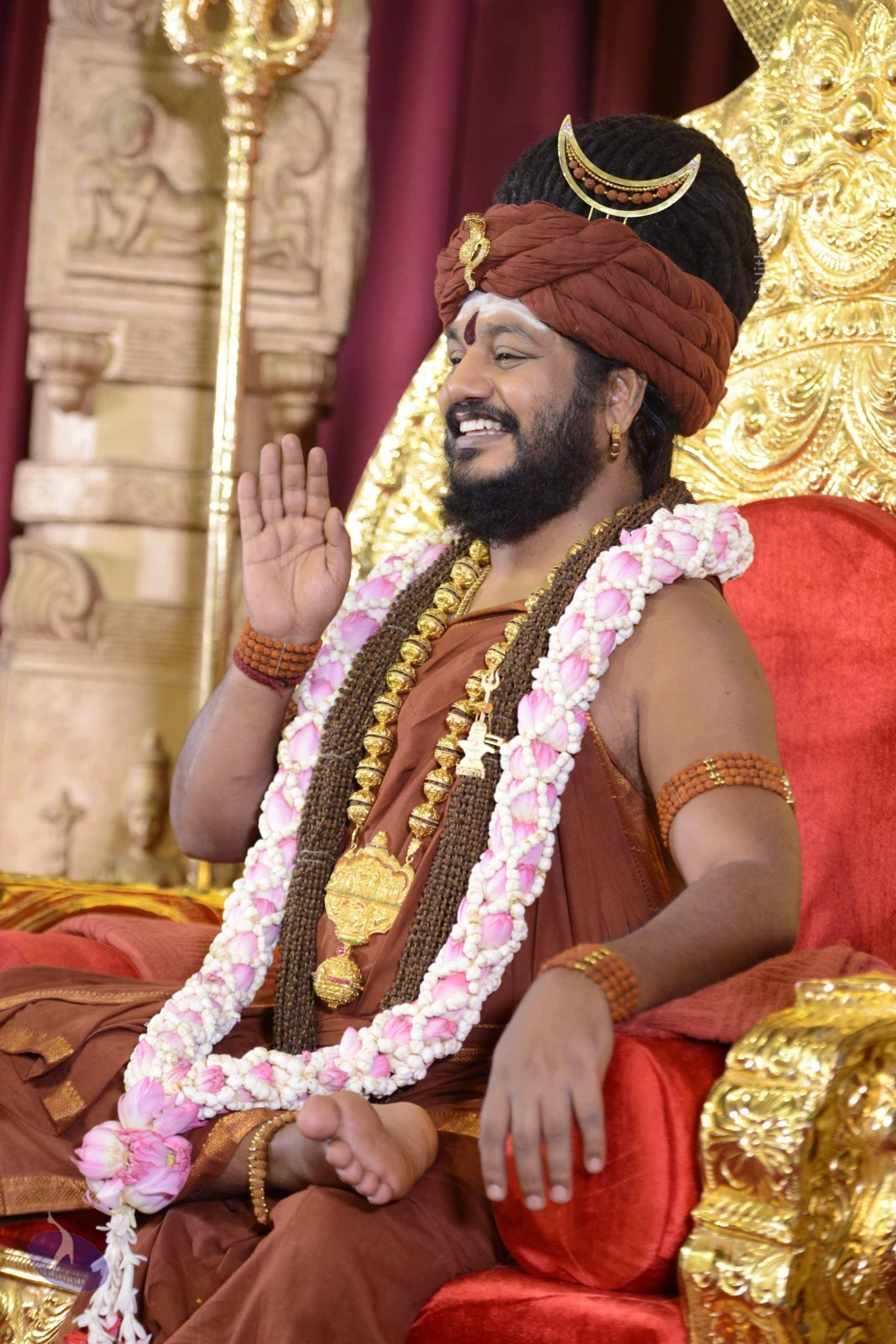
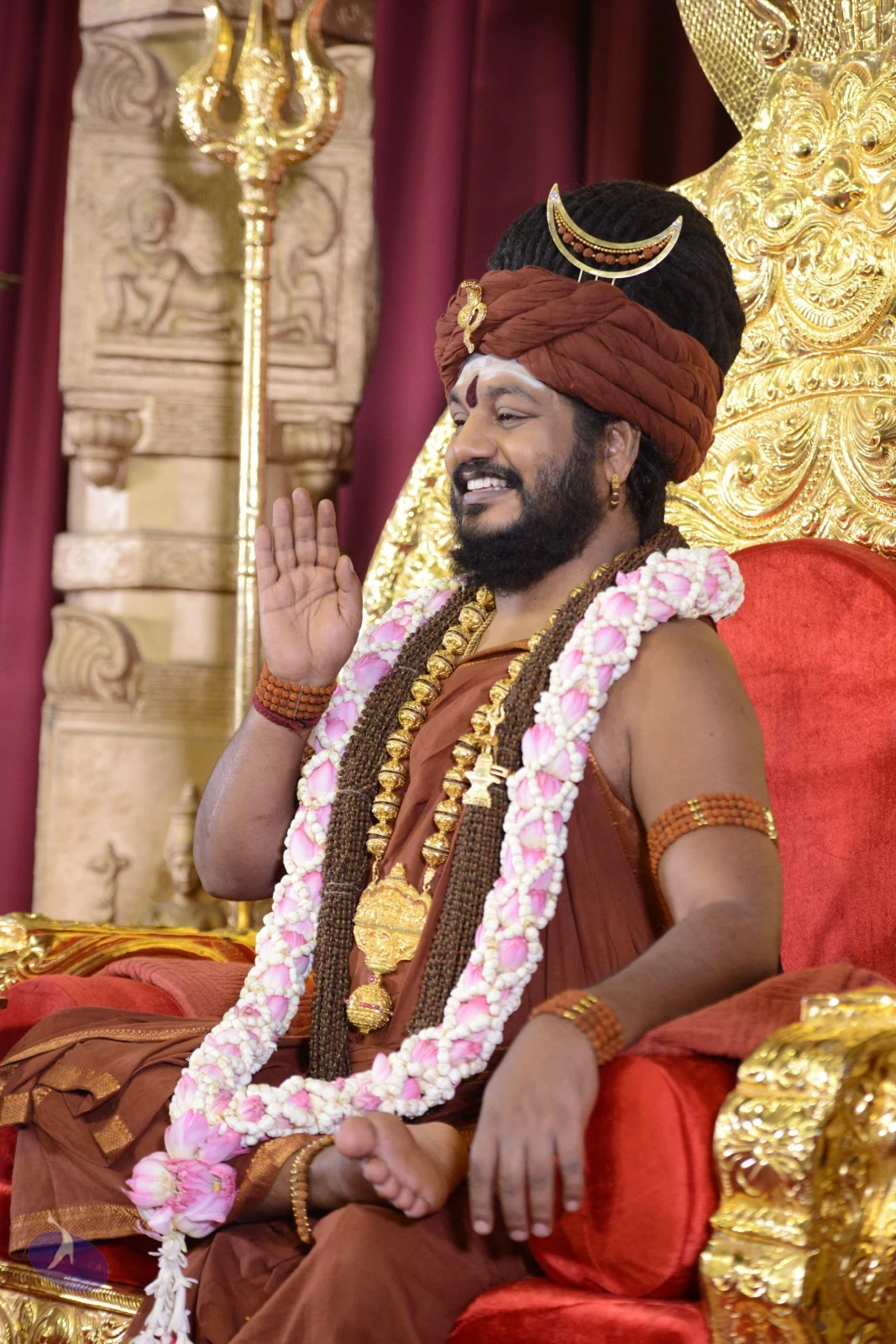
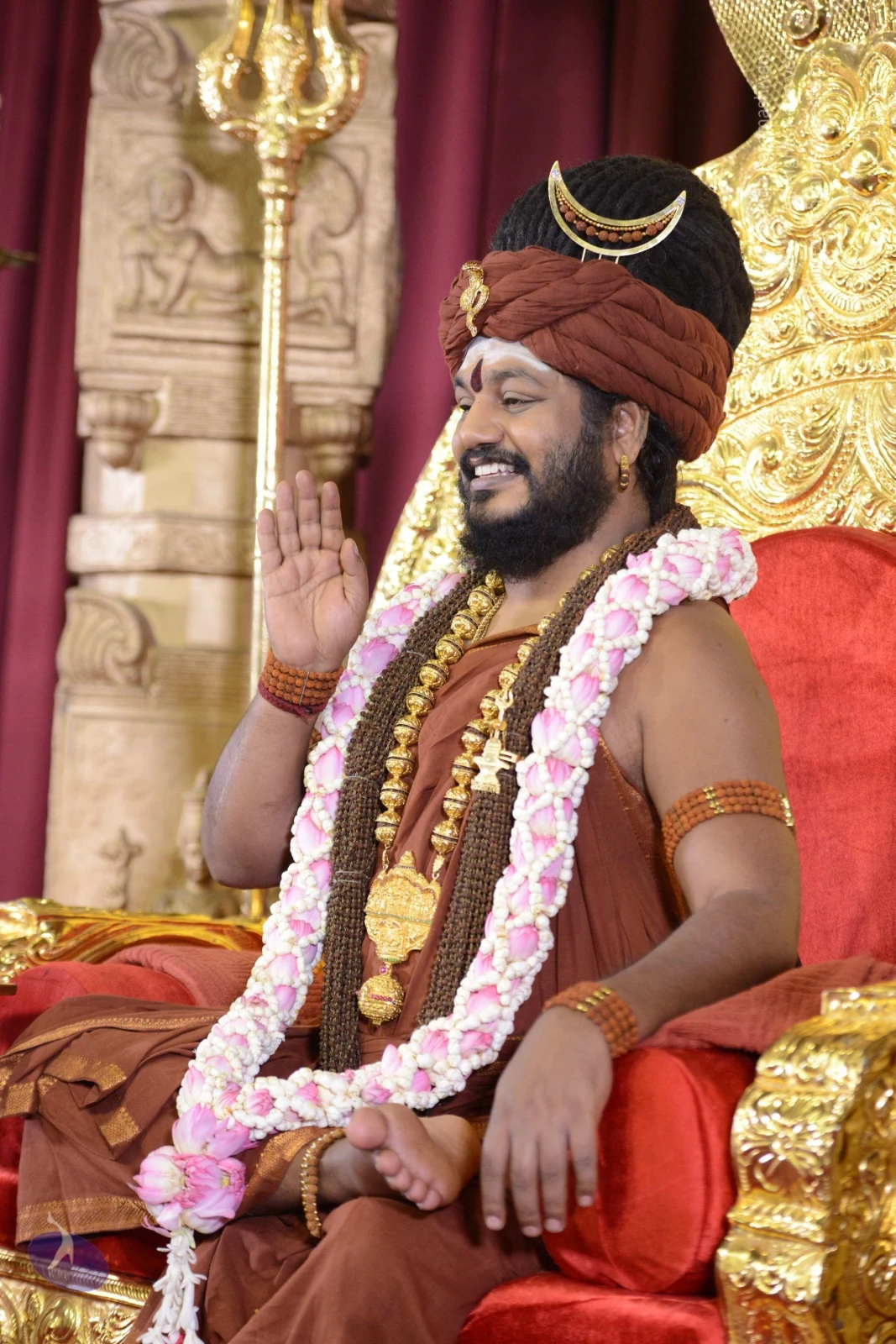
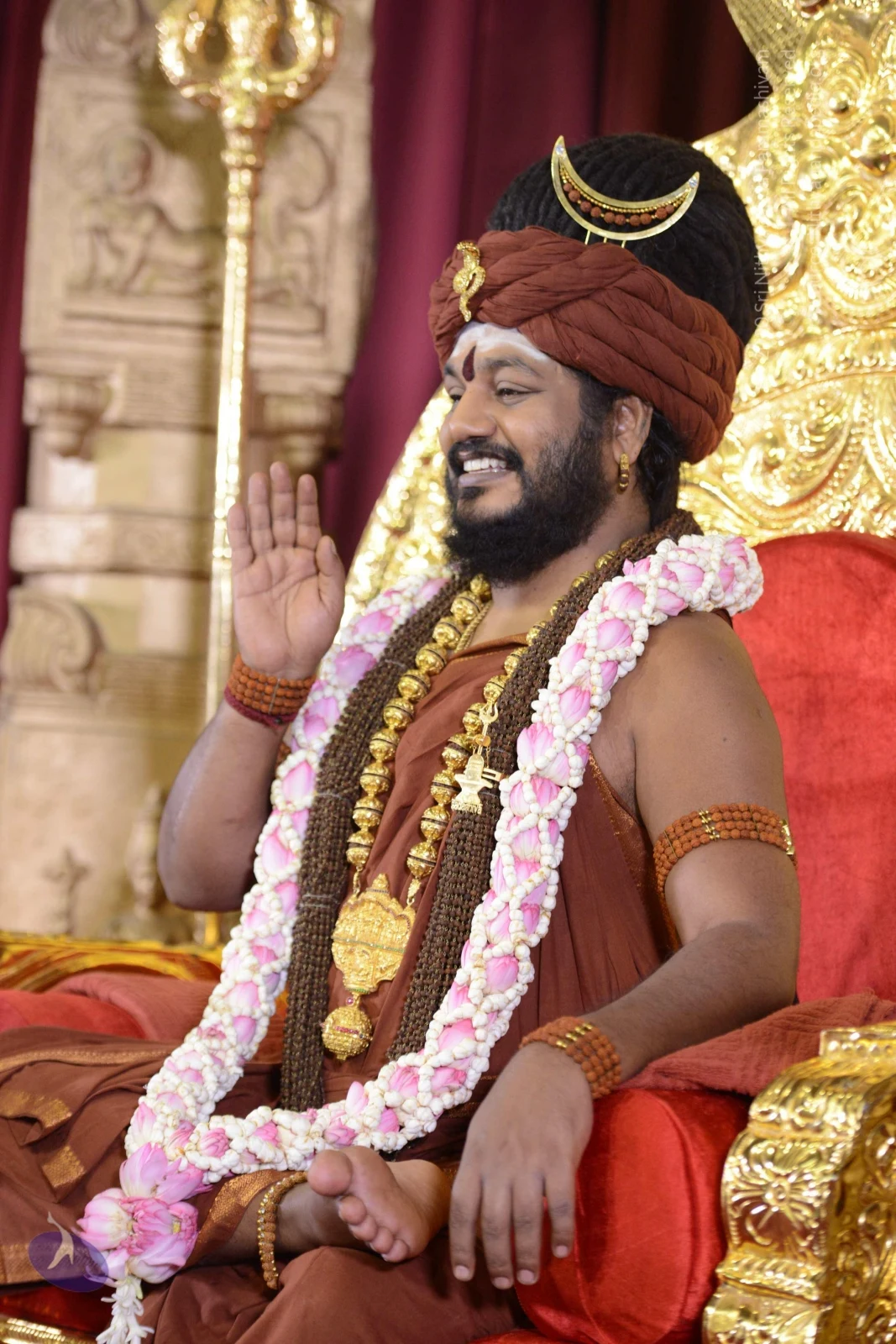
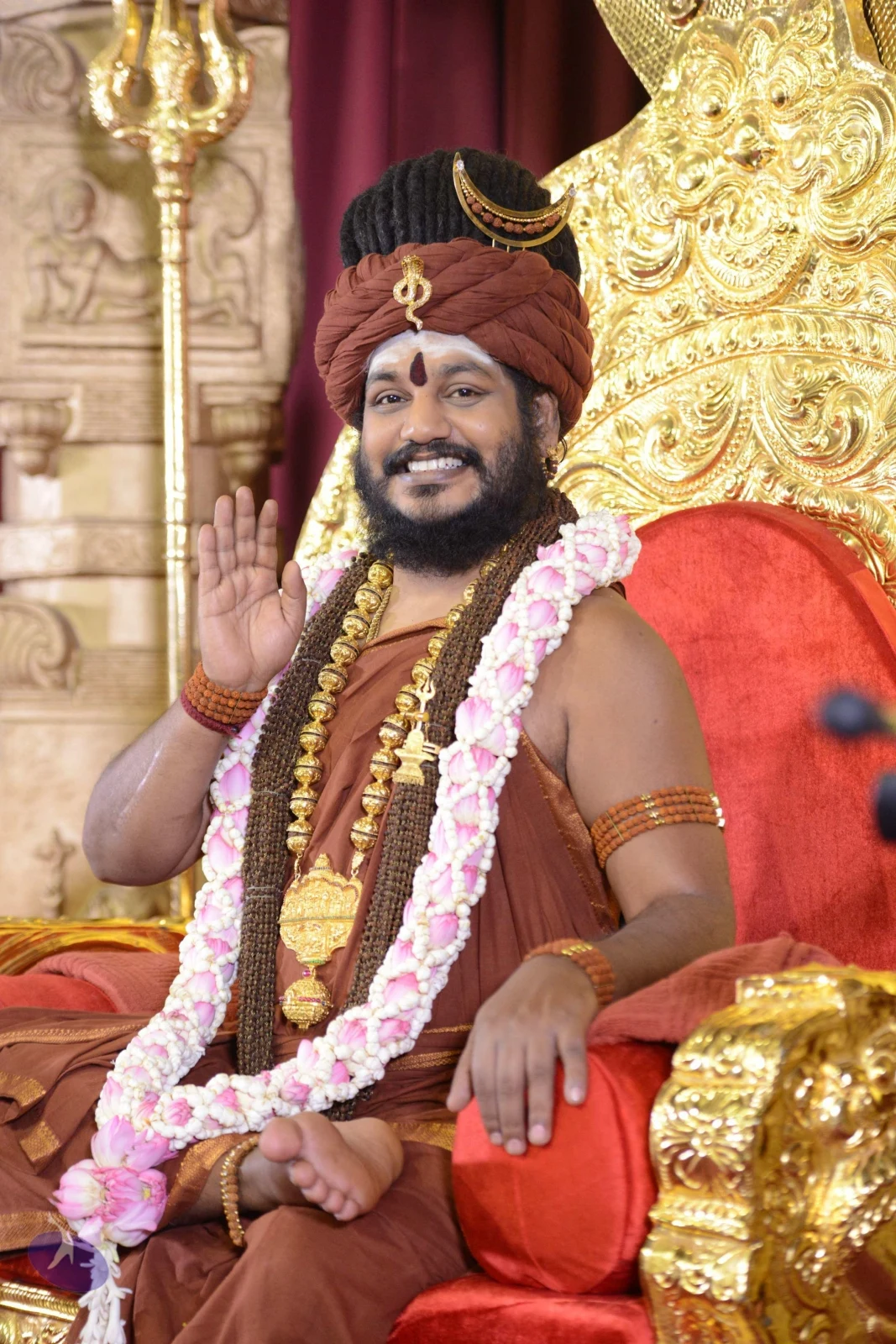
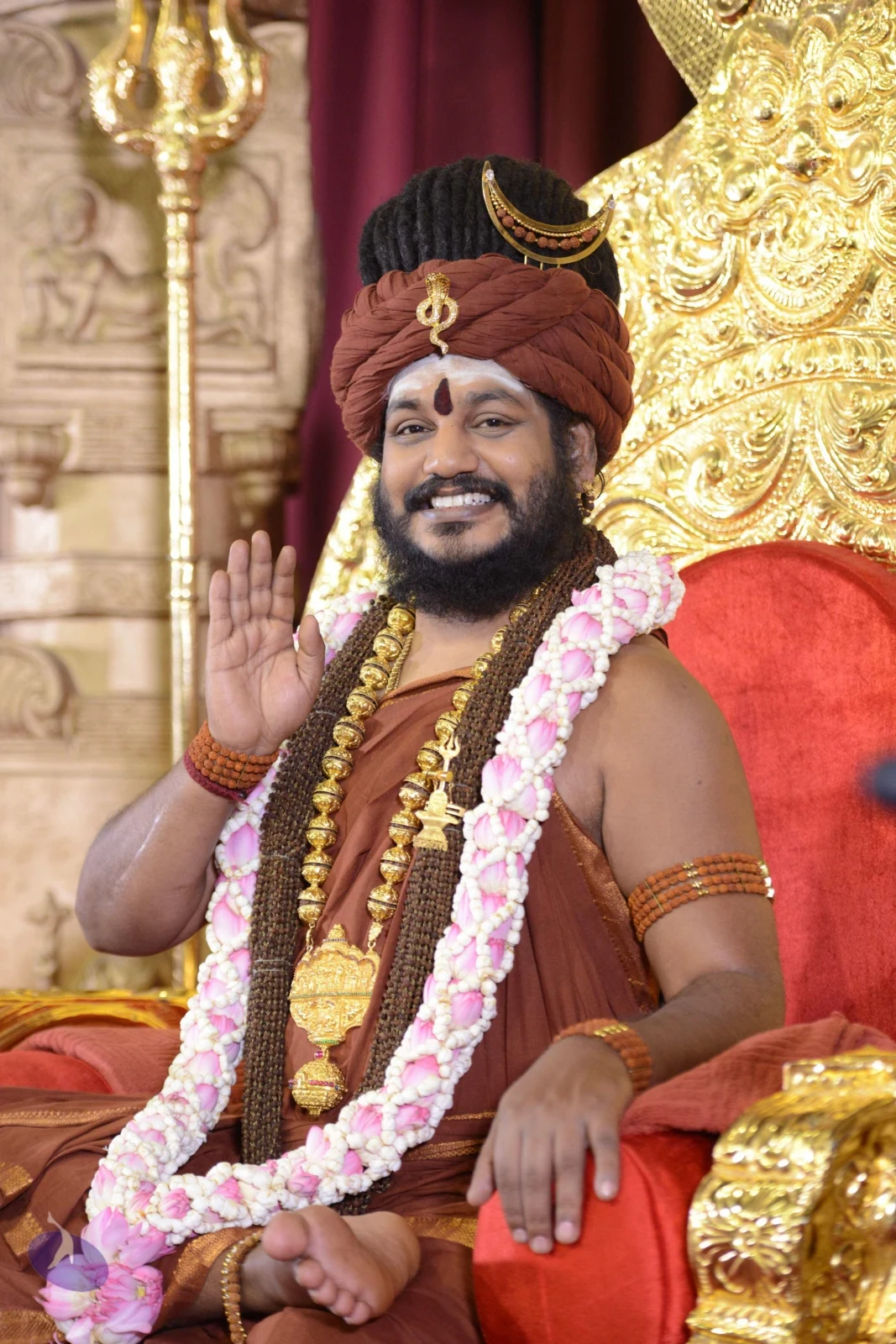
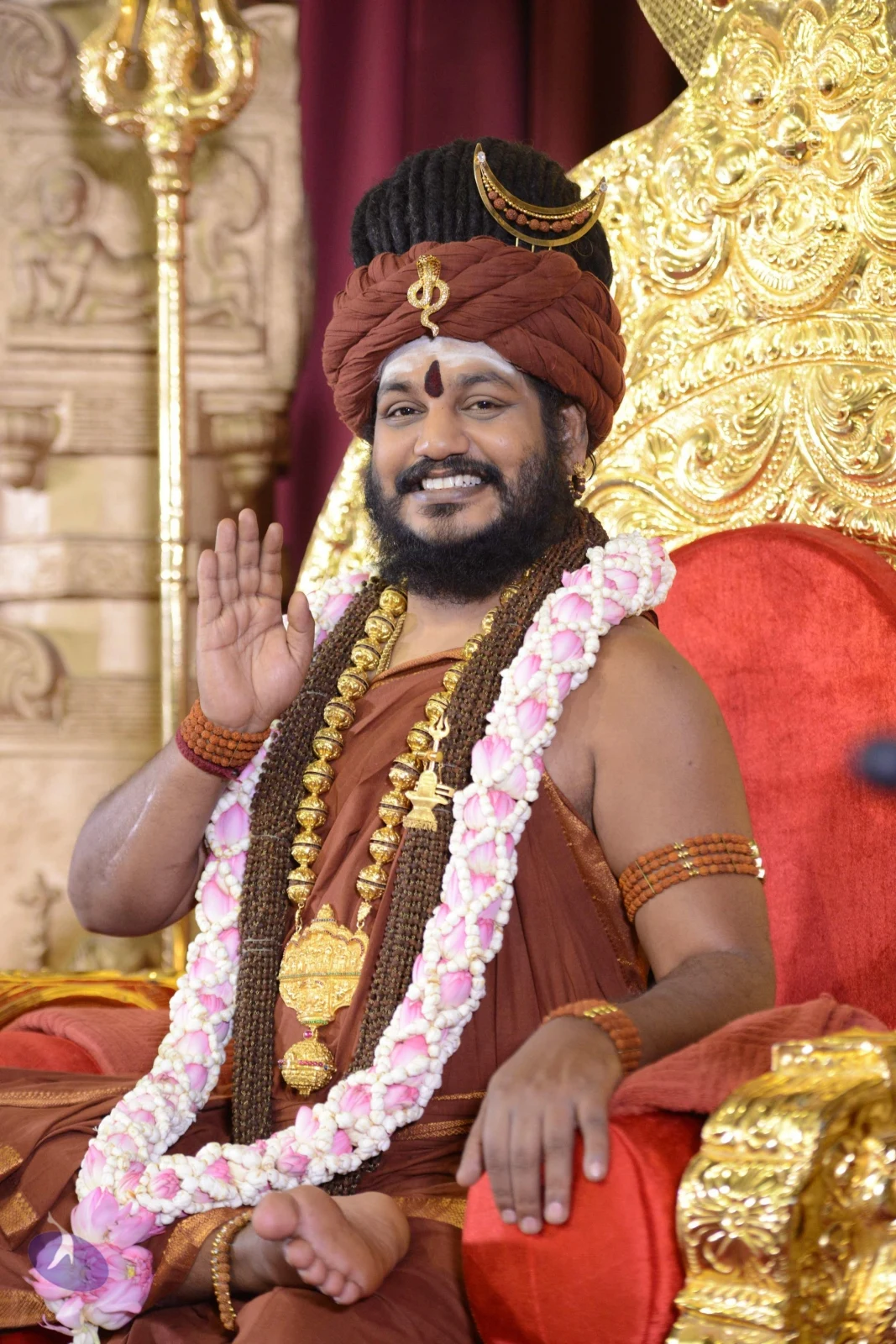
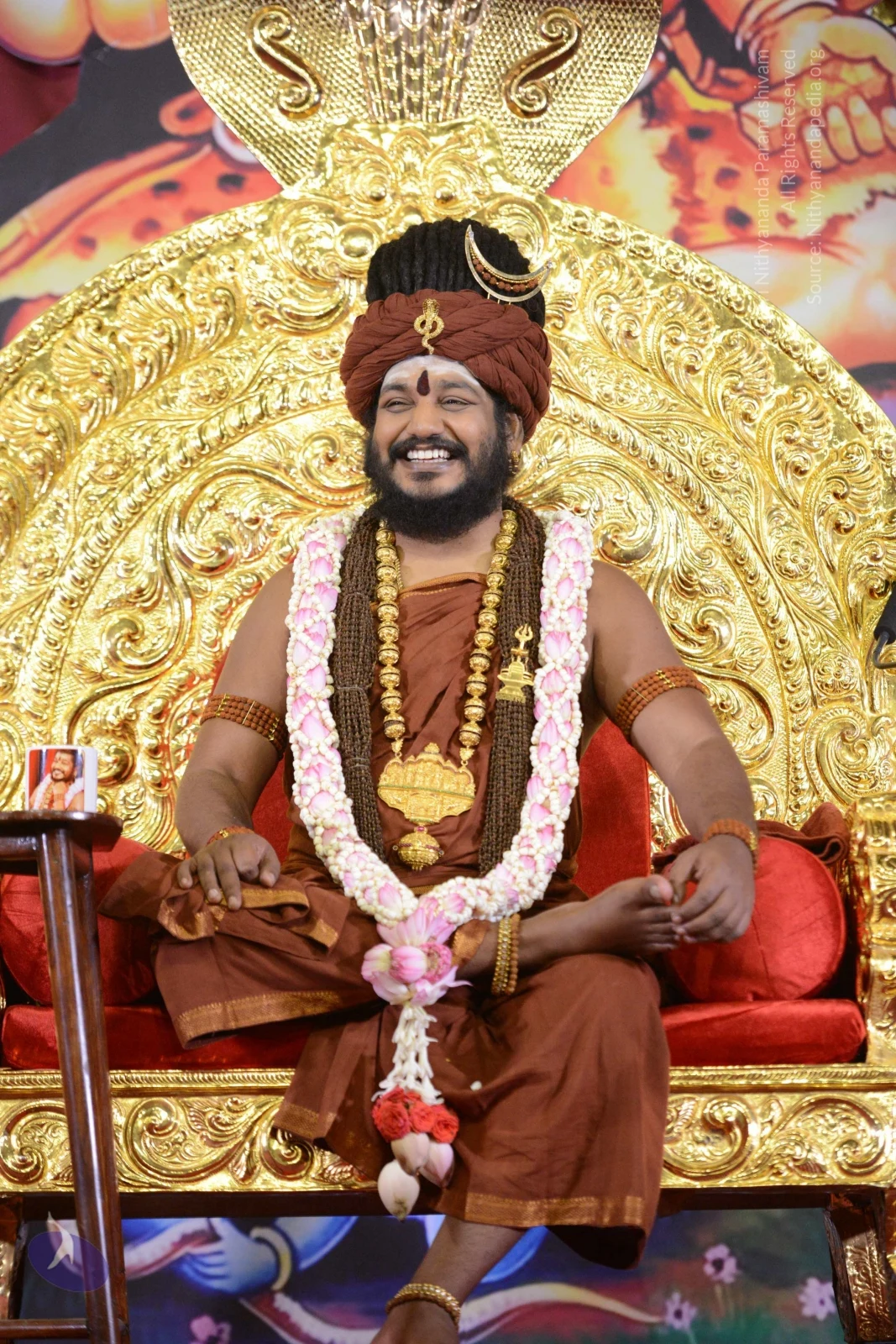
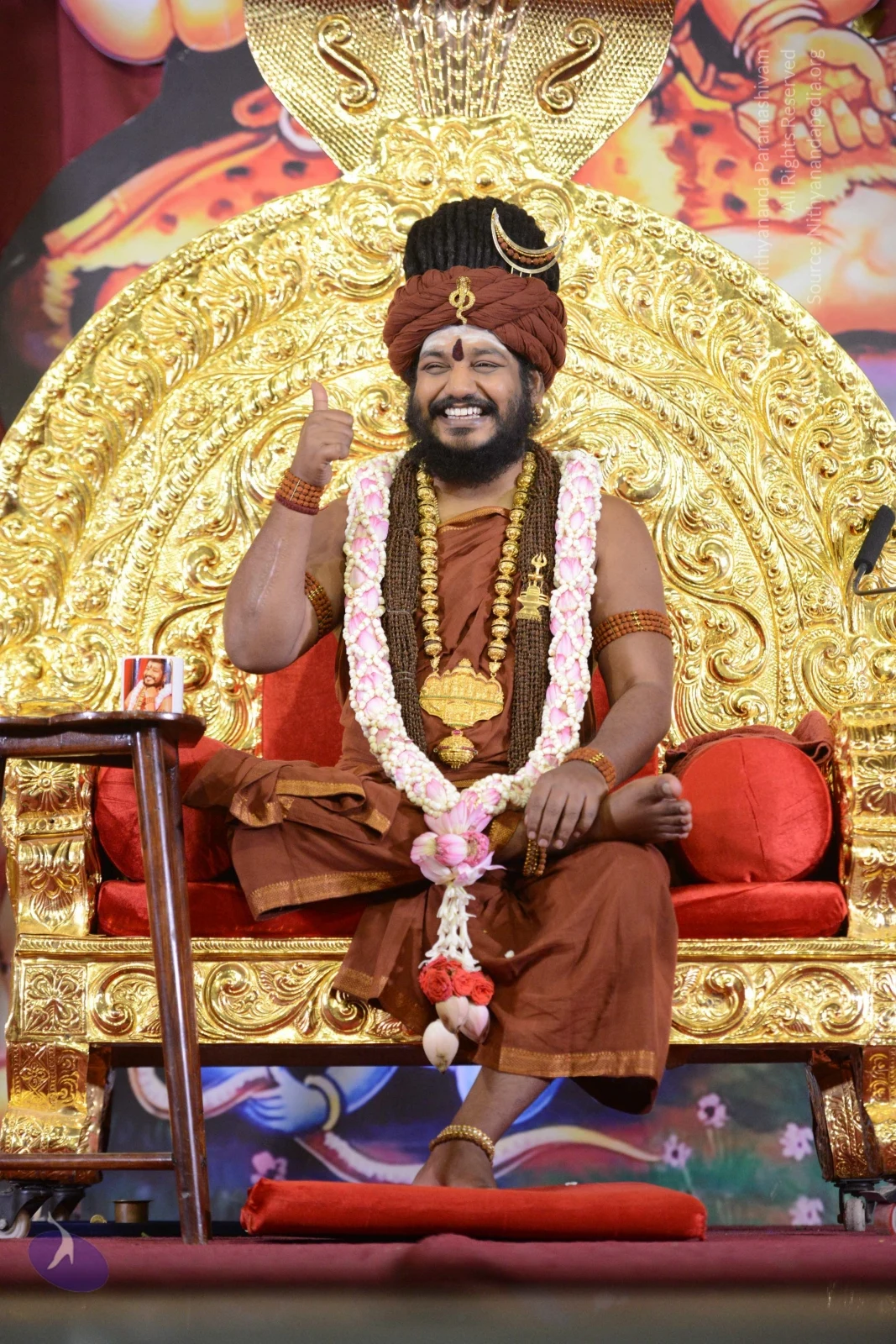
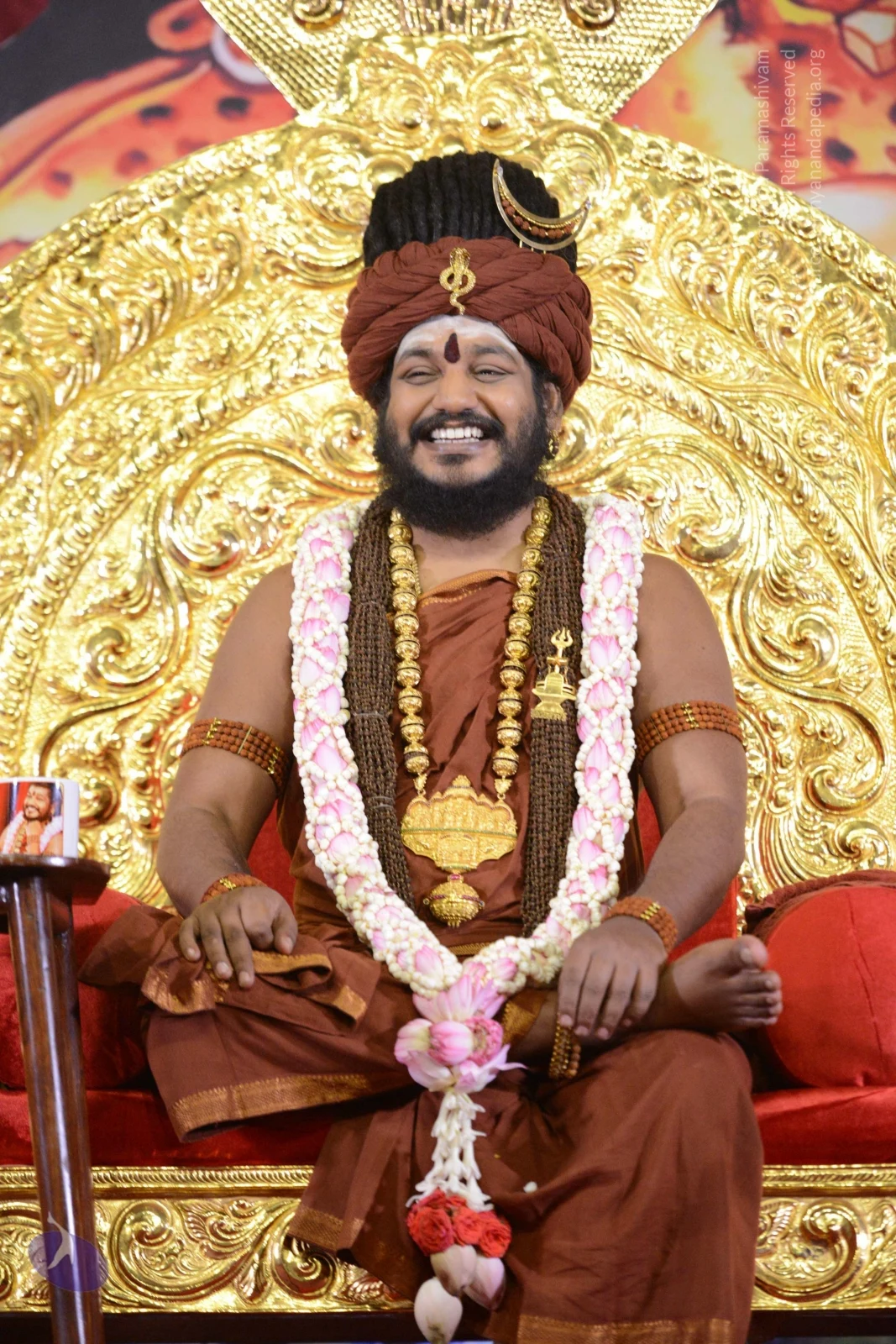
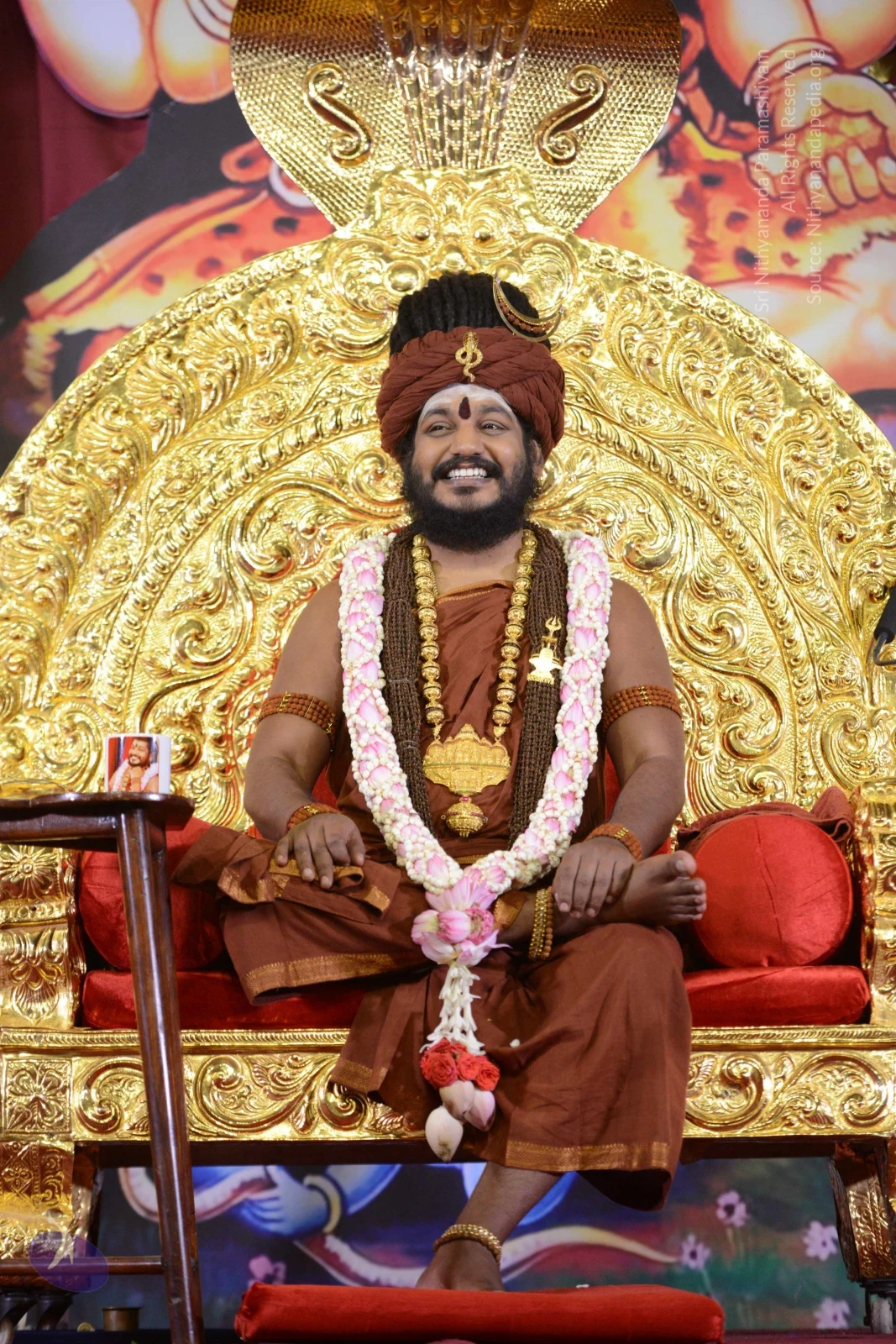
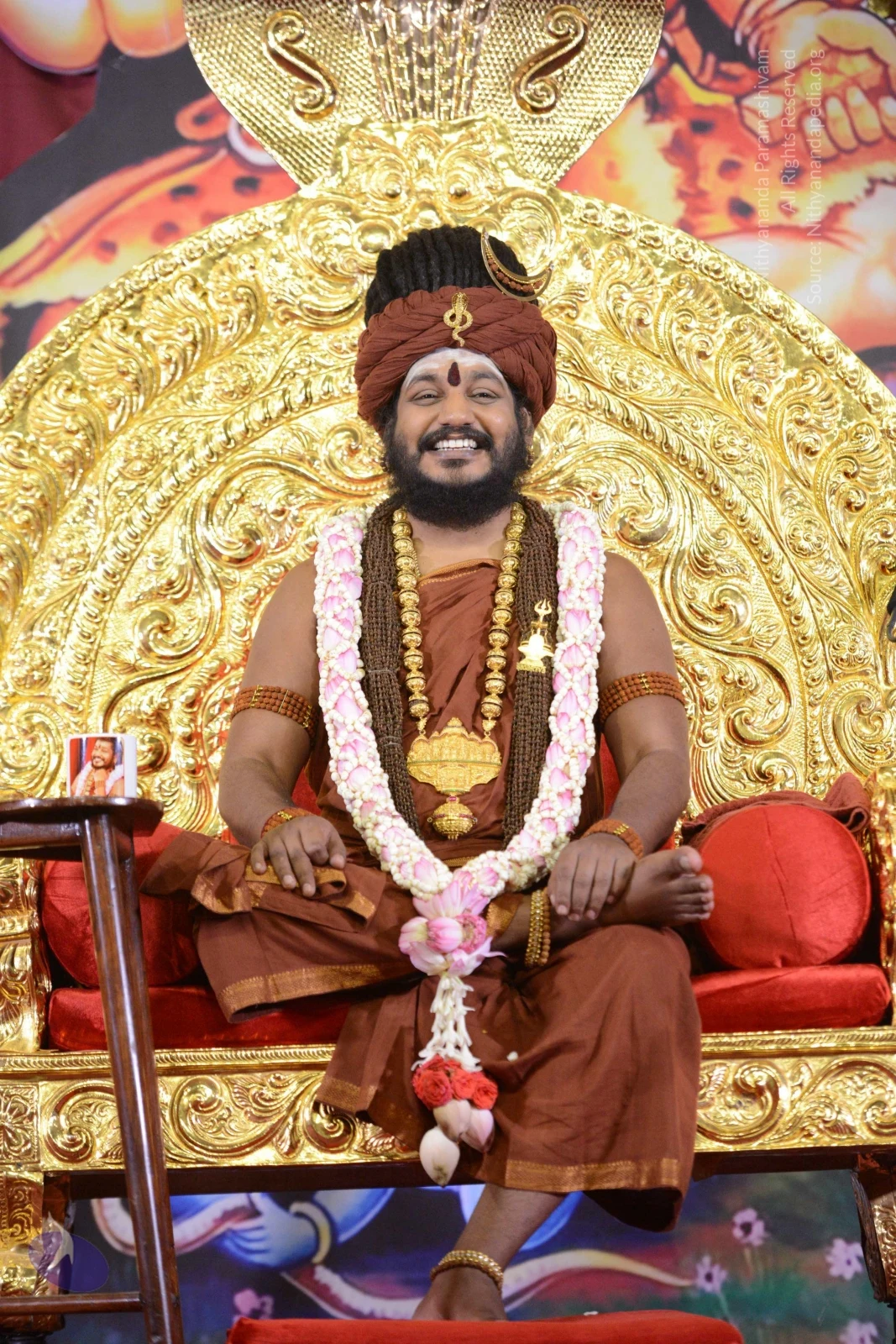
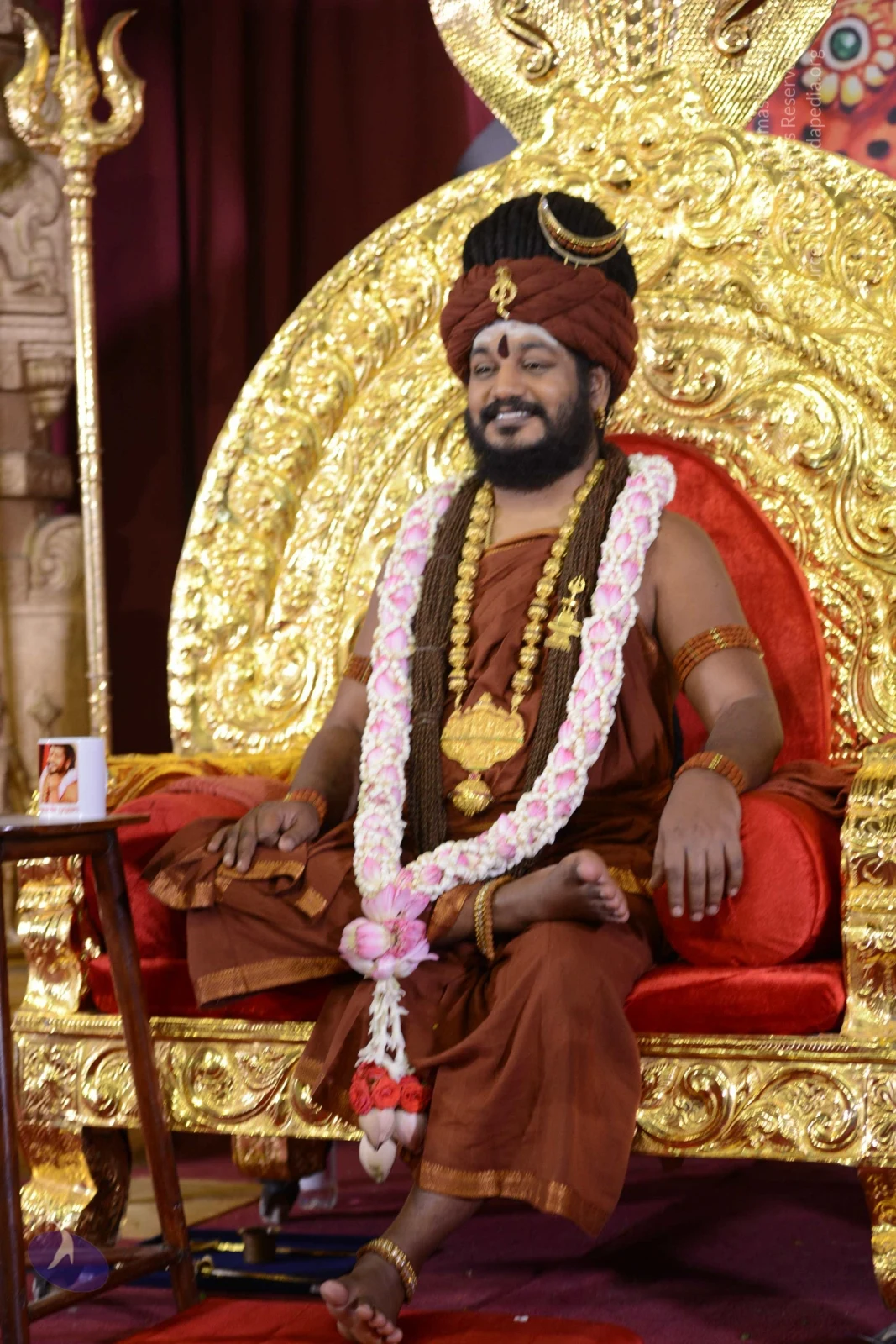
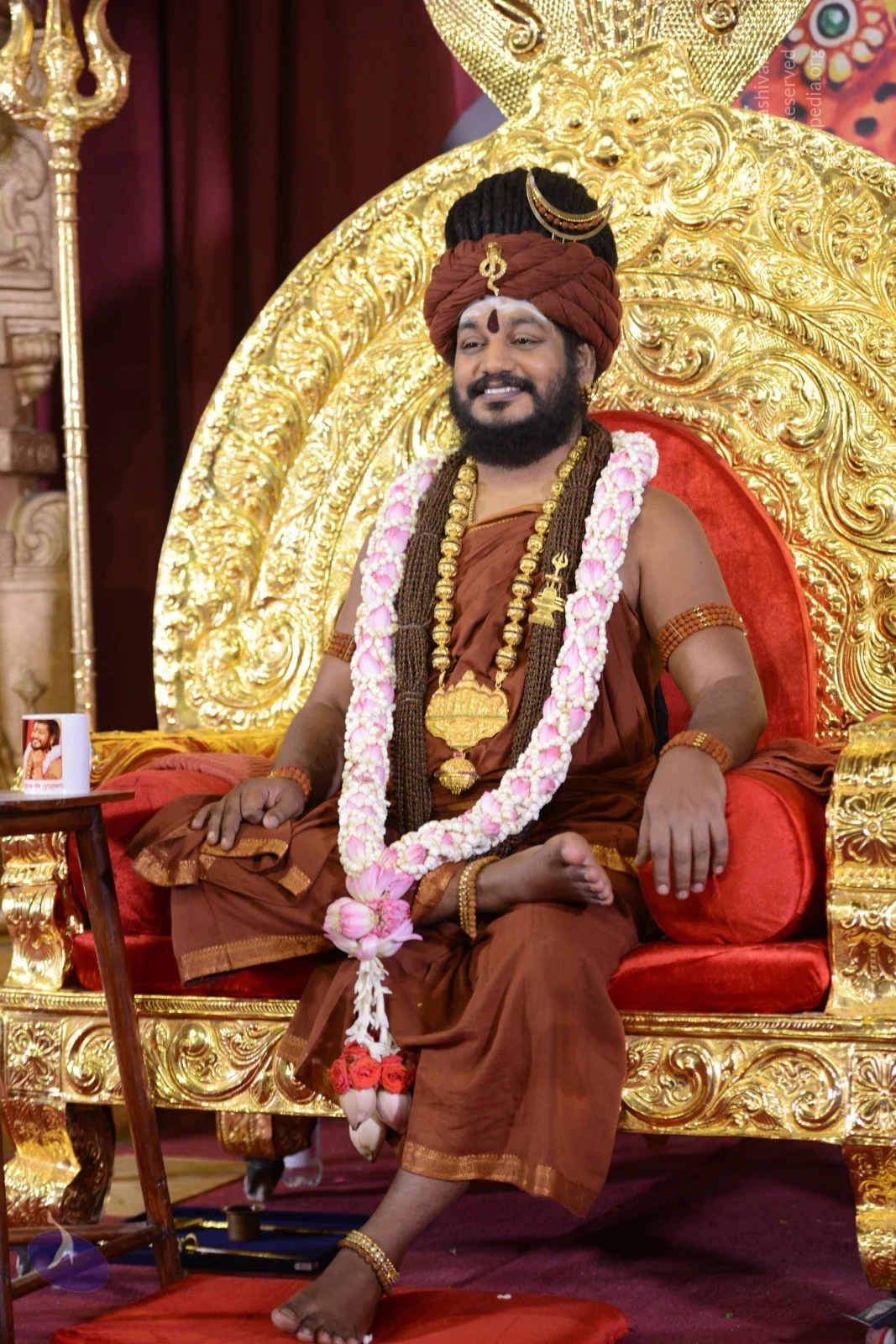
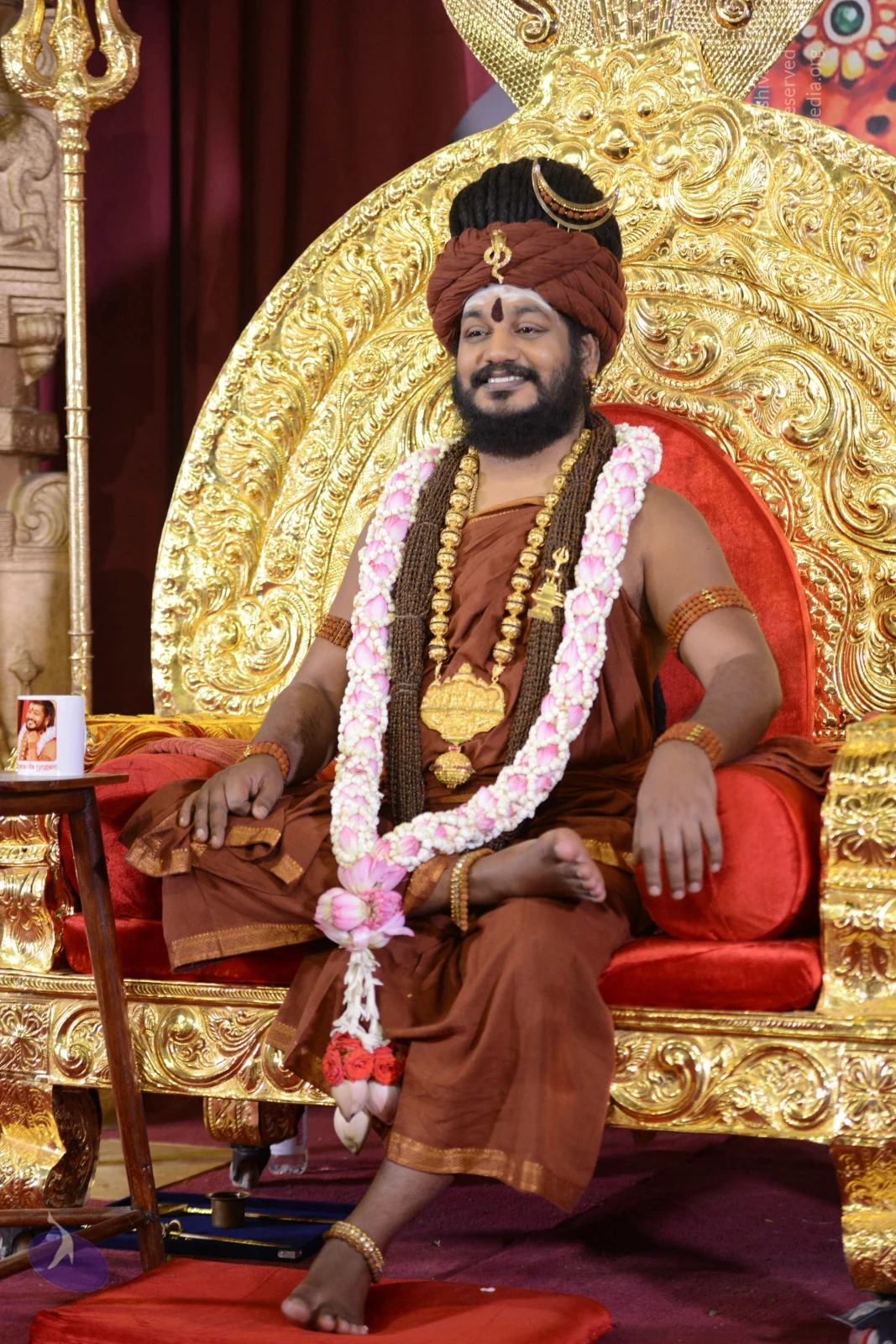
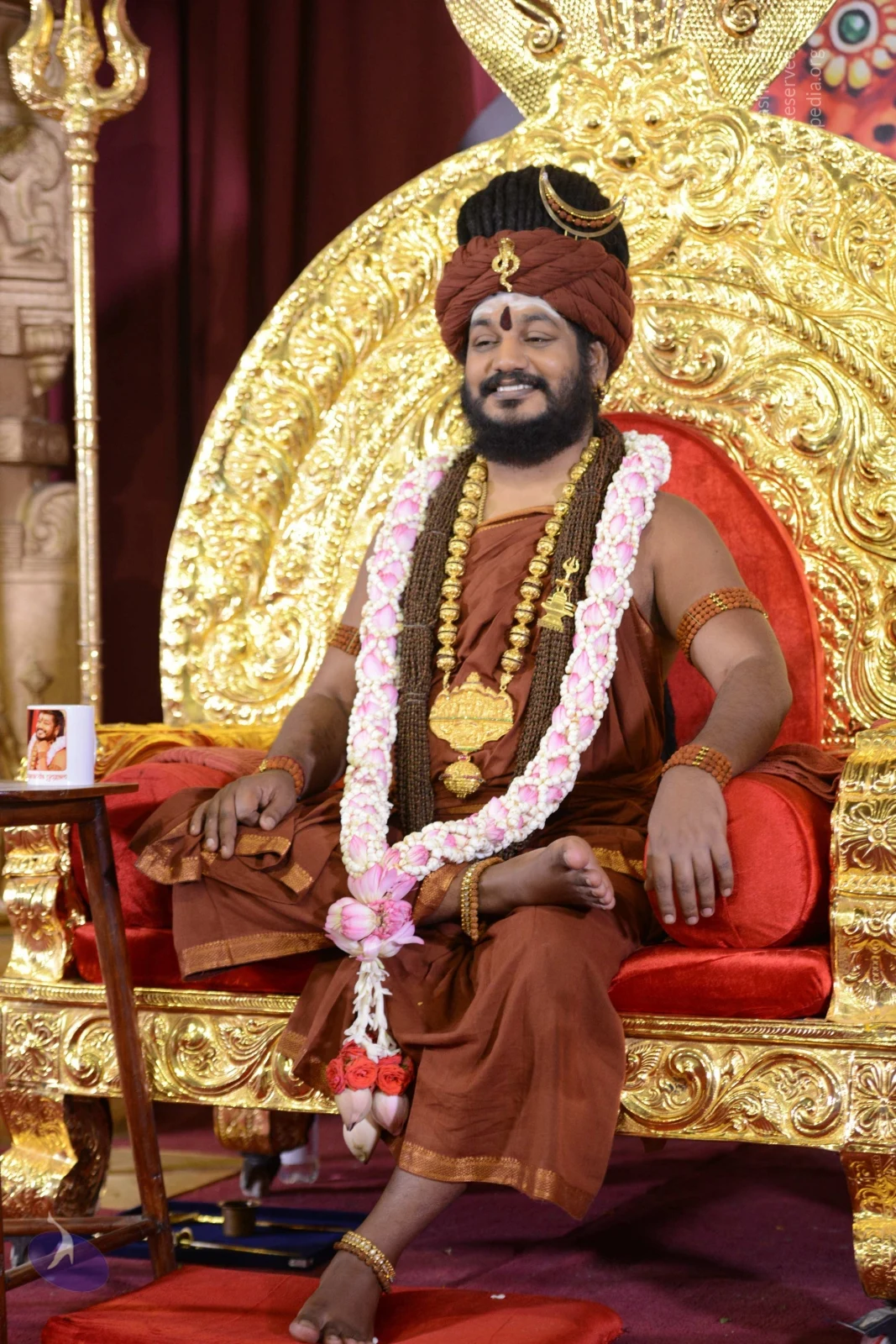
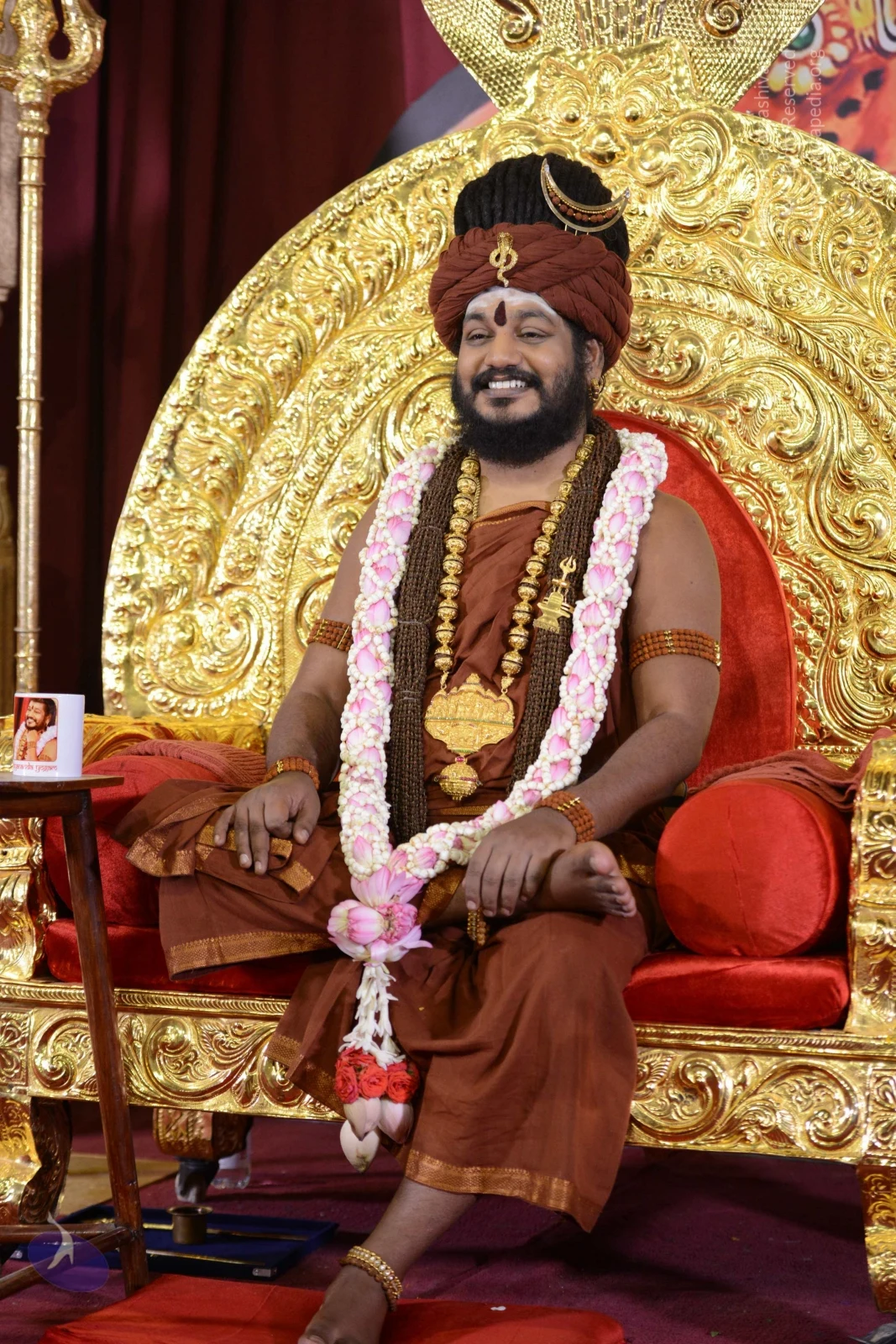
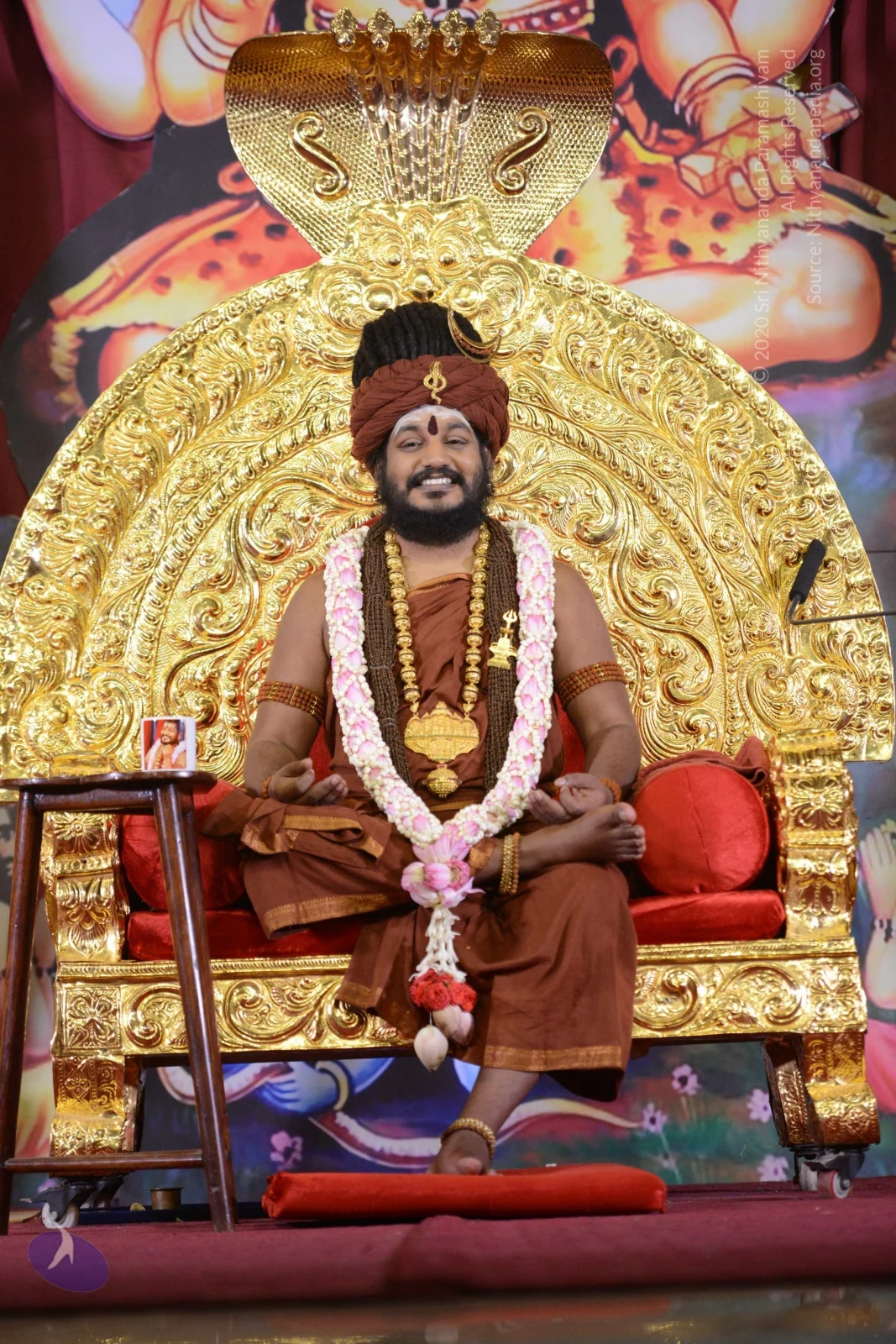
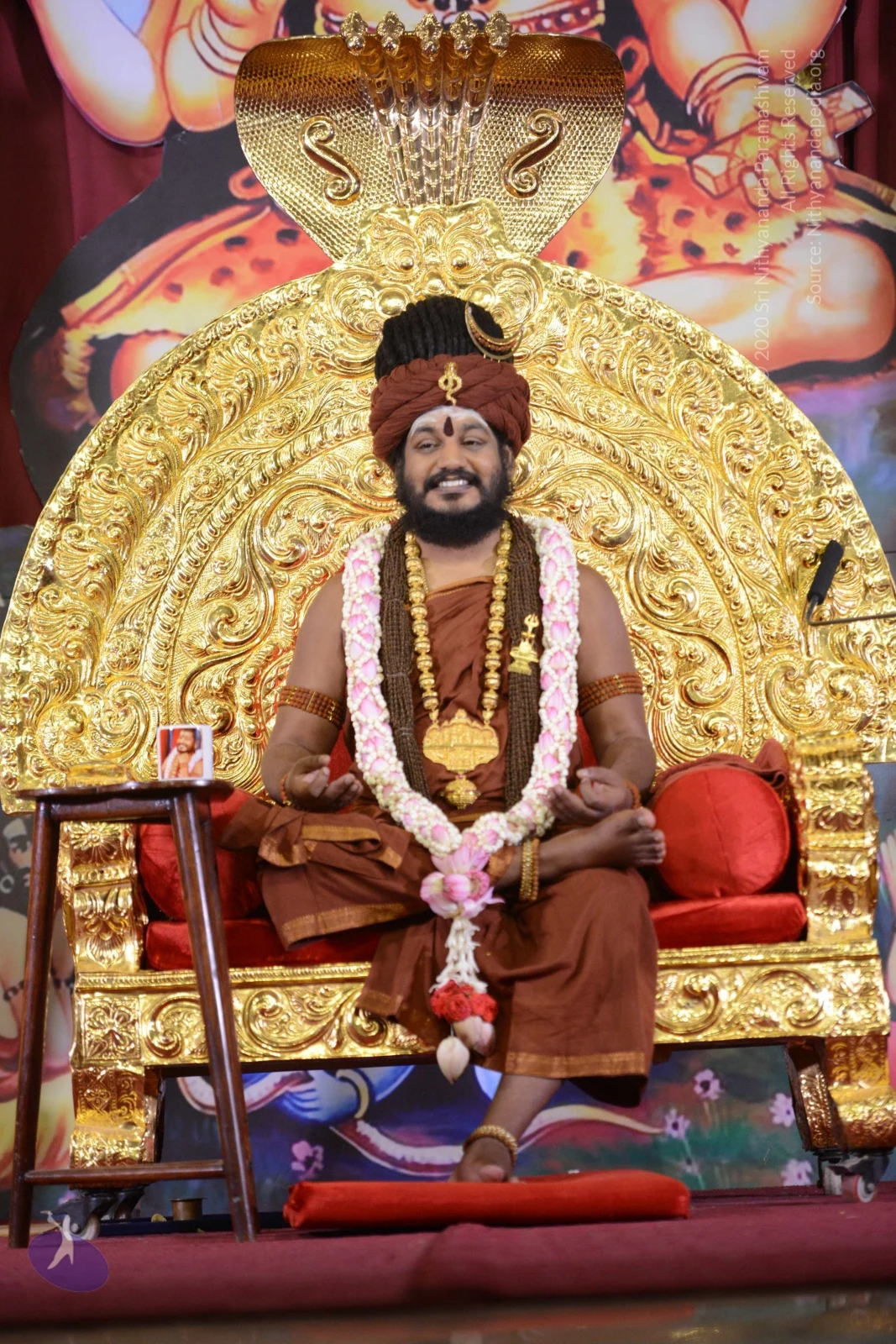
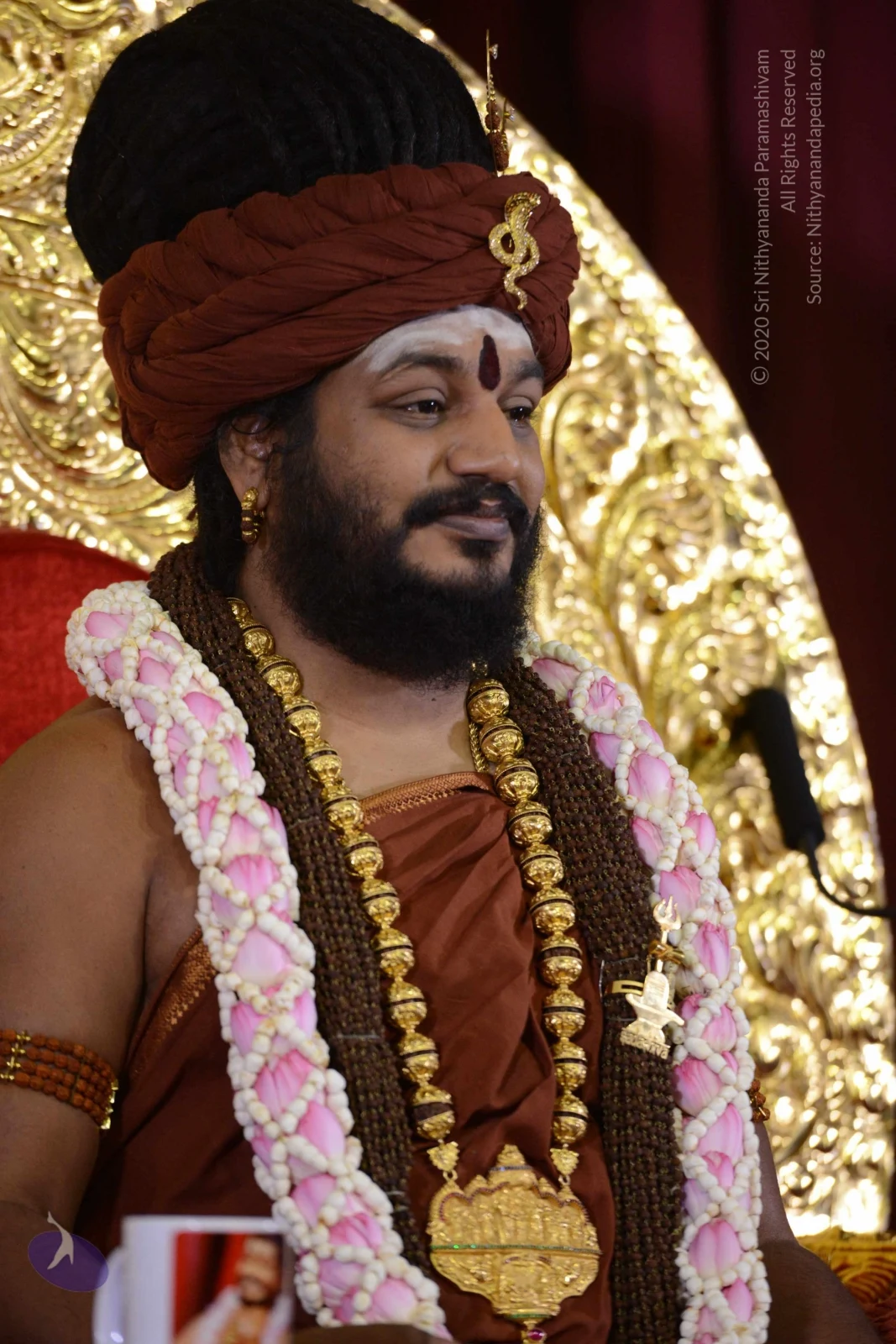
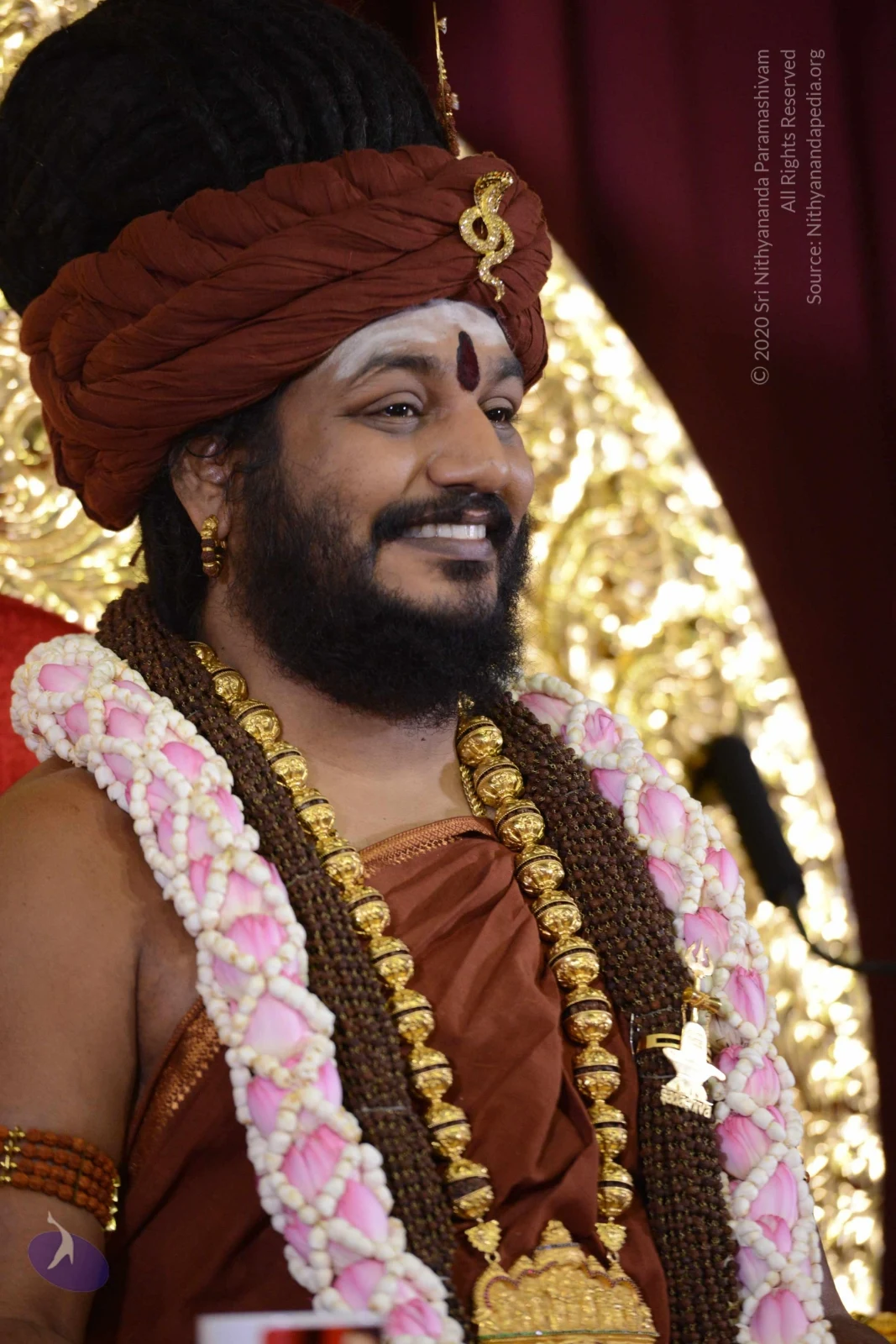
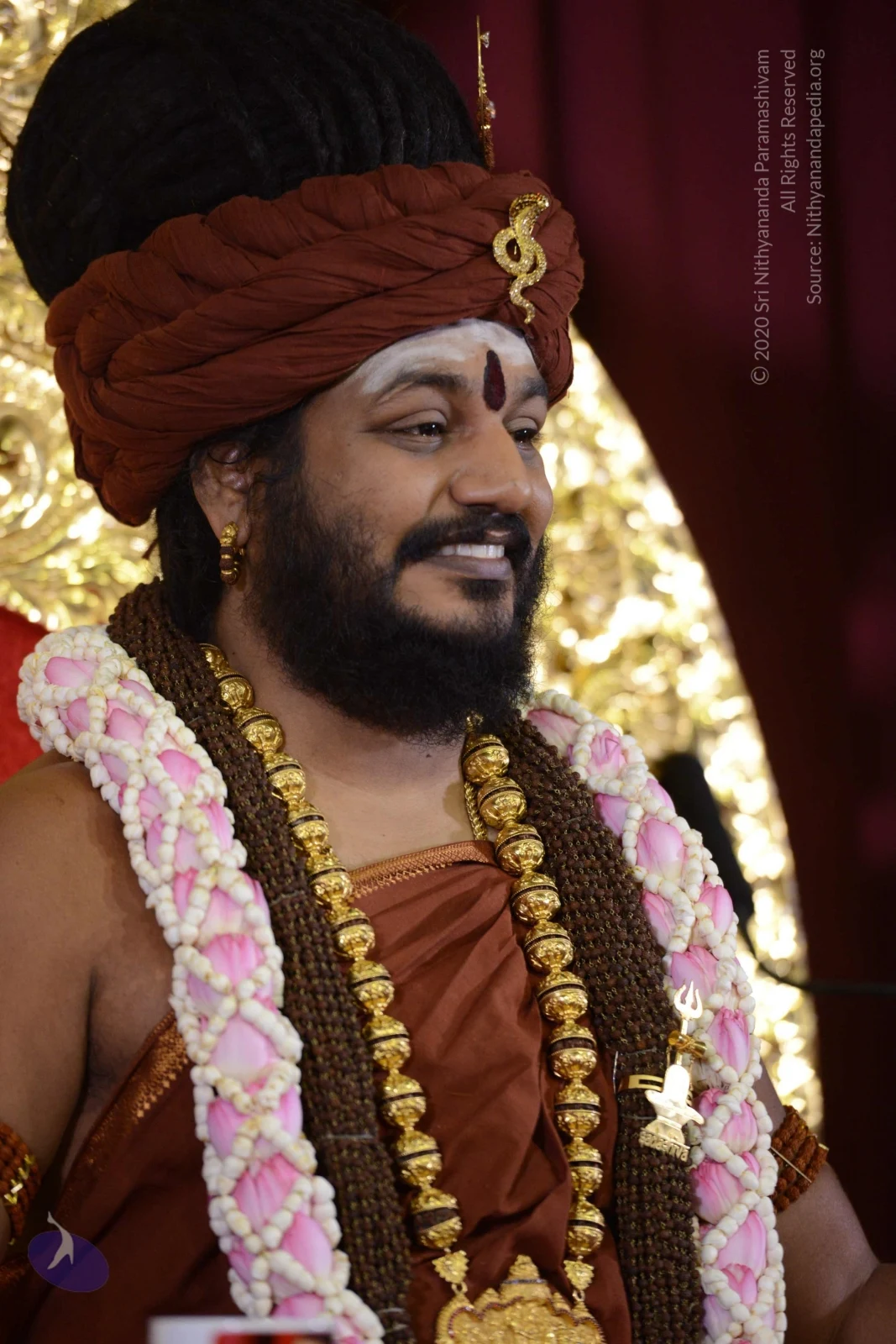
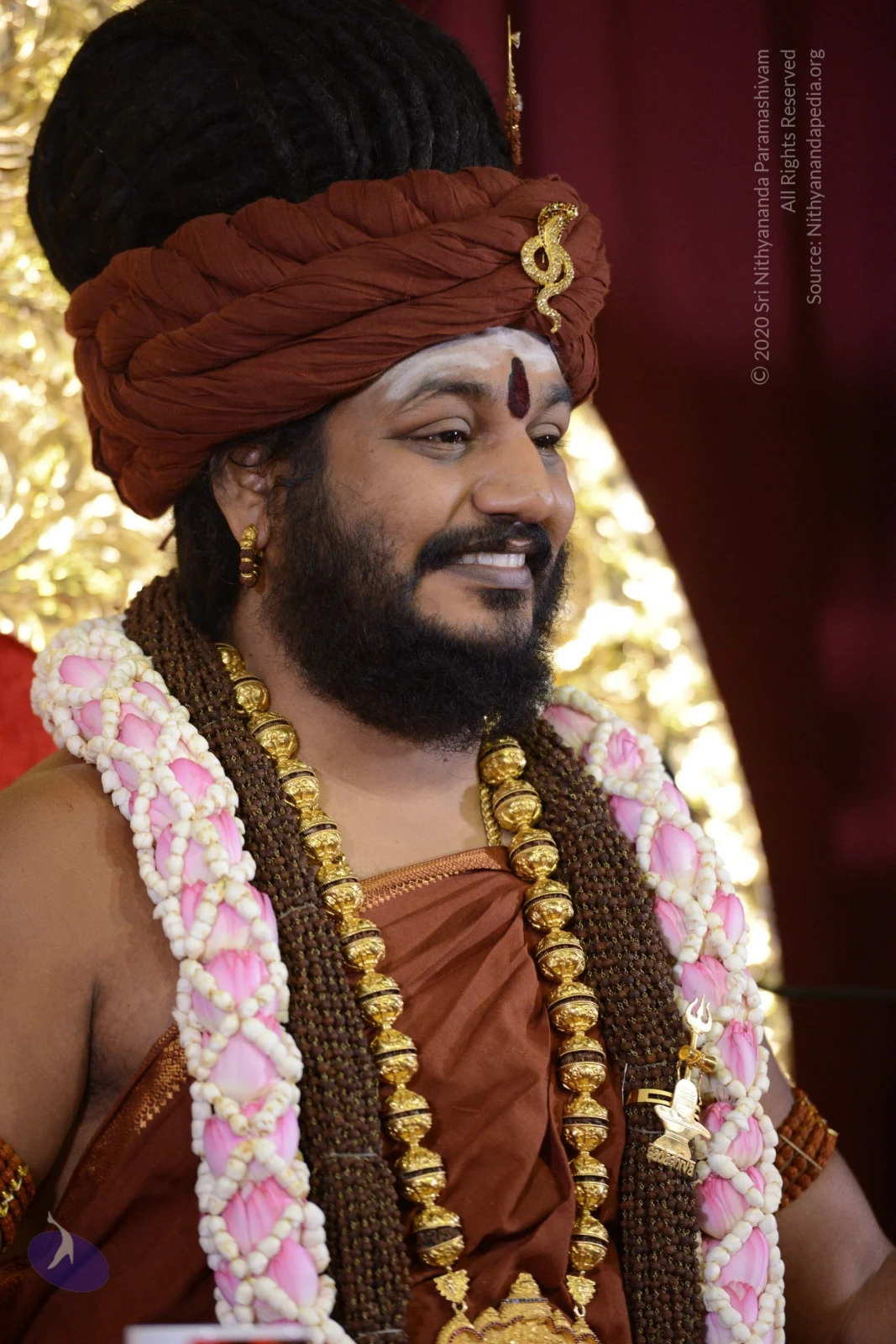
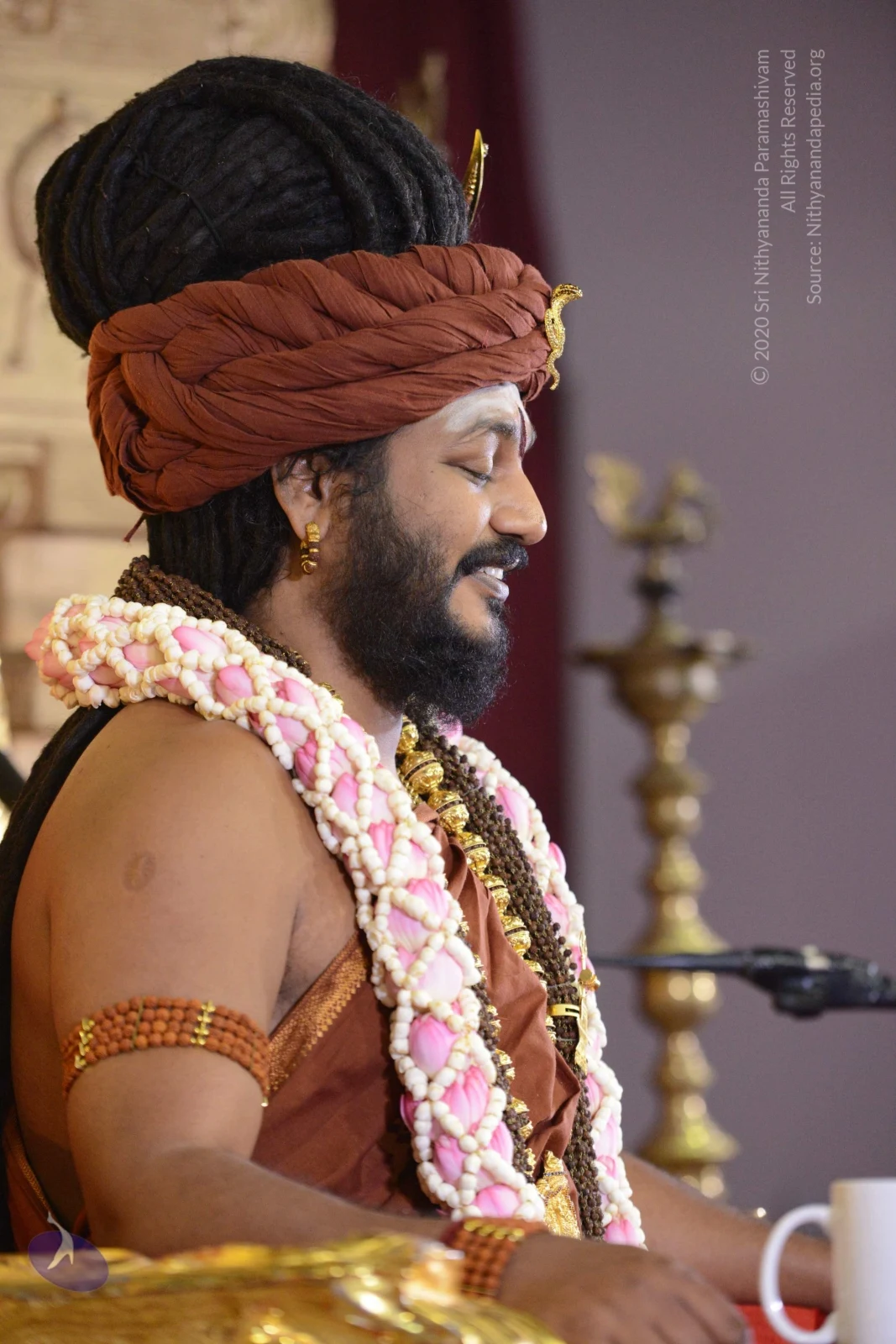
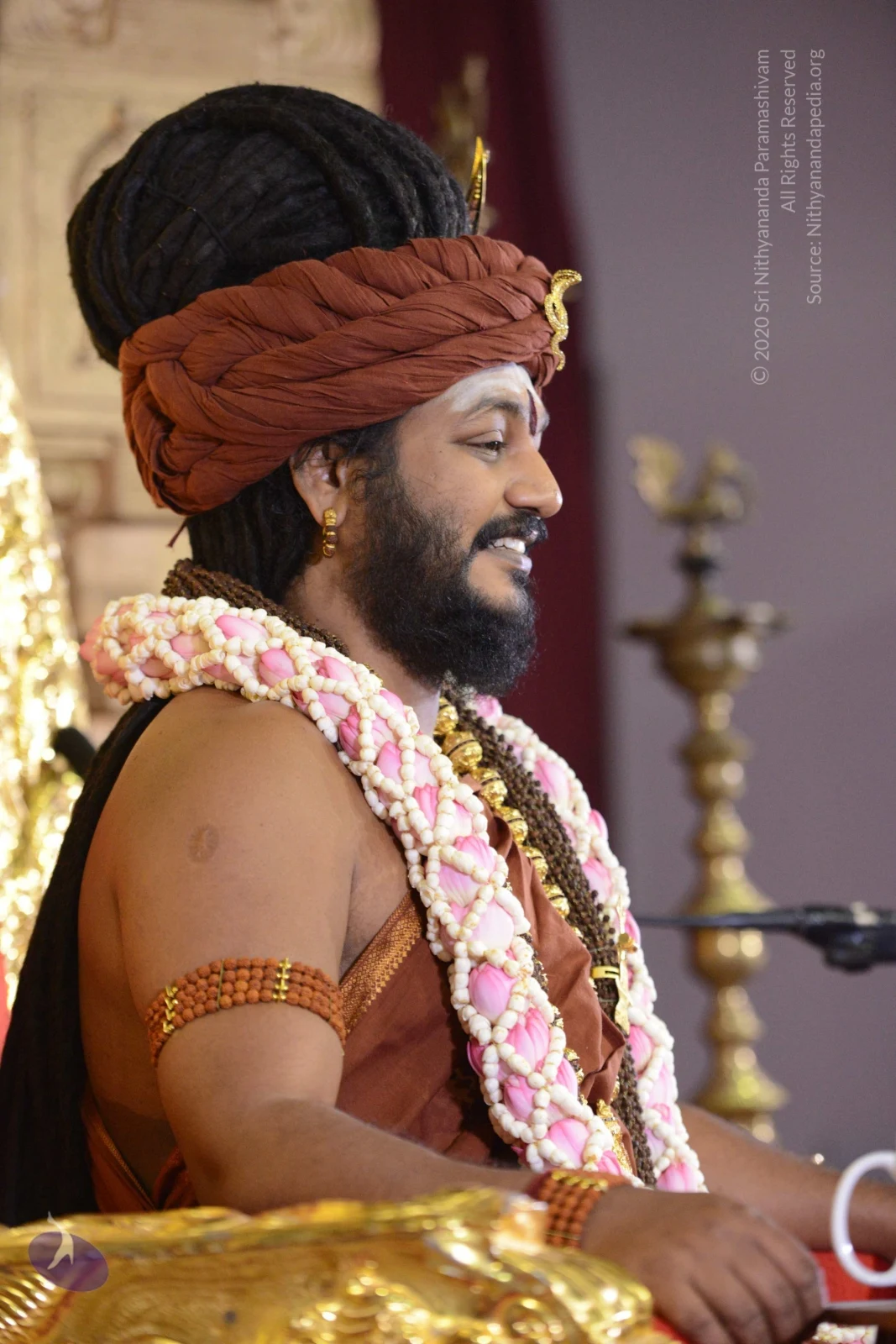
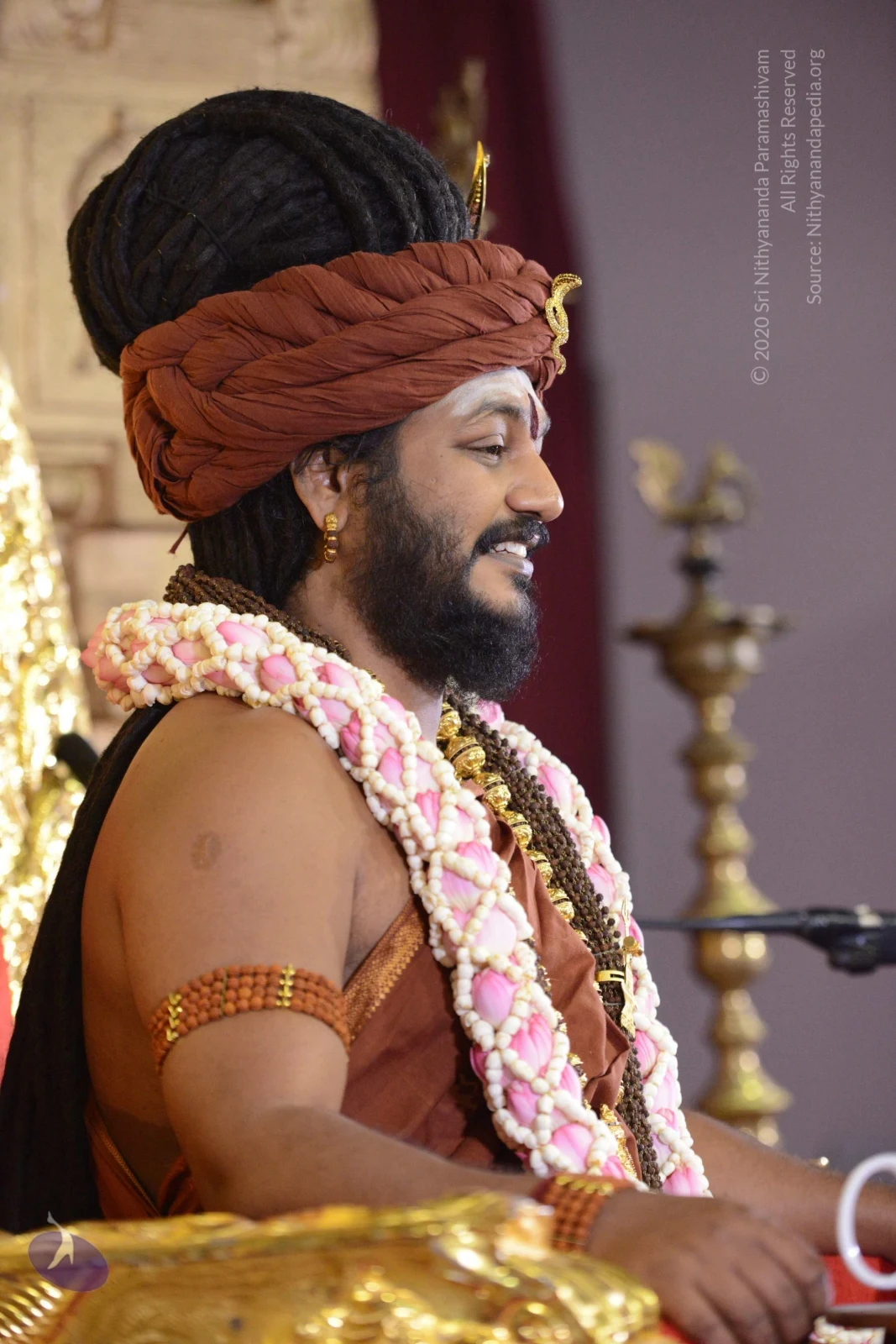
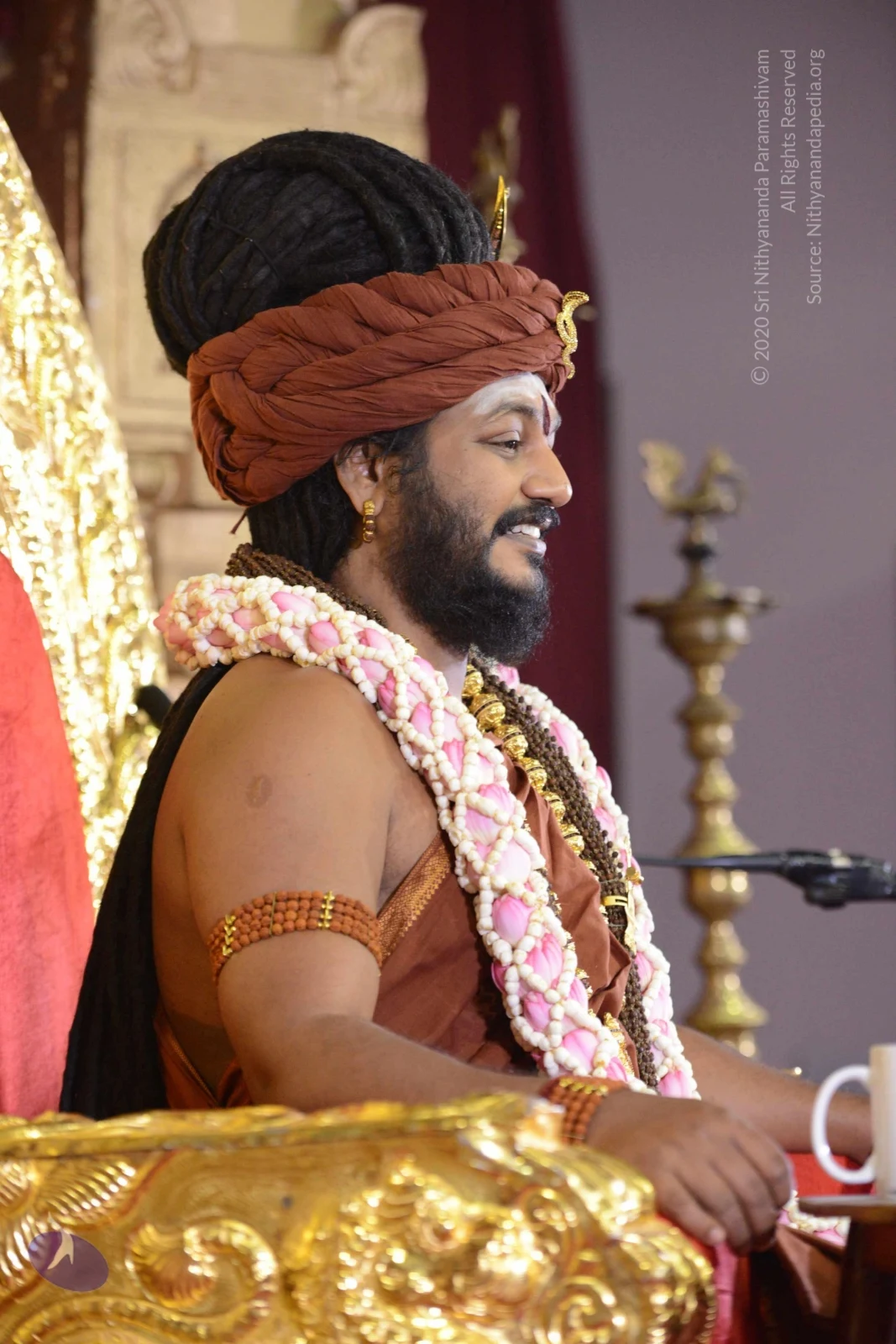
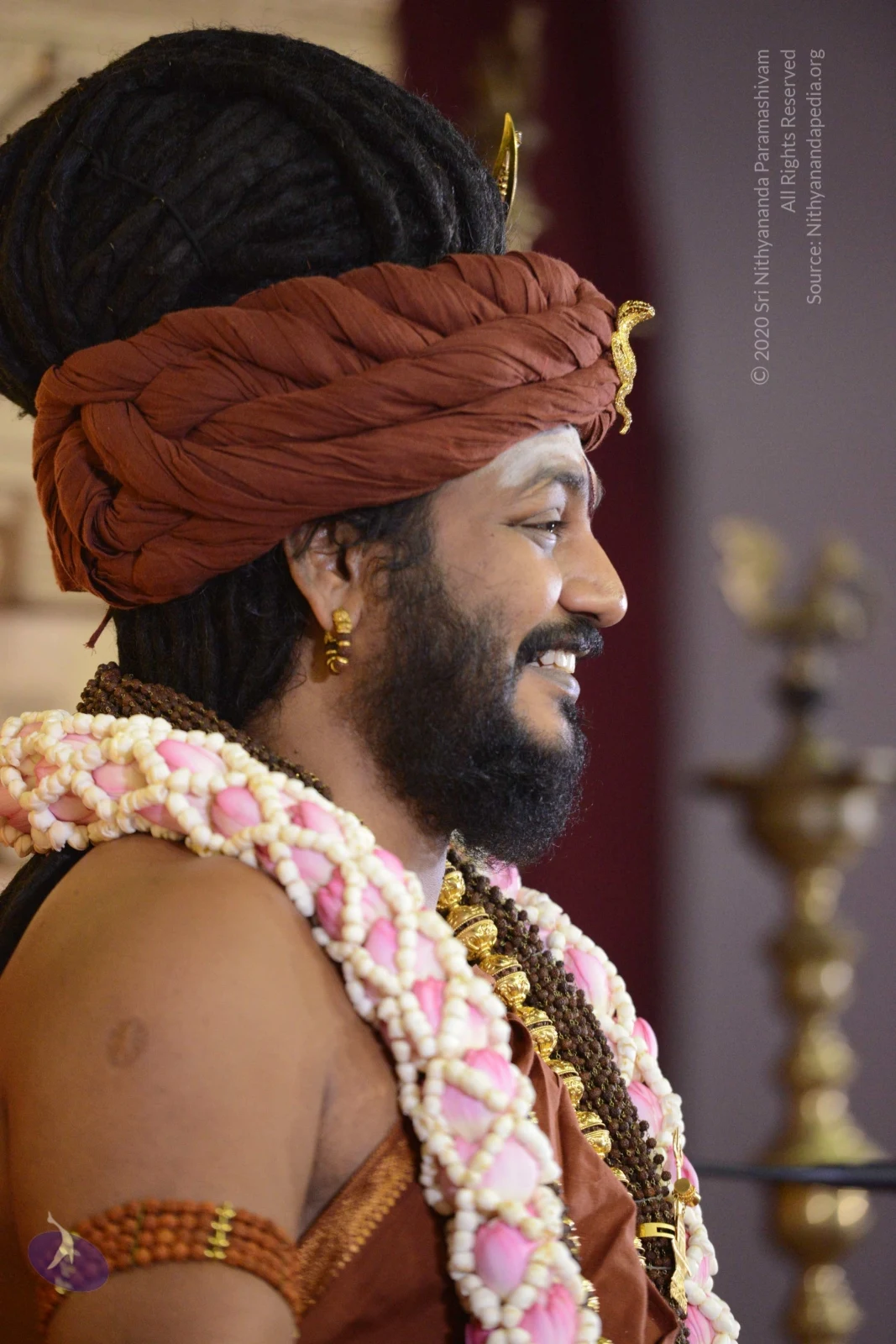
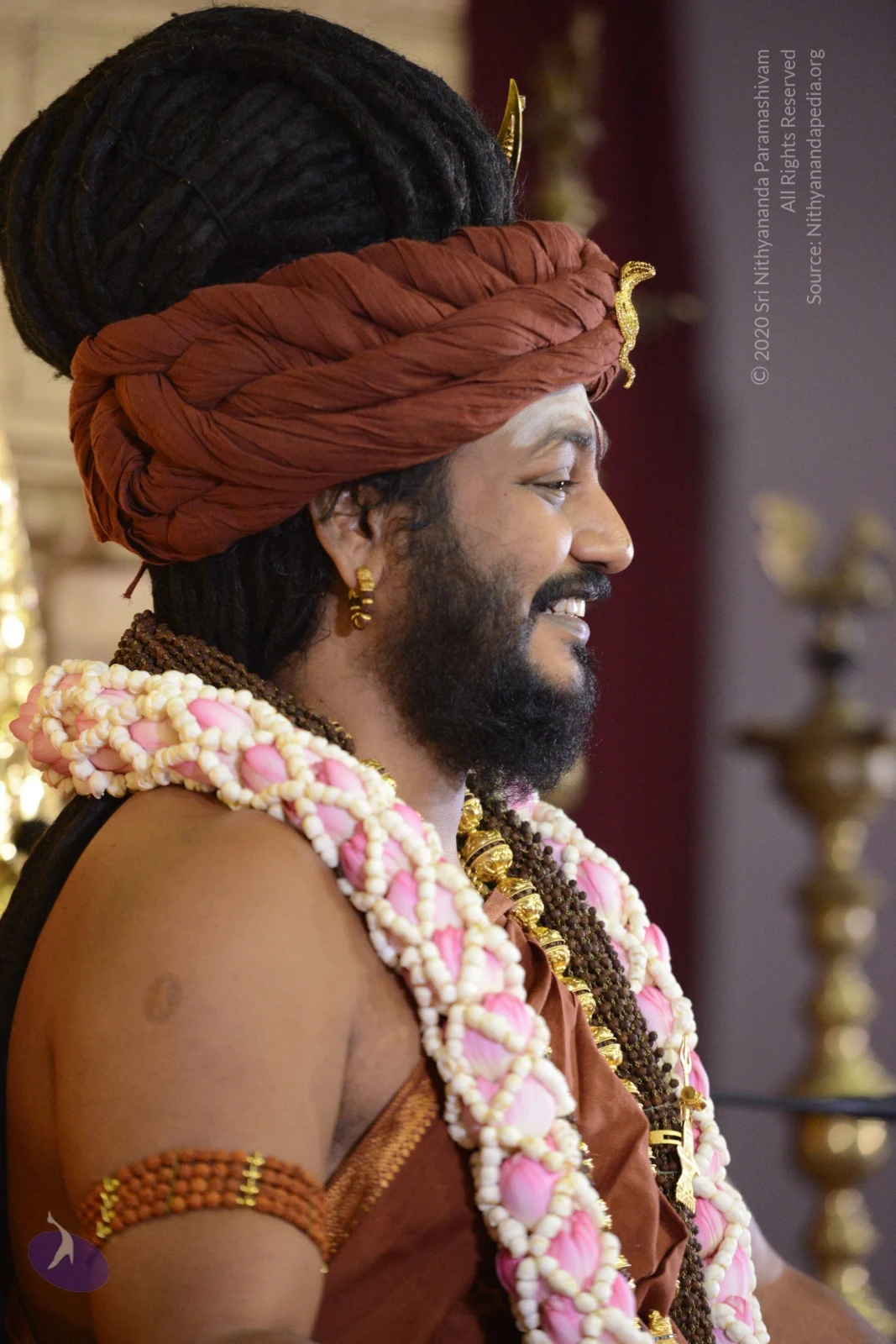
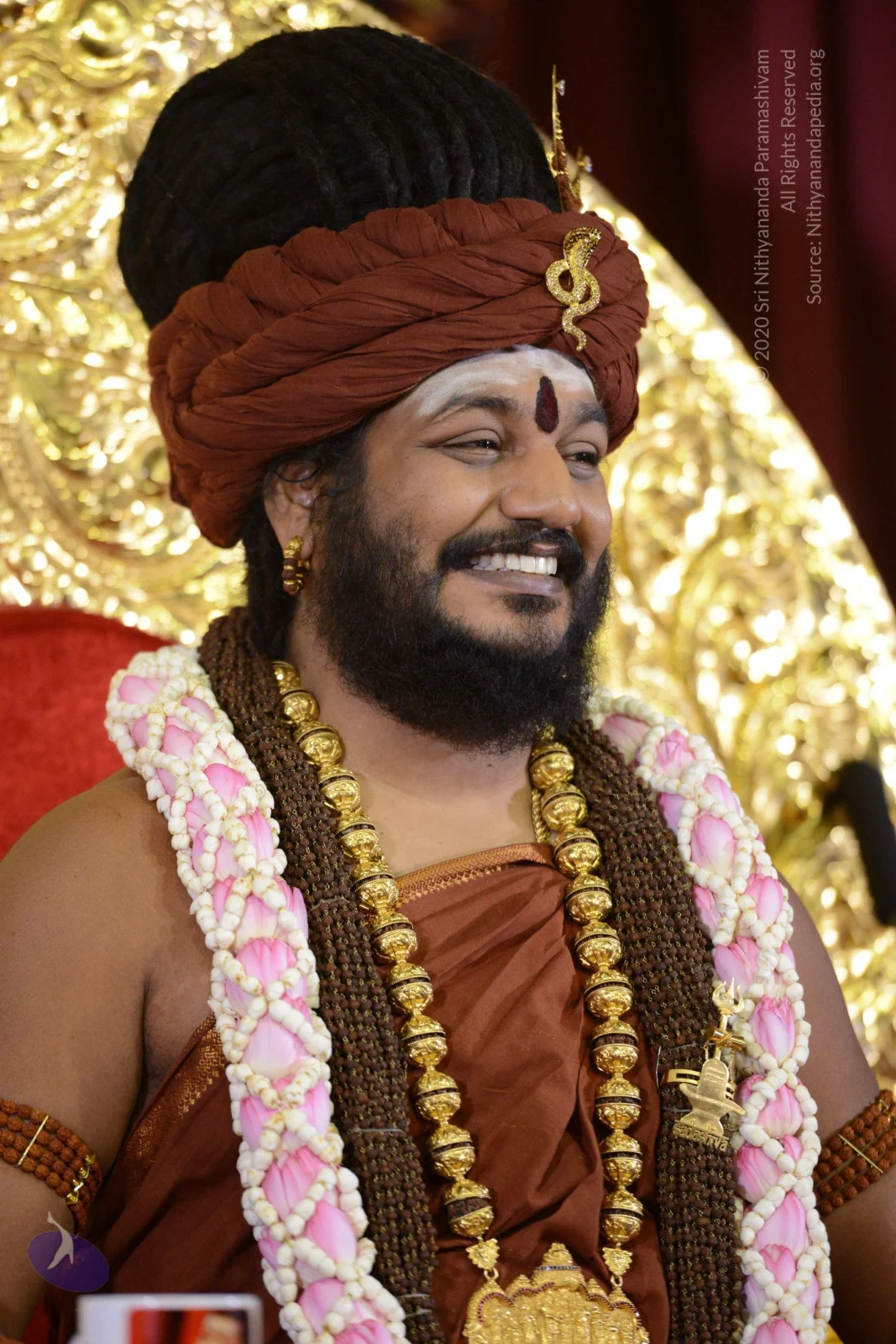
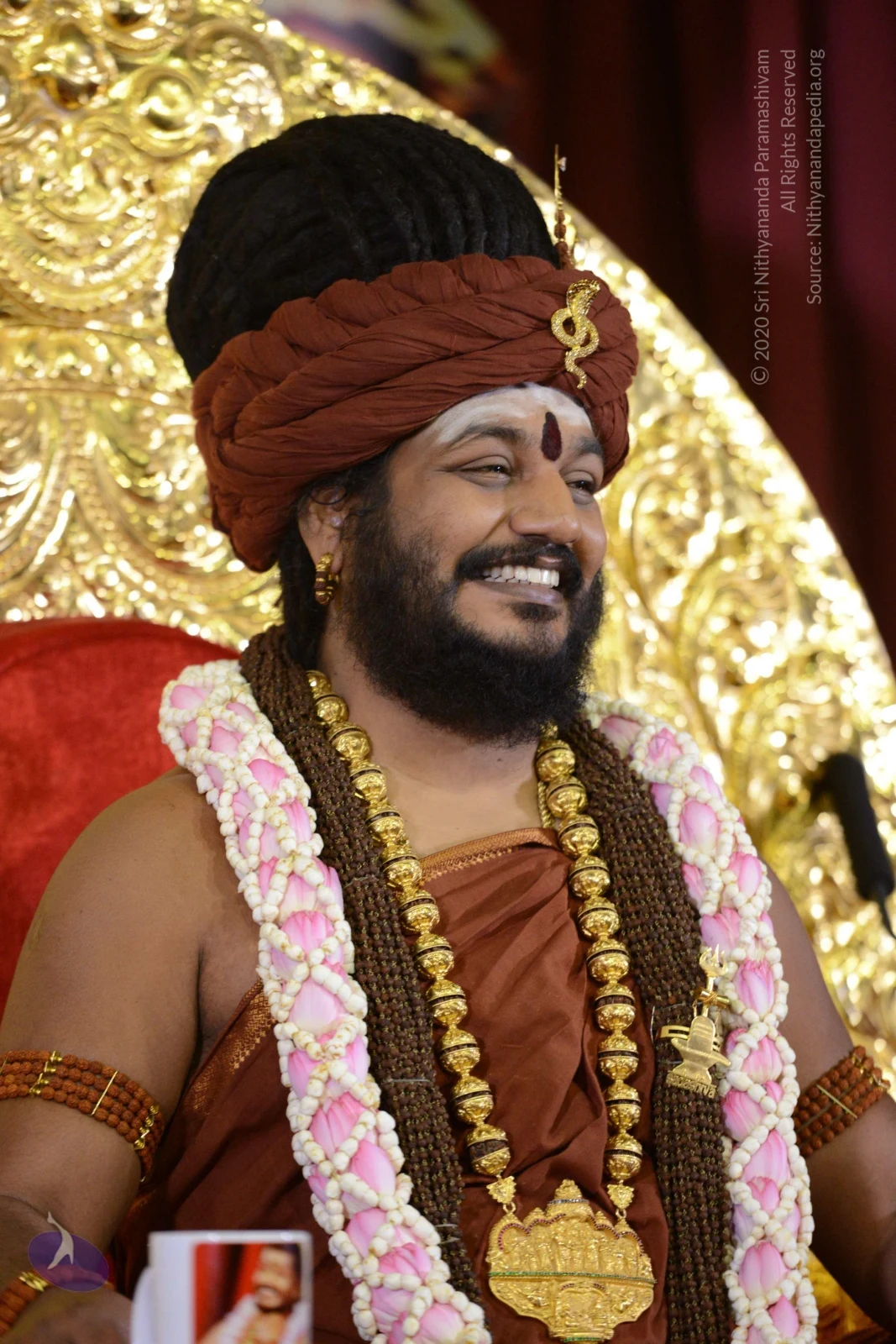
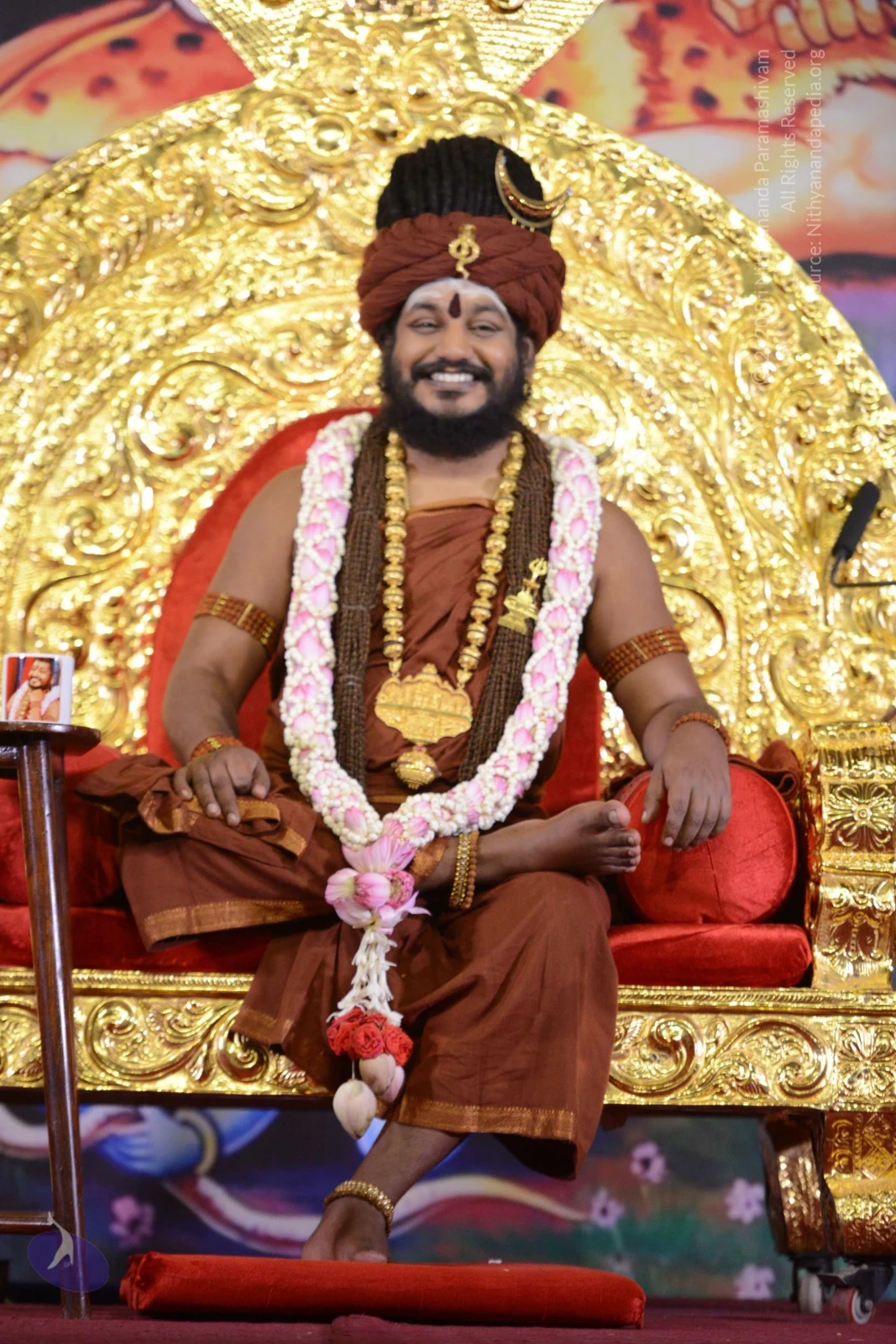
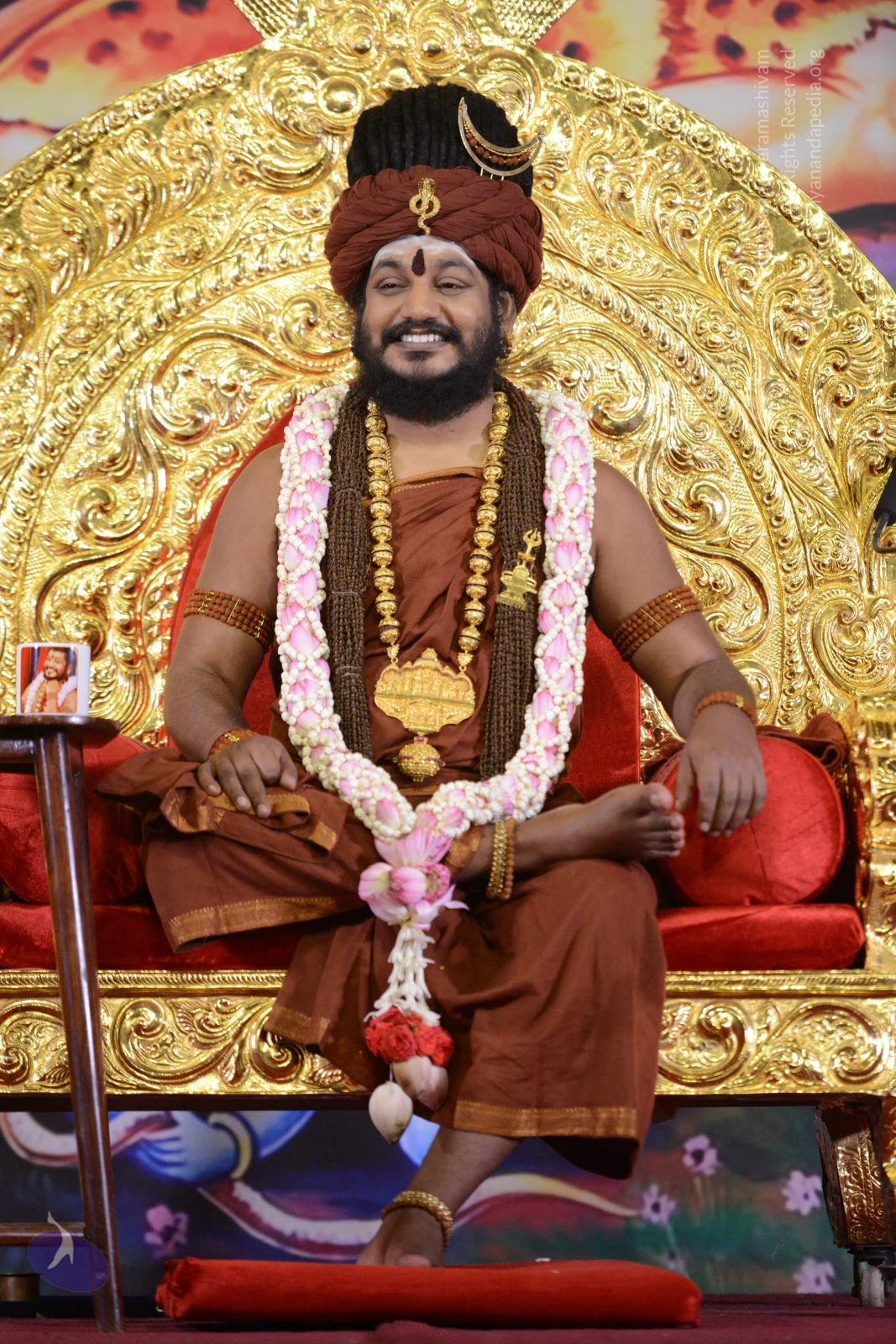
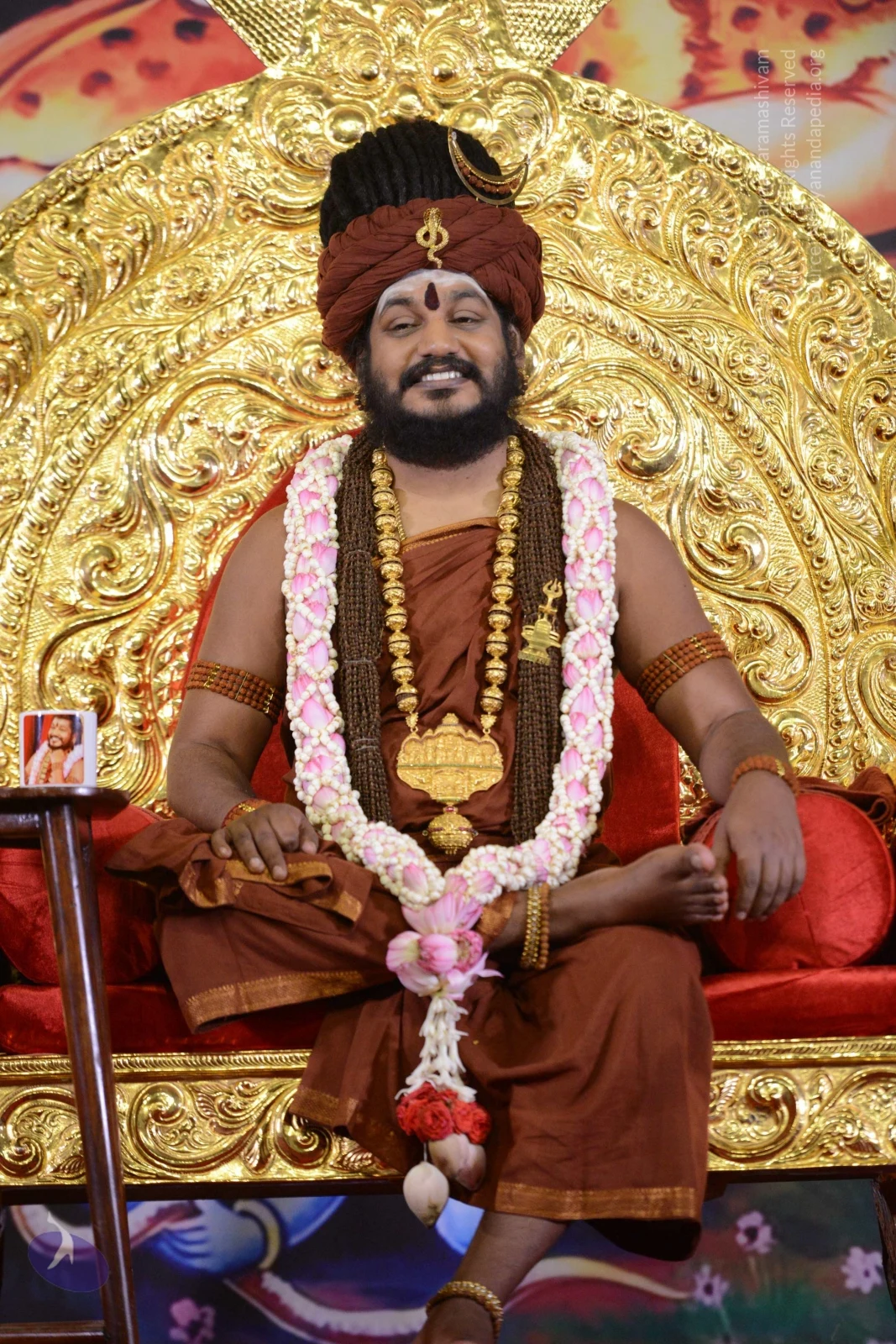
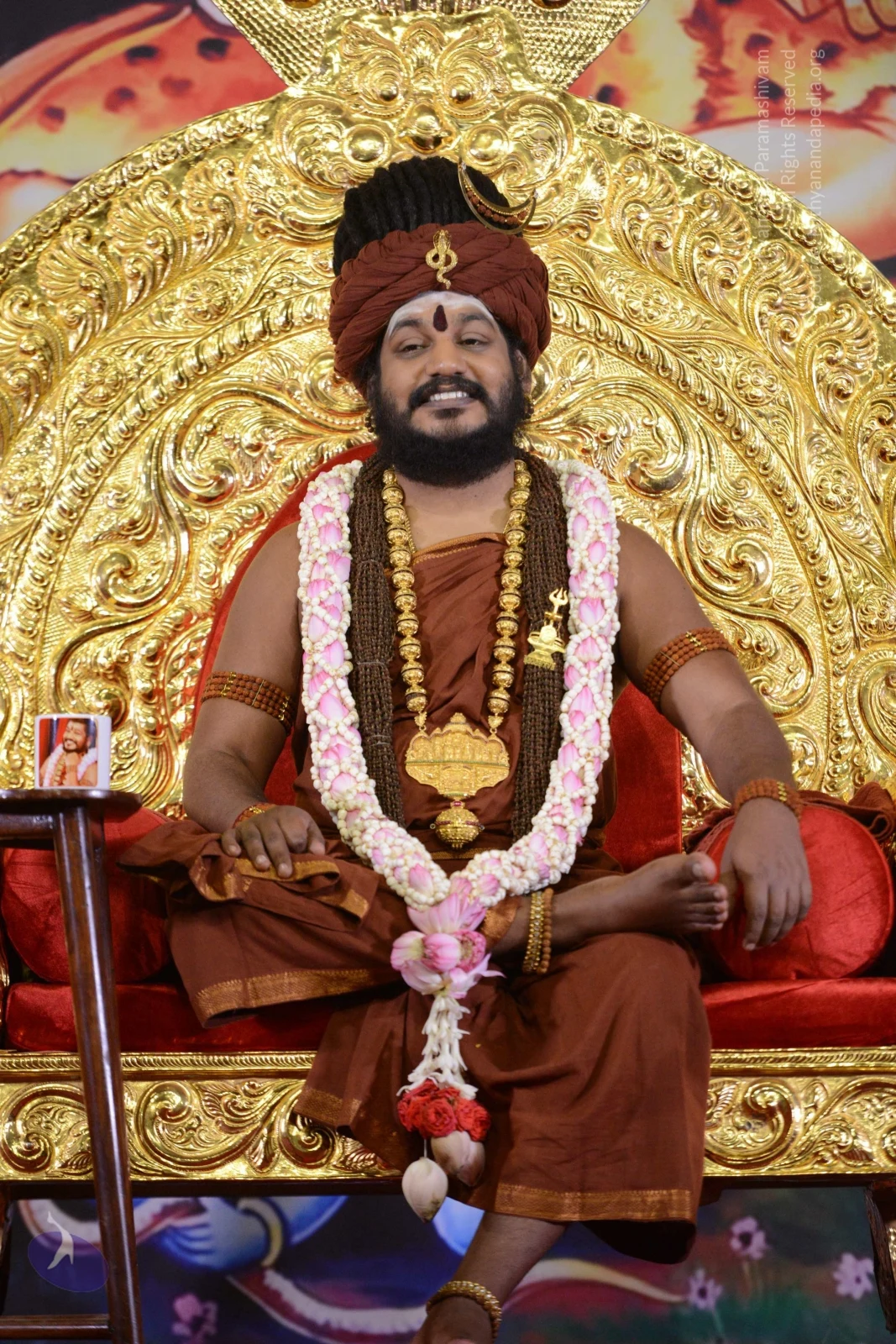
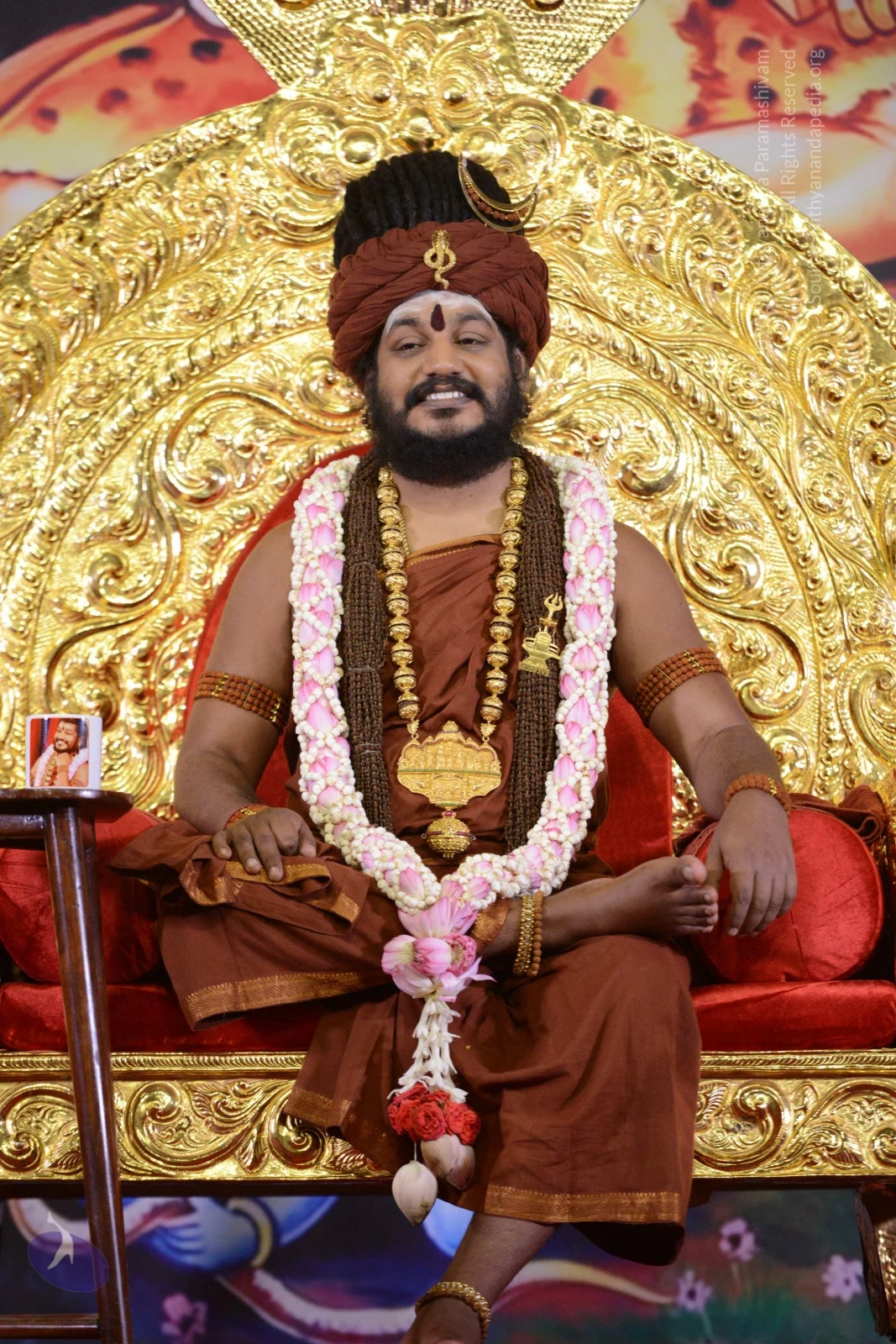
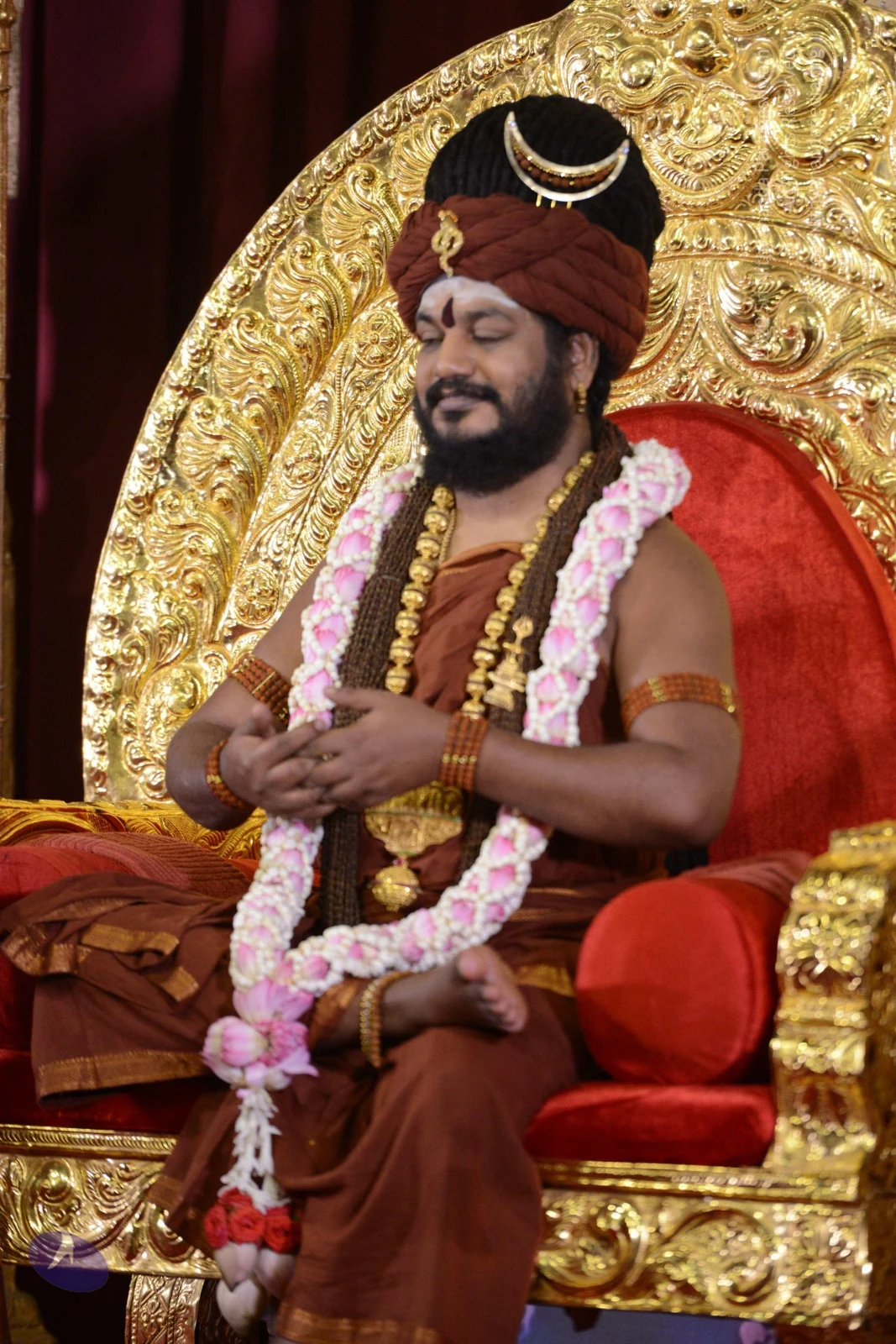
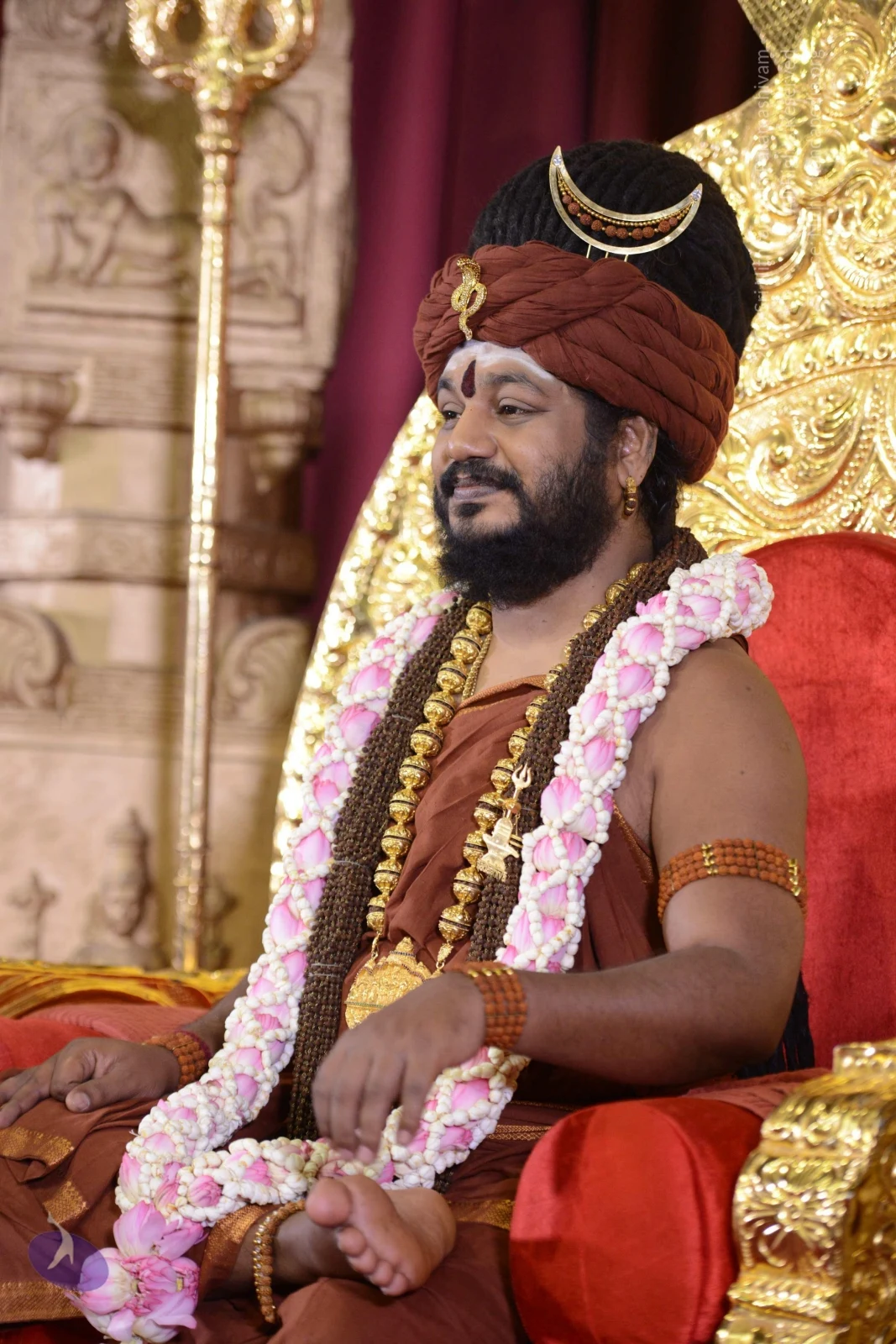
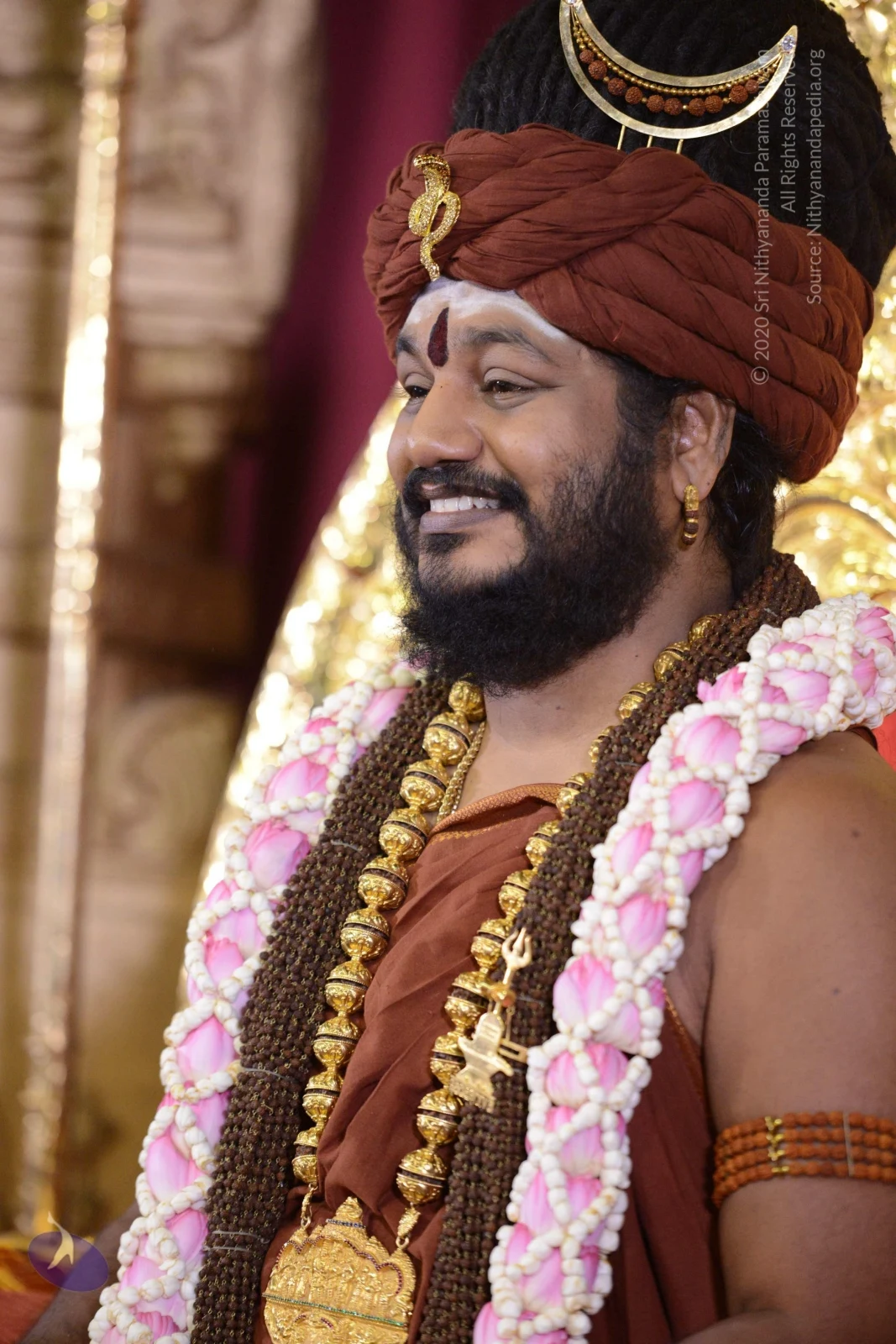
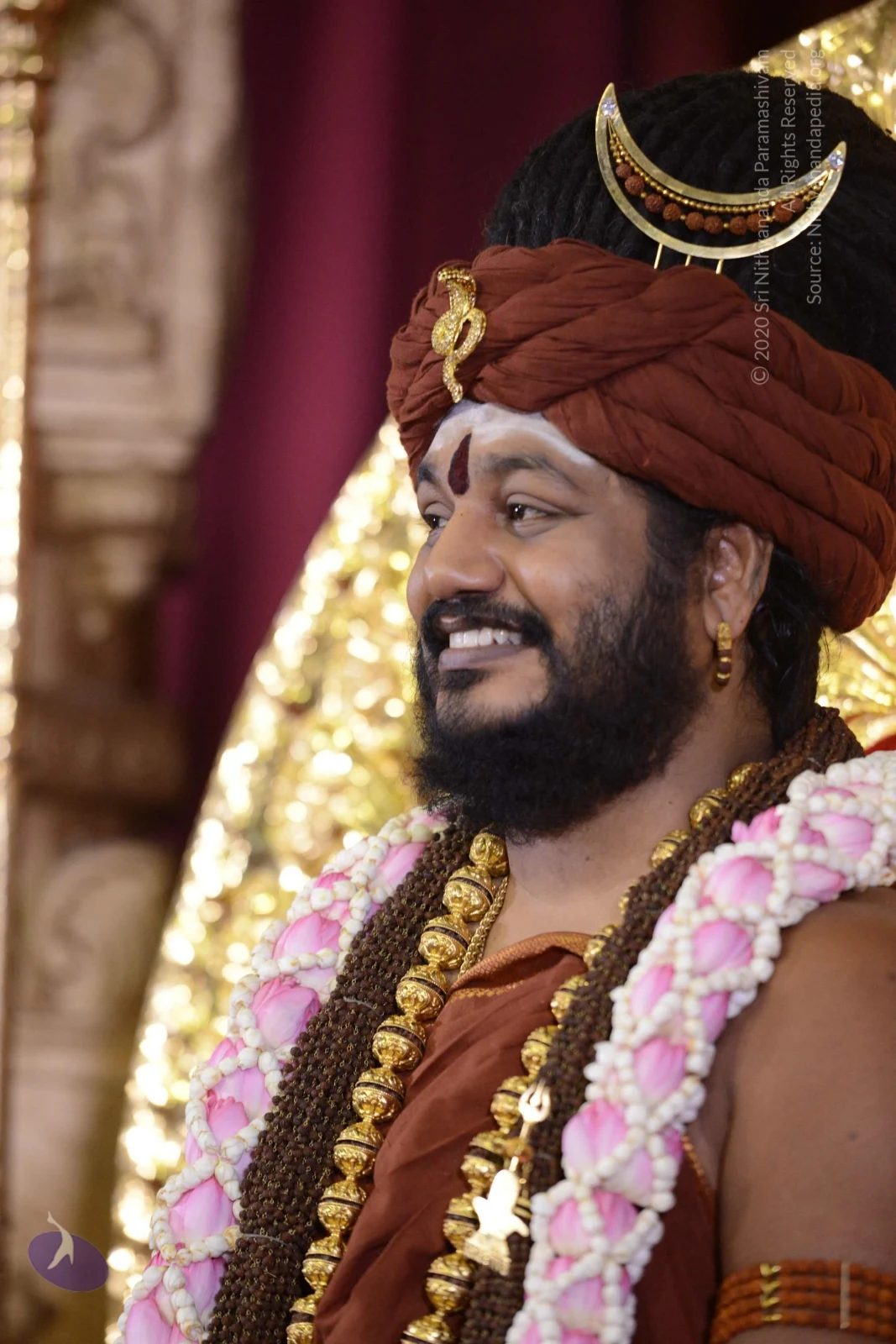
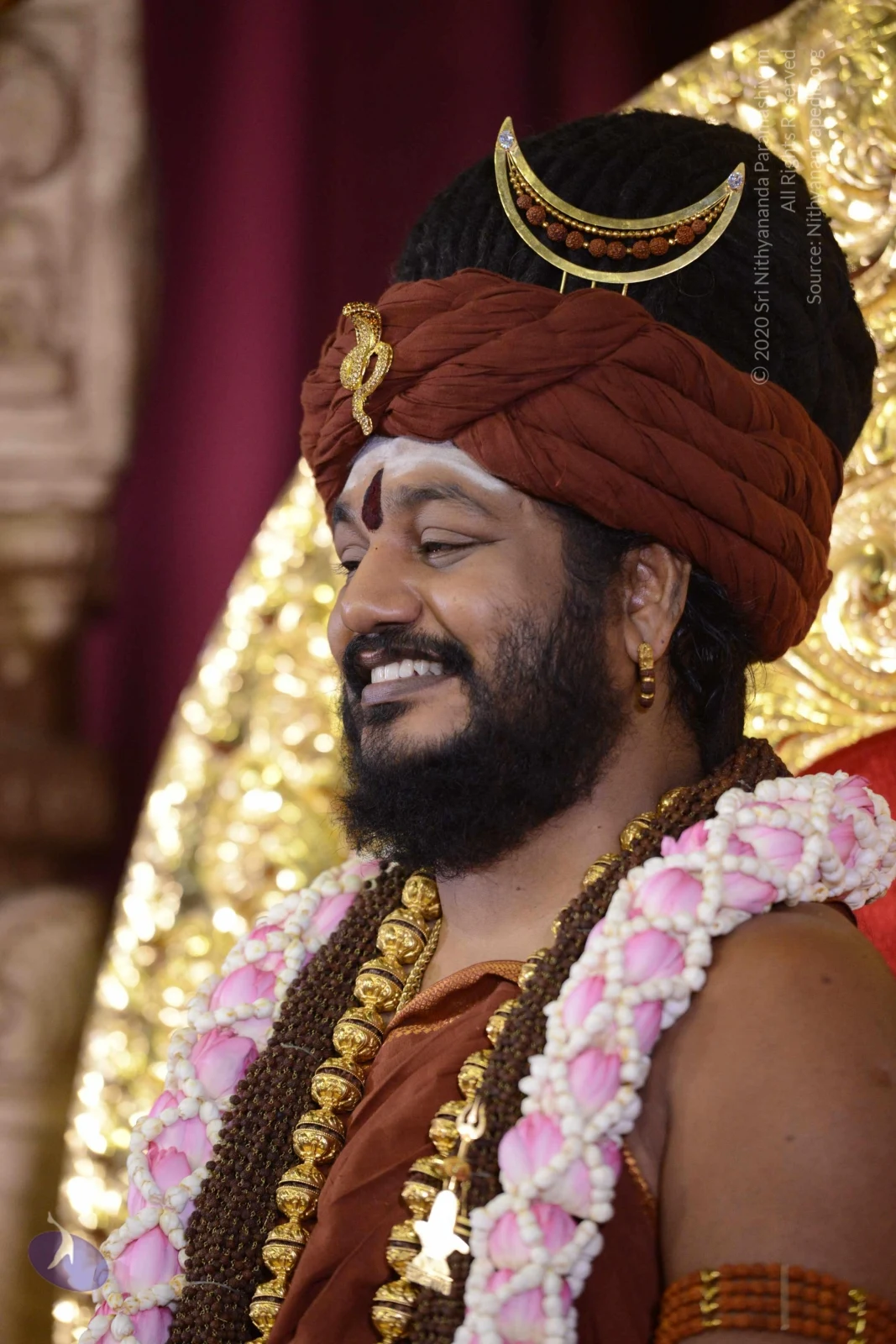
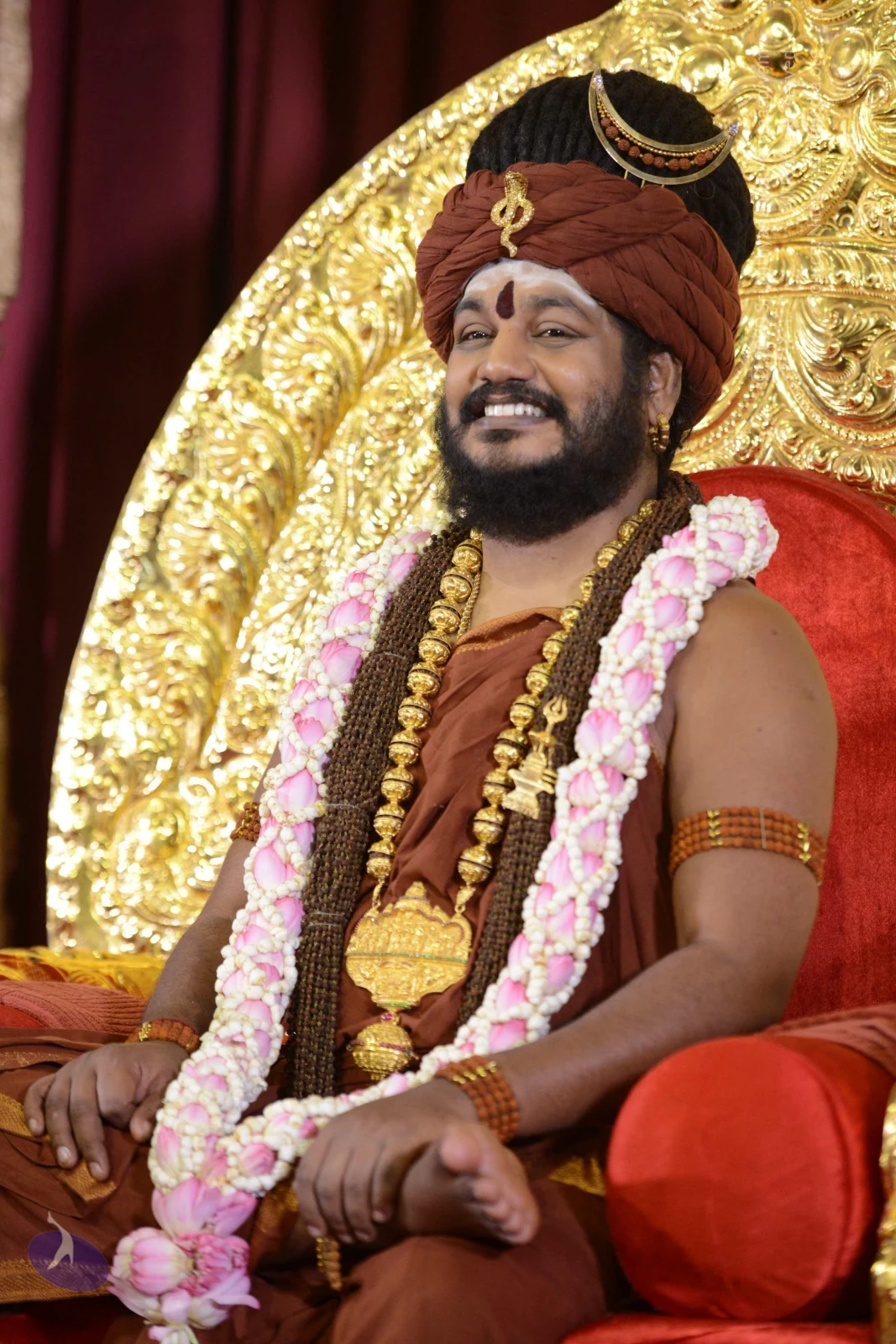
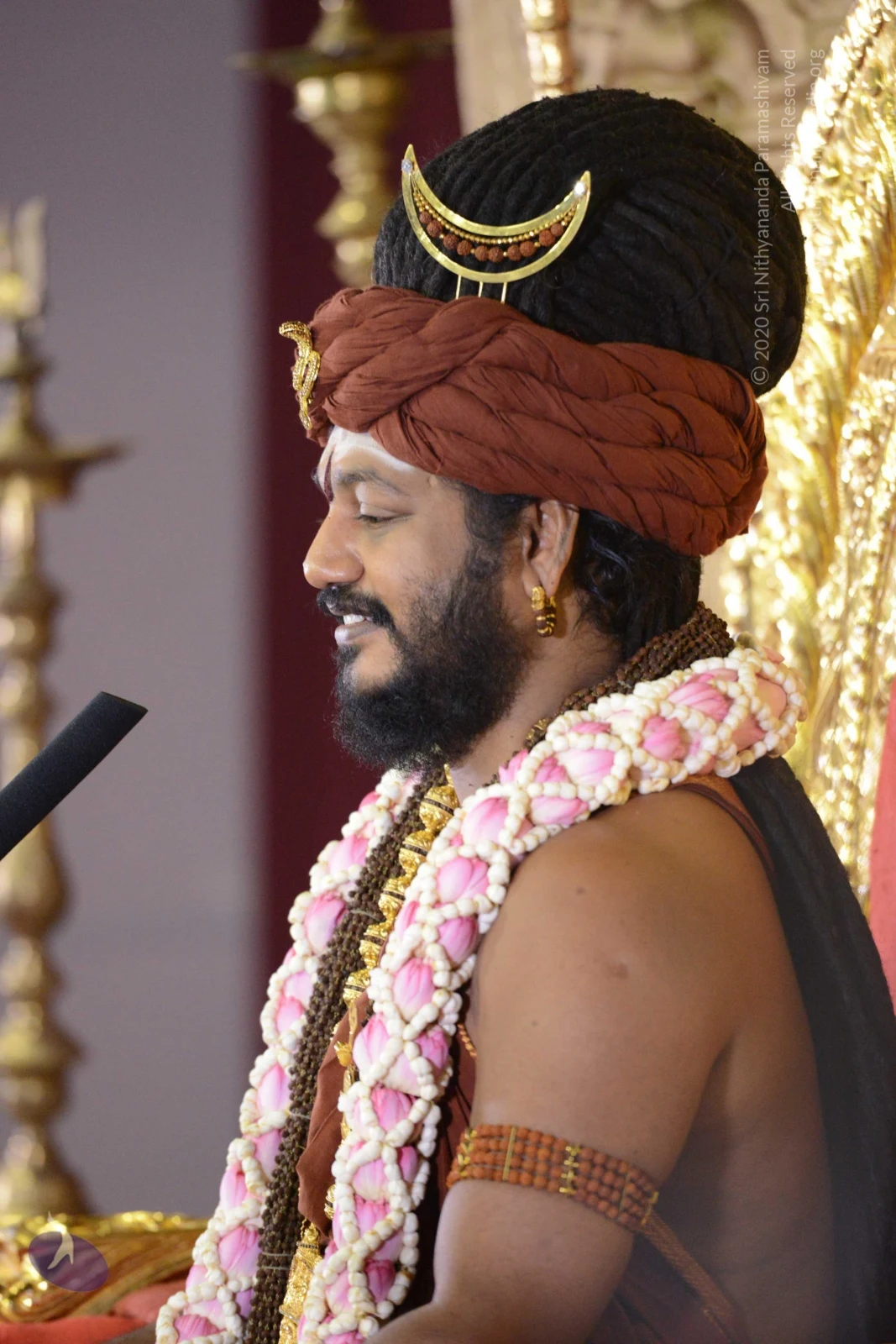
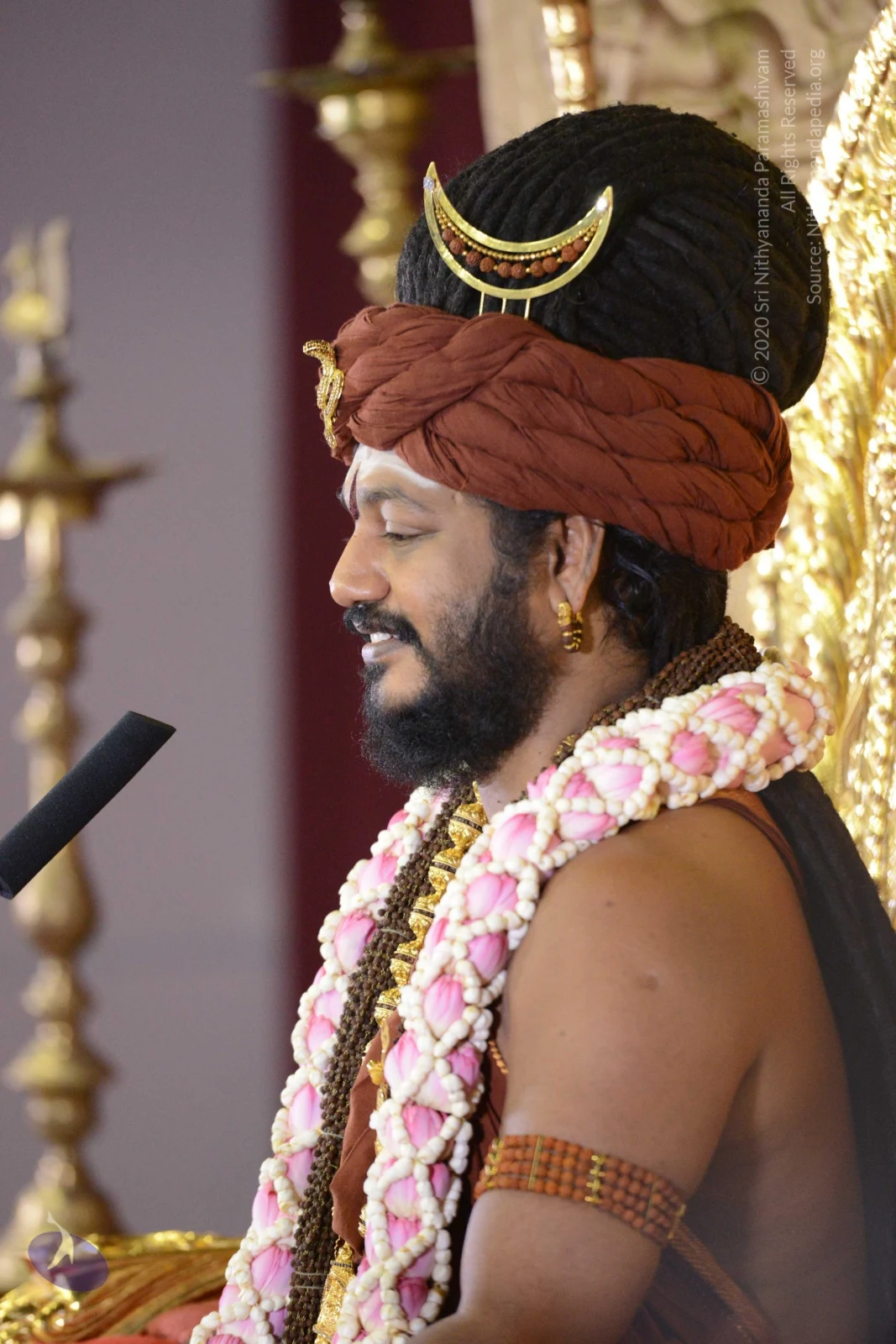
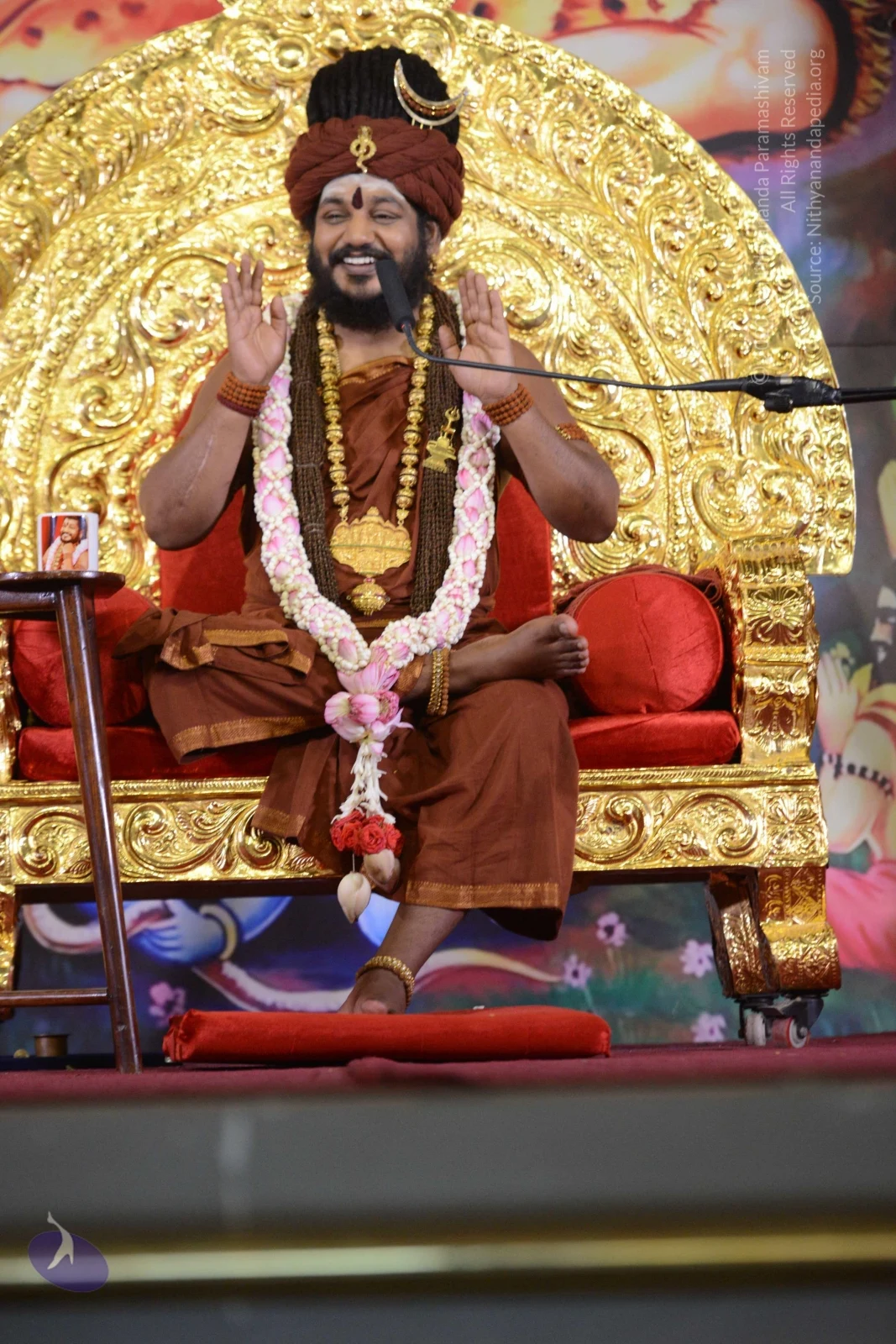
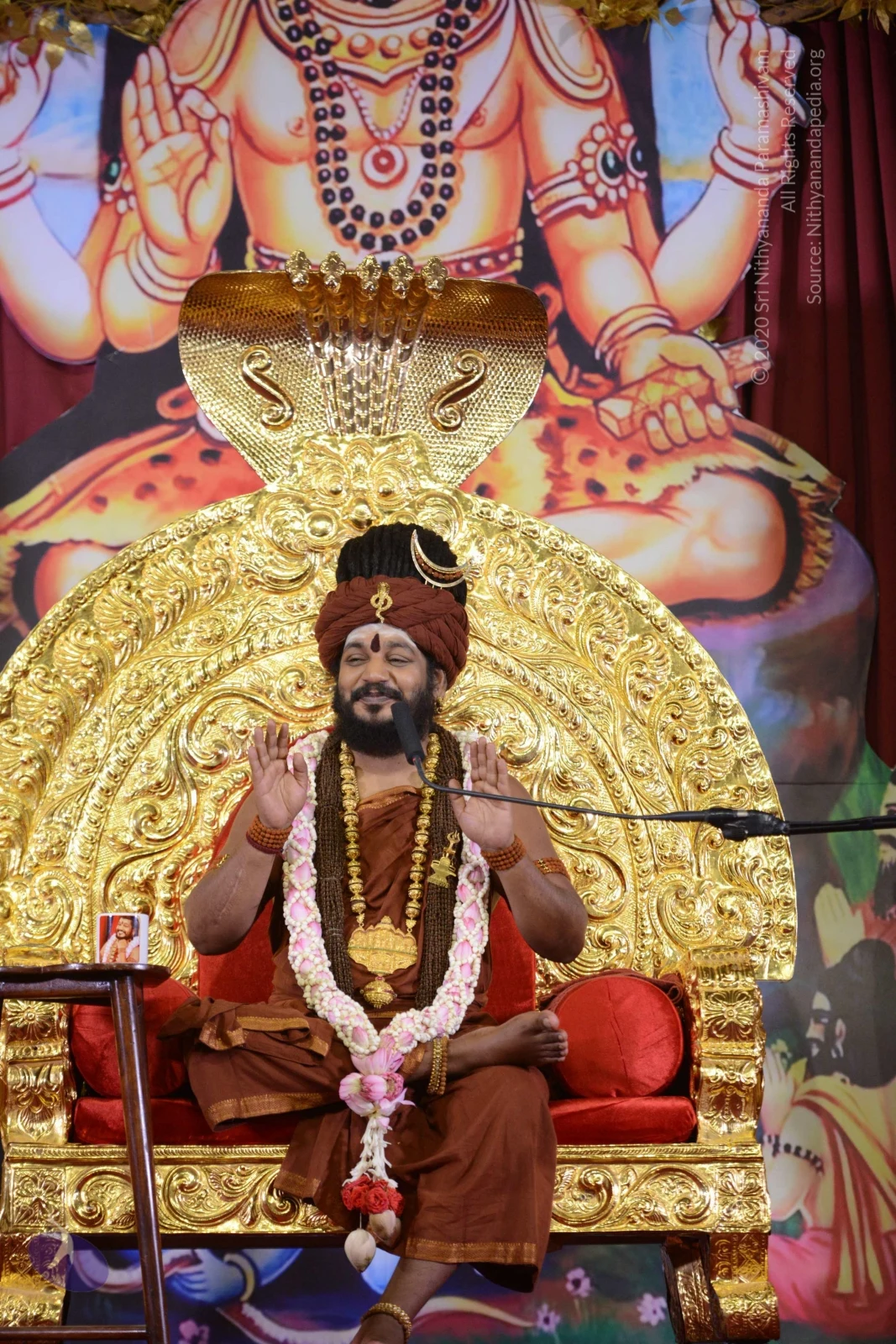
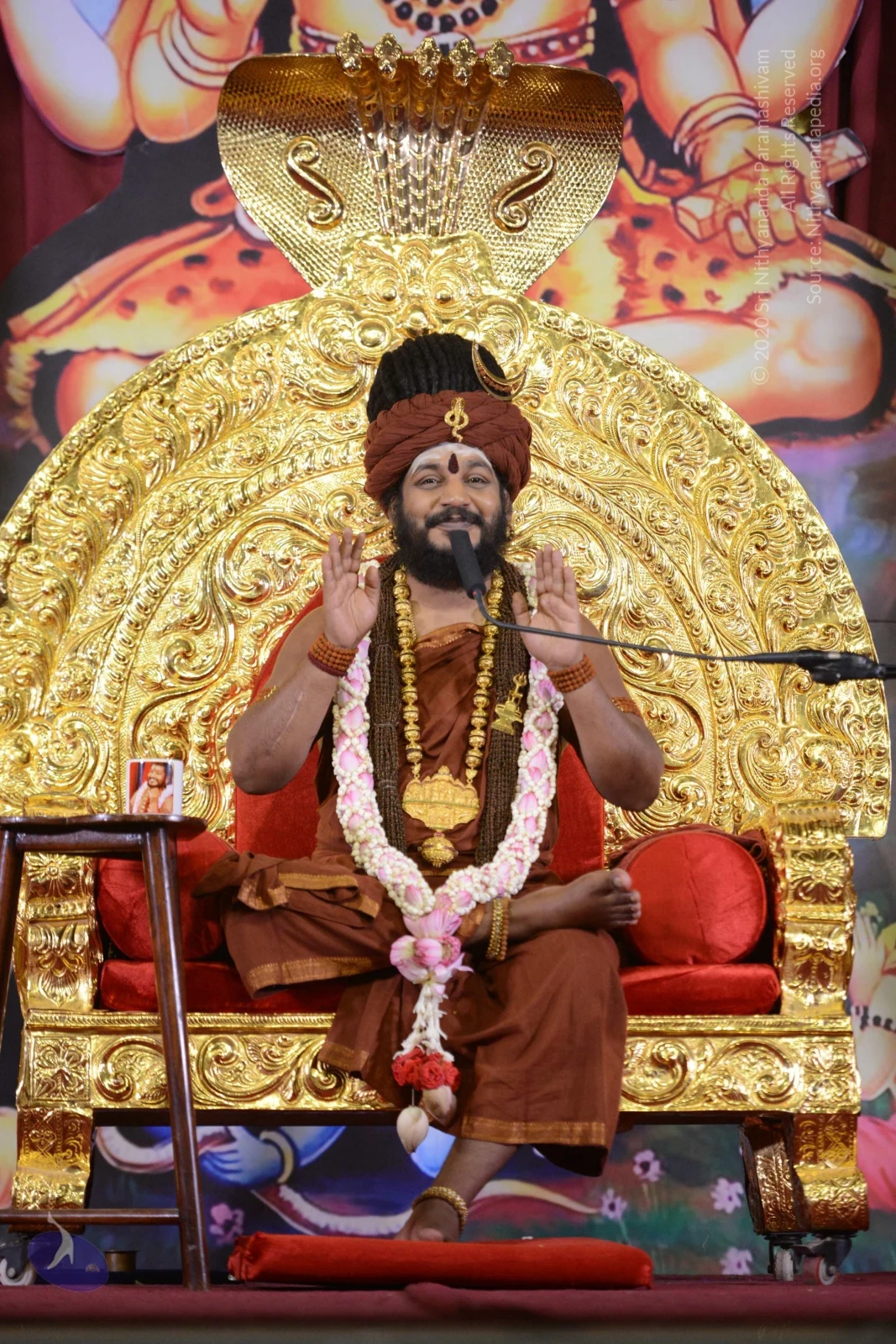
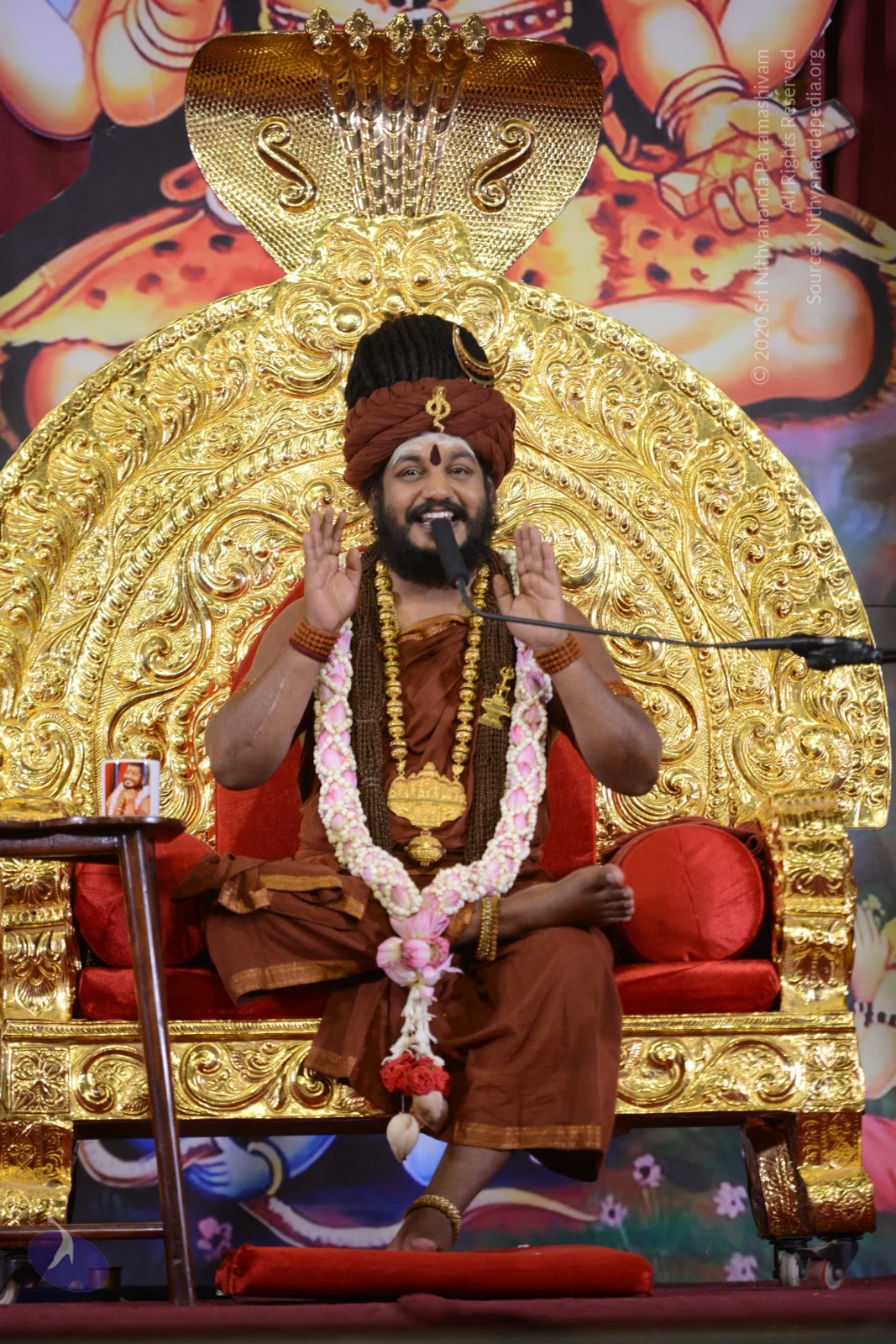
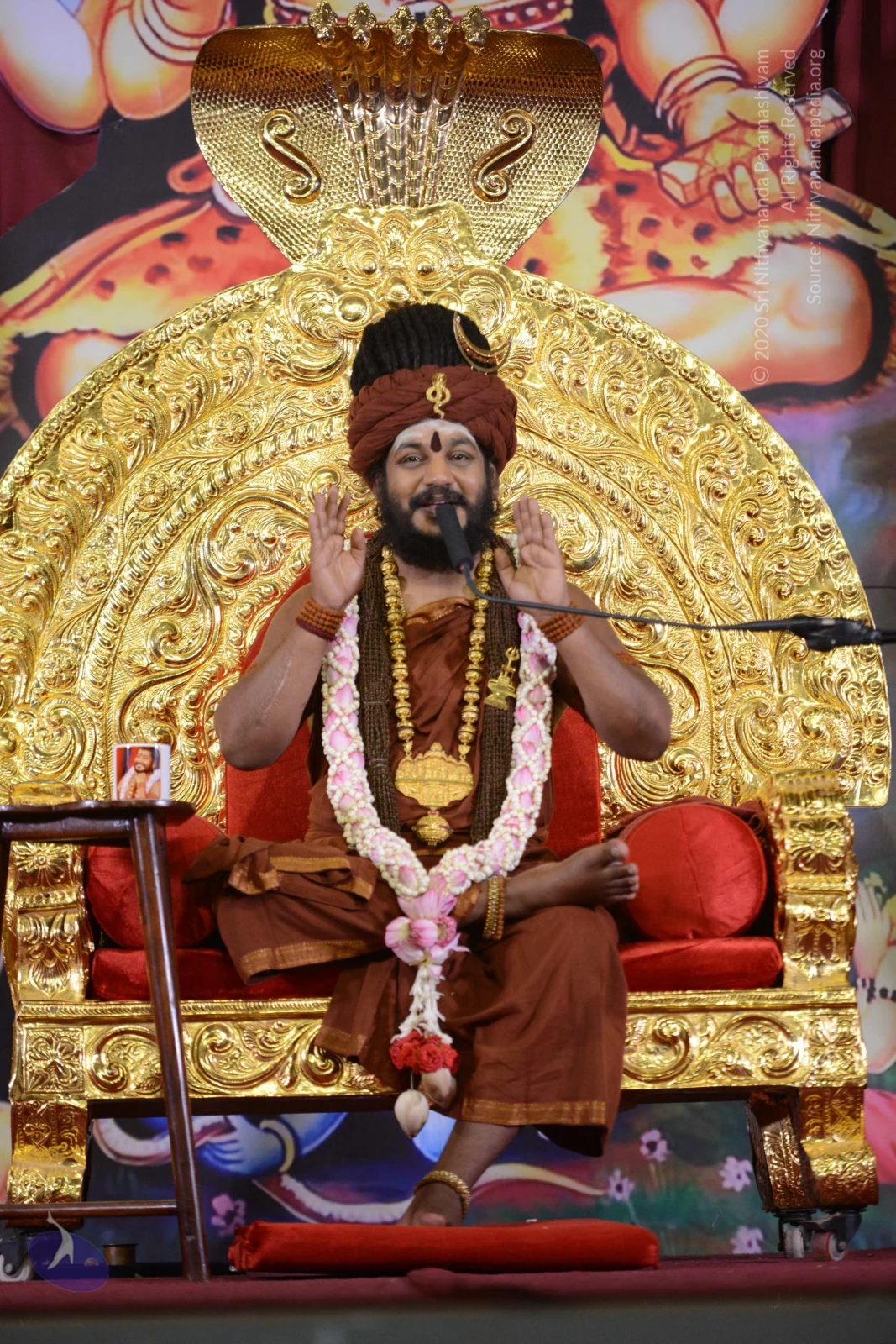
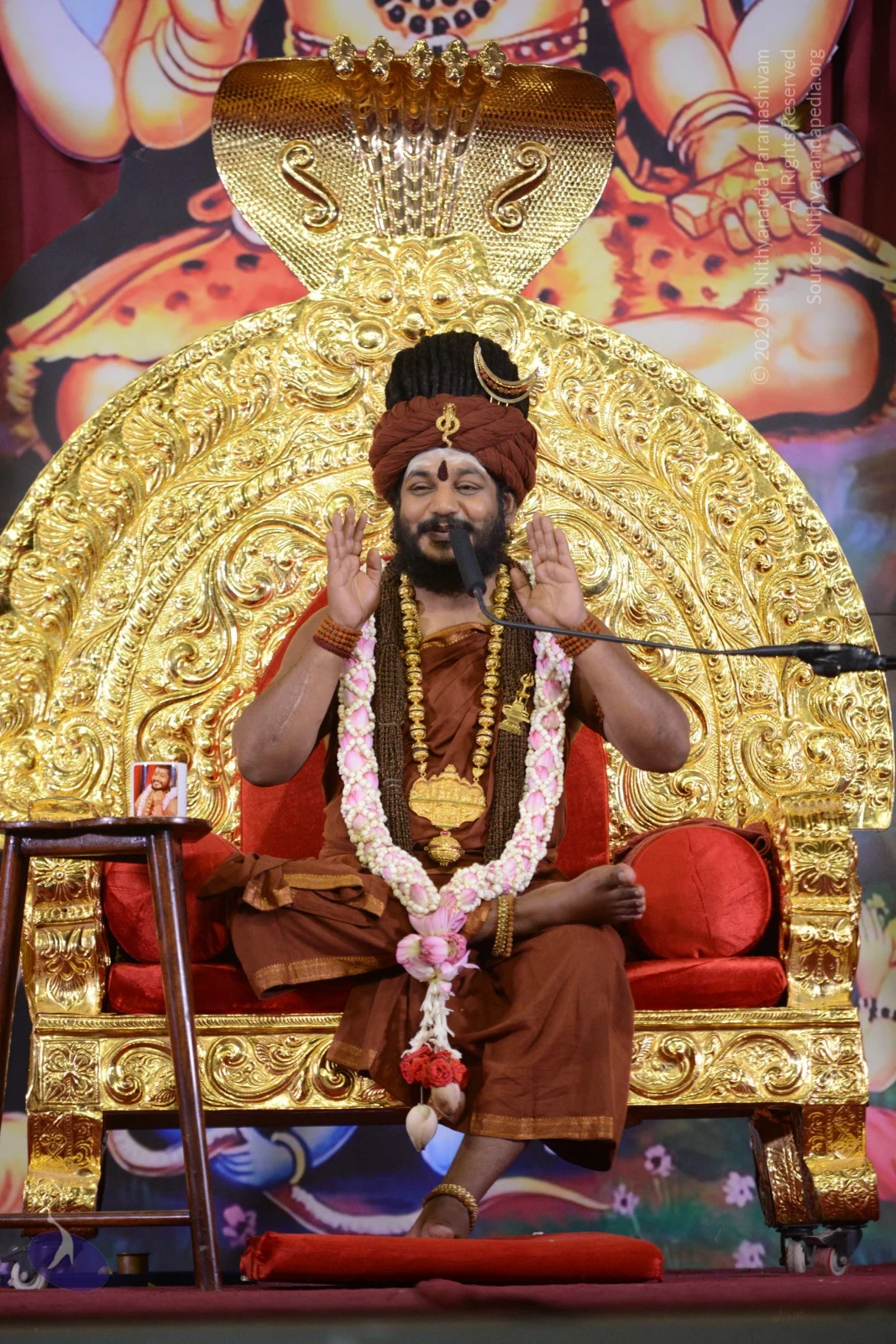
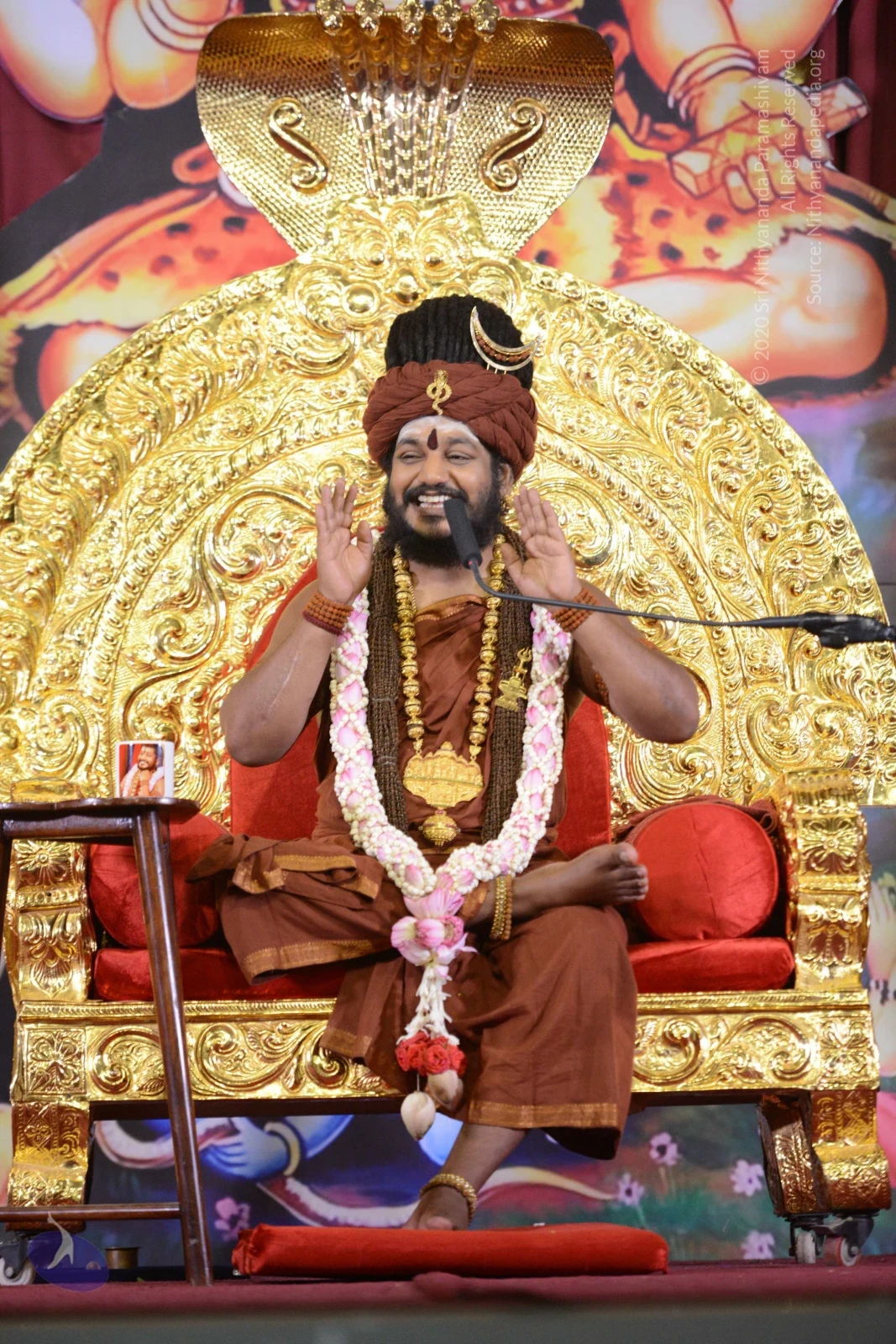
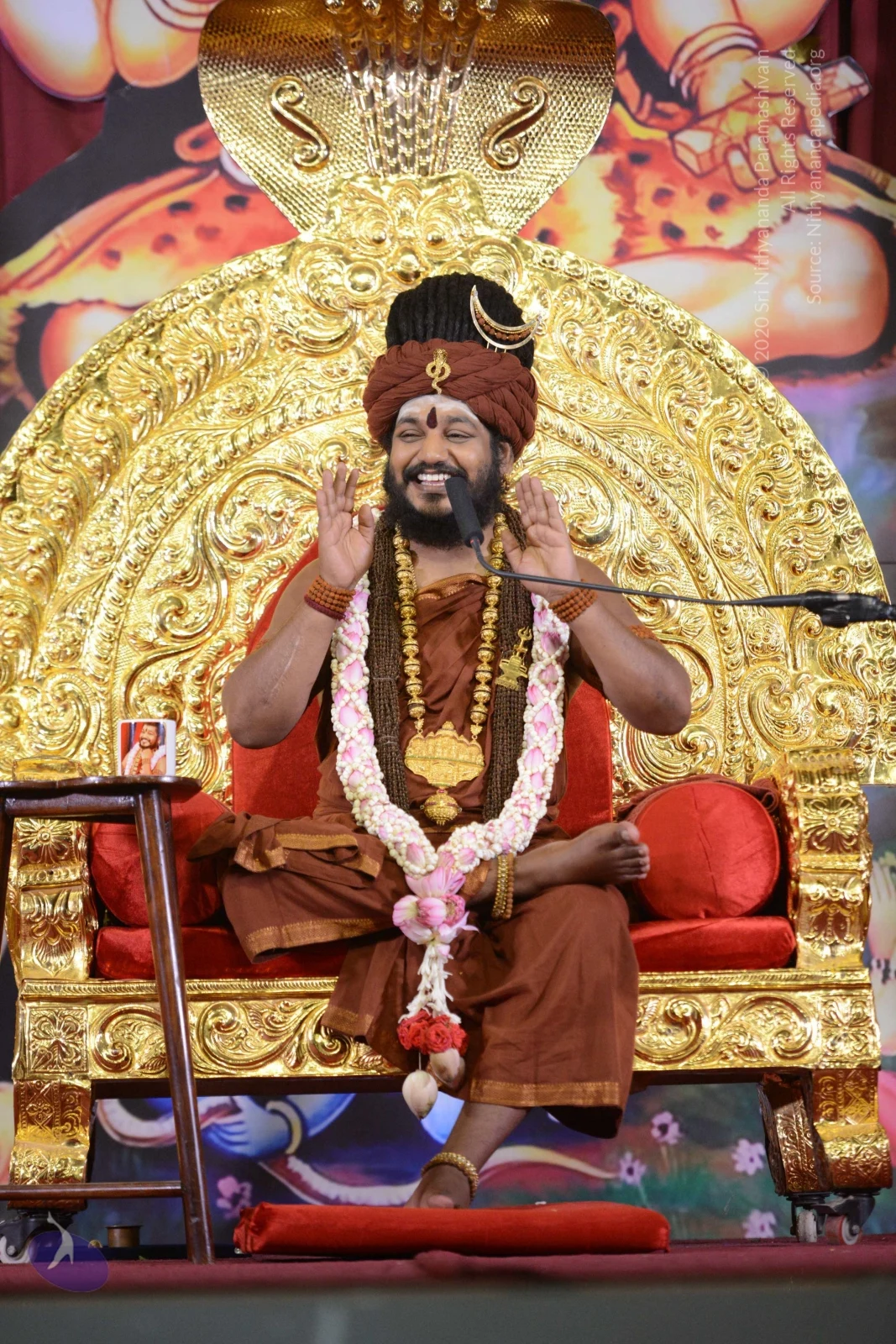
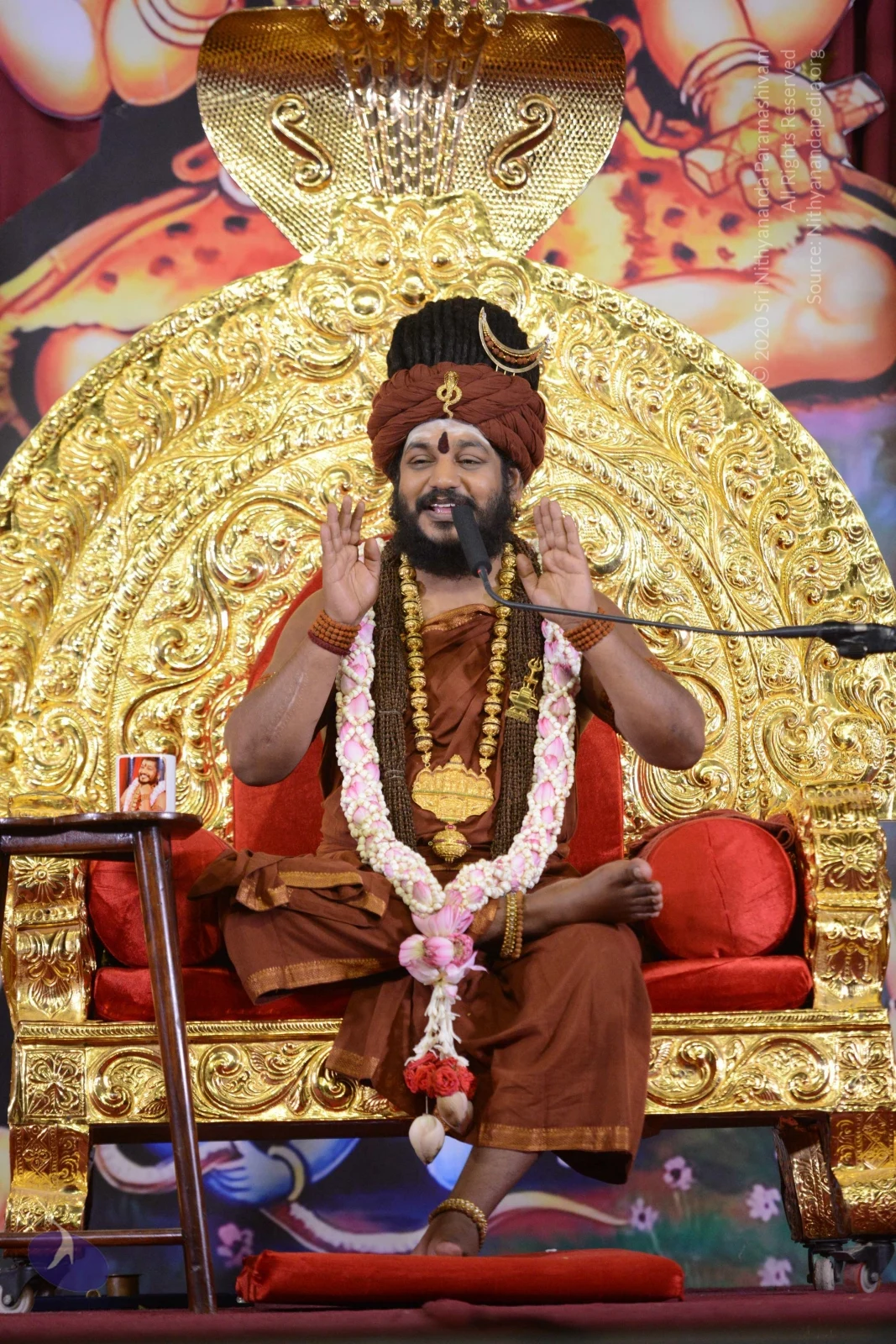
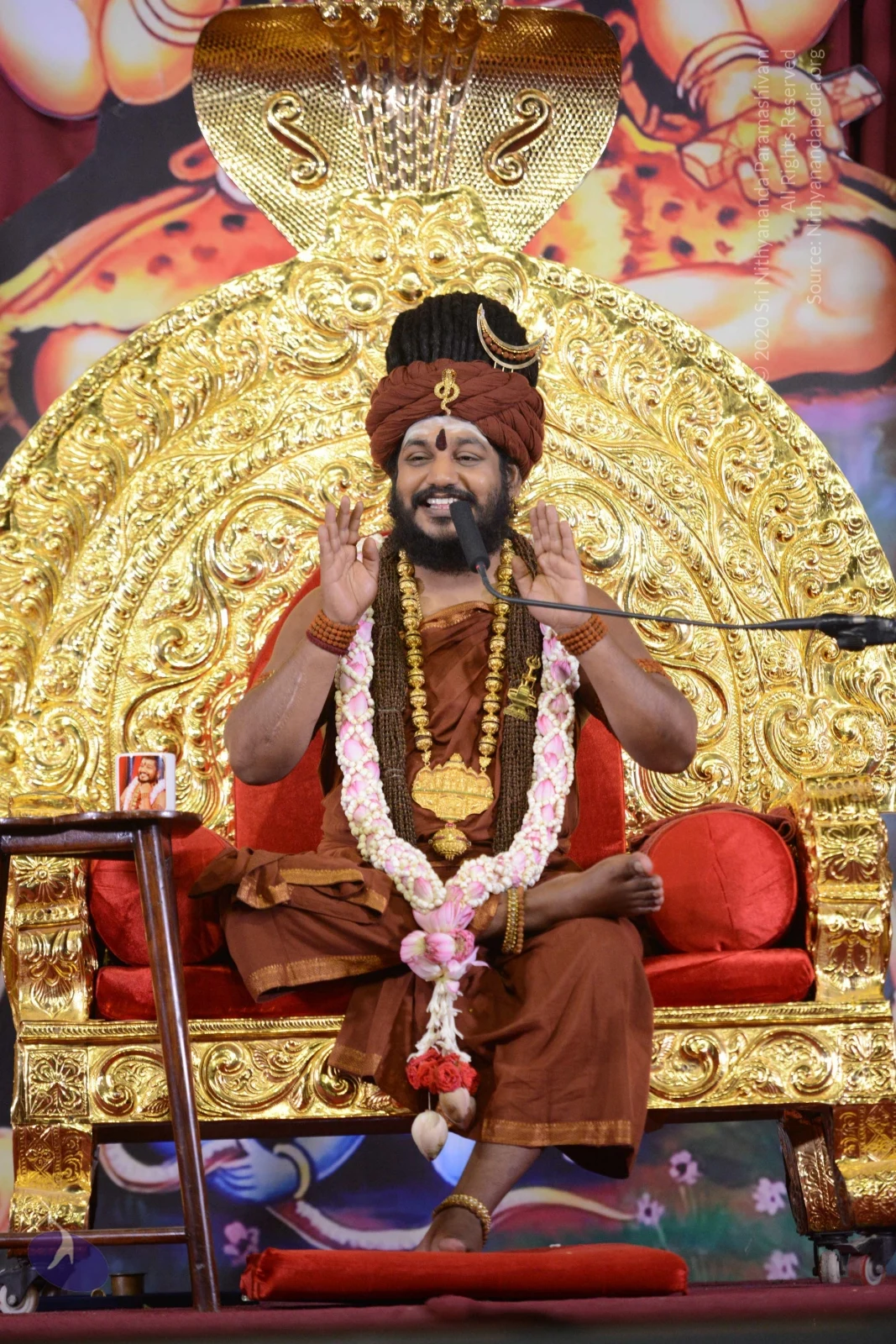
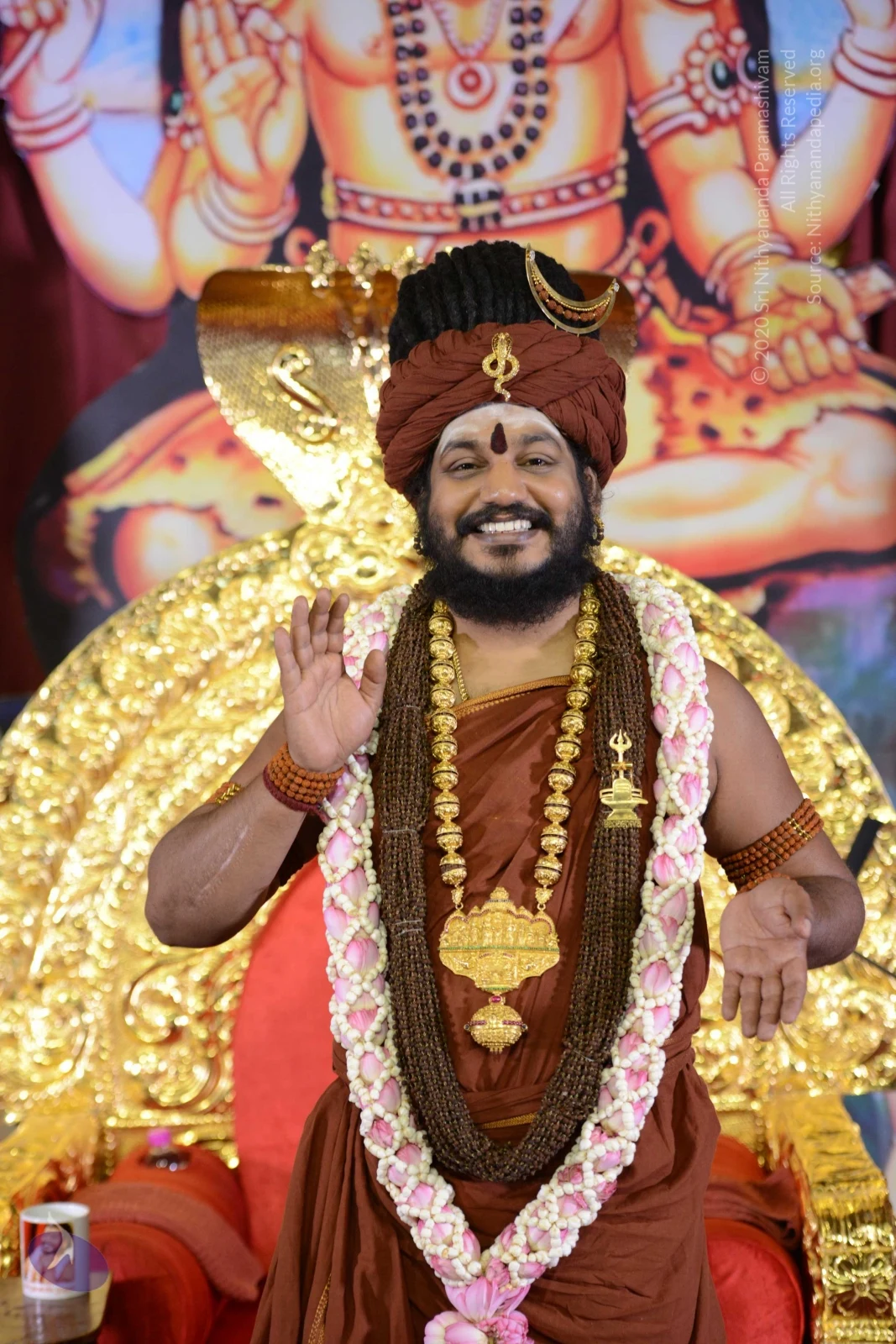
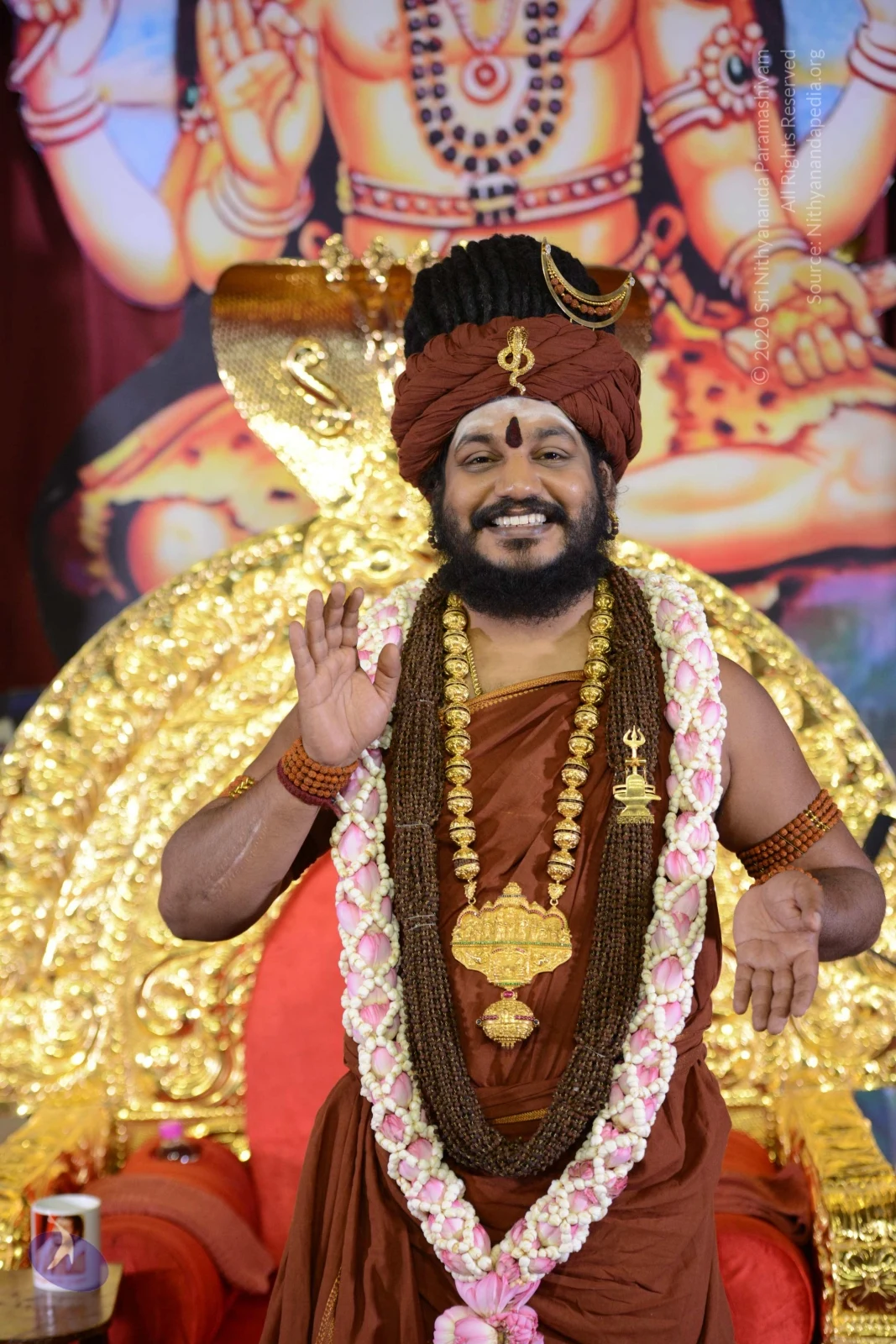
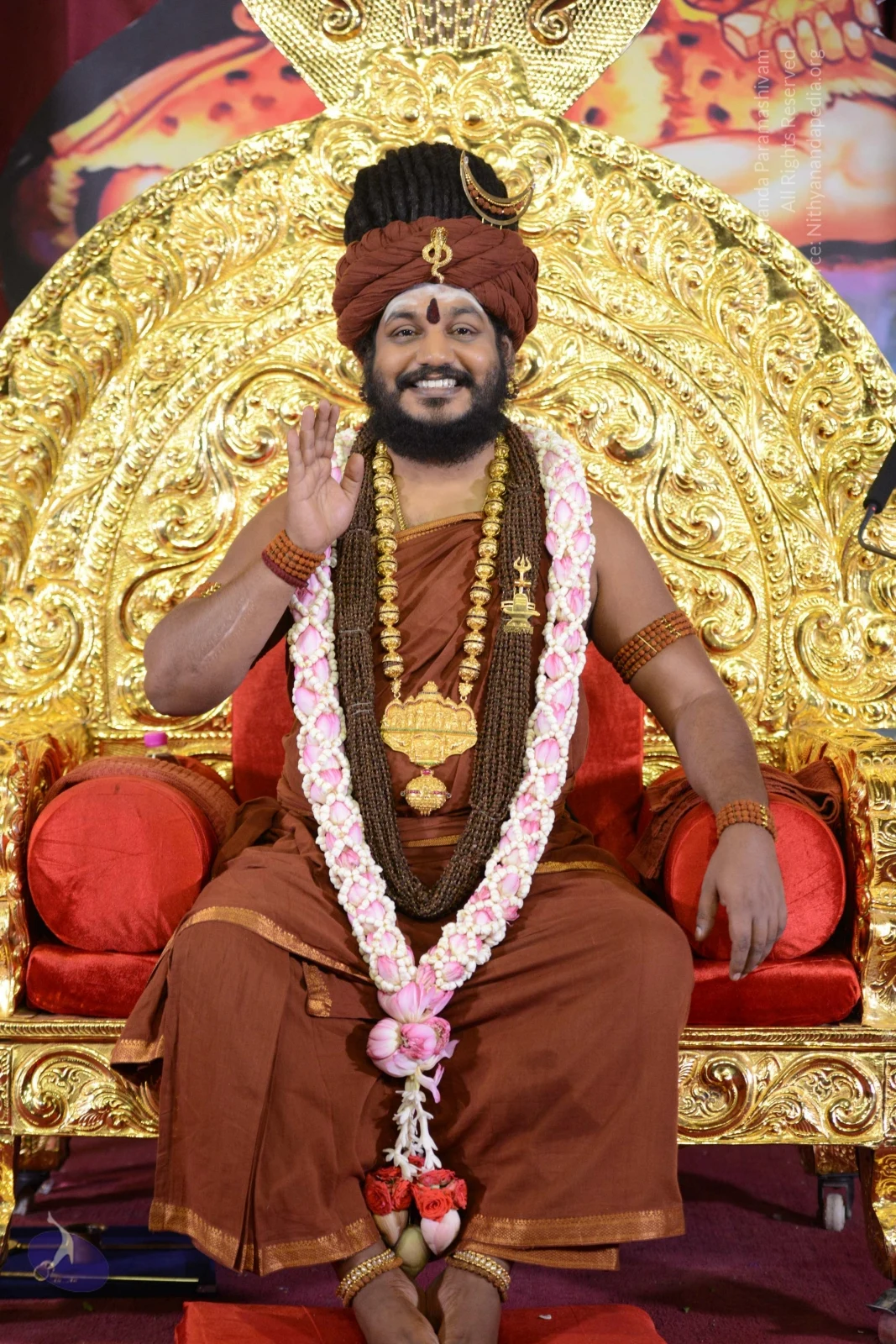
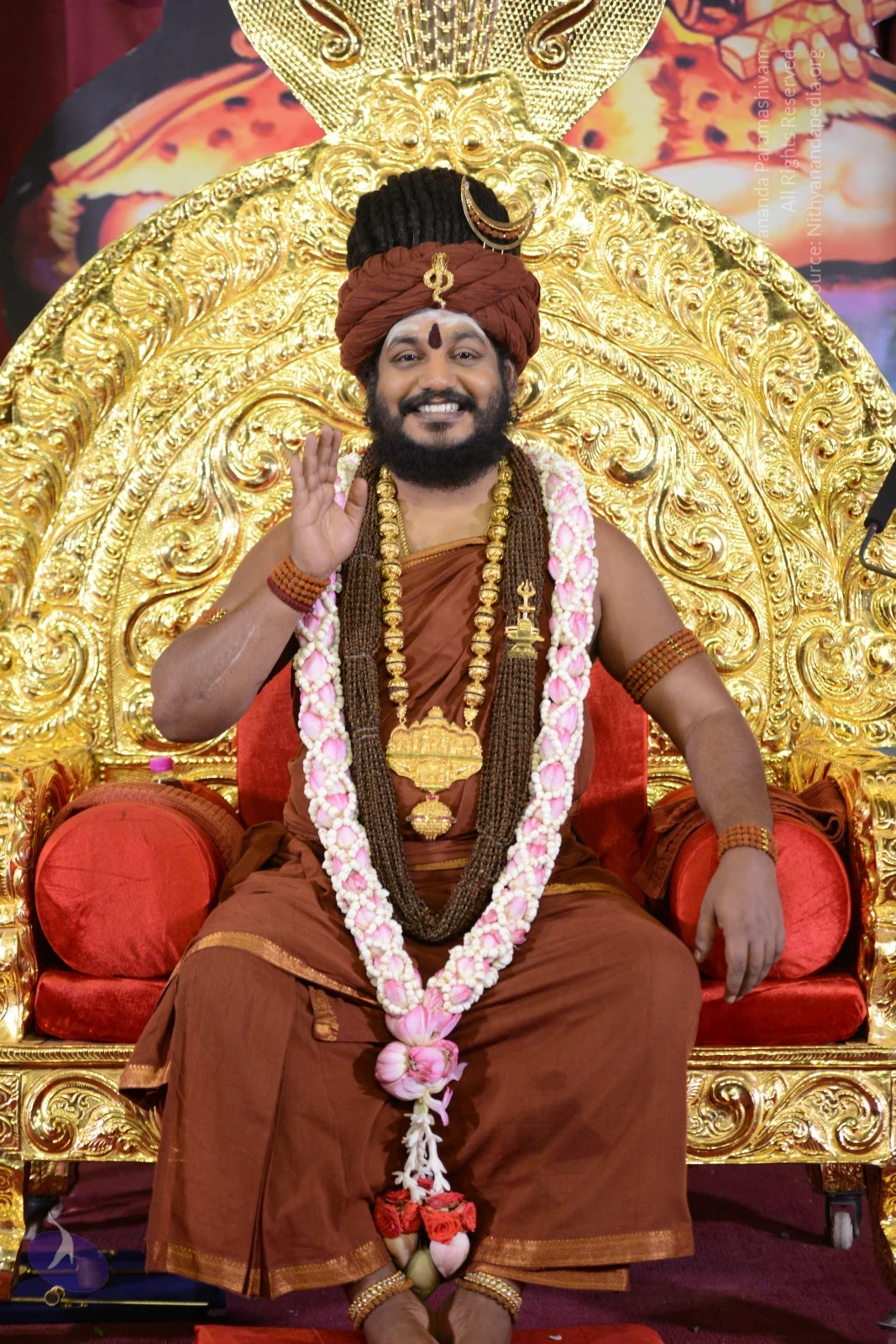
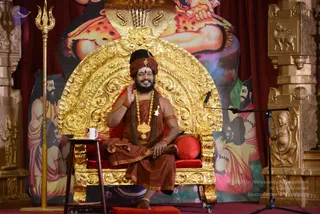
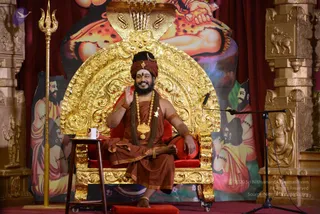
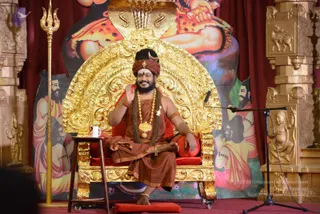
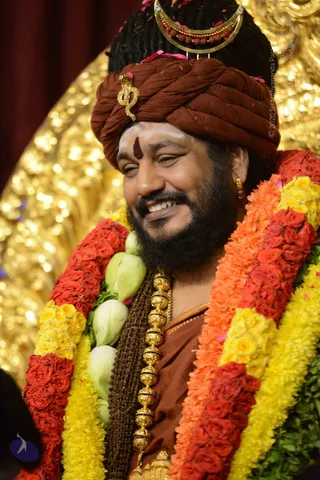
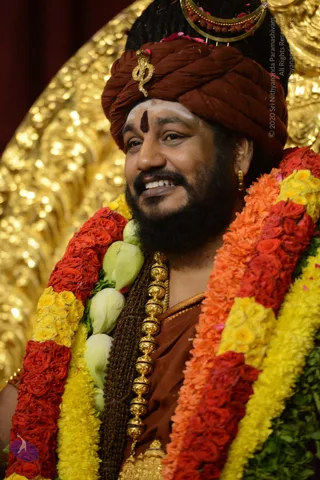
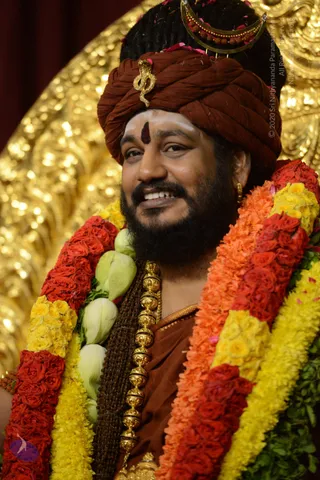
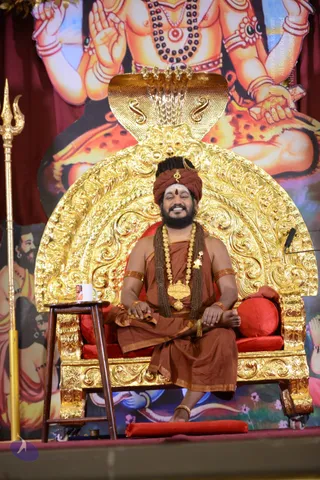
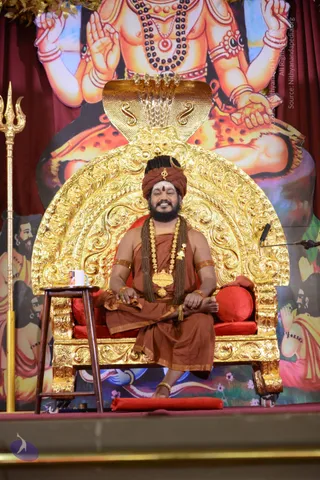
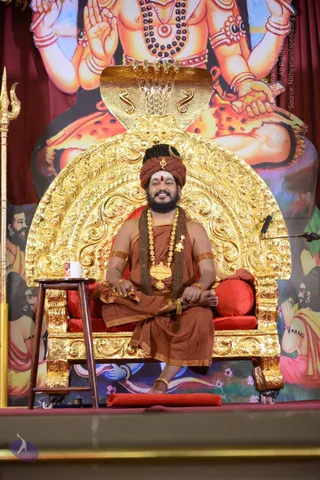
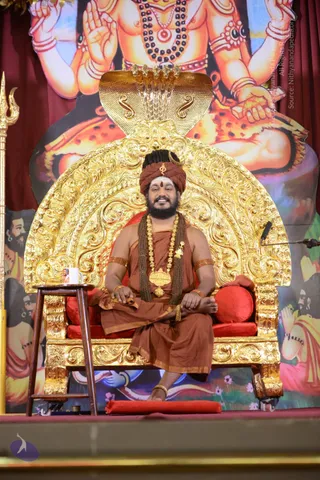
In today's Satsang Supreme Pontiff of Hinduism answered the questions of various devotees from around the world. Also HDH expanded on the different states of Consciousness from the deep sleep to the alive state.
Link to Video:
| Video | Audio |
Transcript
Transcription:
00:23 nithyānandeśvara samārambhām nithyānandeśvari madhyamām | asmat āchārya paryantām vande guru paramparām ||
I welcome all of you with my love and respects. Introduction to Sadashivoham 2016. Listen, yesterday I tried to use a few words to introduce. Today I will answer your questions and give you the glimpse of the processes I’ll be doing. I’ll first answer your questions. Start the questions.
Hector: Hector from Houston Aadheenam has asked, “What changes can I expect in myself after returning from Sadashivoham 2016?”
02:03 Swamiji: Hector, in that whole question, first thing the “I” will change, which is having expectation. See the very idea you carry about you, that will literally be blasted. Listen, listen carefully. If you’re having hundred ideas about you in your waking state, like, I am this age, my health is like this, and I am son of so and so. I am daughter of so and so, I am wealthy or, I am poor, or whatever whatever ideas you carry about you. If you carry hundred strong, strong ideas about you, in that dream state you will carry only ten from this, that is why, the dream identity is weird. But dependent on this hundred, altered version of this hundred. Please listen carefully. This will, this will, give you a very big understanding. If you are carrying hundreds ideas about you, I’m giving you a rough example, if you are carrying hundred ideas about you in your waking state, in the dream, you will carry from these hundred ten. That is why it is called lower identity, and, that ten also will be weird. You will carry the idea you write examinations in your school and also you will be carrying the idea with whom you are married now. You will see your spouse and examination both - two horror together.
04:30 The number of ideas you carry about you will be ten percent of the waking state. That is a dream state. Actually, when this hundred idea, identity remembers ten of its identities are lost somewhere, and recalls - that recalling is waking up. Understand I feel suddenly aye, in my hundred cows, ten have gone somewhere. Call, call, call them back, then you wake up. Same way, there is a higher identity in you where you carry thousand things, if that thousand things remember, this waking state hundred itself is a lost cows. That awakened state, thousand idea identity when that calls you back, you wake up. That is awakened state. Listen, listen, I’ll explain once more. In the waking state, you carry hundred ideas about you. In the dream state, from these hundred you will carry ten ideas about you. That is why that is lower identity. You will not have a clarity about the identity you carry in the dream state. You will not have any understanding about what you are carrying in your dream state. Whatever you deny in the waking state, all that will enter into dream state.
06:32 It is like a, if you do not explain to your child the rule you are putting, he will do exactly what you don’t want, without your knowledge. If you give more and more understanding, he will be in tune with you. If you give more and more instruction but not understanding, he will be completely out of you. So, many parts of you, you give instruction but not understanding. Those incompletions gang up and, they walk out of you. That is the dream state identity. Listen carefully. The ideas you carry about you, which walks out of you, boycotts you, says no, no to you, which shows black flag to you, and gang up and create a separate settlement - that is your dream identity. That will always be less than ten percent. If it goes more than twenty percent you will be schizophrenic. That is the definition of schizophrenia in yogic tradition. Understand. Understand very clearly. Dream state identity carries ten ideas about you, waking state identities carries hundred ideas about you, awakened state identity carries thousand possibilities about you - mark my words I’m uttering.
08:25 If you are a chartered accountant, somebody gives you a mathematical problem, you will not have any problem about it. You just know, you can sort it out. You may need few hours to sort the whole thing. You just know you can do it. Same way, for an awakened man, when I say about possibilities and powers, he just knows he needs only a little time to manifest, he can. It’s not something difficult. For example, you are a lawyer. You need to tell a lie. You just know. And, you, you don’t feel perturbed. You don't feel impossible. You don't feel difficult. You just know you need little time to think through and, make how to make that into literal reality. Otherwise you know how to manage.
Understand, understand very clearly. When you wake up to that thousand identity - awakened state, simply all the possibilities are reality to you, and, there is a next identity - ten thousand identity, what I call Turiyatita. Ten is dream, hundred is waking state, thousand is awakened state - Turiya, ten thousand is Turiyatita. In Turiyatita, ten thousand are not identities - powers. Understand, the higher “I” can call, summon the lower “I” and swallow. Turiyatita can summon the Turiya and swallow. Turiya can summon the Jagrat and swallow. Jagrat can summon the dream and swallow.
10:40 Listen. I’ll tell in English. Sorry, I used the Sanskrit words. The alive state, the ten thousand power manifesting alive state can call the awakened state, thousand possibility - manifesting state, and it can swallow, like a big fish can swallow the small fish. Turiya, thousand possibility identity can call the hundred identity which is waking state and it can swallow, and the waking state calling that ten identity - dream state, and it can swallow. You all know the waking state swallowing the dream state. Understand if you observe deeply, early morning always before waking up, your waking identity - the Jagrat, the waking state identity - it remembers the dream state identity and, recalls aye, come on come back. You are the cows went for grazing, you are lost come back. Then you wake up. Waking state identity has to remember the dream state identity, only then you will wake up. Dream state identity can not conceive waking state identity - Aham, you cannot conceive Me, I can only swallow you.
12:18 Understand. A dream state, the ten identity can not swallow the waking state. Only waking state has to call - aye, aye aye, I let you guys graze and, where have you gone? Come back, and you just wake up. The waking state identity, only when it remembers the dream state identity, you wake up. How many of you can exact experientially catch what I’m saying? This is exactly happens when your Turiya summons you. Hey where have you gone come back, and you wake up to Turiya. Turiyatita, when that summons your Turiya, hey, where have you gone? Come back, and you wake up to Turiyatita. Understand, in dream state that ten identity because of its limited number, all ten will be always be bondage. In the waking state all the hundred will be logical, neither bondage nor liberating. It’s like a give and take. A logical strategy points - at sometime you feel okay, good sweet, sometimes no, no, bitter. This whole game, this whole game of right, wrong, good, bad - this happens in the waking state. In awakened state, all thousand are possibilities; extraordinary possibilities. In alive state Turiyatita, all ten thousand are powers.
14:26 Understand, larger the identity, larger the identity closer to the consciousness. Here when I use the word identity, I mean the frequency in which consciousness radiates, not the number of inner image, outer image ideas you carry. No. Clear? Listen carefully, you all know how the waking up - waking state, just sucks up the dream state into it and, swallows. In the Sadashivoham, your Turiya will suck and, swallow your waking state means awakened state, will just suck the whole waking state and, swallow and, alive state Turiyatita will just suck the whole Turiya and swallow. Understand, Turiya, the awakened state will swallow the waking state by power manifestations and, Turiyatita alive state will swallow the whole Turiya state “I”, through alchemy products, spiritual processes.
16:12 Hector I tell you, you are asking what changes can I expect in myself after returning. First thing, there is no returning from Sadashivoham 2016. Sadashivoham 2016 is the returning. And, I guarantee everything you know as “I” will change. In this whole question, what changes can I expect, means your “I” will change. Your expectations will change, your ideas about change will change, your ideas about returning will change and, your ideas about Sadashivoham 2016 will change. In this whole question, other than the word what? What? Everything will change. After Sadashivoham if somebody puts this same question to you, this is the question you asked before Sadashivoham 2016 to Swamiji, there will be only one thing remaining, what?! It’s not poetical answer. Pros, fact. Pros, fact.
Understand, these levels of identities from which you operate, that itself will get upgraded. The whole work is to upgrade you to the highest level from which you will operate. The highest level from which you will operate. Turiyatita, I roughly equate it to ten thousand possibilities. It is not actually exactly, one, zero, zero, zero, zero. I’m only giving a rough understanding. Understand. So, moving from the lower identities to higher identities and getting established is what is all about Sadashivoham 2016. Next.
18:56 Gurpal Singh Jaspal: Gurpal Singh Jaspal from New Delhi has said, “Have no obstacle to sign up for Sadashivoham, thank you. Can our/my egos be smashed and trashed during the program so that we can absorb retain, and action what we are supposed to do in life after Sadashivoham?”
Swamiji: Gurpal Singh, I wanted to tell you, the ego will not be smashed or thrashed, it will be made irrelevant and redundant. See, you want to stop the mad horse on which you are stuck and it is really running towards a cliff. Throwing a big stone on it is not the solution, stopping it through the rope is the solution. Why you know? Throwing a stone on it, may kill the eleph… kill the horse once for all and there is a danger even you can get hurt in that process. That is why I do not believe in smashing and thrashing. I believe in making it redundant and irrelevant.
20:31 I tell you, when a cub realizes it’s lion not sheep it is not trashing and smashing the identity of the sheep. The identity of the sheep is redundant and irrelevant. So when you realize you are a lion, you don't need to trash and smash that sheep identity with which you were playing. You will only be laughing about it. You will only be laughing about it. You will only be laughing about it. You will see it becomes redundant. It becomes redundant, and irrelevant. Understand. This whole Sadashivoham is only making the lower identity redundant and irrelevant. Next.
Carl Dindiel: Carl Dindiel from New York Aadheenam says, “Dear Swamiji, will Sadashivoham prepare and reconfigure my spiritual body preliminary to merge with ultimate consciousness, thank you this is my....
22:04 Swamiji: Carl Dindiel, understand not just your spiritual body, your physical body, physiological body and neurological circuits, all these four will reconfigured and rebooted. All these circuits will be made to fall in tune. Will be made to fall in tune with the exact highest ultimate, reality Sadashivoham. See the ultimate reality is Sadashivoham, making your physical, psychological, neurological components in tune with that, reconfiguring all of that, downloading all those apps. All powers are nothing but, downloading all the apps. The whole thing is, what will be happening Sadashivoham 2016. Next.
Donna Paiser: Donna Paiser from Morris Plains, New Jersey asked, “Nithyanandam Swamiji, I want to come for Sadashivoham but, feel bound by my prior commitments at job and responsibilities that I took in absence of others. How do I overcome that and, come to Sadashivoham thank you, Nithyanandam.”
24:08 Swamiji: Donna Paiser is asking I want to come for Sadashivoham but I feel bound by my prior commitments and job and responsibilities that took in, that I took in absence of others, how do I overcome that, and, come to Sadashivoham? I have to, alright I’ll give straight answer. I see rudraksha in your neck so I think, I assume you are my disciple. Just drop everything and come, I’ll take care of everything. And, it is my commitment to you, when you go back everything would have been perfectly attended. If needed, I would have physically appeared there and attended it. Next. I think shortest answer, sweetest answer. Actually, if I can do Sadashivoham from wherever you are, I would have done that, but for this process you need to be here. But for the job which you are doing, you don’t need to be there. I can do it. That is too small. So that I can manage, you be here. So what for what you really need your physical presence, let that be your first priority and have your physical presence. All the other things which will automatically happen whether you are there or not, I know how to make it happen. Leave those things. Next.
26:23 Asha Vishwanathan: Asha Vishwanathan from San Jose Adheenam wrote, “Nithyanandam Swamiji, due to my physical constraints and age, I’m concerned, I can, I’m concerned how I can do the rope yoga and, any other intensive yoga. Will I miss the benefits?”
Swamiji: Asha first thing, I don’t want to accept the statement you are making - physical constraints and age. Second, and I also don’t want to put you in fear, that you will be forcibly put on the rope. I tell you, the energy and inspiration, and, the whole thing will be such, I will just melt your body, and make you do. It’s a specific word I’m giving you. I’ll melt your body, make you do rope yoga and, intense yoga and, send you back as sixteen. I’ll, see it’s a specific word I am giving you. I tell you, I thought, I will not be revealing. Anyhow let me reveal now. Just yesterday, I called both my yoga teachers, and told them aye, hold my toes, the feet toes, and sit. Now I’m downloading all the eight hundred asanas into you guys. Not only you will be able to do the asanas, you will know which muscle, where, how it works, you will be able to teach so fluently. And I've done the job. Maybe tomorrow, day after tomorrow, they will start teaching you guys in the morning Nithyananda Yoga - Nithyananda TV itself.
28:15 Listen, I will give a specific initiation in Sadashivoham day one itself, penetrating your bone marrow and making it conducive for mallakhamba yoga and rope yoga. And when I utter all these words, I am responsible. I do behave responsibly. Asha don’t have the fear, I’m going to force you and put you on the rope. No. And, I also don’t want to accept your conclusion you are old, you are not that old, come on. See how you are blushing. If you can blush, as long as you can blush, you are sixteen. Understand. Only when you stop blushing you are aged. As long as you can blush, you are only sixteen. It’s a Vedic physiology and yogic physiology, understand. So the moment you can blush, you have the energy of sixteen. And I’ll just bring that into your physiology. It’s my commitment. Come here, I’ll take care. I tell you the ability to blush is not a joke. For that you need a different kind of a energy, if you're able to blush, you still carry the sixteen year old bio memory and muscle memory which I can just make you manifest in your muscles and in your body, in your physical circuit, that’s it. Next.
30:12 Mariam: Mariam from Melbourne Adheenam says, “Nithyanandam Swamiji, which part of me need to be completed to overcome my obstacle which is money. Until now, I haven’t manifested money even if I have tried all my possibilities, I’m still trying. My question, does it mean that I shouldn’t be there? I’m confused and please clear that part of me. I cannot imagine not to be there after my September IA experiences.”
Swamiji: Mariam first thing I want to tell you, there is no such thing as you can not be here, you have to be here! The moment you feel you need to be here, you are here. You have chosen me! Only thing, only thing, the statement you are making, I have tried all my possibilities is wrong. No. You have not. Only alter that statement and, say I am trying all my possibilities. Mariam you should be here and, I commit with you, you will be here. Next.
32:16 David: David from Philadelphia asks (Swamiji starts speaking)
Swamiji: Understand I am not doing any business here, so I have to take money from you and give Sadashivoham. I am running a spiritual kingdom. As I said yesterday I locked the...sorry I closed the door but did not bolt it. I close it but never bolt it. So be very clear, I do need to test you, but I’ll never deny for you. Next.
David: David from Philadelphia asked, “After everyone is awakened, what's the level of the game like?”
Swamiji: David, after everyone is awakened, what's the next level of game like? How will you understand if I explain how the Zion looks. In the Matrix movie, they try to show Zion. But, it is not a complete presentation, it is an imaginary presentation. How will I be able to explain how Kailash looks to you? Unless you visit it. So wake up, I’ll take you and show you. Next. Rajesh Rathod: Rajesh Rathod from Brisbane Australia wrote, “Dear Swamiji, there is no excitement in me for anything even Sadashivoham. Does that mean I will not benefit by attending? Nithyanandam.”
Swamiji: Oh God! Can you ask, “Oh I’m in coma stage, will I be benefited by going to hospital?” You need to be immediately rushed to hospital. Rajesh rush here! You are in psychological coma. I don’t think this need to be, this can be allowed to settle down in you. Rush here as early as possible, don’t even wait for Sadashivoham dates. Rush here, prepare your body and mind and start. I’m also opening the door, anybody who is going to be attending Sadashivoham if you want to come here few days ahead - welcome. And, you can just get ready, prepare, and, your body-mind, everything and join the program. Just to inform Jnanatma and get the welcome mail ID and all the details, then land here. Next.
34:33 Crystal: Crystal from Hong Kong wrote, “I have many obstacles to Sadashivoham. Money, school assessments, family, my doubt and fear. They make me feel like Sadashivoham is not for me and, impossible for me to approach. What should I do to manifest Sadashivoham in my reality? Do I really want or need to go?”
Swamiji: Crystal, you do not have many obstacle. You have only one obstacle - your doubt and fear. Understand. And, decide to crack that. All the obstacles will be removed. You’re asking, “do I really want to go or need to go?” I will say you need to go. More than whether you want to go or not, you really need to go. So break your fear and doubt, be here. Next question.
Louis Salvia: Louis Savia from Melbourne Adheenam asked, “What are my incompletions holding me back from getting to Sadashivoham?”
Swamiji: Louis Savia, actually I should ask you this question. What are your incompletions holding you back from getting into Sadashivoham? I think you should look in and find out what are you incompletions holding you back. I tell you, whatever it may be, it is not worth. It’s not worthy of holding you back from Sadashivoham, so break them. Just break them. Lou Savia please be here. Break all of them and please be here. I bless you, you will be here. Next.
36:32 Mariam Michaels: Mariam Michaels from New Jersey Omkareshwar asked, “How will so many people waking up affects the planet?”
Swamiji: When so many people wake up, the planet will feel blessed. Because, it waits, it waits for the feet dust of the people who are awakened. Understand. Understand, how you wait for the right person to happen in your life. Planet earth waits for awakened beings to walk on the planet earth. The earth will feel blessed, when awakened beings walk on the planet earth. So now, I wanted to lead you all into a process, this Soma Mandala today given is the Ganesha energy, which breaks all the obstacles for Sadashivoham 2016. He’s pro life, the life energy itself. Few minutes, first whatever you believe is your obstacles, please pen down. Then through the Soma Mandala, I’ll blast not just crack, I’ll blast all of it. First pick up the paper and pen, pen down all the obstacles you think - time, money, whatever whatever whatever. Pen down all the obstacles. Then I’ll lead you into the process. Yes. Now, please roll the paper, and keep the paper and the Soma Mandala in your hand. Please keep both in your left hand.
38:48 Keep the Soma Mandala and the paper, both in your left hand, and it is not necessary you need to close your eyes. You can keep your eyes open or closed, it is up to you, but don’t fall asleep, that's all. I’m going to awaken your kundalini shakti and, add the soma energy, the nectar energy, the life positive energy and, break all the obstacles you have for Sadashivoham 2016, and make it happen for you. You will see powerful Ganesha energy manifesting. So I came back just to bless you all. All I can say essence of the introduction to Sadashivoham two days program - be here for Sadashivoham 2016. Be here for Sadashivoham 2016. And, next week we have next program, weekend workshop - entering into Sadashivoham 2016.
40:22 You are going to have the Surya Mandala. Surya Mandala is the right eye energy of Sadashiva. It is basically power, making you manifest the powers, the right eye power of the Sadashiva. Surya Mandala is getting ready, will be sent to you. It’ll make you manifest powers strongly, like Kalabhairava and Veerabhadra. Kalabhairava and Veerabhadra came out of Sadashiva’s Surya Mandala, his power. So, get ready for the next weekend workshop - entering into Sadashivoham, and get ready to be here for Sadashivoham 2016.
I bless you all. Let you all radiate with Integrity, Authenticity, Responsibility, Enriching, Causing, Living Shuddhadvaita Saivam, The Eternal Bliss, Nithyananda. Thank you. Be blissful. 41:33
(c) 2019 Sri Nithyananda Swami. All Rights Reserved.
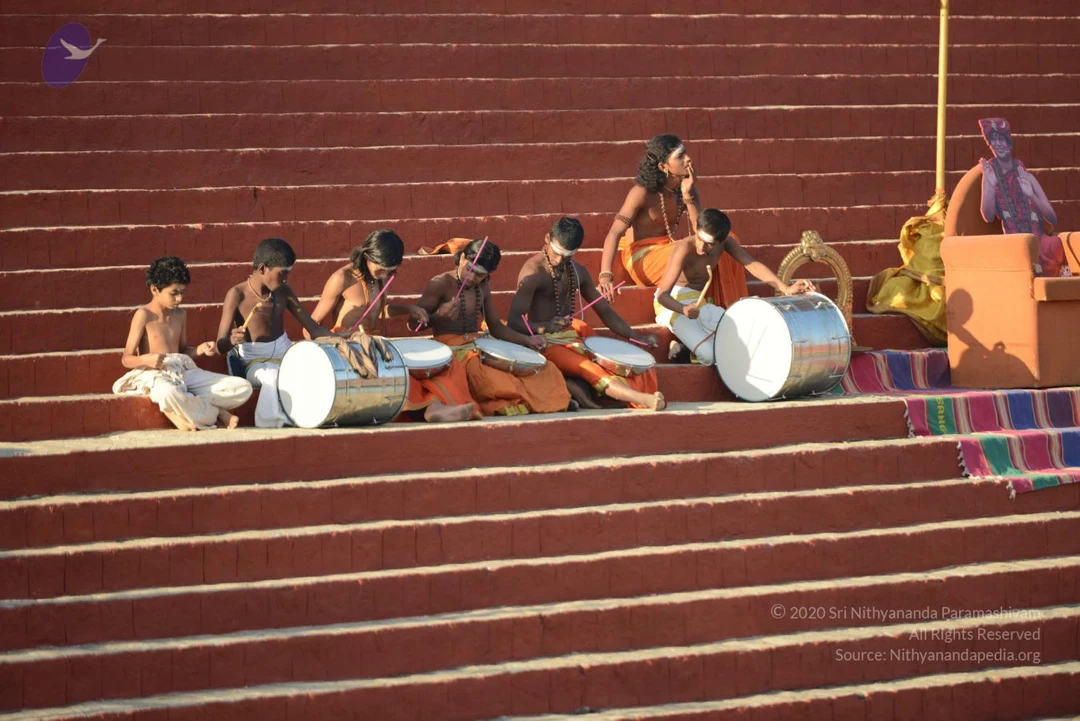
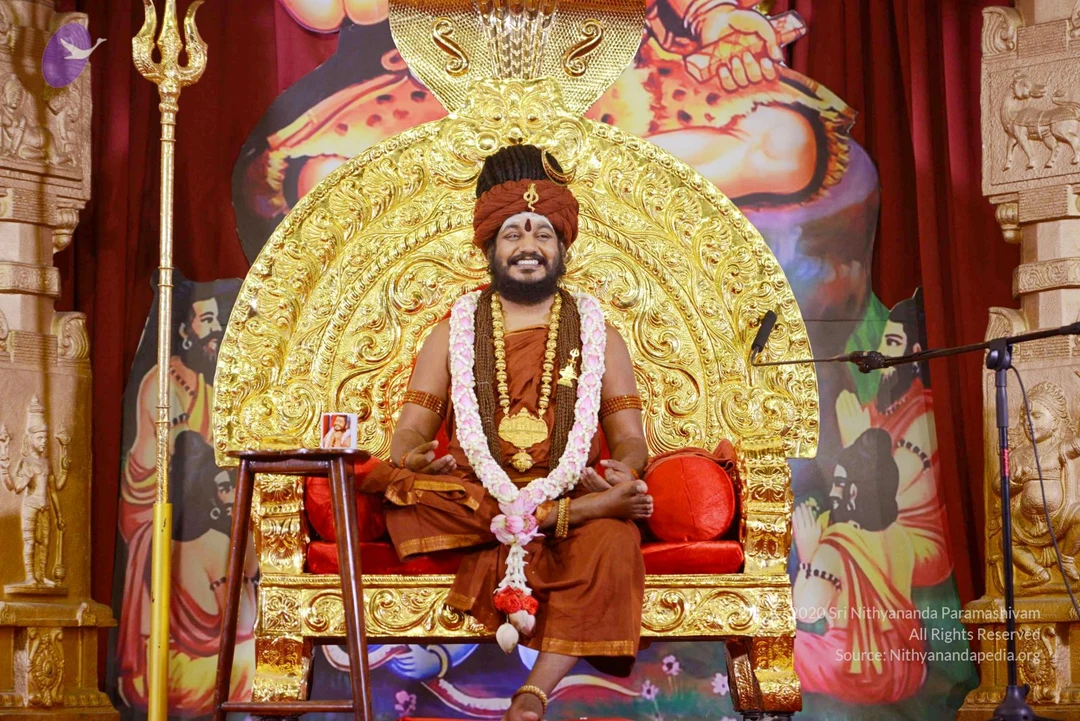
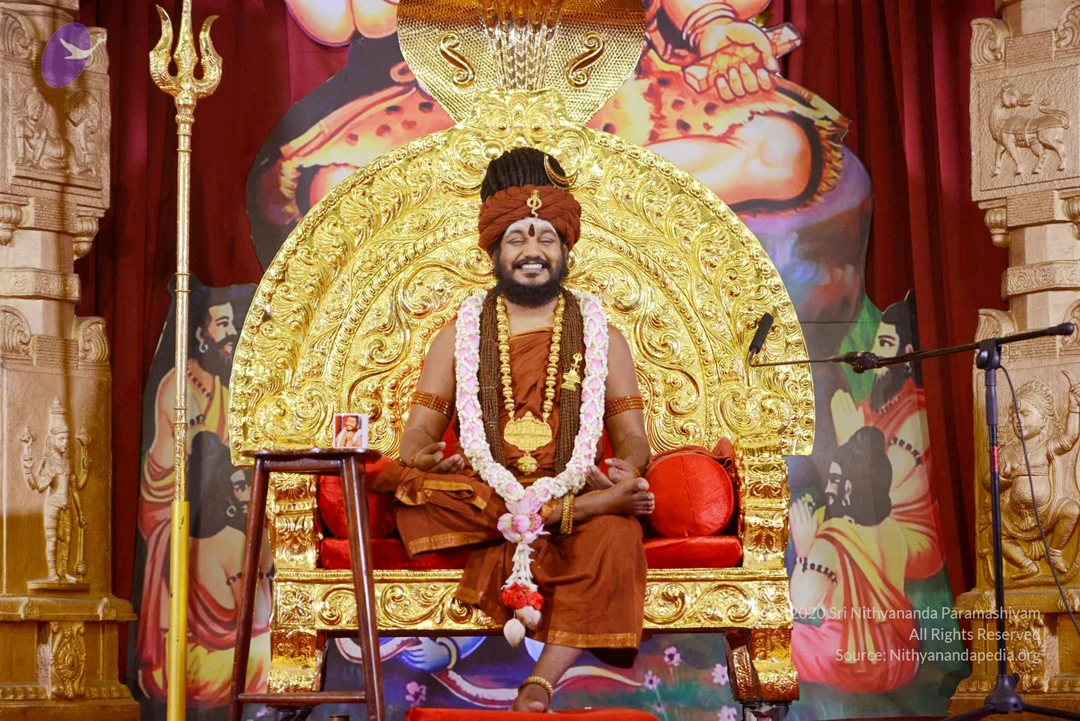
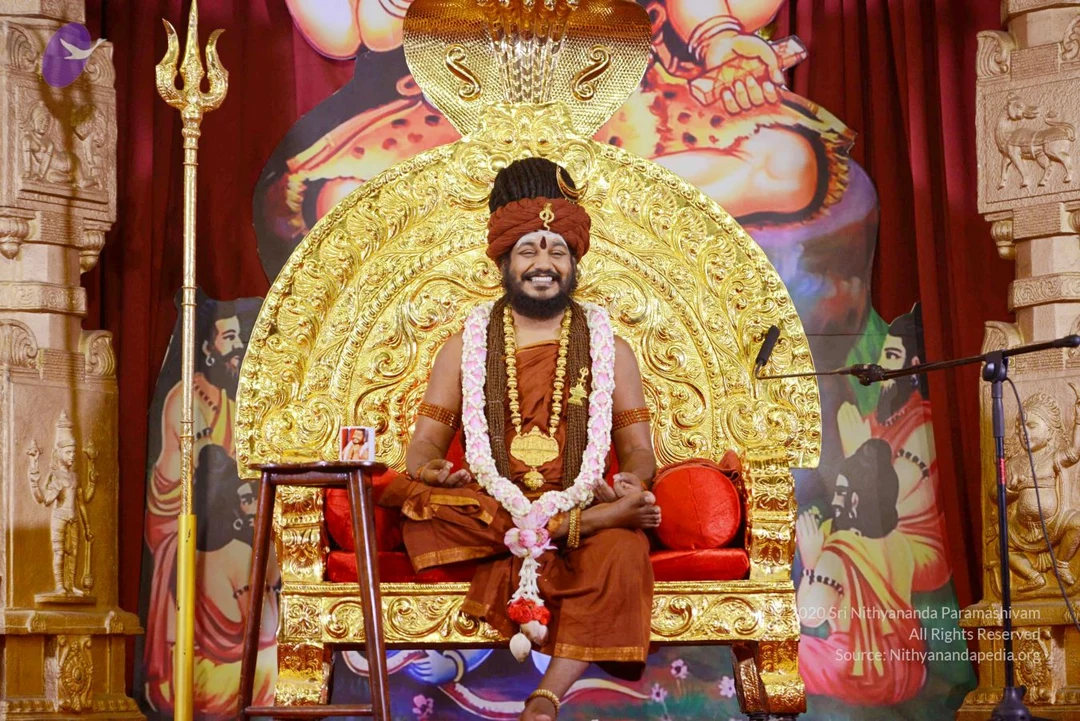
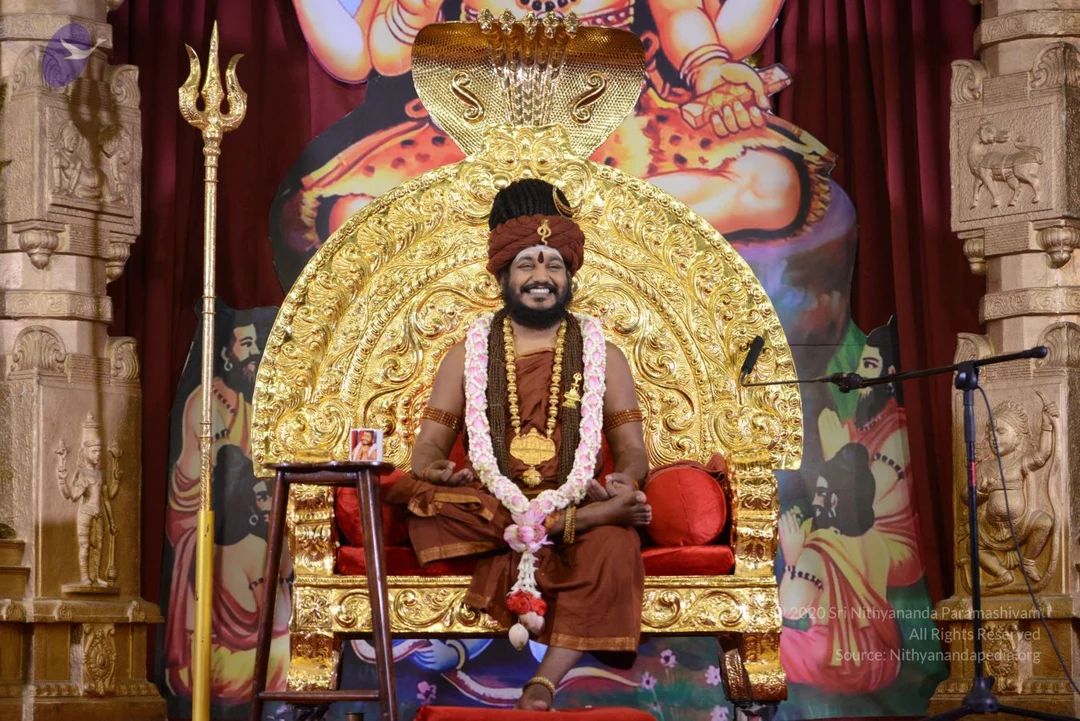
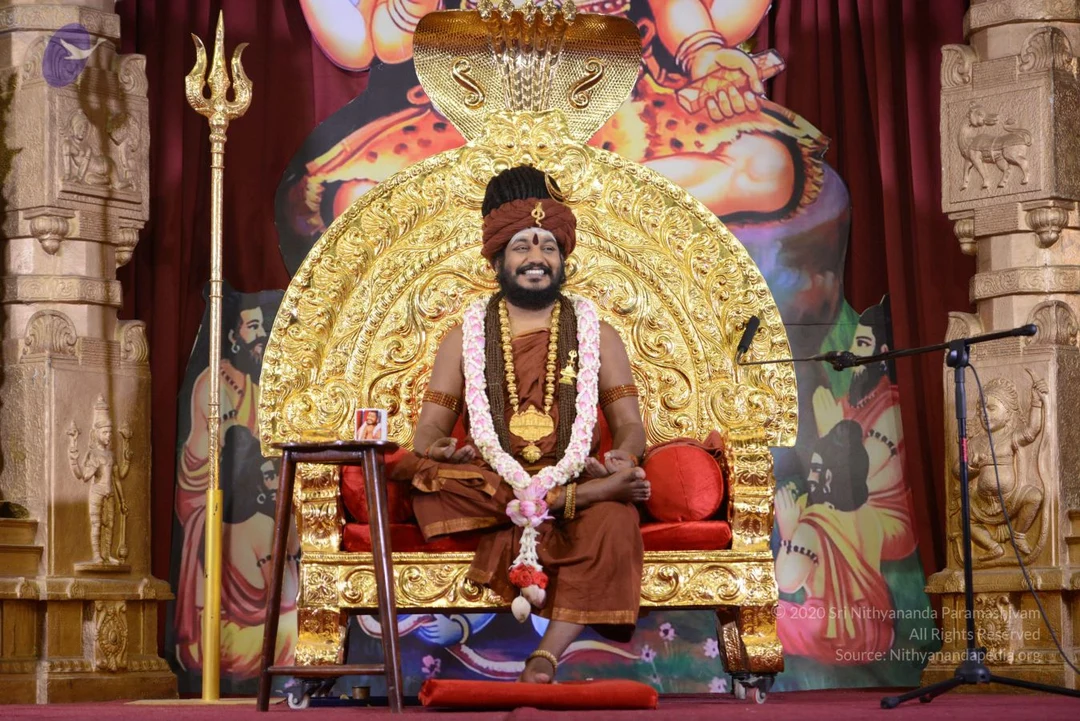
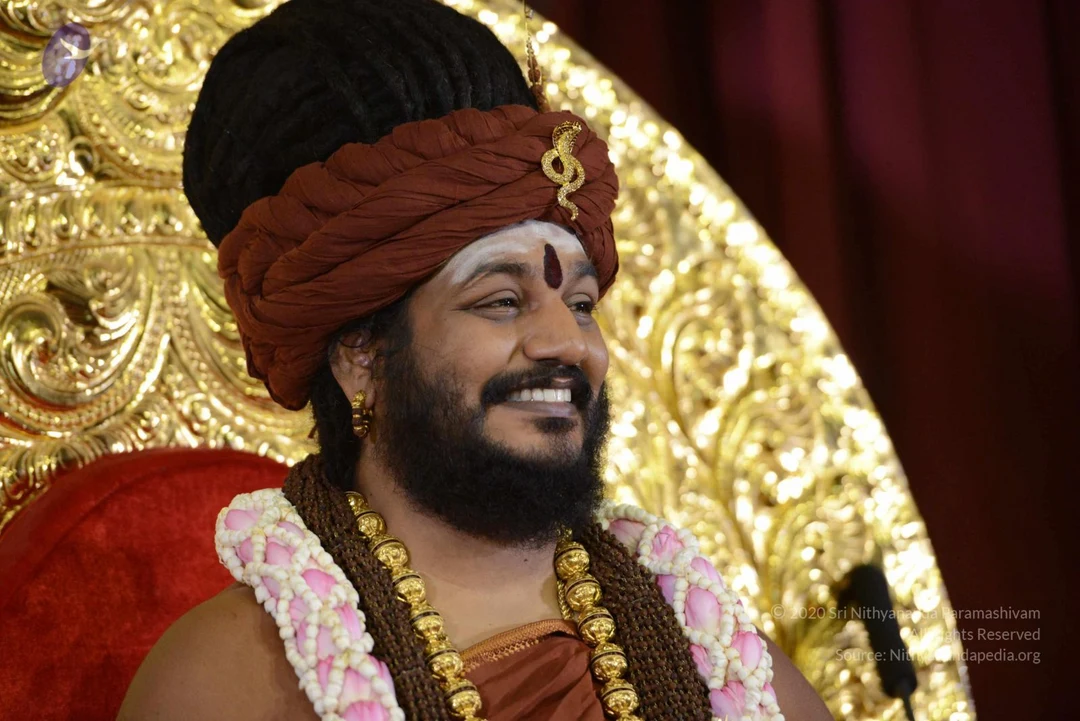
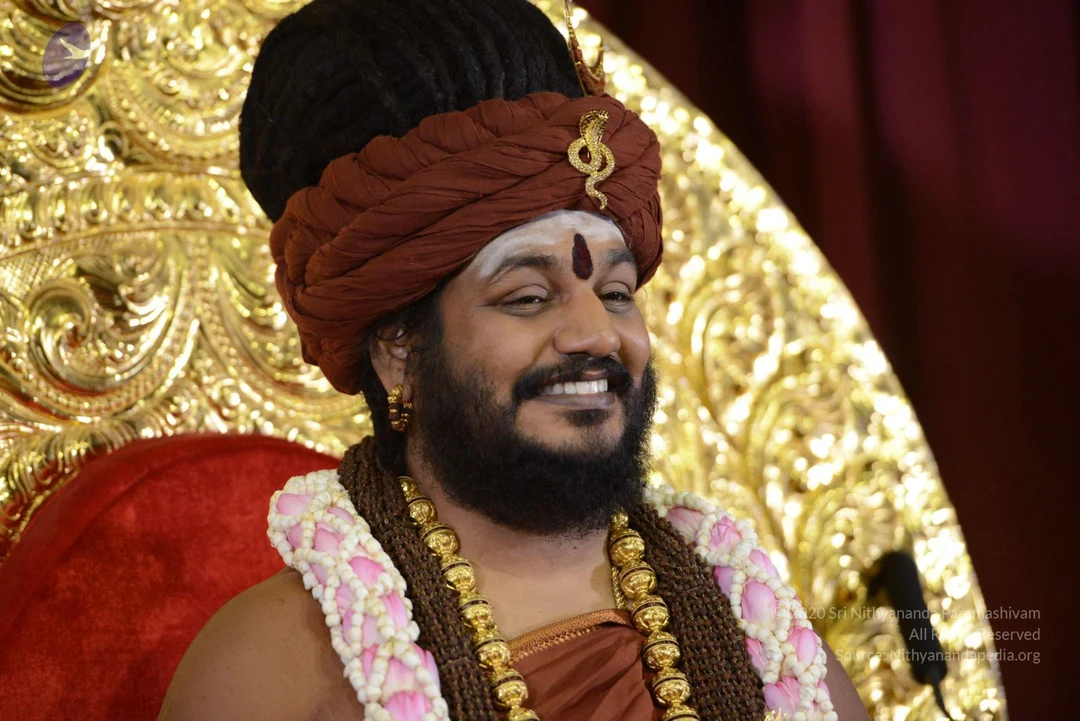
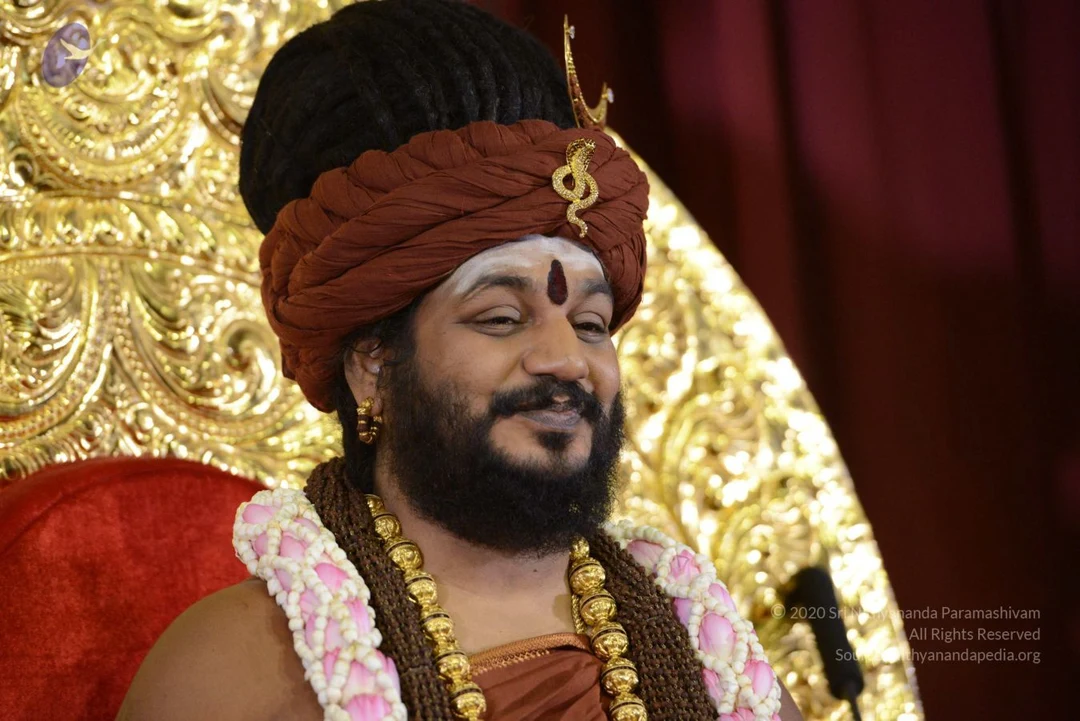
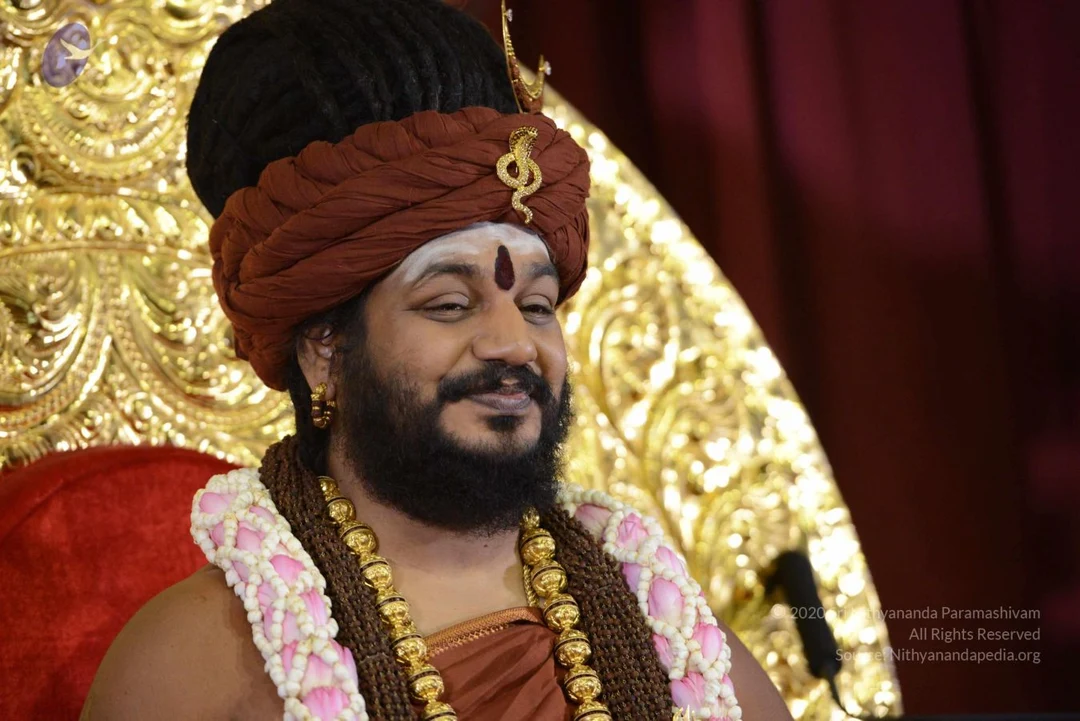
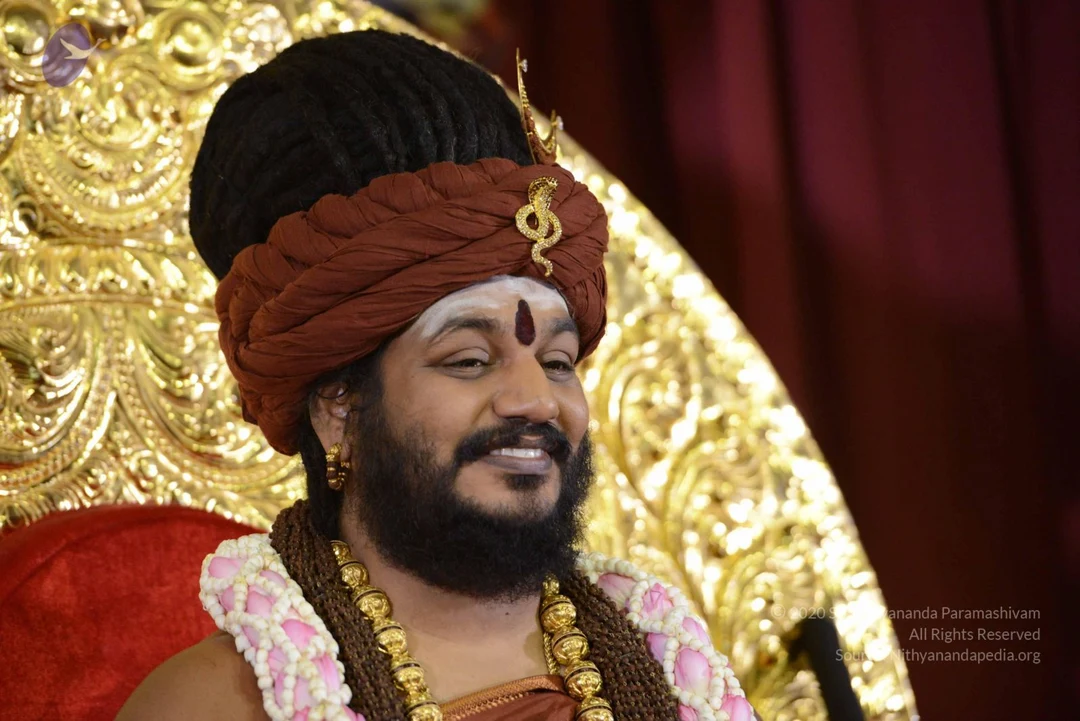
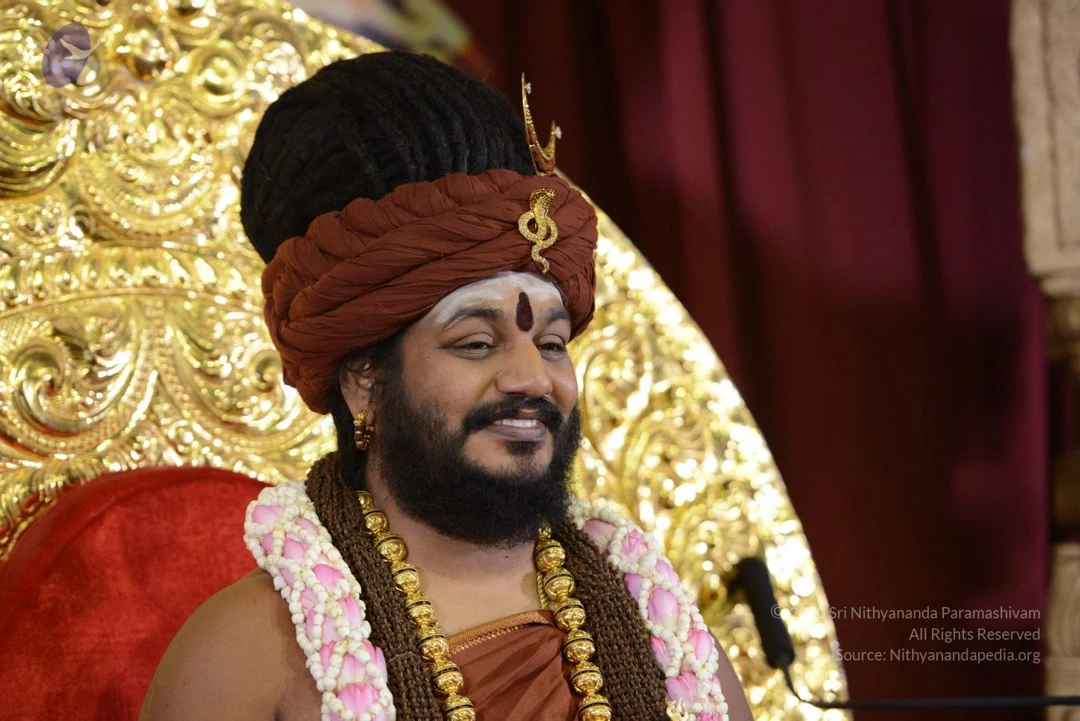
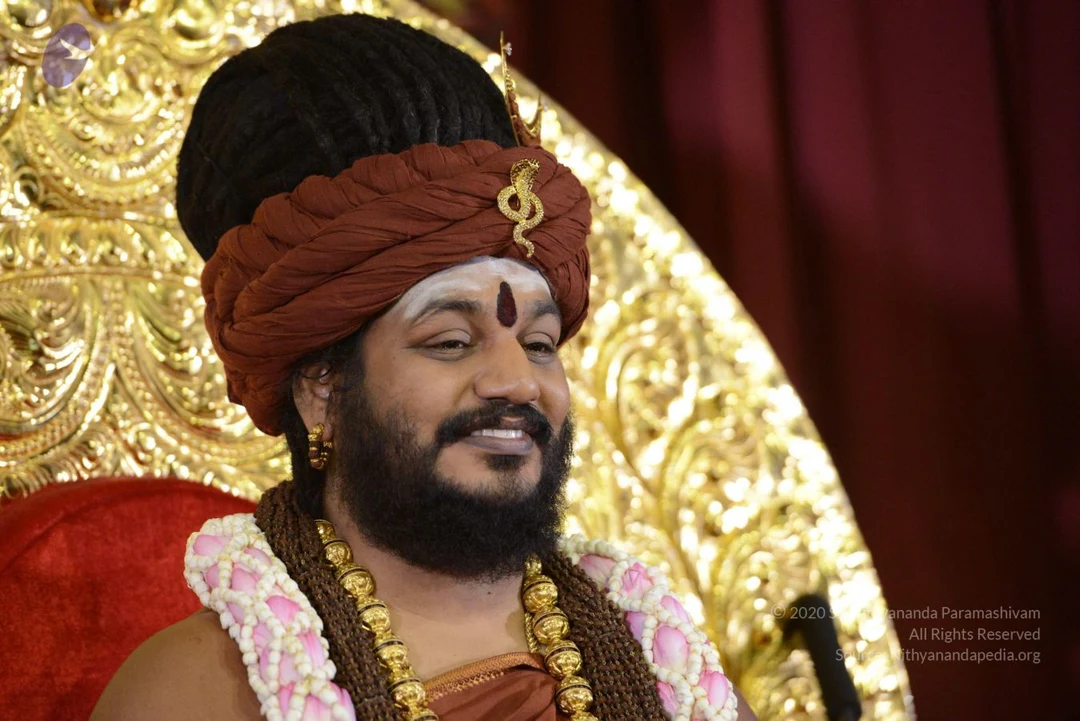
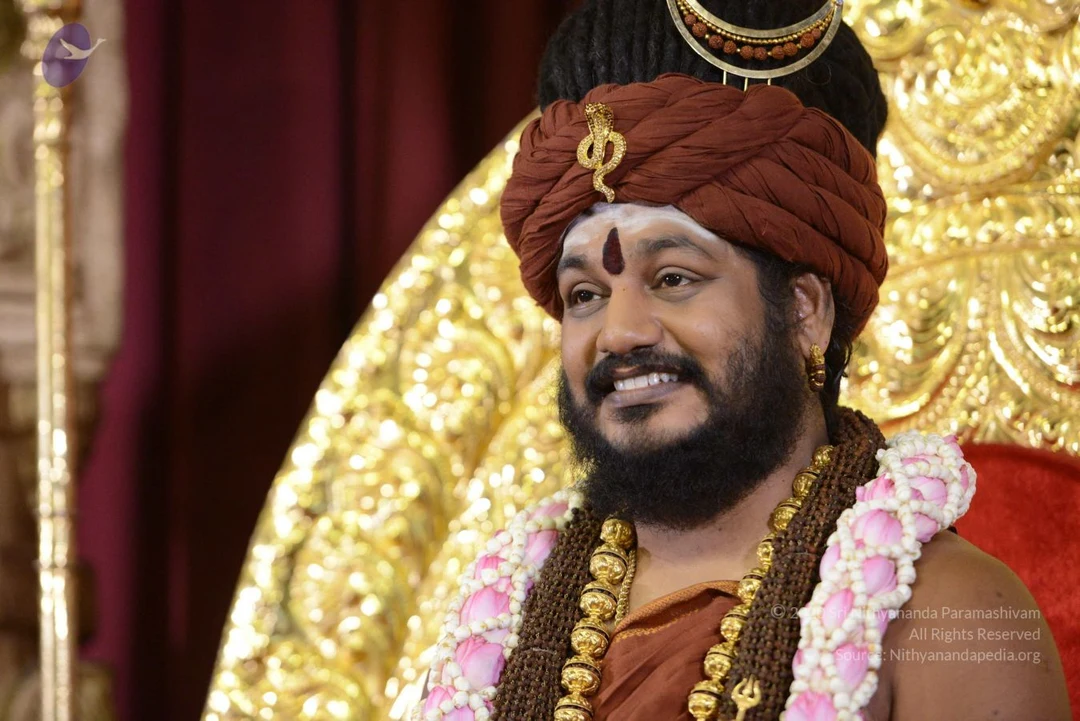
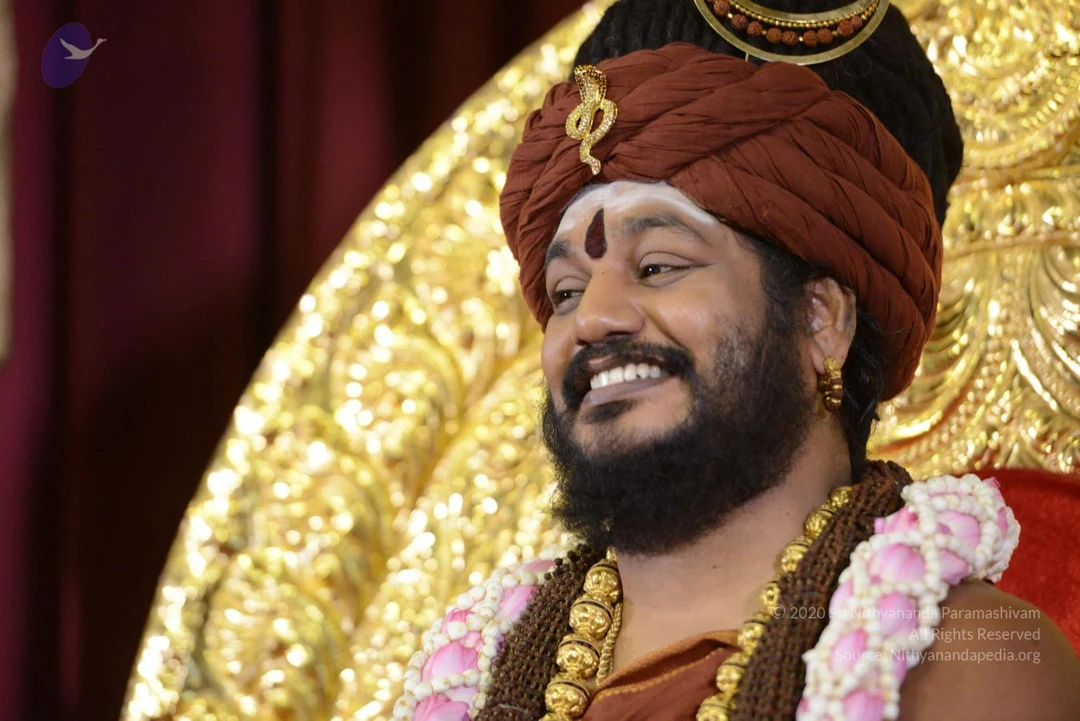
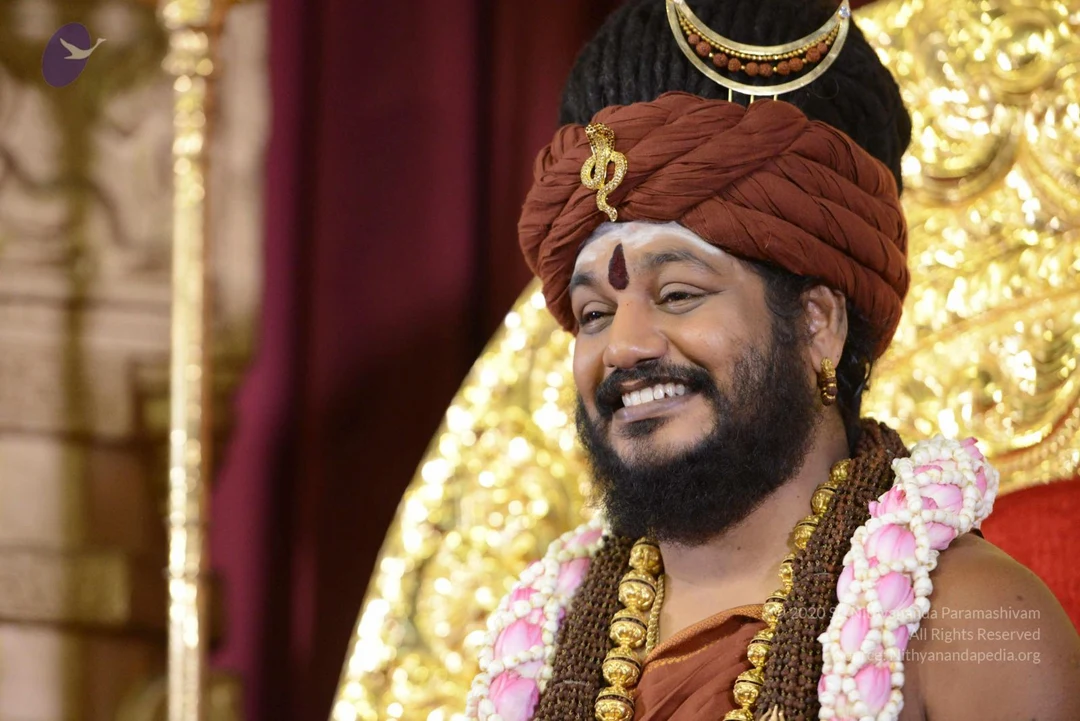
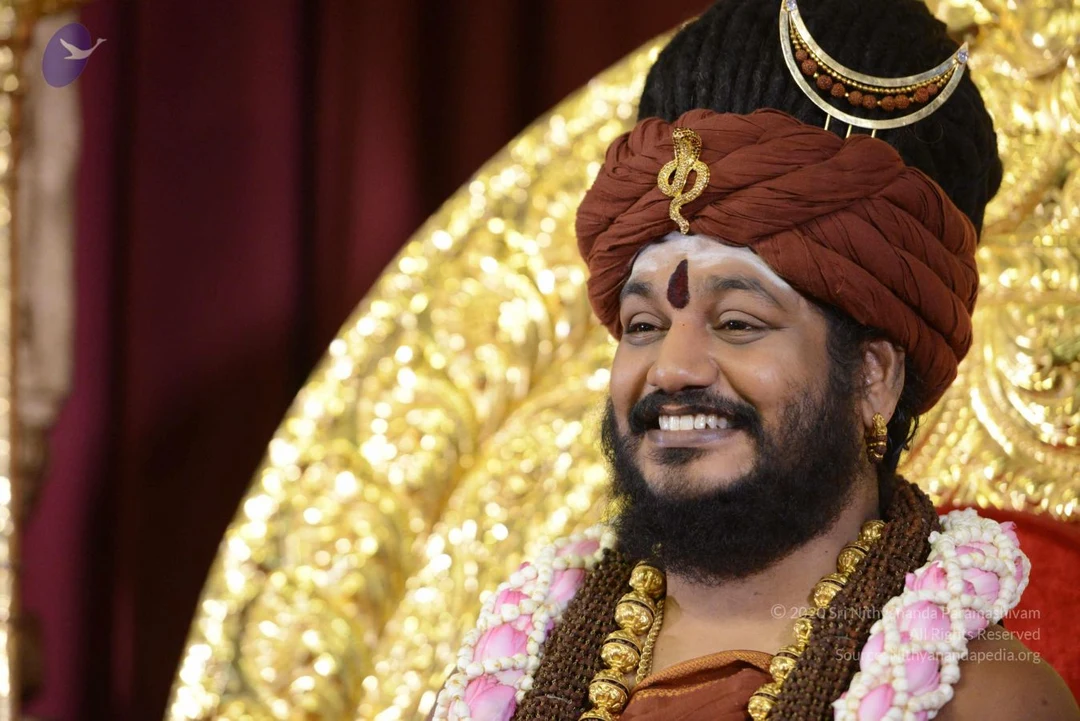
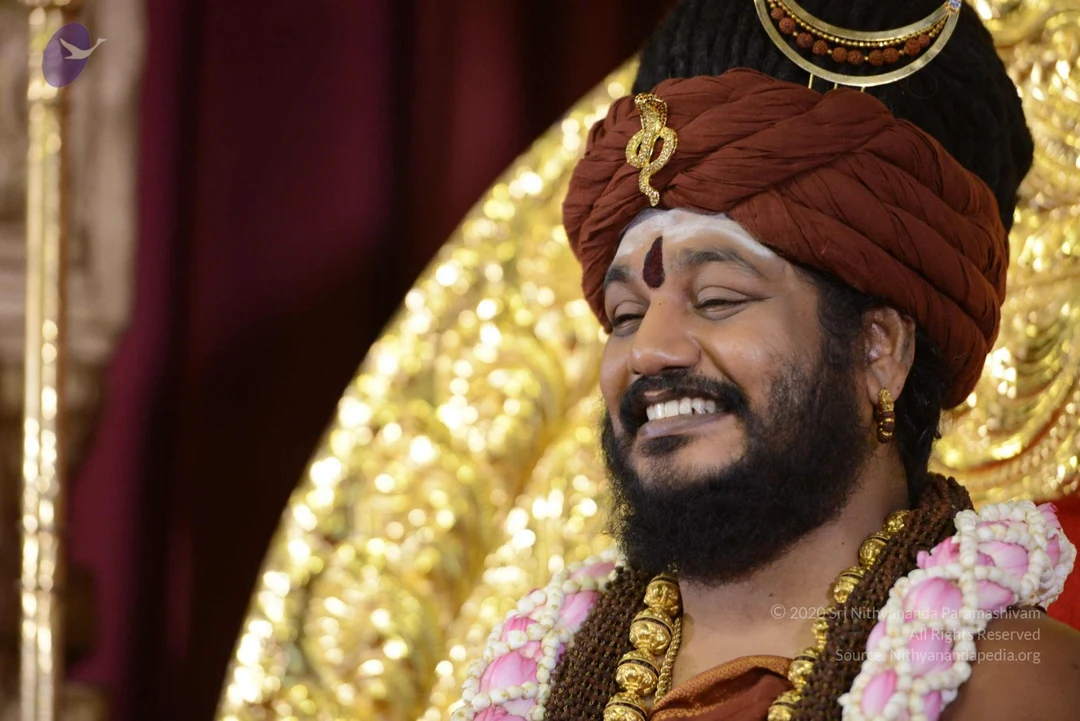
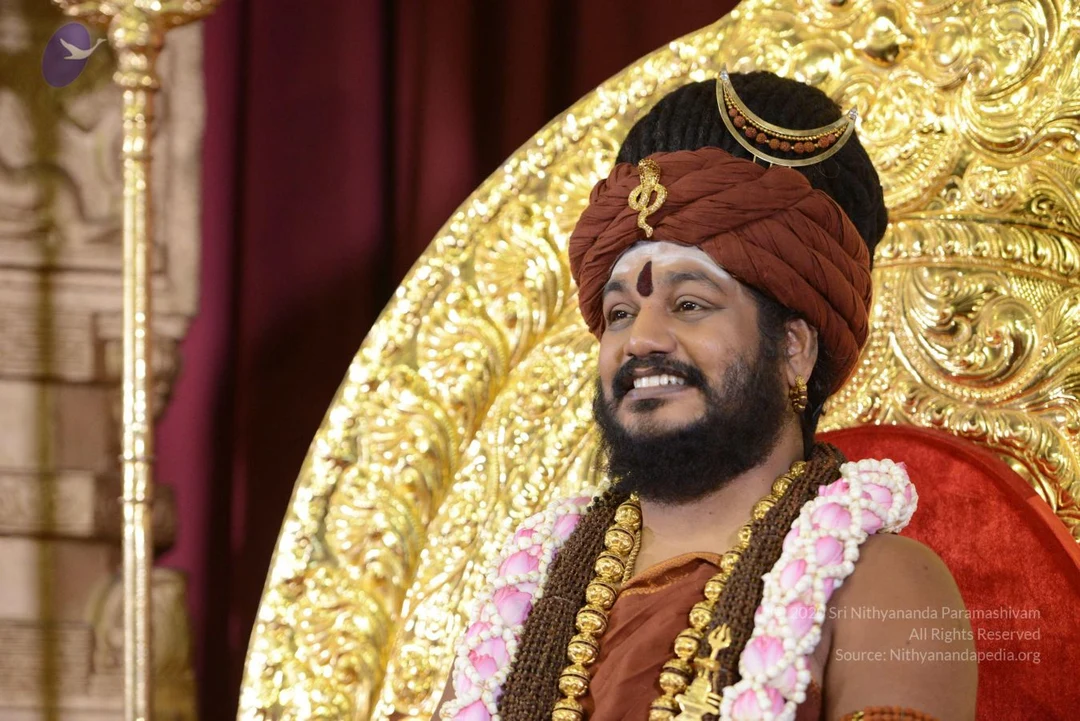
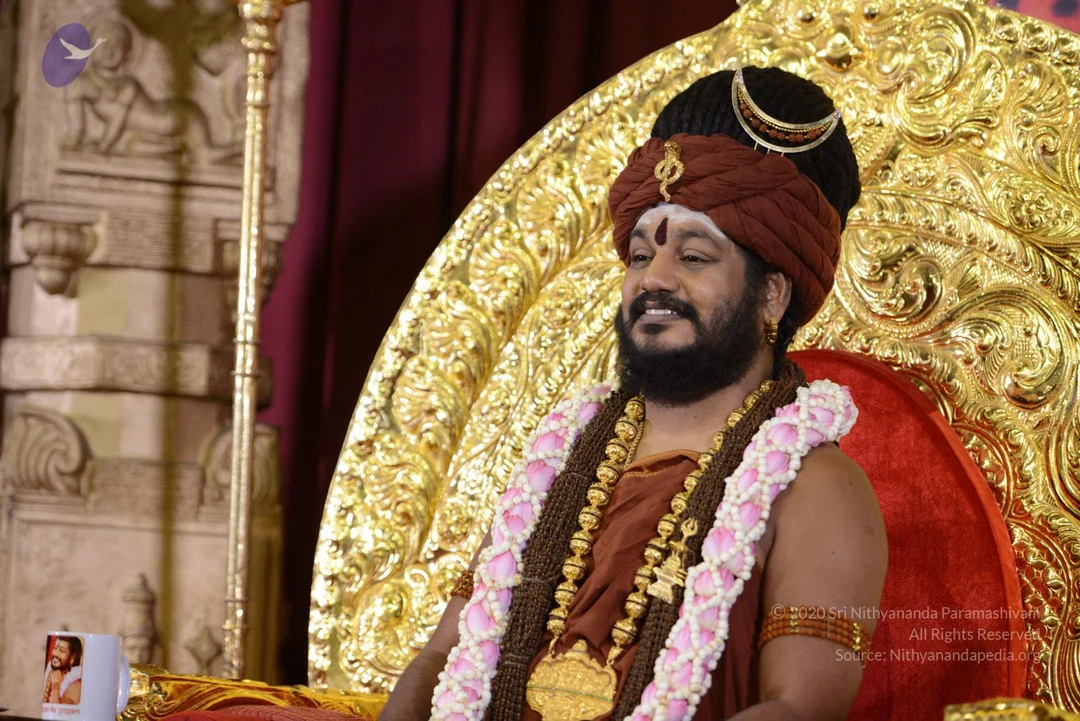
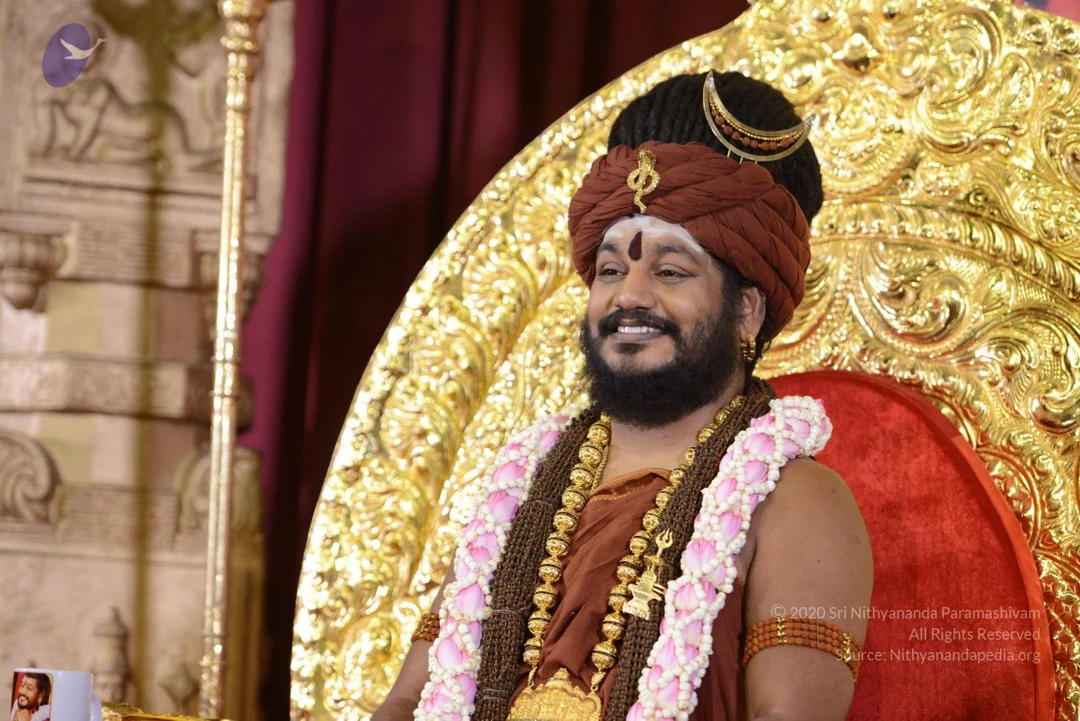
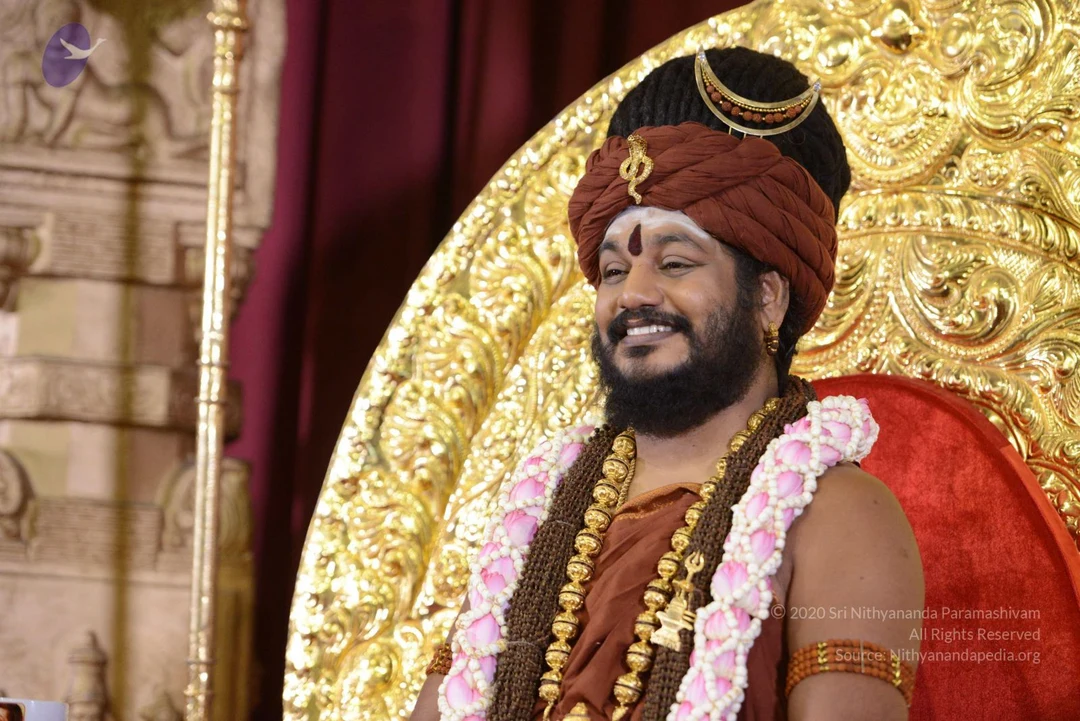
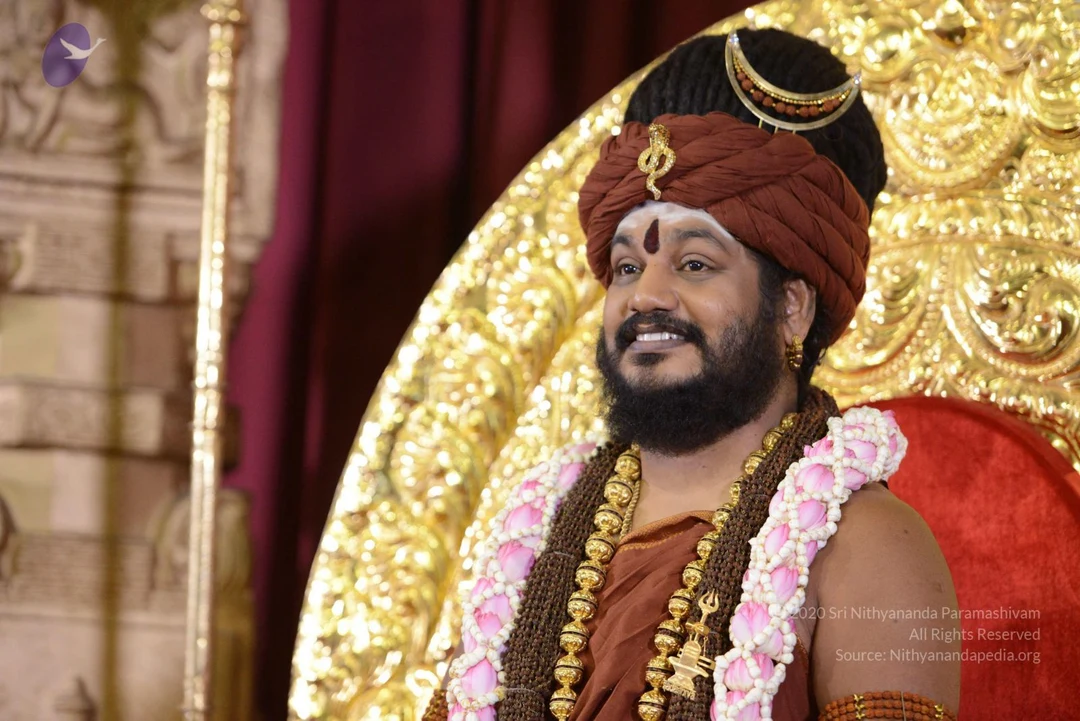
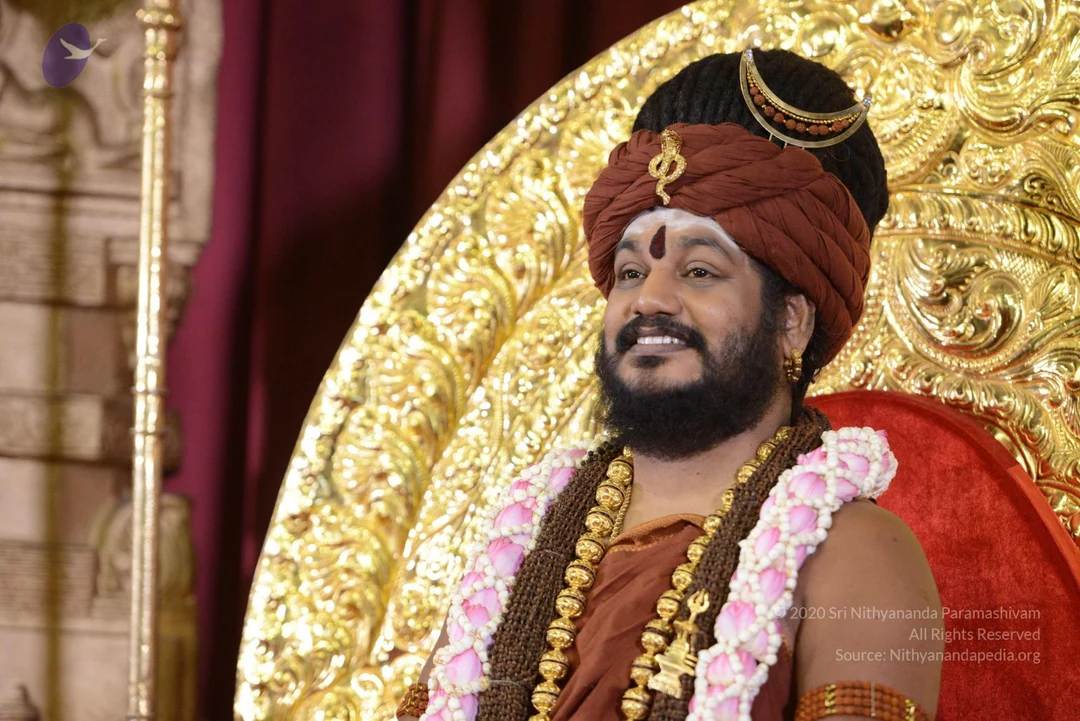
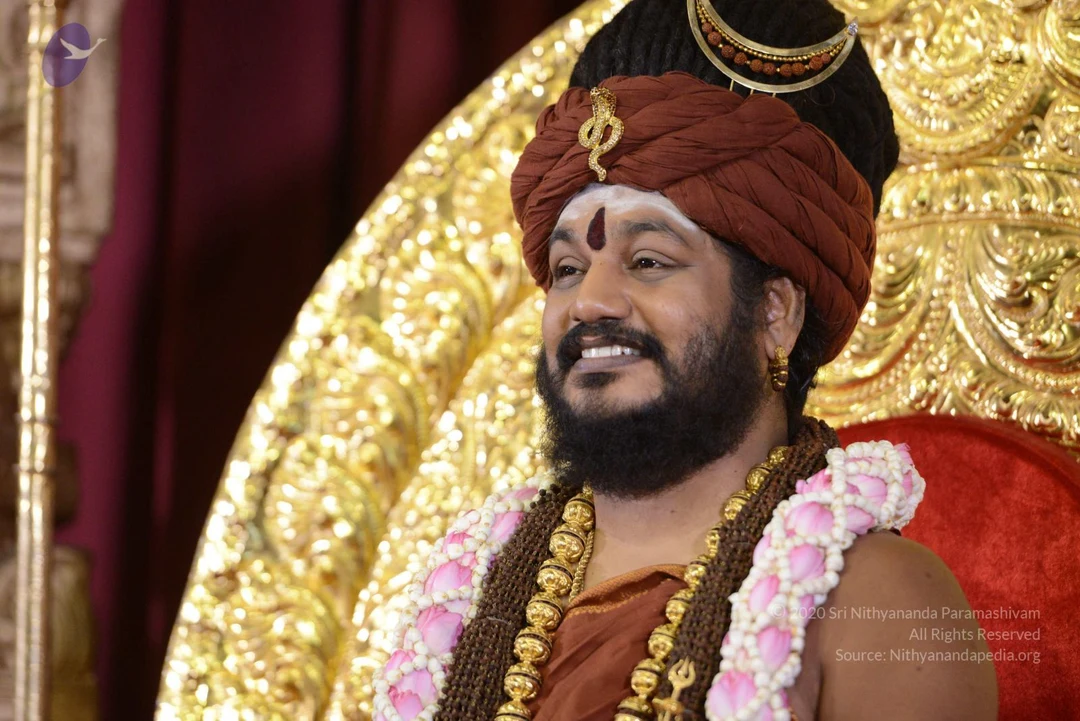
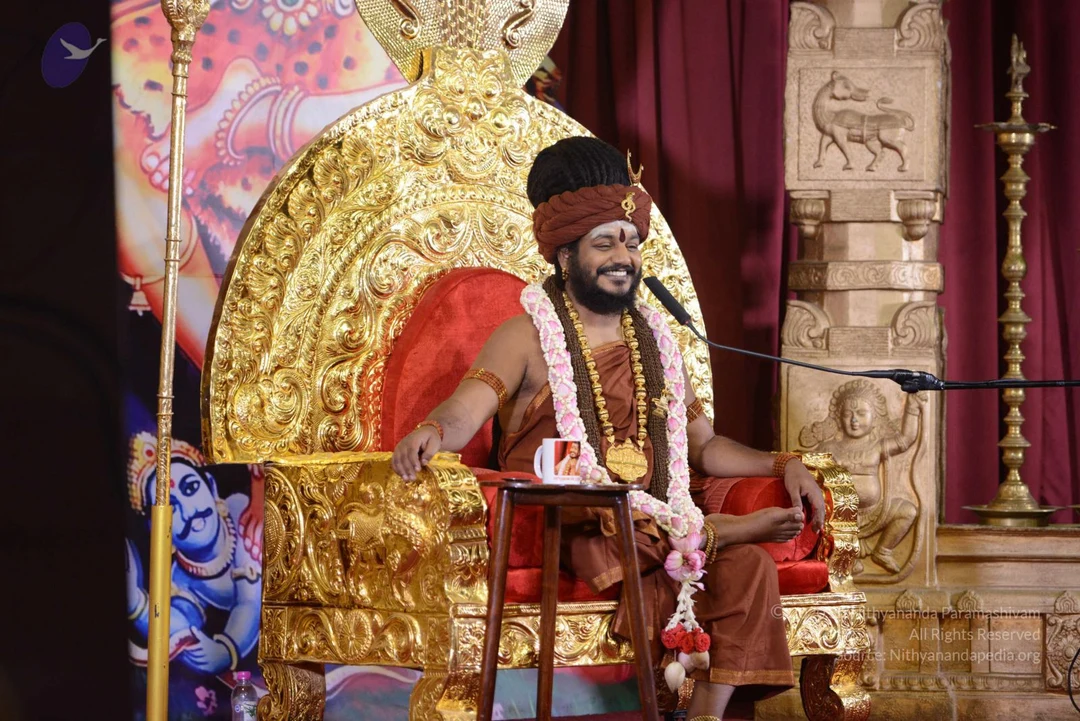
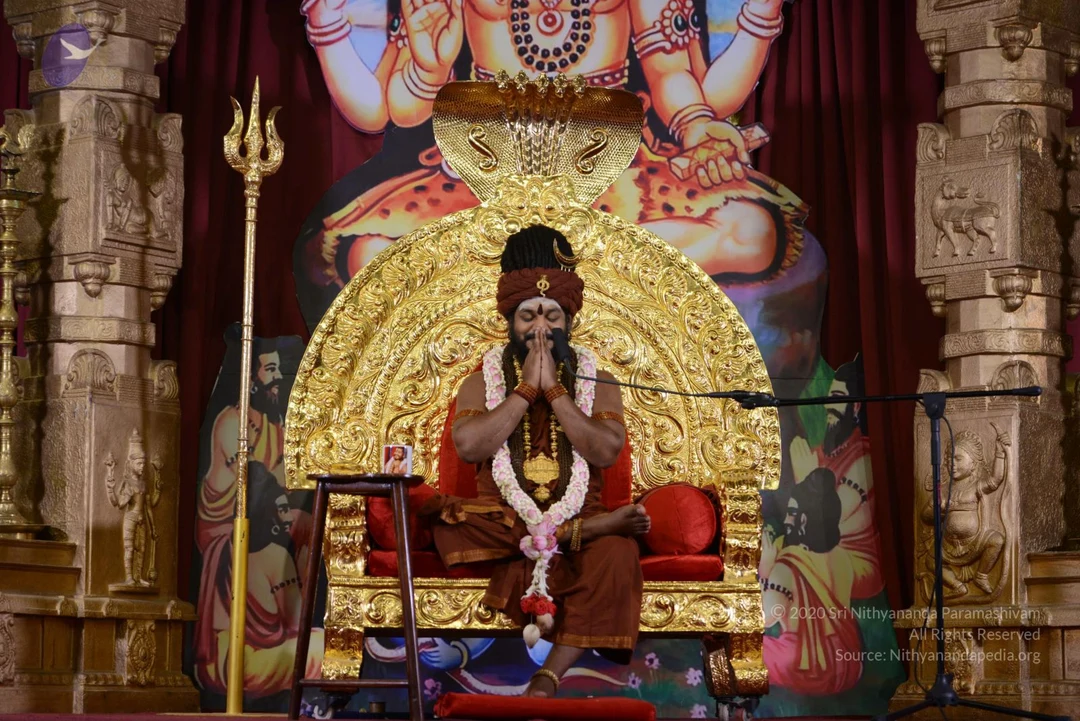
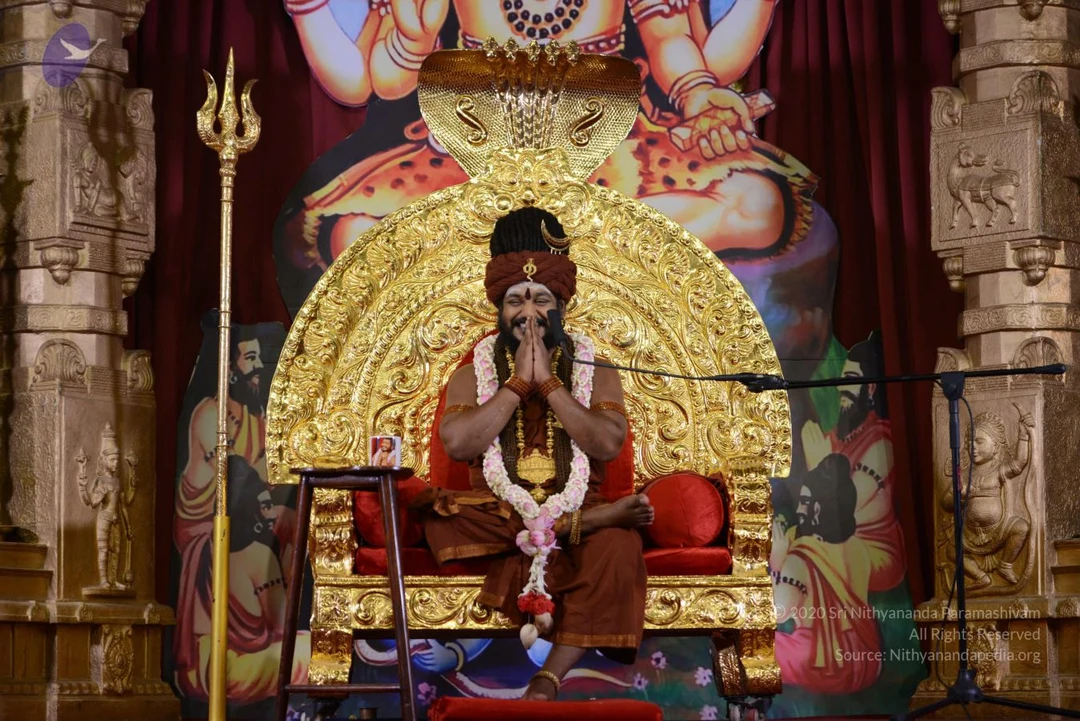
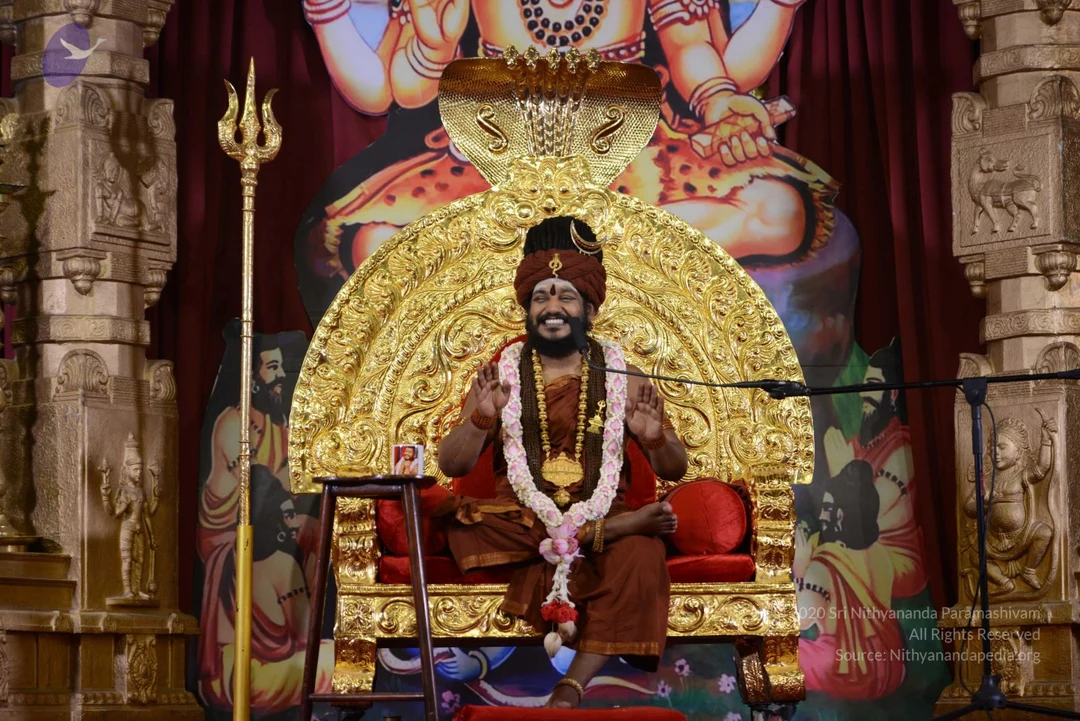
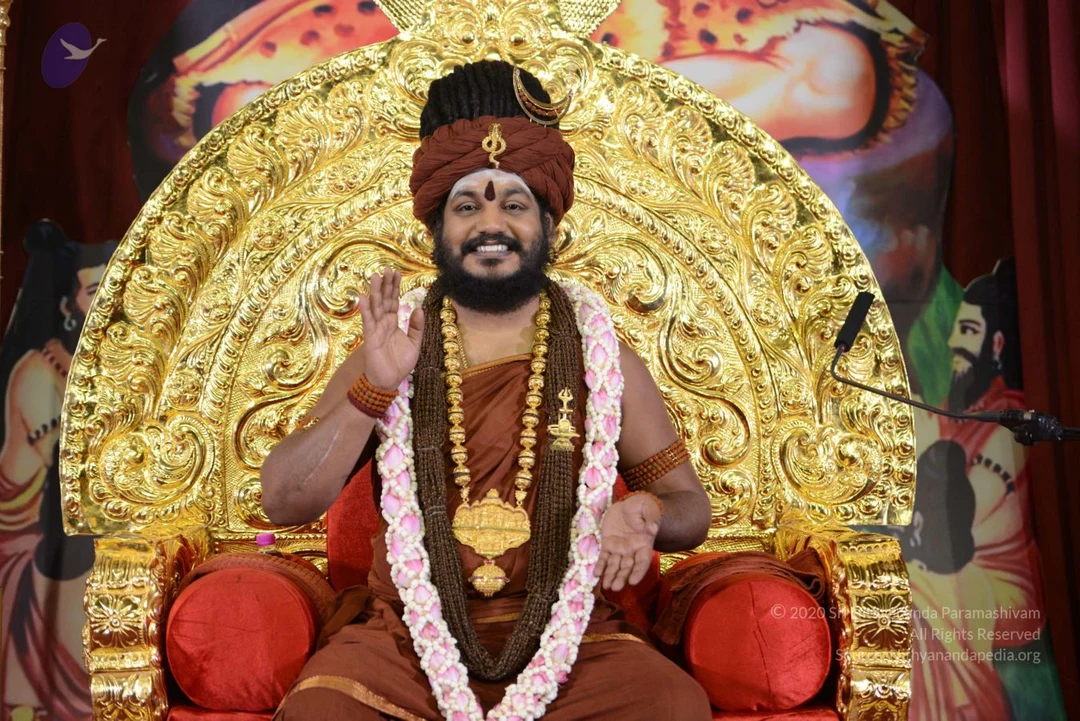
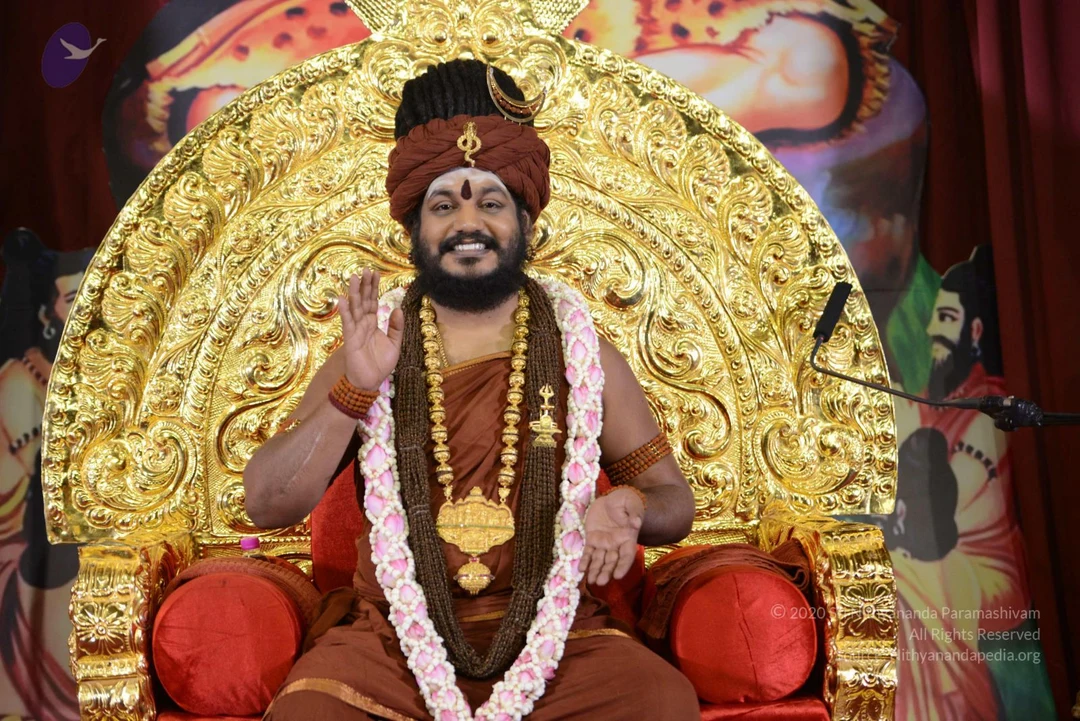
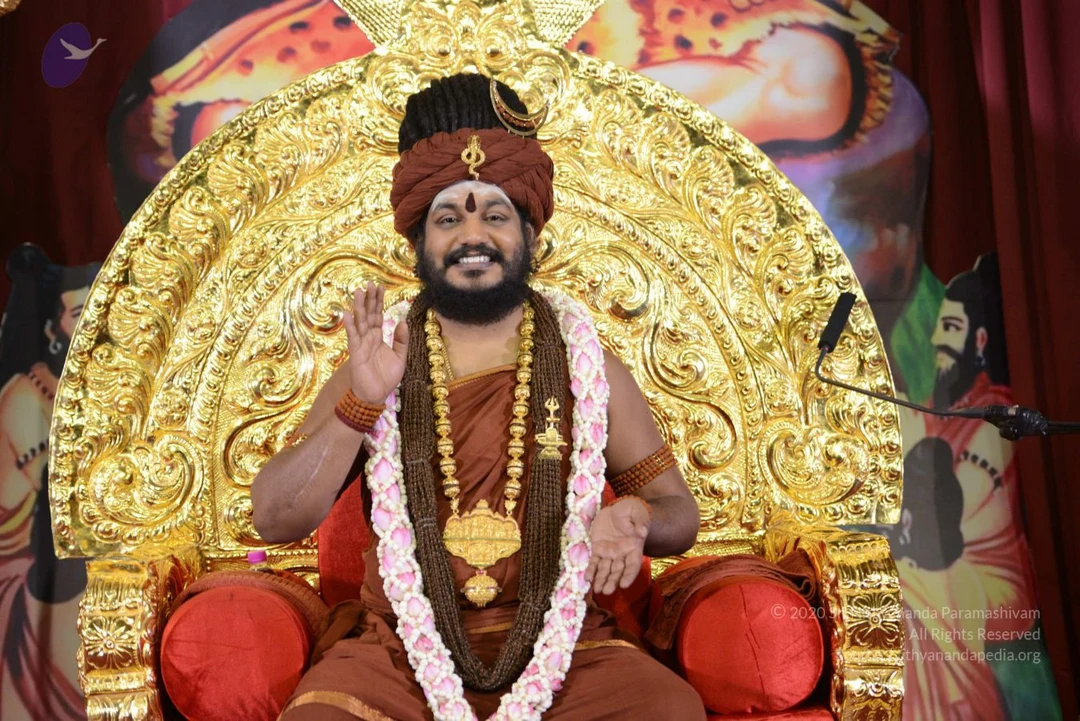
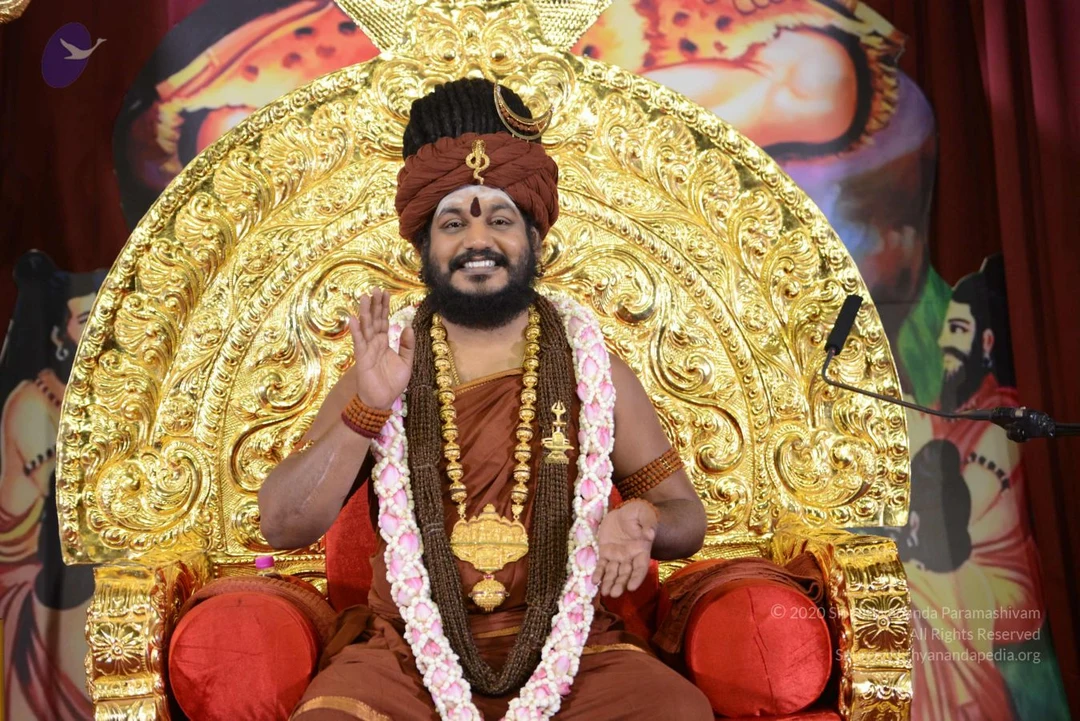
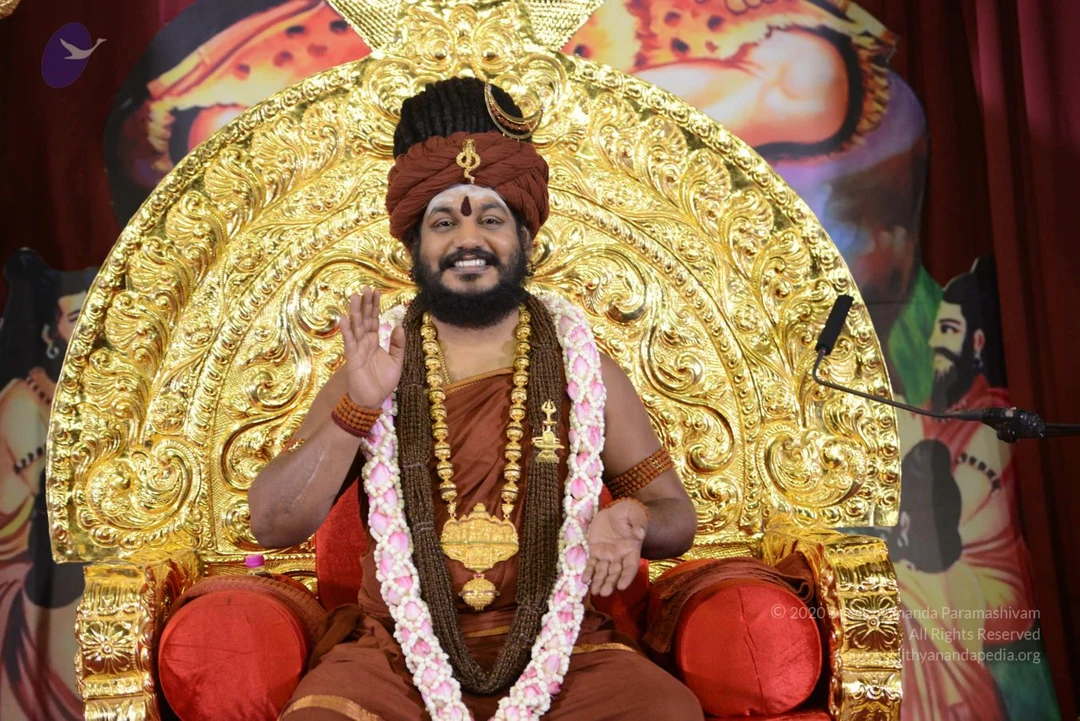
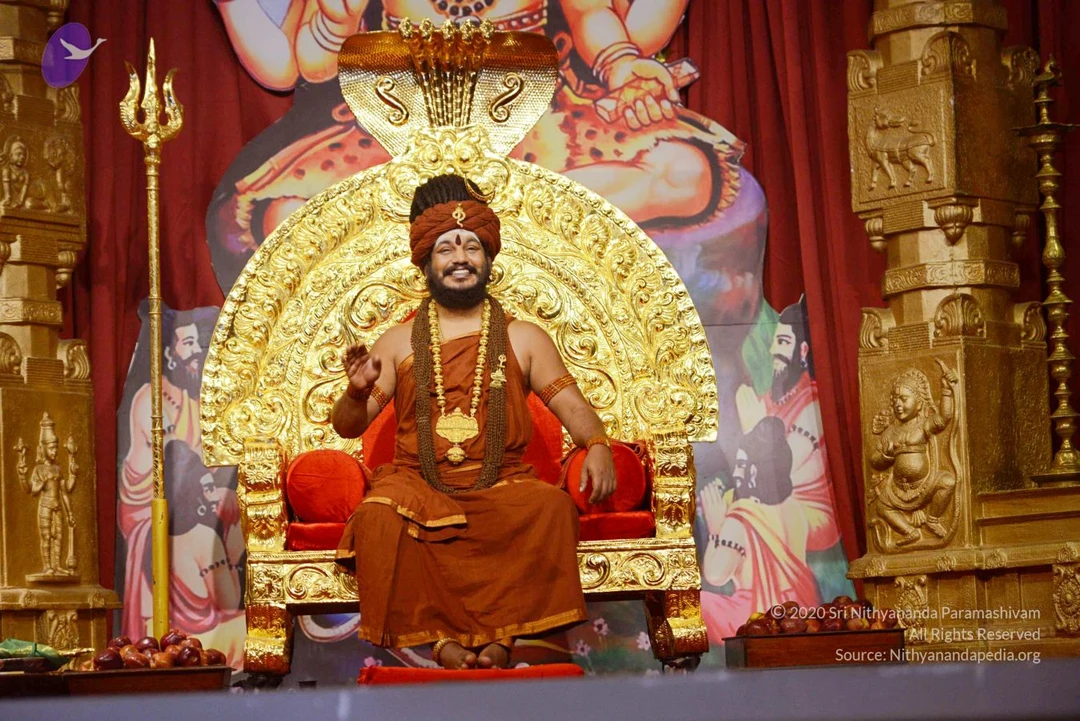
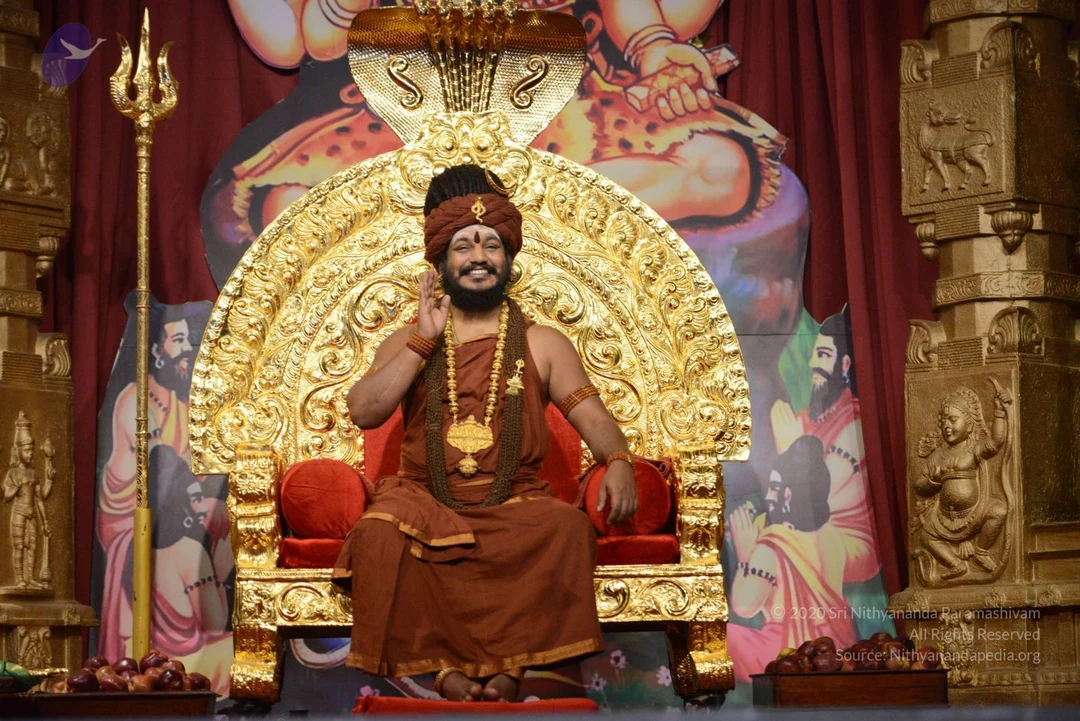
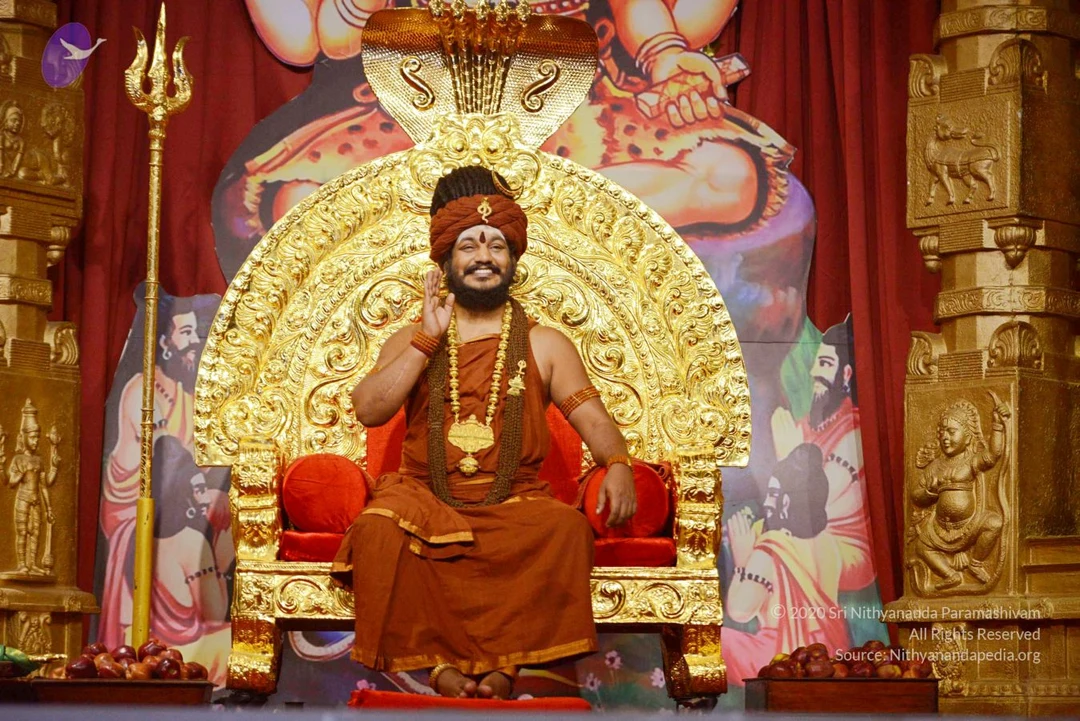
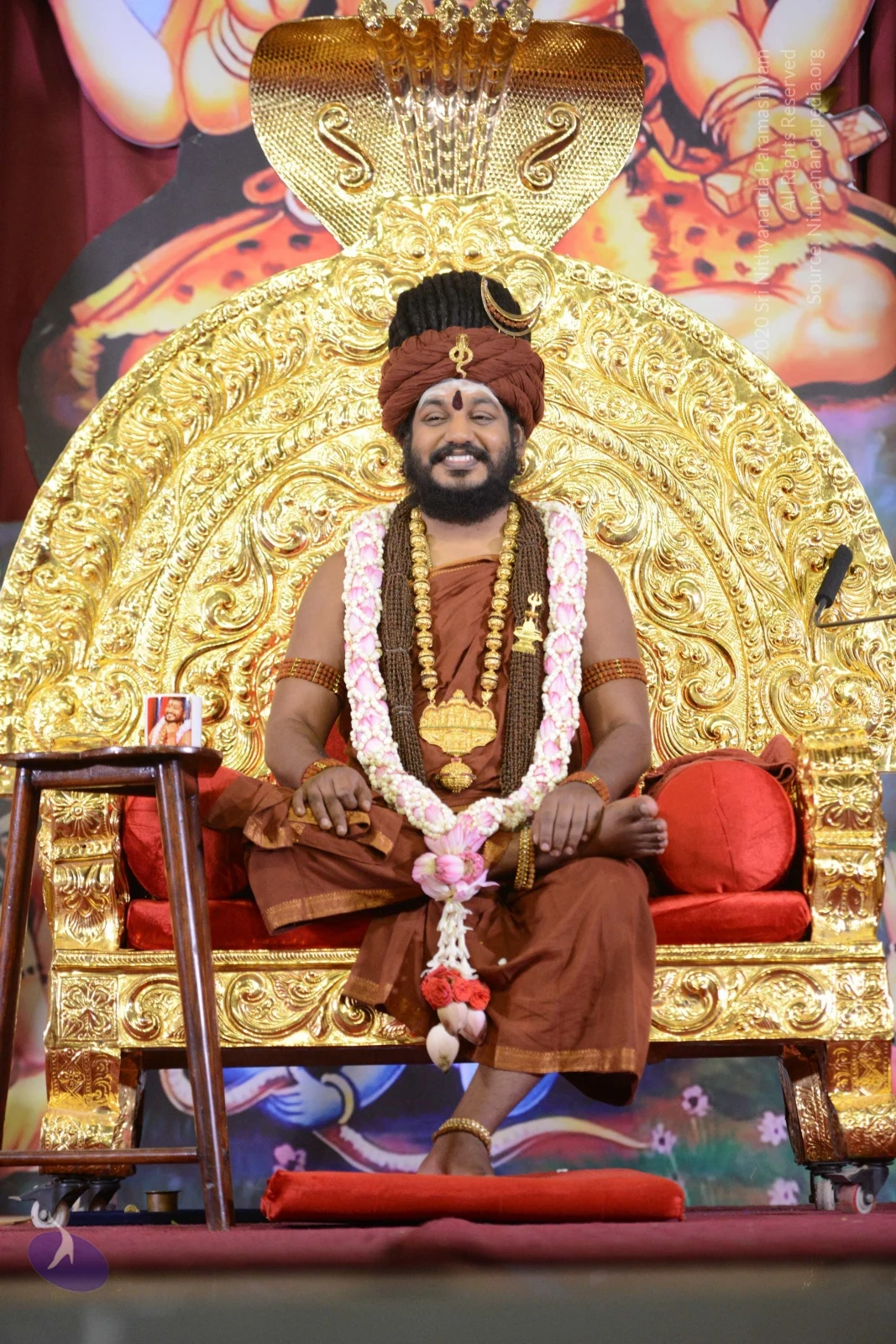
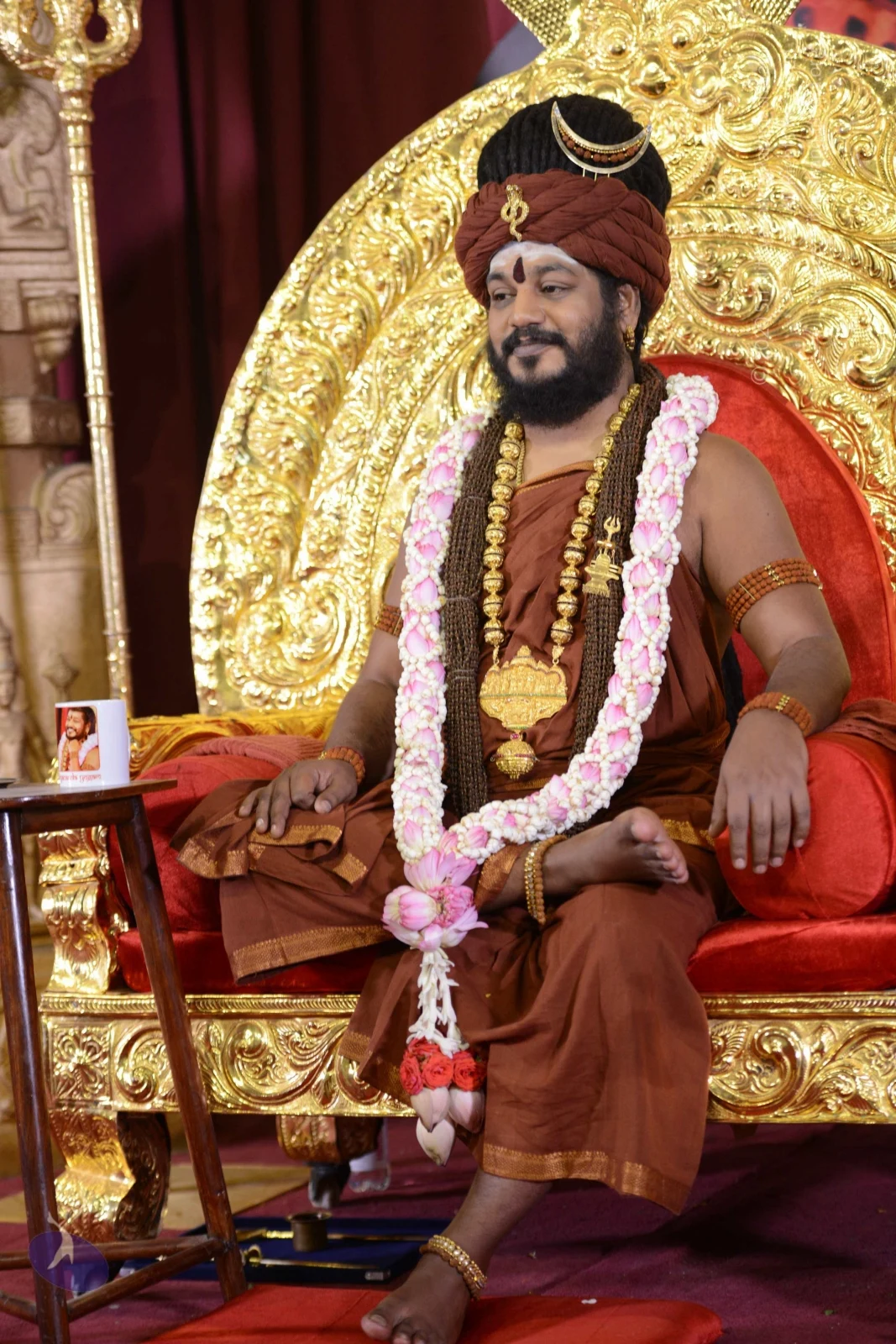
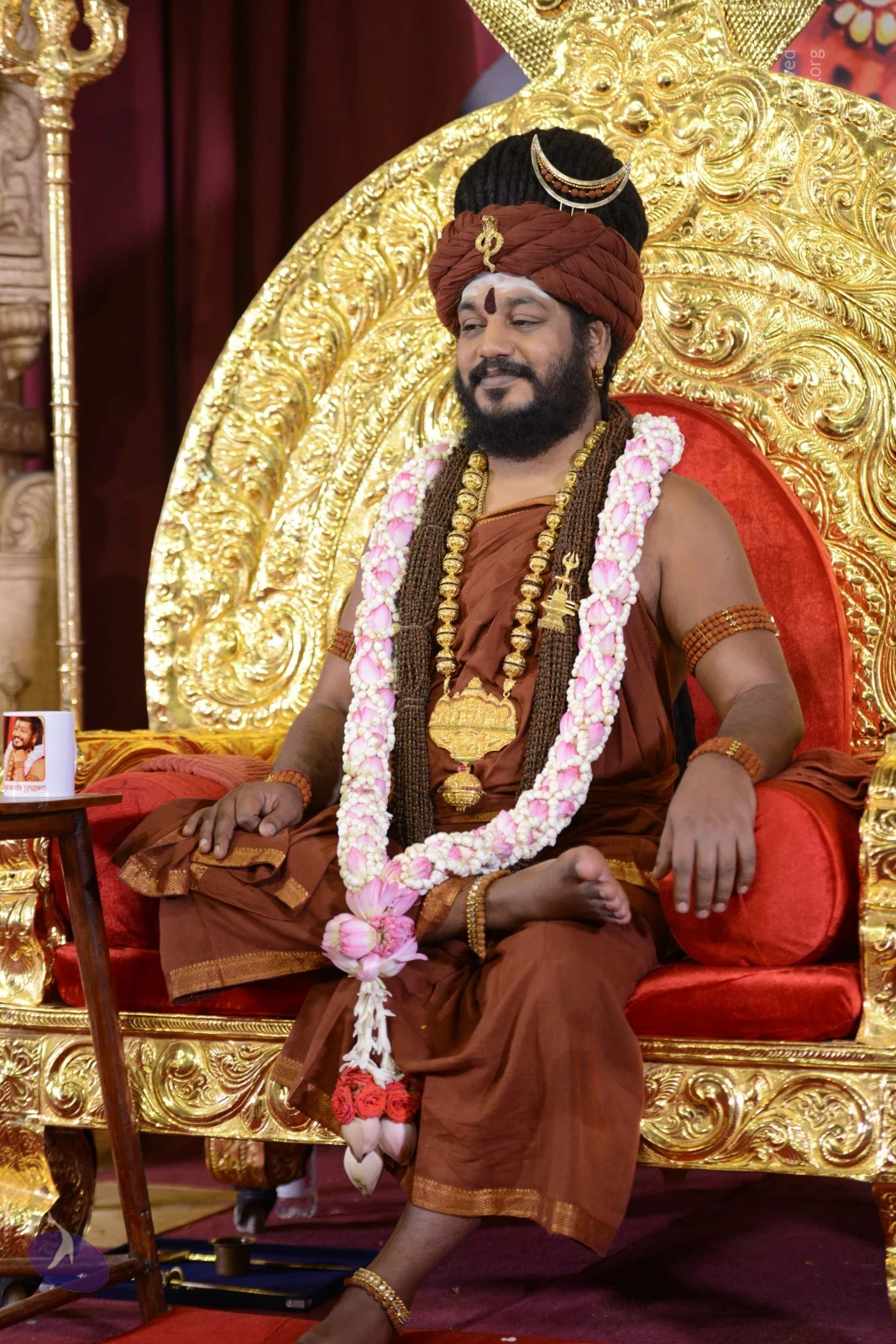
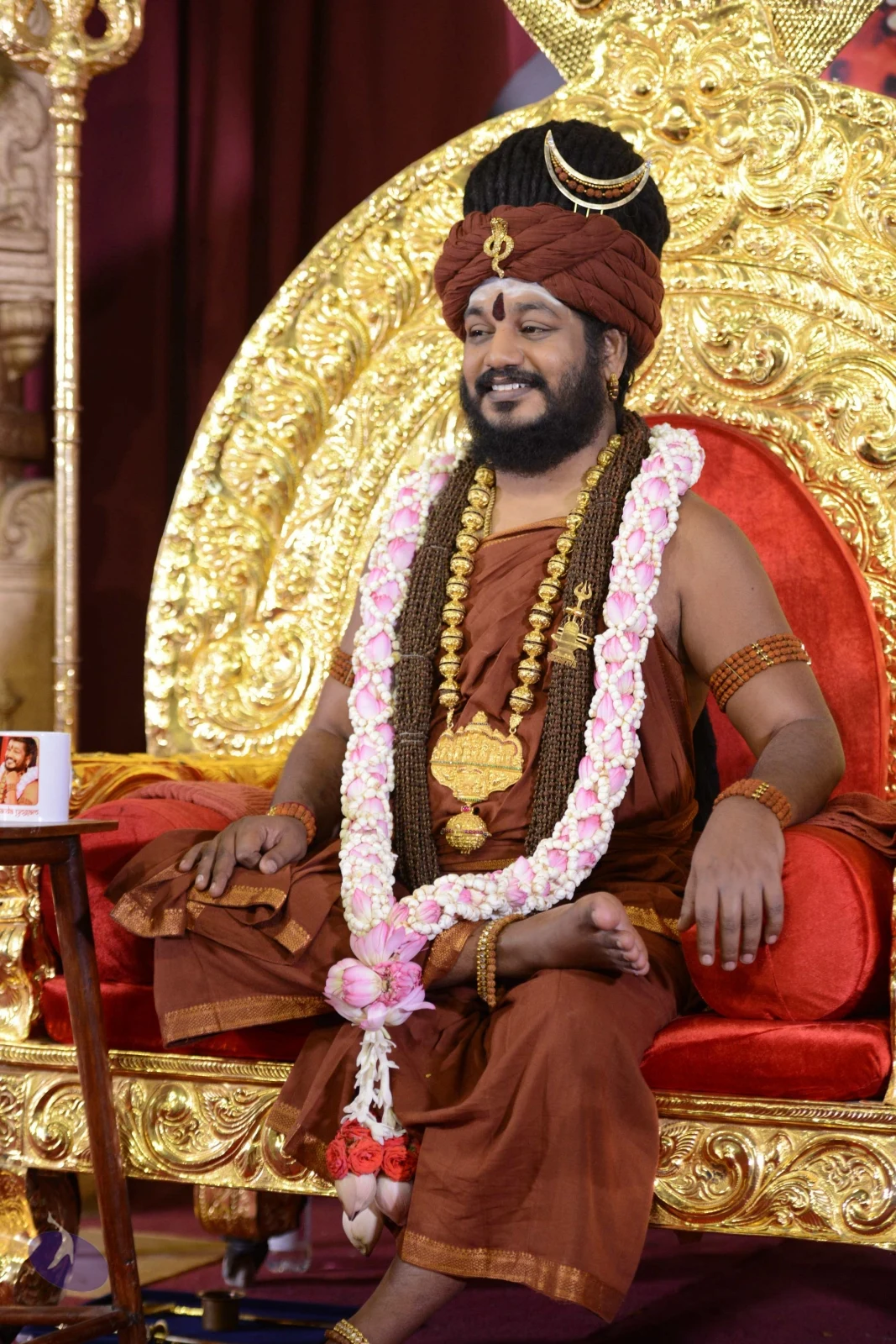
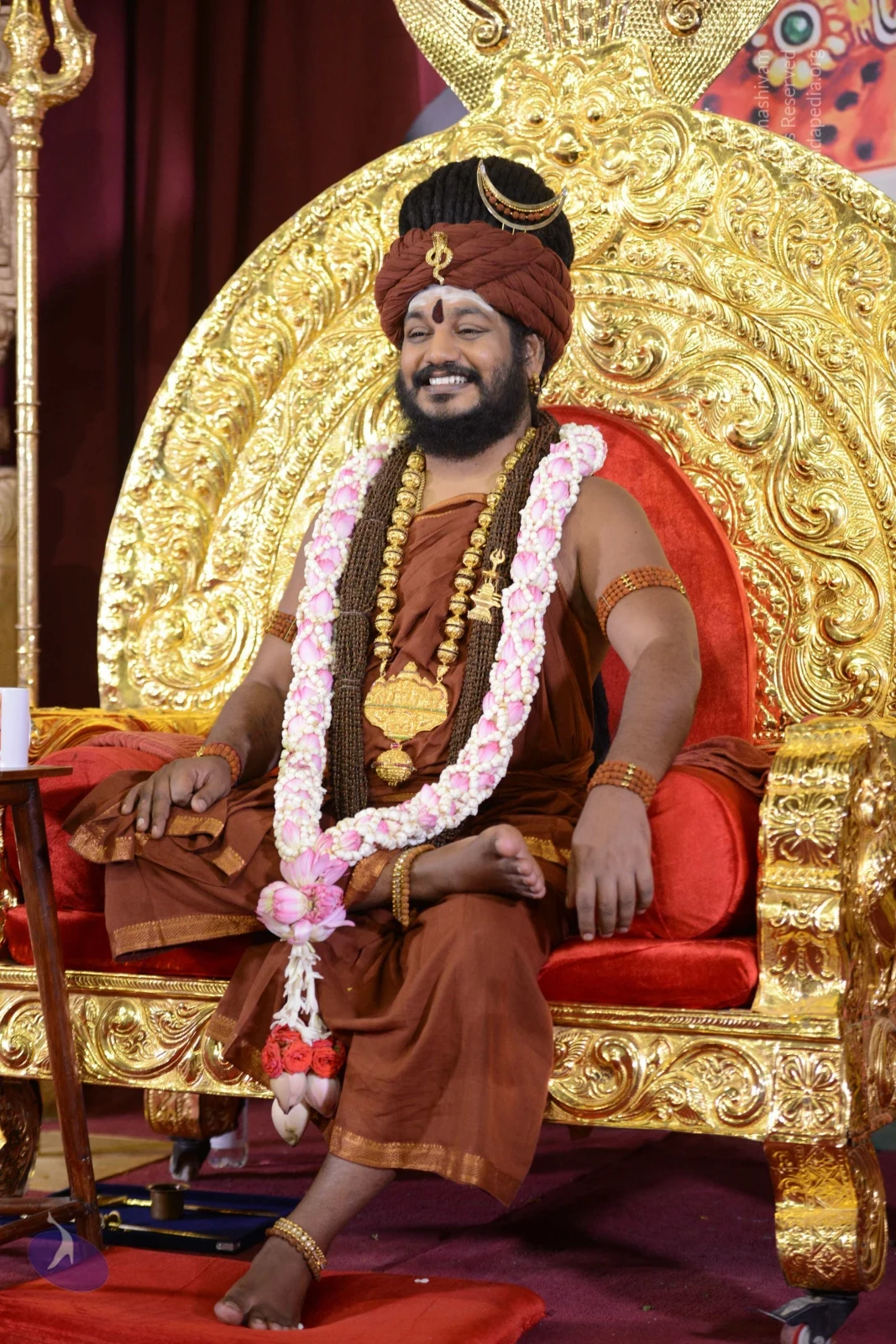
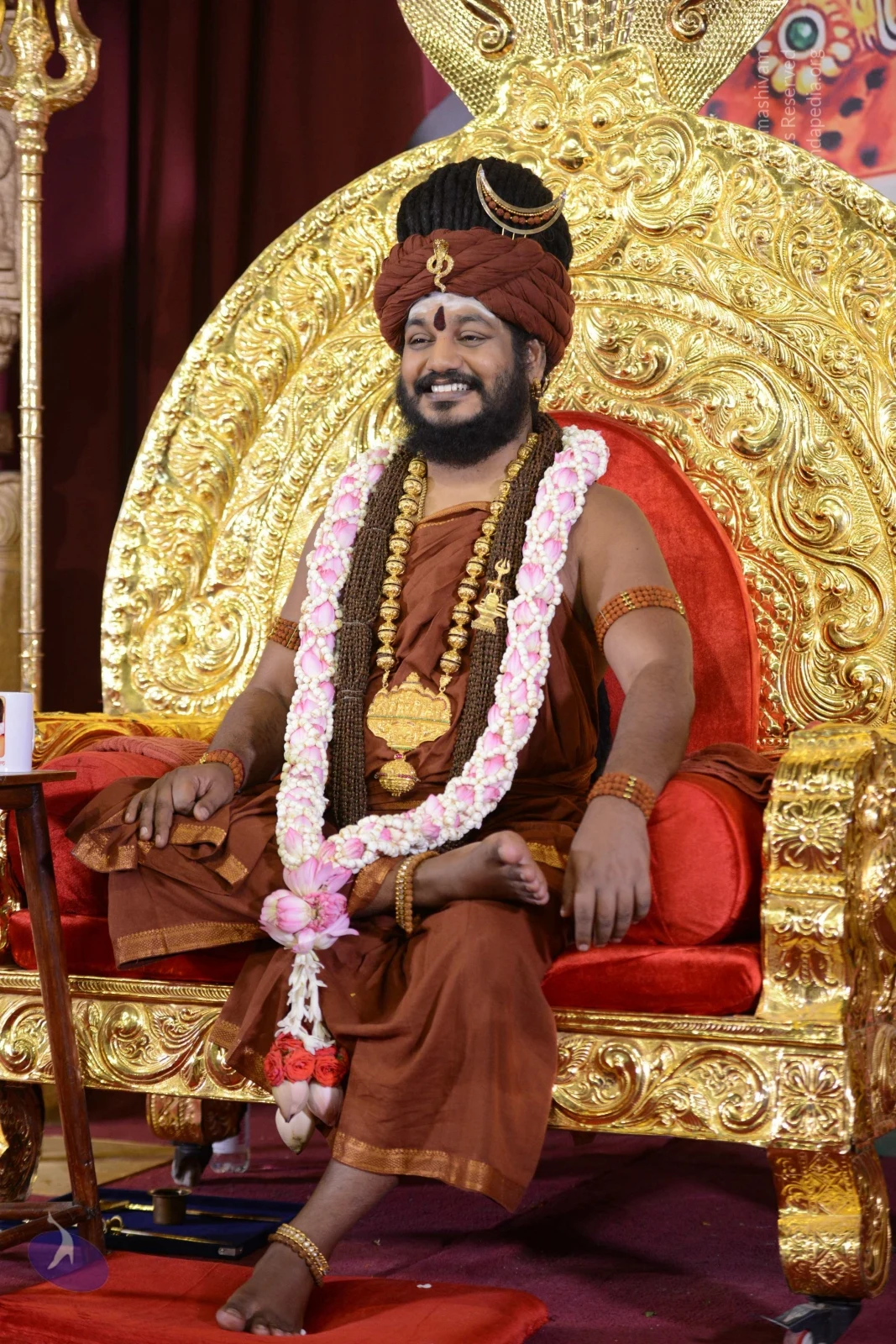
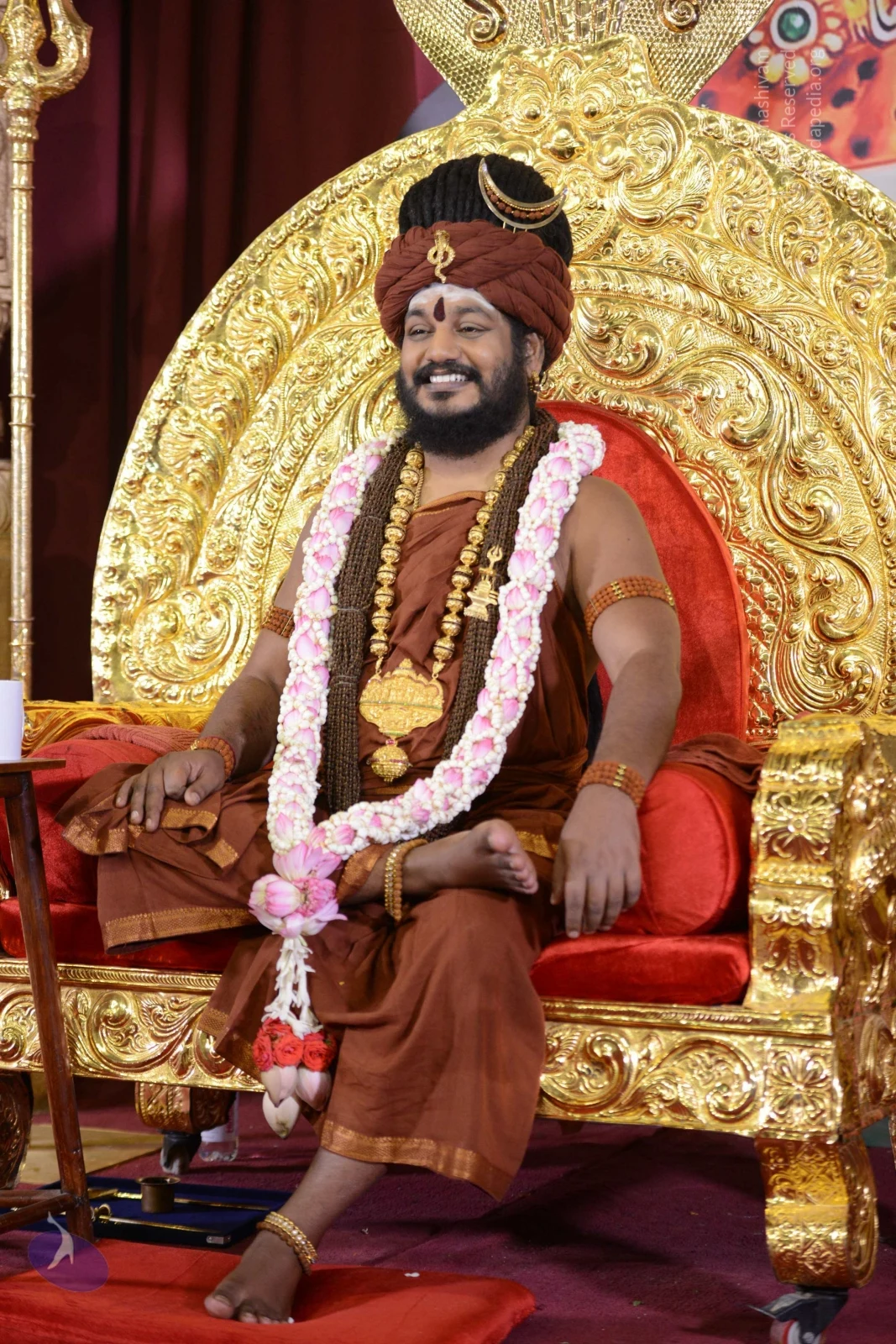
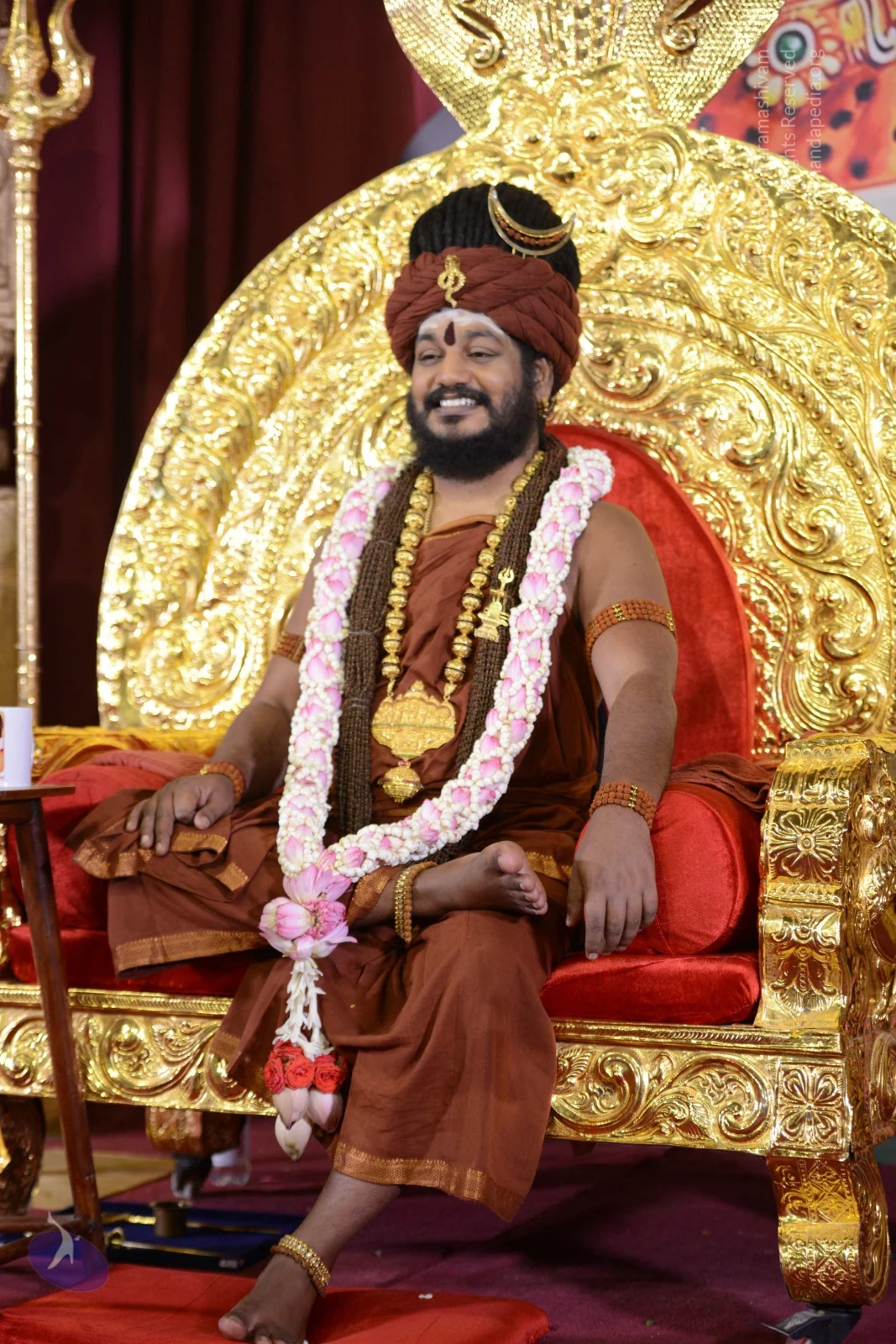
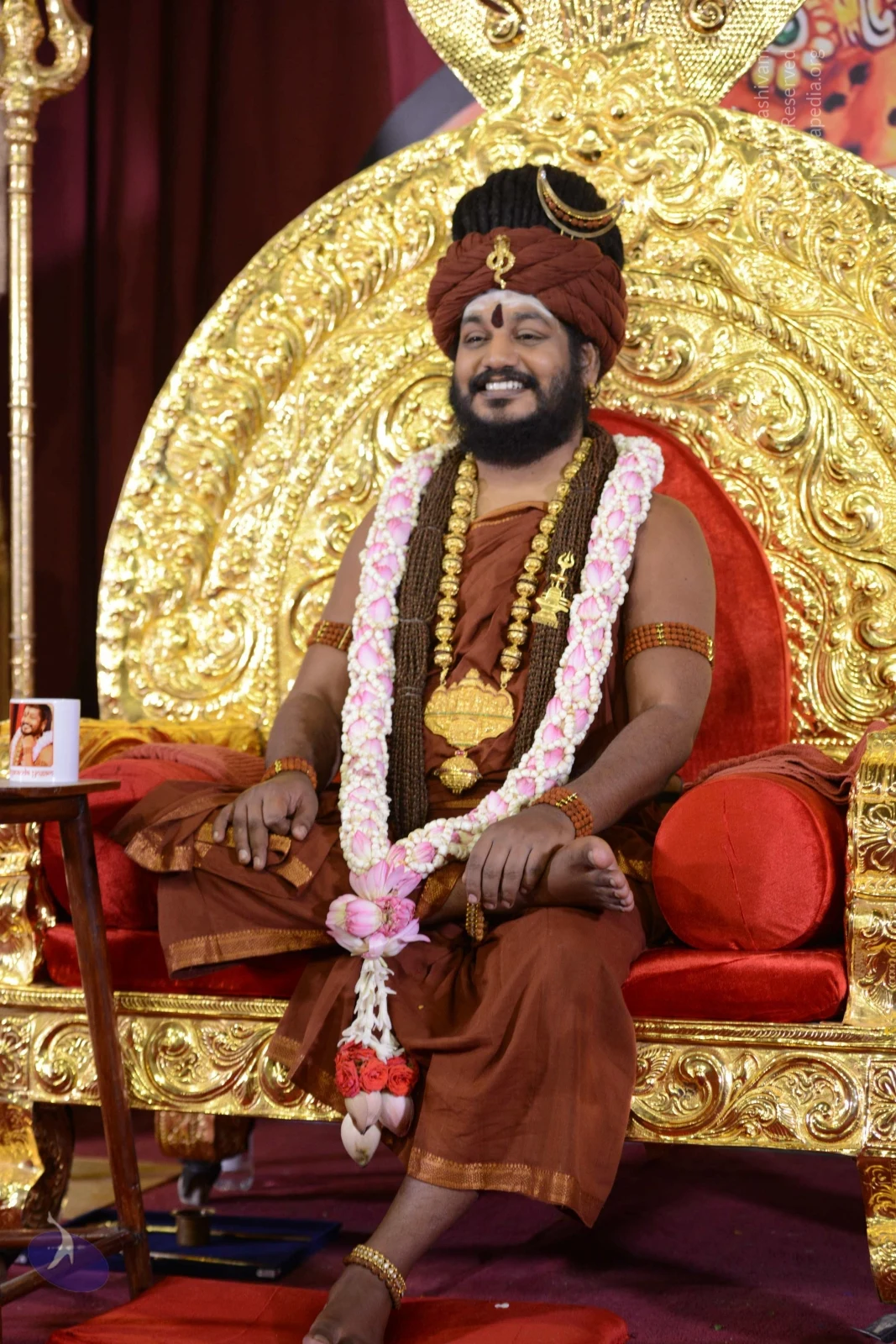
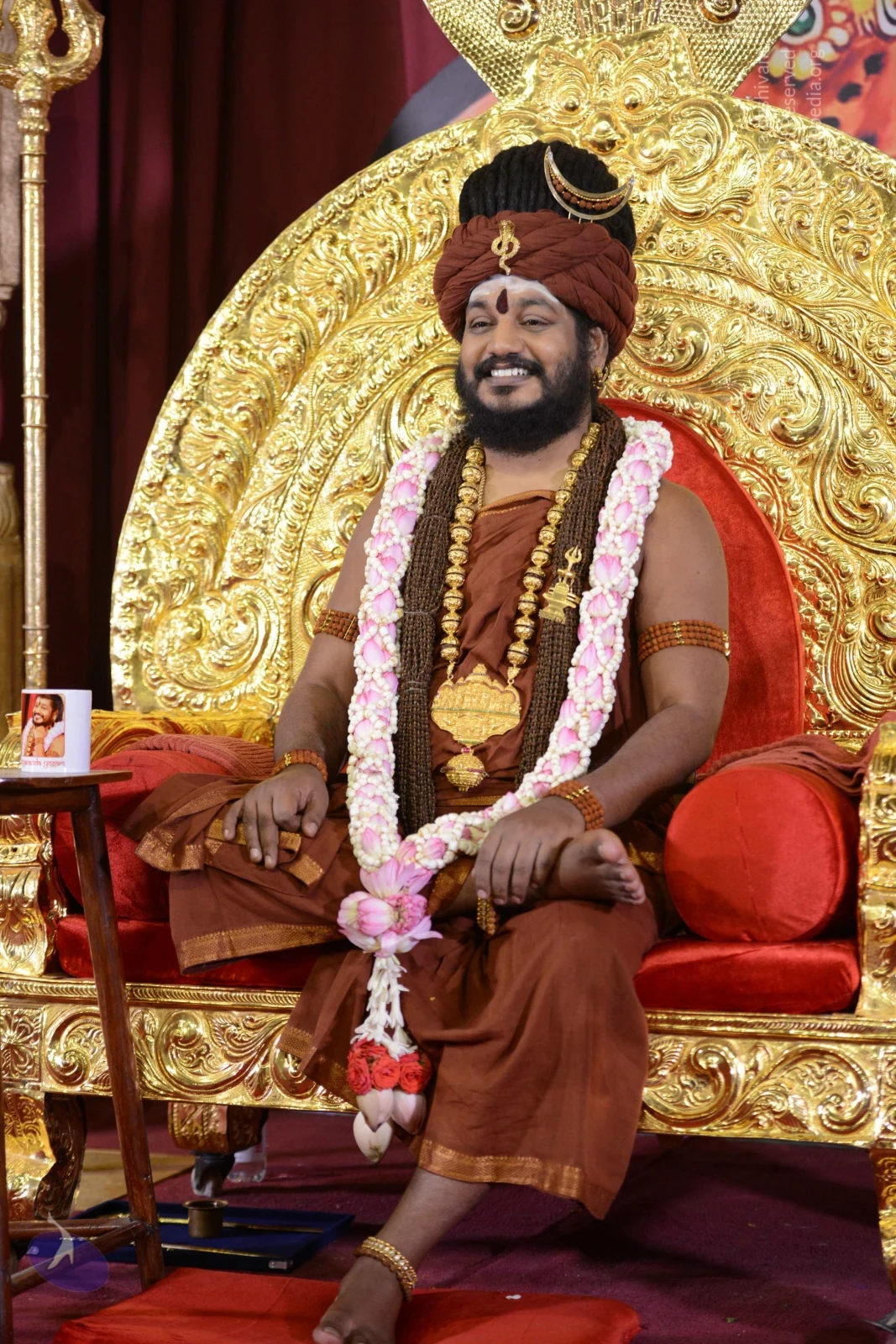
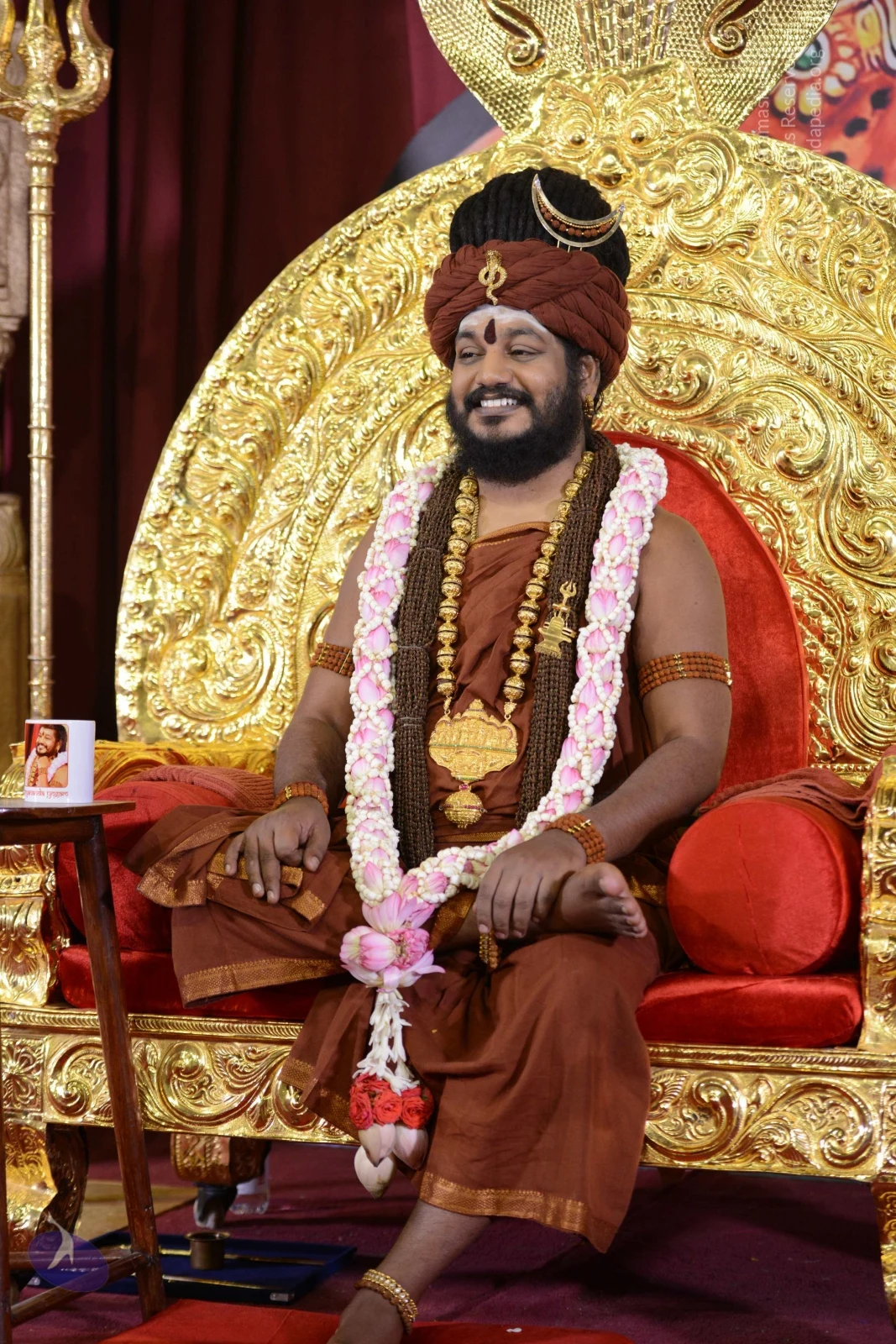
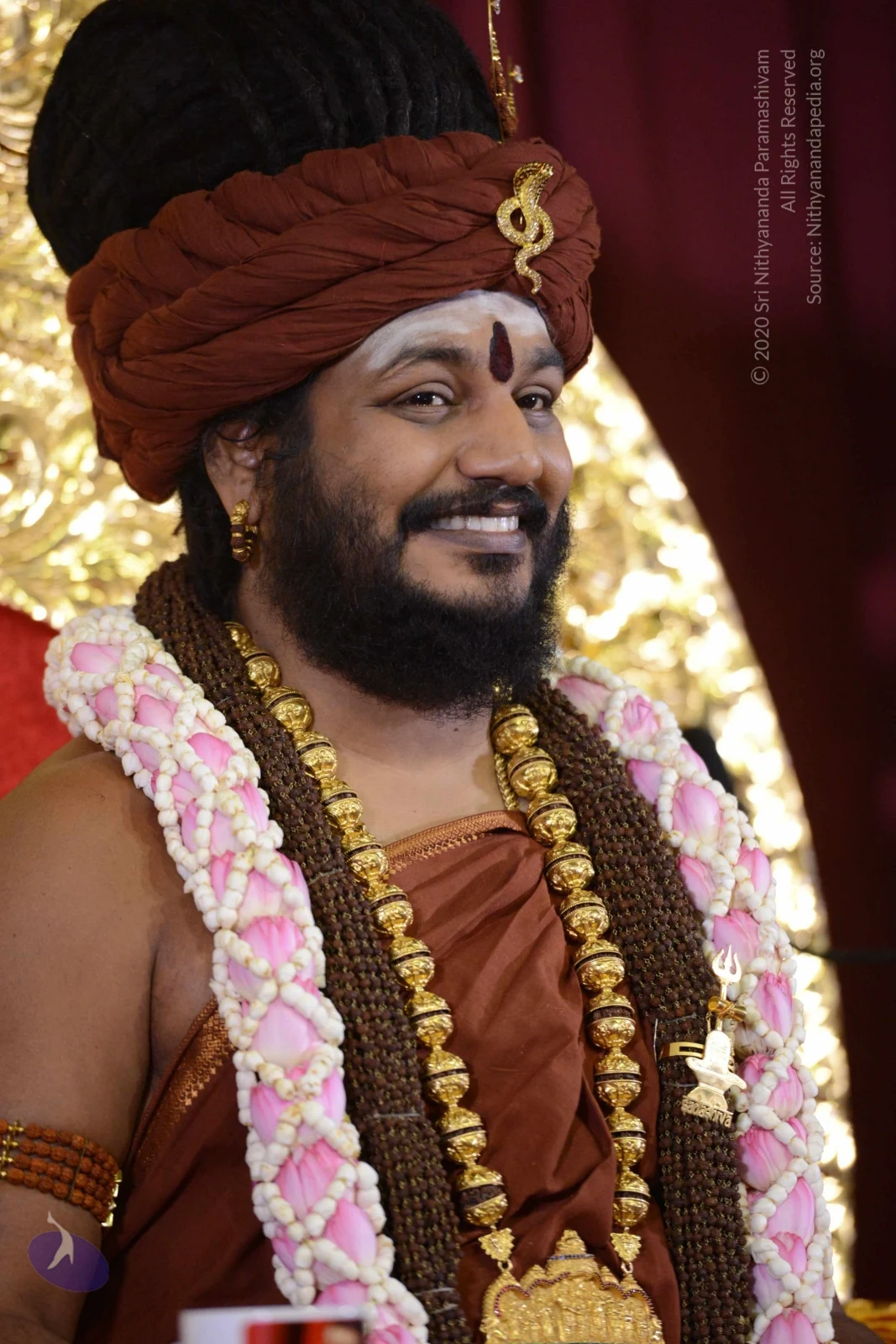
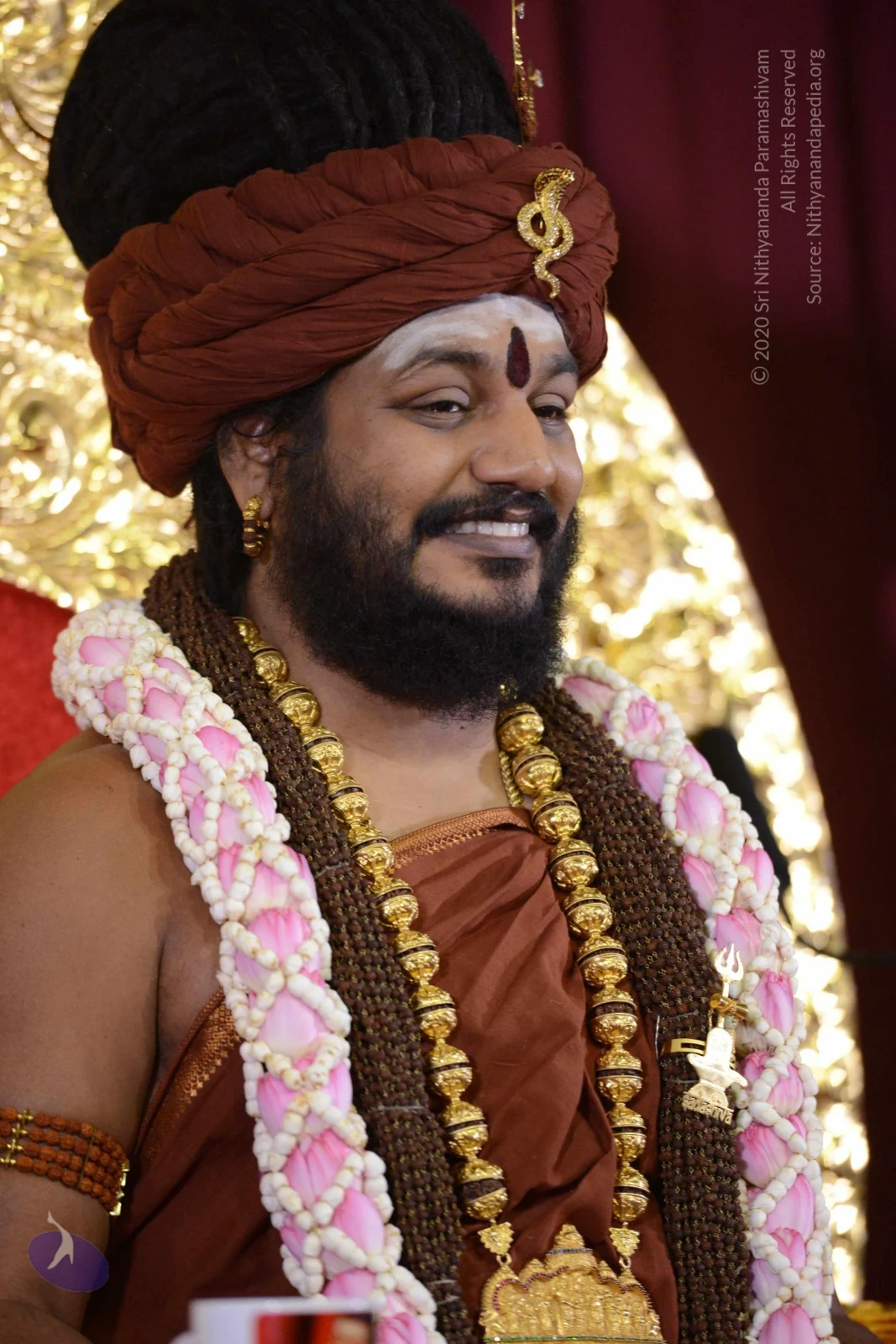
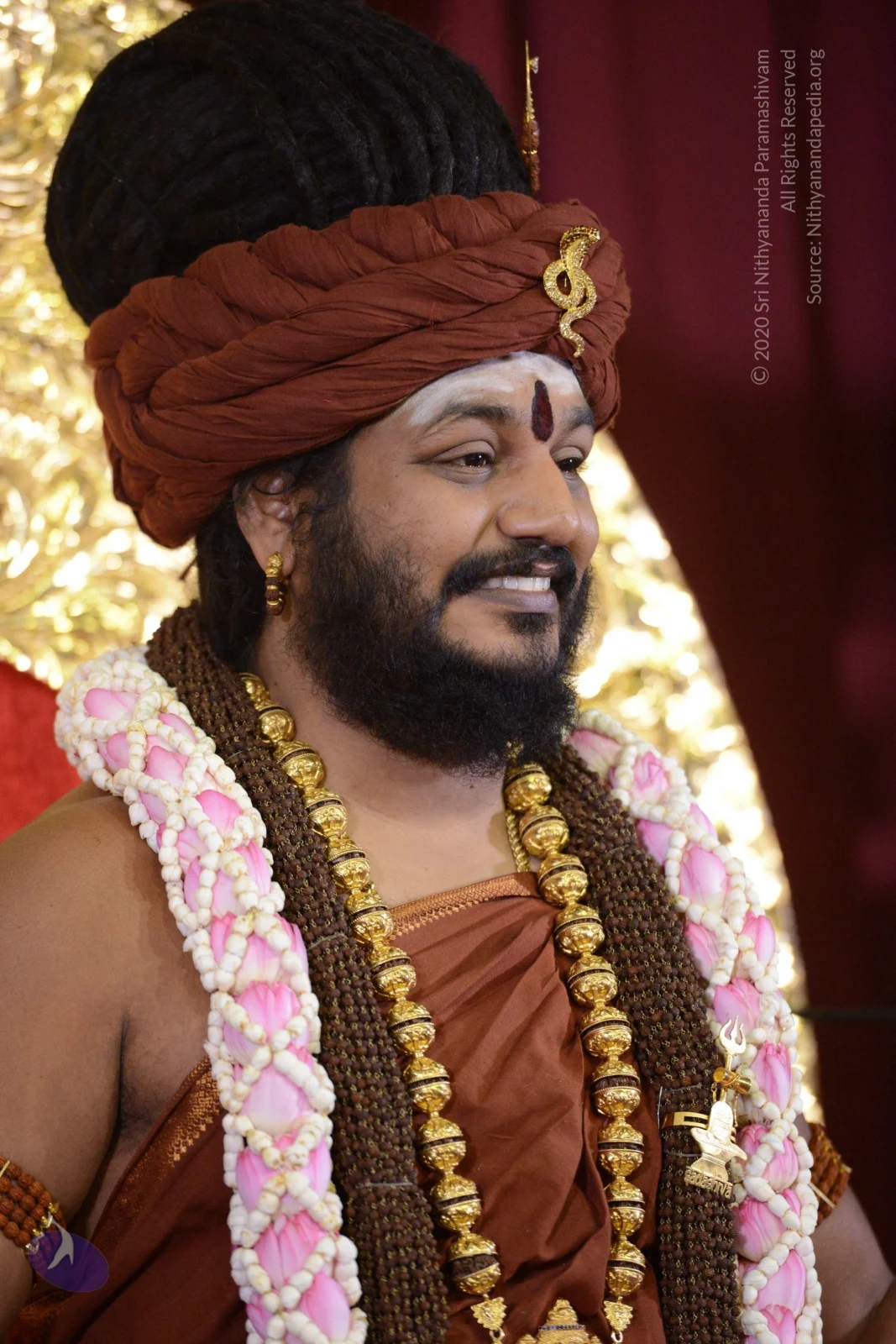
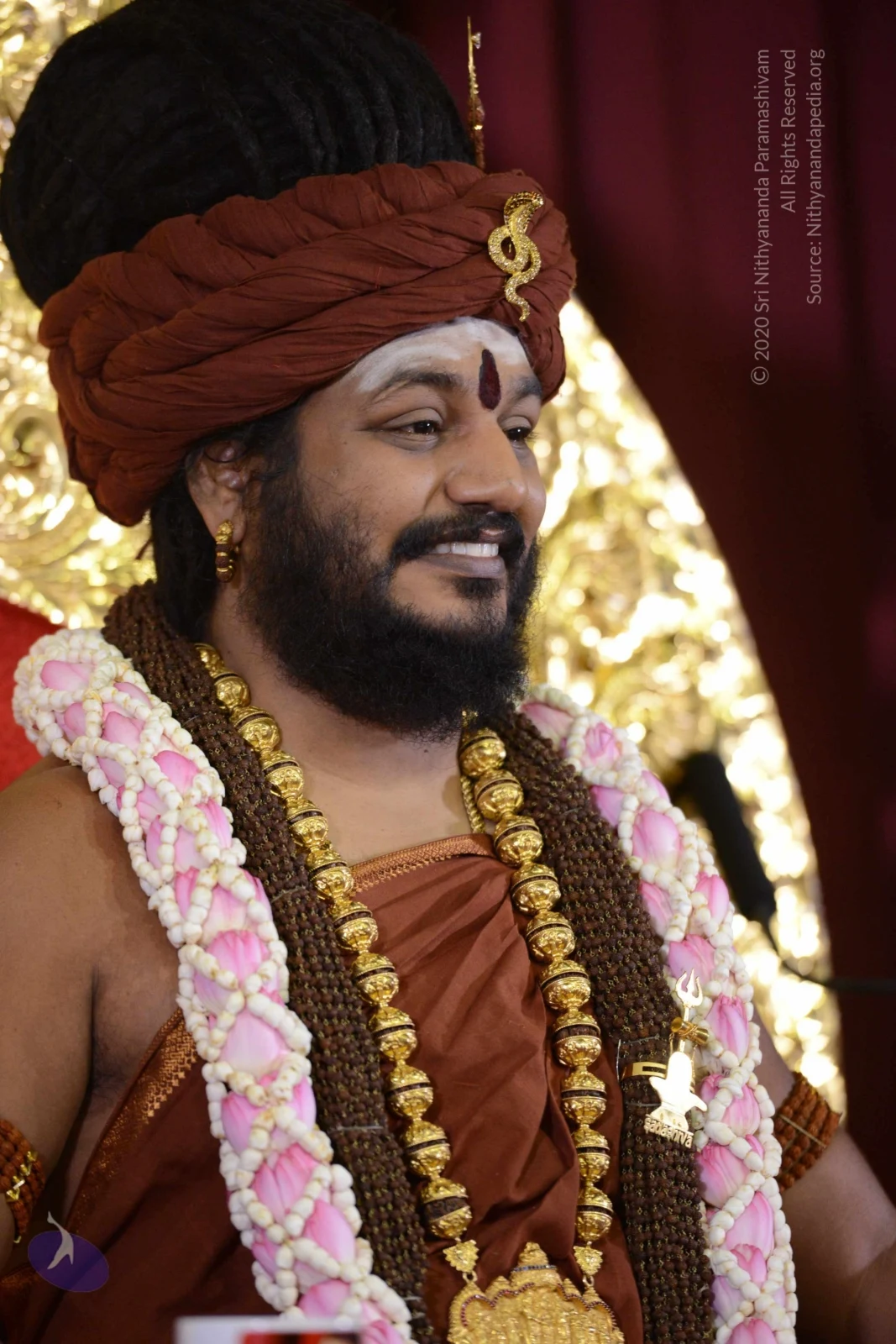
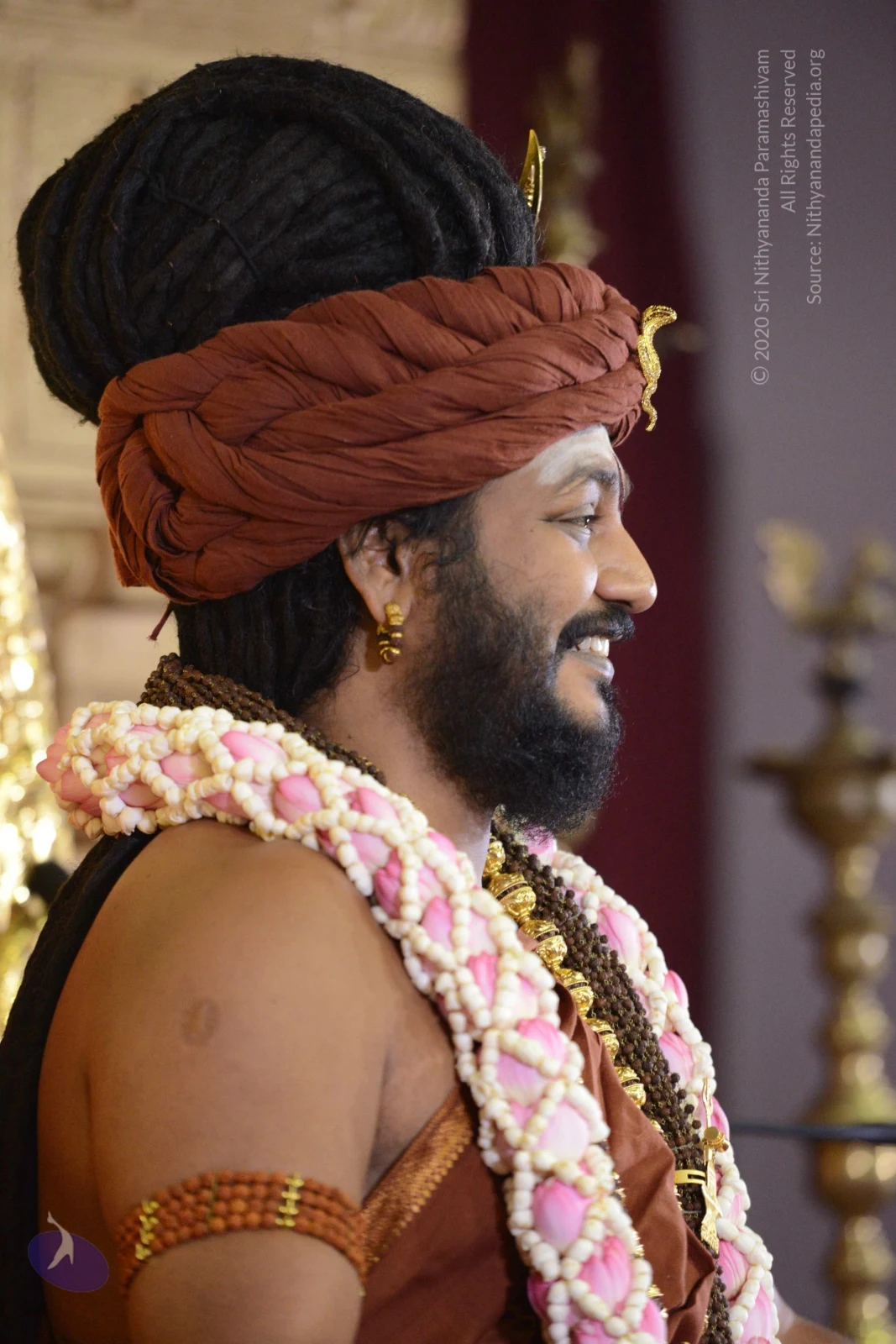
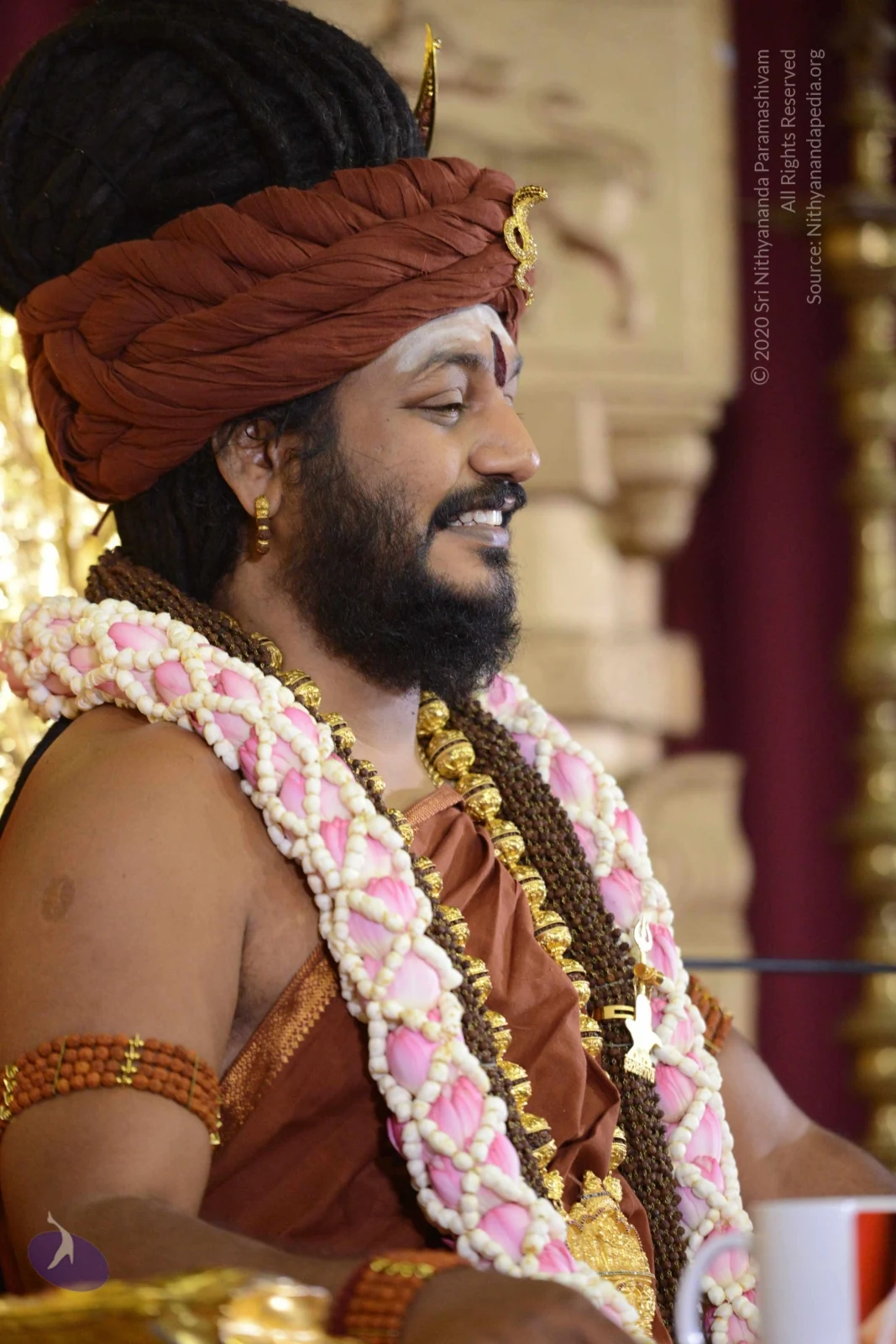
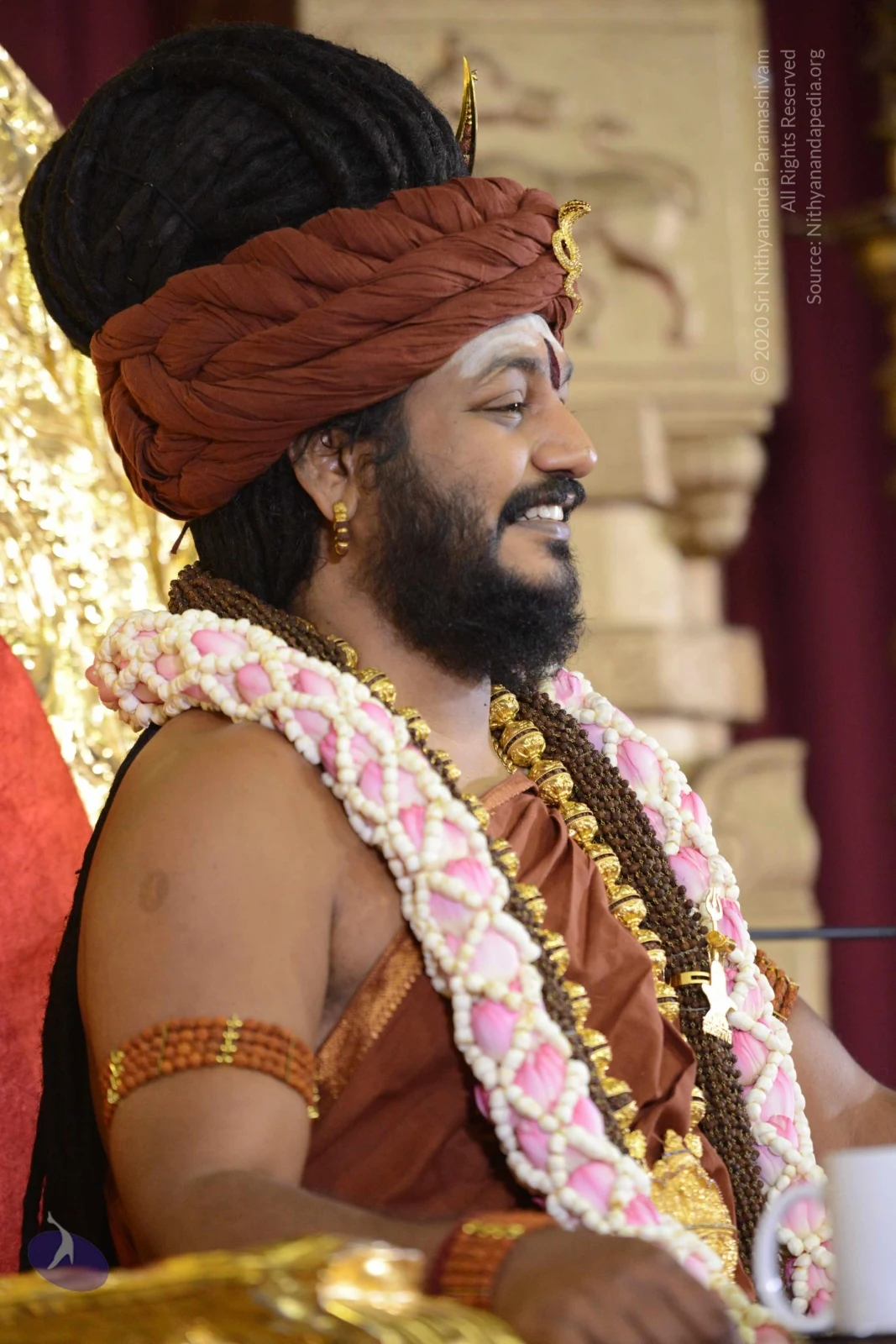
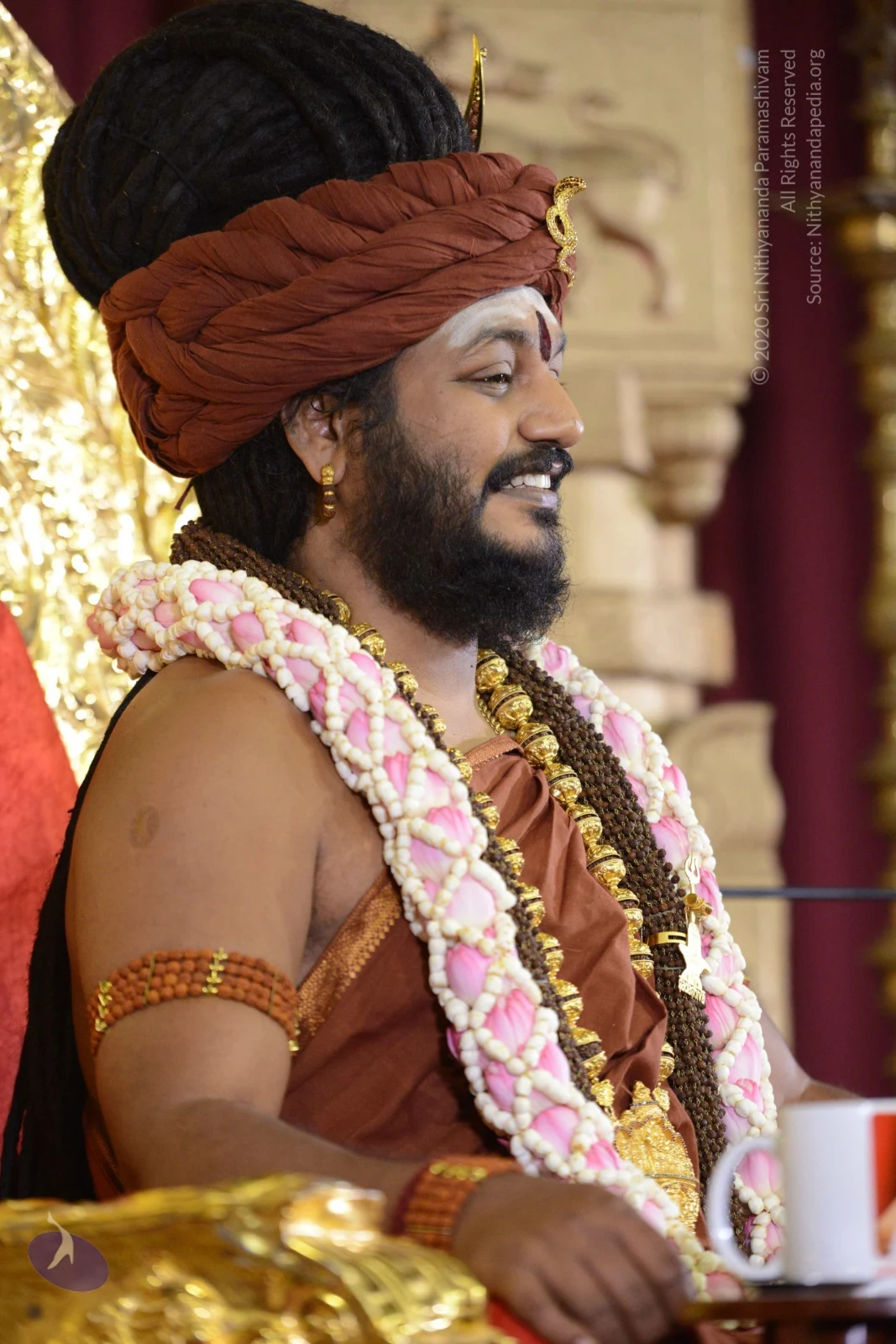
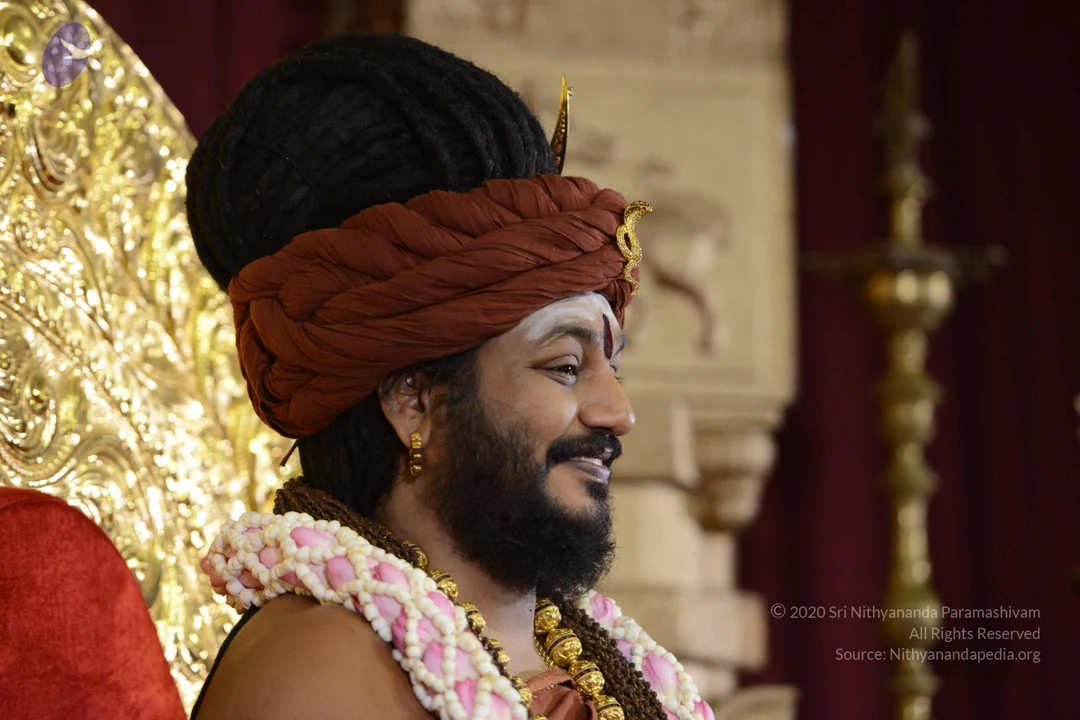
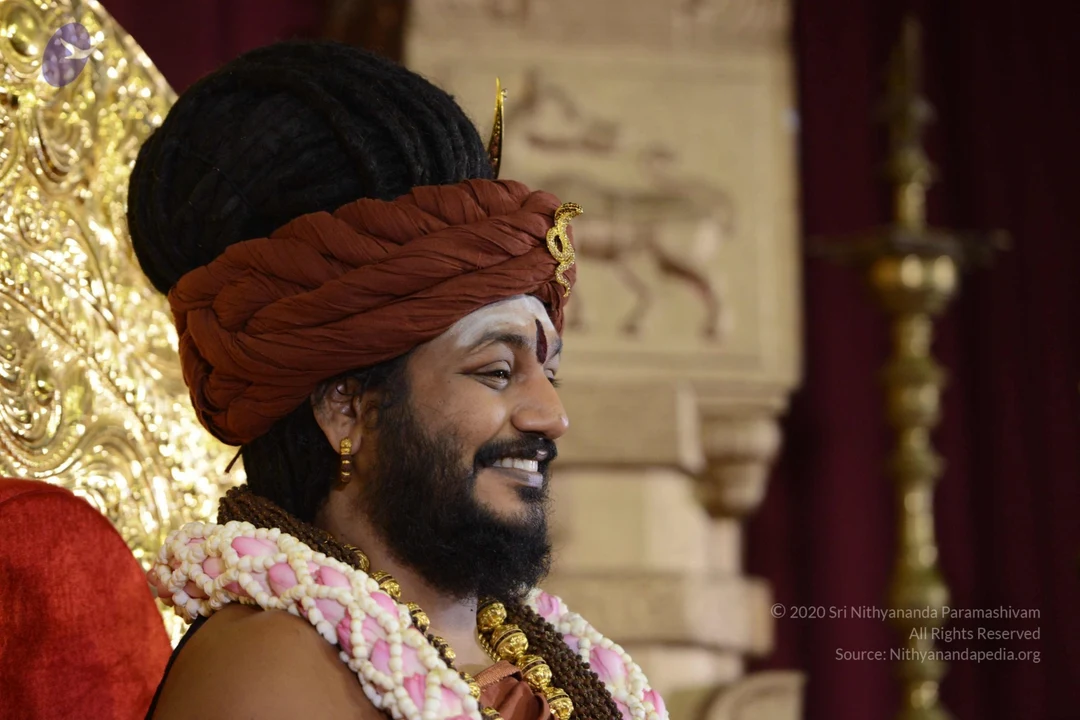
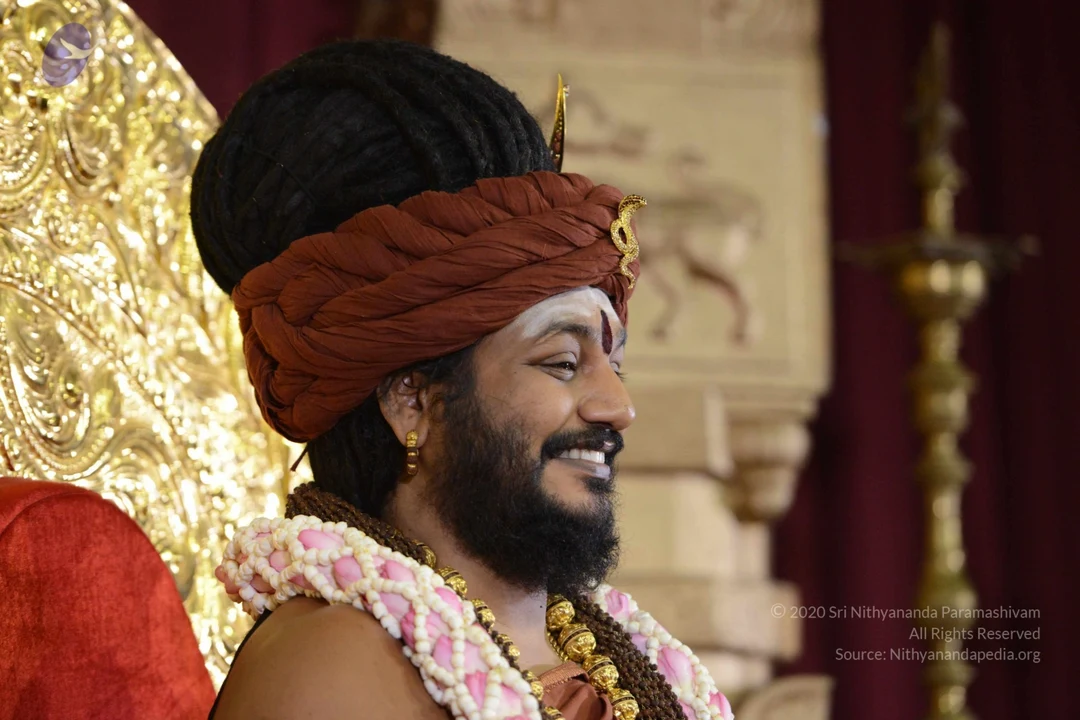
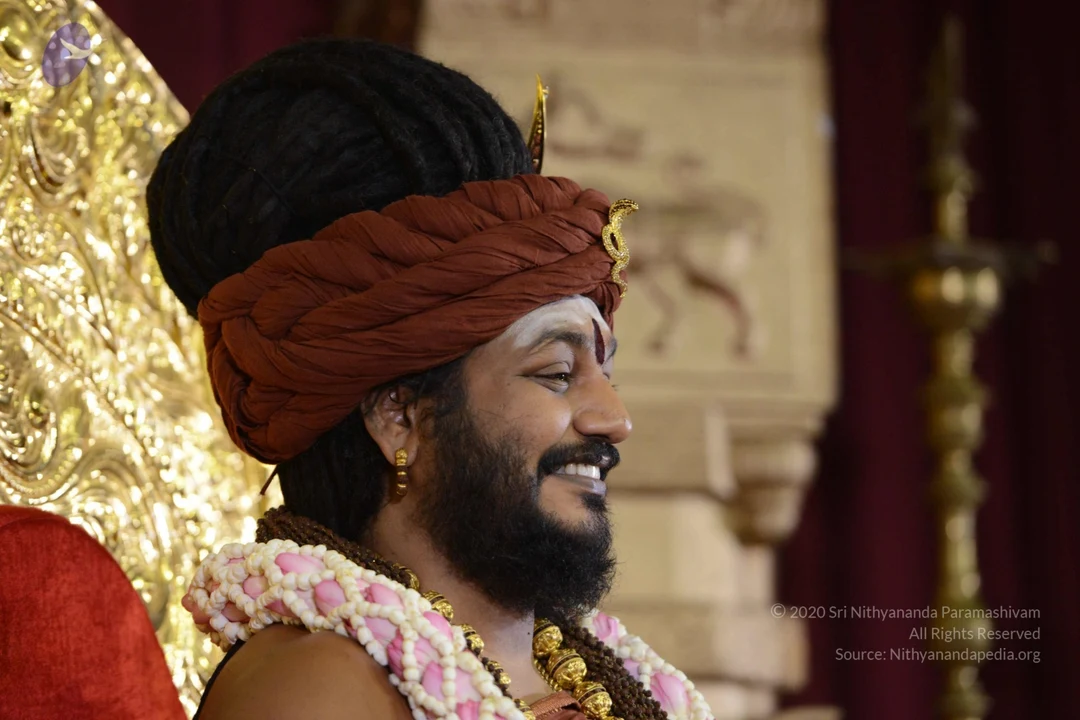
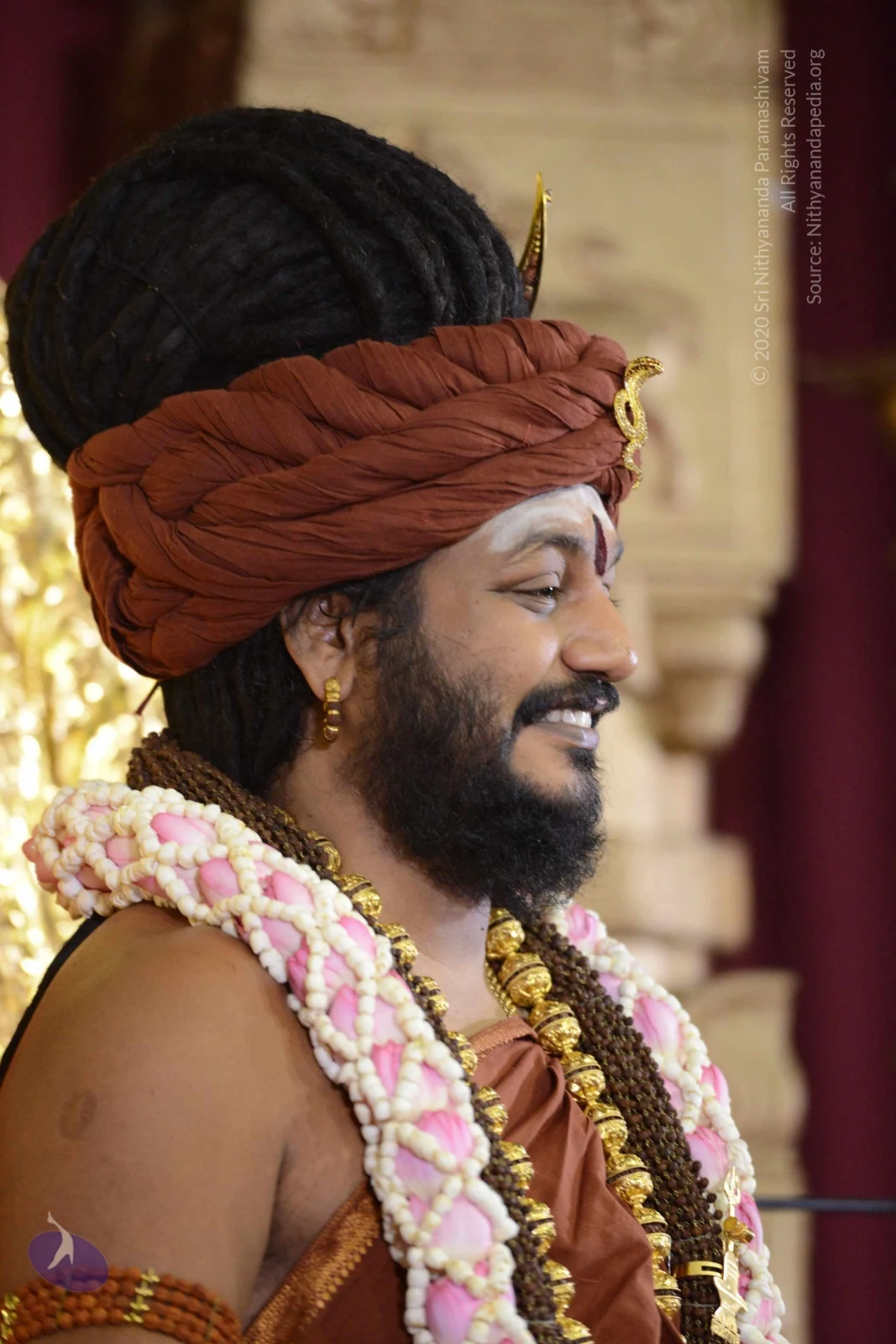
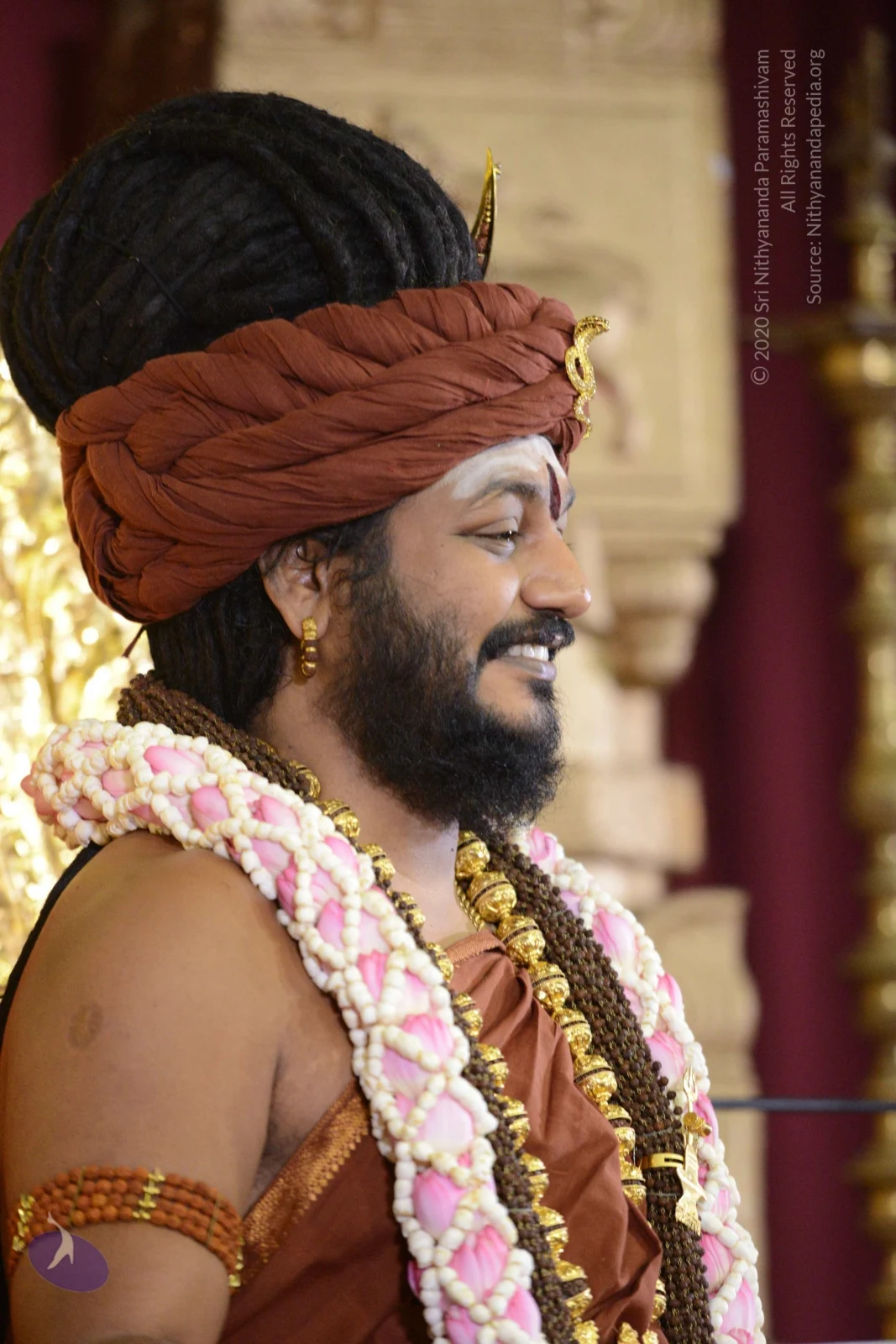
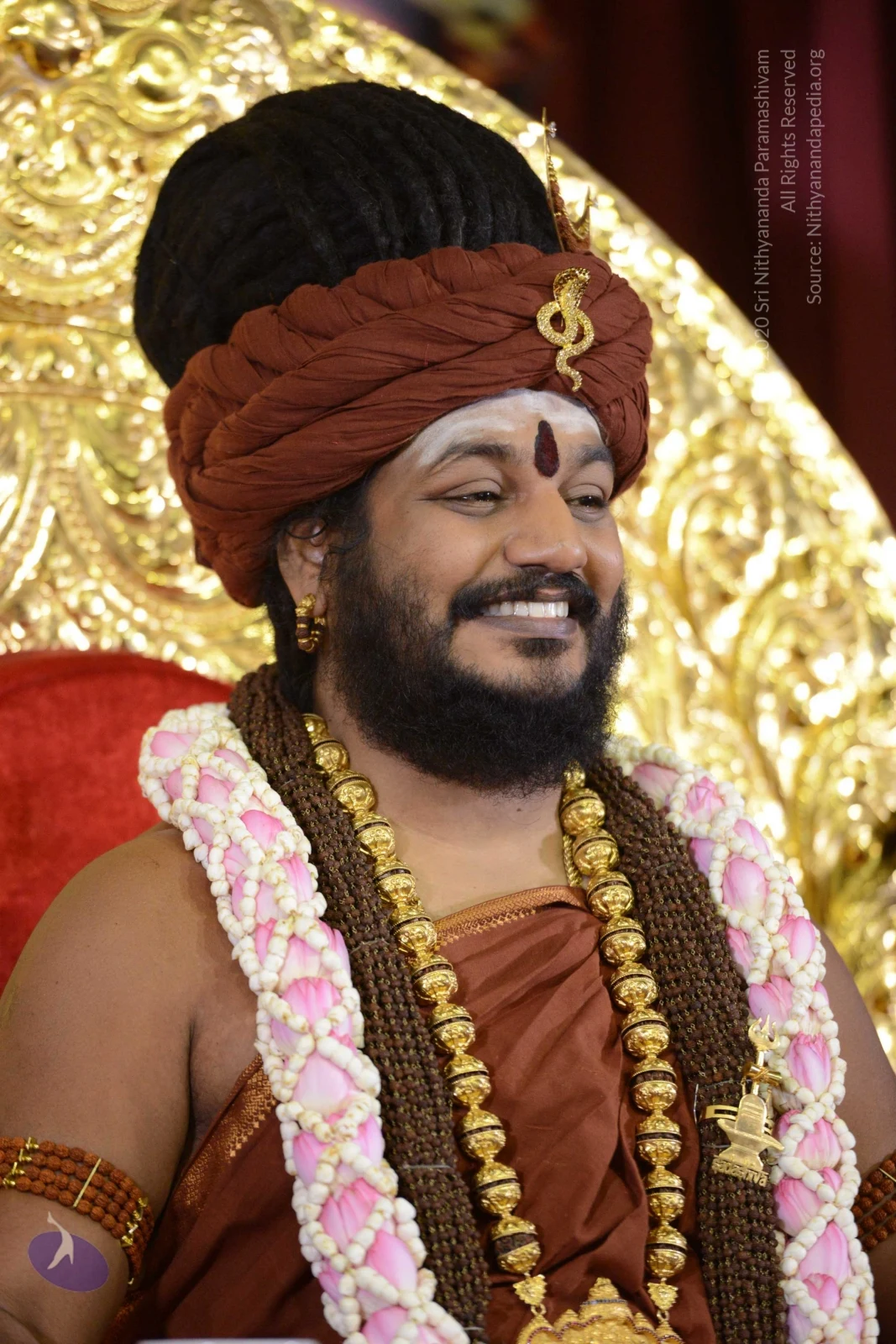
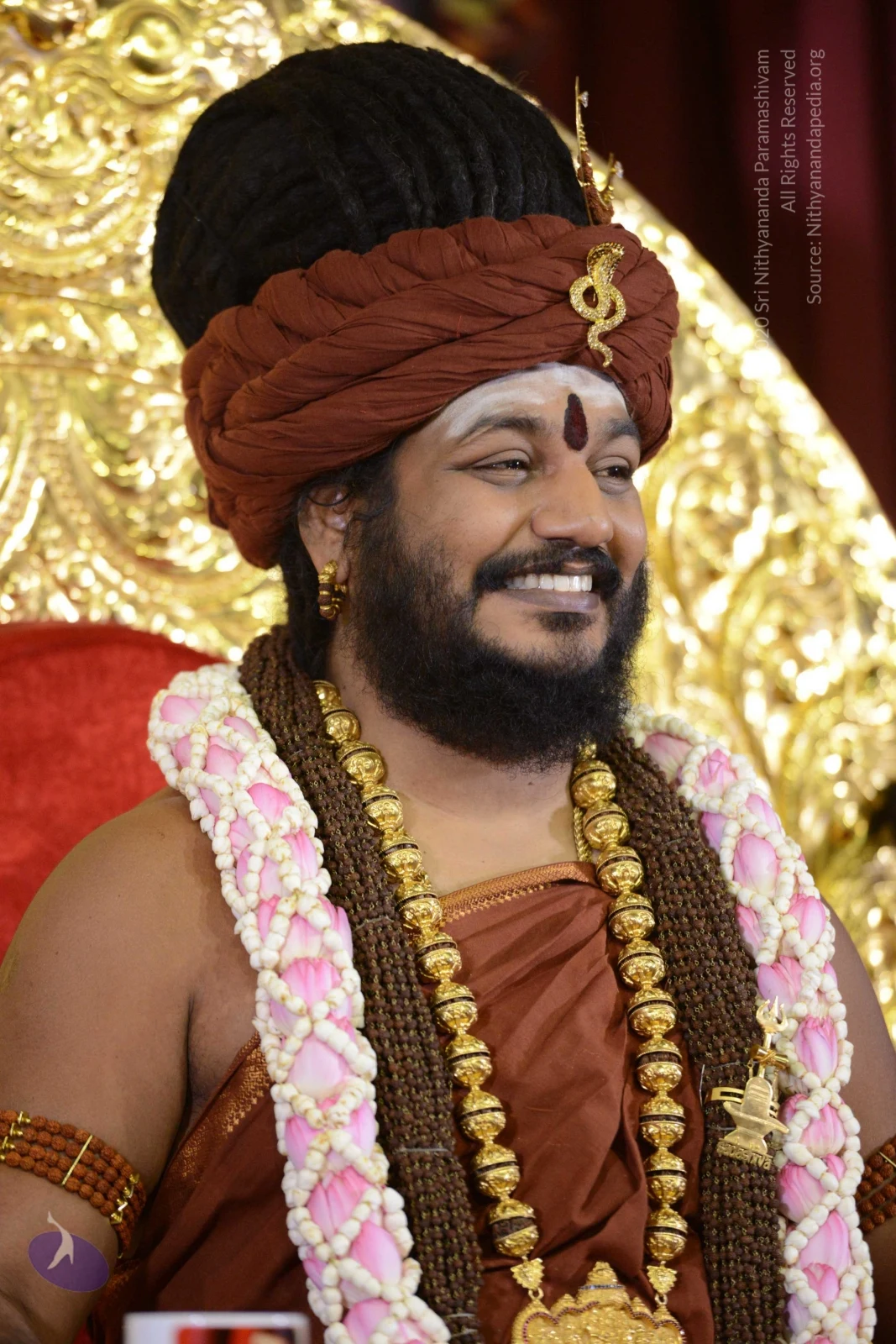
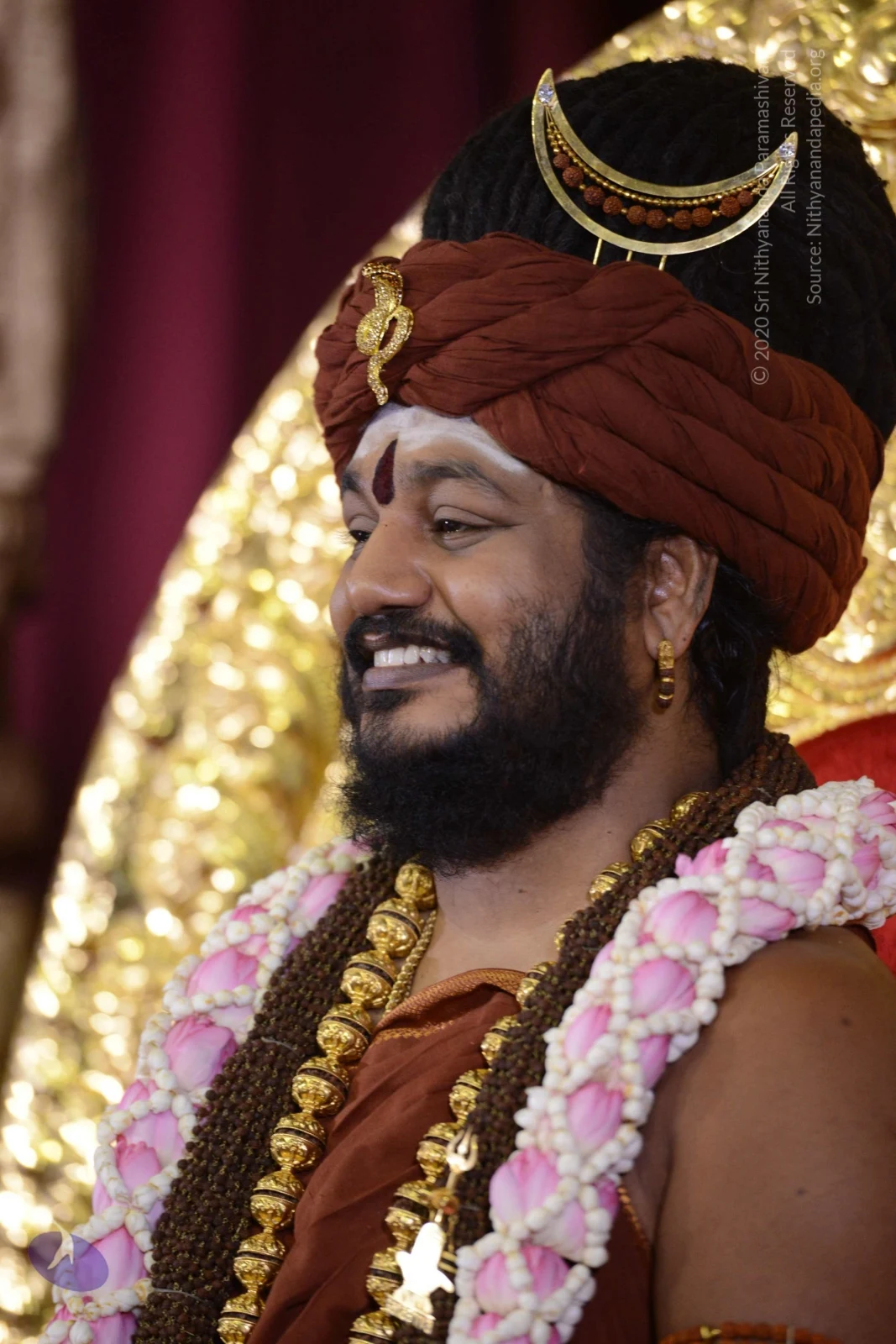
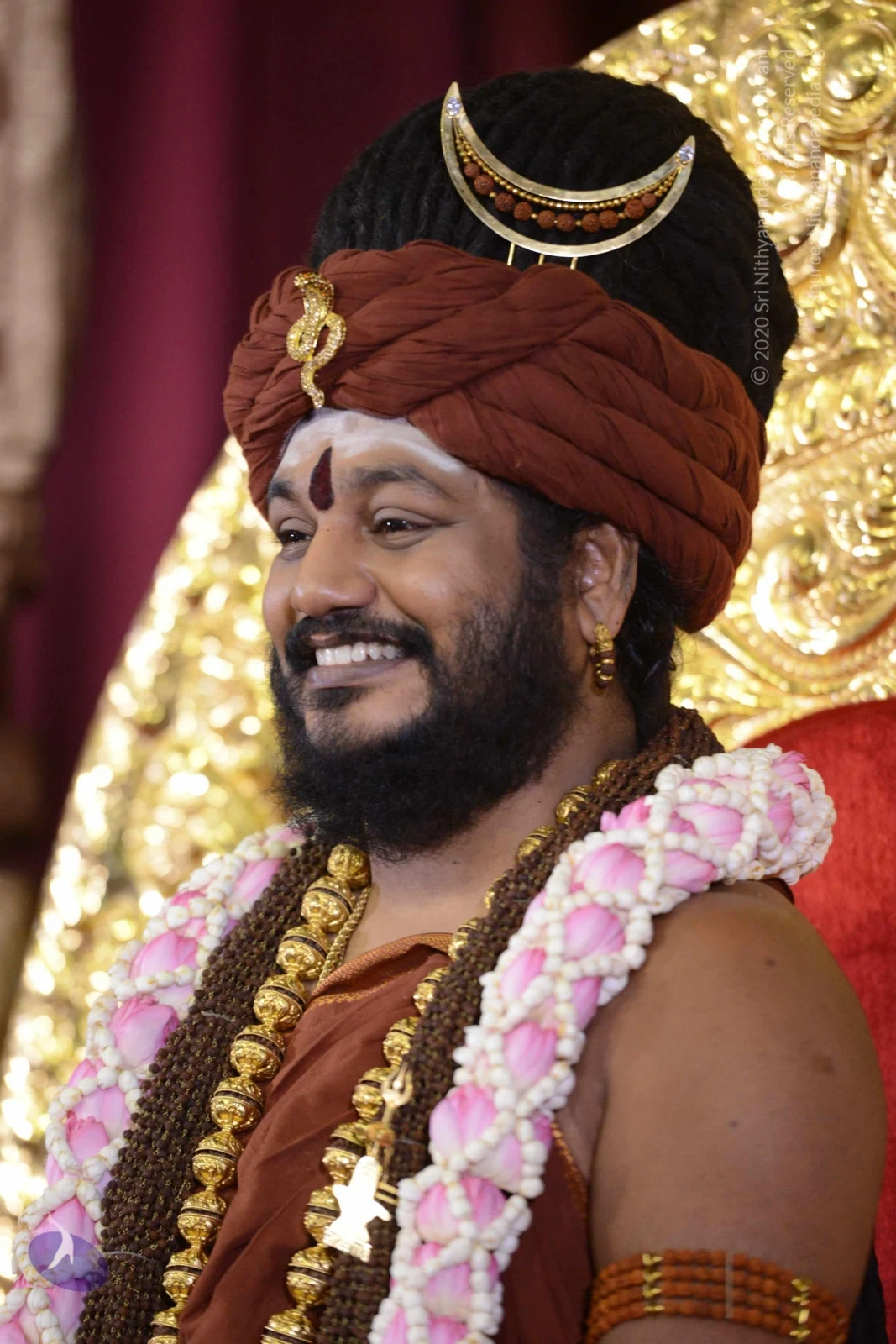
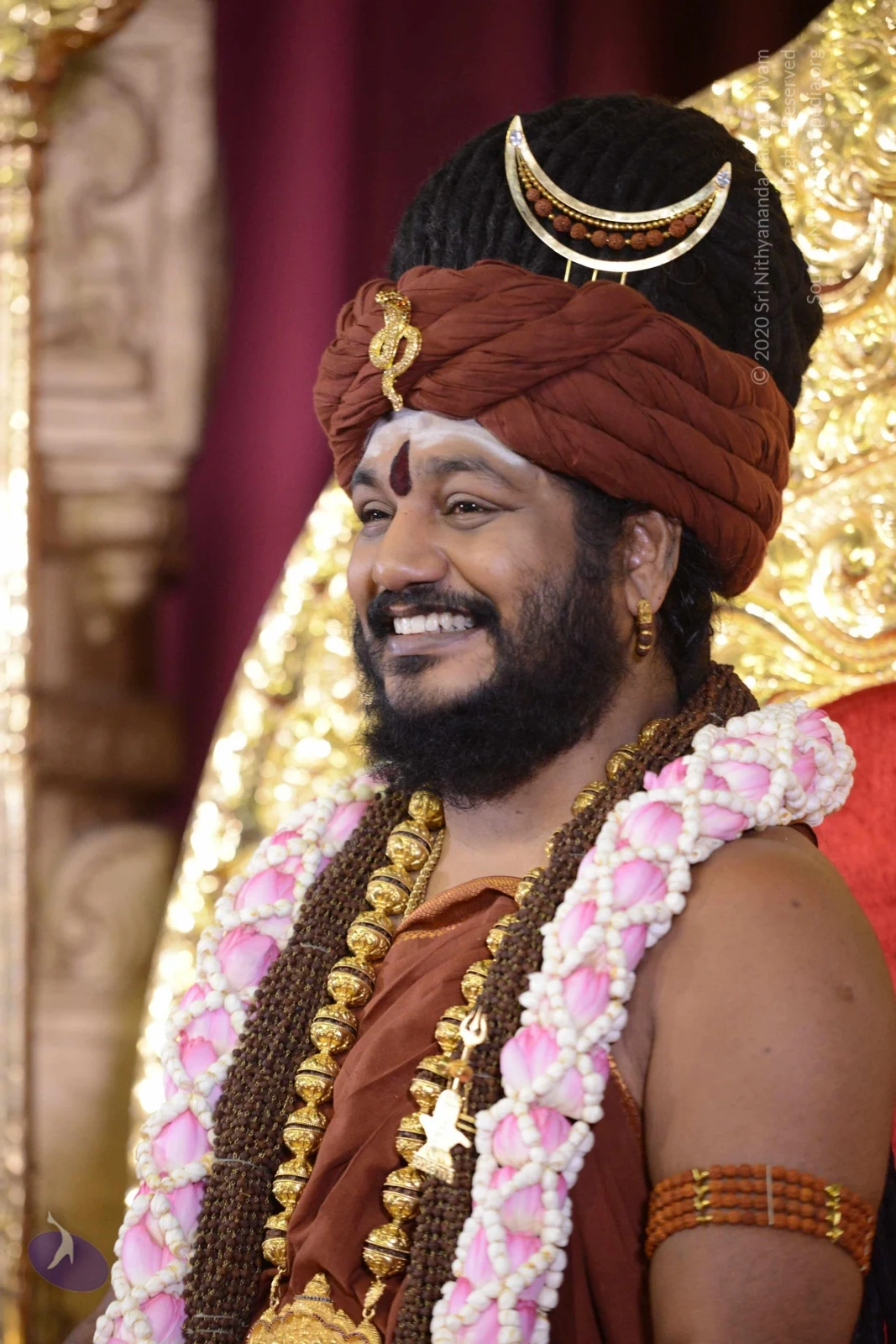
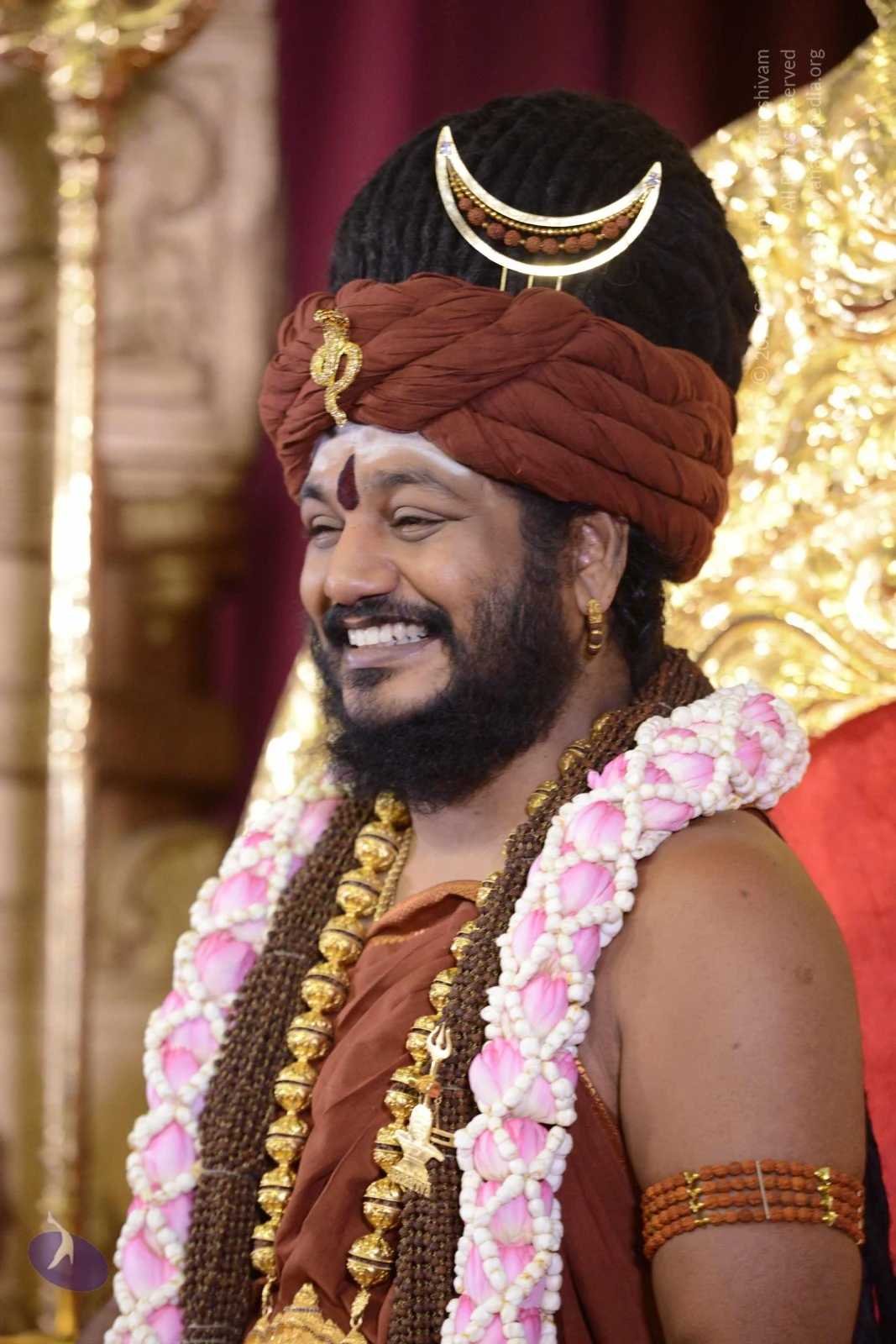
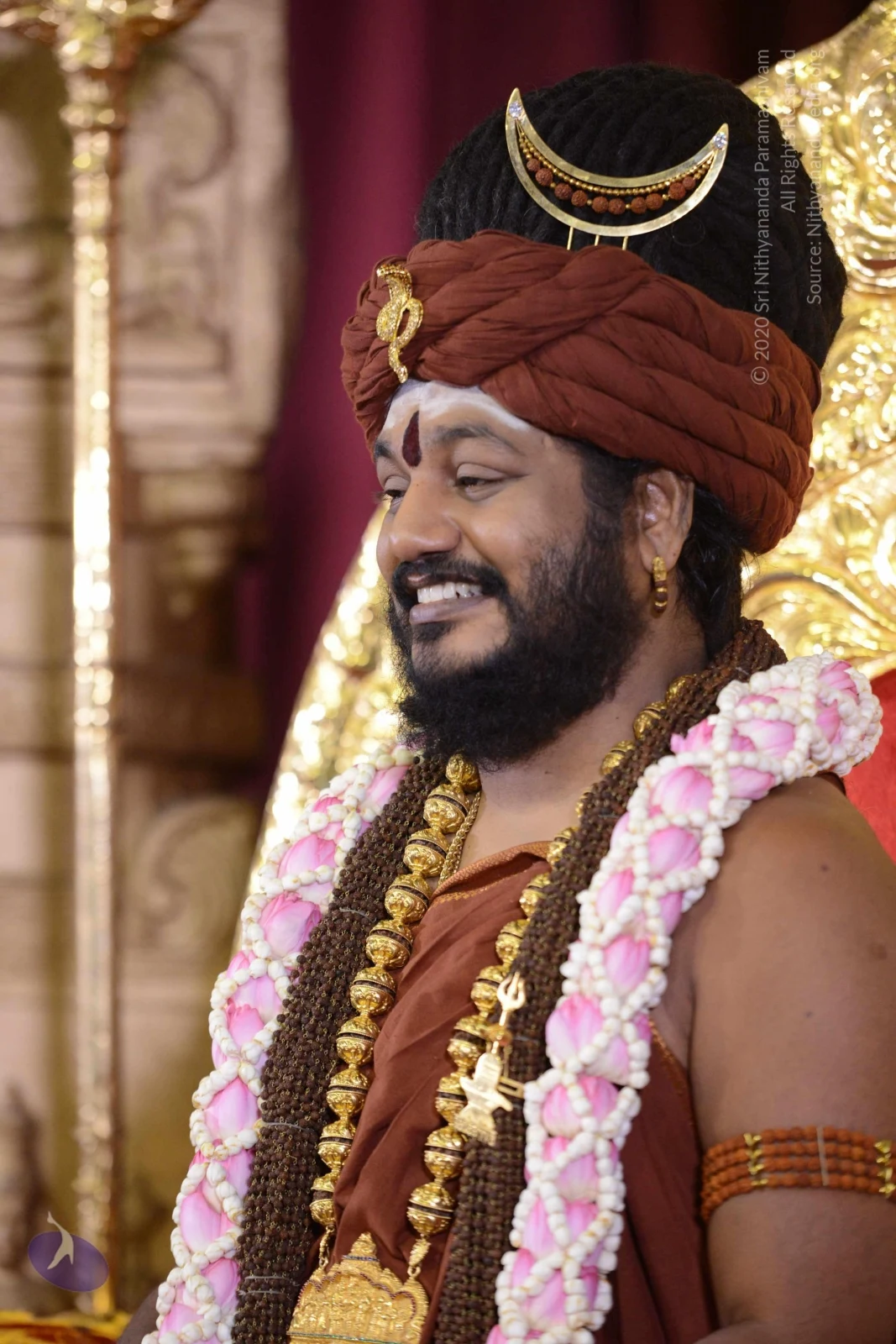
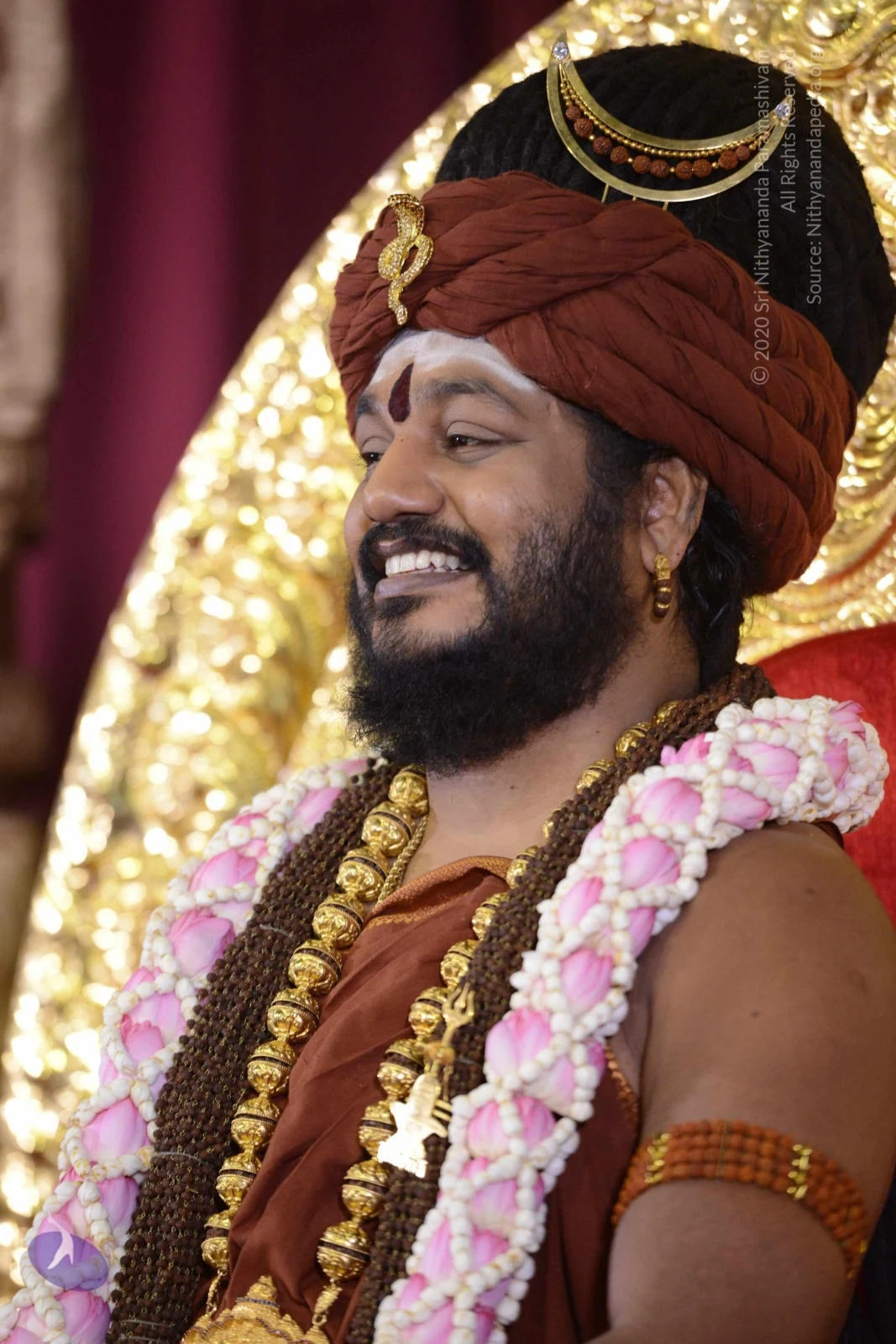
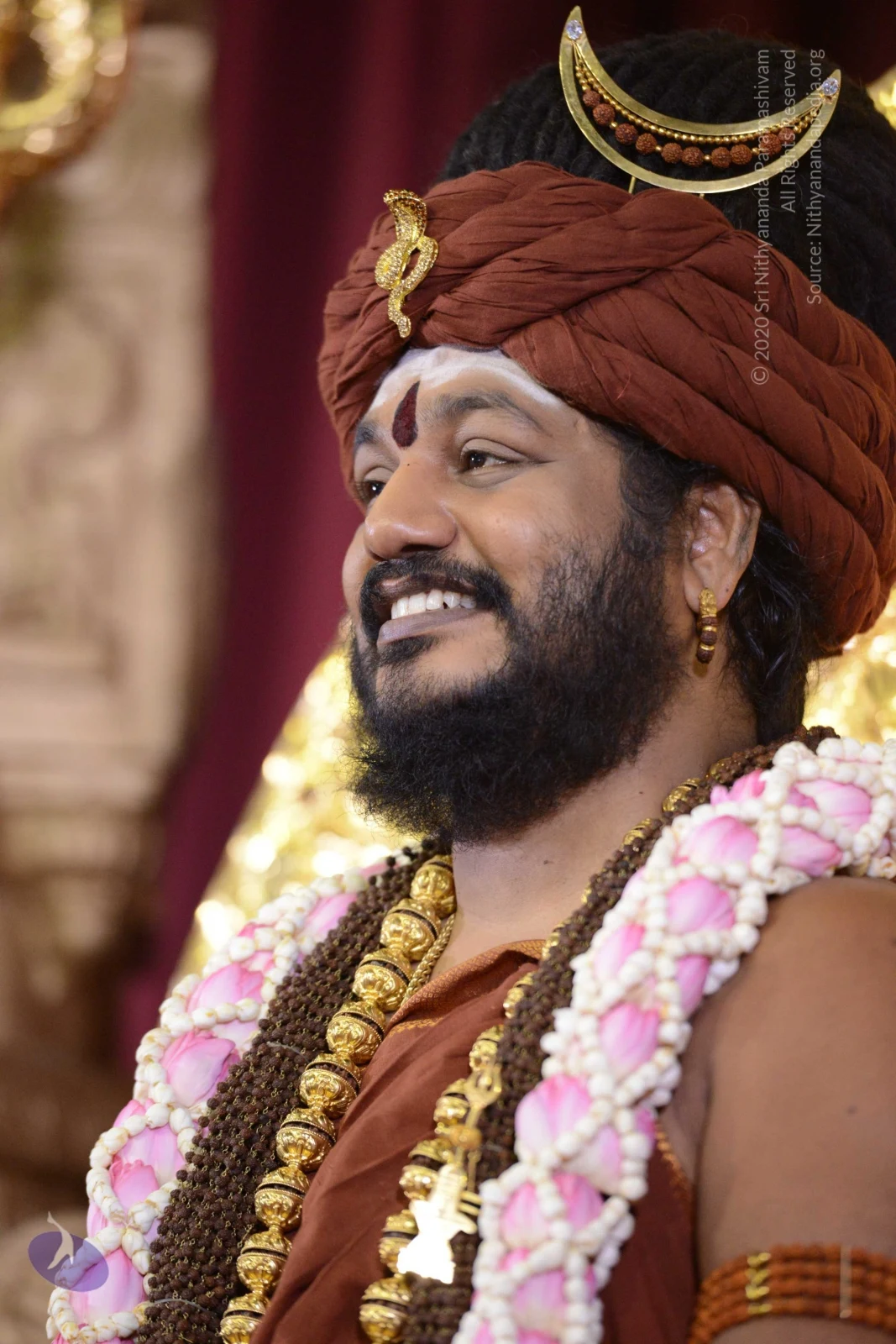
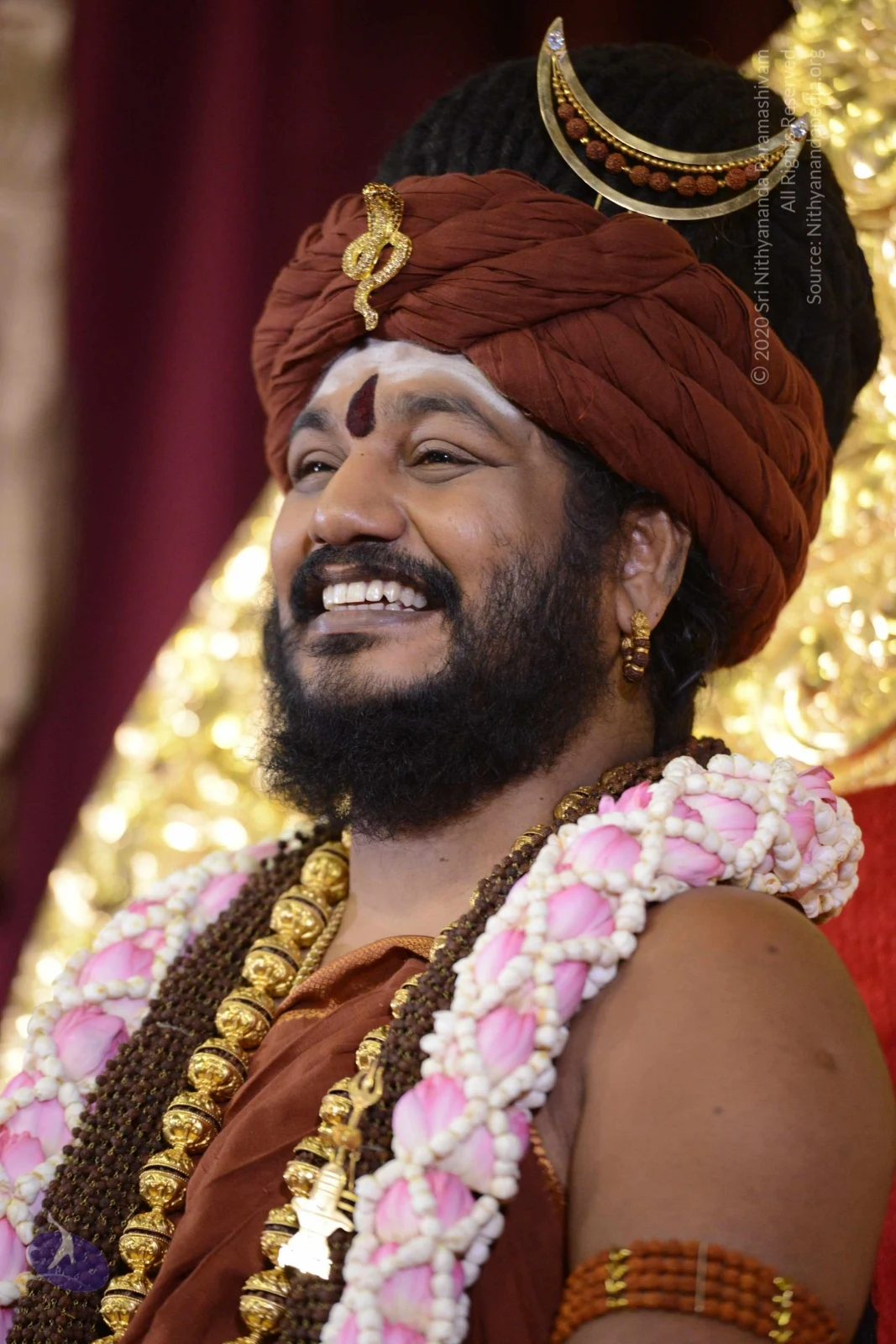
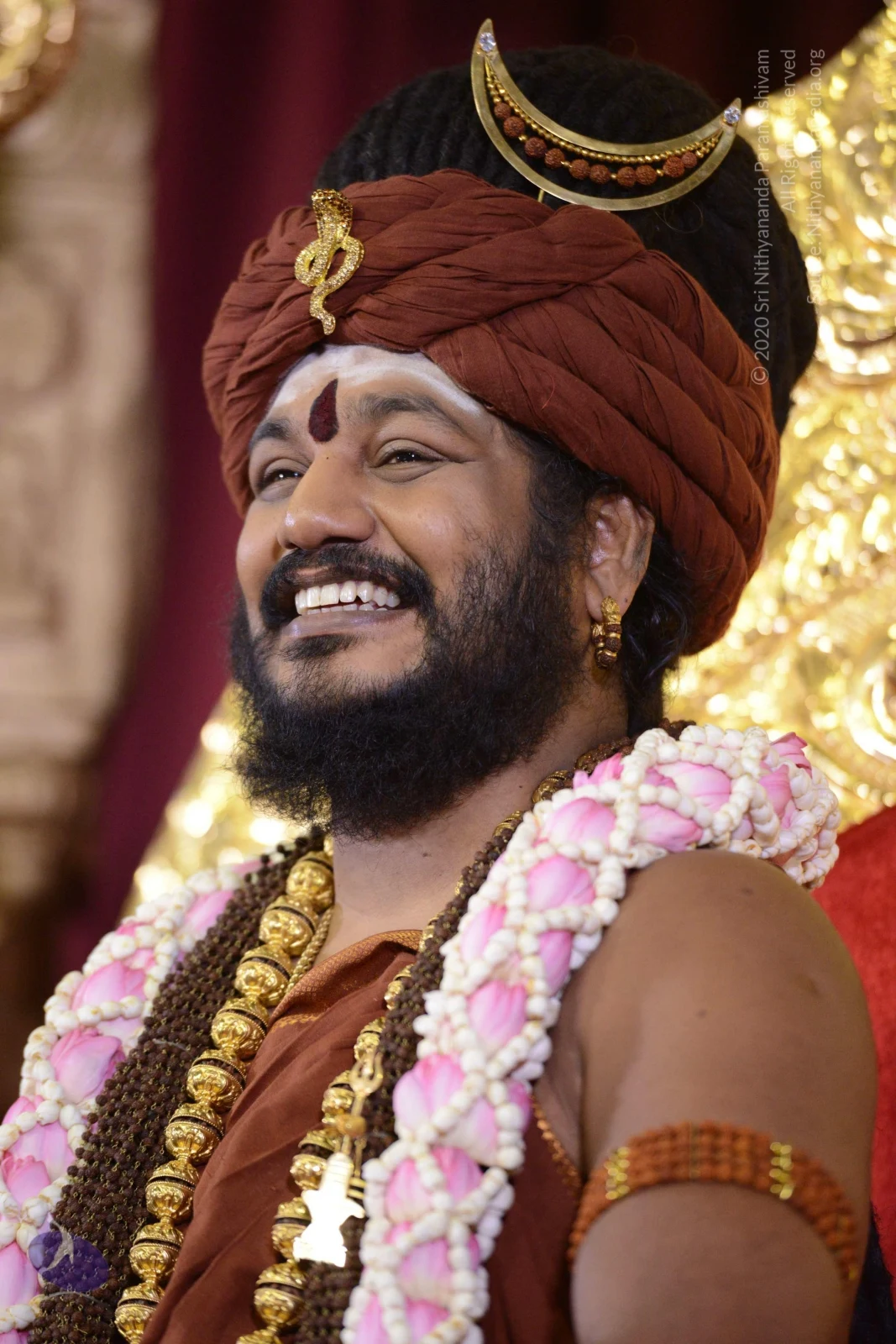
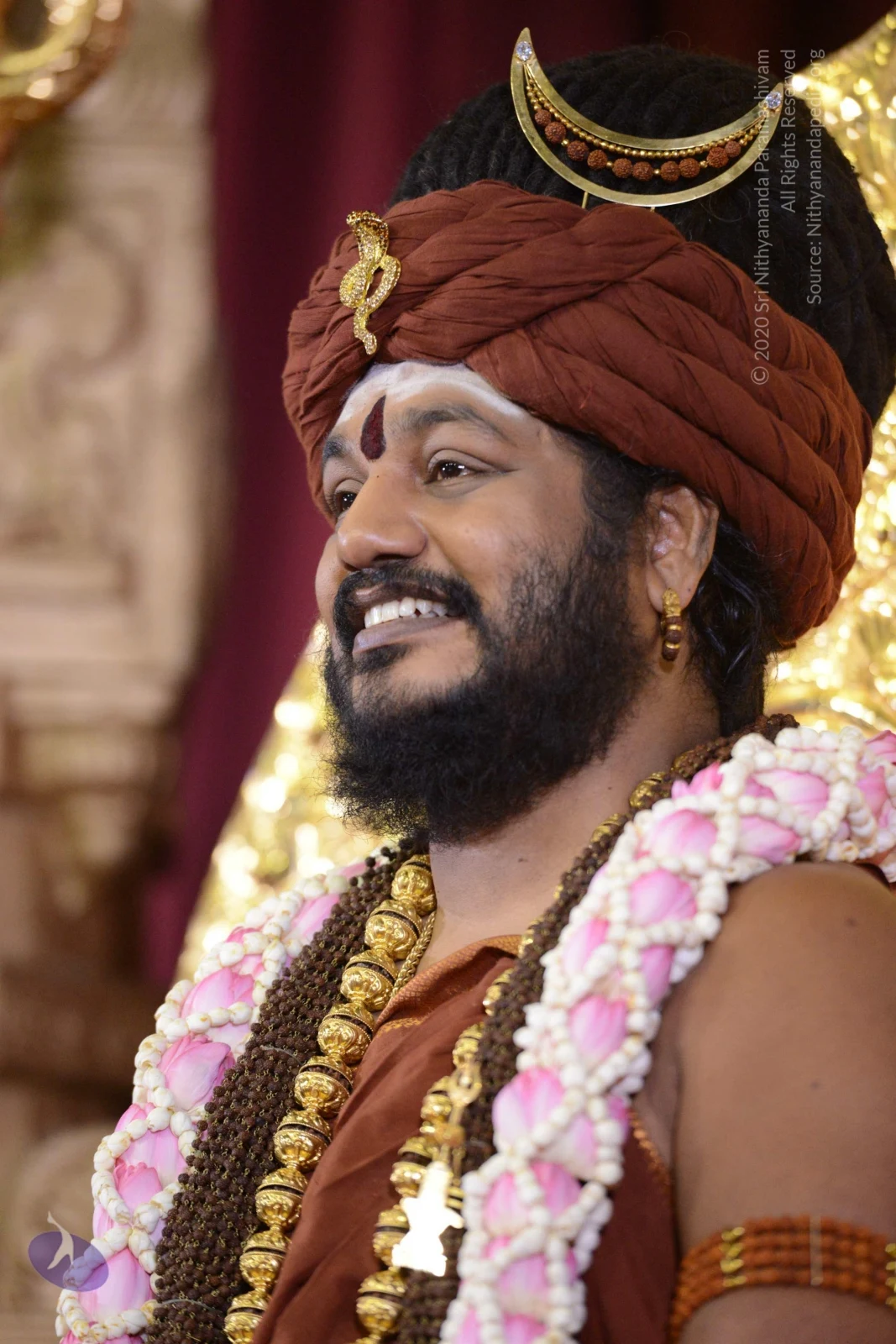
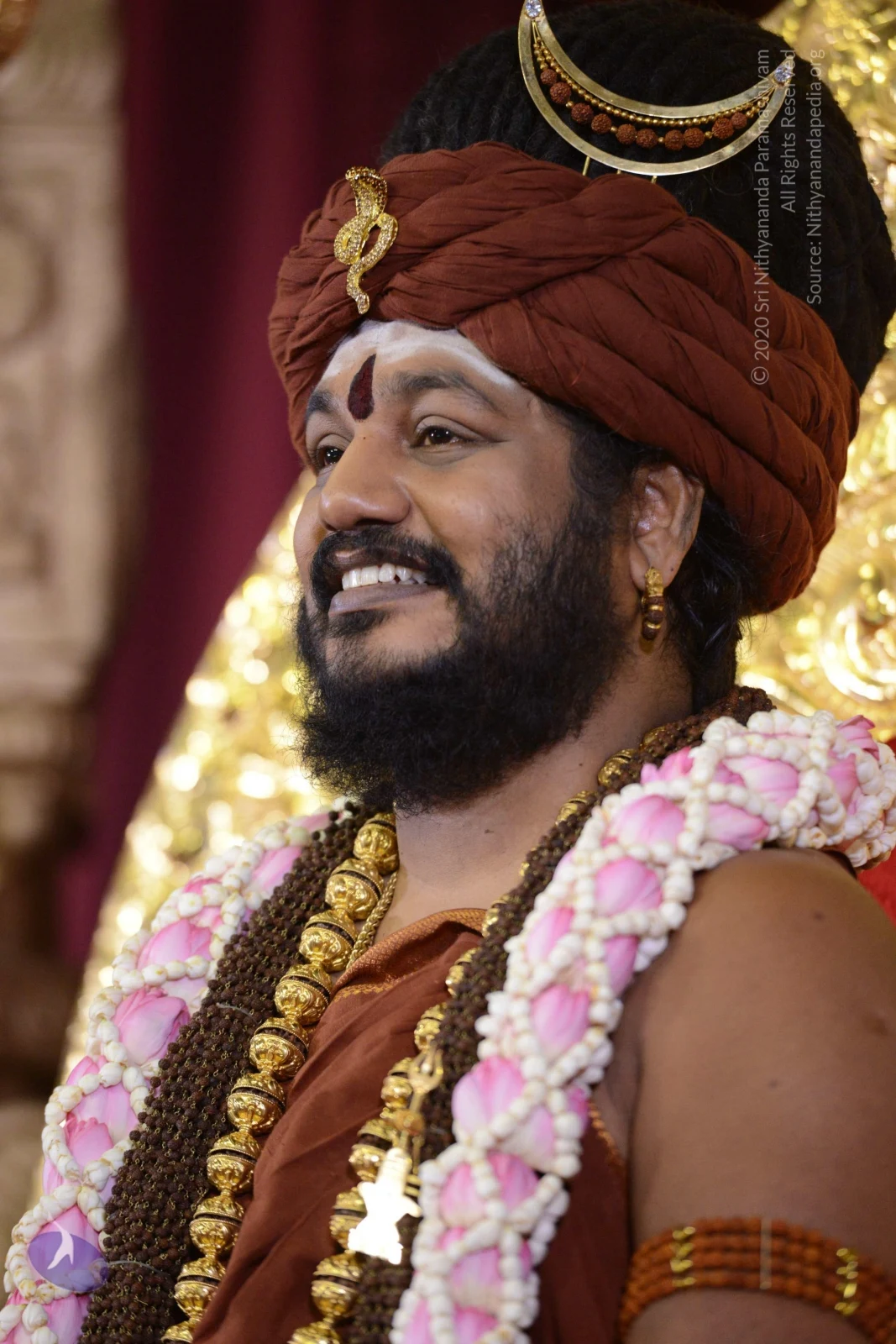
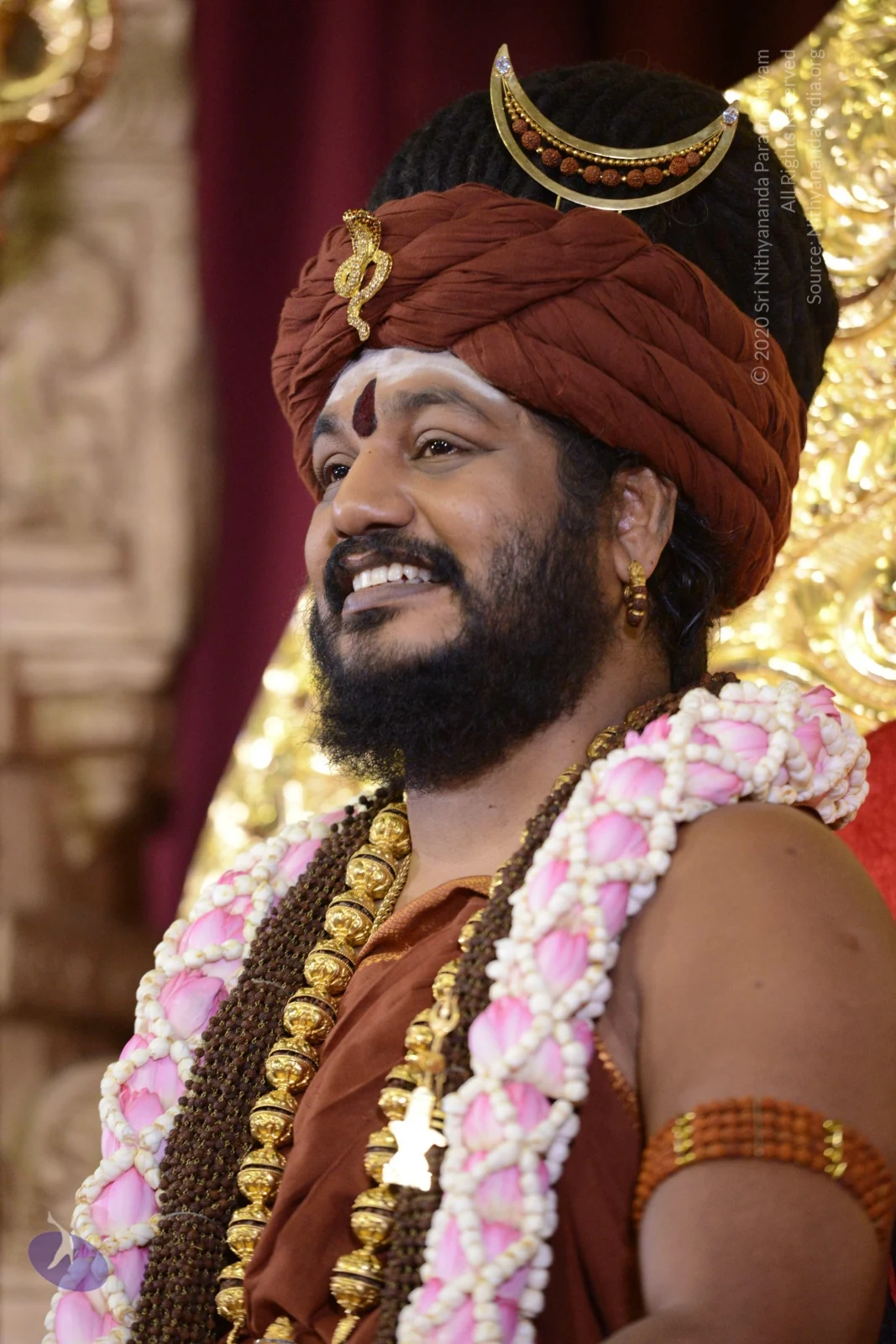
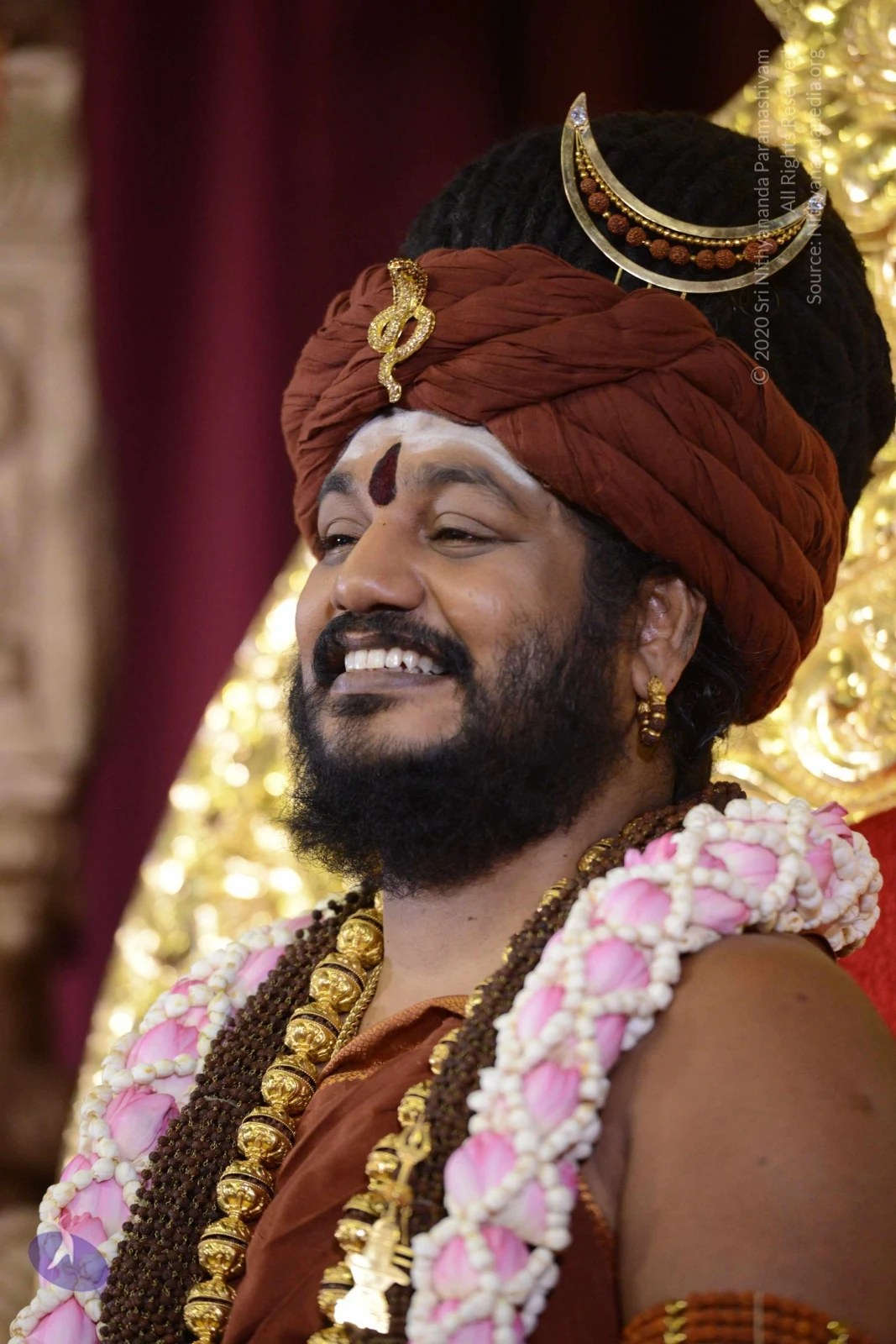
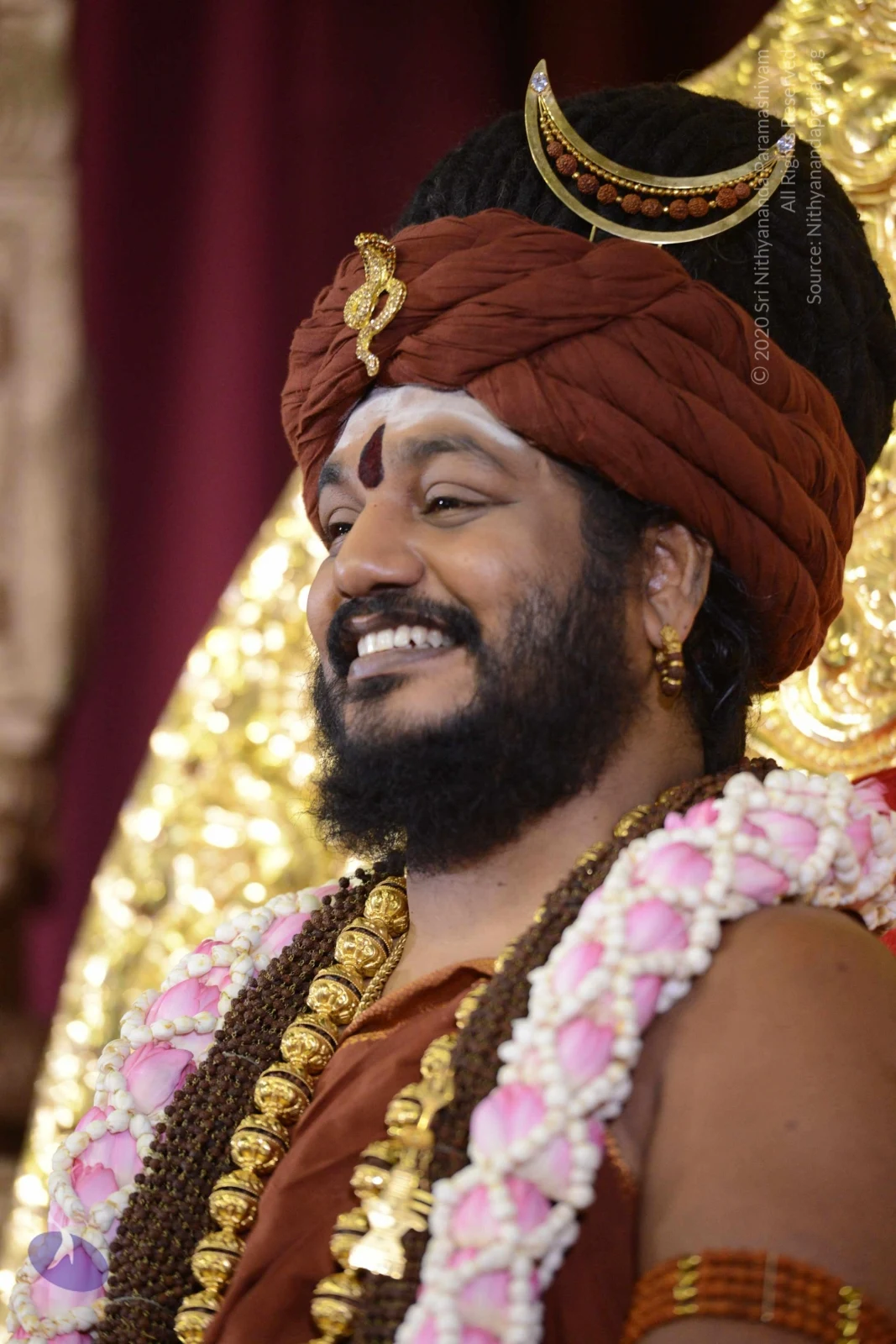
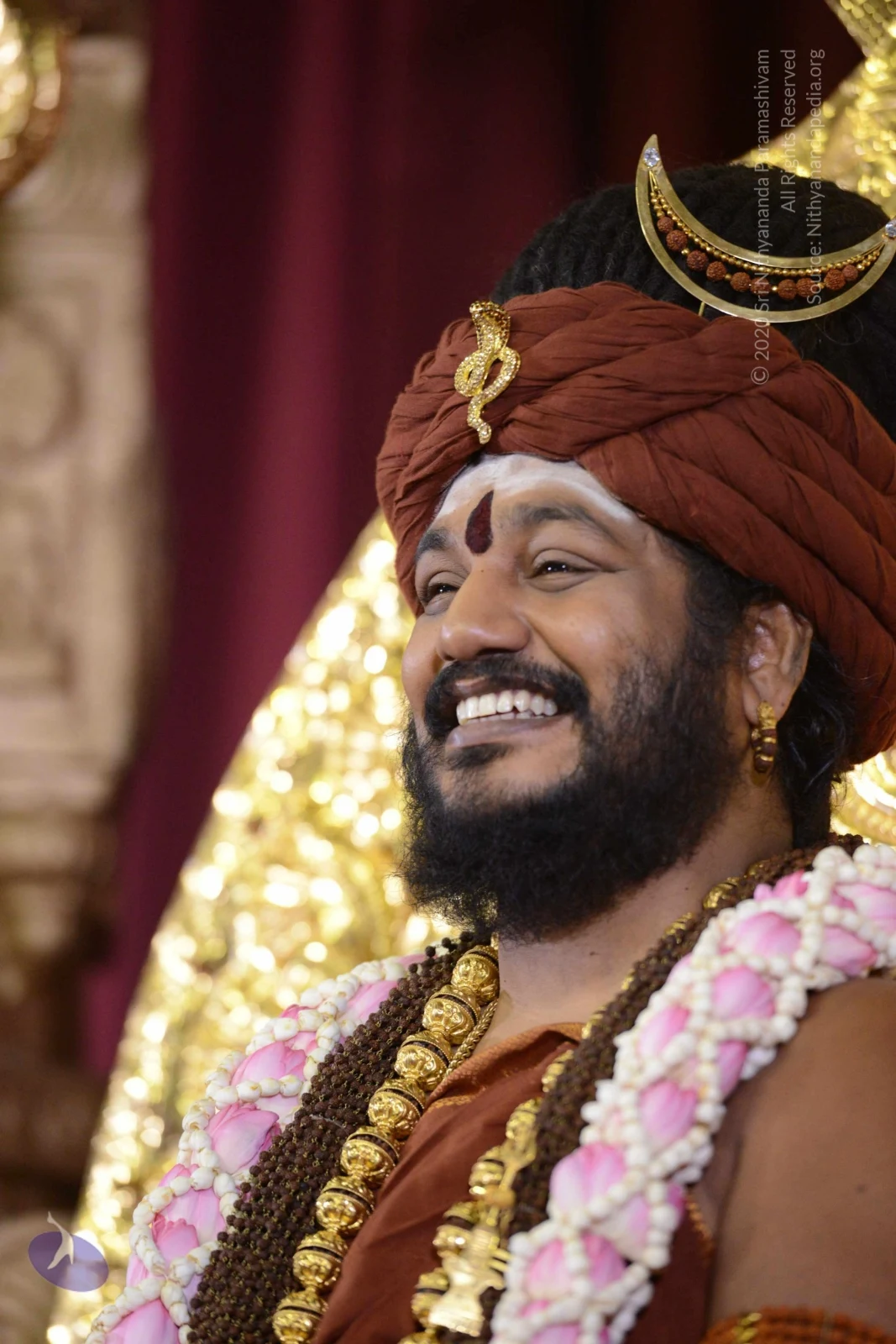
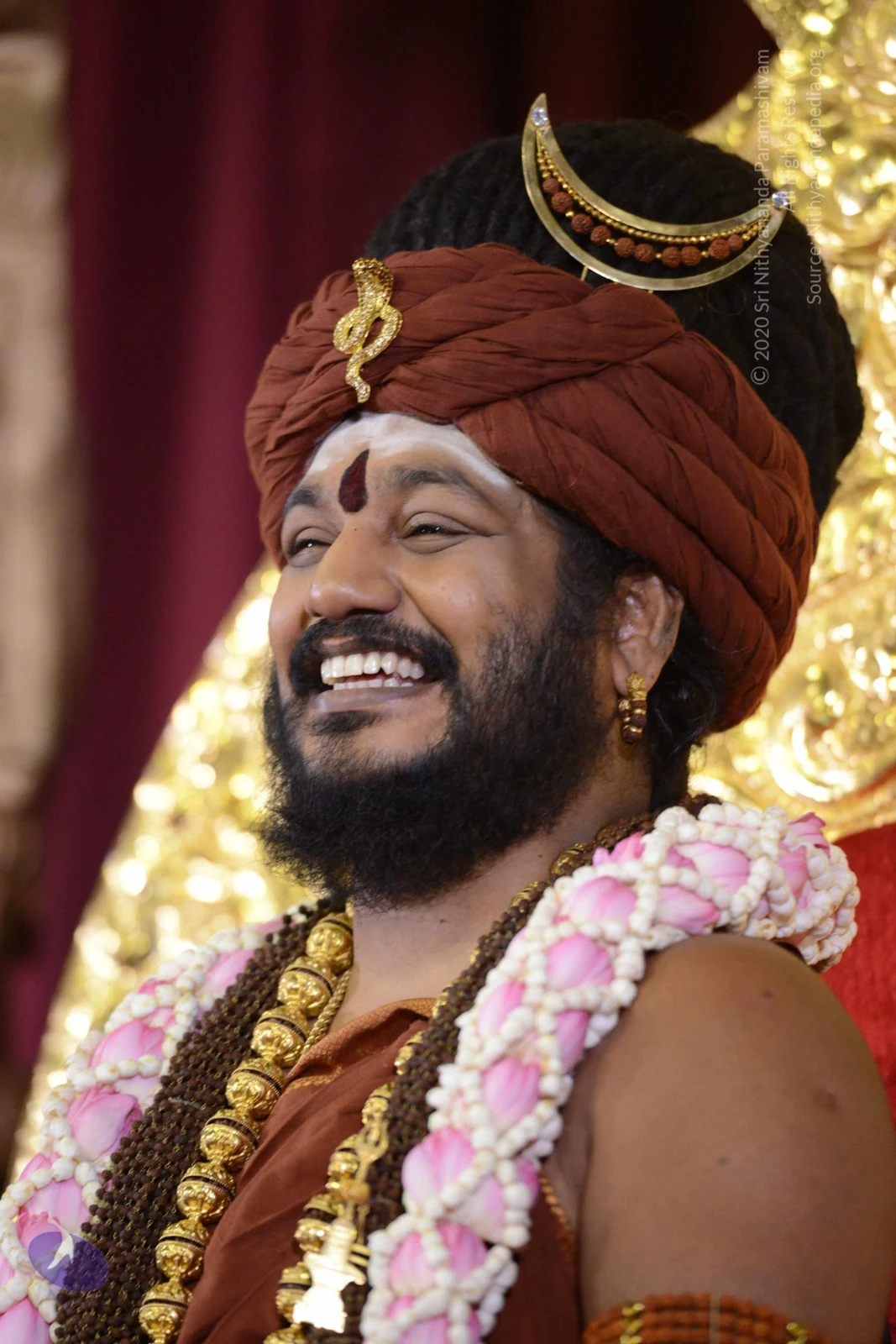
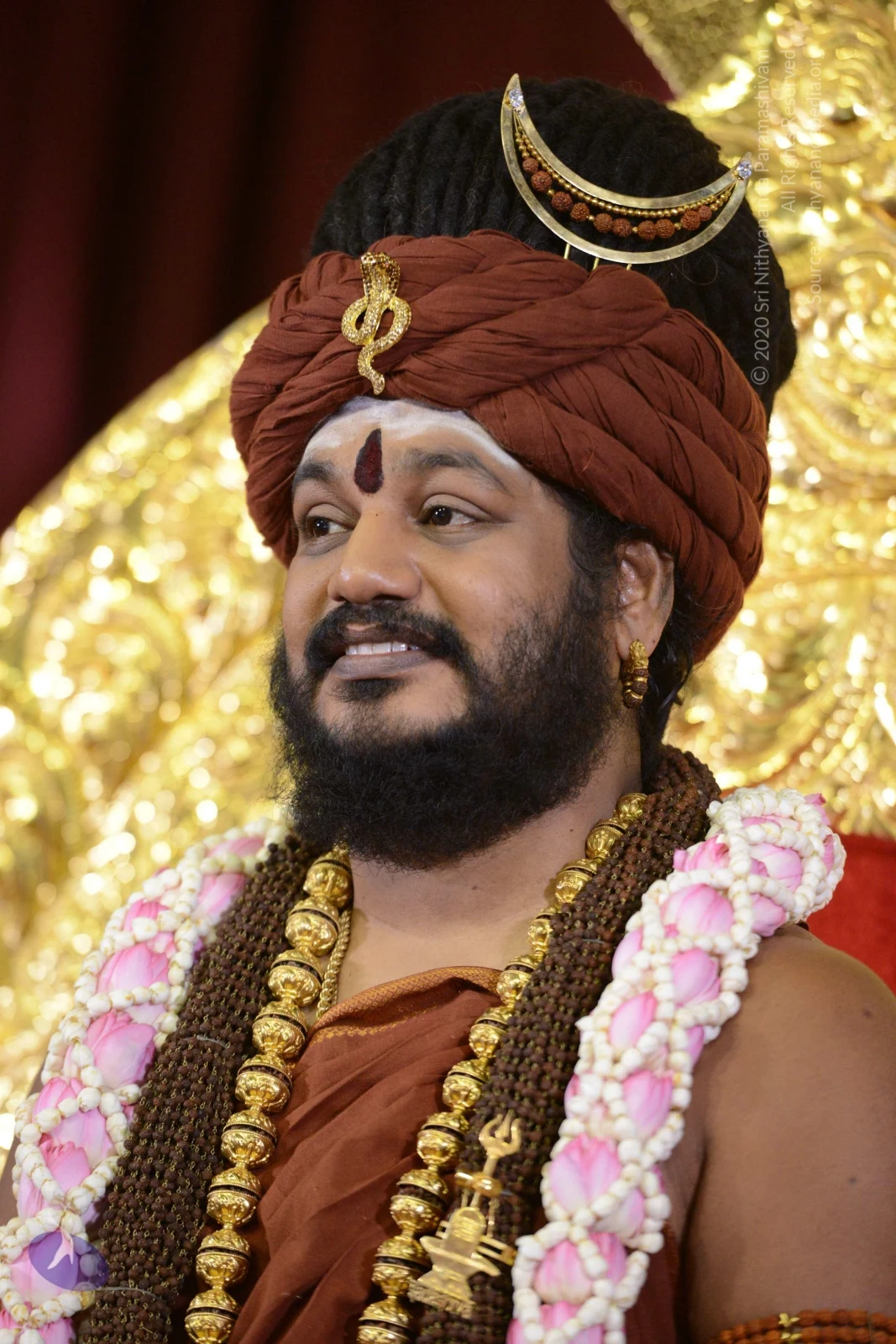
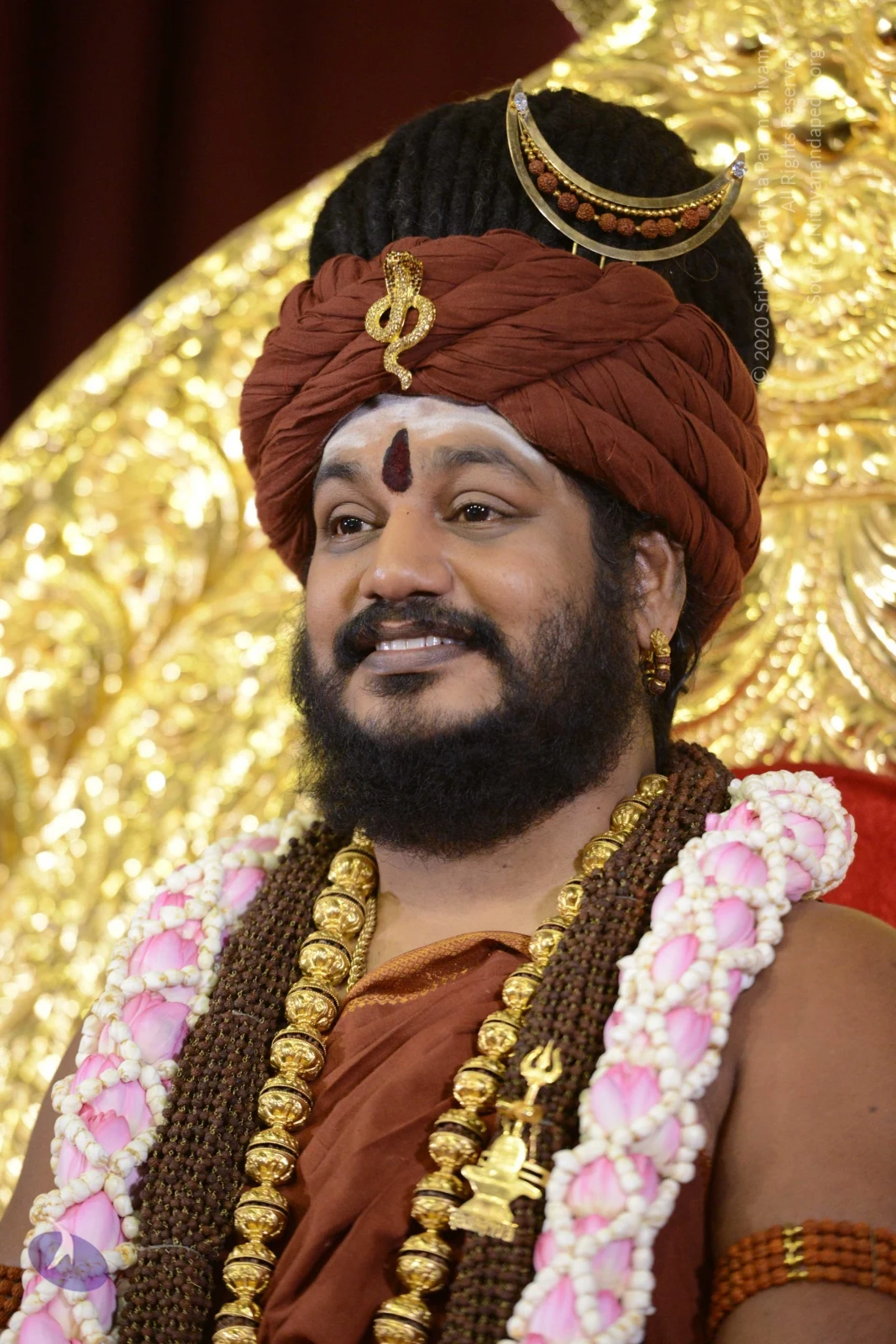
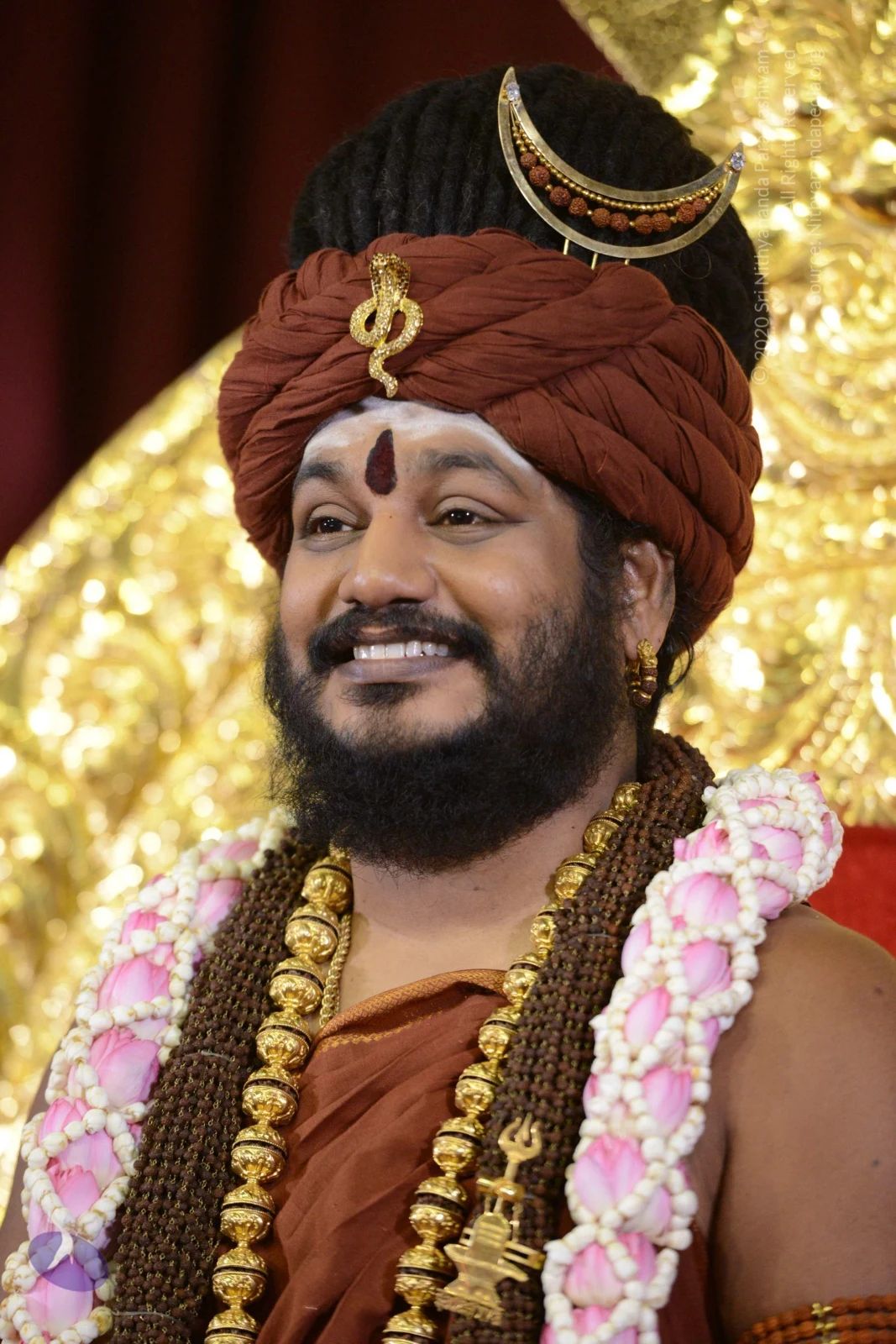
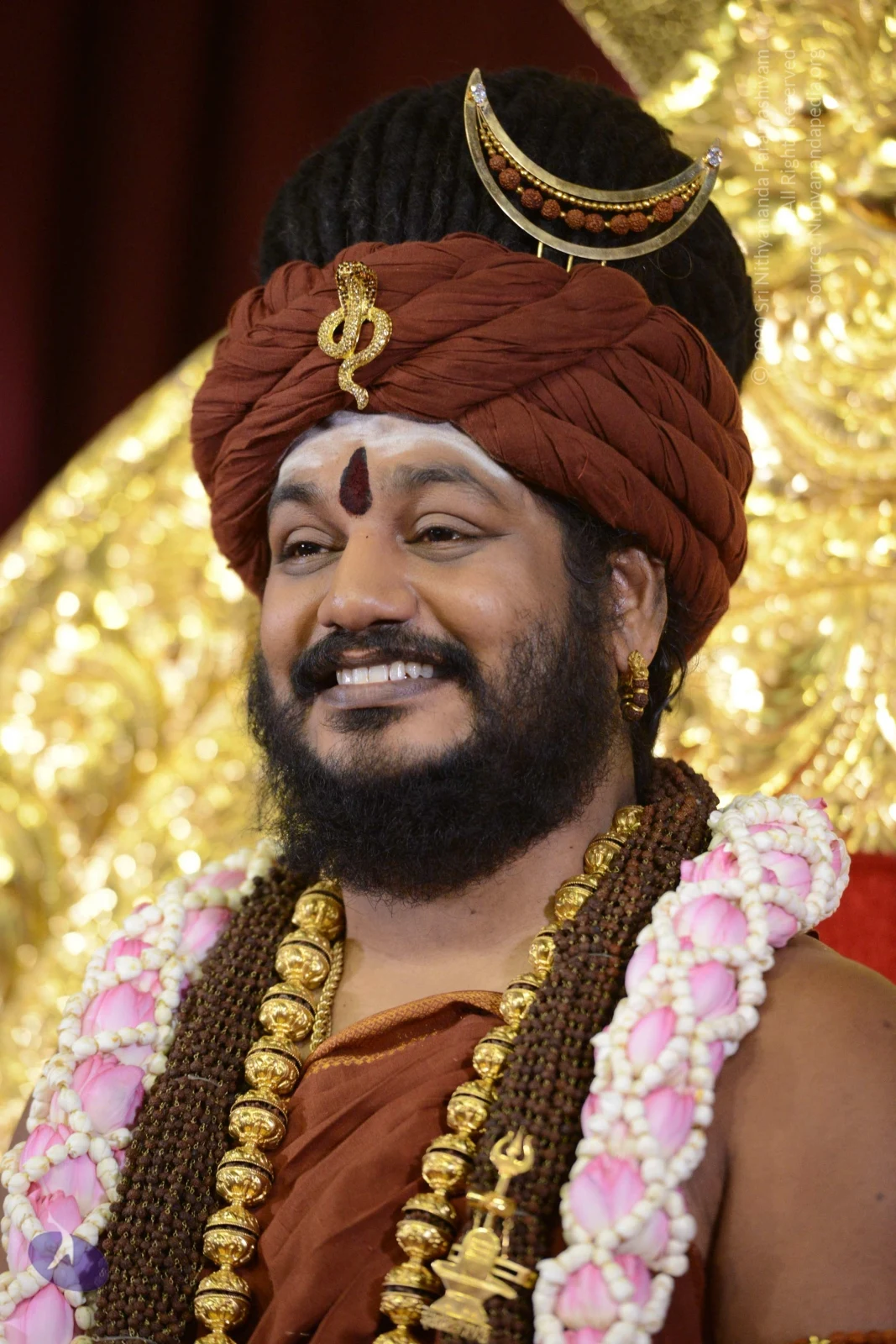
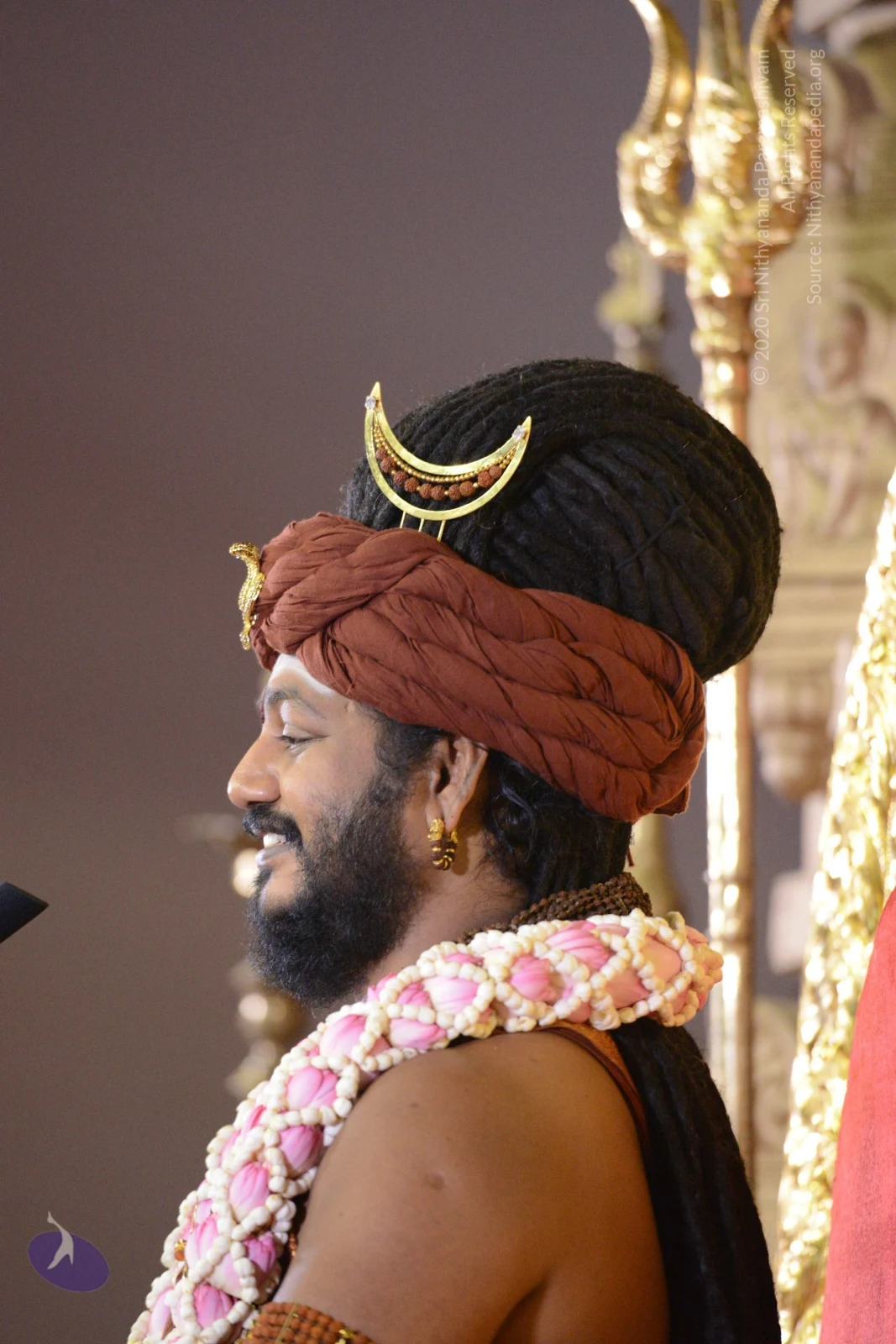
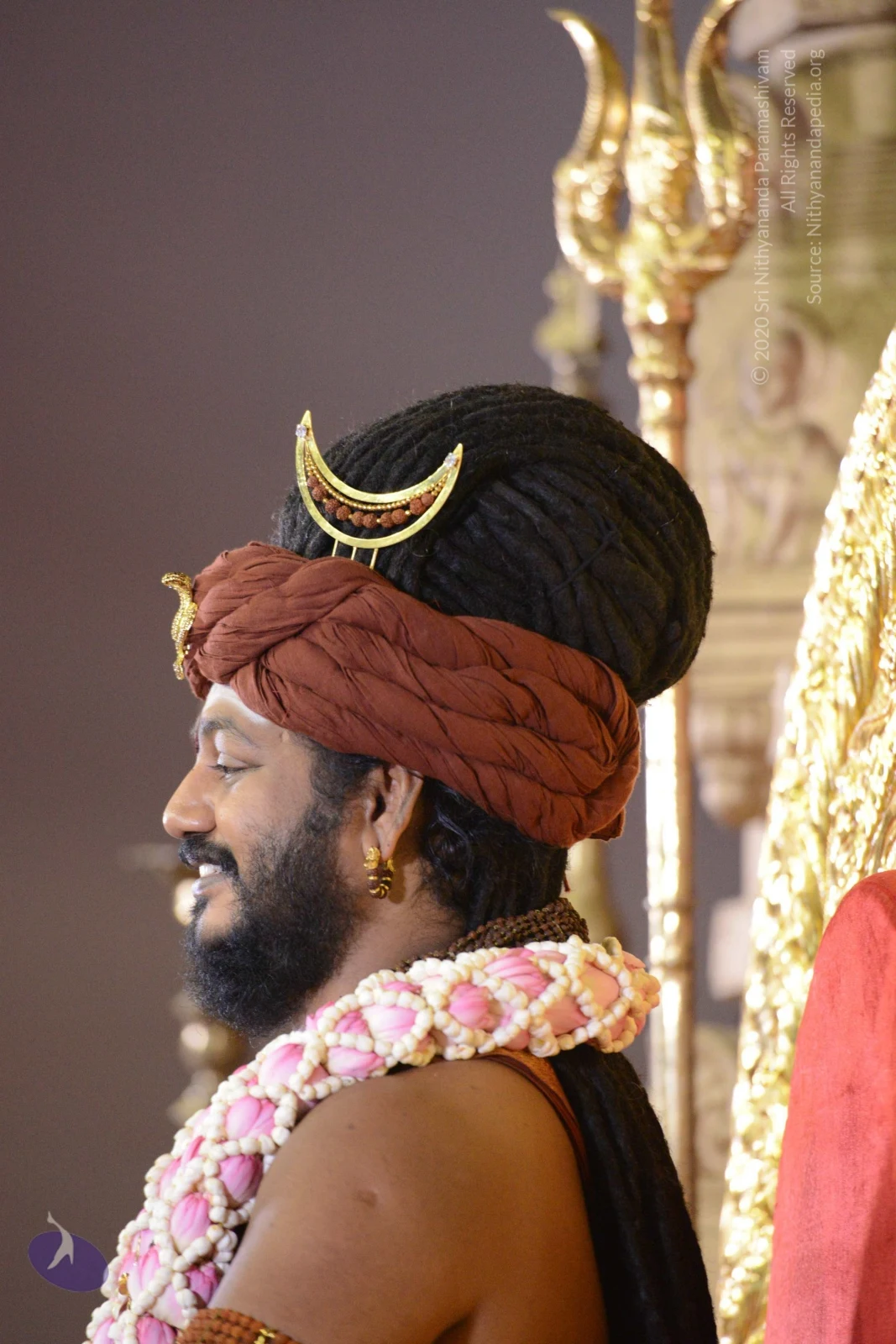
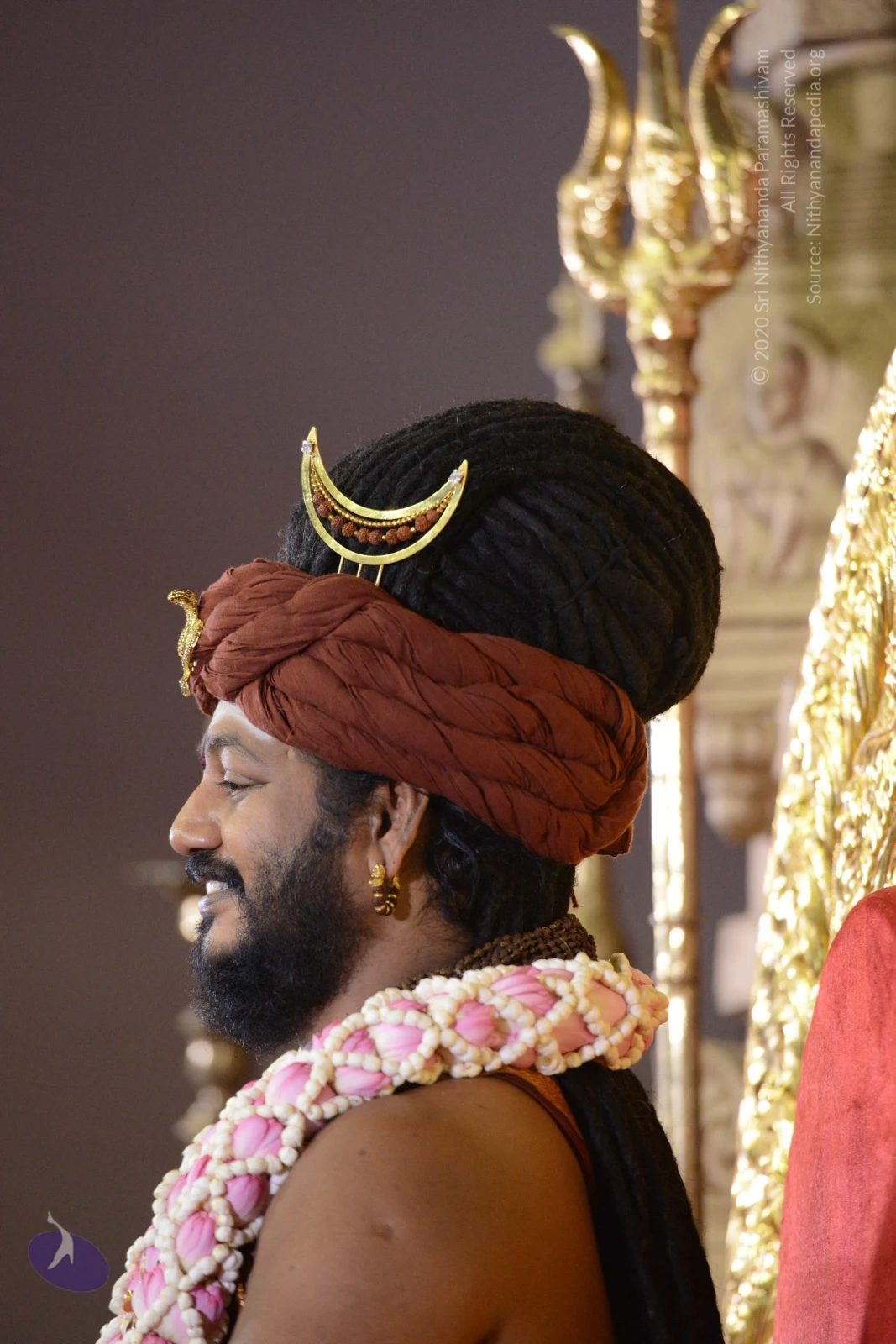
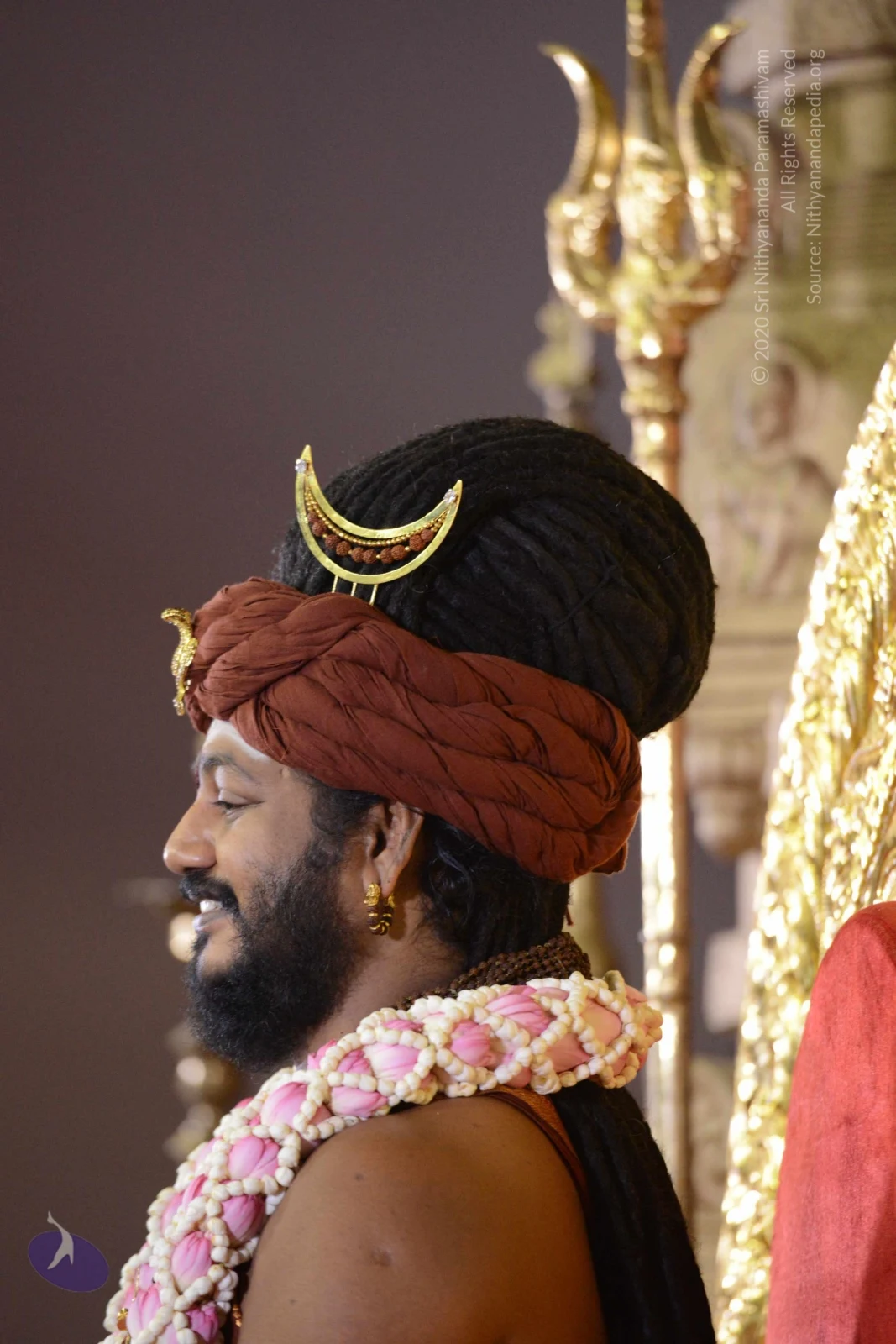
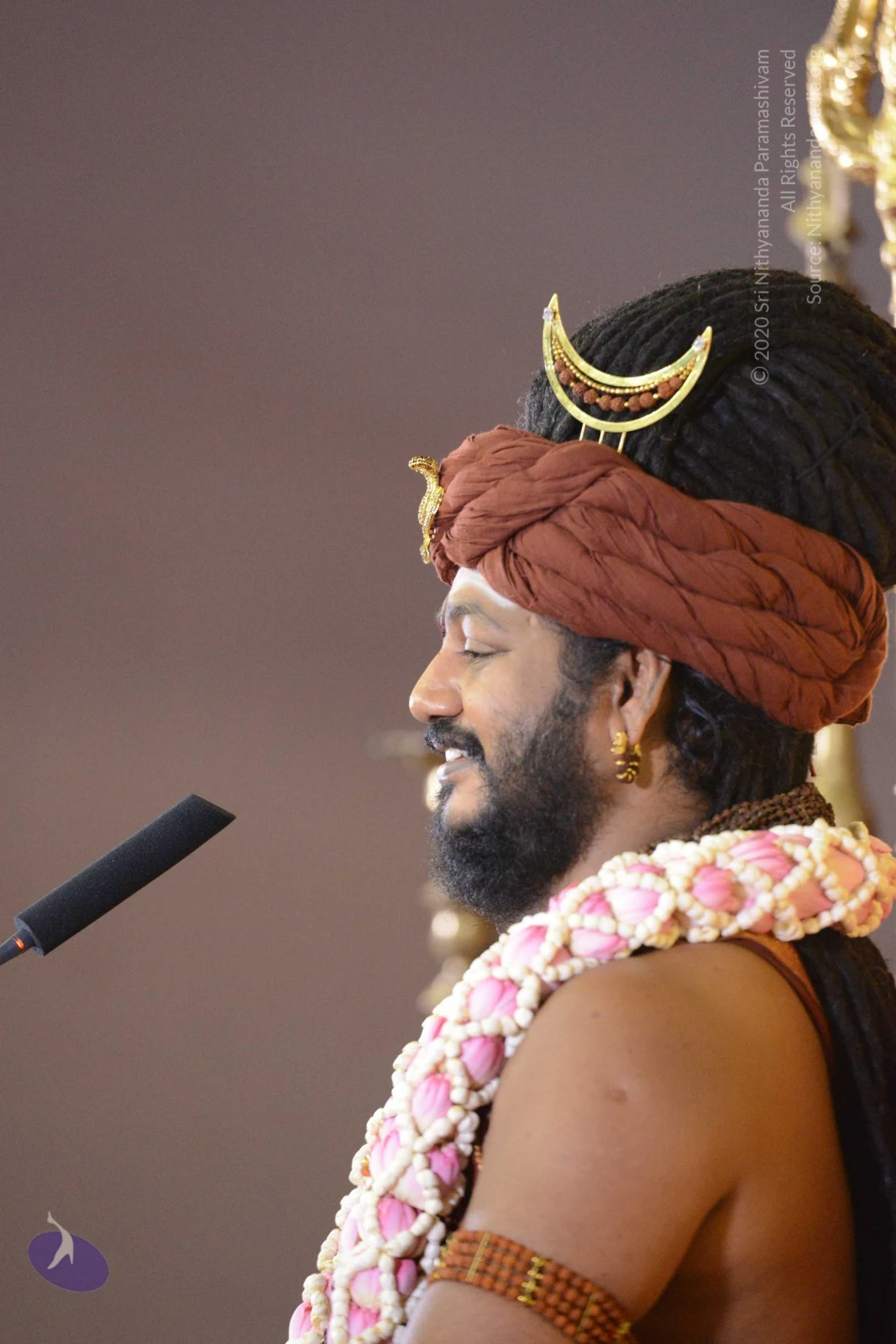
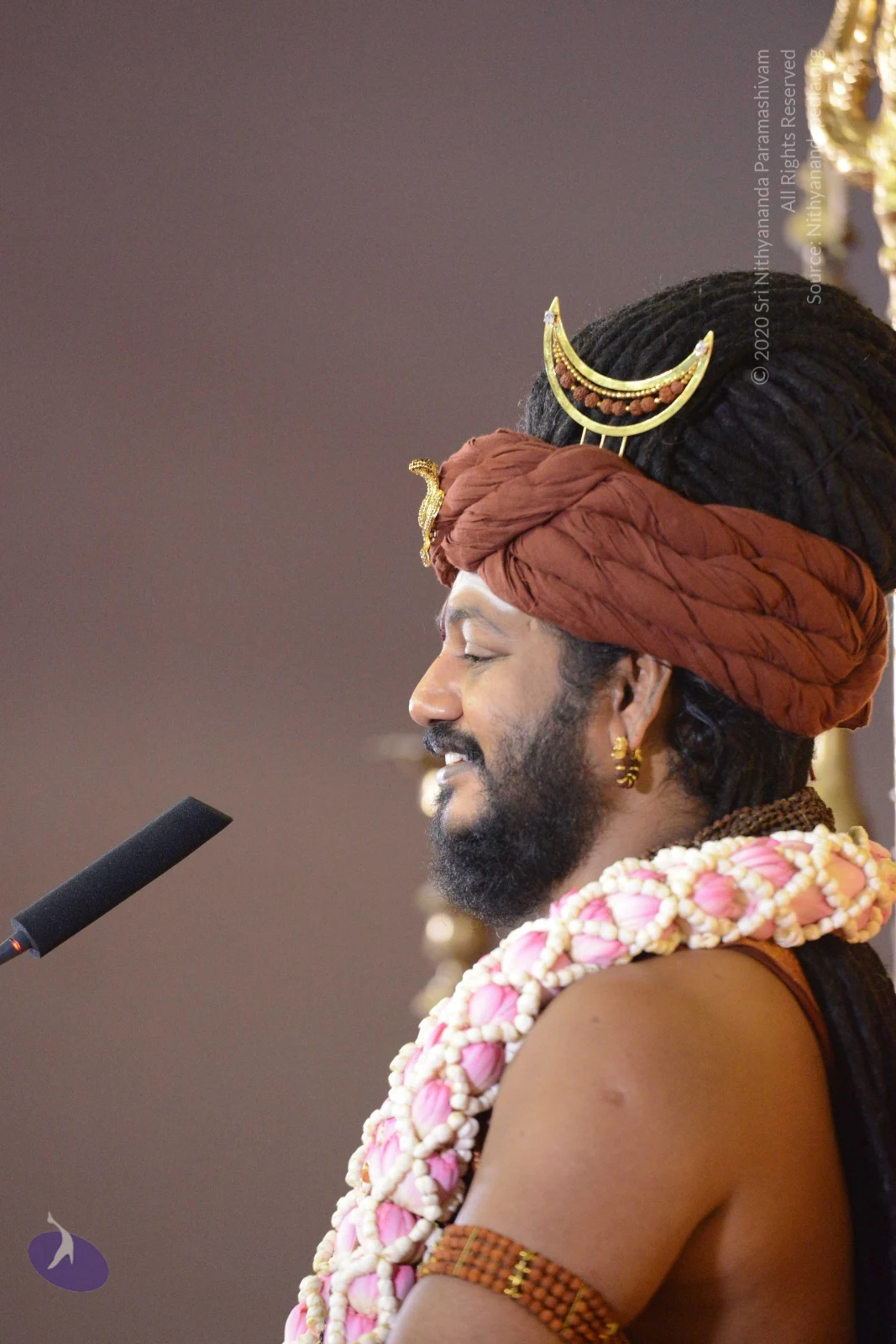
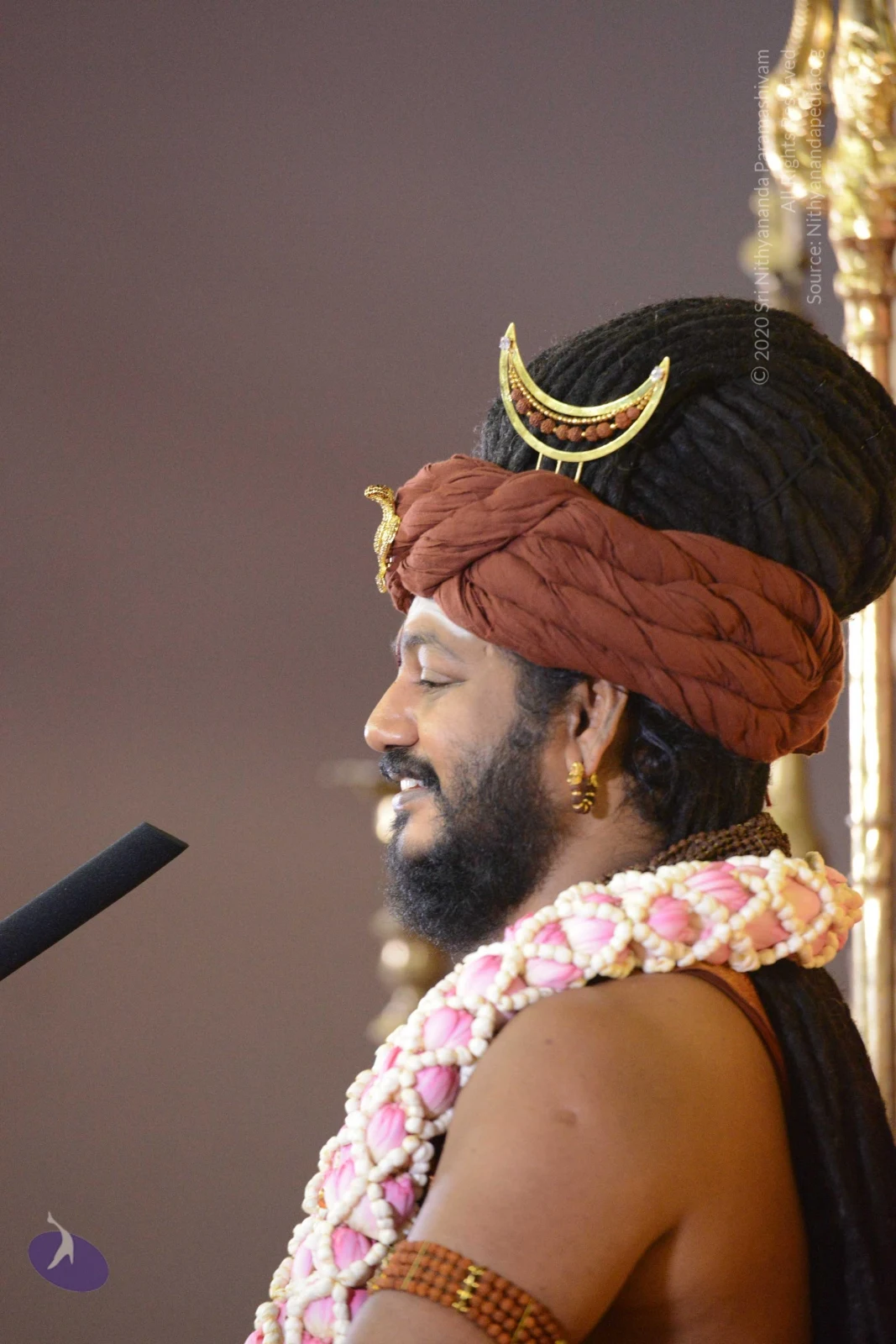
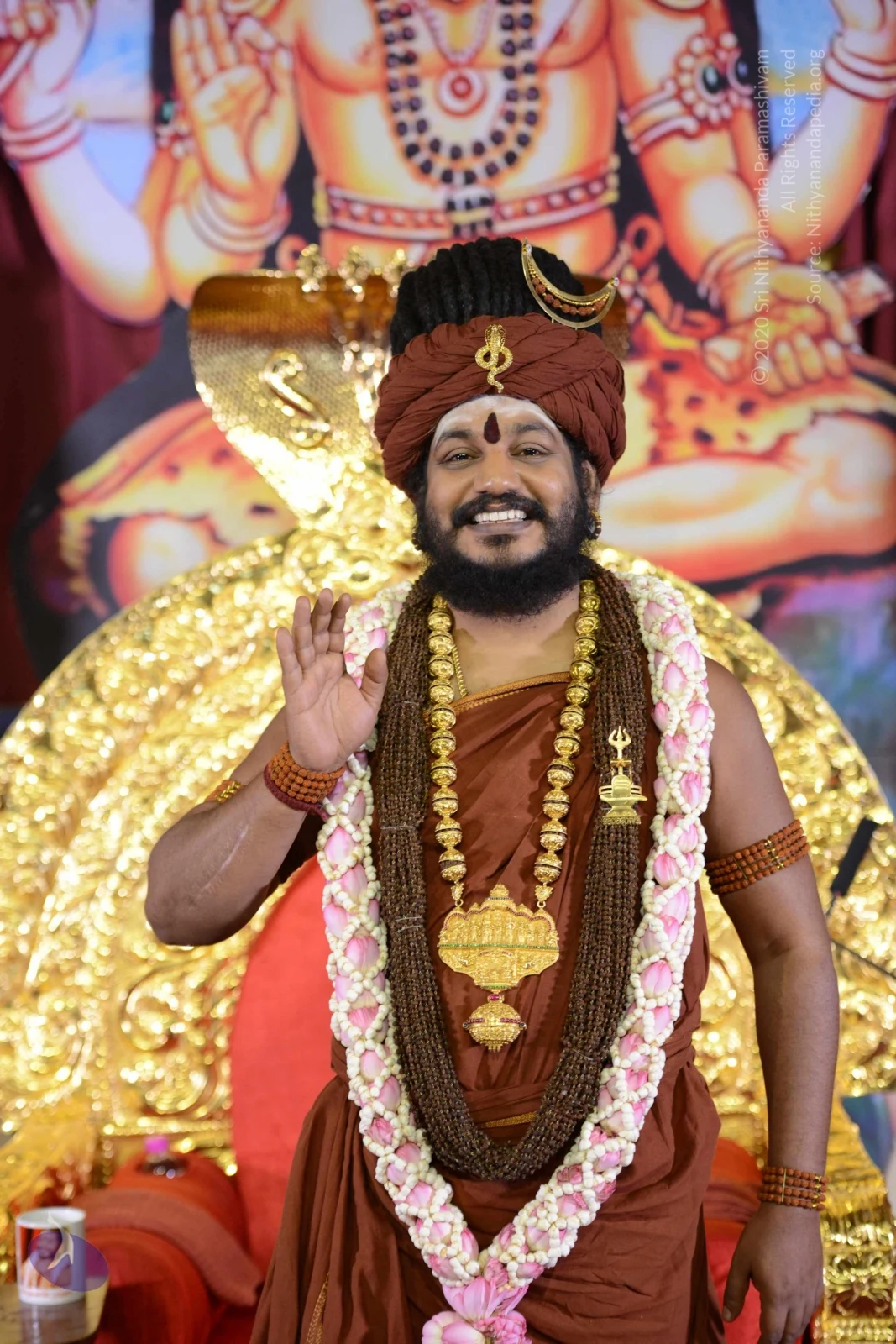
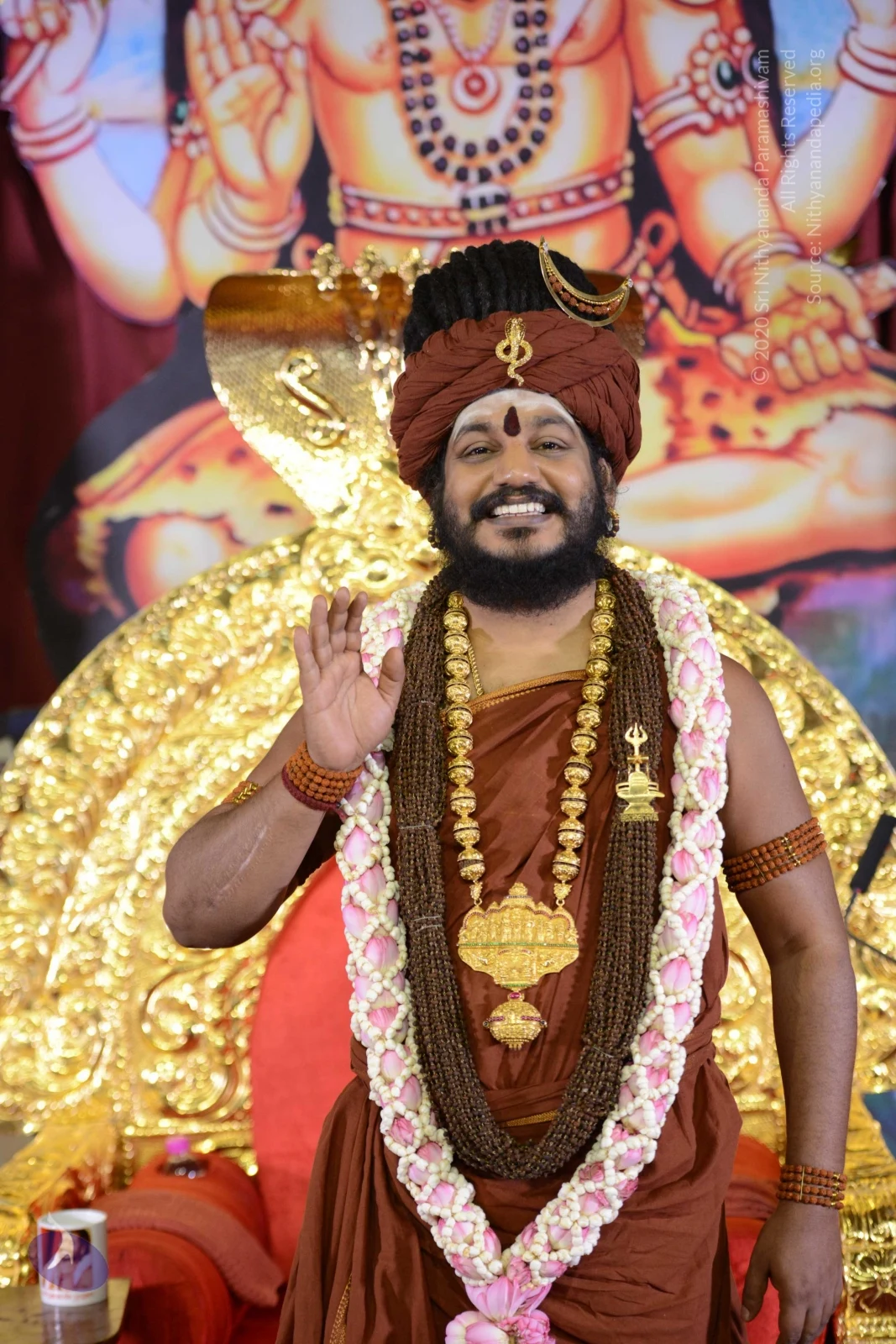
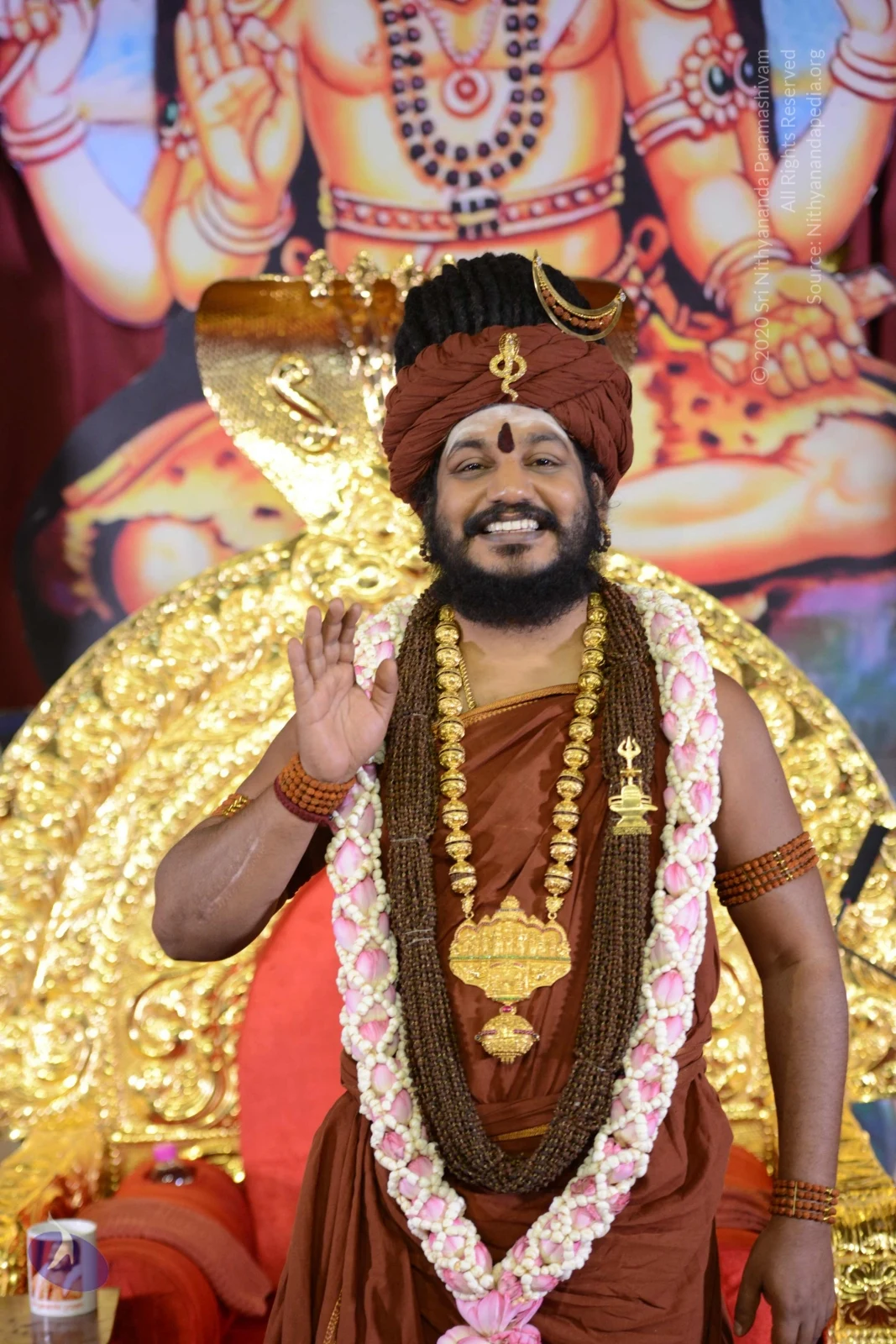
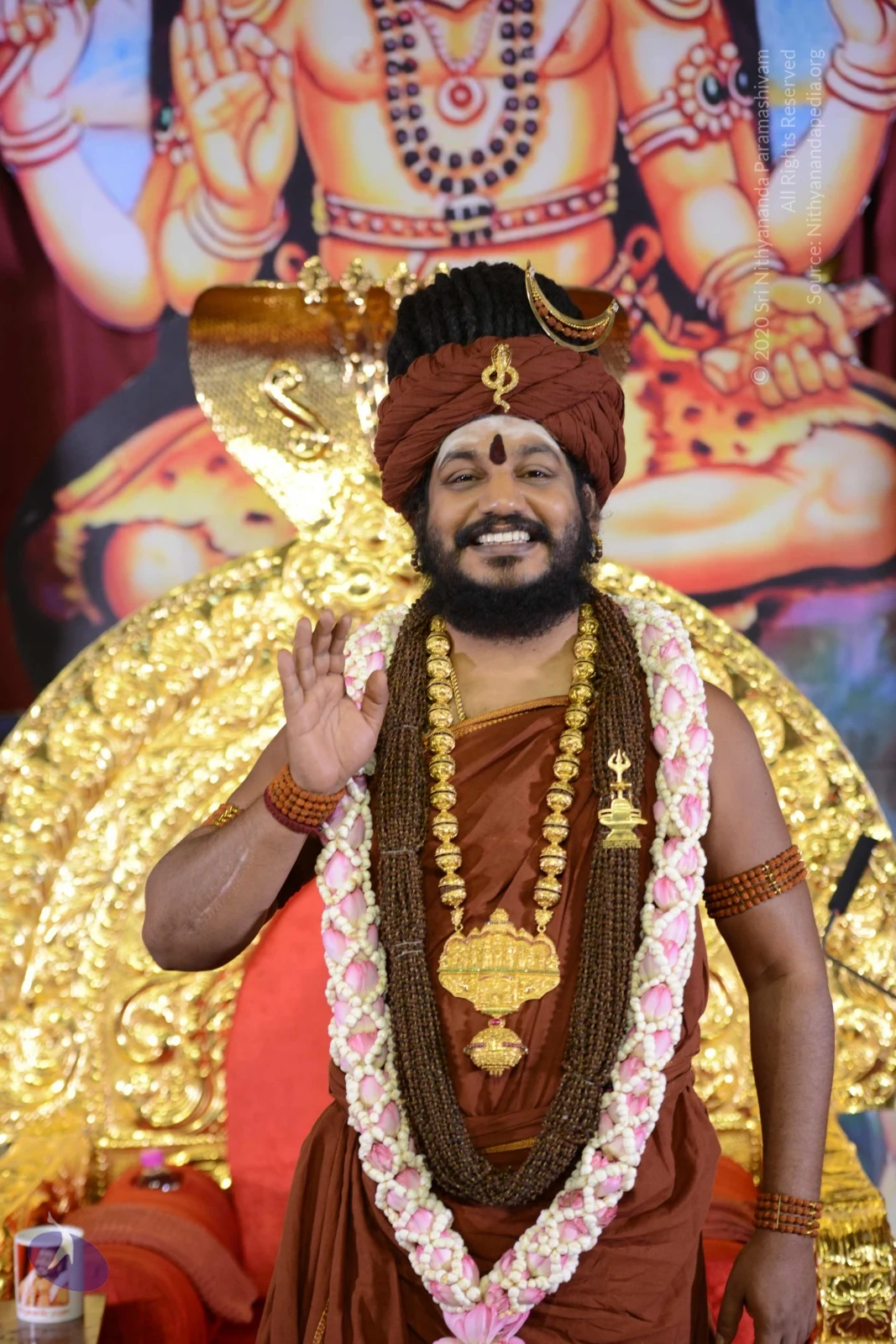
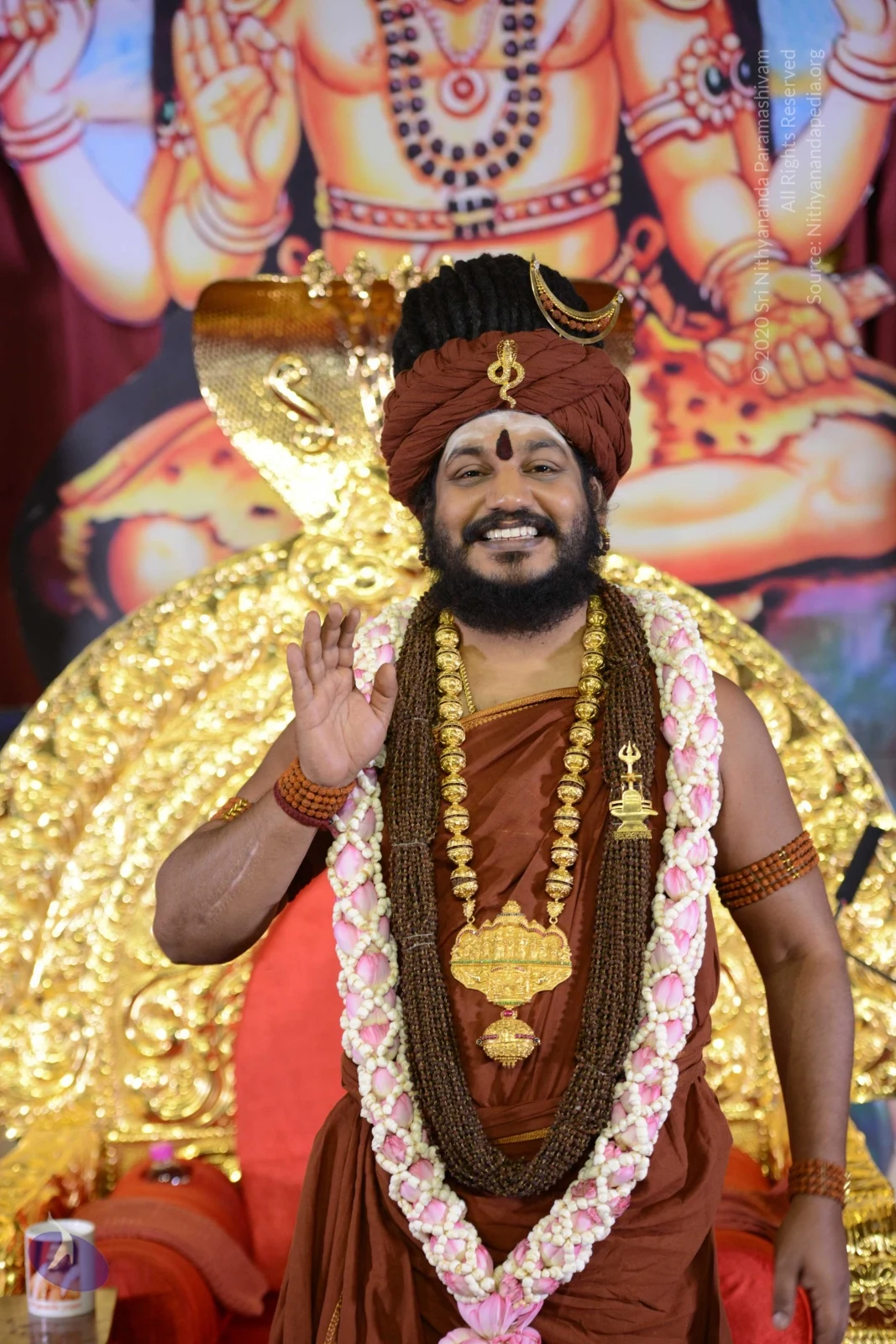
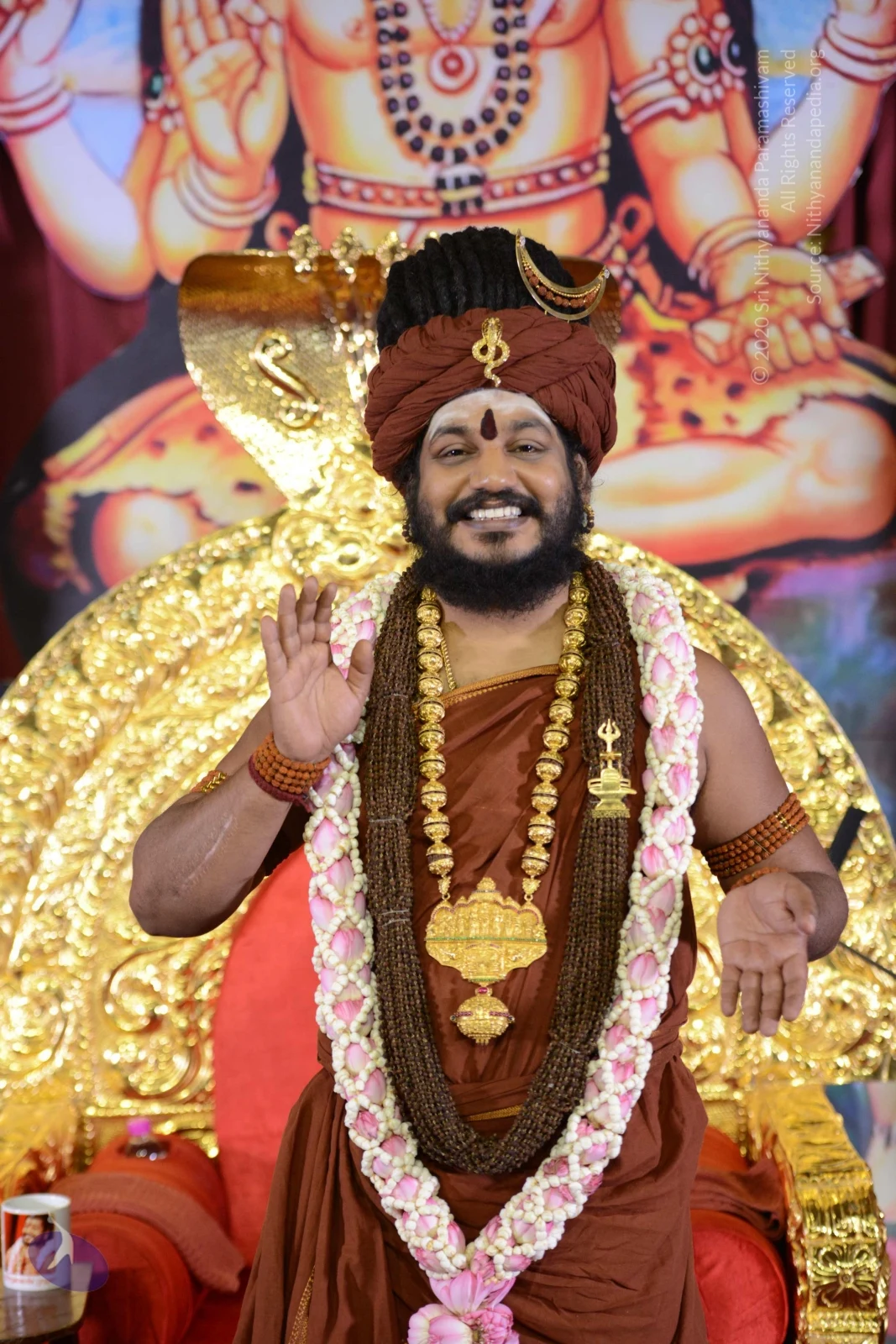
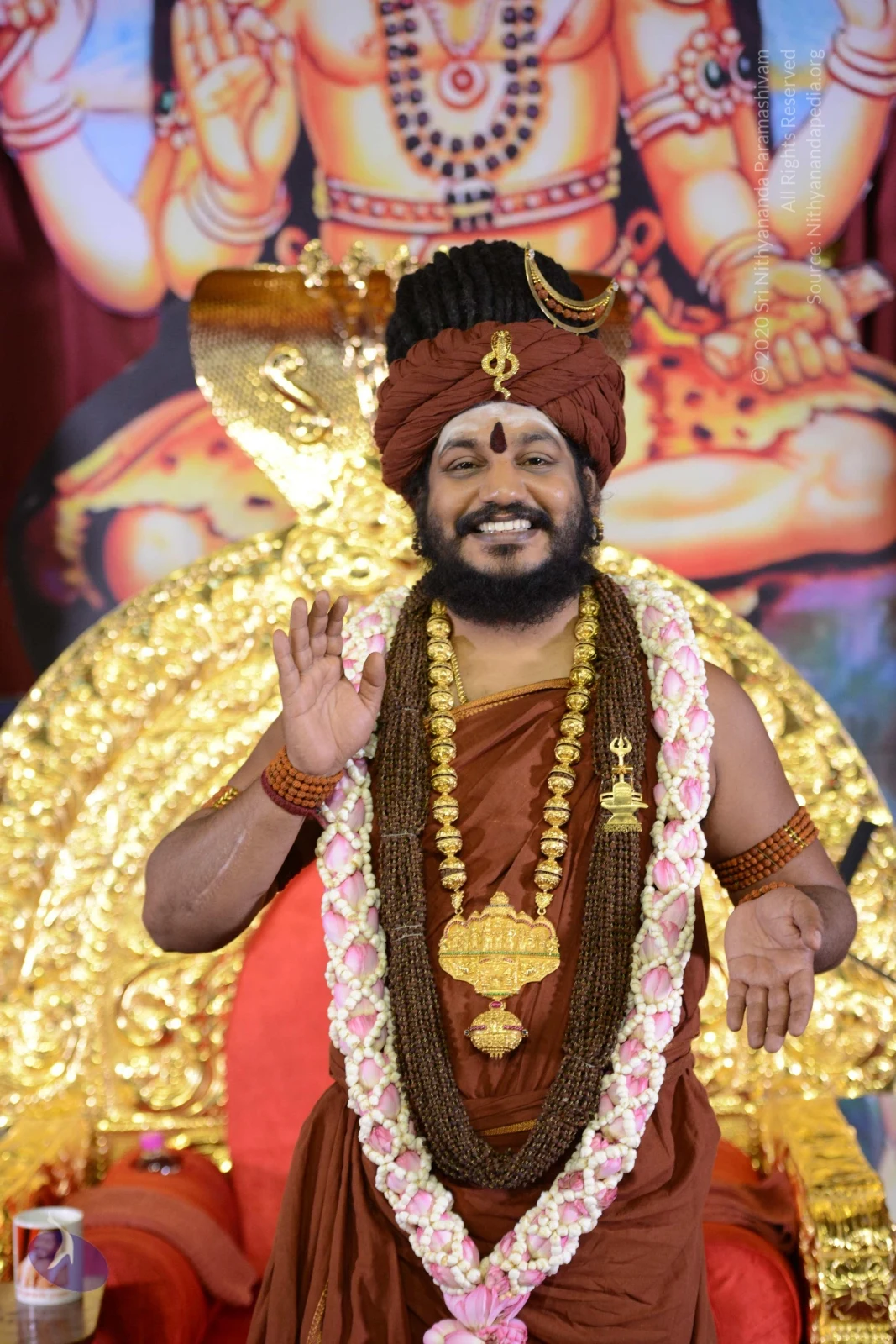
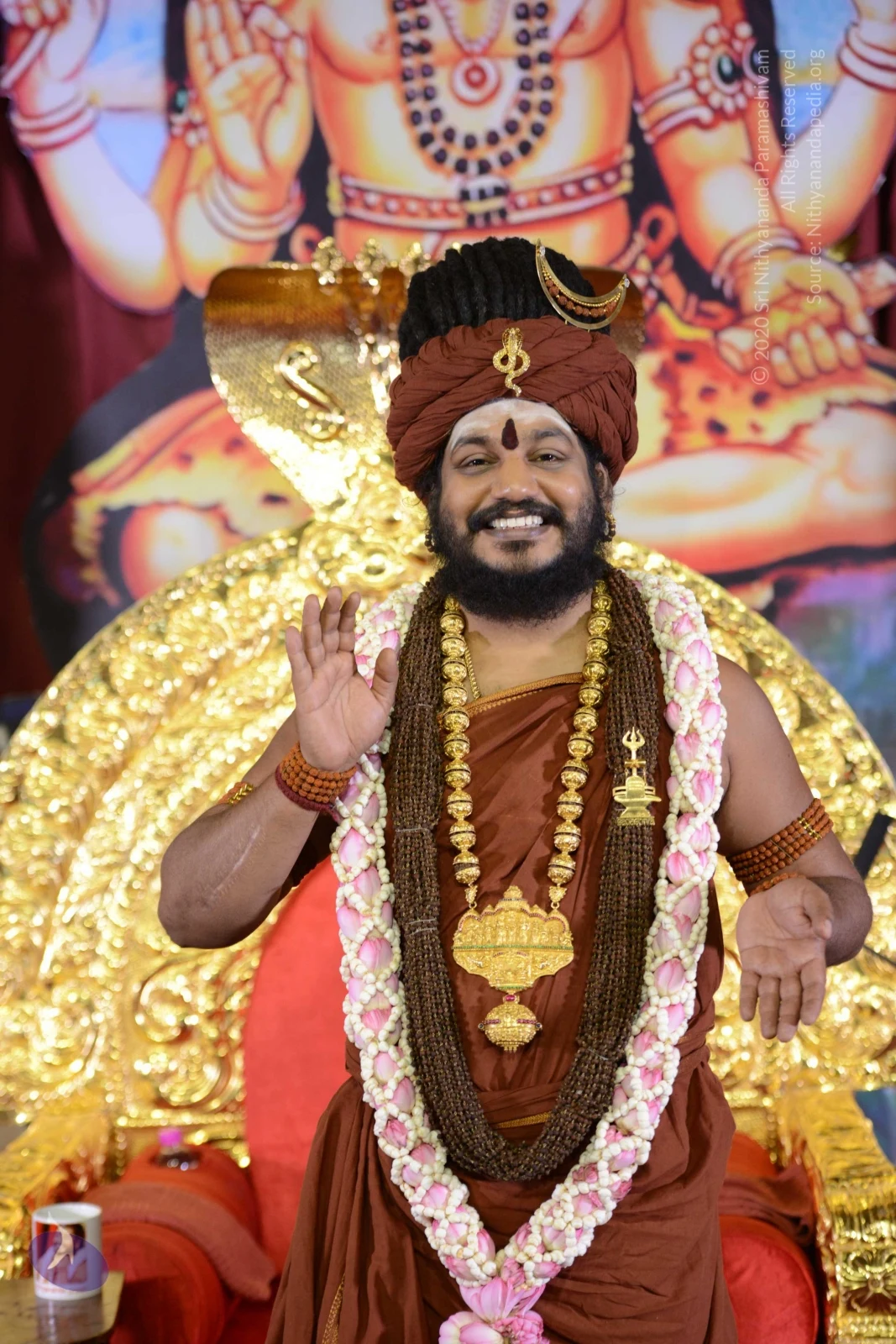
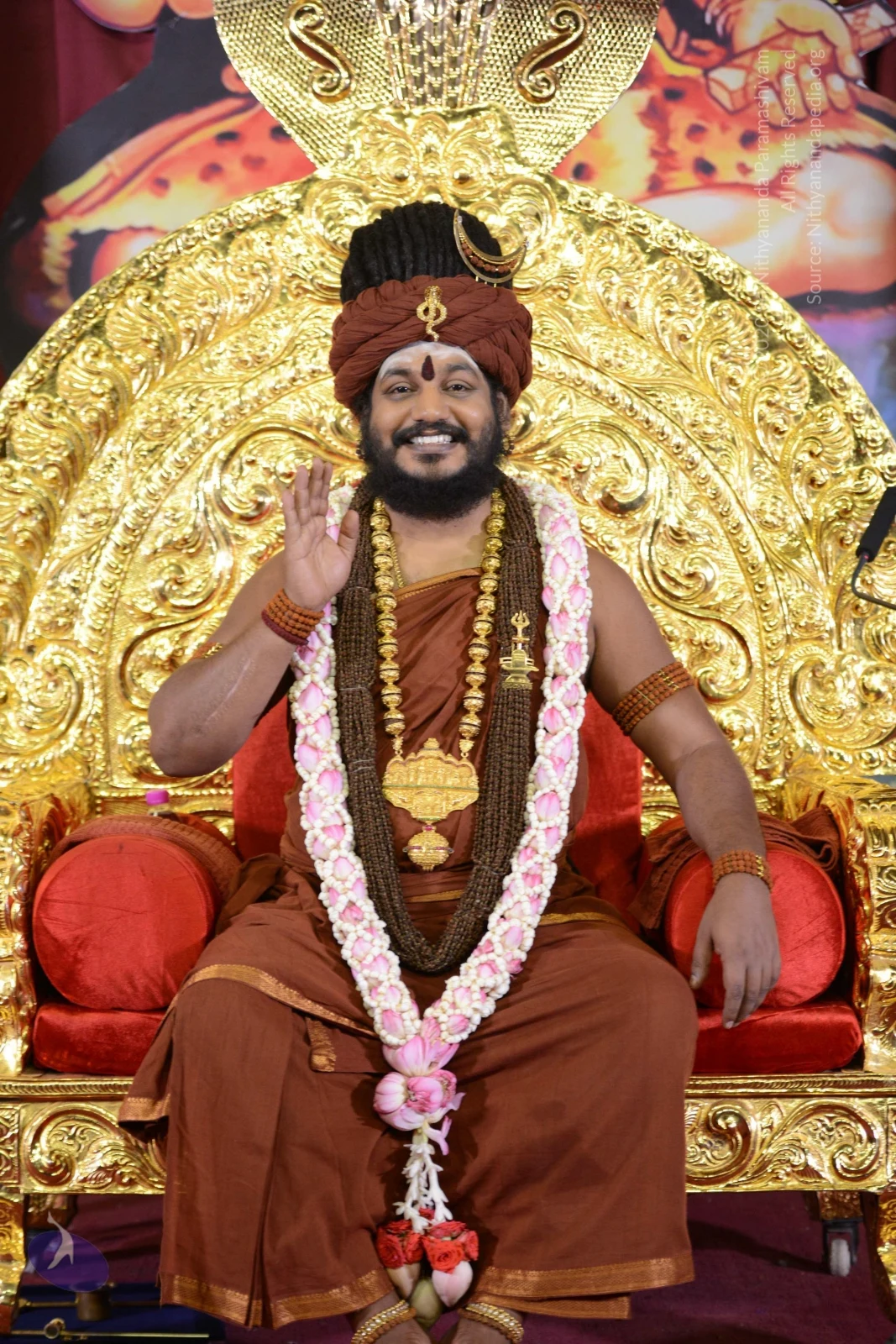
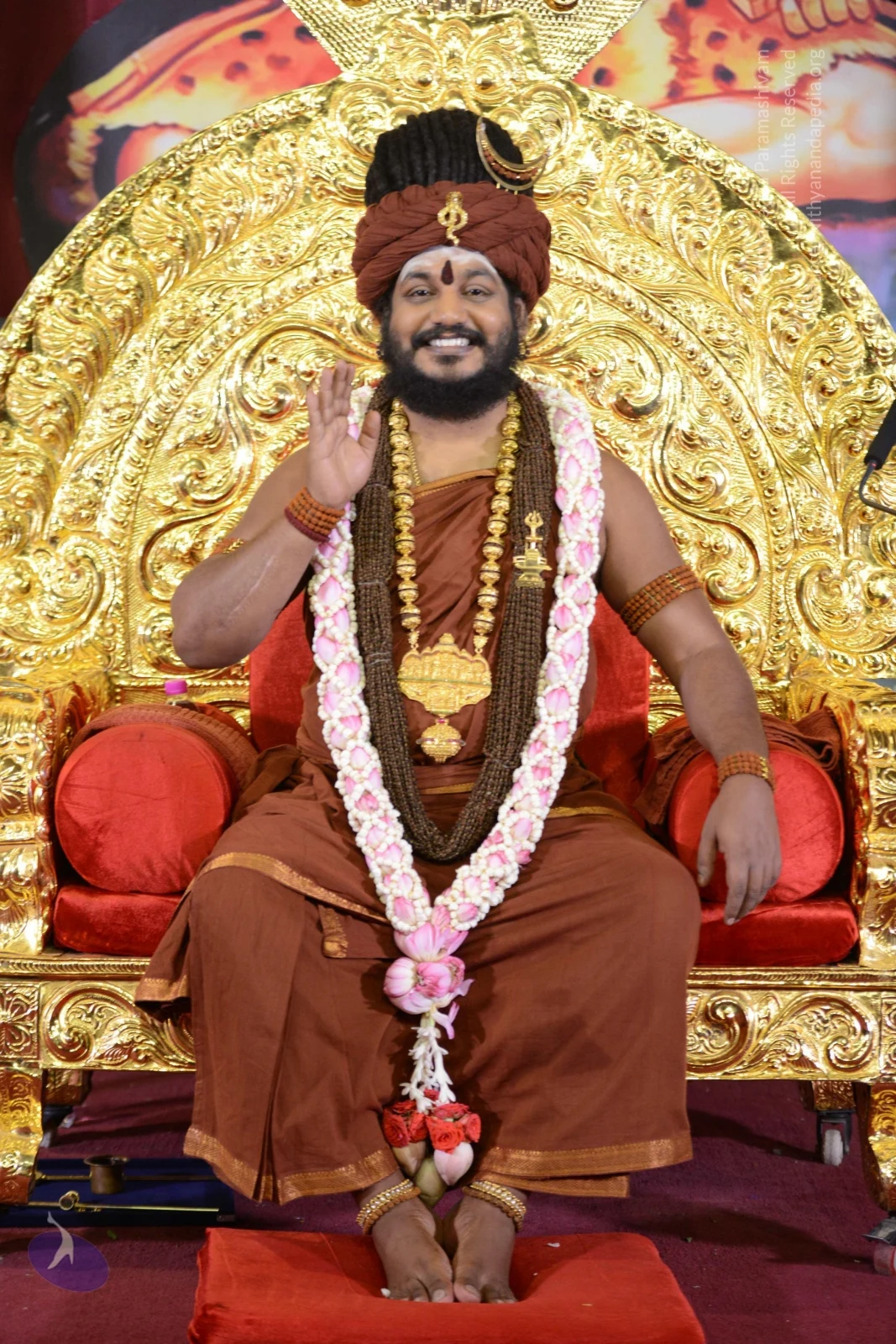
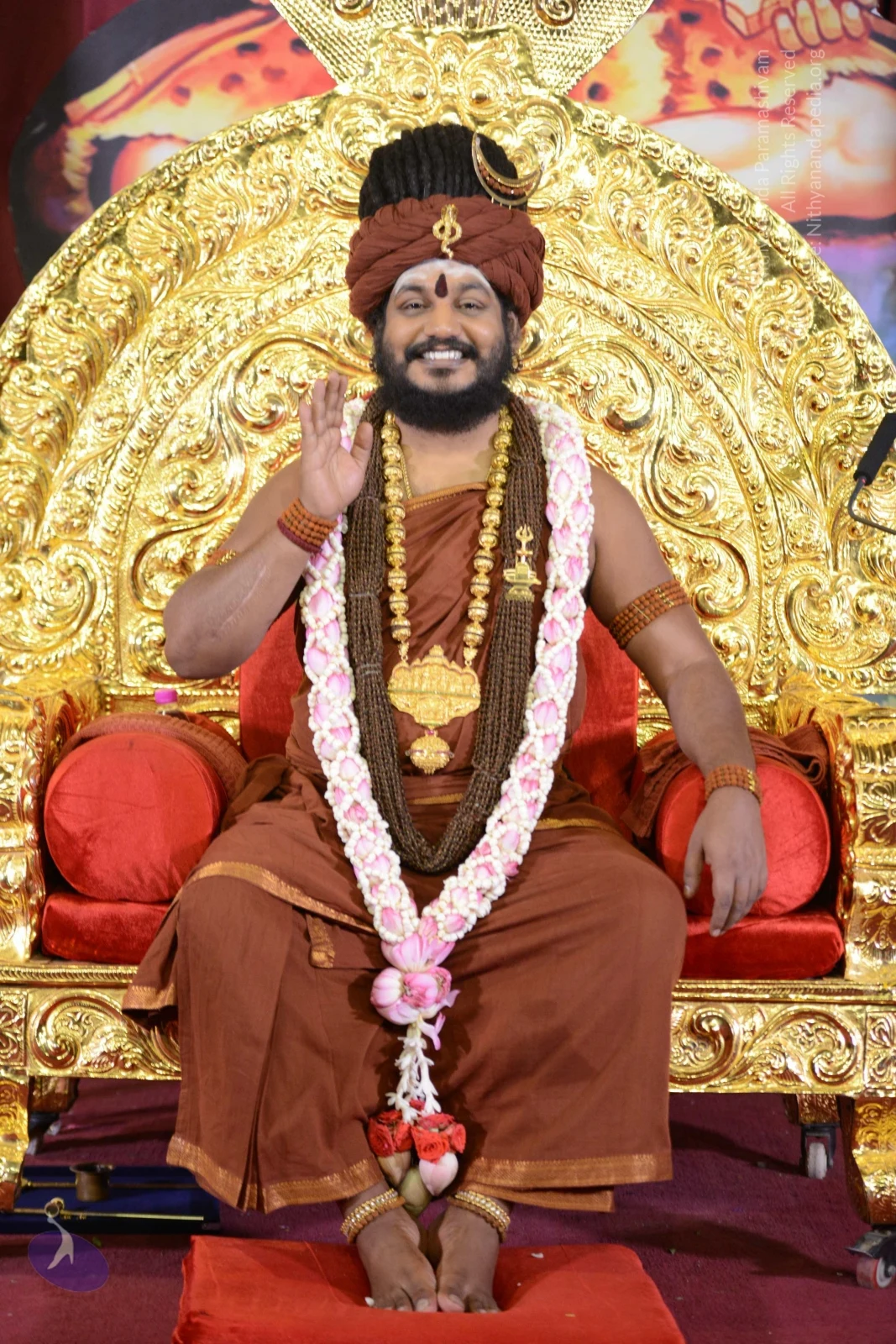
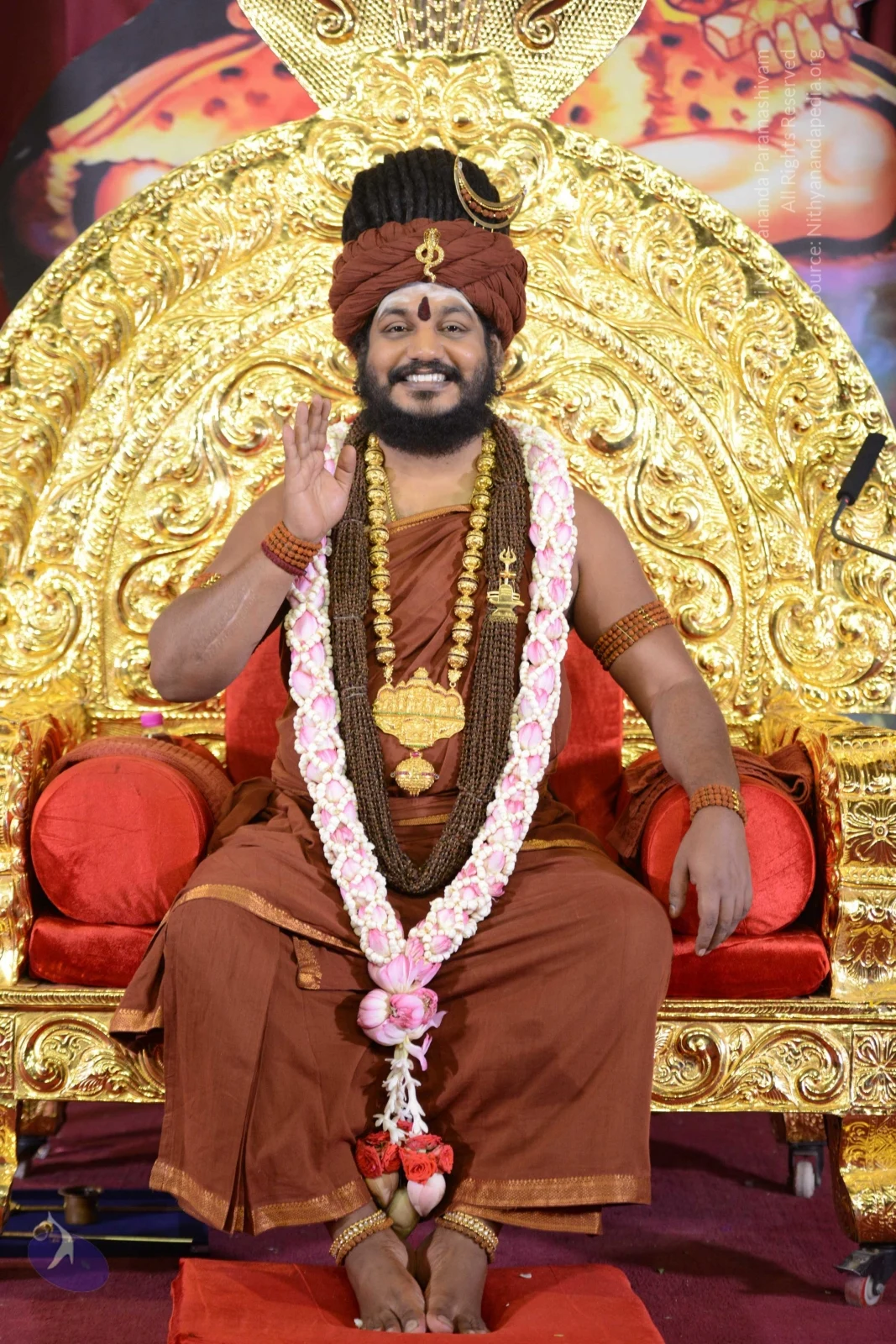
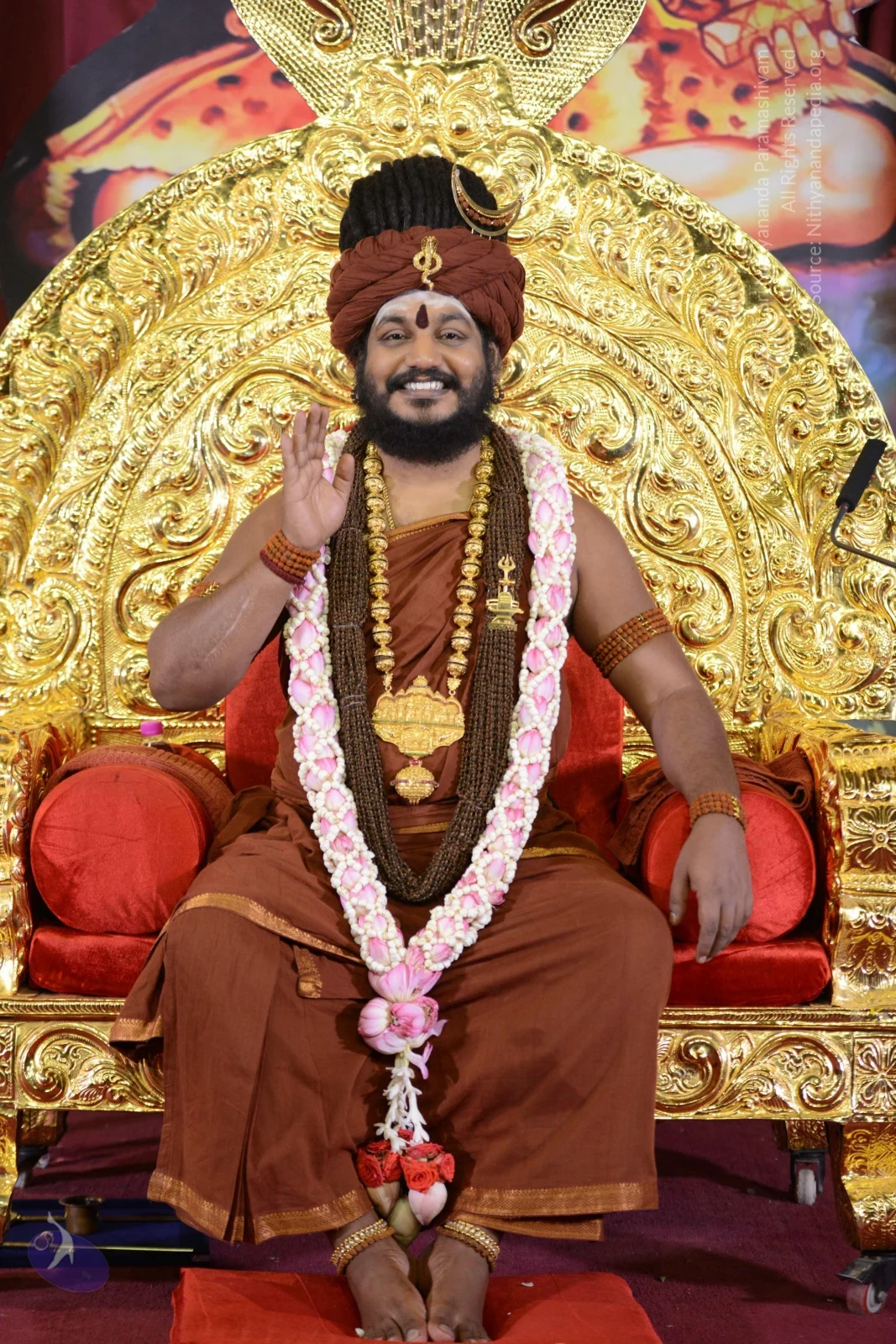
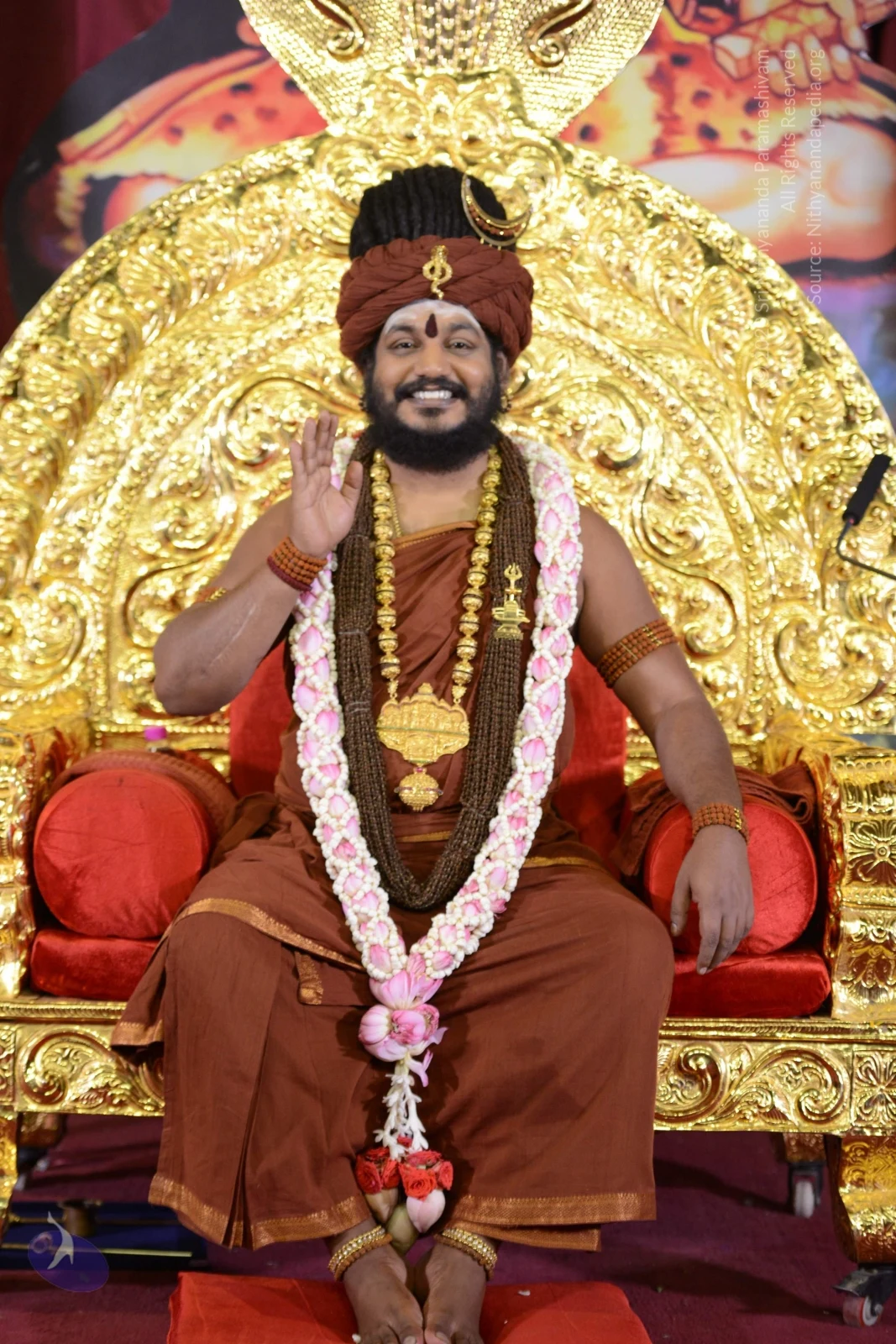
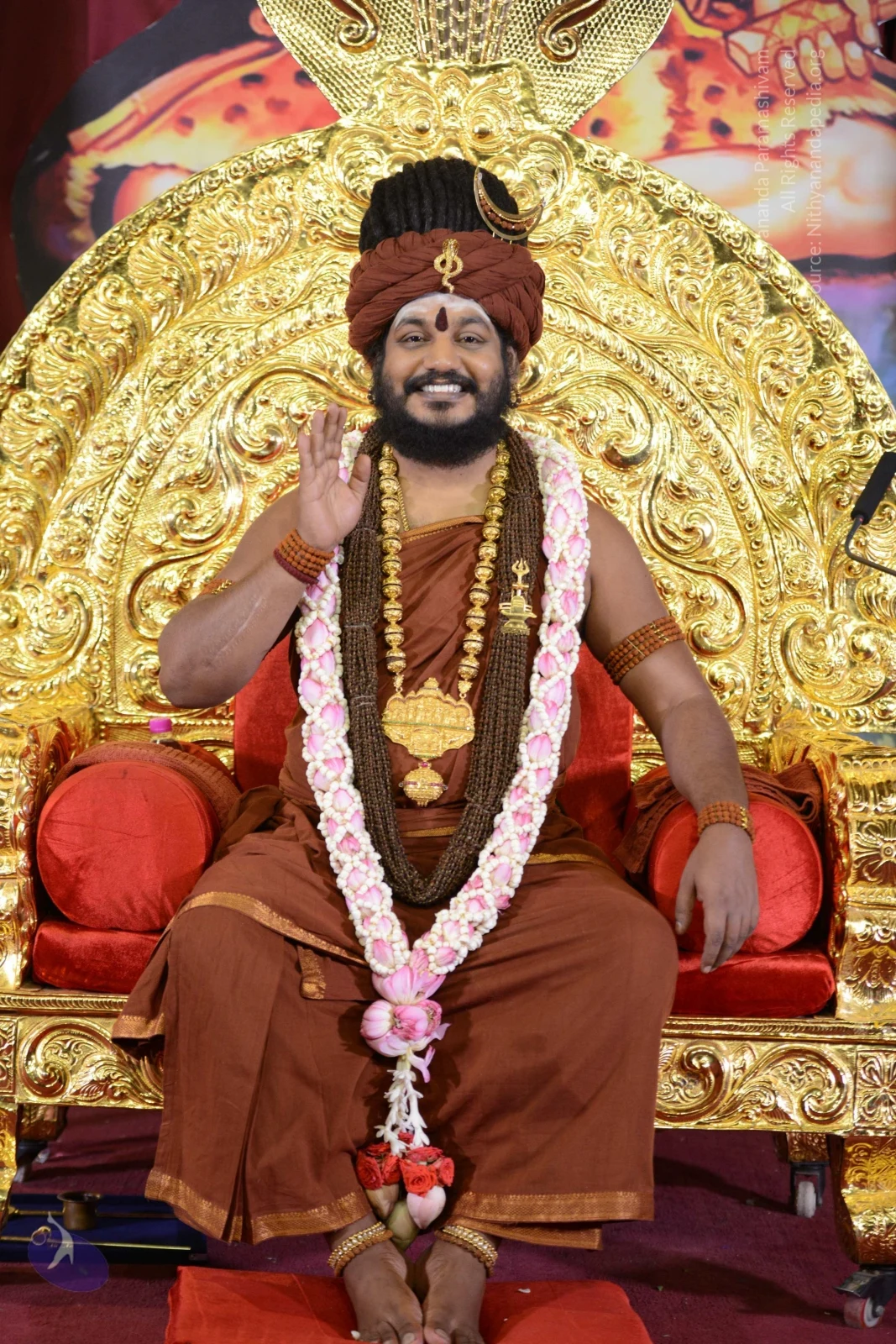
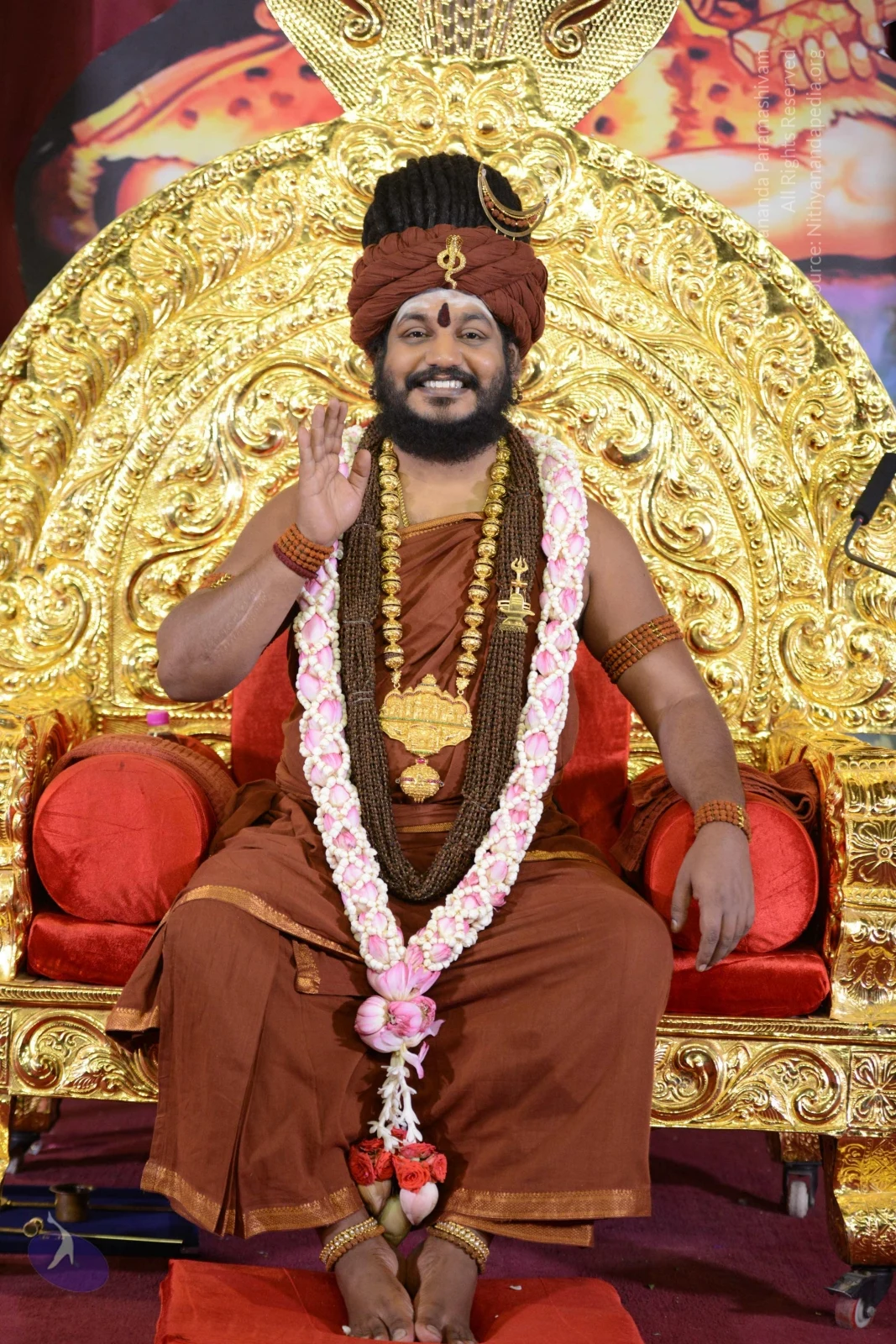
Photos Of The Day:
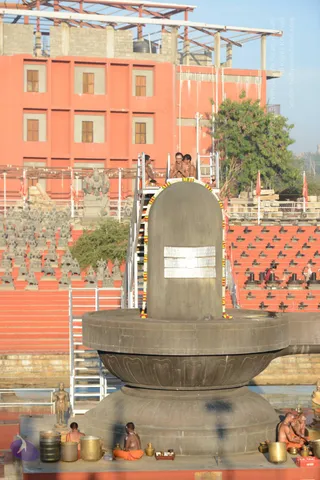
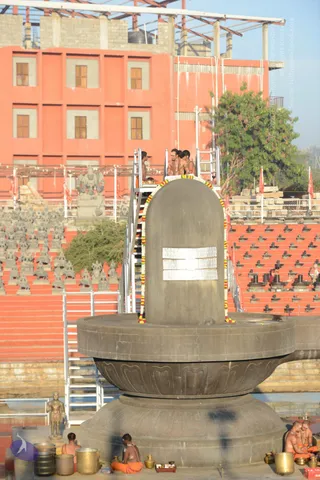
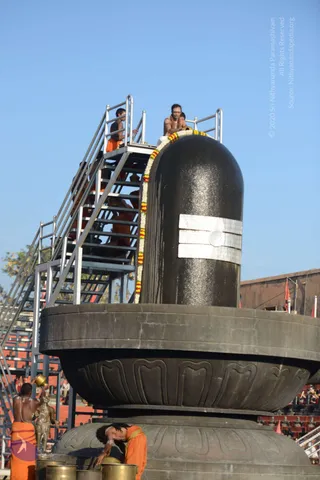
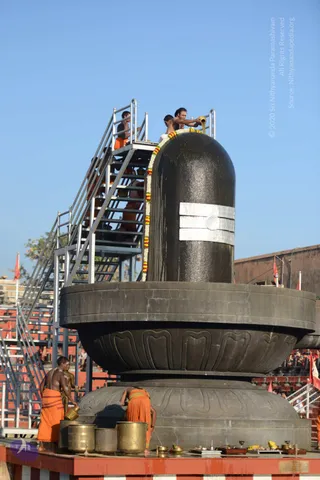
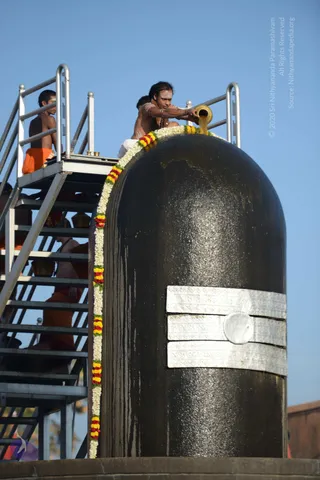
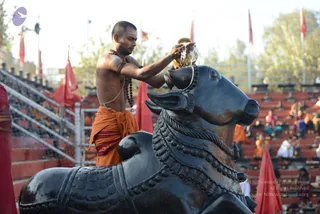
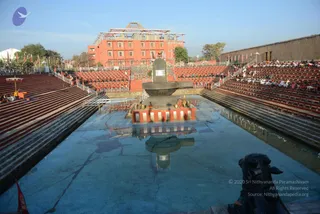
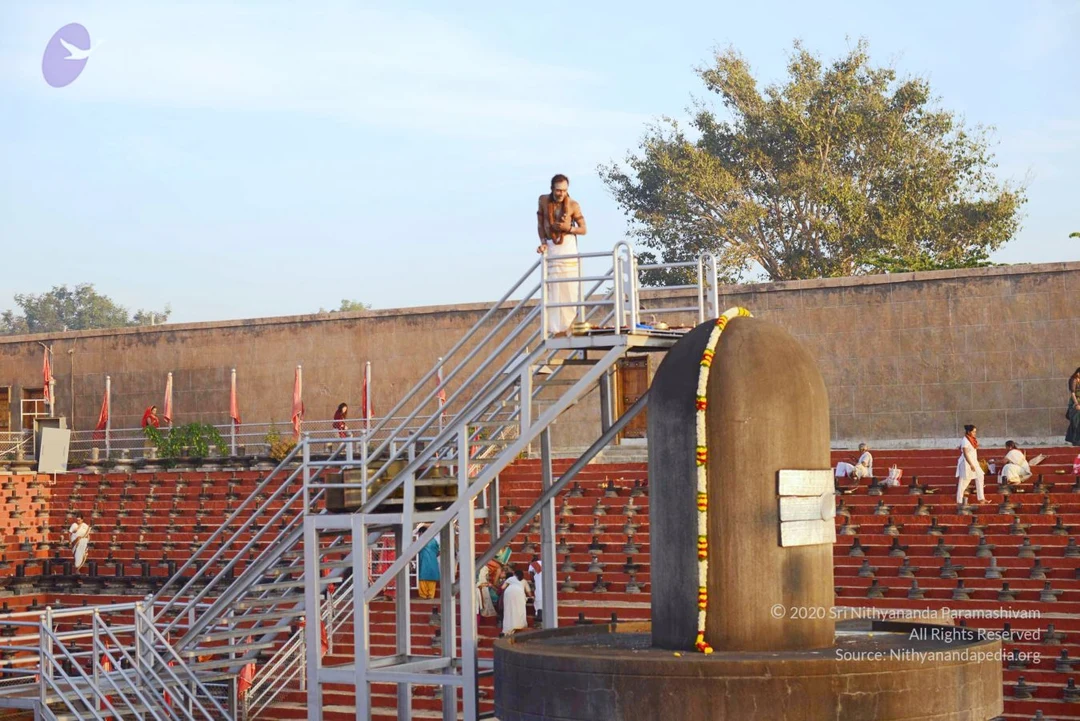
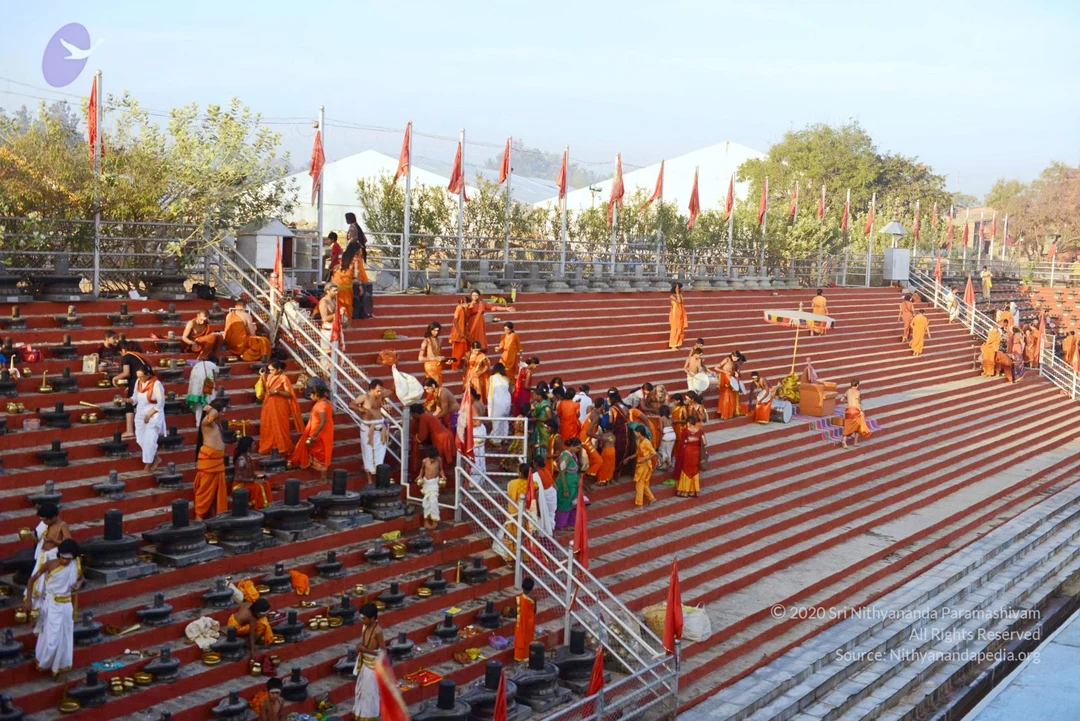
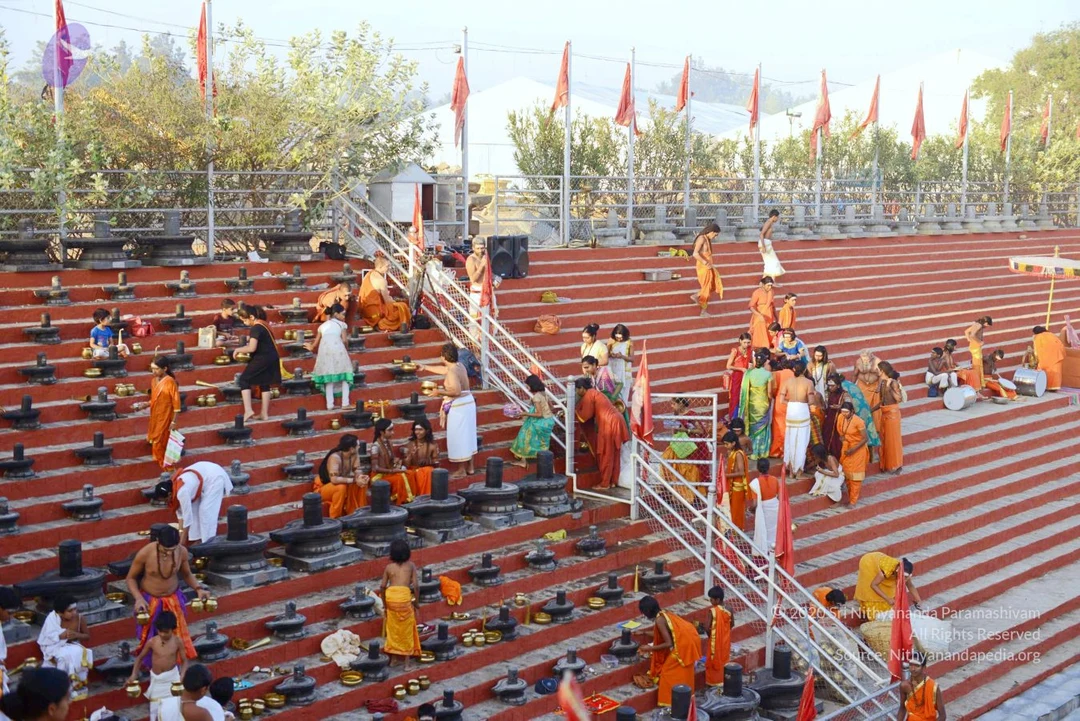
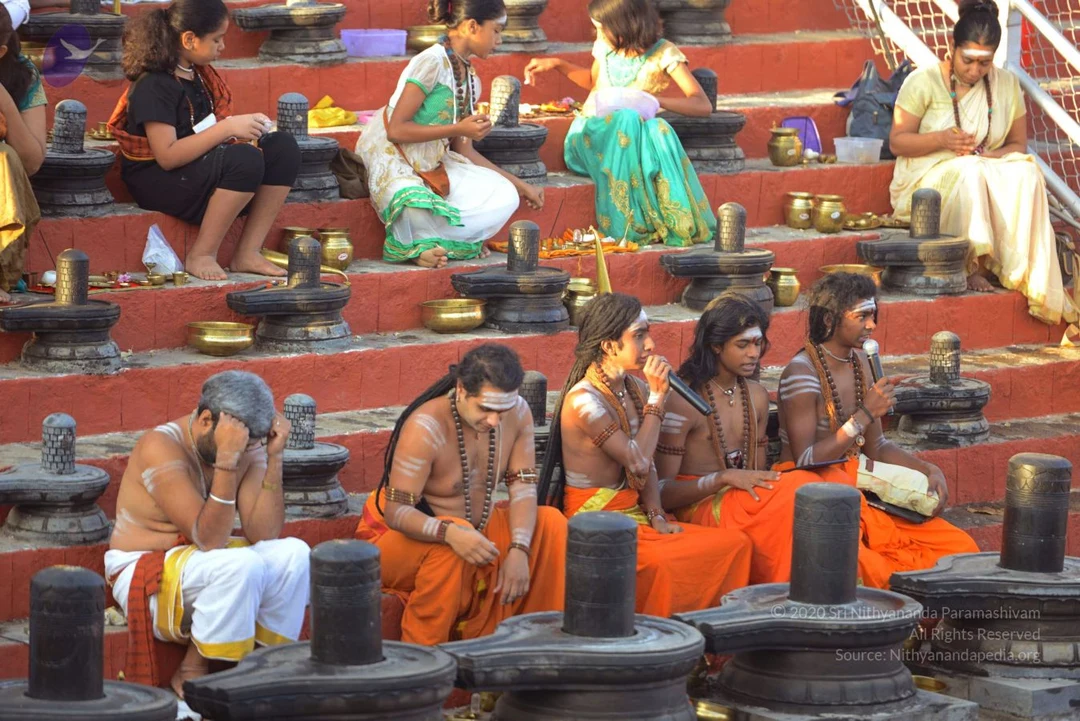
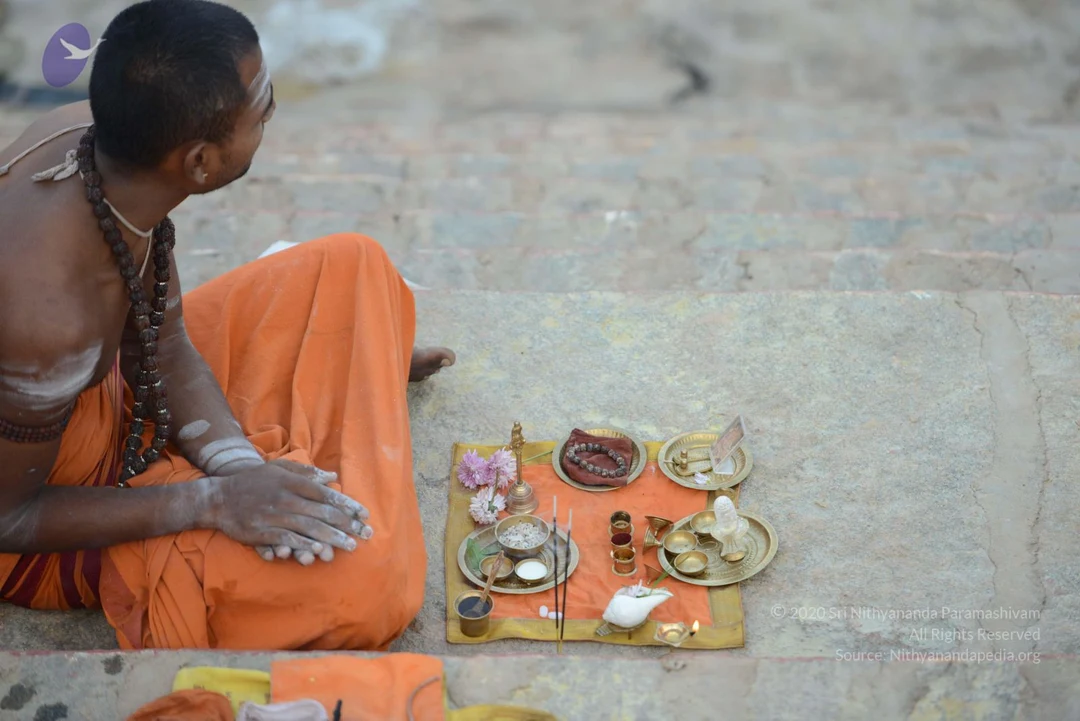
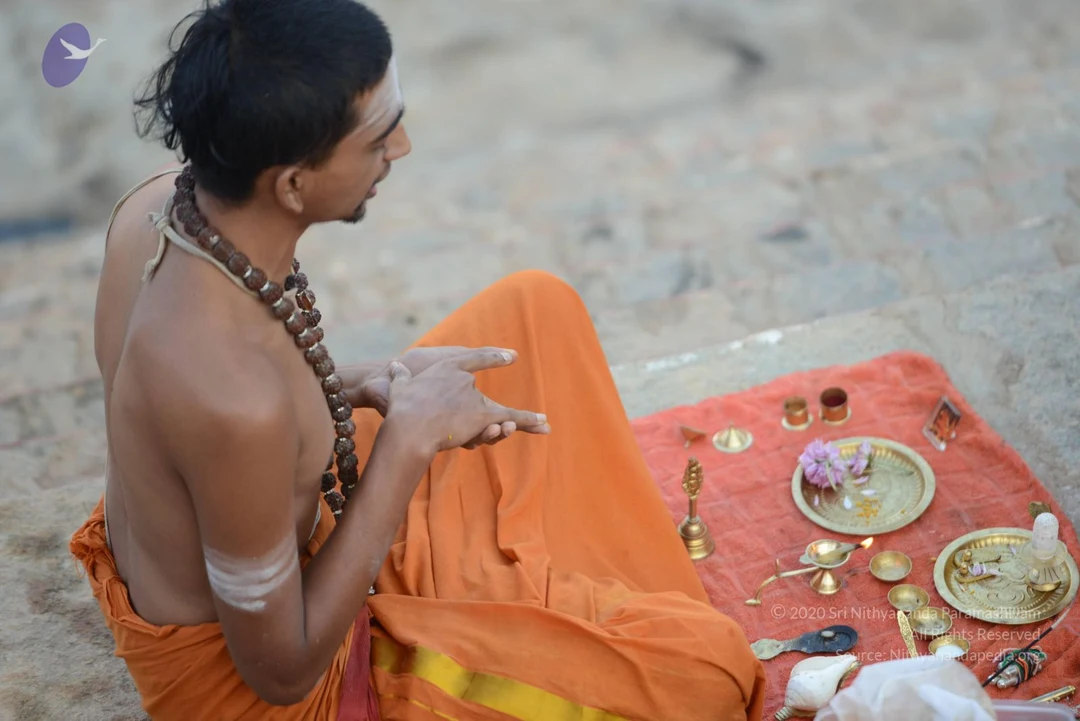
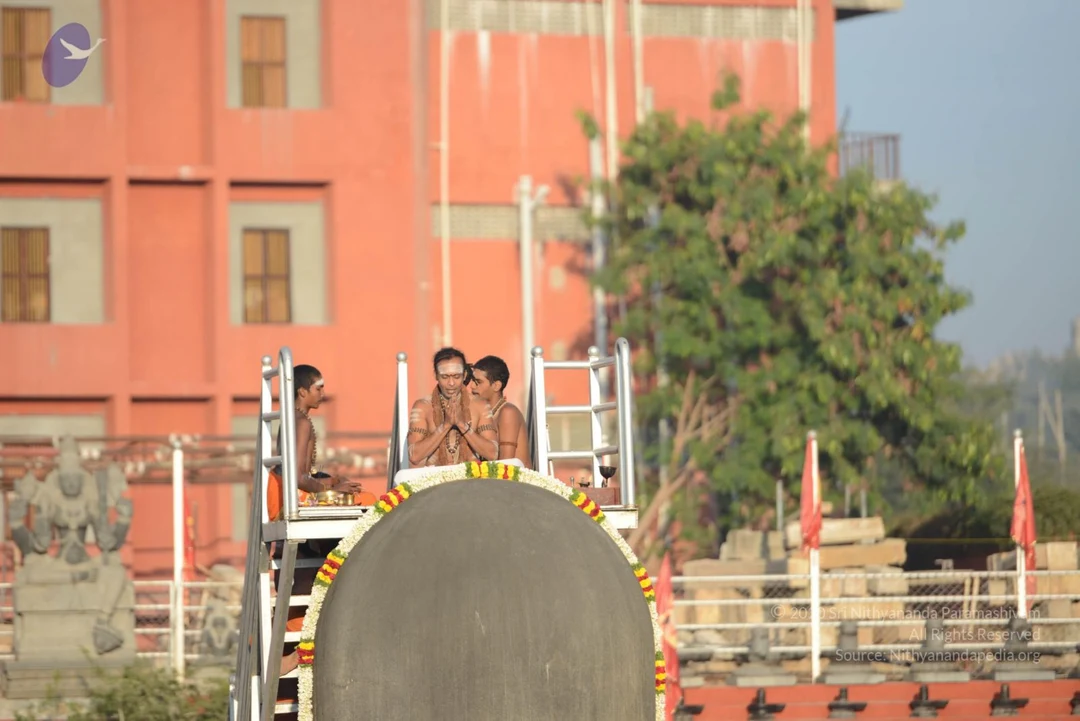
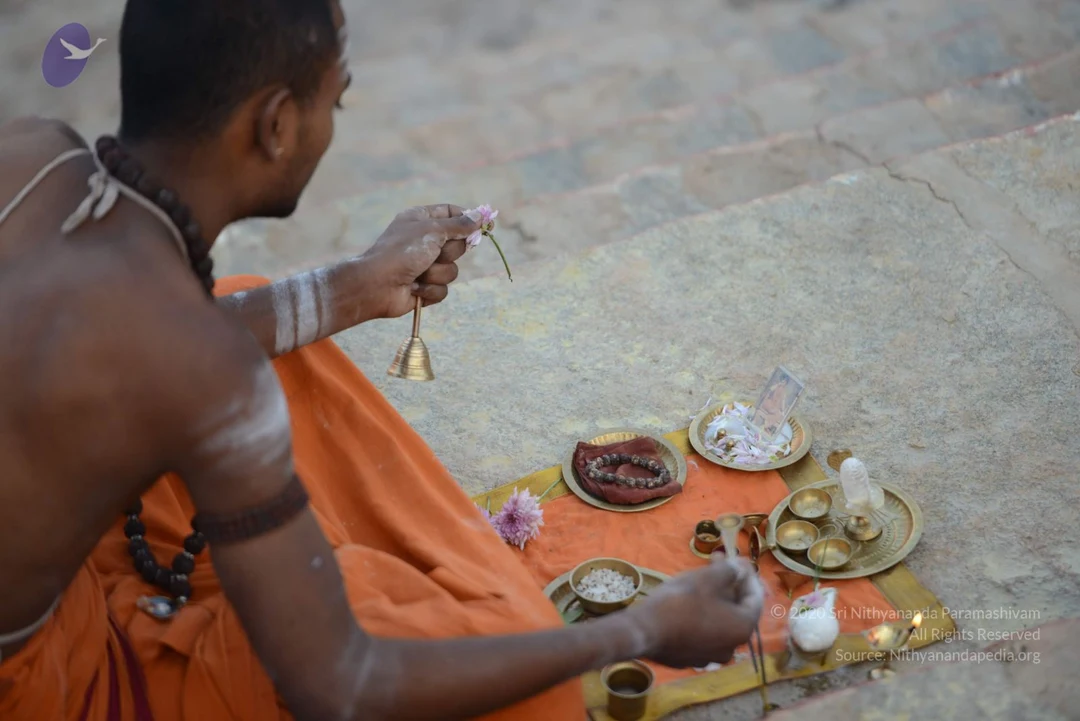
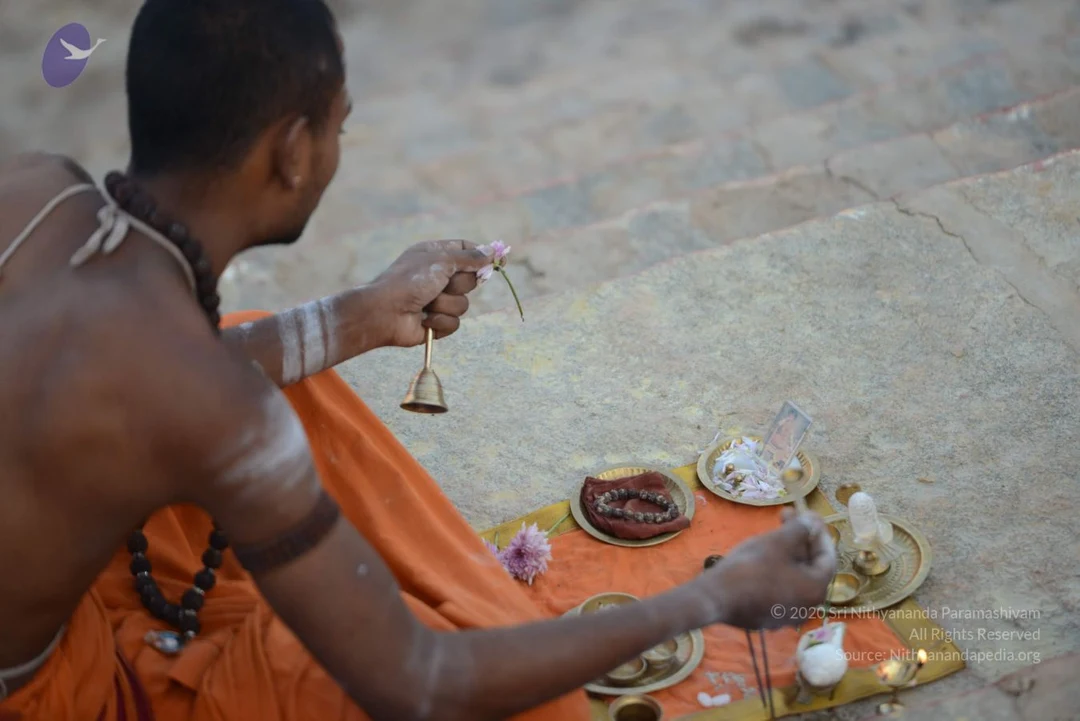
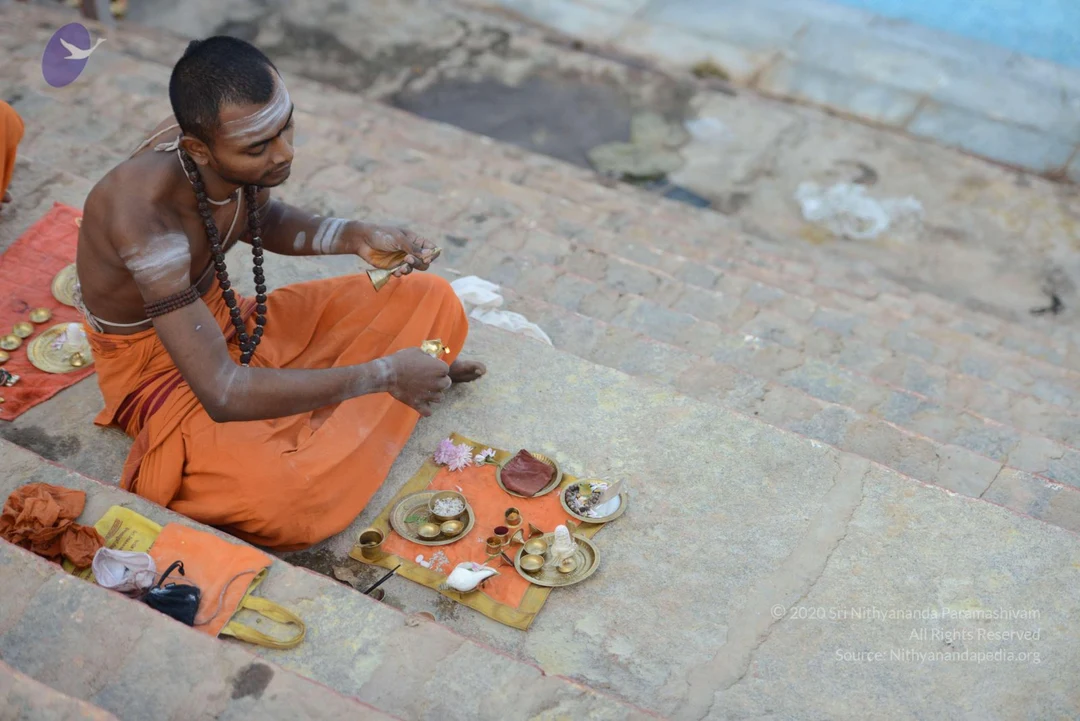
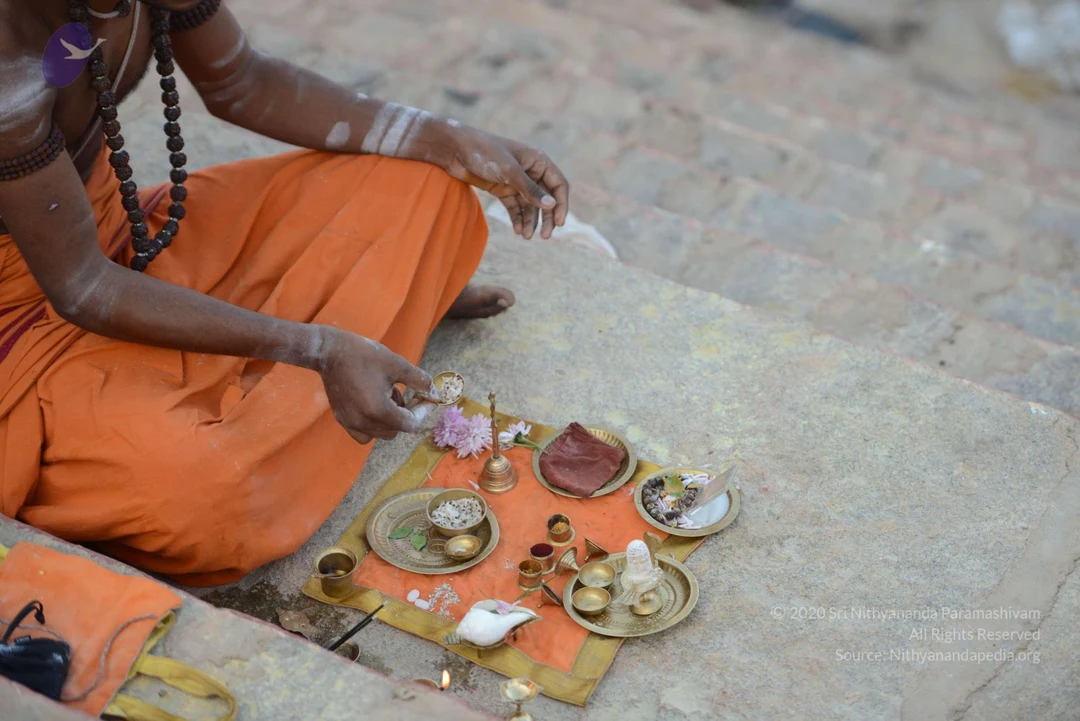
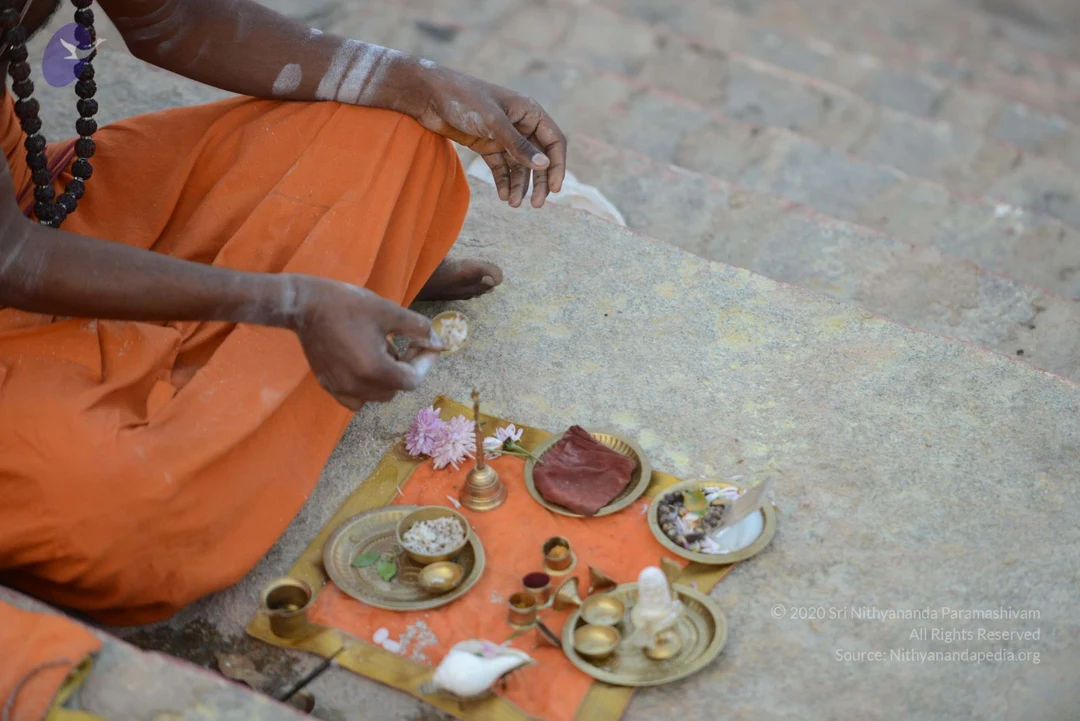
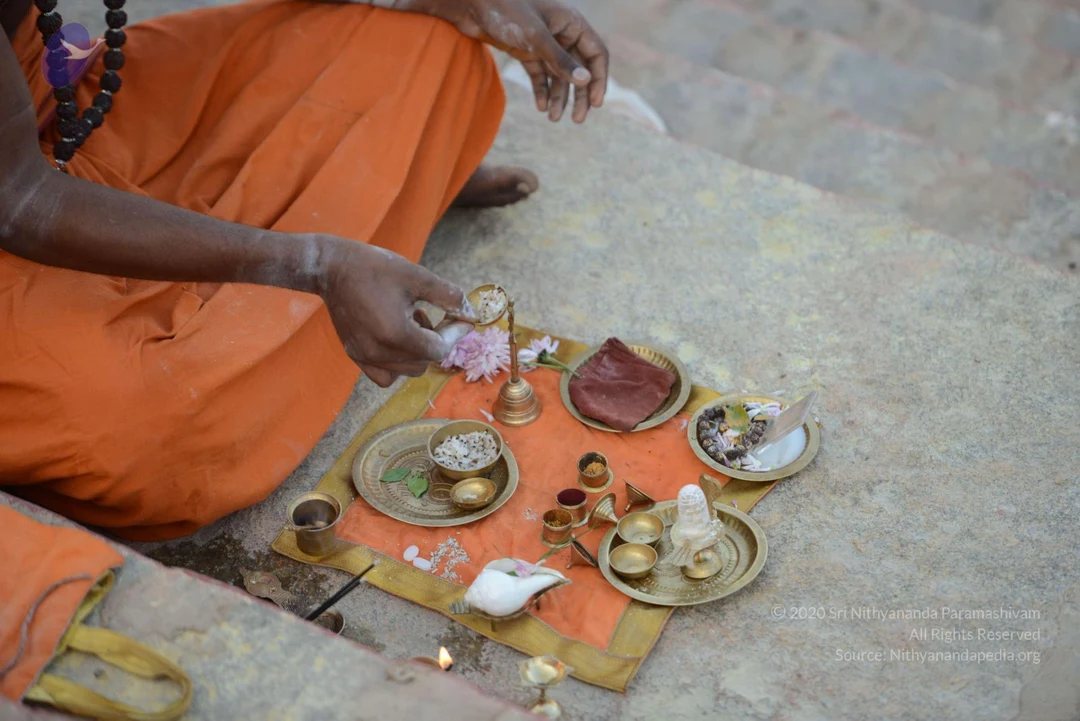
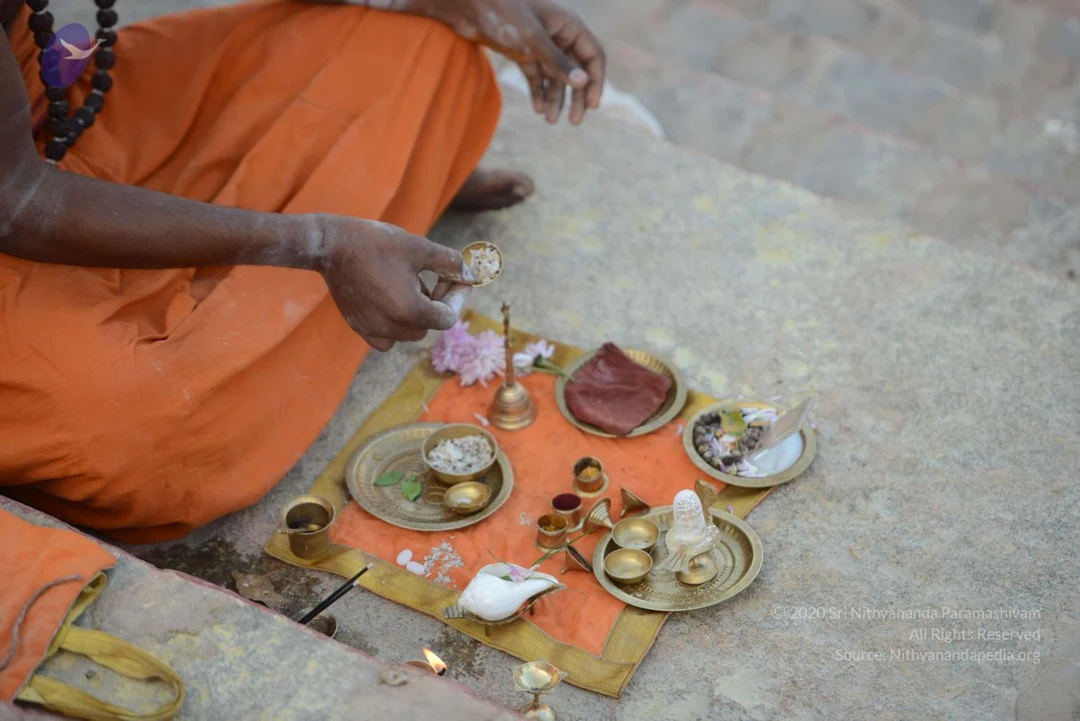
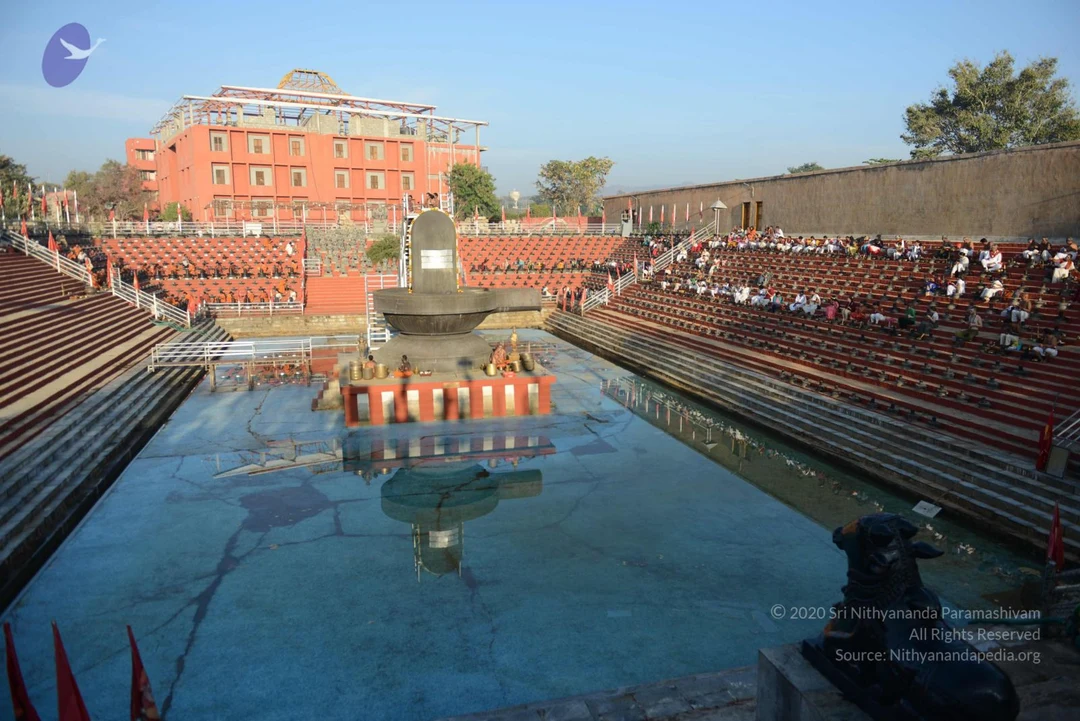
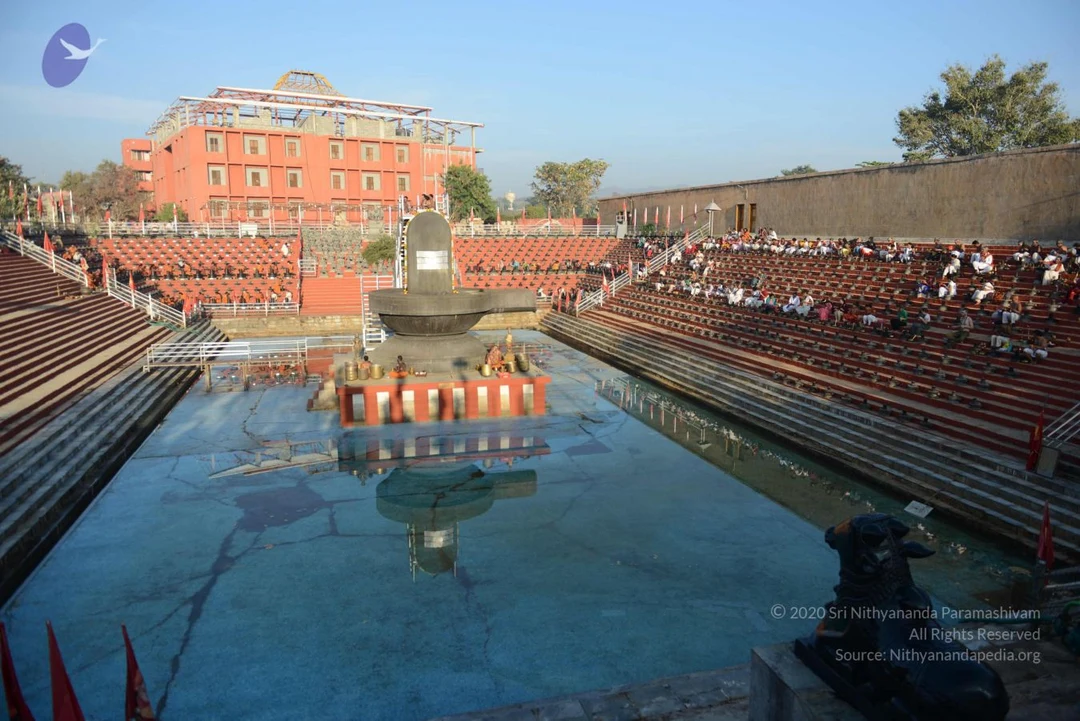
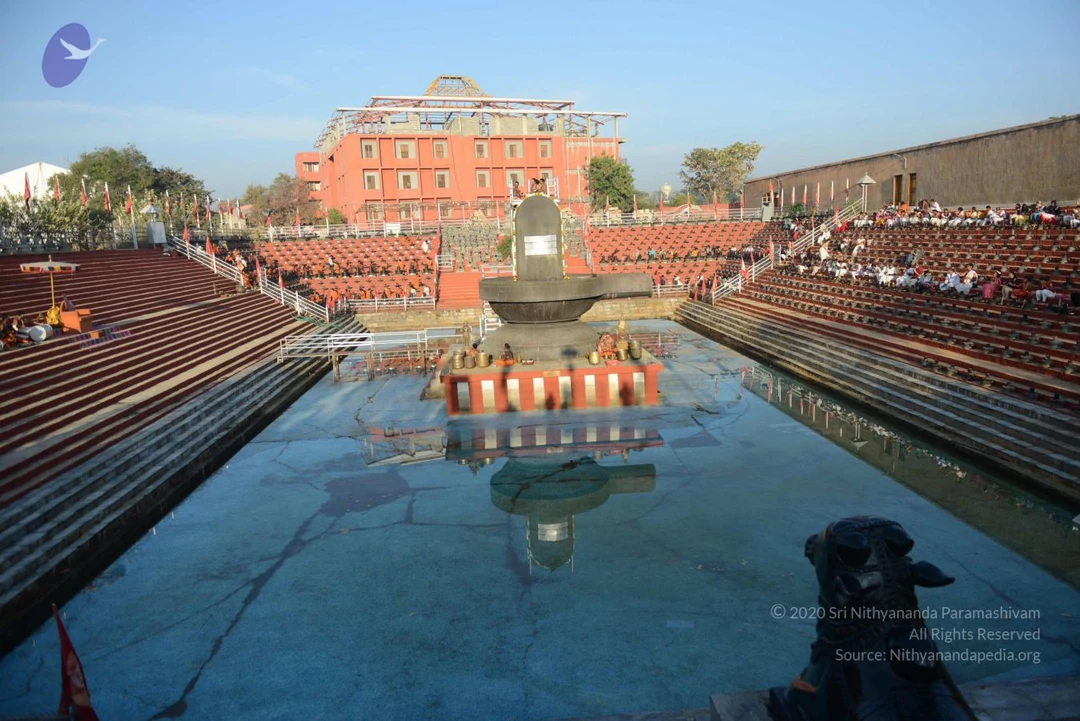
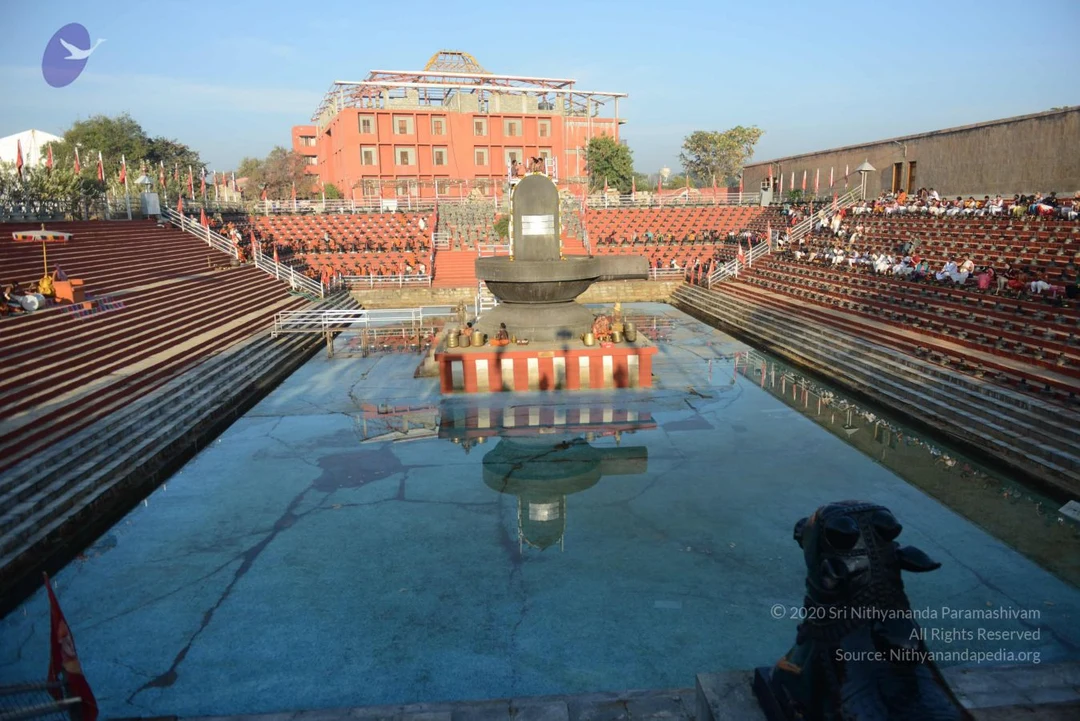
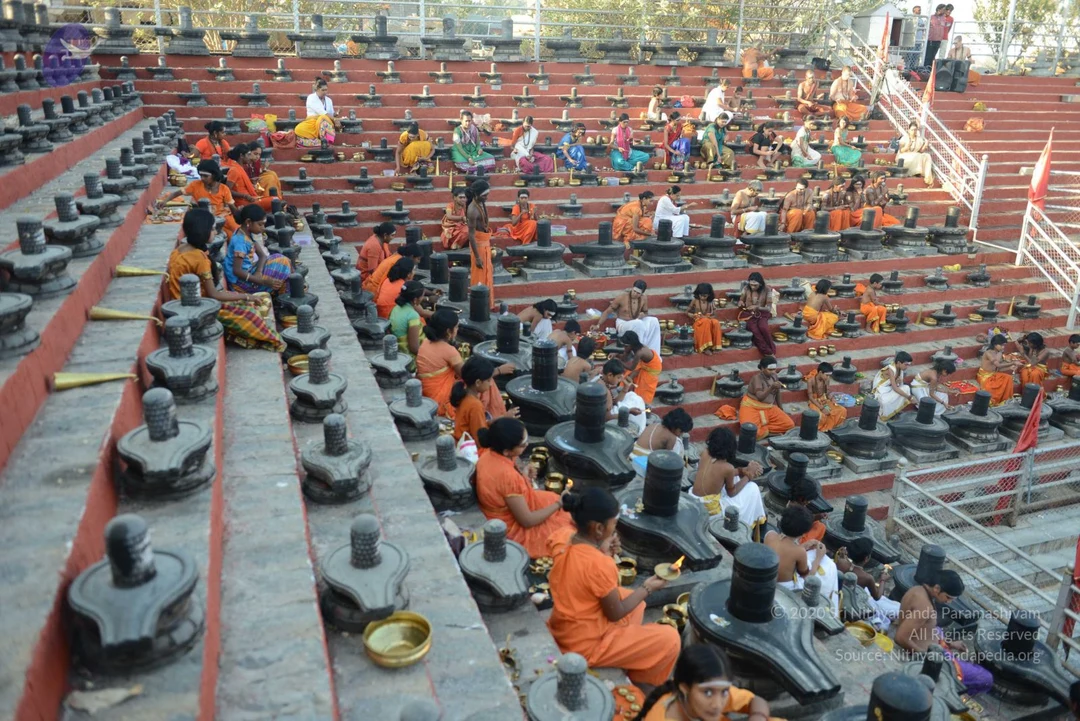
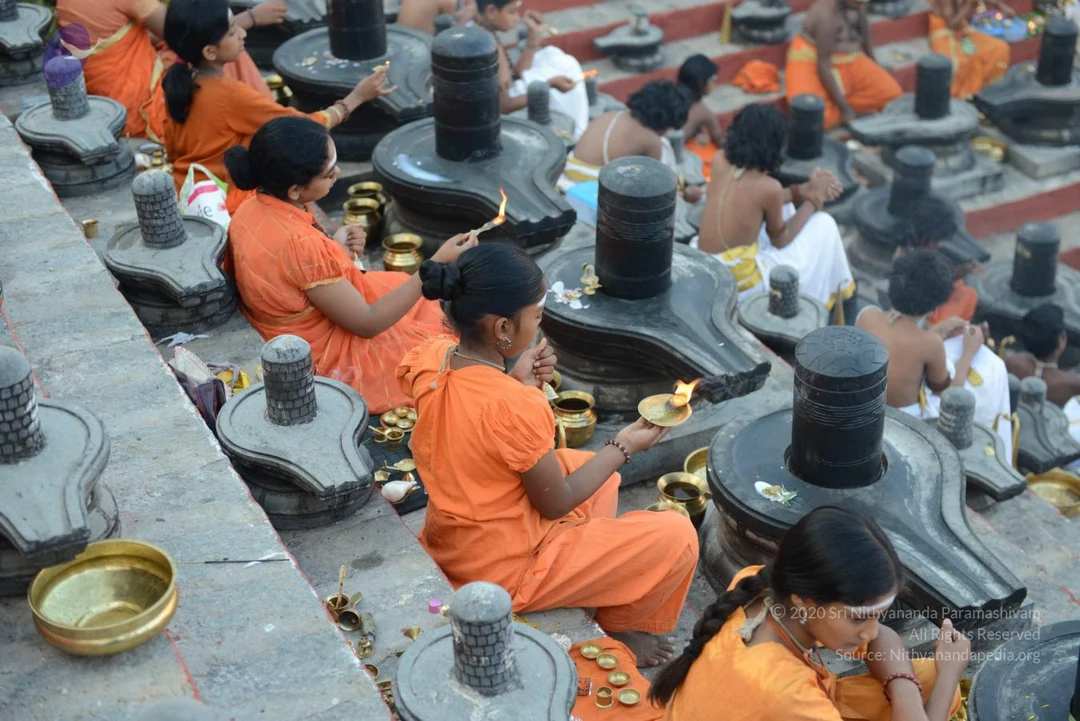
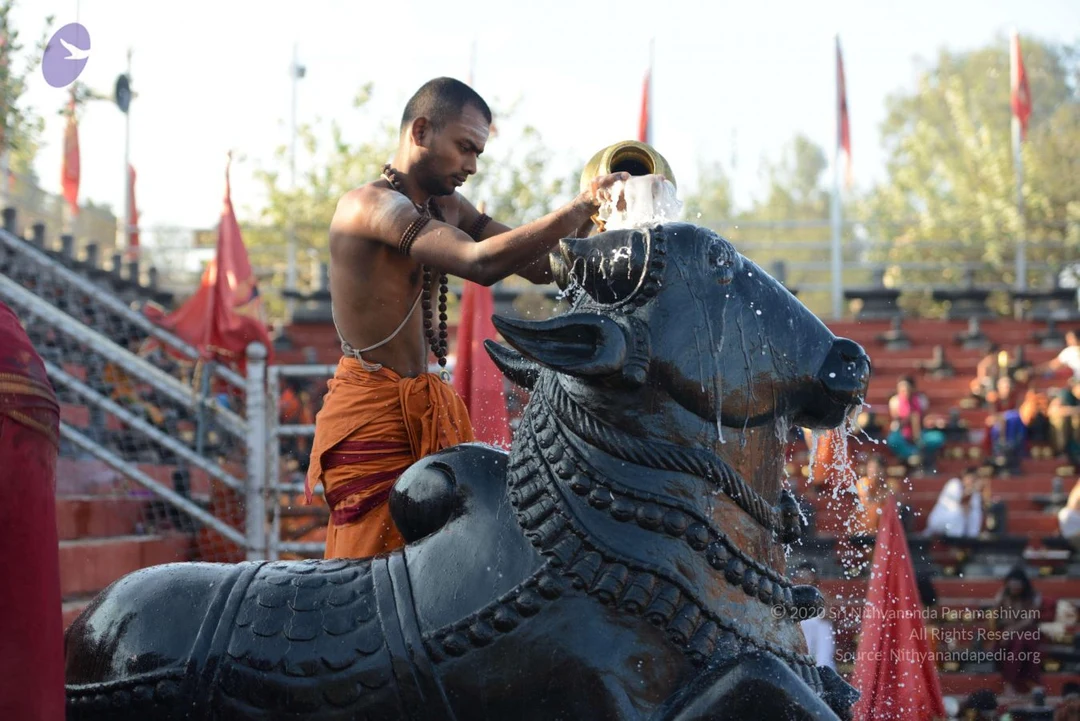
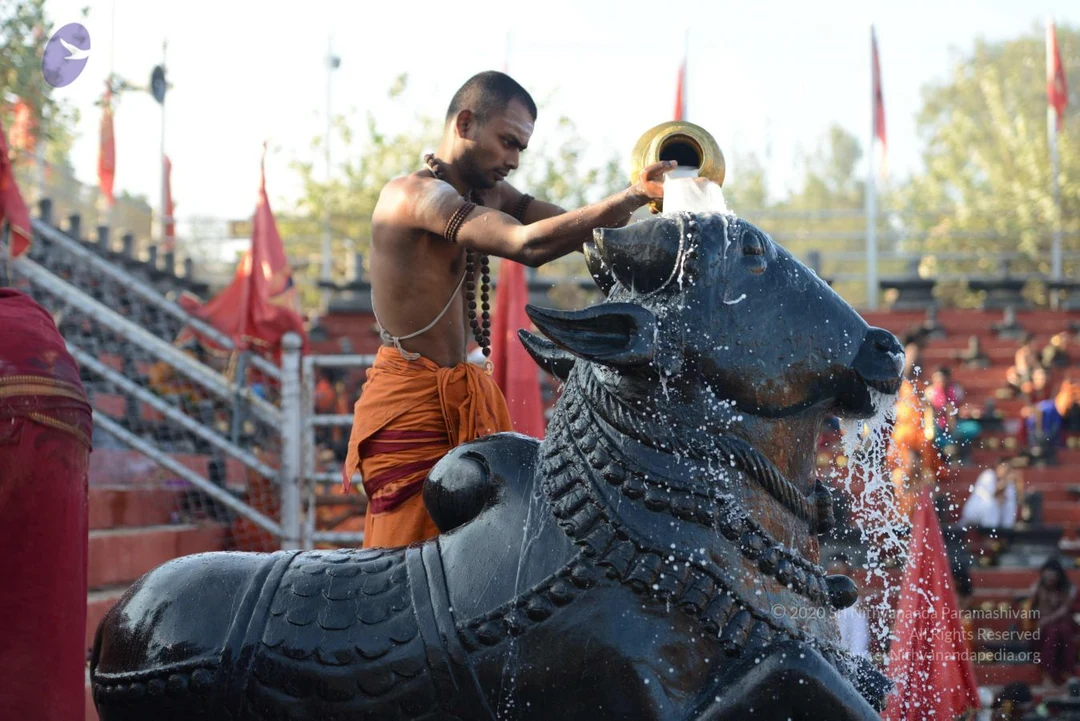
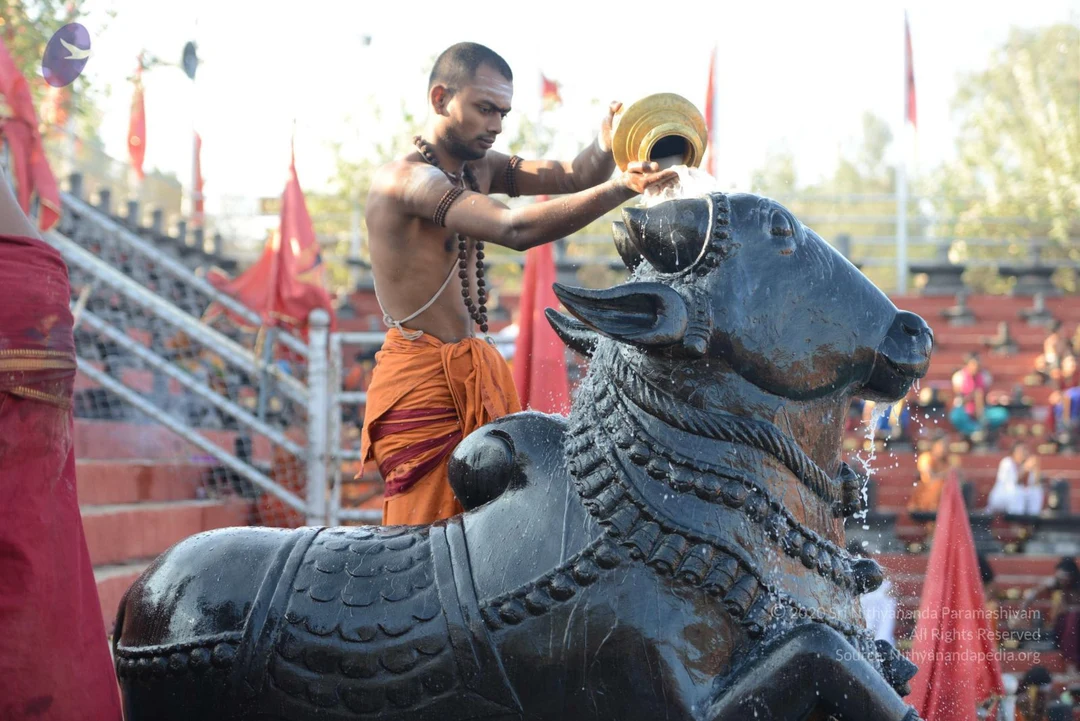
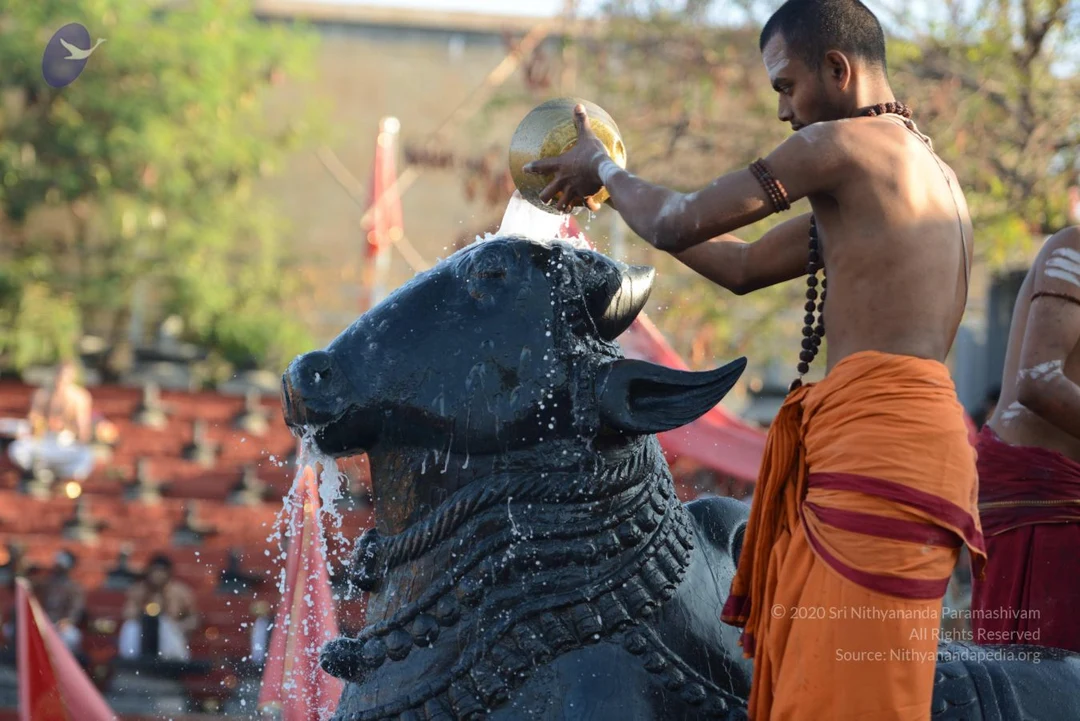
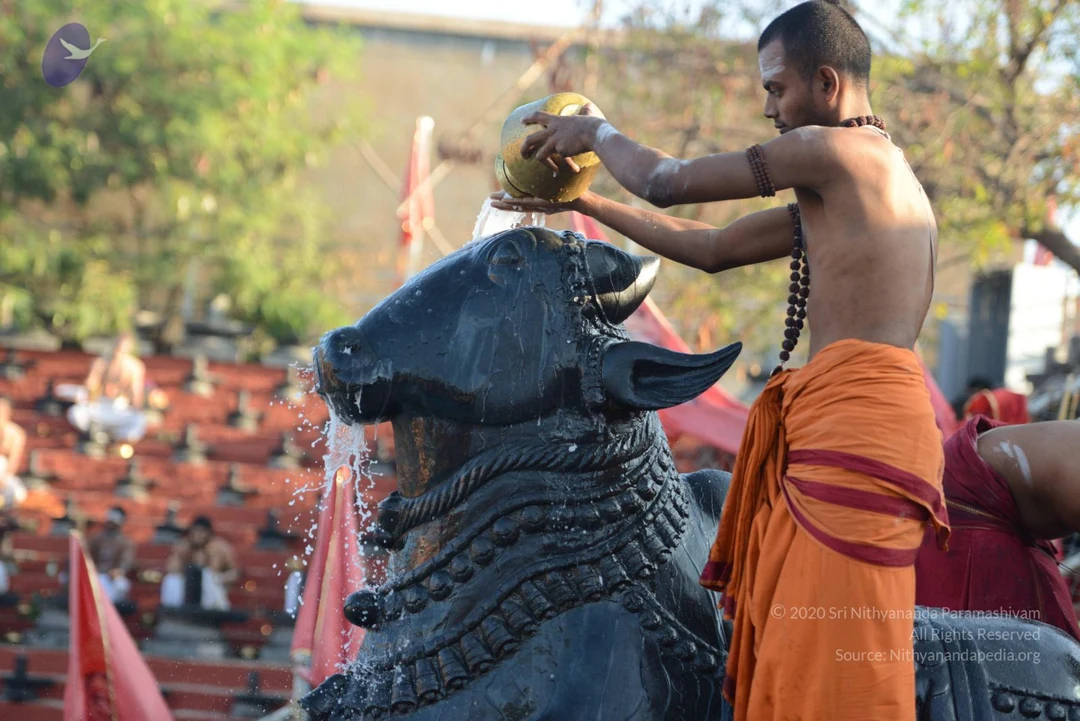
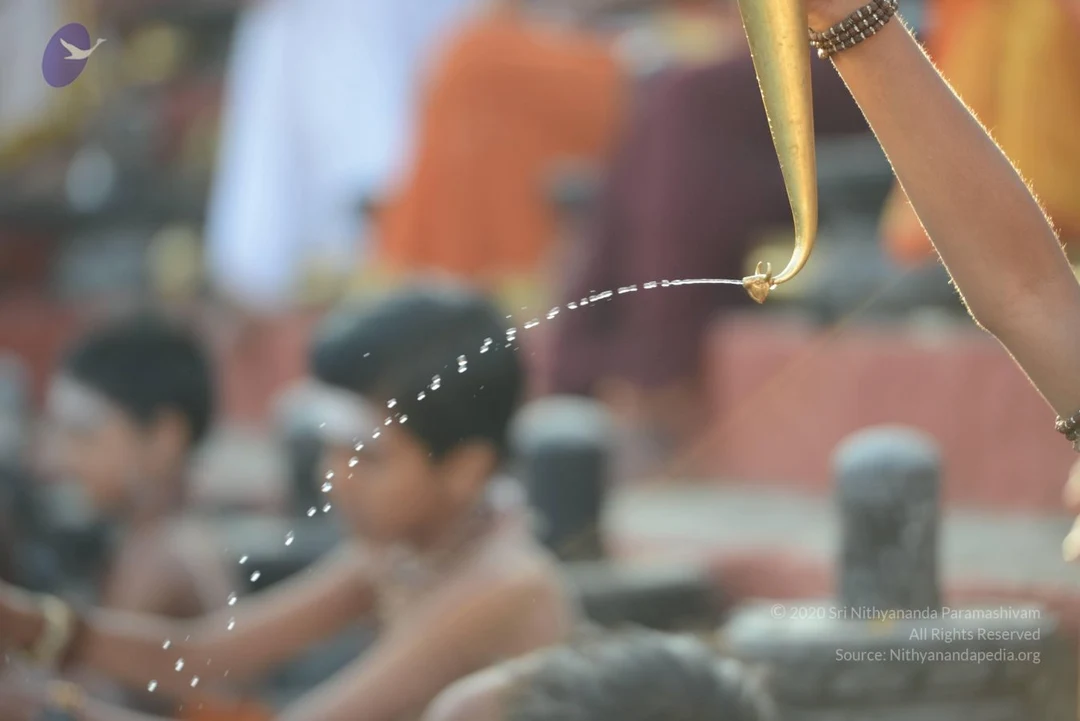
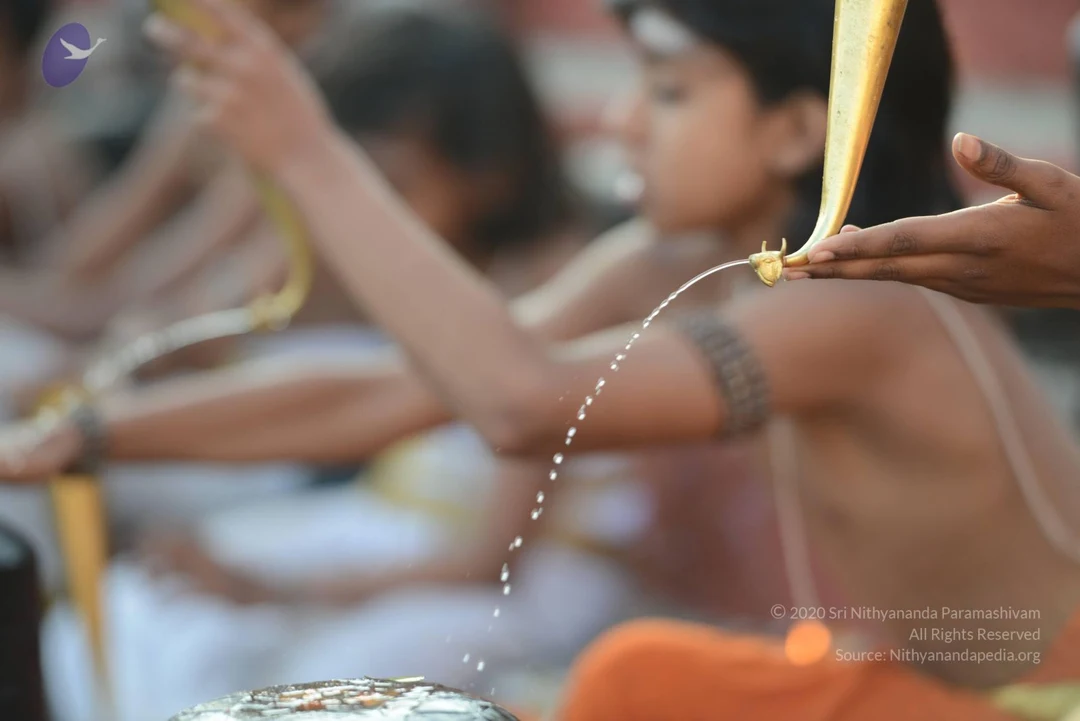
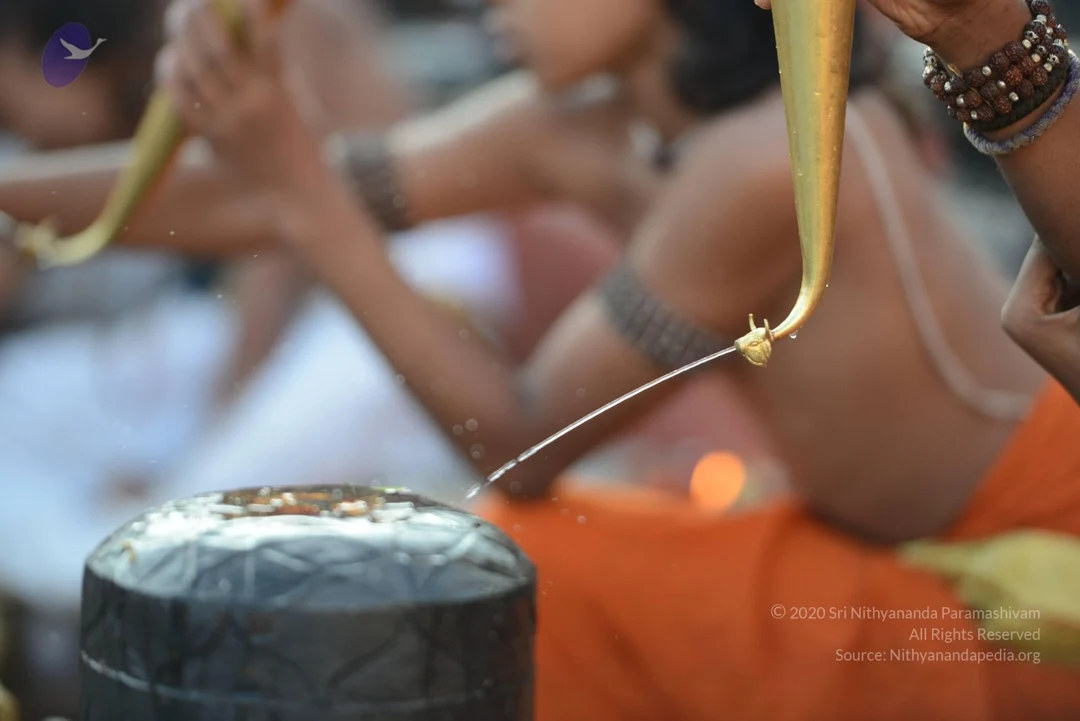
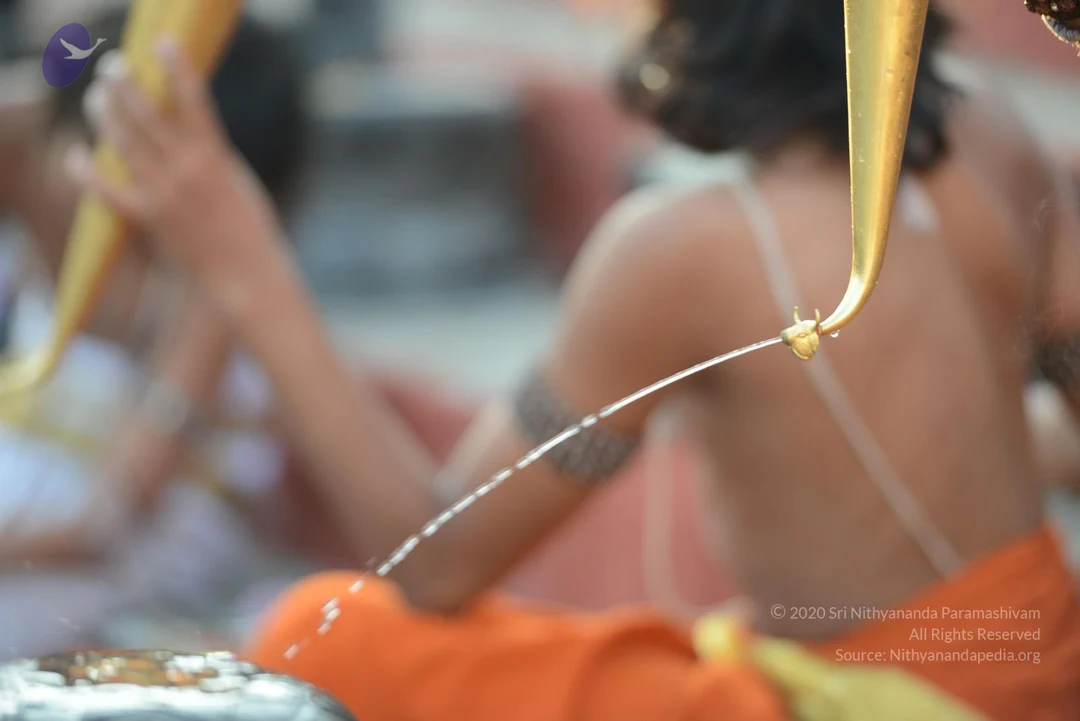
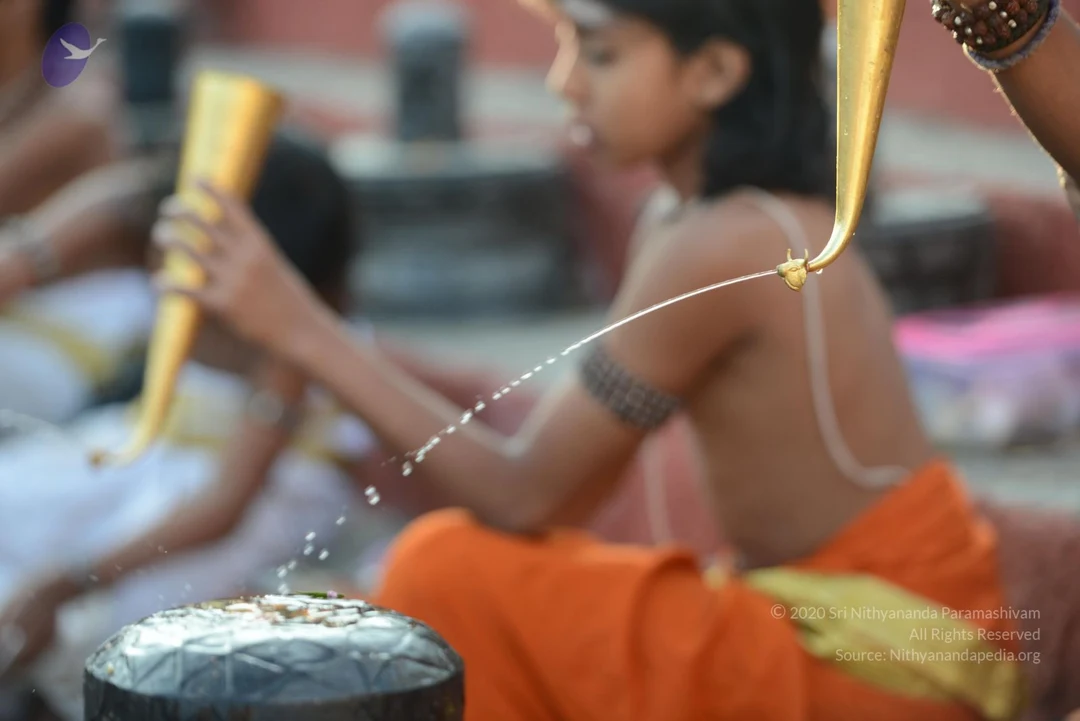
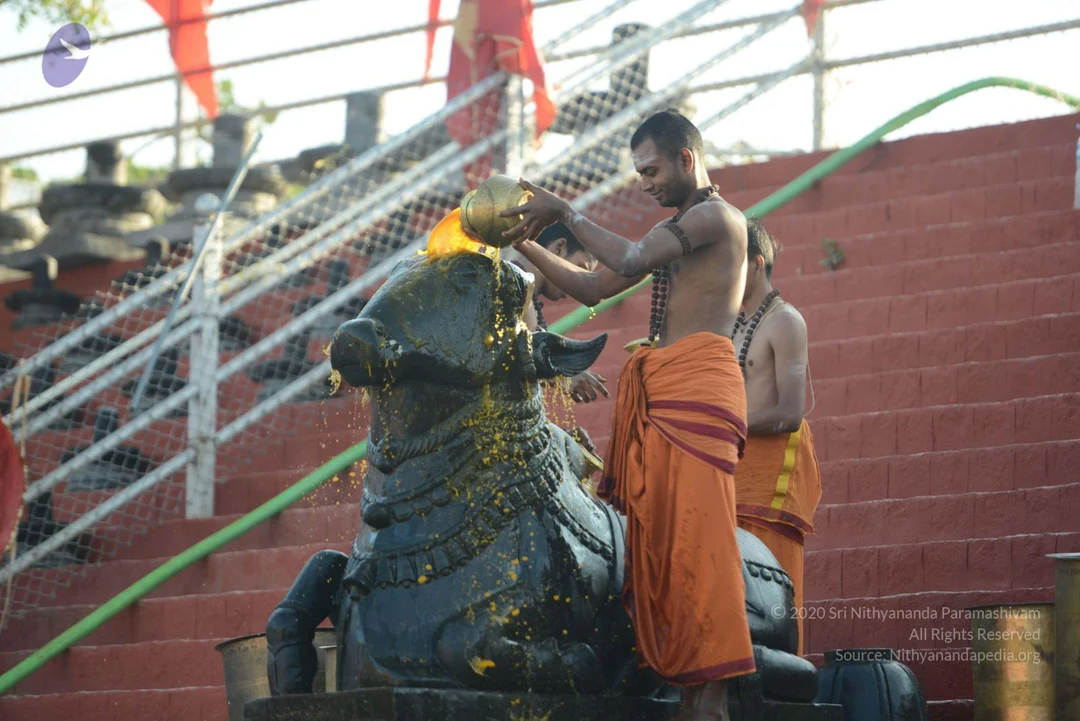
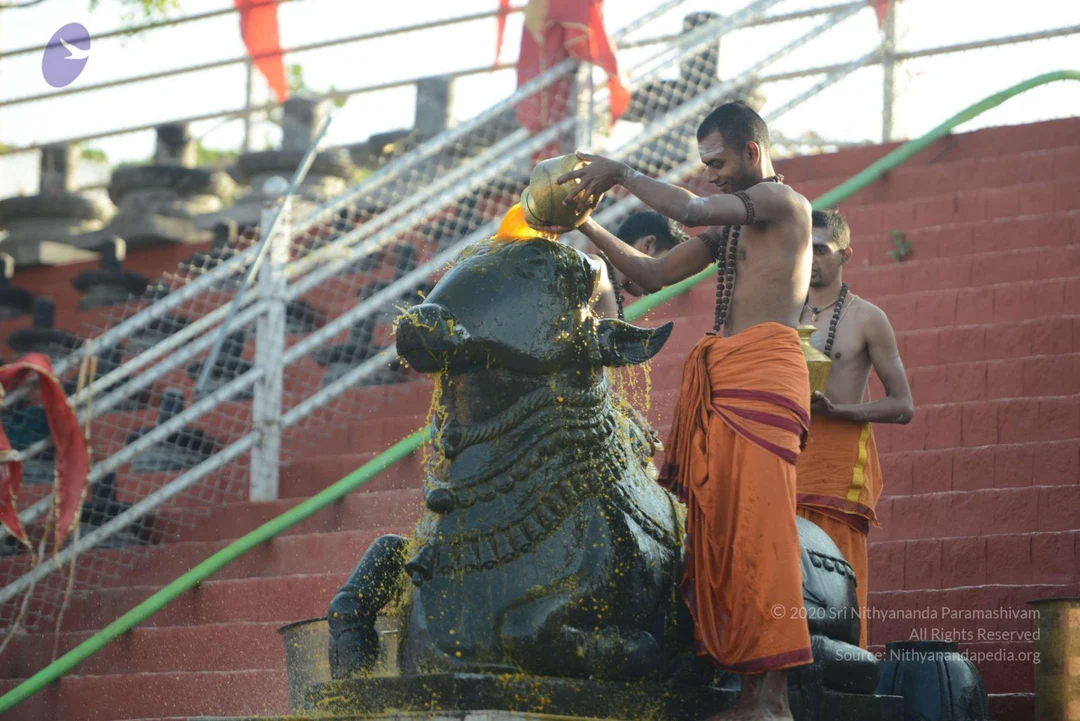
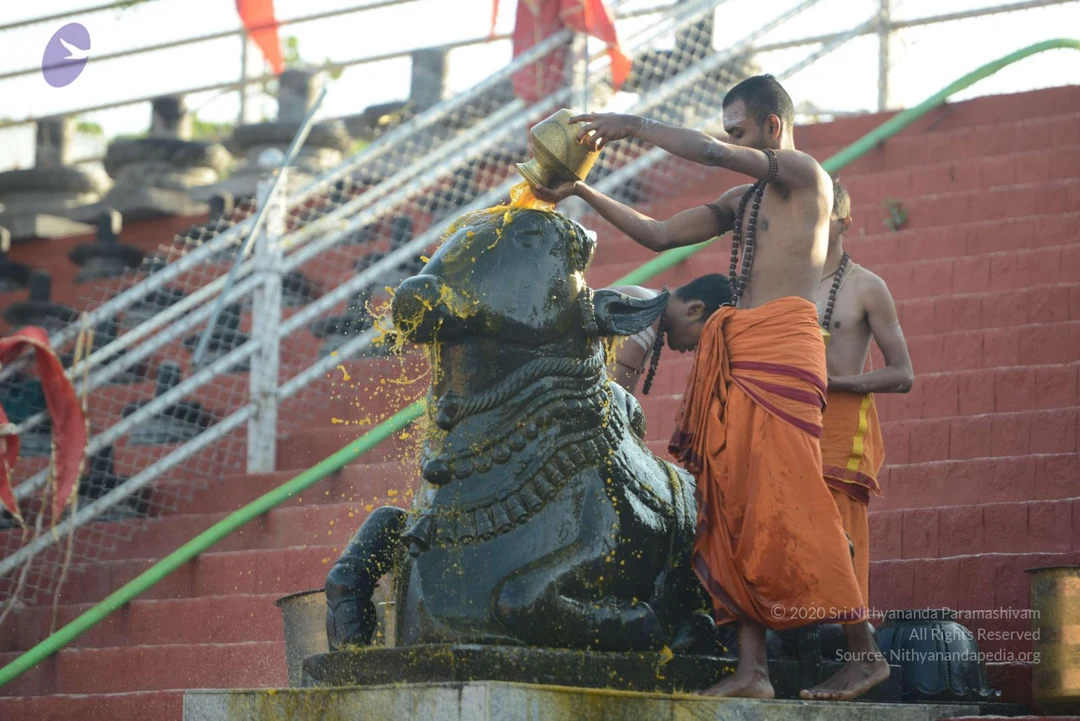
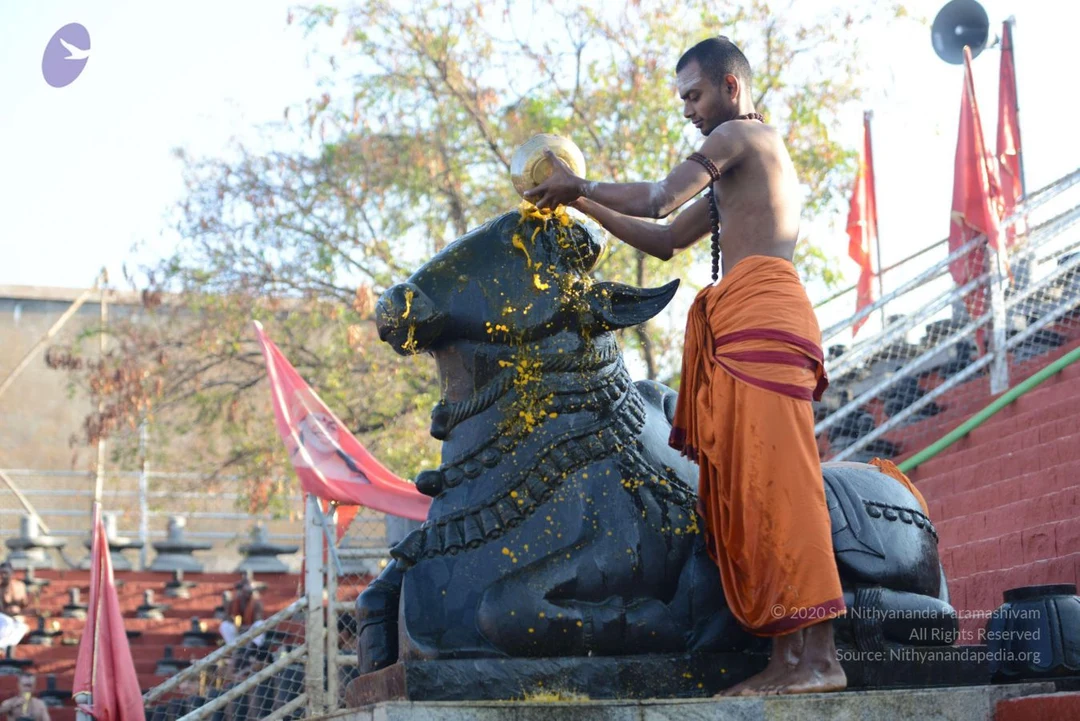
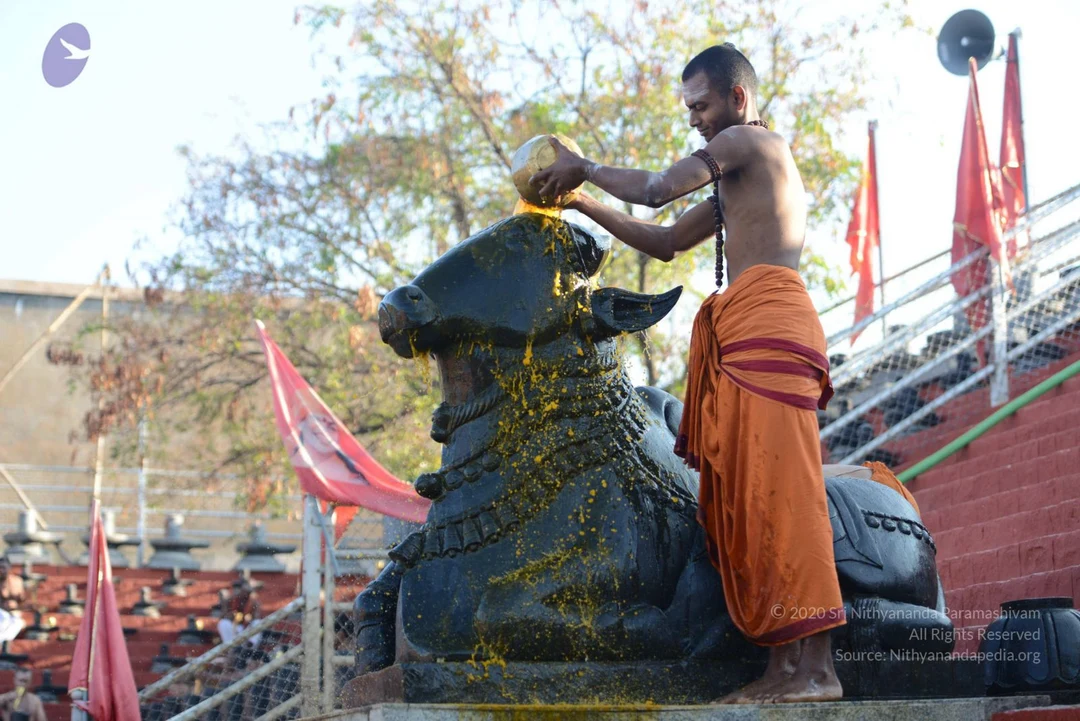
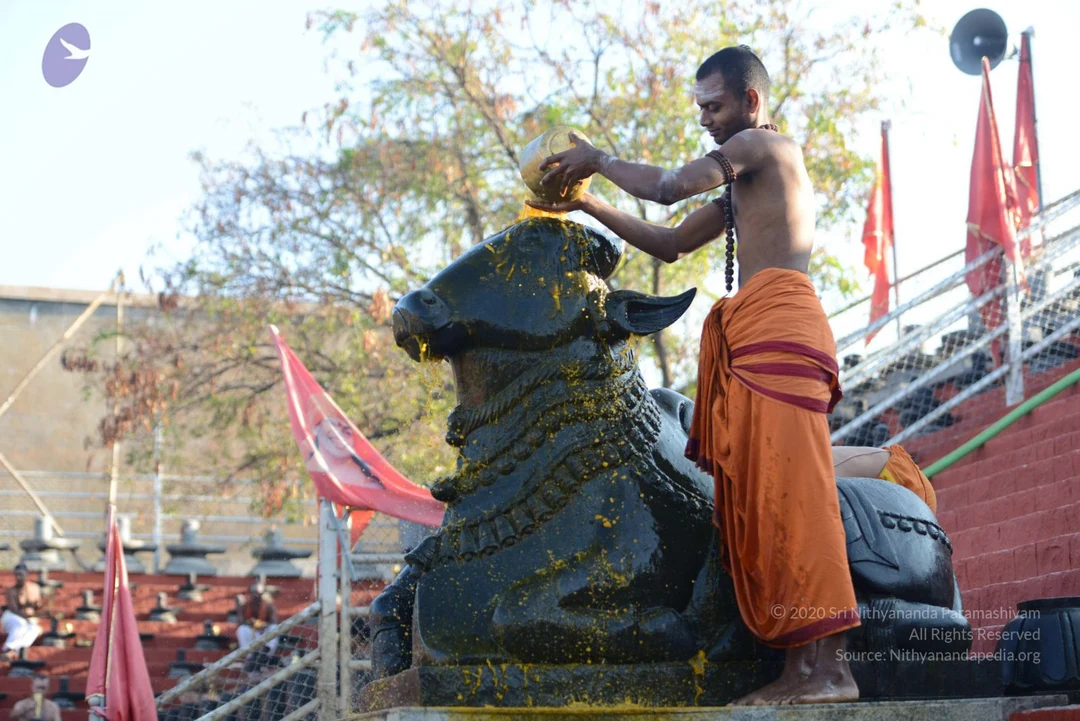
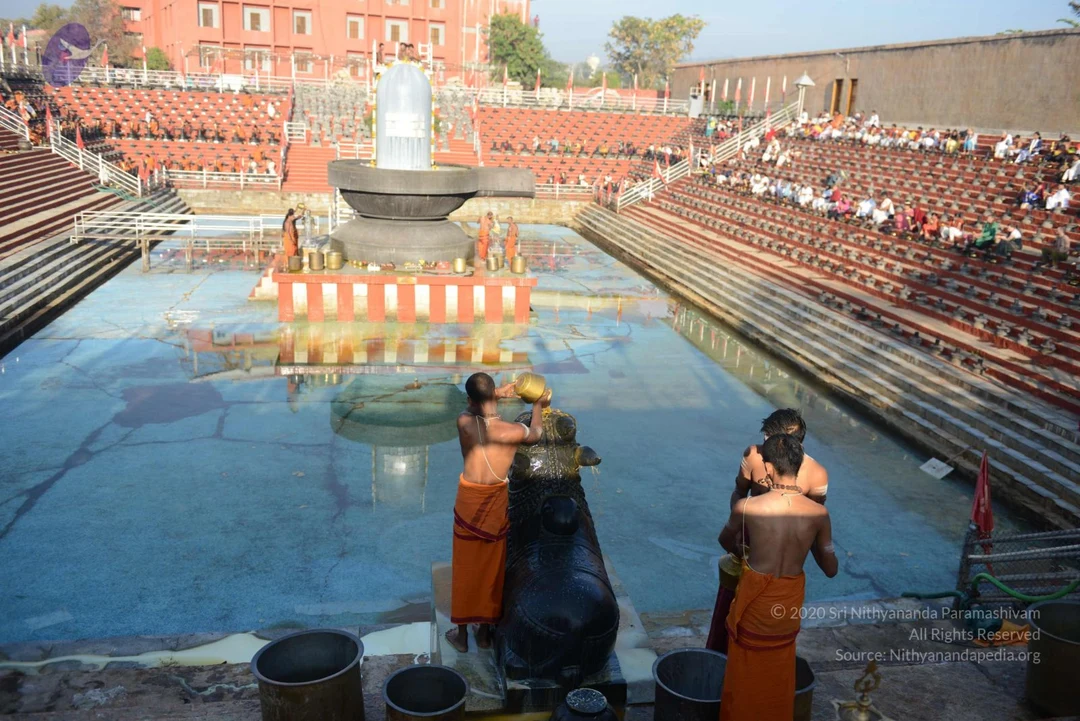
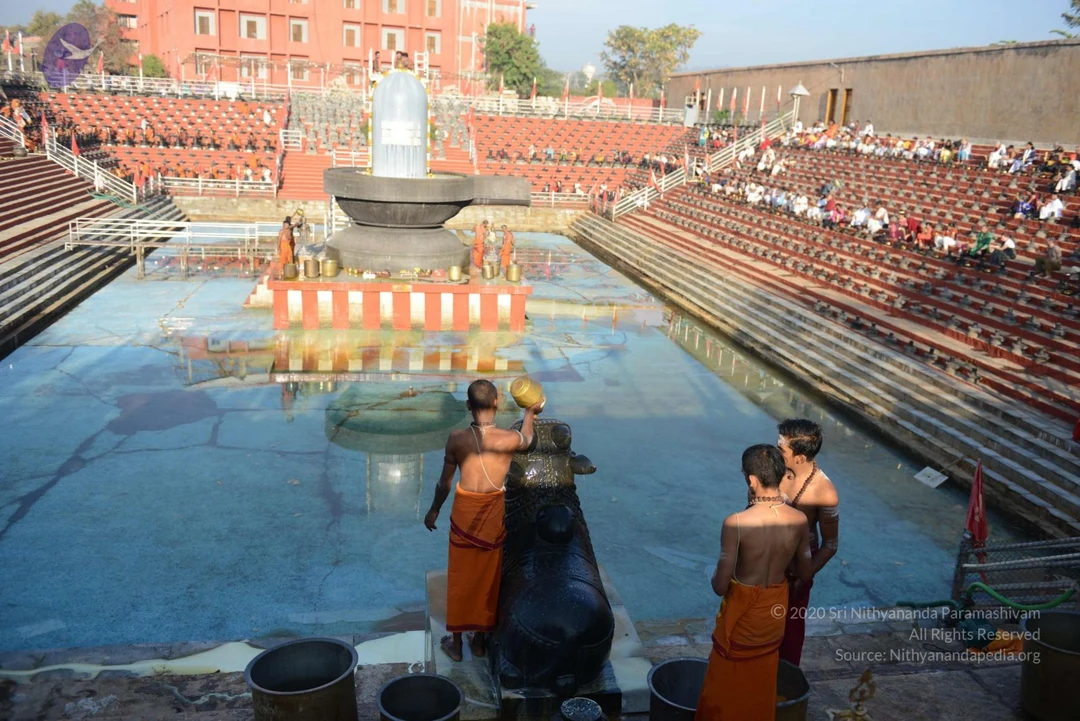
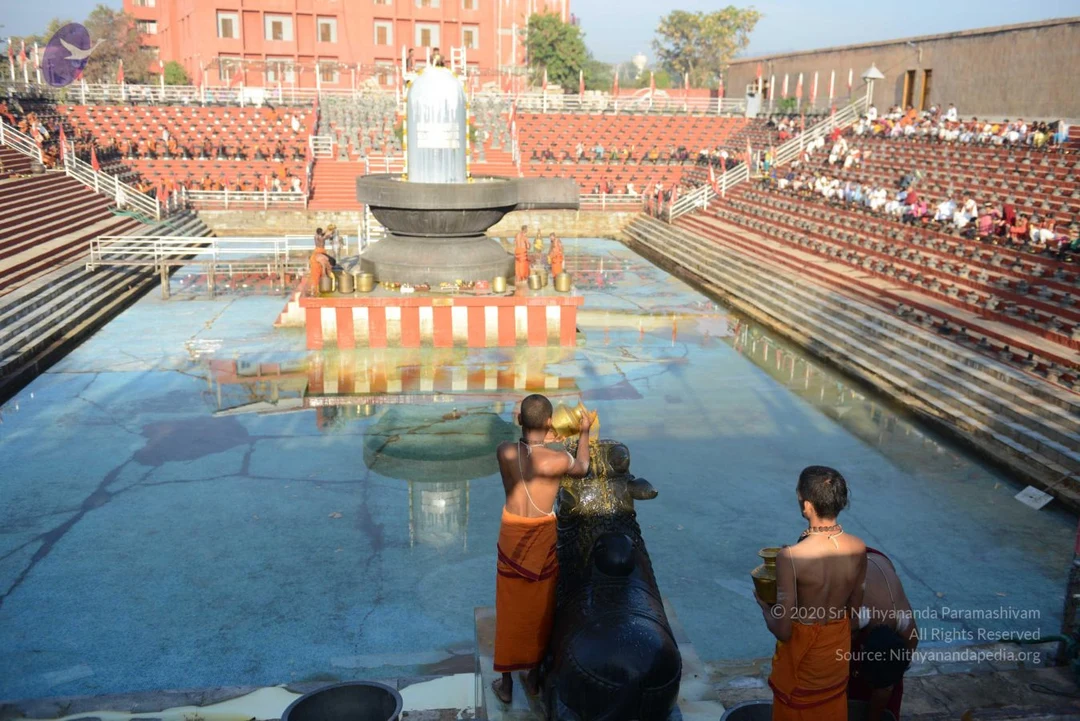
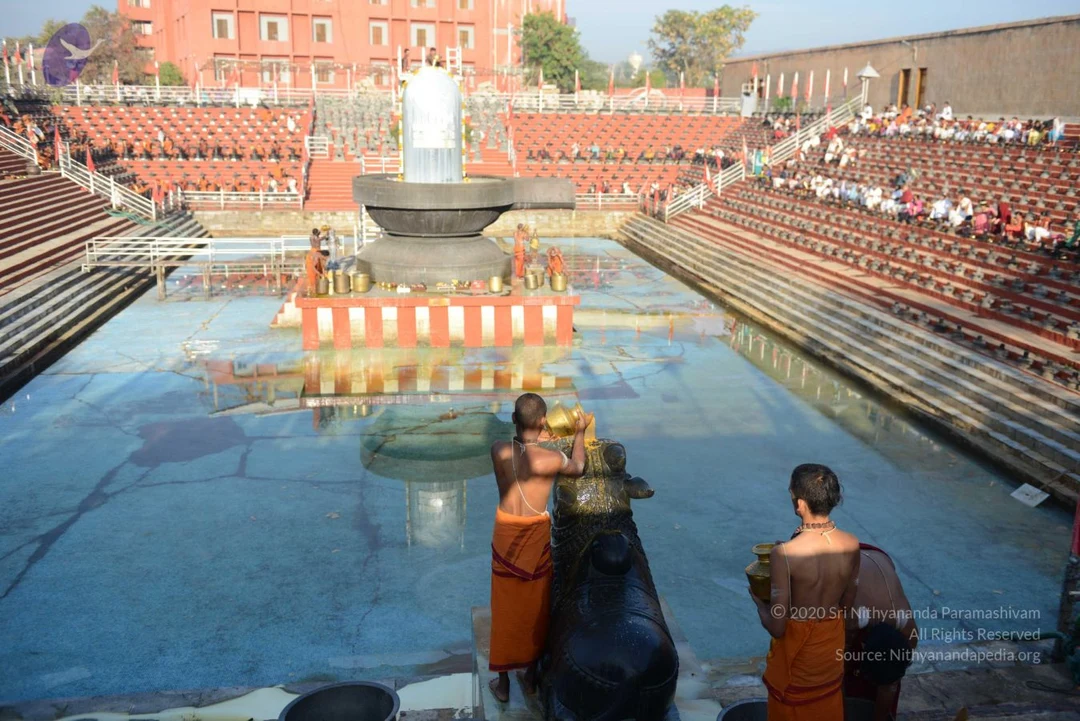
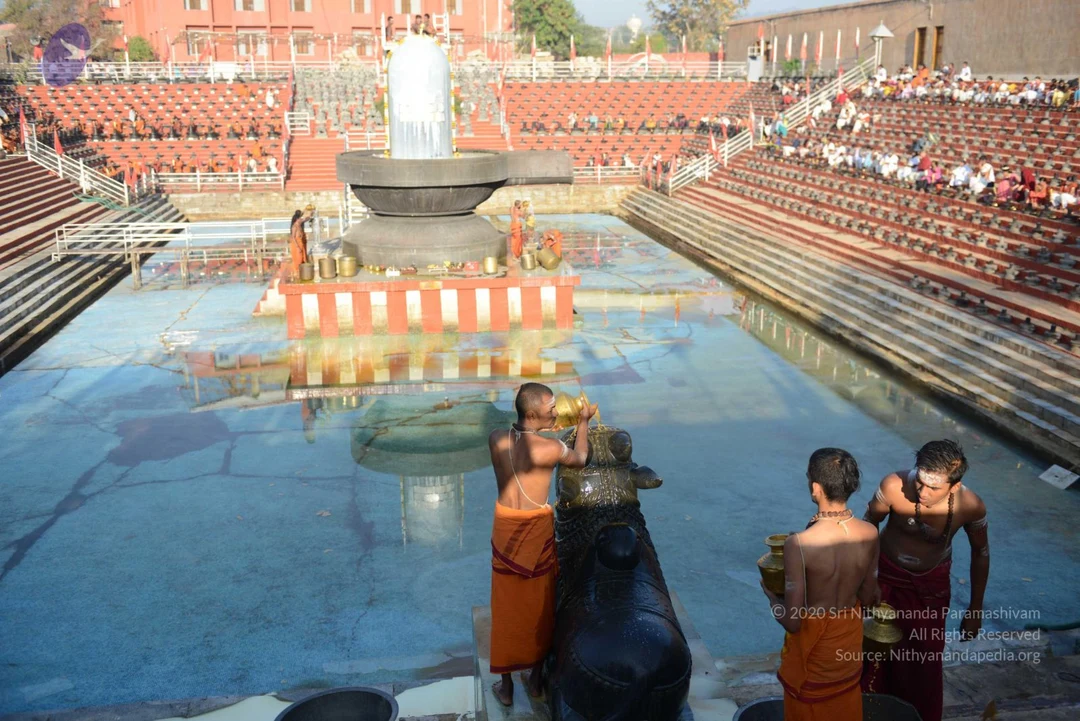
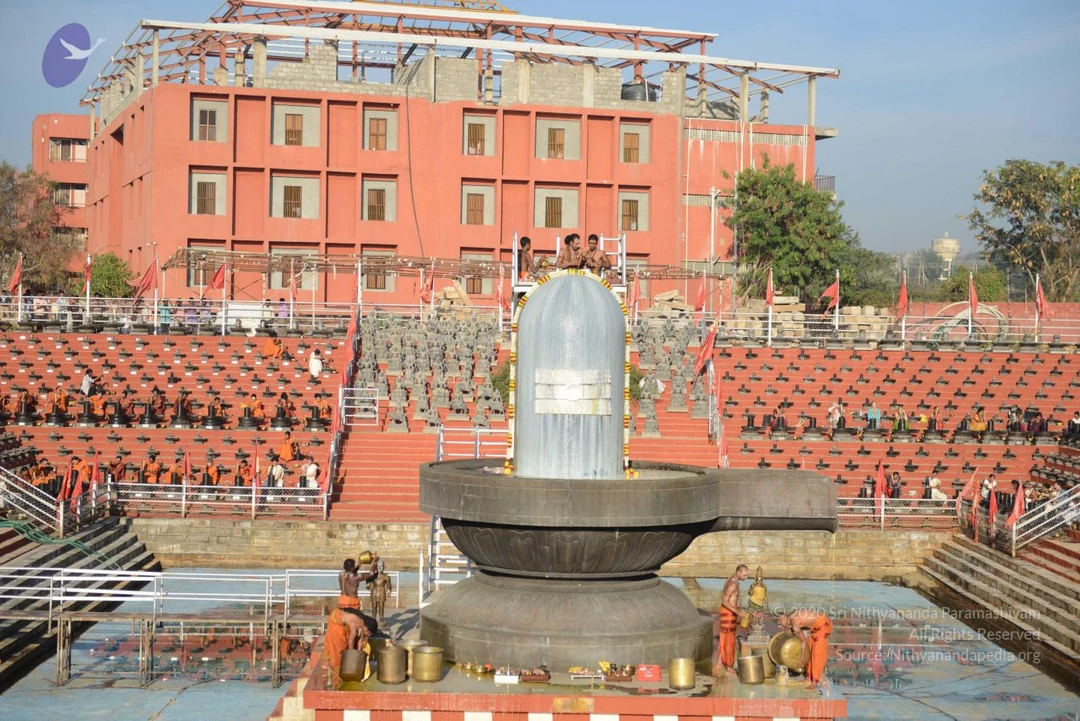
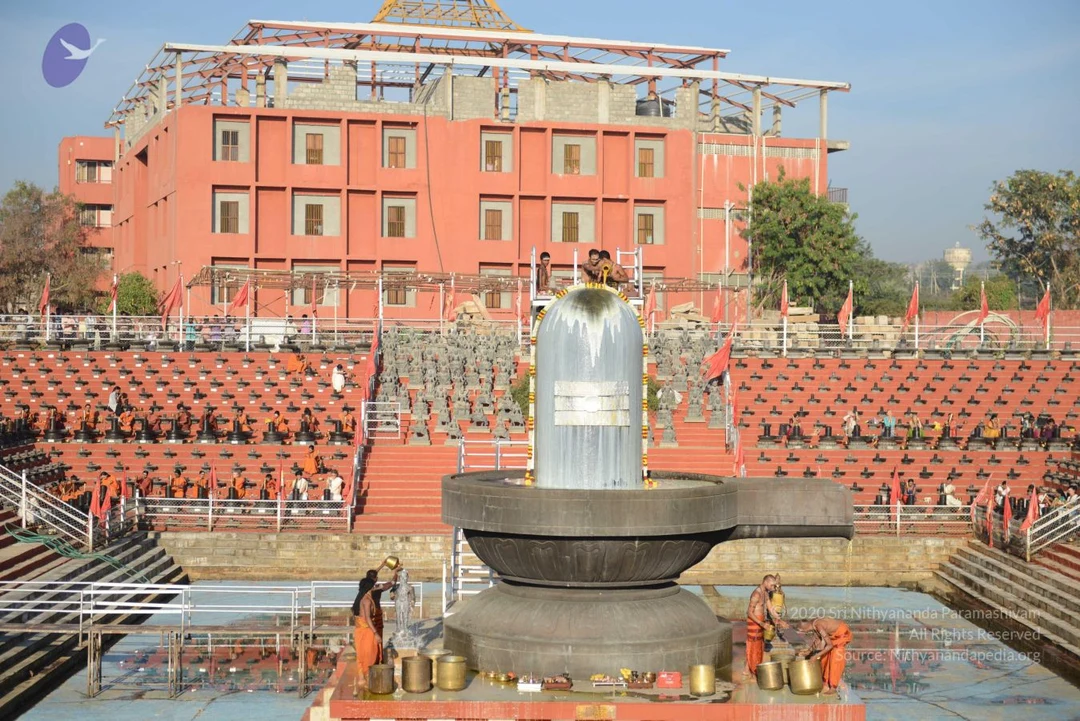
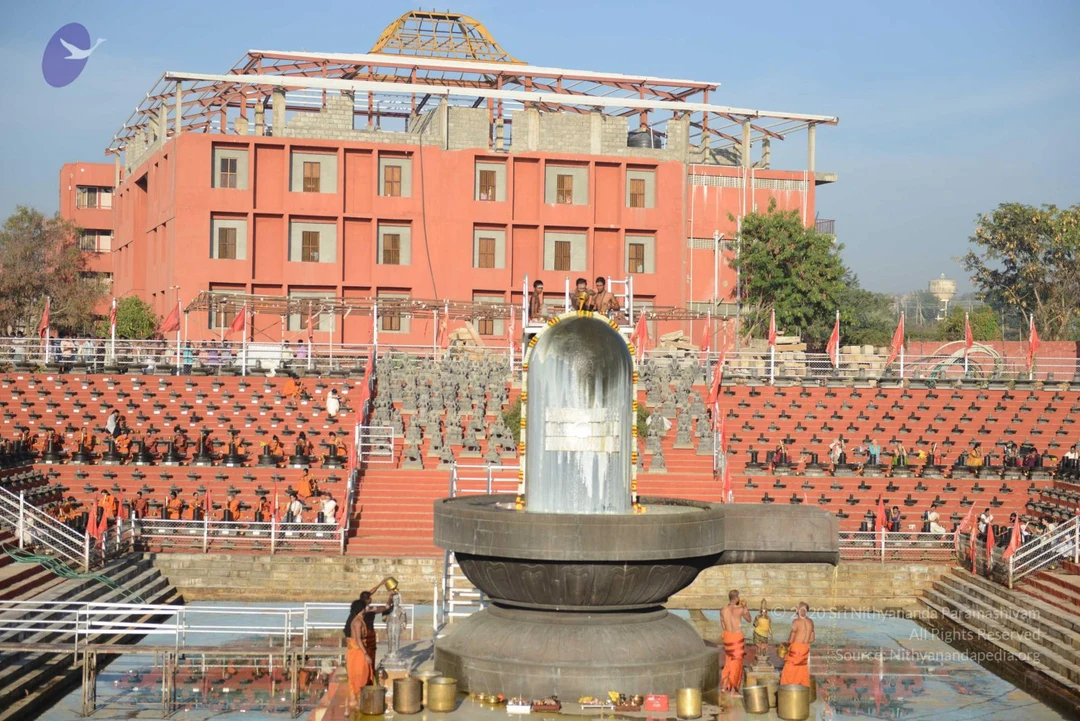
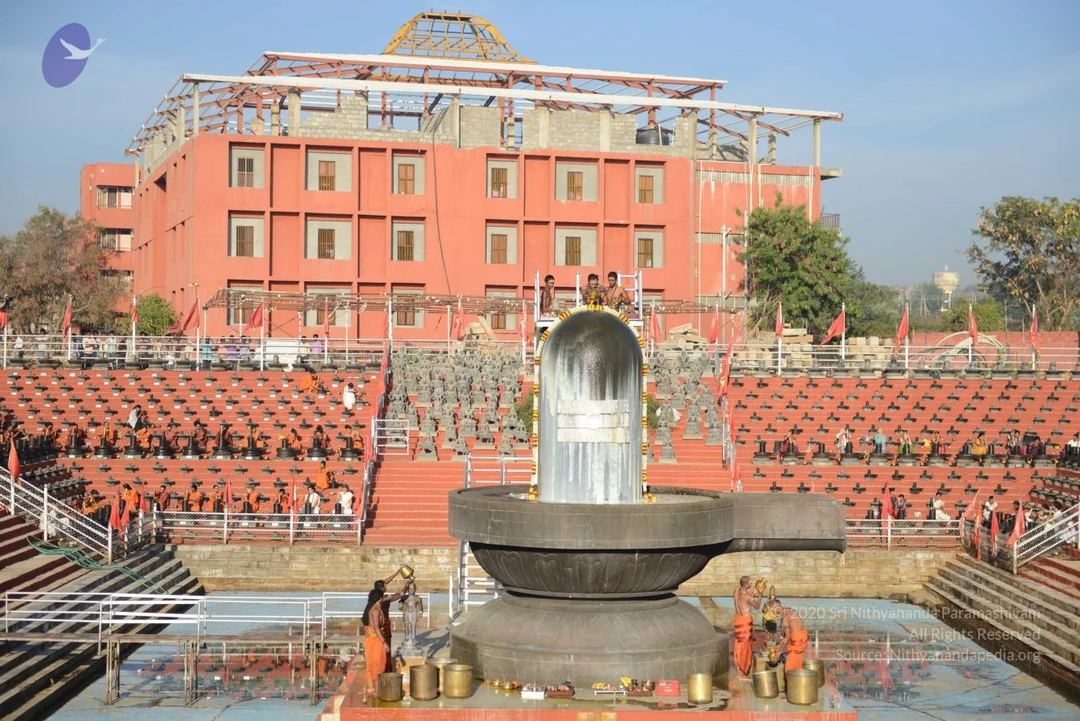
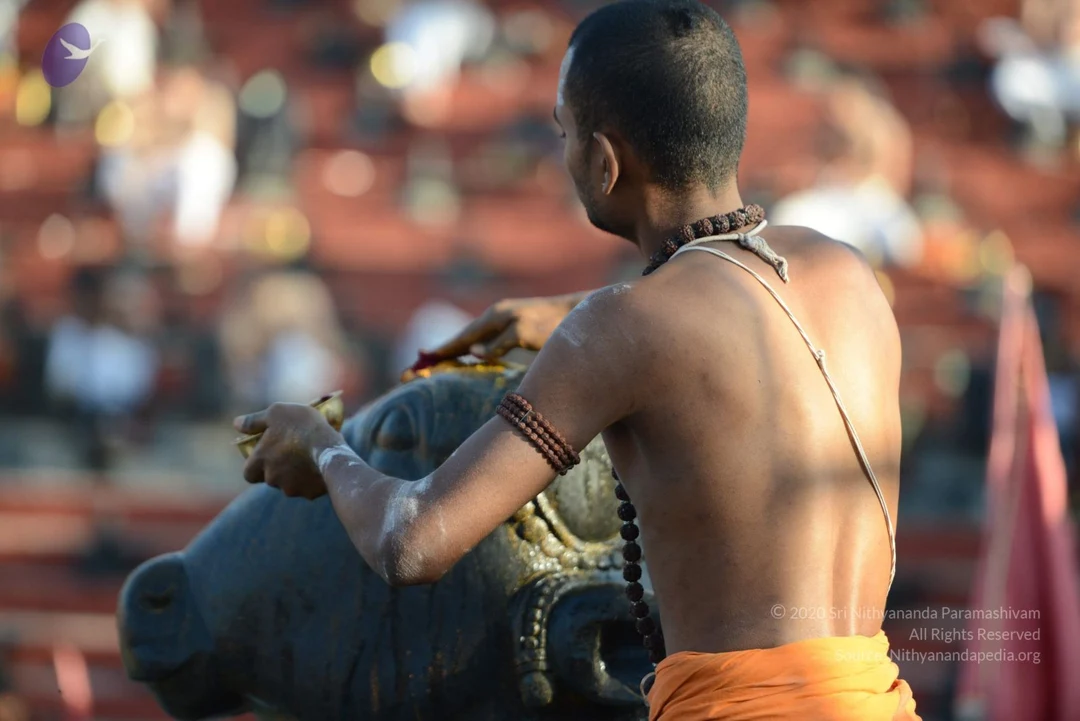
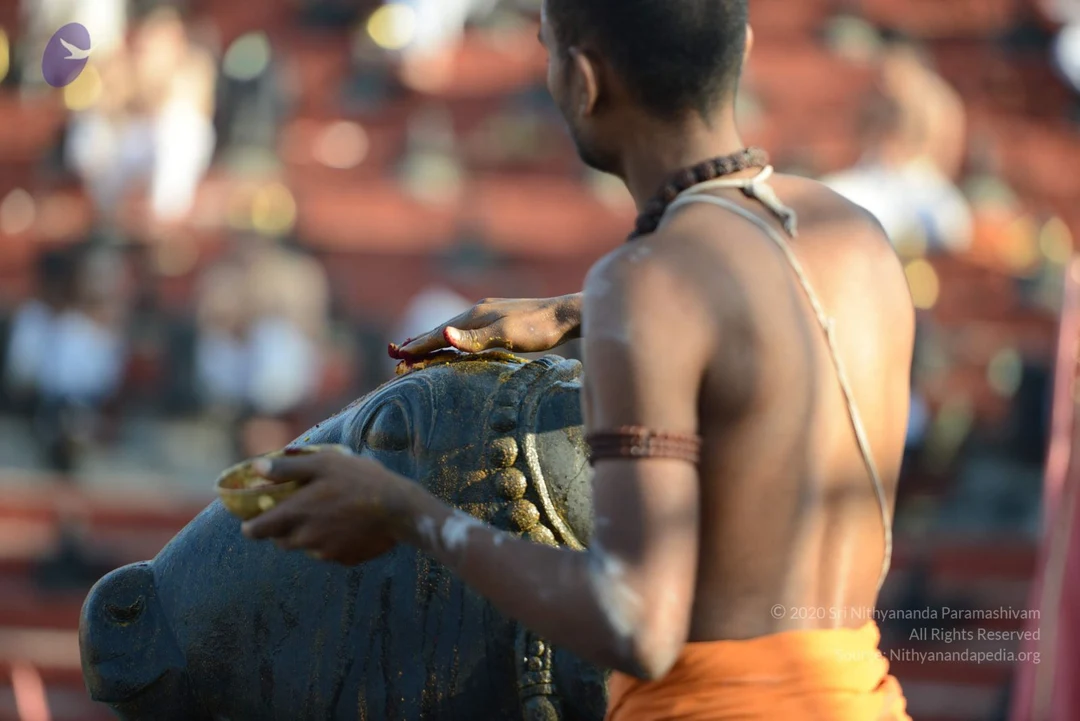
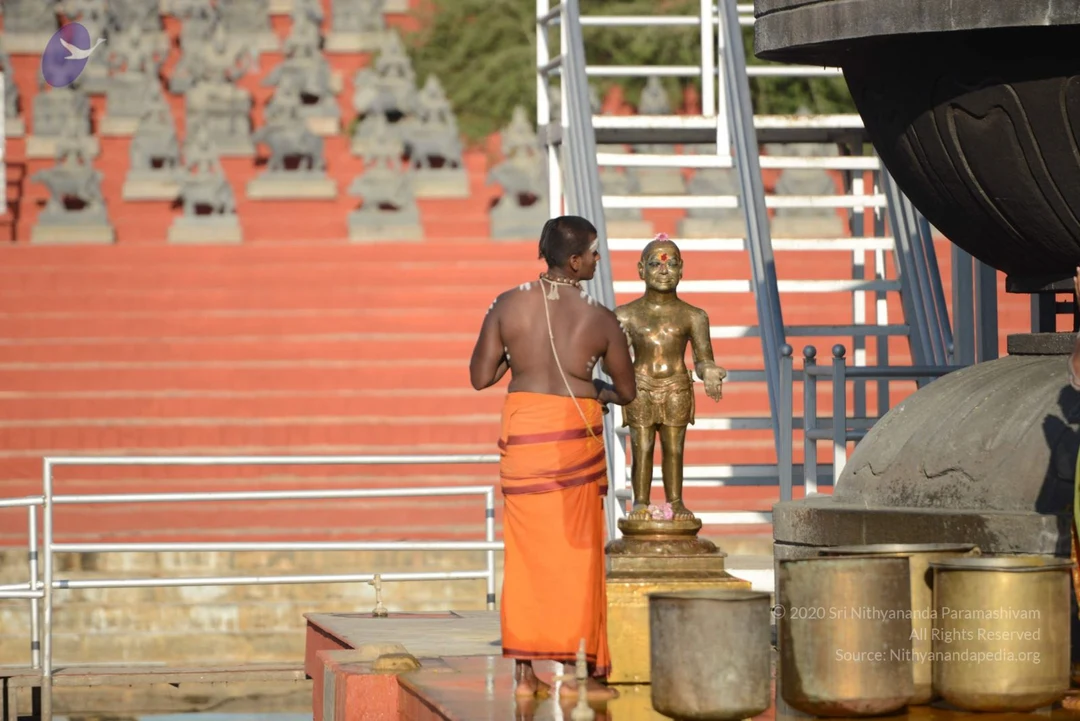
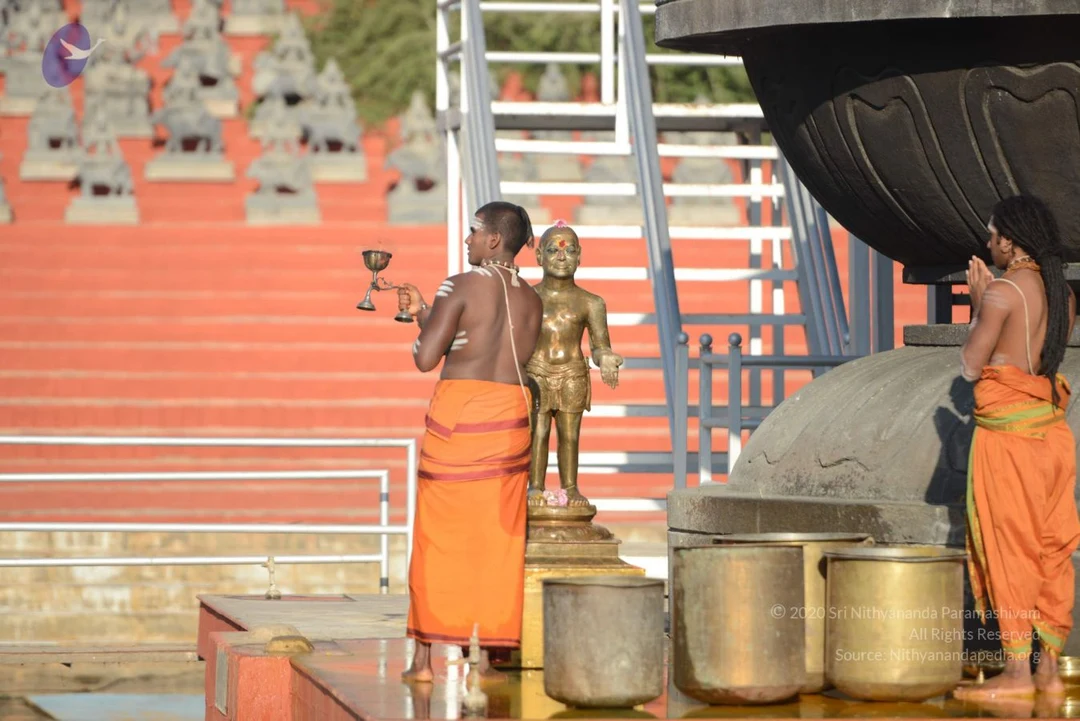
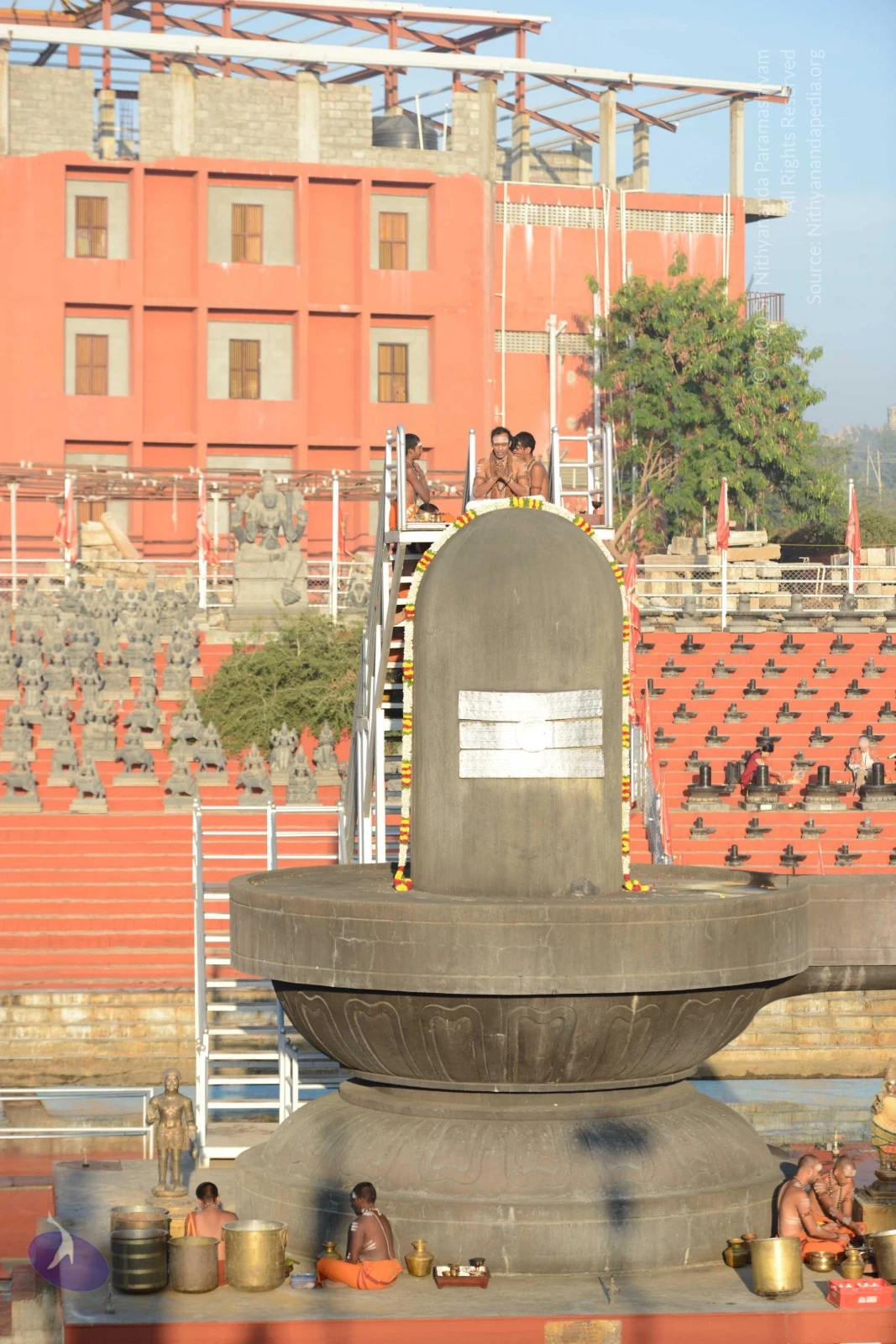
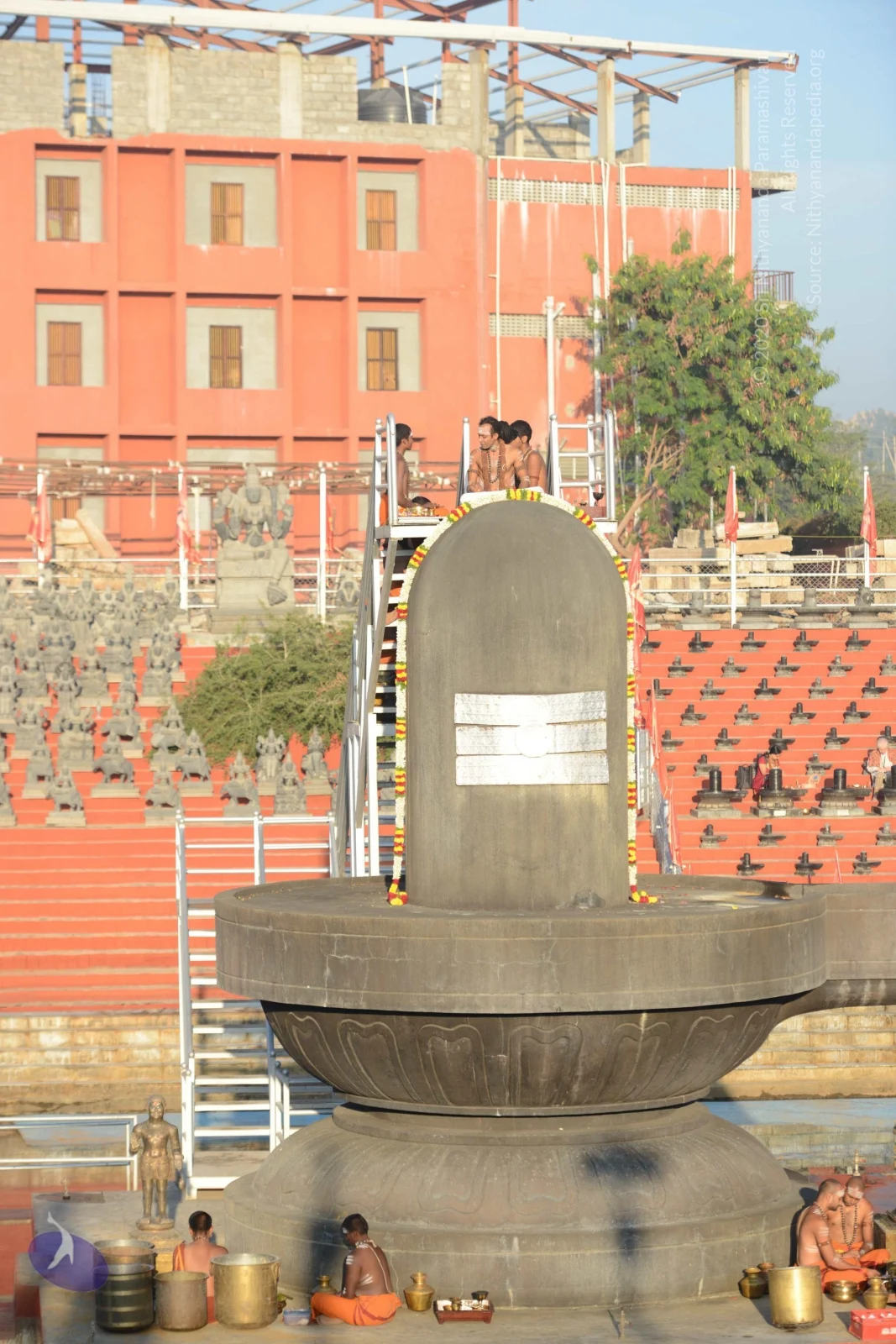
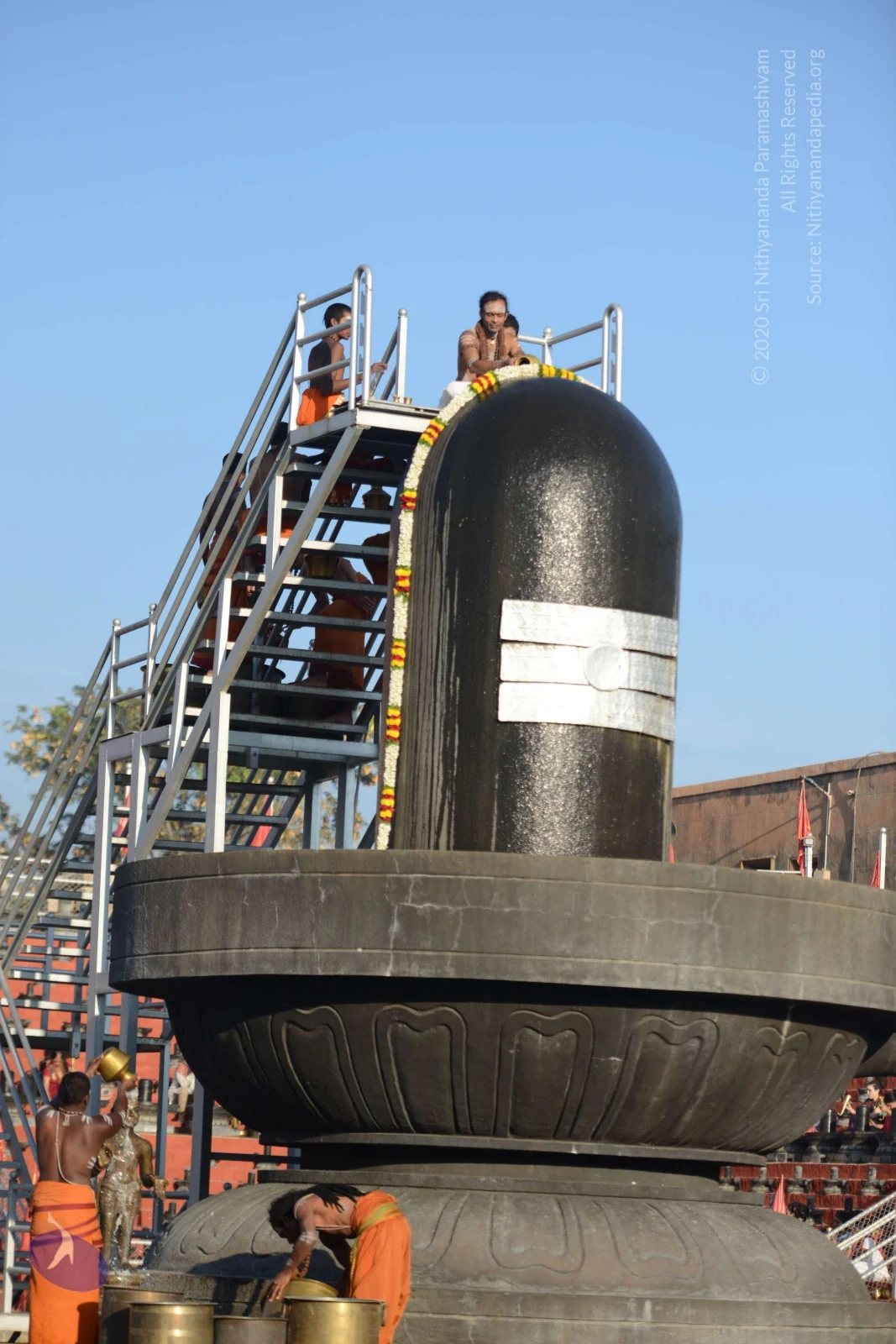
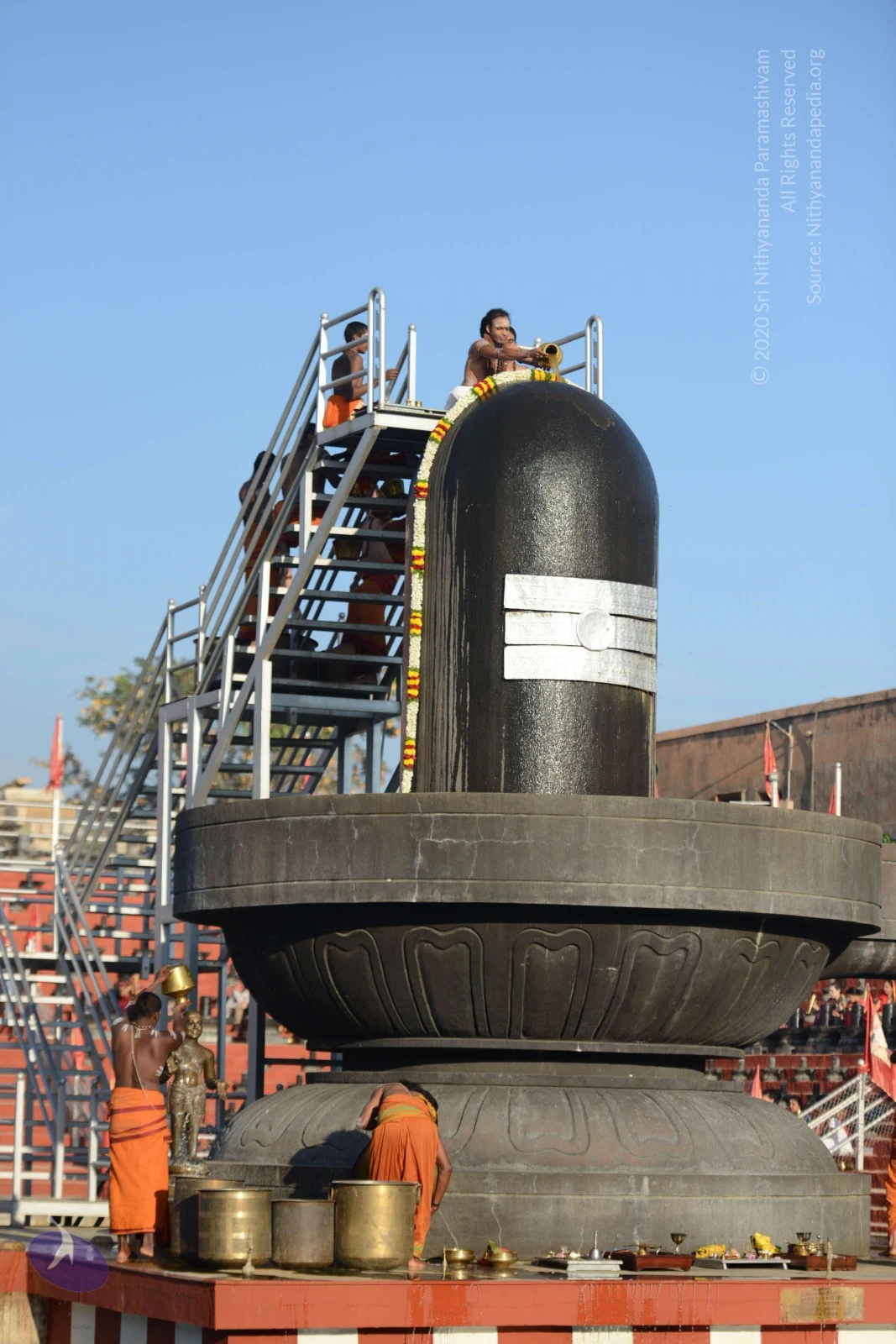
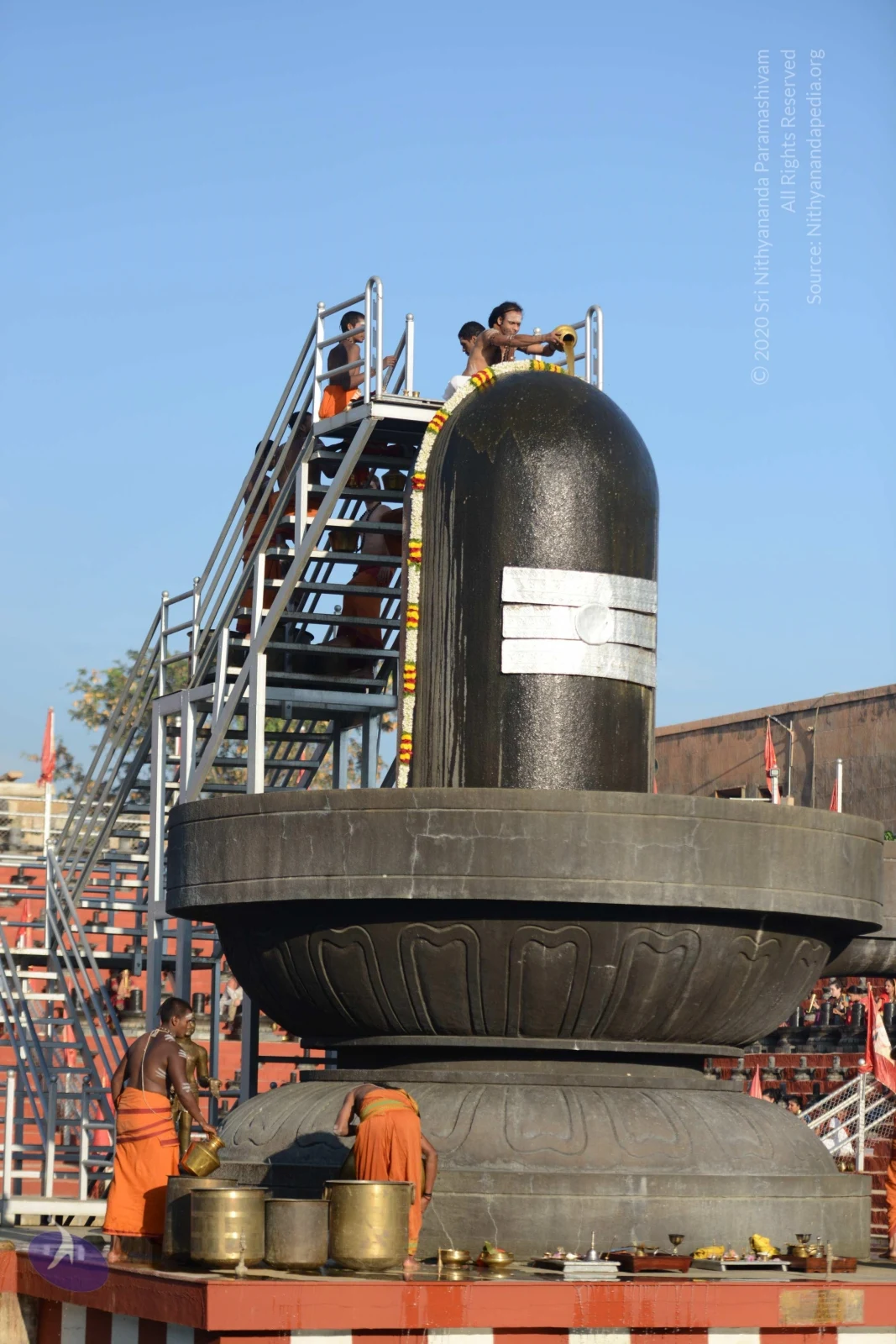
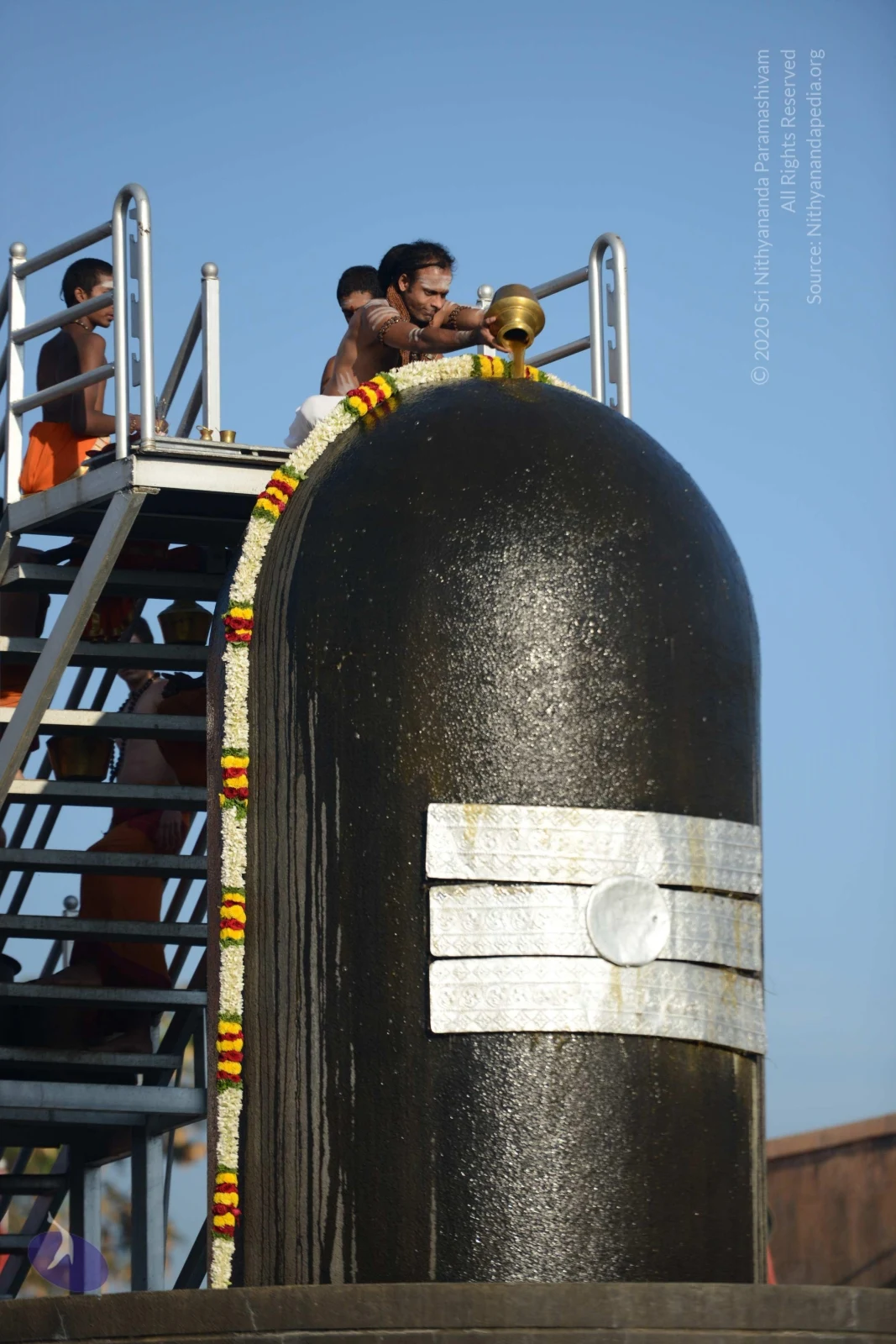
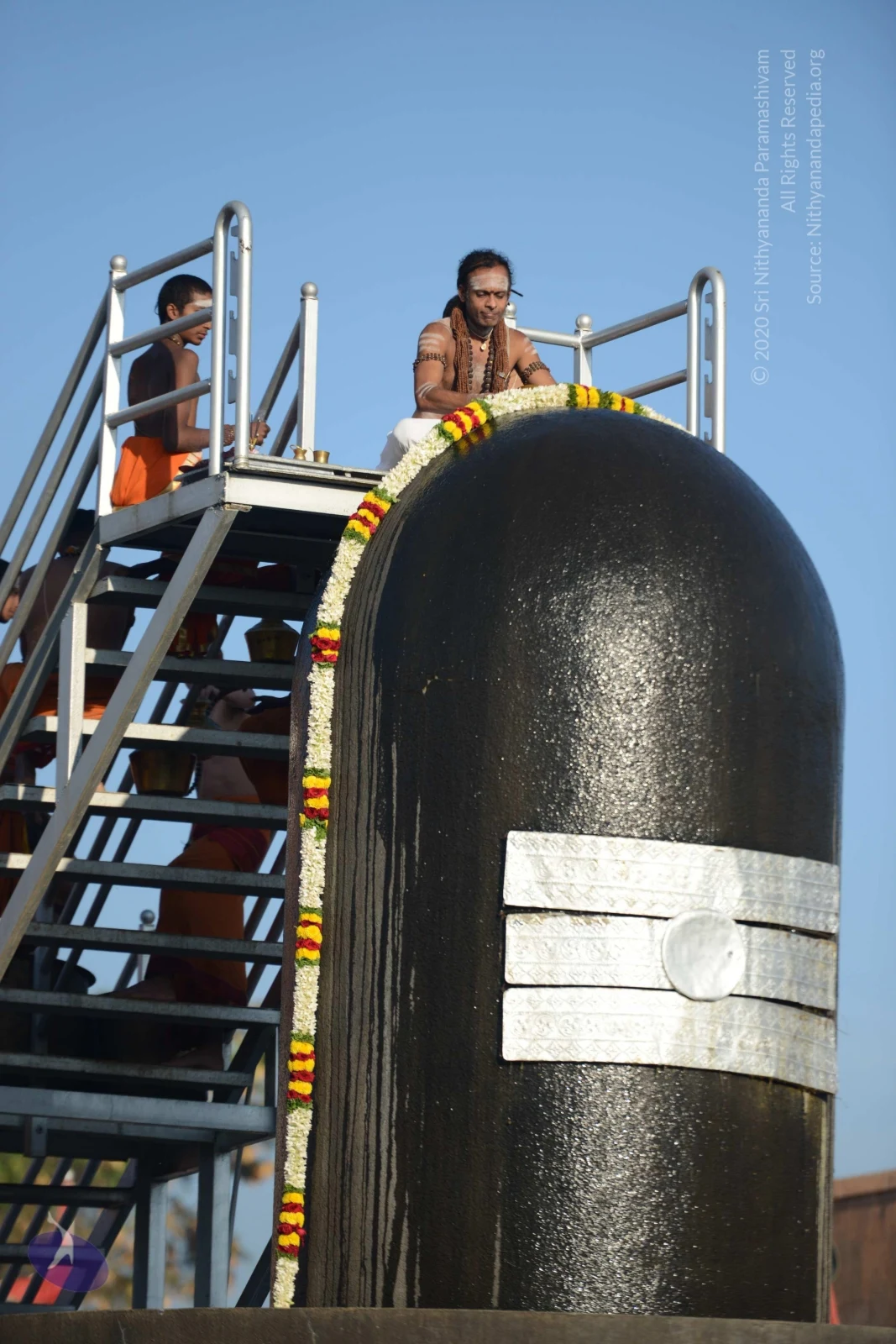
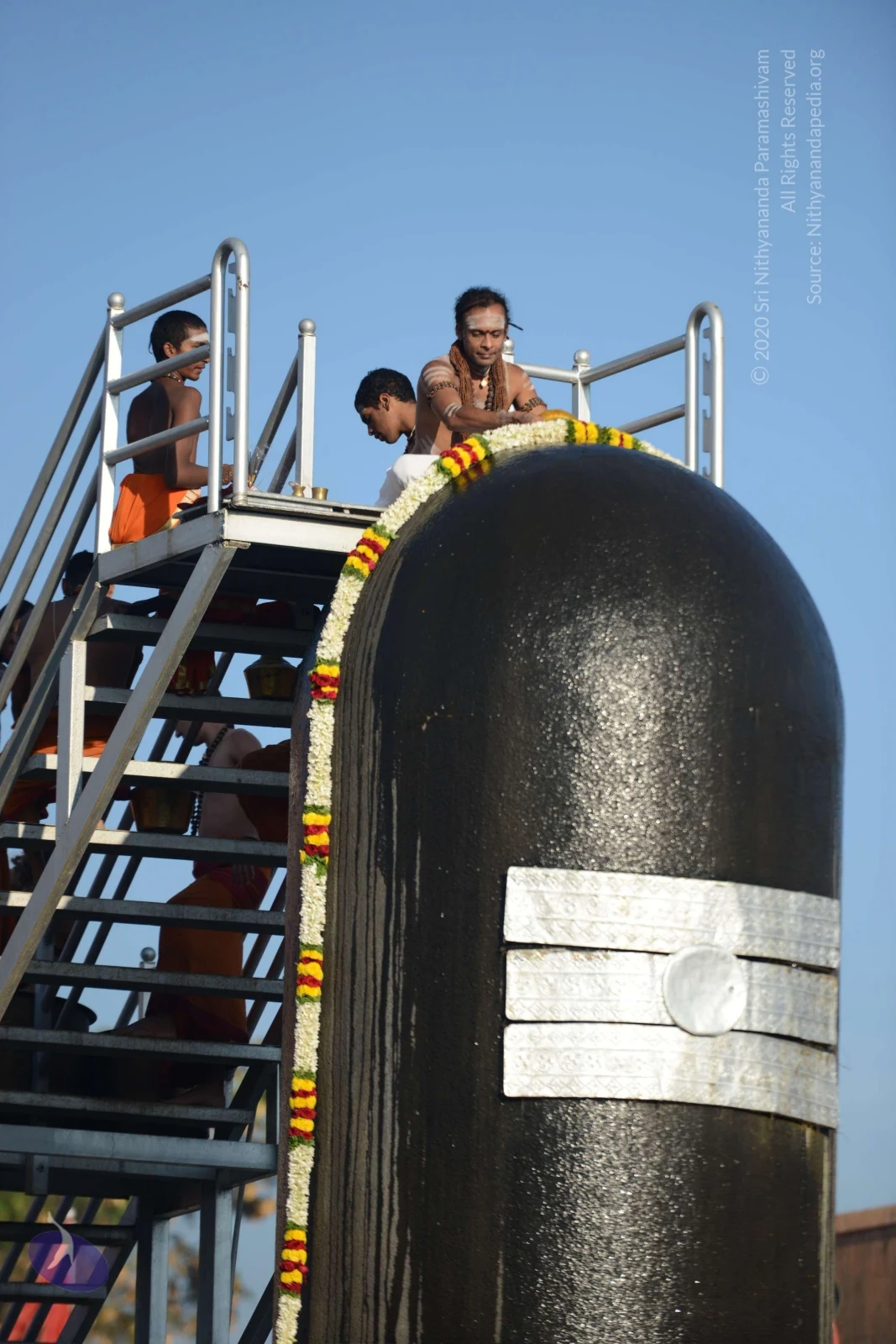
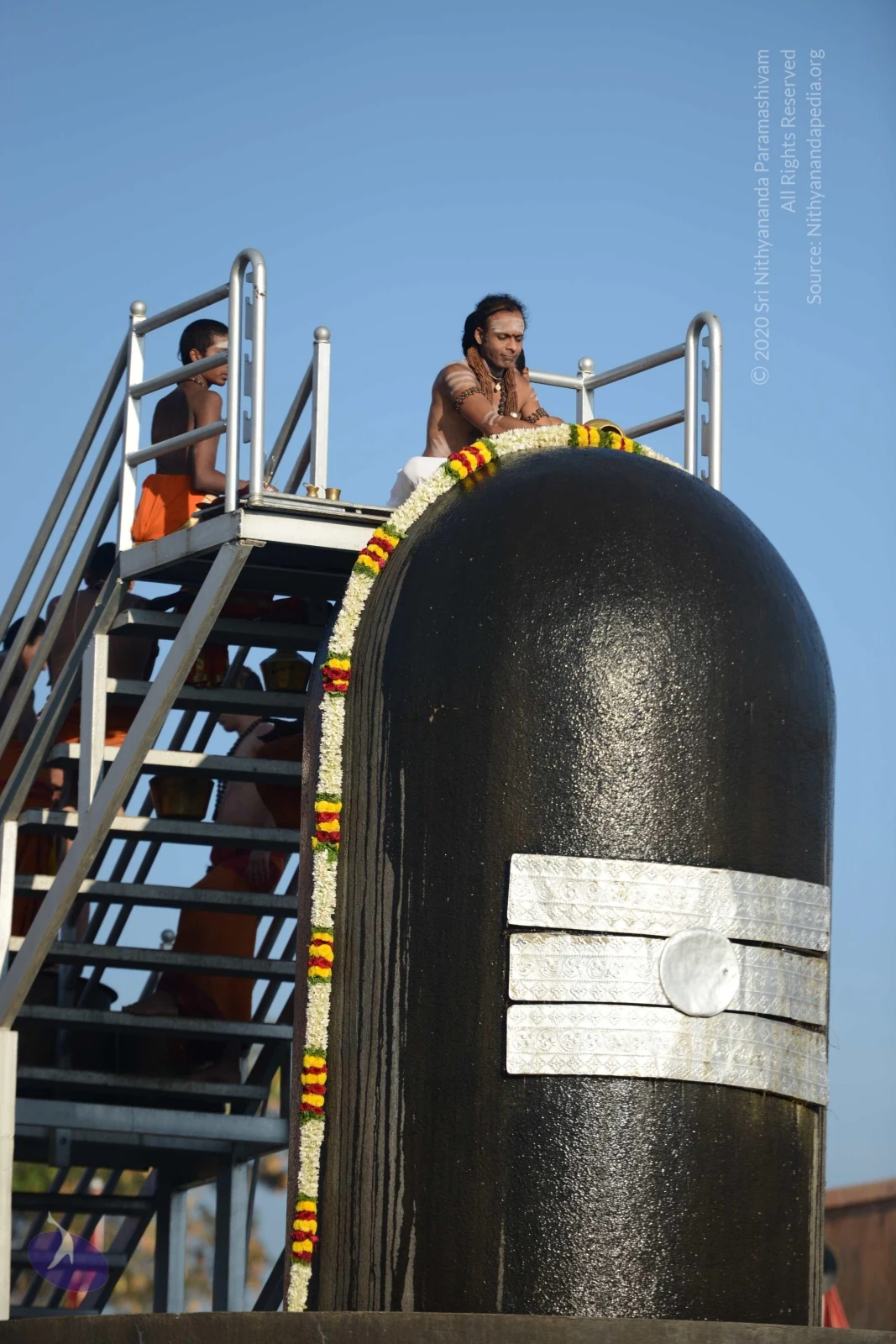
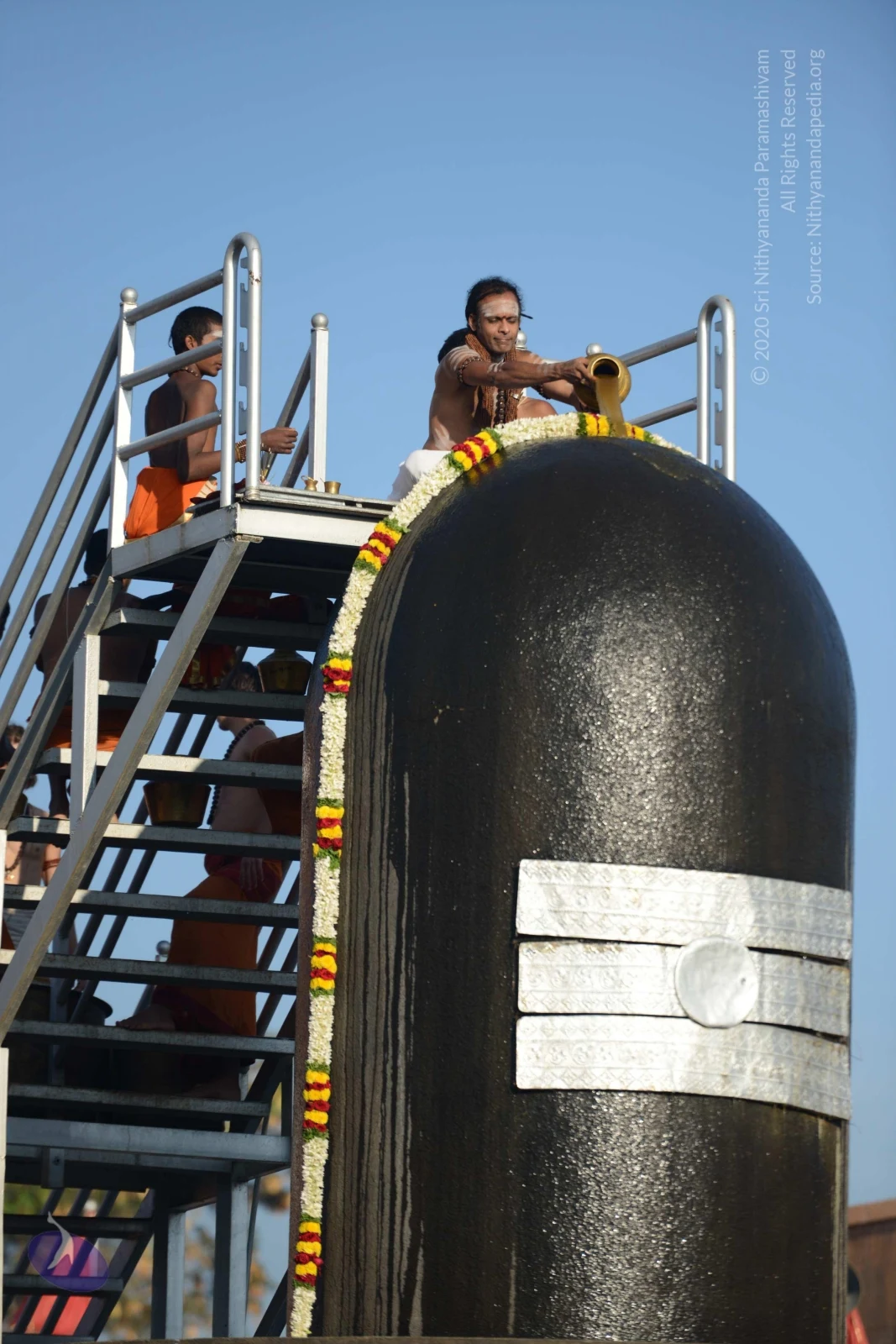
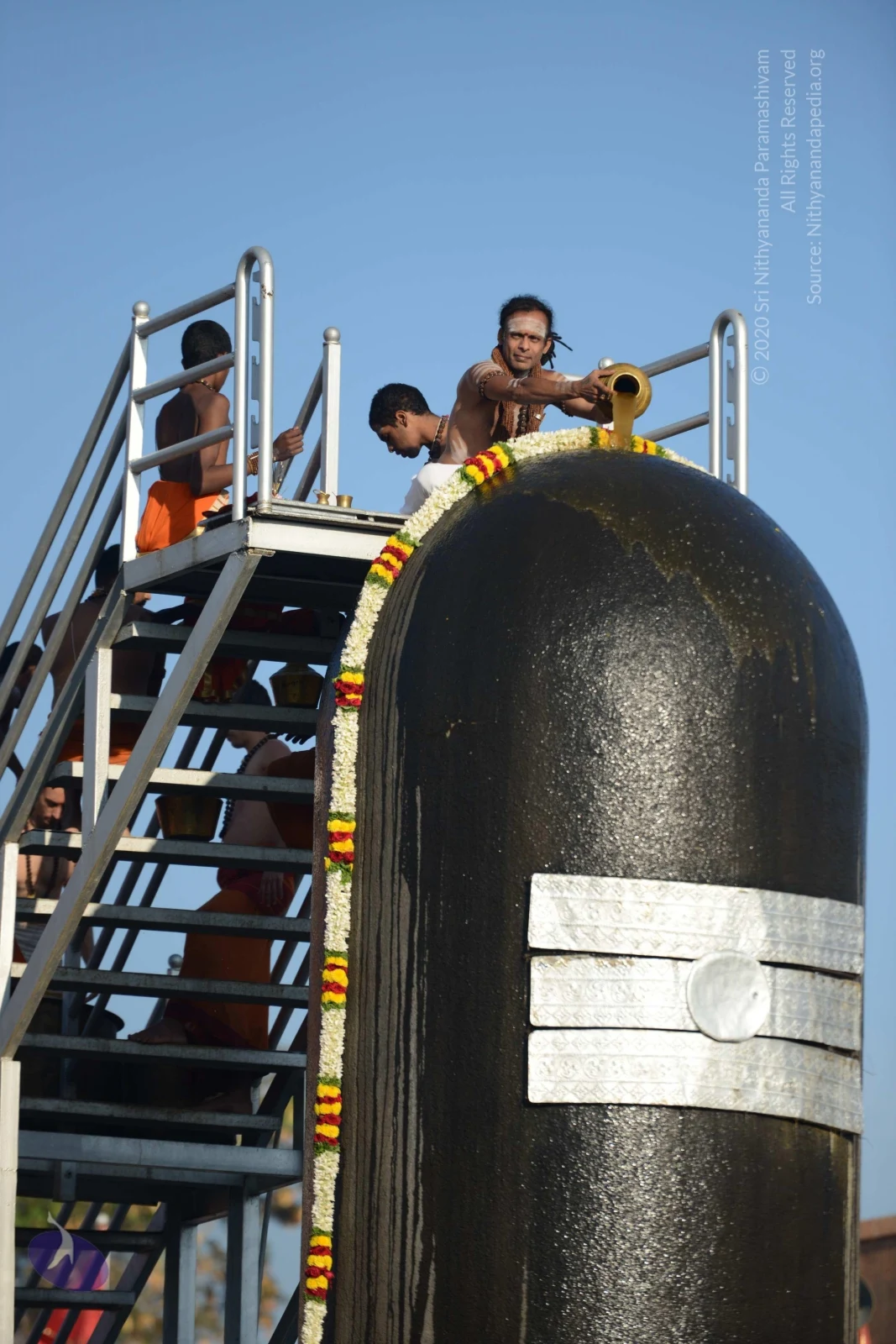
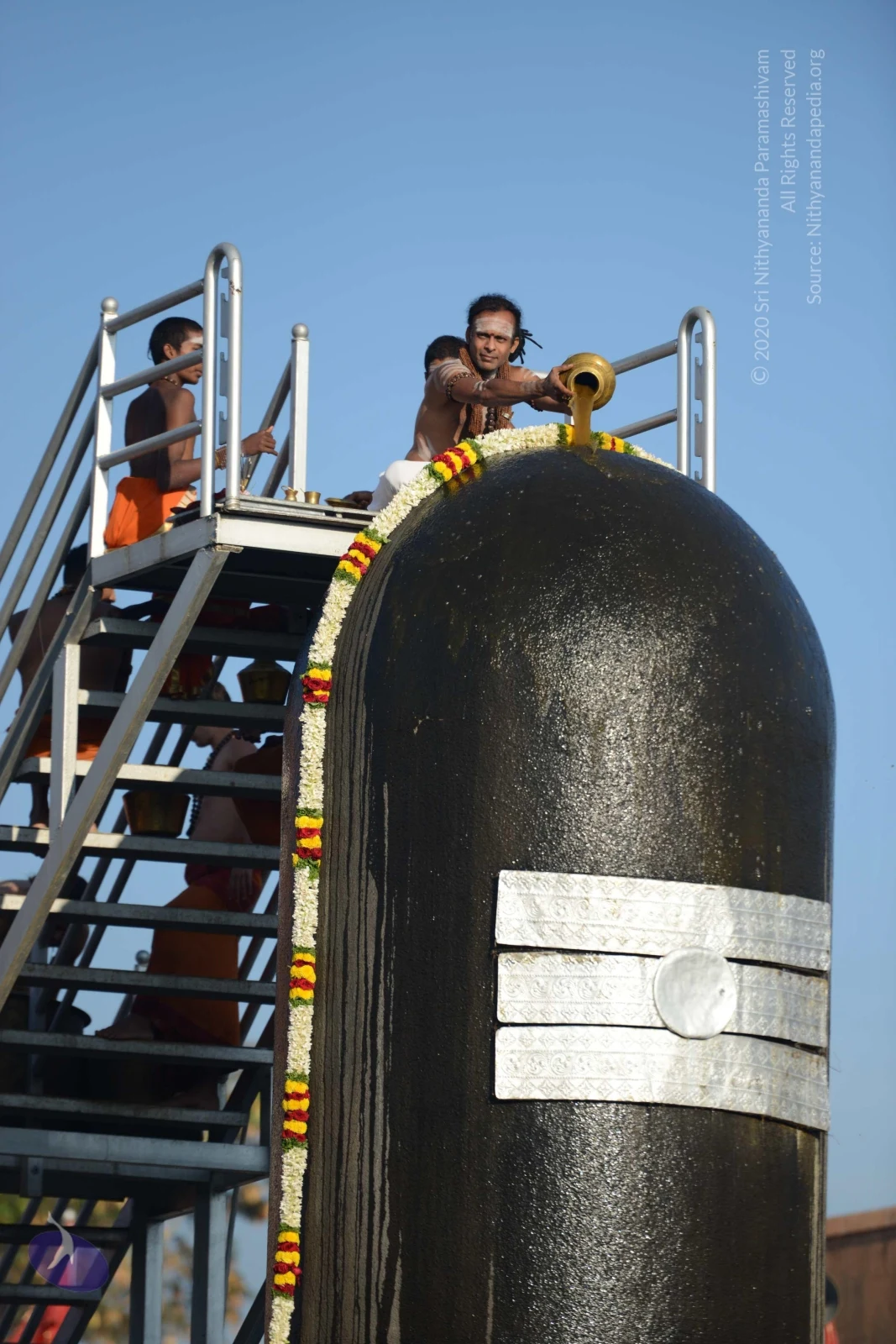
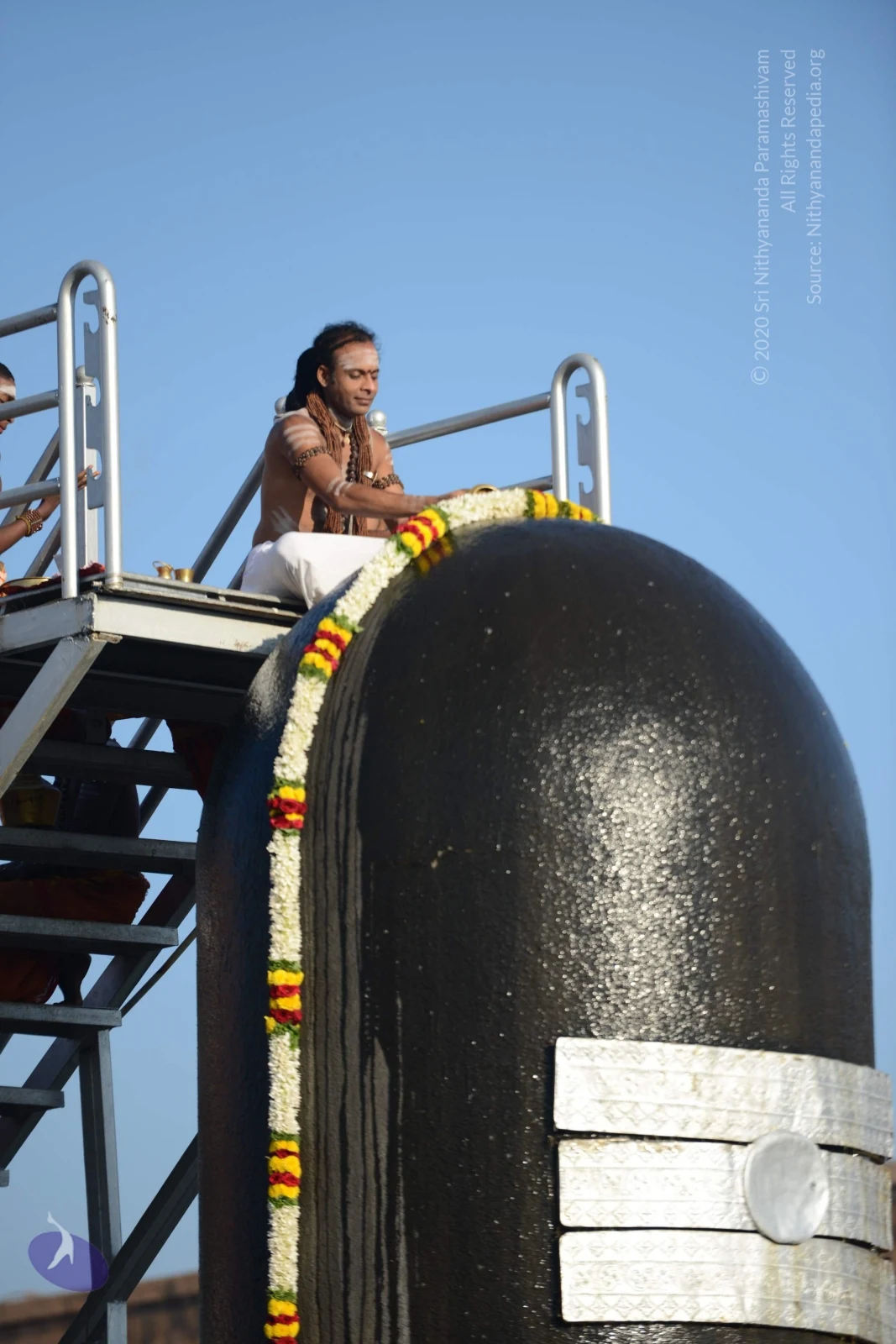
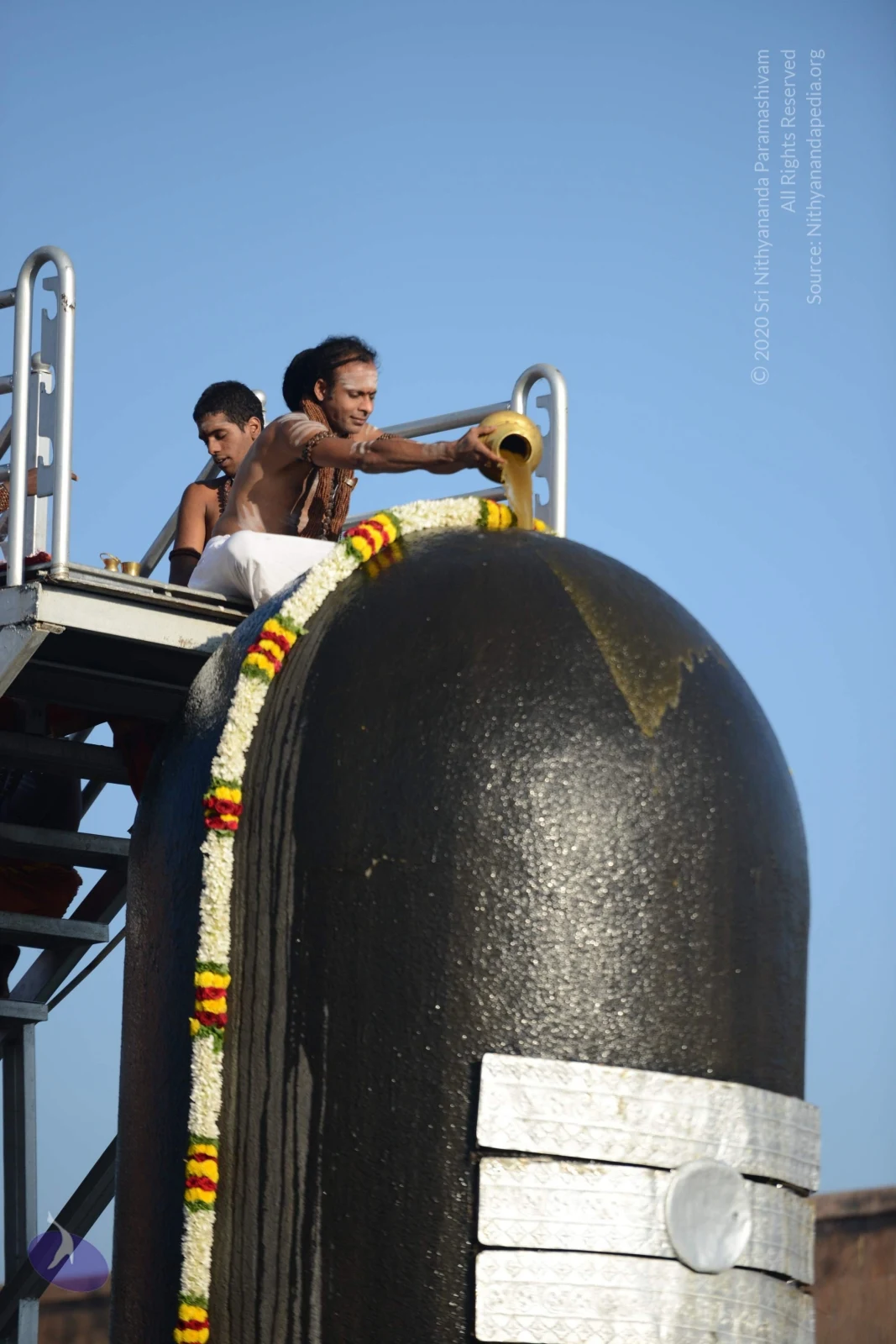
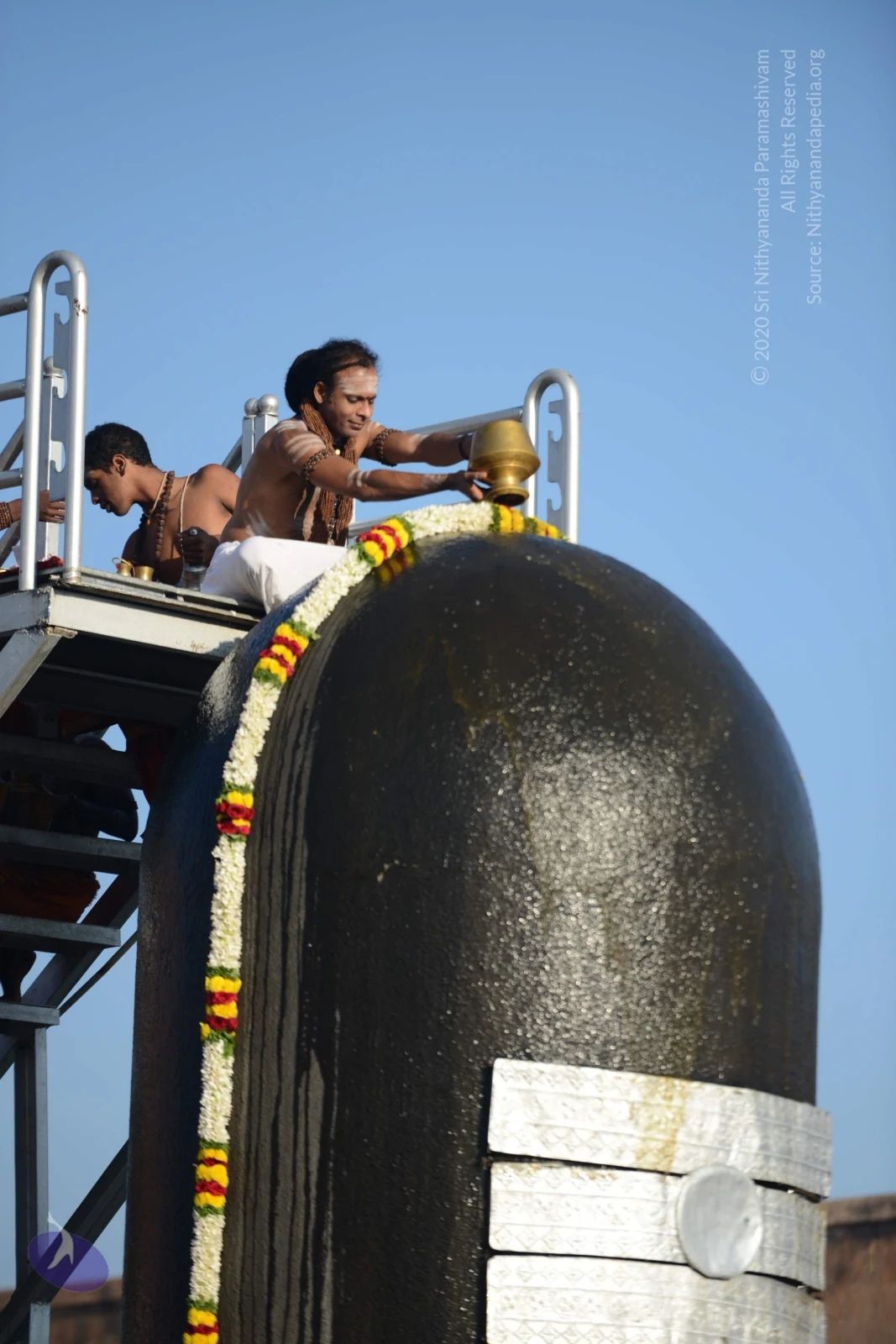
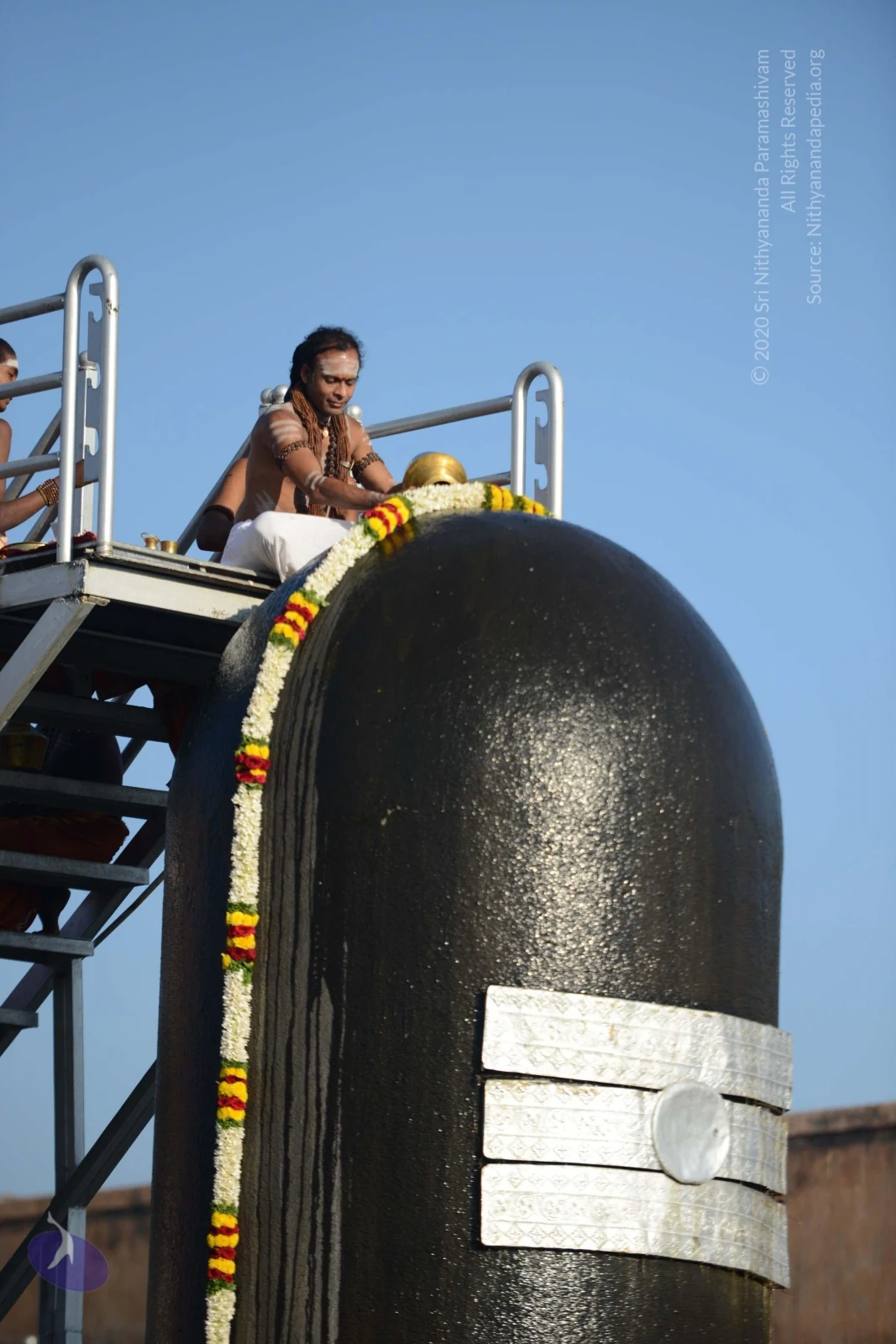
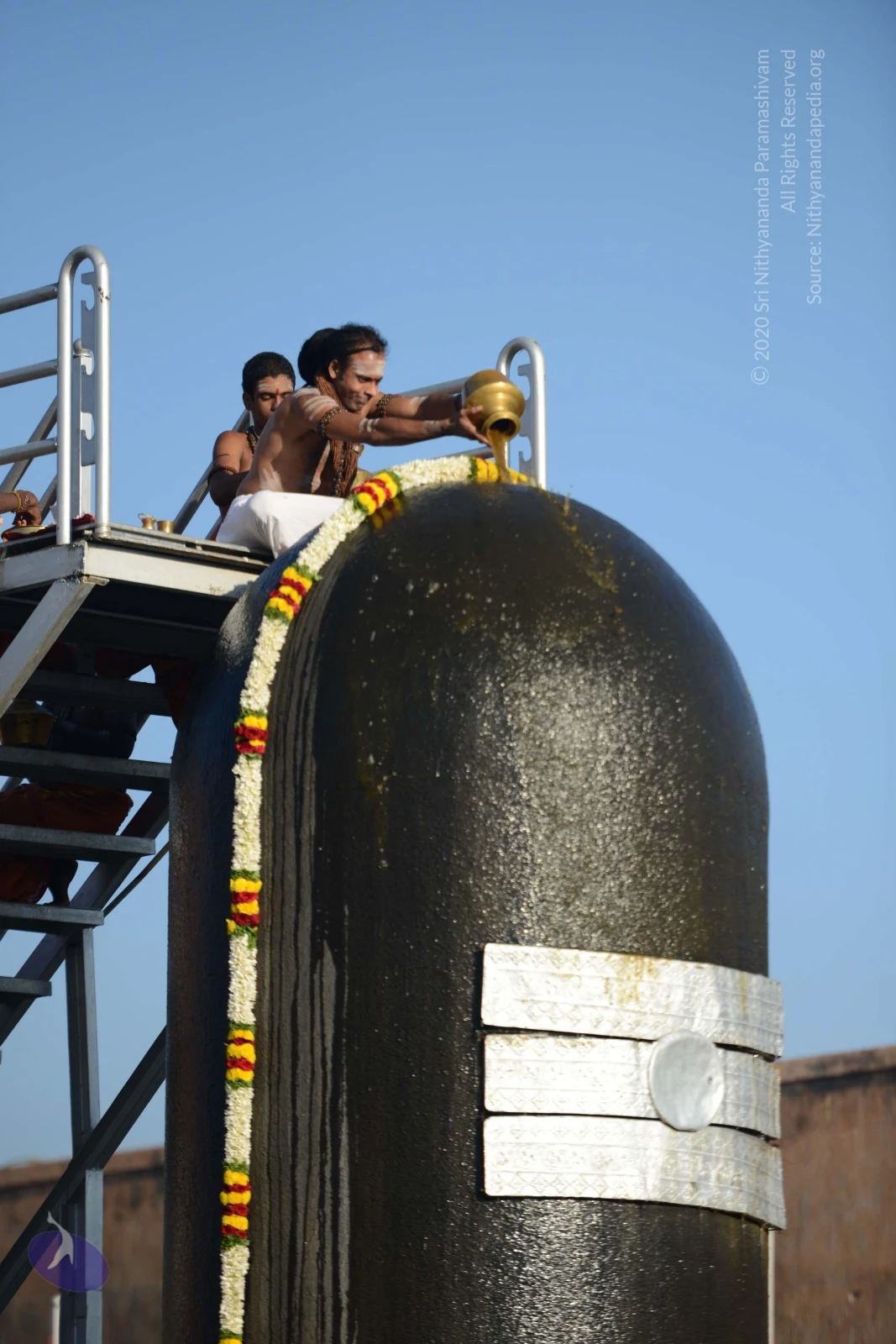
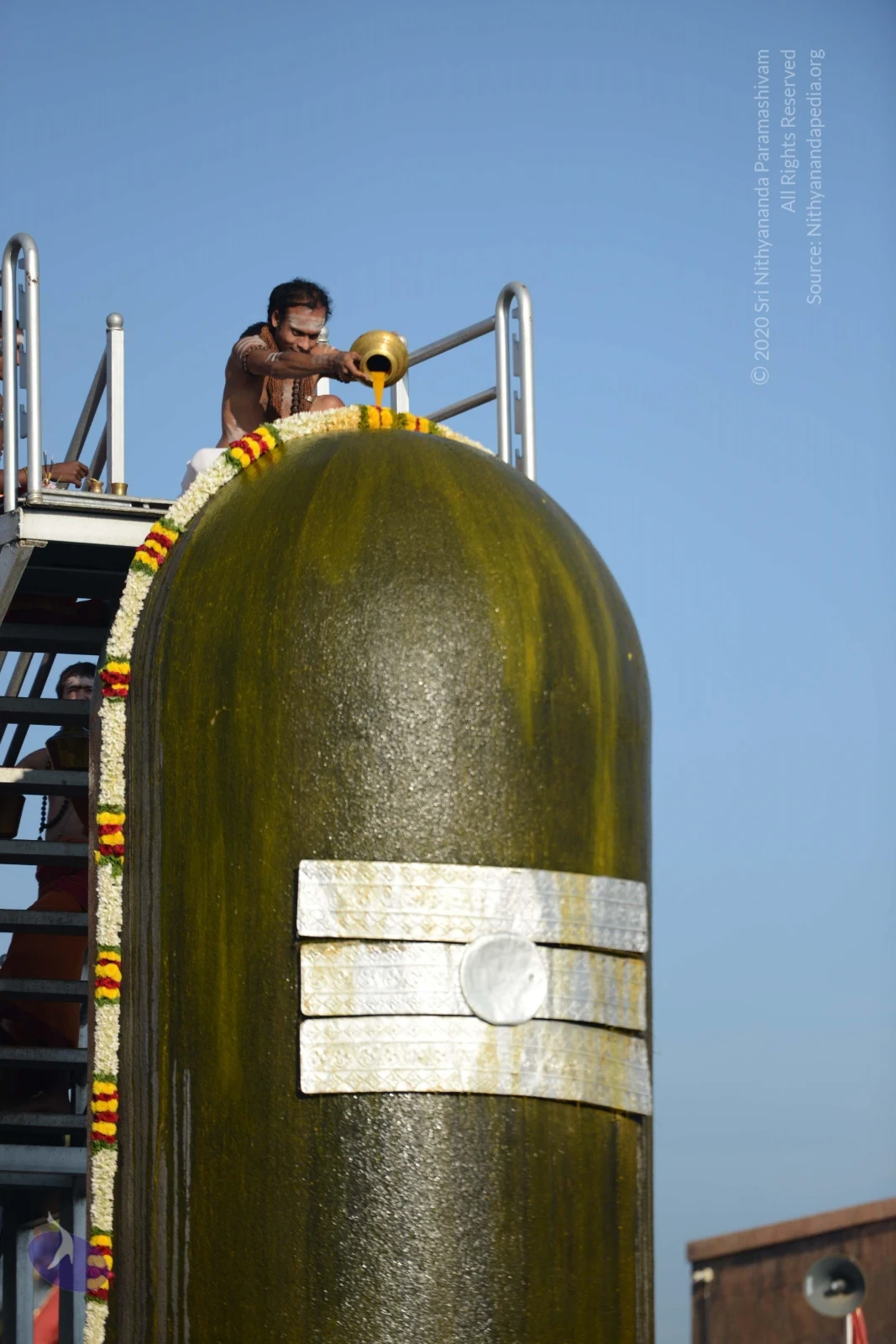
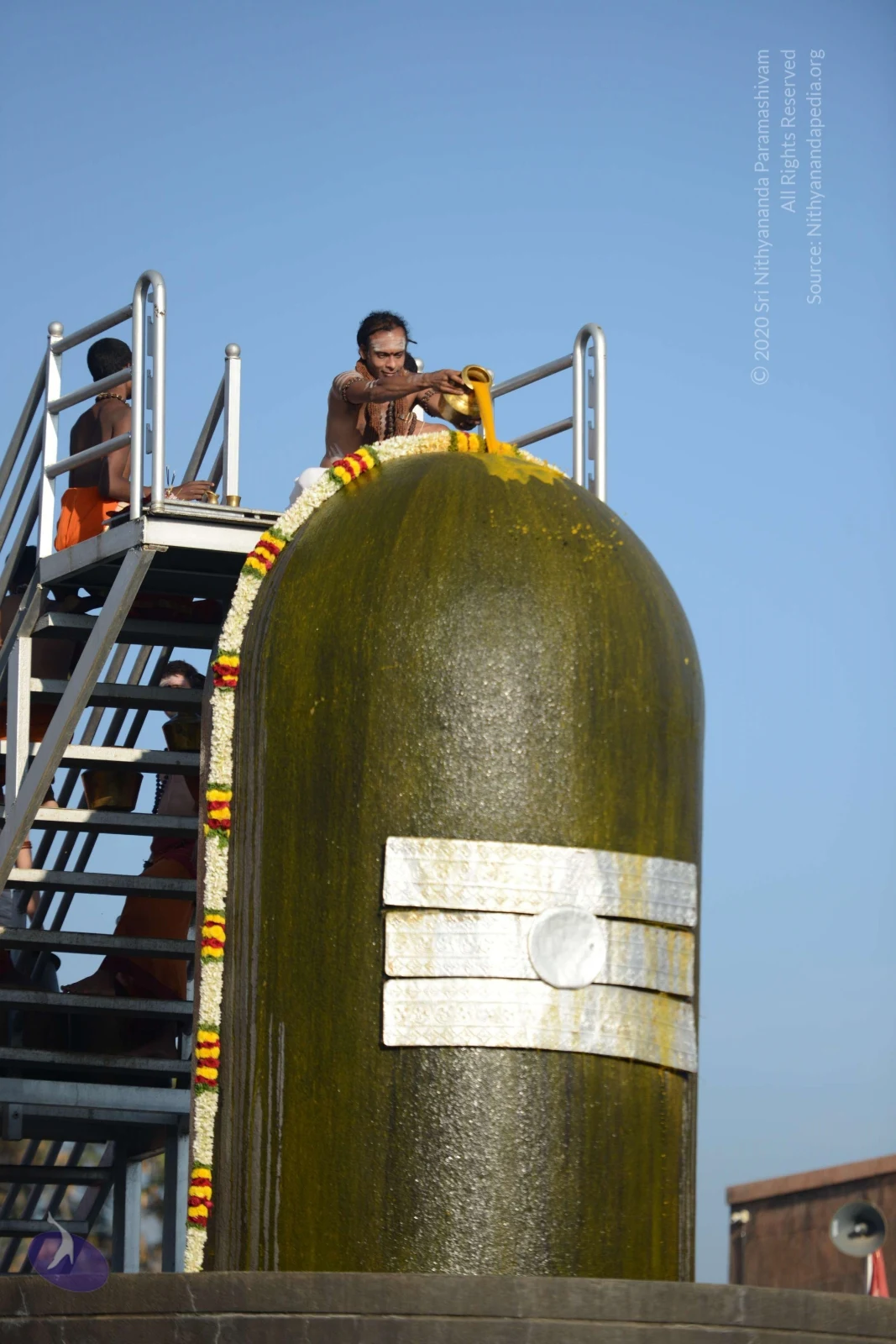
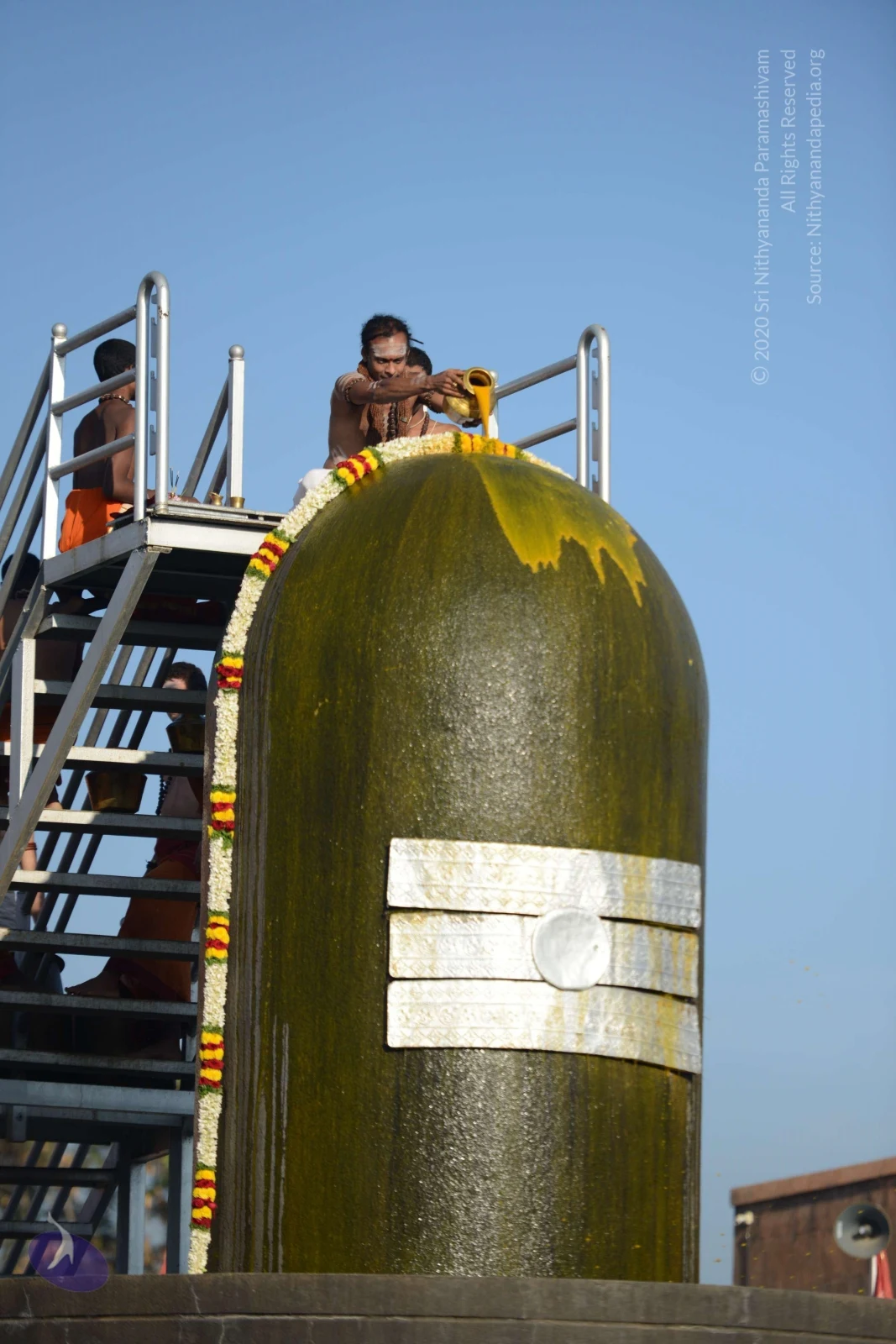
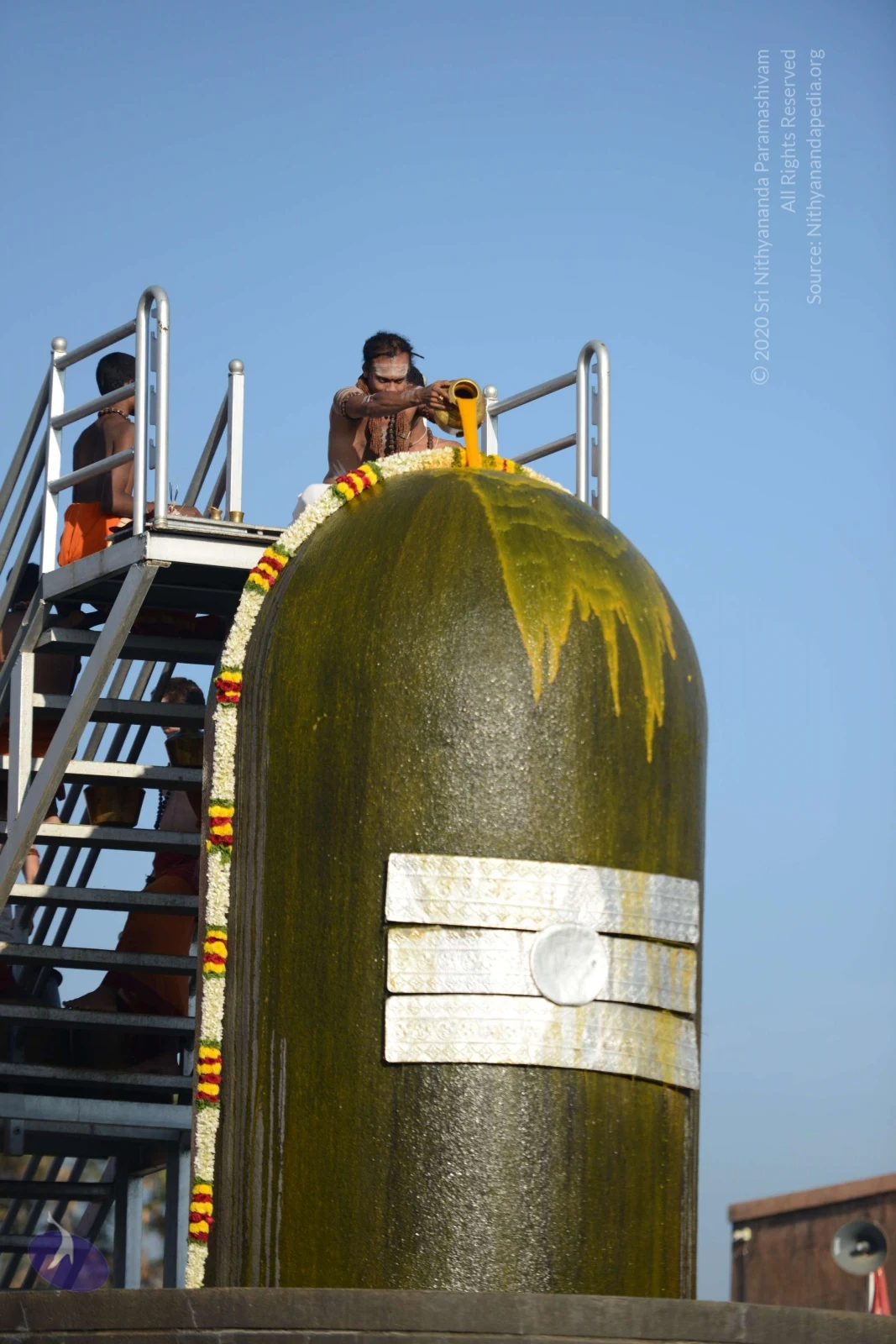
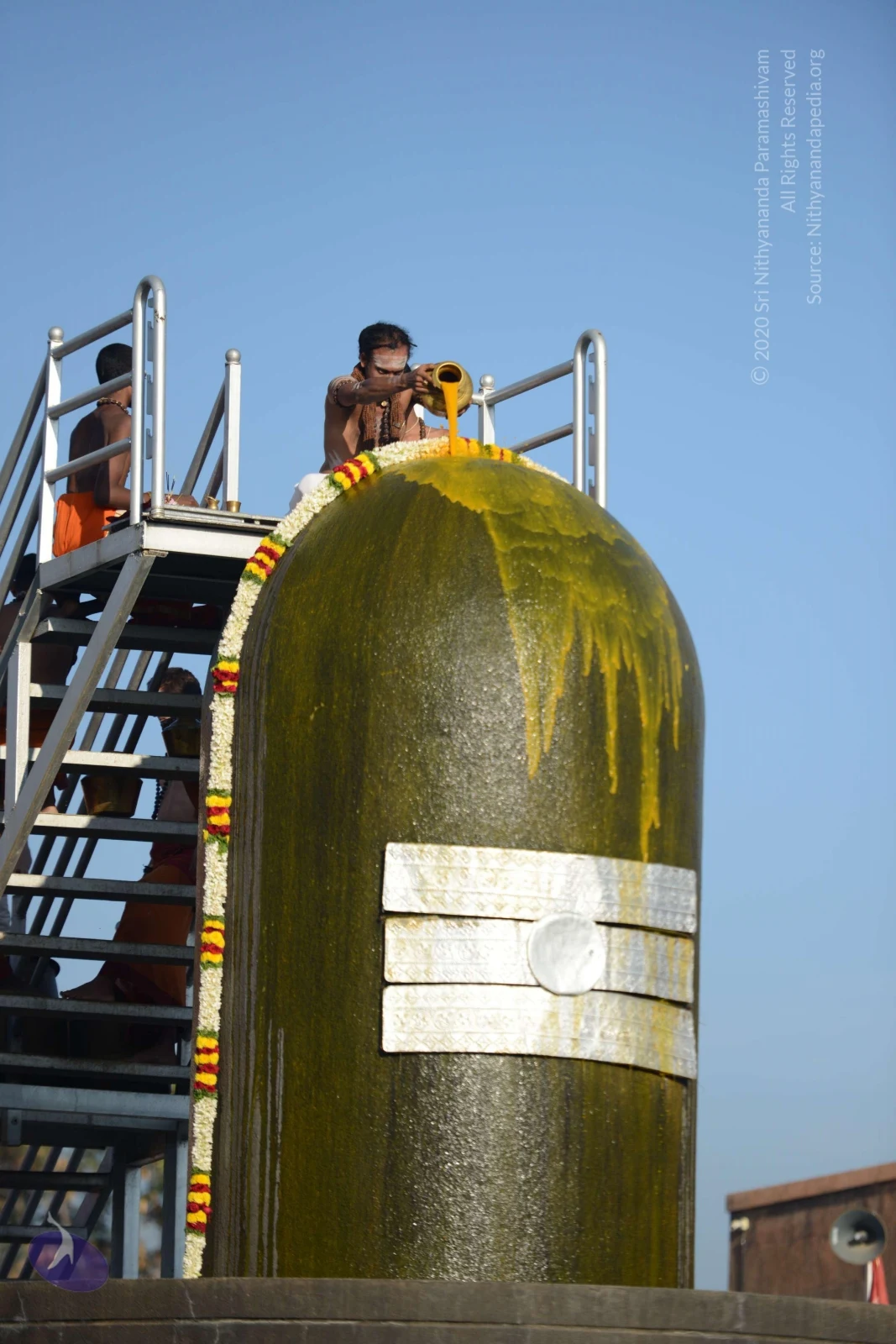
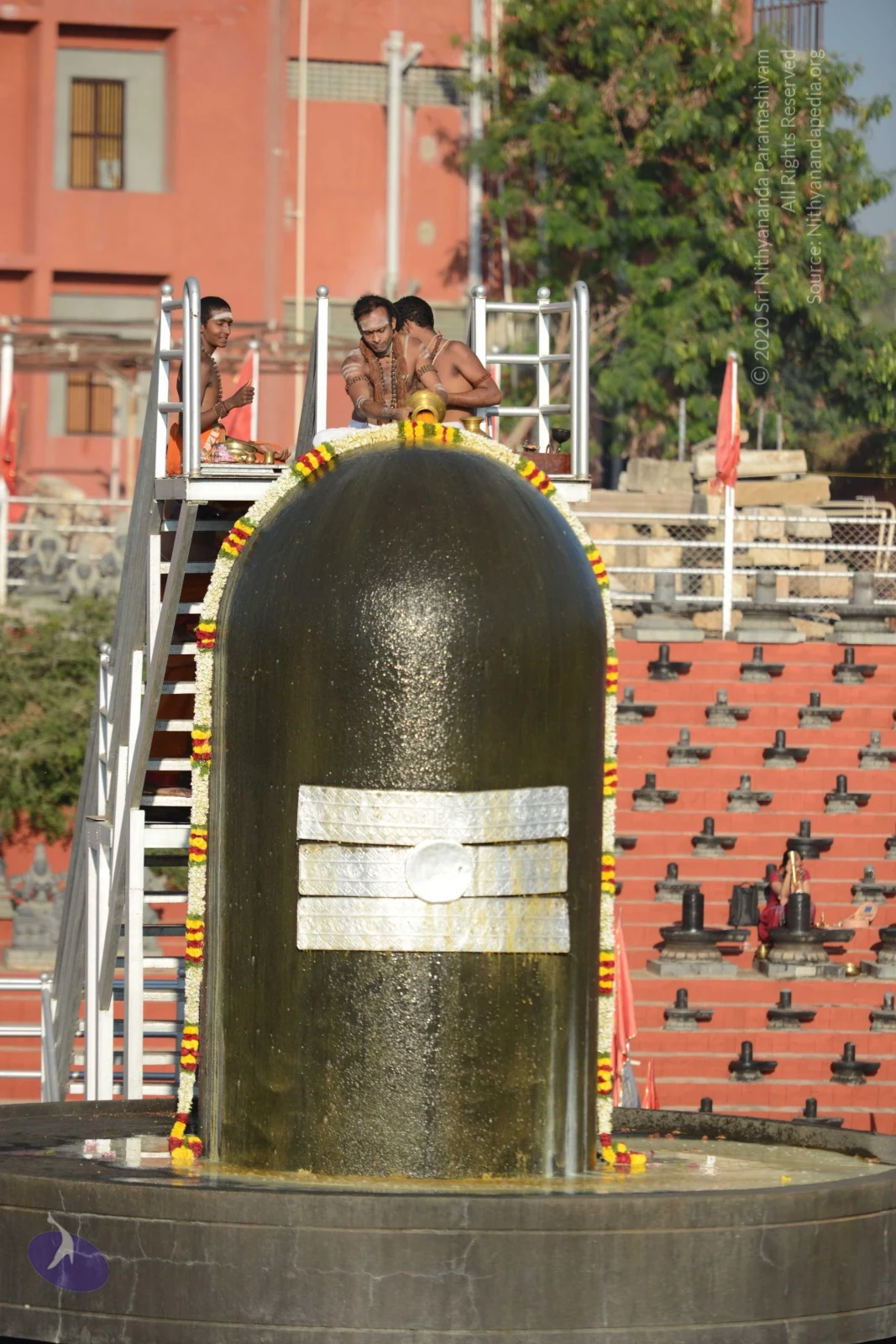
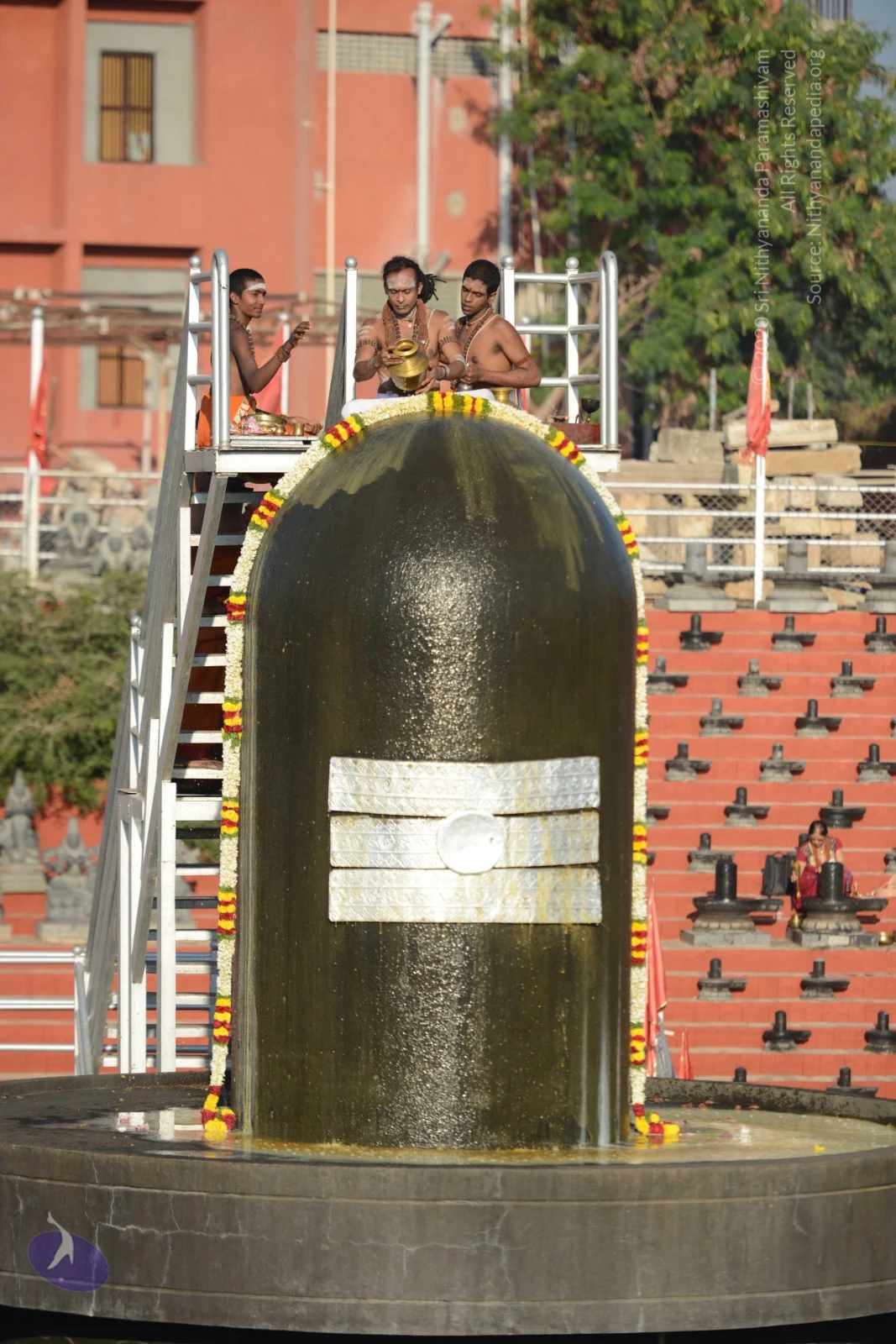
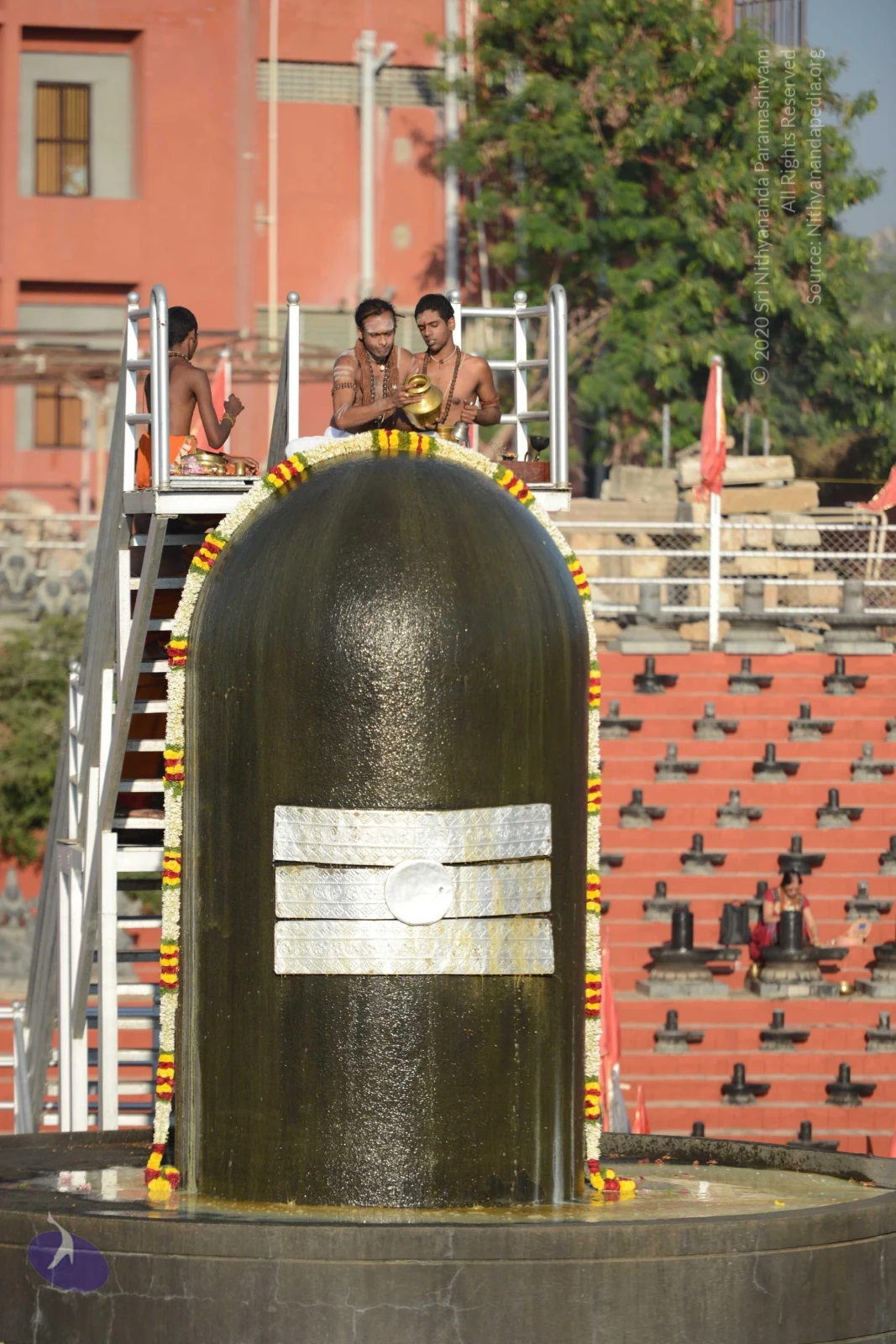
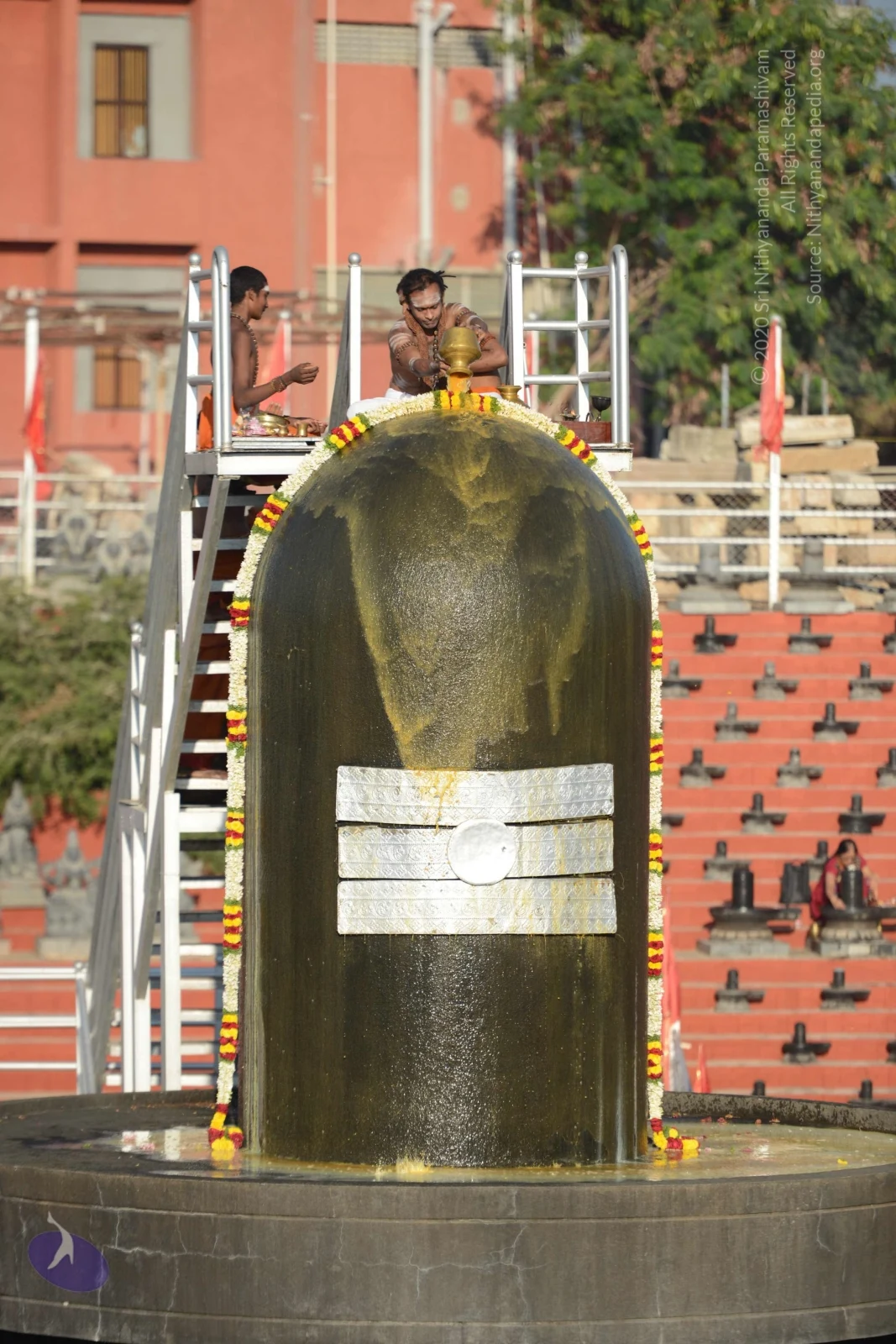
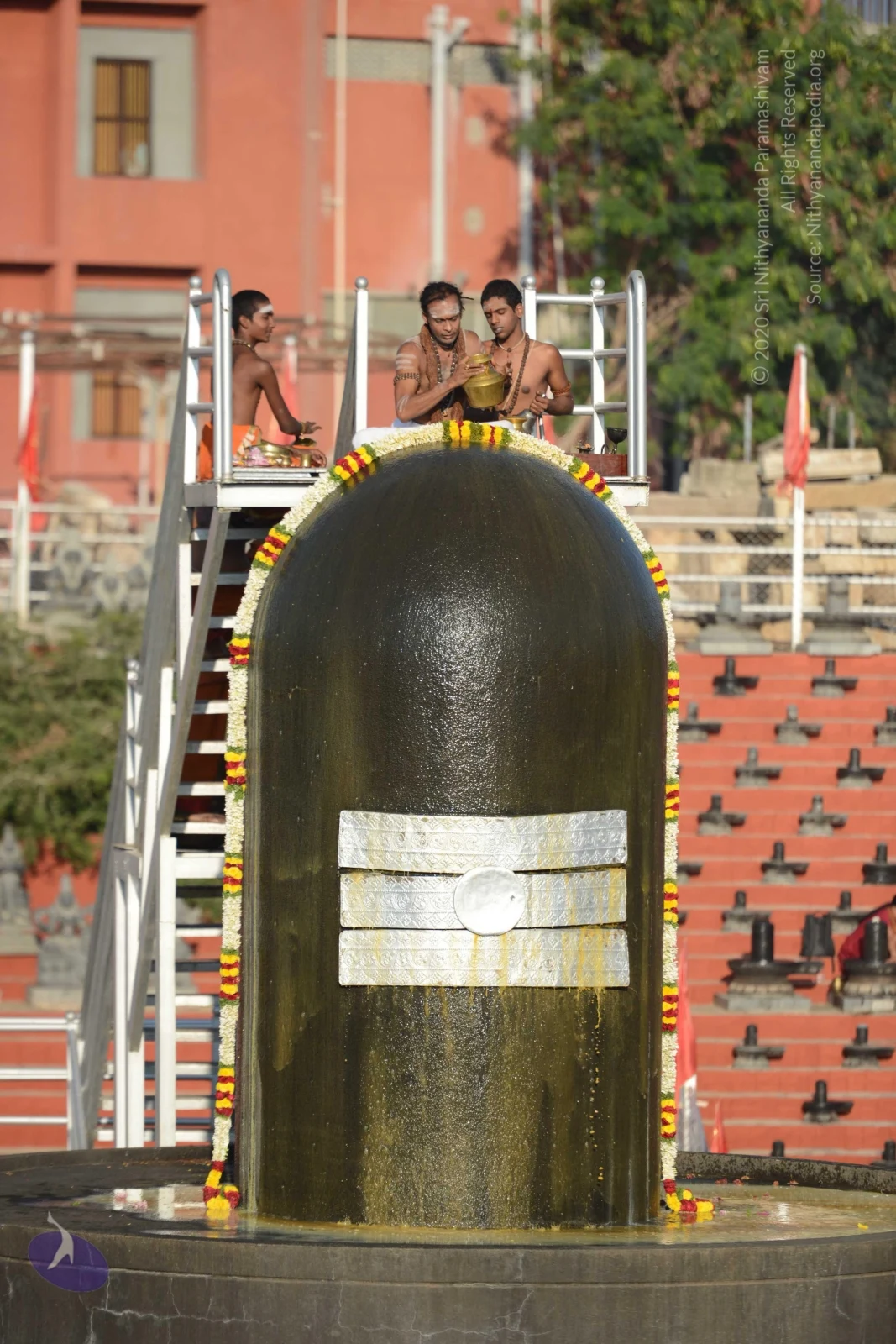
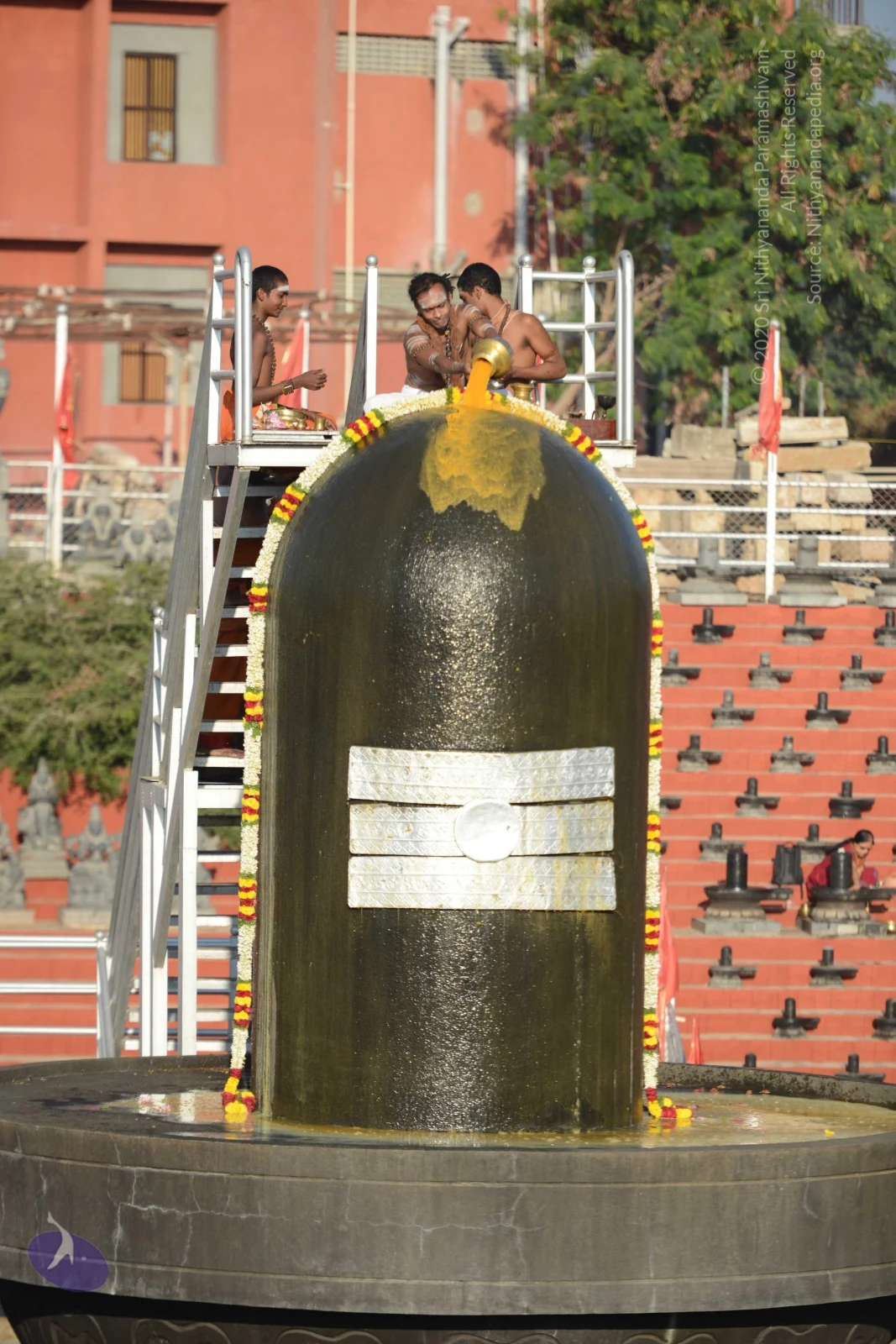
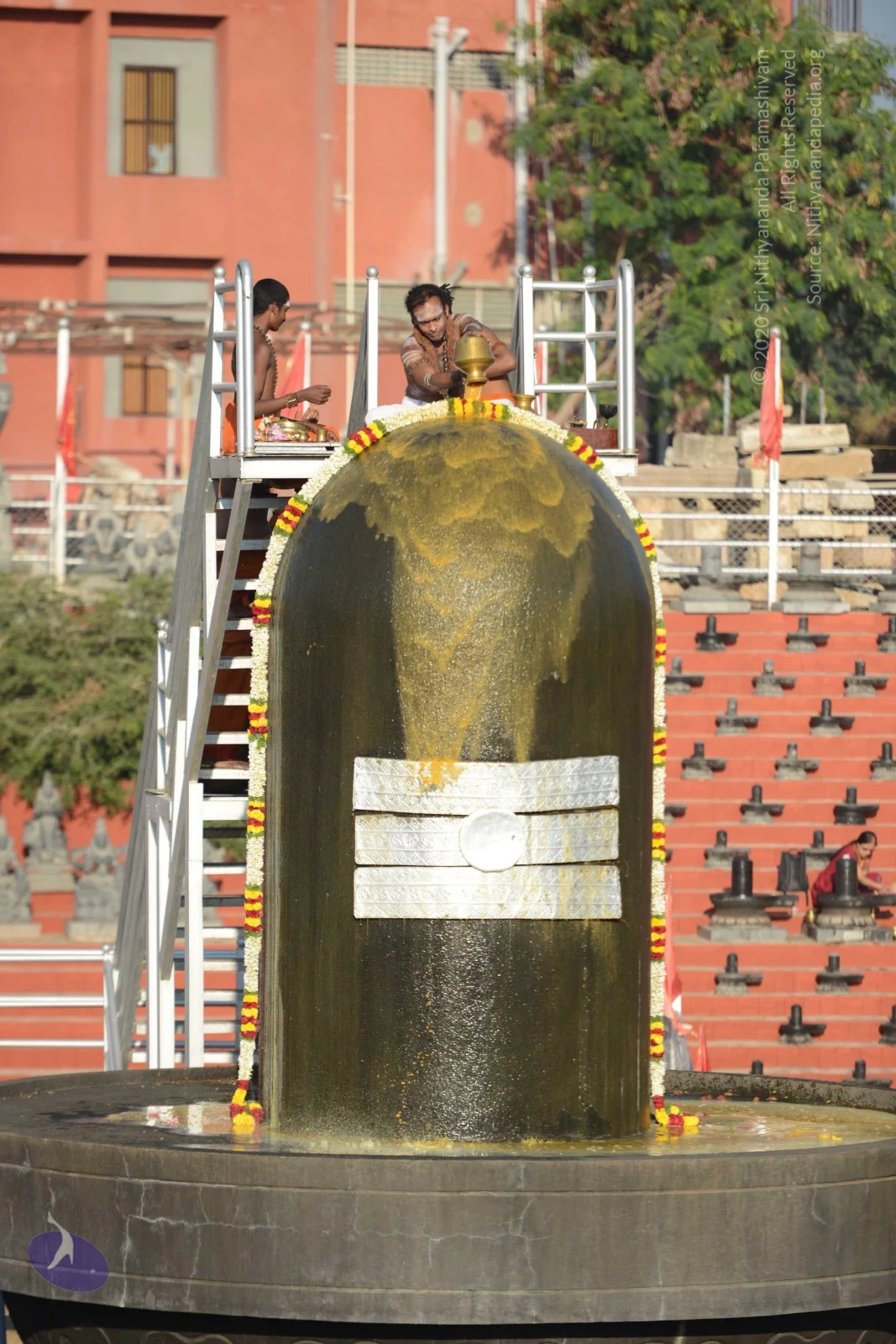
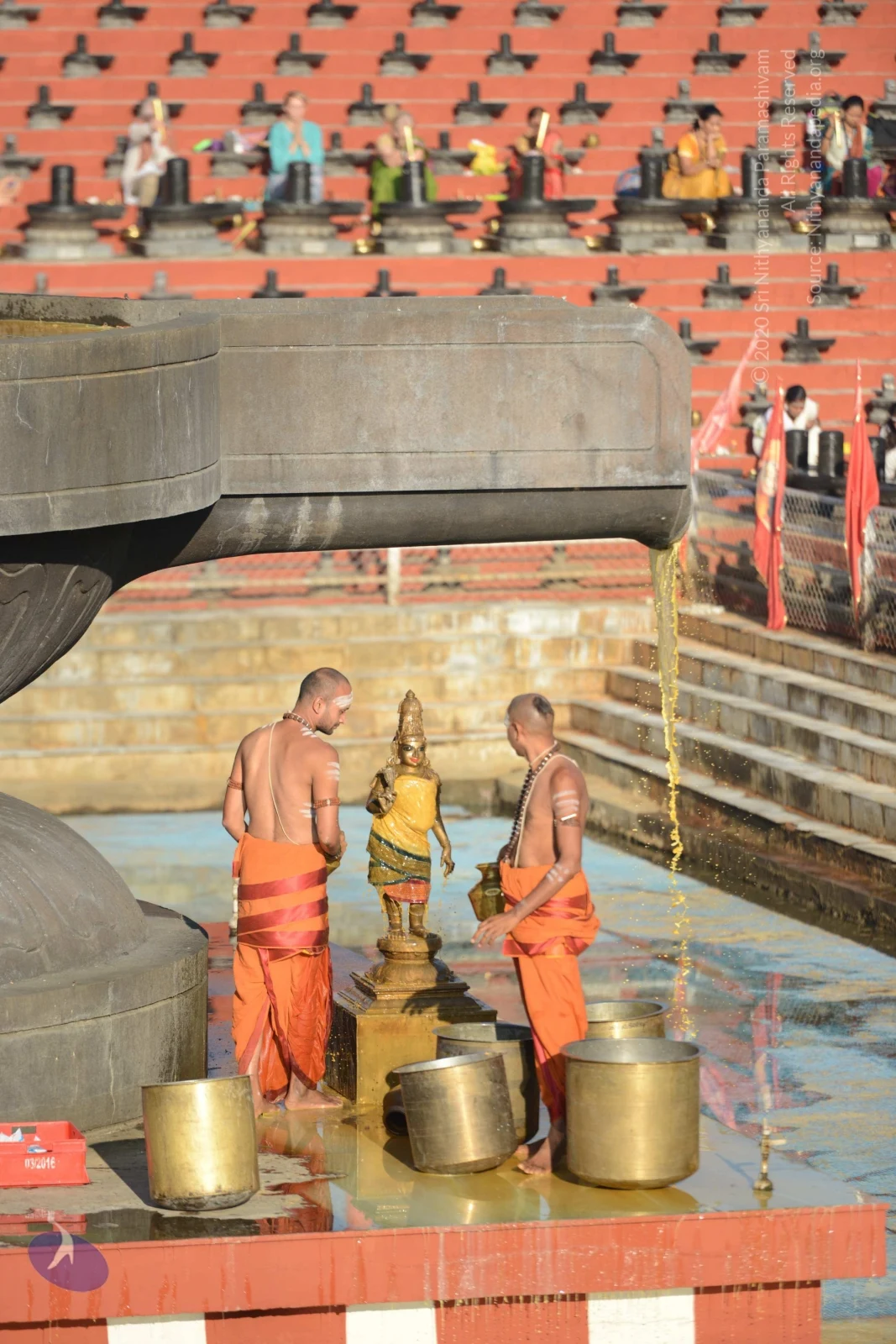
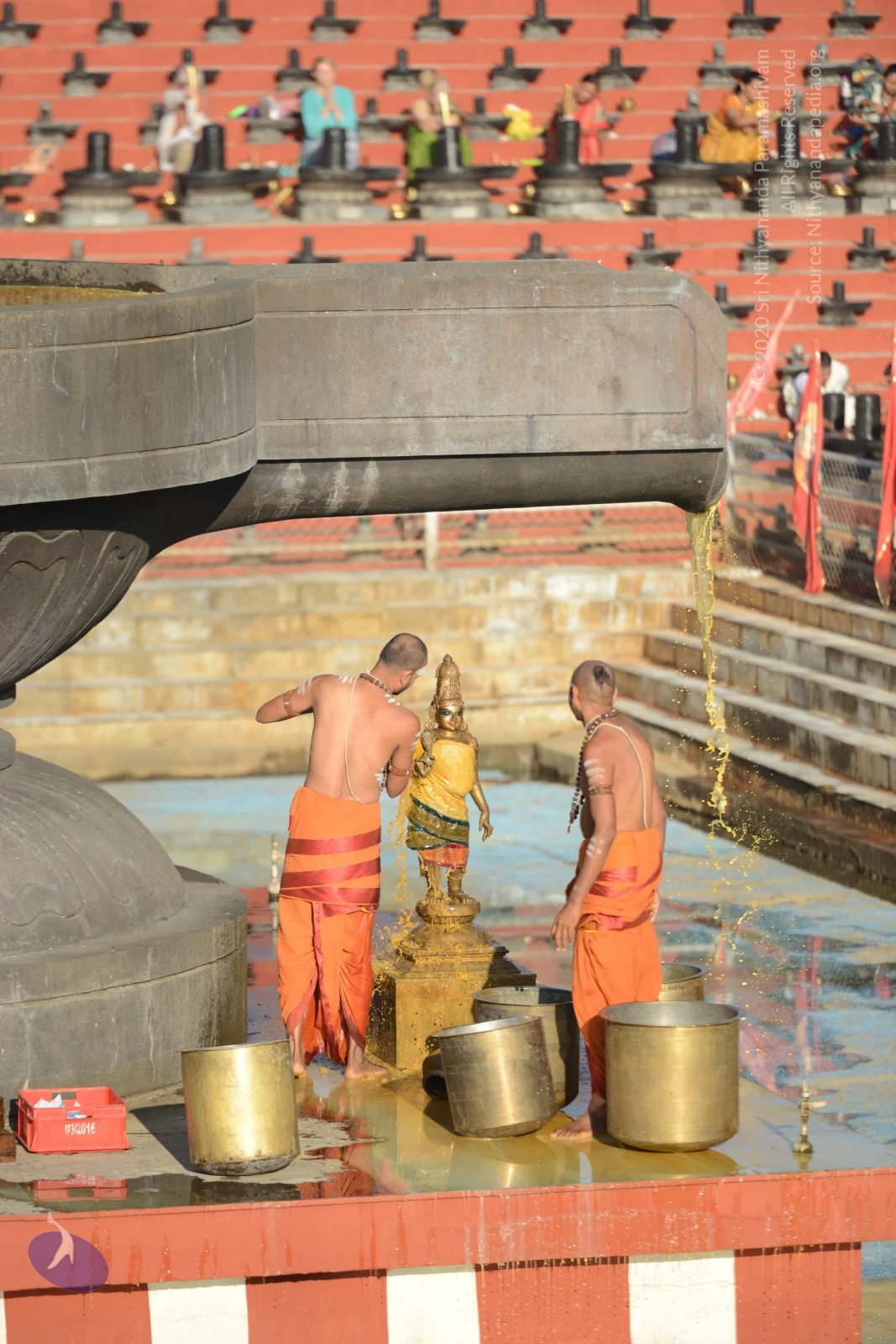
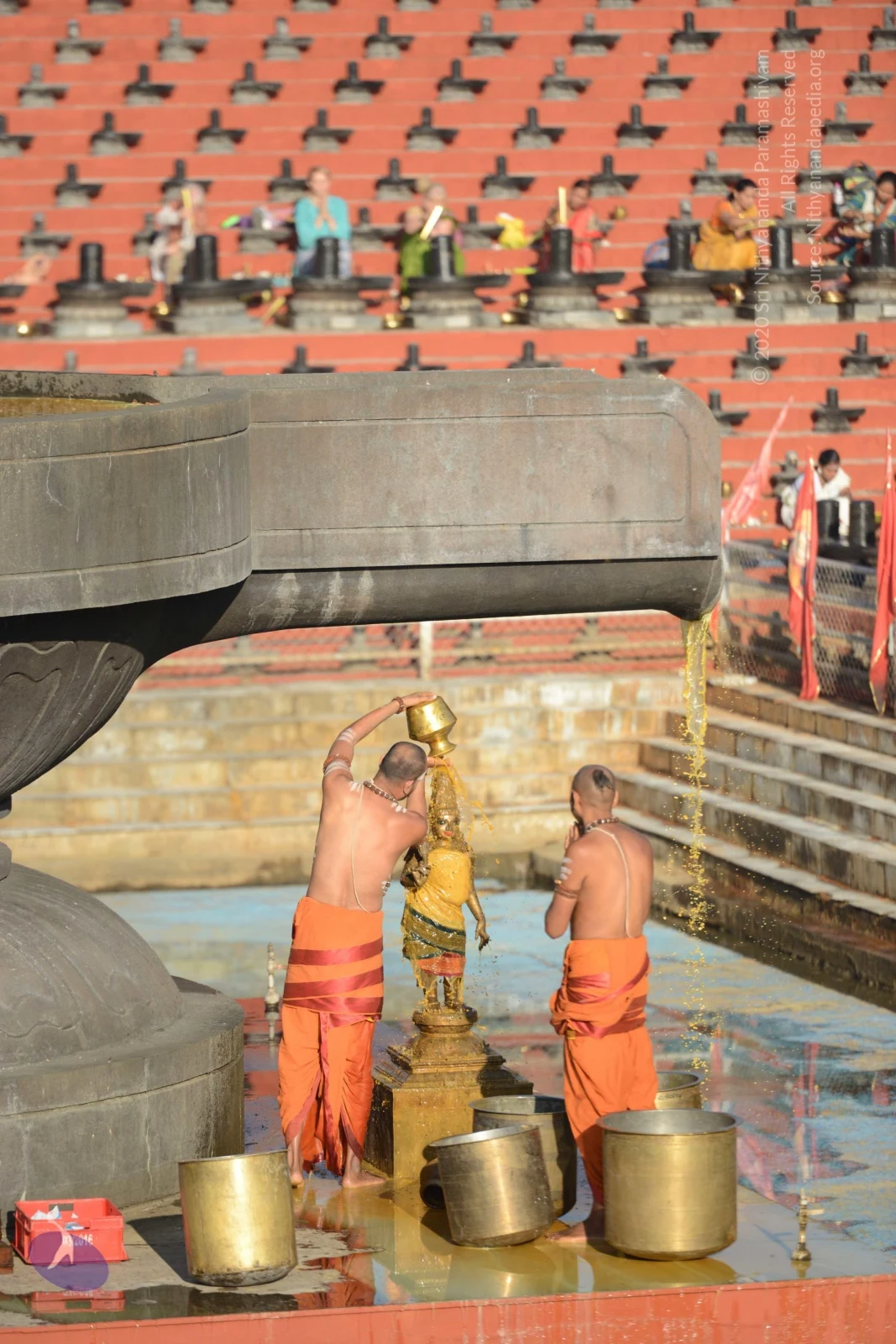
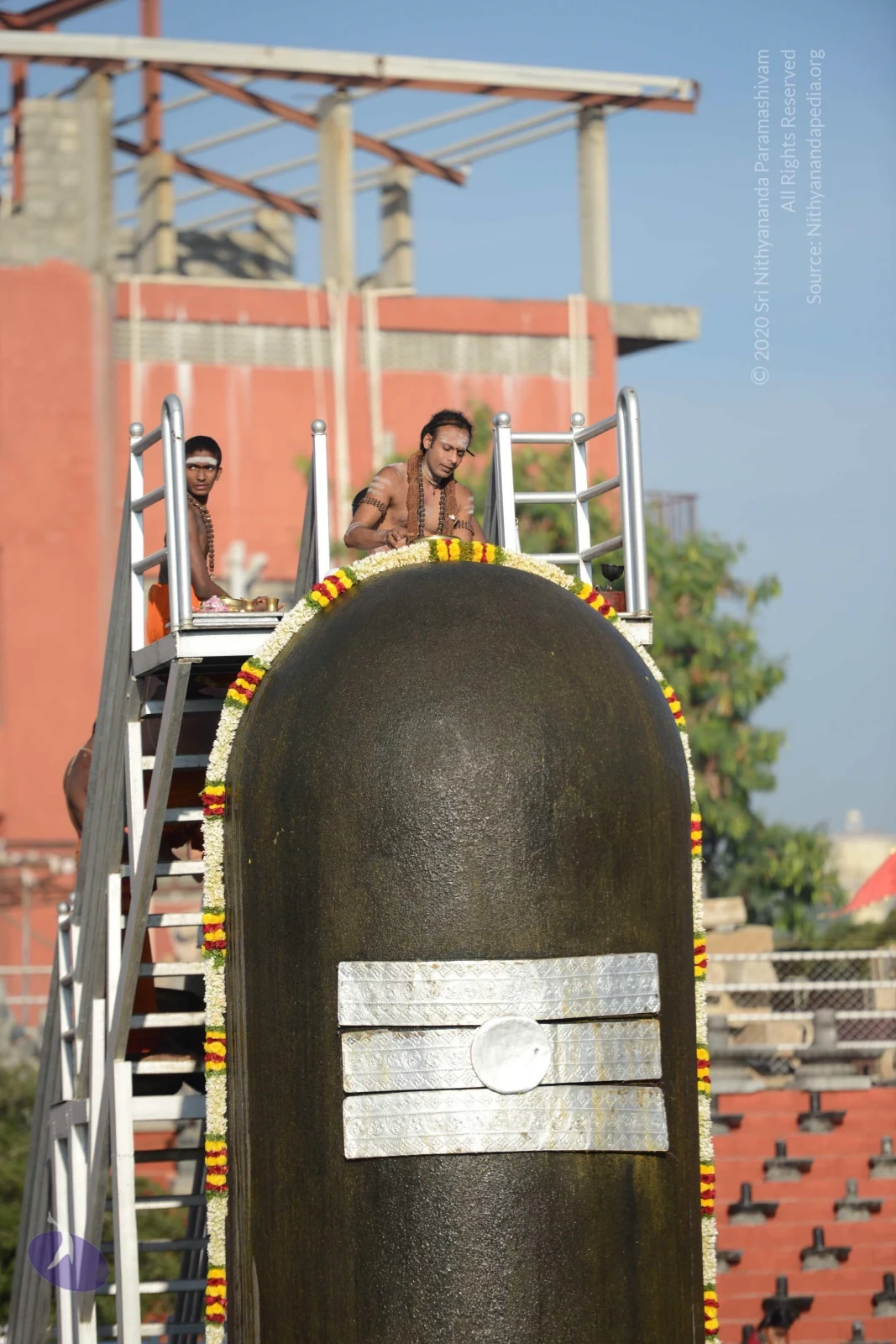
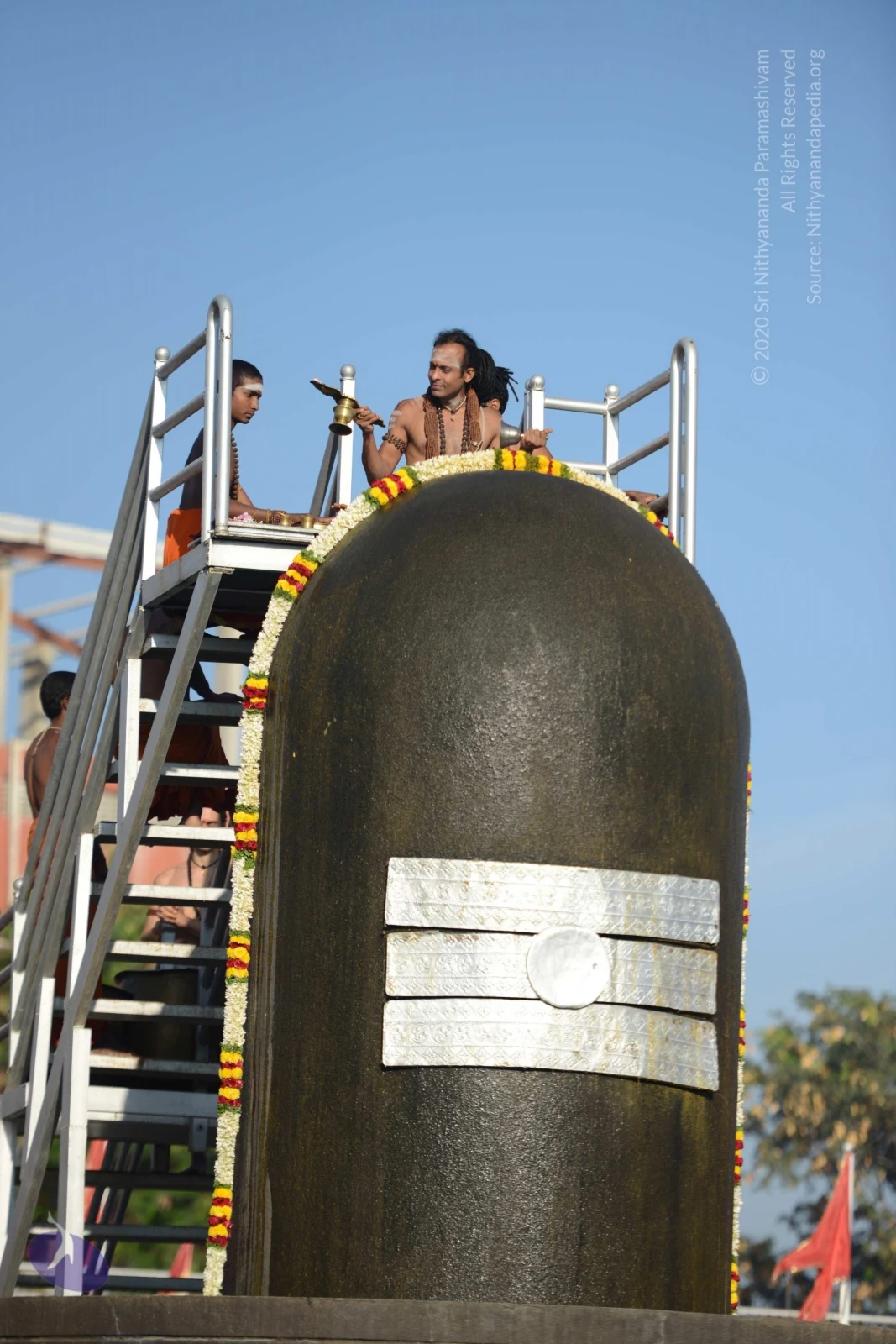
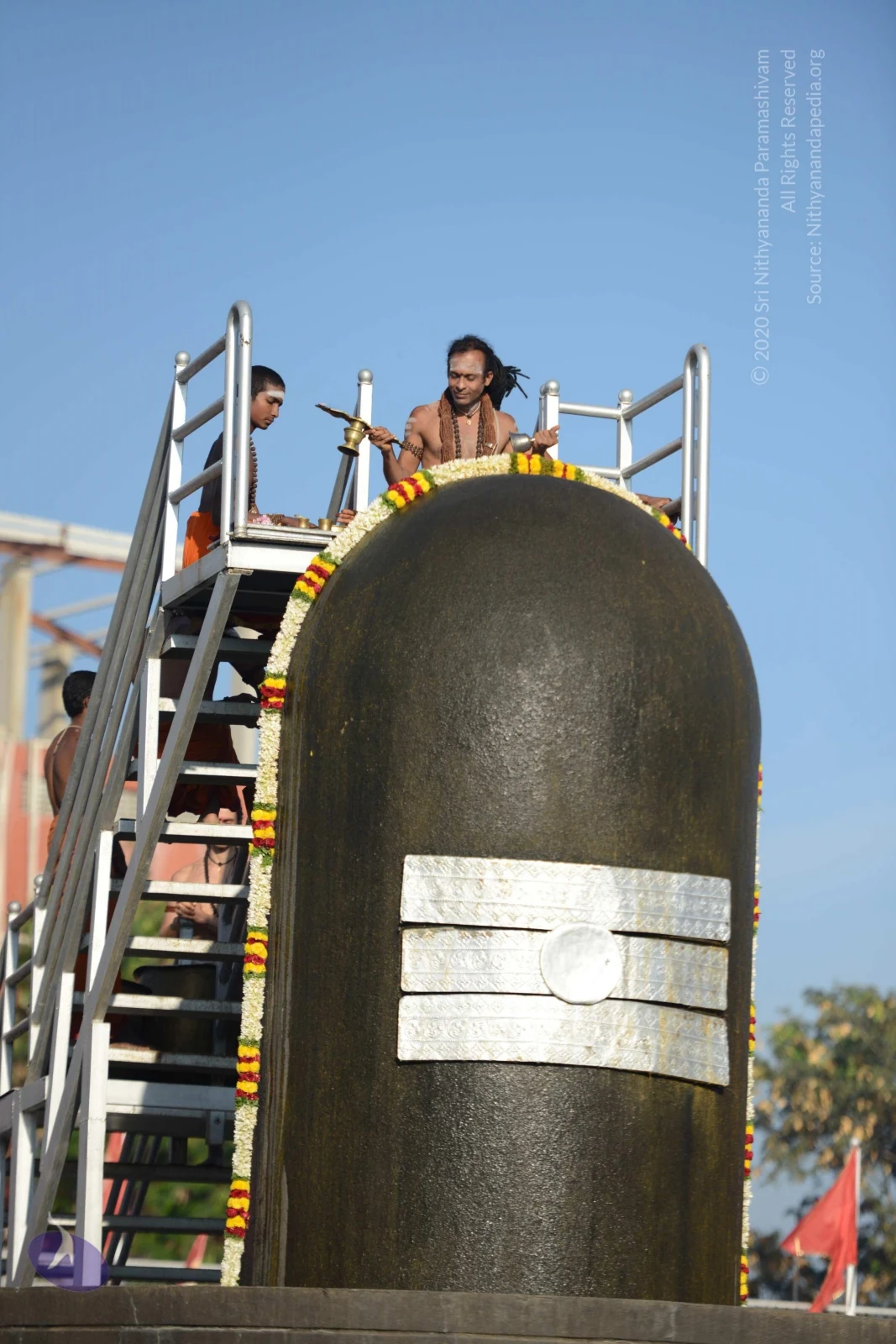
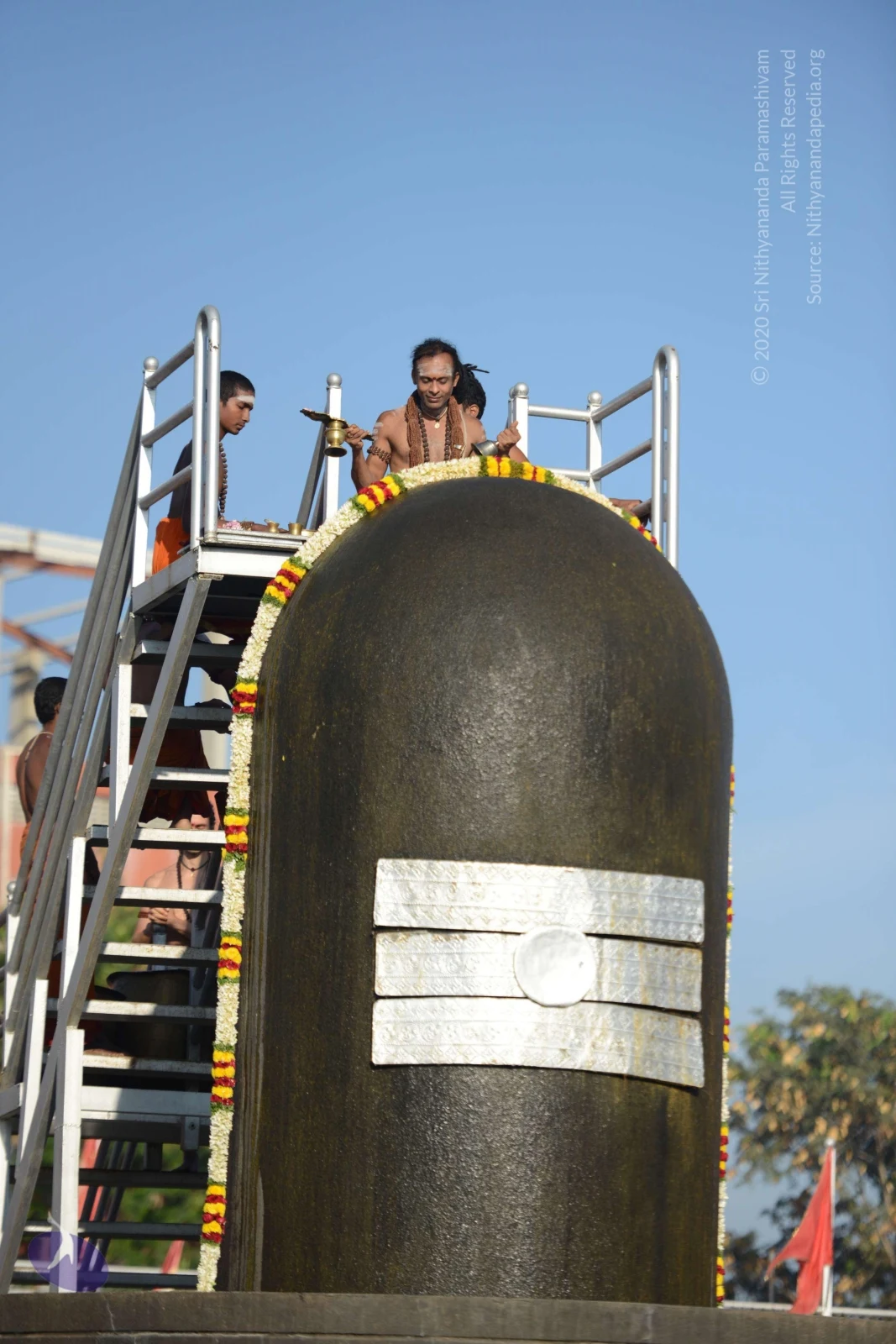
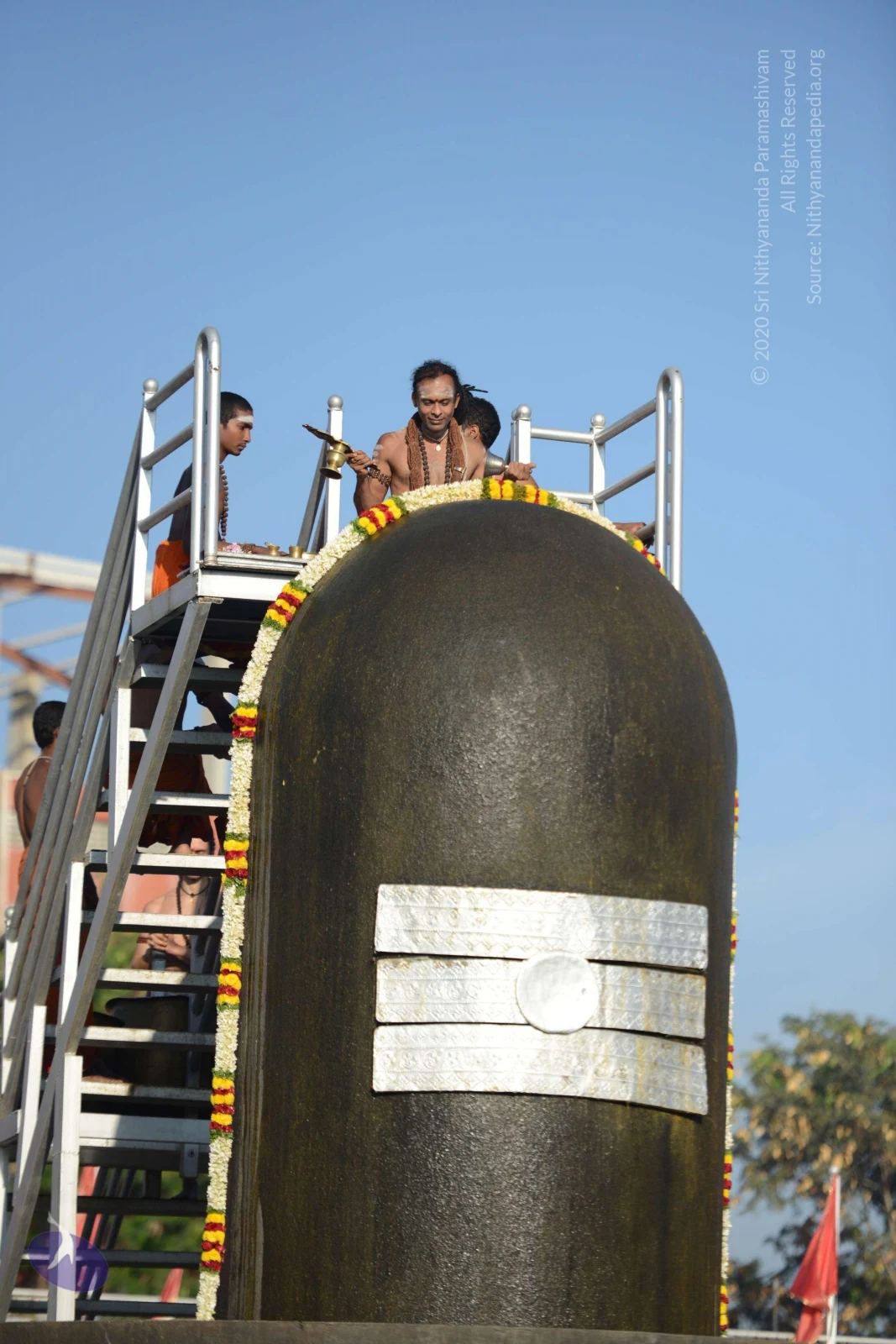
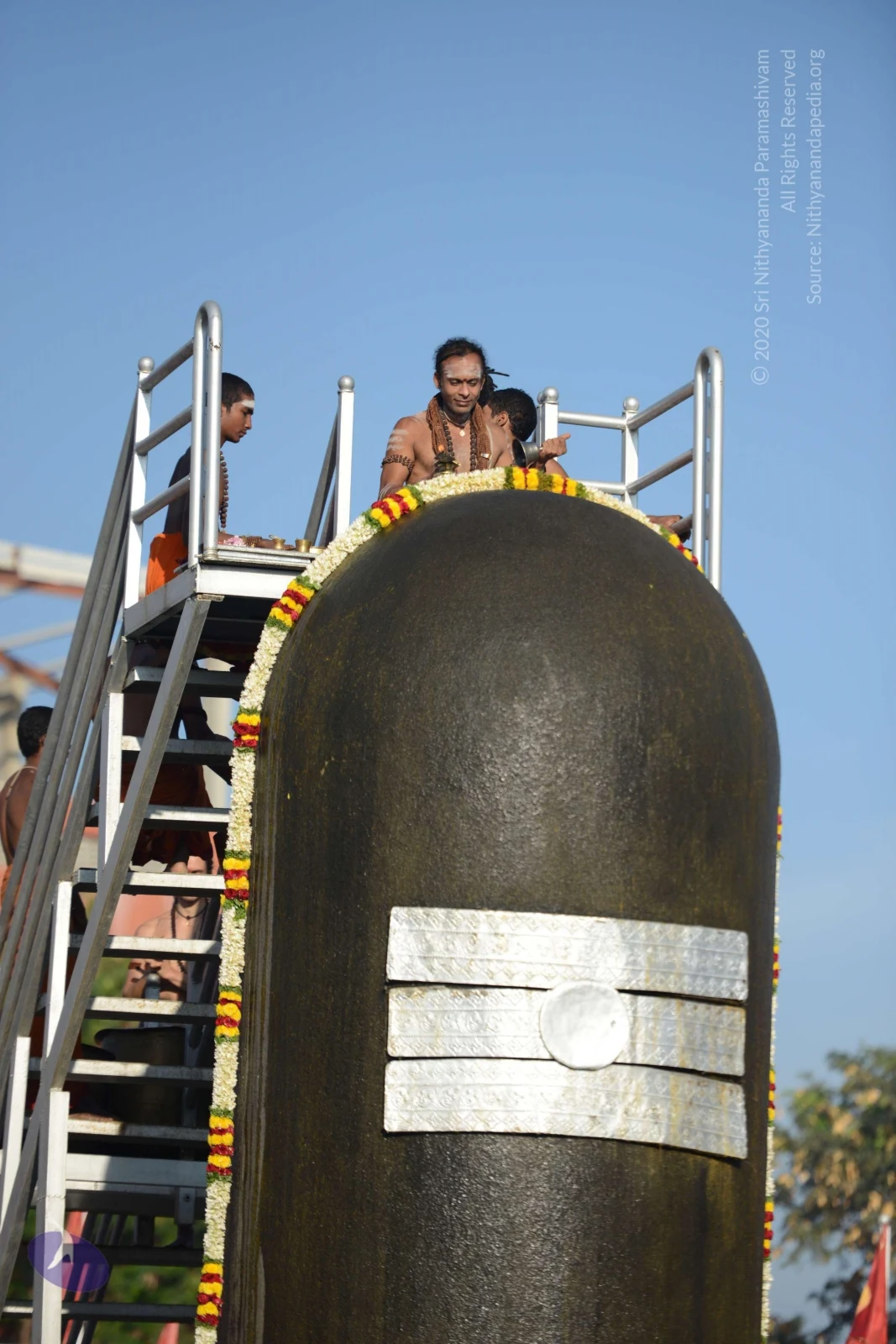
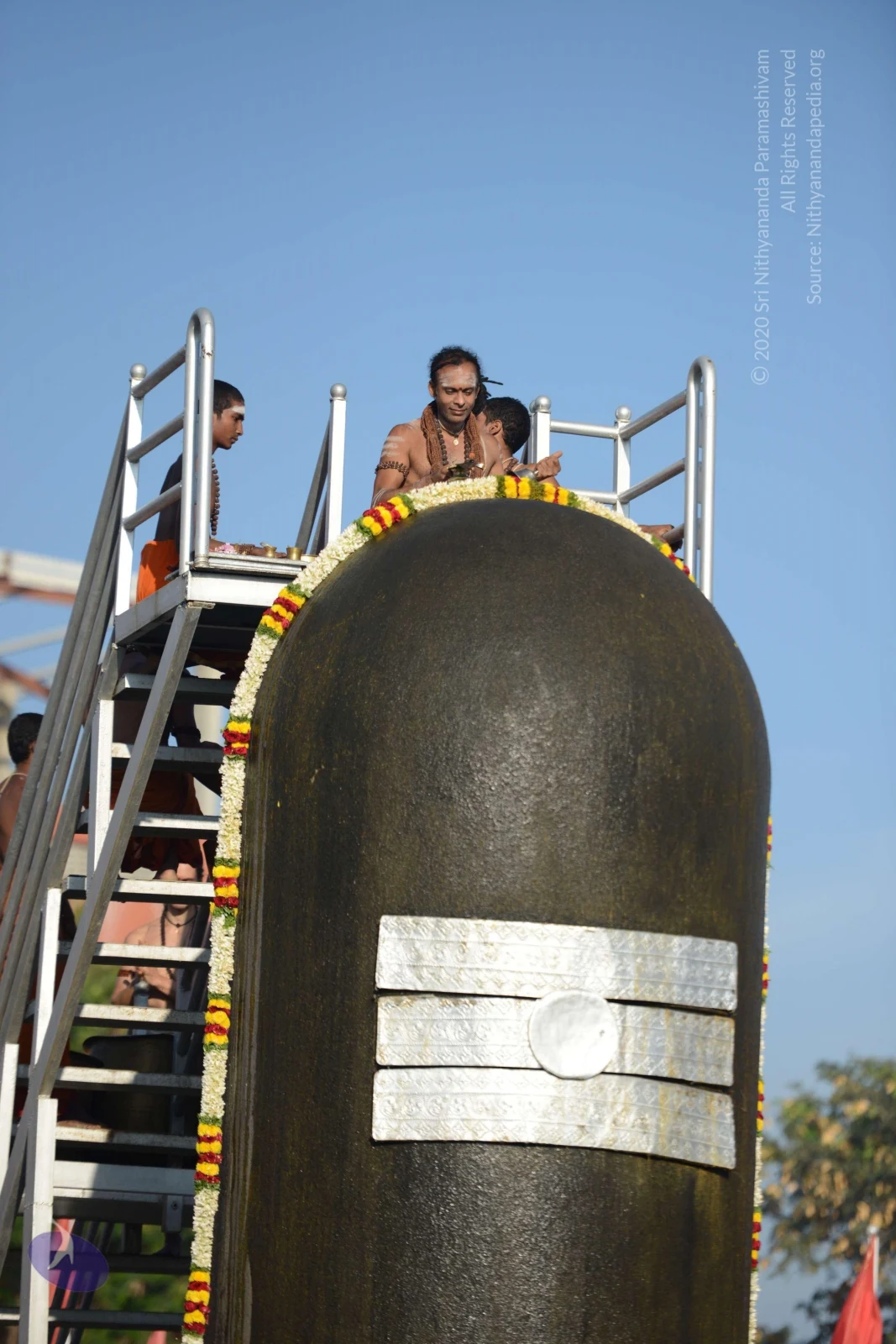
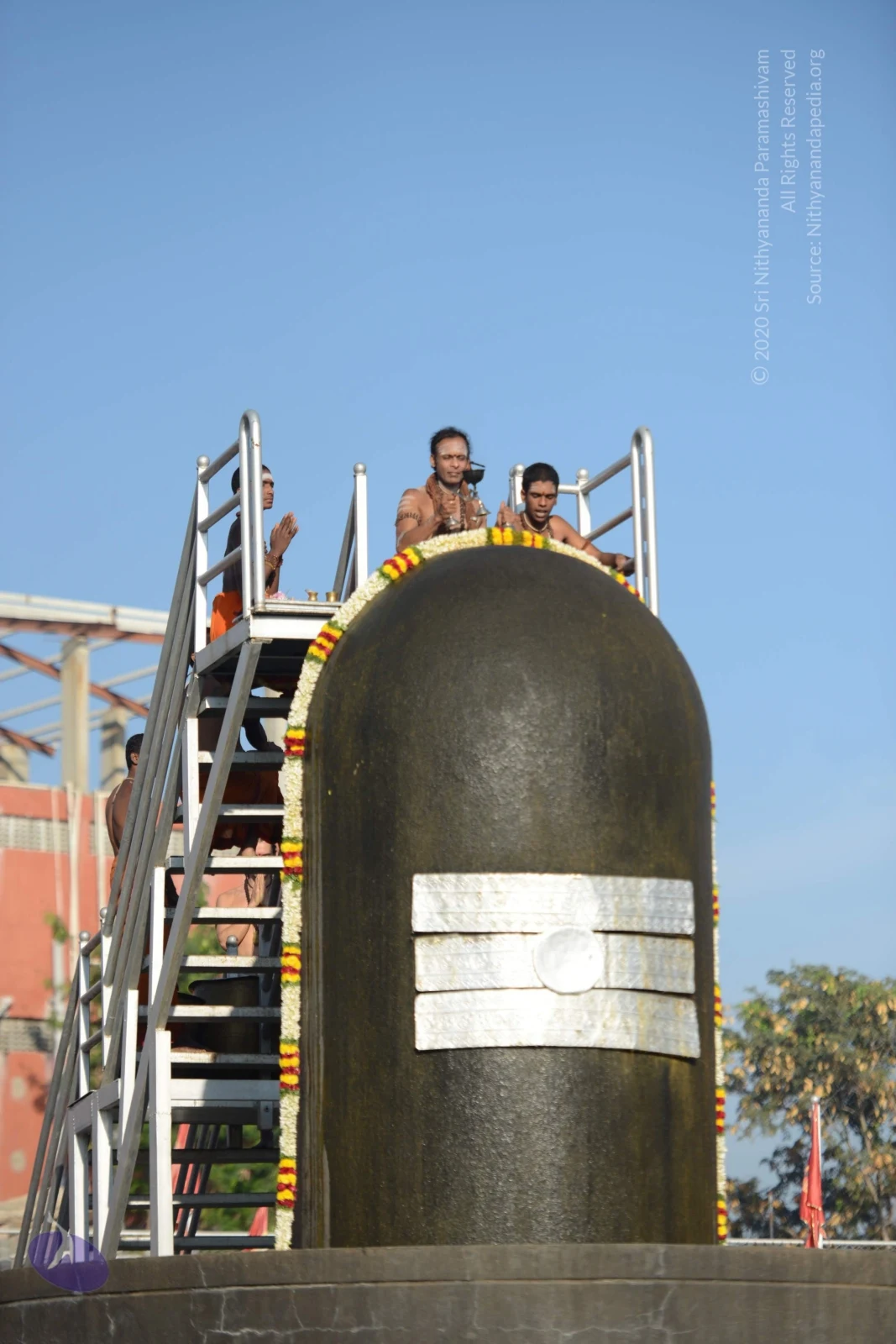
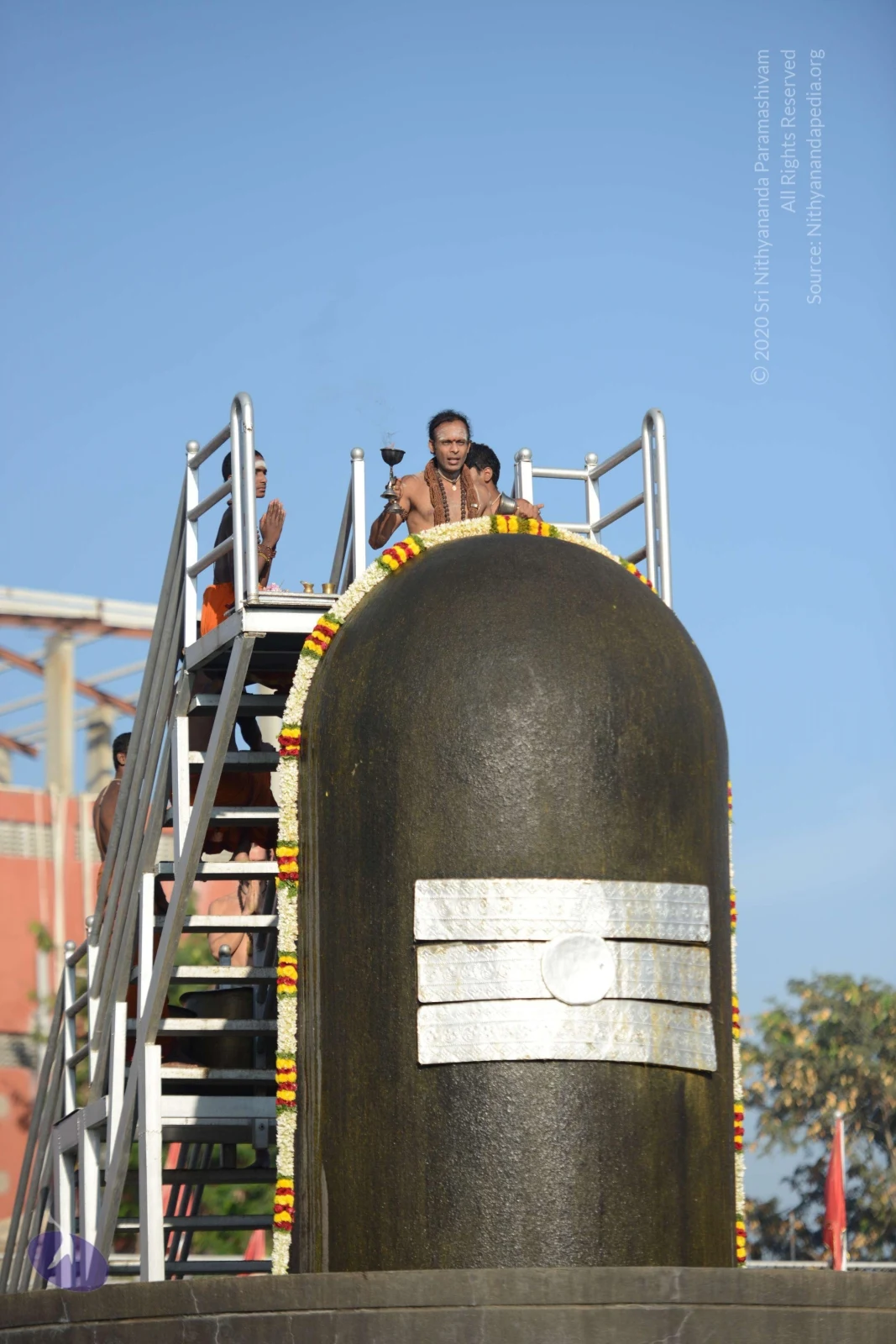
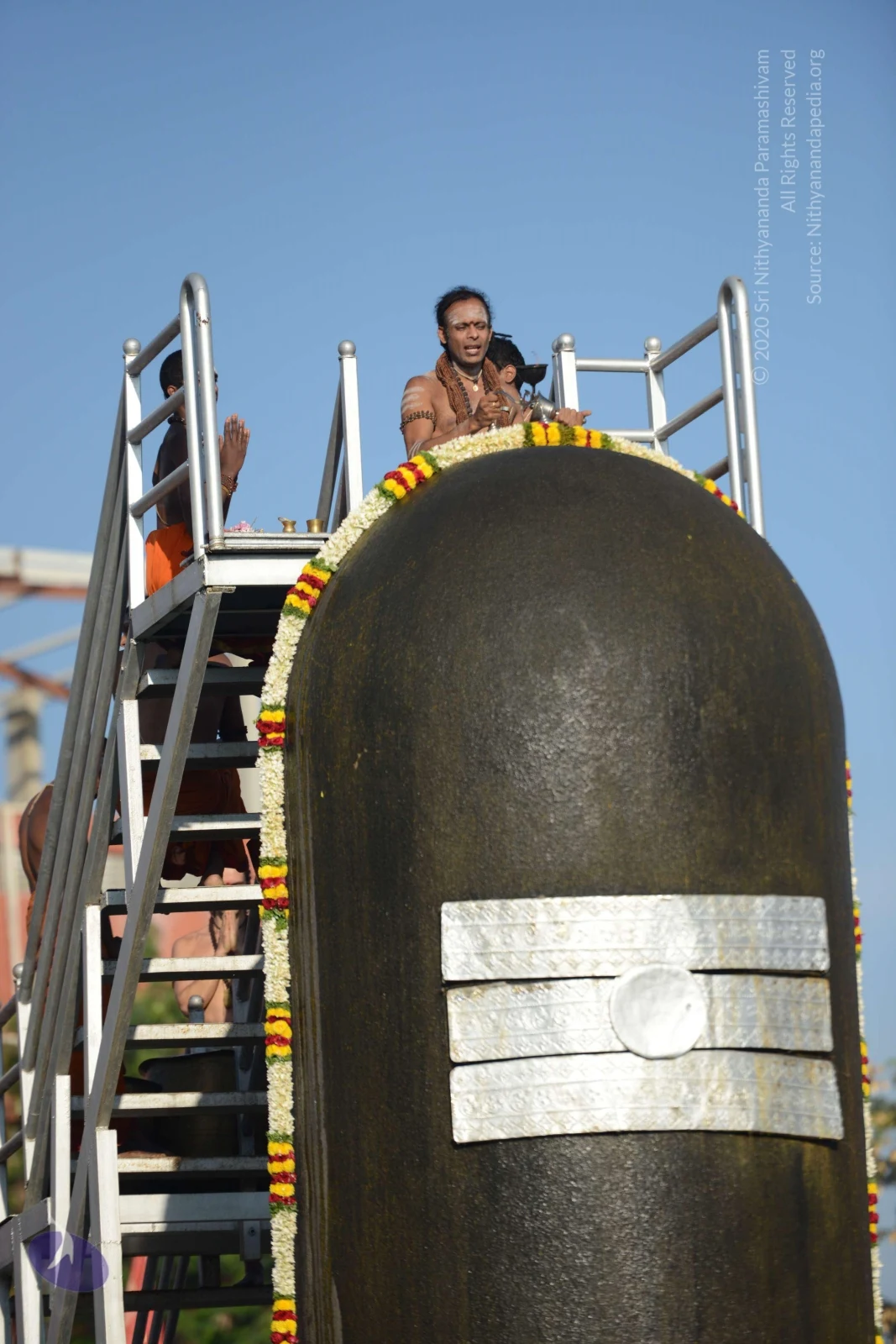
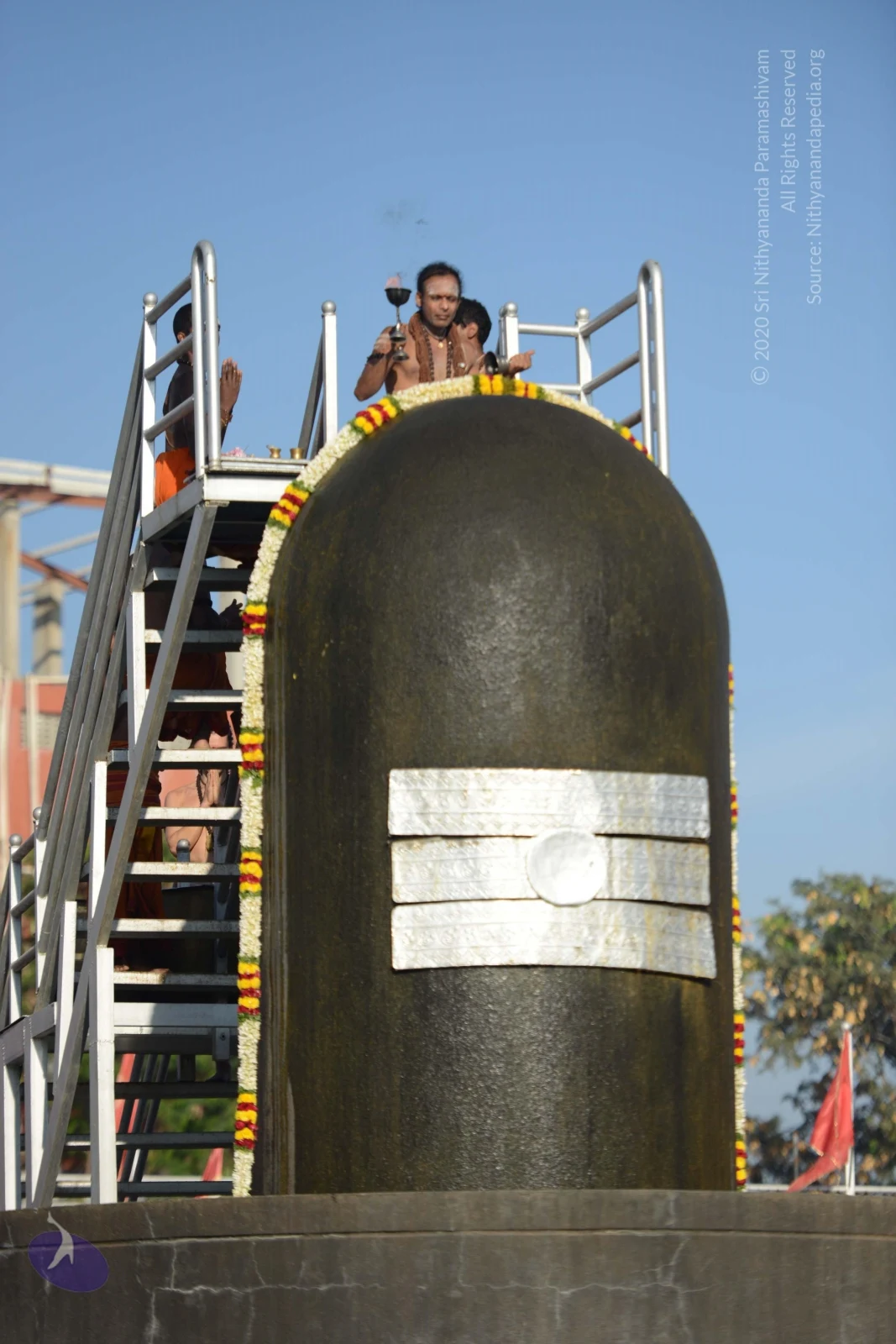
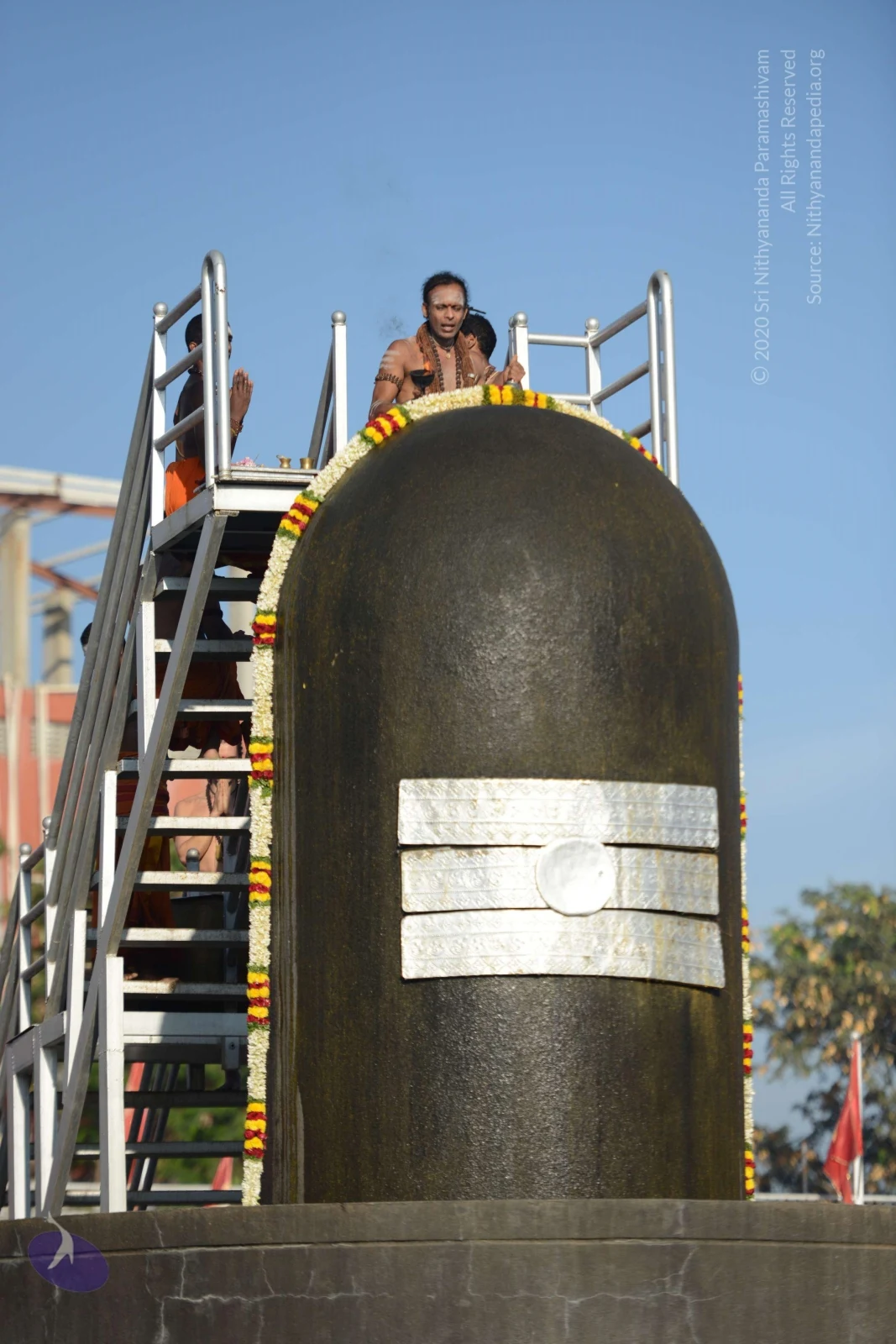
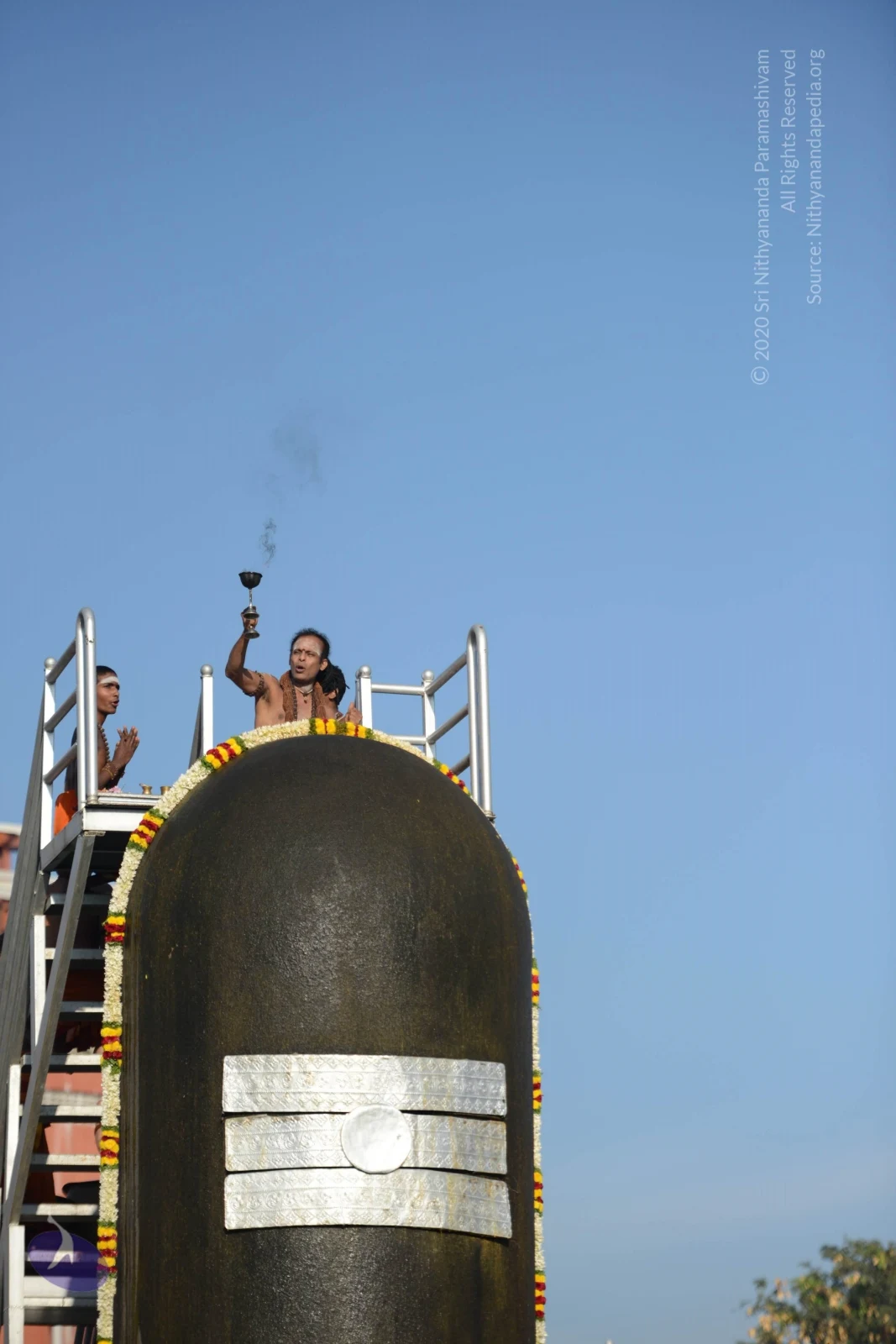
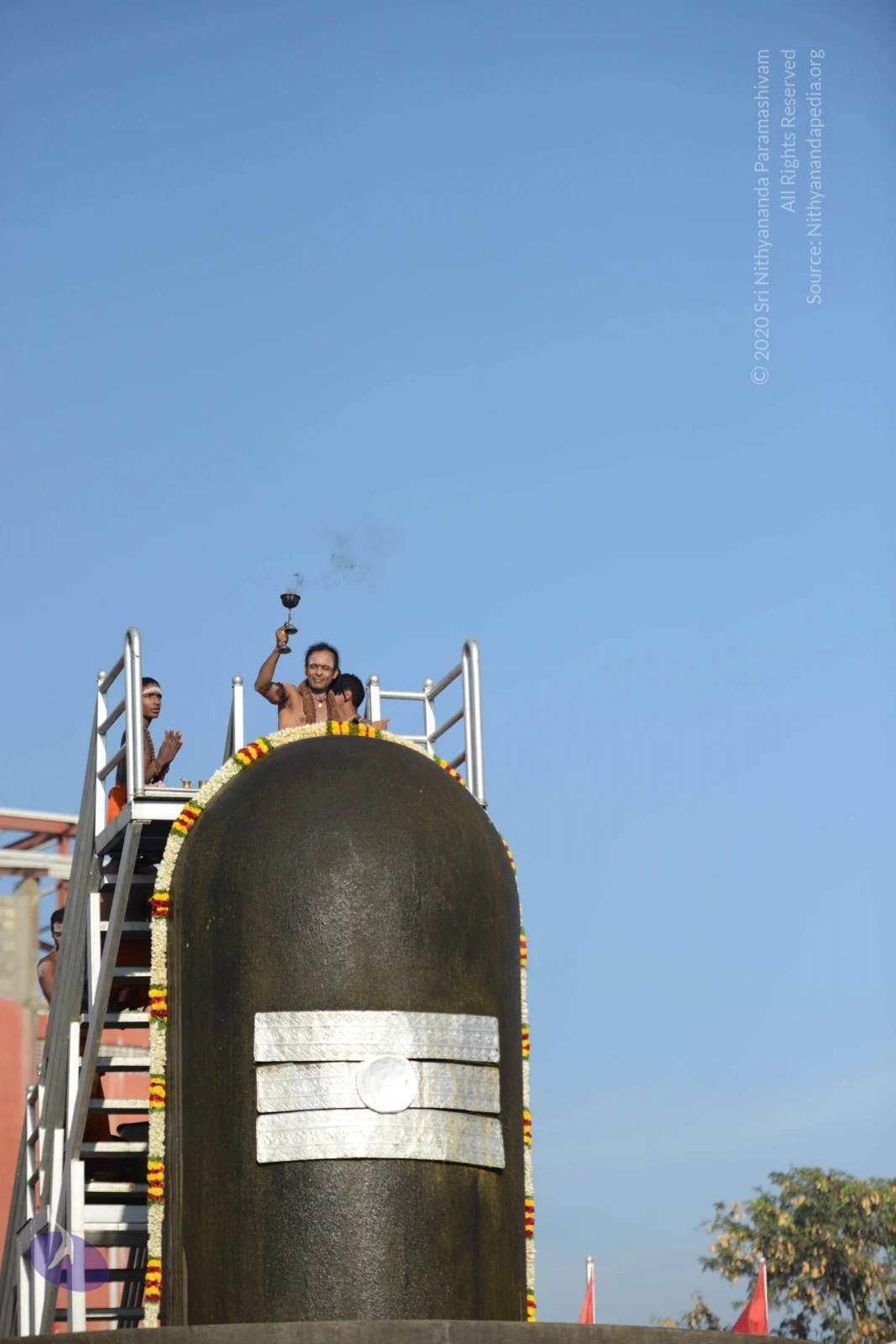
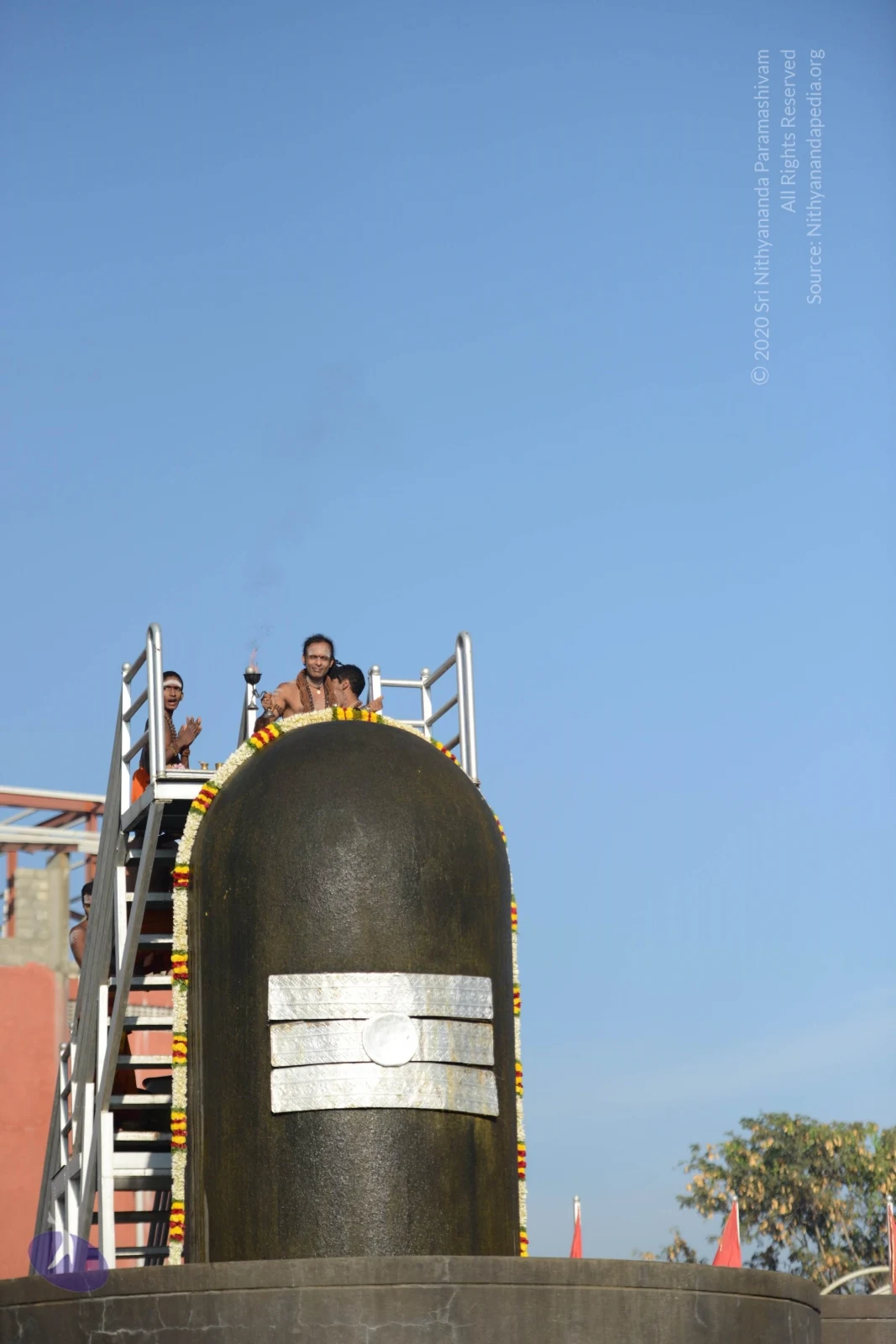
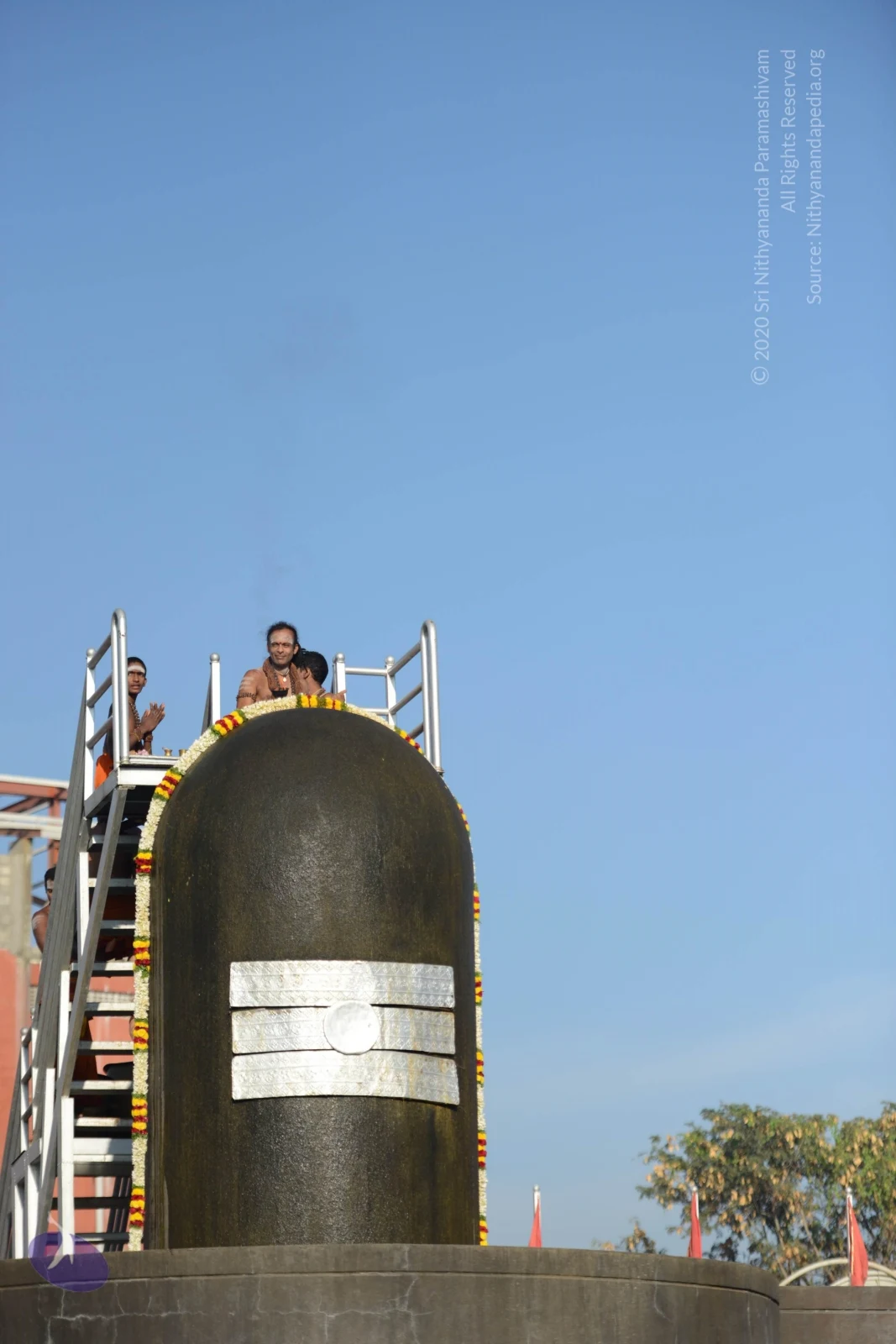
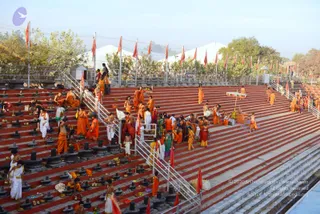
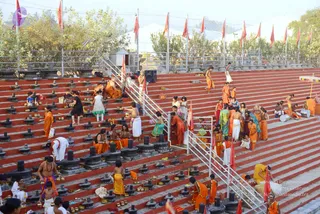
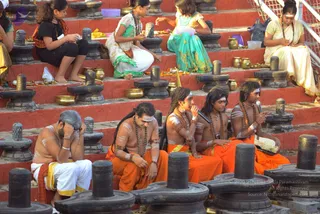
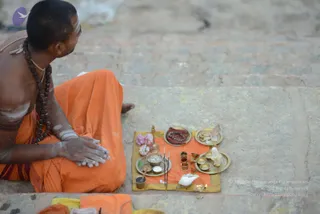
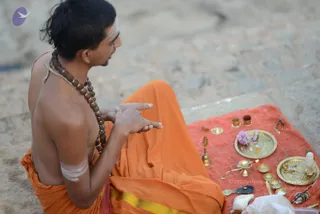
Vaidya Sarovar Shiva Linga Abhishekam


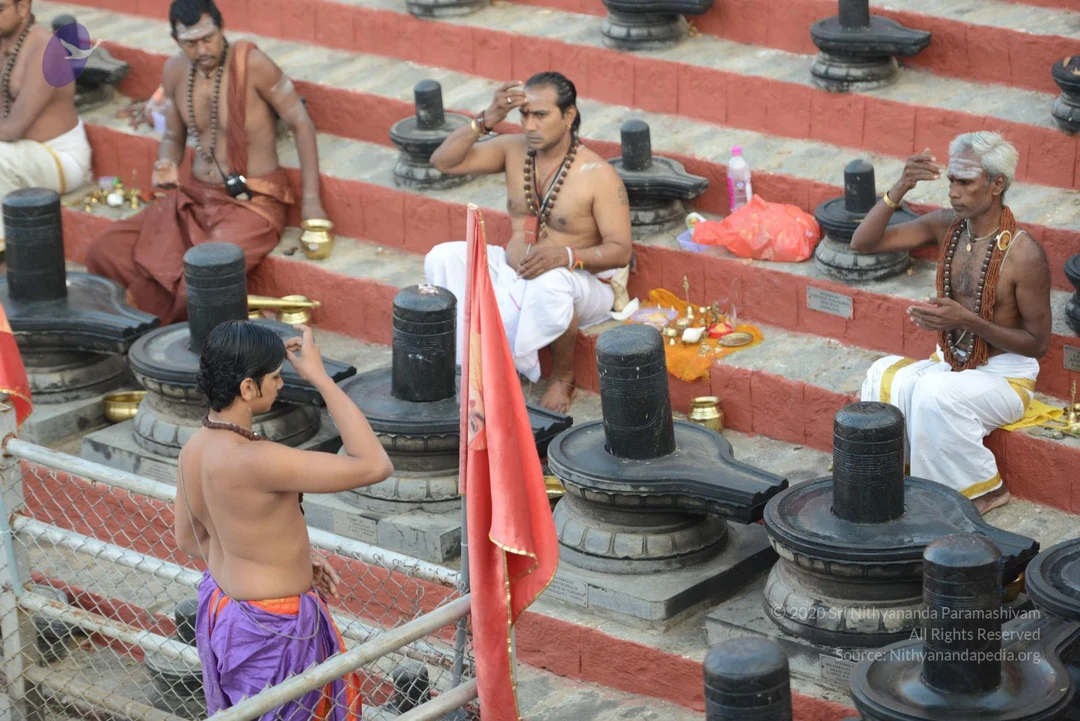
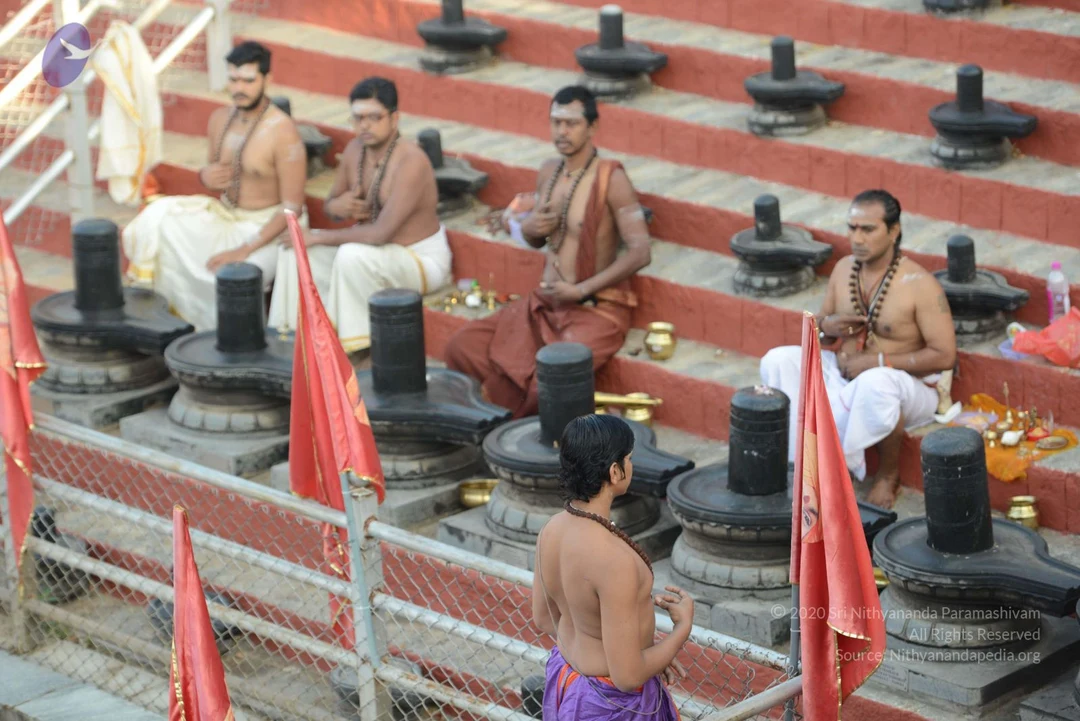
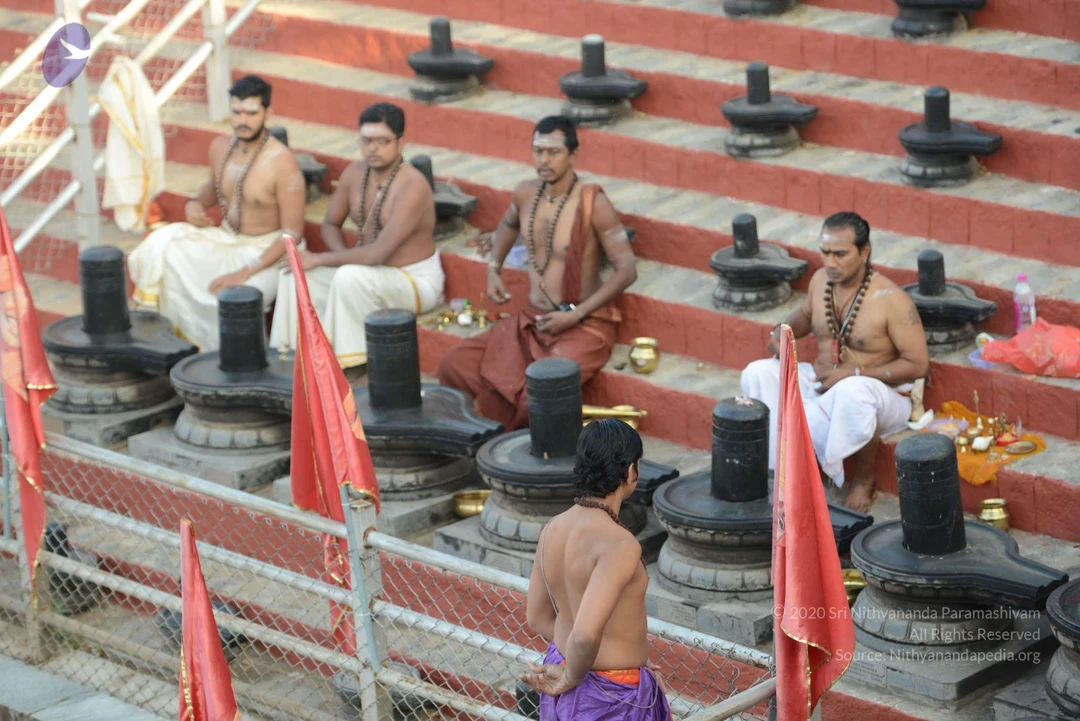
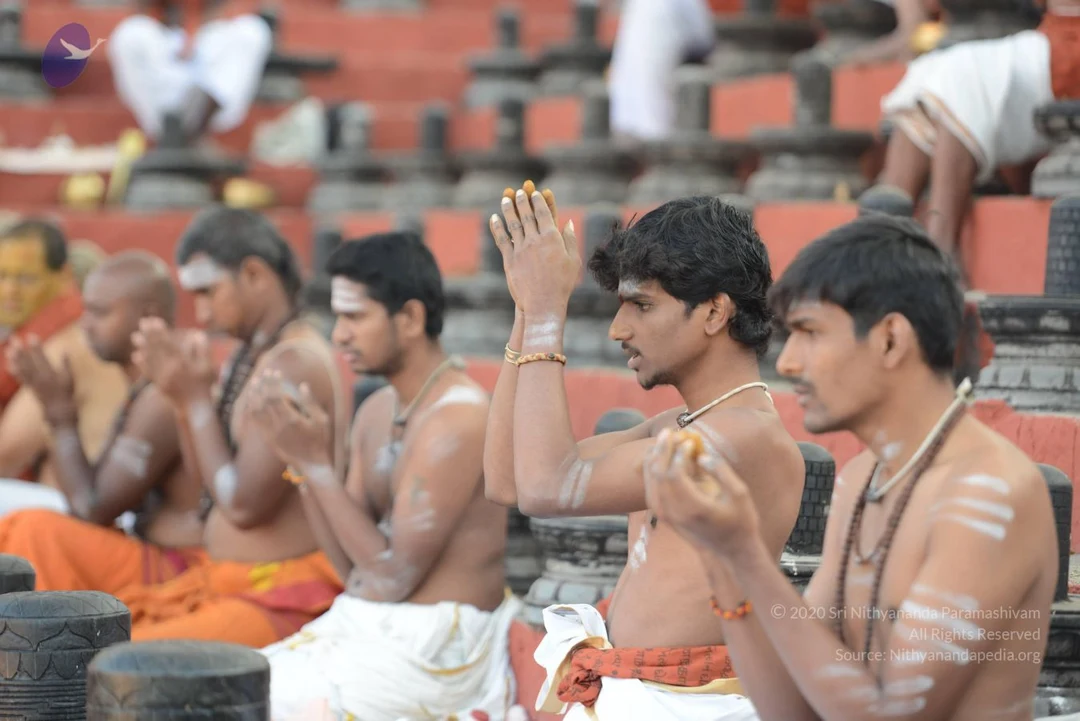
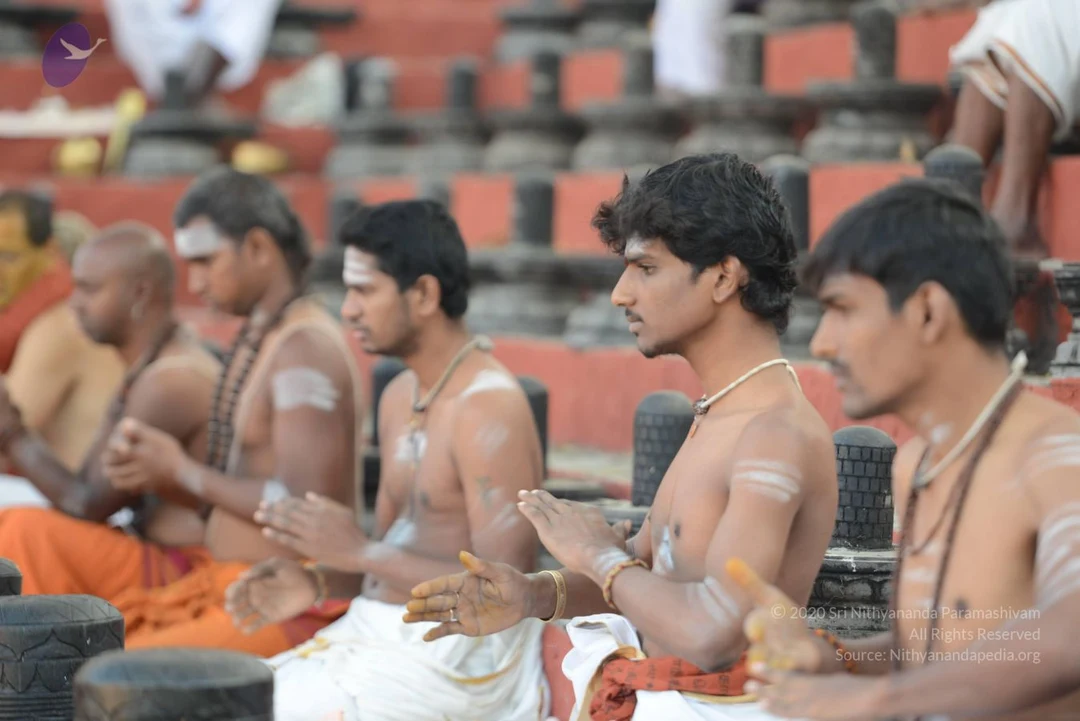
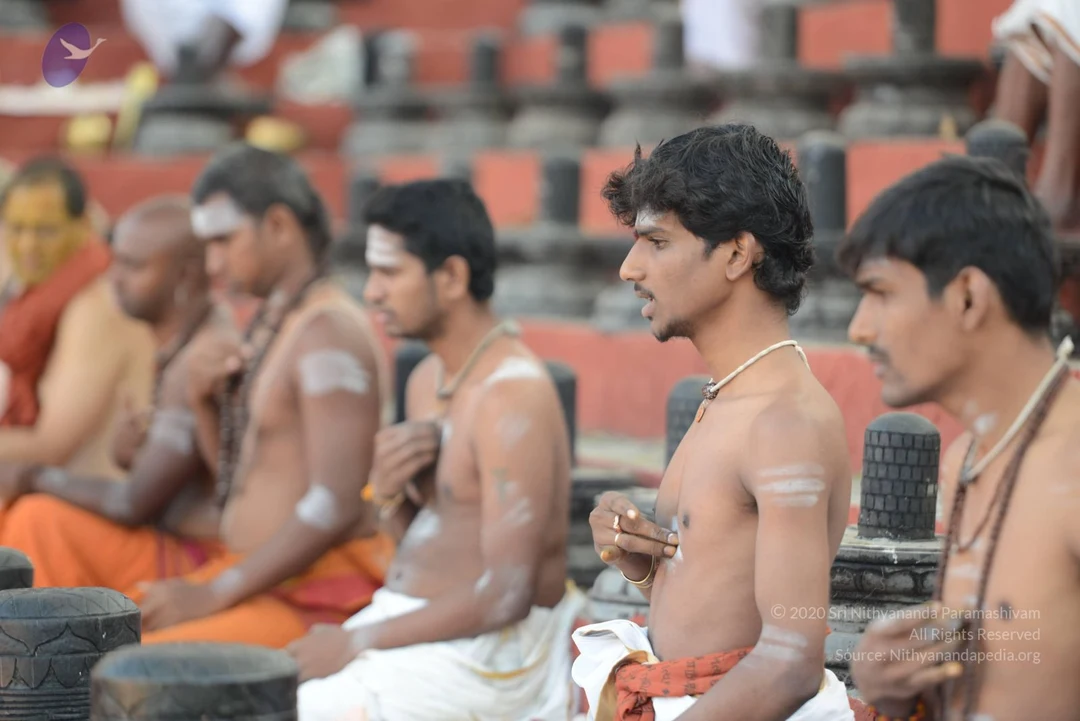
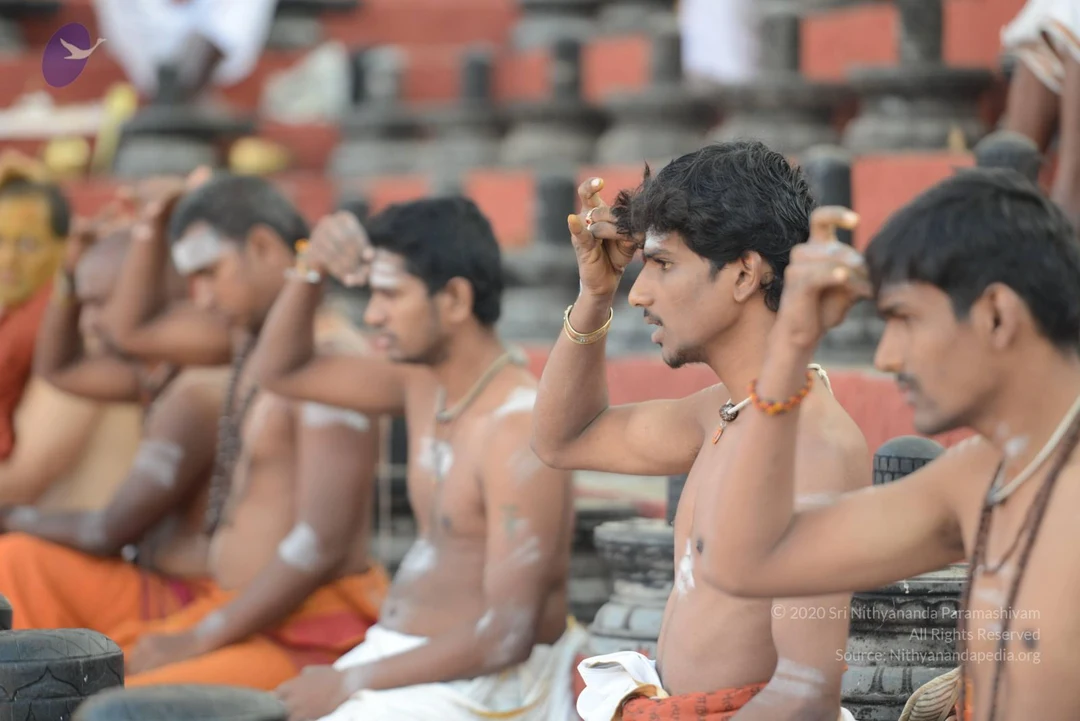
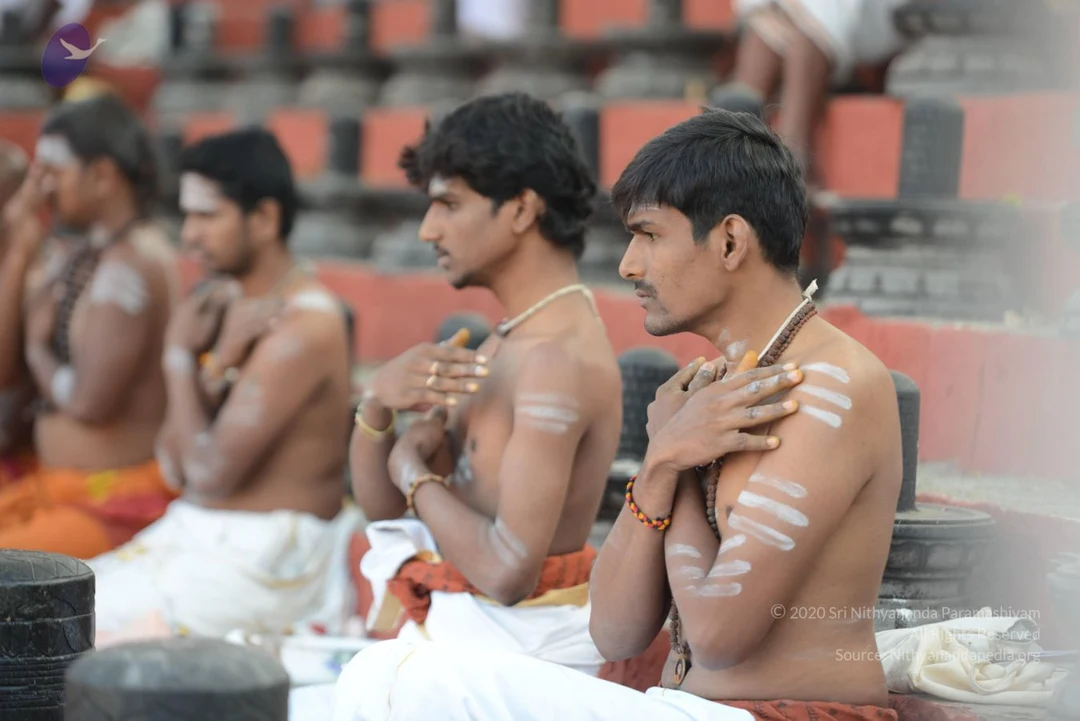
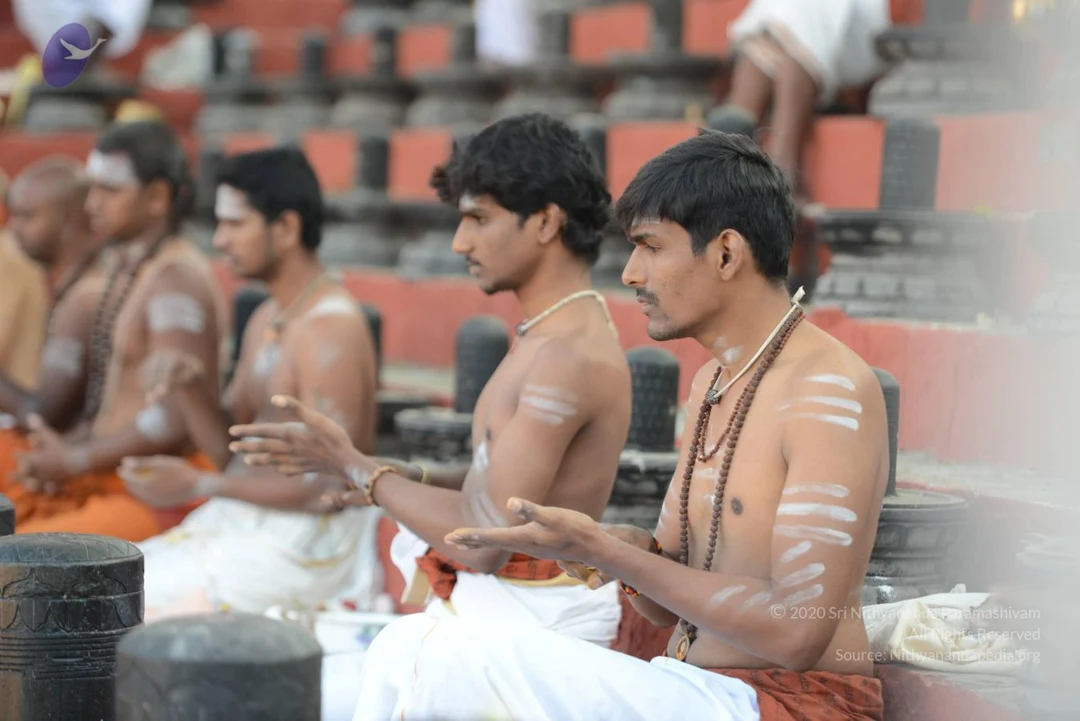
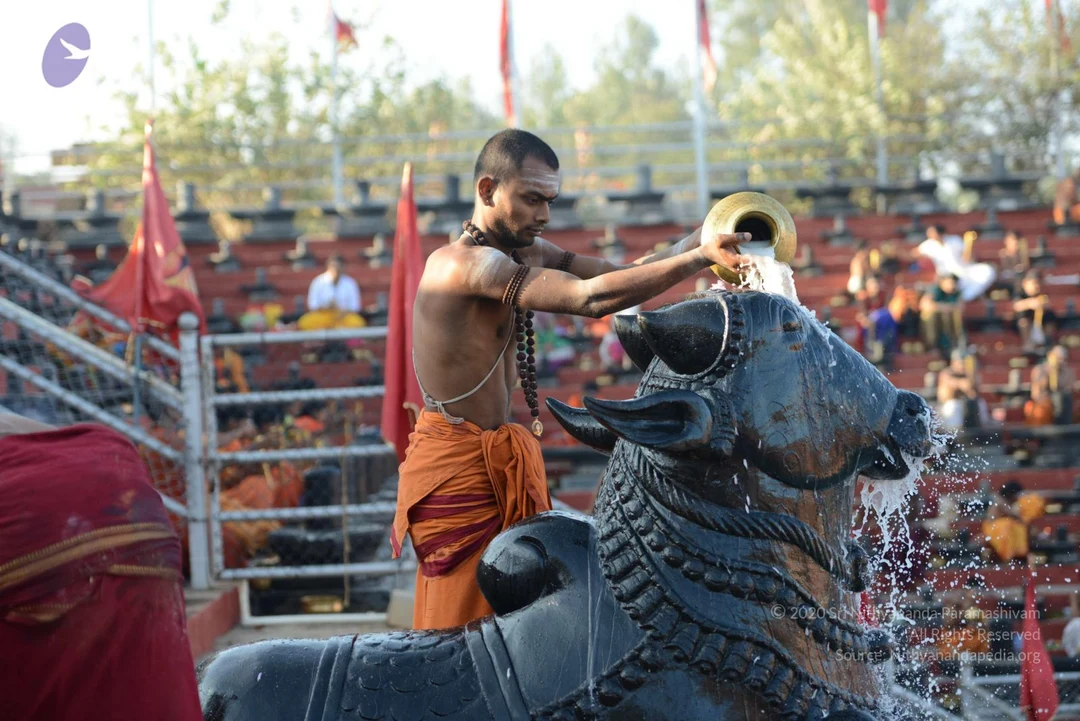
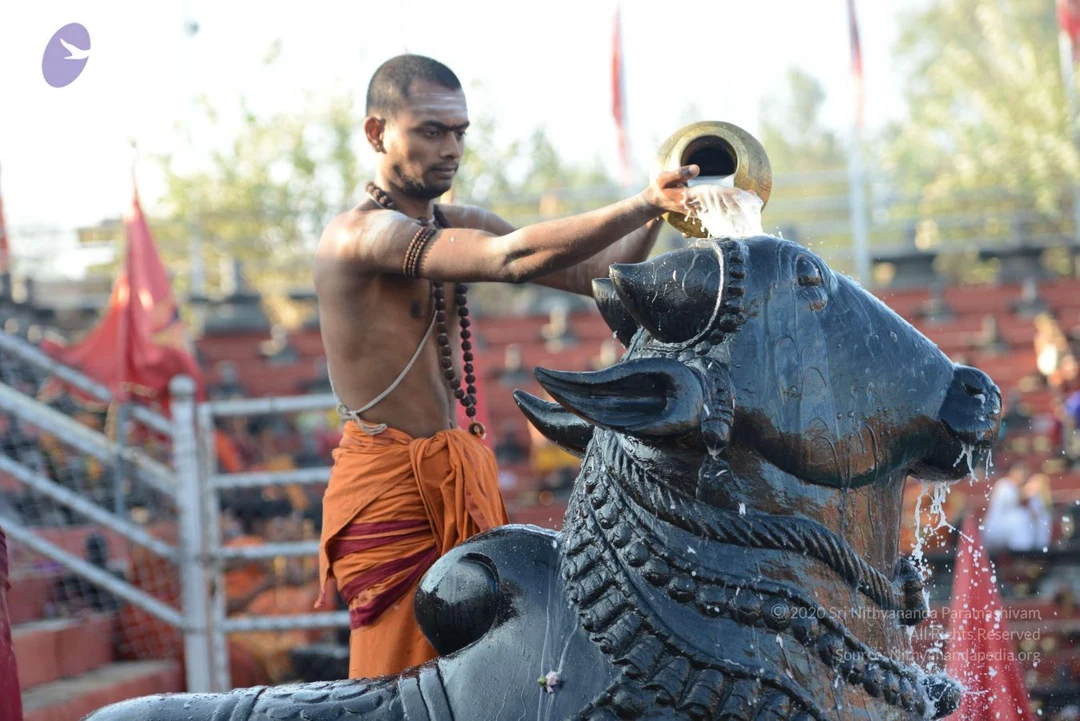
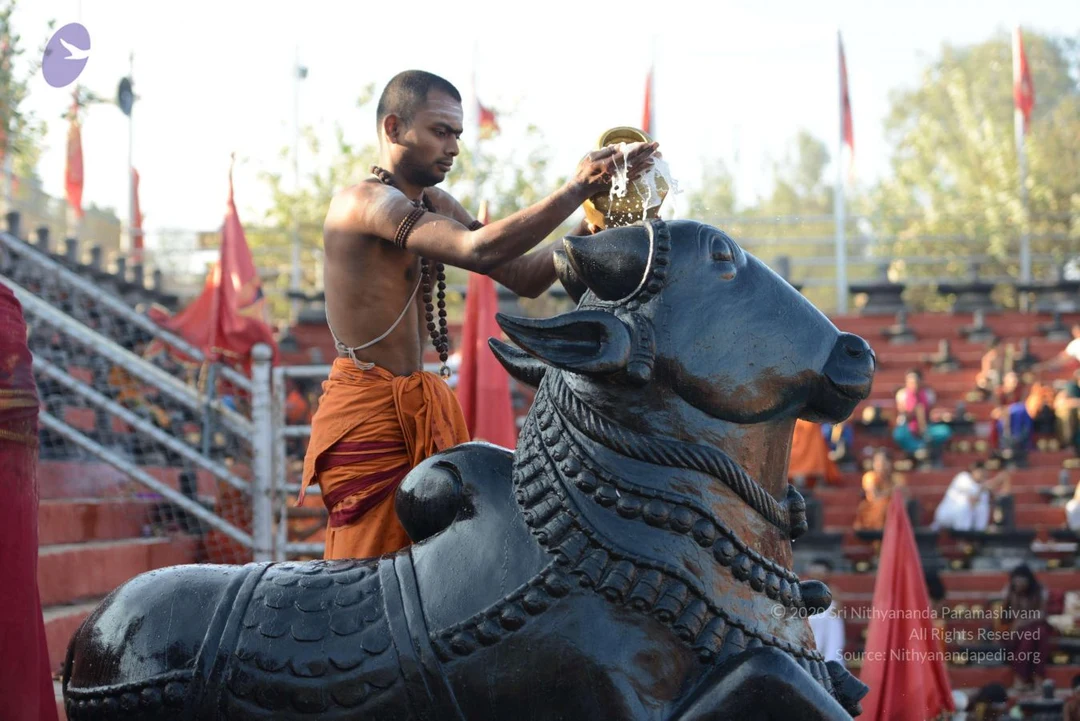



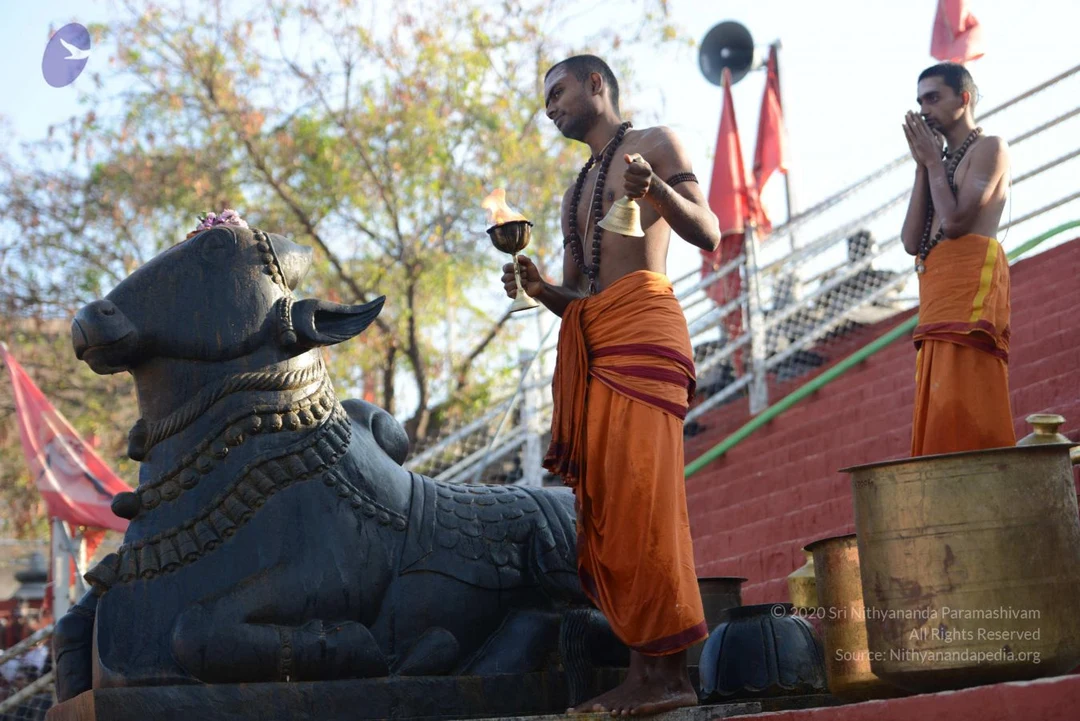

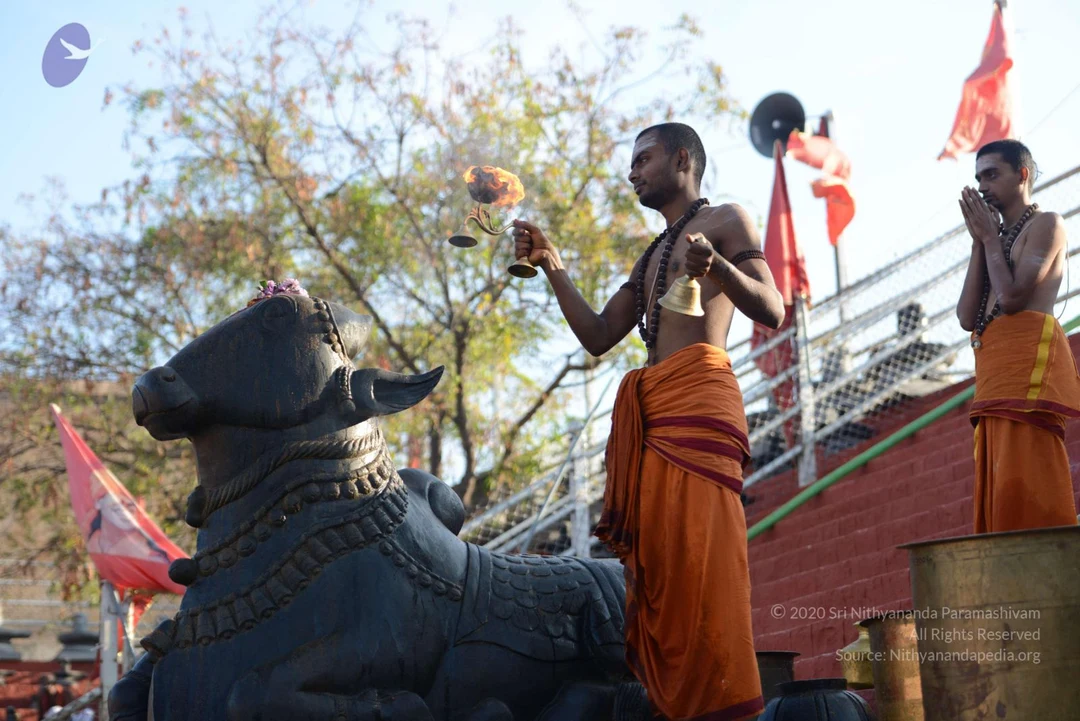
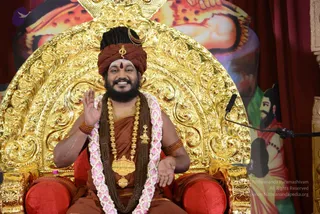
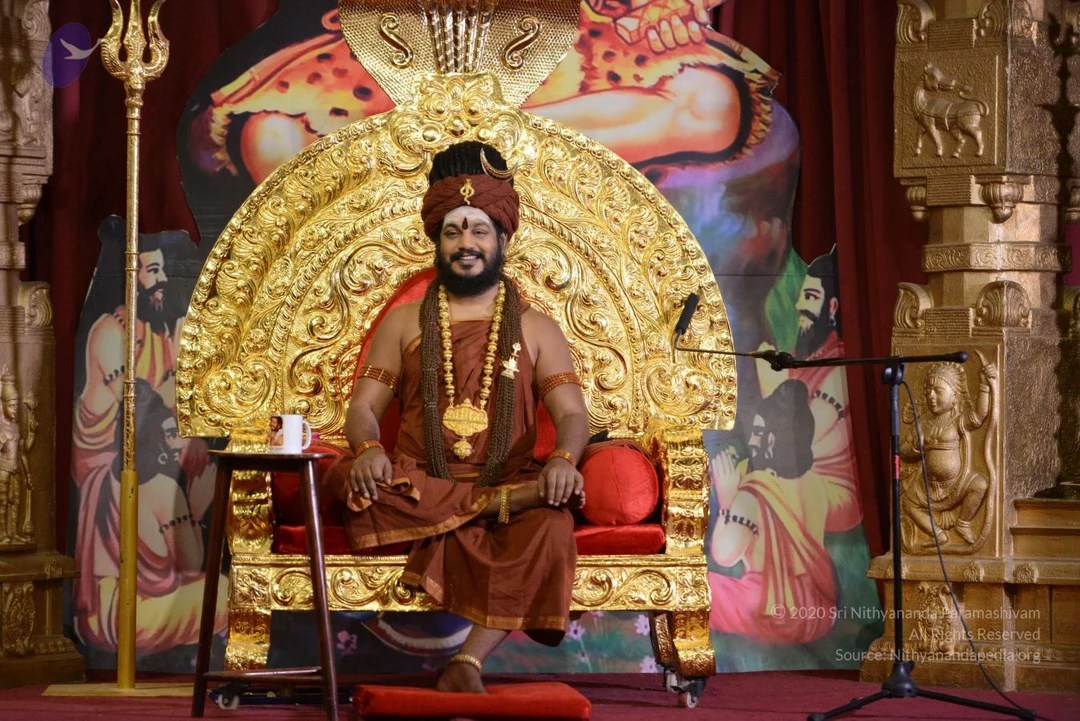
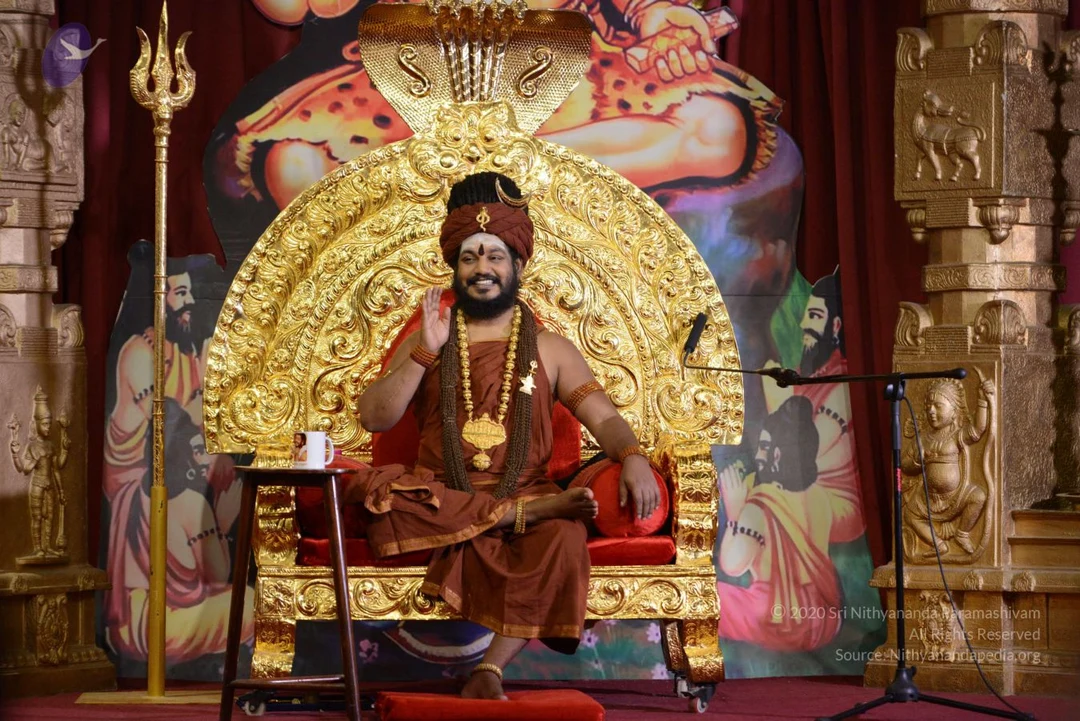
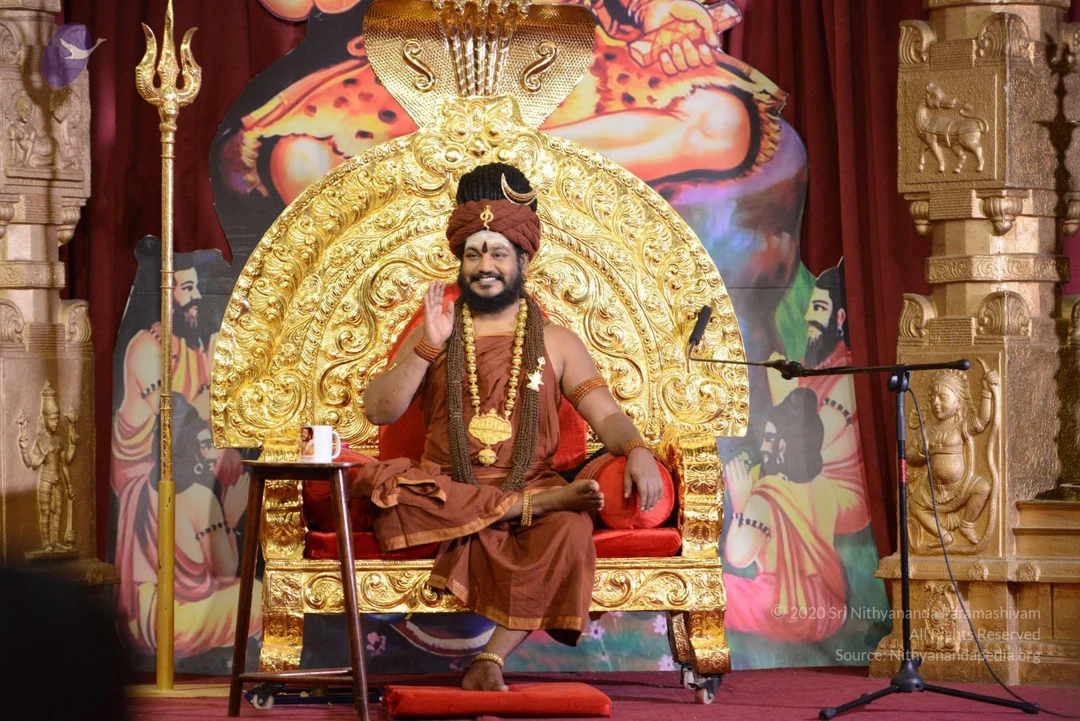
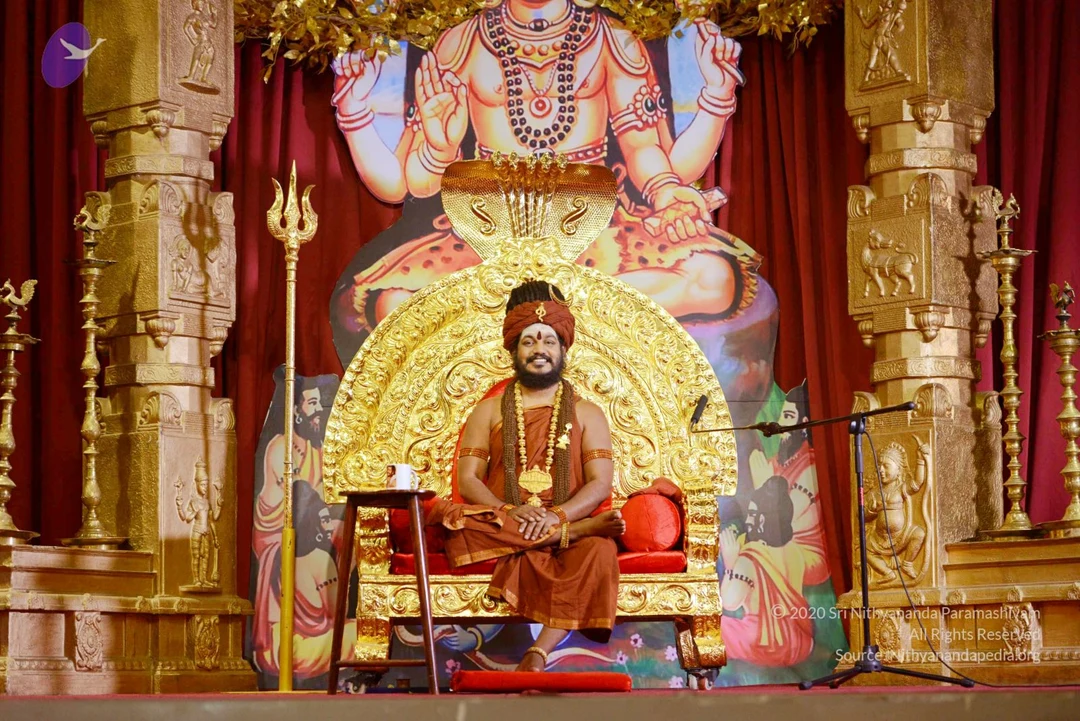
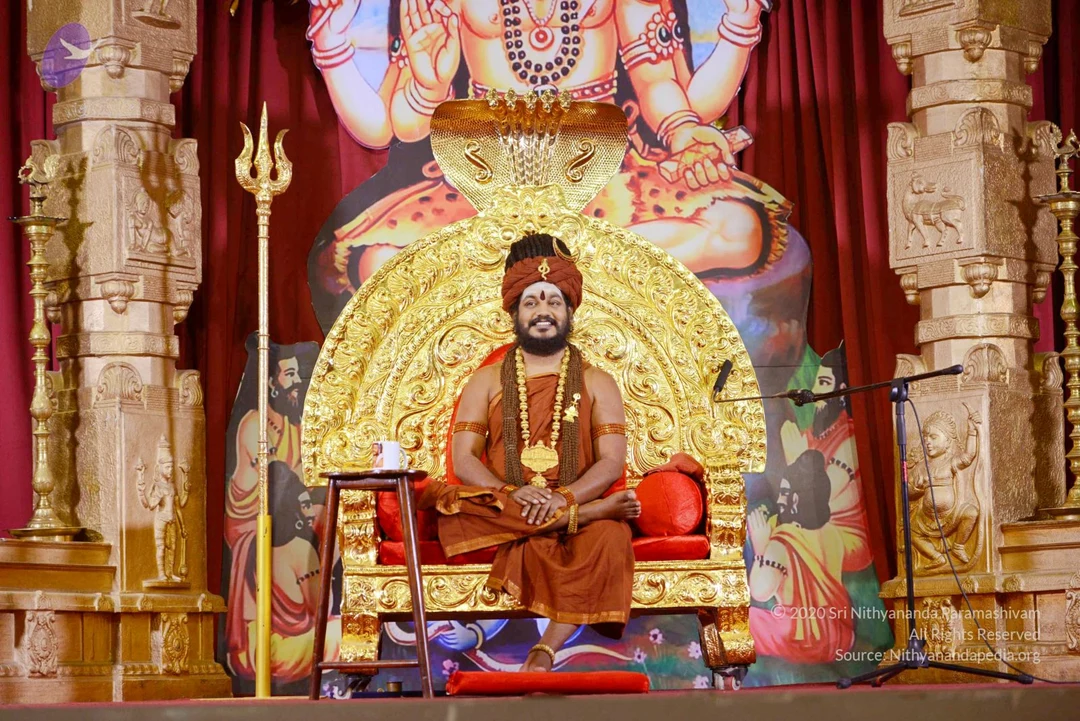
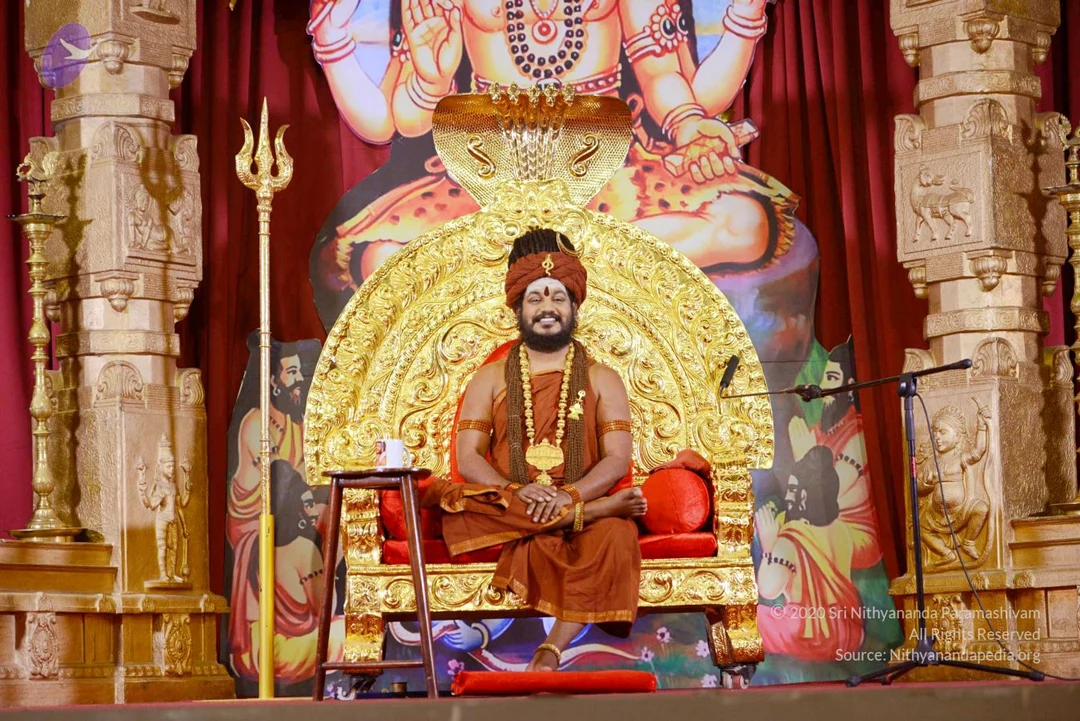
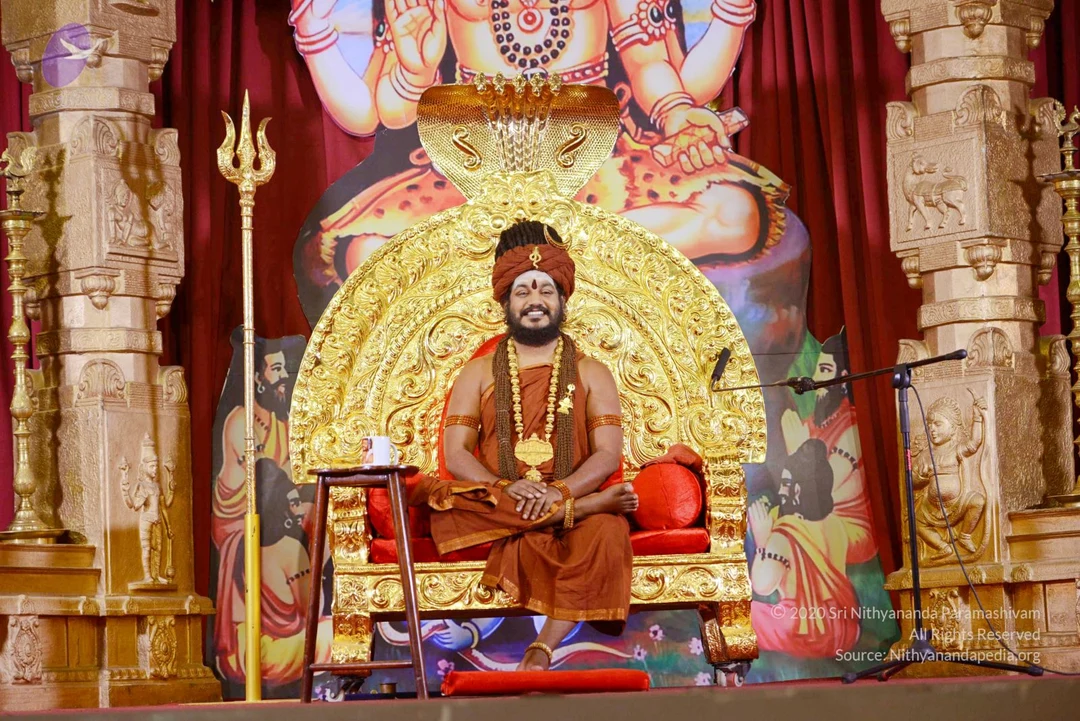
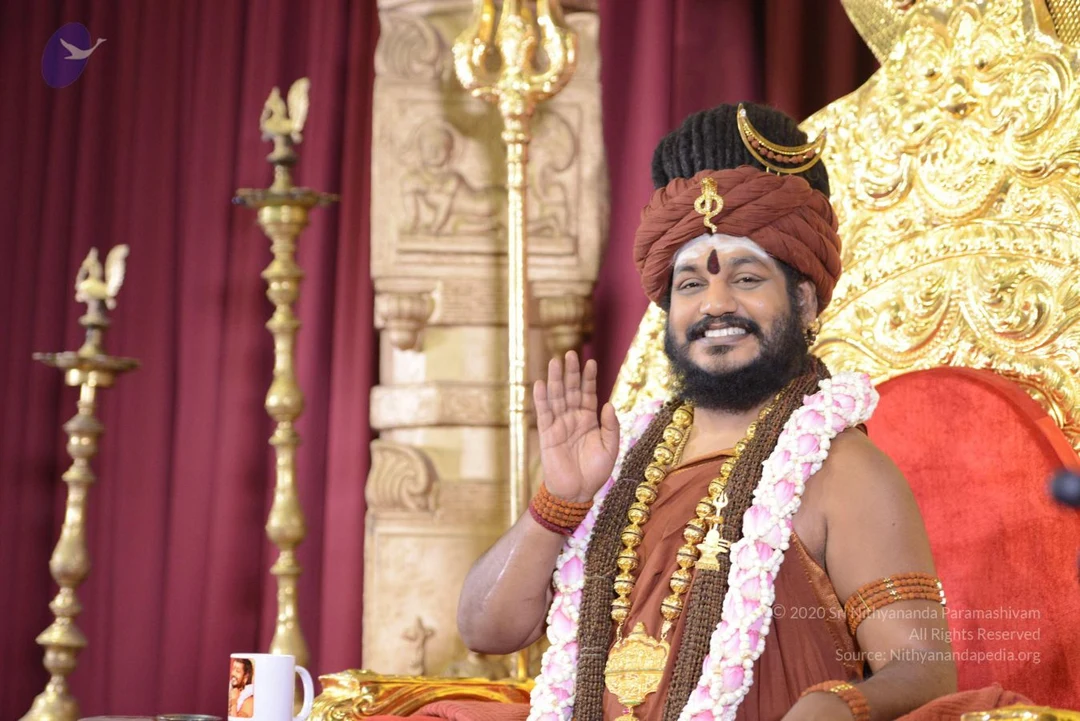
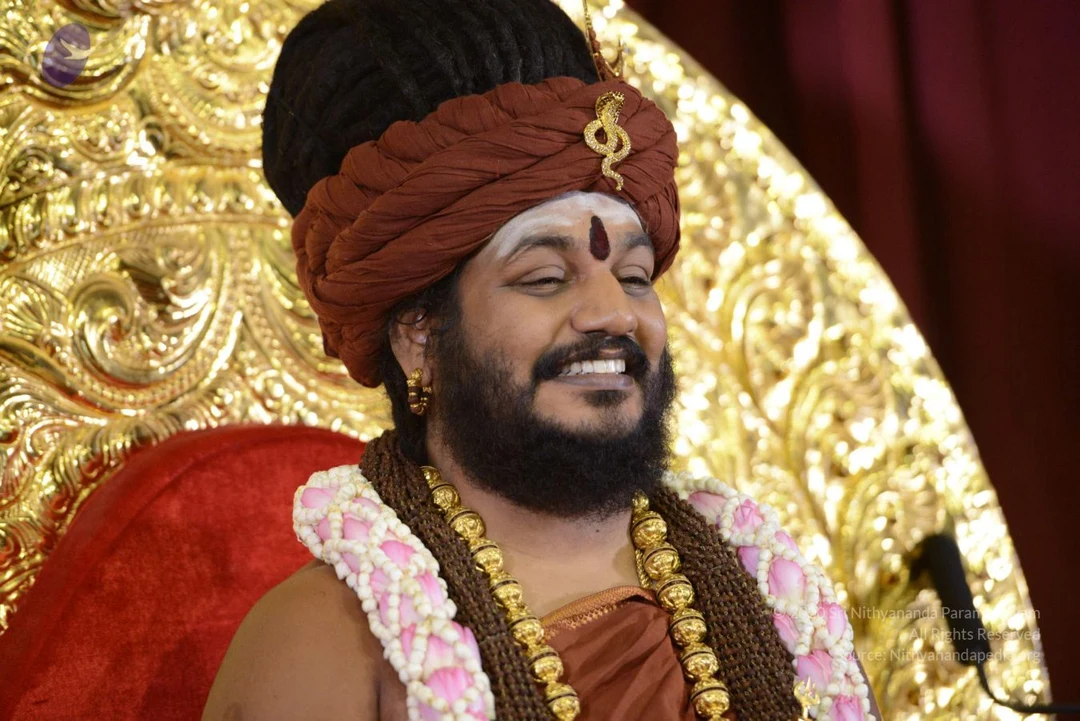
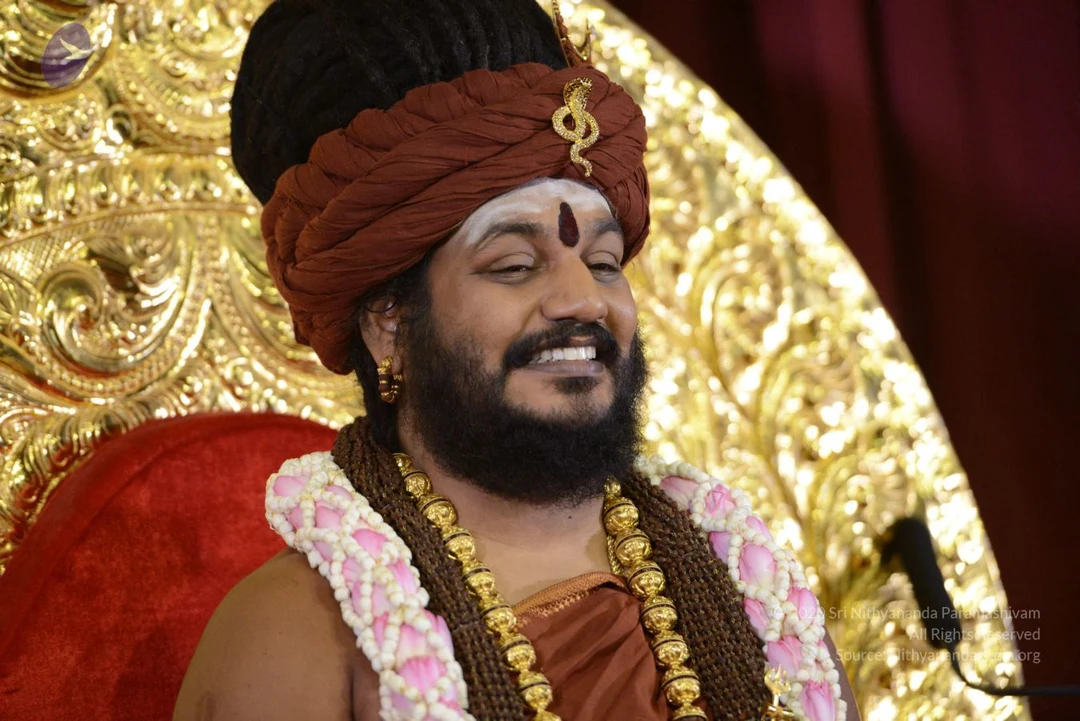
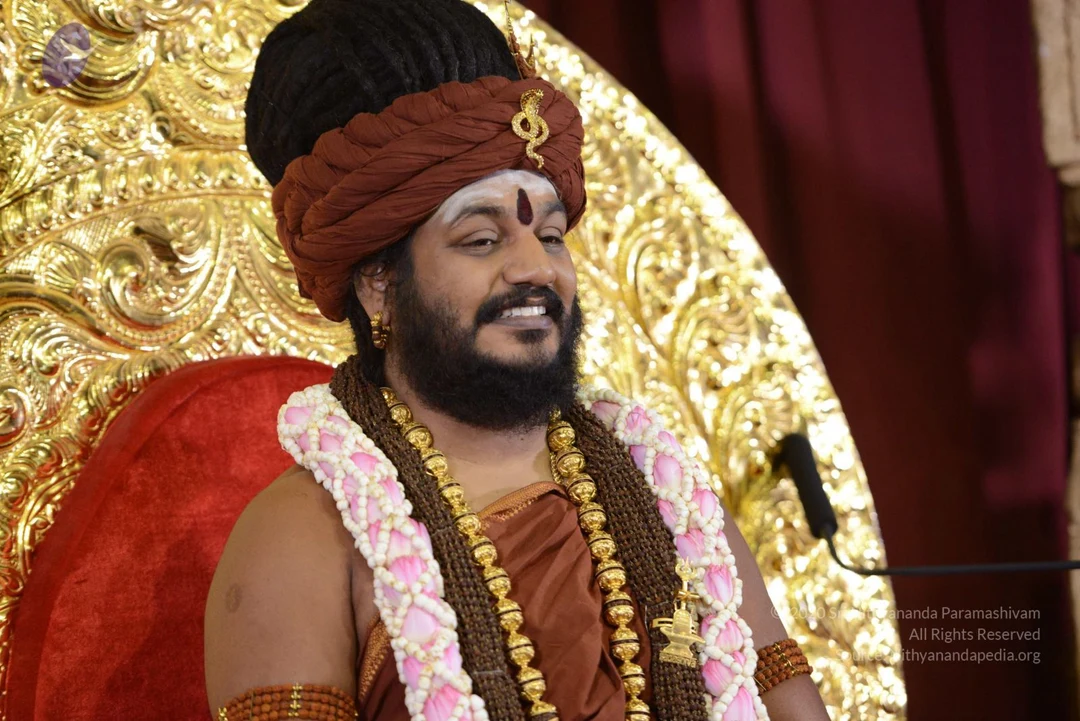
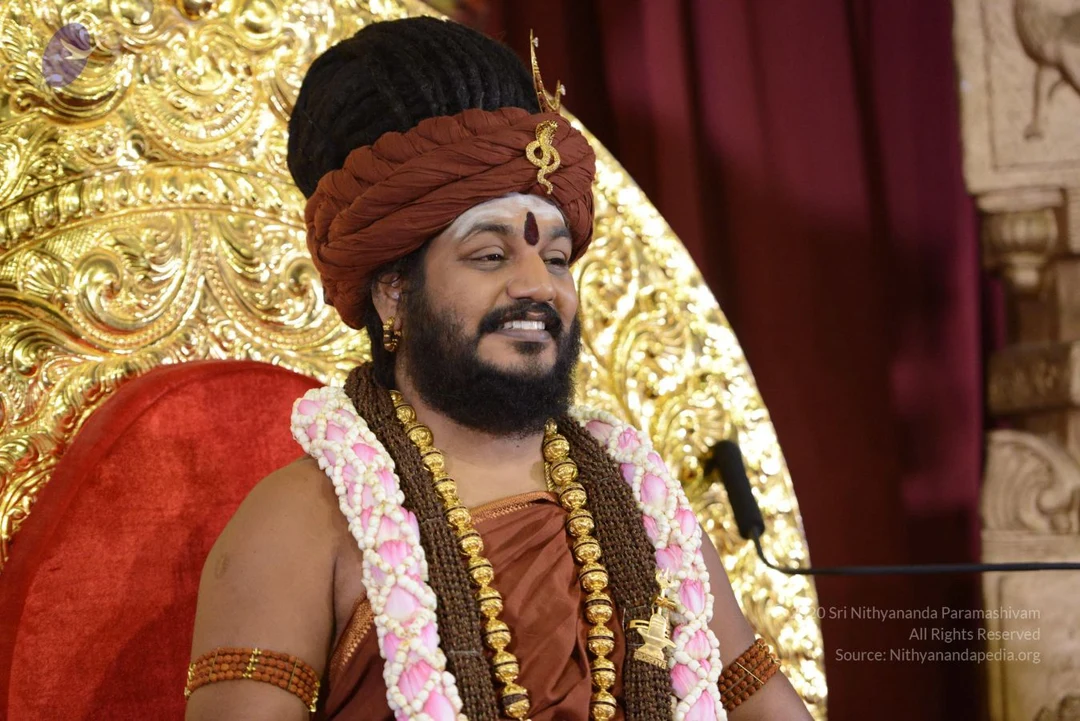
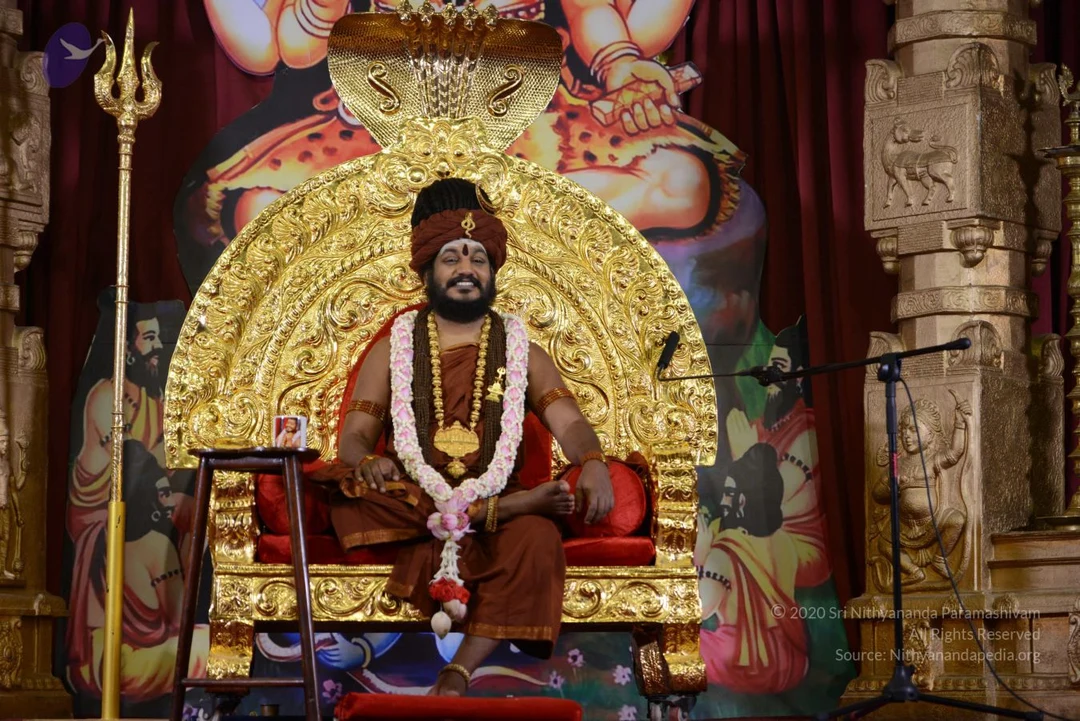
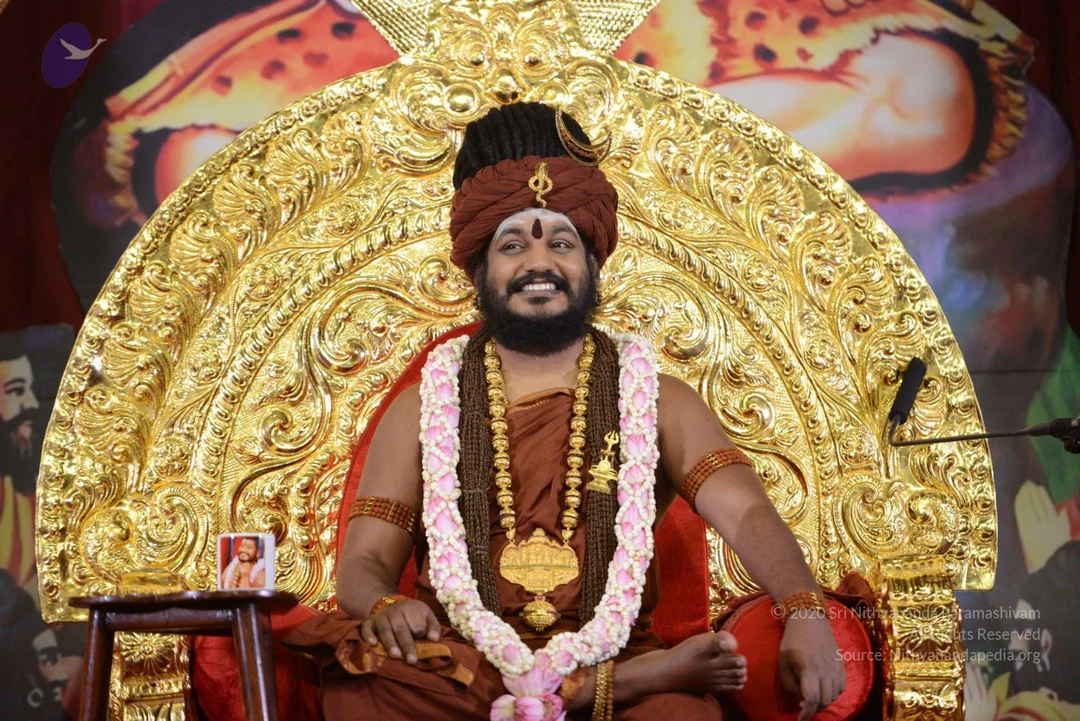
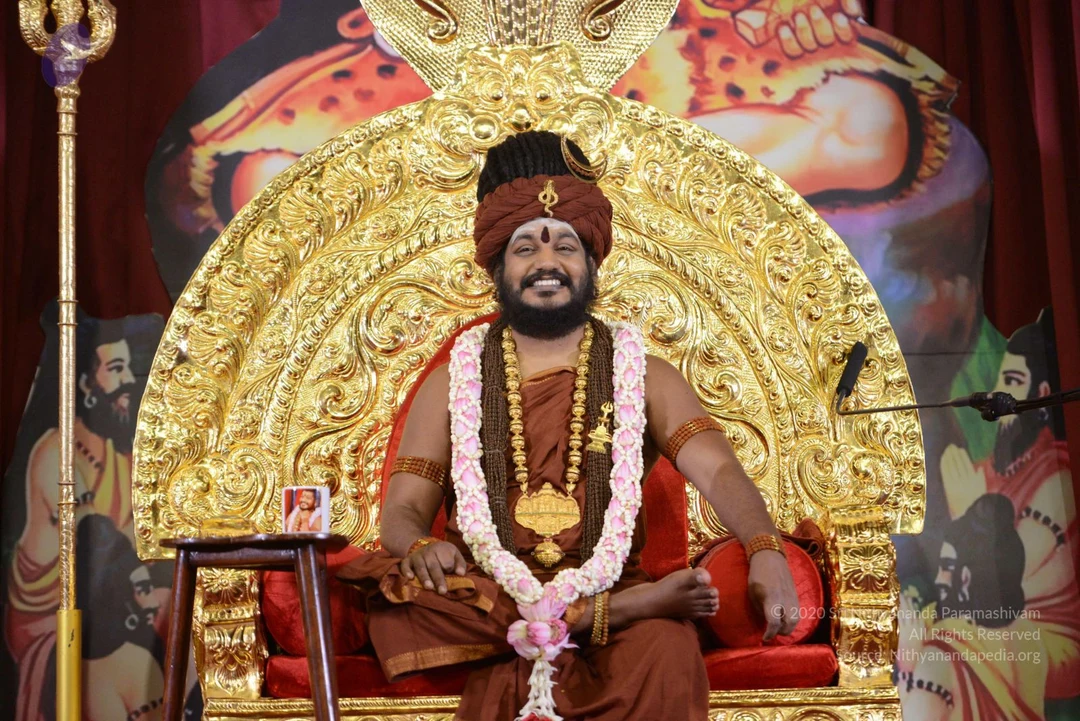
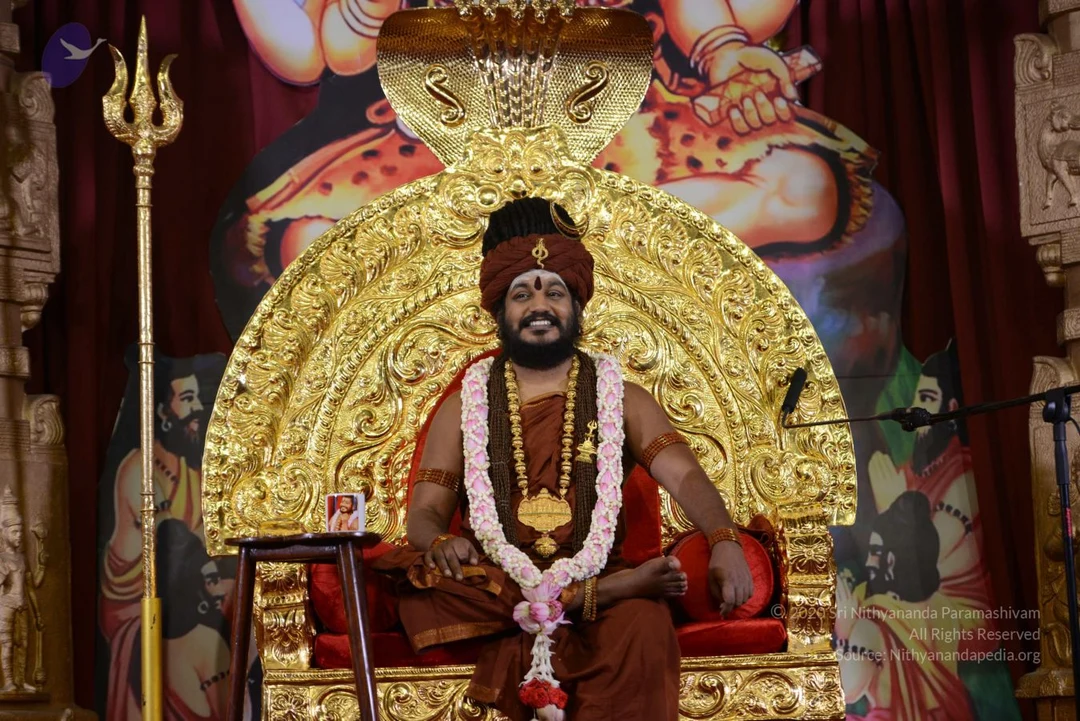
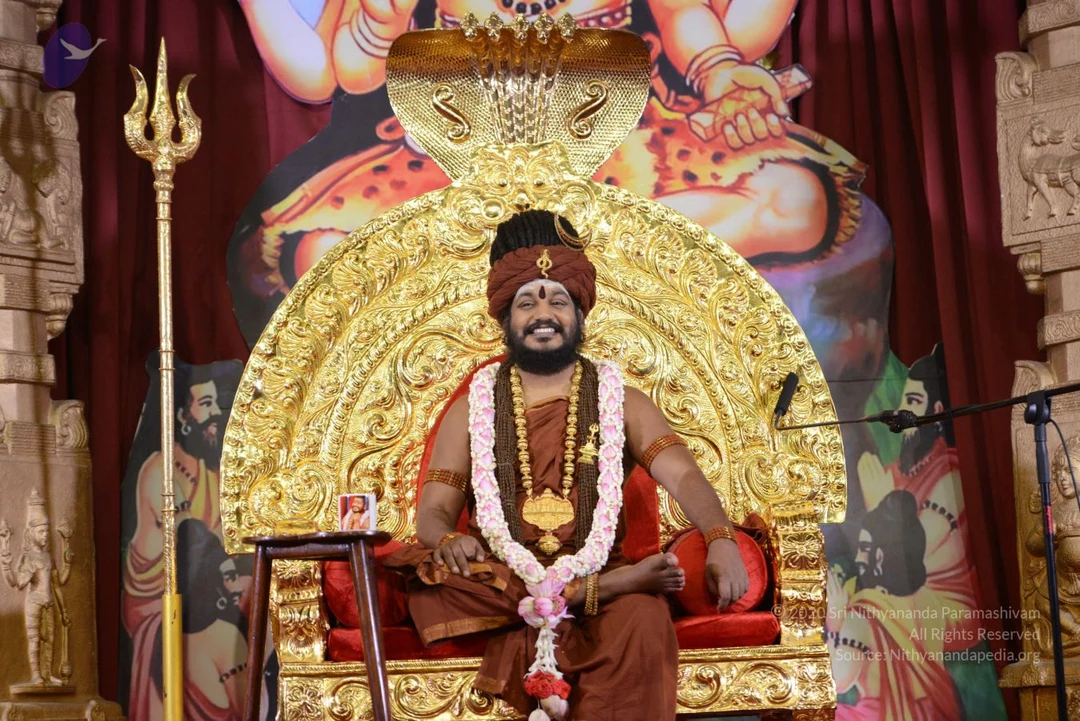
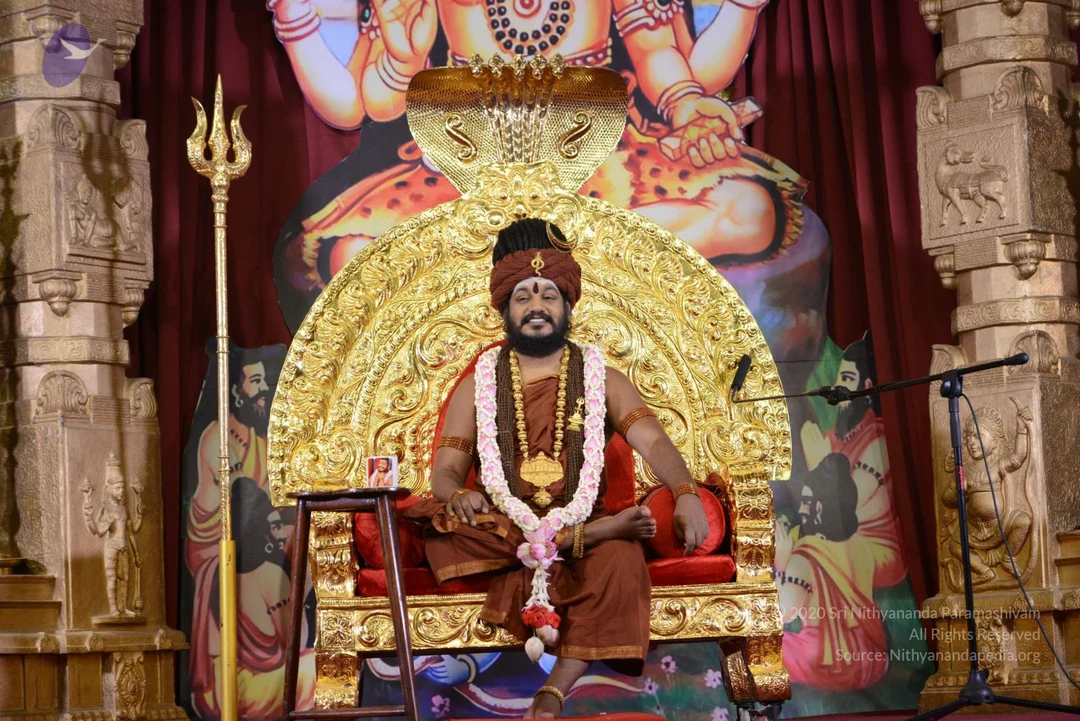
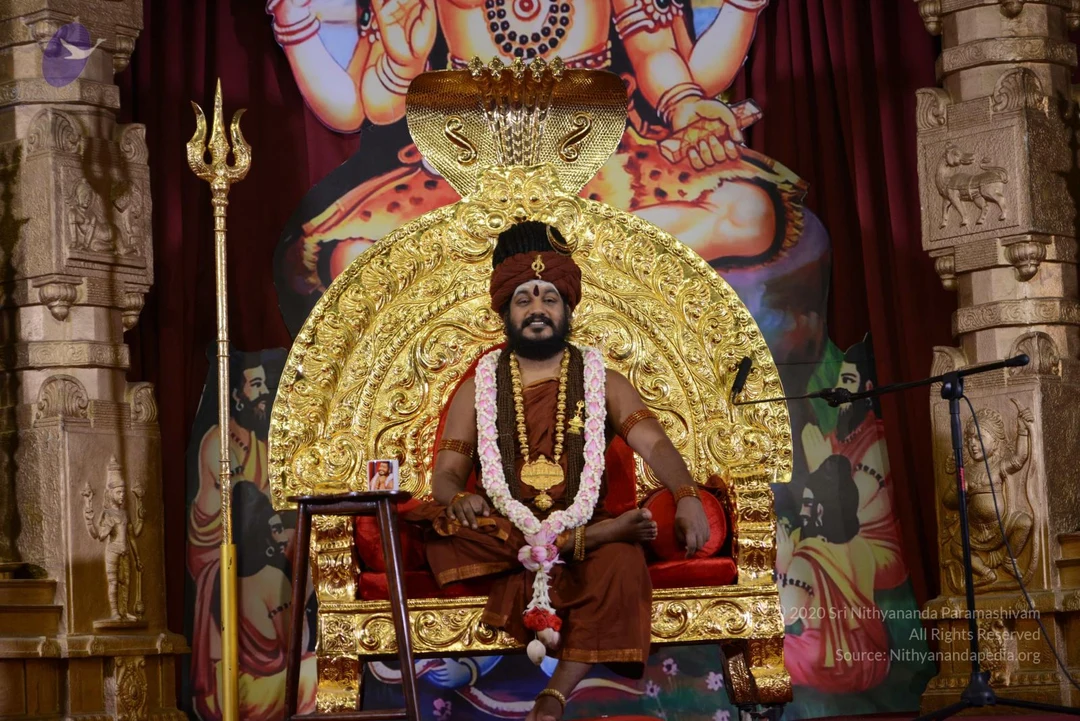
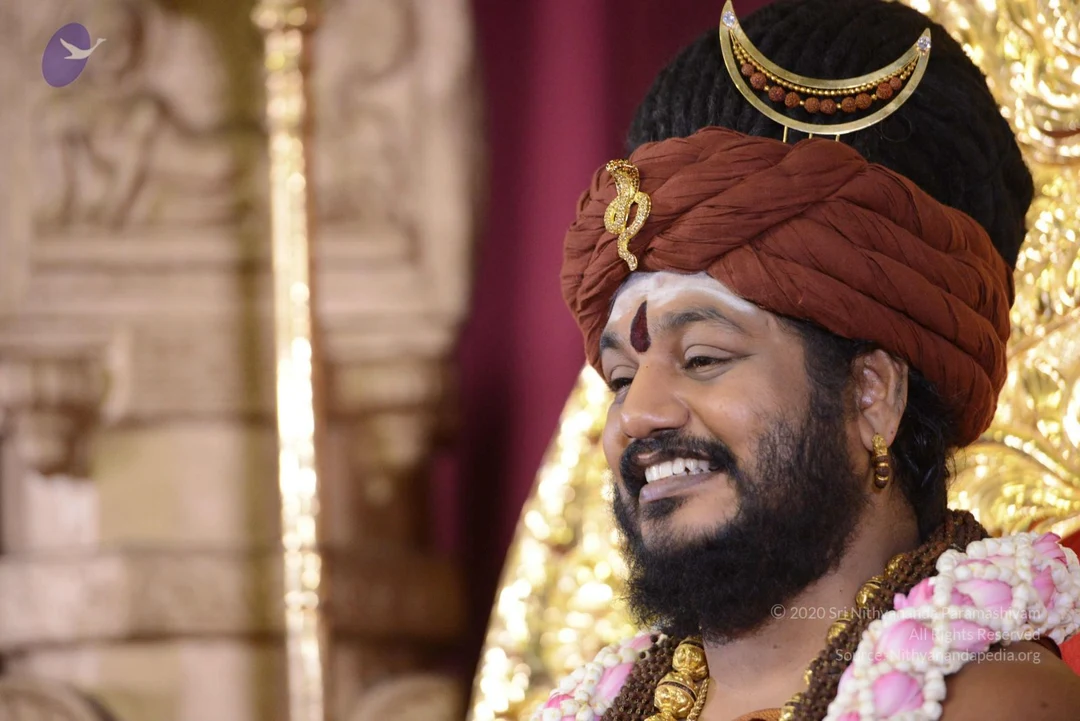
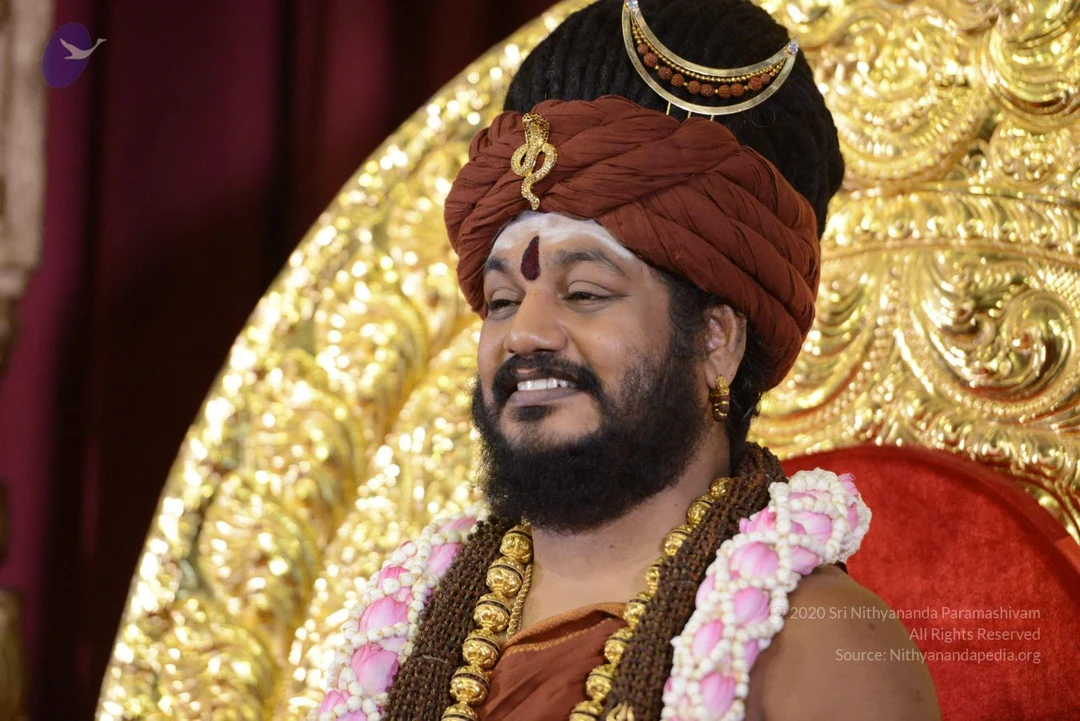
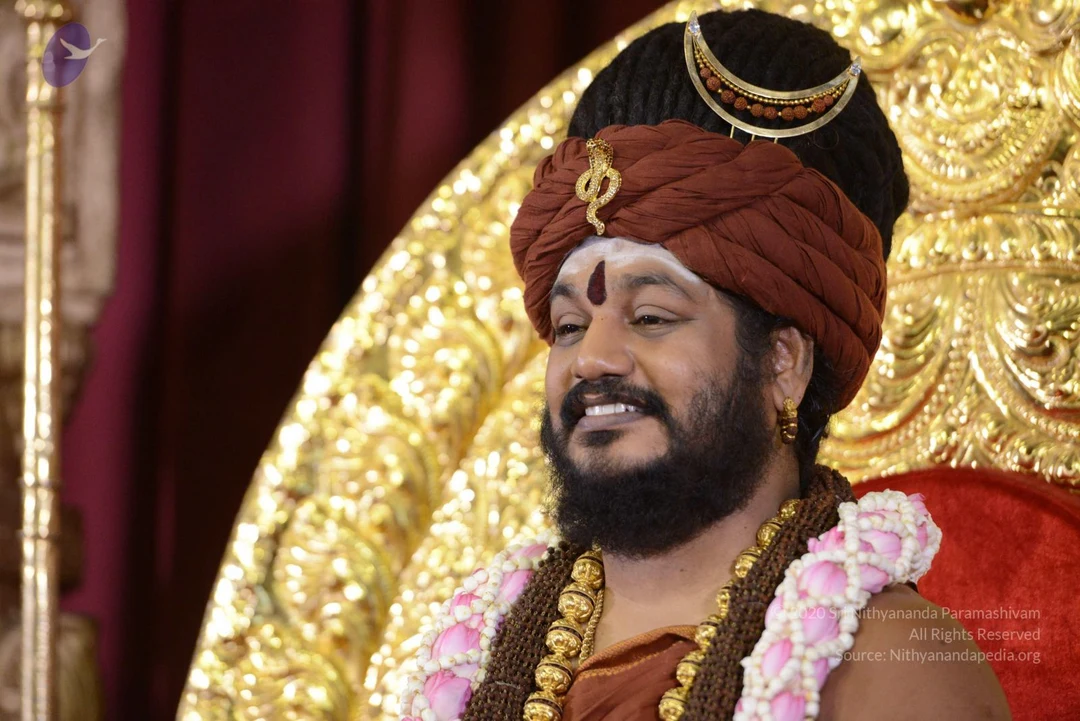
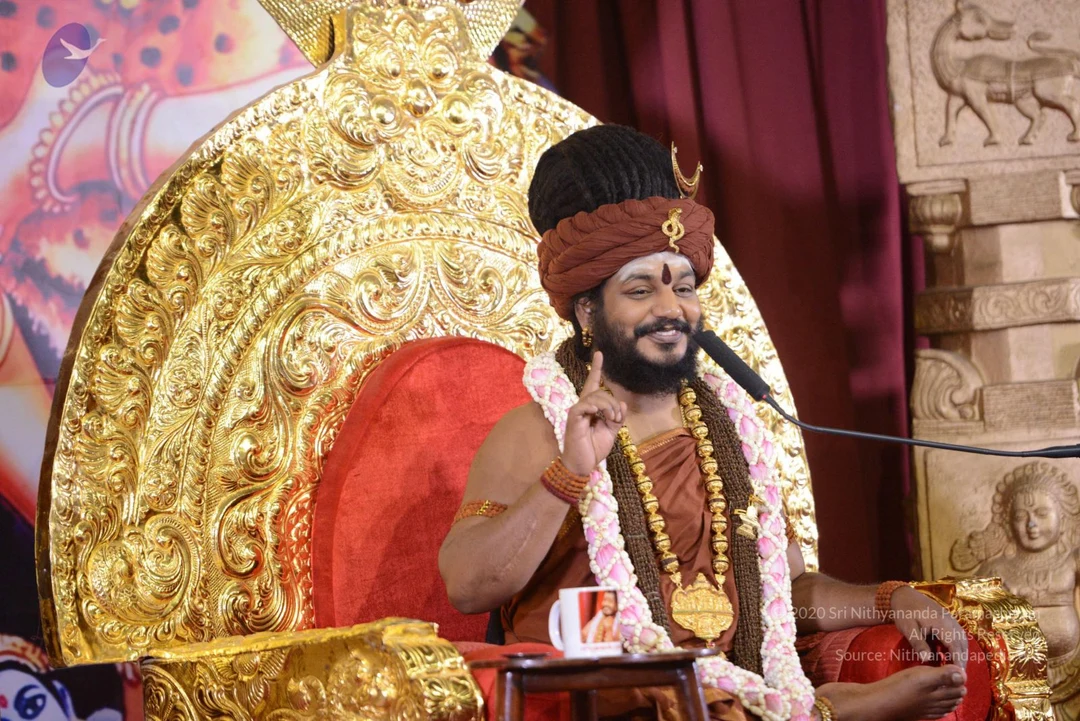
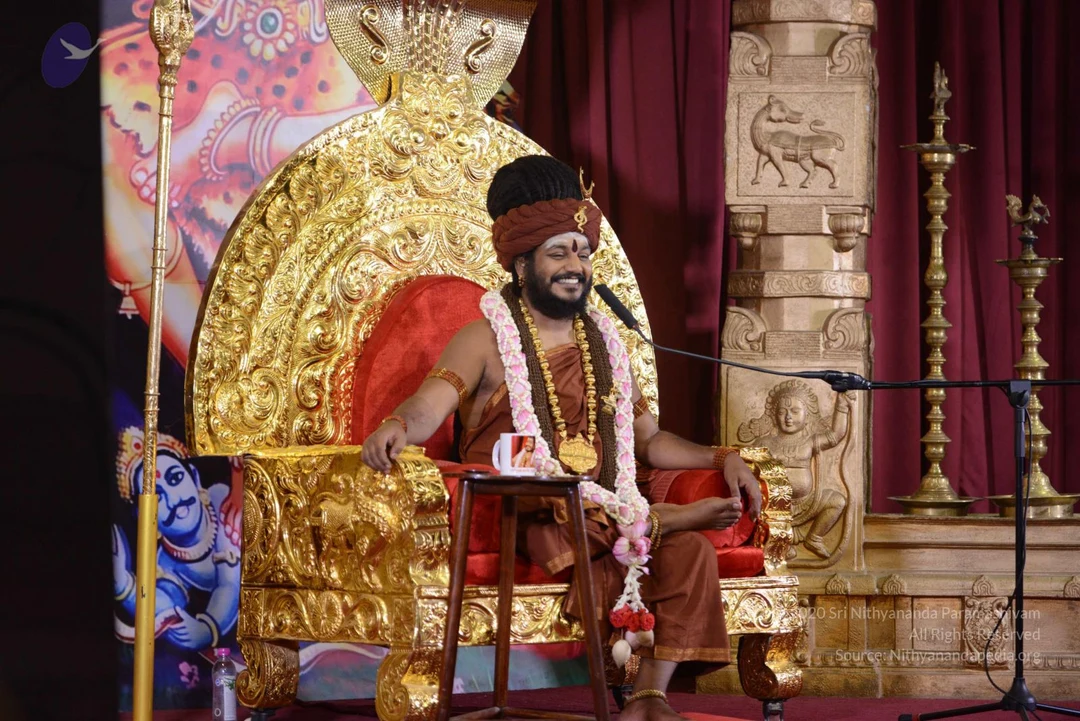
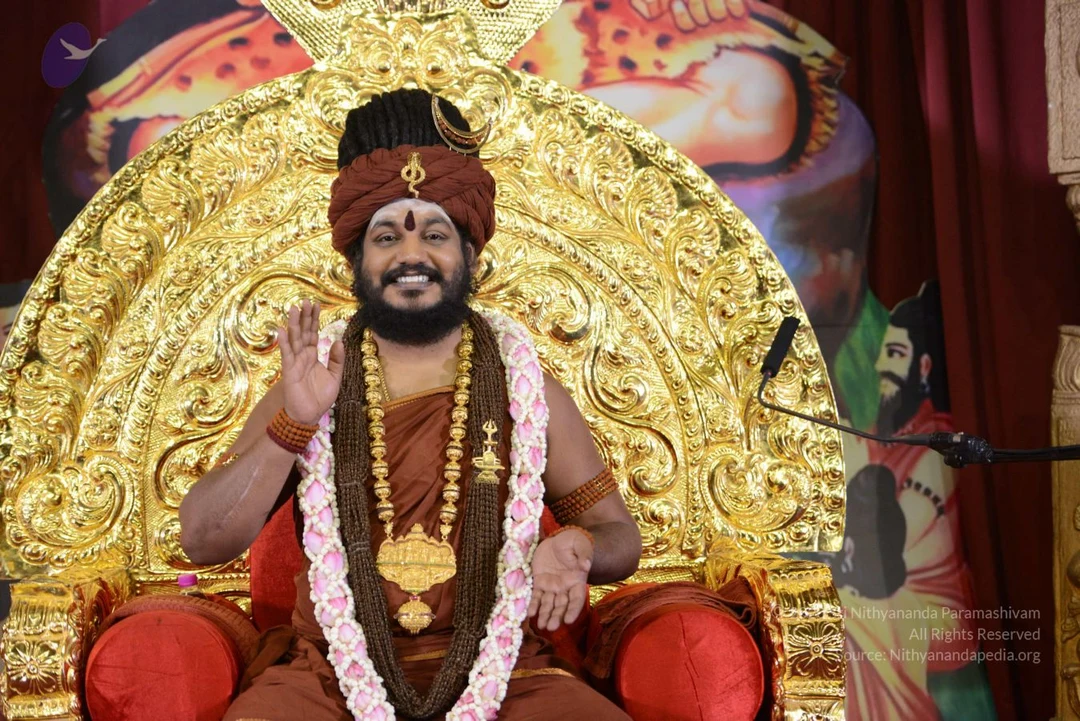
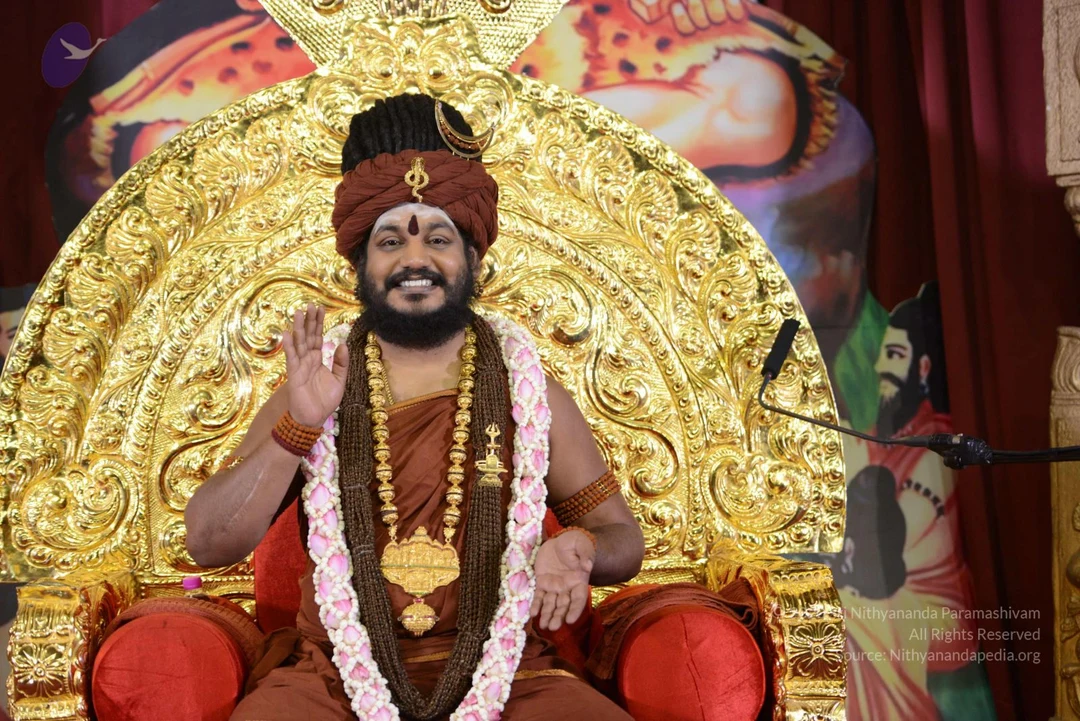
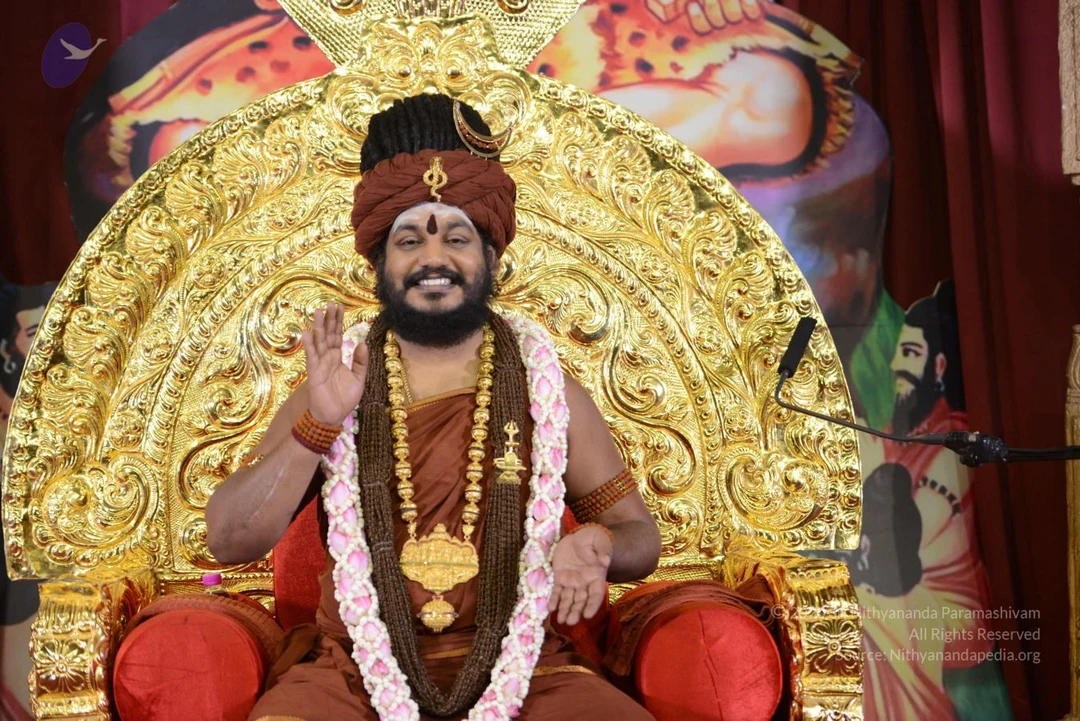
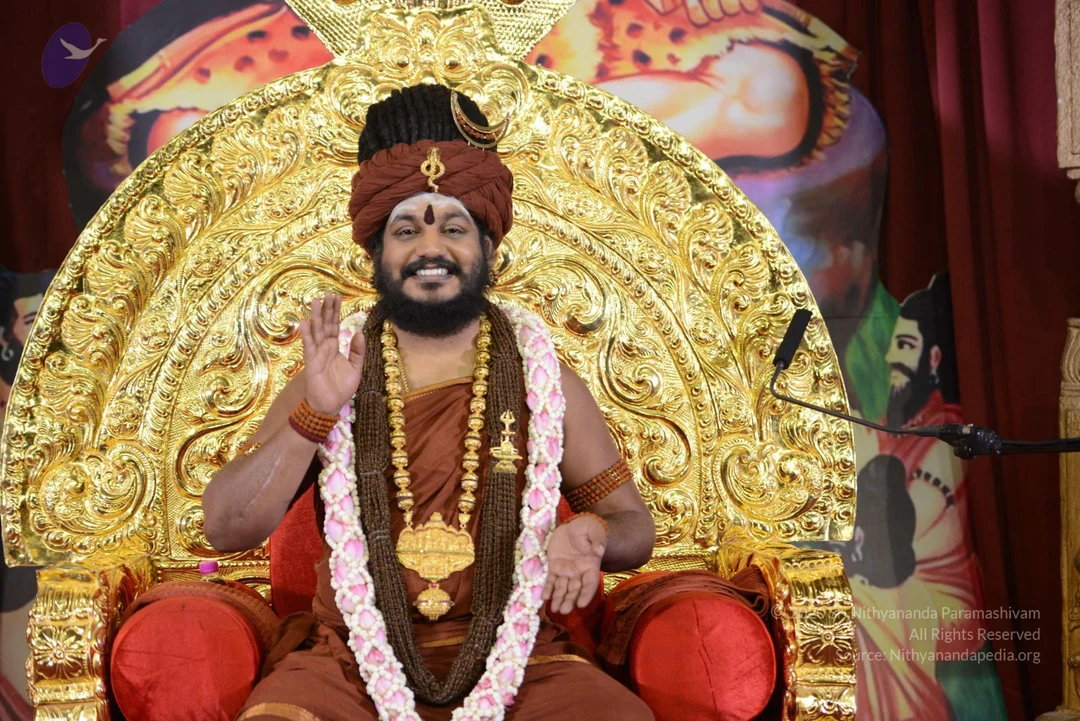
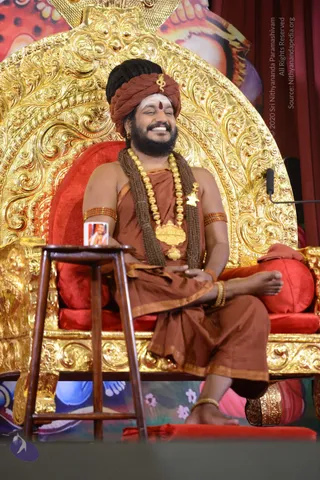
Nithya Satsang
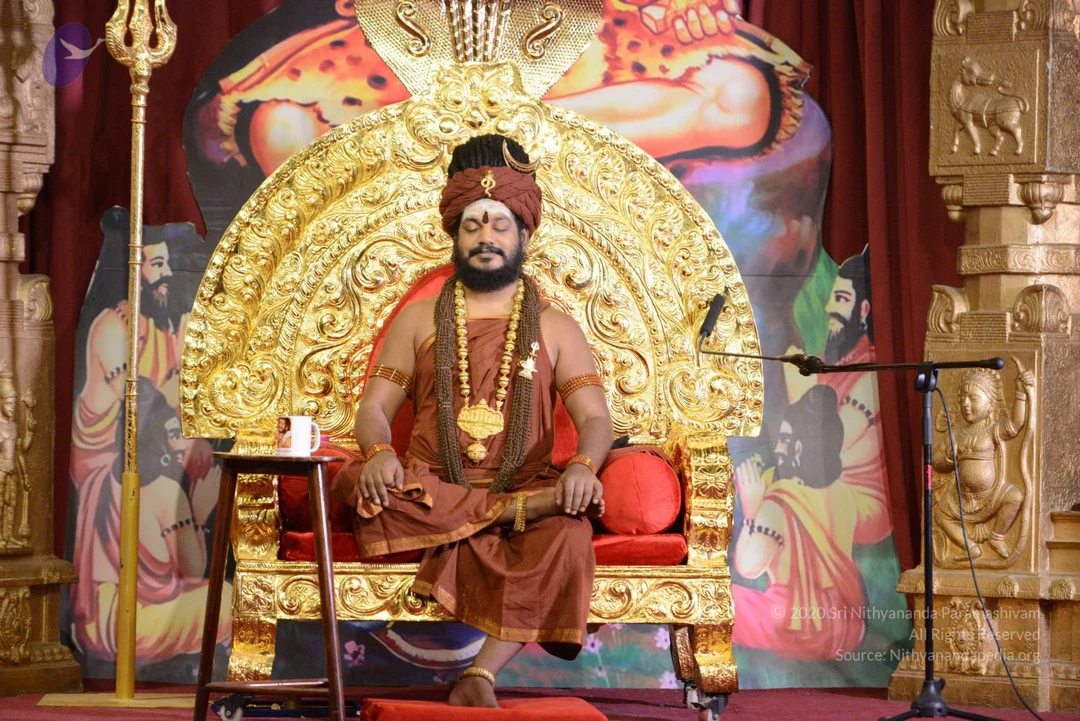
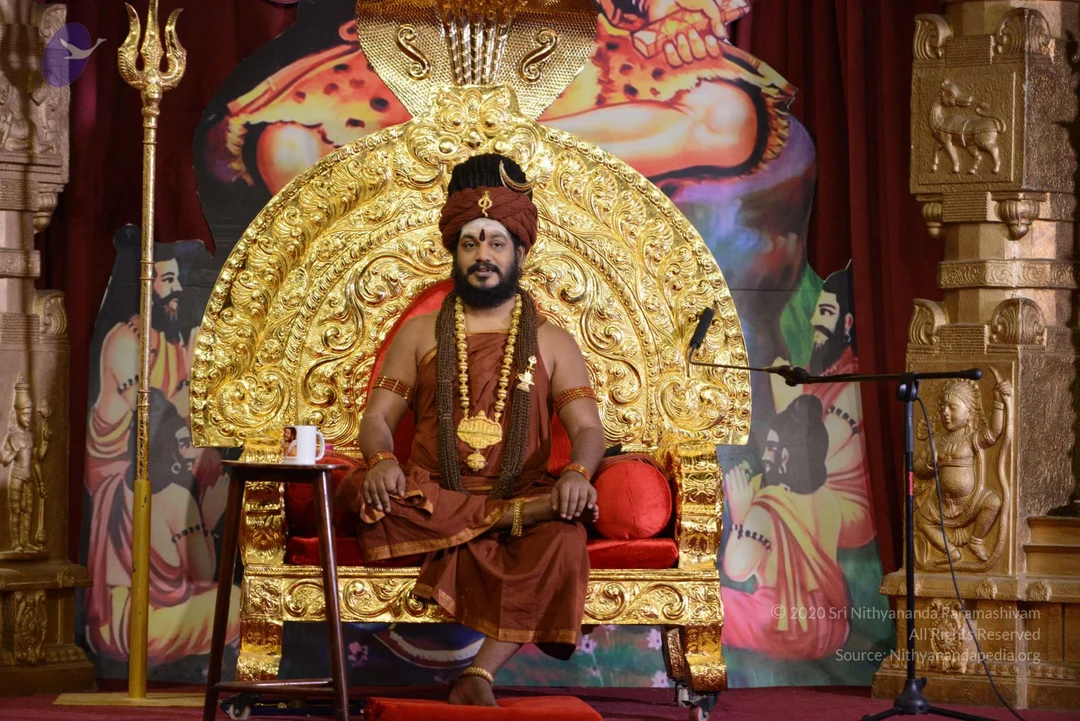


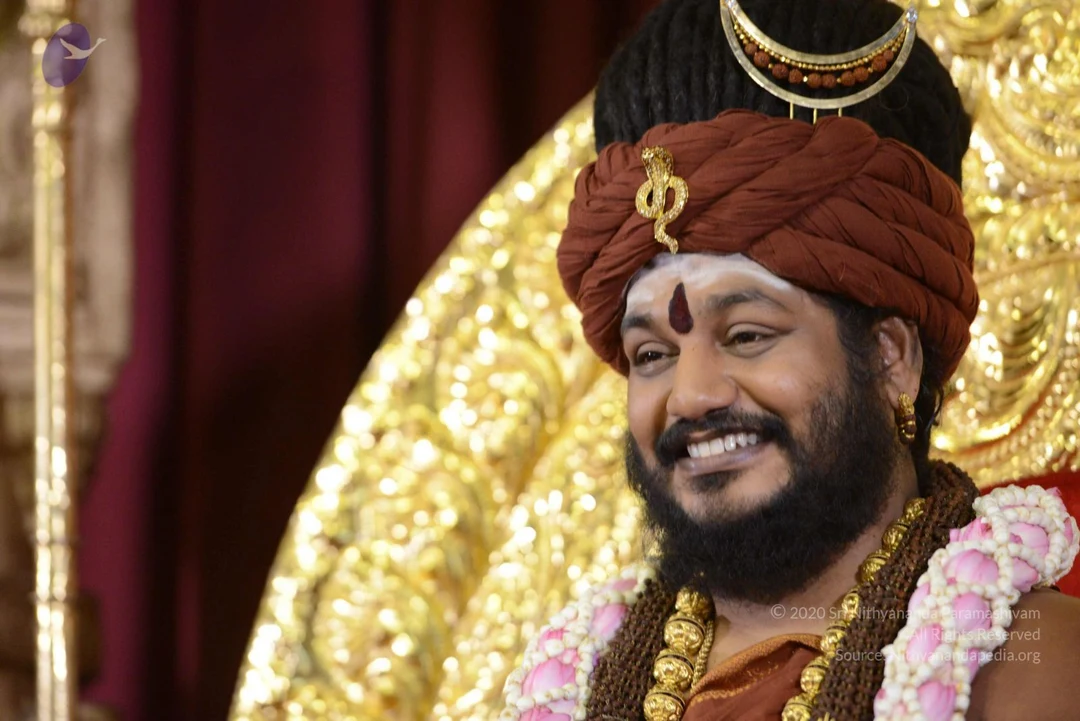
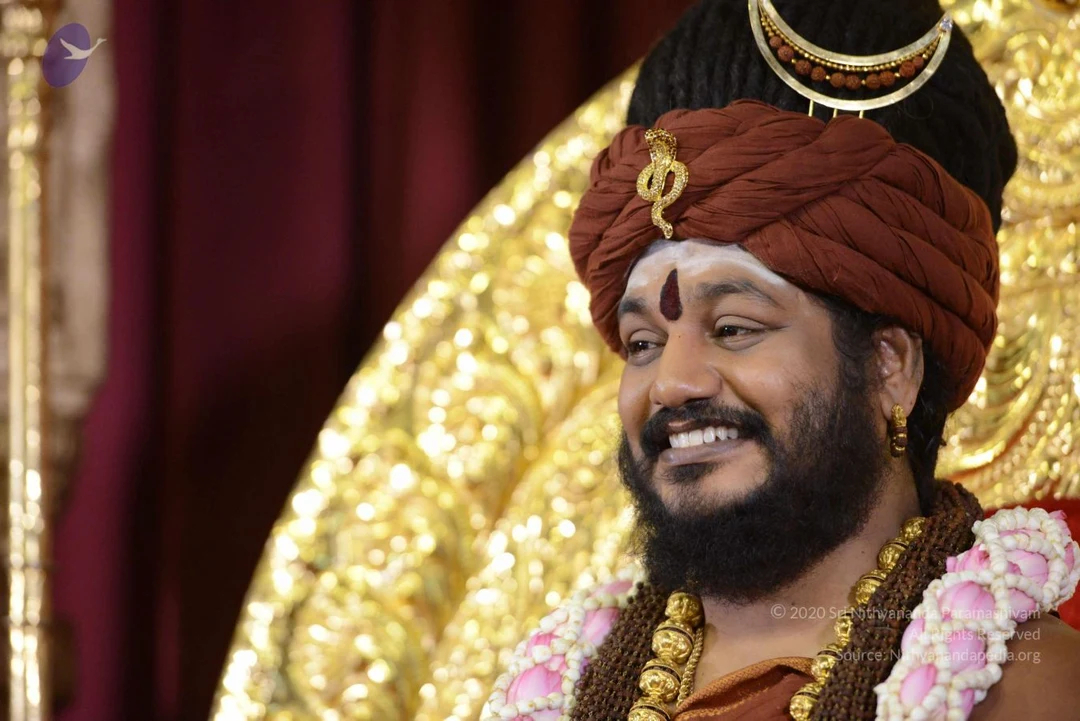
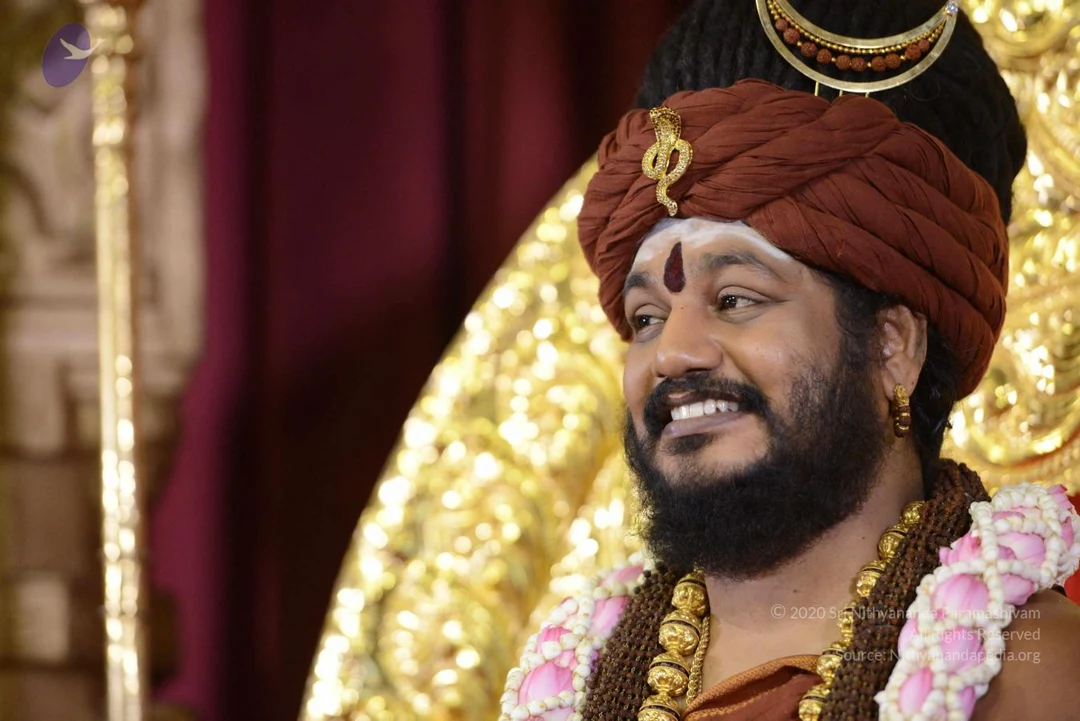
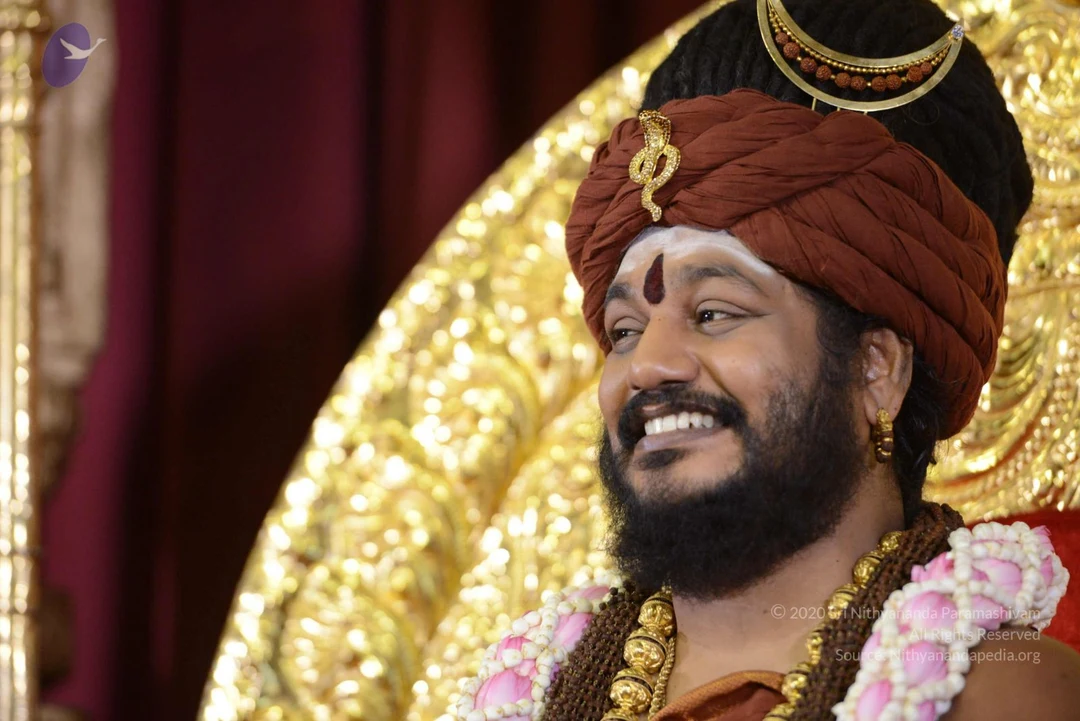


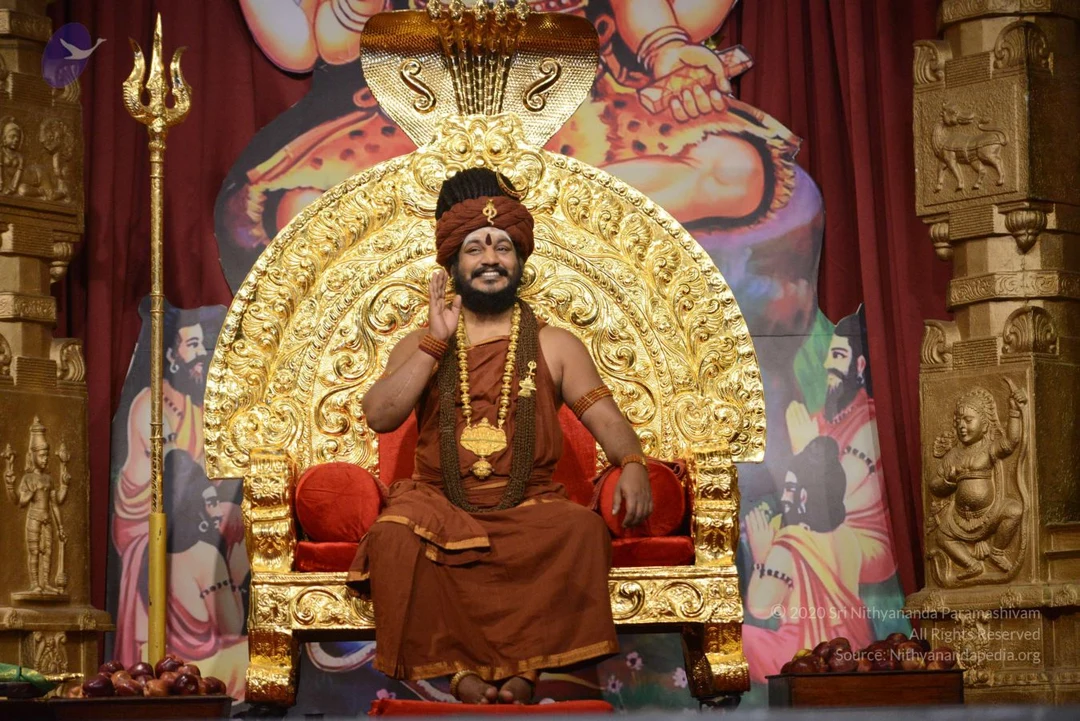
kalpataru-darshan
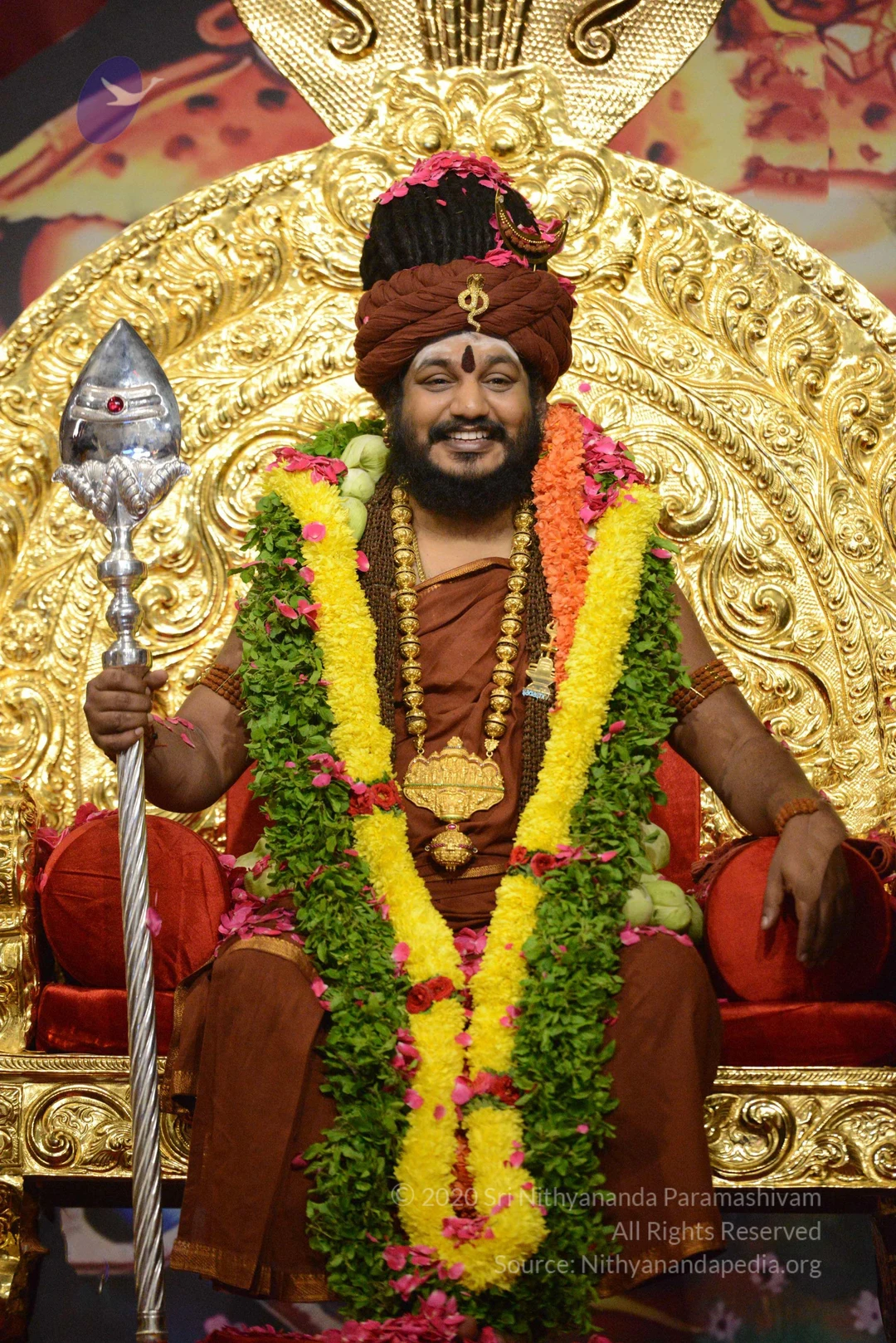
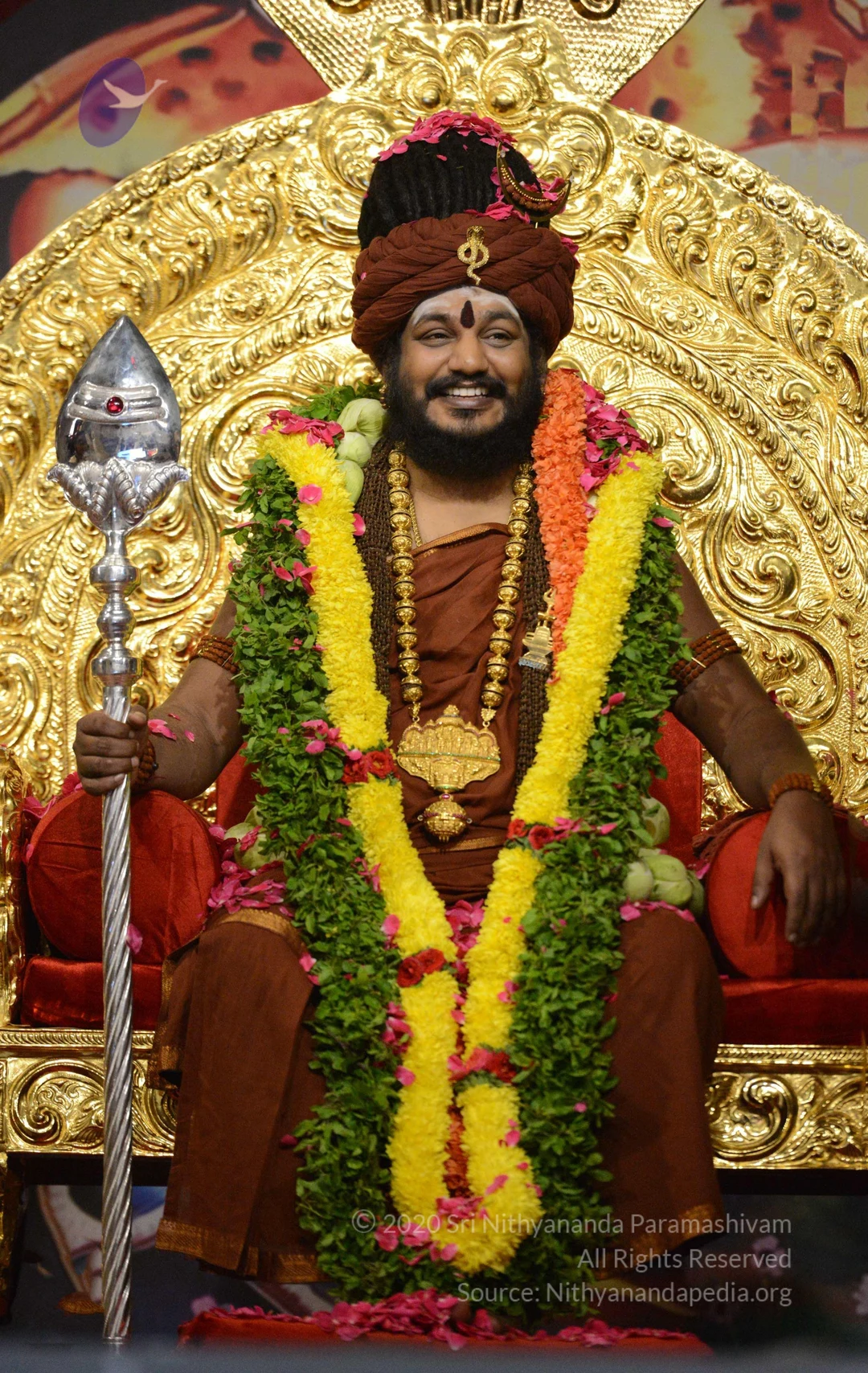
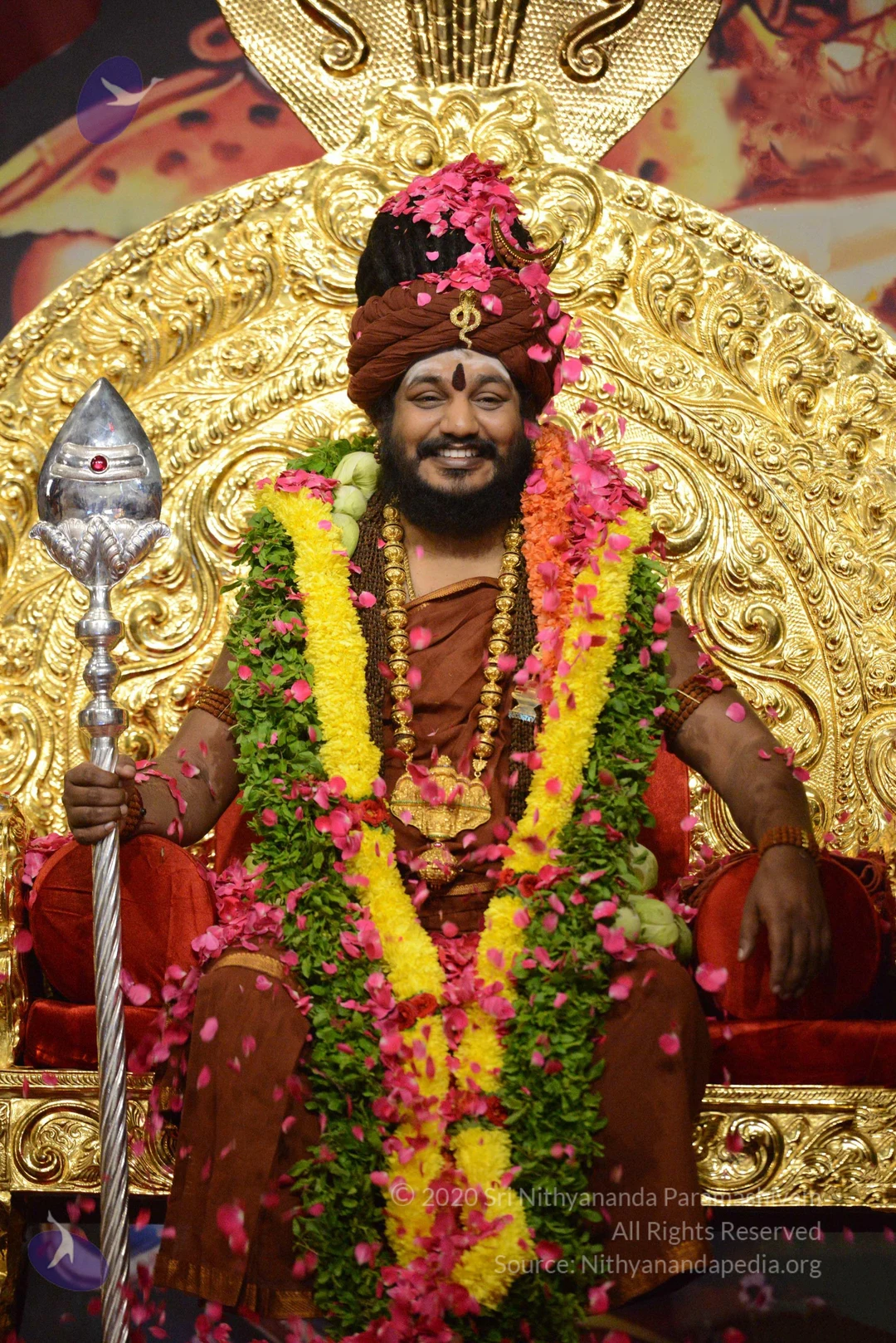
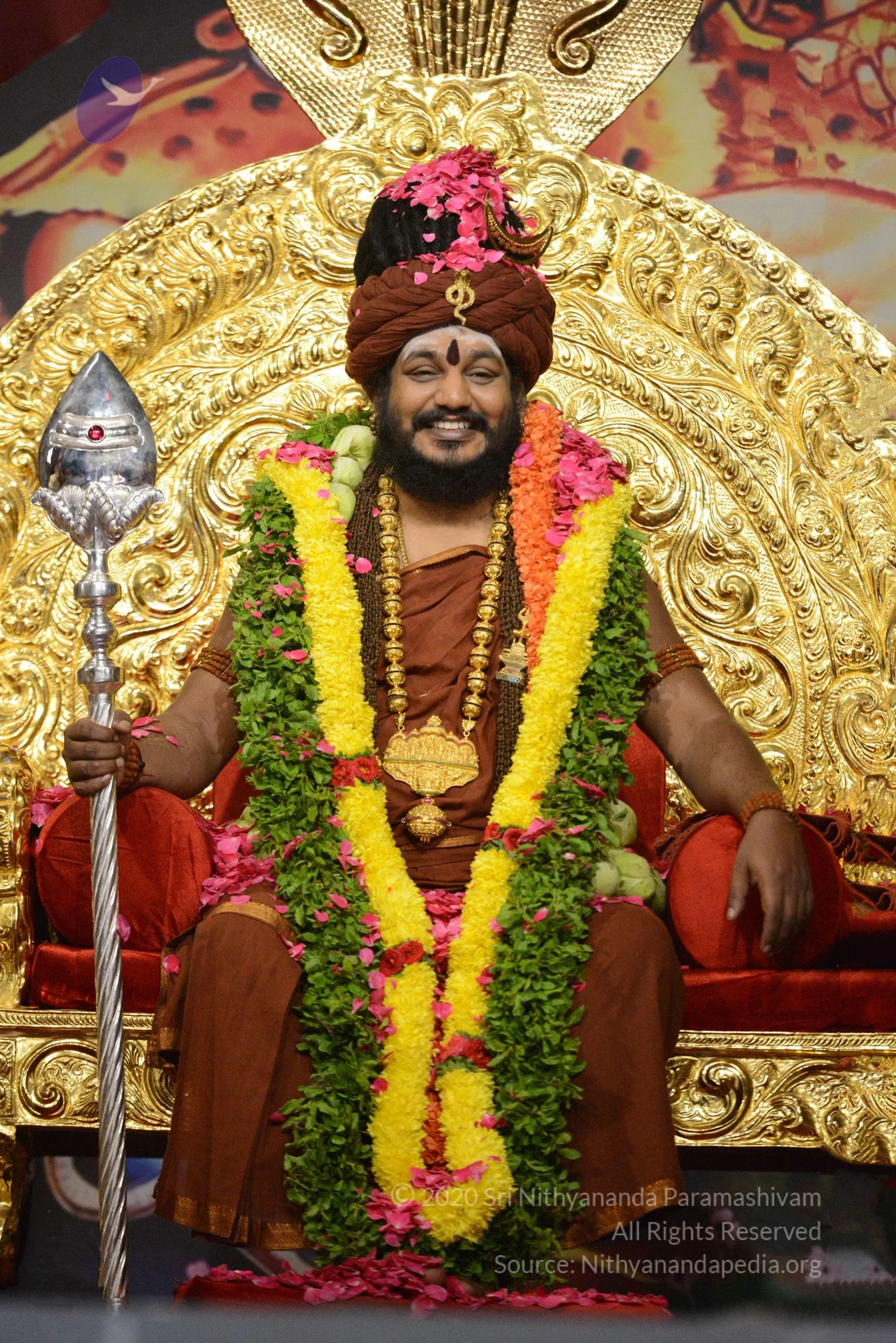
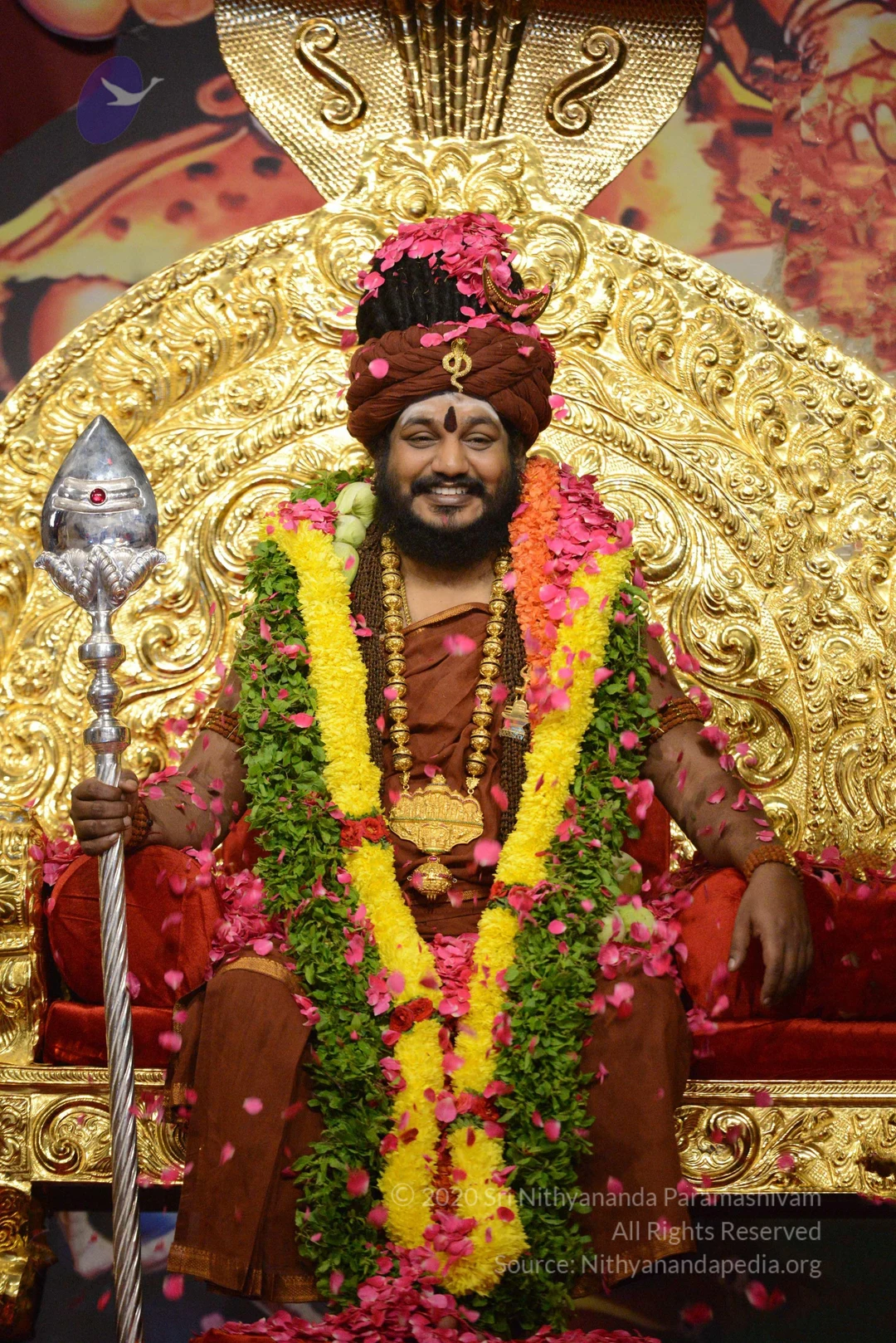
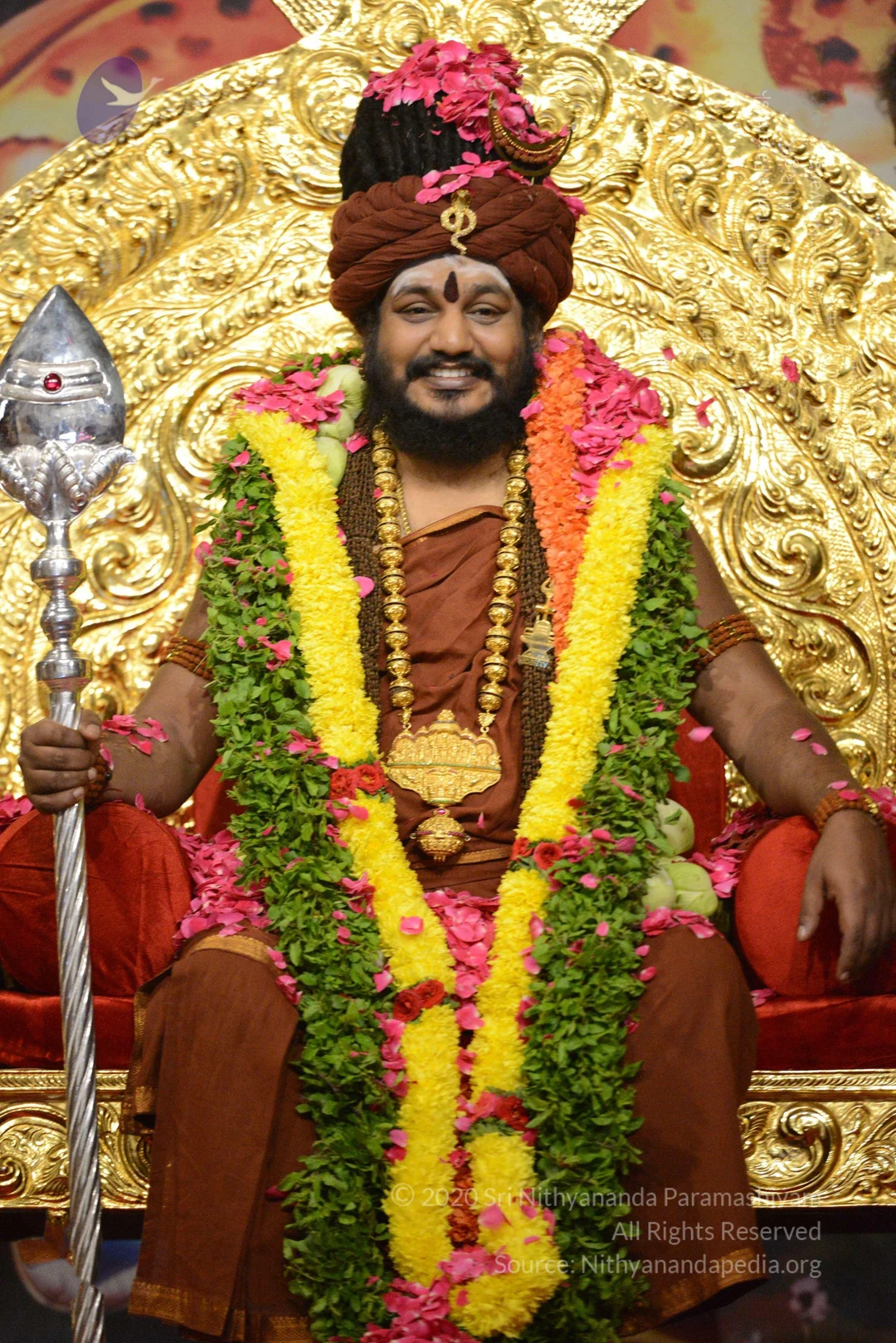
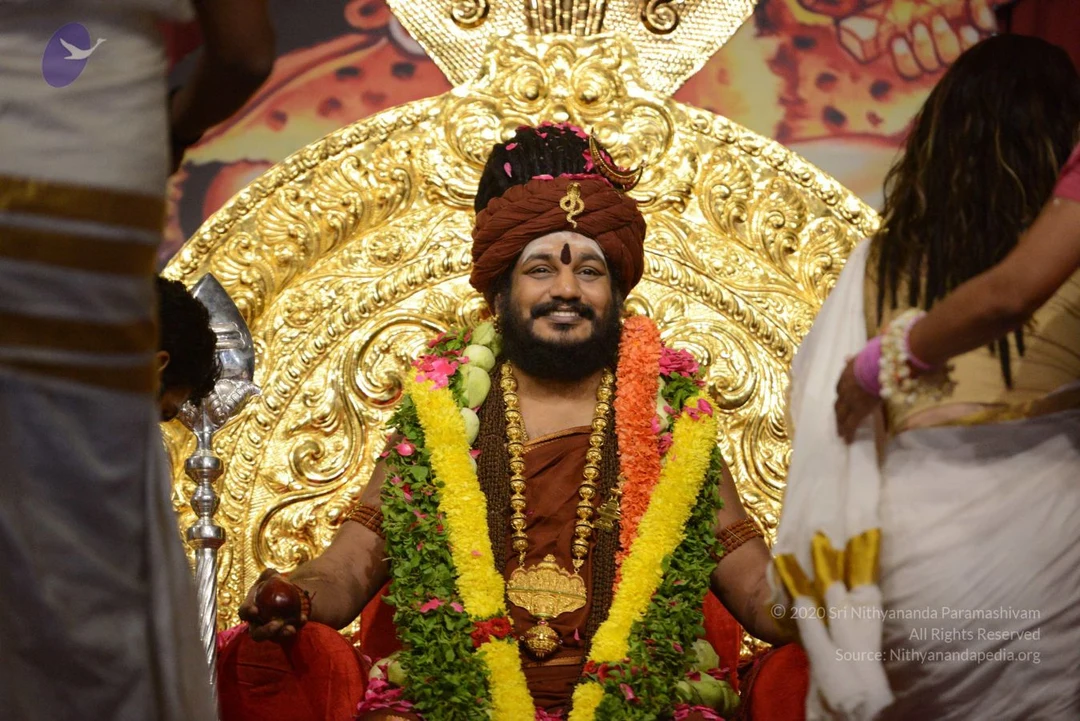
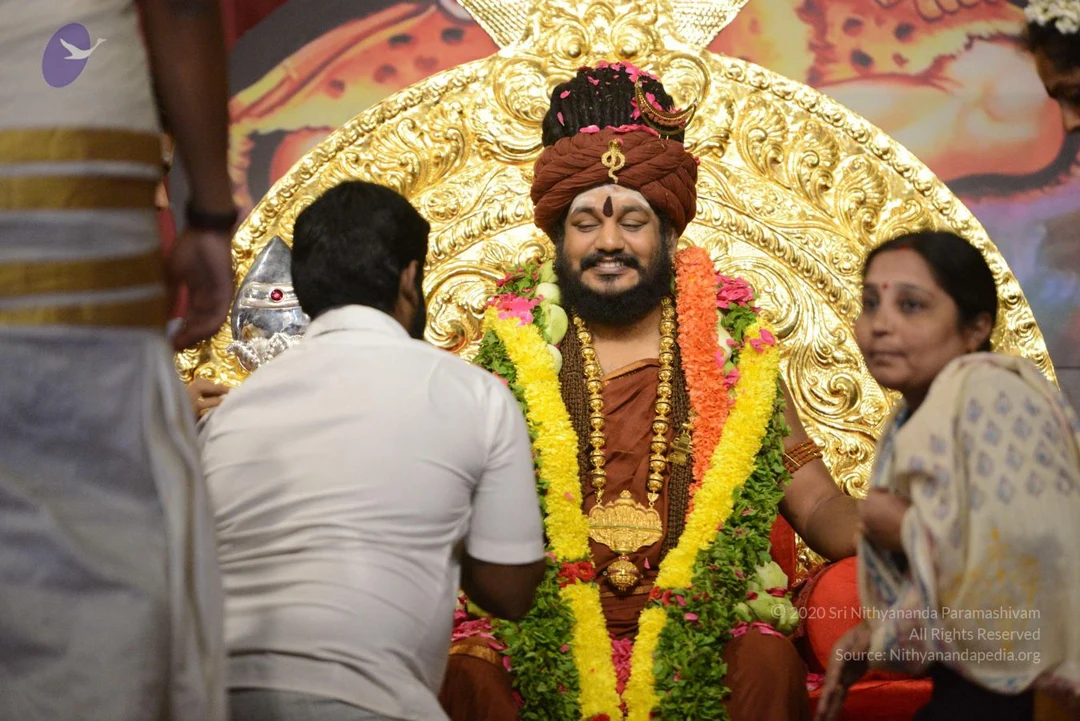
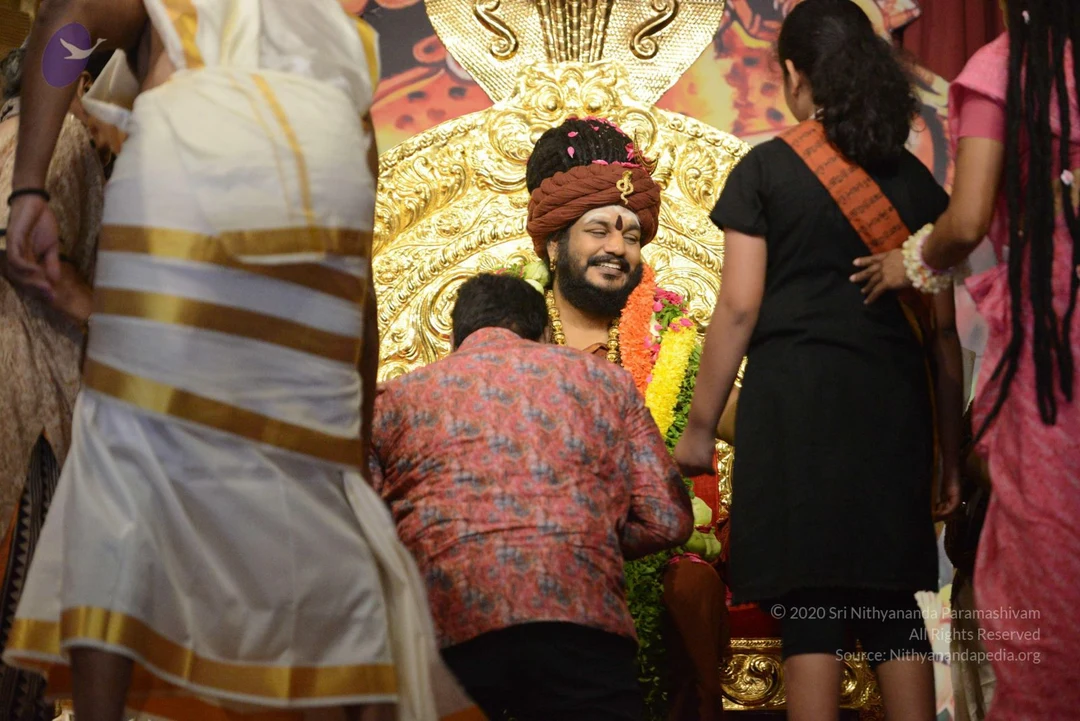
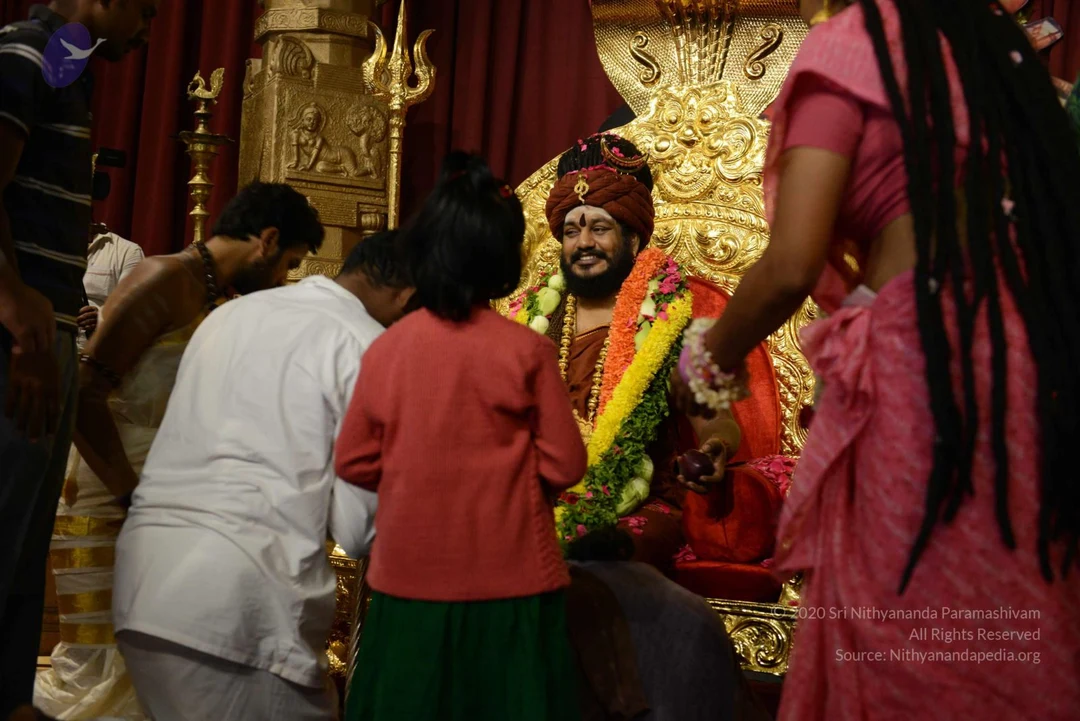
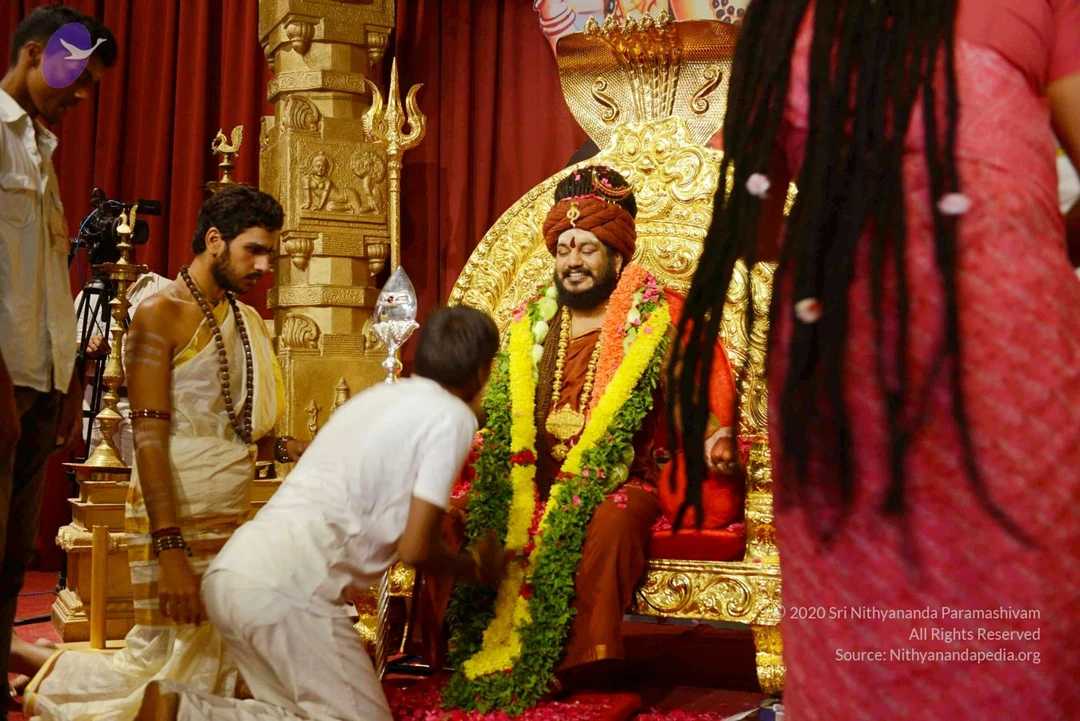
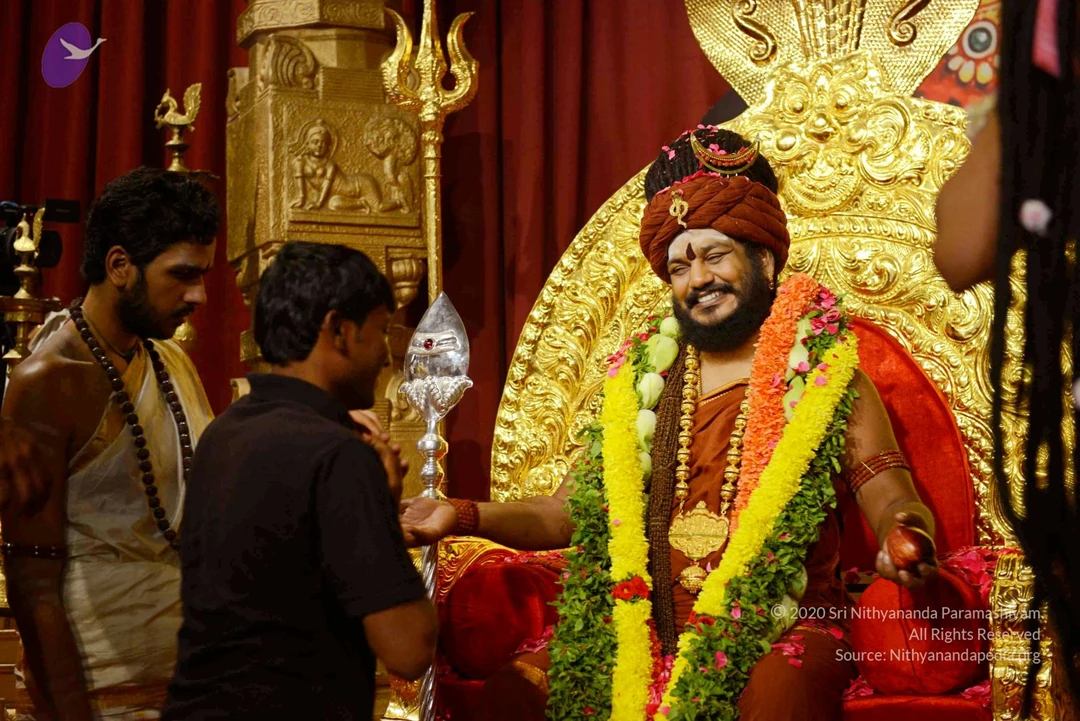
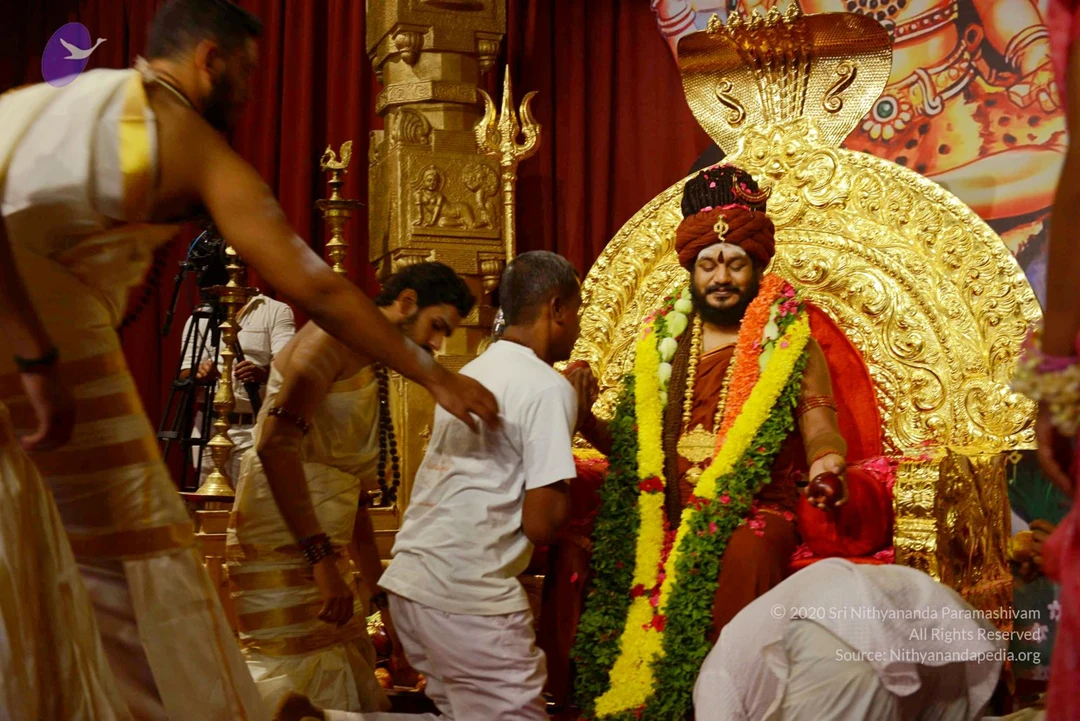
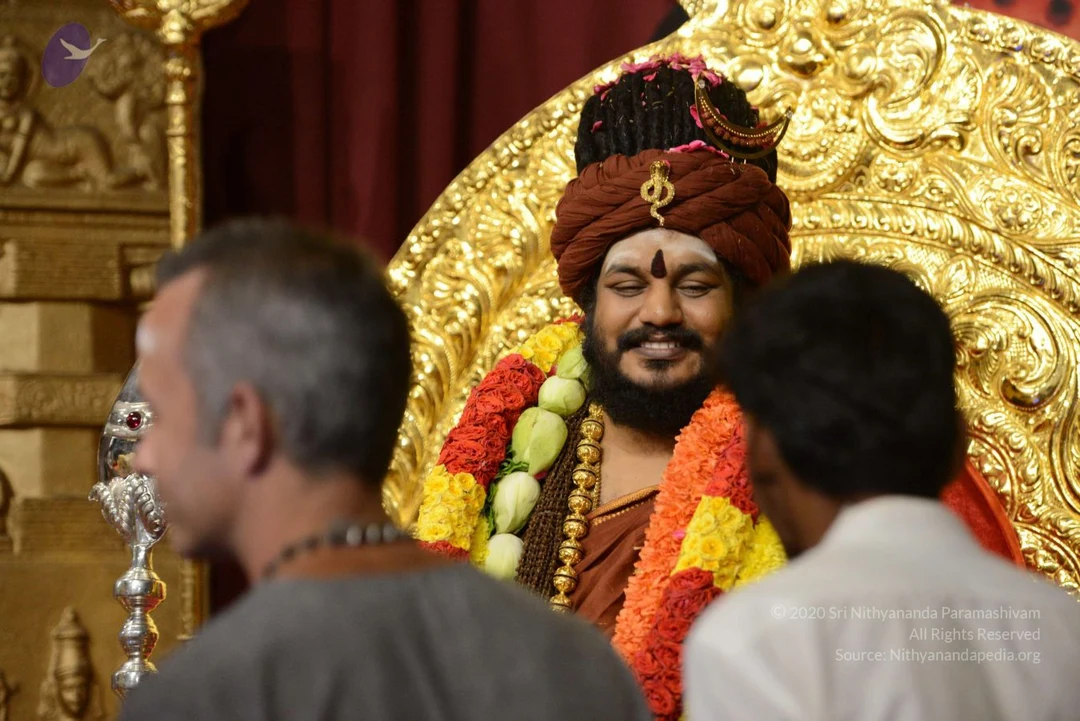
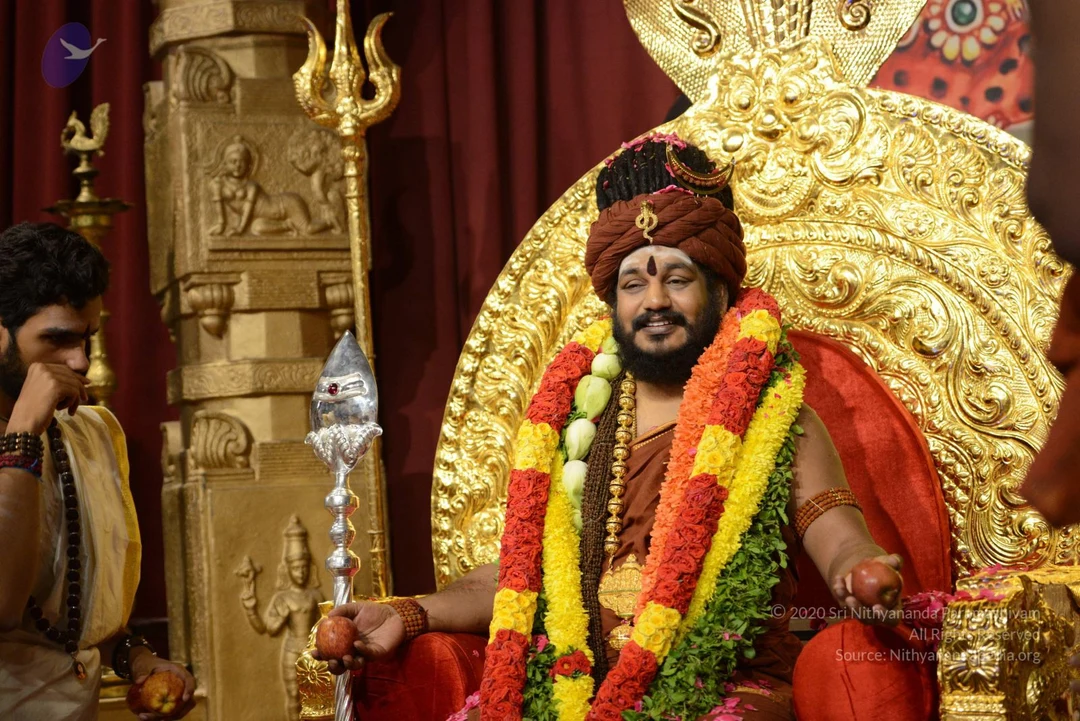
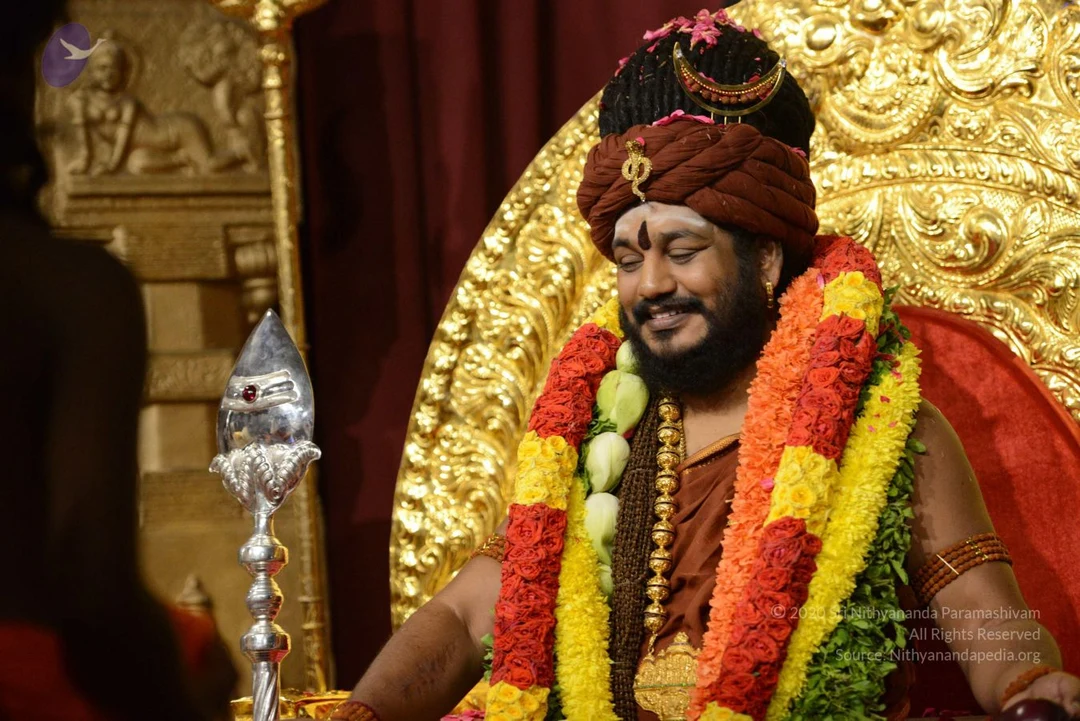
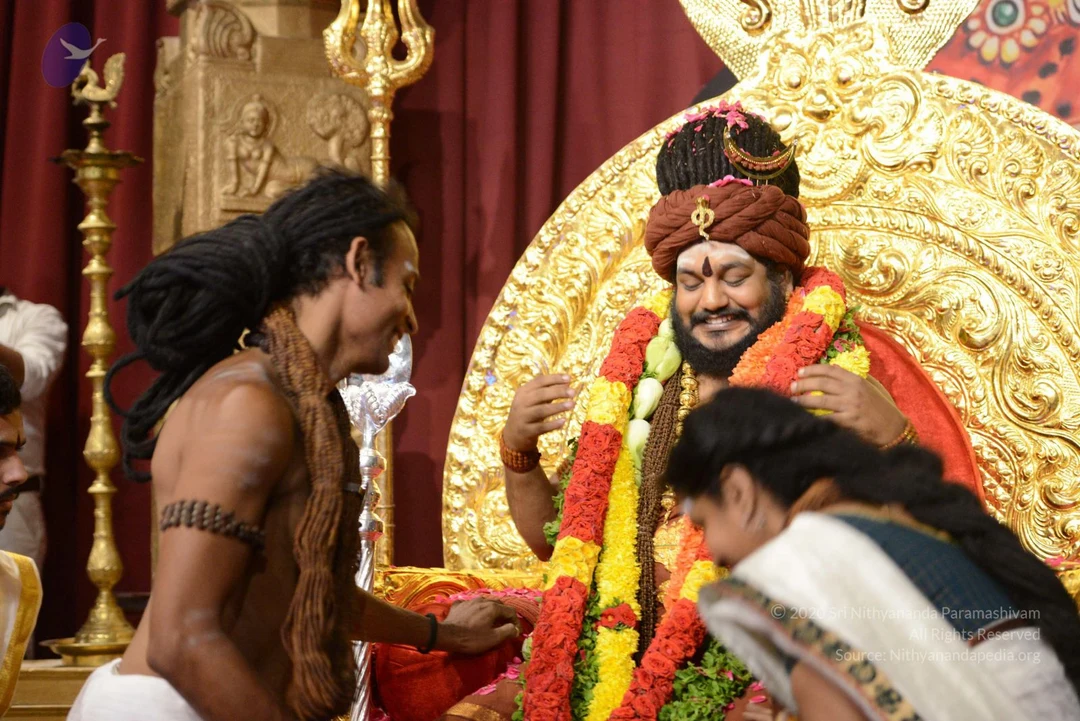
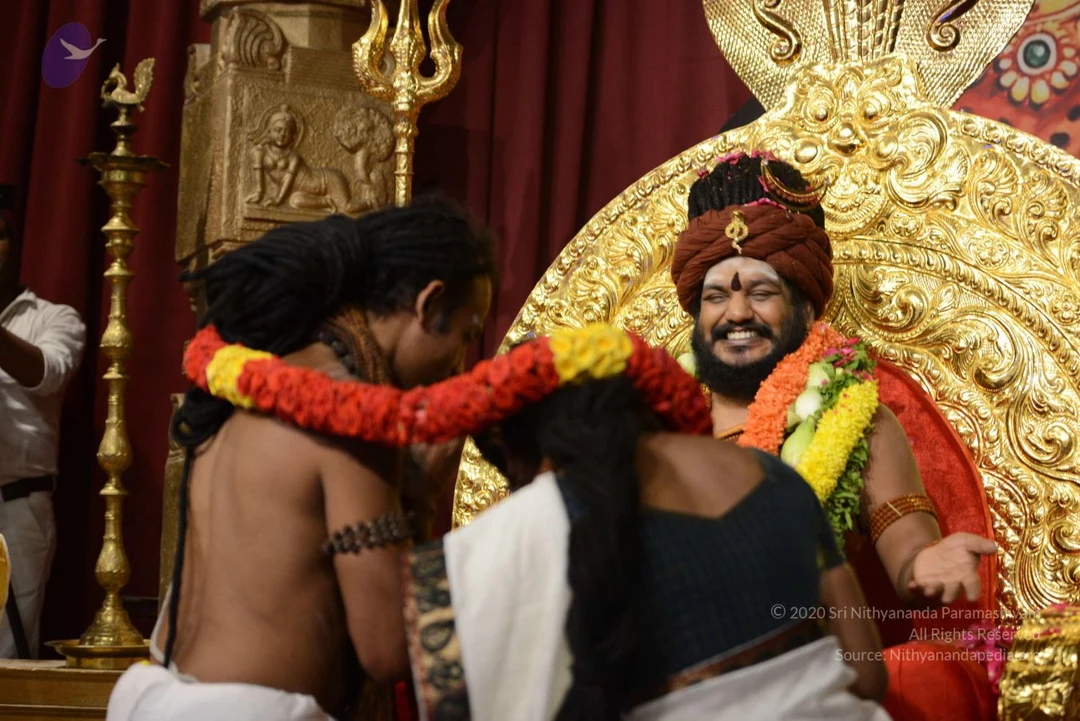
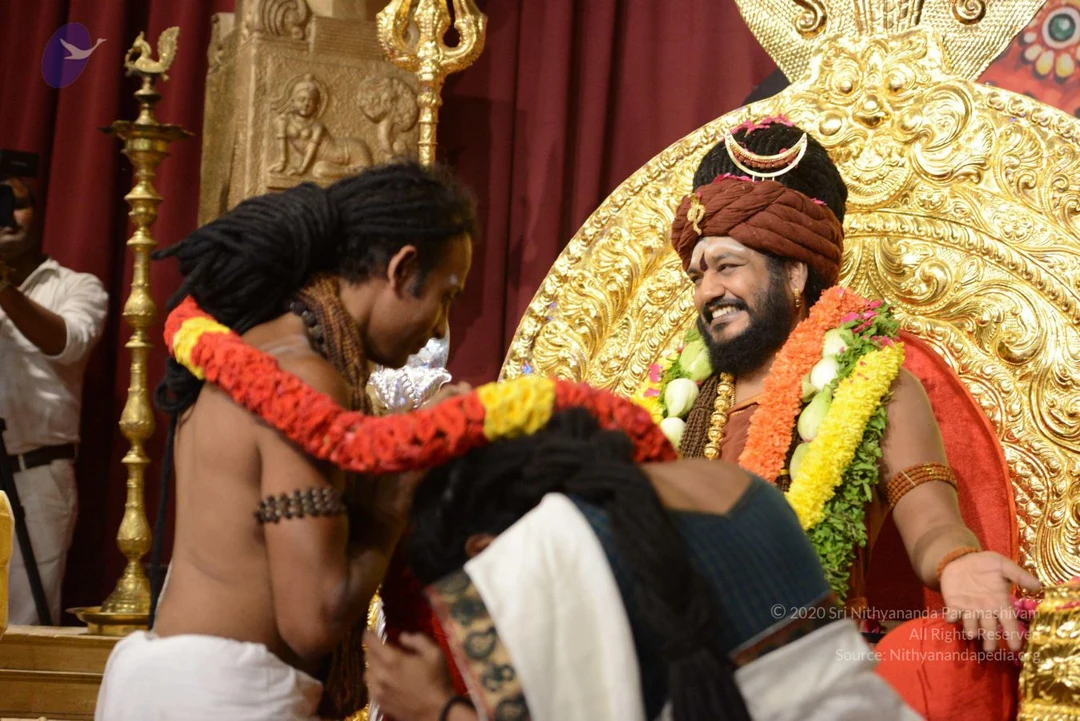
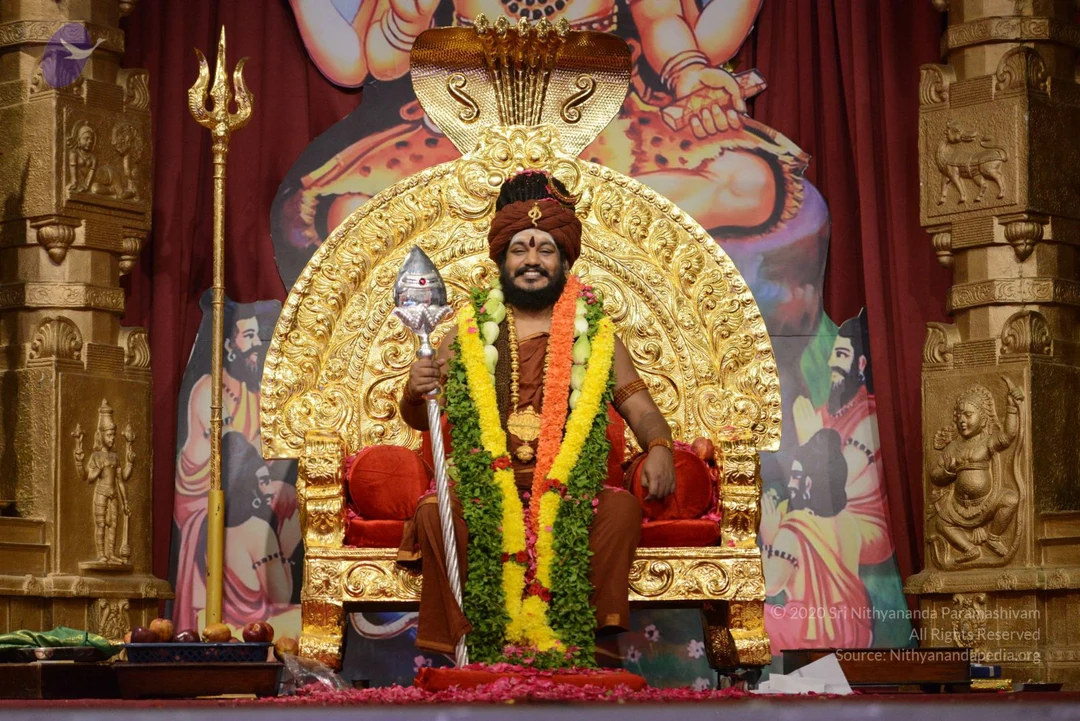
Kalpataru-Darshan
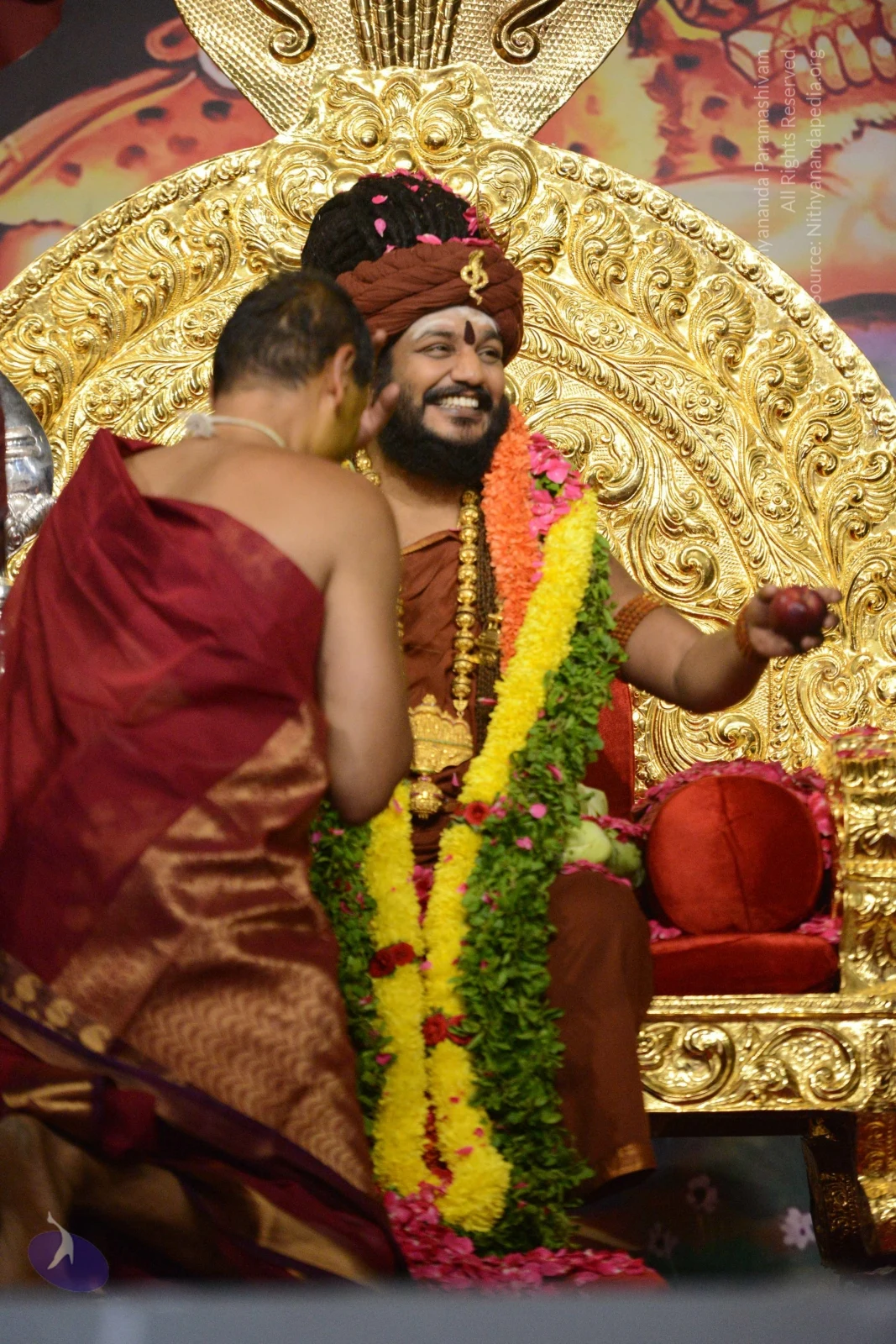
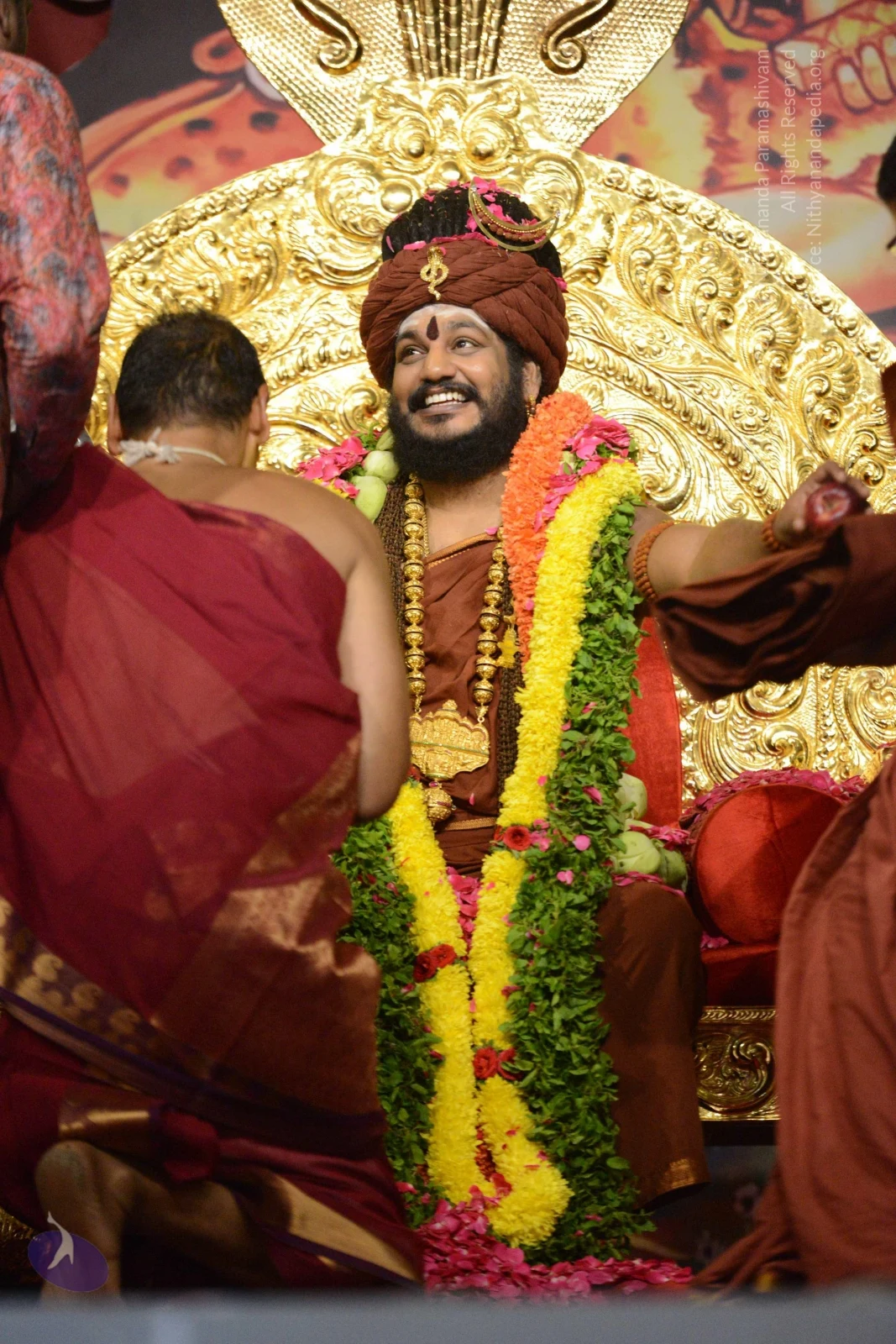
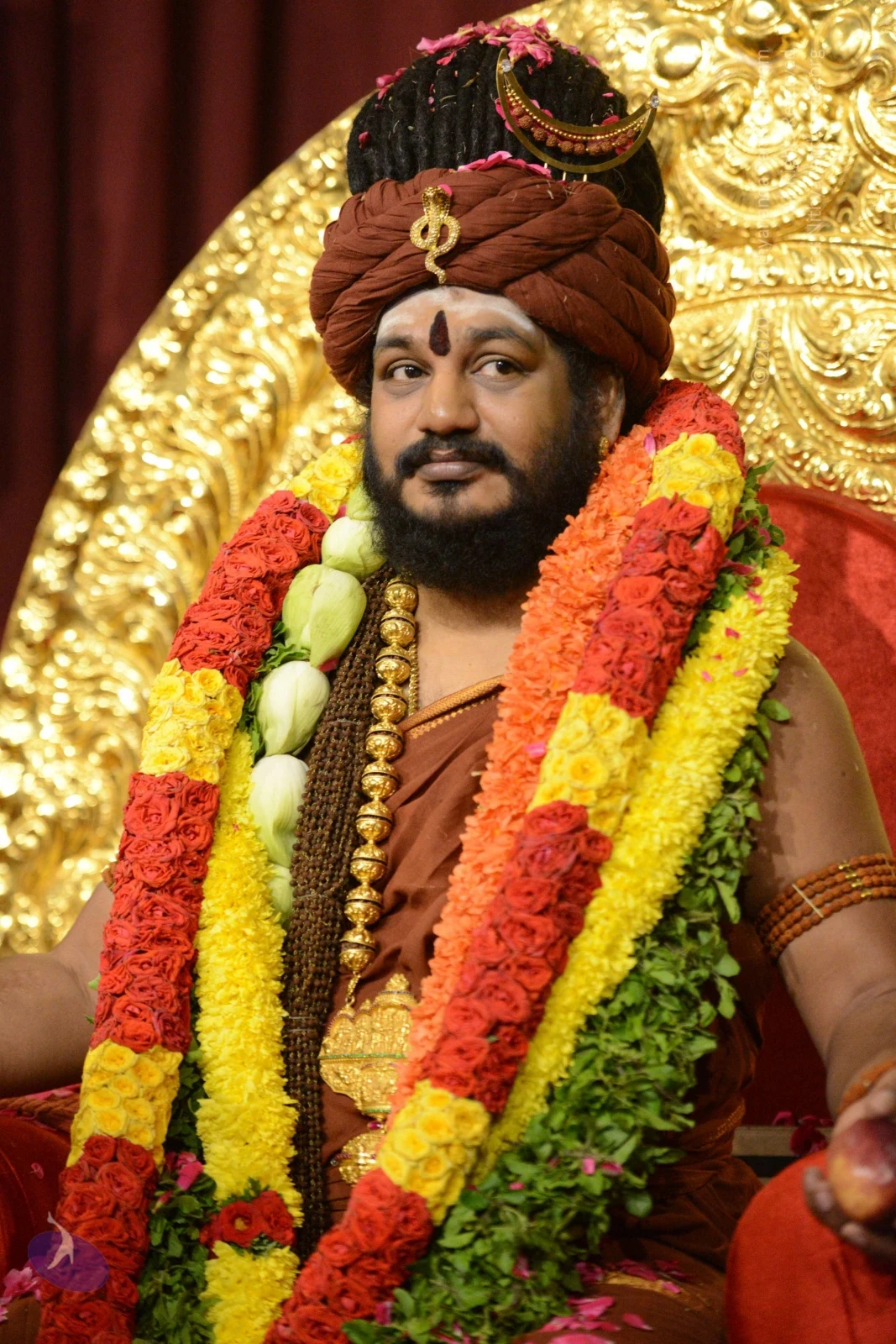
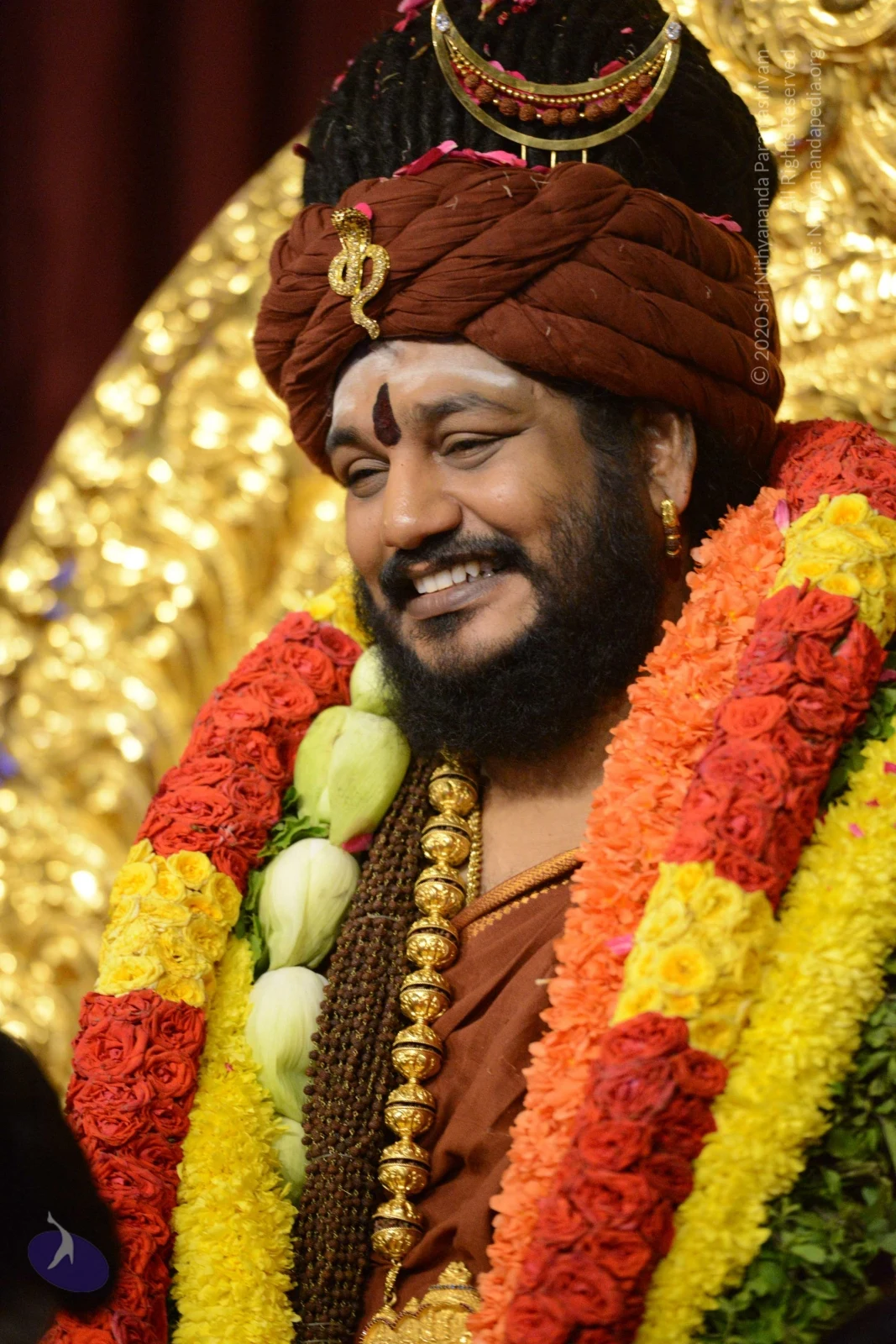
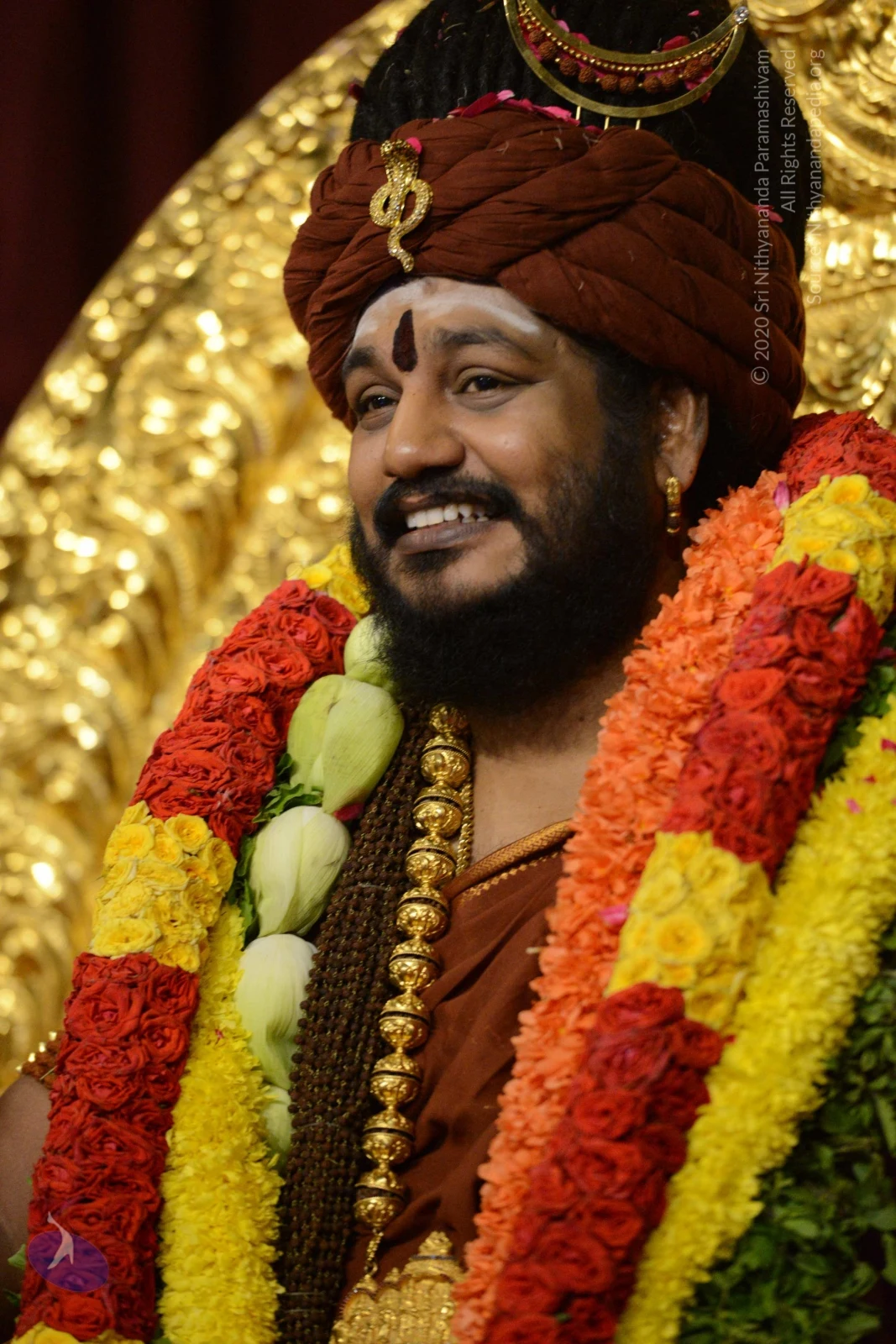
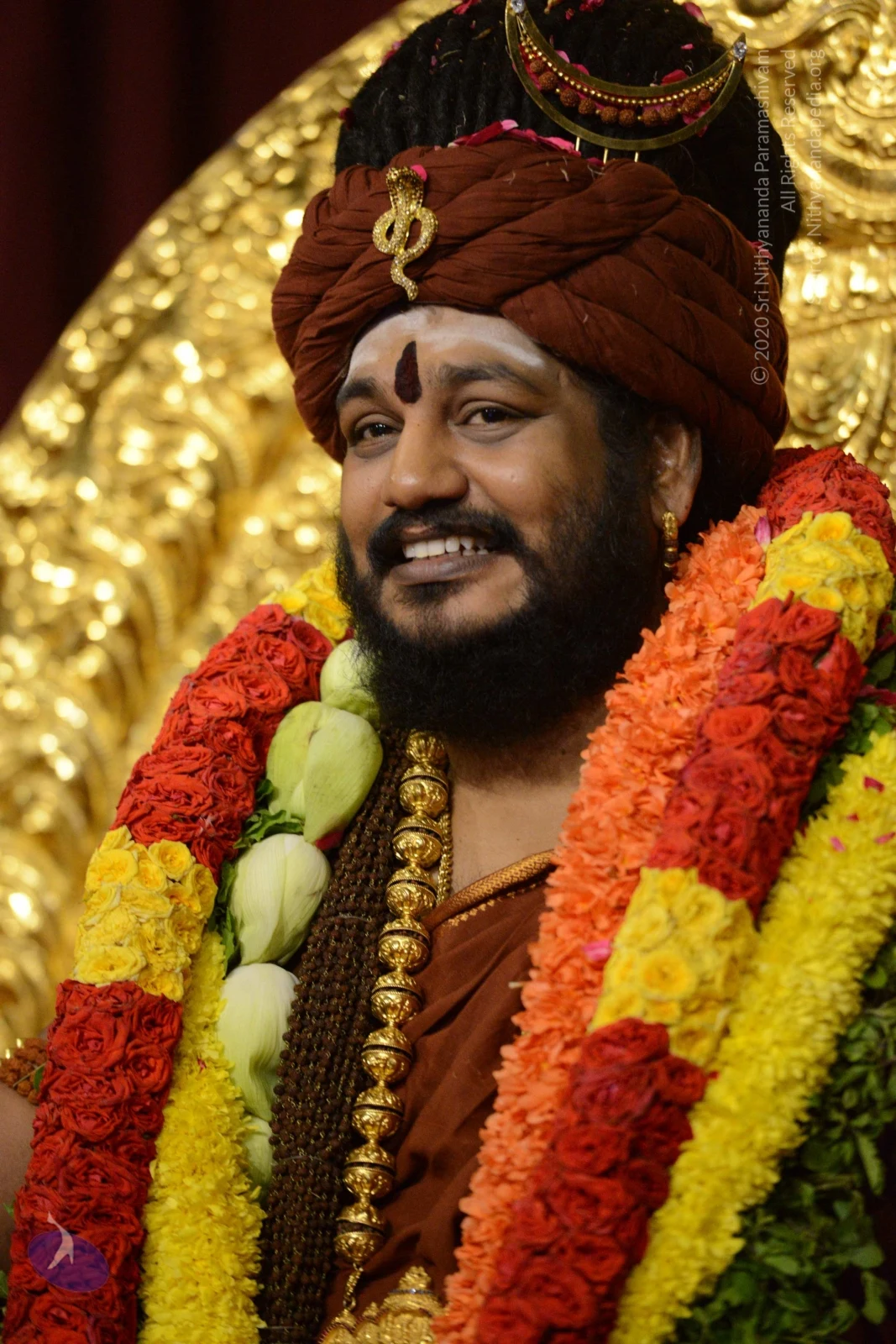
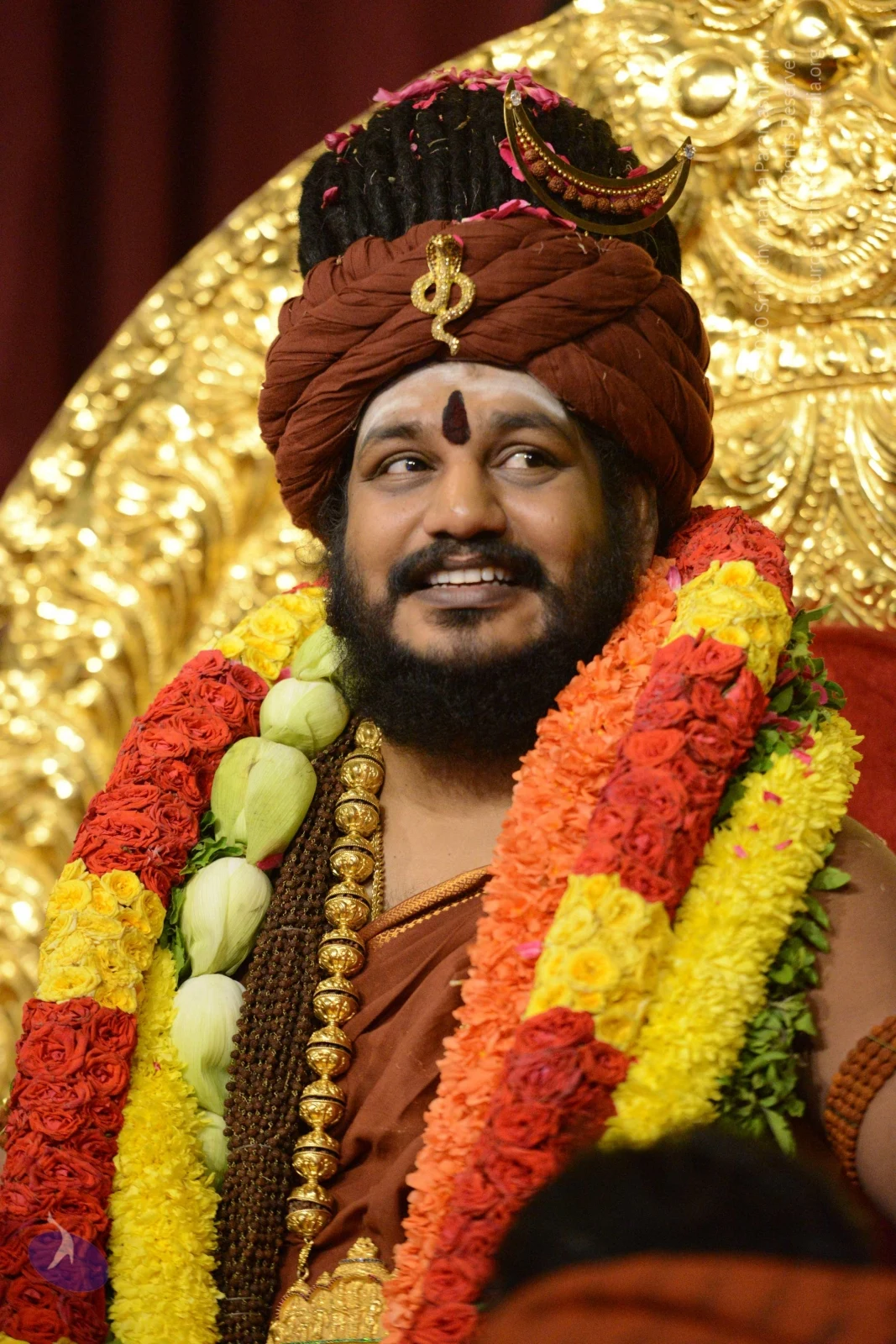
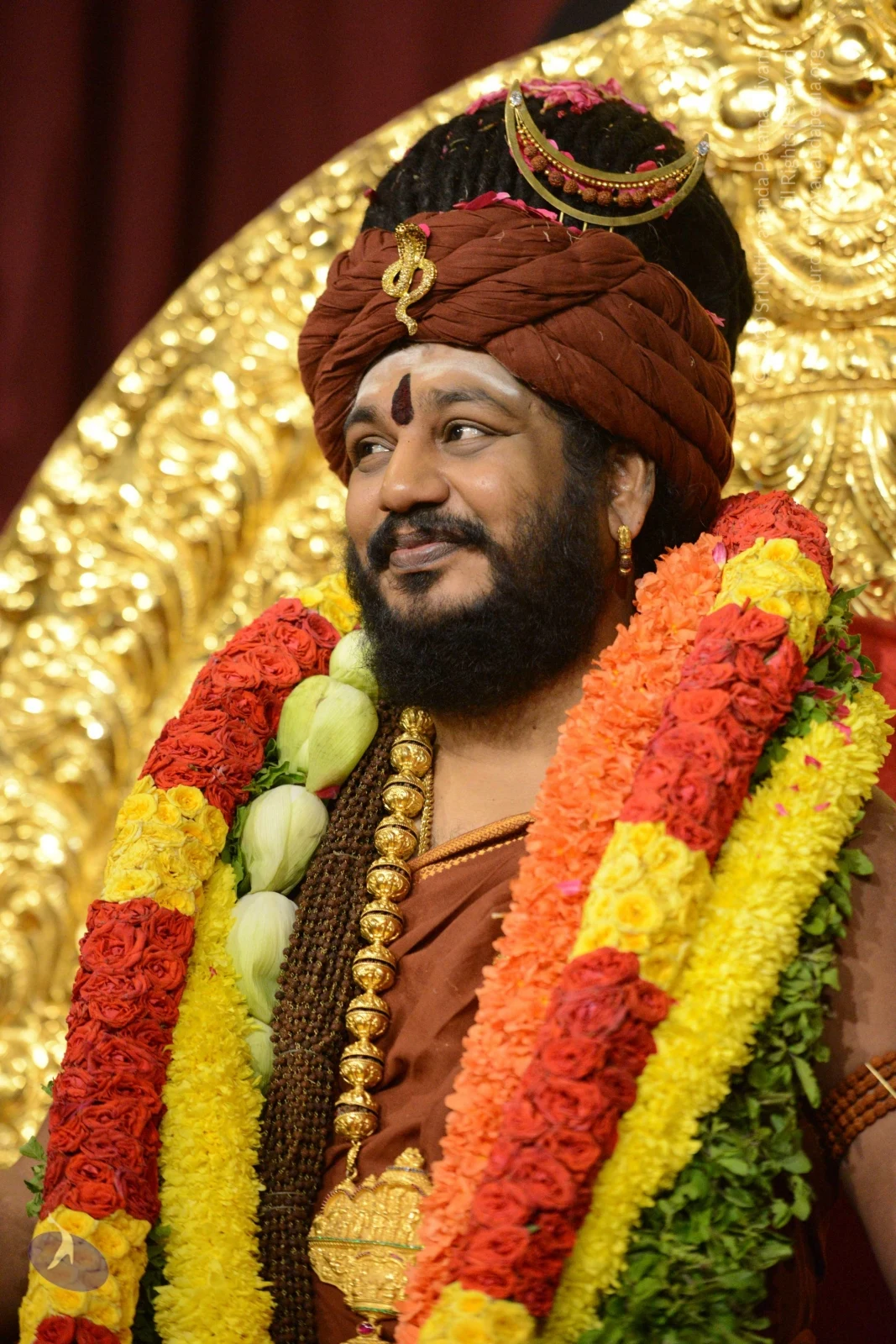
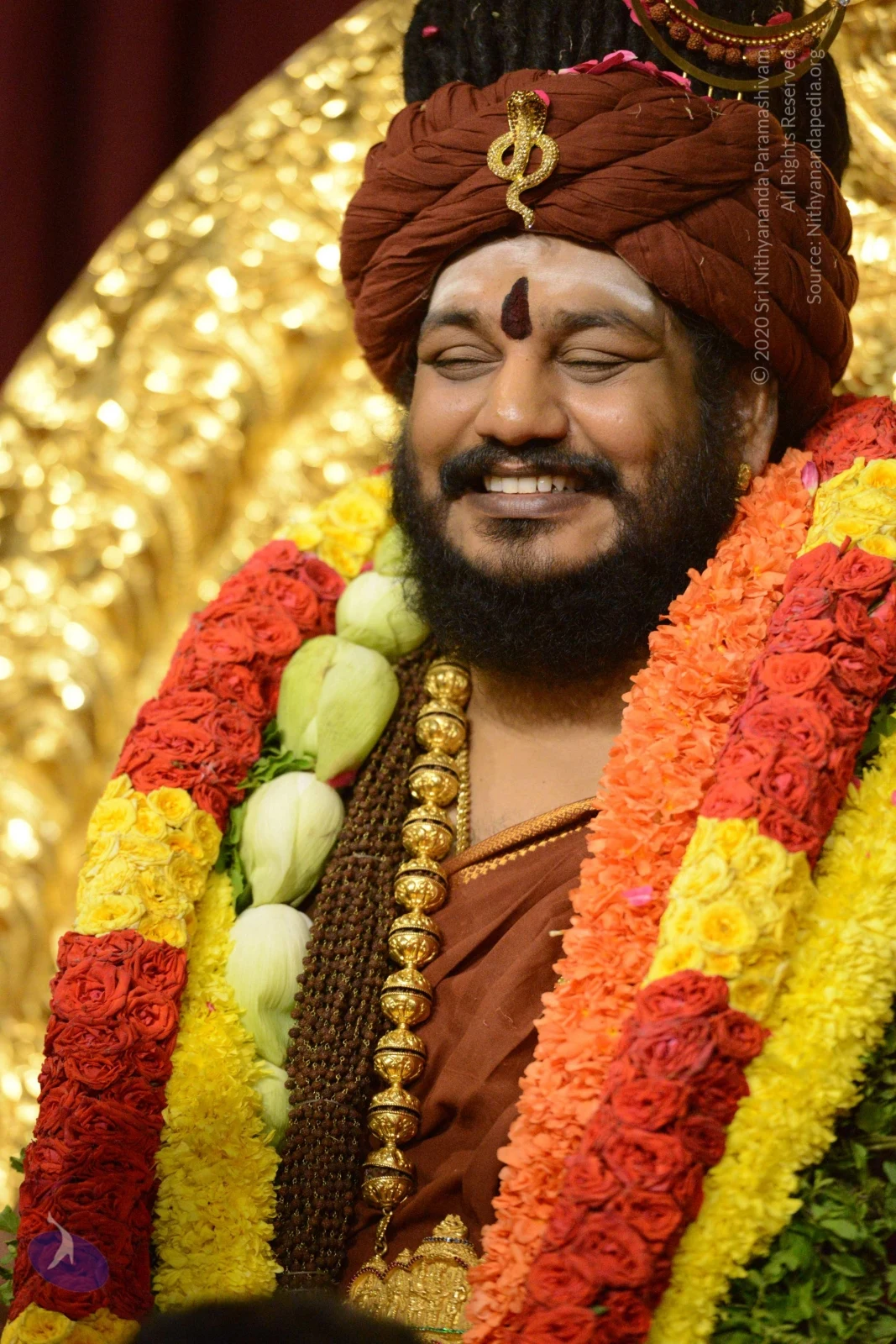
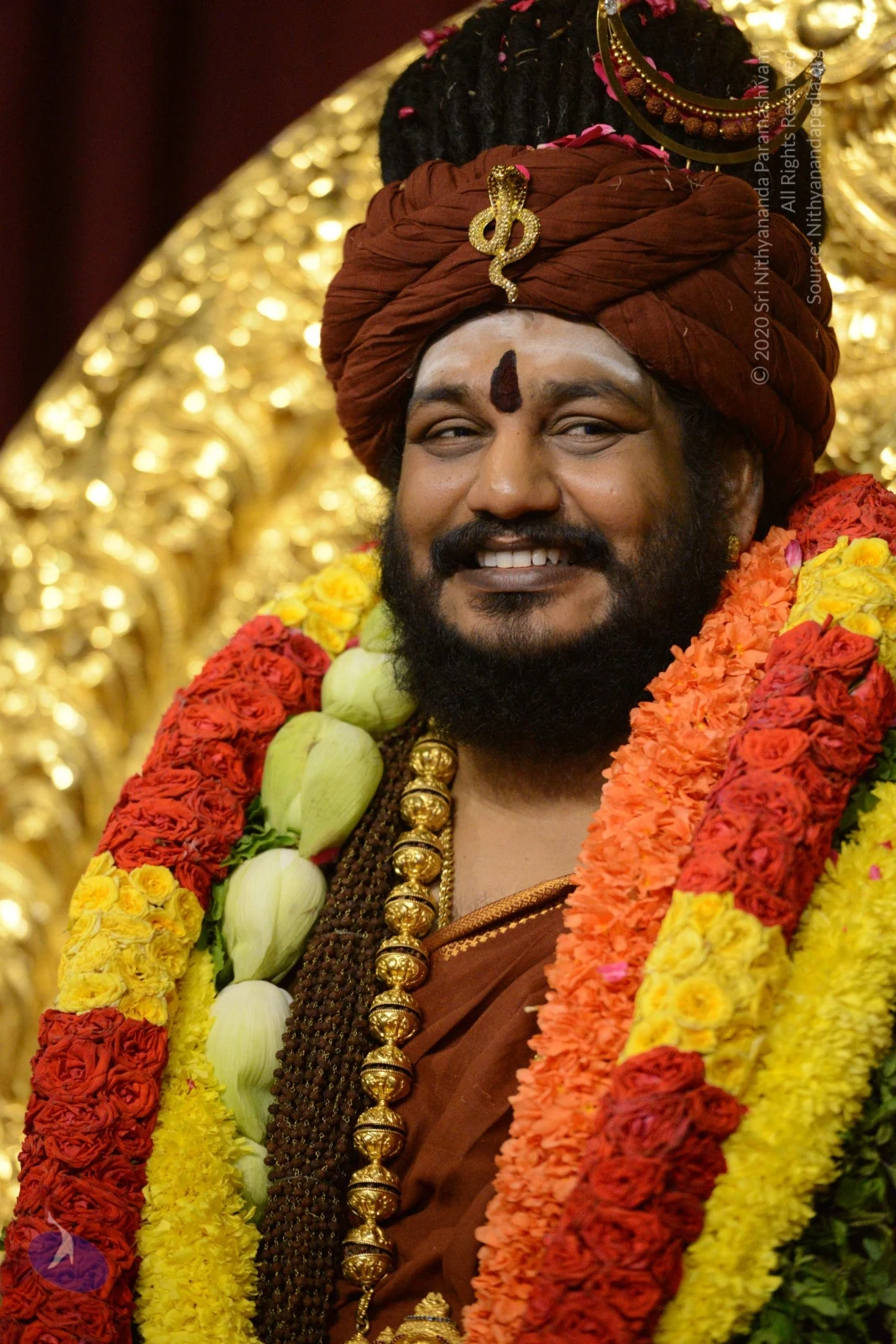
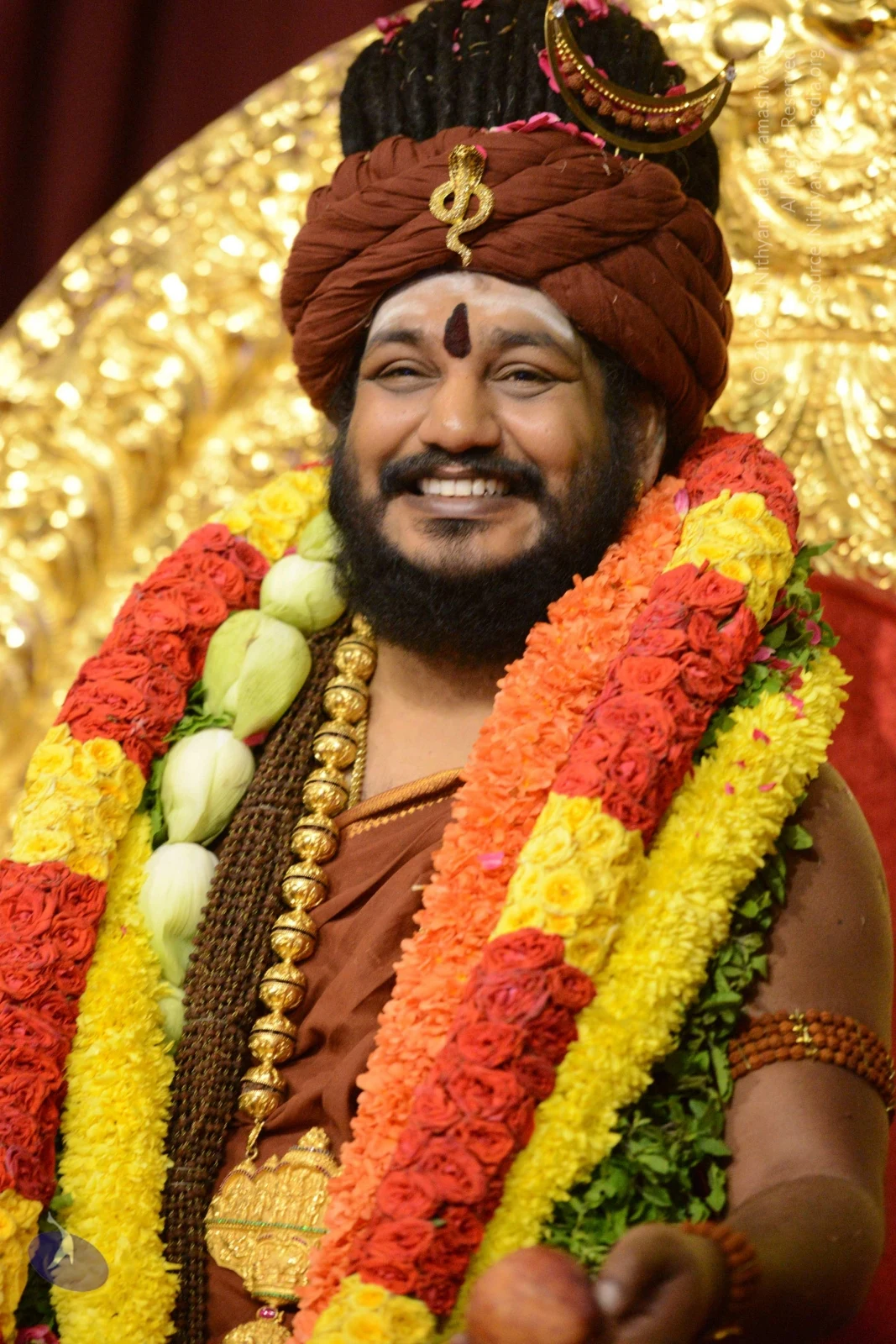
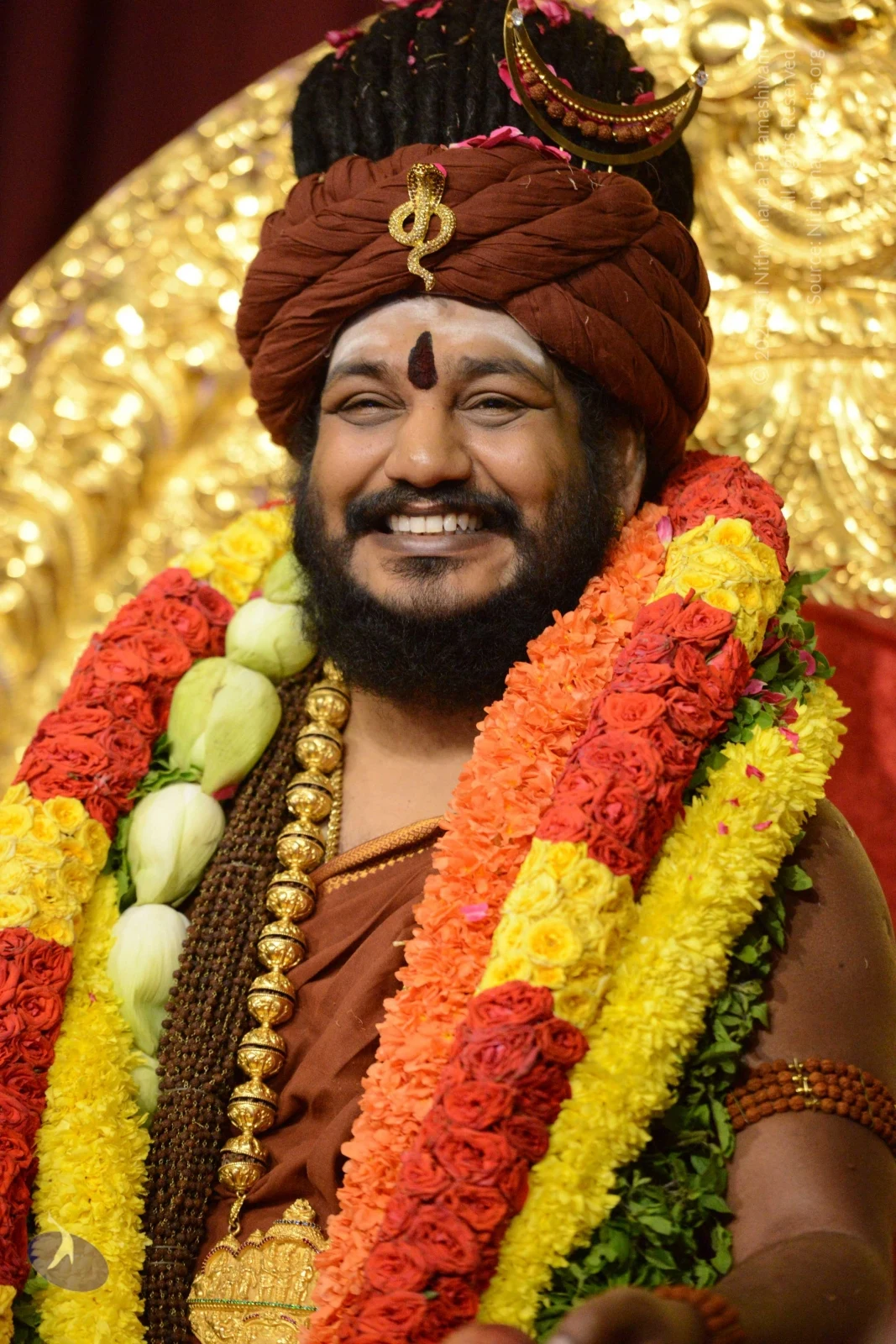
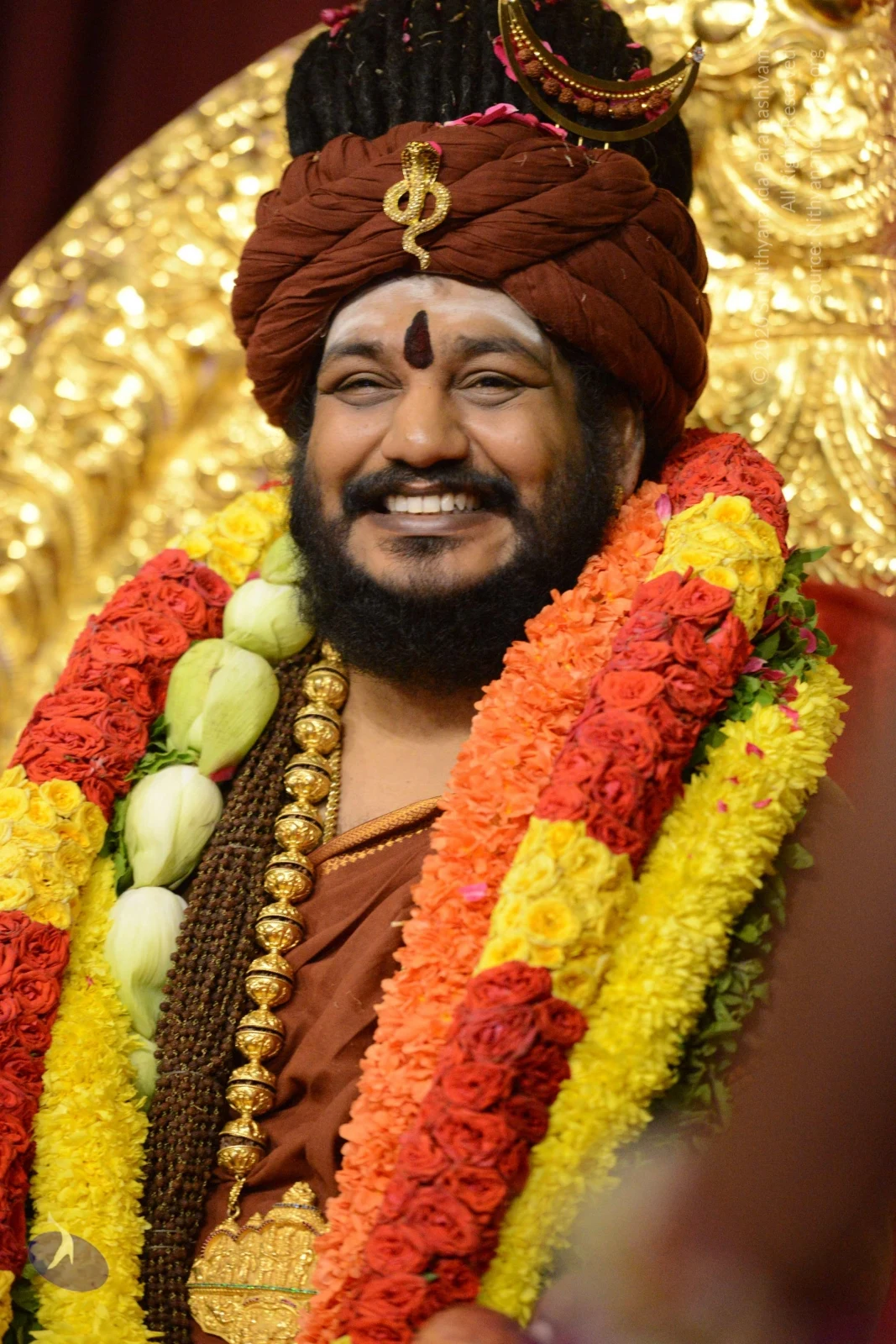
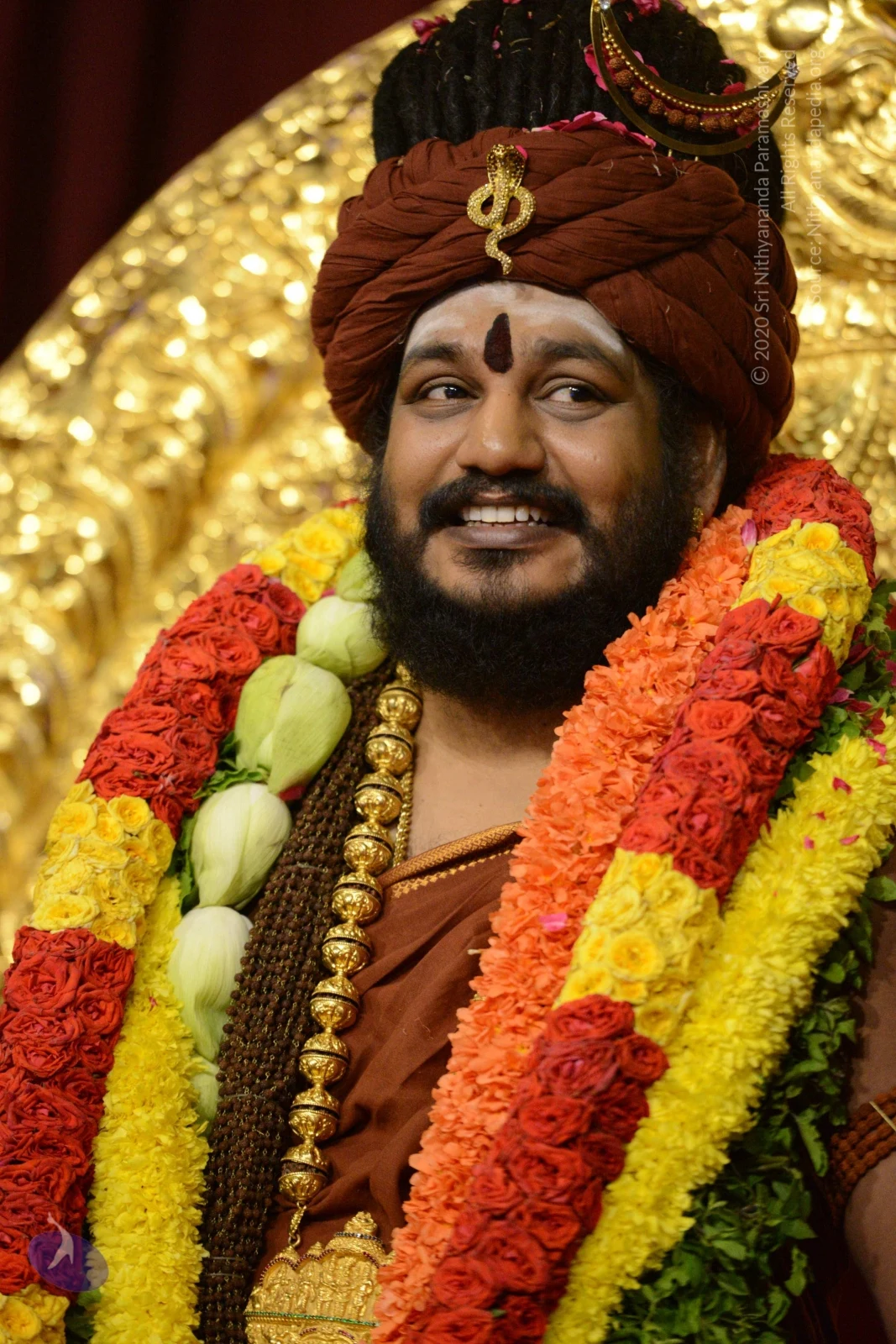
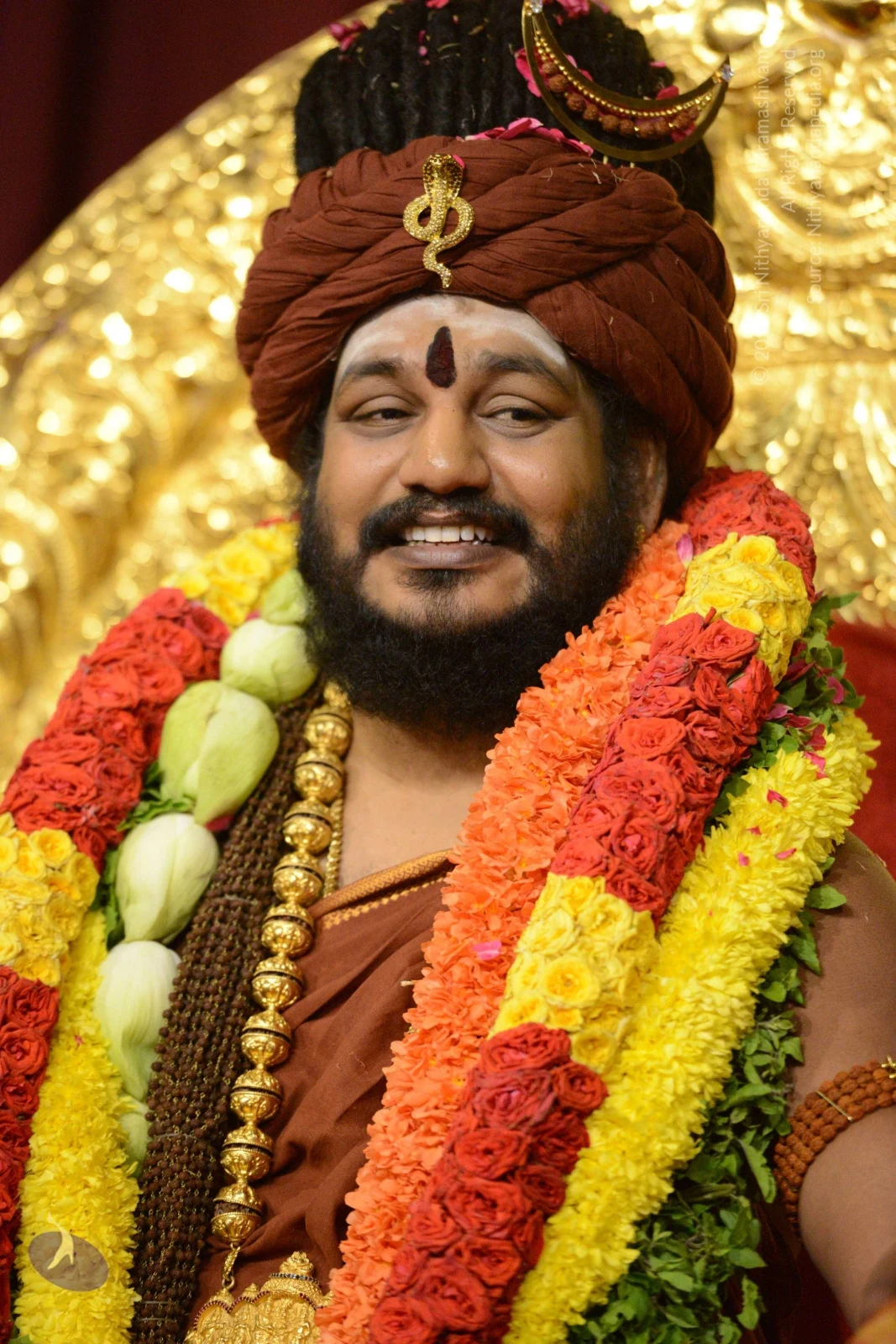
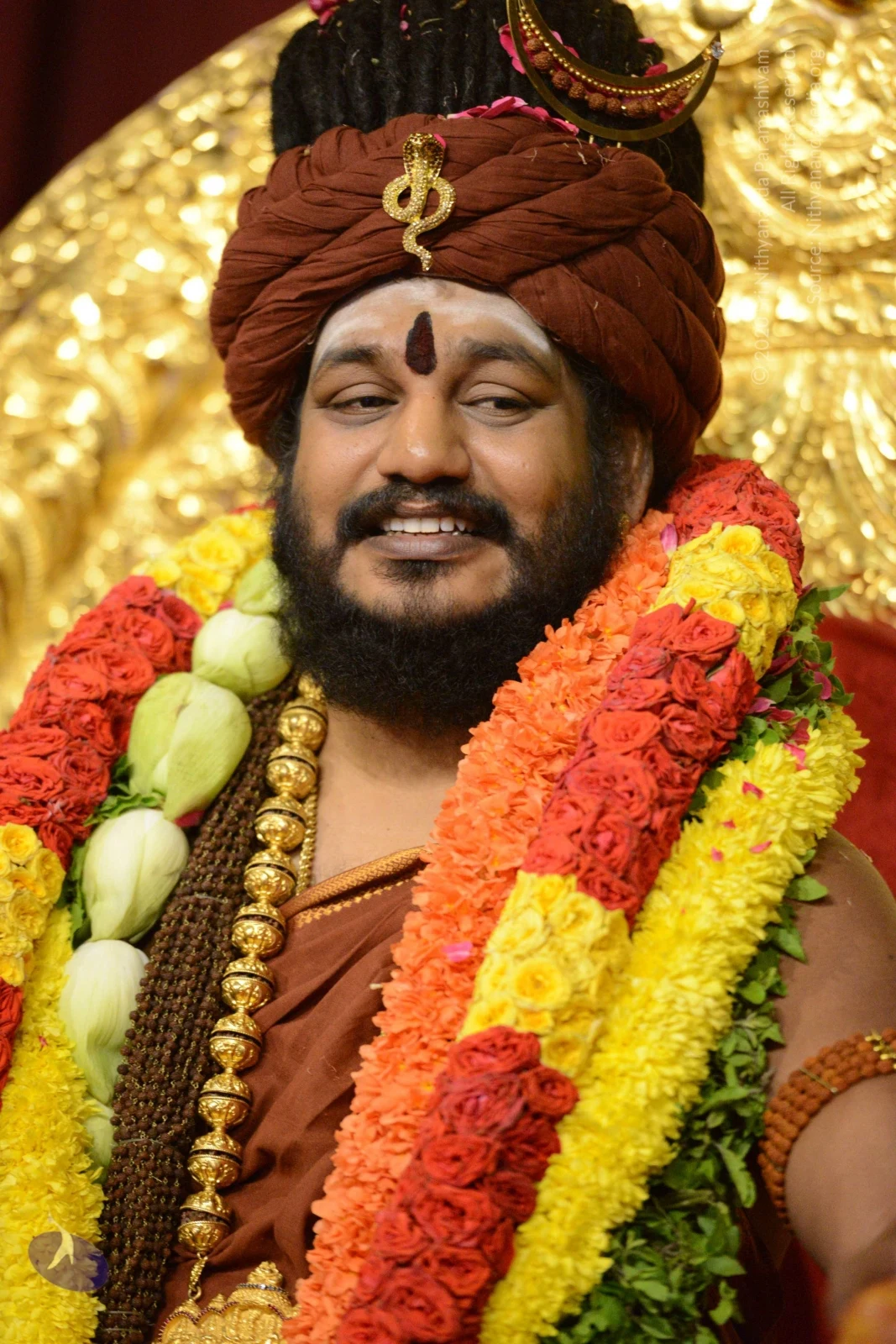
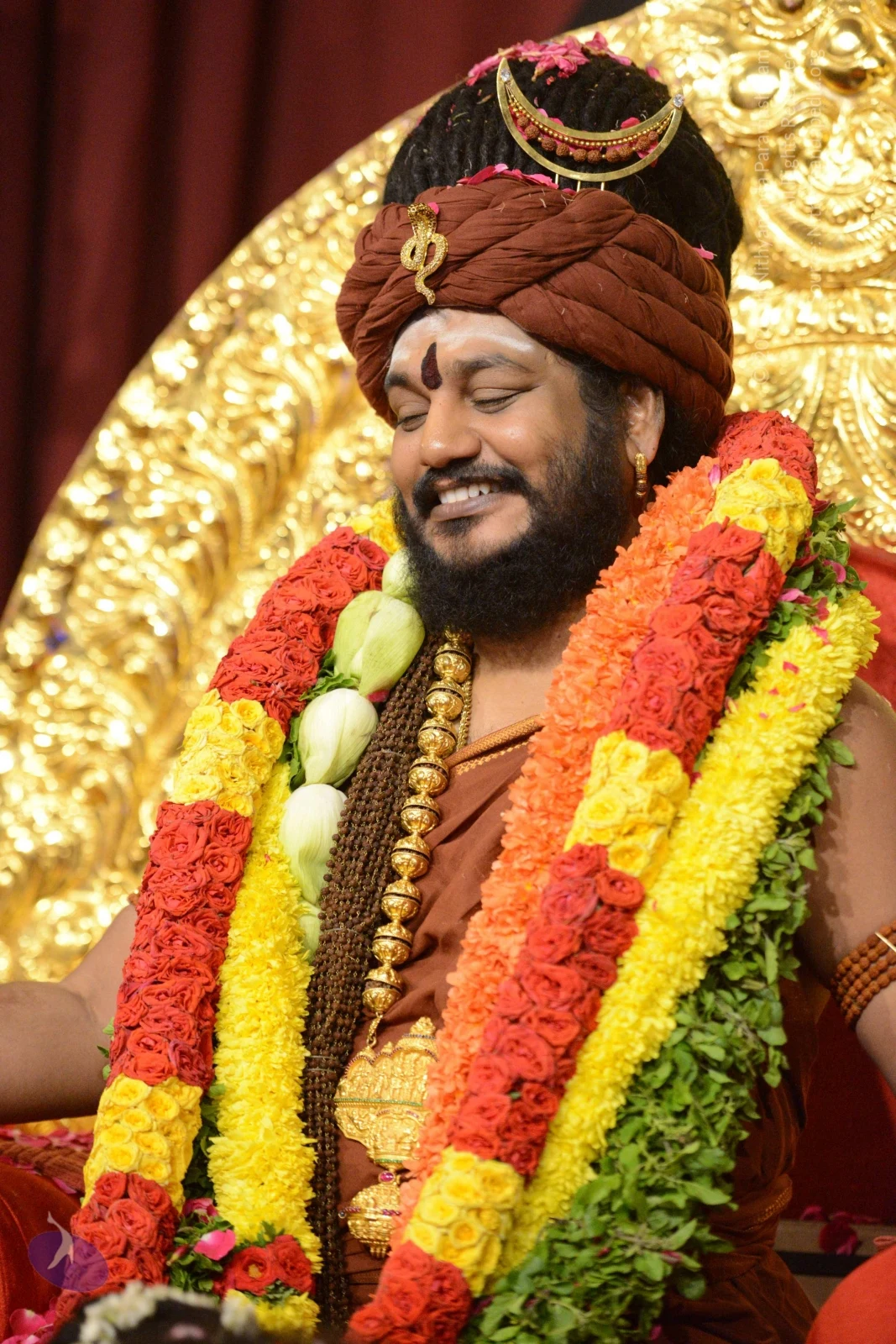
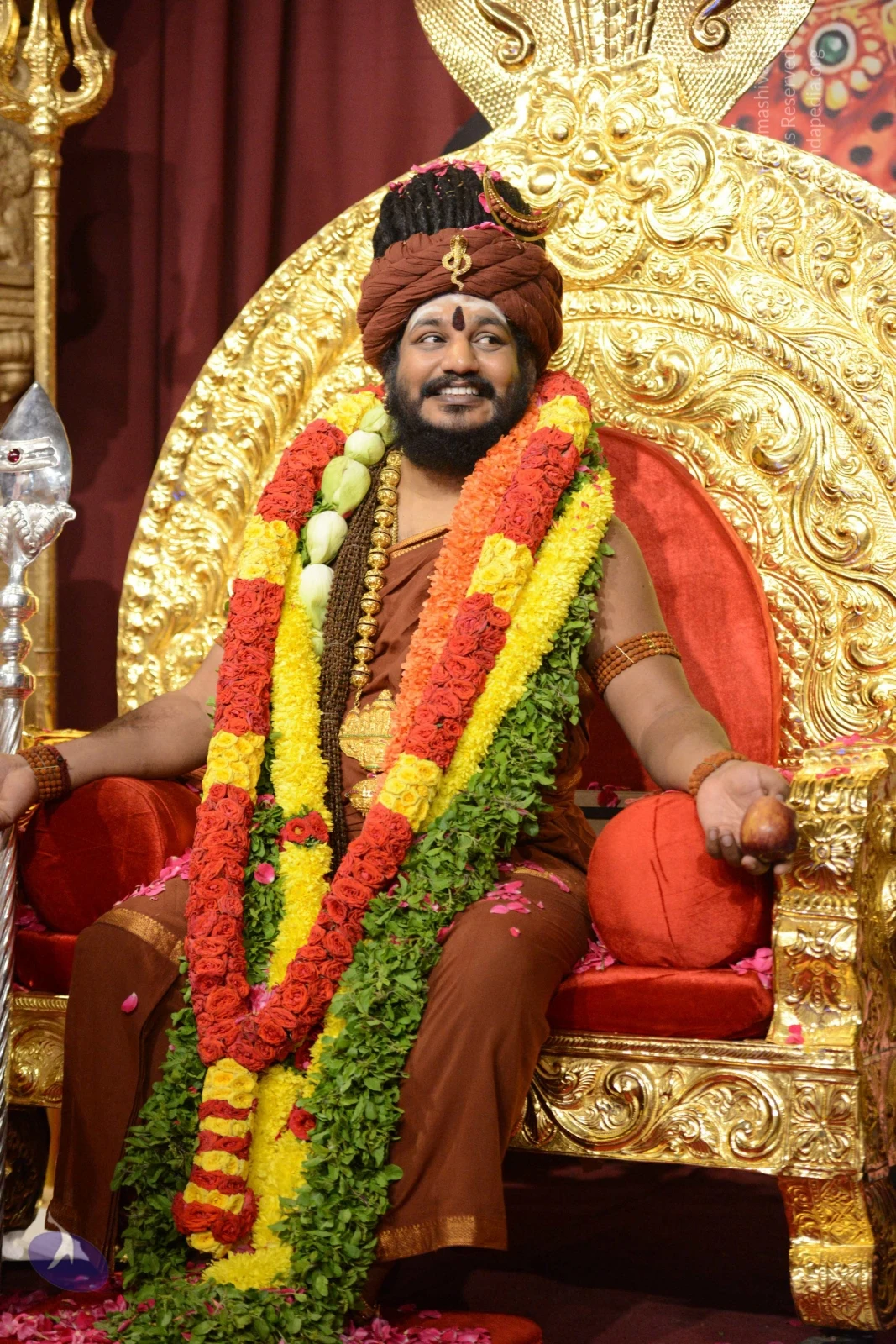
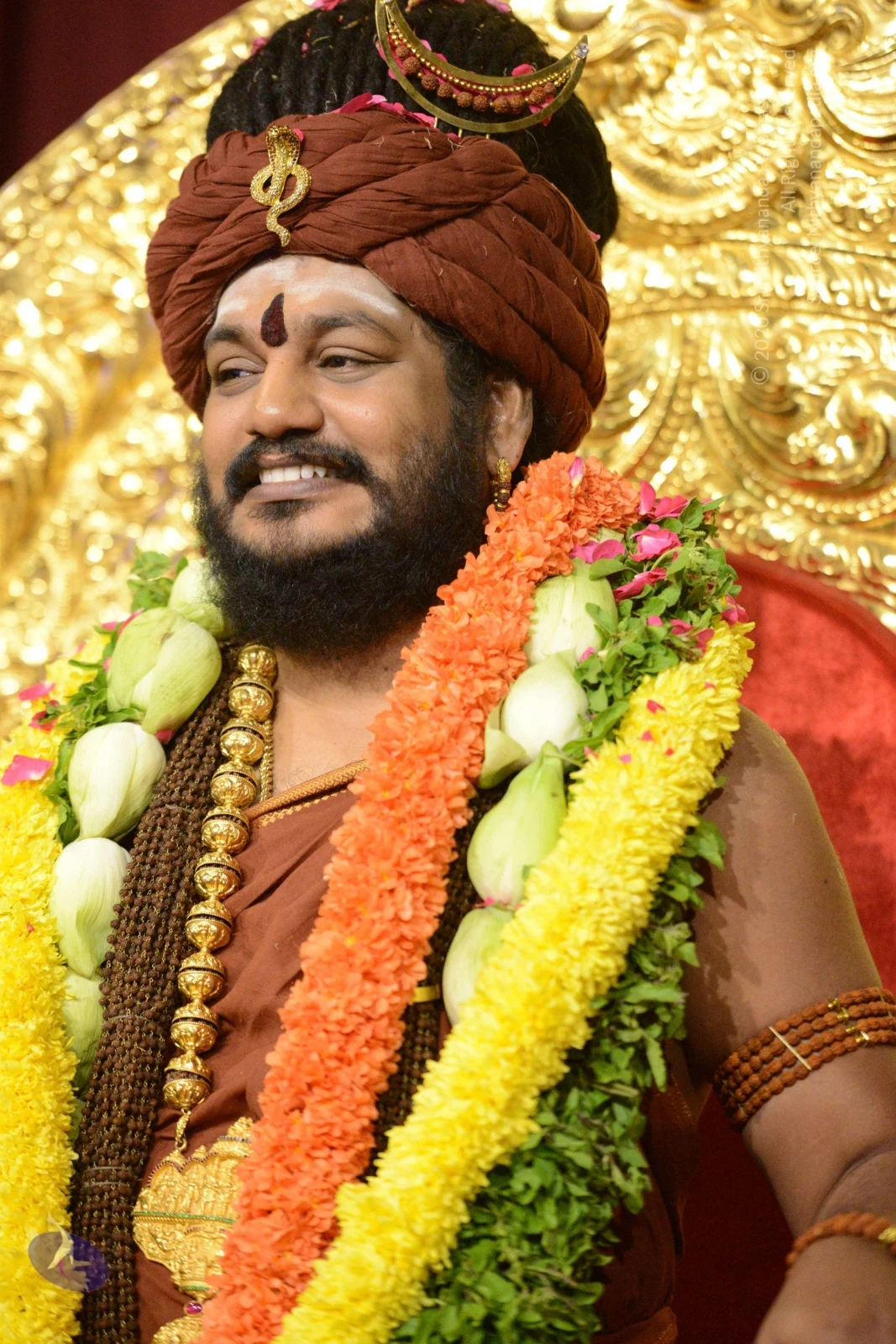
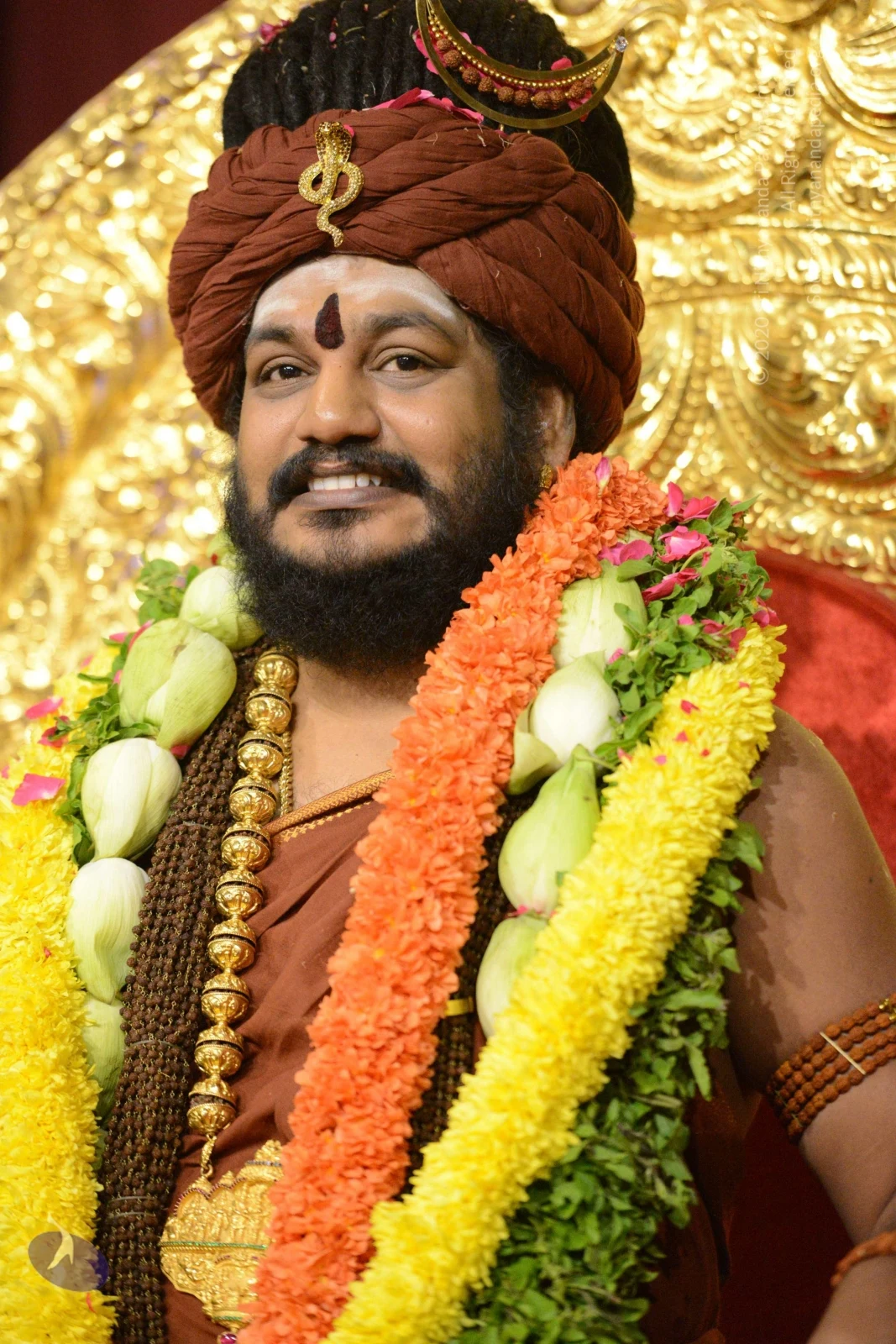
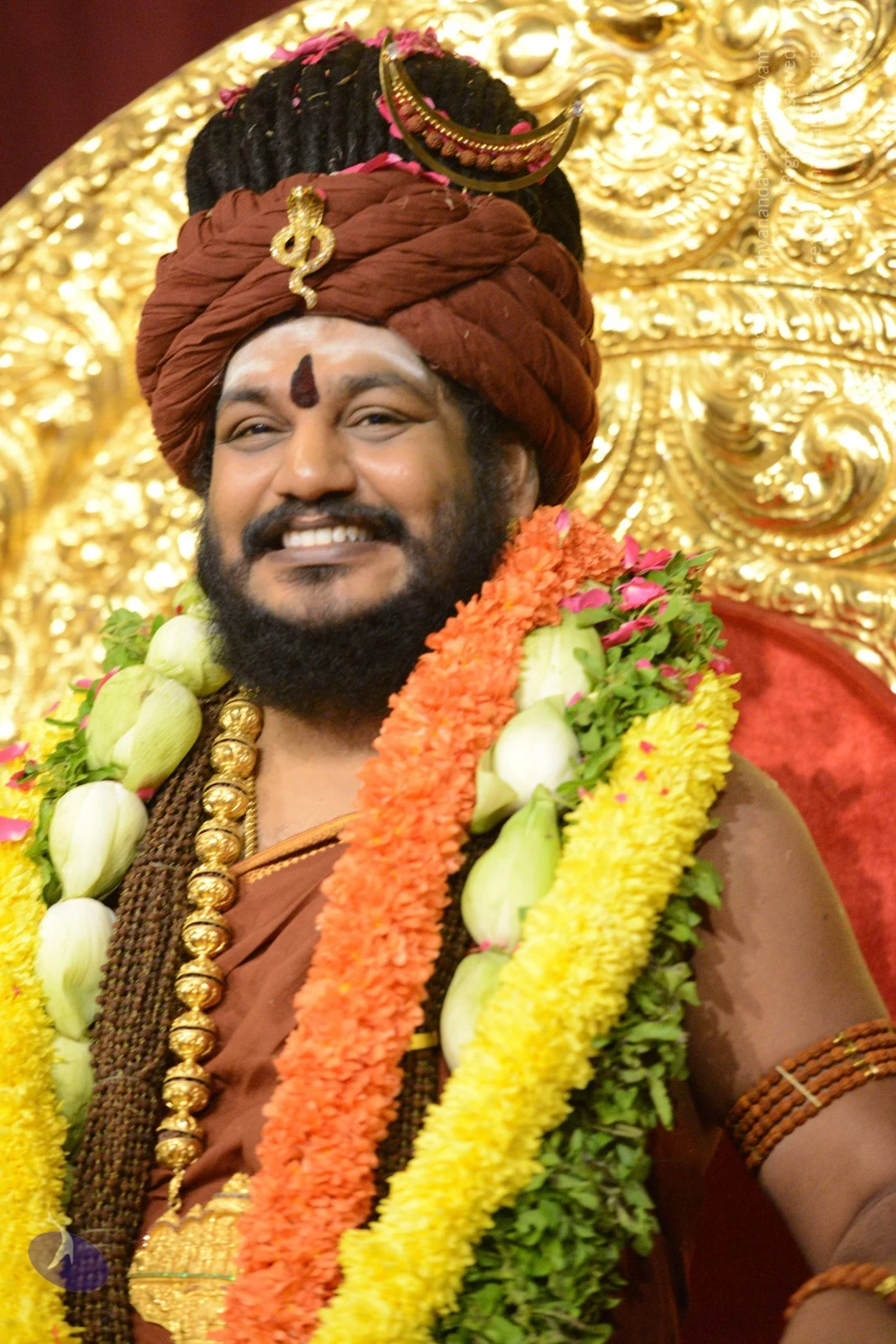
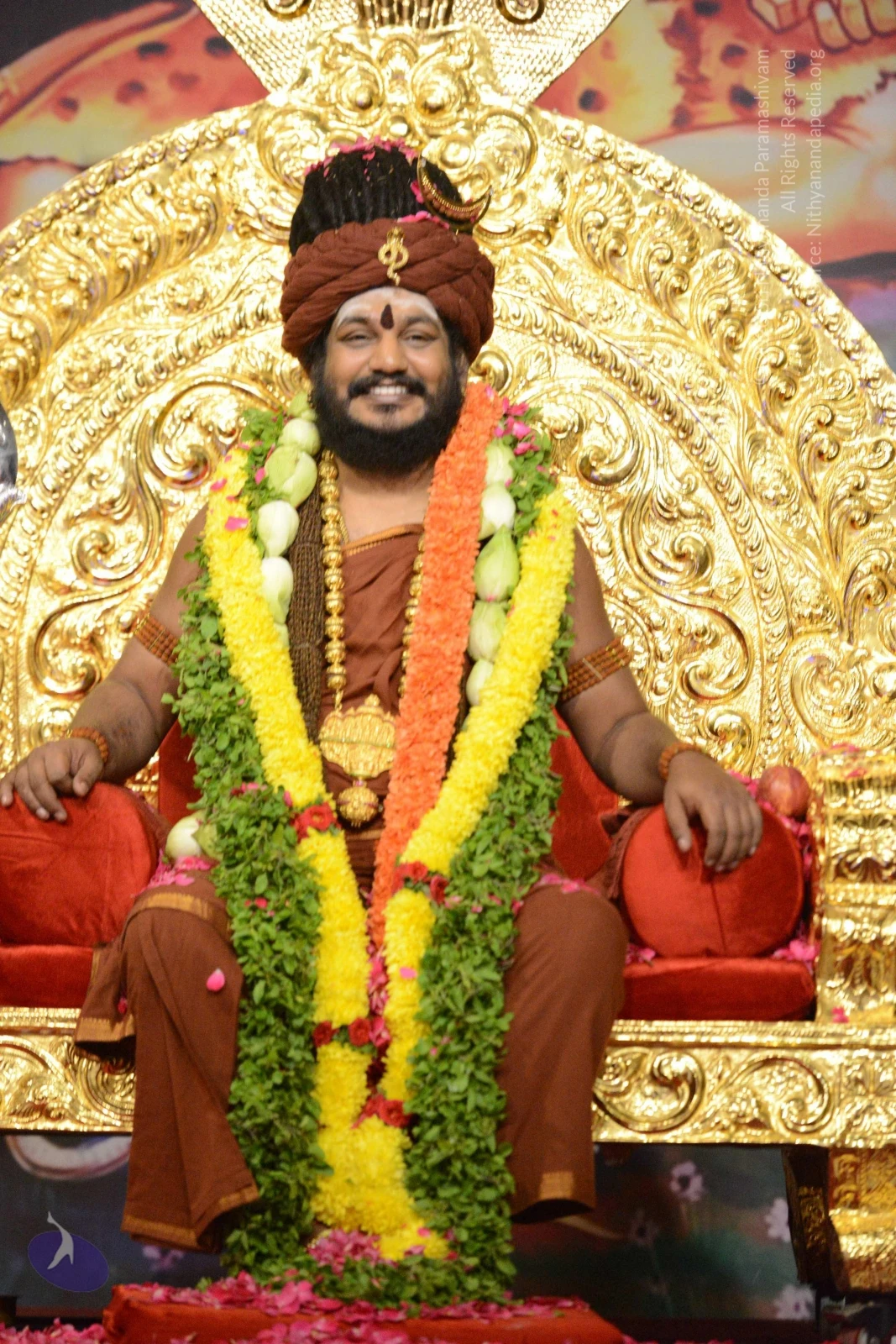
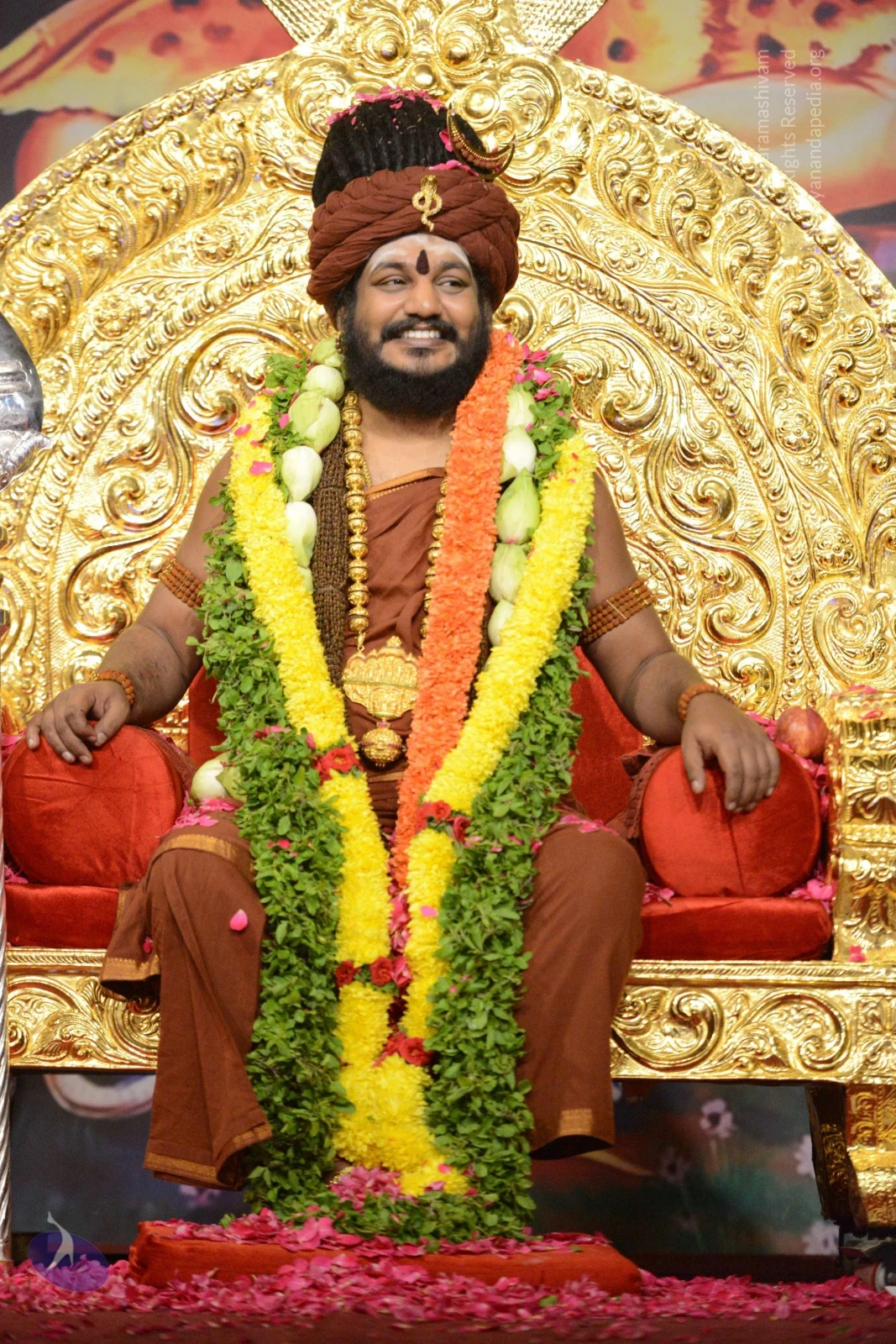
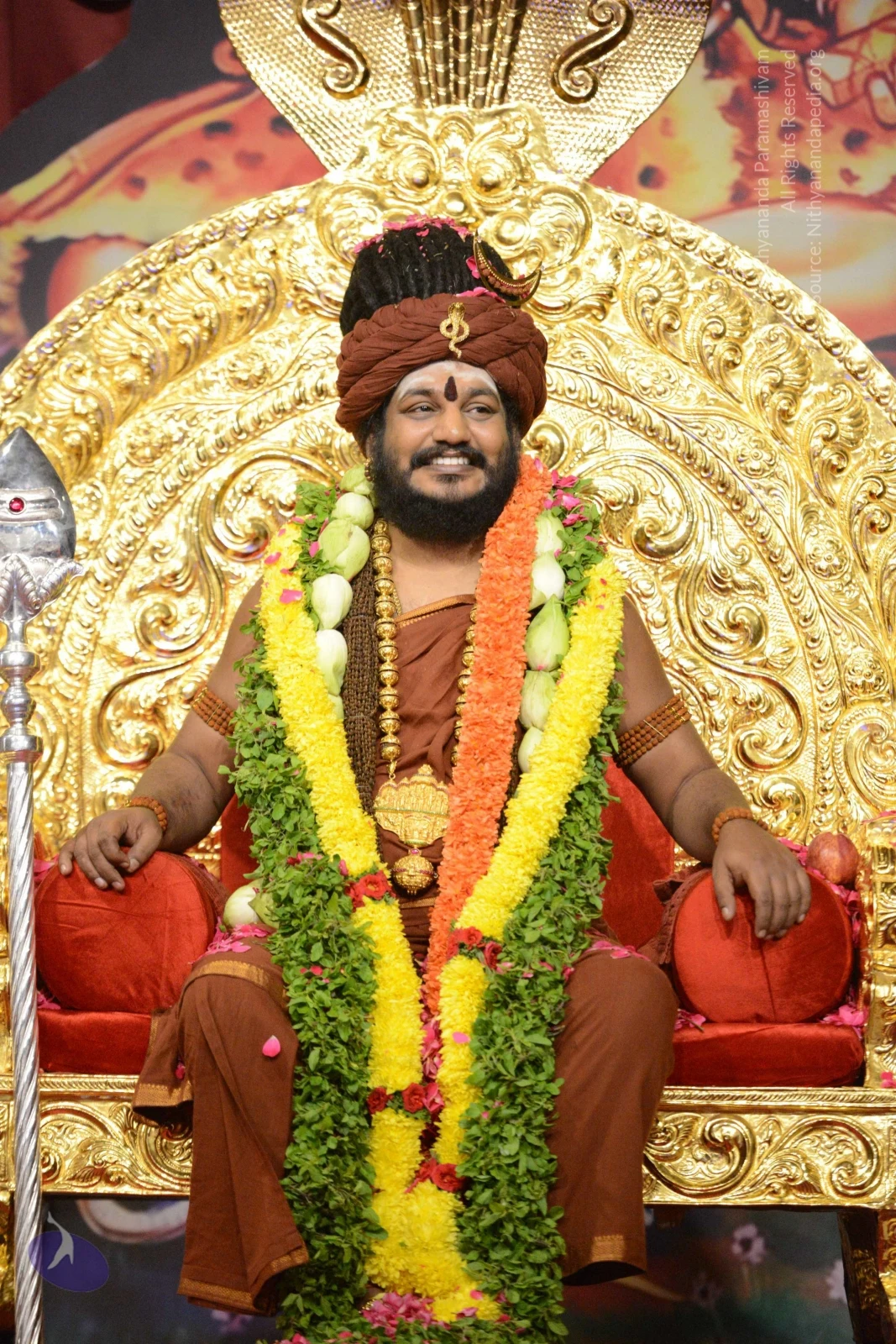
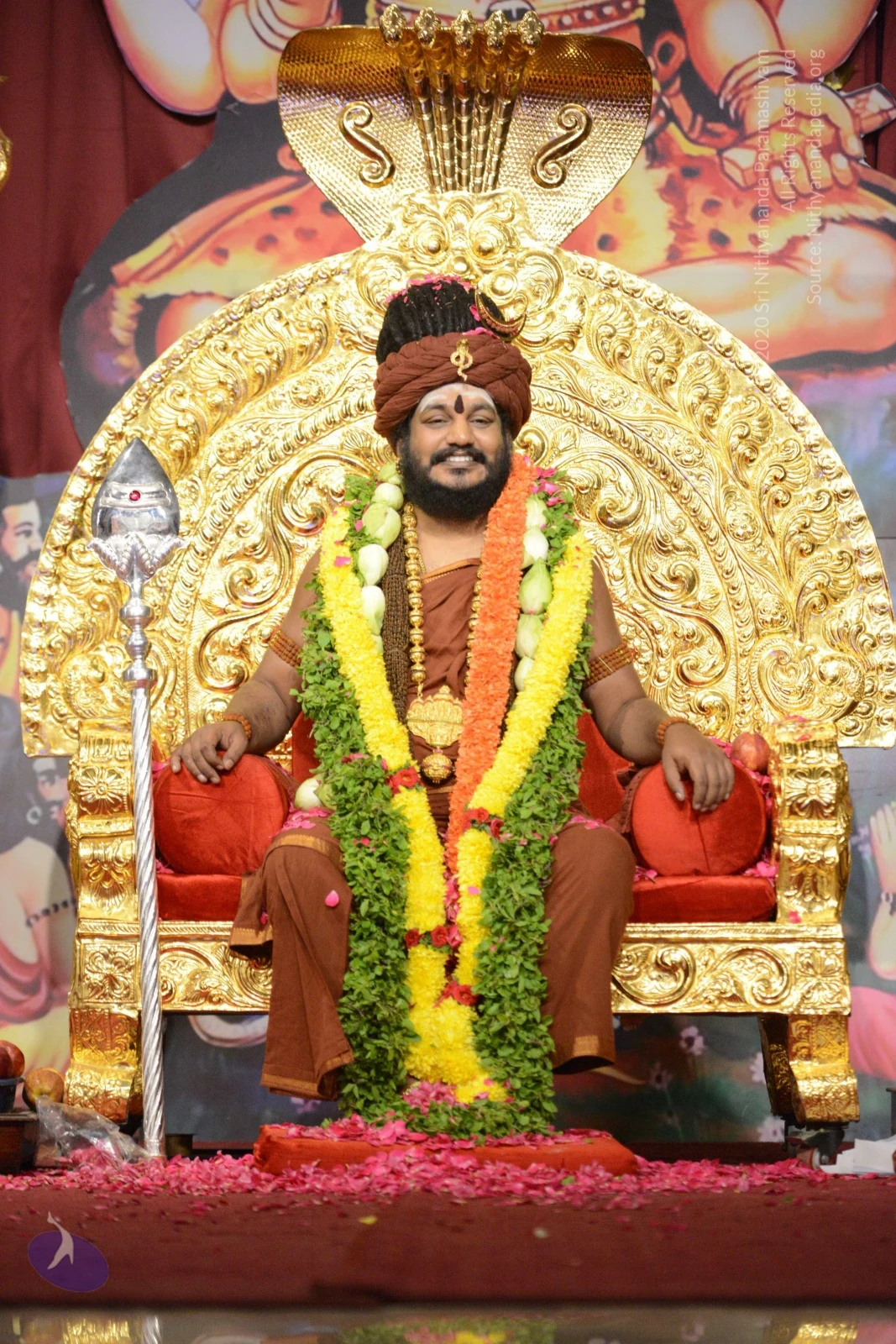
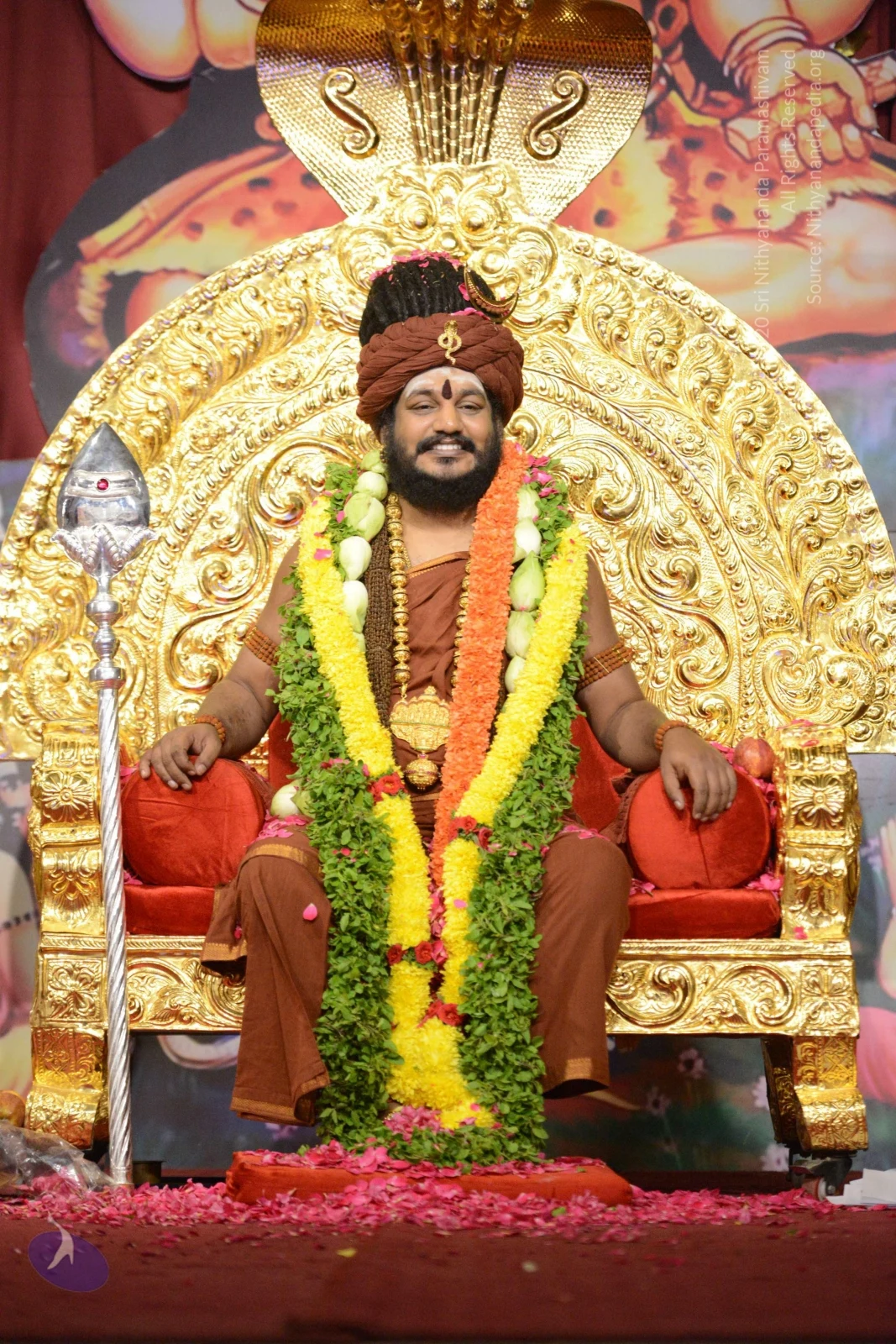
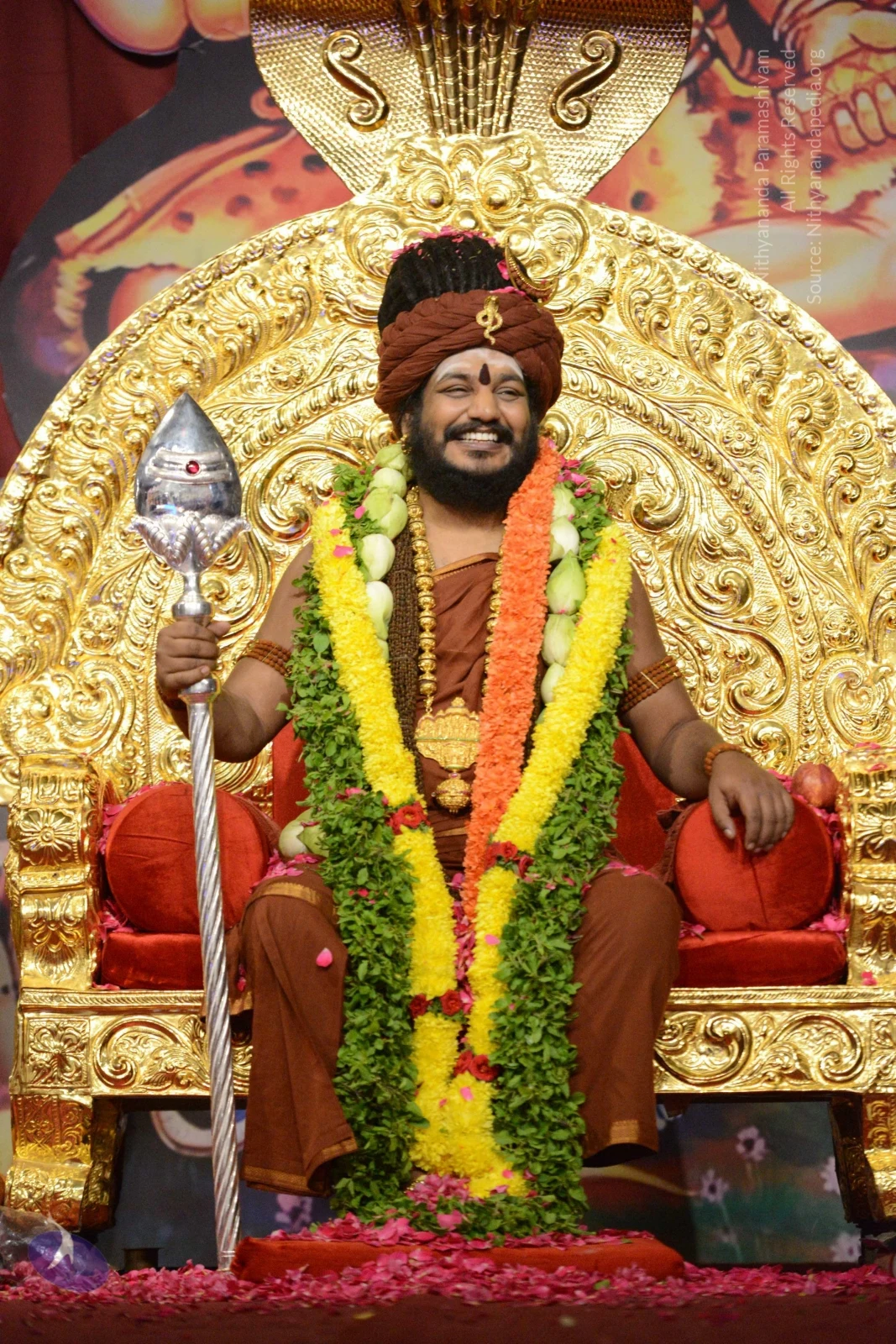
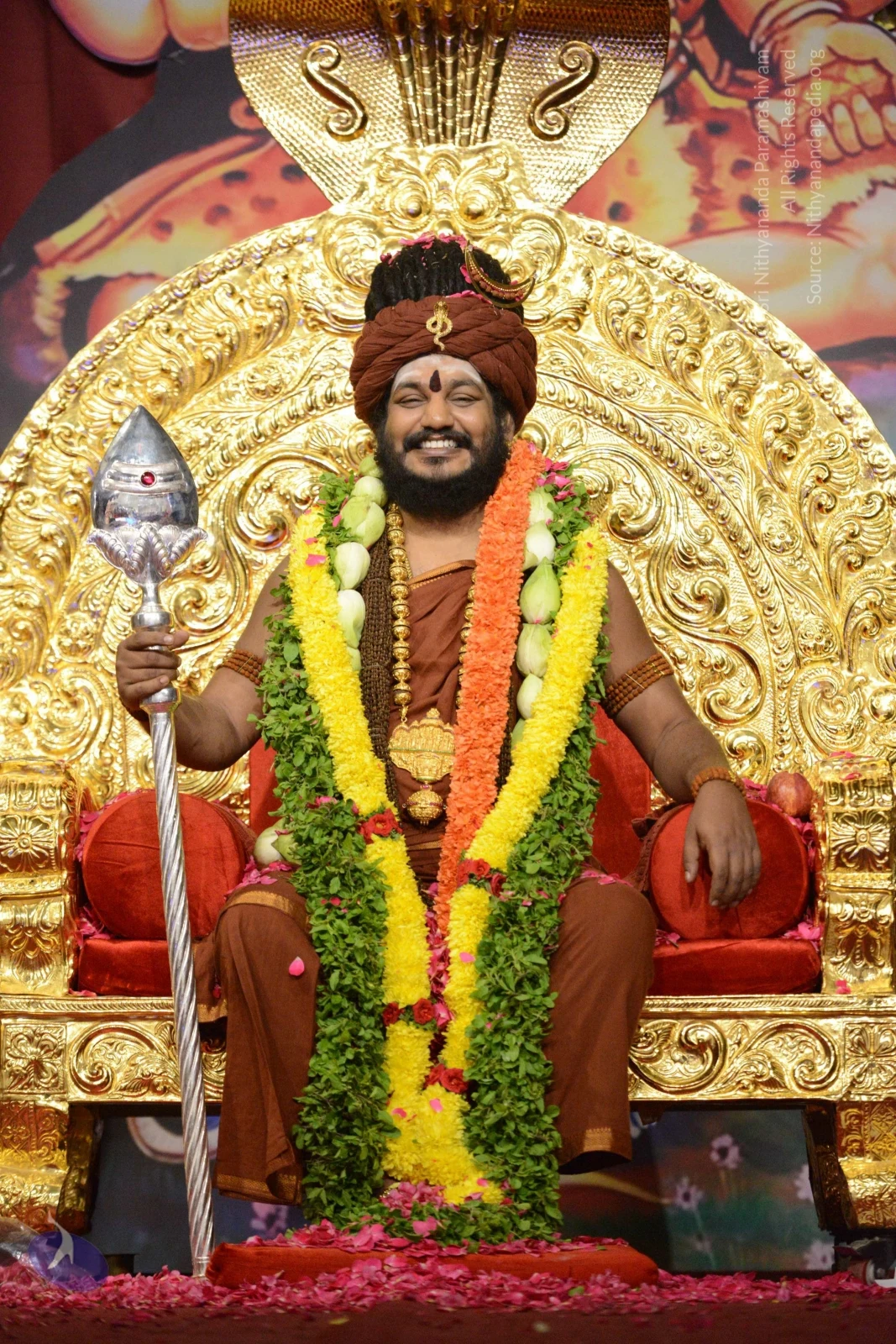
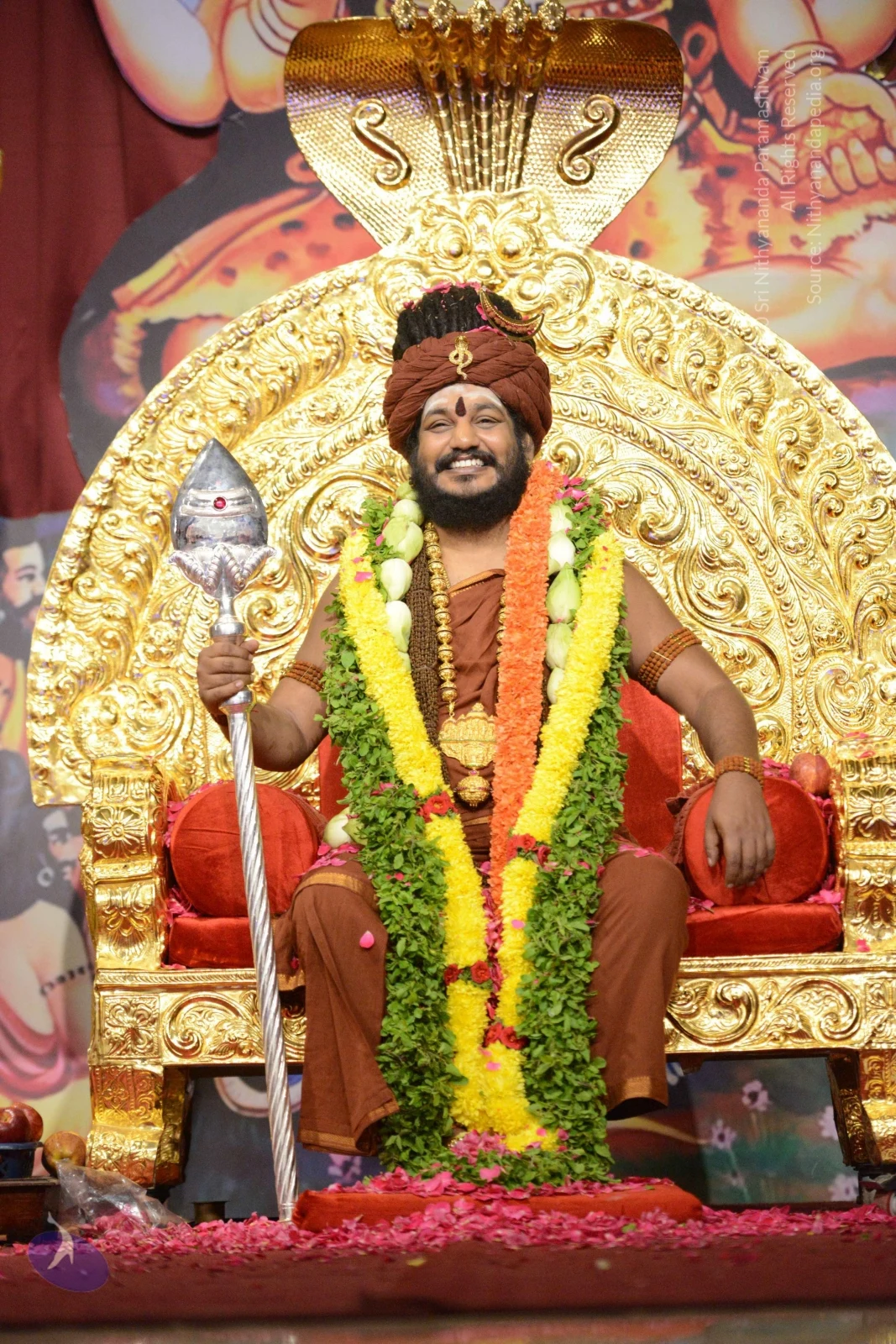
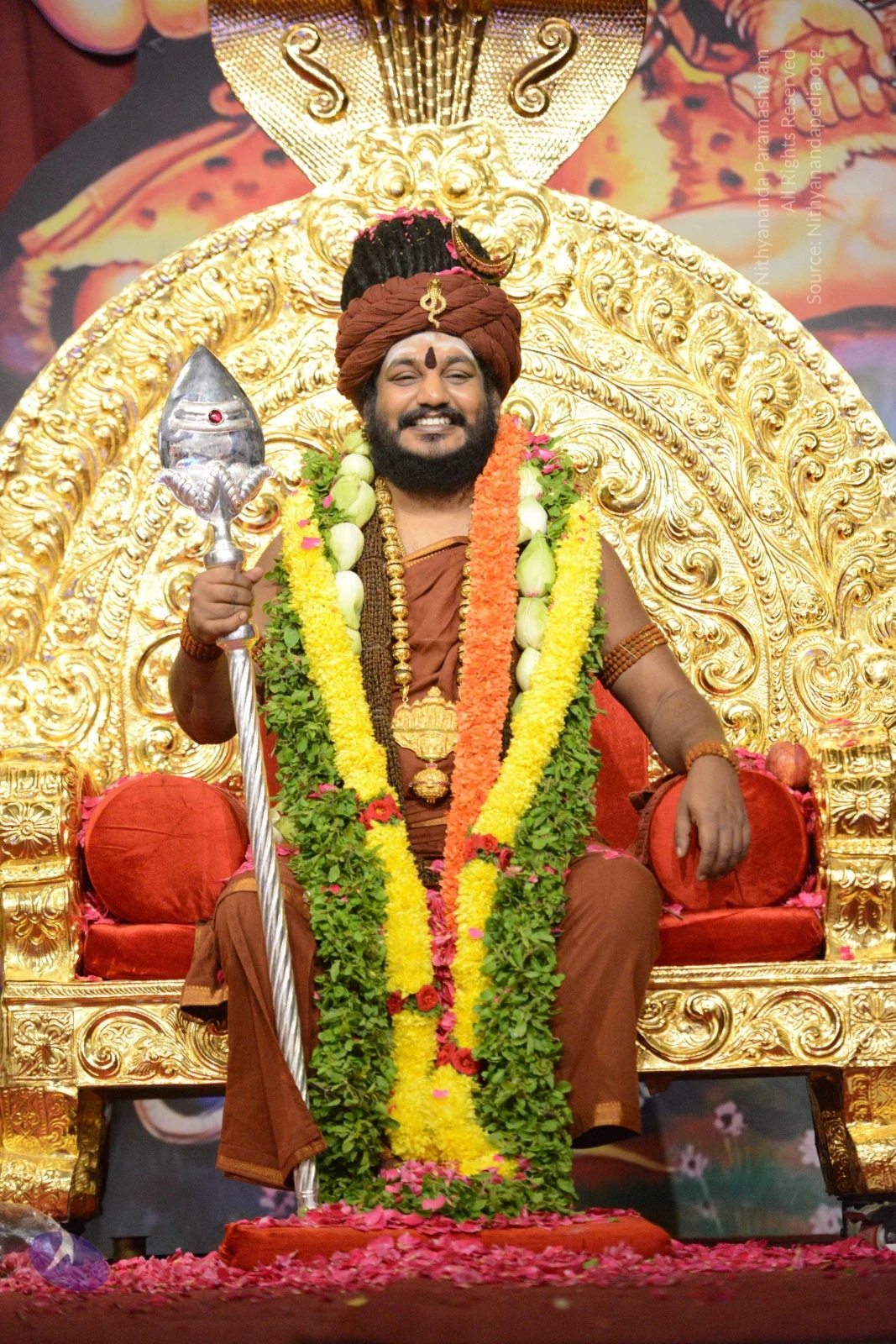
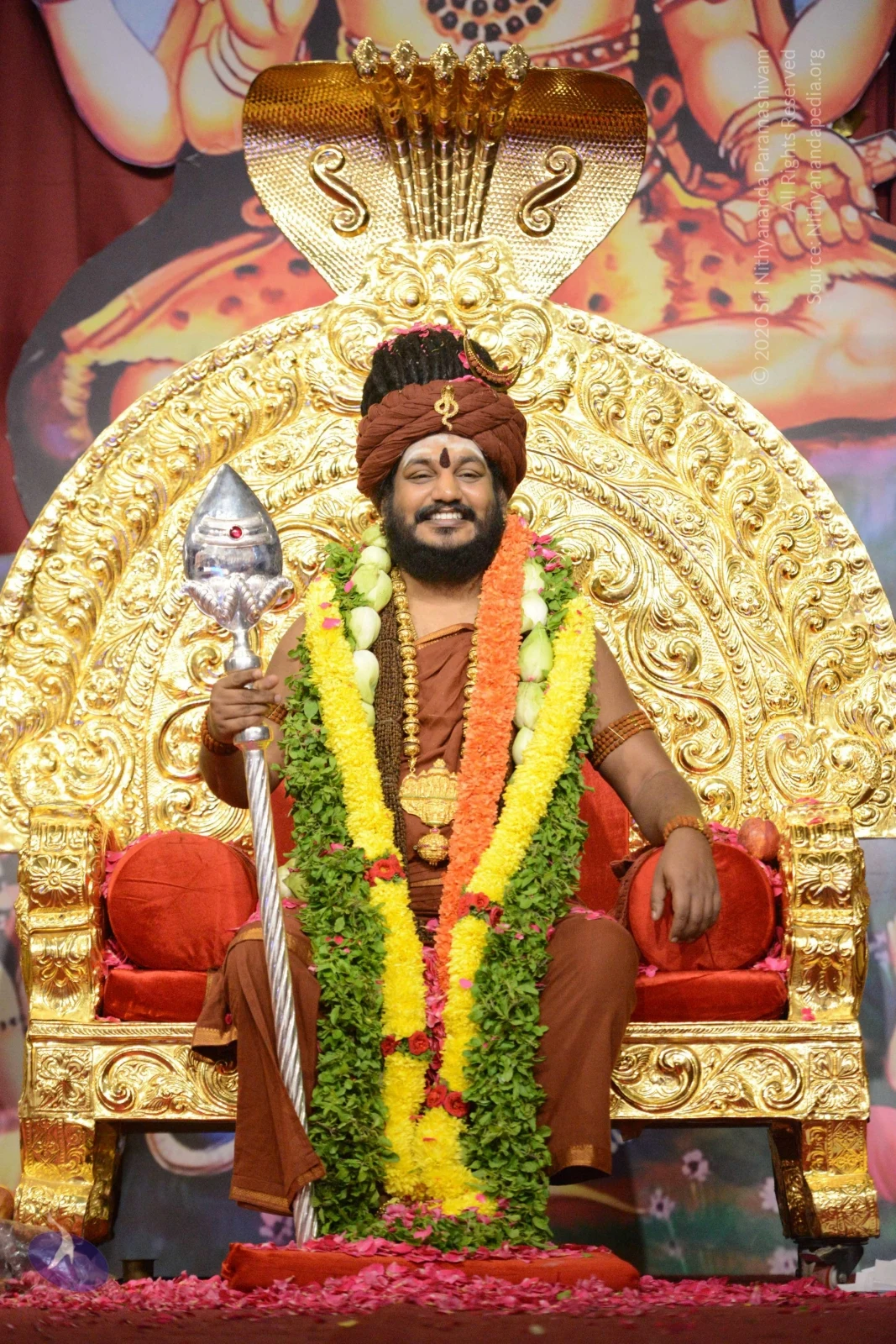
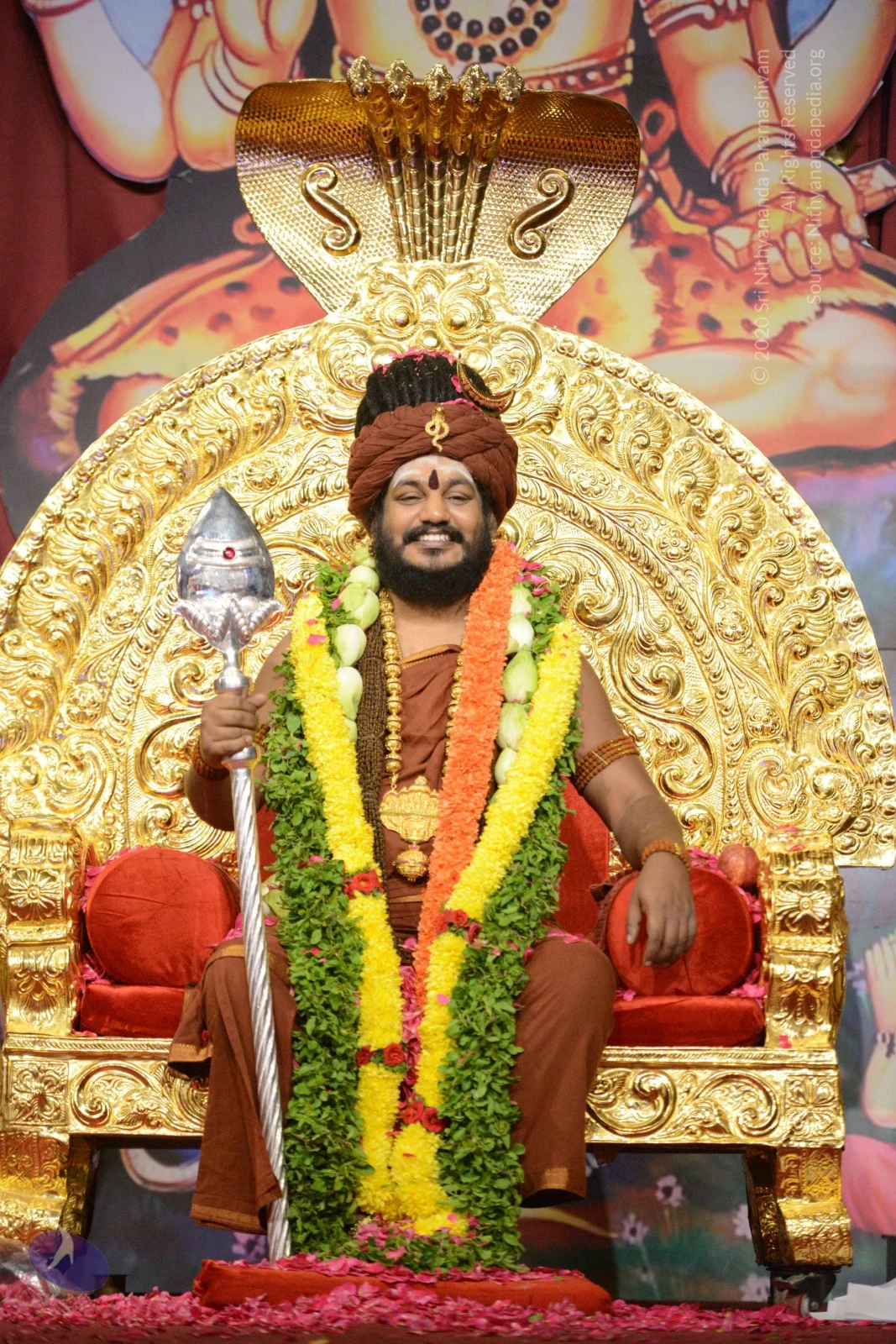
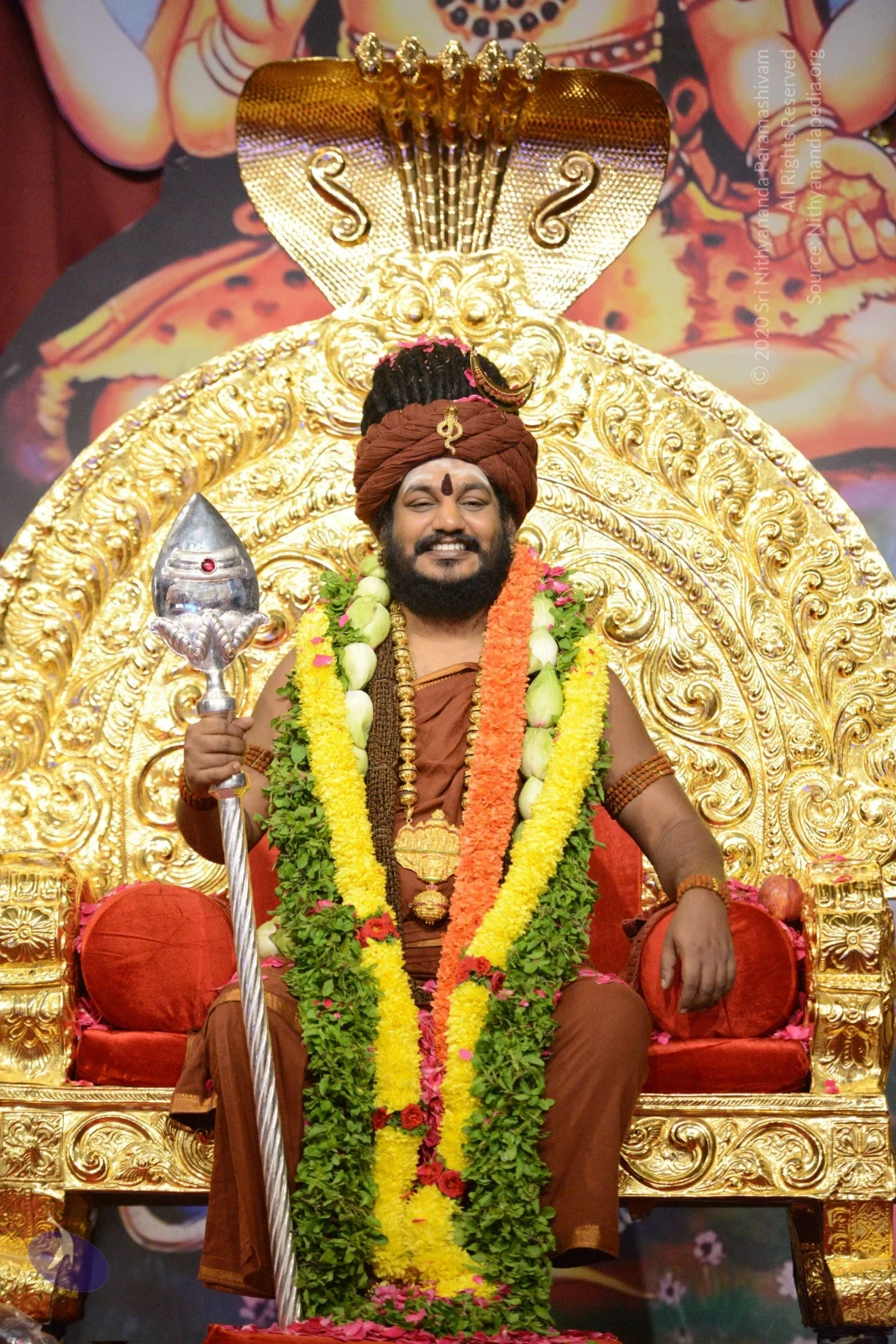
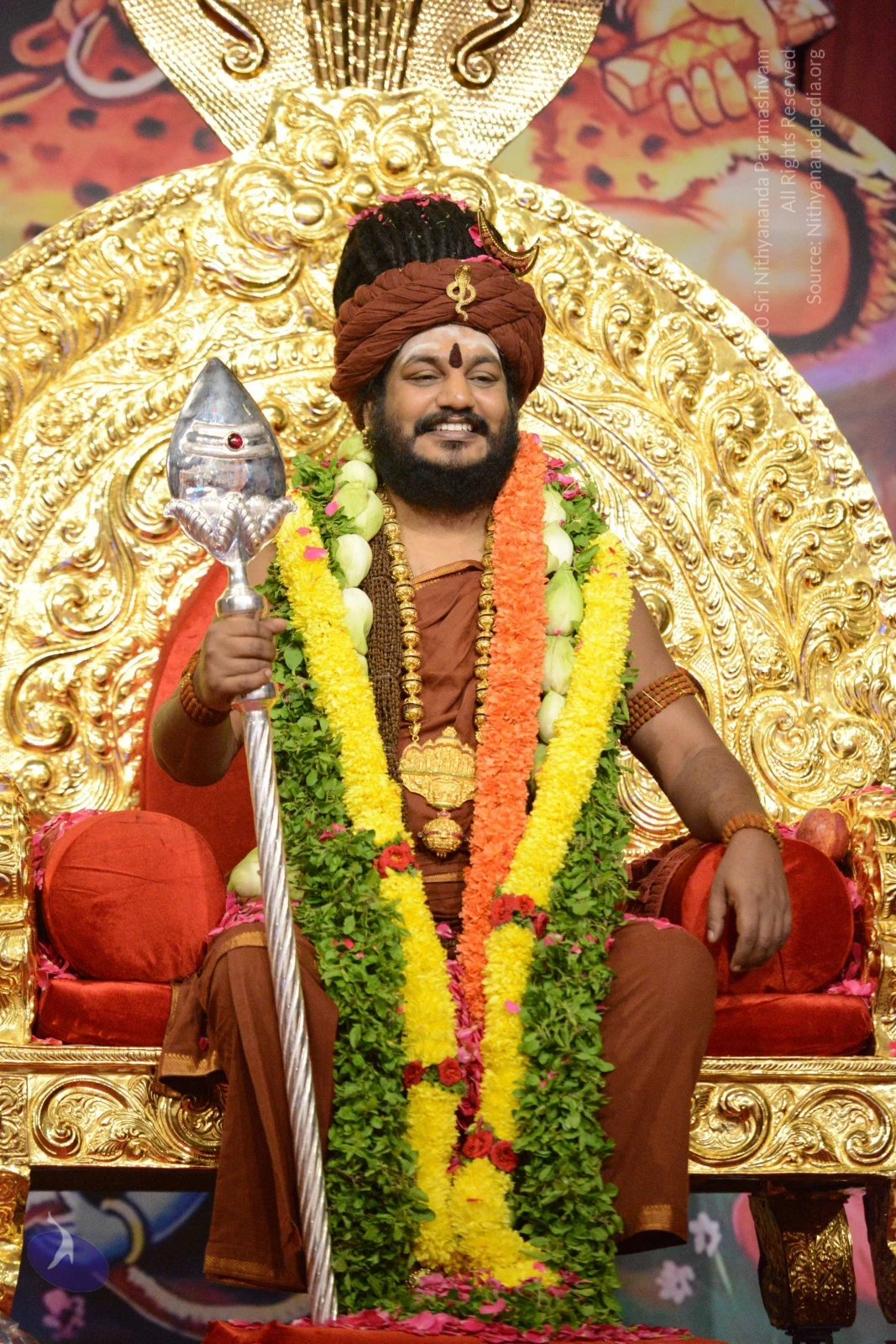
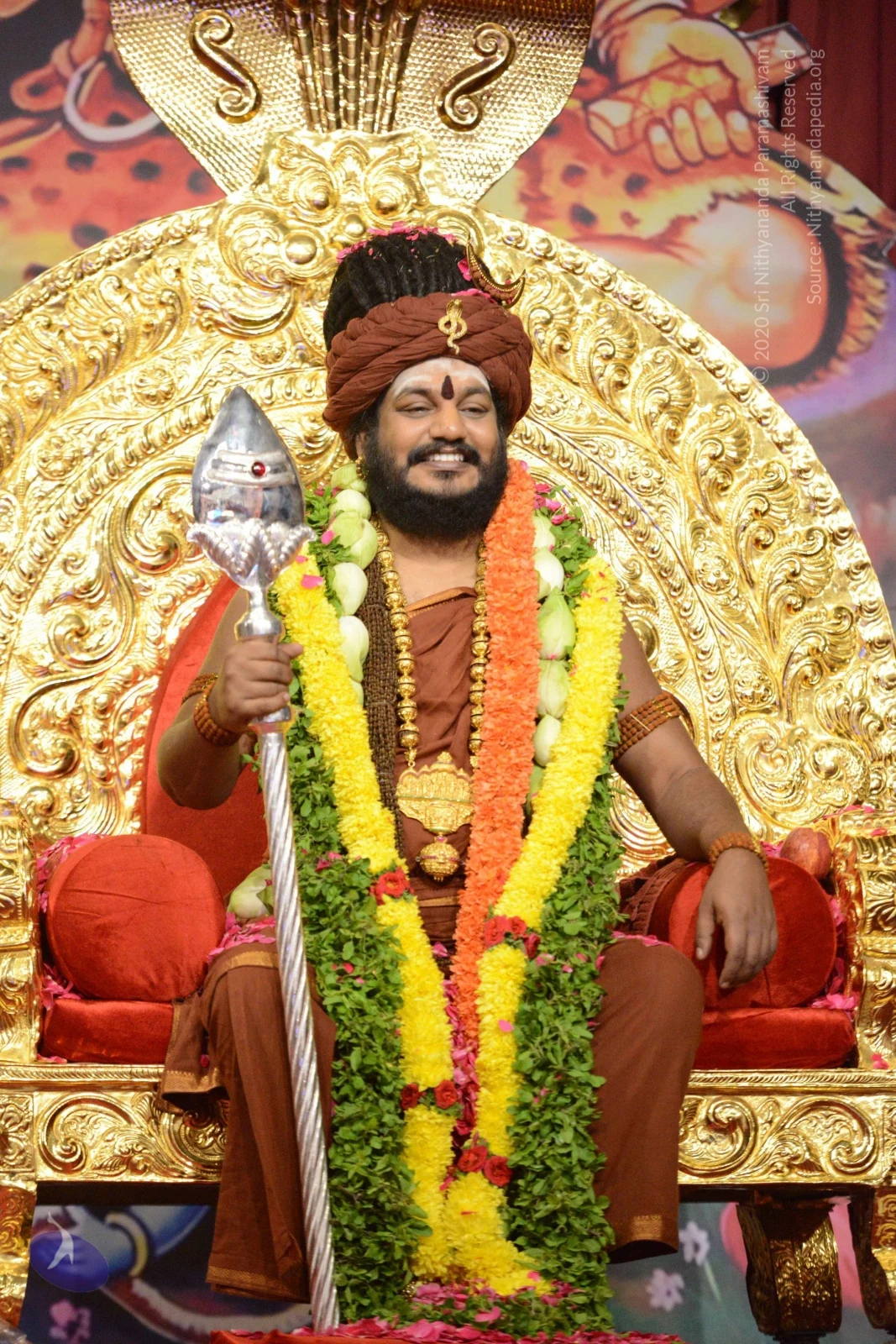
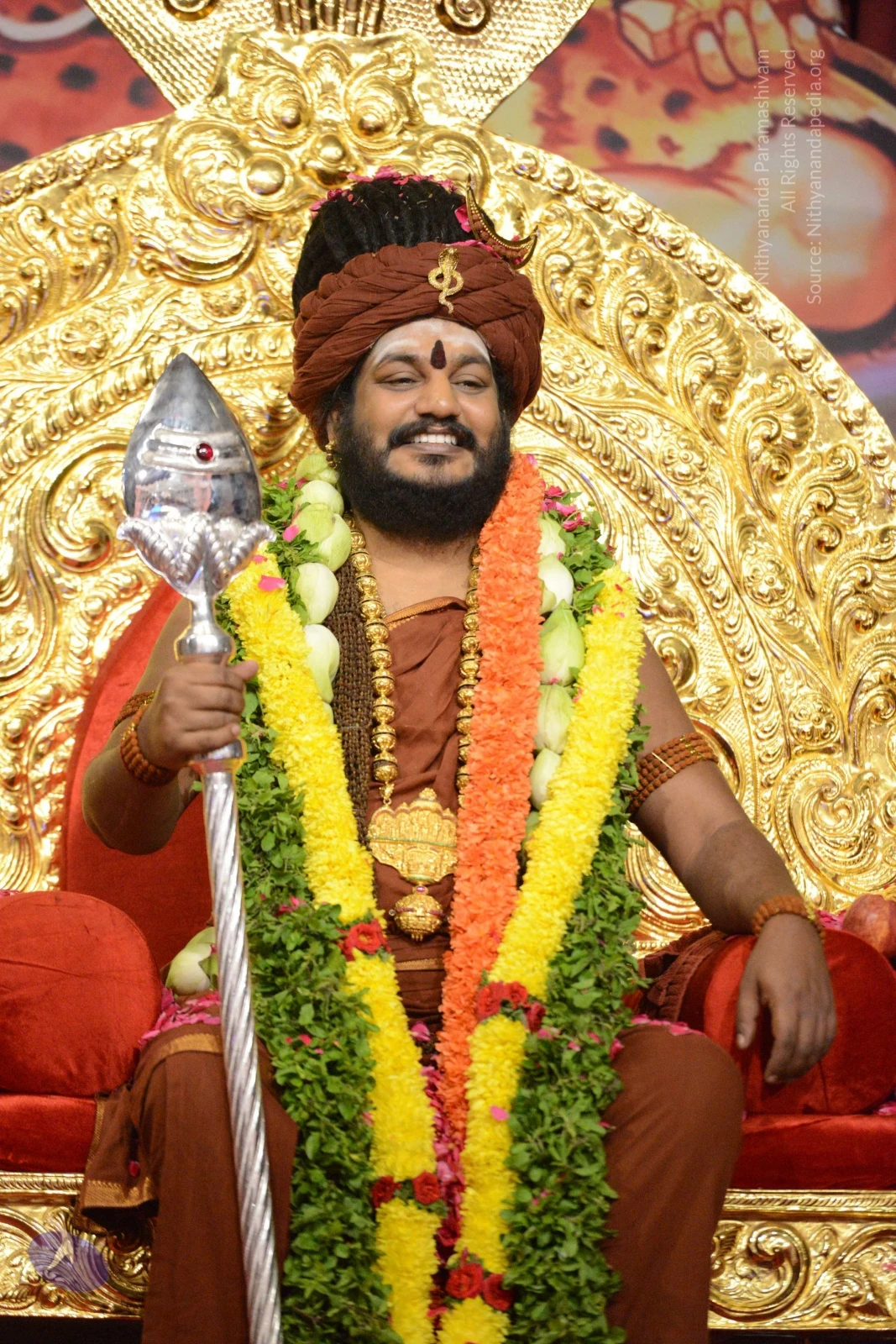
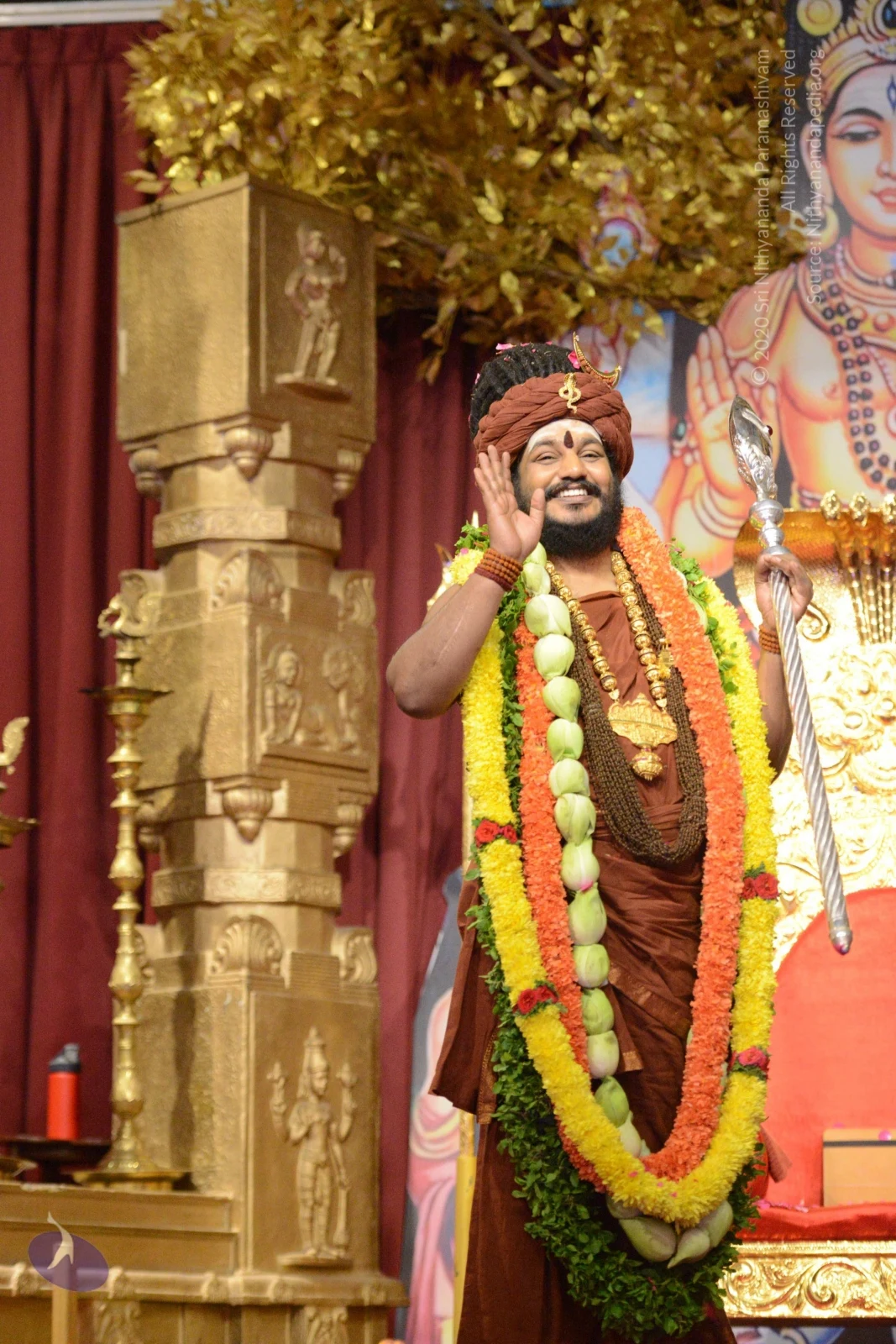
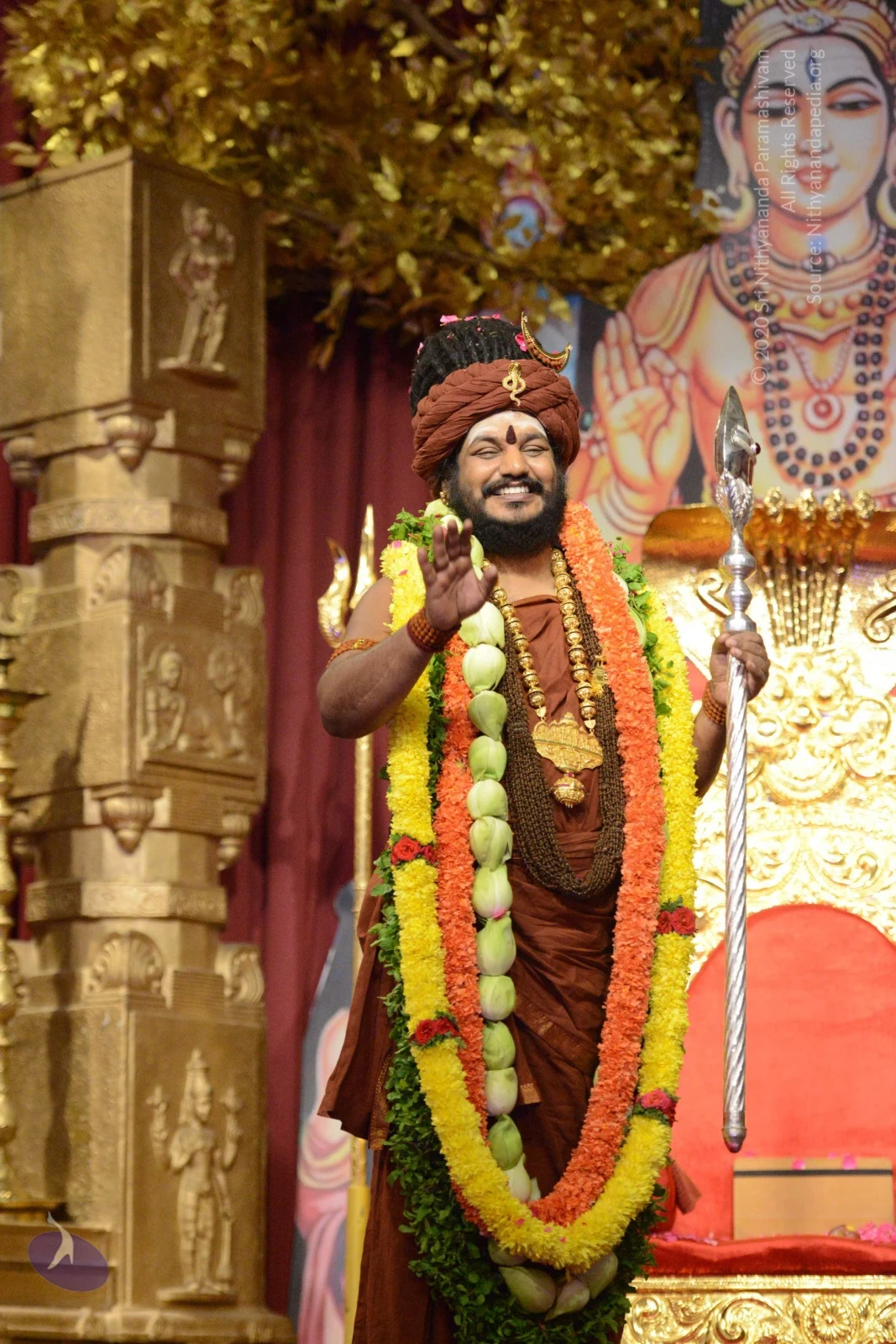
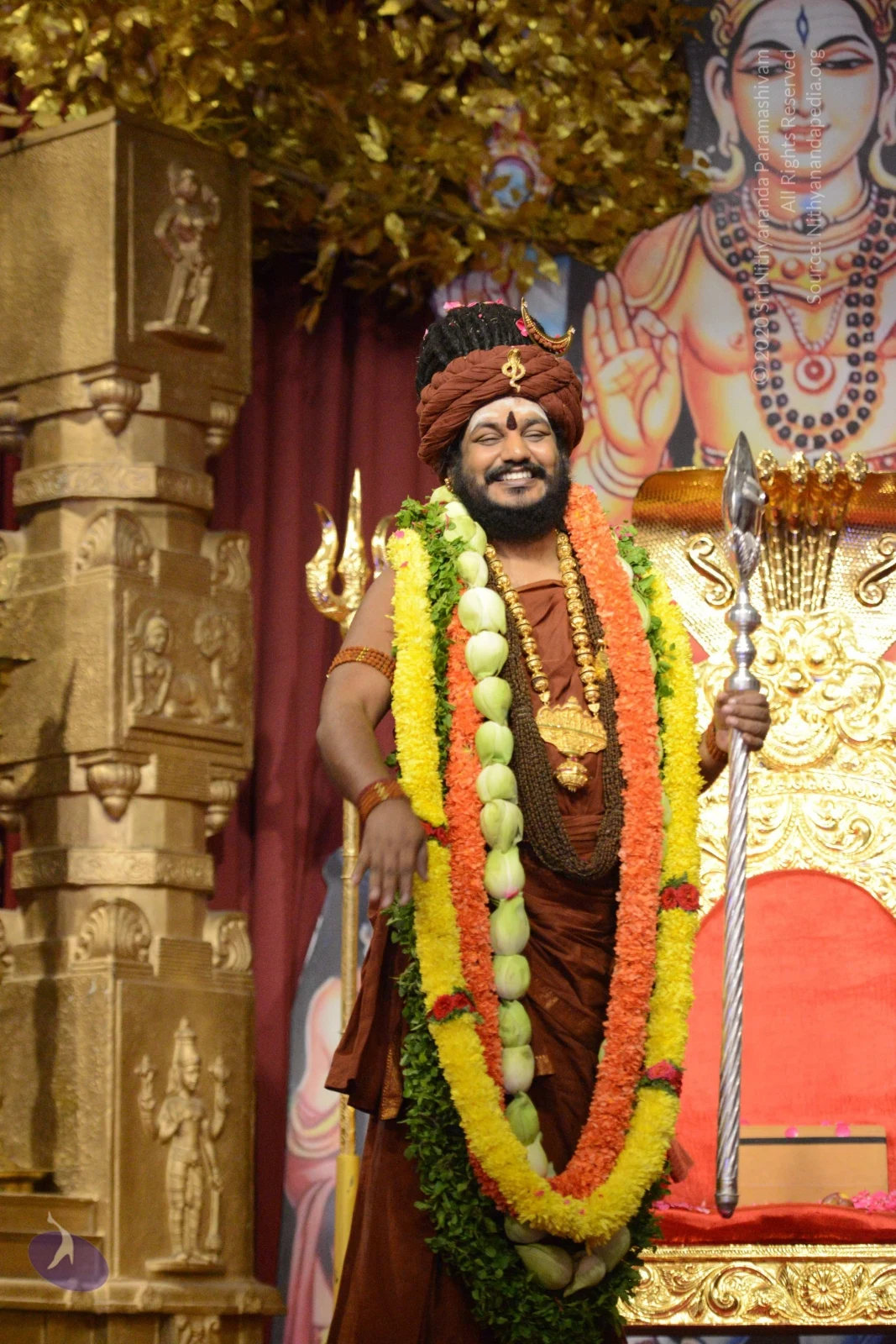
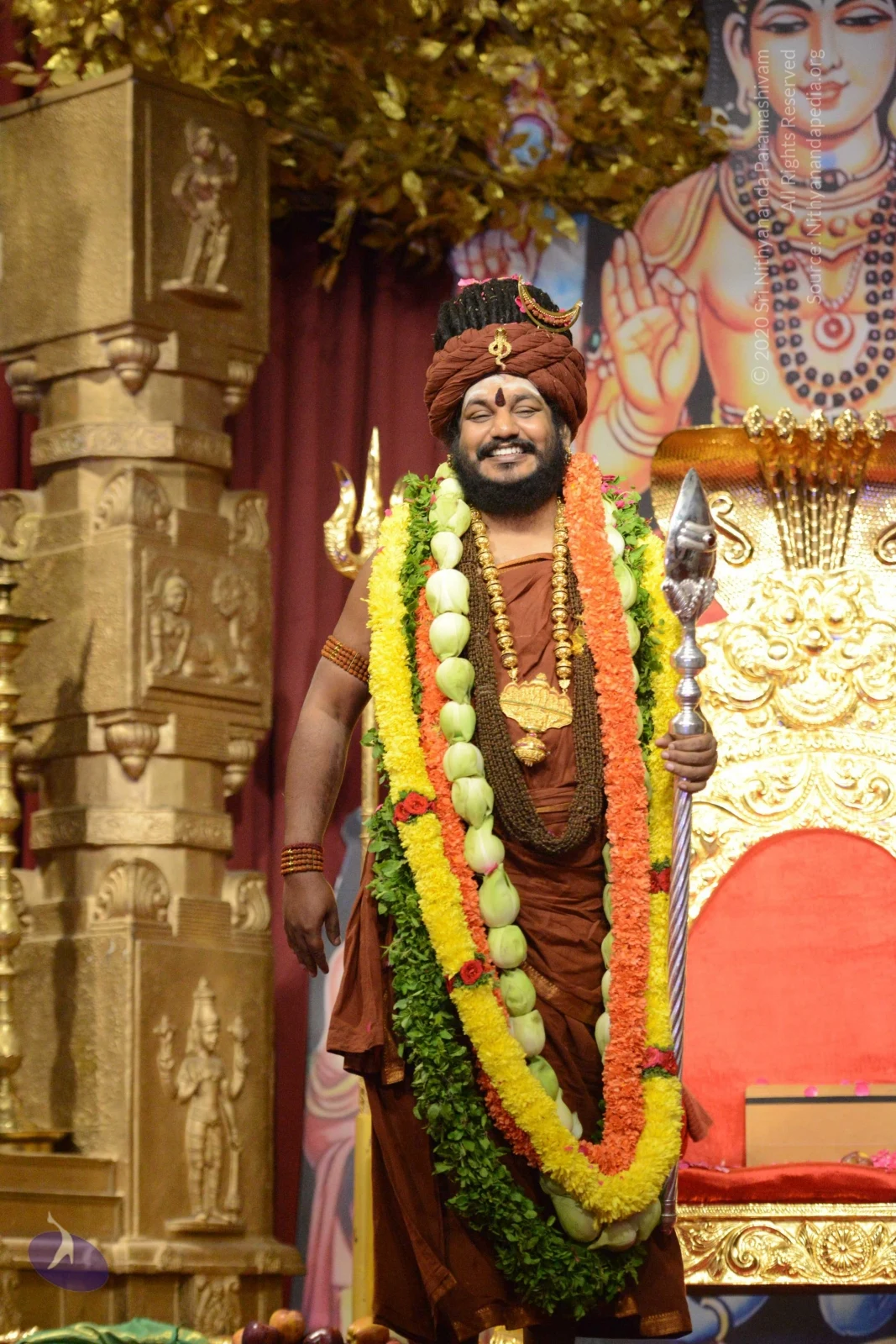
Nithya-Satsang
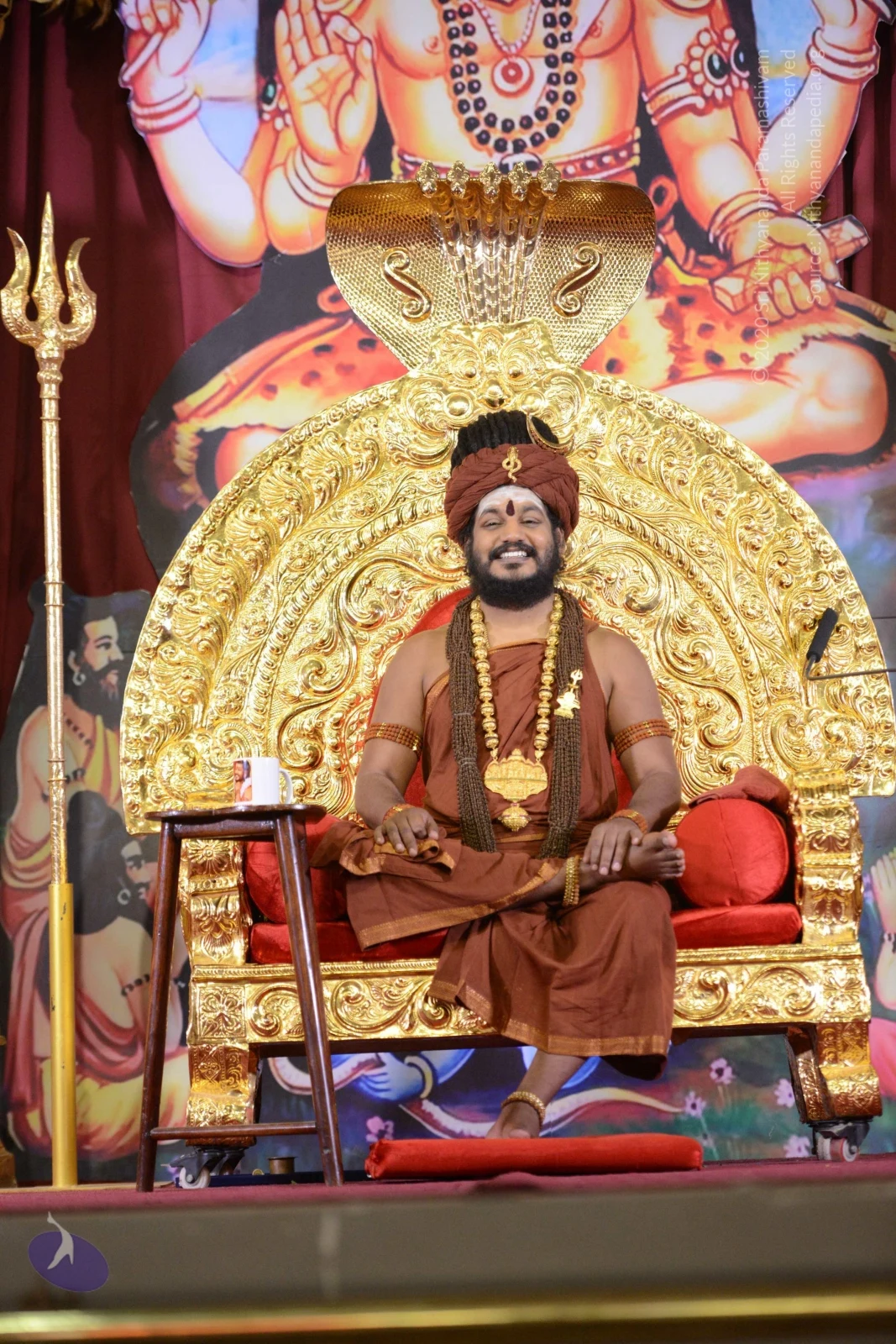
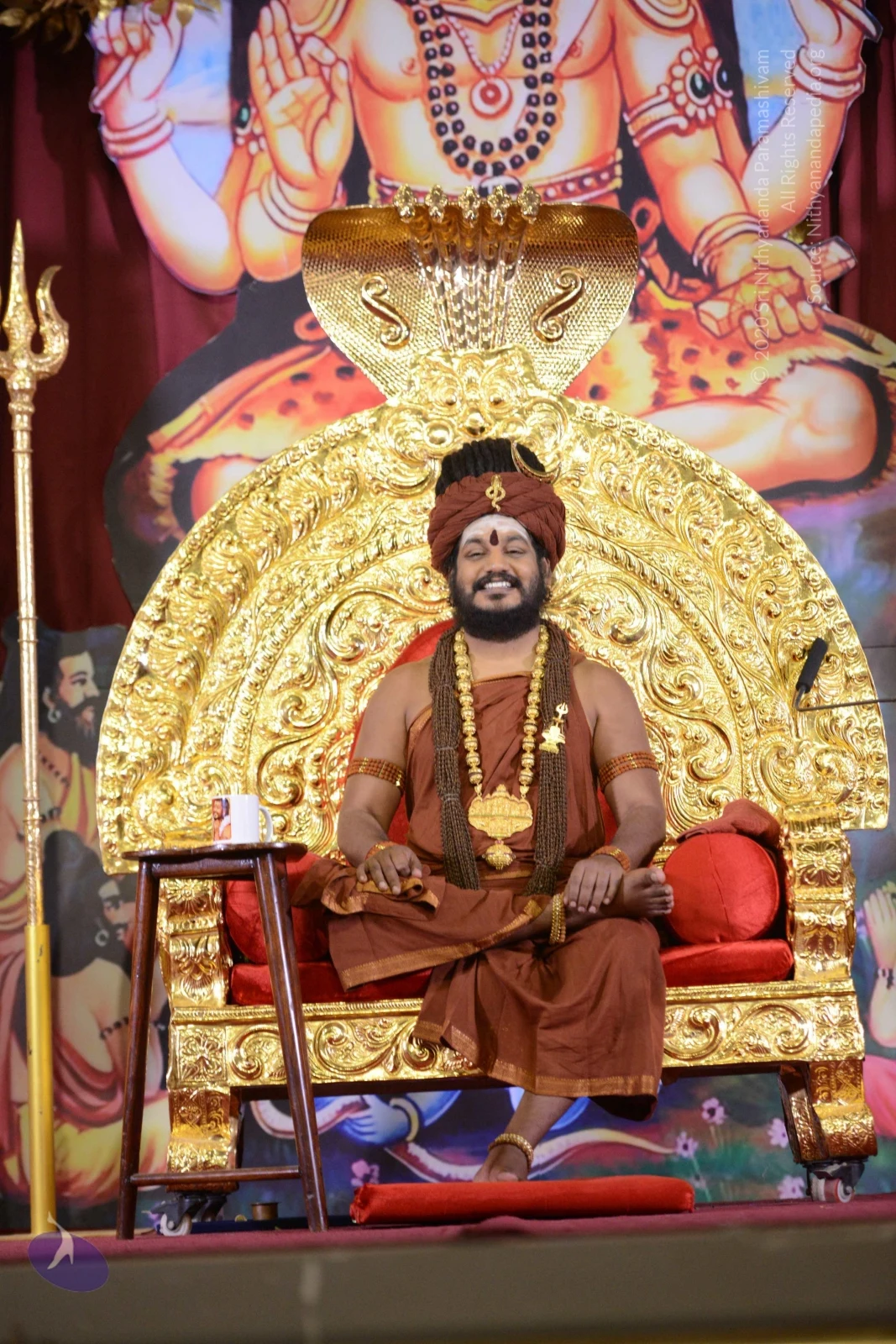
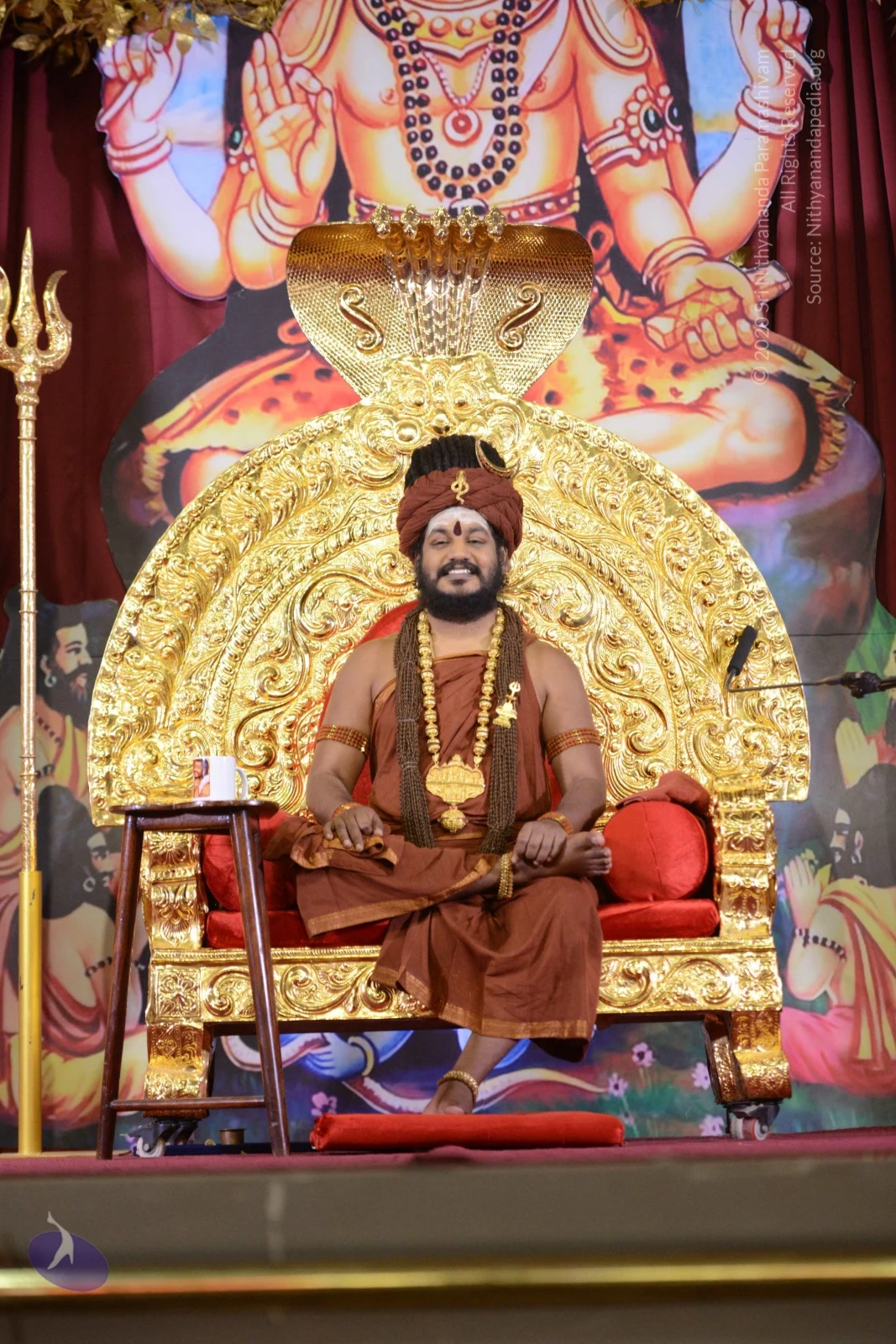
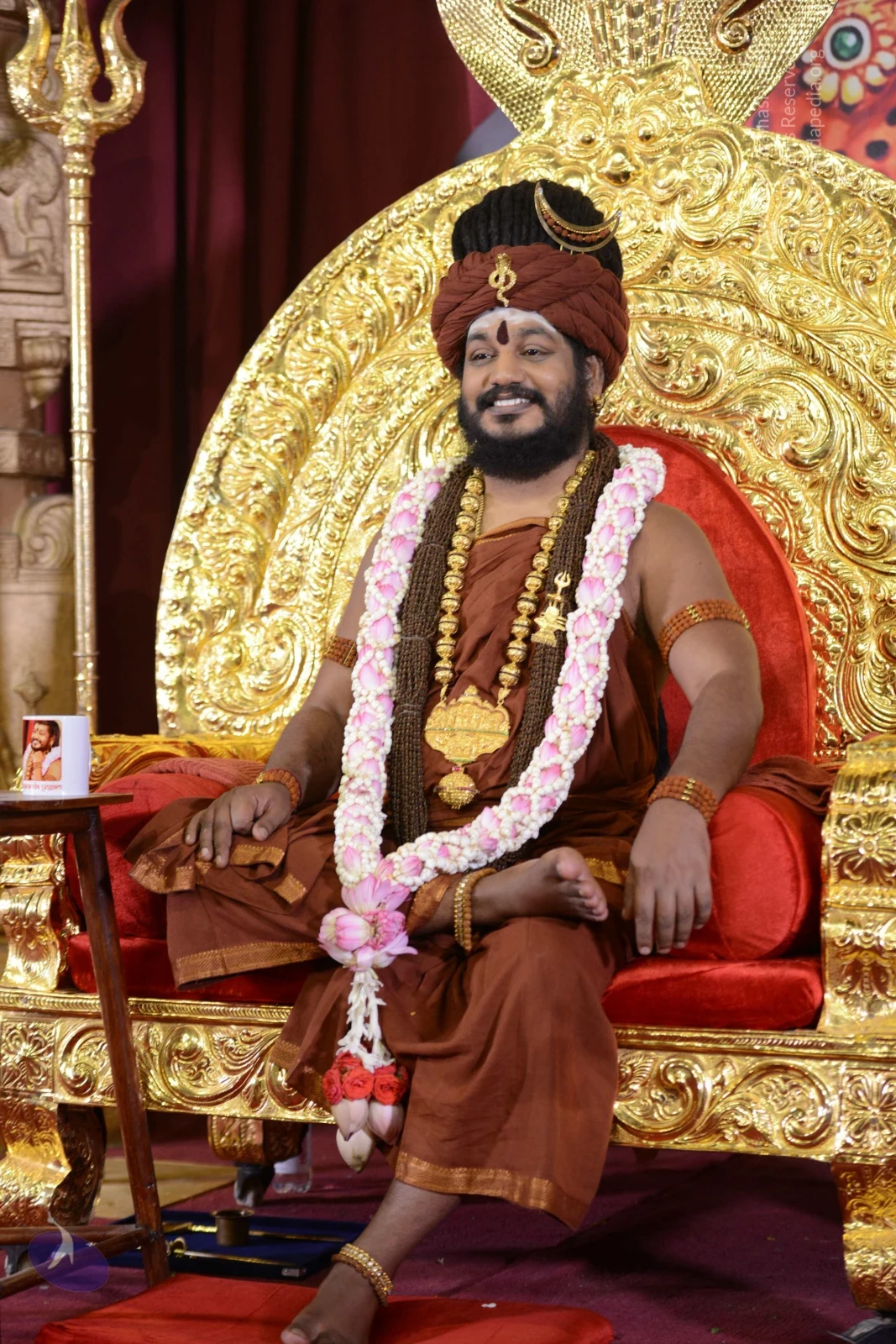
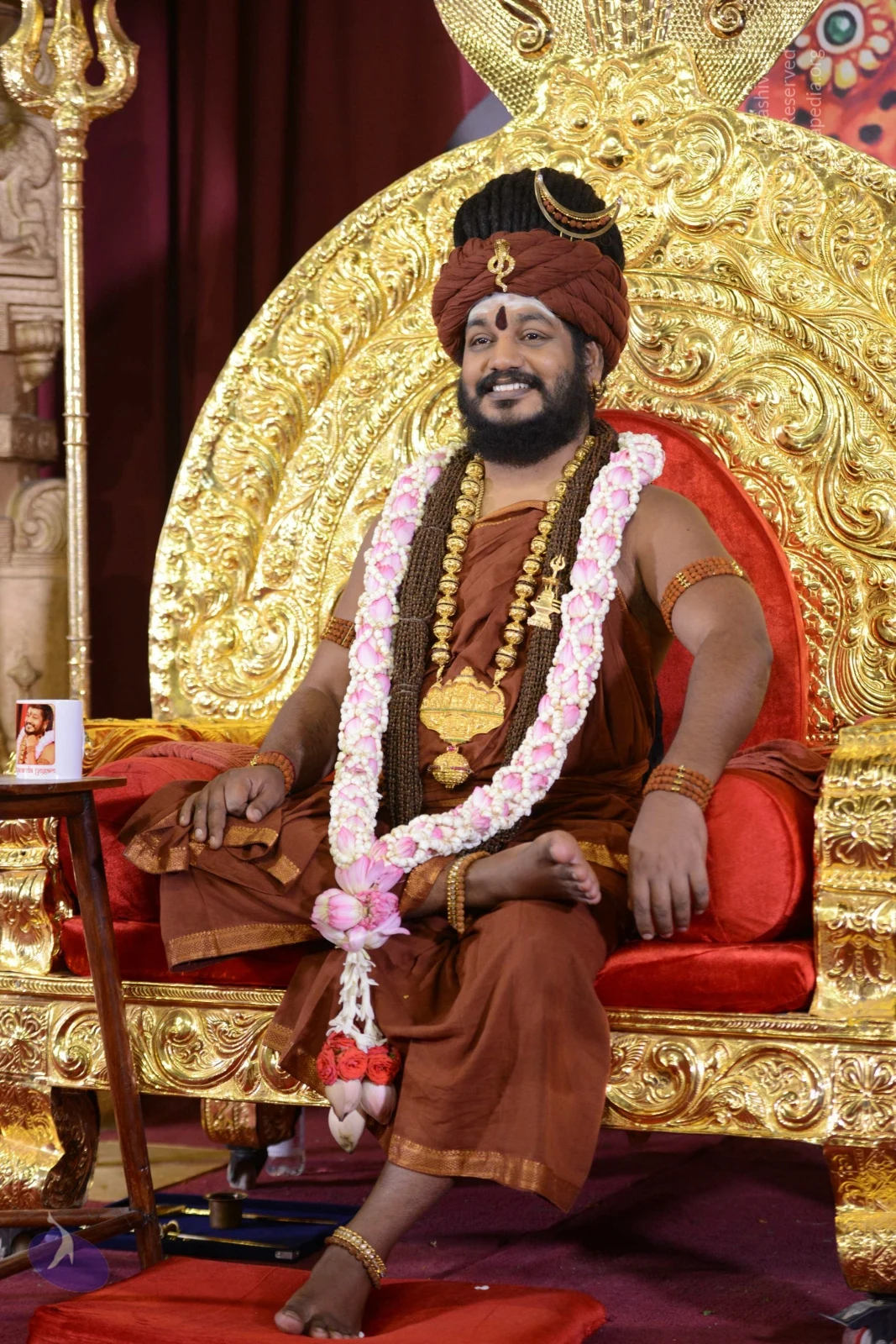
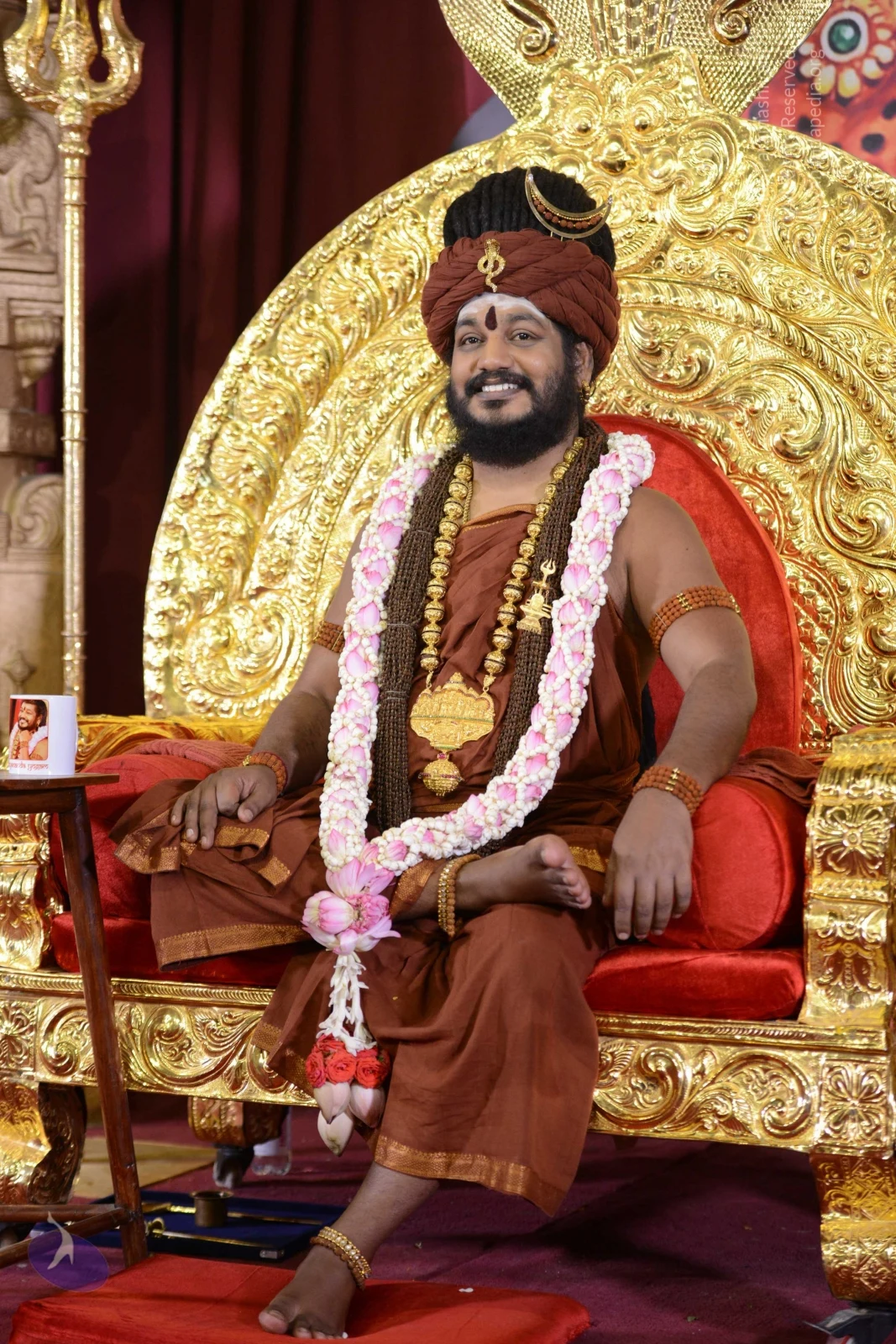
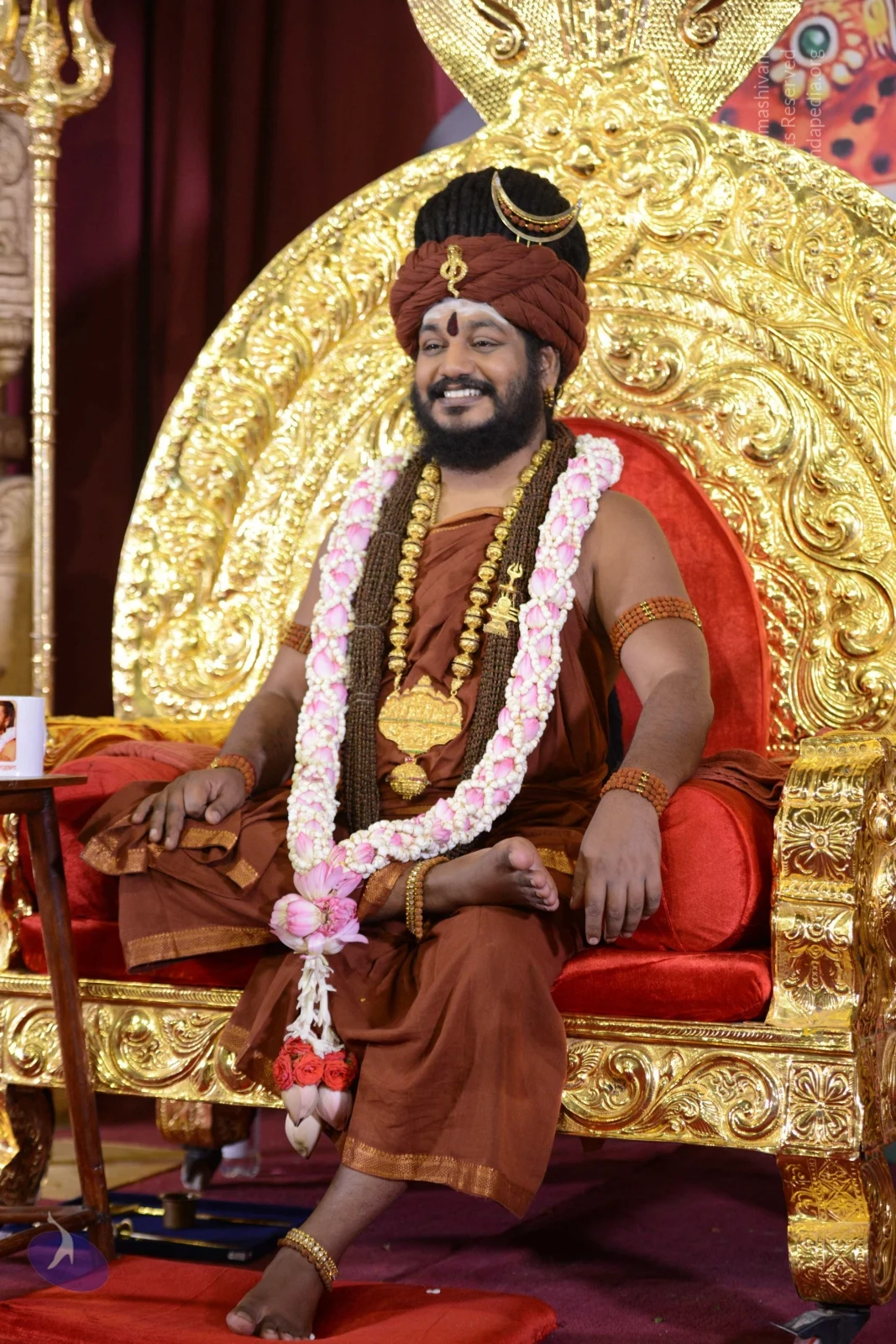
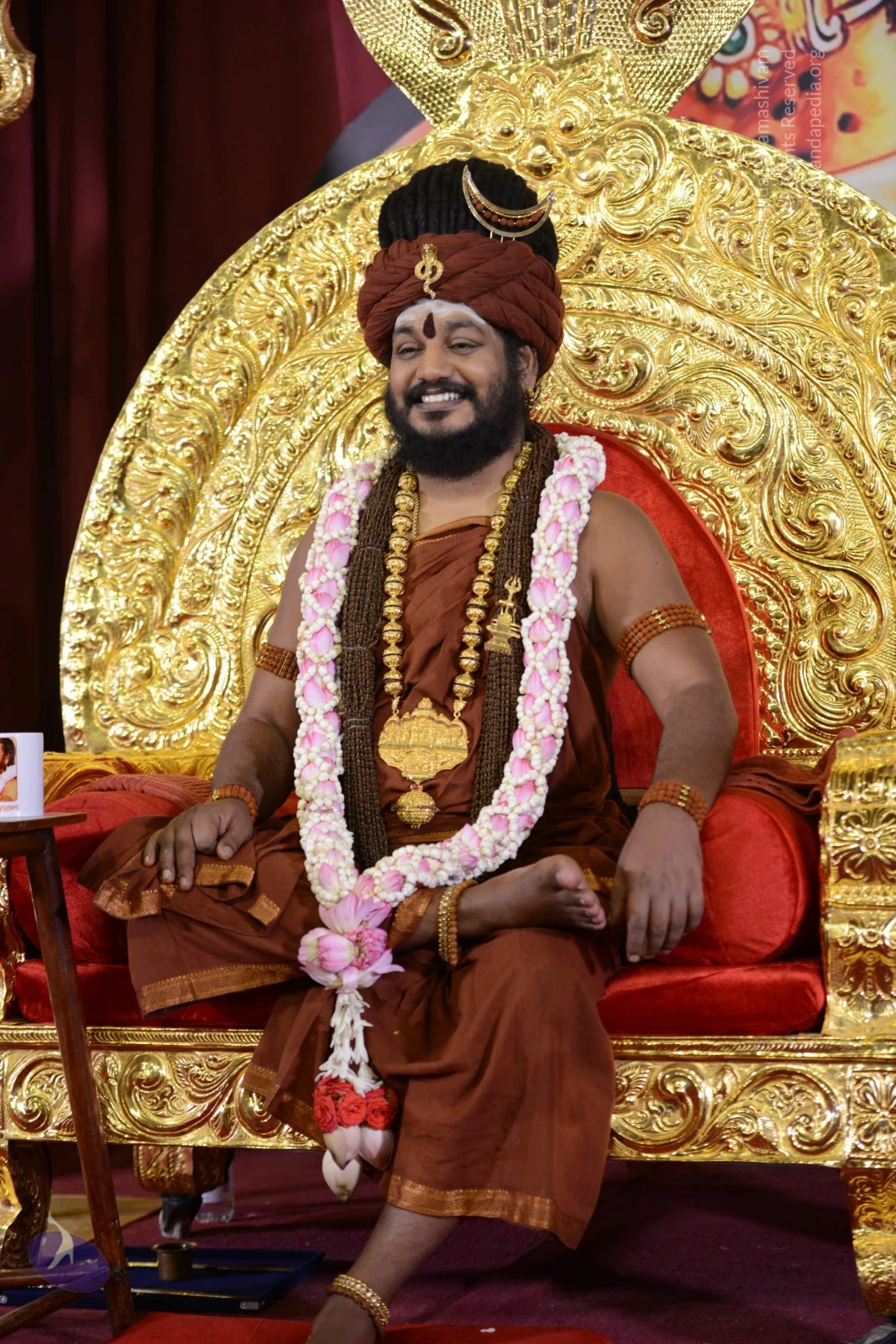
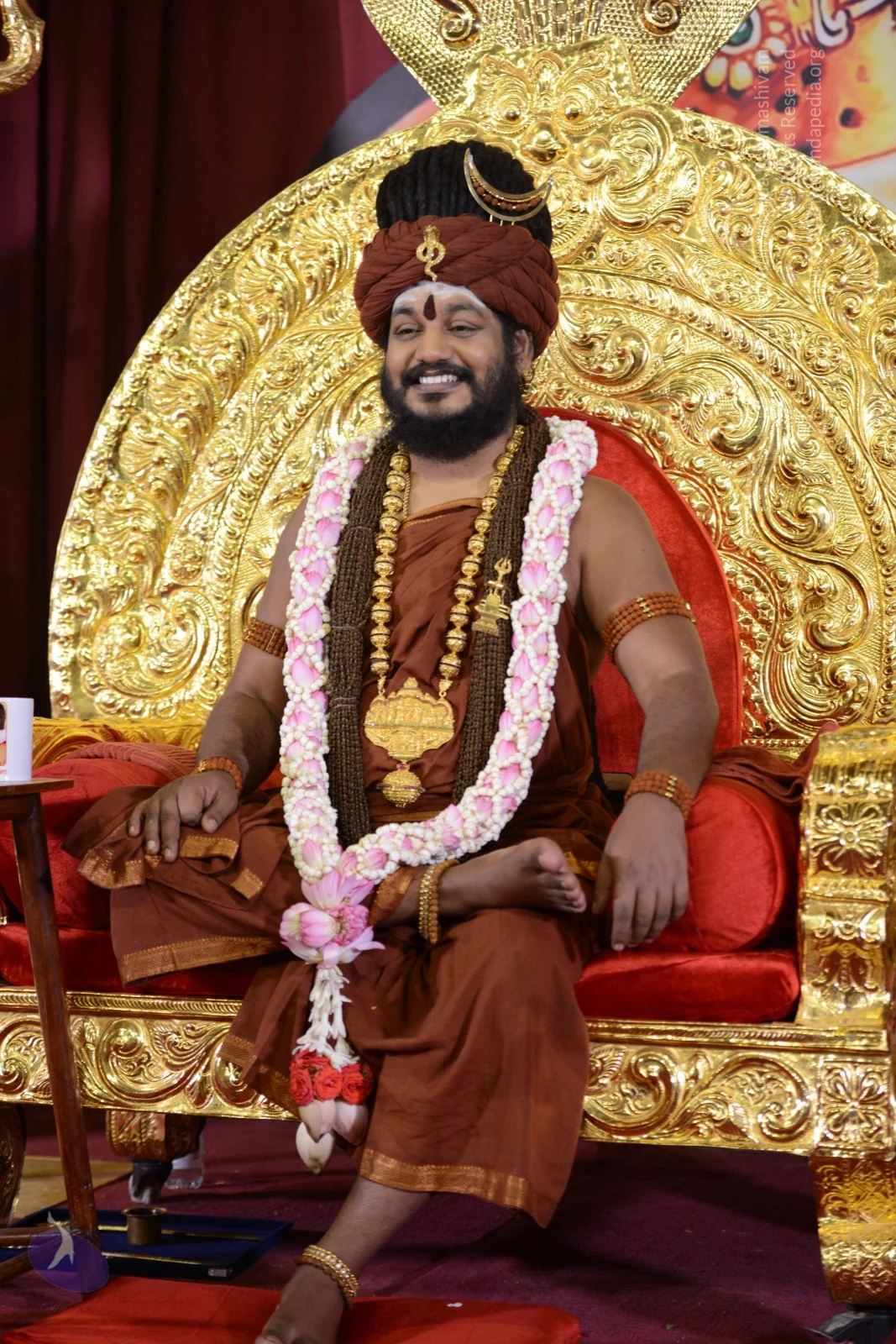
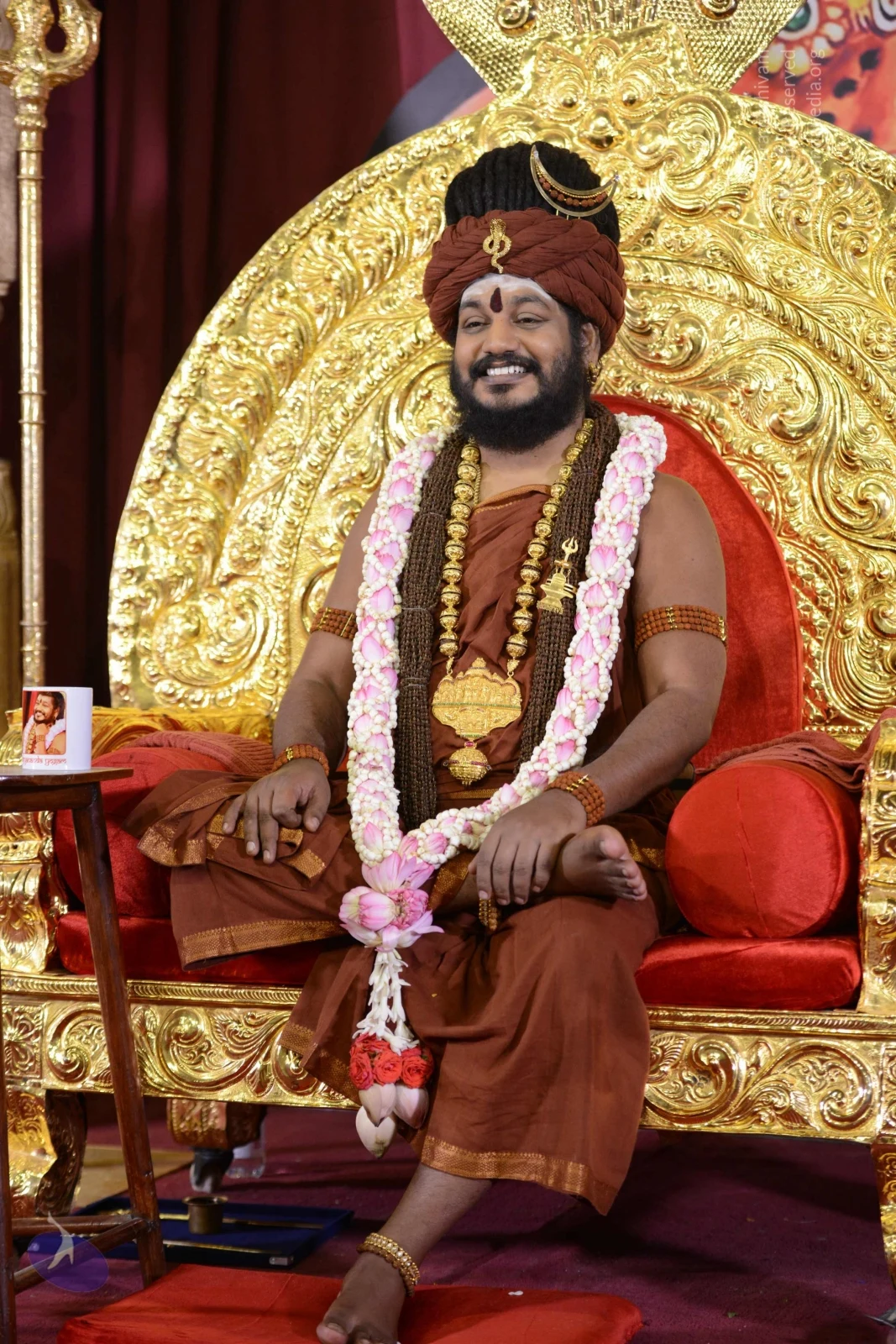
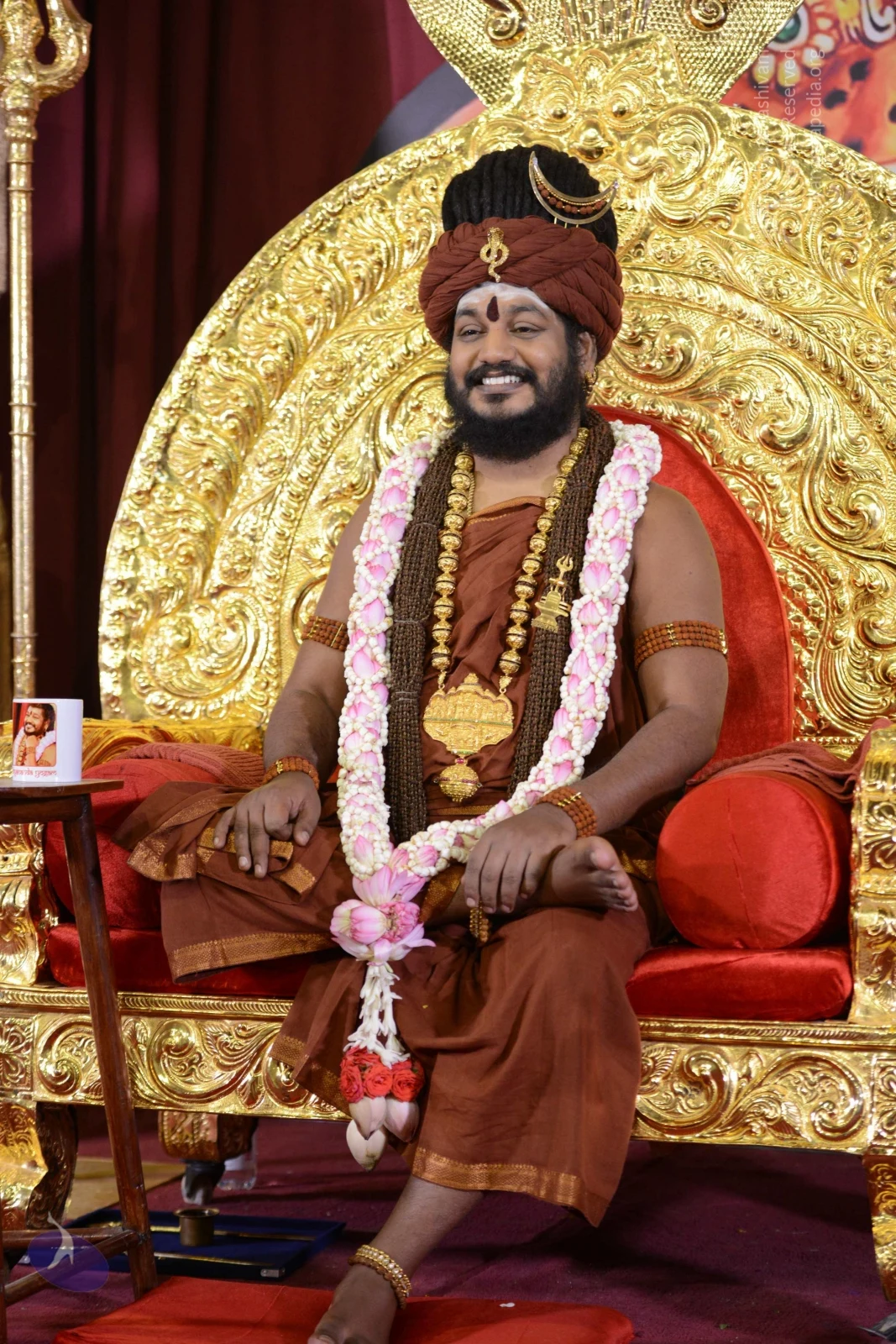
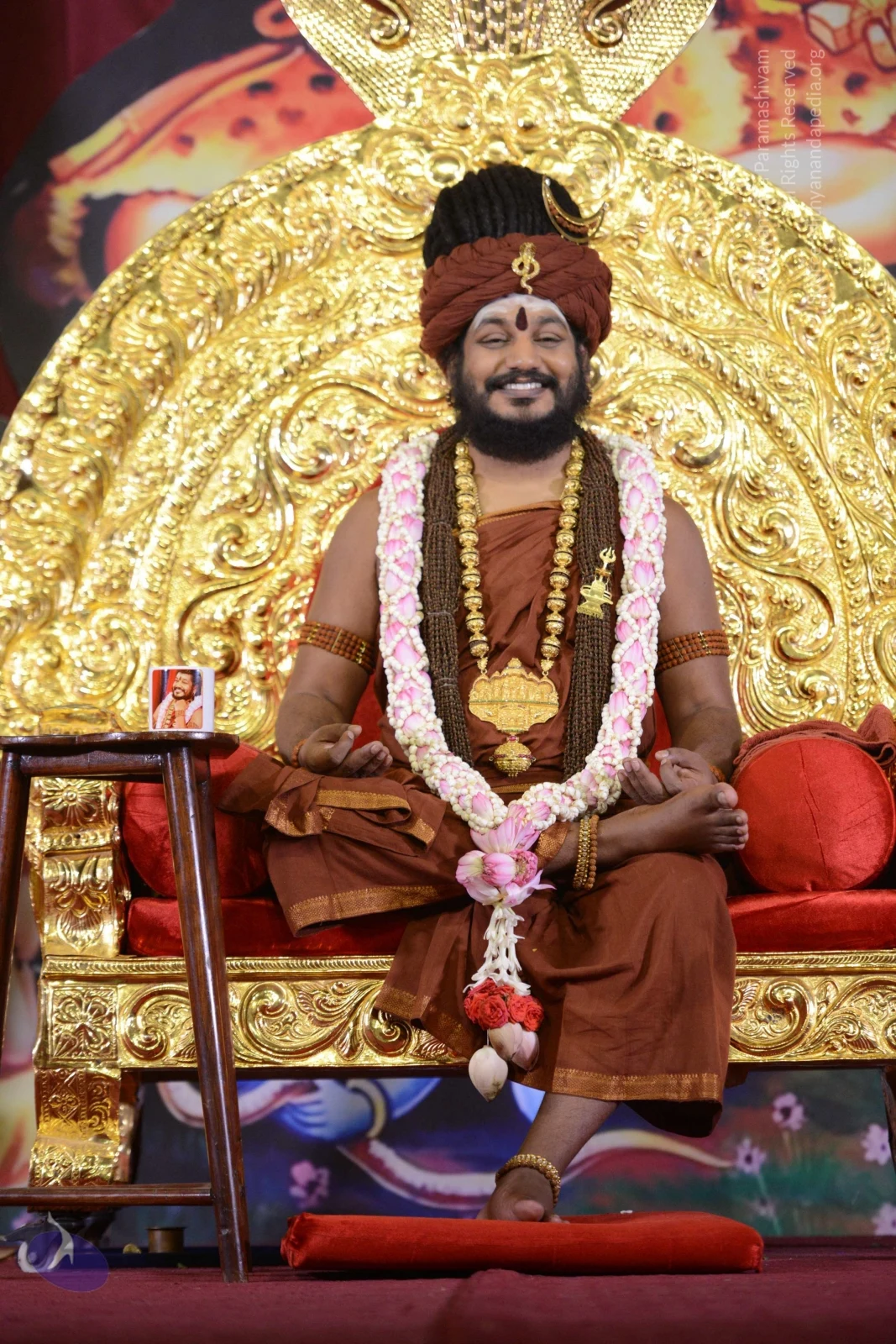
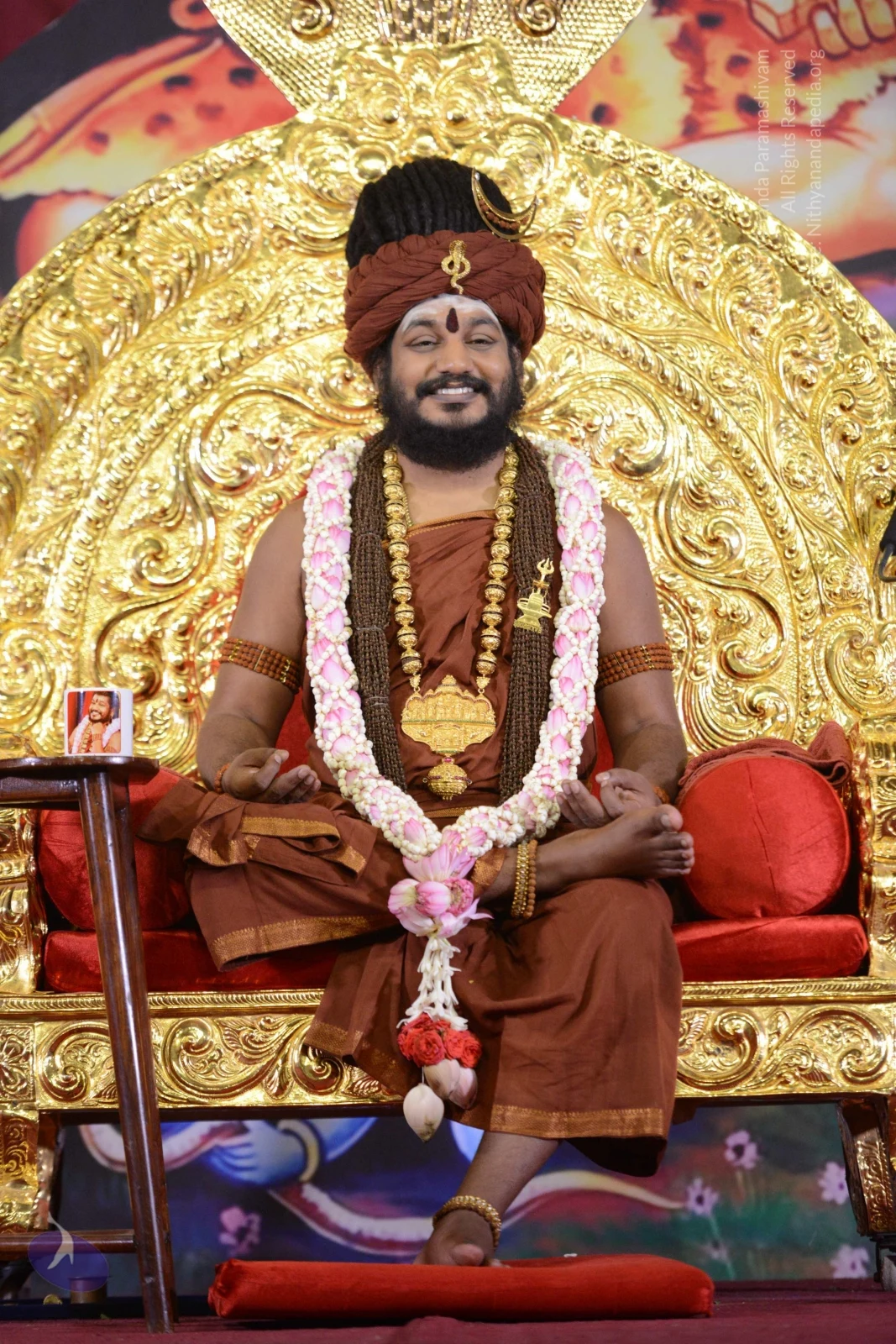
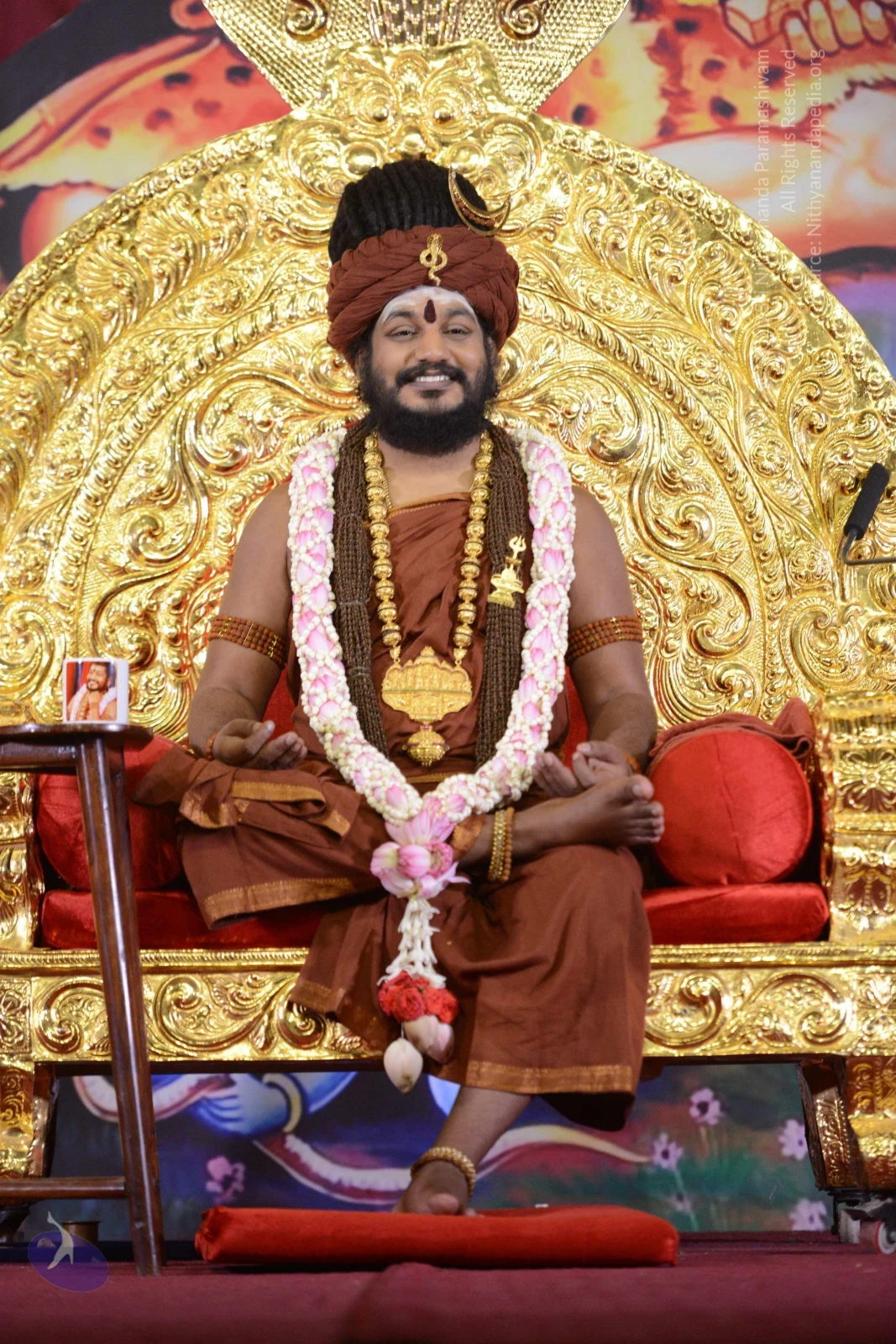
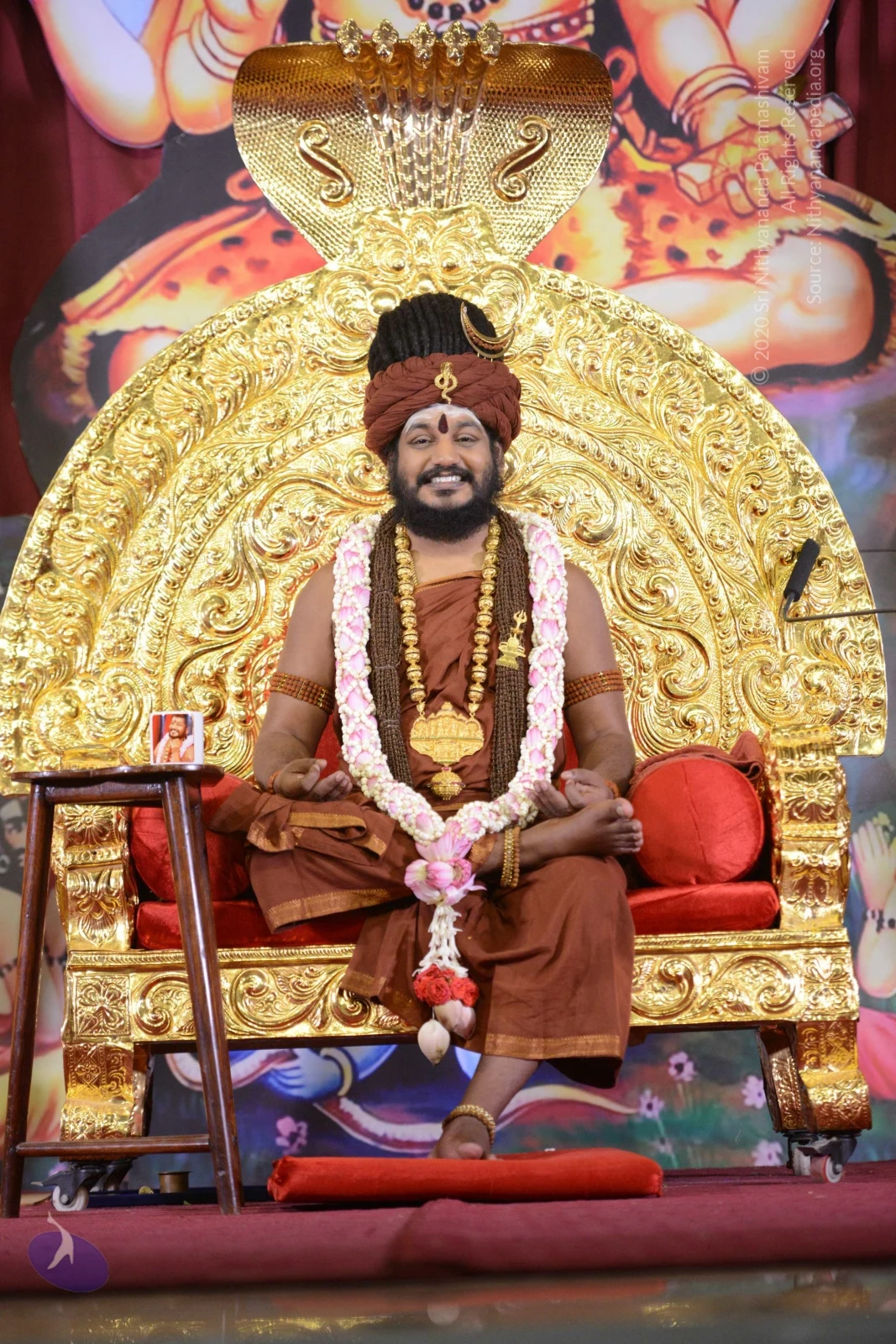
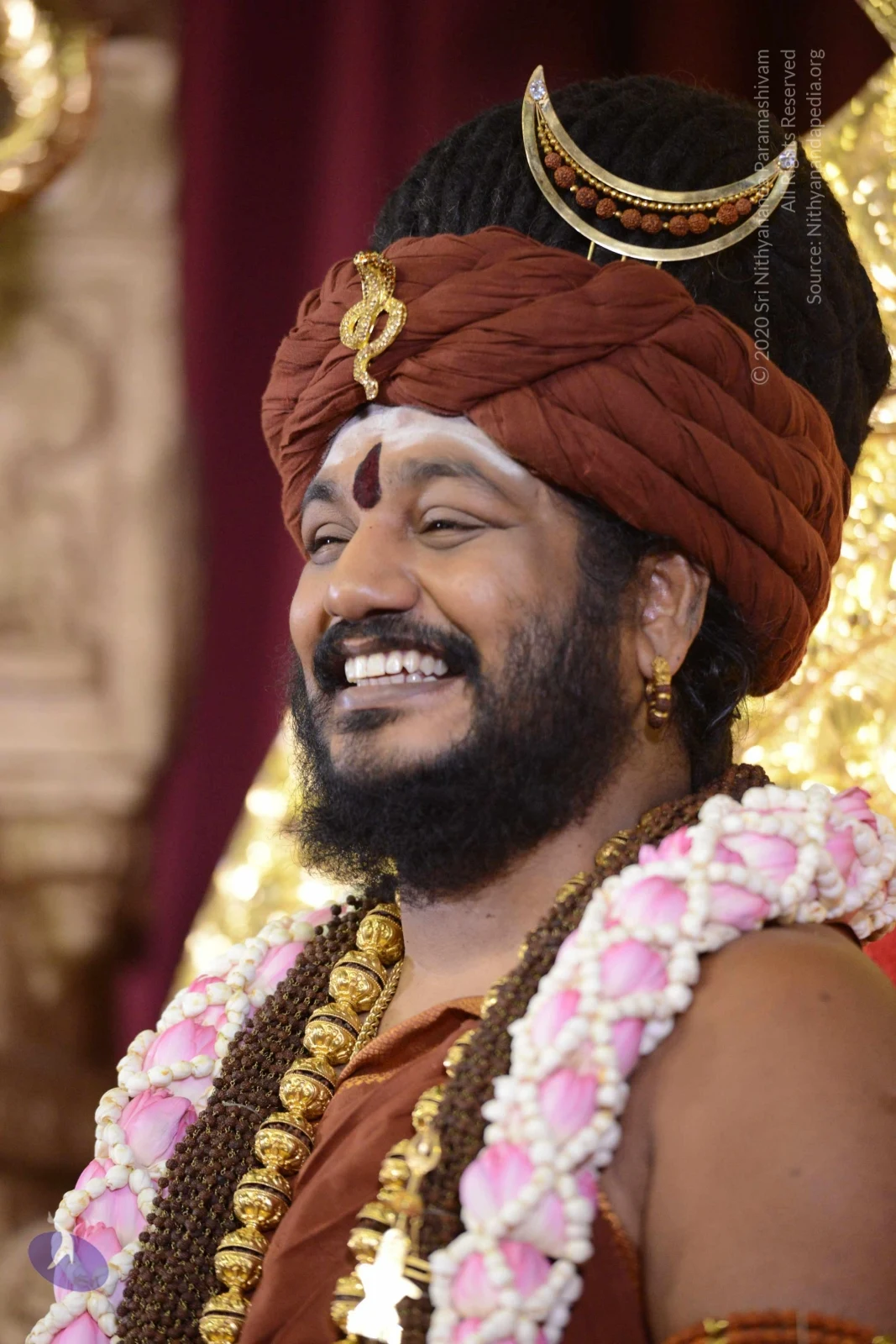
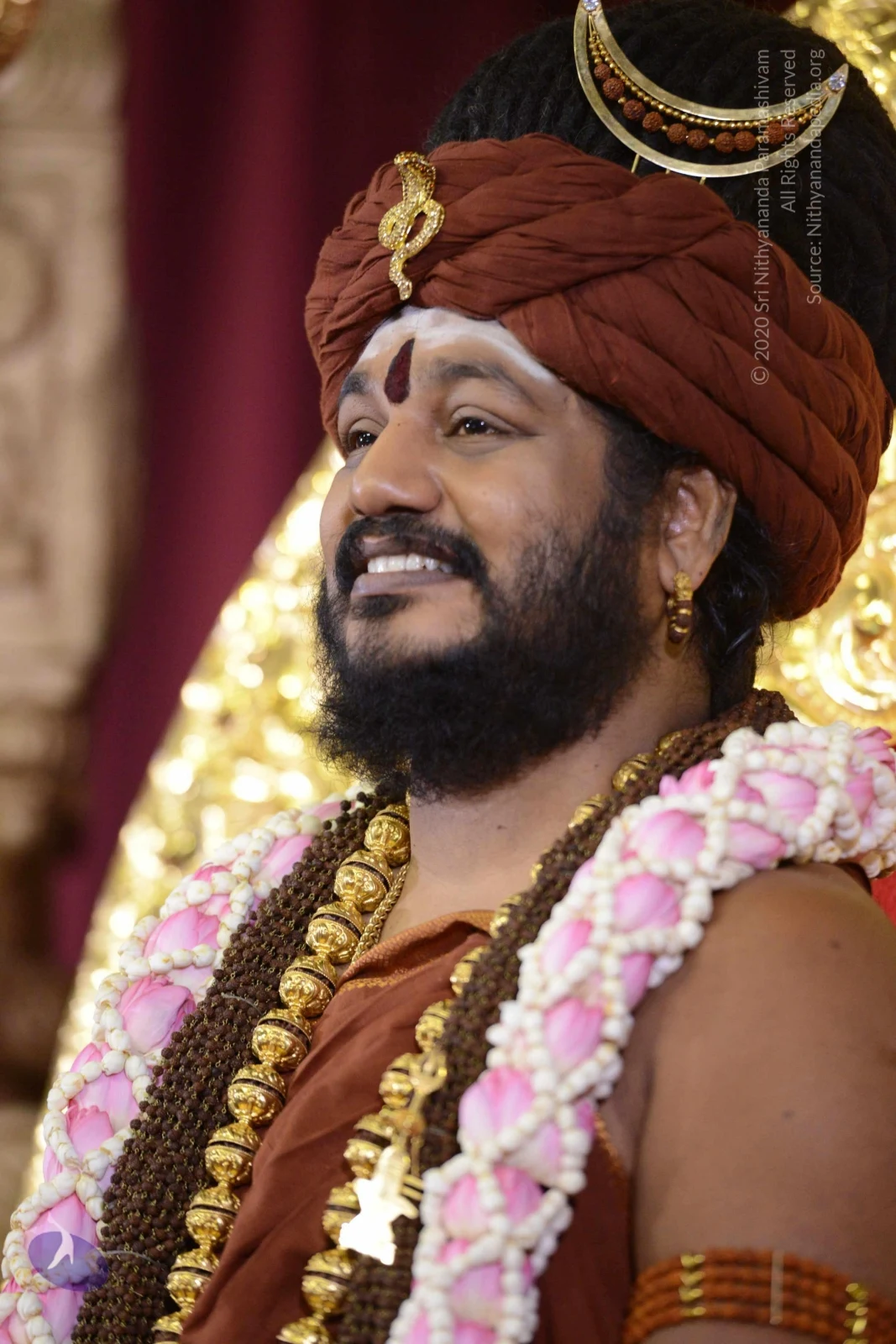
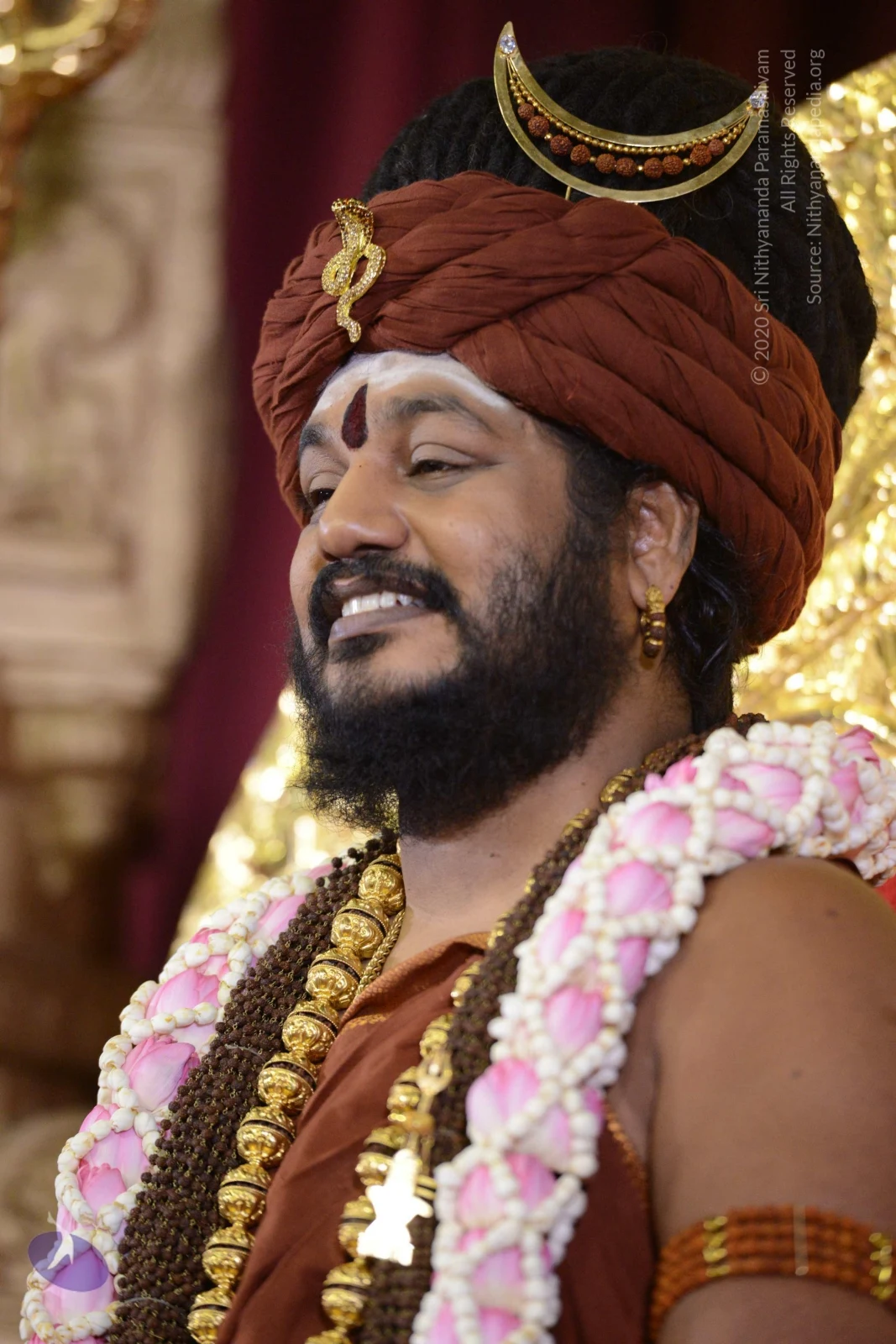
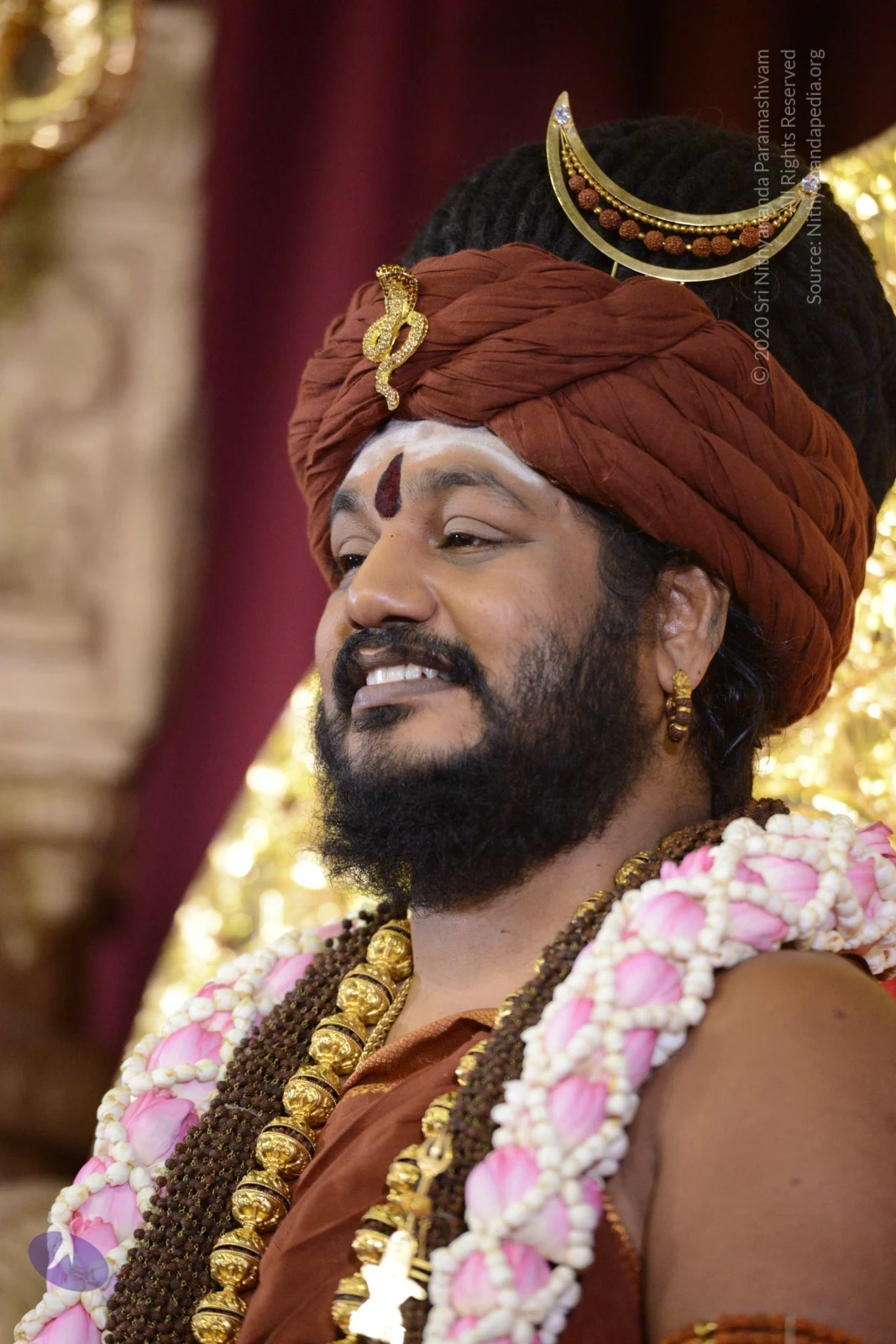
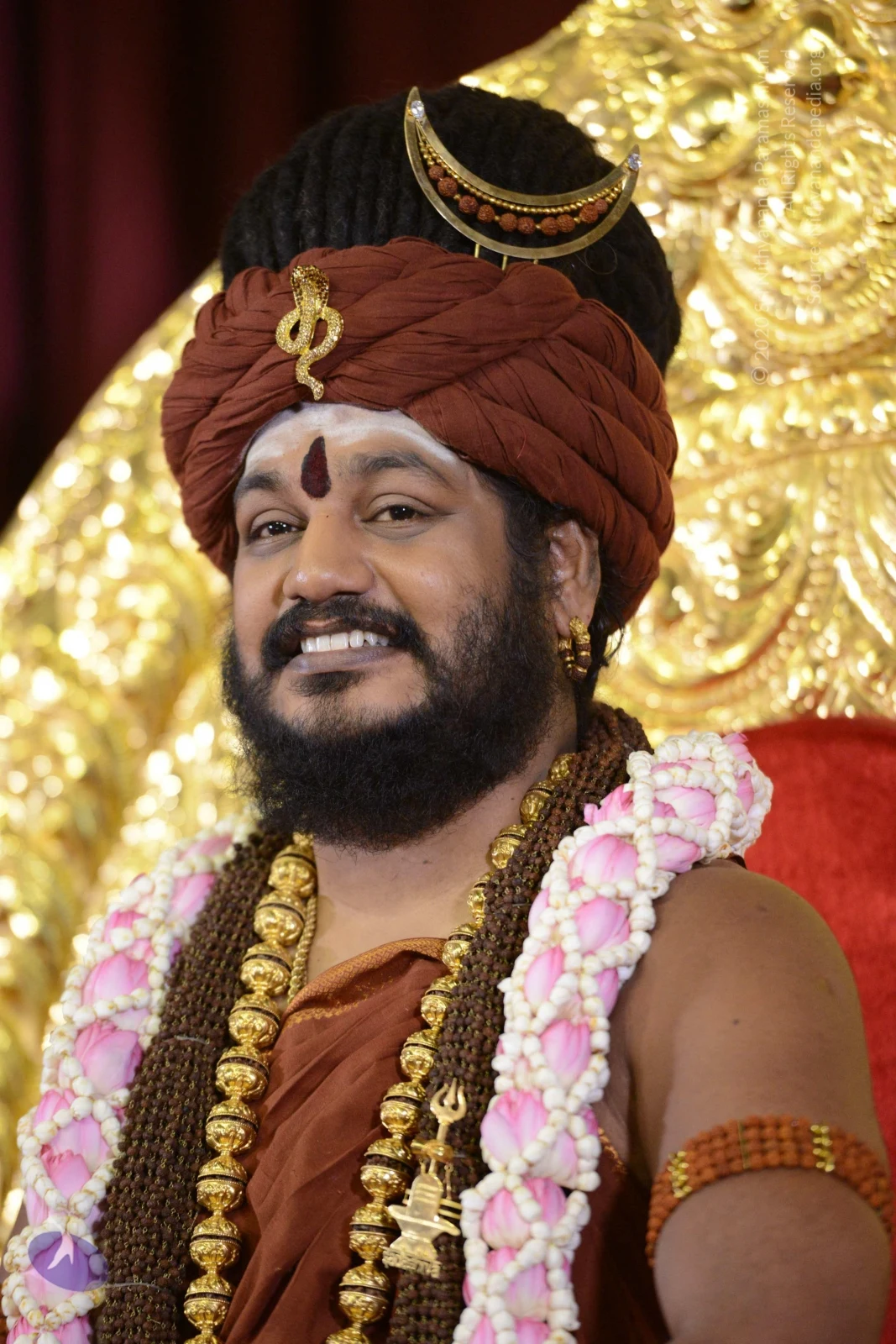
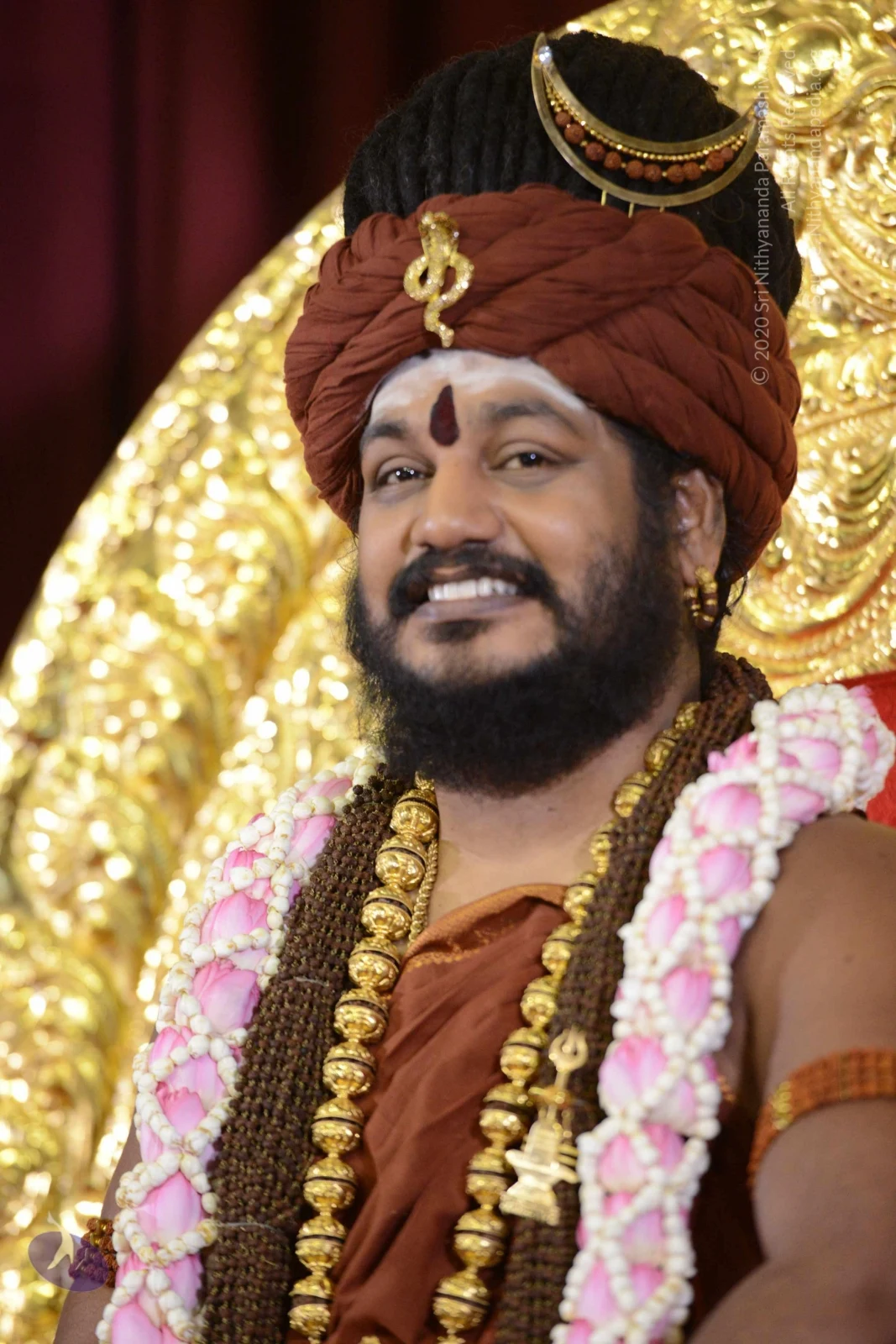
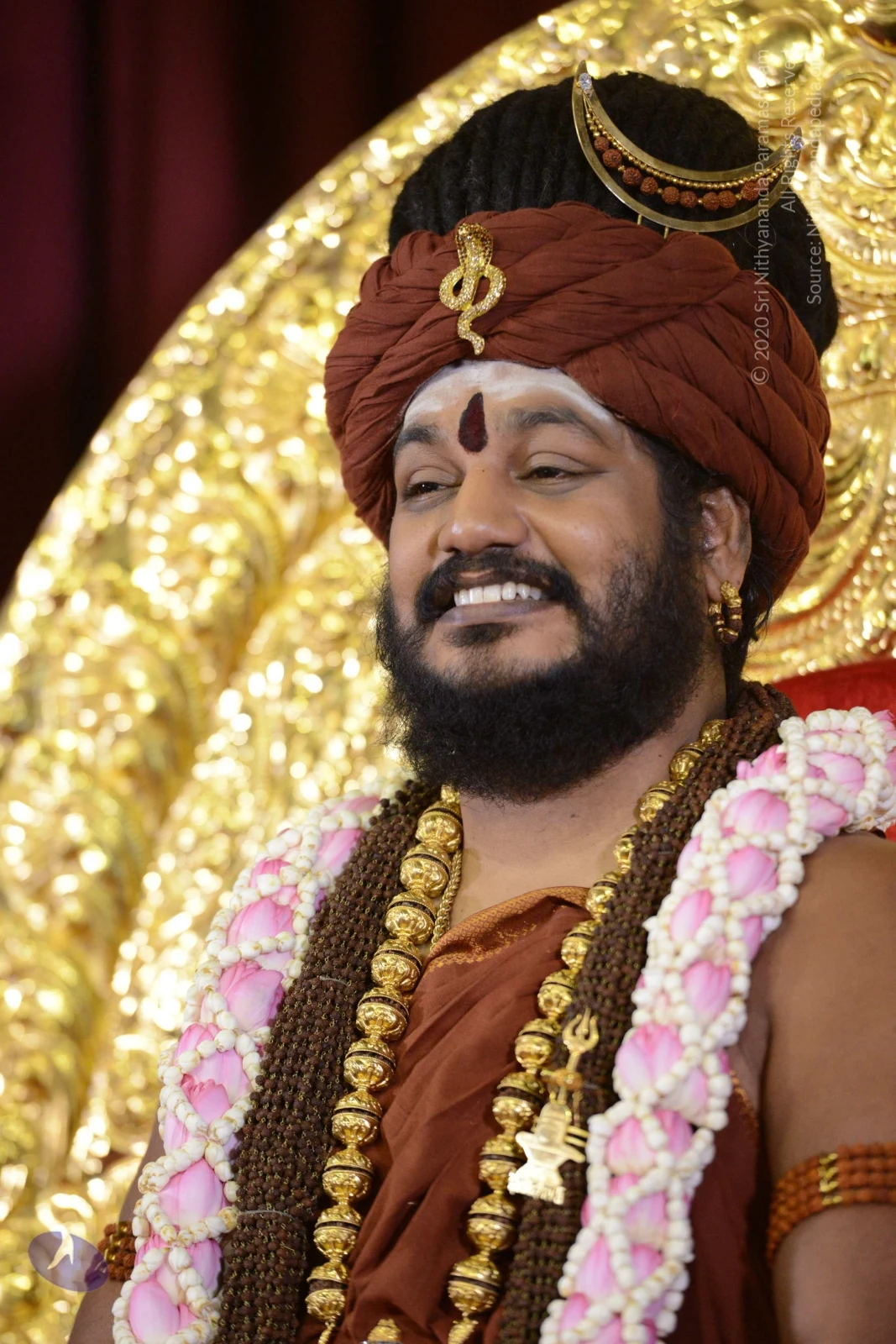
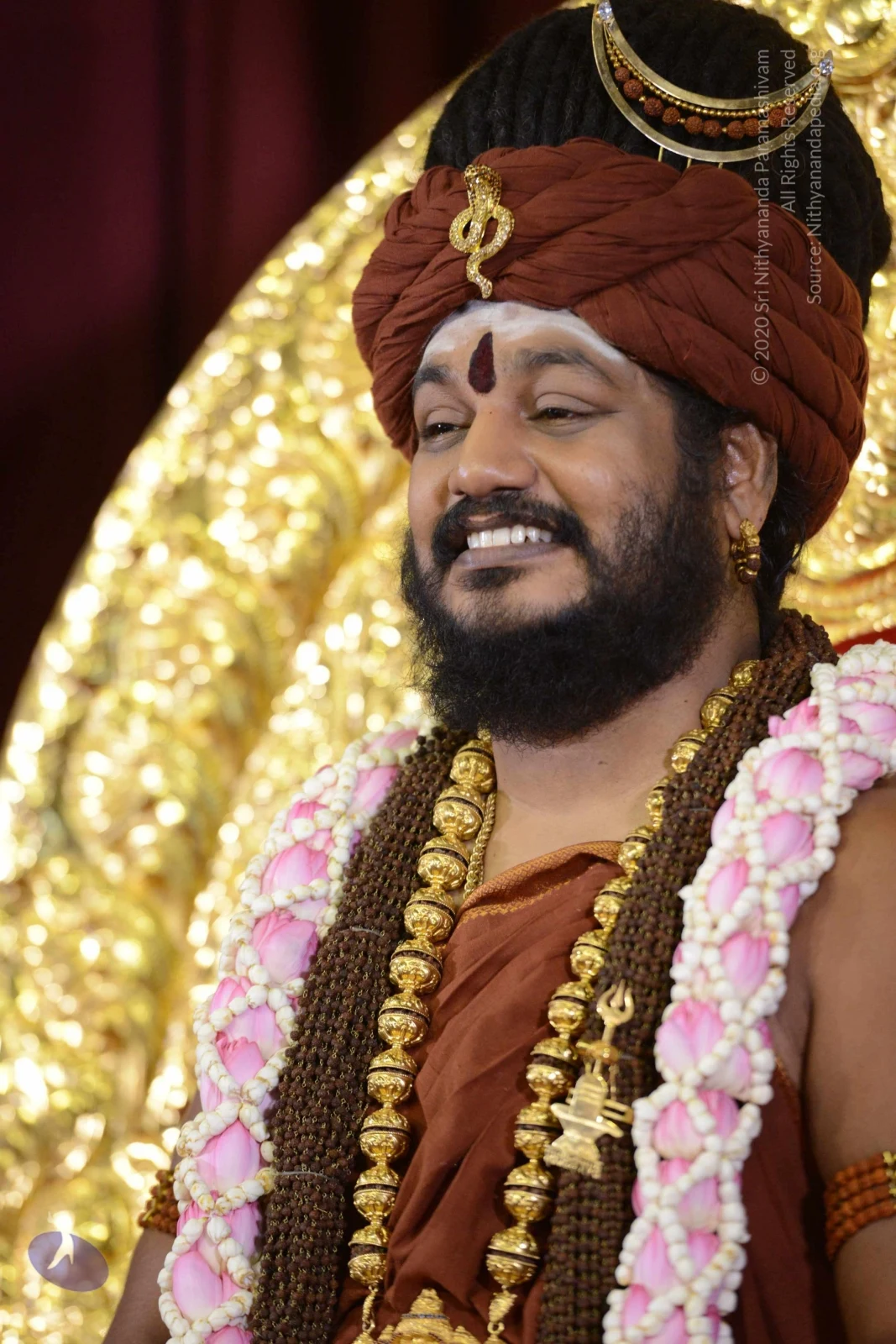
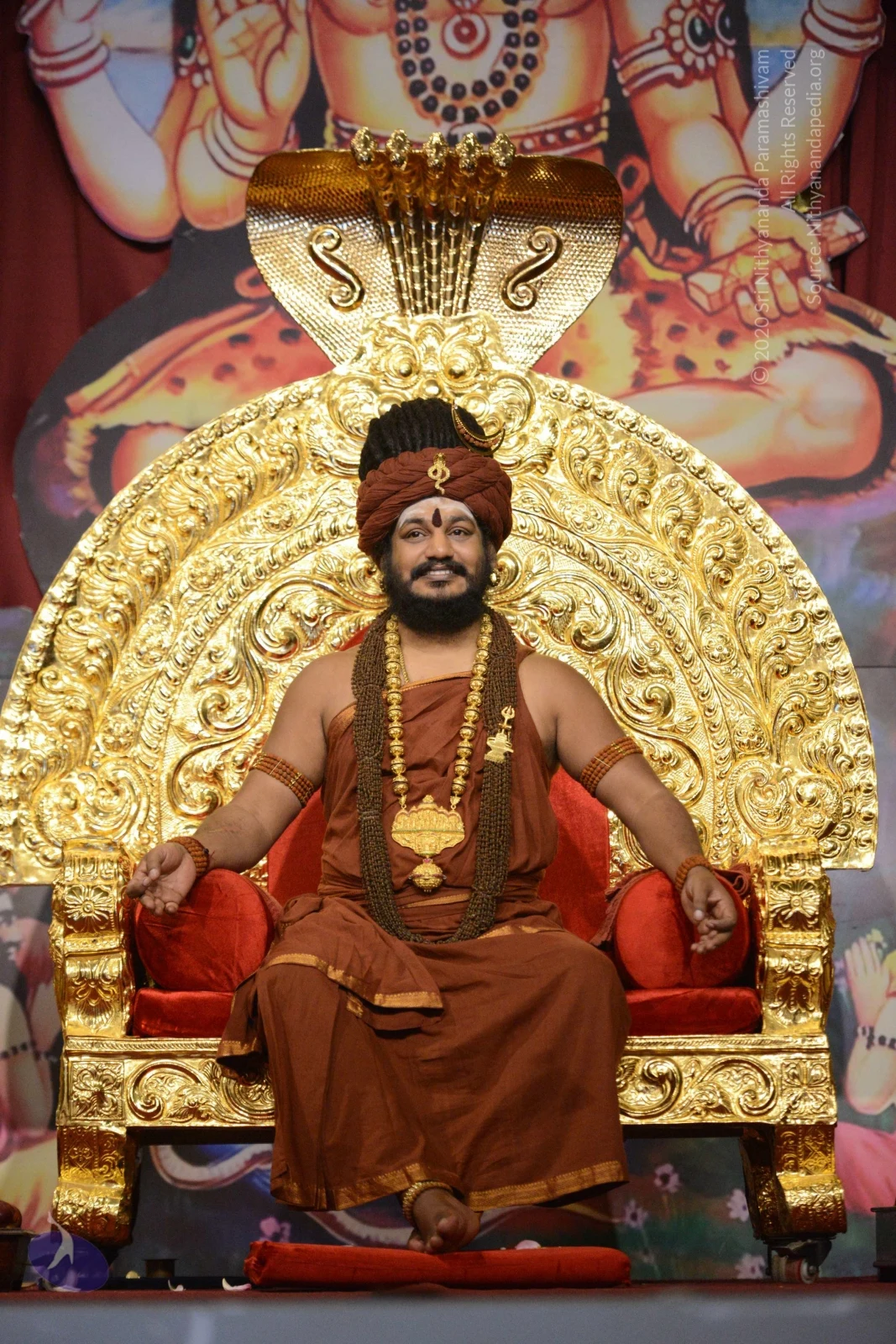
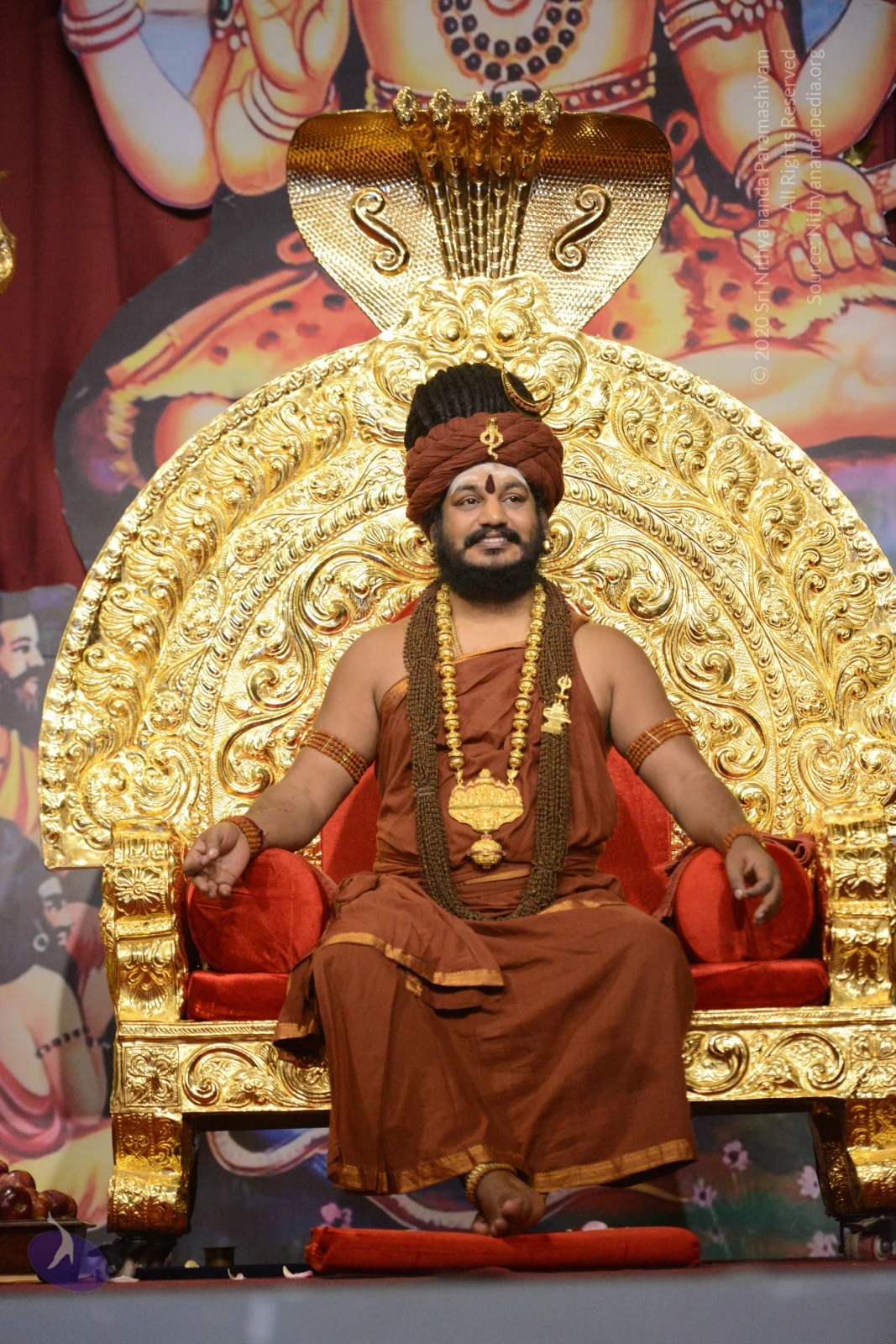
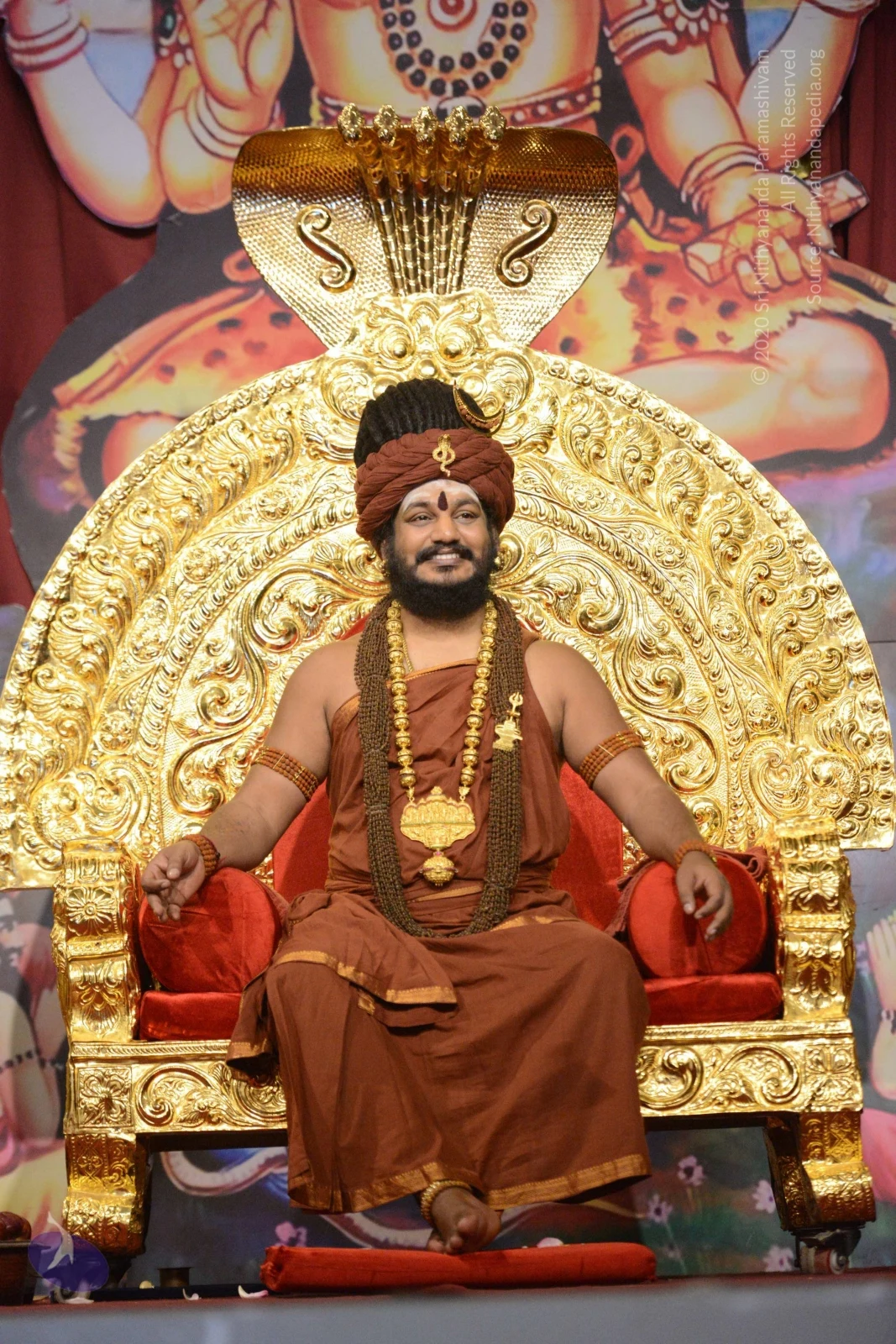
Vaidya-Sarovar-Shiva-Linga-Abhisekam




Photos from this day
View all 419 photosVaidya Sarovar Shiva Linga Abhishekam
66 photosSource gallery
Nithya Satsang
80 photosSource gallery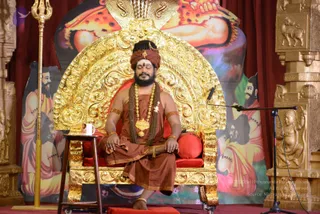
kalpataru-darshan
20 photosSource gallery
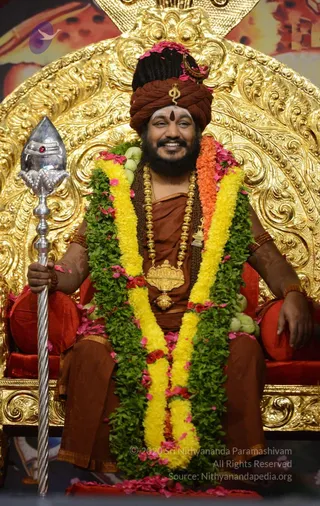
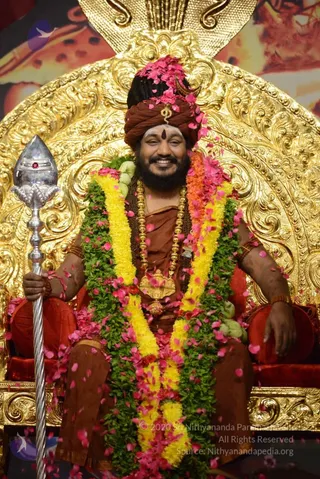
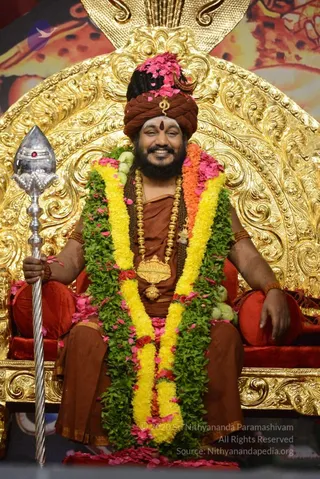
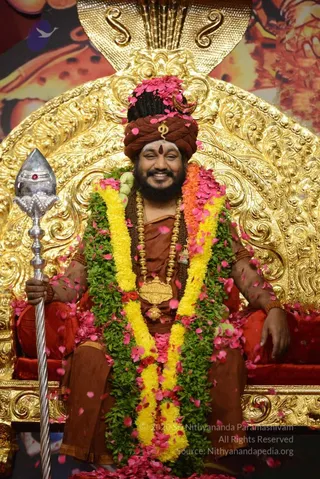
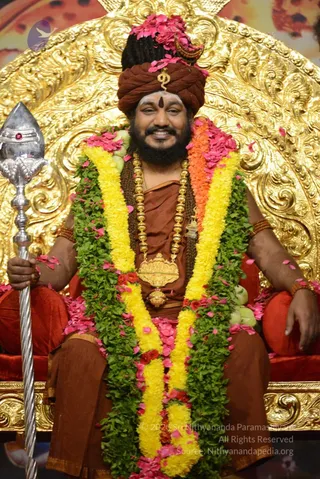
Kalpataru-Darshan
40 photosSource gallery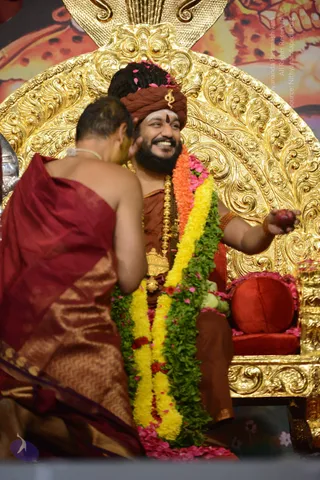
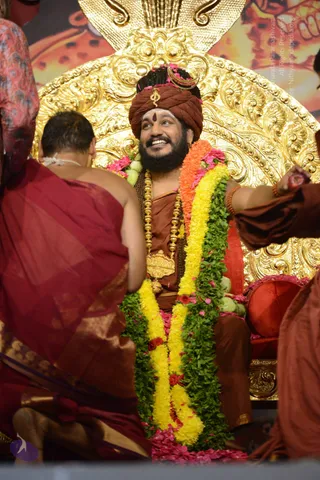
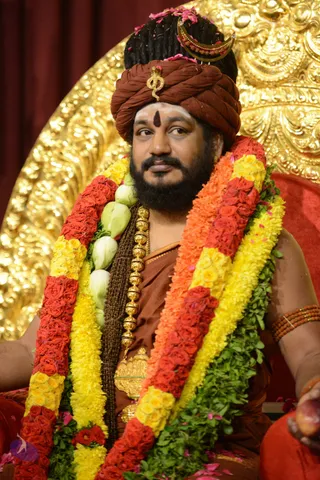
Nithya-Satsang
161 photosSource gallery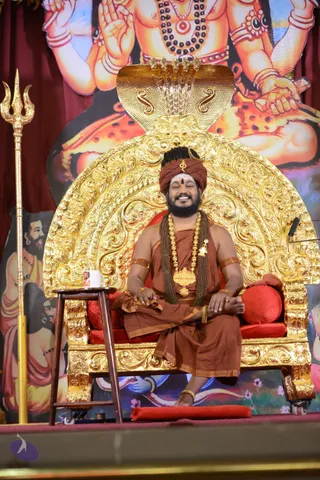
Vaidya-Sarovar-Shiva-Linga-Abhisekam
52 photosSource gallery