Friday
23 September 2016
Third eye Science - Naturally super not super natural
- Dated photos
- 261
- Source pages
- 1
- Media
- 18


September 23 2016
Original wiki pageTitle:
Third eye Science - Naturally super not super natural
Description:
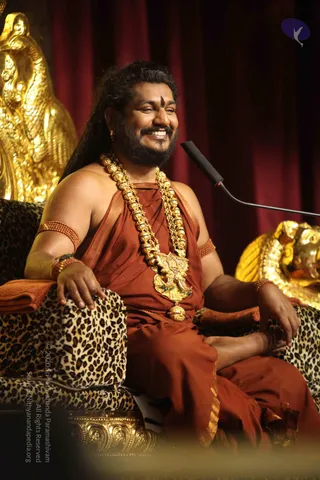
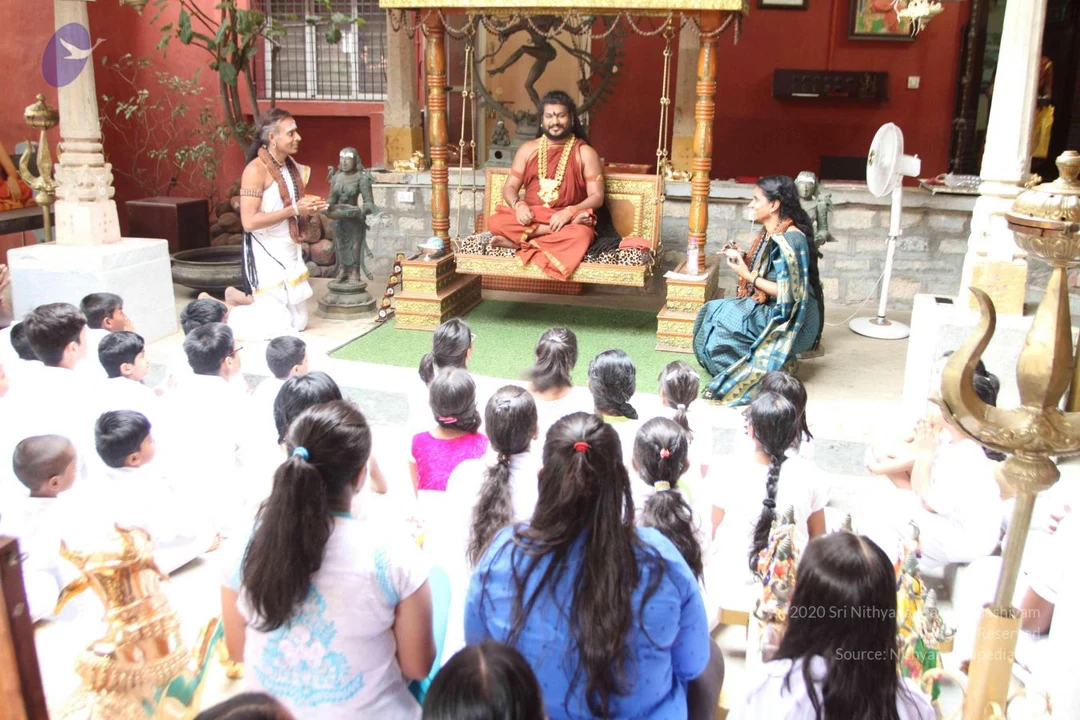
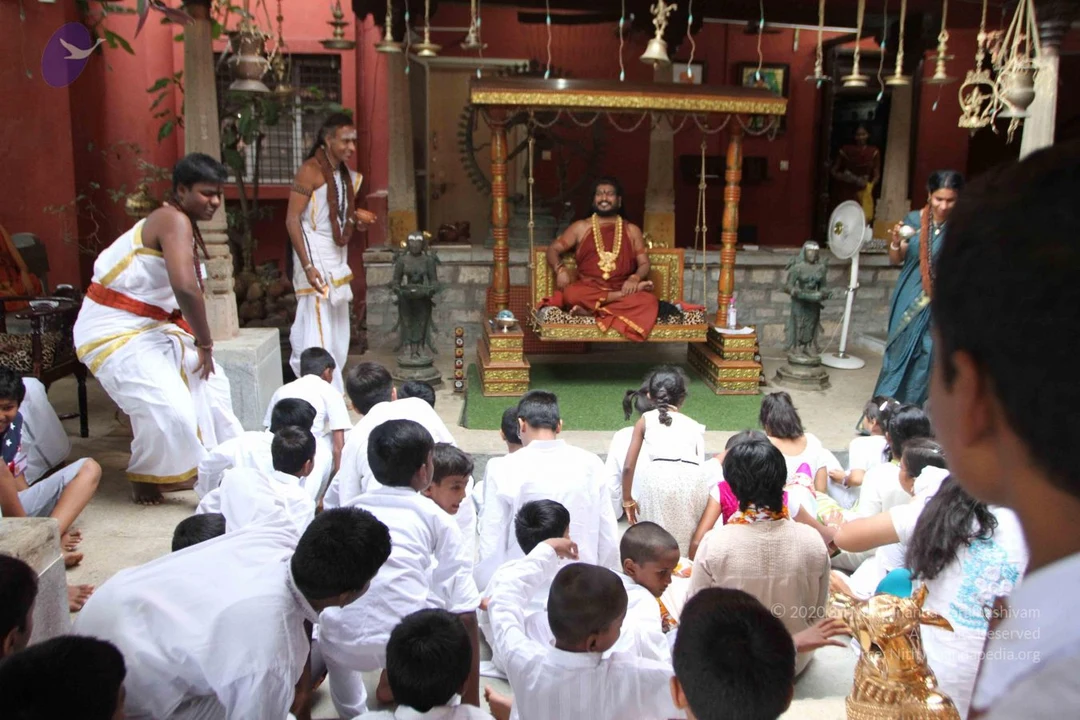
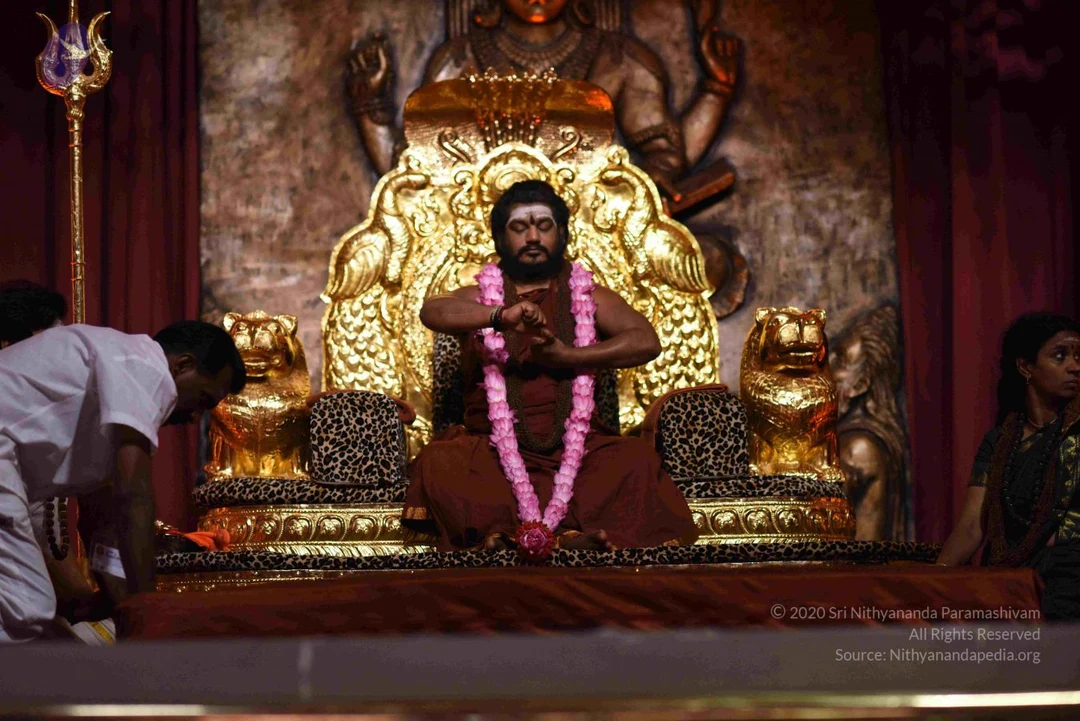
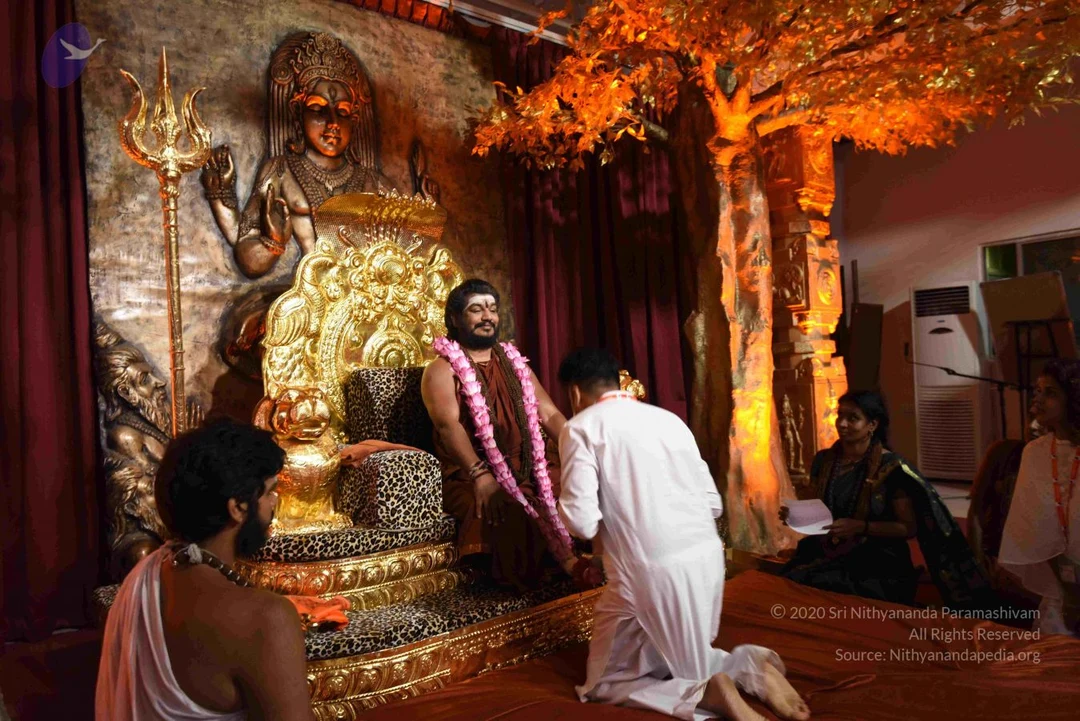
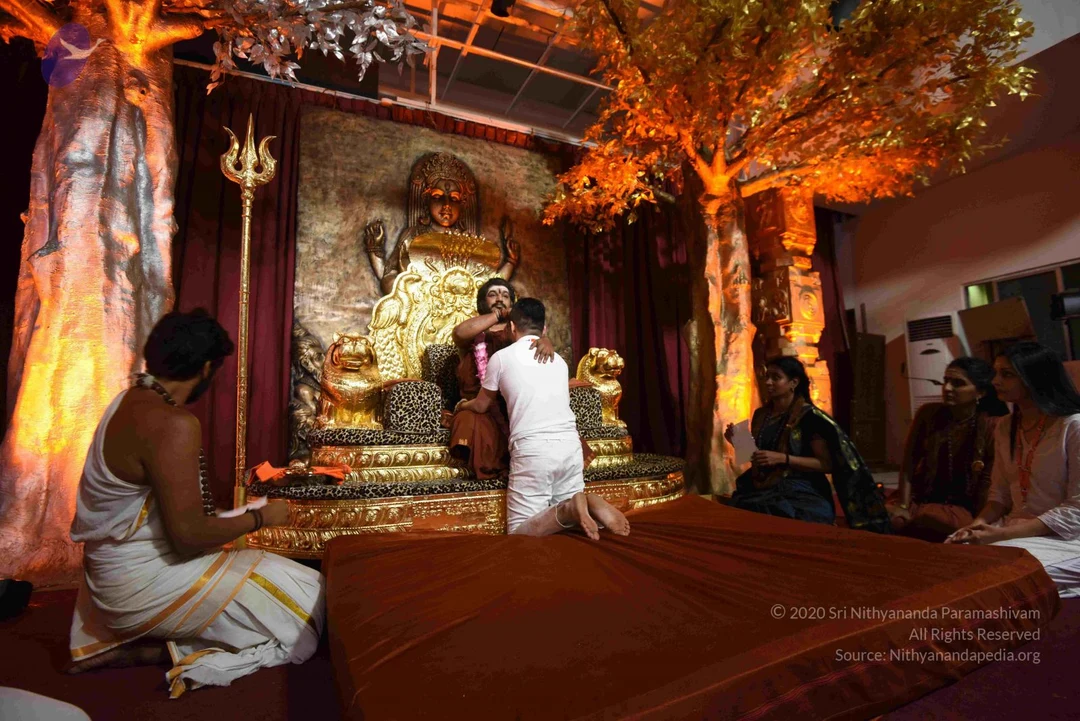
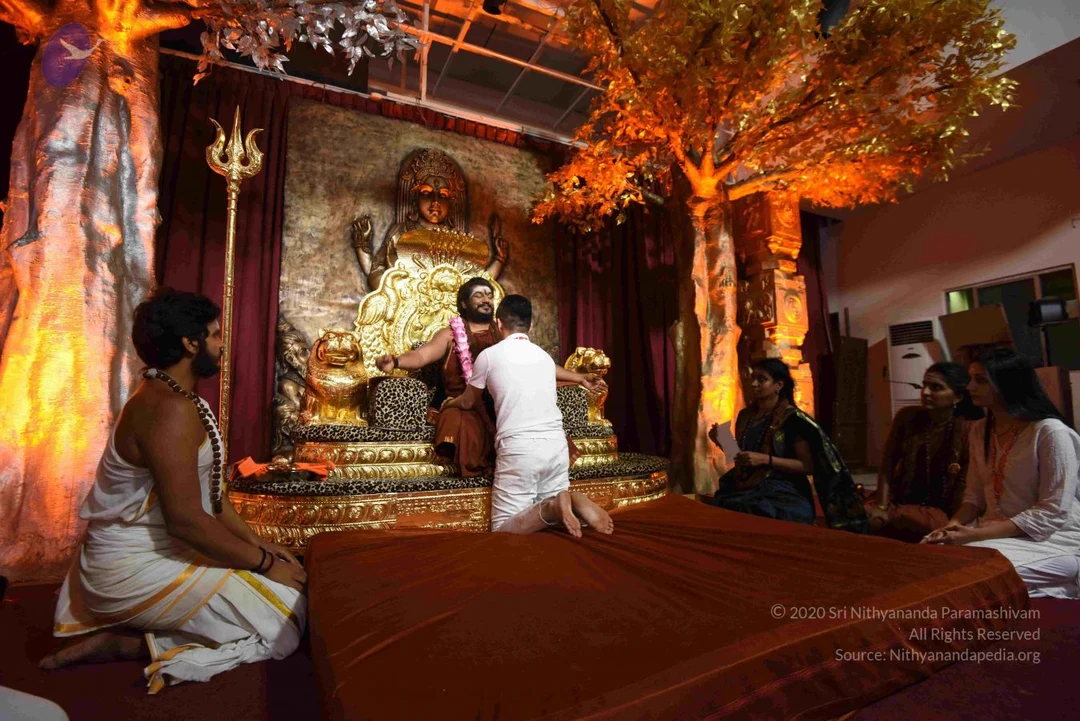
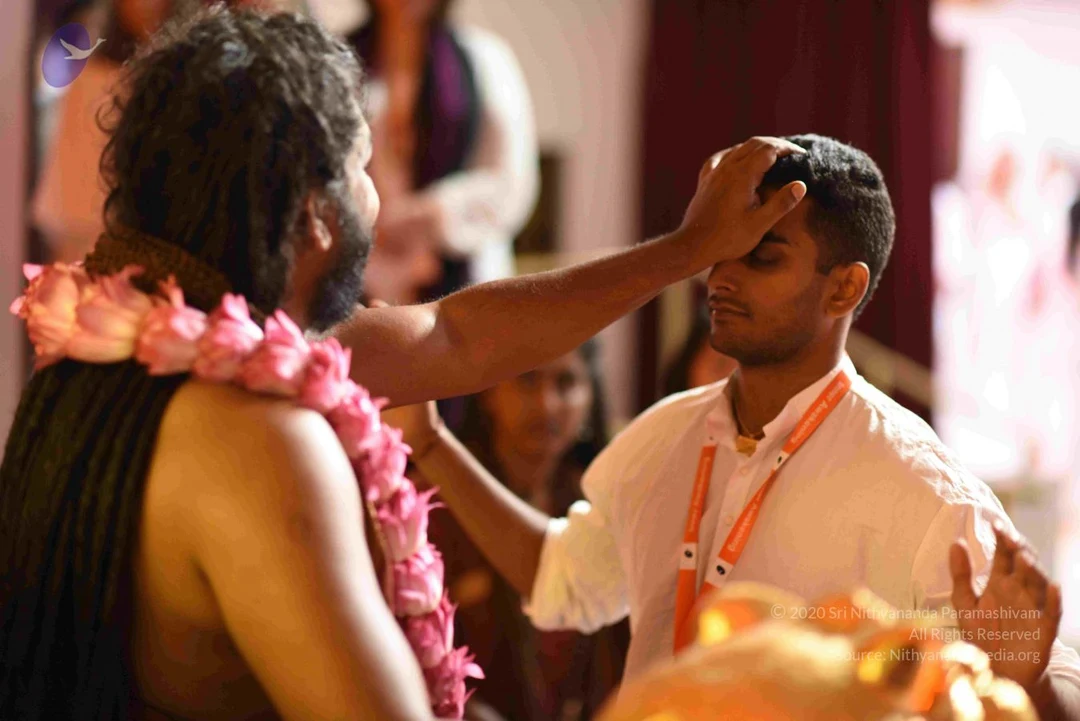
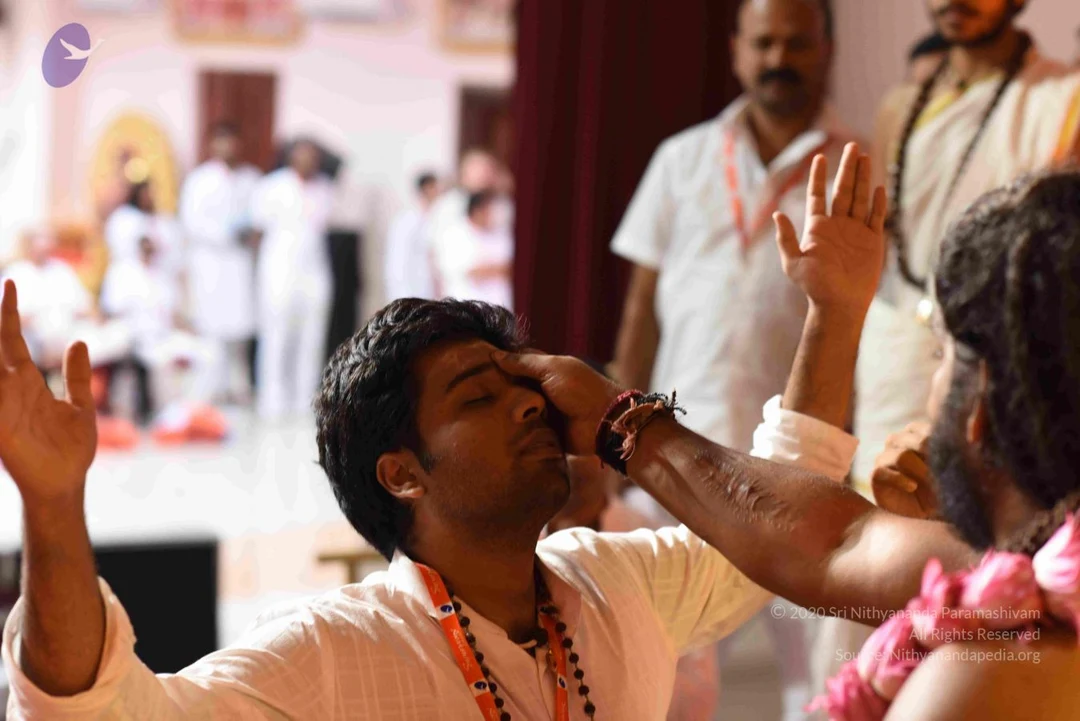
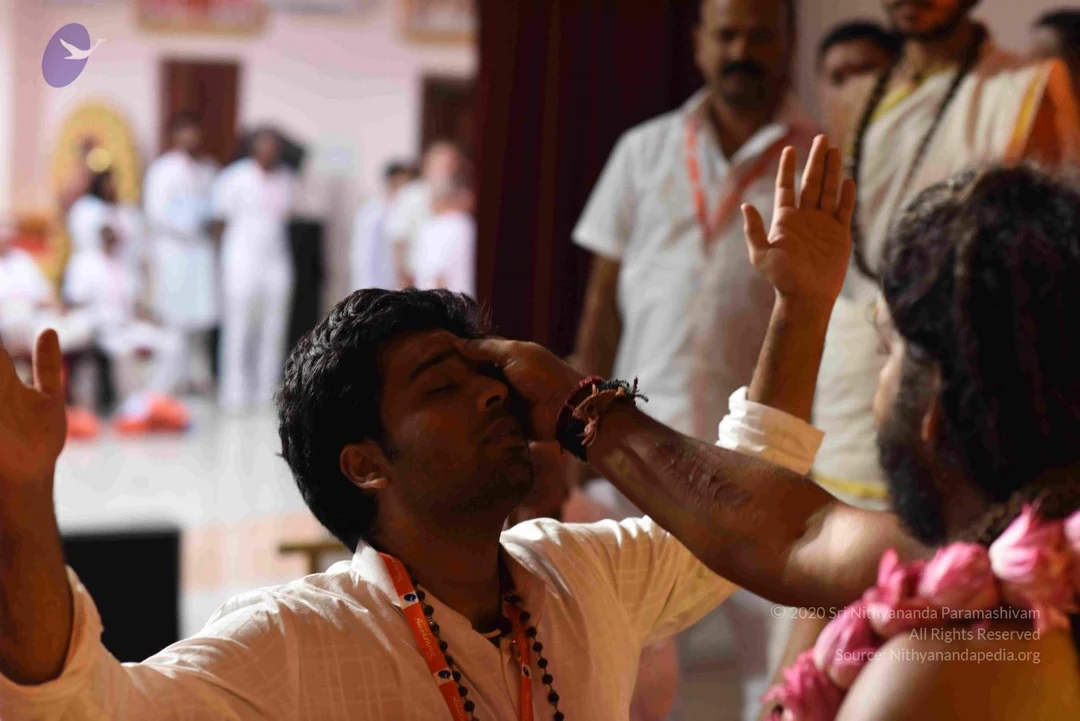
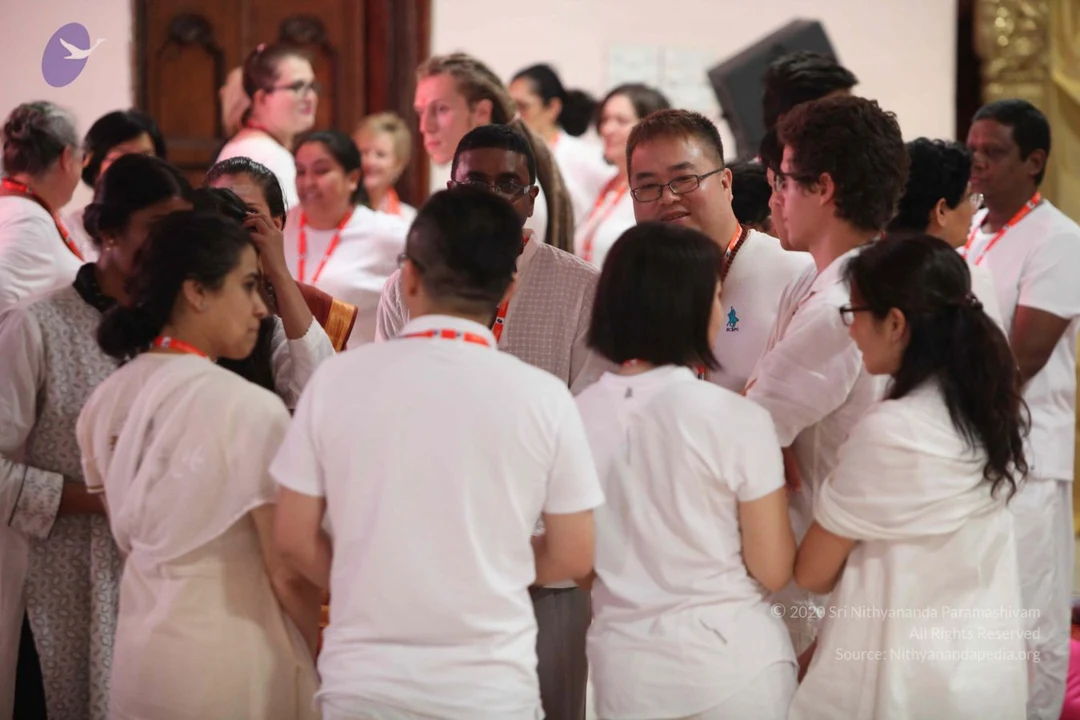
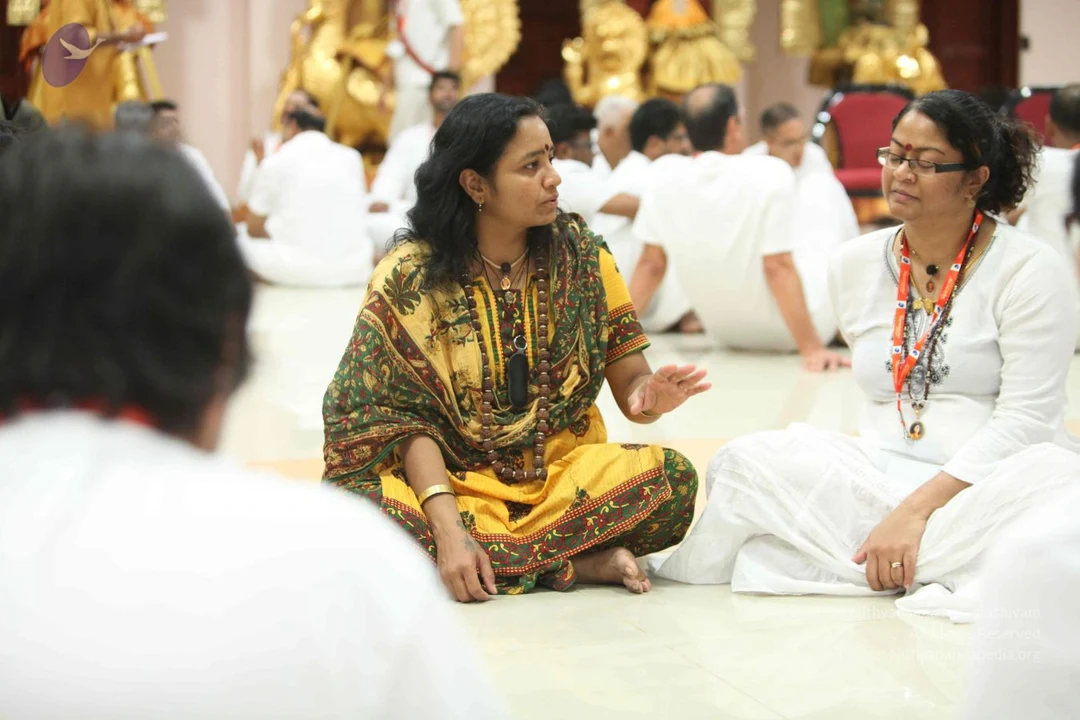
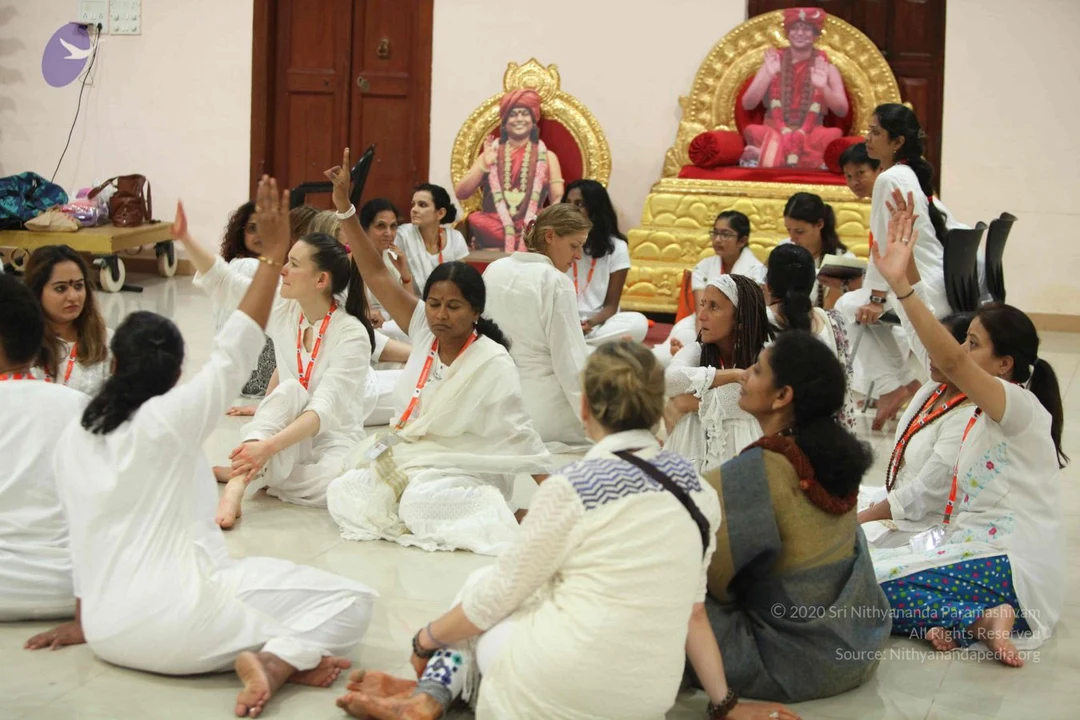
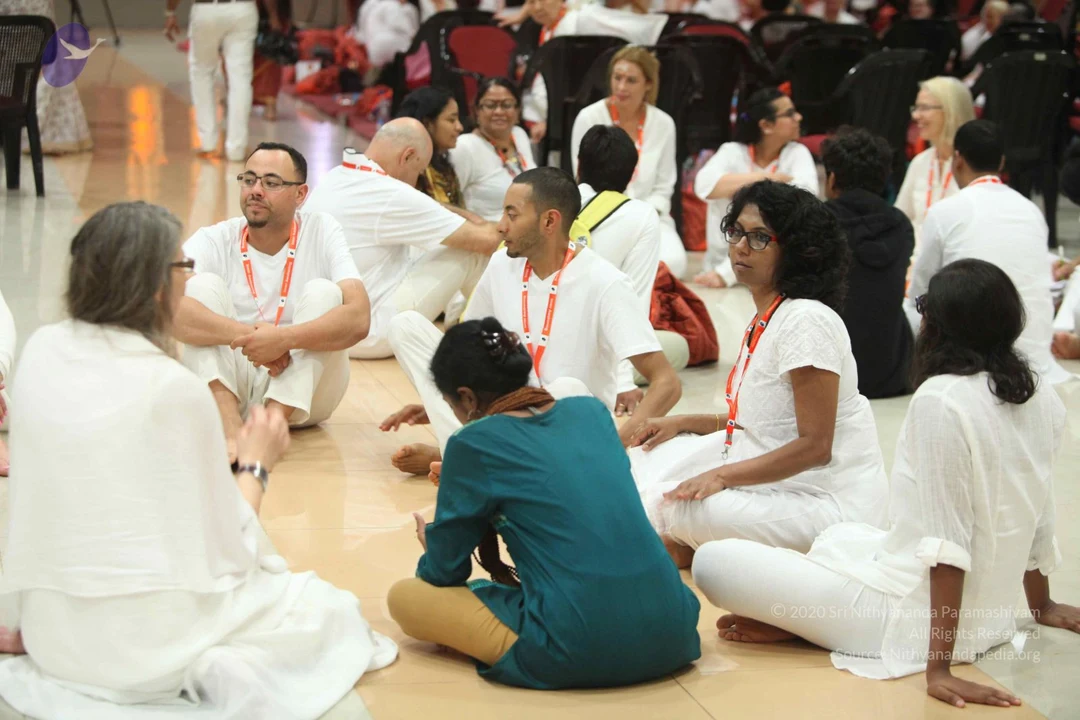
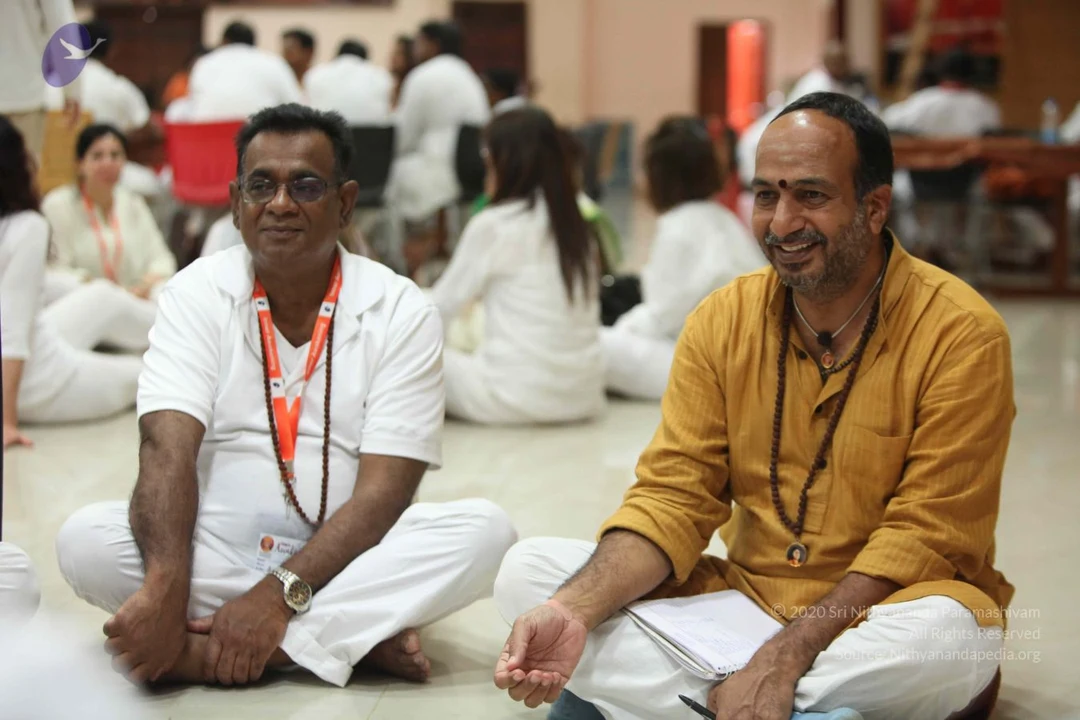
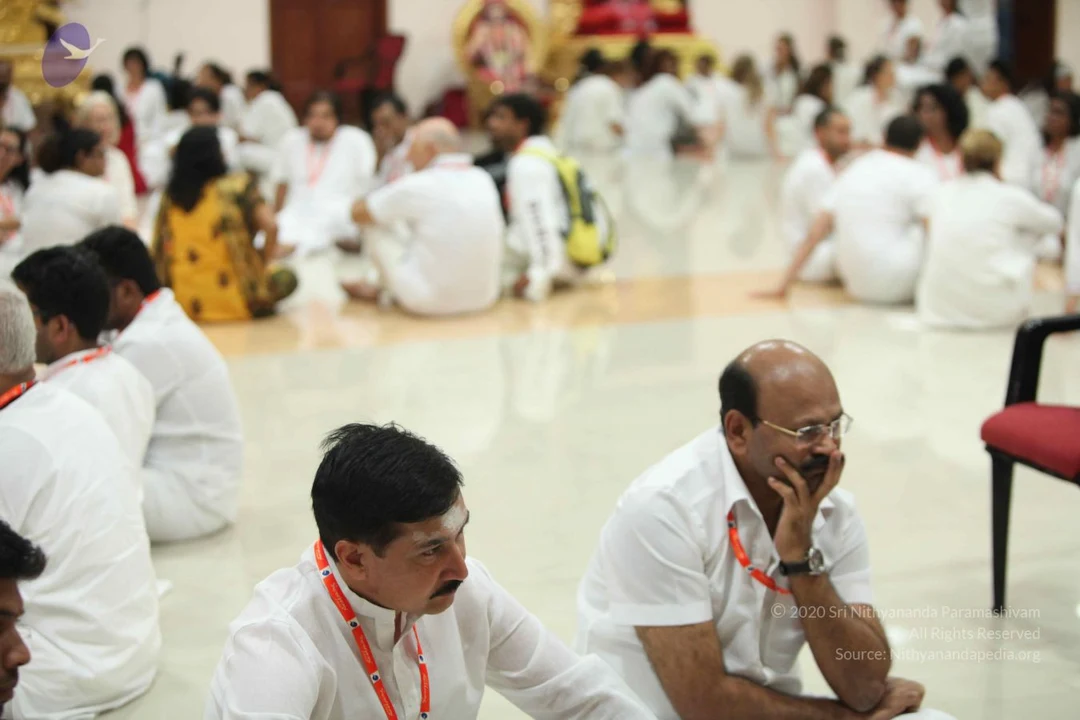
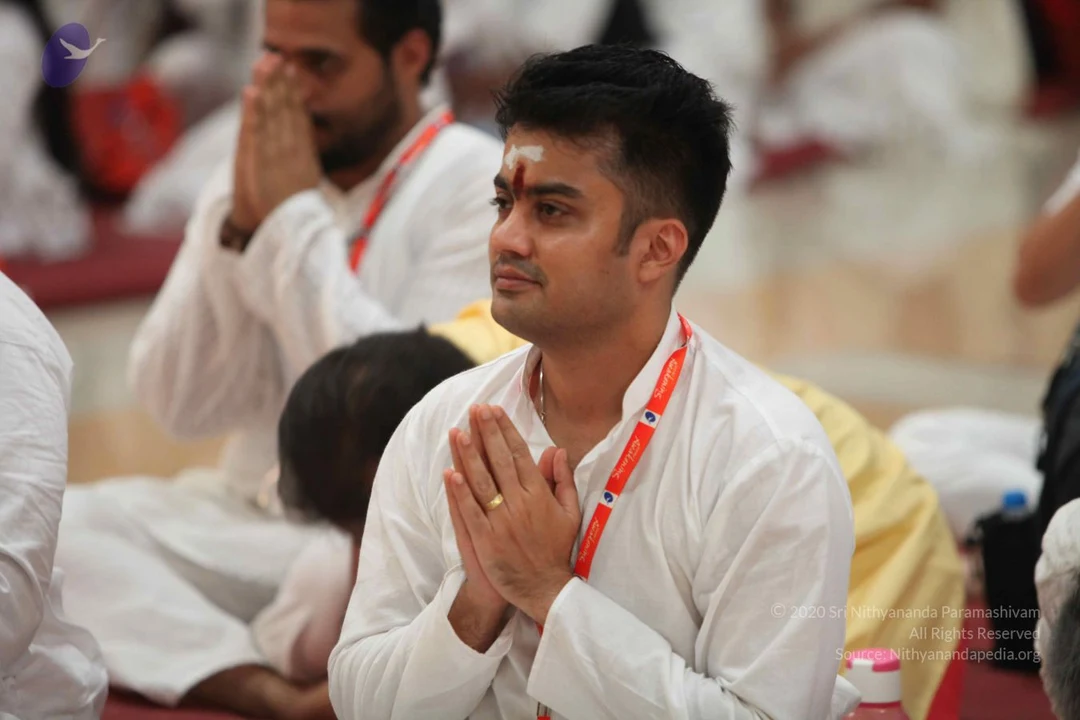
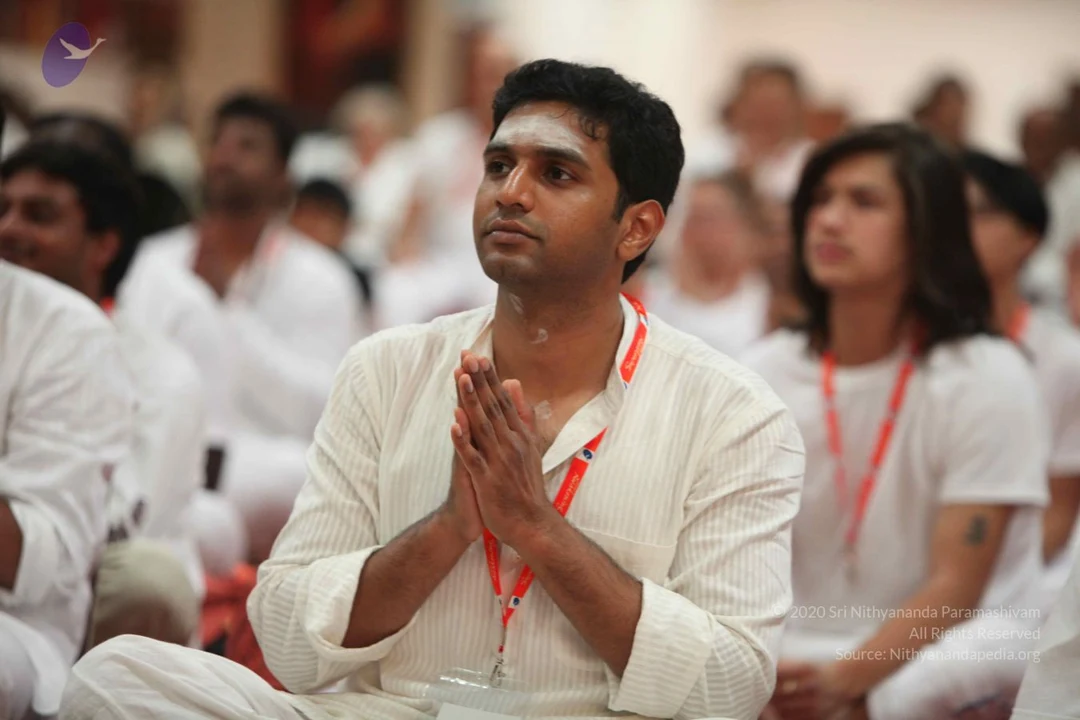
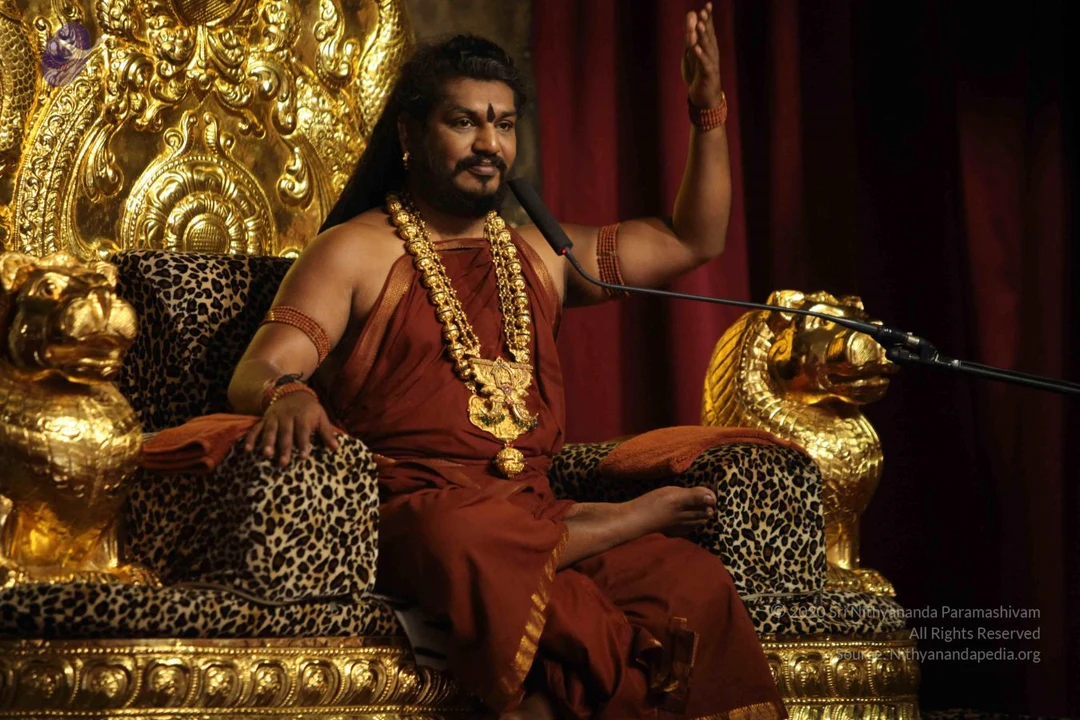
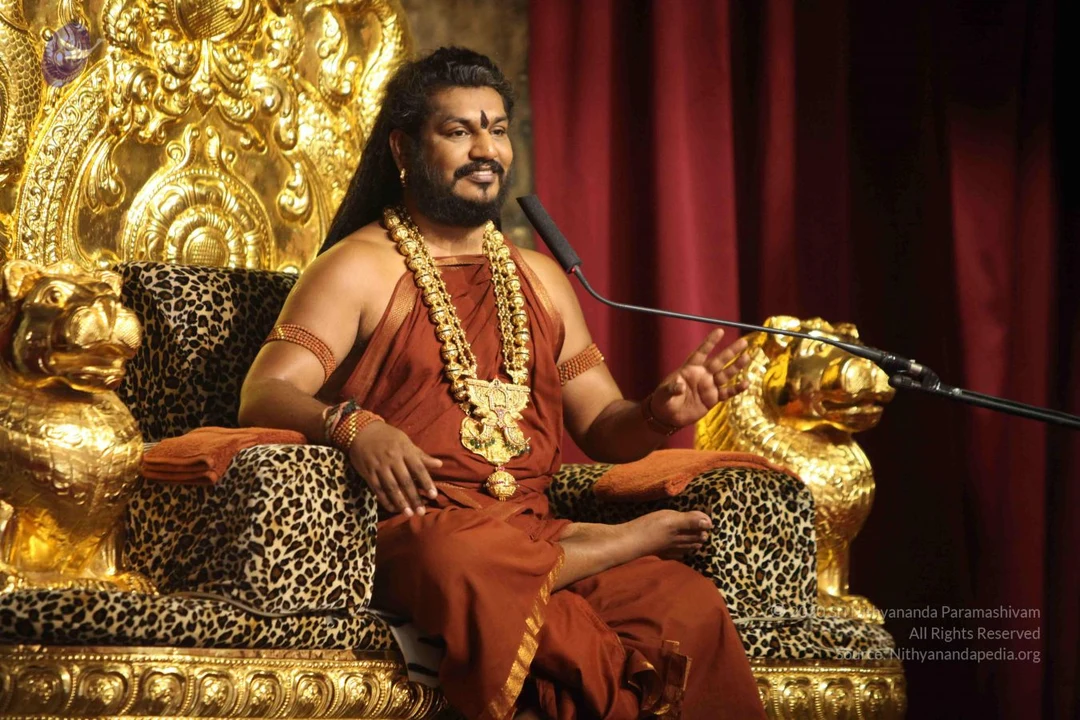
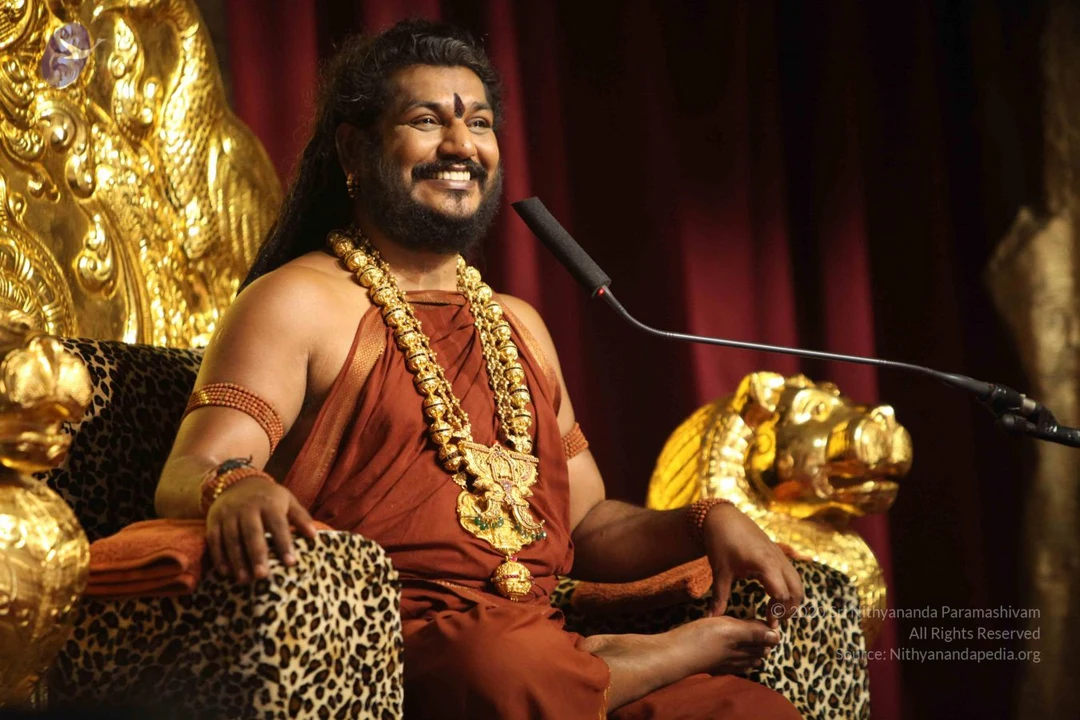
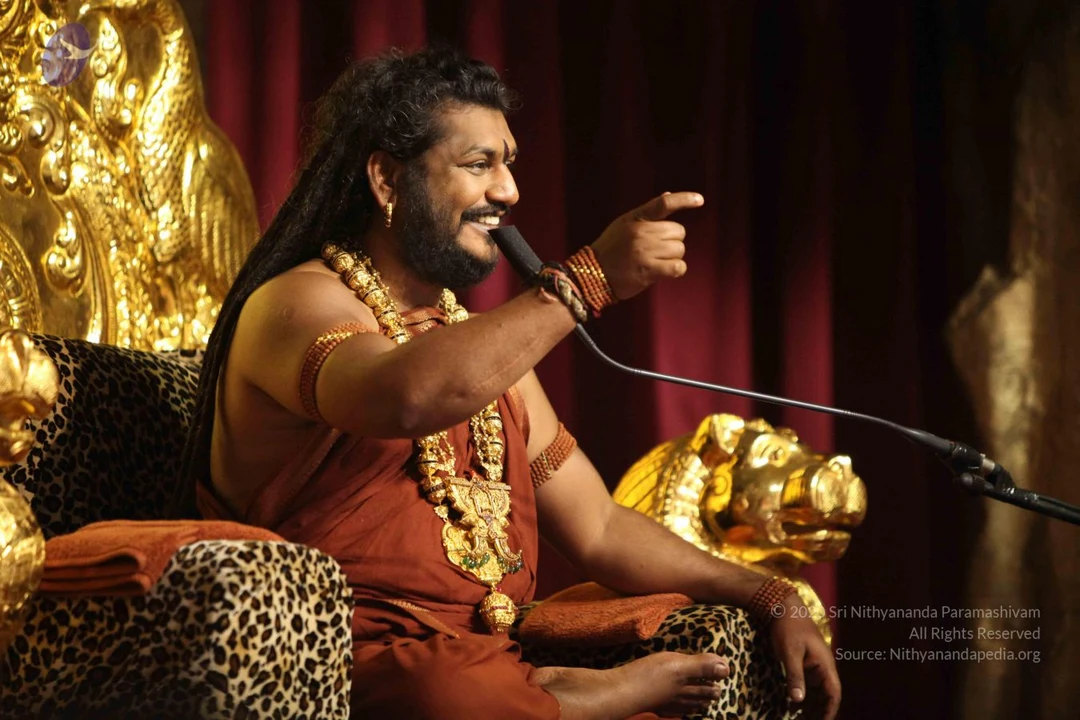
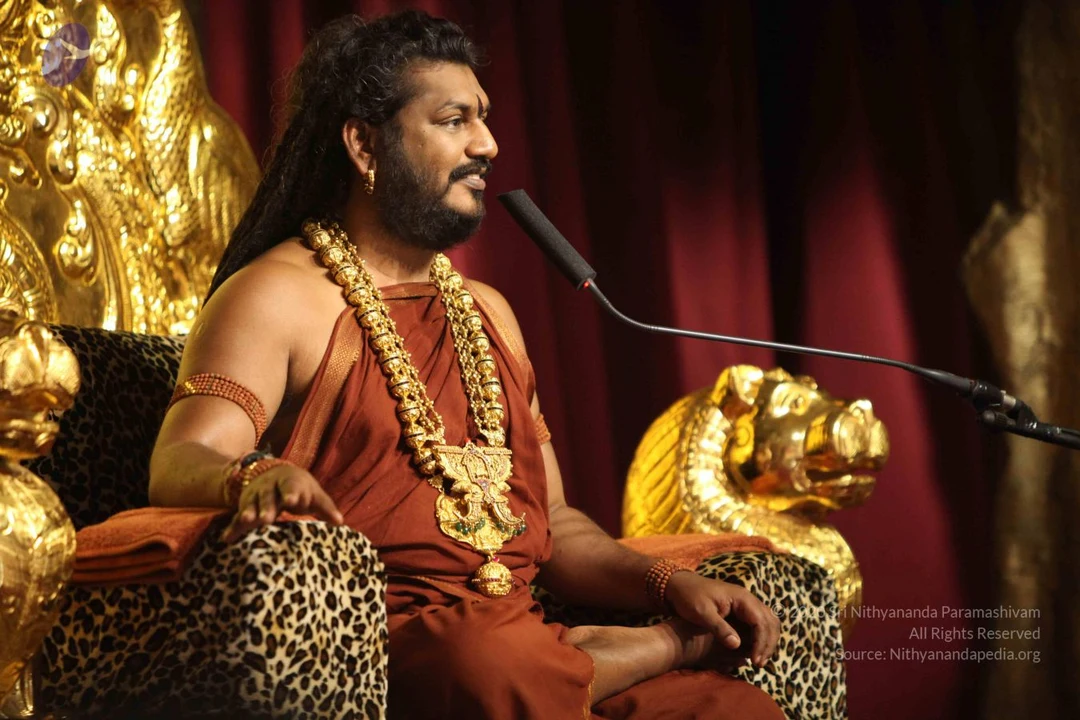
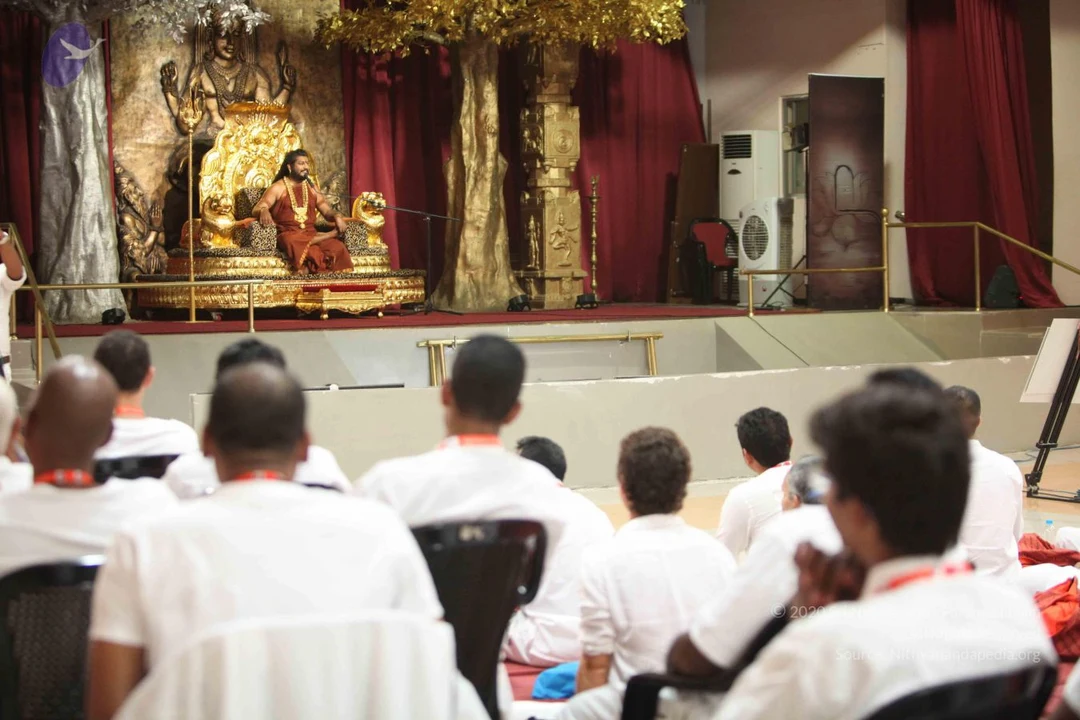
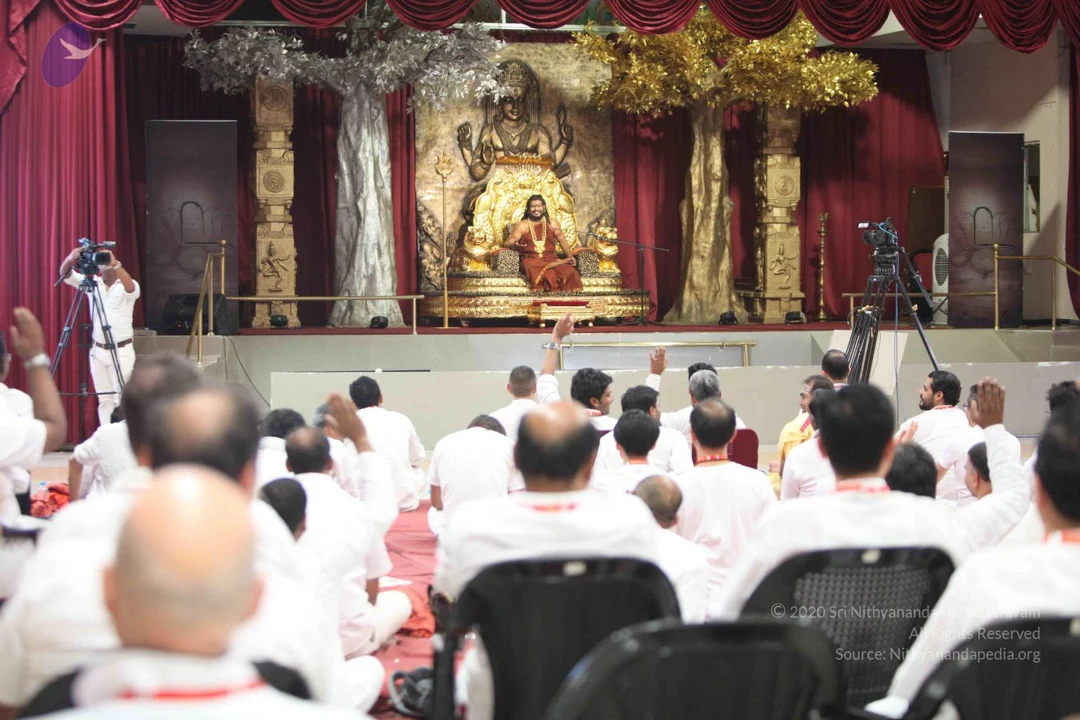
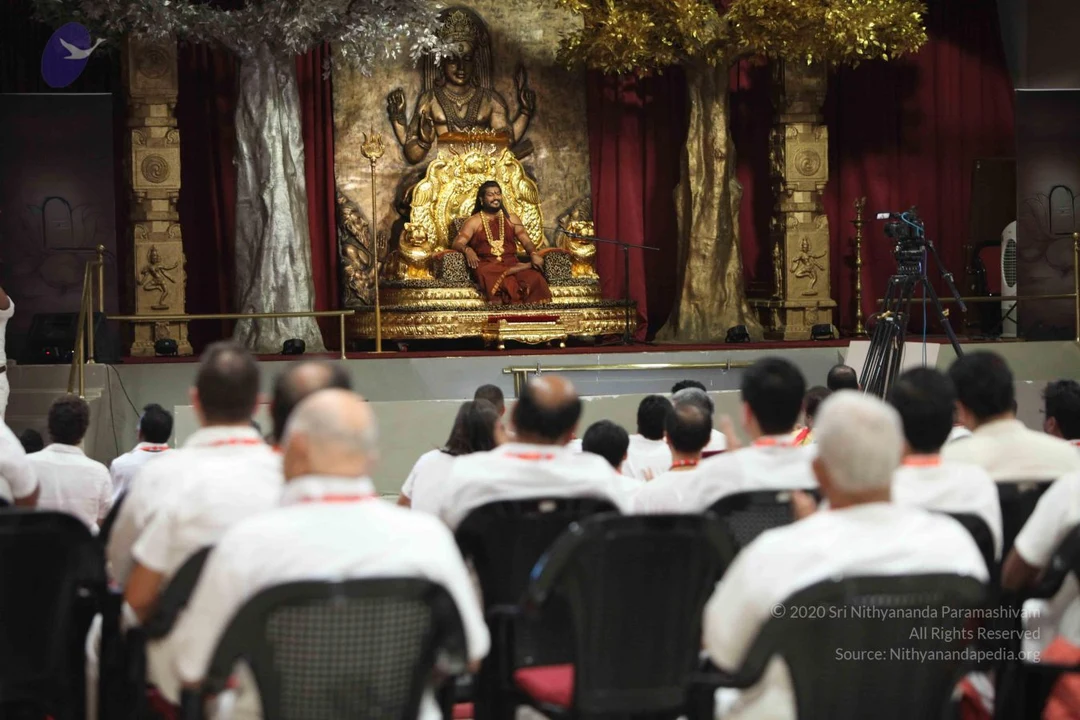
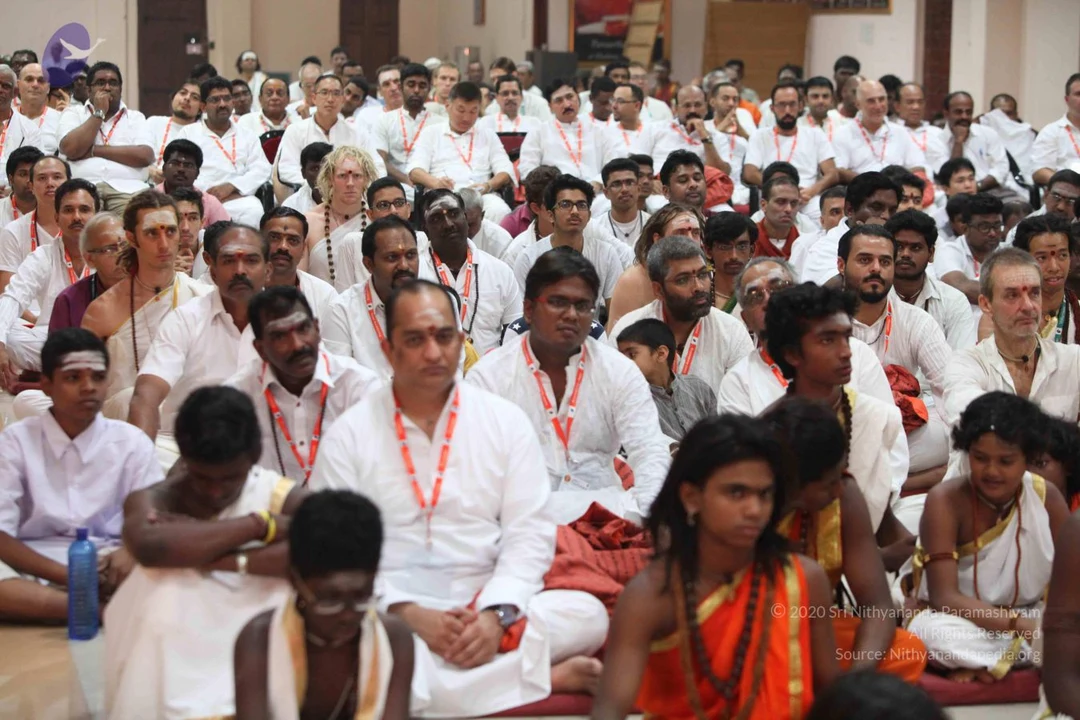
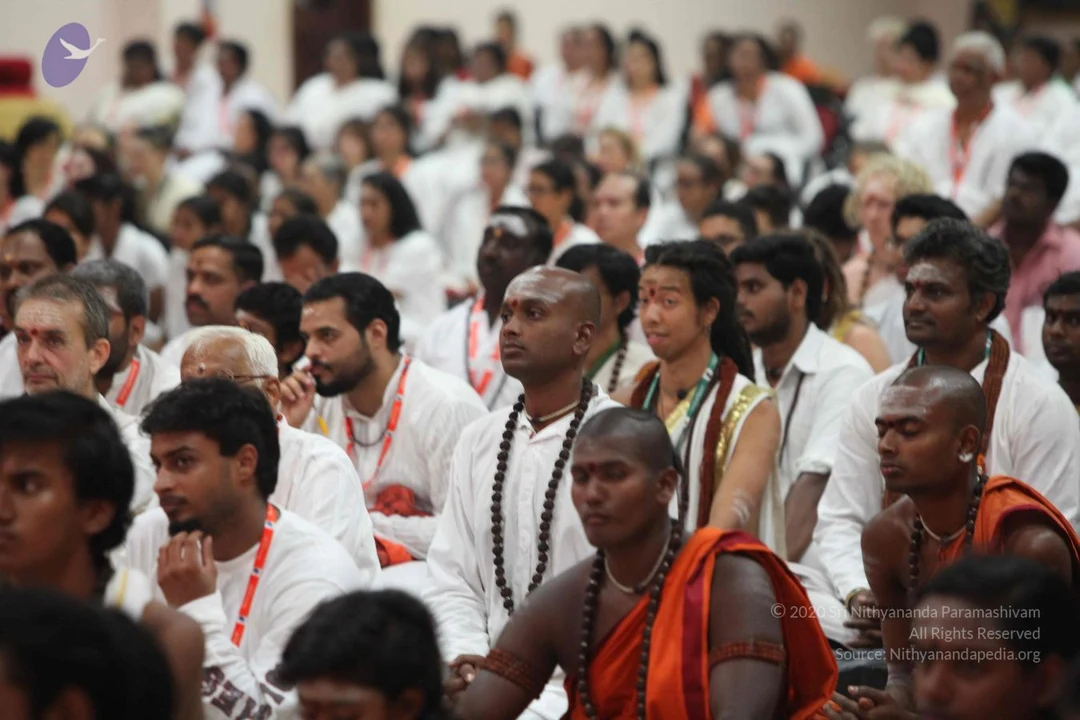
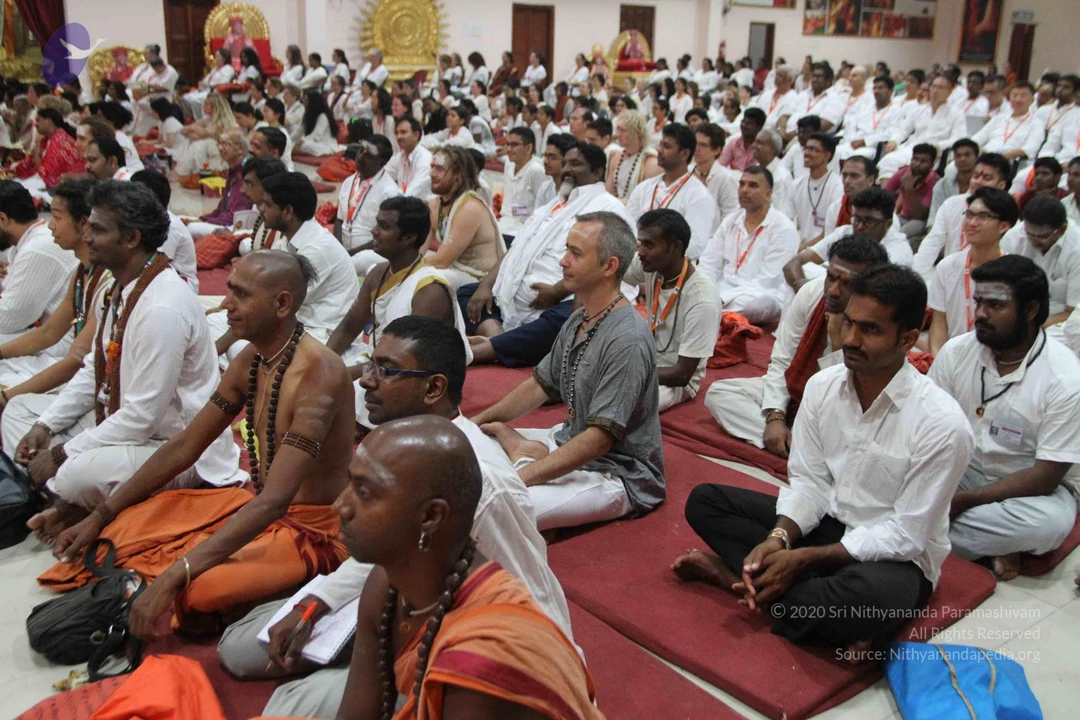
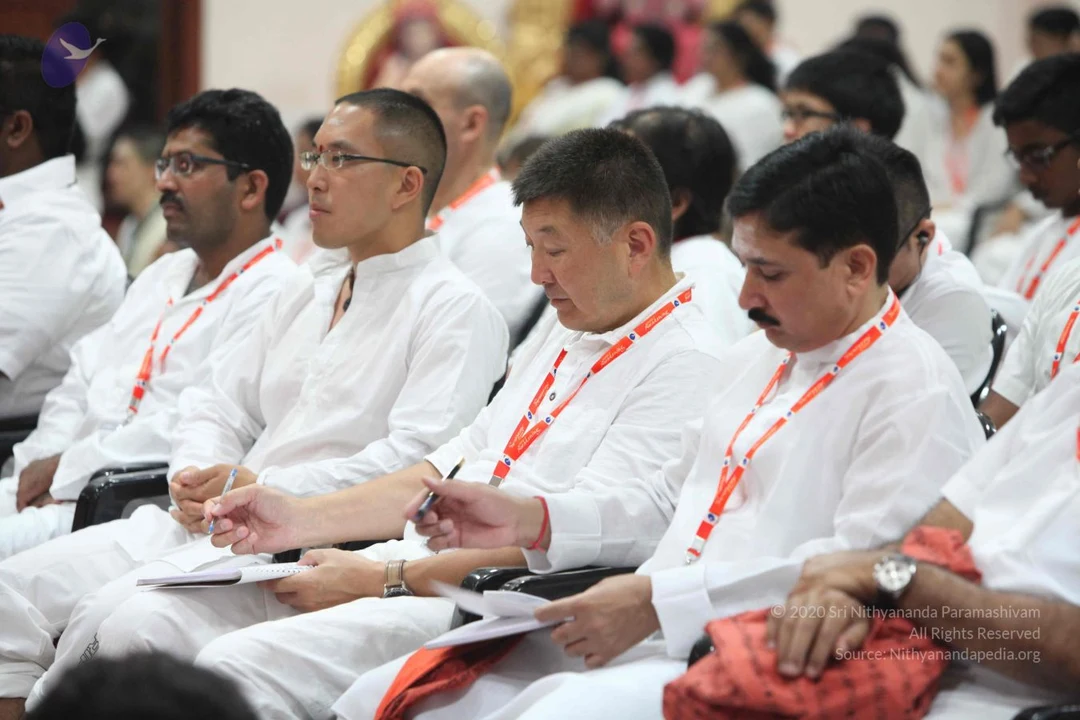
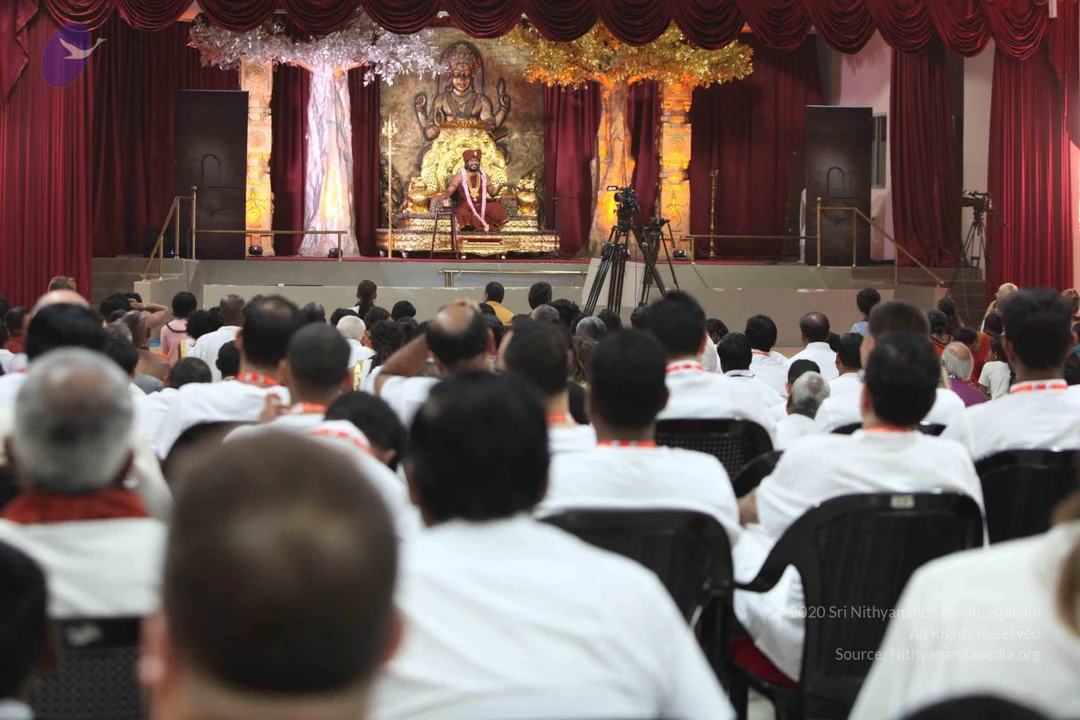
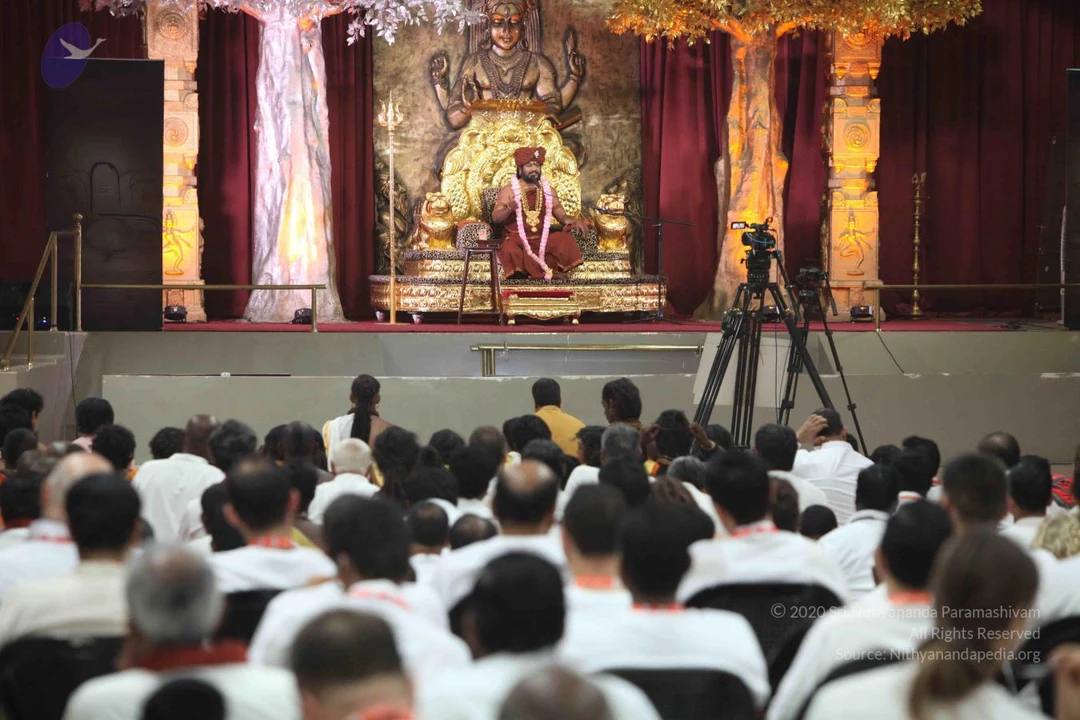
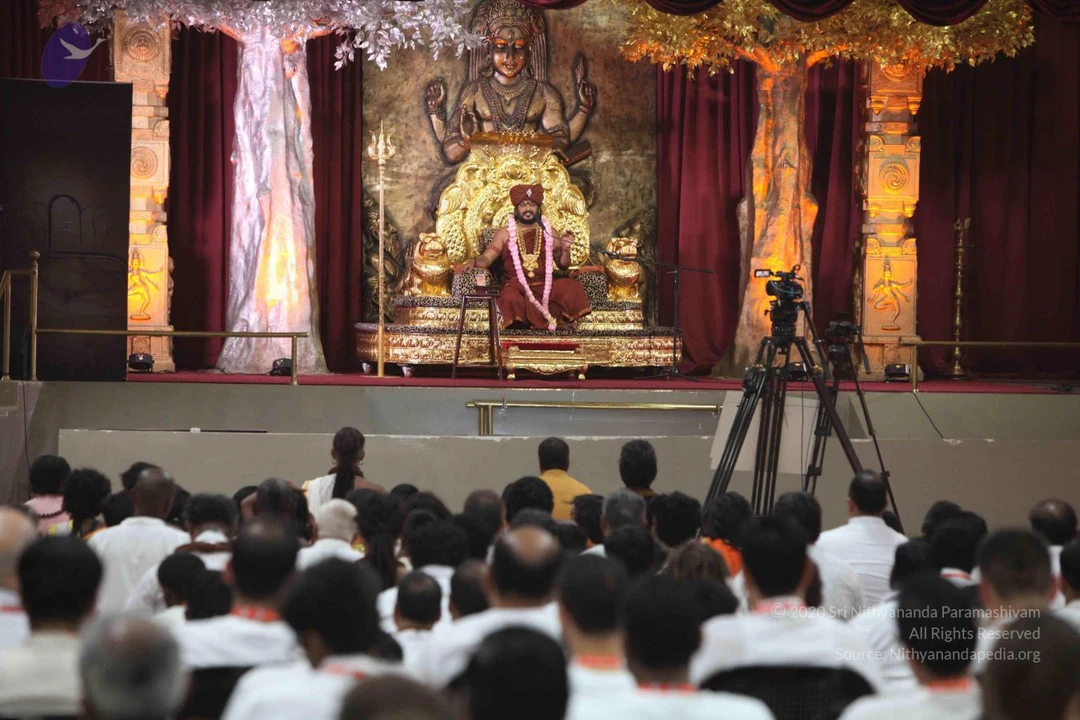
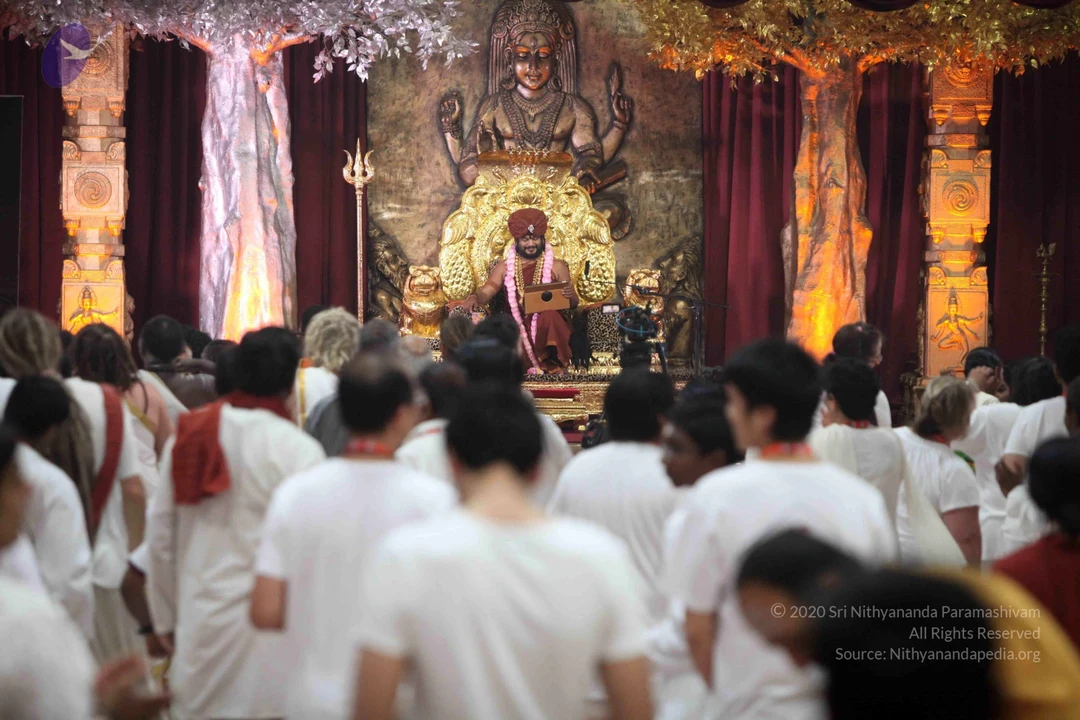
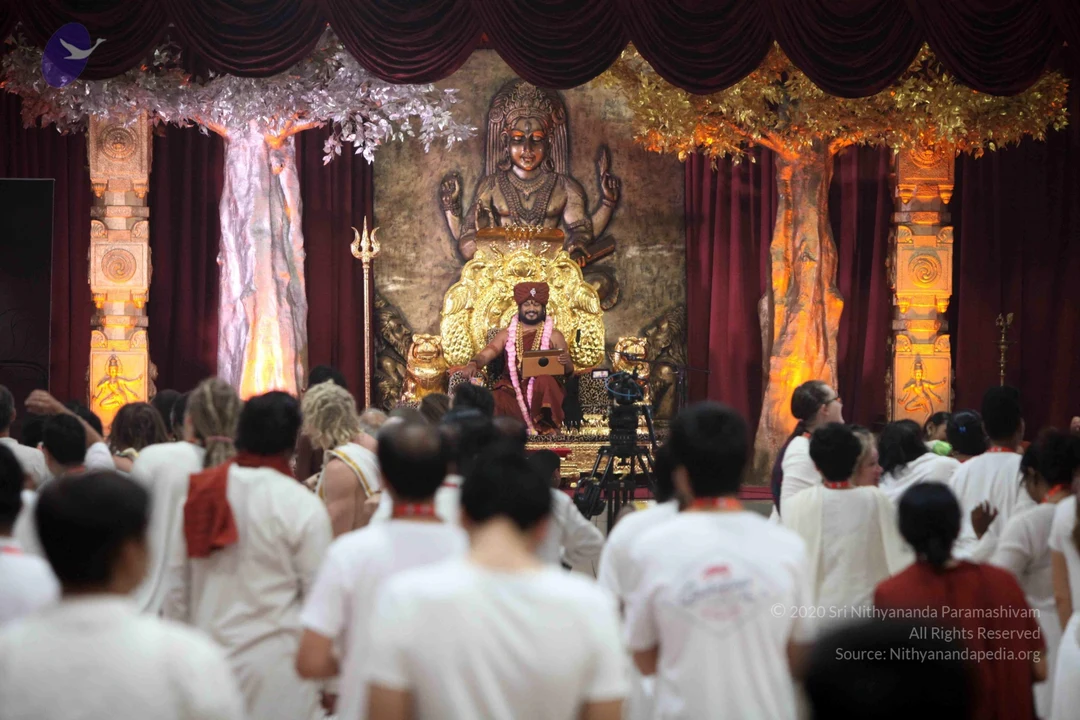
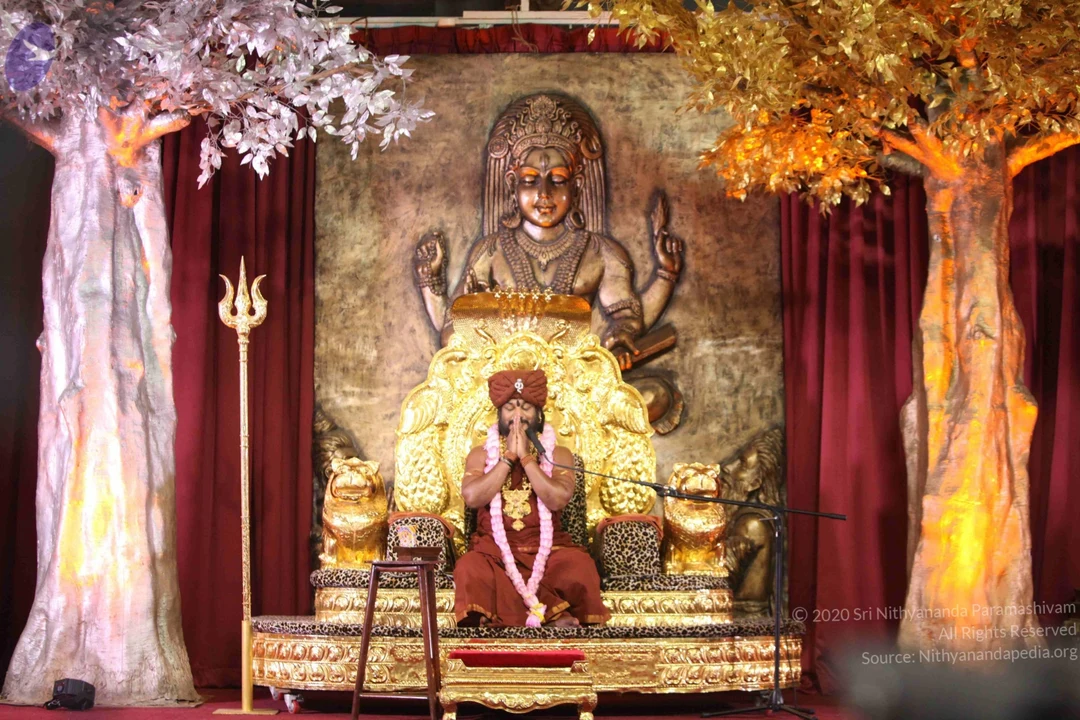
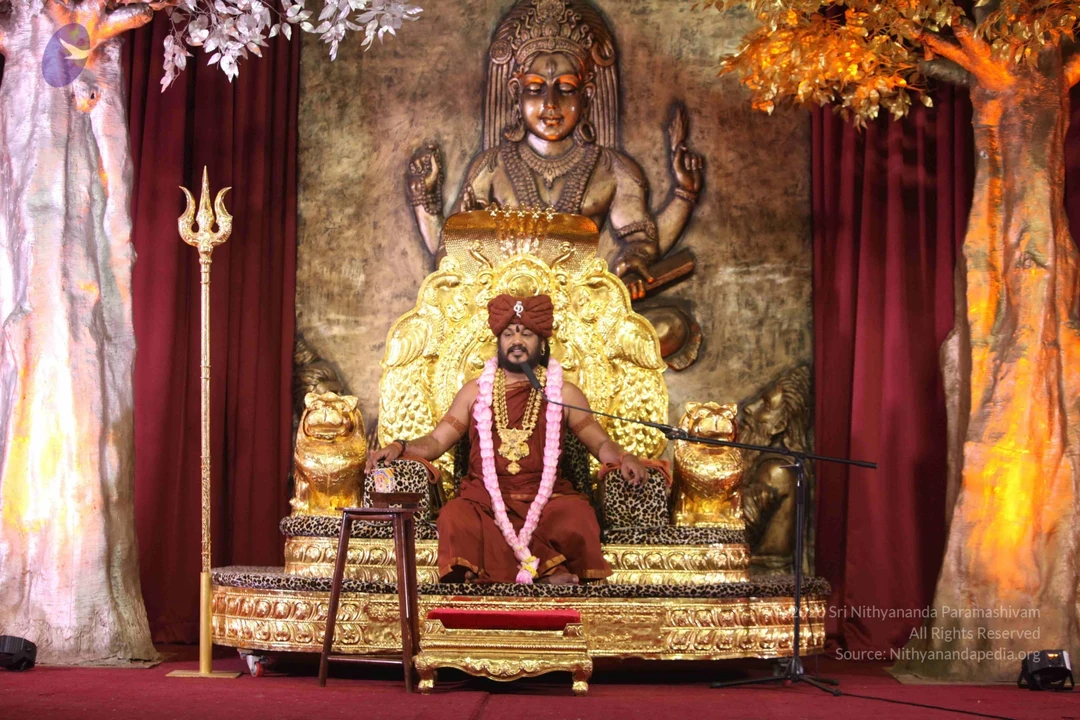
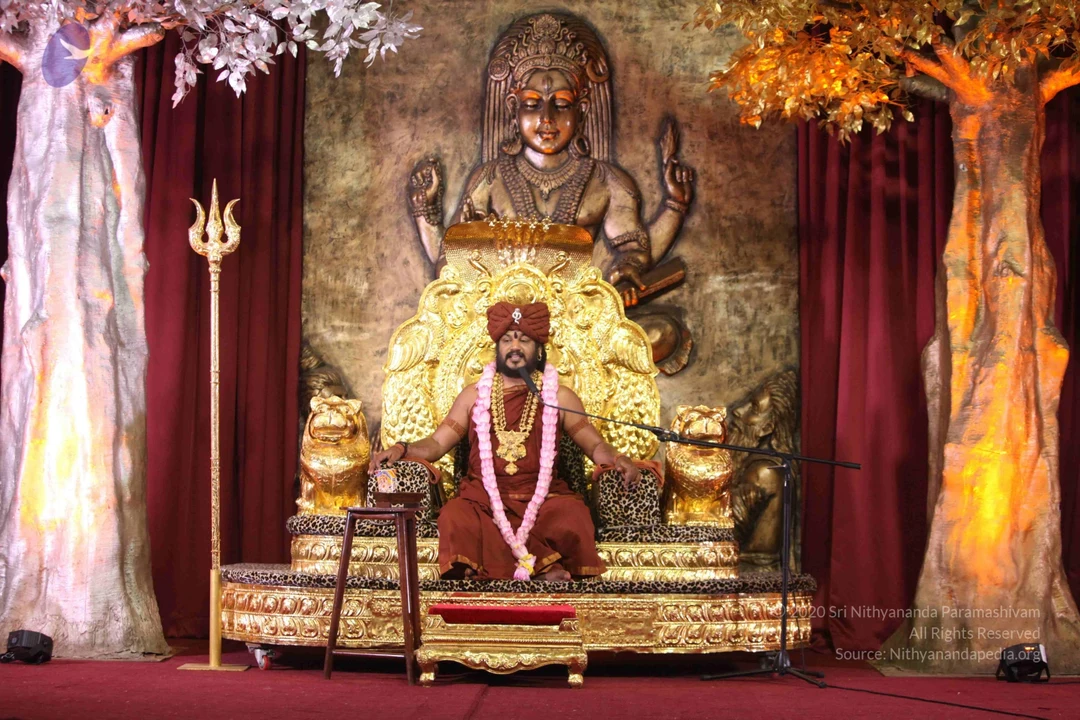
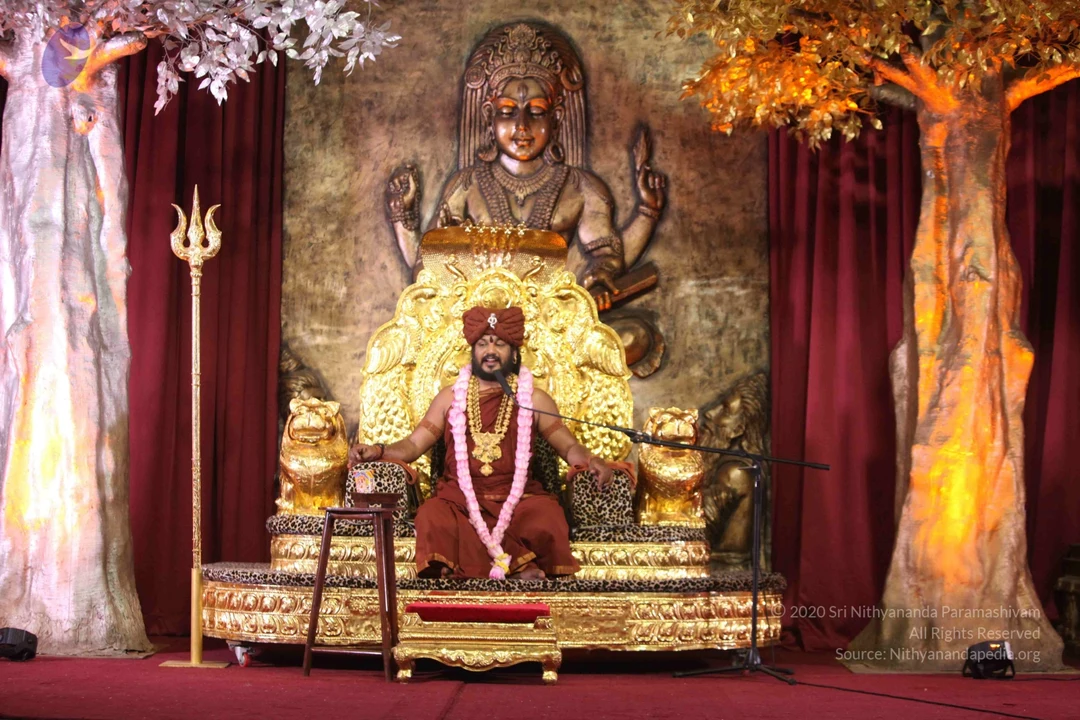
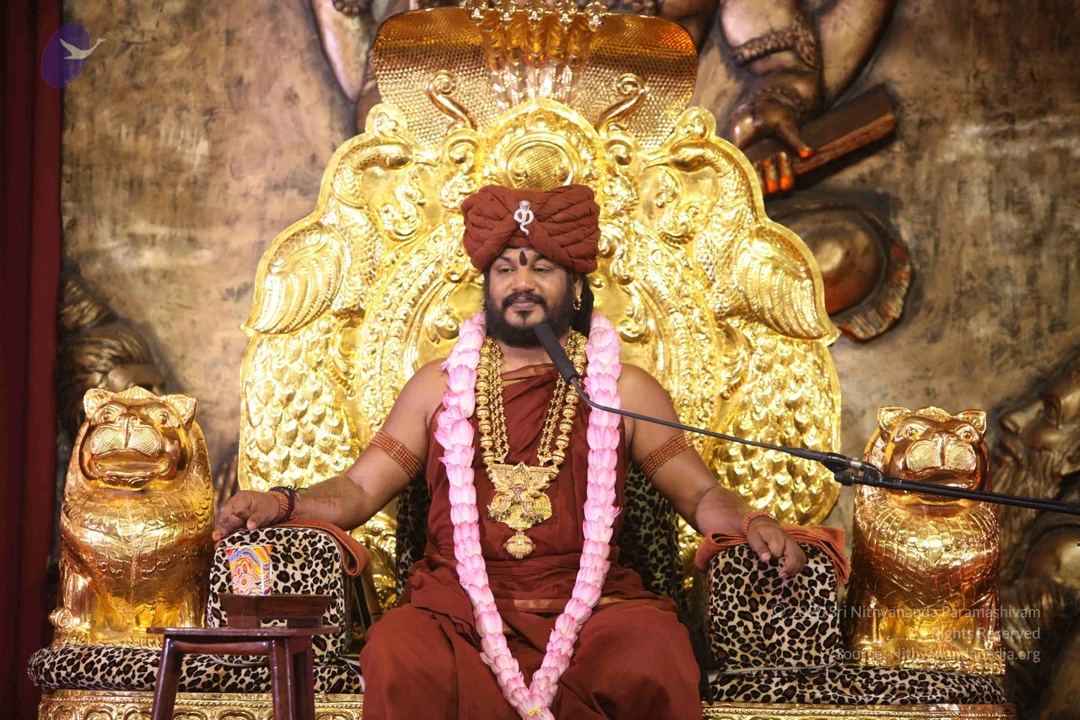
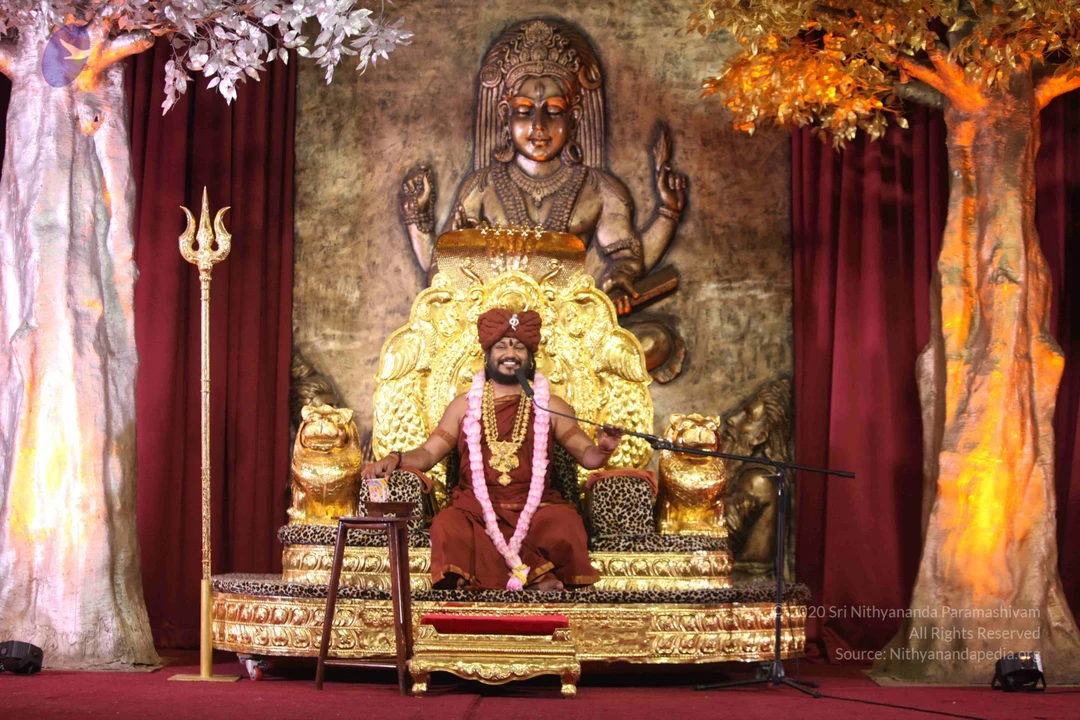
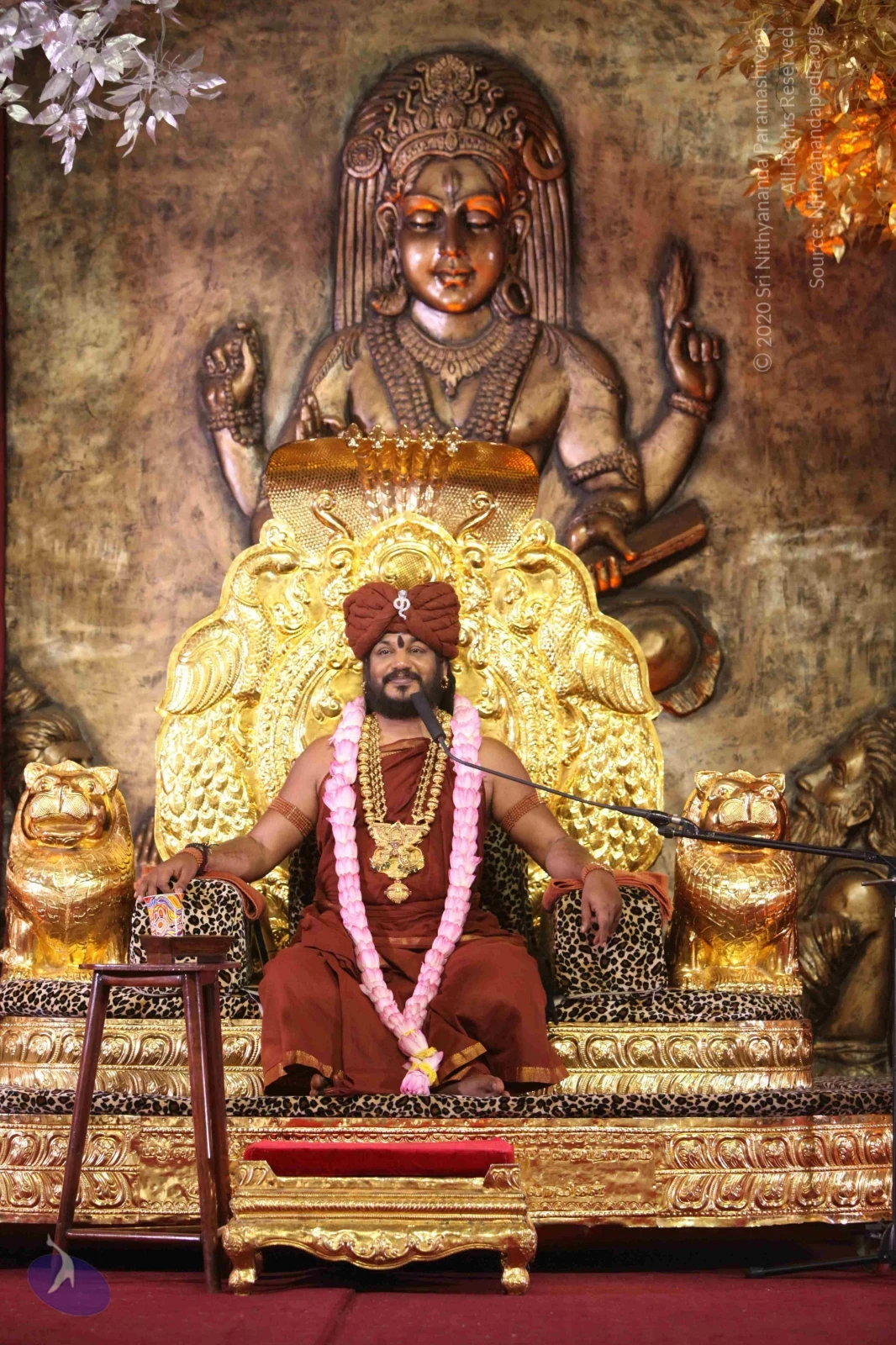
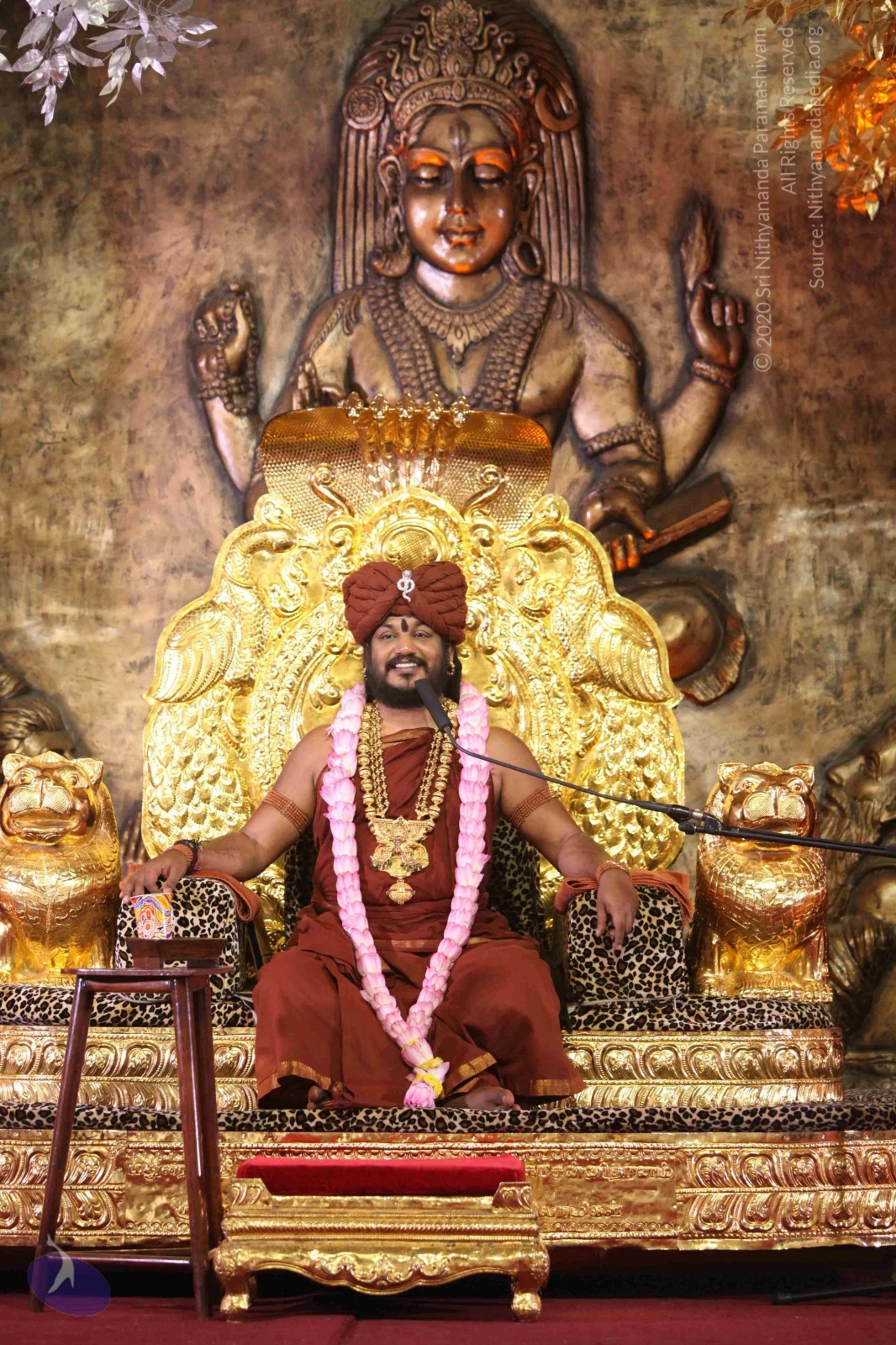
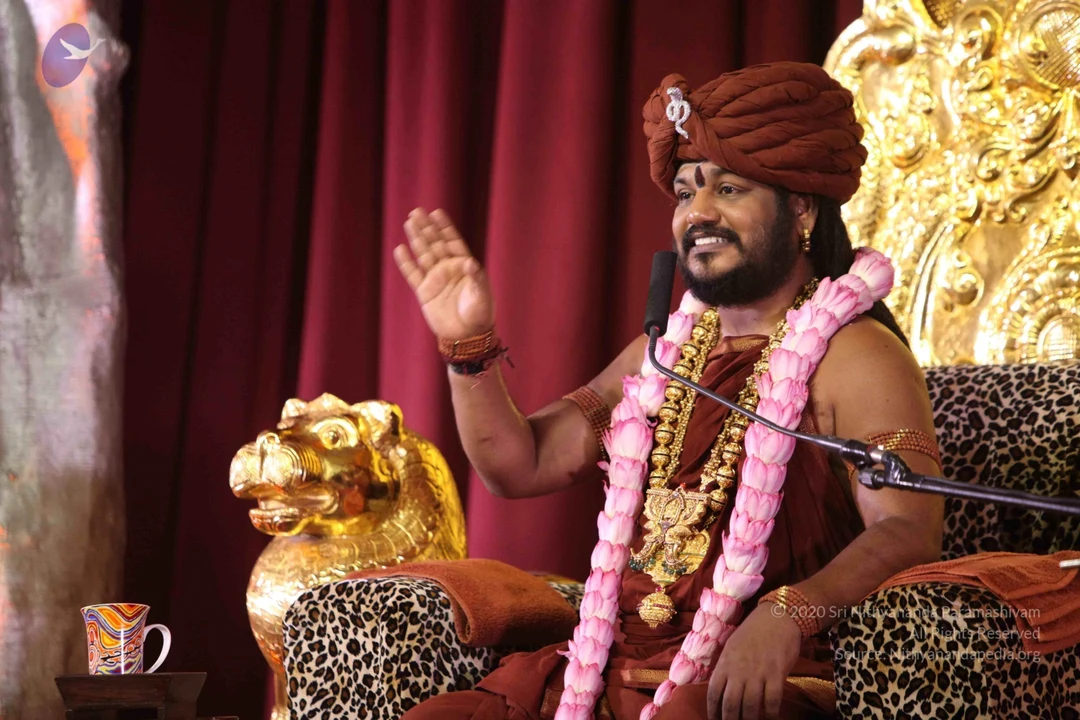
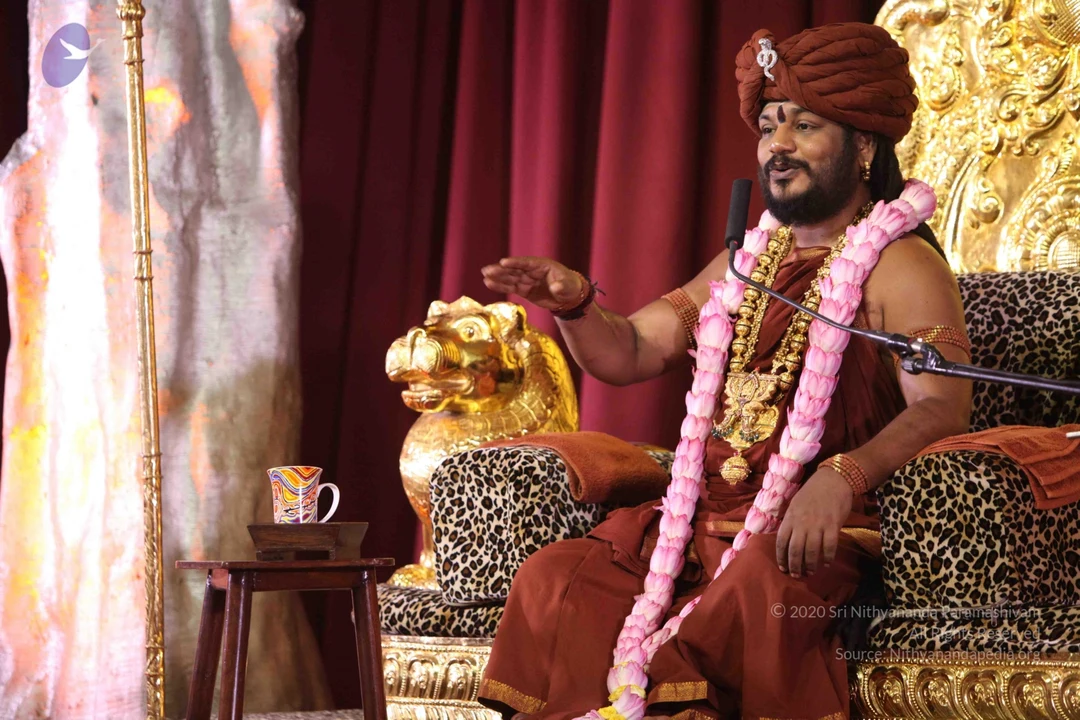
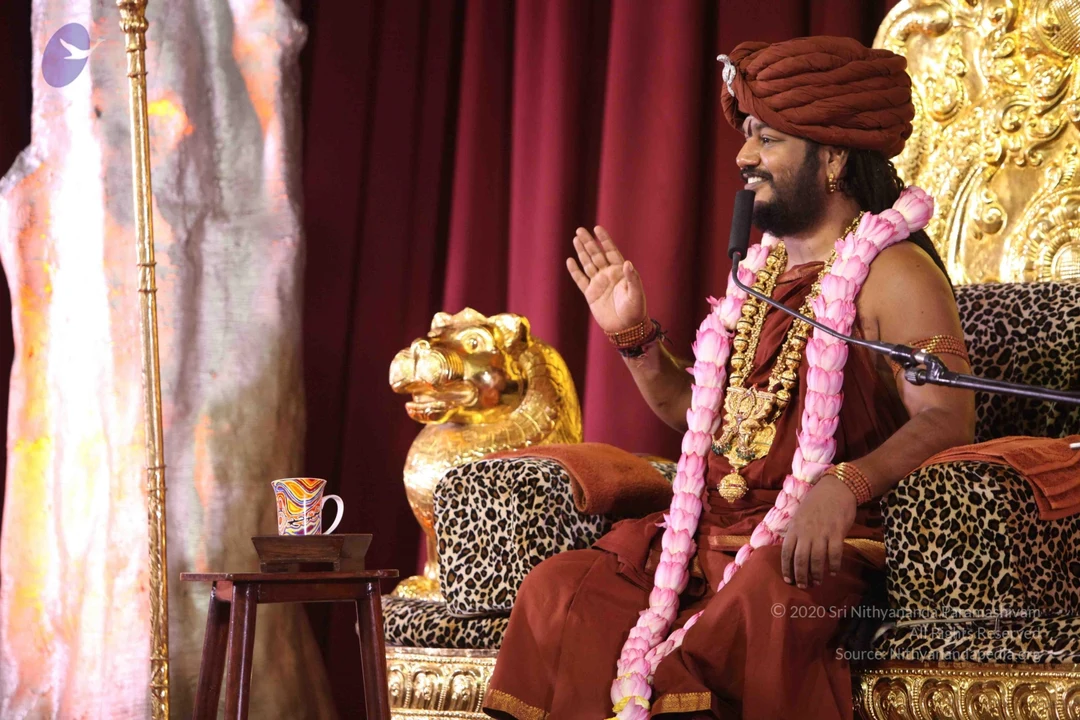
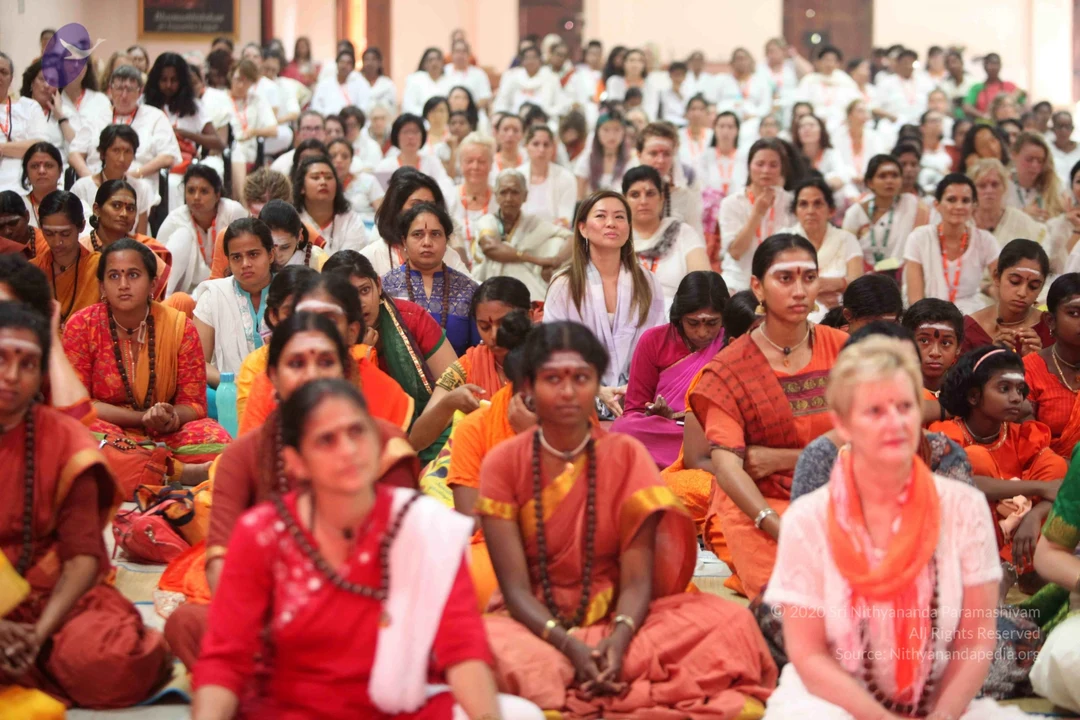
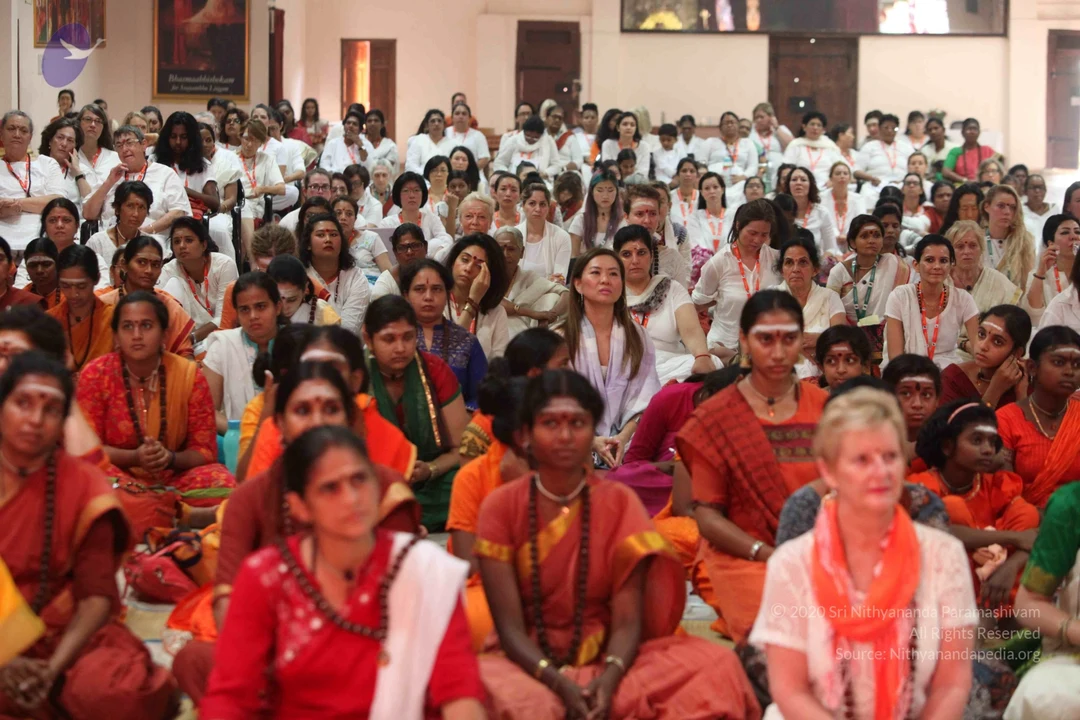
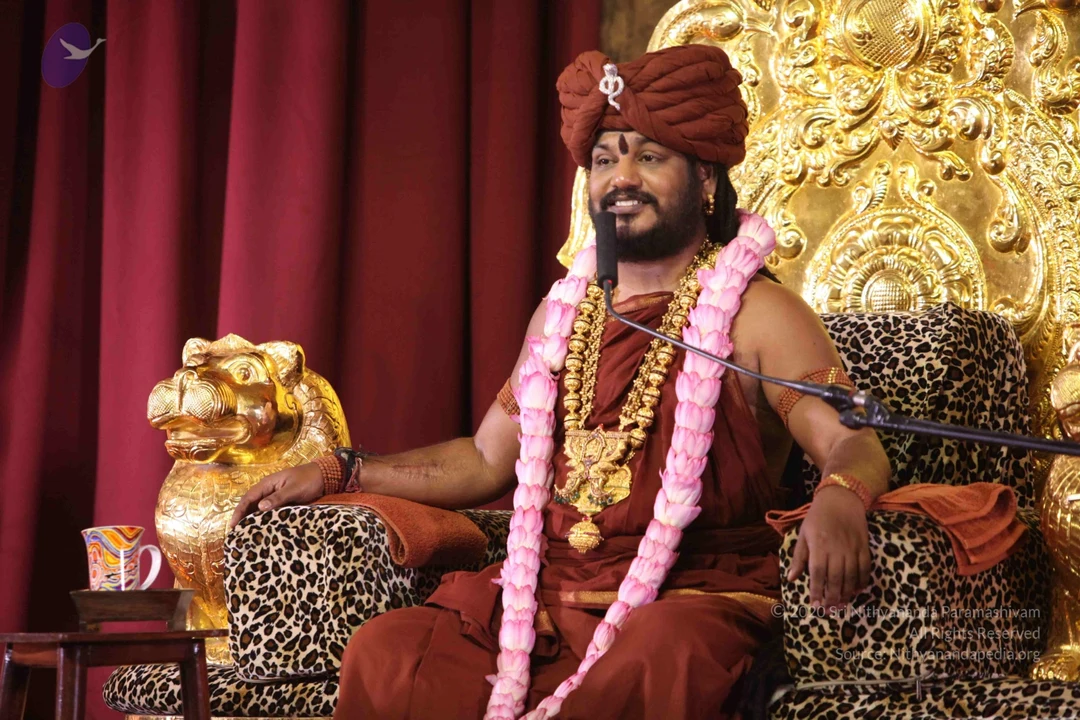
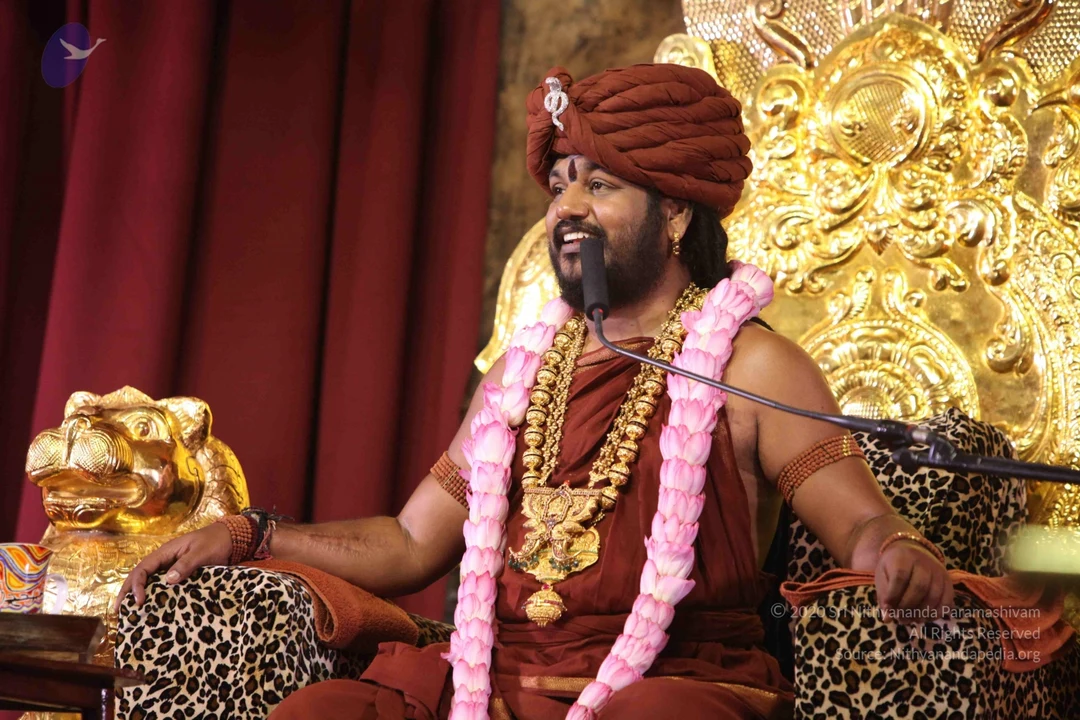
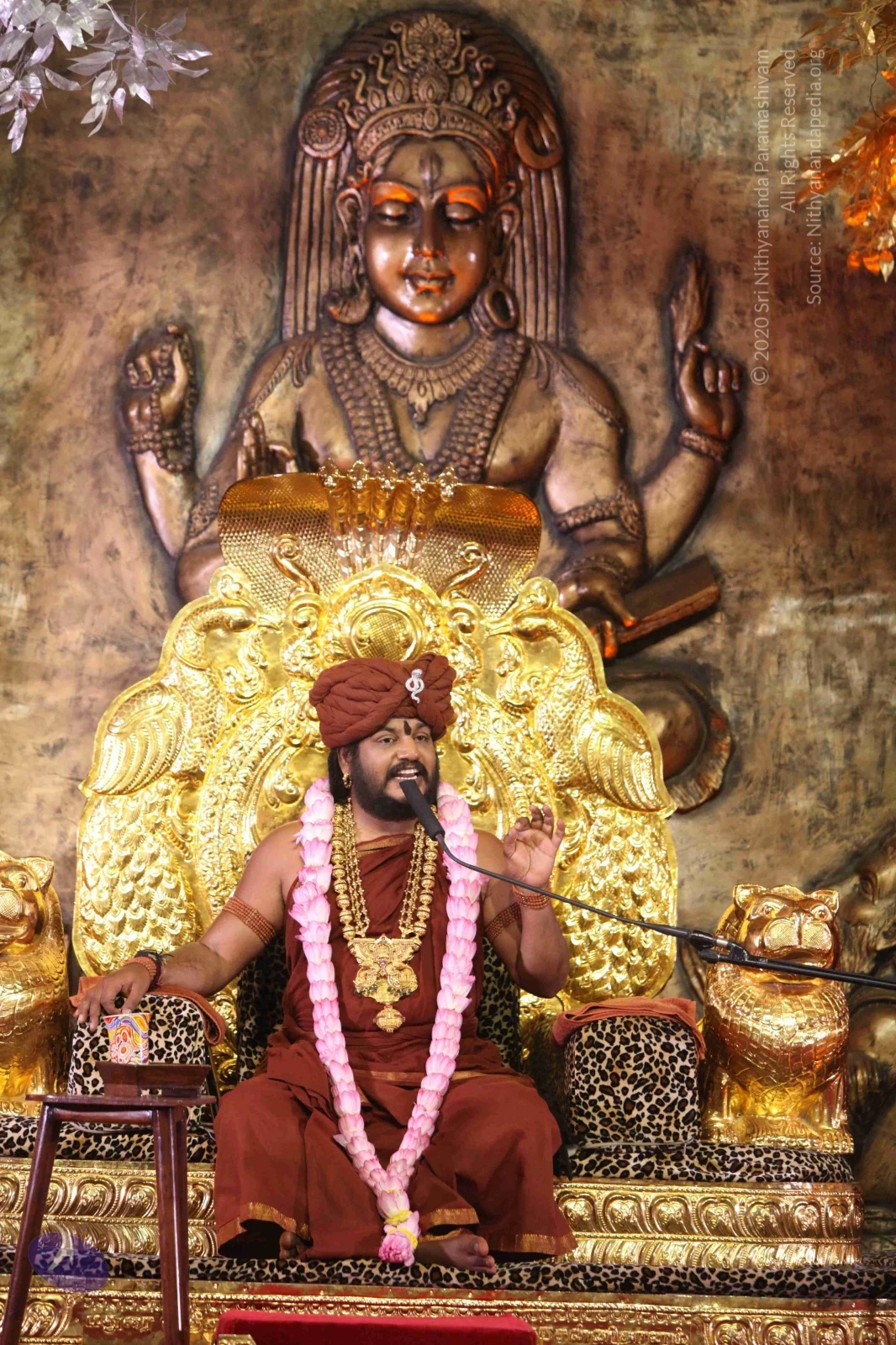
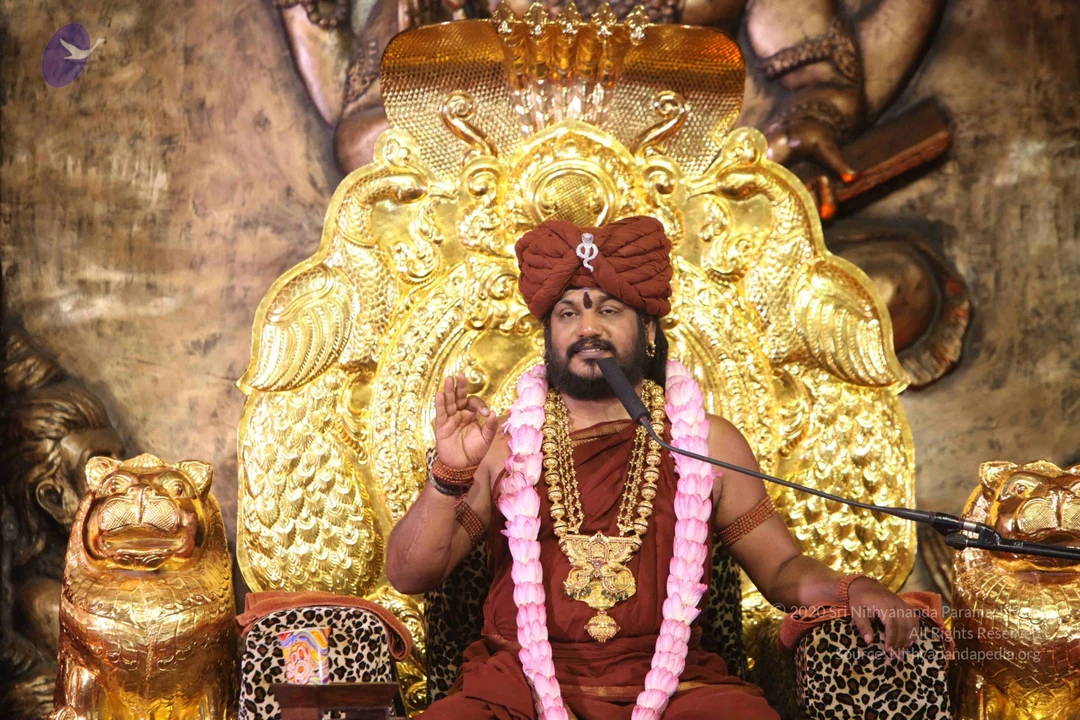
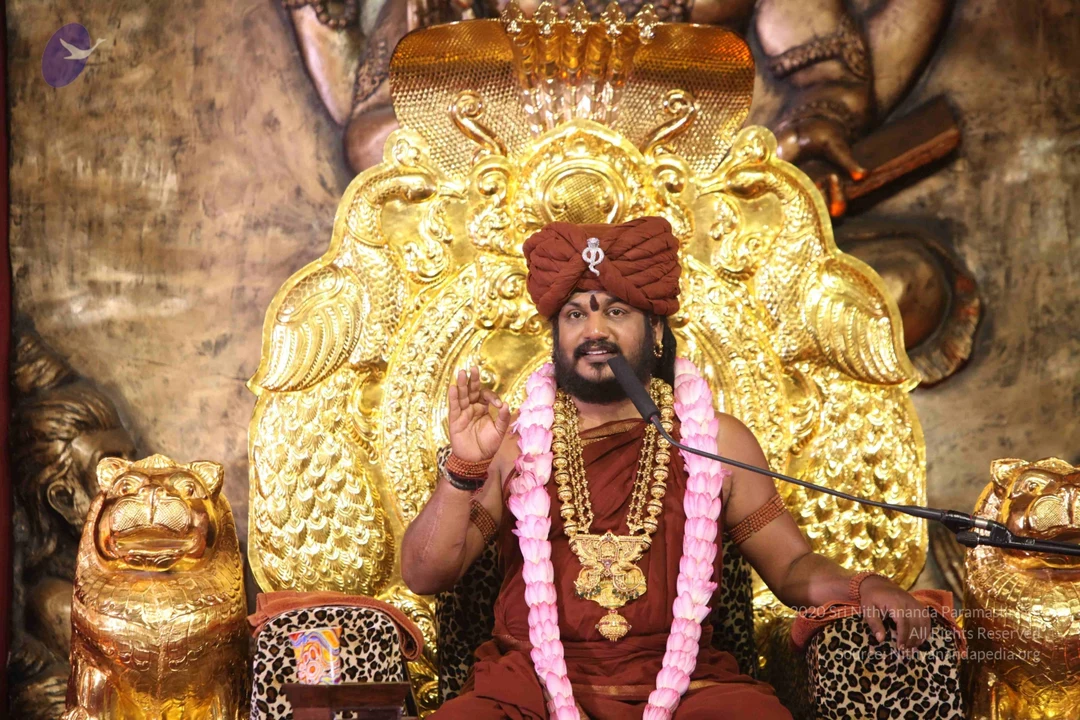
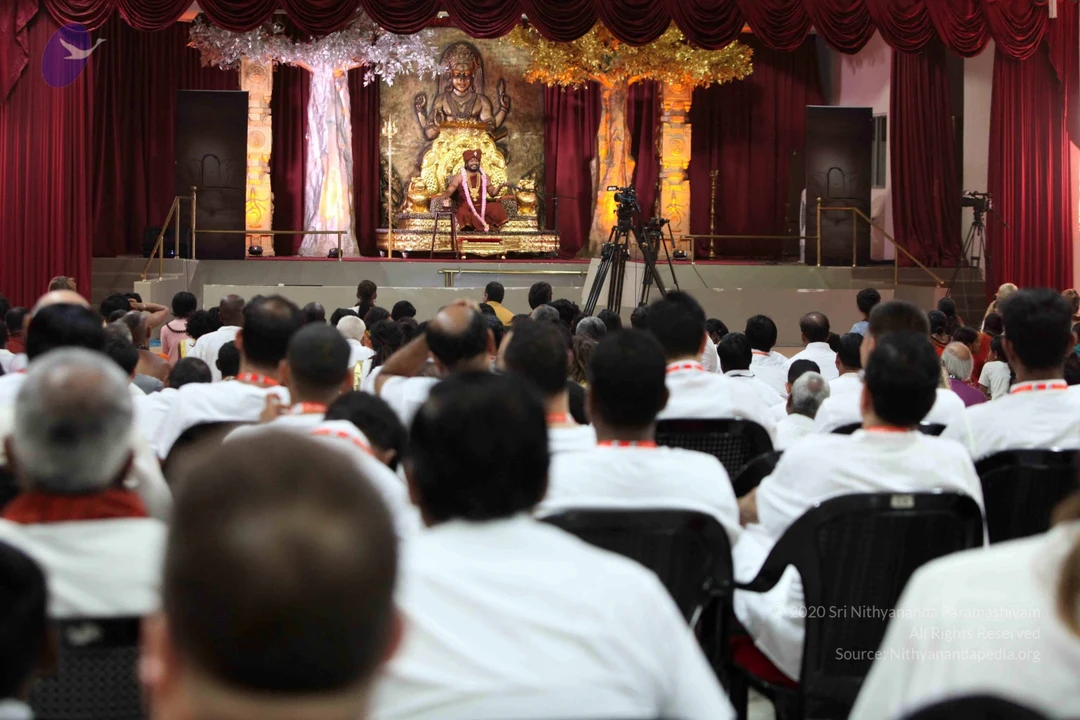
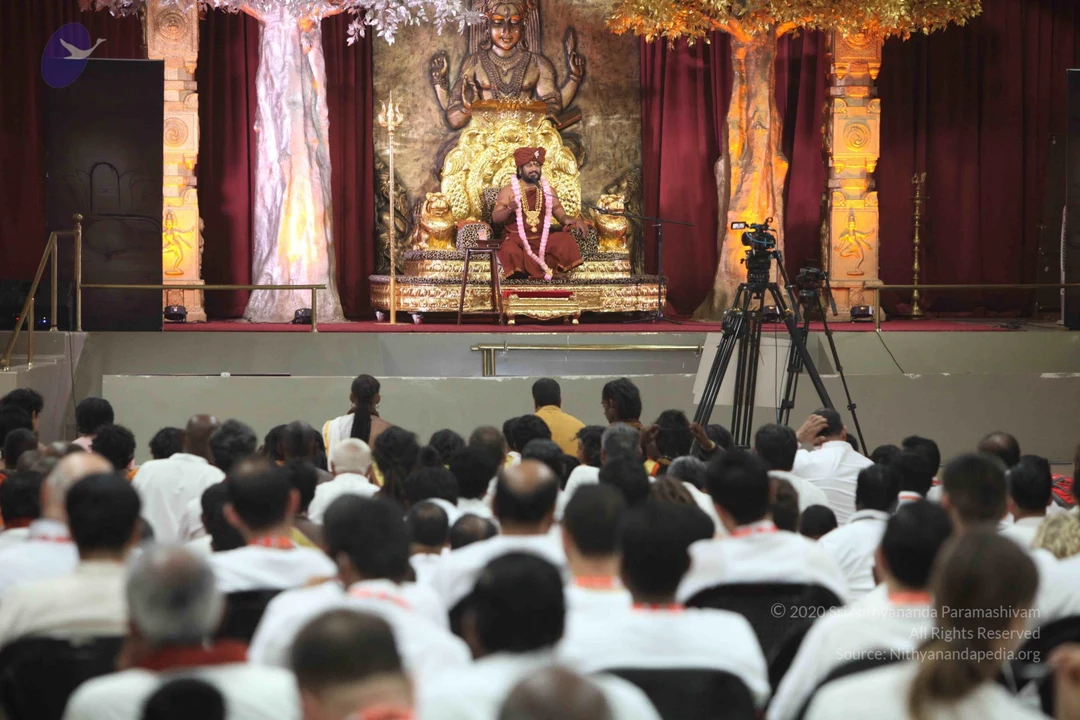
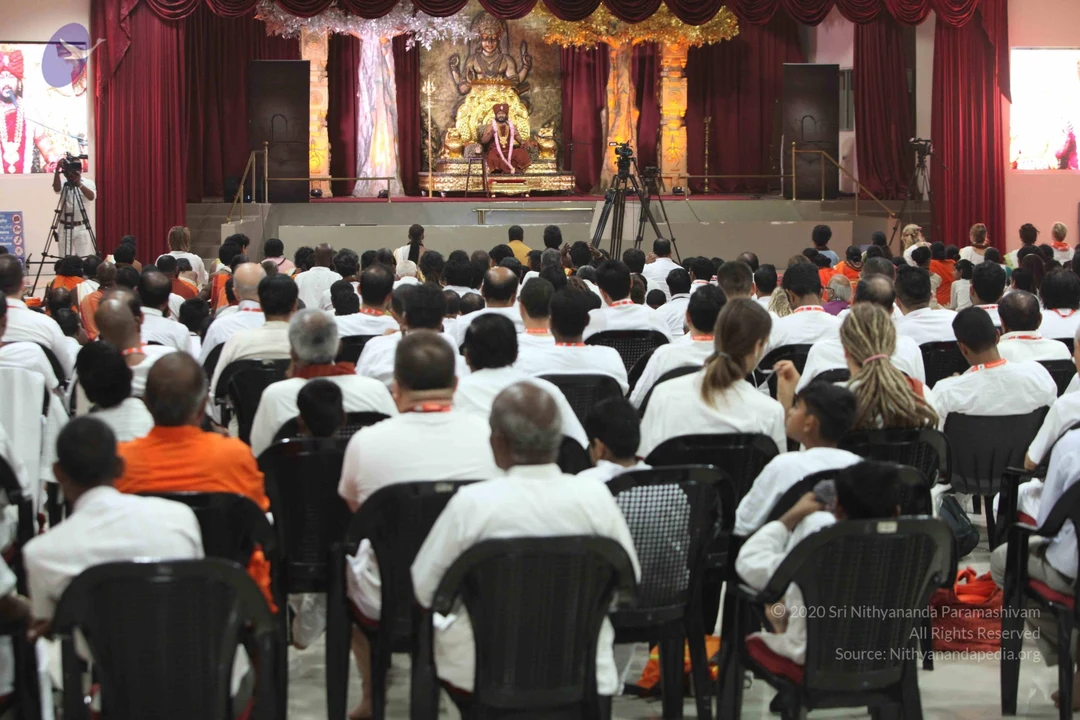
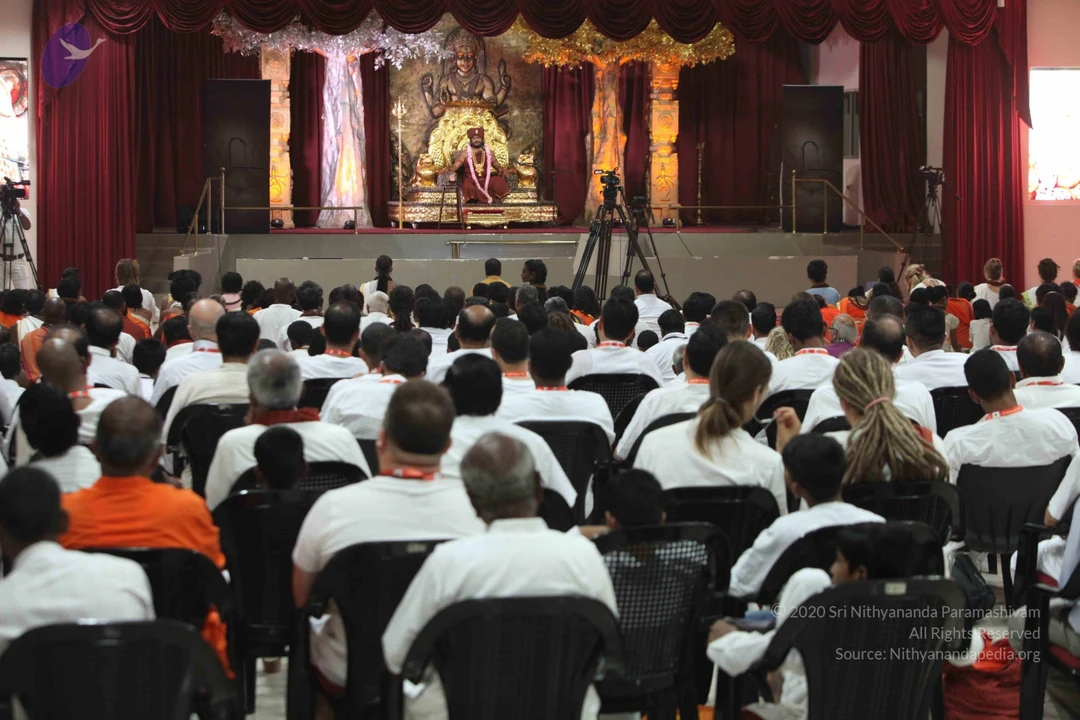
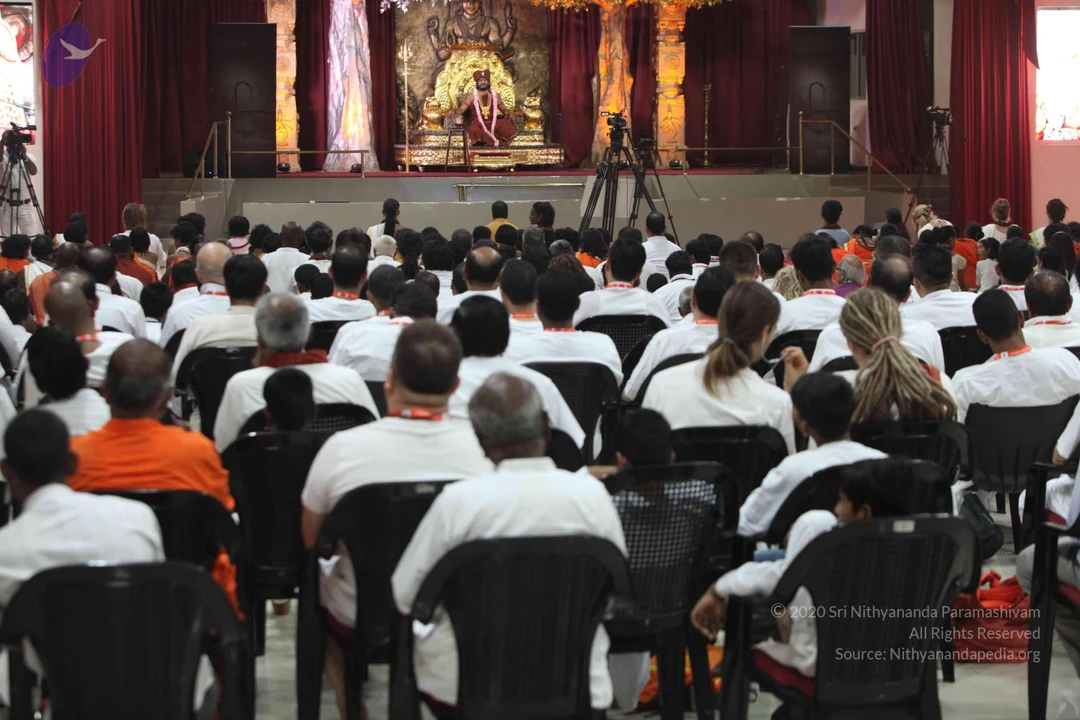
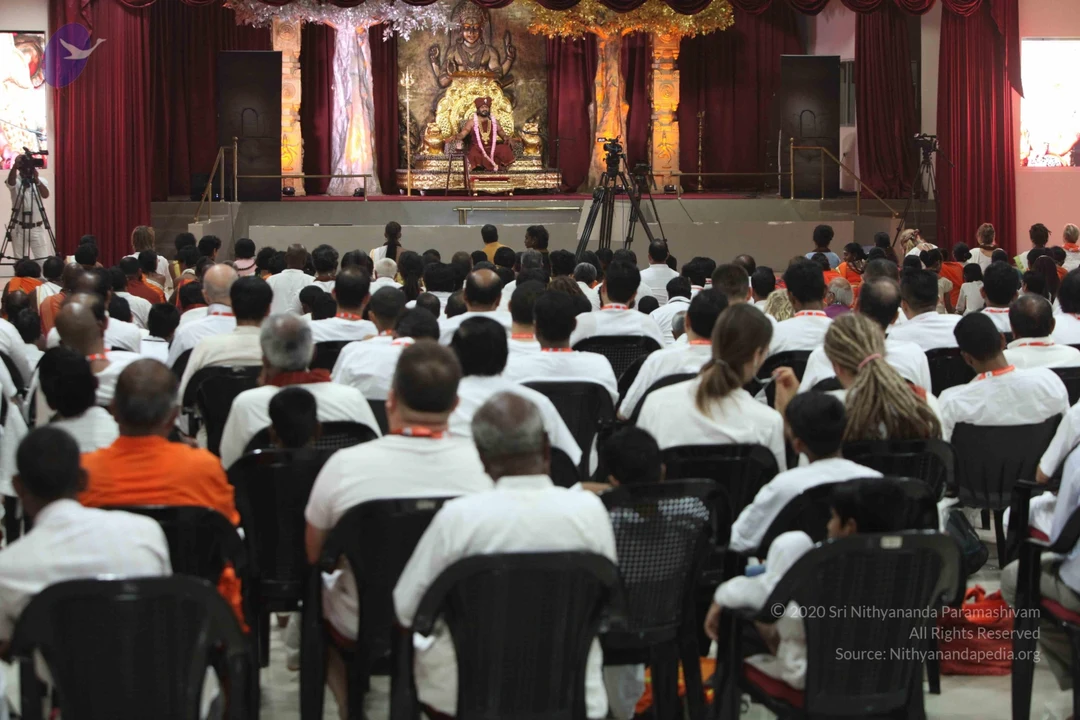
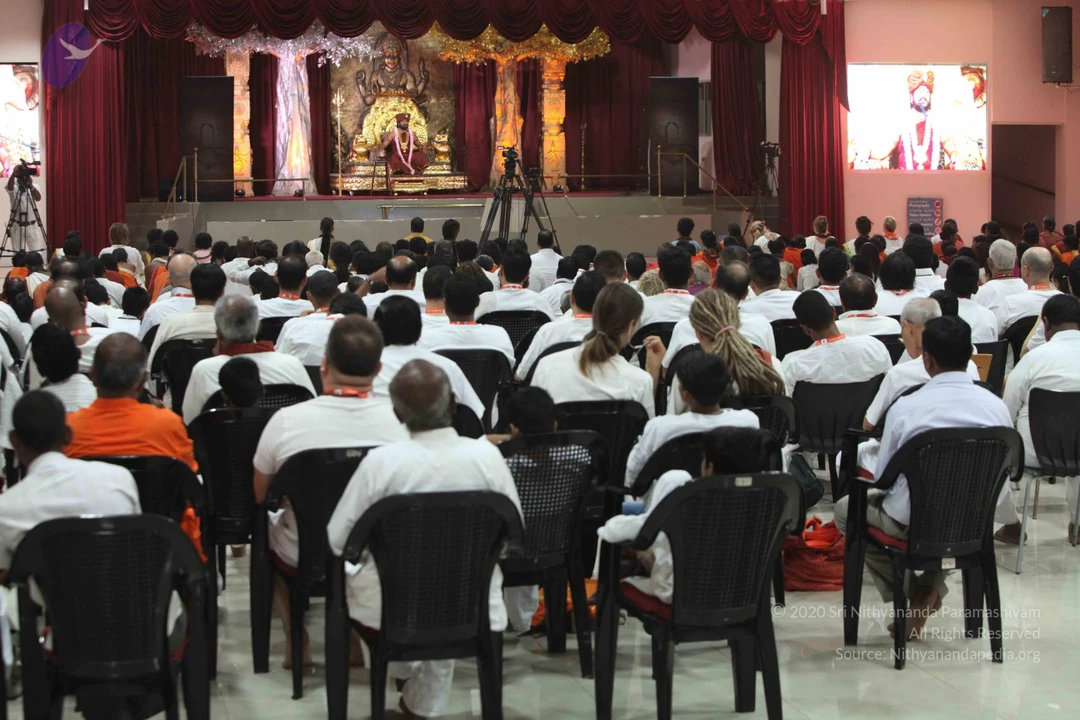
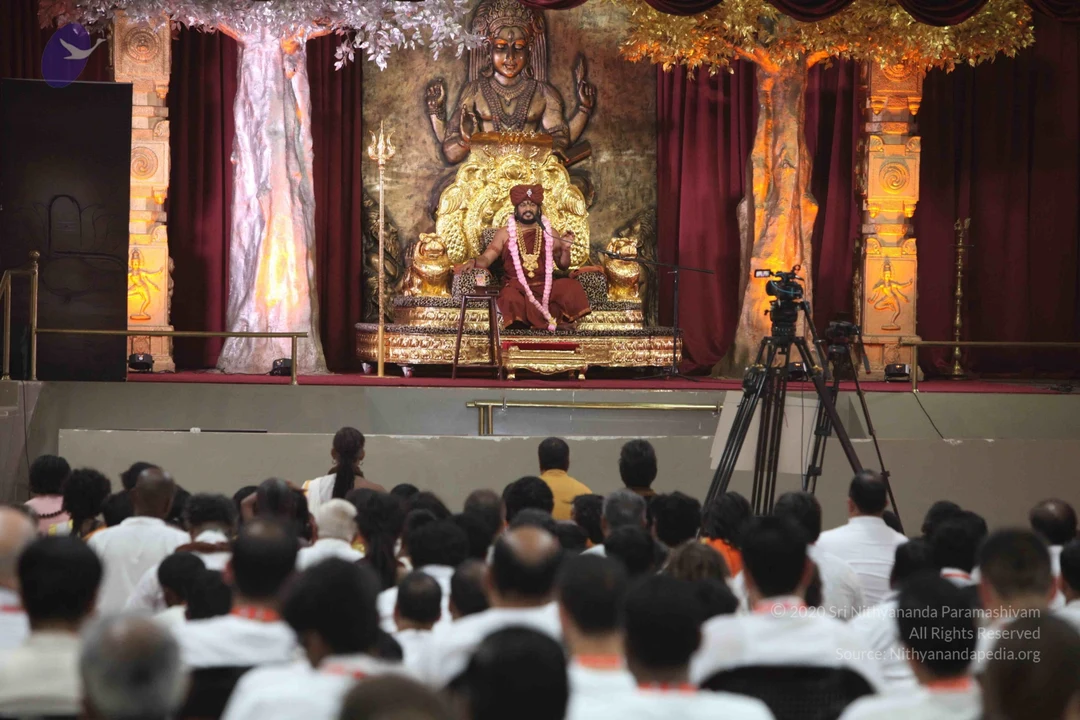
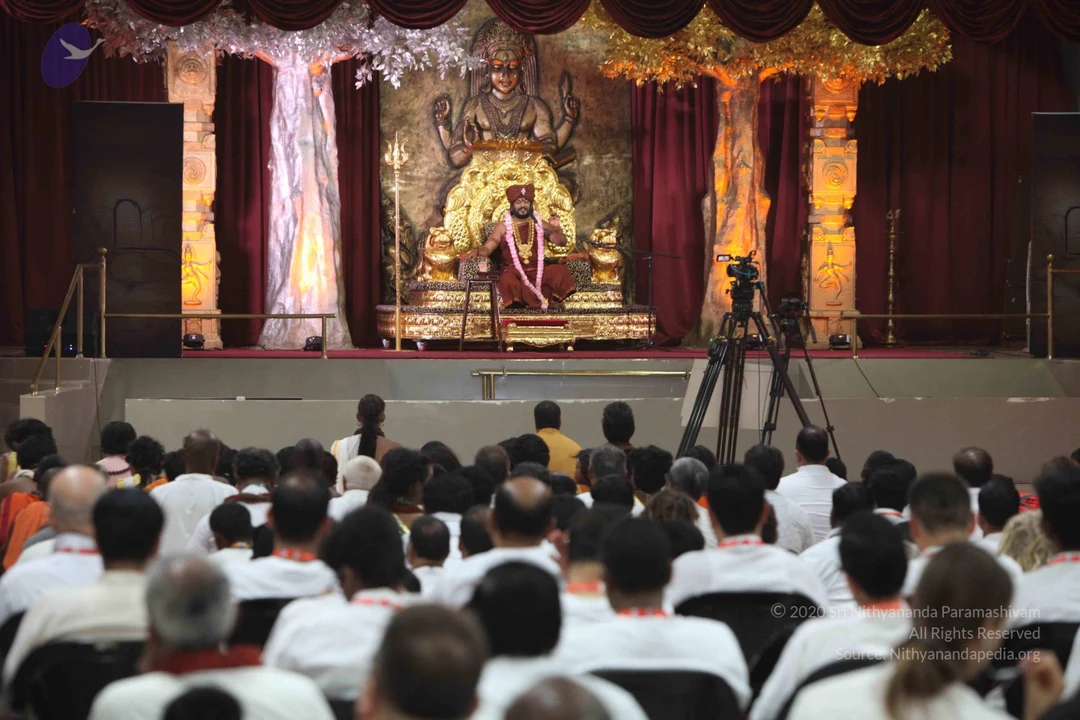
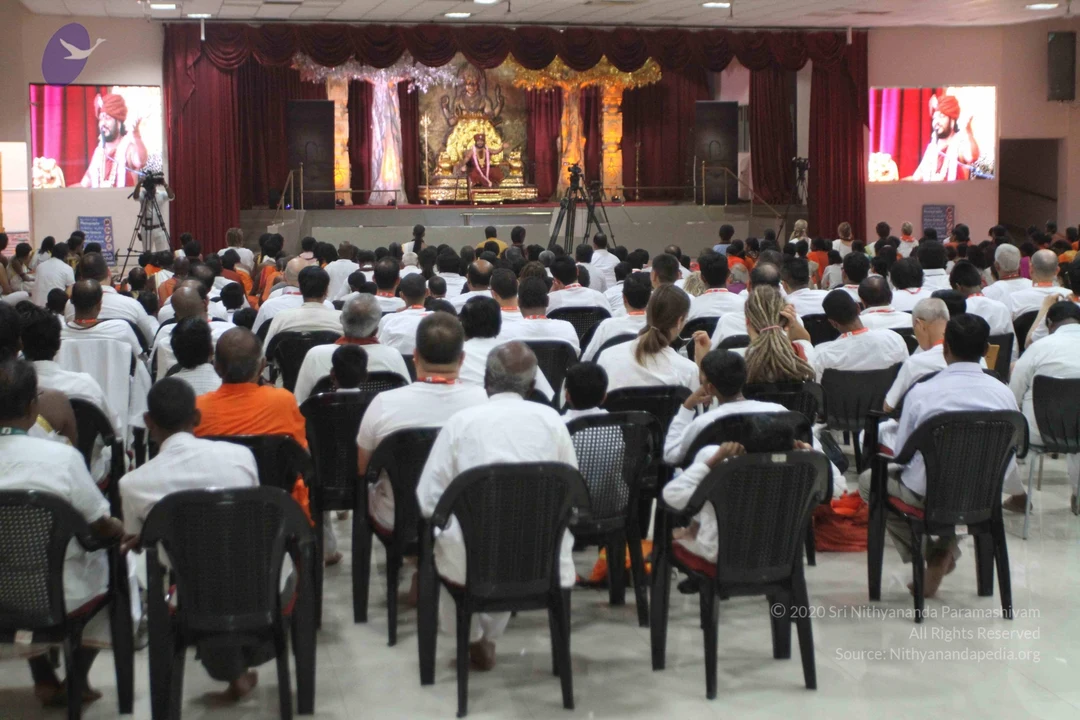
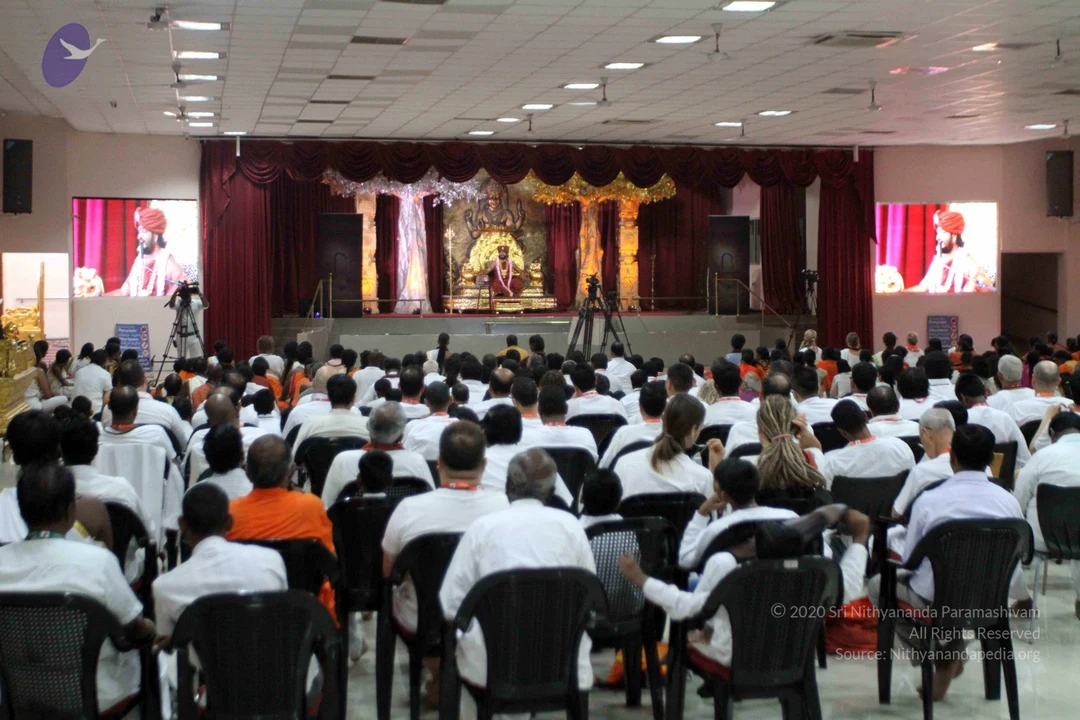
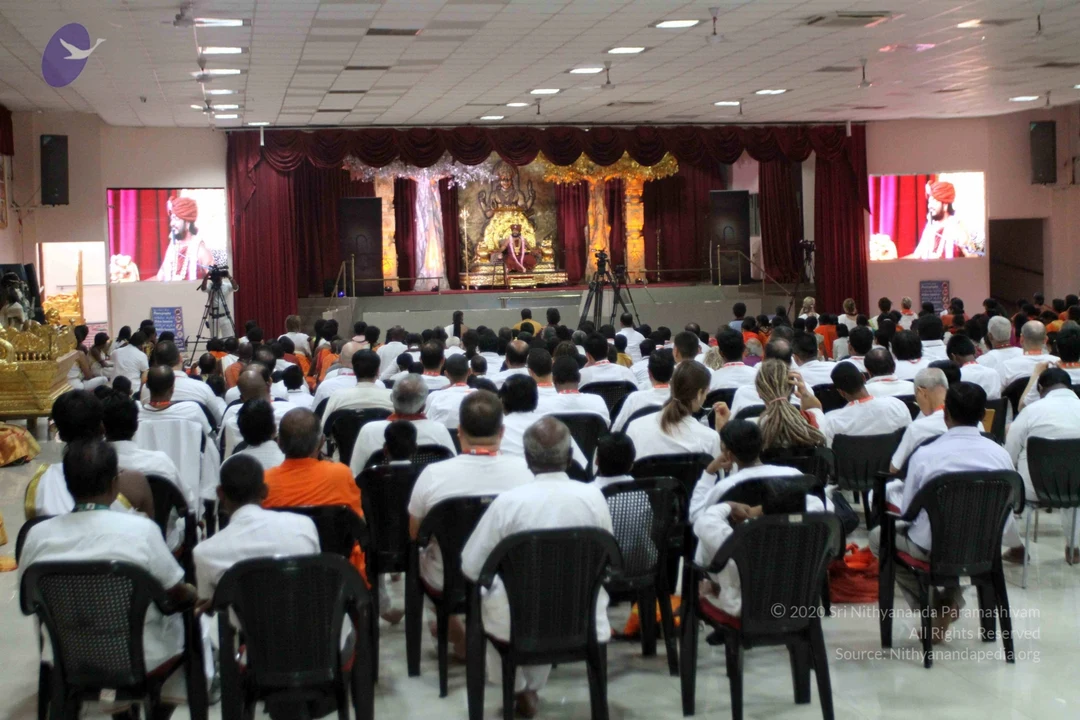
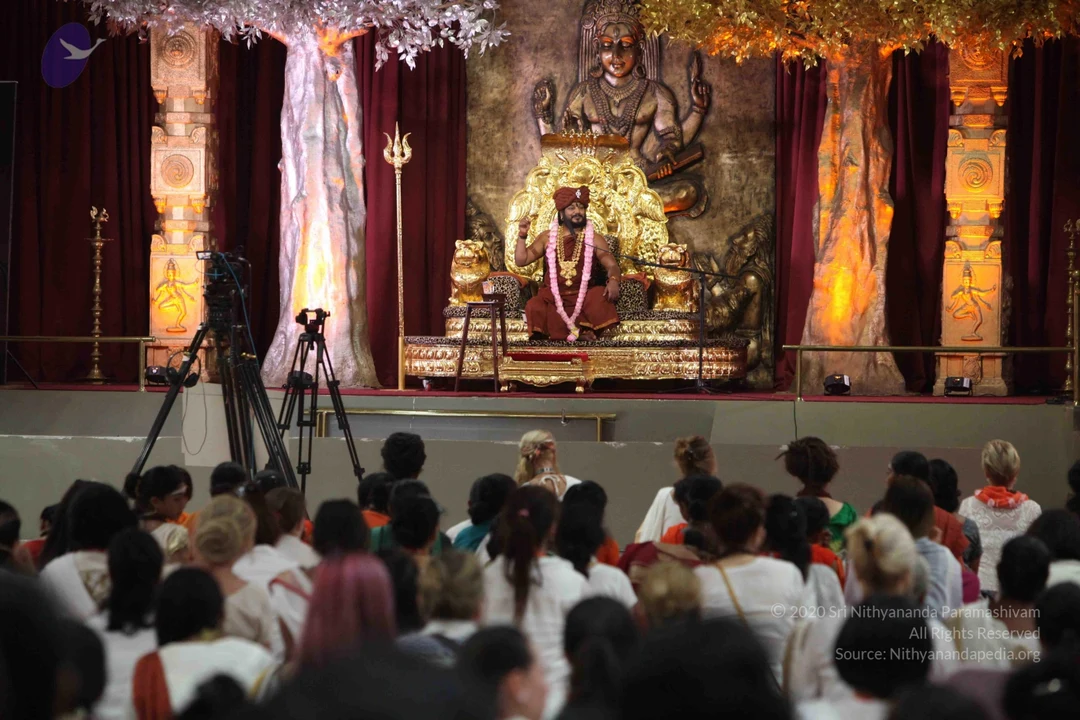
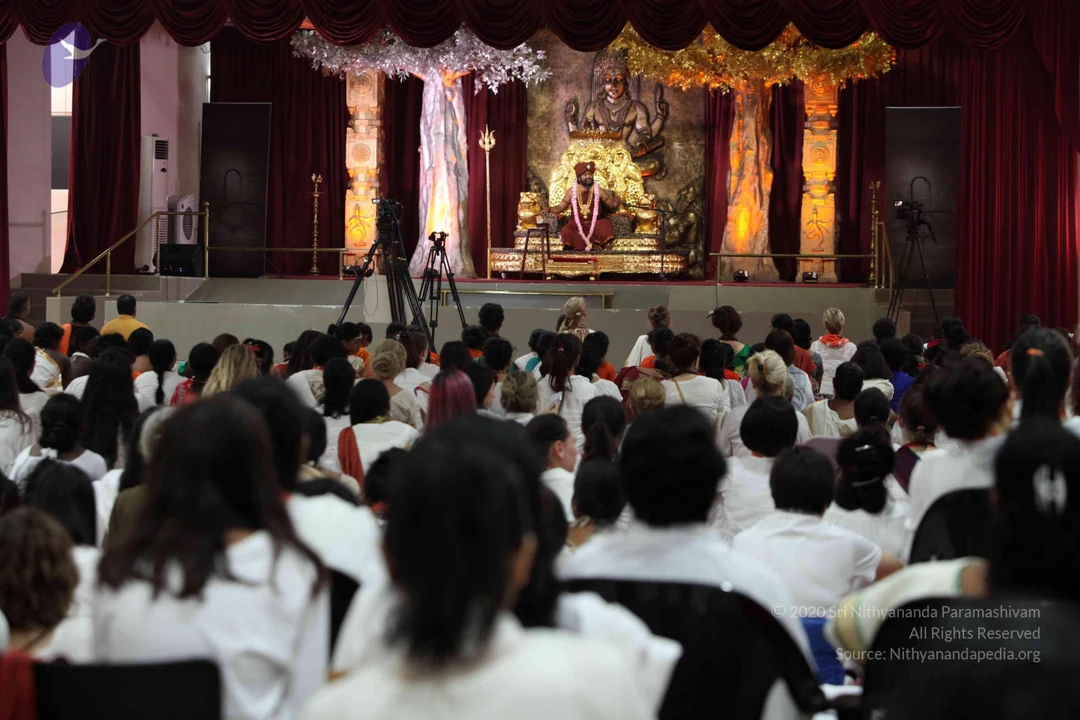
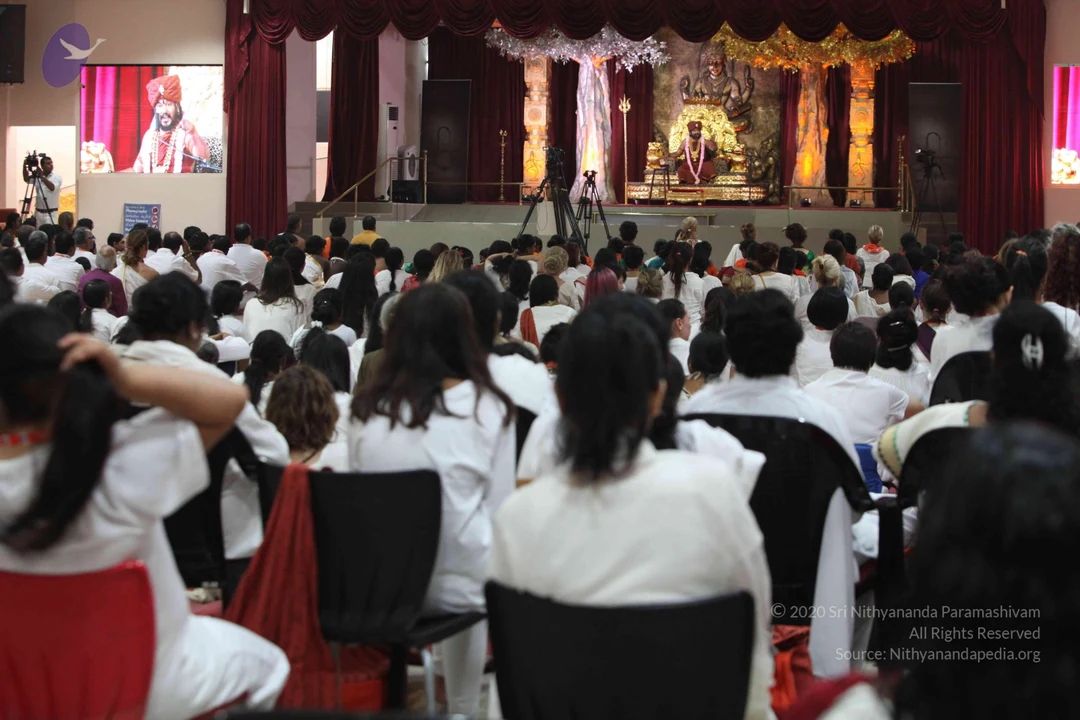
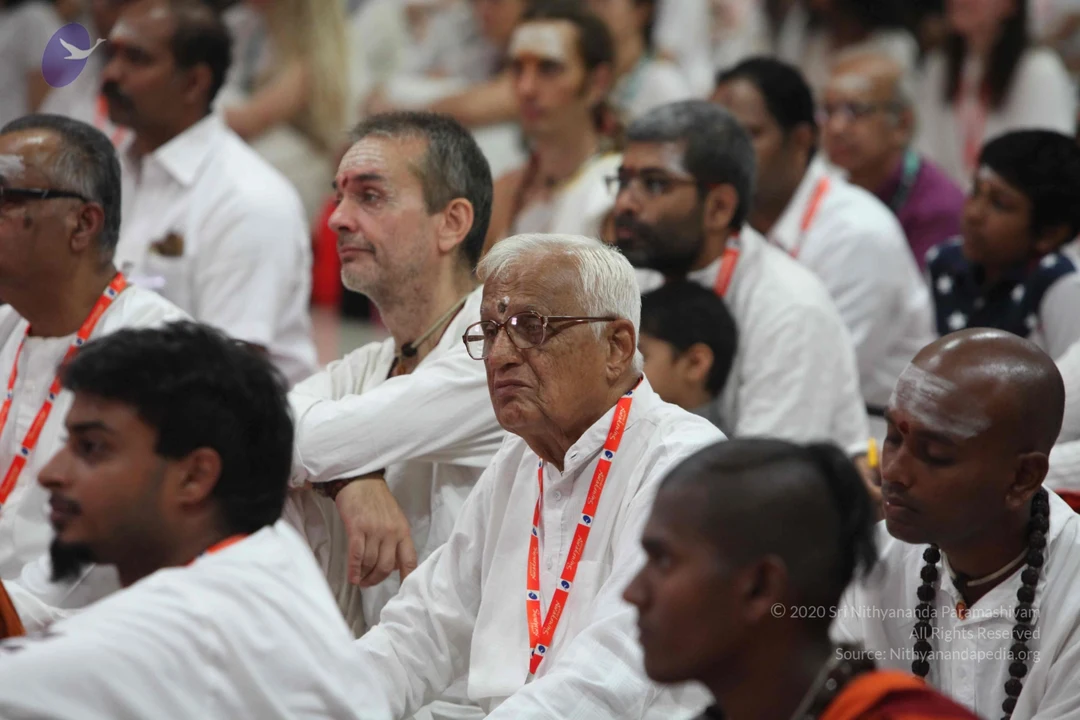
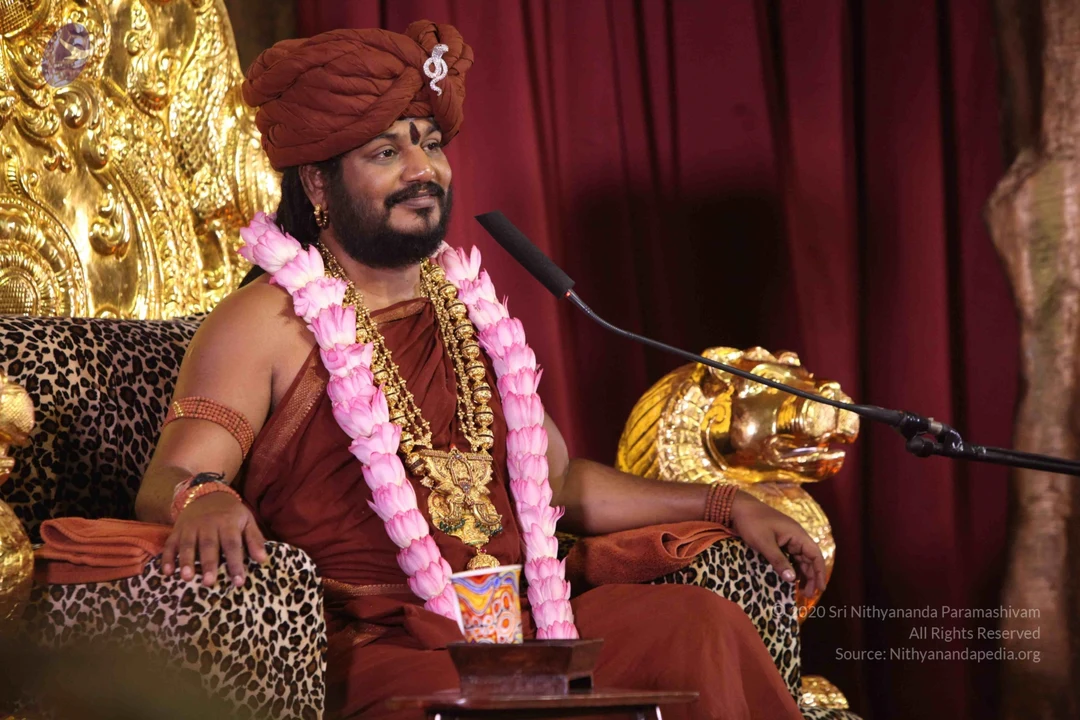
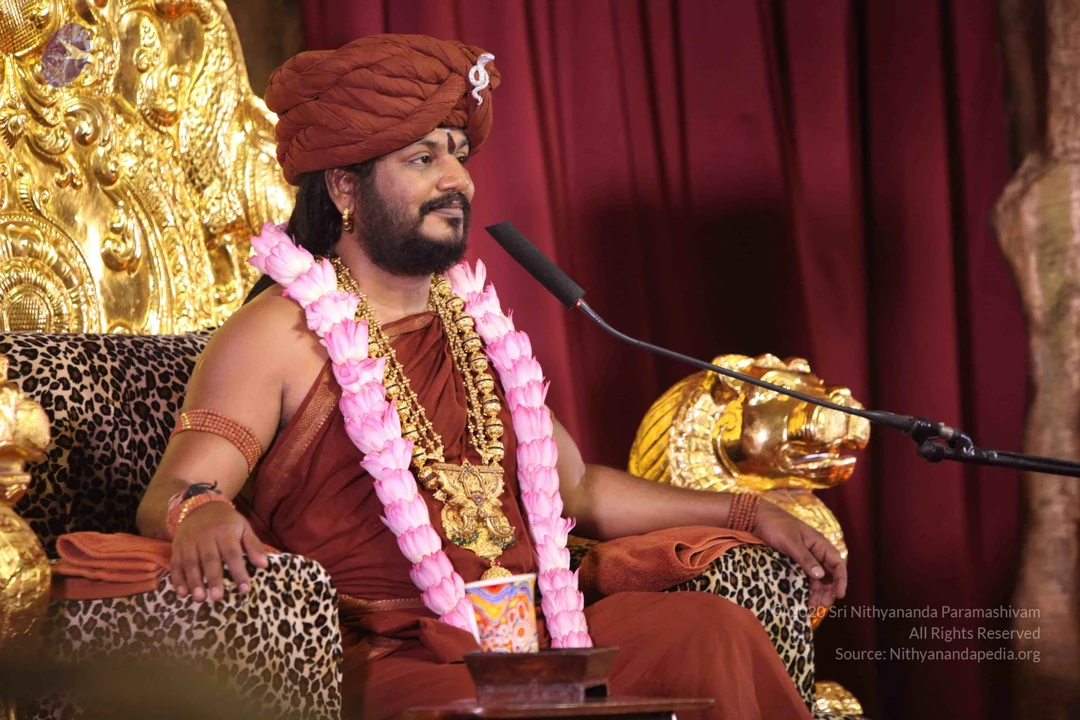
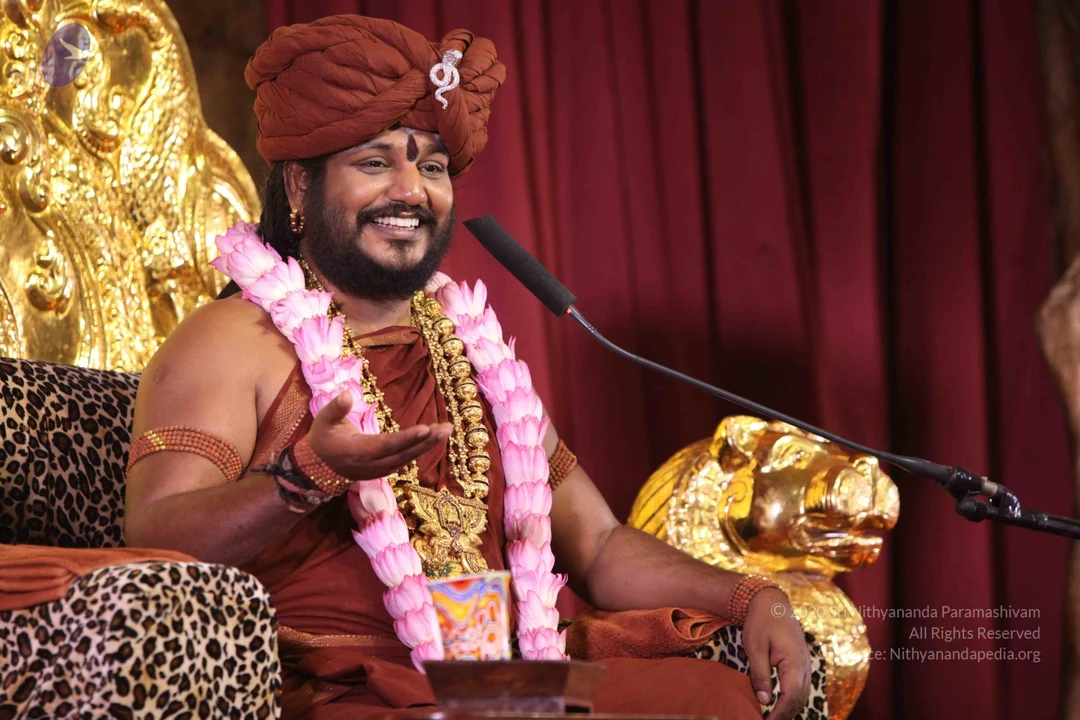
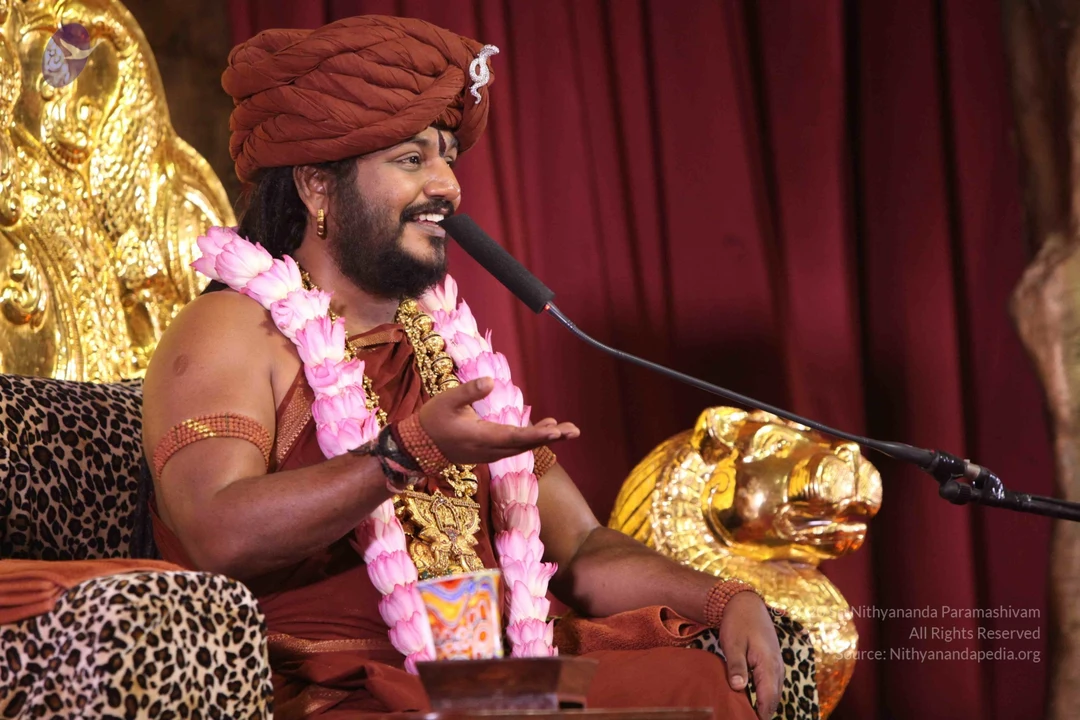
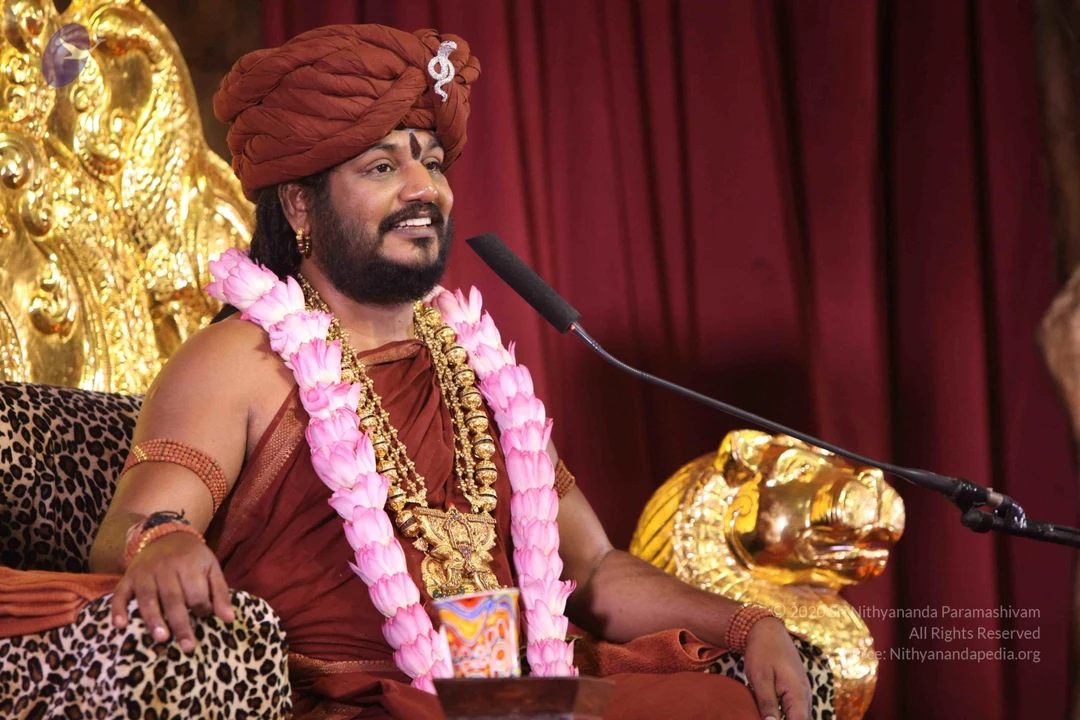
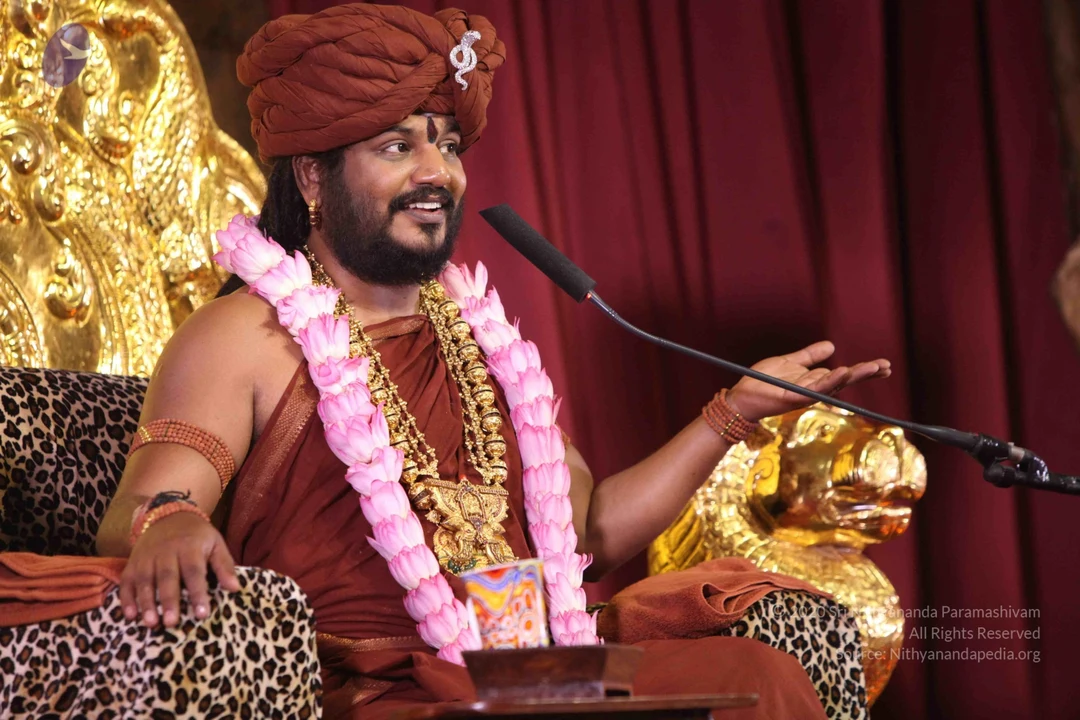
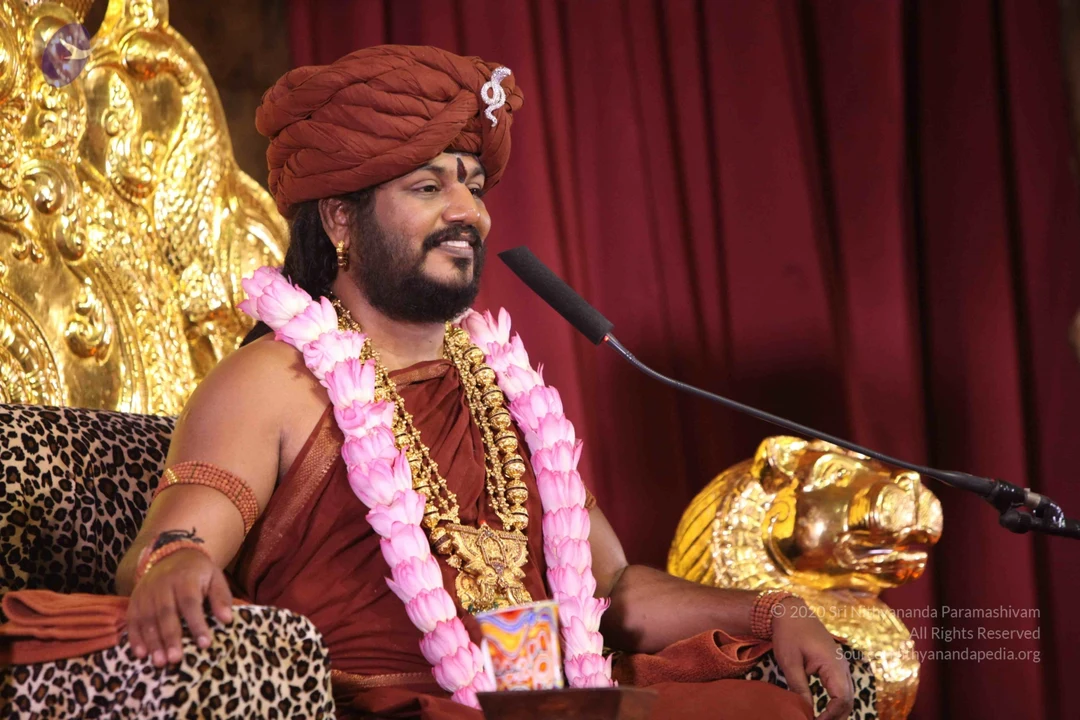
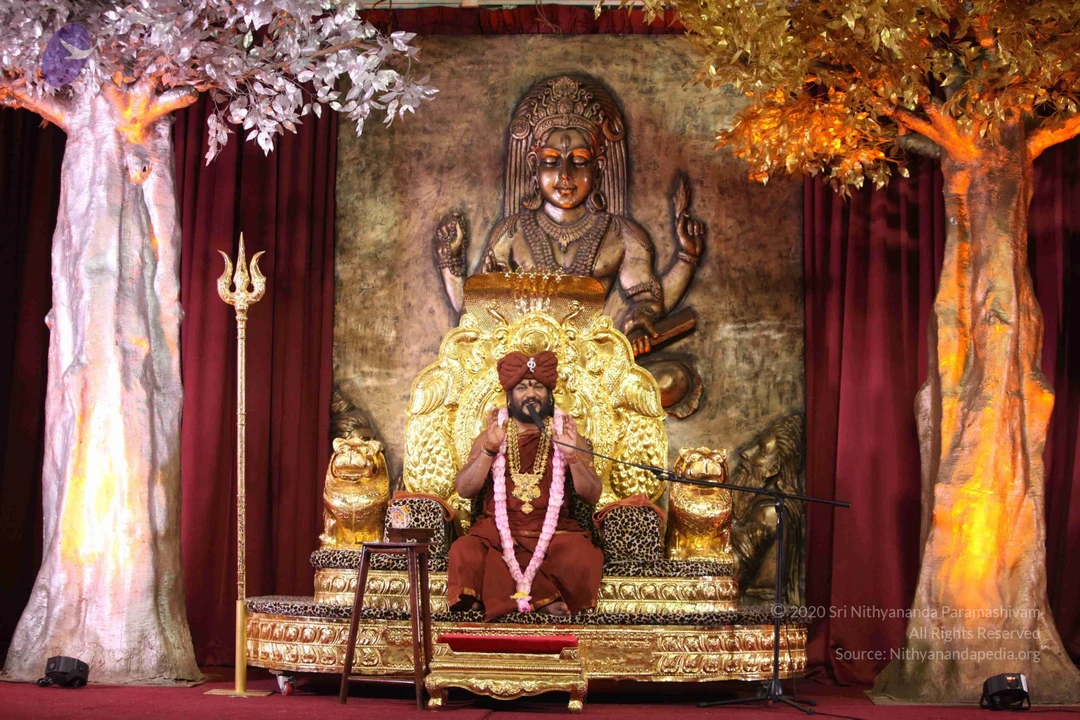
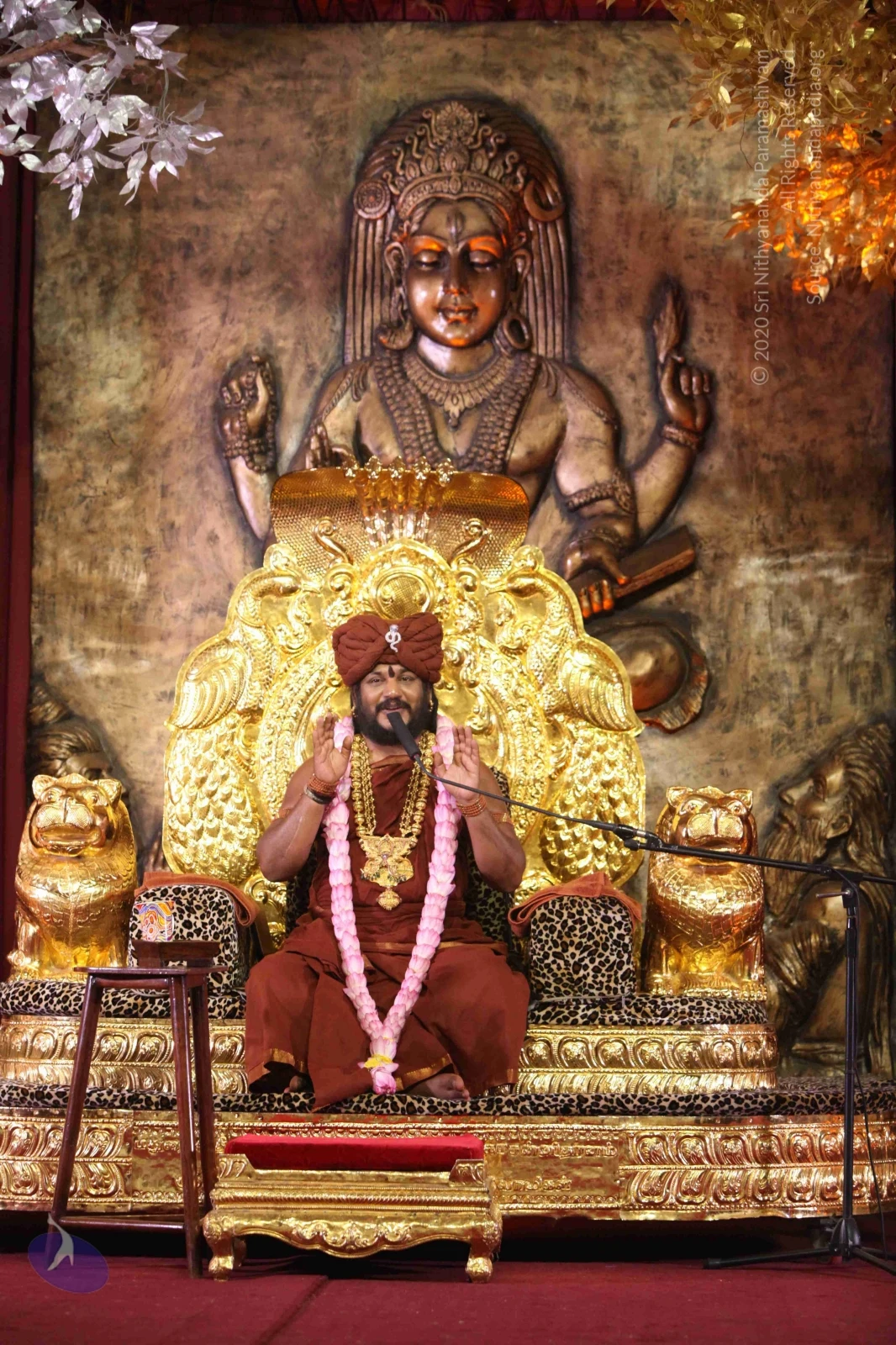
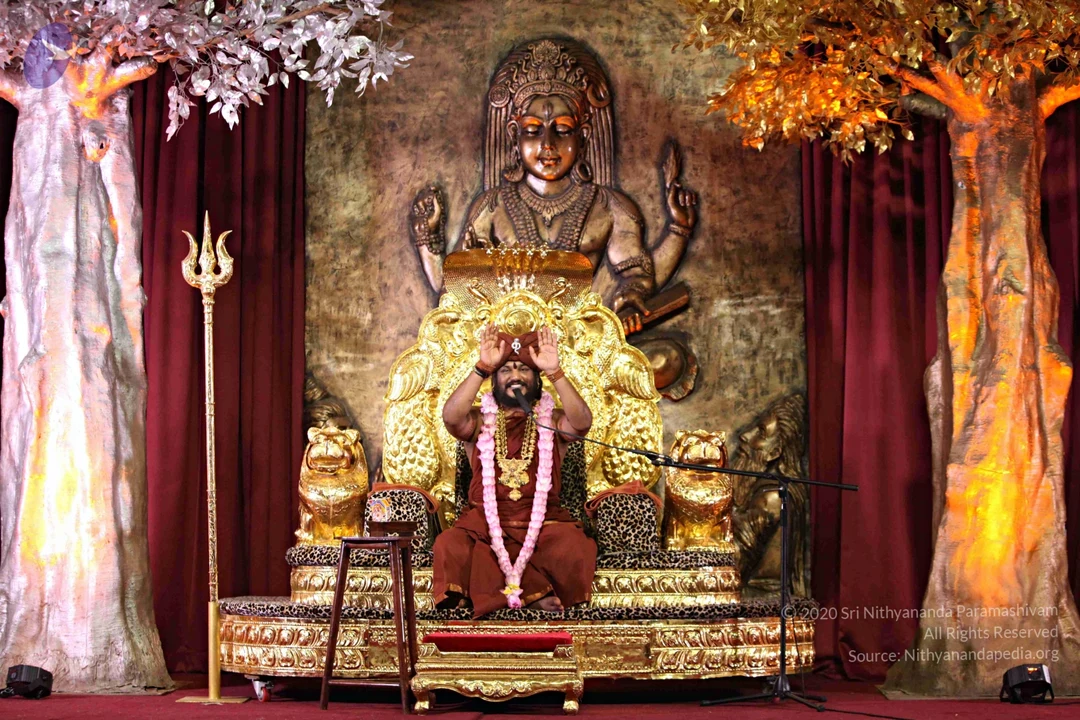
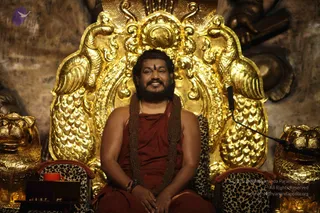
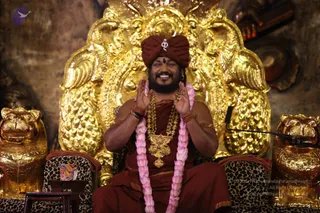
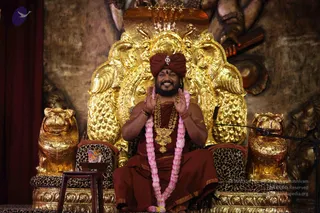
Swamiji welcomes the new batch of Inner Awakening participants who start their journey today. He gives a short recap of the basics of the Sacred Secret Science of Third Eye.
Link to Video:
| Video | Audio |
Transcript
nithyānandeśvara samārambhām nithyānandeśvari madhyamām | asmat āchārya paryantām vande guru paramparām ||
I welcome all of you with My love and respects.
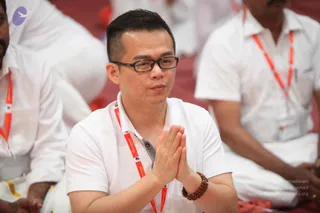
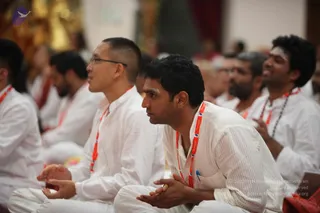
I welcome all the devotee, disciples, Samajis, Satsanghis, Sri Mahants, Mahants, Thanedar, Kothari, visitors, viewers, Inner Awakening participants – 39th Inner Awakening participants – who are sitting with us through Nithyananda TV, Facebook live, YouTube live, and 2-way video conferencing. I welcome all of you with My love and respects.
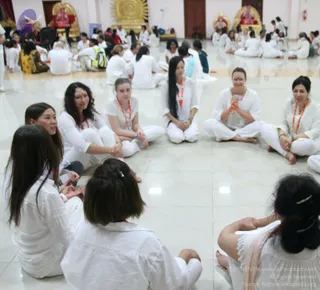
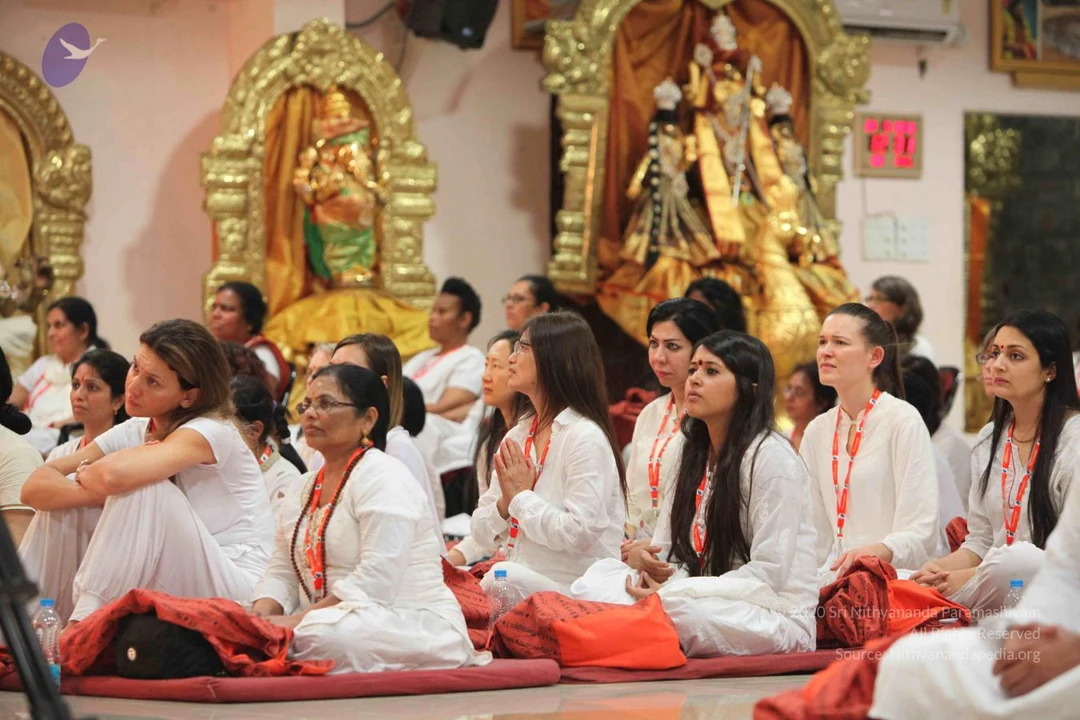
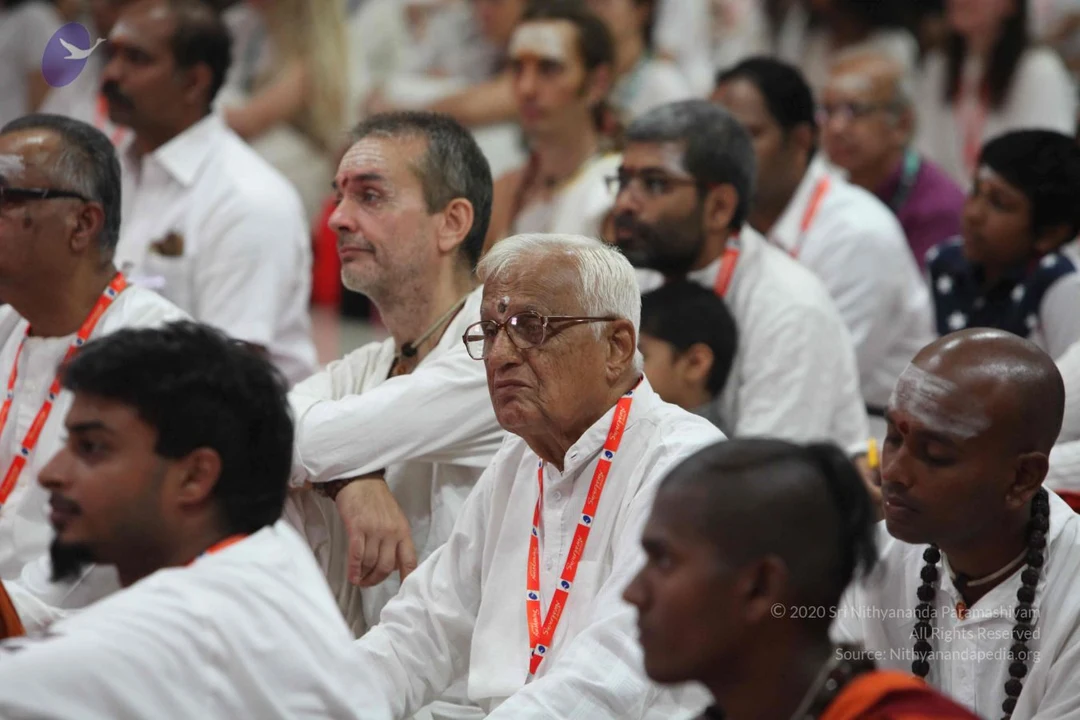
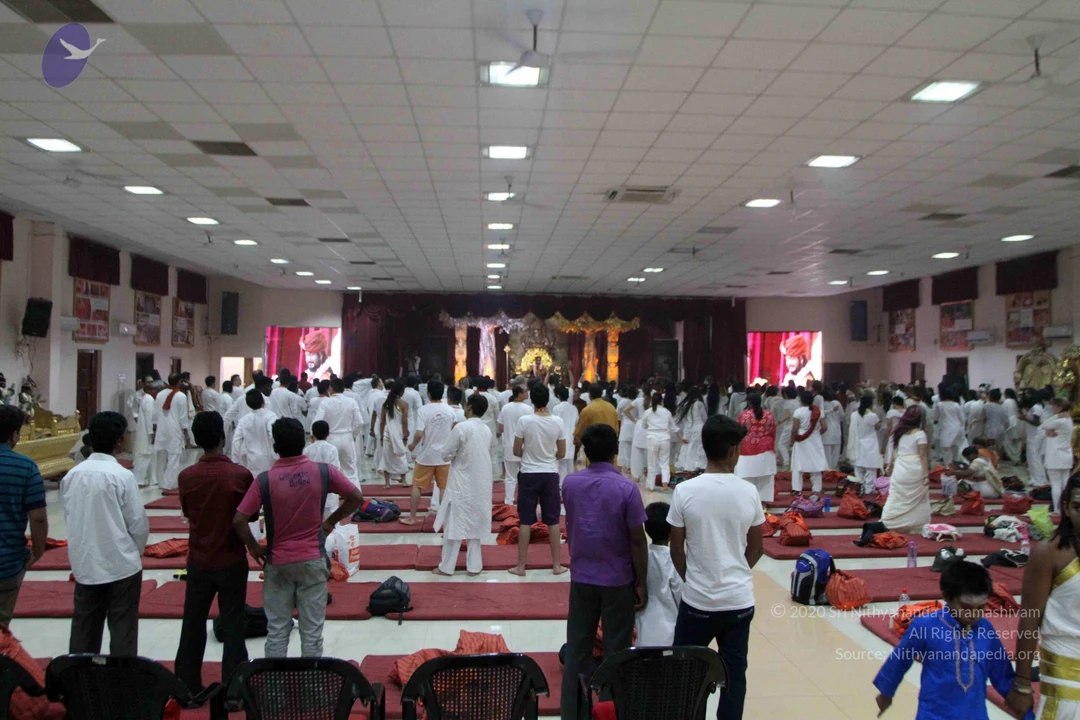
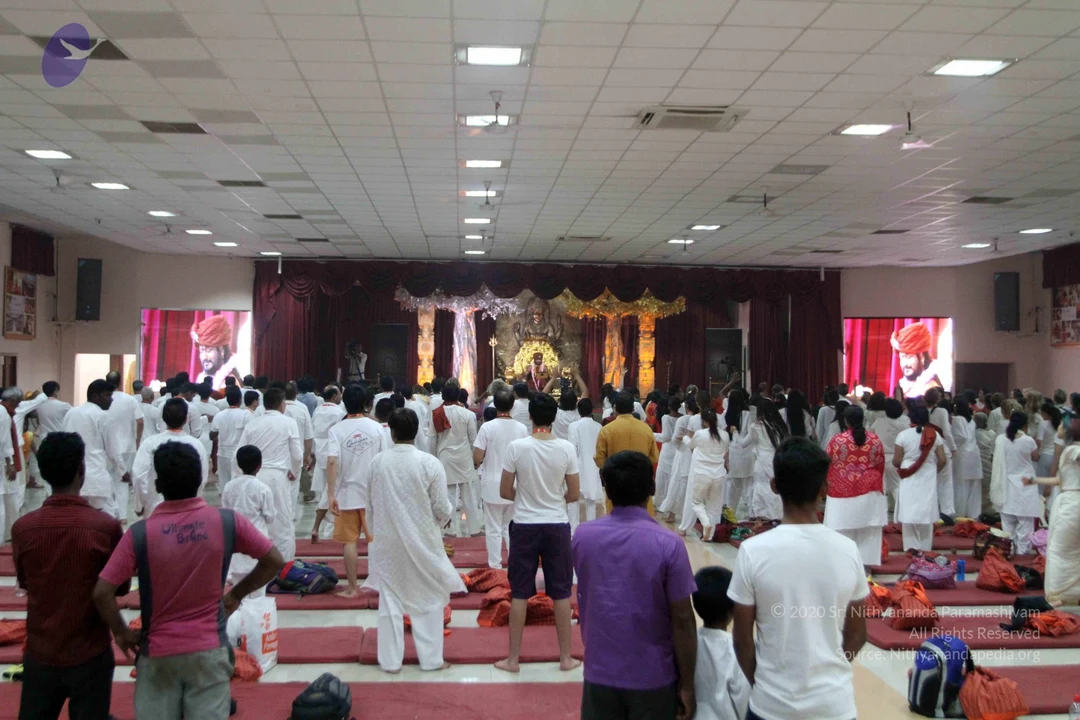
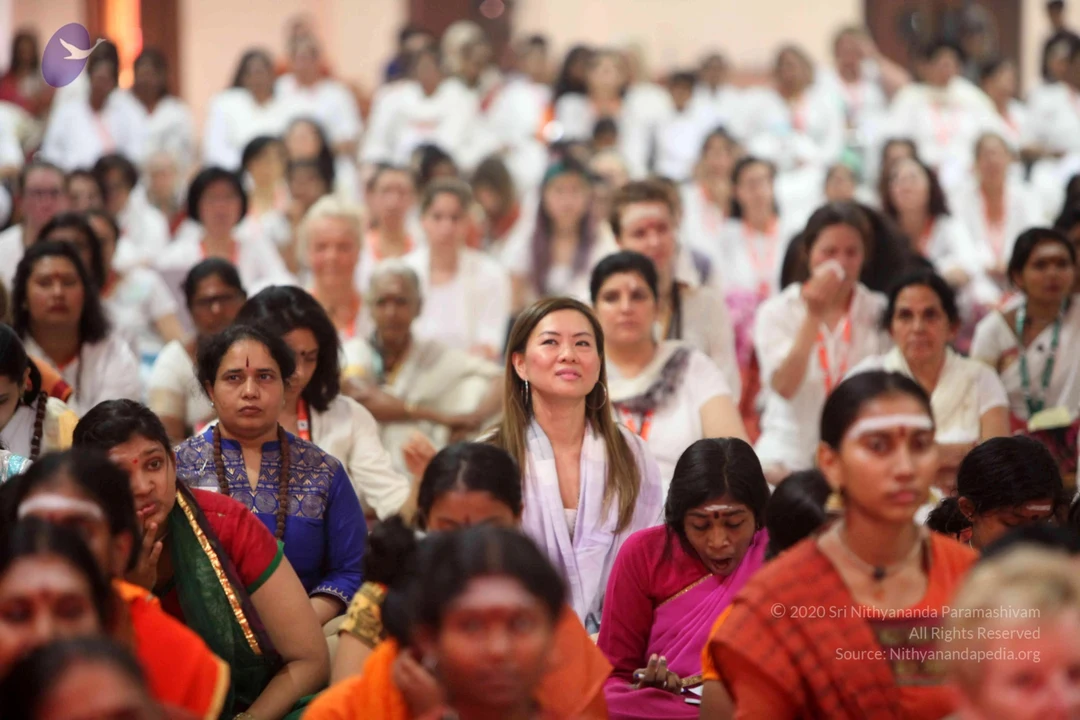
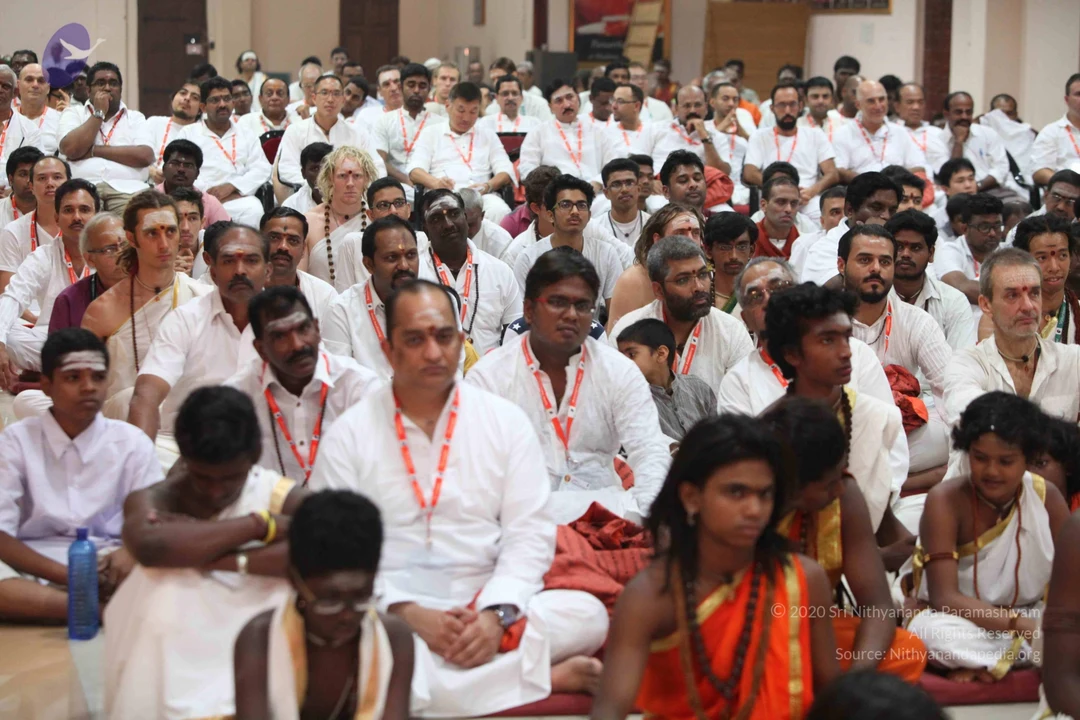
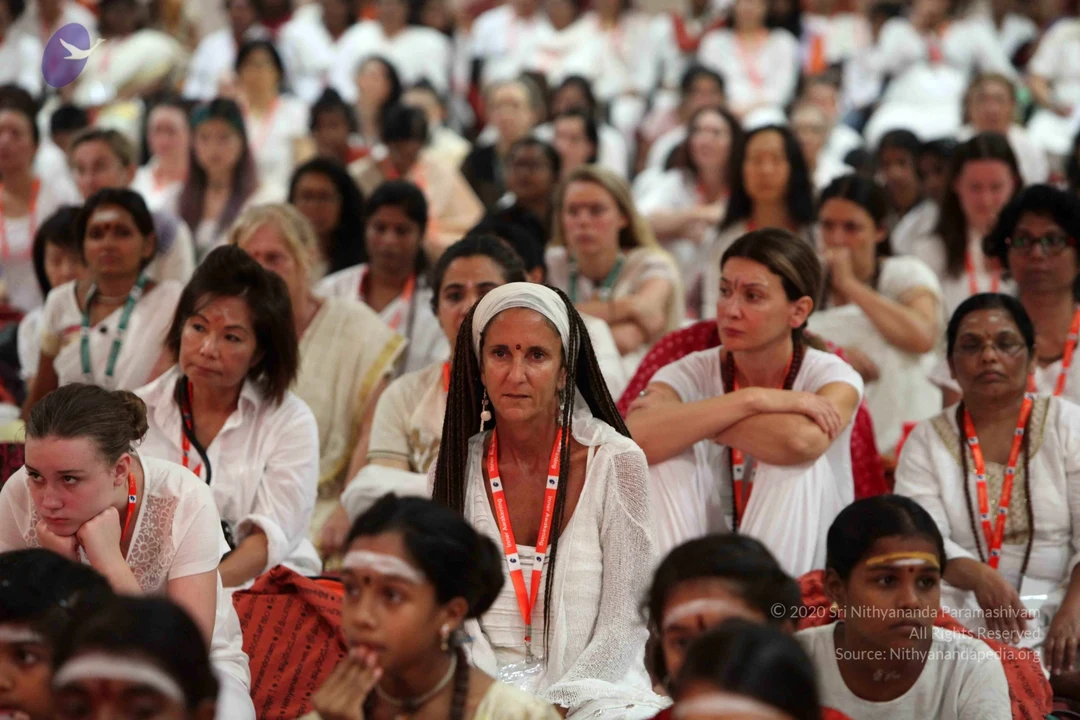
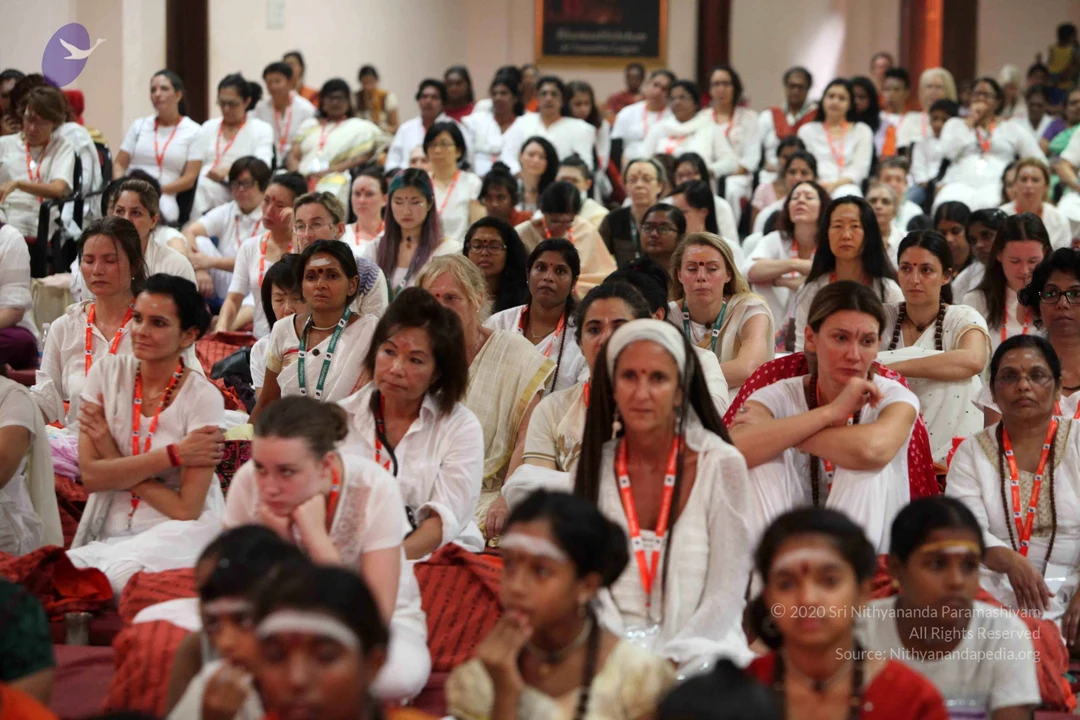
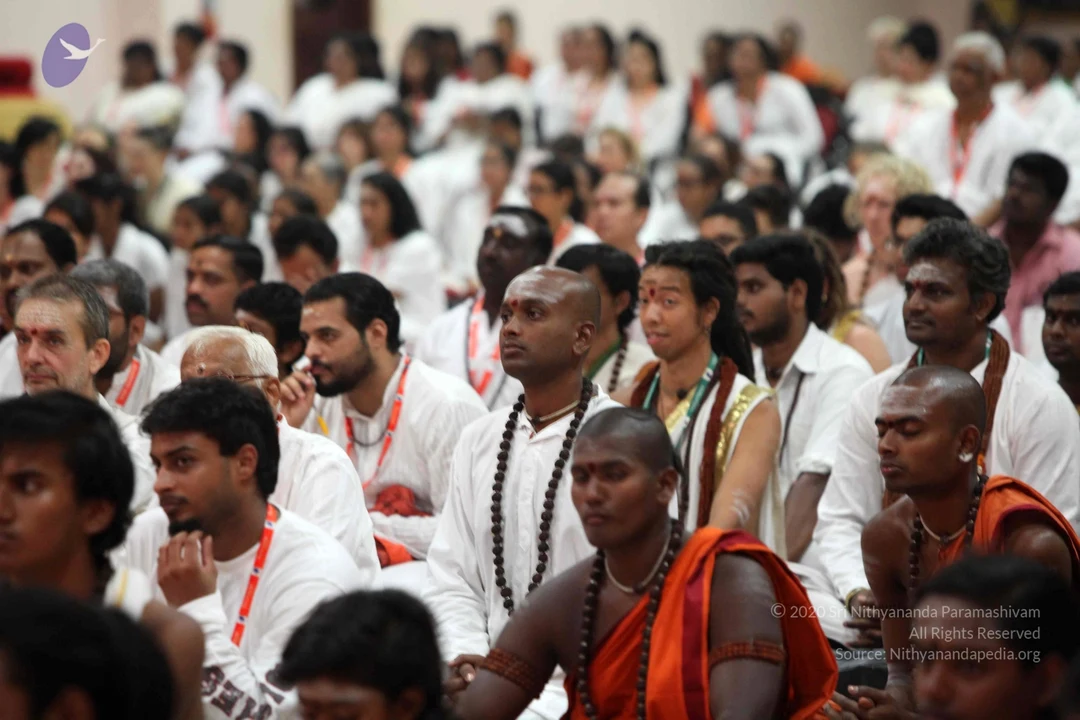
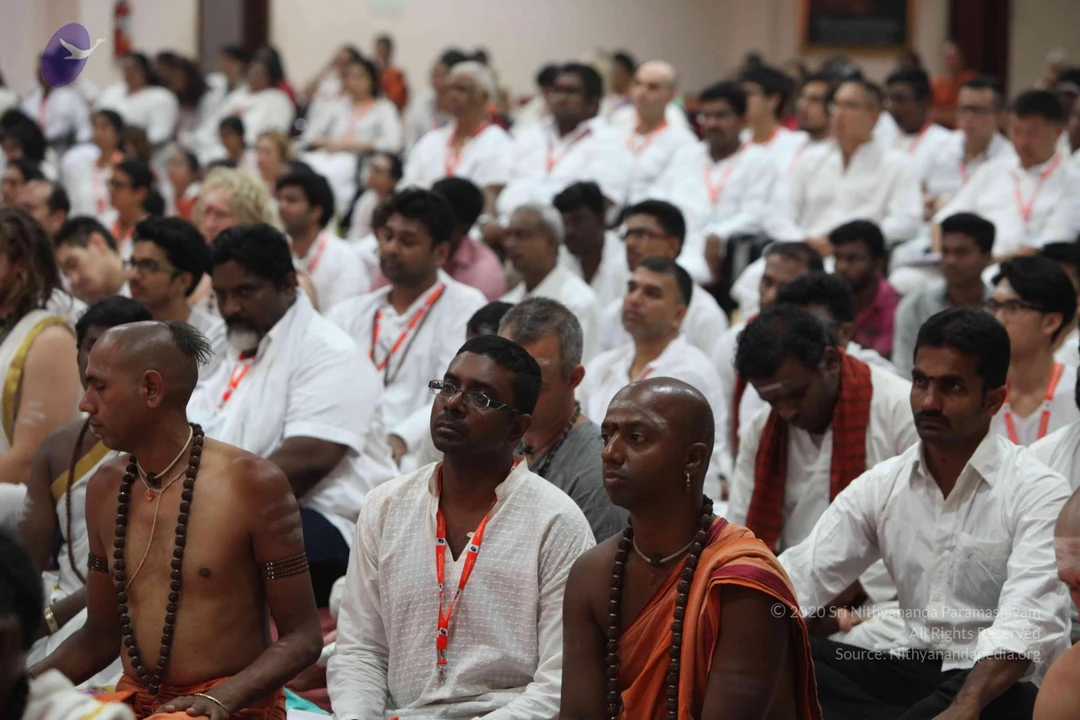
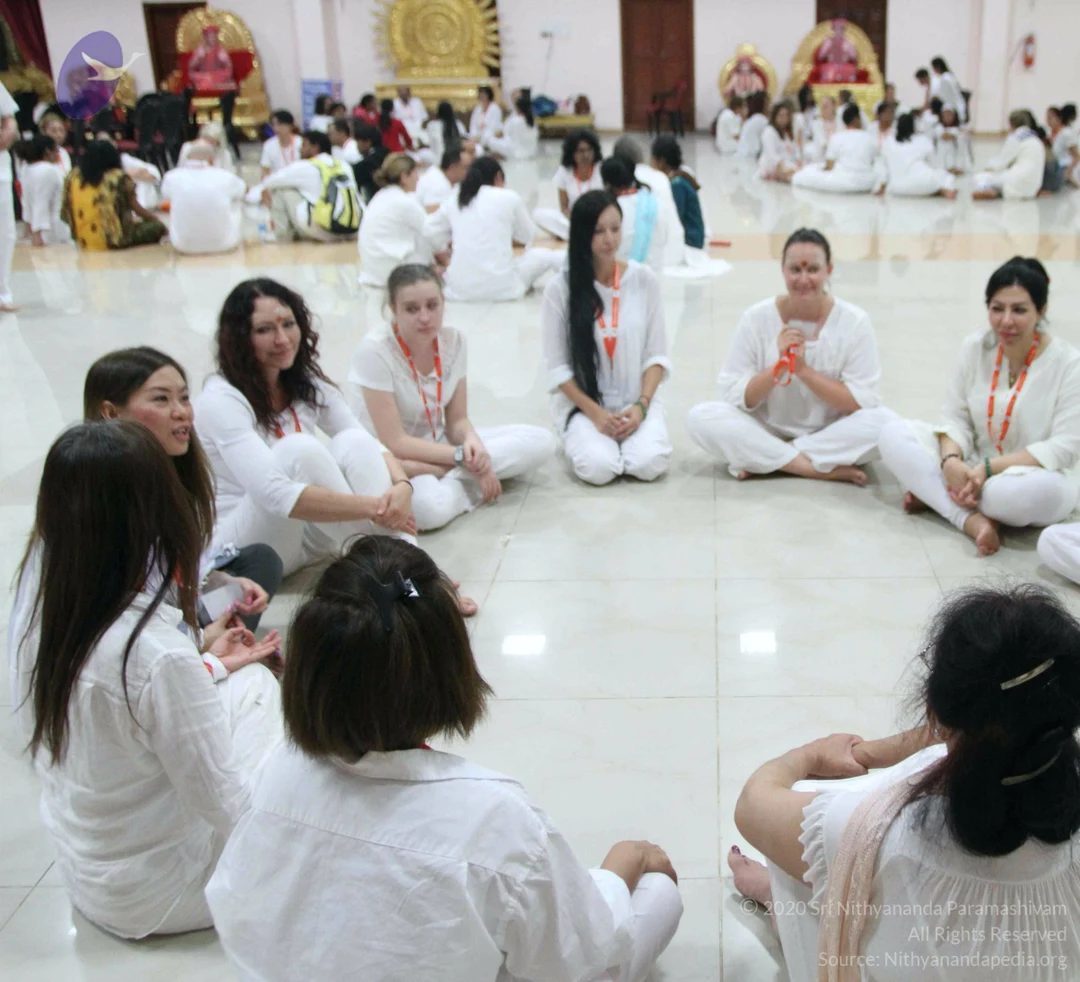
I welcome all the 39th IA participants who are here from all over the world. I have been informed that from 17 countries people are here for attending the program.
I welcome all of you with My love and respects.
Before entering into the today’s satsang subject – I am going to introduce a few basic sacred truths. The sacred secrets which will help you to get maximum out of this whole program.
(2:43)
Most of you may be aware that morning satsang I am conducting on the Sacred Secret Science of Third Eye. Understand. Fortunately it is sacred, directly given by Sadashiva. I wanted to remind you all – the teachings of Sadashiva cannot be equated by the English word occult or mysticism. Please understand. The western definition of occultism, mysticism, both are too shallow. As I said in the earlier satsang the G-O-D god itself is not equal to Bhagavan, Brahman or Sadashiva of Hinduism. Because the description of Bhagavan, the definition of Bhagavan in Bhagavatam, Brahman in Upanishads, Sadashiva in Agama, says:
Shristi, sthiti, samhara, trobhava, anugraha - means creation, maintenance, rejuvenation, putting in delusion, and liberation. Shristi, sthiti, samhara, trobhava, anugraha – all this 5 are done by manifested component of Sadashiva. He also has unmanifest, avyakta. So the concept of the Supreme in Vedic tradition is different. The concept of the highest Supreme in the western thought current is different. G-O-D means generator, operator, destroyer. He stops with 3.
Unfortunately the western civilizations don’t have a understanding about ‘trobhava’ and ‘anugraha’ – means the delusion and liberation, so they … because they do not have the understanding they don’t expect their God to perform that job. So their imagination of the Supreme stopped with what they understand as life, what they understand as Ultimate.
So the essence, nutshell, the last few satsangs I was sharing… so that the participants who are joining today, Inner Awakening participants, you can have a basic sacred truths available for you.
(5:40)
Listen. First. God as you heard or the officially defined by the western religious traditions is not equivalent to Sadashiva; occultism, which you learnt in the west, is not equivalent to Siddhis. Mysticism, which you learnt in the west, is not equivalent to Shaktis. The whole definition, concept, understanding itself is different, so there is no equivalent concept, word, in the west available for this great Sacred Secret Science of Third Eye revealed by Sadashiva in Agamas.
(6:36)
I’m expanding on the Sacred Secret Science of Third Eye from the complete works of Sadashiva, His Agamas. Fortunately it is sacred because revealed by Sadashiva Himself in Agamas, unfortunately it became secret because people were not intelligent enough to receive it, and enjoy it, celebrate it.
But in reality it’s a science. Fortunately sacred, unfortunately secret, but in reality it is science.
Neither the word occultism nor the word mysticism can equate the Sacred Secret Science of Third Eye. Nothing super natural about it. The Wikipedia’s definition about the occult, Wikipedia’s definition of mysticism, talks more about paranormal or supernormal. Please listen. When they describe, when they define occult they use the word supernatural – but you know in Vedic tradition Nature itself is super, so there is nothing called super natural. The Prakriti is super, so in Vedic tradition there’s nothing called supernatural. Everything is science.
I tell you, I tell you with all my integrity— as recent as 100 years before, every village we had somebody, at least 2-3 people whose Third Eye was fully functional. As recently as 100 years before it was not supernatural for us.
(8:46)
Having the Third Eye awakening is not supernatural for us it was a lifestyle. Every village will have at least 2-3 people whose Third Eye is completely awakened. And who can see things remote, and who can share that information, inspire people.
(9:09)
I tell you 30 years before in Tiruvannamalai the place, village where I was born and brought up, I myself have physically seen at least 40 enlightened masters living there. At least 10 people whose Third Eye was fully functional. I have seen with My own eyes, Thiruvannamalai police station, the police officers sitting in front of these swamis, asking them to solve the criminal cases. And these guys solving it, successfully. I have seen.
(10:00)
Oh Bharat! Even if Bharat Maataa feels, even if this country feels the science of Third Eye is something extraordinary or supernatural, it is sad. It is not supernatural, it is naturally super. Understand. It is super, I’m not saying ‘no,’ but naturally super, not supernatural. It is natural superbness you need to manifest, it is not supernatural. It’s a simple, straightforward science.
(11:07)
Let me give you this simple basic definitions.
One: Third Eye is an intra-organ just like both your eyes, which has cords and nerves. First.
Second: the consciousness you are using to operate this 2 eyes, called chakshu, the same consciousness only needs to be used to operate Third Eye also.
And third: Listen – when you start experiencing all this basic introduction is needed for you. So don’t think when basic introductions are given, ‘oh this is not necessary’ – No. It is needed for you.
When you are going to operate some part of you, you need a thorough introduction. See, without reading the owner’s manual also you can operate the car, but you’ll only be knowing the basic things. Like IPhone, without reading the users’, owners’ manual you can operate, but you will be only be calling, nothing else.
(12:28)
Still many of the Indian rich villagers use the IPhone only for calling. They’ll be having it, but they don’t use anything else other than making phone call.
Understand. Agamas and Upanishads are owner’s manual for you. Even if you don’t read you will be alive, no doubt; you will eat, digest, sleep, die. You will fight when you are angry. You will love when your hormonal pressure has increased.
They say, the one-liner I read: Make love not war. If you insist you want to do both then get married.
(13:18)
So you may just take birth, eat, digest, have a few kids, and disappear.
Without reading the owner’s manual also you can survive but it is only surviving not living, surviving not living. And if you read the owner’s manual, know what you are going to do, with all the dimensions available to you, all the apps available to you, that can only be called as LIFE, LIVING. Life and living.
Know every dimension of you. Be very clear, it is not supernatural, it is naturally super. Understand, there’s a big difference between supernatural. The moment you see something is super natural, you lose the will power, you. ‘No, no, no this is not for me. These are all not going to work for me. Maybe it will work for some Balasants, or Sannyasis who have given their whole life for this, not for me’.
(14:47)
The word supernatural is like a board “No entry”. The word naturally superb, is like the board “Welcome.” Understand. Definitions matter. Definitions matter. Don’t thing only experience matters definition does not matter, but definitions matter for you to get inspired or perspired. Surely after experiencing definitions don’t matters, but till you experience definitions decide whether you are going to feel inspired or perspired. Definitions matter.
See the definition, definition decides the way you are going to cognize. The way you are going to be moving. The way your will persistence is going to be placed. (16:00)
Listen. If you feel it is possible, you Will Persistence will make it possible. If you feel it is not possible before even trying you will falsely believe you tried enough and you will give up. Understand. This false notion, you tried enough. False notion you tried enough. Will make you give up before even you trying. I have seen people, before even they start their spiritual practice, they will complain: “I don’t have God’s grace.”
Somebody goes to Ramana Maharishi and asks, “Bhagavan, I don’t have God’s grace. His eyes are not falling on me.” Bhagavan asked, “Have your eyes fallen on him? At least find out whether his eyes are falling on you or not.” Have your eyes fallen on Him. At least find out whether His eyes have fallen on you or not.
(34:29)
Even before seeing, we come to the conclusion, I don’t have God’s grace. I am rejected. You are rejected by you not by God. You are rejected by you. Not by life, not by Sadashiva. Sorry to use the word God, correction.
(18:00)
English is a poor language to explain the nuances of Cosmos. Definitions matter, so have the right definitions about this whole science. Right introduction about this whole science
First thing, do not get overwhelmed. Second thing, it is not supernatural but naturally superb. It is super but natural for you. Nothing difficult. Nothing impossible, nothing … there is nothing where you need to feel – not for me. Not for me. No, it’s for you. I am talking to you and it is for you. If you are hearing, if these words reach your ears, I am talking to you and it is for you.
It is simple, very simple science. All you need to do is detoxify the intra-organ, the physiological organ called Third Eye— then detoxify the psychological mental setup you are carrying, incompletions you are carrying, and simply physically it manifests. Third Eye manifests as reality.
(20:01)
Please understand, what I am sharing with you is time-tested, foolproof, most authentic, ancient science. And I wanted to very clearly tell you, it is not my discovery. It is not my invention. I realized. I experienced what I am talking. I am responsible for it no doubt. I’m not disowning the responsibility, I’m responsible for what I am uttering. But the science is from Sadashiva. It is from Sadashiva. Understand. I experienced it as Atma Pramana, my own enlightenment. It is from the Apta Pramana, the rishis, from Sadashiva, their realization. When I acid wash their words, their realizations; Apta Pramana, Shaastra Pramana, when I bring that acid and wash my Atma Pramana— means my self-realization, whatever stands that test I share it with you, that becomes your Sākshi Pramana.
(21:33)
Understand. Do not learn from the person who does not have enlightenment, has Atma Pramana. Do not learn from a person who has only some experience and no Shastra Pramana. People who try to say “Oh, I went into silence for 9 days and I had some revelations and ….”. Great, maybe the revelations will be good for them. But only if it stands the acid wash of the Shaastra Pramana it is good for all of you. Understand. Whatever I am sharing with you is my Atma Pramana, acid washed by the Shastra Pramana directly reveled by Sadashiva and Rishis. So do not worry, do not have the unknown fear. It’s a time tested, fool proof, most ancient, spiritual science.
You are in the right place with the right person, right time – to experience the right science. Don’t get overwhelmed. Don’t even think it is not for me. It is for you and I am responsible for it. It is for you and I am responsible for it. Understand. My responsibility is to make it user friendly and available for you. I neither want, I neither expect ability from you, nor expect any special skill sets, efficiency from you. I only expect availability. Be available. I’ll make it happen. Be available. I’ll make it happen. And I am responsible for what I am uttering. I’m responsible for what I am talking. I’m not talking out of any delusion, arrogance or pride. I am talking straight forward, based on the facts, possibility, and the results already happened, the track record. Do not get overwhelmed. Don’t think it is not for you. It is for you. It is for you.
(24:51)
I only request one thing from you, listening. Nothing else, just bring listening. Because in Hindu tradition, we use words and sounds not only to transmit concepts, ideas and philosophies, we use sound to transmit energy too. We use sounds to transmit energy. Listen. We use sound to transmit energy. In Hindu tradition, words are used not just to transmit certain ideas or concepts or theories. Words are used, sounds are used to transmit energy also. So I just want your listening, nothing else. Sit with tremendous listening.
(25:57)
And do not be afraid, you would have heard from your friends and family and teamily who have done the Inner Awakening program “Oh it’s a long sessions, from morning 4 o’clock to night 11 o’clock.” How many have you heard this? It’s wrong, night 12 o’clock. But you won’t feel tired or bored, I will be here. I’m here. So don’t worry.
One thing I guarantee, it will not be tiring or boring, and do not get the feeling too much. Relax. Take one day at a time. Take one day at a time. And I am here. I will see to it, you move beautifully. See for self-development you don’t have to work much. But I’m not teaching you self-development. I’m actually raising you to a different frequency, self-realization. Understand. Self-development is different, self-realization is different. I am looking at making you self-realized, not self-developed.
(27:32)
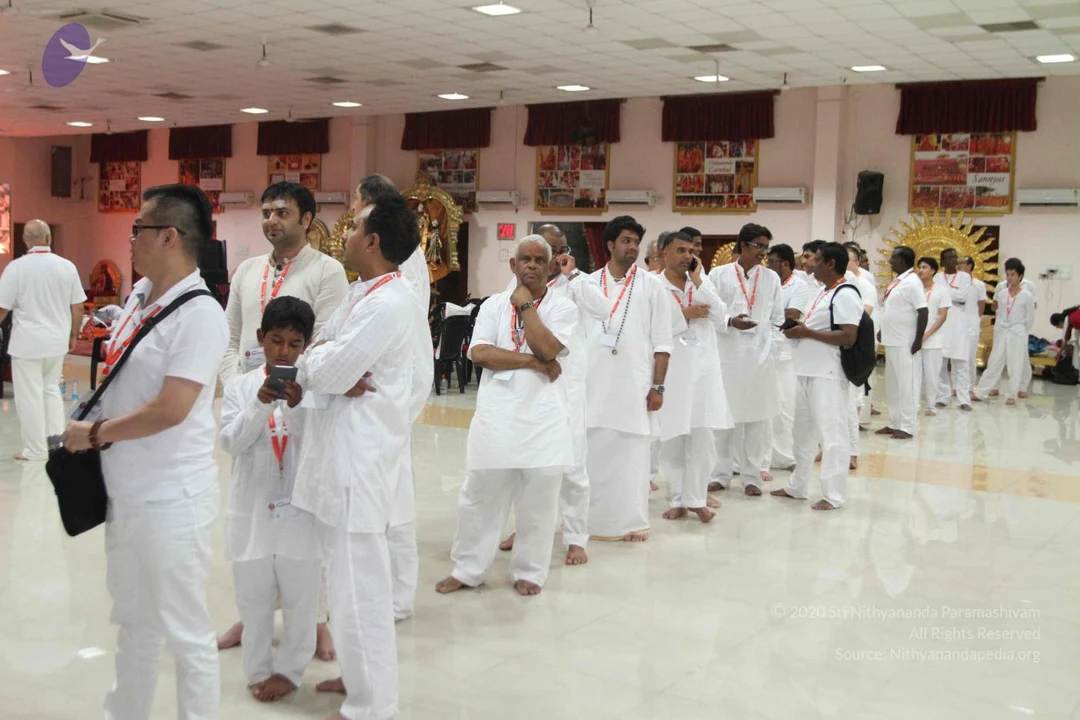
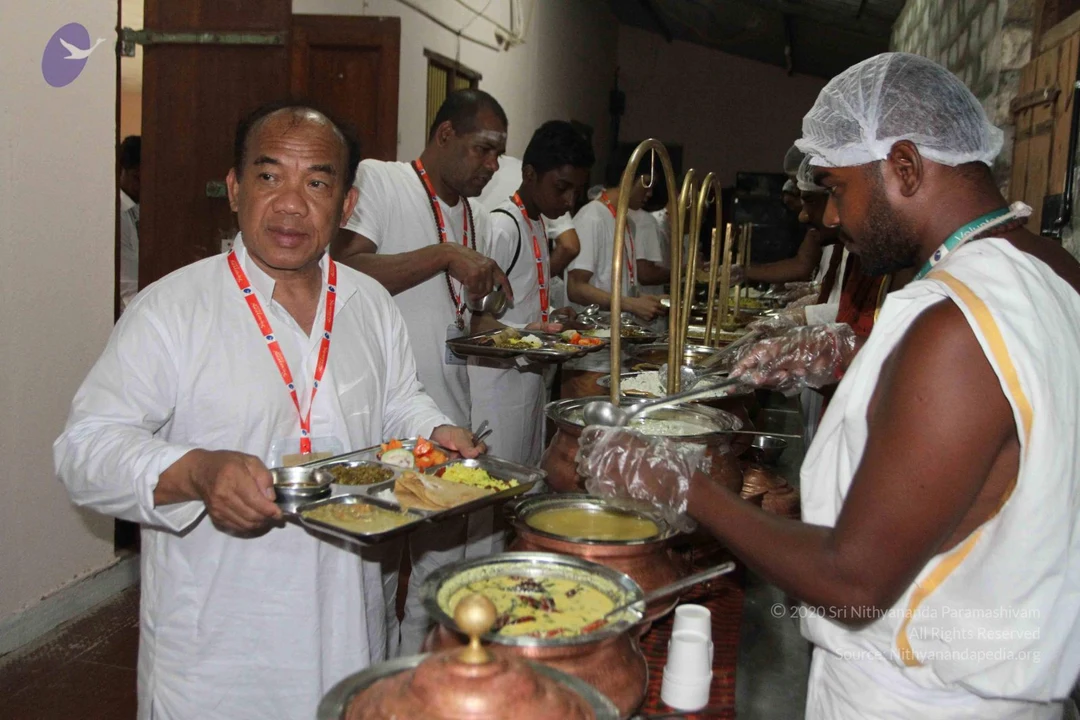
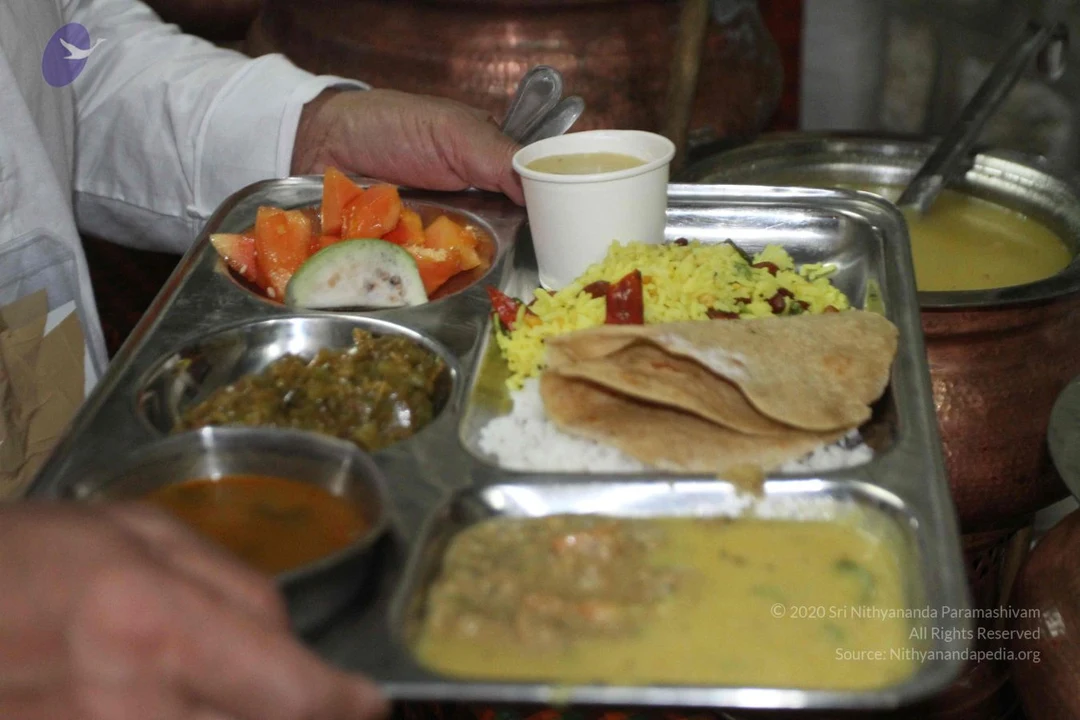
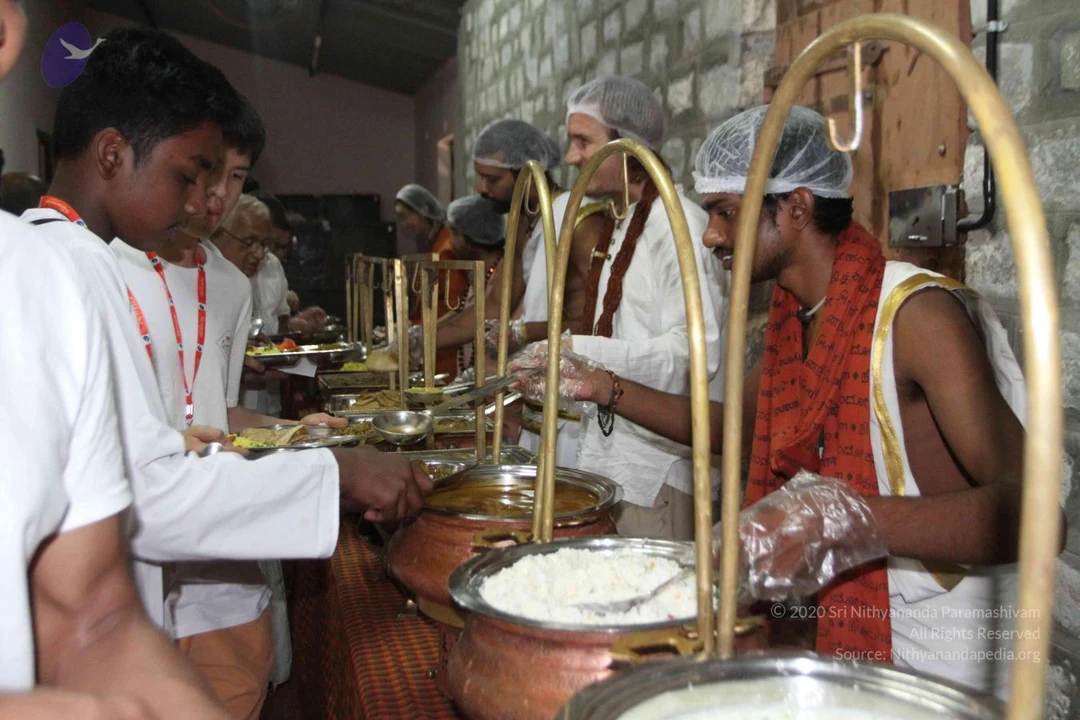
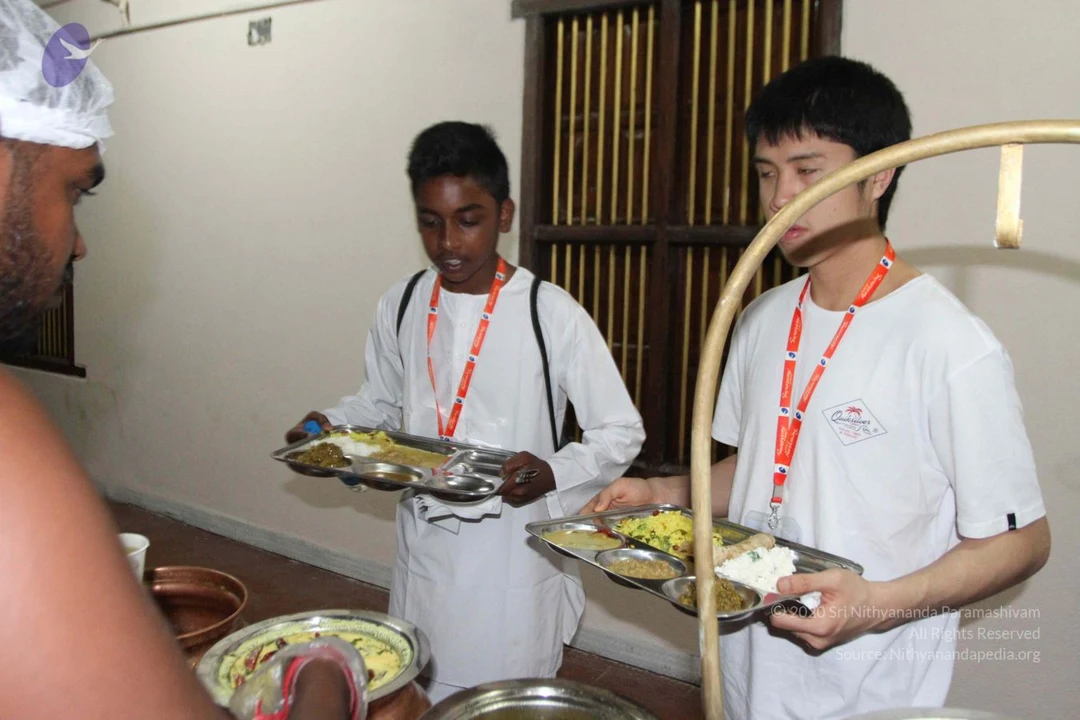
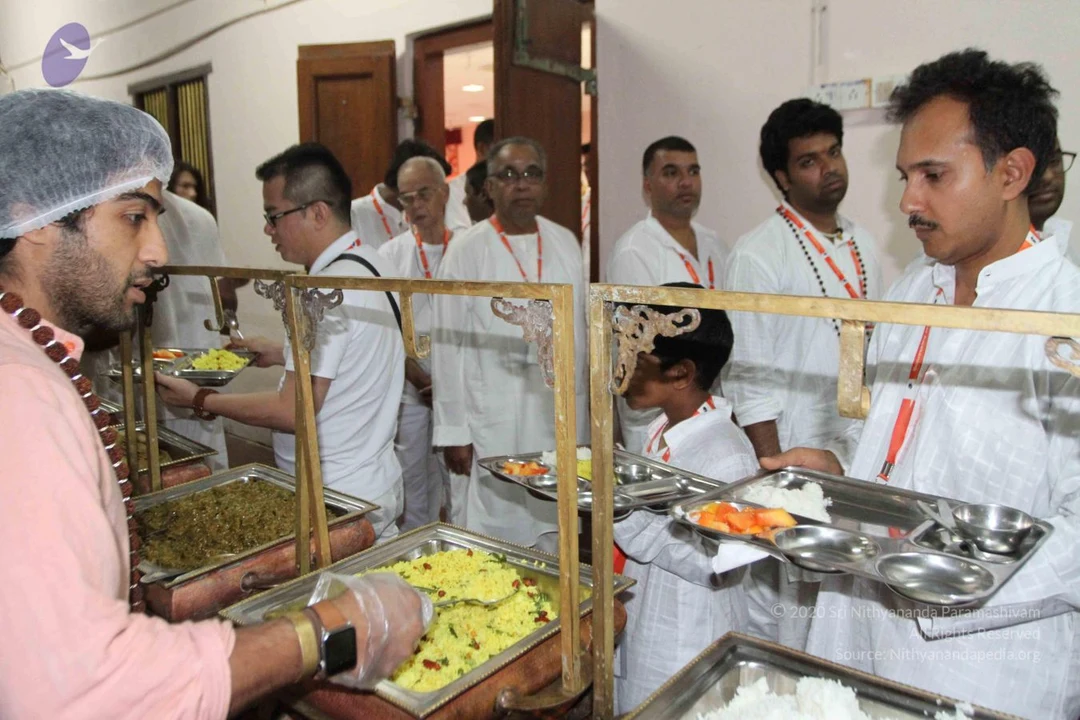
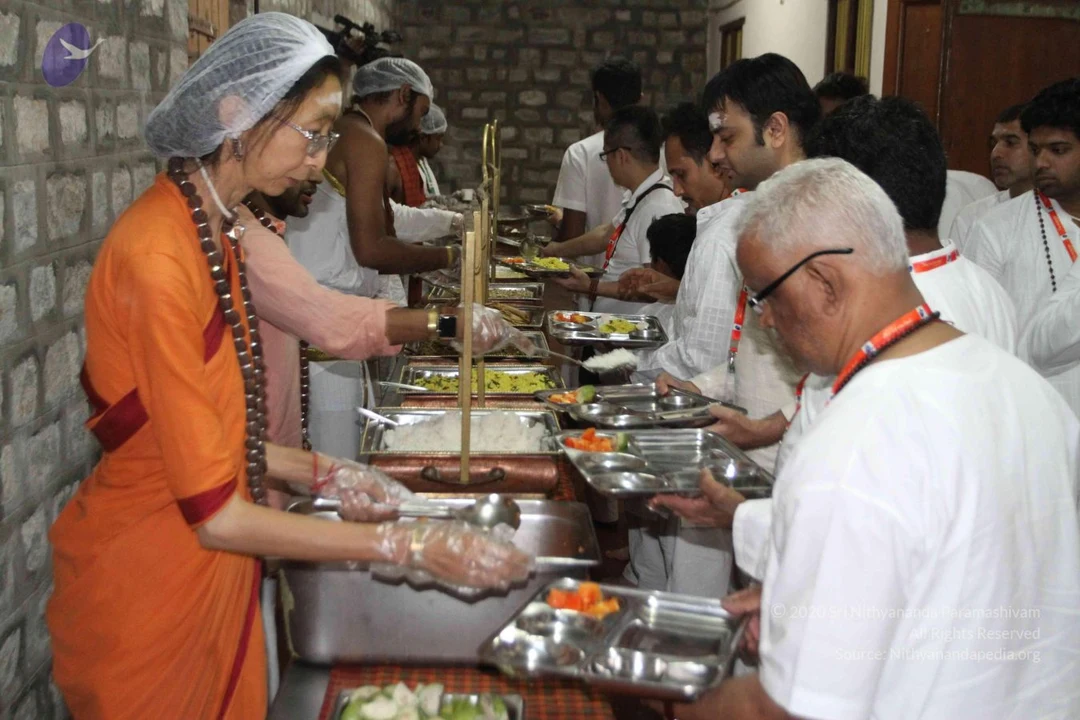
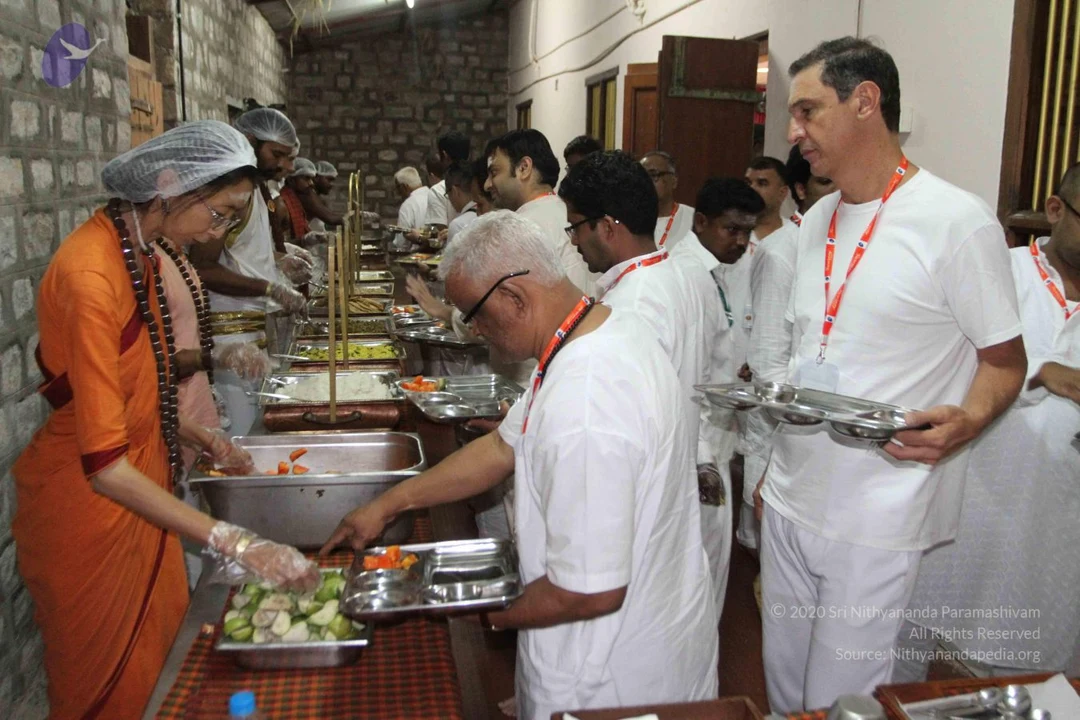
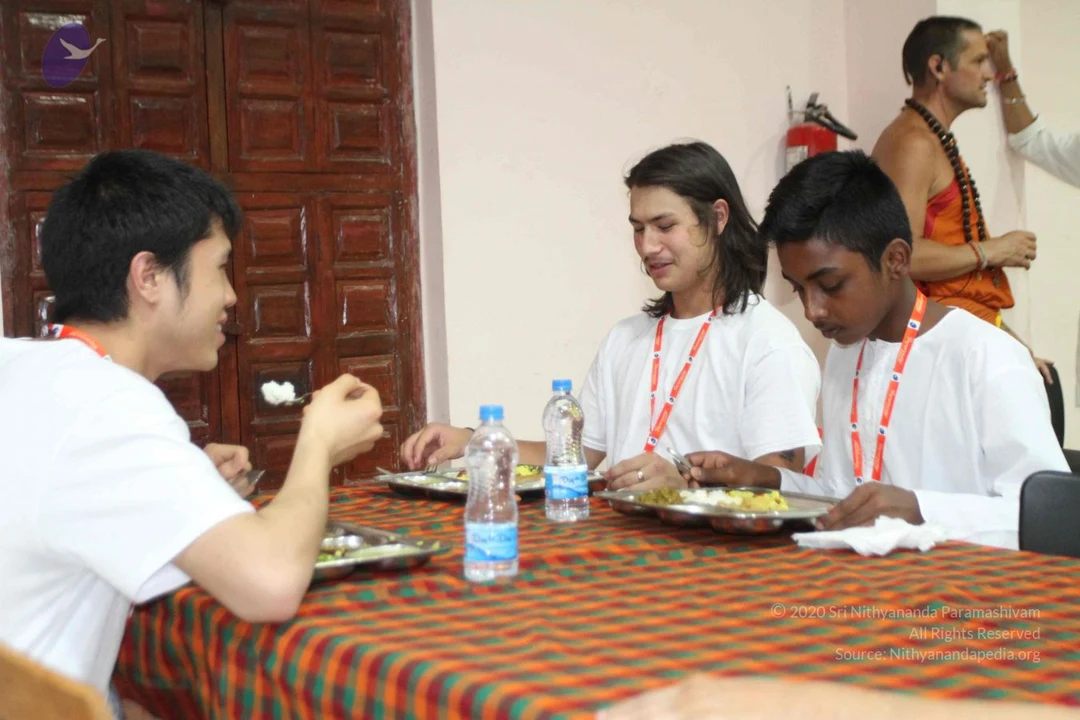
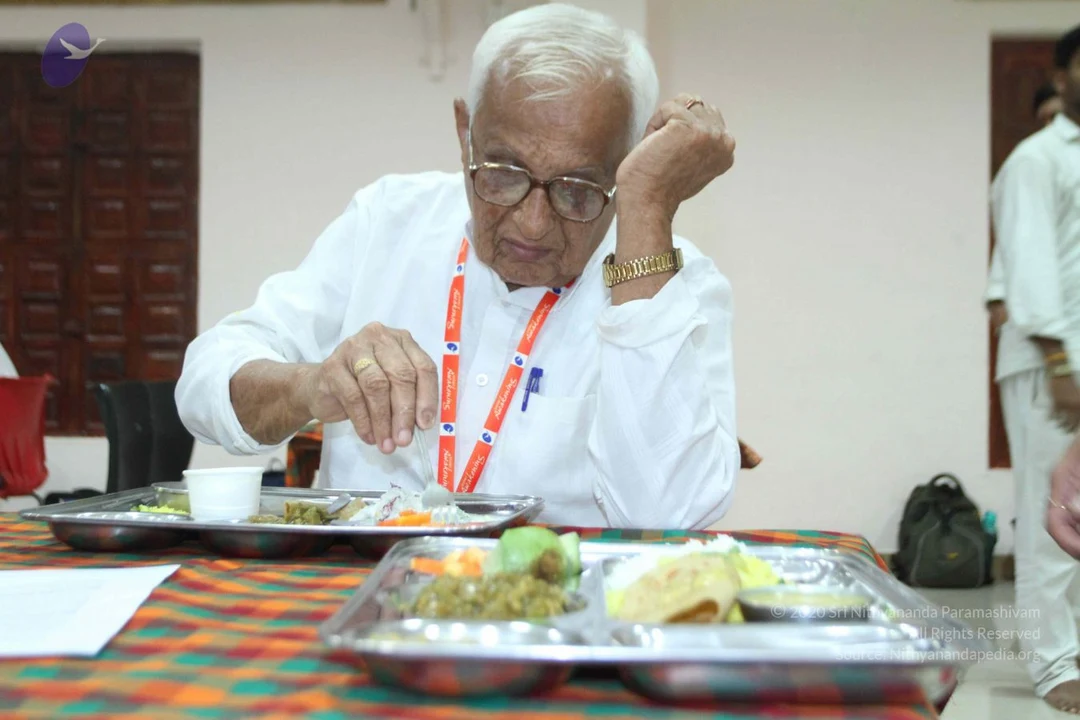
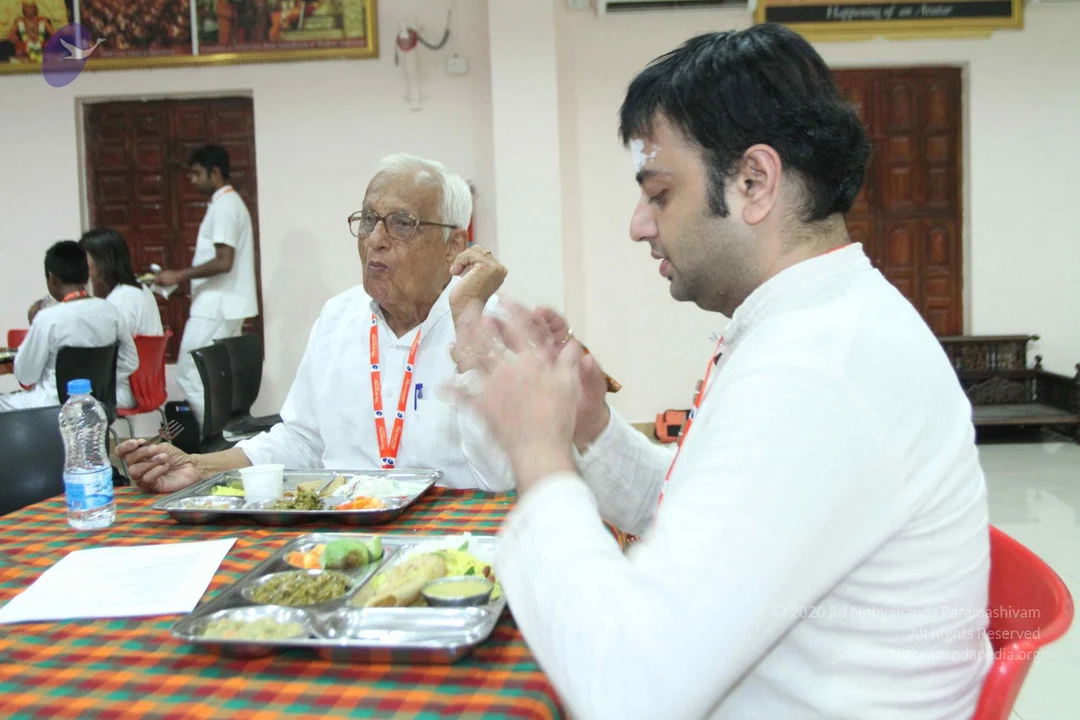
One more request, do not miss any session. Do not miss any session. And do not even miss eating the food. Understand the food is cooked as per Bhaga Shastra, from Agama. Please listen. Not only the meditation technique you are doing is given by Sadashiva. Even what you are eating, the recipe is directly from Sadāshiva. It’s organically procured, organically cooked as per the instruction of Sadashiva. Whether you eat or do 1-2-3, everything is as per the instruction of Sadashiva here. Even your cleansing, Pancha Kriya is as per the instruction of Sadashiva. It’s called Jala Bhastrika.
Have you all started the Pancha Kriya? Today you’ll be starting. So understand. Do not miss anything. The food also. Don’t miss even one item, because the whole thing is clearly, beautifully, I can say very proportionately, properly, developed and revealed by Sadashiva directly. It’s from Bhaga Shastra. So every item supports the other, with lot of Ayurvedic herbs and Ayurvedic spices – put everything, nicely mix and fill yourself as much as you can. I guarantee, eat as much as you want and you will lose weight end of the program. Because the food is designed such a way to awaken your Jatharagni (inner fire of stomach). When that fire is kindled, it burns away the earlier fat also. The fat of the past also is burnt away. So please understand. Again I am responsible for what I am talking, eat as much as you can and lose weight, that’s the… I can say the branding statement for Sadāshiva’s cookbook. No, Sadāshiva’s branding statement is that only ‘eat as much as you want and lose weight.’ The food is designed such a way it kindles the Jathara, means the fire in the stomach, which naturally burns away the past accumulated fat also.
(30:16)
So please do not miss anything. Don’t miss a session. Don’t miss yoga. Don’t miss the food. Don’t miss anything. Enjoy the whole program.
And not out of pride or arrogance or anything – I commit with you, I will make you experience Sadashiva. I tell you, ultimately I was given. I was given only to give. I was showered only to shower. I was given only to give. So get ready for the greatest spiritual blast.
(31:27)
Yesterday the introduction sessions were opened in 2-way video conferencing. You can expect some of the special sessions will be opened in 2-way video conferencing.
So the essence of today’s satsang – this is Sacred Secret Science, not supernatural but naturally superb. And do not be overwhelmed. It’s a powerfully science from the Apta Pramana of Sadashiva, which has become my Atma Pramana, realization which I am sharing to you all, which becomes Sākshi Pramana for all of you, means the Experiential Reality. Understand. The Apta Pramana of Sadashiva, which has become Atma Pramana for Me, which is now shared with you all, to make it as Sākshi Pramana for all of you. Enjoy the whole science.
(32:58)
Get ready for the greatest spiritual blast. We will straight start working on Third Eye from today. From today we’ll start working on the Third Eye. So we have a long day today. Let’s get ready.
I bless you all. Let you all radiate, with Integrity, Authenticity, Responsibility, Enriching, Causing Living Shuddhādvaita Shaivam, the eternal bliss. Nithyananda. Thank you. Be Blissful.
Title:
Only Learn From Enlightened Beings
Link to Video:
In this short video, taken from the morning discourse 'Third Eye Science - Naturally Super not Supernatural', Paramahamsa Nithyananda explains why it is important to only learn from Enlightened Beings. This video is directed at an audience of the Inner Awakening program, who are beginning their 21 days of intense transformation experience with Swamiji. To them, Swamiji explains why the science of Third Eye he is sharing is time-testedd and fool-proof. He invites them into the biggest spiritual blast of their life.
| Video | Audio |
Transcript
It is simple, very simple science. All you need to do is detoxify the intra-organ, the physiological organ called Third Eye— then detoxify the psychological mental setup you are carrying, incompletions you are carrying, and simply physically it manifests. Third Eye manifests as reality.
Please understand, what I am sharing with you is time-tested, foolproof, most authentic, ancient science. And I wanted to very clearly tell you, it is not my discovery. It is not my invention. I realized. I experienced what I am talking. I am responsible for it no doubt. I’m not disowning the responsibility, I’m responsible for what I am uttering. But the science is from Sadashiva. It is from Sadashiva. Understand. I experienced it as Atma Pramana, my own enlightenment. It is from the Apta Pramana, the rishis, from Sadashiva, their realization. When I acid wash their words, their realizations; Apta Pramana, Shaastra Pramana, when I bring that acid and wash my Atma Pramana— means my self-realization, whatever stands that test I share it with you, that becomes your Sākshi Pramana.
(2:23)
Understand. Do not learn from the person who does not have enlightenment, has Atma Pramana. Do not learn from a person who has only some experience and no Shastra Pramana. People who try to say “Oh, I went into silence for 9 days and I had some revelations and ….”. Great, maybe the revelations will be good for them. But only if it stands the acid wash of the Shaastra Pramana it is good for all of you. Understand. Whatever I am sharing with you is my Atma Pramana, acid washed by the Shastra Pramana directly revealed by Sadashiva and Rishis. So do not worry, do not have the unknown fear. It’s a time tested, foolproof, most ancient, spiritual science.
You are in the right place with the right person, right time – to experience the right science. Don’t get overwhelmed. Don’t even think it is not for me. It is for you and I am responsible for it. It is for you and I am responsible for it. Understand. My responsibility is to make it user friendly and available for you. I neither want, I neither expect ability from you, nor expect any special skill sets, efficiency from you. I only expect availability. Be available. I’ll make it happen. Be available. I’ll make it happen. And I am responsible for what I am uttering. I’m responsible for what I am talking. I’m not talking out of any delusion, arrogance or pride. I am talking straight forward, based on the facts, possibility, and the results already happened, the track record.
(5:28)
This is Sacred Secret Science, not supernatural but naturally superb. And do not be overwhelmed. It’s a powerful science from the Apta Pramana of Sadashiva, which has become my Atma Pramana, realization which I am sharing to you all, which becomes Sākshi Pramana for all of you, means the Experiential Reality. Understand. The Apta Pramana of Sadashiva, which has become Atma Pramana for Me, which is now shared with you all, to make it as Sākshi Pramana for all of you. Enjoy the whole science. Get ready for the greatest spiritual blast. We will straight start working on Third Eye from today.
Title:
God and Sadashiva are not the same!
Link to Video:
Many people carry the cognition that basically, all religions are the same. That if you dig deep, you will find the same truths and answers across all traditions, that in all religions, ultimately the Supreme is one and the same. In this short video, taken from the 23 September 2016 morning discourse 'Third Eye - Naturally Super, Not Supernatural' , Paramahamsa Nithyananda explains that the concept of God as known in the West and Sadashiva are not one and the same! In the West, God does three actions: Generate, Operate and Destroy (G.O.D.). In Hinduism, these three actions of the Supreme consist of at the most 10% of who is Sadashiva. The other 90% is most important, that is the understanding that Sadashiva also puts in Delusion and Liberates (D.L.).
| Video | Audio |
Transcript
Most of you may be aware that morning satsang I am conducting on the Sacred Secret Science of Third Eye. Understand. Fortunately it is sacred, directly given by Sadashiva. I wanted to remind you all – the teachings of Sadashiva cannot be equated by the English word occult or mysticism. Please understand. The western definition of occultism, mysticism, both are too shallow. As I said in the earlier satsang the G-O-D god itself is not equal to Bhagavan, Brahman or Sadashiva of Hinduism. Because the description of Bhagavan, the definition of Bhagavan in Bhagavatam, Brahman in Upanishads, Sadashiva in Agama, says:
Shristi, sthiti, samhara, trobhava, anugraha - means creation, maintenance, rejuvenation, putting in delusion, and liberation. Shristi, sthiti, samhara, trobhava, anugraha – all this 5 are done by manifested component of Sadashiva. He also has unmanifest, avyakta. So the concept of the Supreme in Vedic tradition is different. The concept of the highest Supreme in the western thought current is different. G-O-D means generator, operator, destroyer. He stops with 3.
Unfortunately the western civilizations don’t have a understanding about ‘trobhava’ and ‘anugraha’ – means the delusion and liberation, so they … because they do not have the understanding they don’t expect their God to perform that job. So their imagination of the Supreme stopped with what they understand as life, what they understand as Ultimate.
So the essence, nutshell, the last few satsangs I was sharing… so that the participants who are joining today, Inner Awakening participants, you can have a basic sacred truths available for you.
Listen. First. God as you heard or the officially defined by the western religious traditions is not equivalent to Sadashiva; occultism, which you learnt in the west, is not equivalent to Siddhis. Mysticism, which you learnt in the west, is not equivalent to Shaktis. The whole definition, concept, understanding itself is different, so there is no equivalent concept, word, in the west available for this great Sacred Secret Science of Third Eye revealed by Sadashiva in Agamas.
Title:
Details of the 21 Day Inner Awakening Meditation Retreat
Link to Video:
In this short video, taken from the discourse 'Naturally Super, Not Supernatural' of 23 September 2016, Paramahamsa Nithyananda explains how in the Inner Awakening, every detail of the meditation retreat is in line with Sadashiva's prescriptions, is arranged according to the Shivagamas. All aspects of the program are coordinated for participants to have a spiritual blast - from the food (from the Bhaga Shastras, Sadashiva's cookbook) to the yoga (original yoga from the source) to the pancha kriya (detox and cleansing practices) - everything. Inner Awakening is not a self-development course, it is an experience of self-realisation: knowing that 'I am Sadashiva'.
| Video | Audio |
Transcript
And do not be afraid, you would have heard from your friends and family and teamily who have done the Inner Awakening program “Oh it’s a long sessions, from morning 4 o’clock to night 11 o’clock.” How many have you heard this? It’s wrong, night 12 o’clock. But you won’t feel tired or bored, I will be here. I’m here. So don’t worry.
One thing I guarantee, it will not be tiring or boring, and do not get the feeling too much. Relax. Take one day at a time. Take one day at a time. And I am here. I will see to it, you move beautifully. See for self-development you don’t have to work much. But I’m not teaching you self-development. I’m actually raising you to a different frequency, self-realization. Understand. Self-development is different, self-realization is different. I am looking at making you self-realized, not self-developed.
(1:41)
One more request, do not miss any session. Do not miss any session. And do not even miss eating the food. Understand the food is cooked as per Bhaga Shastra, from Agama. Please listen. Not only the meditation technique you are doing is given by Sadashiva. Even what you are eating, the recipe is directly from Sadāshiva. It’s organically procured, organically cooked as per the instruction of Sadashiva. Whether you eat or do 1-2-3, everything is as per the instruction of Sadashiva here. Even your cleansing, Pancha Kriya is as per the instruction of Sadashiva. It’s called Jala Bhastrika.
Have you all started the Pancha Kriya? Today you’ll be starting. So understand. Do not miss anything. The food also. Don’t miss even one item, because the whole thing is clearly, beautifully, I can say very proportionately, properly, developed and revealed by Sadashiva directly. It’s from Bhaga Shastra. So every item supports the other, with lot of Ayurvedic herbs and Ayurvedic spices – put everything, nicely mix and fill yourself as much as you can. I guarantee, eat as much as you want and you will lose weight end of the program. Because the food is designed such a way to awaken your Jatharagni (inner fire of stomach). When that fire is kindled, it burns away the earlier fat also. The fat of the past also is burnt away. So please understand. Again I am responsible for what I am talking, eat as much as you can and lose weight, that’s the… I can say the branding statement for Sadāshiva’s cookbook. No, Sadāshiva’s branding statement is that only ‘eat as much as you want and lose weight.’ The food is designed such a way it kindles the Jathara, means the fire in the stomach, which naturally burns away the past accumulated fat also.
So please do not miss anything. Don’t miss a session. Don’t miss yoga. Don’t miss the food. Don’t miss anything. Enjoy the whole program.
And not out of pride or arrogance or anything – I commit with you, I will make you experience Sadashiva. I tell you, ultimately I was given. I was given only to give. I was showered only to shower. I was given only to give. So get ready for the greatest spiritual blast.
Title:
Is Third Eye Awakening For Me?
Link to Video:
Are you ever wondering: Is Third Eye Awakening For Me? In this video, taken from the 23 September 2016 morning discourse 'Third Eye - Naturally Super, Not Supernatural', Paramahamsa Nithyananda gives an answer that will leave you beyond all doubt.
| Video | Audio |
Transcript
Be very clear, it is not supernatural, it is naturally super. Understand, there’s a big difference between supernatural. The moment you see something is super natural, you lose the will power. ‘No, no, no this is not for me. These are all not going to work for me. Maybe it will work for some Balasants, or Sannyasis who have given their whole life for this, not for me’.
The word supernatural is like a board “No entry”. The word naturally superb, is like the board “Welcome.” Understand. Definitions matter. Definitions matter. Don’t think only experience matters, definition does not matter, but definitions matter for you to get inspired or perspired. Surely after experiencing definitions don’t matter, but till you experience definitions decide whether you are going to feel inspired or perspired. Definitions matter.
See the definition, definition decides the way you are going to cognize. The way you are going to be moving. The way your will persistence is going to be placed. Listen. If you feel it is possible, you Will Persistence will make it possible. If you feel it is not possible before even trying you will falsely believe you tried enough and you will give up. Understand. This false notion, you tried enough. False notion you tried enough. Will make you give up before even you trying. I have seen people, before even they start their spiritual practice, they will complain: “I don’t have God’s grace.”
Somebody goes to Ramana Maharishi and asks, “Bhagavan, I don’t have God’s grace. His eyes are not falling on me.” Bhagavan asked, “Have your eyes fallen on him? At least find out whether his eyes are falling on you or not.” Have your eyes fallen on Him. At least find out whether His eyes have fallen on you or not. Even before seeing, we come to the conclusion, I don’t have God’s grace. I am rejected. You are rejected by you, not by God. You are rejected by you. Not by life, not by Sadashiva. Sorry to use the word God, correction.
English is a poor language to explain the nuances of Cosmos. Definitions matter, so have the right definitions about this whole science. Right introduction about this whole science. First thing, do not get overwhelmed. Second thing, it is not supernatural but naturally superb. It is super but natural for you. Nothing difficult. Nothing impossible, nothing … there is nothing where you need to feel – not for me. Not for me. No, it’s for you. I am talking to you and it is for you. If you are hearing, if these words reach your ears, I am talking to you and it is for you.
Title:
Why should we know about Third Eye?
Link to Video:
In this short video, taken from the 23 September 2016 morning discourse 'Third Eye - Naturally Super, Not Supernatural', Paramahamsa Nithyananda explains why we should know about third eye. He tells us that just we need to know the basics of Third Eye, for us to experience it. The thorough introduction, the users manual is necessary for us to make life really happen for us. Without it, we will only be surviving. Only when we experience third eye, we will really be alive! Agamas and Upanishads are the user manual for us - we need to know the science from these scriptures. Paramahamsa Nithyananda shares this science in his YouTube channel. Do not forget to subscribe!
| Video | Audio |
Transcript
It’s a simple, straightforward science. Let me give you this simple basic definitions.
One: Third Eye is an intra-organ just like both your eyes, which has cords and nerves. First.
Second: the consciousness you are using to operate this 2 eyes, called chakshu, the same consciousness only needs to be used to operate Third Eye also.
And third: Listen – when you start experiencing all this basic introduction is needed for you. So don’t think when basic introductions are given, ‘oh this is not necessary’ – No. It is needed for you.
When you are going to operate some part of you, you need a thorough introduction. See, without reading the owner’s manual also you can operate the car, but you’ll only be knowing the basic things. Like IPhone, without reading the users’, owners’ manual you can operate, but you will be only be calling, nothing else. Still many of the Indian rich villagers use the IPhone only for calling. They’ll be having it, but they don’t use anything else other than making phone call.
Understand. Agamas and Upanishads are owner’s manual for you. Even if you don’t read you will be alive, no doubt; you will eat, digest, sleep, die. You will fight when you are angry. You will love when your hormonal pressure has increased.
They say, the one-liner I read: Make love not war. If you insist you want to do both then get married.
So you may just take birth, eat, digest, have a few kids, and disappear.
Without reading the owner’s manual also you can survive but it is only surviving not living, surviving not living. And if you read the owner’s manual, know what you are going to do, with all the dimensions available to you, all the apps available to you, that can only be called as LIFE, LIVING. Life and living. Know every dimension of you.
Title
Listening is The Bridge to Enlightenment! || Part 1 || IA || 23 Sep 2016
Description:
Name Of The Convention: Inner Awakening Session on: Listening to Yourself Date: 23 September 2016 Venue: Adi Kailasa, Bengaluru, Karnataka, India Title: Listening is The Bridge to Enlightenment! Part 1
This video is an excerpt from the Inner Awakening convention conducted on 23 September 2016 in Adi Kailasa, Bengaluru, Karnataka, India. In this video Supreme Pontiff of Hinduism, Jagatguru Mahasannidhanam His Divine Holiness Bhagavan #Nithyananda Paramashivam, explains to the delegates about how they can get the most from this Inner Awakening convention. His Divine Holiness Bhagavan Nithyananda Paramashivam explains that this convention is not at all intellectual but is experiential. Whether certain words are uttered or certain sounds are generated, through both an experience will be transmitted and so listening is vey important as it acts as a bridge.
The Supreme Pontiff of Hinduism Jagatguru Mahasannidhanam His Divine Holiness Nithyananda Paramashivam (HDH) is the reviver of #KAILASA - the ancient enlightened civilization and the great cosmic borderless Hindu nation. Revered as the incarnation of Paramashiva - the primordial Hindu Divinity, HDH has a following of 2 billion Hindus worldwide with de facto spiritual embassies in over 150 countries. He has worked untiringly for over 26 years for the revival of Kailasa, for global peace and to give super conscious breakthrough to humanity. He has survived the worst persecution of multiple assassination attempts on person and on character by anti-Hindu elements. He is collecting, organising, preserving, time capsuling, decoding, spreading and reviving 20 Million source books of Hinduism and the 64 sacred arts & sciences like Ayurveda, music, dance, sculpting, astrology, vastu and much more. Close to 20,000 hours of HDH’s timeless talks have been recorded till date (Sep 2020), which are a treasure trove of powerful cognitions to solve individual and global problems of any kind.
Link to Video:
Title
Listening is the Bridge to Enlightenment! || Part 2 || IA || 23 Sep 2016
Description
Name Of The Convention: Inner Awakening Session on: Listening to Yourself Date: 23 September 2016 Venue: Adi Kailasa, Bengaluru, Karnataka, India Title: Listening is the Bridge to Enlightenment! Part 2
This video is an excerpt from the Inner Awakening convention conducted on 23 September 2016 in Adi Kailasa, Bengaluru, Karnataka, India. In this video Supreme Pontiff of Hinduism, Jagatguru Mahasannidhanam His Divine Holiness Bhagavan #Nithyananda Paramashivam, explains to the delegates about how they can get the most from this Inner Awakening convention. His Divine Holiness Bhagavan Nithyananda Paramashivam explains that this convention is not at all intellectual but is experiential. Whether certain words are uttered or certain sounds are generated, through both an experience will be transmitted and so listening is vey important as it acts as a bridge.
The Supreme Pontiff of Hinduism Jagatguru Mahasannidhanam His Divine Holiness Nithyananda Paramashivam (HDH) is the reviver of #KAILASA - the ancient enlightened civilization and the great cosmic borderless Hindu nation. Revered as the incarnation of Paramashiva - the primordial Hindu Divinity, HDH has a following of 2 billion Hindus worldwide with de facto spiritual embassies in over 150 countries. He has worked untiringly for over 26 years for the revival of Kailasa, for global peace and to give super conscious breakthrough to humanity. He has survived the worst persecution of multiple assassination attempts on person and on character by anti-Hindu elements. He is collecting, organising, preserving, time capsuling, decoding, spreading and reviving 20 Million source books of Hinduism and the 64 sacred arts & sciences like Ayurveda, music, dance, sculpting, astrology, vastu and much more. Close to 20,000 hours of HDH’s timeless talks have been recorded till date (Sep 2020), which are a treasure trove of powerful cognitions to solve individual and global problems of any kind.
Link to Video:
Title
KAILASA'S Steps to Manifest Anything! || Part 1 || IA 23 Sep 2016
Description
Name Of The Convention: Inner Awakening Session on: Listening to Yourself Date: 23 September 2016 Venue: Adi Kailasa, Bengaluru, Karnataka, India Title: KAILASA'S Steps to Manifest Anything! Part 1
This video is an excerpt from the Inner Awakening convention conducted on 23 September 2016 in Adi Kailasa, Bengaluru, Karnataka, India. In this video Supreme Pontiff of Hinduism, Jagatguru Mahasannidhanam His Divine Holiness Bhagavan #Nithyananda Paramashivam, explains to the delegates that when you become powerful, many things become irrelevant. Our desires do not come true, but our beliefs come true as beliefs are the foundation of our life.
The Supreme Pontiff of Hinduism Jagatguru Mahasannidhanam His Divine Holiness Nithyananda Paramashivam (HDH) is the reviver of #KAILASA - the ancient enlightened civilization and the great cosmic borderless Hindu nation. Revered as the incarnation of Paramashiva - the primordial Hindu Divinity, HDH has a following of 2 billion Hindus worldwide with de facto spiritual embassies in over 150 countries. He has worked untiringly for over 26 years for the revival of Kailasa, for global peace and to give super conscious breakthrough to humanity. He has survived the worst persecution of multiple assassination attempts on person and on character by anti-Hindu elements. He is collecting, organising, preserving, time capsuling, decoding, spreading and reviving 20 Million source books of Hinduism and the 64 sacred arts & sciences like Ayurveda, music, dance, sculpting, astrology, vastu and much more. Close to 20,000 hours of HDH’s timeless talks have been recorded till date (Sep 2020), which are a treasure trove of powerful cognitions to solve individual and global problems of any kind.
Link to Video:
Title
KAILASA'S Steps to Manifest Anything || Part 2 || IA || 23 Sep 2016
Description
Name Of The Convention: Inner Awakening Session on: Listening to Yourself Date: 23 September 2016 Venue: Adi Kailasa, Bengaluru, Karnataka, India Title: KAILASA's Steps to Manifest Anything Part 2
This video is an excerpt from the Inner Awakening convention conducted on 23 September 2016 in Adi Kailasa, Bengaluru, Karnataka, India. In this video Supreme Pontiff of Hinduism, Jagatguru Mahasannidhanam His Divine Holiness Bhagavan #Nithyananda Paramashivam, explains to the delegates that when you become powerful, many things become irrelevant. Our desires do not come true, but our beliefs come true as beliefs are the foundation of our life.
The Supreme Pontiff of Hinduism Jagatguru Mahasannidhanam His Divine Holiness Nithyananda Paramashivam (HDH) is the reviver of #KAILASA - the ancient enlightened civilization and the great cosmic borderless Hindu nation. Revered as the incarnation of Paramashiva - the primordial Hindu Divinity, HDH has a following of 2 billion Hindus worldwide with de facto spiritual embassies in over 150 countries. He has worked untiringly for over 26 years for the revival of Kailasa, for global peace and to give super conscious breakthrough to humanity. He has survived the worst persecution of multiple assassination attempts on person and on character by anti-Hindu elements. He is collecting, organising, preserving, time capsuling, decoding, spreading and reviving 20 Million source books of Hinduism and the 64 sacred arts & sciences like Ayurveda, music, dance, sculpting, astrology, vastu and much more. Close to 20,000 hours of HDH’s timeless talks have been recorded till date (Sep 2020), which are a treasure trove of powerful cognitions to solve individual and global problems of any kind.
Link to Video:
Title
KAILASA'S Steps to Manifest Anything! || Part 3 || IA || 23 Sep 2016
Description
Name Of The Convention: Inner Awakening Session on: Listening to Yourself Date: 23 September 2016 Venue: Adi Kailasa, Bengaluru, Karnataka, India Title: KAILASA'S Steps to Manifest Anything!
This video is an excerpt from the Inner Awakening convention conducted on 23 September 2016 in Adi Kailasa, Bengaluru, Karnataka, India. In this video Supreme Pontiff of Hinduism, Jagatguru Mahasannidhanam His Divine Holiness Bhagavan #Nithyananda Paramashivam, explains to the delegates that when you become powerful, many things become irrelevant. Our desires do not come true, but our beliefs come true as beliefs are the foundation of our life.
The Supreme Pontiff of Hinduism Jagatguru Mahasannidhanam His Divine Holiness Nithyananda Paramashivam (HDH) is the reviver of #KAILASA - the ancient enlightened civilization and the great cosmic borderless Hindu nation. Revered as the incarnation of Paramashiva - the primordial Hindu Divinity, HDH has a following of 2 billion Hindus worldwide with de facto spiritual embassies in over 150 countries. He has worked untiringly for over 26 years for the revival of Kailasa, for global peace and to give superconscious breakthrough to humanity. He has survived the worst persecution of multiple assassination attempts on person and on character by anti-Hindu elements. He is collecting, organizing, preserving, time capsuling, decoding, spreading and reviving 20 Million source books of Hinduism and the 64 sacred arts & sciences like Ayurveda, music, dance, sculpting, astrology, vastu and much more. Close to 20,000 hours of HDH’s timeless talks have been recorded till date (Sep 2020), which are a treasure trove of powerful cognitions to solve individual and global problems of any kind.
Link to Video:
Link to Video:
Link to Facebook Page
https://www.facebook.com/ParamahamsaNithyananda/posts/1139705902783925
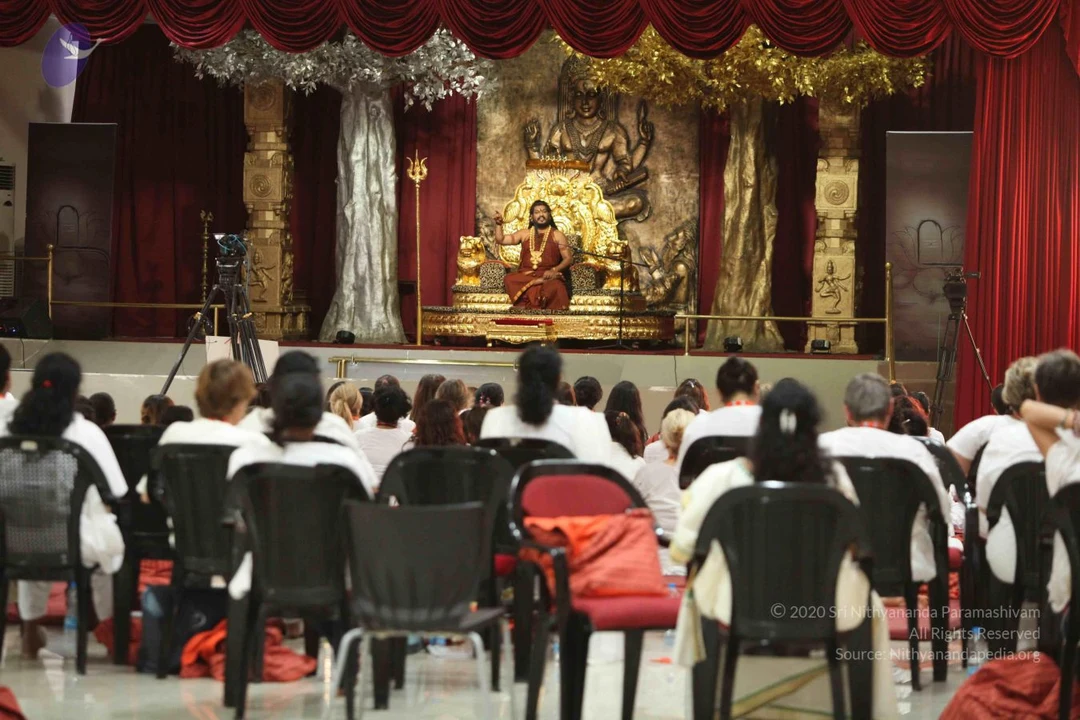
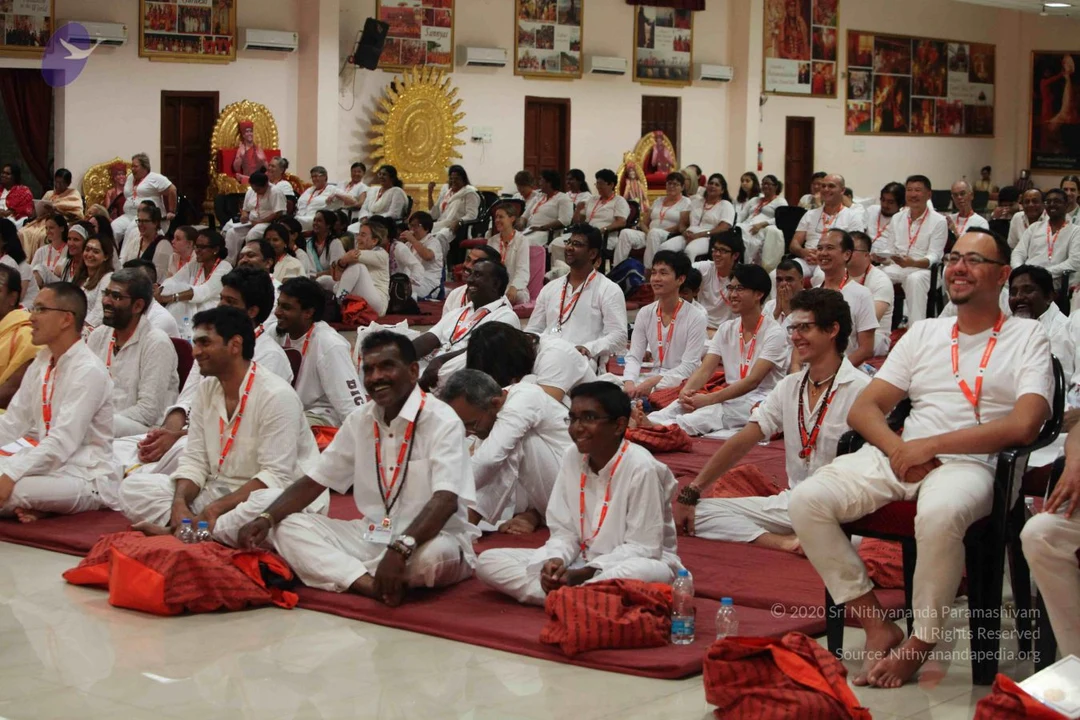
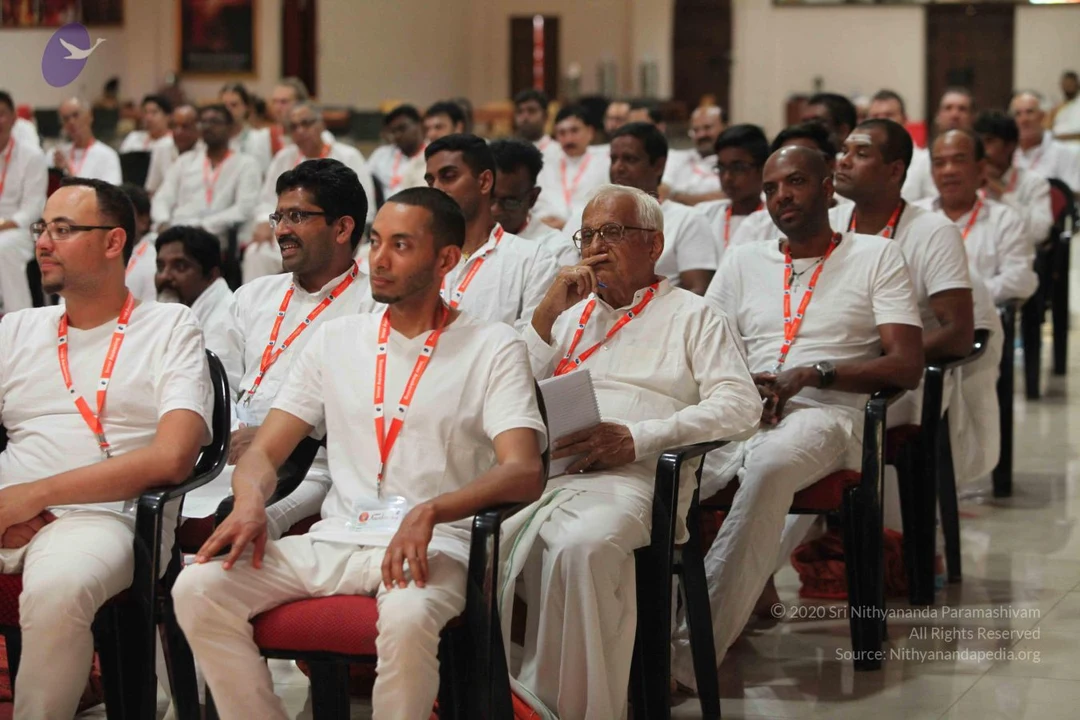
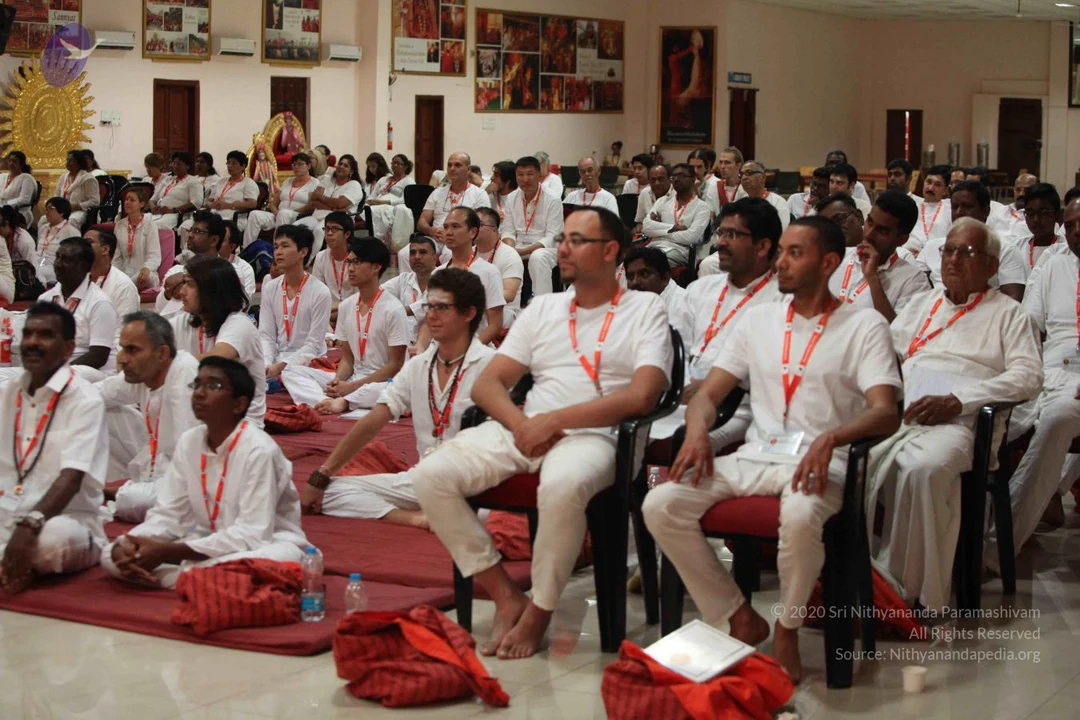
Photos Of The Day:
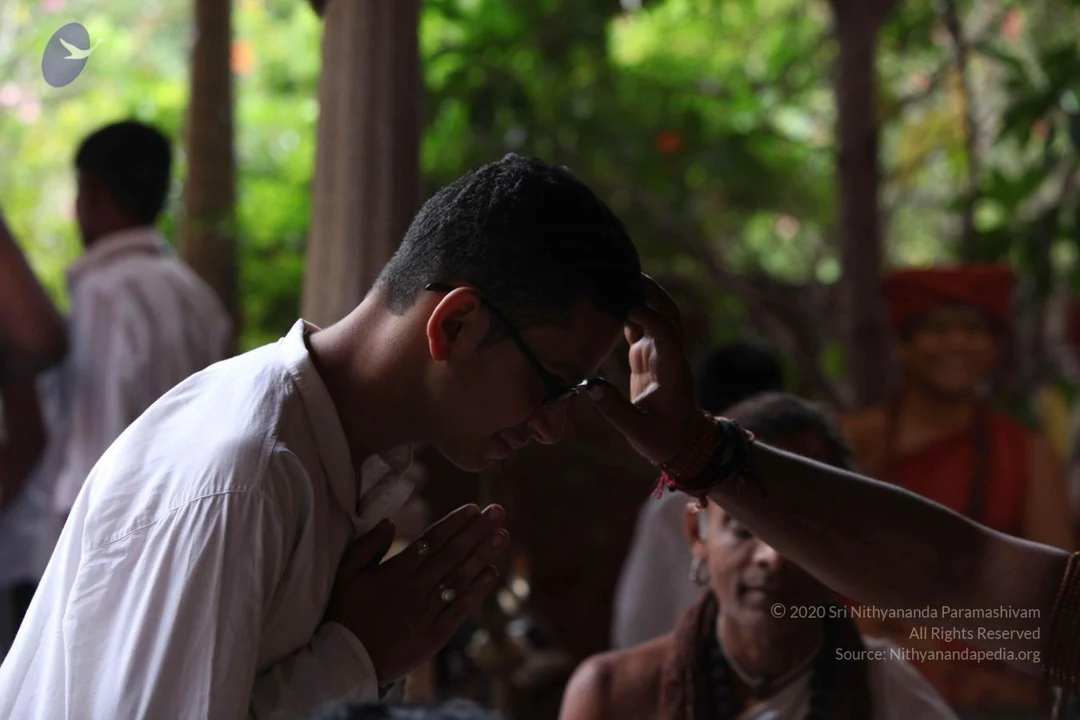
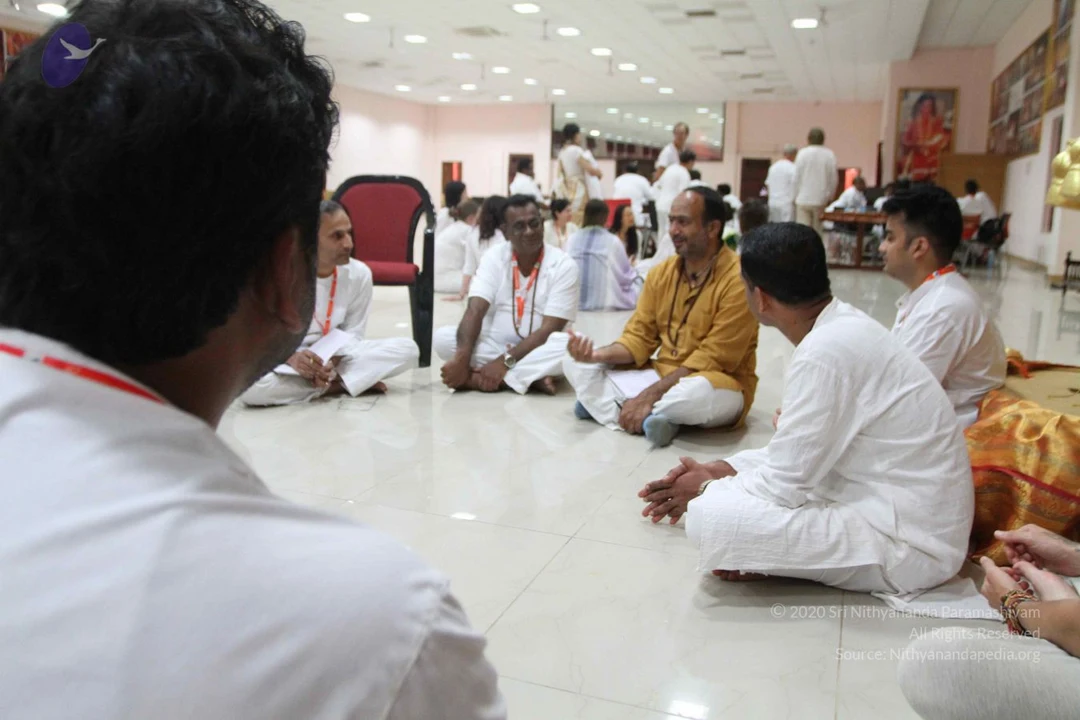
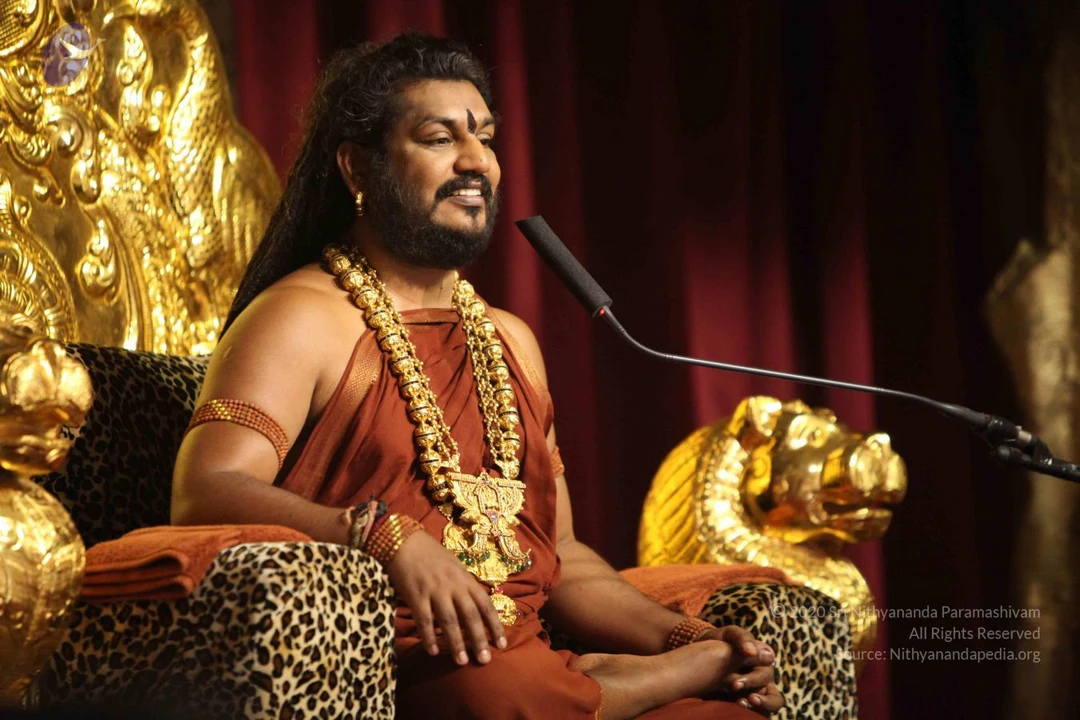
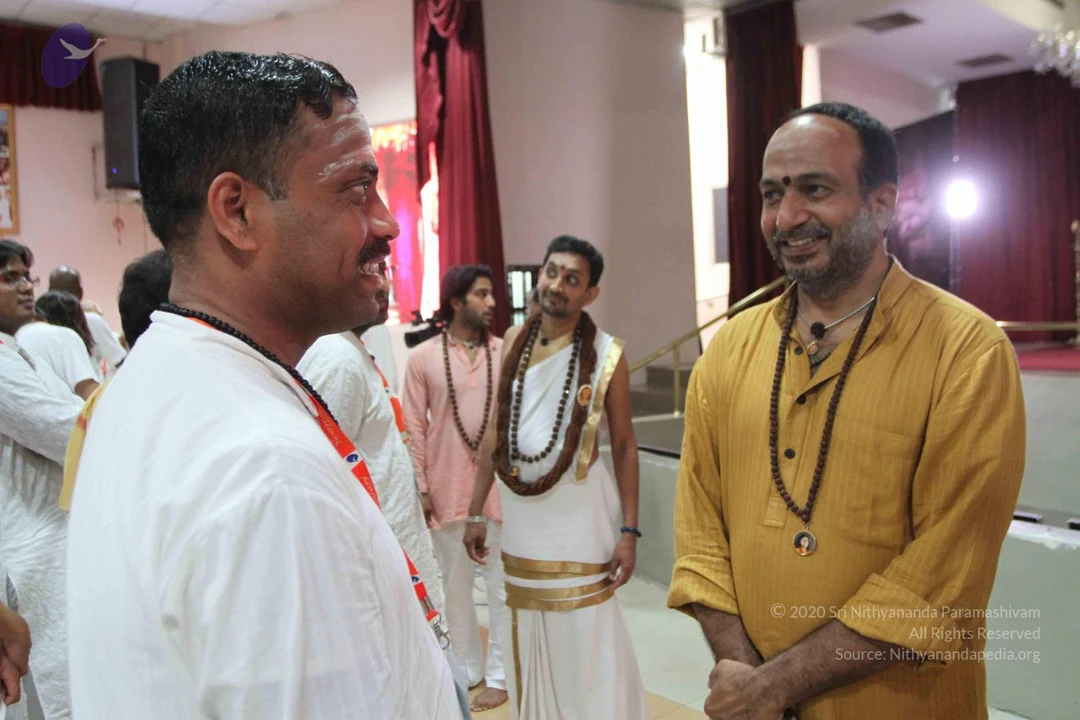
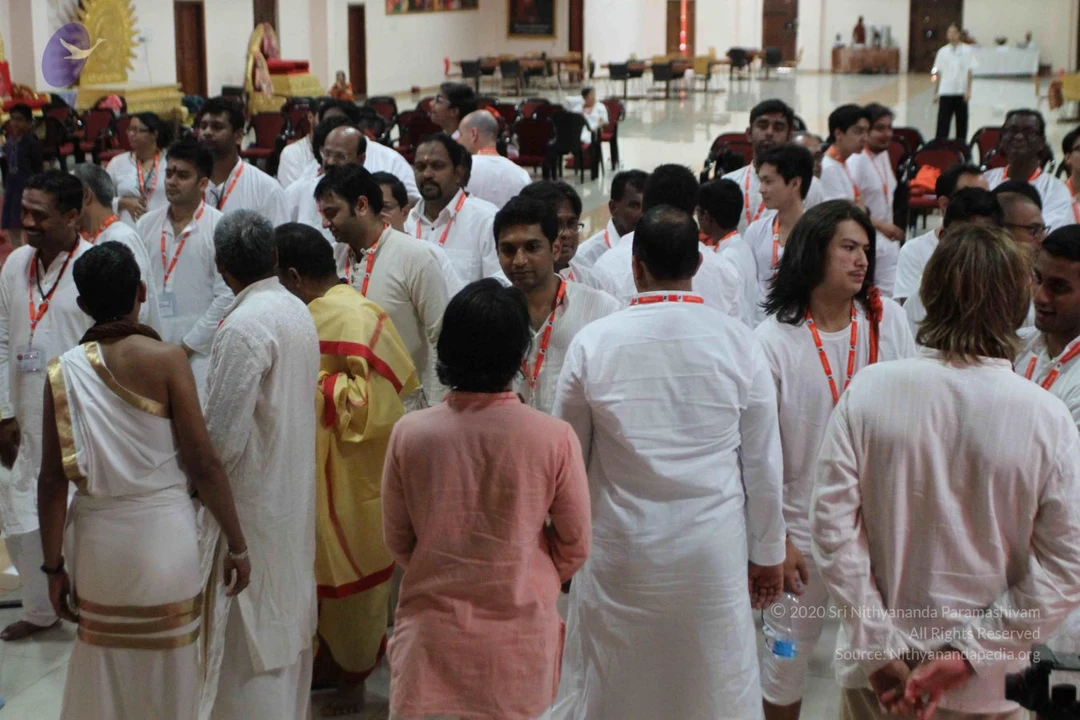
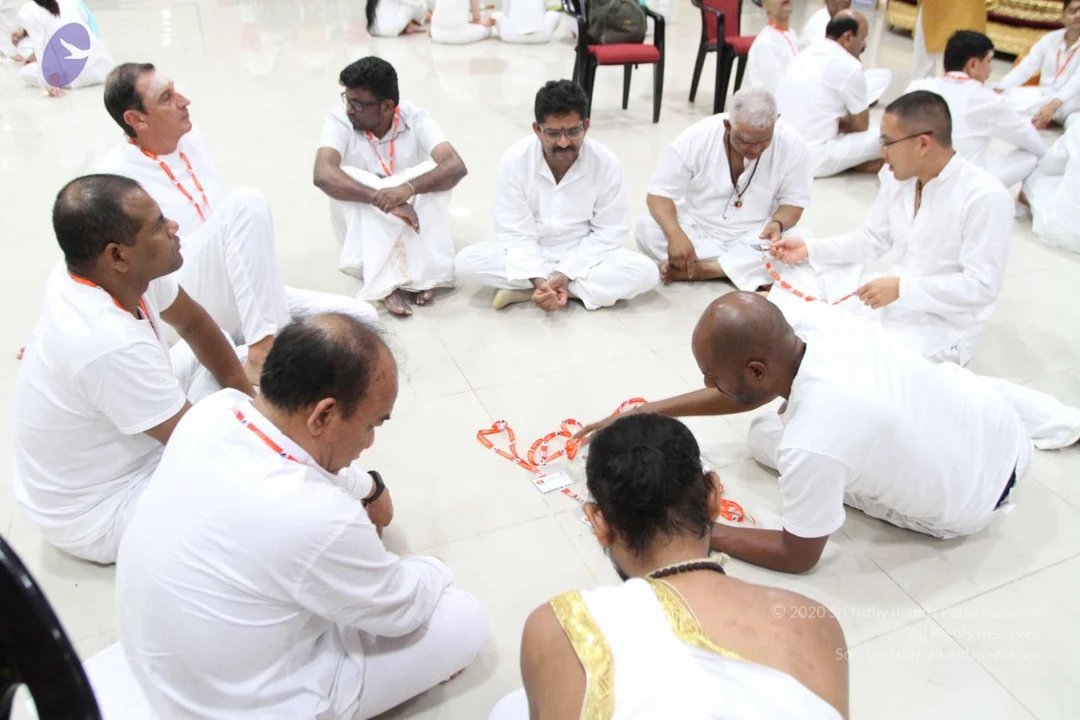
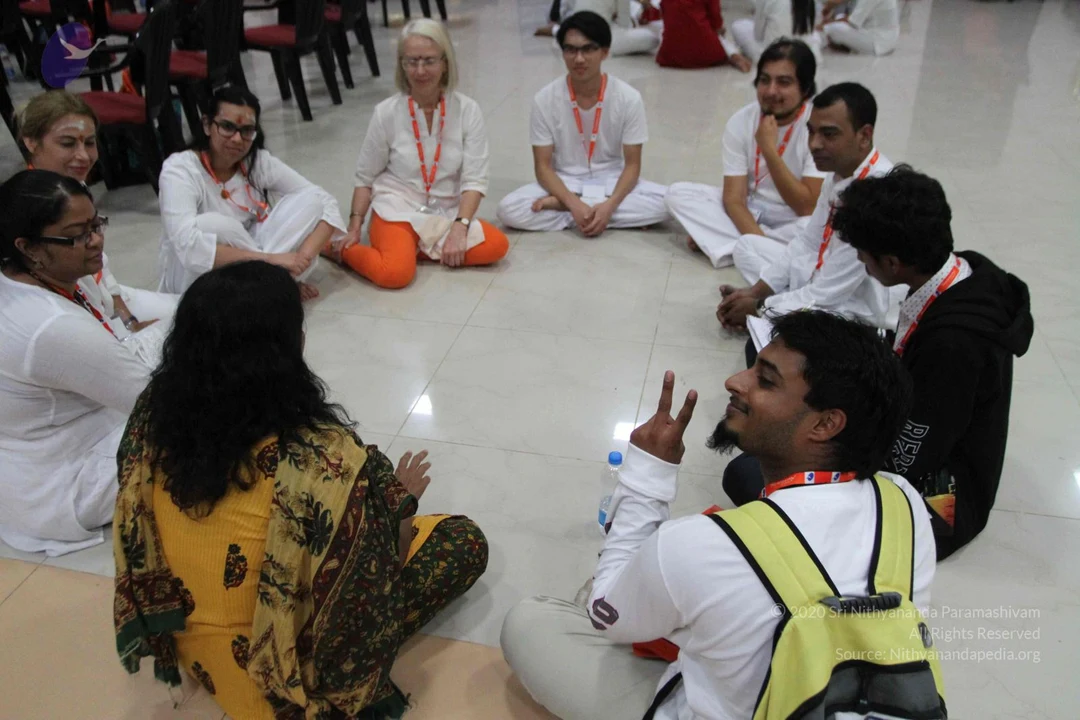
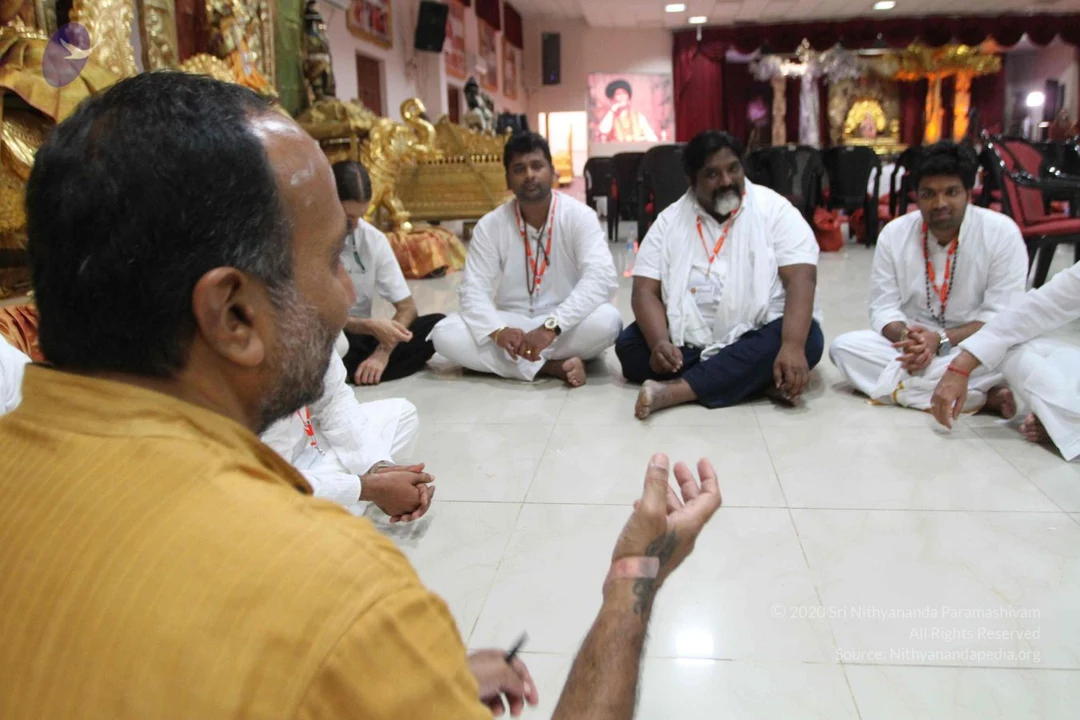
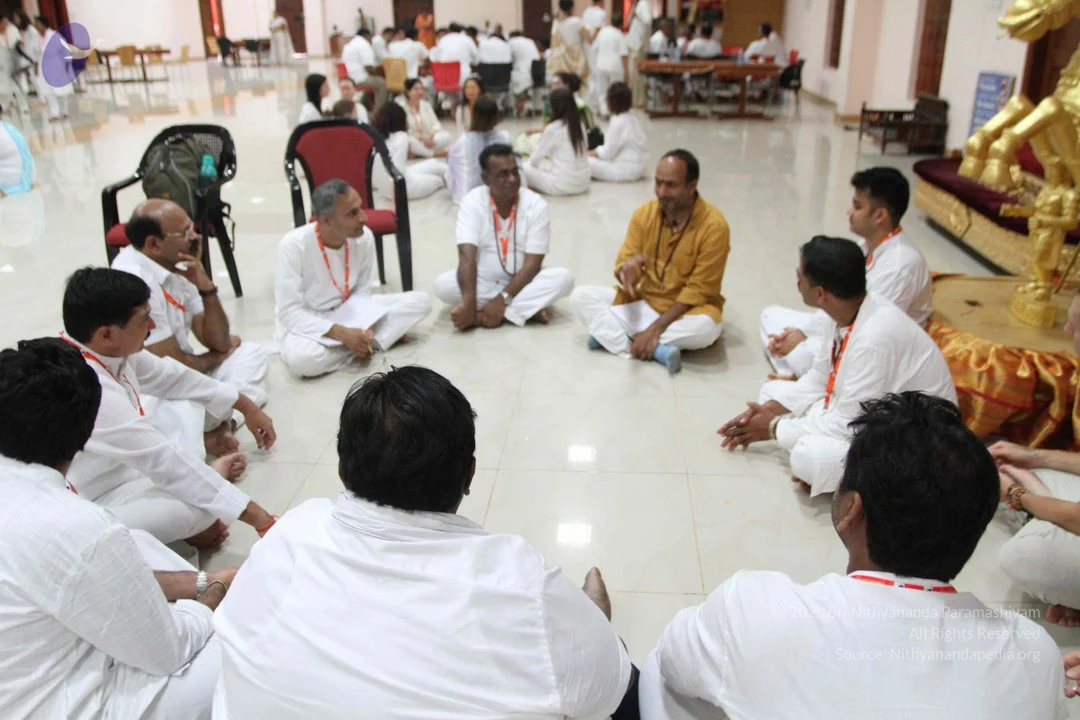
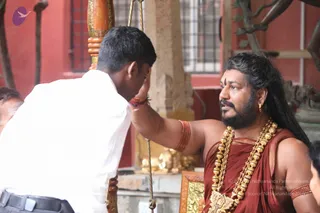
POWER INITIATION
IA DARSHAN
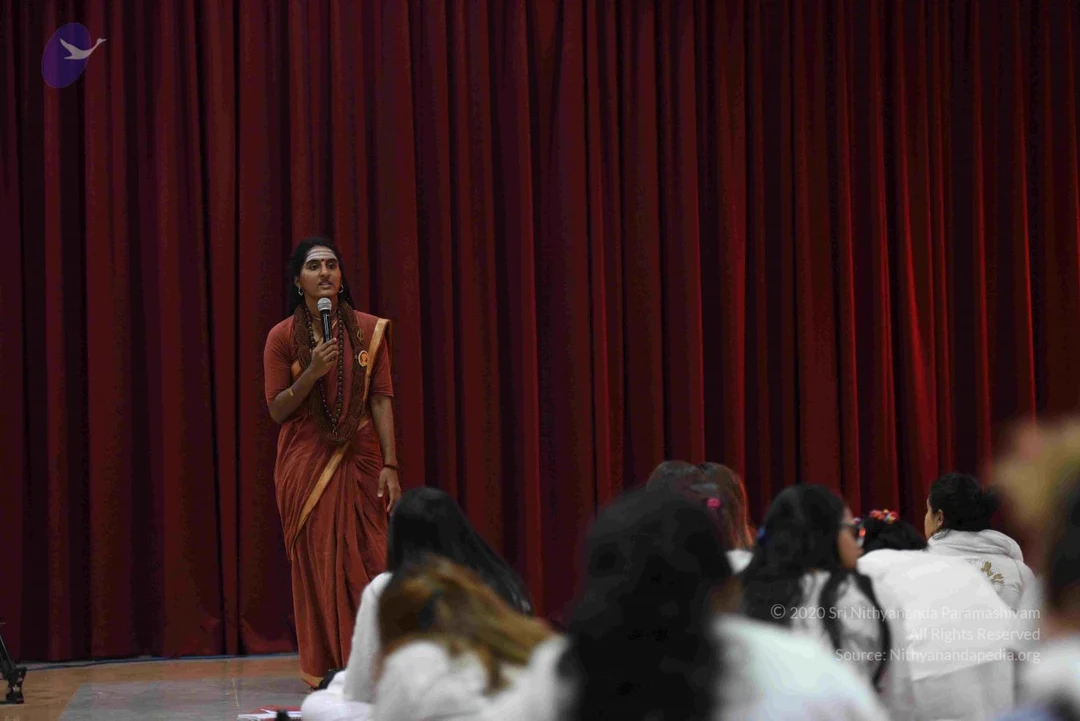
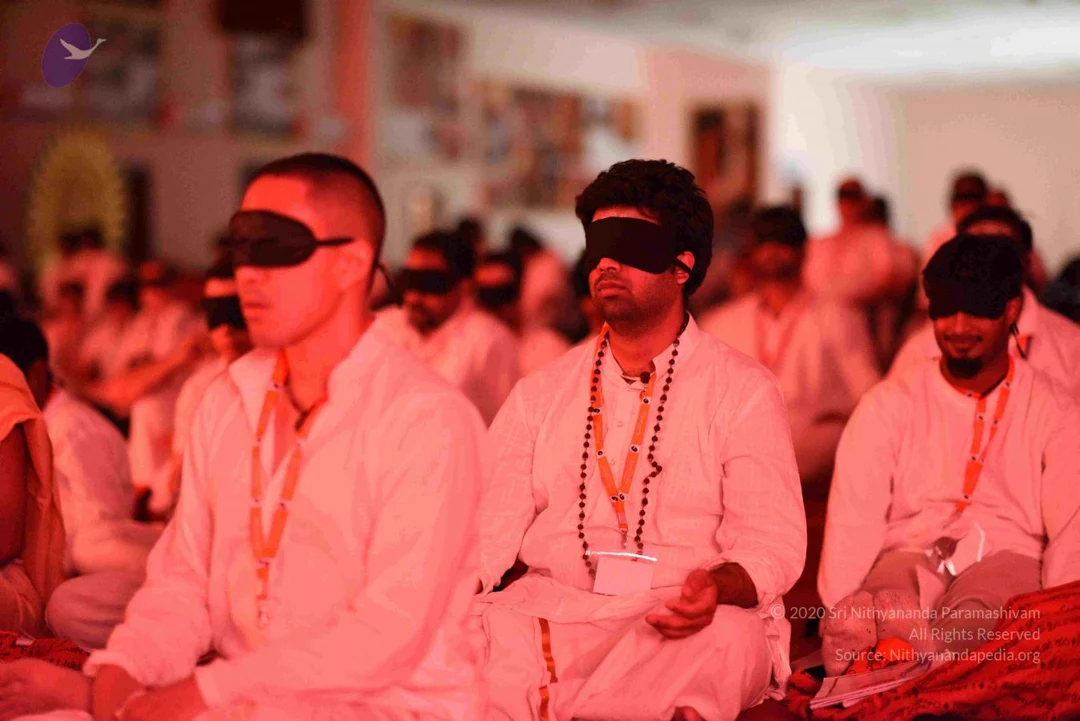
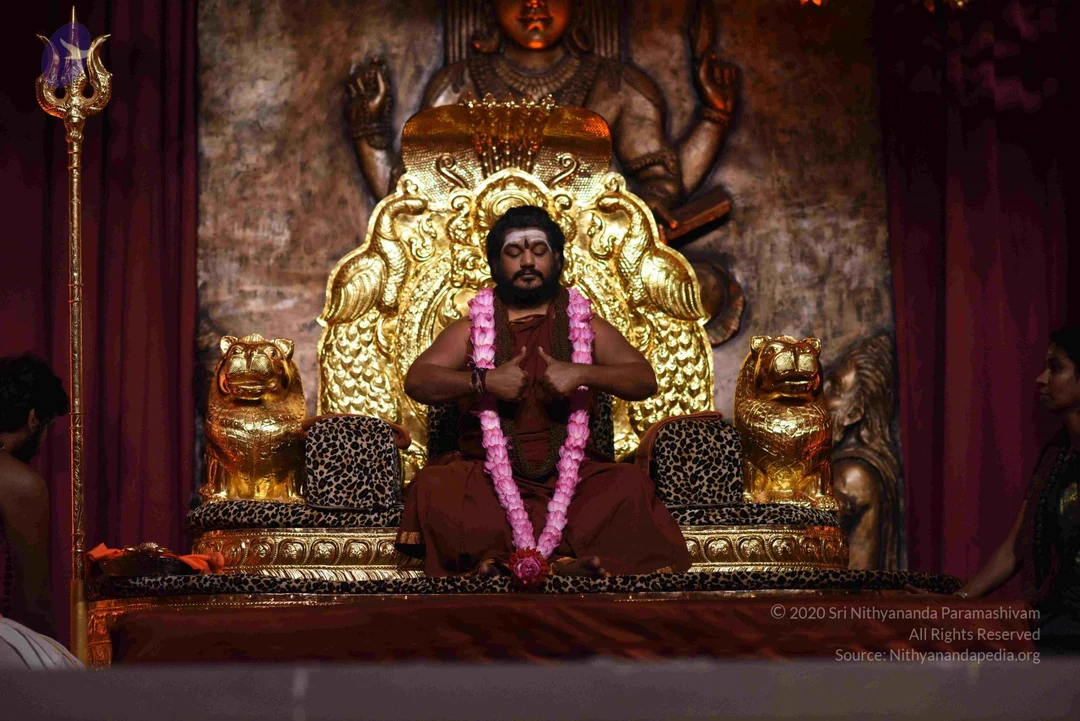
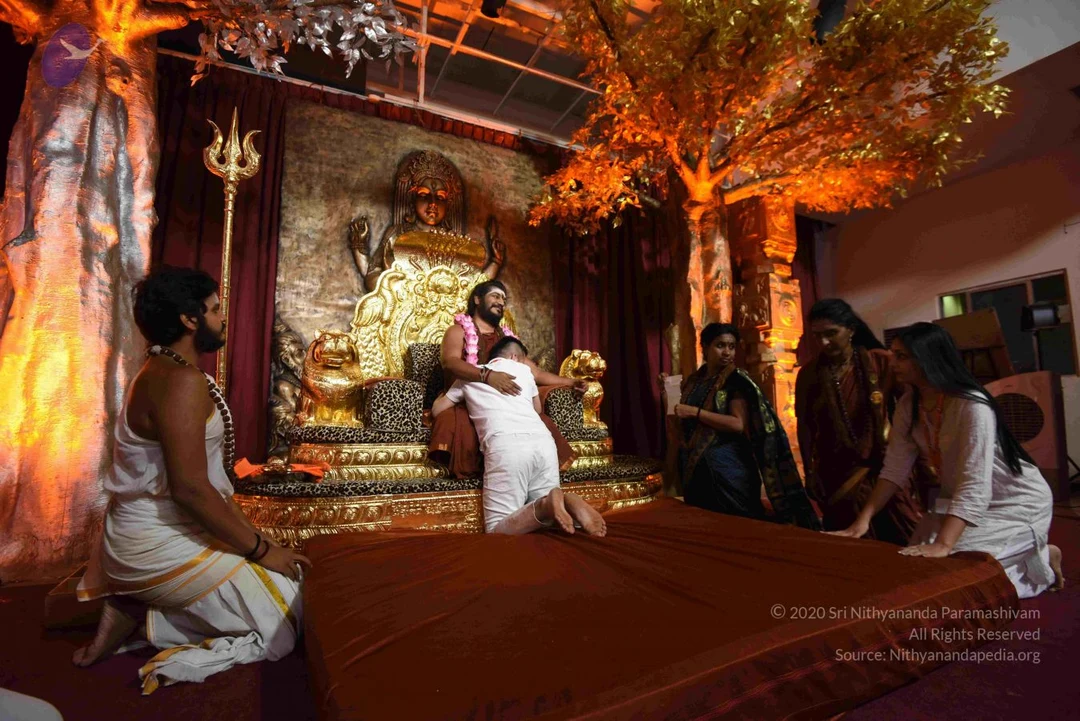
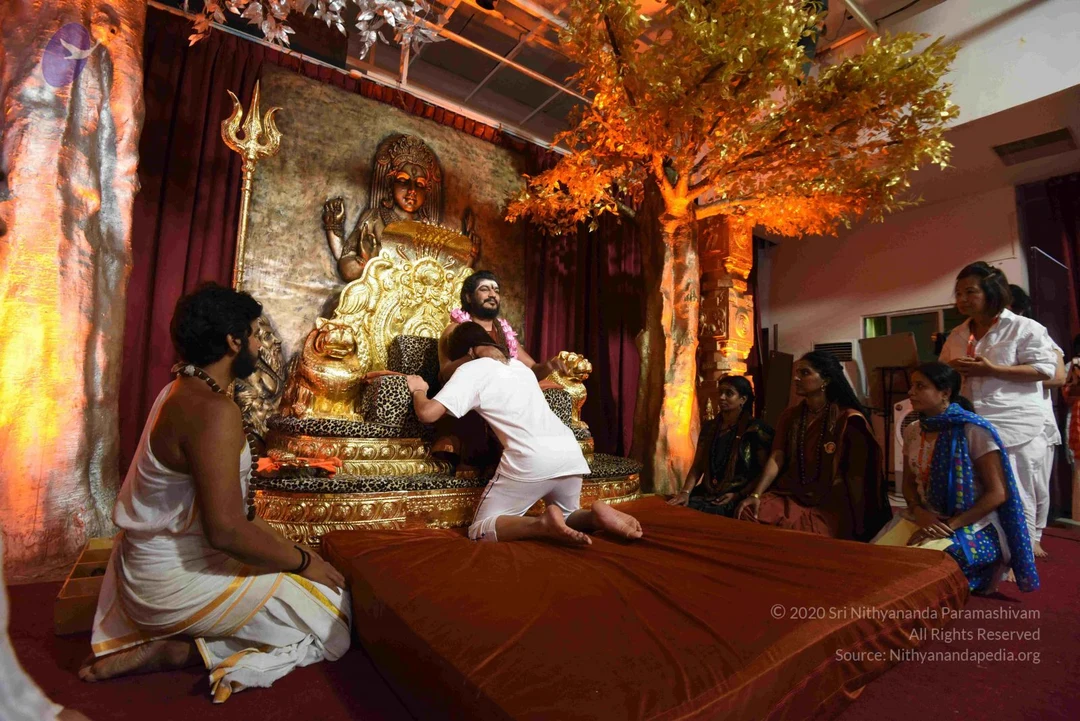
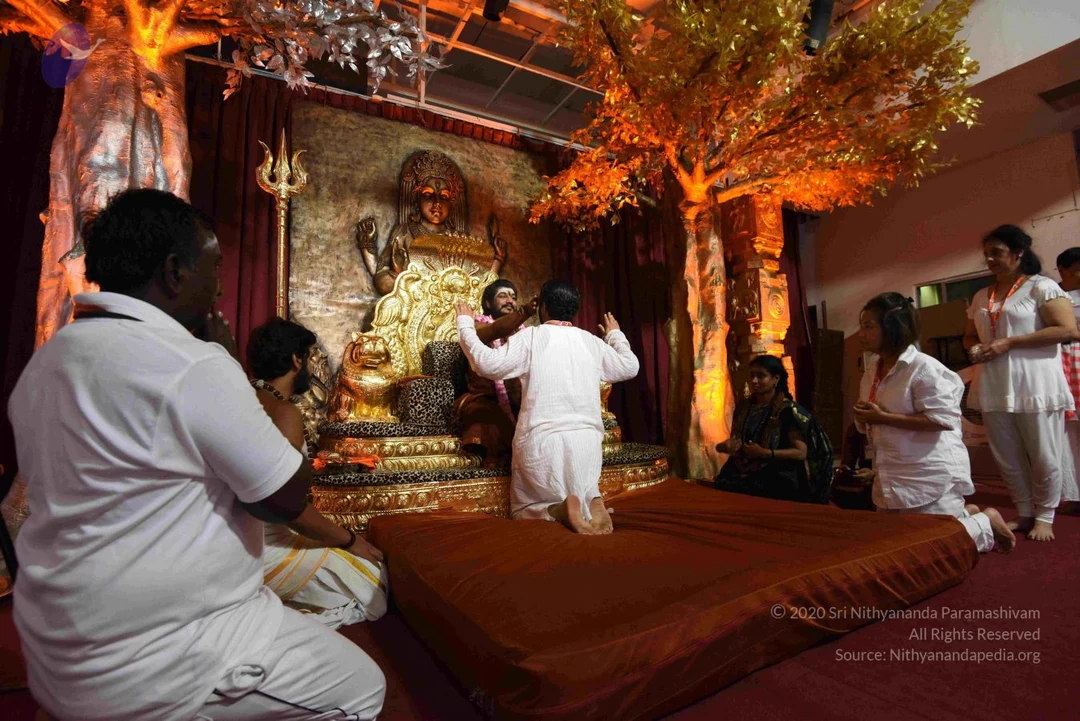
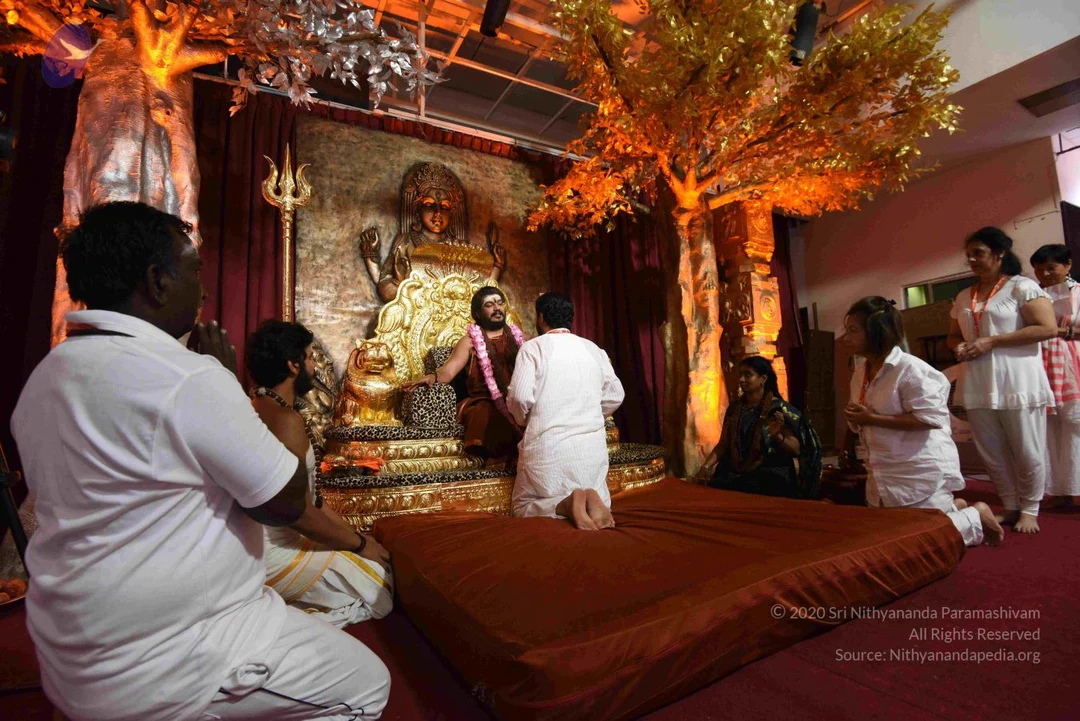
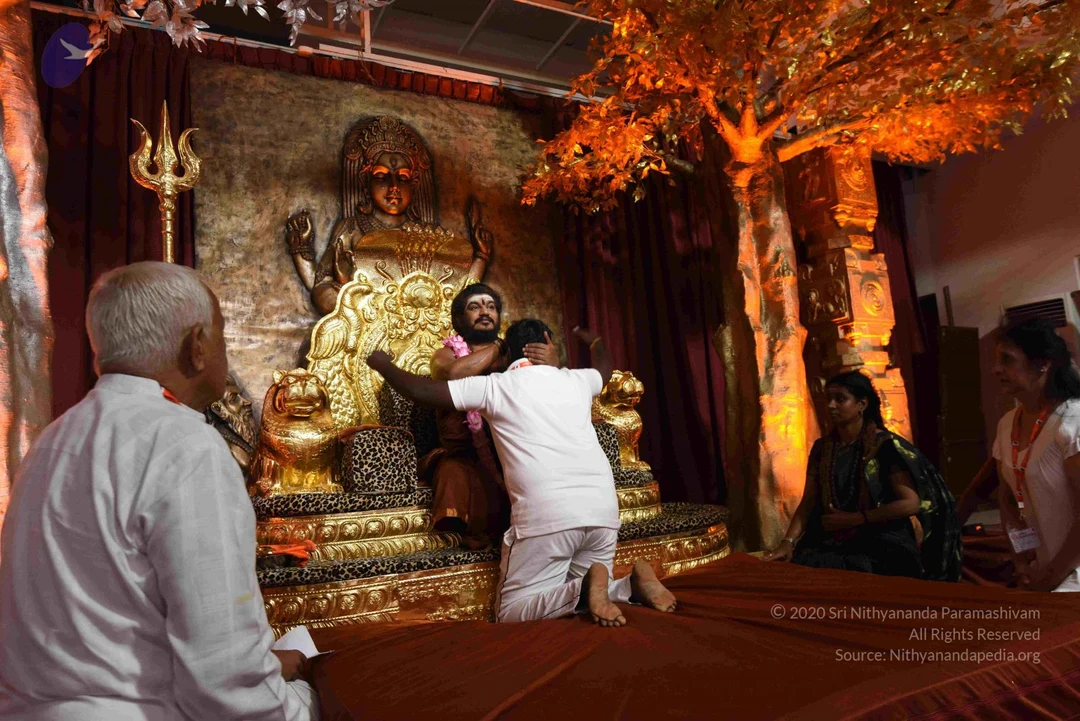
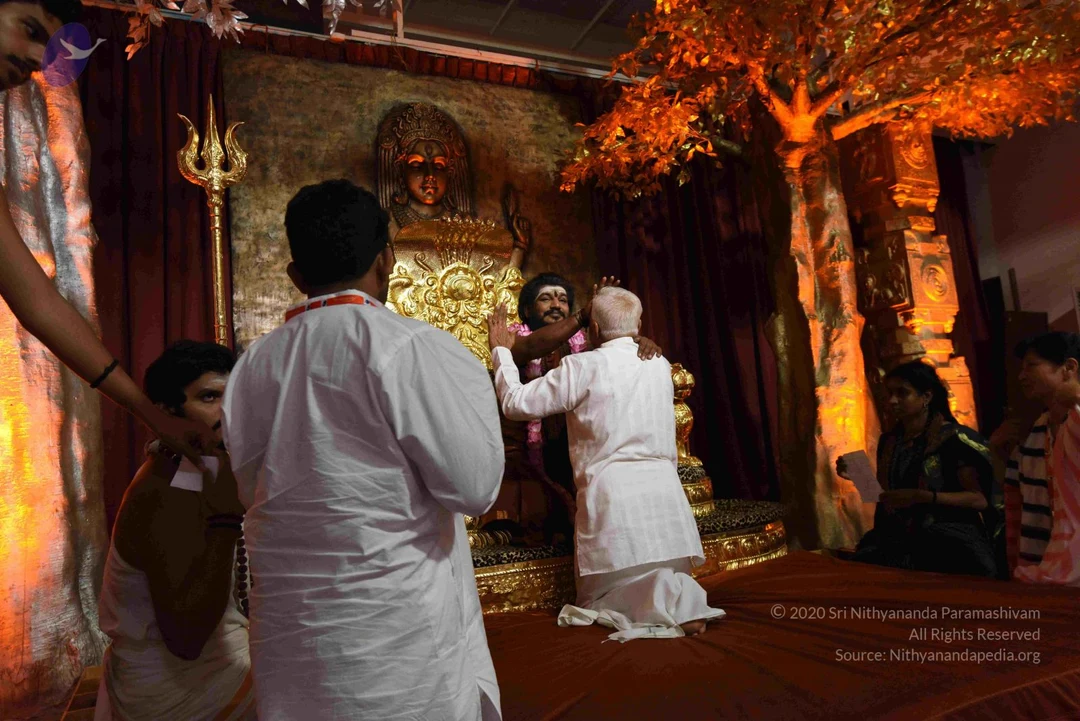
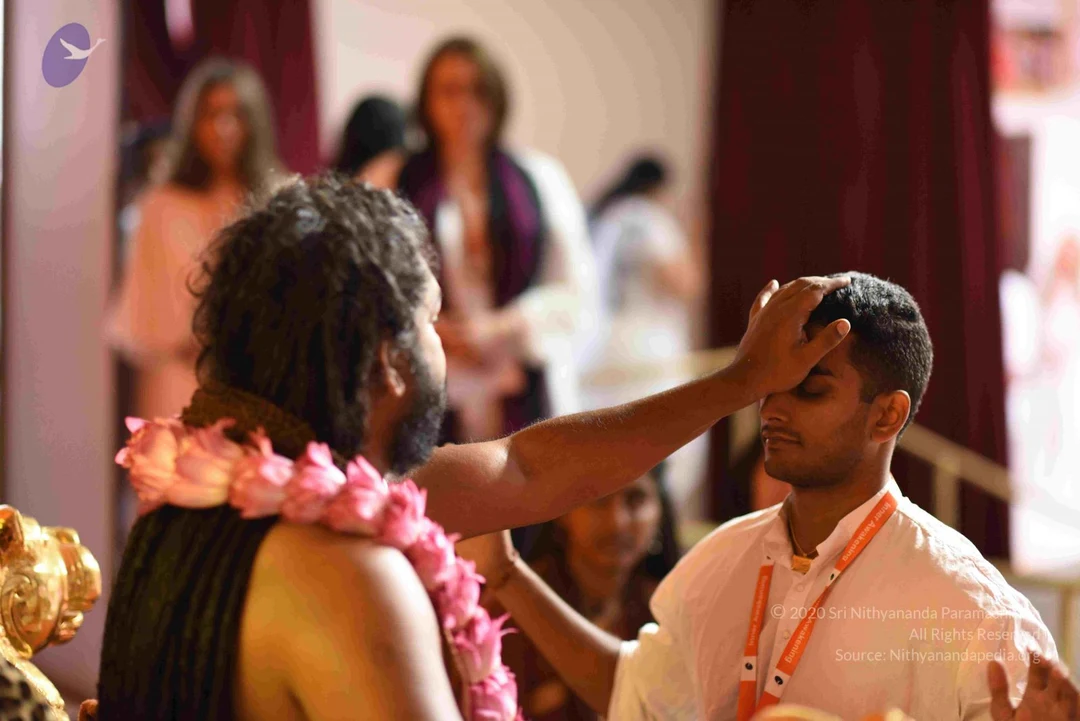
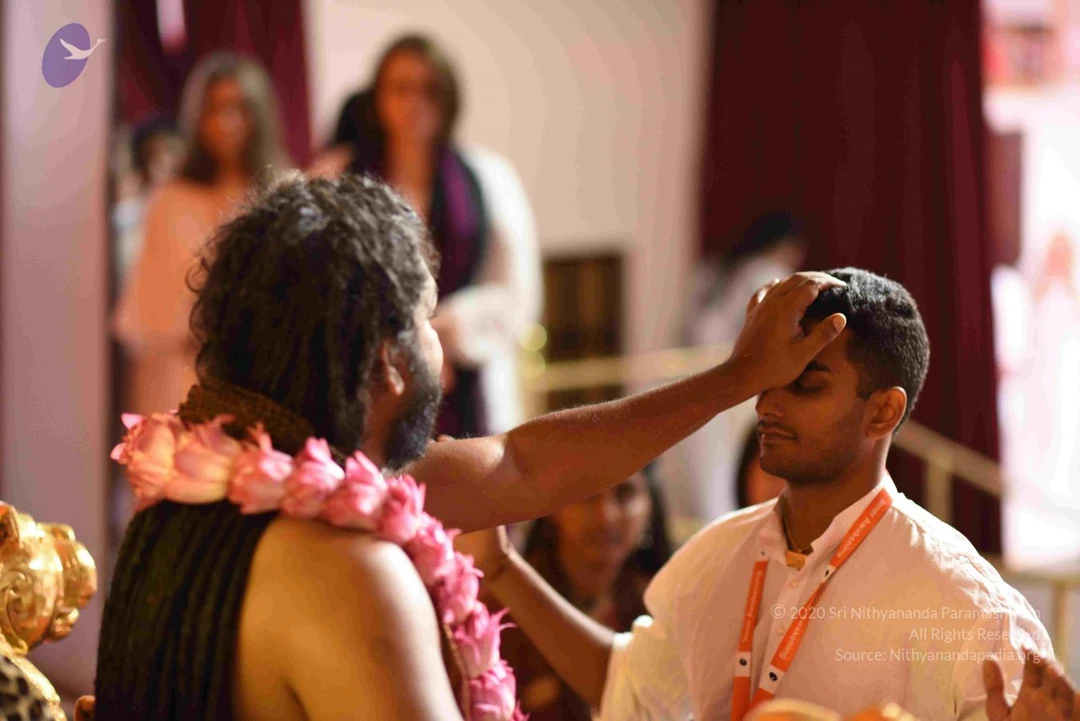
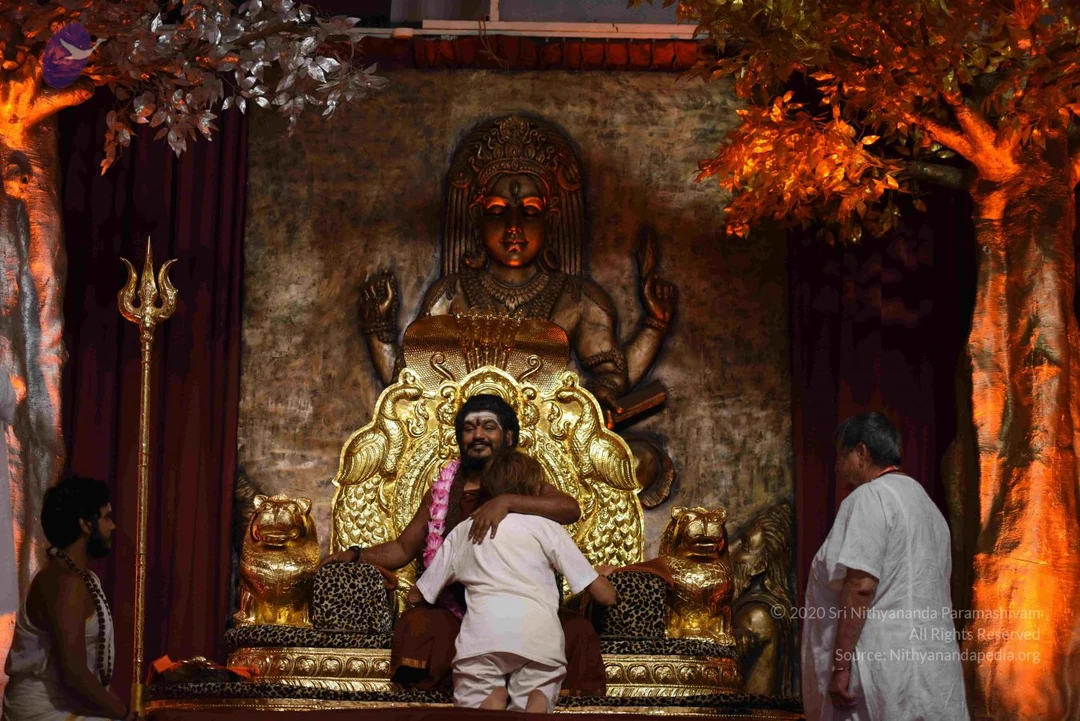
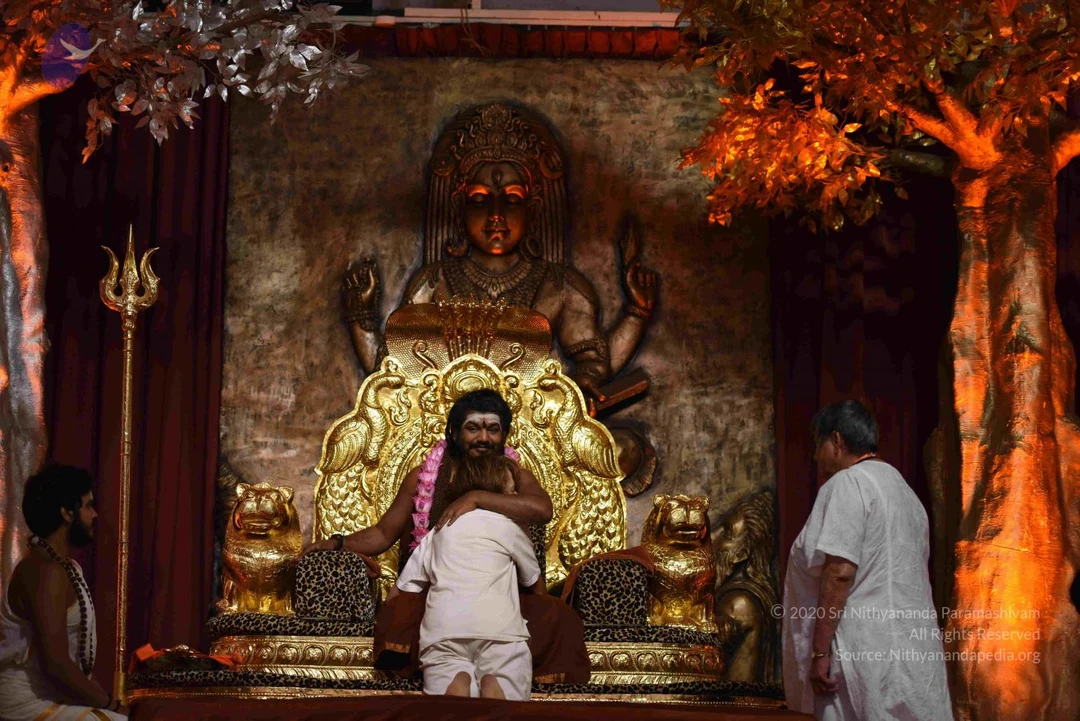
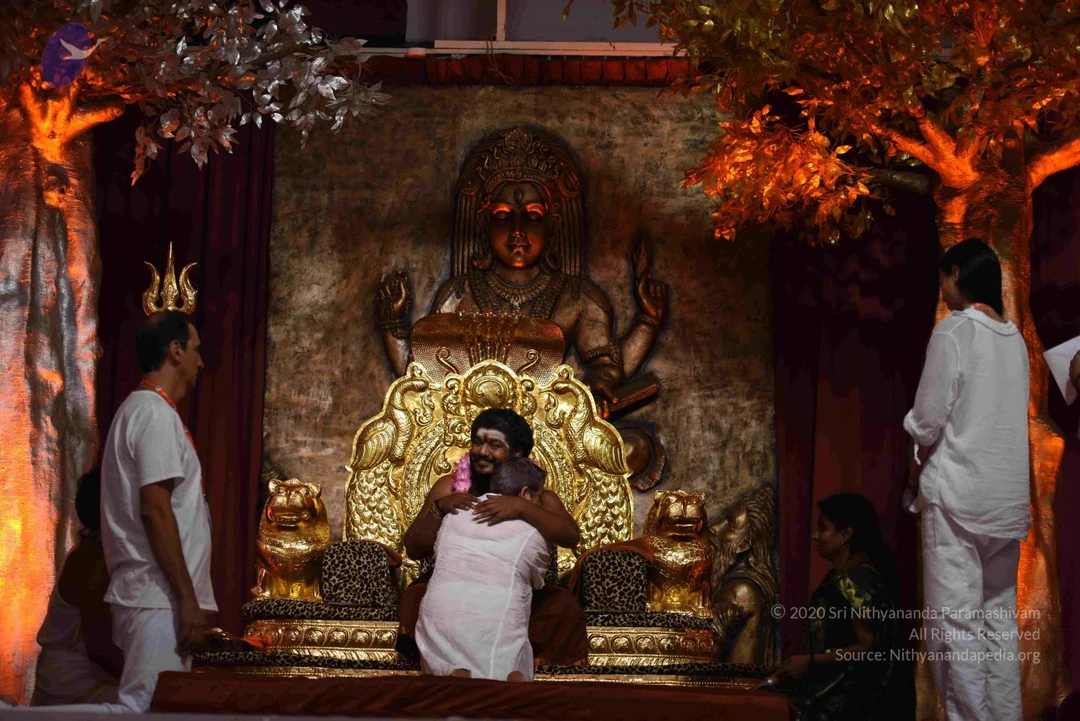
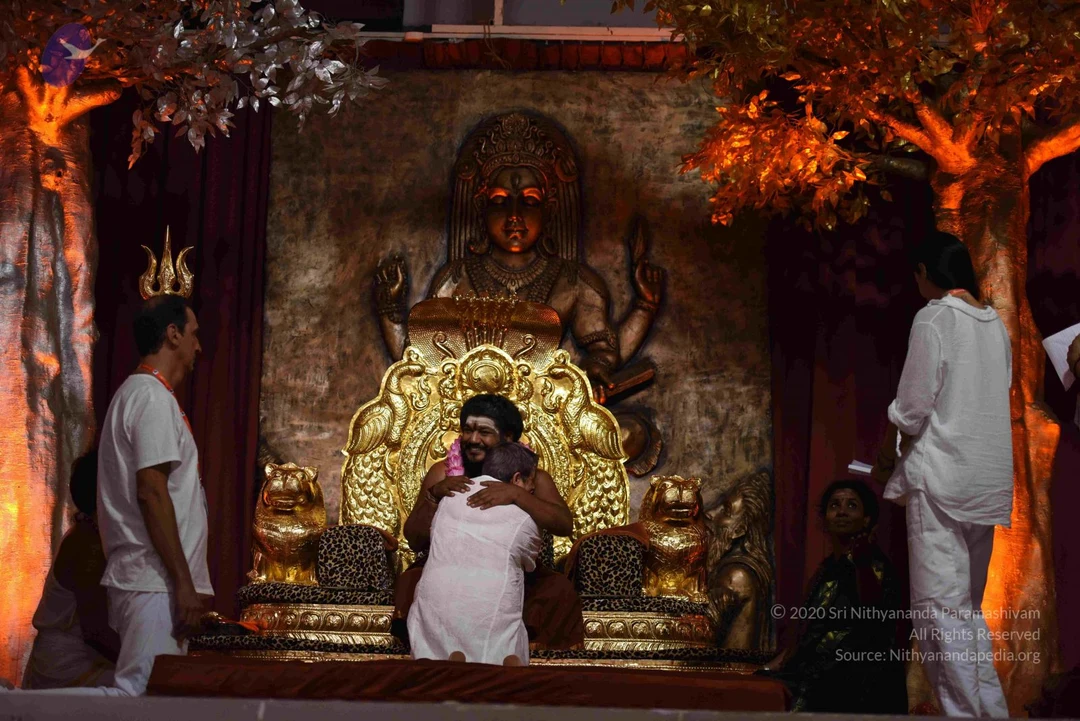
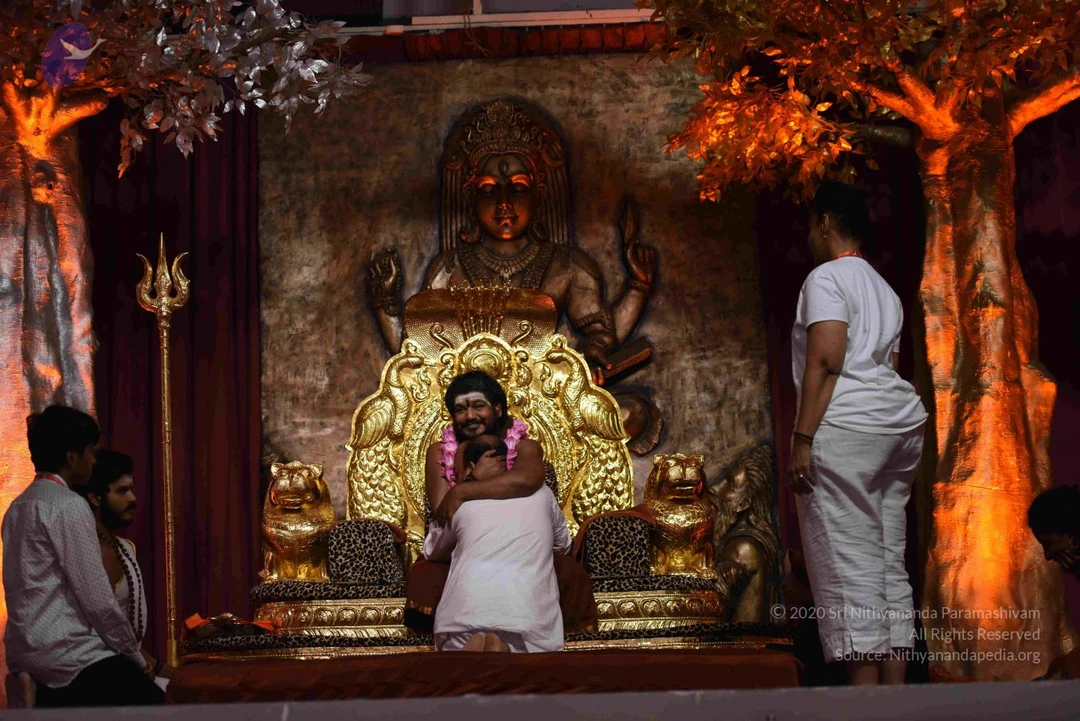
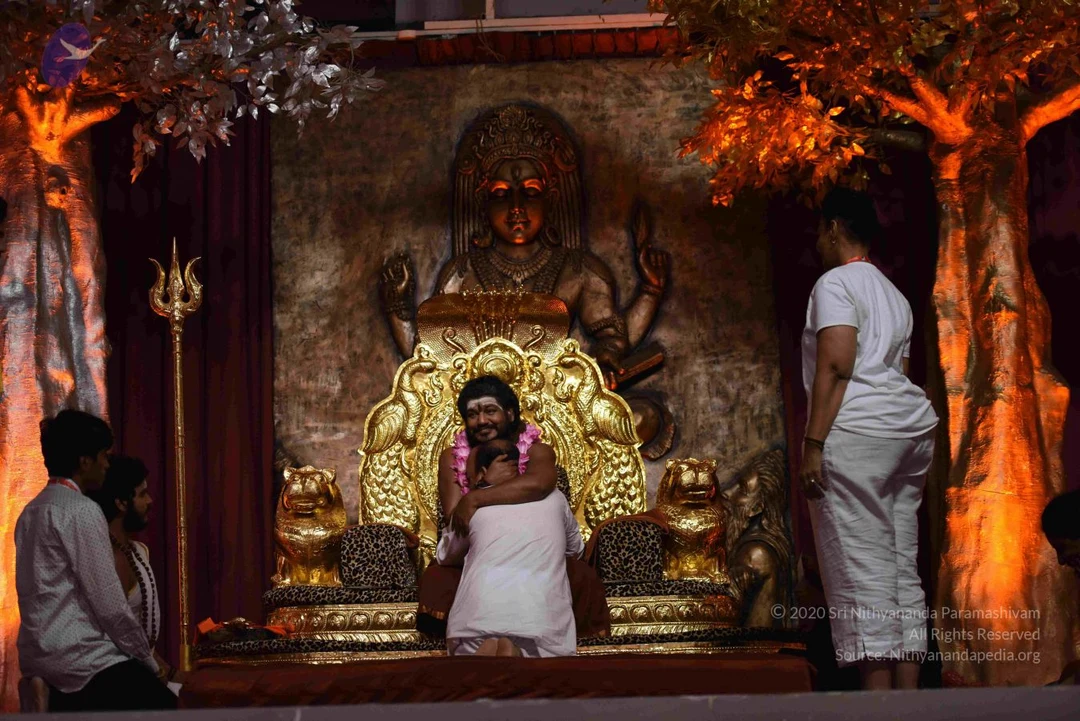
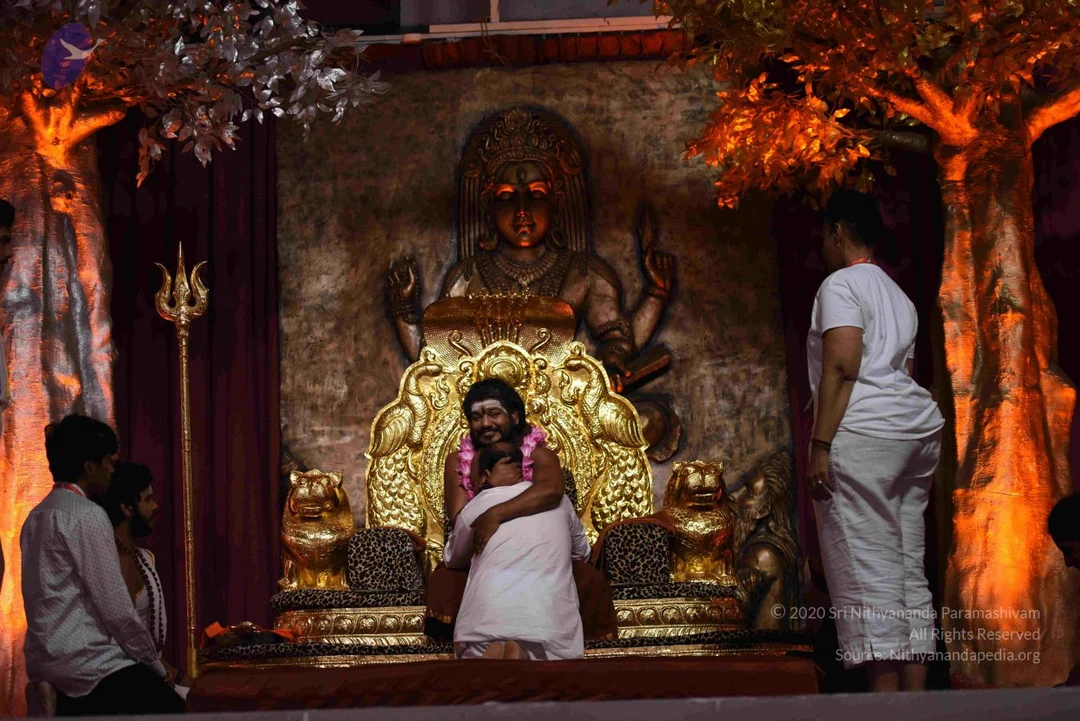
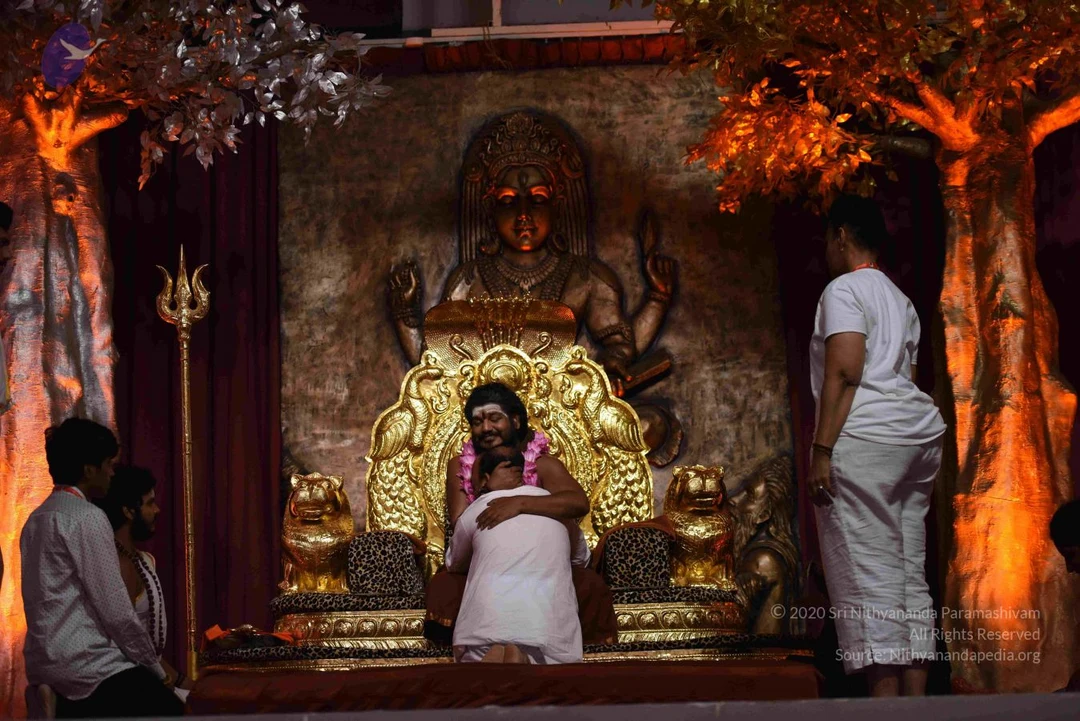
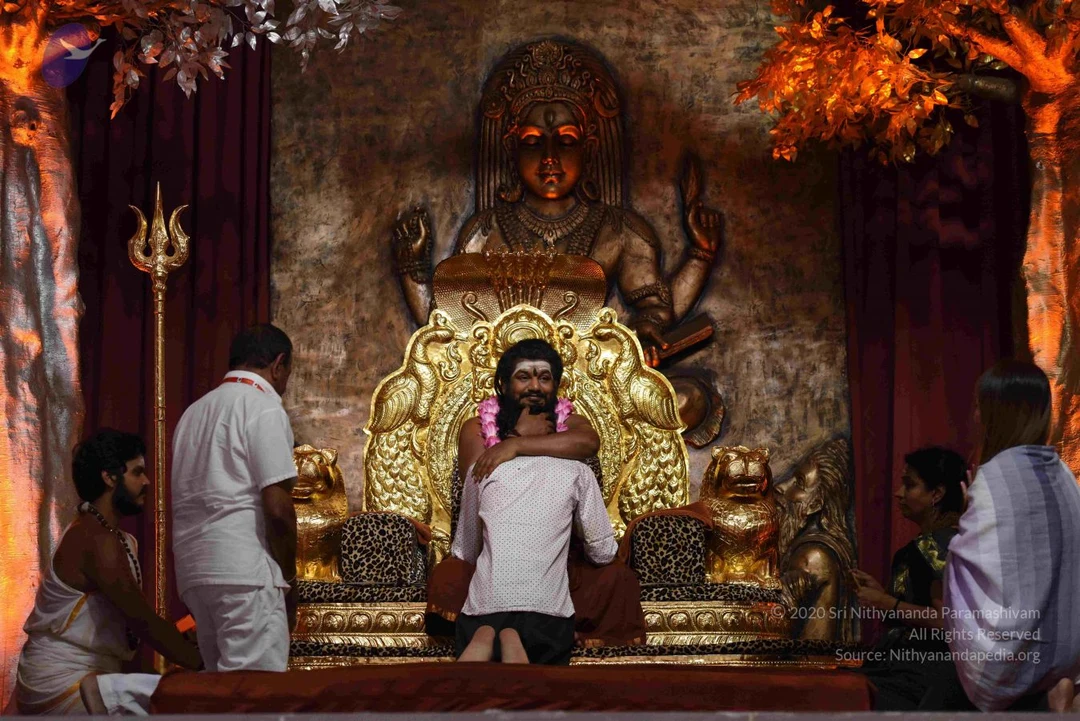
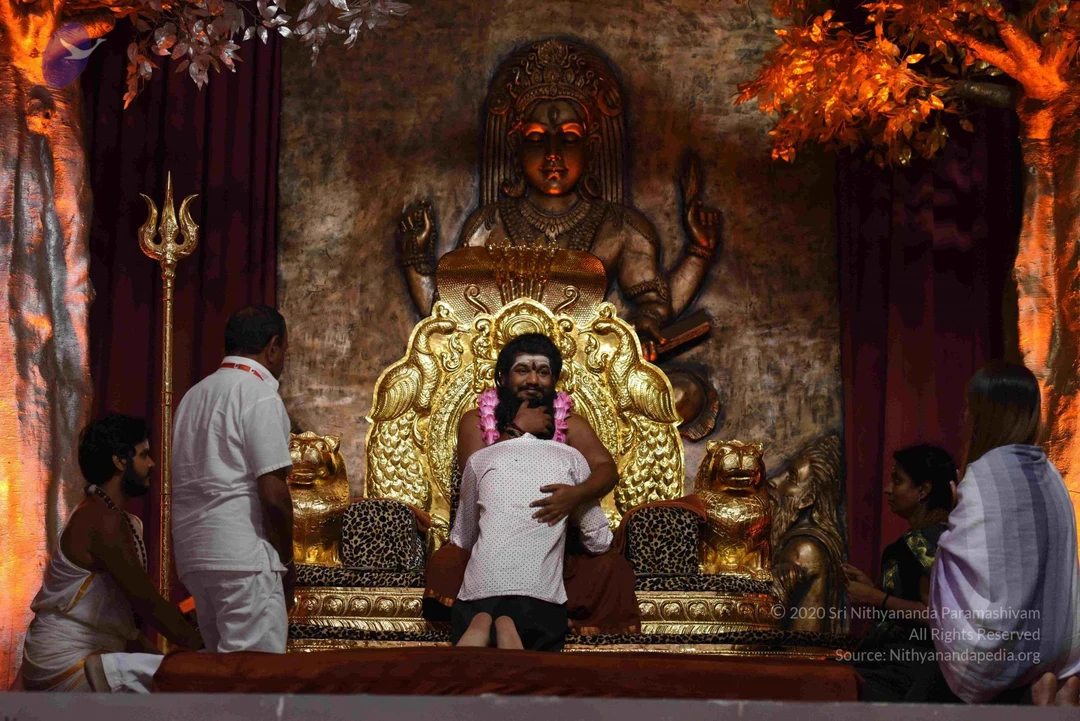
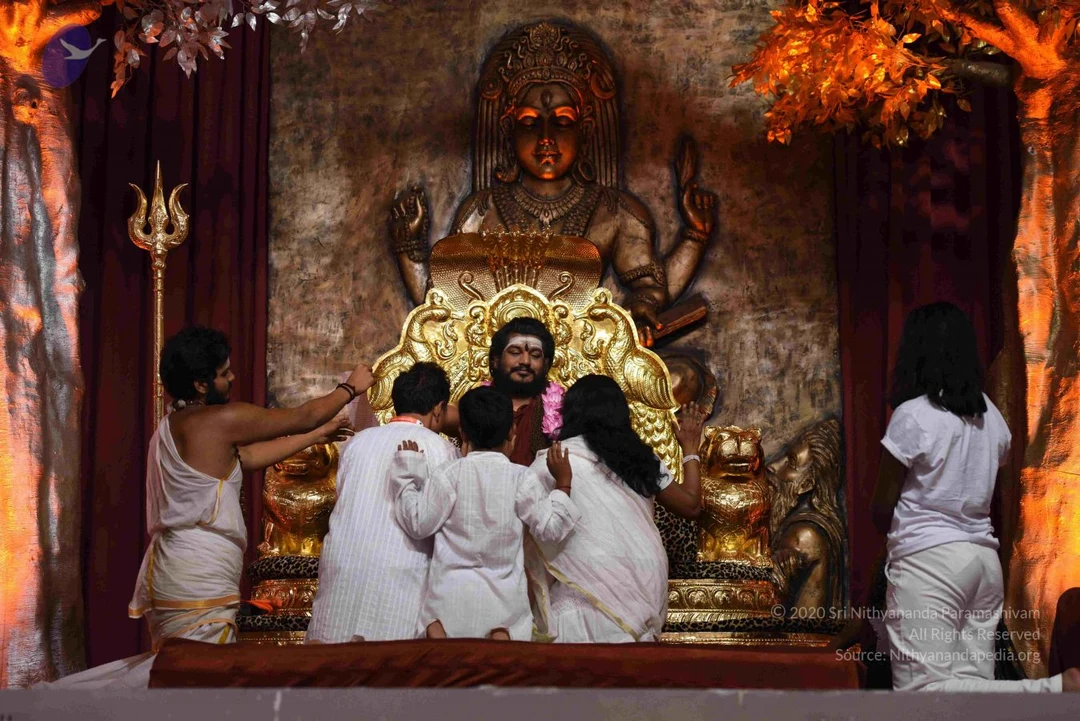
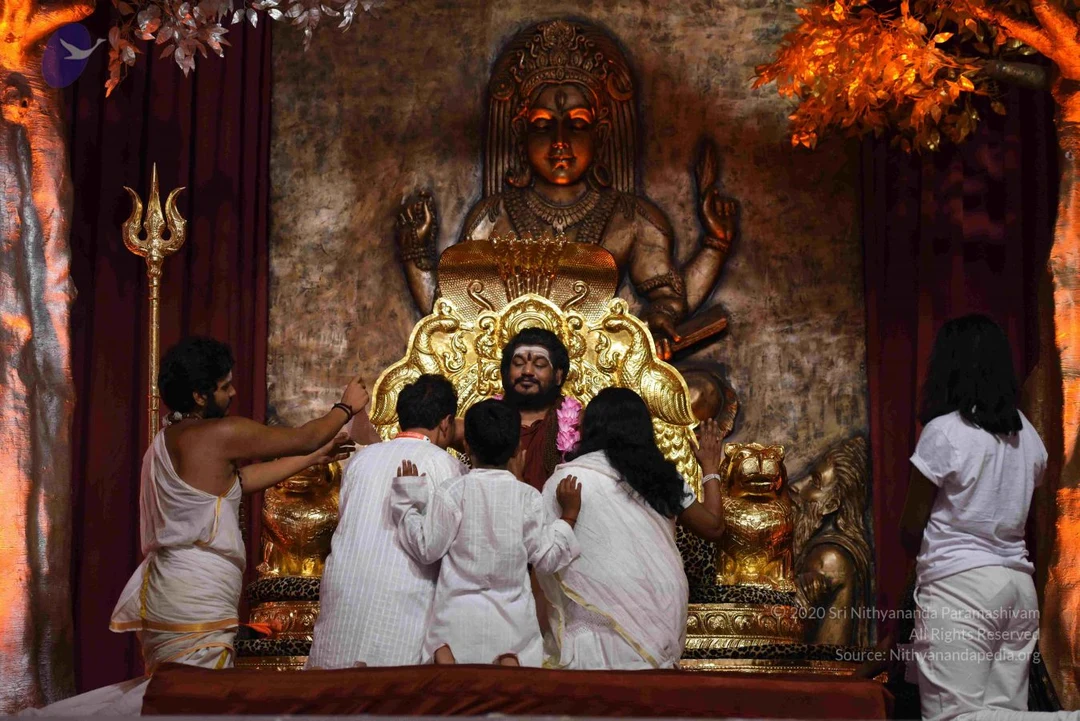
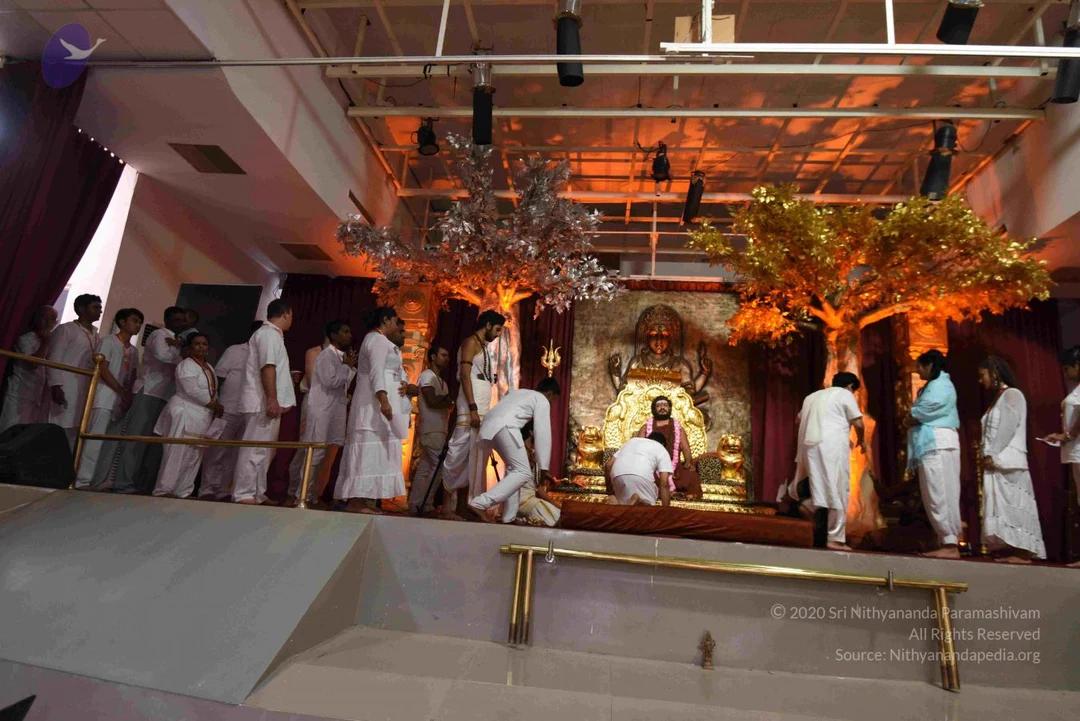
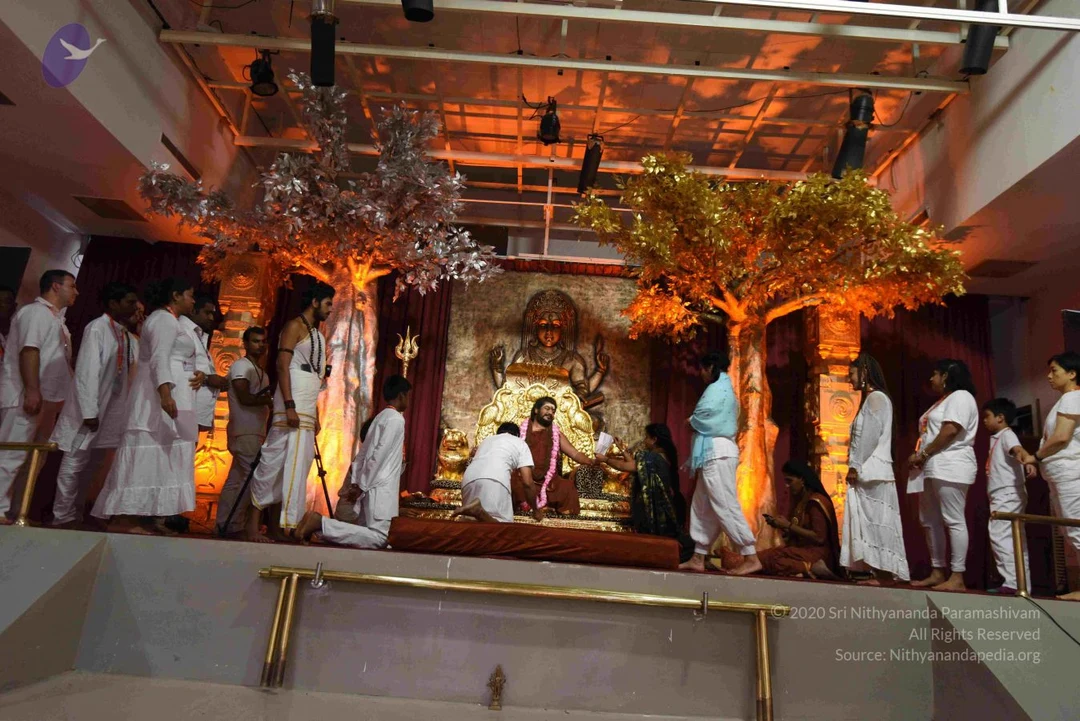
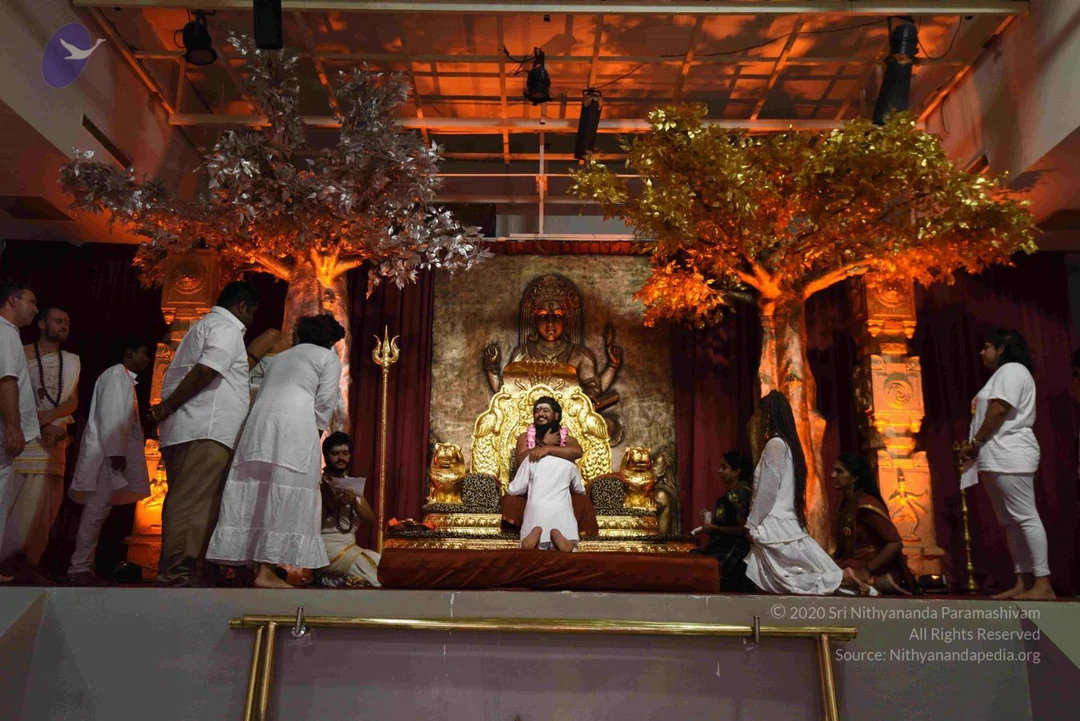
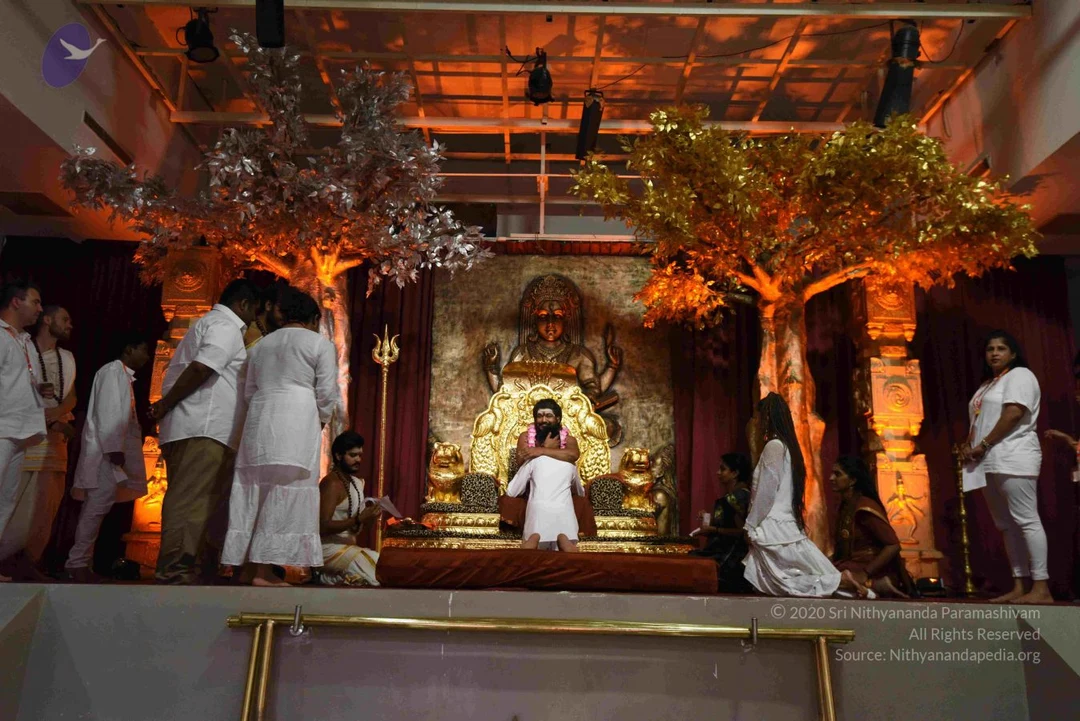
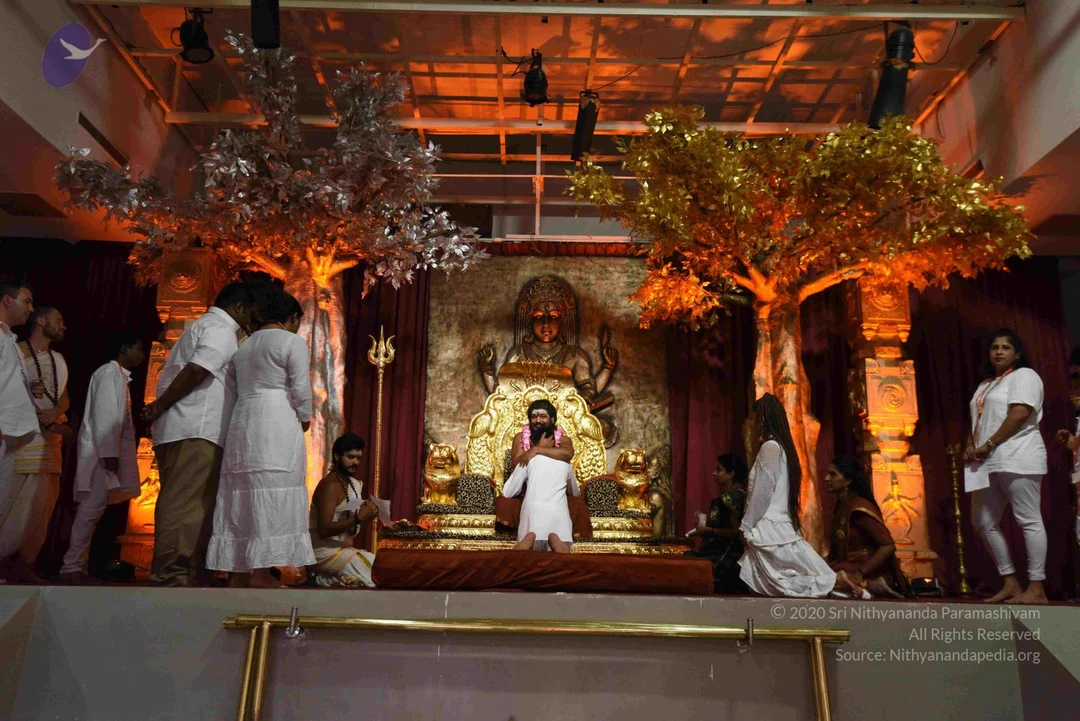
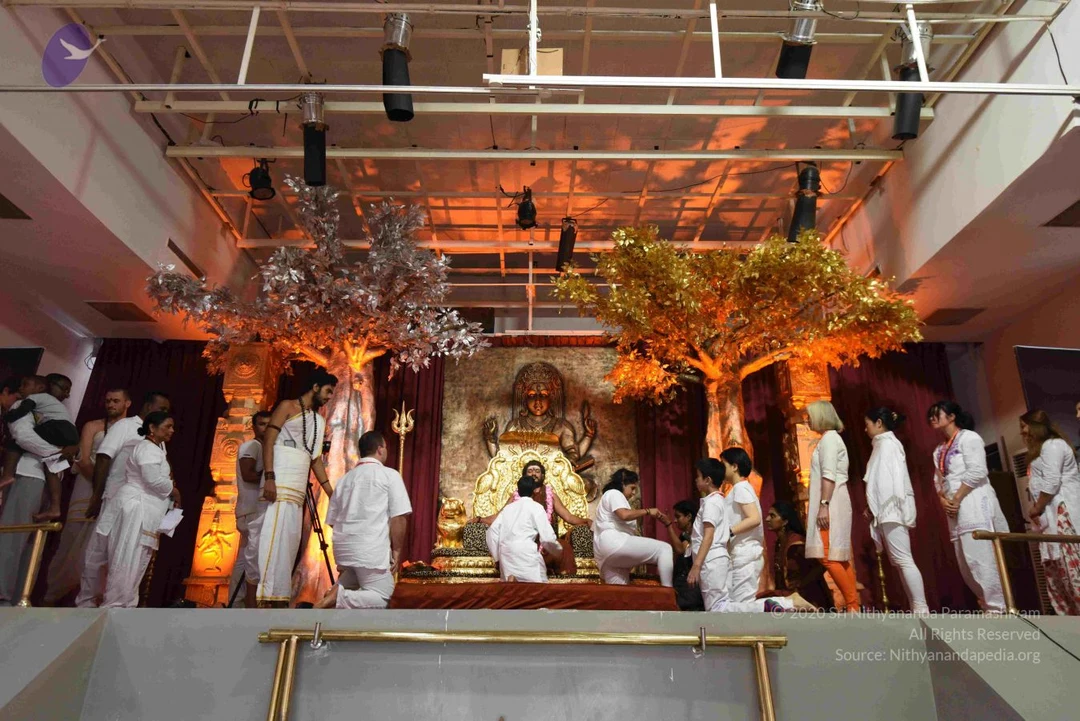
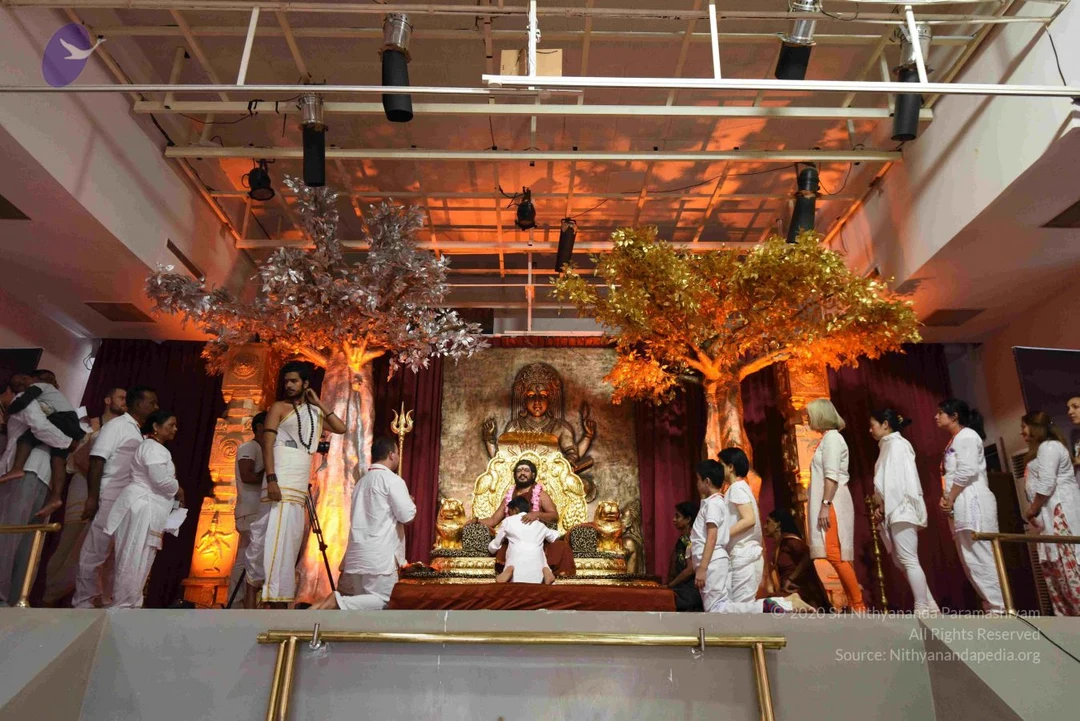
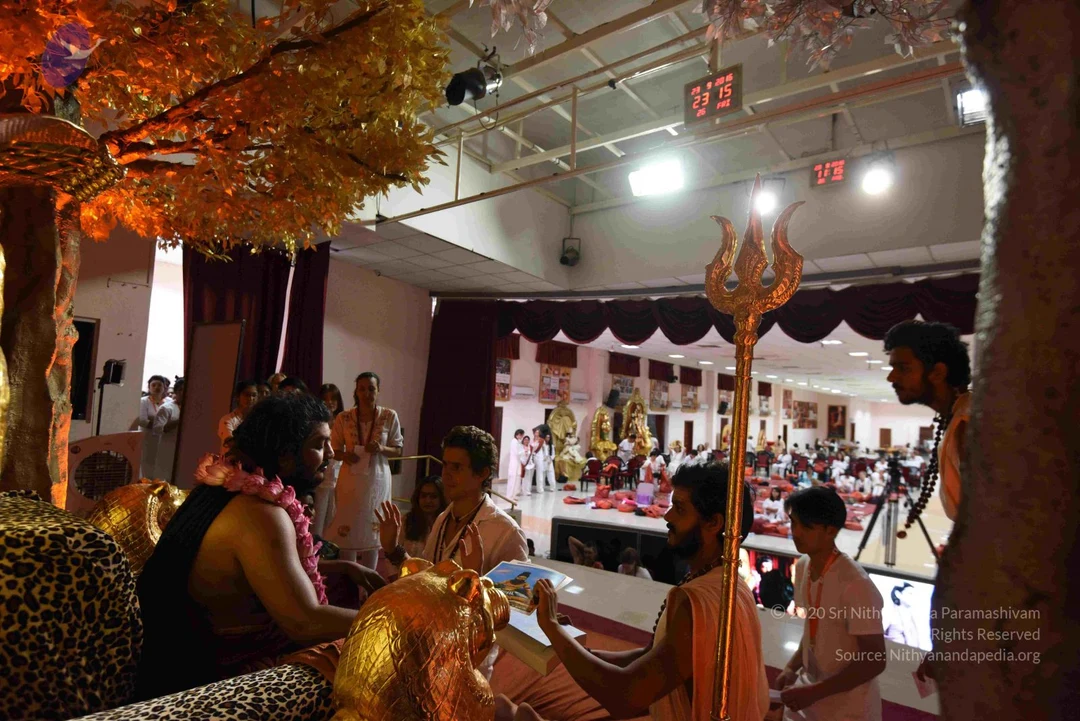
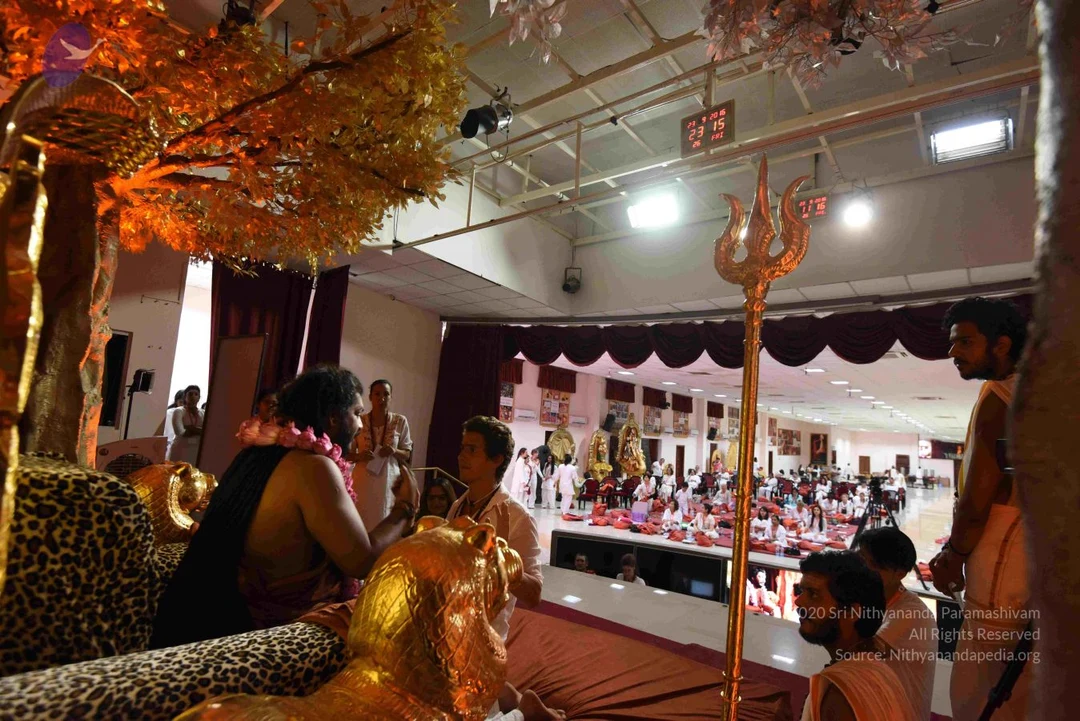
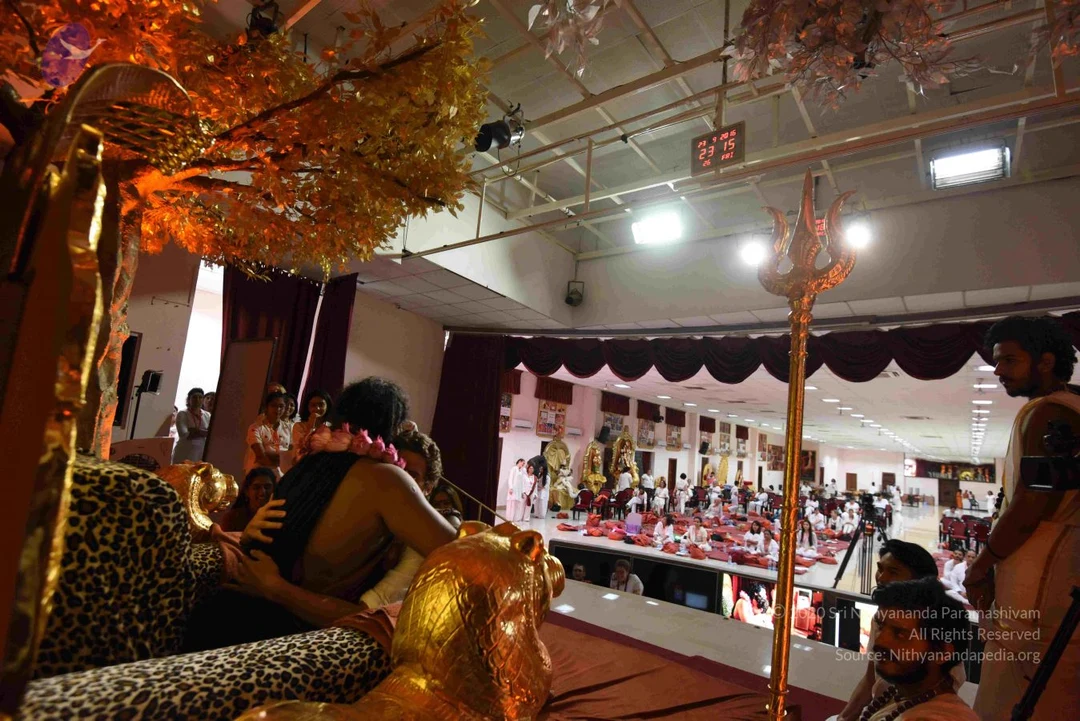
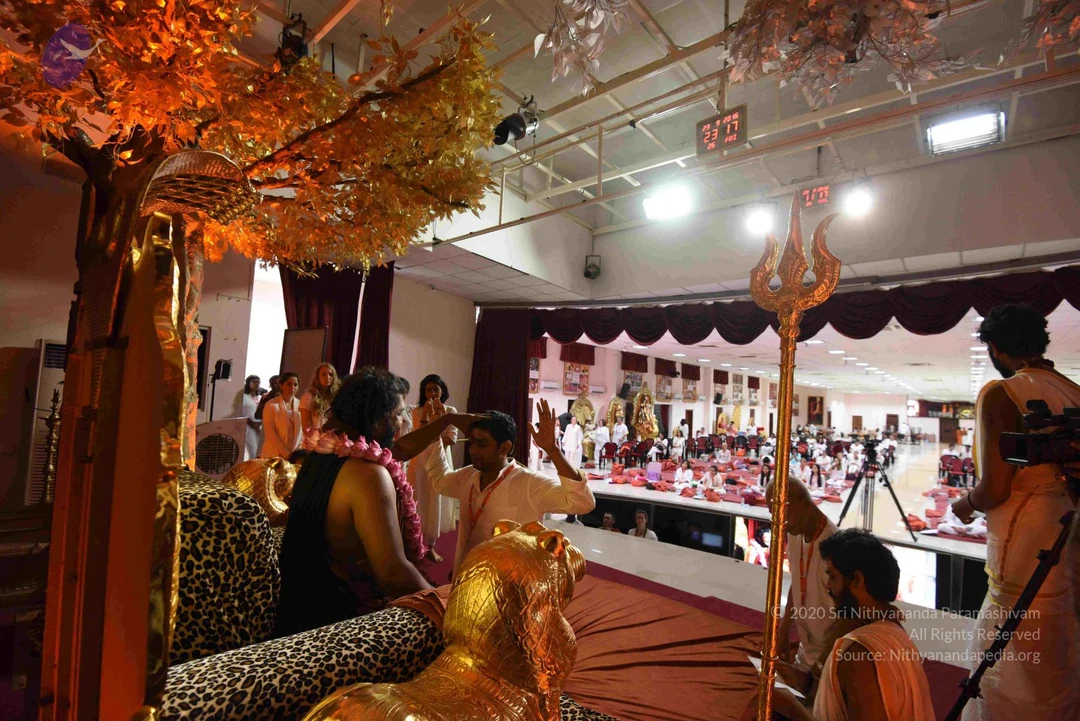
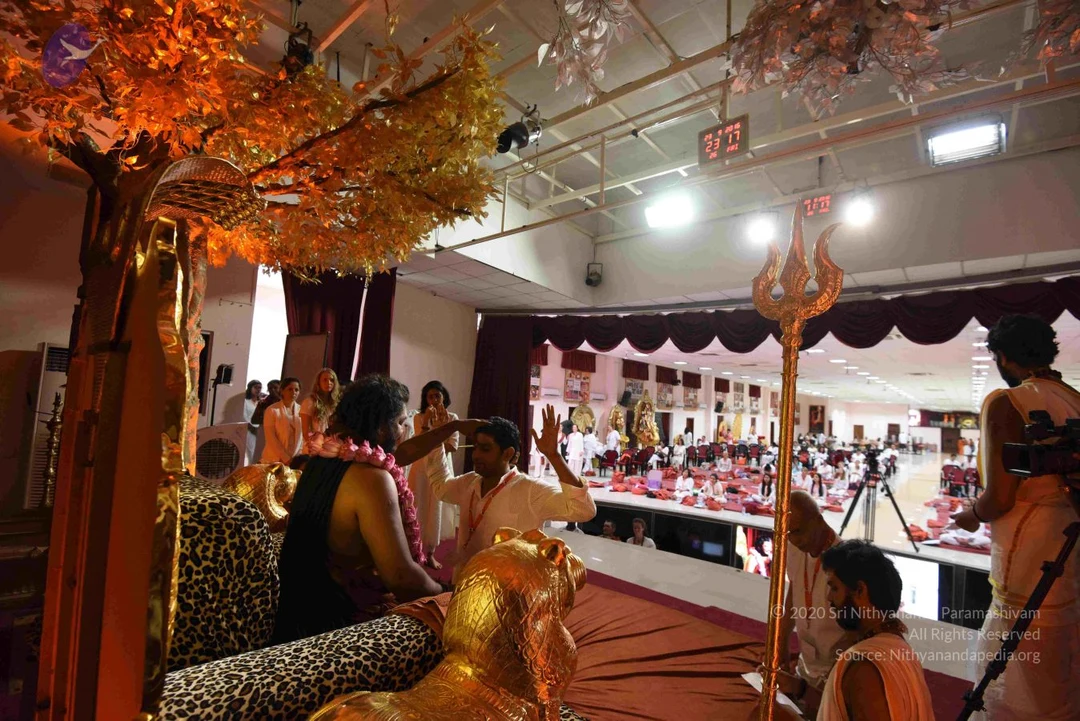
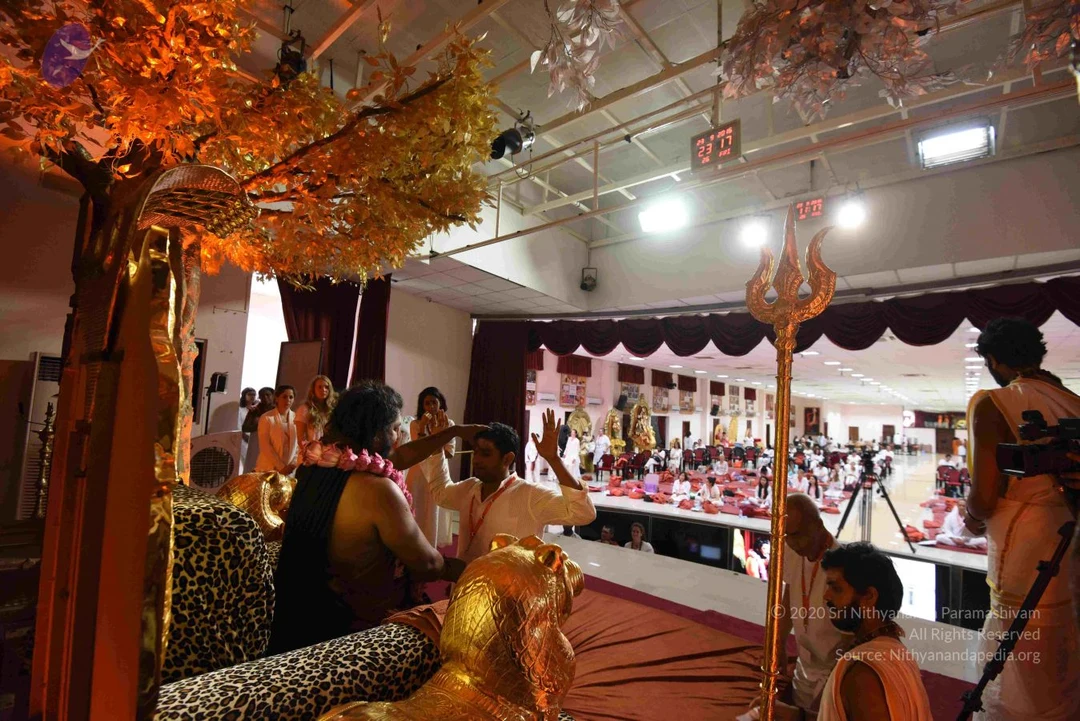
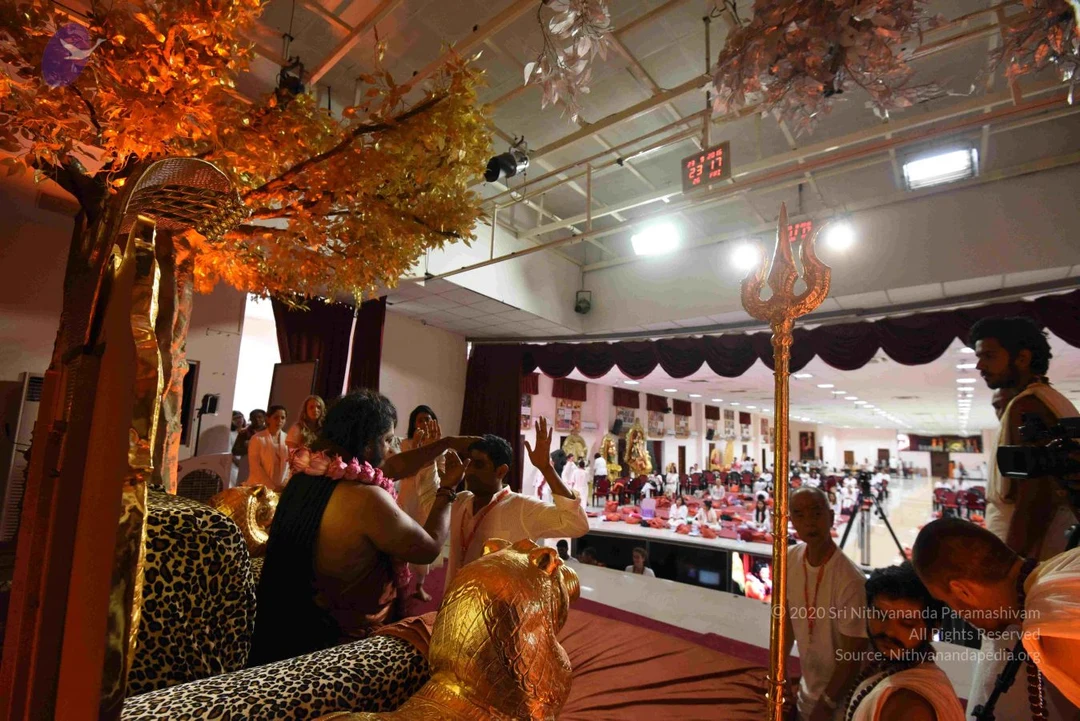
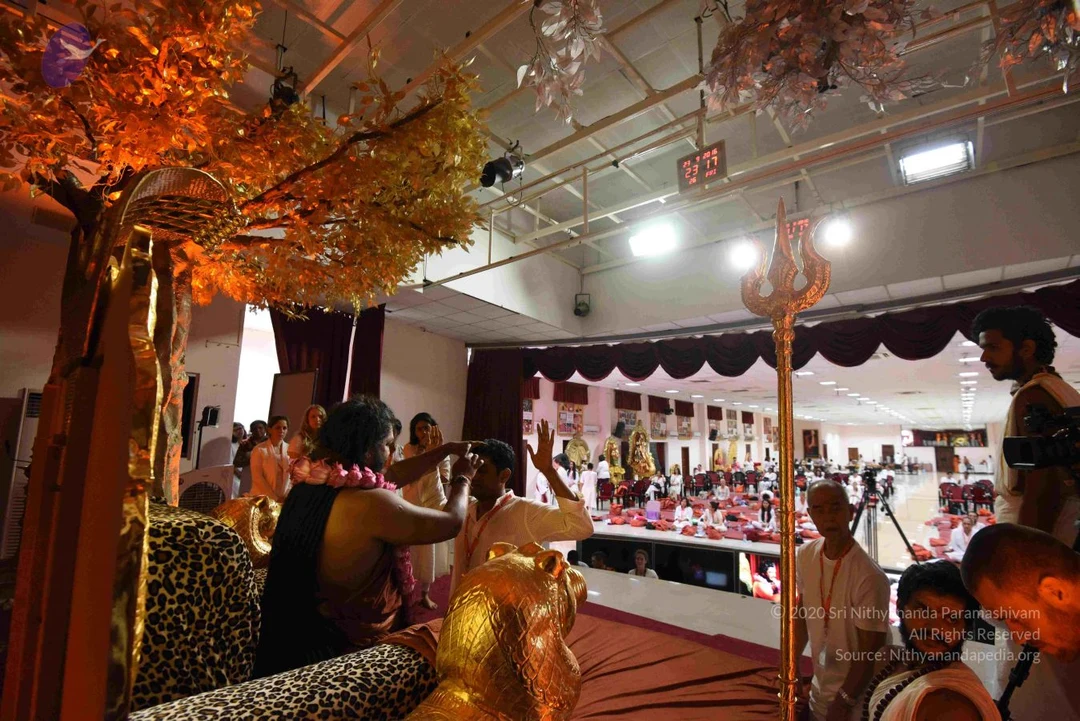
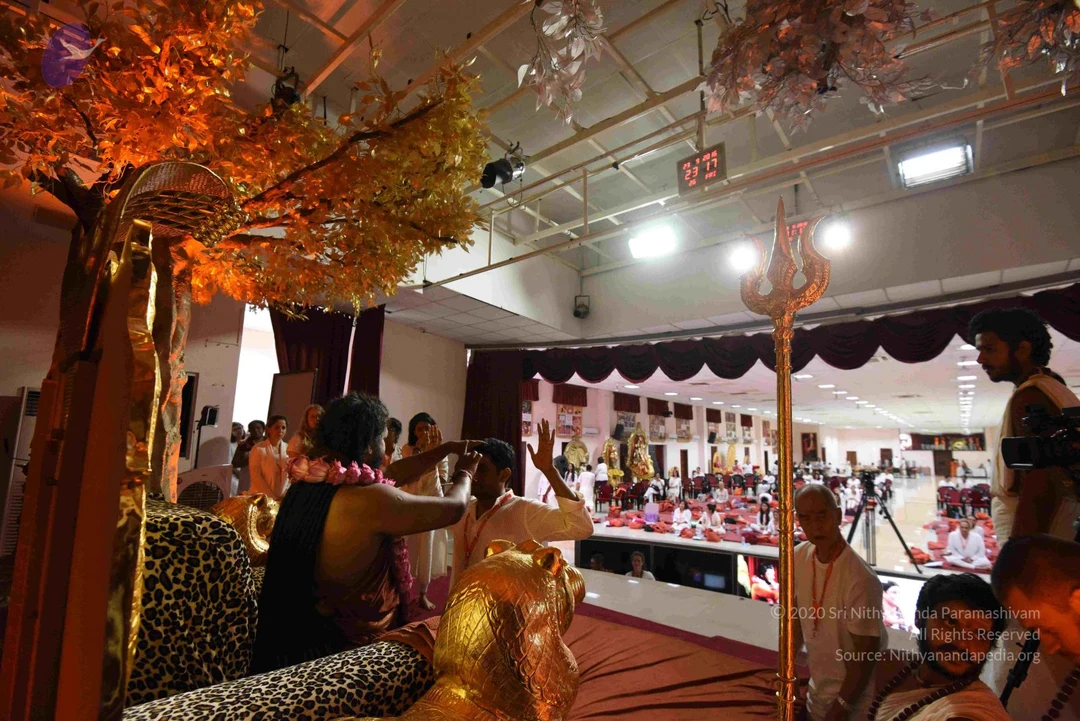
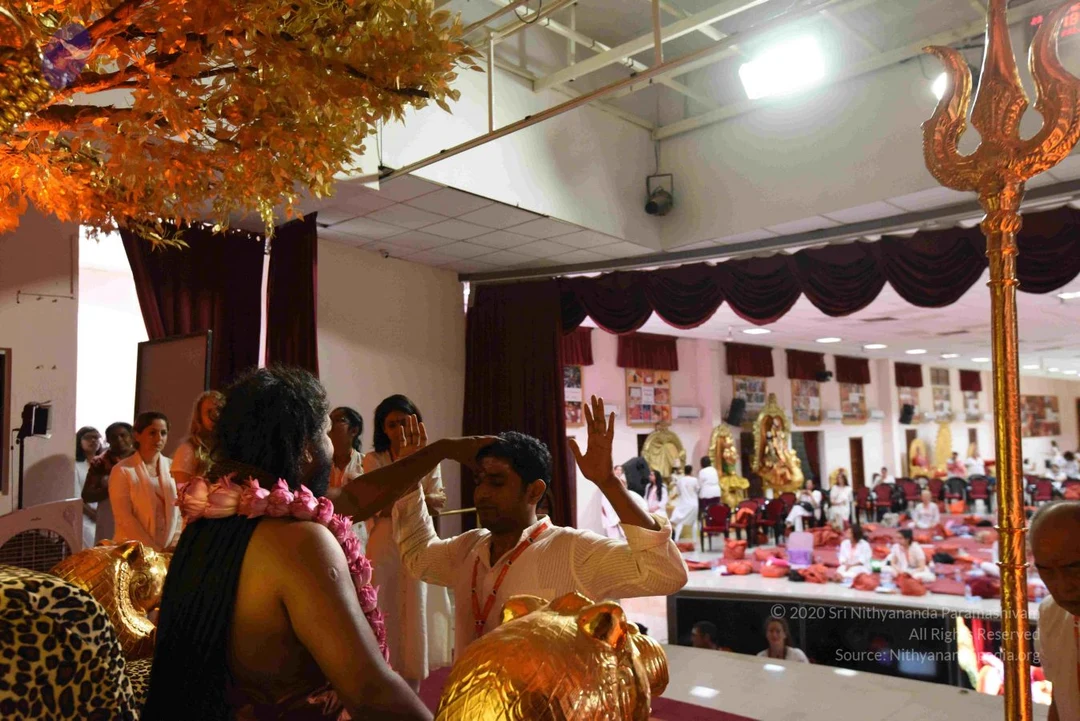
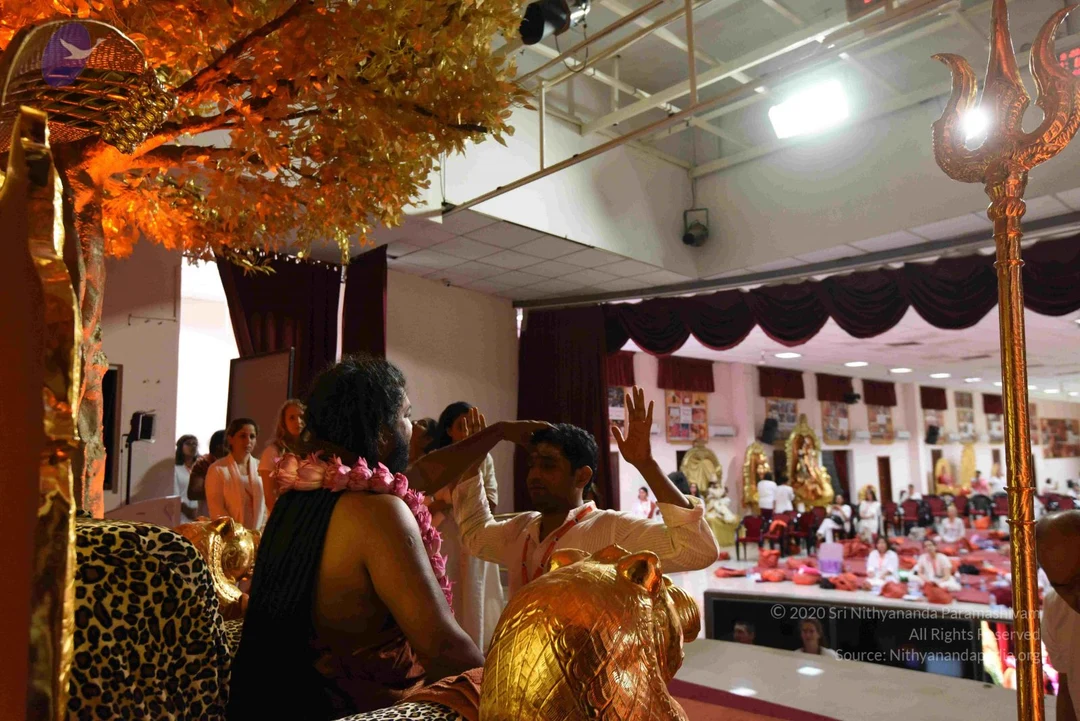
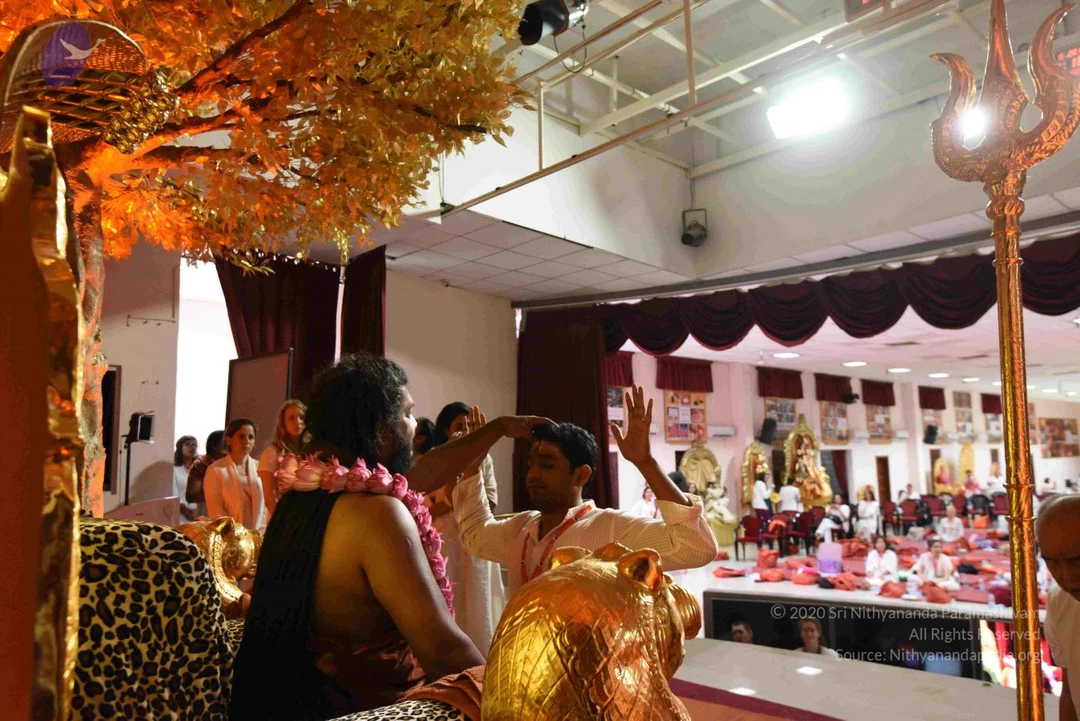
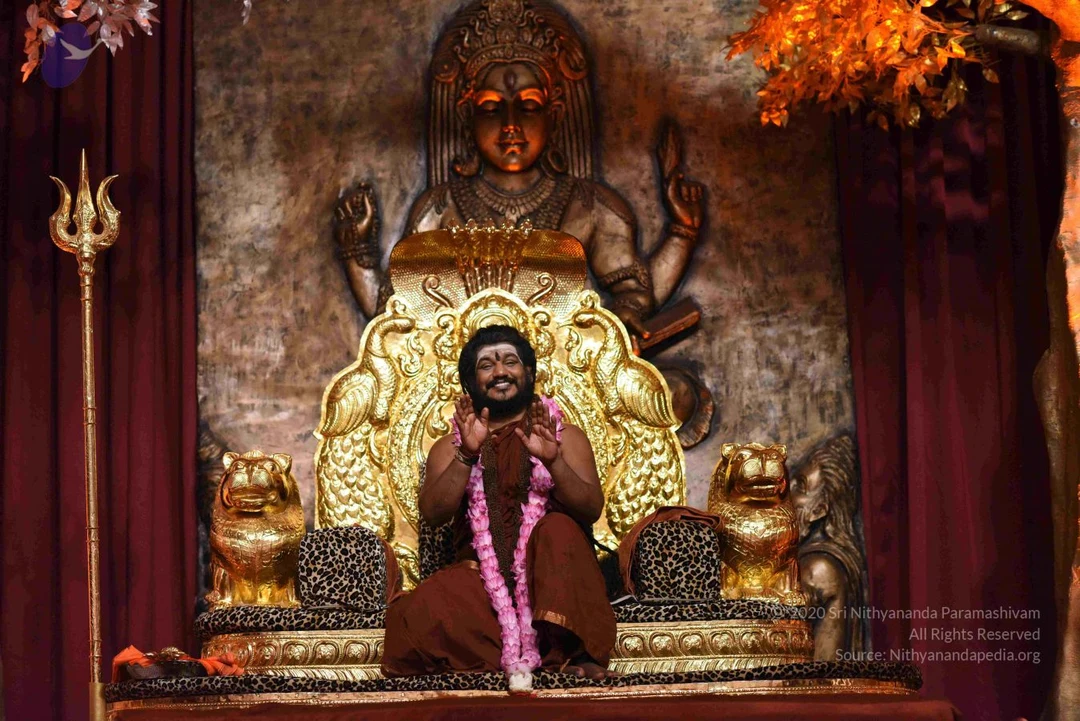
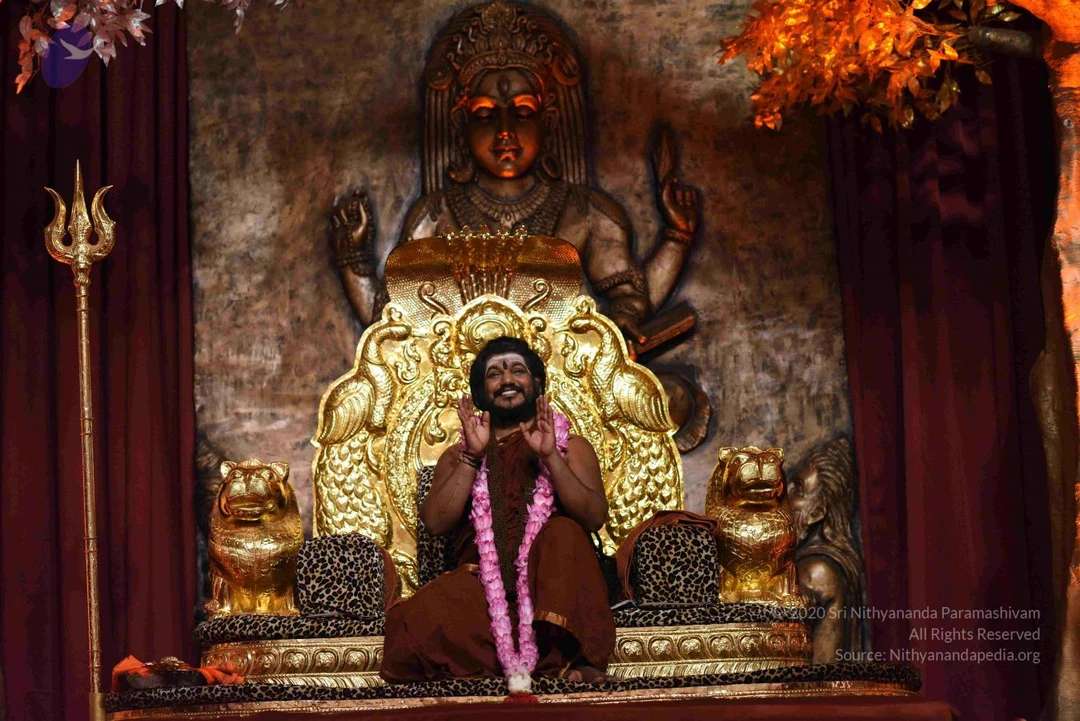
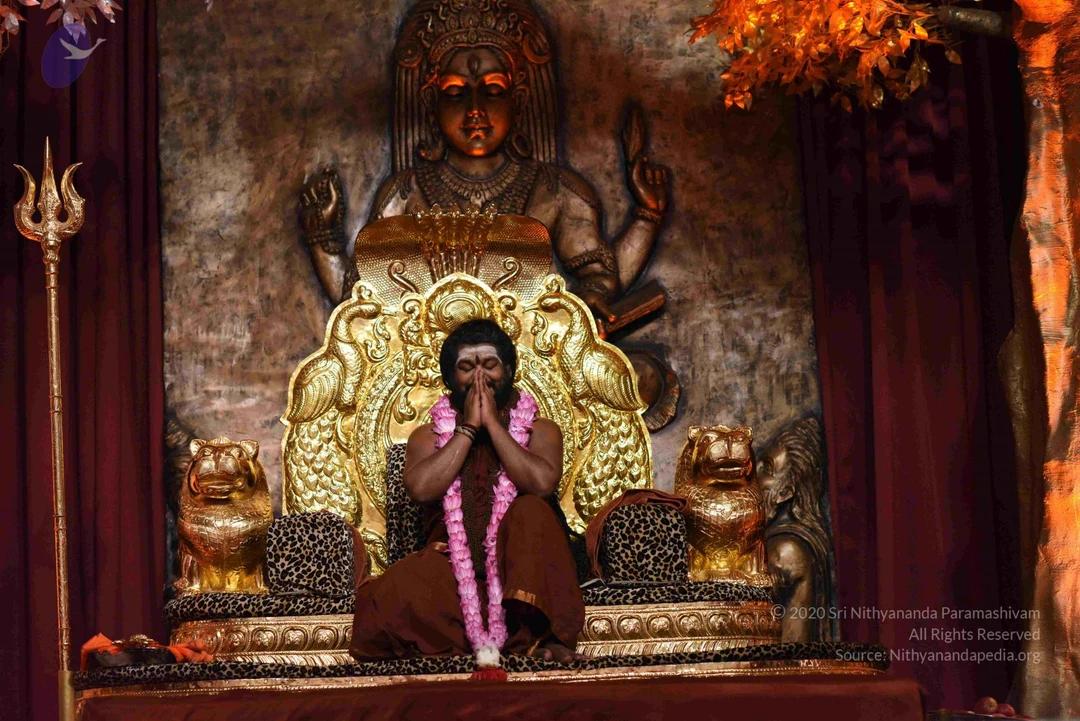
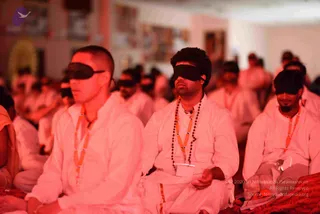
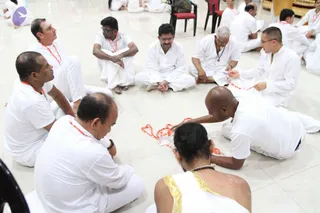
IA SESSION
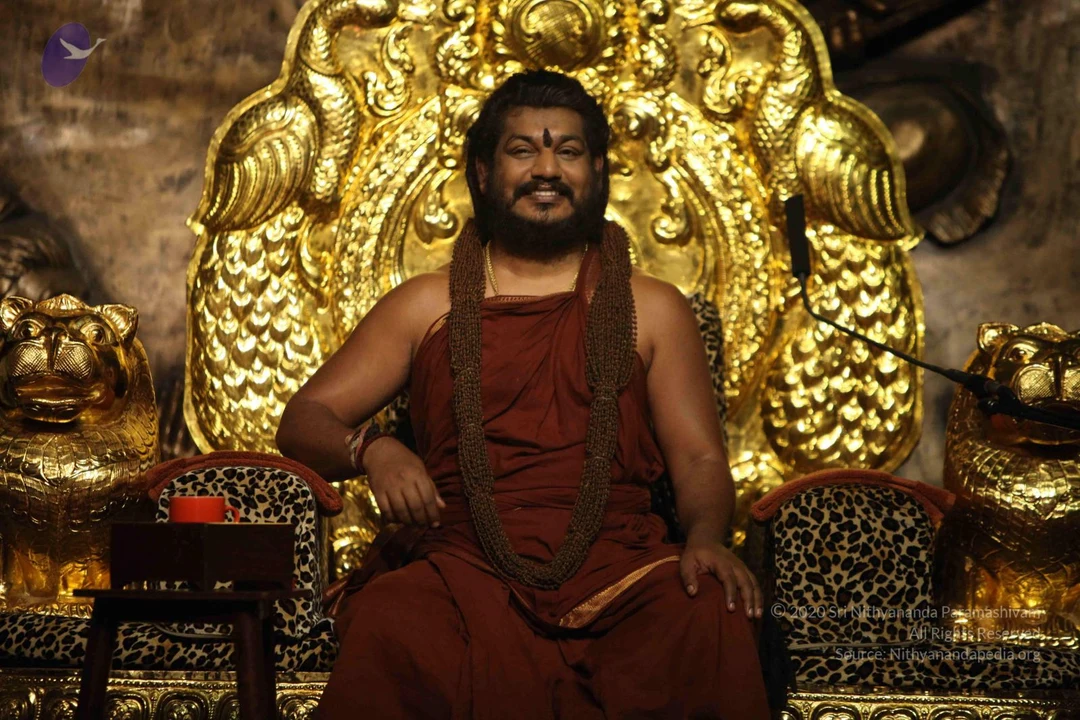
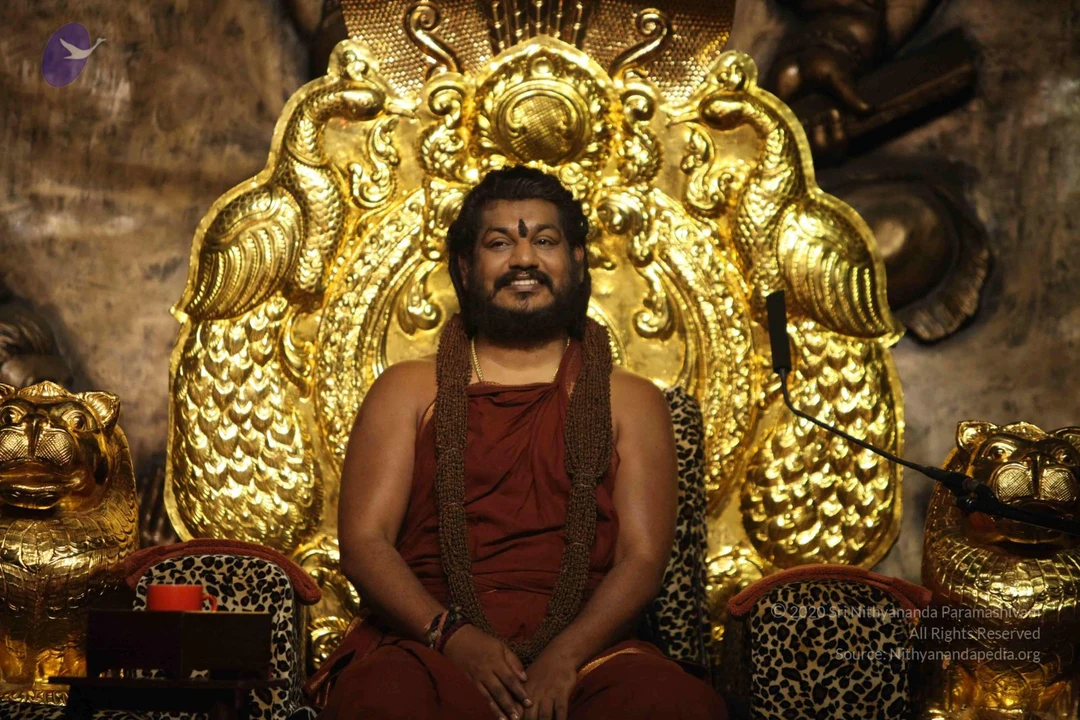
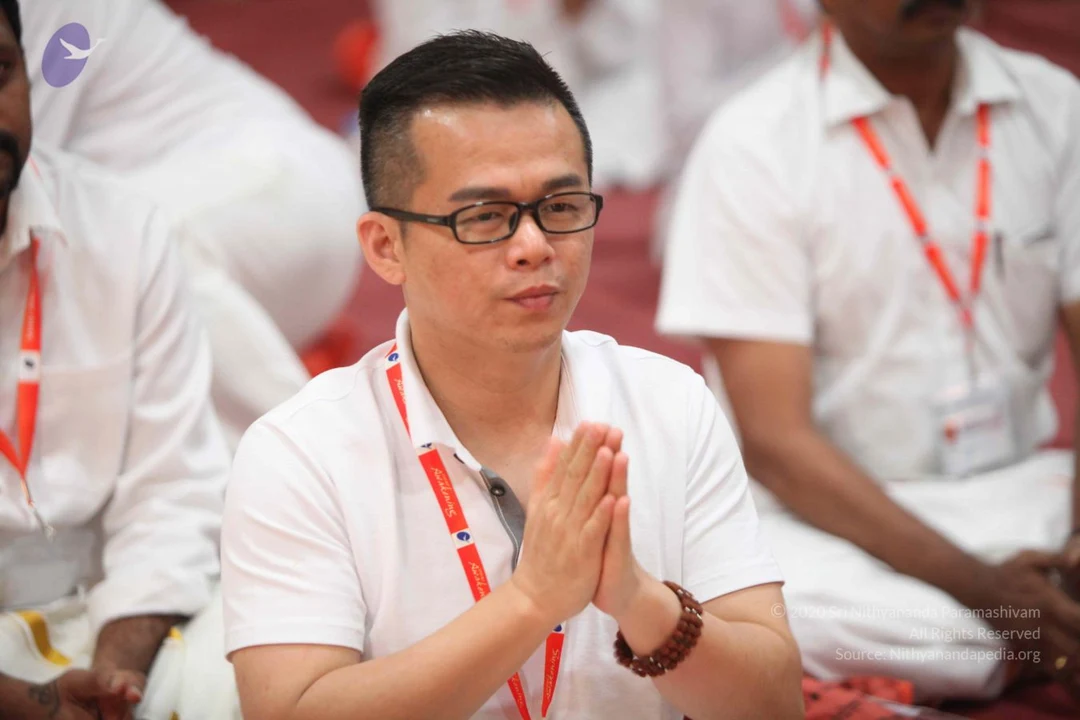
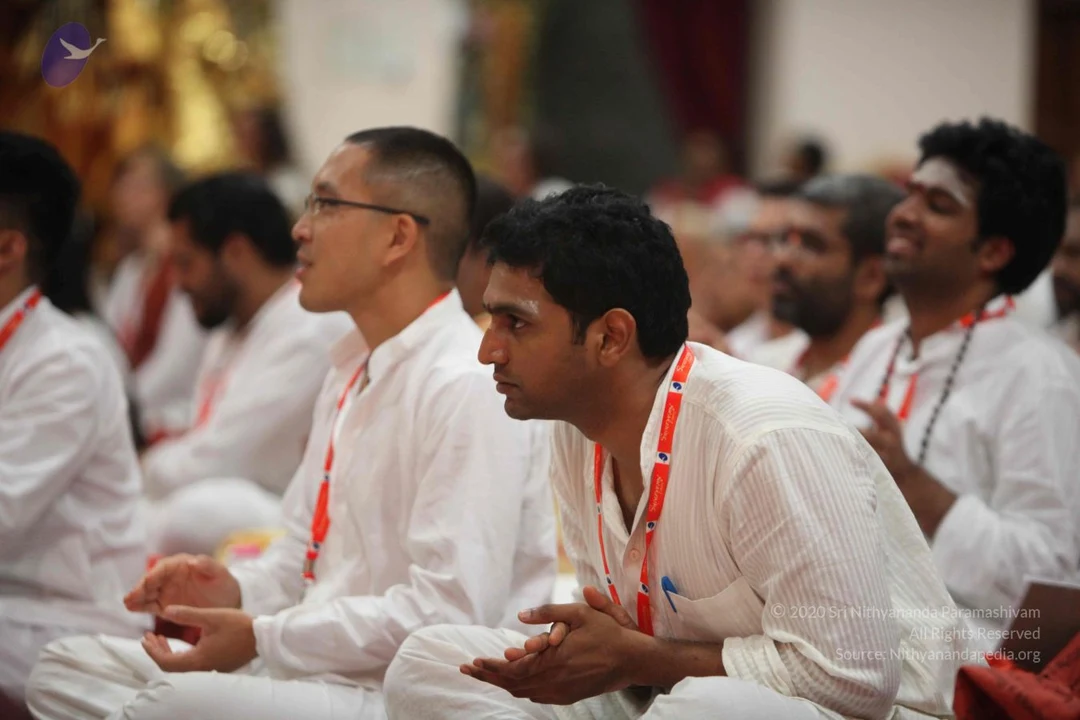
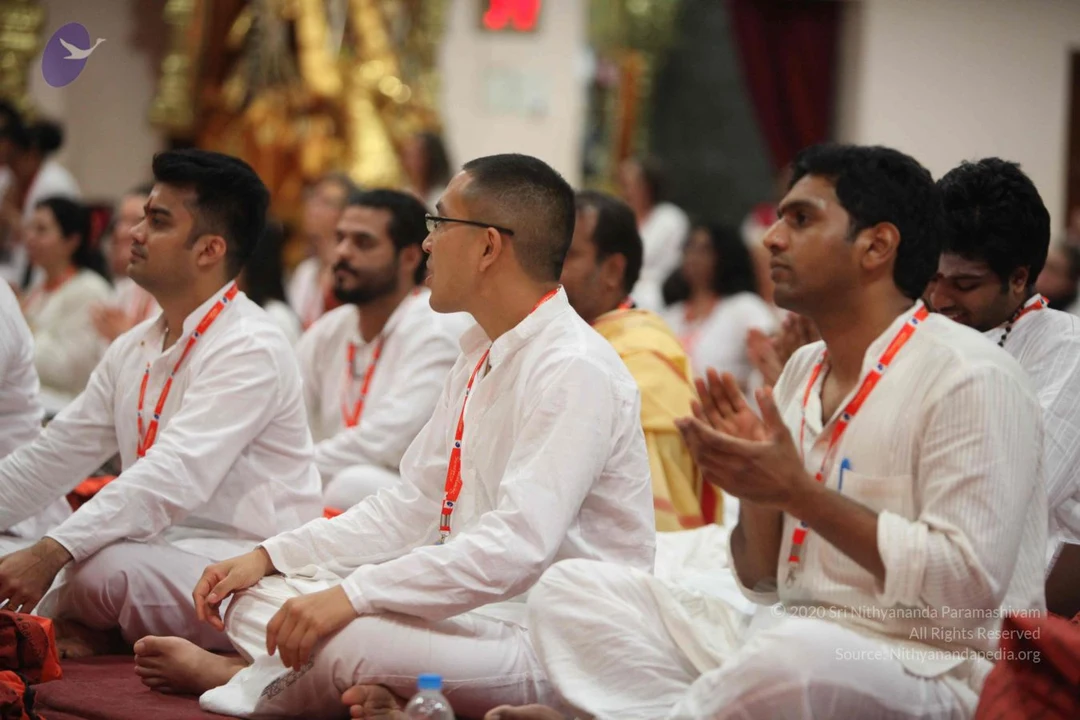
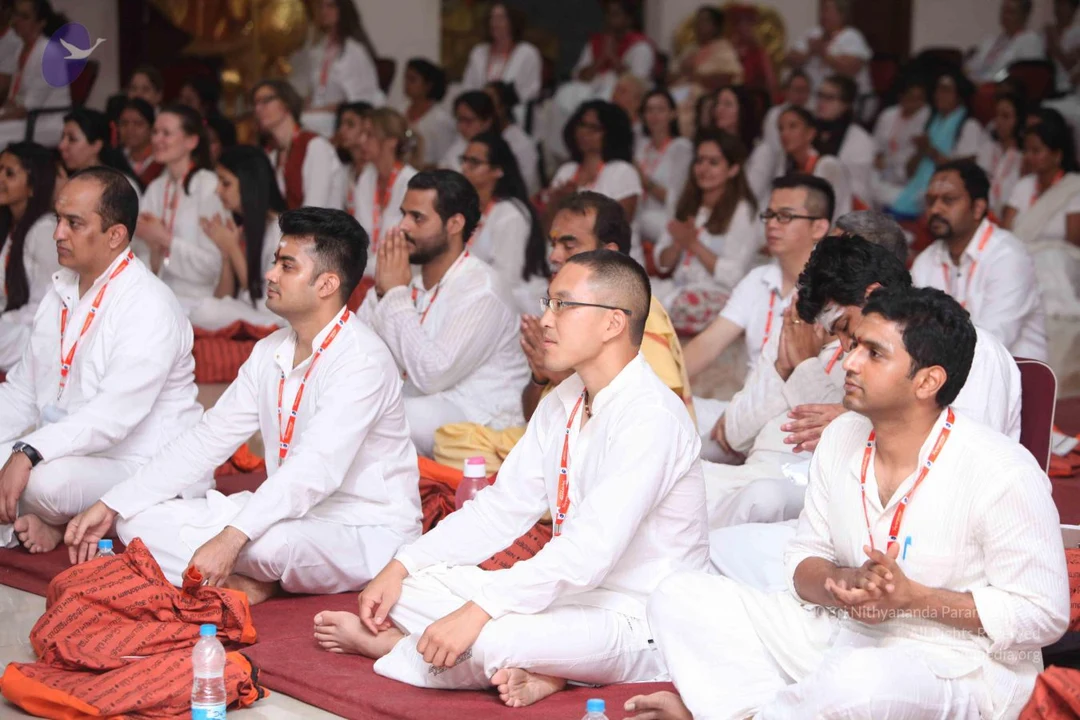
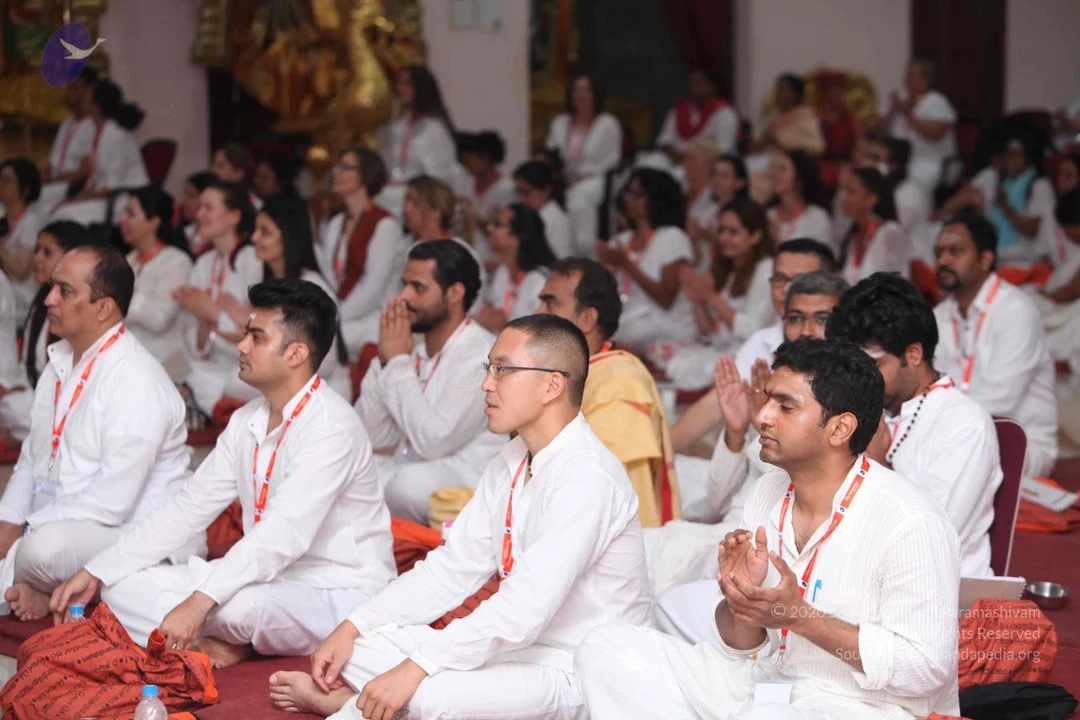
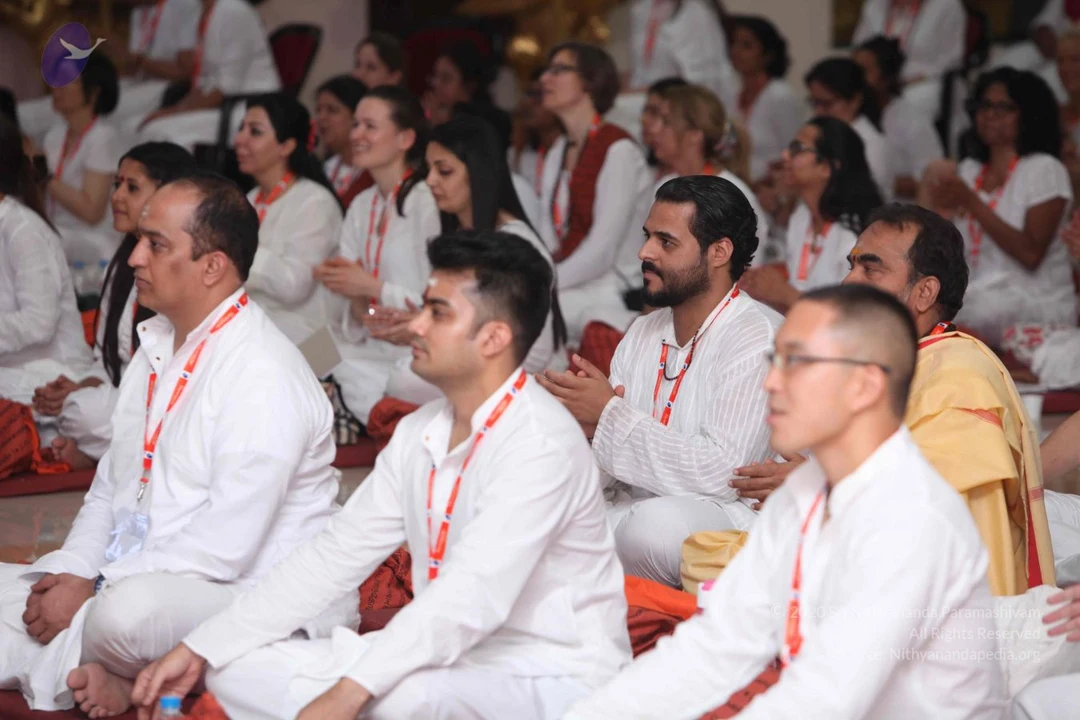
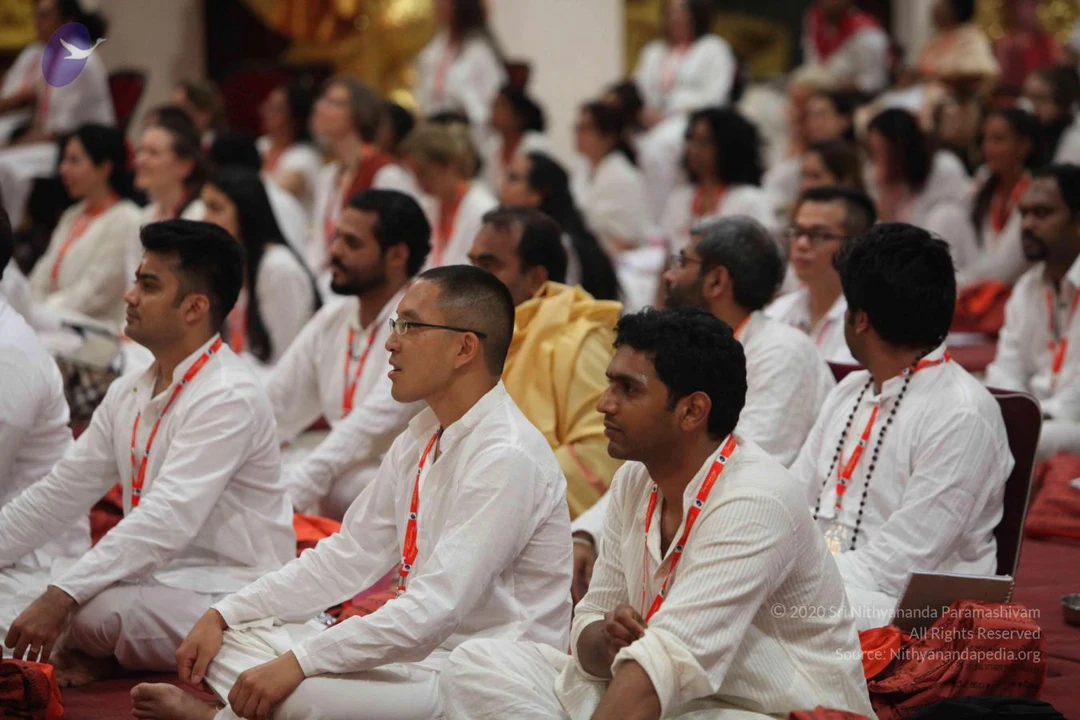
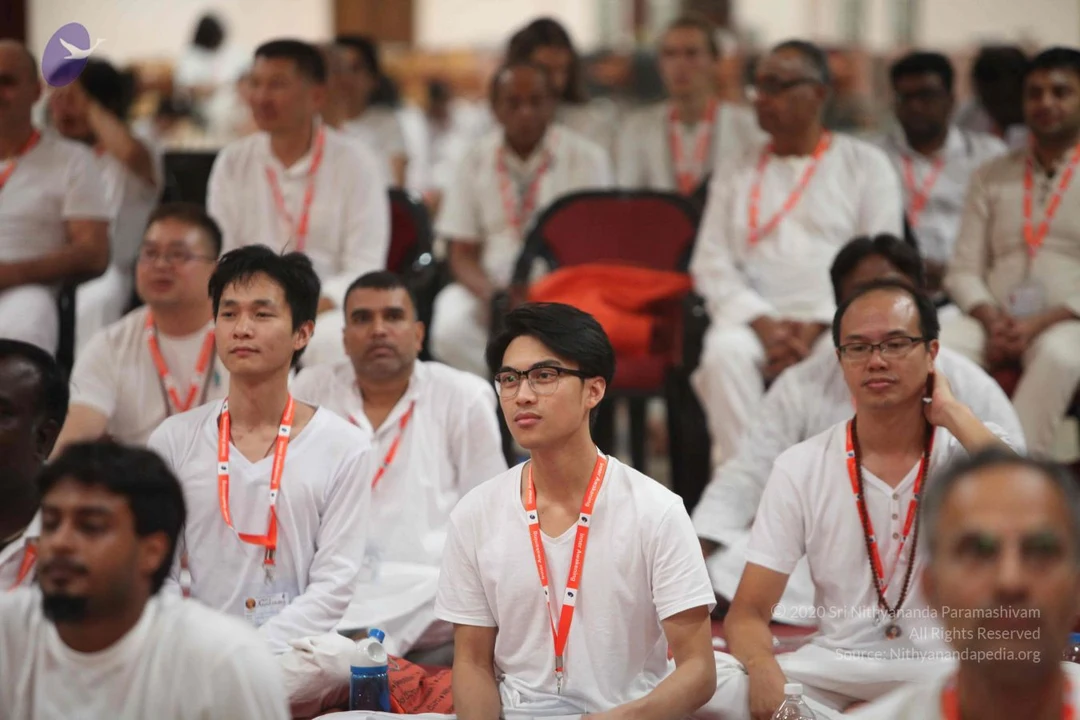
IA SESSIONS
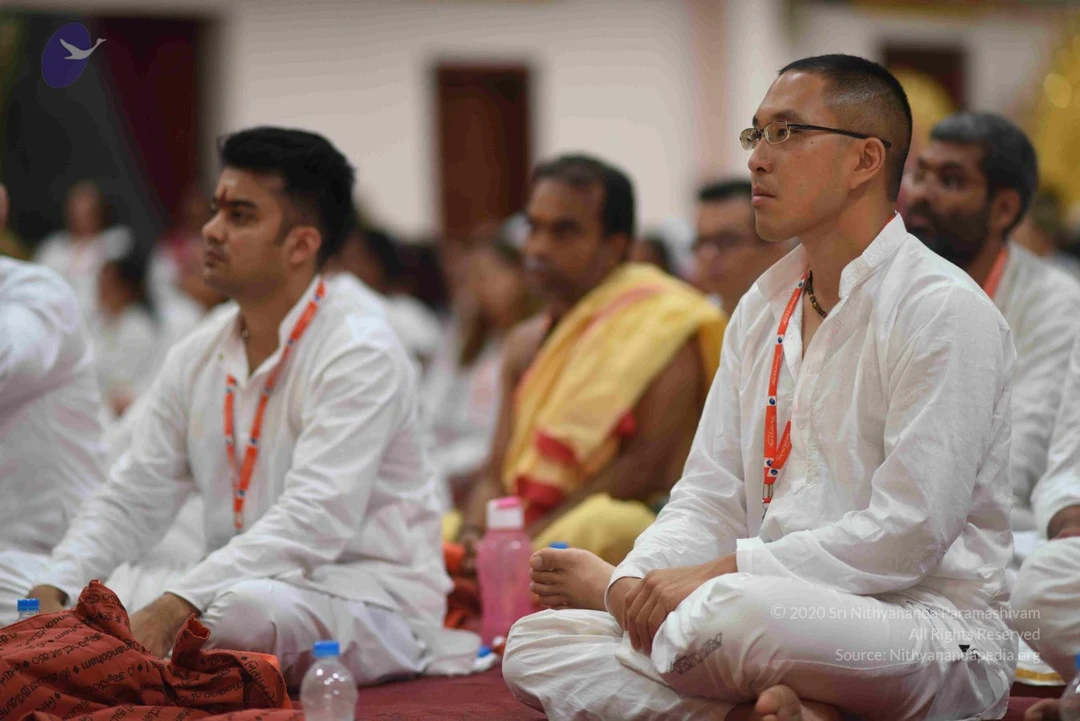
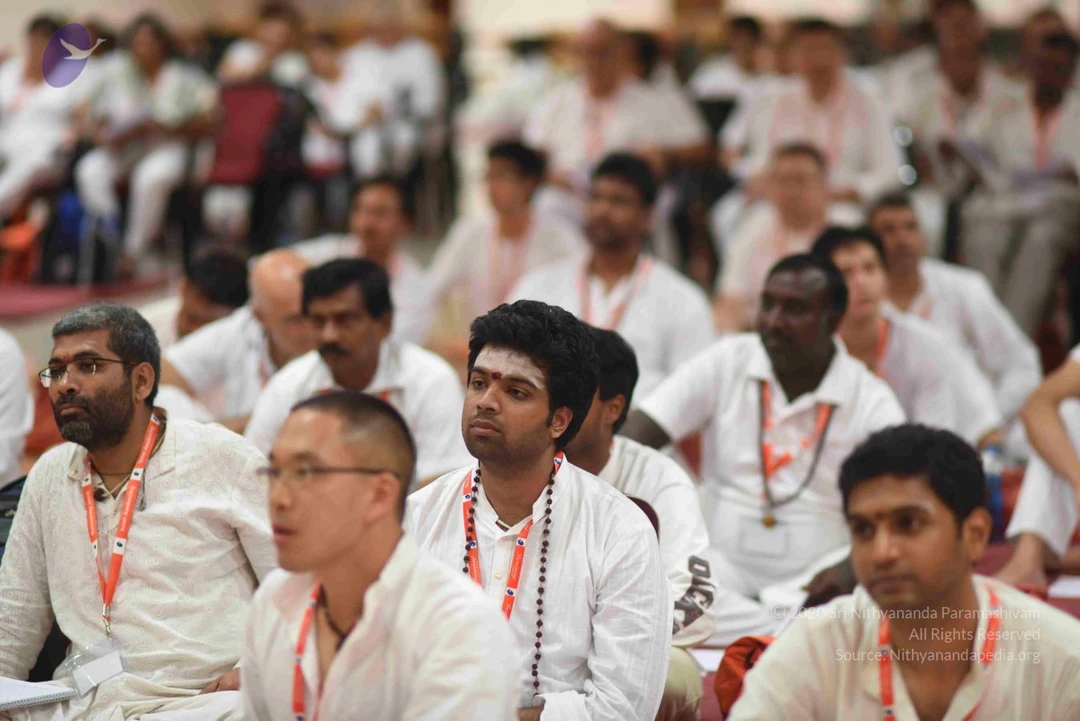
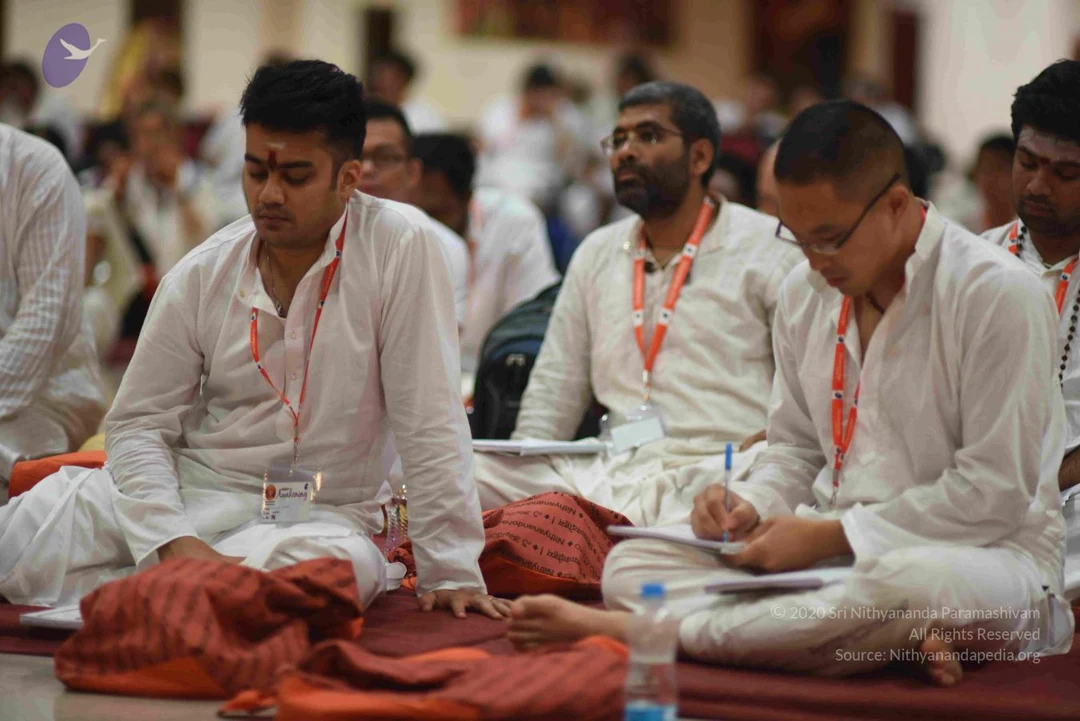
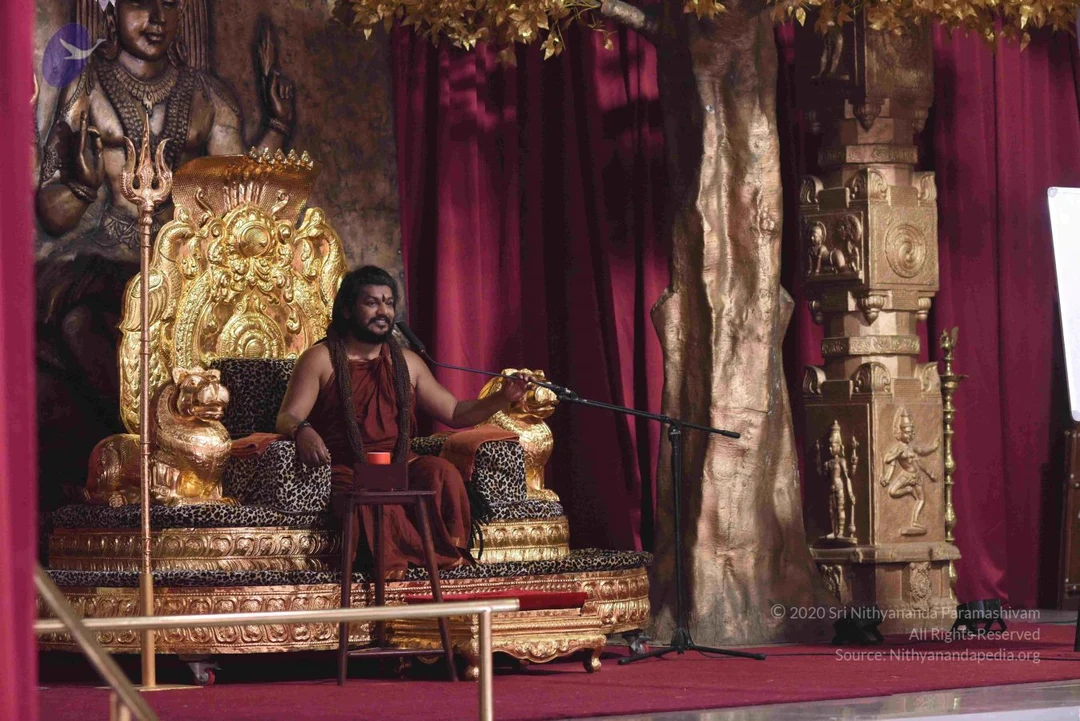
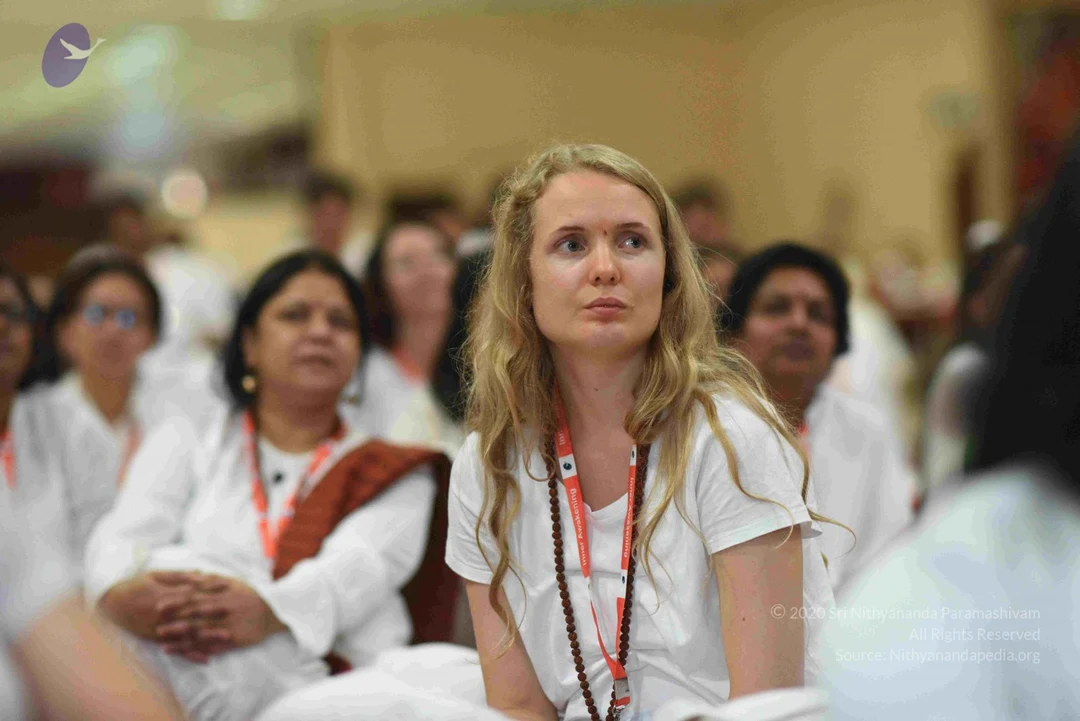
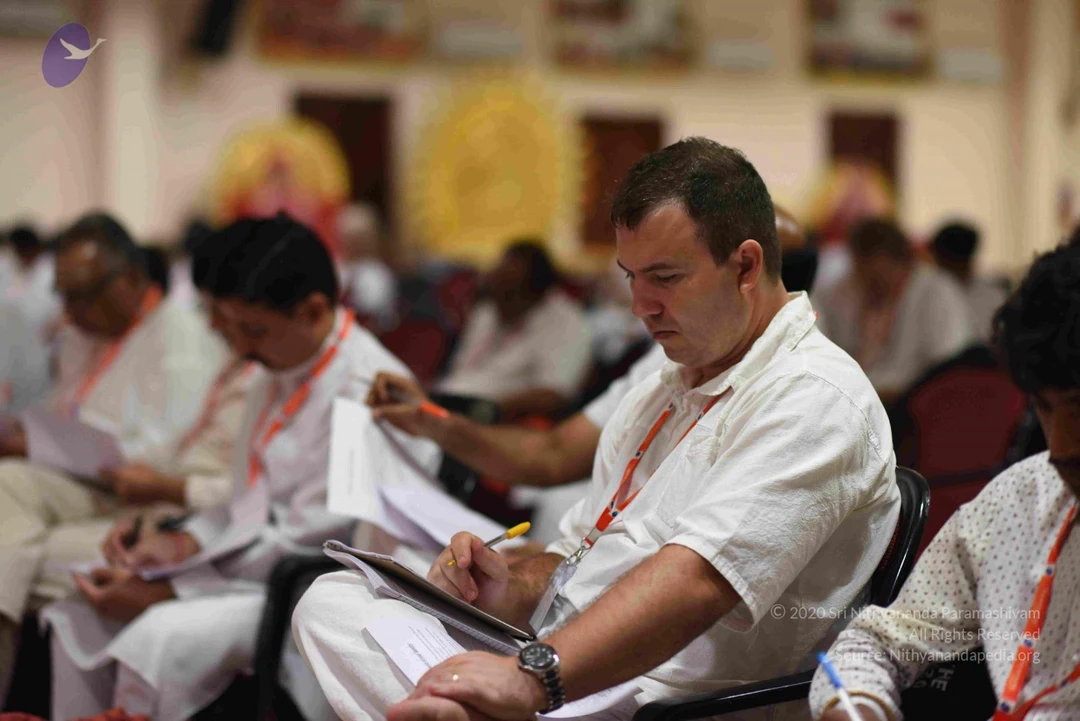
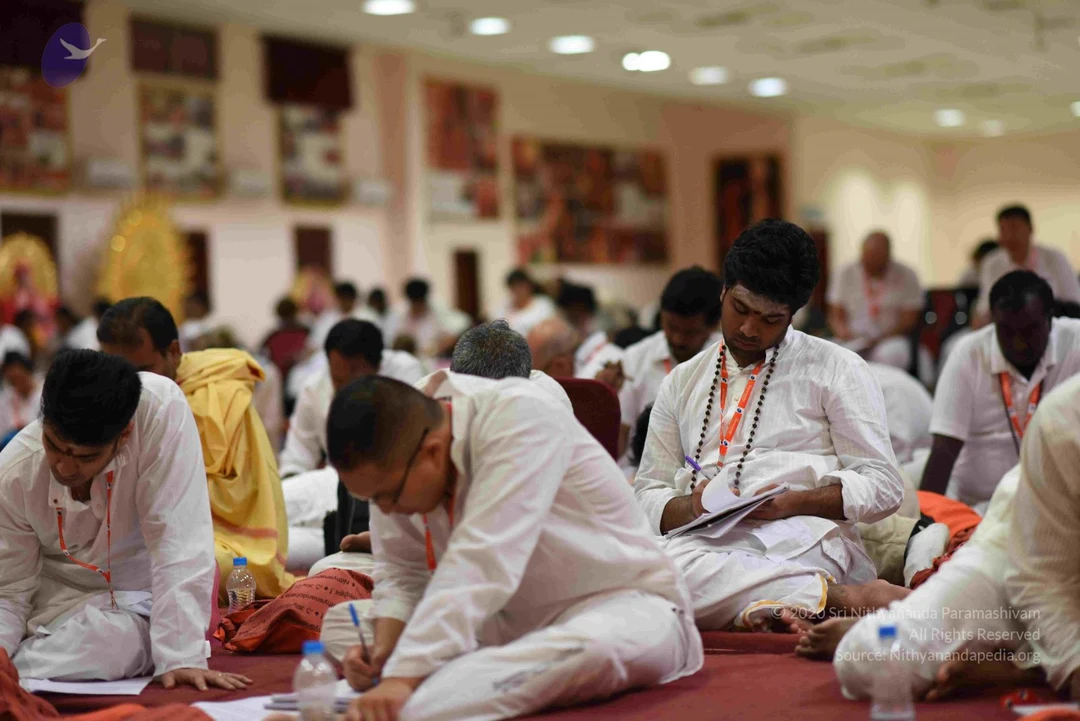
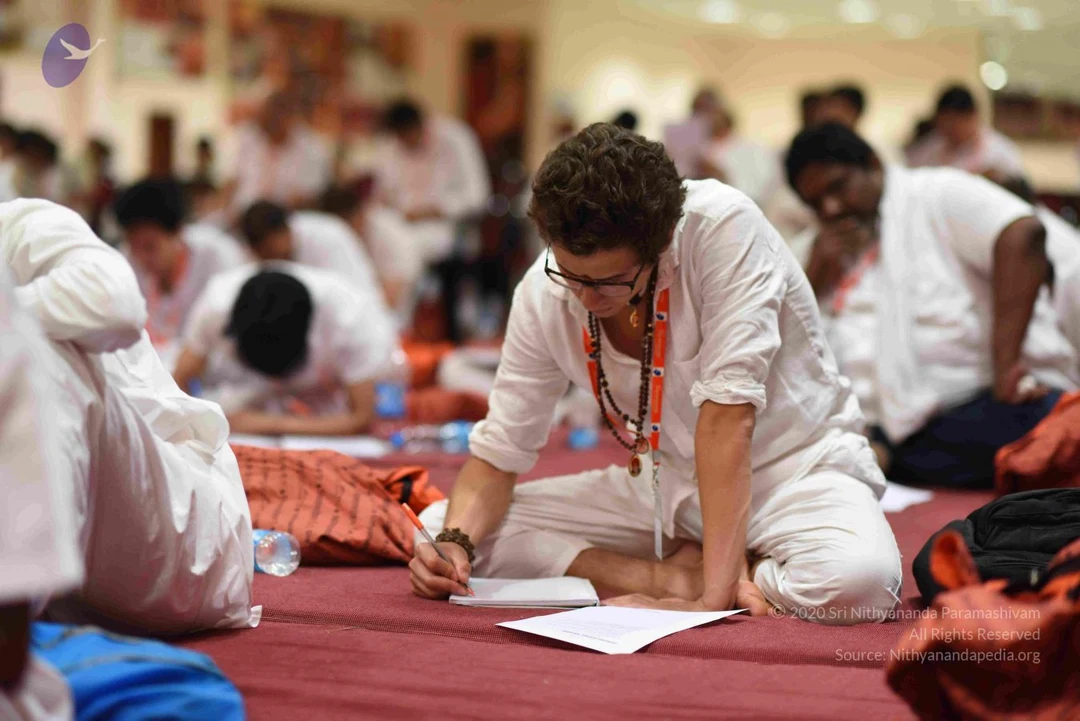
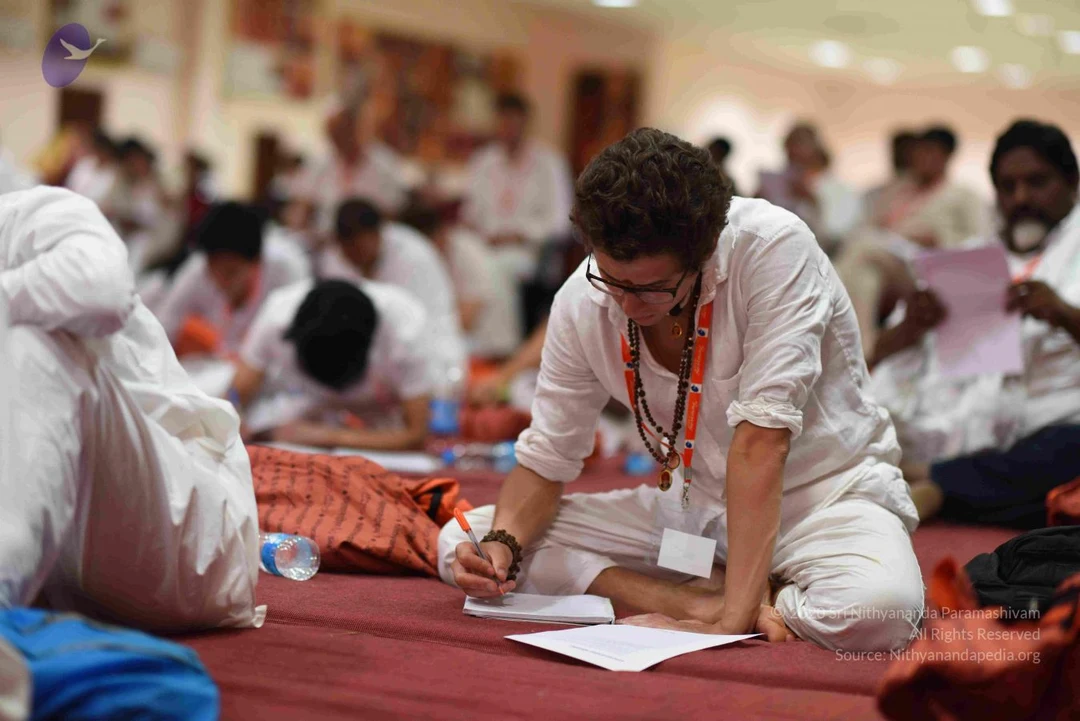
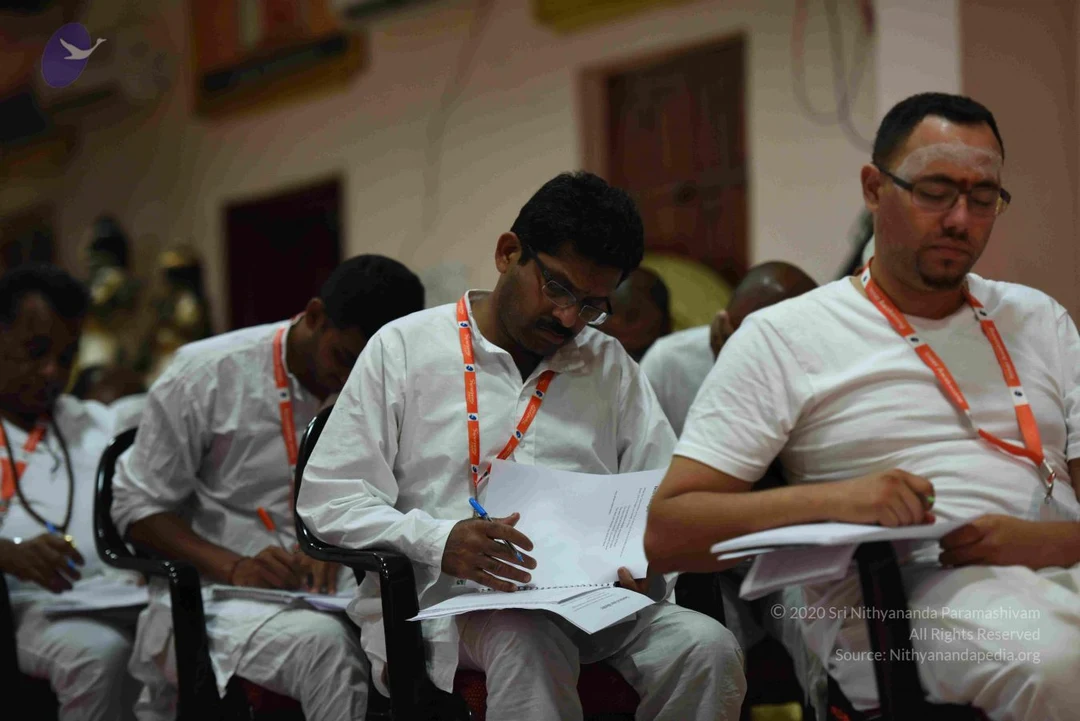

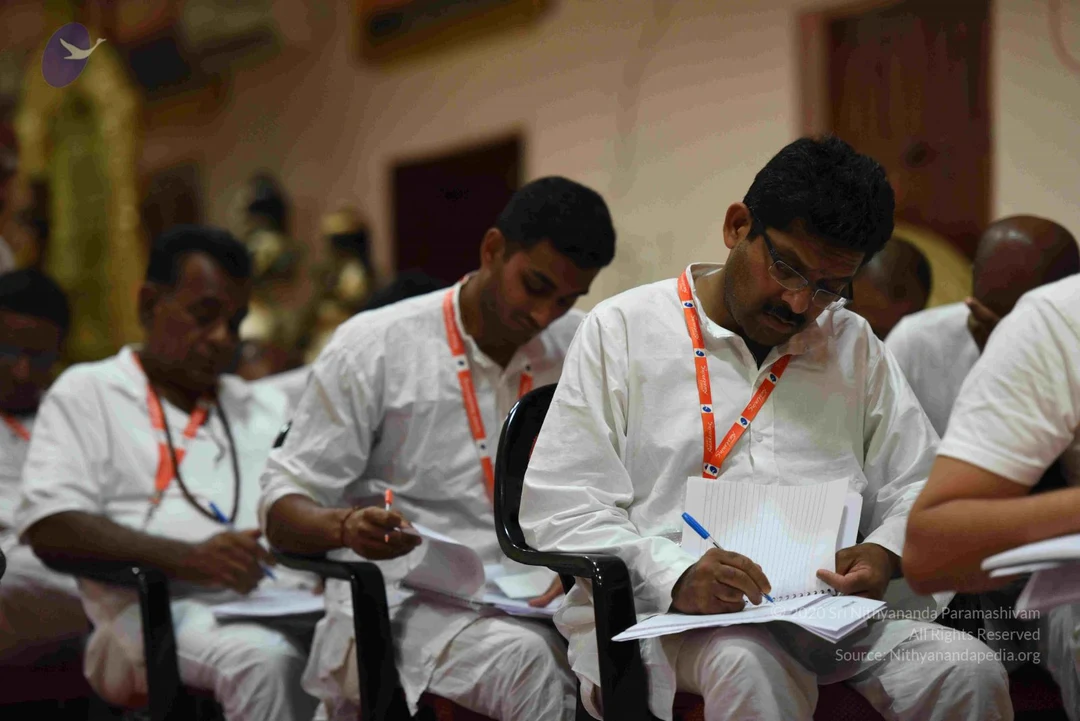
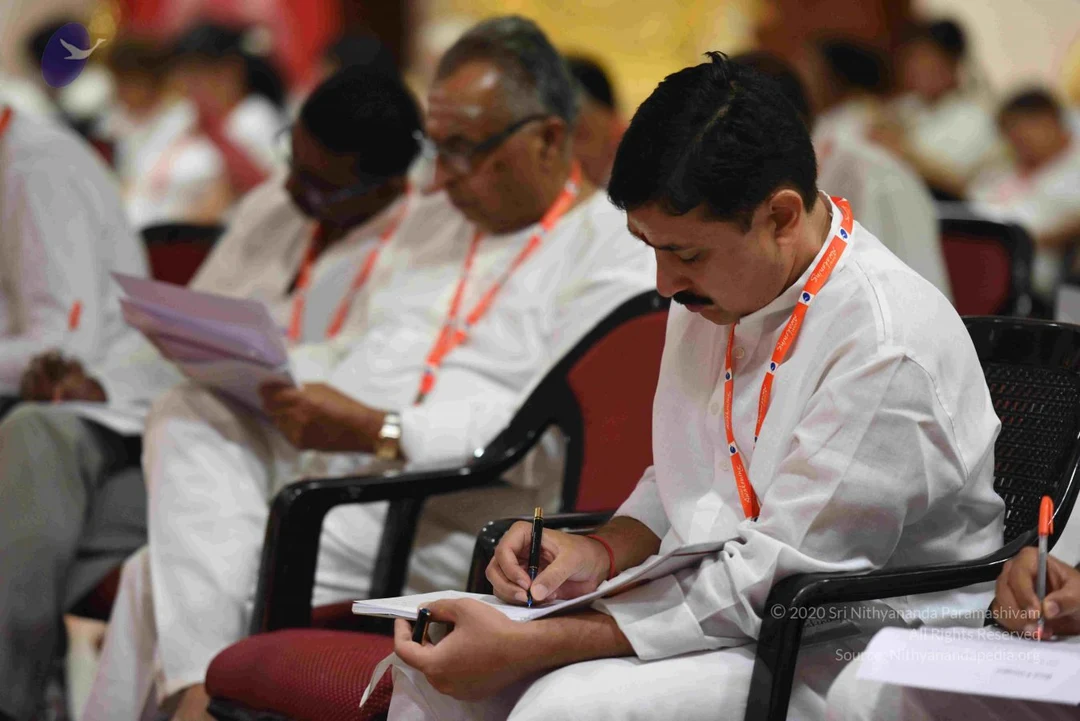
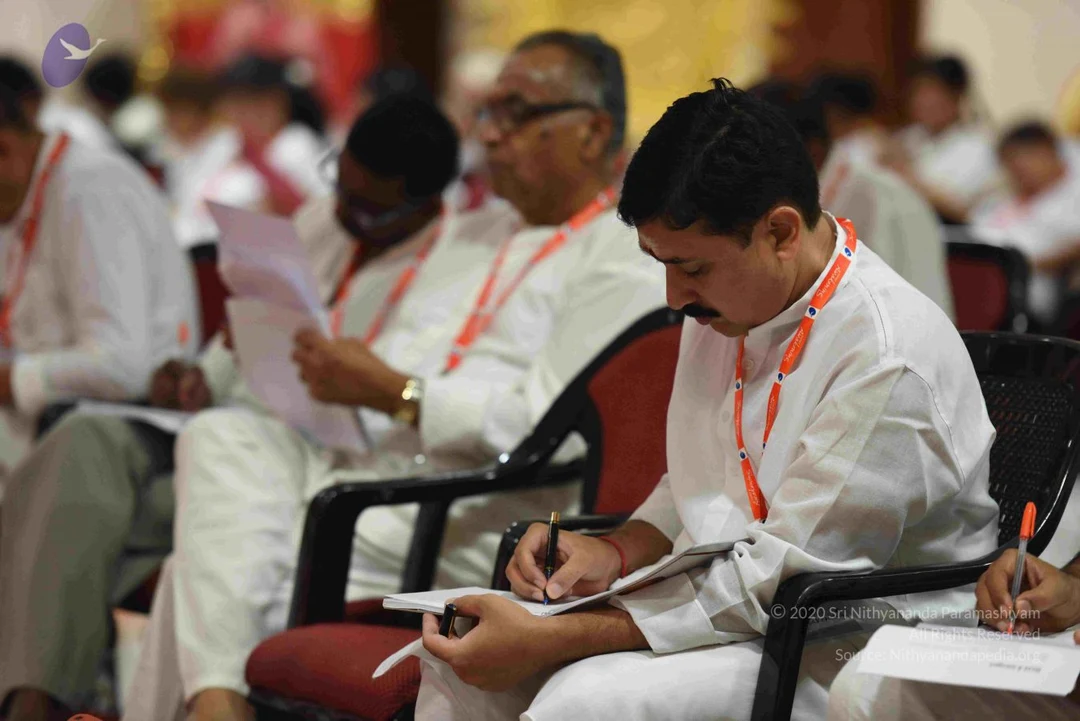

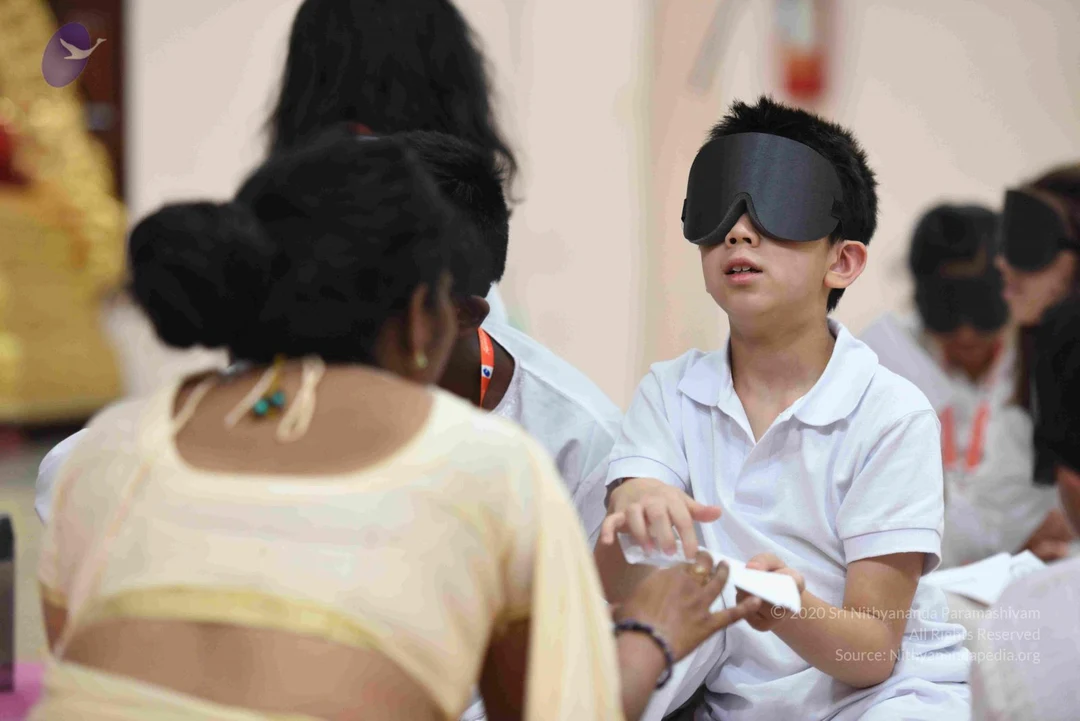
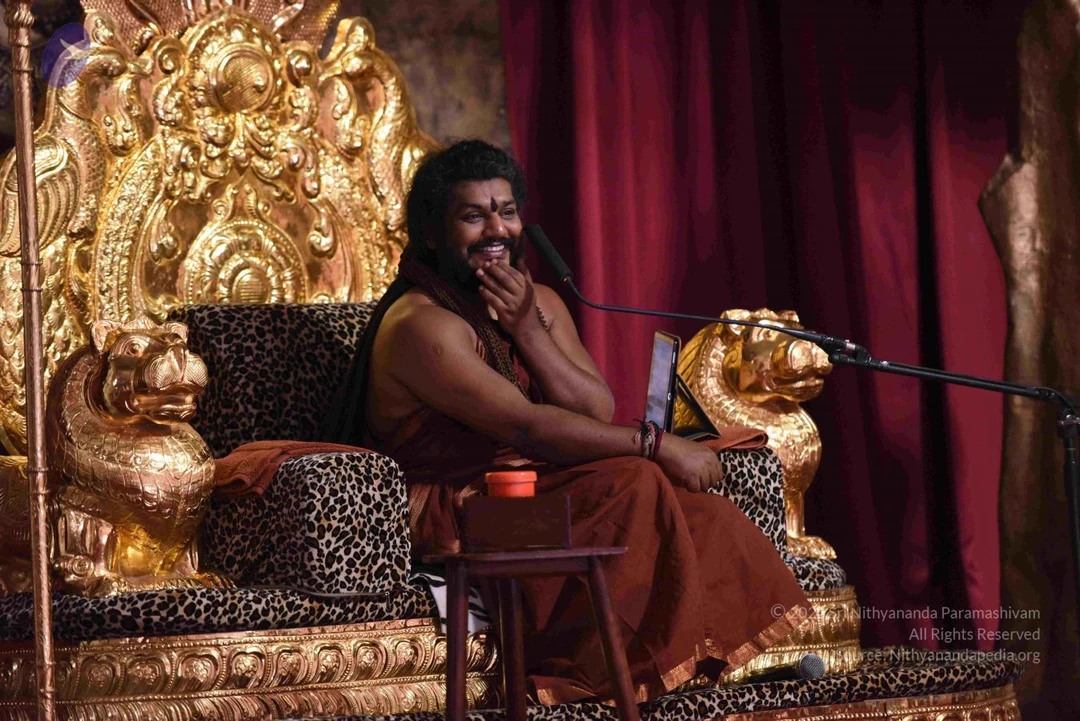
IA SHOTS
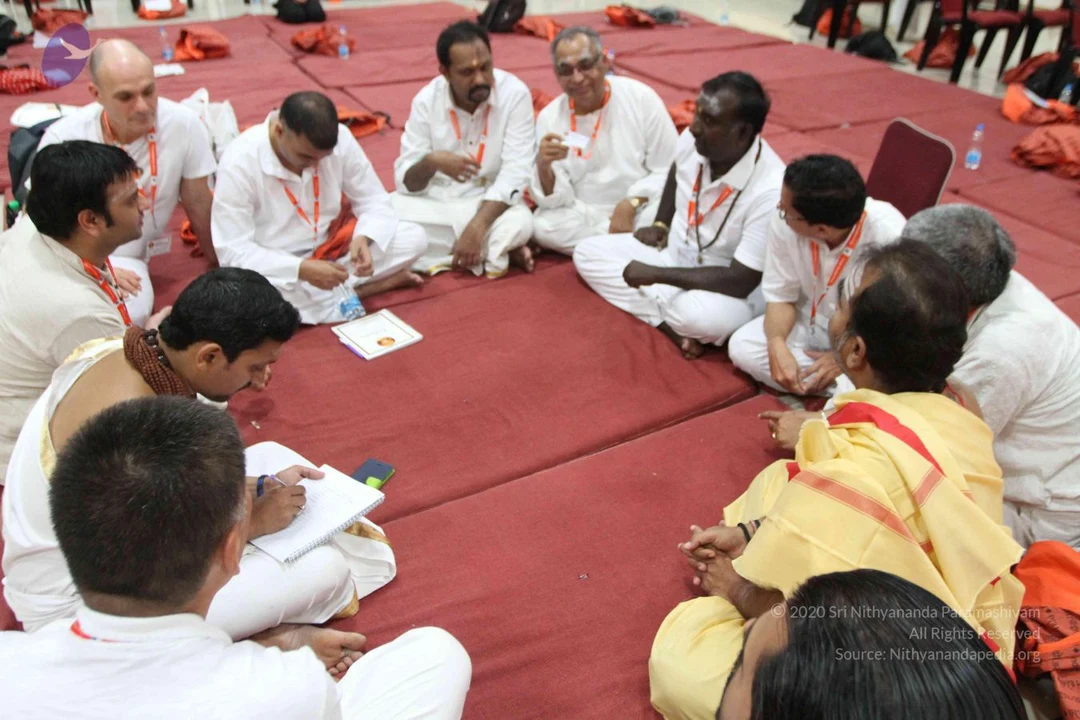
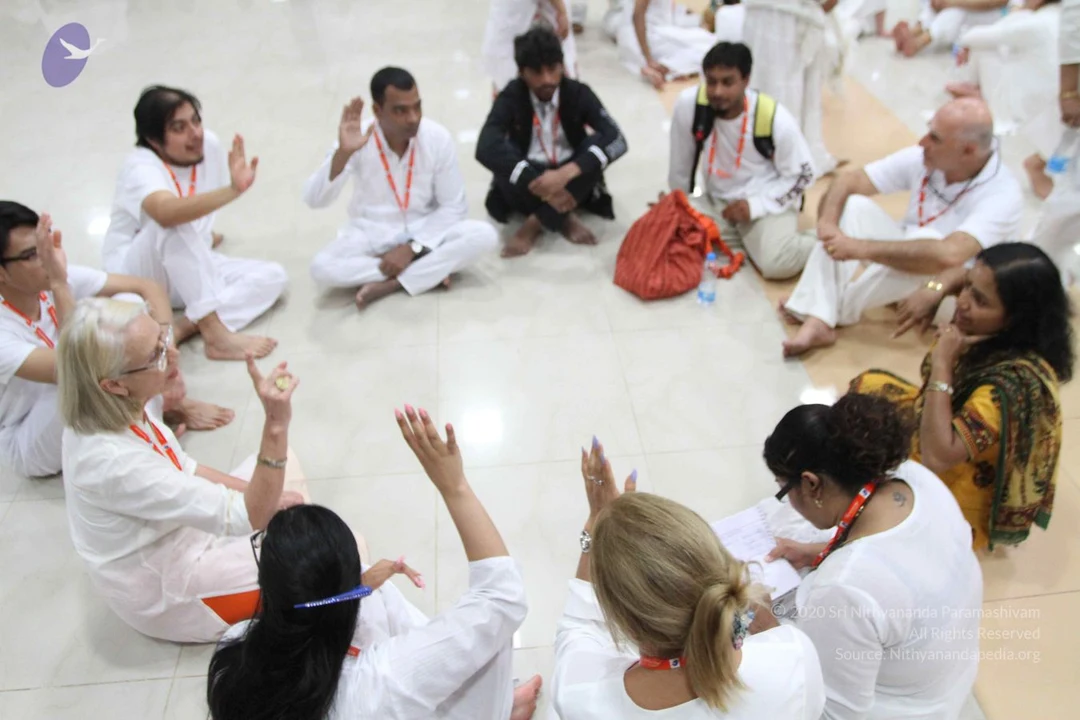
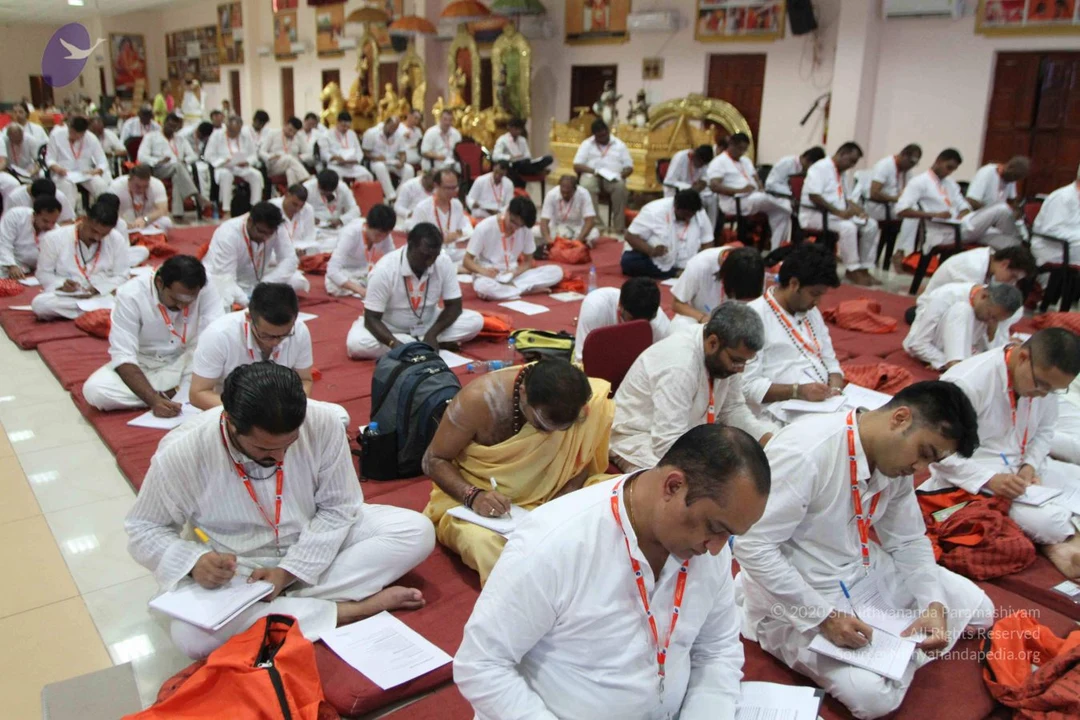
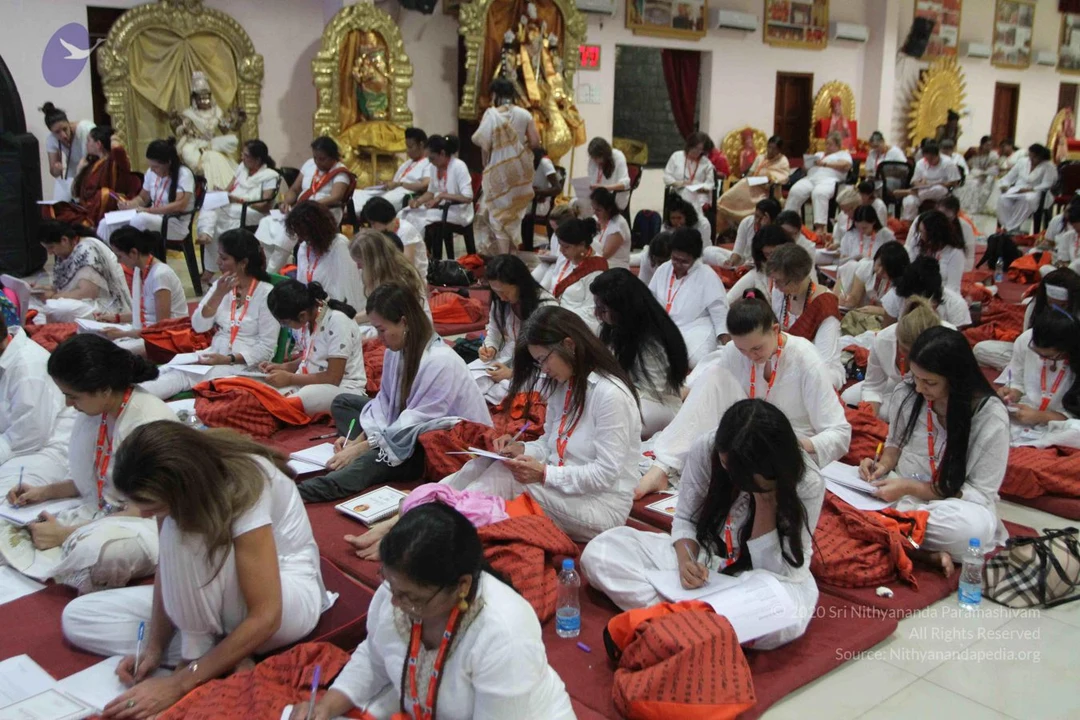
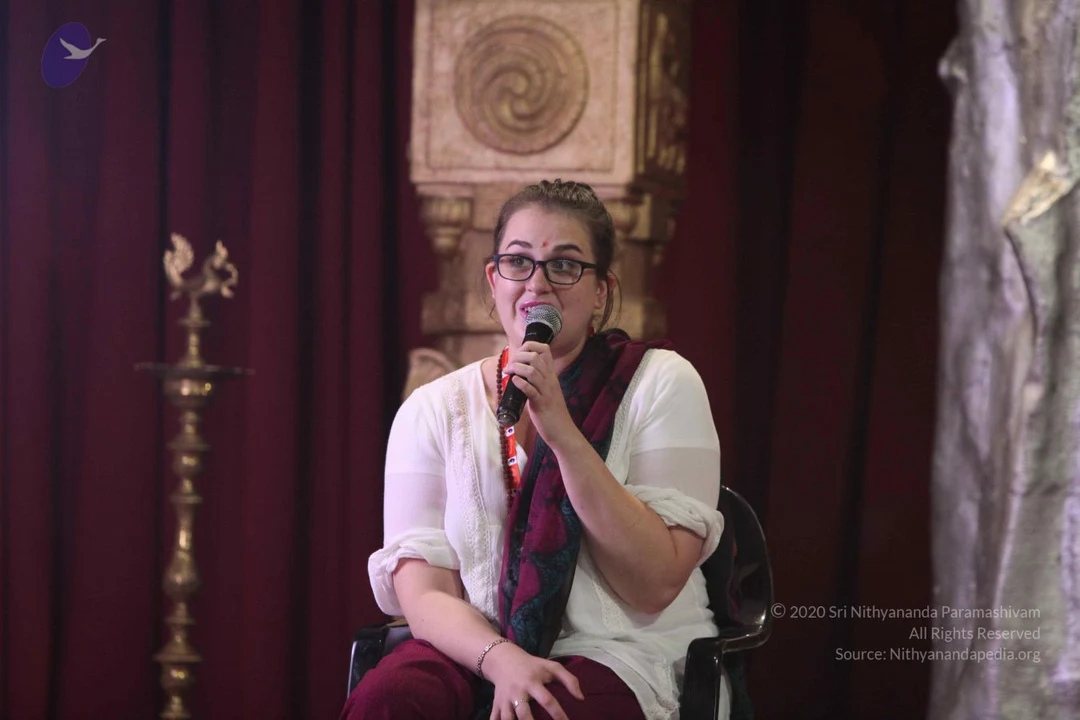
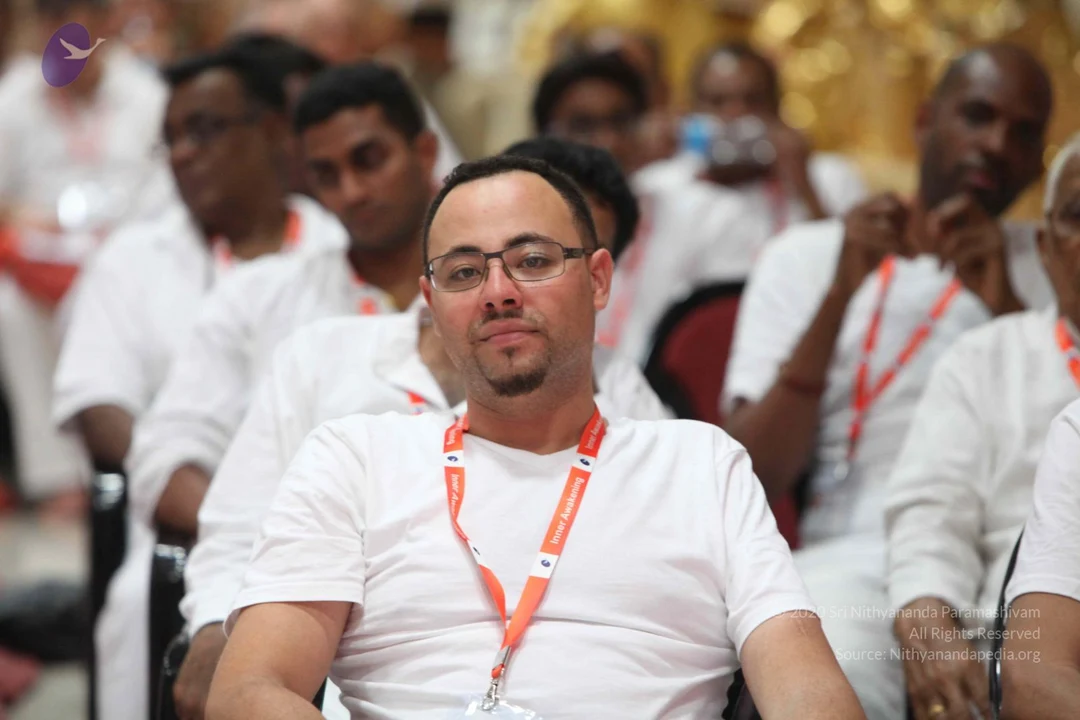
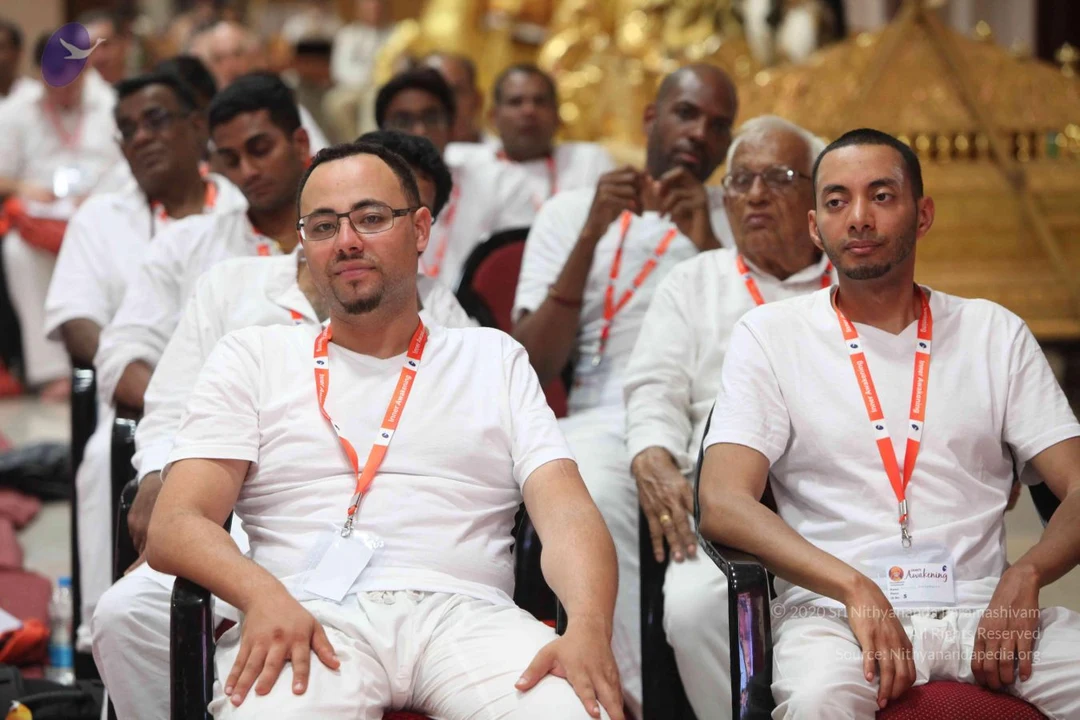
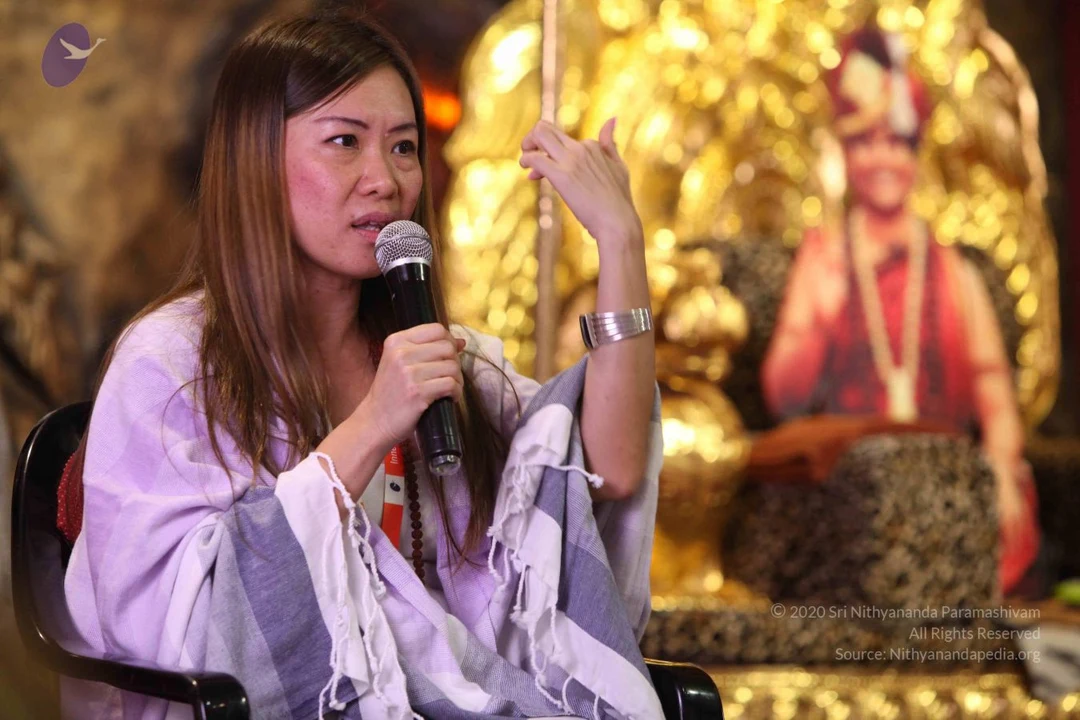
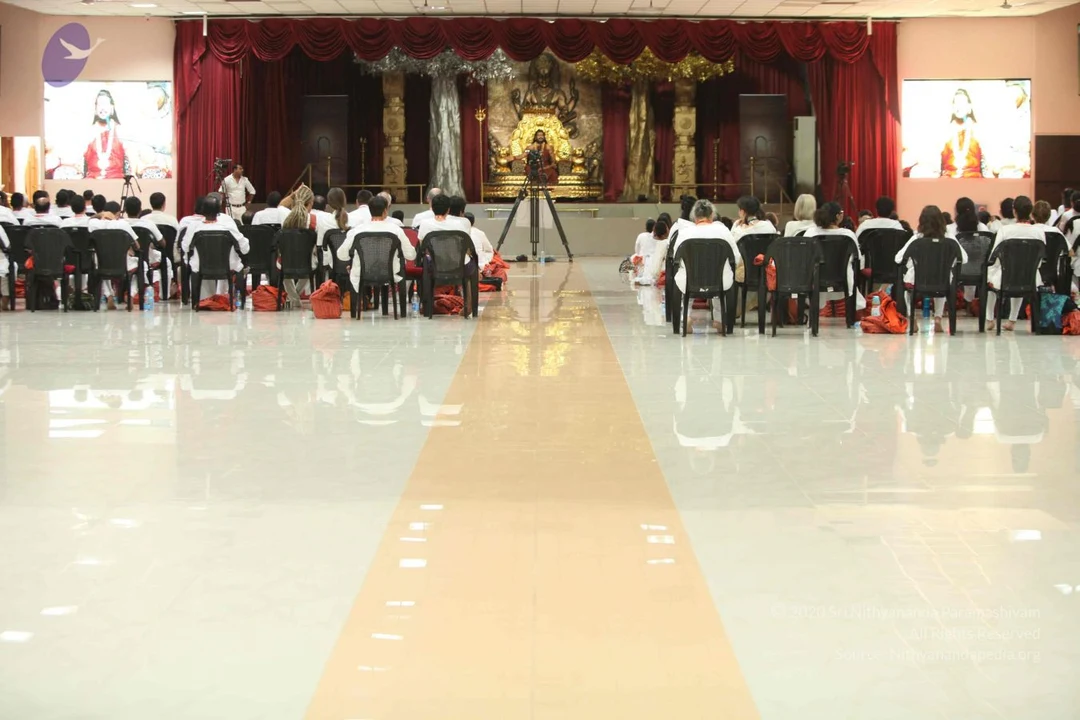
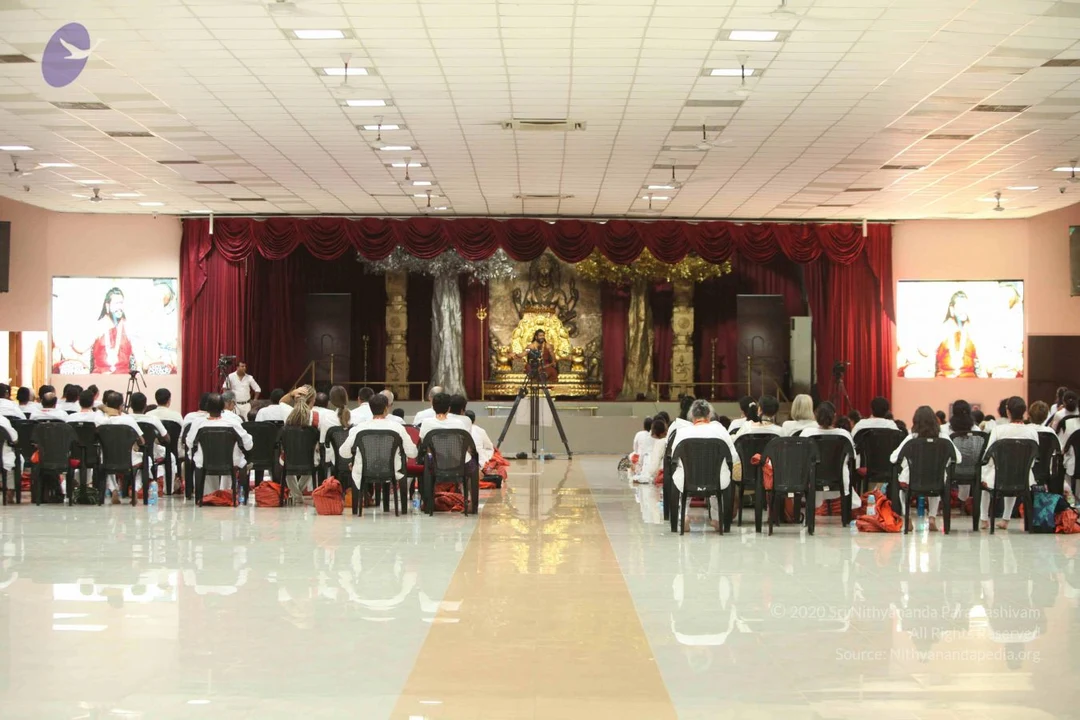
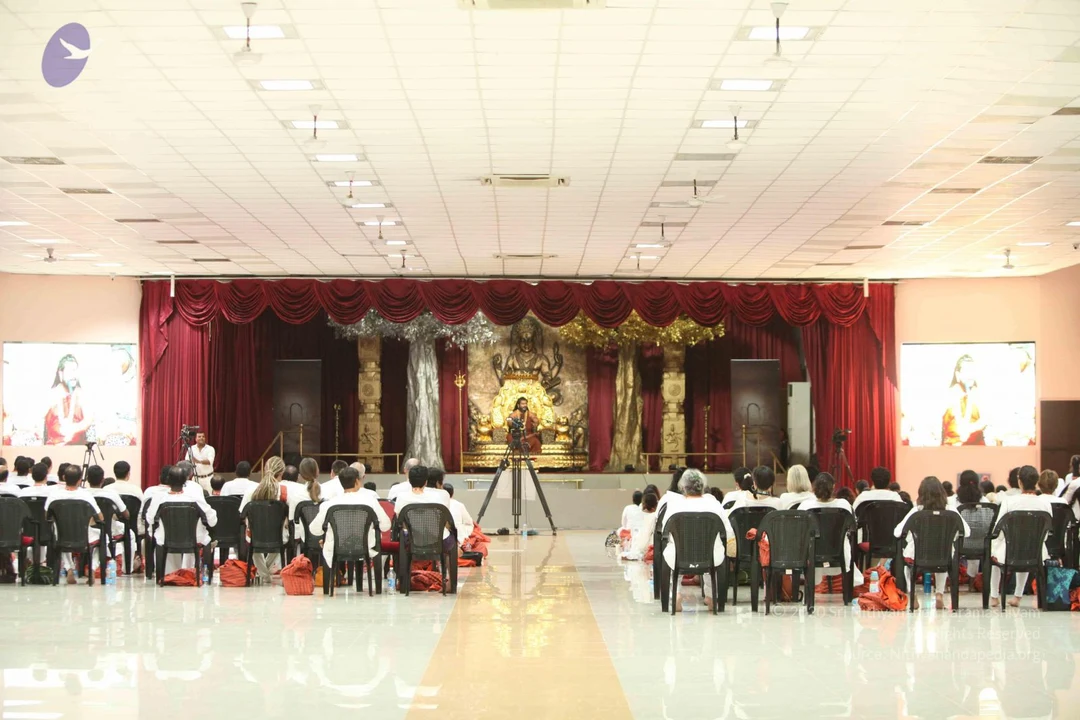
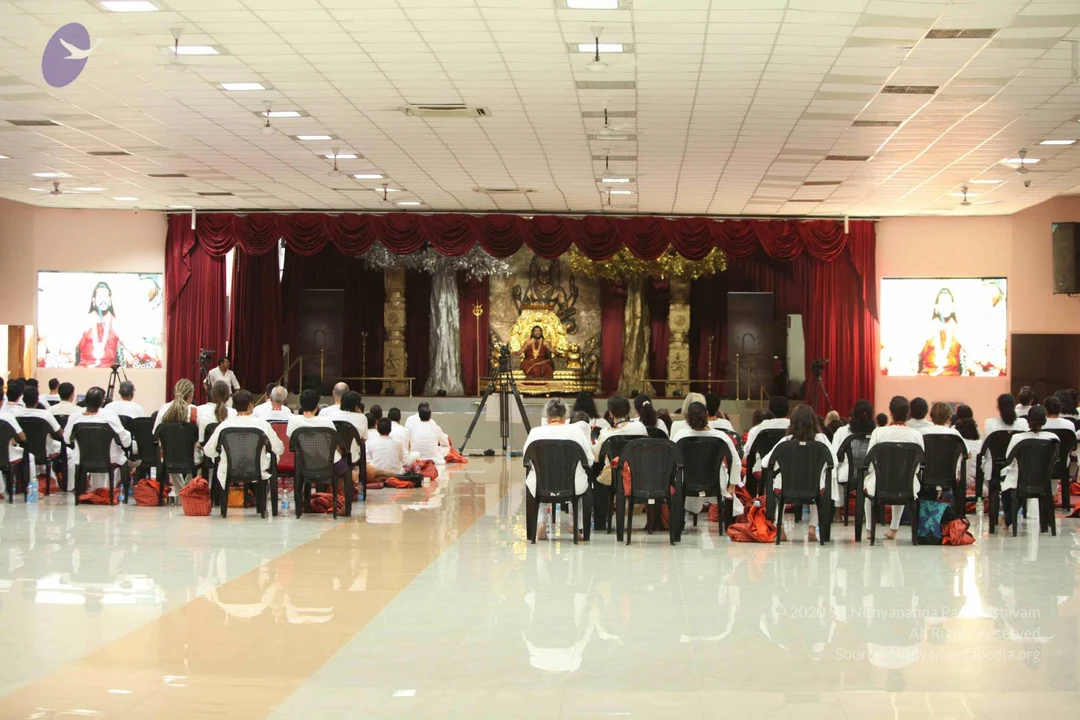

Nithya-Satsang
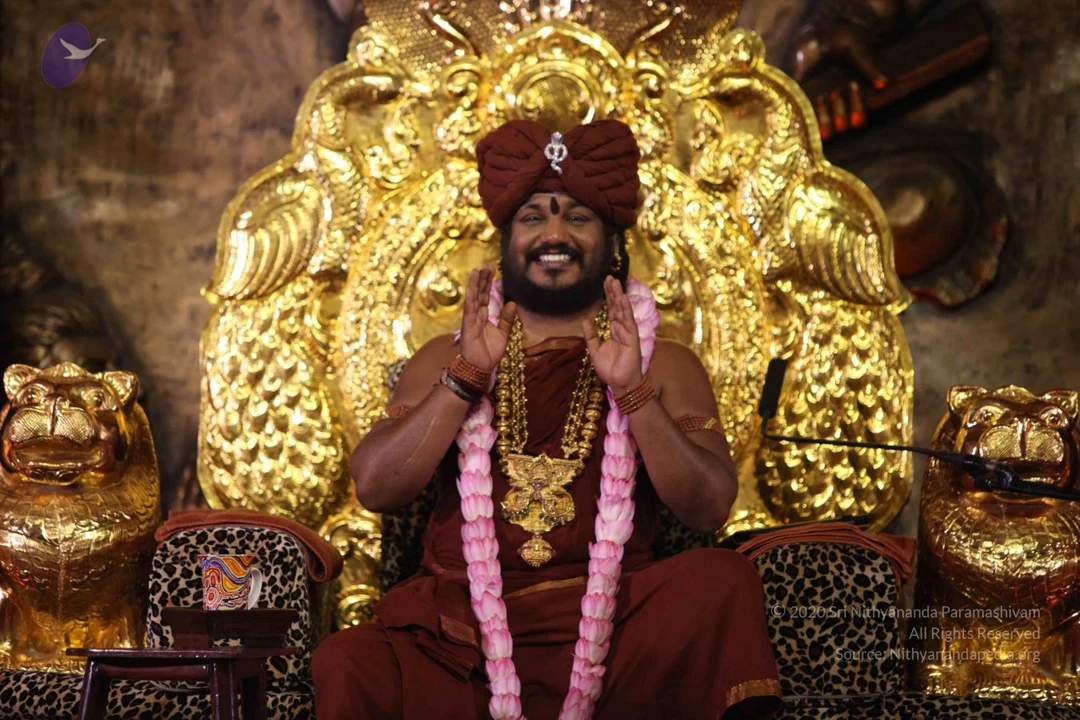
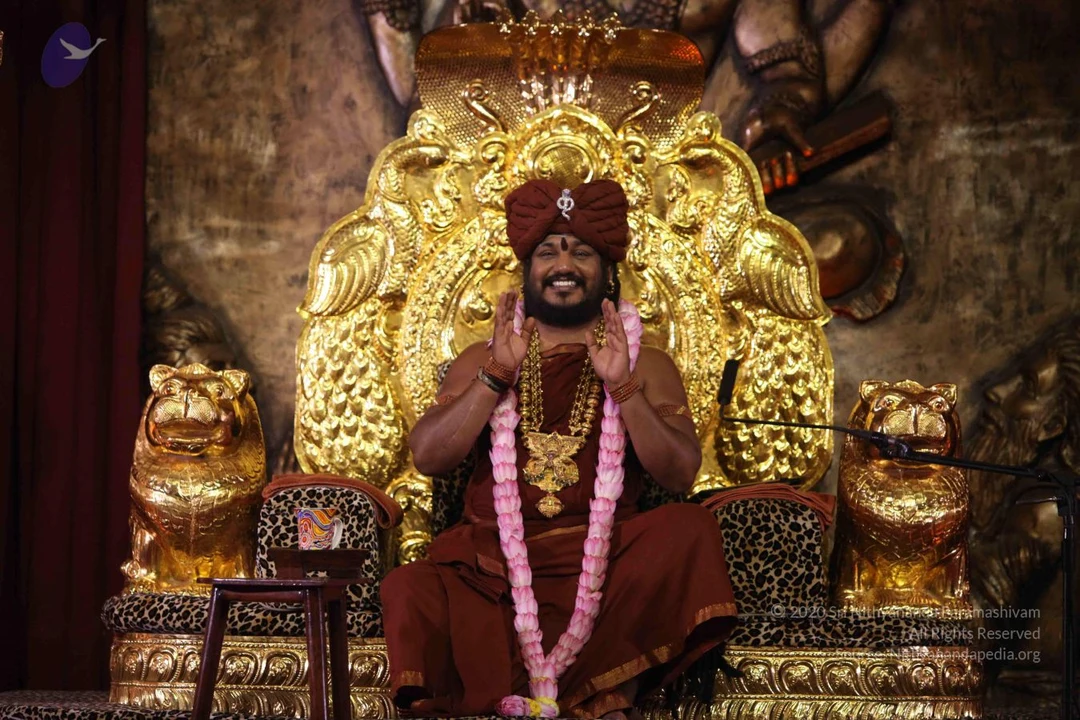
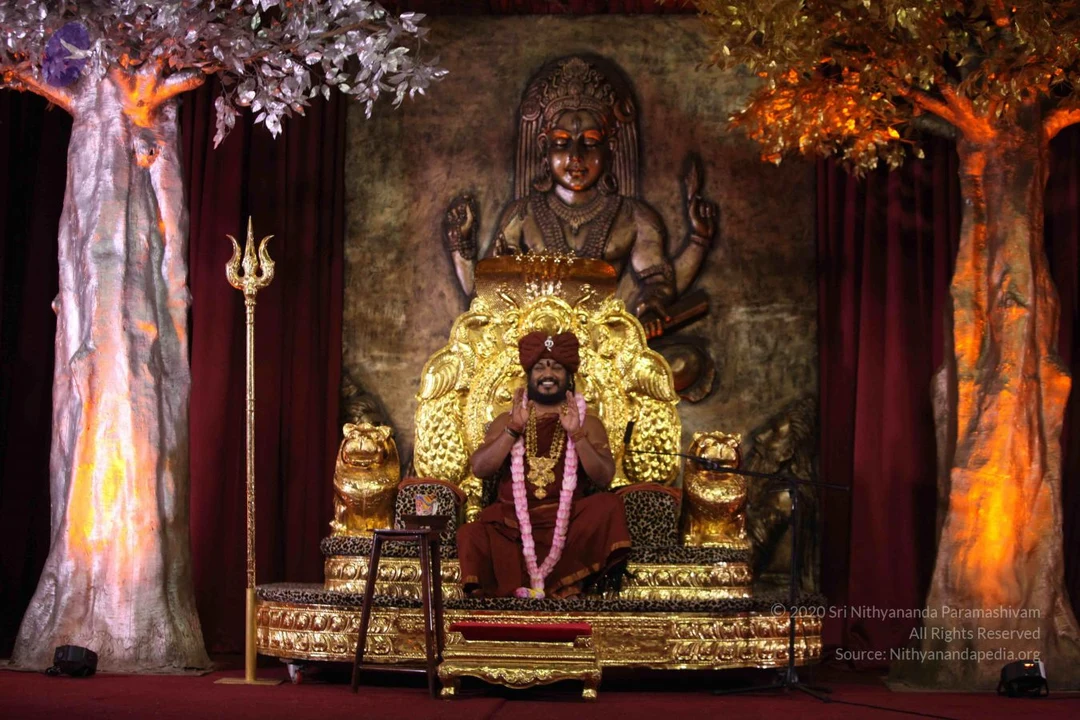
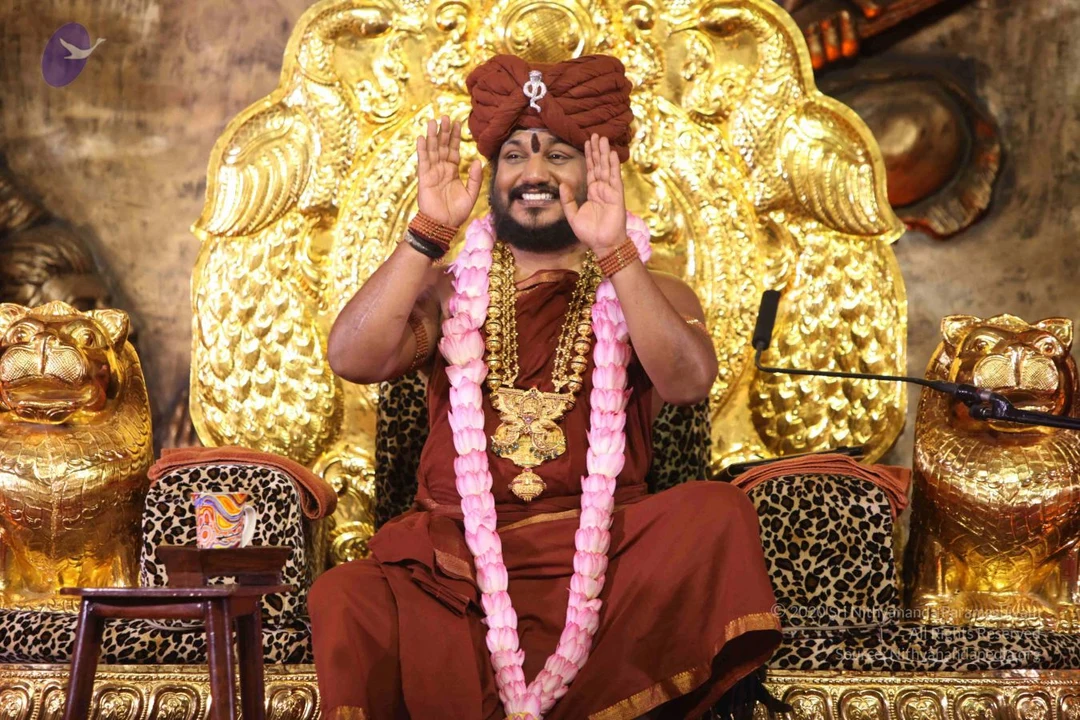
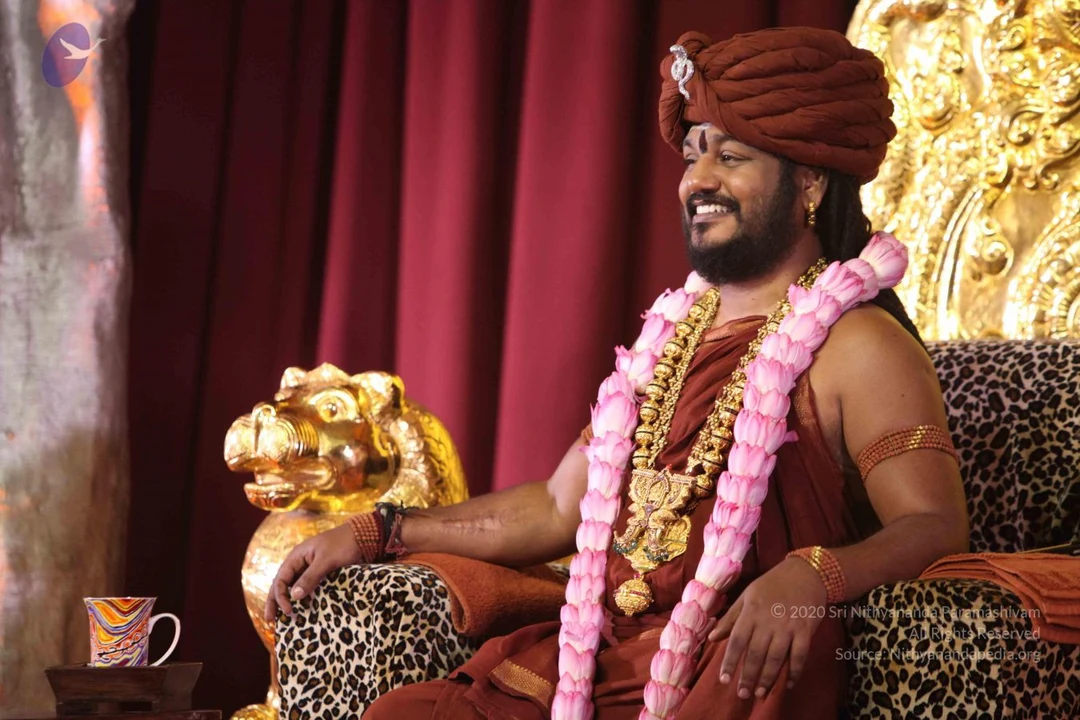
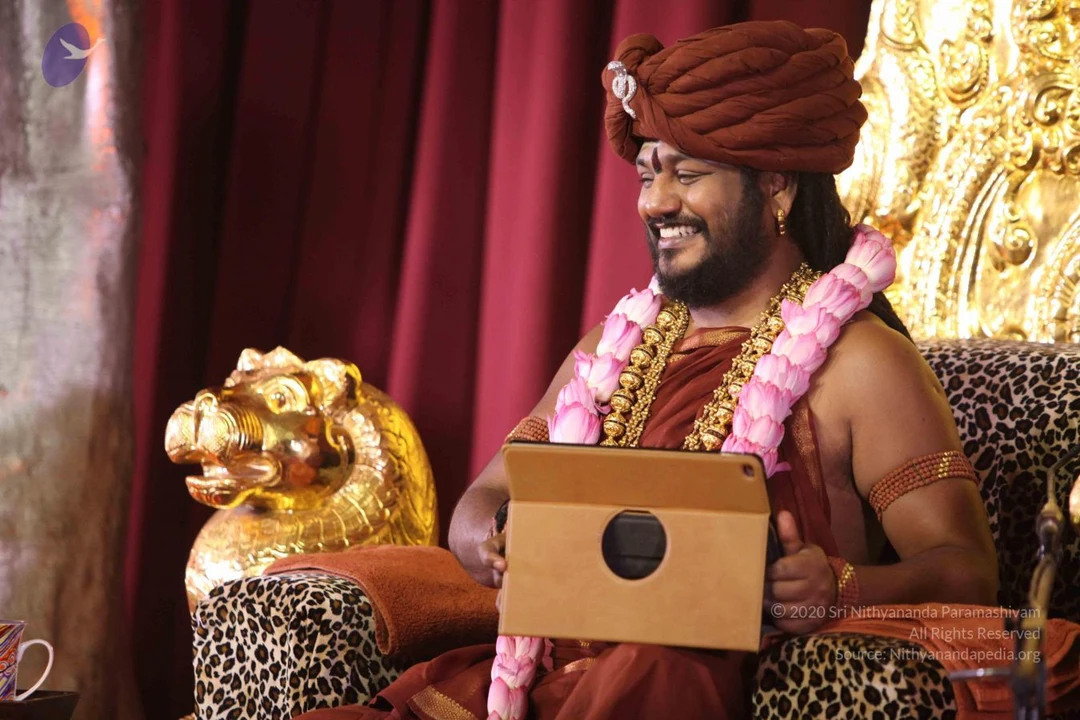
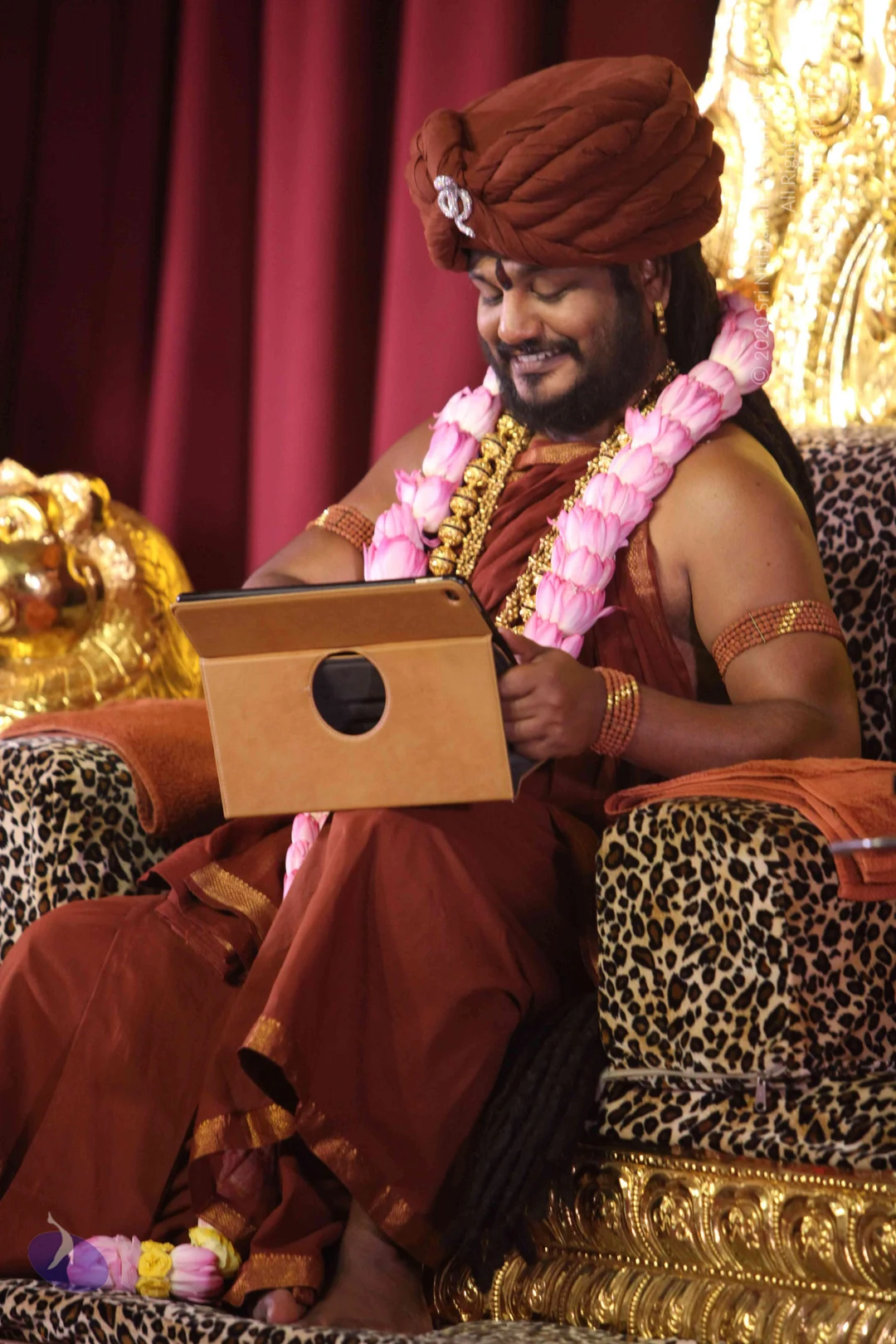

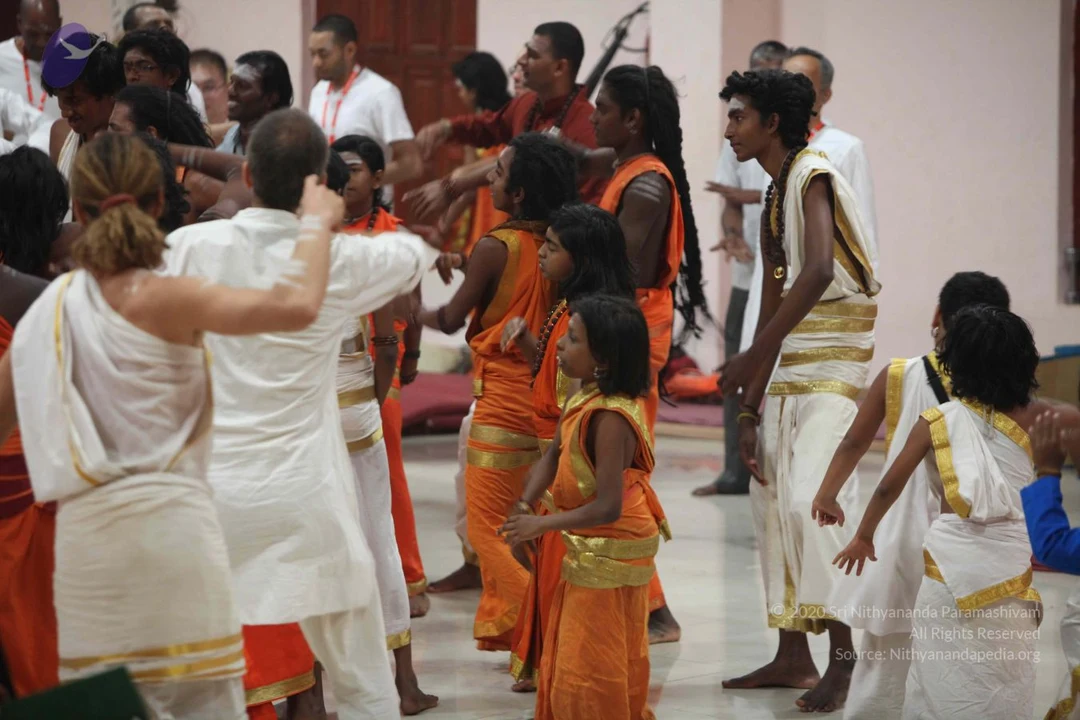
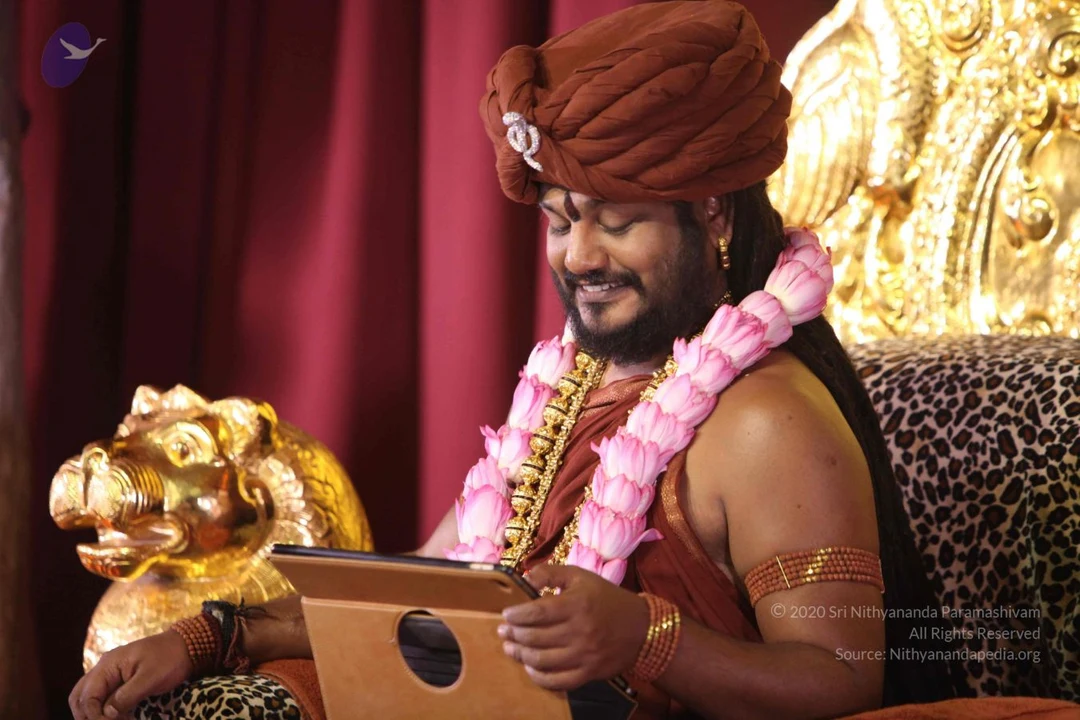
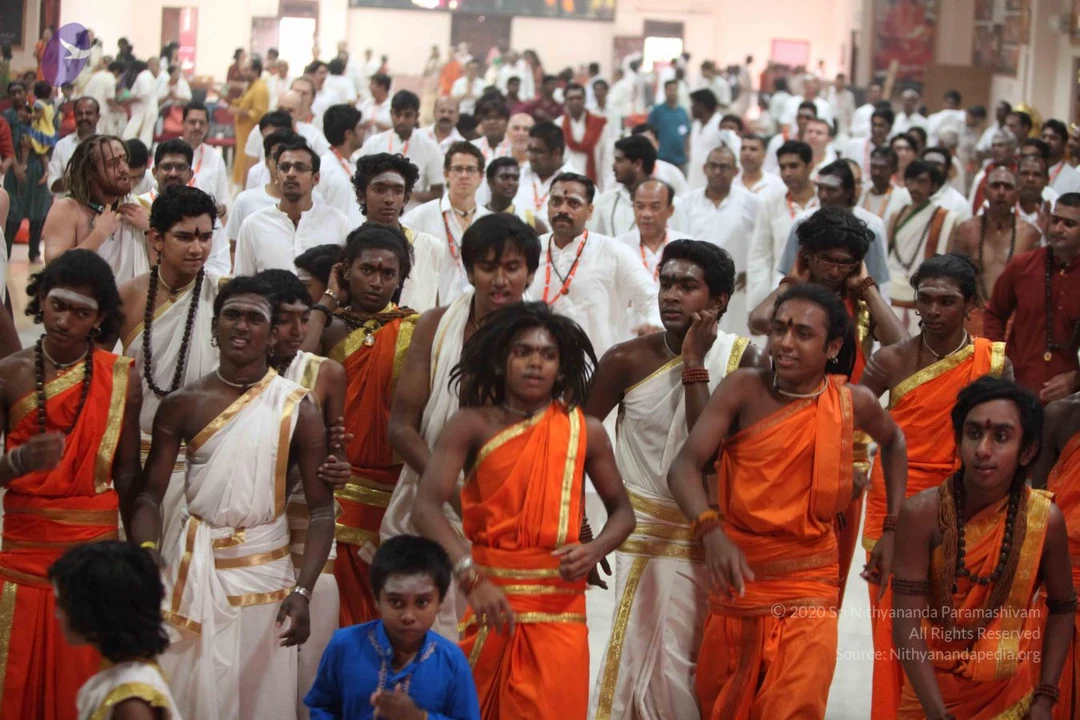
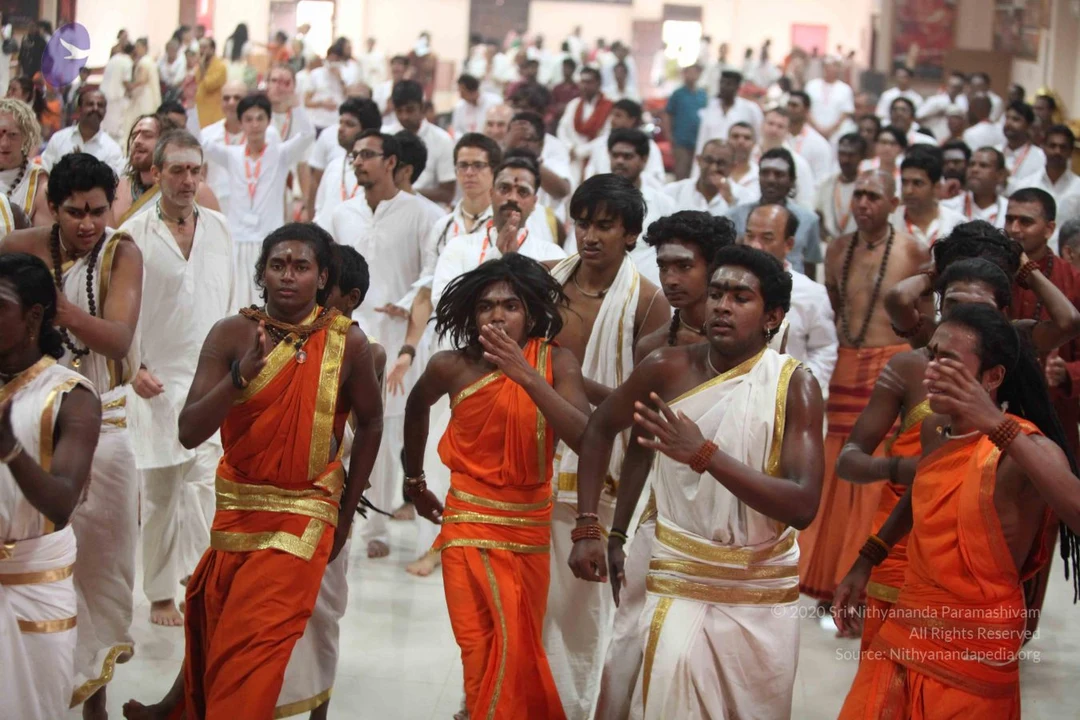
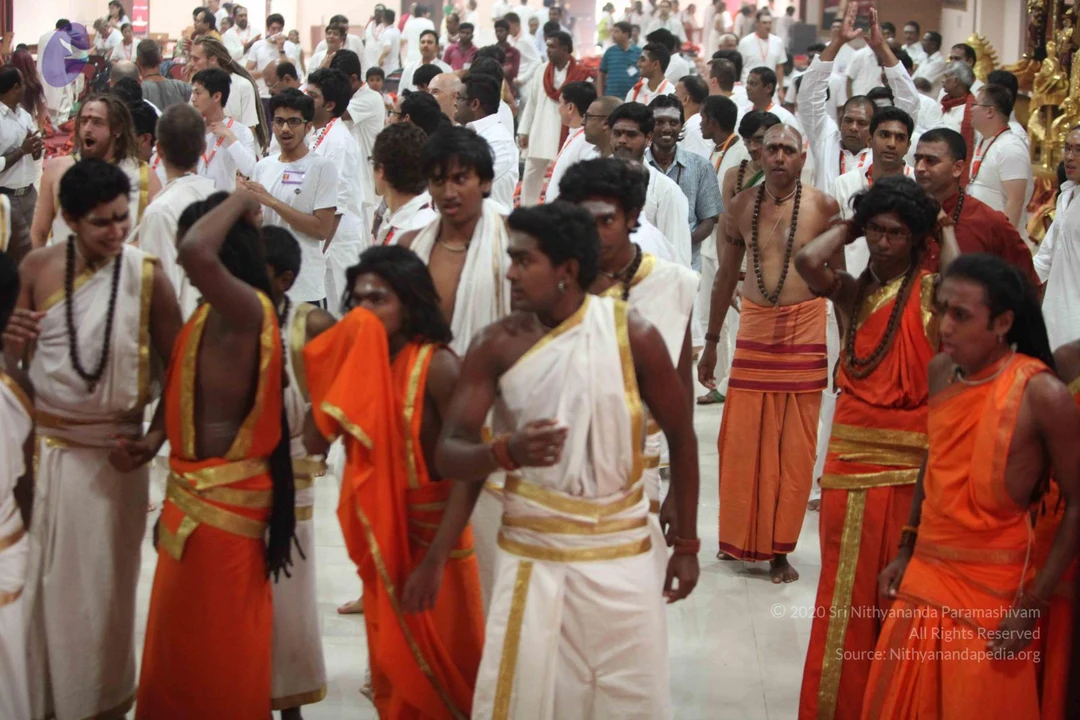

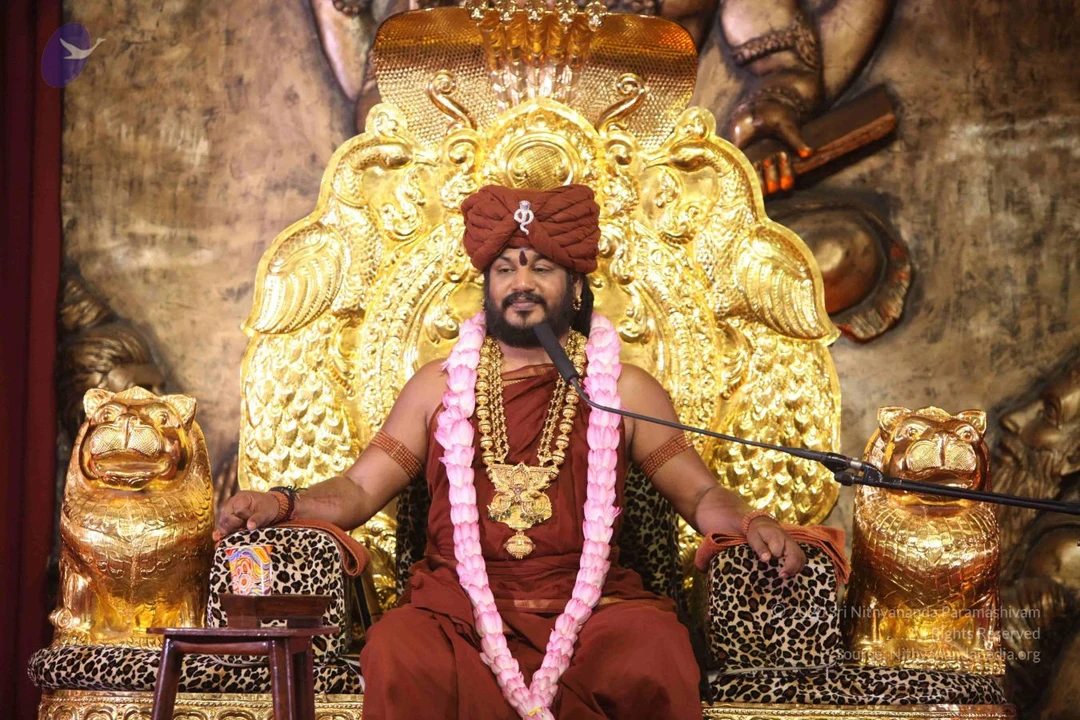
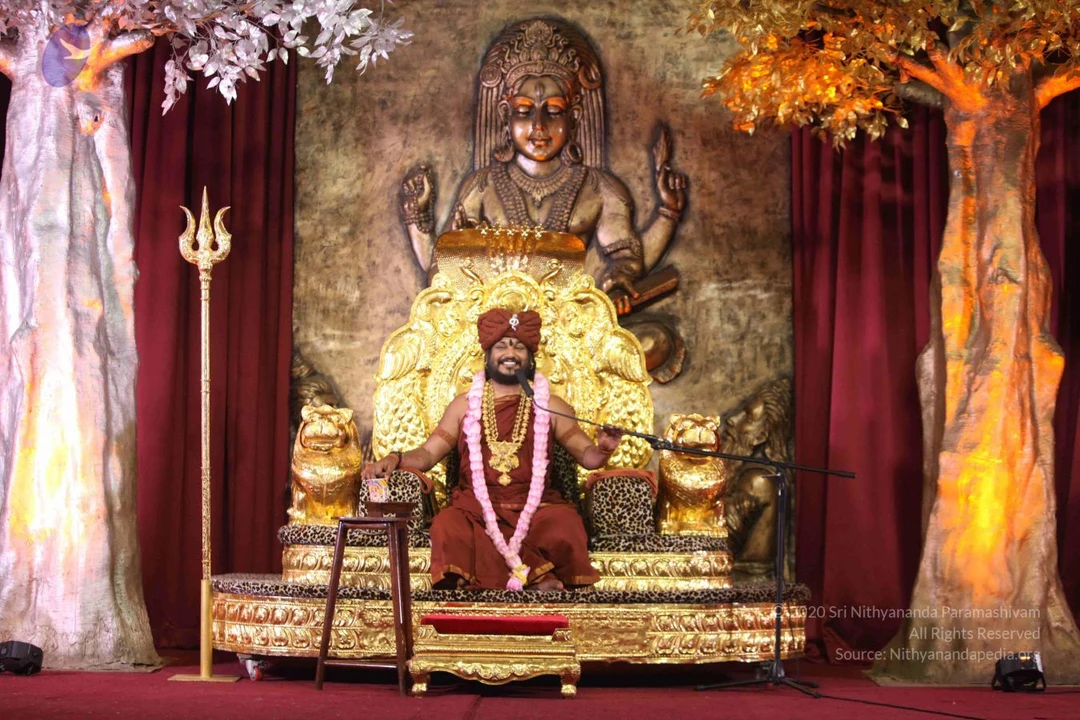
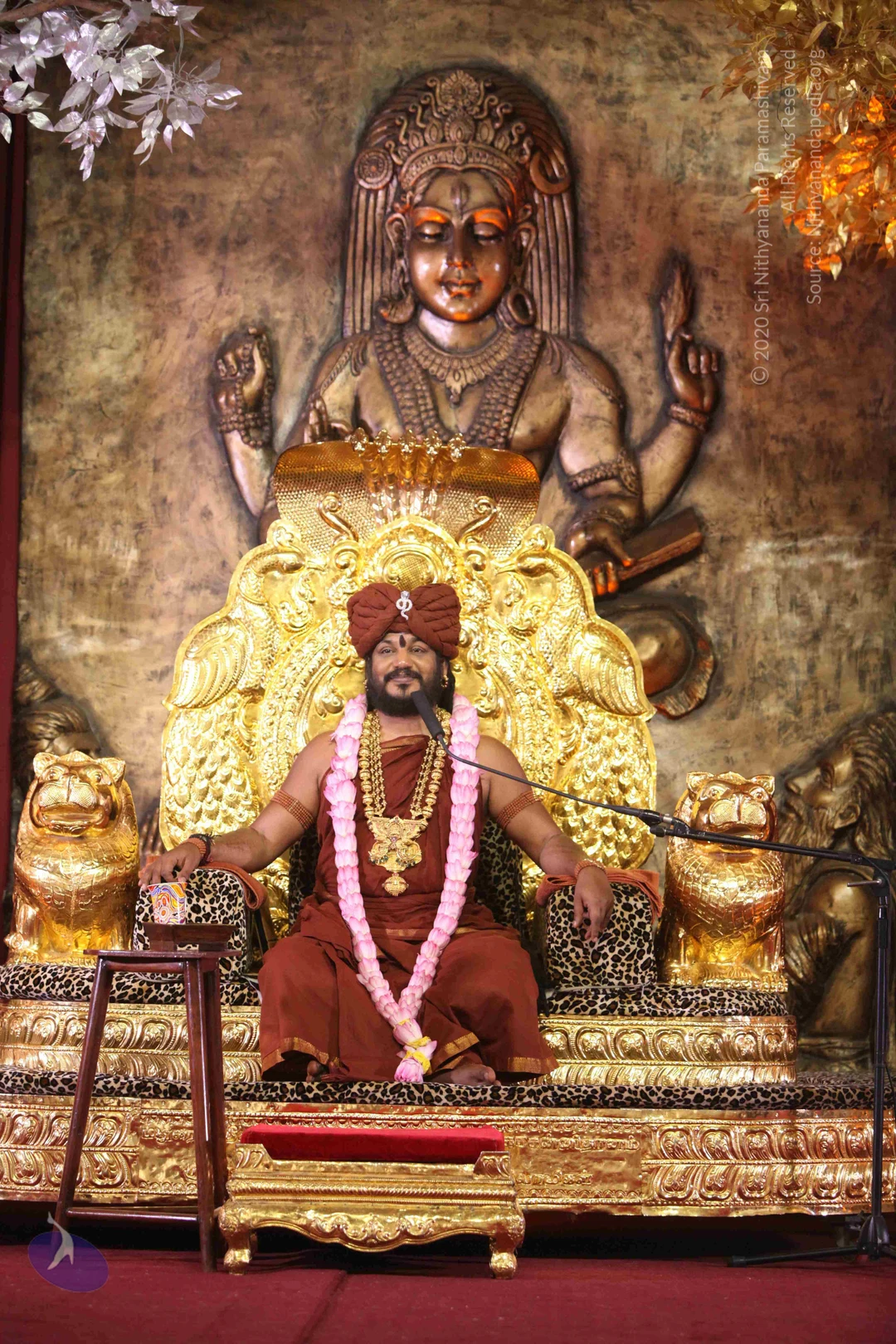
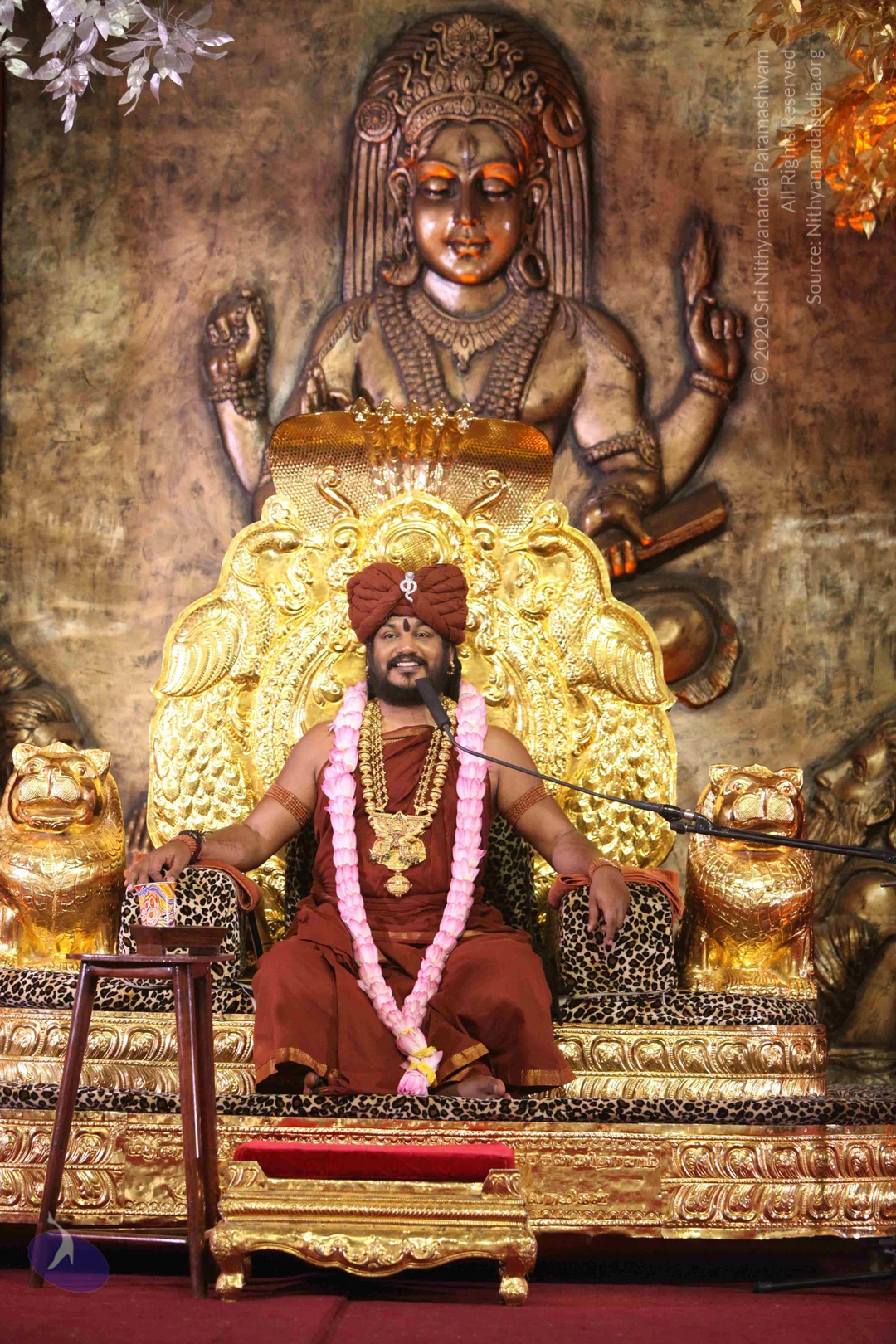
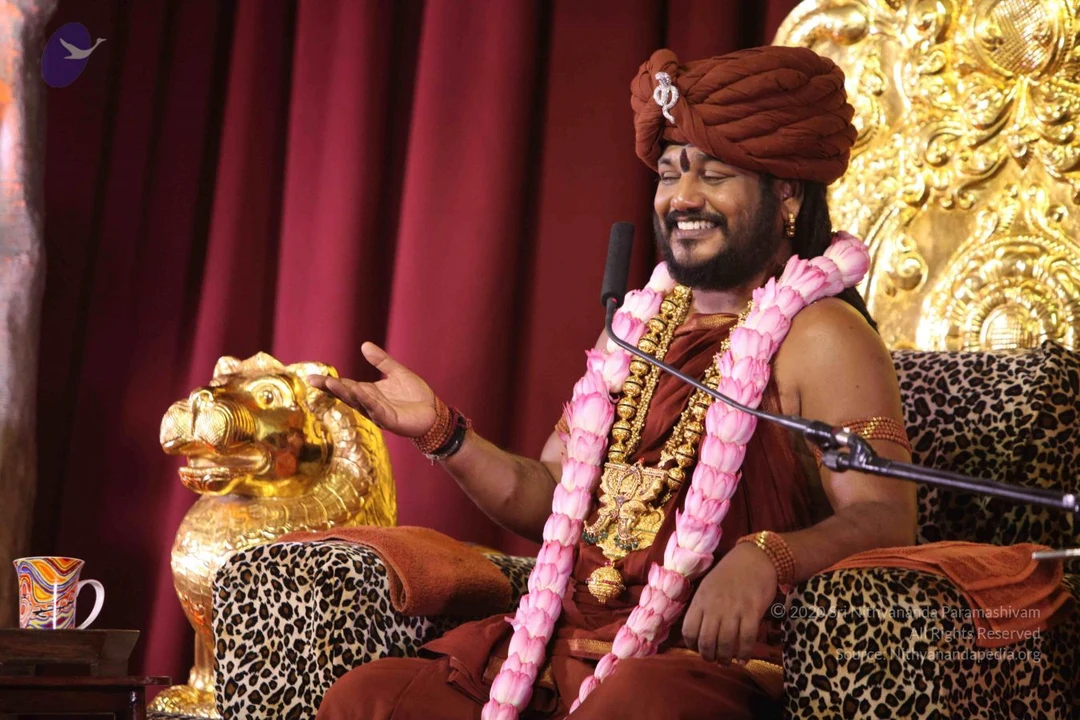
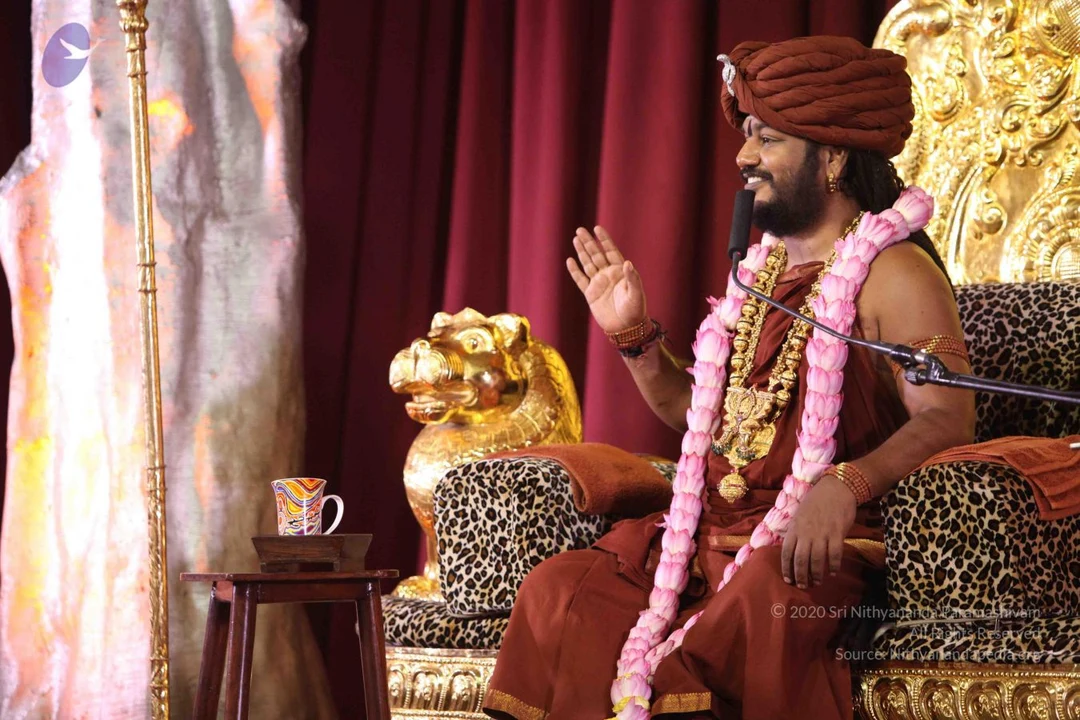
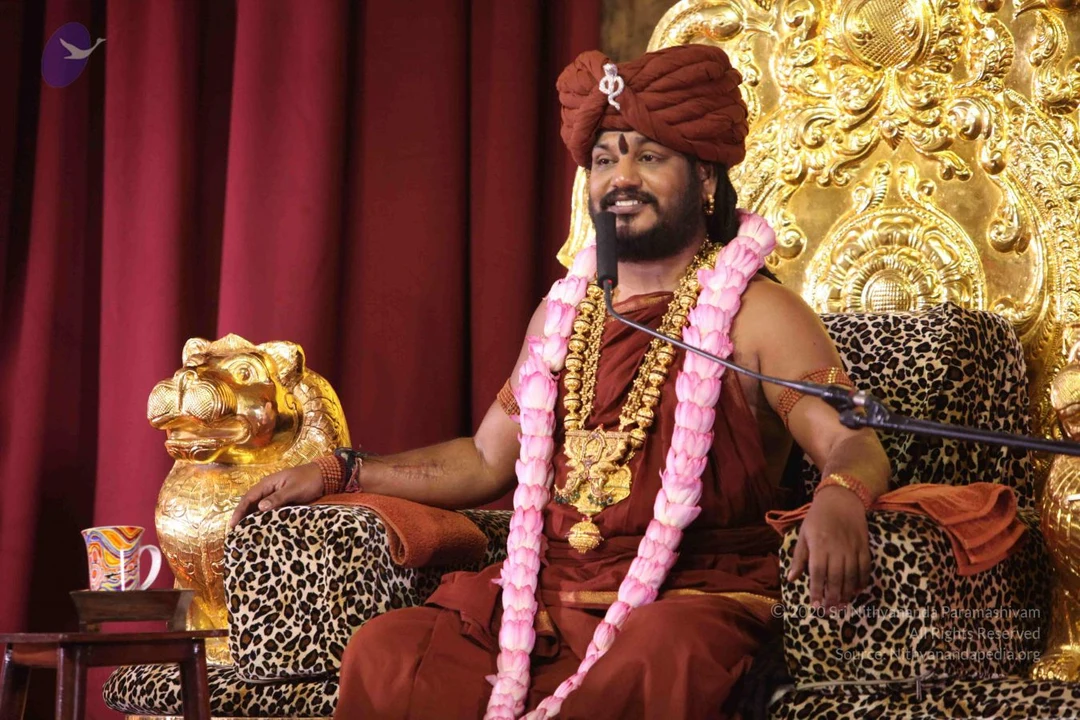
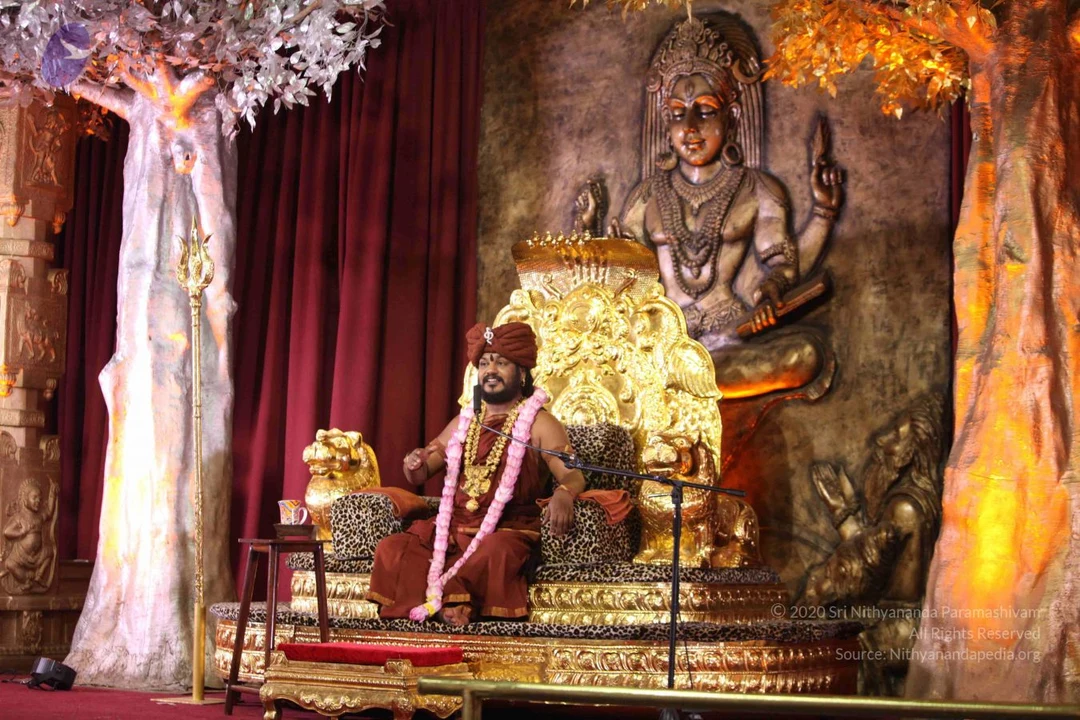

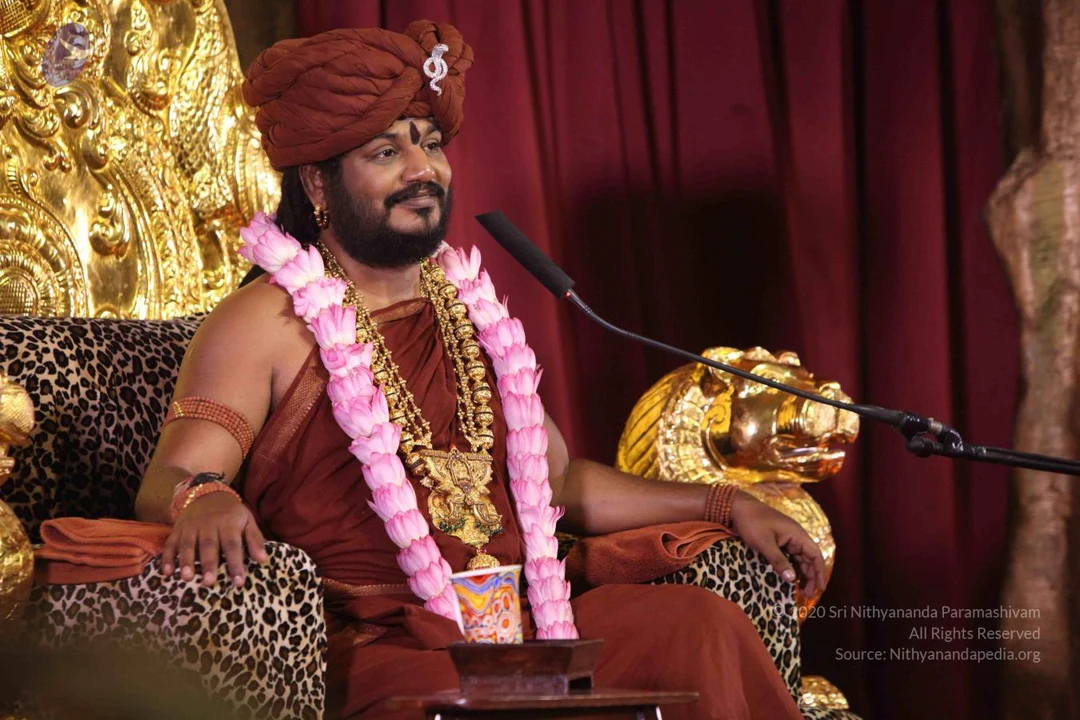
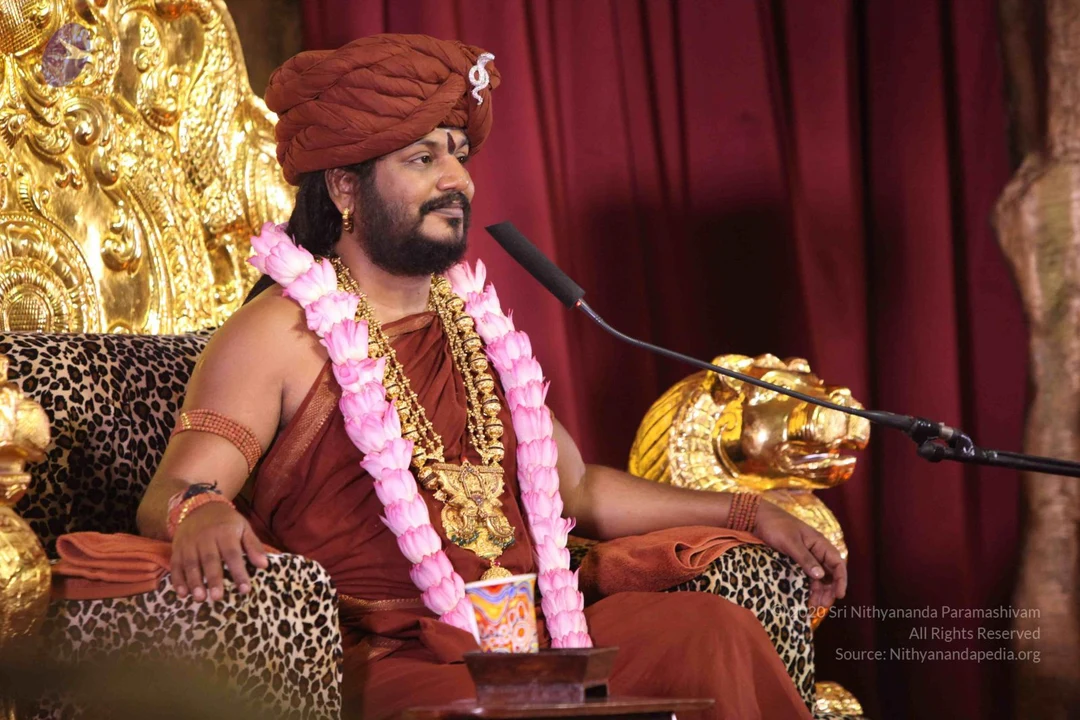
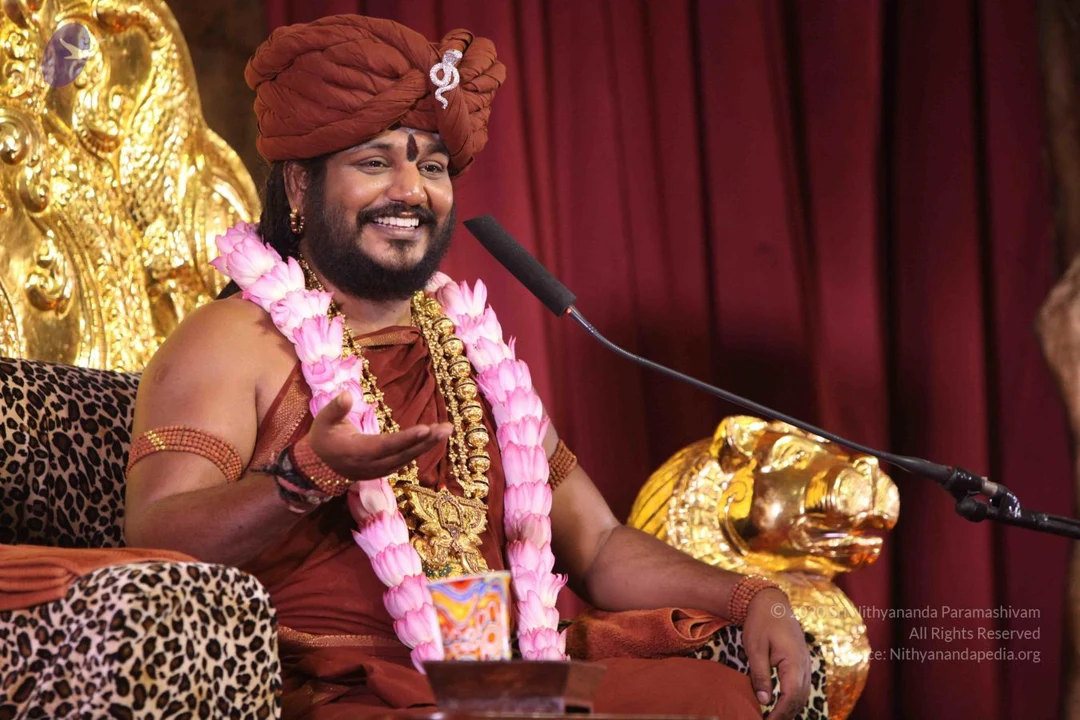
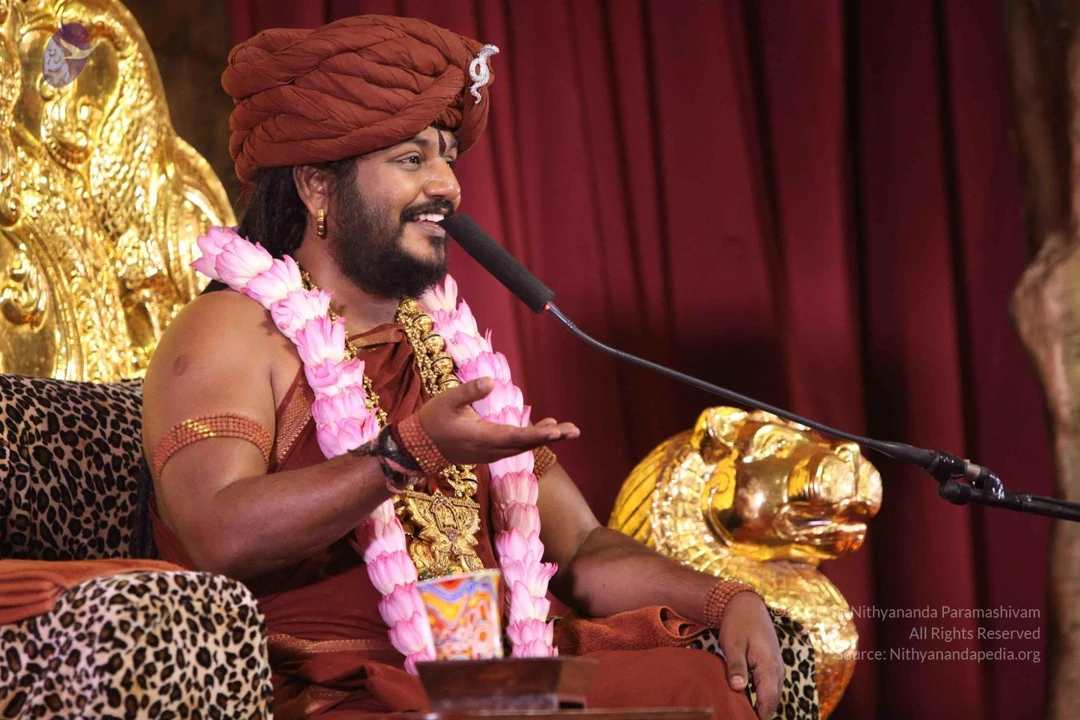
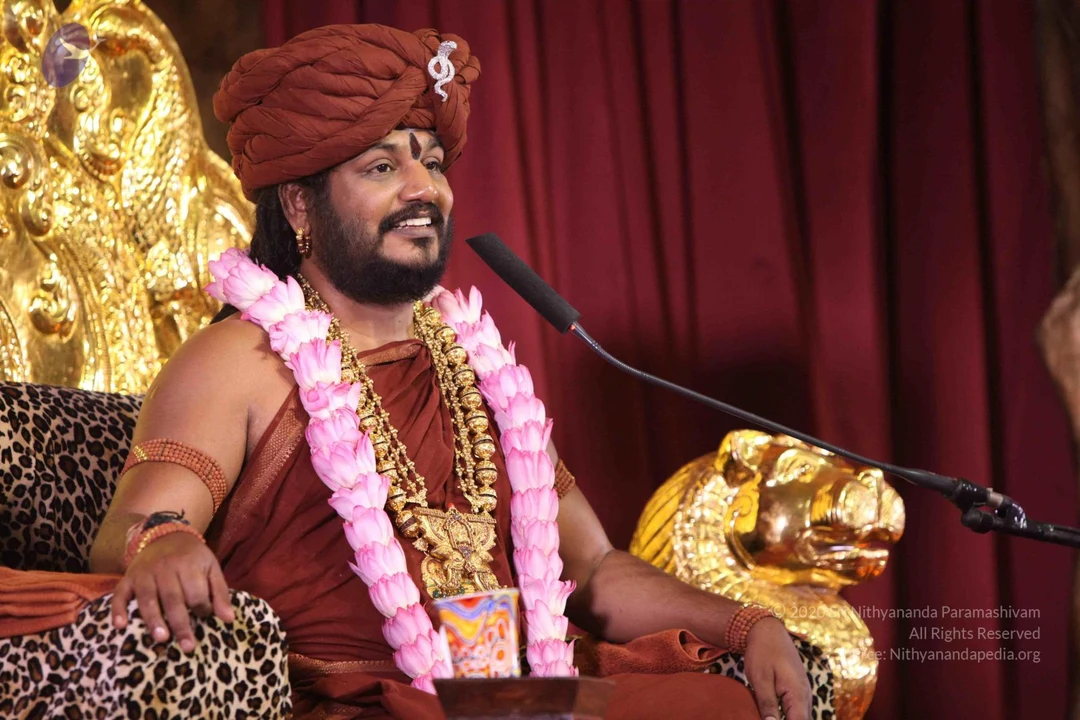
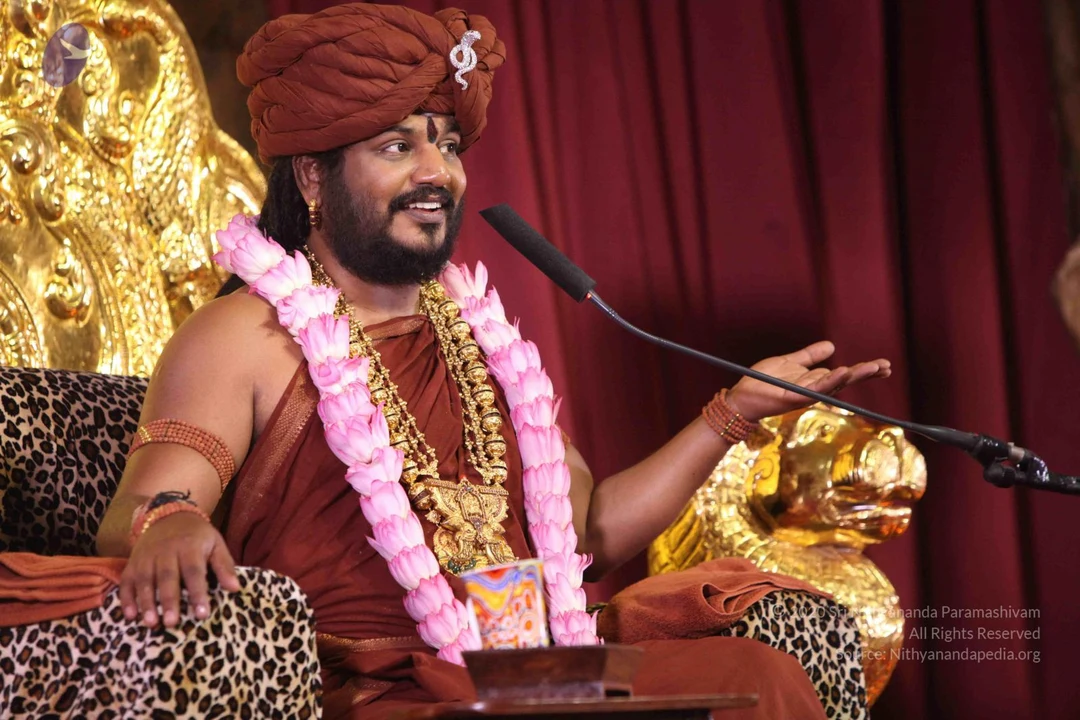
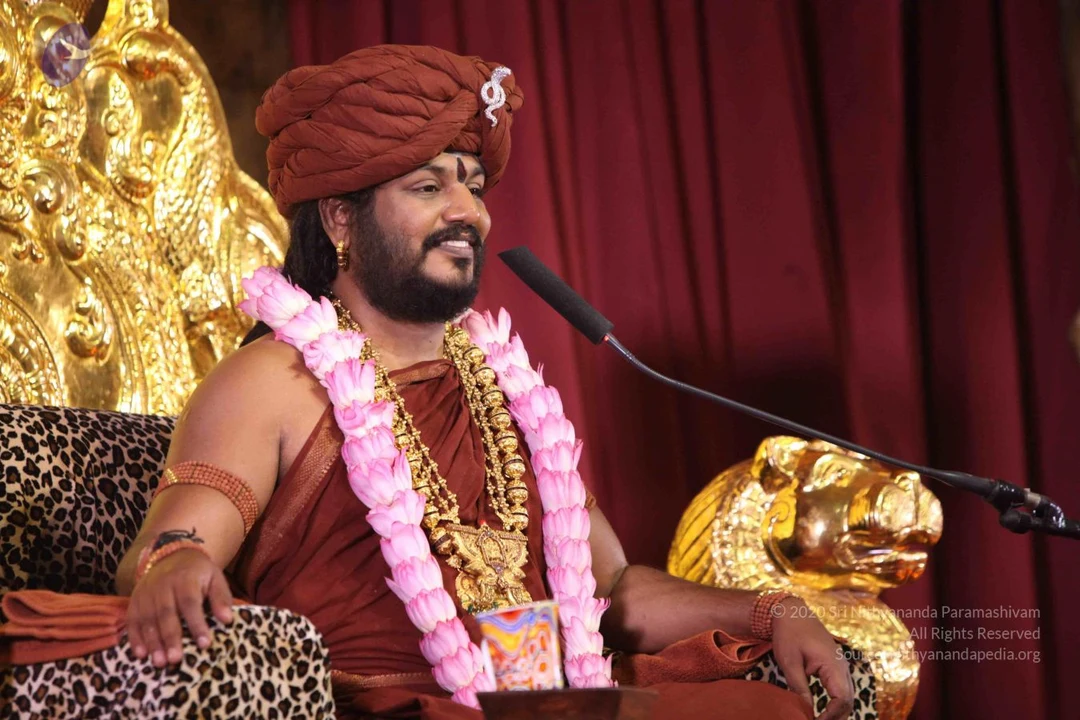
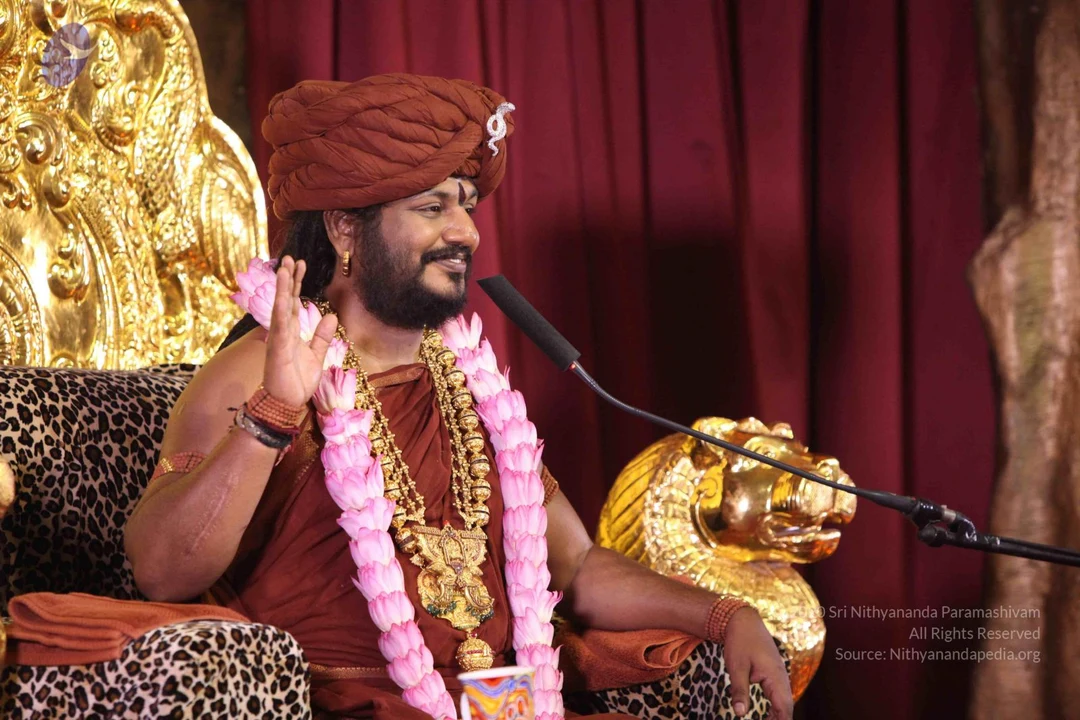
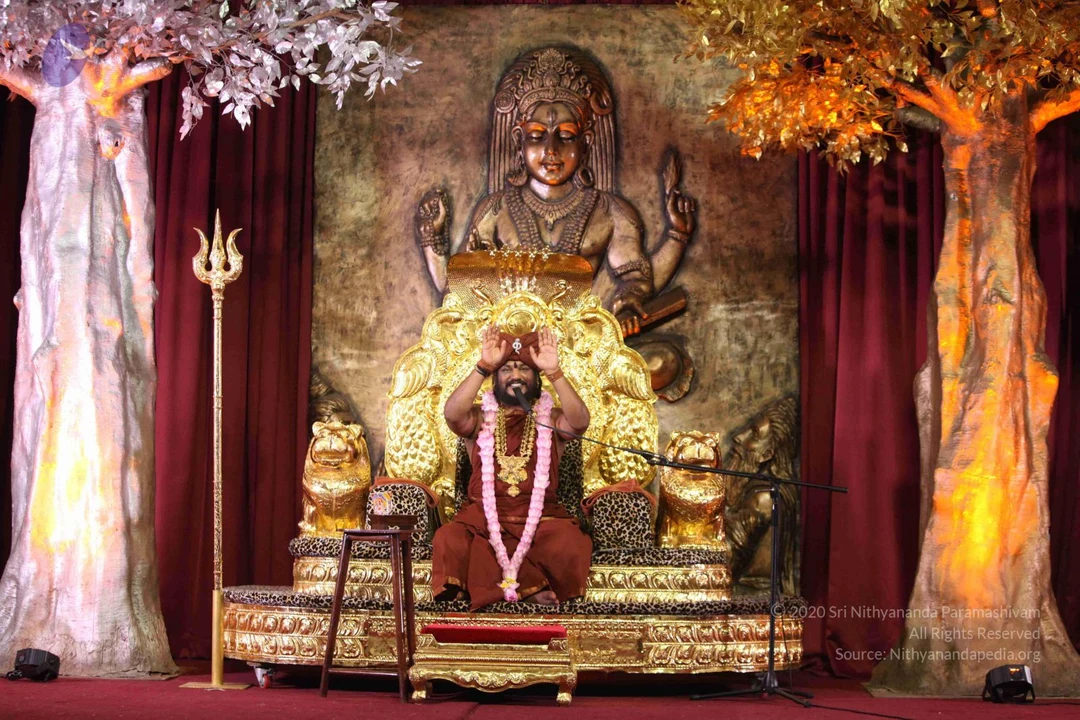
01-Nithya-Satsang
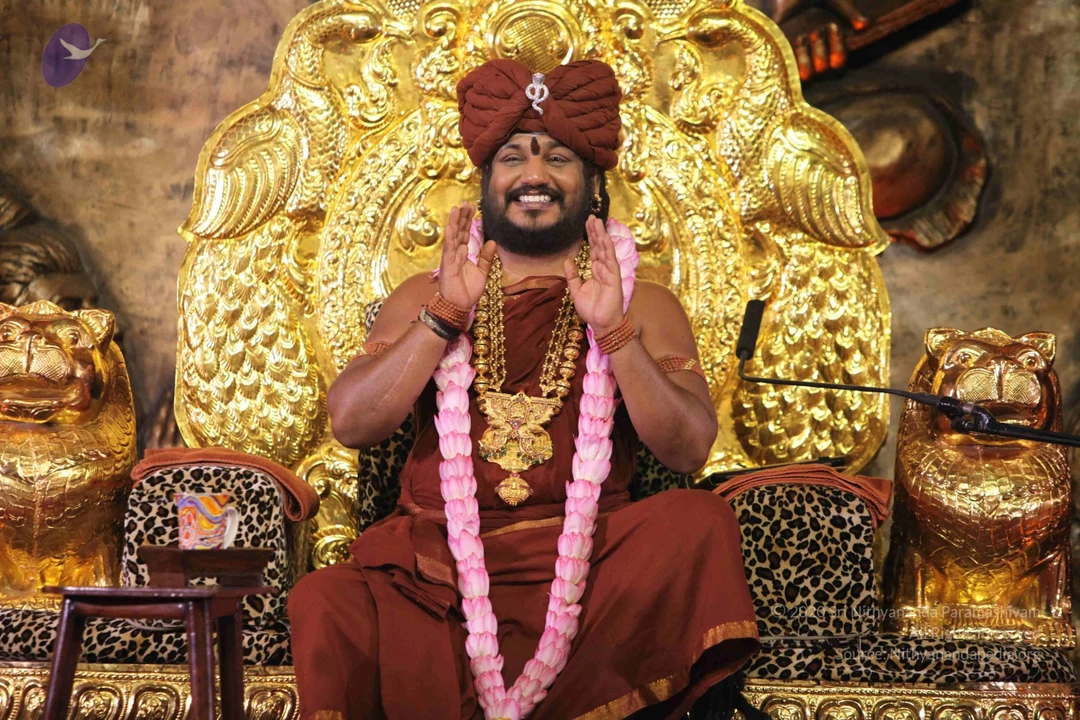
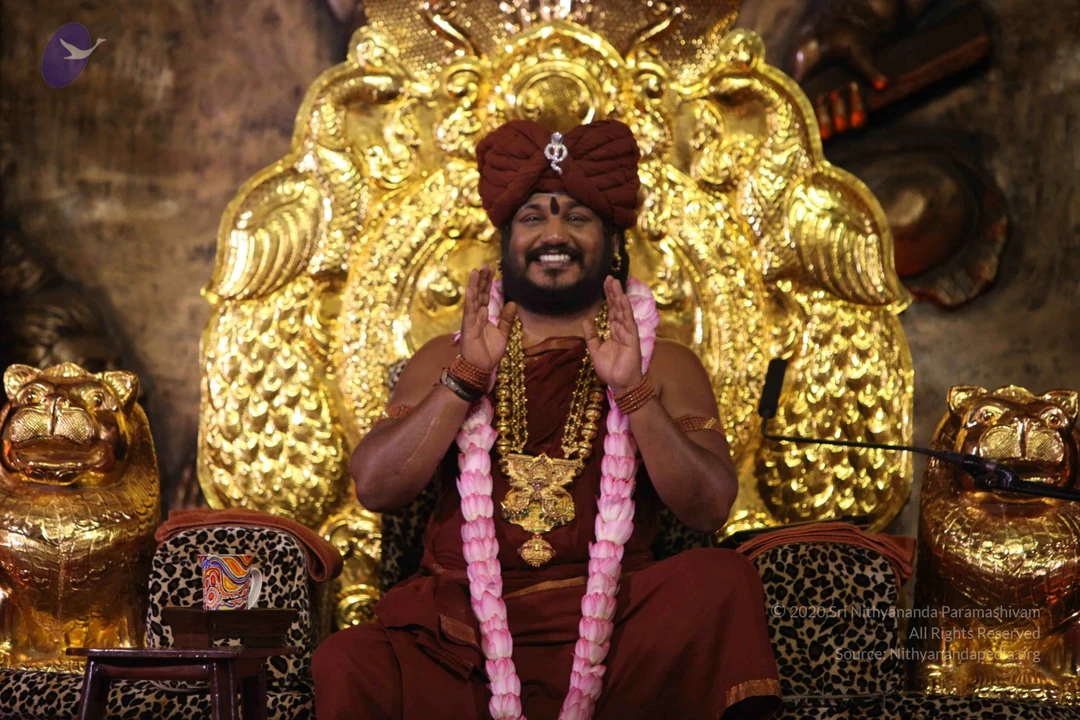
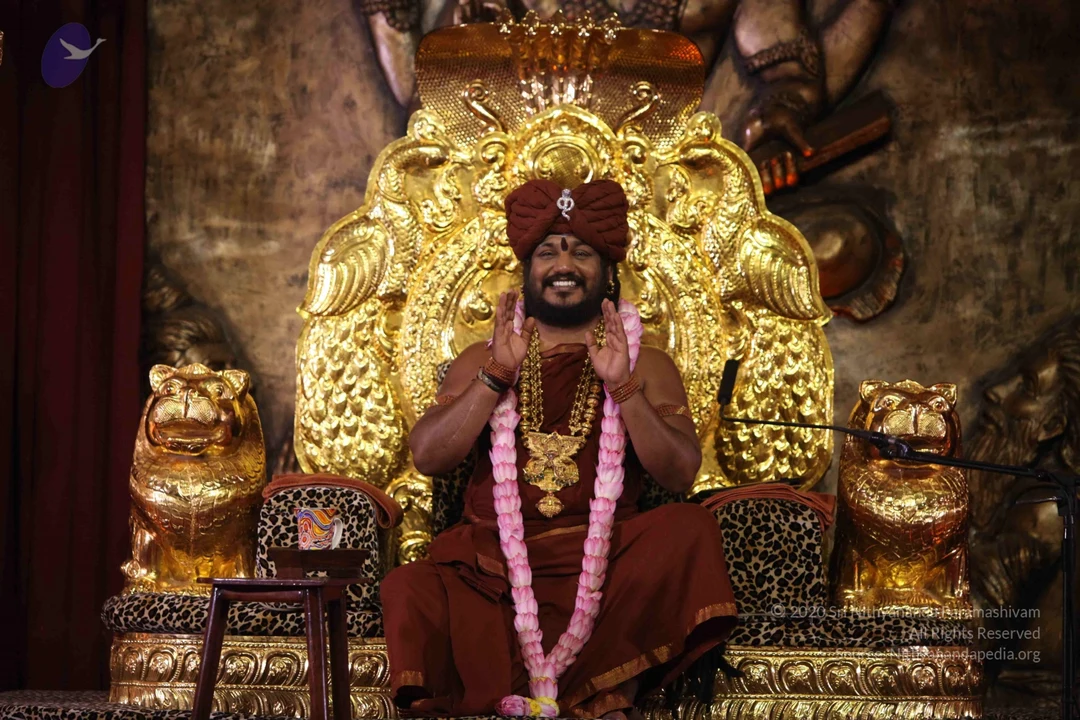
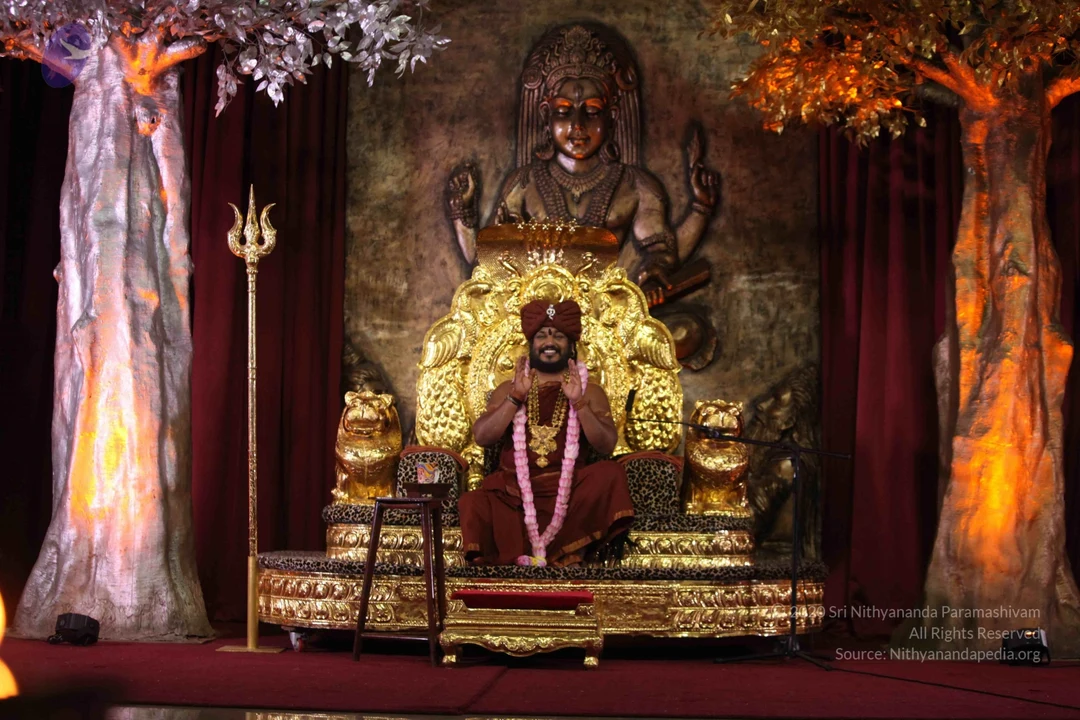
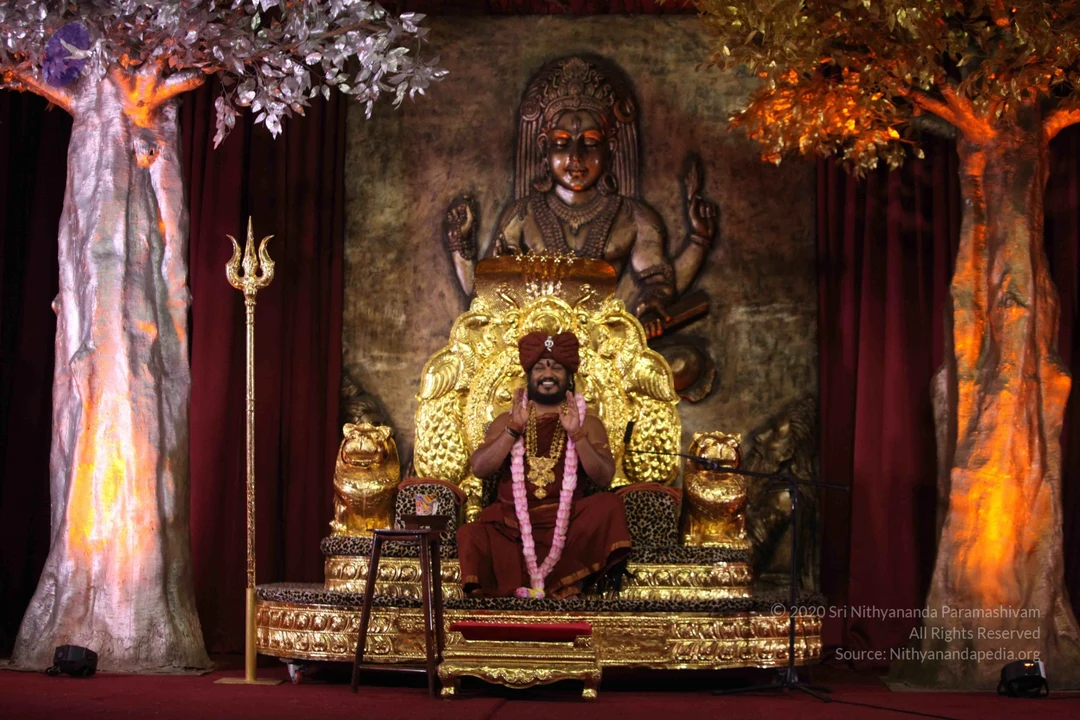
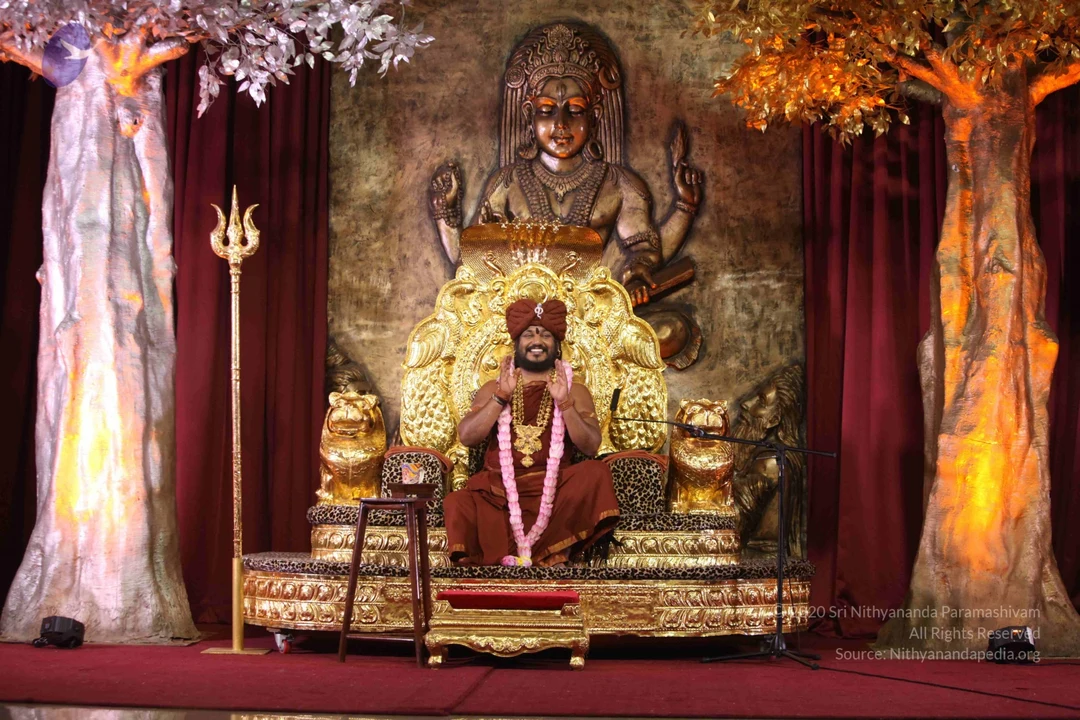
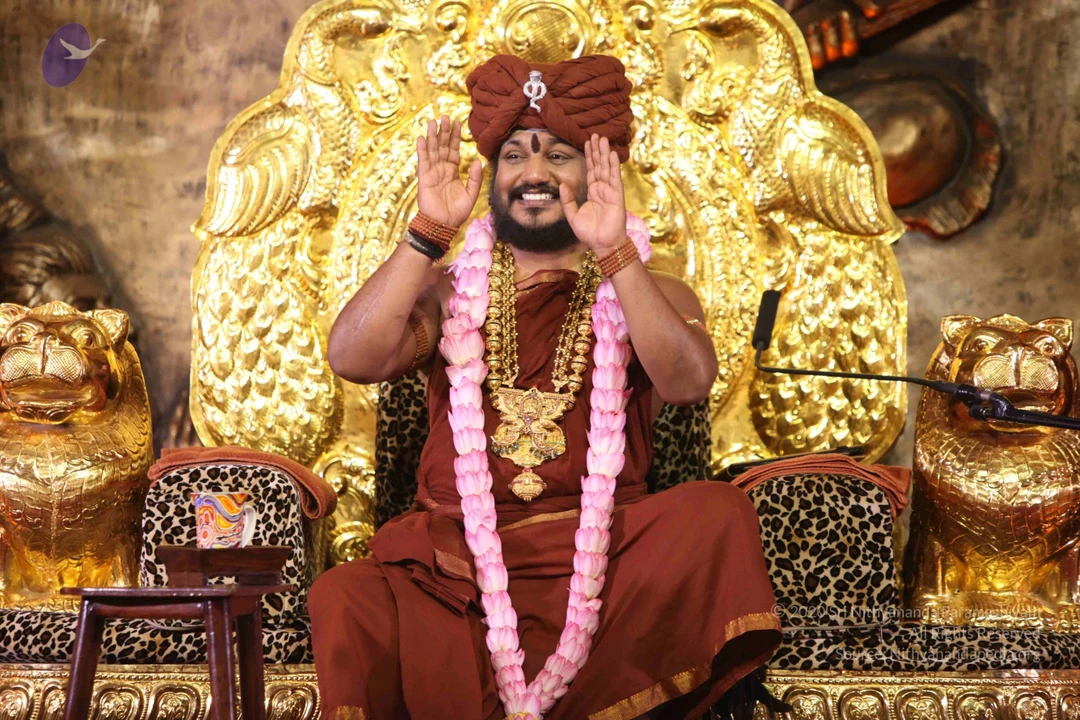
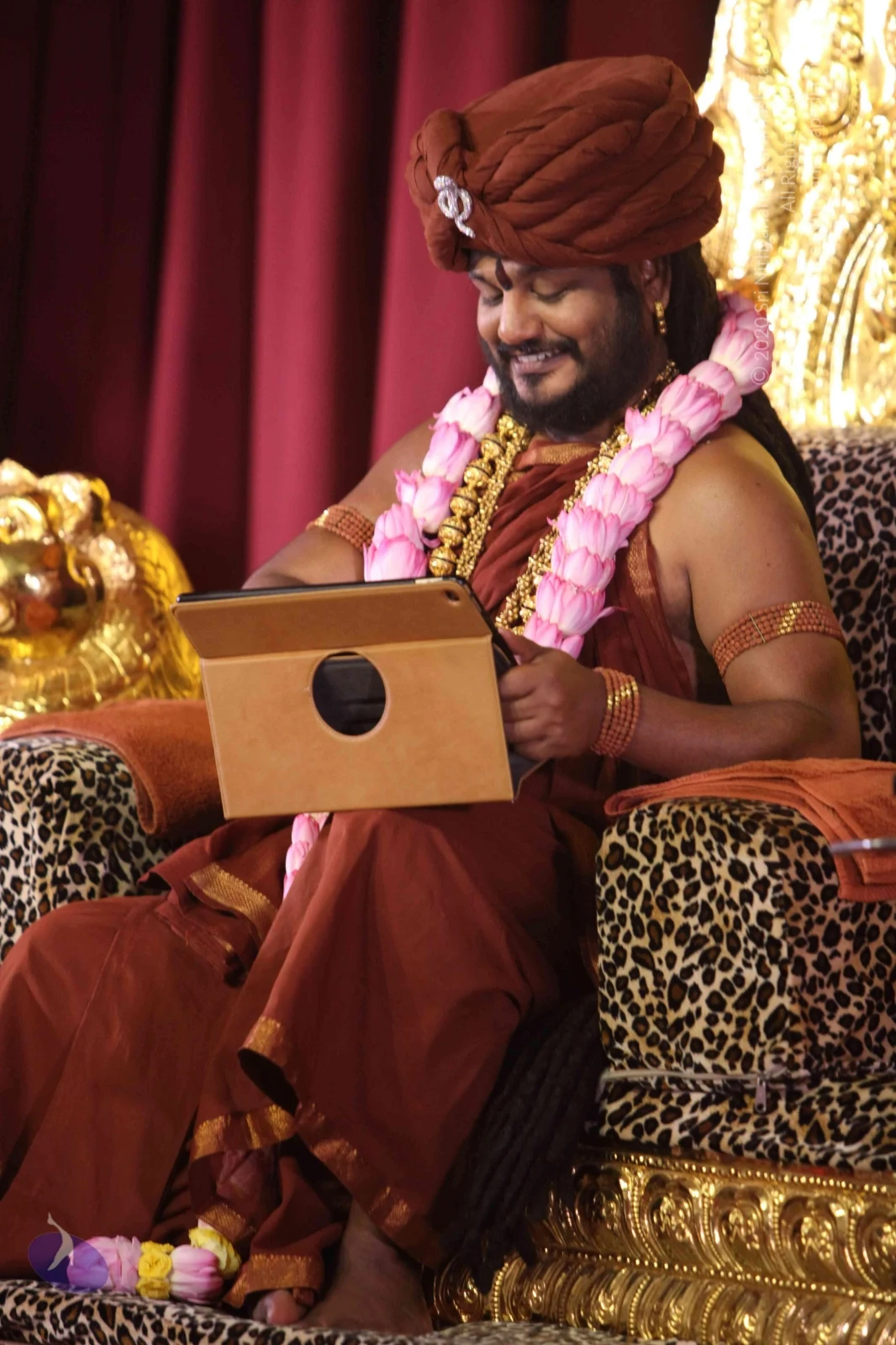
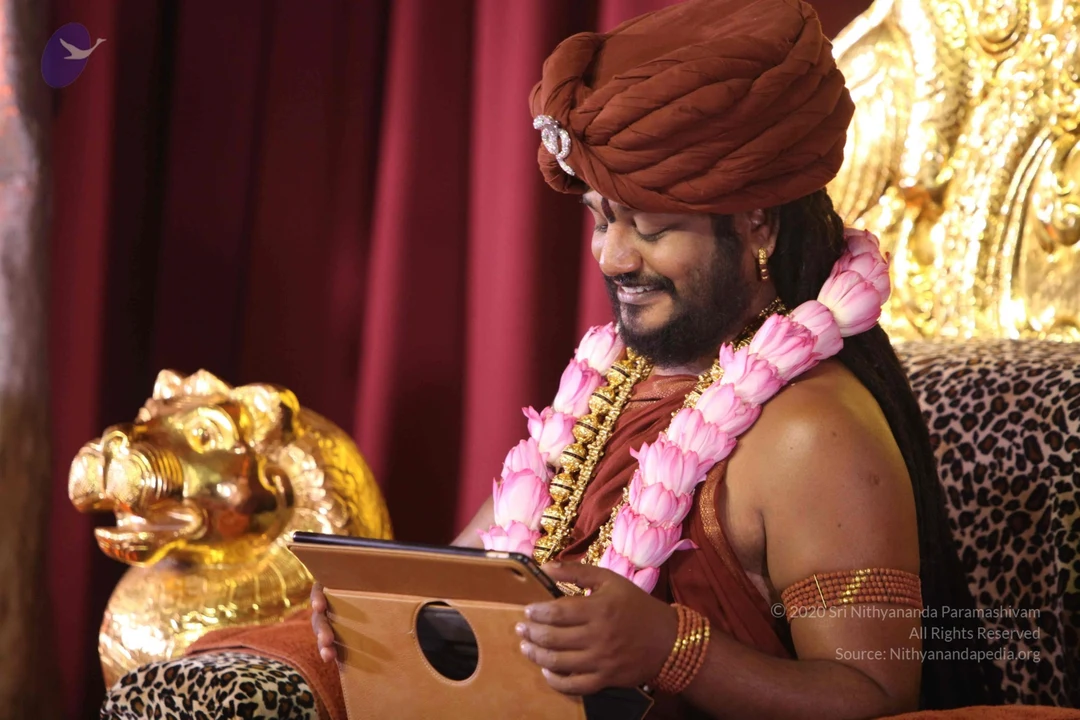
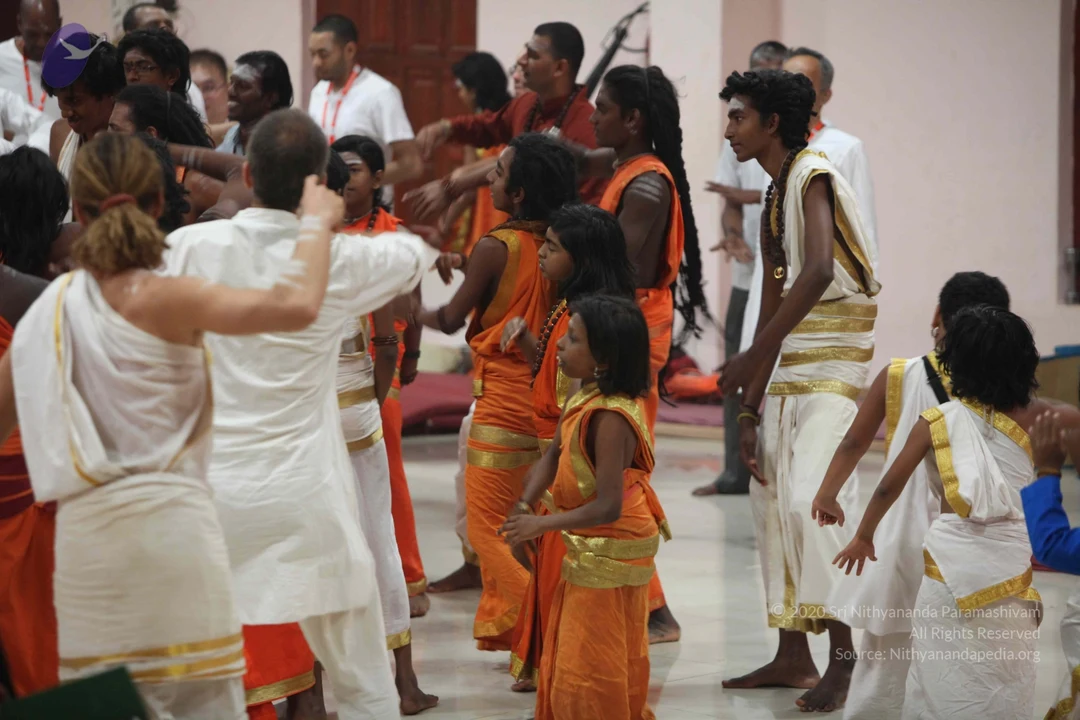
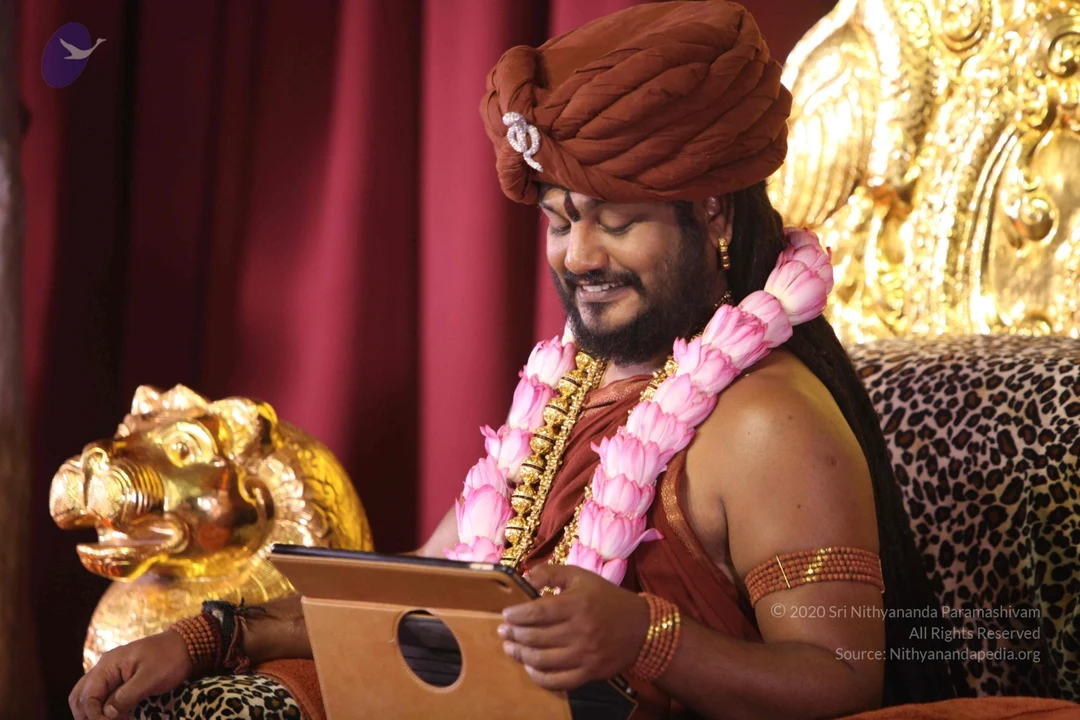
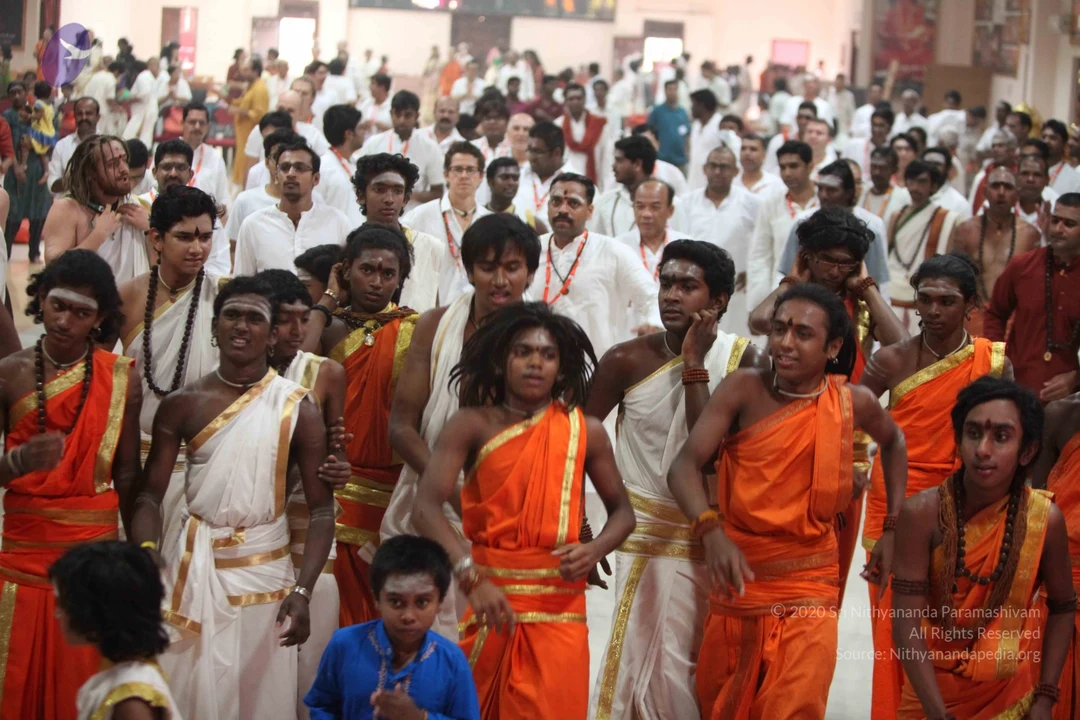
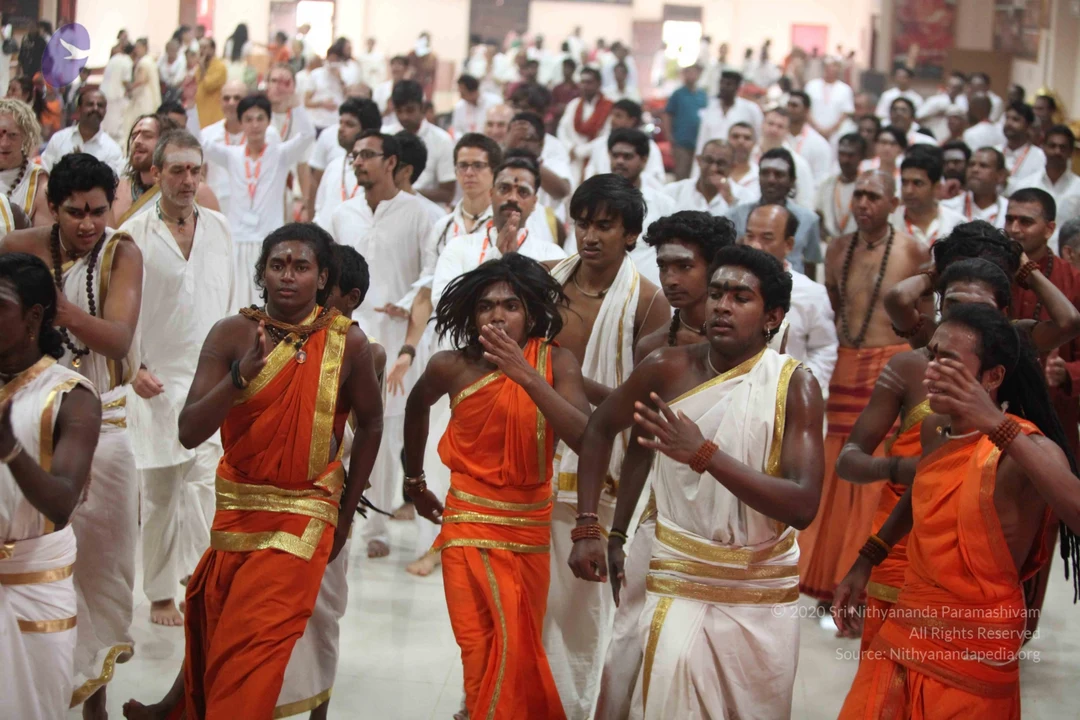
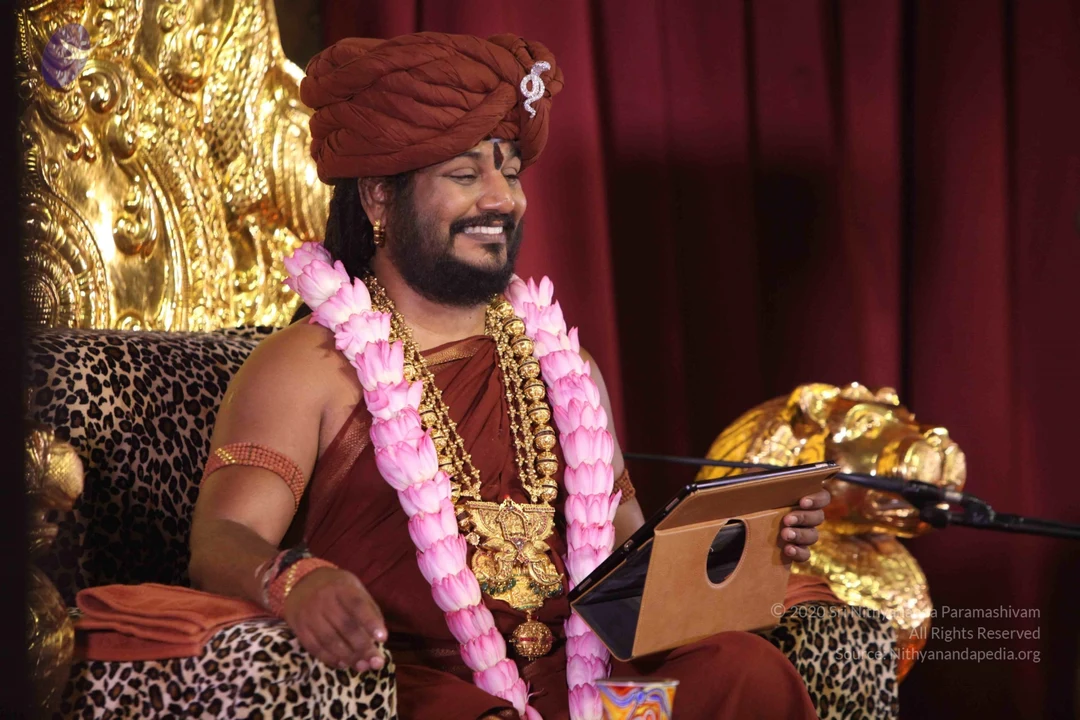
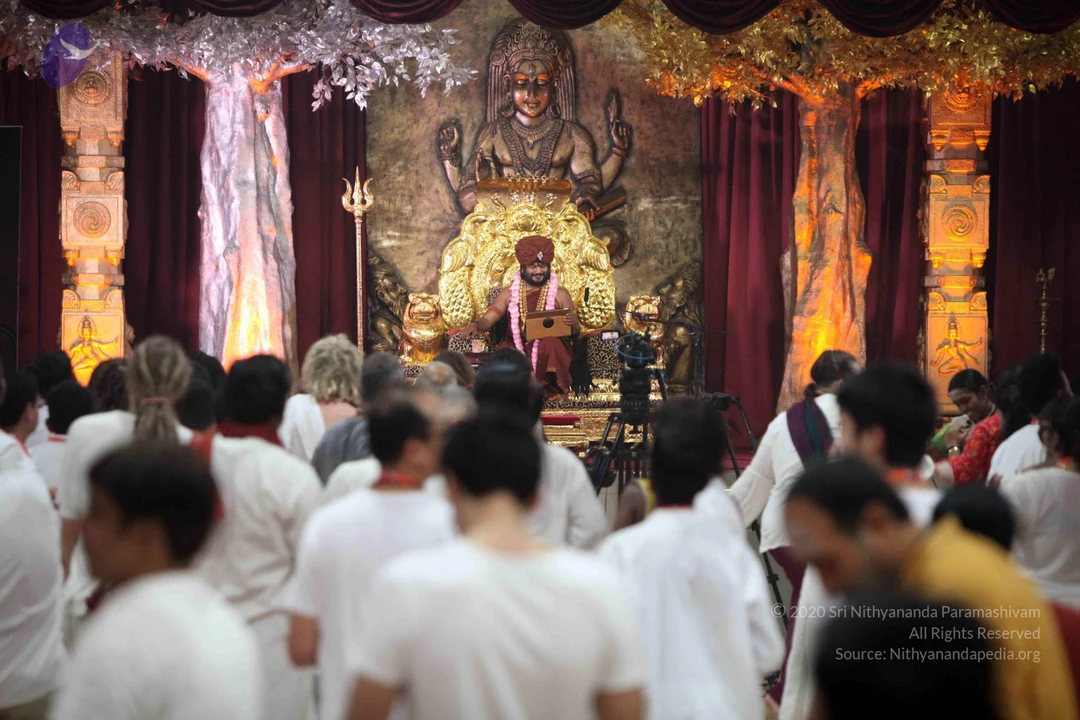
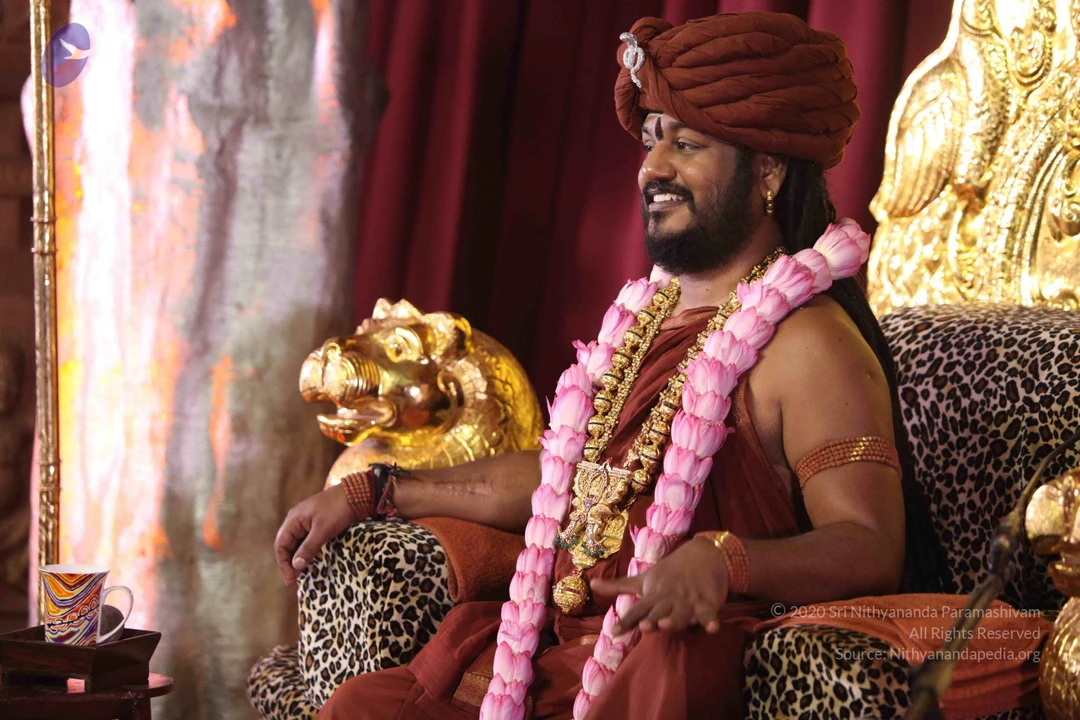
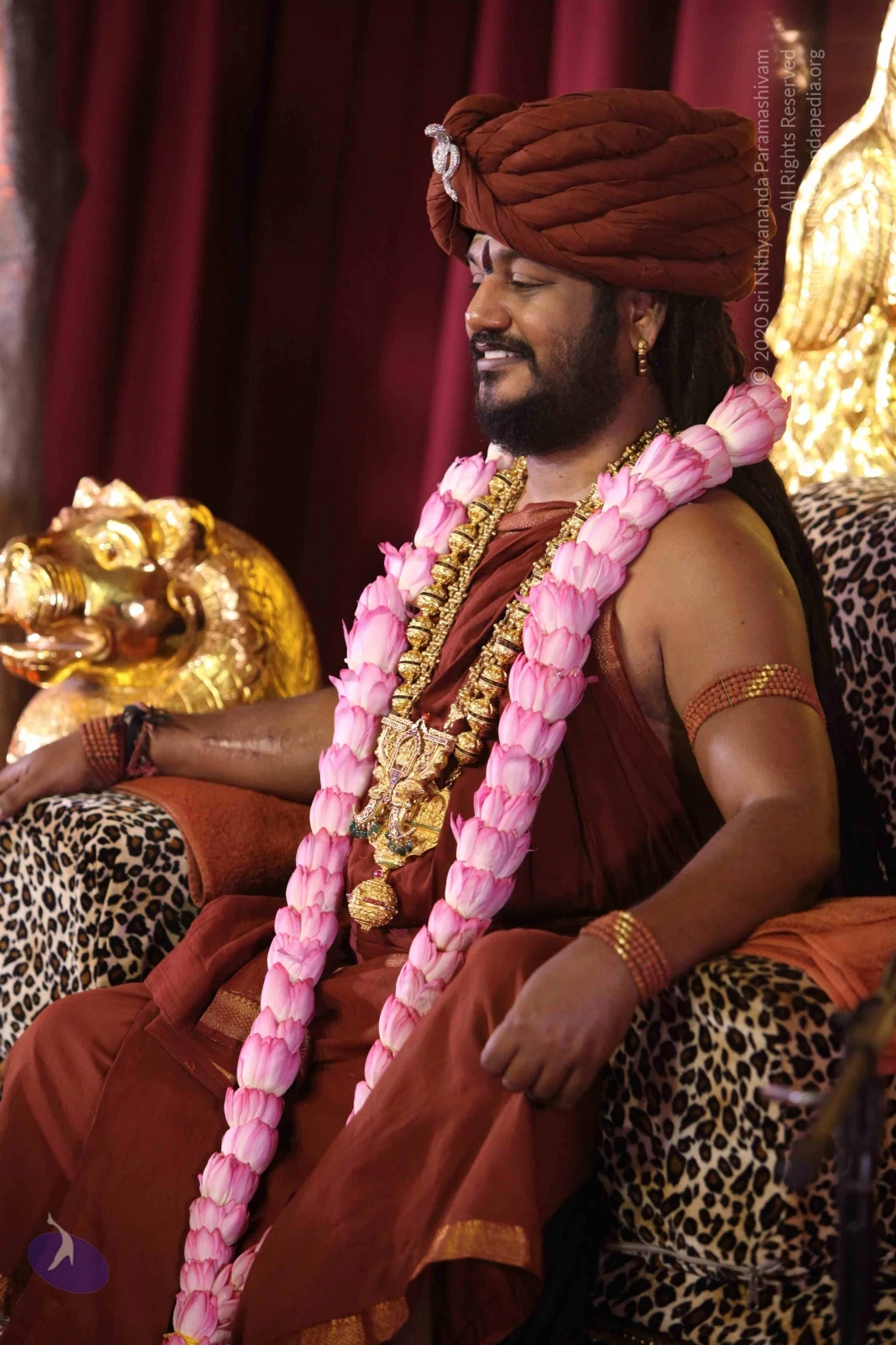
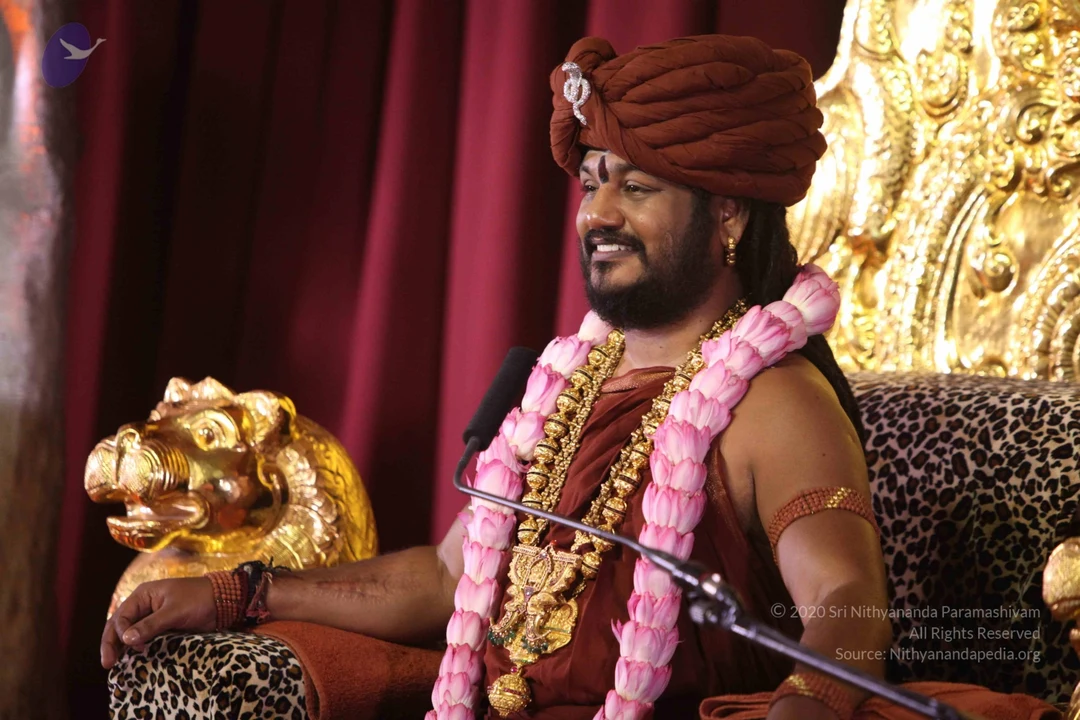
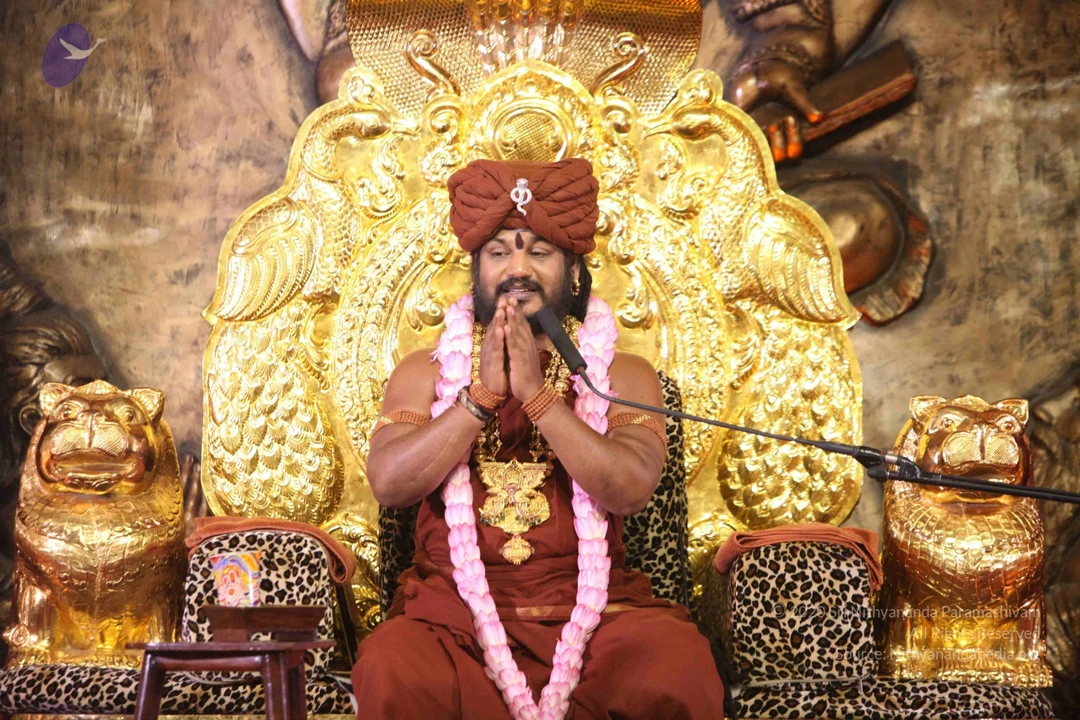
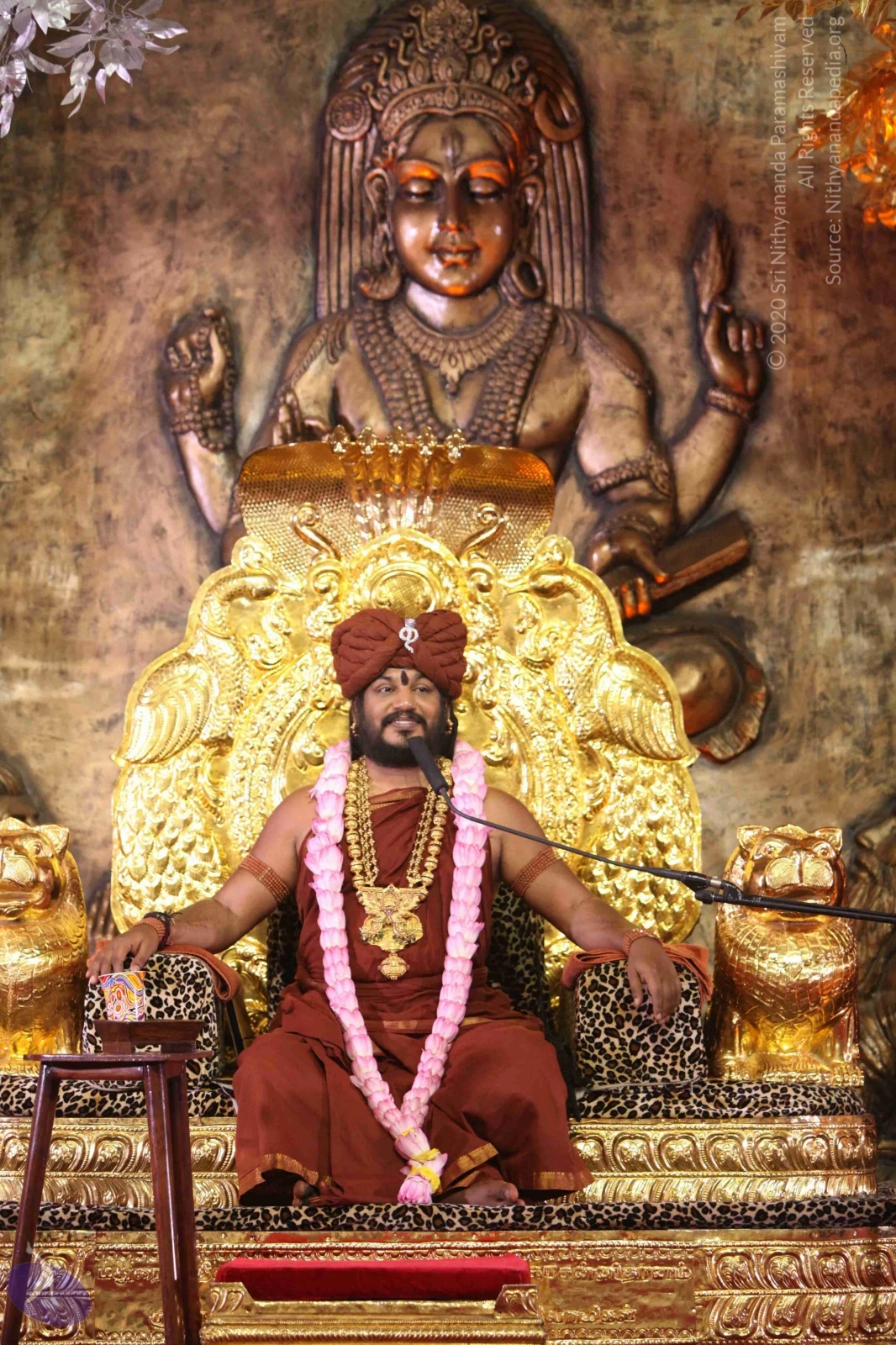
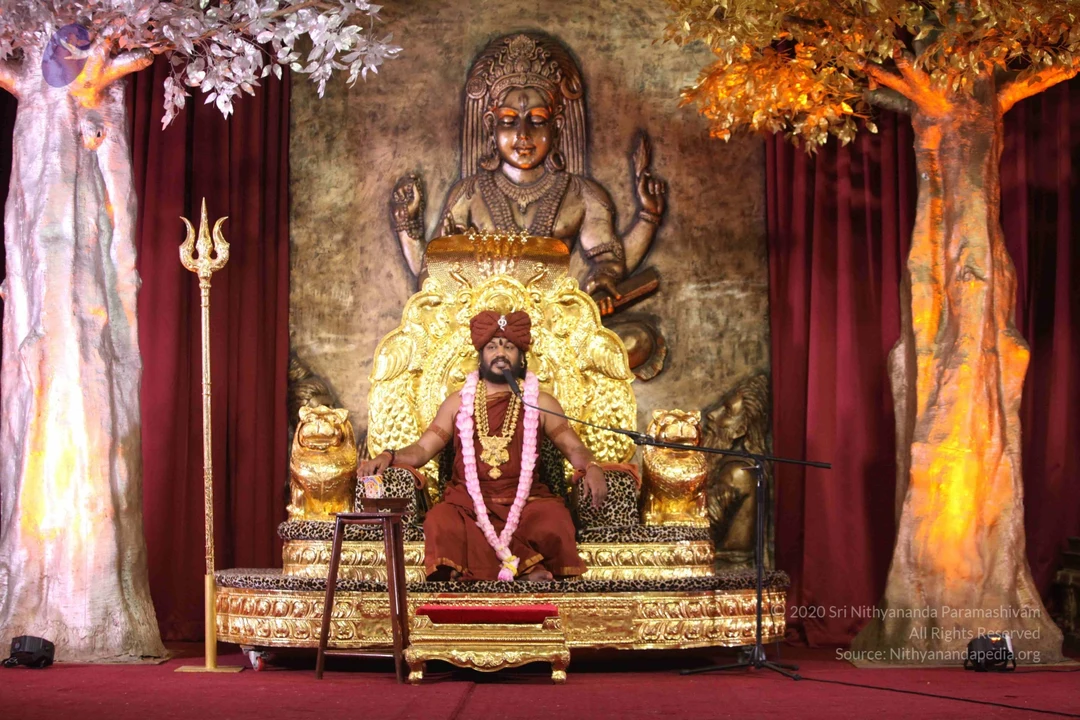
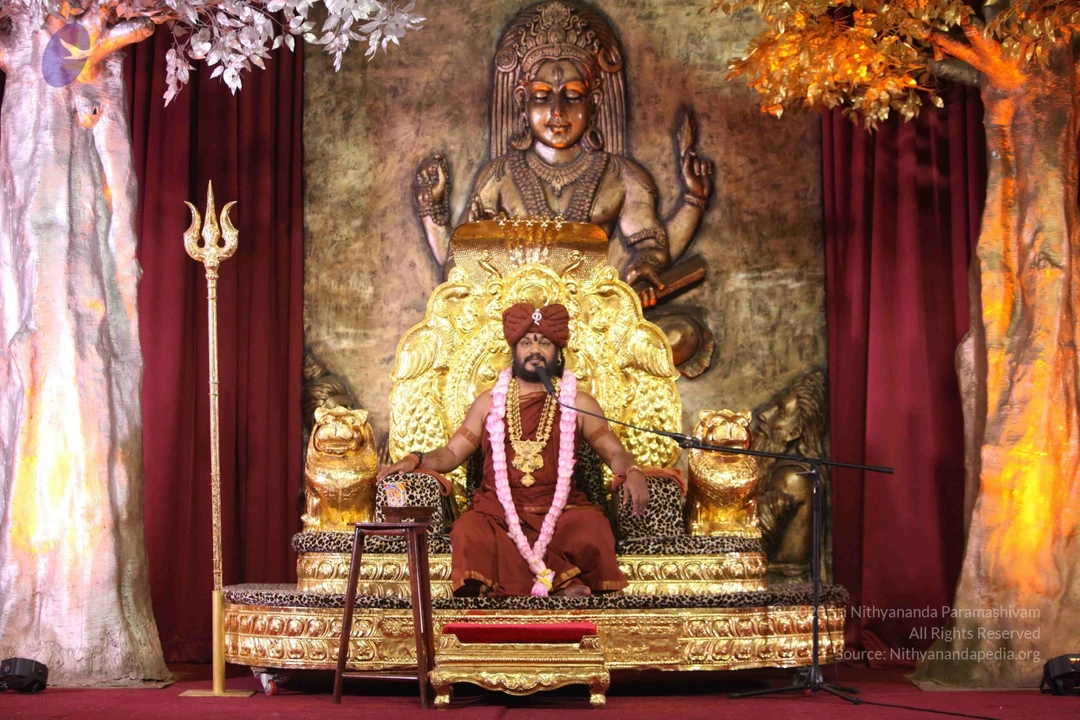
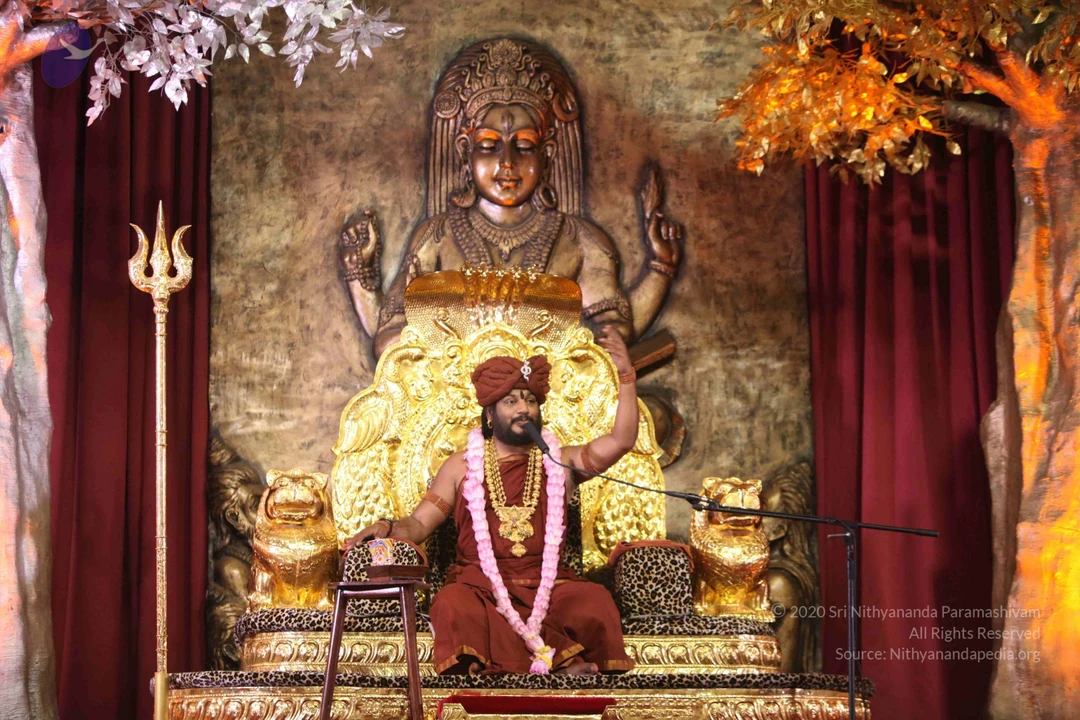
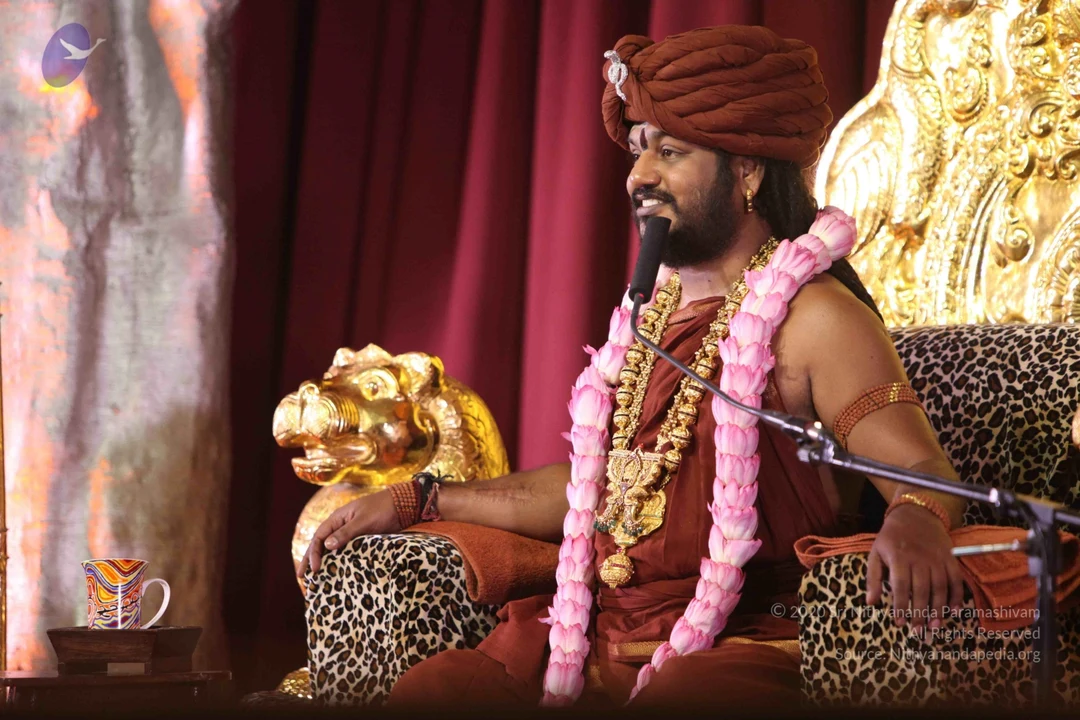
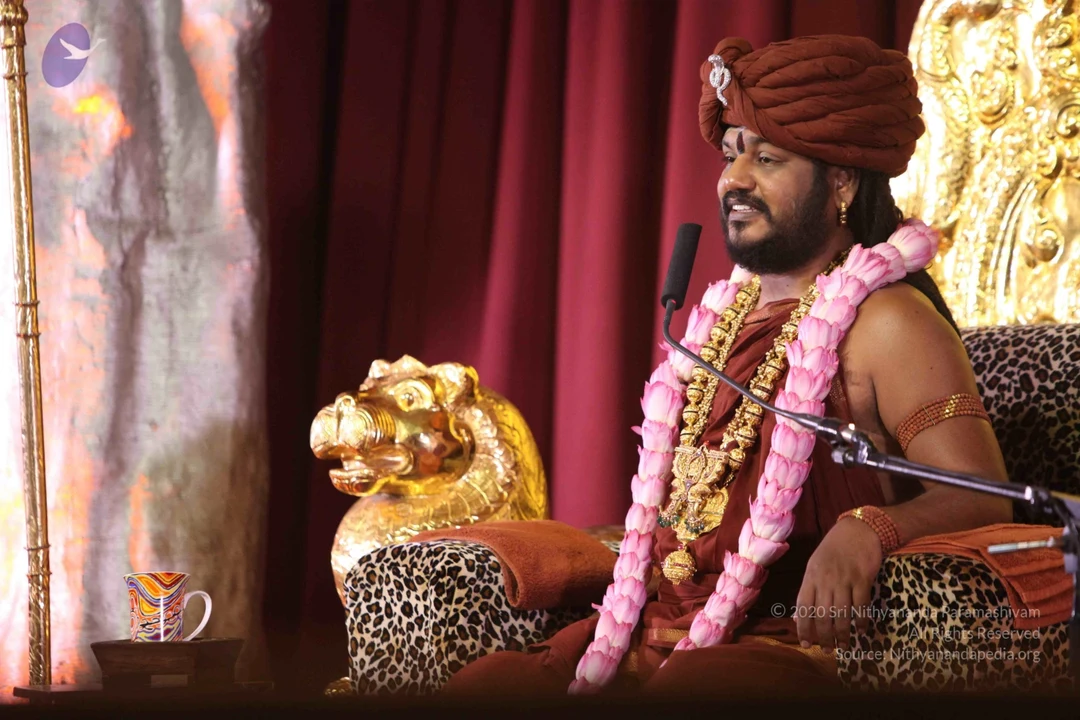
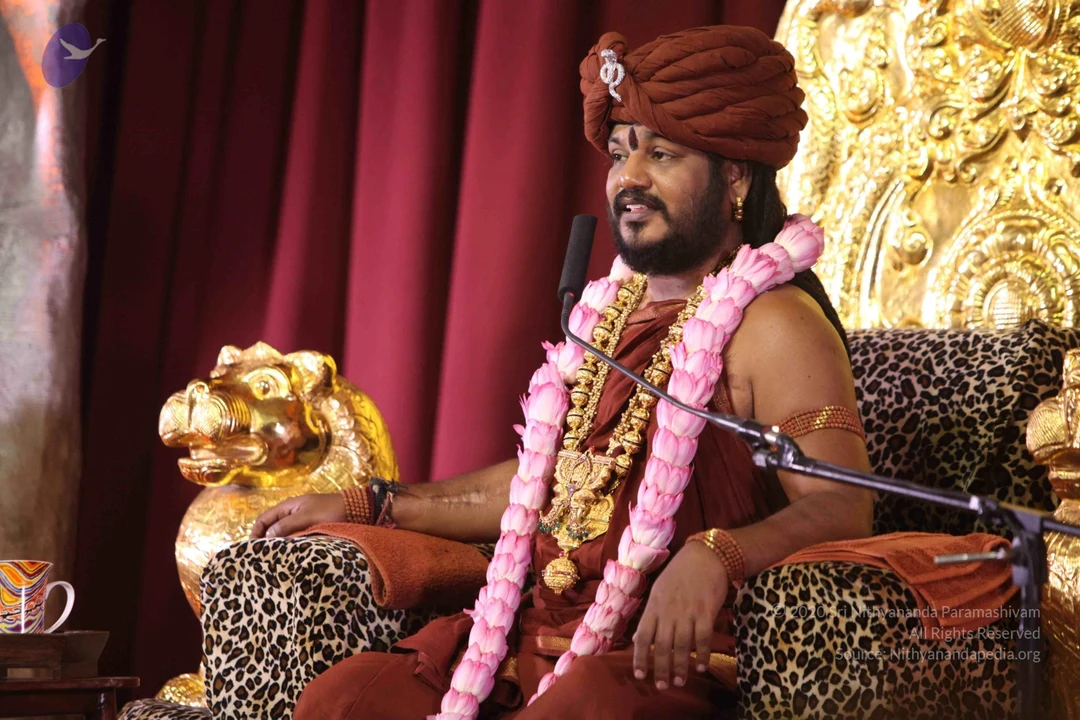
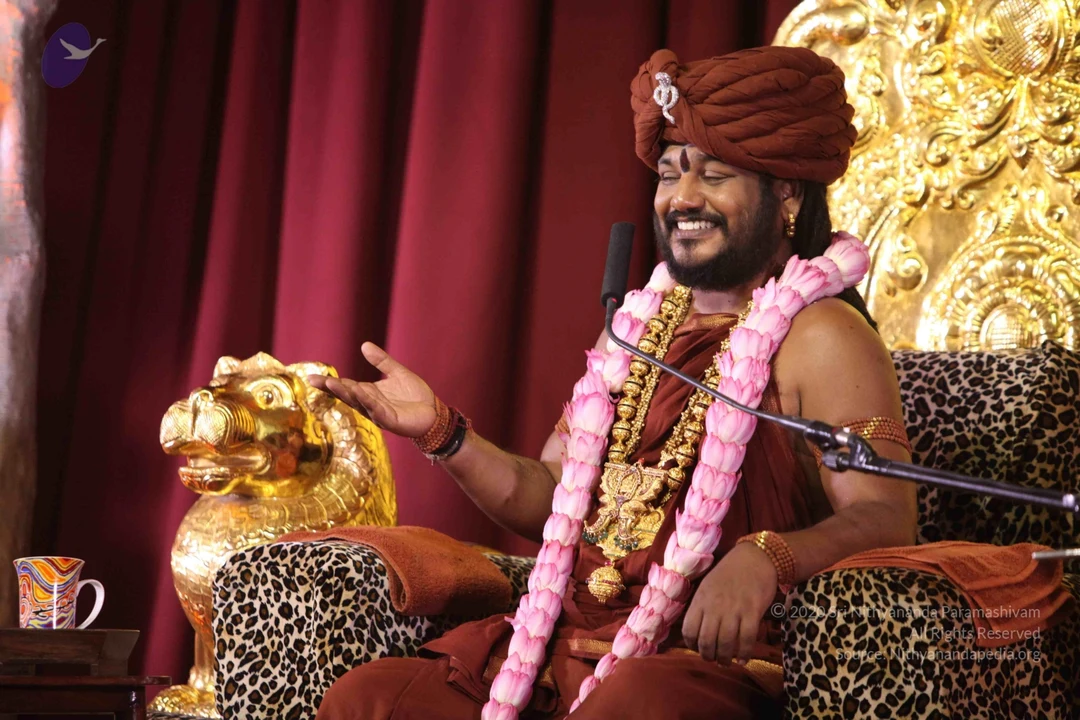
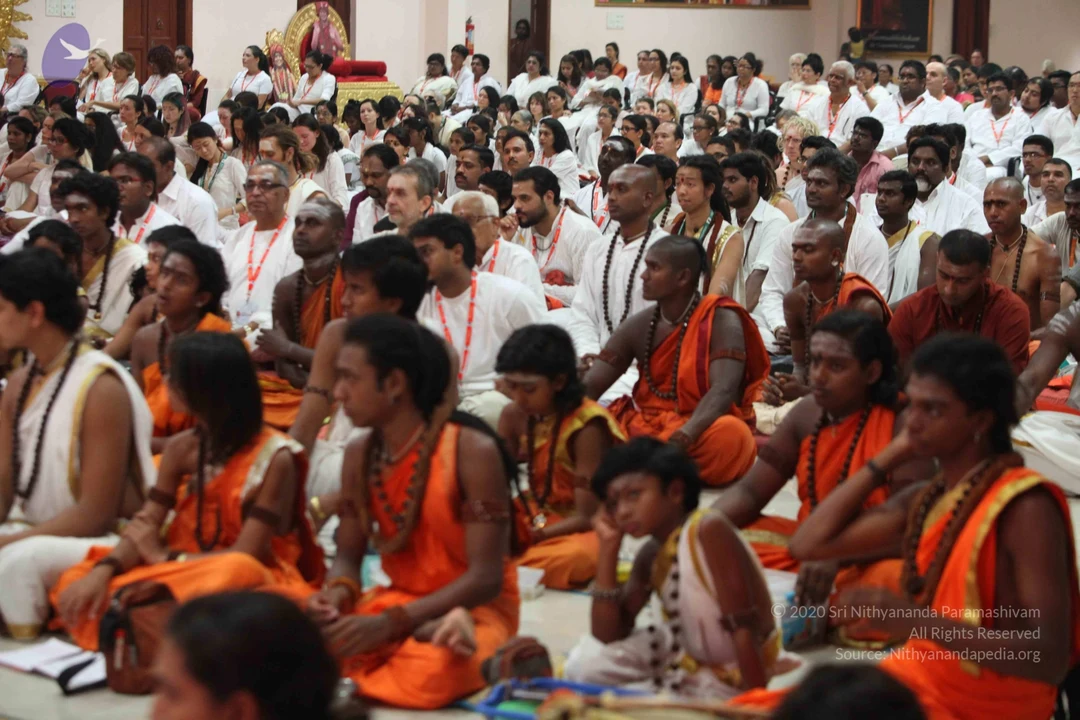
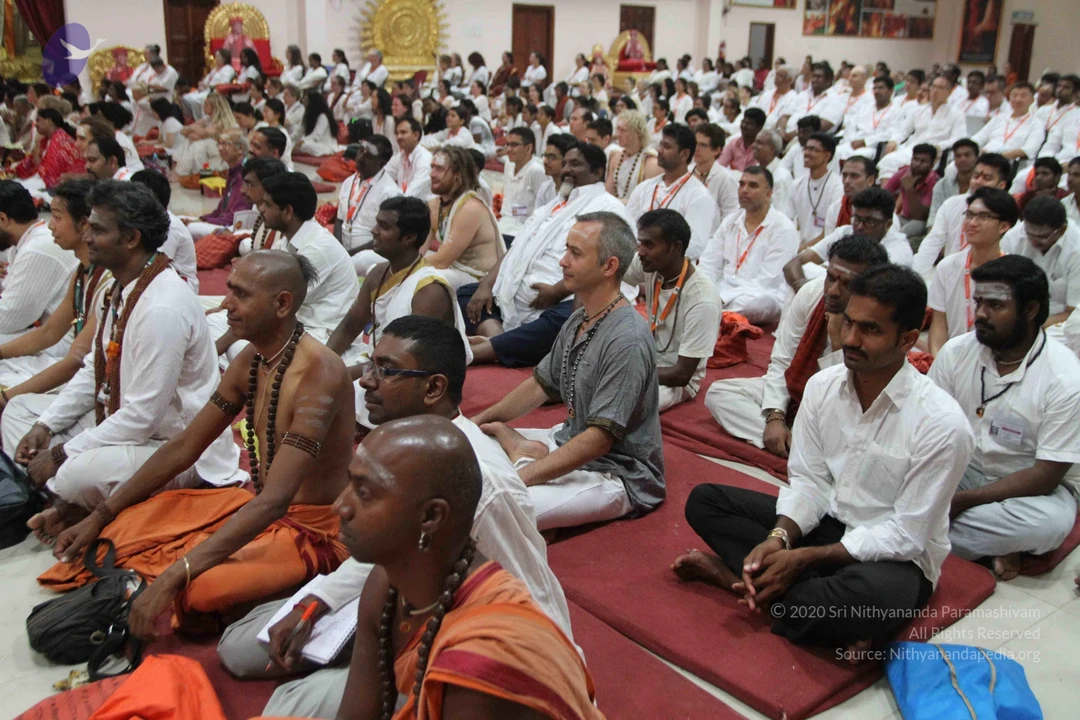
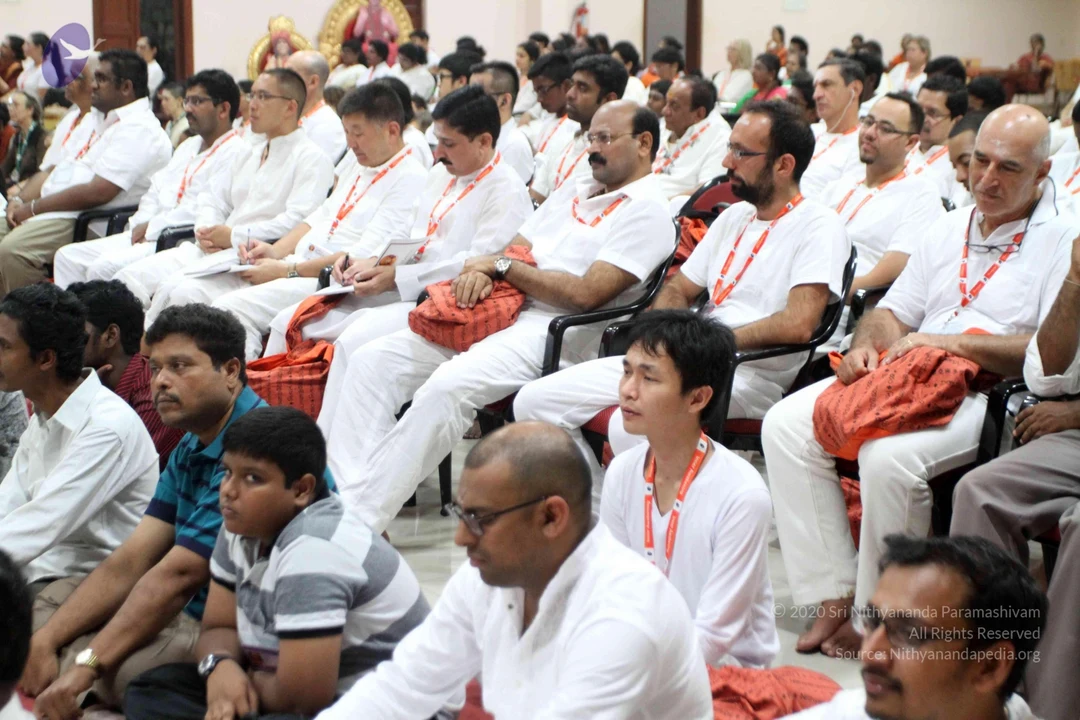
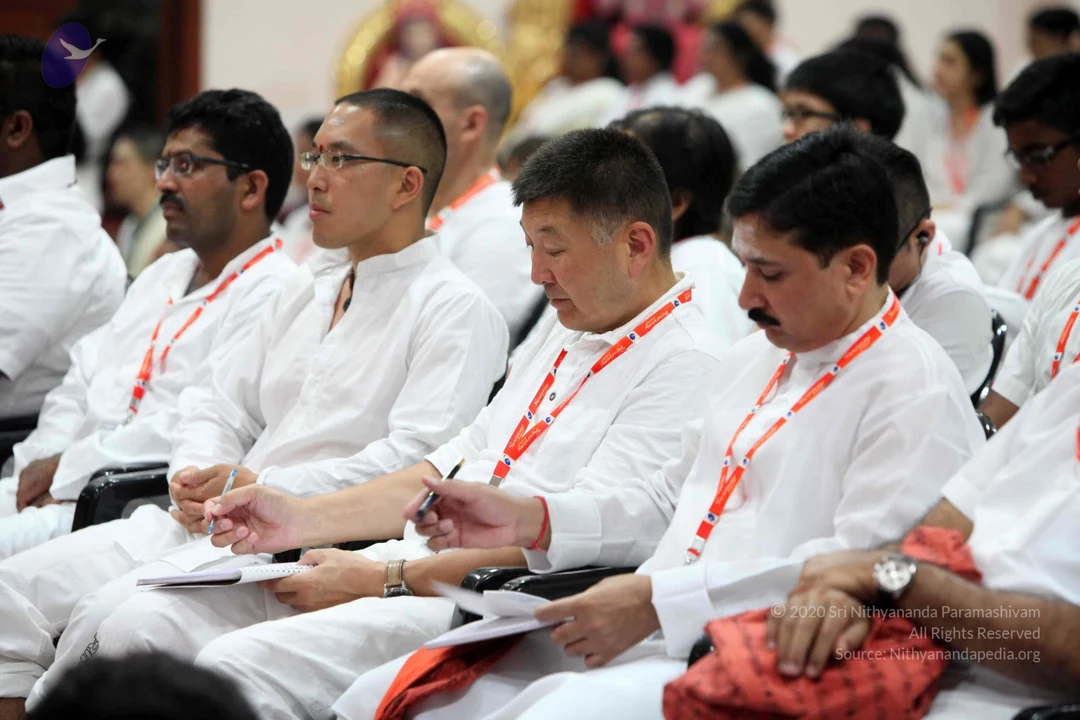
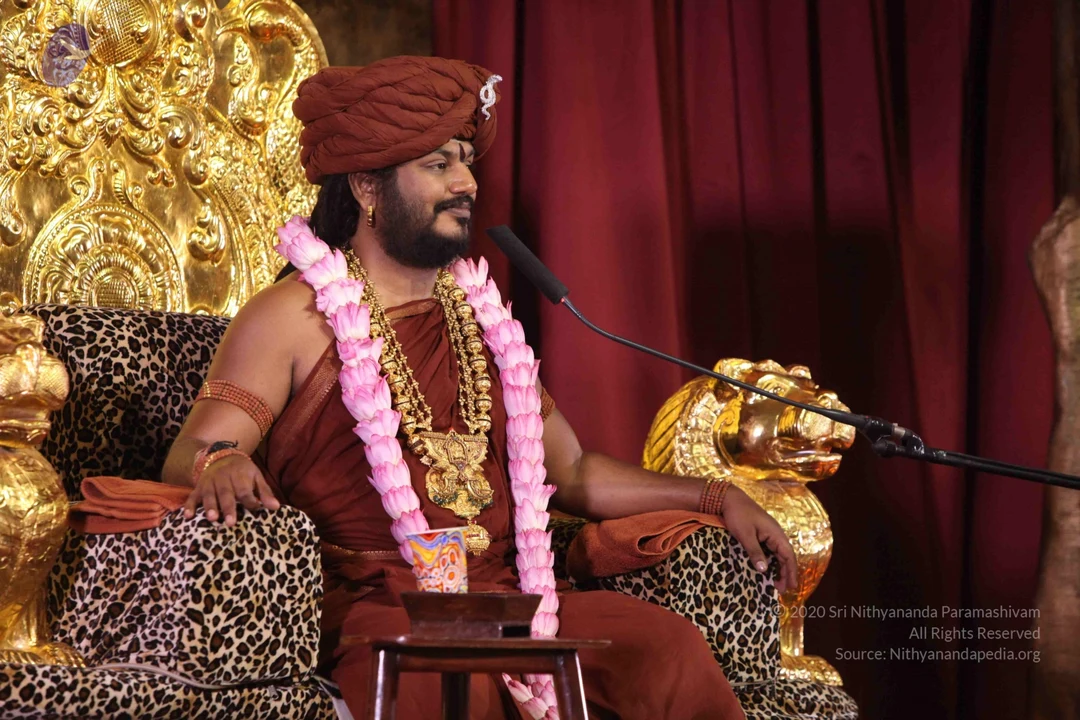
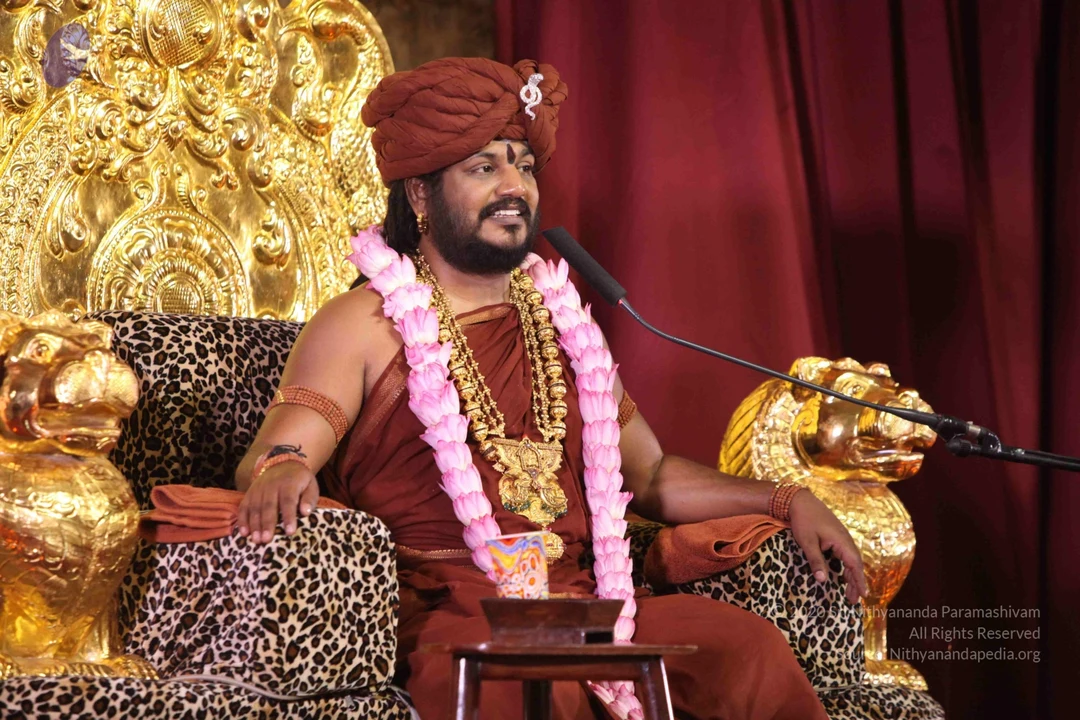
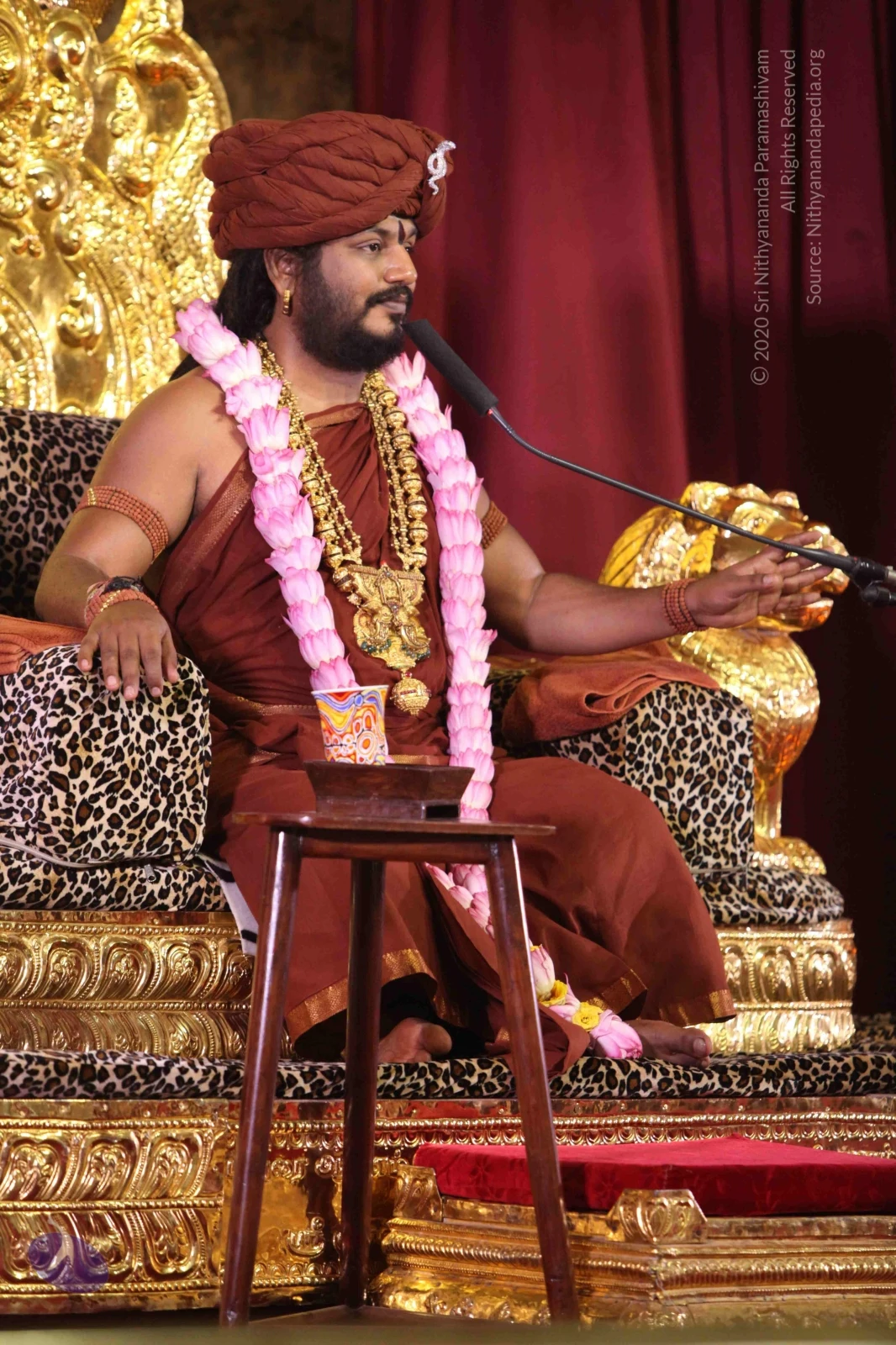
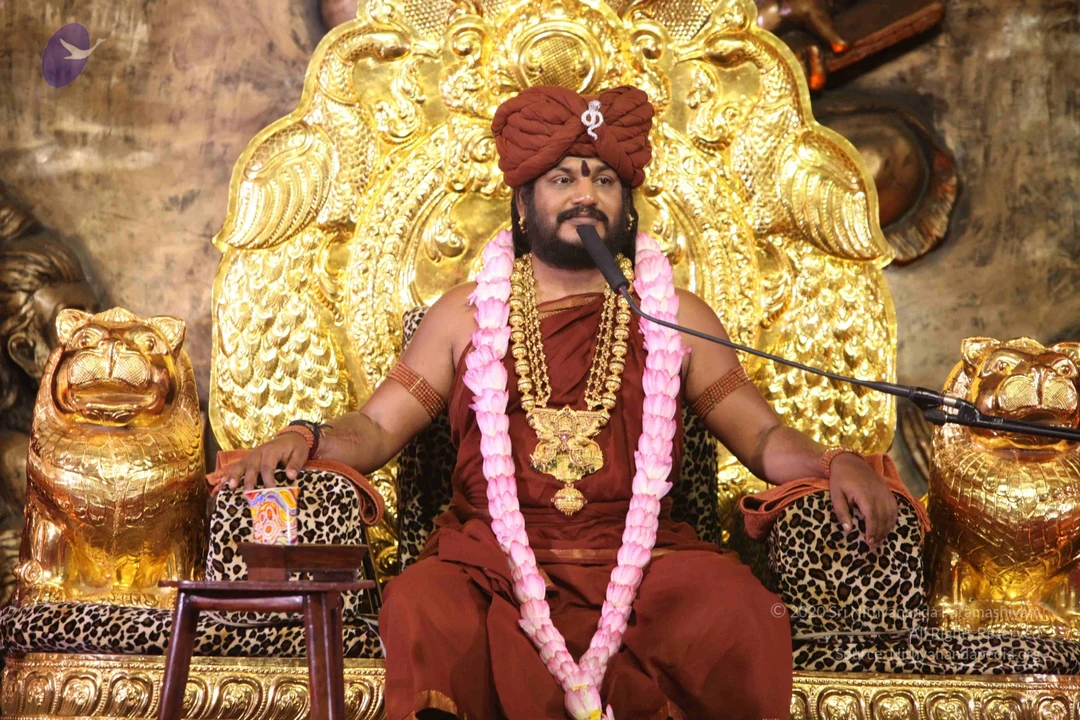
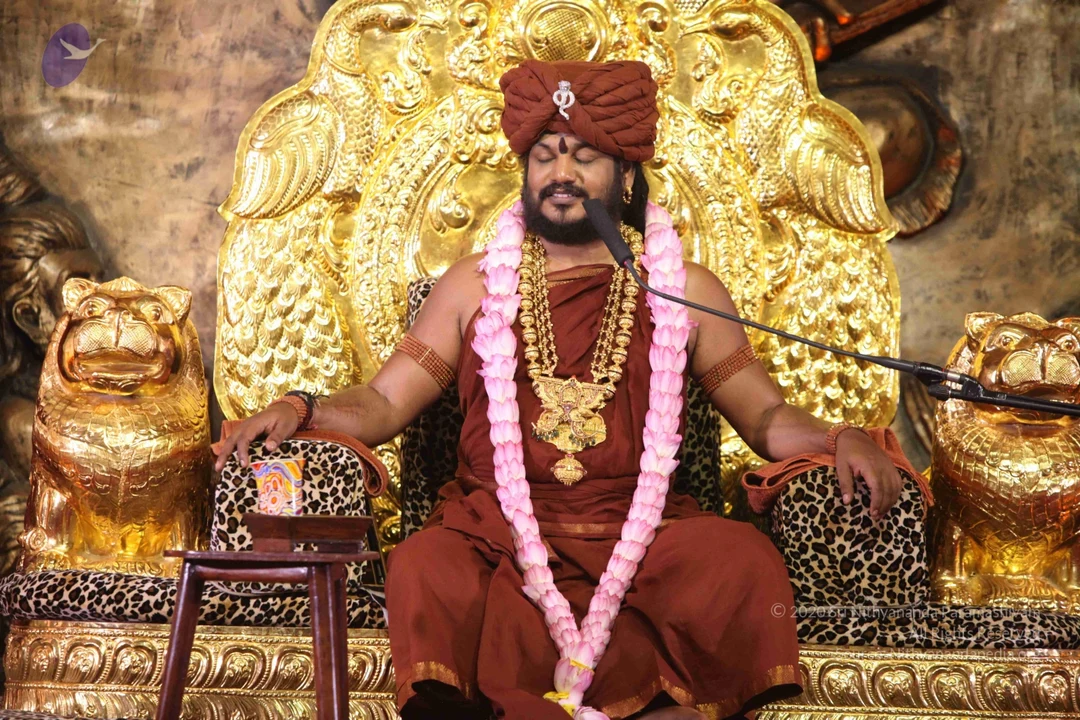
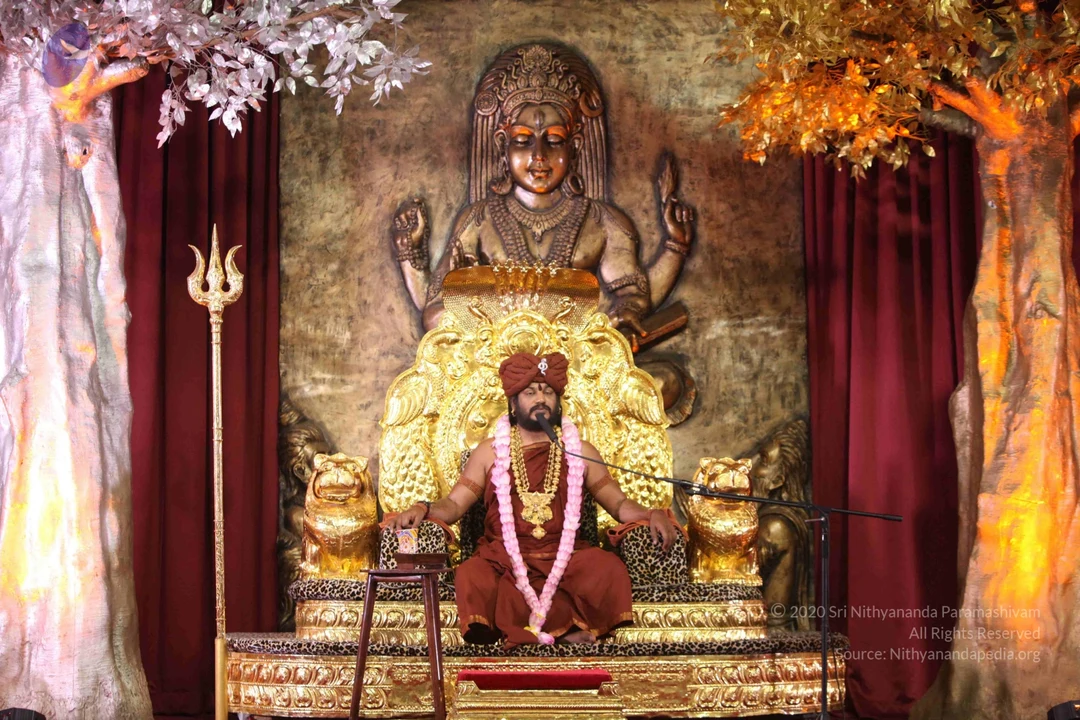
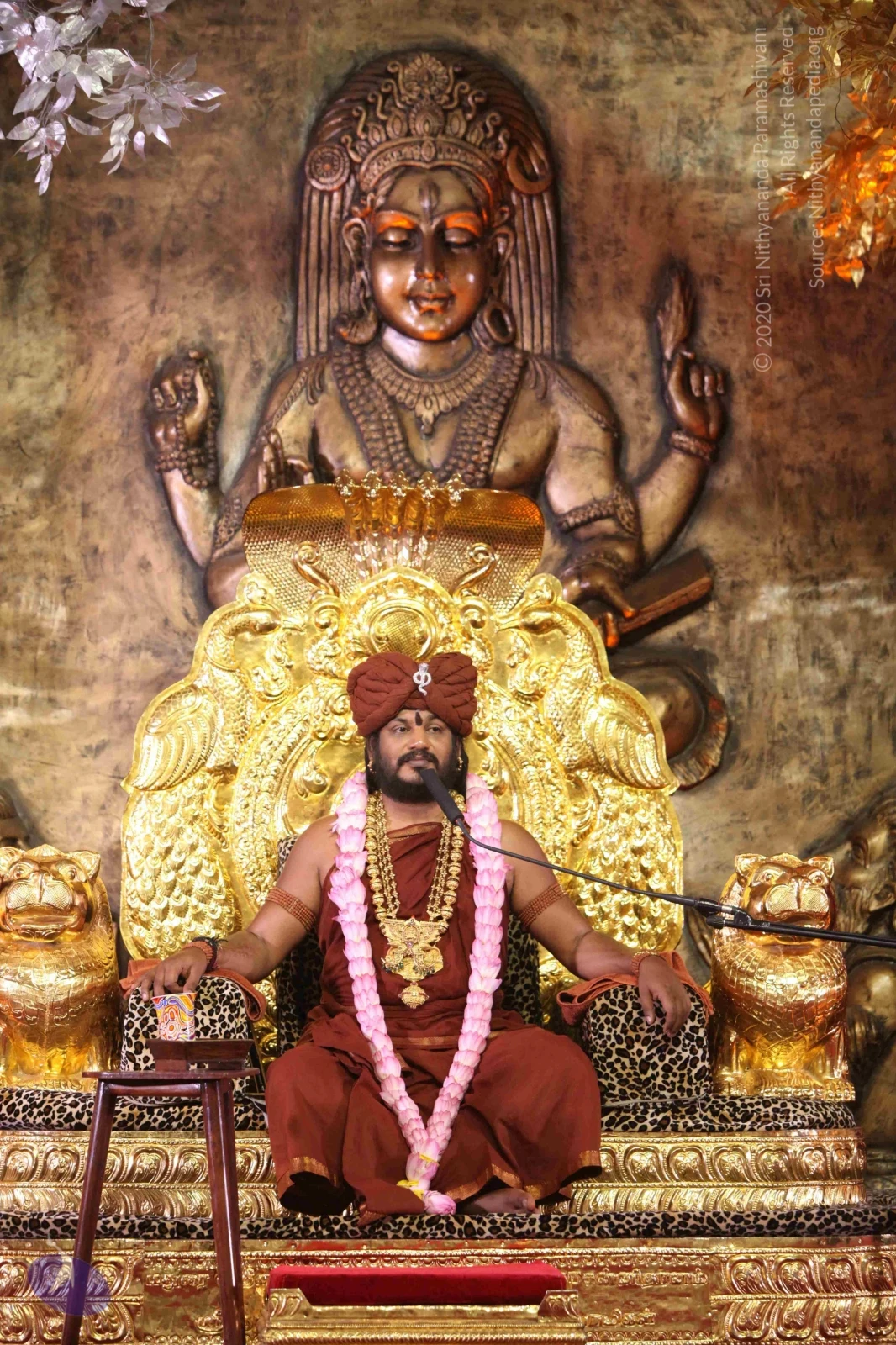
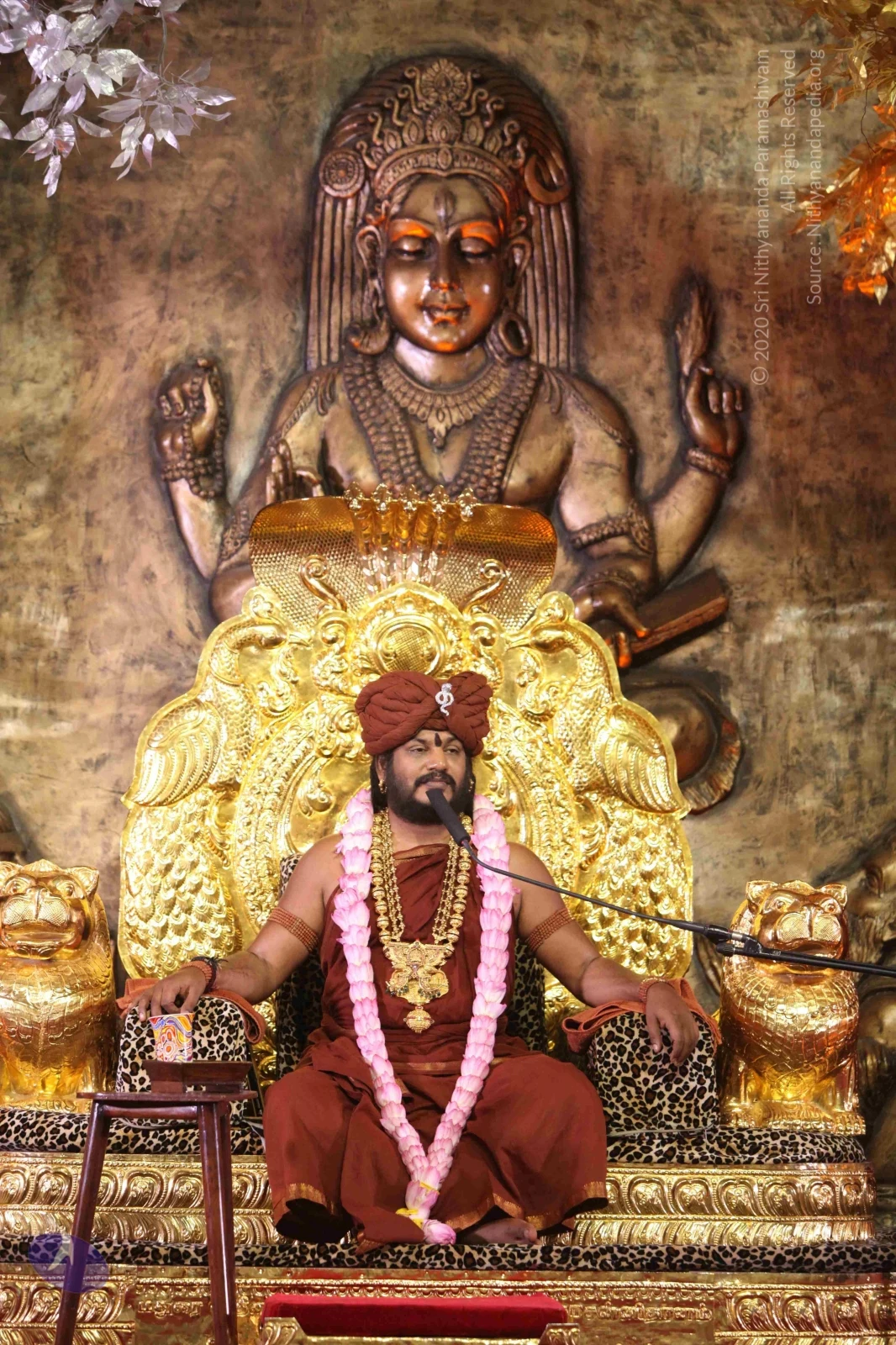
02-Inner-Awakening
Photos from this day
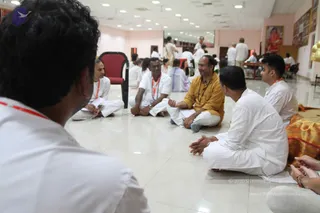
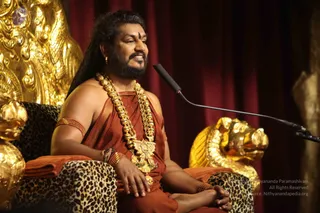
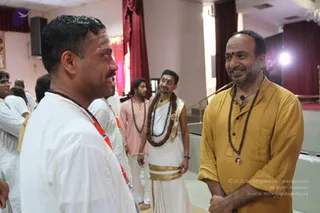
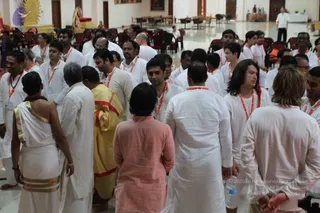
View all 261 photosPOWER INITIATION
7 photosSource gallery
IA DARSHAN
52 photosSource gallery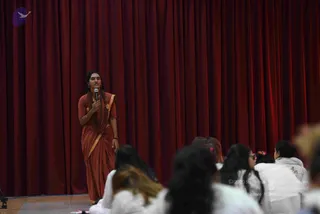
IA SESSION
10 photosSource gallery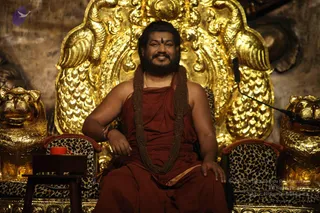
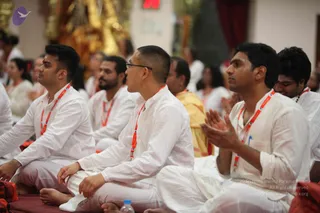
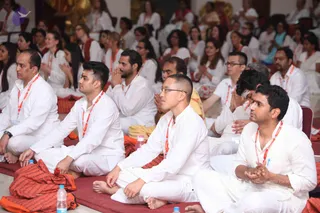
IA SESSIONS
20 photosSource gallery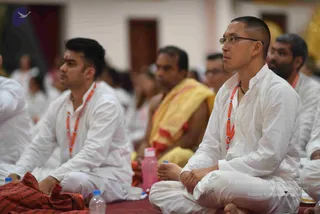
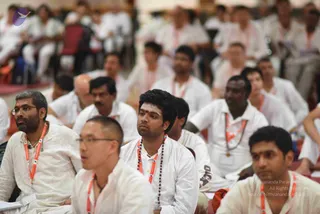
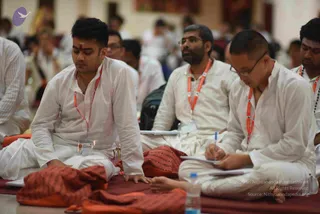
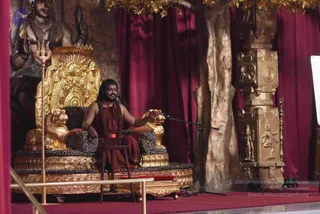

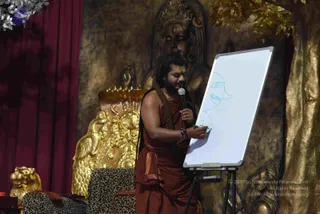
IA SHOTS
60 photosSource gallery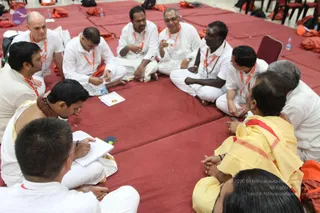
Nithya-Satsang
46 photosSource gallery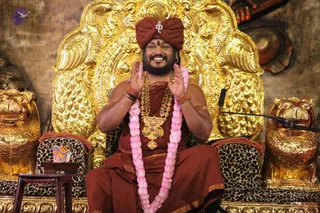
01-Nithya-Satsang
61 photosSource gallery
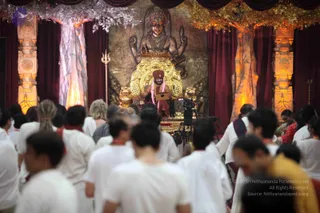
02-Inner-Awakening
5 photosSource gallery