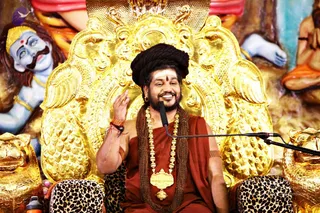
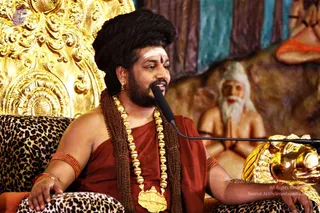
Tuesday
9 August 2016
இனிமையின் உச்சம் மாணிக்கவாசகர்
- Dated photos
- 87
- Source pages
- 1
- Media
- 2
August 09 2016
Original wiki pageTitle
இனிமையின் உச்சம் மாணிக்கவாசகர்
| Video | Audio |
Transcript in Tamil
இனிமையின் உச்சம் மாணிக்கவாசகர்
நித்யானந்தேஸ்வர சமாரம்பாம் நித்யனந்தேஸ்வரி மத்தியமாம் அஸ்மாத்ச்சார்ய பர்யந்தாம் வந்தே குரு பரம்பராம்
உங்கள் அனைவரையும் வணங்கி வரவேற்கின்றேன். கல்பதரு த்யான சத்சங்கத்திற்காக நித்யனந்தா வலைதள தொலைக்காட்சி ஷாலினி தொலைக்காட்சி முகநூல் நேரடி ஔிபரப்பு சமூக வலைத்தளமான லழரவரடிந நேரடி ஔிபரப்பு மற்றும் இருமுனை காணொளி காட்சியின் வழியாக உலகம் முழுவதும் இப்பொழுது அமர்ந்திருக்கும் நண்பர்களையும் சீடர்களையும் வணங்கி வரவேற்கின்றேன்.
தொடர்ந்து கடந்த சில நாட்கள் கல்பதரு நித்திய சத்சங்கத்தின் மூலமாக பக்தி என்னும் சத்தியத்தை பற்றி, அந்த சத்தியம் சார்ந்து தன் வாழ்க்கையை வாழ்ந்த பக்தி எனும் வார்த்தைக்கே இலக்கணமாக இருந்த, பக்தி எனும் வார்த்தைக்கு விவரணையாக இருந்த, பக்தி எனும் வார்த்தைக்கே இலக்கணம் வகுத்த, வௌி உலகிலே எவ்வாறு விலை மதிப்பில்லாத பொருளாக மாணிக்கம் இருக்கின்றதோ, அது போல உள் உலகிலே விலை மதிப்பில்லாத தலைவனாக வாழ்ந்தவன் மாணிக்கவாசகன். மாணிக்கவாசகப் பெருமானின் வாழ்க்கையும் வாக்கையும் பற்றி விவரித்துக் கொண்டிருந்தேன். வள்ளல் பெருந்தகை, மாணிக்கவாசக பெருமானைப் பற்றி வரைந்து வாய்த்த இனிமையான வரி ஓவியம், வரியாலே அவர் செய்து வைத்த ஓவியம் இந்த பாடல், வான் கலந்த மாணிக்கவாசகனின் வாசகத்தை நான் கலந்து பாடுங்கால் நற்கருப்பஞ் சாற்றினிலே பால் கலந்து தேன் கலந்து செழுங்கனி தீஞ்சுவை கலந்து என் ஊன் கலந்து உயிர் கலந்து உவட்டாமல் இனிப்பதுவே.
வள்ளல் பெருமான் நான்கு வார்த்தைகளை இங்கு சொல்லுகின்றார். நற்கருப்பஞ்சாற்றினிலே தேன் கலந்து பால் கலந்து செழுங்கனி தீஞ்சுவை கலந்து, சுவை என்கின்ற ஒன்றே ஒன்றை சொல்வதற்காக அவர் தேர்ந்தெடுத்த பொருட்களை பாருங்கள். நற்கருப்பஞ்சாரூ, கரும்பு சாறு, நல்ல கரும்பினுடைய சாறு. ஆழ்ந்து புரிந்து கொள்ளுங்கள், கரும்பினுடைய சாரம், அப்படின்னா, அதுல இருக்கற நல்ல தன்மை அனைத்தையும் பிழிந்து எடுப்பதுதான் சாறு, எந்த ஒரு பொருளிலுமே நல்ல தன்மை என்கின்ற ஒன்று இருந்தே தீரும். எப்பேர்ப்பட்ட கொடுங்கோலனும் யாராவது ஒருவருக்கு நல்லவனாய் இருந்திருப்பான். கரும்பினுடைய சாரம், கரும்புச் சாறு, அந்த கரும்போட அரளஉடந அநஅழசல, அதனுடைய ஸ்தூல உடலை, கரும்பினுடைய ஸ்தூல உடலை பிழிந்தால் வருவது, அதோட அரளஉடந அநஅழசல. தேன் தேனியோட பயோ மெமரி, தான் உண்டு தன் வாய் வழியாய் கொண்டு வந்து சேர்த்து வைக்கின்ற தேனியோட பயோ மெமரி, தேன். பால், பசுவினுடைய பயோ எனர்ஜி. நல்லா, ஆழ்ந்து தெரிந்து கொள்ளுங்கள். ரத்தத்தில் இருந்து ஒரு குறிப்பிட்ட உணர்ச்சி ஏற்படும் பொழுதுகுறிப்பிட்ட திரவங்கள் உருவாகின்றது. உங்கள் கண்ணீராகட்டும் சளியாகட்டும் உடம்பினுடைய ஒன்பது திரவங்கள், டிழனலயோட கடரனைள அத்தனையுமே ரத்தம் என்கின்ற ஆதி மூலப்பொருளில் இருந்து தான் உருவாகின்றது, வீரியம் உட்பட. எந்த உணர்வு ரத்தத்தோடு செருகிறதோ அந்த பொருளை ரத்தம் சுரக்கிறது. எந்த எனர்ஜி உங்கள் ரத்தத்தில் ஓடுகிறதோ அந்த பொருளை ரத்தம் சுரக்கிறது. துக்கம் ஓடும்போது கண்ணீரை, காமம் ஓடும்போது வீரியத்தை, ஓடுகின்ற உணர்ச்சிக்கு சமமாக, ஓடுகின்ற உணர்ச்சியை சார்ந்து உடலில் திரவியங்களை ரத்தம் உருவாக்குகின்றது. பசுவிற்குள்ளே தாய்மை என்னும் பெரும் கருணை உணர்வு ஓடும் போதுபொங்கி சுரப்பது பால். கரும்பினுடைய அரளஉடந மெமரி கரும்பு சாறு, தேனியோட பயோ மெமரி தேன், பசுவினுடைய பயோ எனர்ஜி பால். ஆழ்ந்து புரிந்து கொள்ளுங்கள். இங்கு சொல்லப்படும் ஒவ்வொரு சுவையான பொருளுக்கும் ஒரு தனி குணம் உண்டு. உங்க வாழ்க்கைல சில சுகங்கள் இயற்கையாவே வரும். இயற்கையாவே உங்கள் வாழ்க்கை வளர்ச்சியோடு சேர்ந்து வருகின்ற இனிமை தன்மை தன் கரும்பு சாறு மாரி. சில சுகங்கள் தேனியைப் போல உழைத்து தியாகம் செய்தல்தான் வரும். சில சுவைகள் கருணையை உங்களுக்குள் போங்க விட்டால்தான் வரும். சில சுவைகள் நீங்கள் வாழ்க்கையில் பழுத்தால்தான் வரும்.
ஆழ்ந்து கேட்டு கொள்ளுங்கள். உங்கள் ஸ்வபாவத்தினாலேயே உங்களுக்குள் இருக்கின்ற இனிமை தன்மை கரும்புச் சாறு போன்றது. உங்கள் உழைப்பாலும் தியாகத்தாலும் நீங்கள் உருவாக்குகின்ற இனிமை தன்மை தேனை போன்றது. உங்களுக்குள் பெரும் கருணையை பொங்க அனுமதித்தால் உங்களுக்குள் உருவாகும் இனிமை தன்மை பால் போன்றது. இது எல்லாம் உங்களுக்குள் பழுத்தால் வரும் இனிமை தன்மை செழுங்கனியான பழத்தை போன்றது. நான்கு சுவையும் ஒரே பொருளை சுட்டுவது அல்ல. வேறு வேறு வார்த்தைகள் வேறு வேறு விளக்கம். உங்கள் இயற்கையினால் வரும் இனிமை தன்மை கரும்பு சாறு, உங்கள் உழைப்பாலும் தியாகத்தாலும் வரும் இனிமை தன்மை தேன், உங்களுக்குள் கருணையை பொங்க அனுமதித்தால் பொங்குகின்ற இனிமை தன்மை பால், இது மூன்றும் பழுத்தால் உங்களுக்குள் நிரந்தரமாக இருந்து தொடர்ந்து இது மூன்றும் இருந்து பழுத்தால் வரும் சுவை செழுங்கனி சுவை. இந்த நான்கு சுவைகளும் உங்களுக்குள் நடந்தால் நீங்கள் எப்படி உணர்வீர்களோ அதைத்தான் மணிவாசகப்பெருமானை நினைக்கும் பொழுது வள்ளல் பெருமான் உணருகிறார். நல்லா, ஆழ்ந்து புரிஞ்சுக்கோங்க, சதாசிவனை ஒரு கோவில்ல திருமேனியாக சிறுவயதிலே பார்க்கும்பொழுது ஏற்படுகிற சுவை, இனிப்பு தான் கரும்பு சாறு போலே, இயற்கையாகவே ஒரு பெரிய விஷயத்தை பாத்தவுடனே ஏற்படுகின்ற இயற்கை சுகம். பிறகு, இவ்வளவு பெரிதாக போற்றப்படுகிறாரே, இவர் யார், இவரை எப்படி தெரிந்து கொள்ளலாம் என்று தேனியைப்போலே தேடி, உழைத்து, சிந்தித்து, தியாகம் செய்து, தேடுவதனால், அவரை தேடுவதனால் ஏற்படும் சுவை தேன்சுவை. பிறகு அவரை நினைக்கும் பொழுது ஏற்படும் இனிமை தன்மையை, அவருடைய குணங்களான கருணையை நமக்குள்ஓட விடும்பொழுது பொங்குகின்ற சுவை, பால். இந்த மூன்றையும், இயற்கையாகவே அவர் மீது ஏற்பட்ட ஈர்ப்பு, அவரை தேடுகின்ற தேடுதலால், தியாகத்தால், அவர் மீது ஏற்பட்ட ஈர்ப்பு, அவருடைய குணங்களை உணர்வதால், சிந்திப்பதால் நமக்குள் பொங்கும் சுகம், இந்த மூன்றையும் உங்களுக்குள் பழுக்க அனுமதித்தால் வரும் இனிப்பு செழுங்கனிதீஞ்சுவை. இந்த மூன்றாலும் பழுத்த செழுங்கனி, சிவஞானப்பழம். இந்த நான்கையும் தான் வள்ளல் பெருமான், நான்கு வார்த்தையால், இயற்கையாய் வரும் இனிப்பு கருப்பன் சாறு, உழைத்து தியாகித்து வரும் இனிப்பு தேன், உணர்வை பொங்க விட வரும் இனிப்பு பால், இது மூன்றும் நம்மிடம் பழுத்திட வரும் இனிப்பு செழுங்கனி தீஞ்சுவை, இந்த நான்கையும், என் ஊண் கலந்து, அருமையான வார்த்தையை வள்ளல் பெருமான் சொல்கிறார், என்னுடைய ஊண், ஸ்தூல சரீரம் இந்த நான்காலும் பழுக்கின்ற அளவிற்கு அதற்குள்ளே கலந்து, ஒவ்வொரு மயிர்க்காலும் ஒவ்வொரு அணுவும் ஒவ்வொரு செல்லும் இந்த நான்கு சுவையையும் ருசிக்கின்ற அளவிற்கு ஊன் கலந்து, உயிர் கலந்து, பயோ எனர்ஜி ஏ கலந்து, னுயேு வே மலர்ந்து, இது அத்தனையும் நடந்தாலும் உவட்டாமல் இனிப்பதுவே. உவட்டாமல் இணைக்கின்ற ஒரே இனிப்பு சிவபோதம் மட்டும் தான். எப்பேர்ப்பட்ட இனிப்பானாலும் எட்டாவது இனிப்பு திகட்டும், பத்தாவது இனிப்பு உவட்டும். ஆழ்ந்து தெரிந்து கொள்ளுங்கள், எப்பேர்ப்பட்ட இனிப்பானாலும் எட்டில் திகட்டும் ஒன்பதில் உவட்டும் பத்தில் பகிர்மானமாகிவிடும். உவட்டாமல் இணைக்கின்ற ஒரே இனிப்பு சிவபோதம். இனிமையை இத்துணை சொற்களால் வள்ளல் பெருமானன்றி வேறொருவராலும் விளக்க இயலாது. ஆழ்ந்து புரிந்து கொள்ளுங்கள் சதாசிவனே ஒரு பேரினிப்பு, அந்த பேரின்னிப்பய் உவட்டாது உண்டு உண்டு உண்டு திளைத்து மணிவாசகர் மற்றொரு பேரினிப்பாய் மாறுகிறான். அந்த பேரினிப்பை உண்டு உண்டு உண்டு தின்று வள்ளல் பெருமான் சொல்லி வாய்த்த வார்த்தைகள் இந்த நான்கு வரியும். வான் கலந்த மாணிக்கவாசக நின் வாசகத்தை நான் கலந்து பாடுங்கால் நற்கருப்பஞ்சாற்றினிலே தேன் கலந்து பால் கலந்து செழுங்க்கினிதீஞ்சுவை கலந்து என் ஊன் கலந்து உயிர் கலந்து உவட்டாமல் இனிப்பதுவே. இனிப்பை இதை விட ஆழமாய் வேறொருவராலும் இயல் தமிழிலோ இசை தமிழிலோ சொல்லுவது சாத்தியமேயில்லை. இனிப்பை இயல் தமிழிலோ இசை தமிழிலோ இதை விட இனிமையாய் சொல்வதற்கு வாய்ப்பே இல்லை. மாணிக்கவாசகப்பெருமான் இனிமையின் உச்சம். ஆழ்ந்து தெரிந்து கொள்ளுங்கள். யாரையும் ஒப்பிடுவதும் மனம் நோக செய்வதும் என் நோக்கமல்ல. உள்ளதை உள்ளபடி உரைப்பதே என் நோக்கம். மாணிக்கவாசகப்பெருமாநை தூக்கி பார்க்கும் பொழுது அவரை புரிந்து கொள்ள முயற்சிக்கும் பொழுது அவர் பெருமானோடு, சதாசிவனொடு சங்கமித்த எதோ ஒரு சில அனுபவங்களை மற்ற பக்தர்கள் அடையவில்லையோ அல்லது அடைத்துவிட்டு அதை வௌிப்படுத்தவில்லையோ என்று சந்தேகப்படவே தோன்றுகிறது. எல்லா மனிதர்களுக்குமே எல்லா இருப்புக்குமே மூன்று விதமான வாழ்க்கை உண்டு. பொது வாழ்க்கை, பப்ளிக் லைப். தனிப்பட்ட வாழ்க்கை பர்சனல் லைப், ரகசிய வாழ்க்கை ளநஉசநவ லைப். எல்லா ஜீவன்களுக்கும் இந்த மூன்றும் உண்டு. இந்த மூன்றில் எதாவது ஒன்று குறையுமானால் அந்த ஜீவன் முழுமையோடு வாழாது, இருக்க முடியாது. பொது வாழ்க்கை, பப்ளிக் லைப். தனிப்பட்ட வாழ்க்கை பர்சனல் லைப், ரகசிய வாழ்க்கை ளநஉசநவ லைப். பல பக்தர்கள் பரம்பொருளான சதாசிவனின் பொது வாழ்க்கையின், பாகமாகத்தான் இருந்திருக்கிறார்கள். இவங்க எதோ கேக்கறாங்க, அவருடைய புகழ பாடறாங்க, அவர் தோன்றாரு, அருள் பண்றாரு. நாவுக்கரசர் பாடி, ஞானசம்பந்தர் பாடி, கதவு திறப்பதும் மூடுவதும். இது ஒரு பொது வாழ்க்கை. அவர்கள் கேட்டார்கள் பெருமான் கொடுத்தார். மிகுந்த ஒரு சிலரே. பரமனை தன் தனிப்பட்ட வாழ்க்கையின் துணையாக வைத்திருக்கிறார்கள். அதாவது ரெண்டாவது சம்சாரத்துக்கு, கள்ள காதலுக்கு தூது அனுப்புறது, பெருமானையே என்ற அந்த தனிப்பட்ட வாழ்க்கையின் பாகமாக அடைந்தவர் சுந்தரமூர்த்தி பெருமான். பொது வாழ்க்கை, என்றால் சமூகம் ஏற்றுக்கொள்ளக்கூடிய விதிகள் நியாயங்கள், சரி தவறு, நேர்மை தர்மம், பொது வாழ்க்கையில் ஏற்றுக்கொள்ளப்பட்ட விதிகள் எங்கெல்லாம் செல்லுபடி ஆகிறதோ அது பொது வாழ்க்கை. உழடடநஉவைஎந ரனெநசளவயனெபைௌ, உழஅஅழெ ரனெநசளவயனெபைௌ, எல்லோரும் ஏற்றுக்கொள்ளுகின்ற விதிகள், செயல்முறைகள், வாழ்க்கை வழிமுறைகள், தனி வாழ்க்கைன்னா அதை சற்று தாண்டி தன்னுடைய தனிப்பட்ட வாழ்க்கையிலே தனக்கும் தன்னை சார்ந்த சிலருக்கும் இருக்கற ஏற்றல், ஏற்காமை, சரி தவறு என்கின்ற ரனெநசளவயனெபைௌ. பொதுவா, சாதாரணமா உங்க பொதுவாழ்க்கைல உங்களுடைய வியாபாரத் துணை நண்பர்கள் இவங்கல்லாம் பொது வாழ்க்கையின் பாகமா இருப்பாங்க. உறவினர்கள், உற்றார். தனிப்பட்ட வாழ்க்கையின் பாகம் உங்களுடைய குடும்பம் , மனைவியோ காதலியோ , கணவனோ, நெருங்கிய சில நண்பர்களோ, உங்களுடைய தனிப்பட்ட வாழ்க்கையின் பாகமாக இருப்பார்கள். வெகு வெகு வெகு சிலரே, அயல டிந , யாரோ ஒருவர் மட்டும் தான் அல்லது இருவர் மட்டும் தான் உங்கள் ரகசிய வாழ்க்கையின் பாகமாக இருப்பார்கள். பொது வாழ்க்கையில் சரி தவறு, நல்லது கெட்டது, எதை செய்ய வேண்டும் செய்யக்கூடாது ன்ற உழவெசயஉவ ஒரு விதத்துல இருக்கும், தனி வாழ்க்கையில் நல்லது சரி தவறு, கெட்டது, செய்ய வேண்டியது செய்யக்கூடாது, இந்த உழவெசயஉவ வேற மாதிரி இருக்கும், ரகசிய வாழ்க்கையில் எந்த உழவெசயஉவ டும் கிடையாது. காதலுக்கு நேர்மை மட்டுமே ரகசிய வாழ்க்கையின் அடிப்படை. பொது வாழ்க்கையின் அடிப்படை நாம் எல்லோரும் ஏத்துகிற சில ப்ரின்சிபிள்ஸ். சில சாத்தியங்கள், சில ரனெநசளவயனெபைௌ. சில சரி தவறுகள். தனி வாழ்க்கையில நீங்களும் உங்க தனிப்பட்ட வாழ்க்கையின் பாகமாக இருக்கிற குடும்பத்தாரோ அல்லது நண்பர்களோ, அவர்களுக்கும் உங்களுக்கும் நடுவுல இருக்கற தர்மம் சார்ந்த, ஒருவேளை அது நாட்டினுடைய சட்ட திட்டம் சார்ந்ததாக இருக்காது, தர்மம் சார்ந்த, உங்களுக்குள் இருக்கின்ற நம்பிக்கை சார்ந்ததாக இருக்கும். சரி தவறு. இரகசிய வாழ்க்கையில் காதலுக்கு இருக்கும் நேர்மை தவிர வேறு ஒரு விதியும் இல்லாத உறவுகள் மட்டும் தான் உங்கள் ரகசிய வாழ்வின் பாகமாக இருப்பார்கள். சதாசிவனுக்கும் பக்தர்களுக்கும் இருந்த உறவுகளை பார்க்கும்பொழுது பெரும்பாலான பக்தர்கள் அவருடைய பொதுவாழ்க்கையின் பாகமாகத்தான் இருந்திருக்கிறார்கள். சமூகம் ஏற்றுக்கொள்ளக்கூடிய அளவிலான தியாகம் உறவு இப்படித்தான் இருந்திருக்கிறது. அப்பர் பாடினார், சம்பந்தர் பாடினார், கதவு திறந்தது கதவு மூடியது. ஒருவர் பாட திறந்தது ஒருவர் பாட மூடியது. இது இறைவனுடைய பொது வாழ்க்கையின் பாகம். இவர்களுடைய, இந்த பக்தர்களின் பொது வாழ்வின் பாகமாகத்தான் இறைவன் இருந்திருக்கிறான், இறைவனுடைய பொது வாழ்வின் பாகமாக இவர்கள் இருந்திருக்கிறார்கள். சுந்தரமூர்த்தி பெருமான் அதைத் தாண்டி தன்னுடைய தனிப்பட்ட வாழ்க்கையான சமூகத்தினுடைய விதிமுறைகளை தாண்டி தன்னுடைய காதல் தன்னுடைய விருப்பம் கொடுத்த வாக்கையே மீறுதல் என்கின்ற, தனக்கு என்று ஒரு தனியான பொது விதிகளை மீறி வாழ்க்கையில்கூட பெருமானை துணைக்கு அழைத்திருக்கிறார், பெருமானும் வந்திருக்கின்றார் அப்படின்னும்போது சுந்தரமூர்த்தி பெருமானுடைய தனிப்பட்ட வாழ்க்கையின் பாகமாக பெருமான் இருந்திருக்கிறார். அங்கு சமூகத்தின் நீதிகள் சமூகத்தின் விதிகள் இயங்குவதில்லை. நம்ம கேக்கலாம், அதெப்படி, என்ன தான் இருந்தாலும் சிவனுக்கே செஞ்சு கொடுத்த சாத்தியத்தையே மீர்ராரு, இருந்தாலும் அவருக்கே பெருமான் தூதும் போறாரு. அப்ப நாங்களும் அப்படியே பண்ணா எங்களுக்கும் பெருமான் தூது போவாரா? அந்த அளவுக்கு பெருமானது உங்களுக்கு அன்னியோன்னியம் இருந்தால் நிச்சயம் செய்வார். சுந்தரமூர்த்தி பெருமானுக்கு, சுந்தரமூர்த்தி பெருமான் எந்த அளவுக்கு தன்னுடைய தனிப்பட்ட வாழ்க்கையின் பாகமாக பெருமானை உணர்ந்திருந்தால் அவர் அழைத்ததும், பரவை நாச்சியாருக்கும் சங்கிலி நாச்சியாருக்கும் மாறி மாறி தூது போயிருக்கிறார். பரவை நாச்சியார் ஒரு ருத்ர கன்யா, திருவாரூர் ஆலயத்தின் ருத்ர கன்யை, பரவை நாச்சியார். தனக்கே ஆட்பட்ட பெண்ணையே தன் தோழன், தம்பிரான் தோழன் கேட்கிறான் என்று அவனுக்கு ஆட்படுத்த ஐயனே தூது போனான். ருத்ர கன்யை என்பவர்கள் சதாசிவனையே தன் வாழ்க்கையாக வரித்து வாழும் பெண்கள். தனக்கே ஆட்பட்டவளை தன்தோழன் என்பதனால் அவனுக்காய் தூது போகின்றார். தம்பிரான் தோழனுக்கு தூது போகின்றார். தனிப்பட்ட வாழ்க்கையின் பாகமாக சுந்தரமூர்த்தி பெருமானுக்கு சதாசிவன் இருந்திருக்கிறார். வேறு எந்த பக்தருடைய வாழ்க்கையிலும், மணிவாசகப்பெருமானை தவிர வேறு எந்த பக்தருடைய வாழ்க்கையிலும் சதாசிவன் அவருடைய ரகசிய வாழ்க்கையின் பாகமாக இருந்திருப்பதாக நான் படிக்கவில்லை. மணிவாசகப்பெருமானுக்கு மட்டும் அந்த வரம். எப்படி? எப்பொழுது? ஏன்? தொடர்ந்து சத்சங்கத்தை காணுங்கள். மணிவாசகர் பெருமான் மீது இருந்த பக்திக்காக சமூக விதிகளை உடைத்தார், தனிப்பட்ட தர்மத்தையும் உடைத்தார். சமூகத்தின் விதி சார்ந்த உறவுகள் பொது வாழ்க்கை உறவுகள். தனிப்பட்ட தர்மம் சார்ந்த உறவுகள், தனிப்பட்ட வாழ்க்கை, தனி வாழ்க்கை உறவுகள், எதுவும் சாராது, காதலின் நேர்மை மாத்திரம் சார்ந்த உறவுகள் மட்டும் தான் ரகசிய வாழ்க்கை உறவுகள். மணிவாசகப்பெருமான் பொது வாழ்க்கை உறவுகளையும் தனி வாழ்க்கை தர்மம் சார்ந்த உறவுகளையும் சதாசிவனுக்காக உடைத்தெறிந்தார். தன் இரகசிய வாழ்க்கை துணையாகப் பெருமானை ஏற்று, பெரும் தைரியத்தோடு பெரும் துணிச்சலோடு சமூகமும் தர்மமும் ஏற்றுக்கொள்ள முடியாத செயல்களில் தைரியமாக இறங்கியதனால் பெருமான் சதாசிவன், மணிவாசகப்பெருமானுக்கு இரகசிய வாழ்க்கை துணையாகவே இருந்தான். எப்படி? ஏன்? எதற்காக? எப்பொழுது? எனும் எல்லா கேள்விகளுக்கும் விடை காண தொடர்ந்து நித்ய சத்சங்கத்தை பாருங்கள். நீங்கள் எல்லோரும் நித்யானந்த நிலை இருந்து நித்யானந்த நிலை மலர்ந்து நித்யானந்த நிலைக்குள் நித்யானந்தமாகிட ஆசீர்வதித்து முடிக்கின்றேன், நன்றி. ஆனந்தமாக இருங்கள்!!
Photos From The Day:
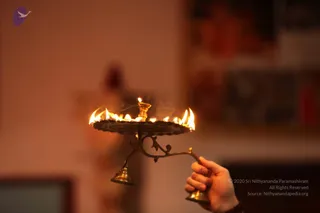
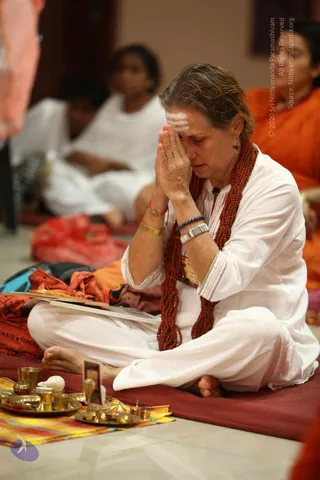
Puja
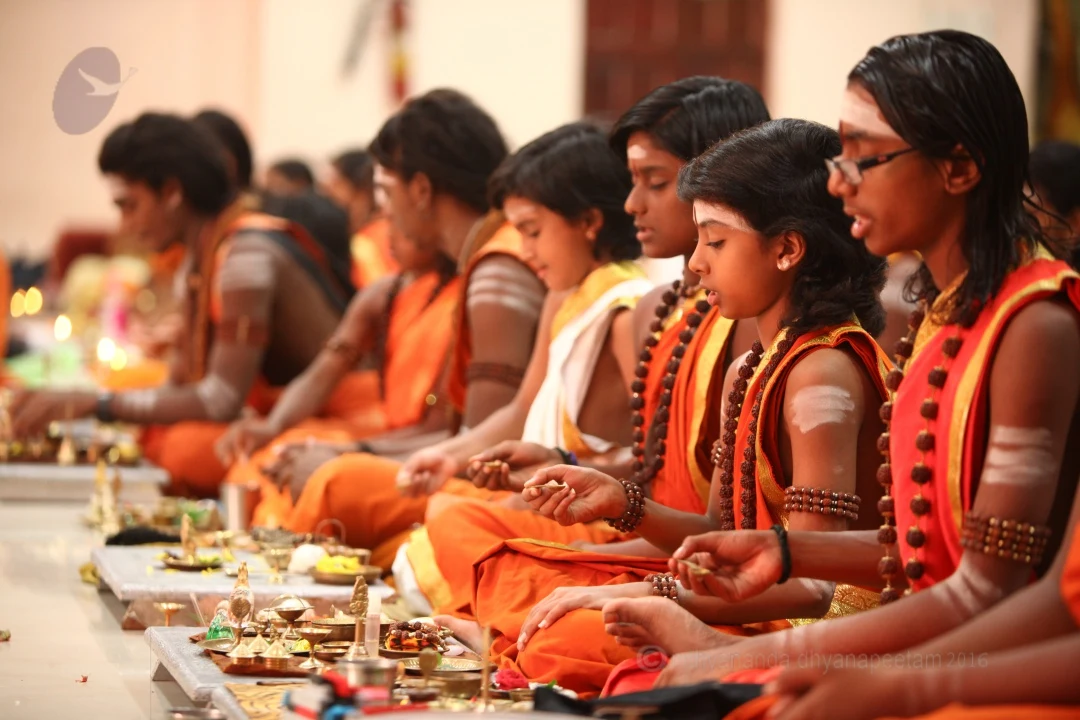
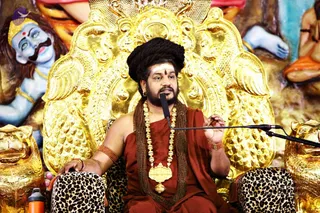
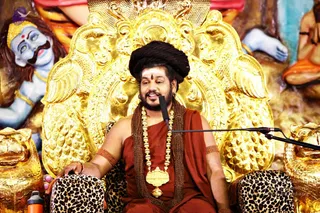
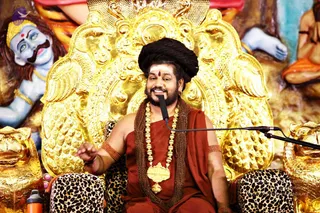
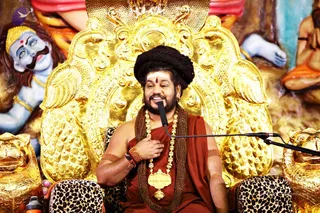
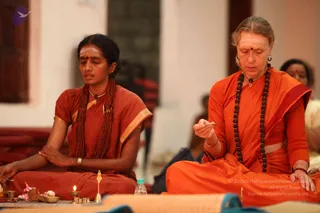
Tamil Satsang
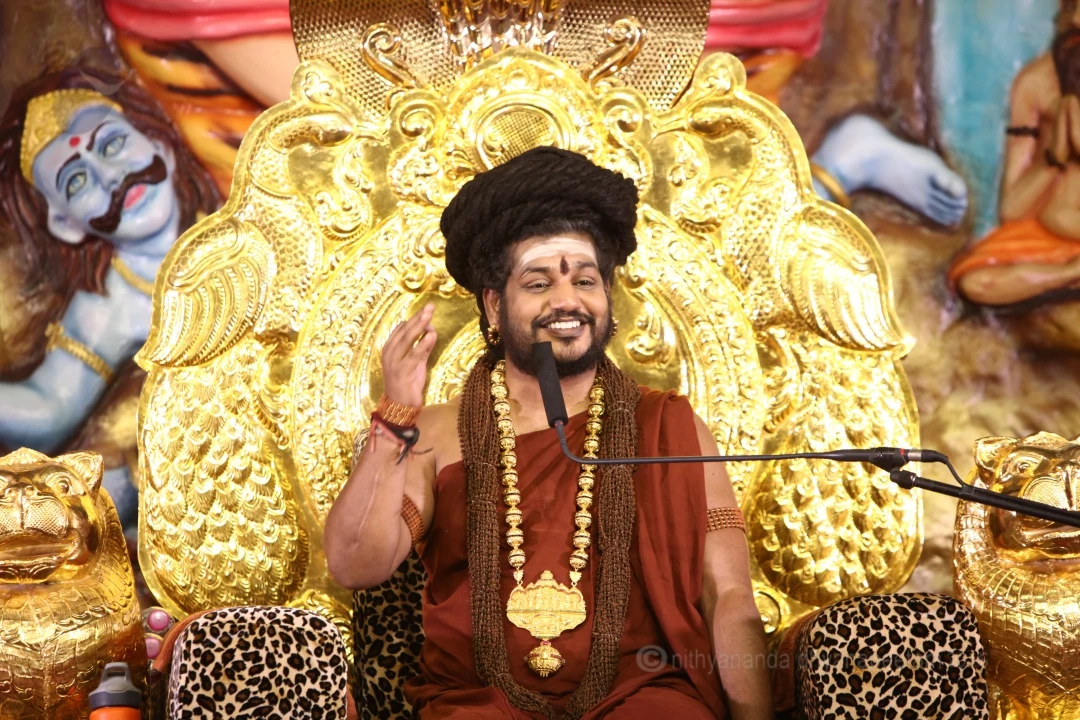
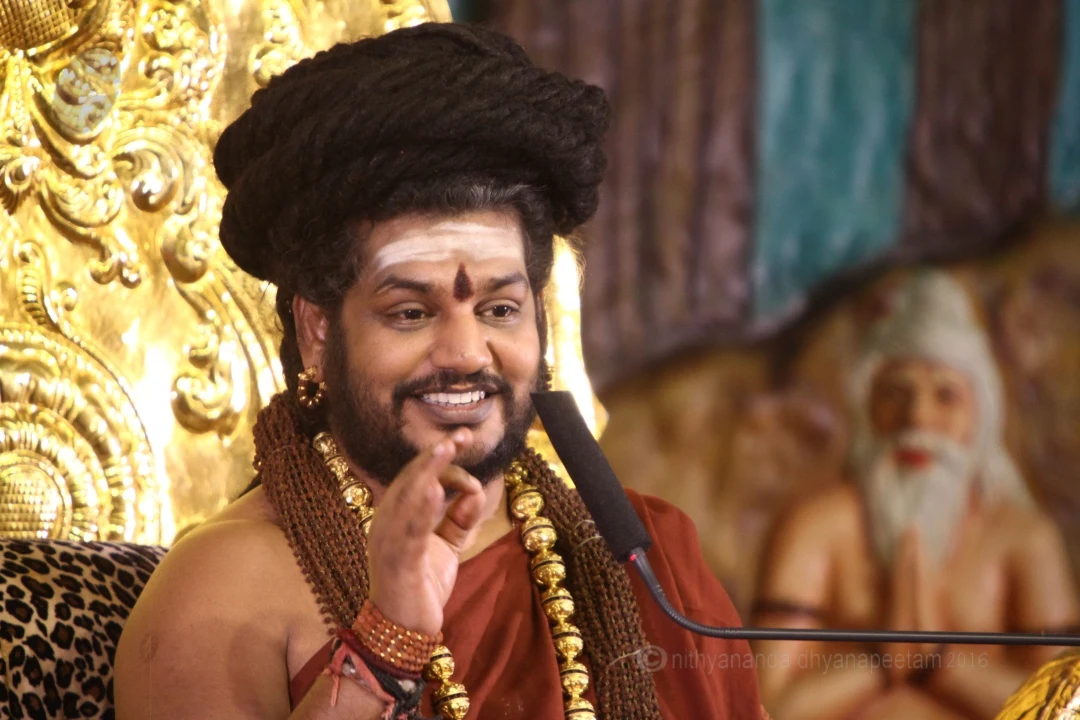
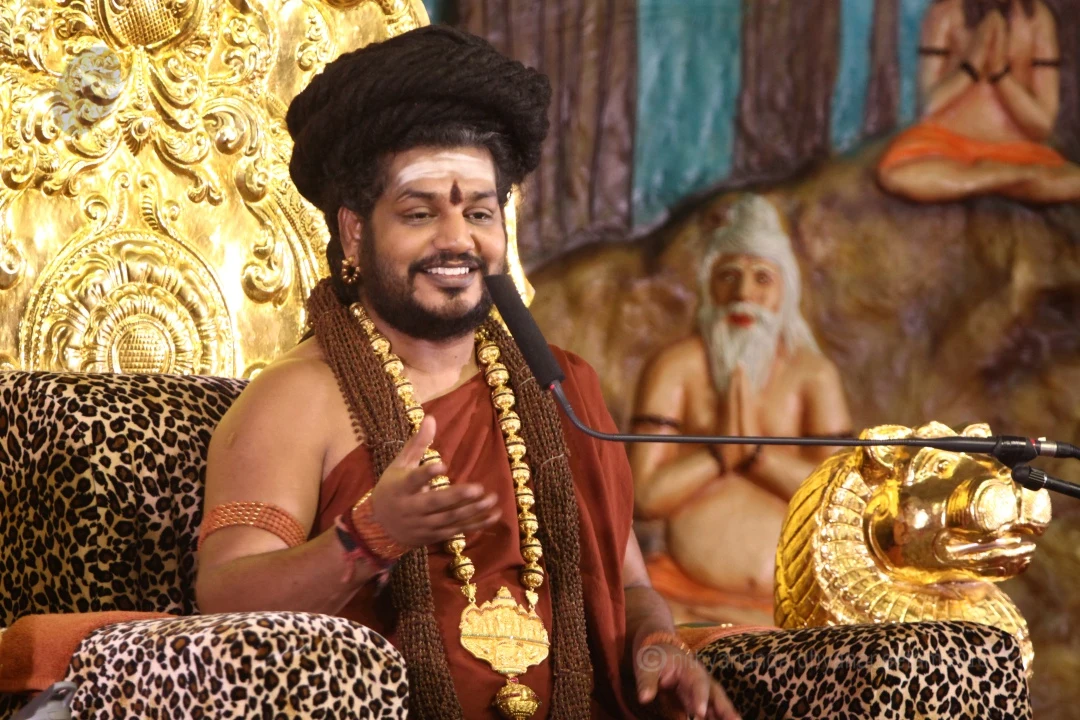
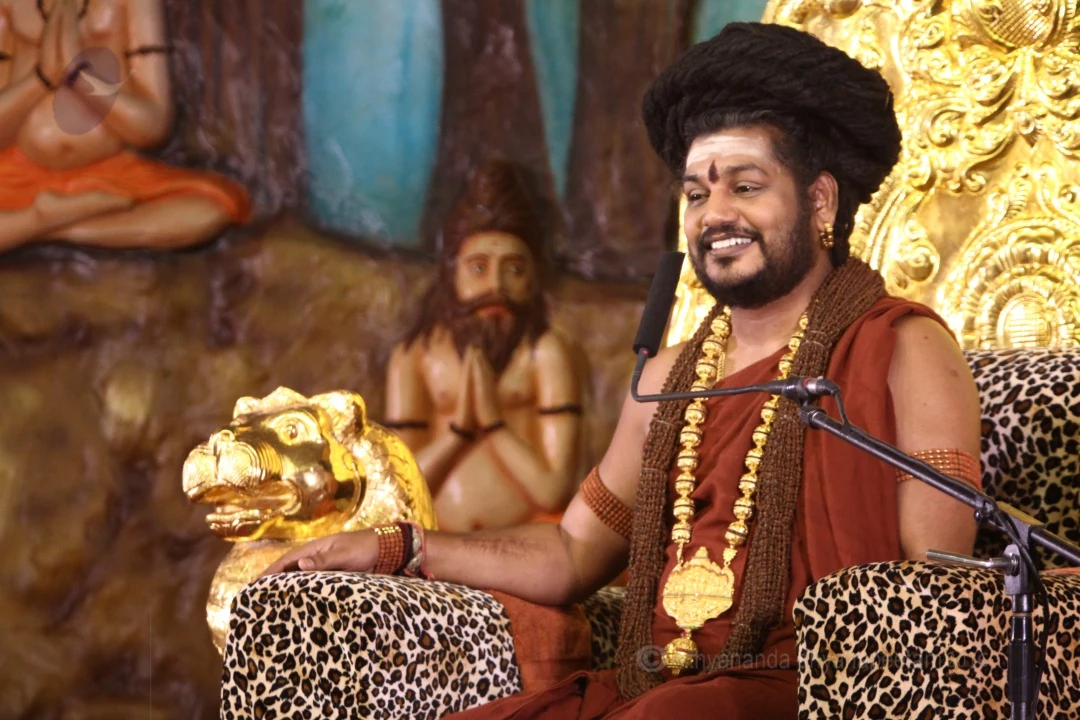
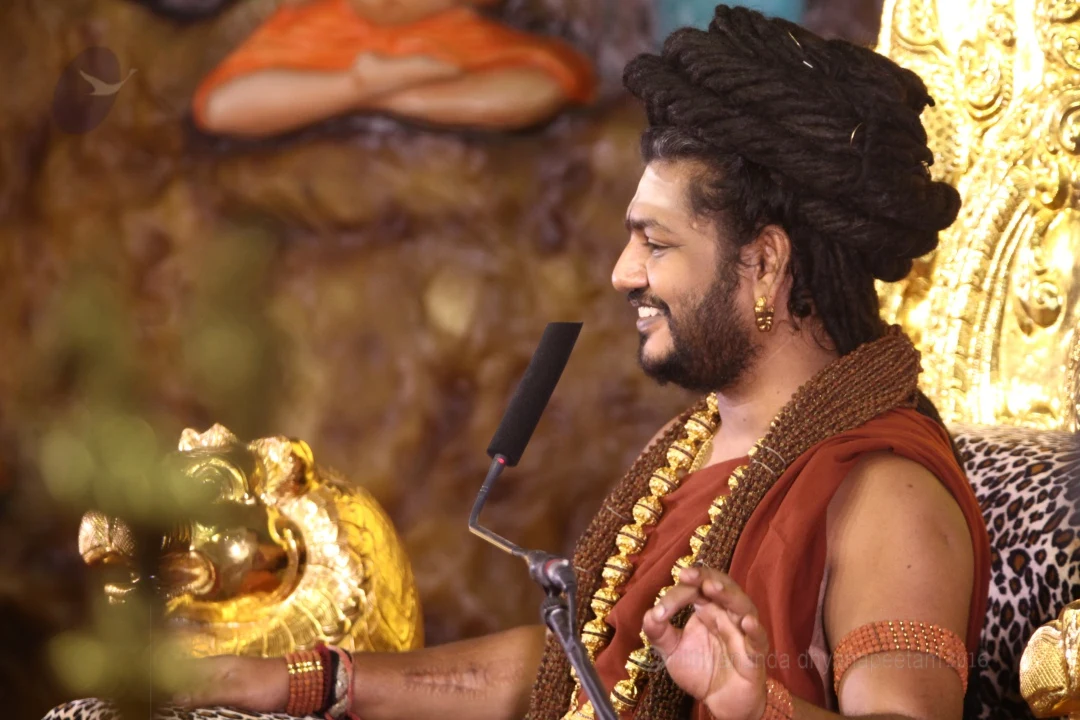
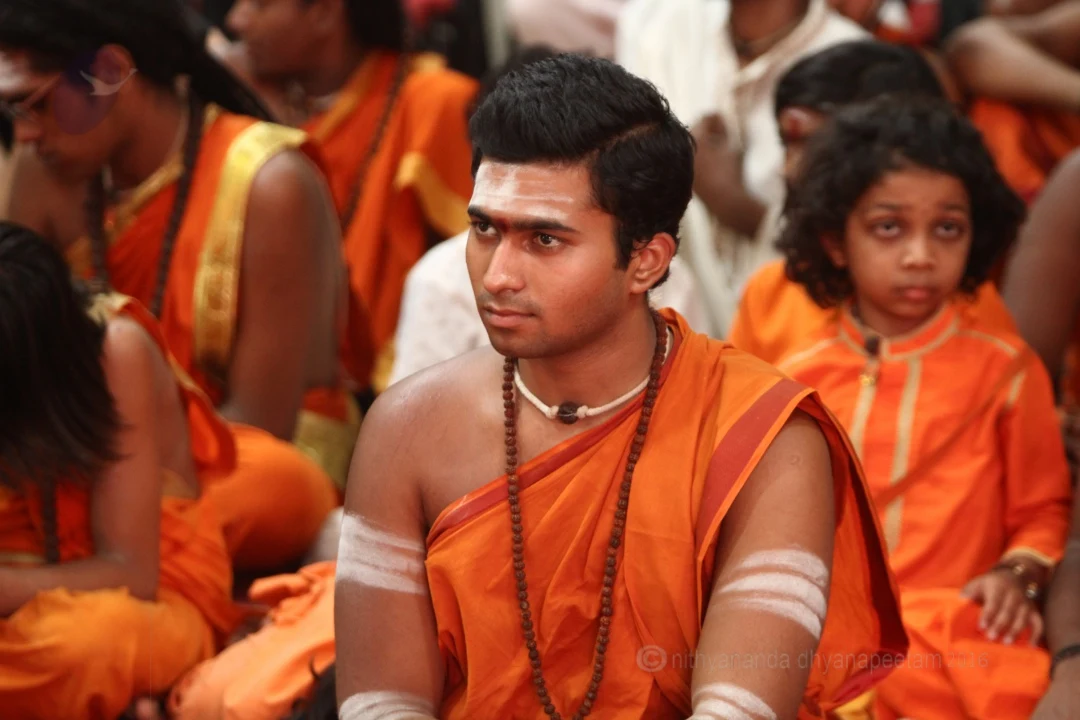
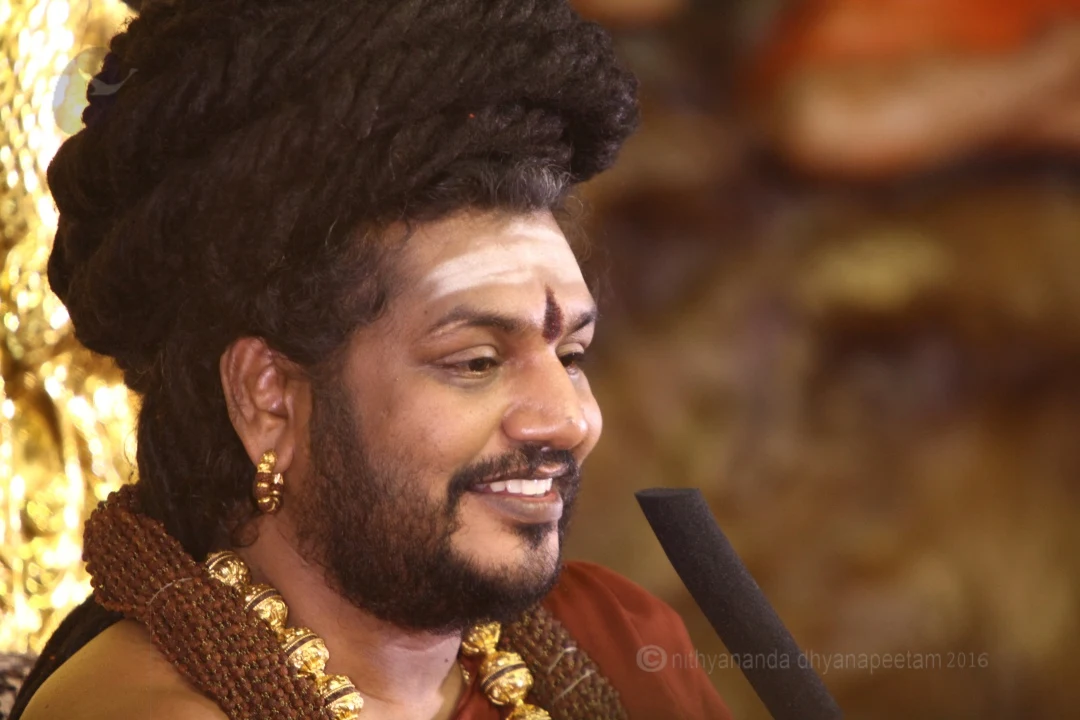
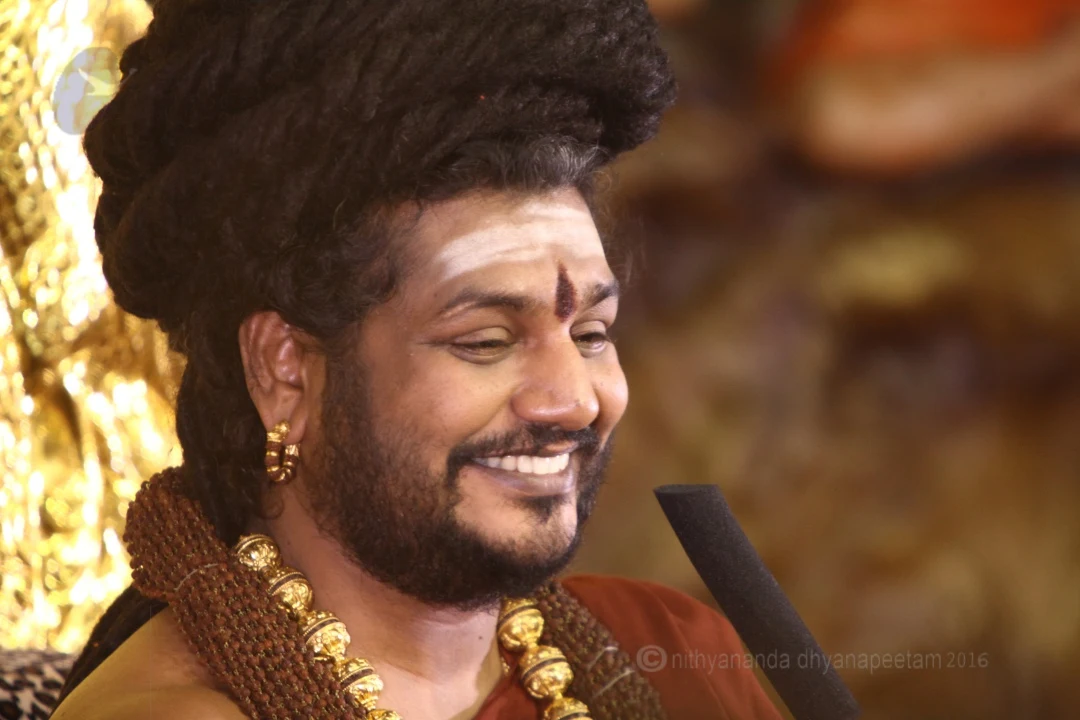
Photos Of The Day:
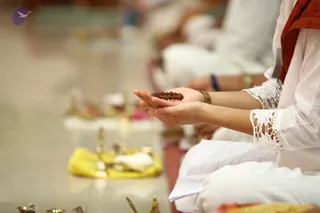
Pada Puja
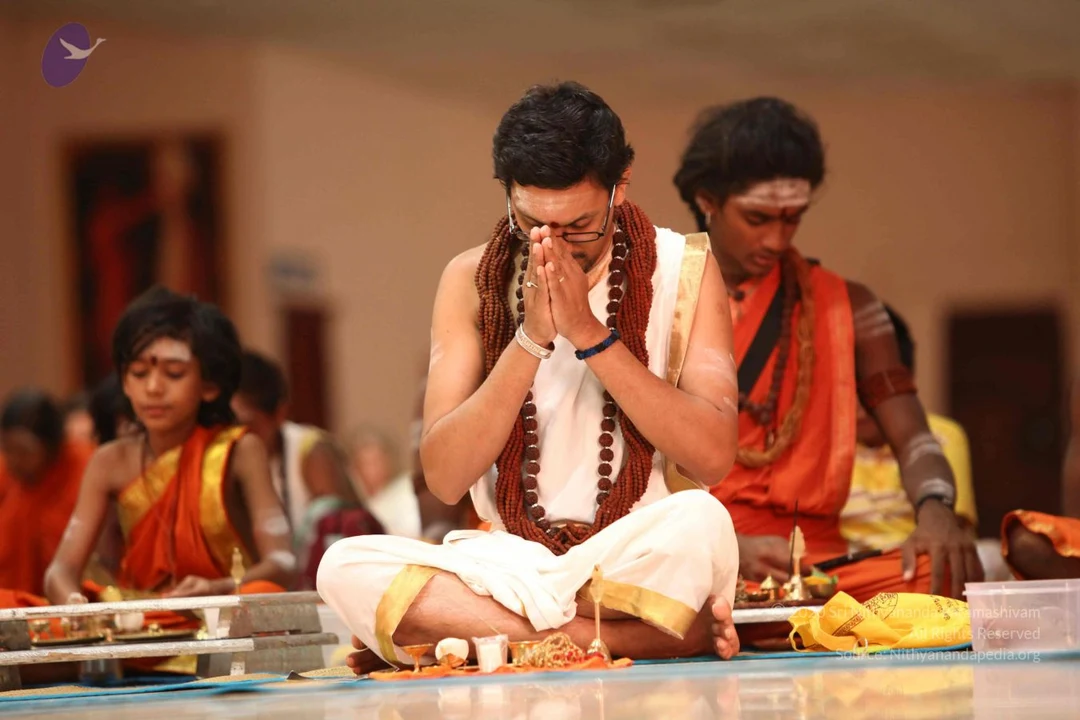
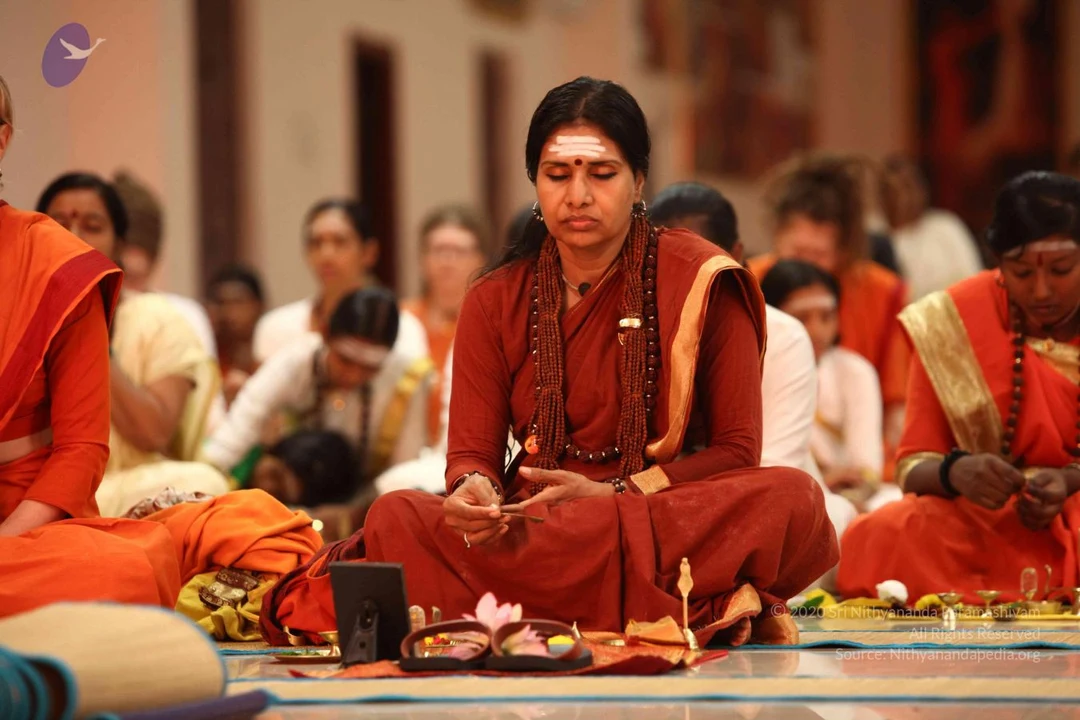
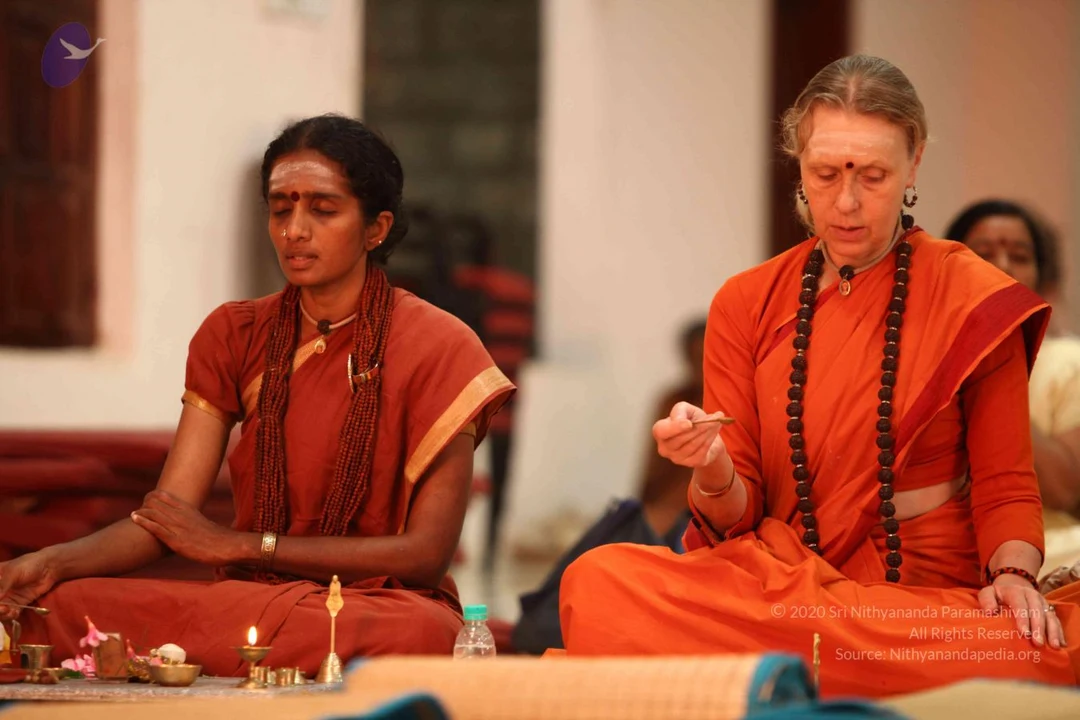
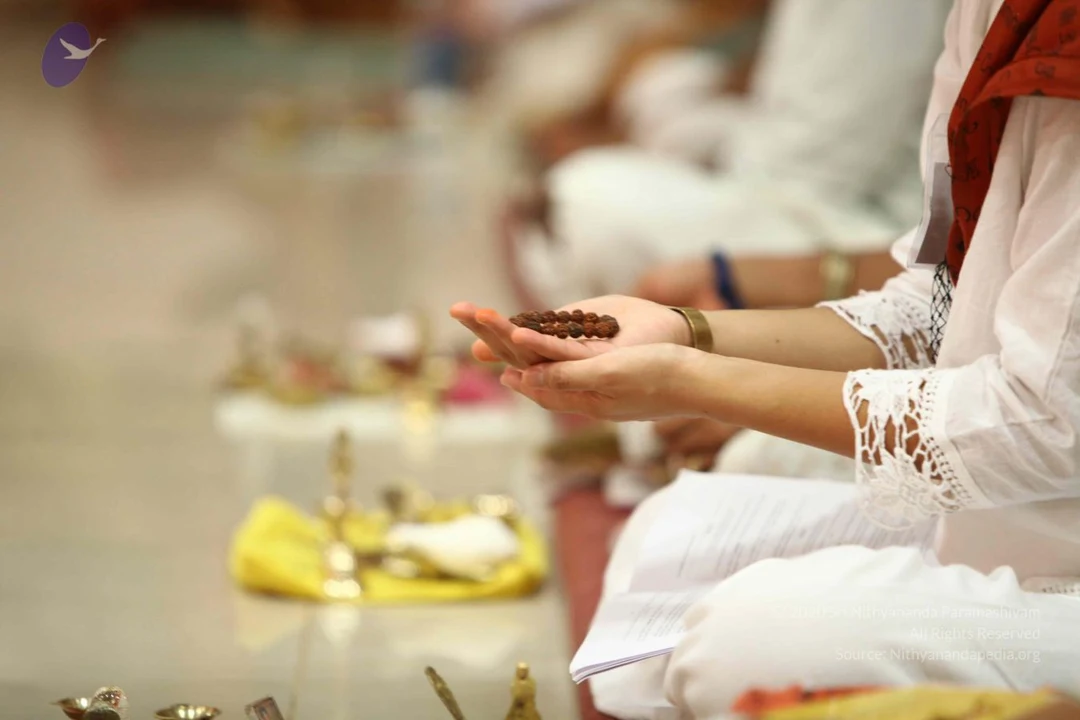
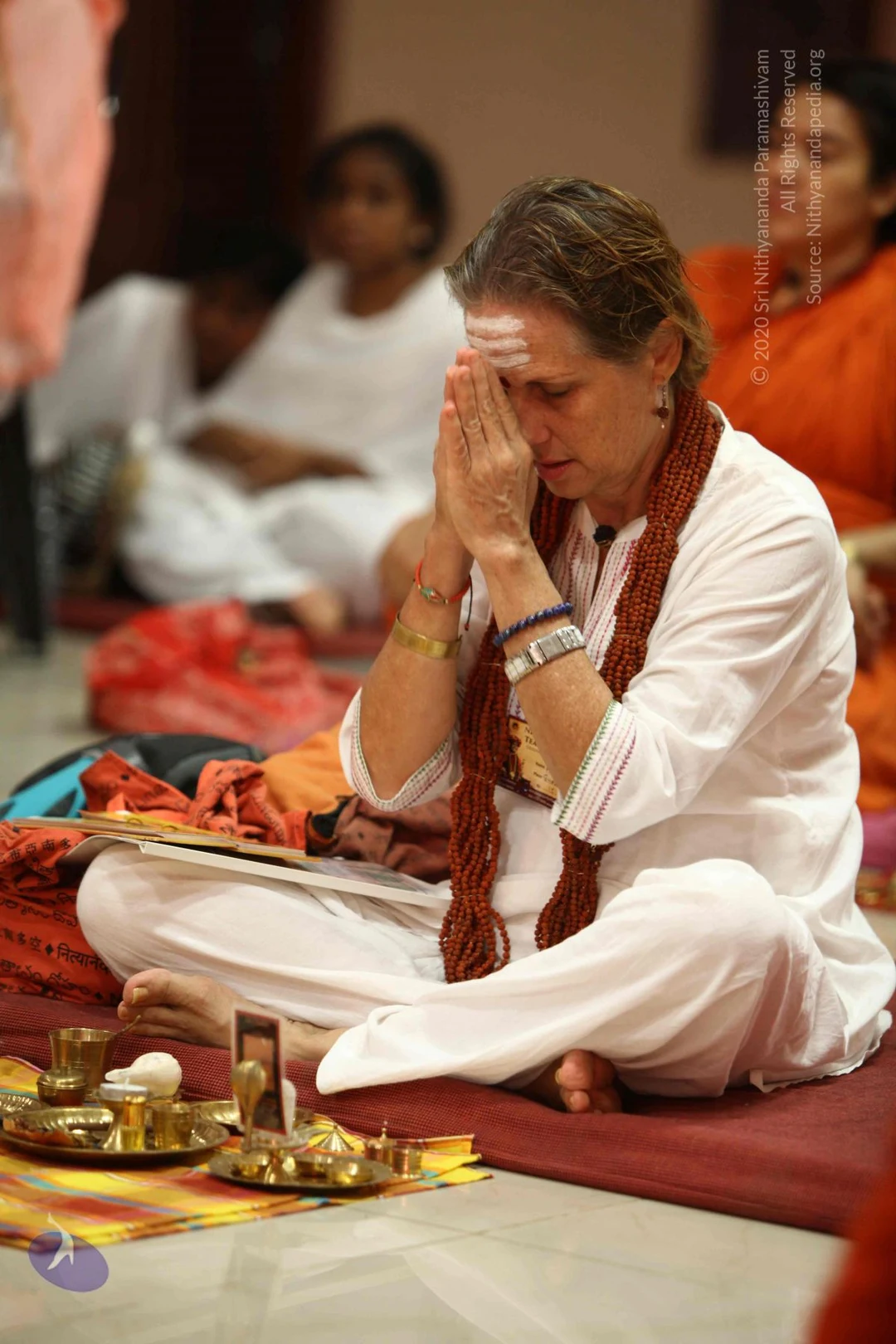
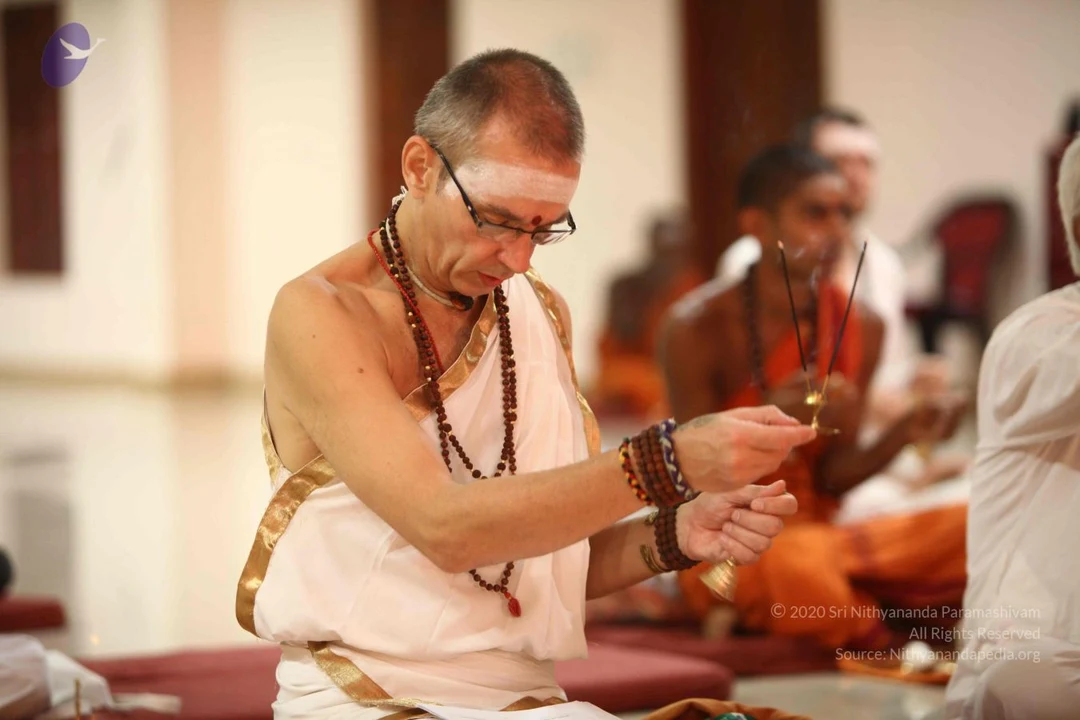
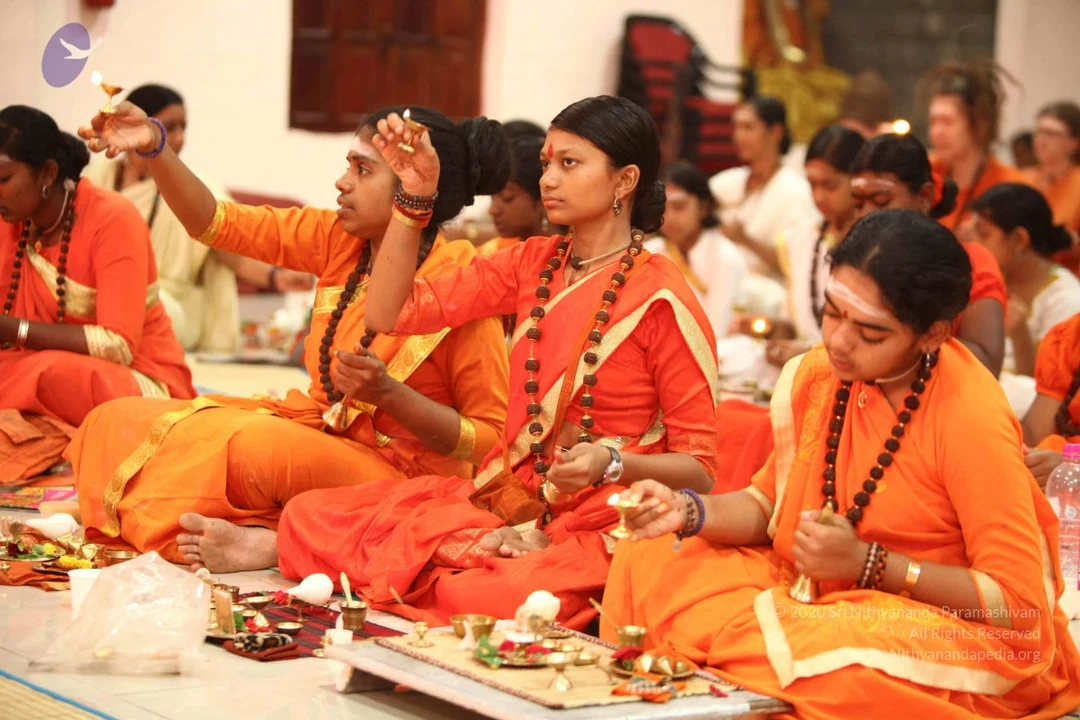
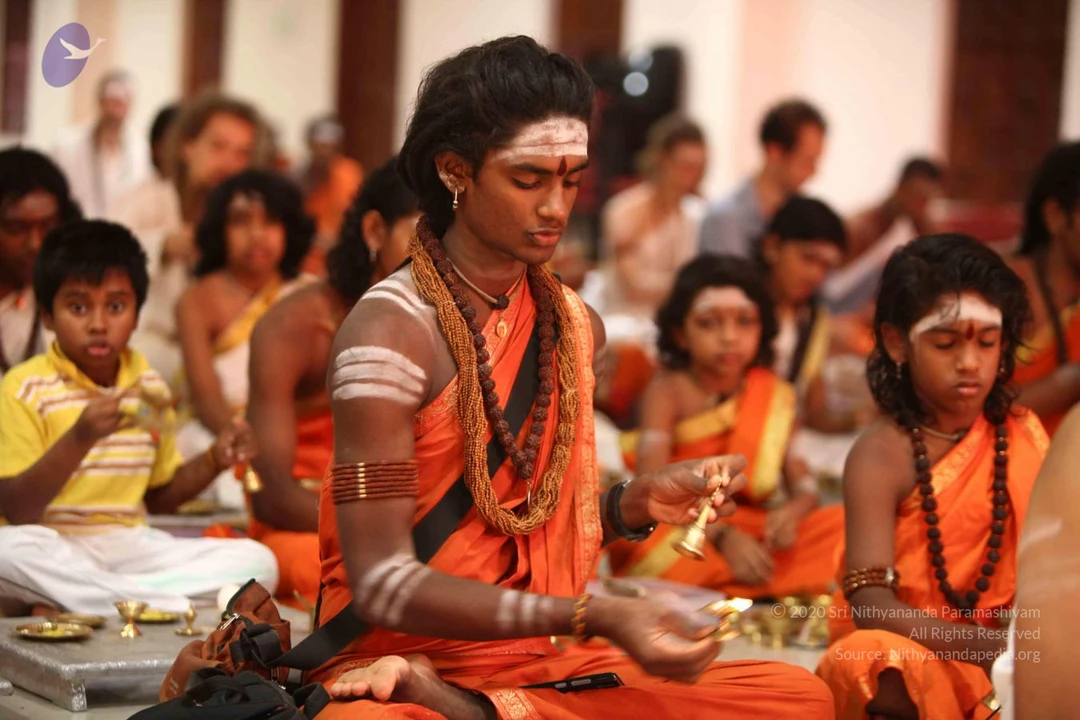
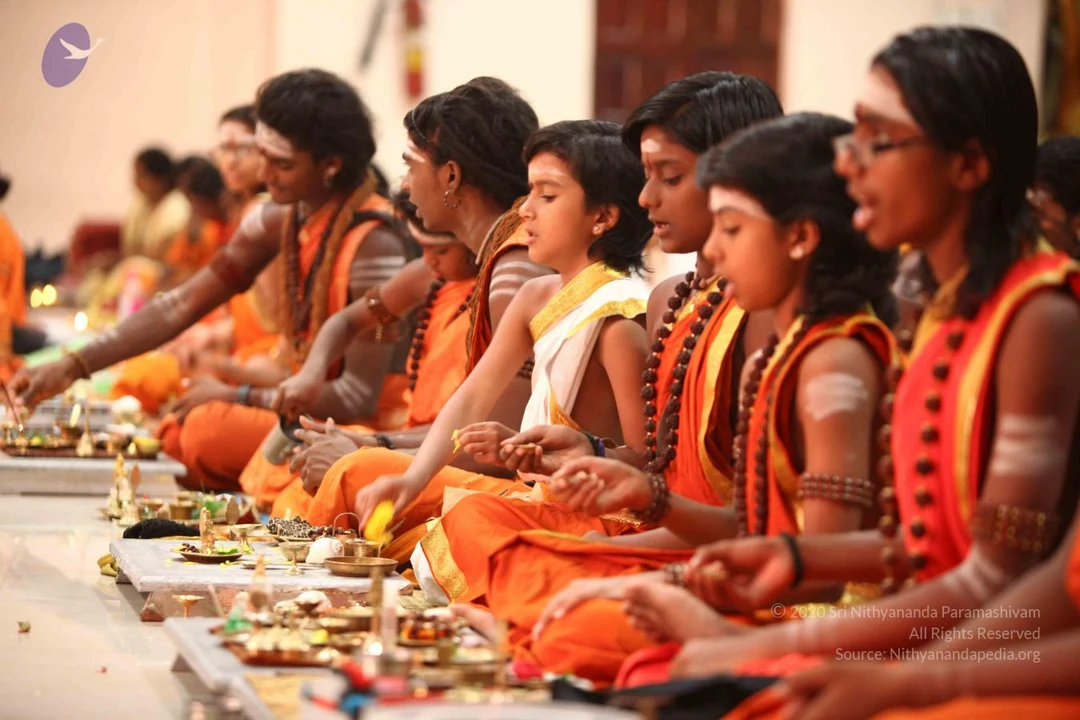
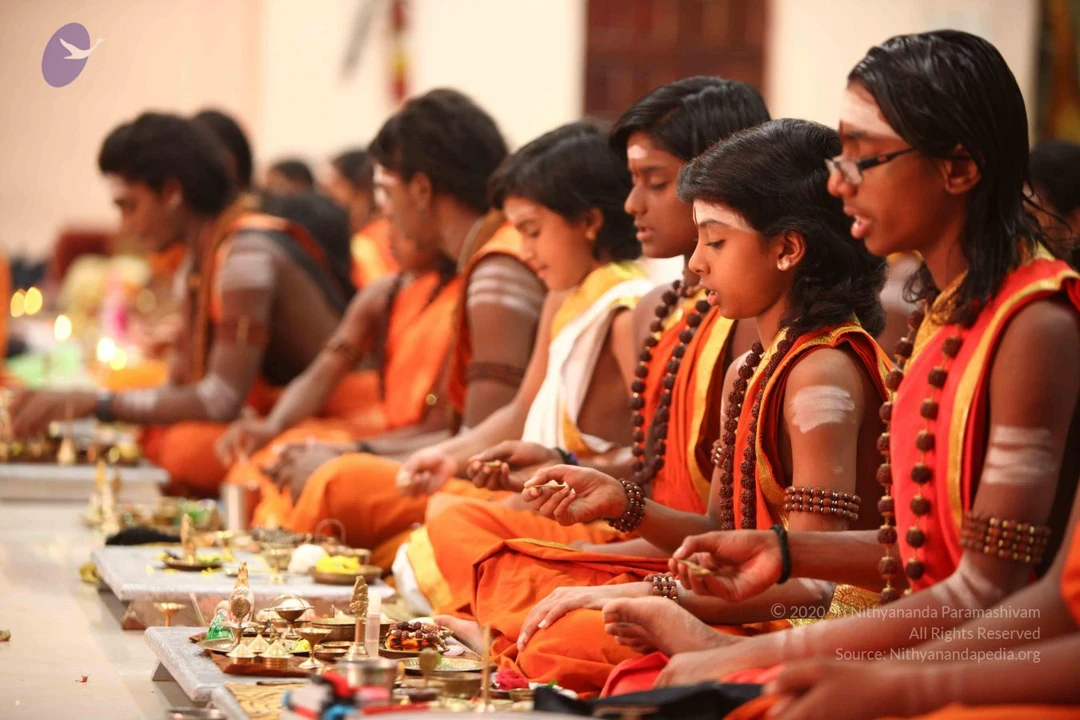
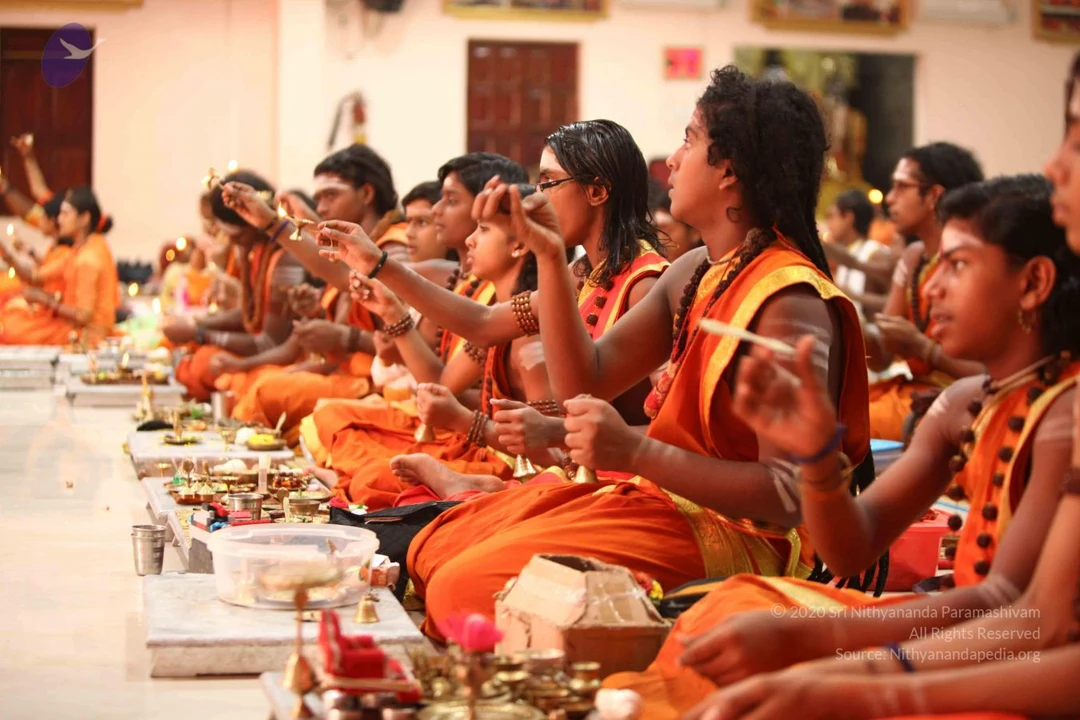
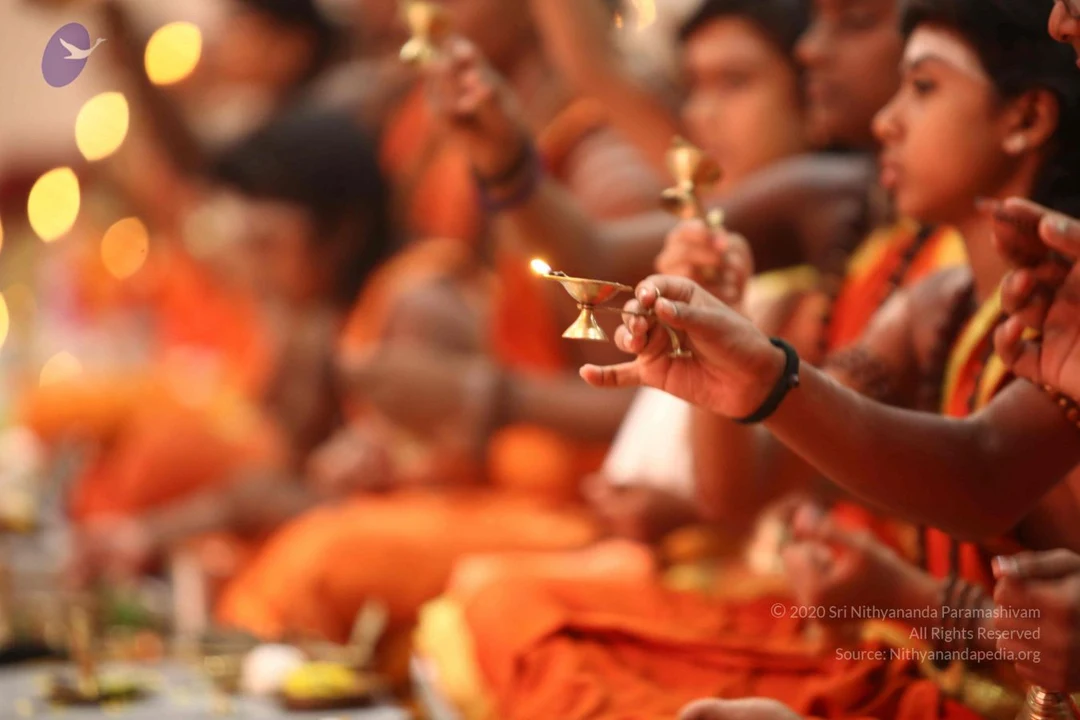
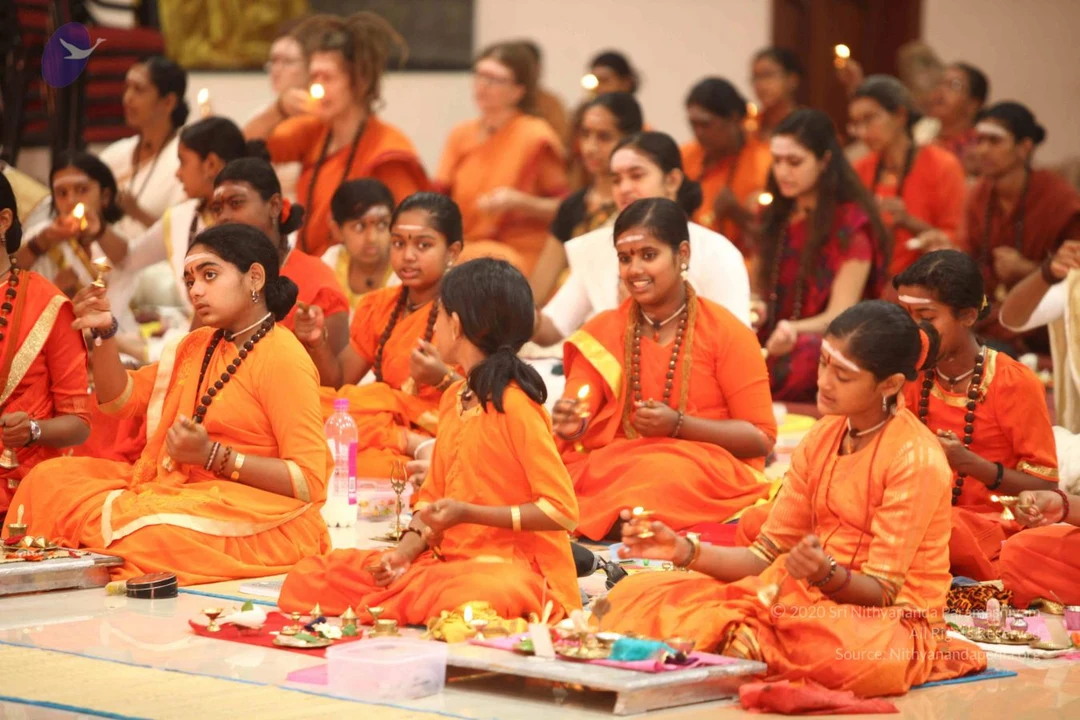
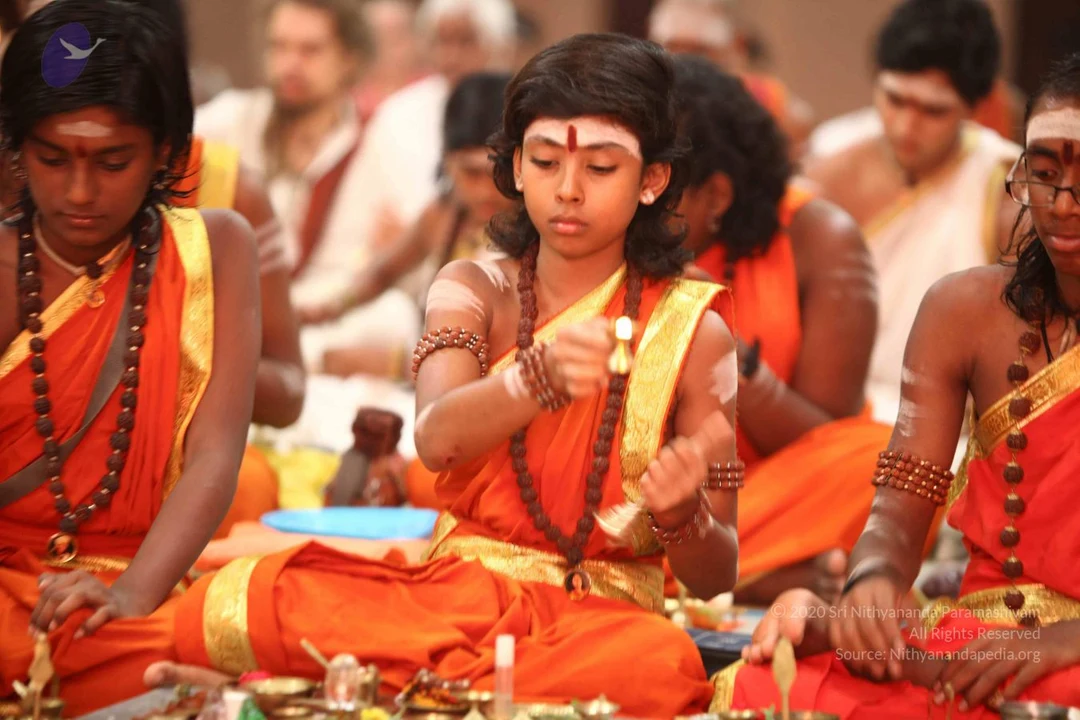
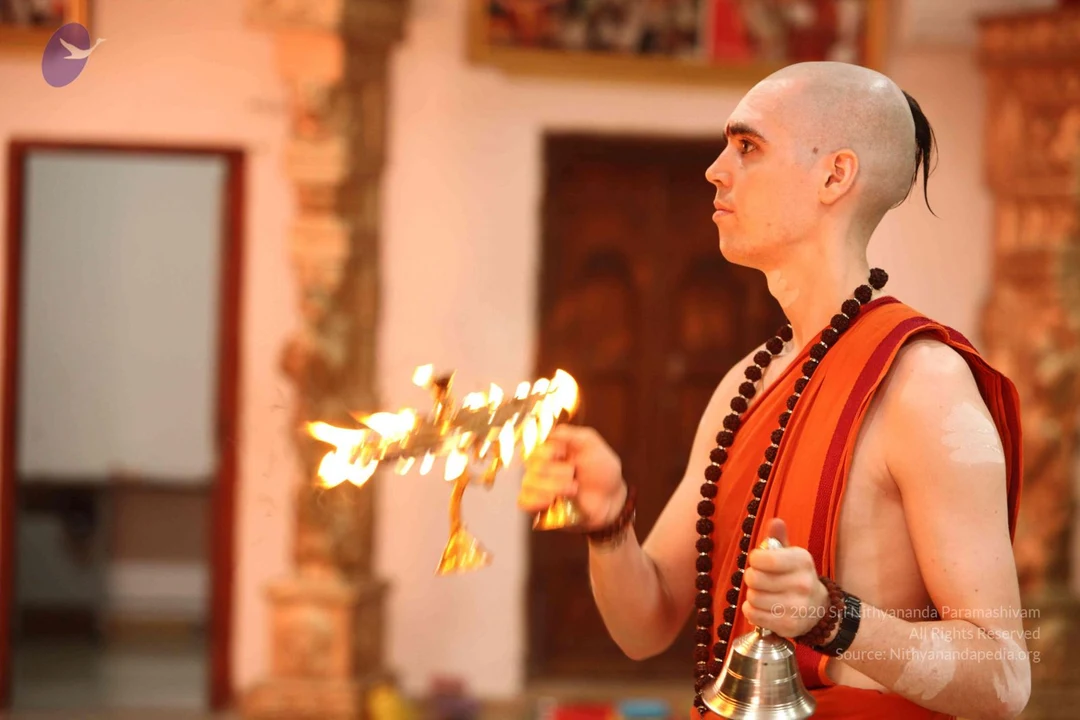
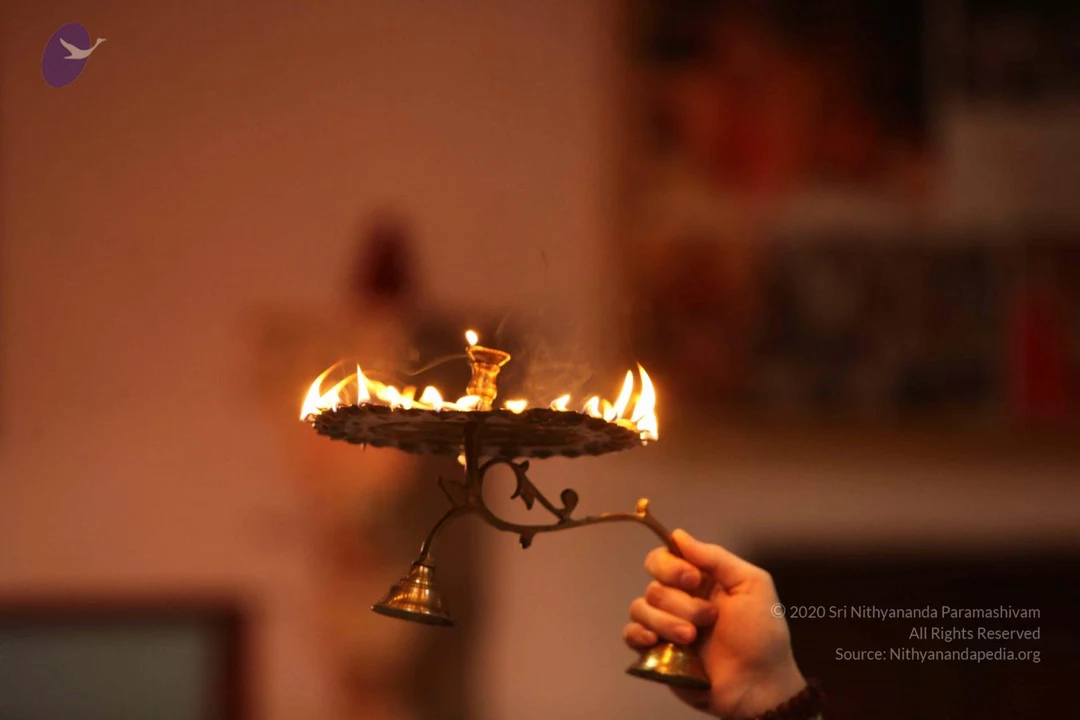
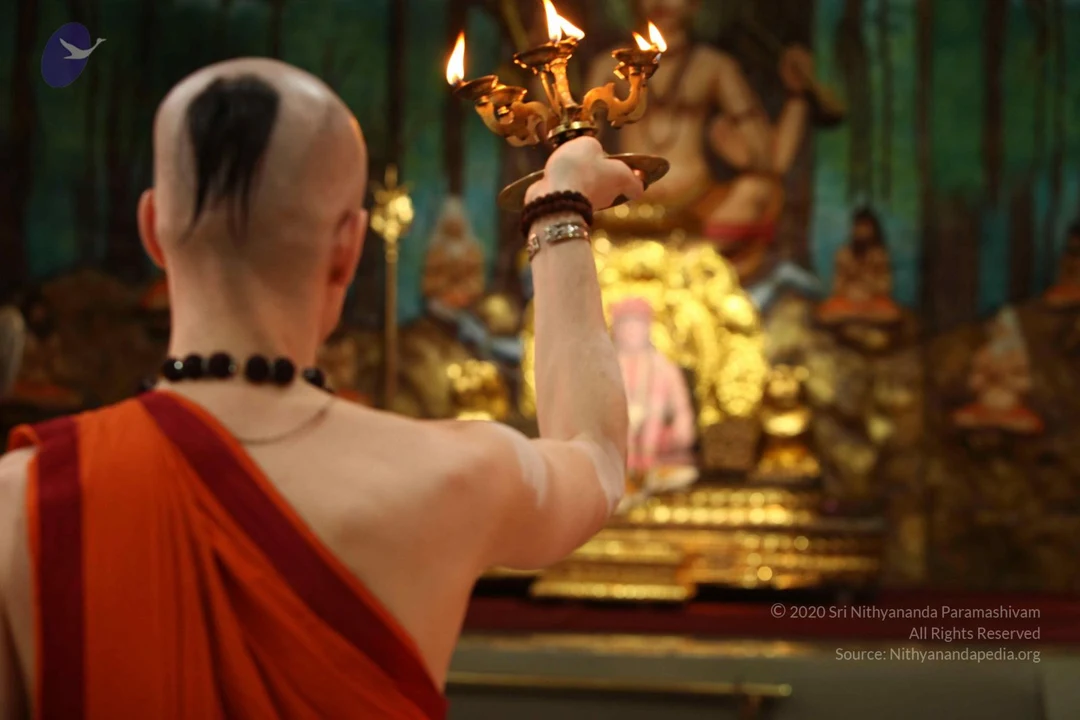
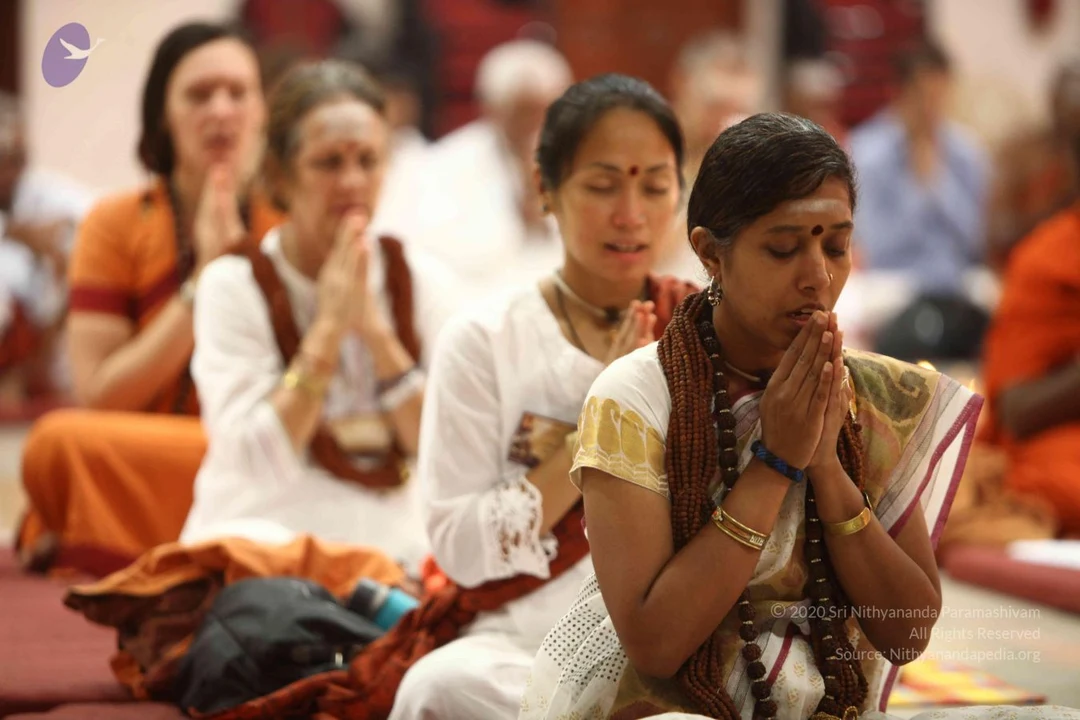
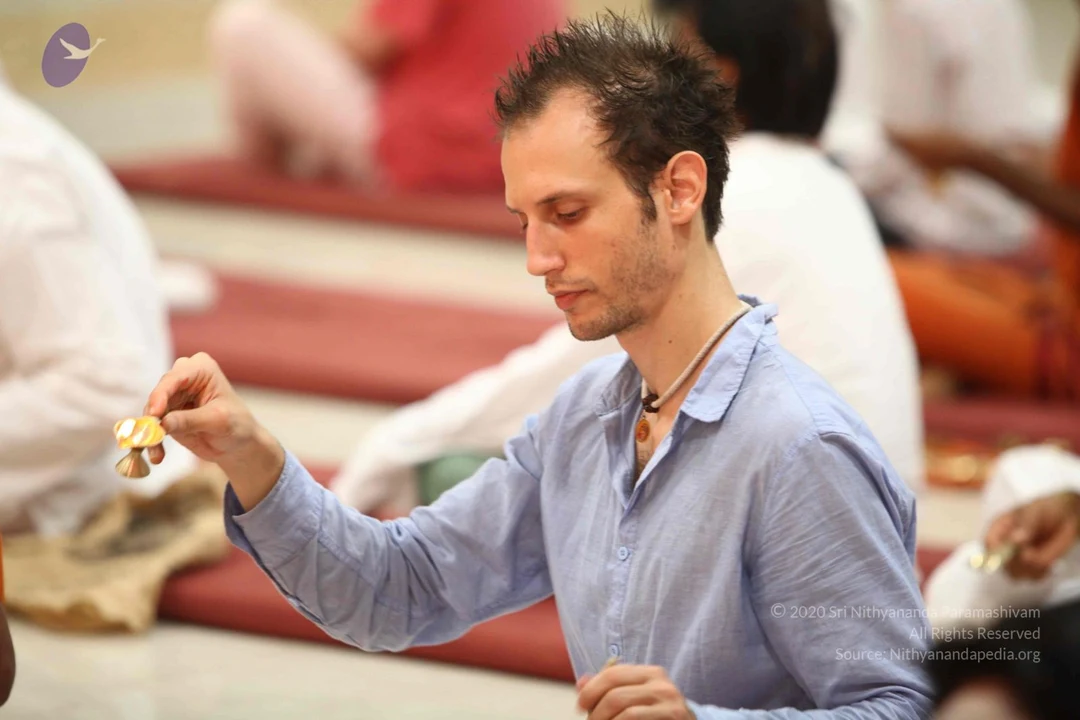
Gurukul Power Manifestation Session
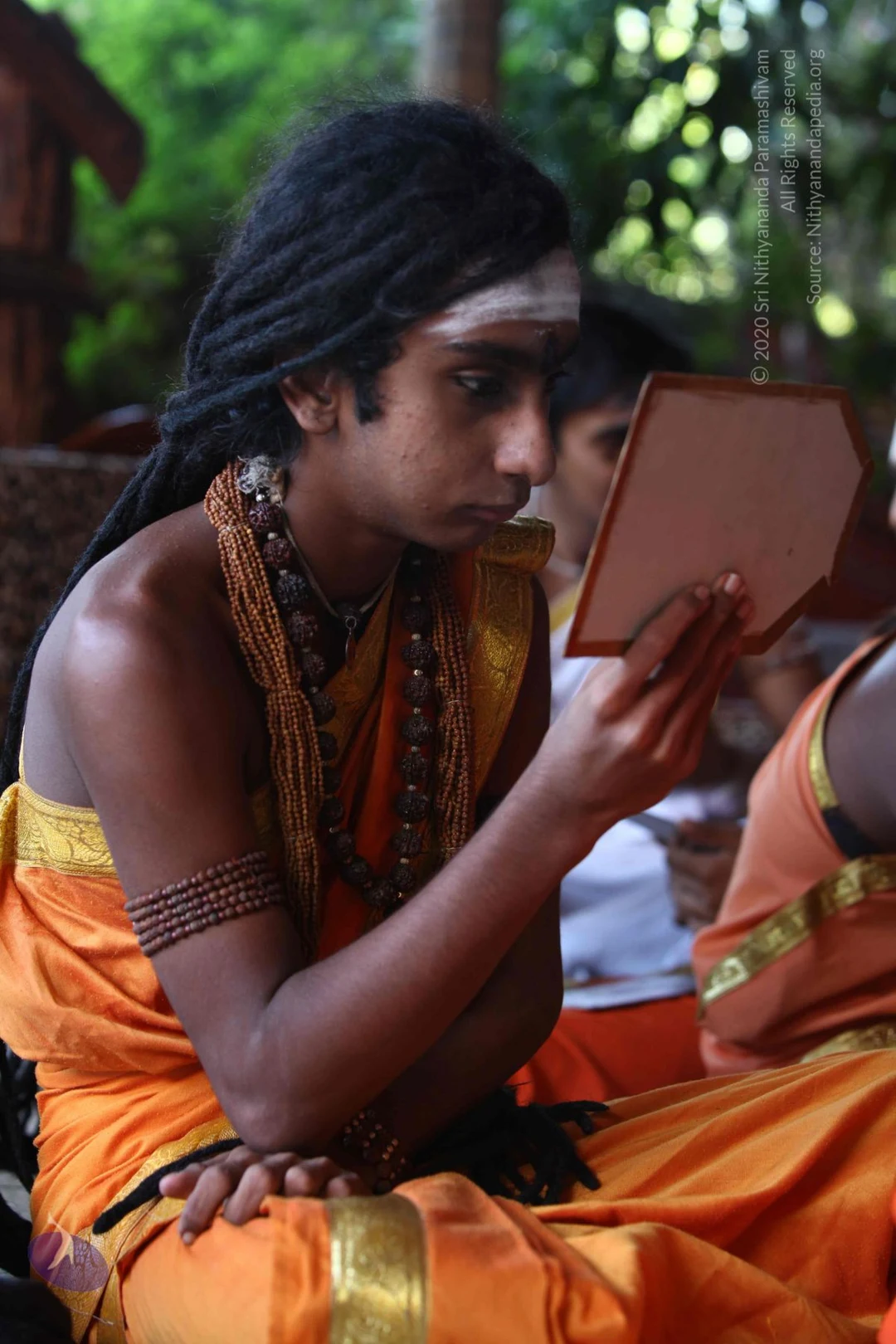
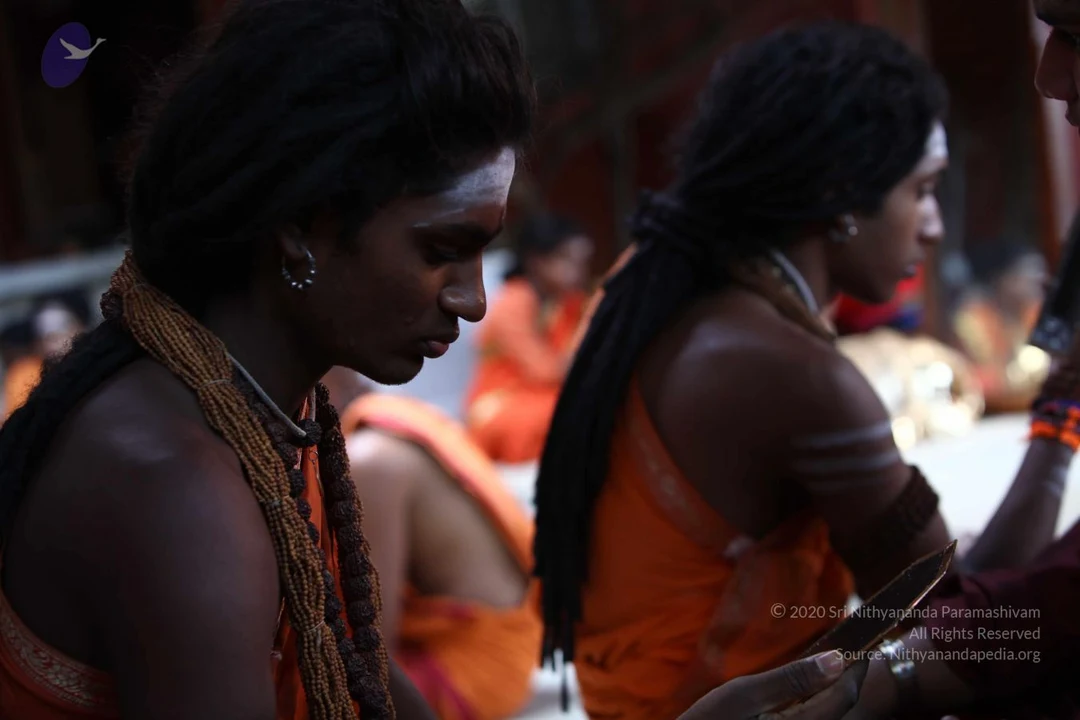
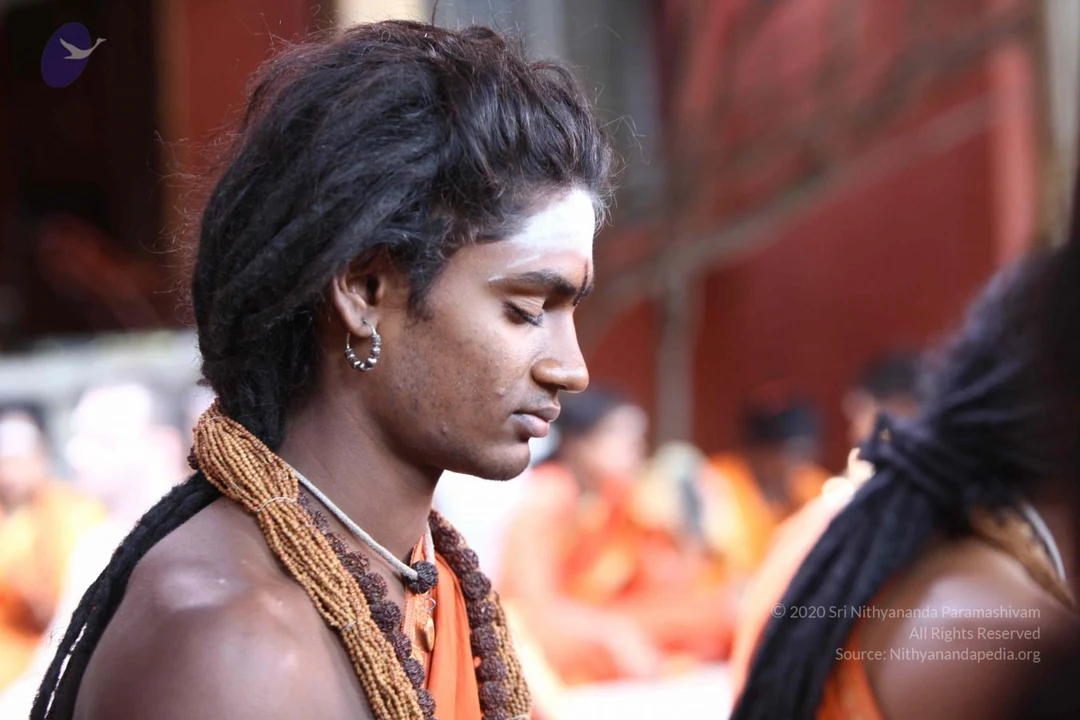
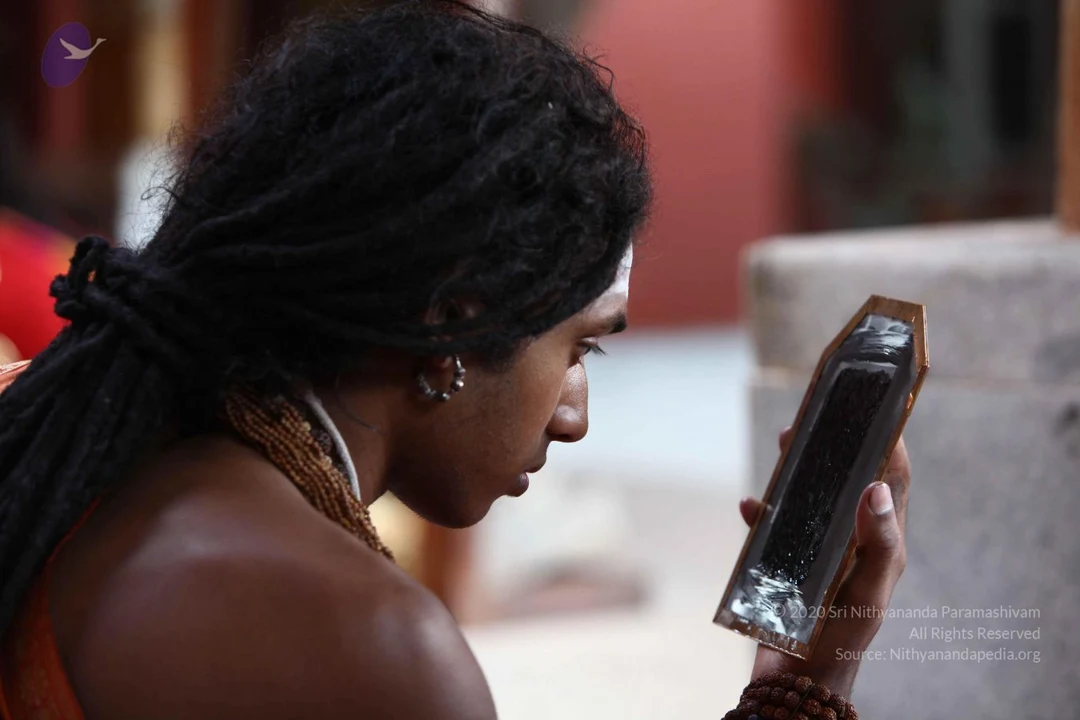
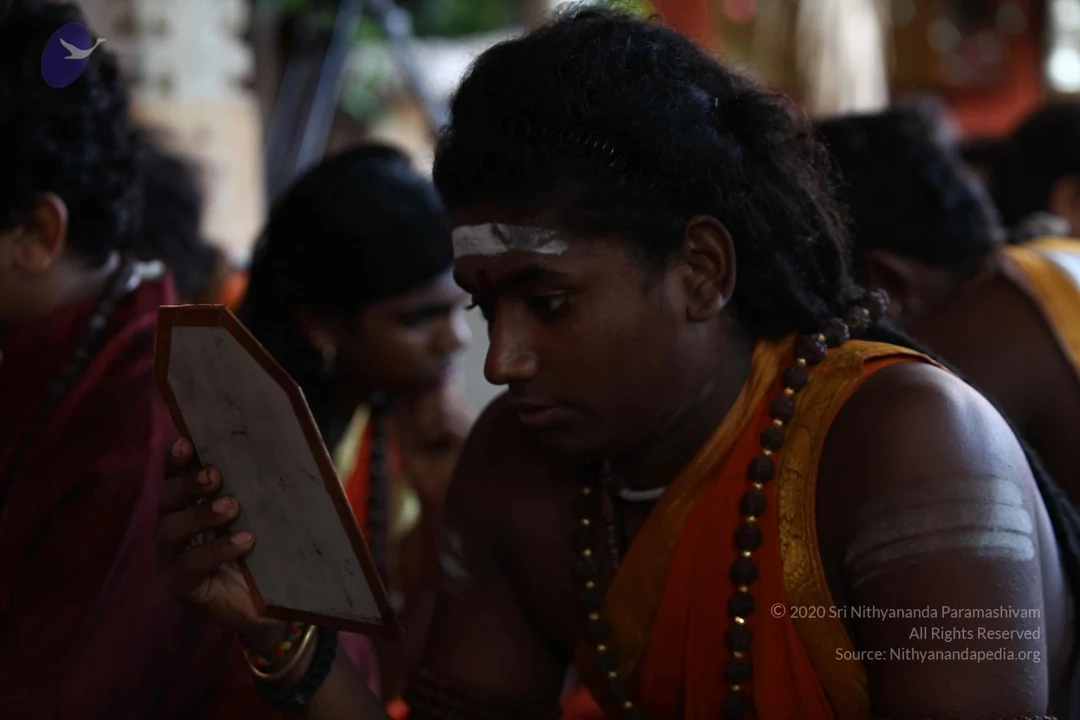
Aadi Shaivam - Tamil Satsang
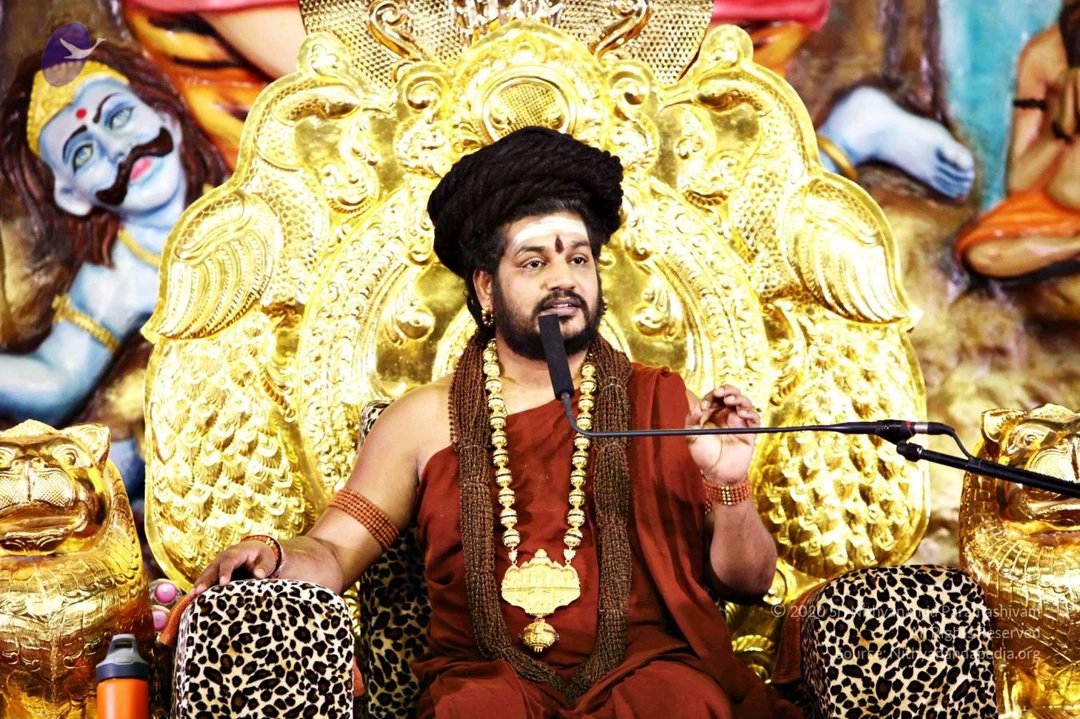
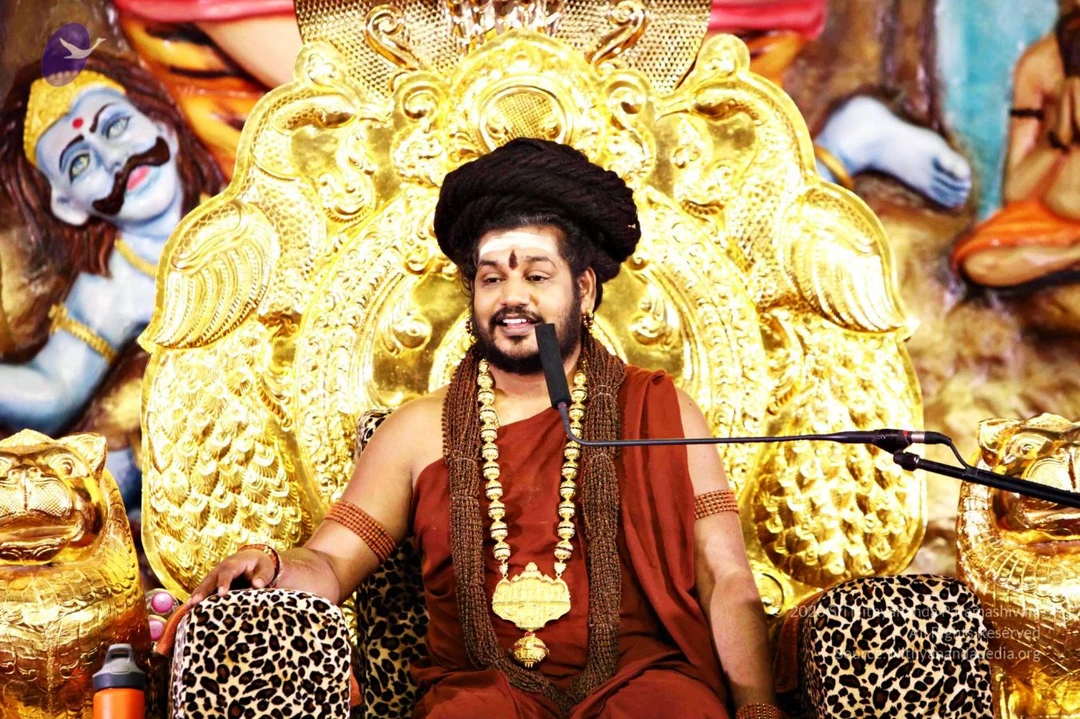
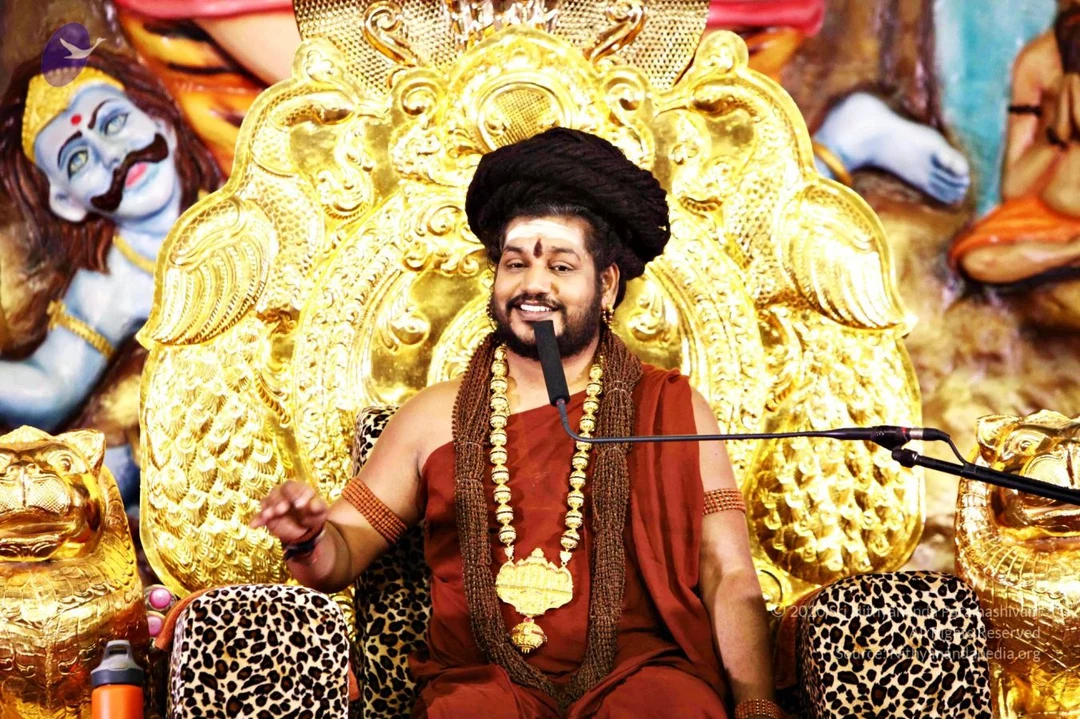
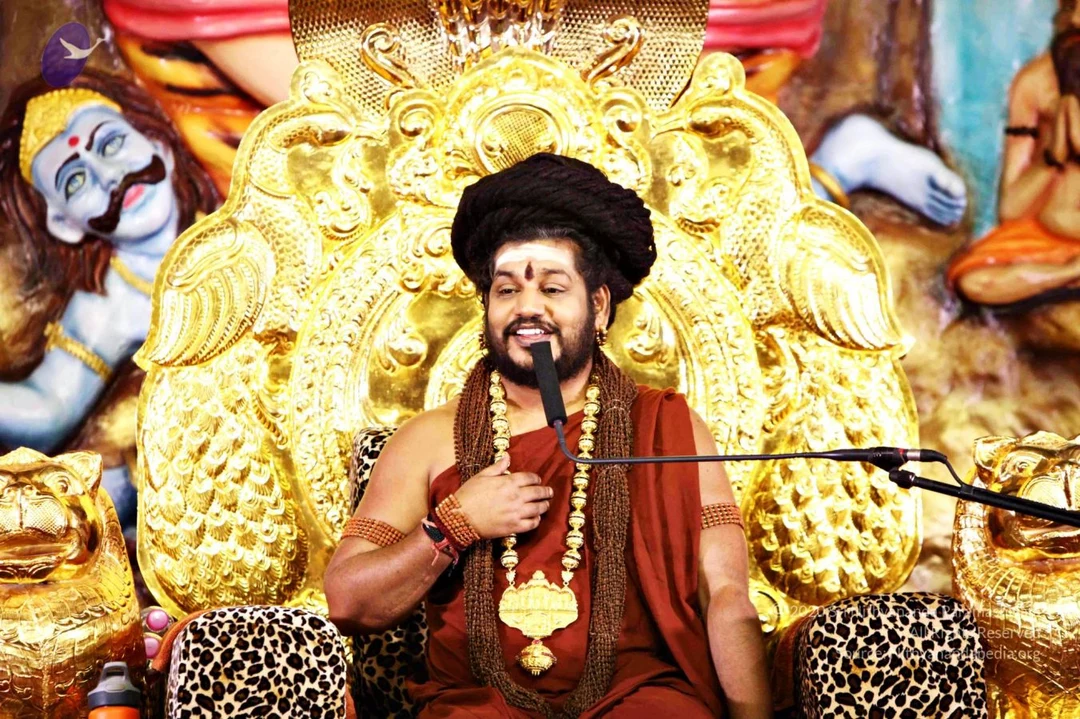
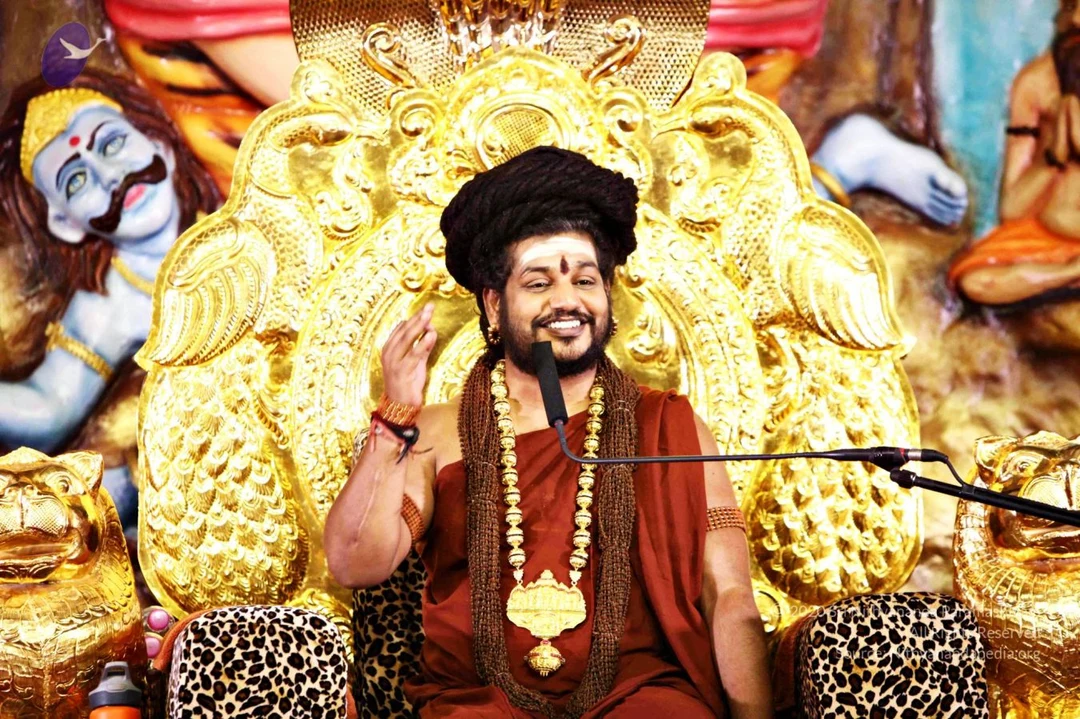
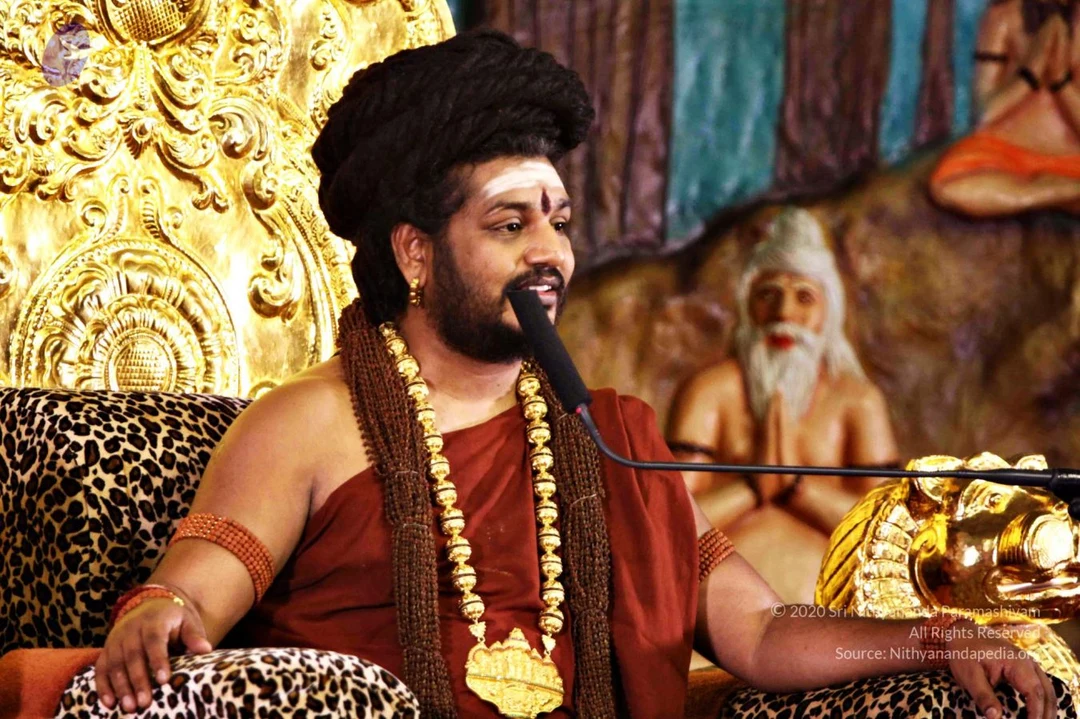
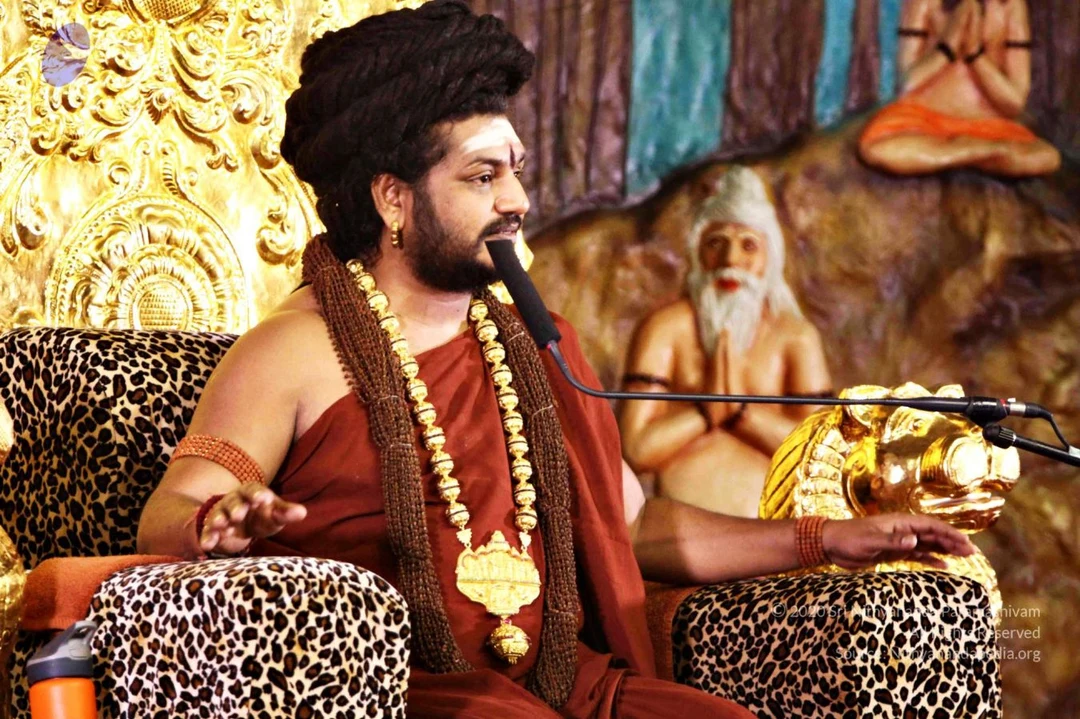
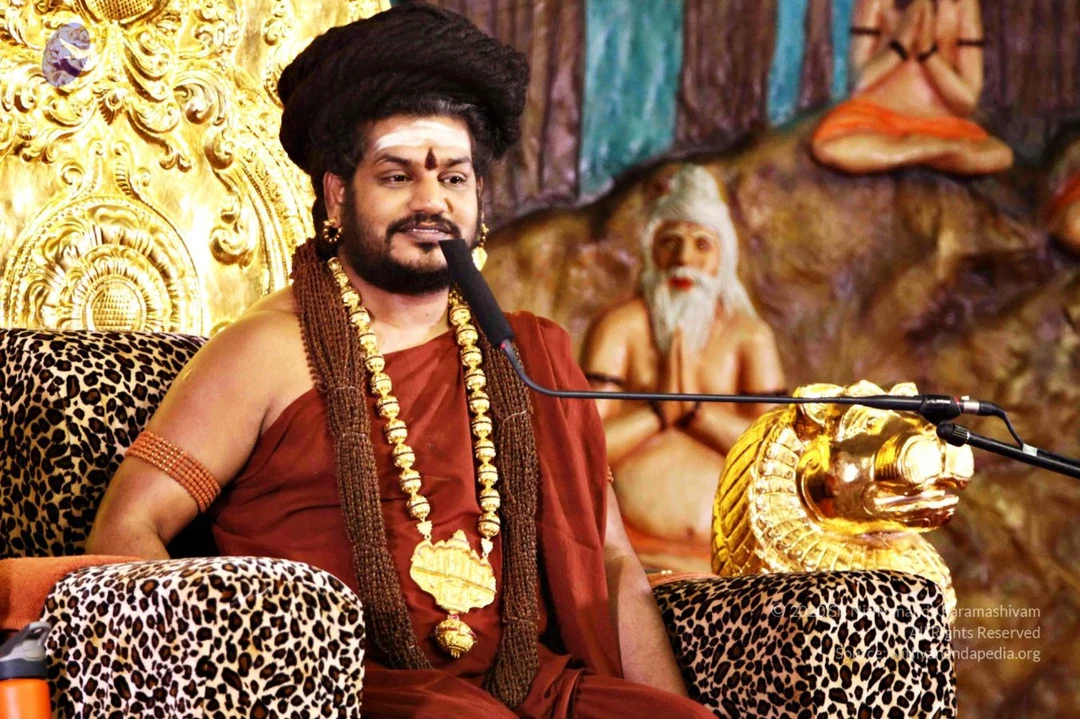
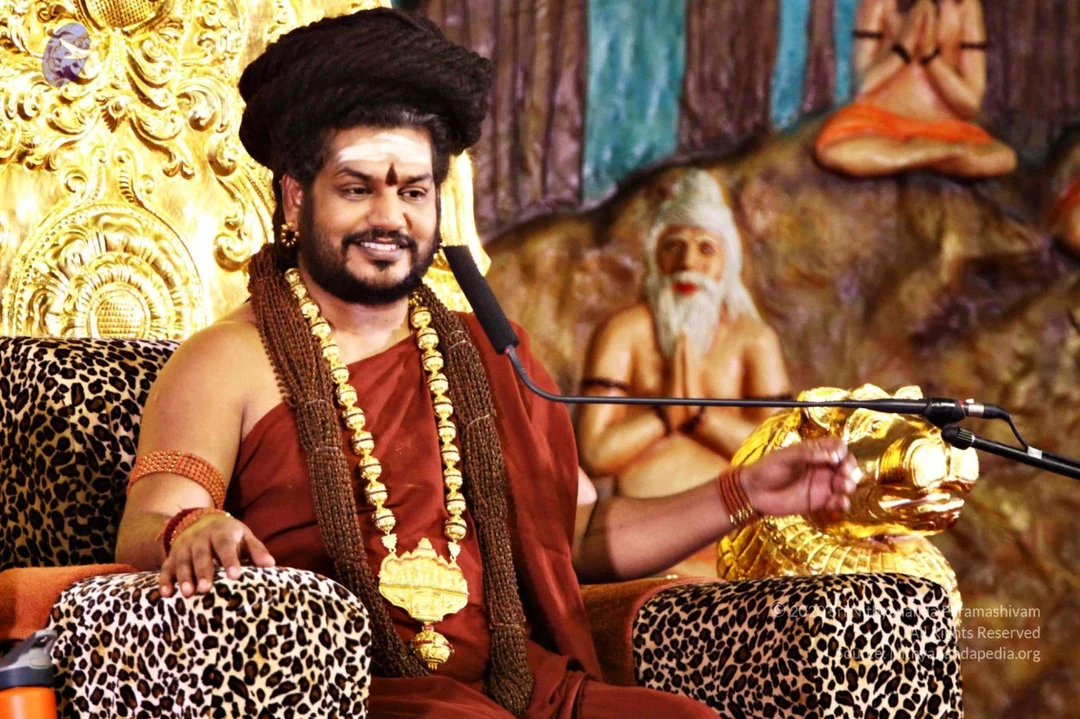
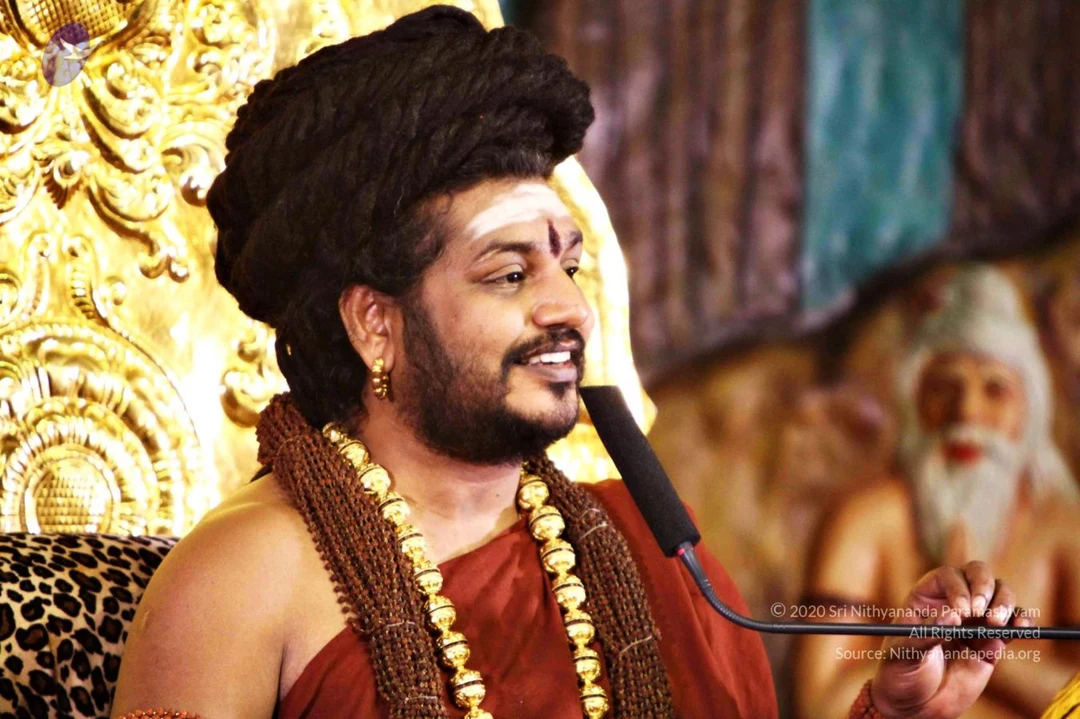
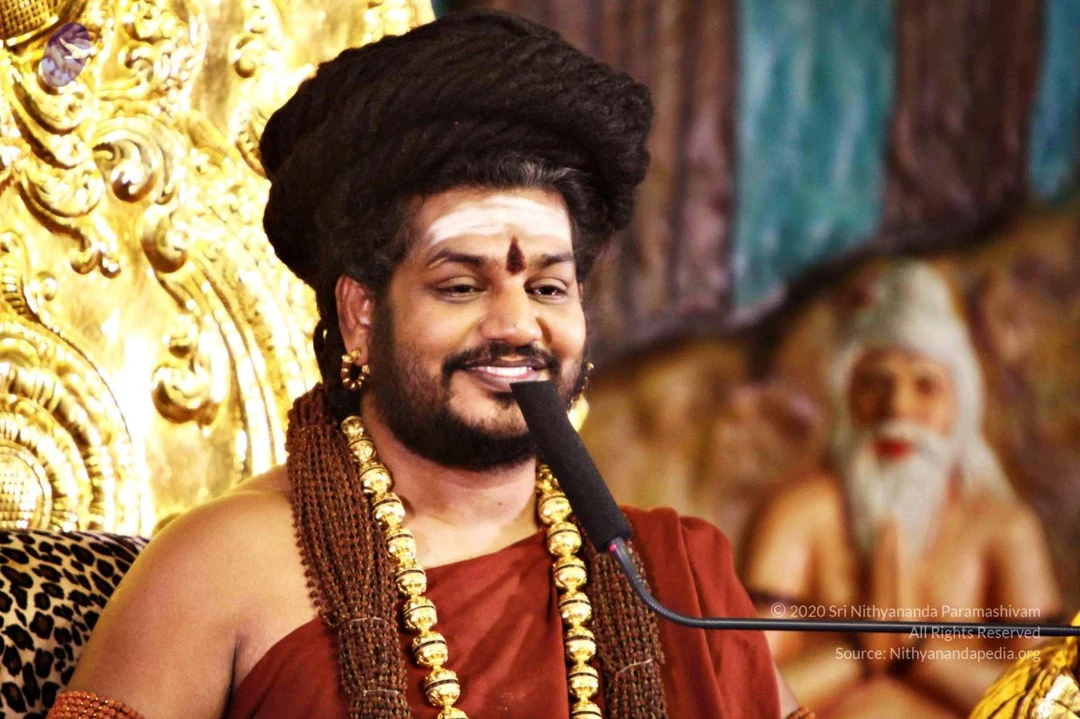
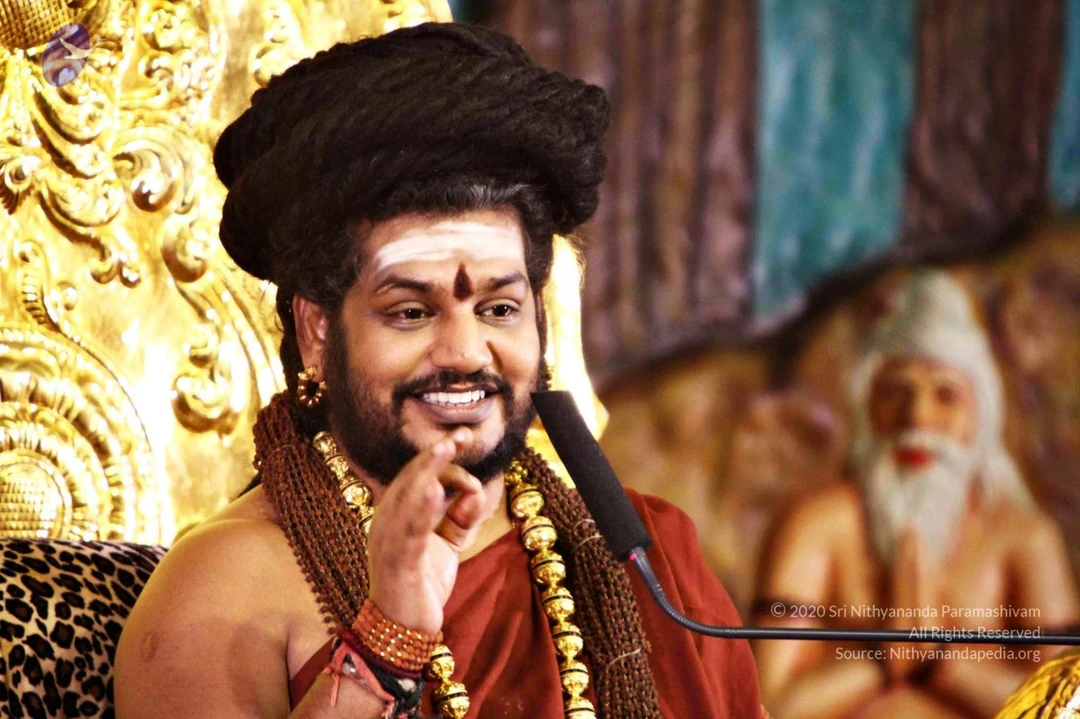
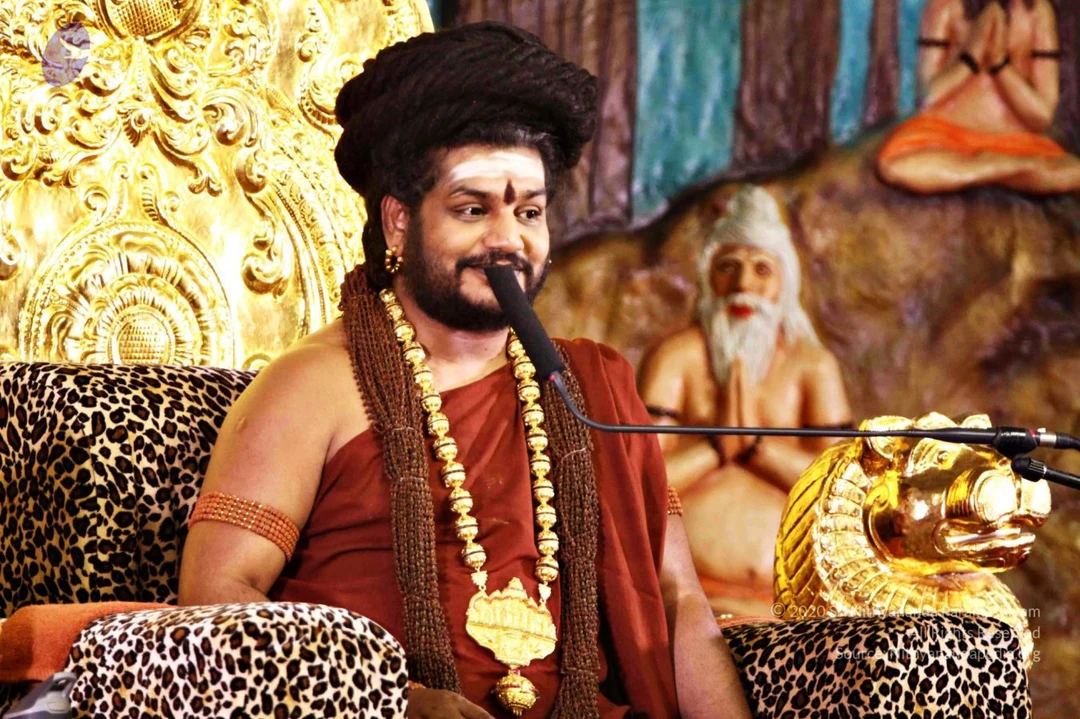
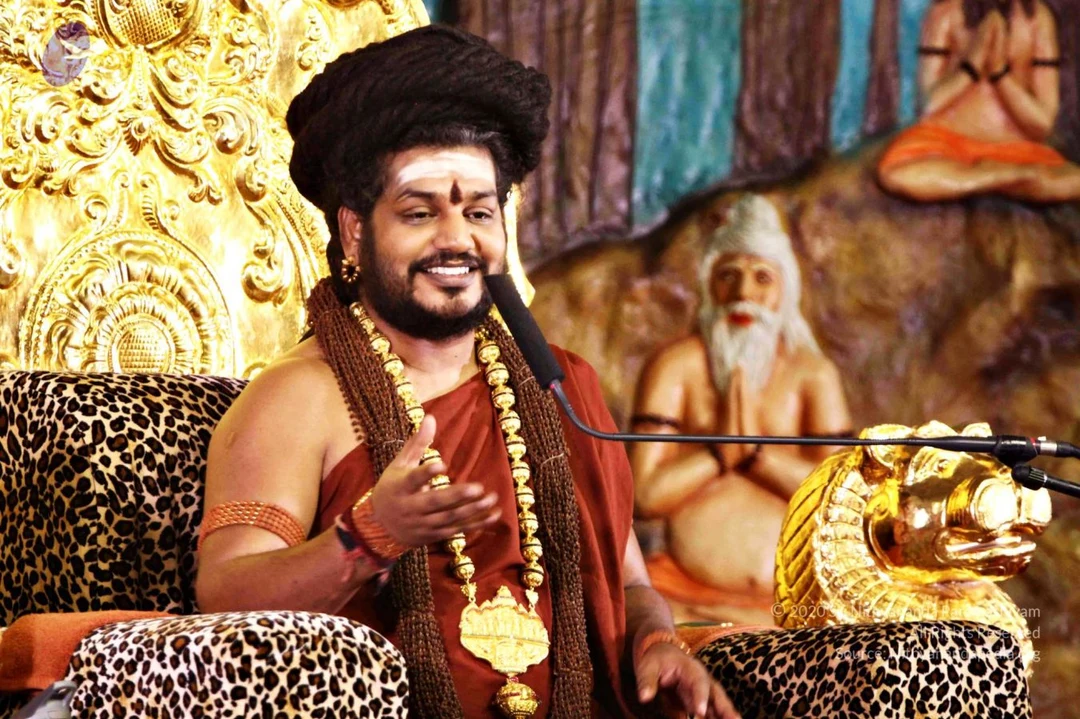
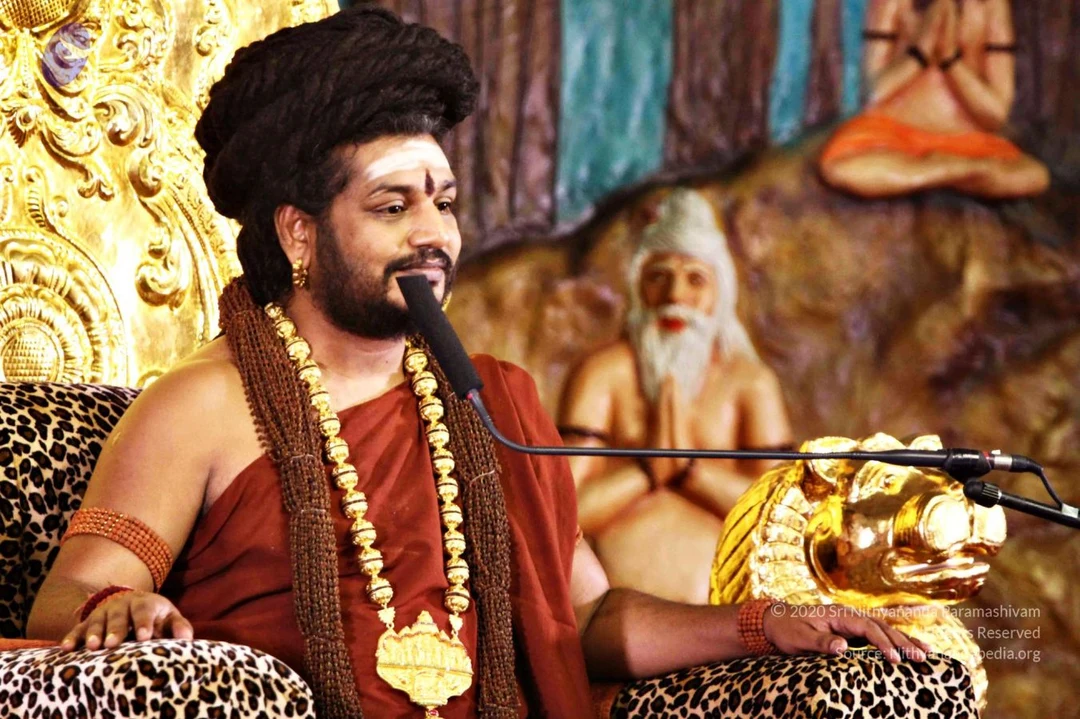
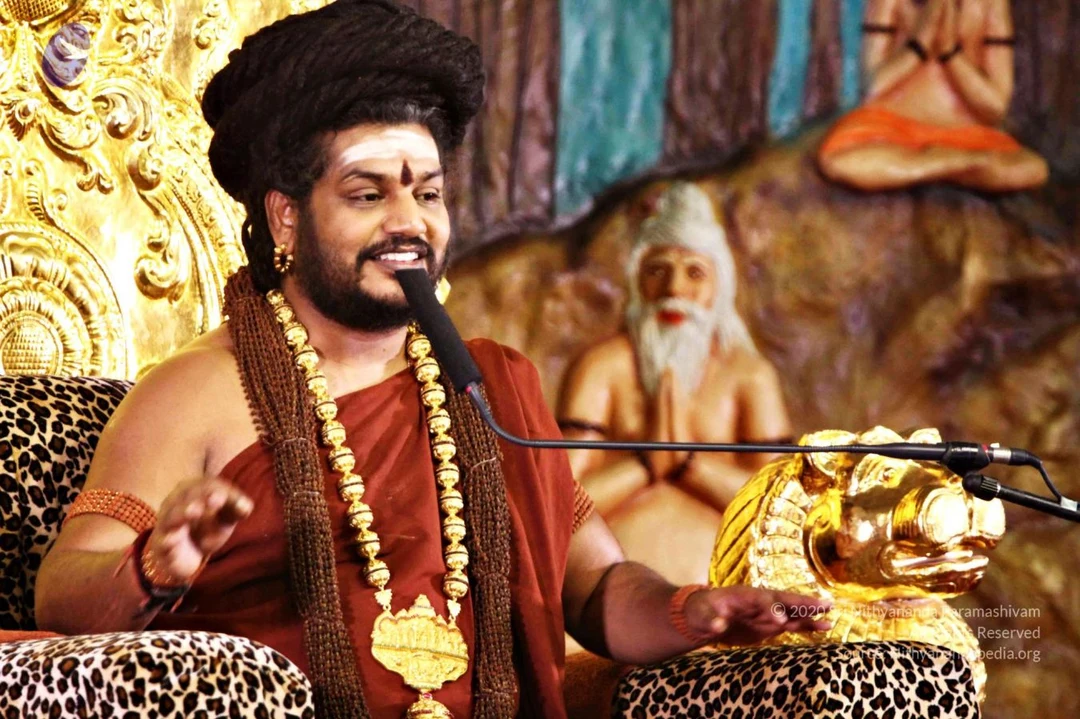
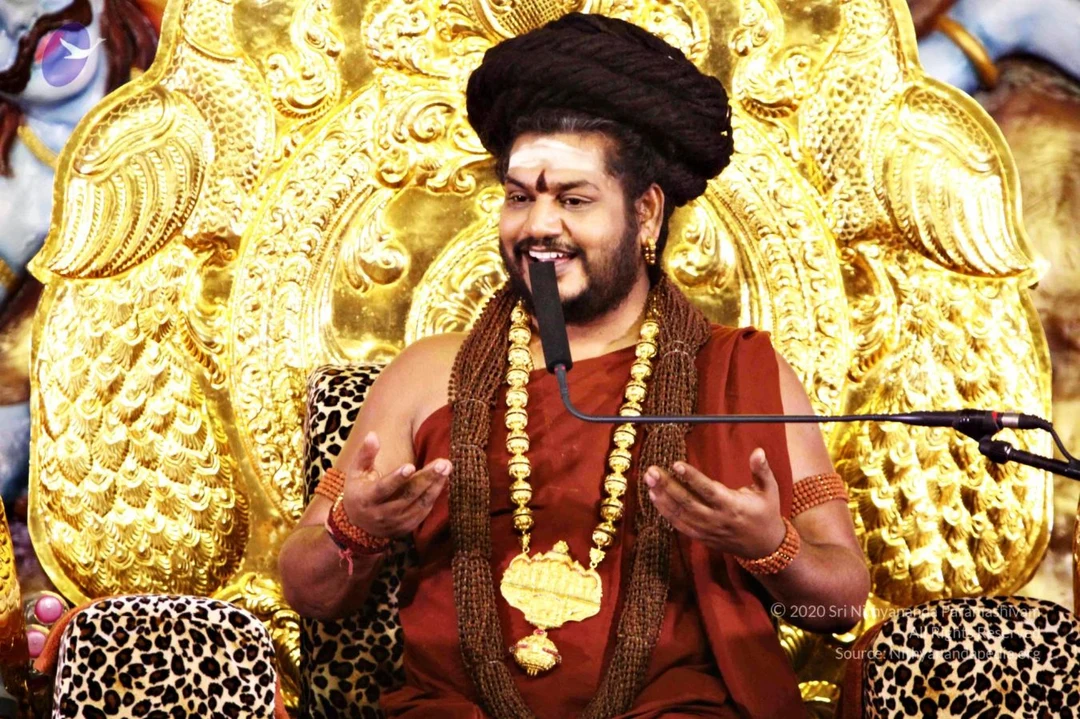
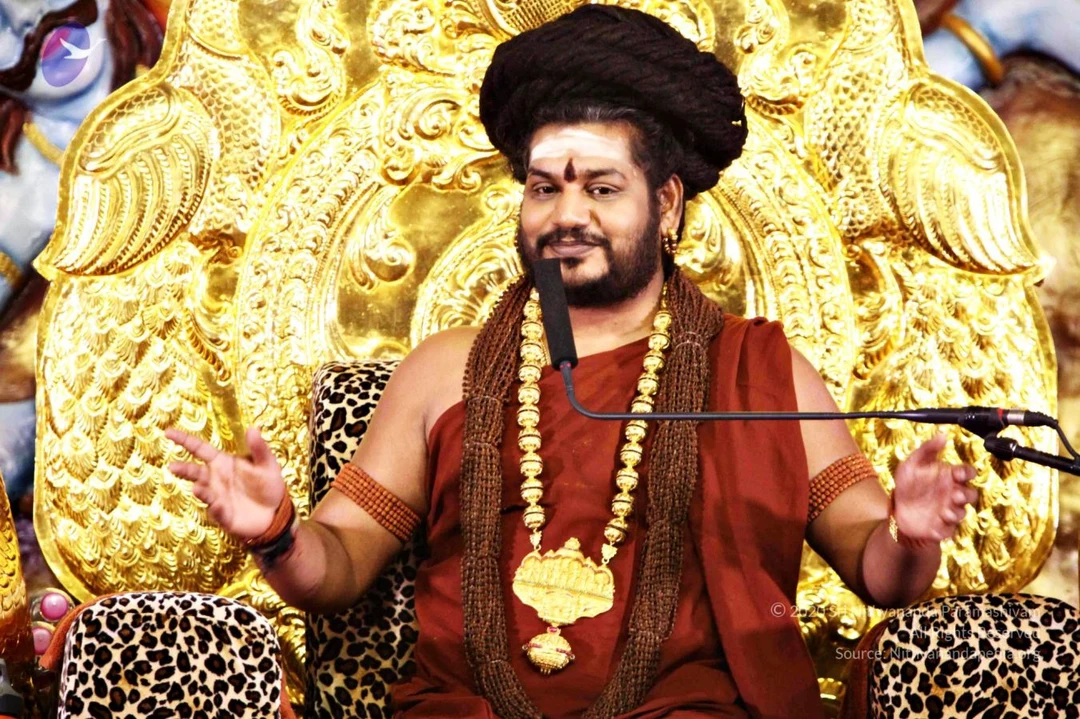
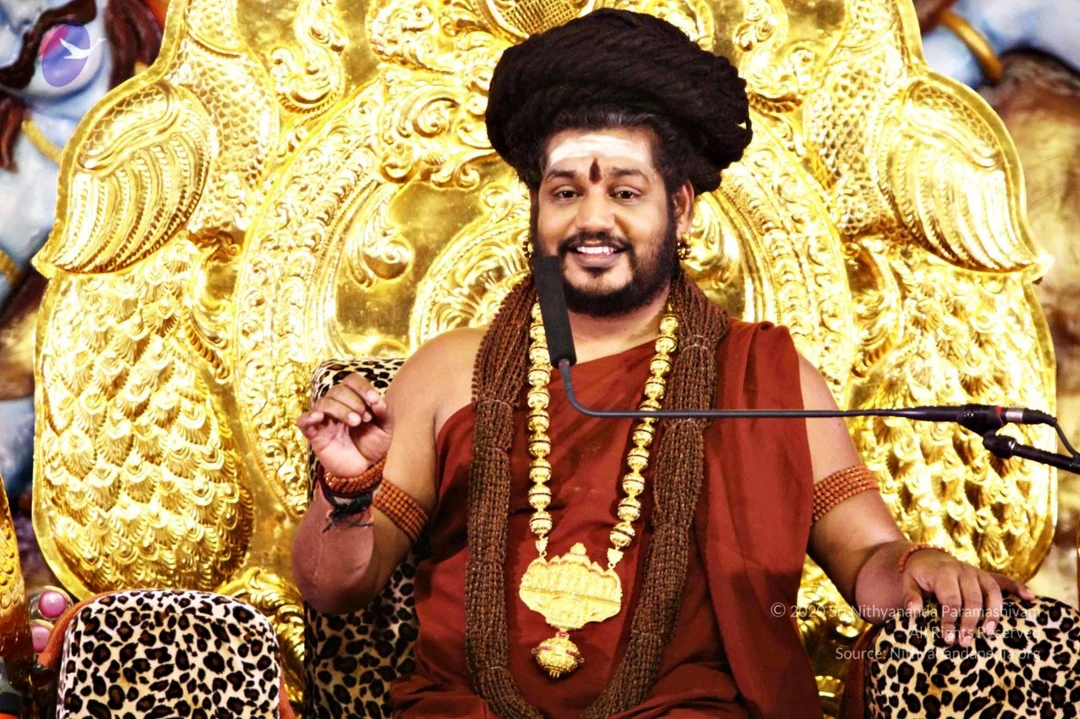
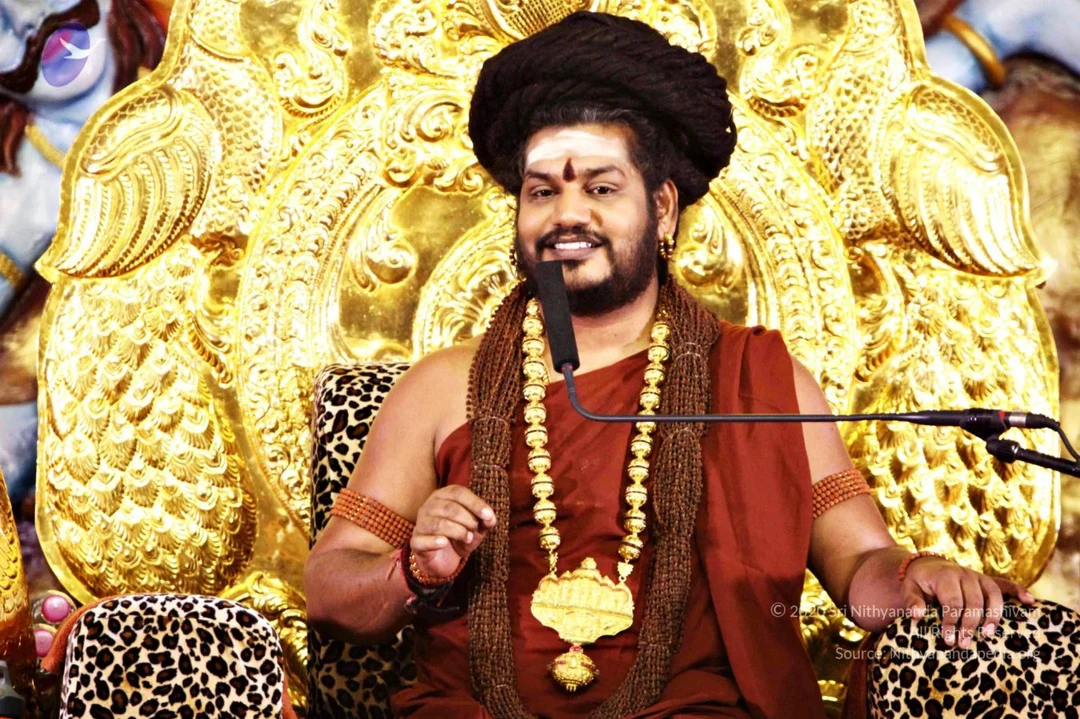
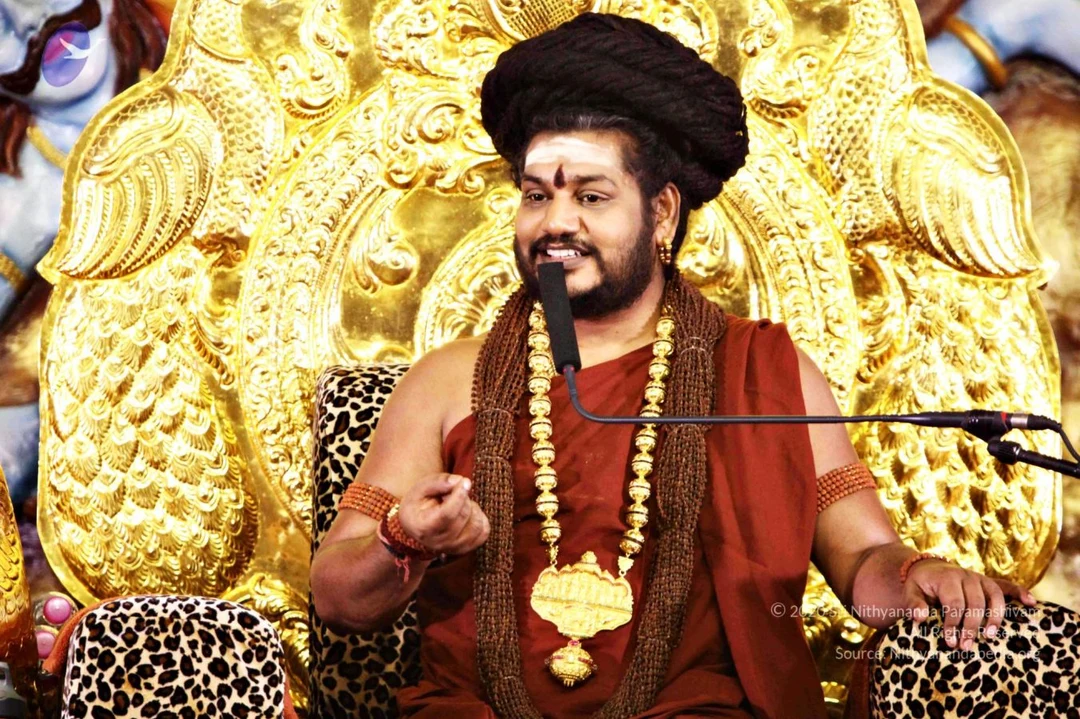
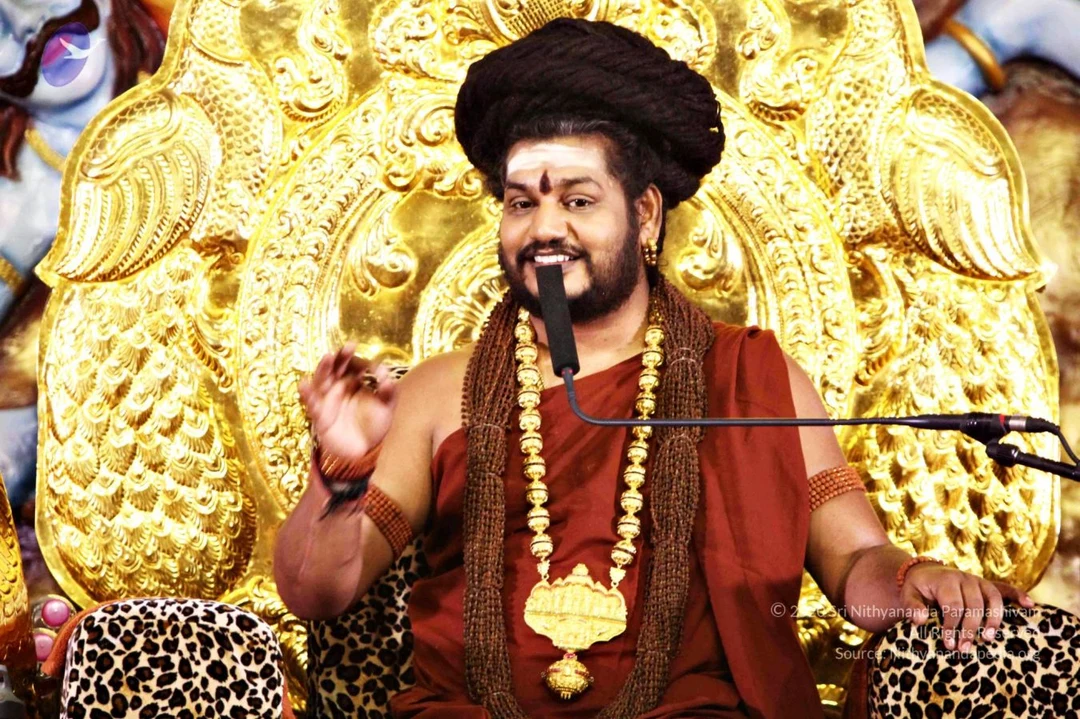
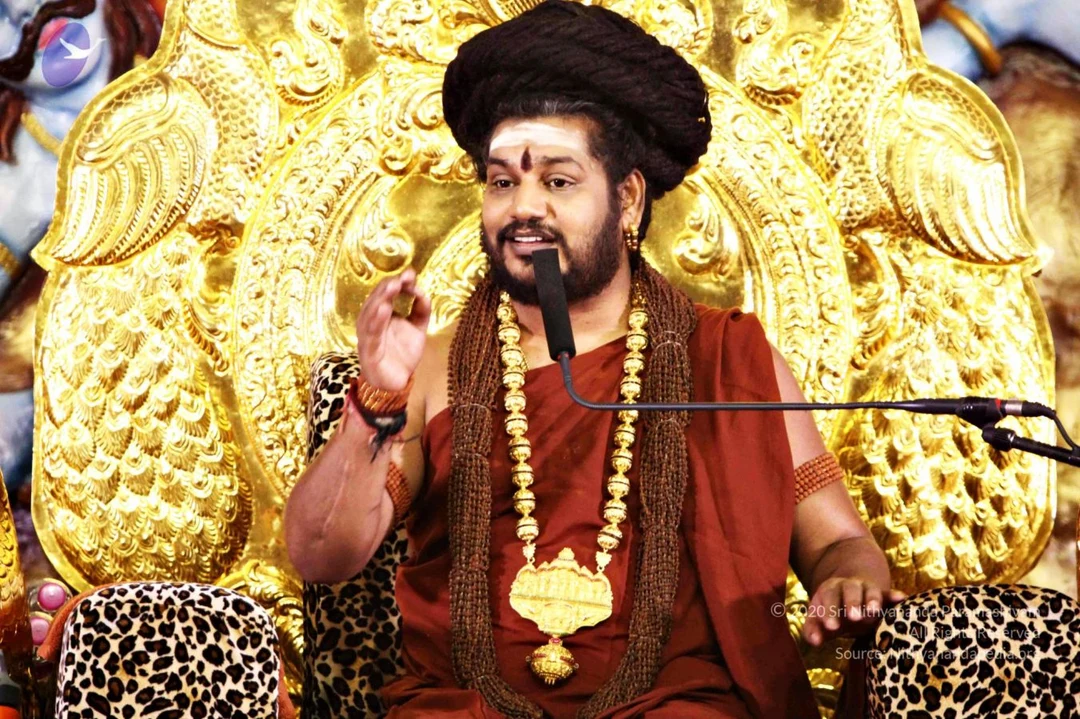
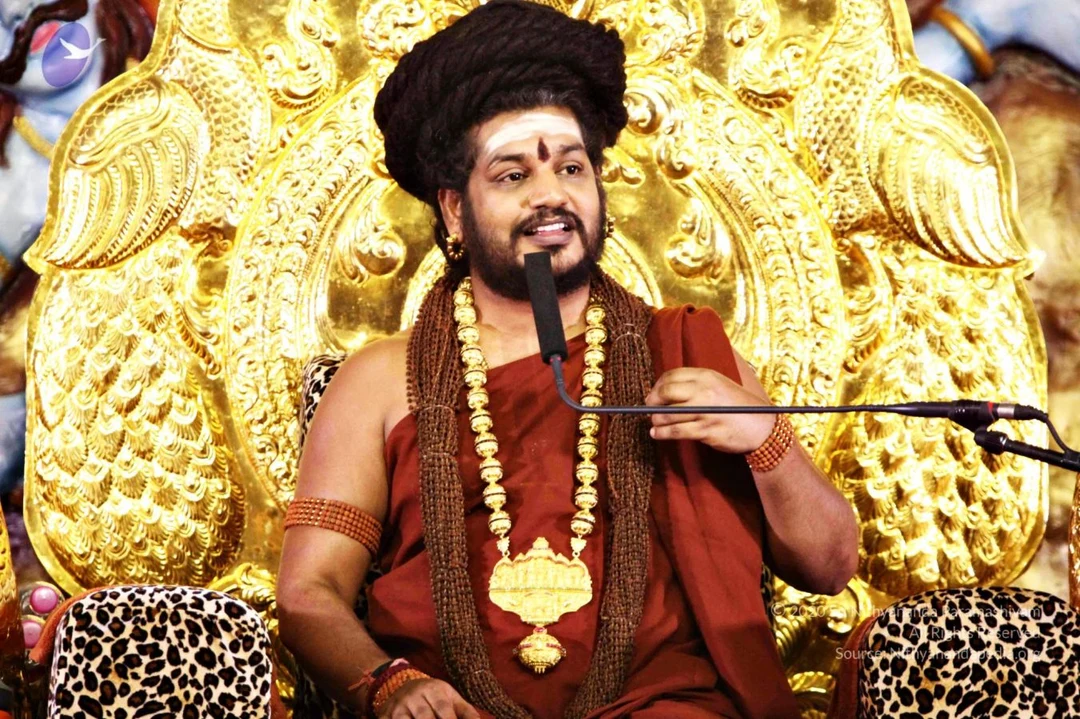
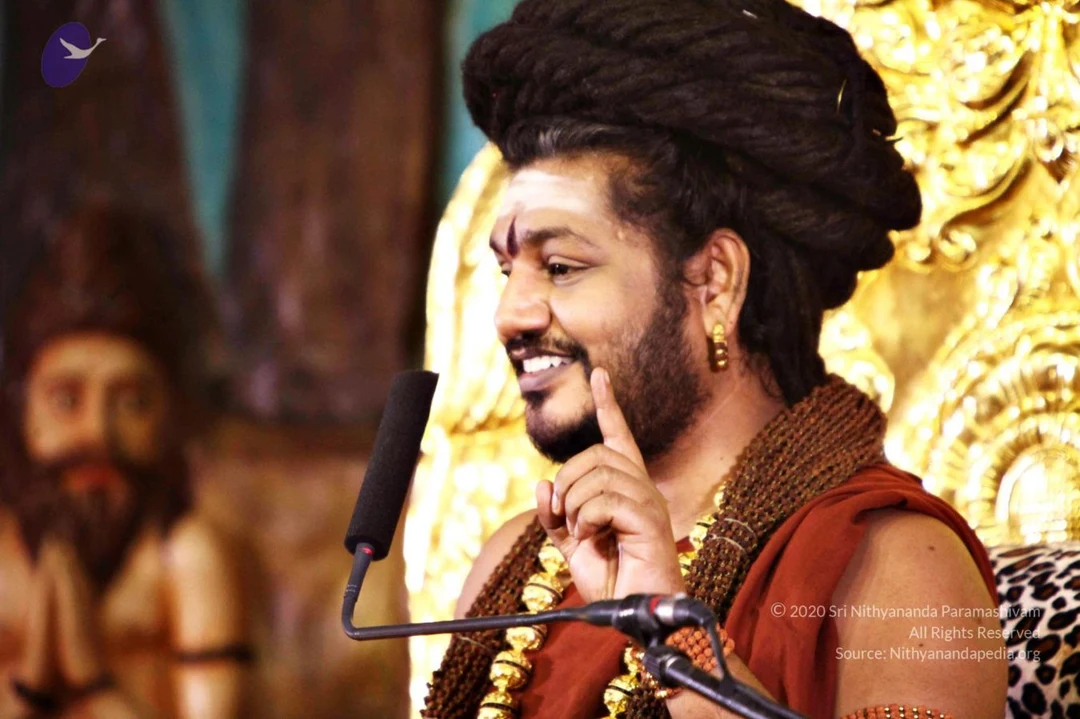
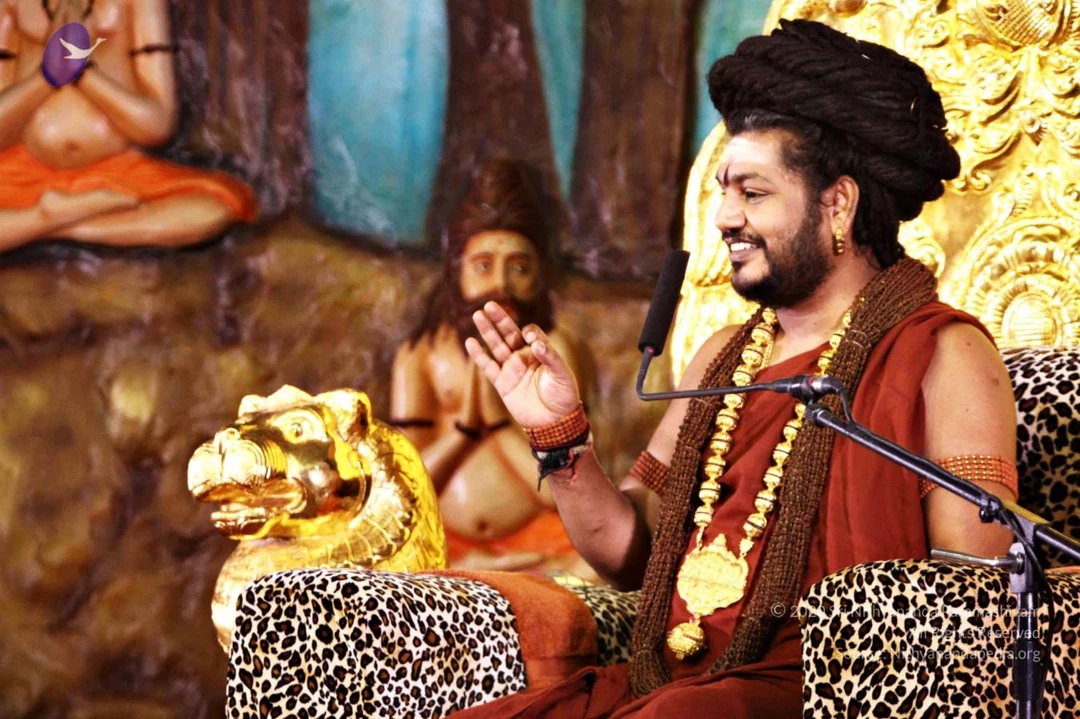
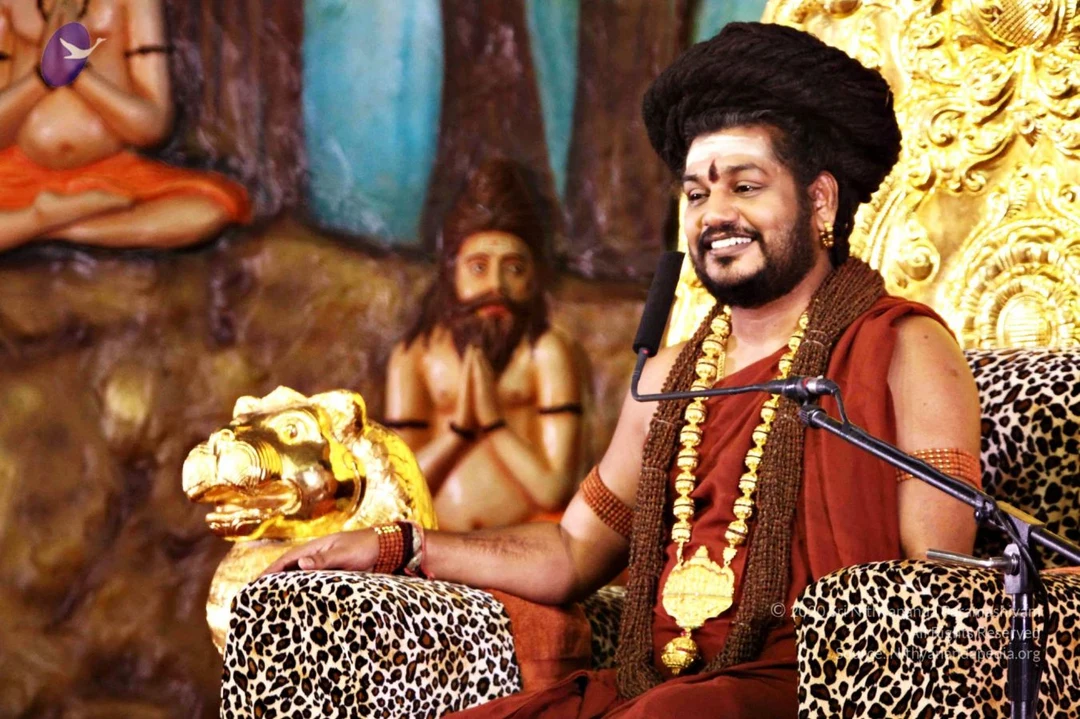
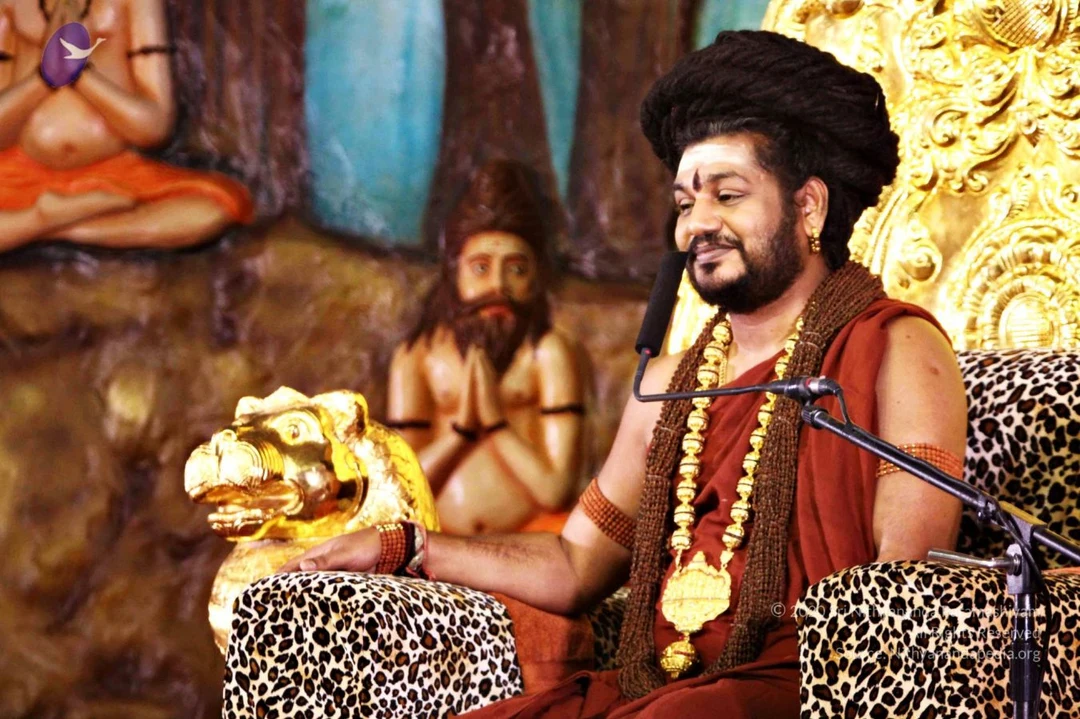
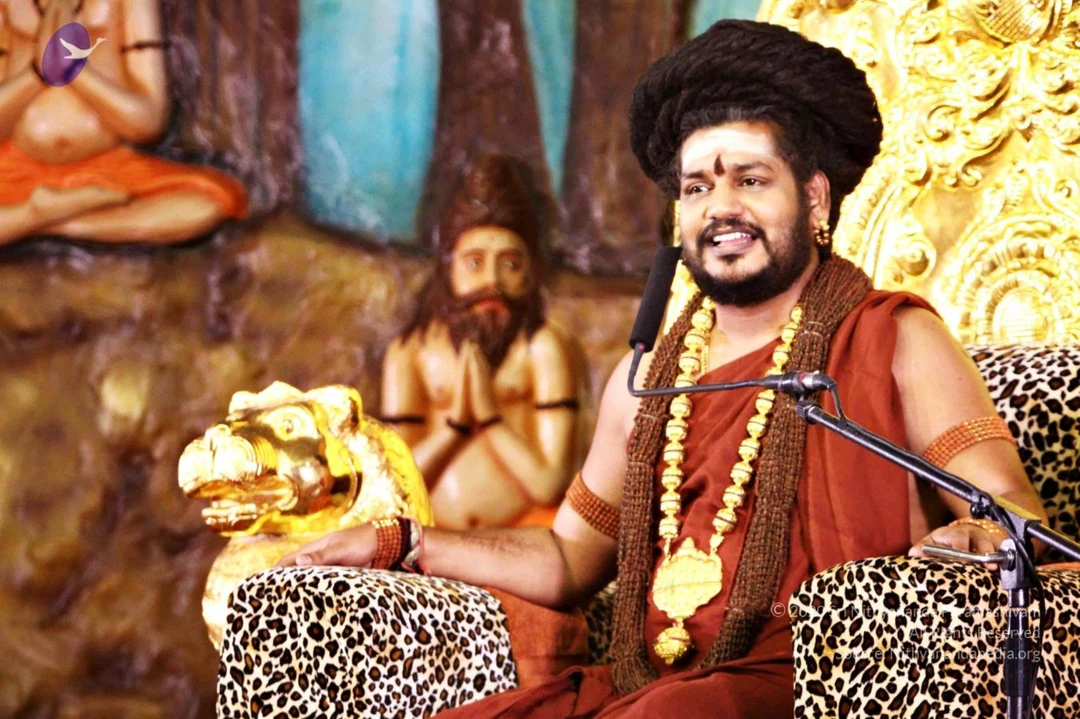
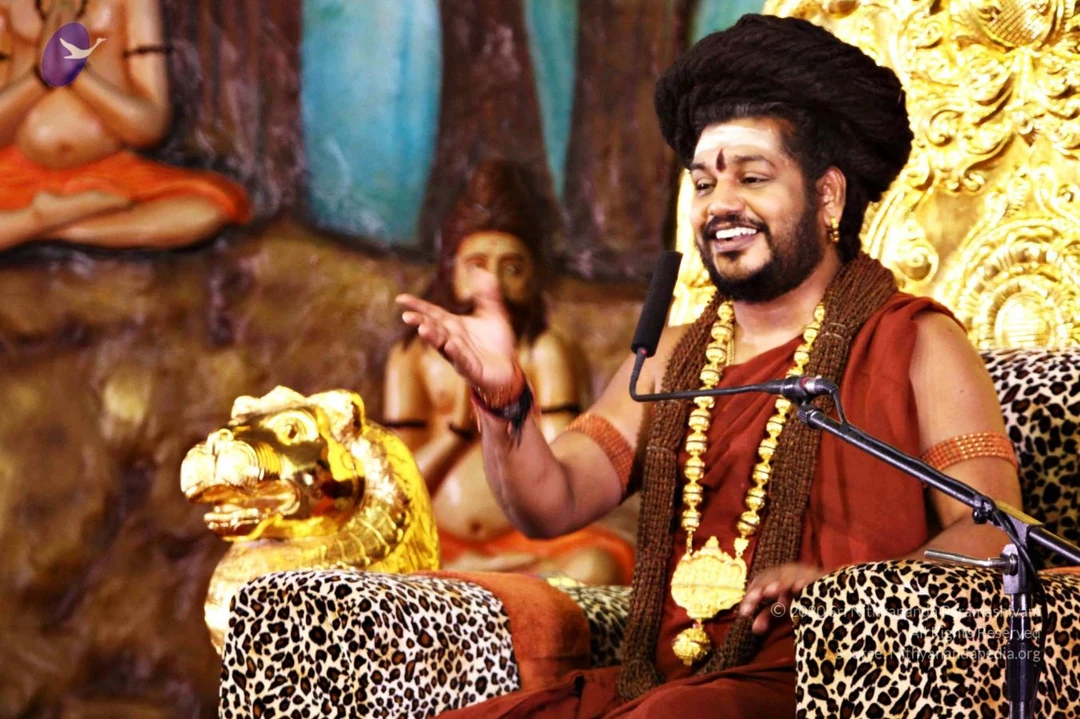
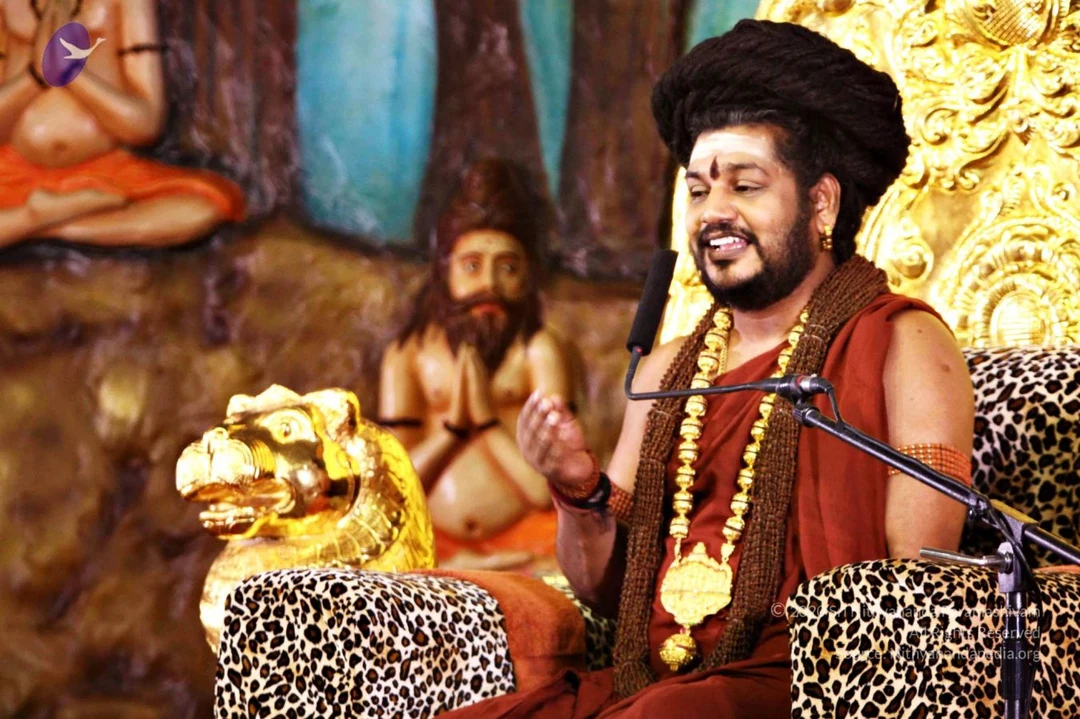
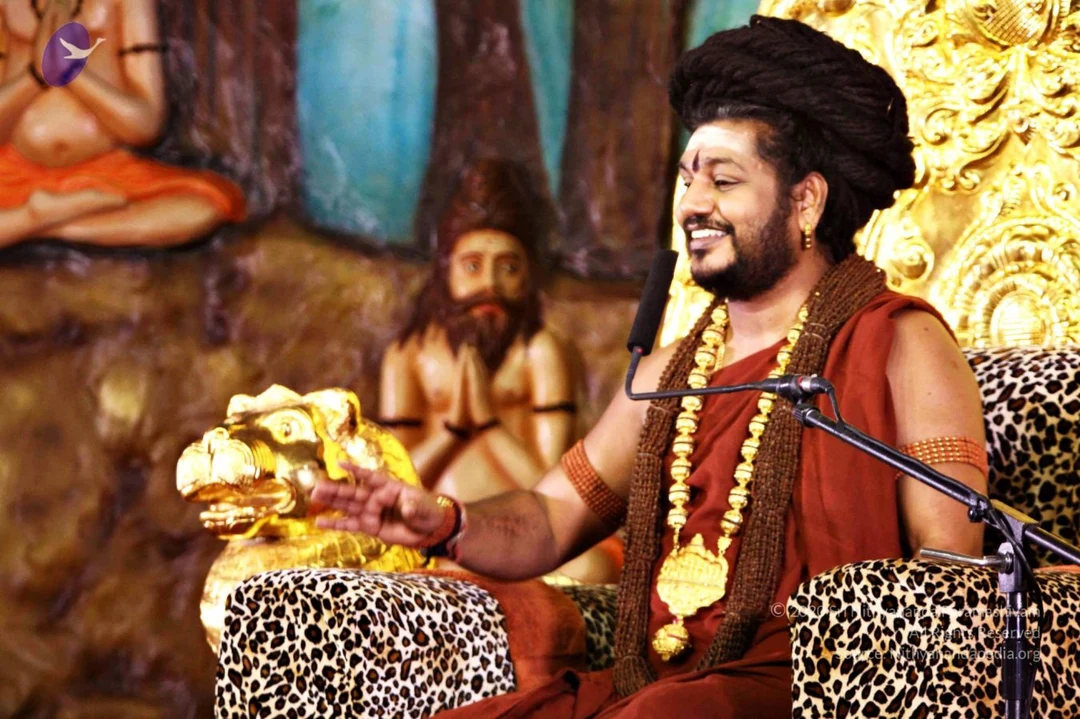
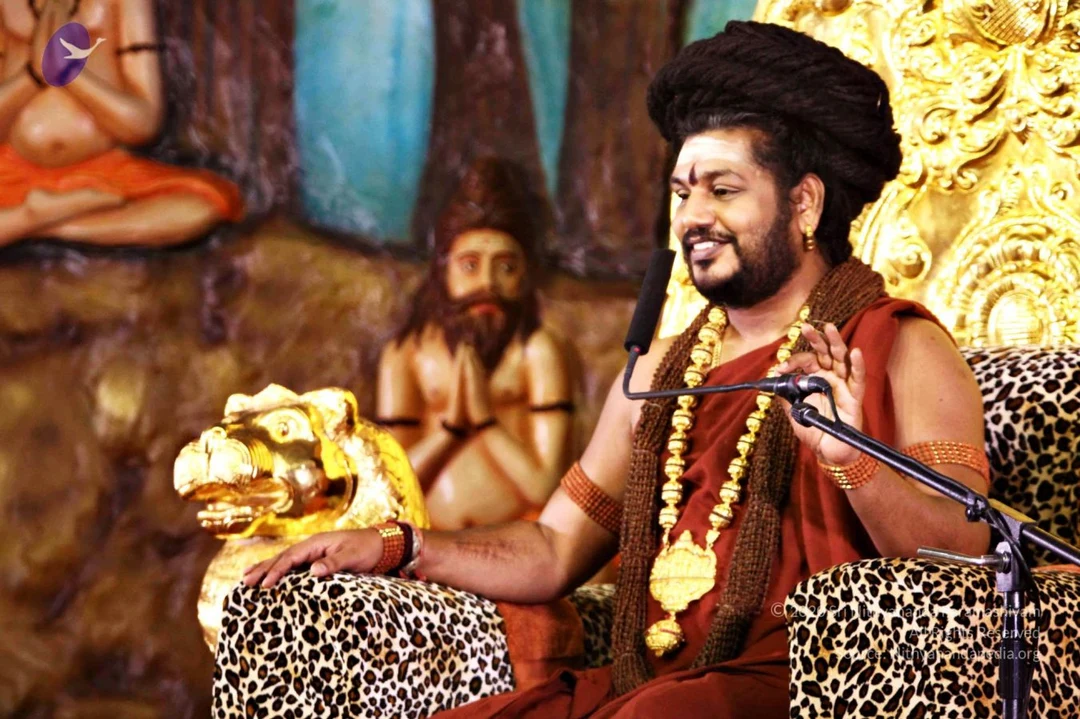
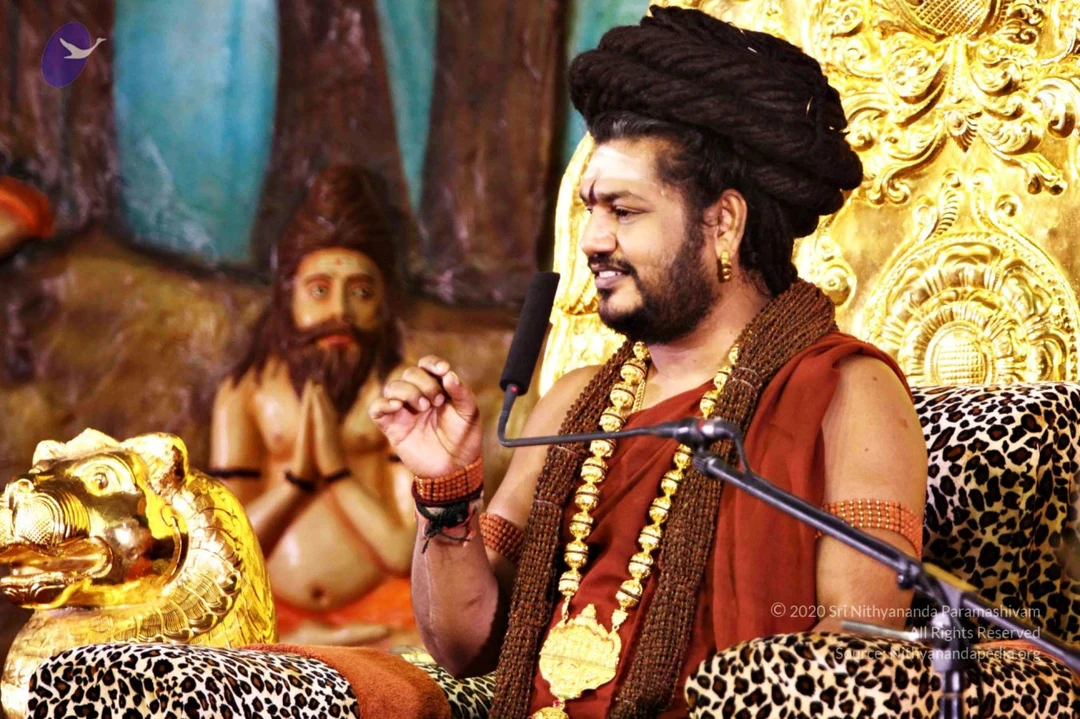
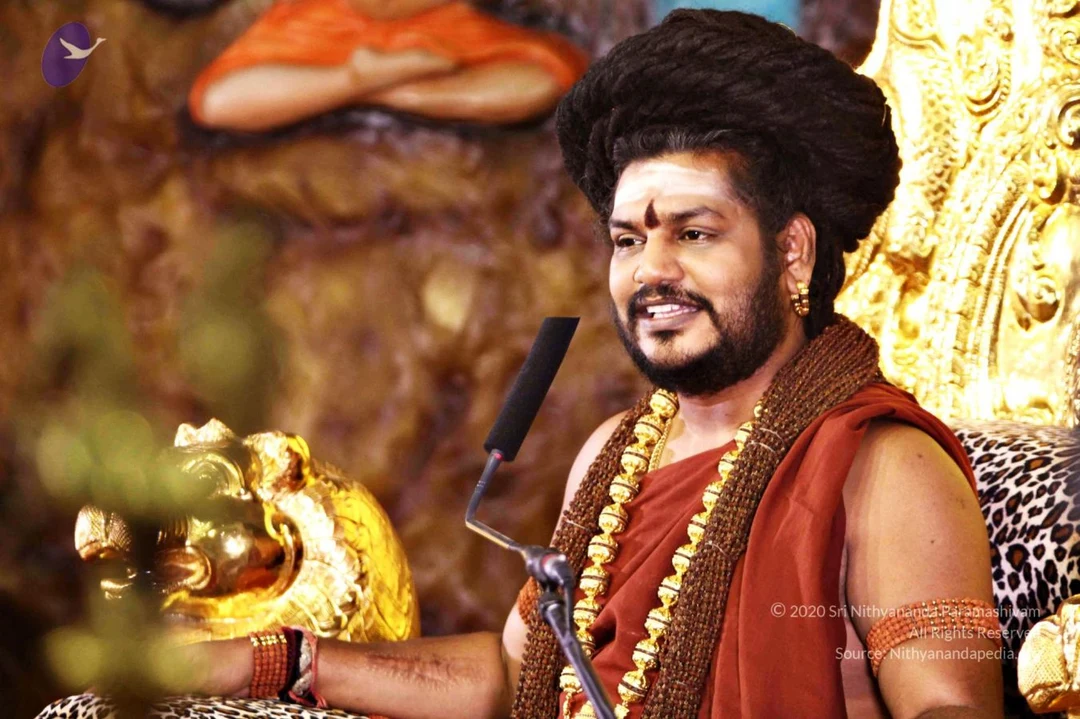
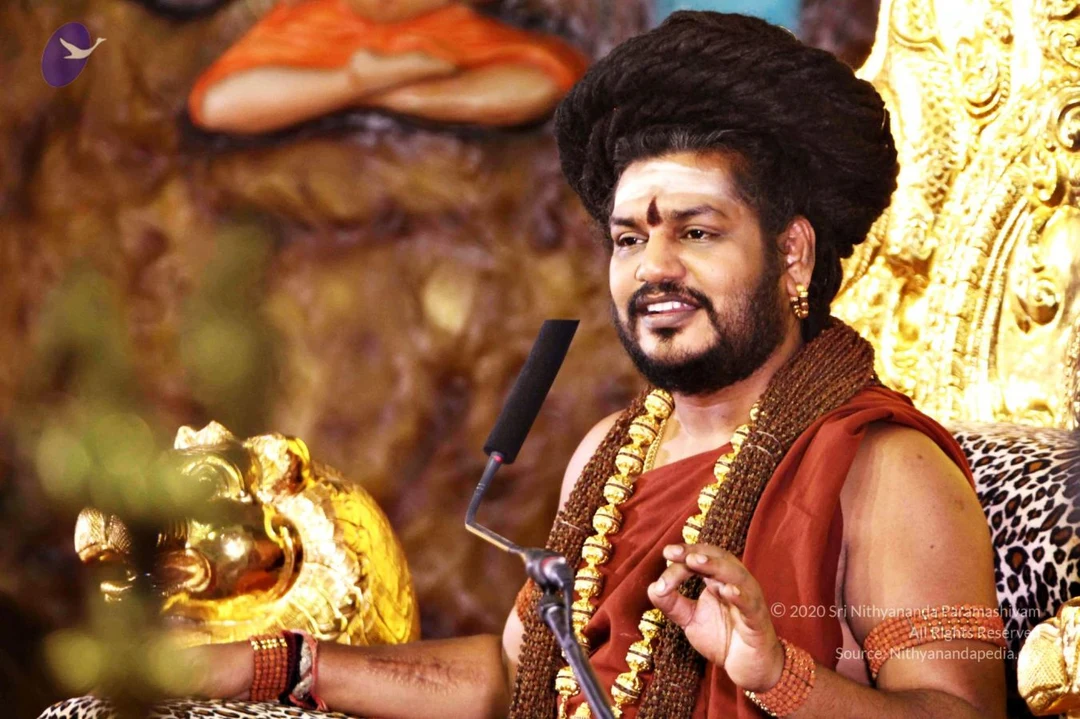
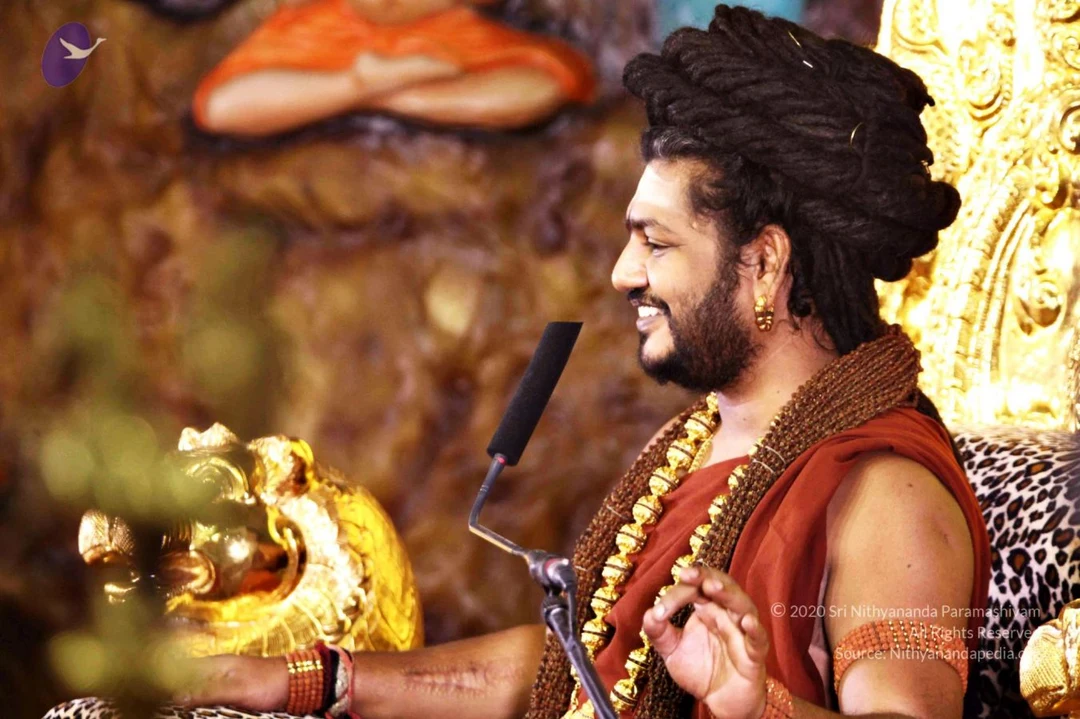
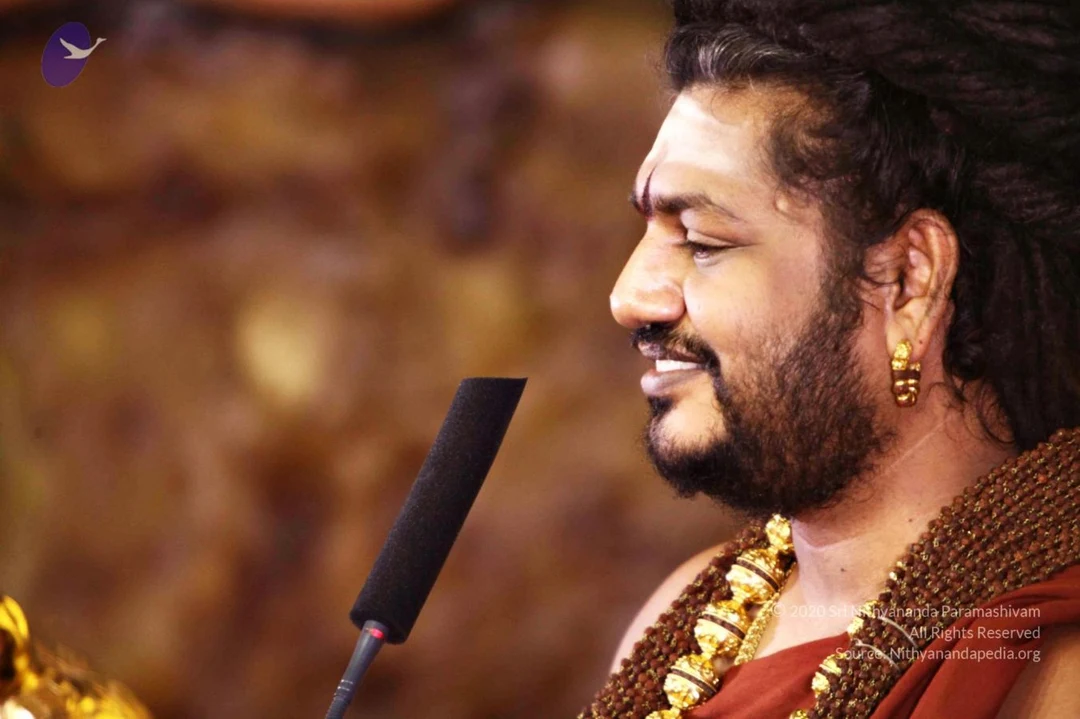
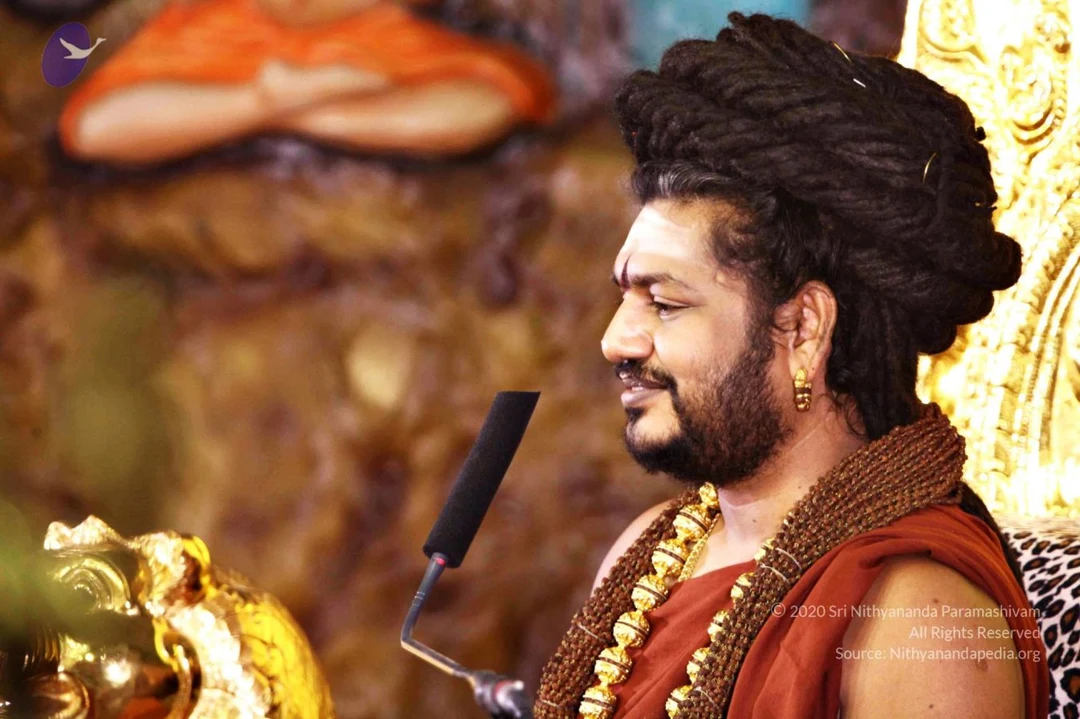
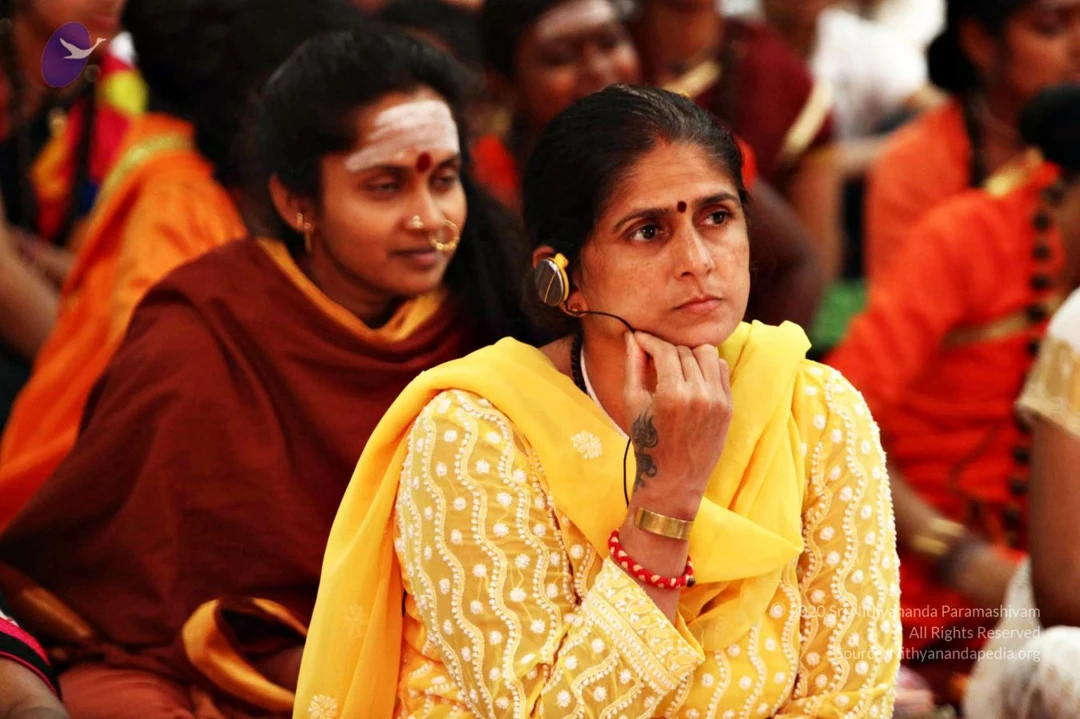
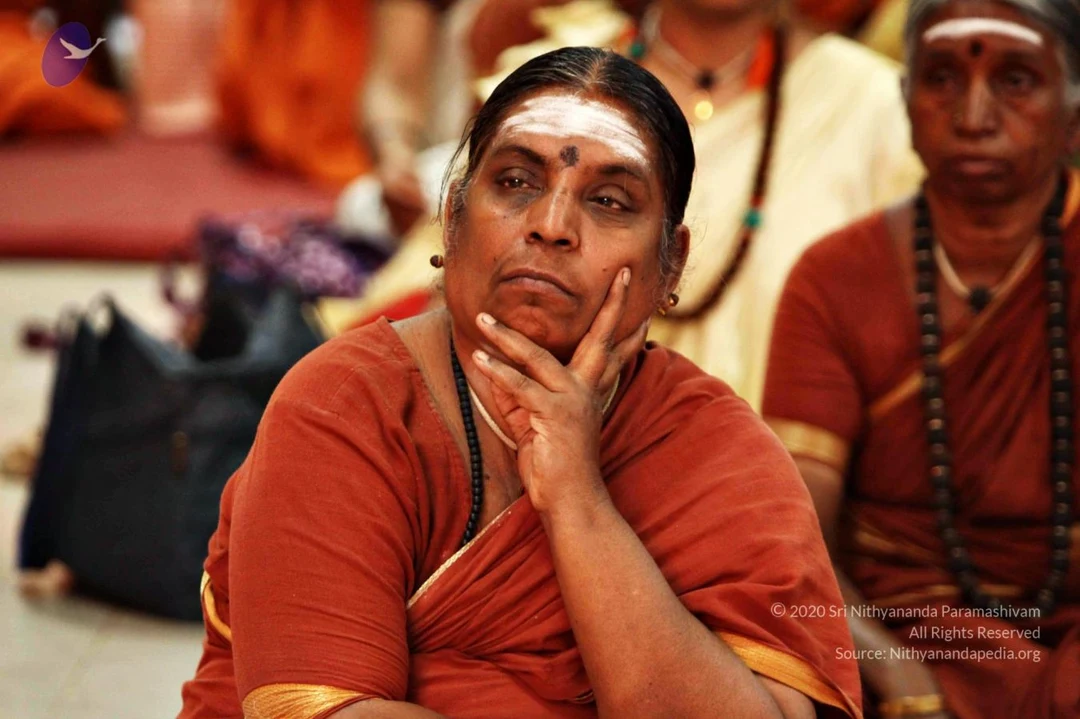
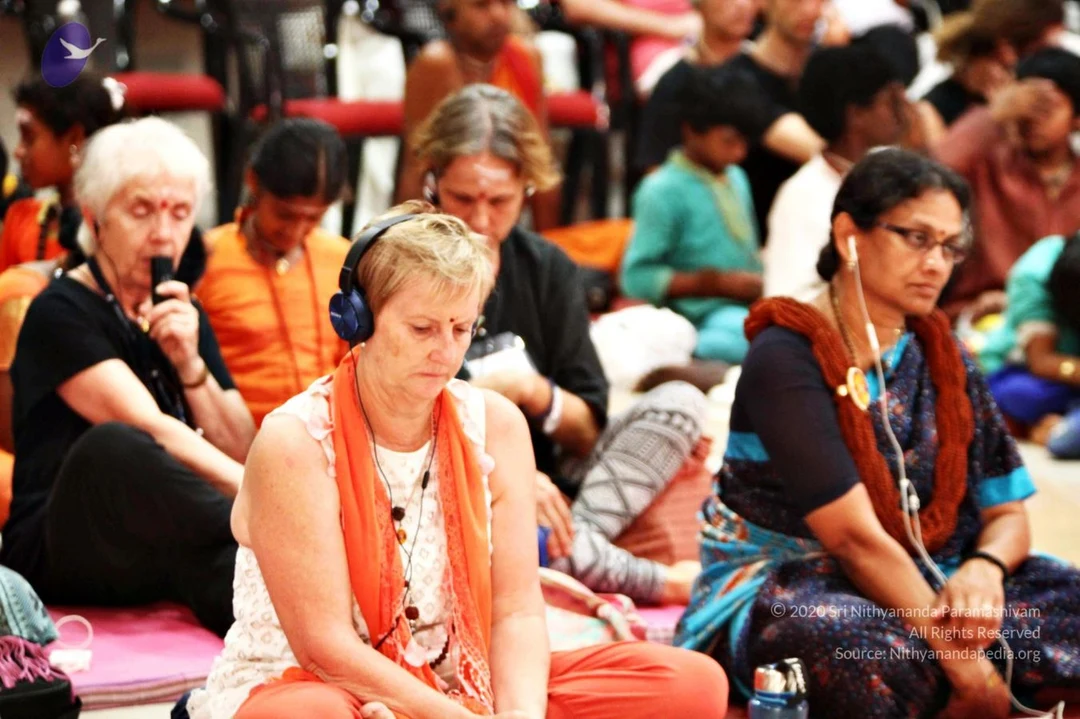
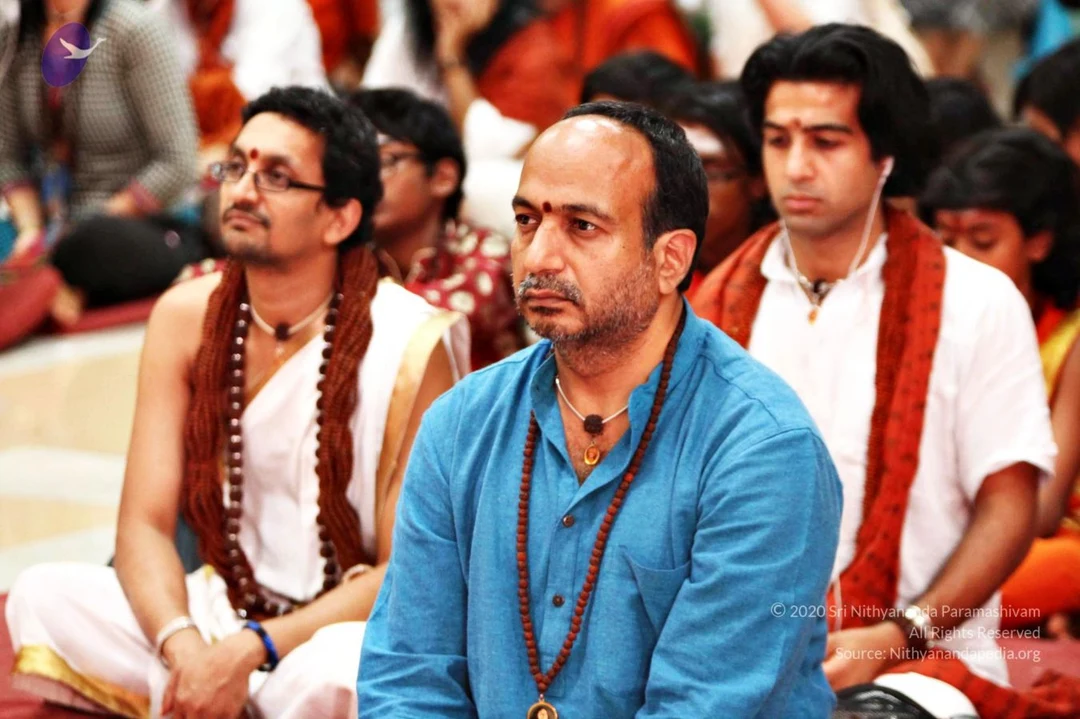
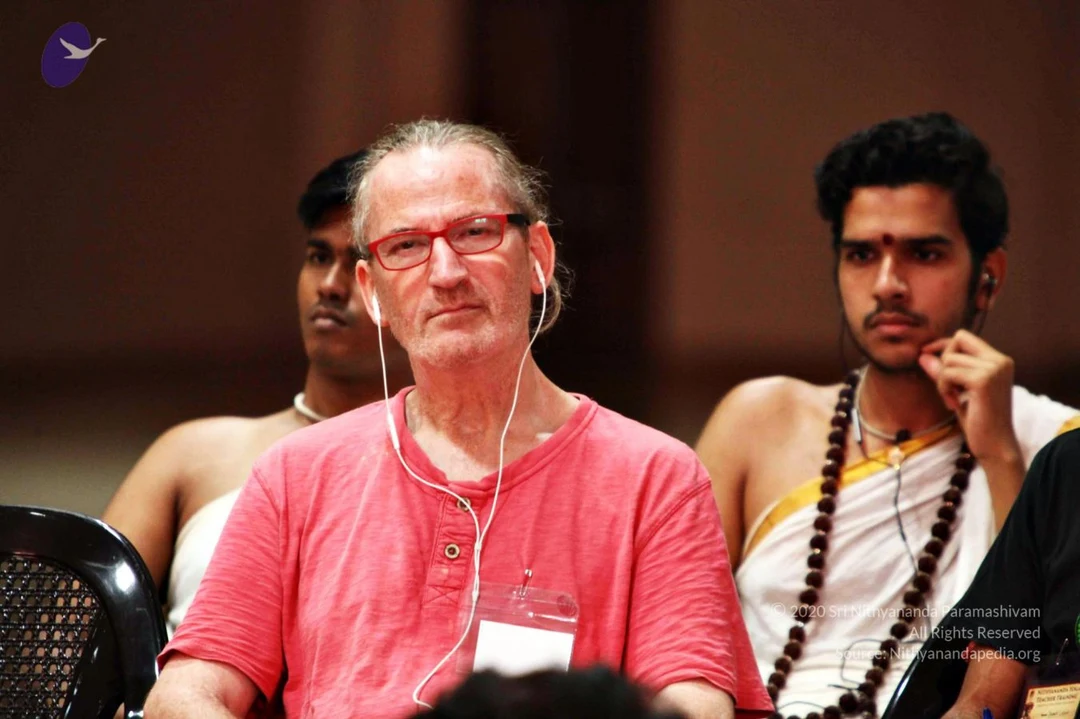
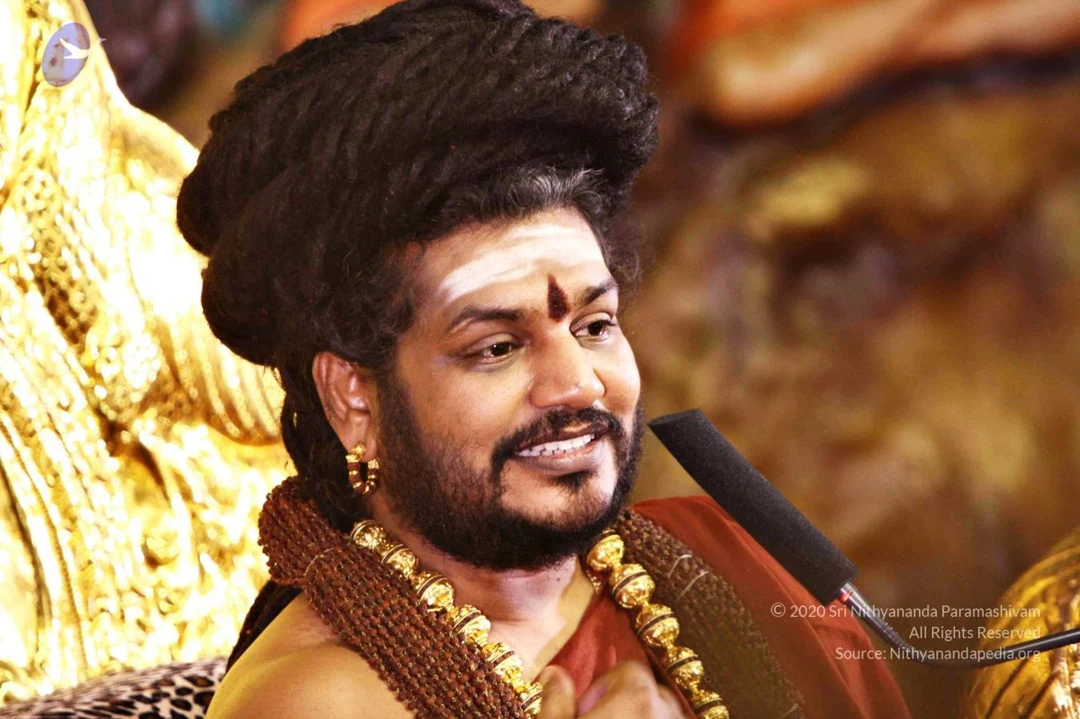
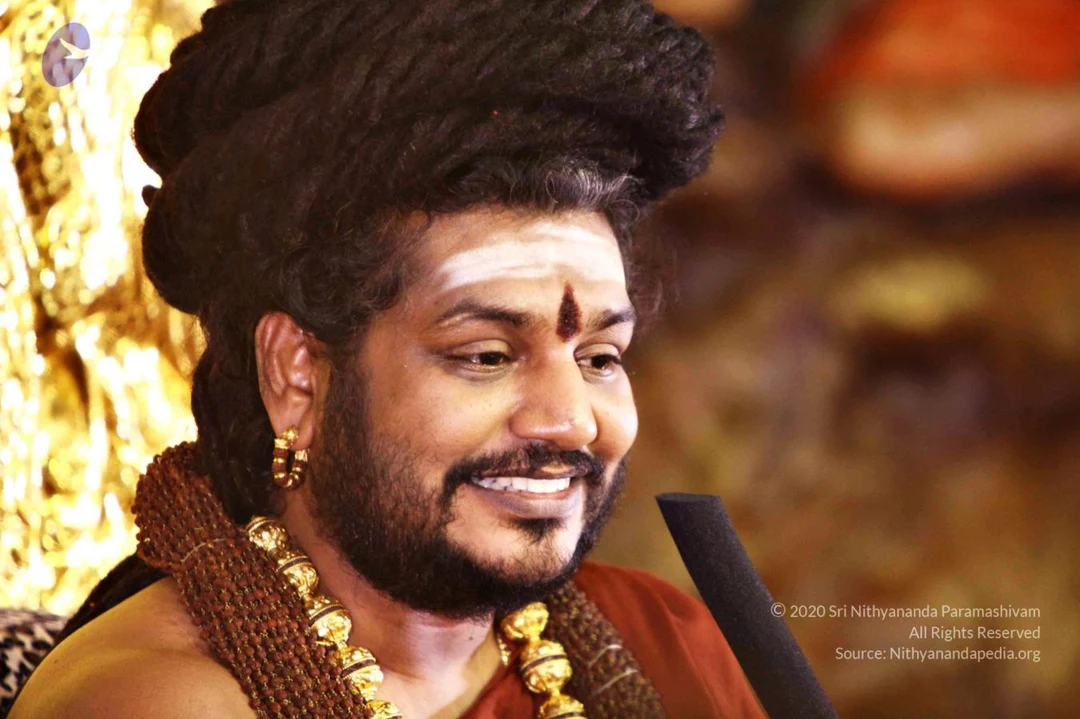
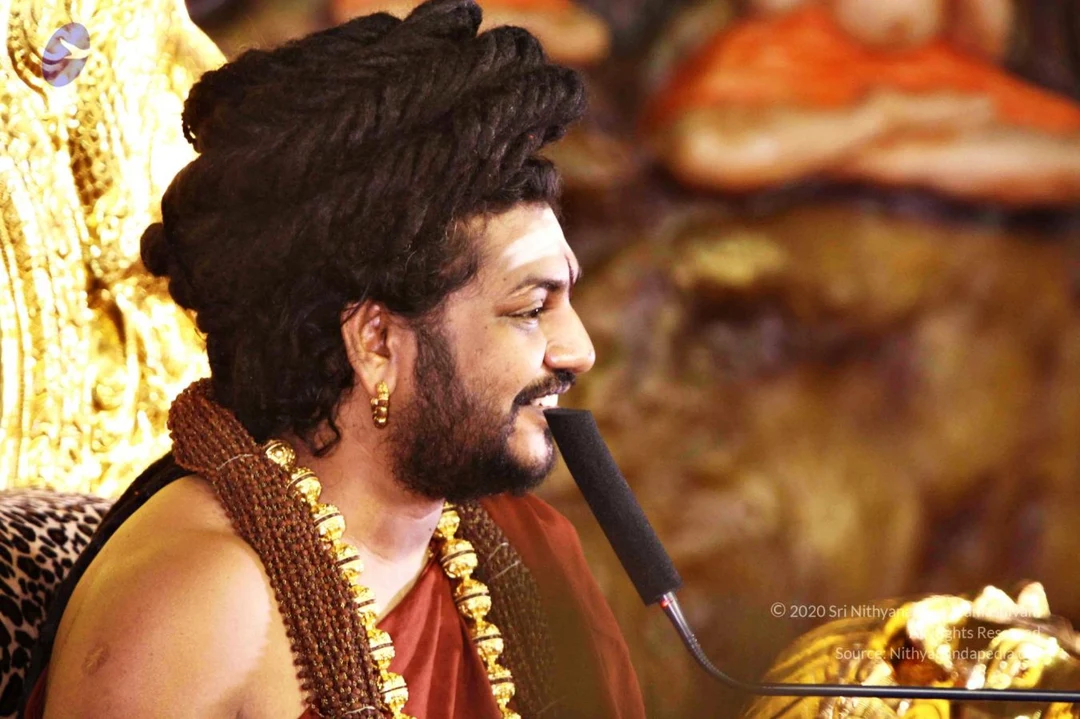
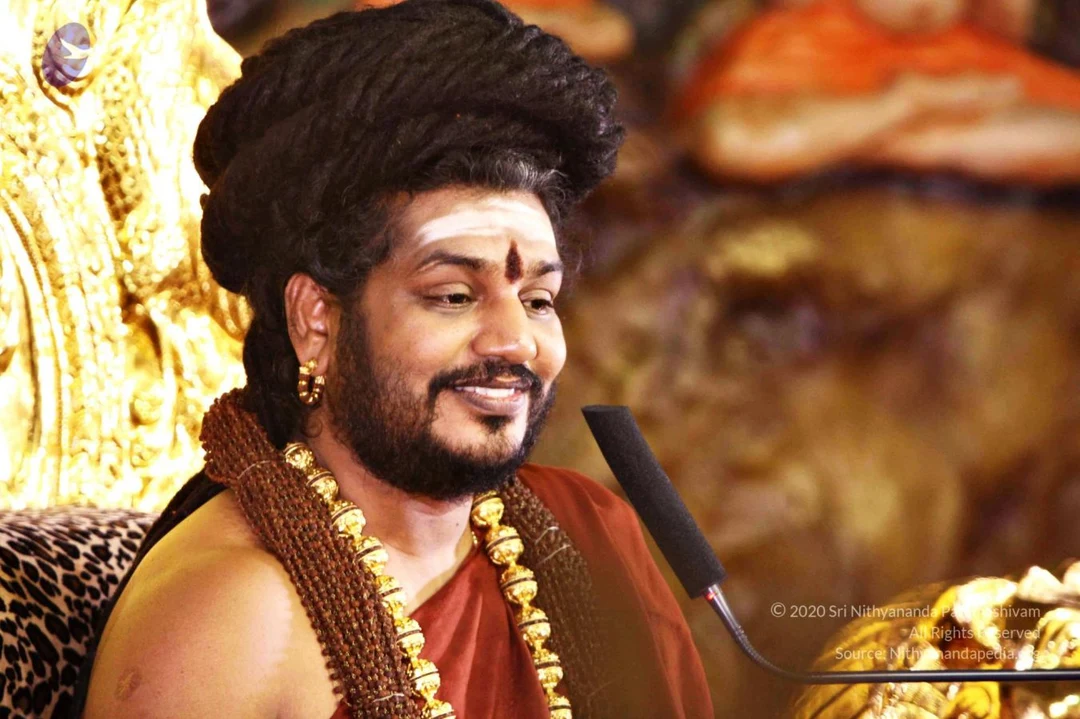
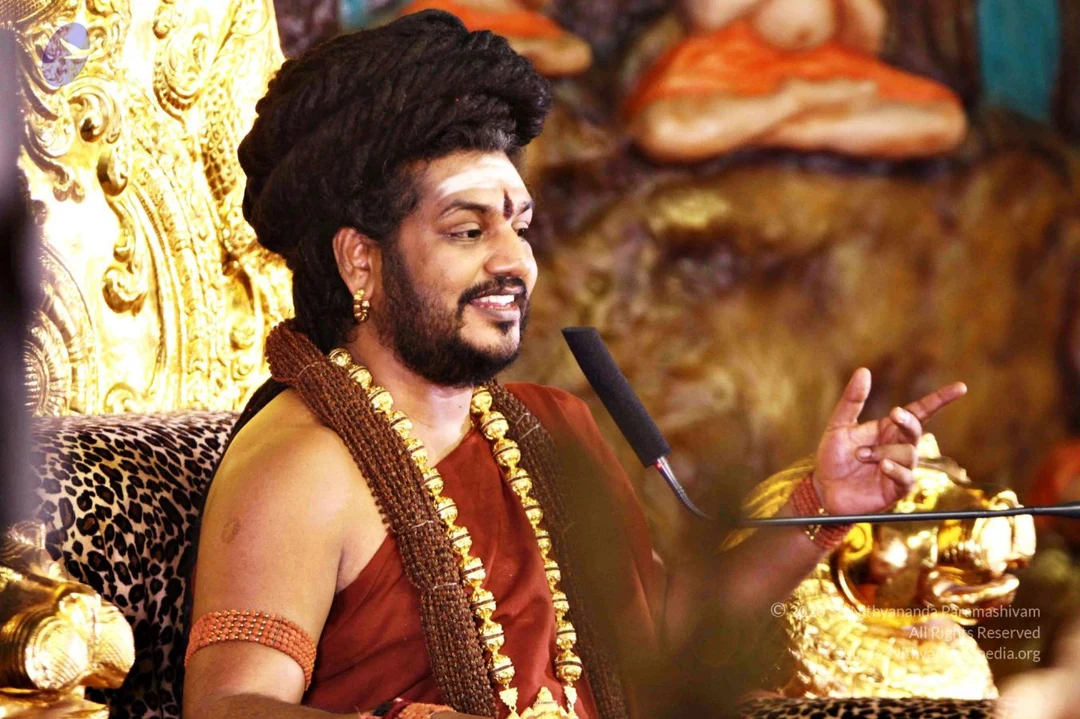
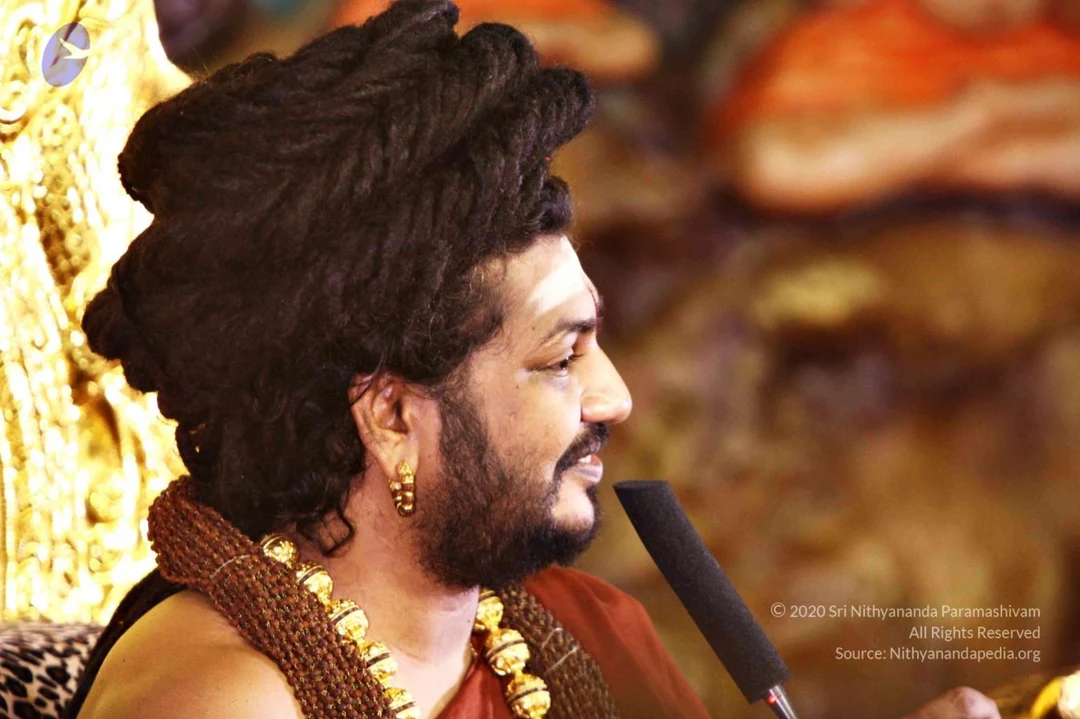
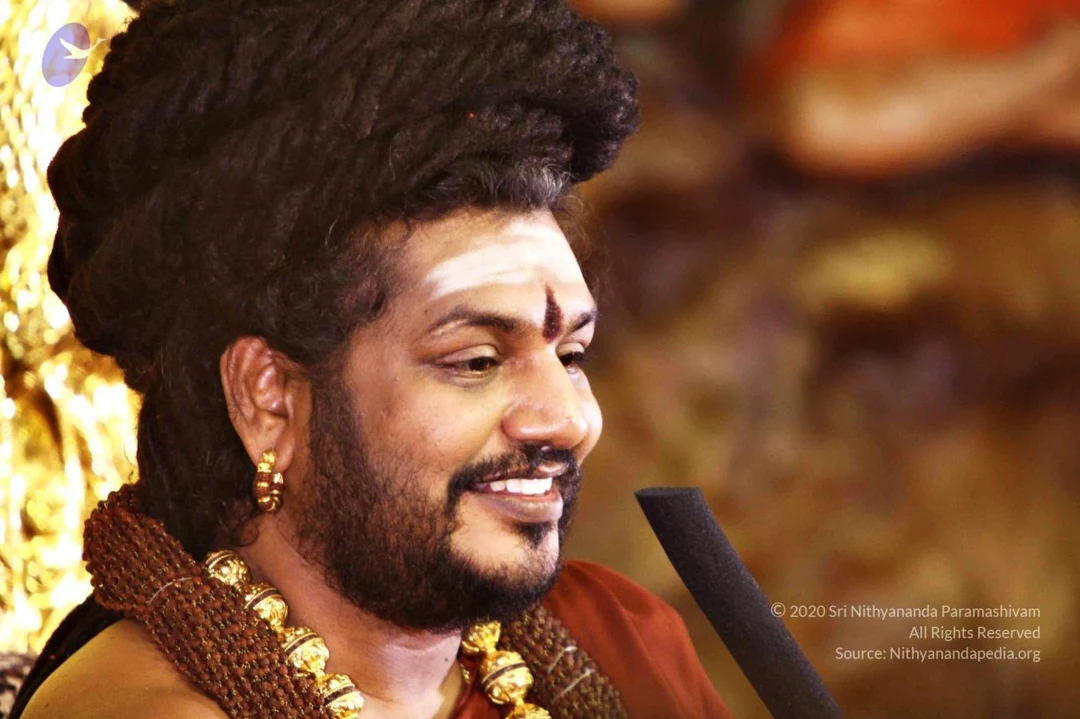
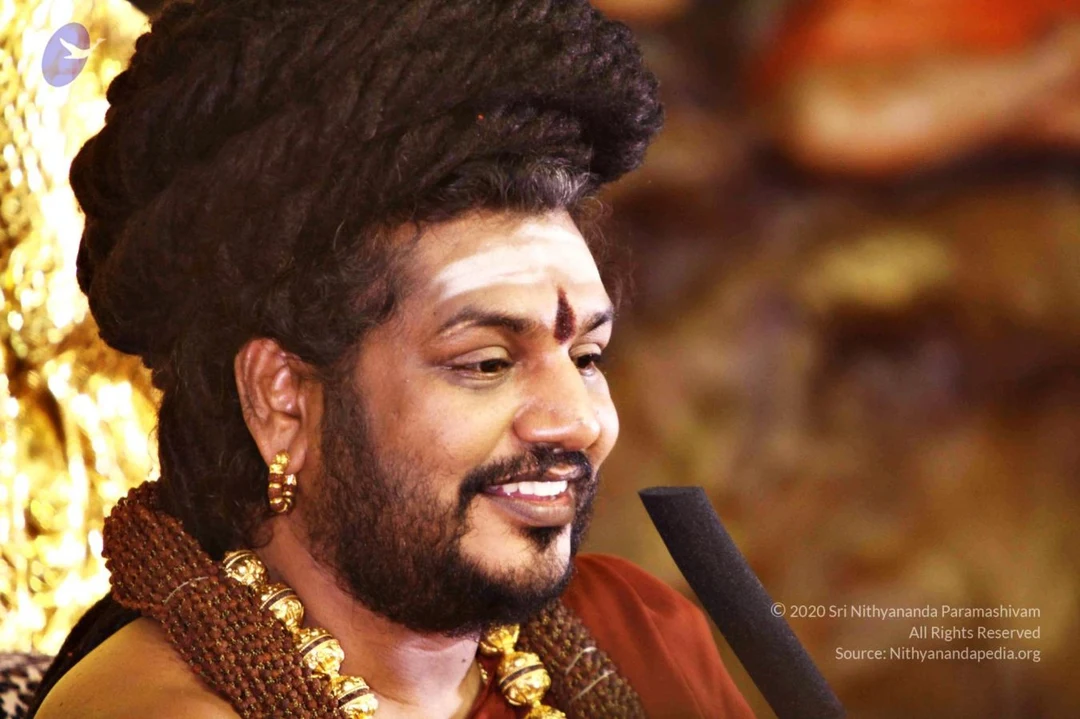
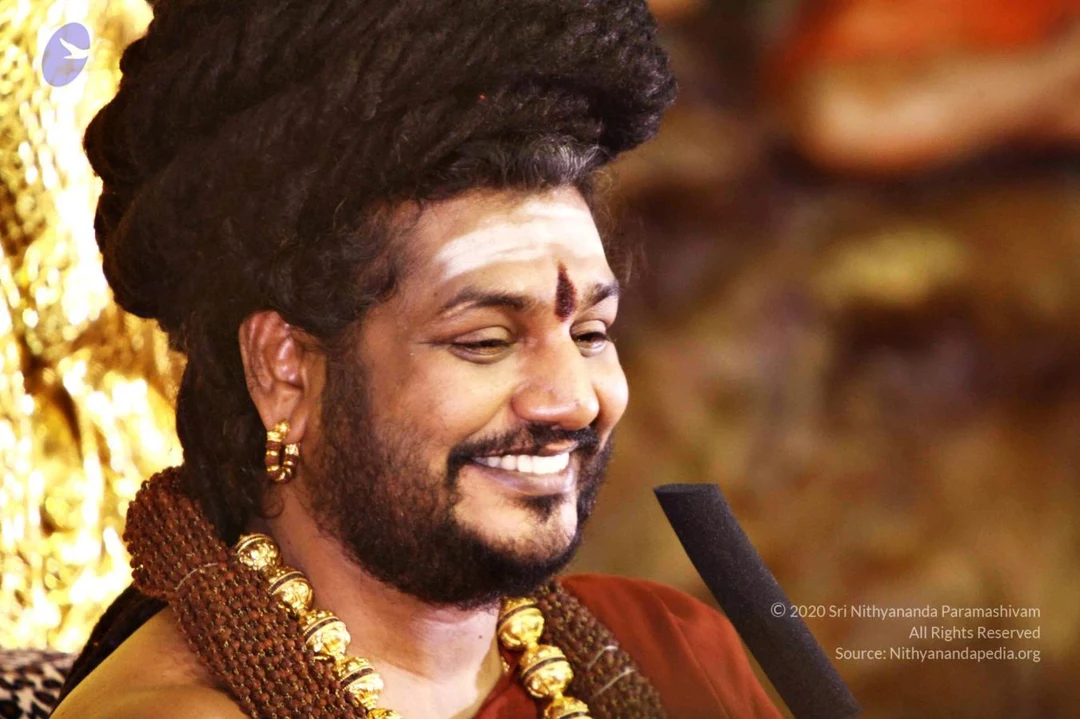
Photos from this day
View all 87 photosTamil Satsang
4 photosSource gallery
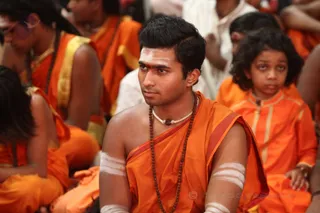
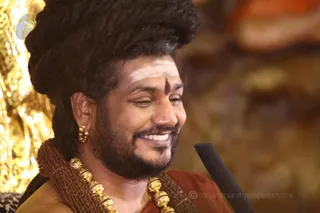
Pada Puja
23 photosSource gallery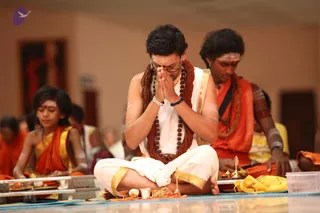
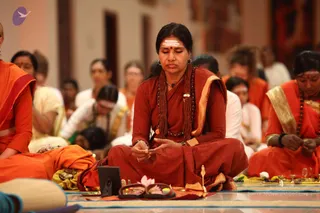
Gurukul Power Manifestation Session
5 photosSource gallery
Aadi Shaivam - Tamil Satsang
55 photosSource gallery