Wednesday
17 February 2016
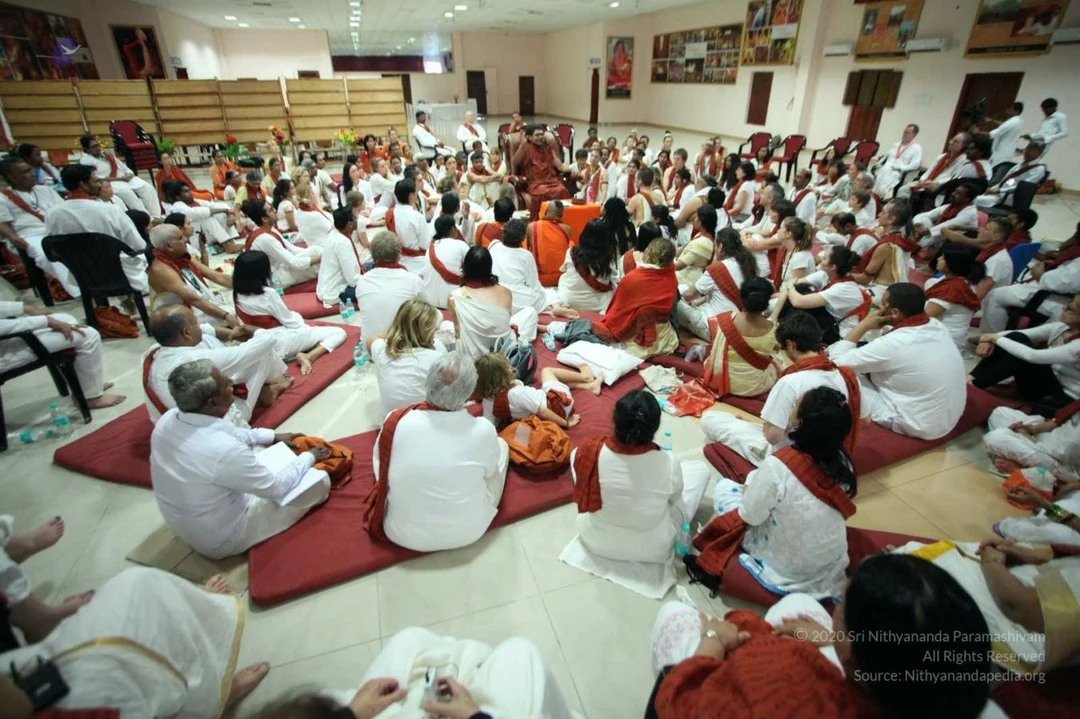
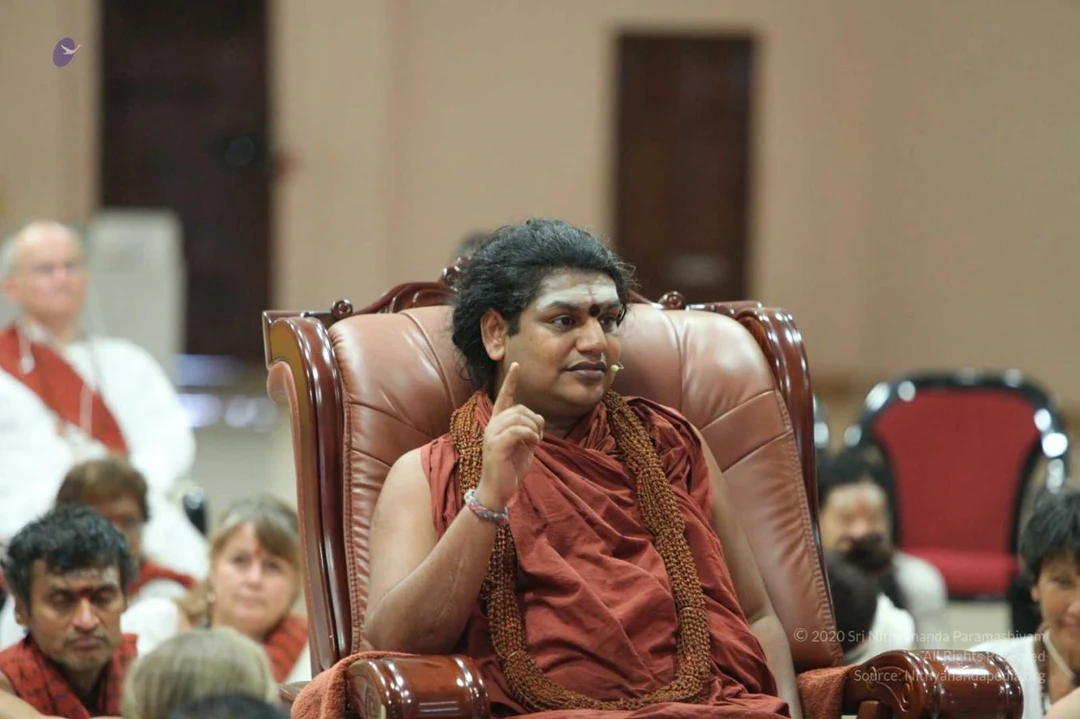
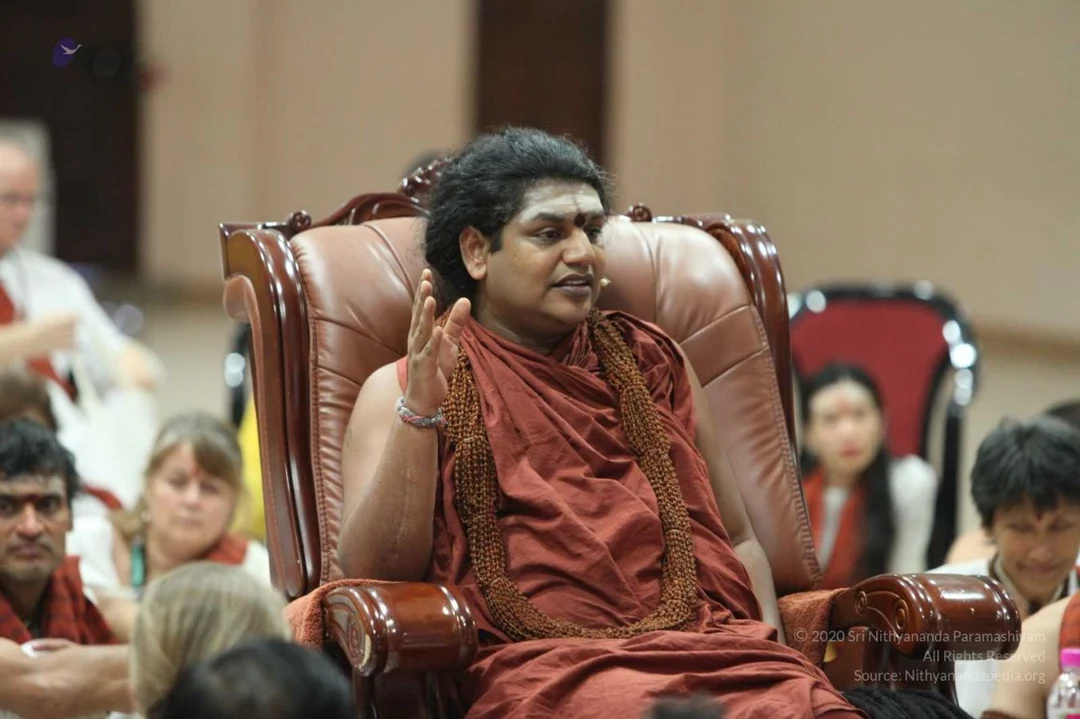
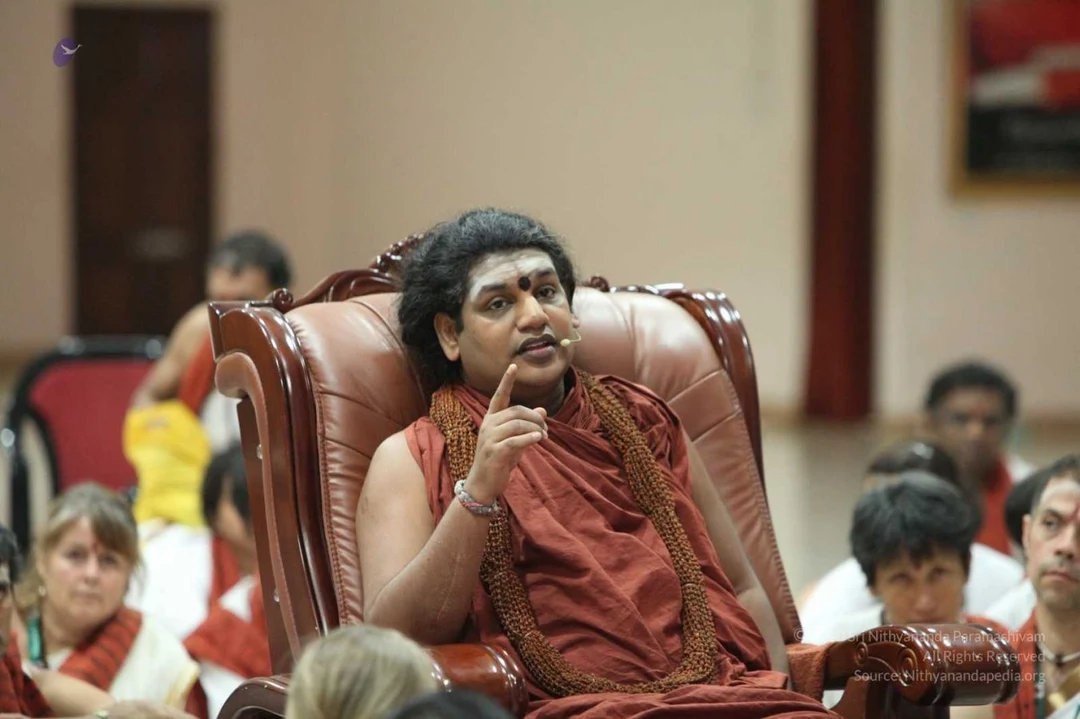
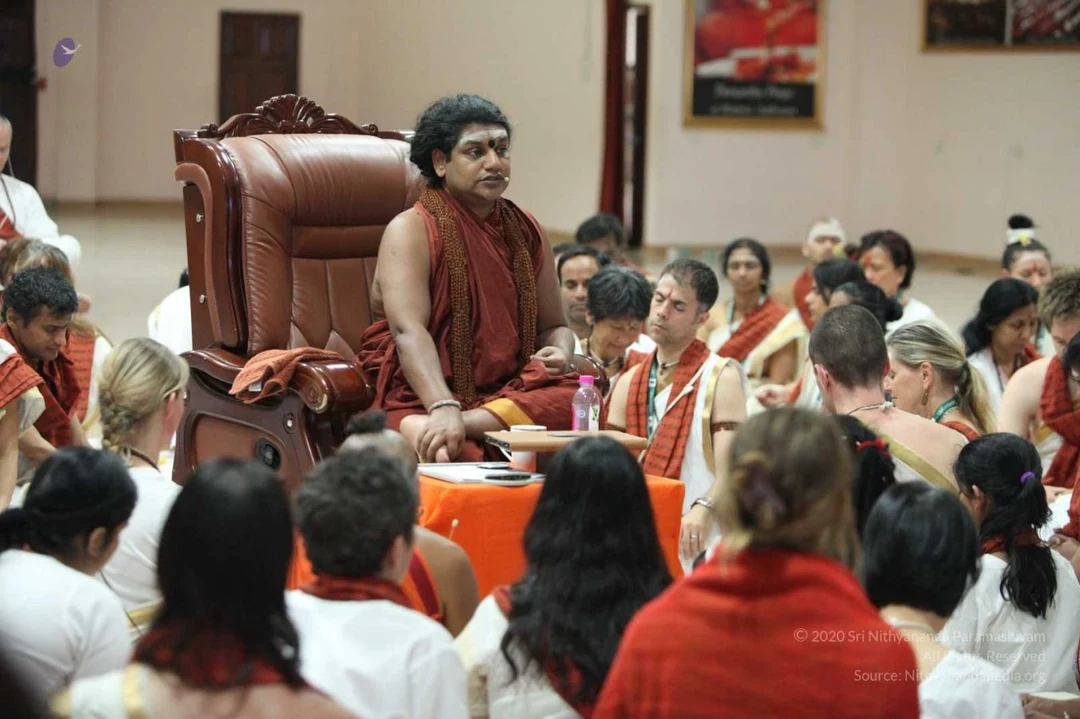
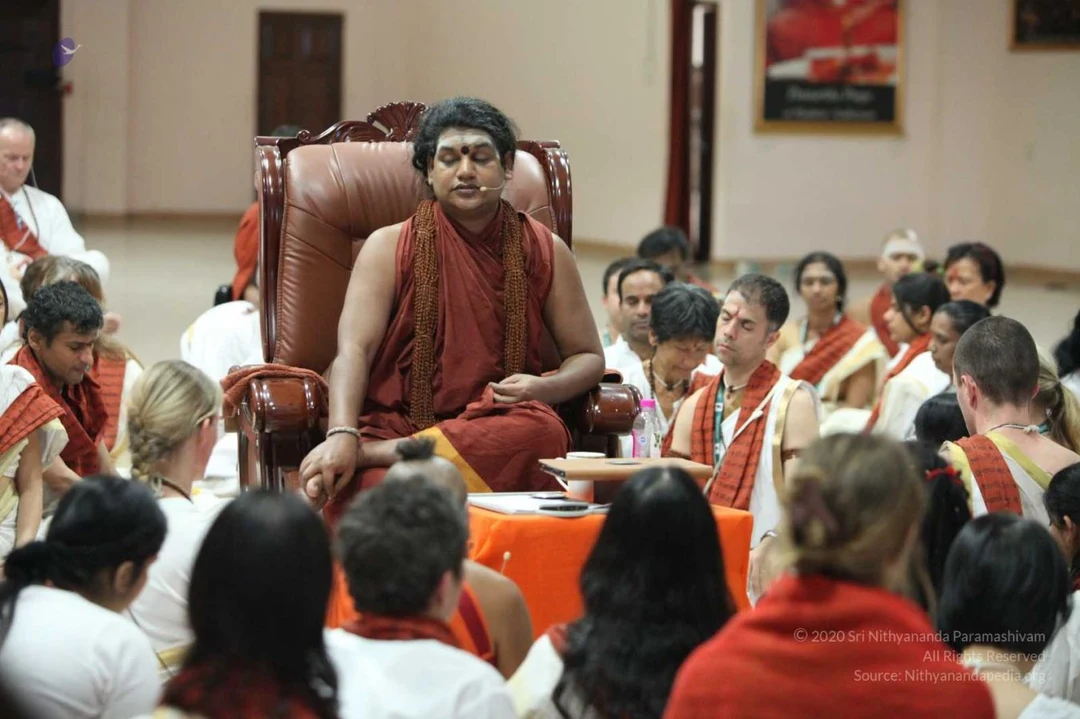
The Power of Third Eye Awakening || Inner Awakening || 17 February 2016
- Dated photos
- 566
- Source pages
- 1
- Media
- 2

February 17 2016
Original wiki pageTitle
The Power of Third Eye Awakening || Inner Awakening || 17 February 2016
Link to Video:
Transcript:
(0:50)
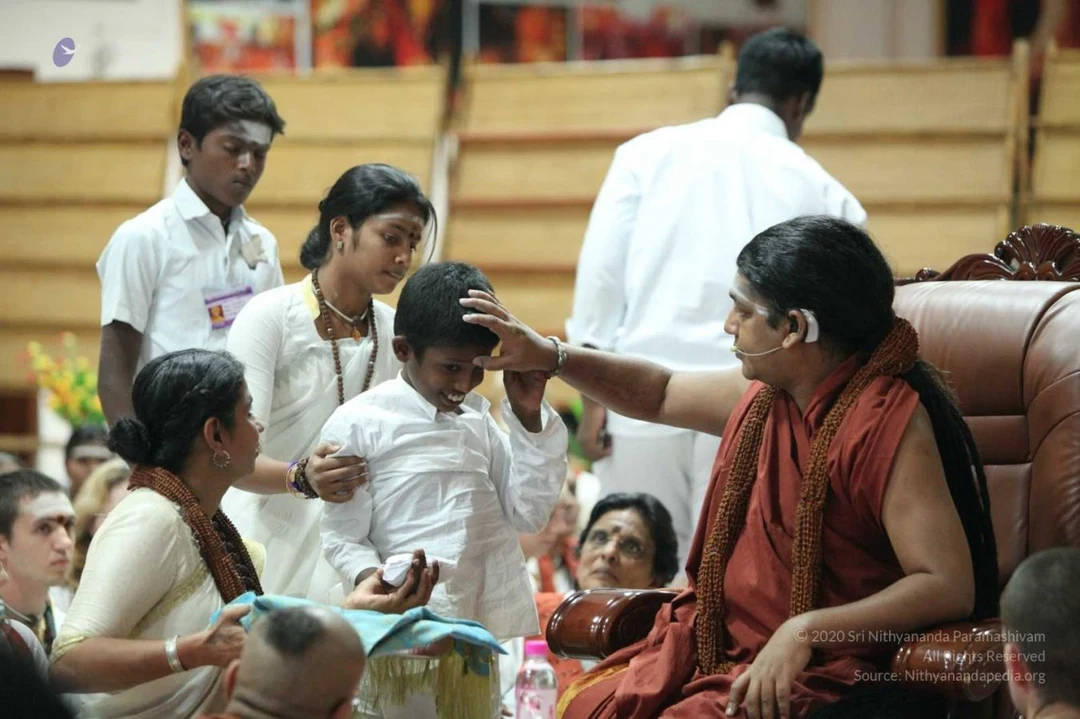
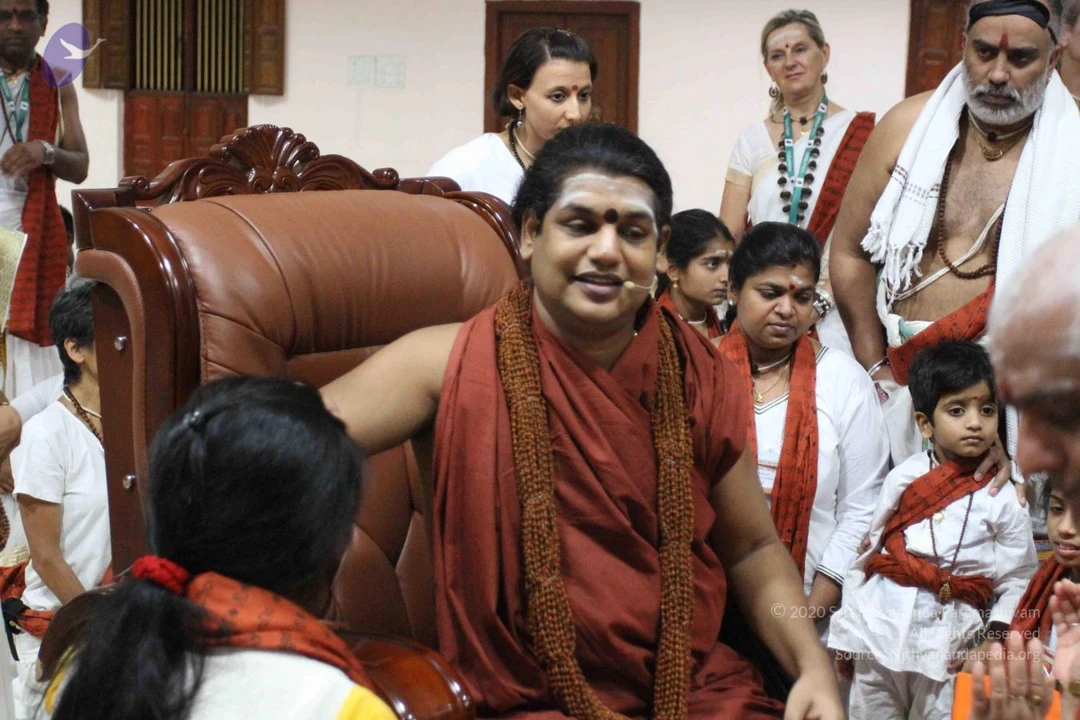
All the Nithyanandam kids can come.(Swamiji blesses all the kids)
(02:20)
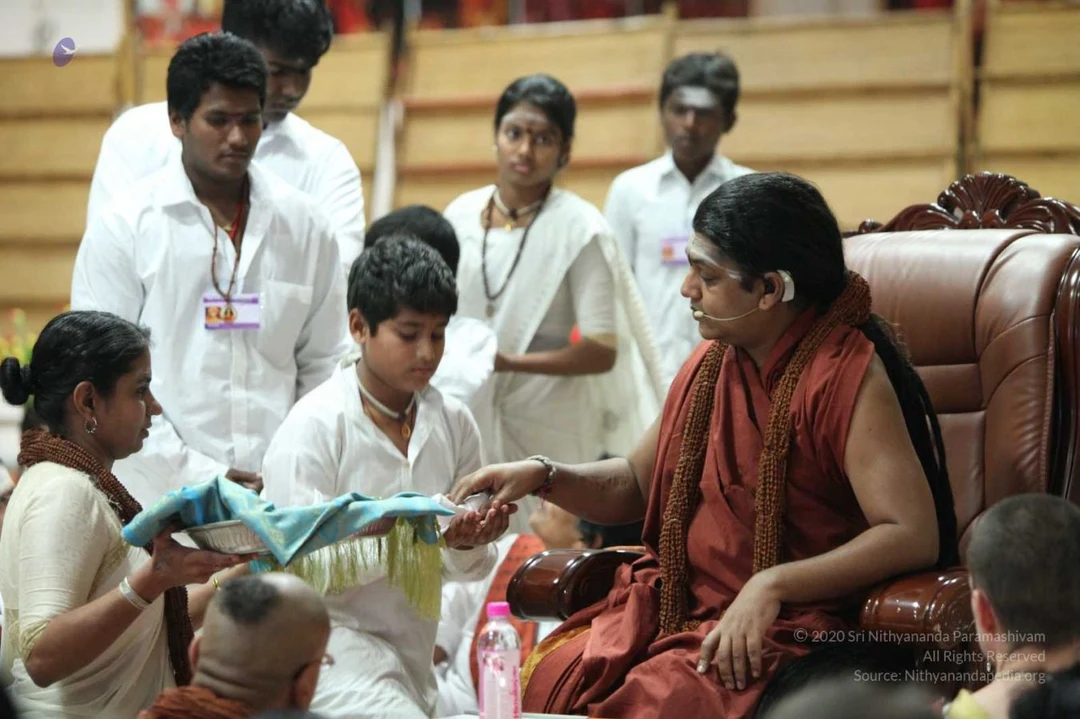
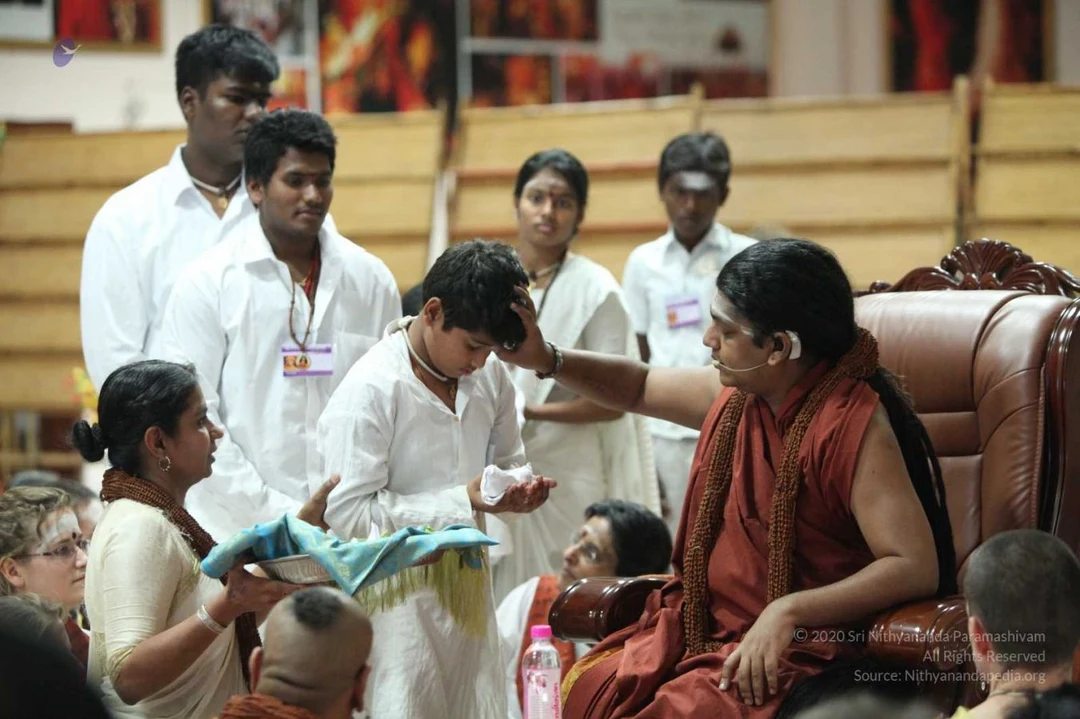
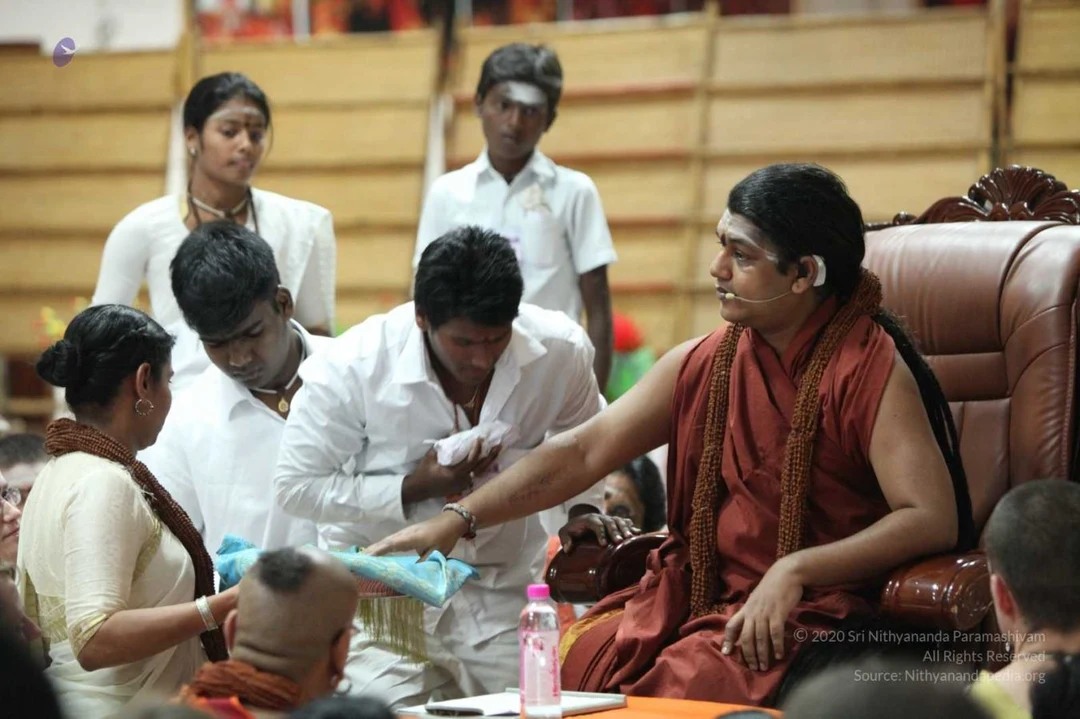
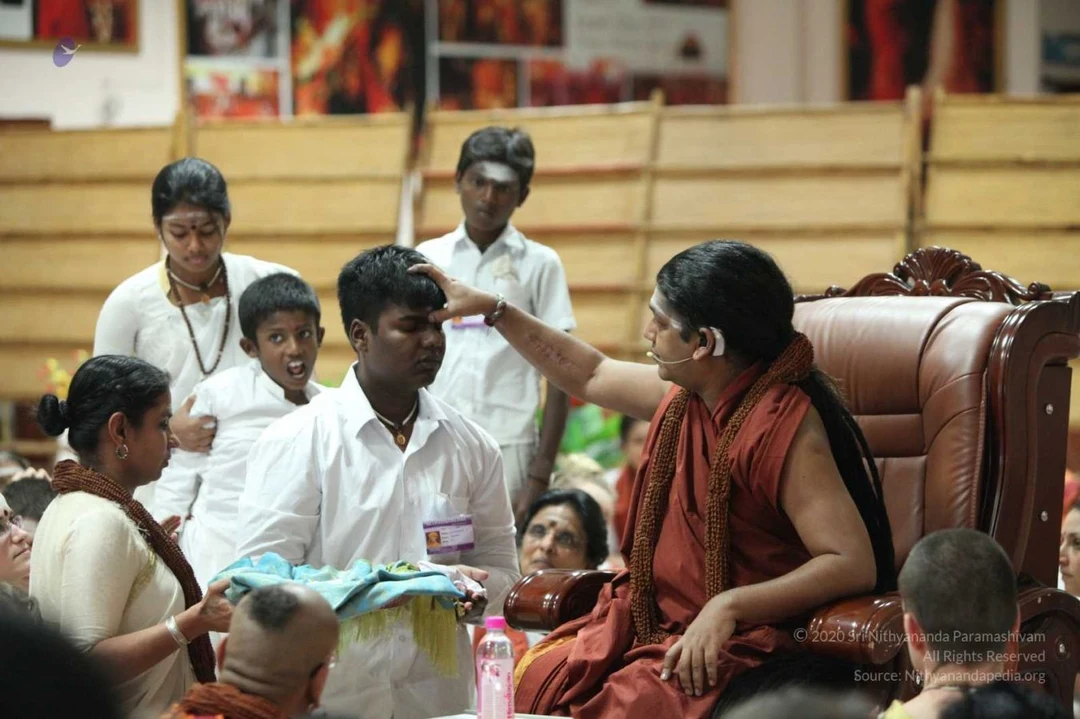
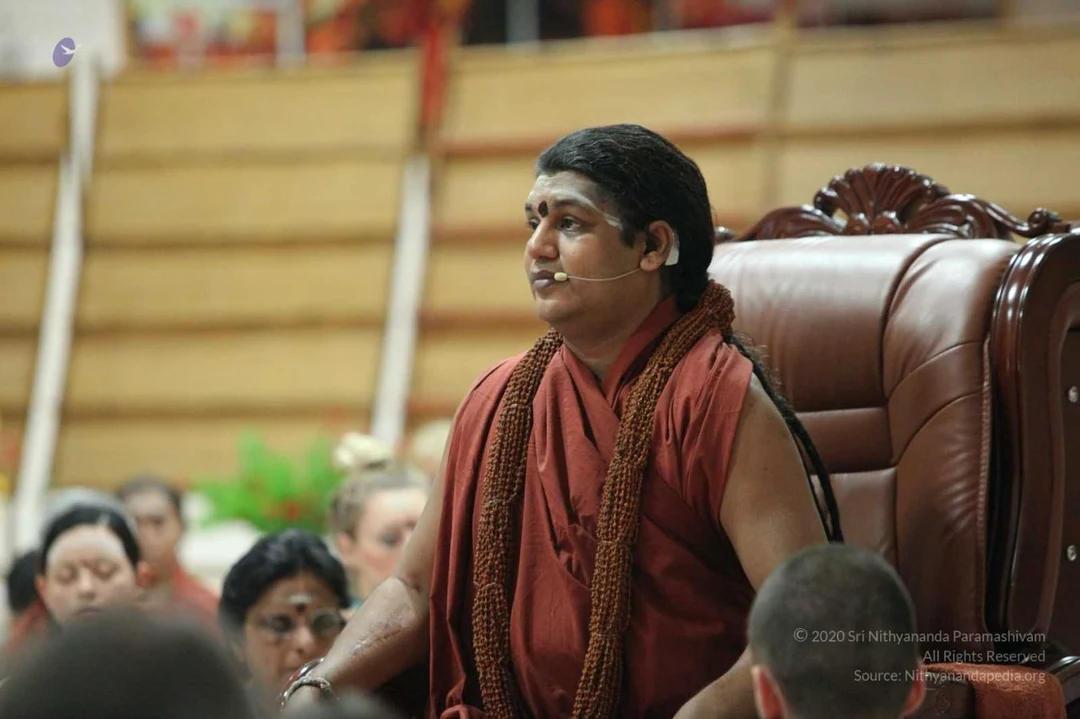
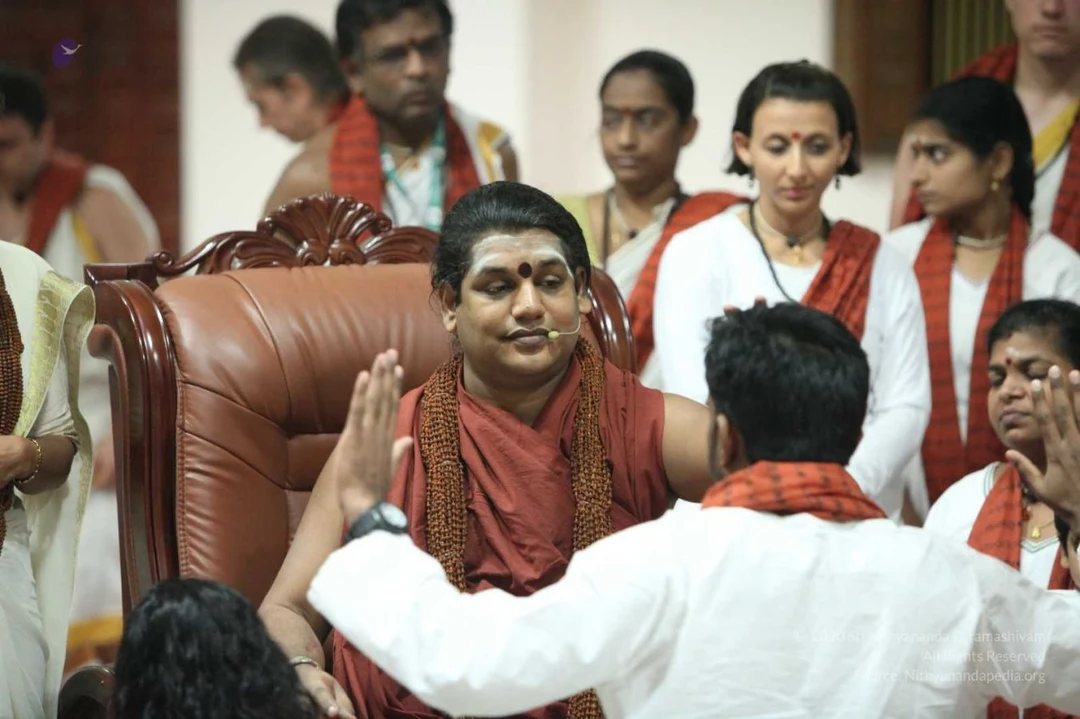
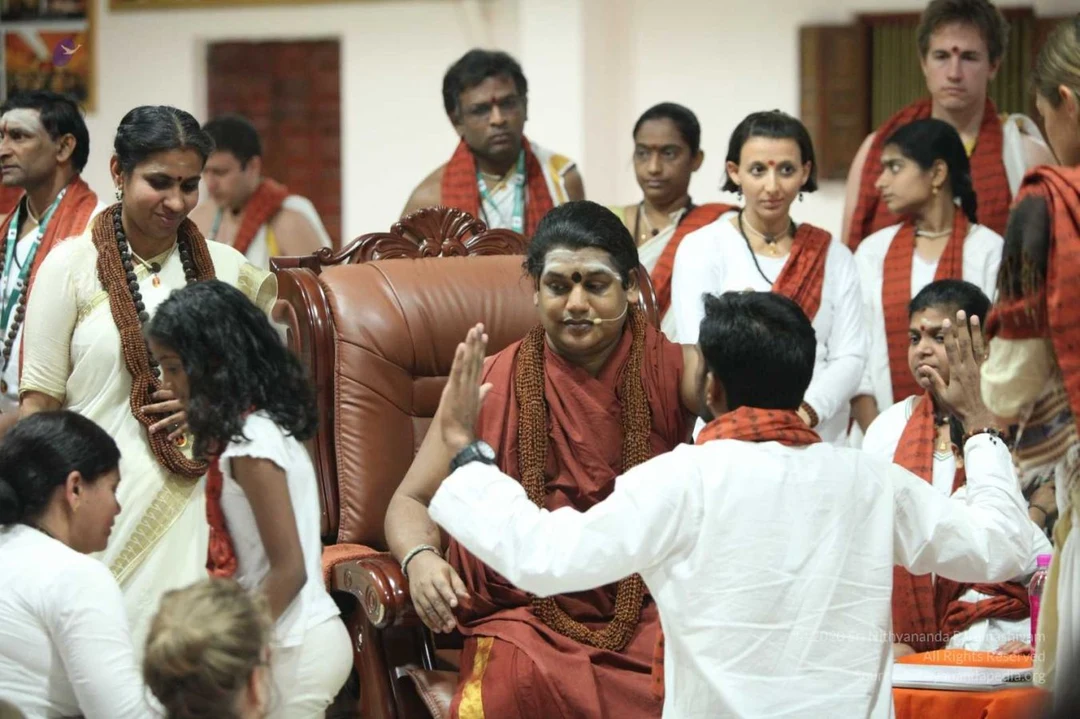
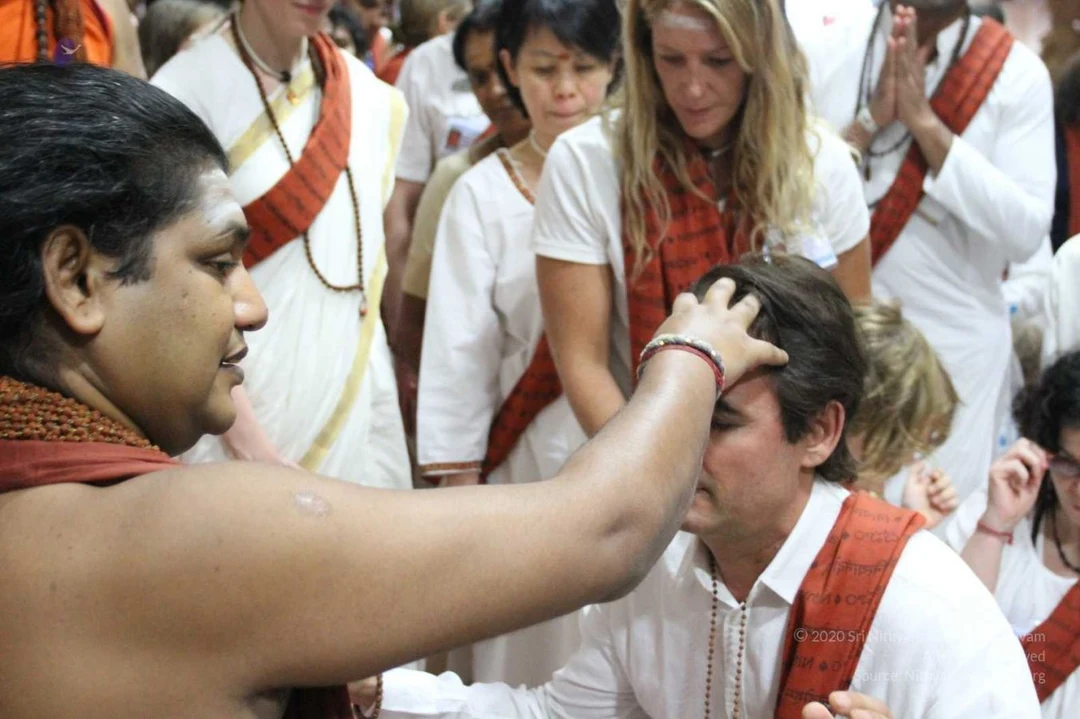
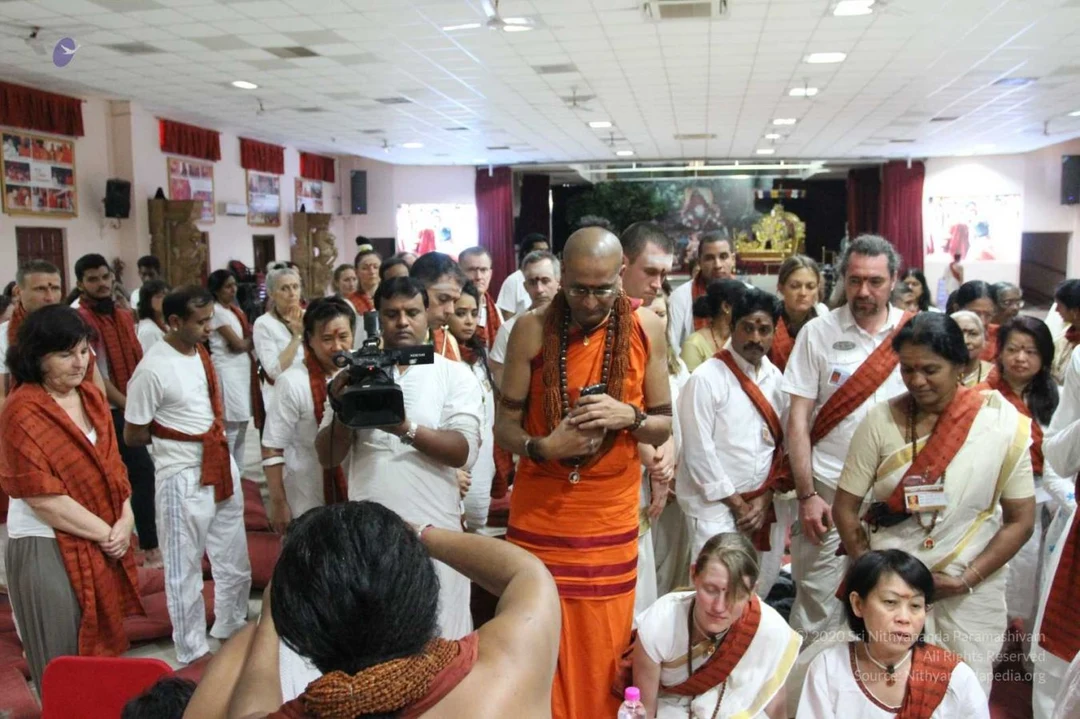
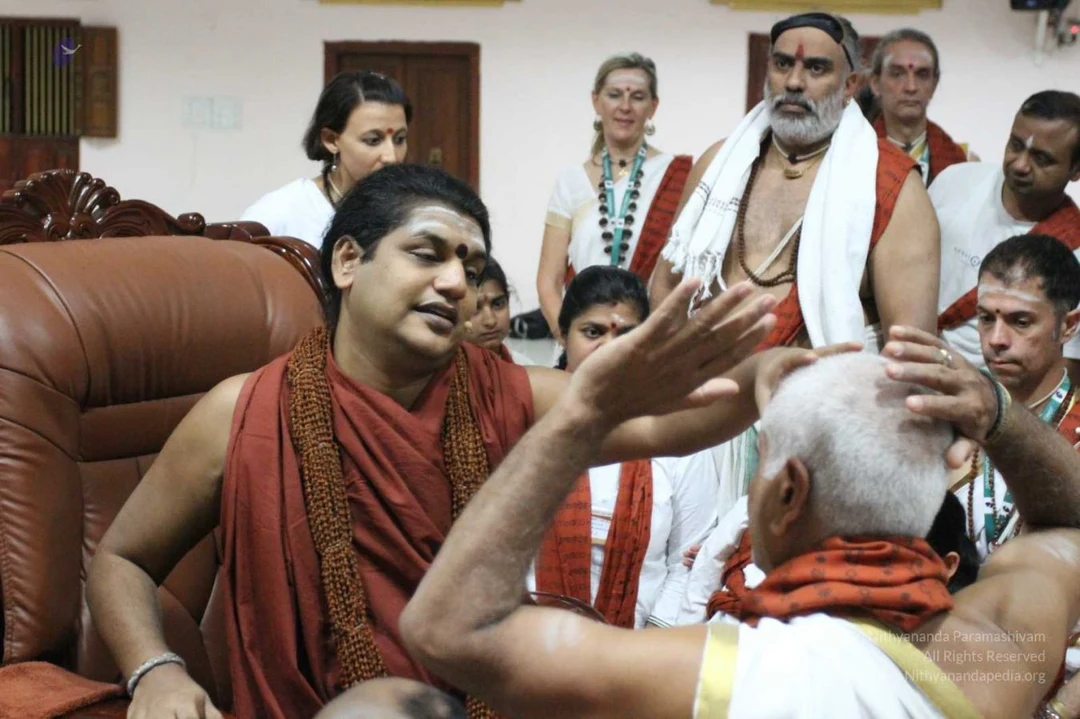
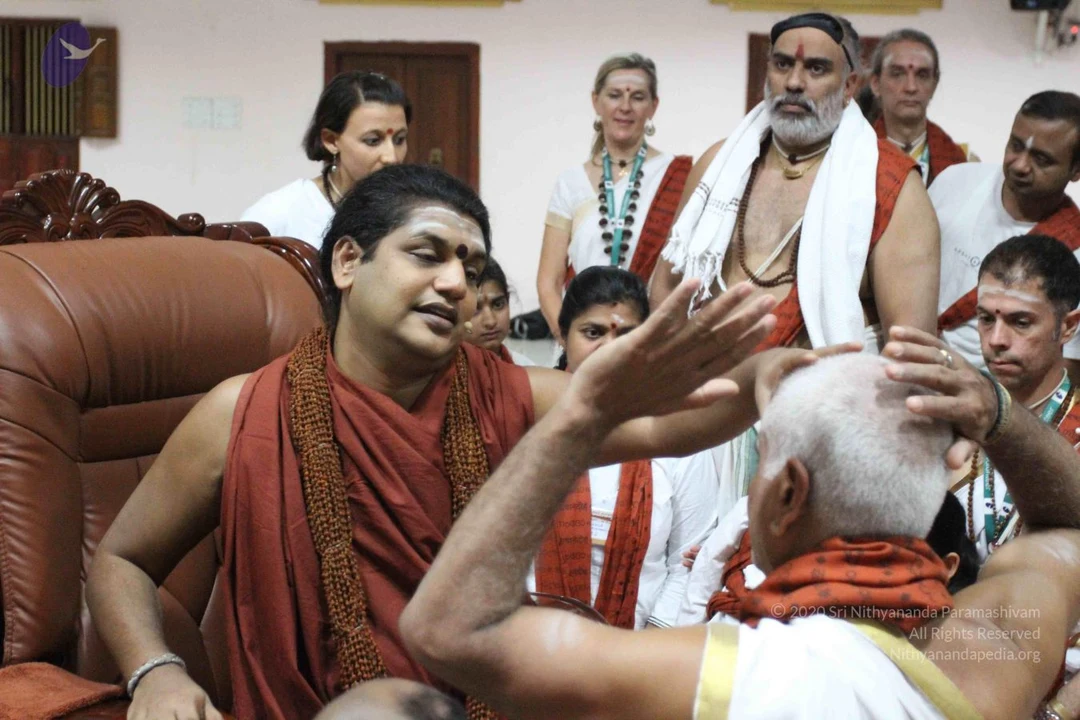
Still how many of you are not able to read through the third eye fluently? I will initiate all of you now and then we will continue the process. Please walk in one by one, because God particle awakening and third eye are very closely connected. Today we will work on the God particle, the Purusha intensely... Shall we start? Everyone is complete?
(03:36)
Listen carefully. Kundalini awakening itself is not third eye opening but for third eye opening, Kundalini has to be awakened. See, kundalini is a force which resides in your root centre, the root of the backbone, the spine. That is where it resides. In normal man, it functions only as a lust and fear. So now, with this awakening, Kundalini can come upto the navel centre, heart centre, throat, like this in various levels. Even if it comes up to the throat, third eye will not be completely functioning. It will flicker. It will just flicker, come and go, come and go, come and go but now in this process, actually I am putting a kind of a vacuum pressure. You see, like a, if there is a depression how the air is attracted and cyclone is formed. Like that I am just sitting in your third eye and going to just push...pull the whole thing. Sitting in your third eye, I am creating a kind of vacuum in the third eye. Naturally the Kundalini will be pulled up, like it will be just sucked there. If the Kundalini is sucked to the third eye, third eye has to be activated. It is not just blindfold reading.
(05:18)
Understand, when the third eye is awakened, the whole non-mechanical parts of the brain will be awakened. Your heart will just overflow with love and devotion, and your whole being will feel that you are alive, that you are alive. That is the basic source from which that multiple powers starts expressing. It’s not just only the blindfold reading. That is only to check...actually the blindfold reading is to check whether your third eye has awakened or not, whether your kundalini has reached your third eye or not, that’s all. But it is not that only one power. Understand, by the time you have a third eye awakening and blindfold reading, easily 30-40 powers will start expressing in the system. I just need to channel it out properly and help you to discover it, that’s all. Otherwise third eye is not like a individual, separate power.
(06:36)
Now I am actually going to sit in your third eye and suck the Kundalini from below, from the Mooladhara. So even if she is stuck somewhere in the Anahata or Vishuddhi, she can’t continue to be stuck there. The patterns will be like a …. they will be destroyed and the Kundalini will move to the third eye. First actually when you start, it has to be started from the below, from the root chakra. So it has to start the mild way where your body doesn’t feel too much heat, where you don’t get intimidated, you don’t get frightened, all that and then breaking all your toxic mental set up: completion with yourself, samskara dahana kriya, completion with others, completion using mirror, completion with your death, completion with fear, completion with health pattern, completion with wealth pattern, completion with your past life memories, everything is just to break your toxic mental set up.
(07:59)
Please listen carefully, this word ‘toxic mental setup’ you have to understand. What you know? In the evening you feel low, dull. When you feel low, dull, little toxins will develop in the system and when you continue to be in the same mood…. listen carefully, when you continue to be in the same mood which is encouraged by the toxins, the mood becomes a setup like a regular pattern. Even if the toxins are not produced after two-three days, you will continue to have this mental setup. Understand? First, the toxin will create that low mood. If you encourage and be there in that same mood, after two-three months, even if the toxins are not produced, the mental setup will continue to exist. That is what I call toxic mental setup, like a... fluoride in your toothpaste or water. It makes you dull. So it puts you in depression. After sometime, after two-three years, even if you don’t consume fluoride, the mental setup formed due to fluoride will be there.
(09:31)
Breaking that only all these completion, all these various processes, various meditations you went through all these days. Now I am going to sit on your third eye and just pull the Kundalini up. It is a sure shot! It’s a sure shot. Shall we start? Yes... You don’t have to close your eyes. If you feel comfortable, close your eyes. If you feel comfortable sit with your eyes open. Don’t feel suffocated, that’s all. Sometime if you keep your eyes open, you will feel very relaxed, comfortable. Sometimes if you keep your eyes closed, you will feel comfortable. It is up to you, your comfort.
(10:47) to (31:07)
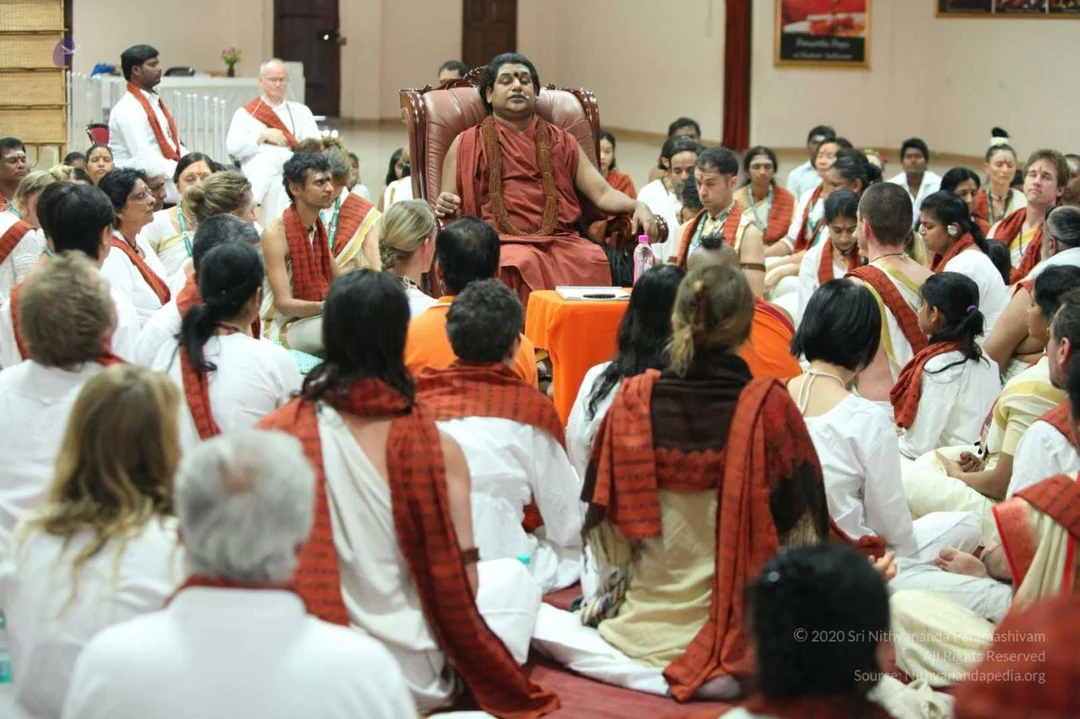
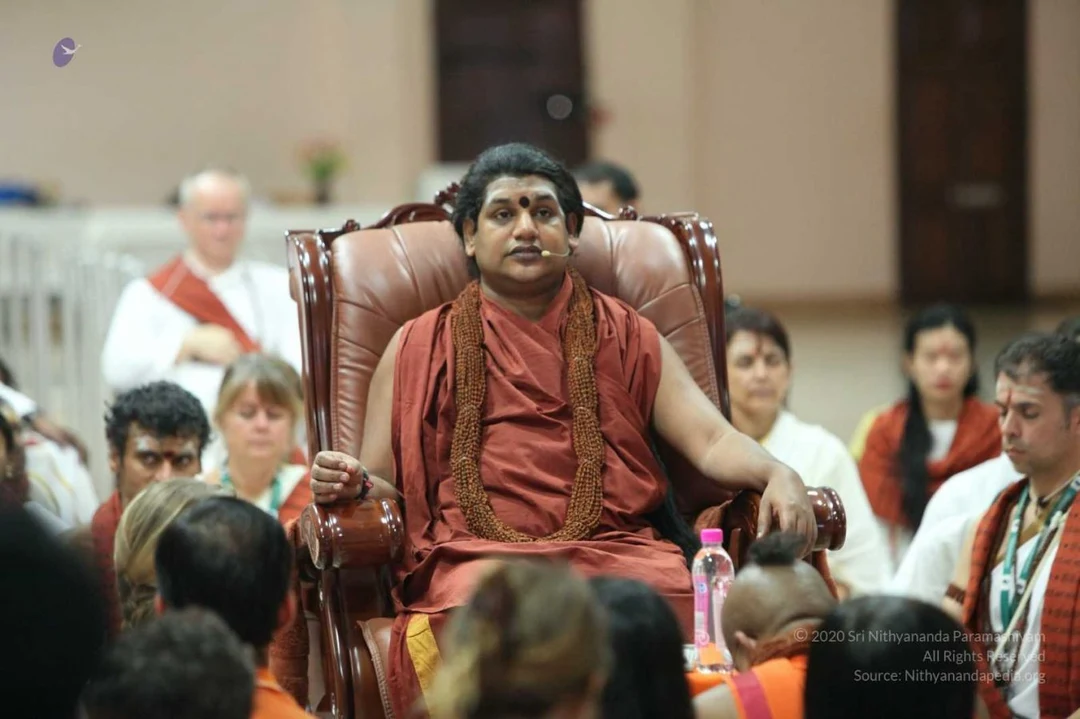
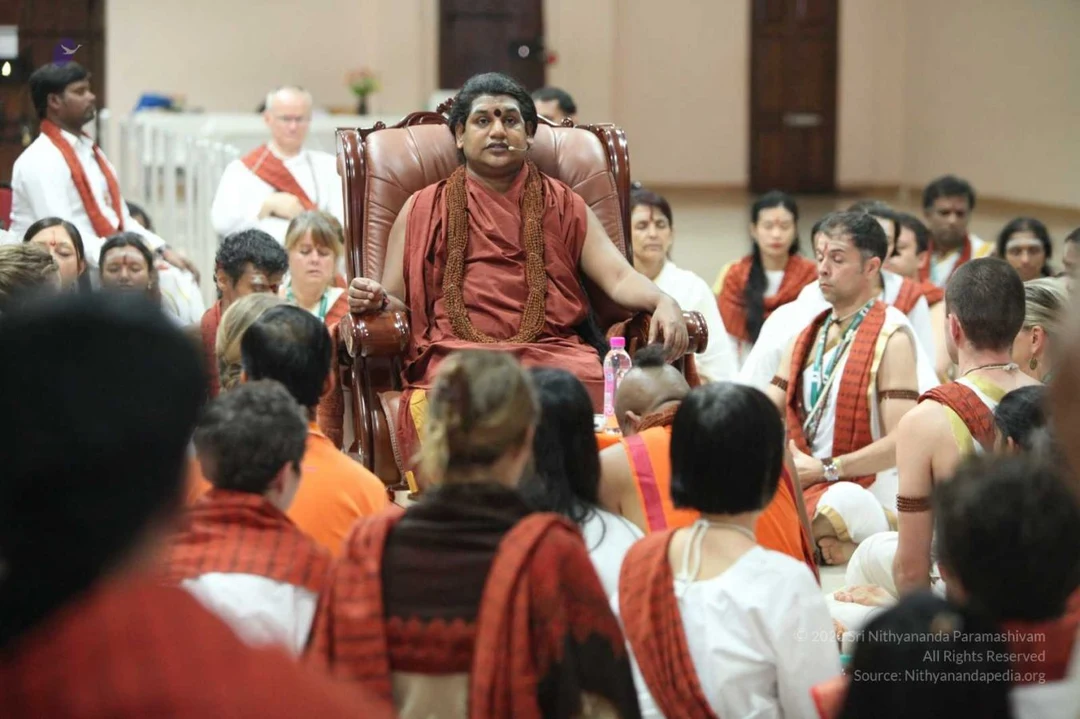
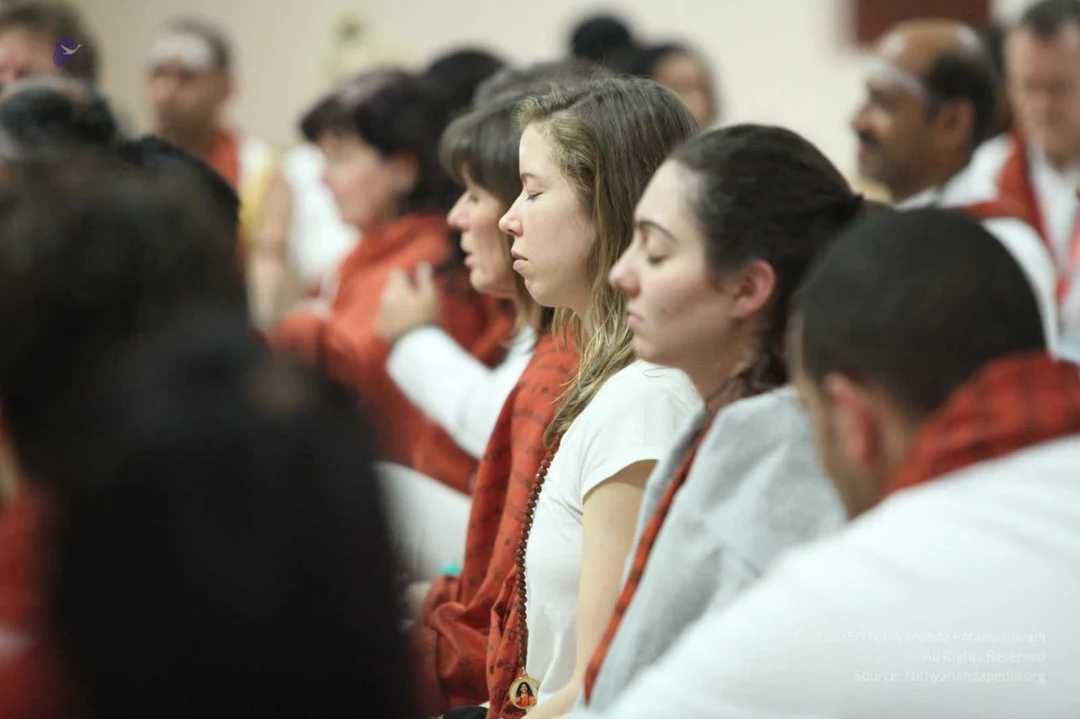
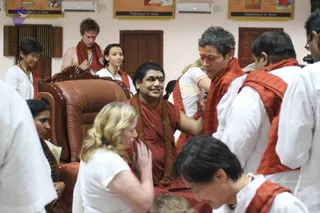
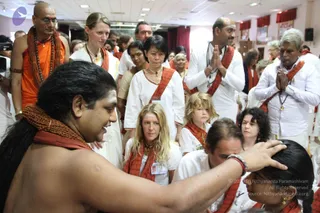
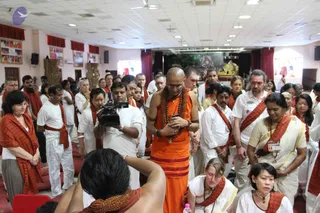
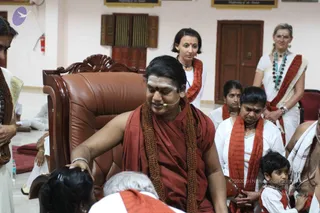
Intense third eye initiation
(31:08)
Relax. You can open your eyes. Drink lot of water and come back. We will gather for next session. Thank you. Be Blissful.
(31:36)
Title
The Recipe for Reality! || Inner Awakening || 17 February 2016
Link to Video:
Transcript:
(02:33)
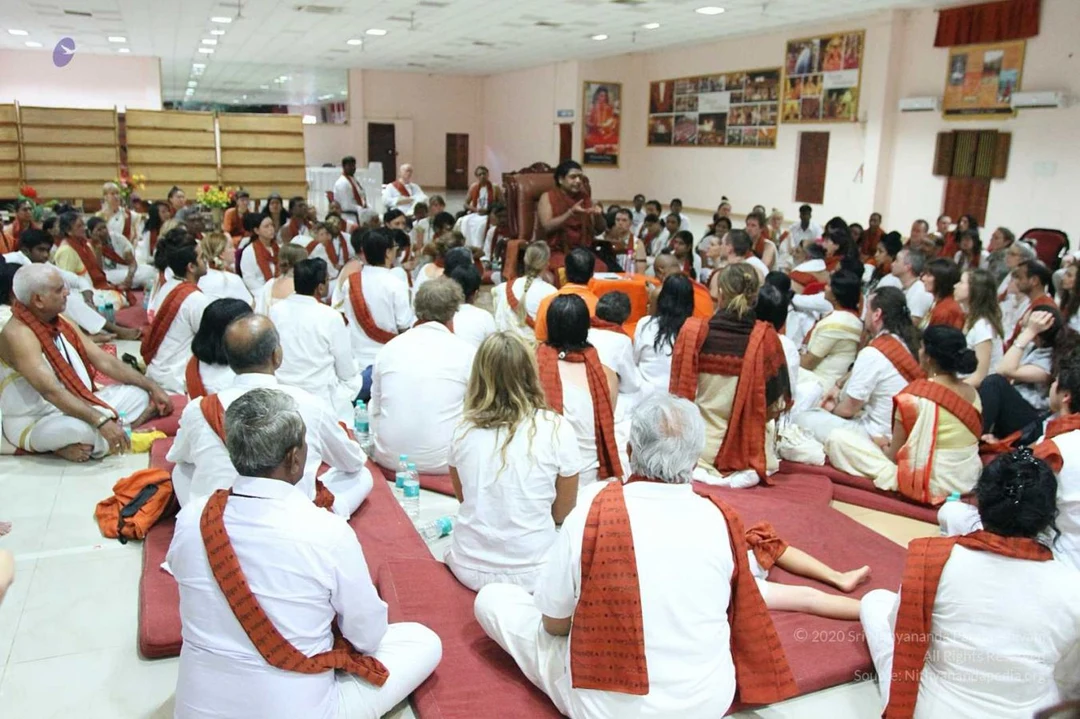
See, there are many patterns which you may have to do fifty years completion on your own and try and finally it will melt down and slowly it will leave. Unfortunately in that fifty years, you would have built many other incompletions but if your Bio-Energy, Kundalini is awakened, at a time you can literally demolish the whole pattern structure. It is like a… you try to move the Everest mountain with the toothpick. If nature decides to move, earthquake. That’s all. If you are moving it with the toothpick, how many thousands of years? When the nature decides, just one shake. It is there in South Africa. Awakening your Kundalini is literally like a earthquake. So the whole thing can be just cleaned.
(04:12)
In this process now, I wanted to work on your muscle memory. Actually in the Nithyanandoham, this is the superhit process. Everyone had the best experience. So I am going to prepare you now for that and have the experience by tonight... First thing, if the Kundalini is awakened, what all the patterns in your muscle-memory you want to correct? Muscle-memory means understand, your day-to-day actions related pattern. It means how you fall sick, how you hate some food, allergic to some food, how you like some food, how you sleep or how you don’t sleep, how you feel tired or don’t feel tired: all your doing is muscle-memory. Your being is bio-memory.
(05:25)
In your doing, what all you want to change? You may want to lose weight. You may want to bend and touch your knees, whatever you want to happen in your actions... Actually you can even decide to be without food and sleep and it is possible. Please understand, it is possible. So many fellows, our devotees are living Nirahara without even telling Me. Just suddenly the other day, our Hyderabad Mahant came to ashram. I just said, “Please eat.” He said, “Swamiji, I don’t eat.” I looked at him, “On Nirahara?” He said, “No, Swamiji, I am on continuous Nirahara.” I asked, “How long?” “Last four and half years, Swamiji.”
(06:29)
Last four and half years, he has not eaten. Our Hyderabad Mahant. I asked him, “After certain period, I told you guys can break Nirahara if you want and eat whenever you feel like but don’t eat regularly.” So I asked, “That time itself I told people to break the Nirahara. Why you are continuing?” He said, “I do not feel like eating, Swamiji. Rarely when I offer puja in the temple, that prasad I take little. Maybe once in six months and I don’t feel like and I am checking my health. It is perfectly alright. I am quite happy. I am not losing weight. I am not losing my health. I am regularly checking my health once in three months. I am okay. So I just left it.” I said, “Great!”
(07:30)
No, even I did not know so many people….So understand, you can program your muscle-memory the way you want. Remember it is possible. It is possible. Now actually I am going to awaken your Kundalini shakti and divert it into your muscle-memory. What all the job that Kundalini should do for you, you pen down. What it should do in your muscle-memory, in your actions? Mainly the changes you want to achieve. You may want to remove something from your muscle-memory. You may want to add something to your muscle-memory. So you list that. Then I will awaken the Kundalini and exactly allow it to roll the way you made a sankalpa. Sankalpa means WILL.
(08:37)
Now you pen down. You can pen down even two hundred items. No problem because once the Kundalini is awakened, it can fill even 300-400 items. That is not a problem at all. You sit and pen down and I tell you, everyone in Nithyanandoham...how many attended Nithyanandoham? Everyone in Nithyanandoham had real experience in this process. They really saw next day, third day, that whatever they wrote is becoming reality. The body responding, living.
(09:15)
Till now, I get so many Facebook messages saying that in the muscle-memory I asked that and it is here now. The muscle-memory I asked that, it is expressed now. So anything you want in your actions like ‘I should never get agitated’, ‘I should have complete health’, ‘My acidity should be healed’, ‘My liver should function properly’, ‘I should live long’, ‘I should leave the body as I want’. Anything you can write. I am going to make your WILL infused with your Kundalini. When the Kundalini gets infused into your WILL, that becomes reality.
(09:58)
Understand, when the film is put in front of the projector, light, that film is seen as reality. Same way, you write your WILLl. I will put the Kundalini into it. So it just becomes reality. Pick up the paper and pen. Only muscle-memory, not bio-memory related. Only your actions related.
(10:23) to (10:56)
(Instructions for the process in written words in background)
(10:57)
Sit straight. Close your eyes for few minutes and remember what all you wrote. If you don’t remember at least now read once and then keep the papers on your lap. Please read what you wrote, keep the papers on your lap.
(12:16)
Now keep the paper in your lap and sit straight. Close your eyes.
(12:28)
Initiation
(38:26)
Relax. You can open your eyes.
(38:30)
Photos
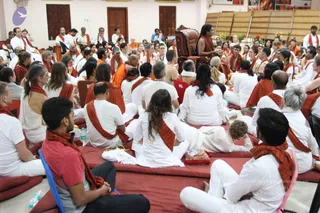
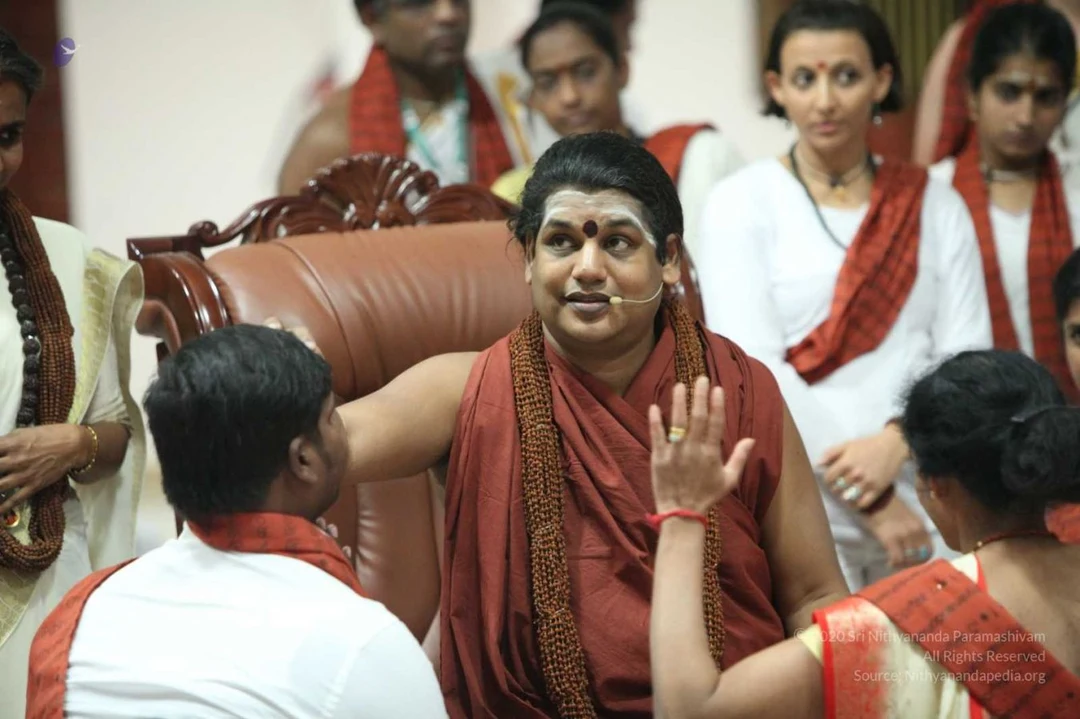
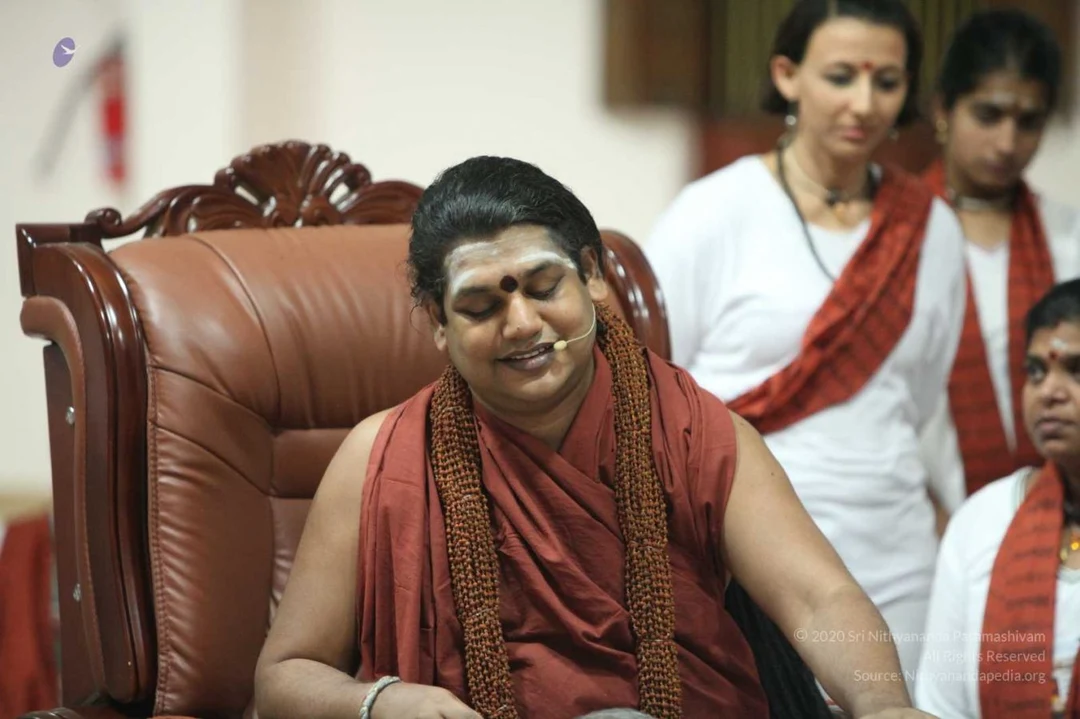
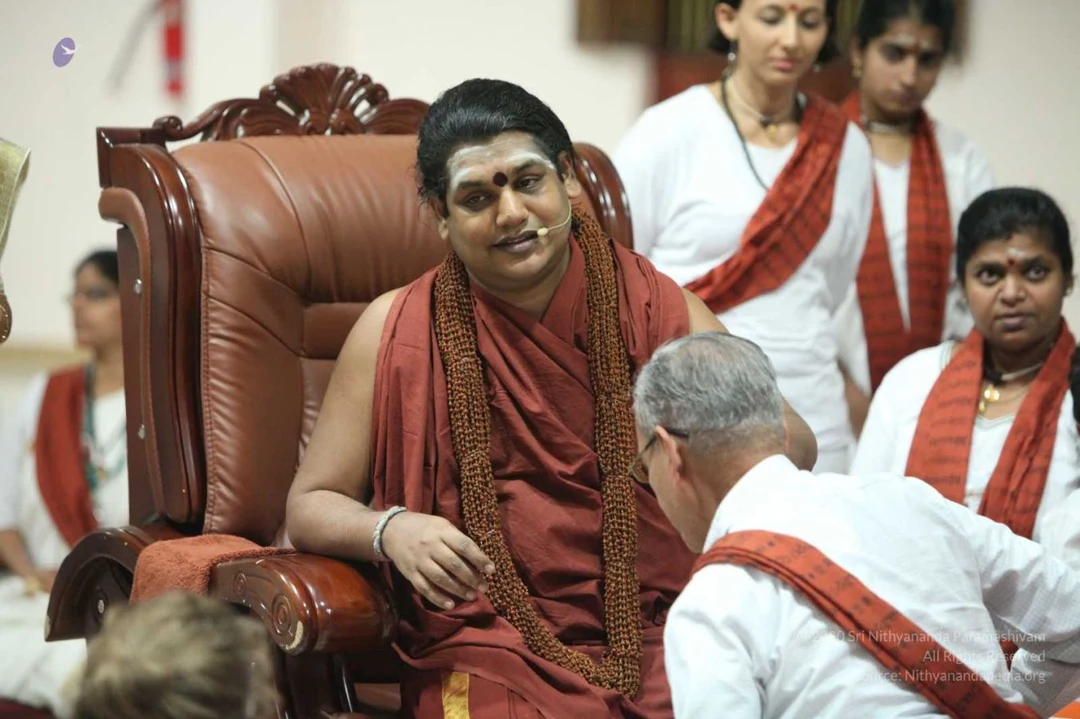
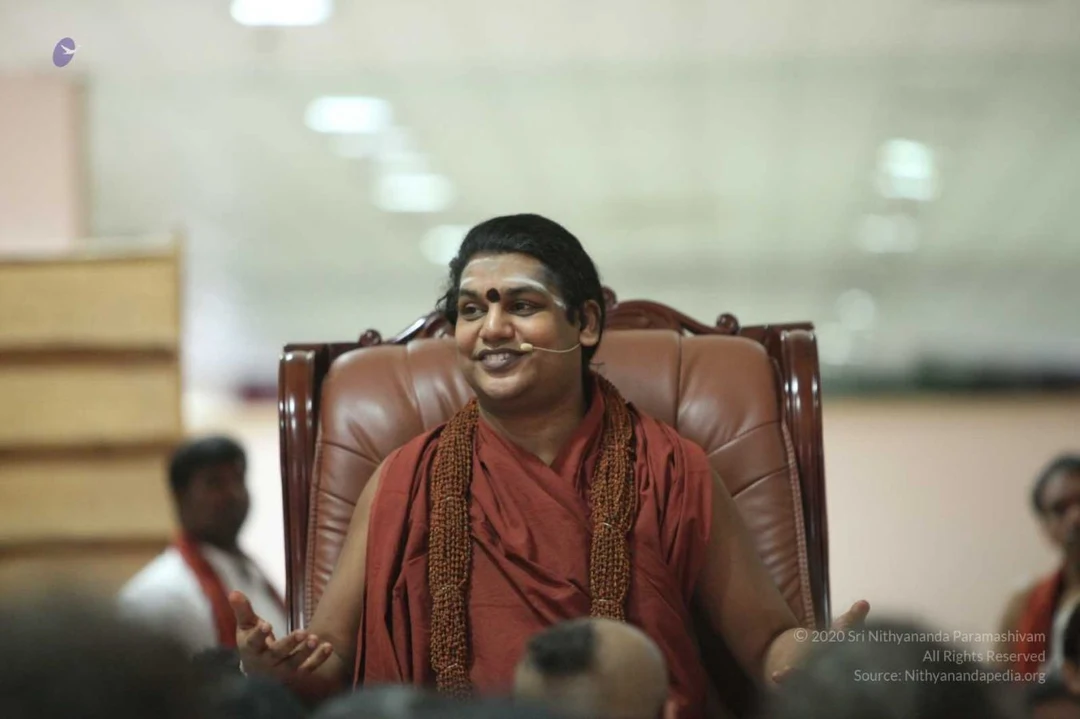
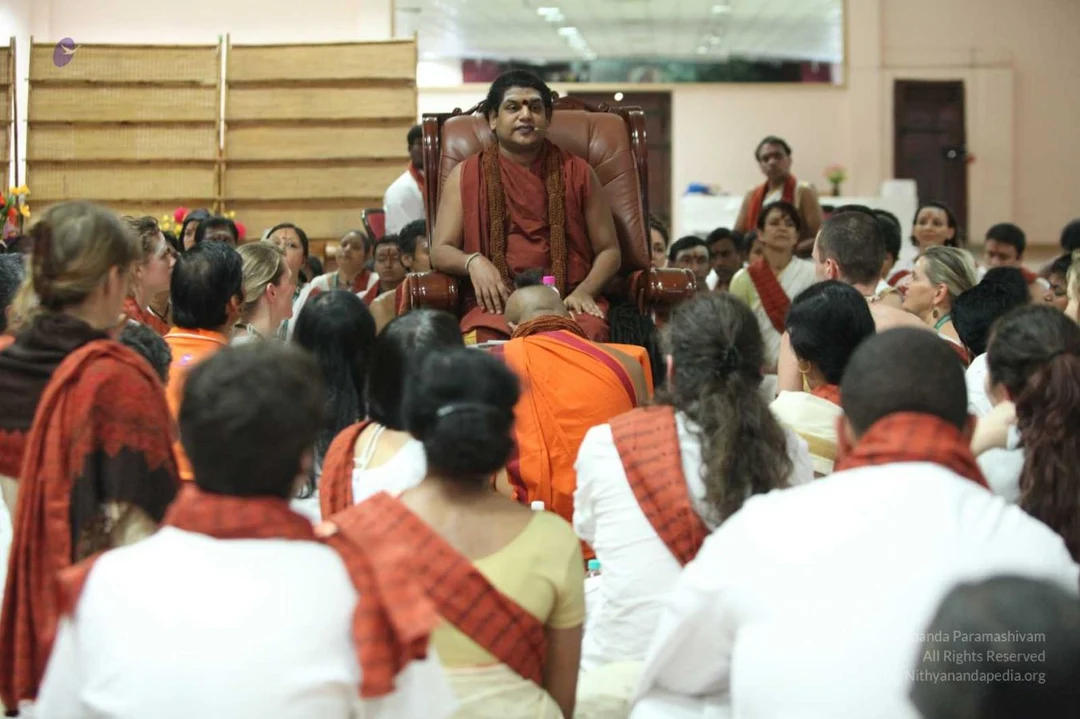
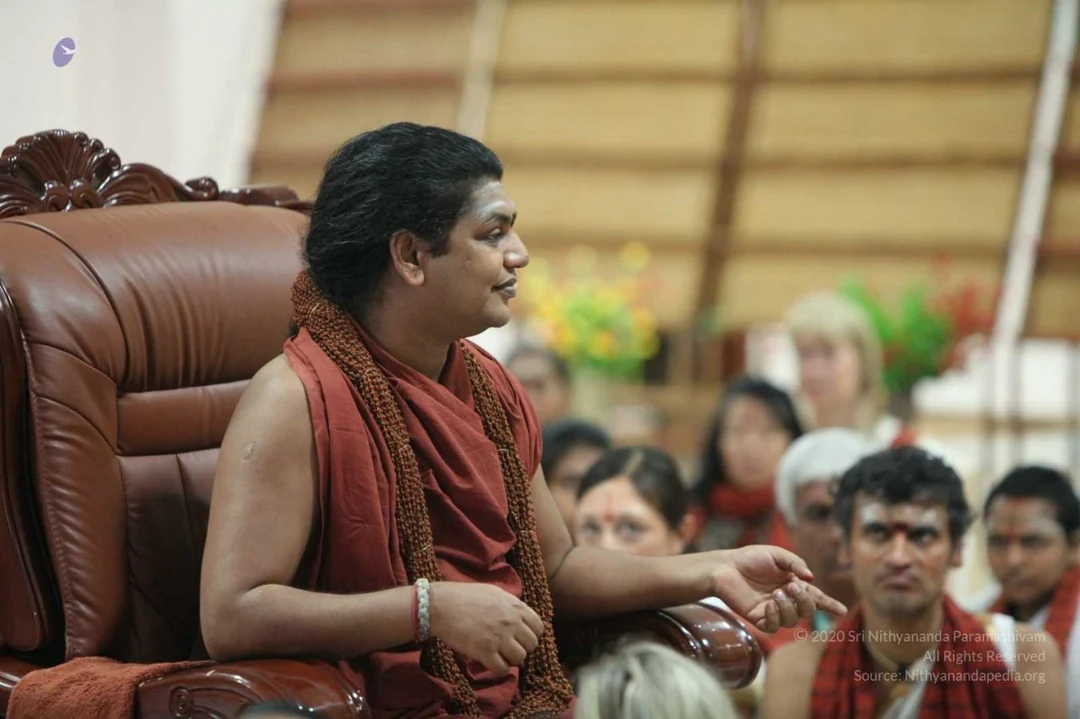
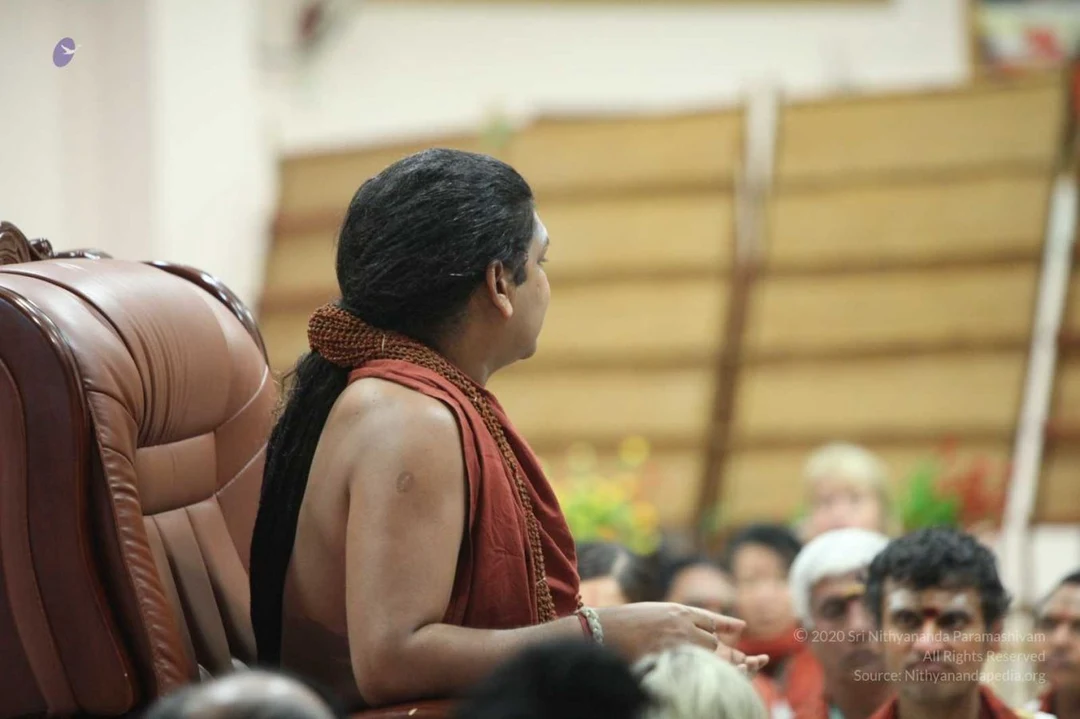
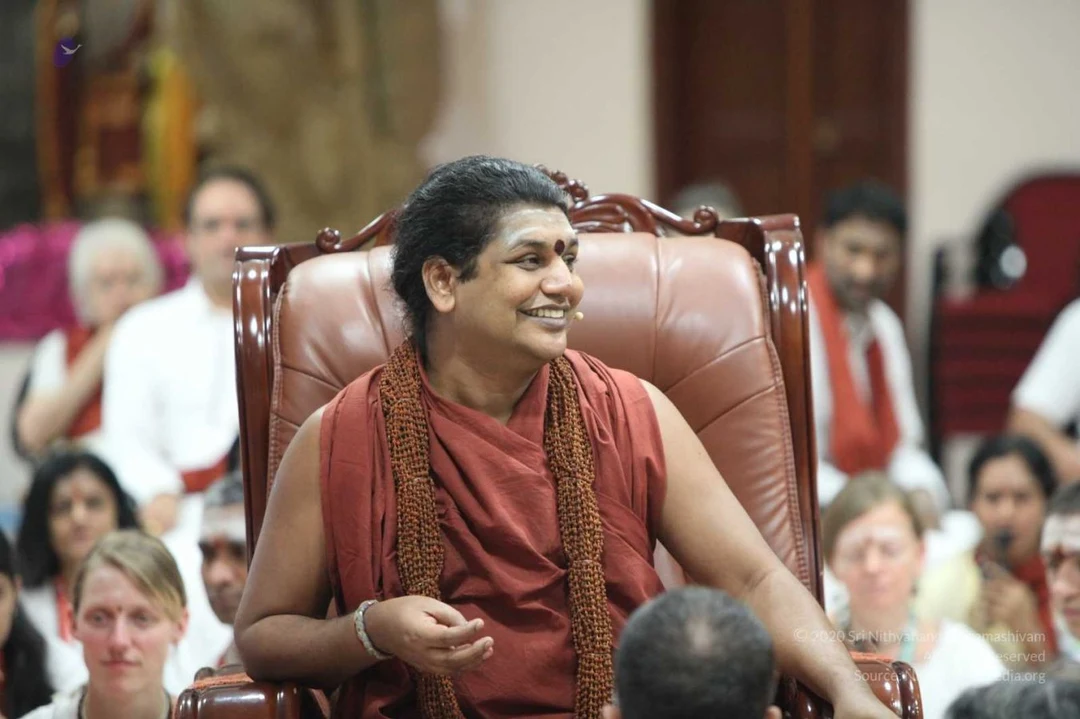
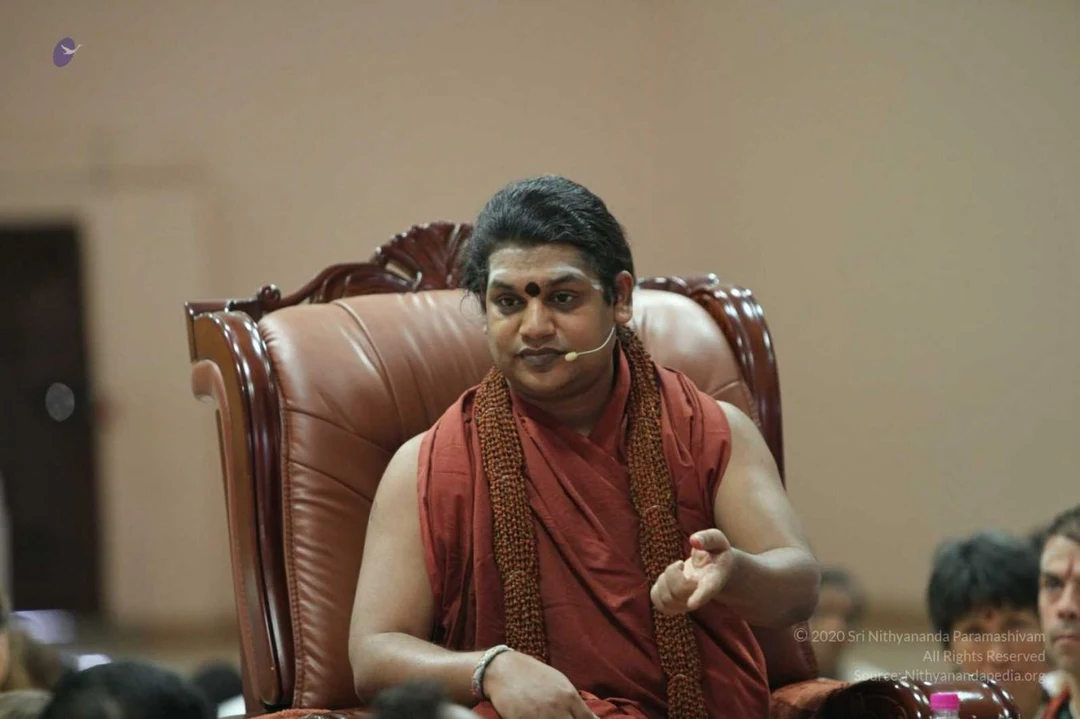
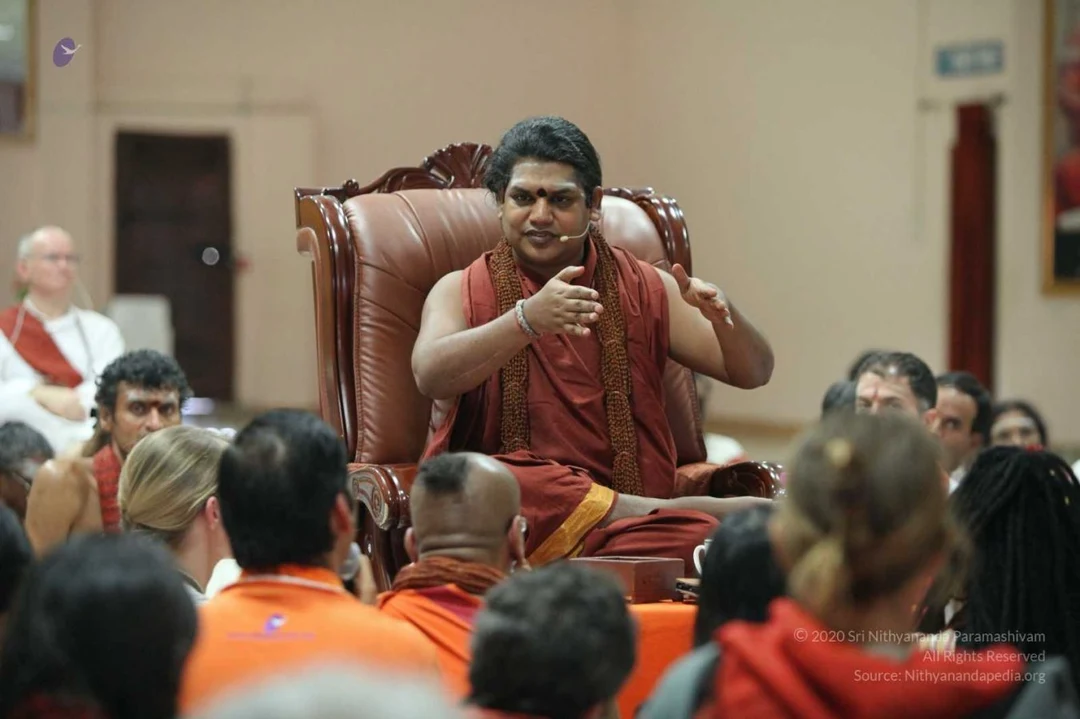
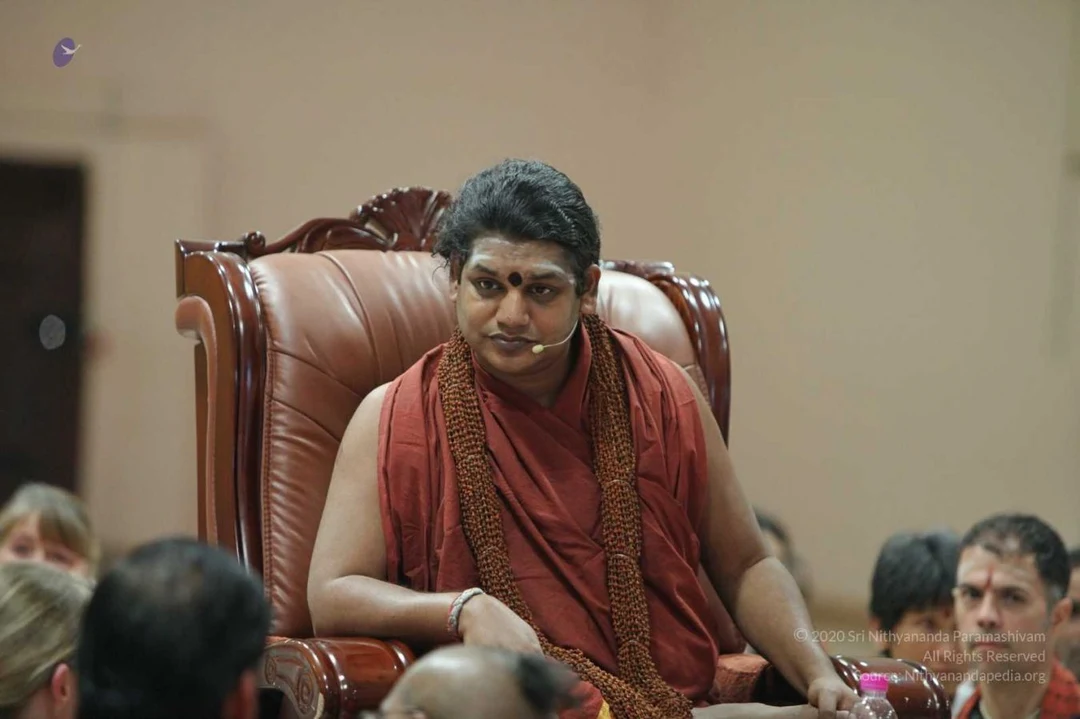
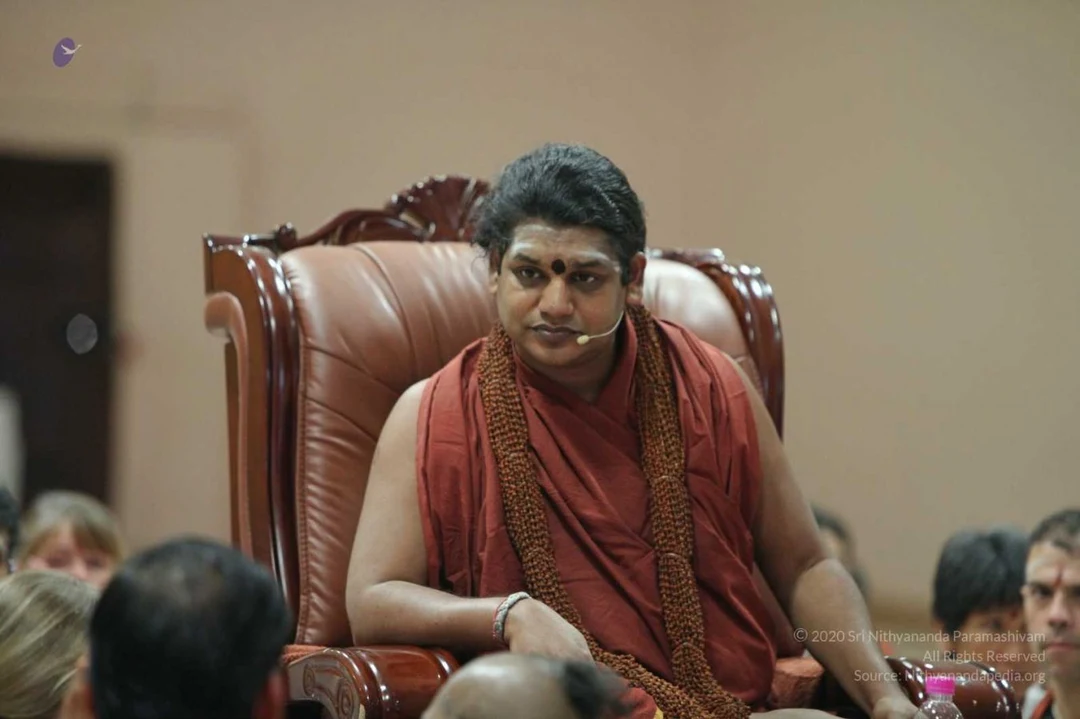
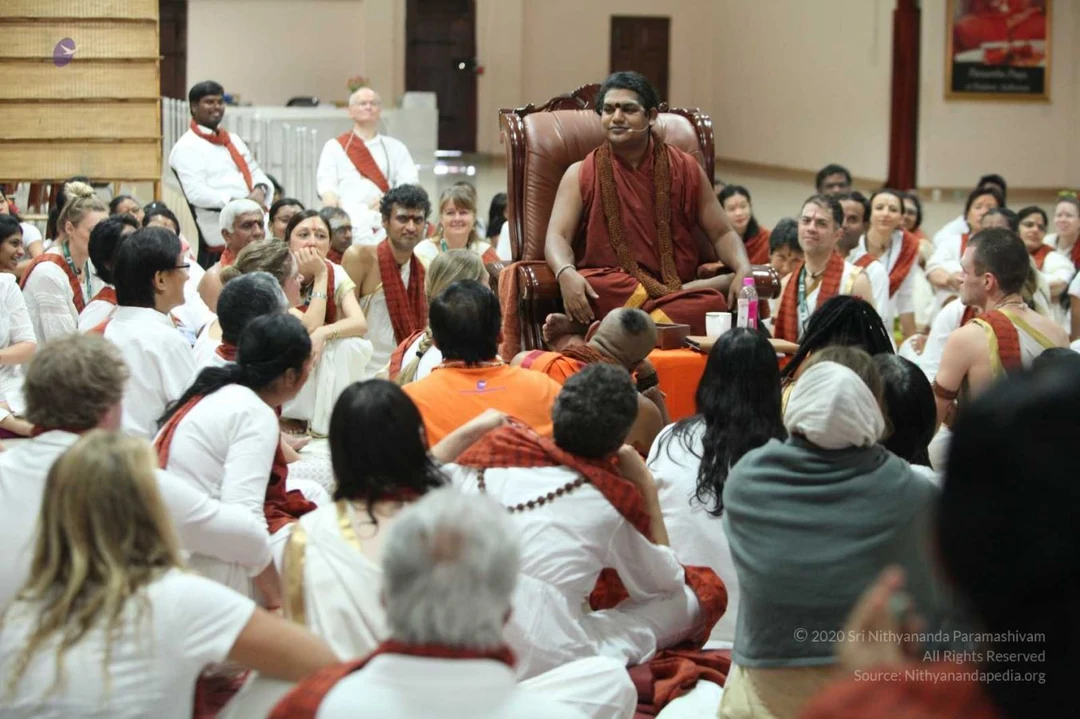
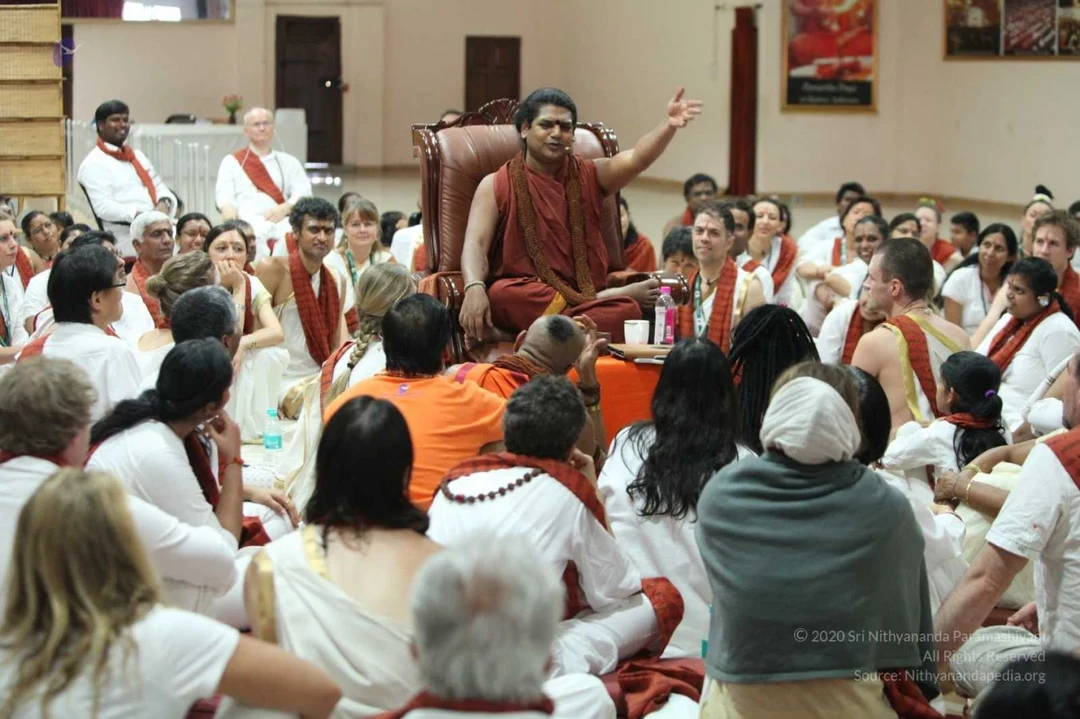
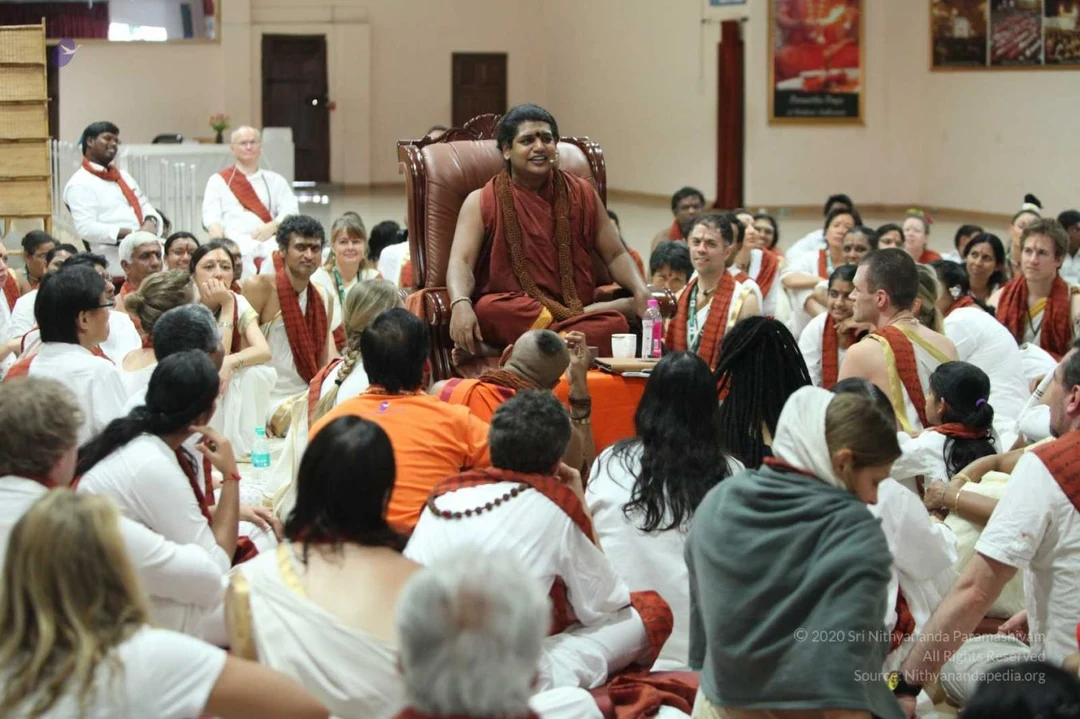
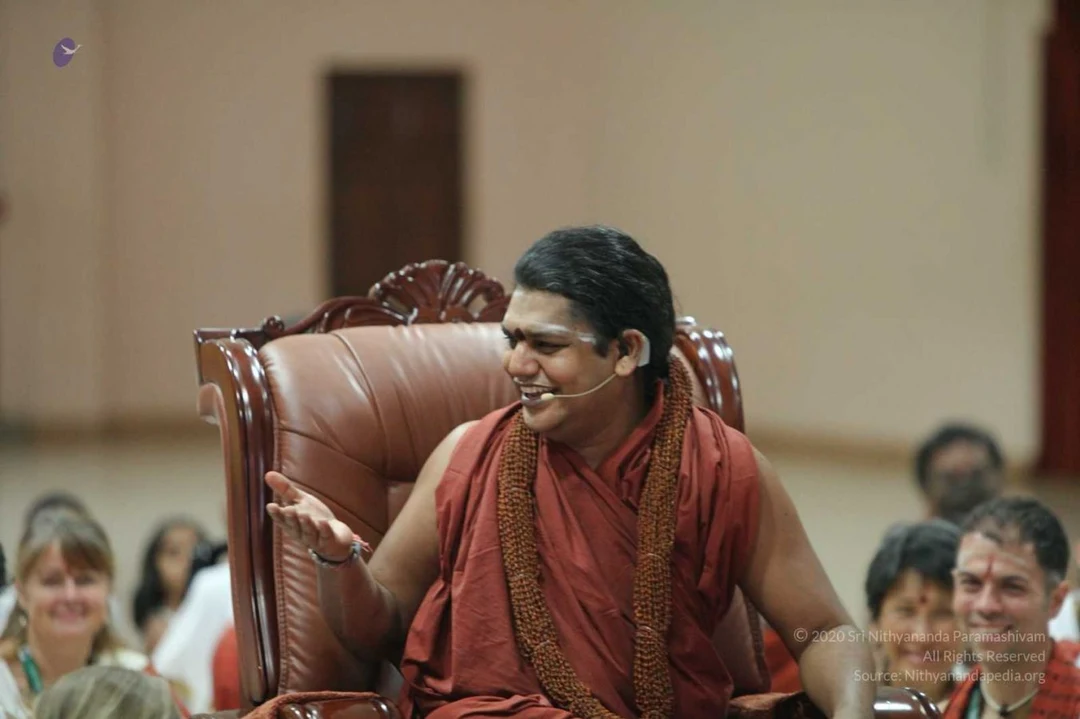
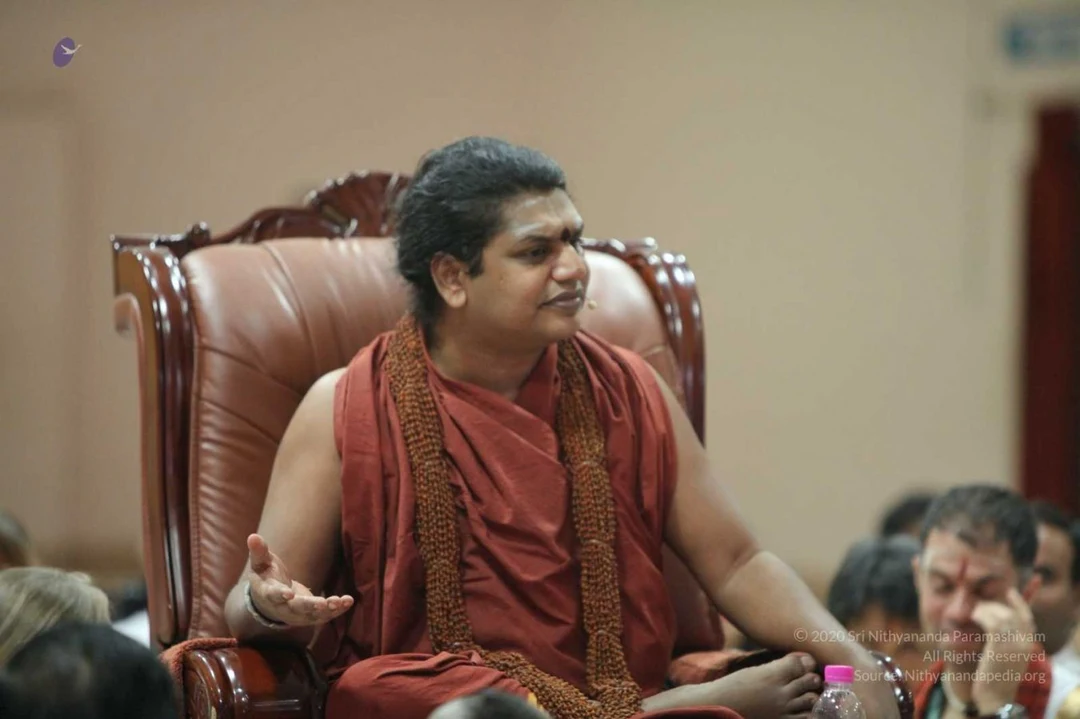
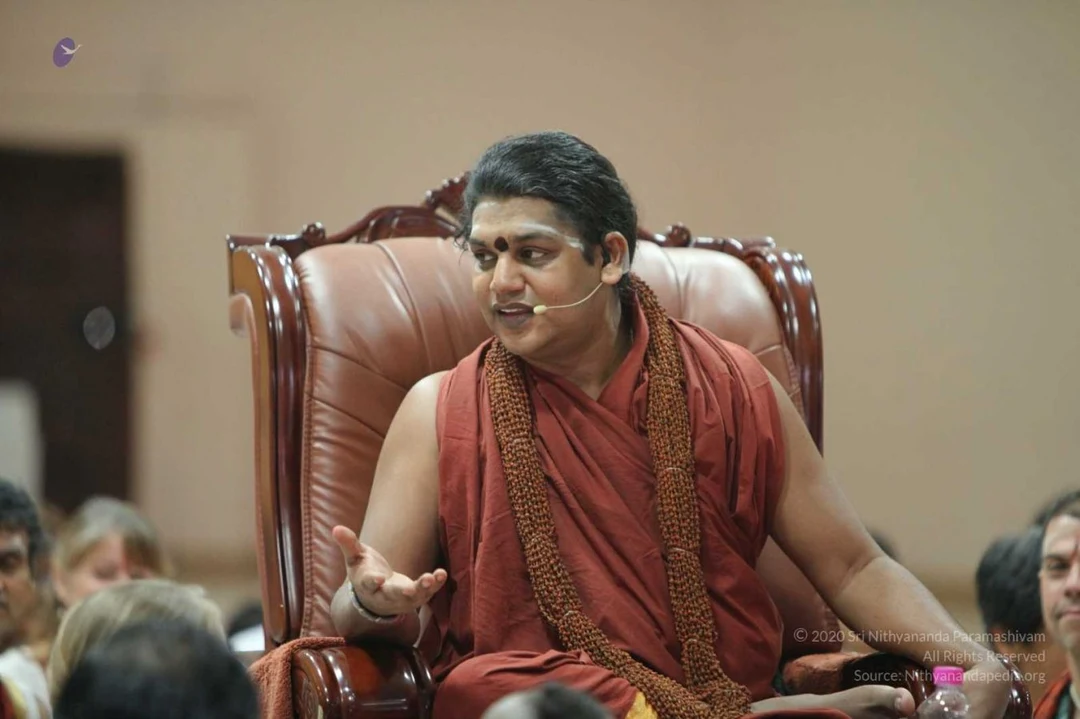
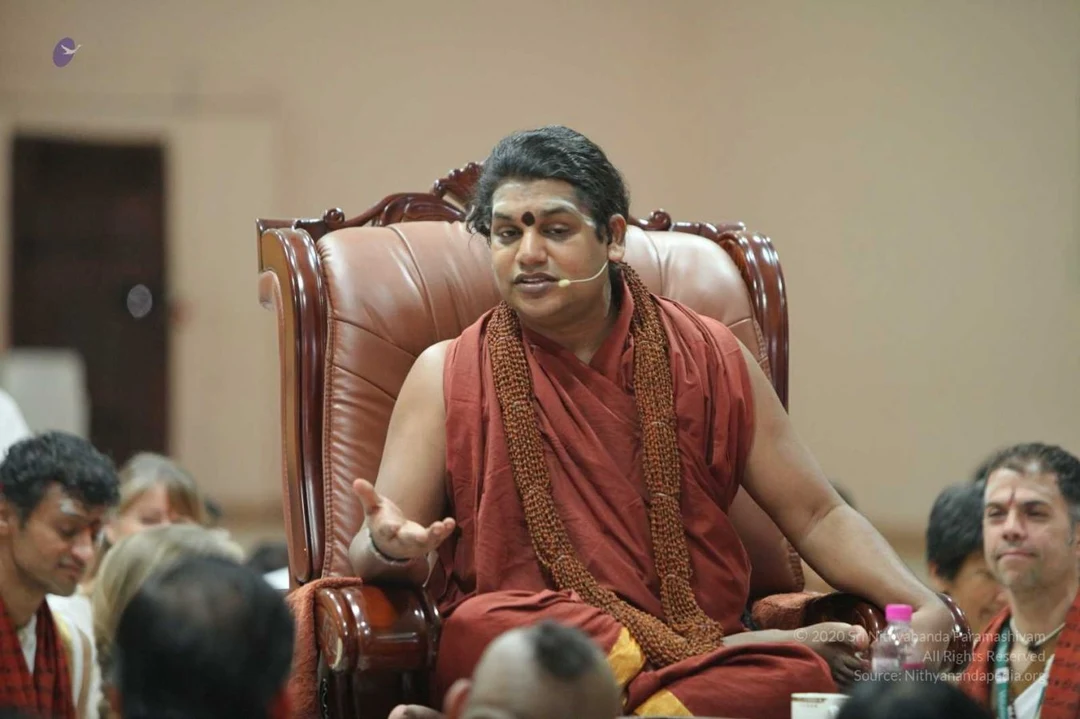
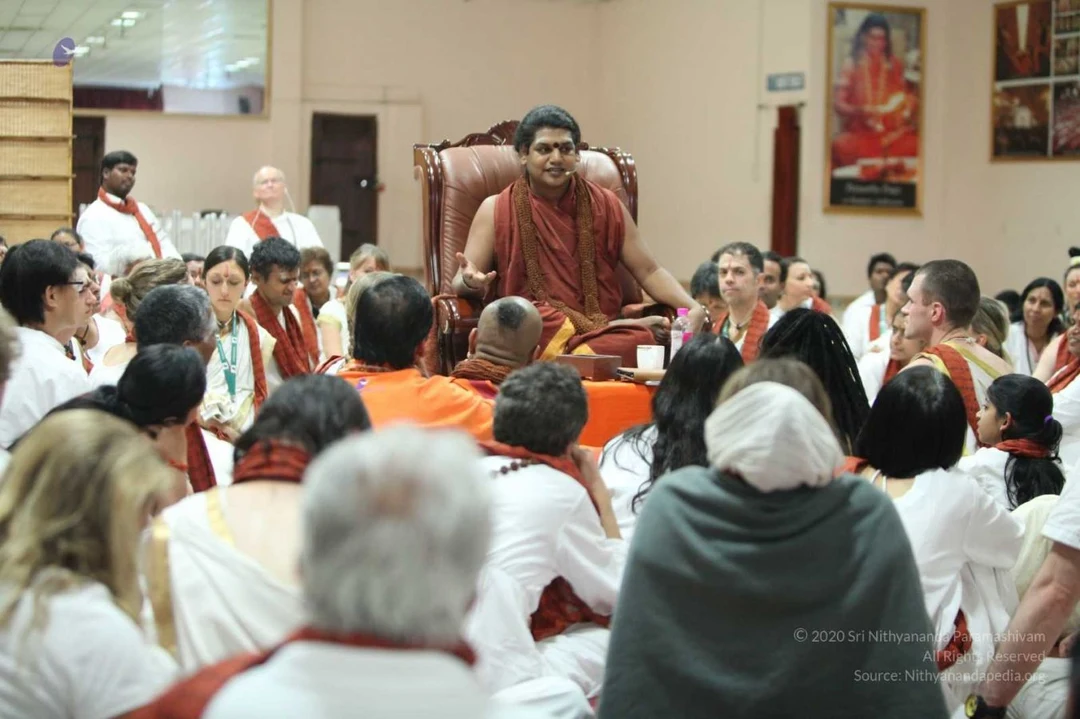
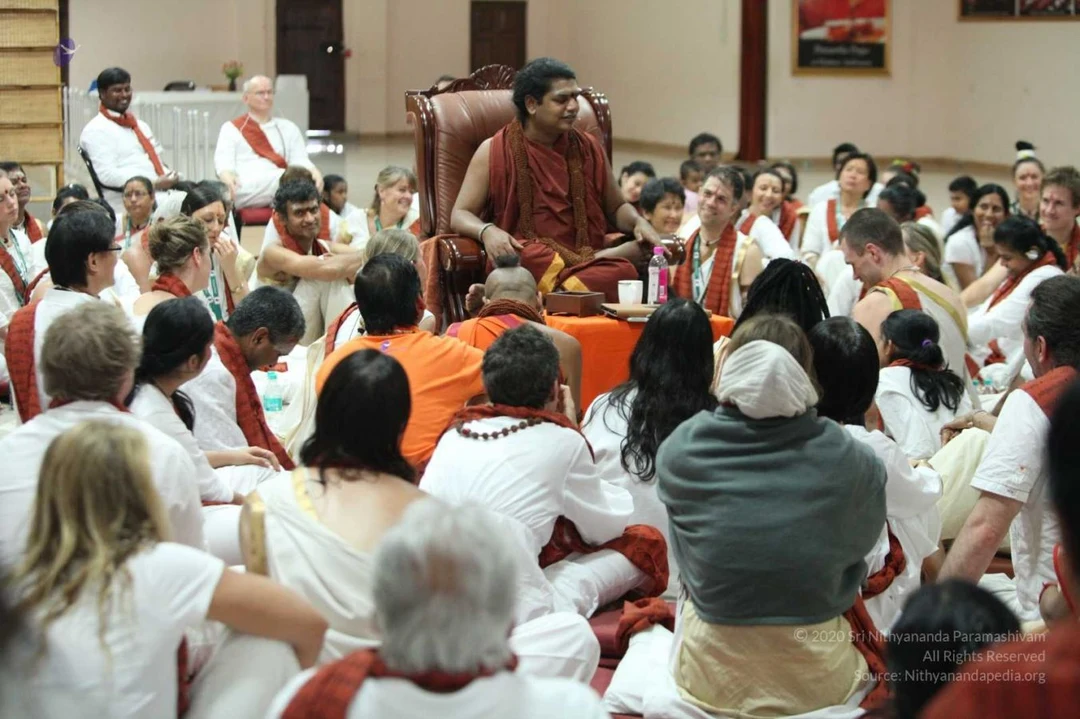
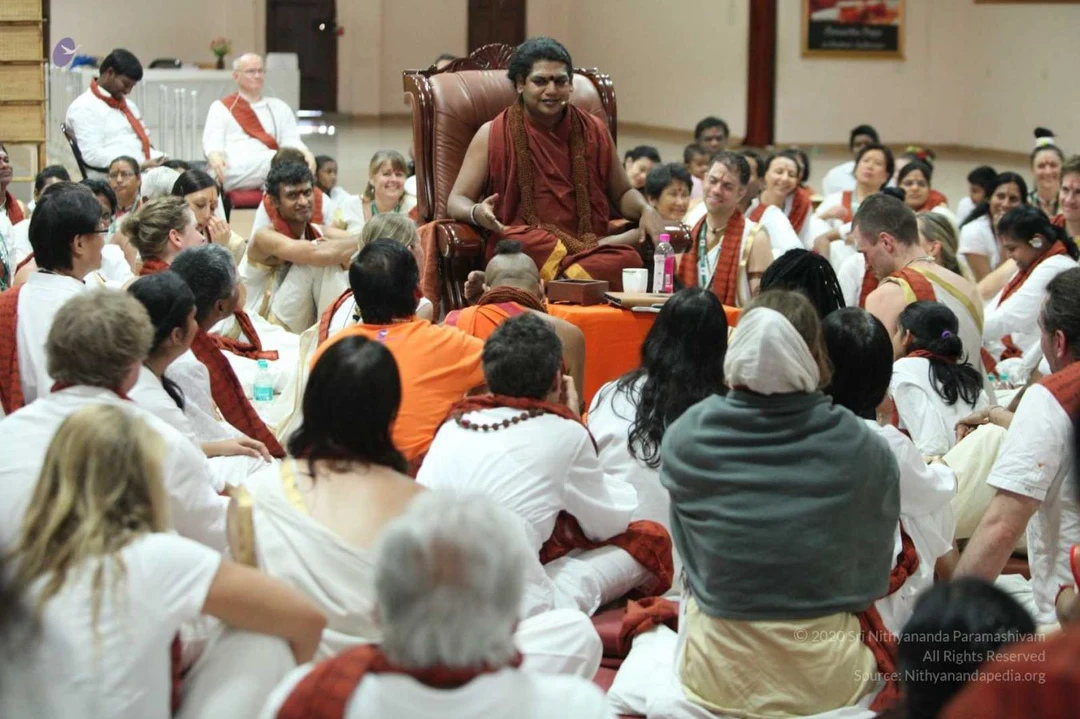
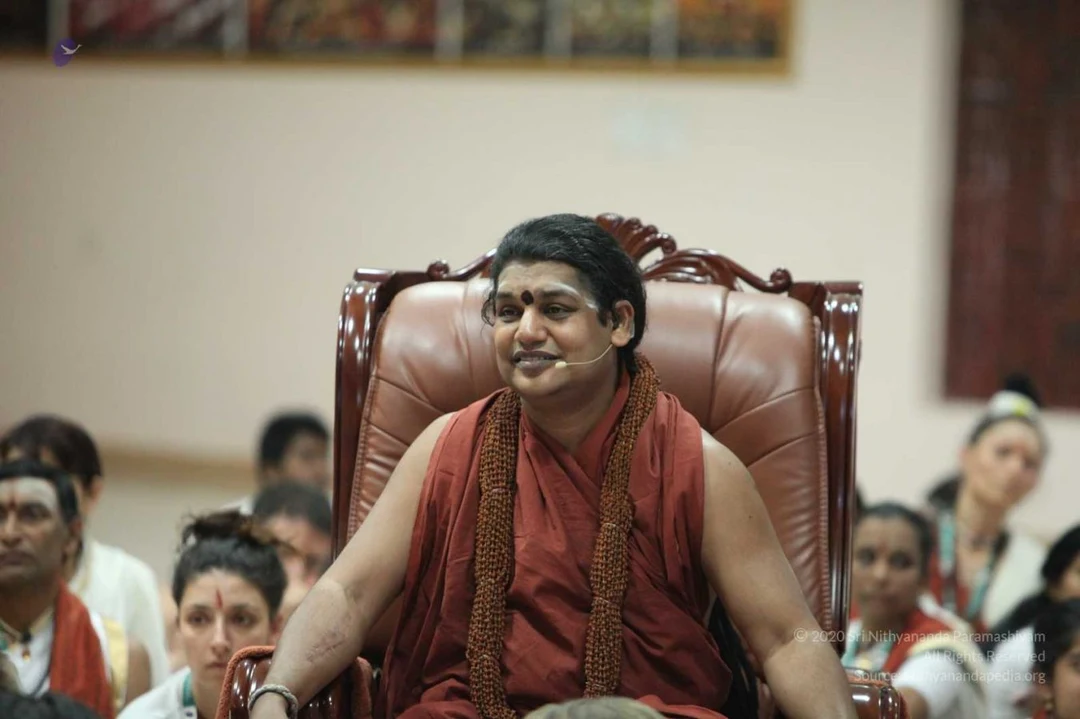
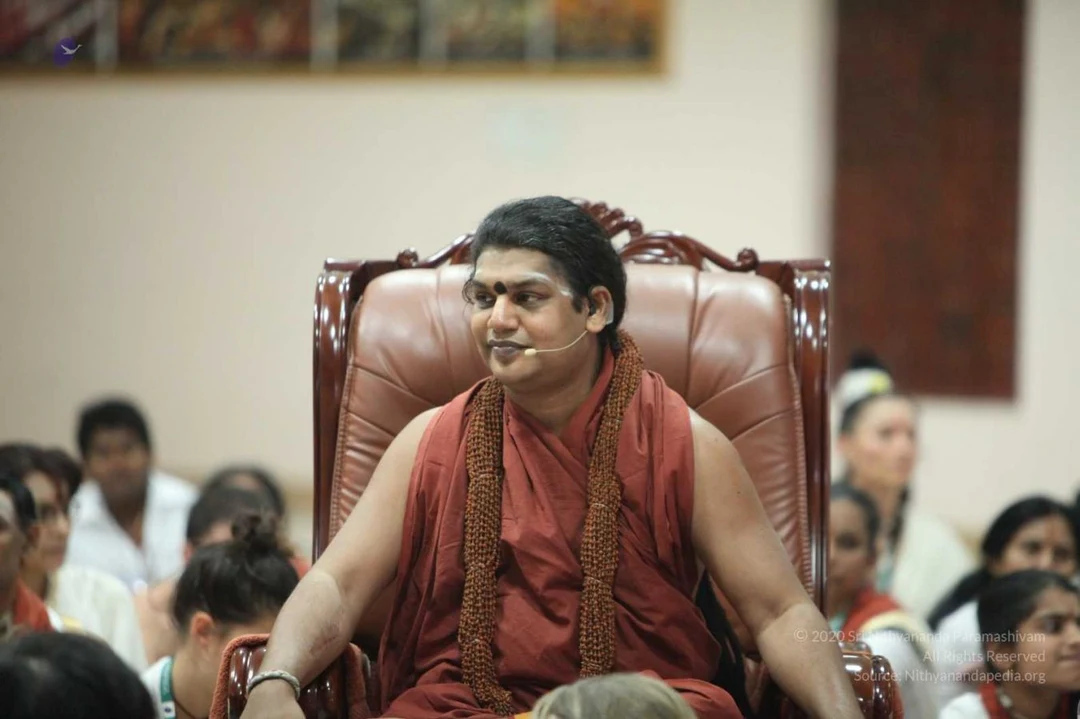
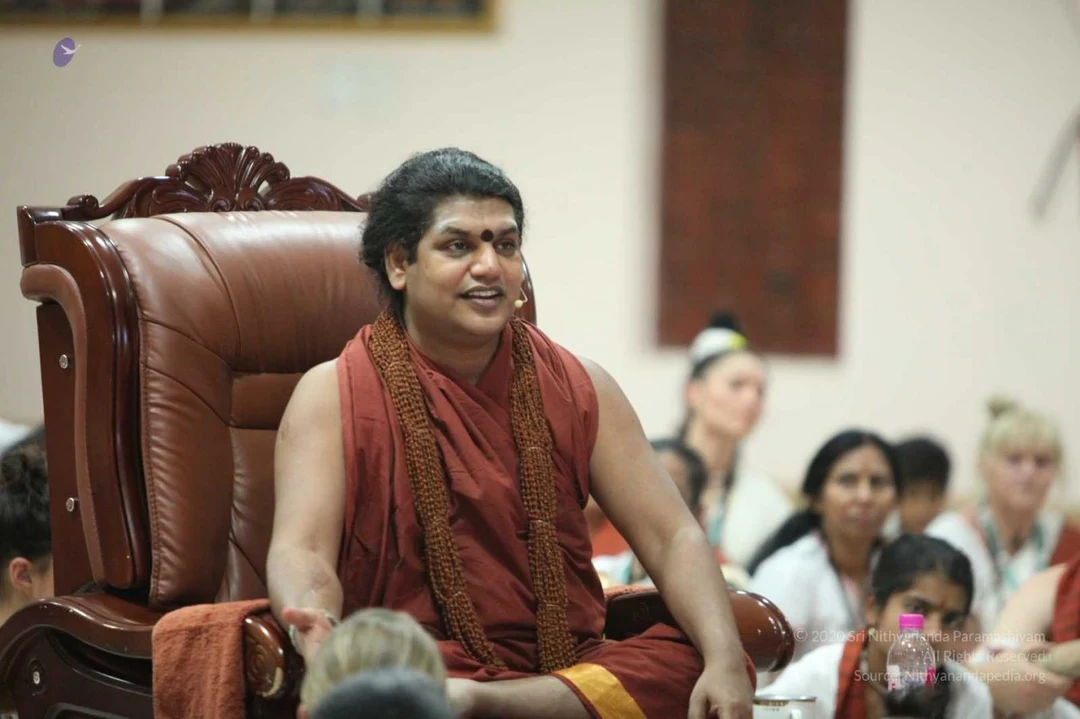
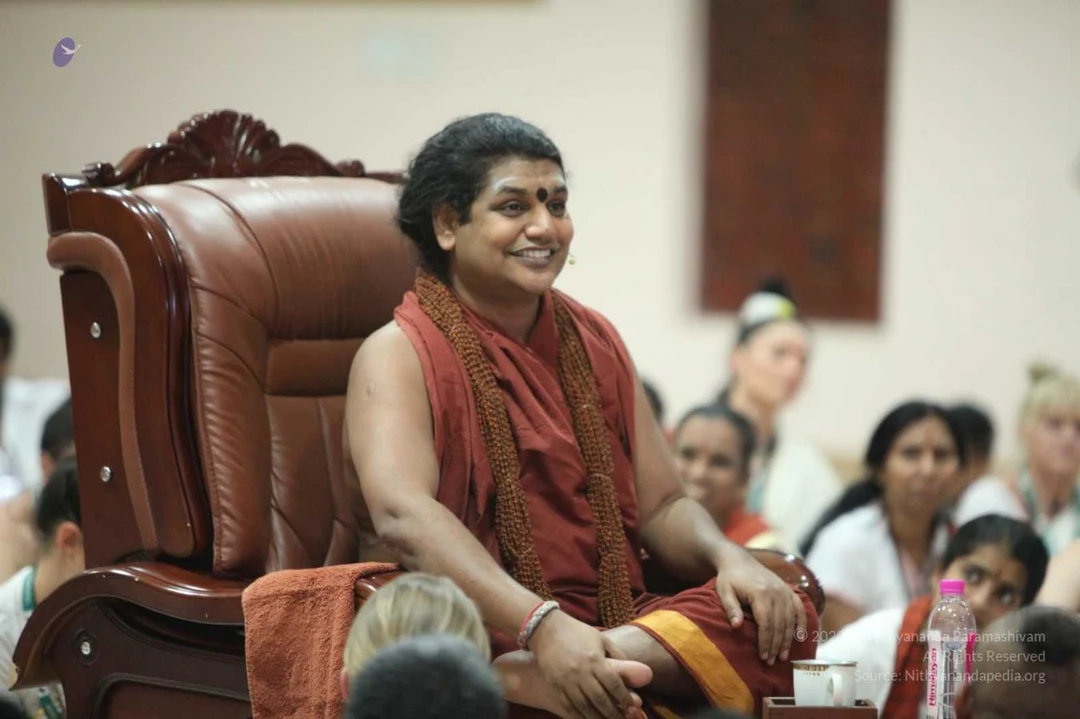
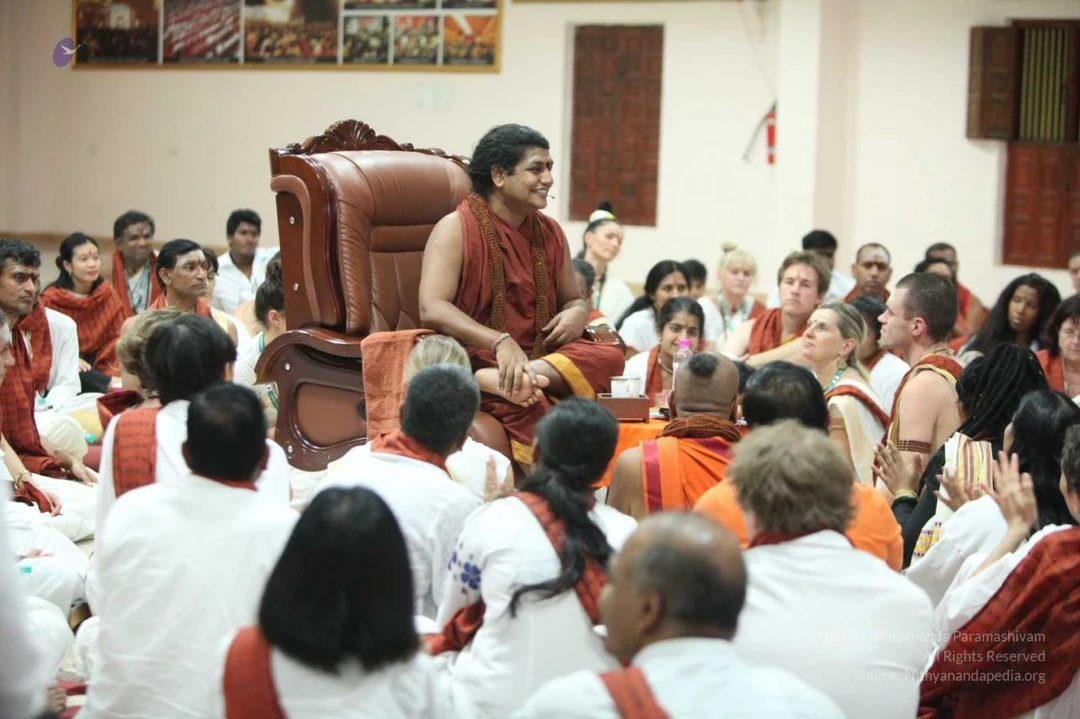
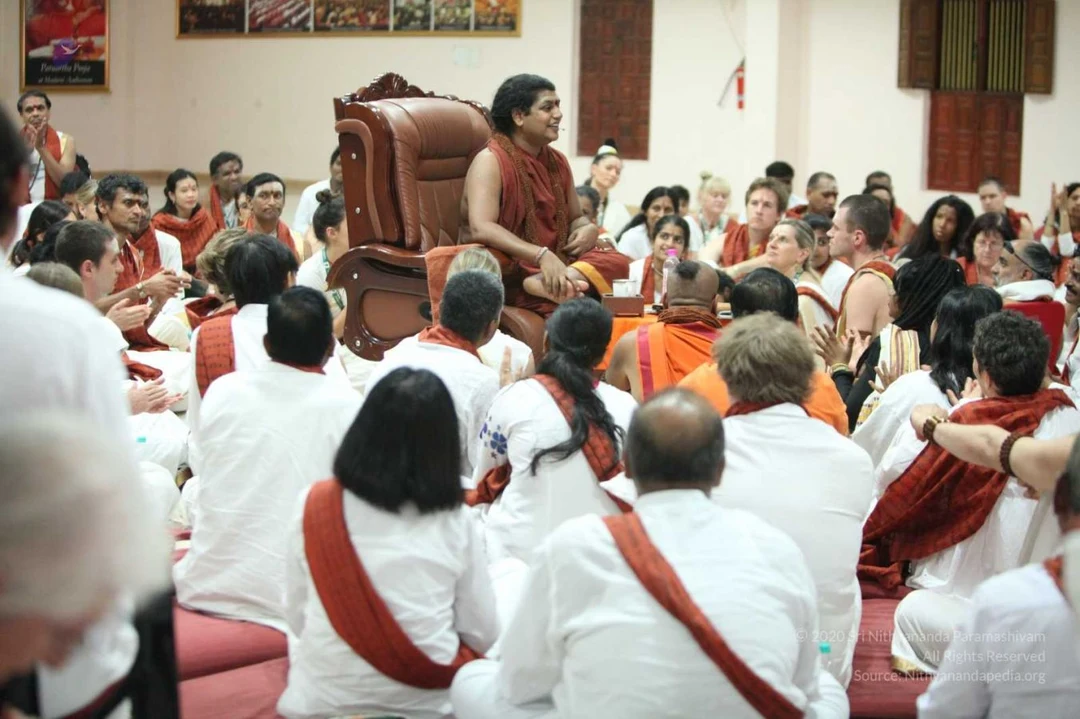
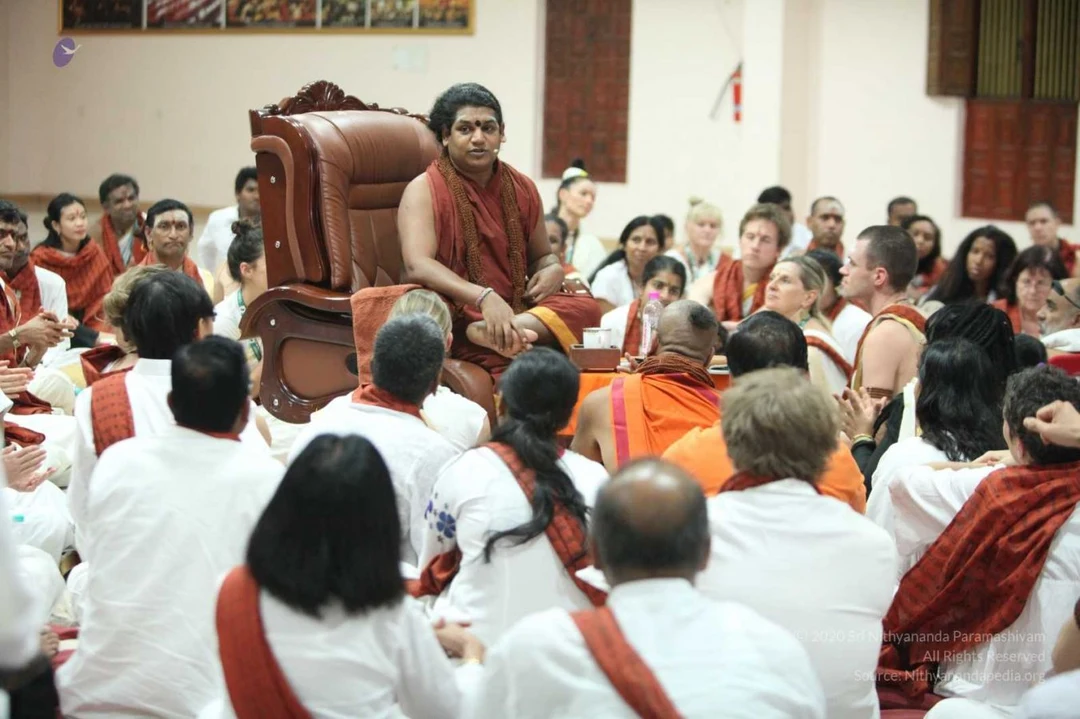
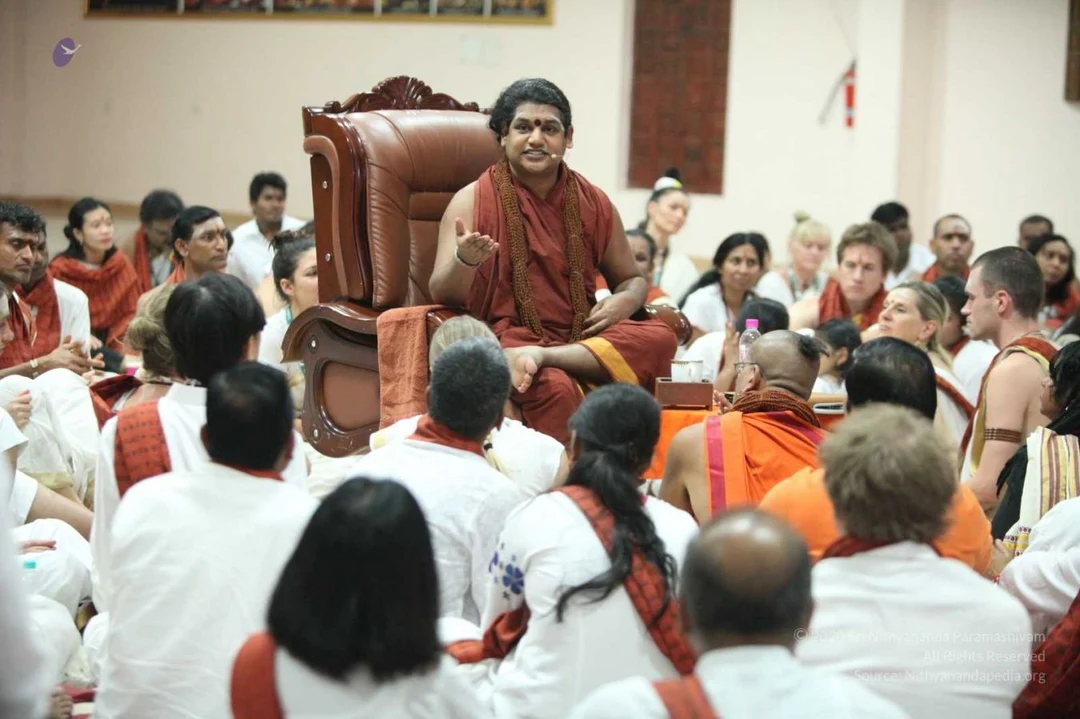
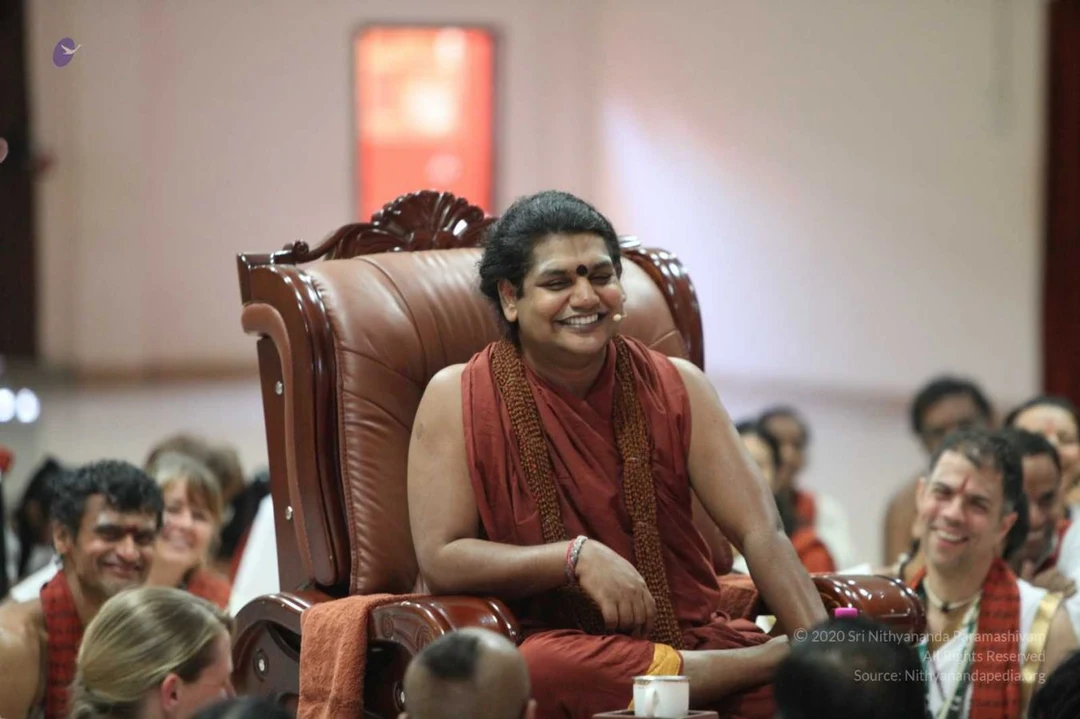
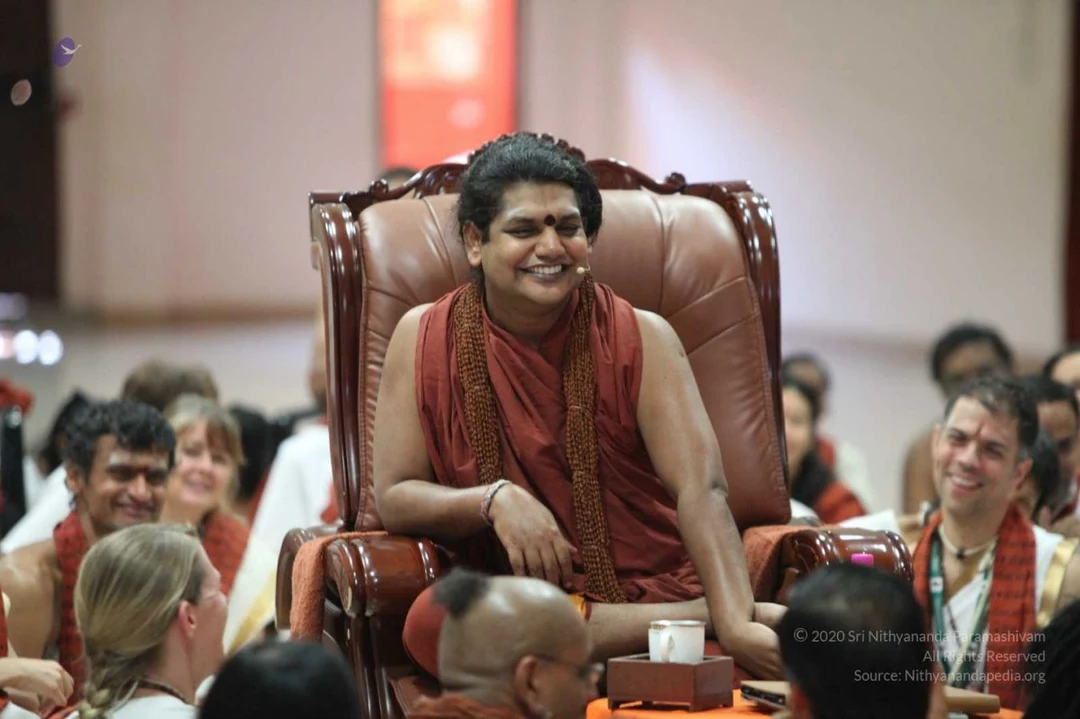
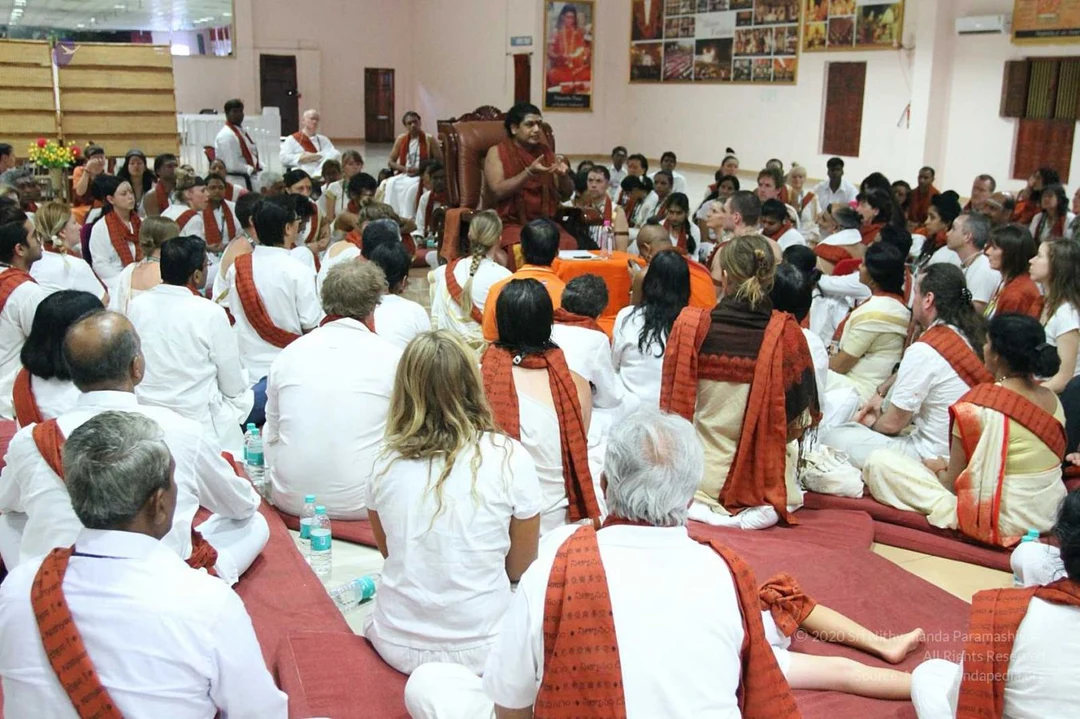
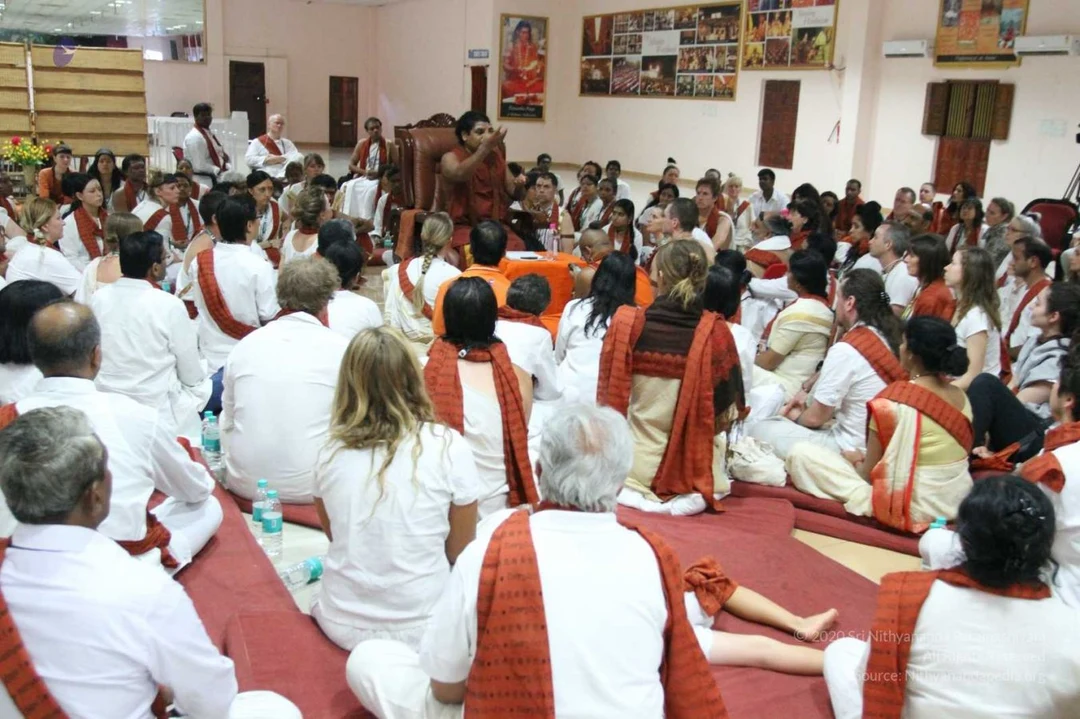
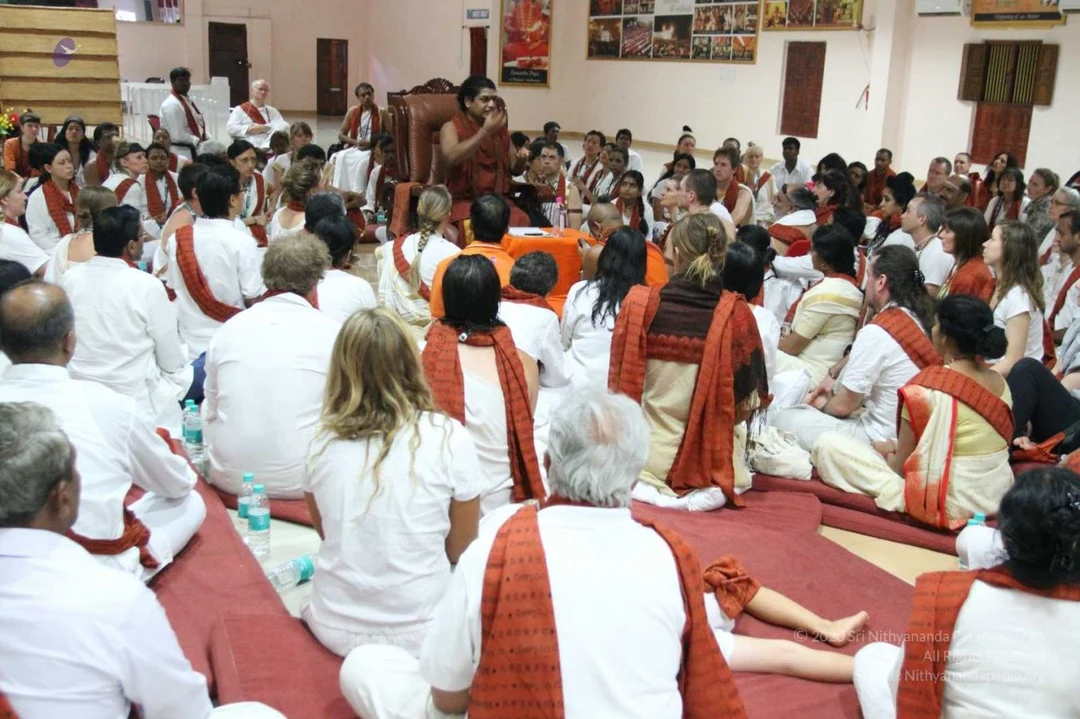
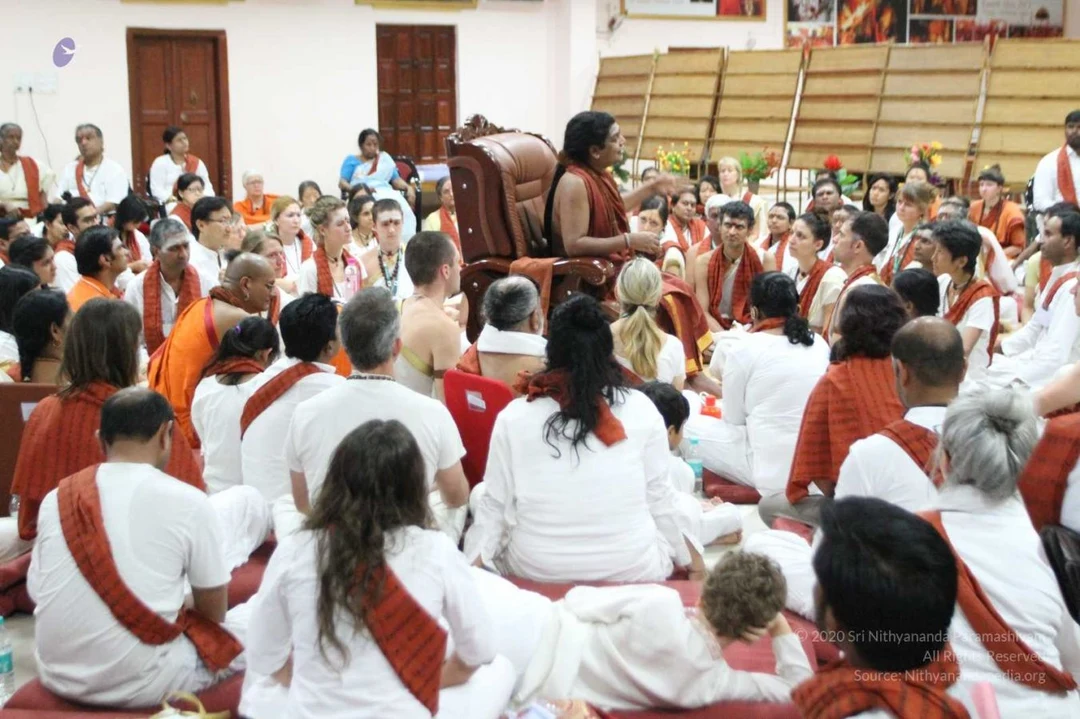
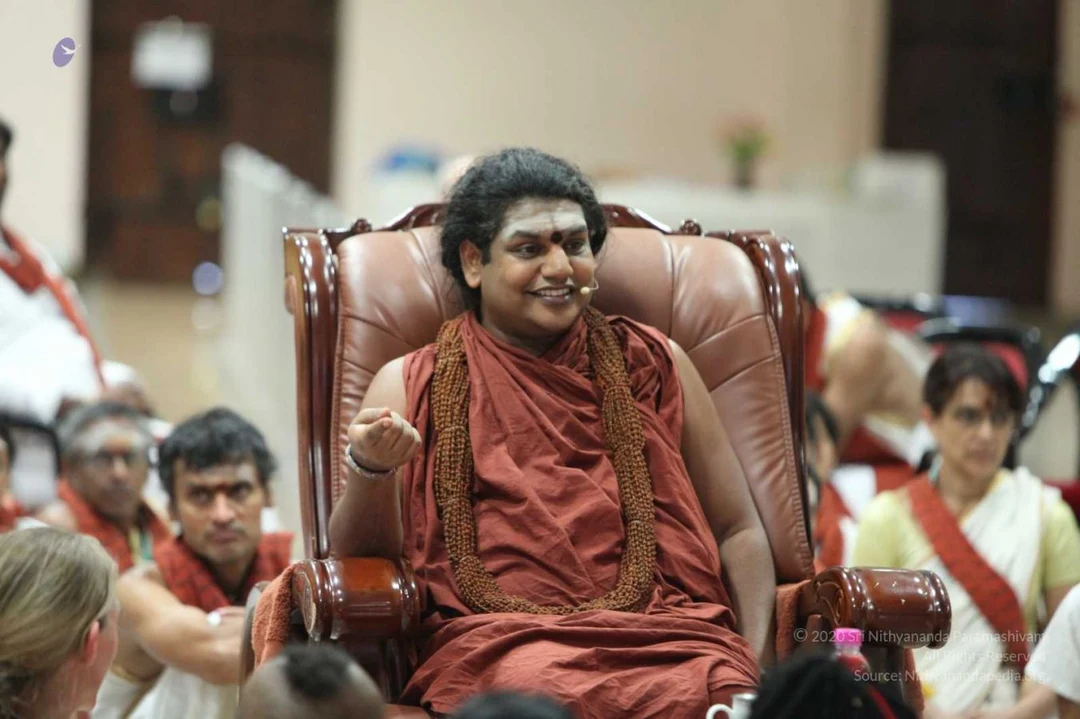
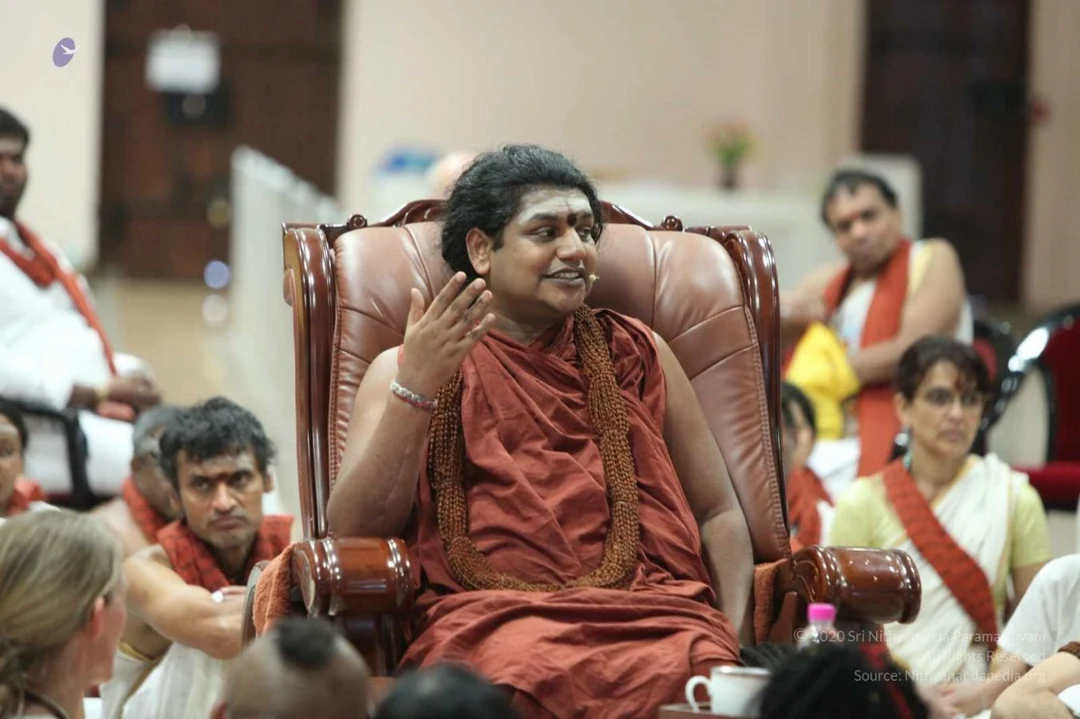
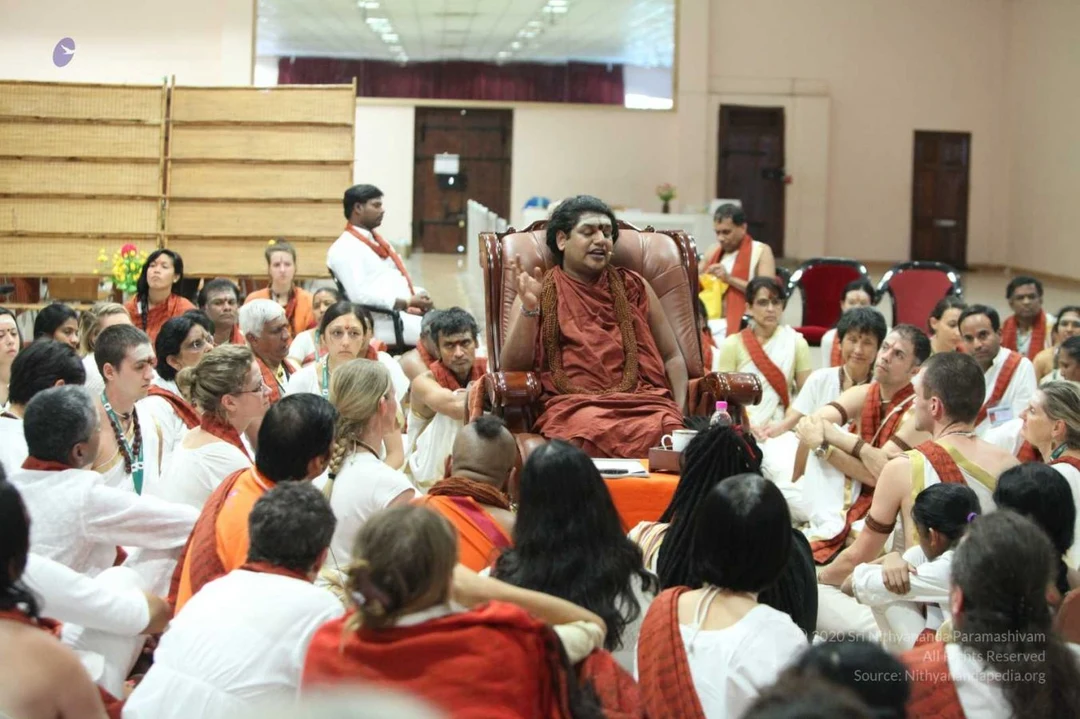
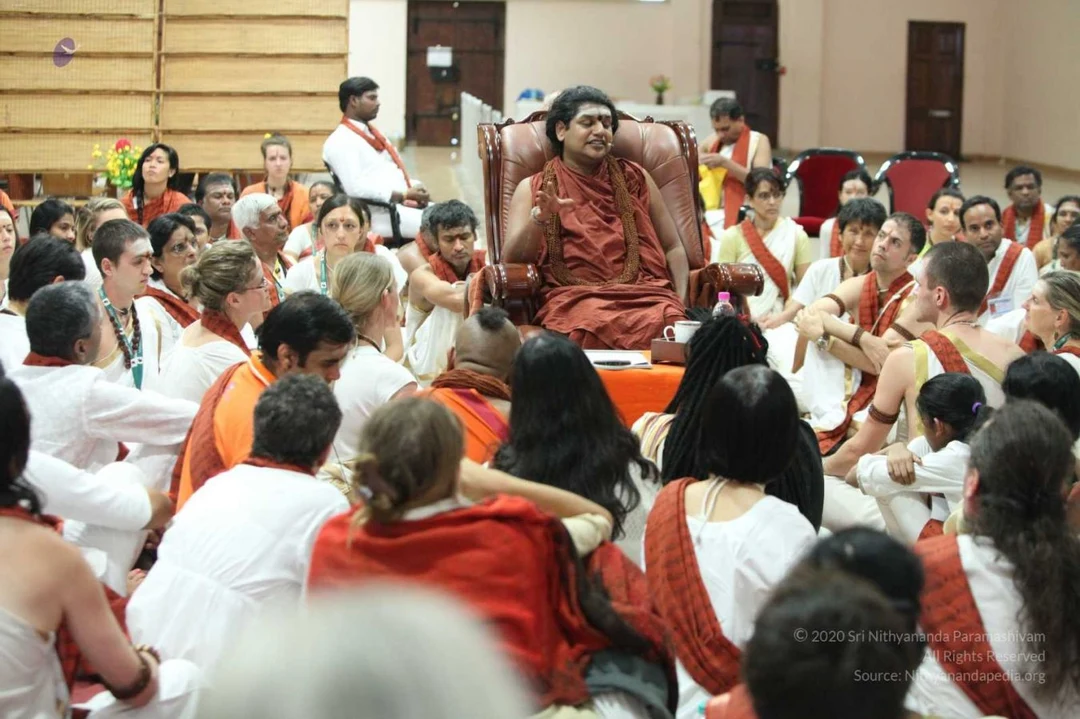
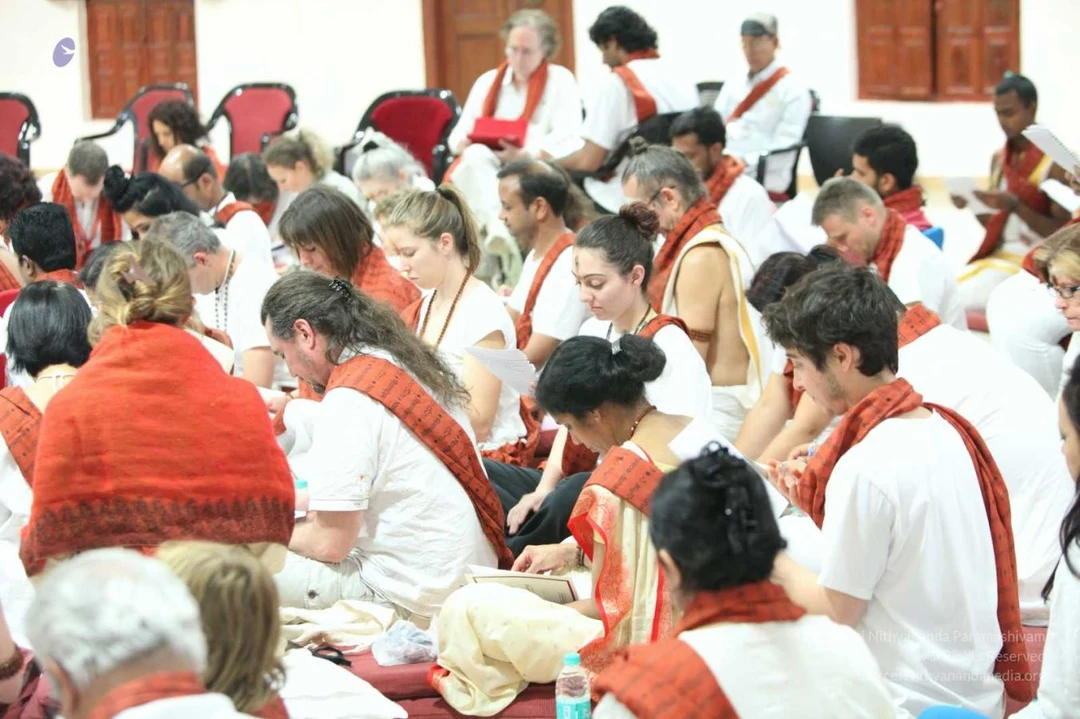
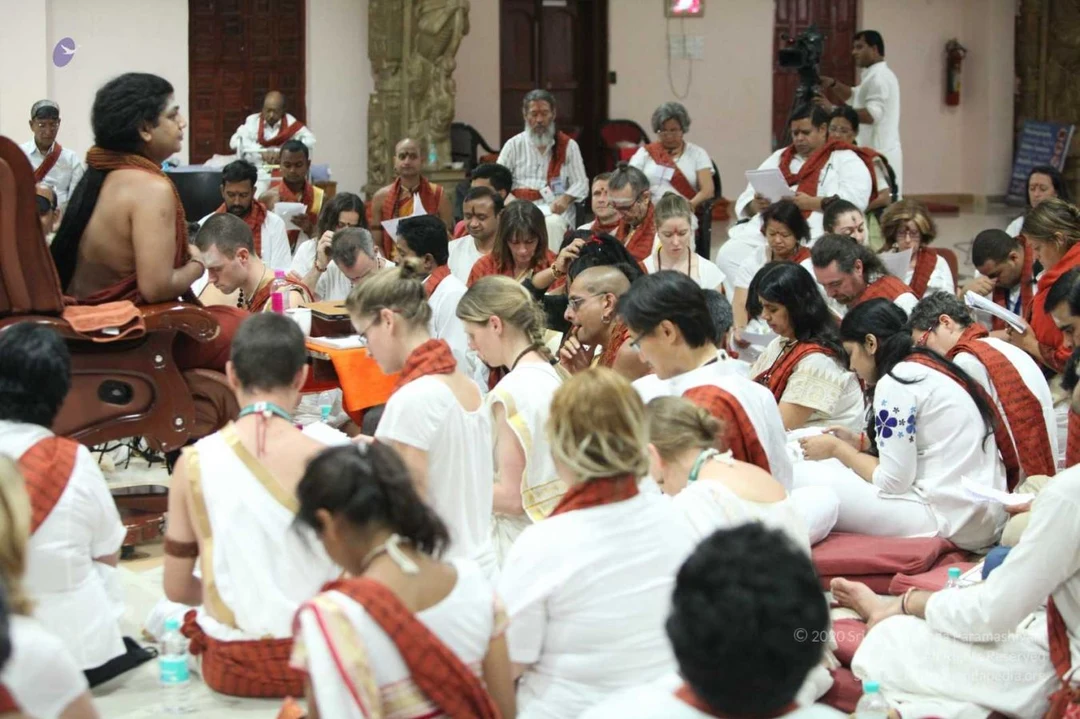
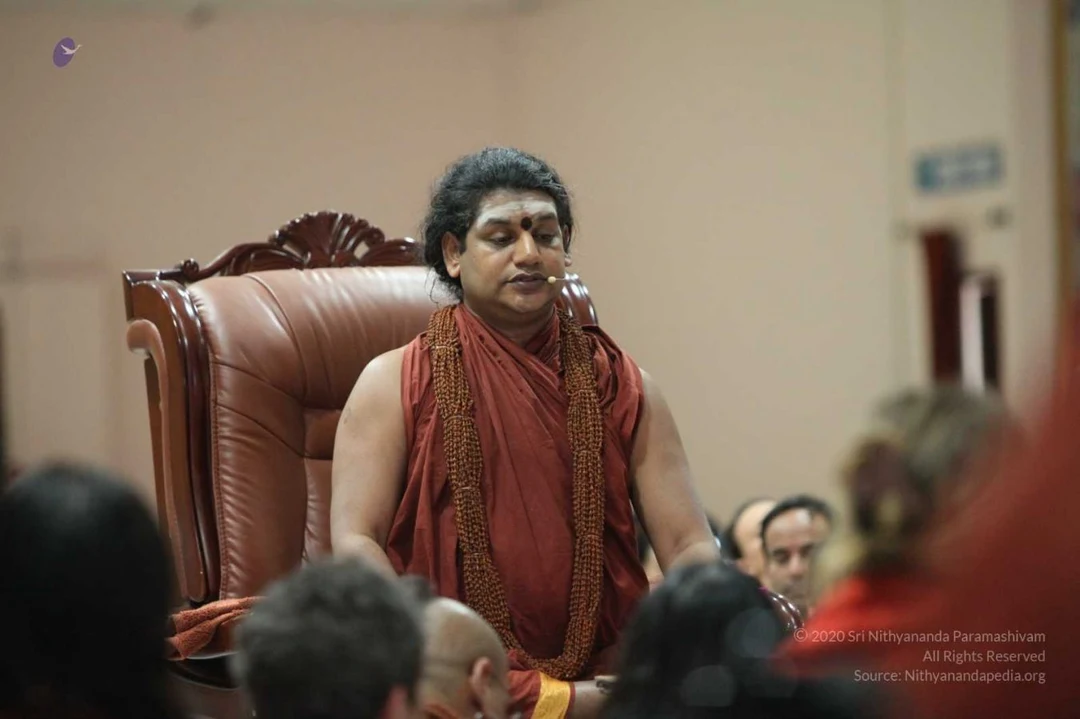
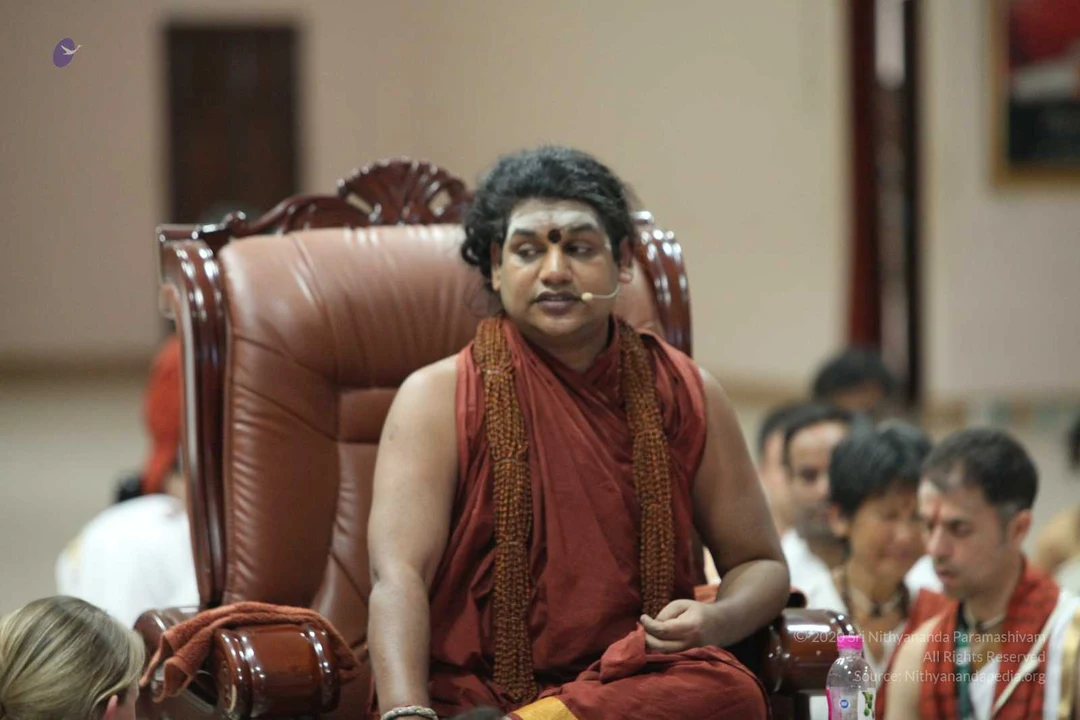
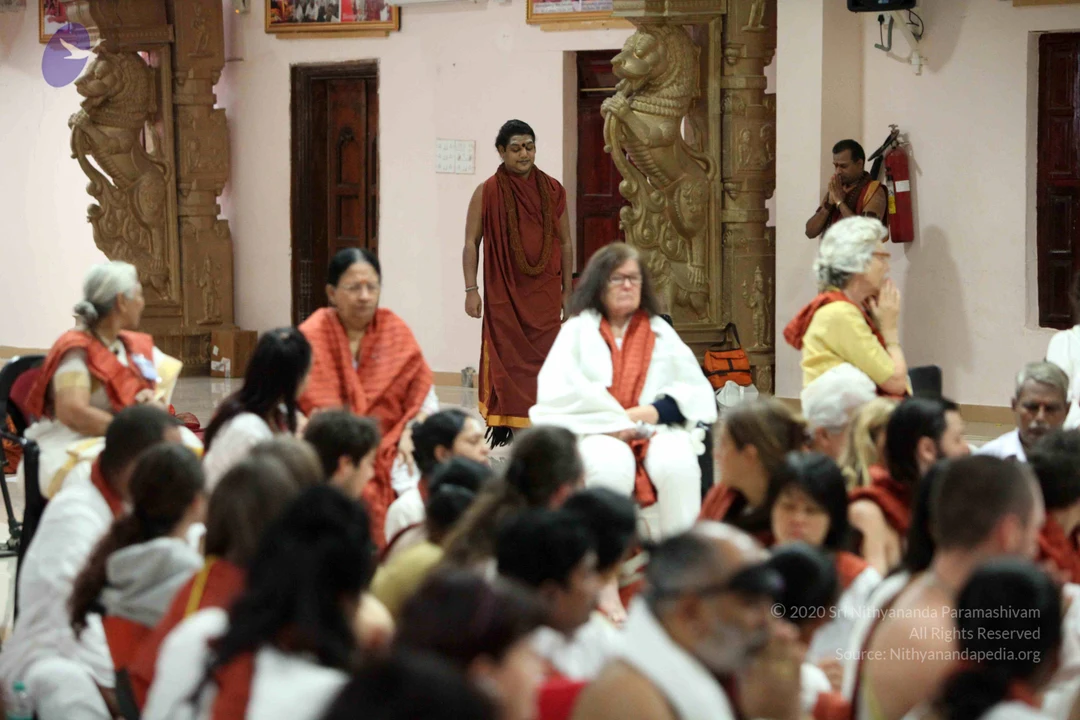
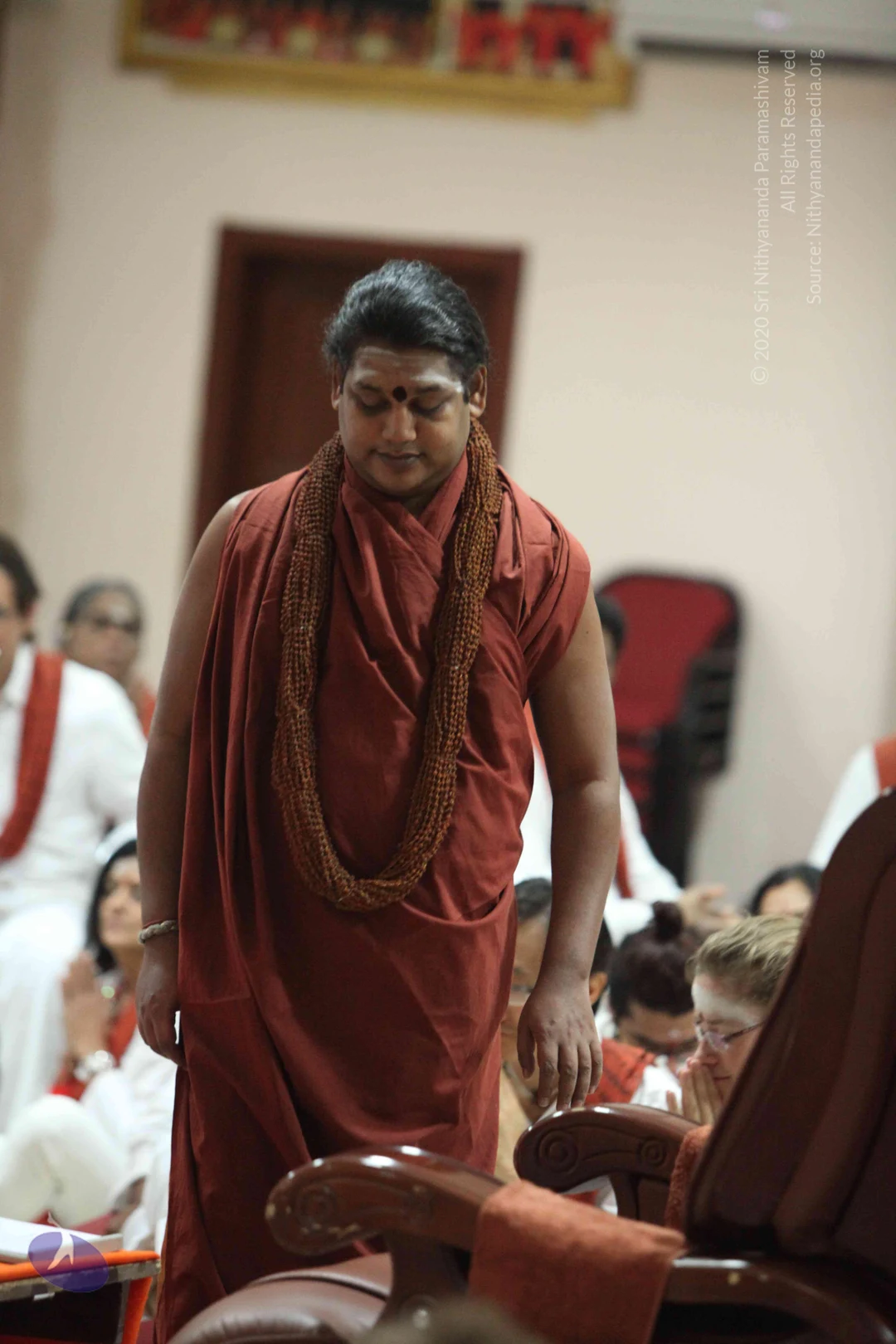
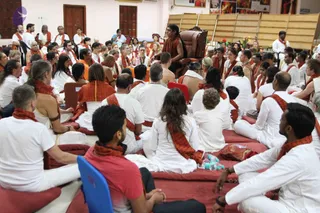
Mandala Process
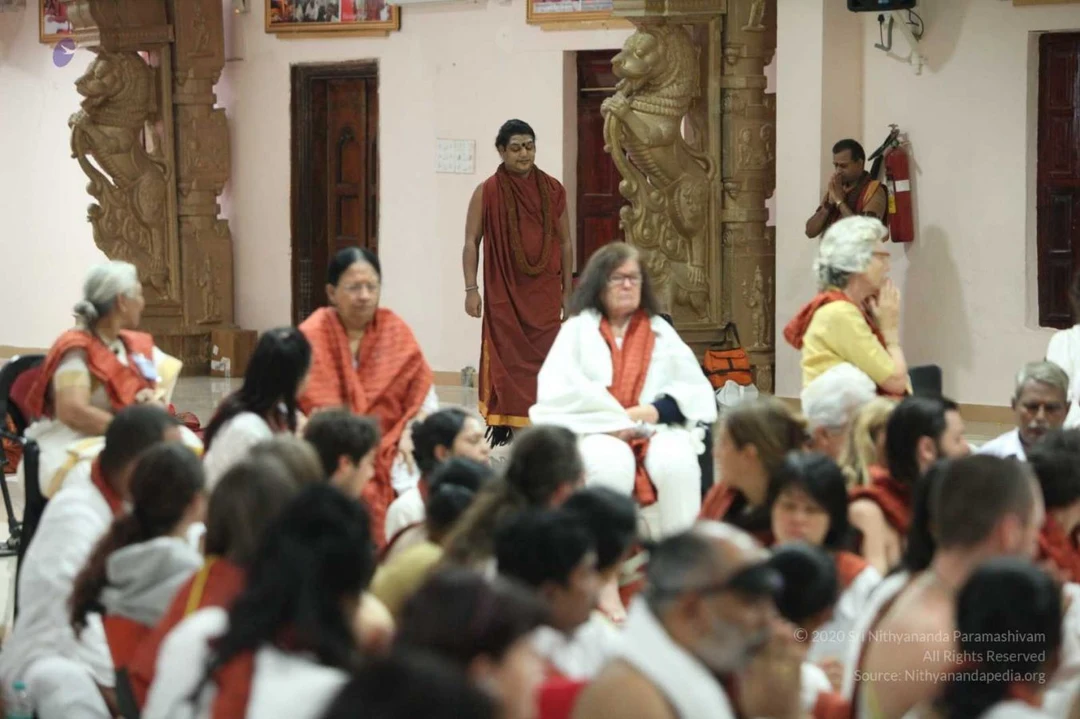
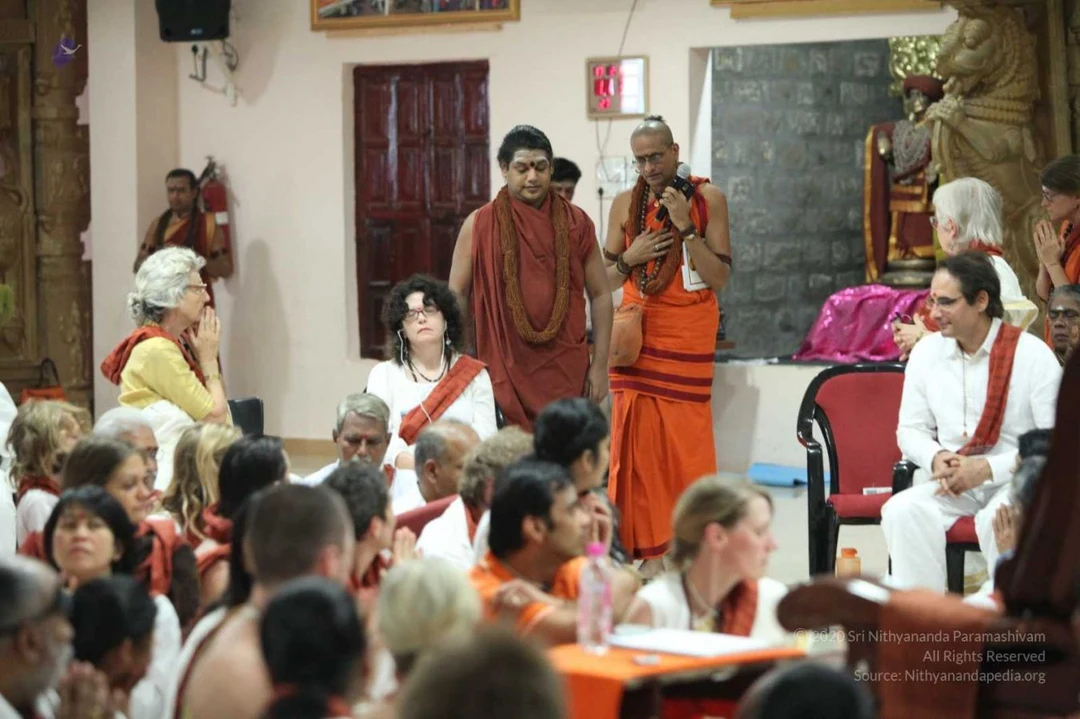
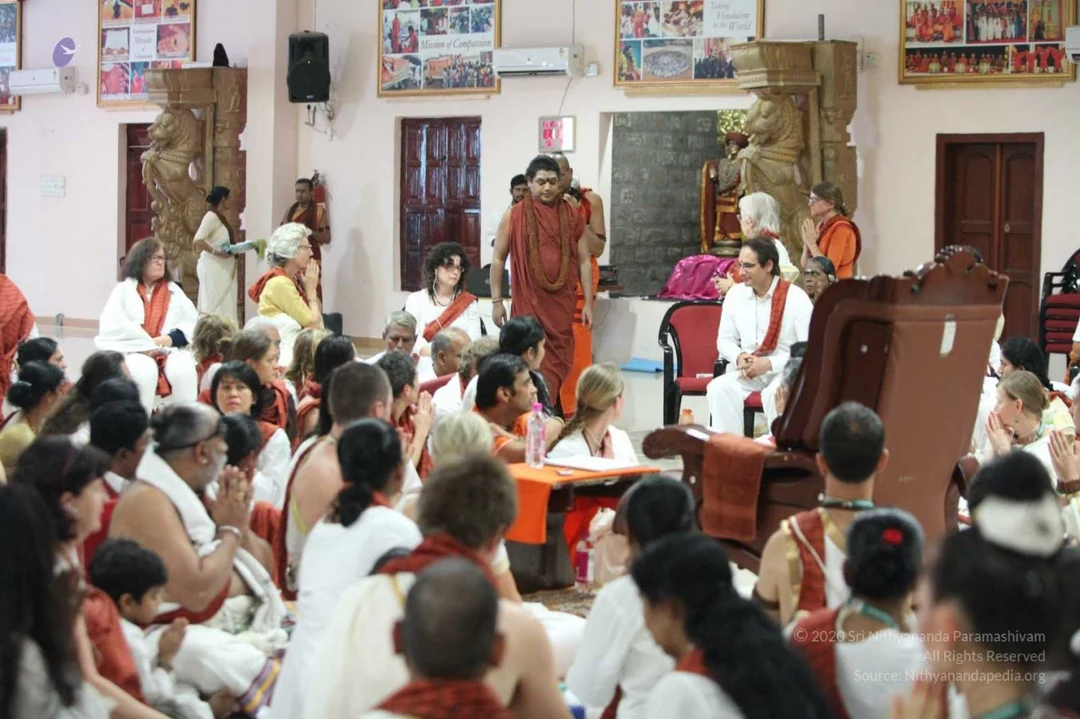
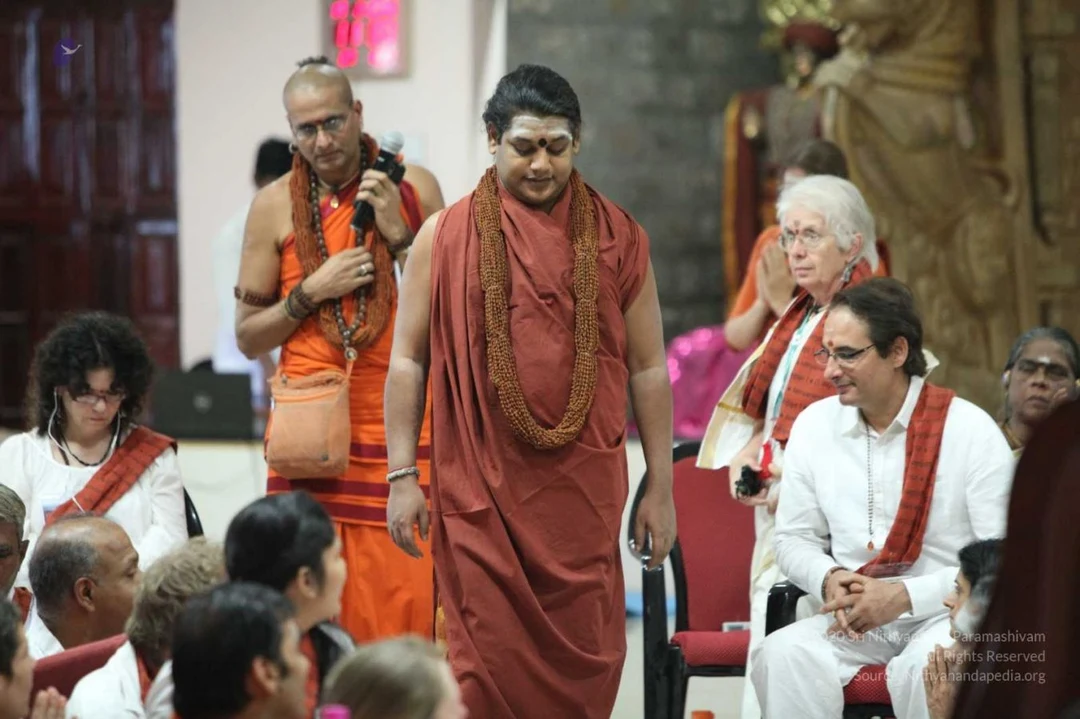
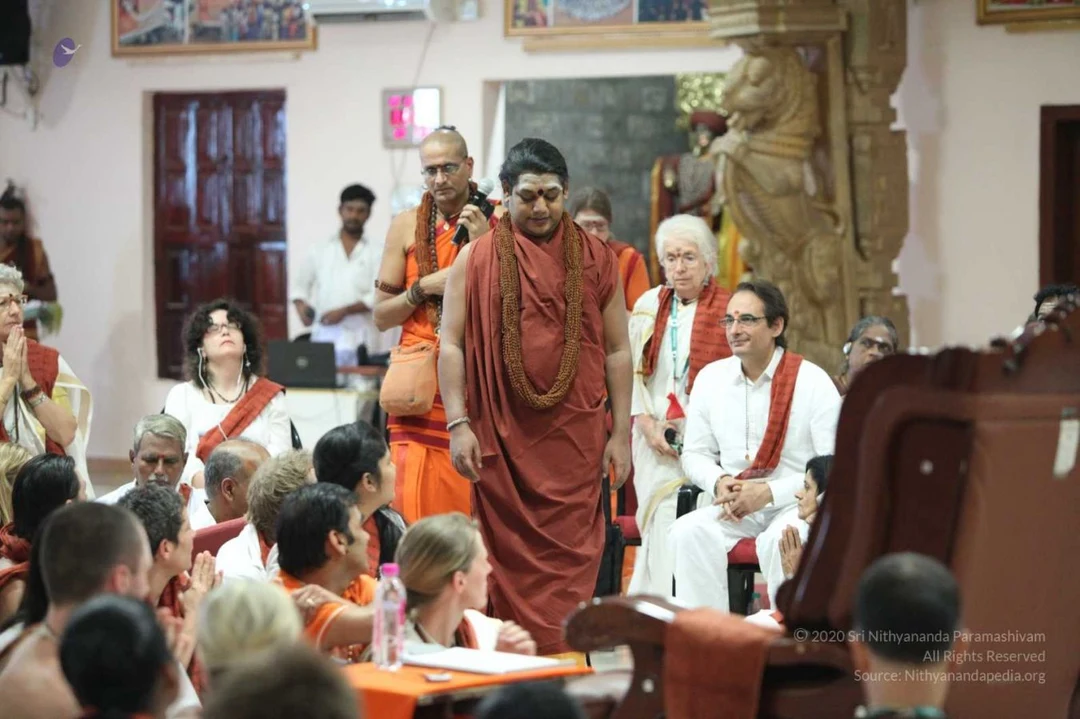
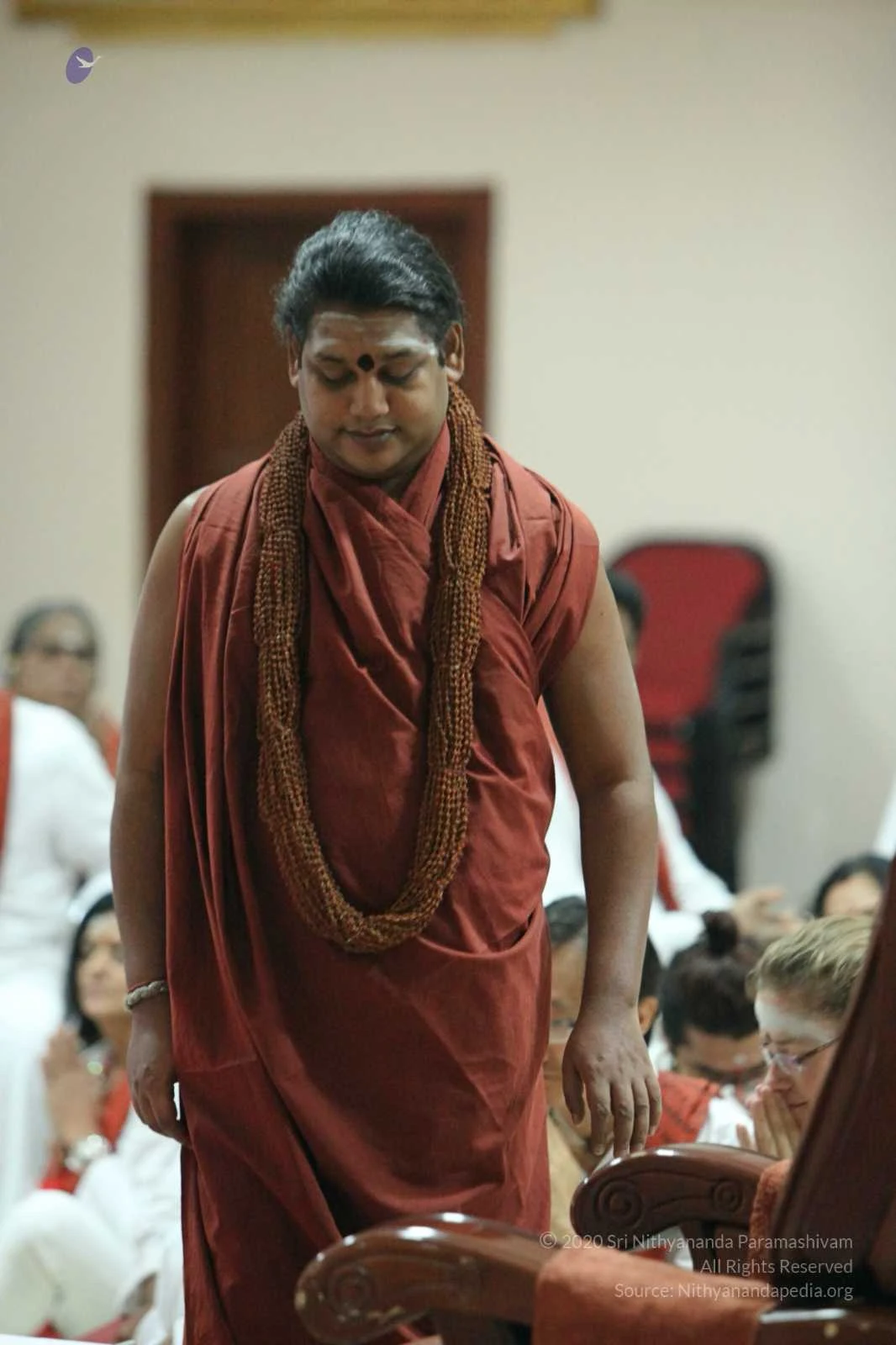

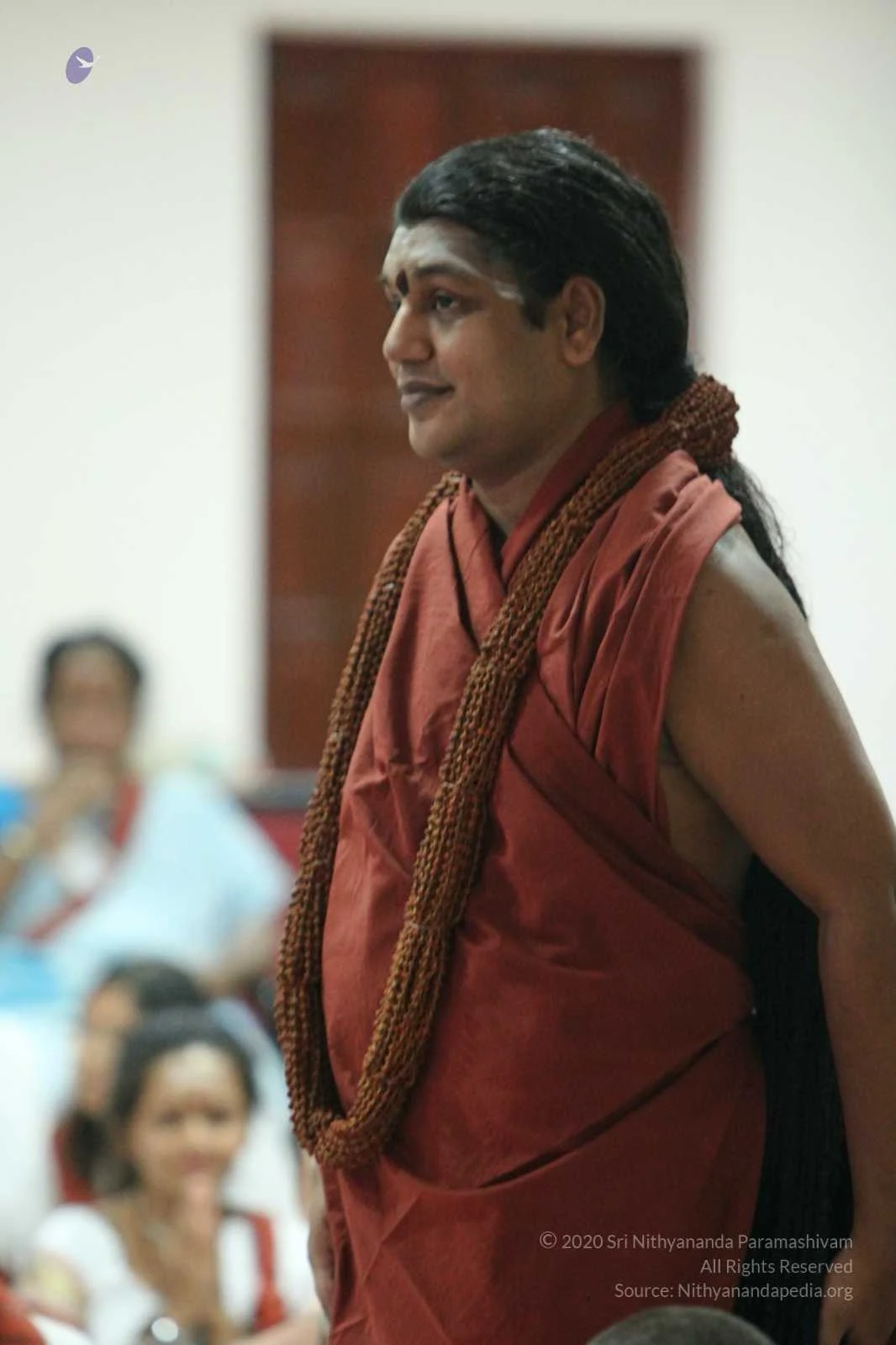
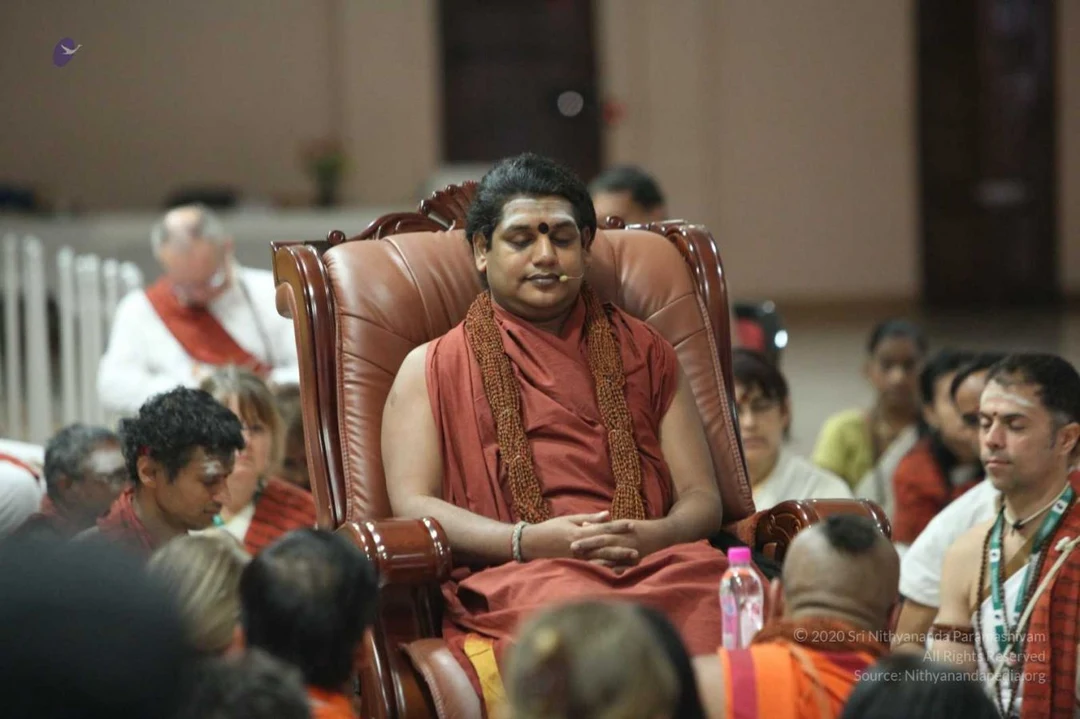
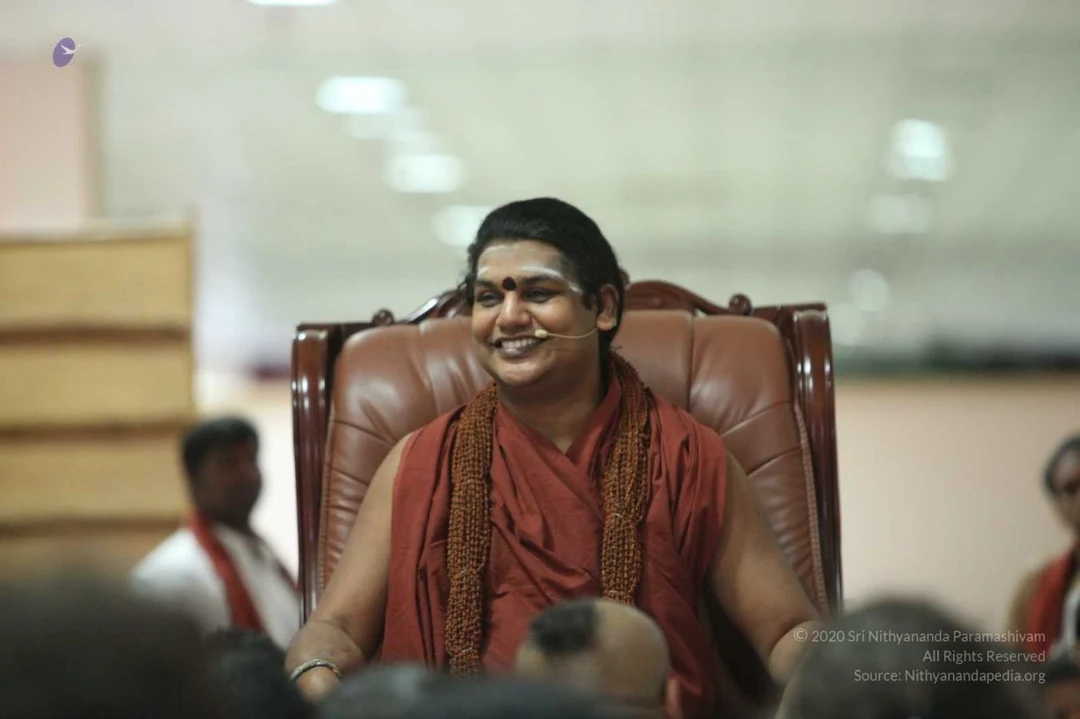
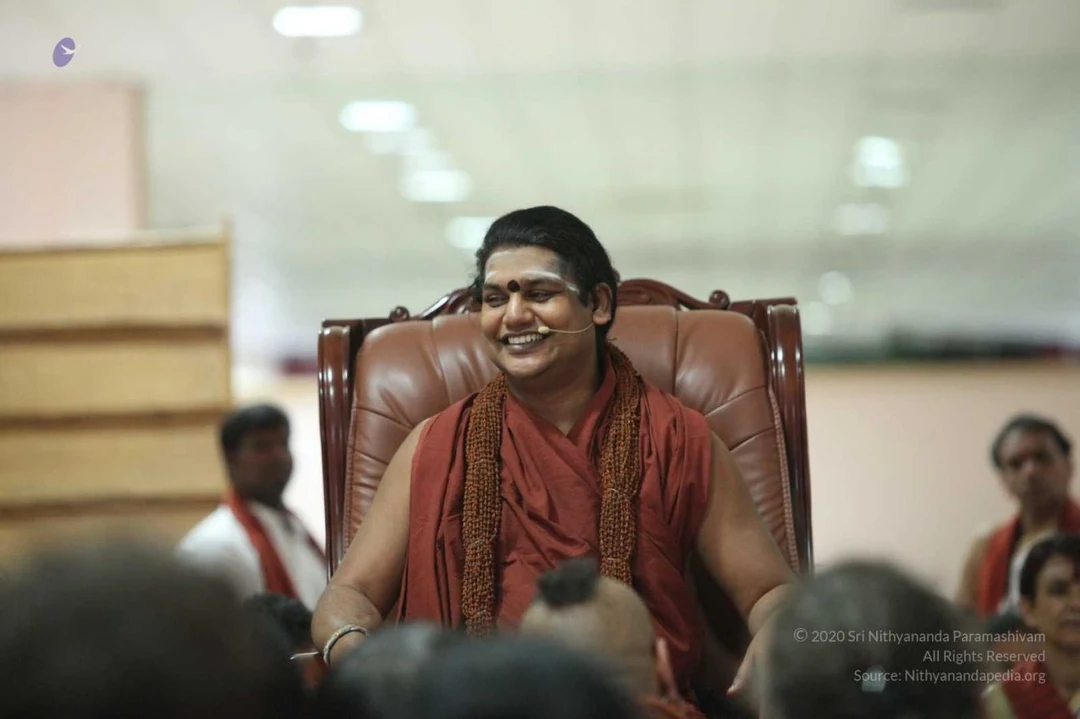
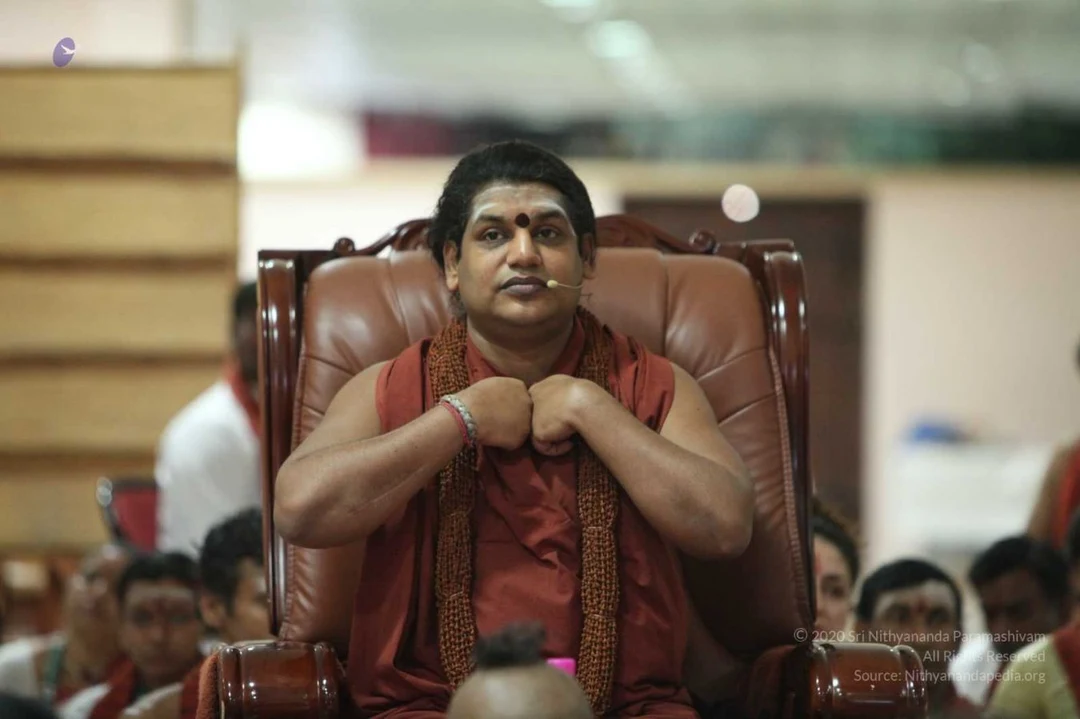
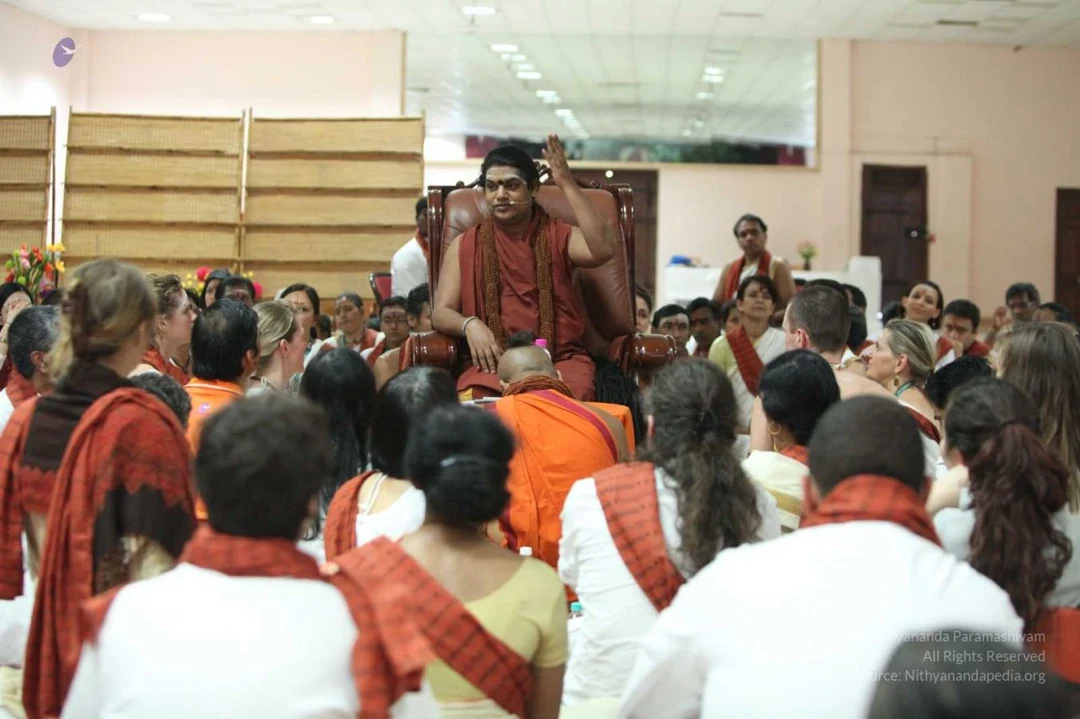
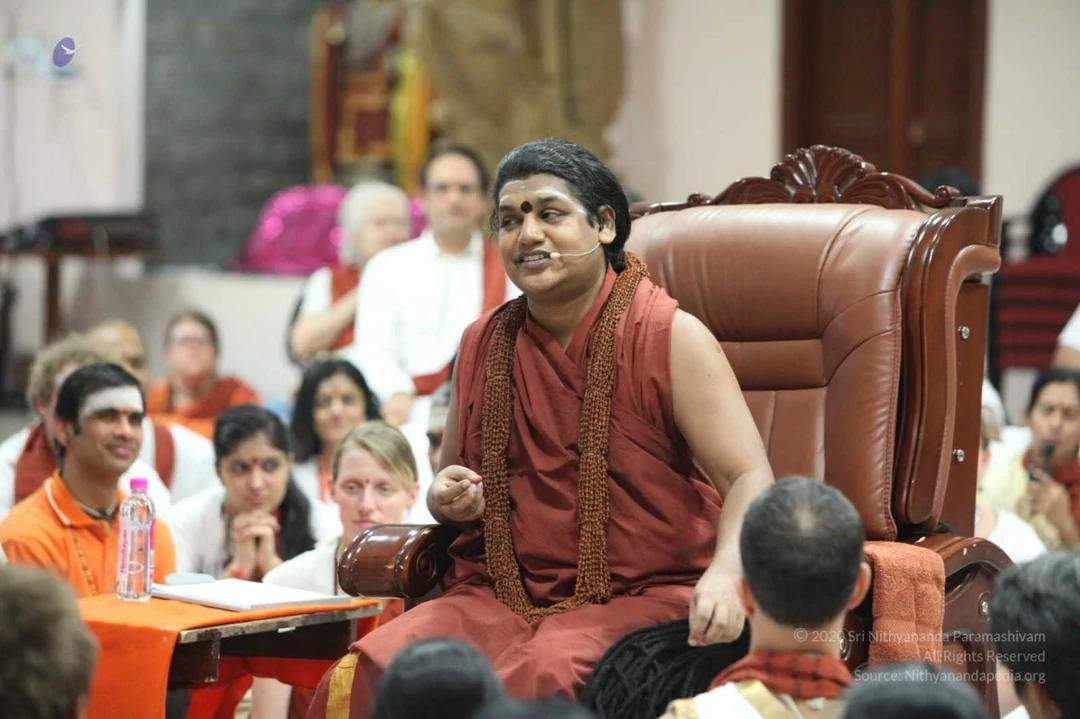
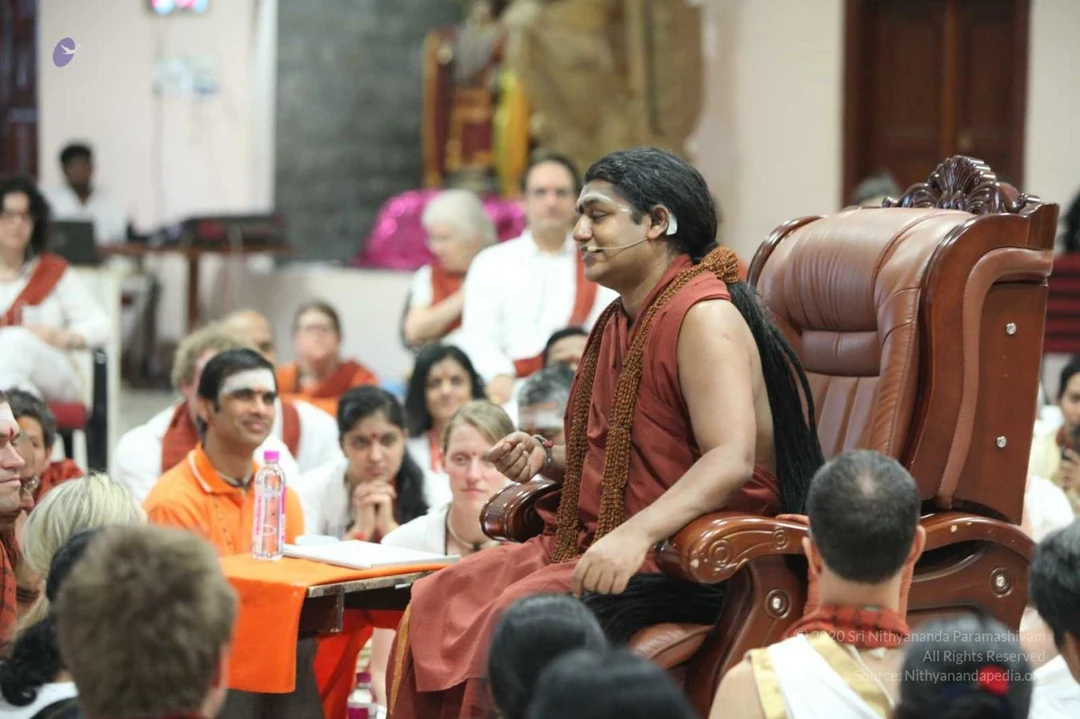
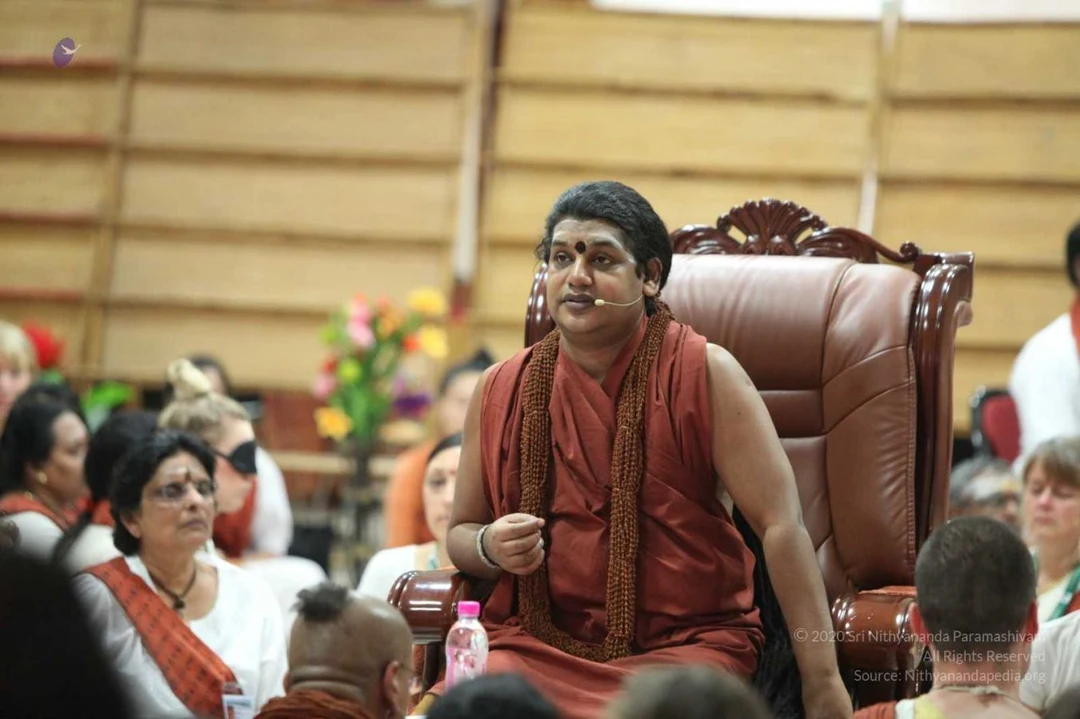
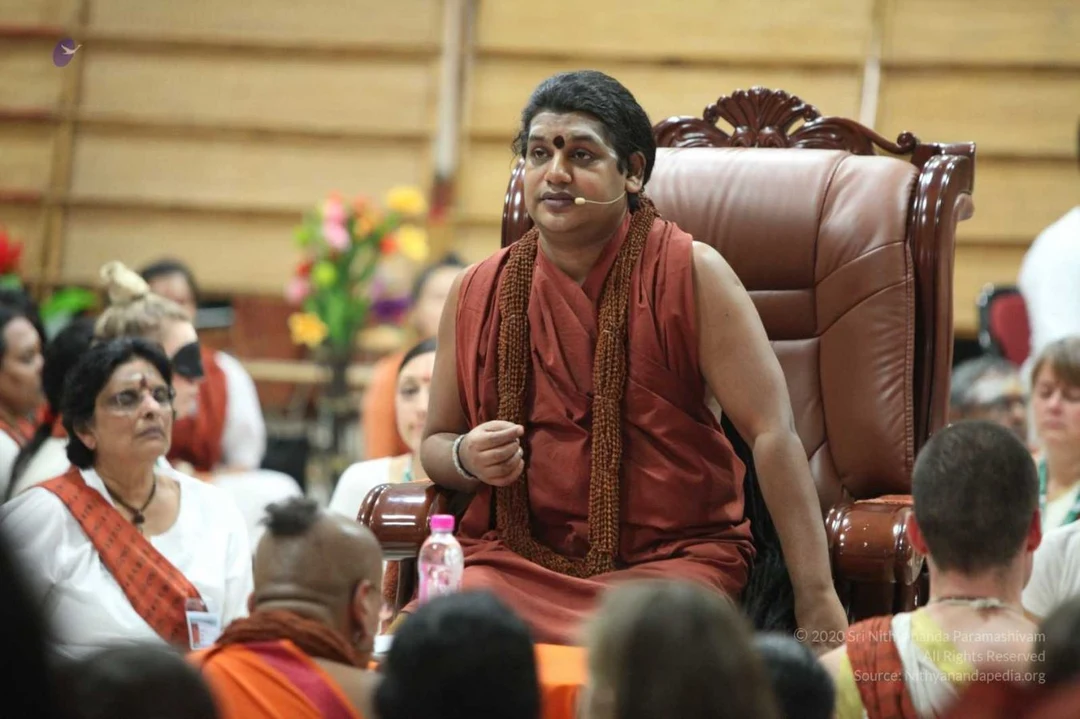
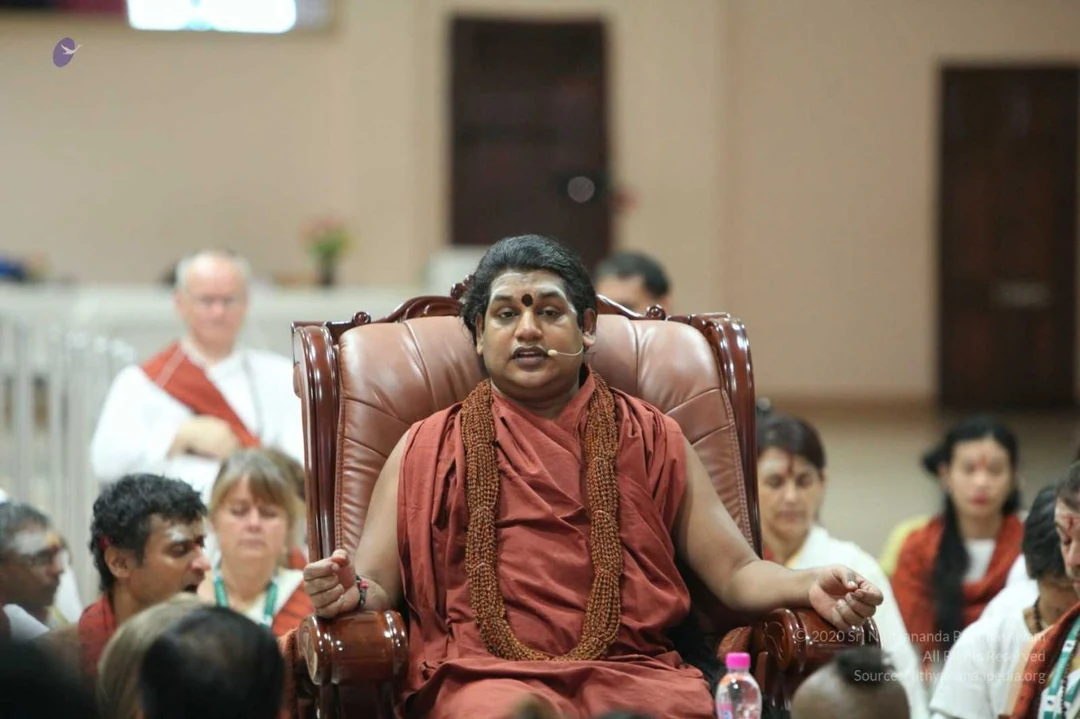
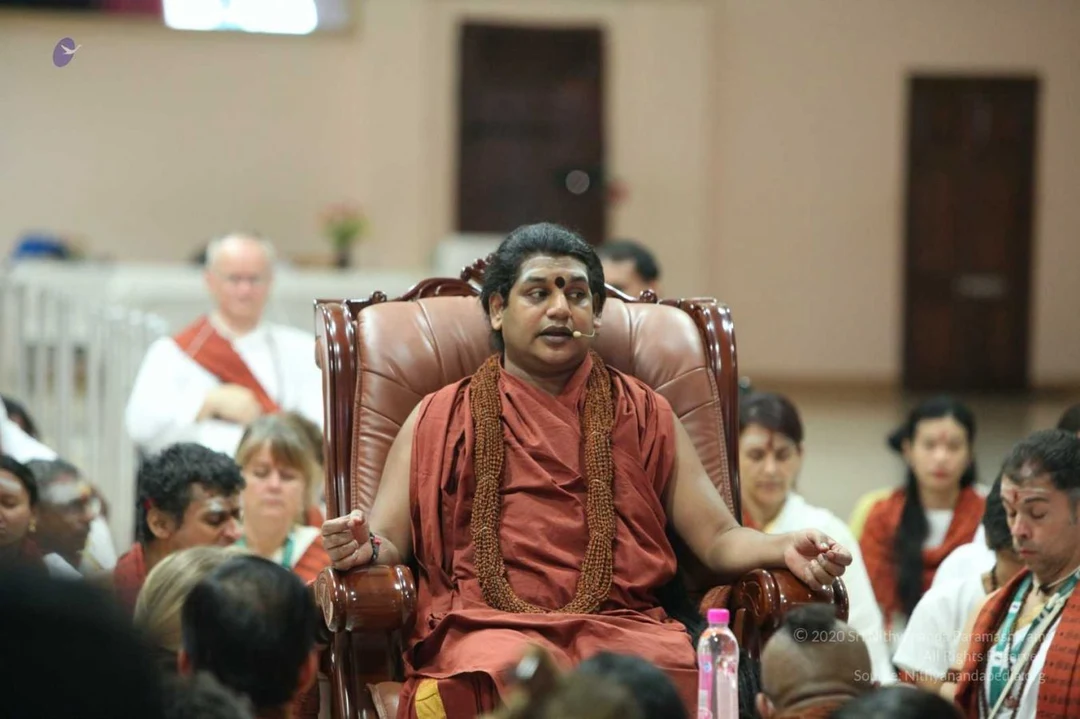
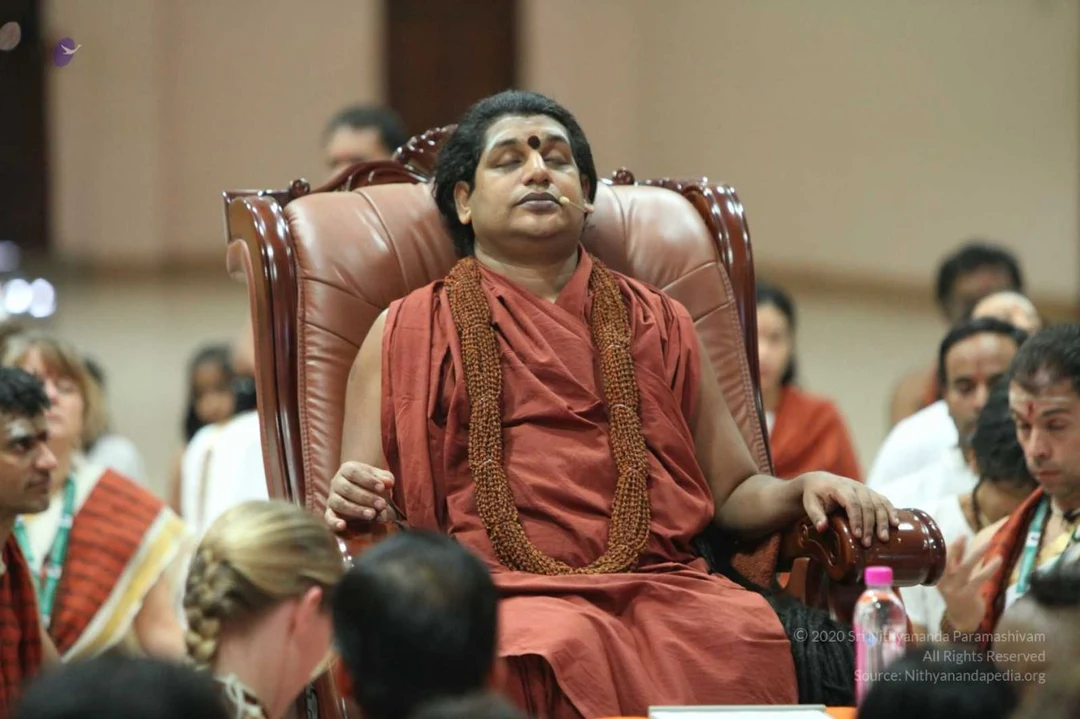
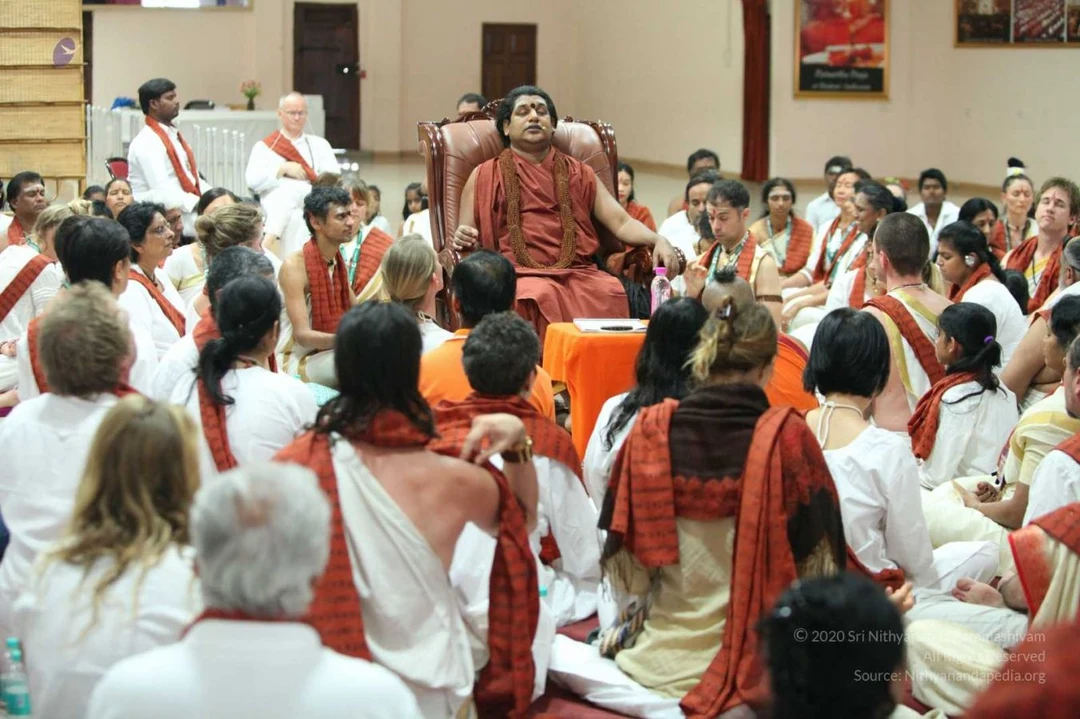
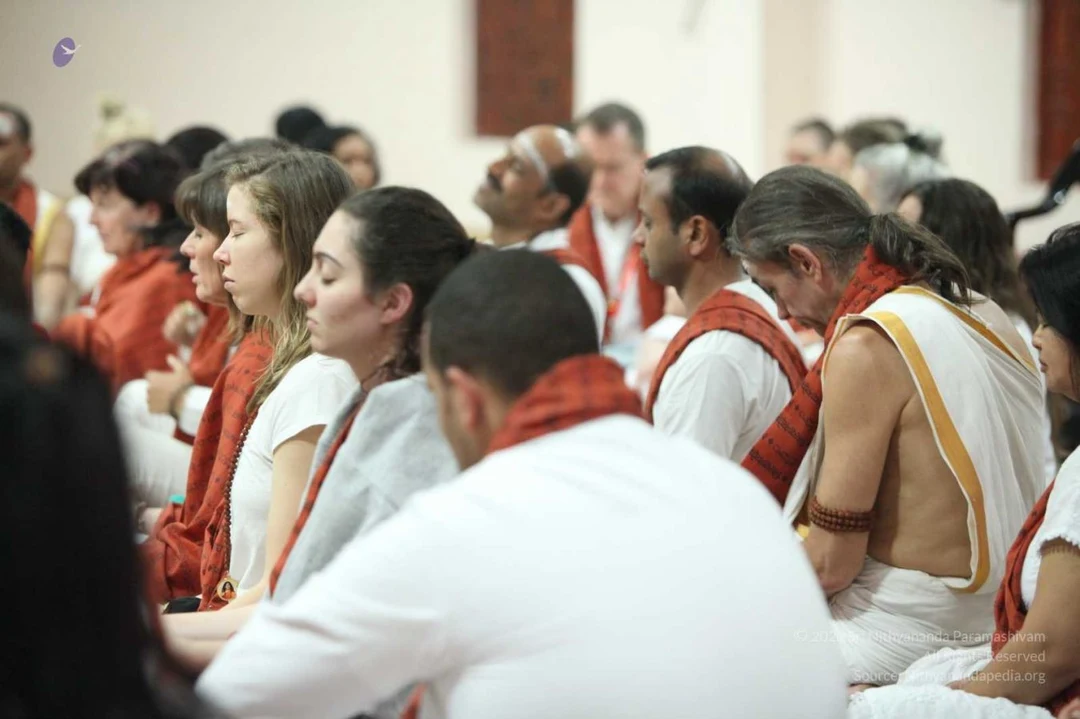
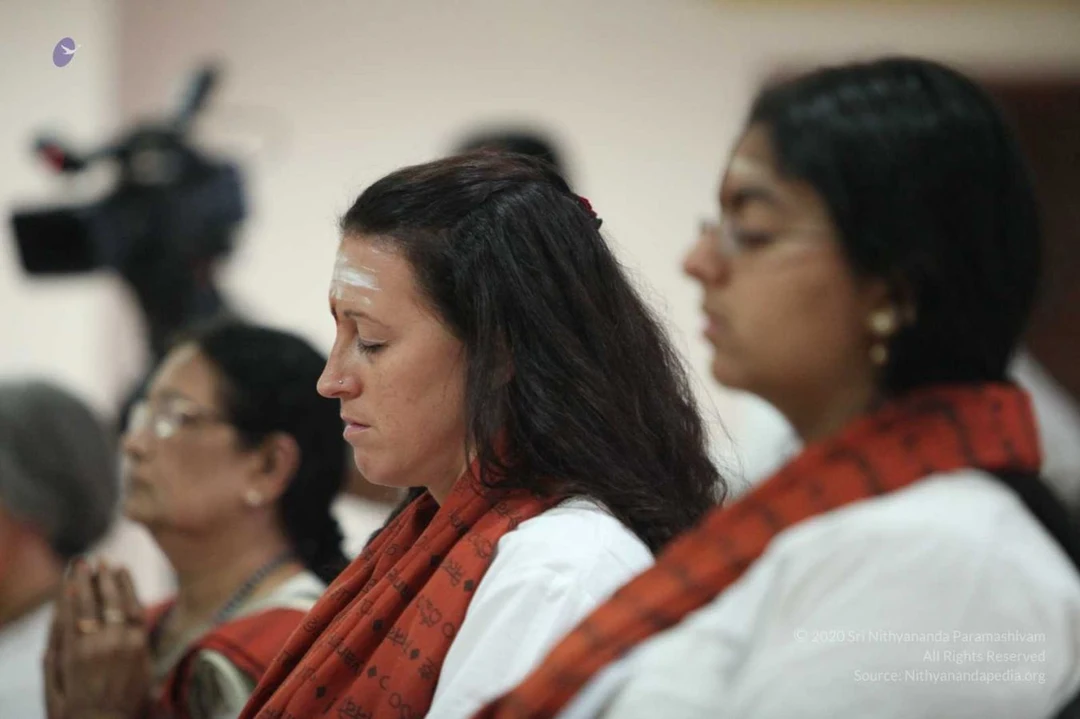
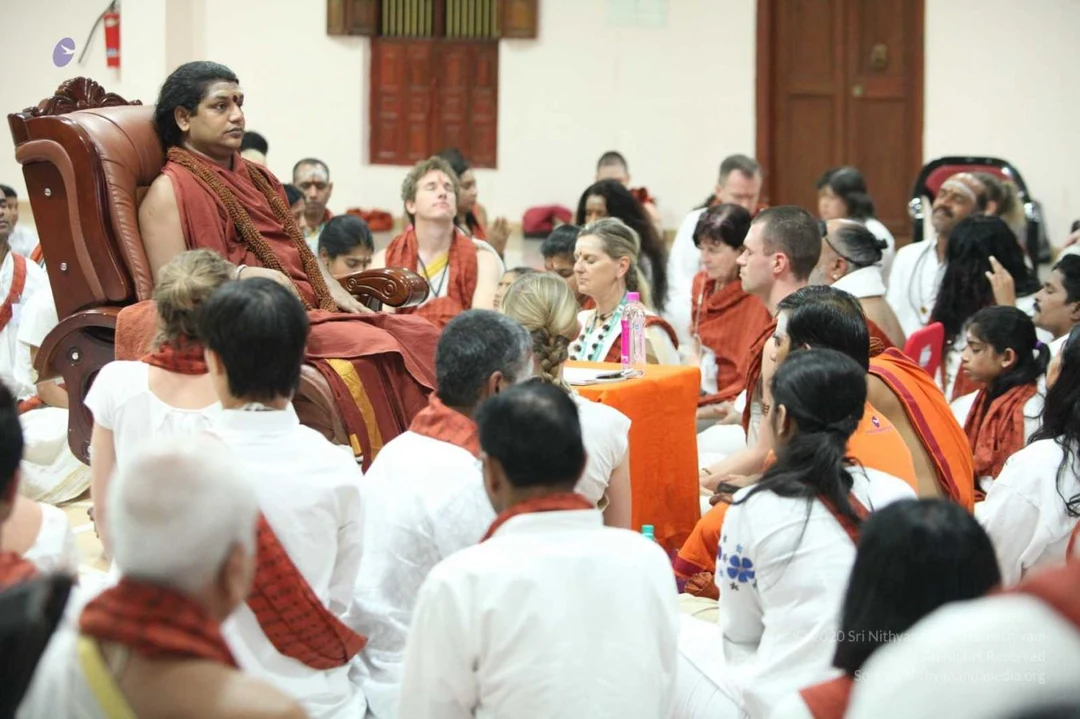
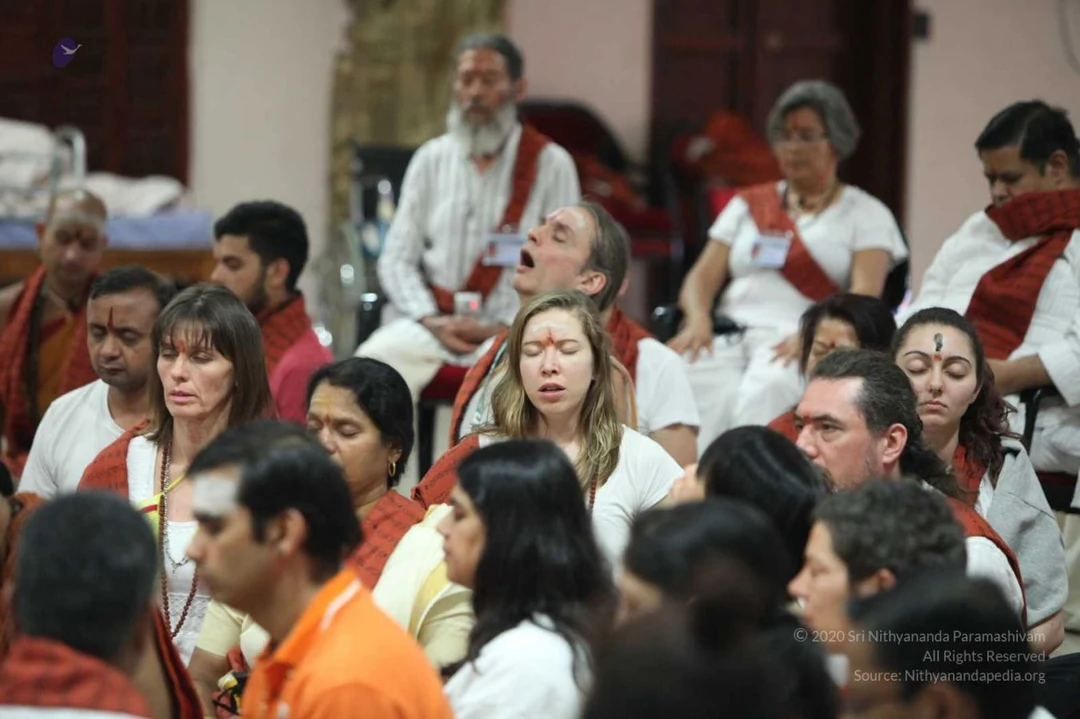
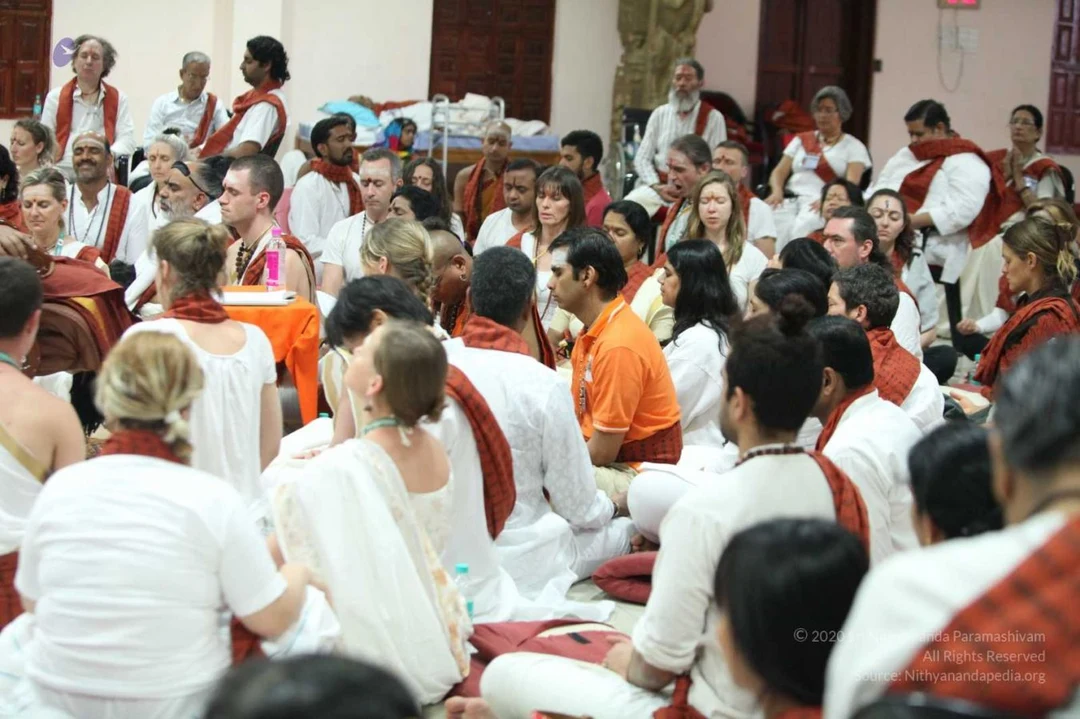
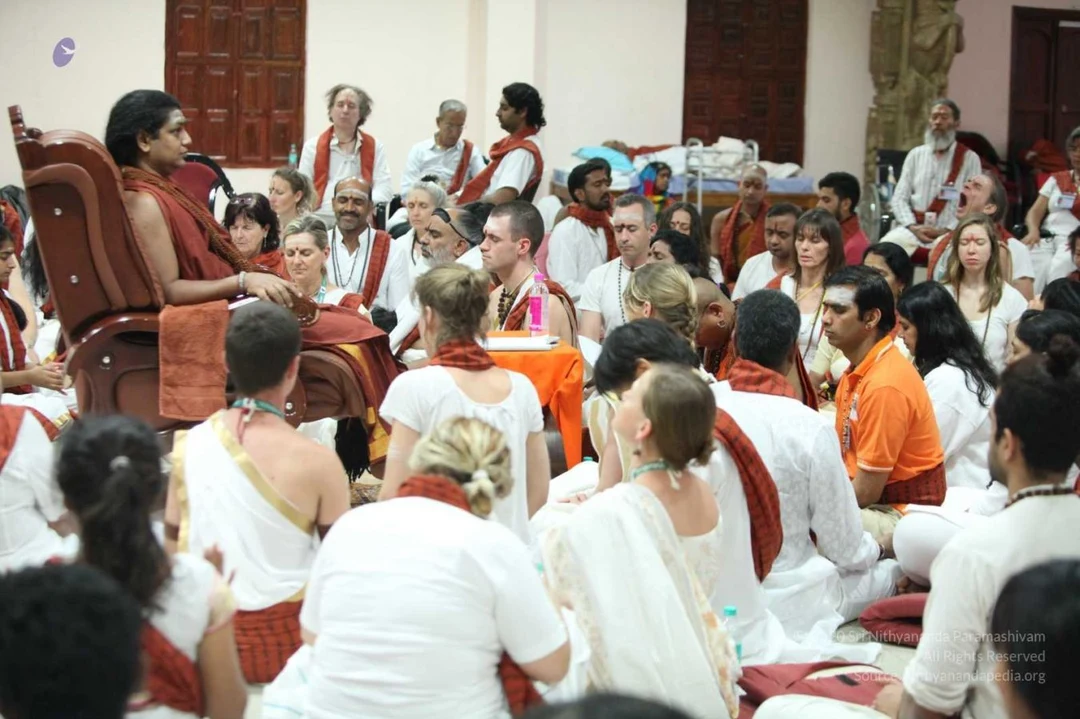
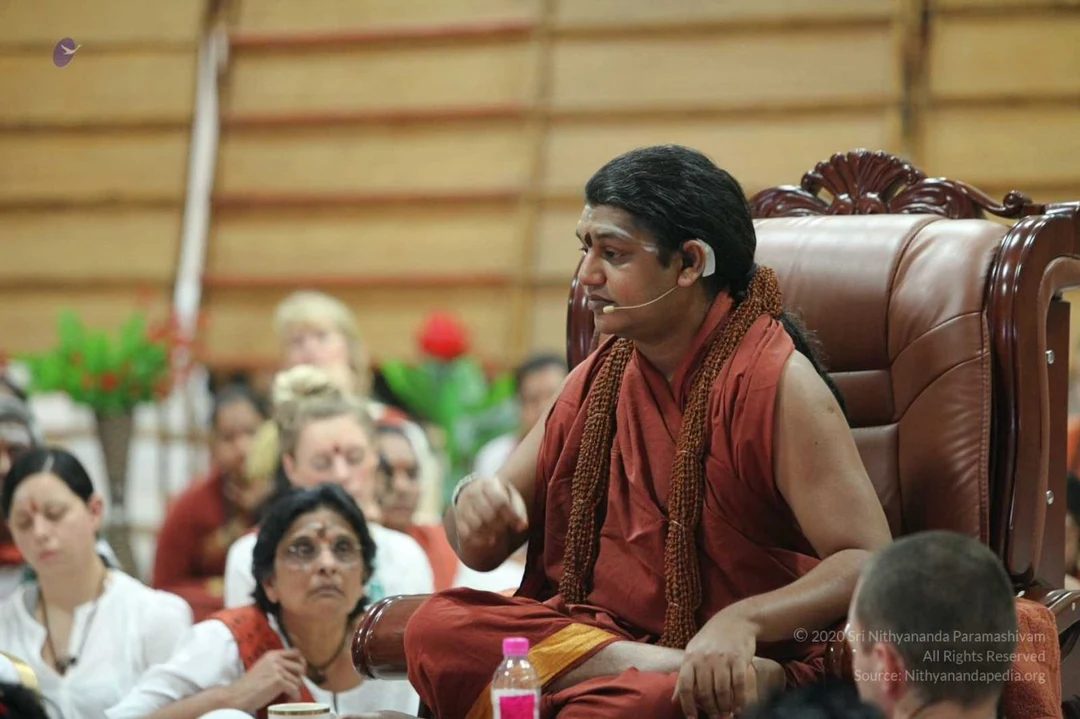
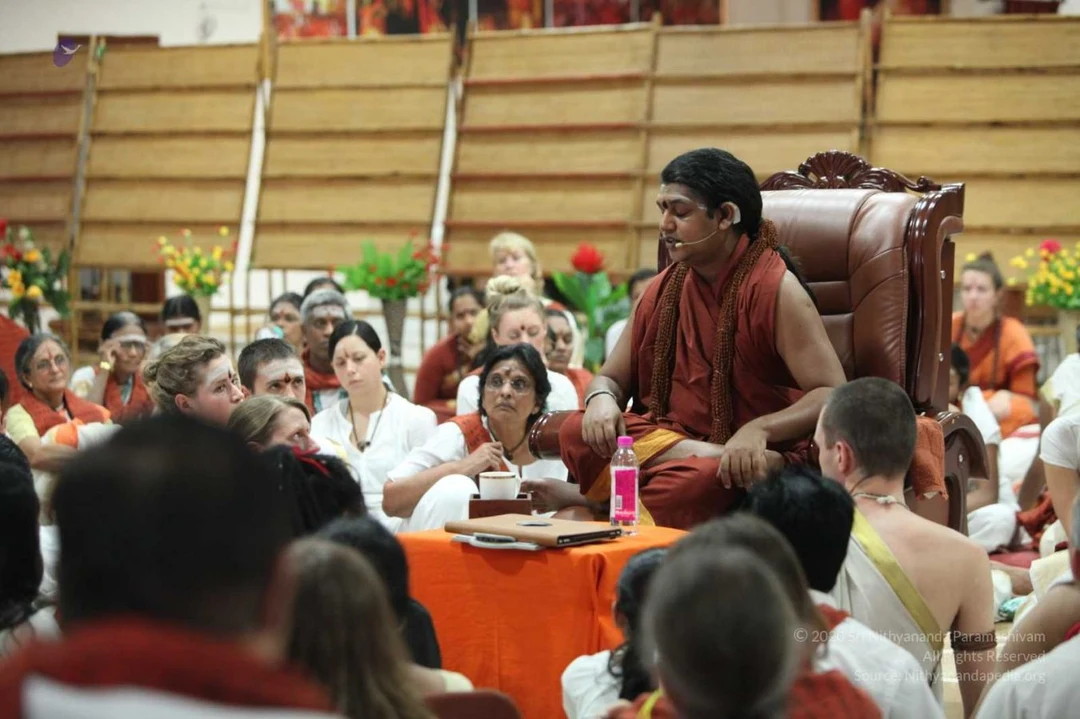
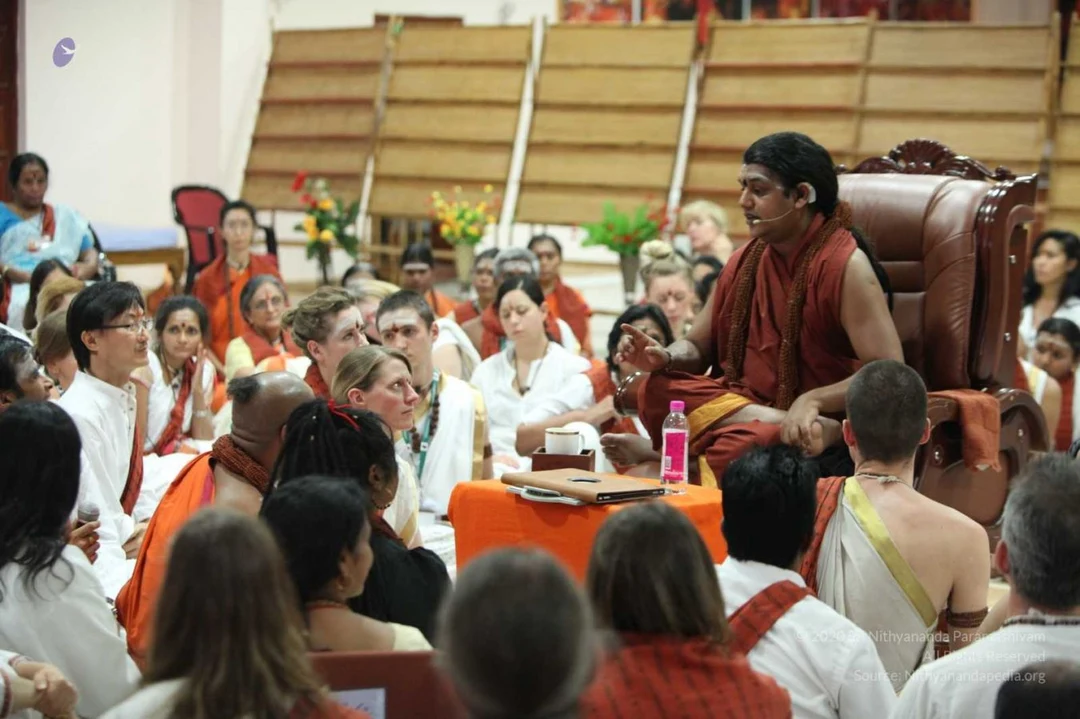
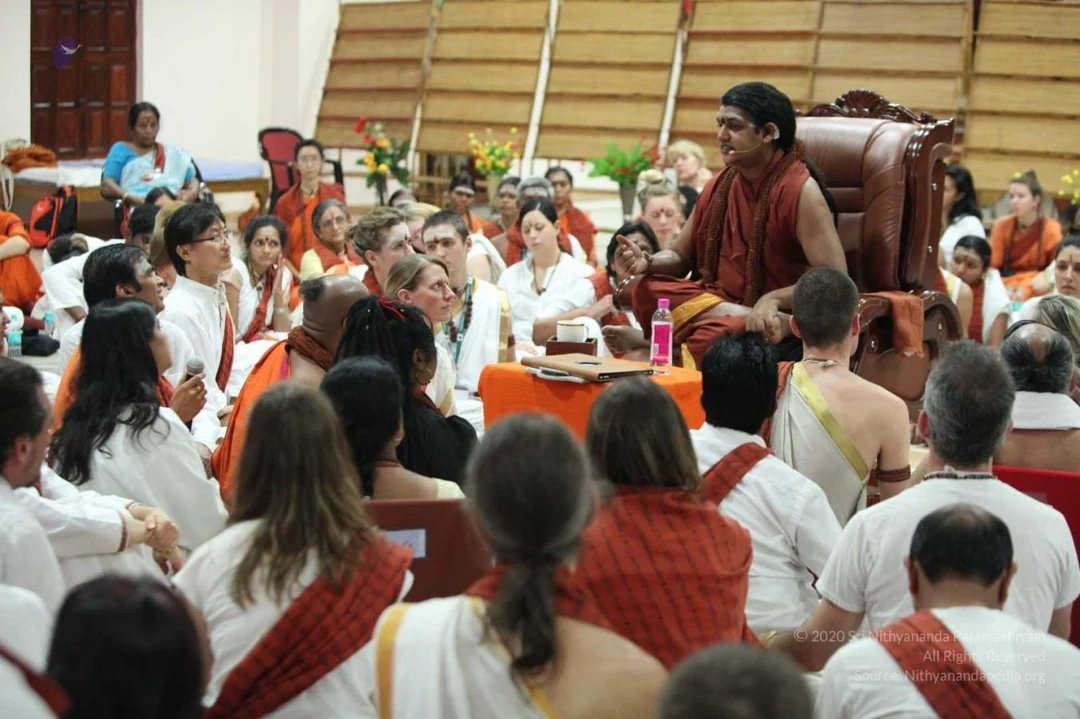
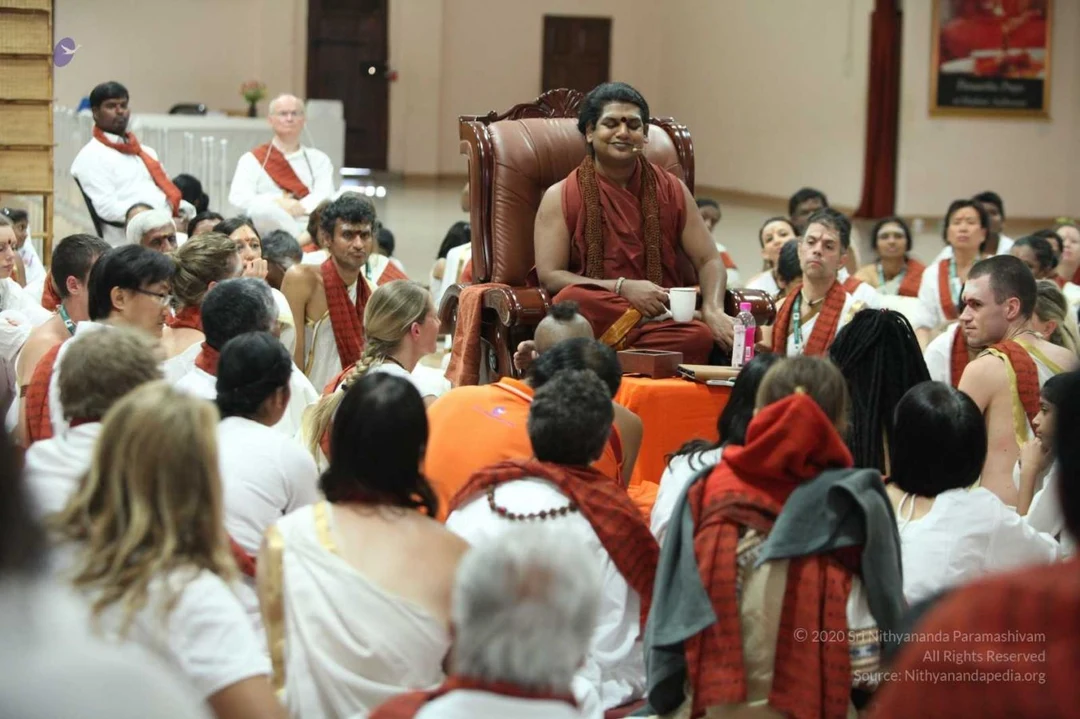
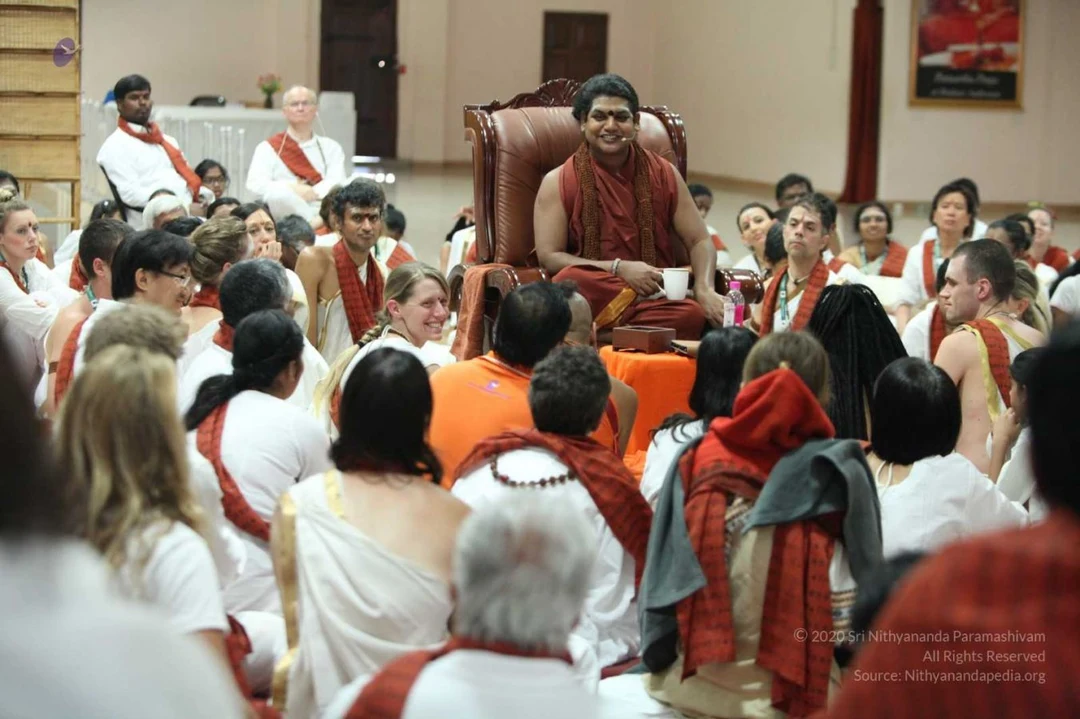
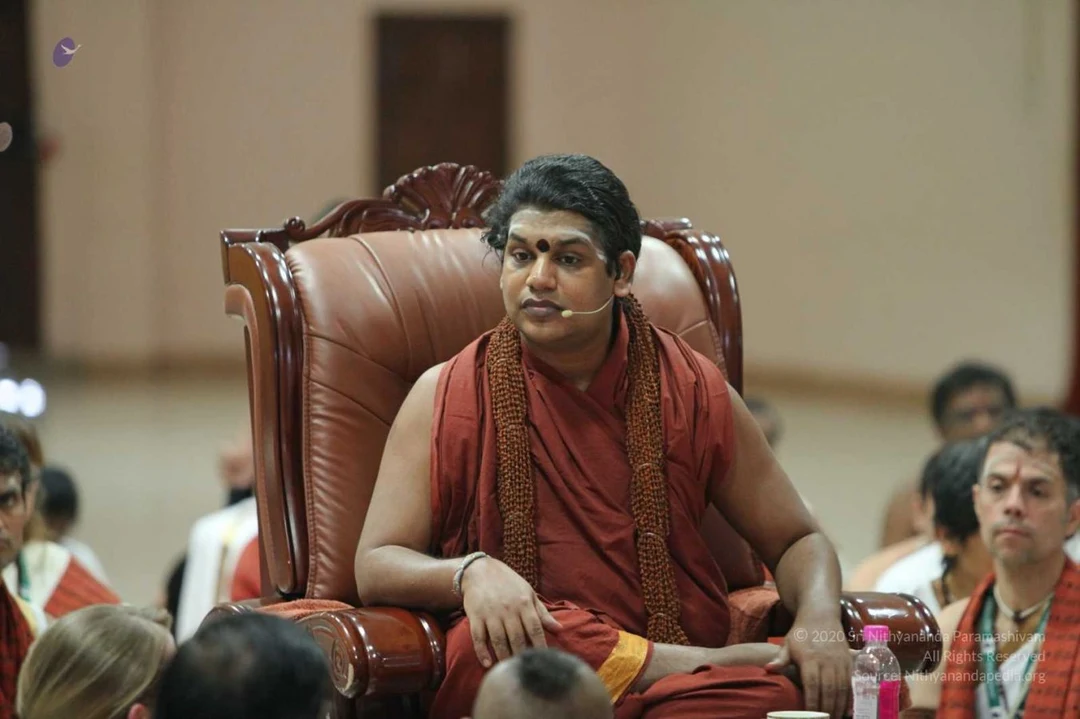
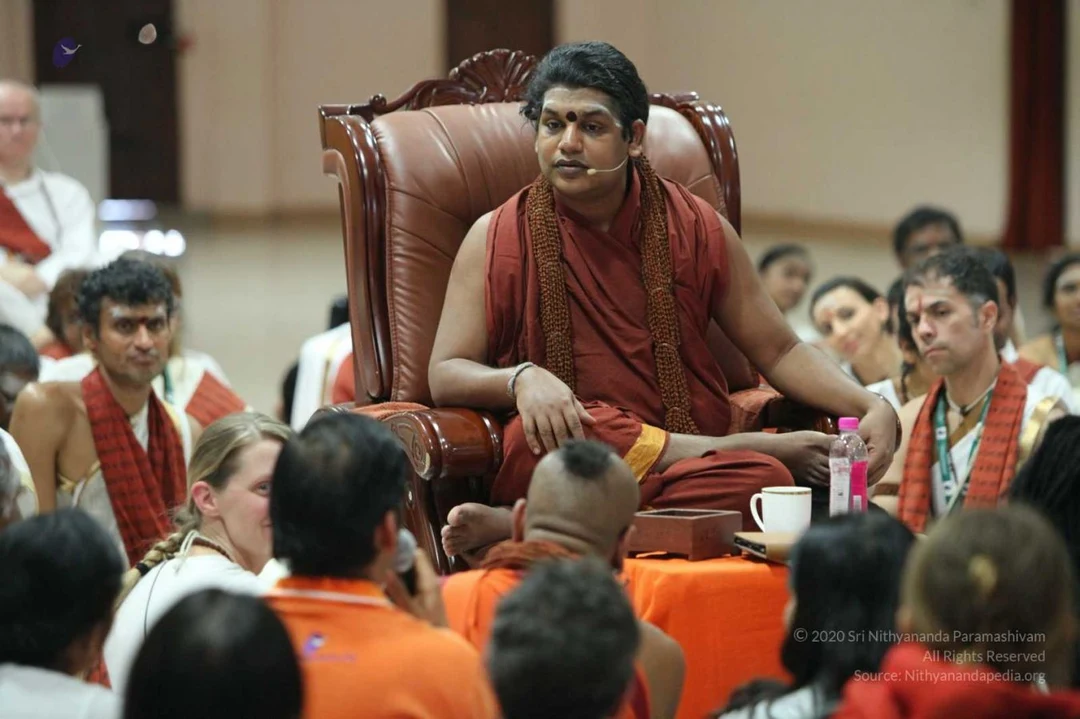
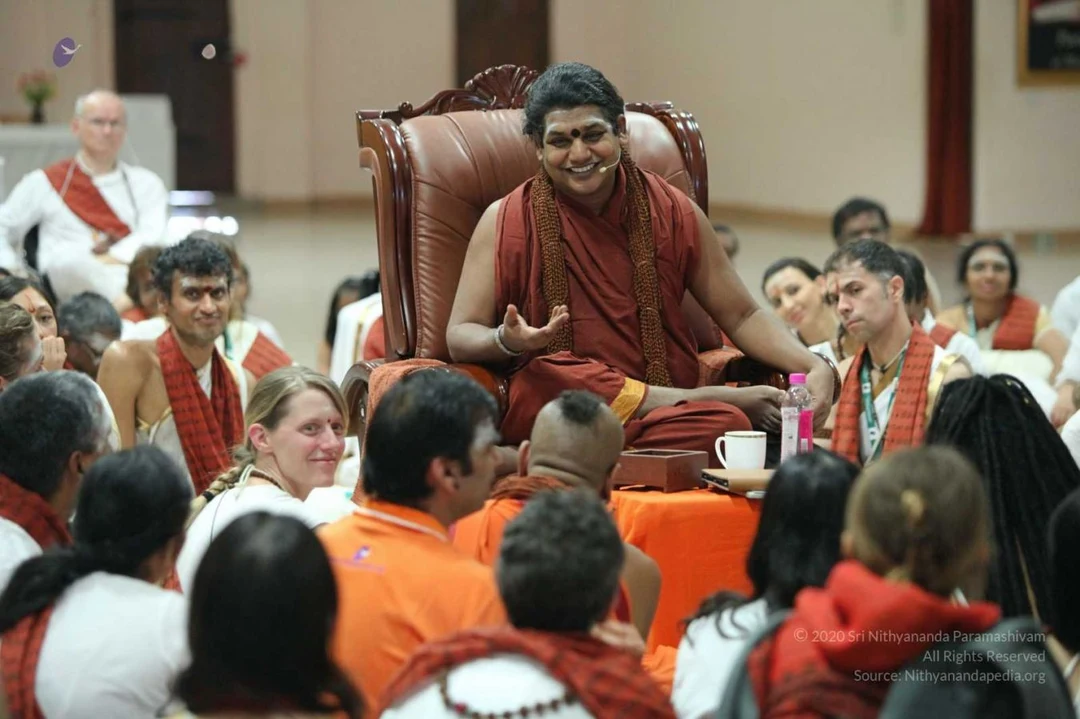
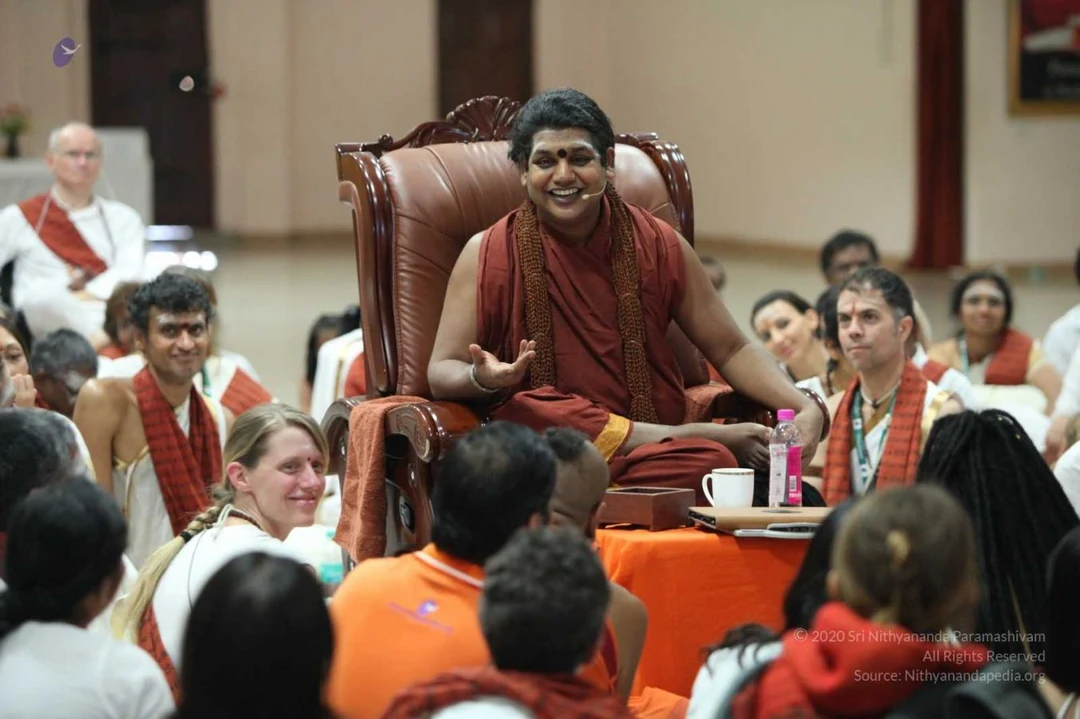
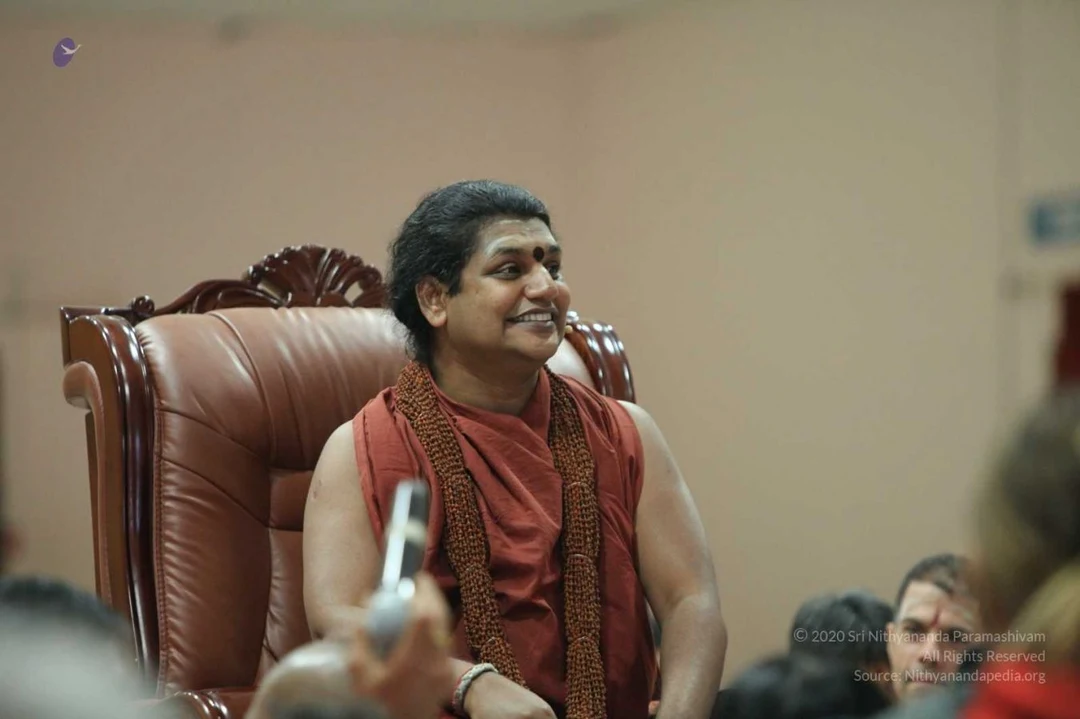
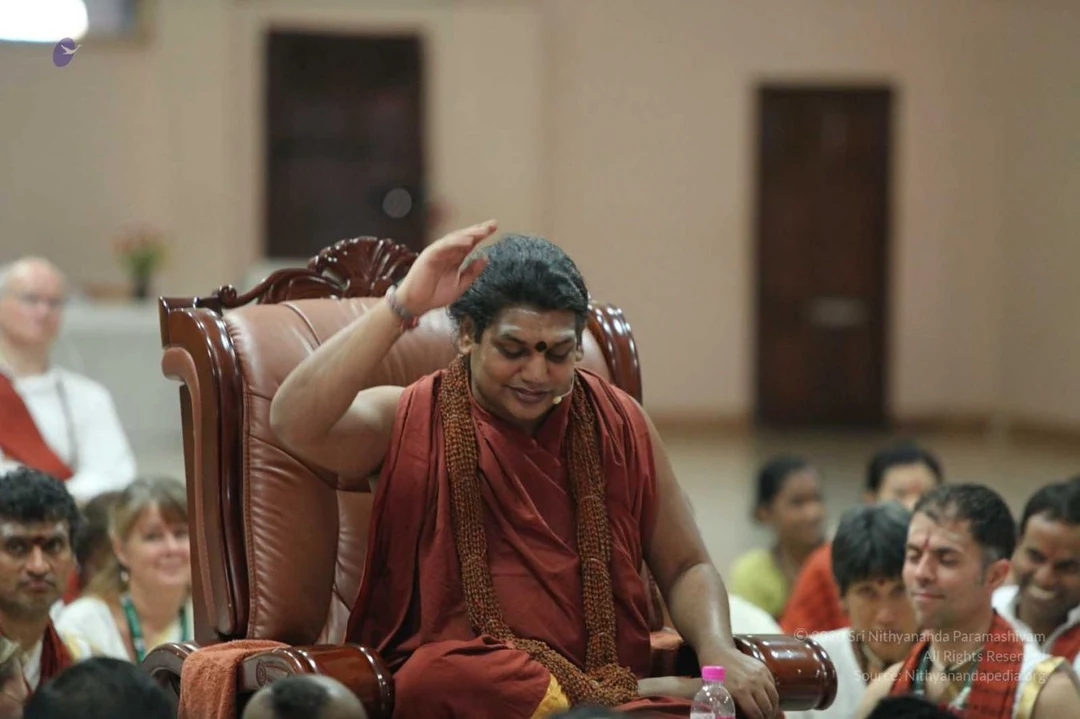
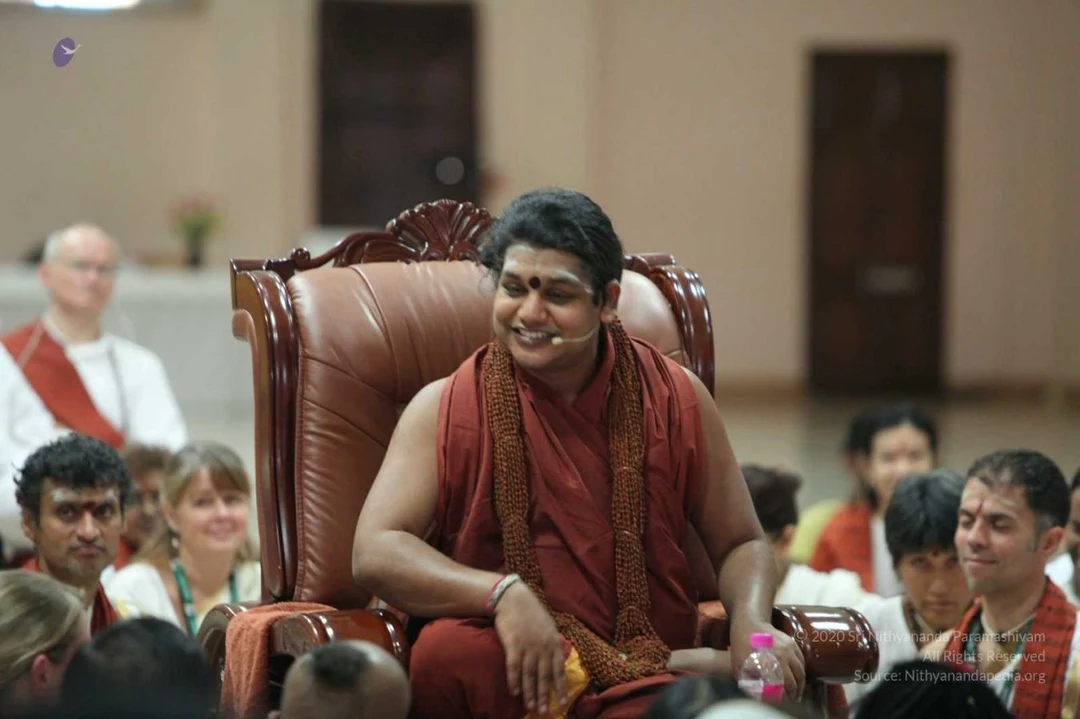
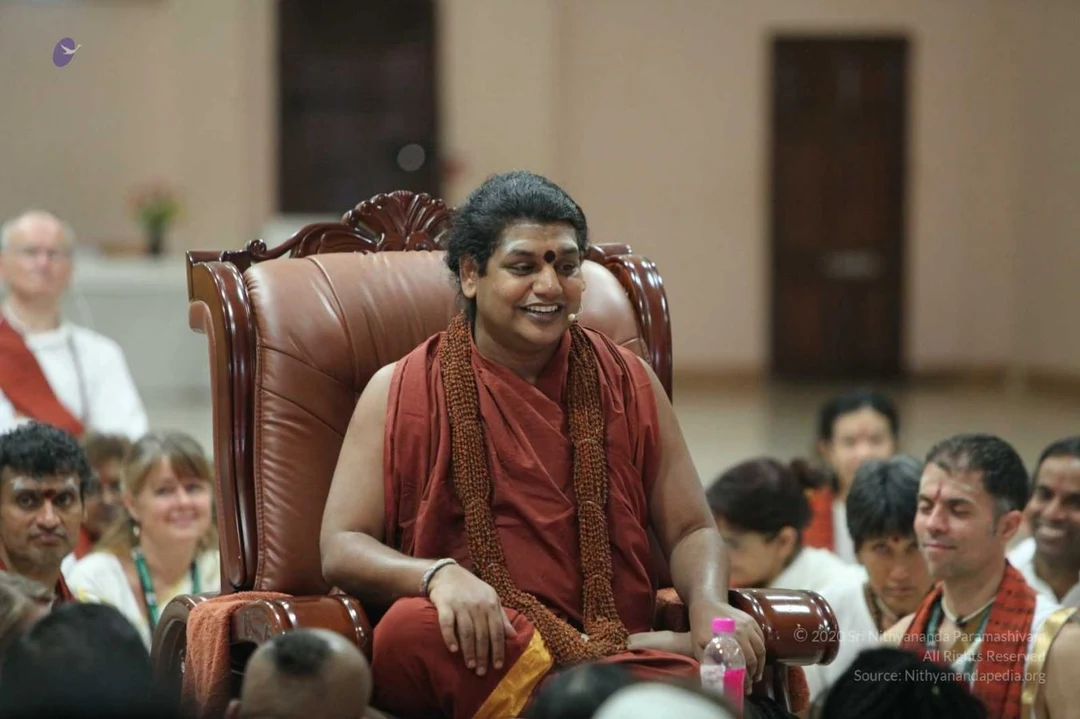

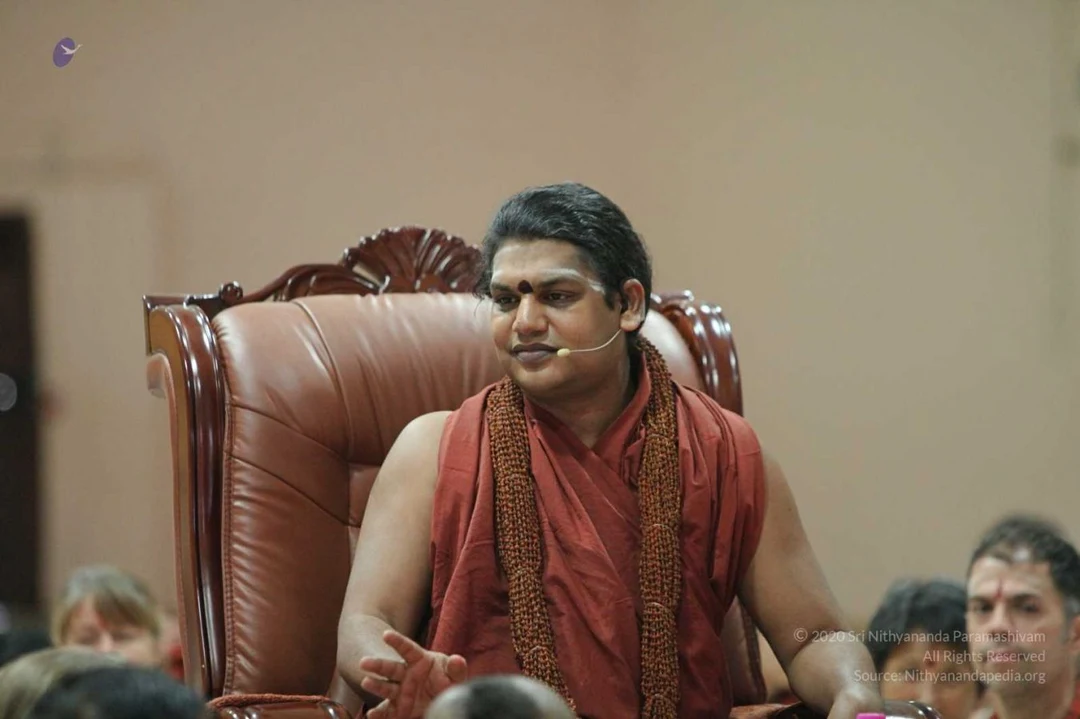
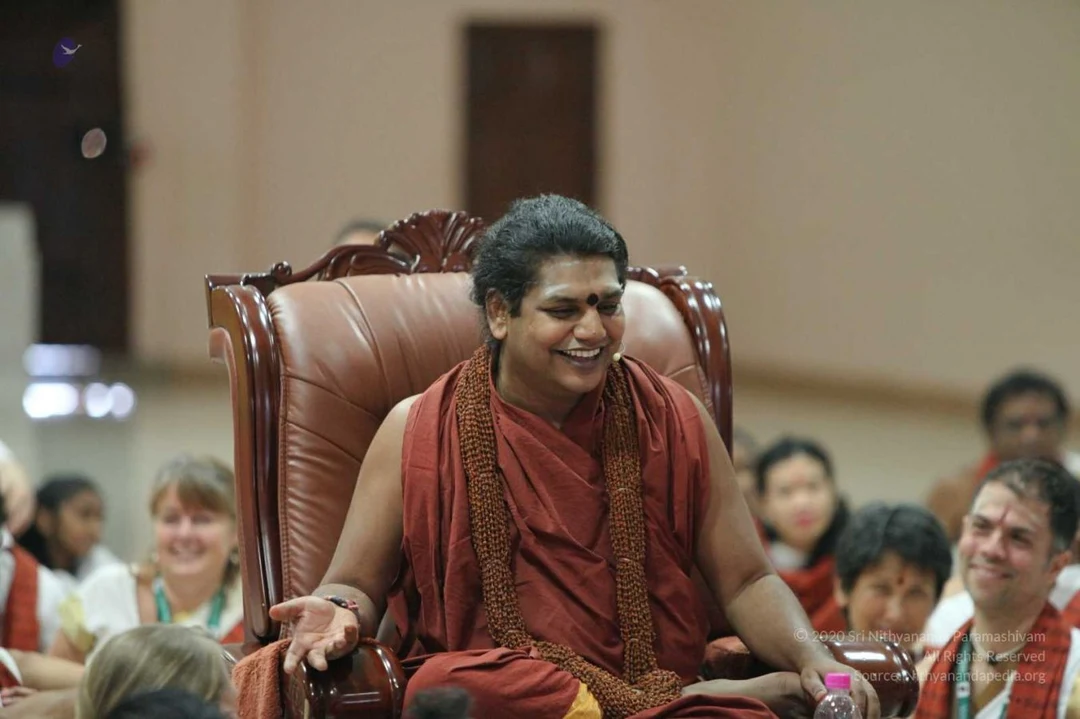
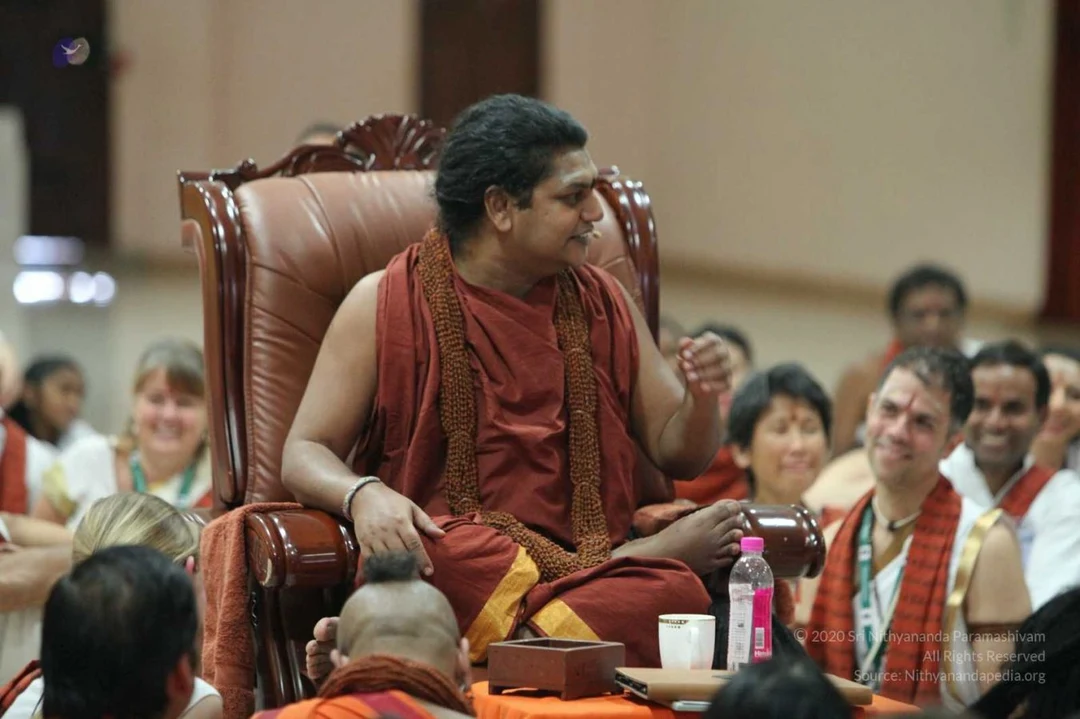
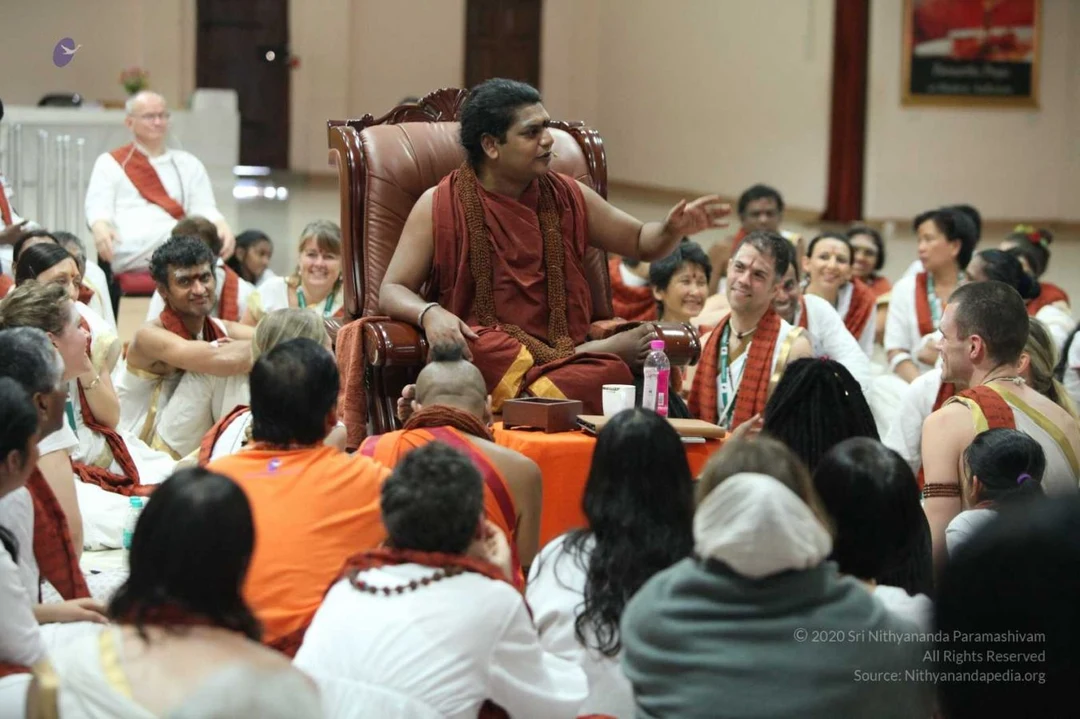
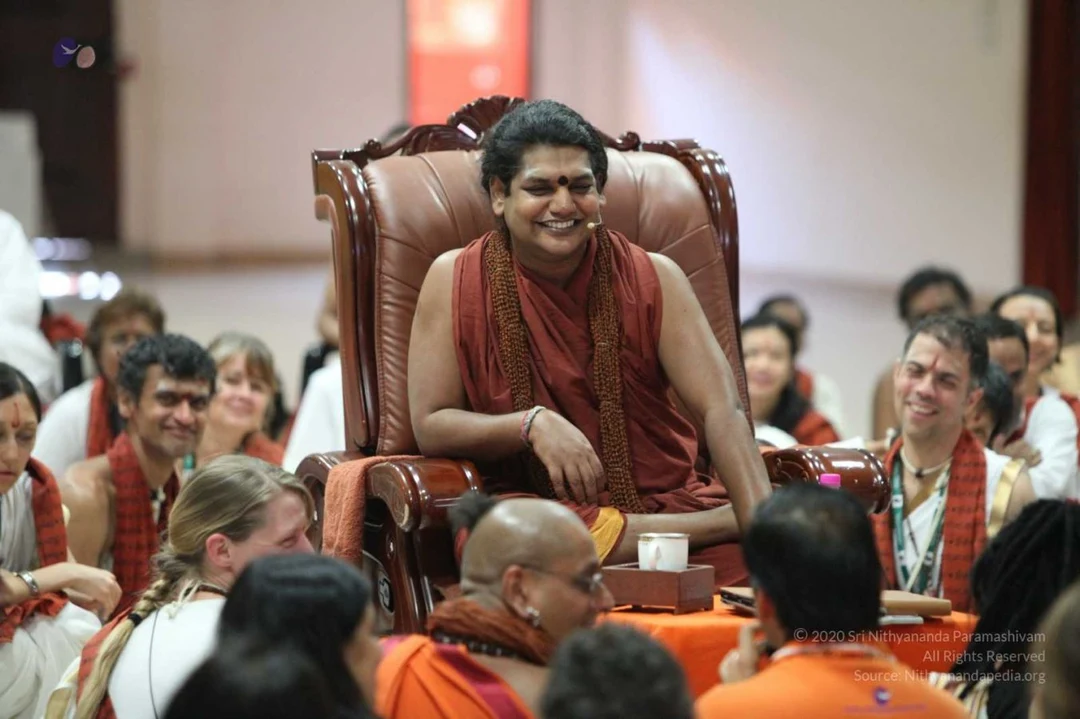
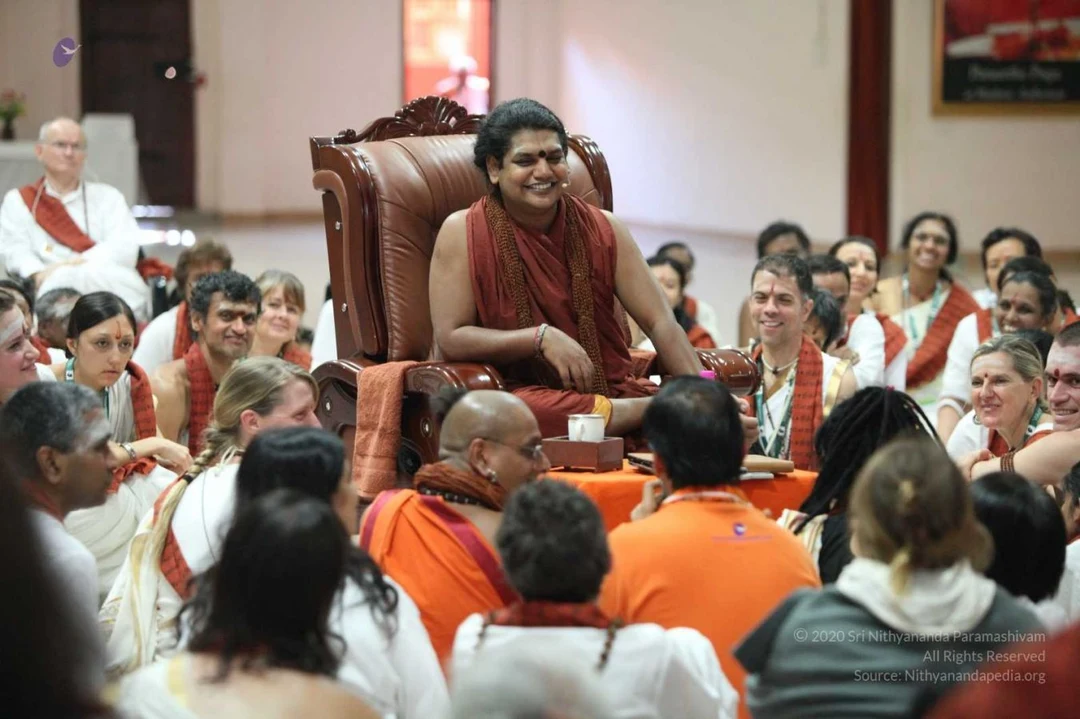
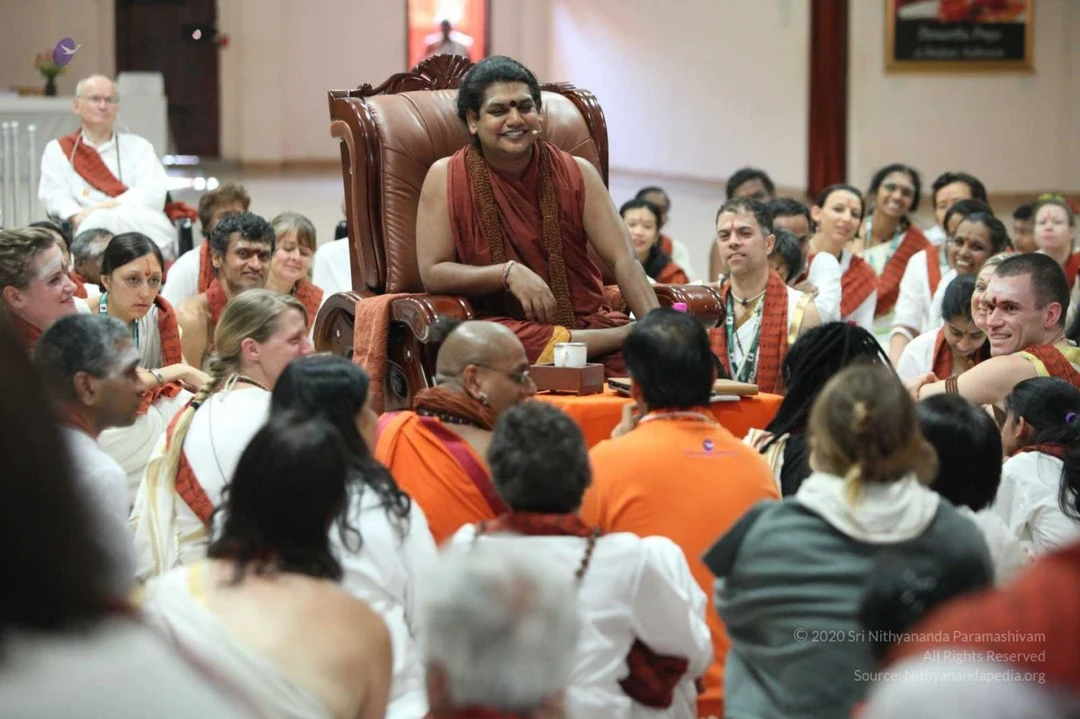
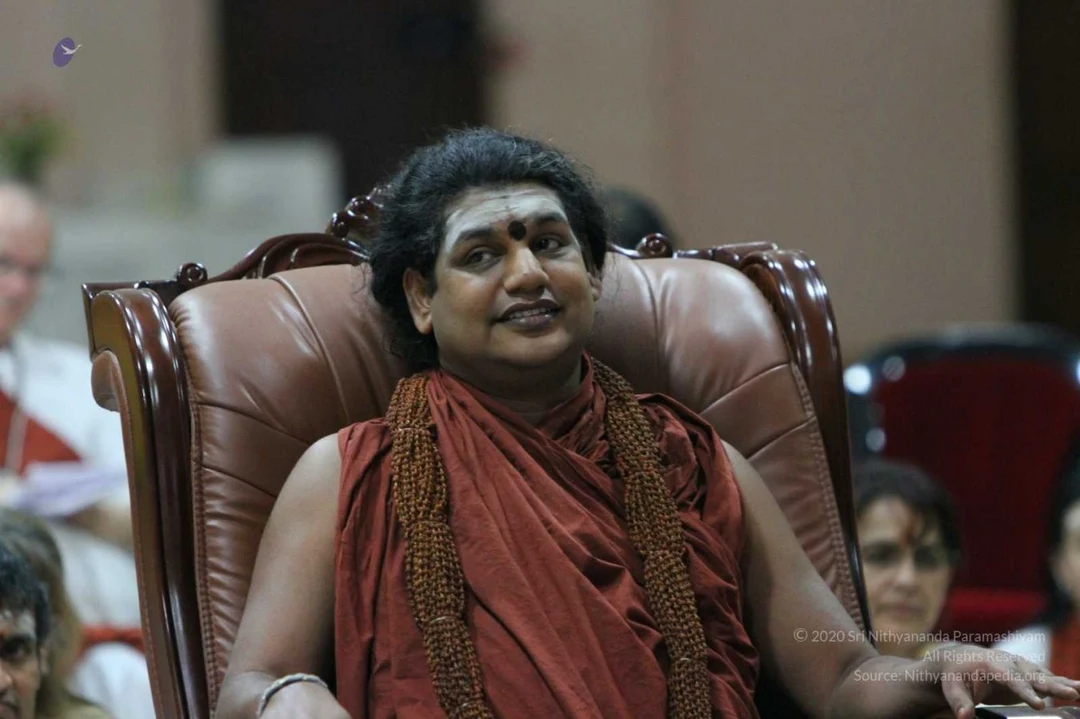
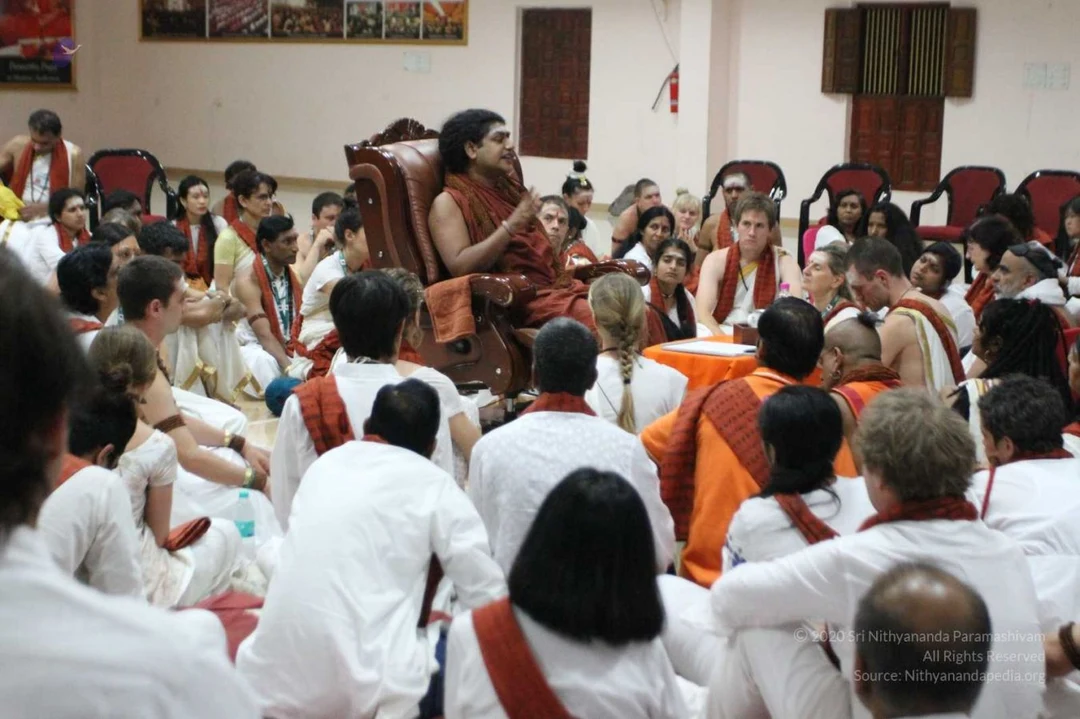
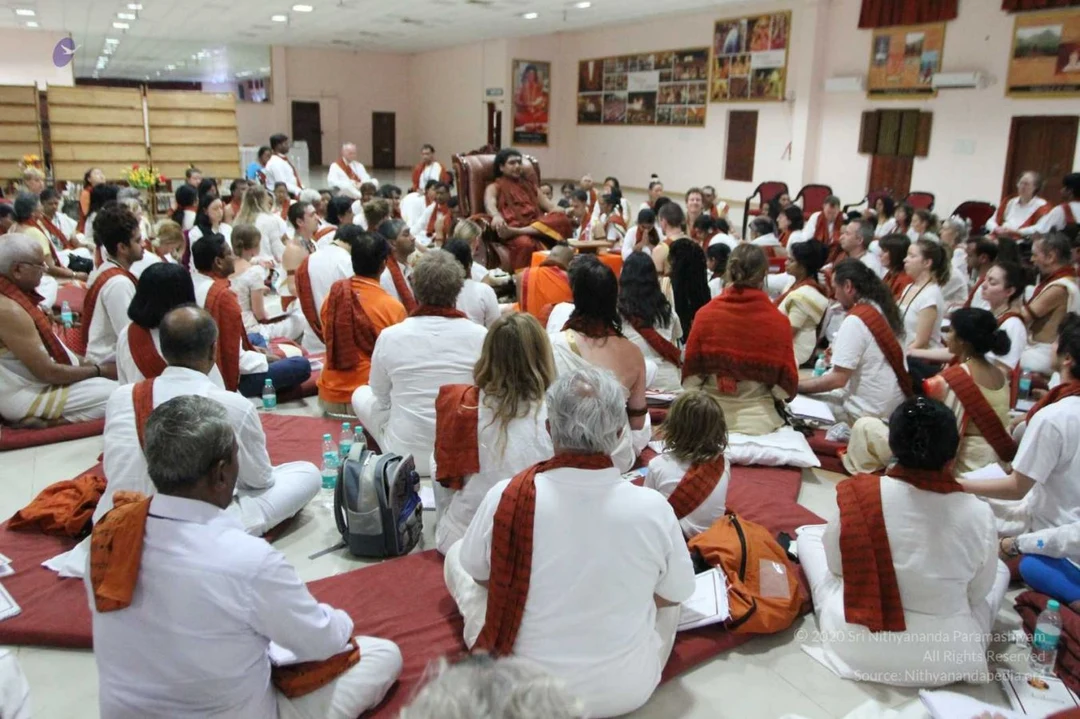
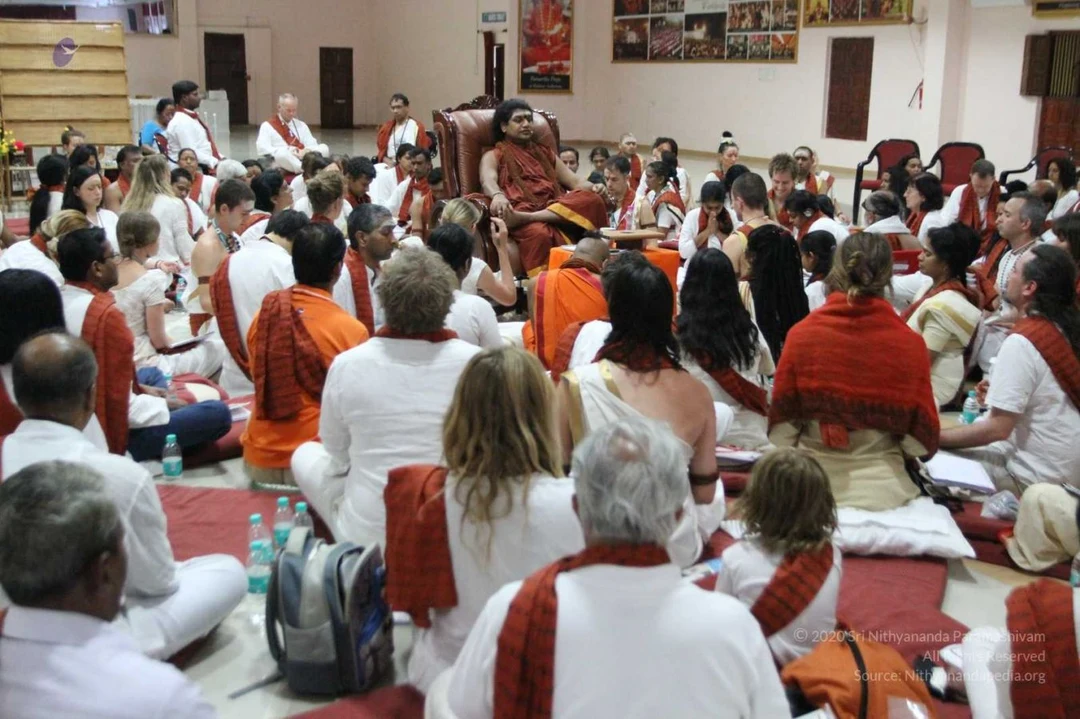

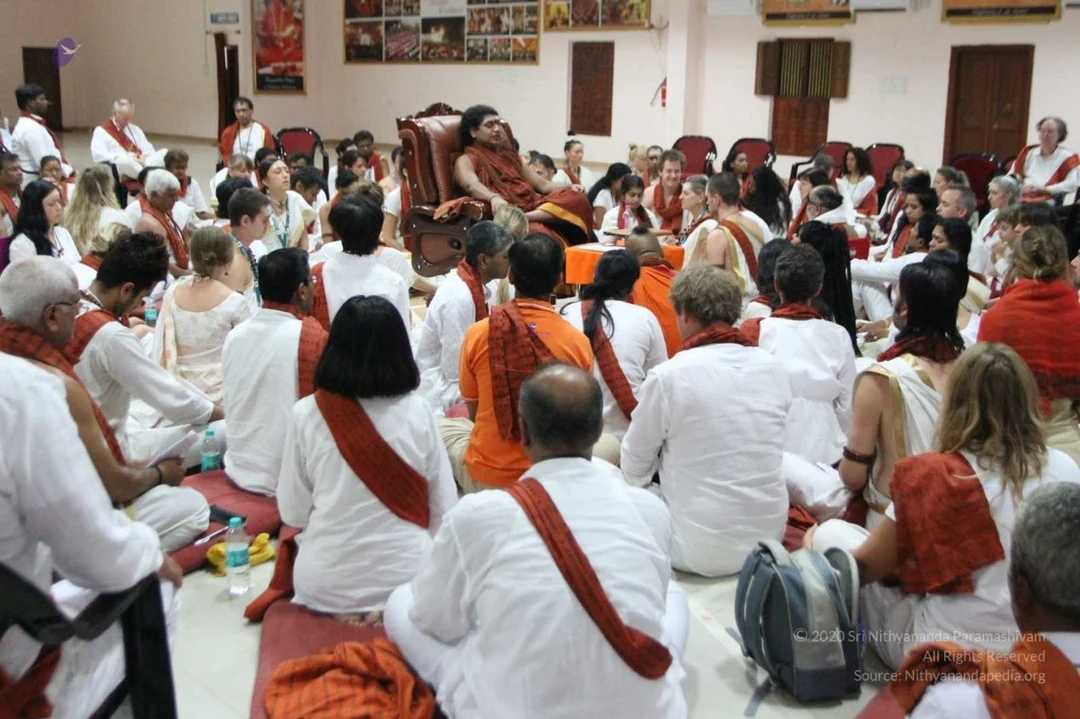
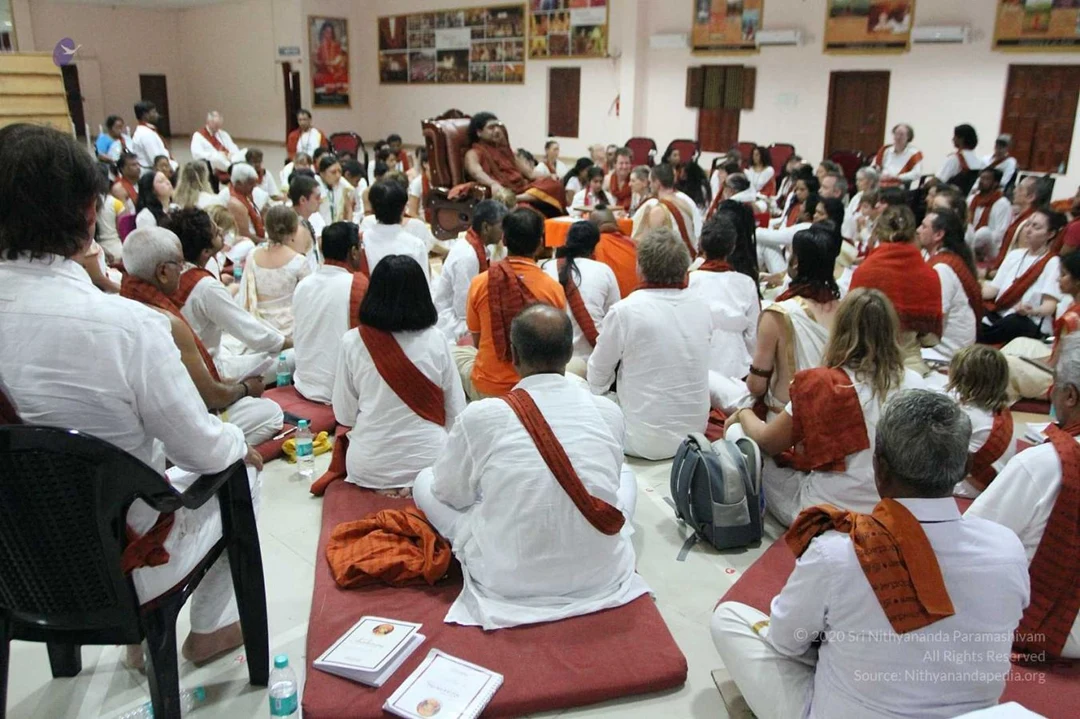
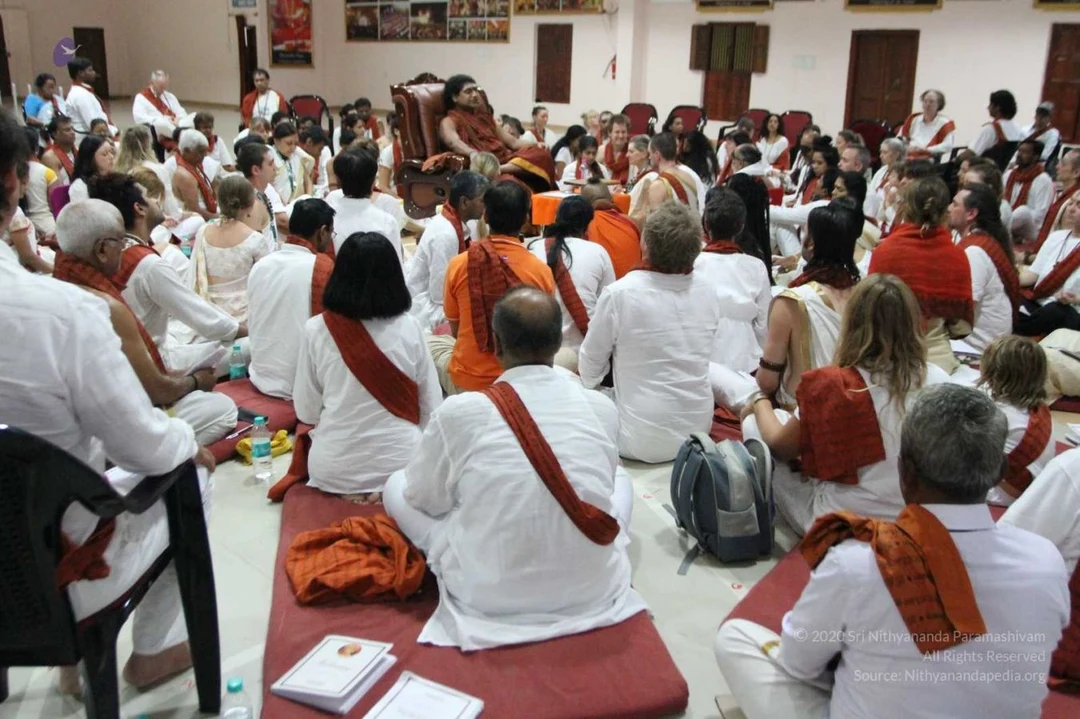
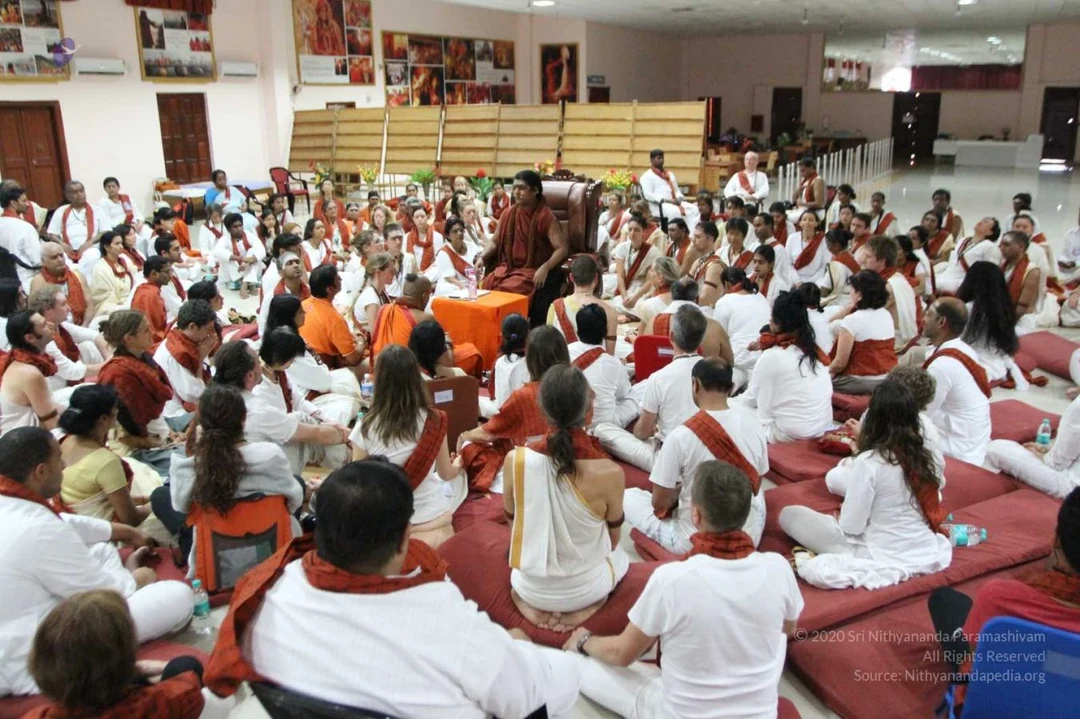
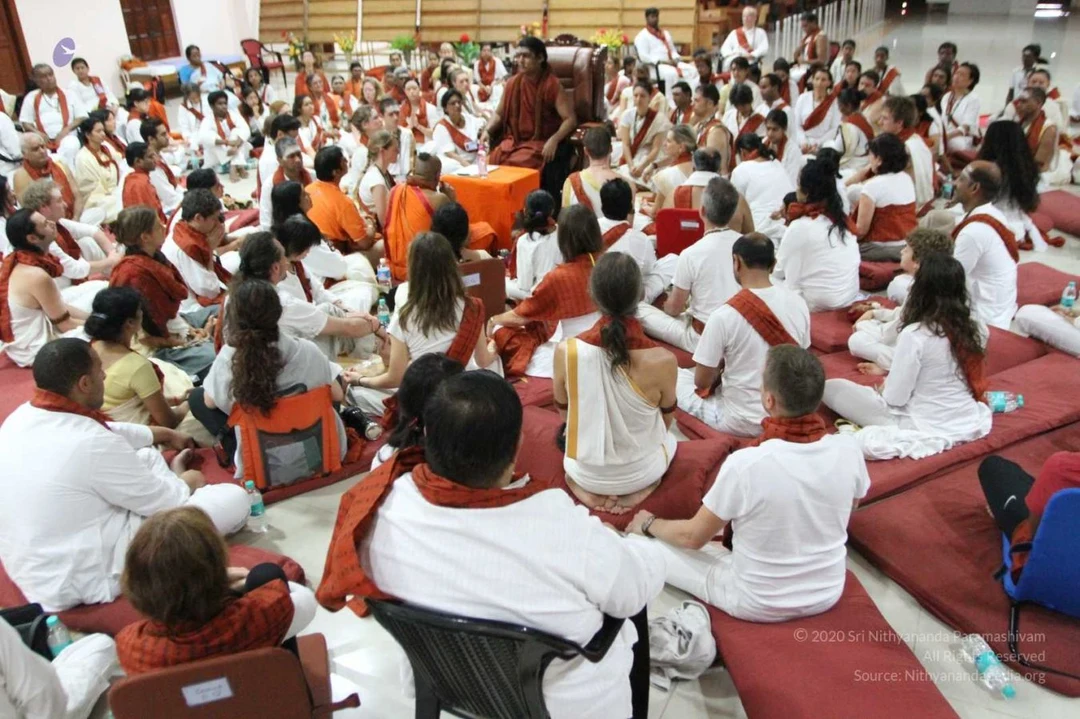
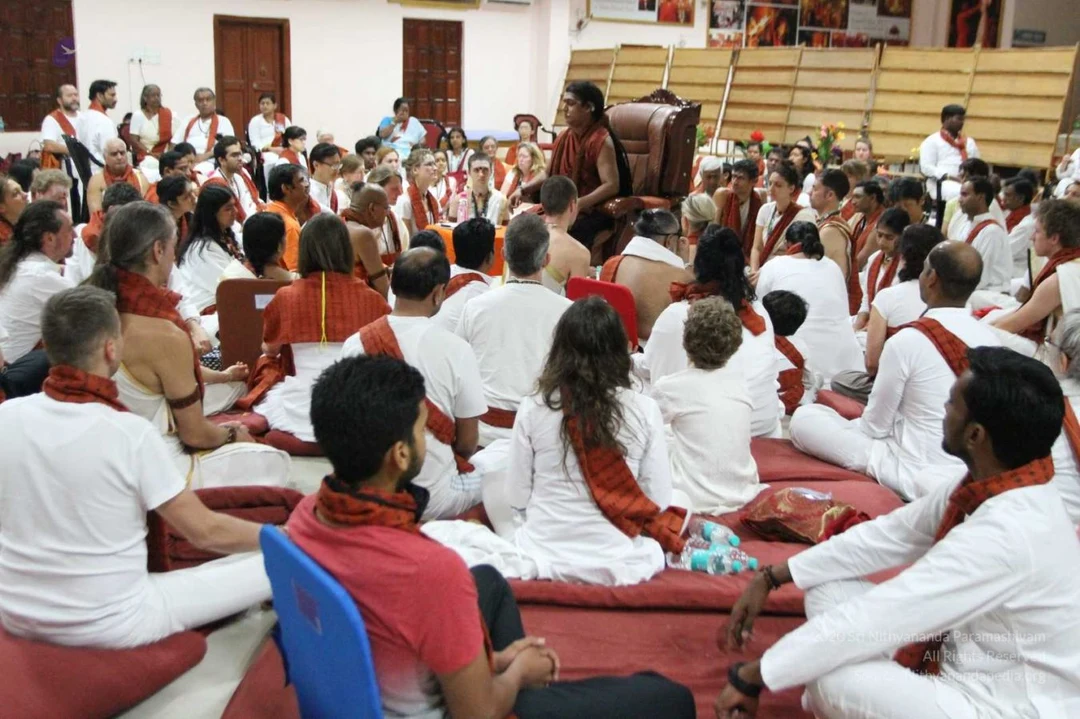
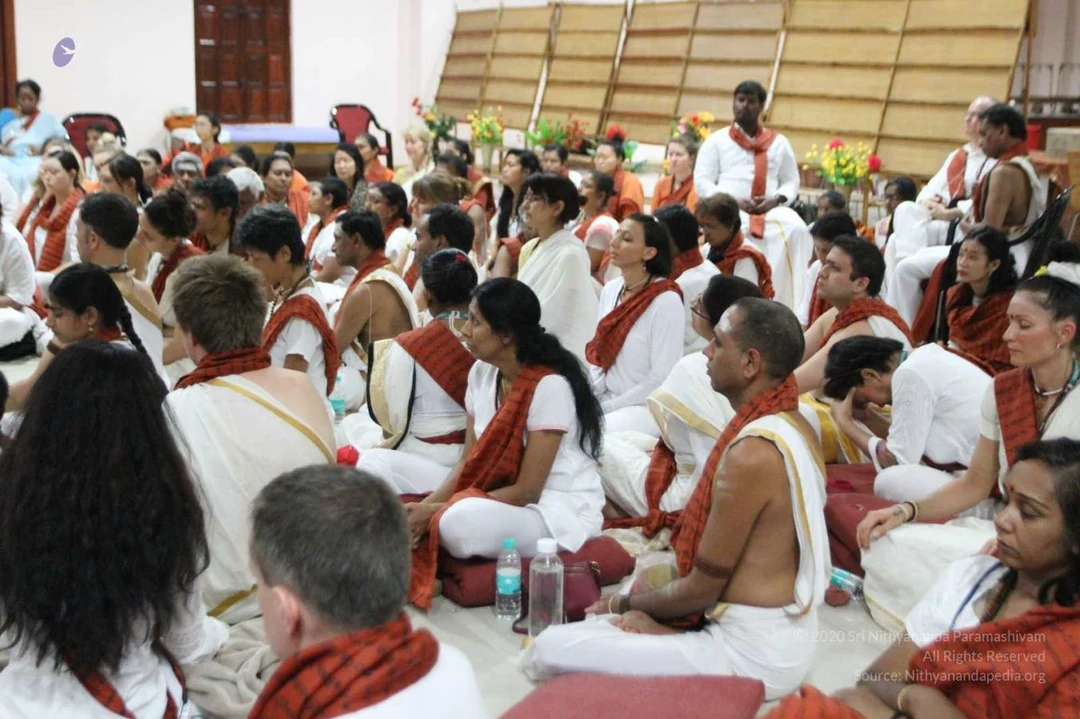
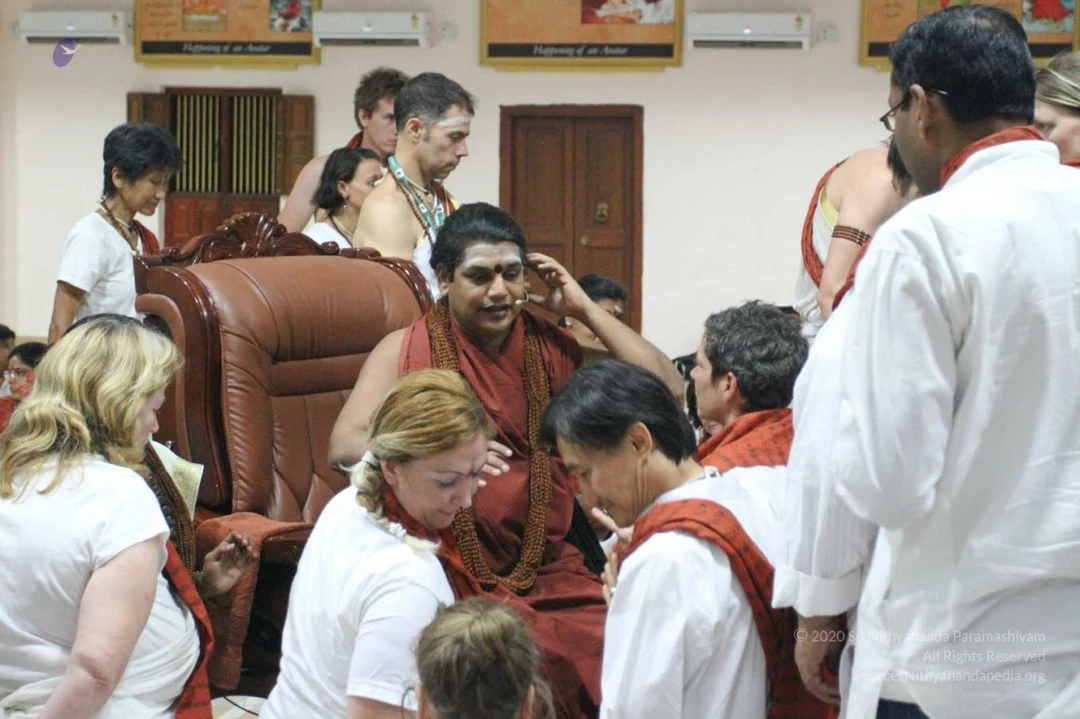
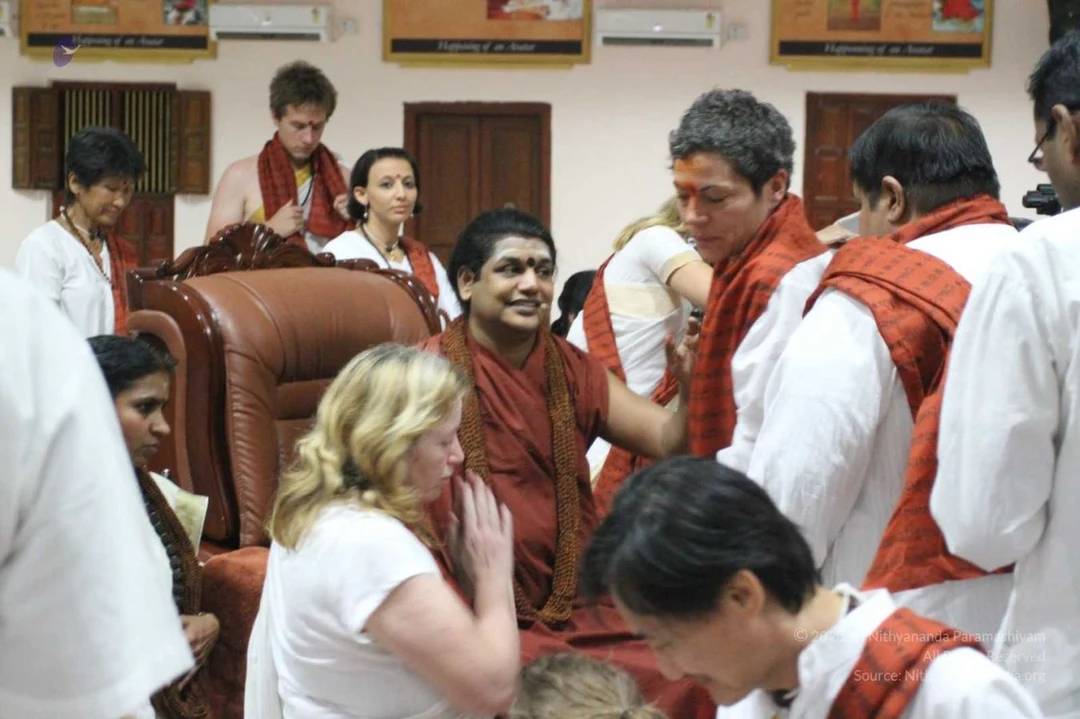
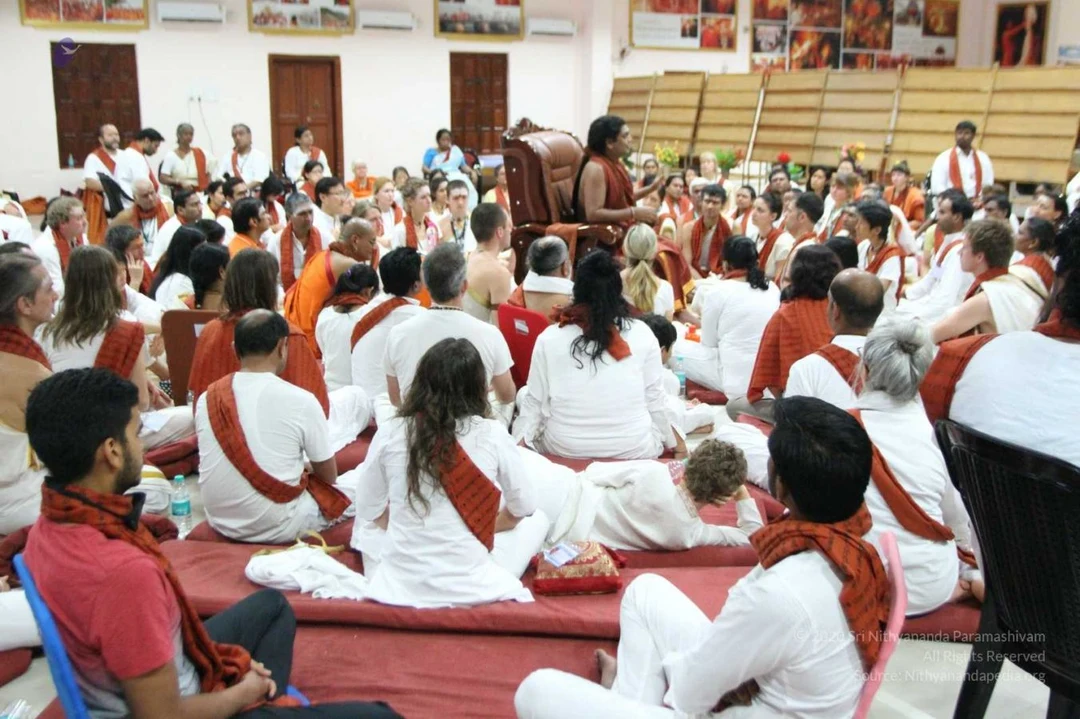
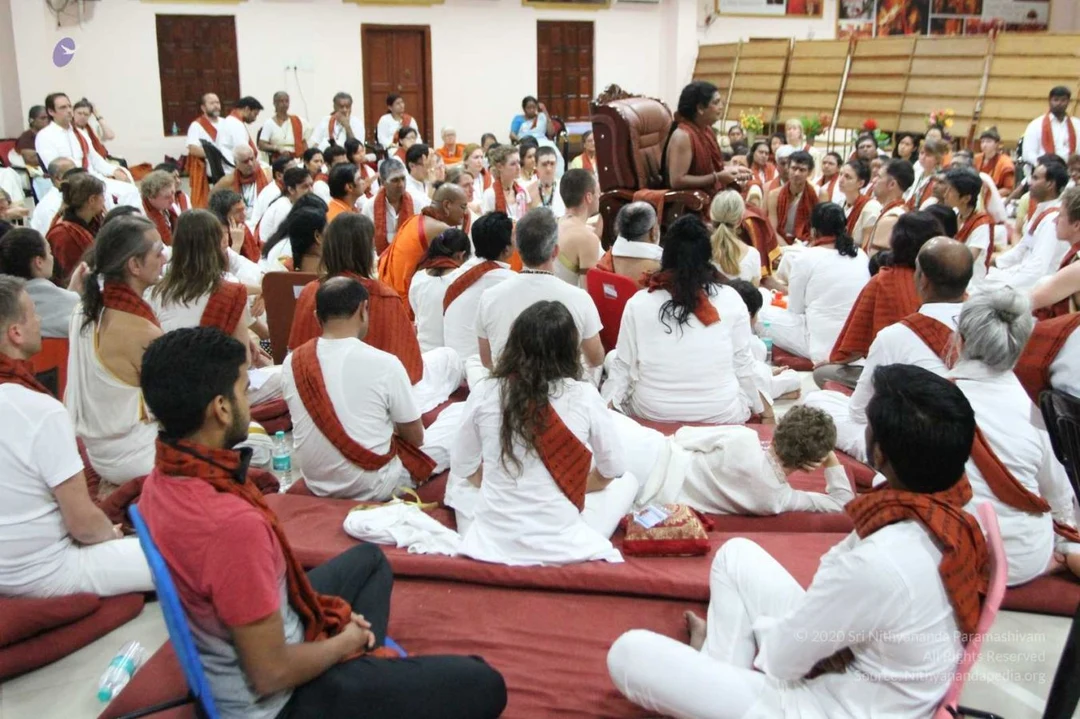
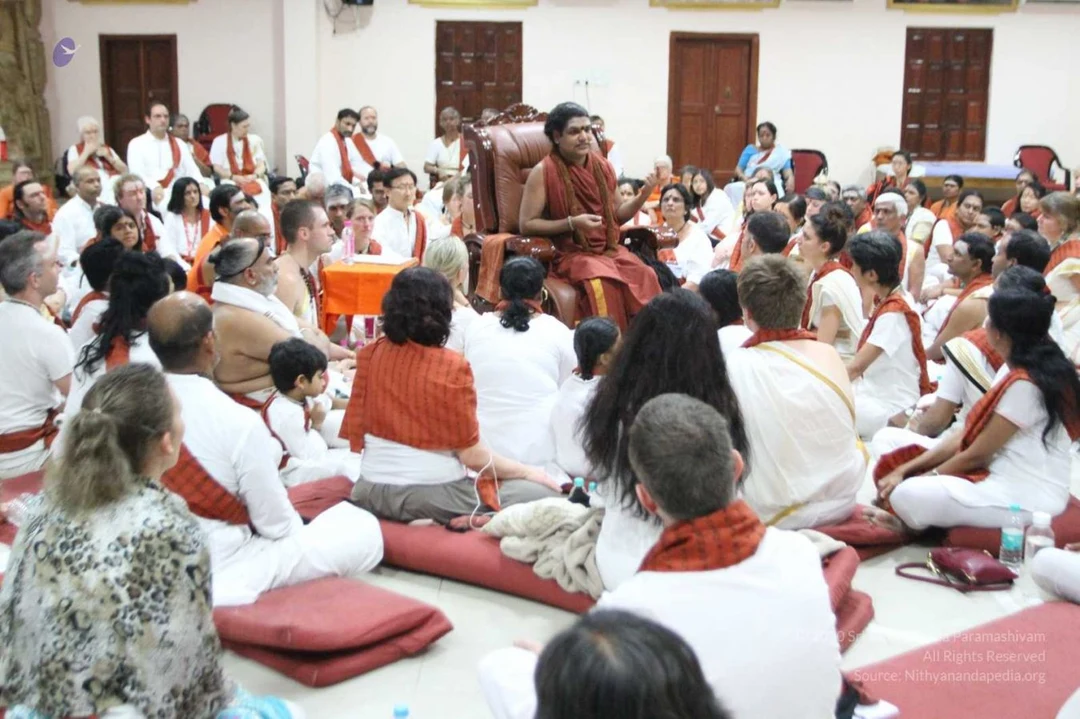
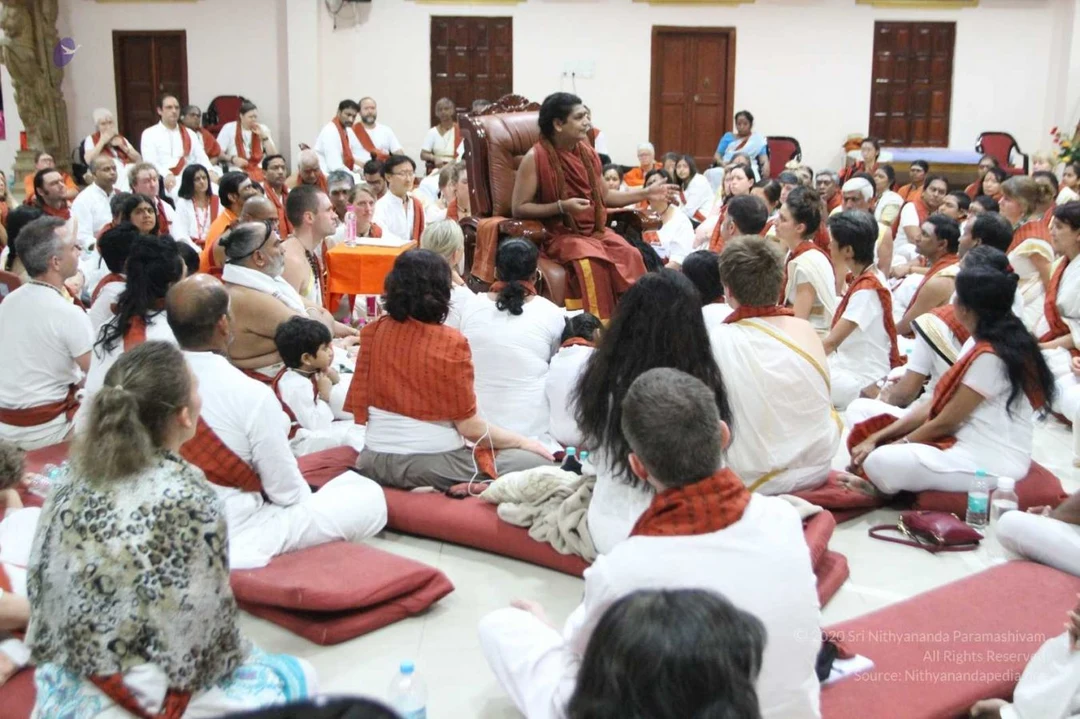
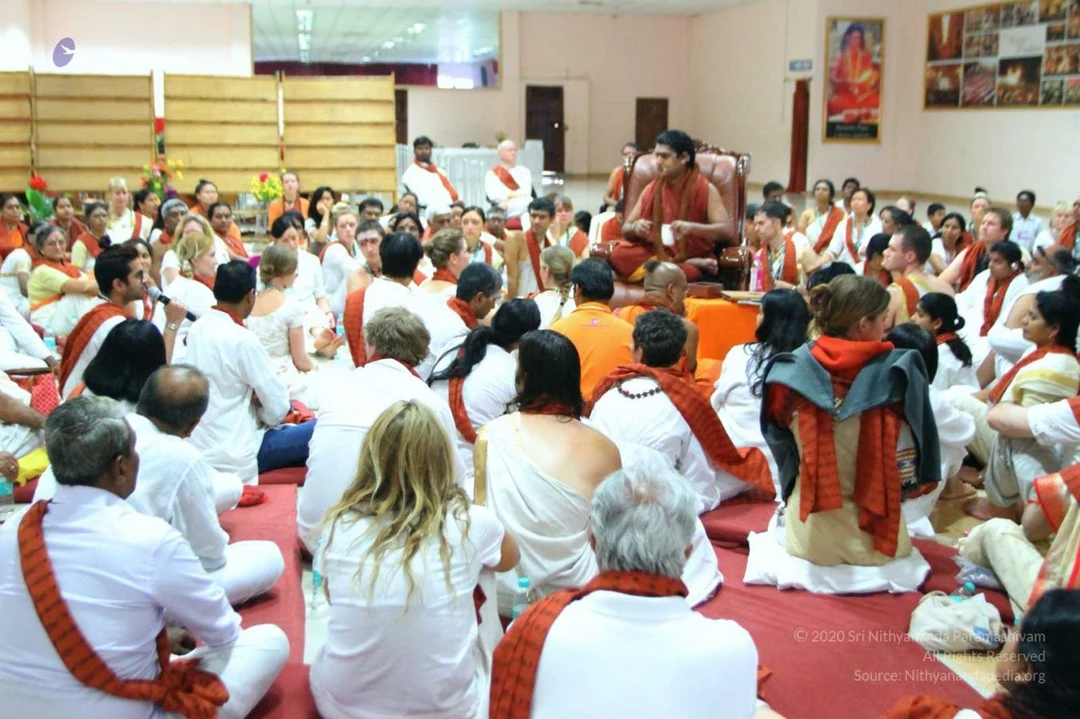
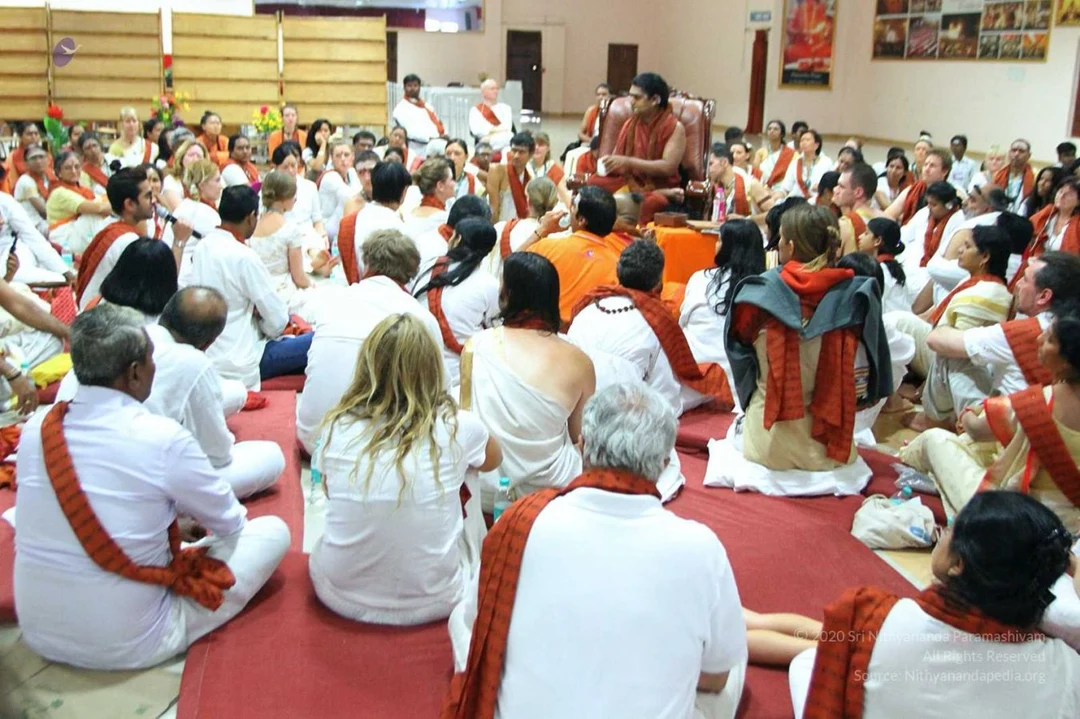
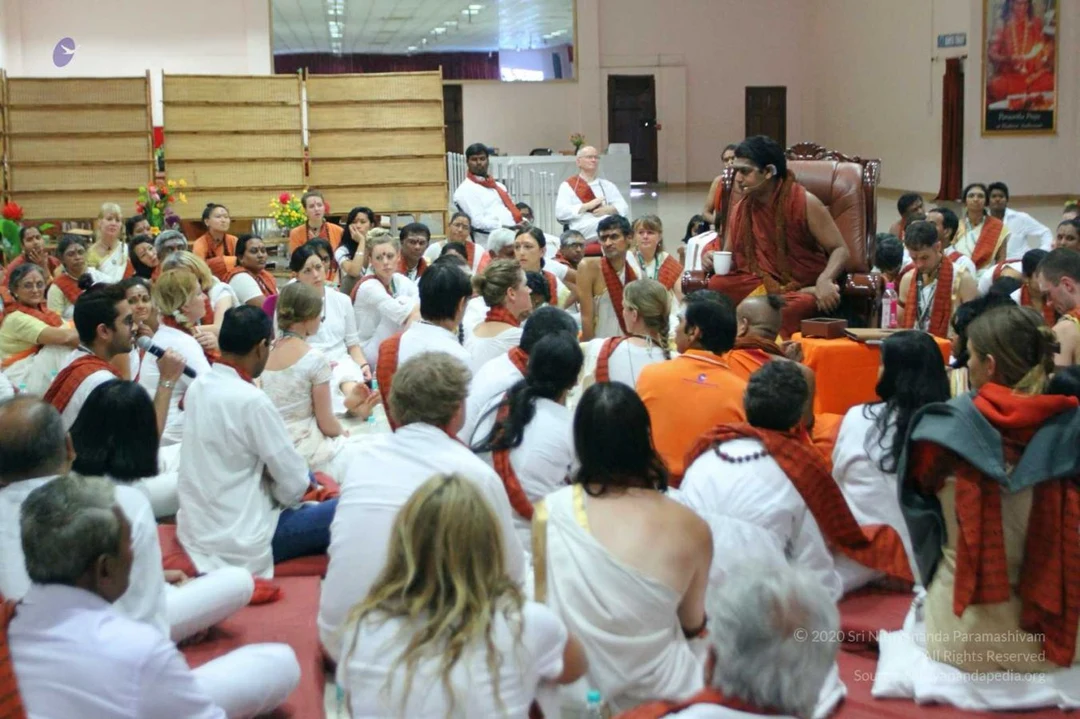
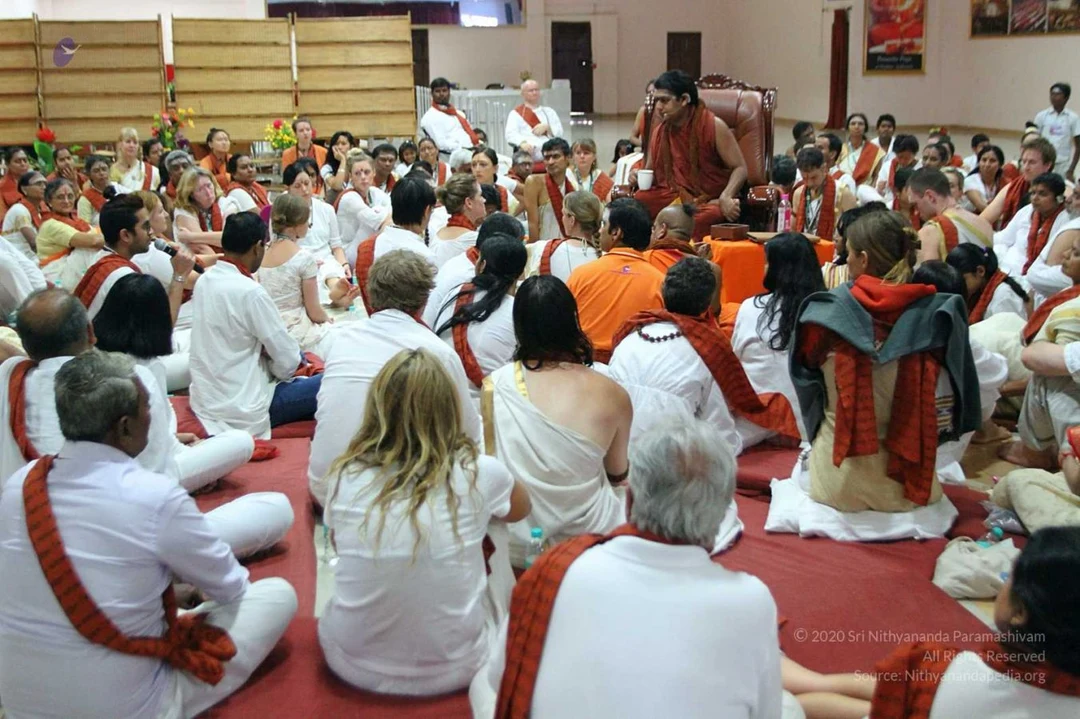
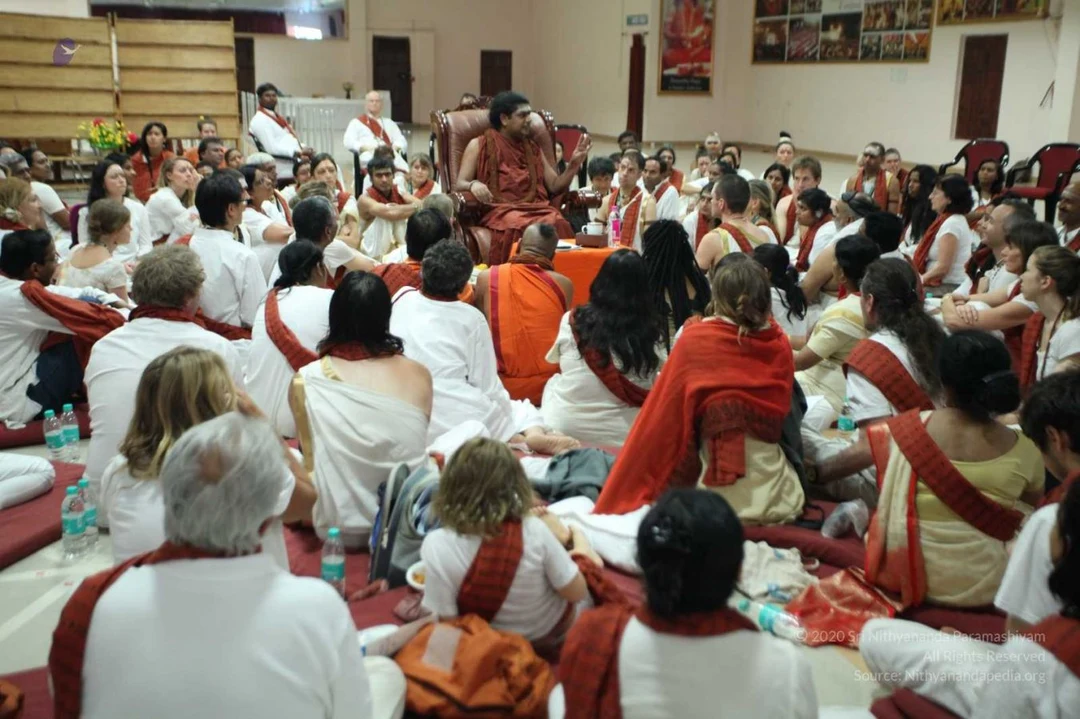
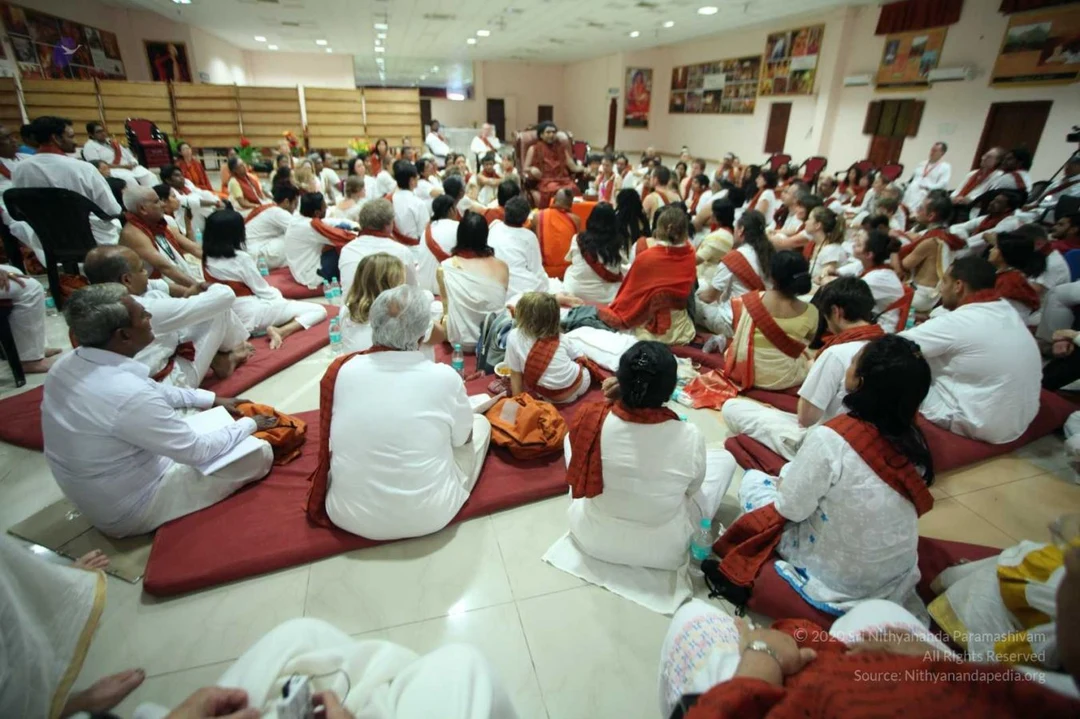
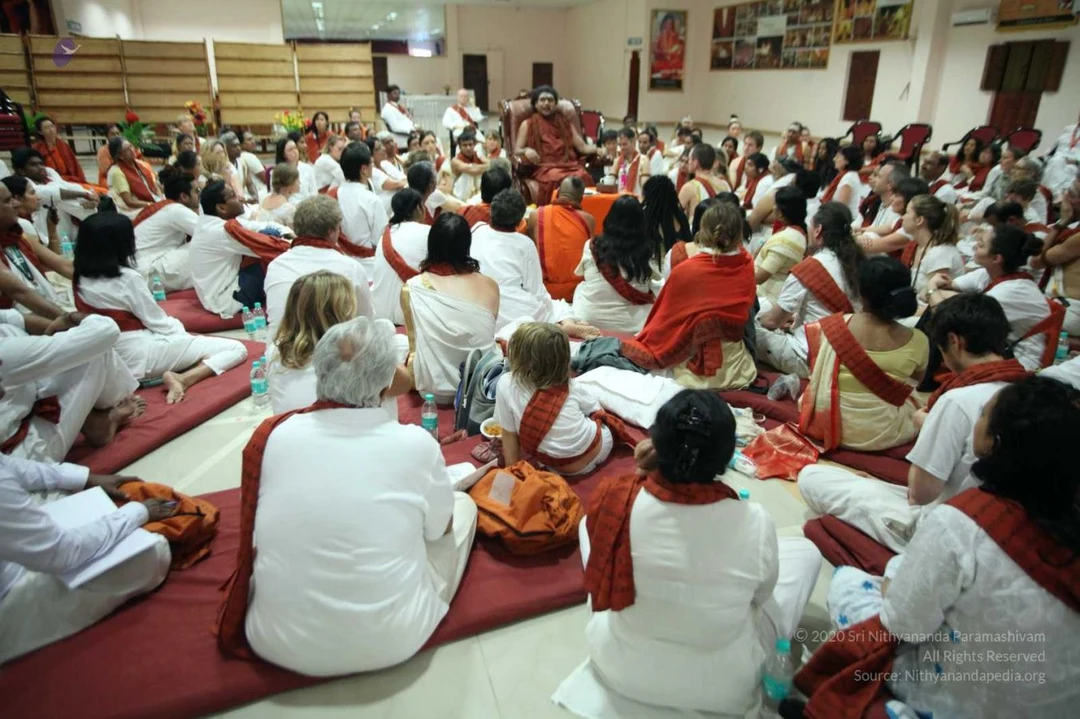
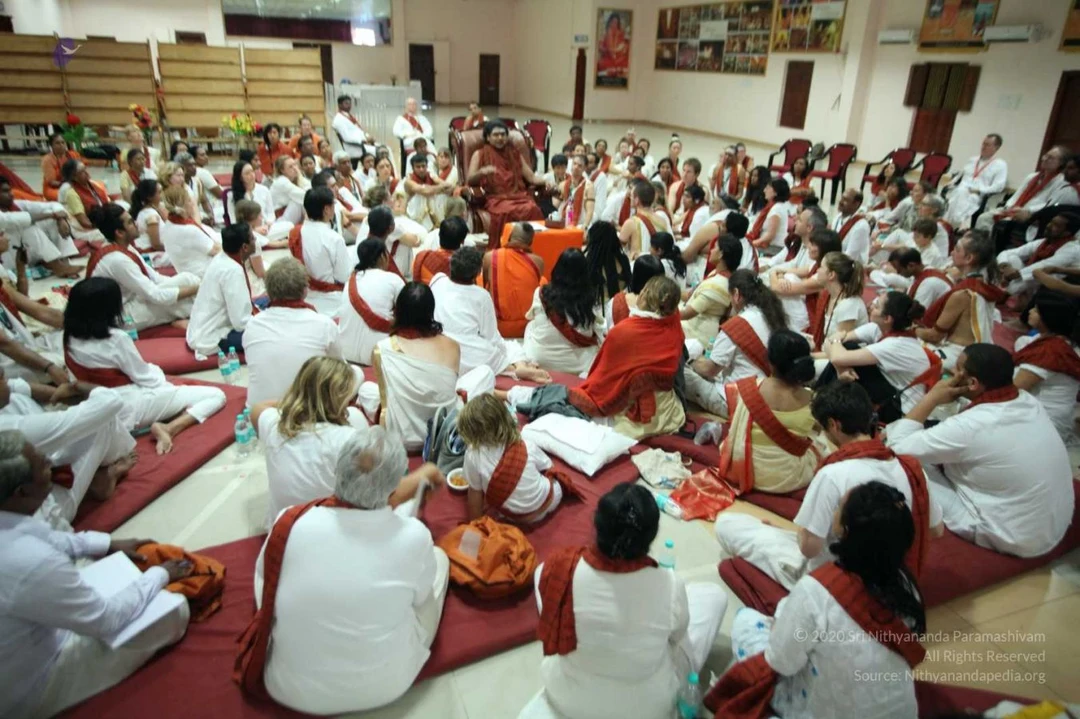

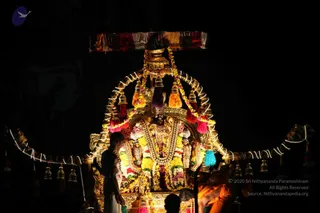
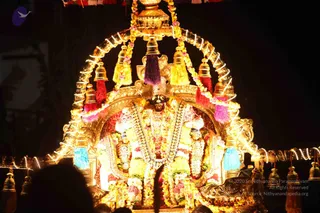
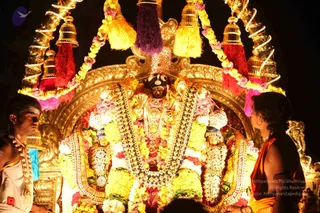
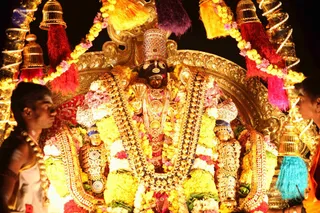
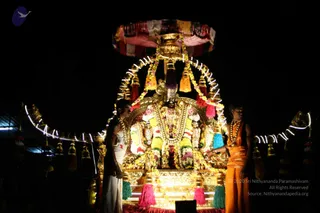
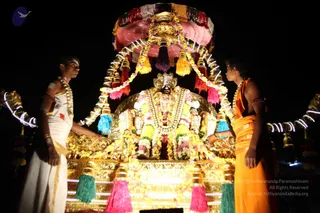
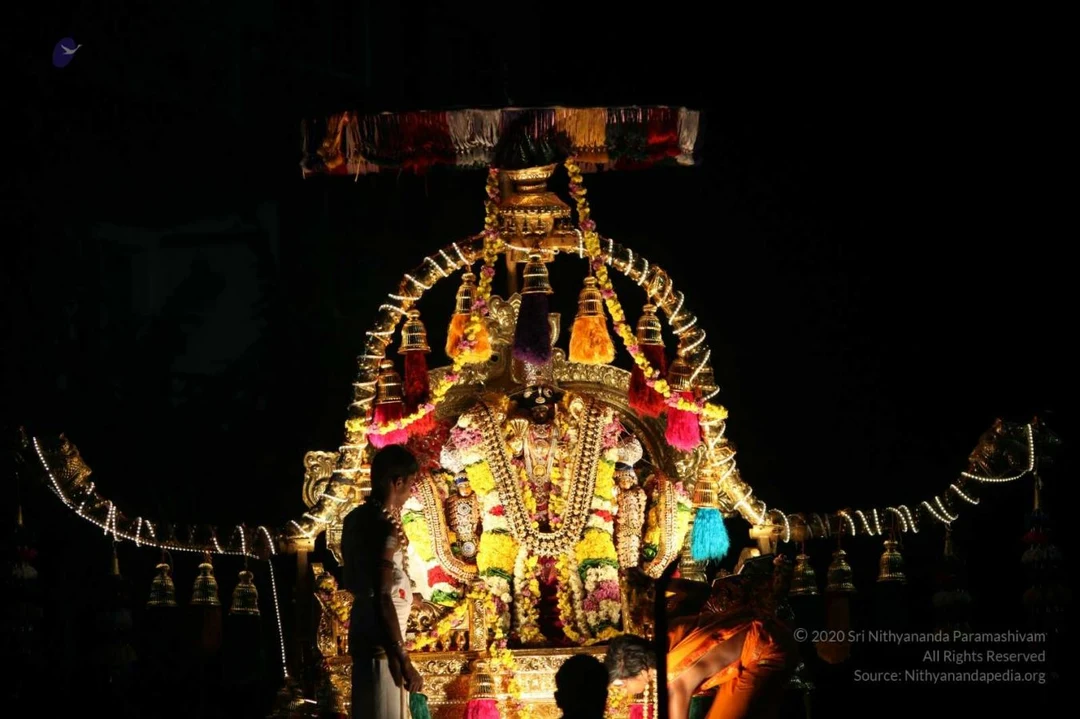
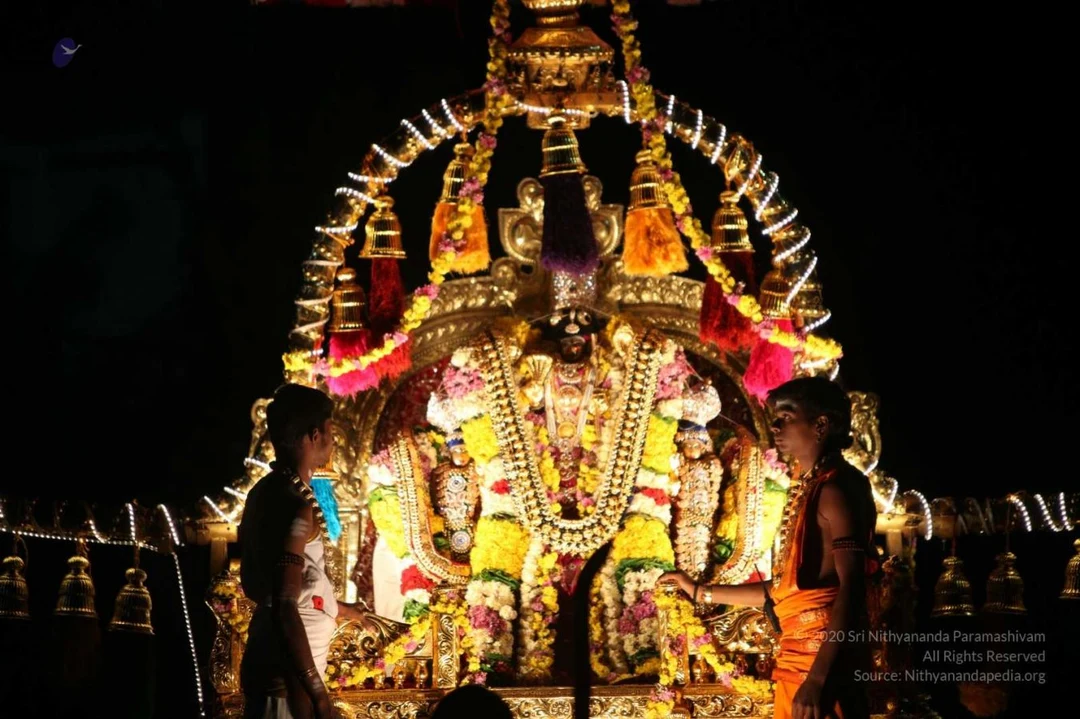
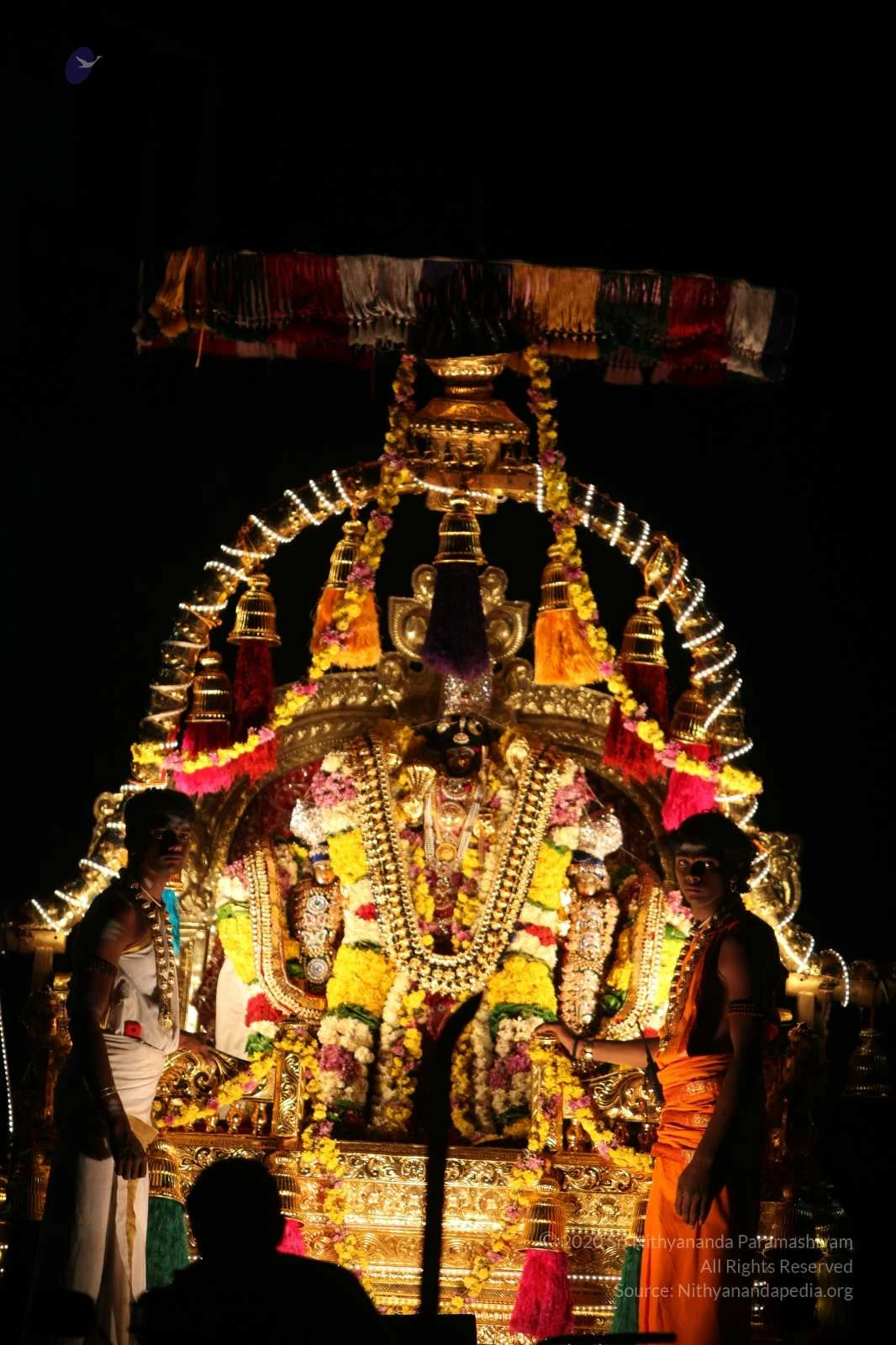
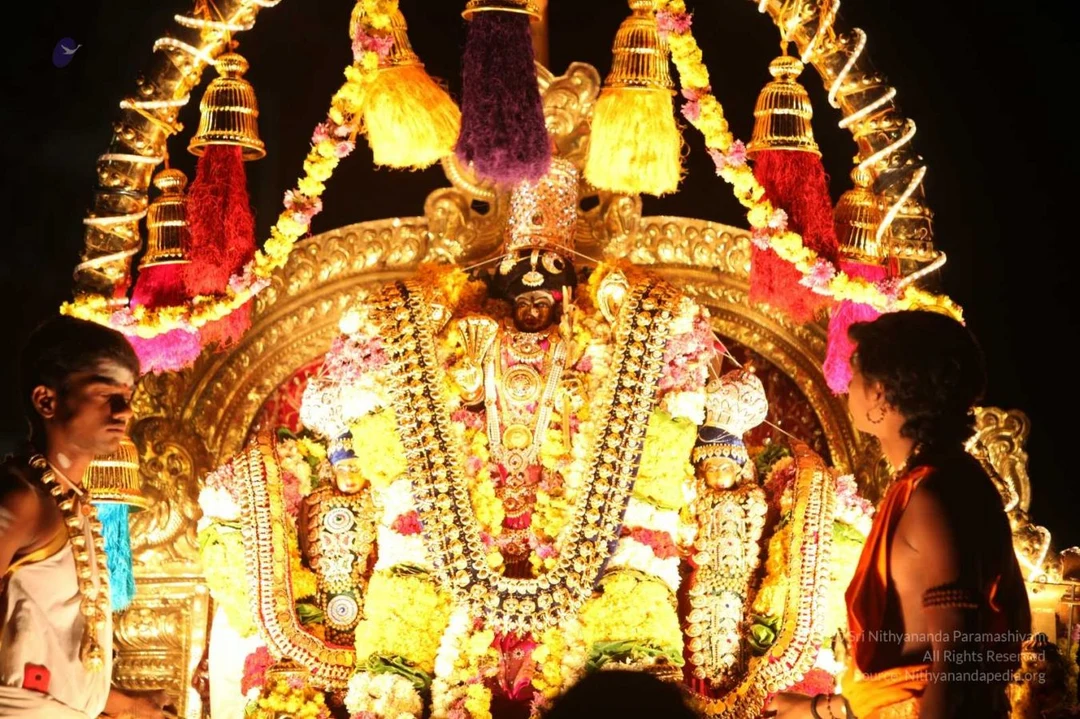
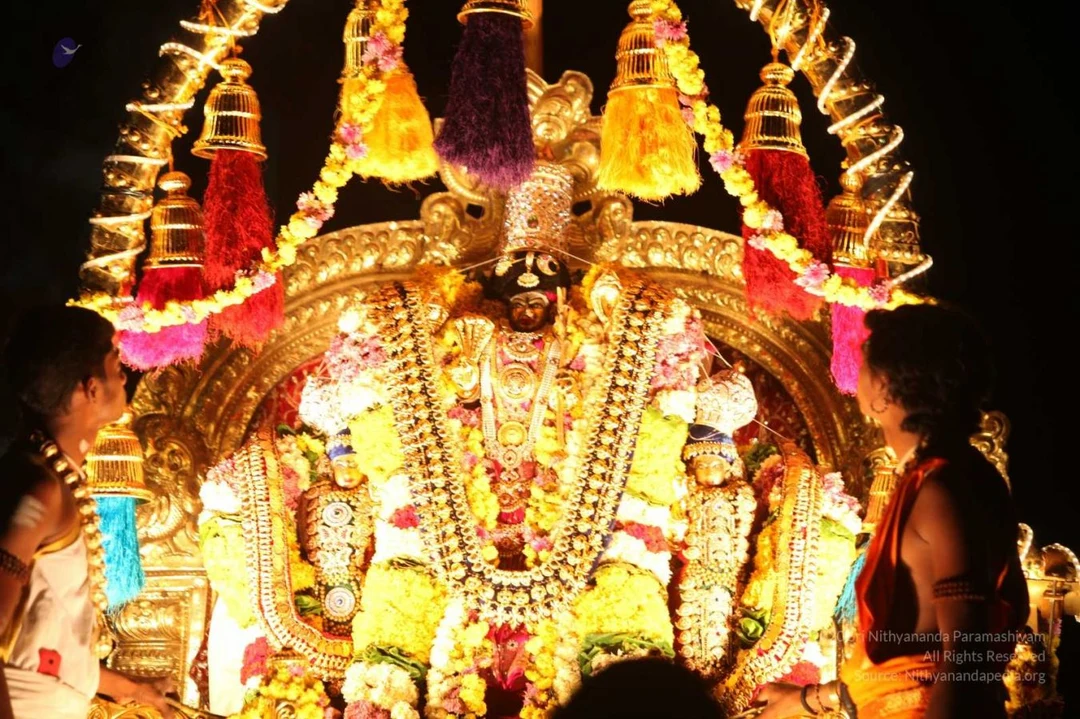
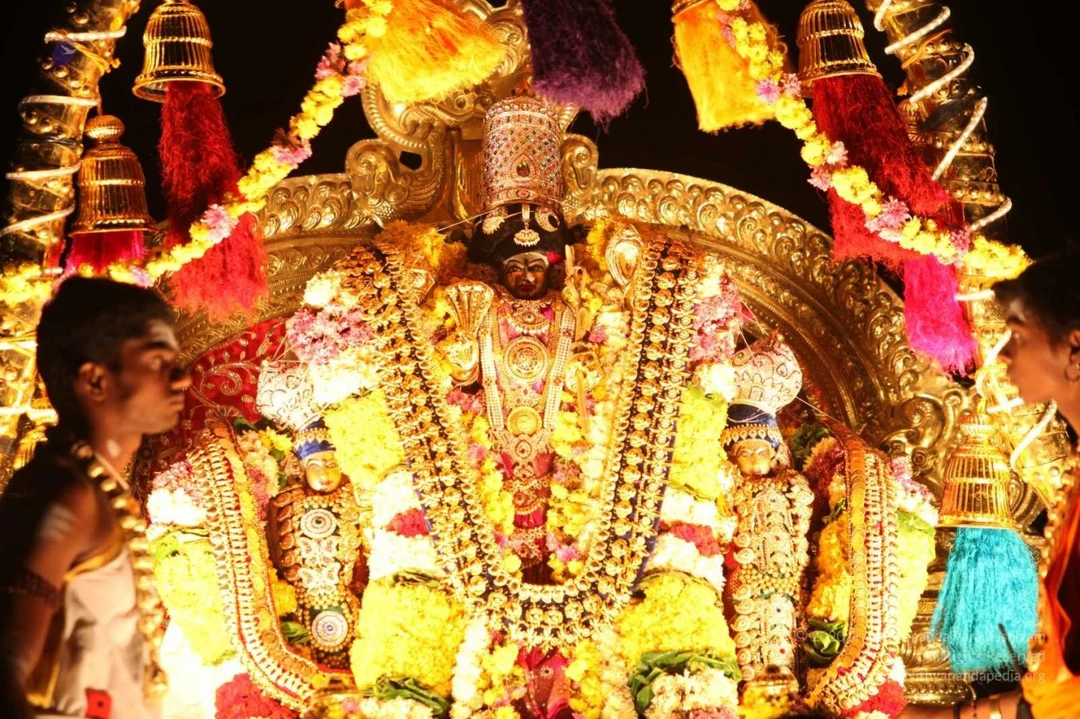
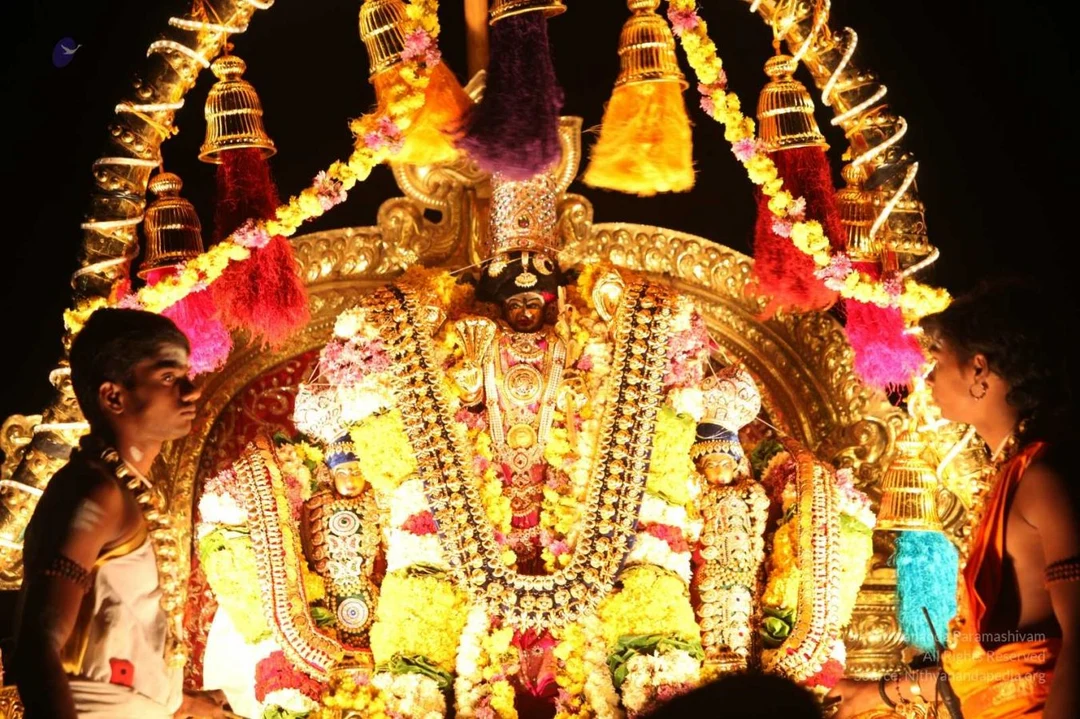
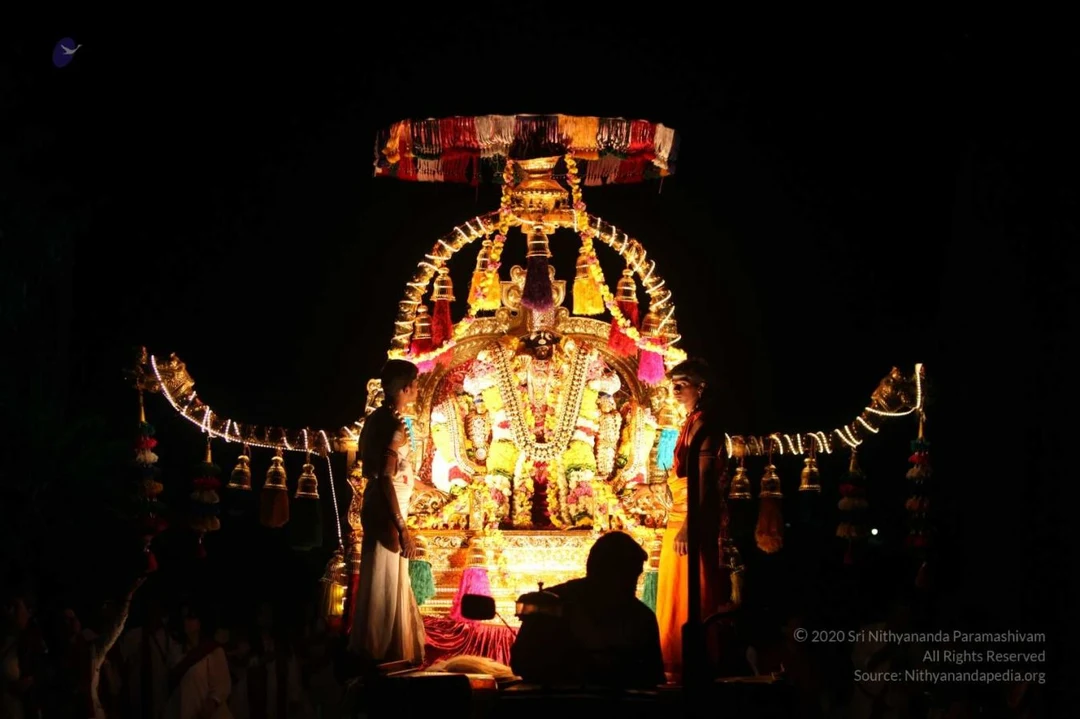
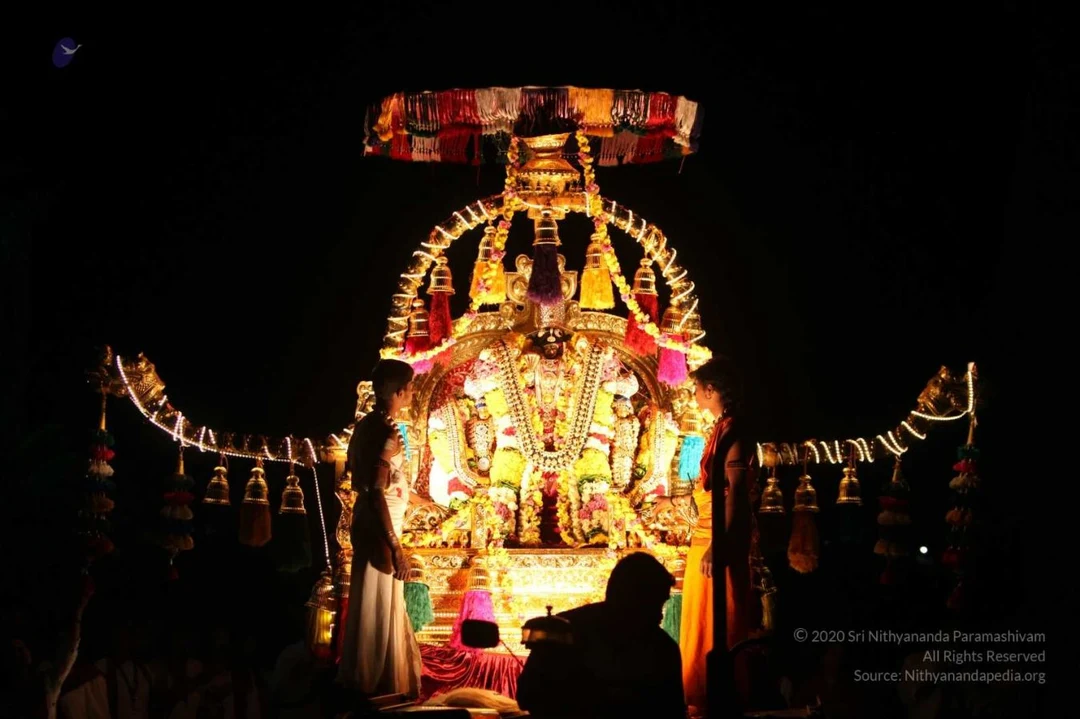
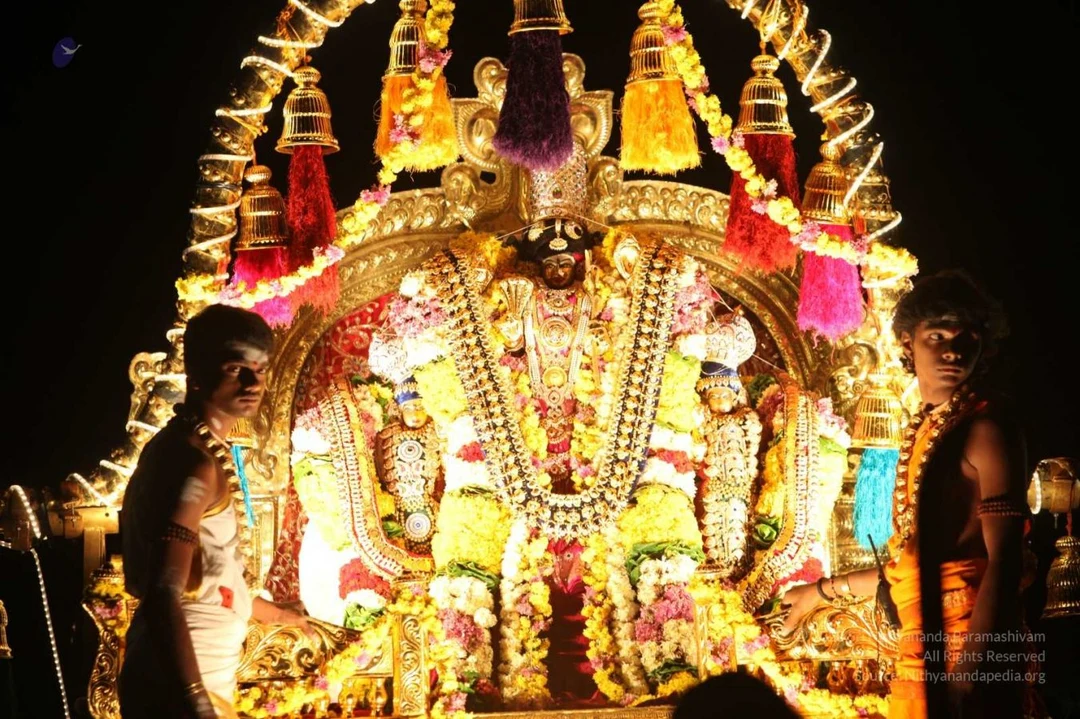
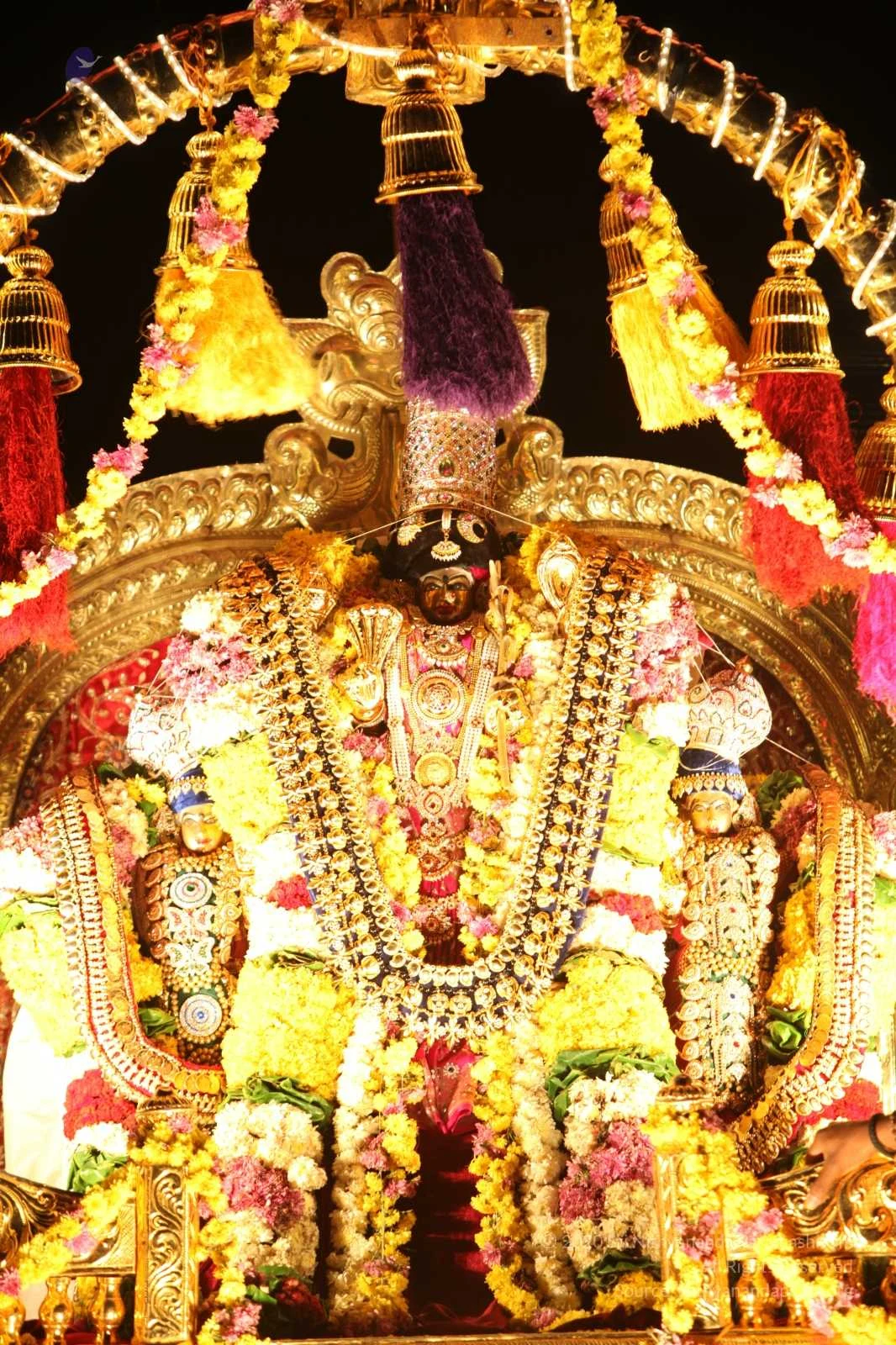
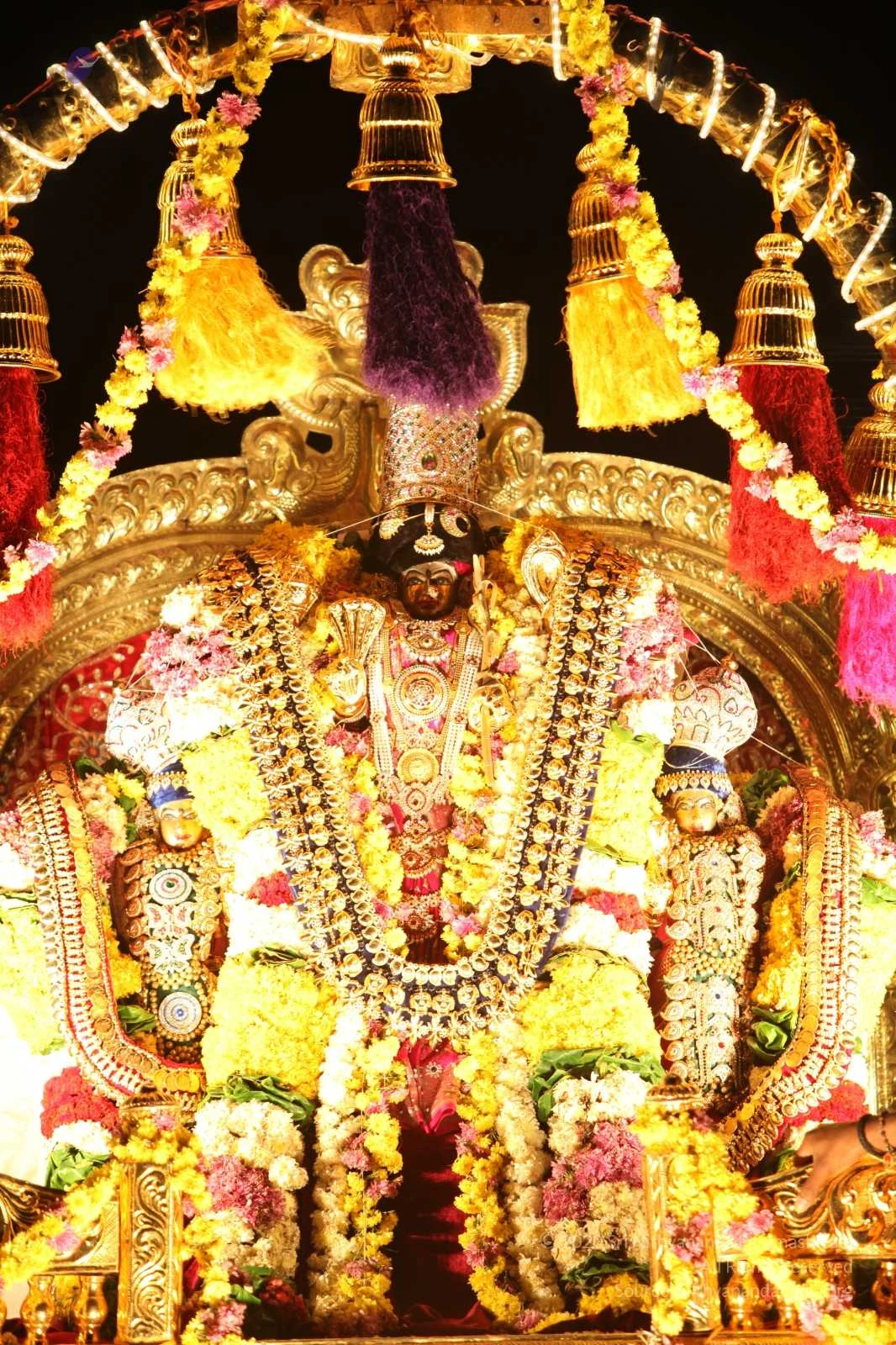
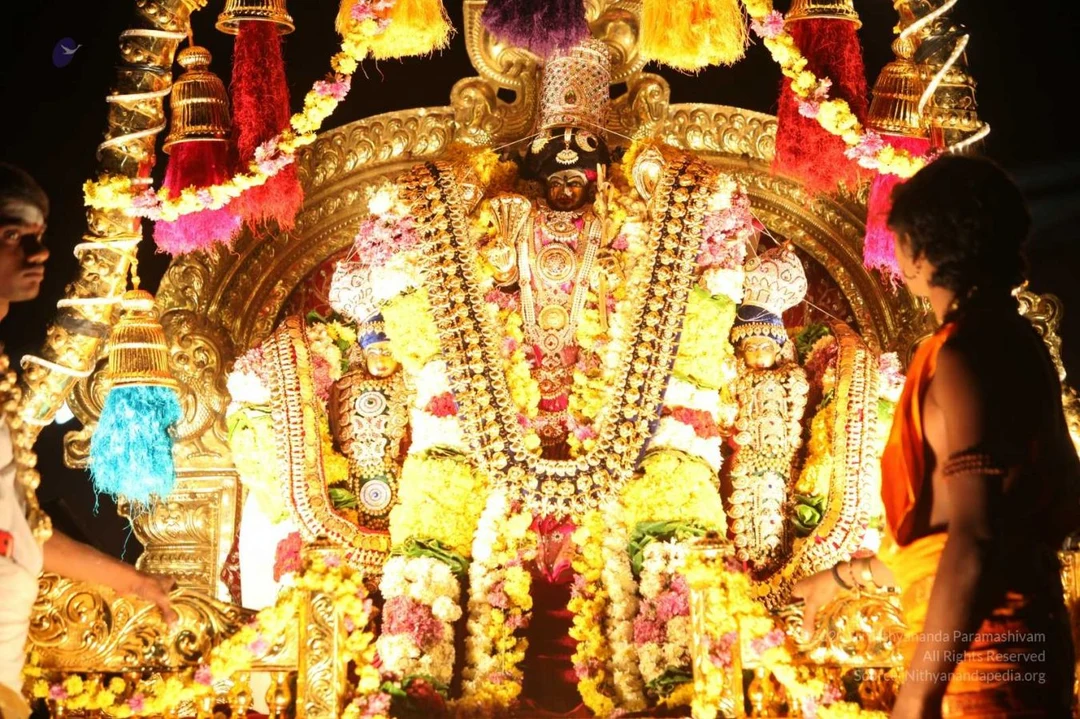
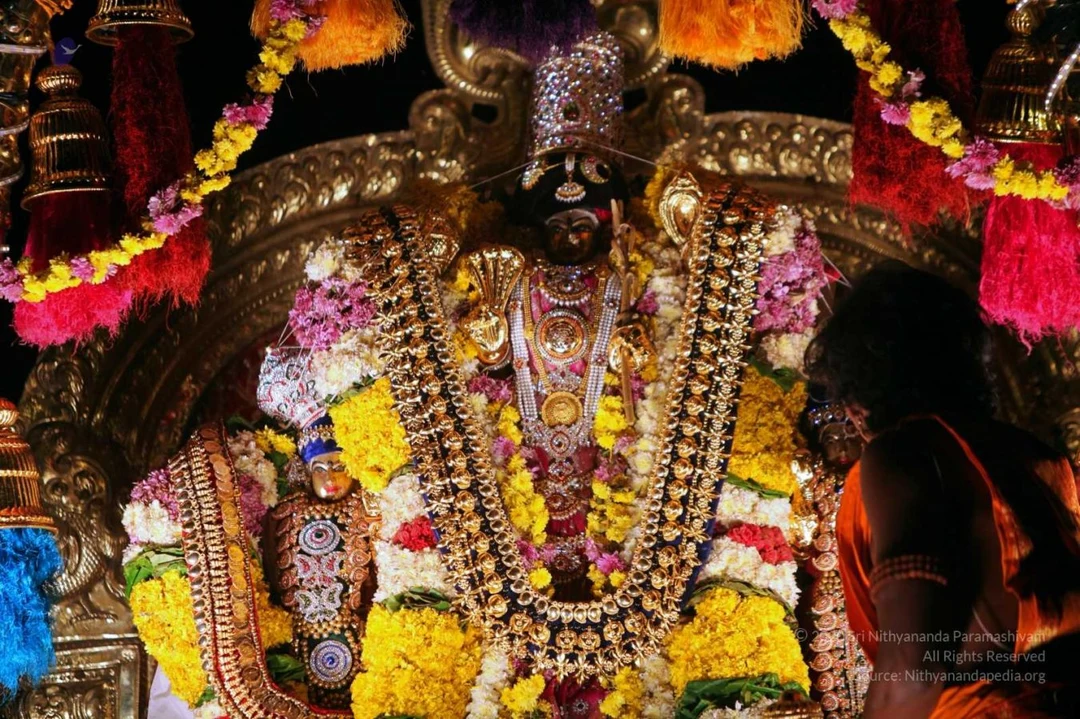
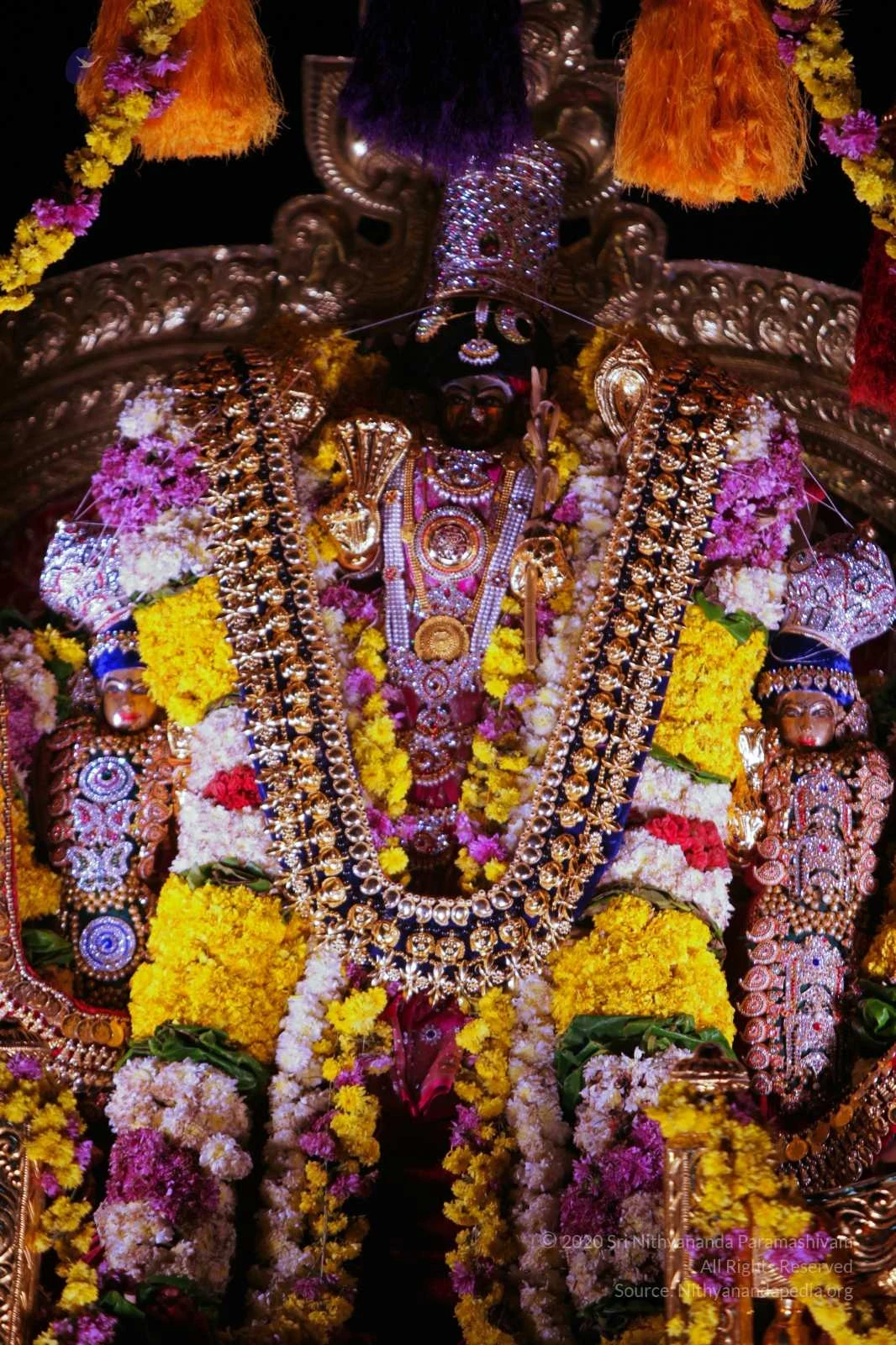
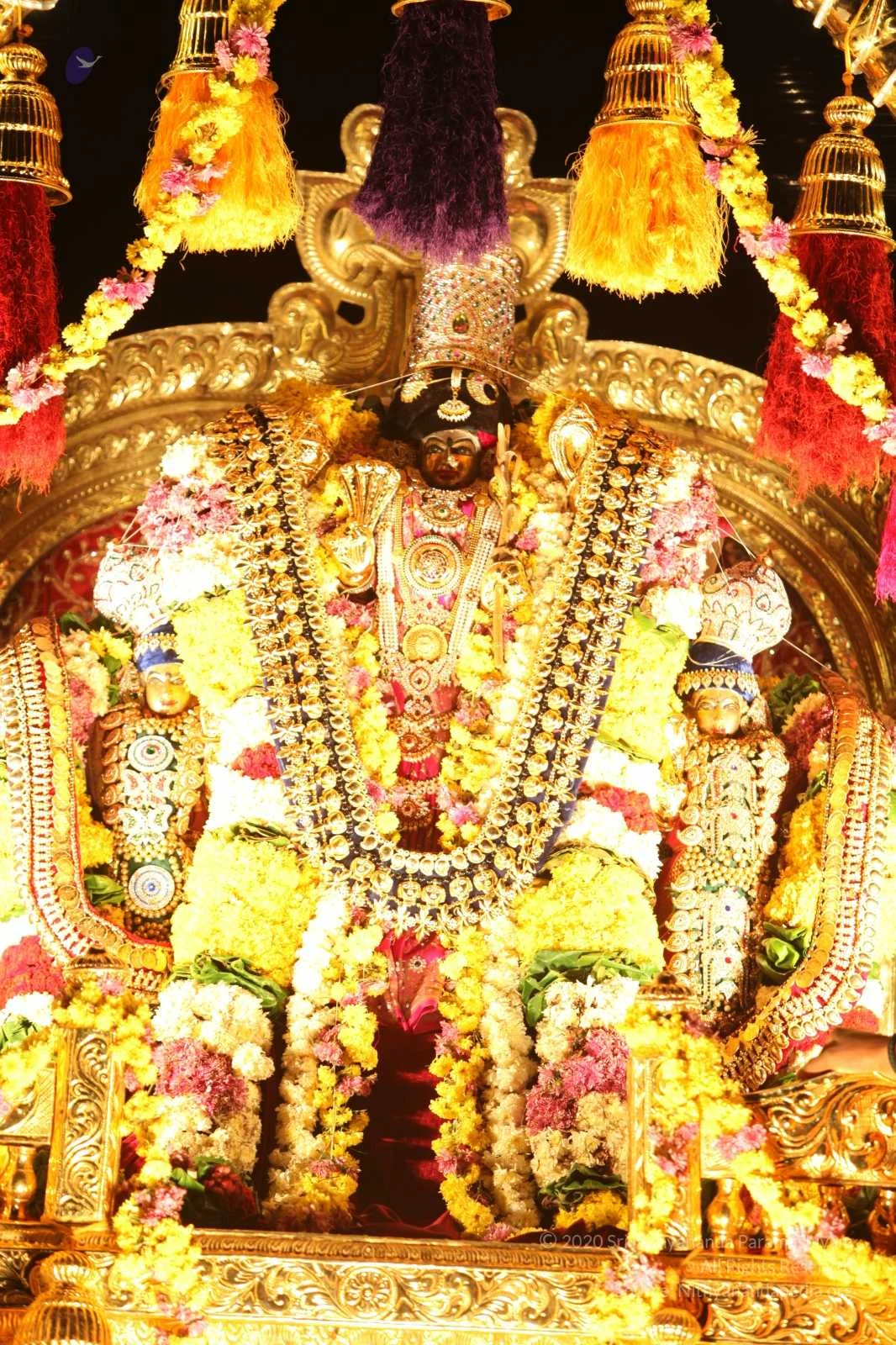
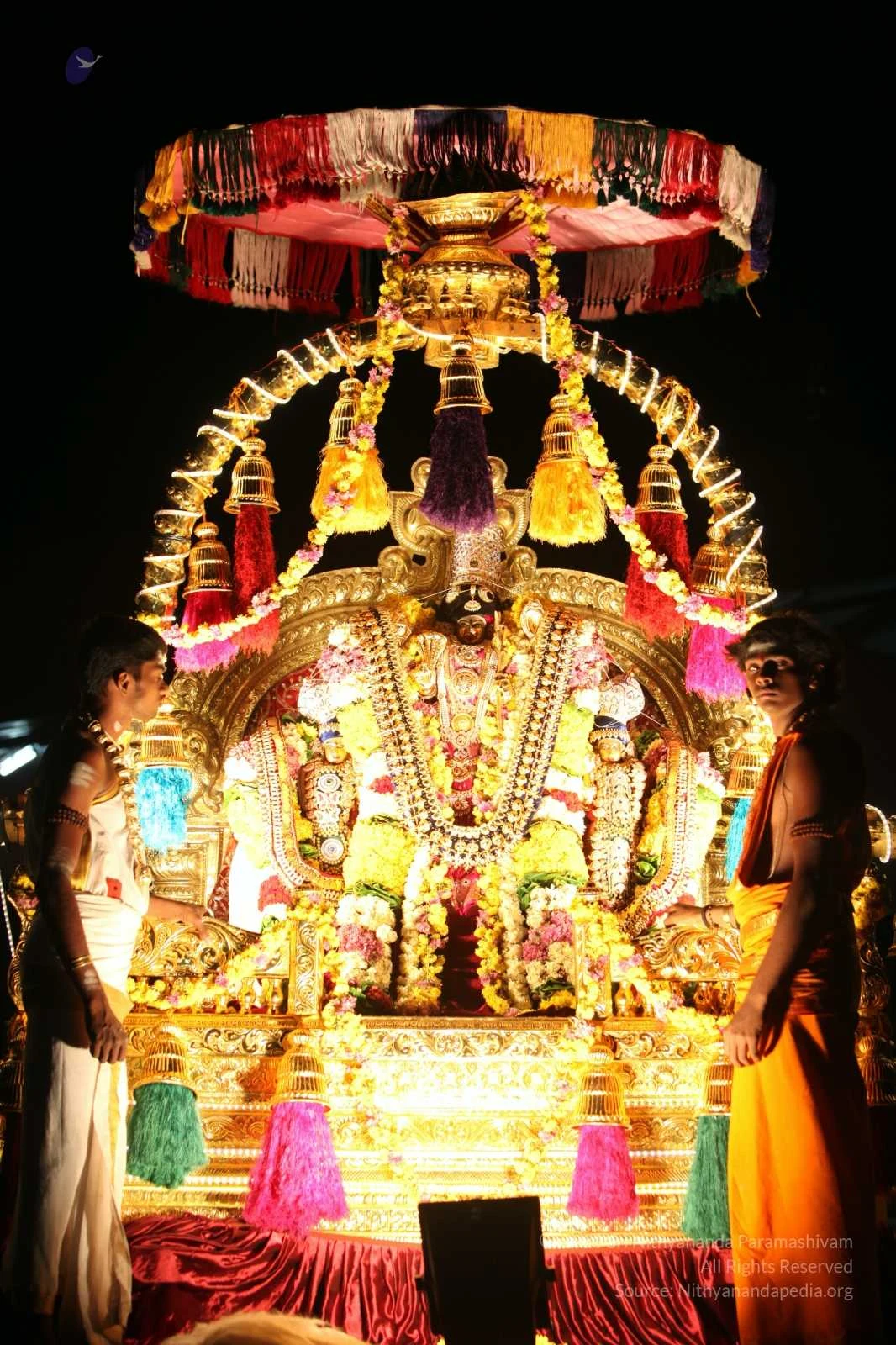
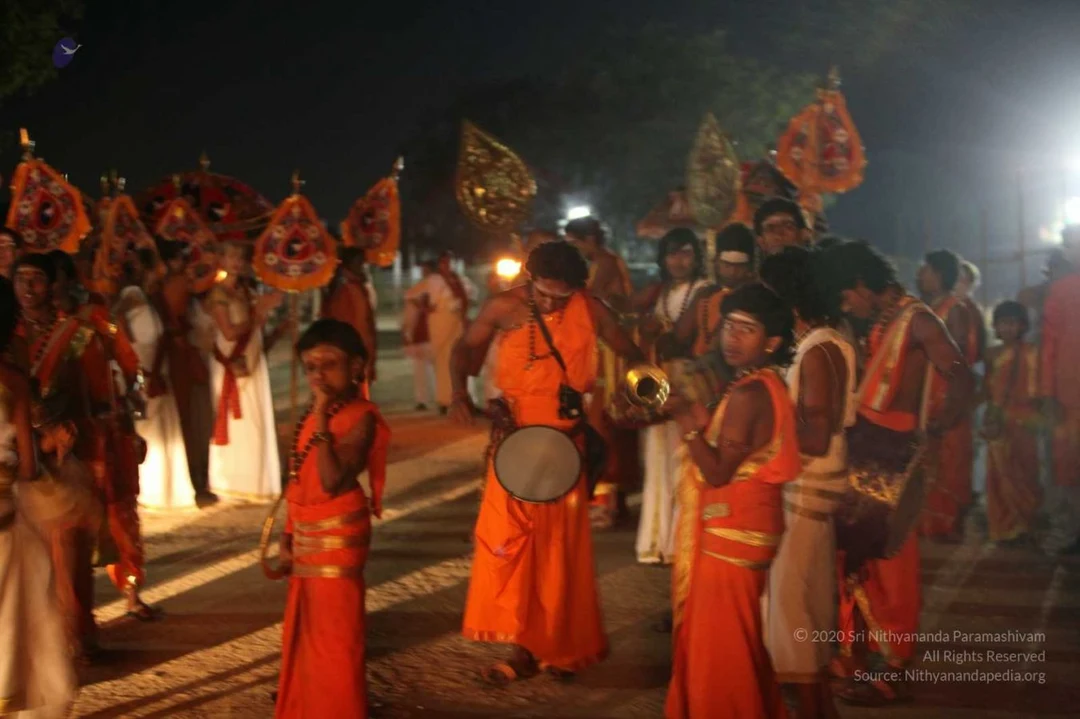
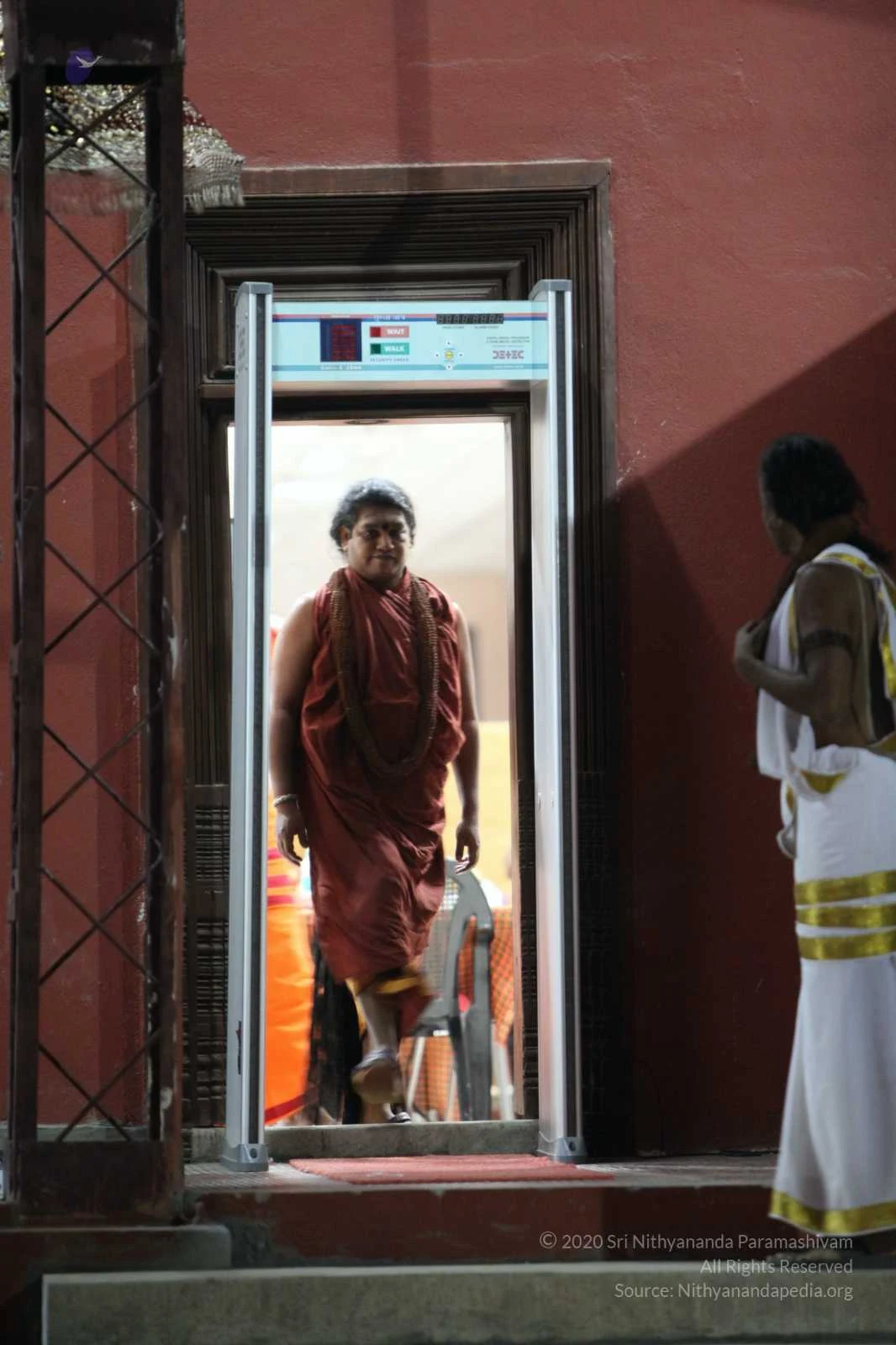
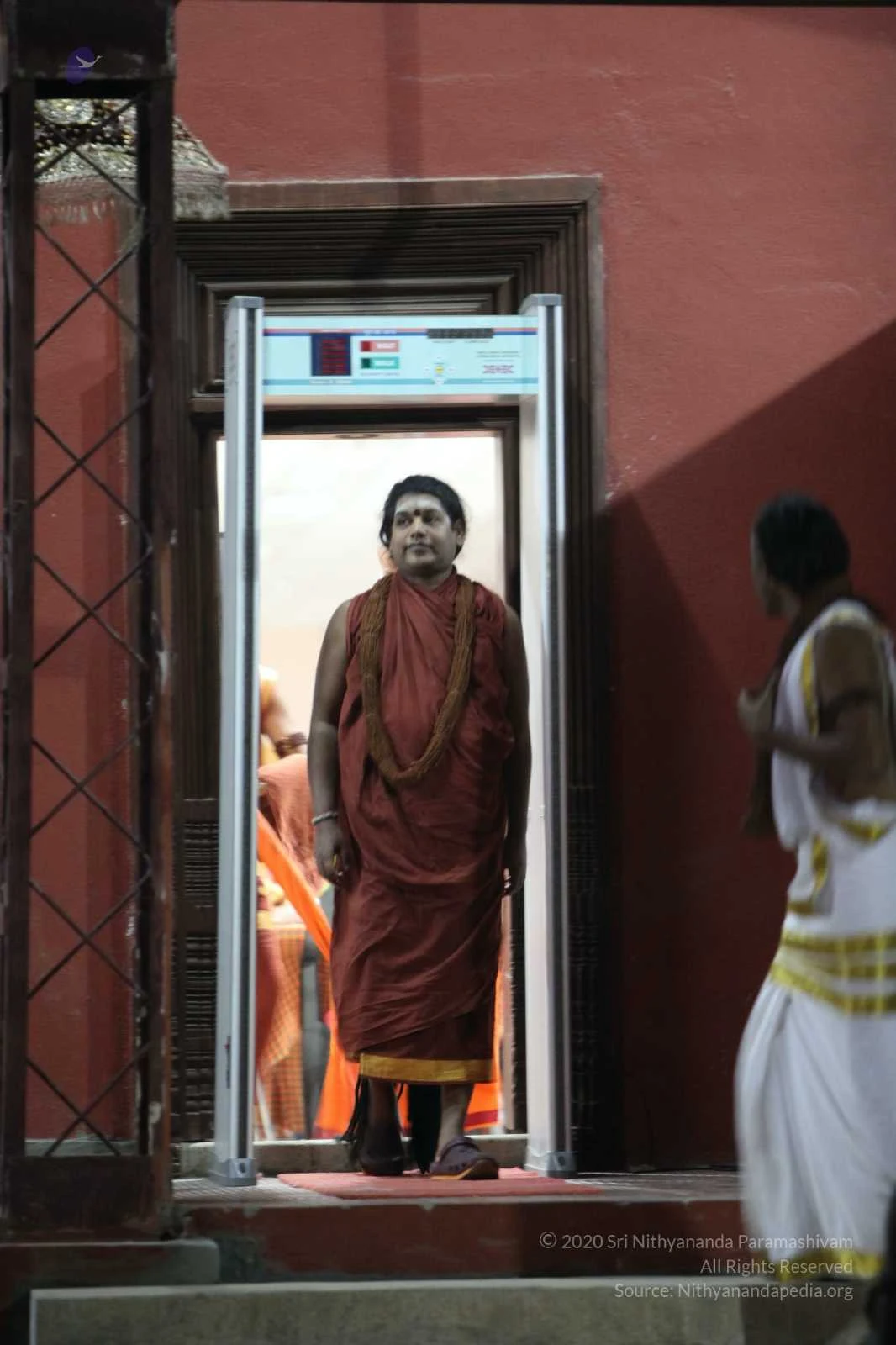
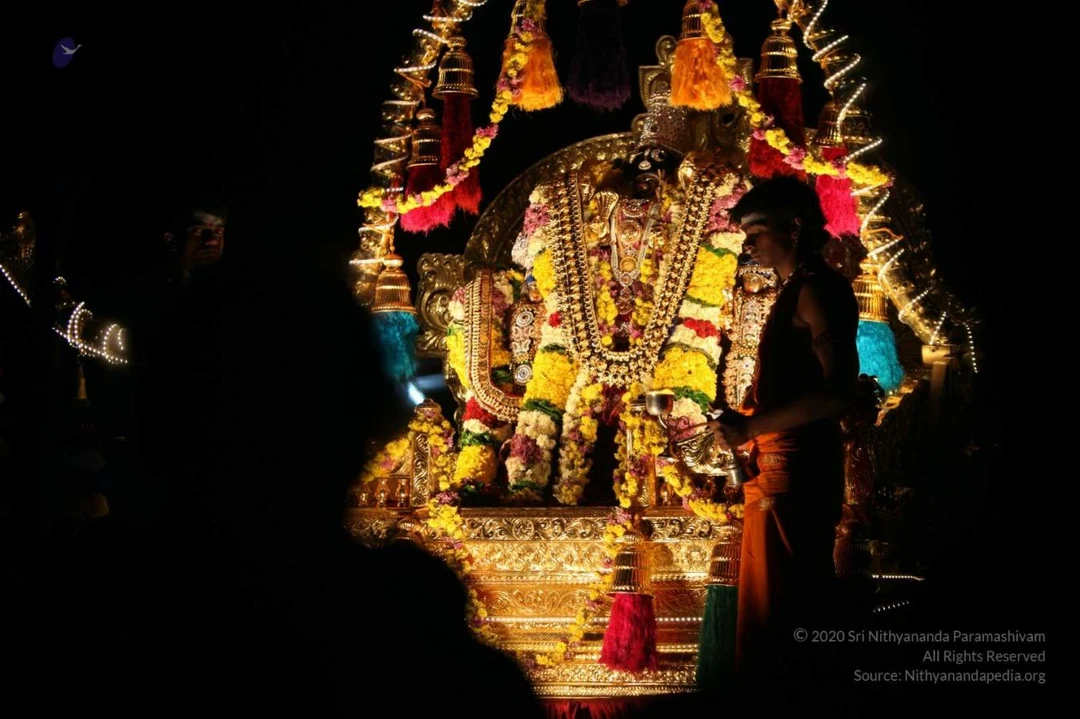
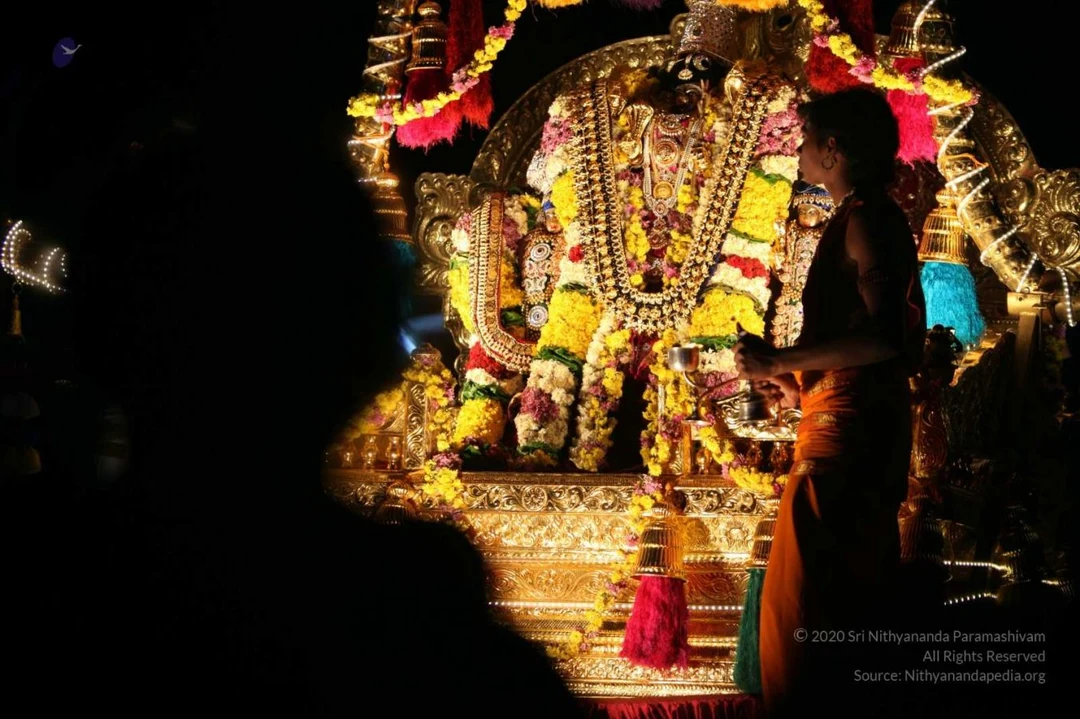
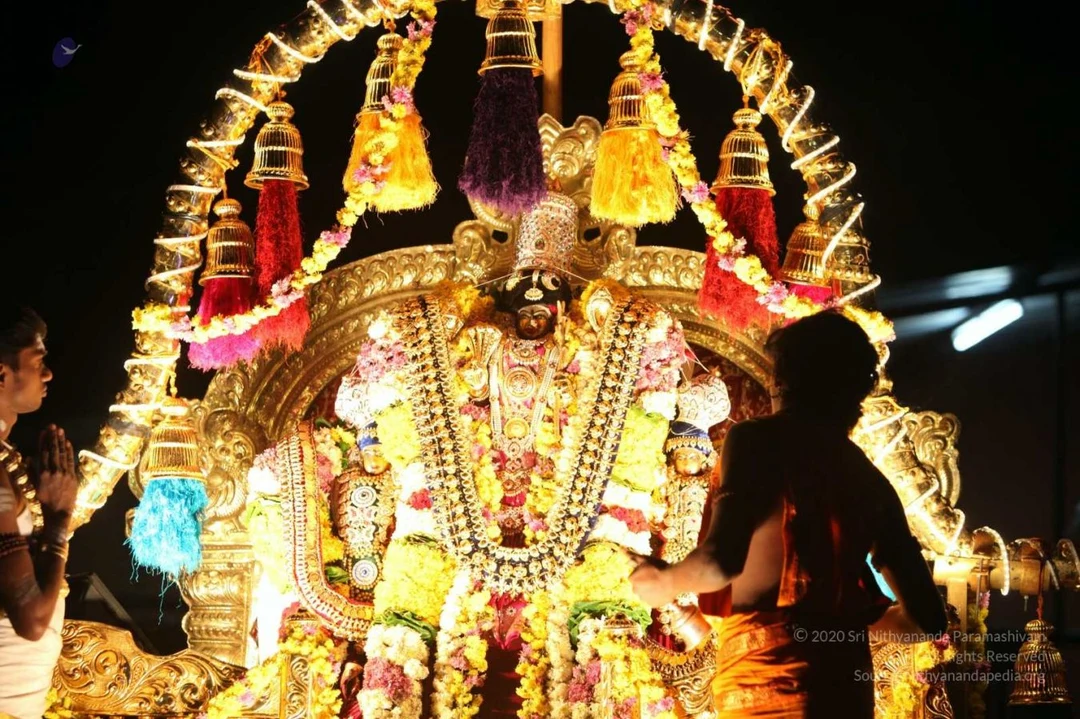
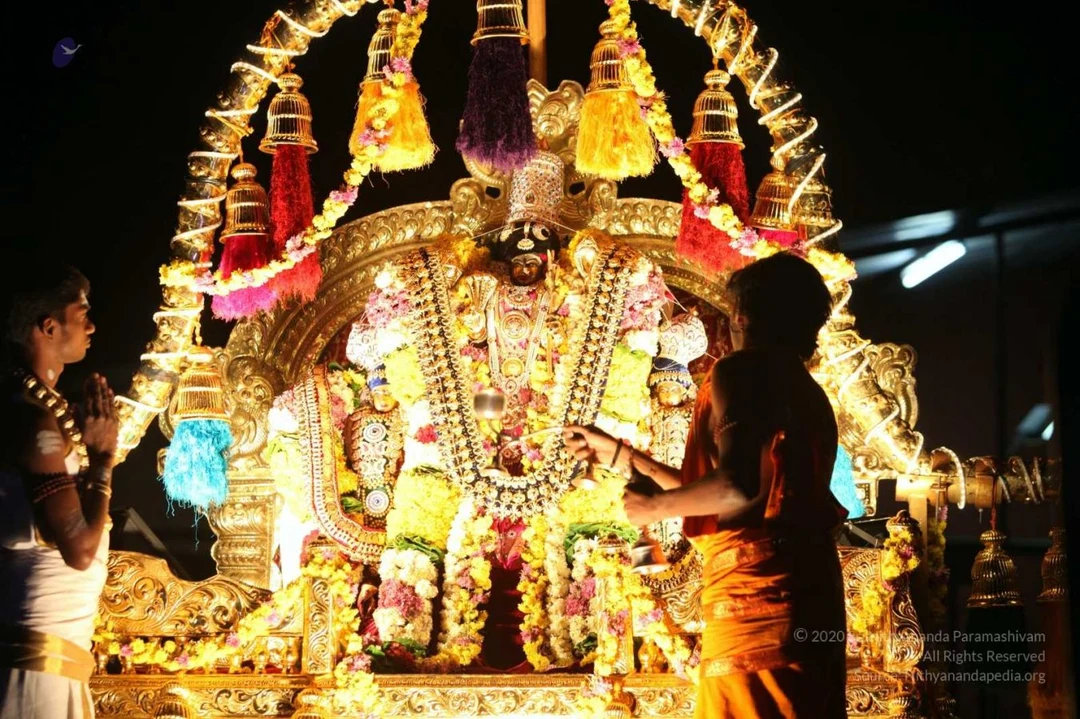
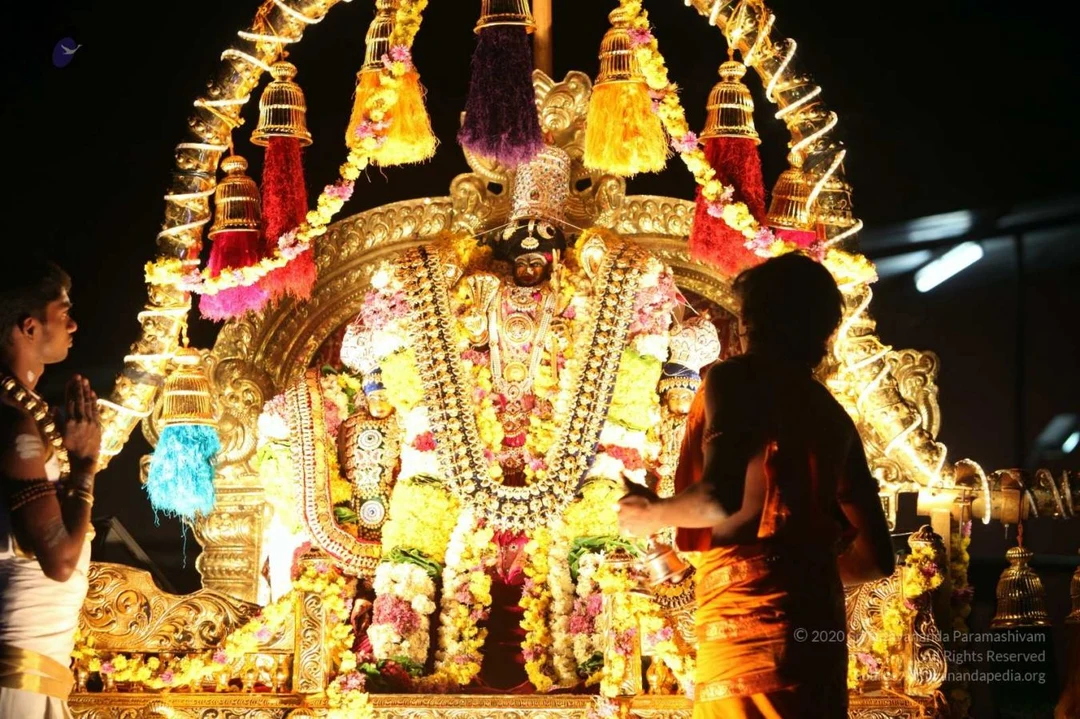
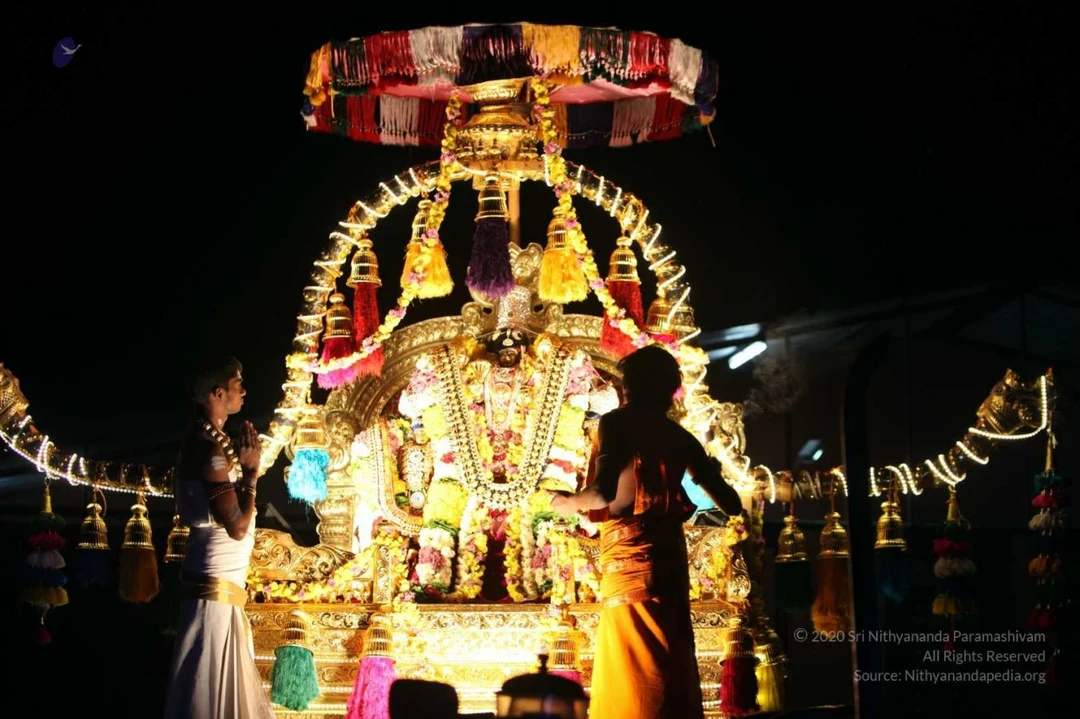
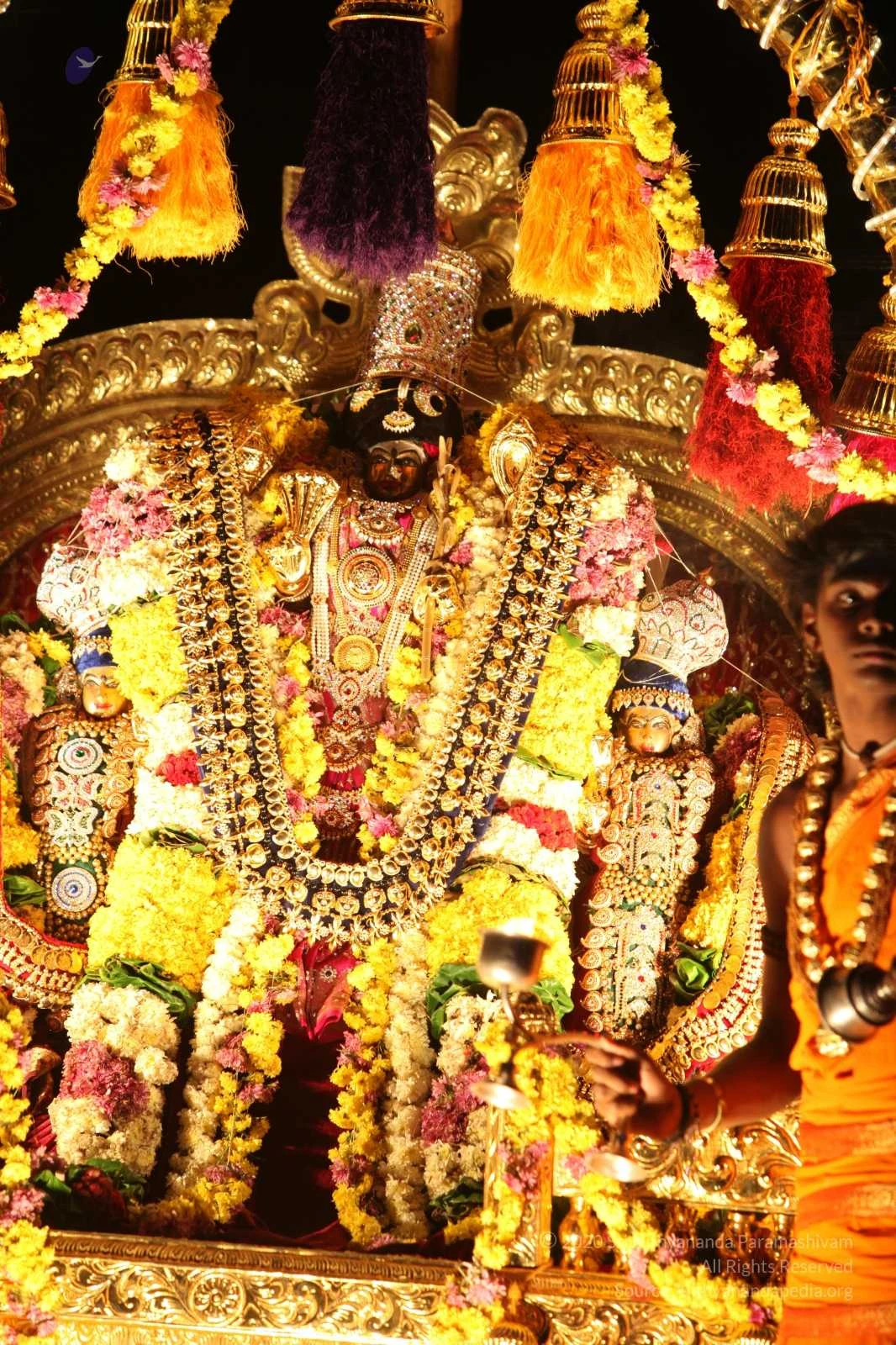
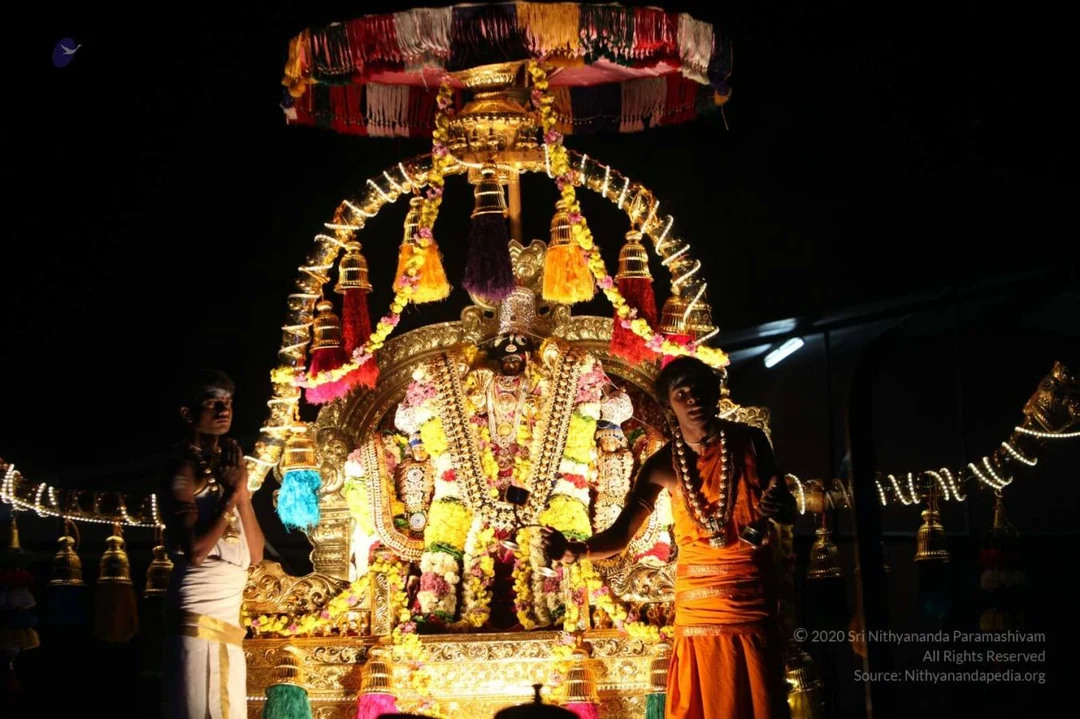
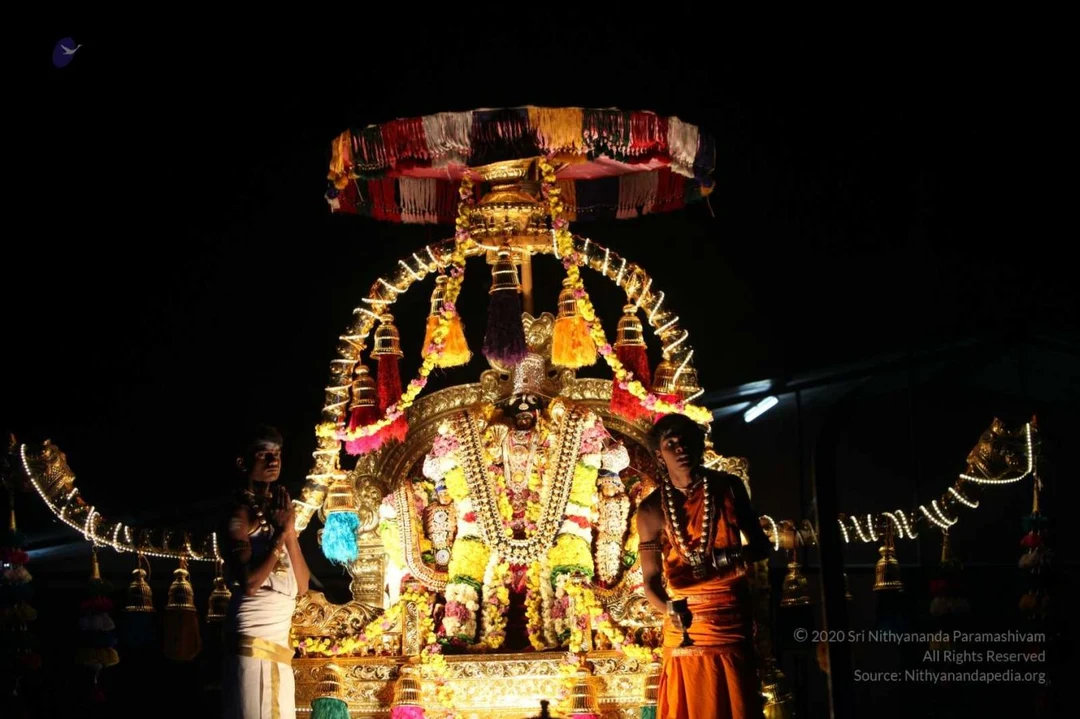
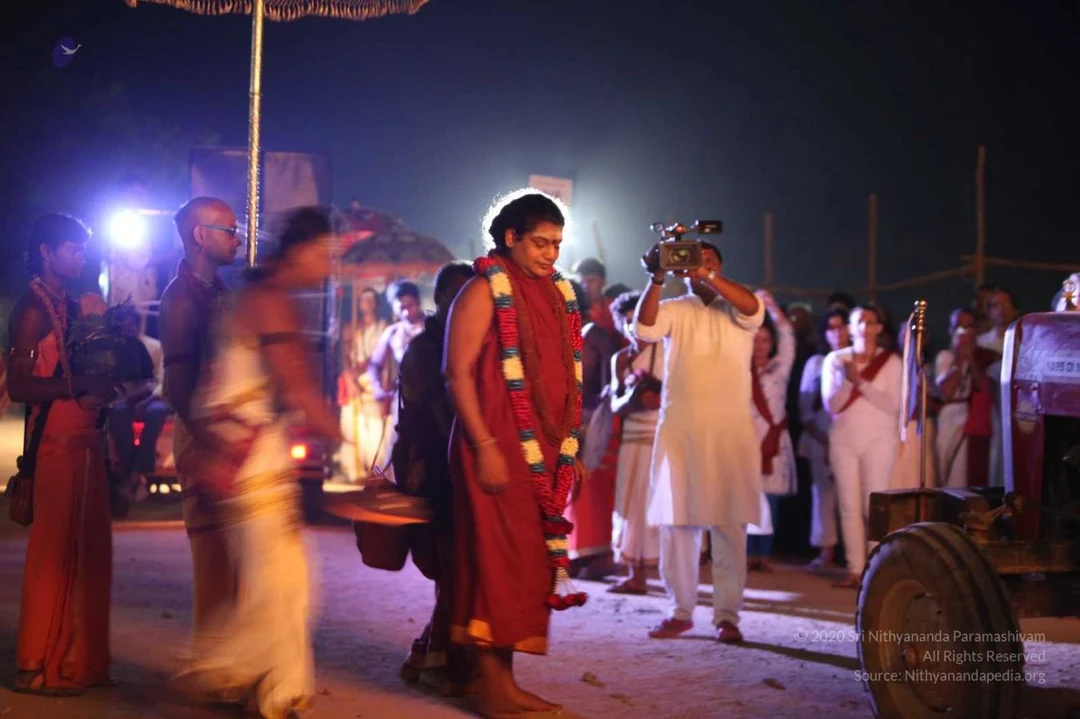
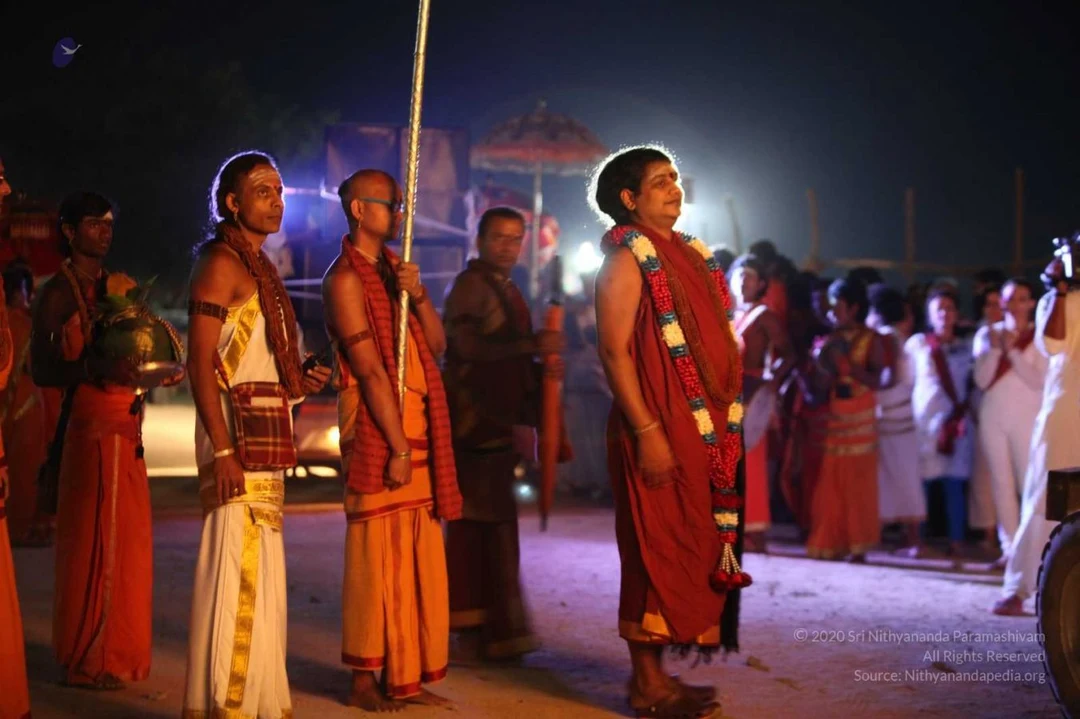
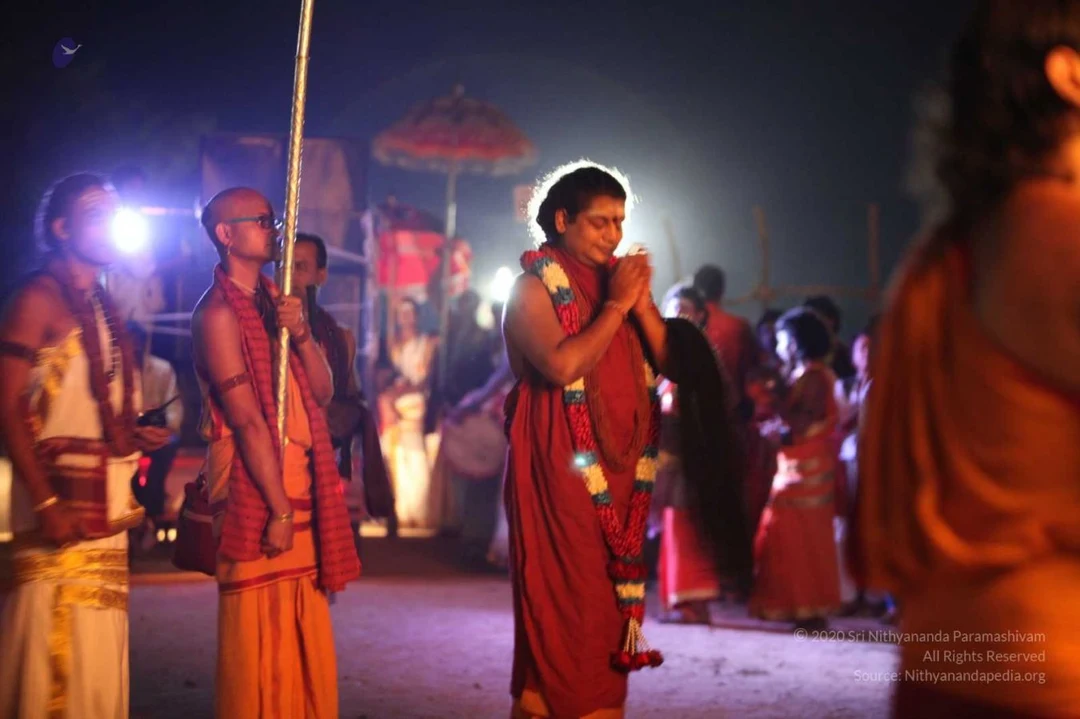
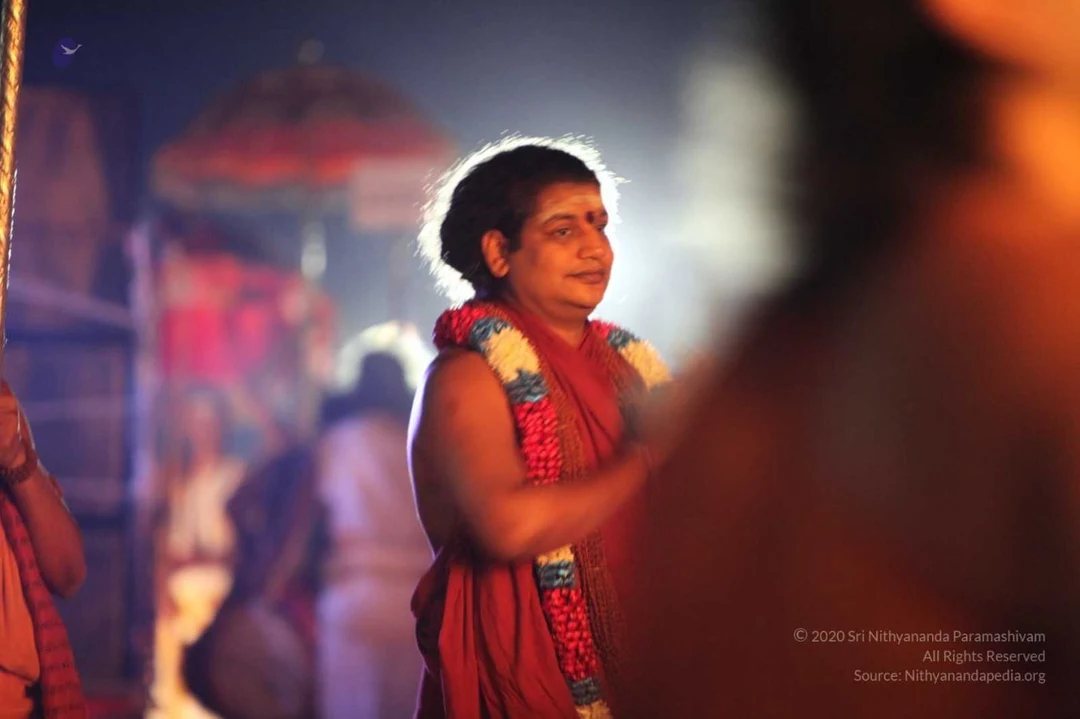
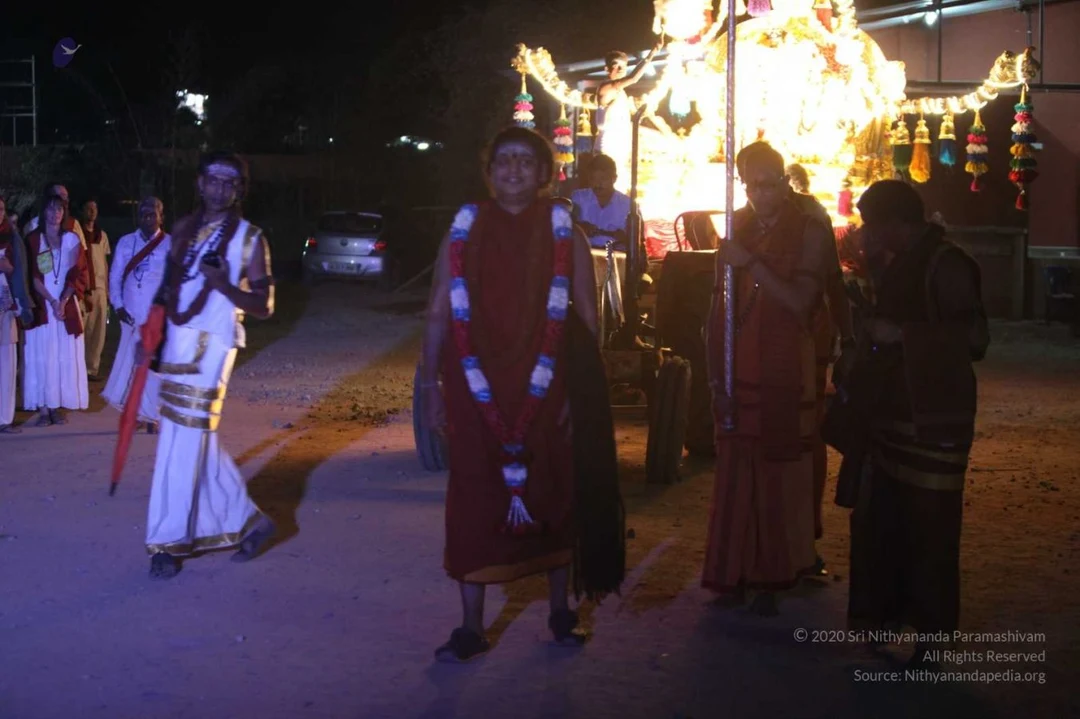
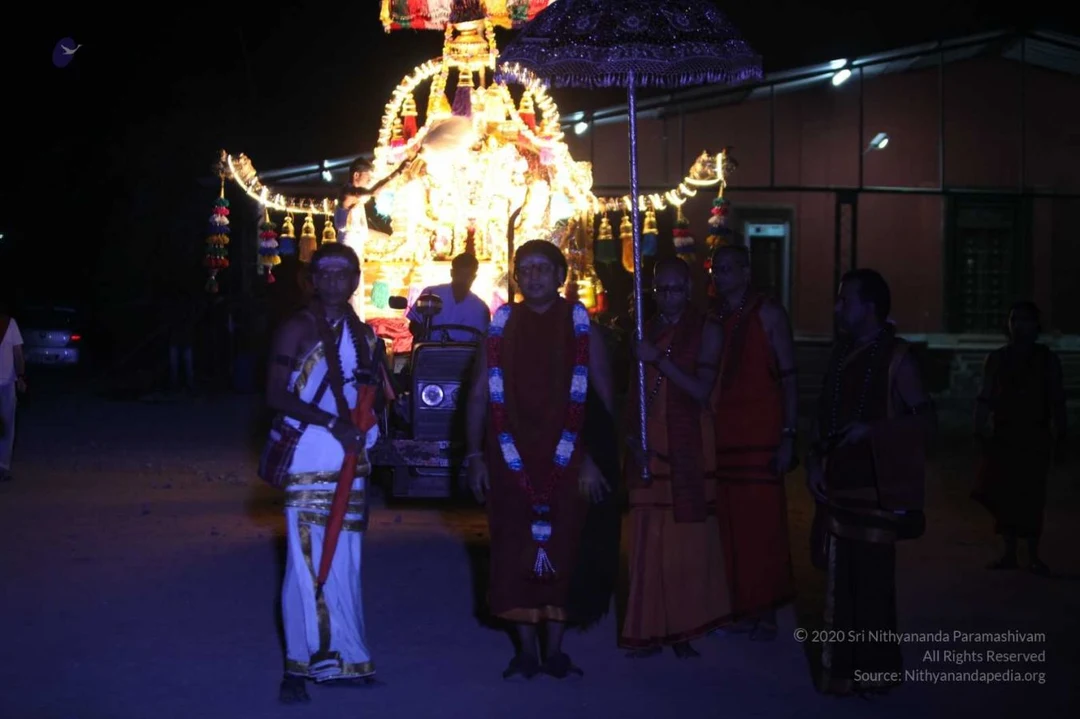
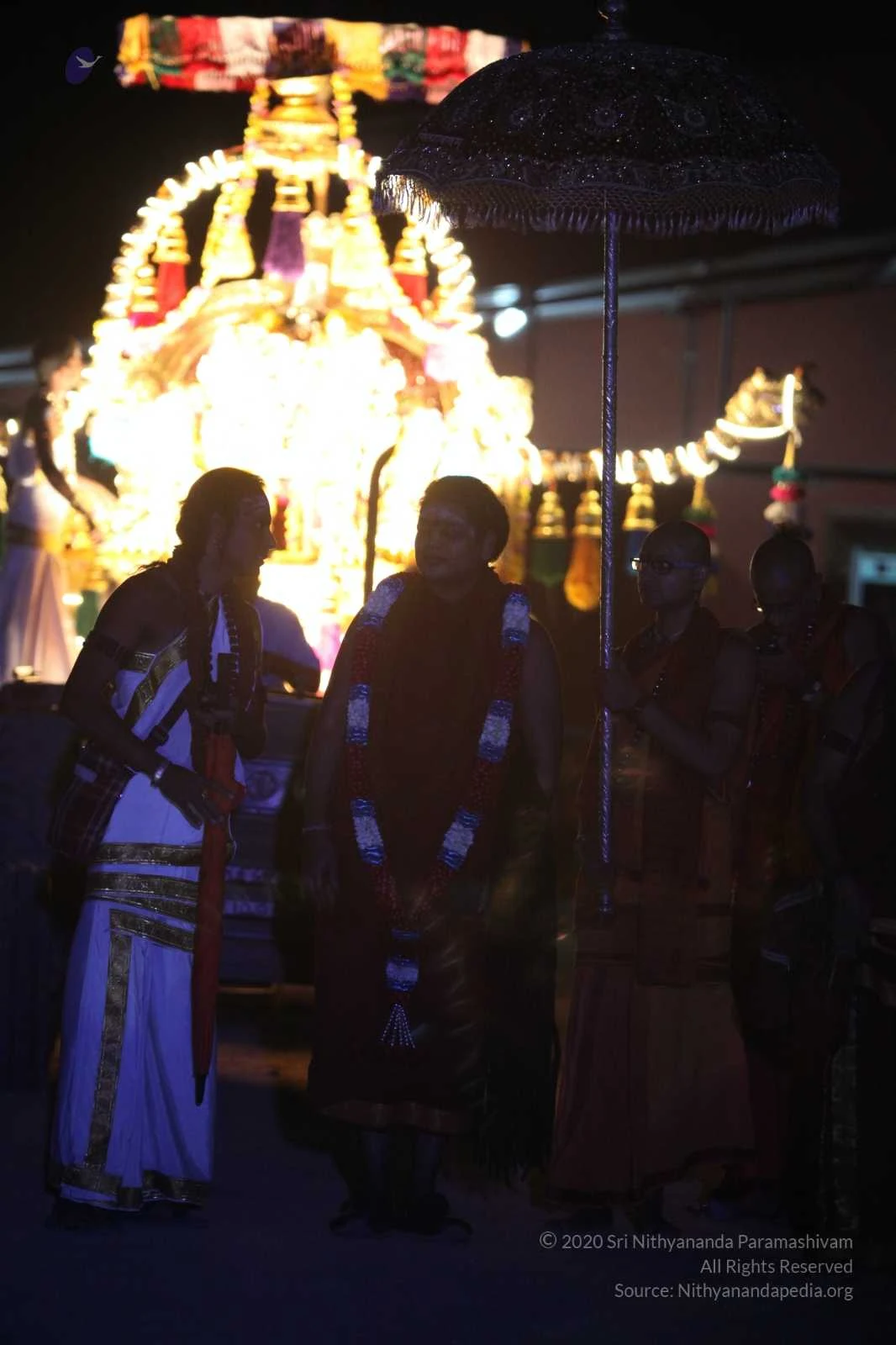
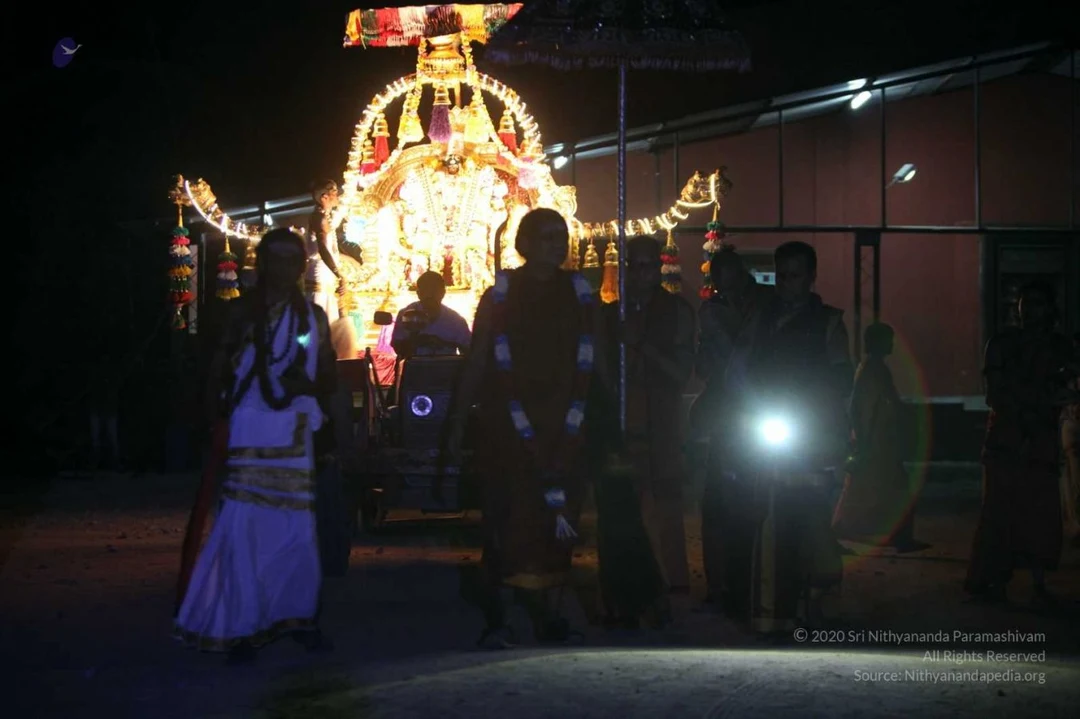
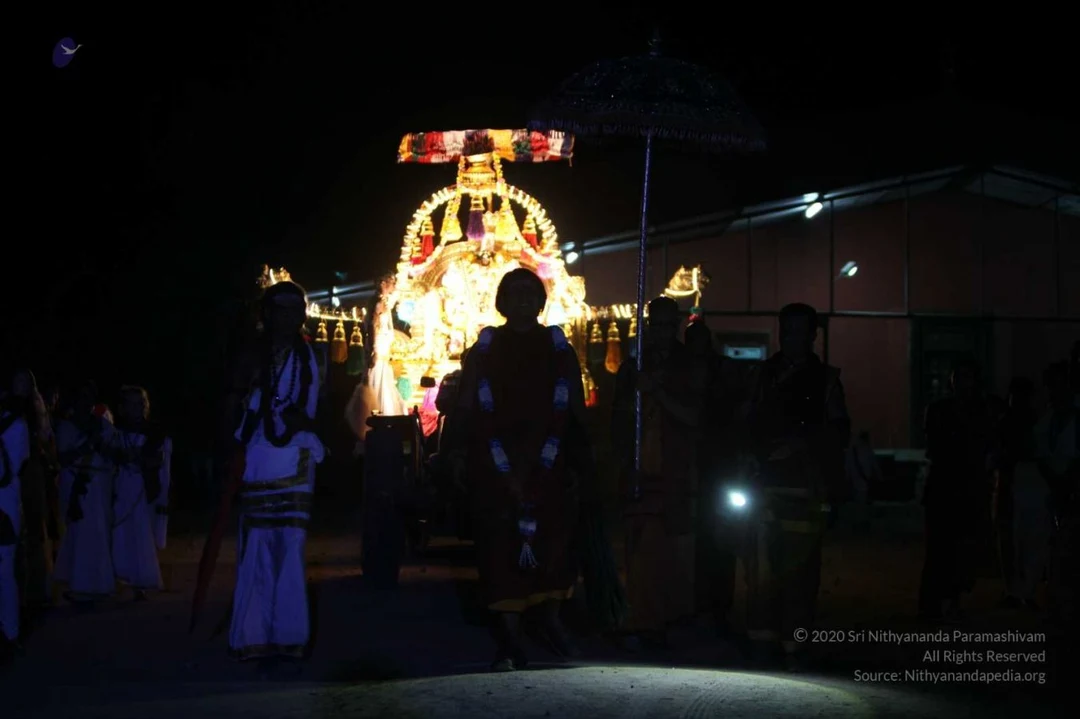
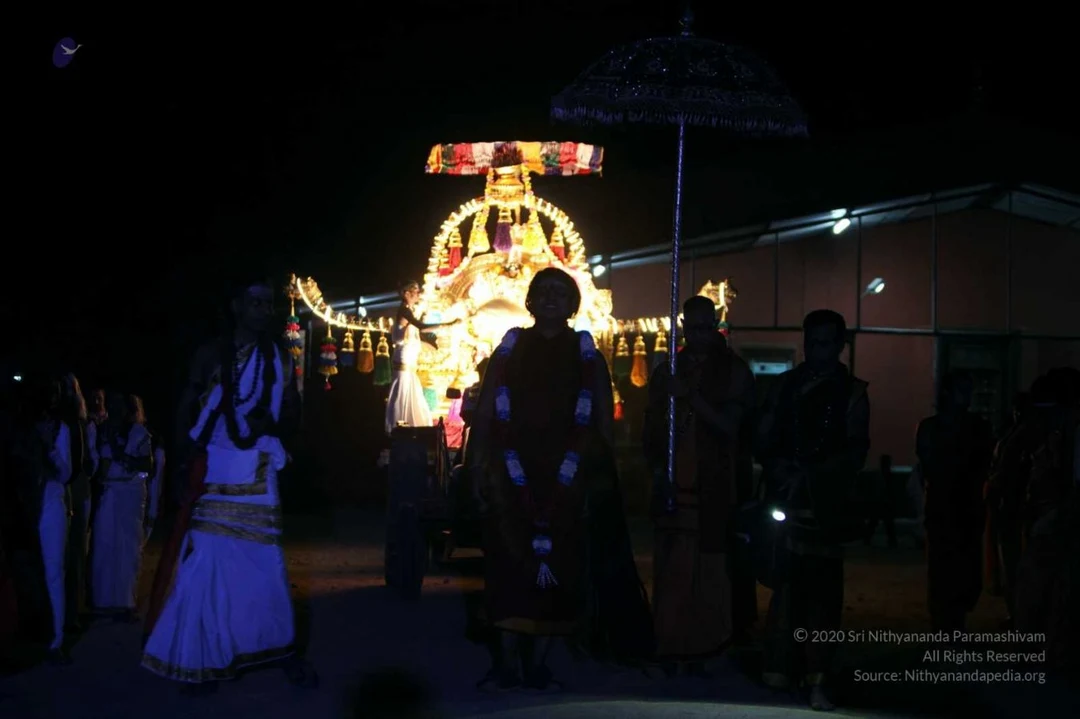
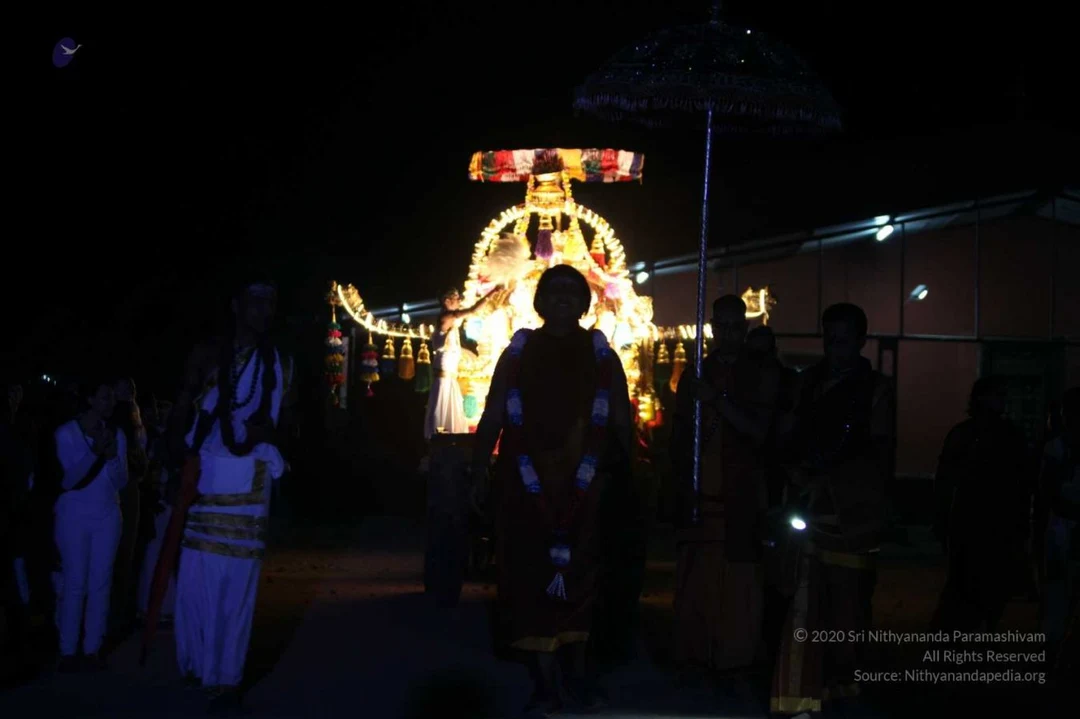
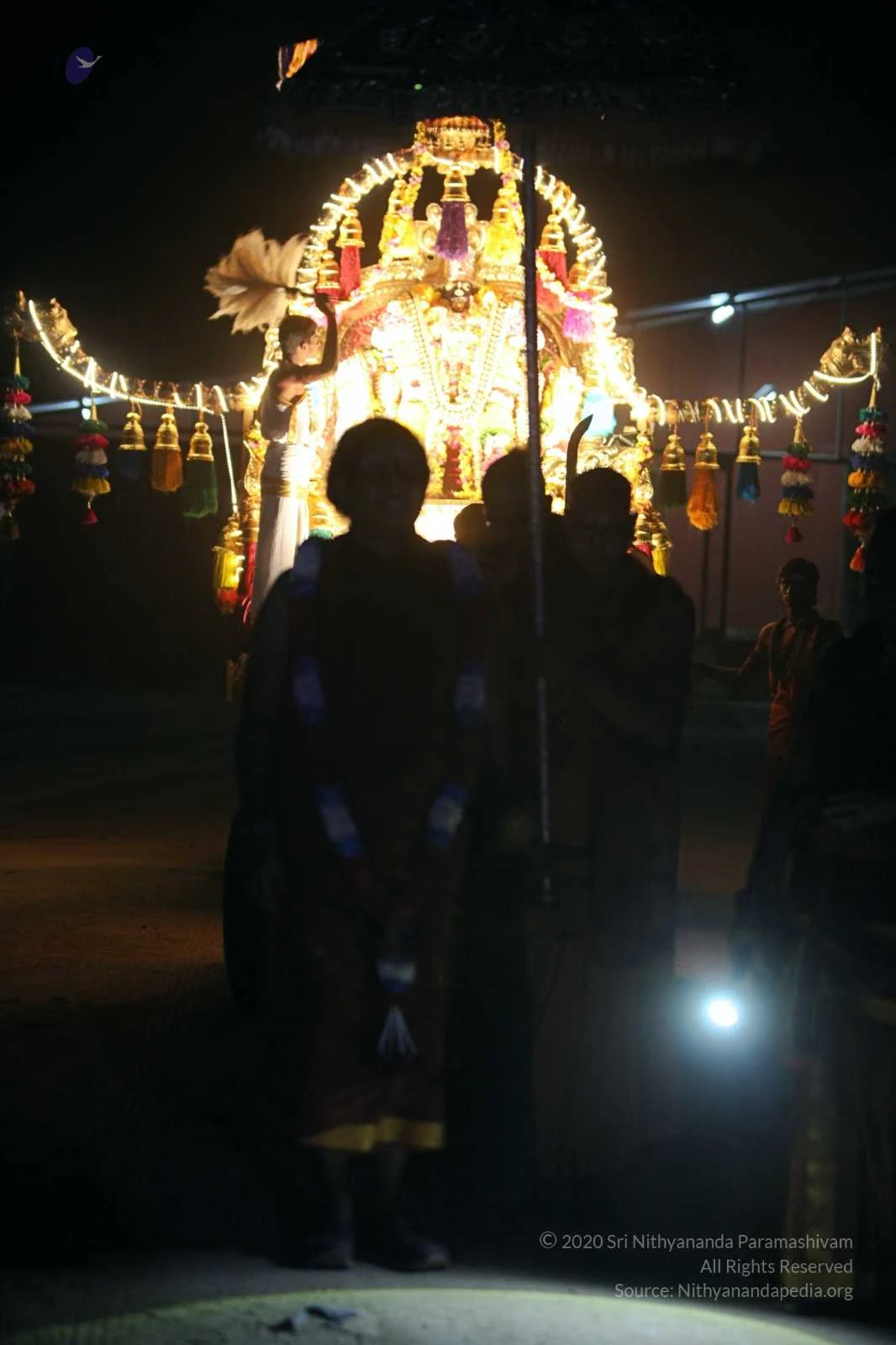
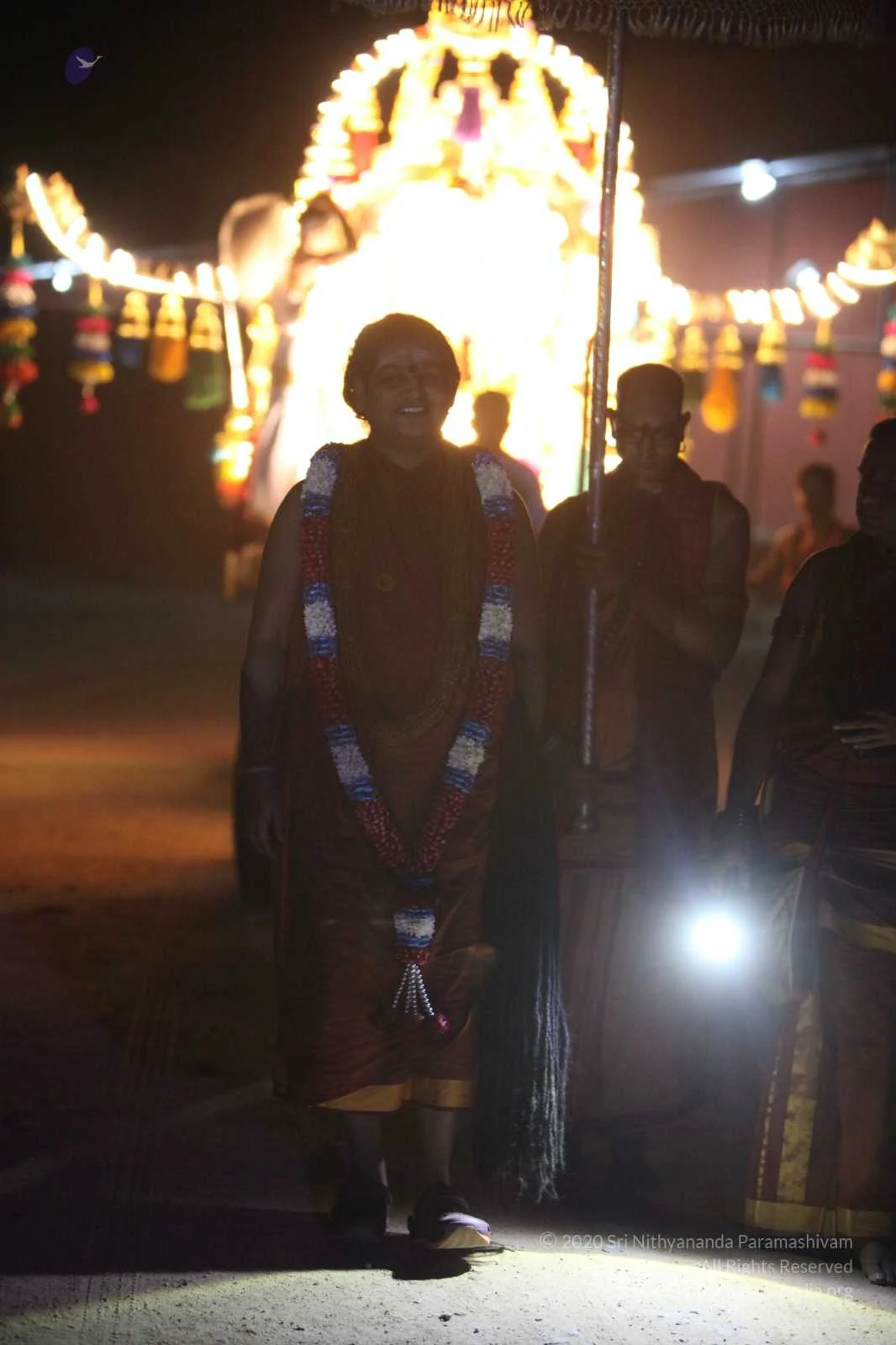
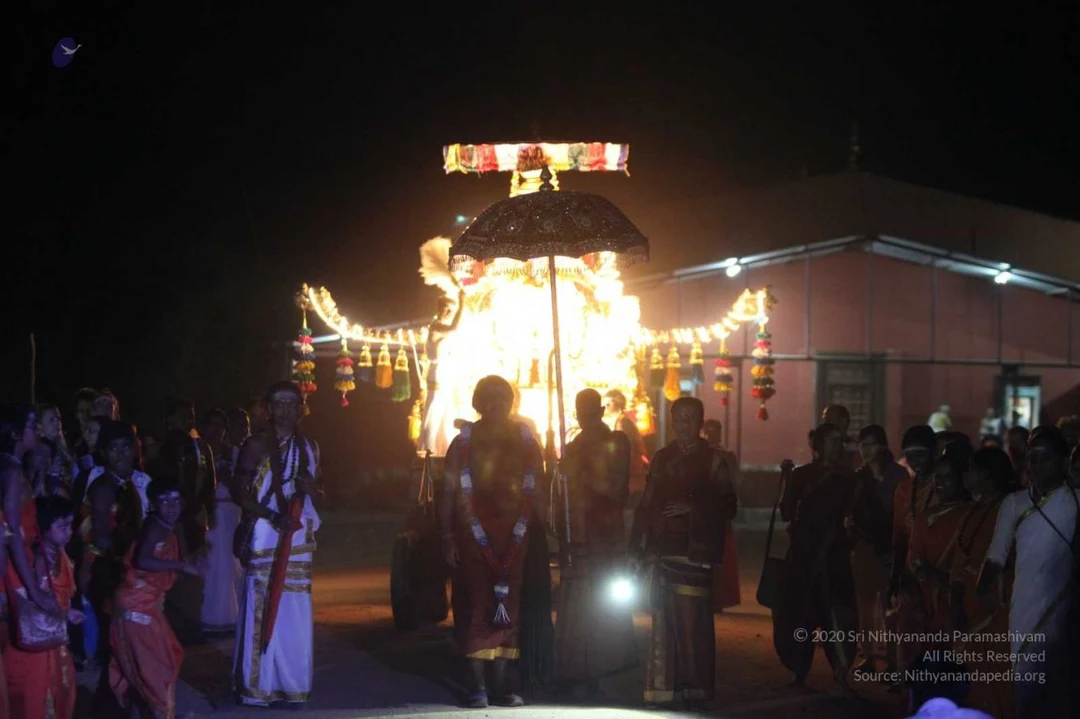
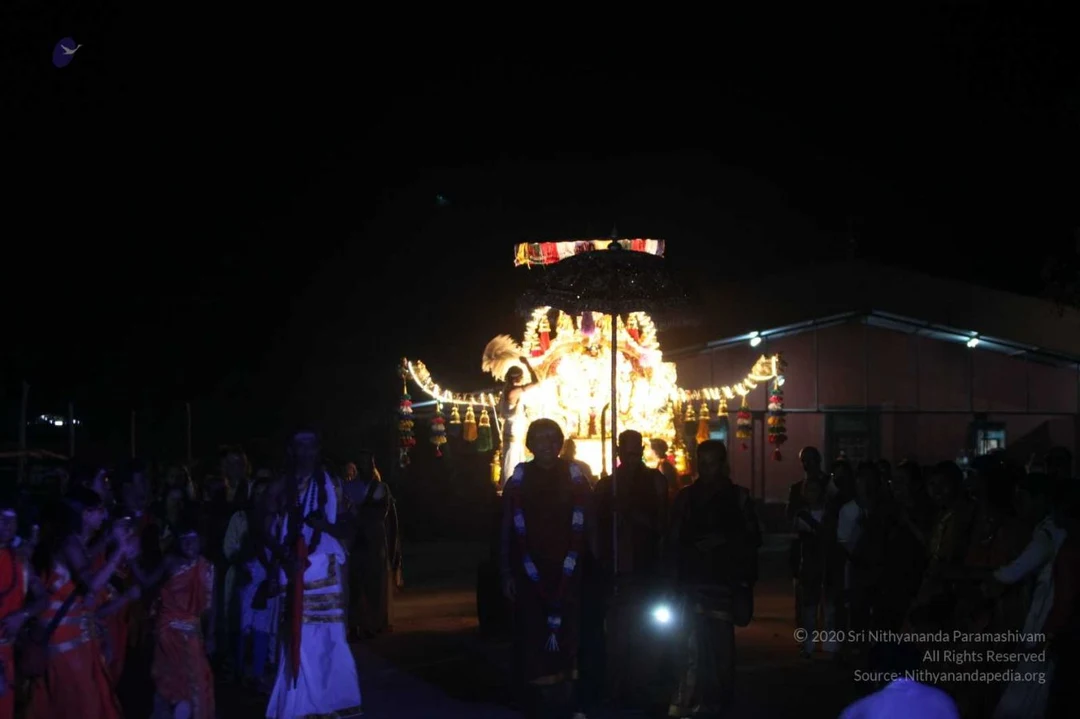
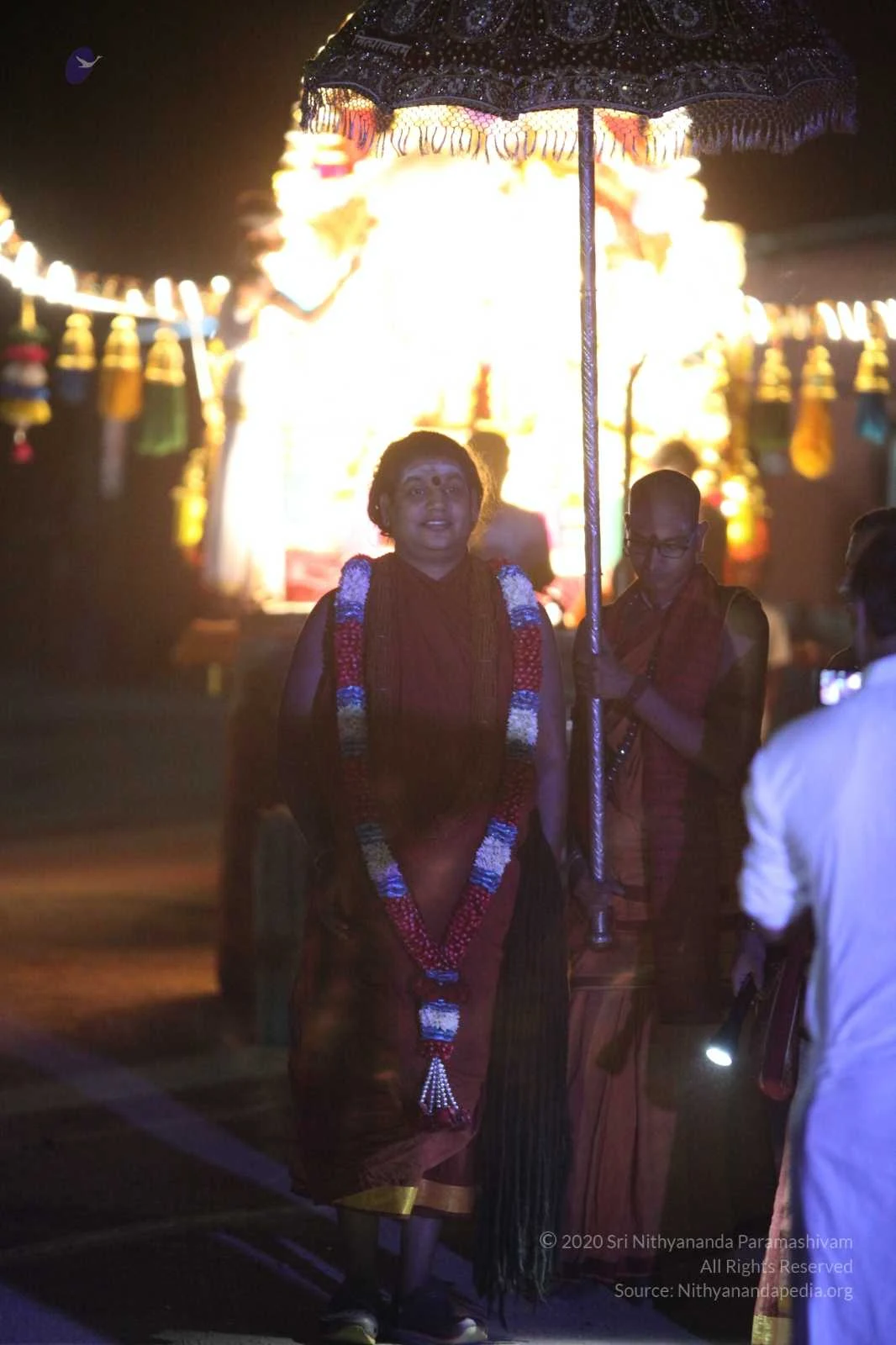
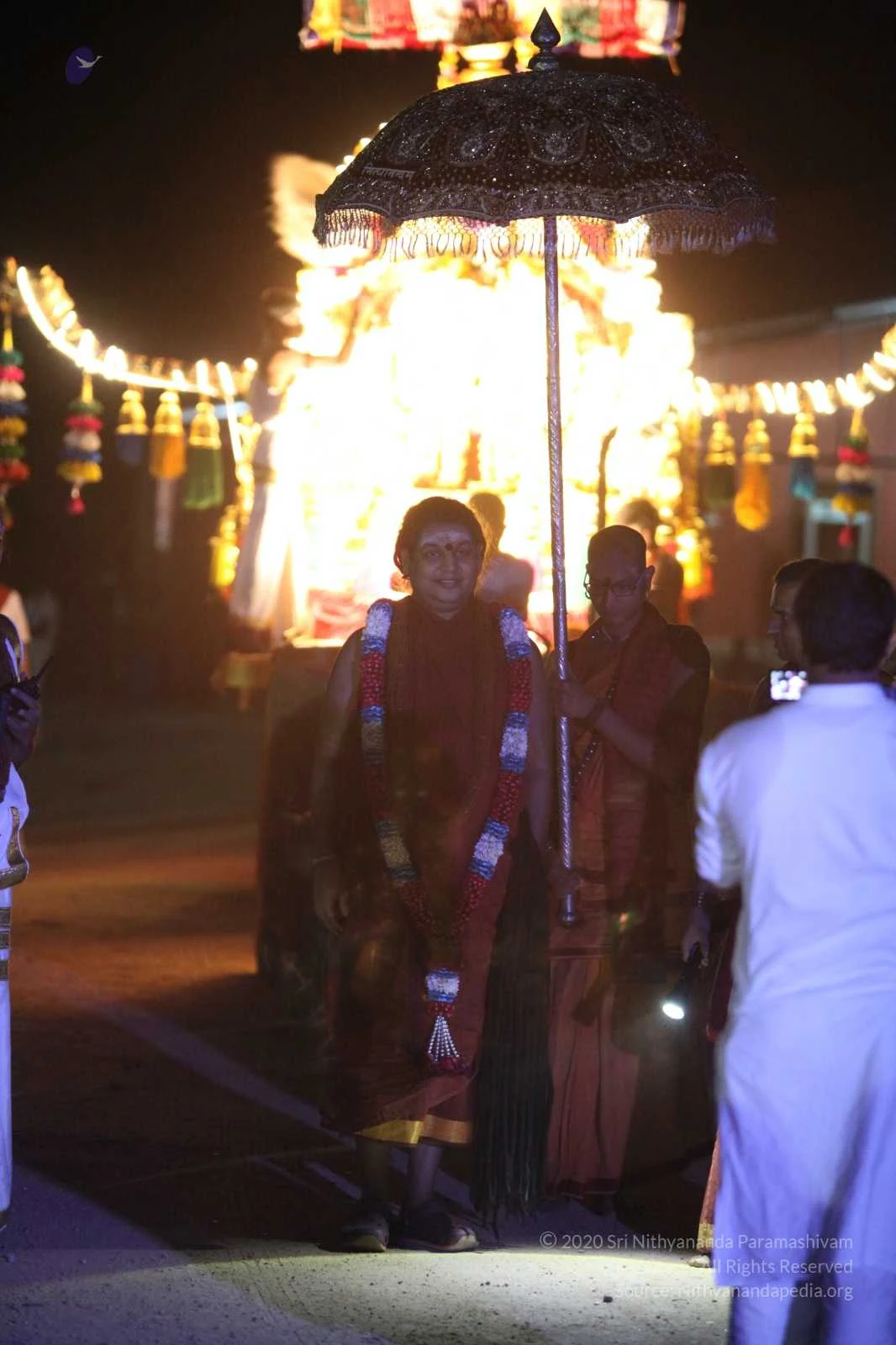
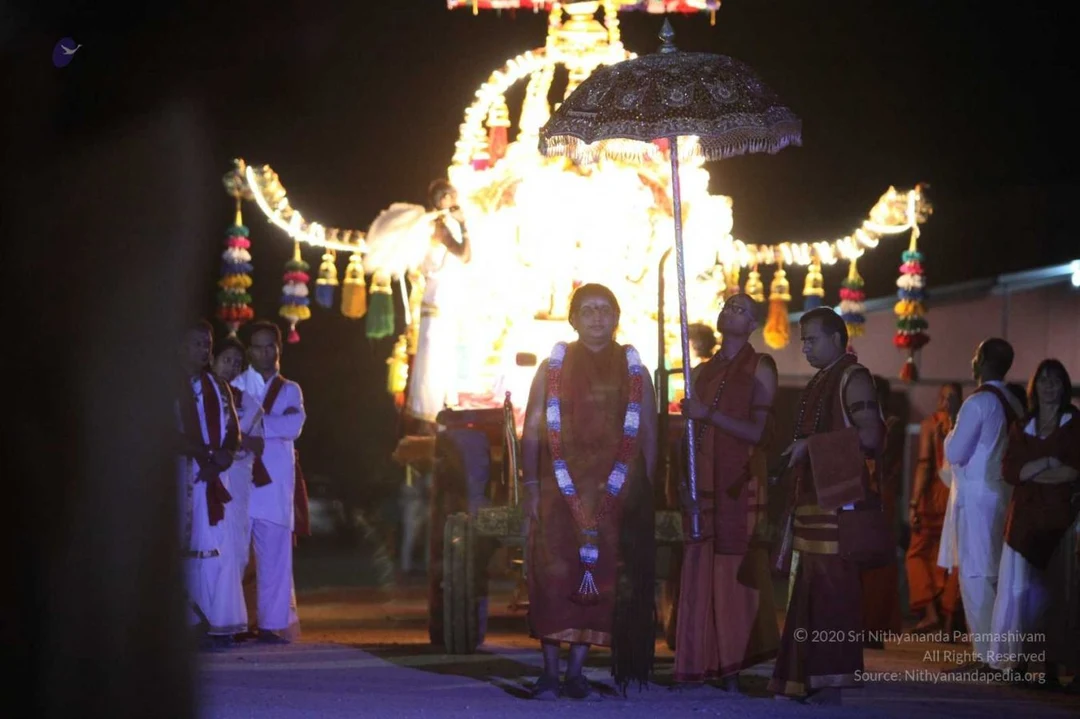
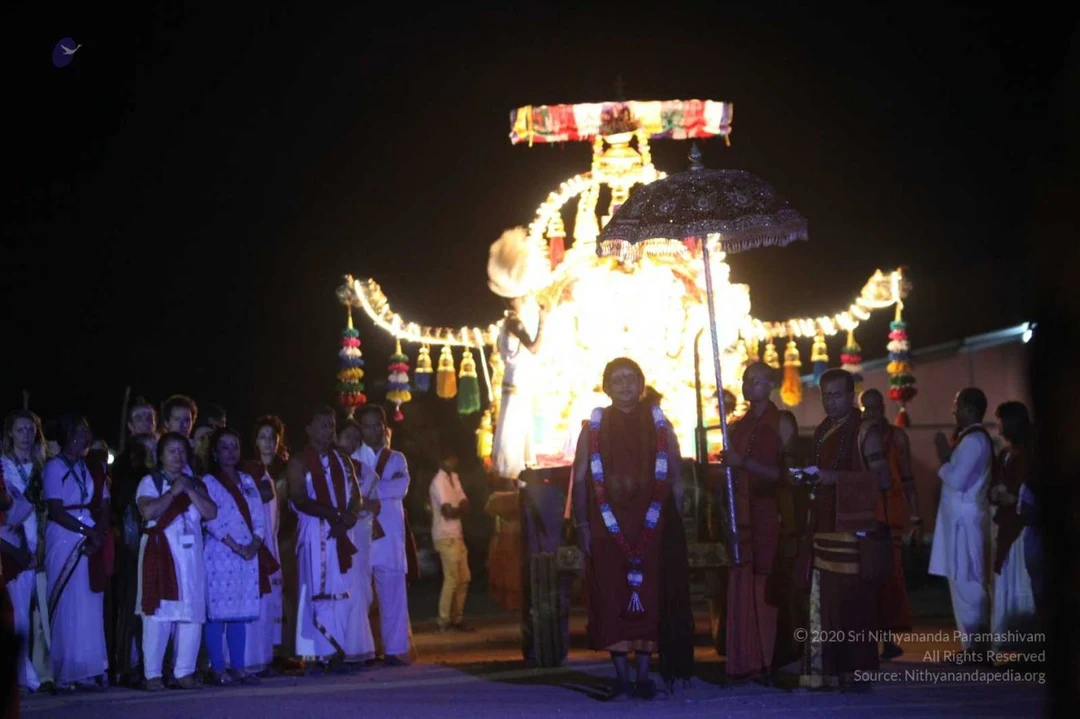
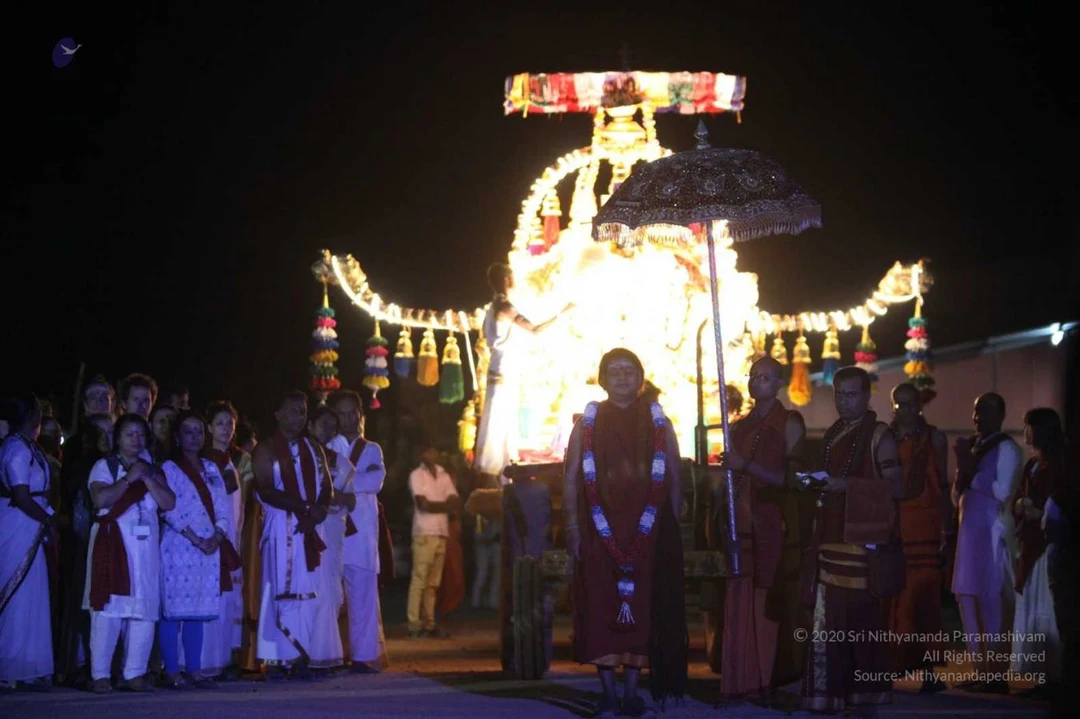
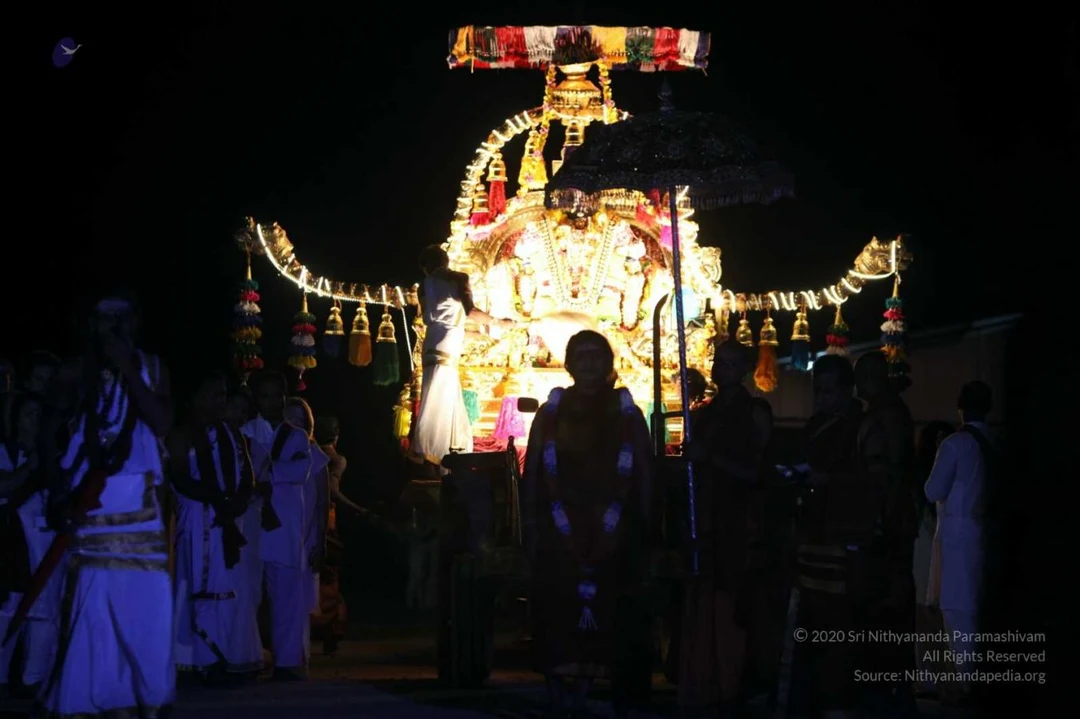
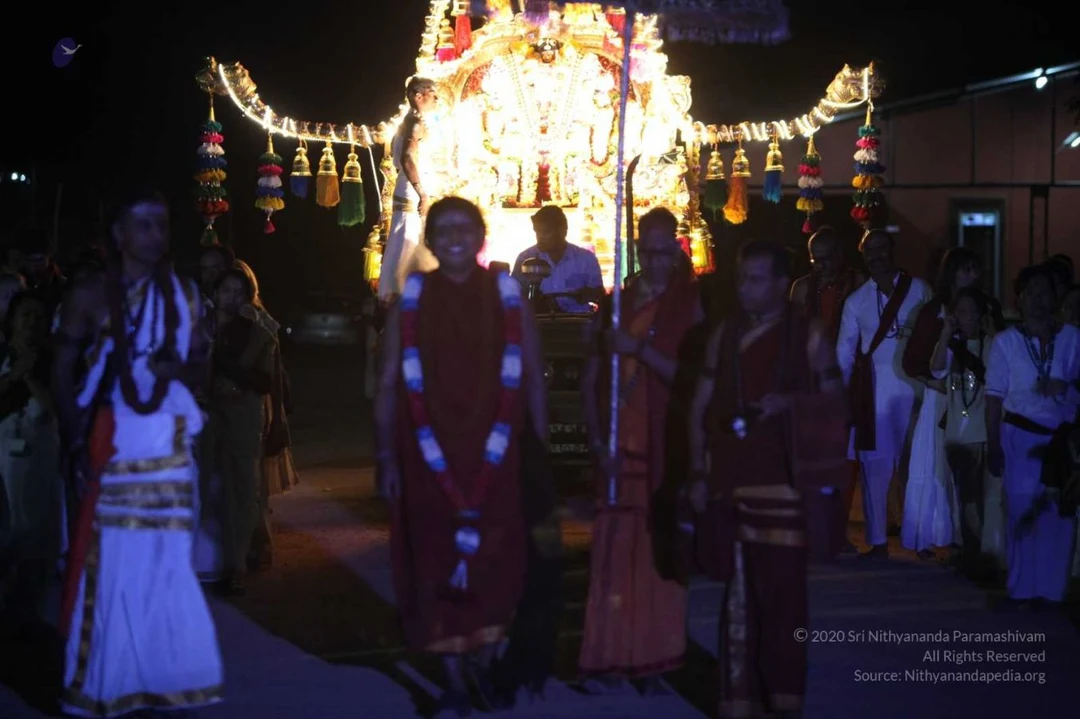
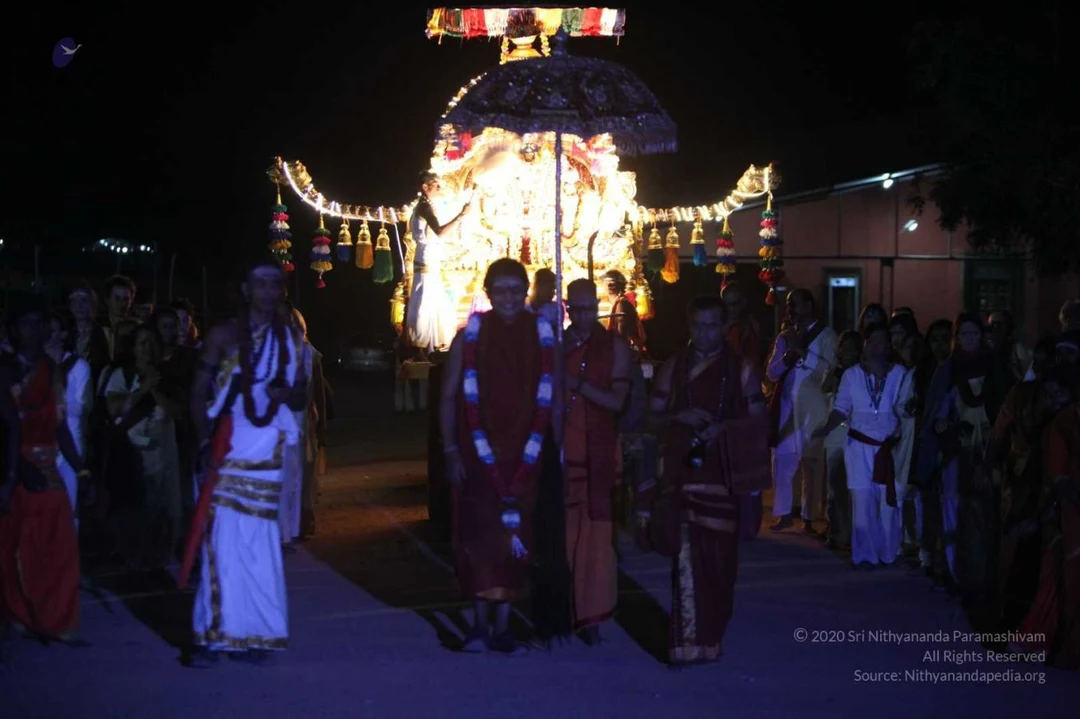
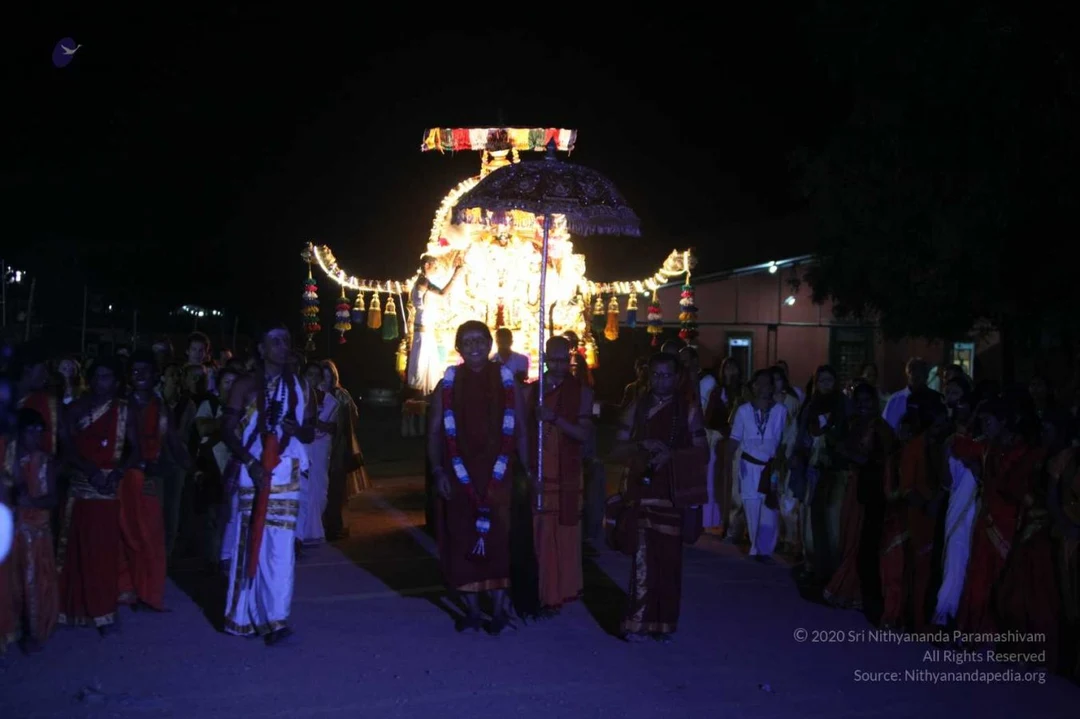
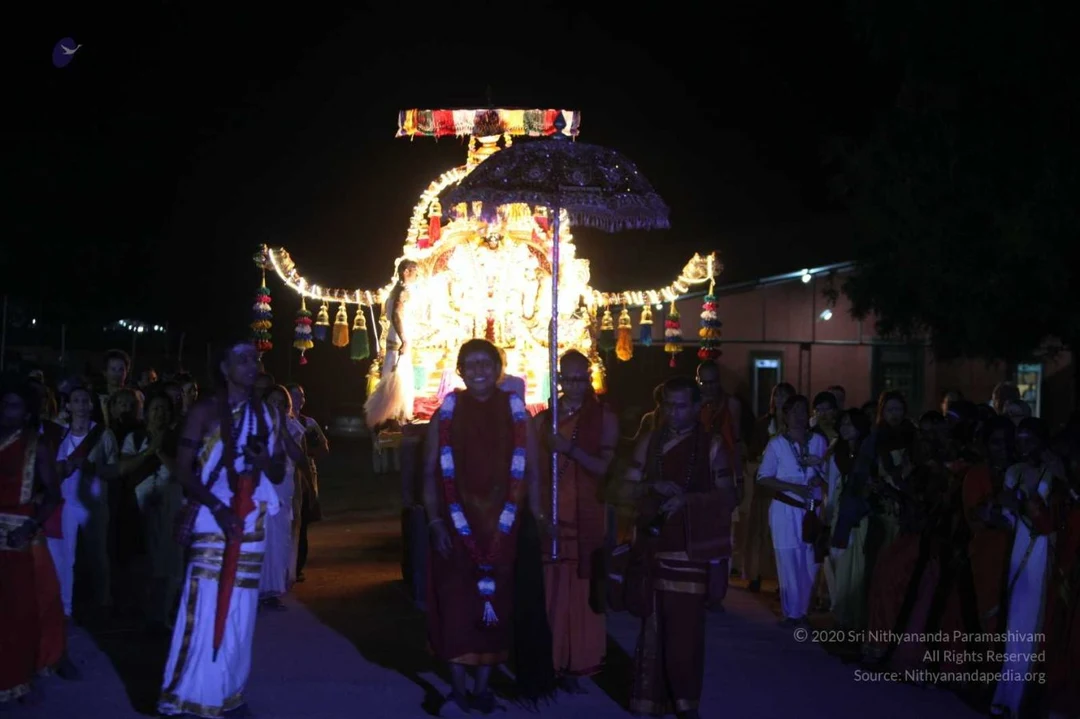
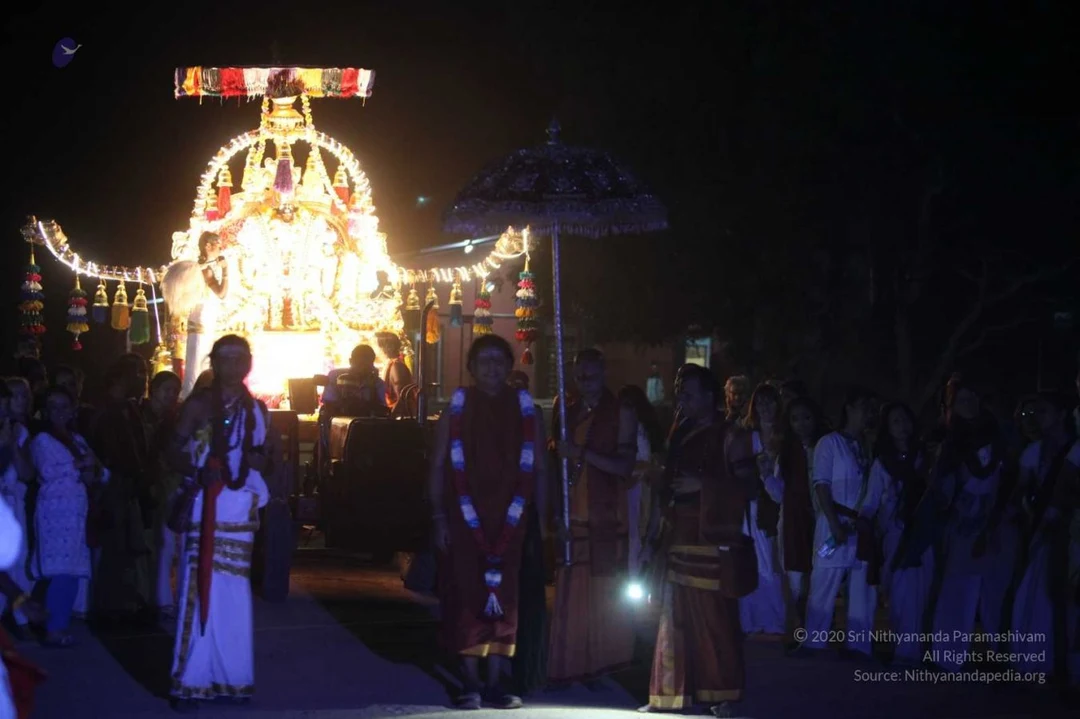
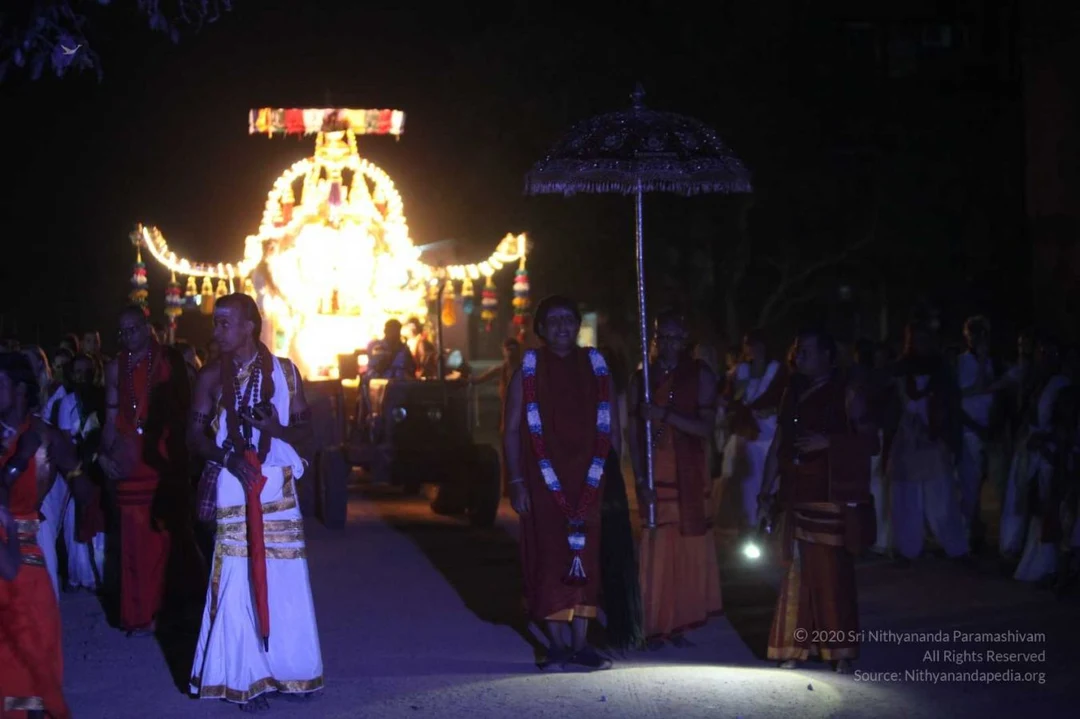
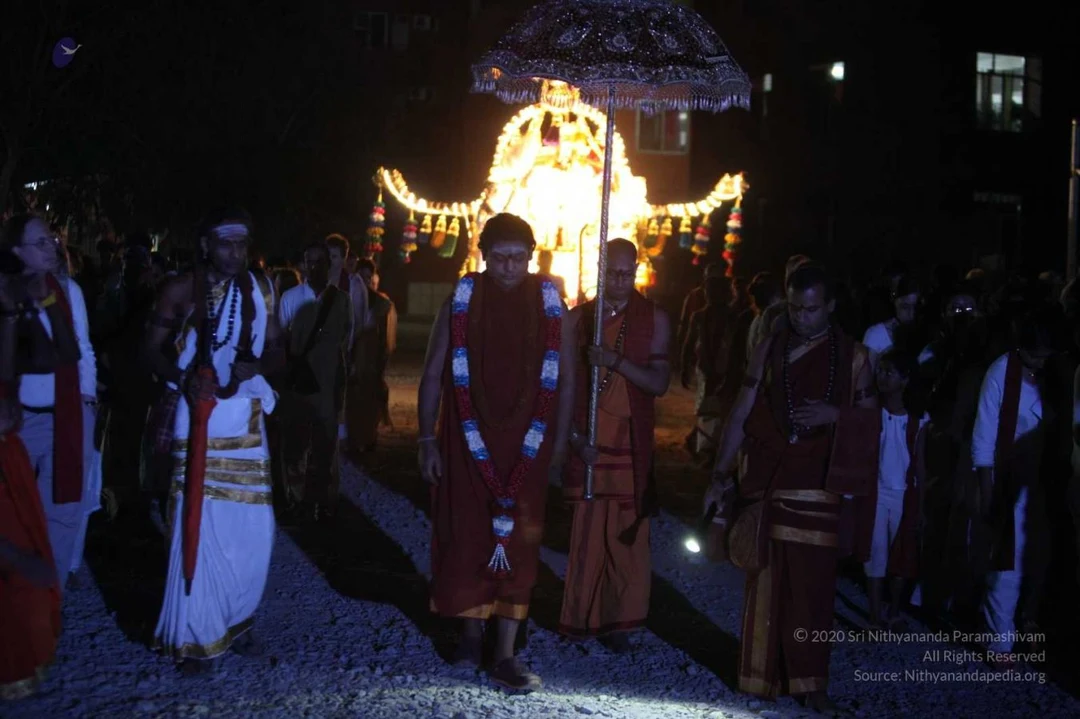
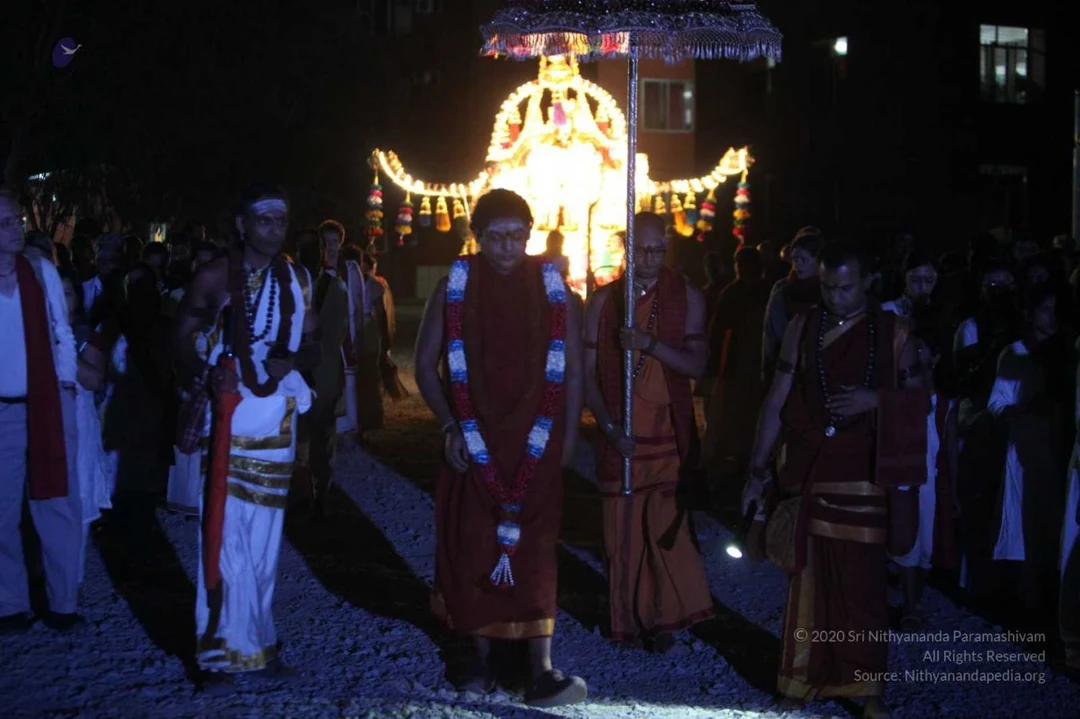
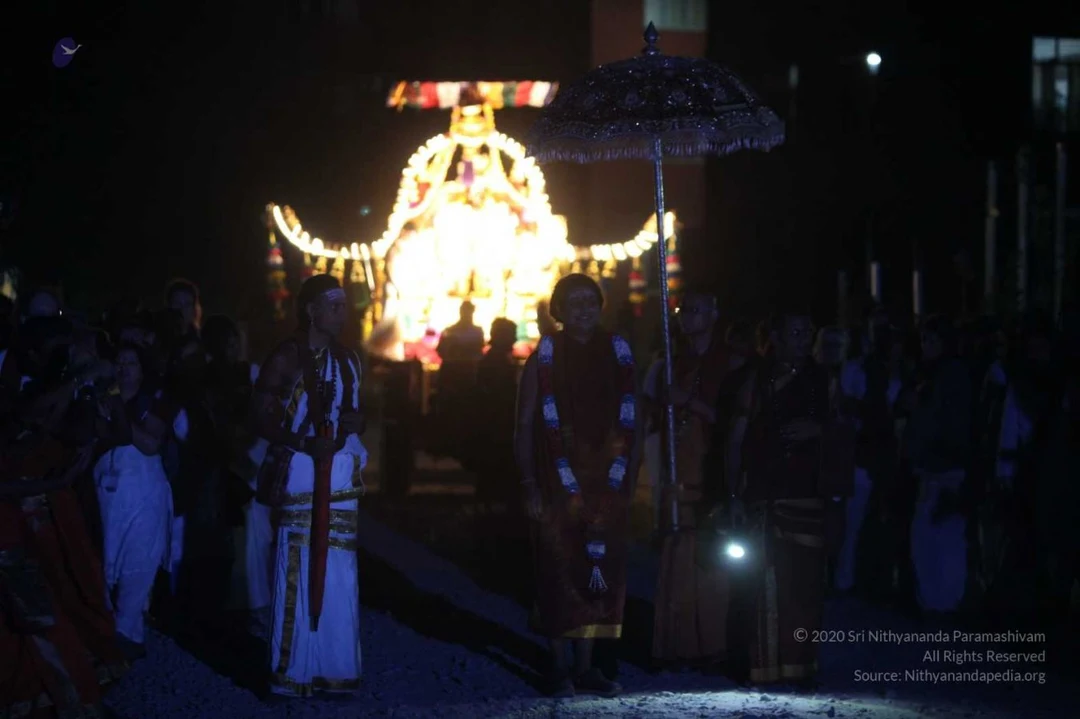
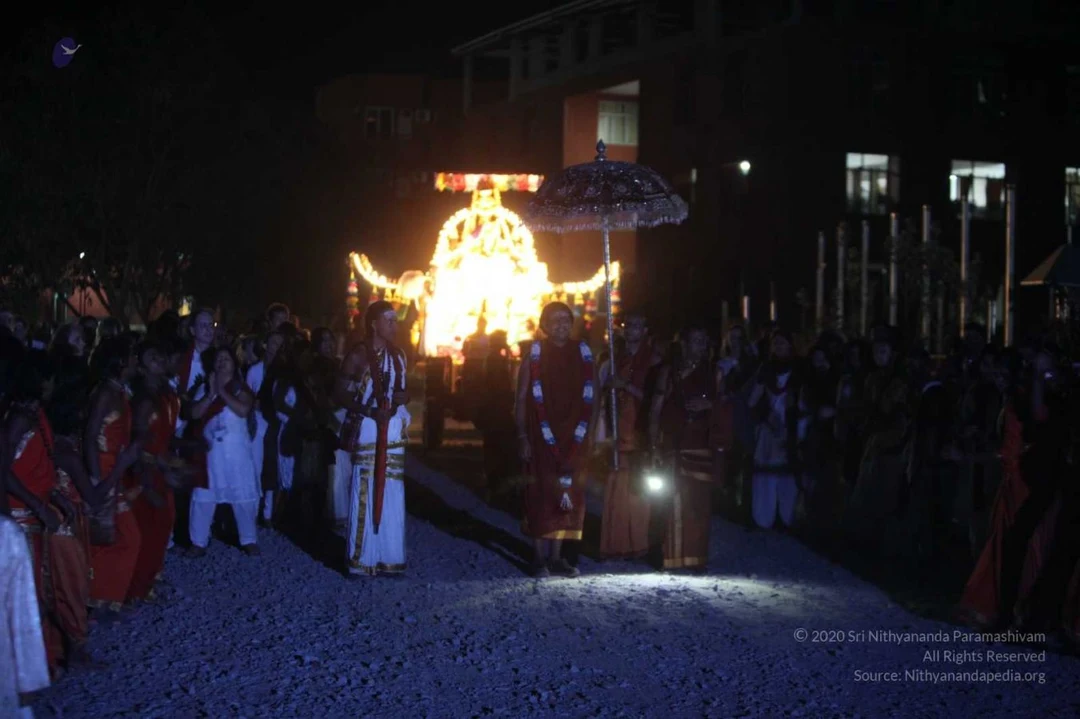
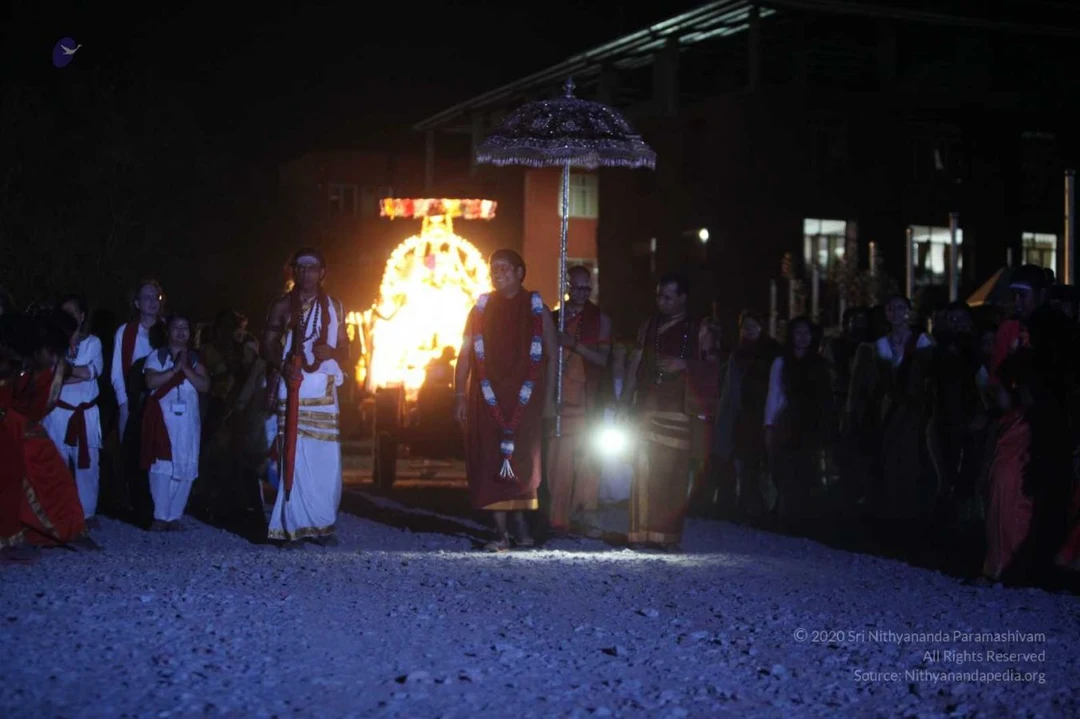
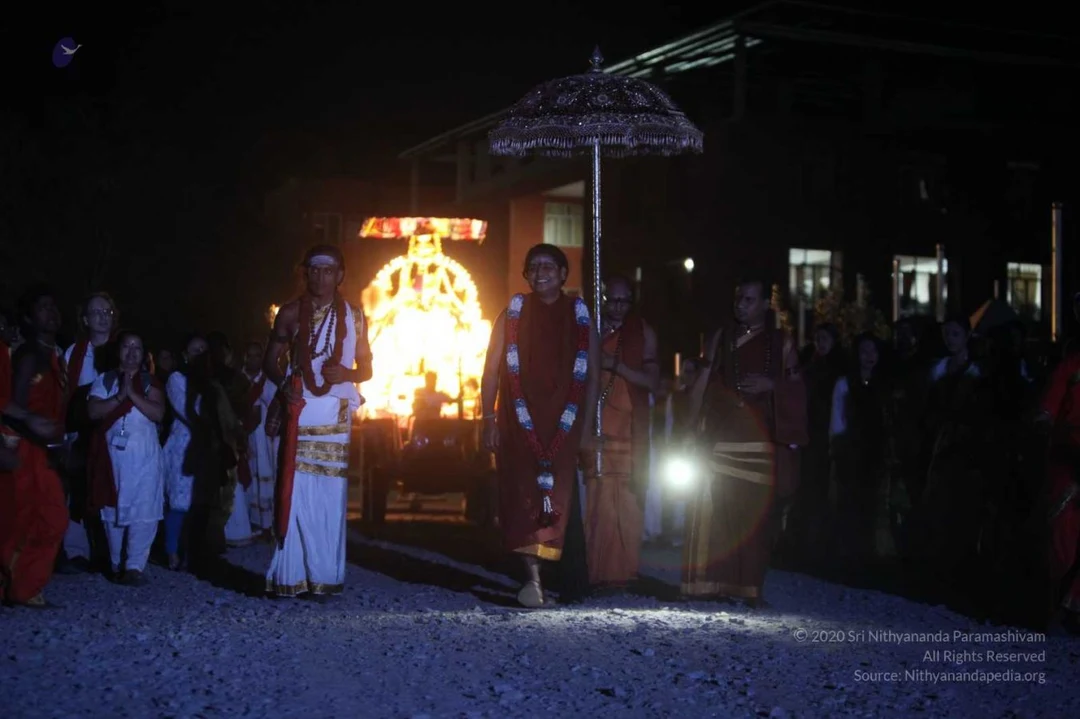
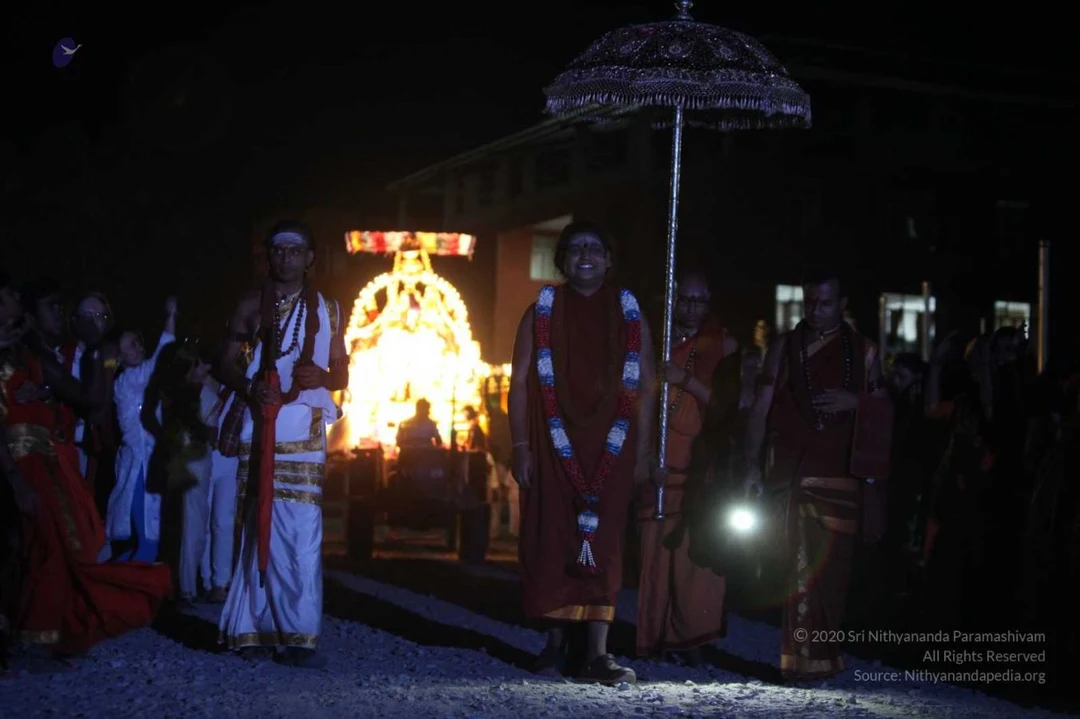
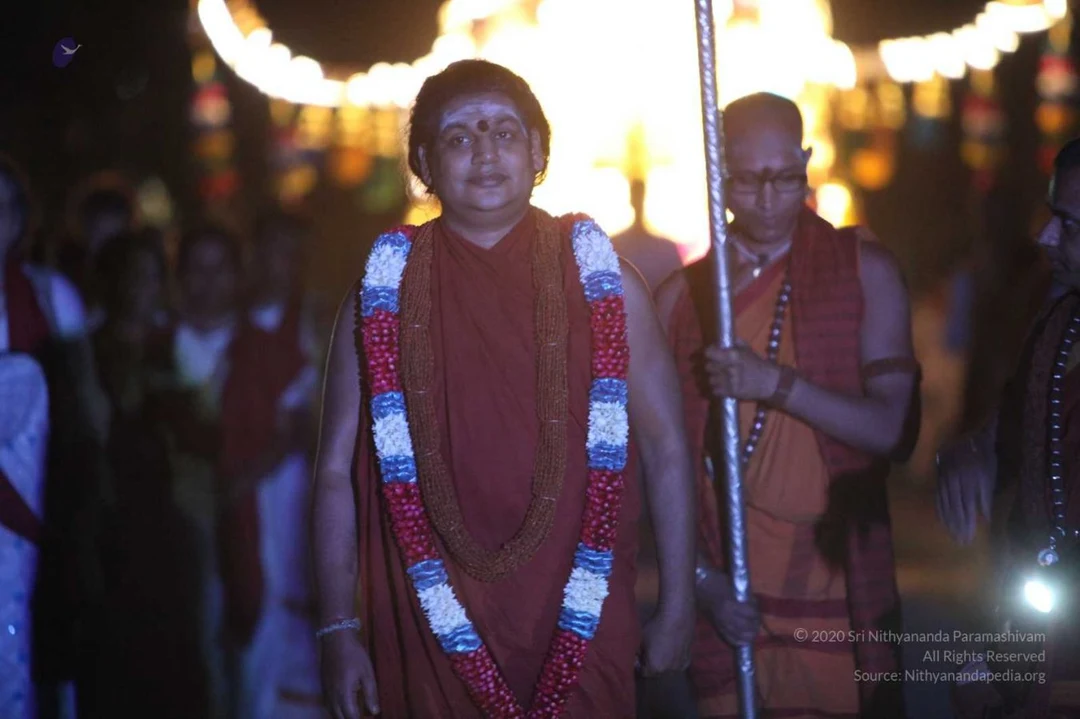
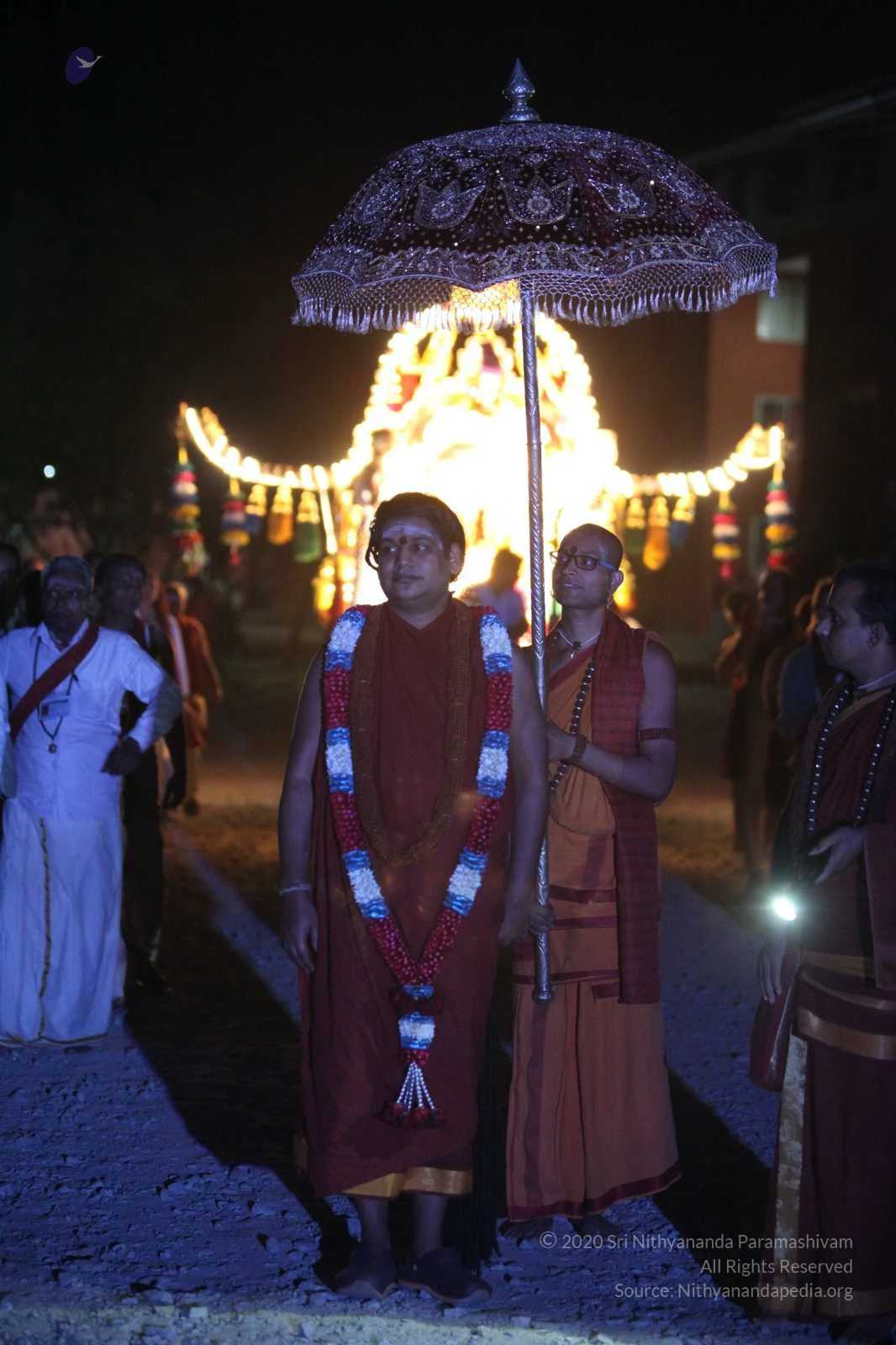
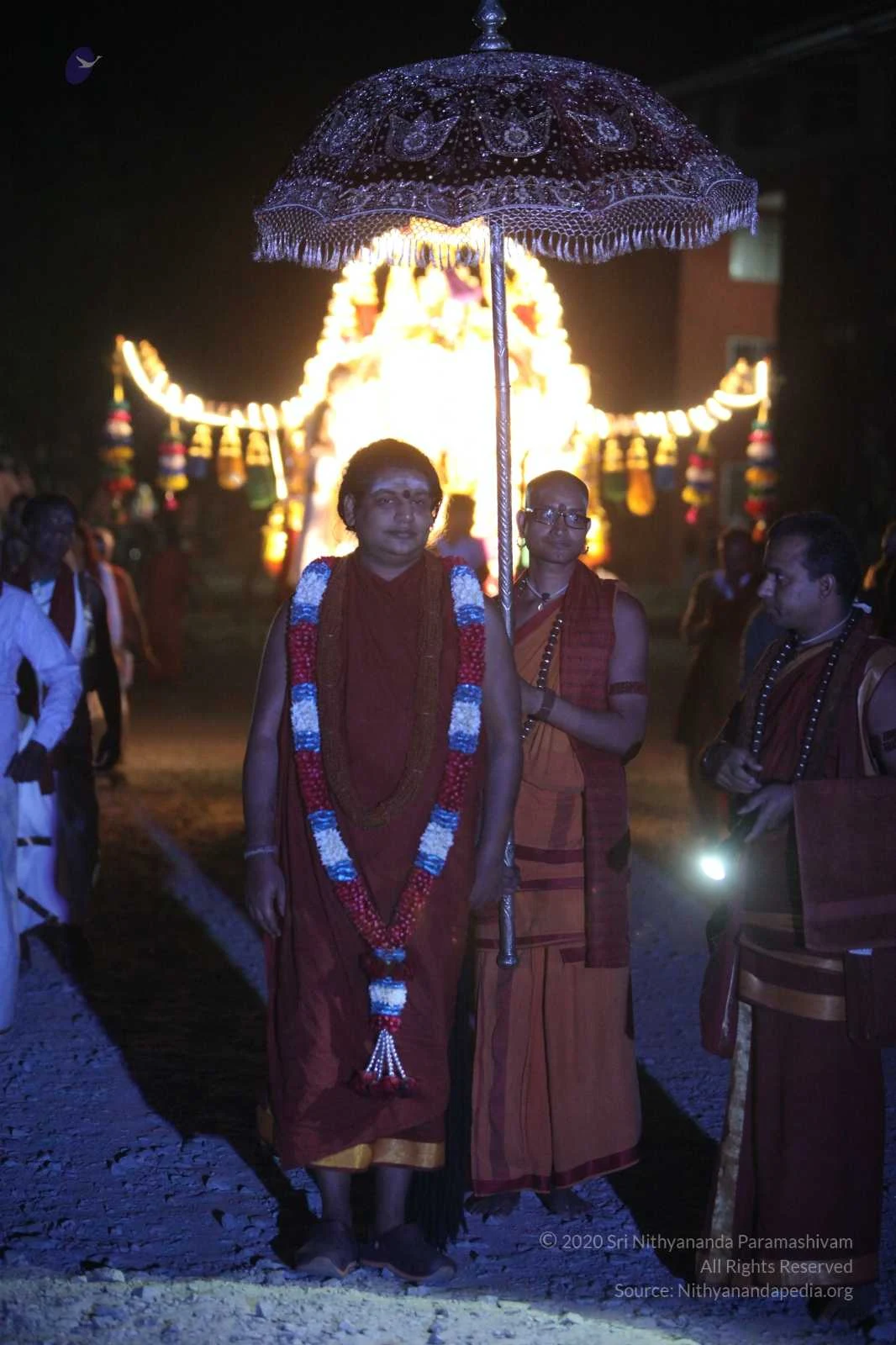
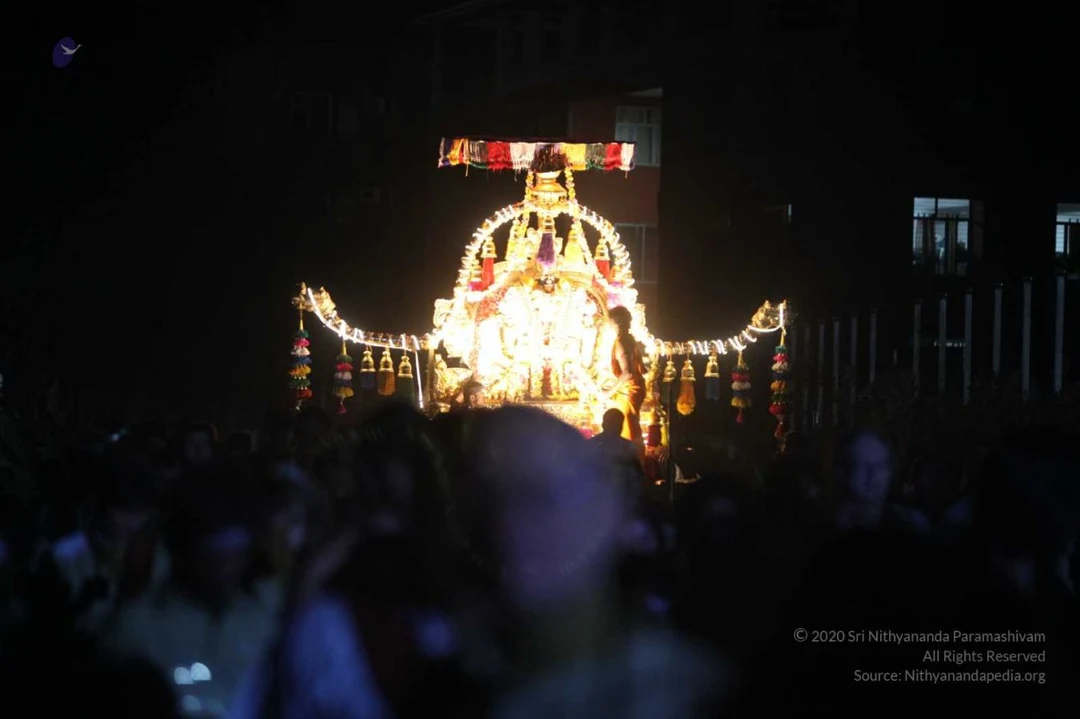
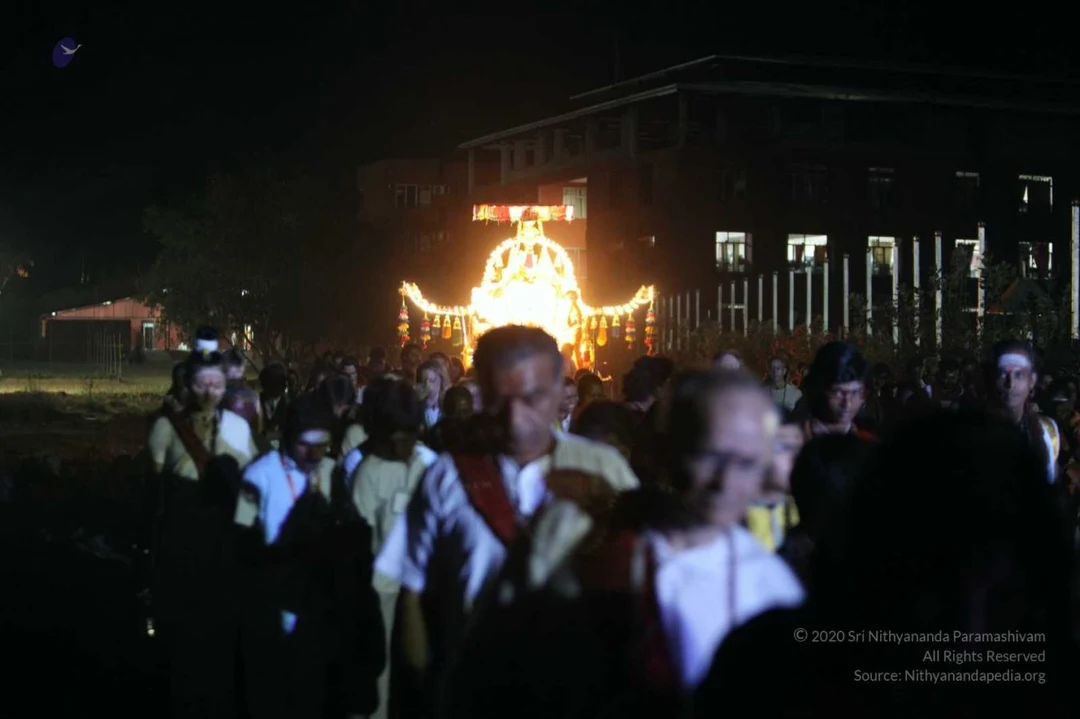
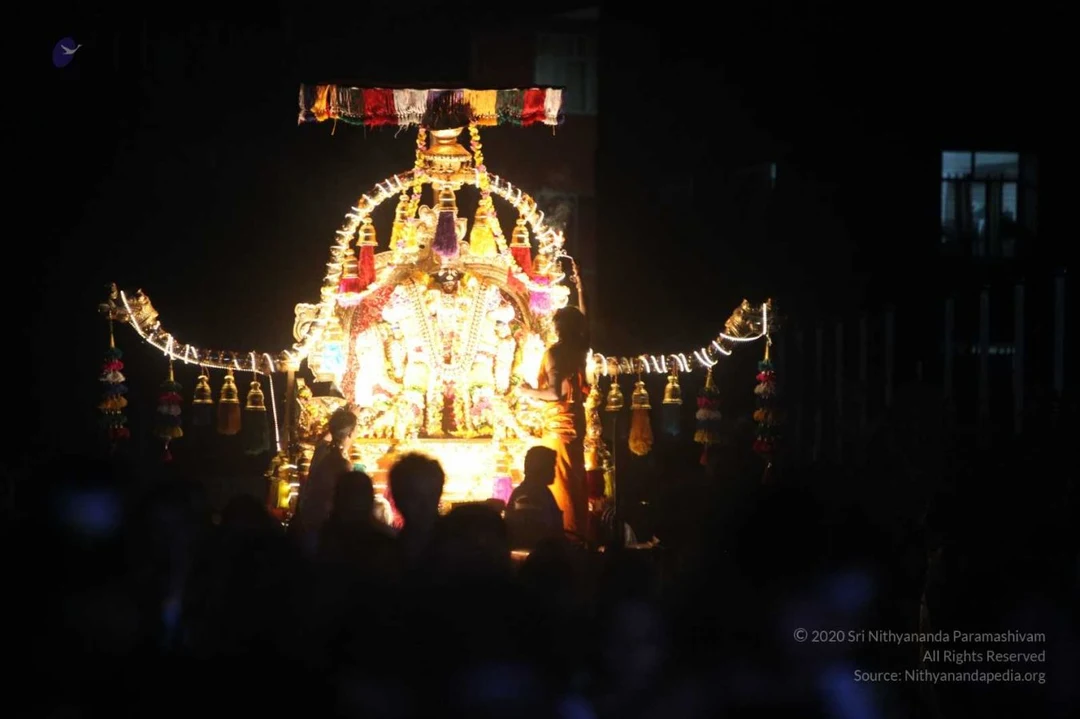
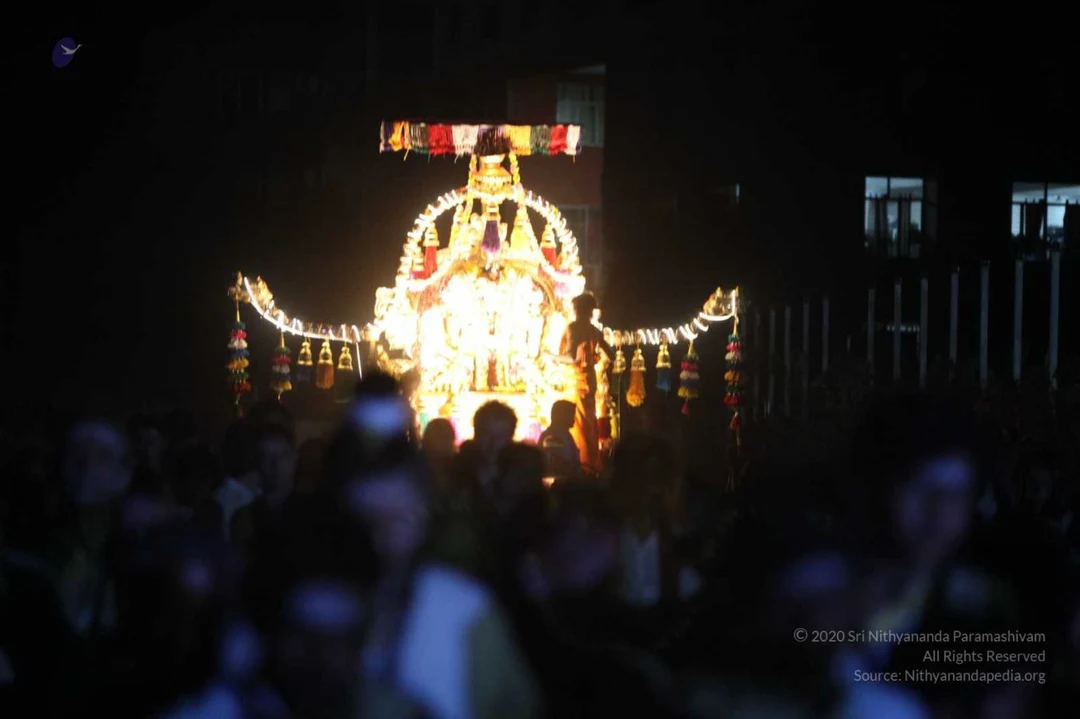
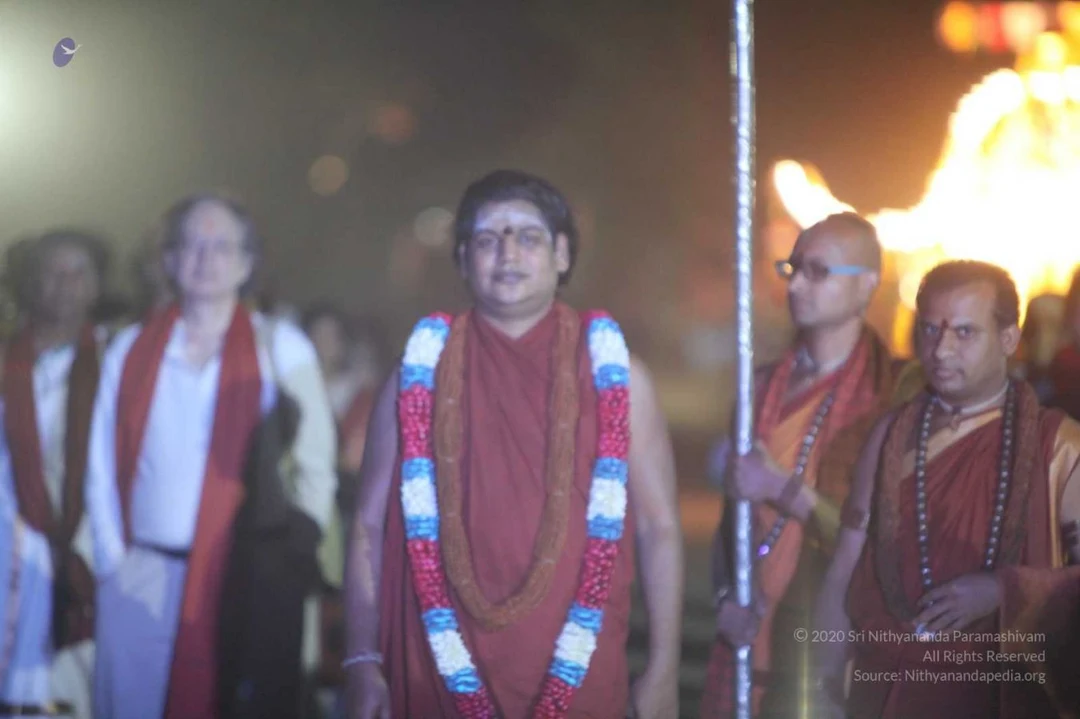
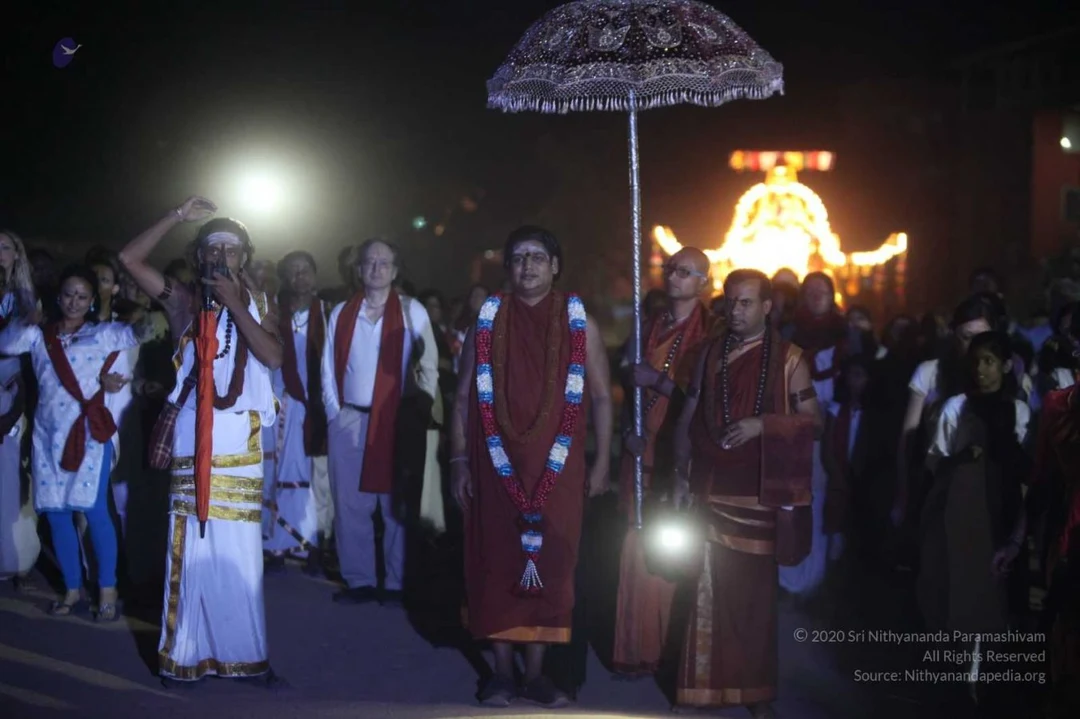
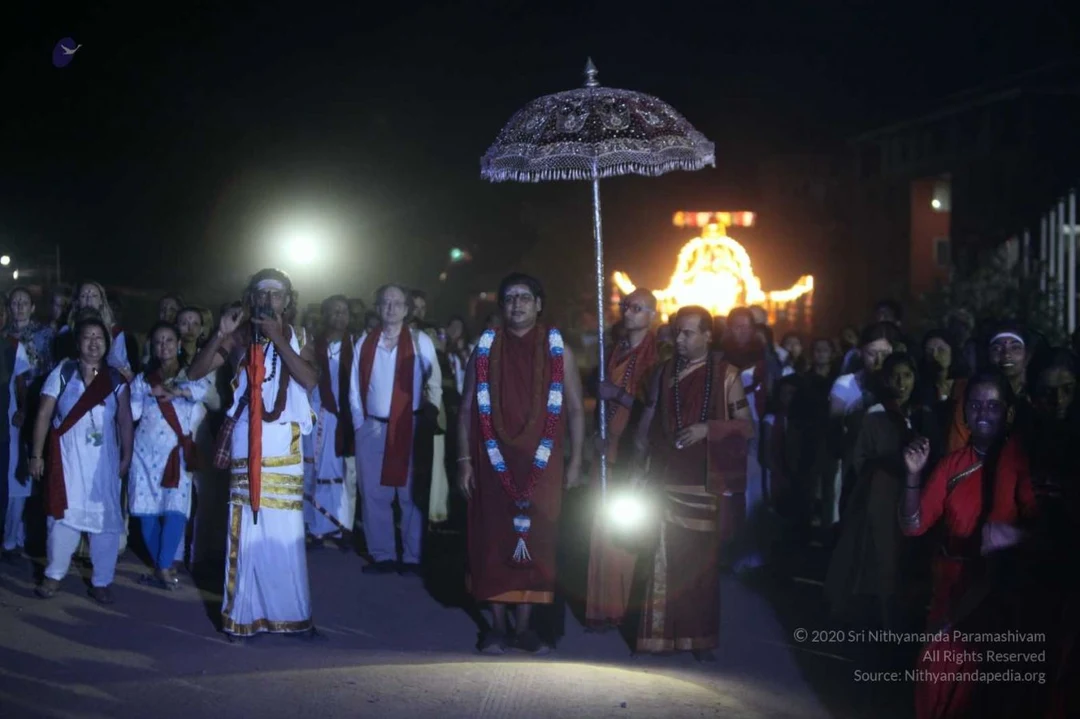
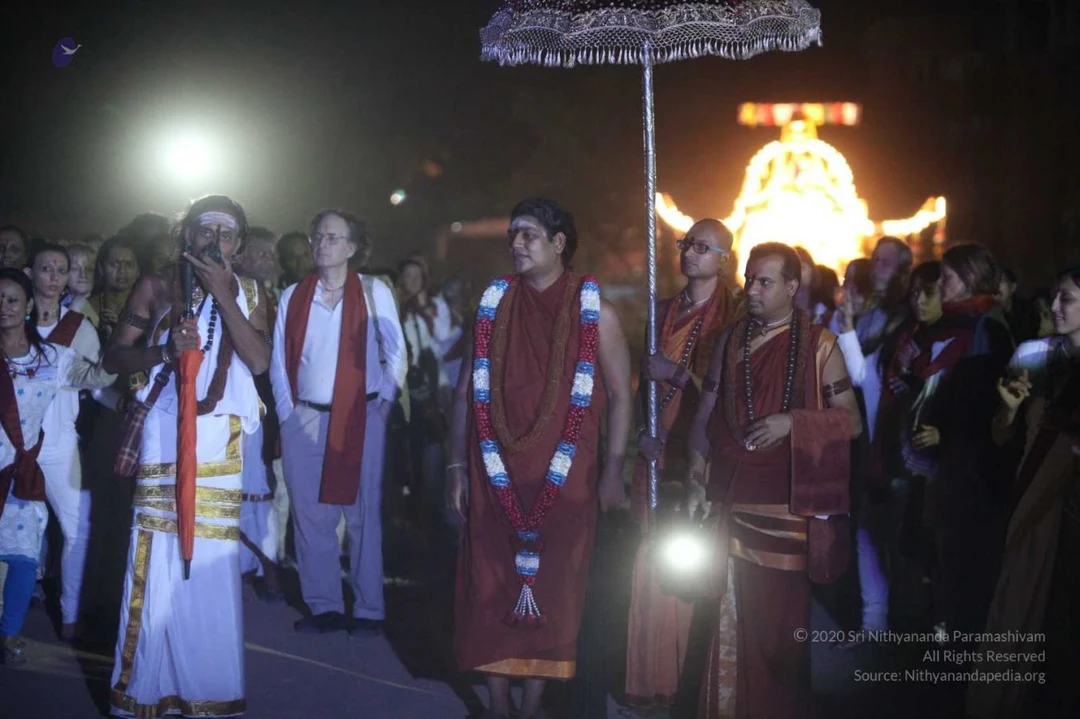
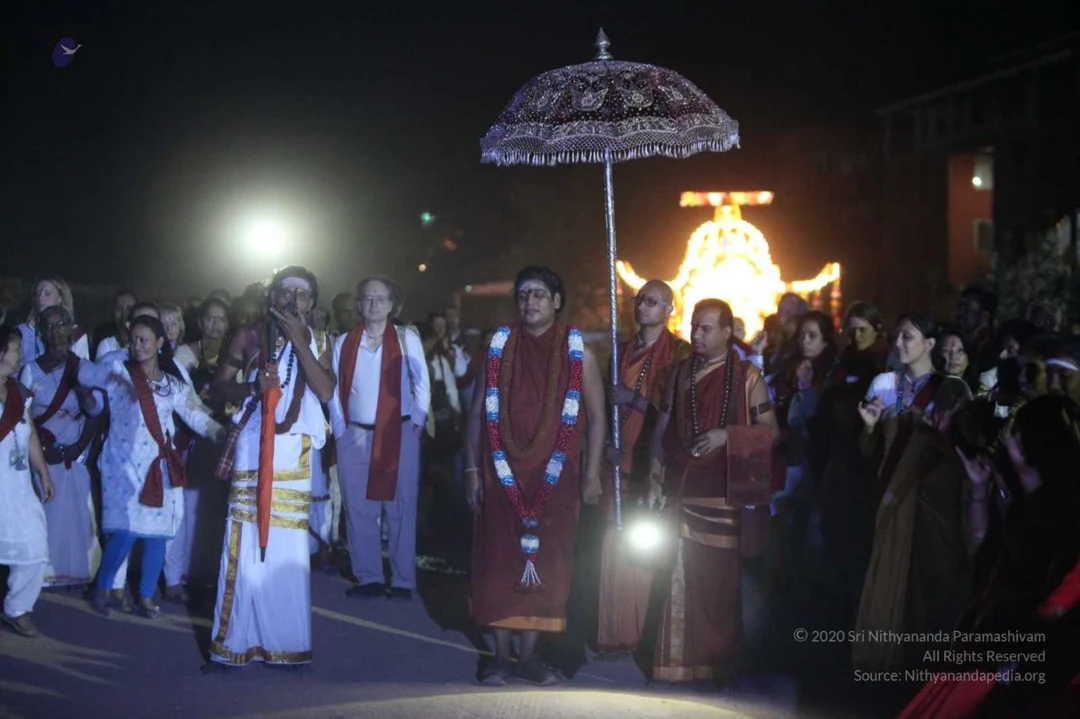
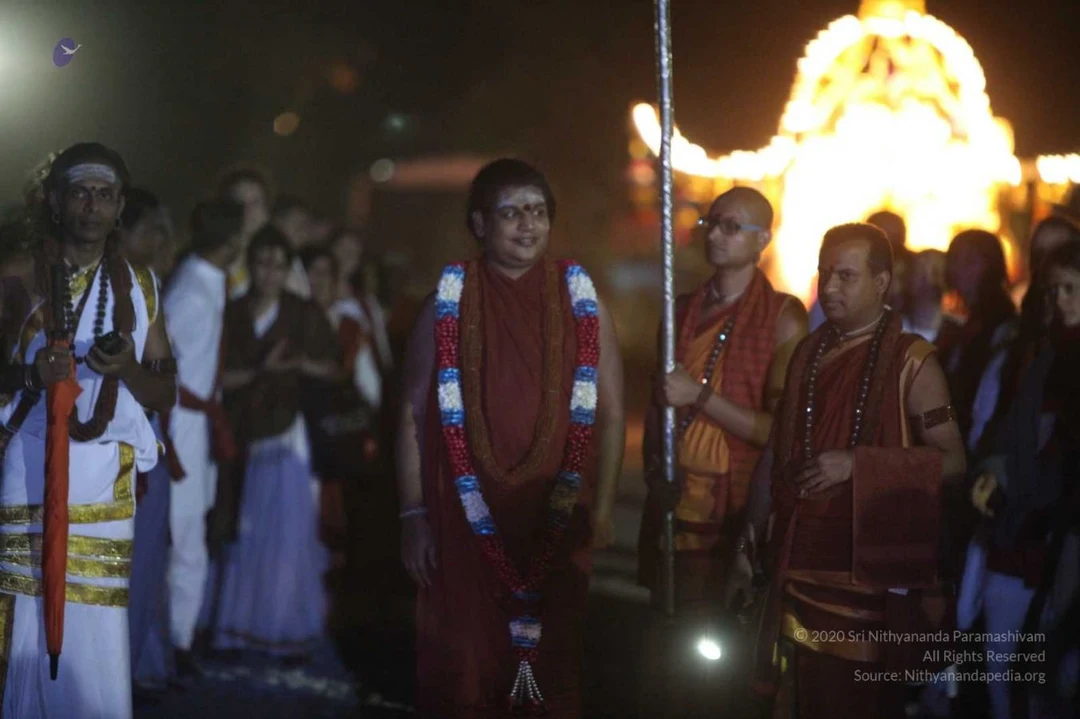
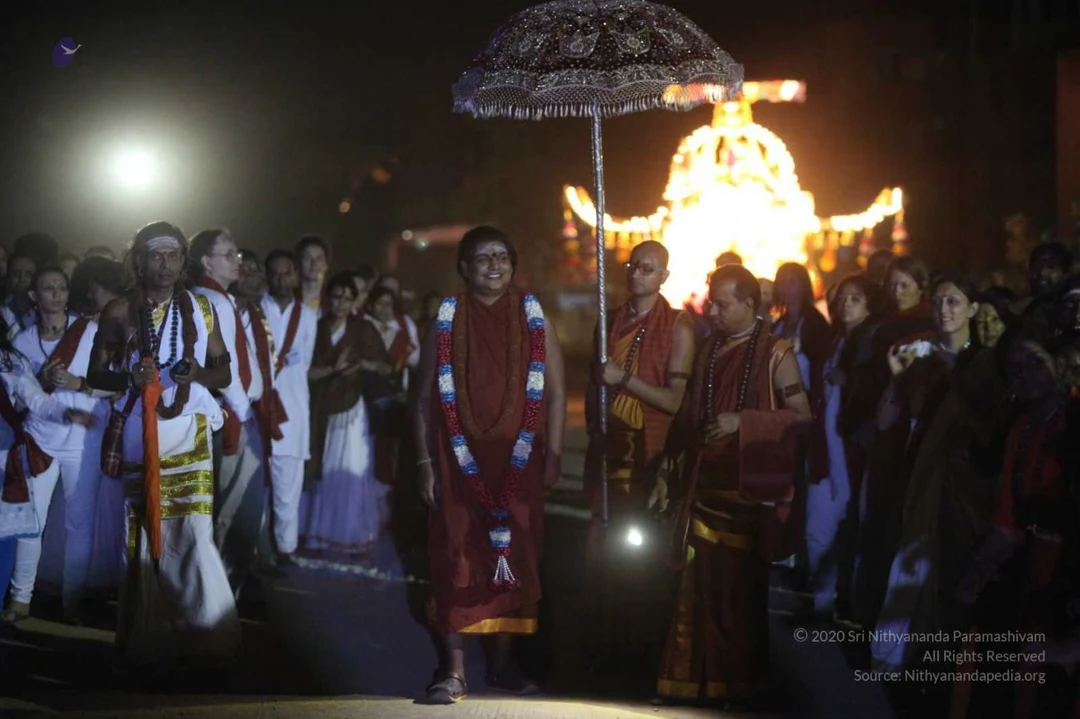
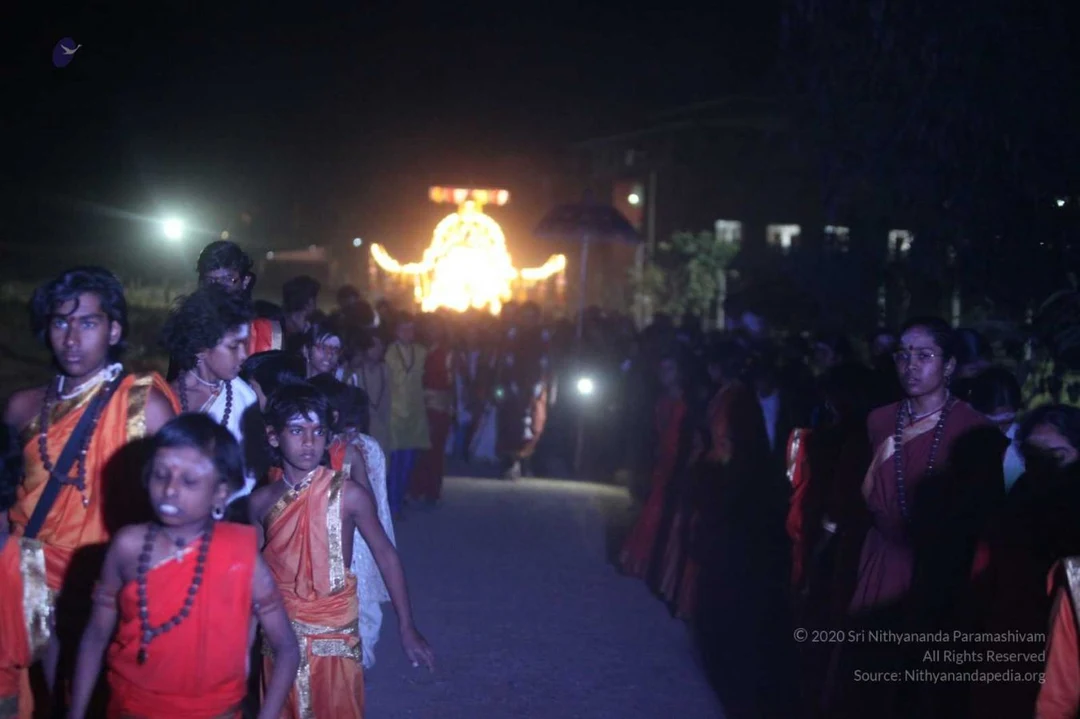
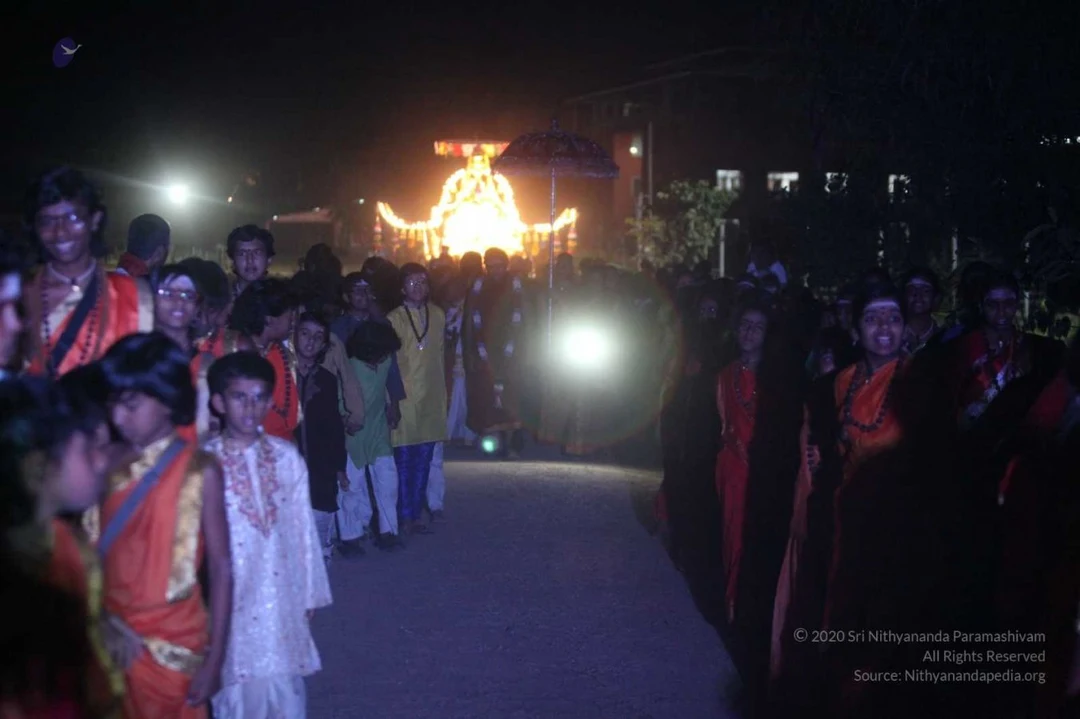
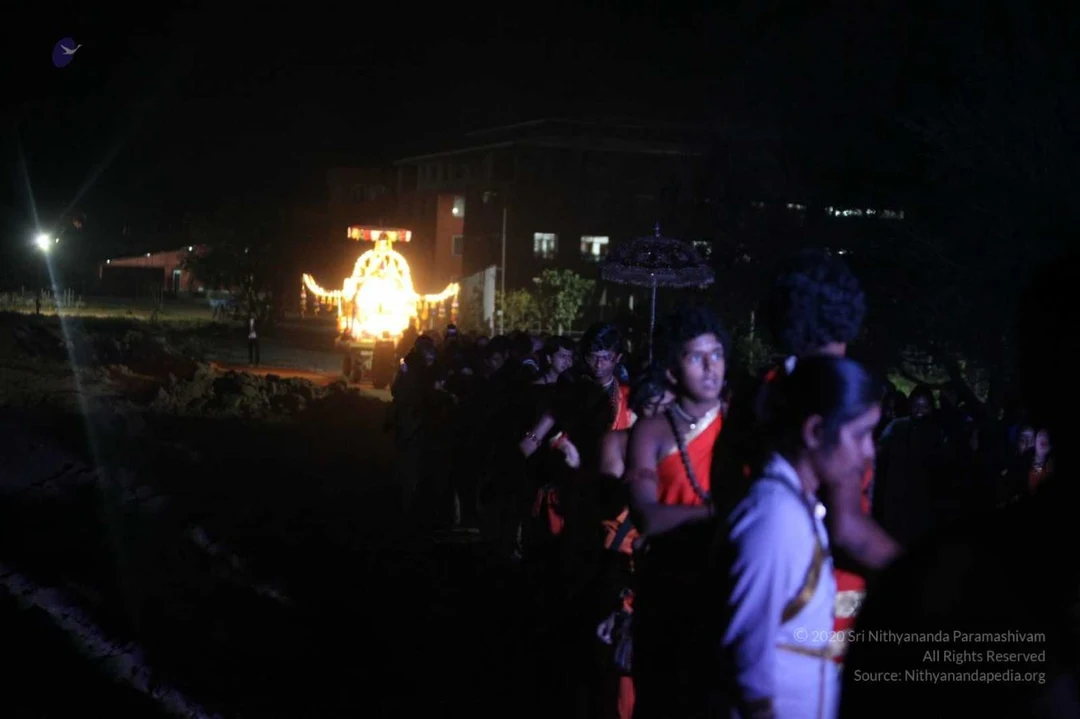
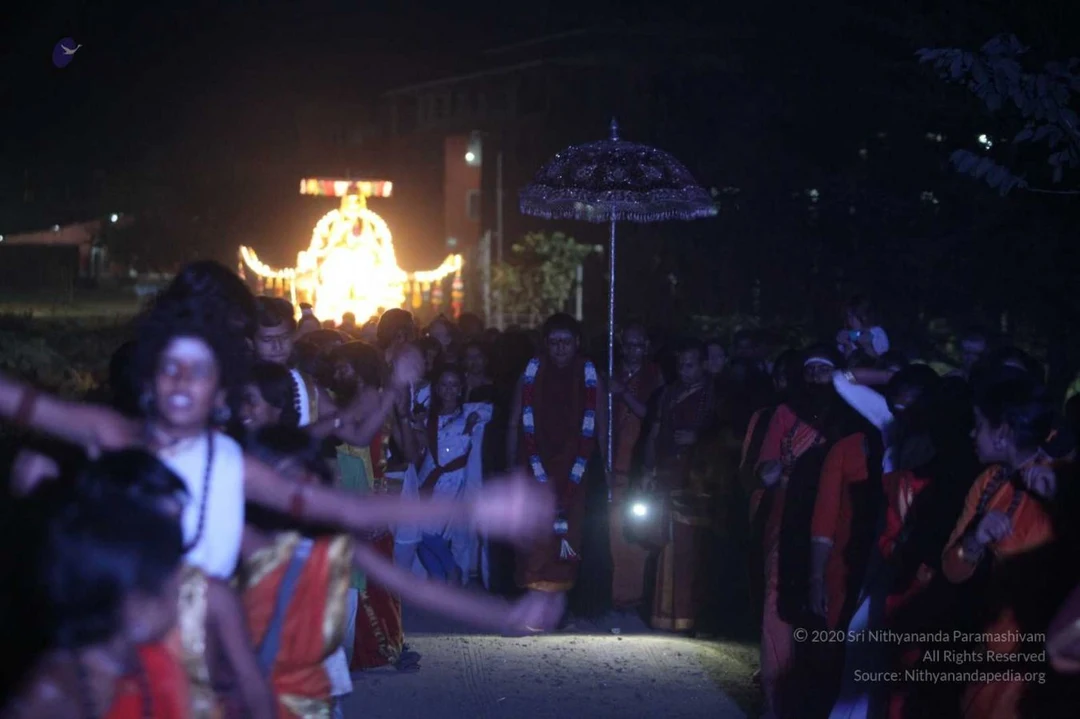
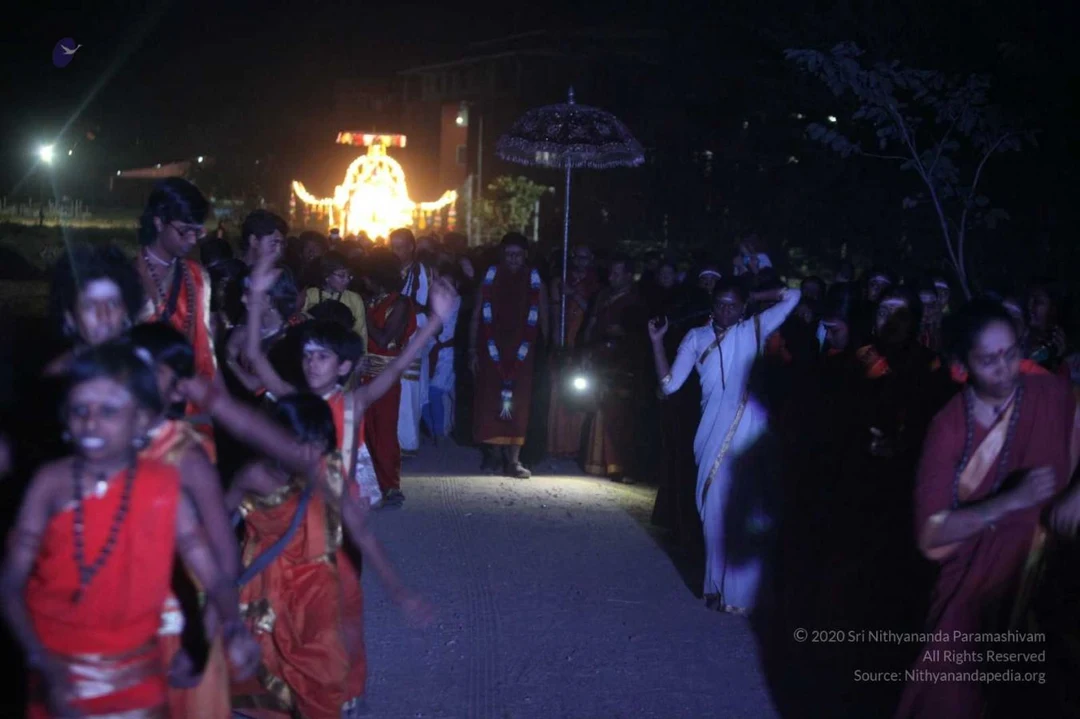
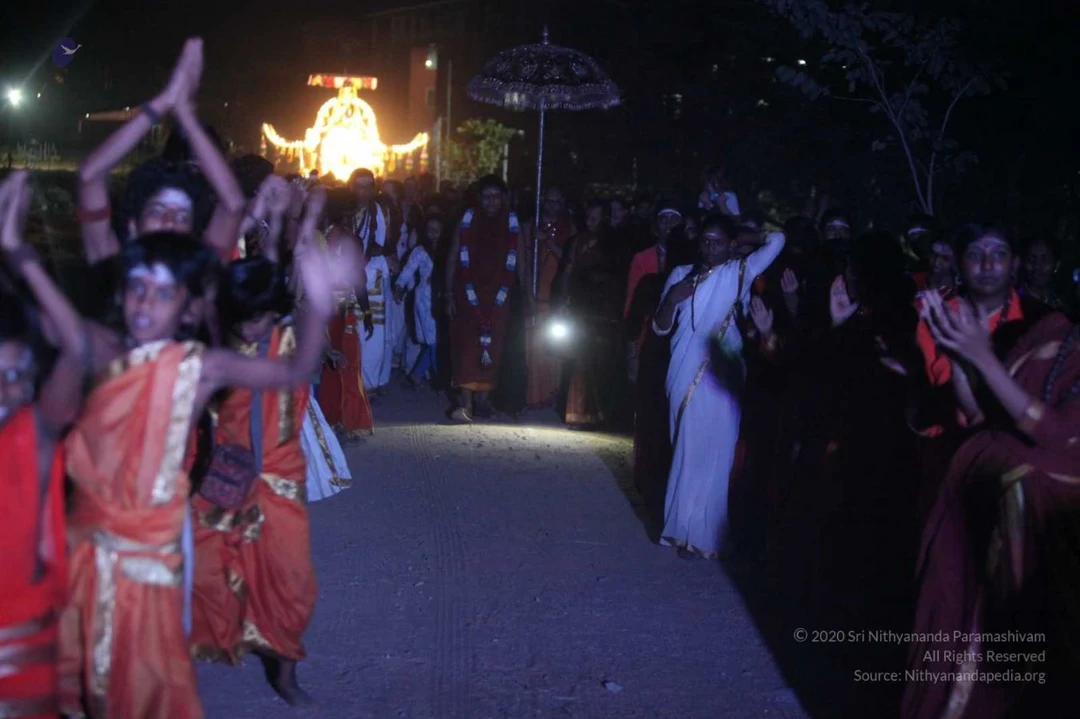
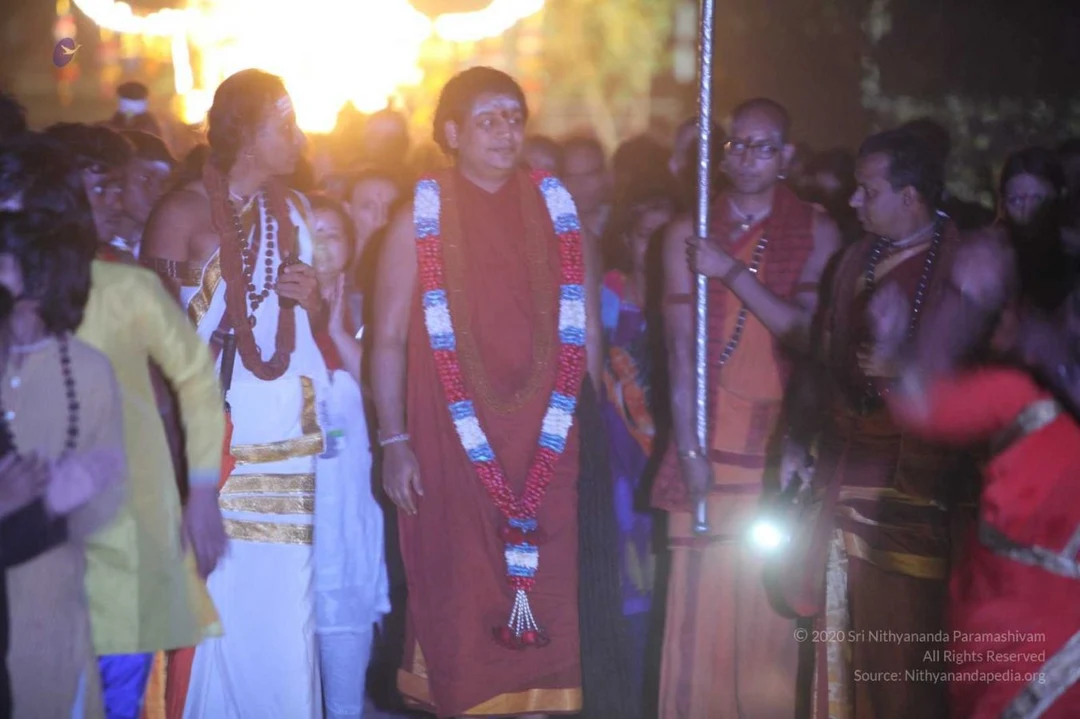
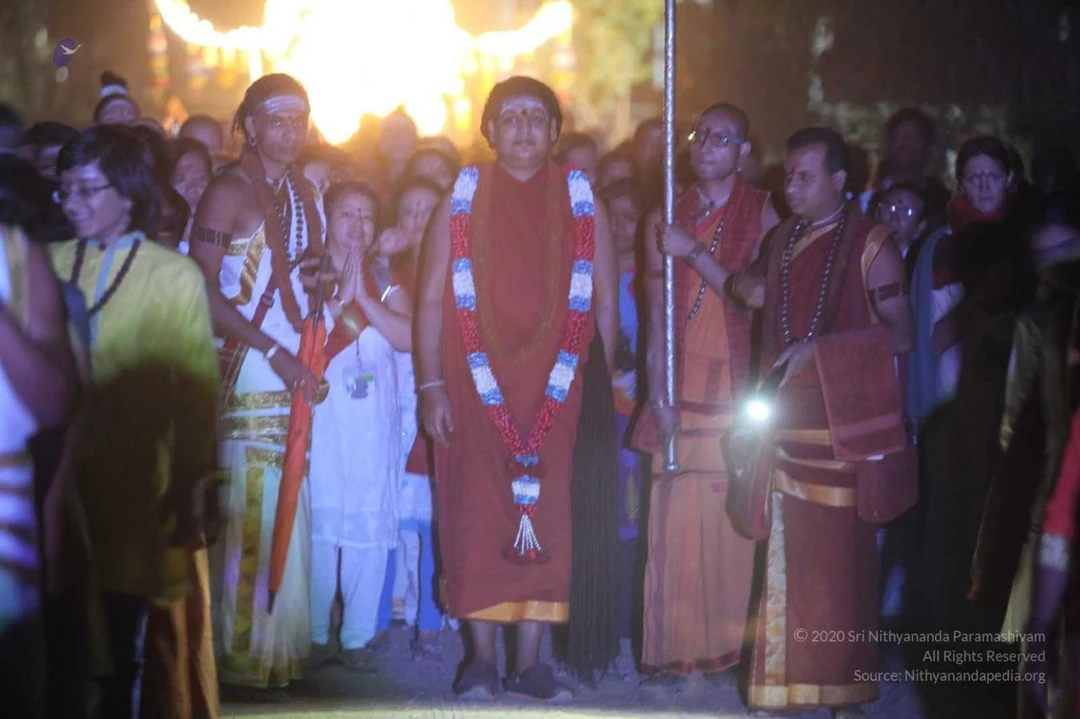
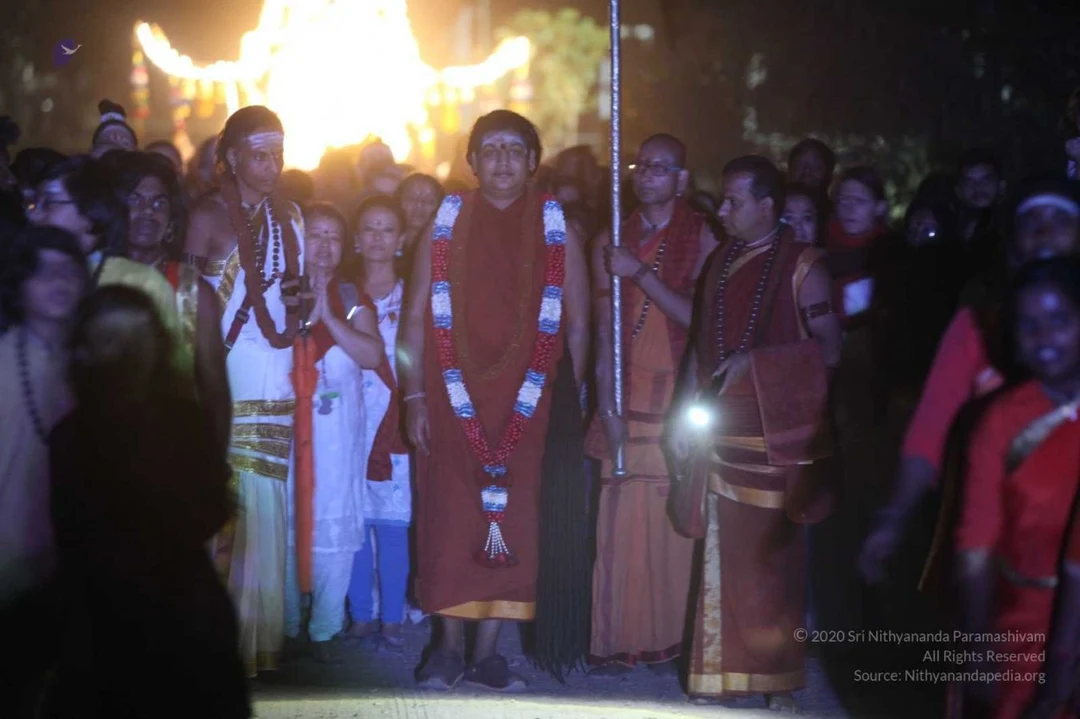
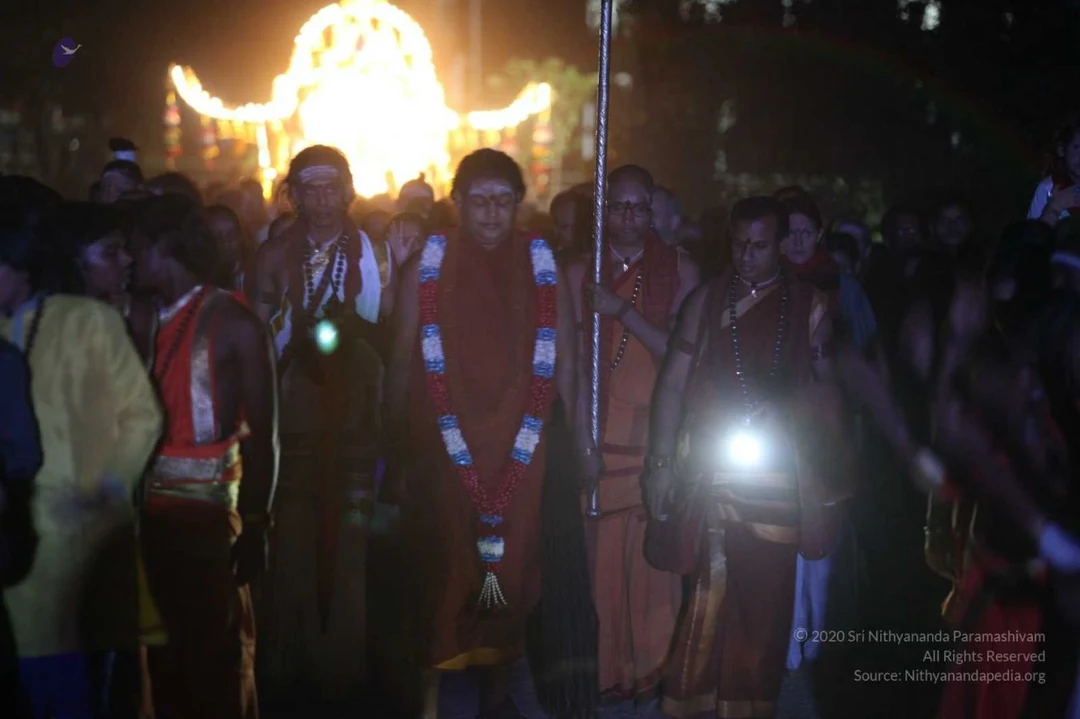
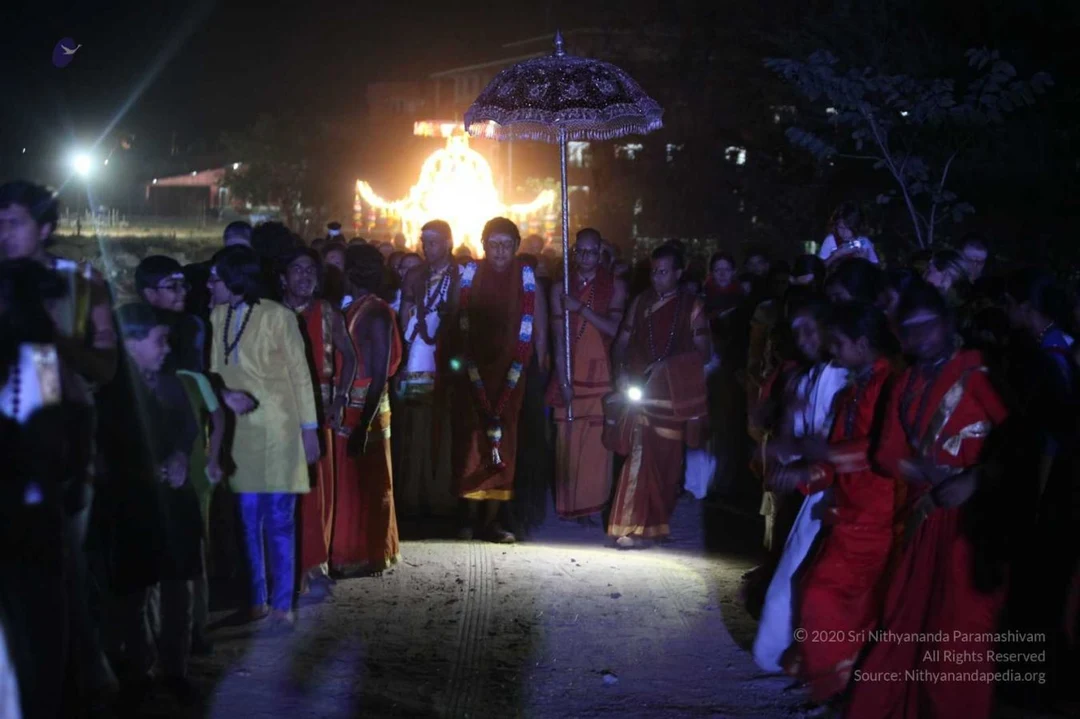
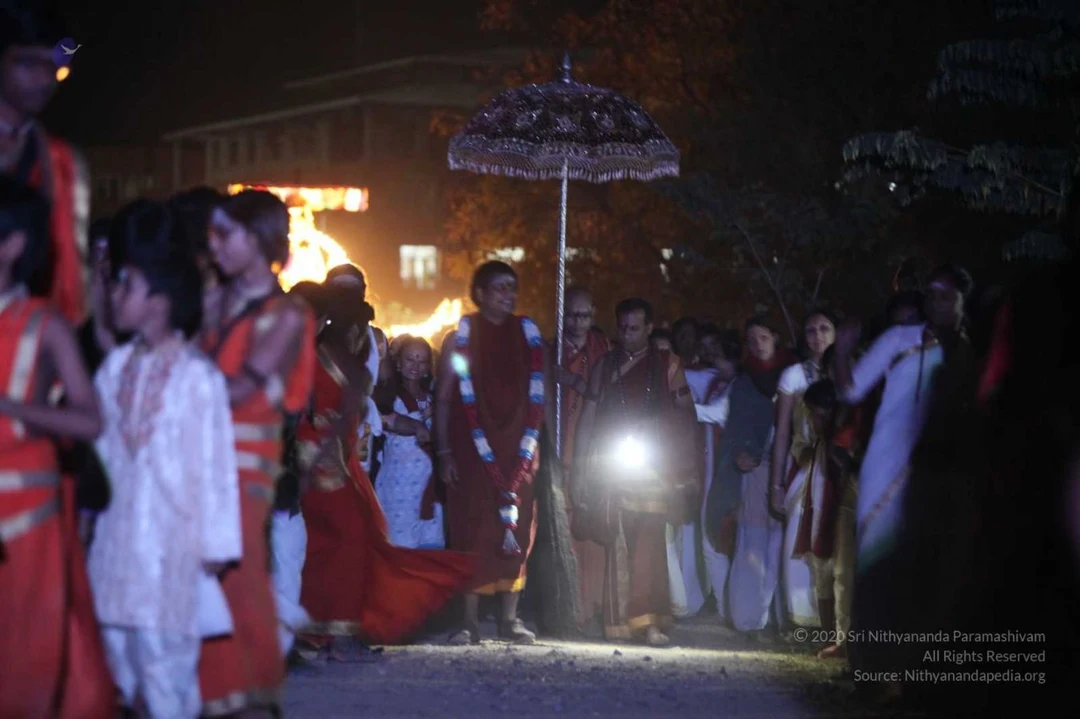
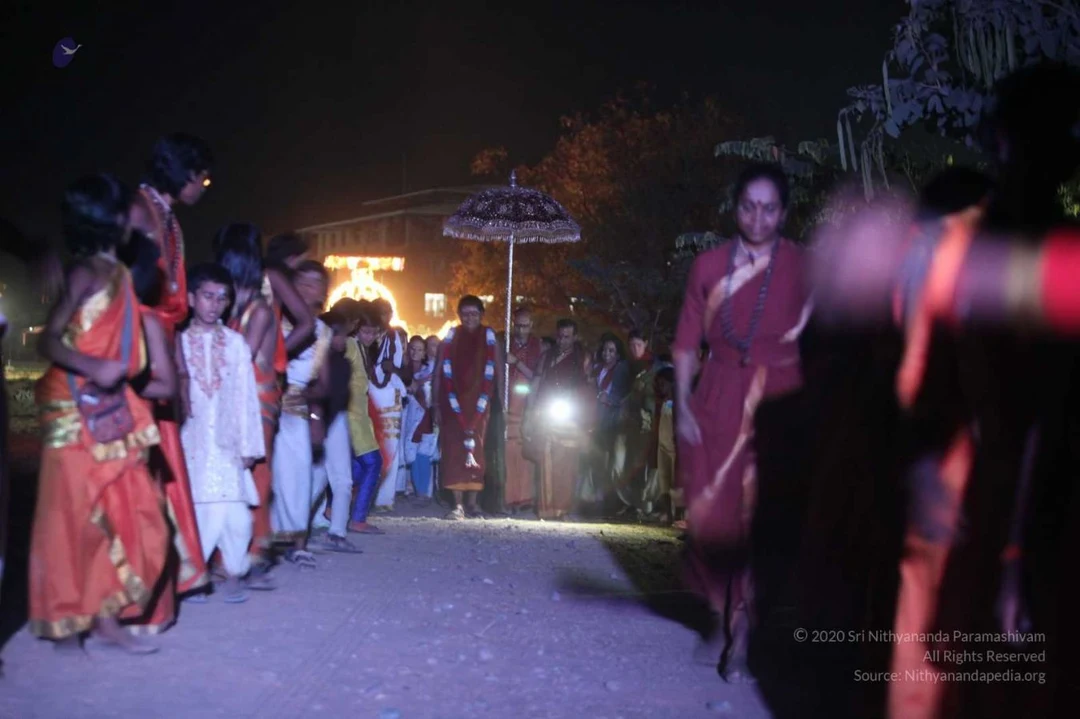
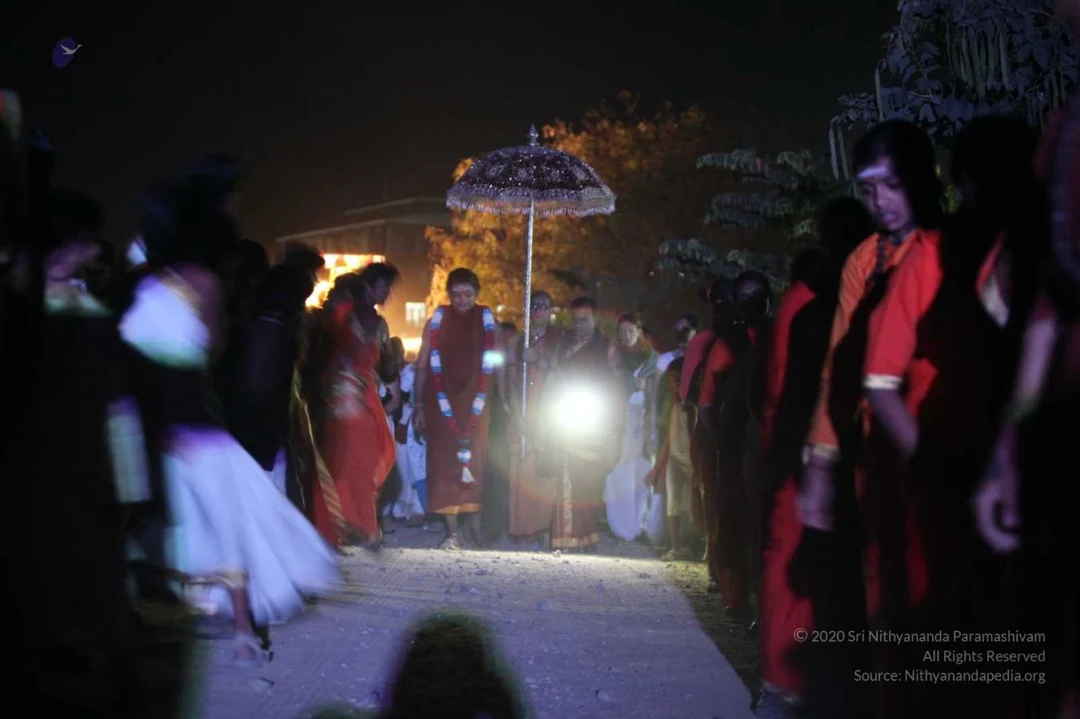
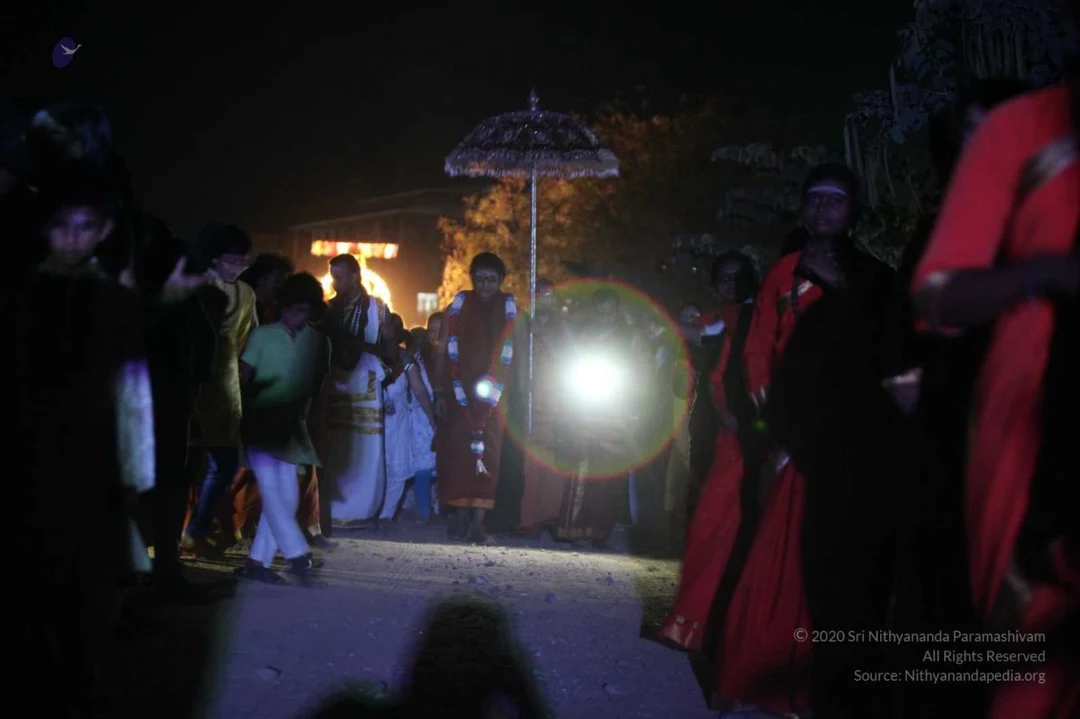
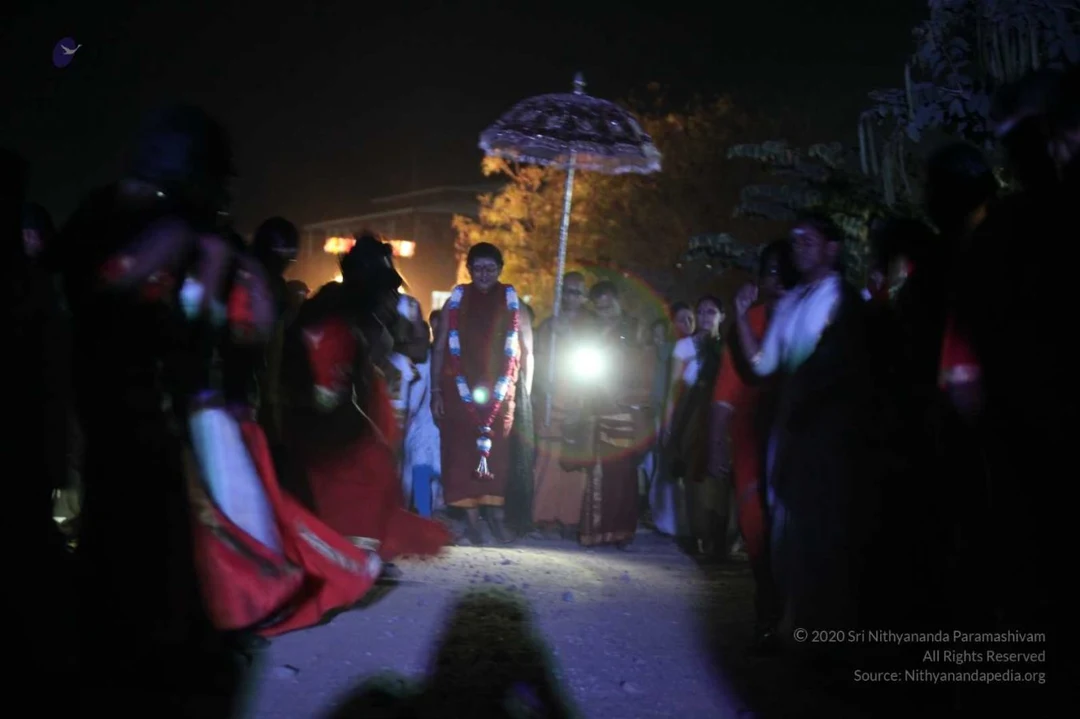
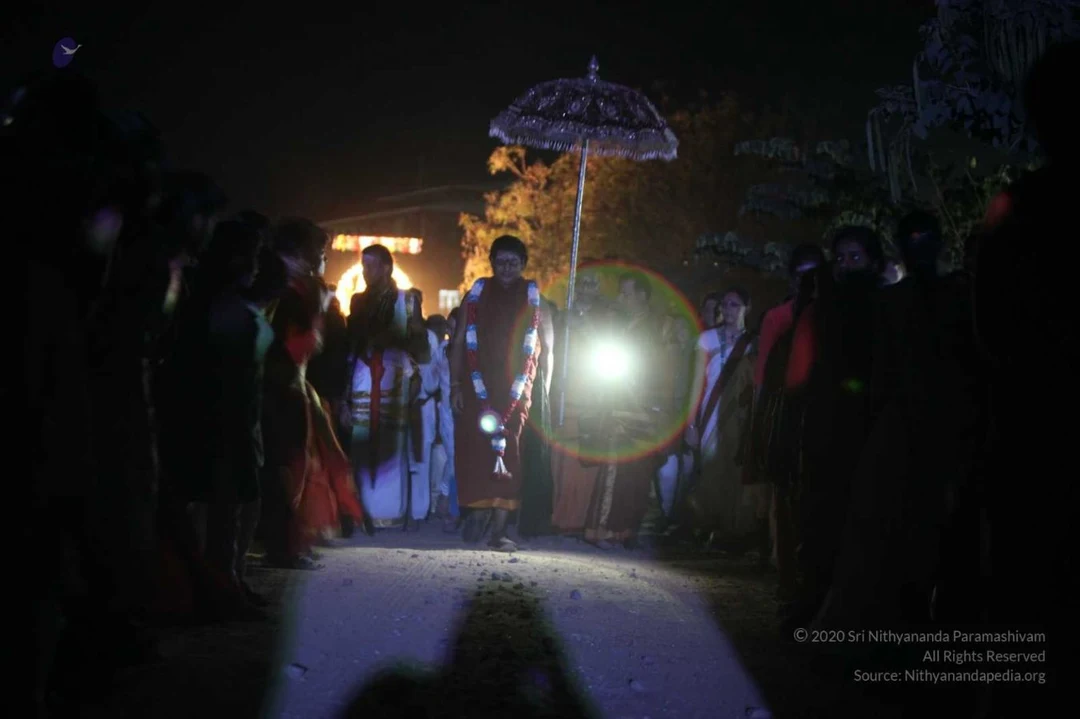
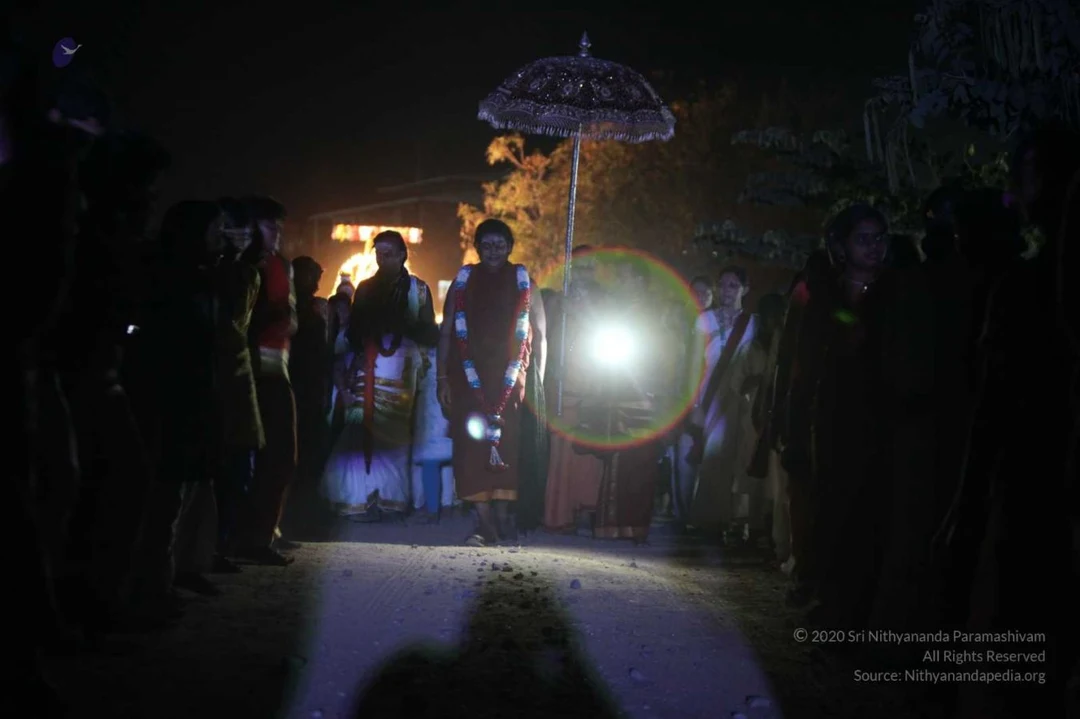
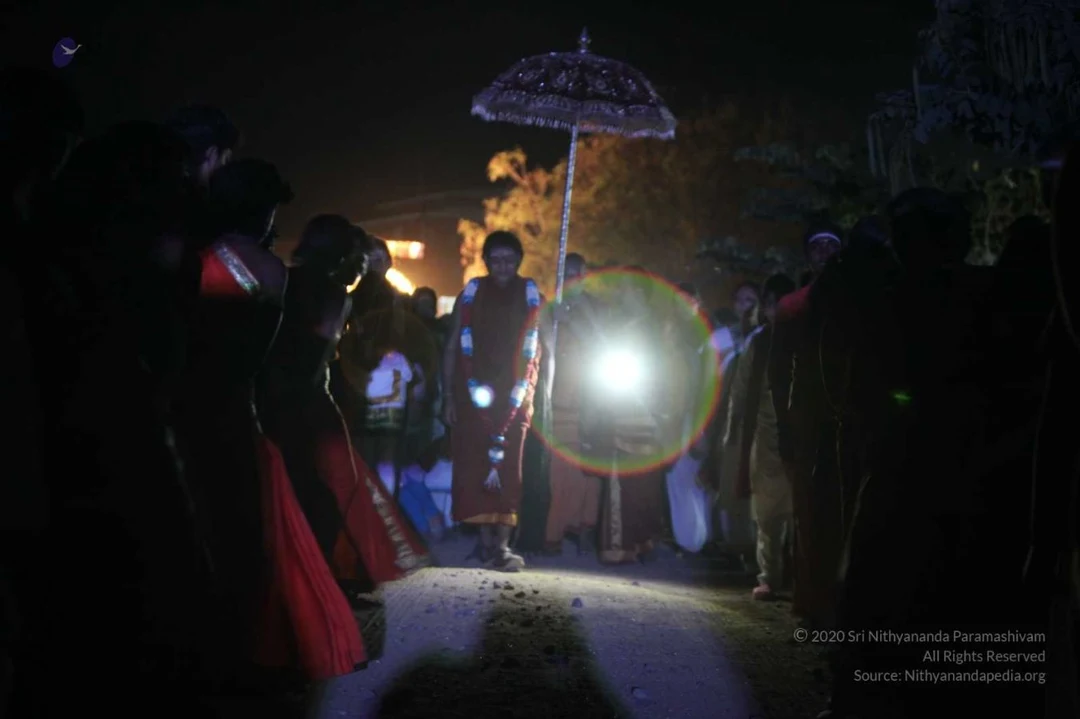
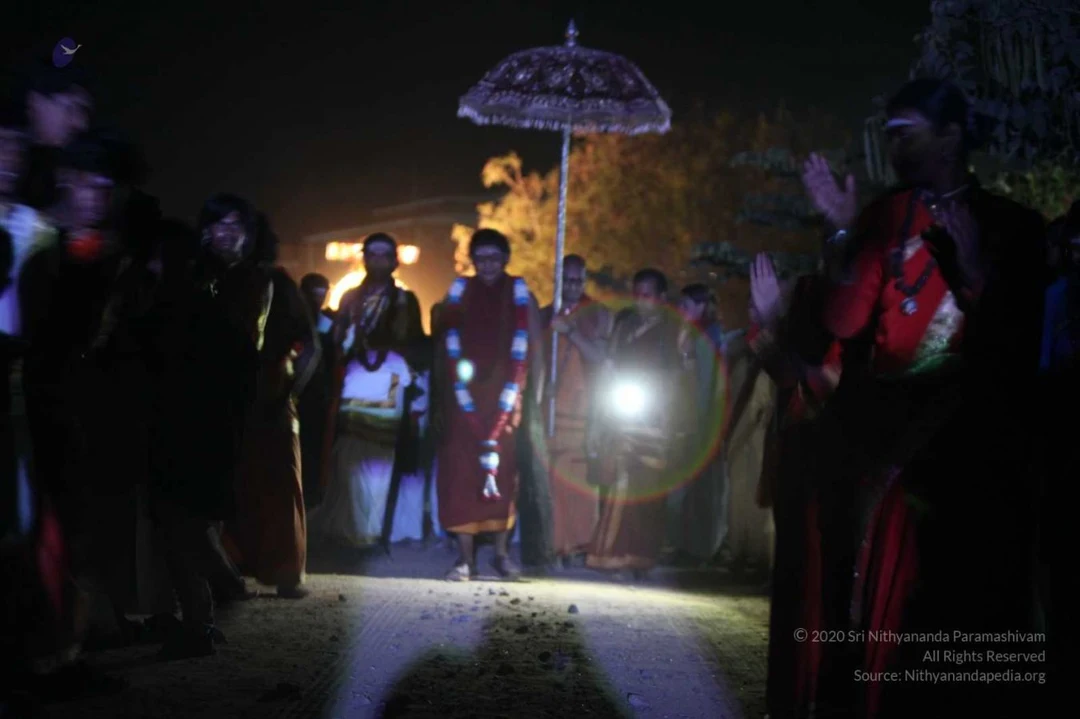
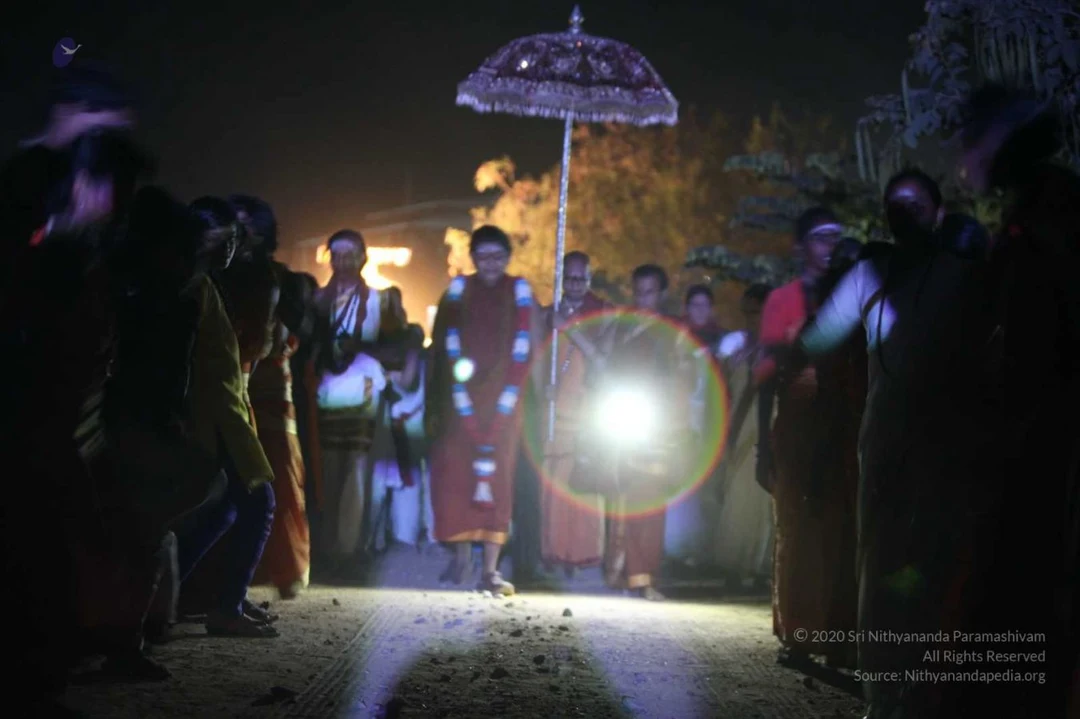
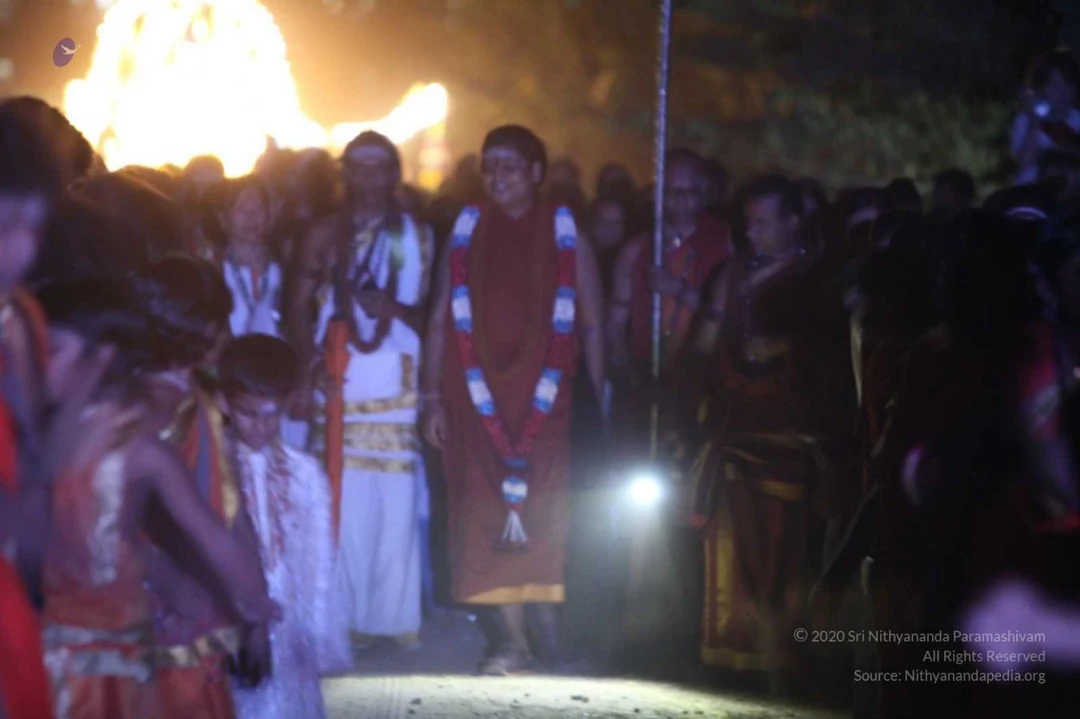
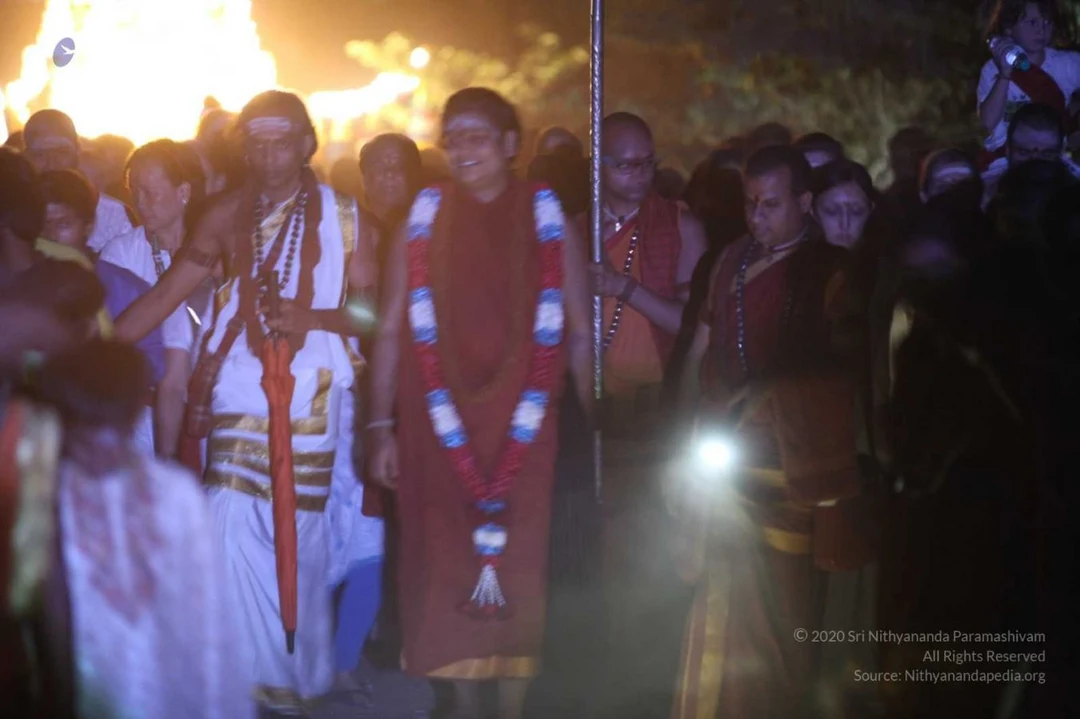
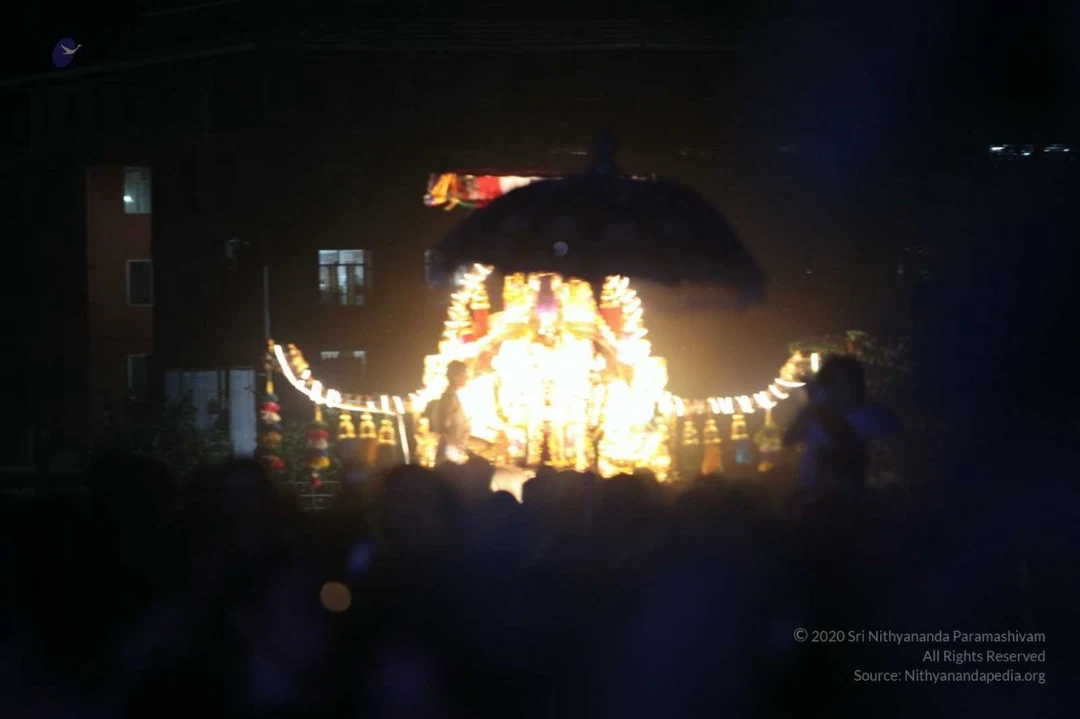
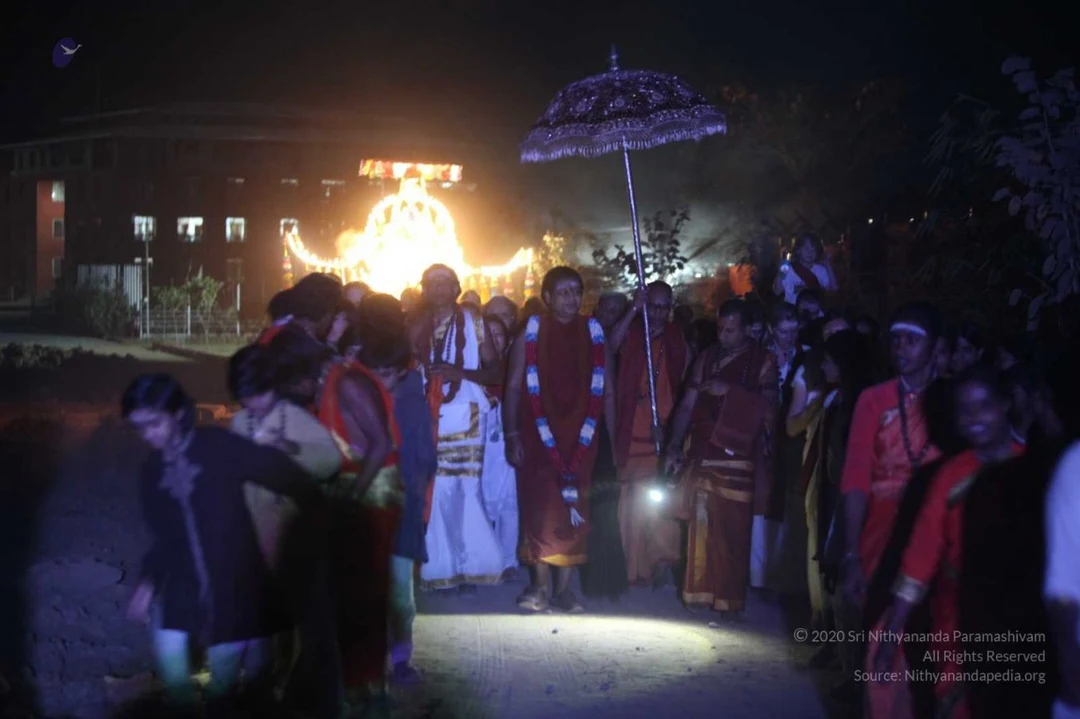
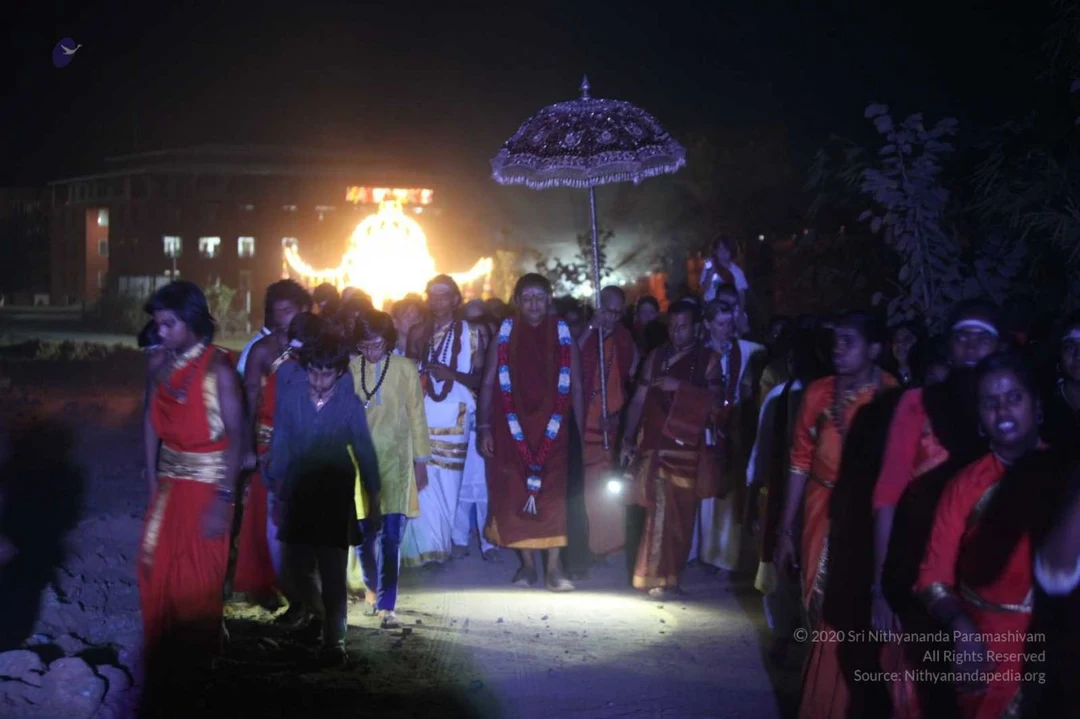
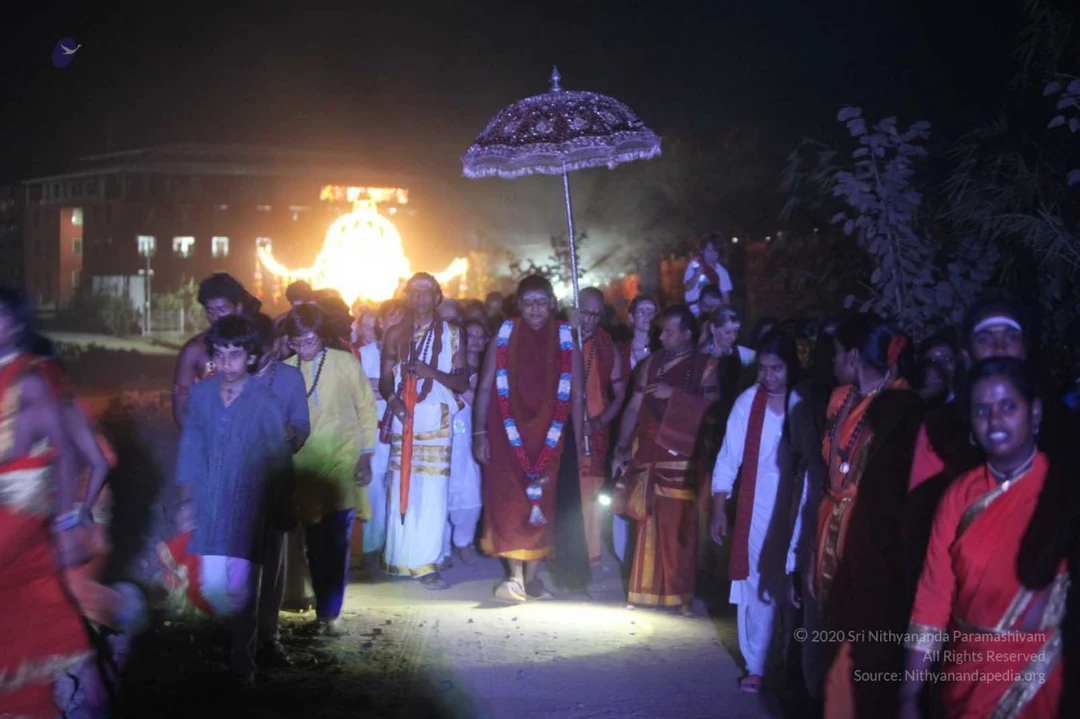
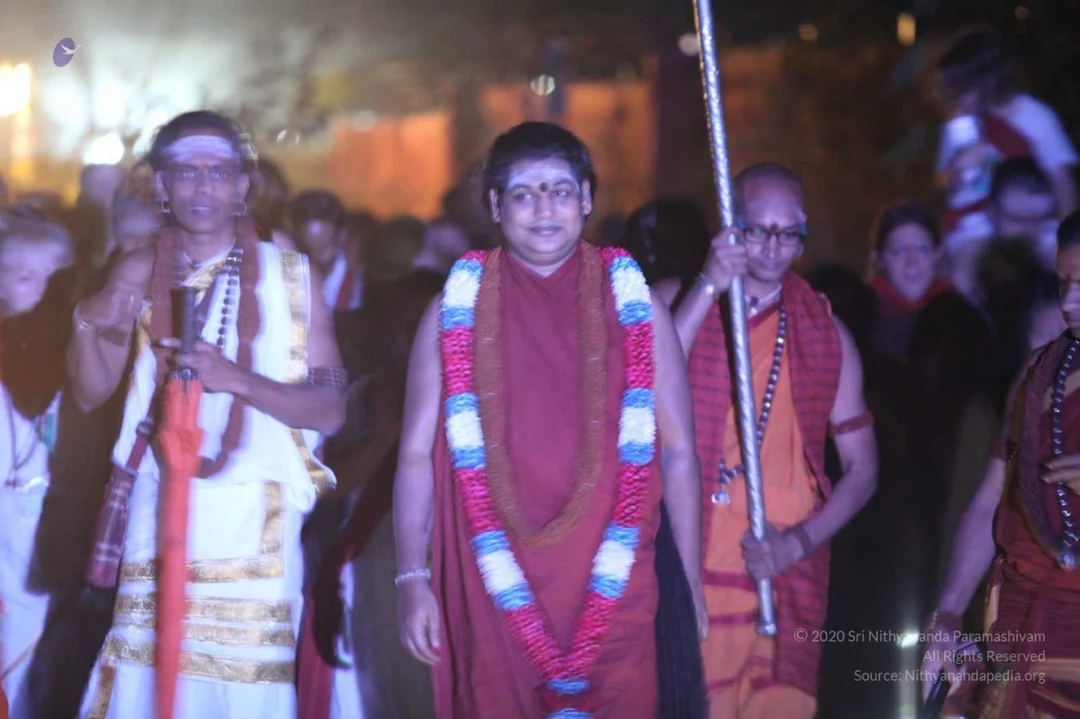
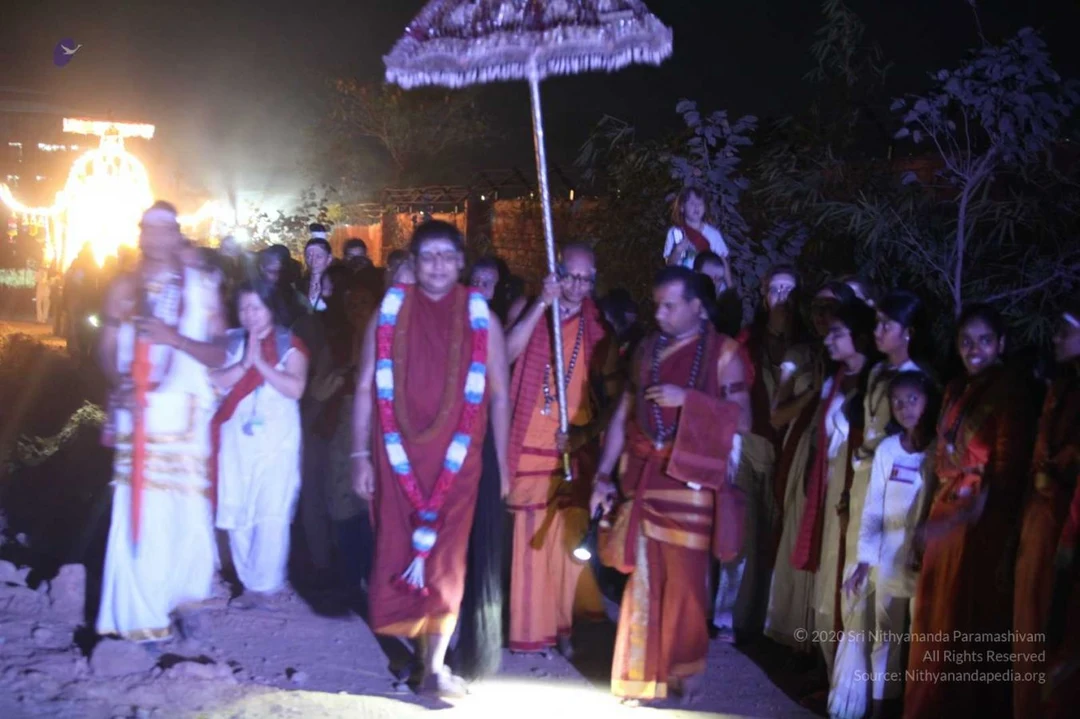
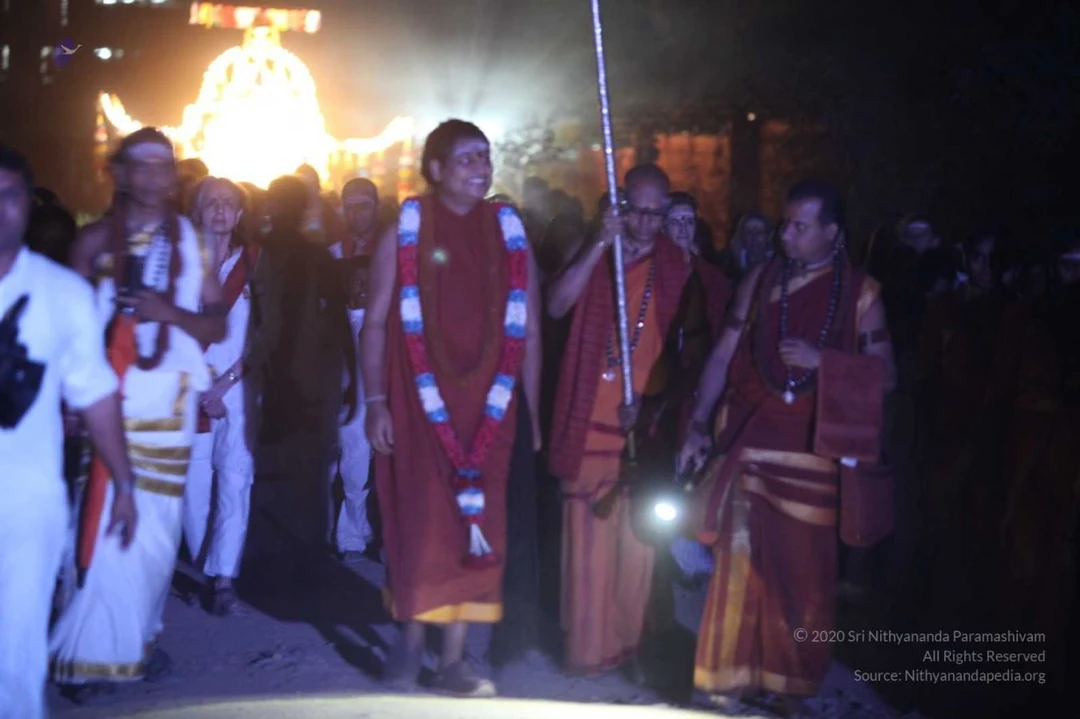
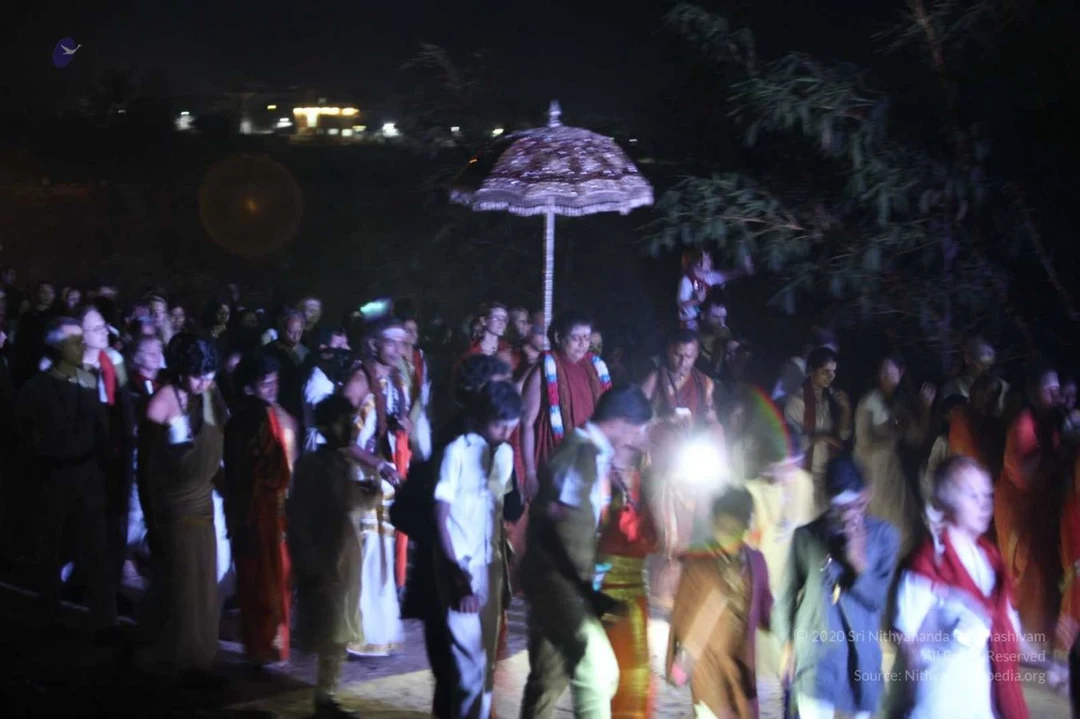
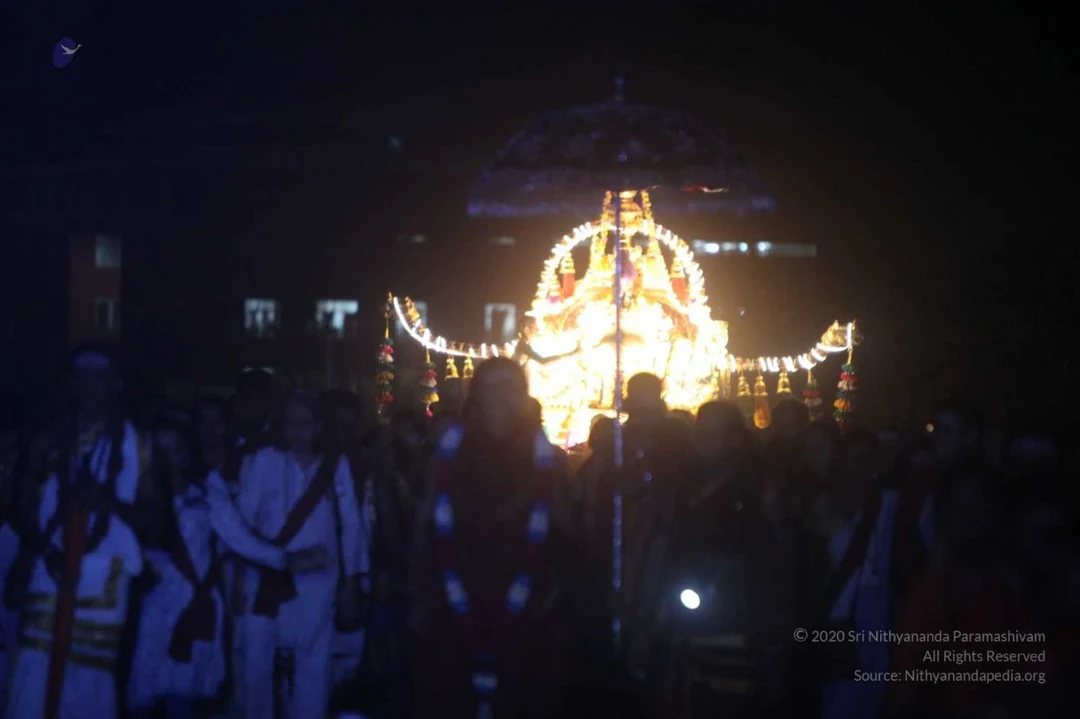
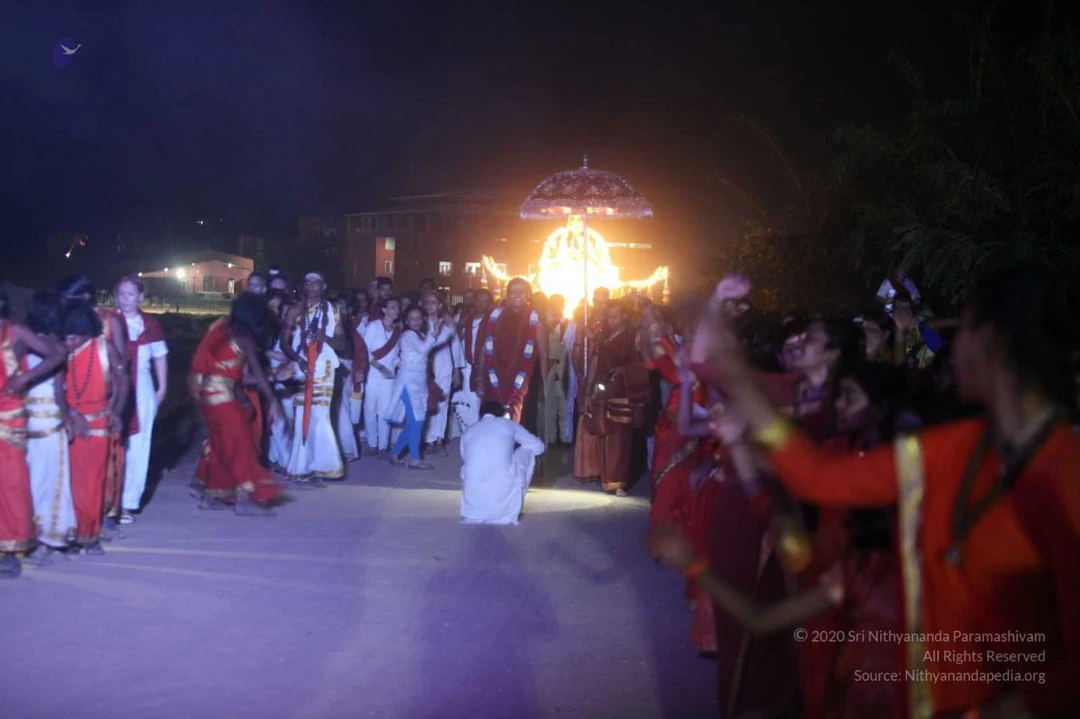
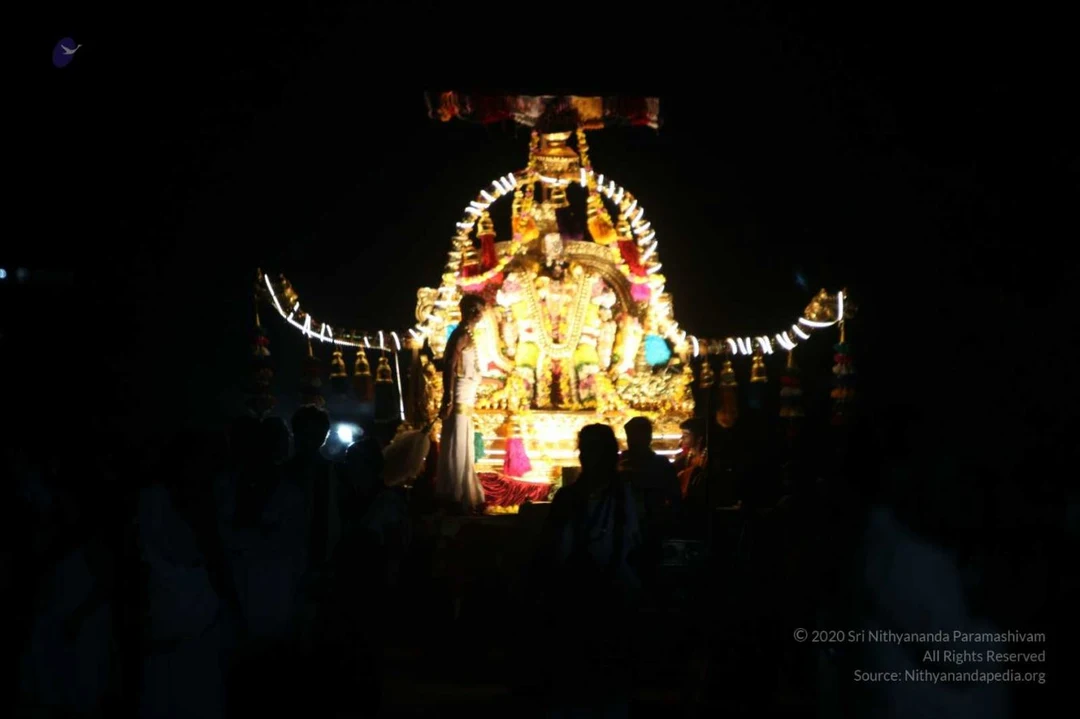
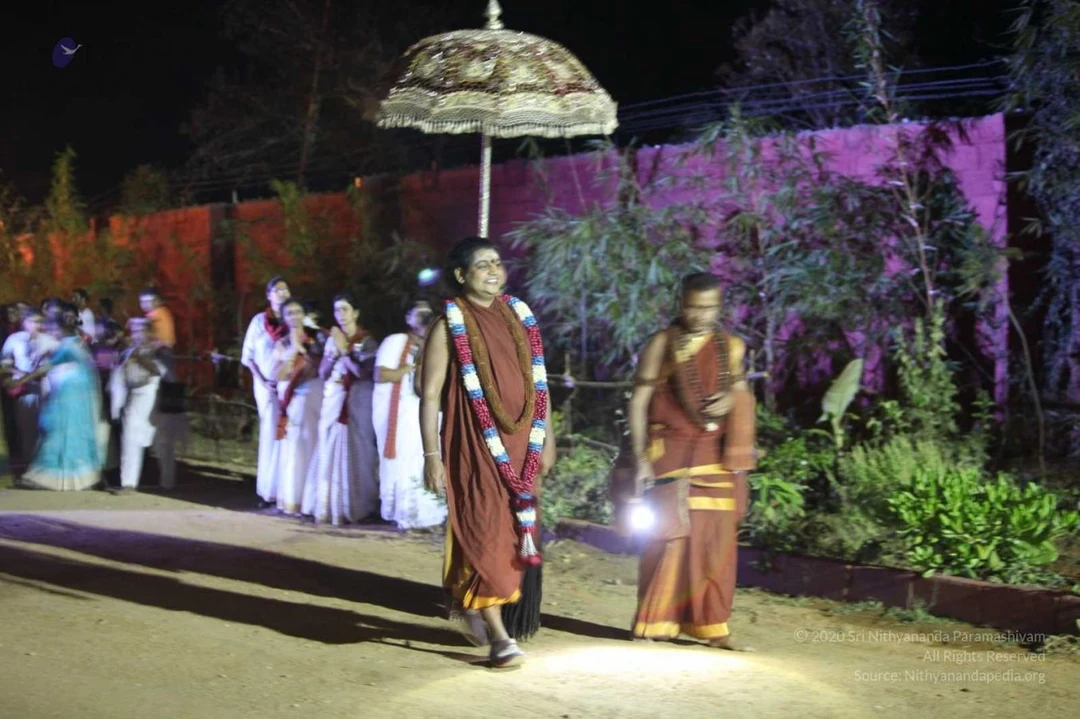
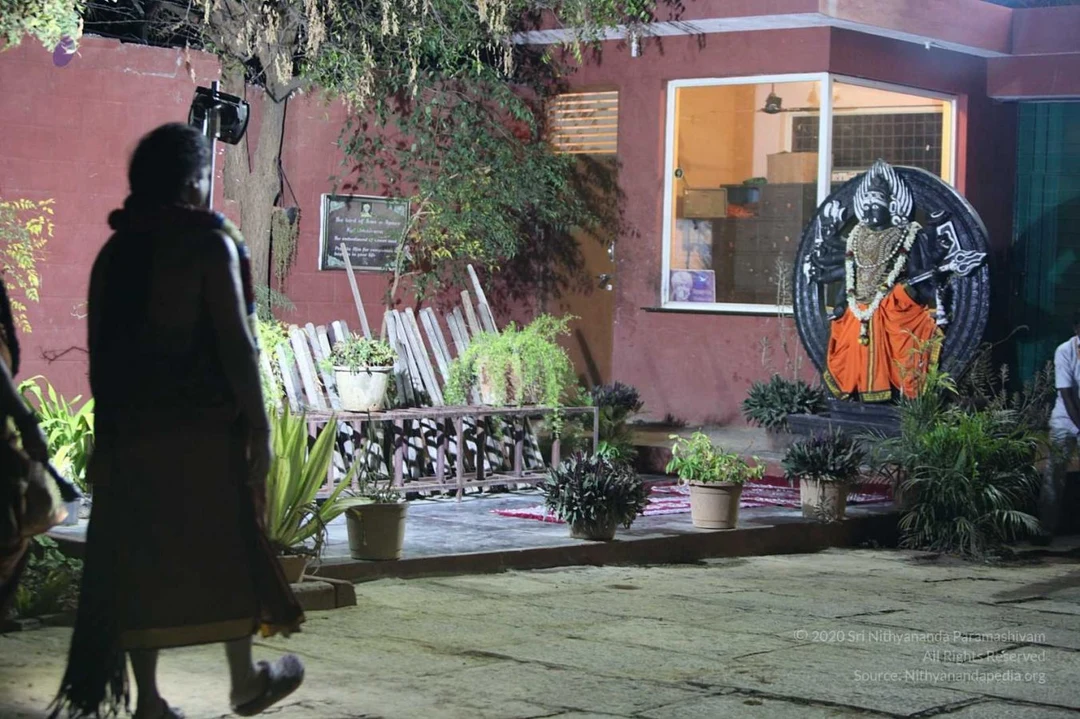
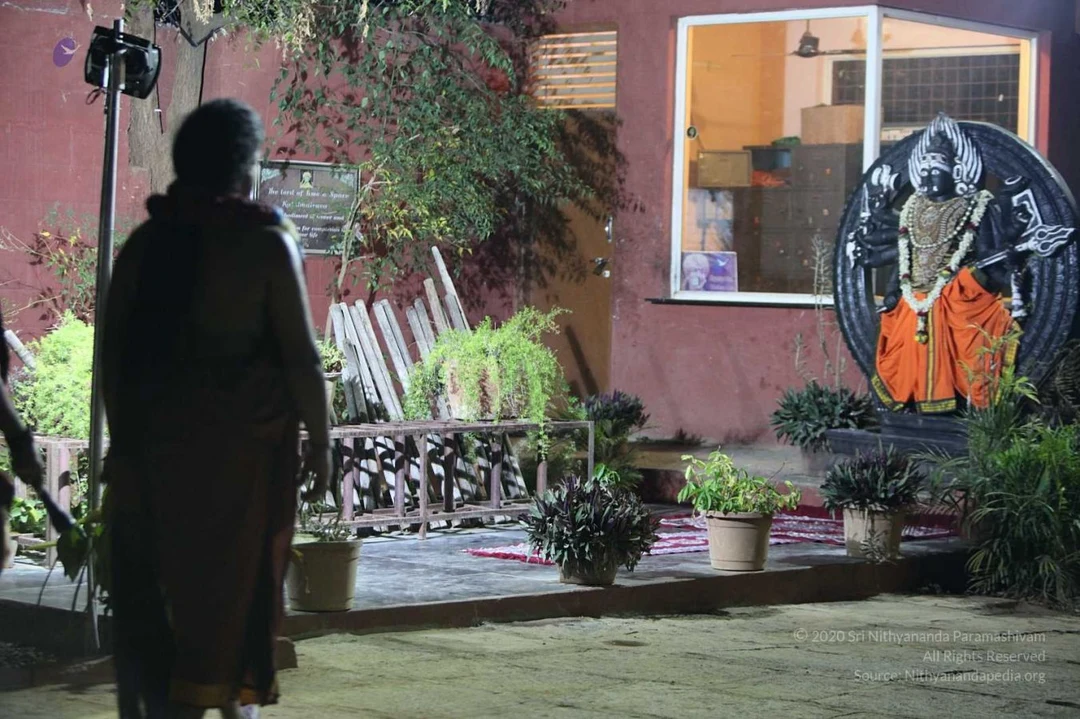
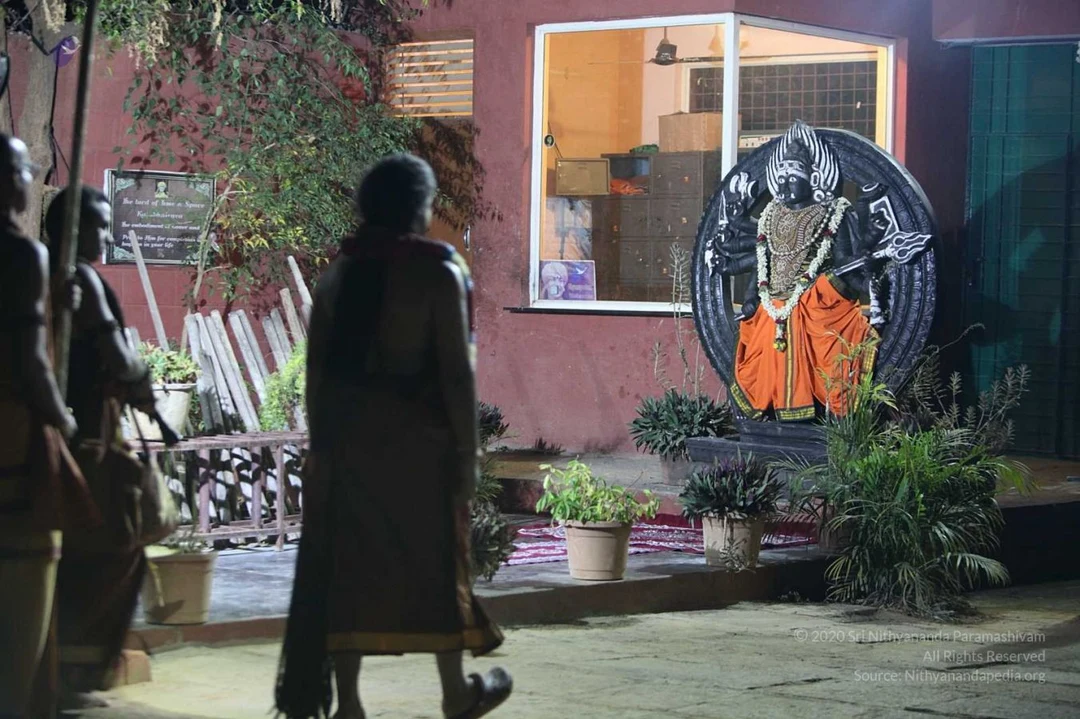
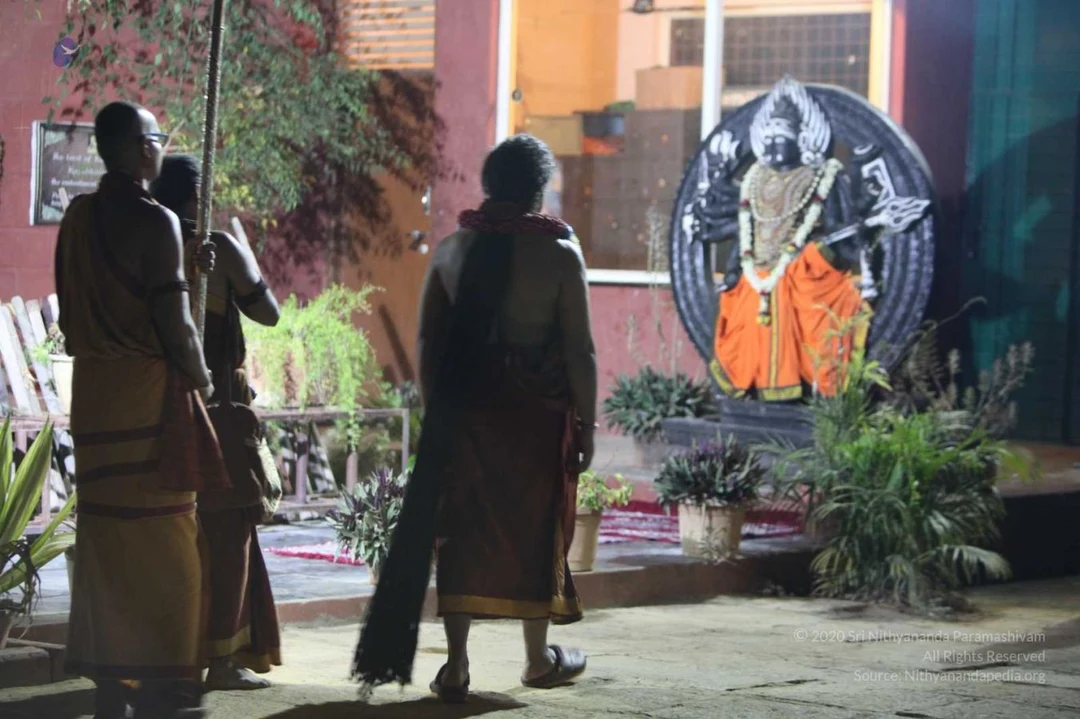
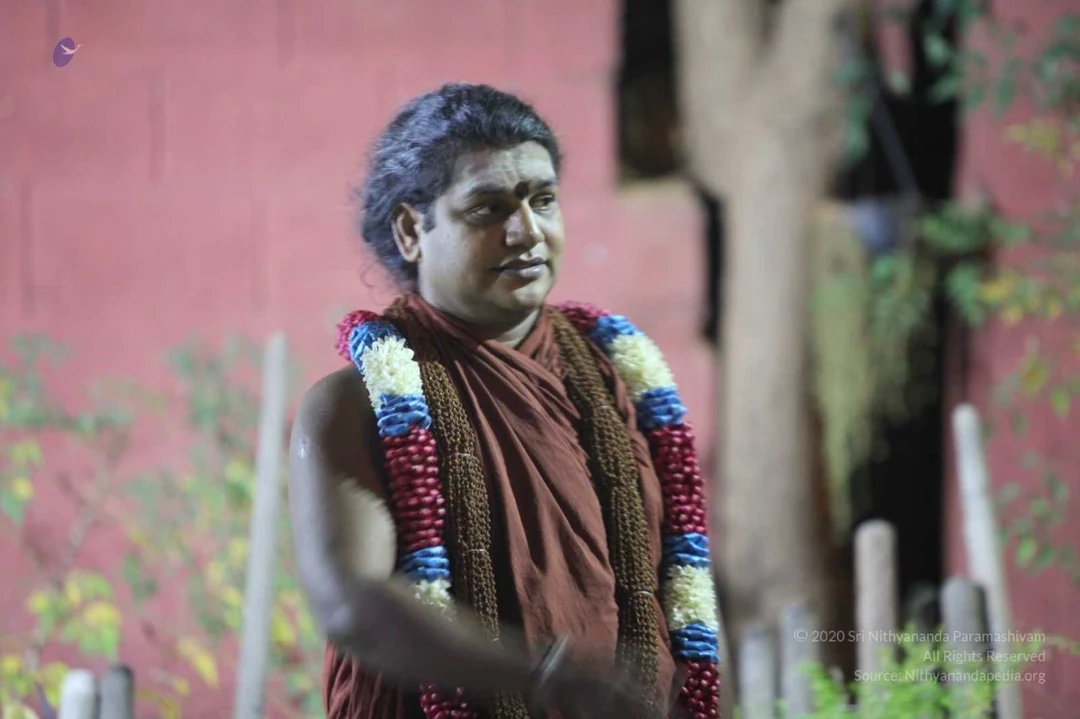
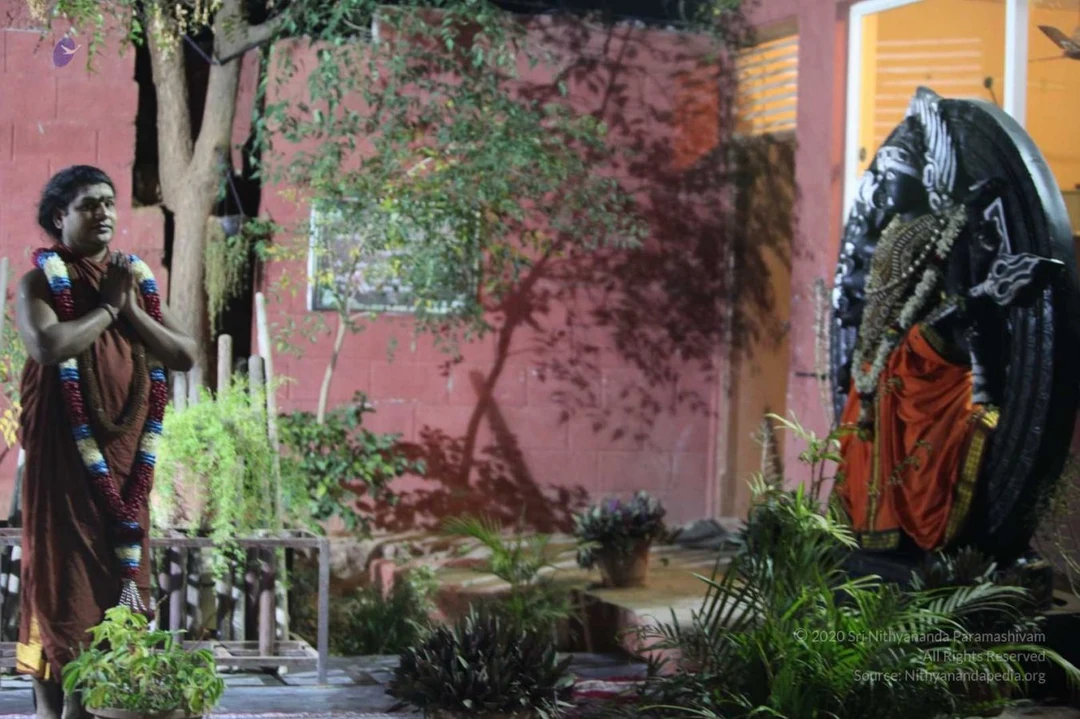
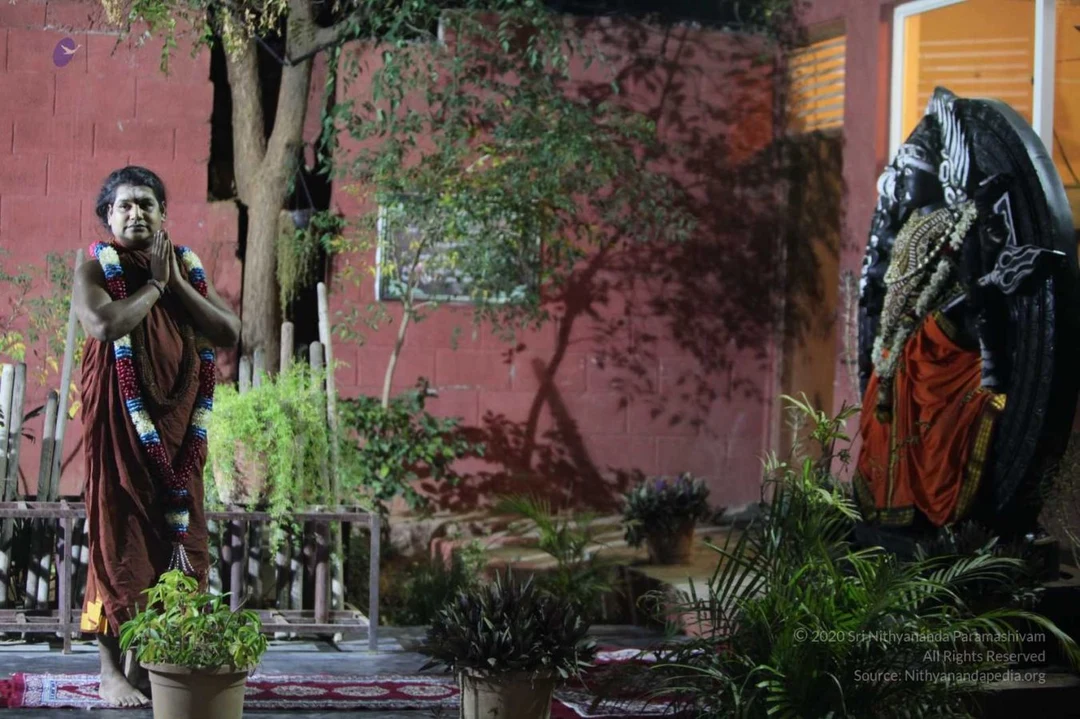
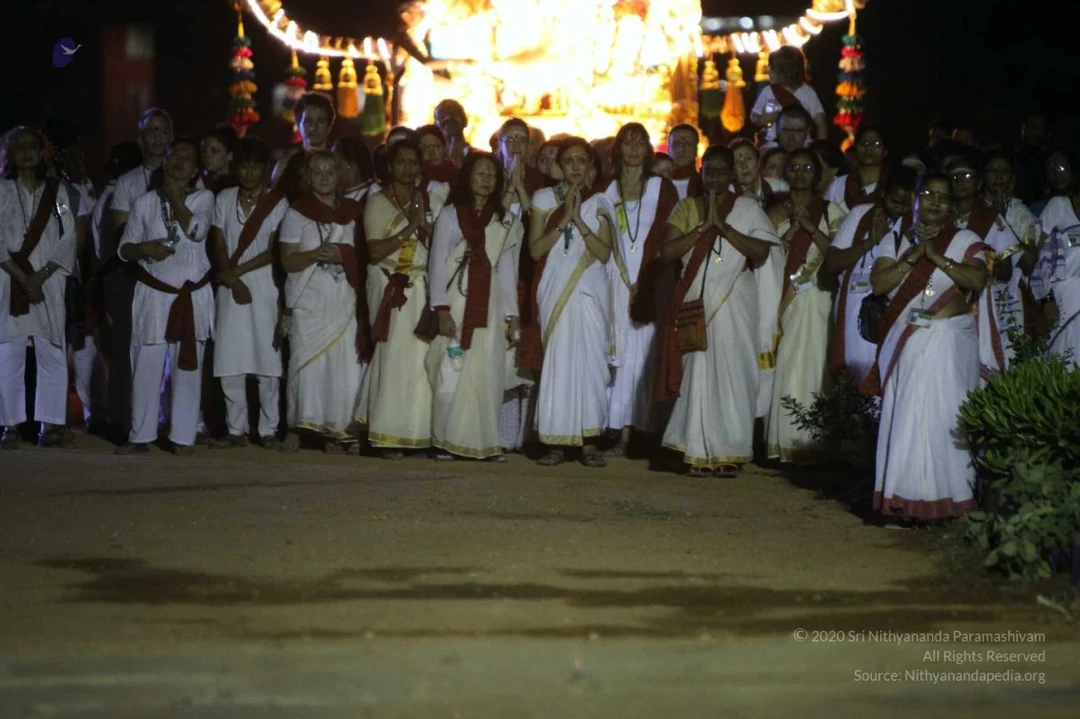
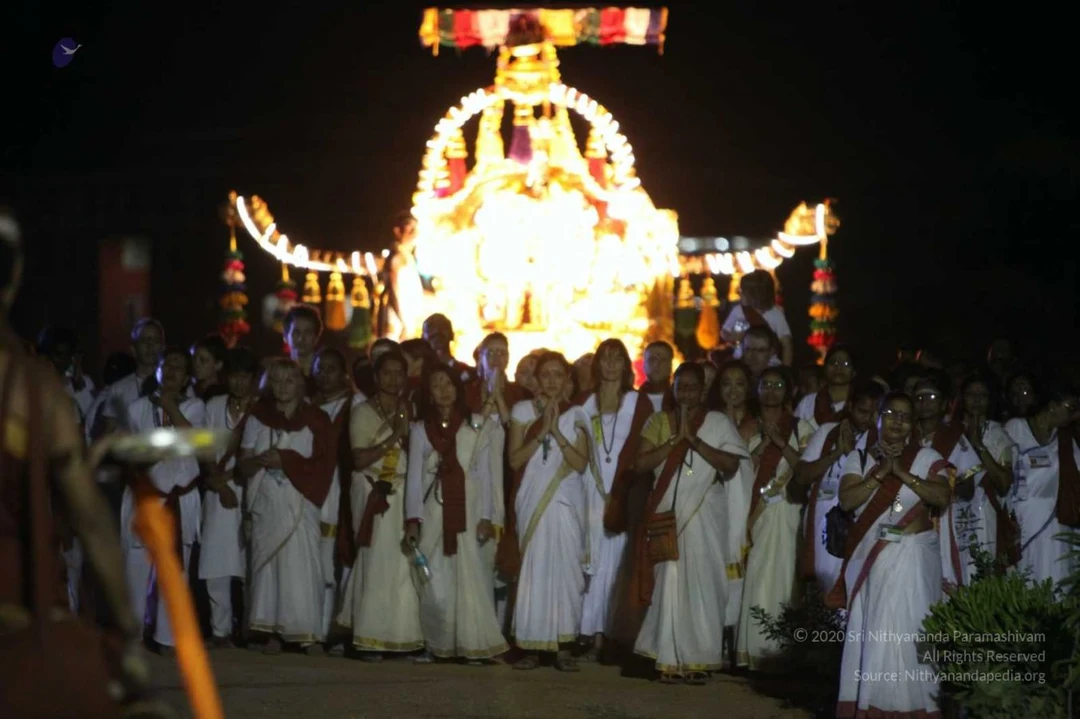
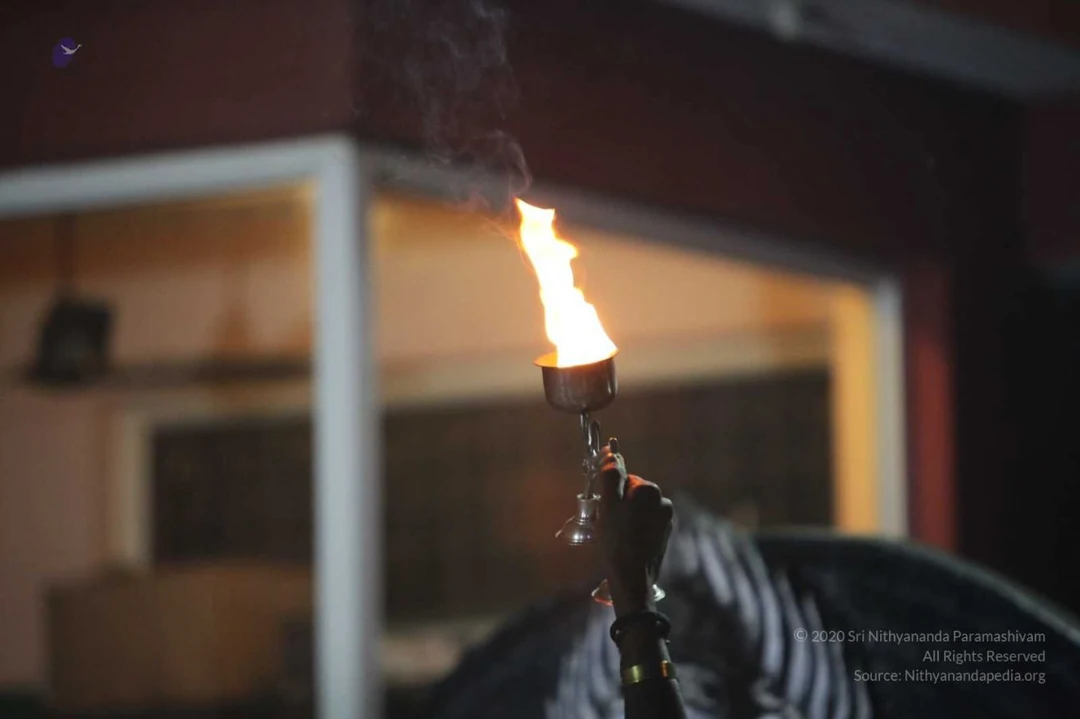
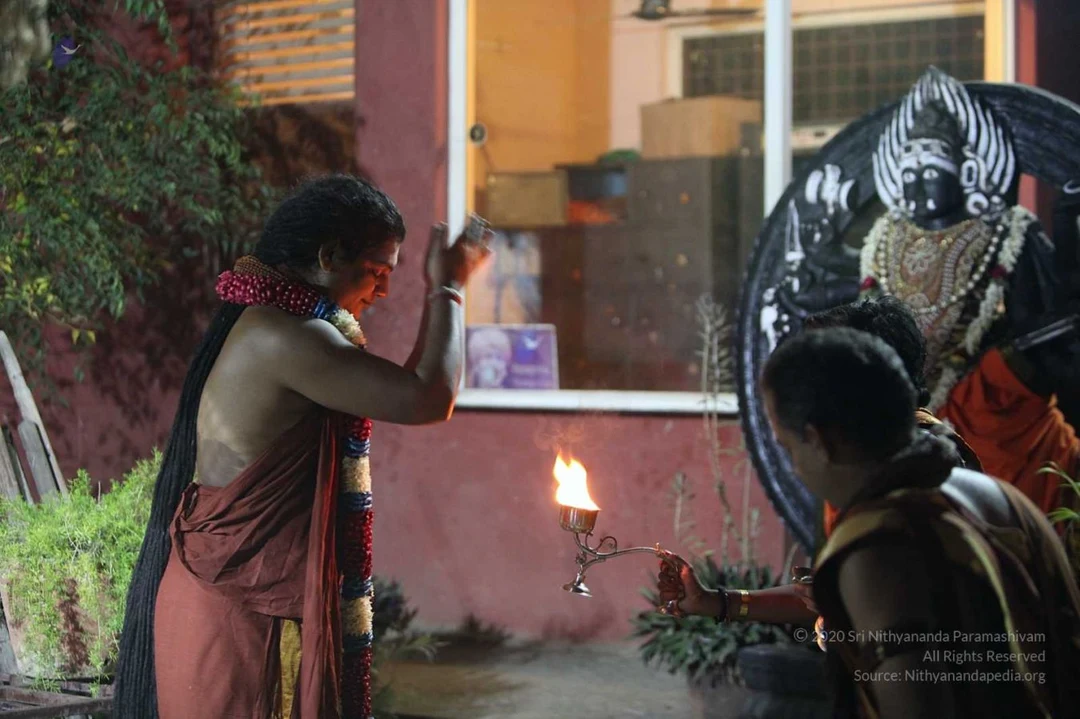
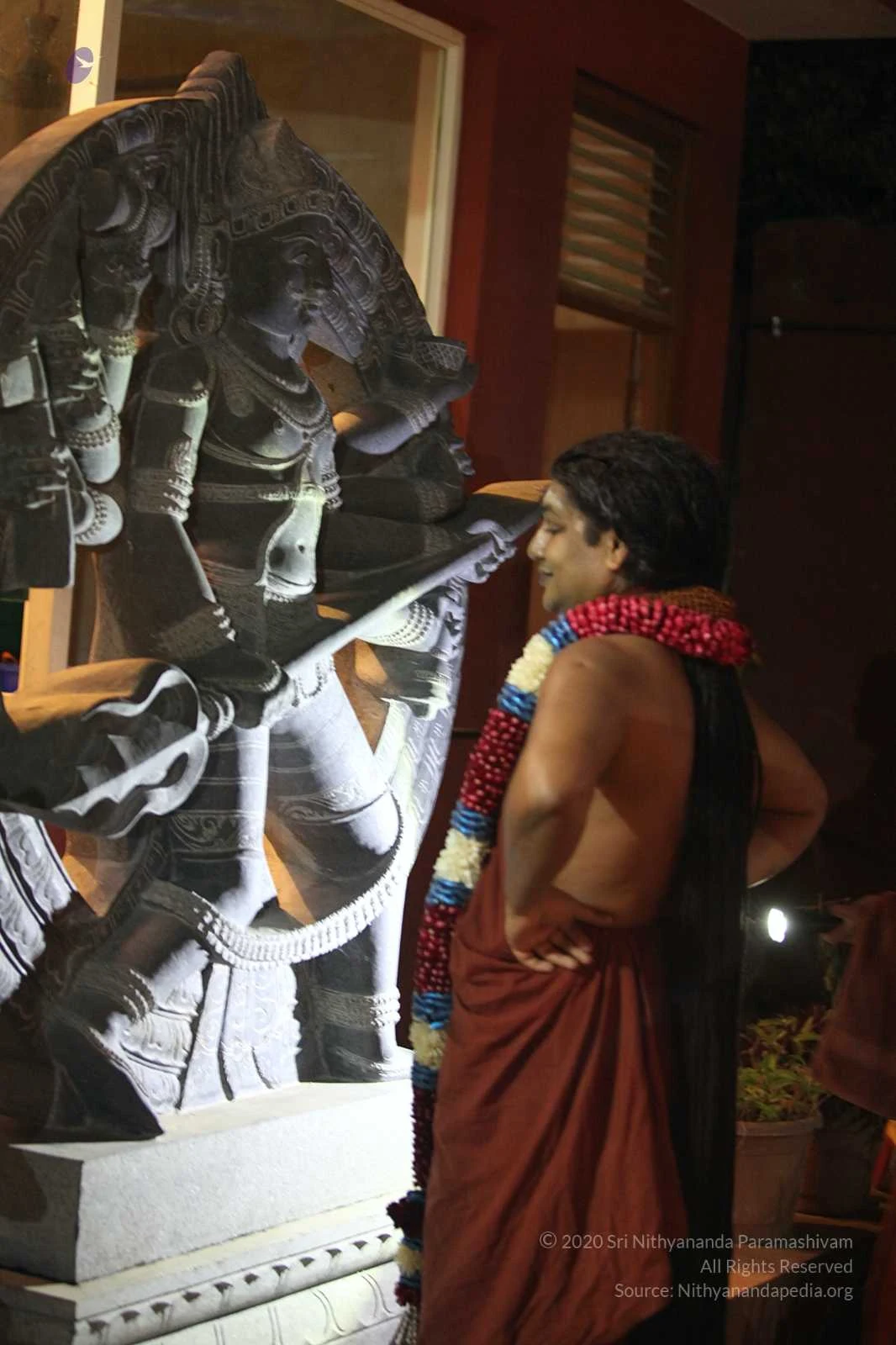
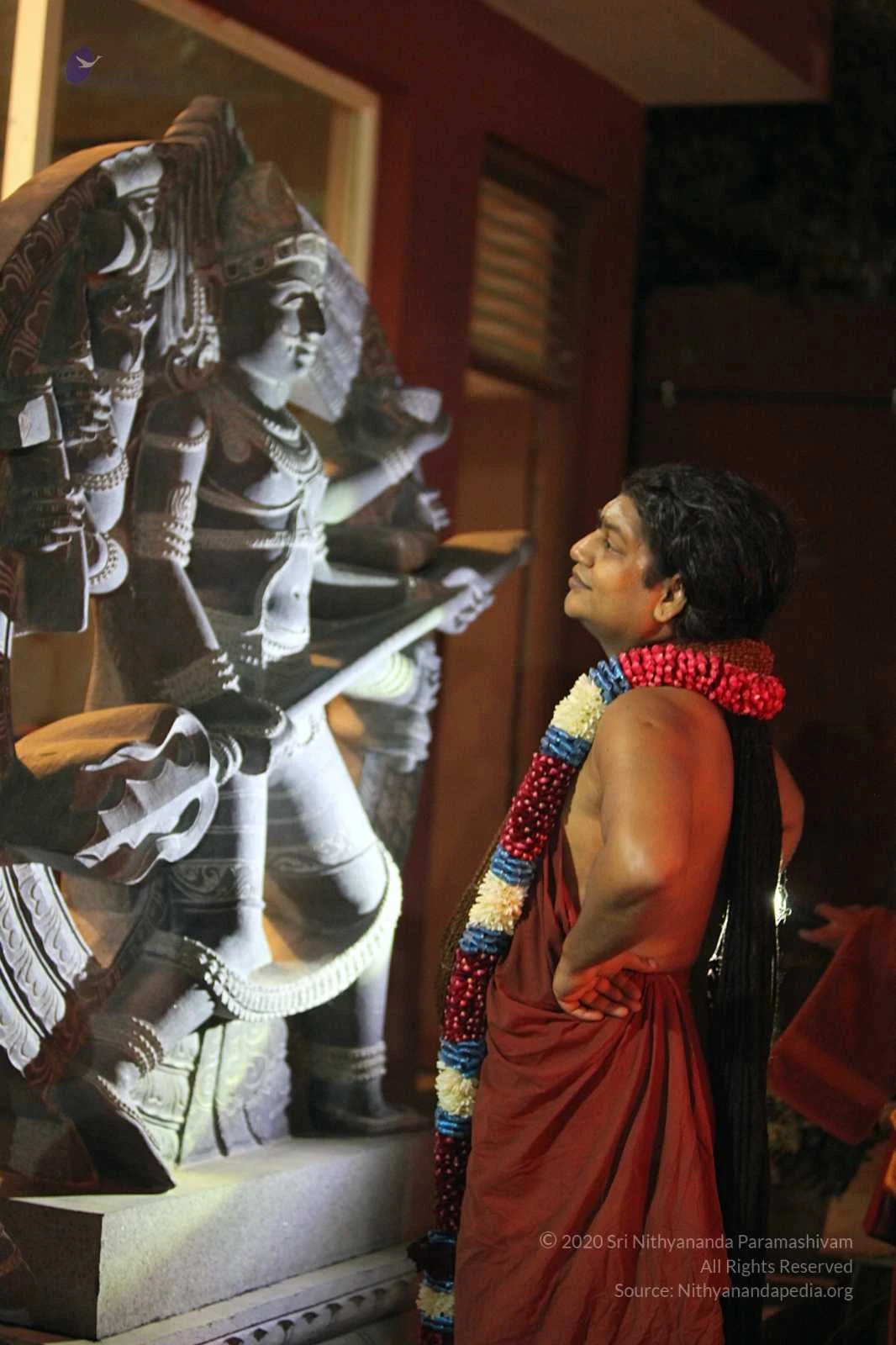
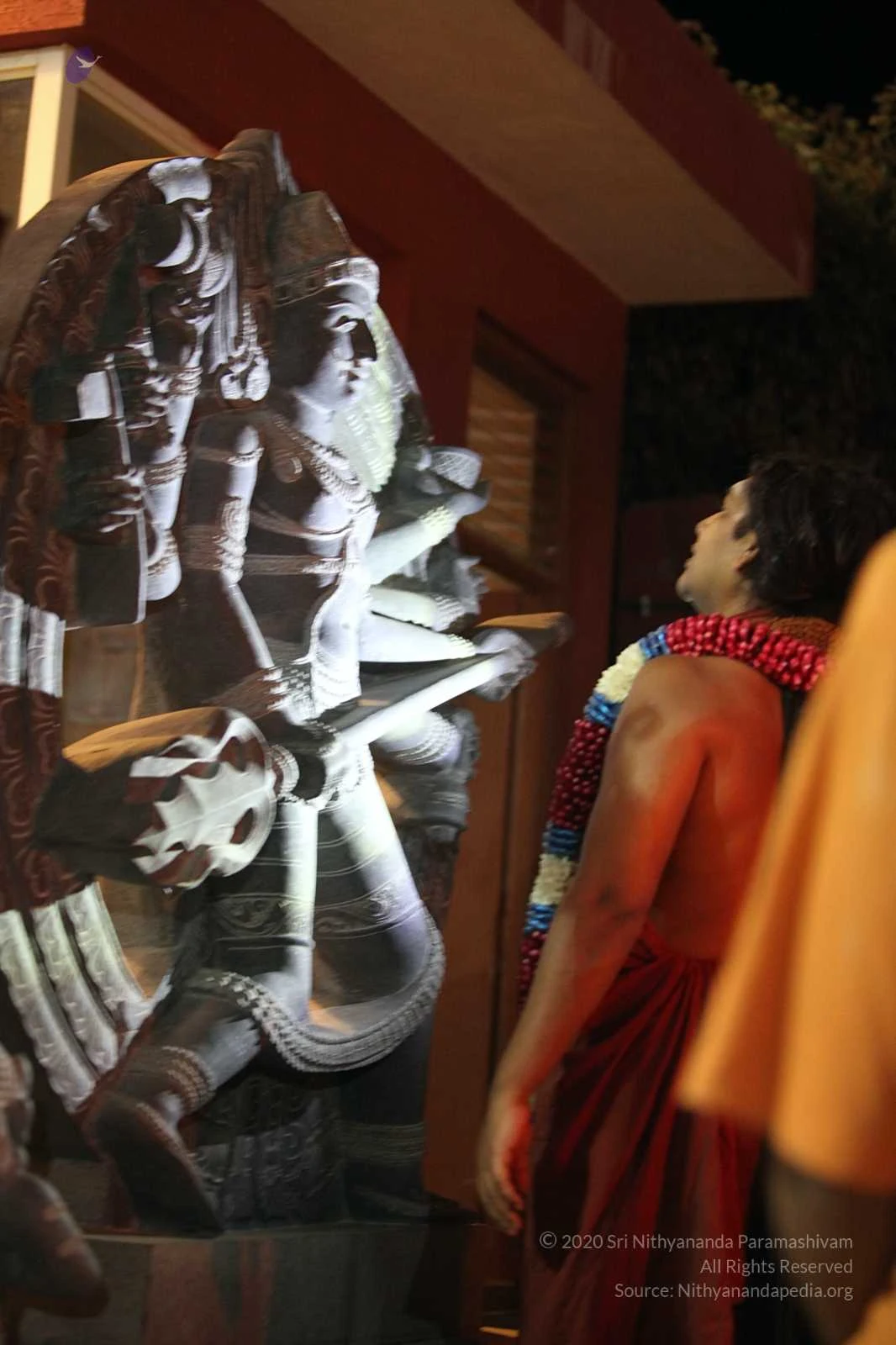
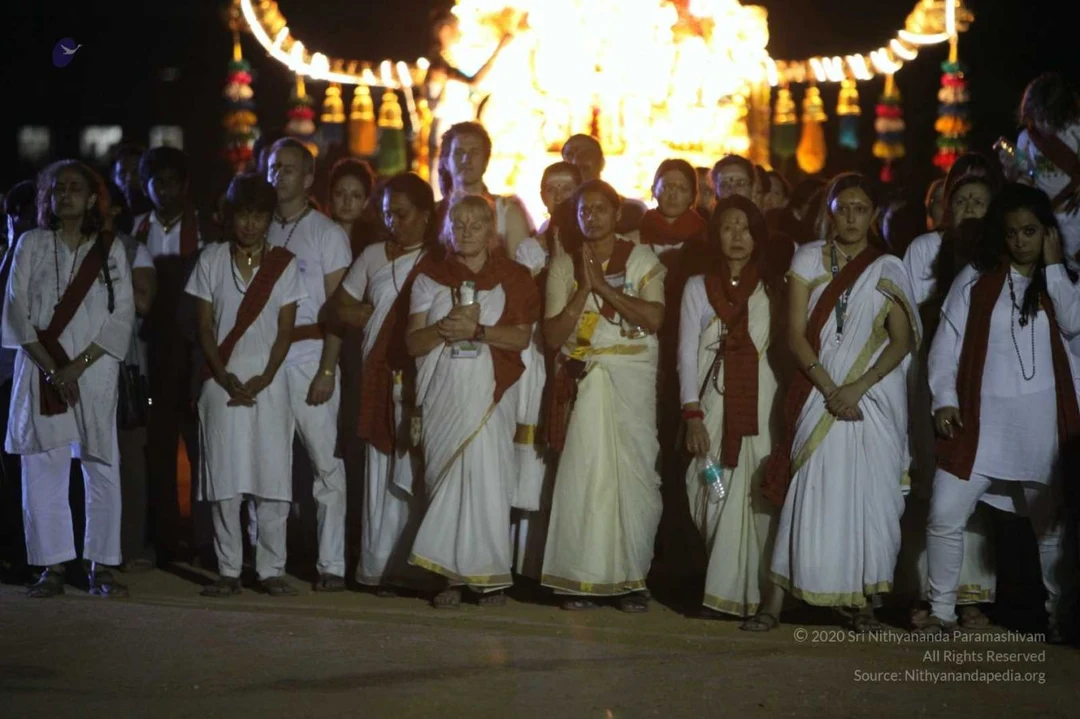
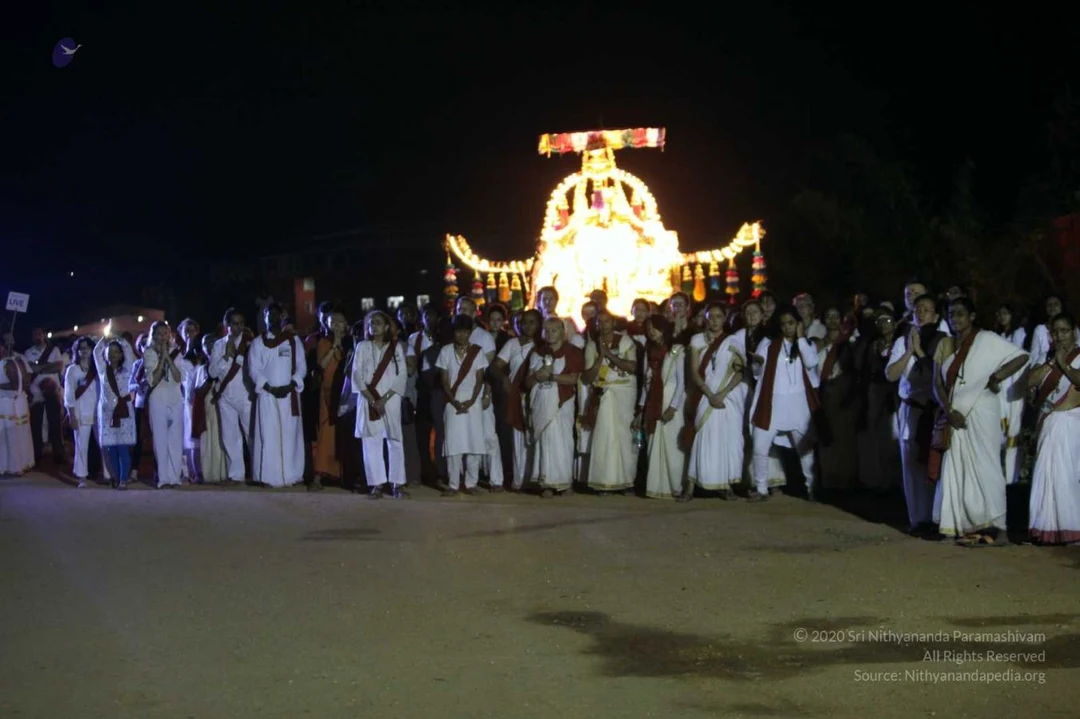
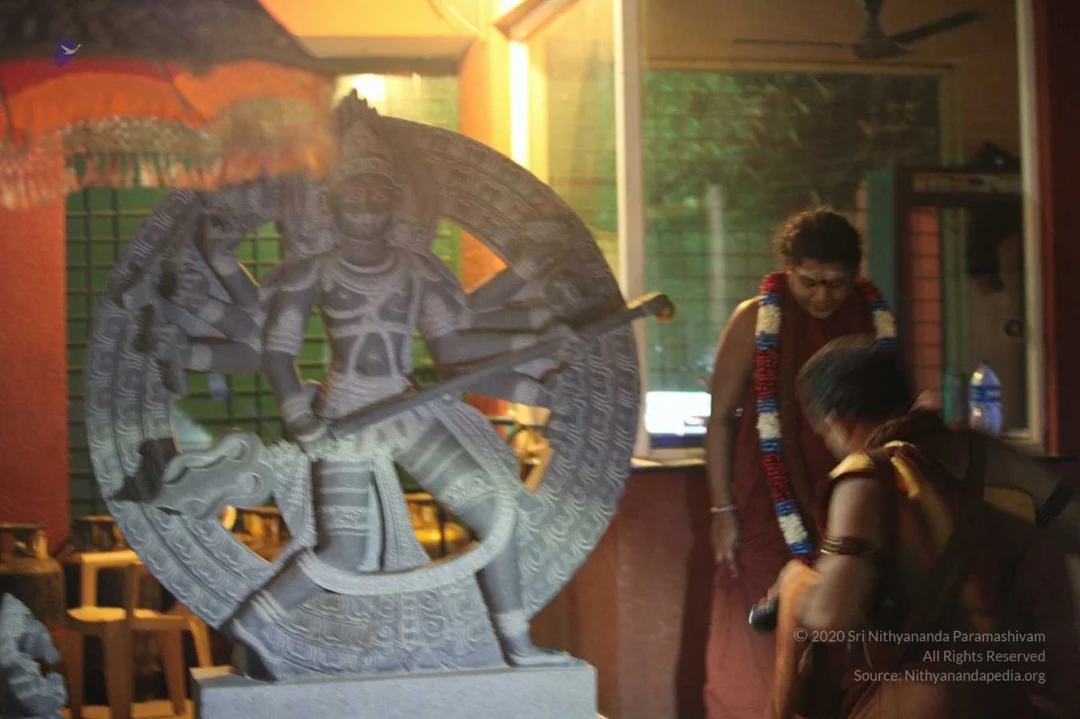
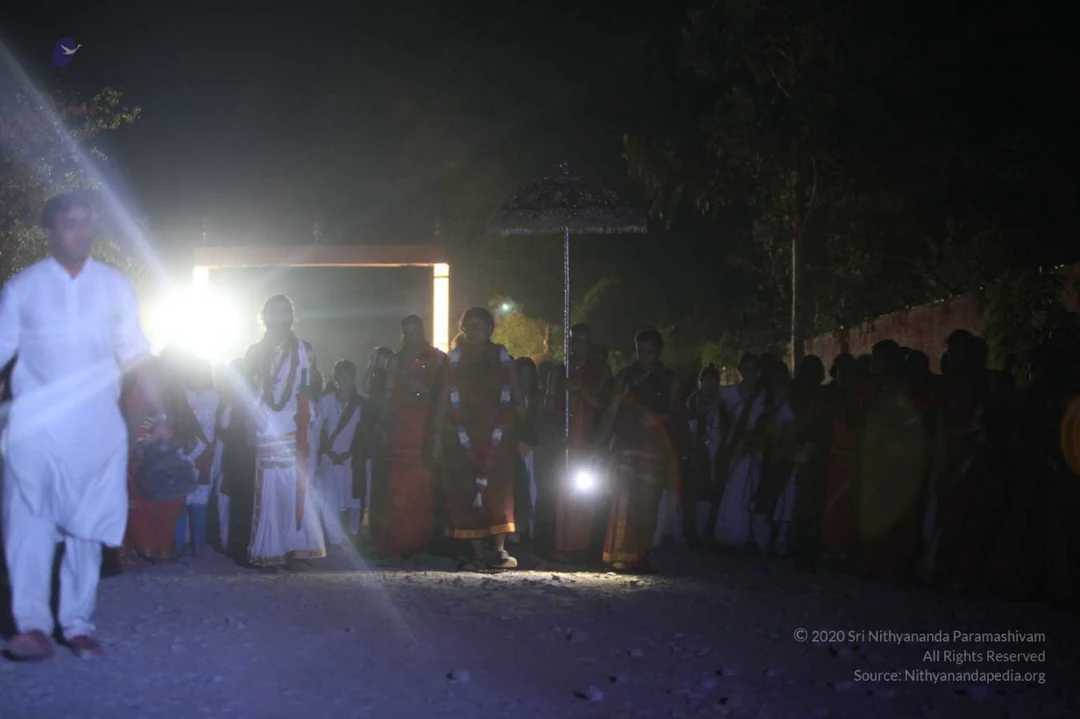
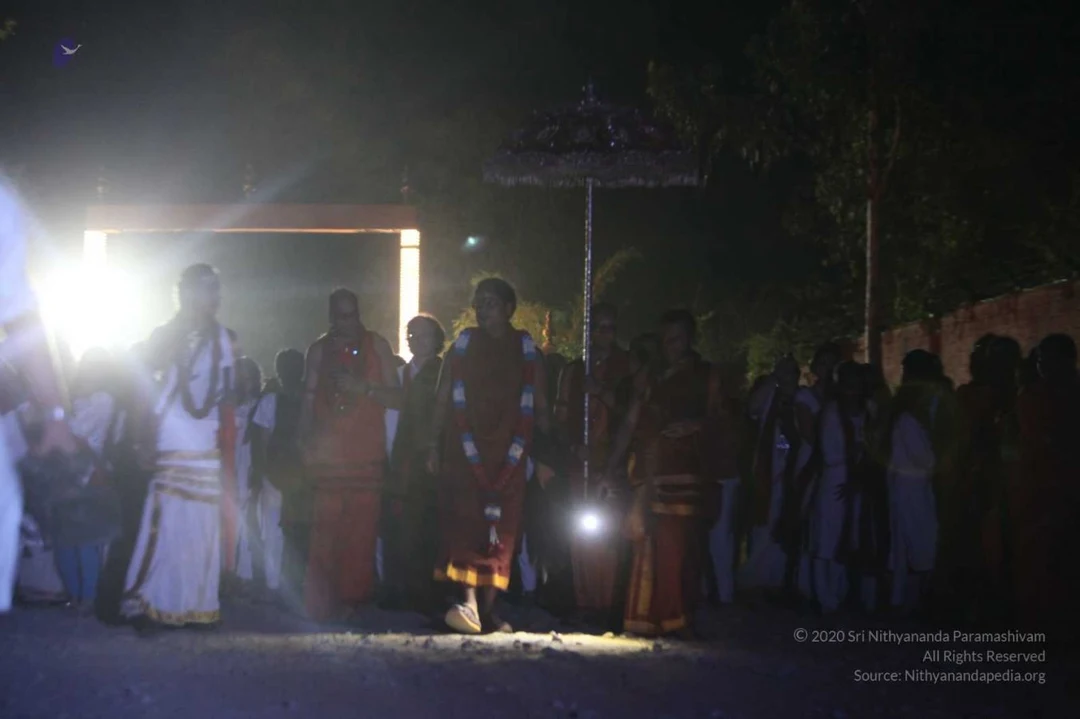
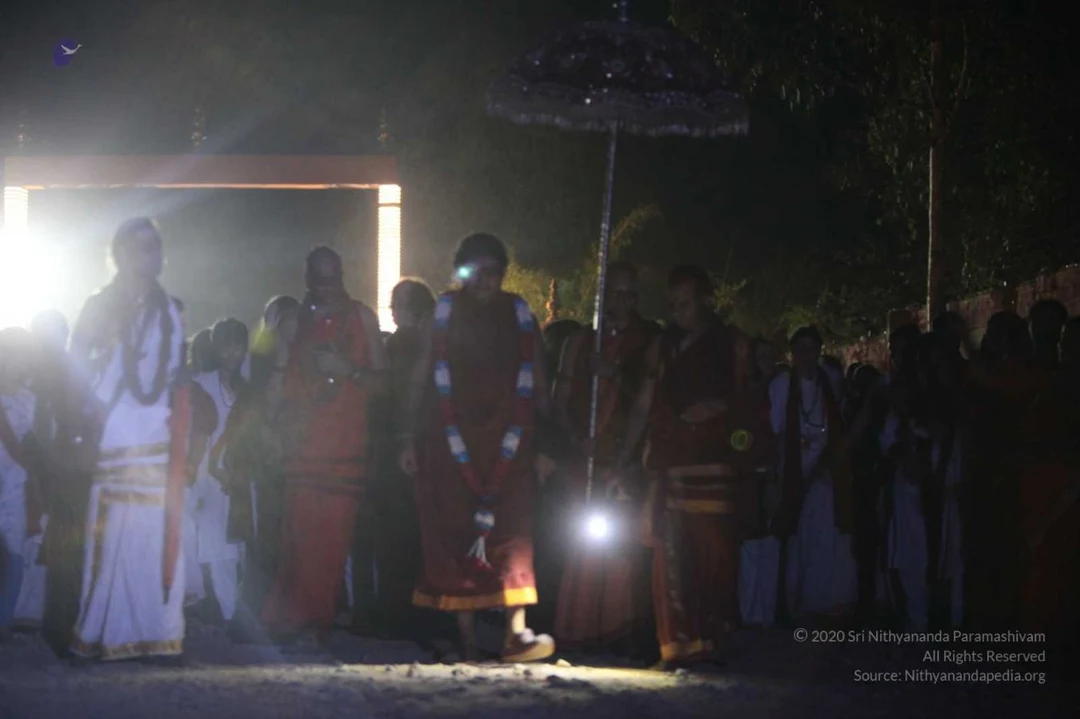
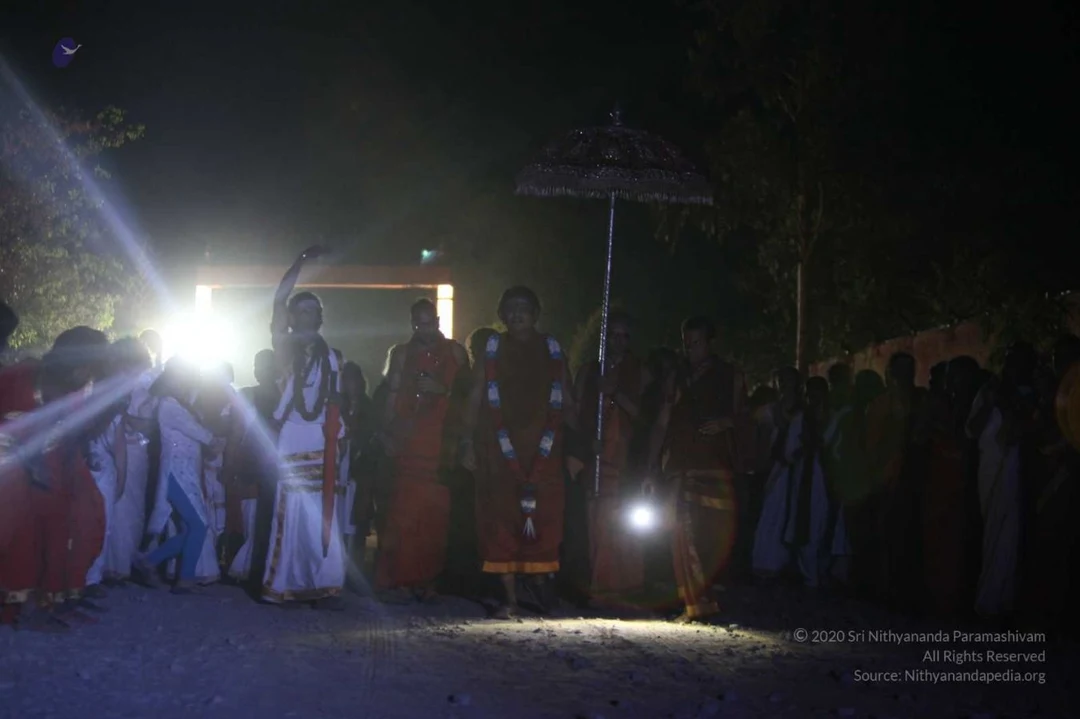
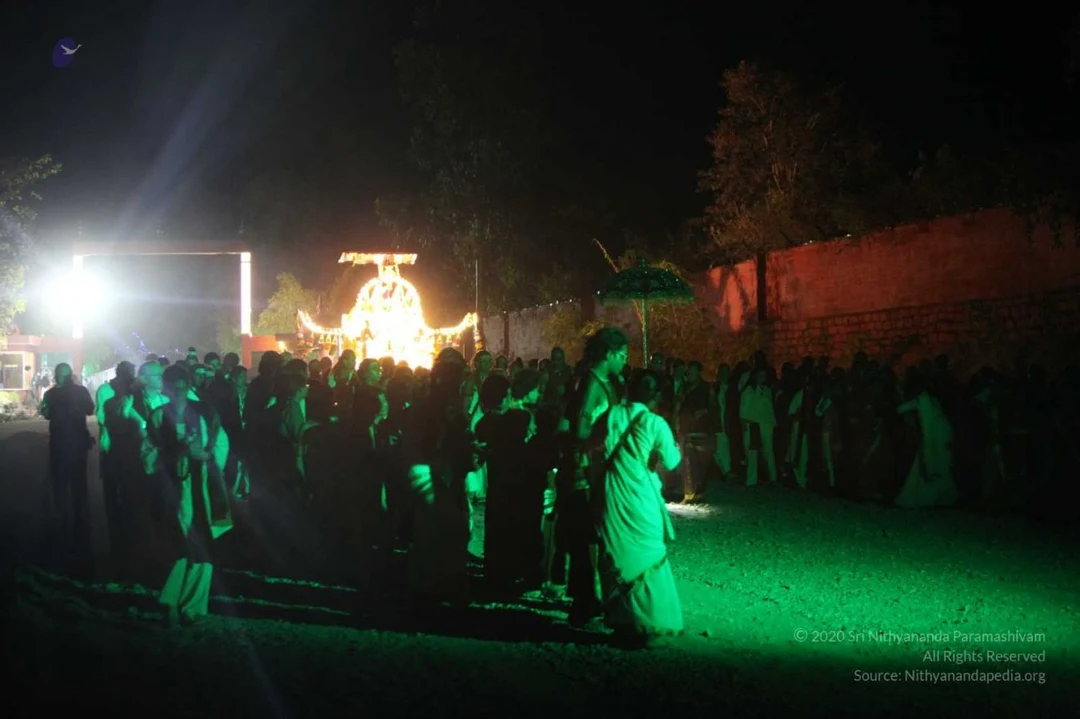
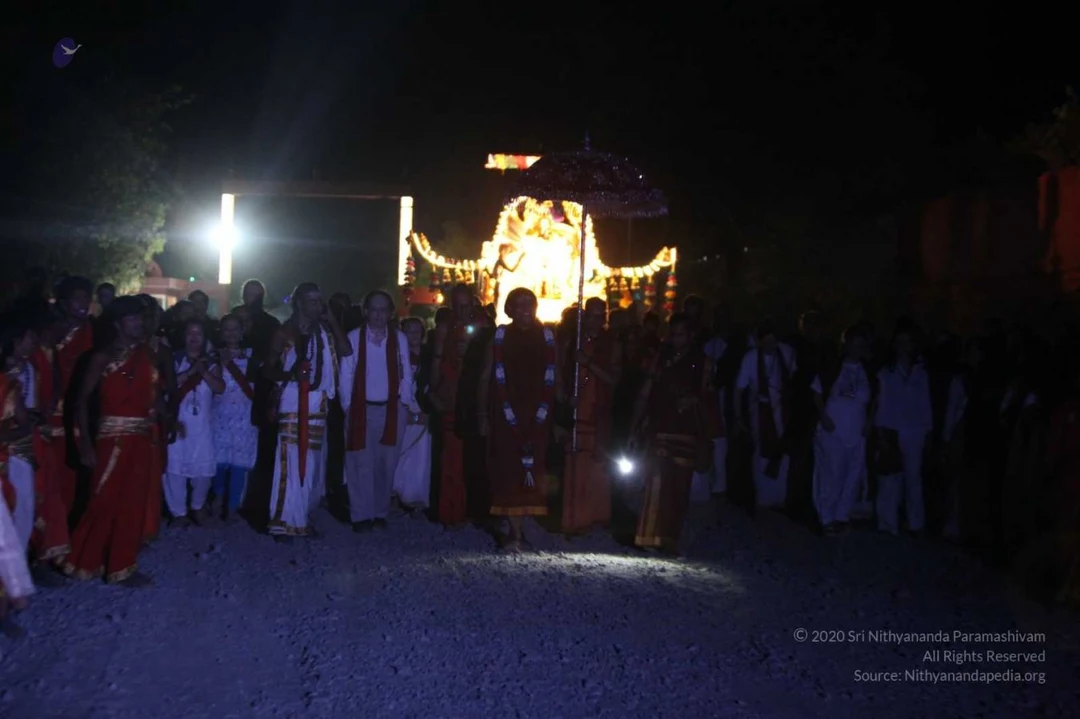
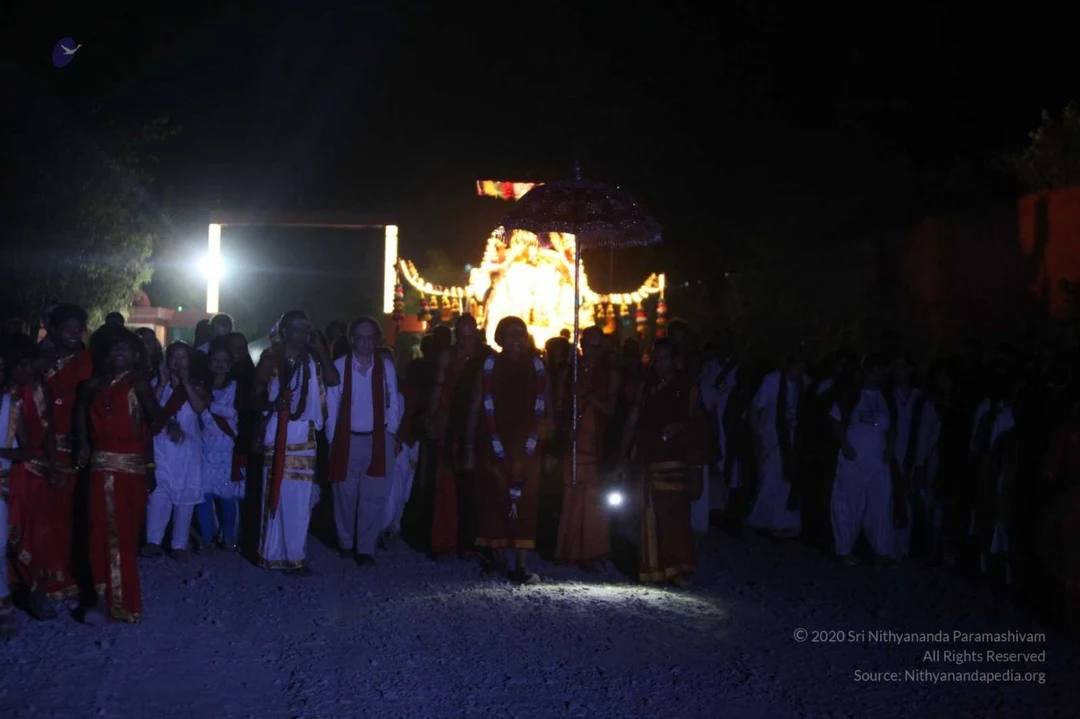
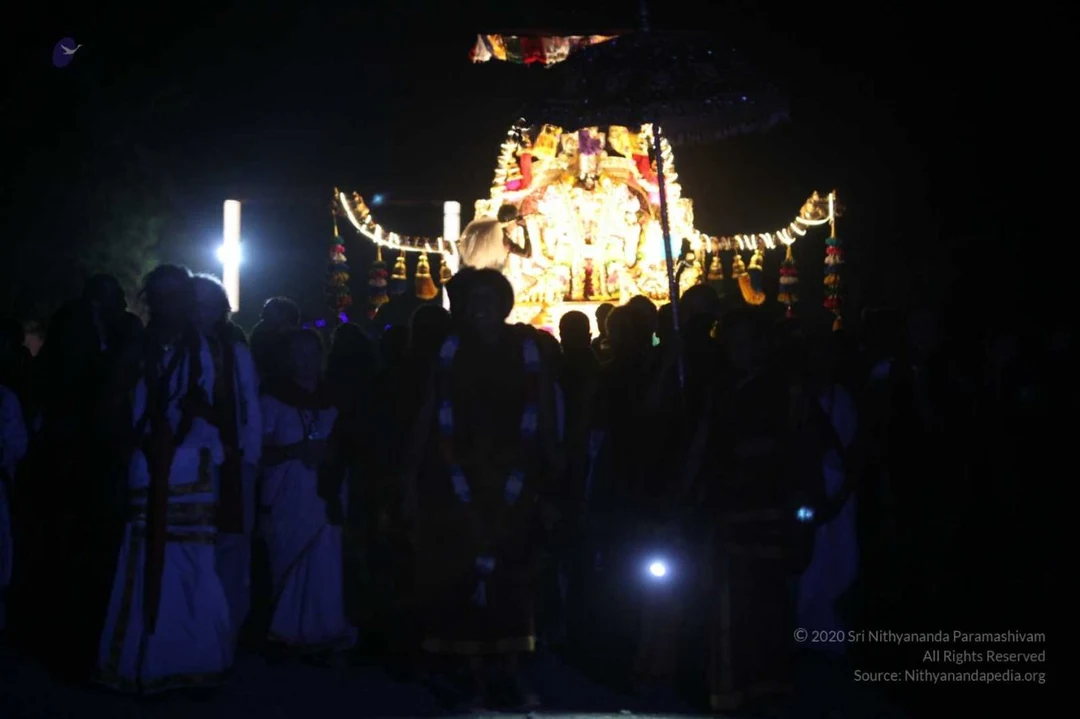
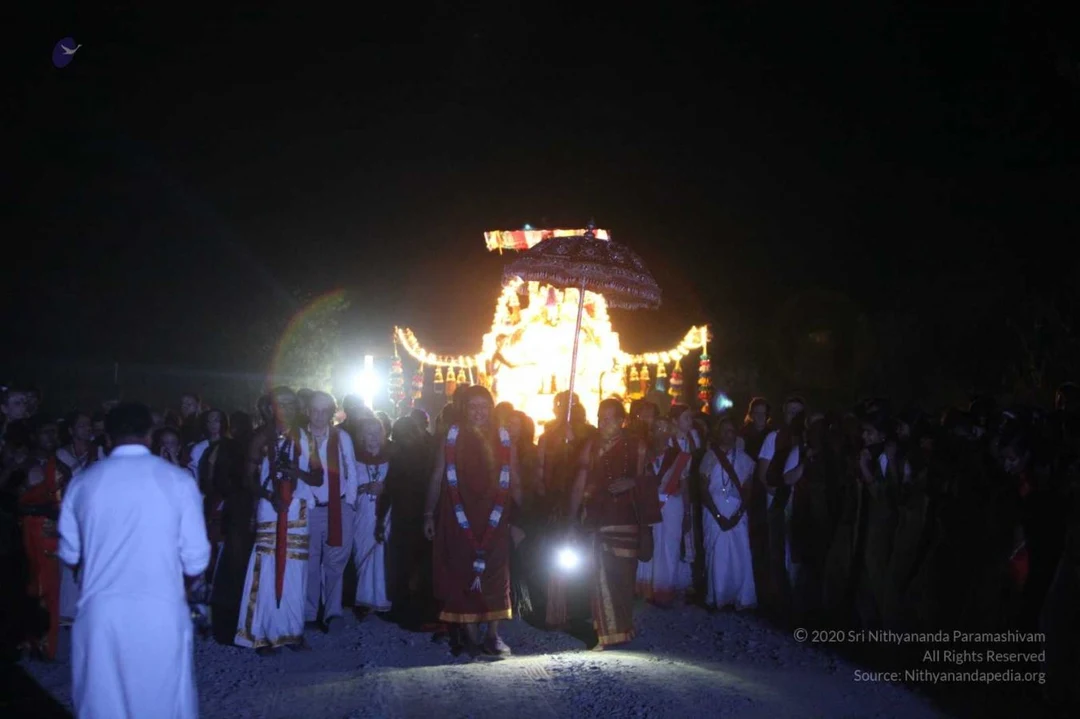
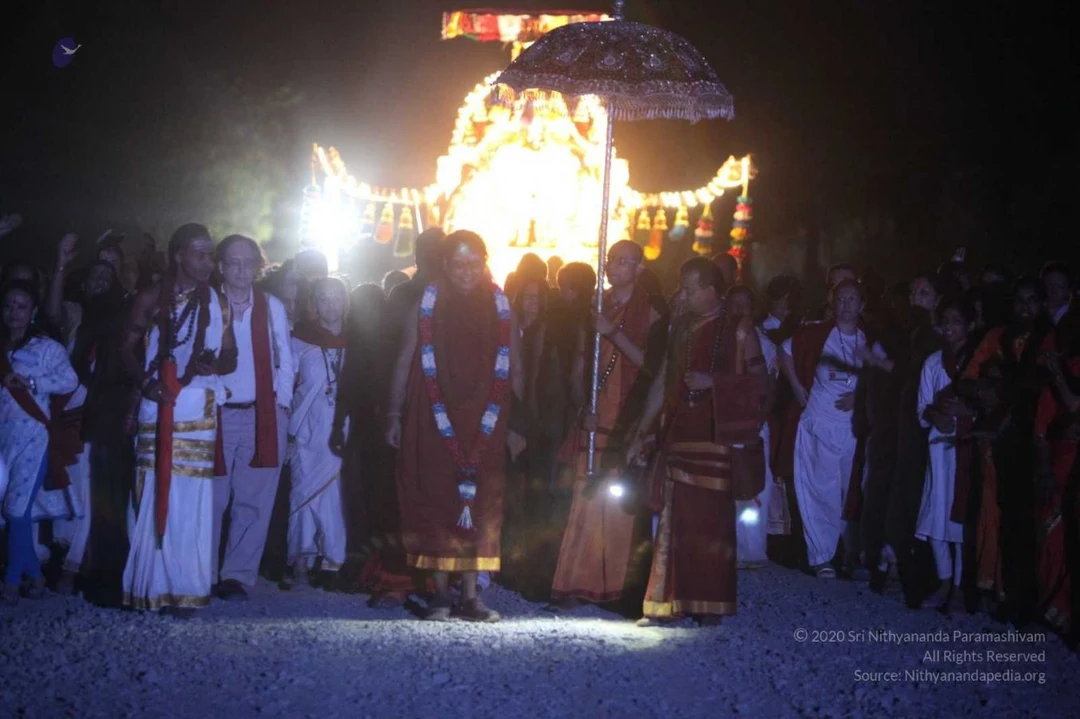
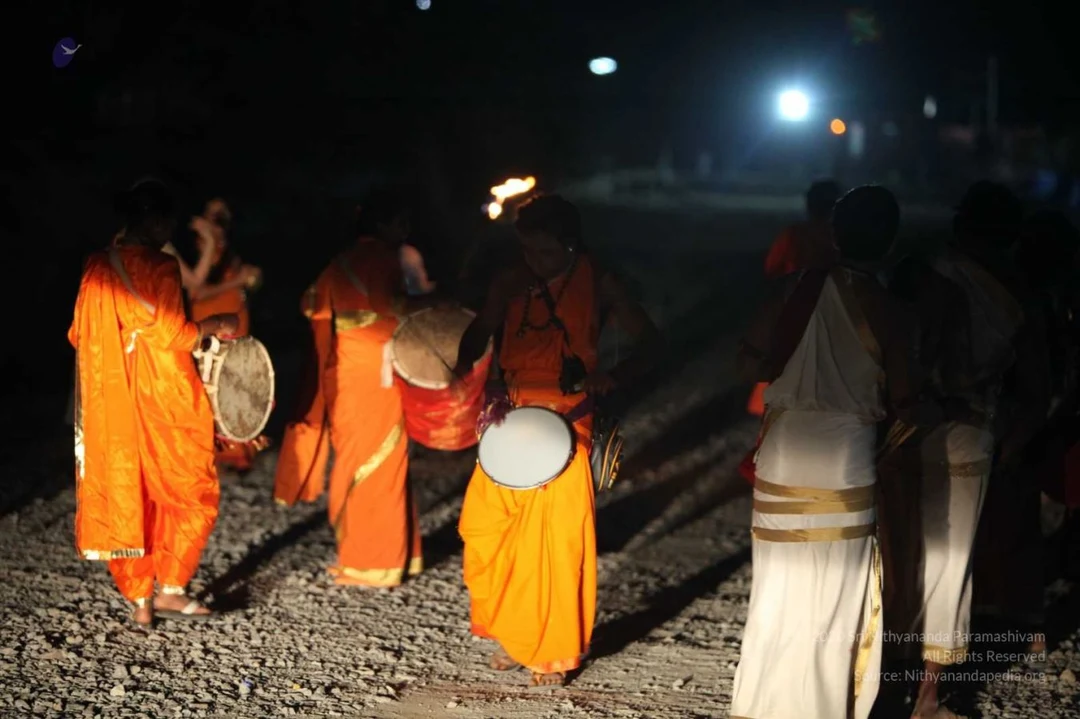
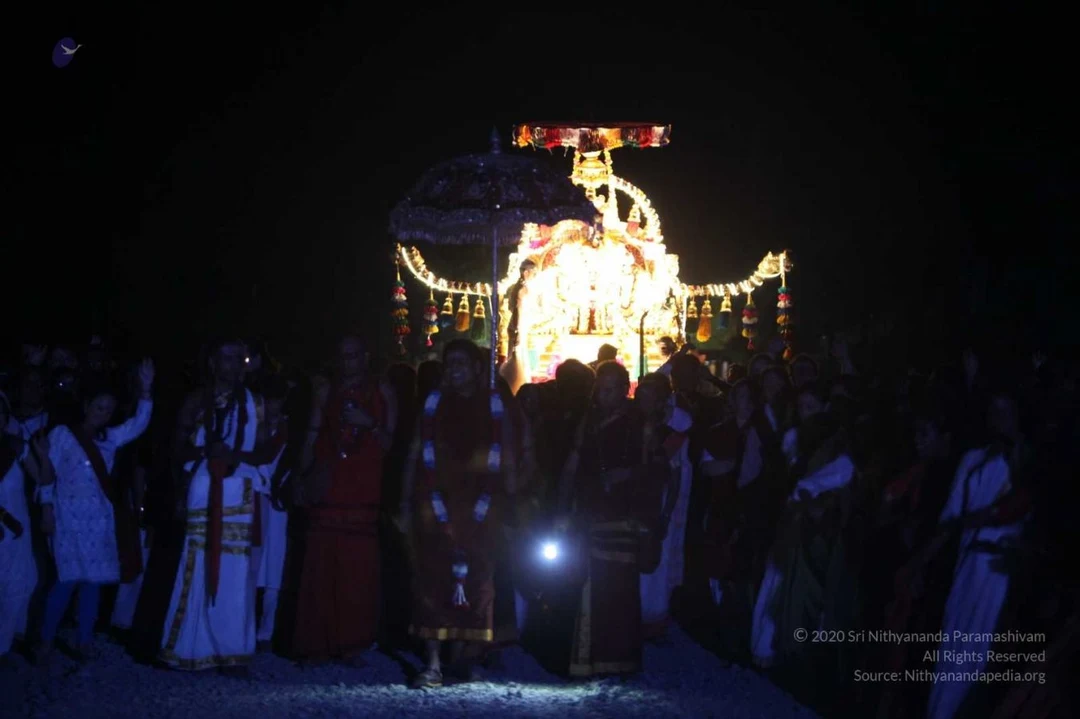
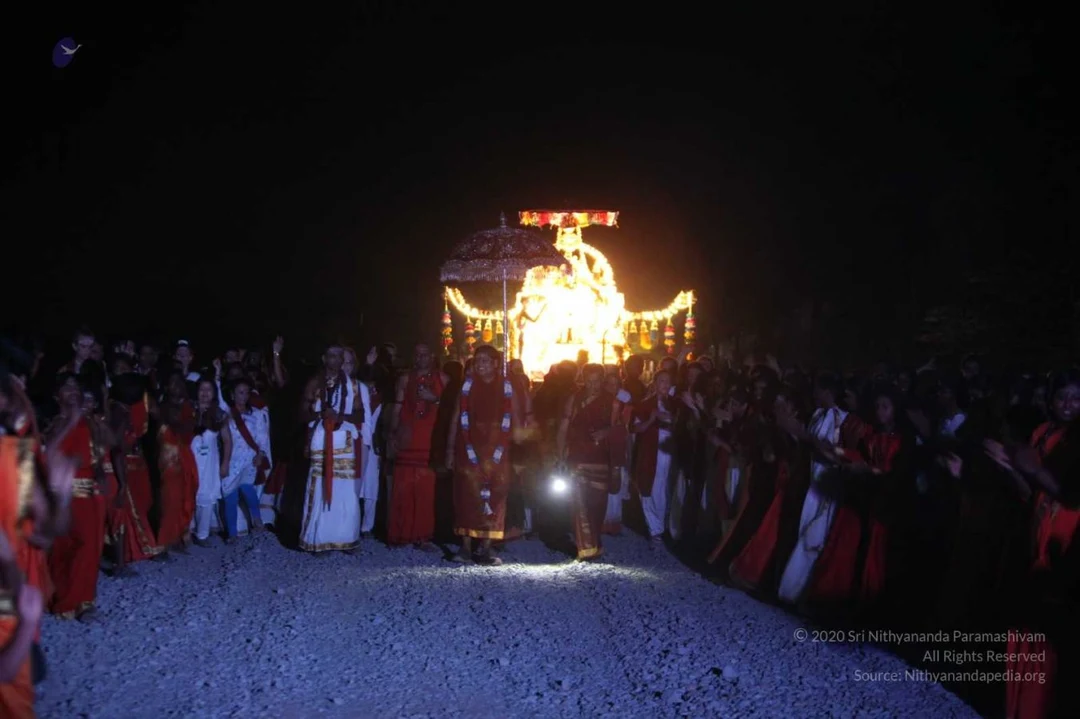
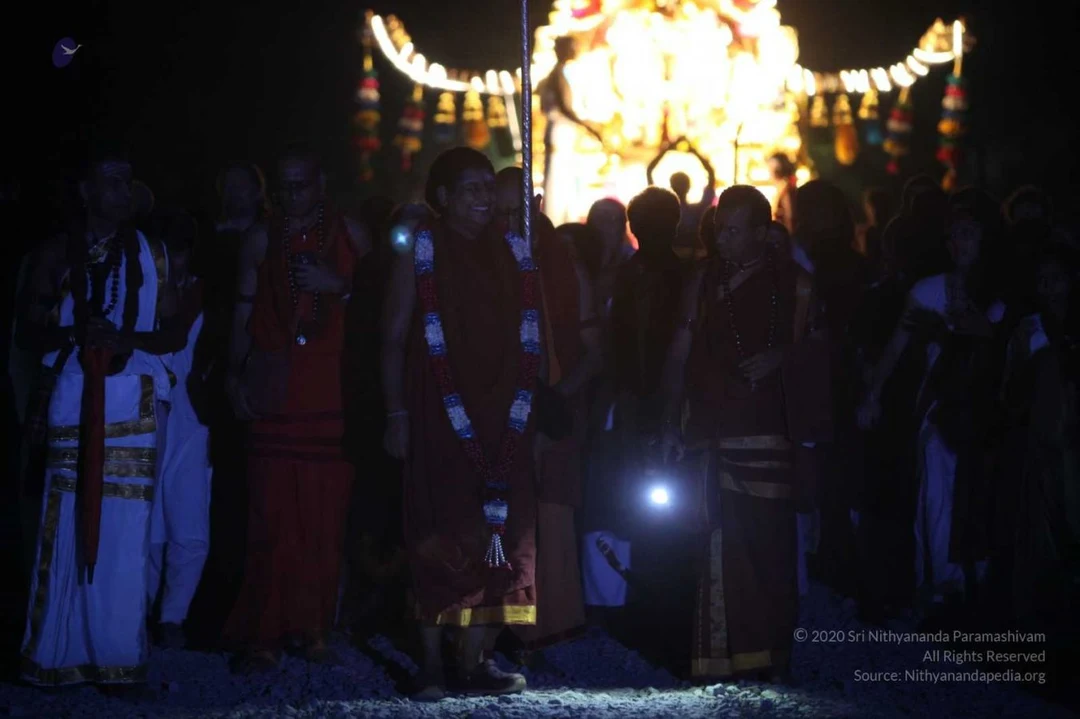
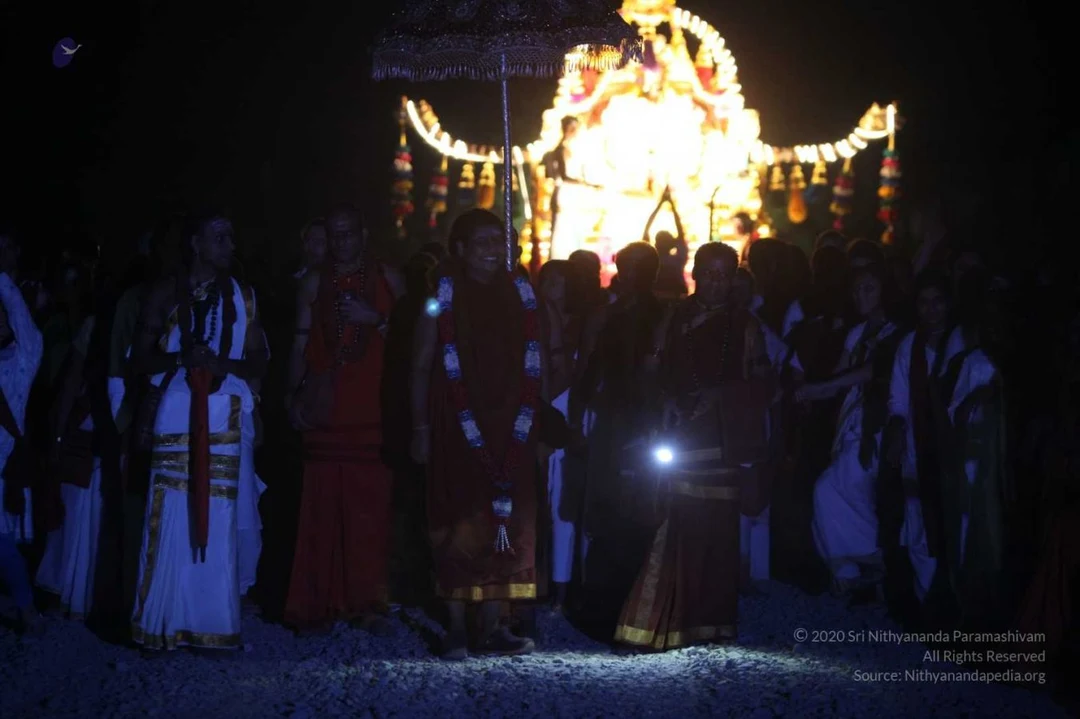
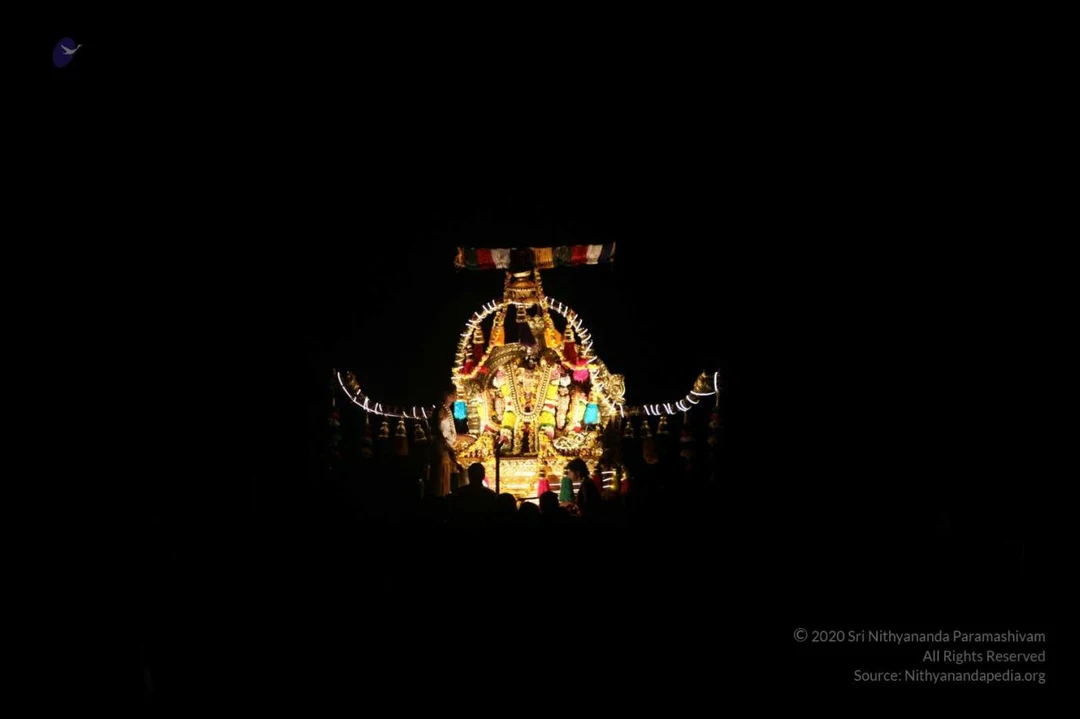
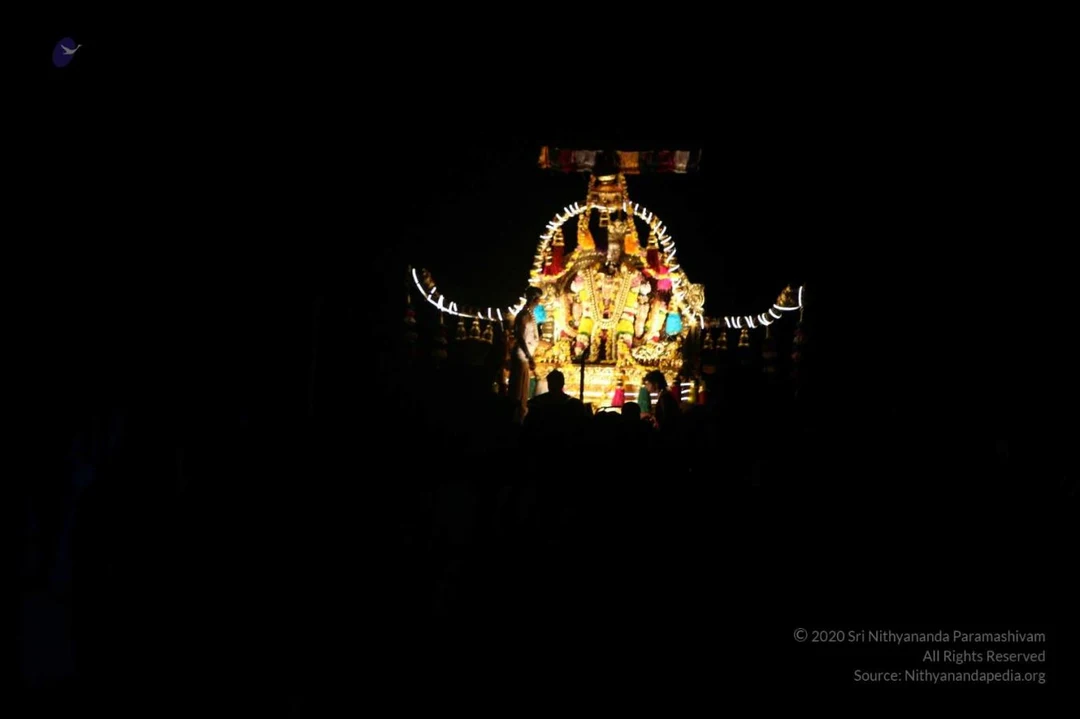
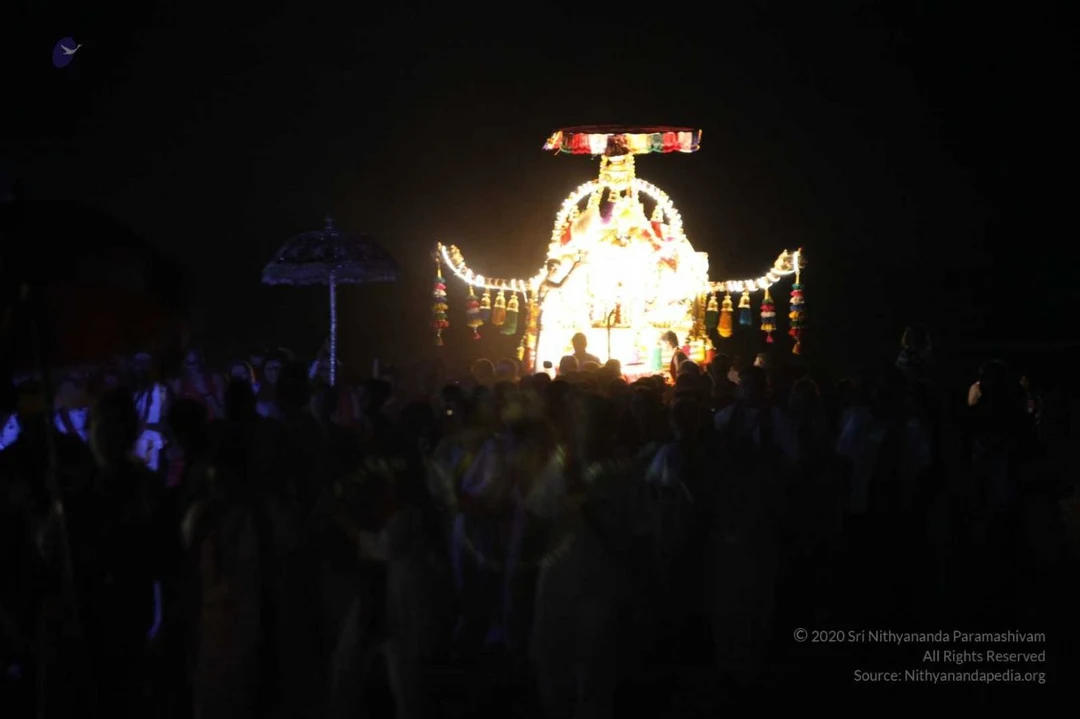
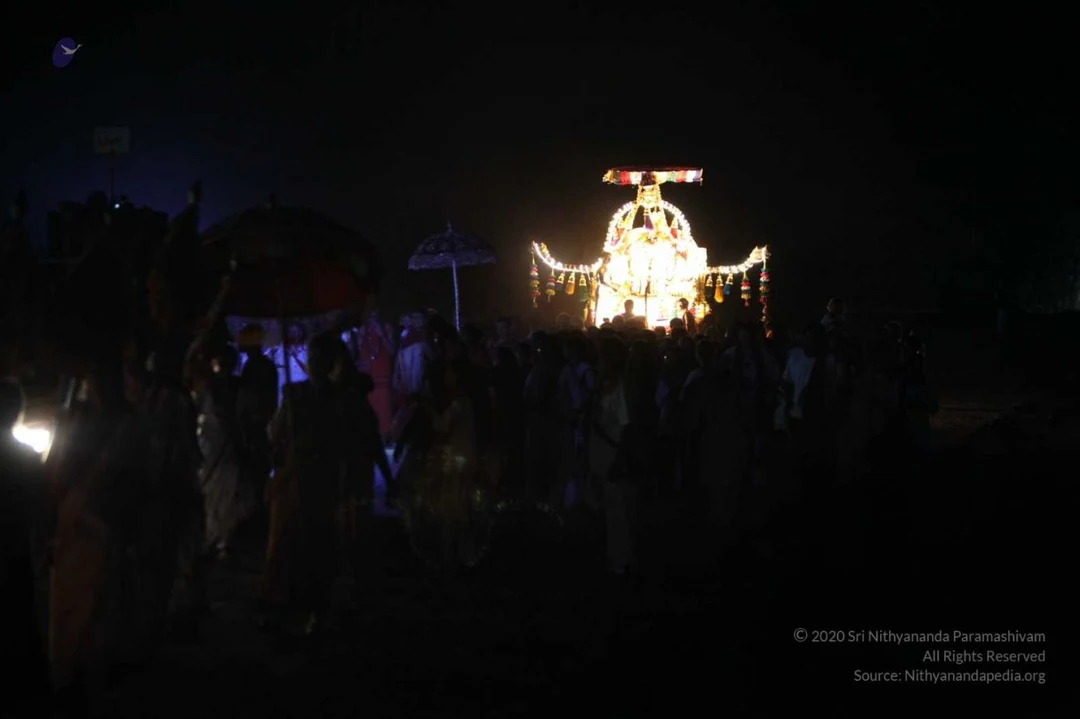
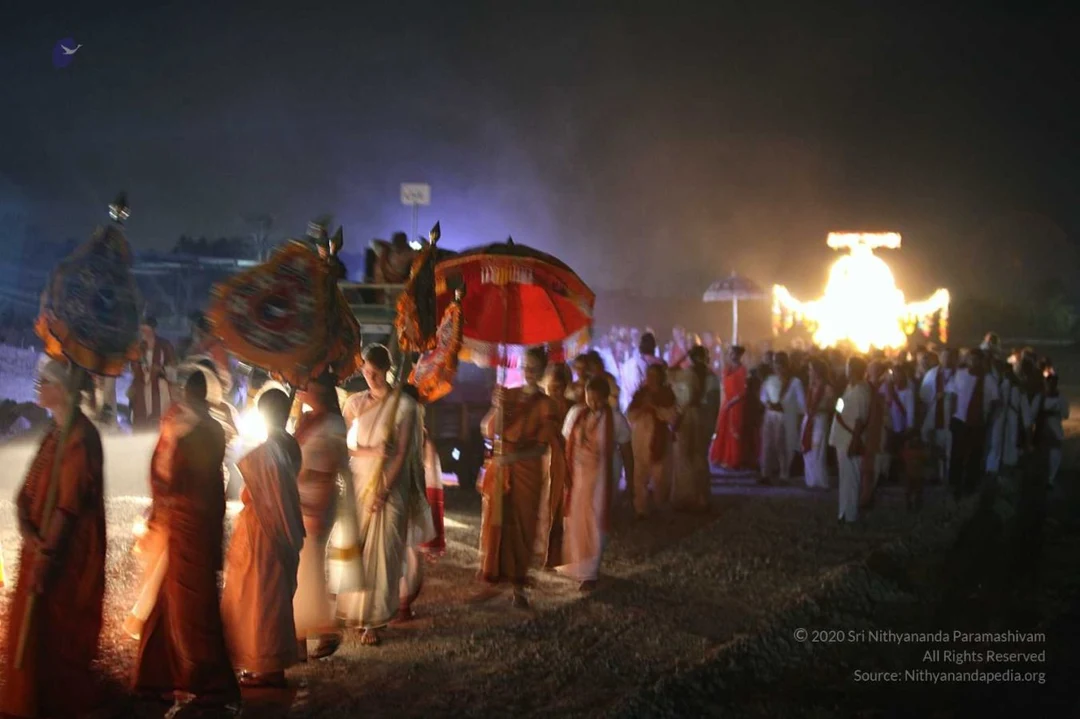
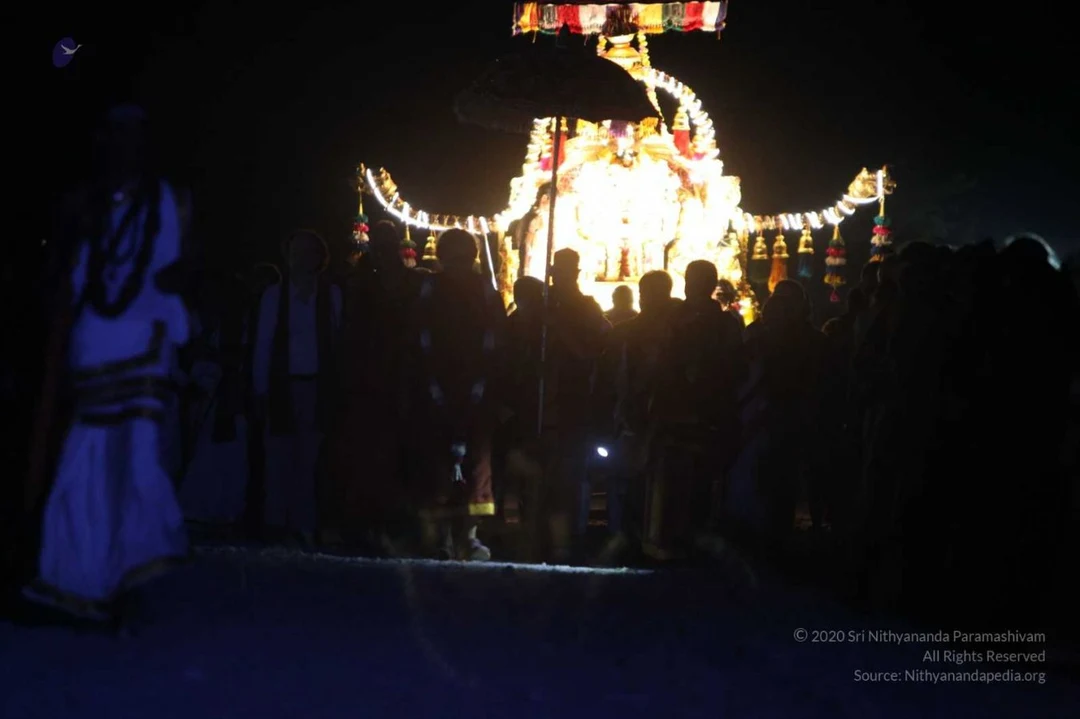
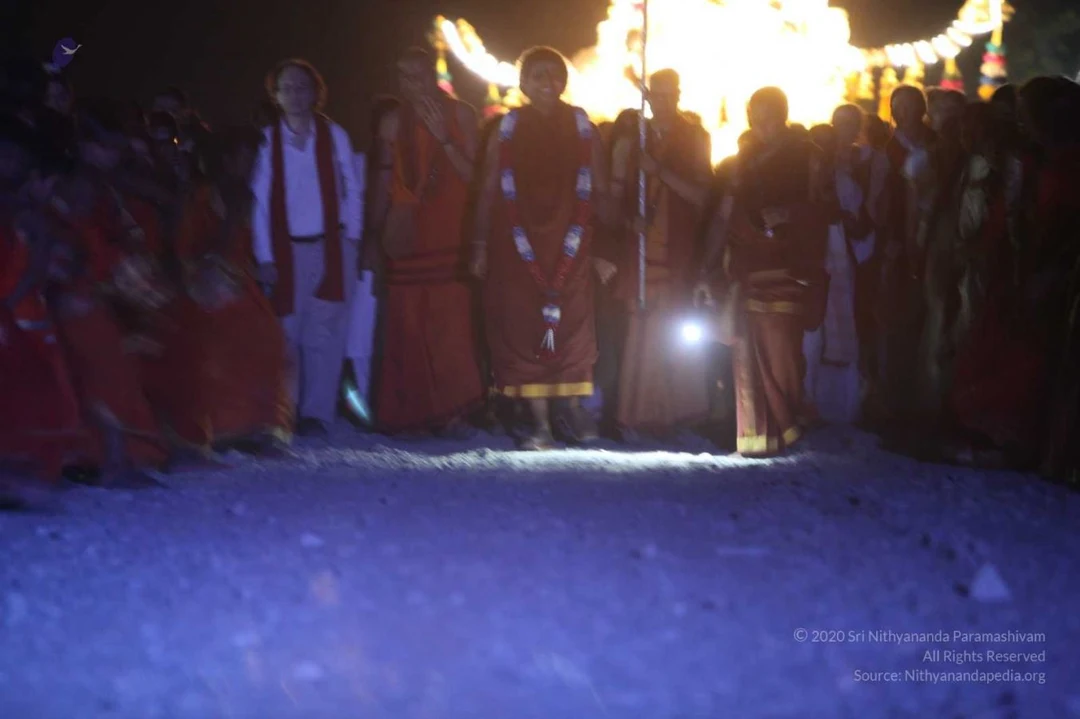
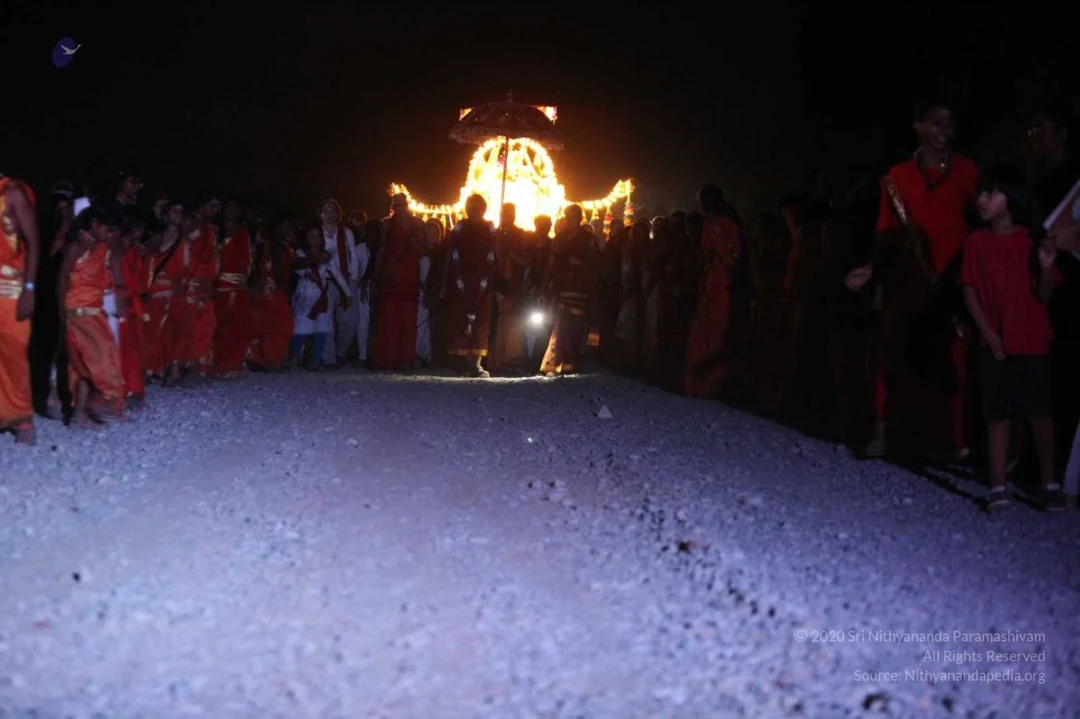
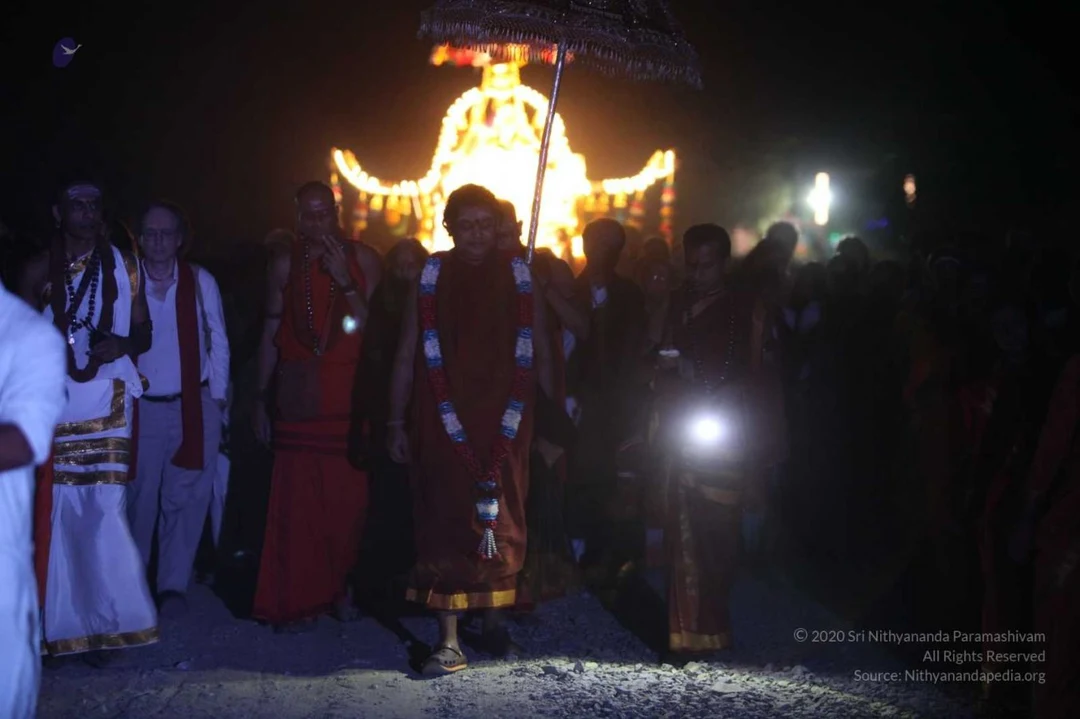
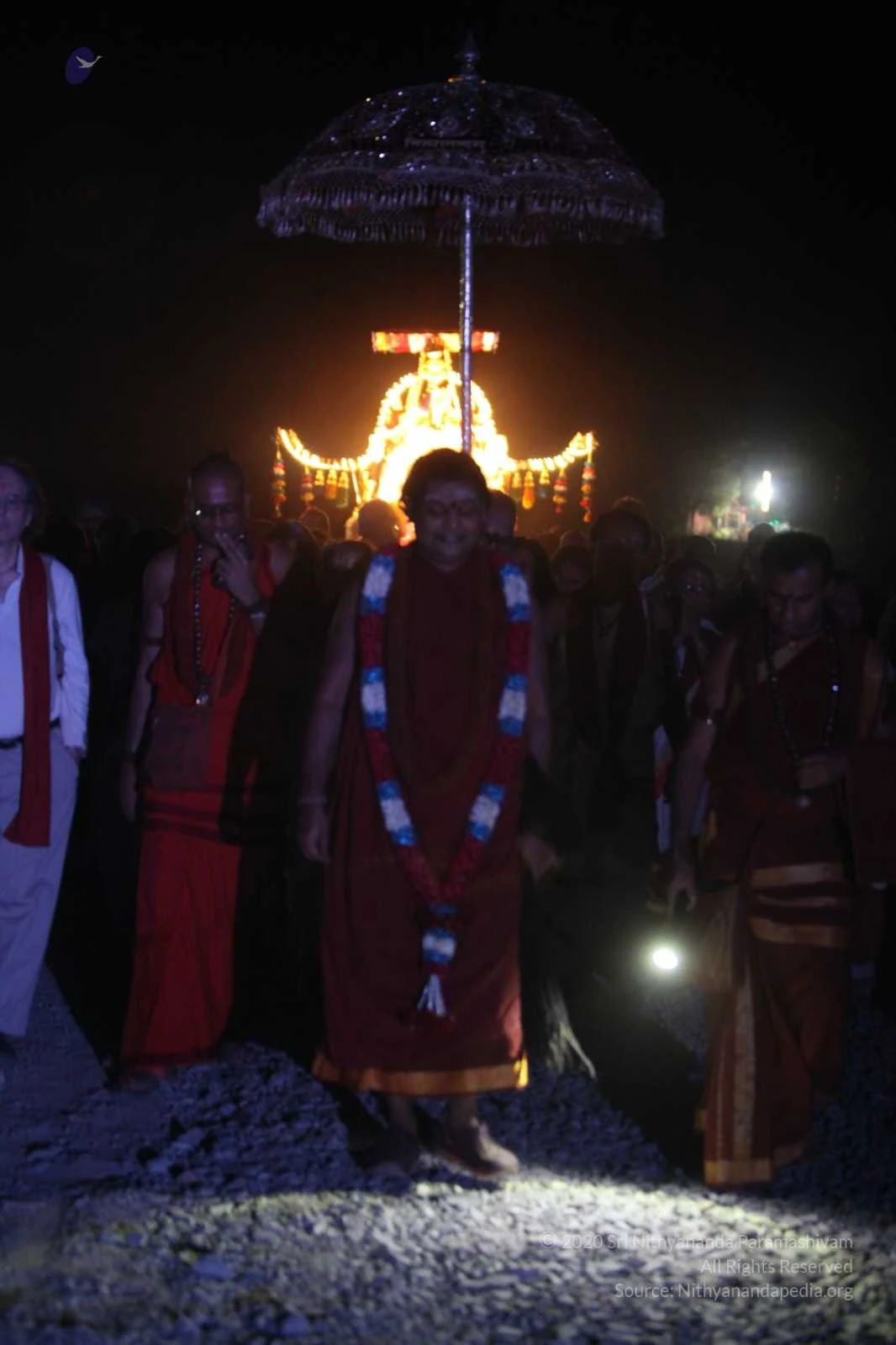
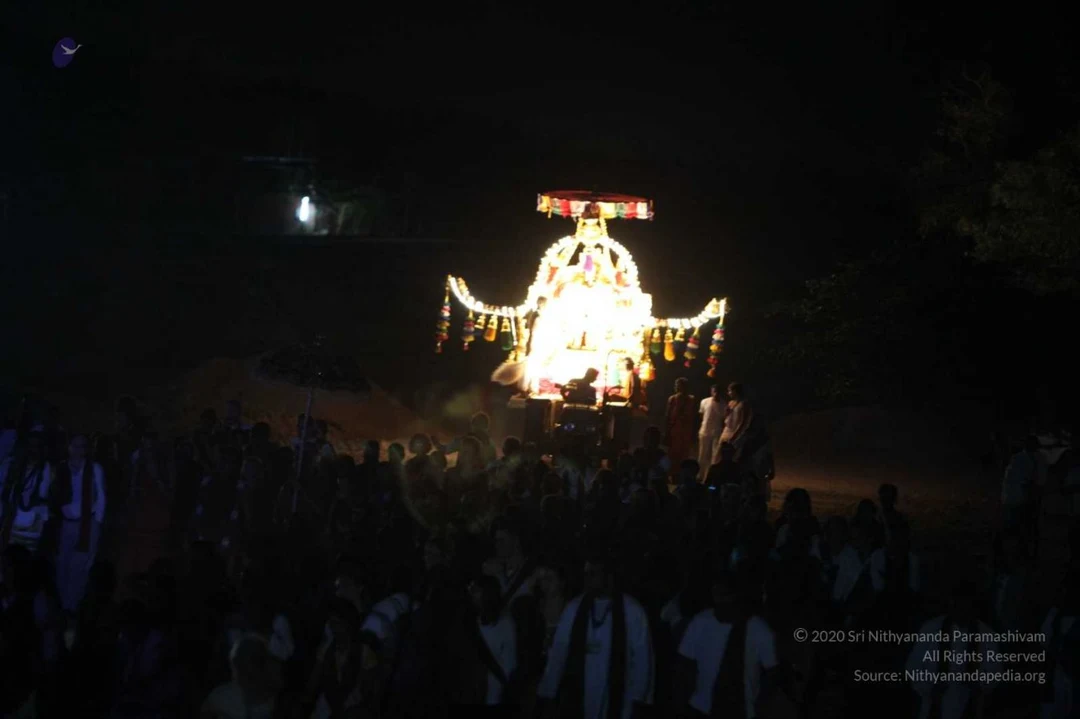
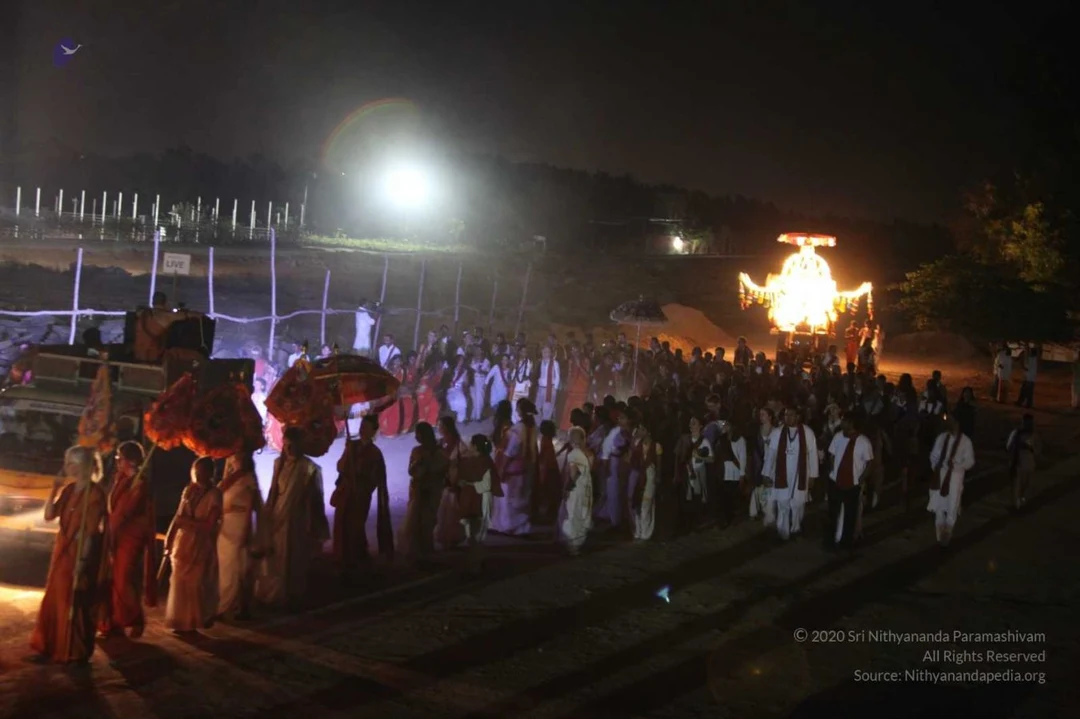
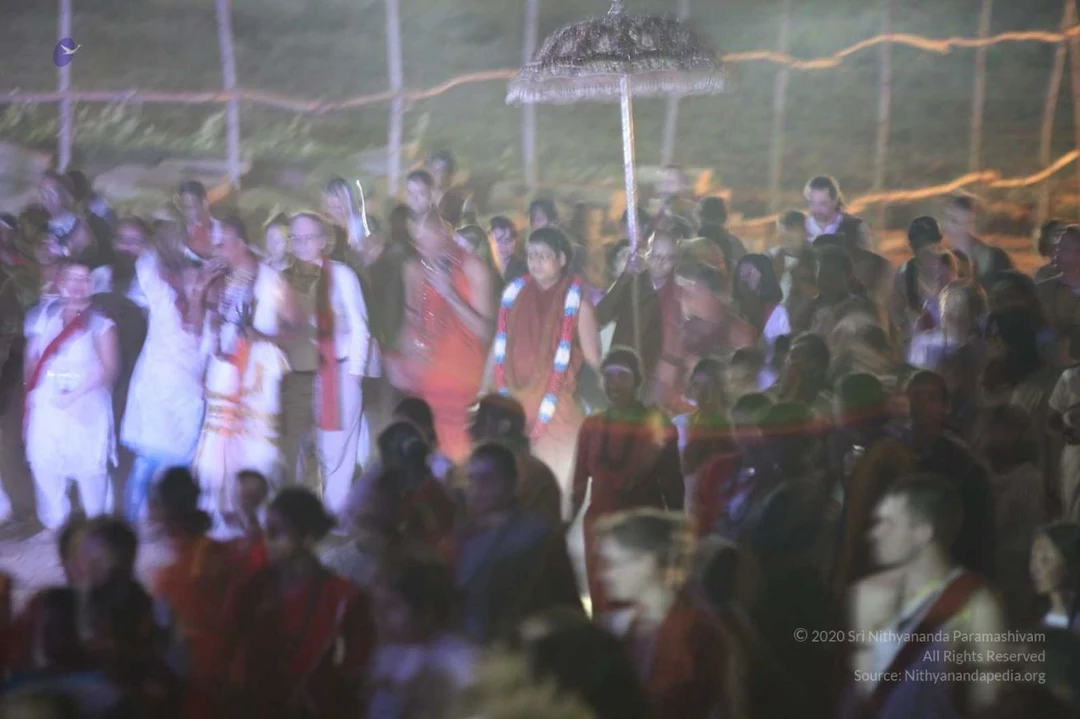
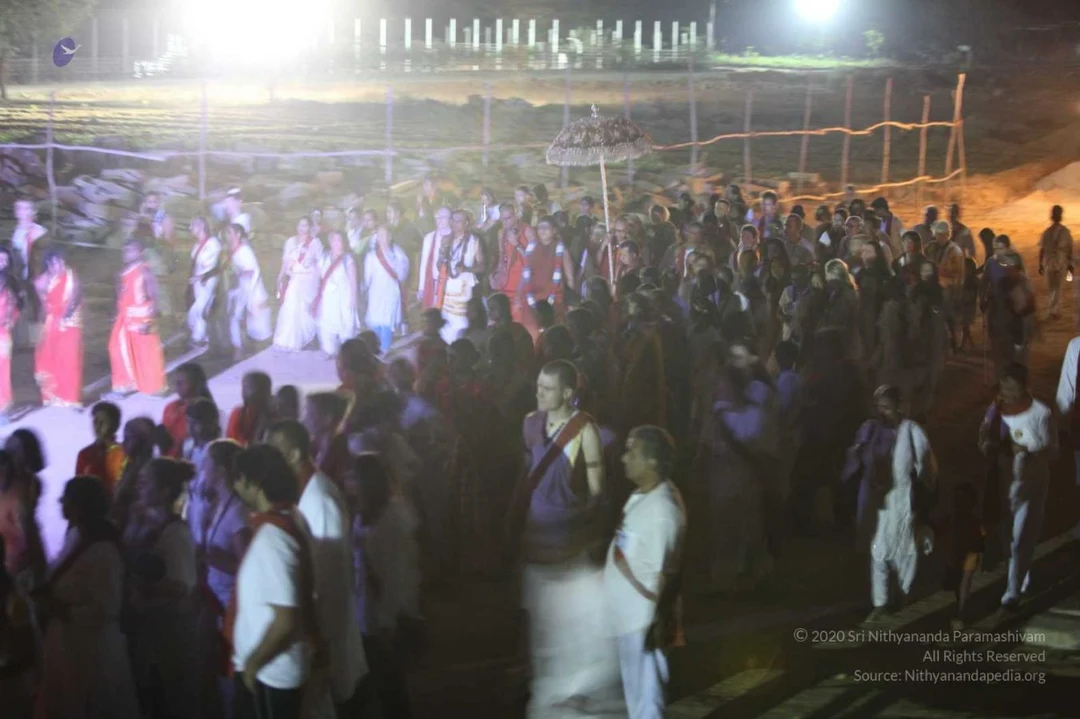
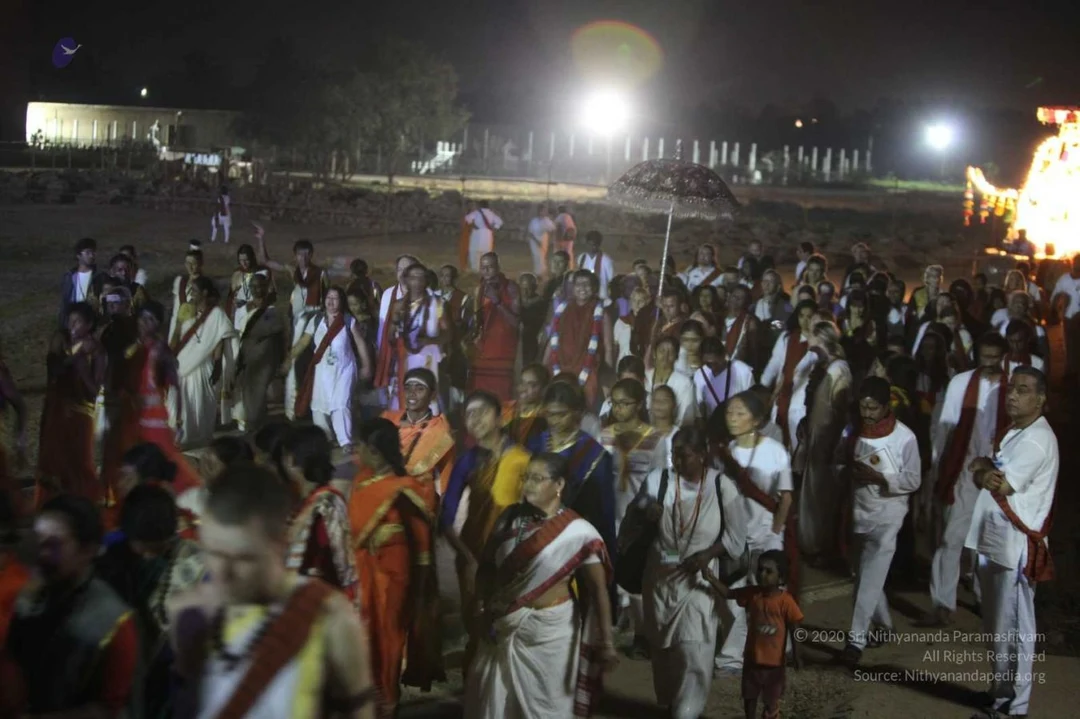
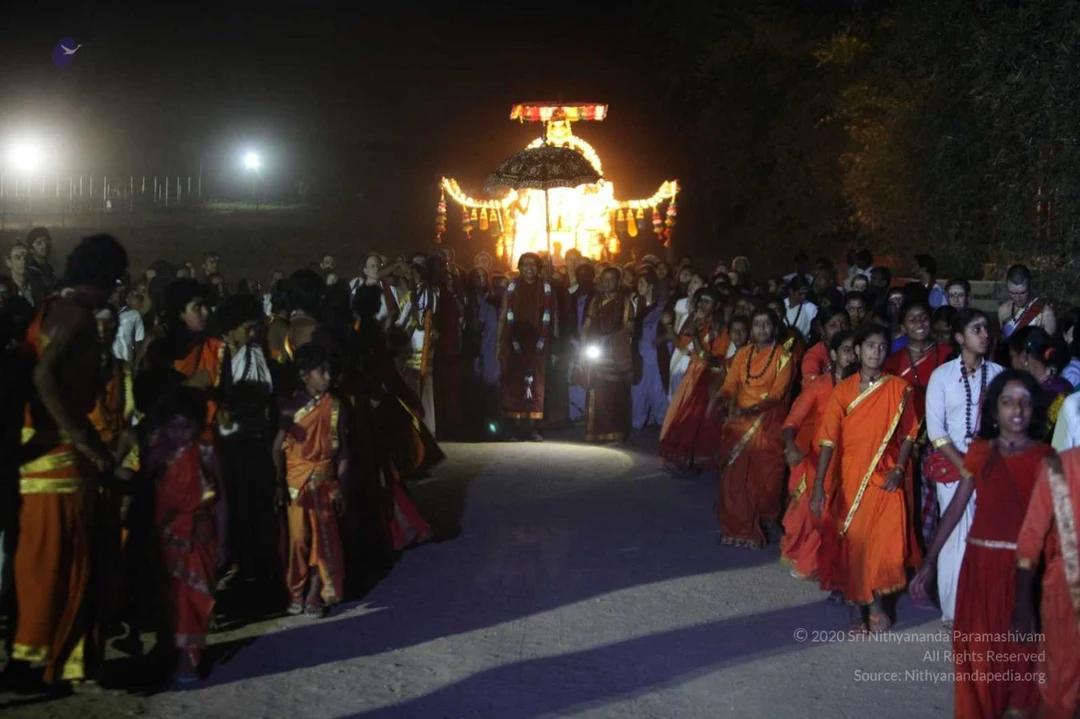
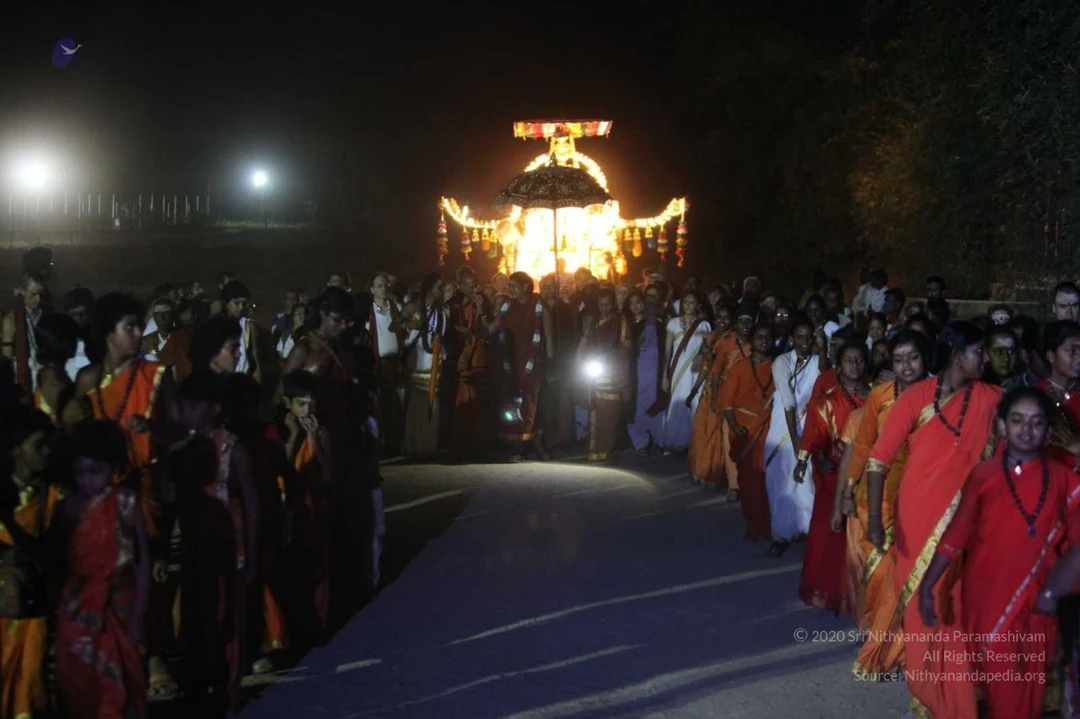
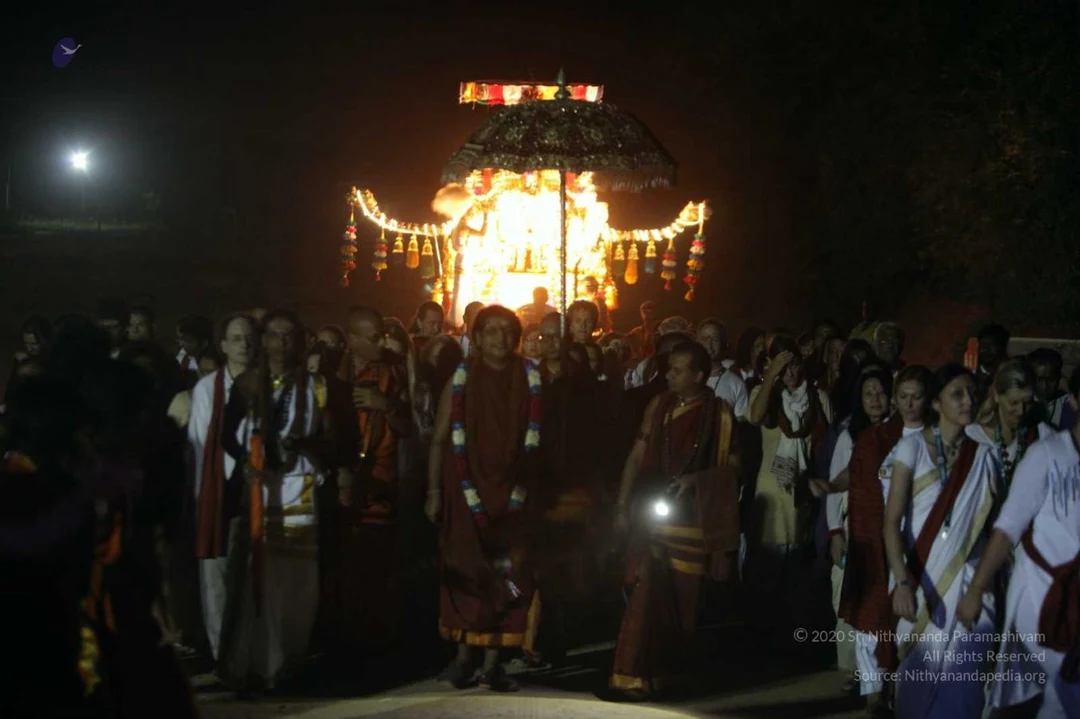
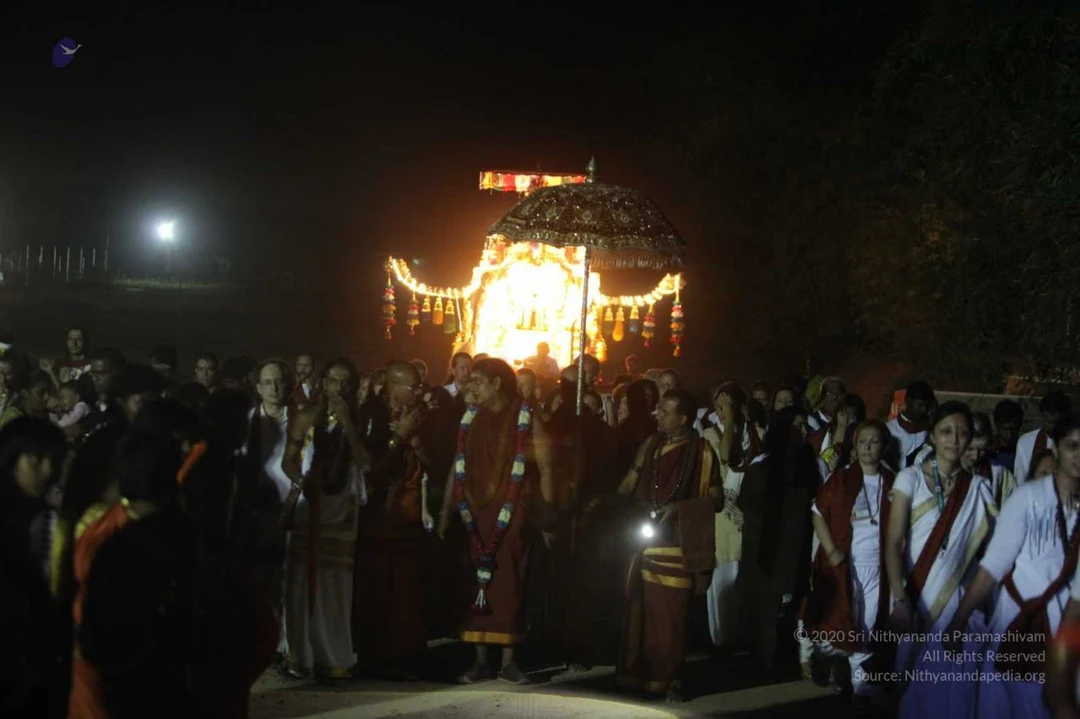
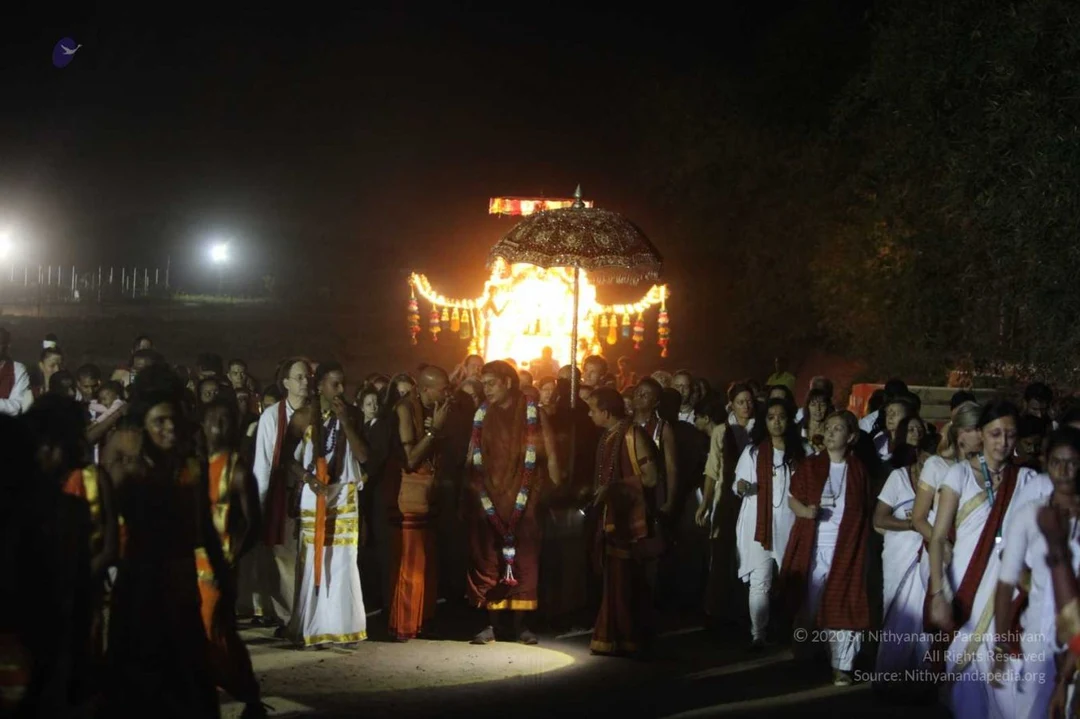
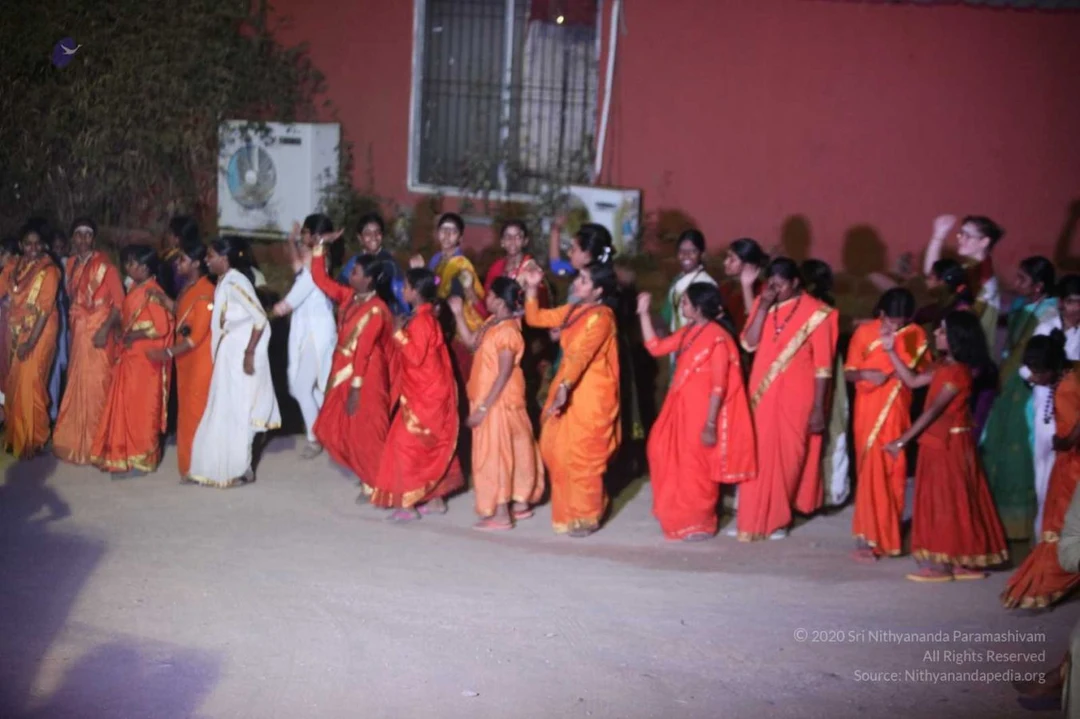
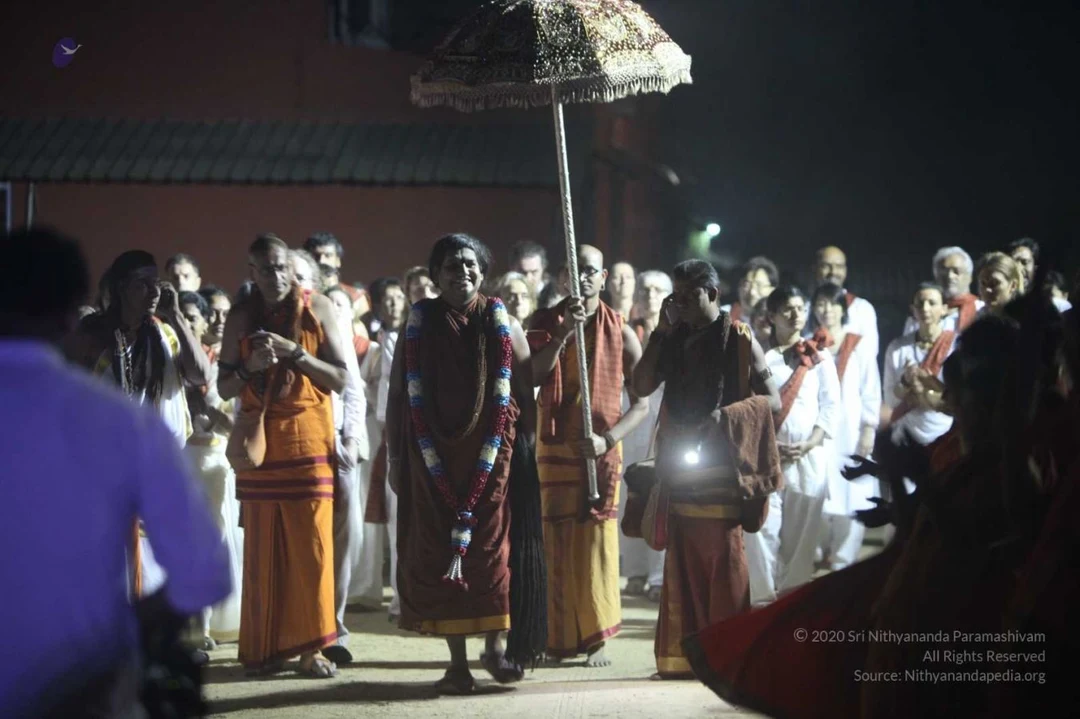
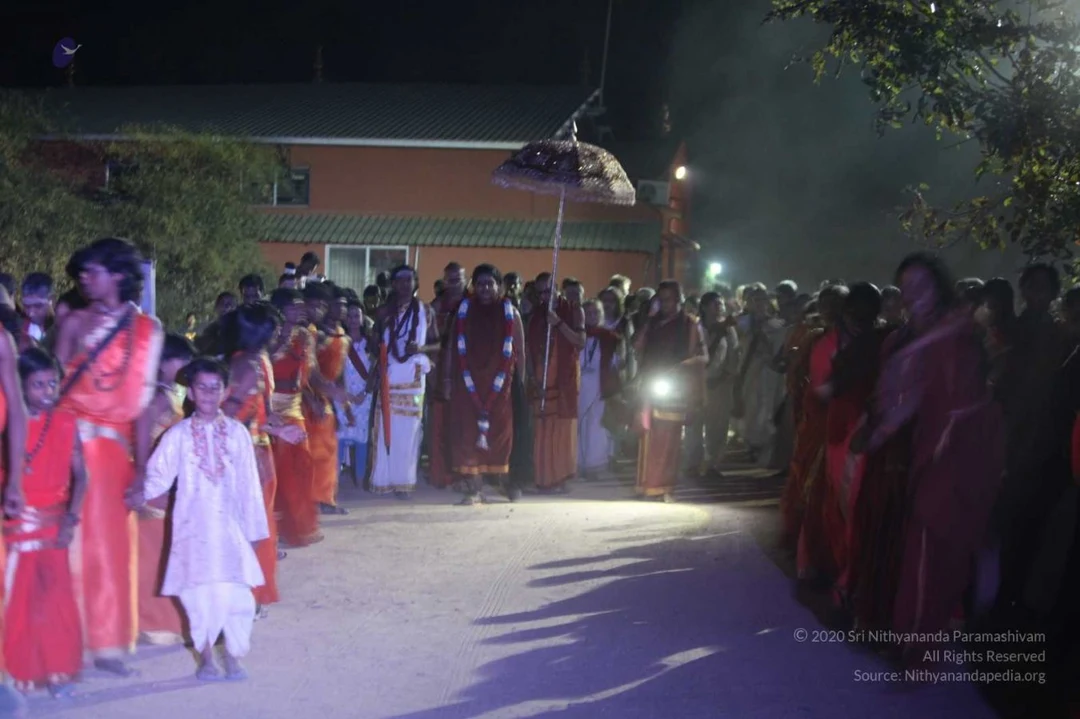
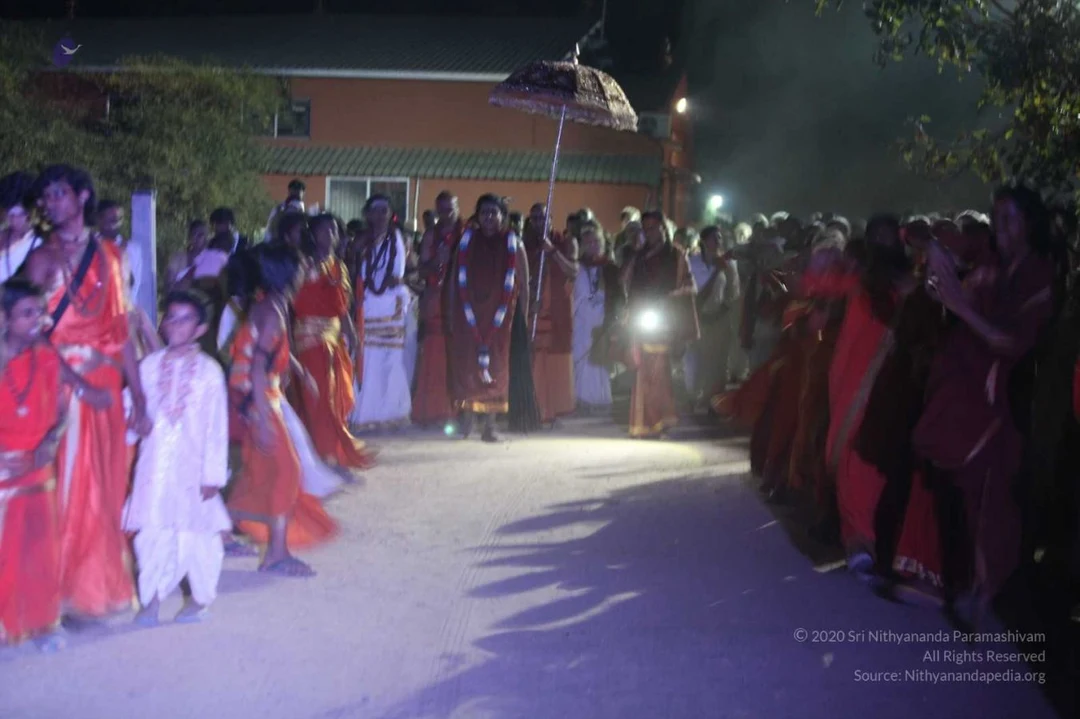
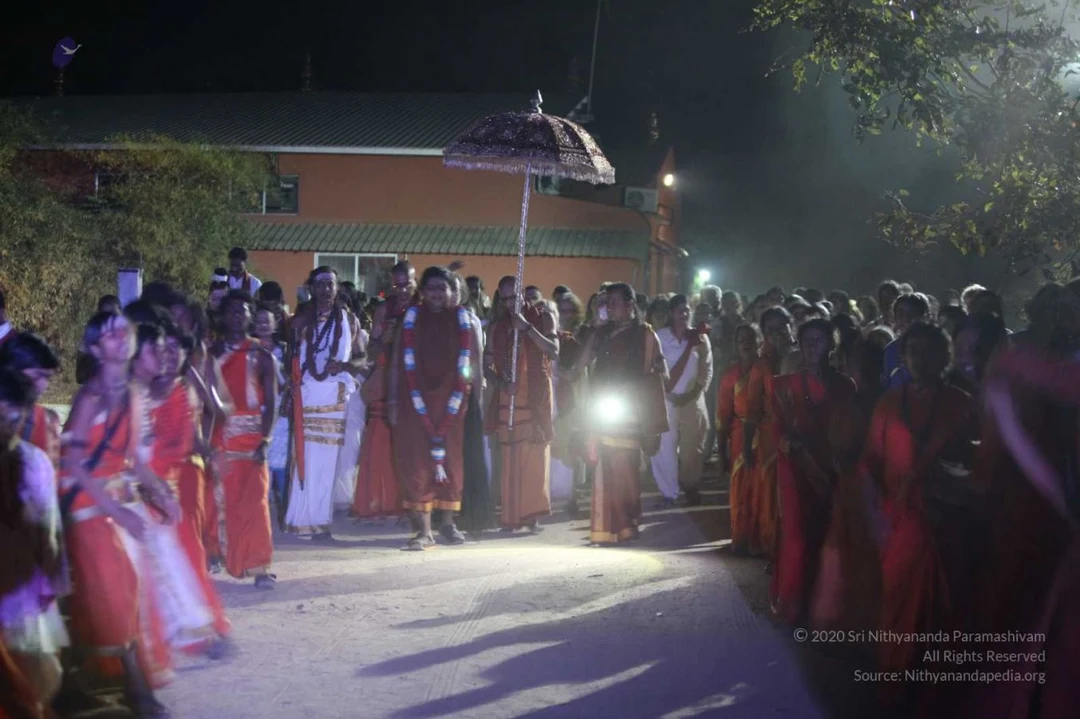
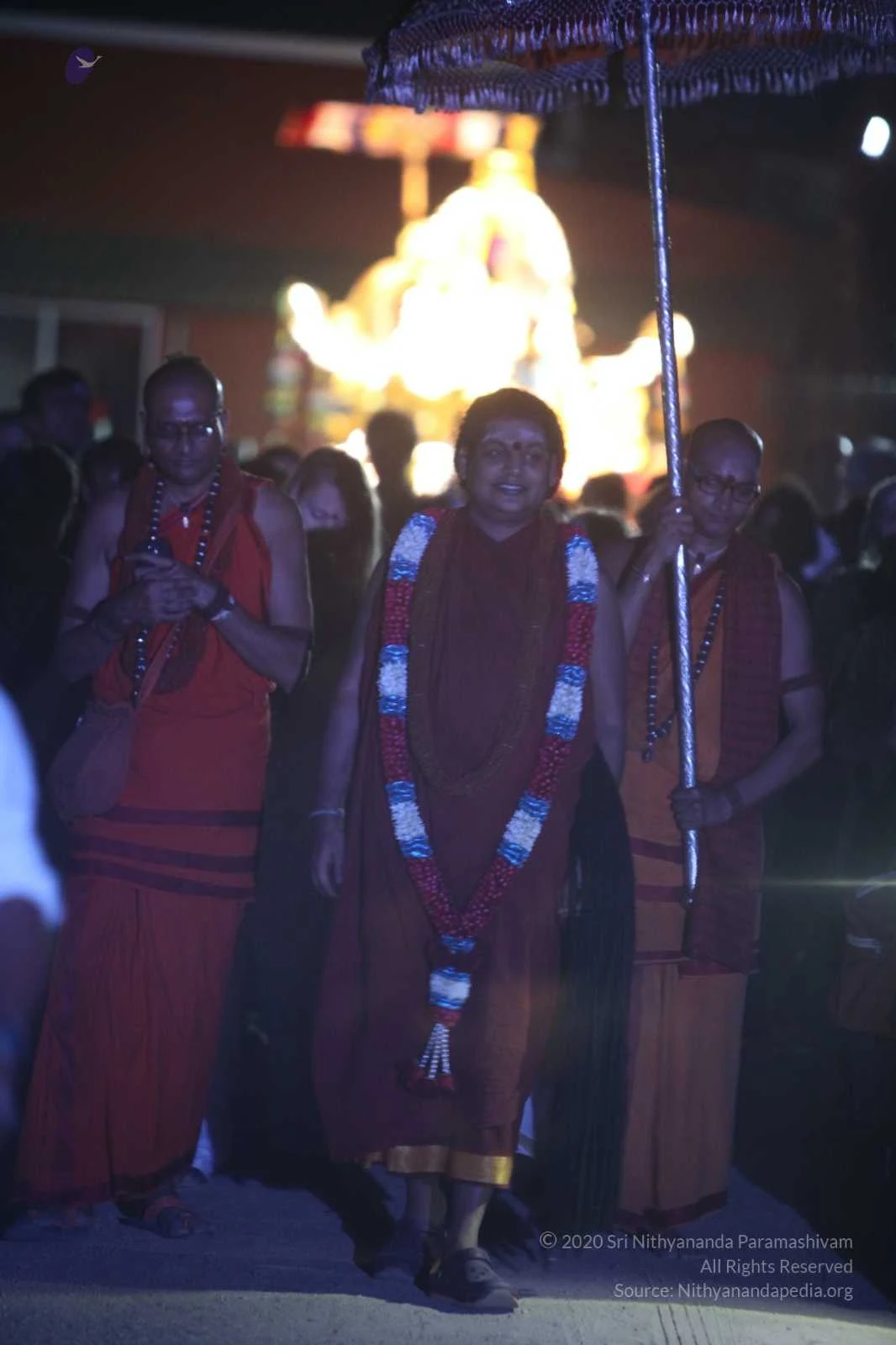
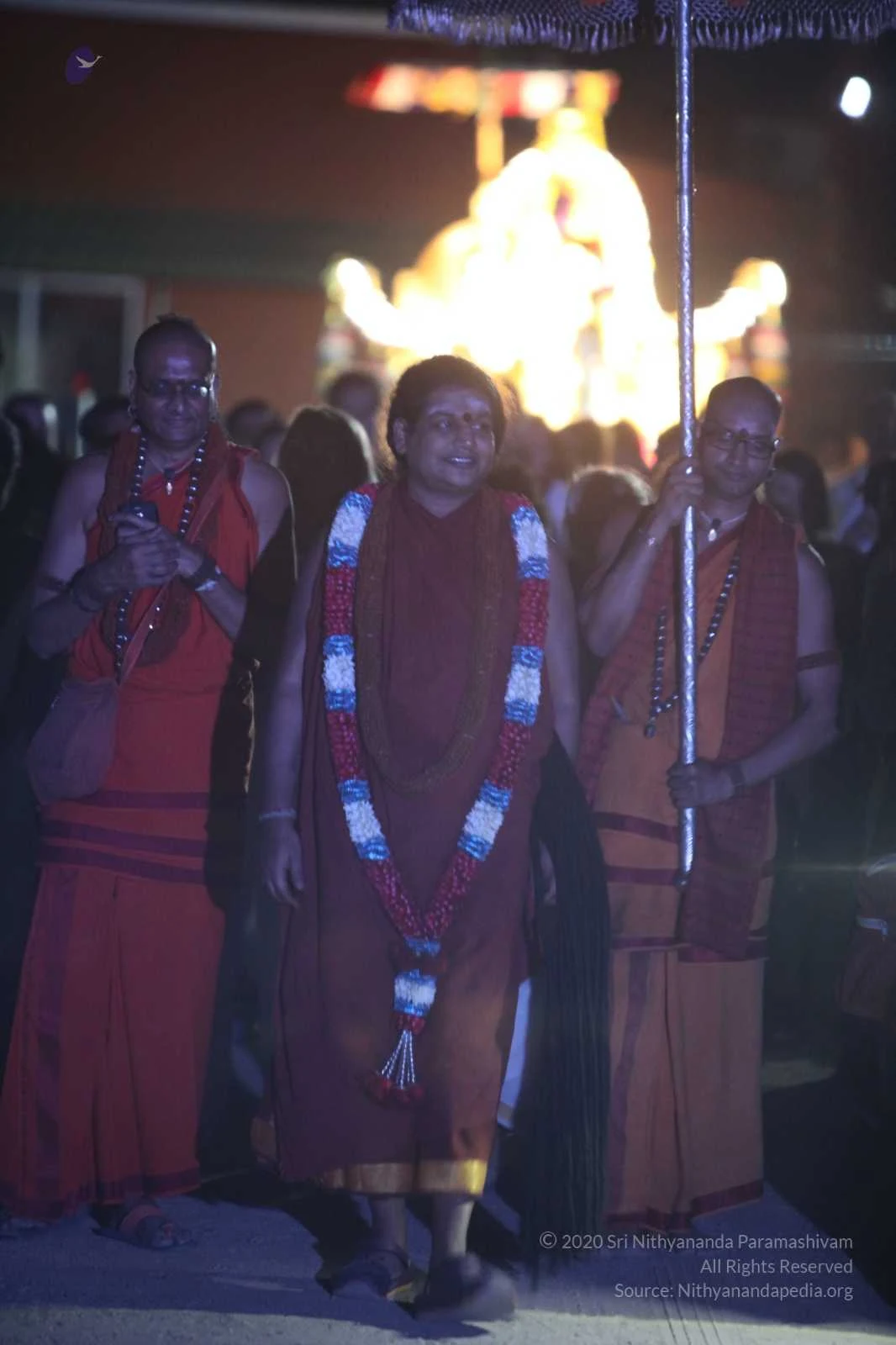
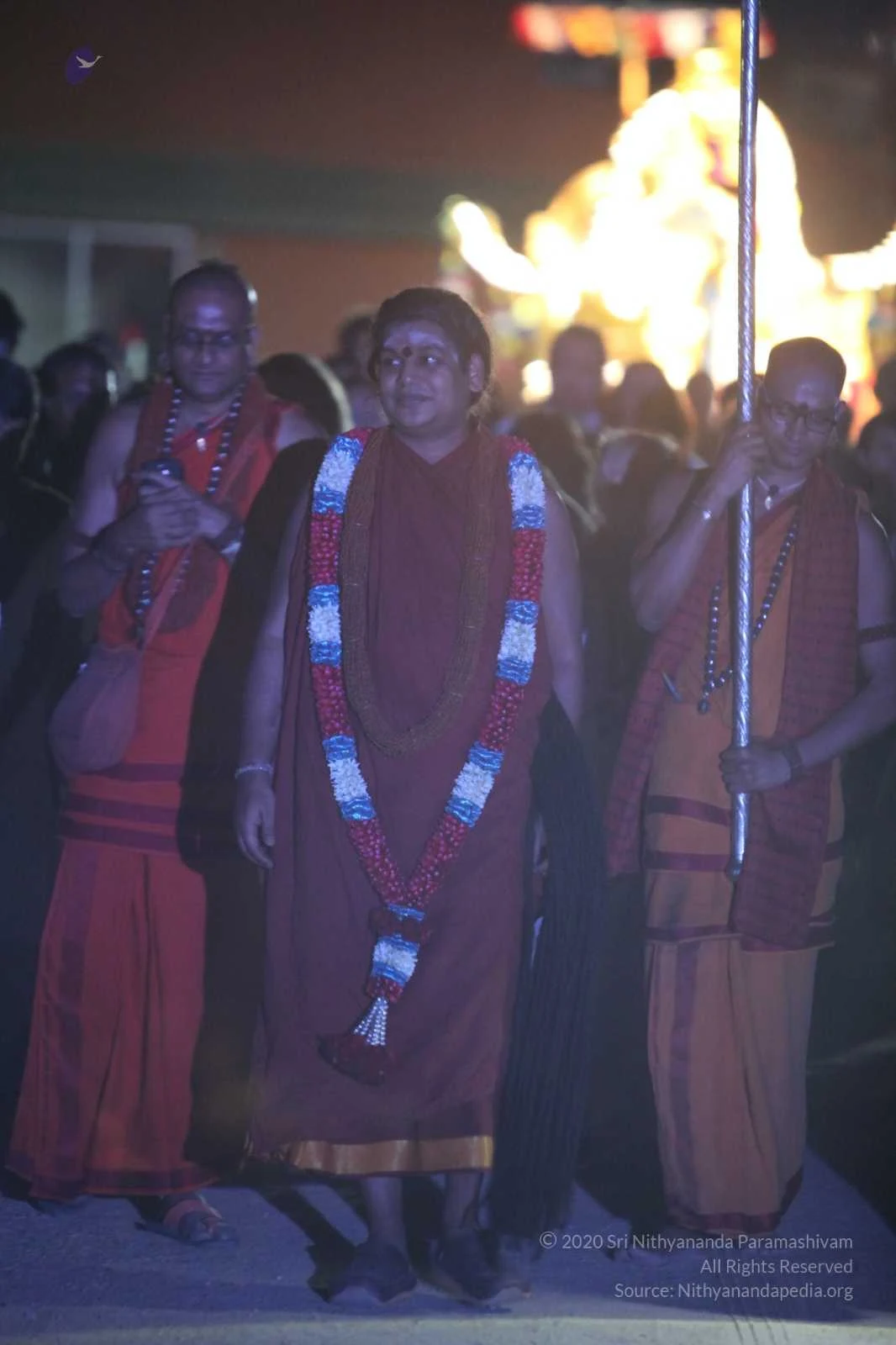
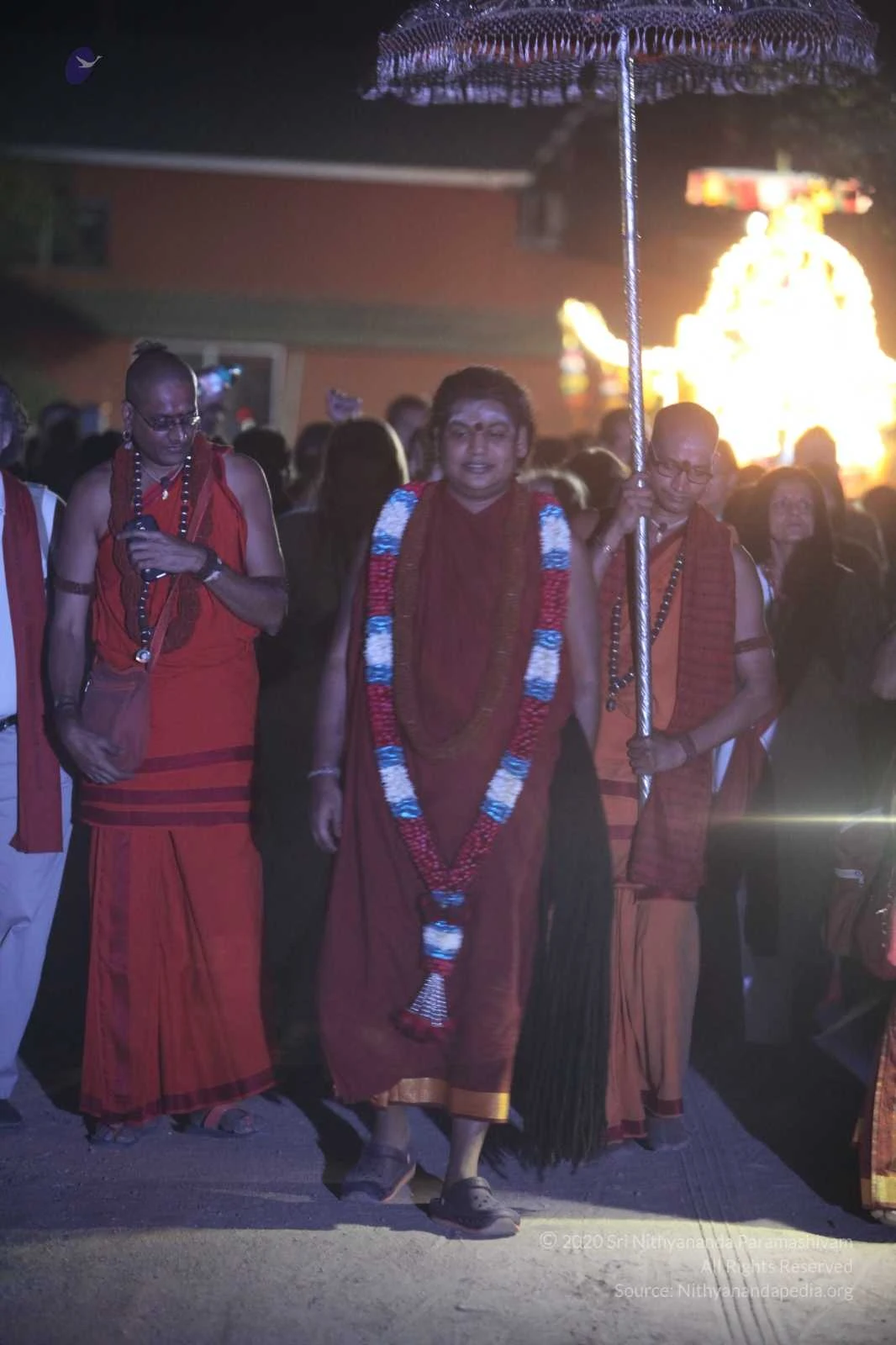
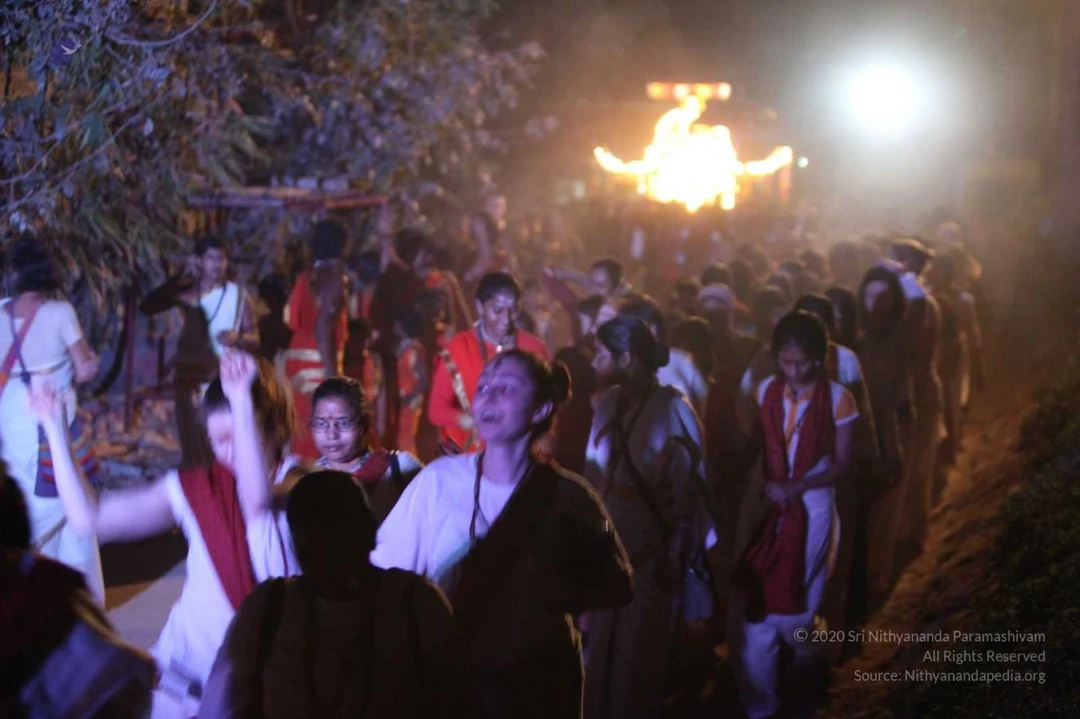
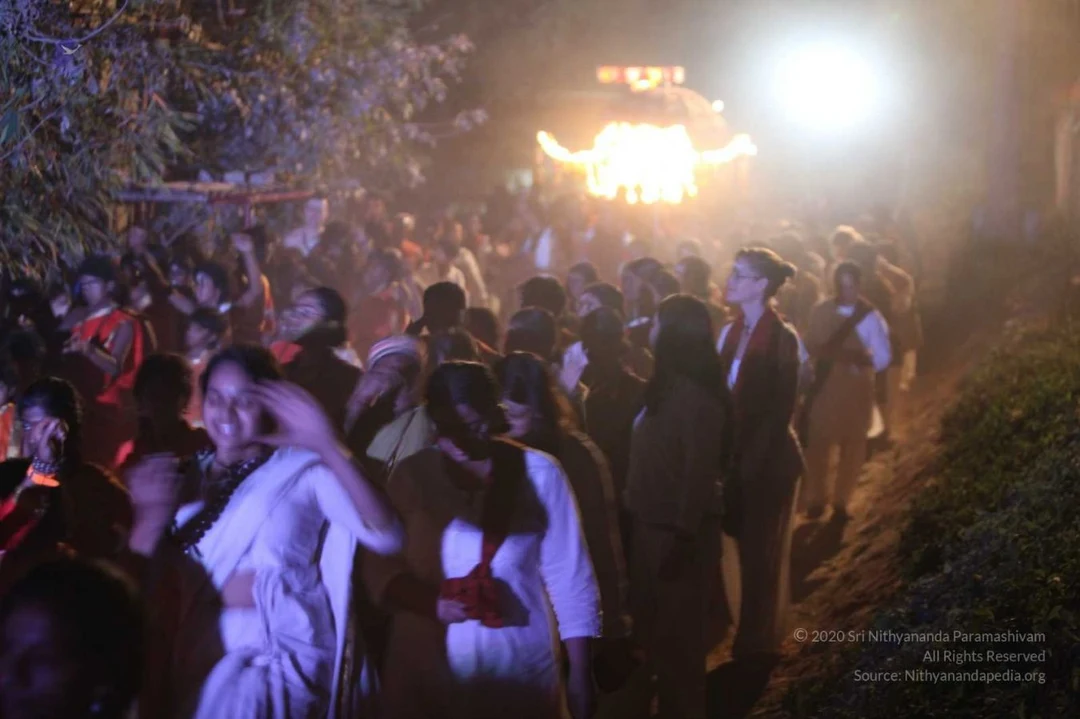
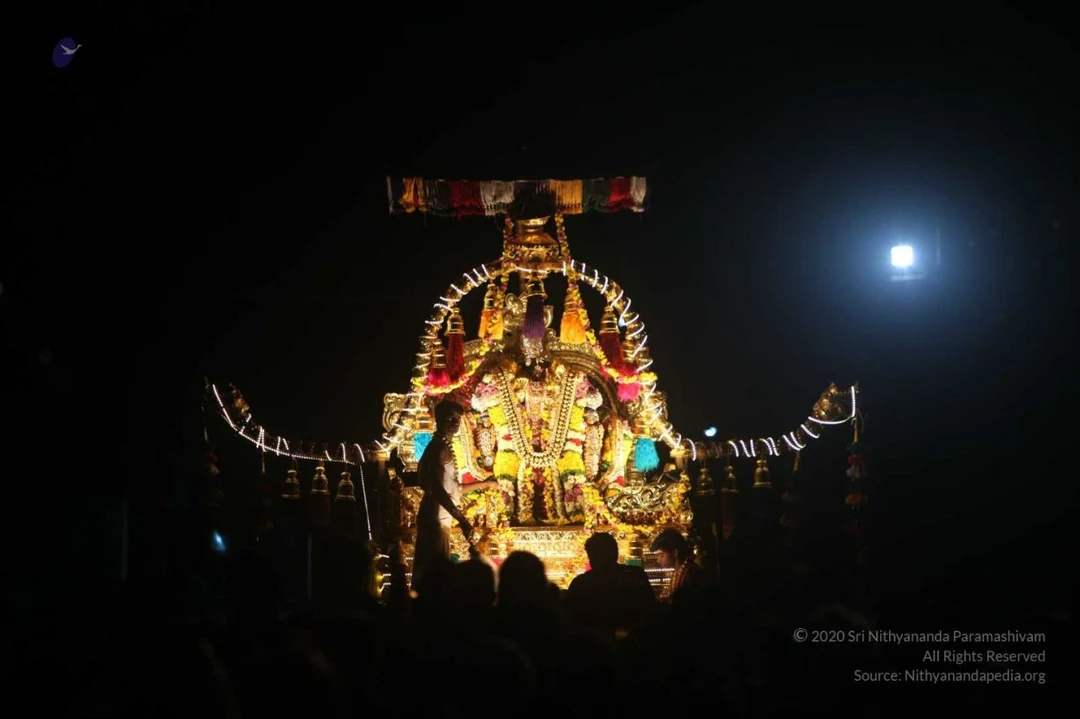
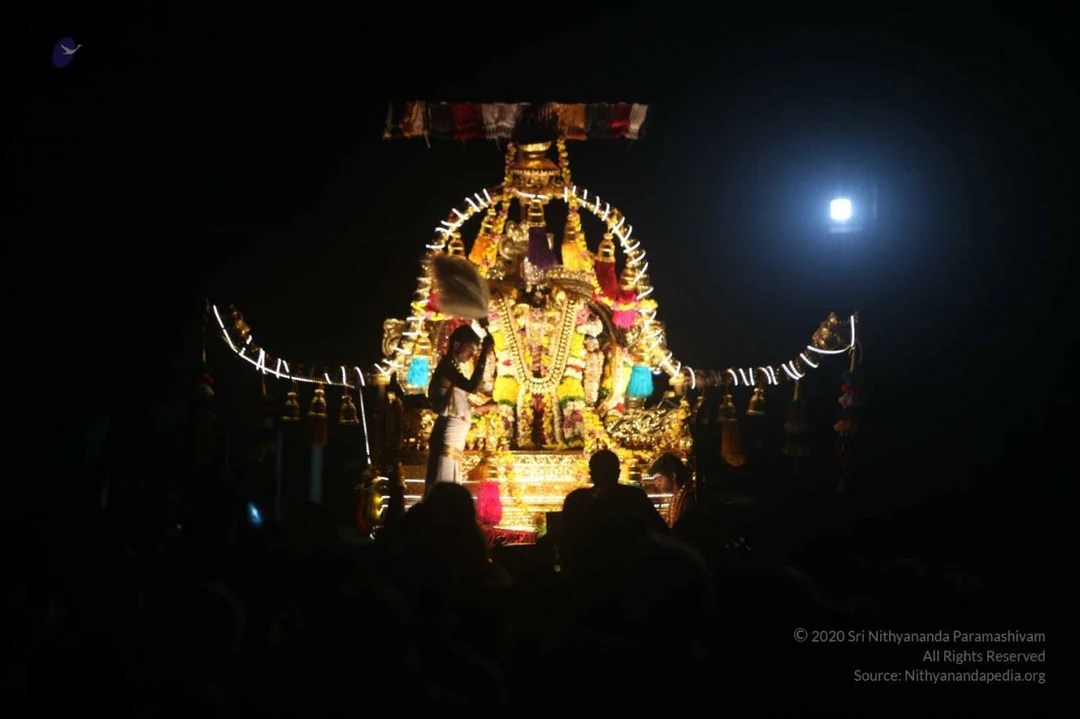
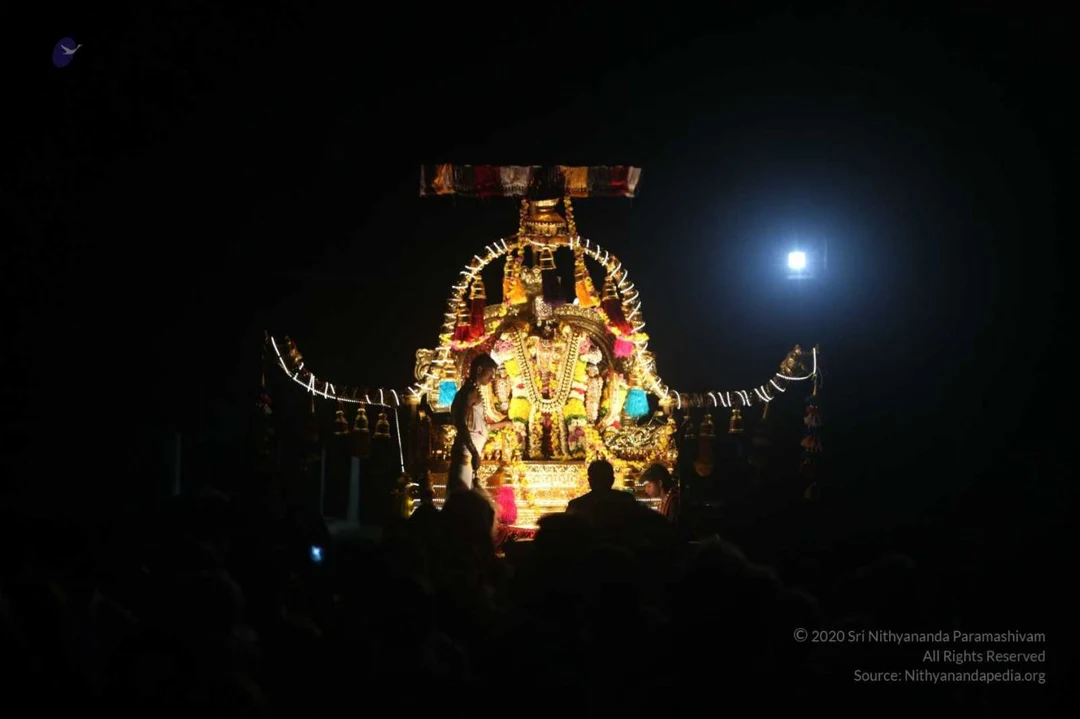
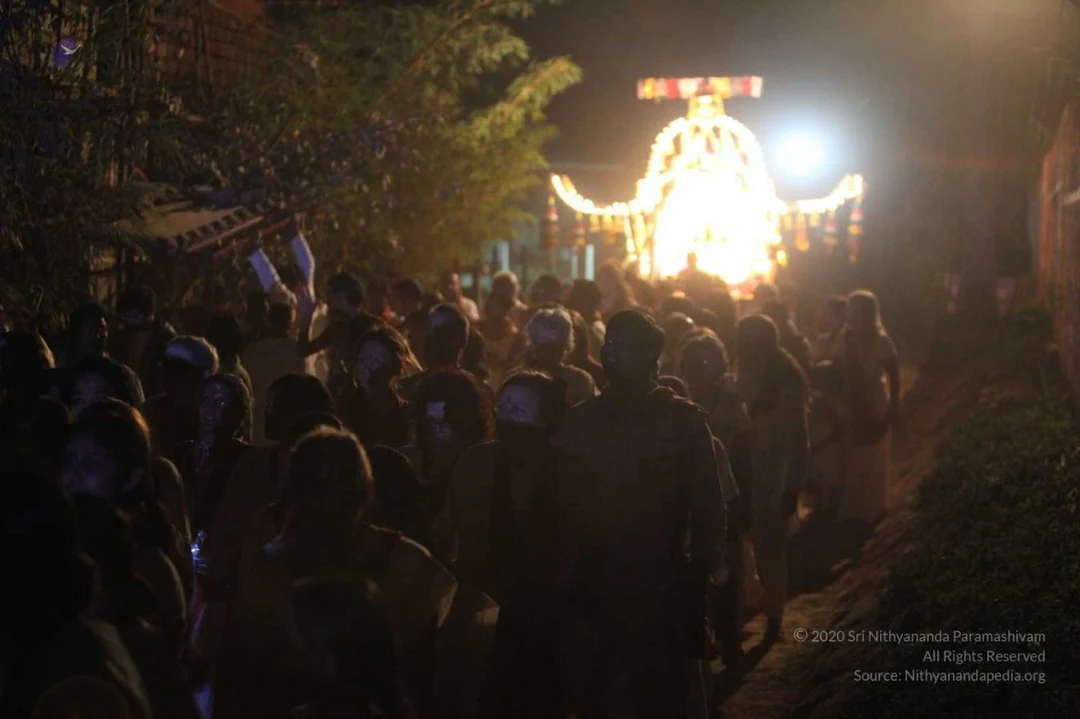
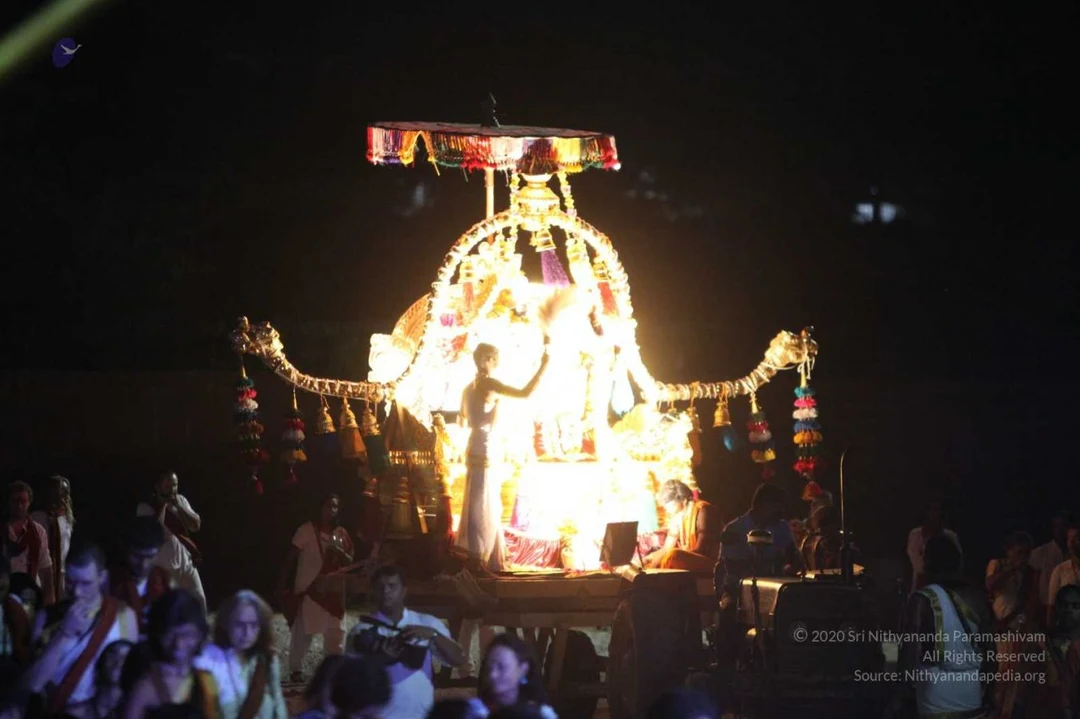
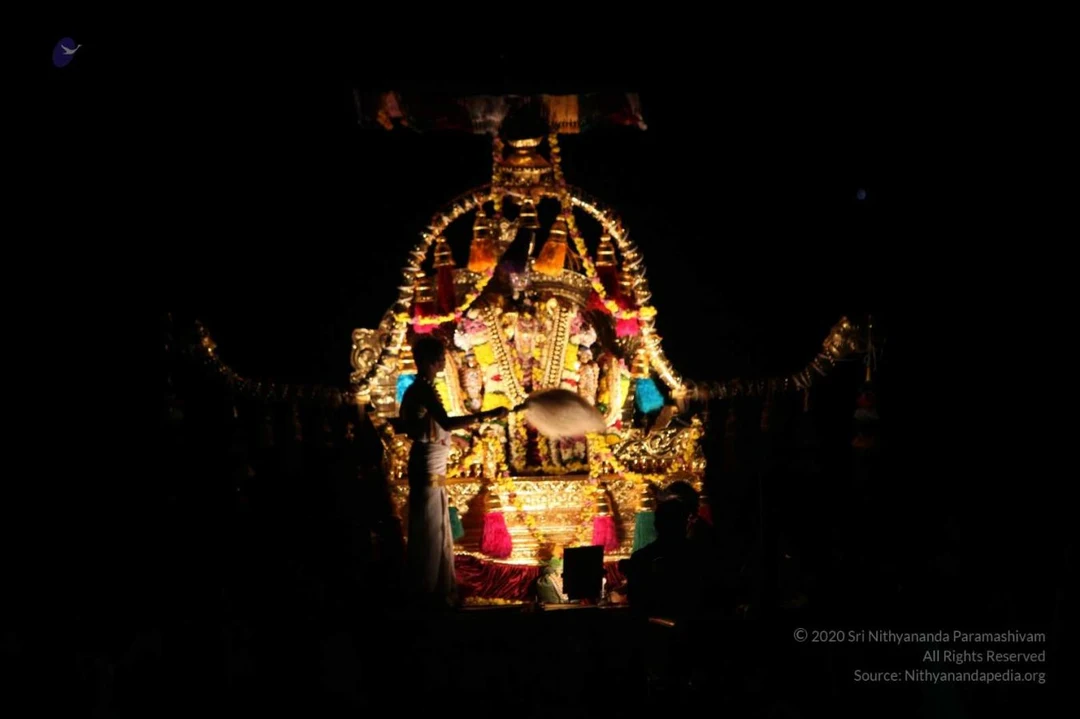
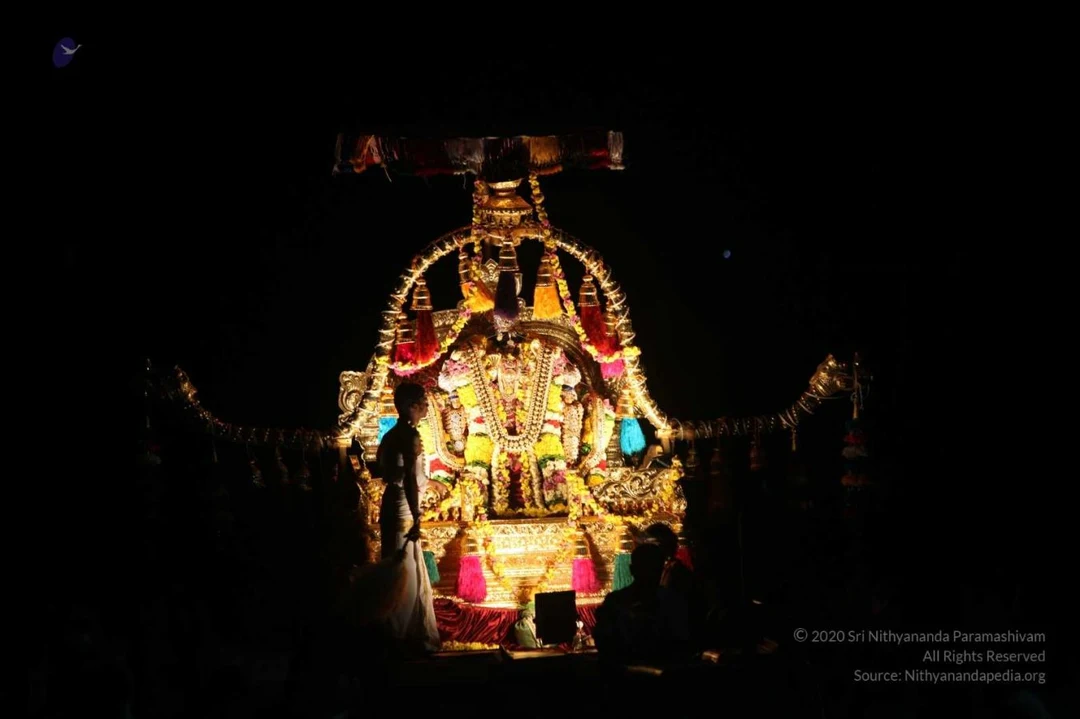
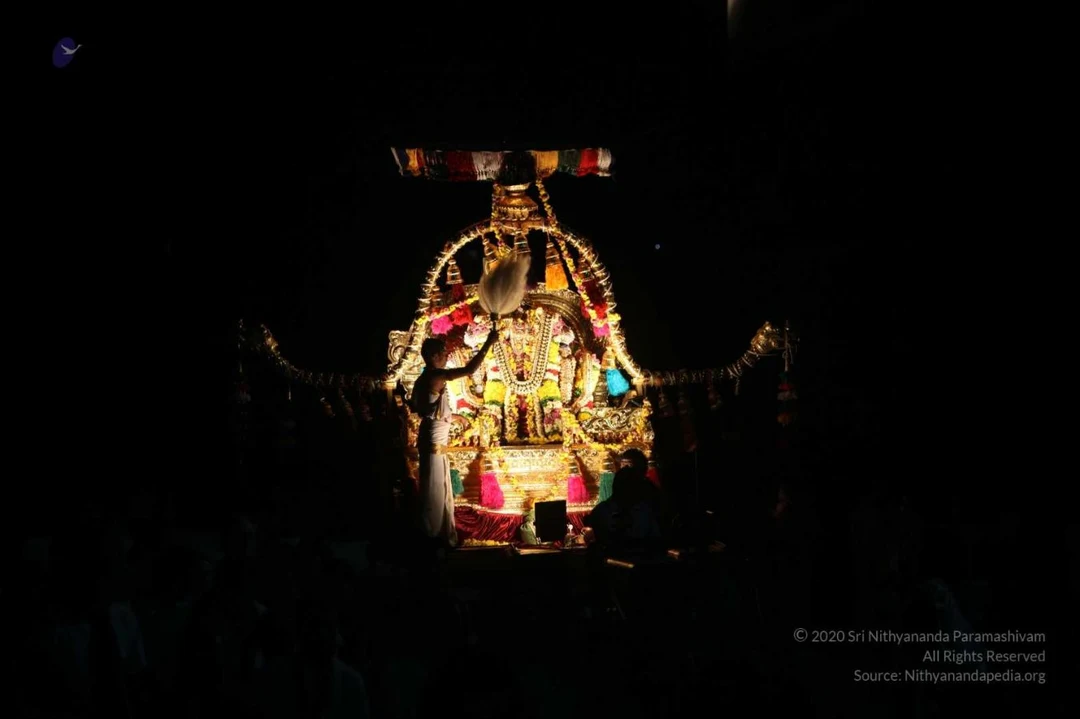
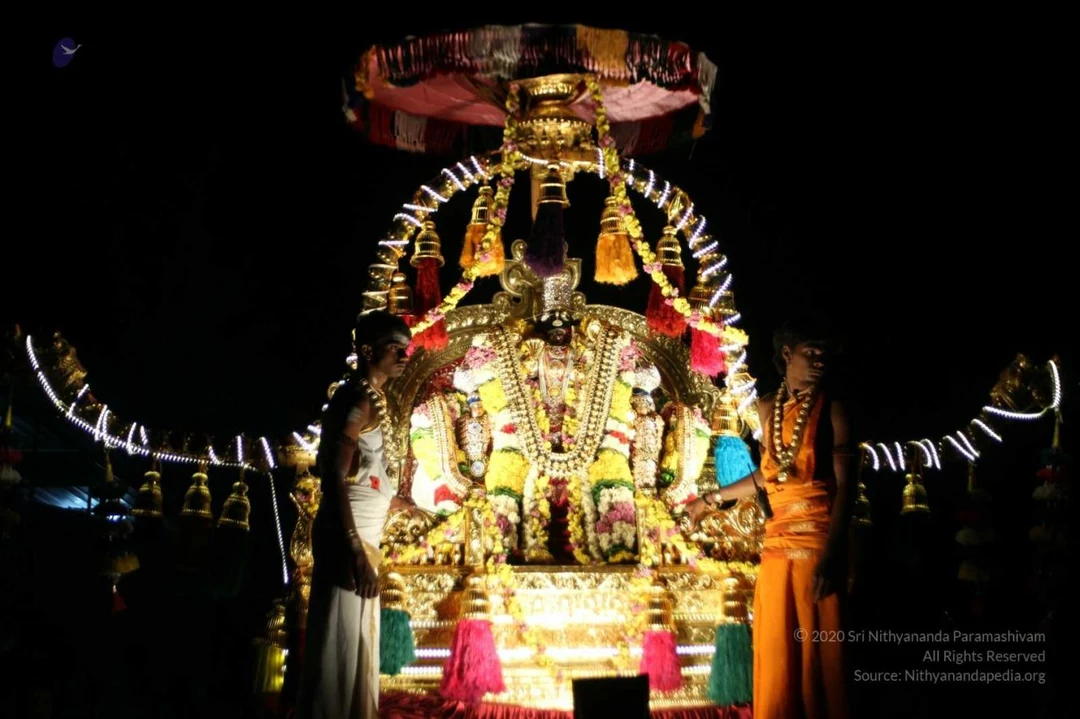
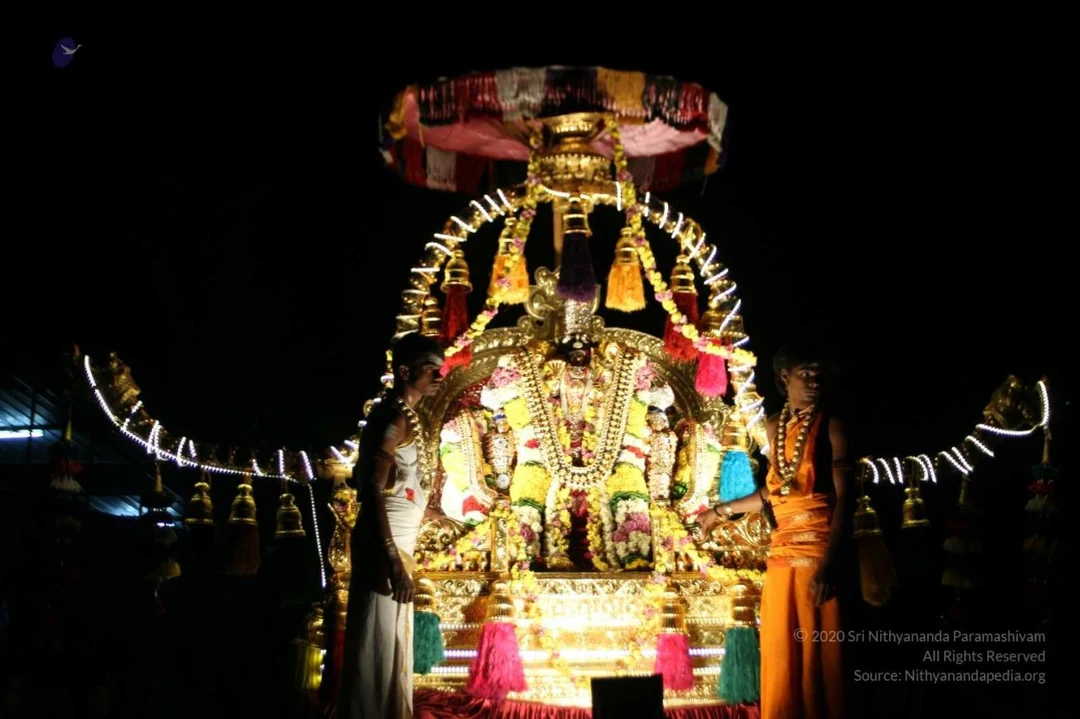
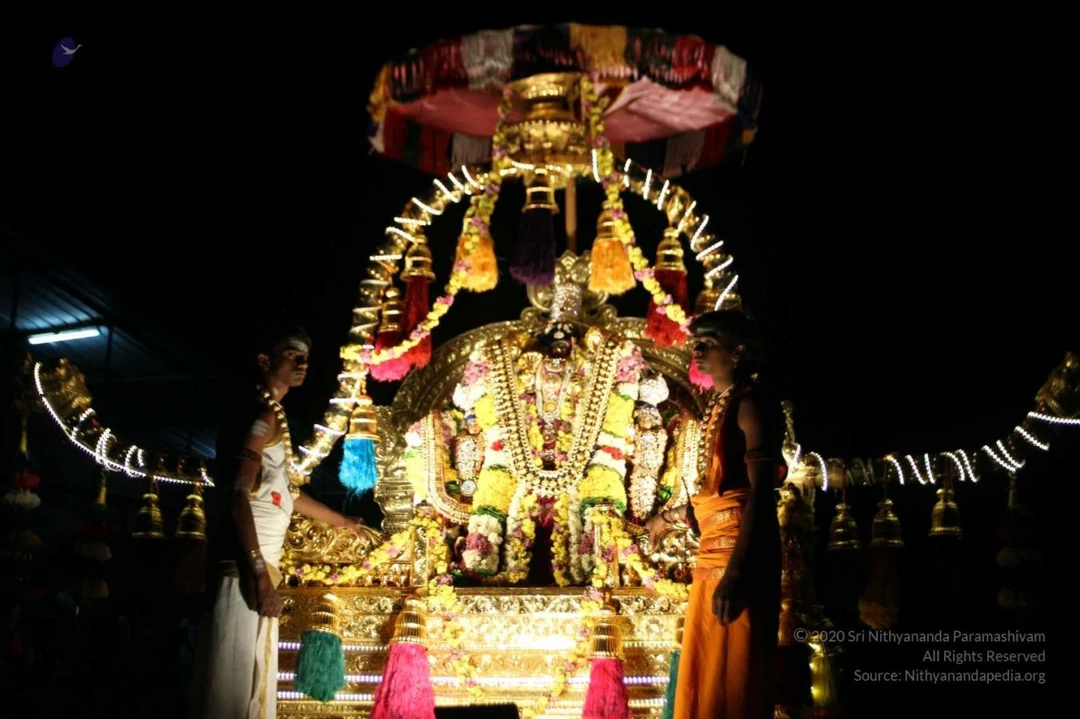
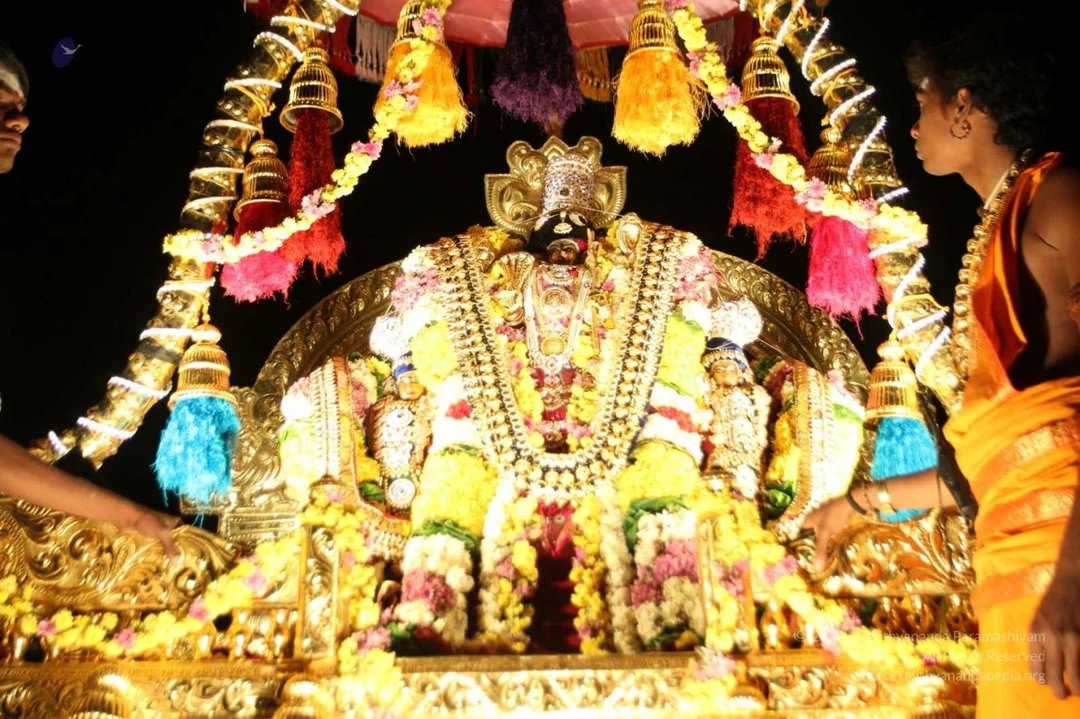
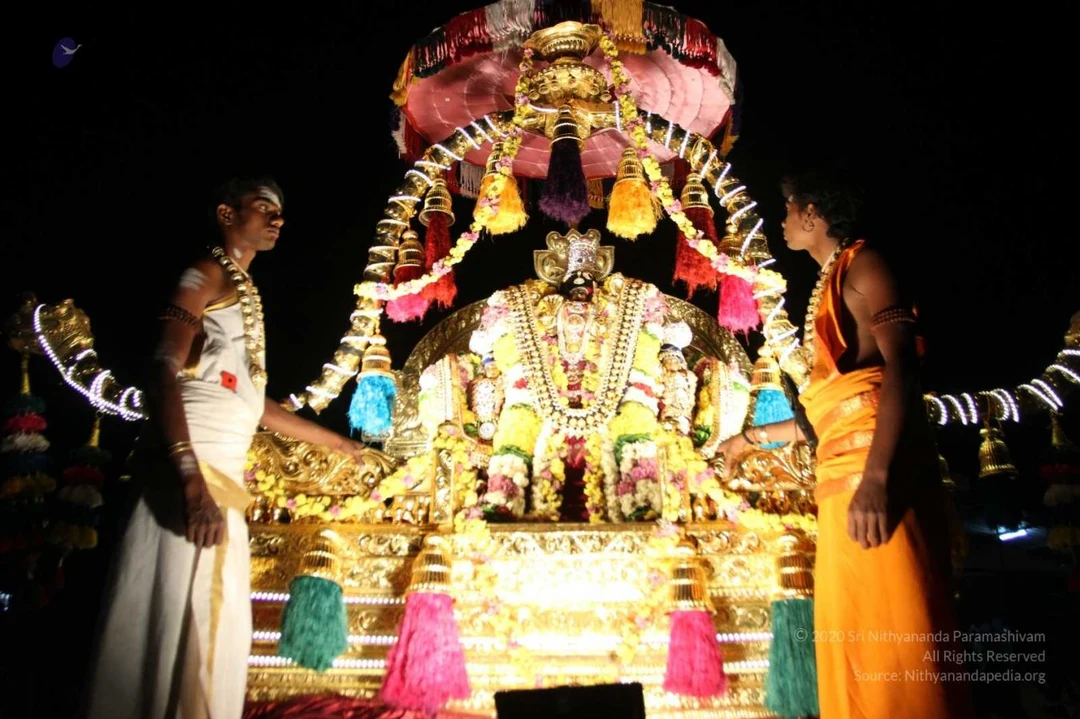
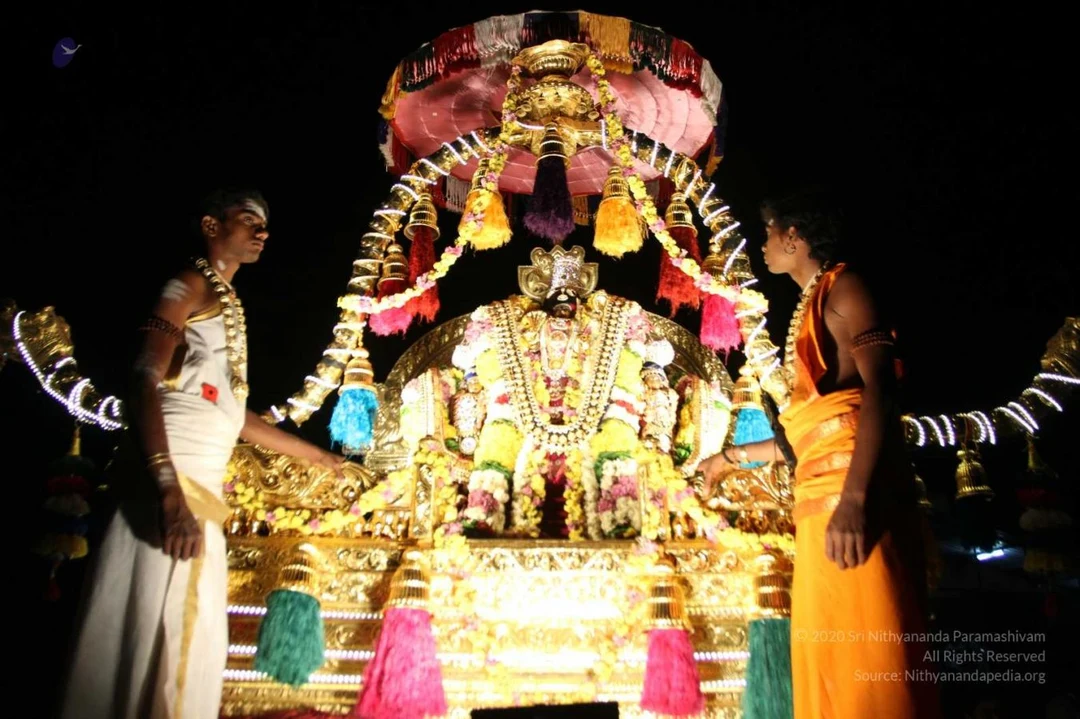
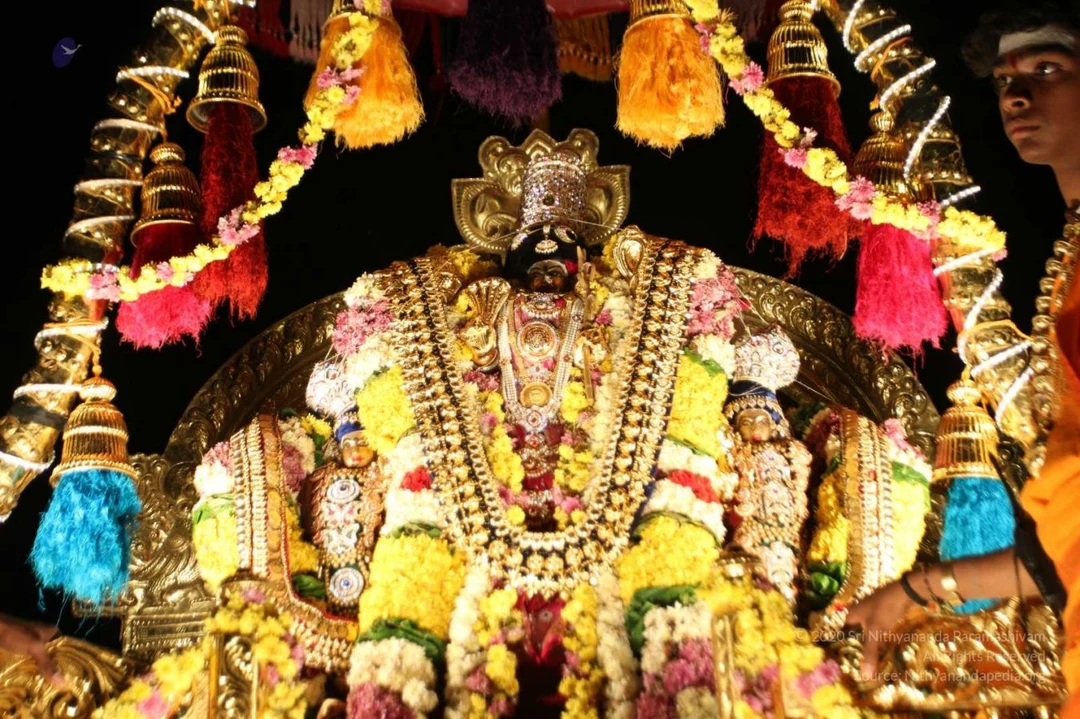
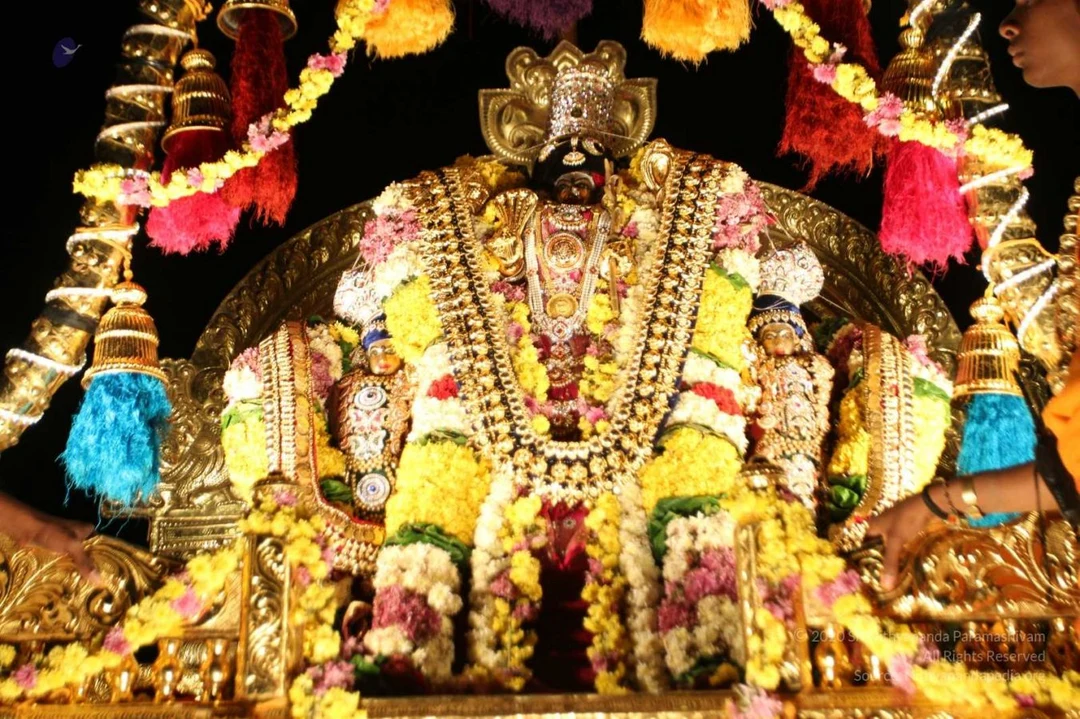
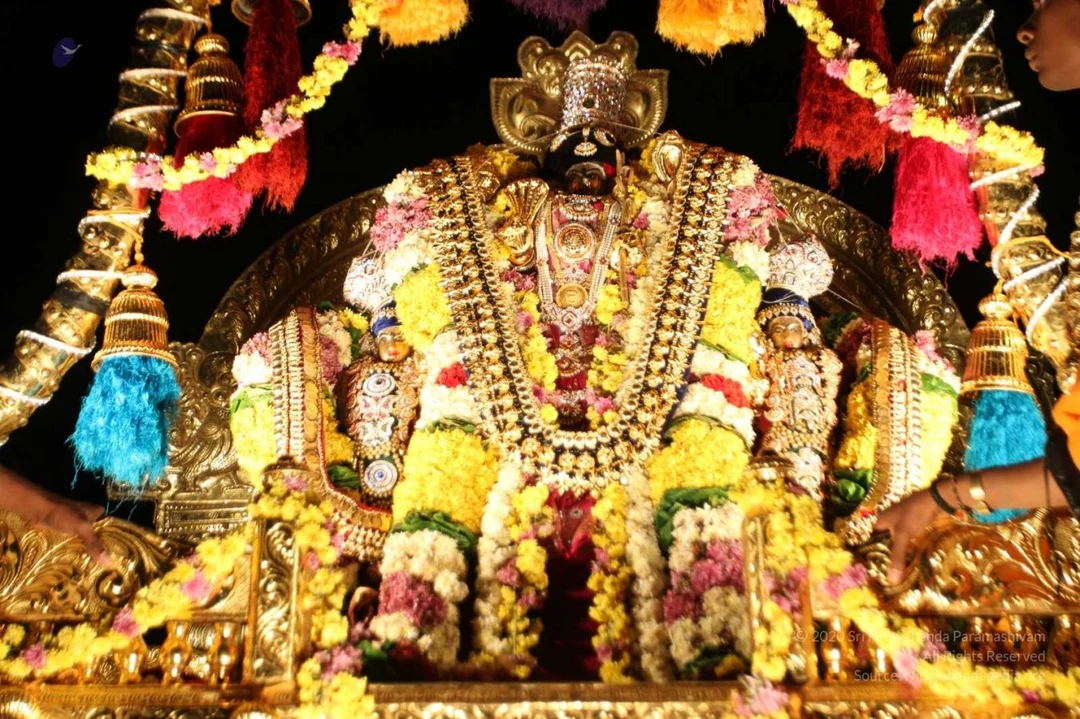
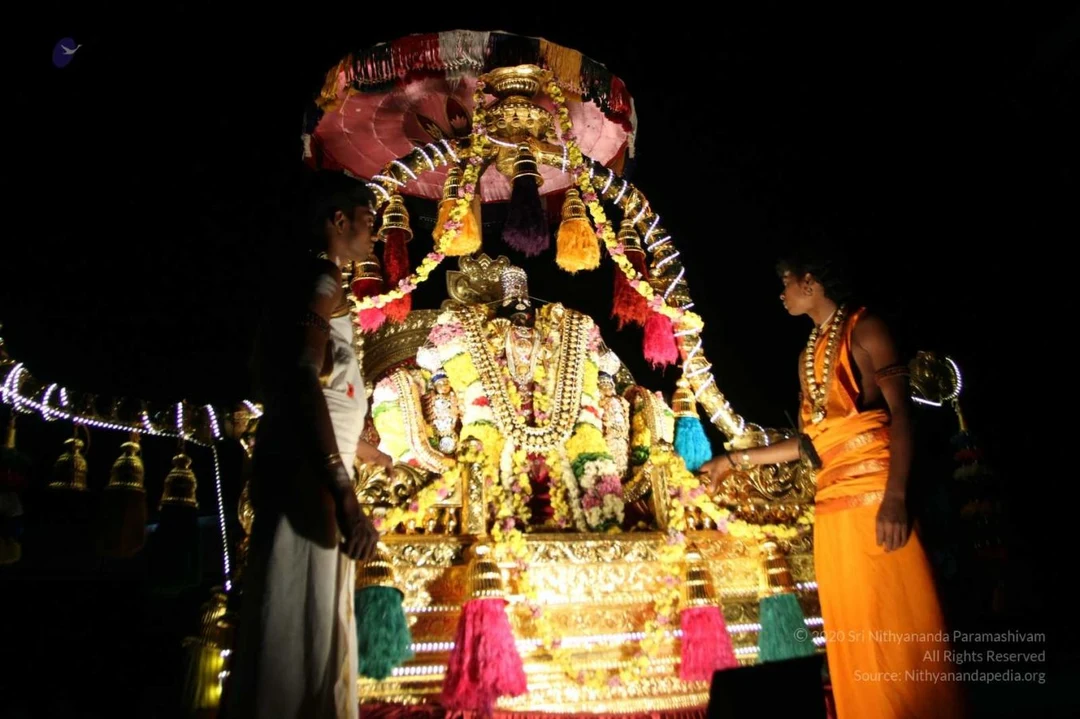
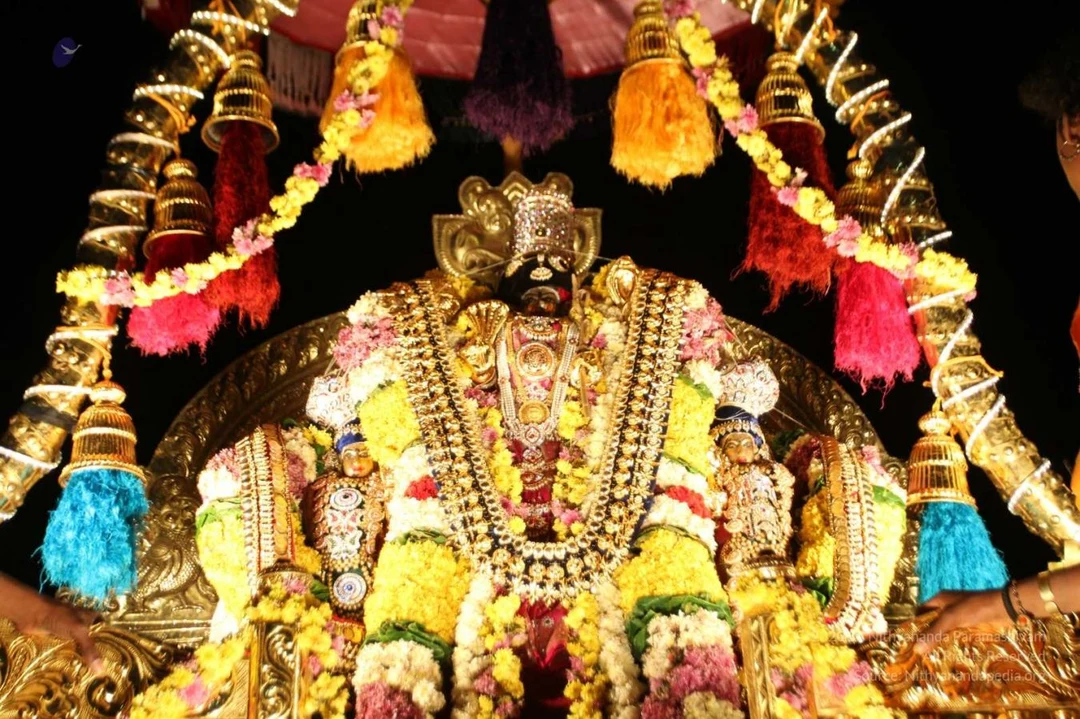
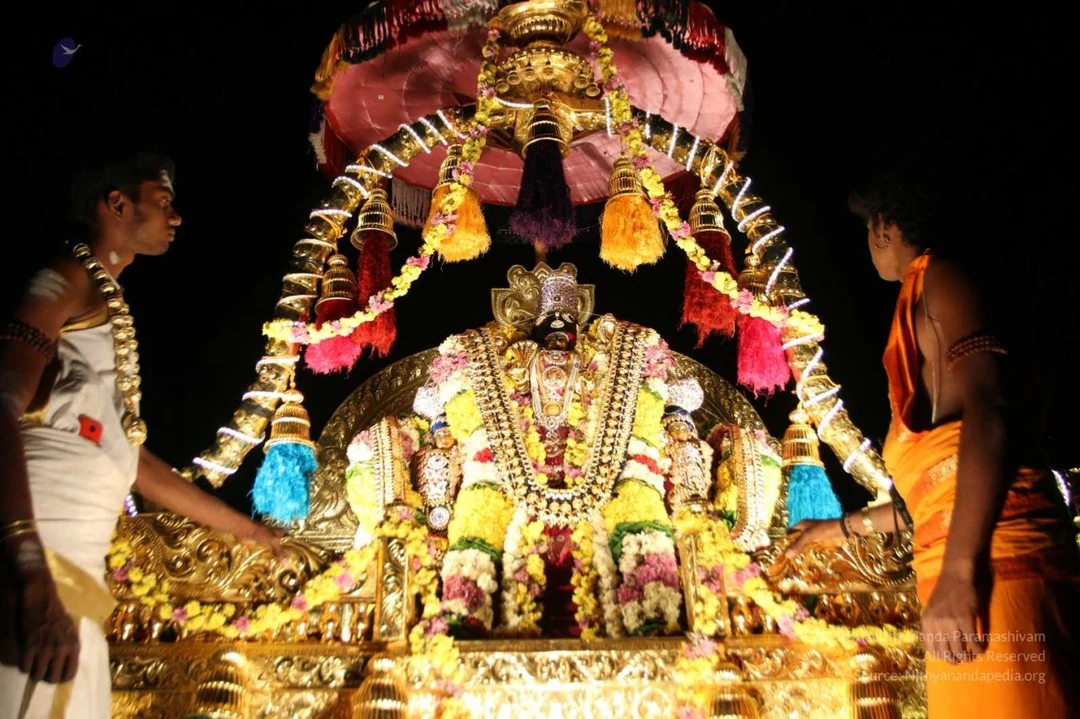
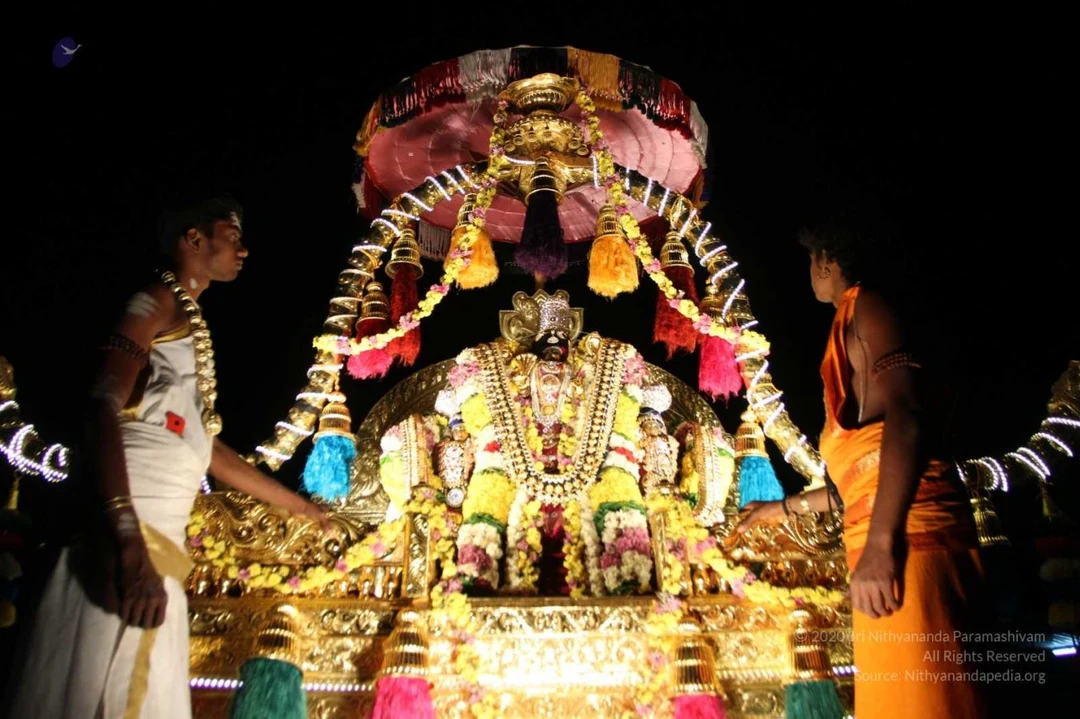
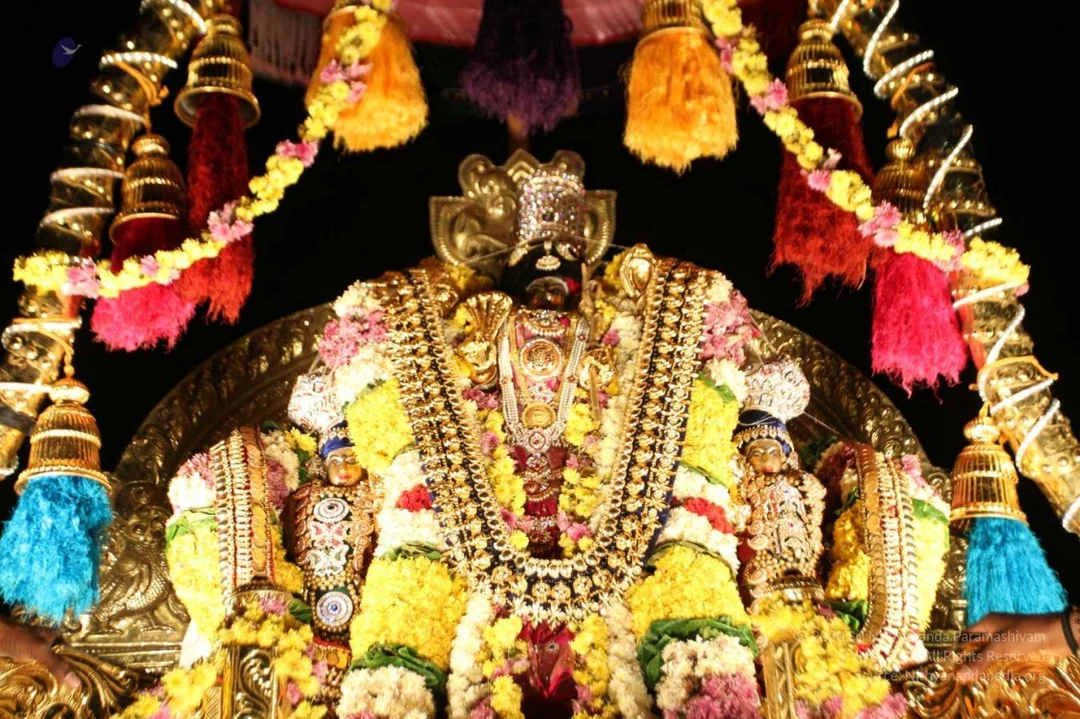
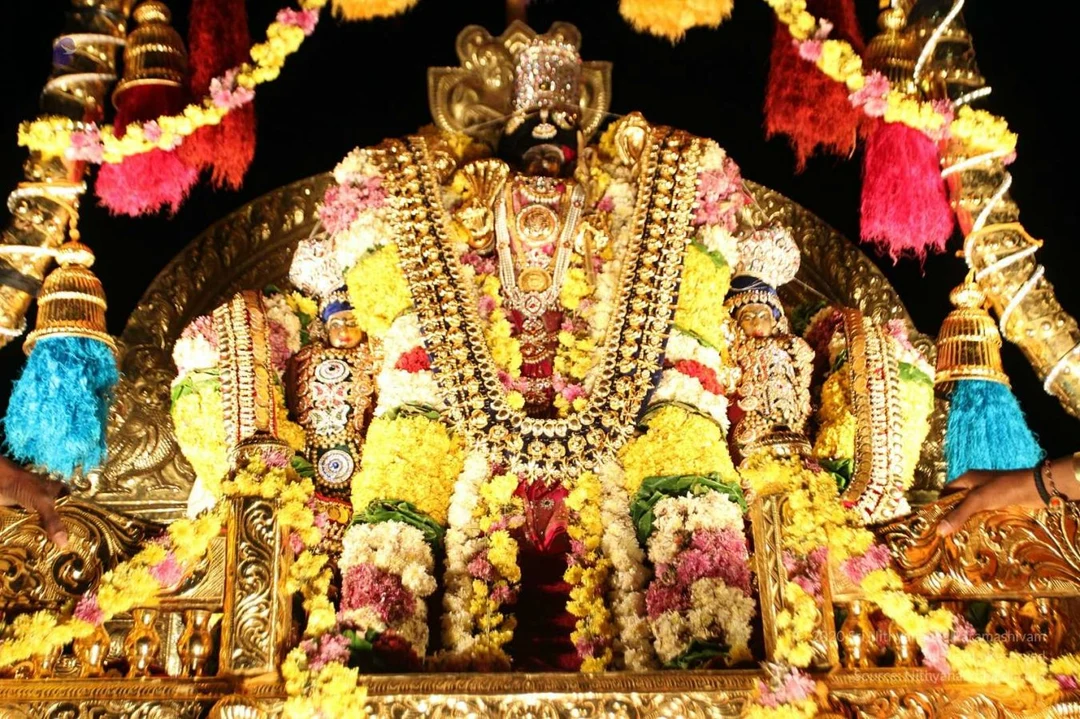
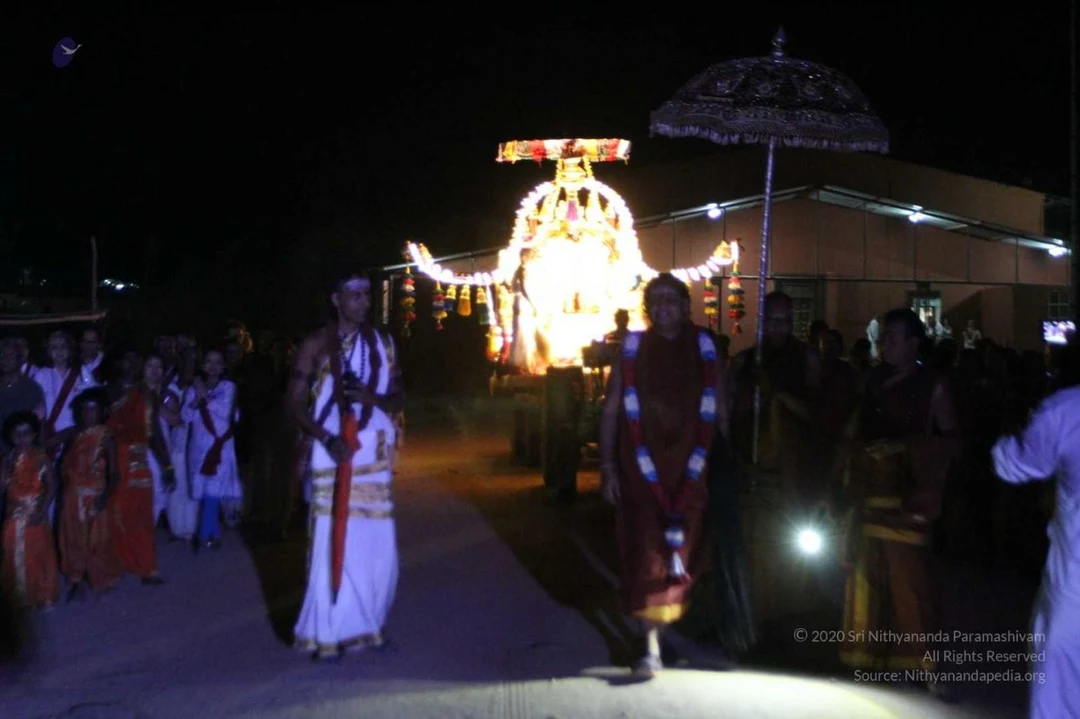
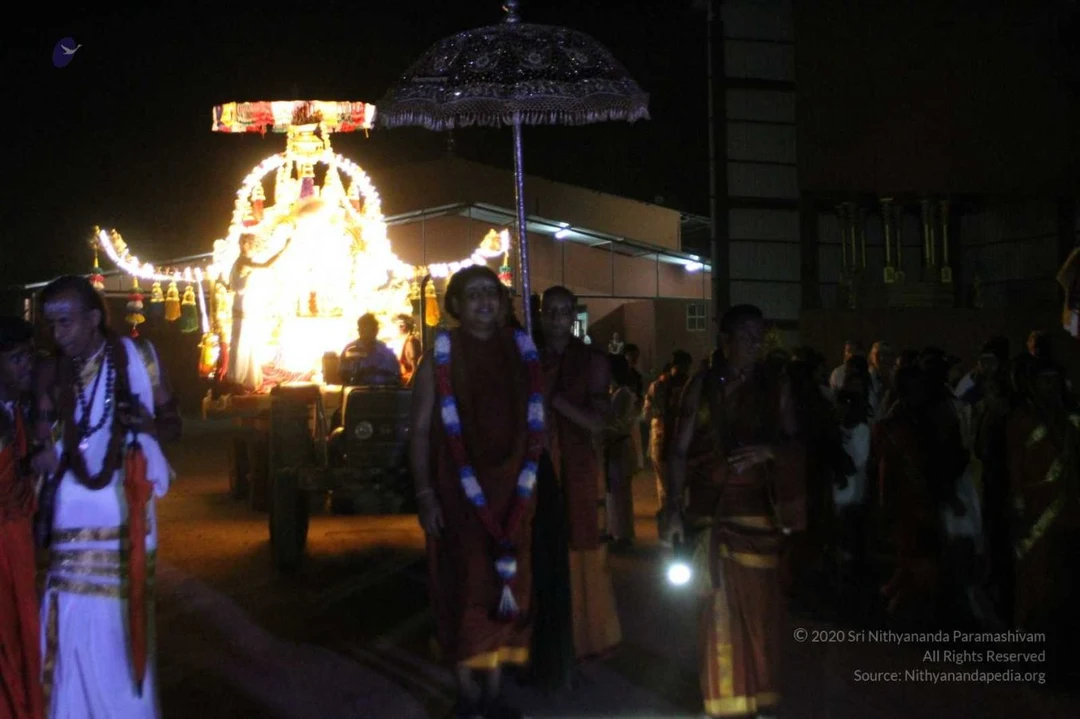
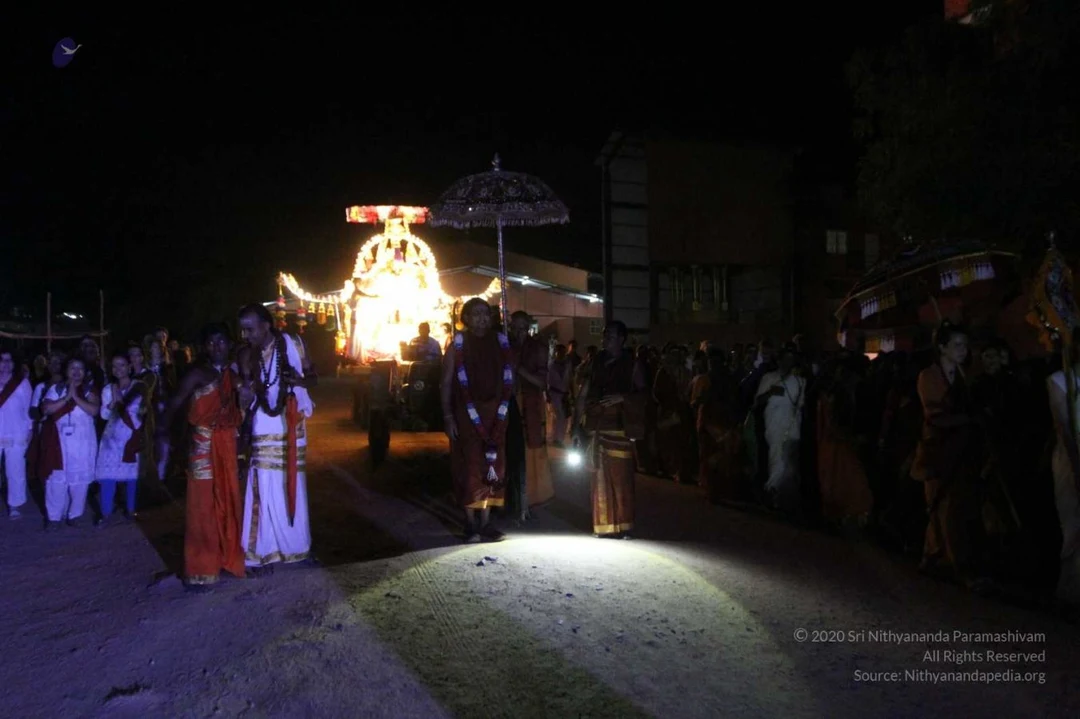
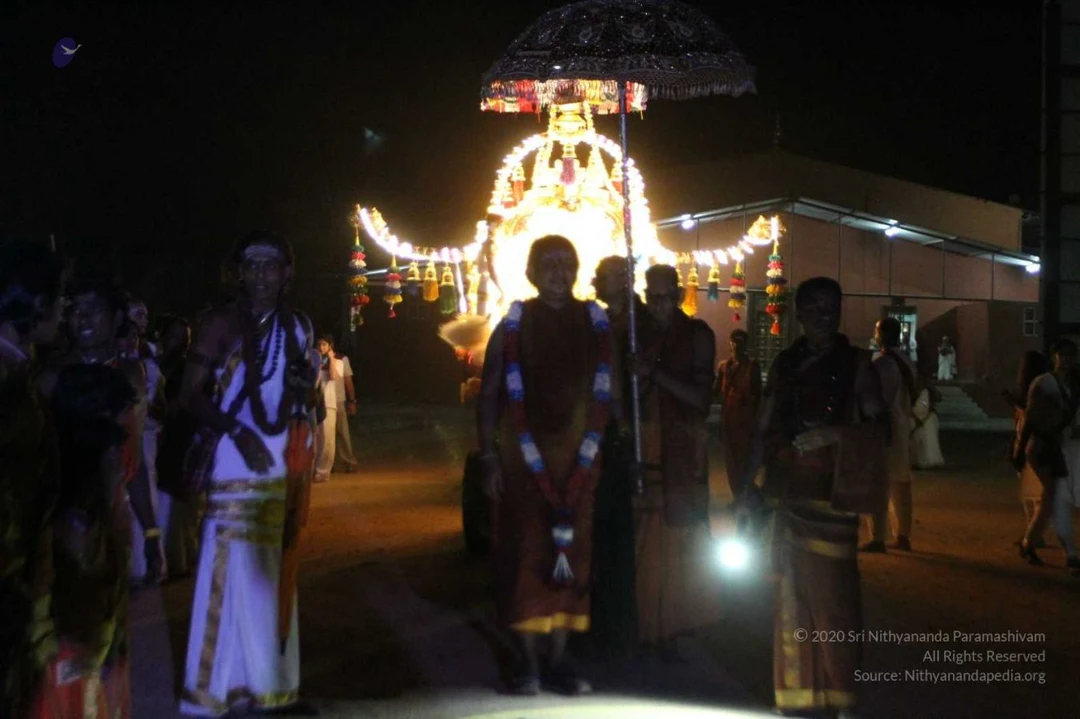
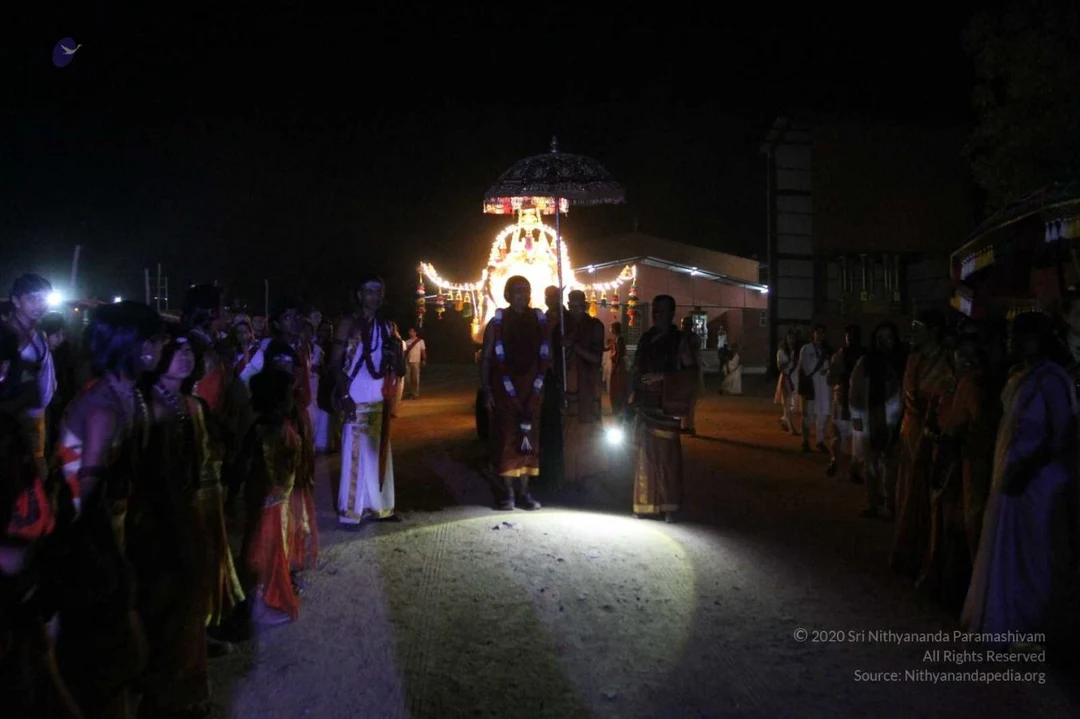
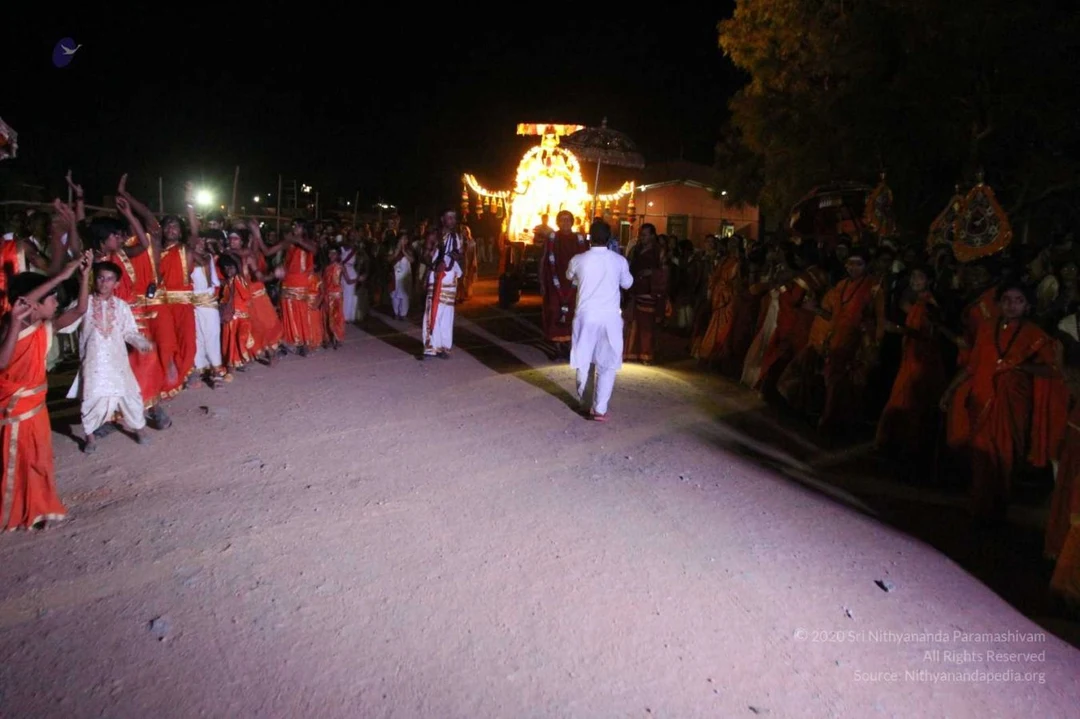
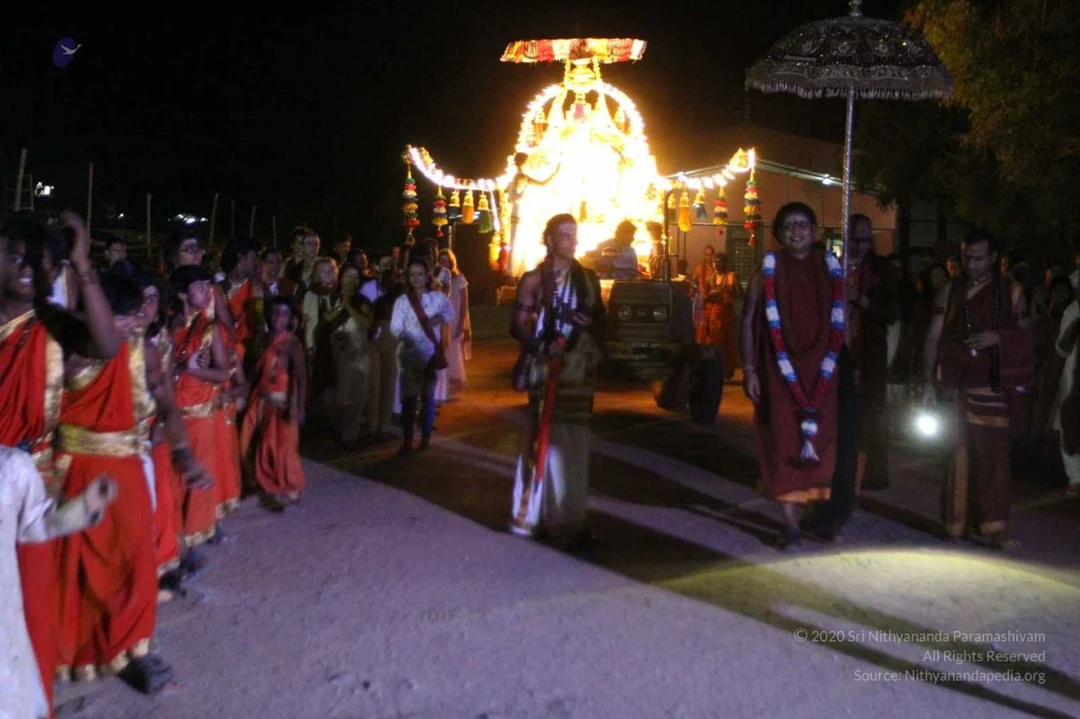
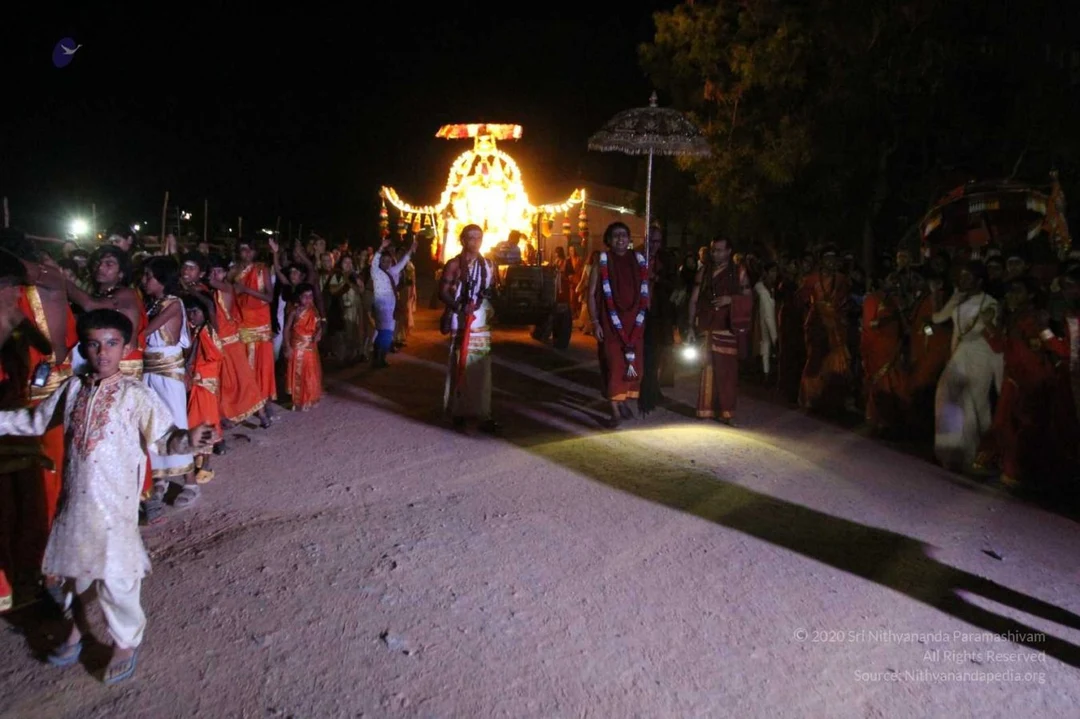
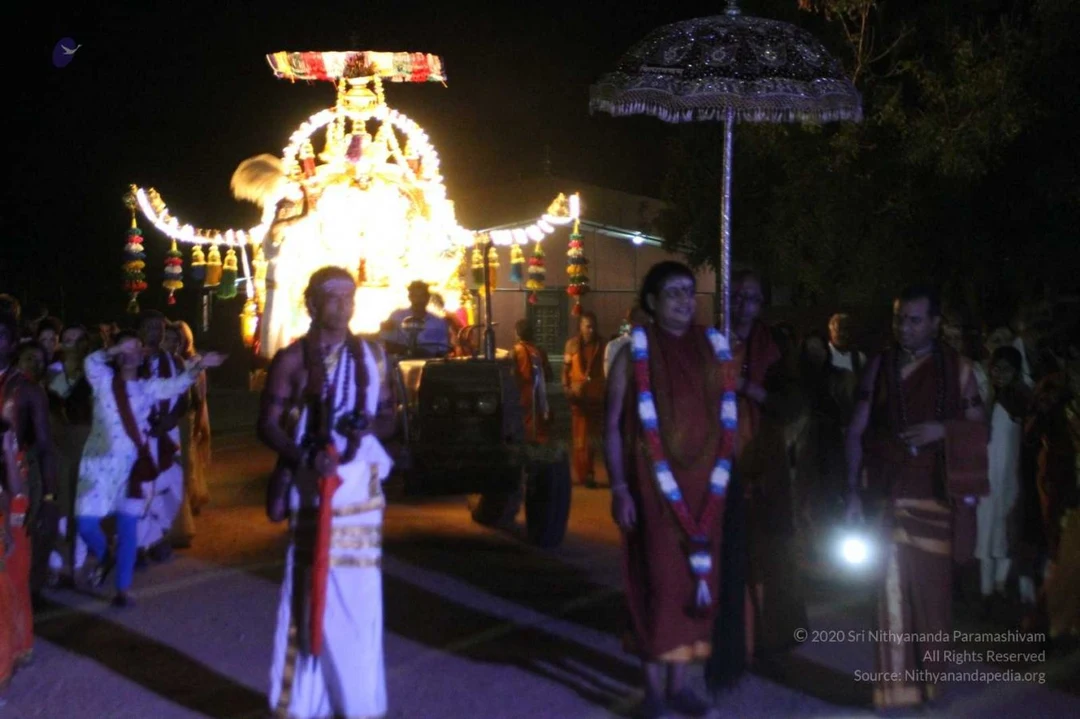
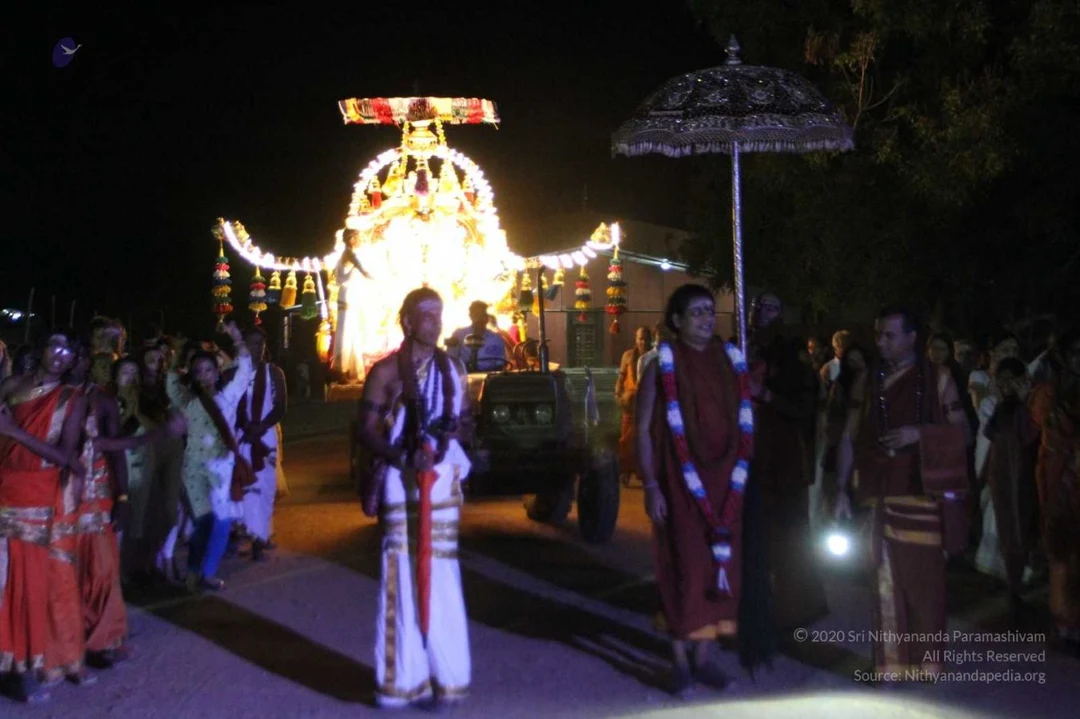
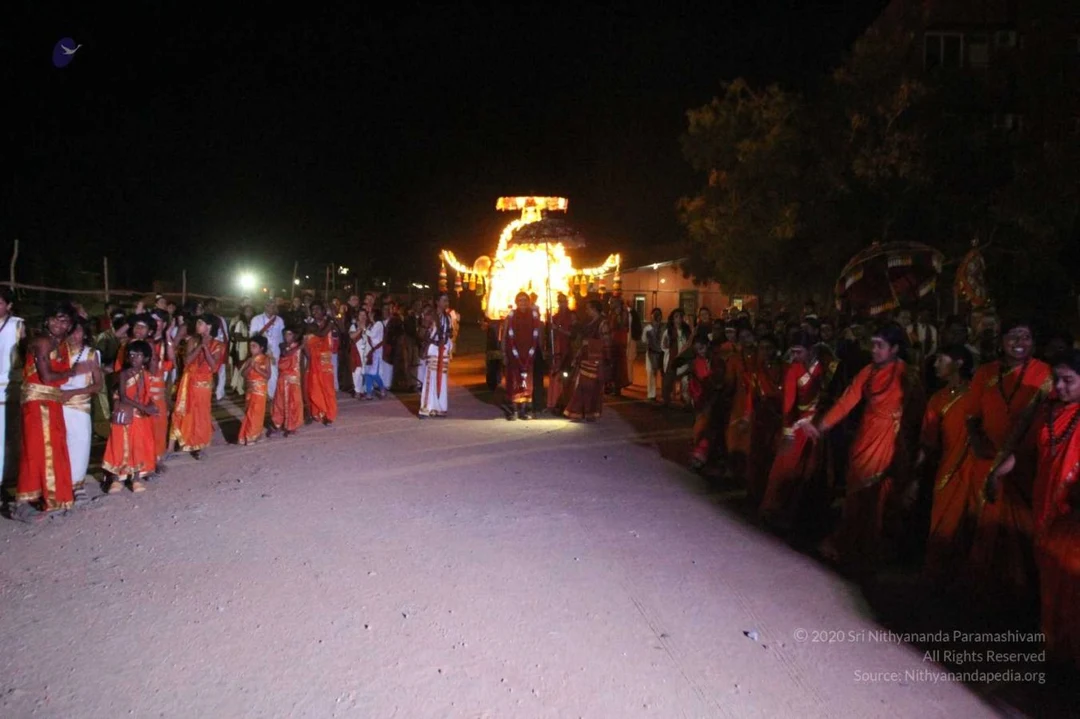
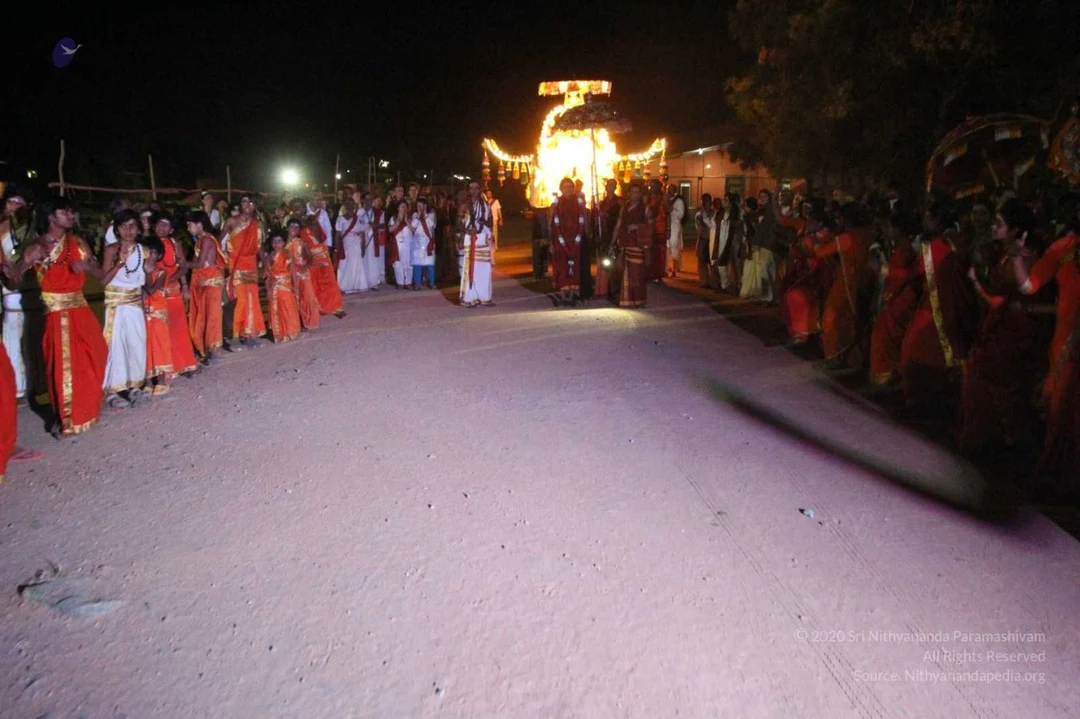
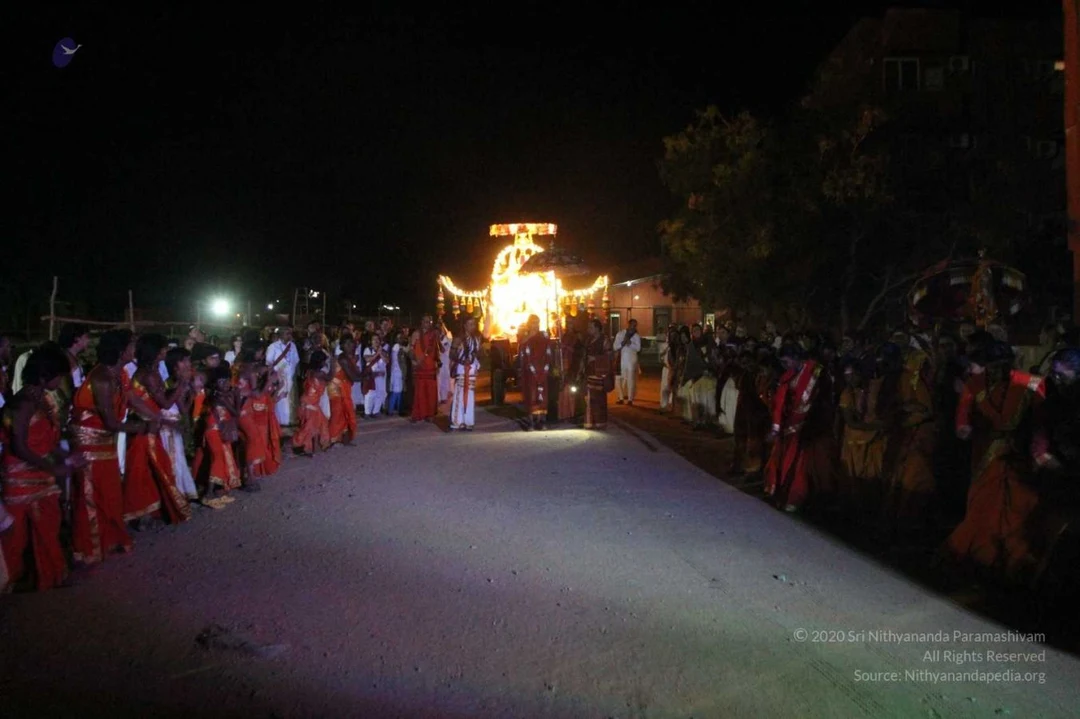
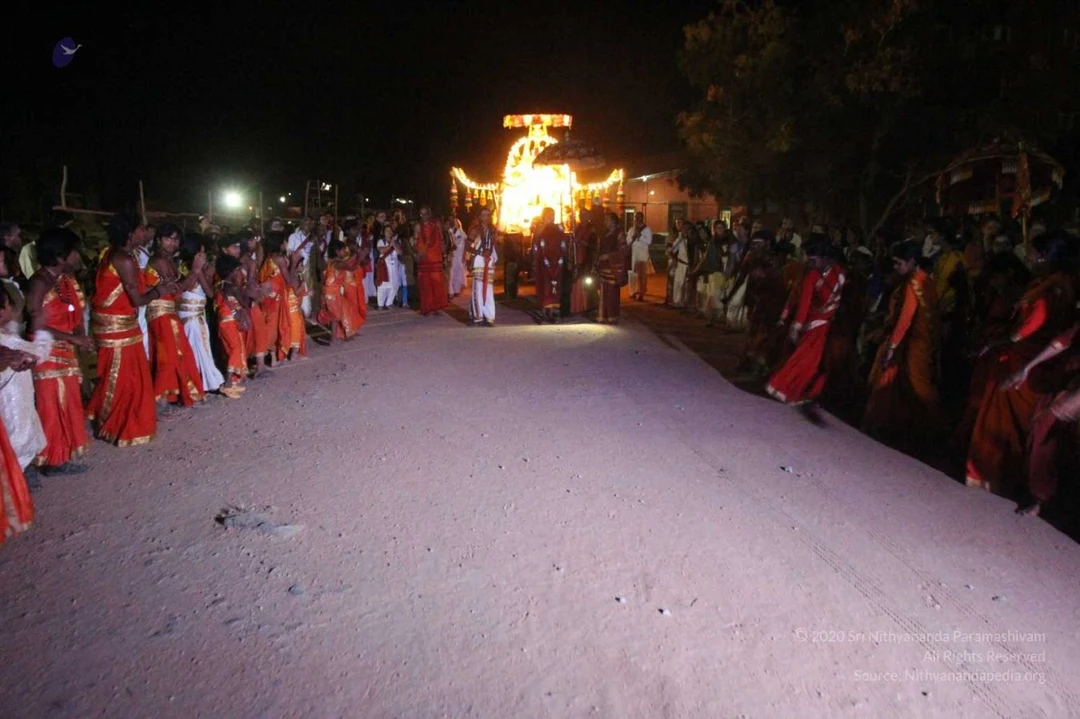
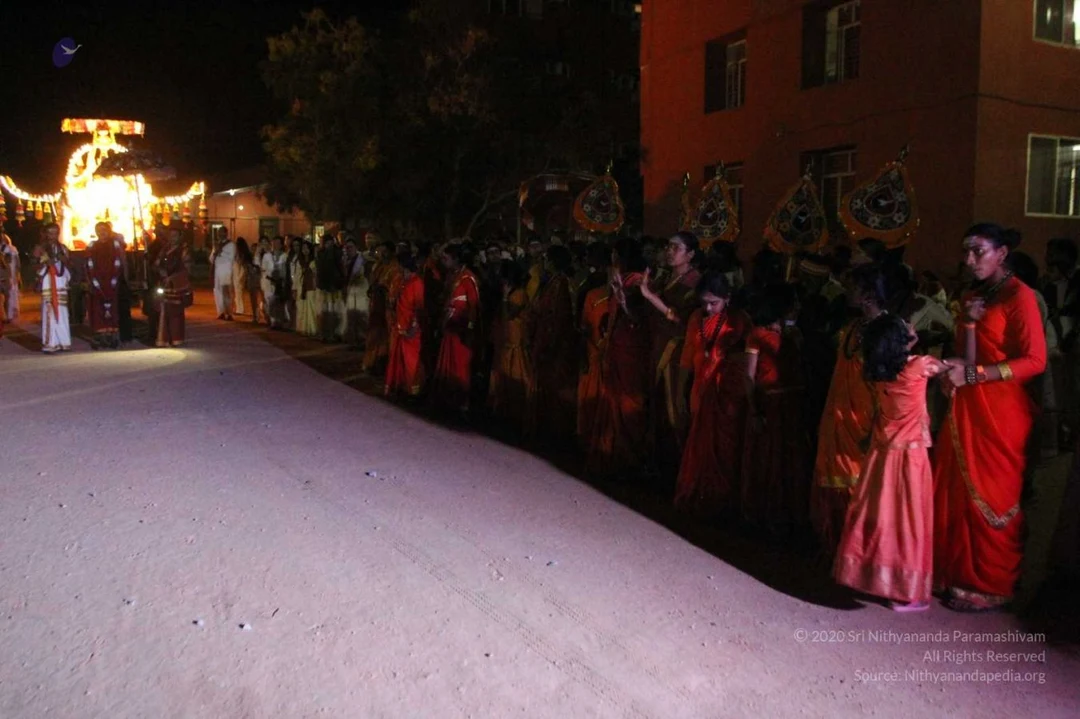
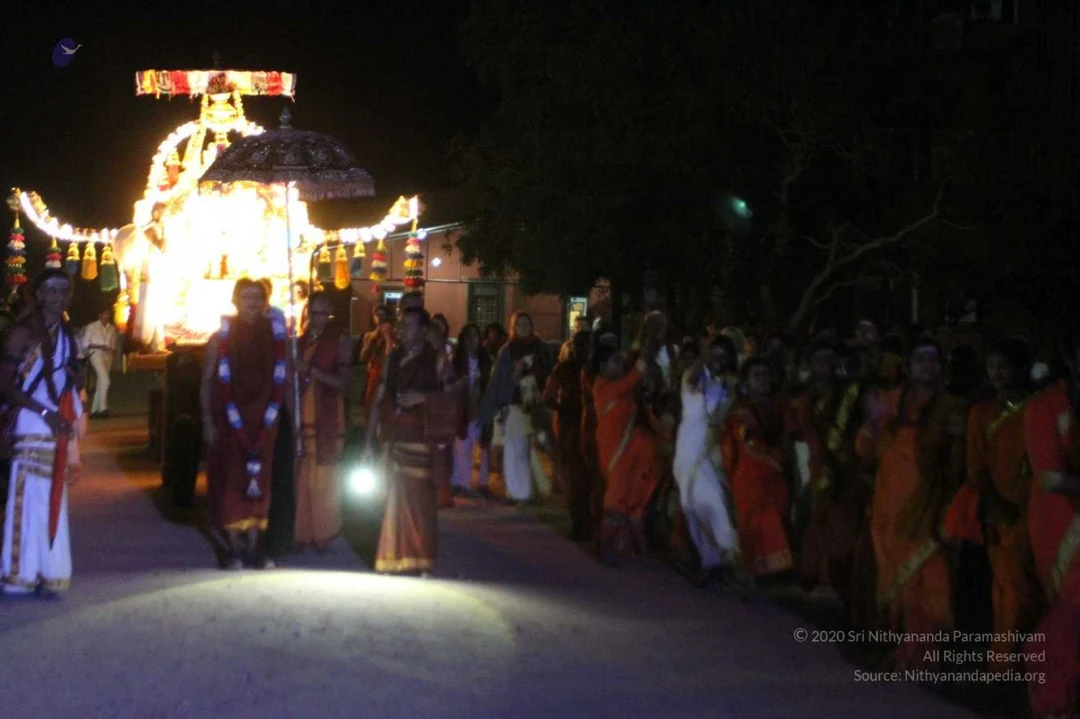
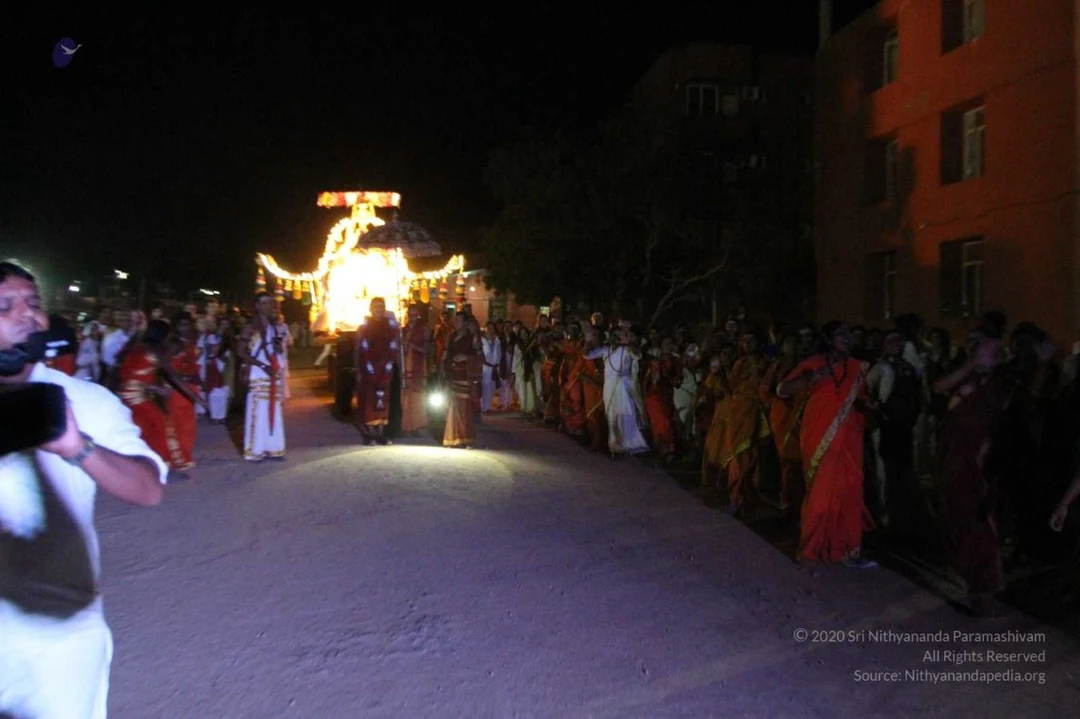
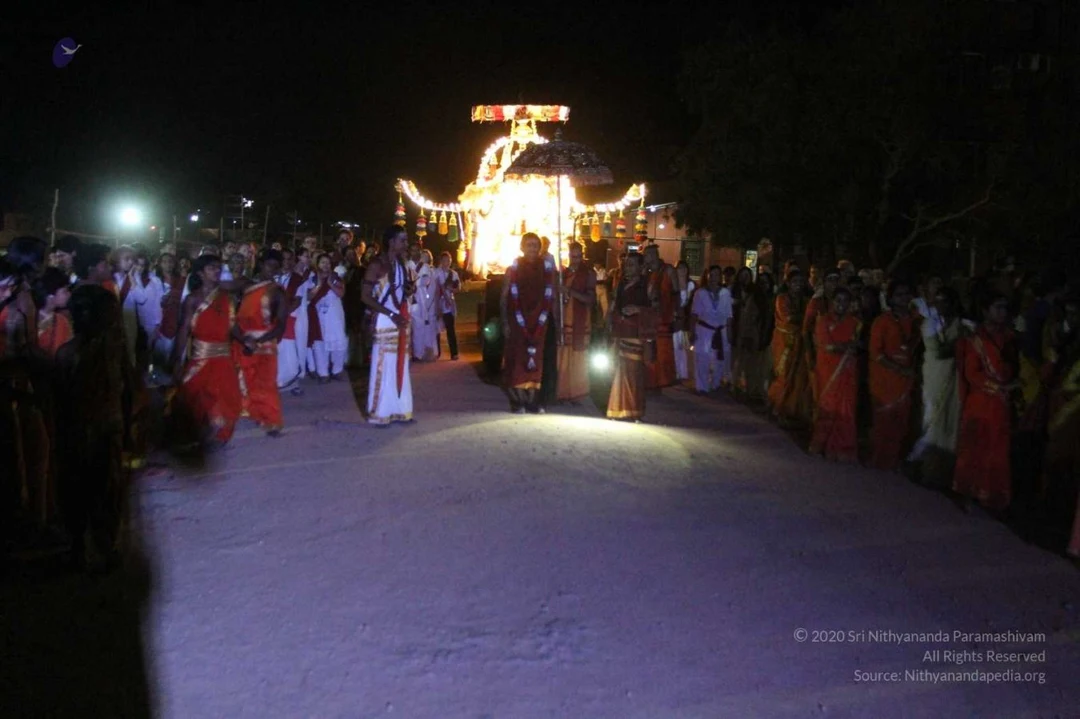
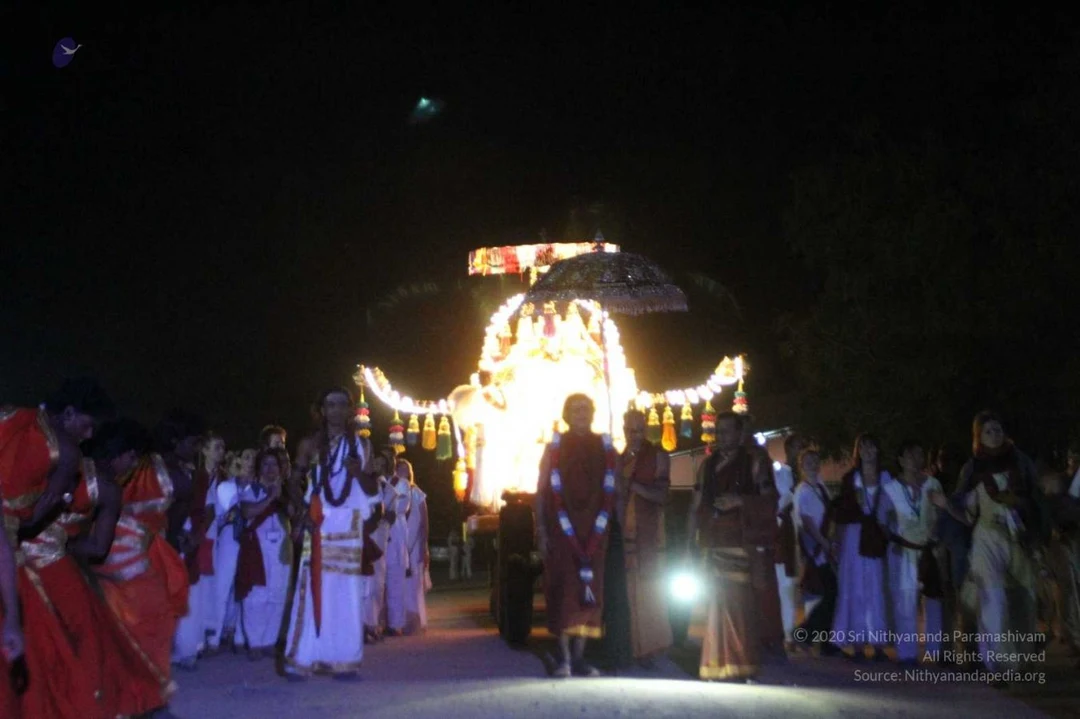
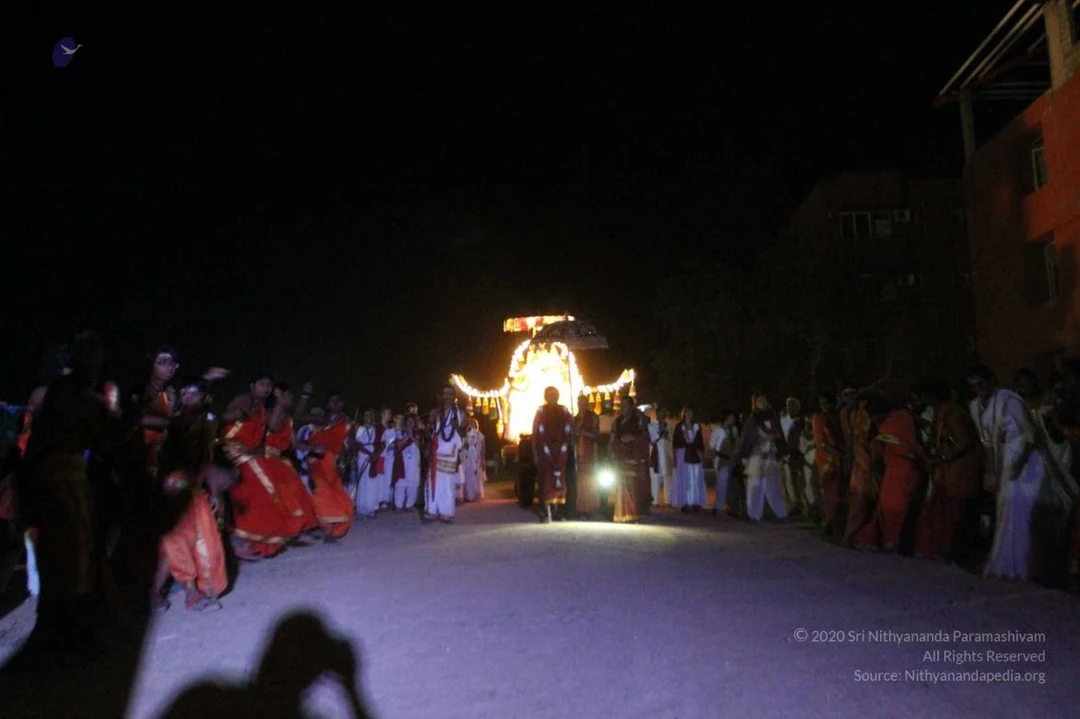
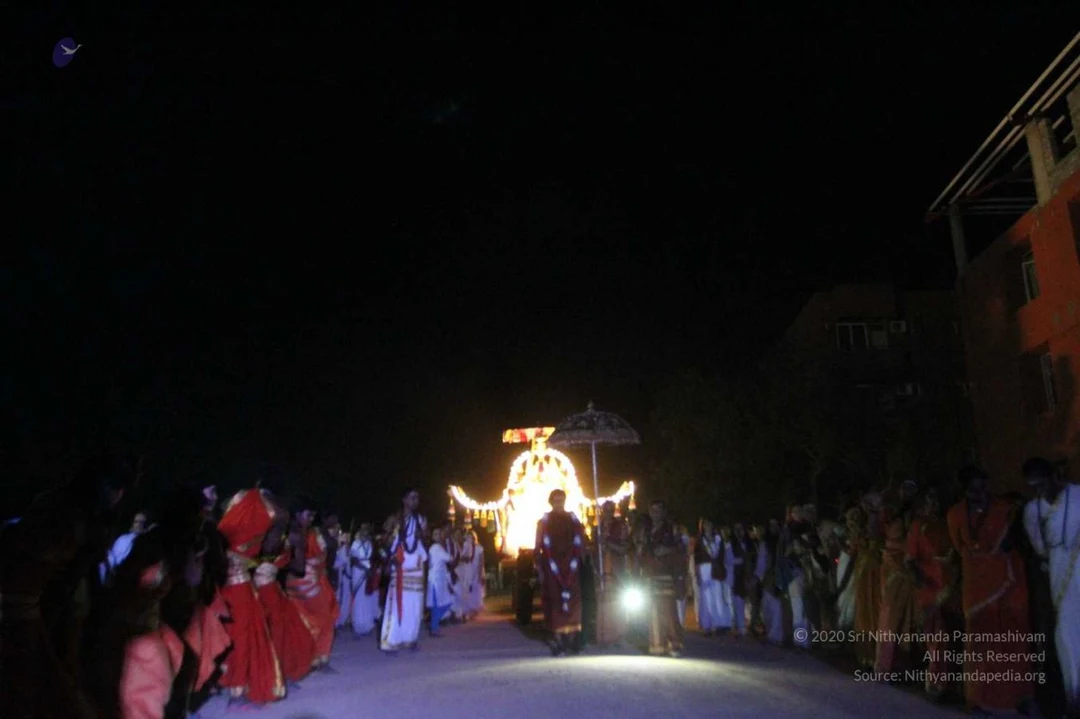
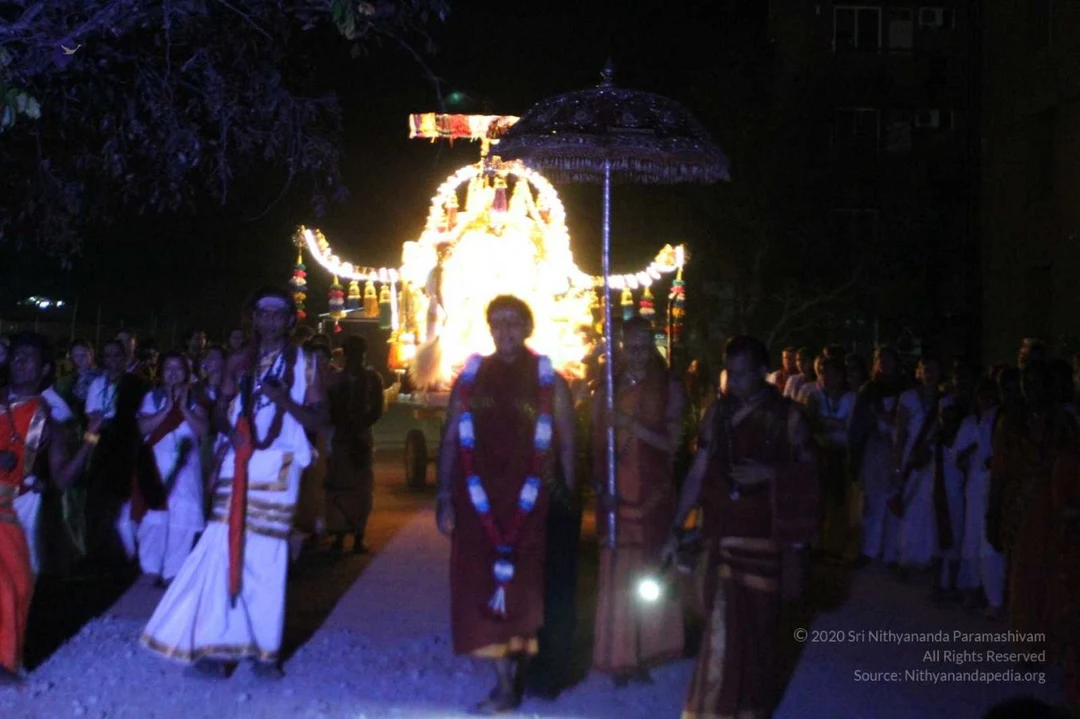
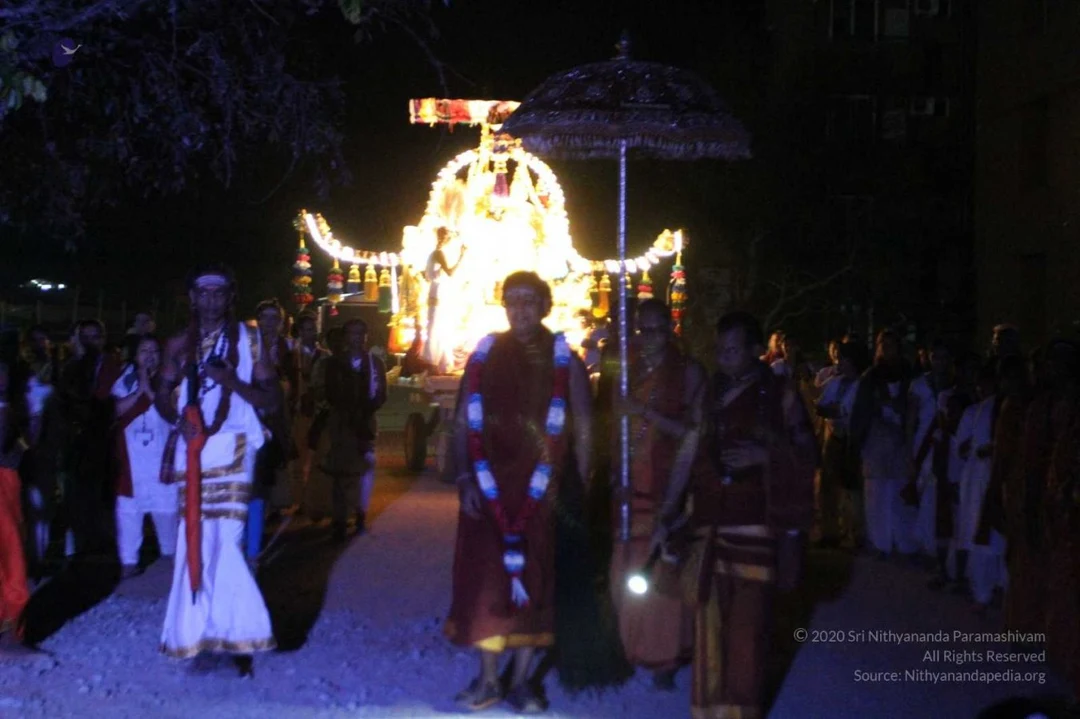
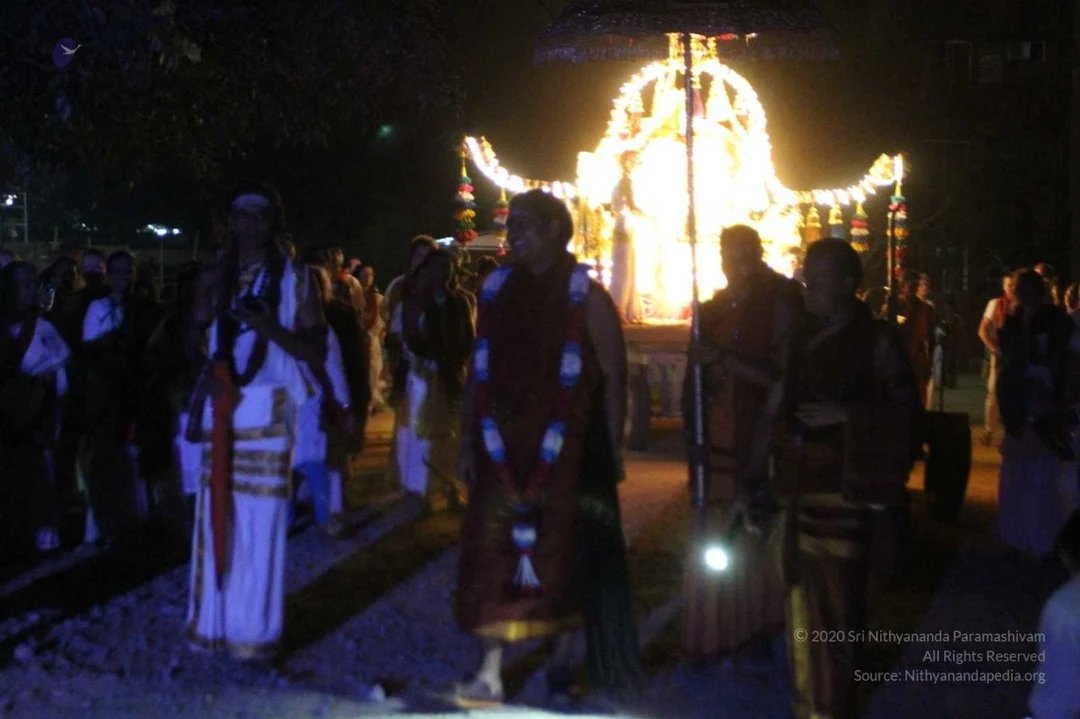
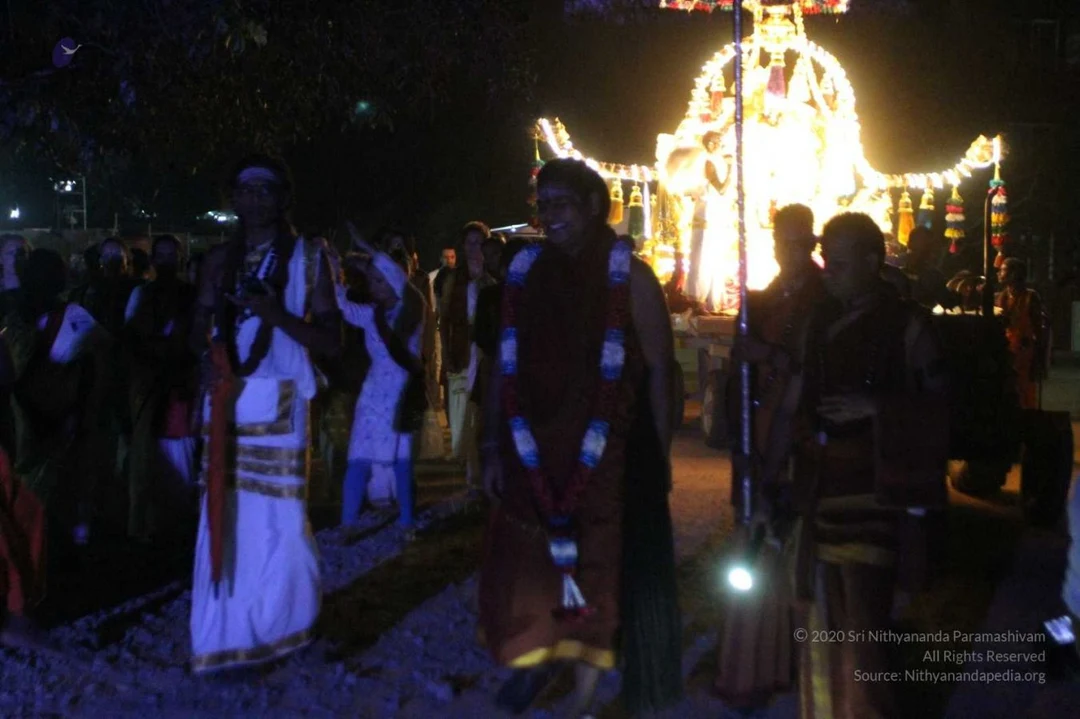
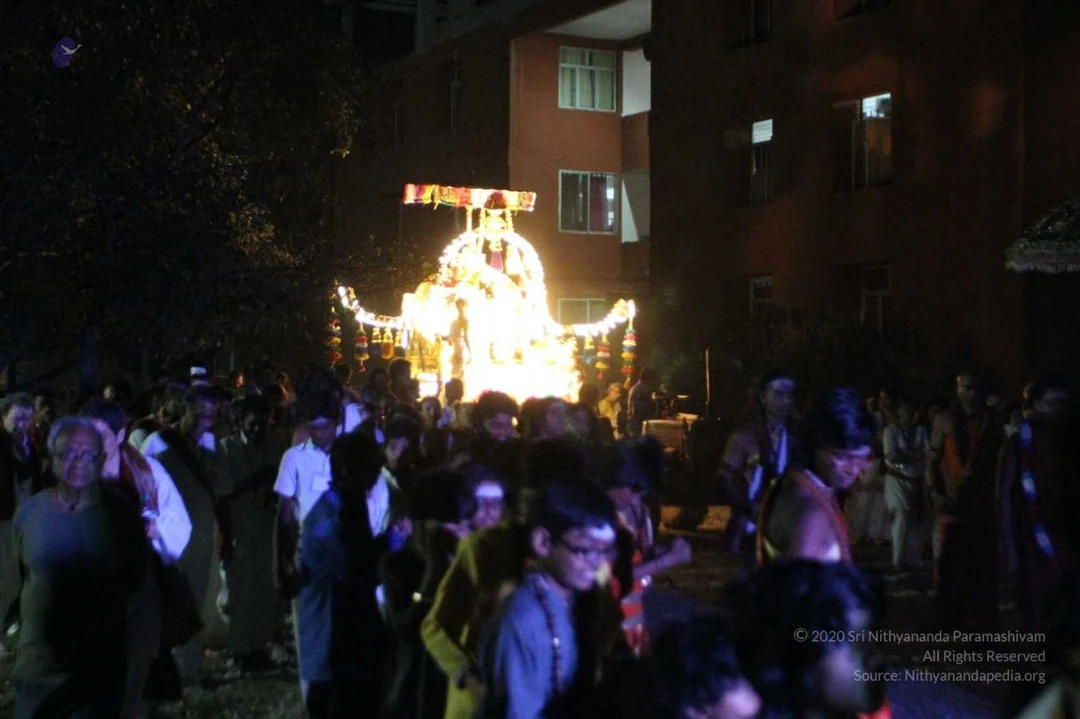
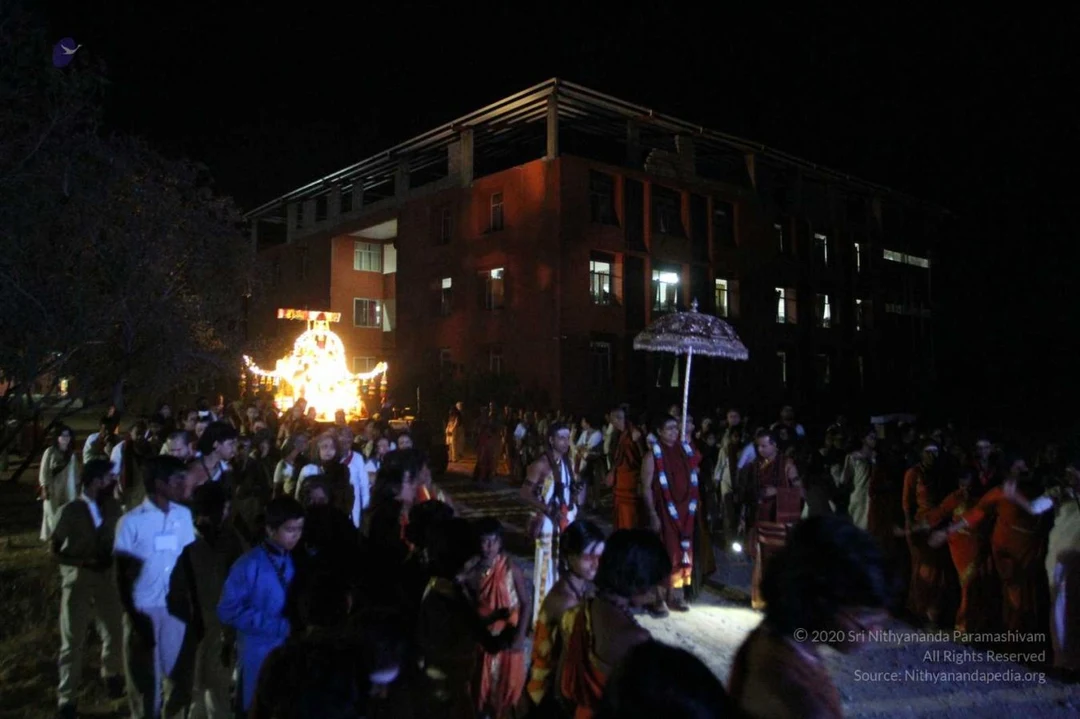
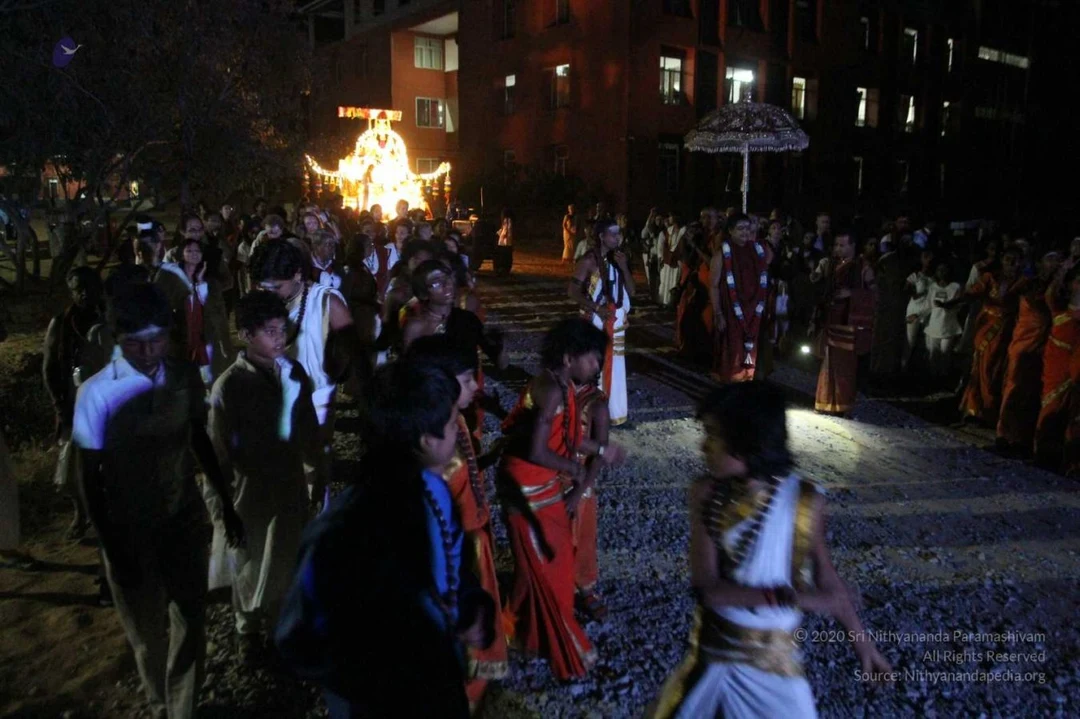
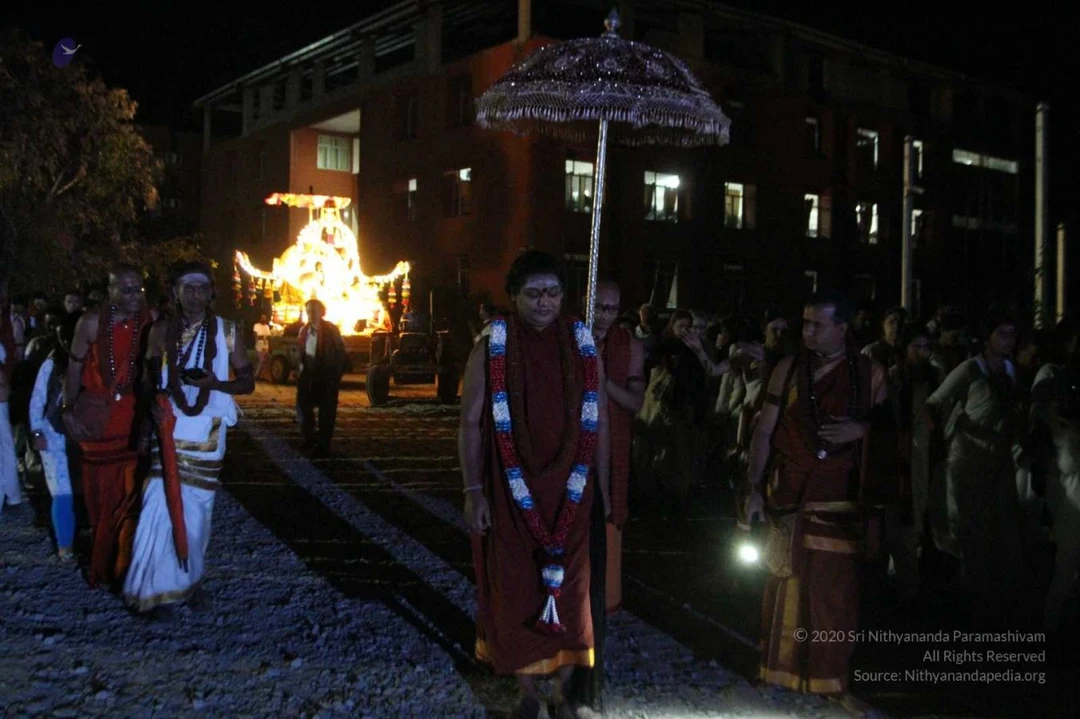
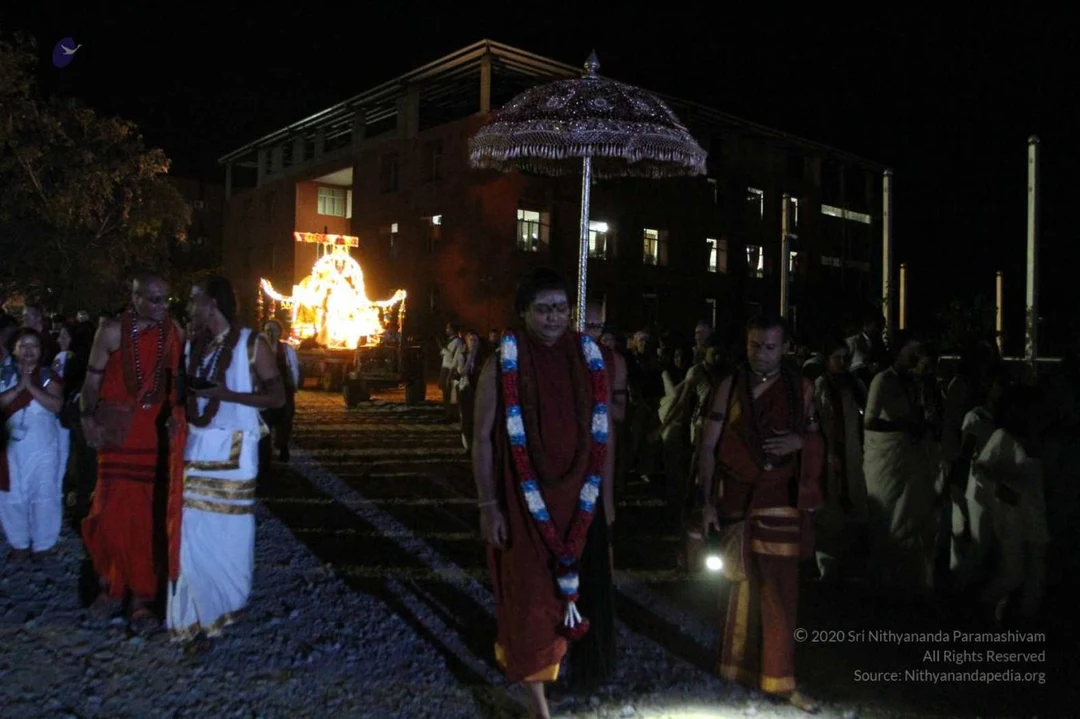
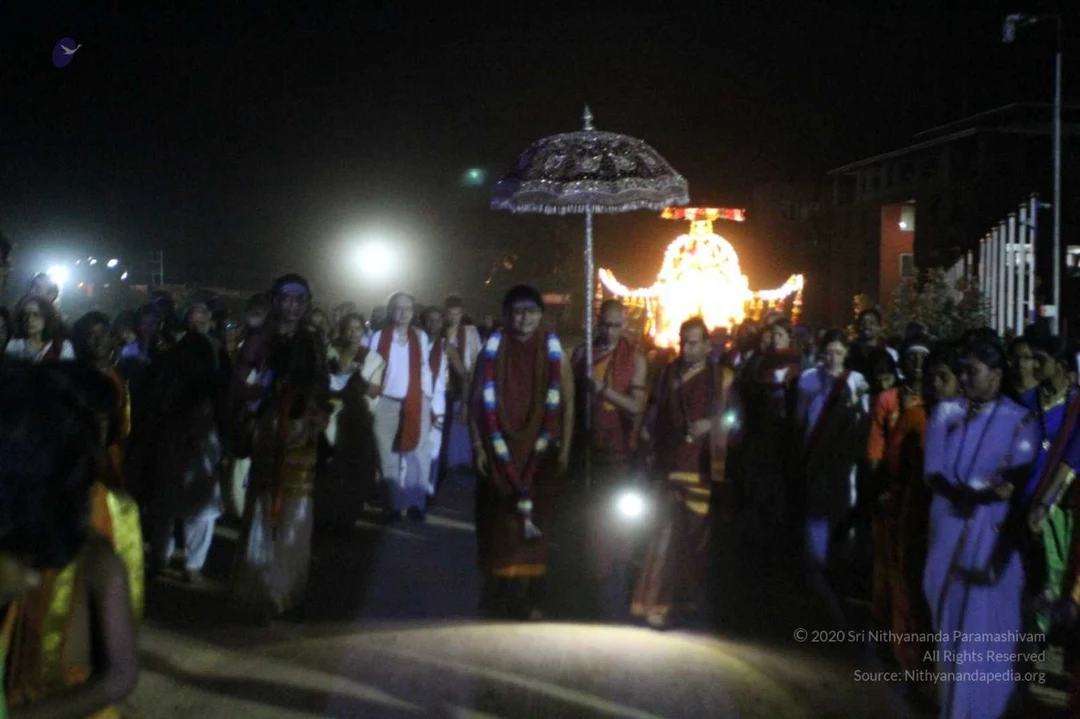
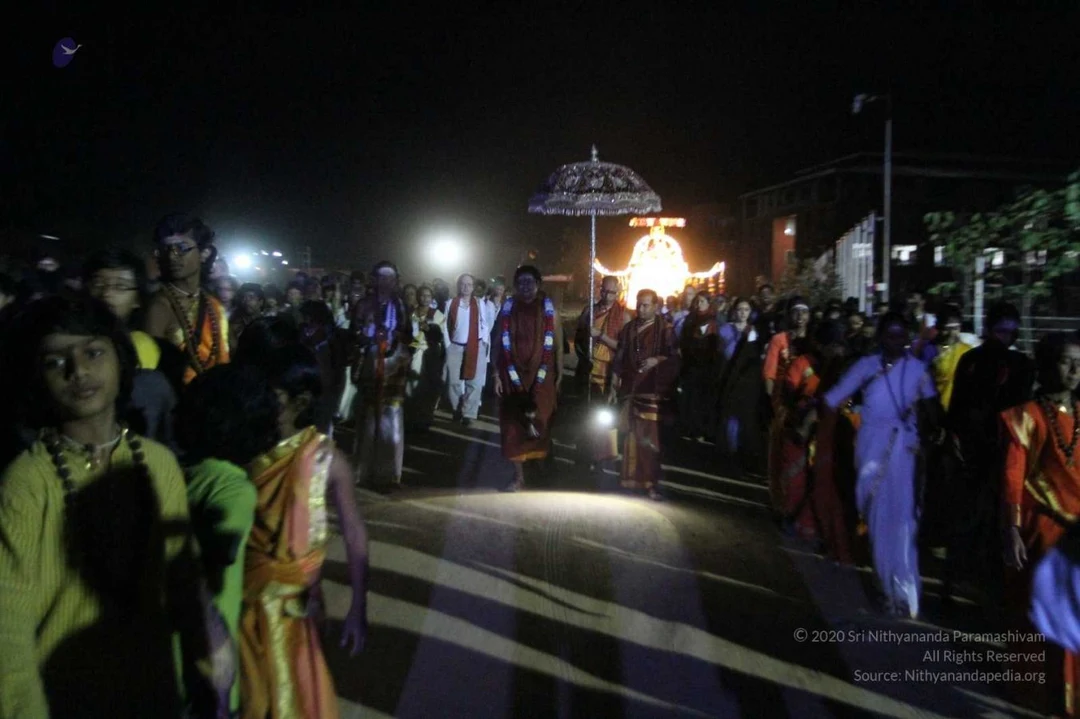
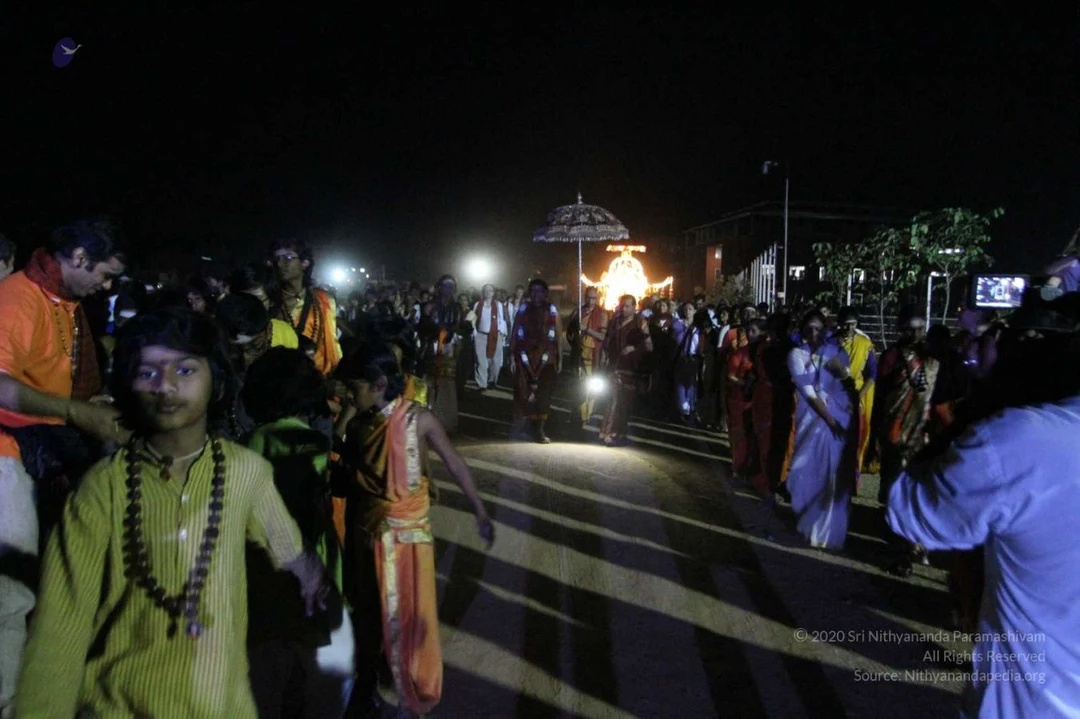
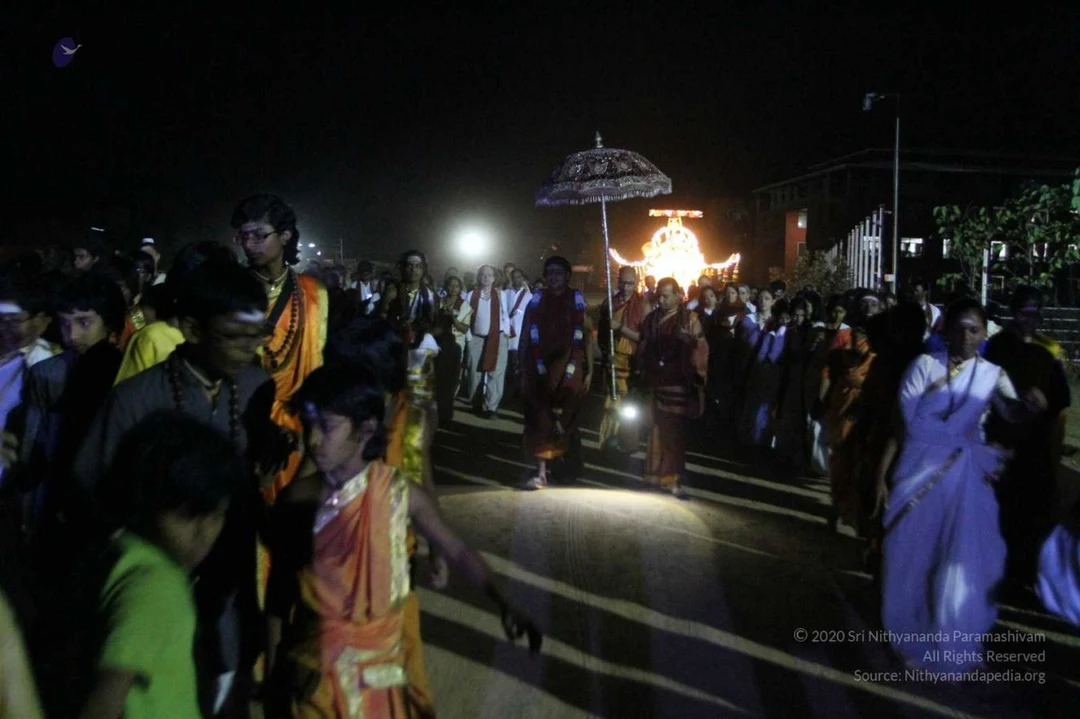
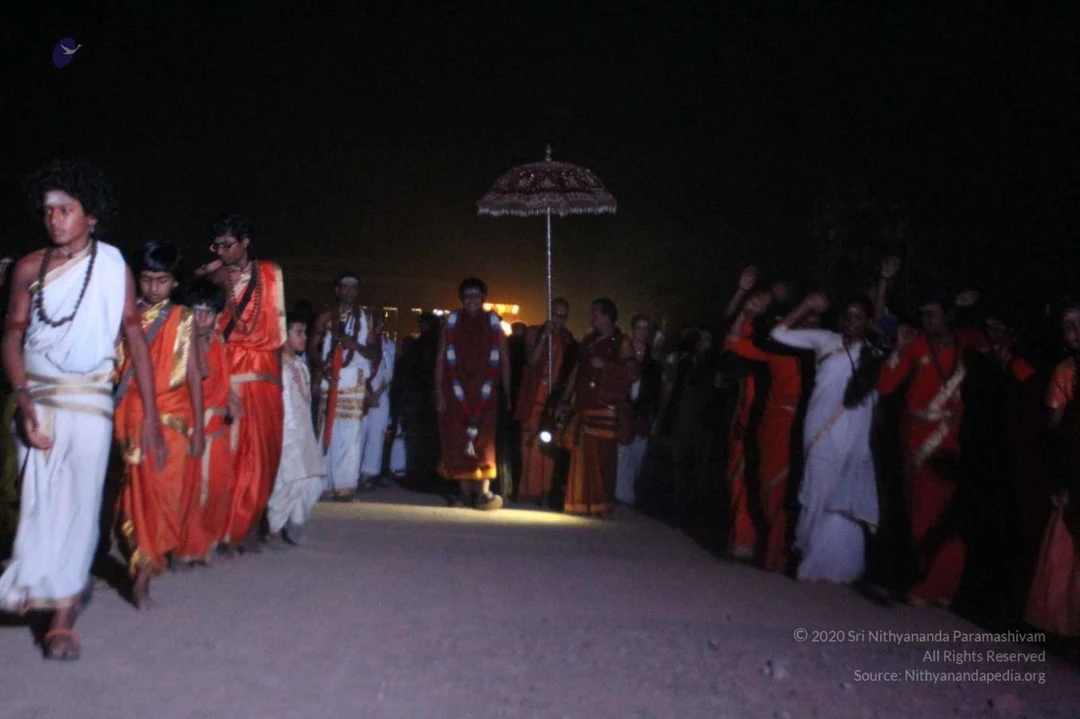
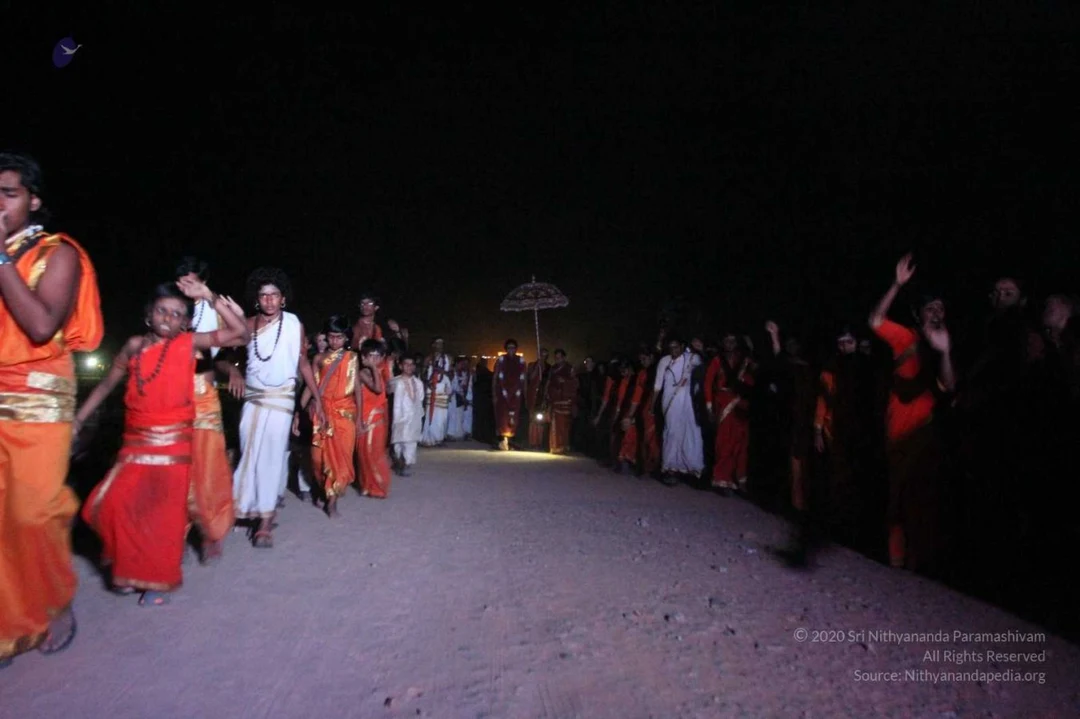
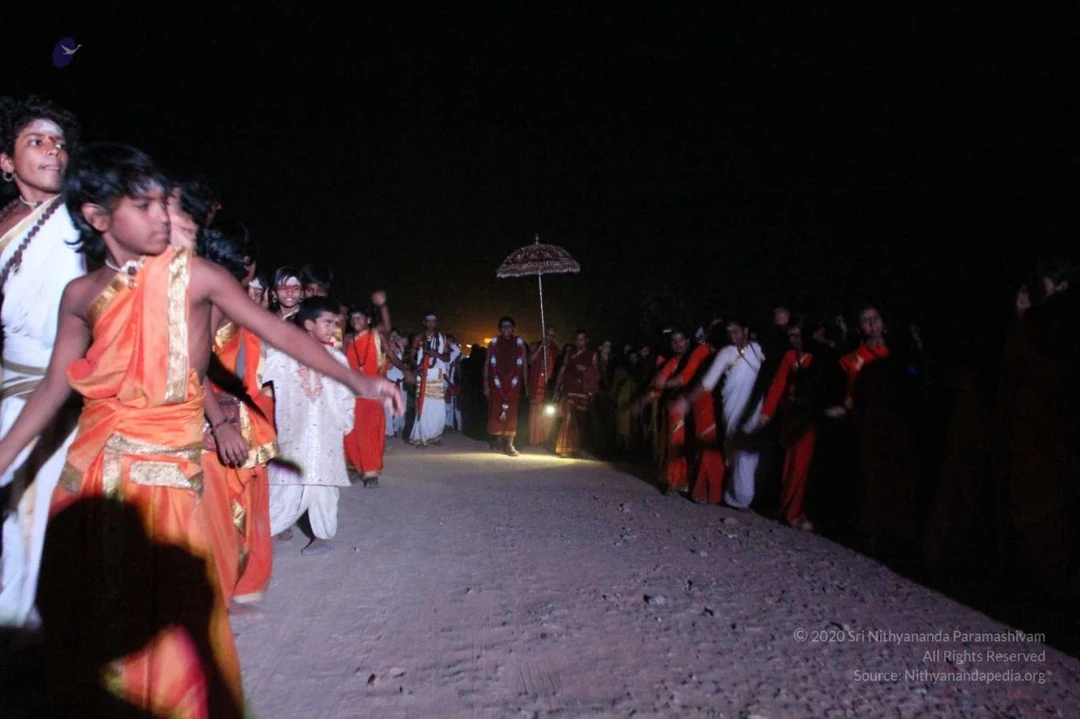
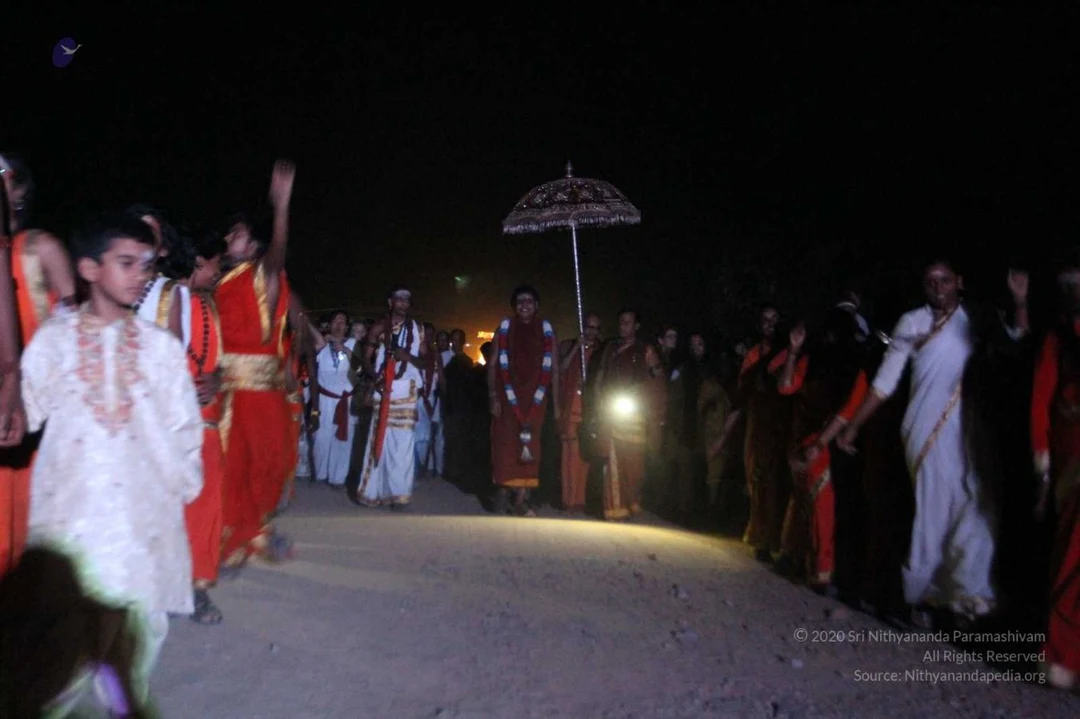
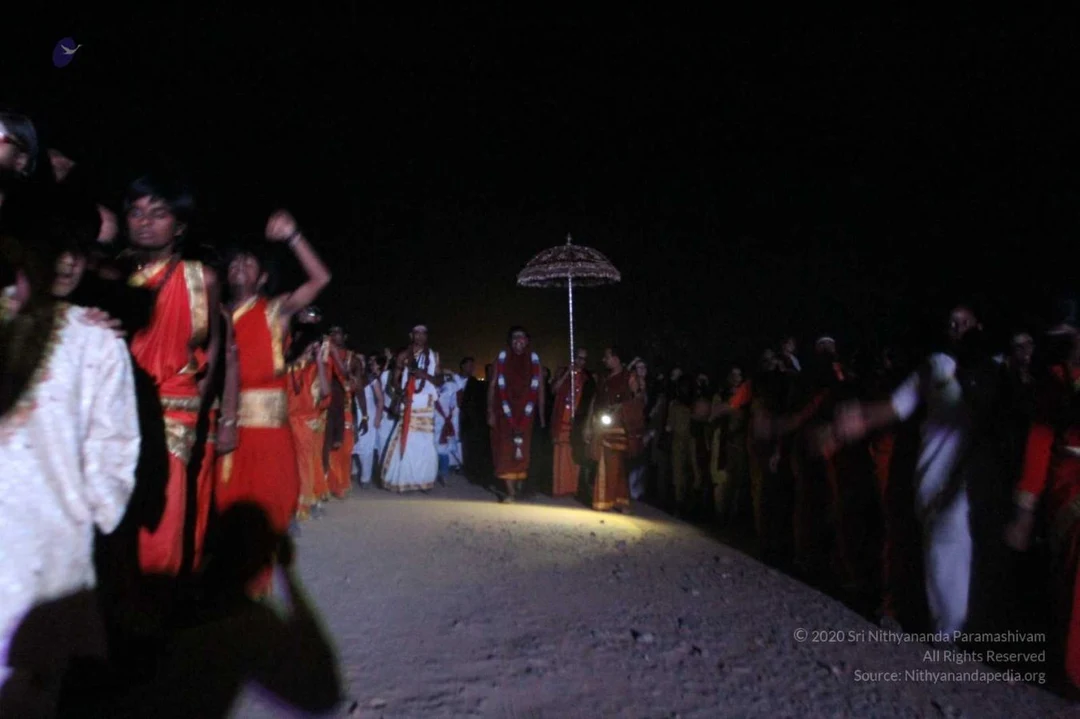
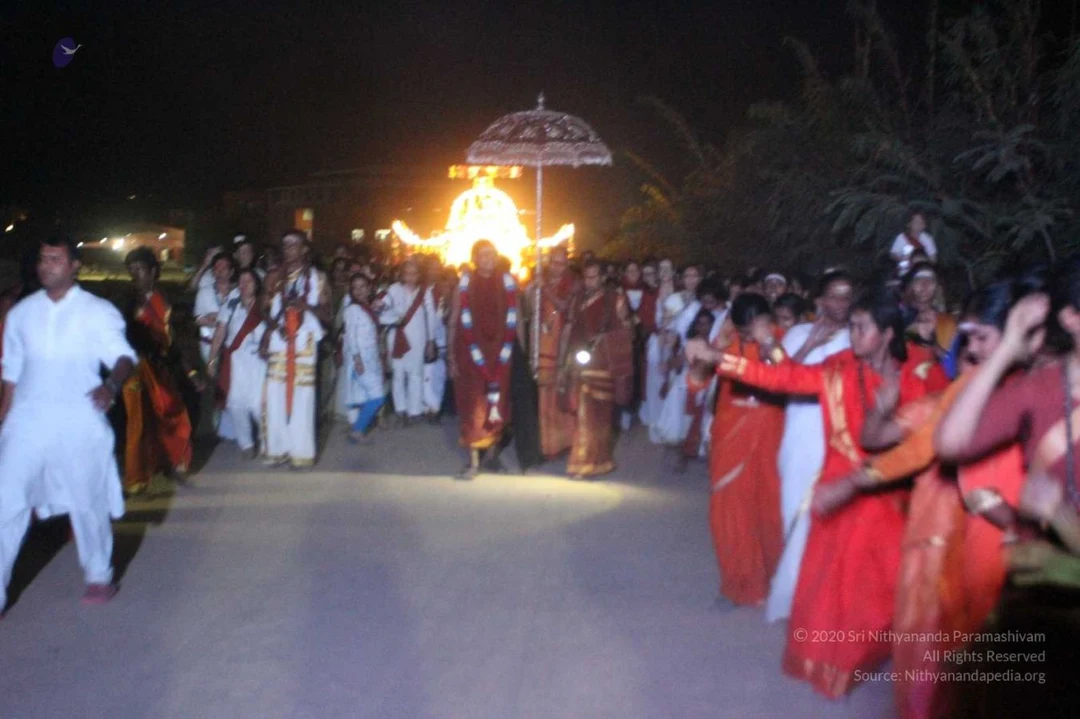
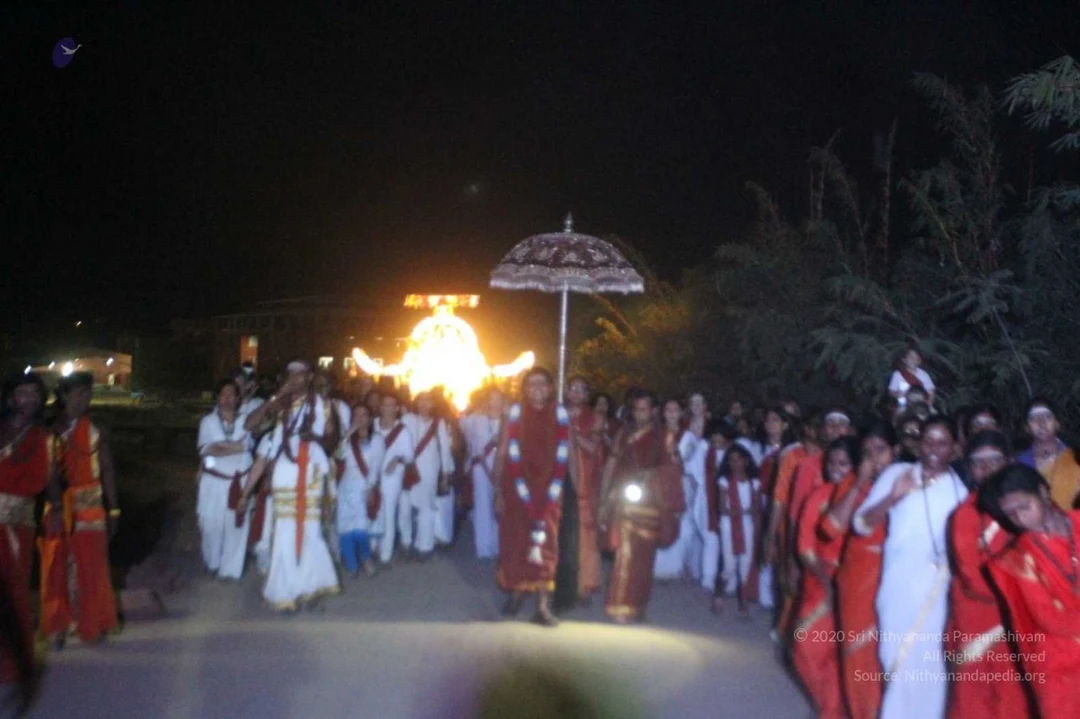
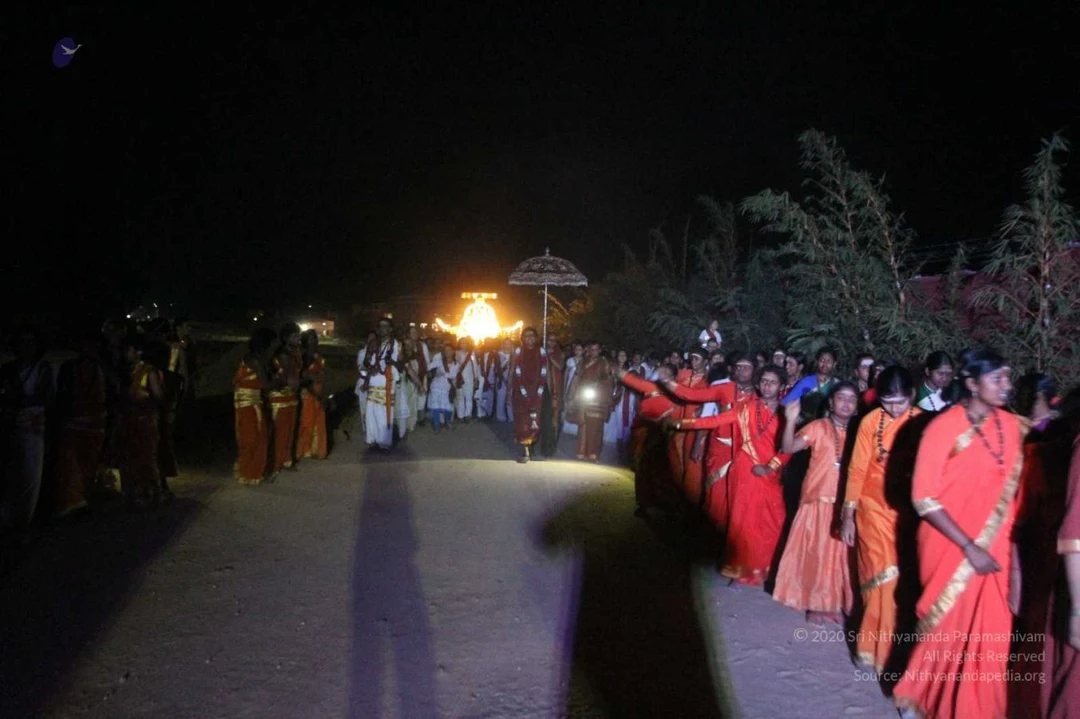
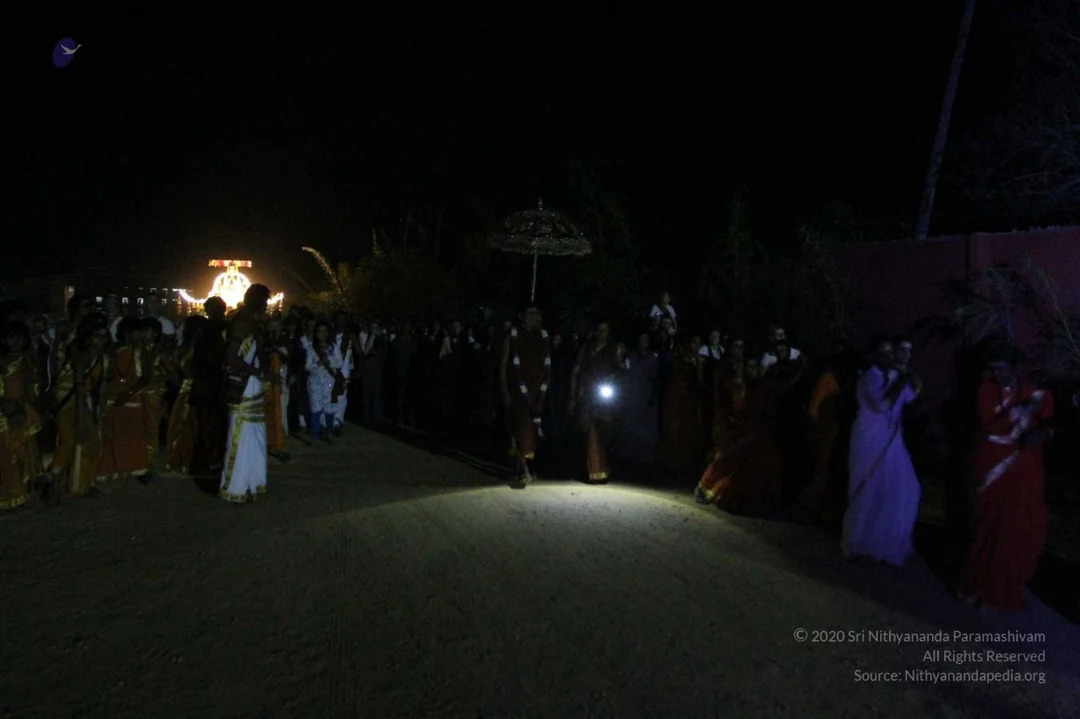
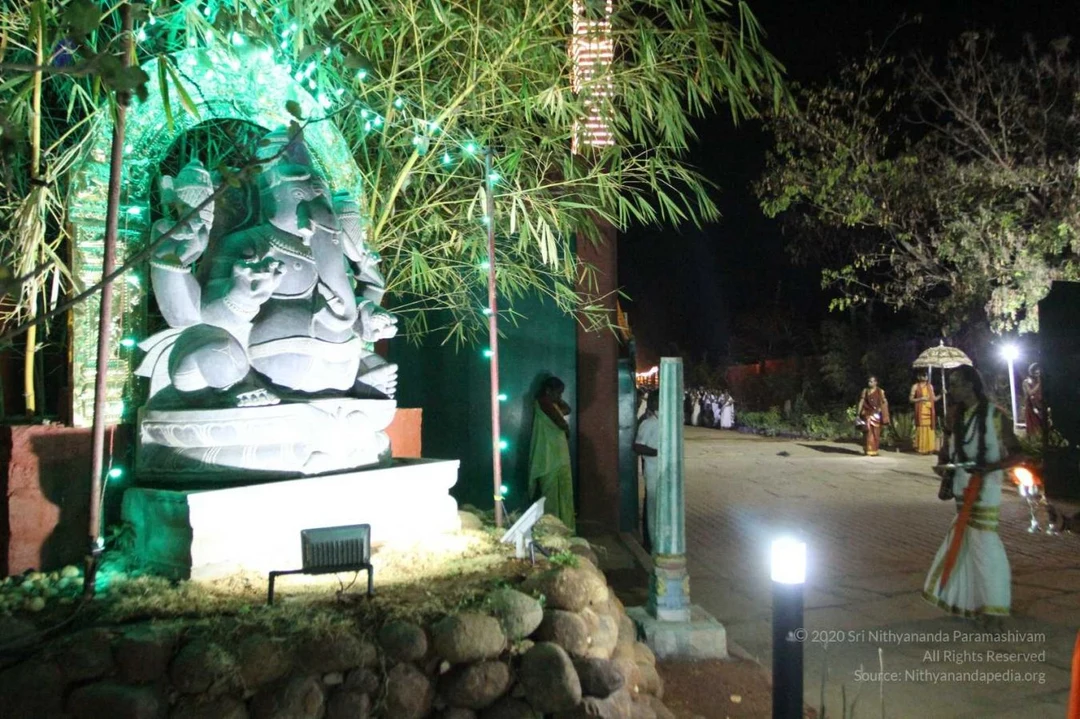
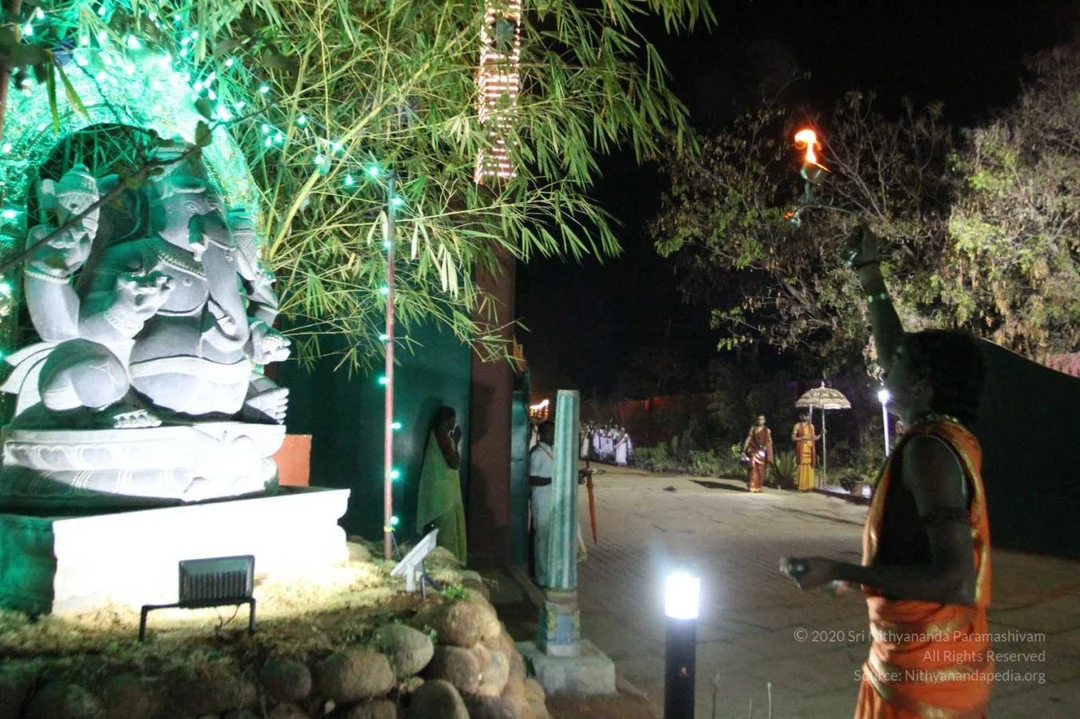
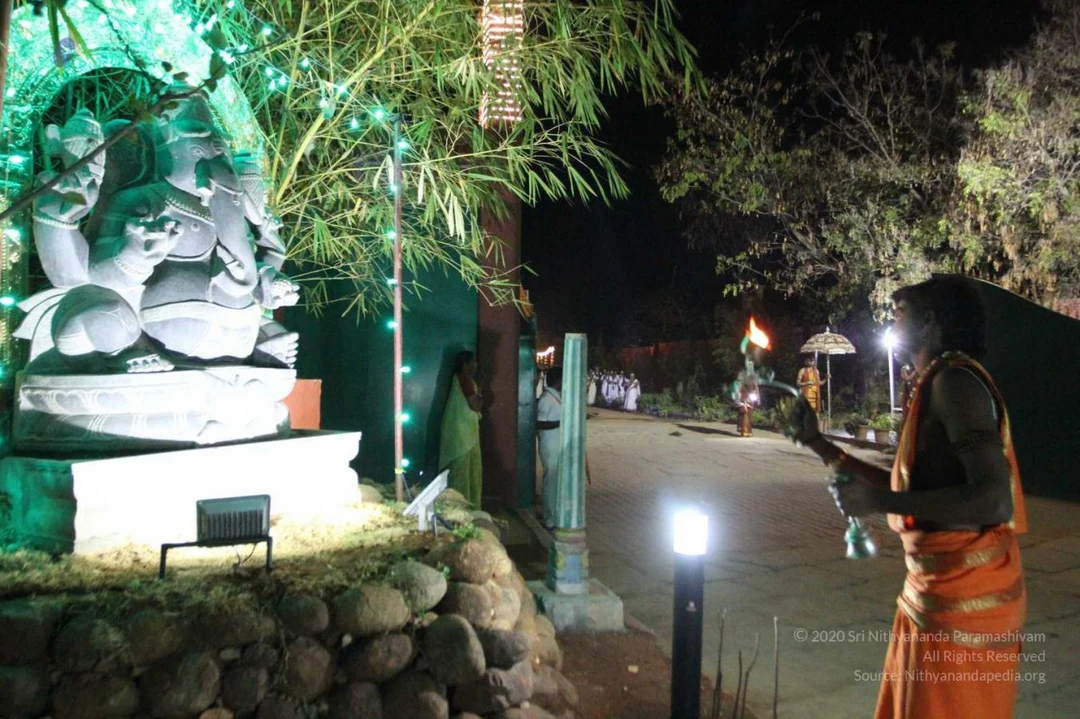
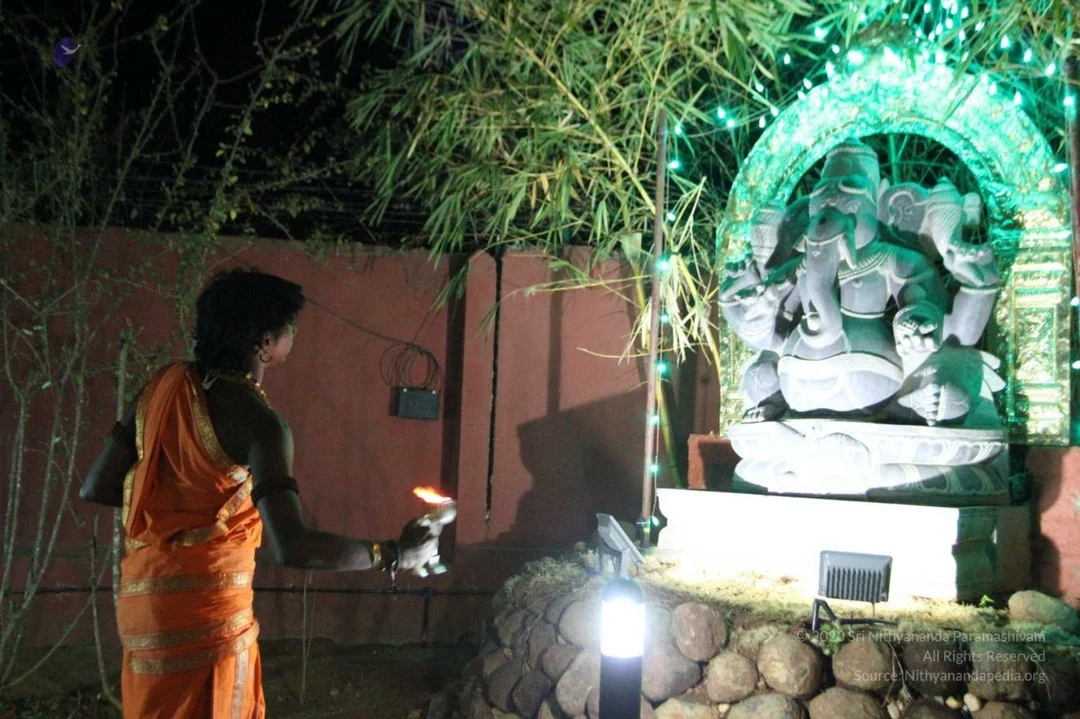
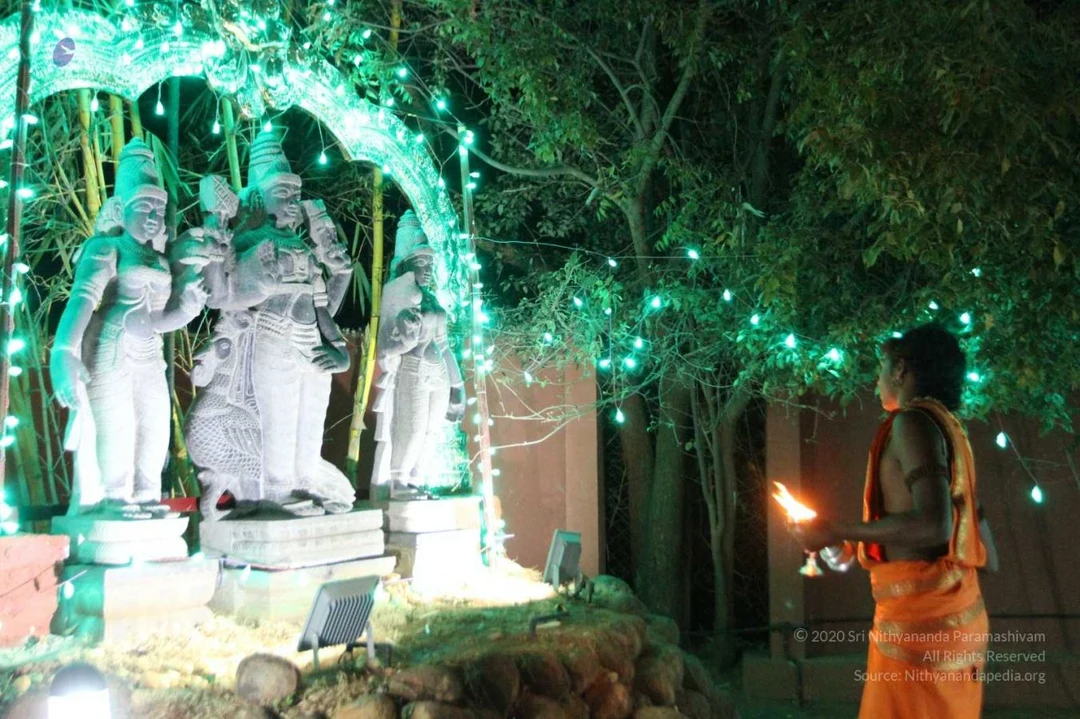
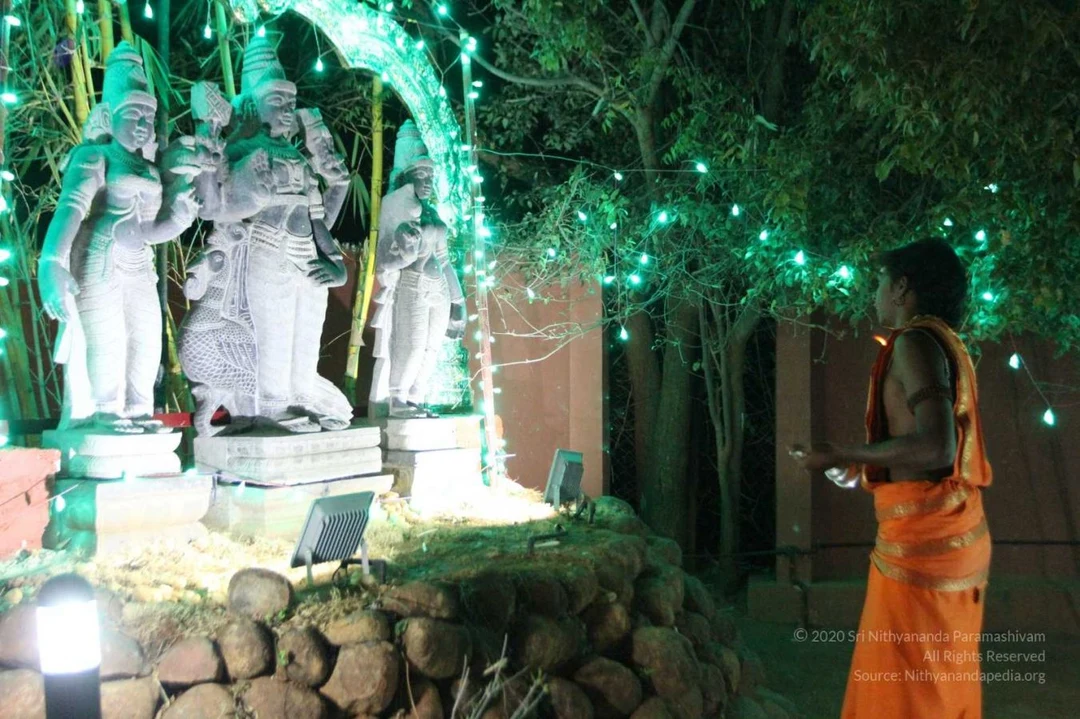
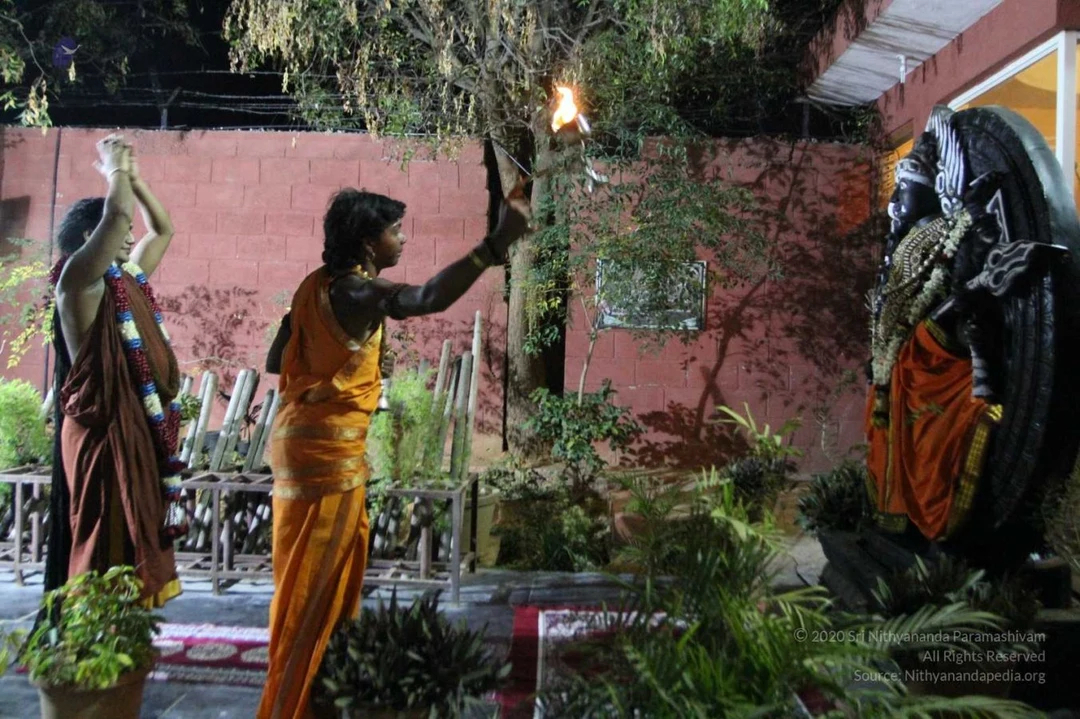
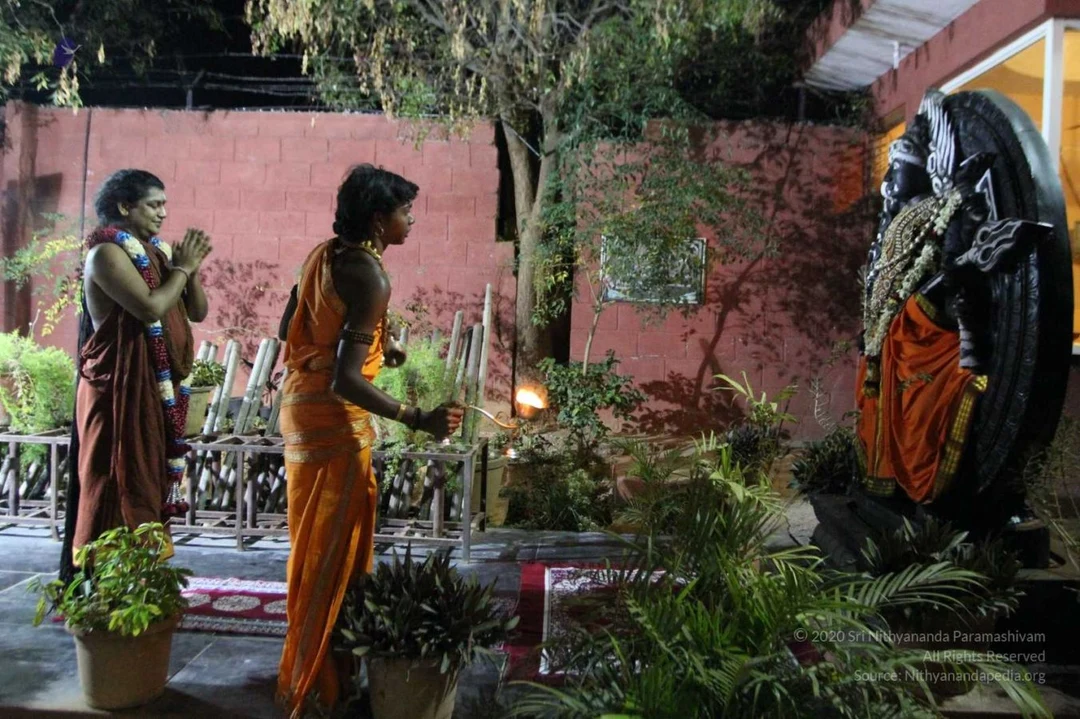
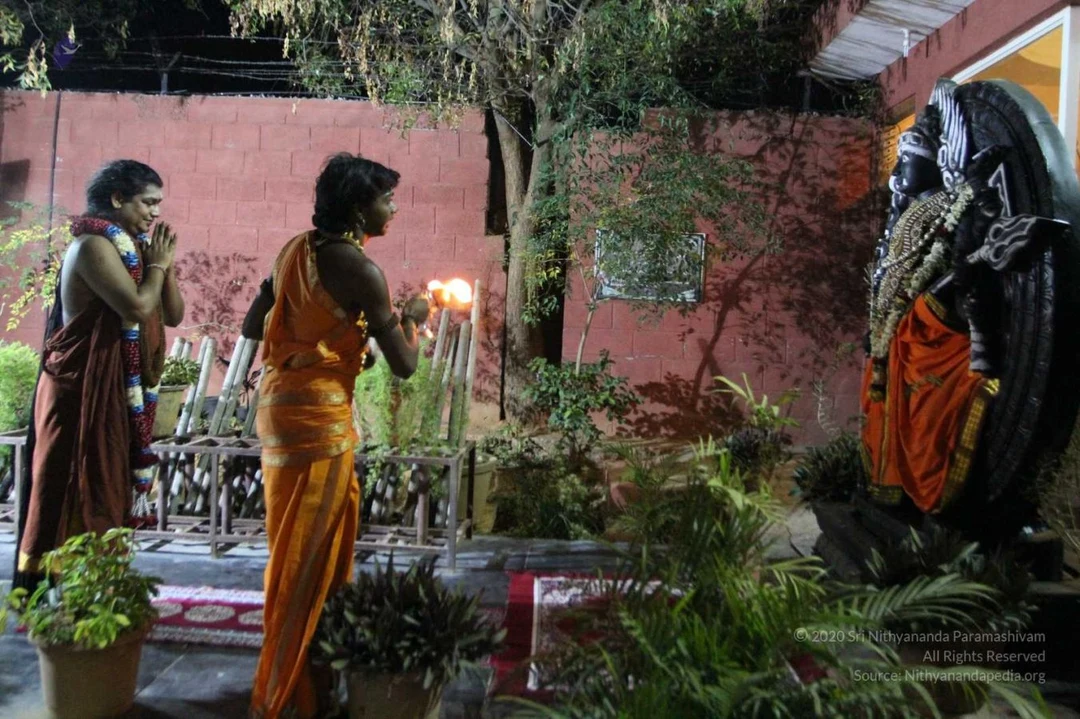
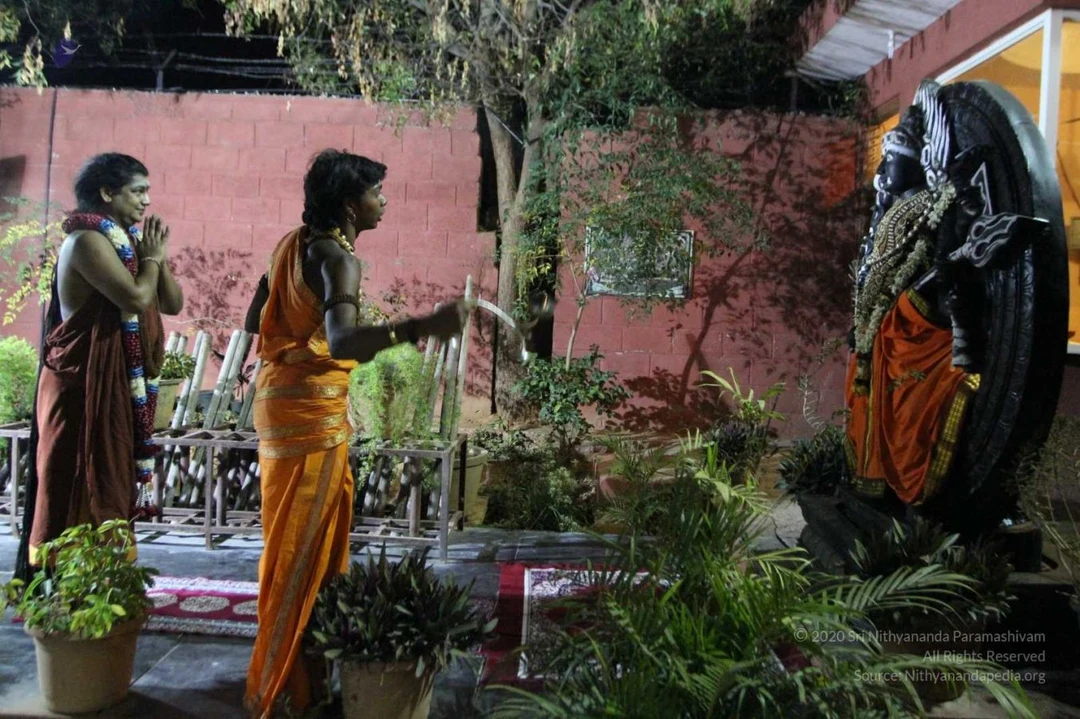
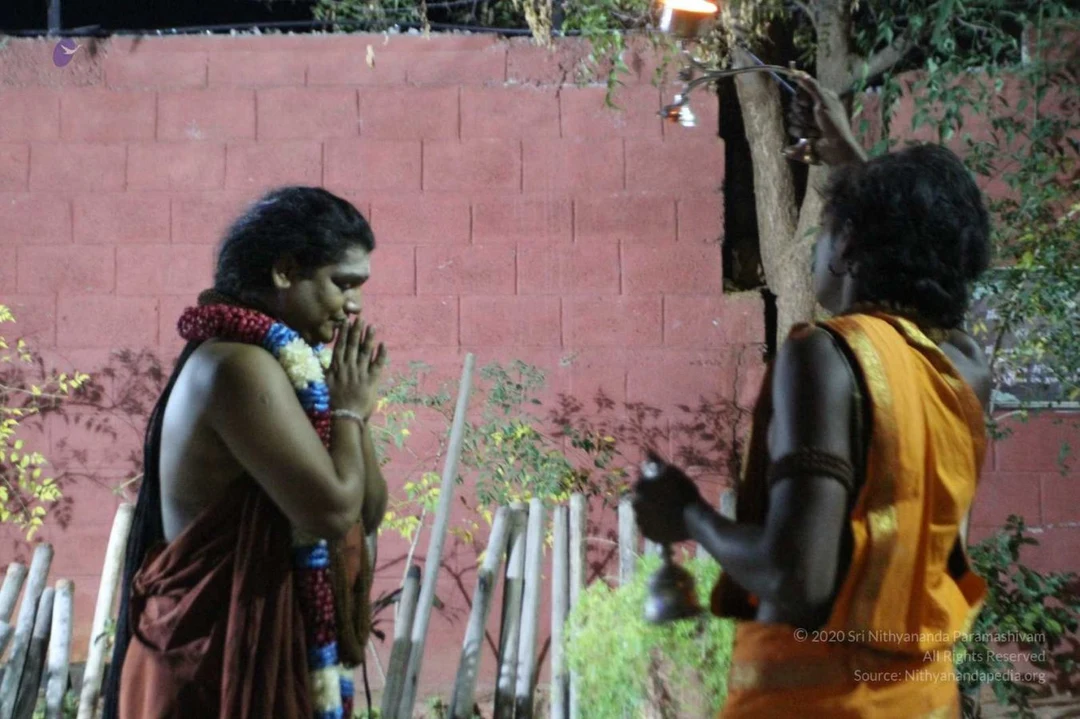
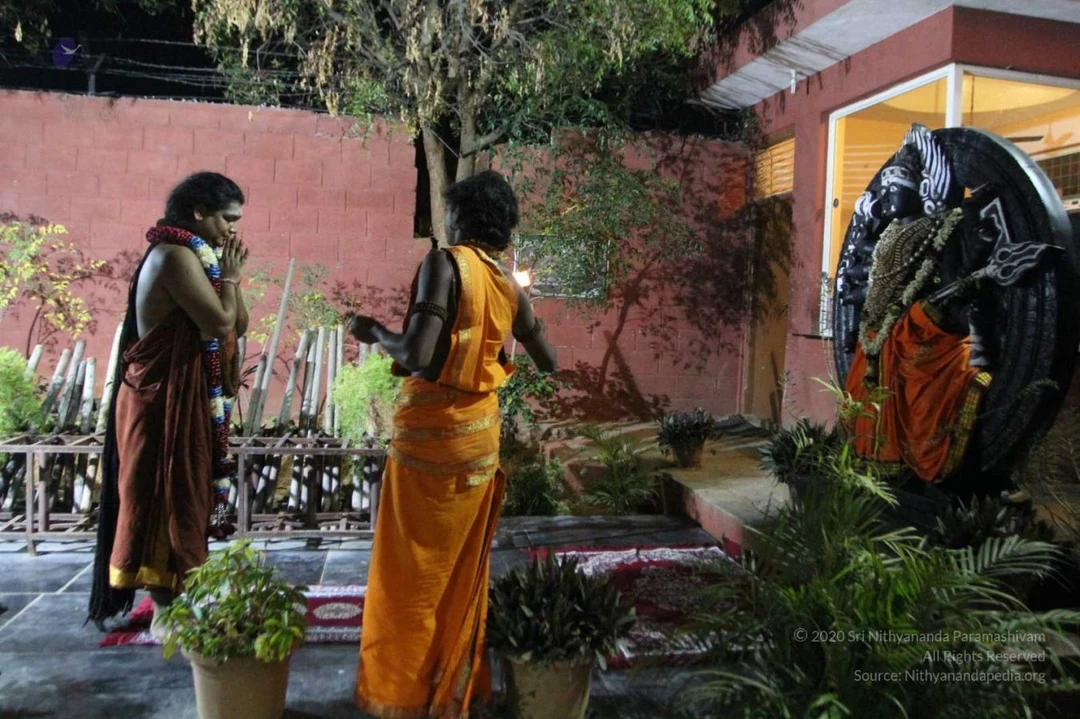
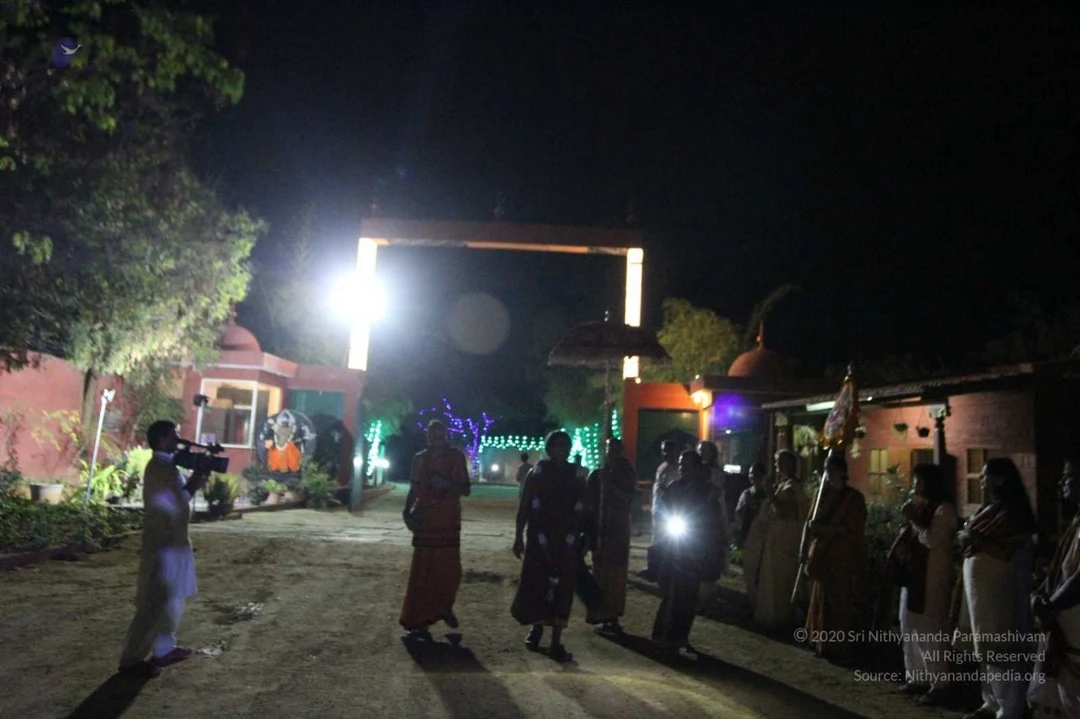
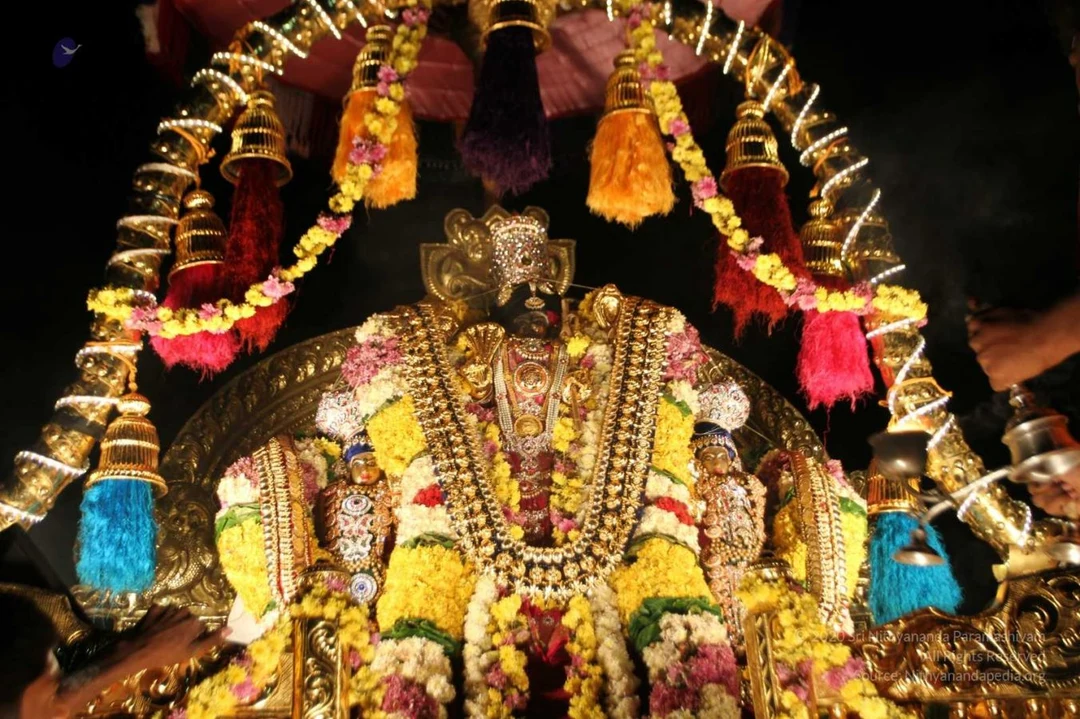
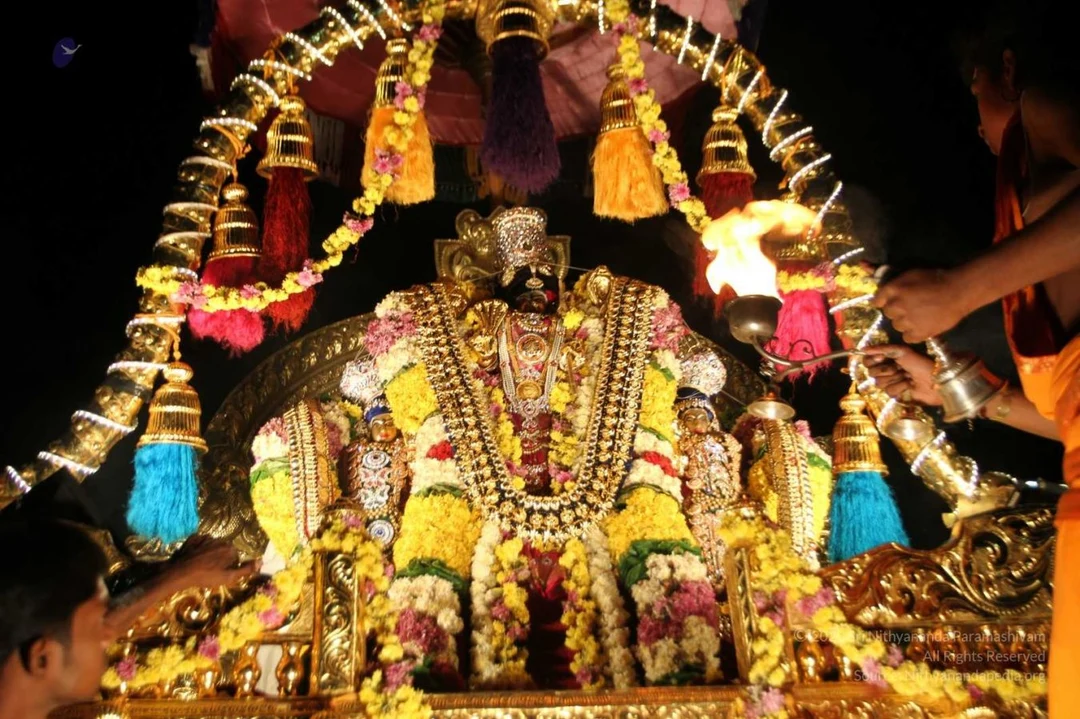
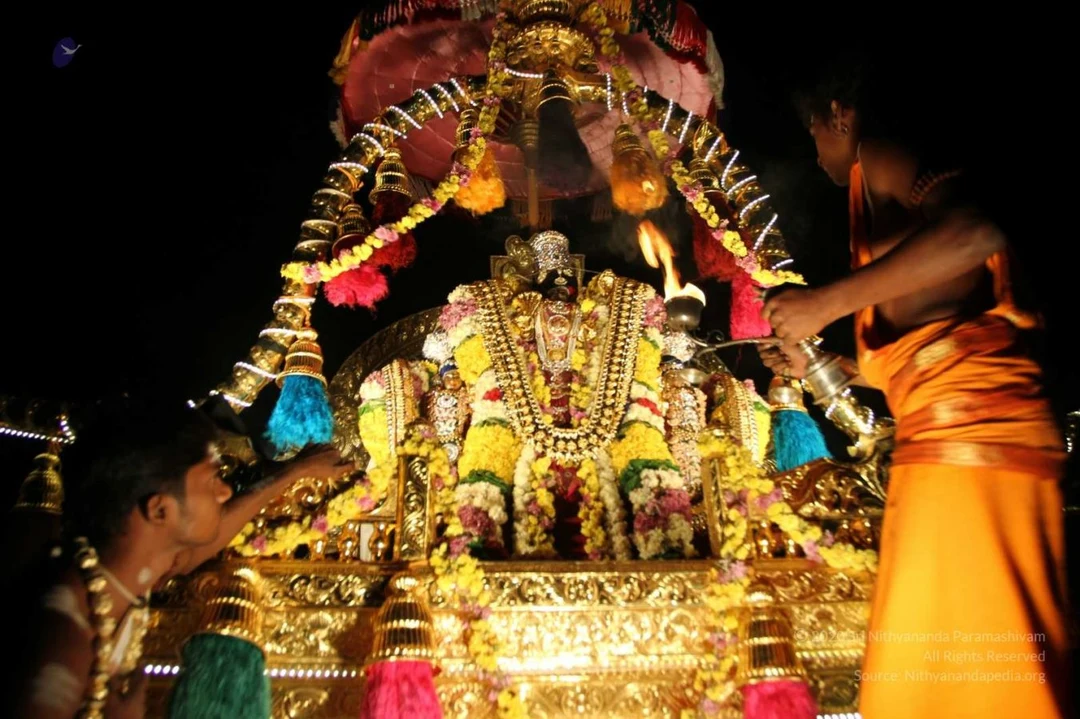
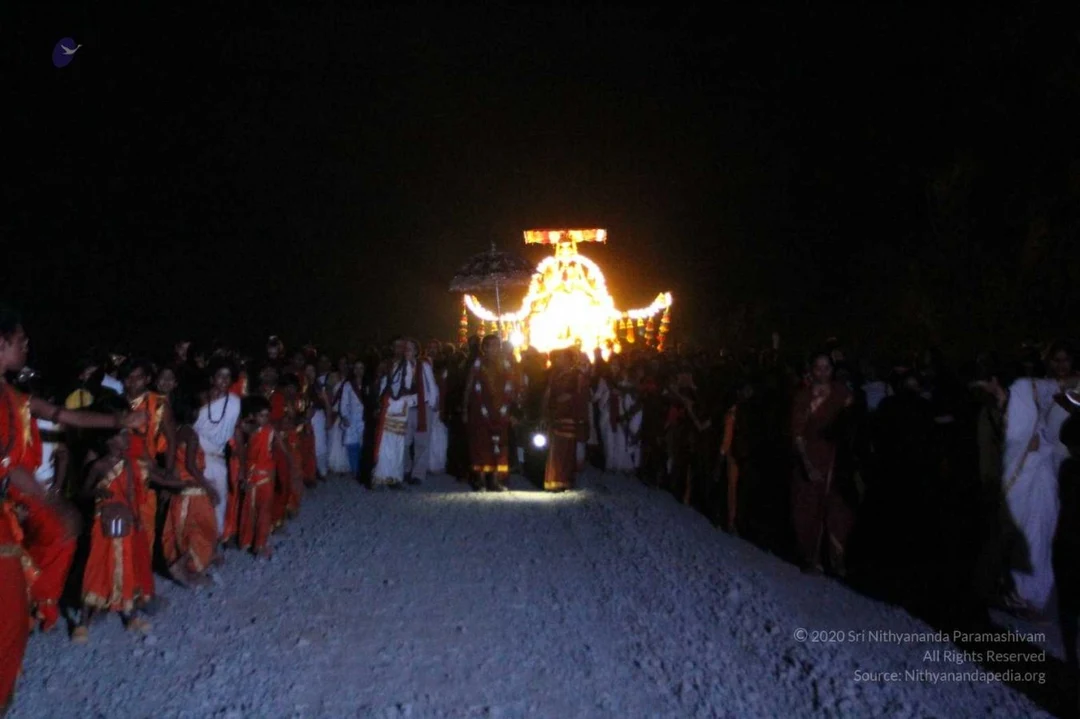
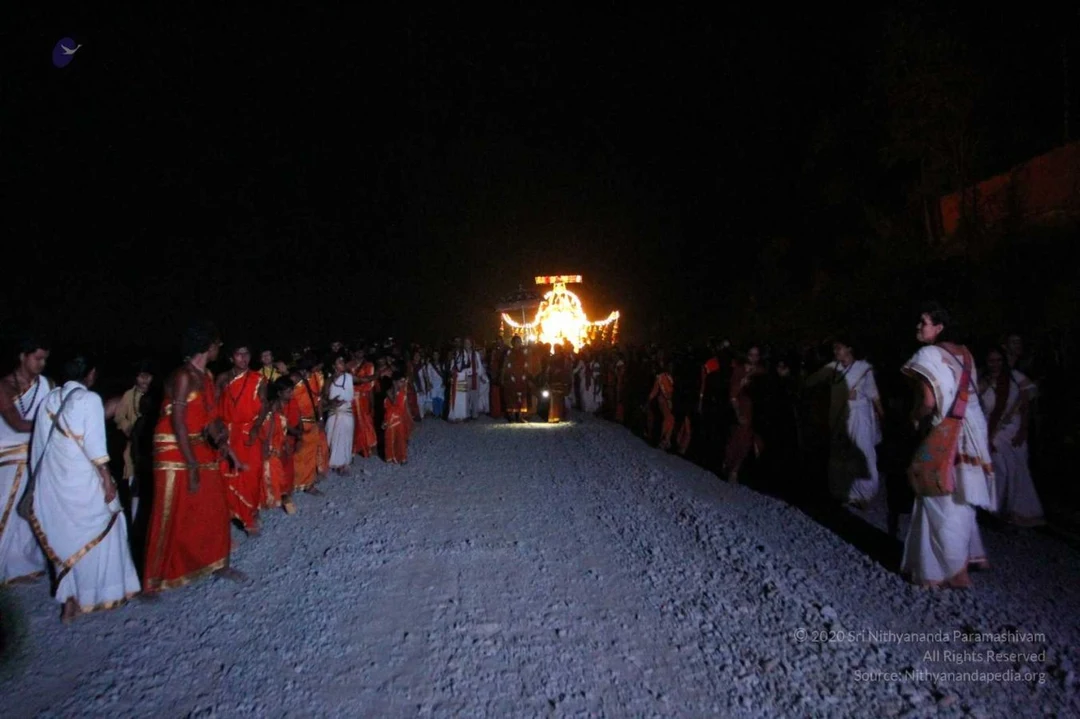
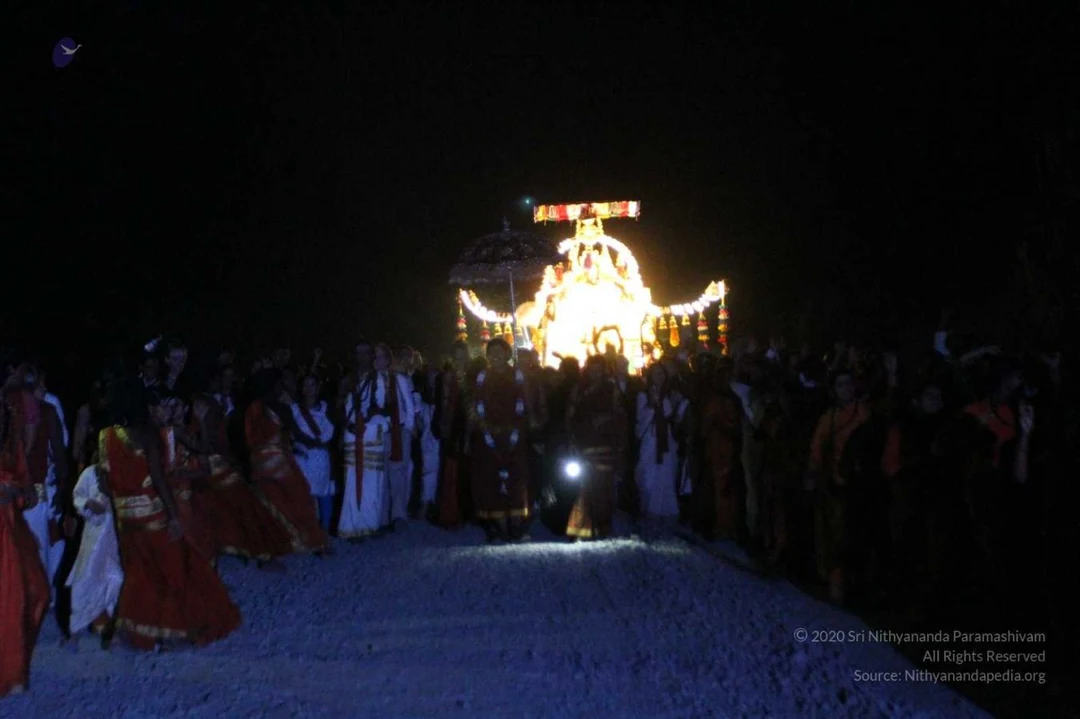
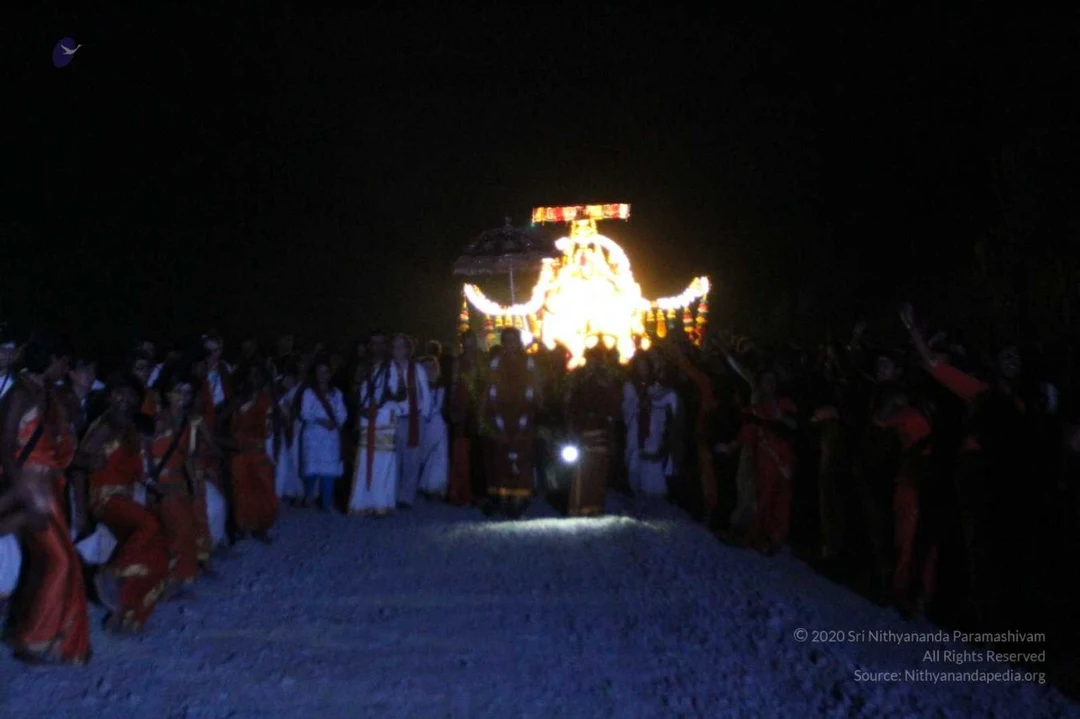
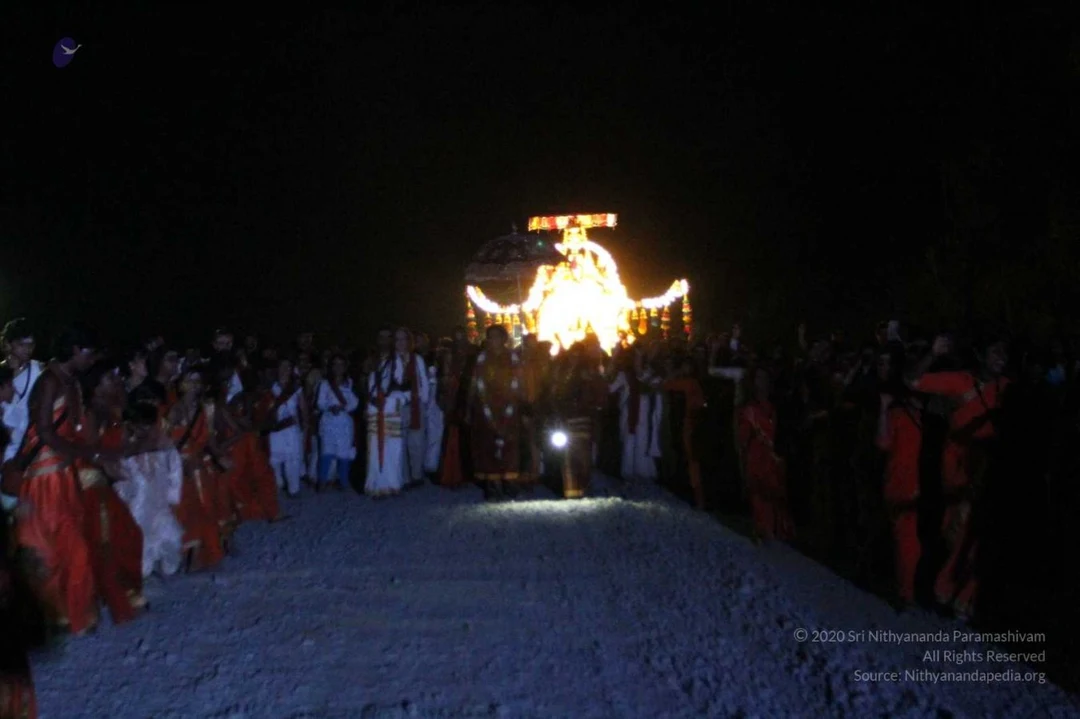
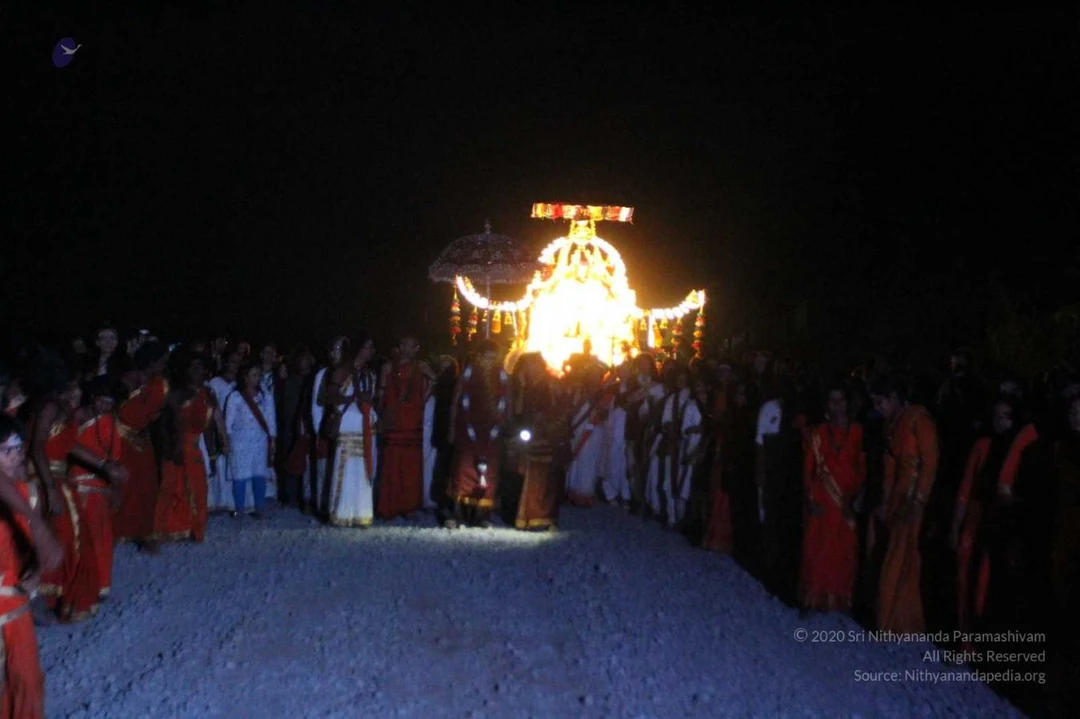
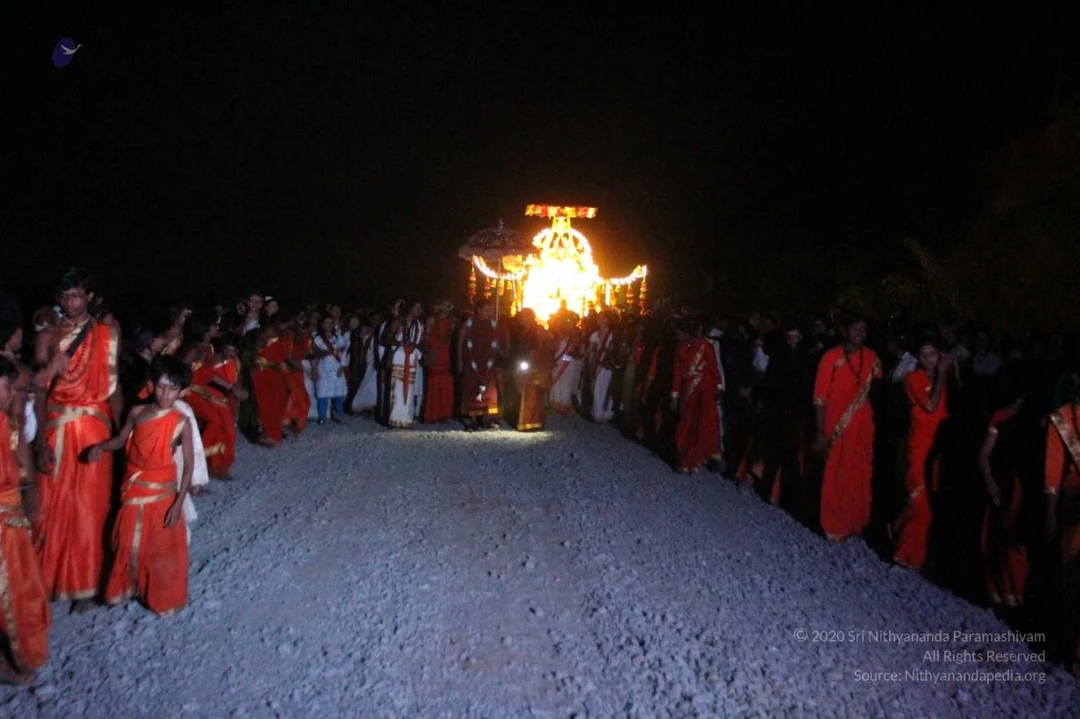
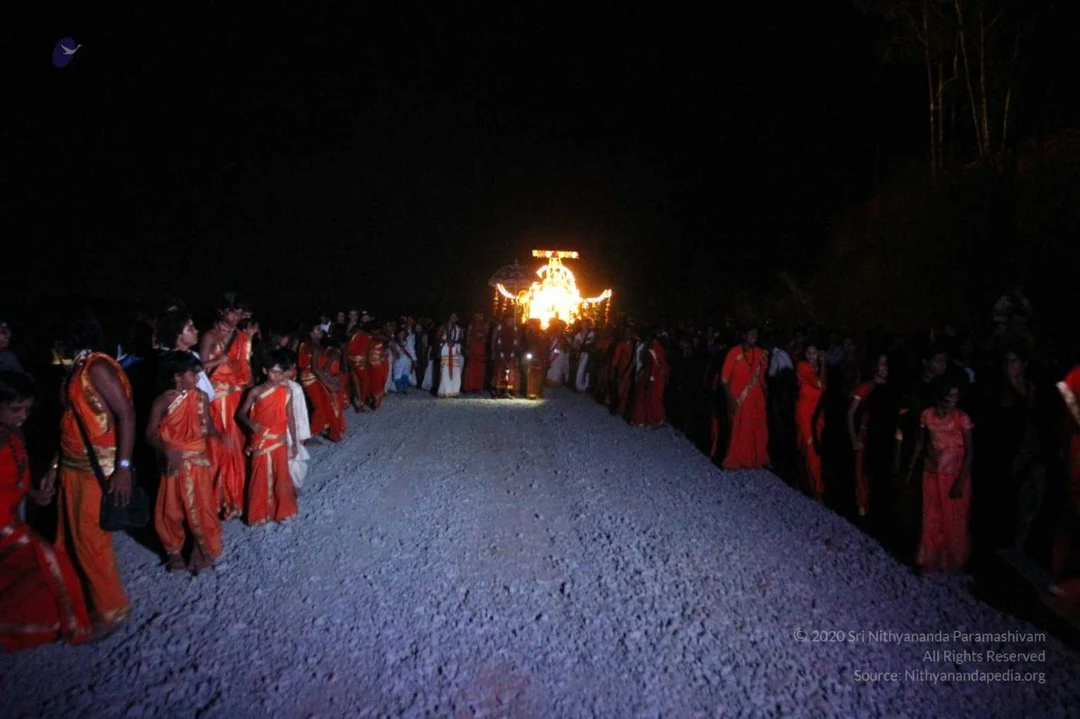
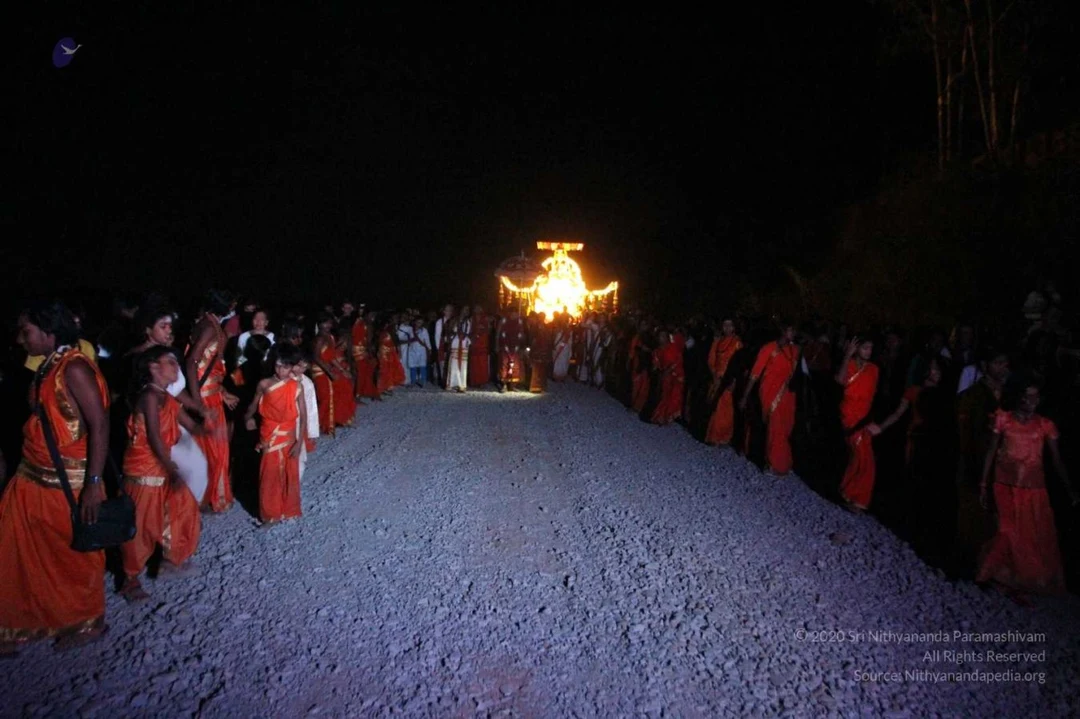
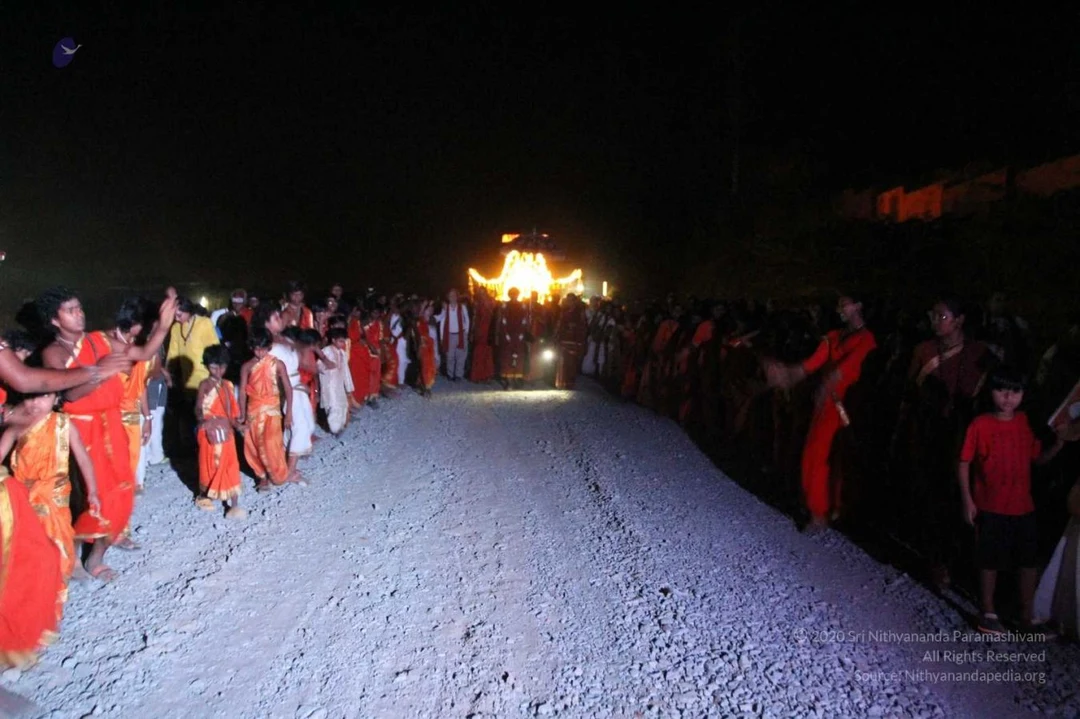
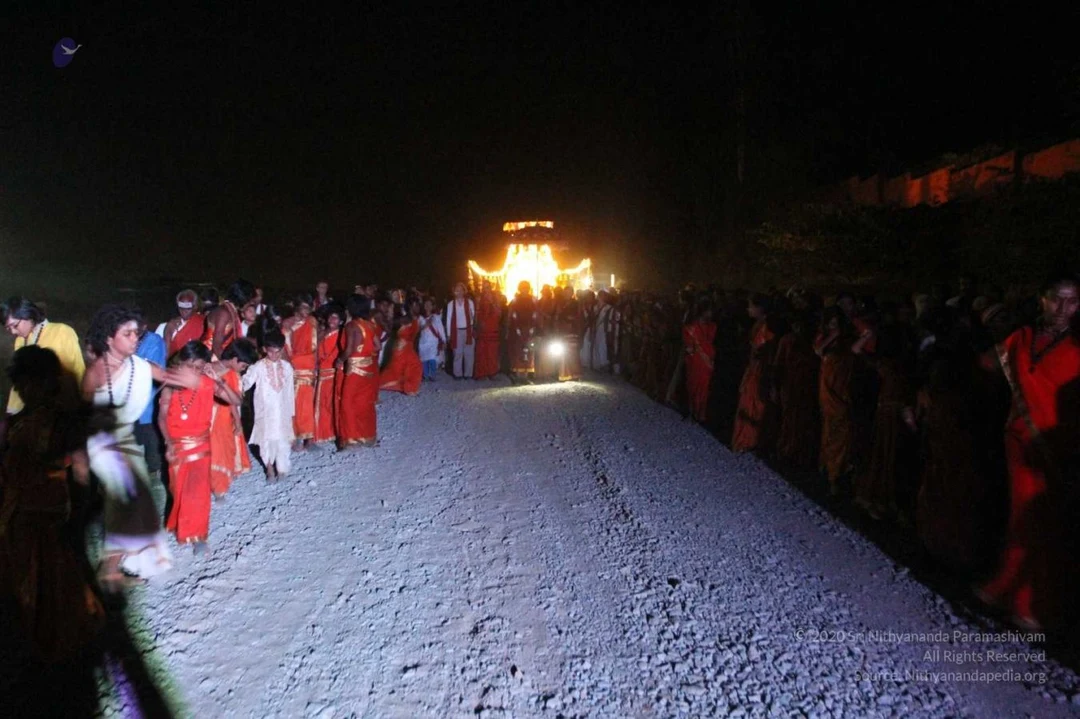
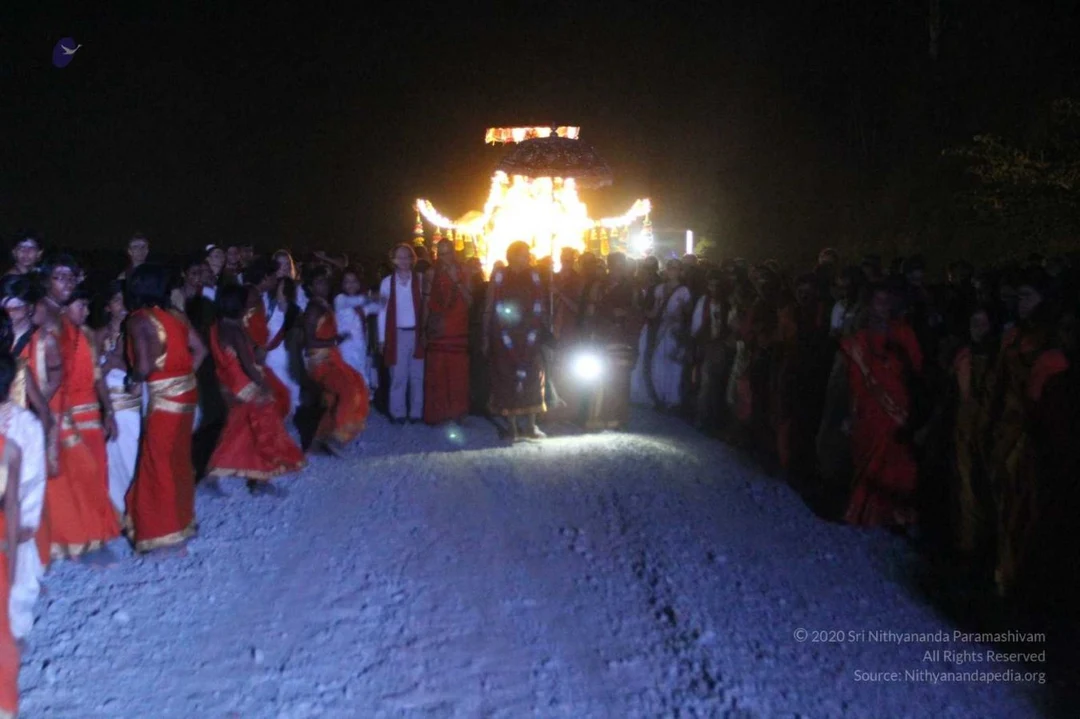
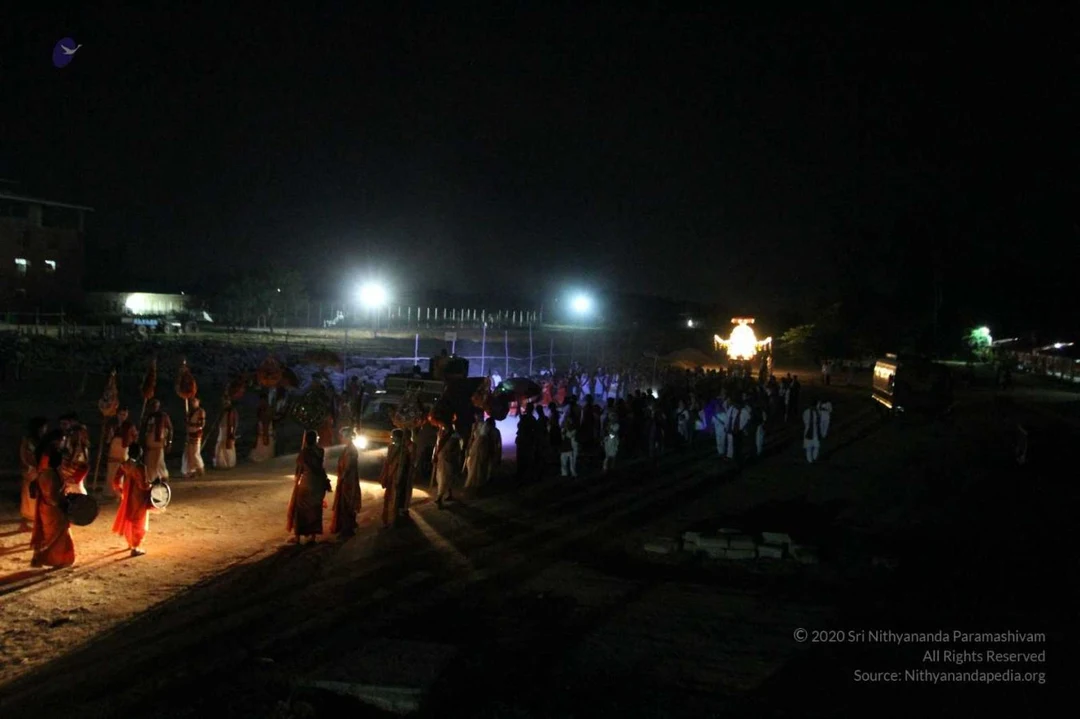
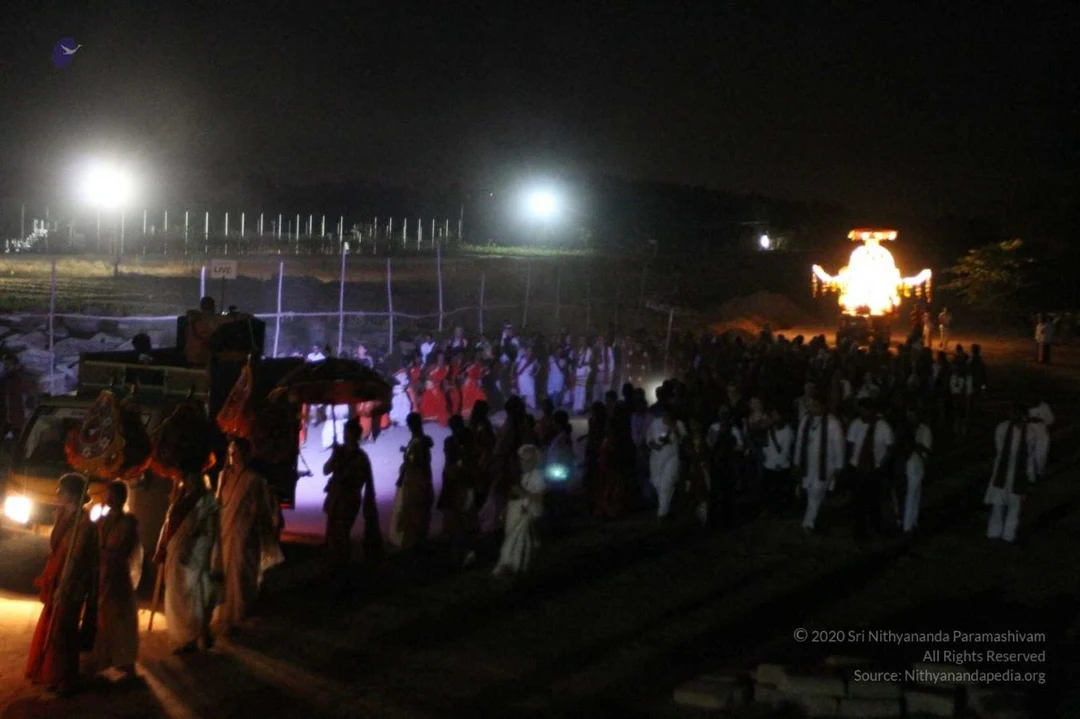
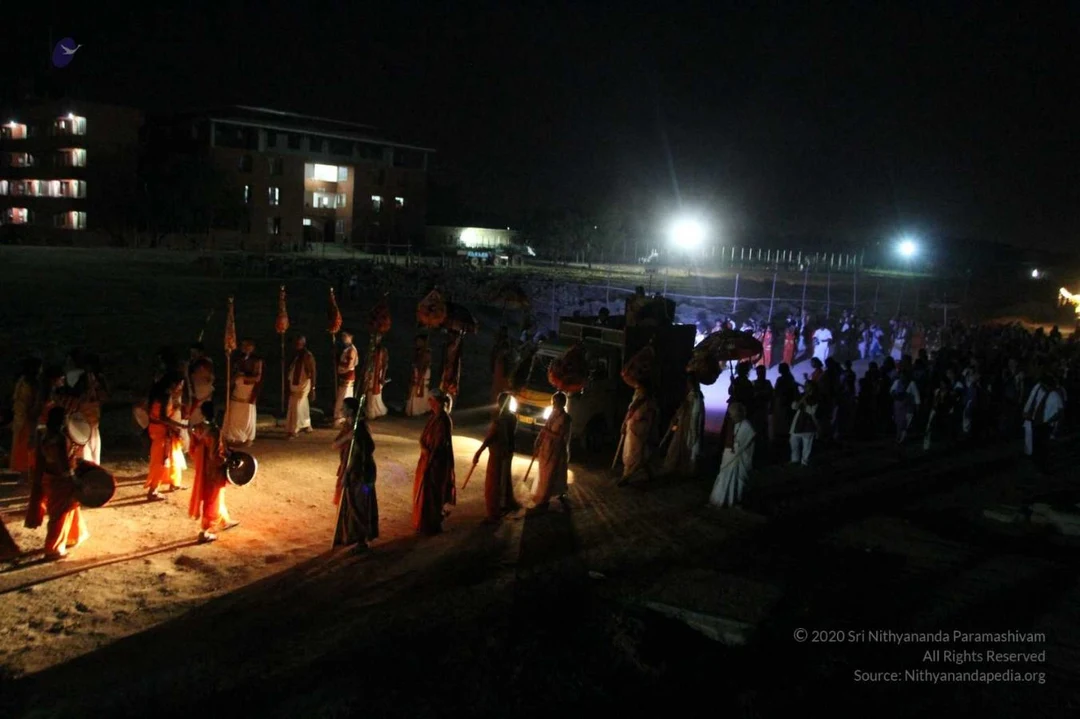
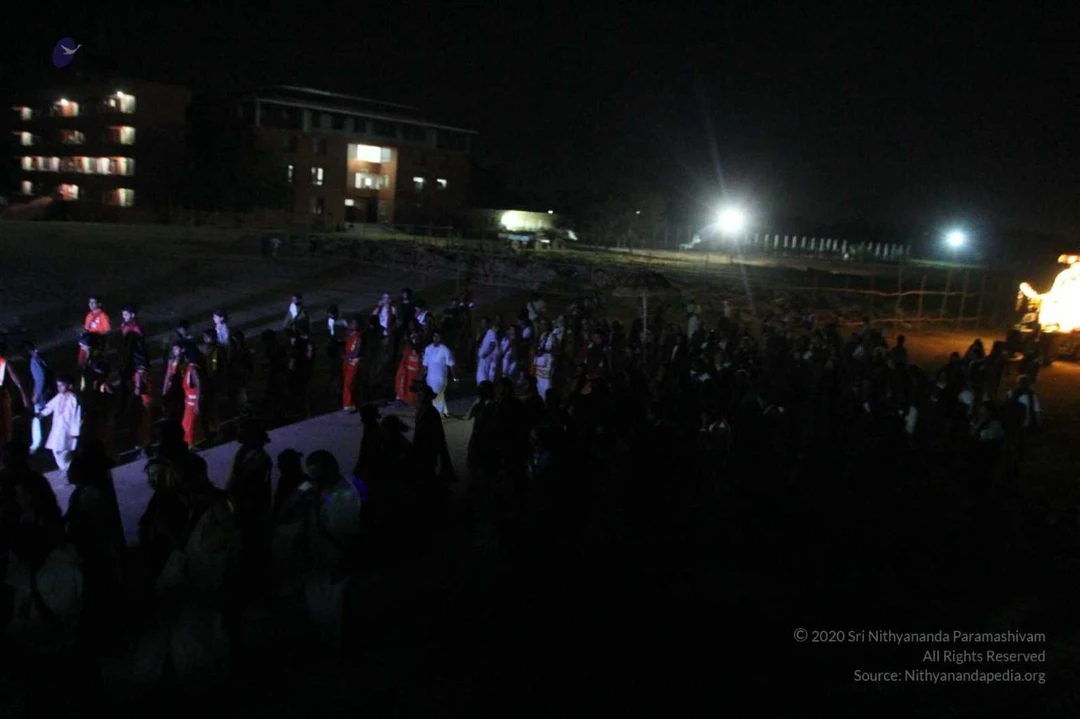
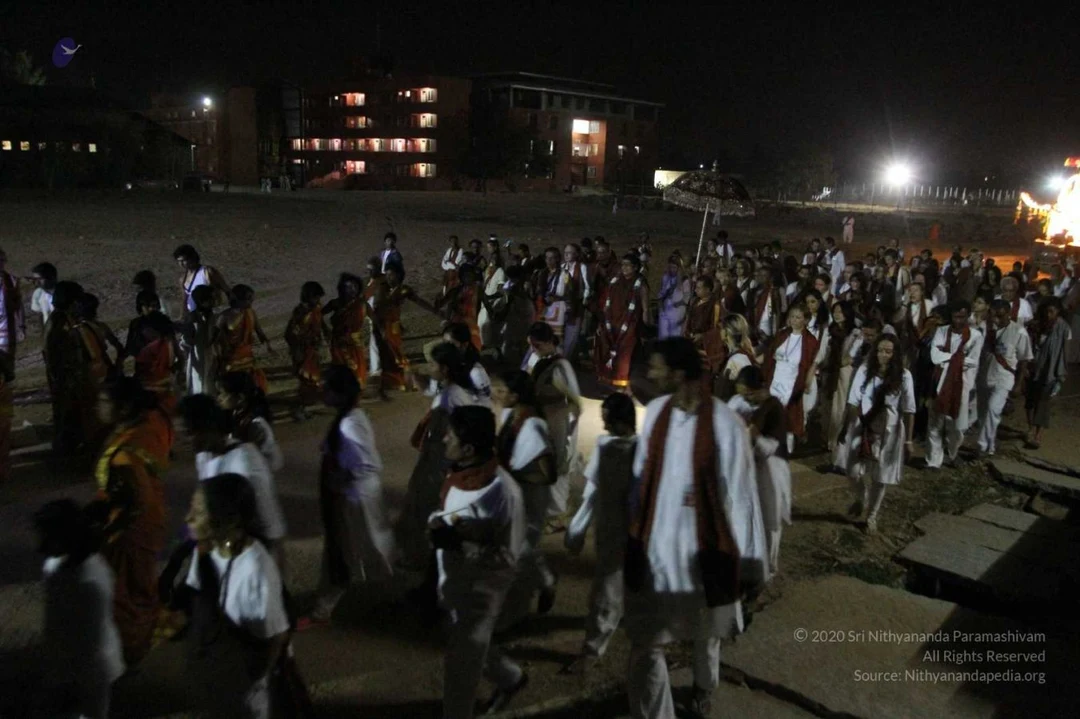
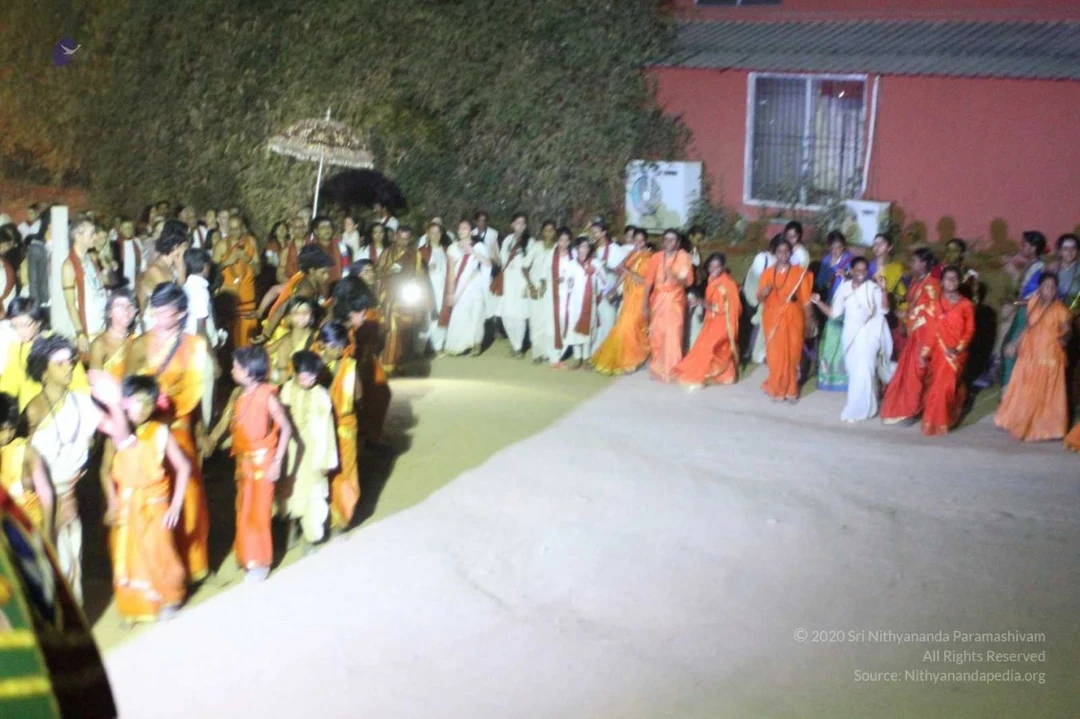
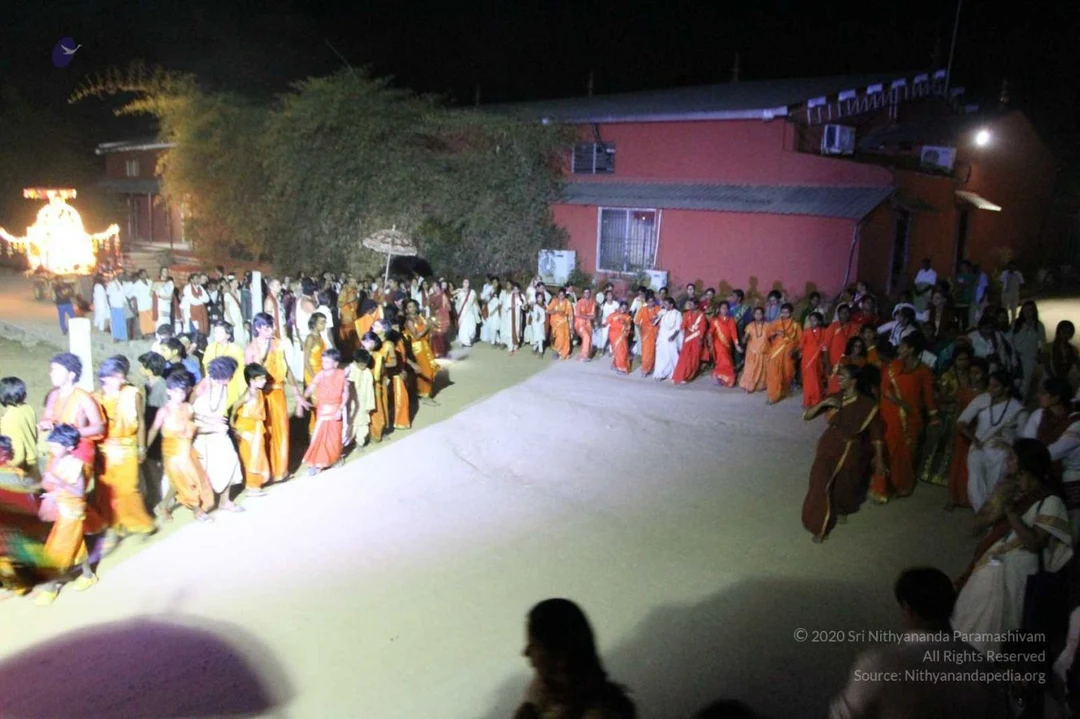
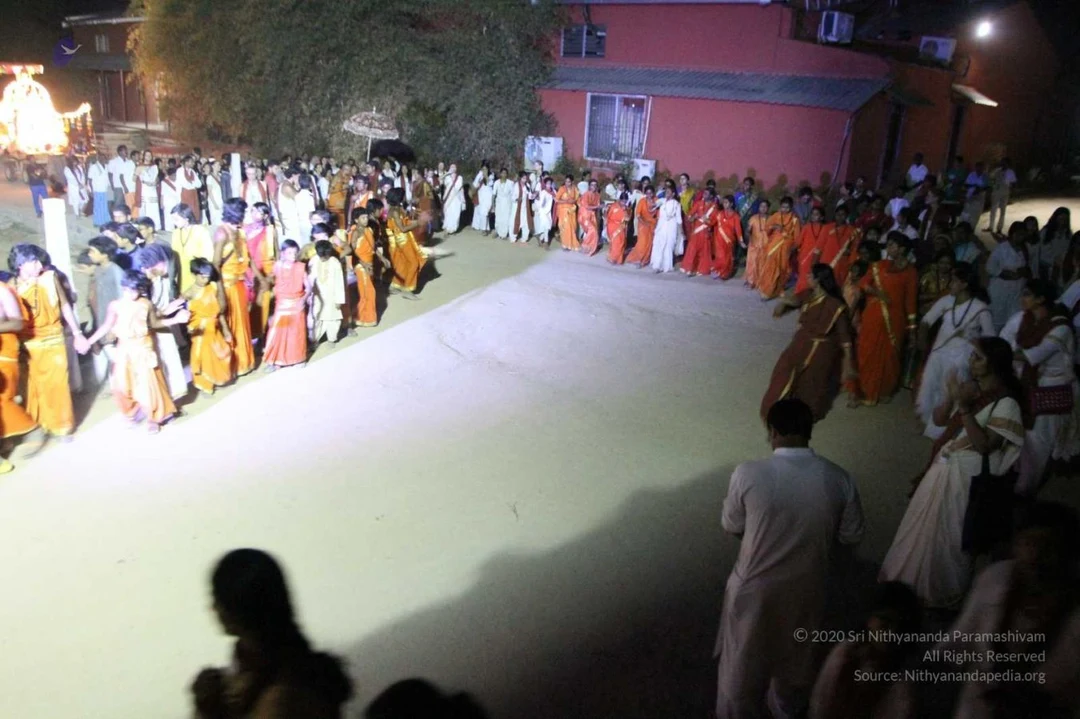
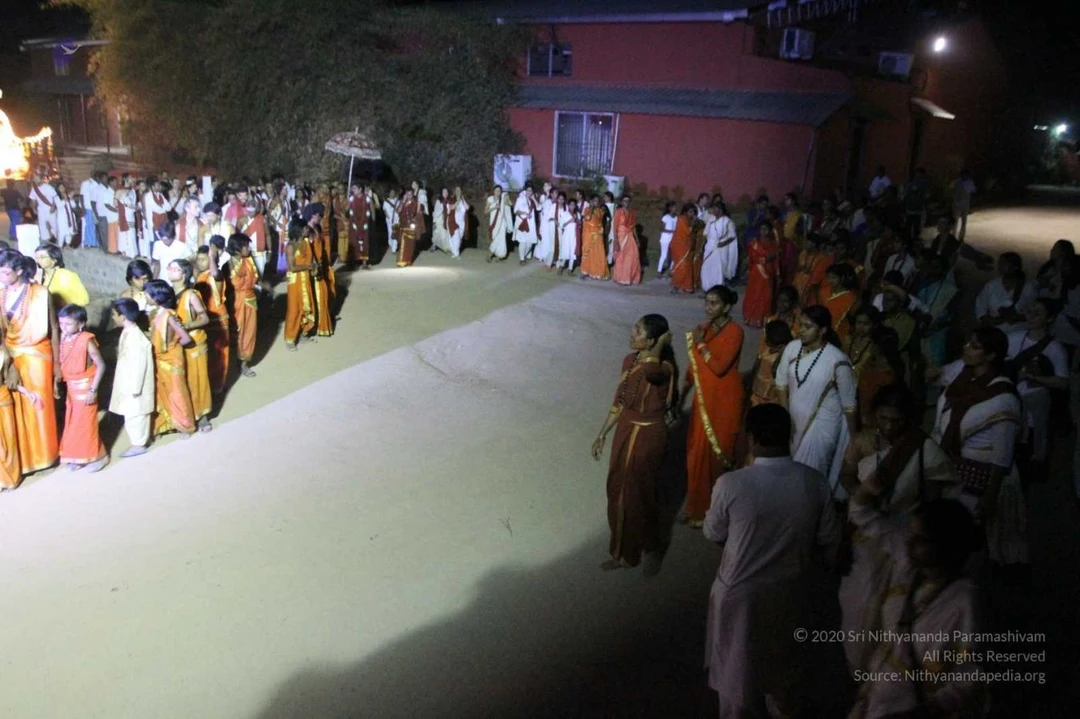
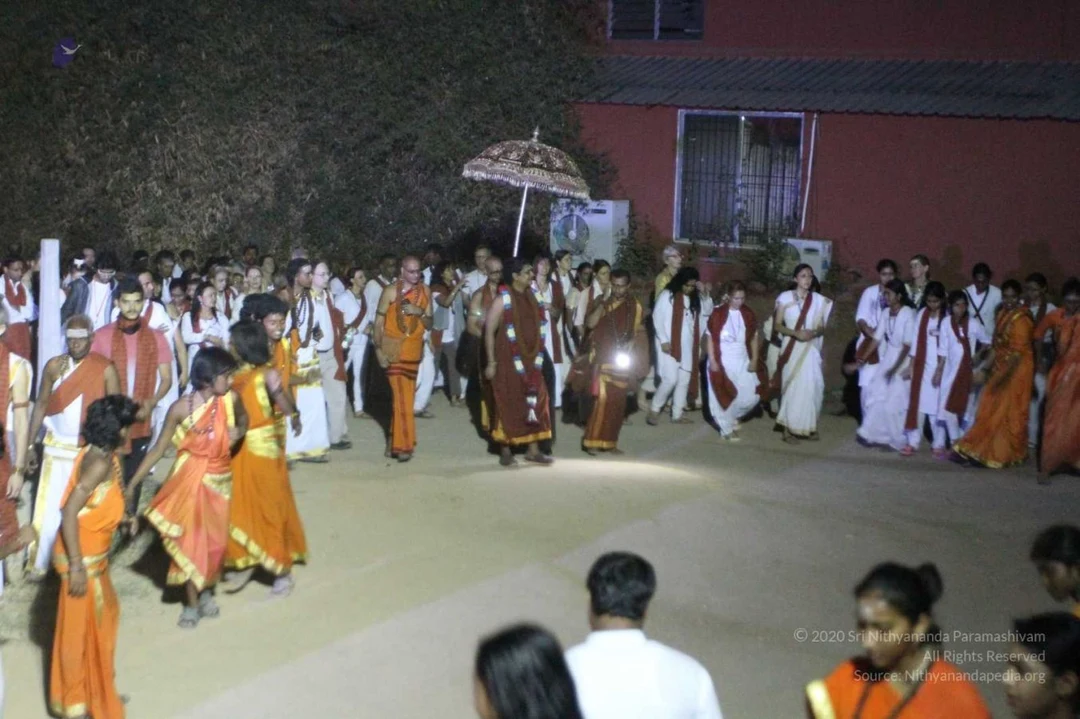
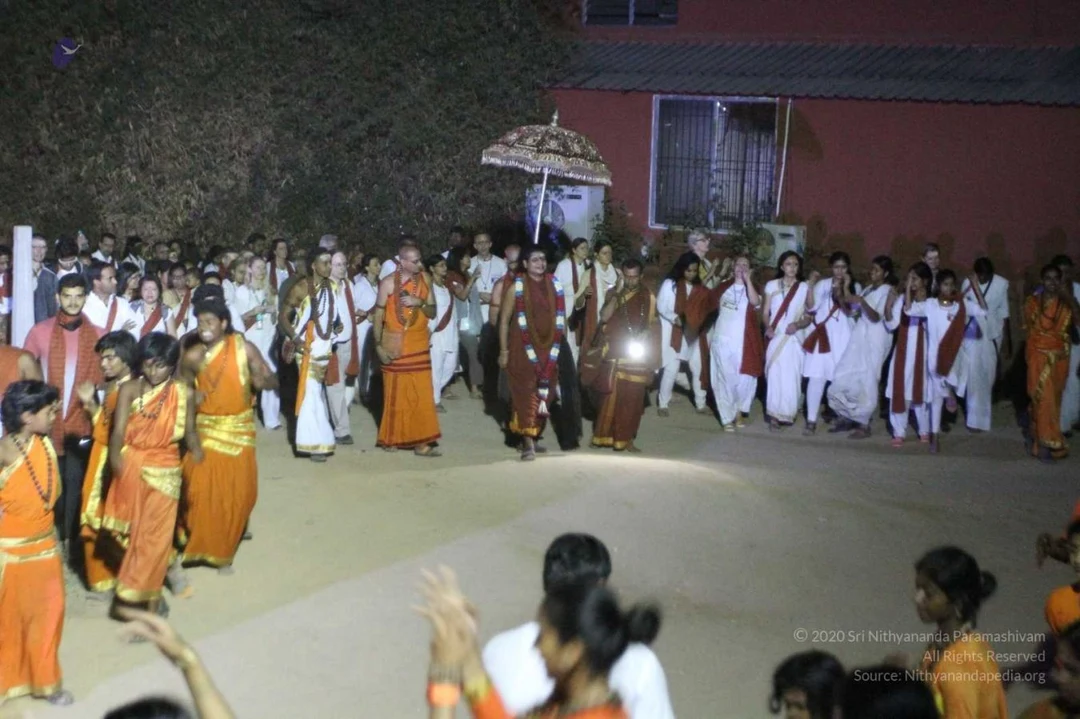
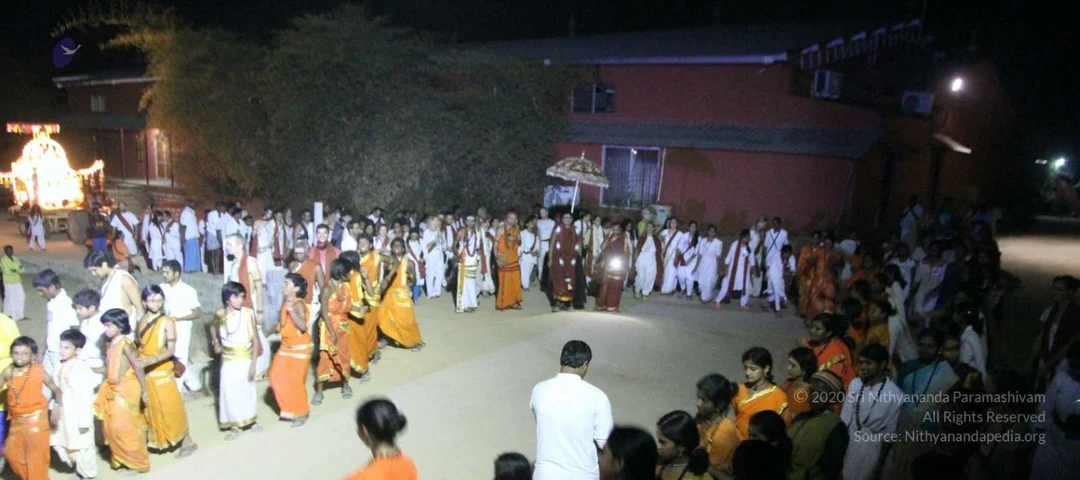
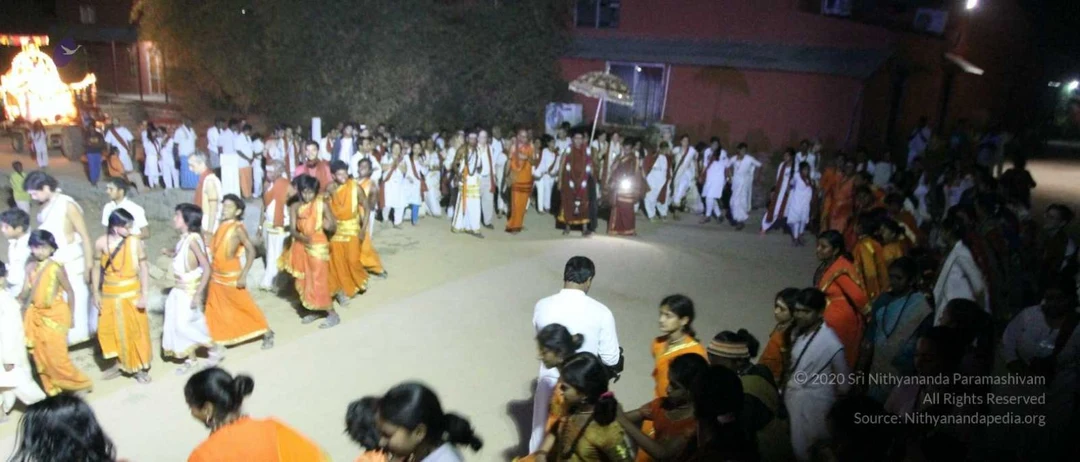
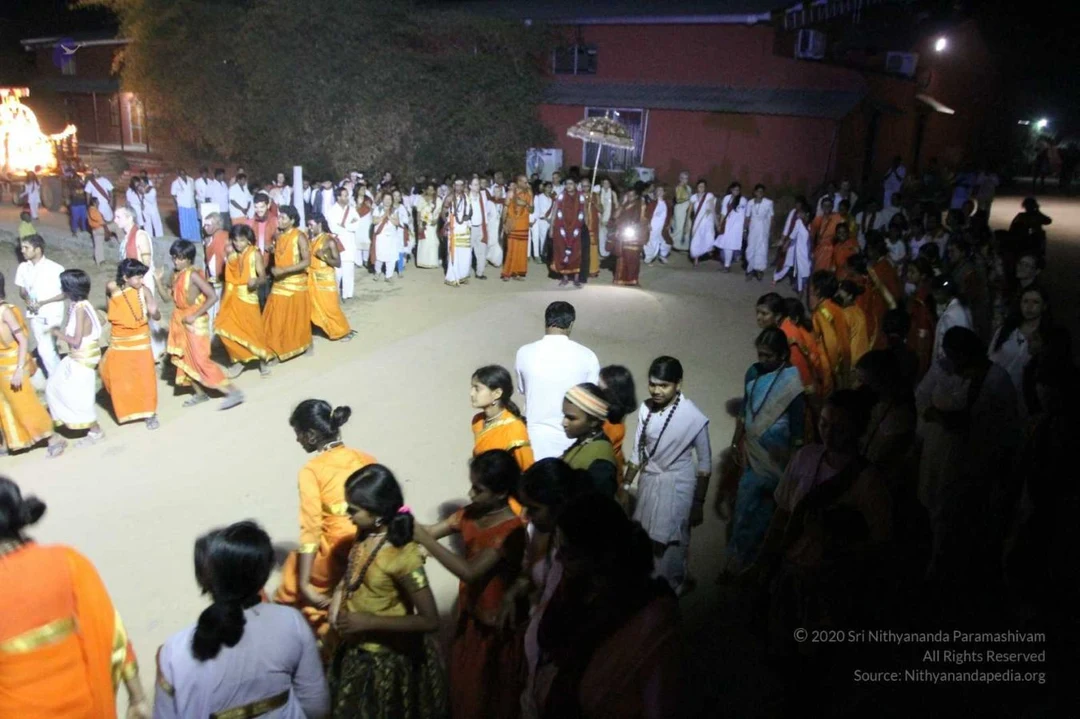
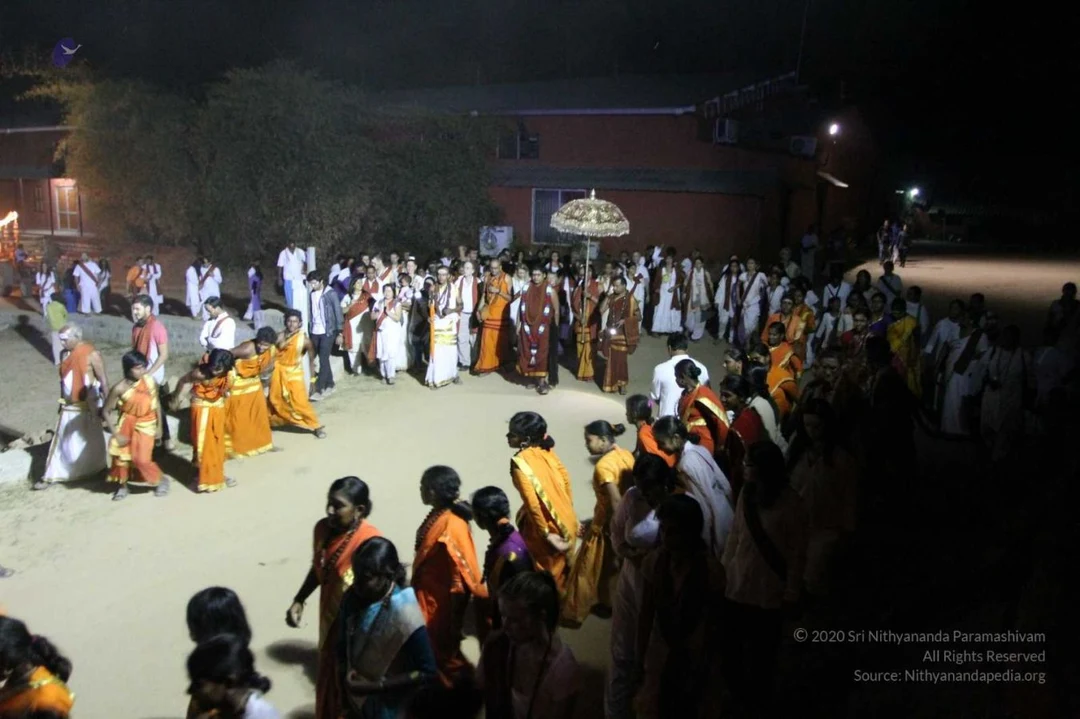
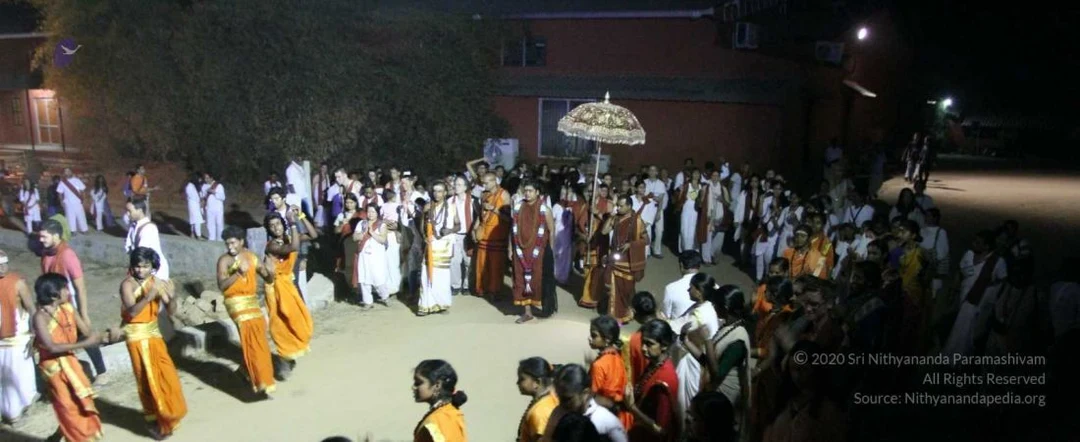
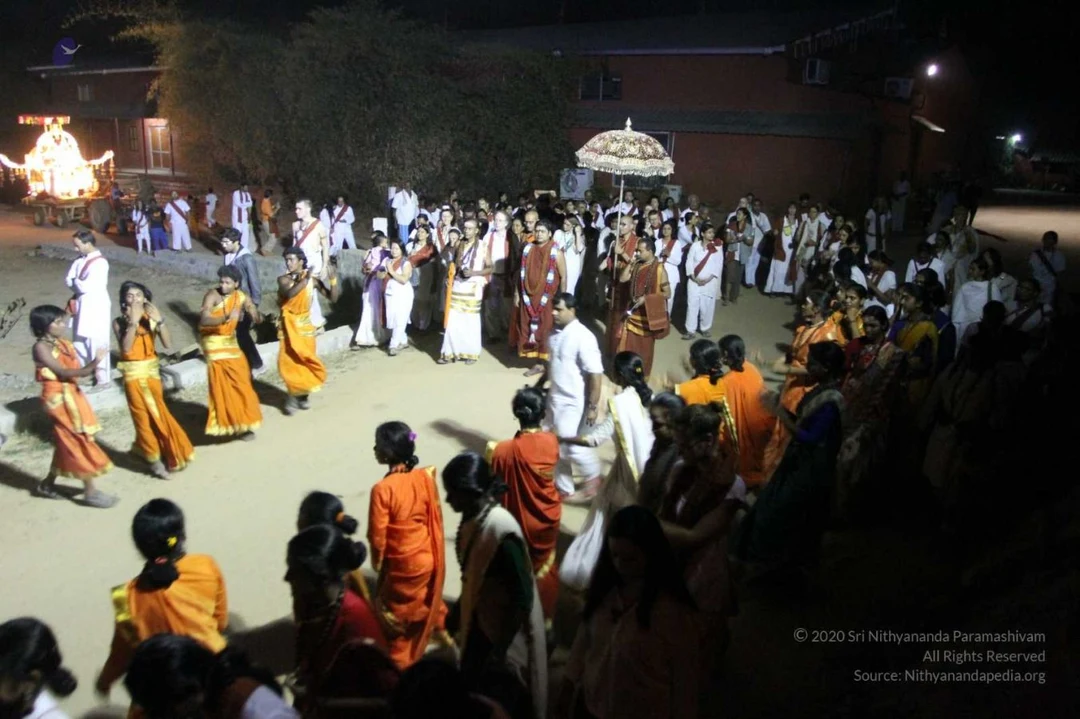
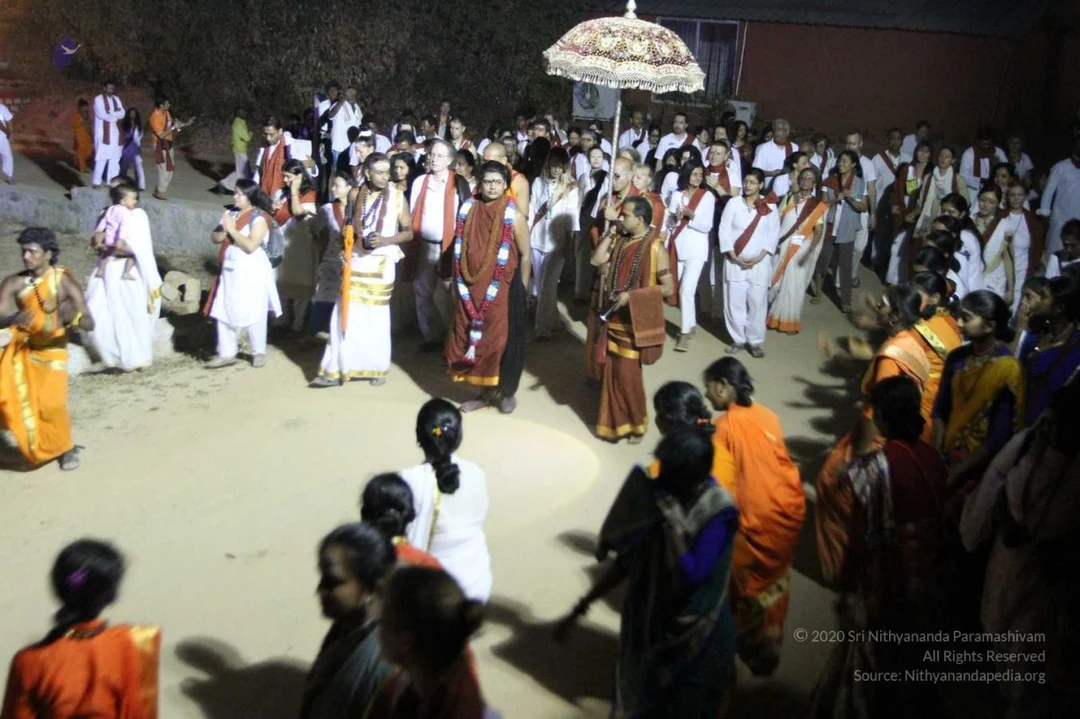
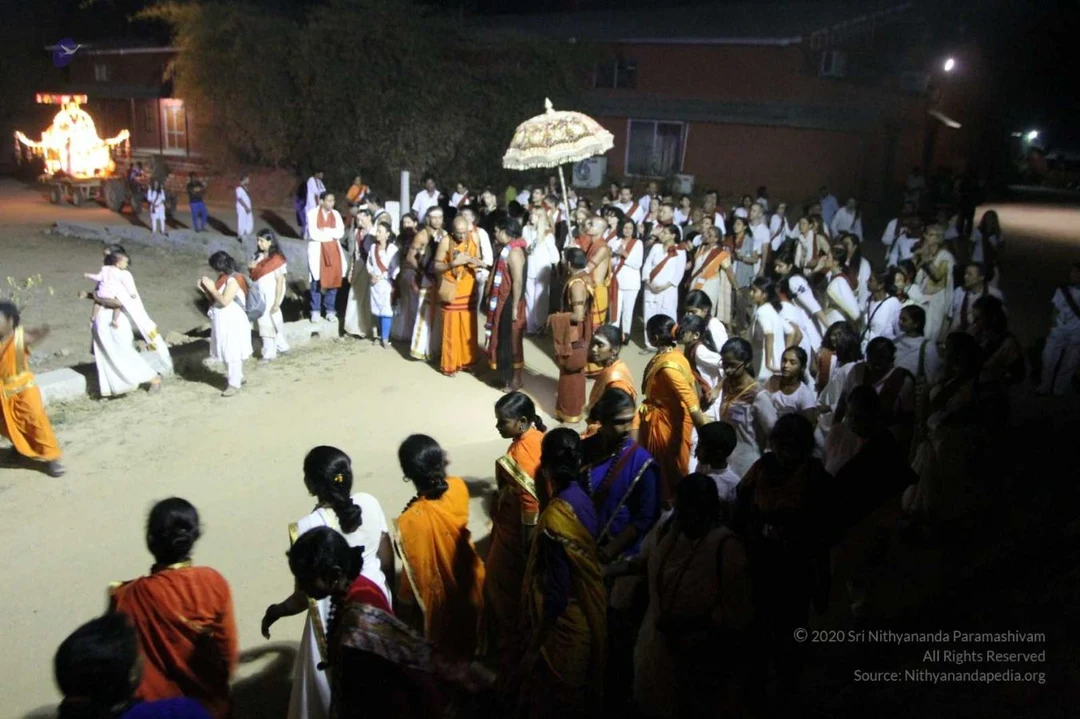
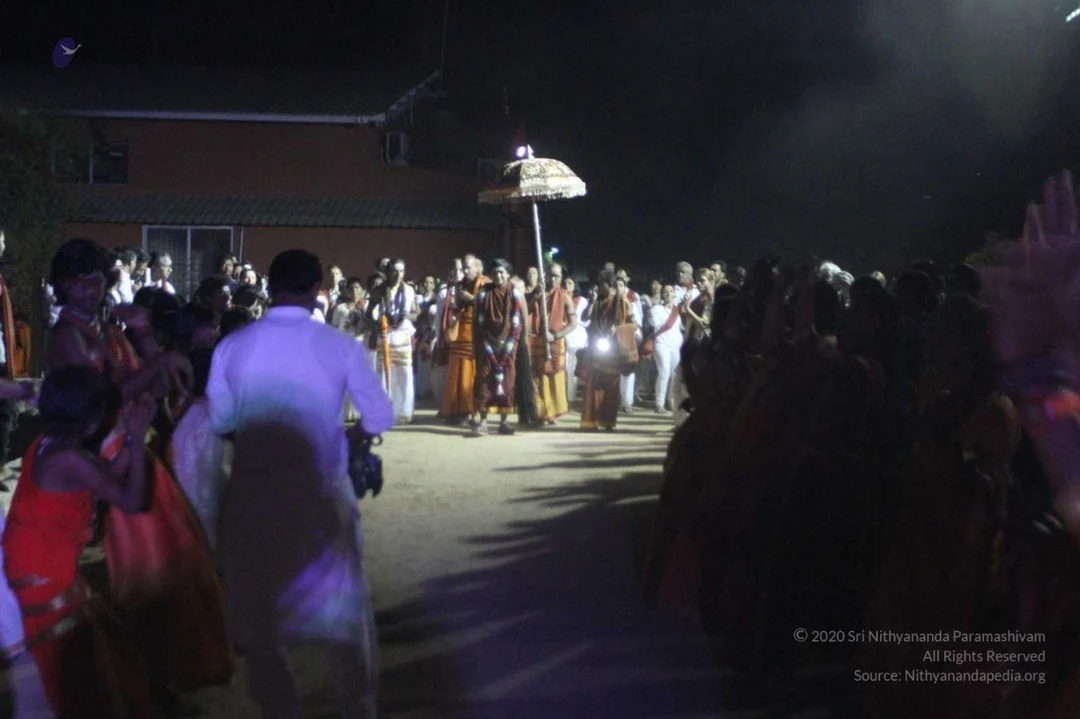
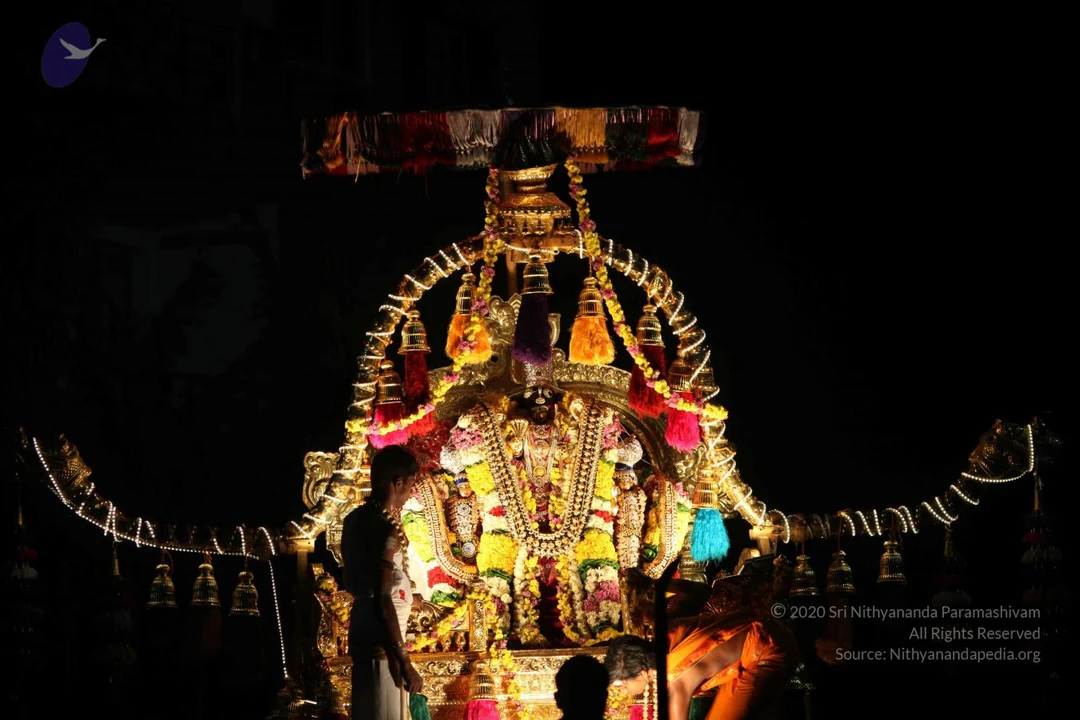
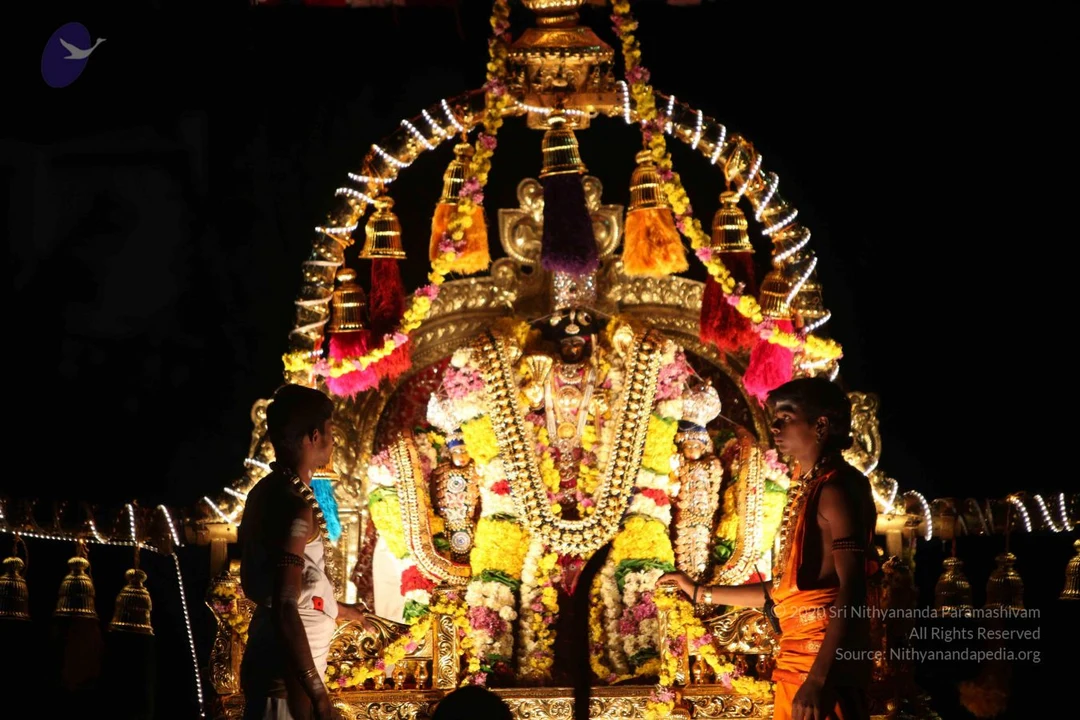
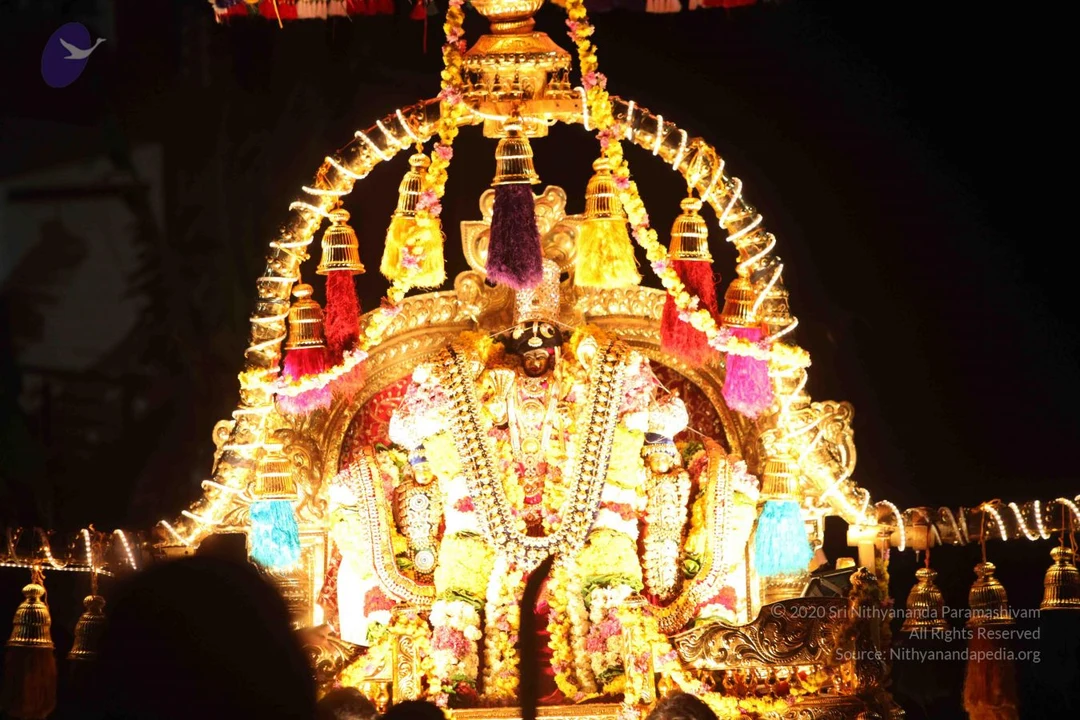
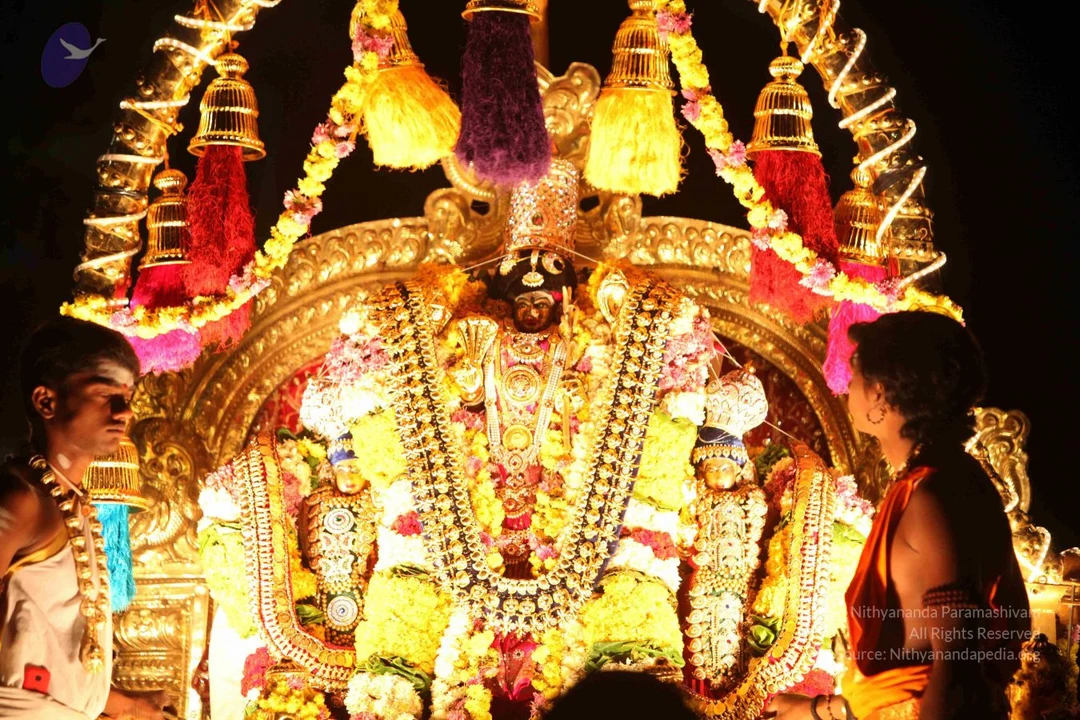
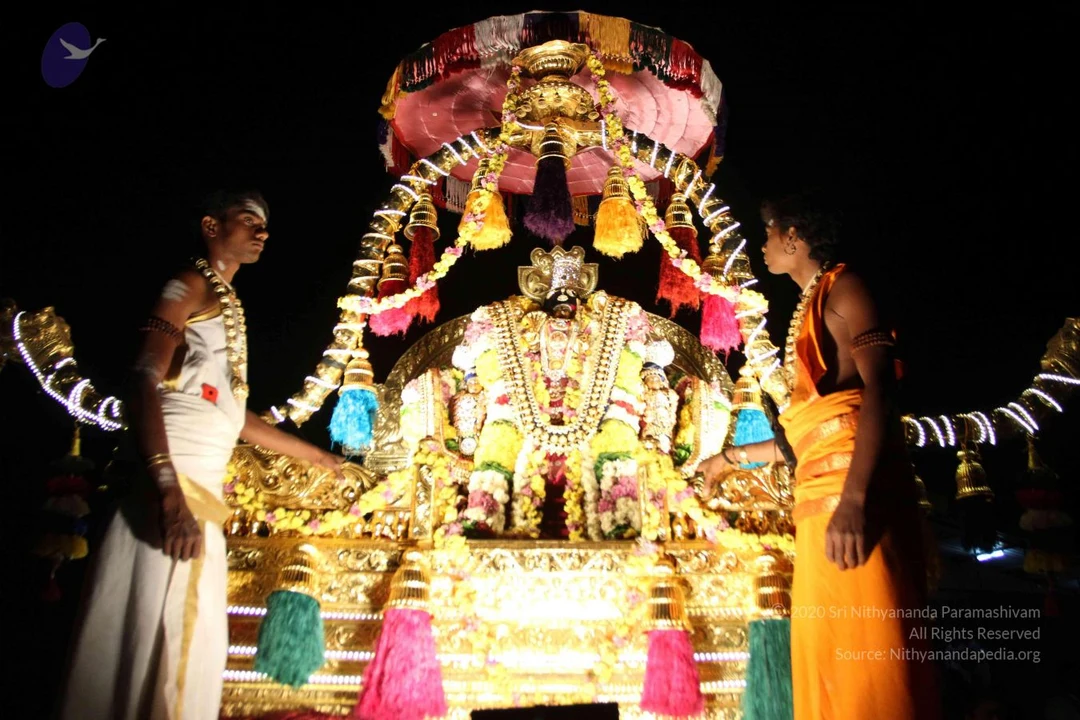
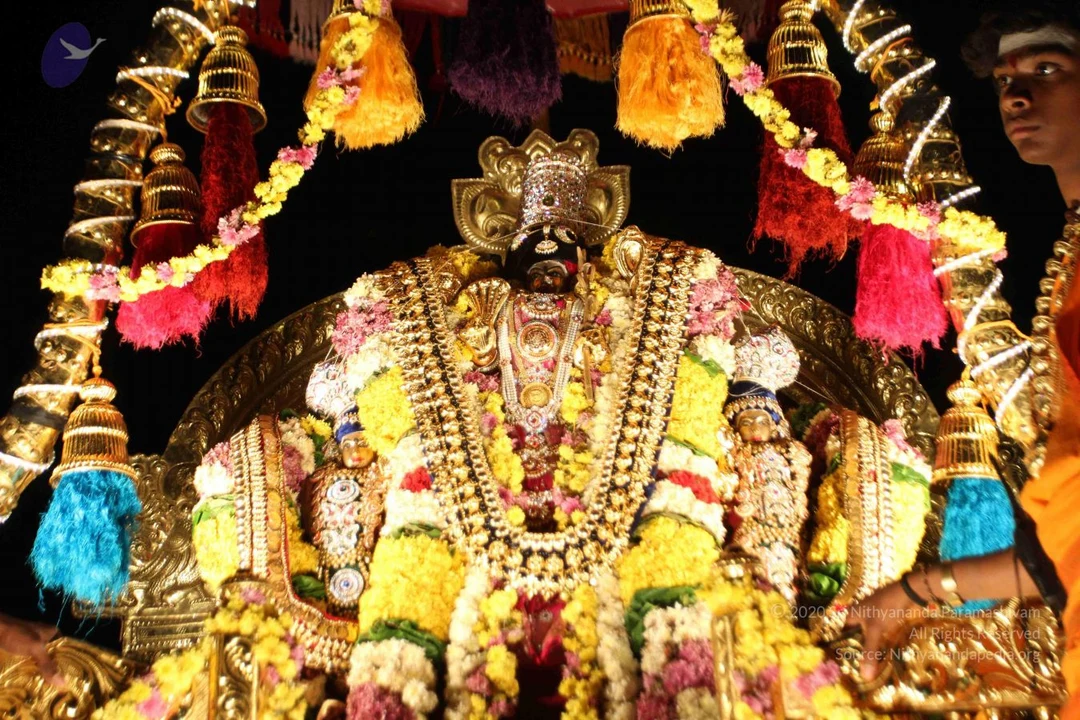
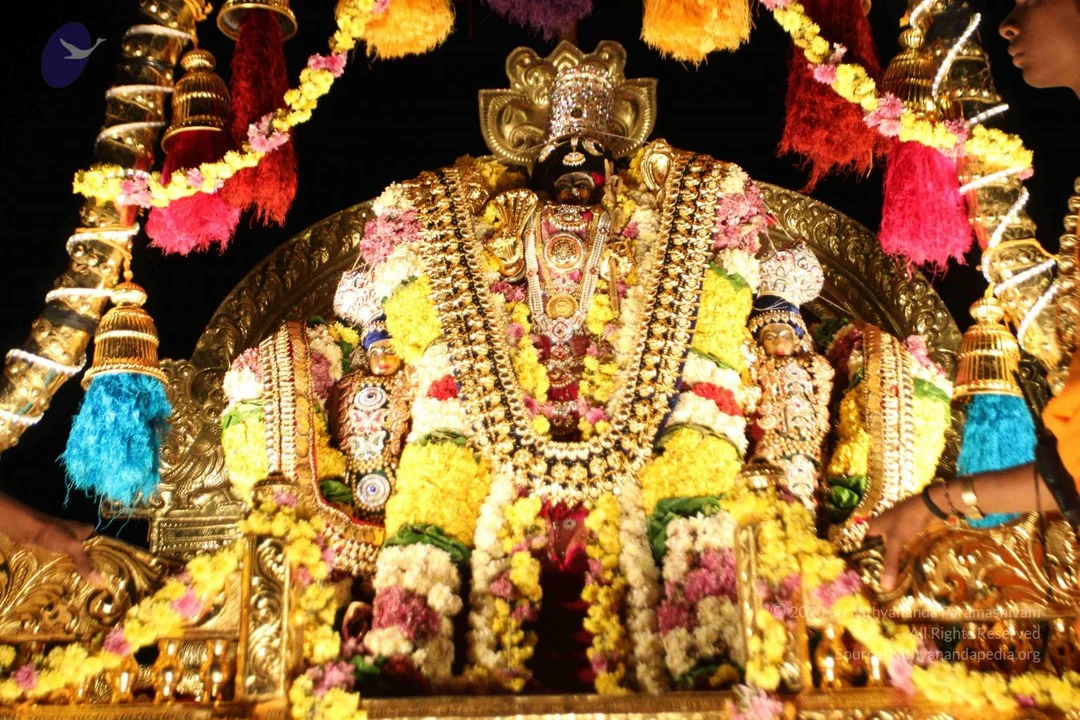
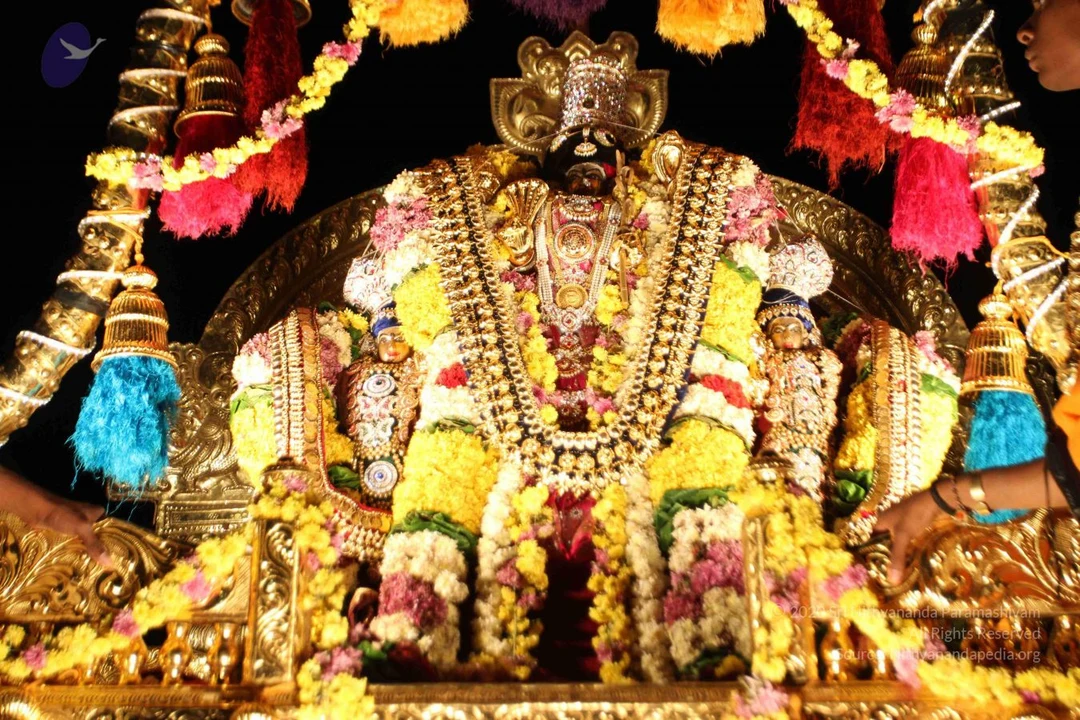
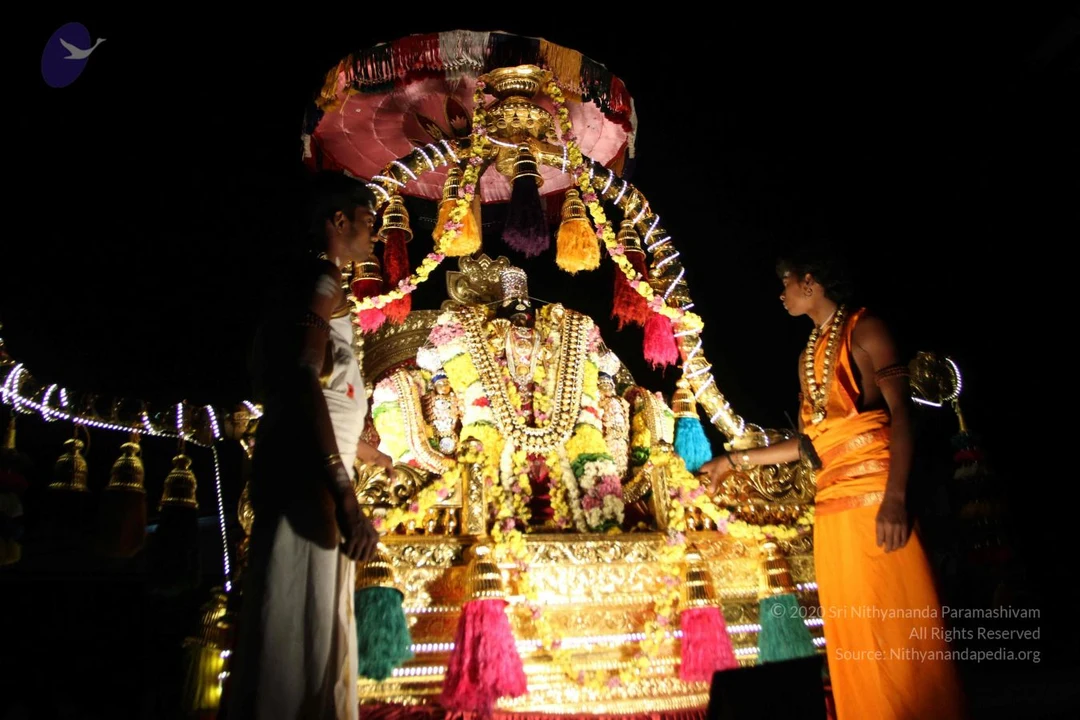
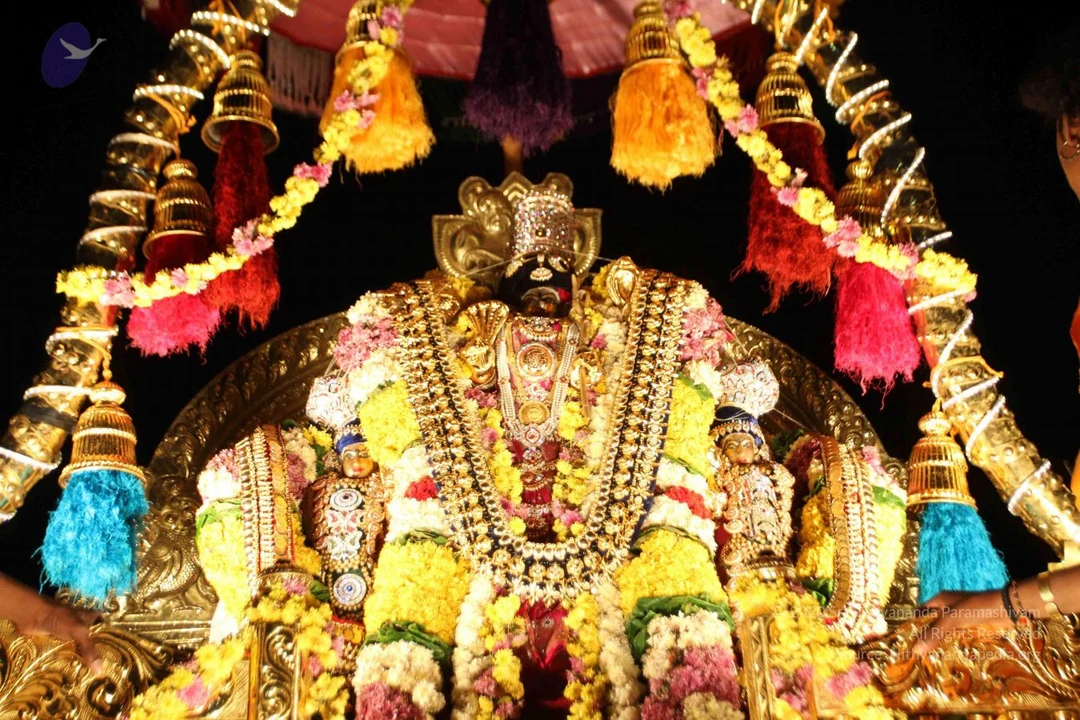
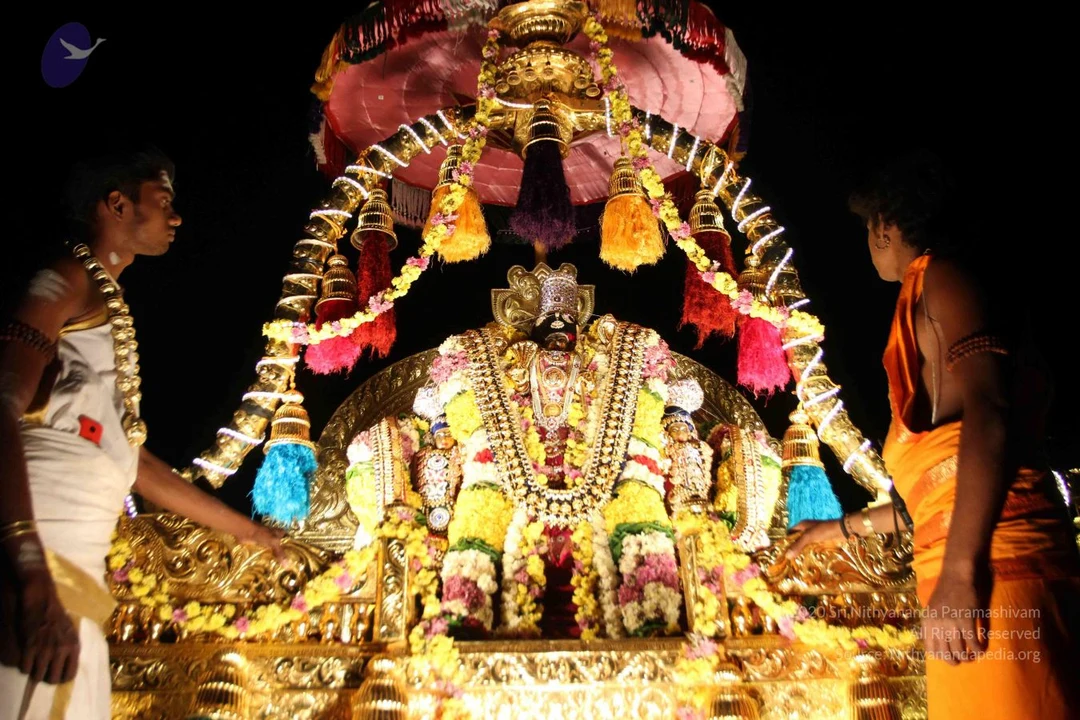
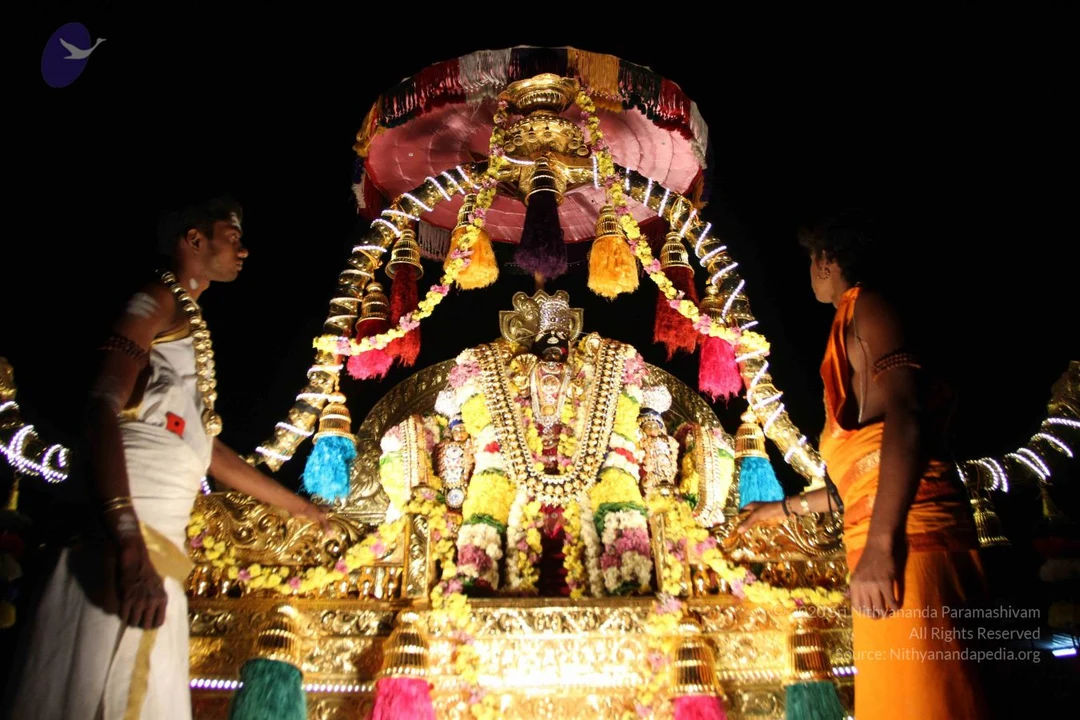
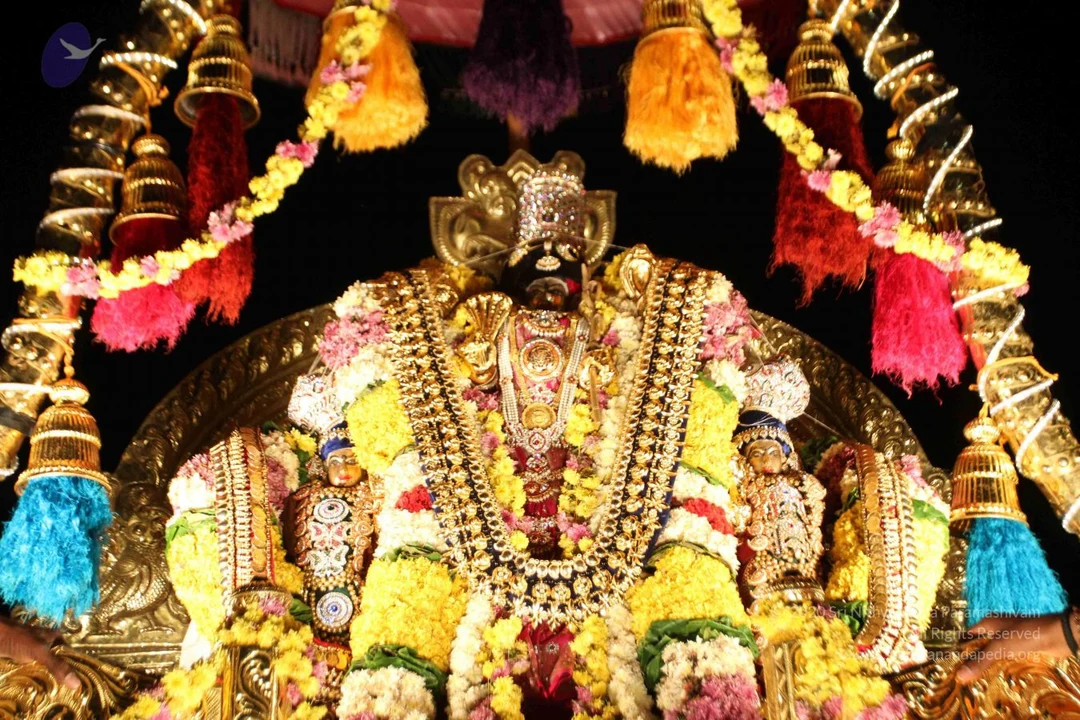
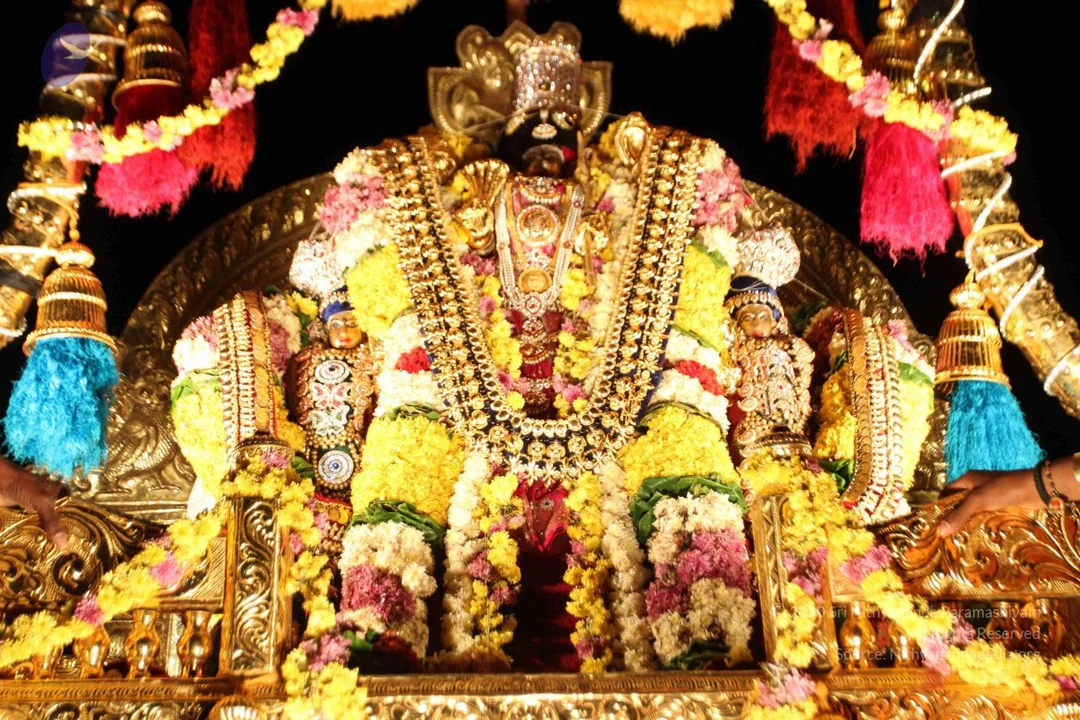
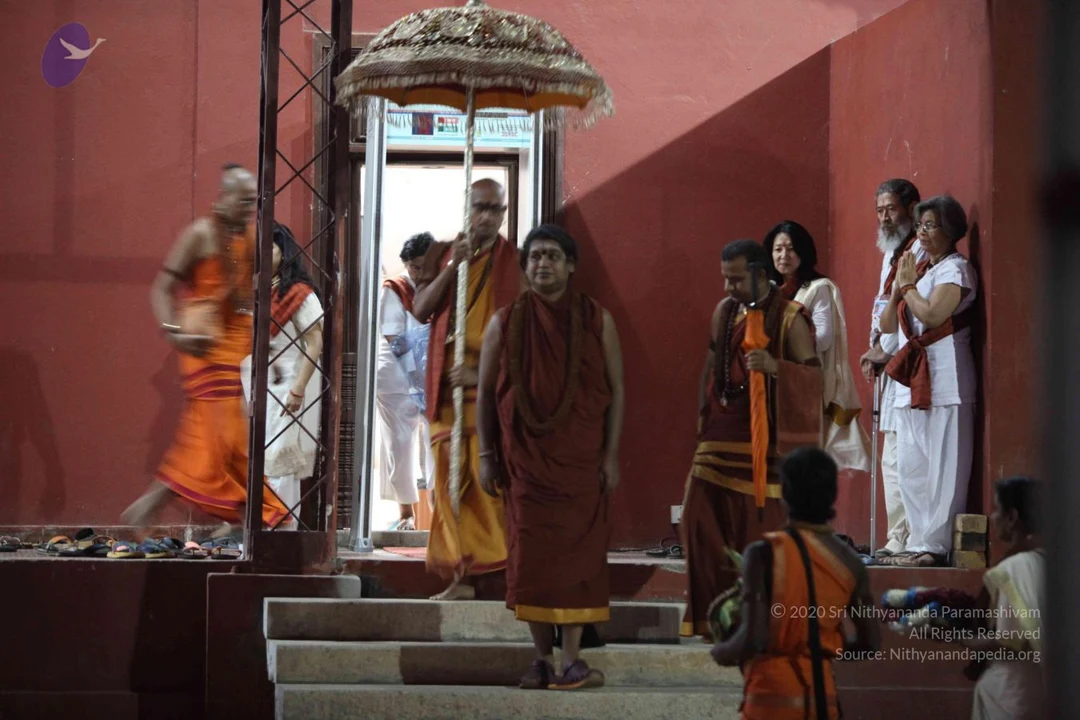
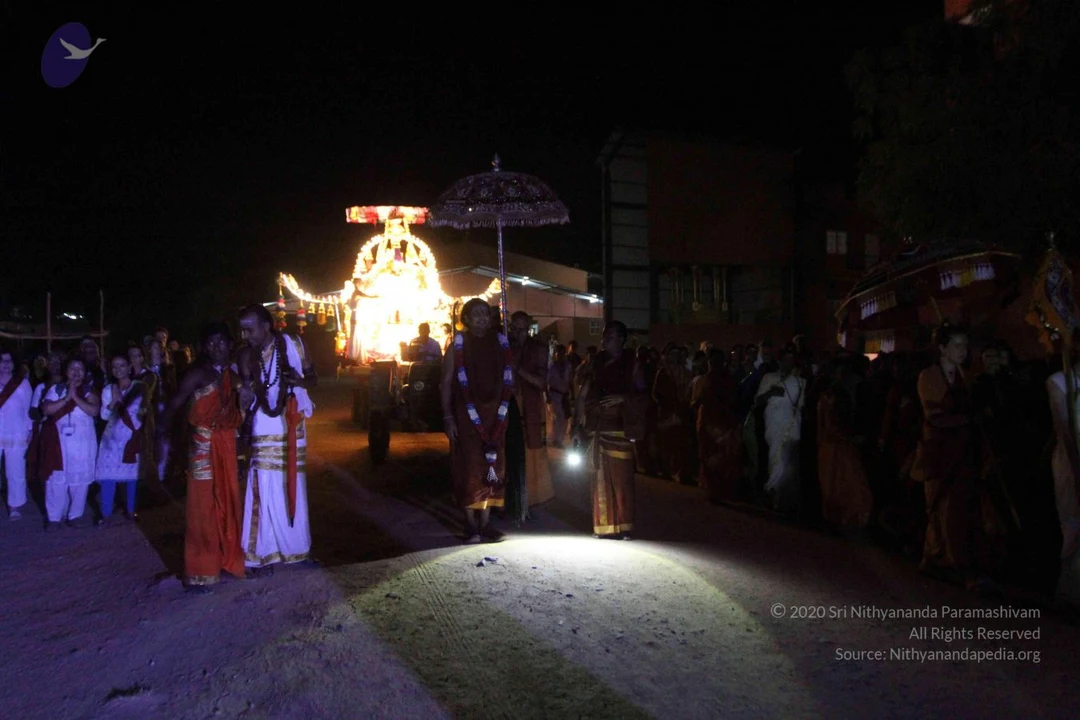
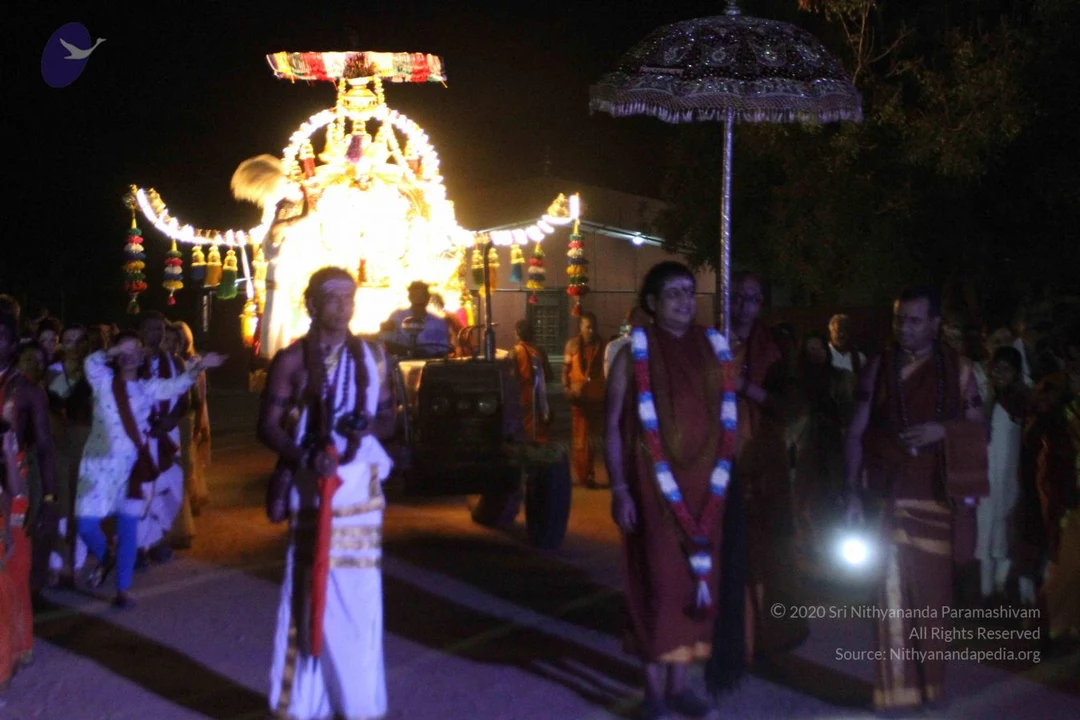
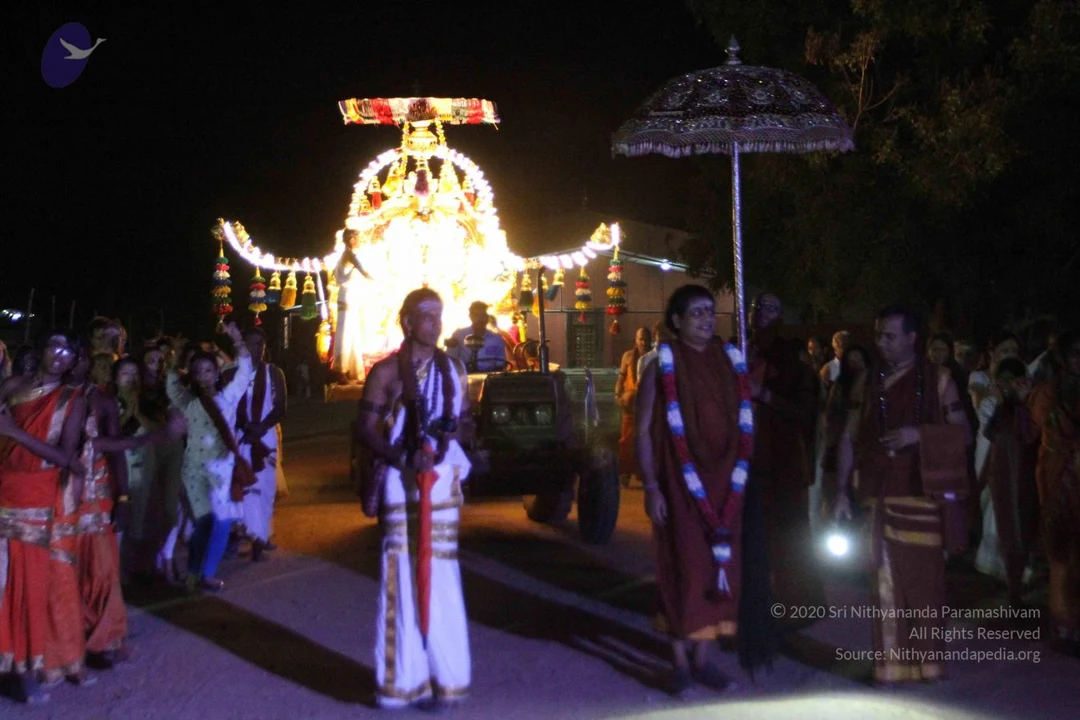
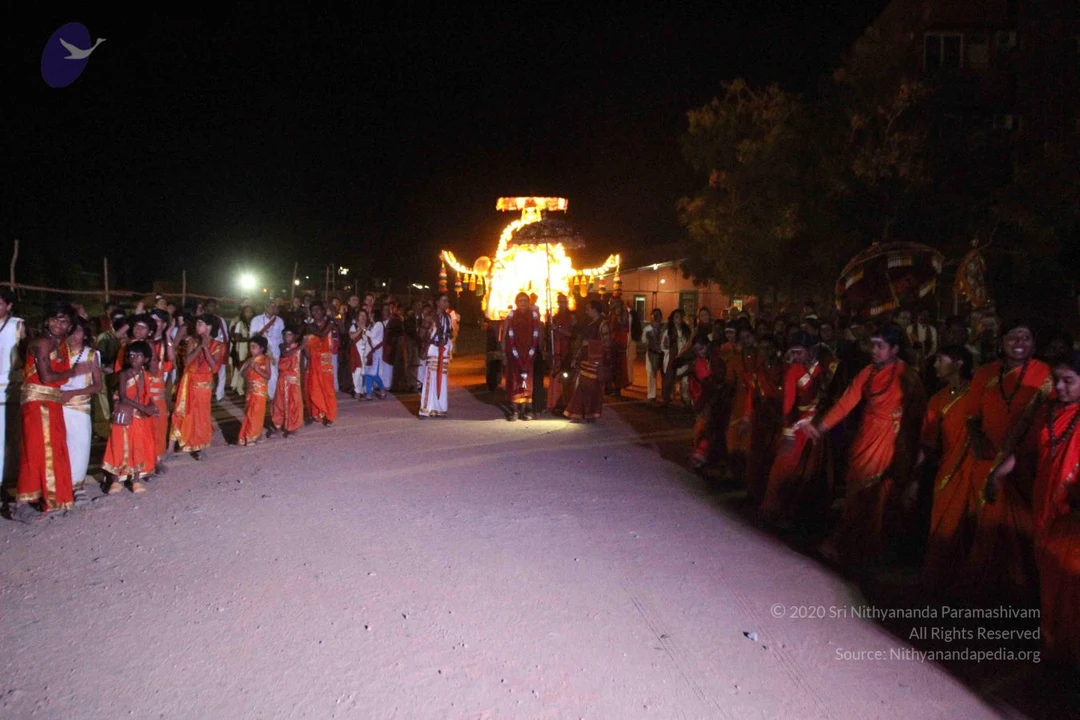
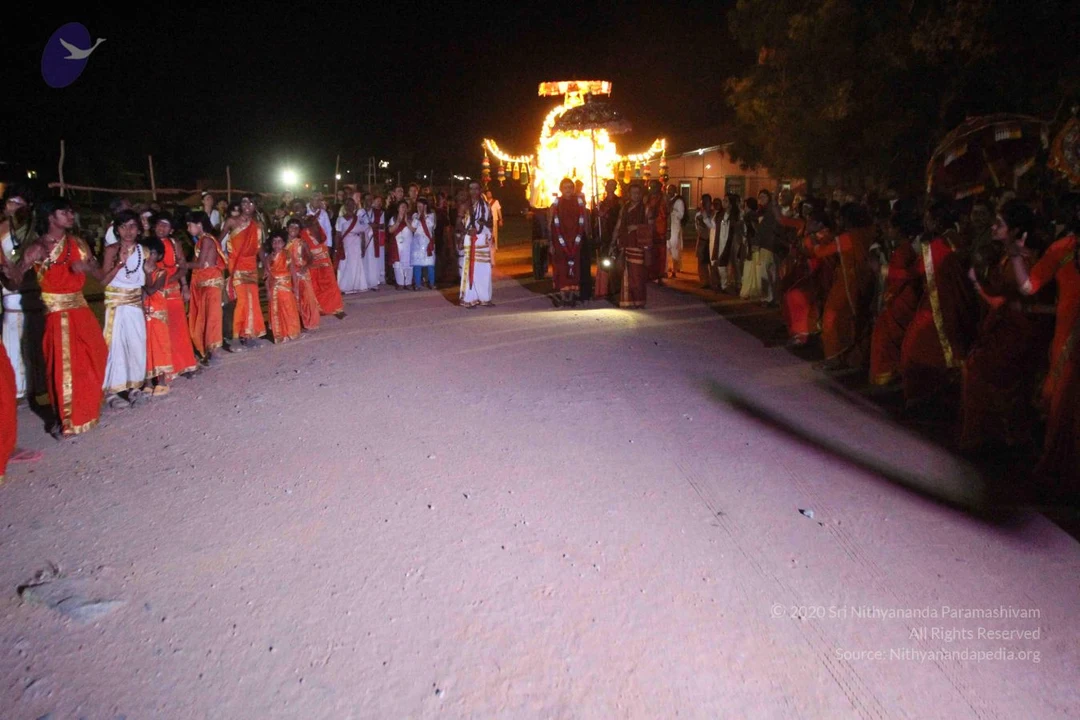
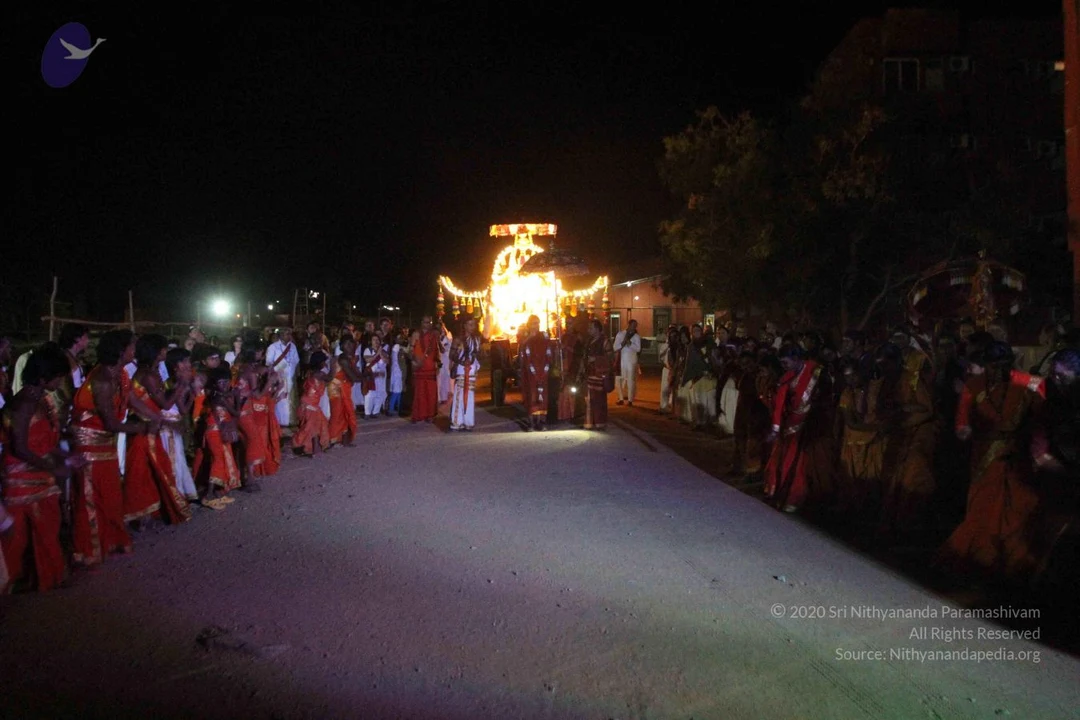
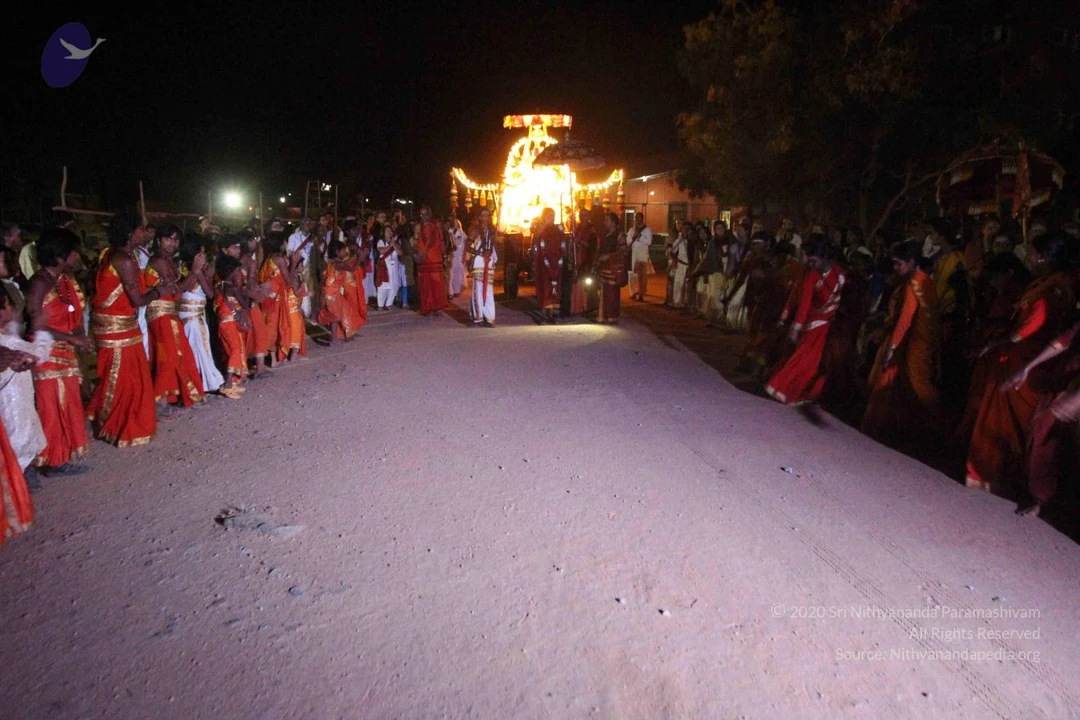
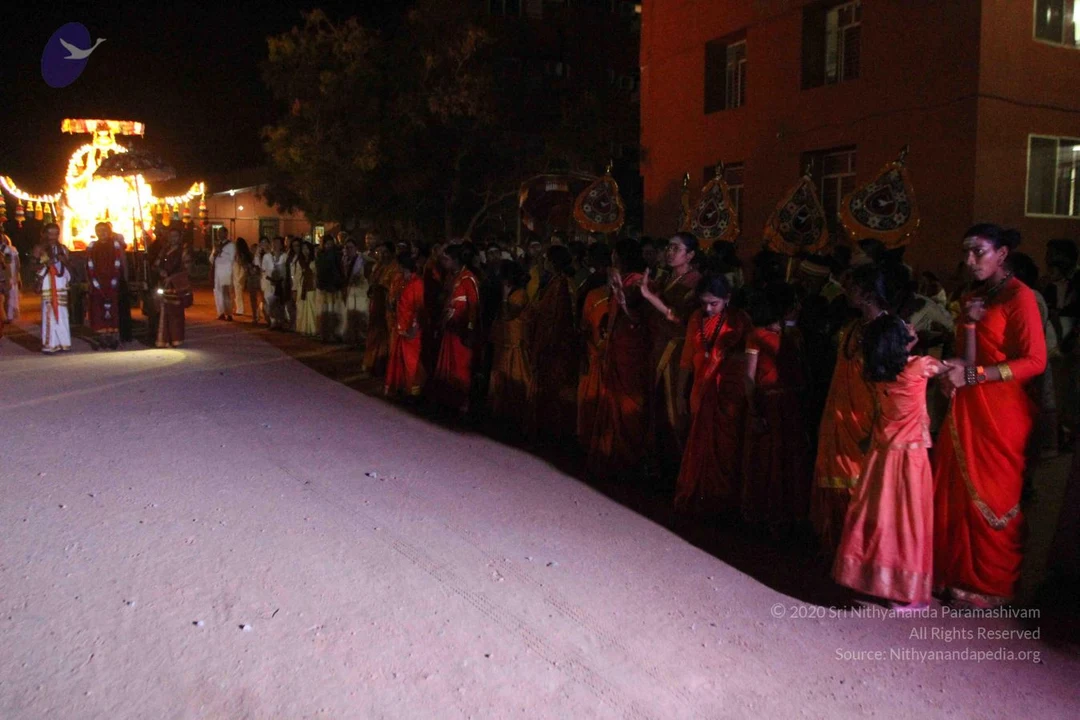
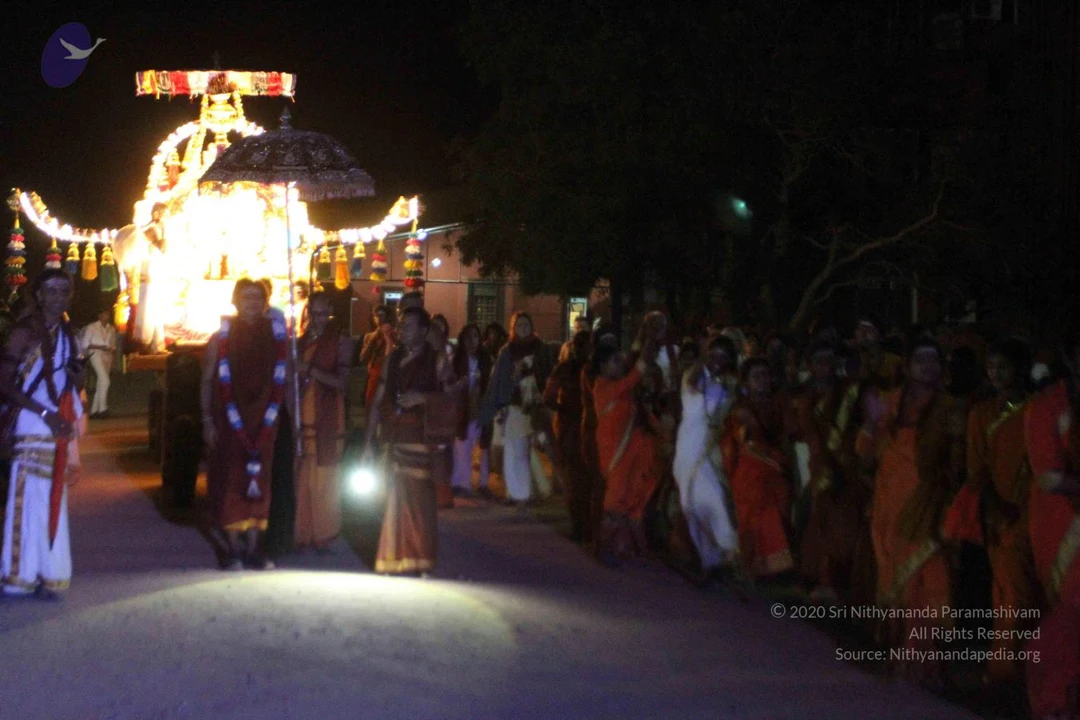
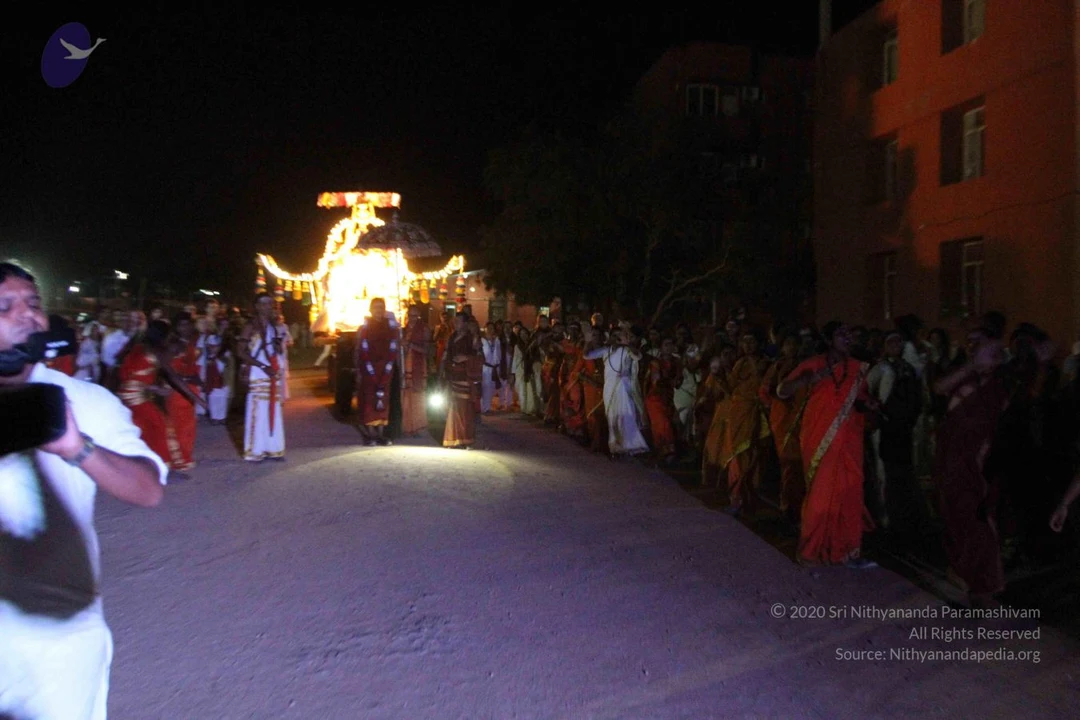
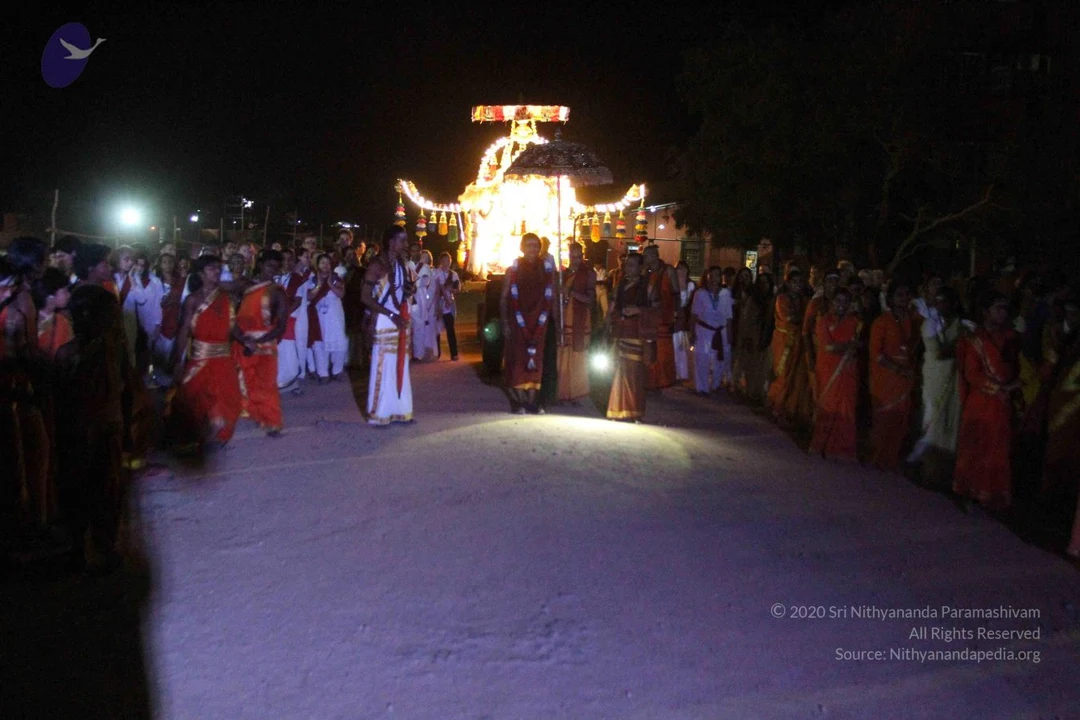
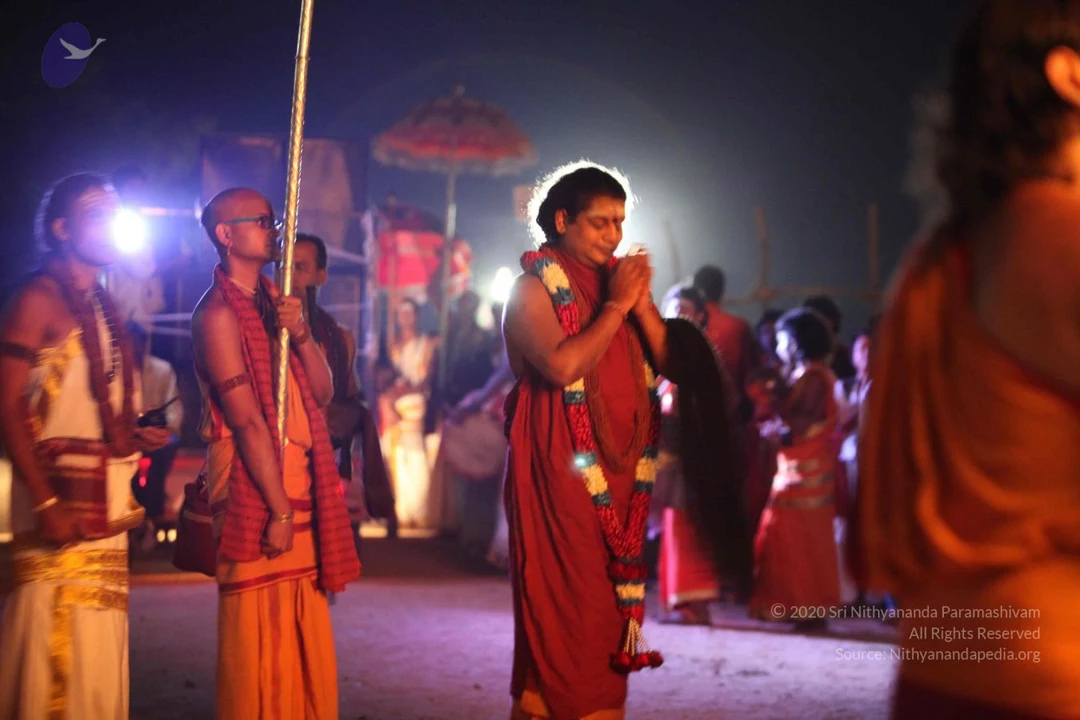
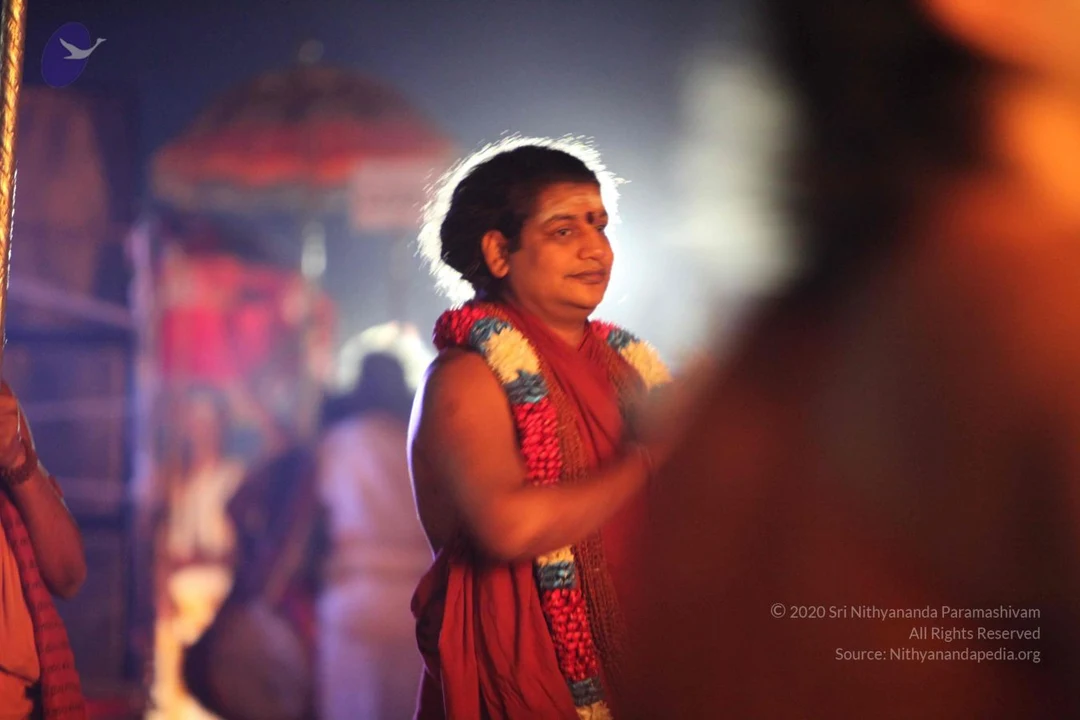
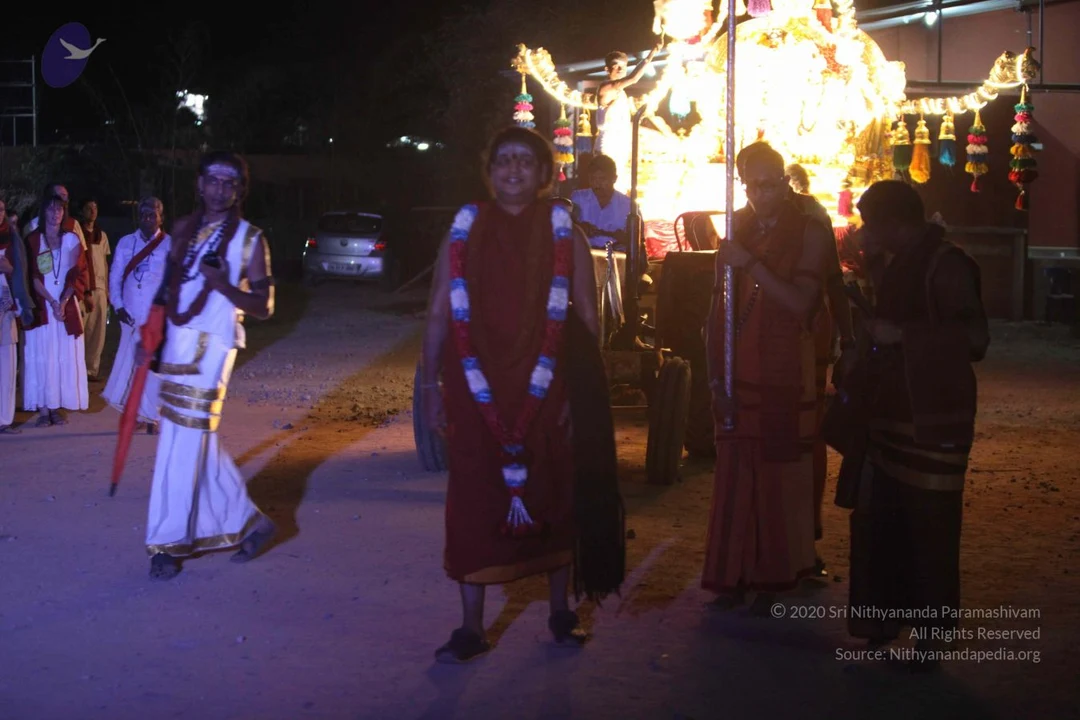
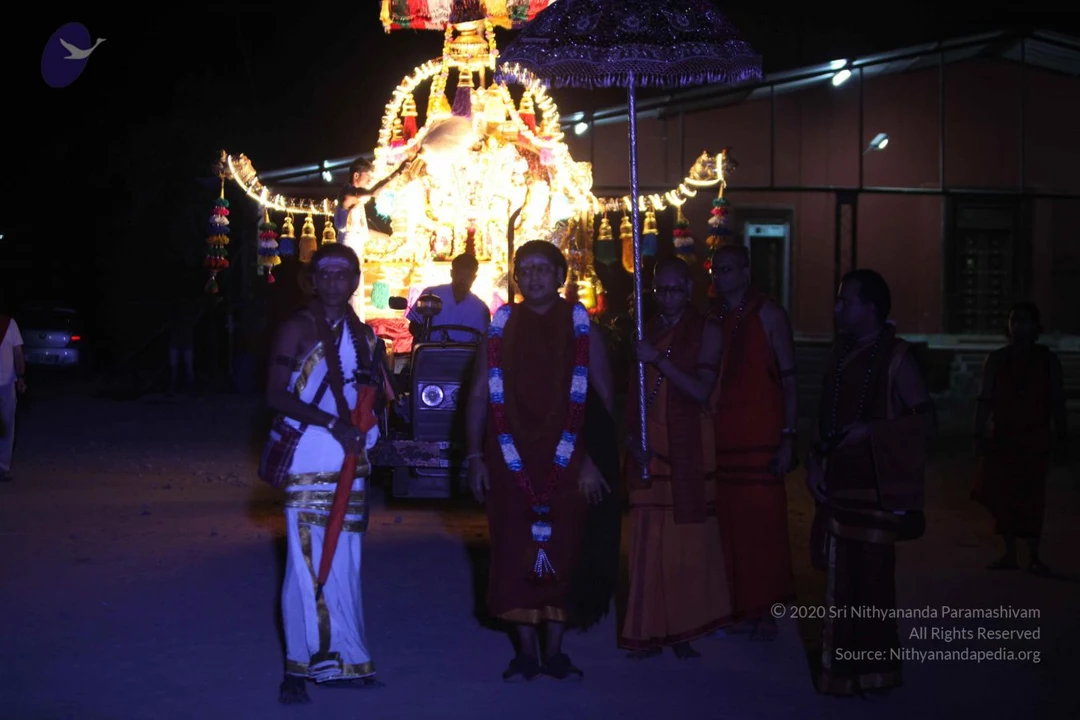
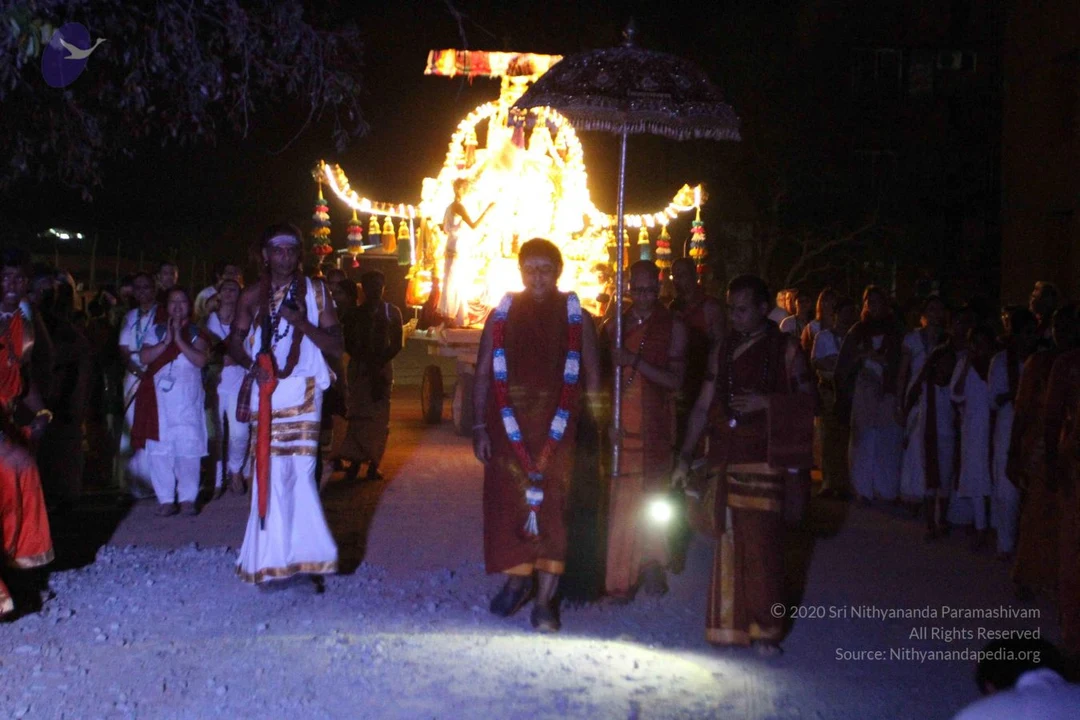
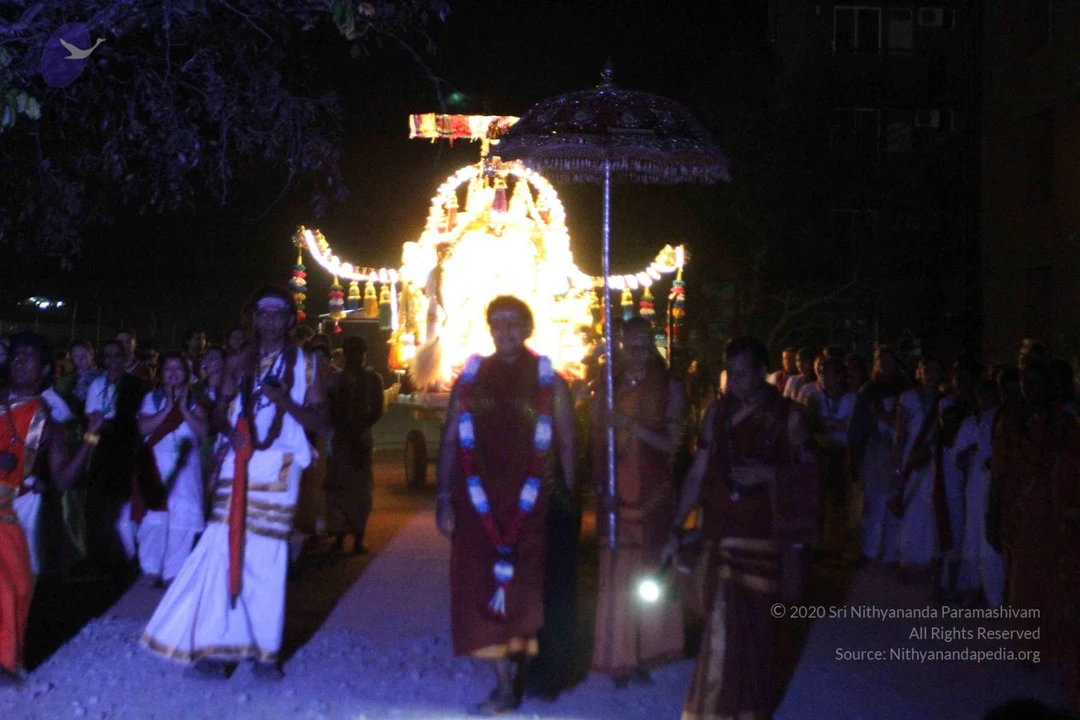
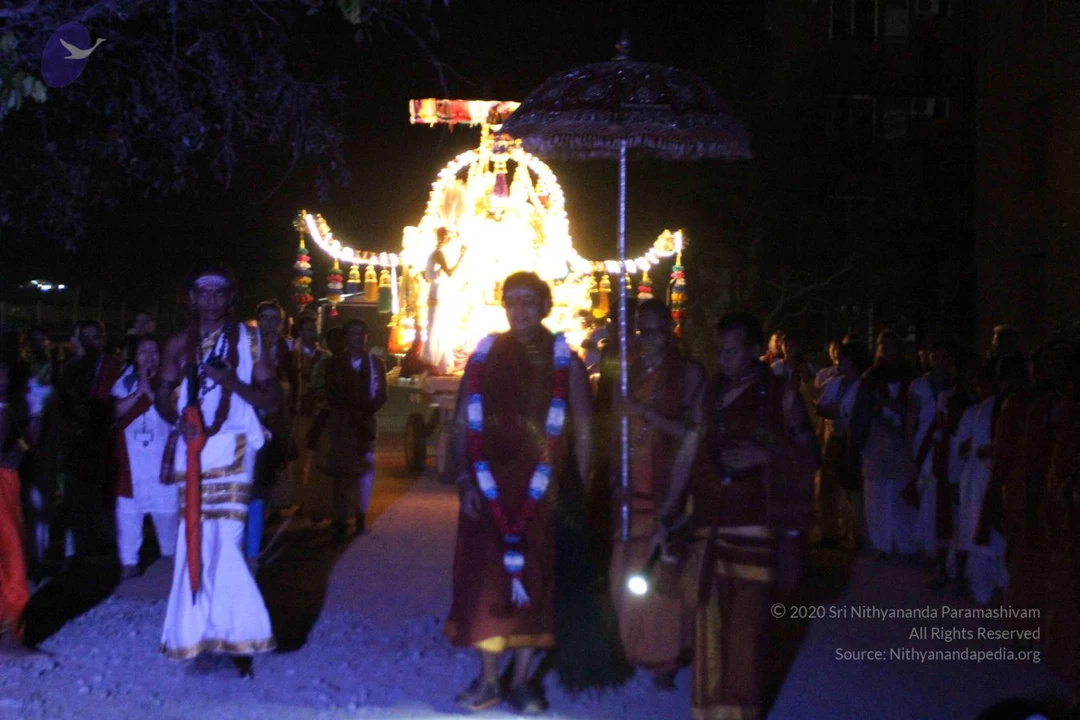
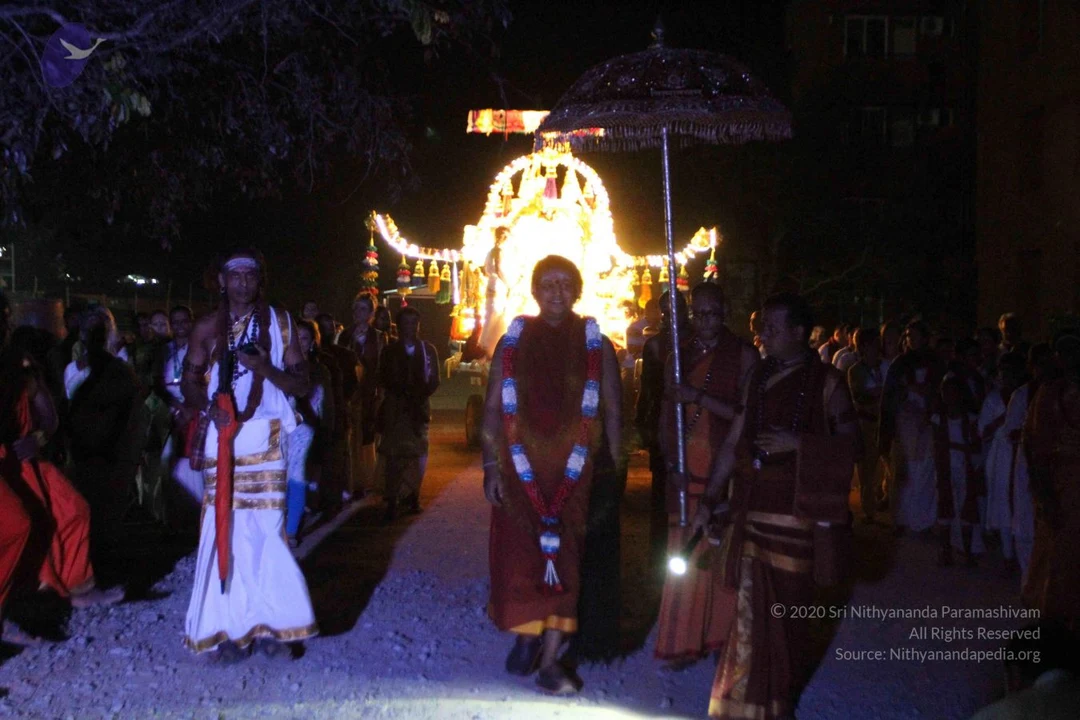
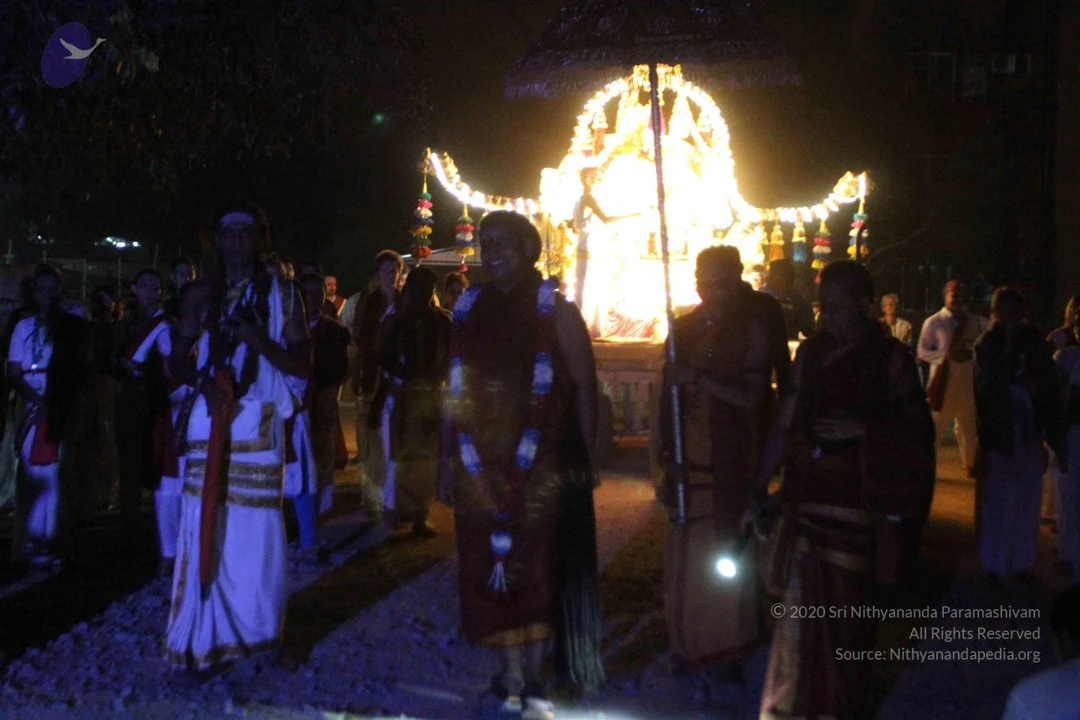
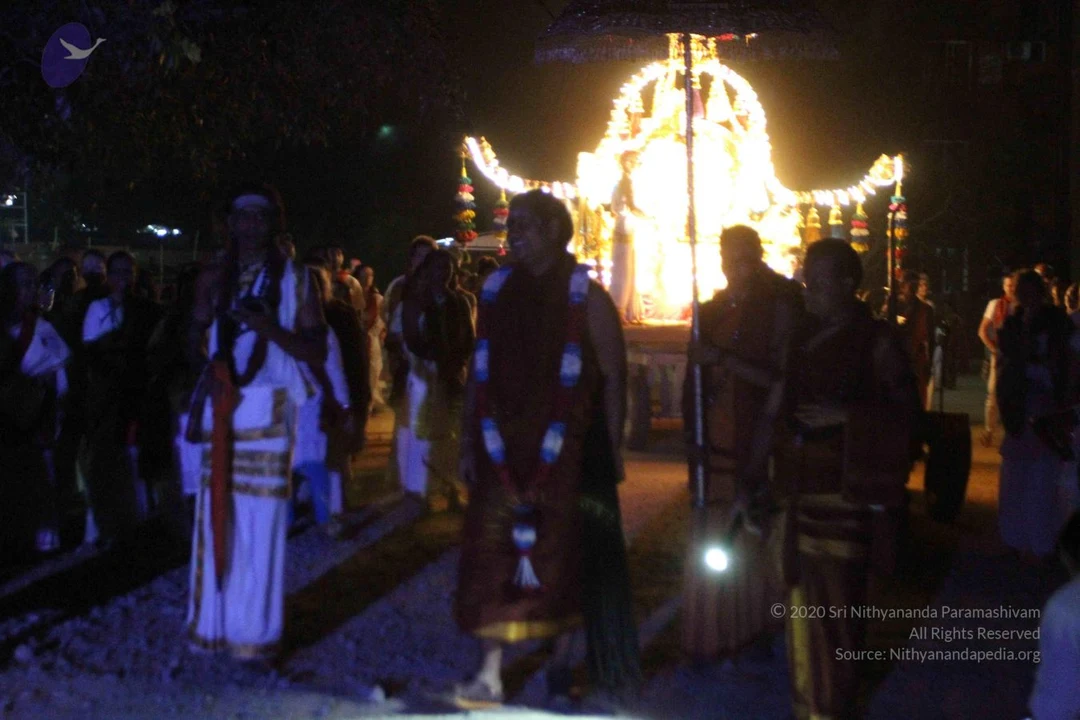
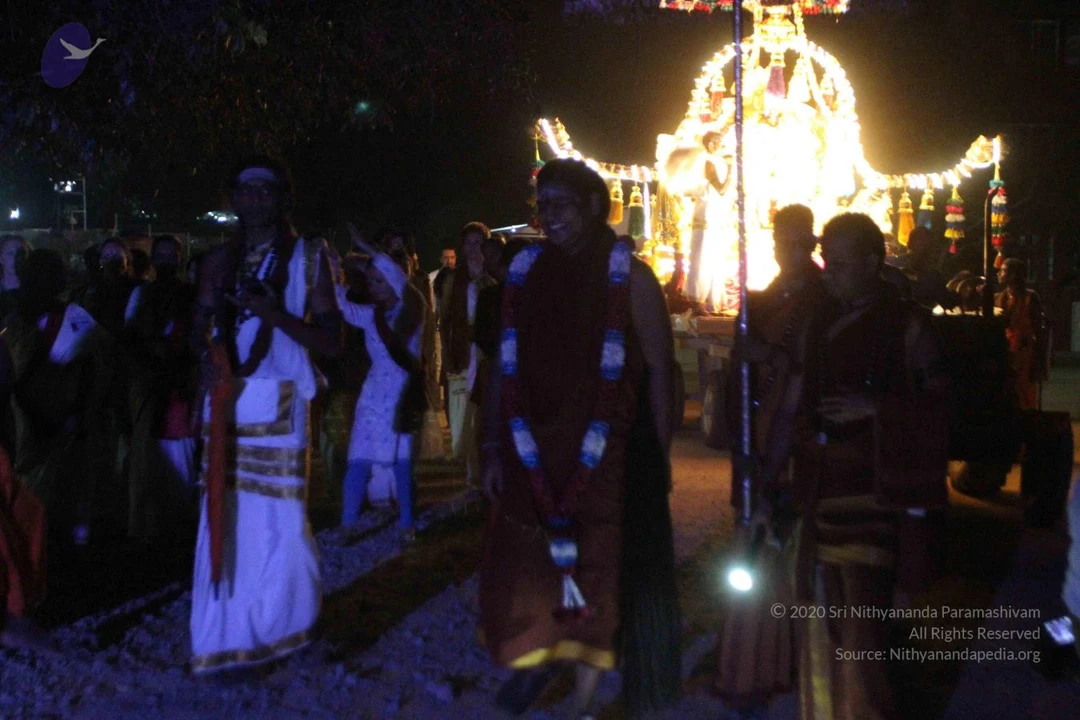
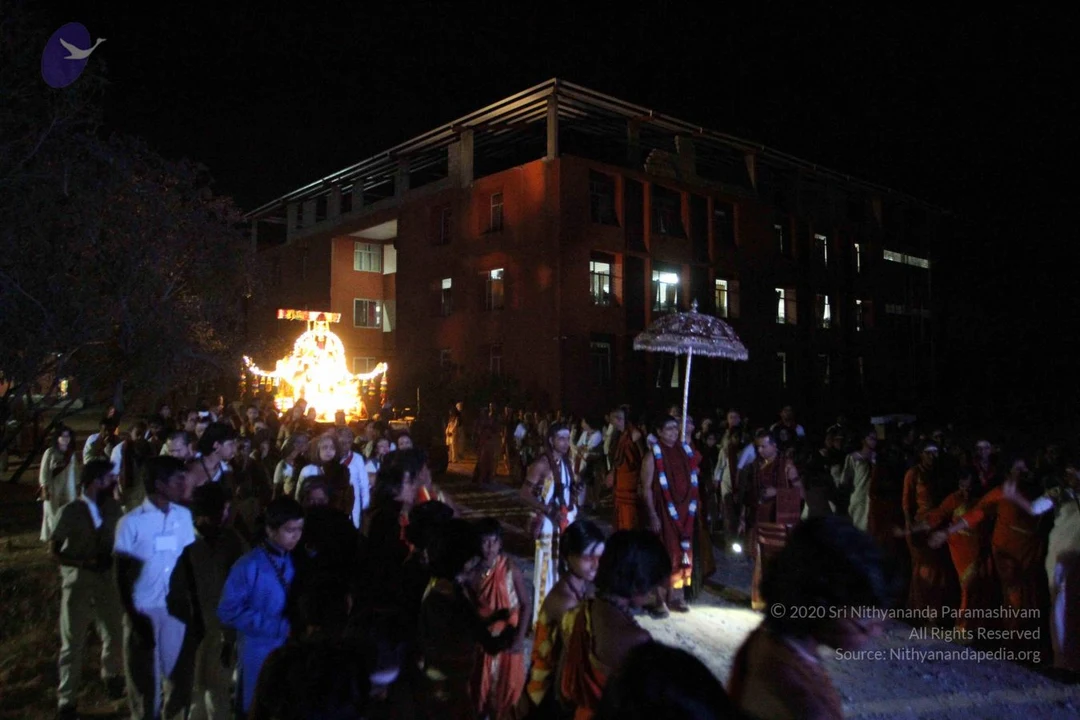
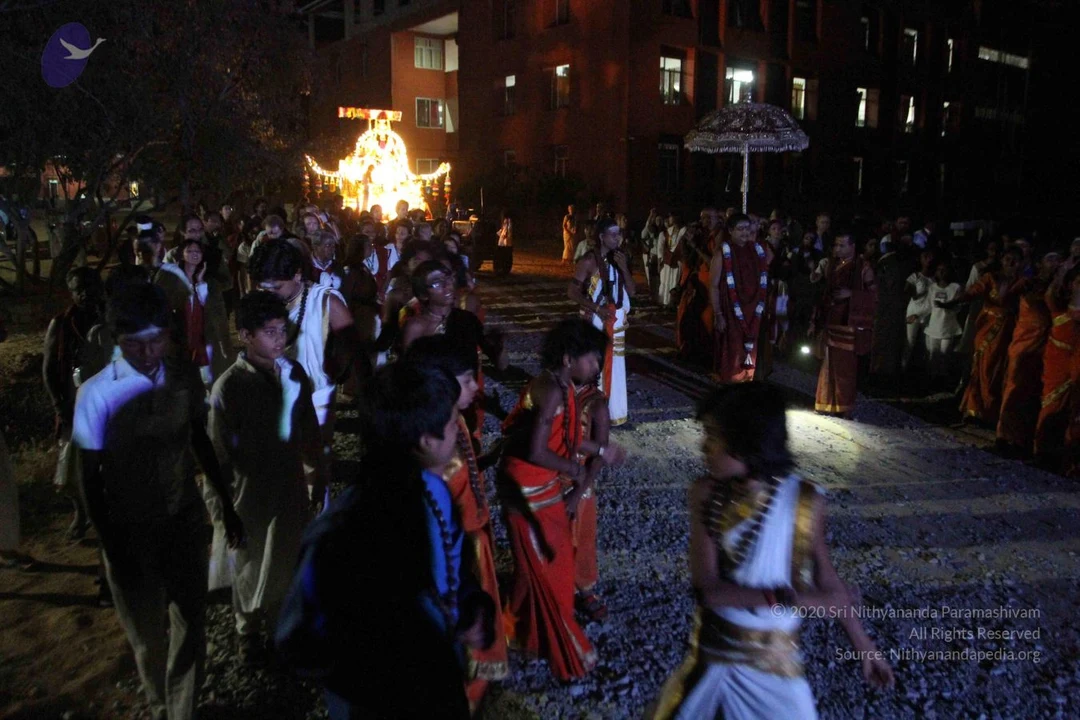
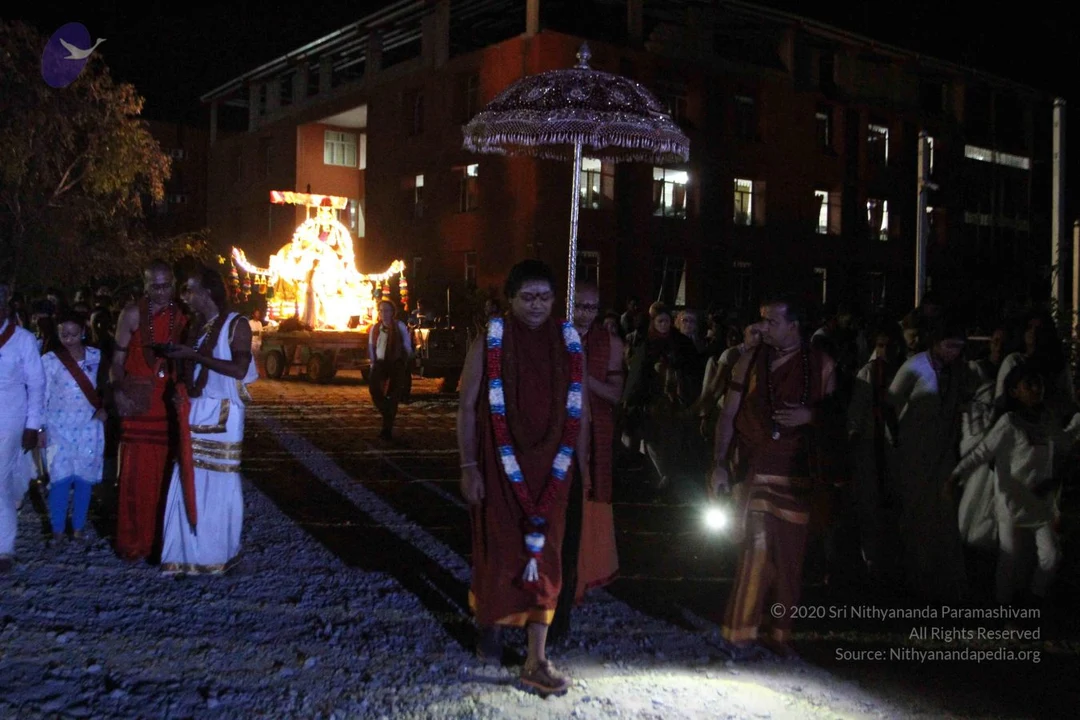
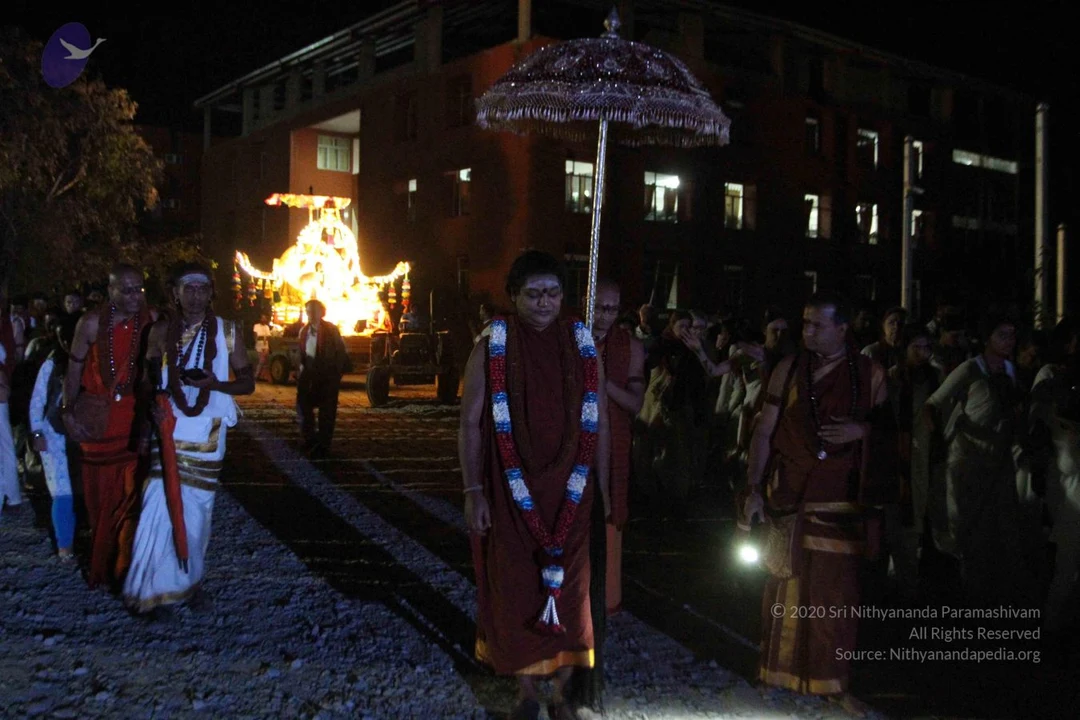
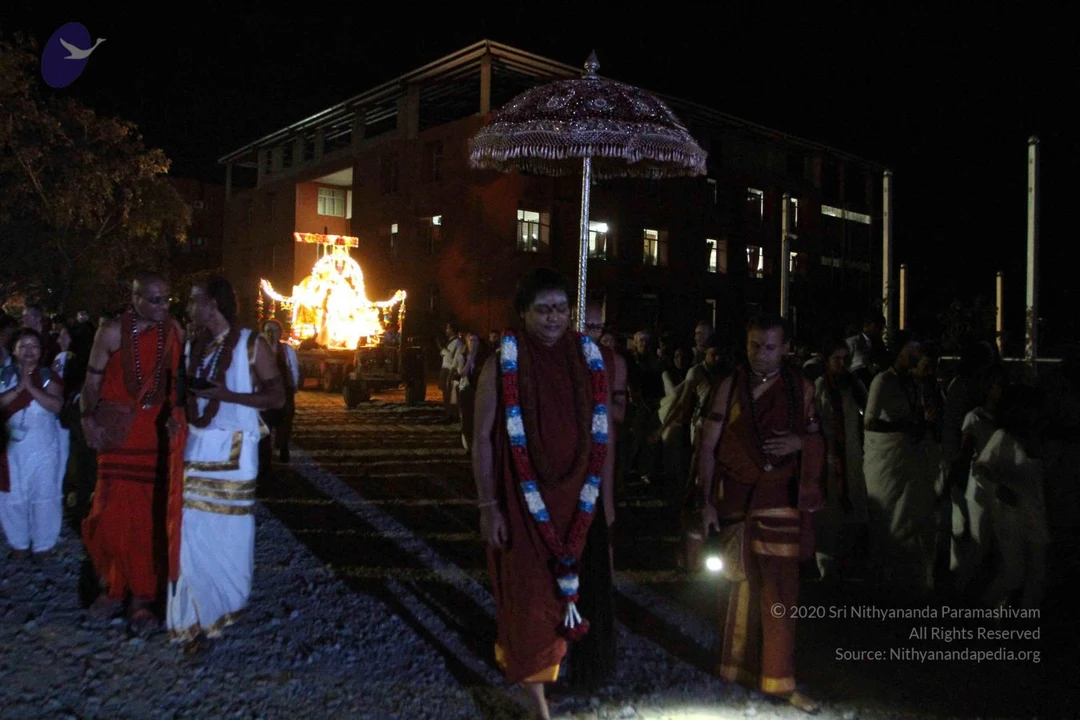
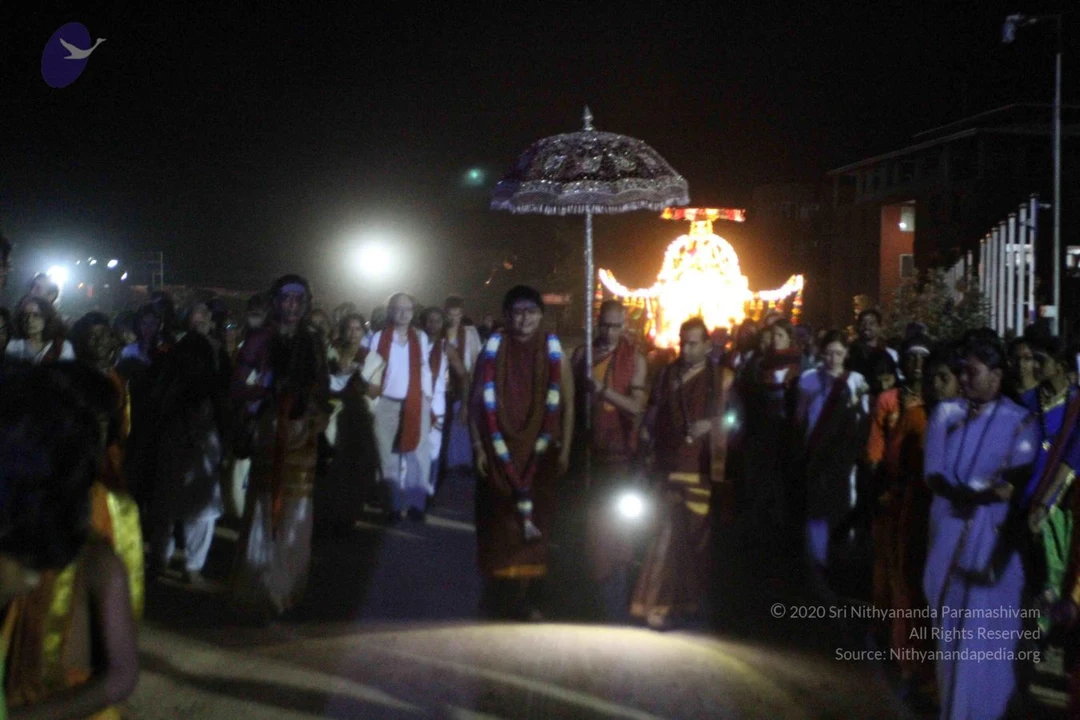
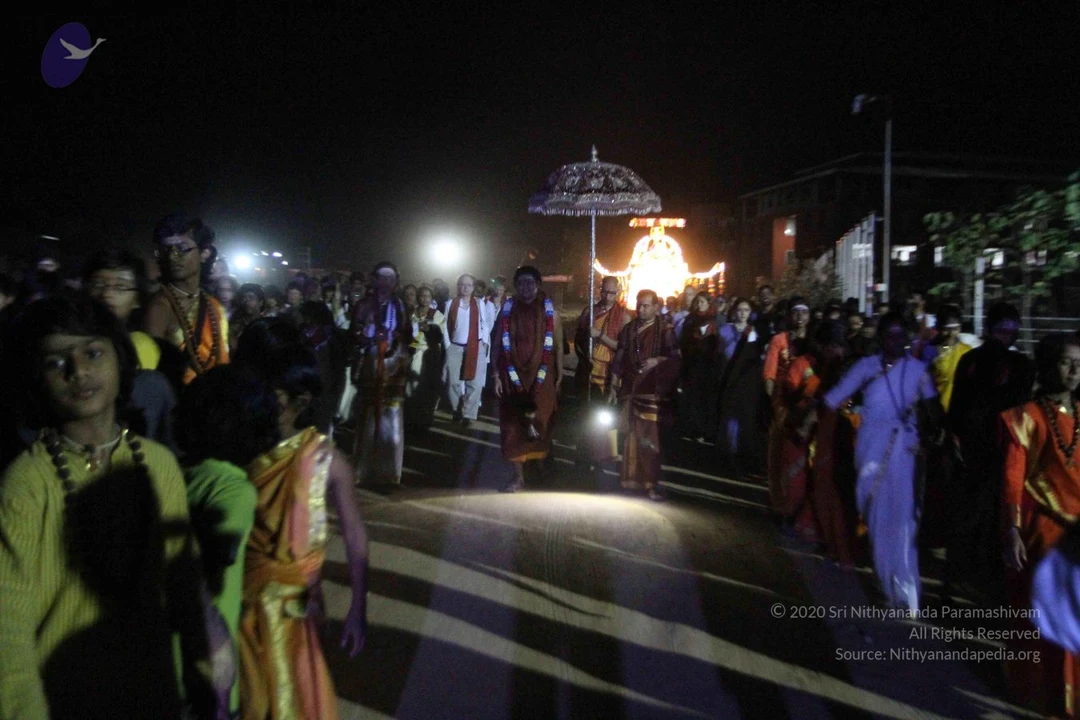
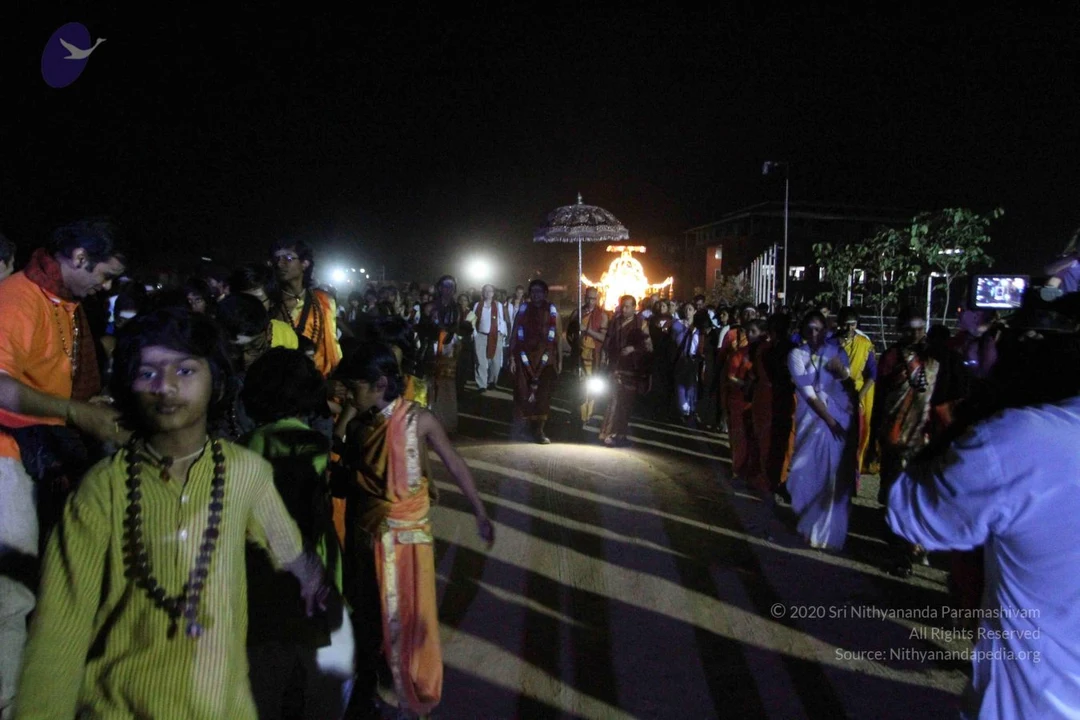
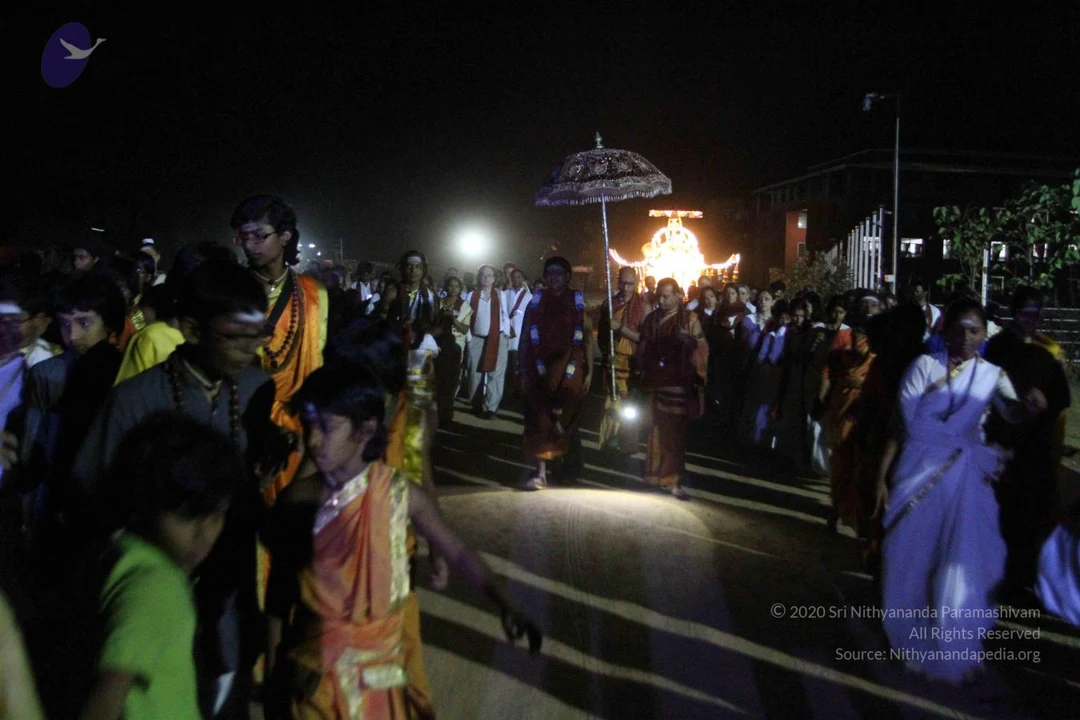
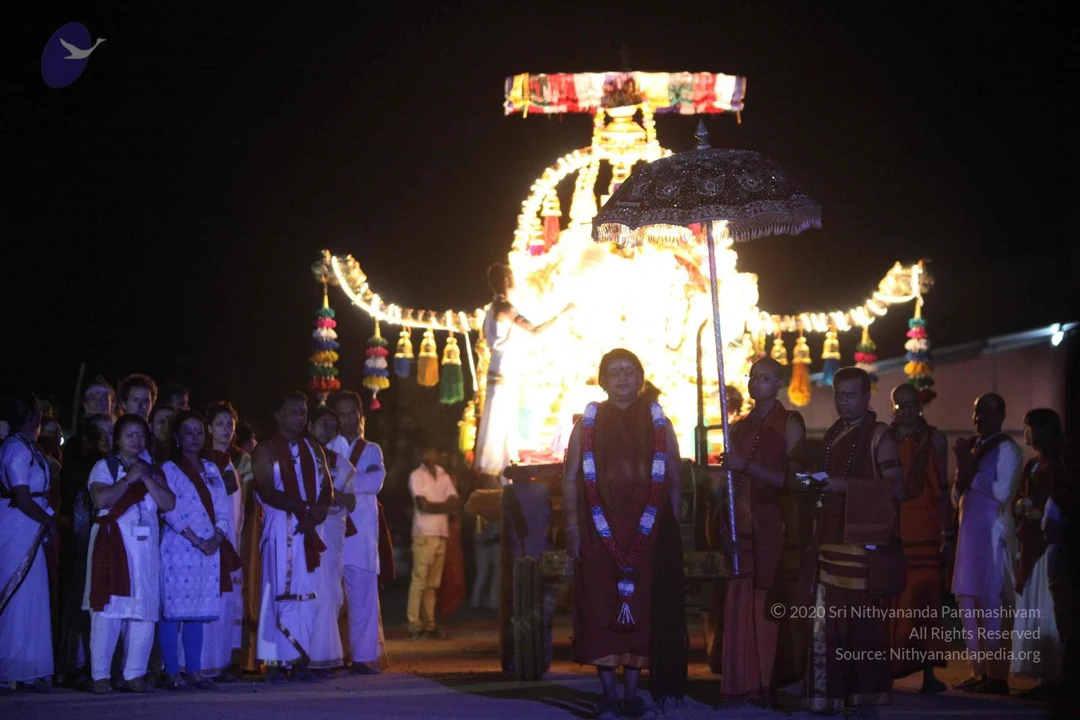
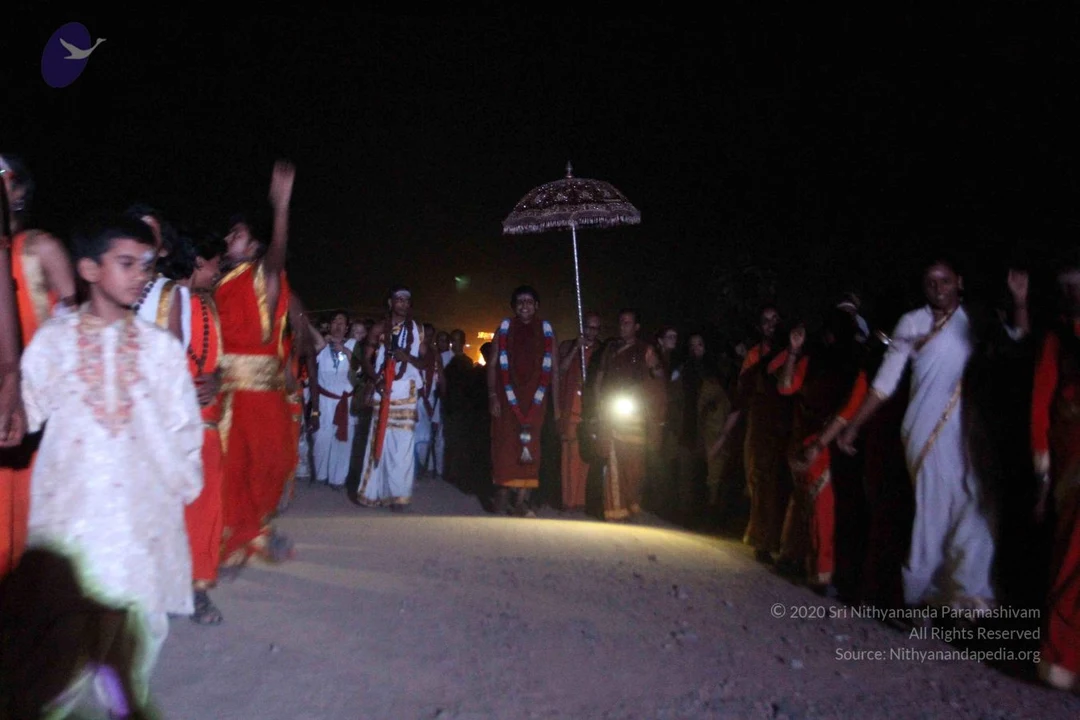
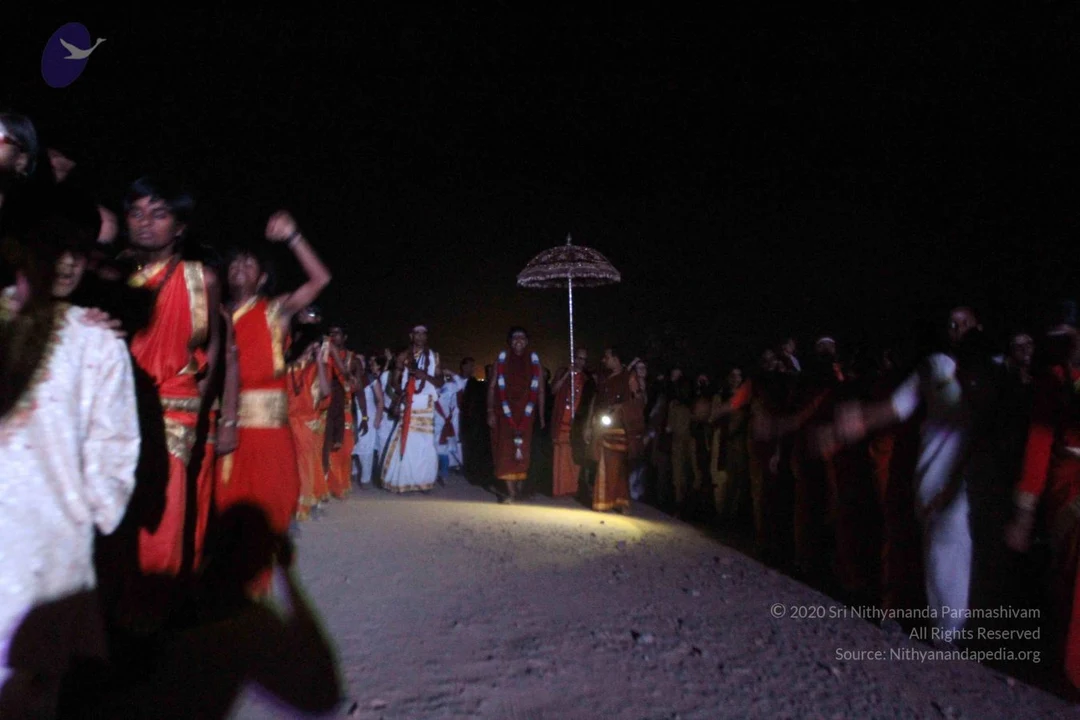
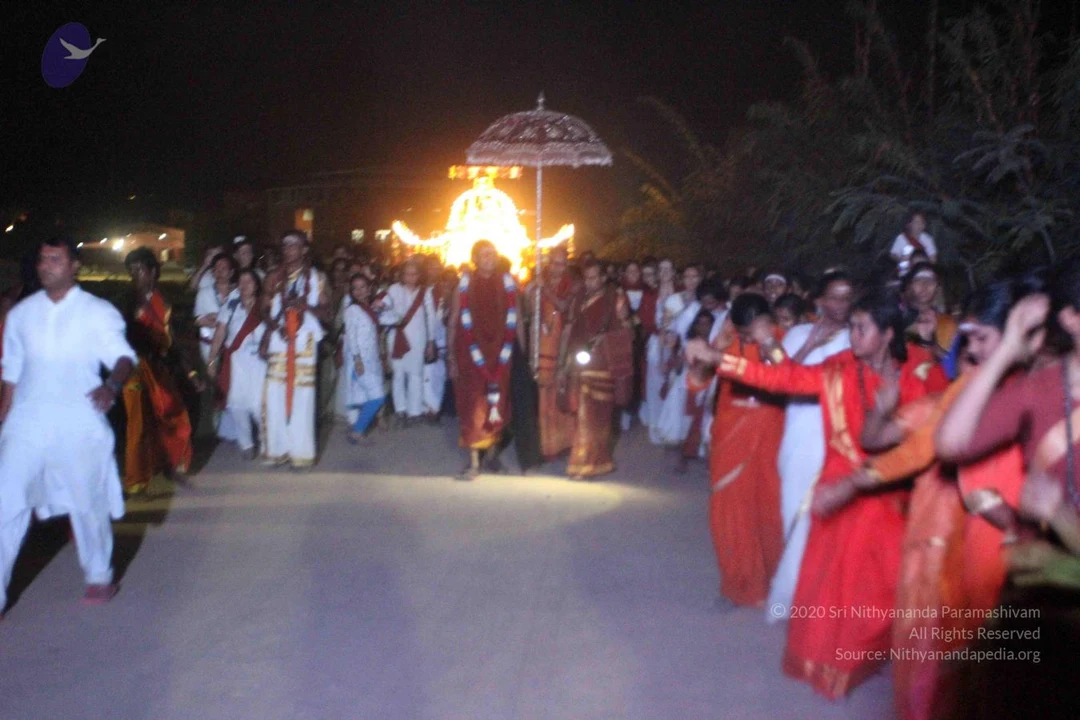
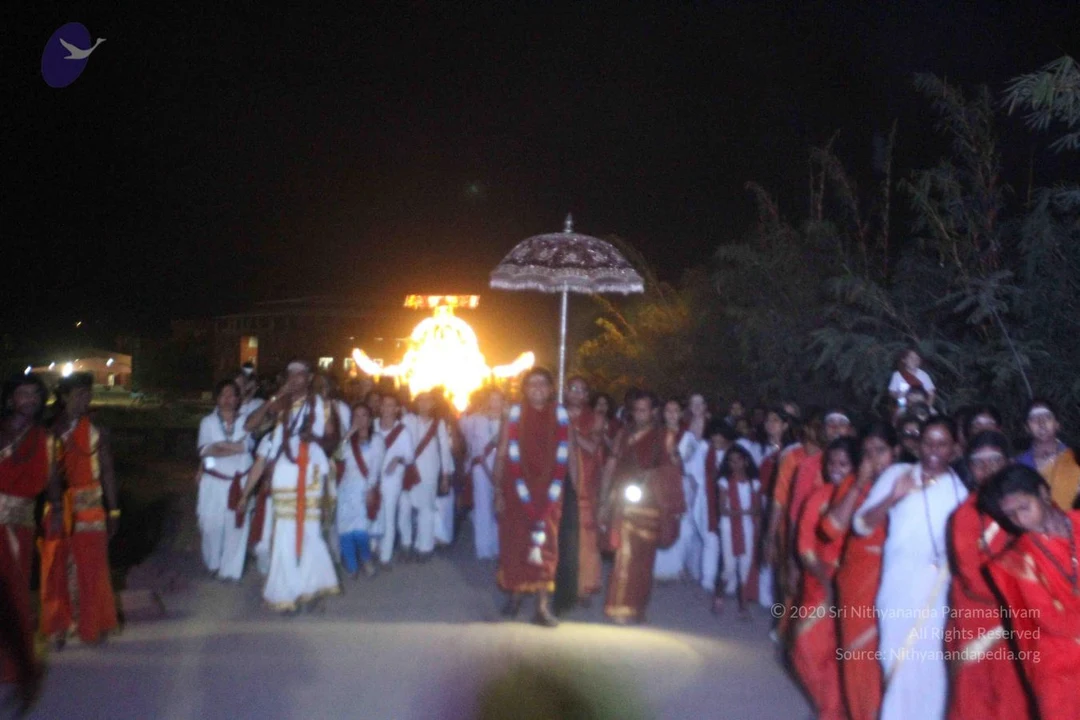
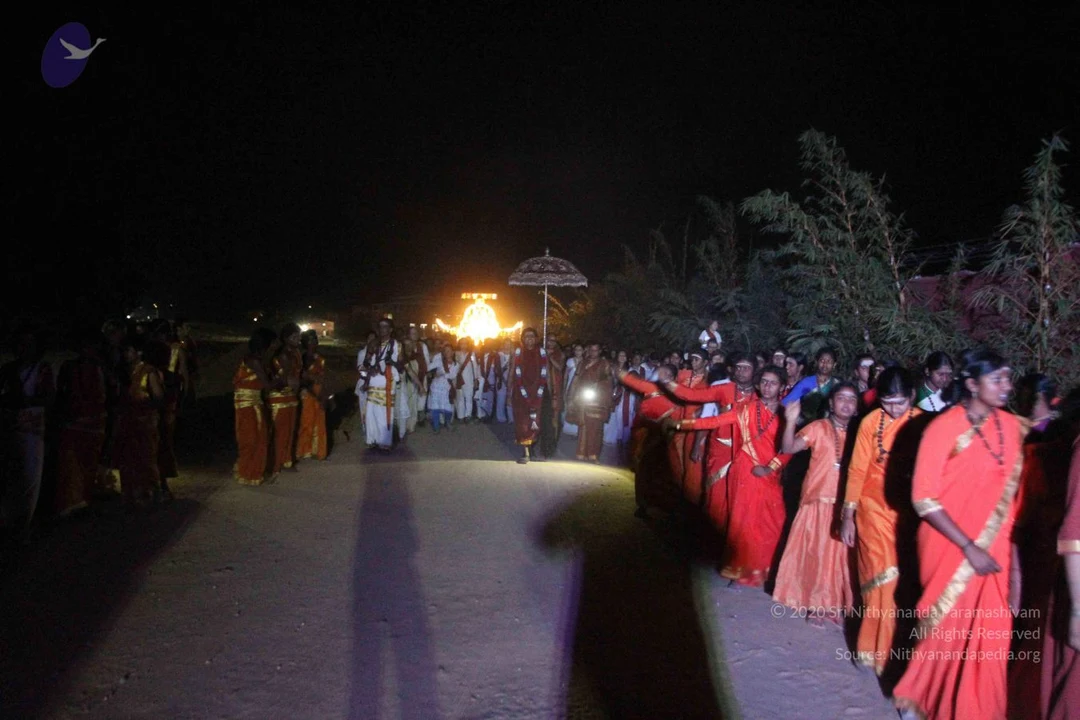
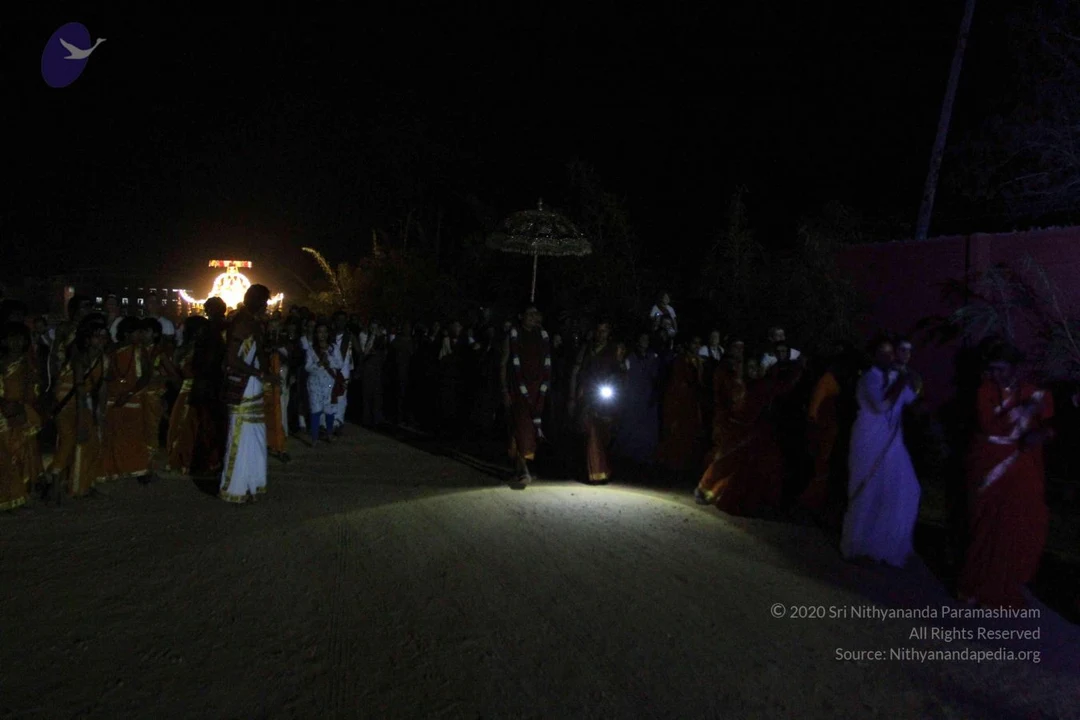
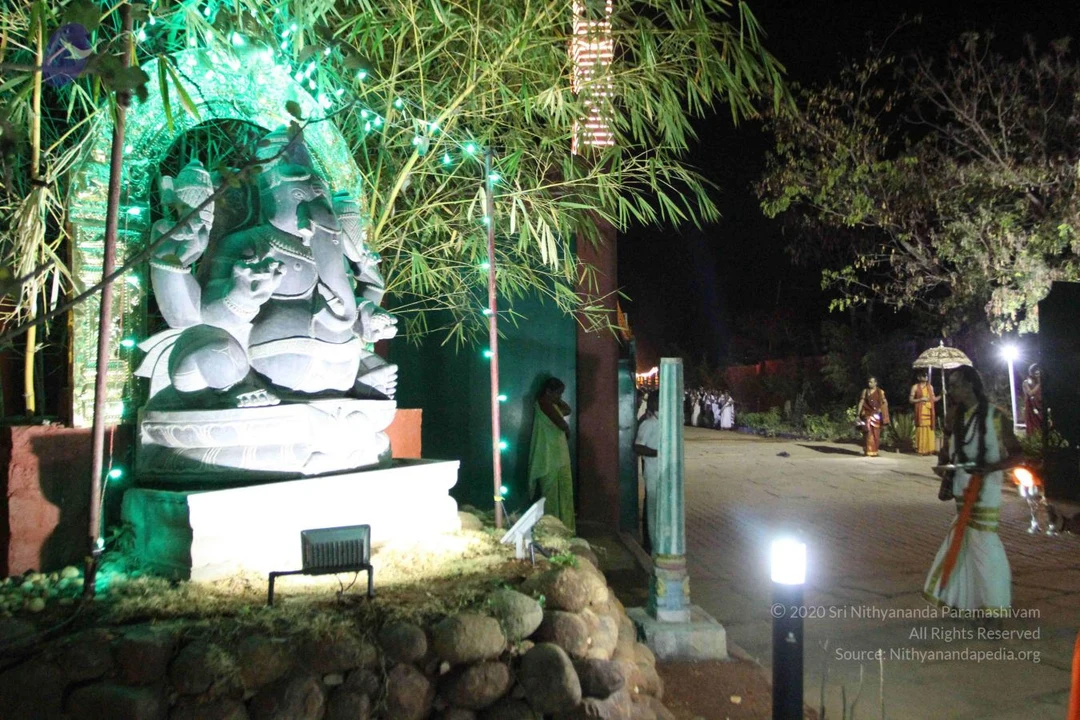
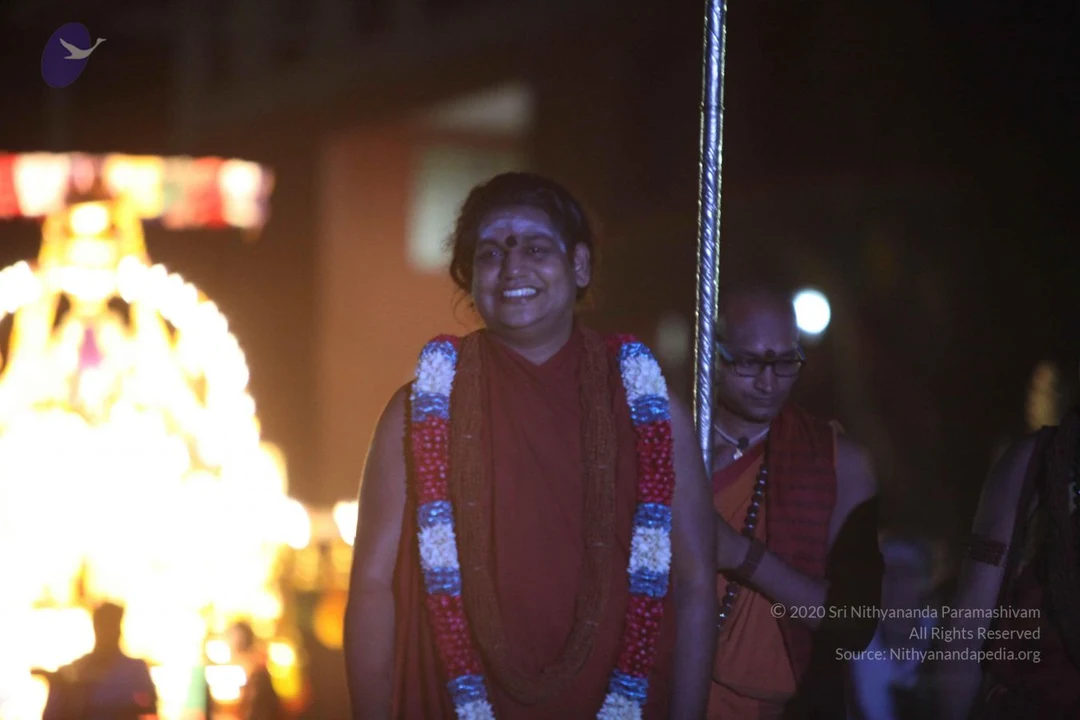
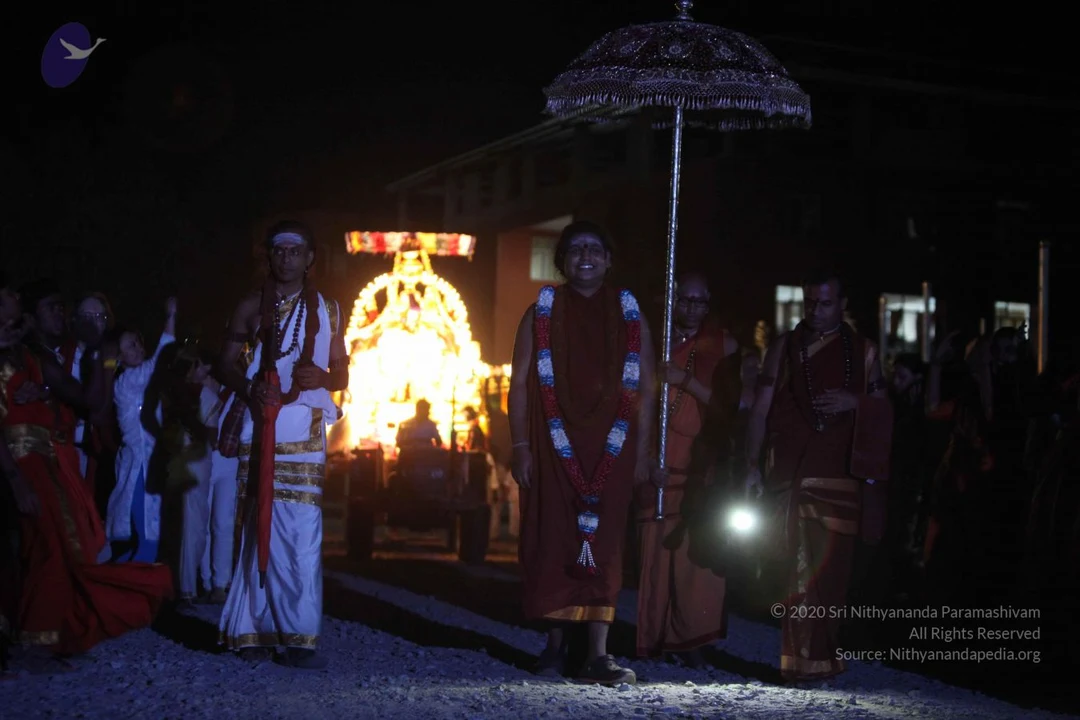
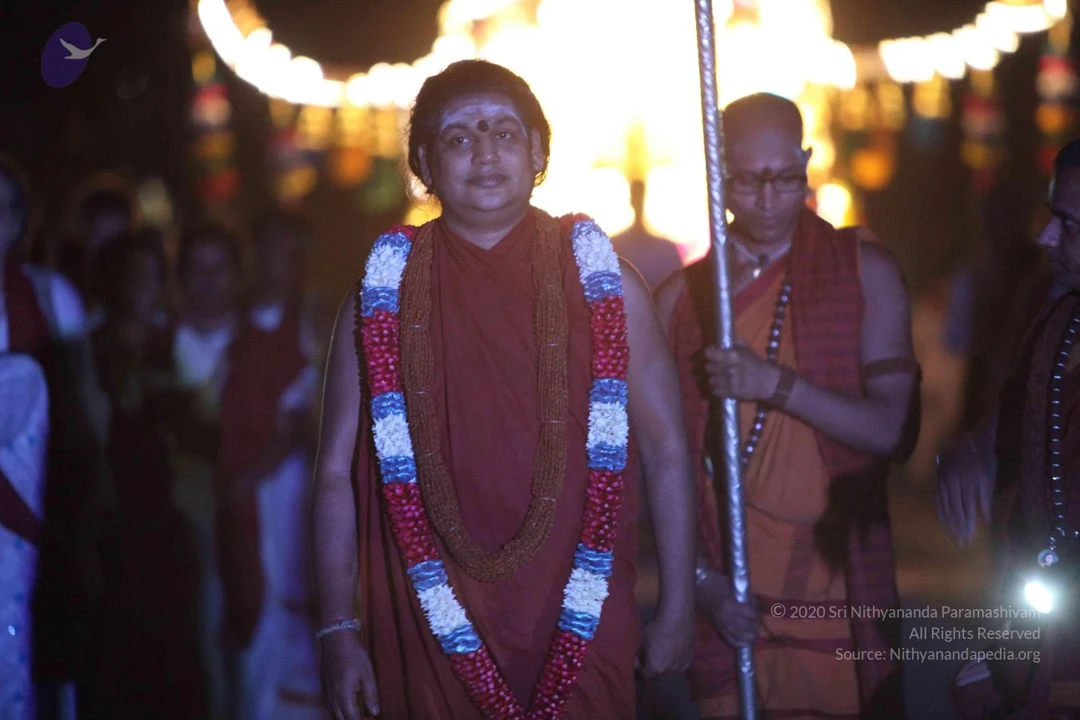
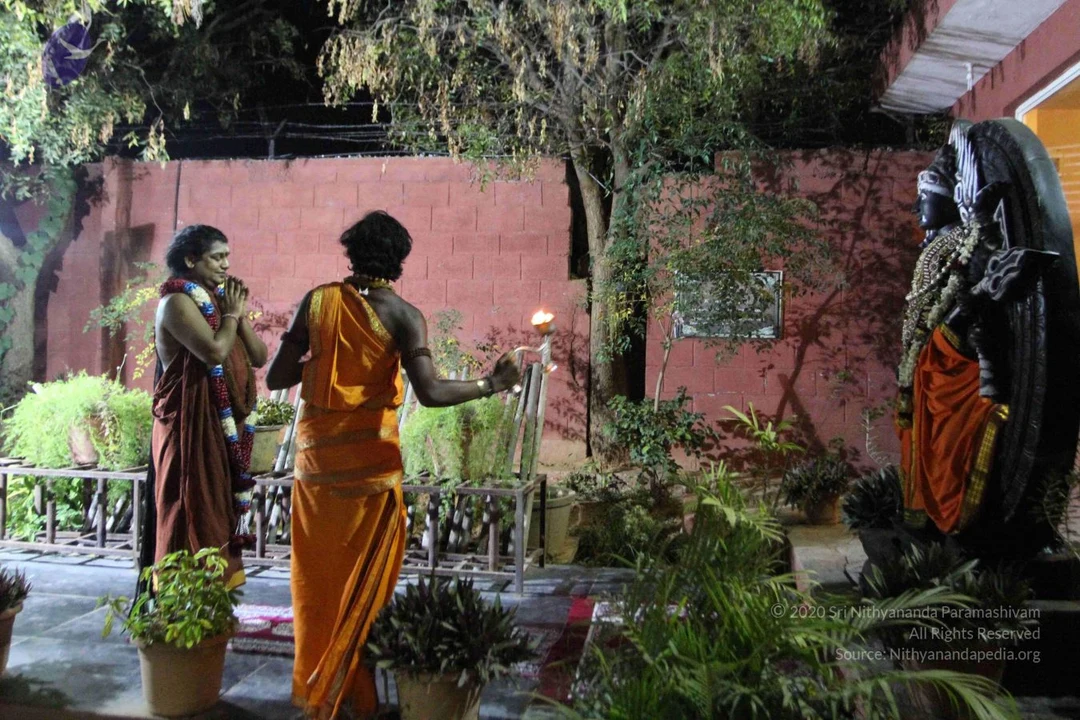
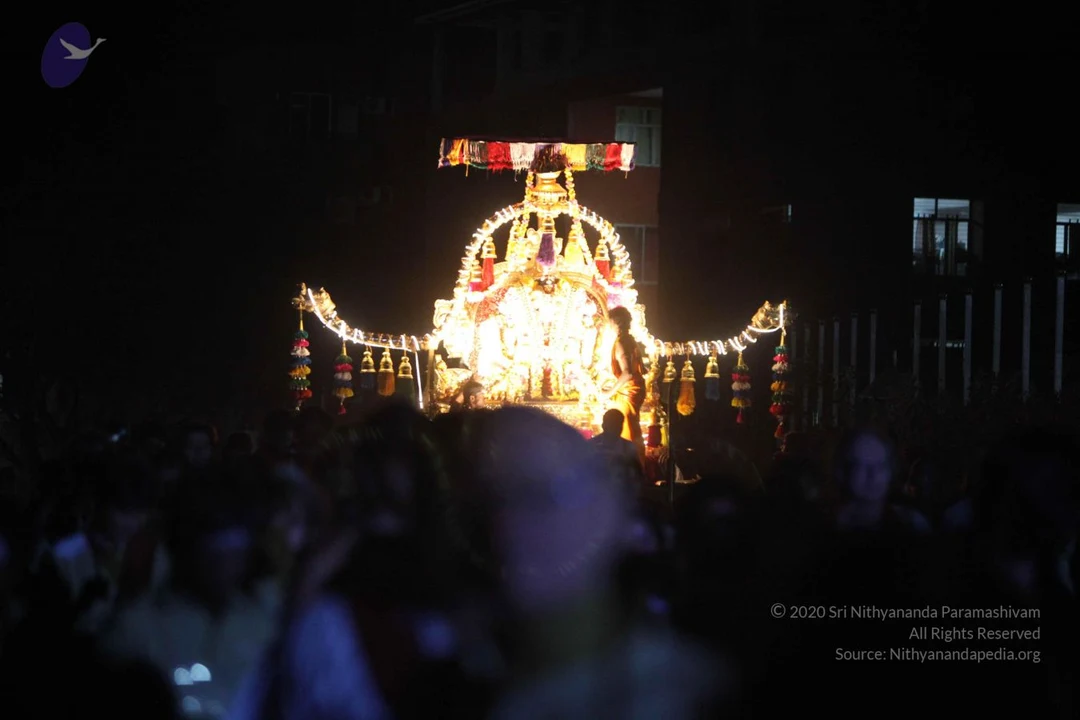
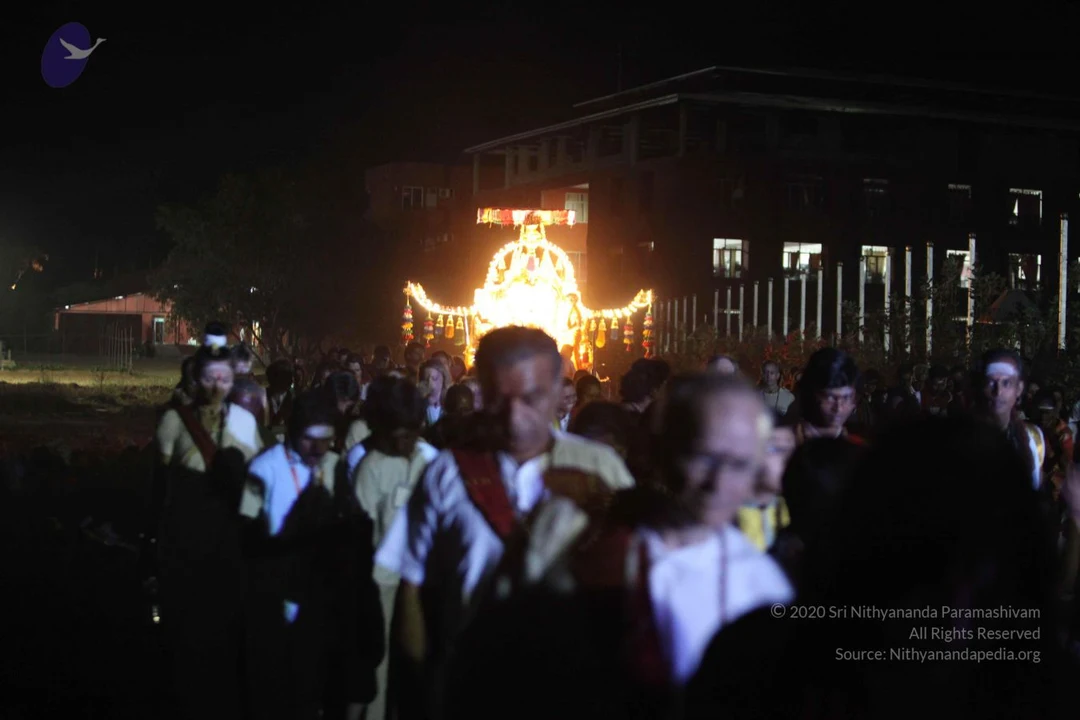
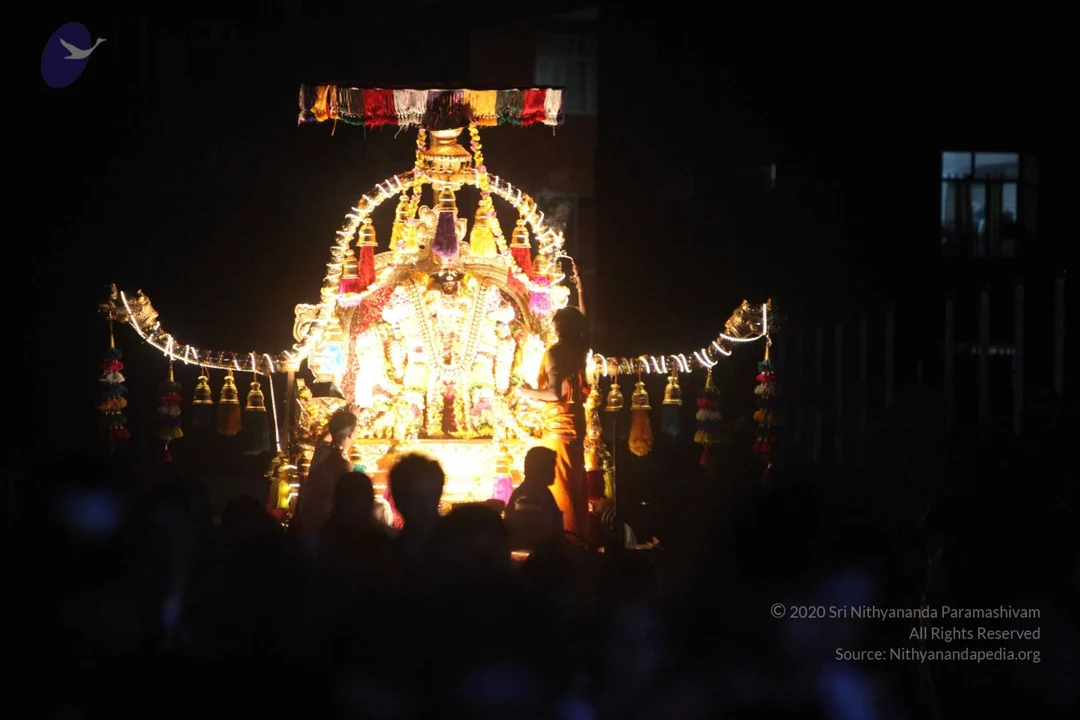
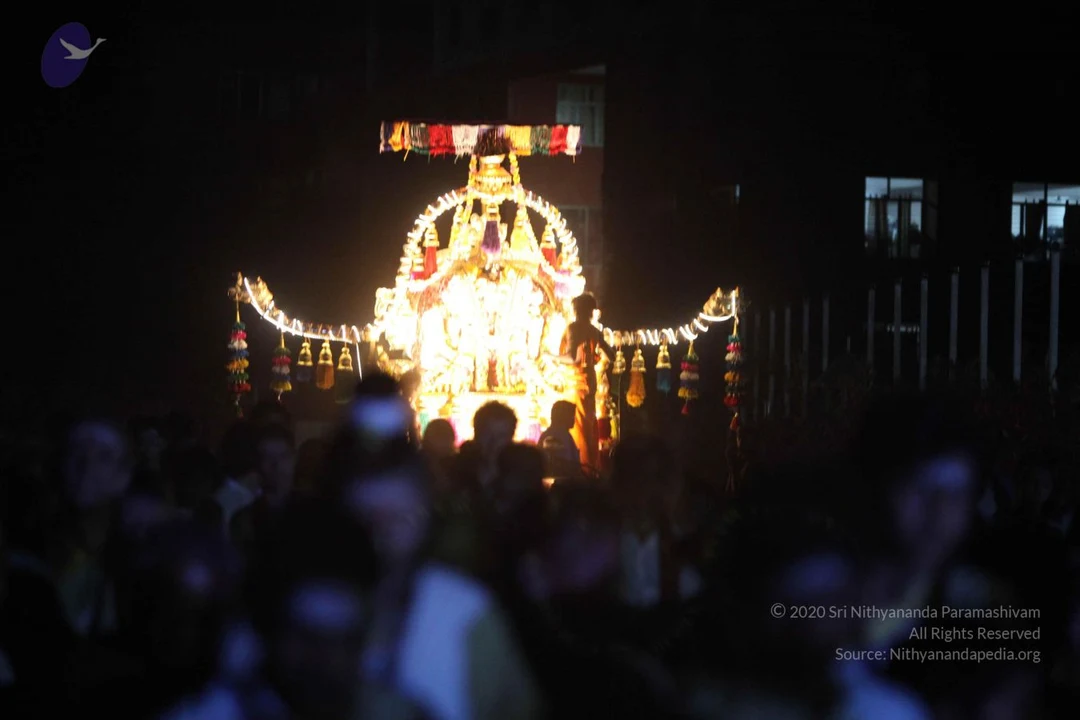
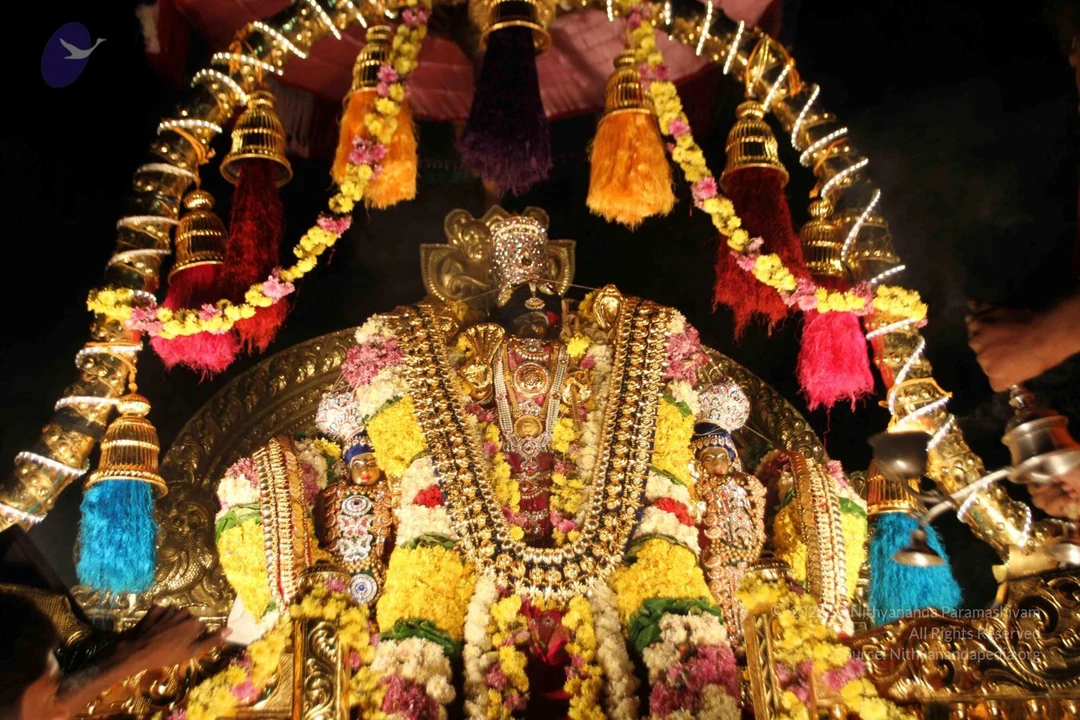
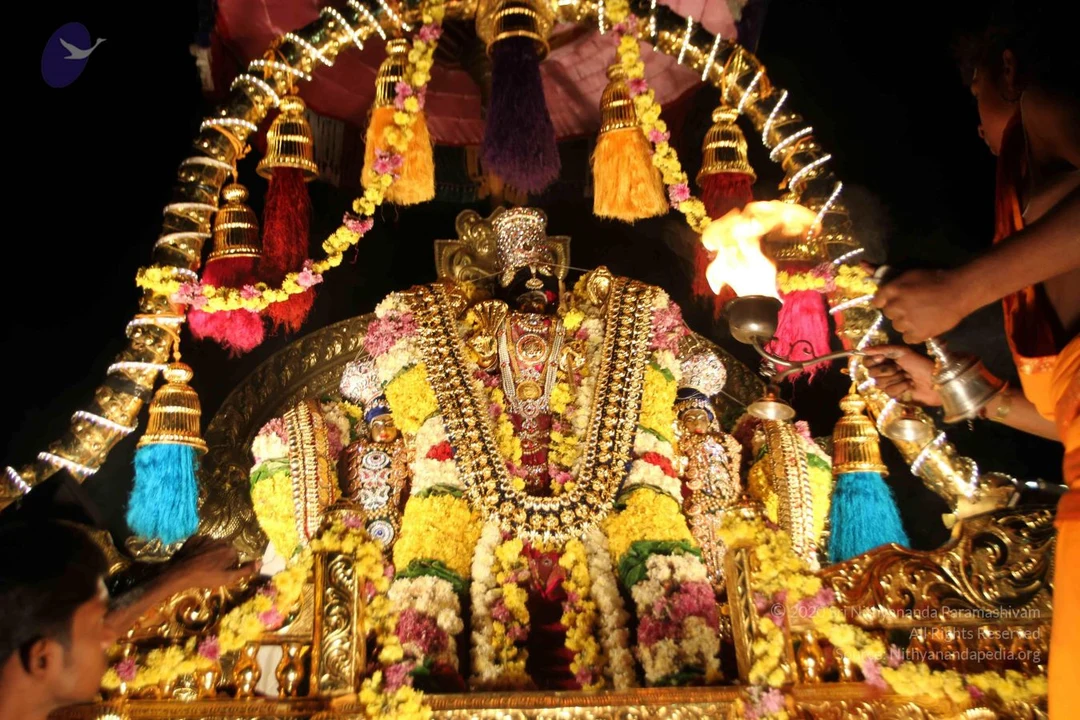
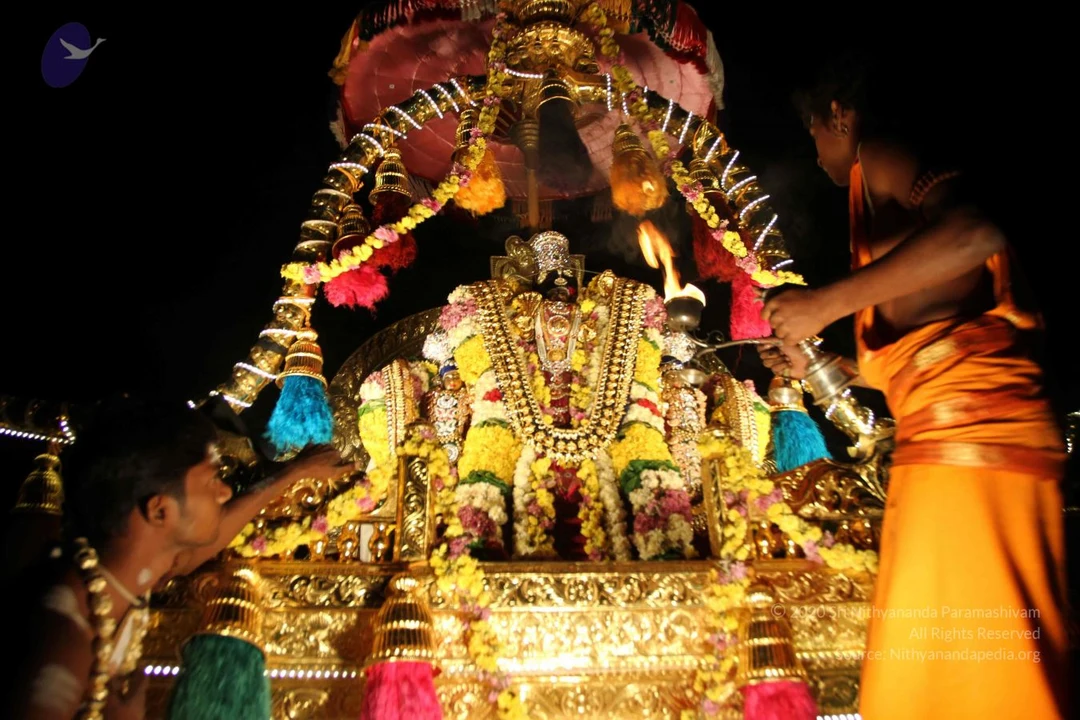
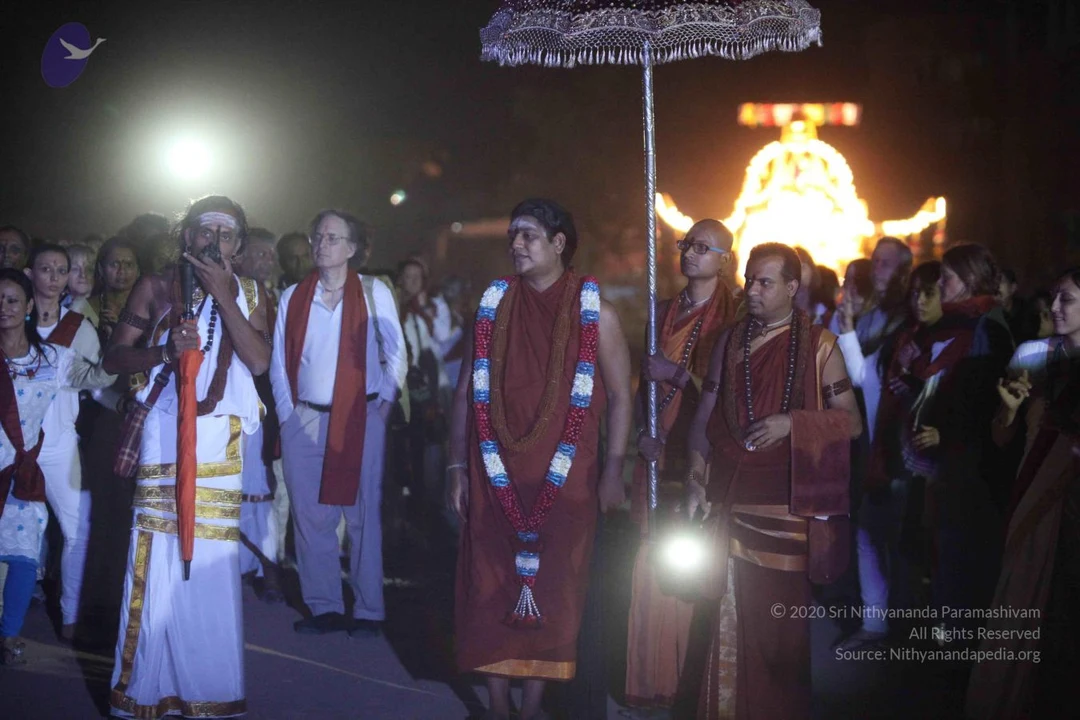
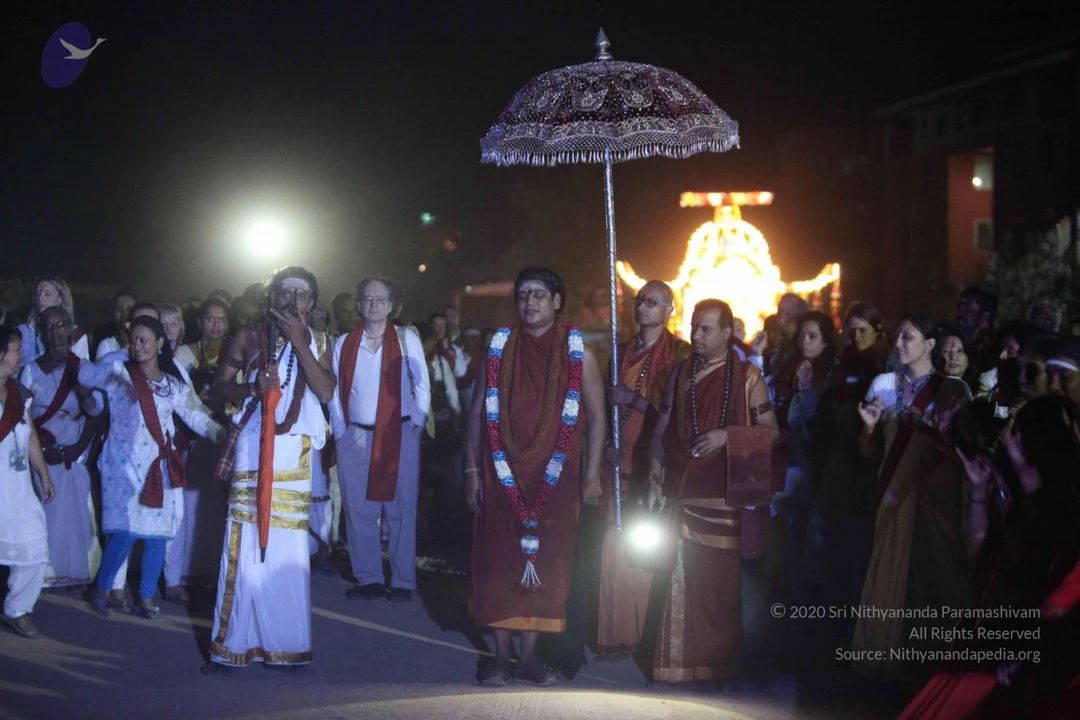
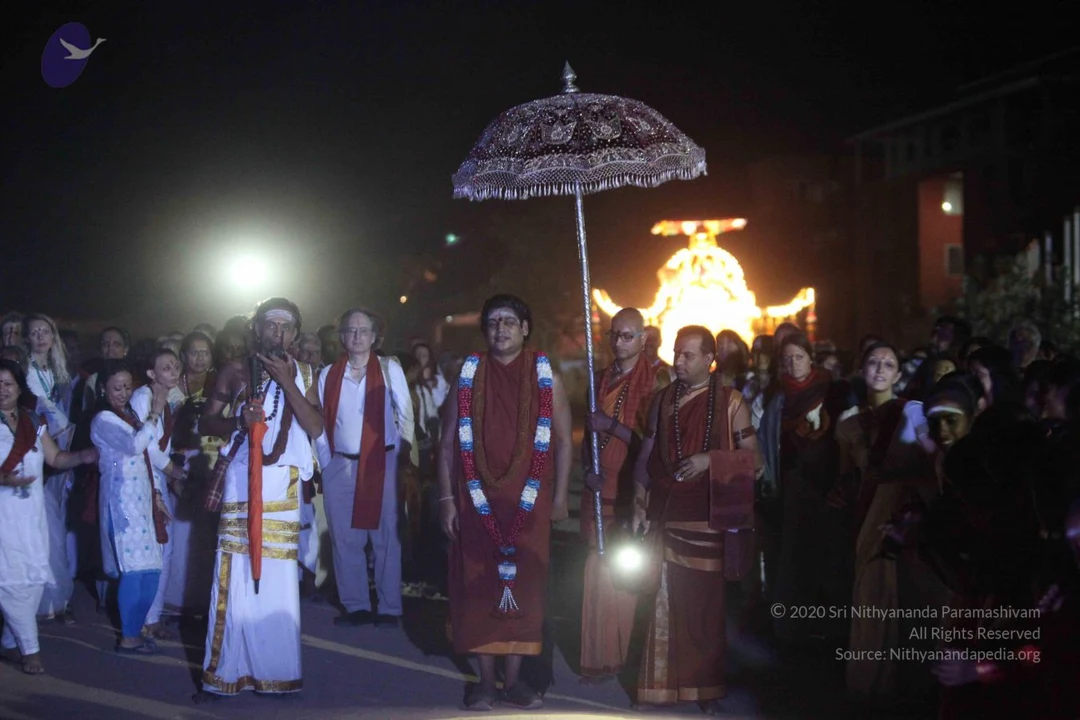
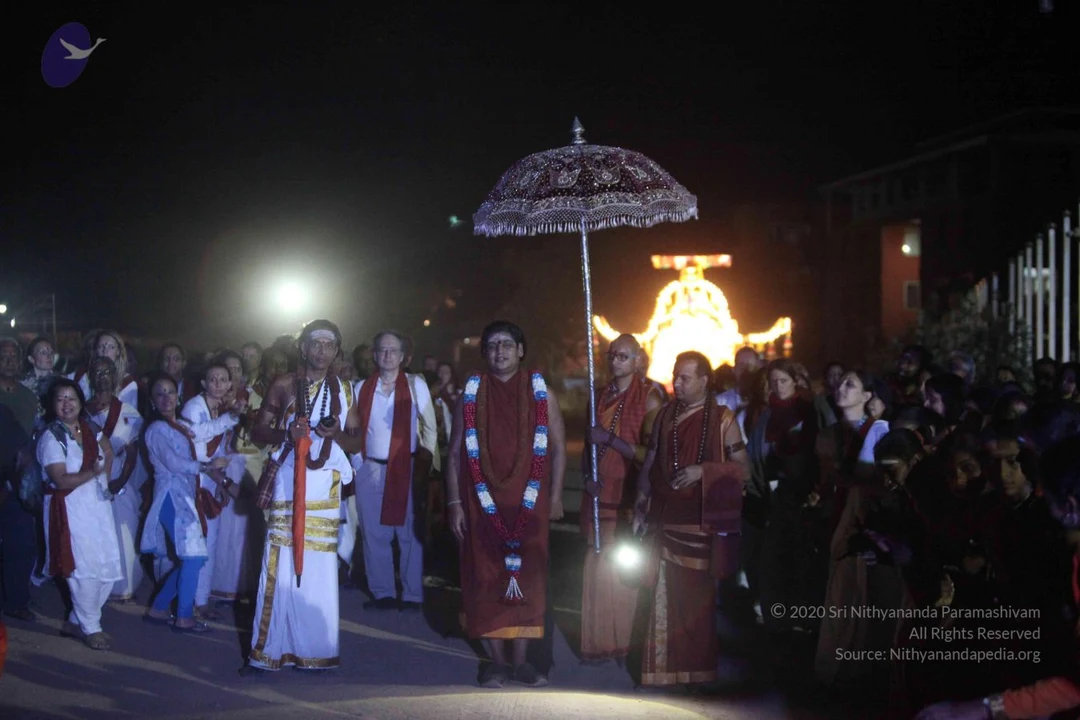
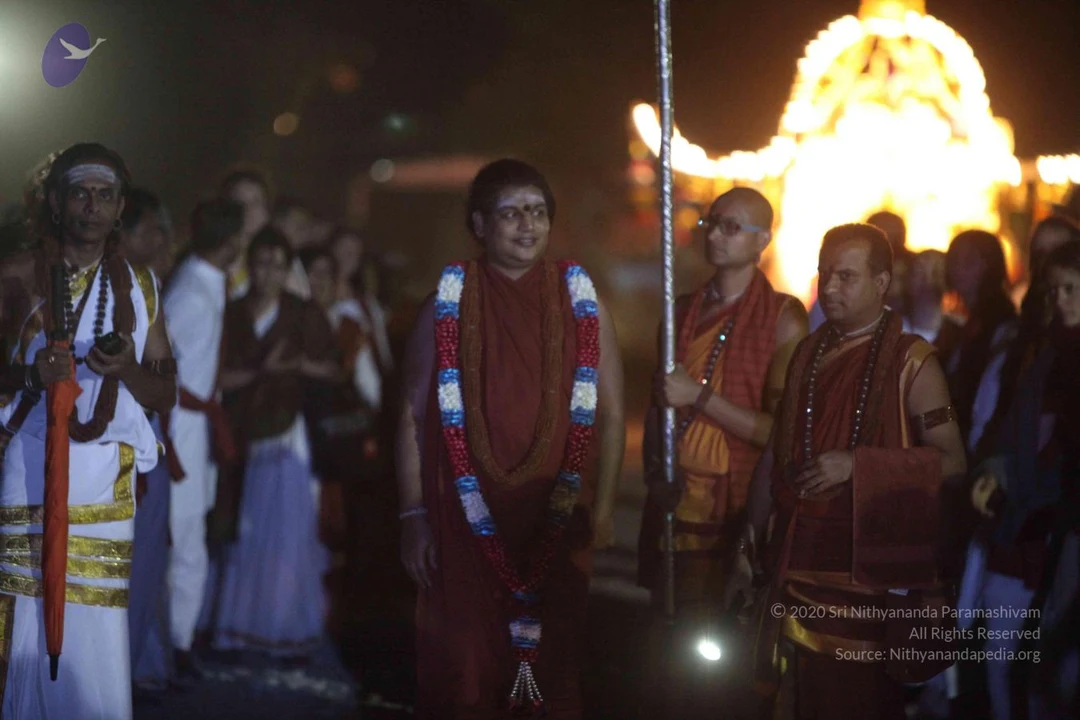
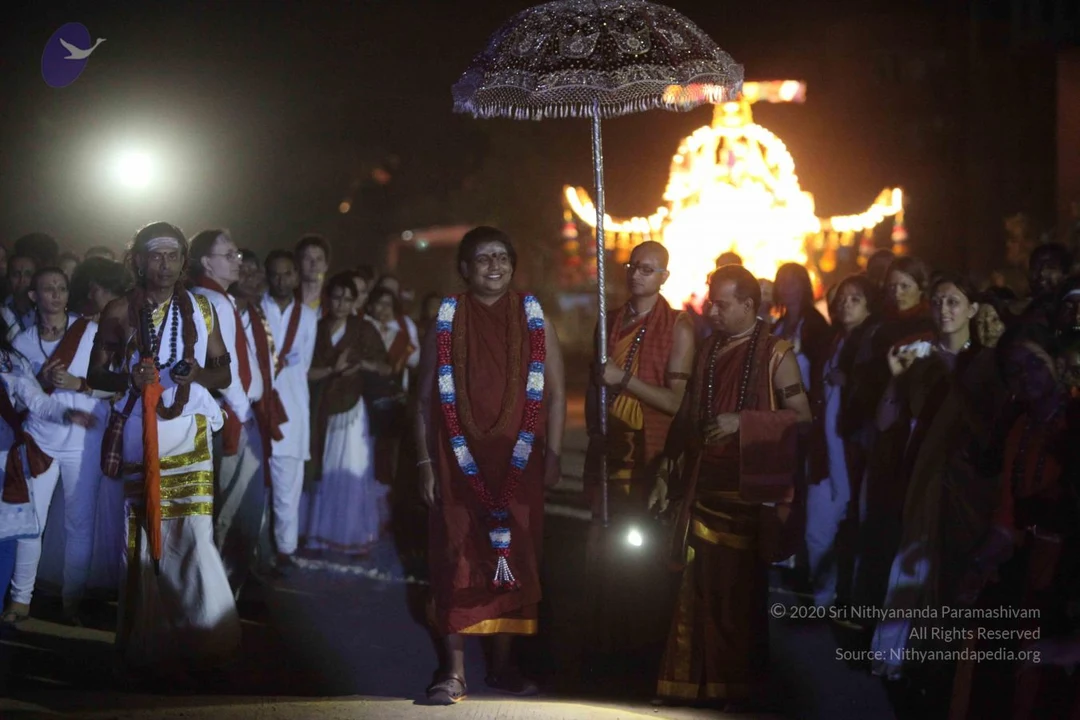
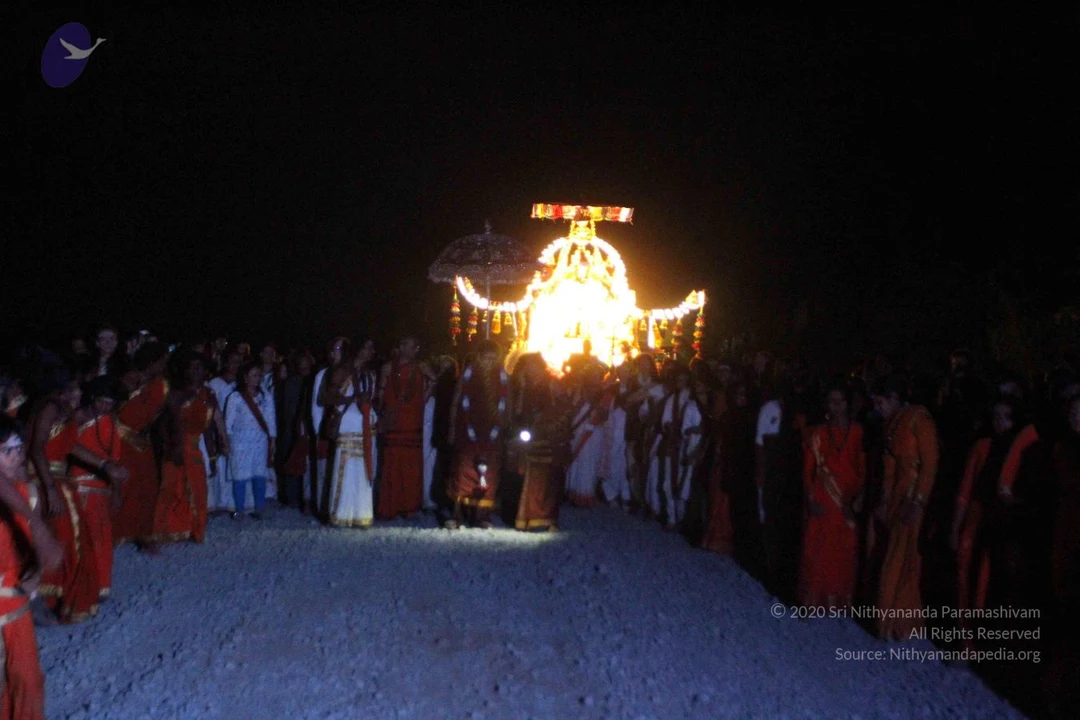
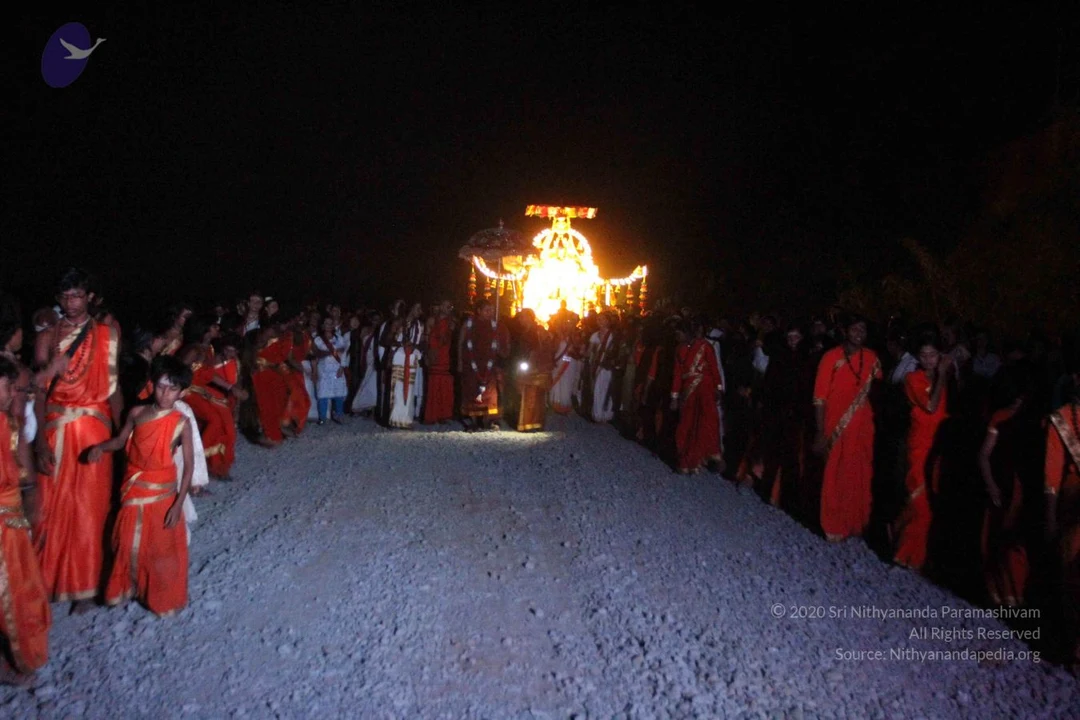
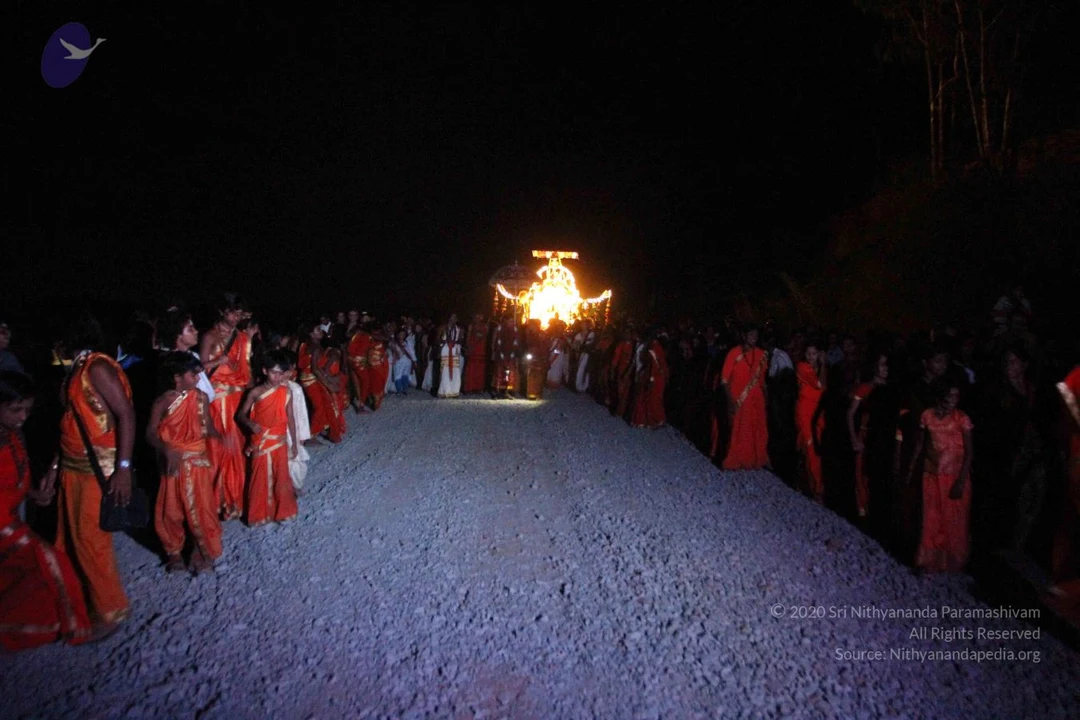
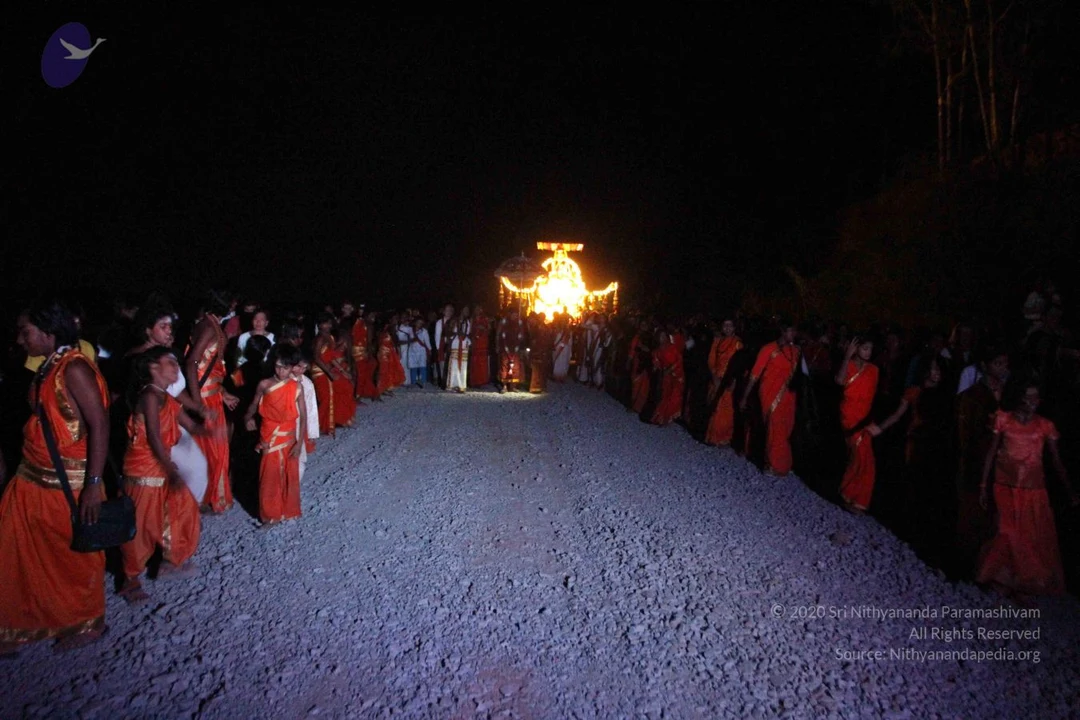
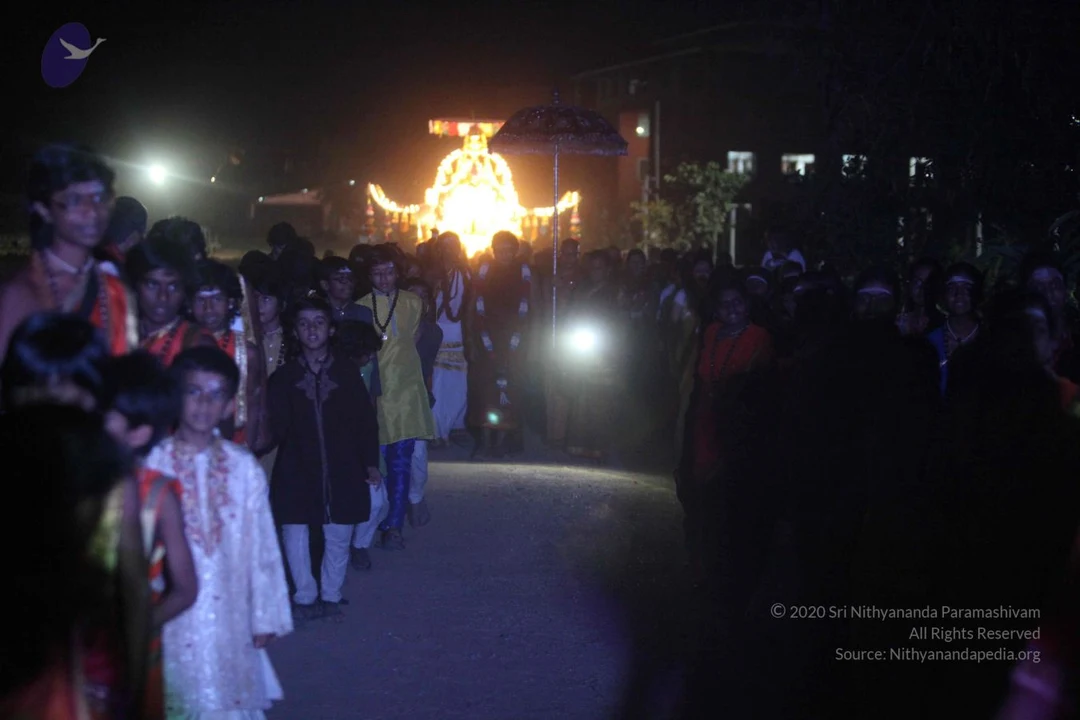
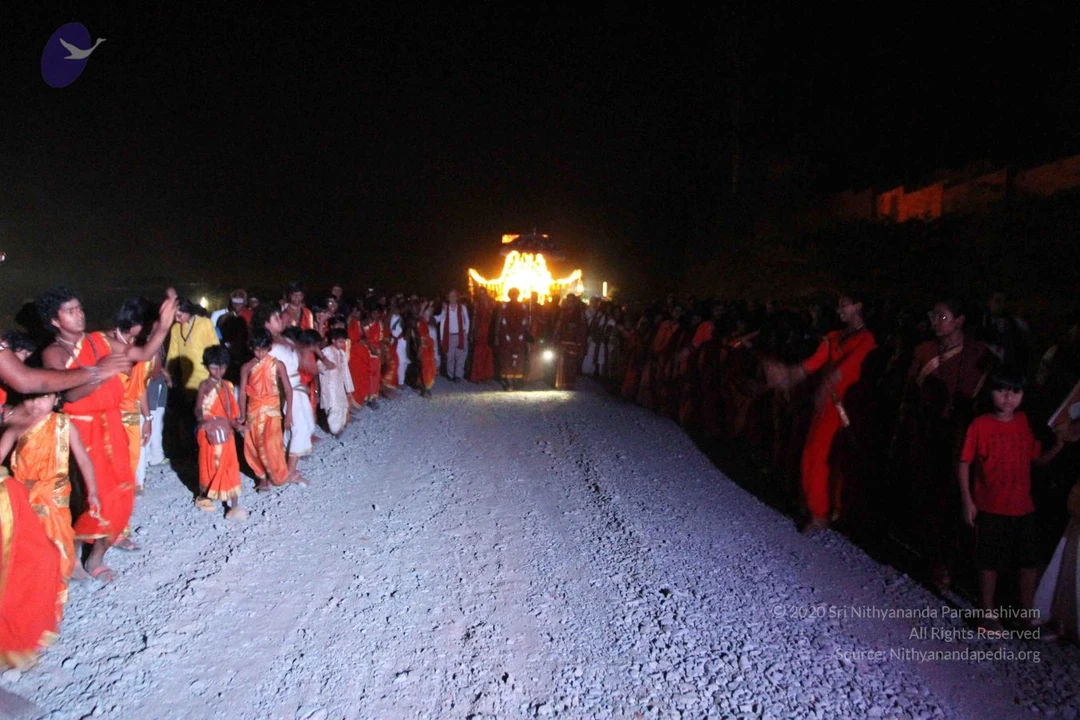
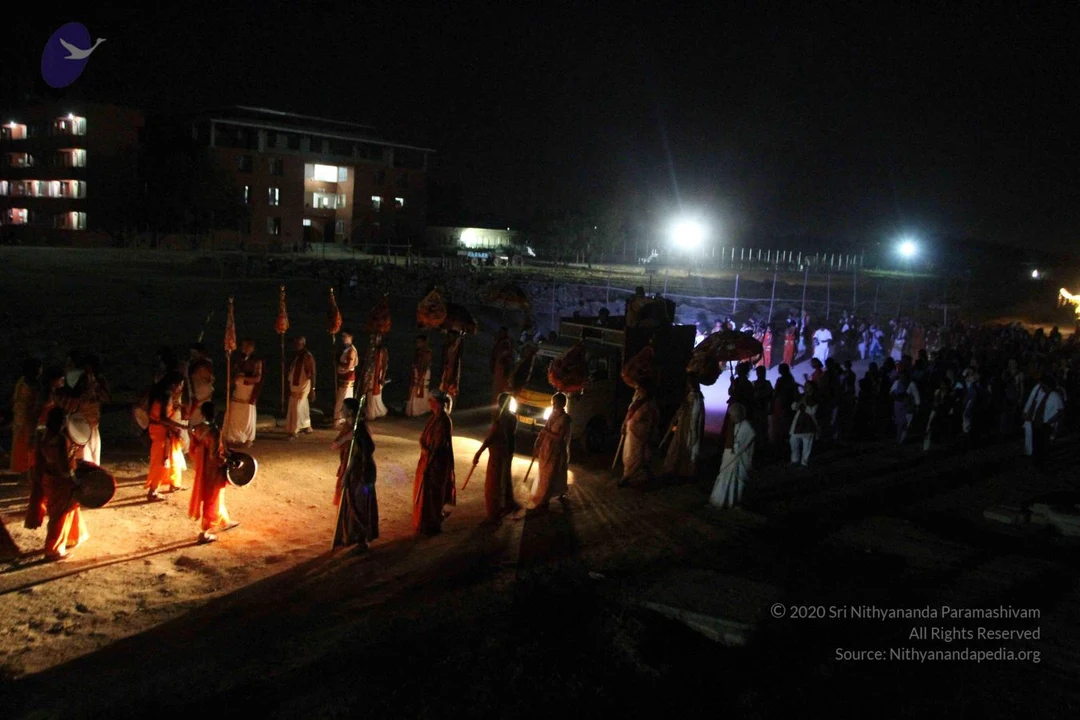
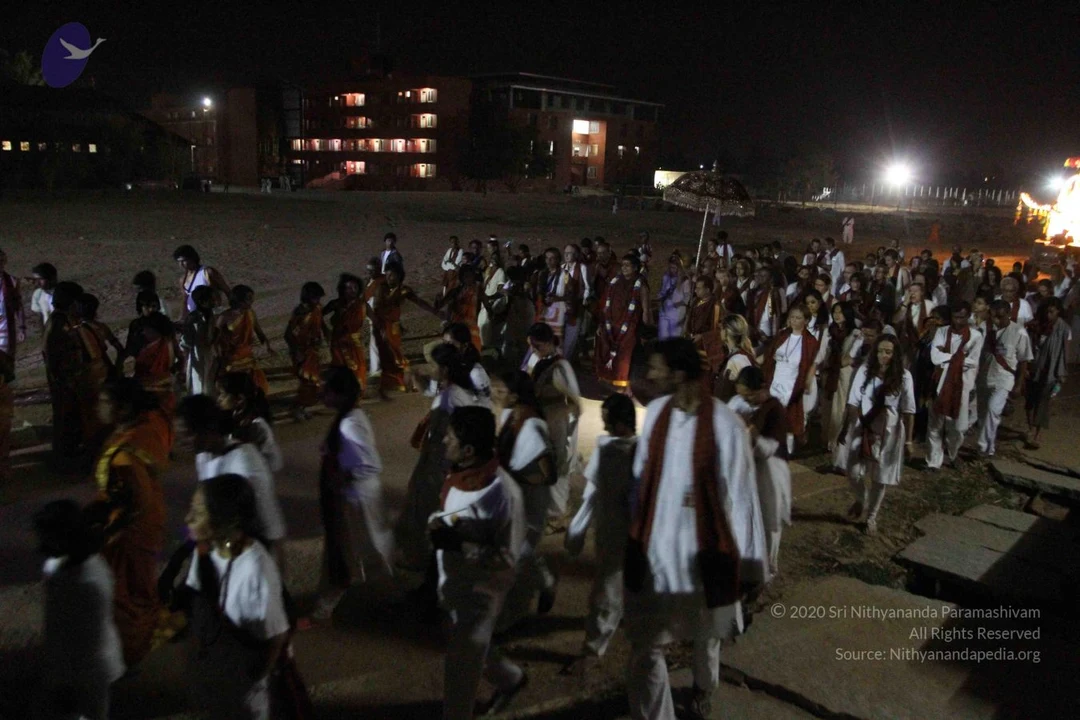
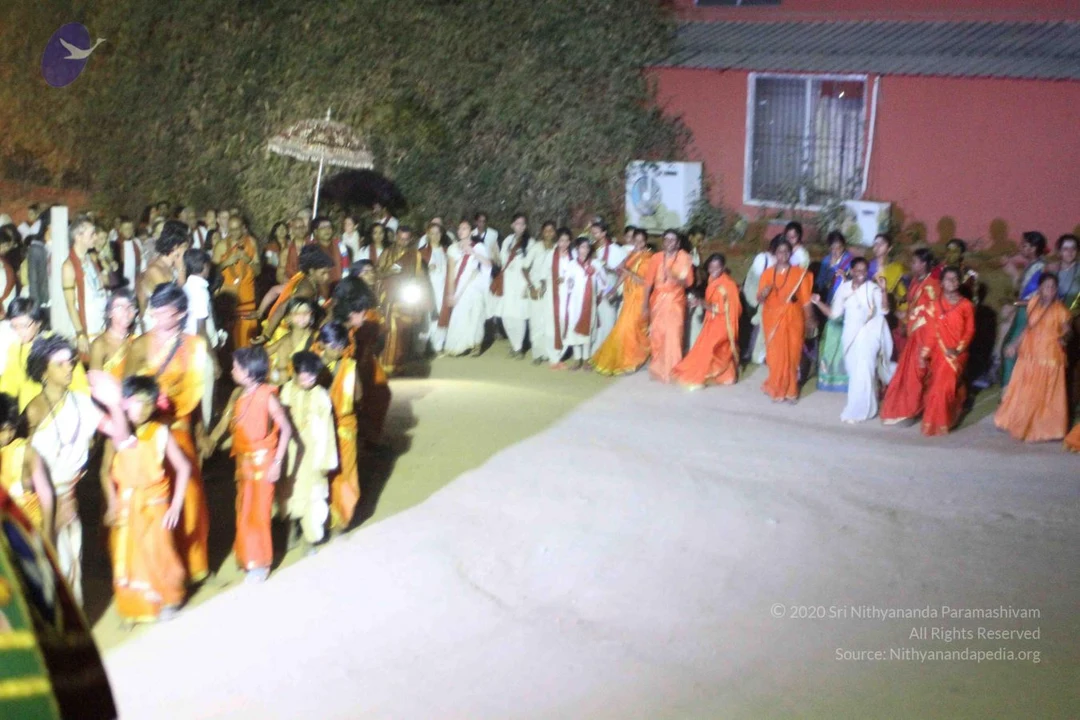
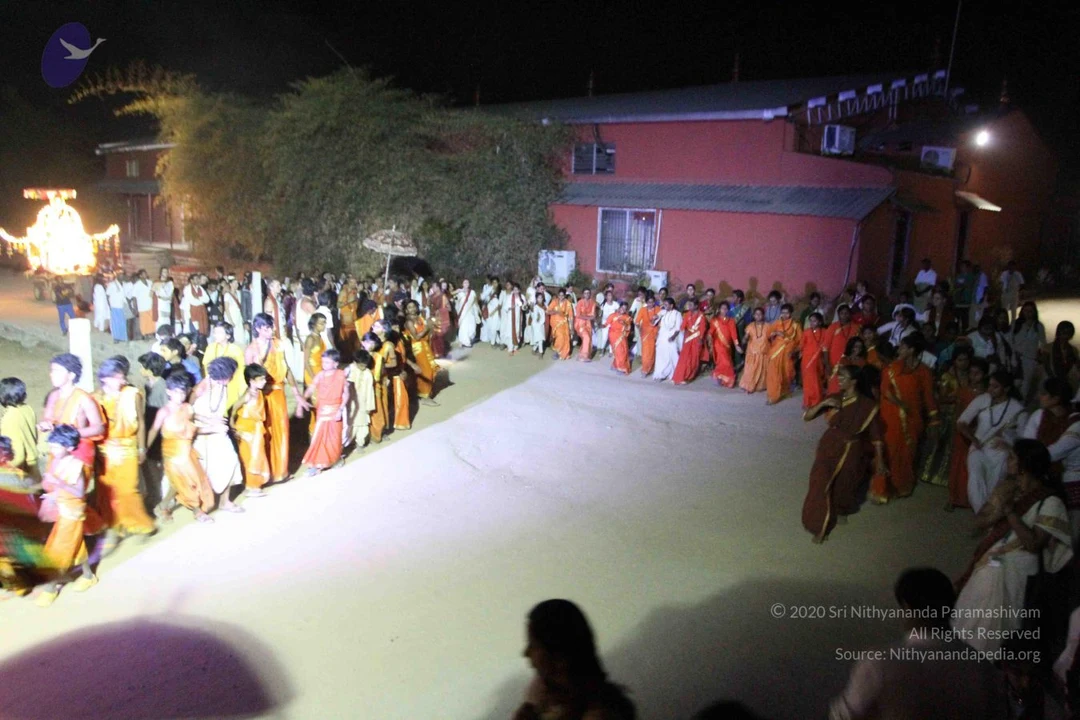
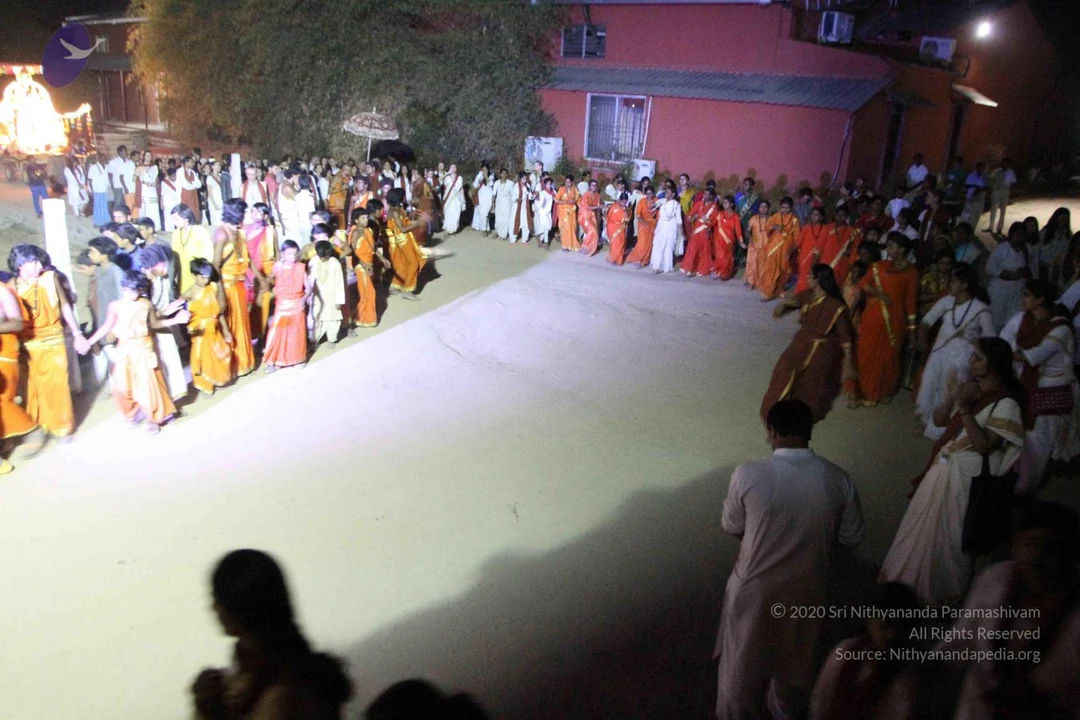
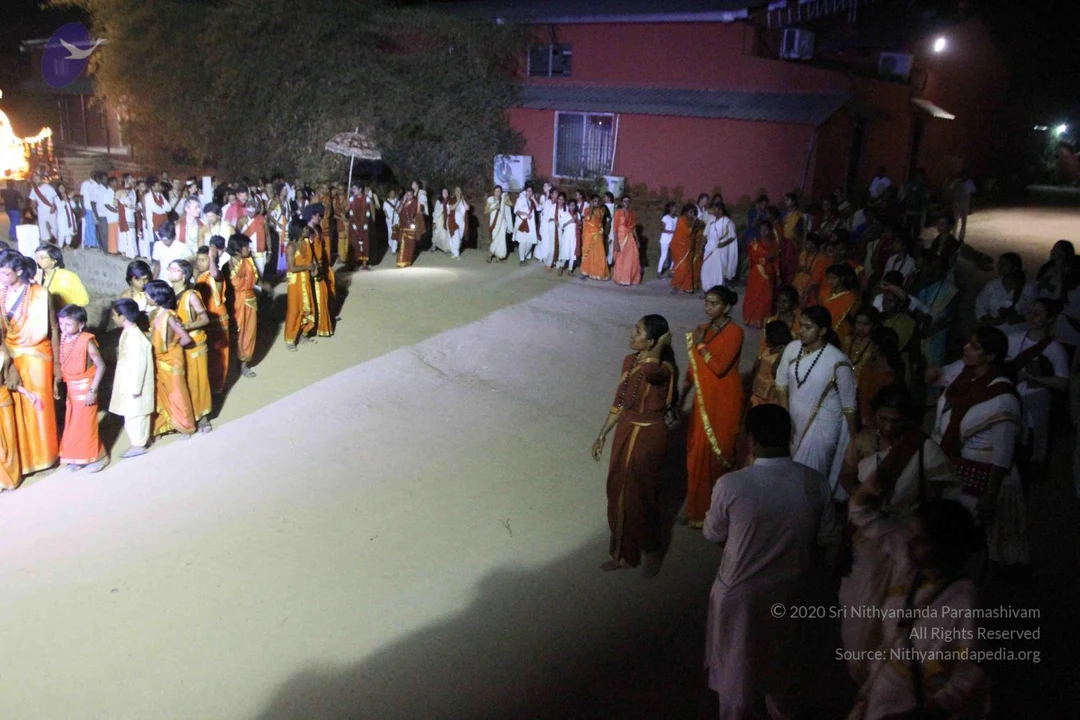
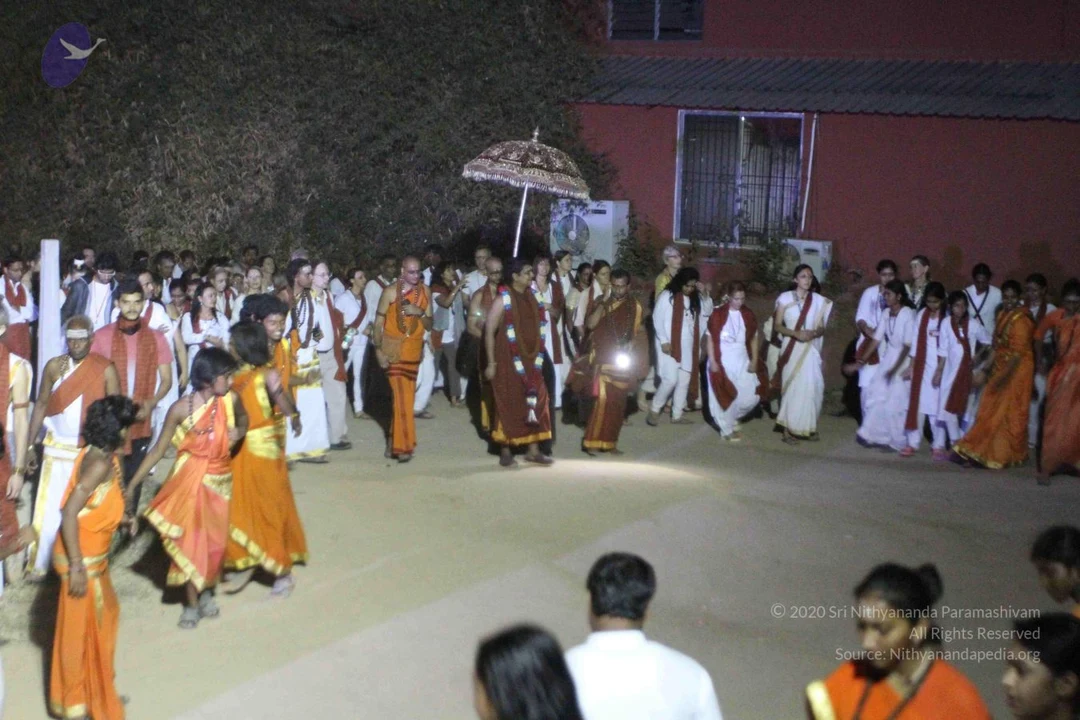
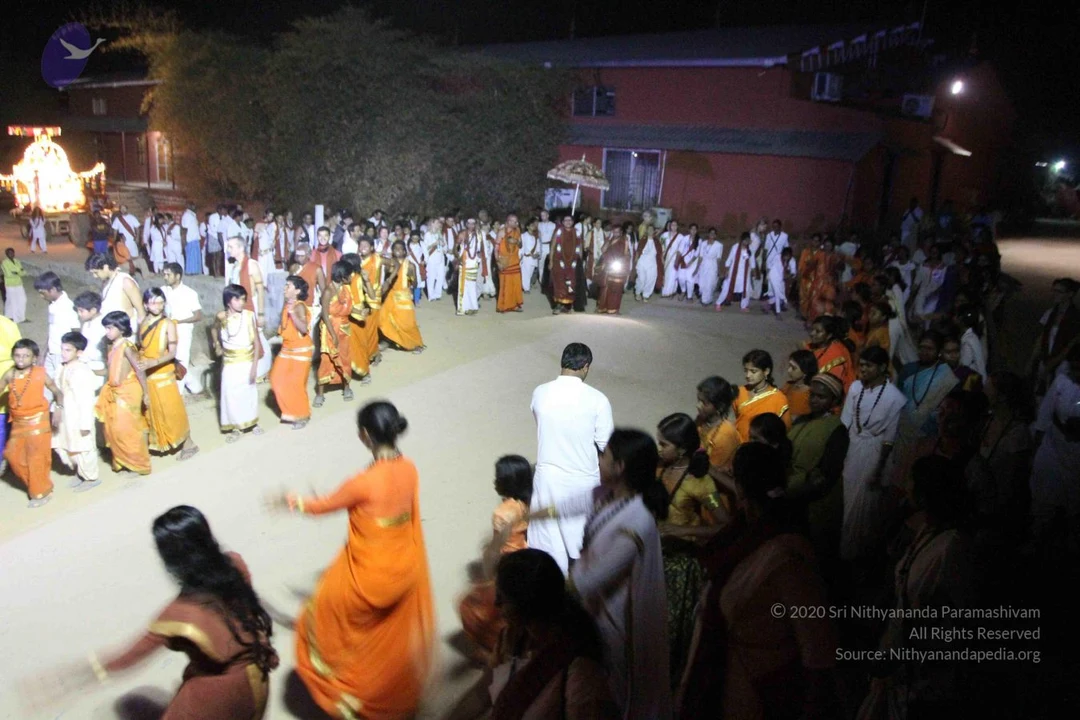
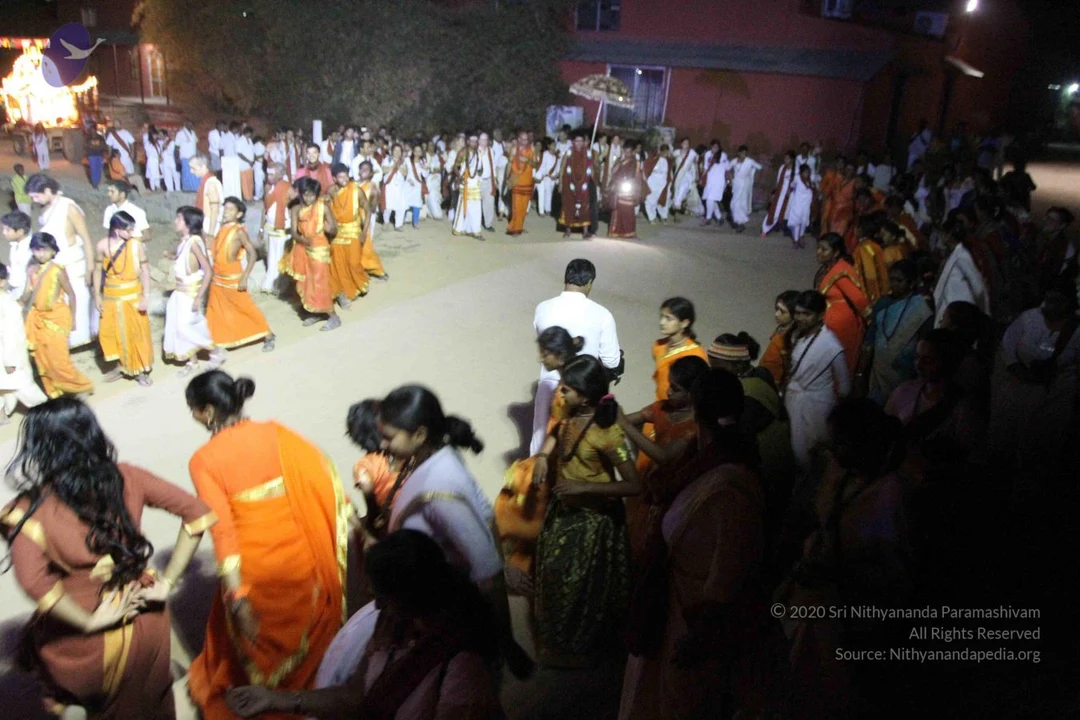
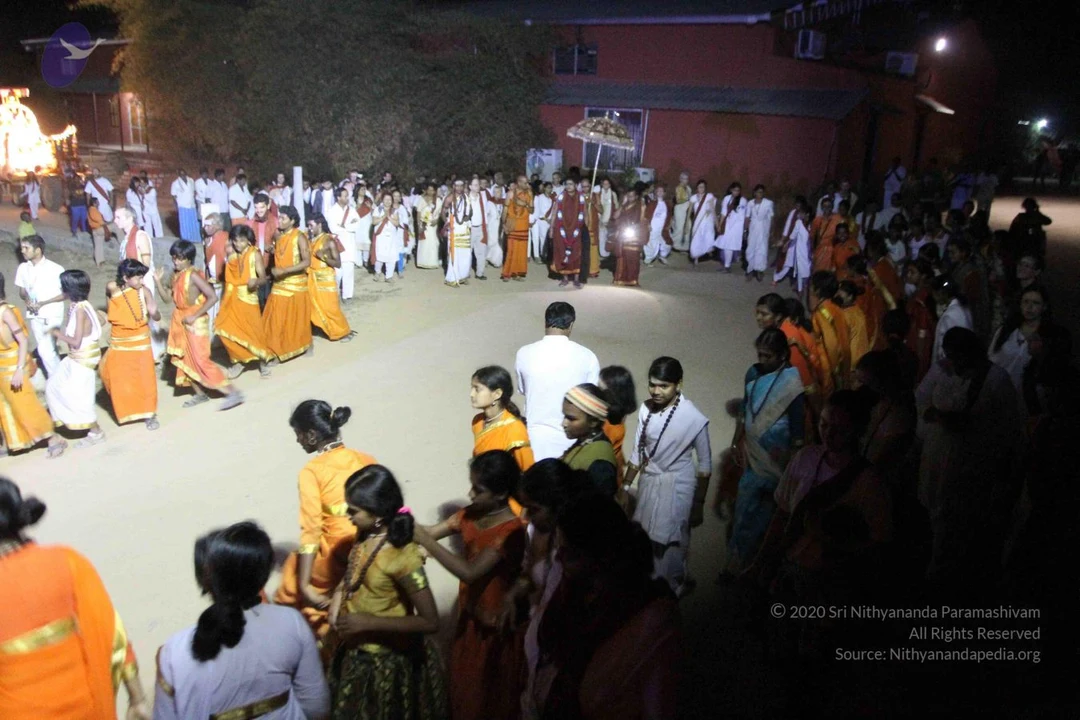
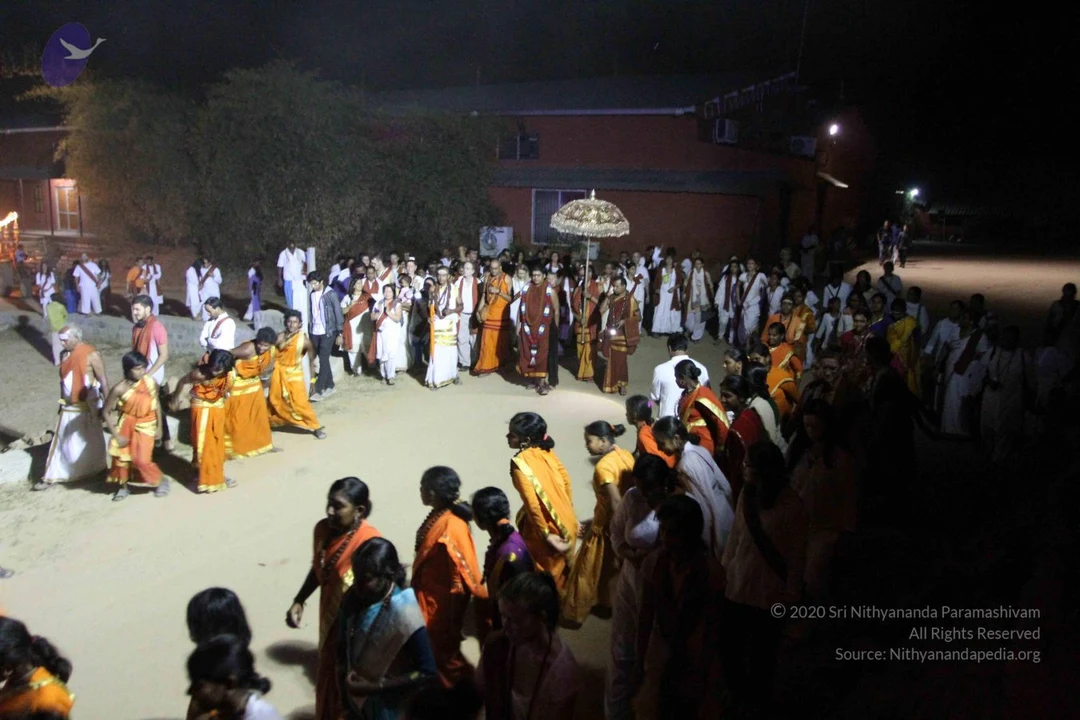
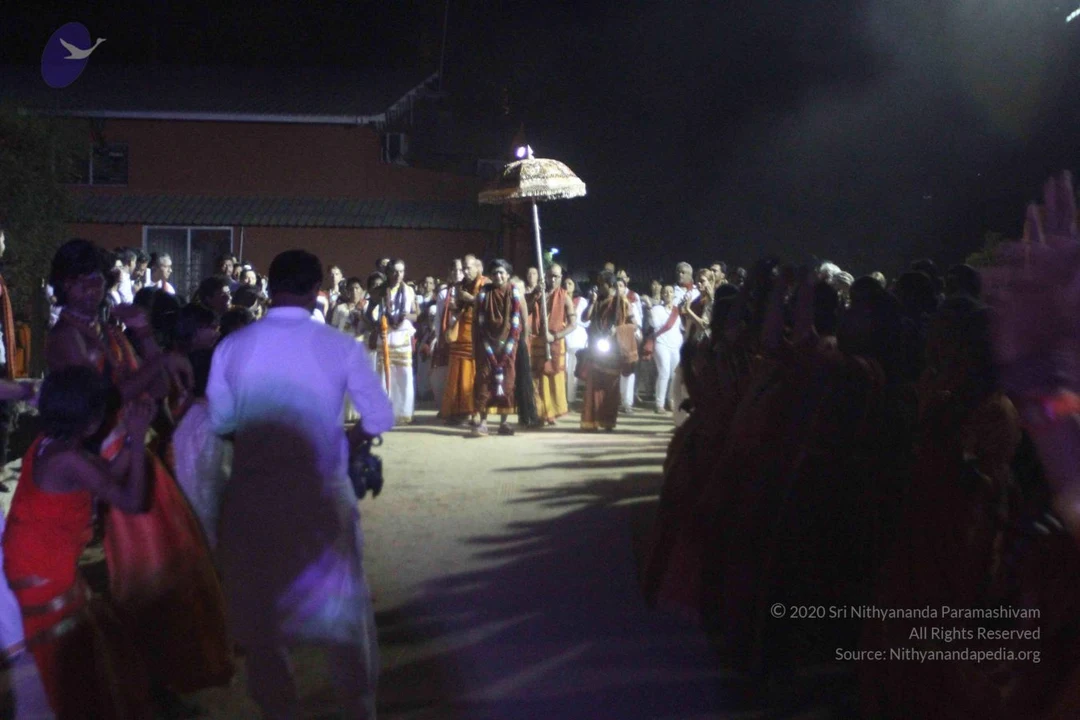
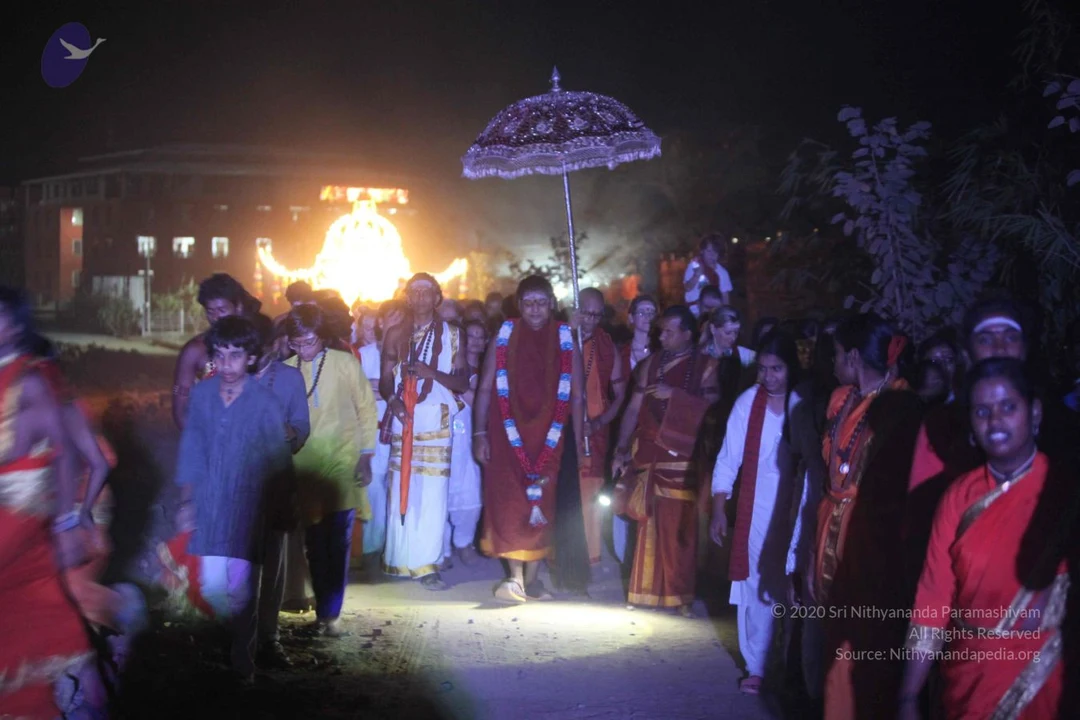
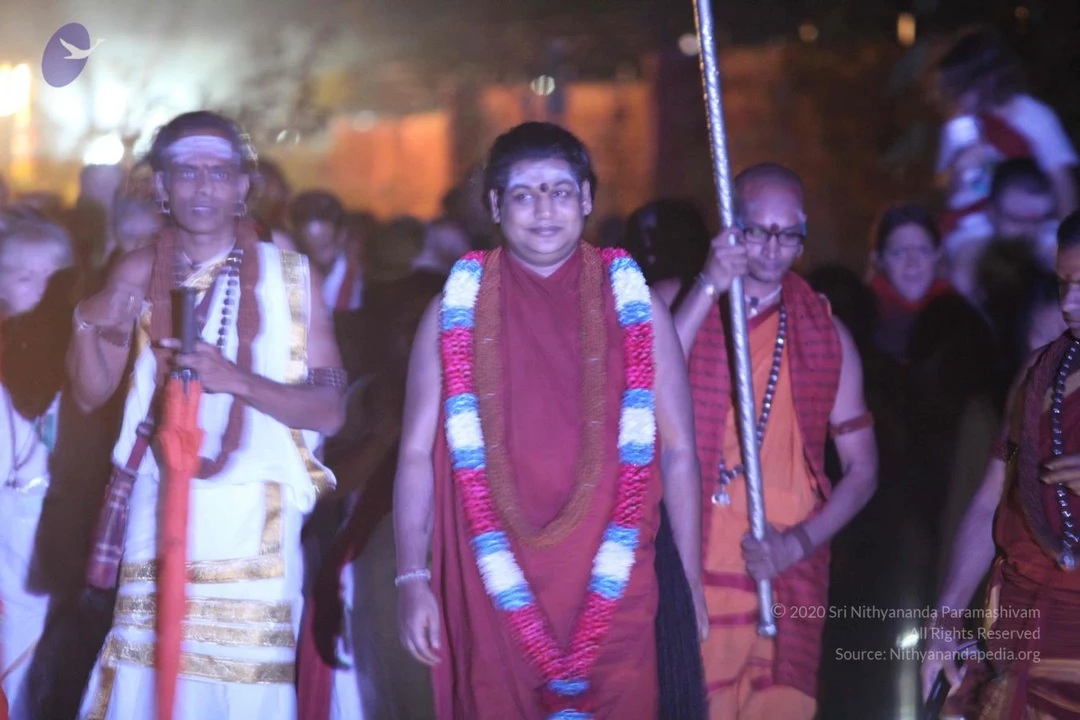
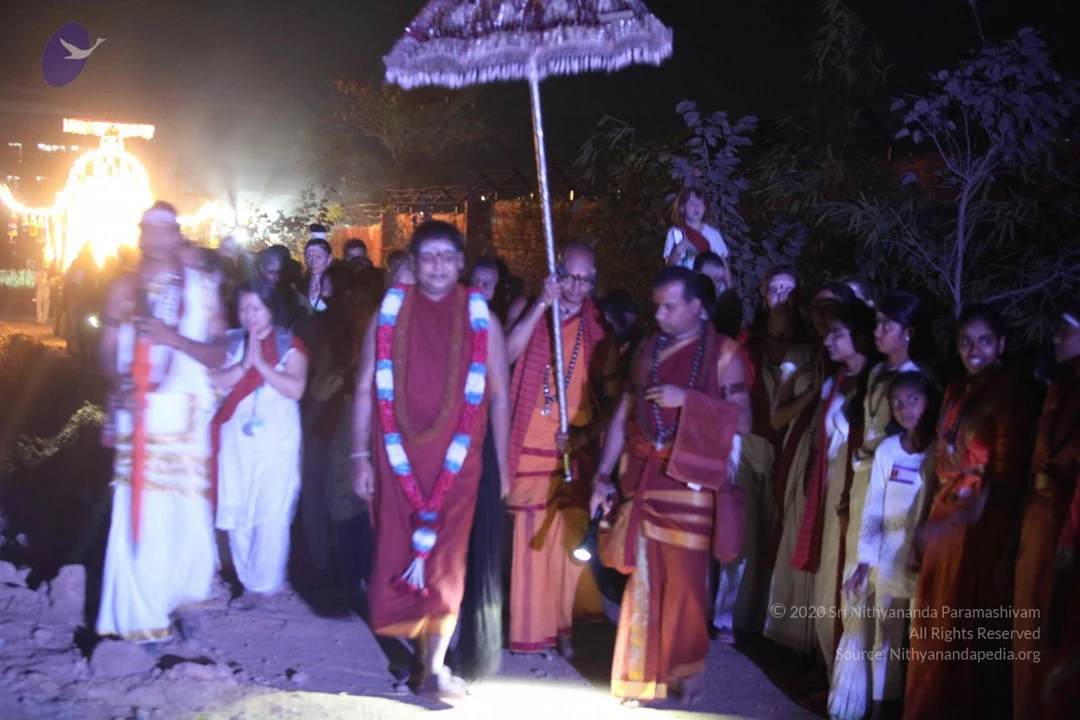
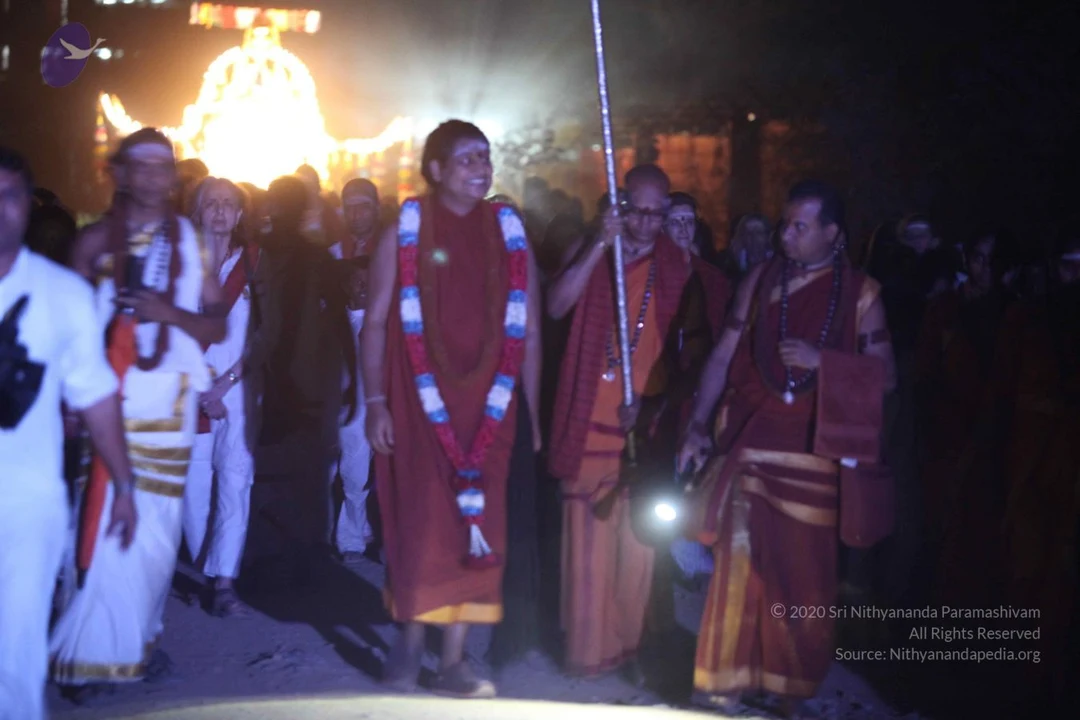
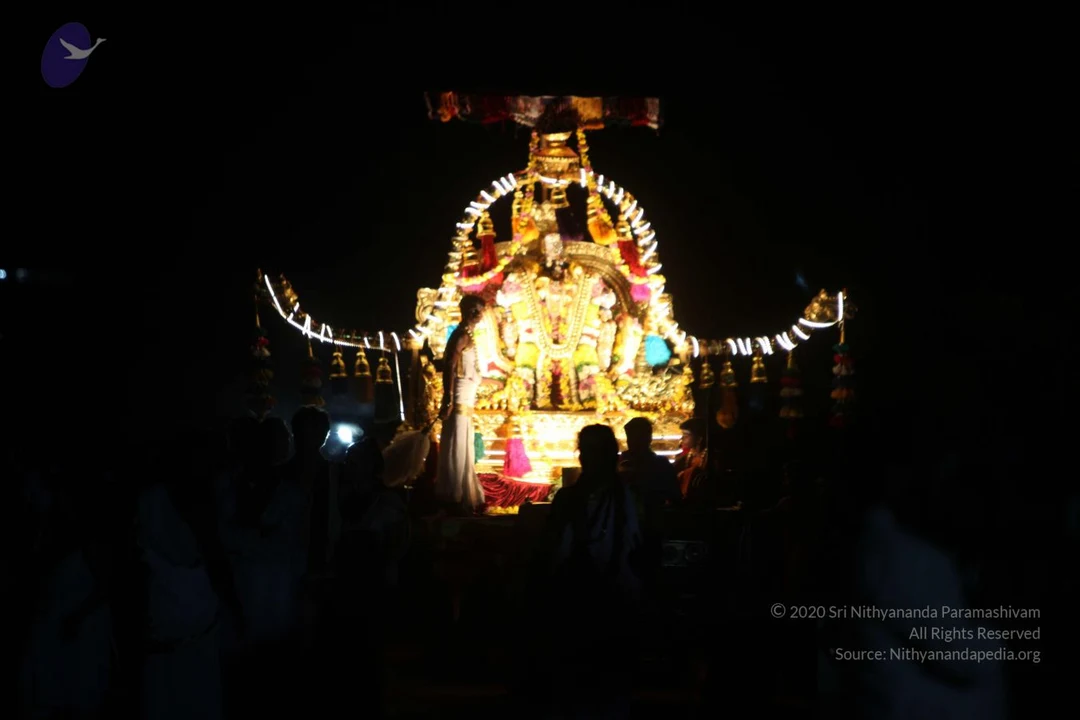
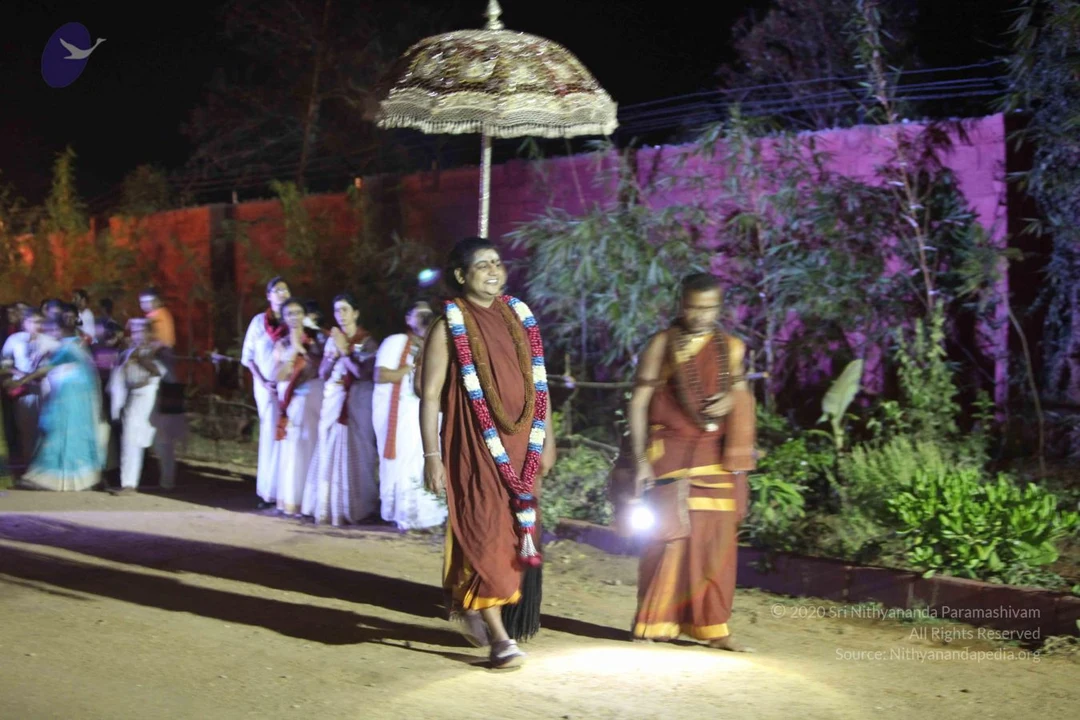
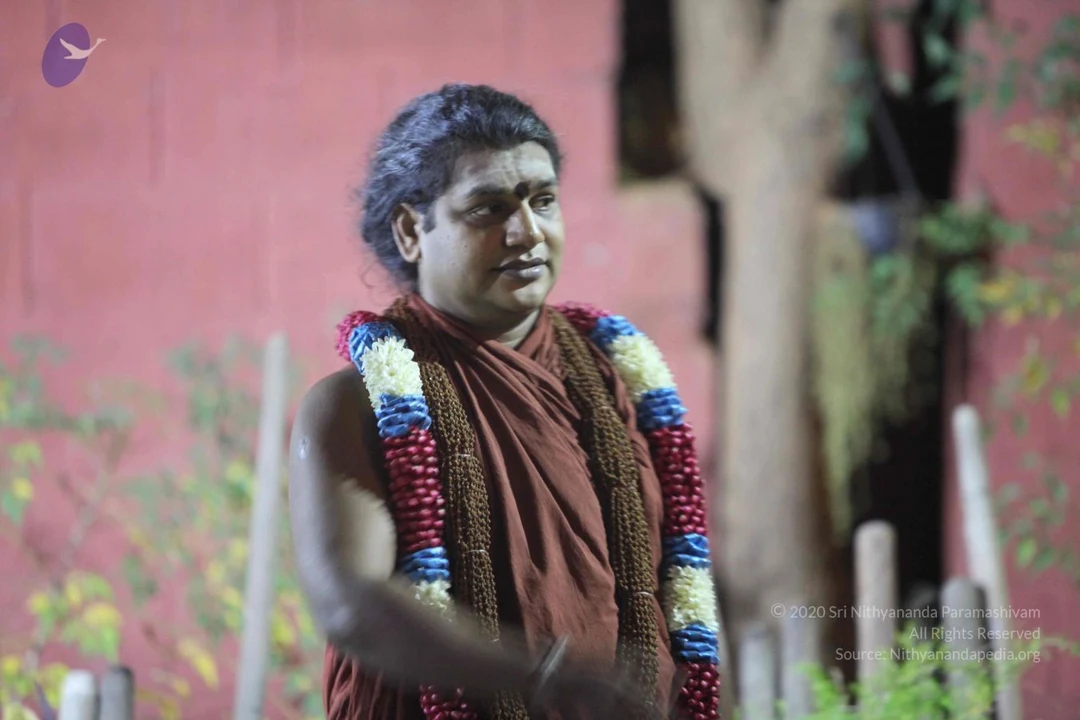
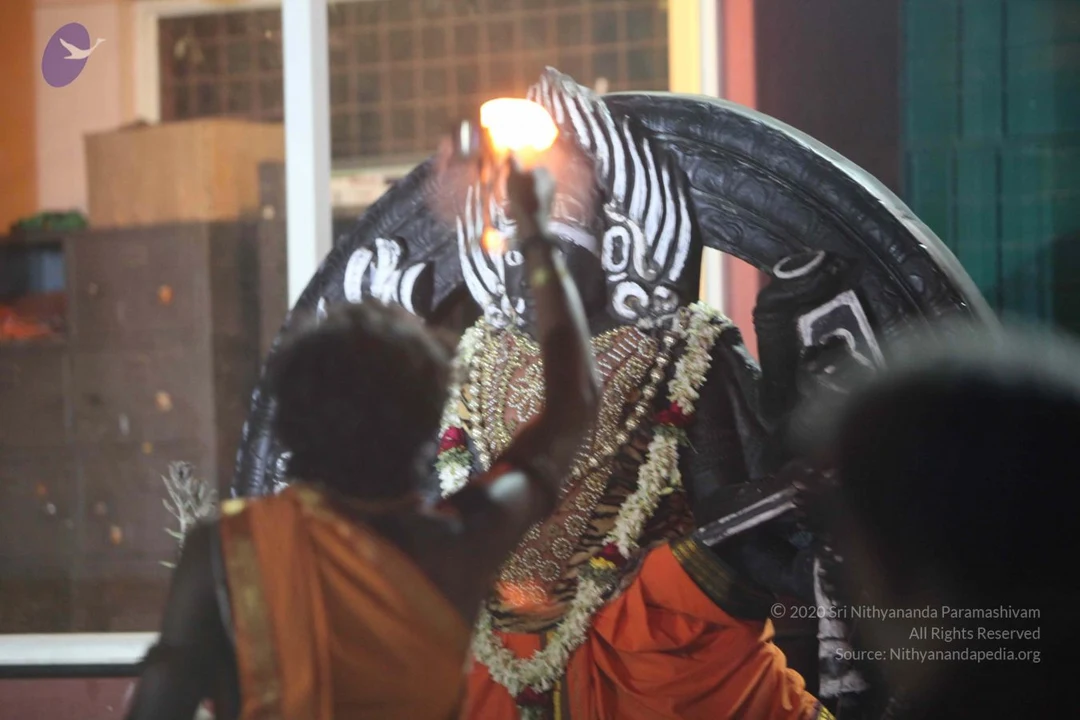
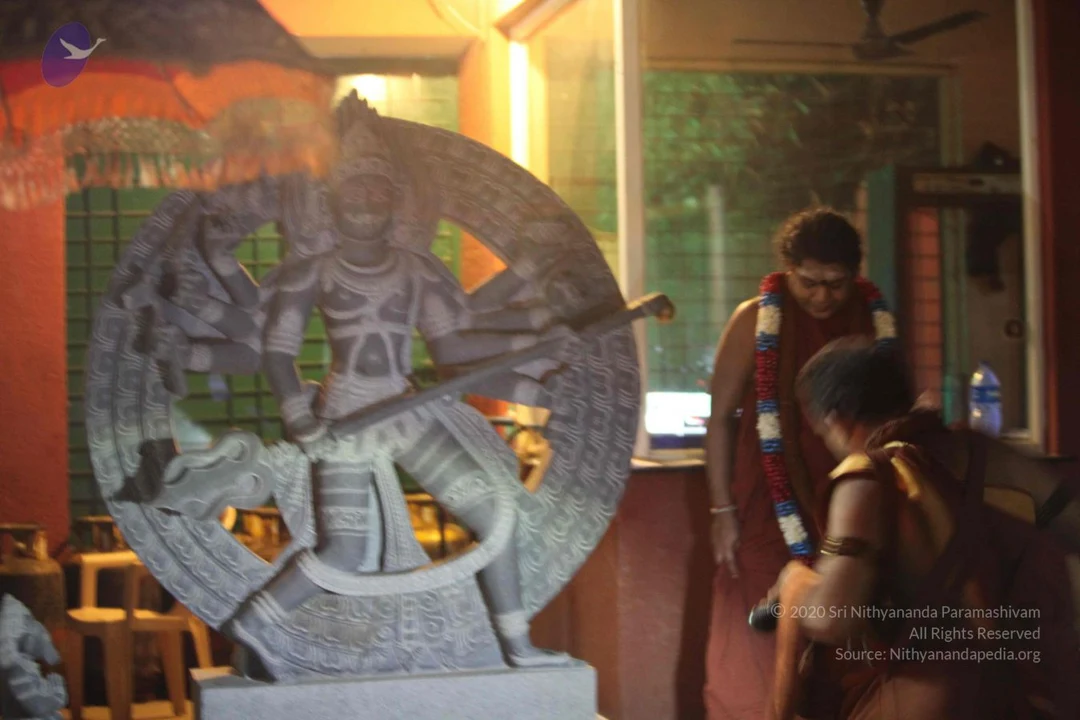
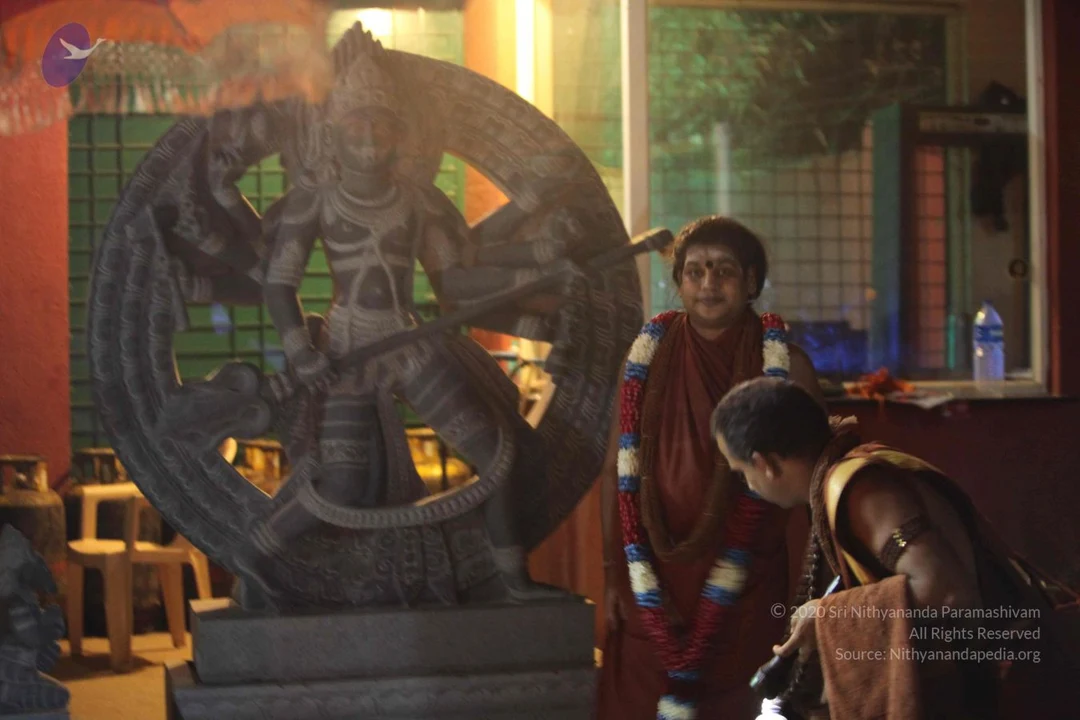
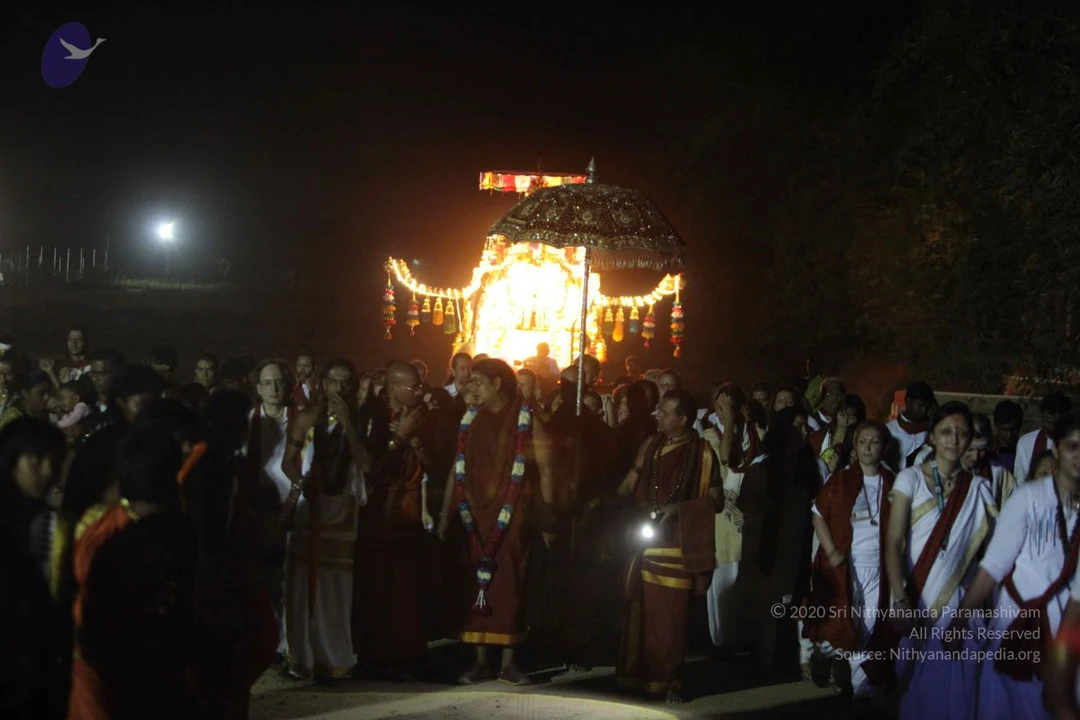
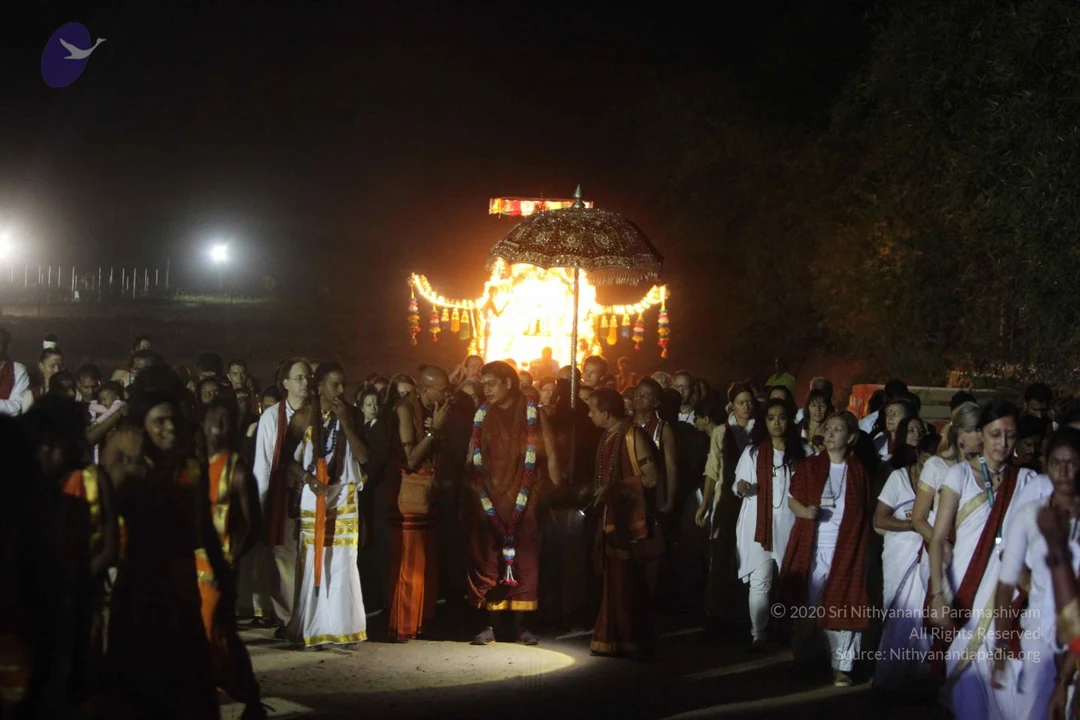
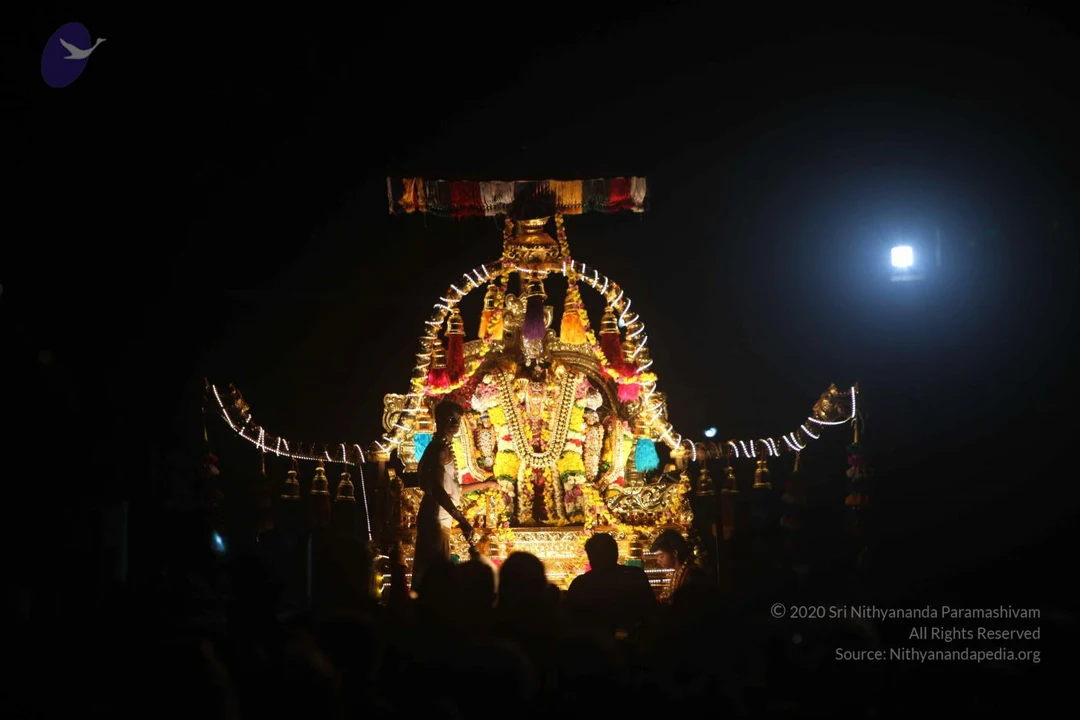
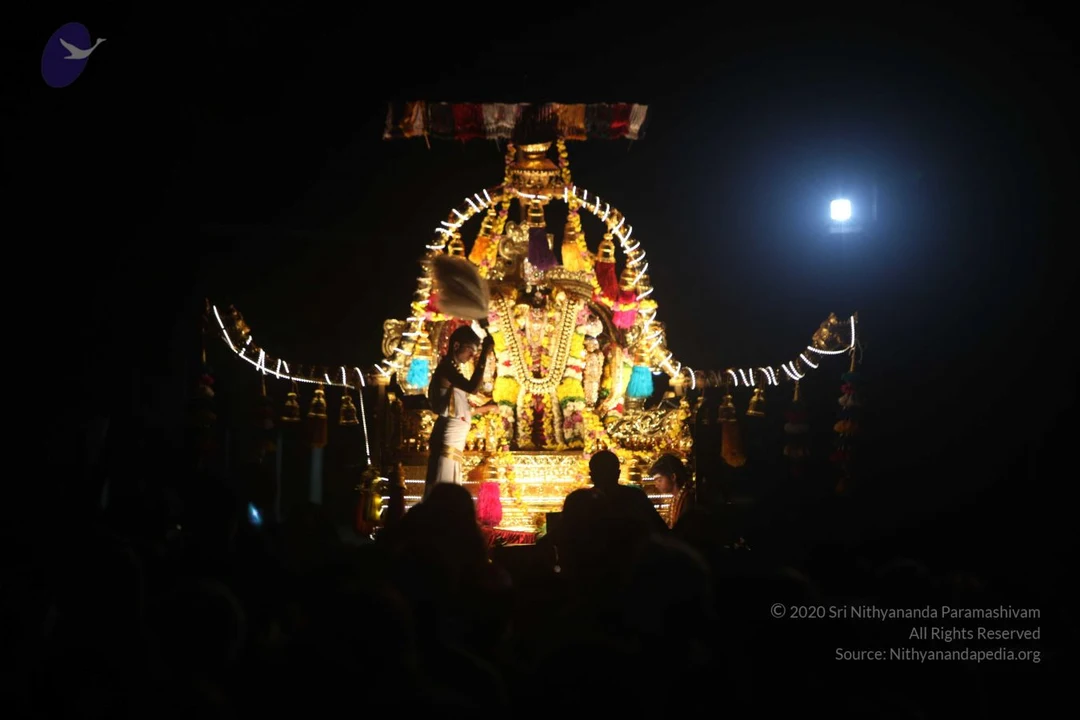
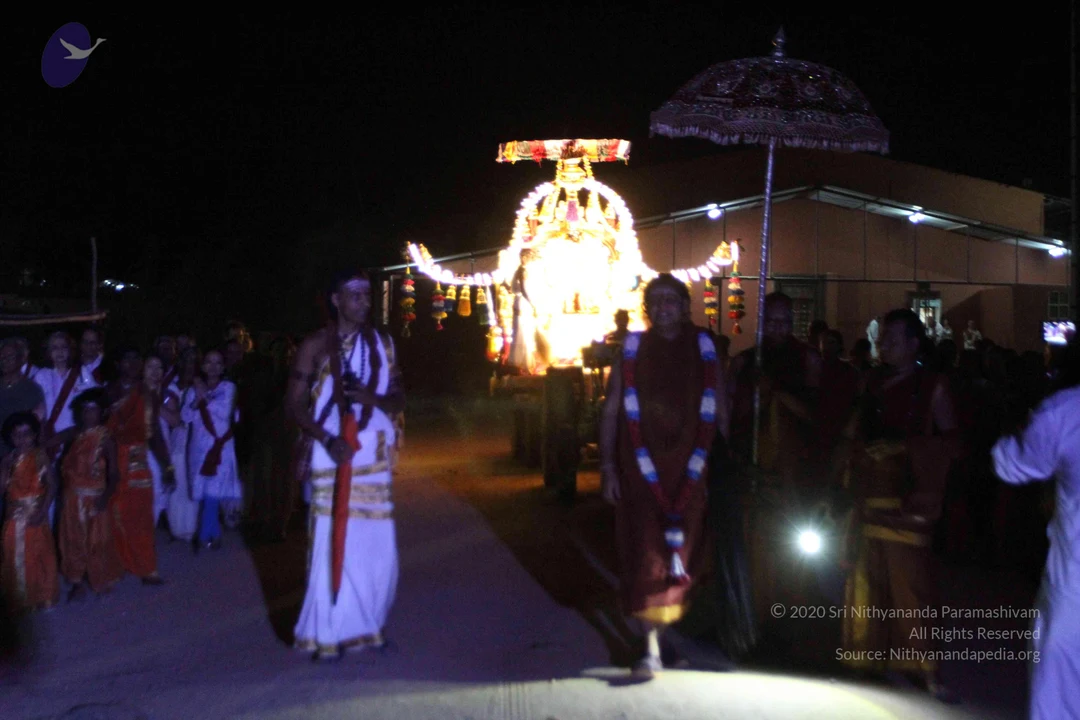
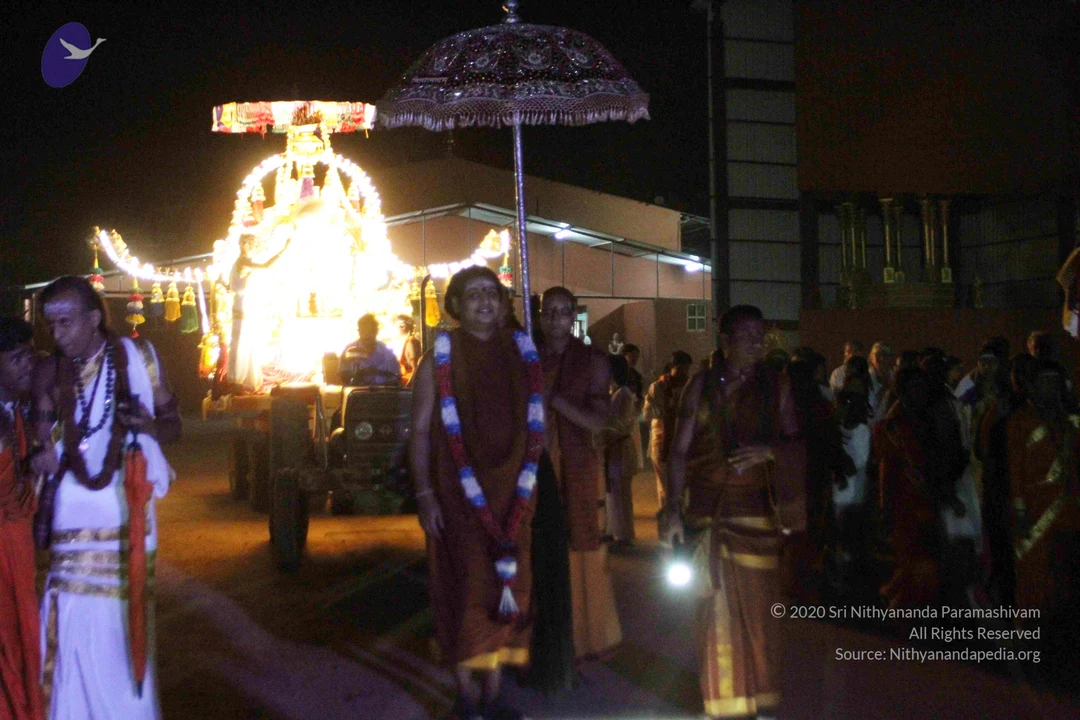
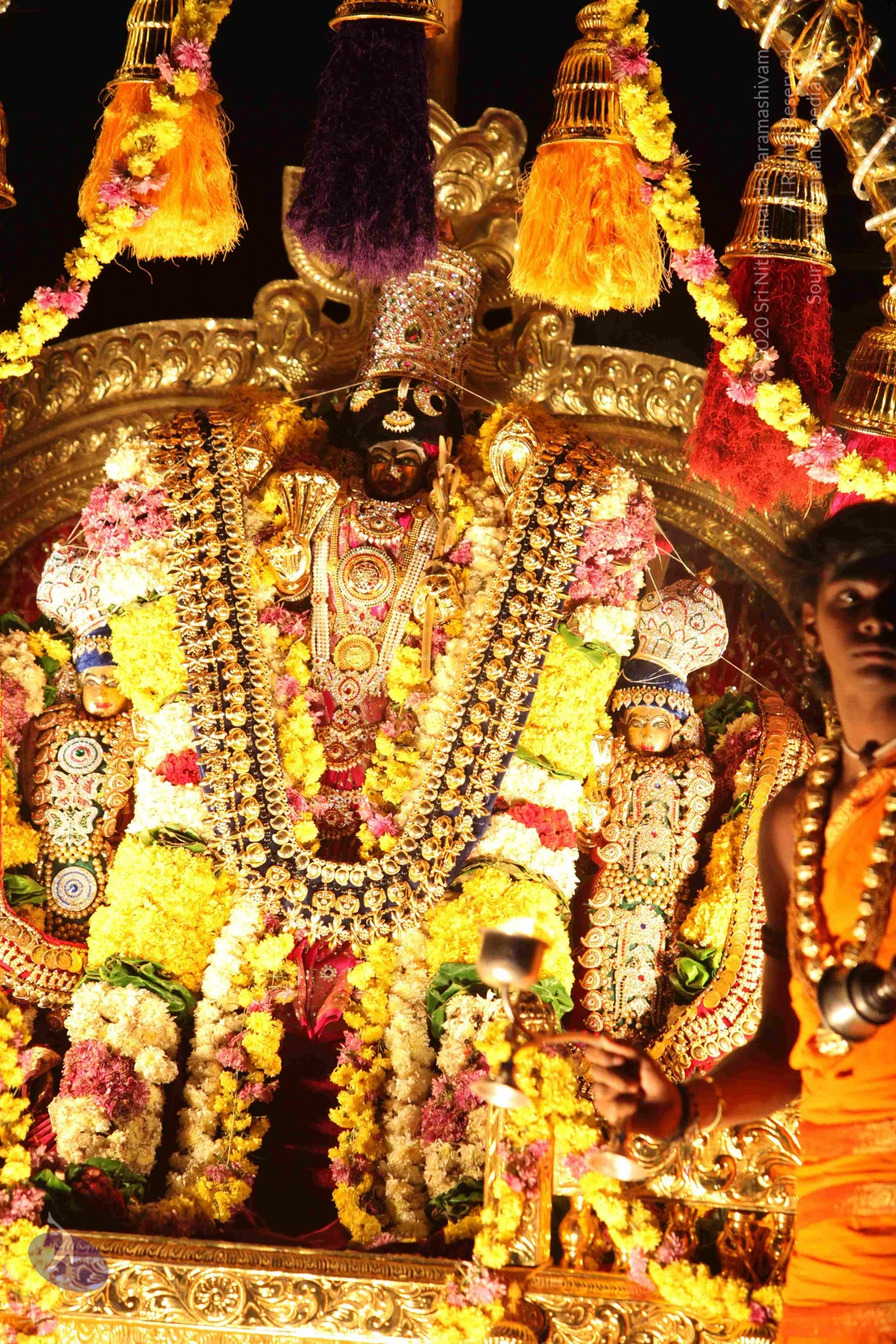
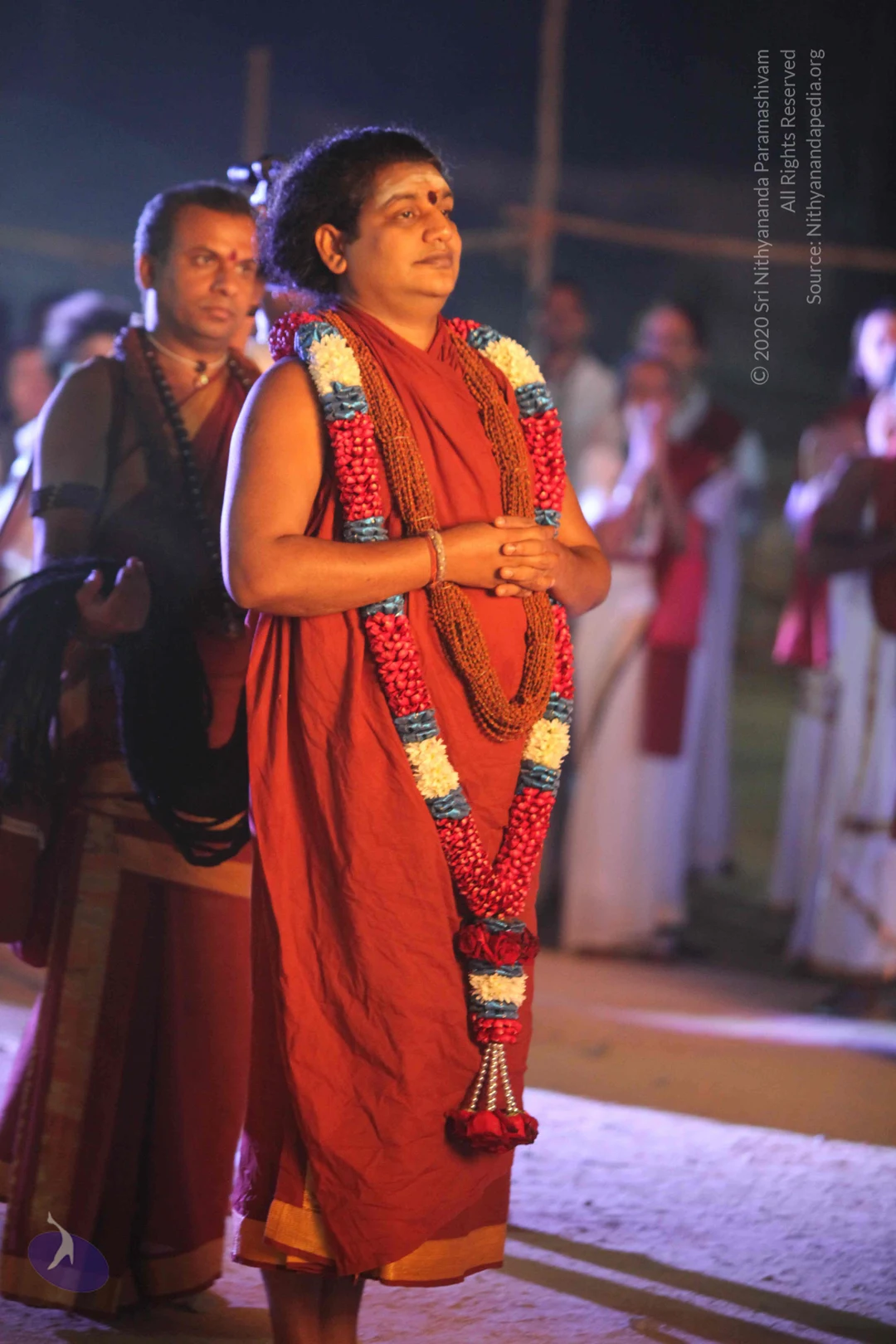
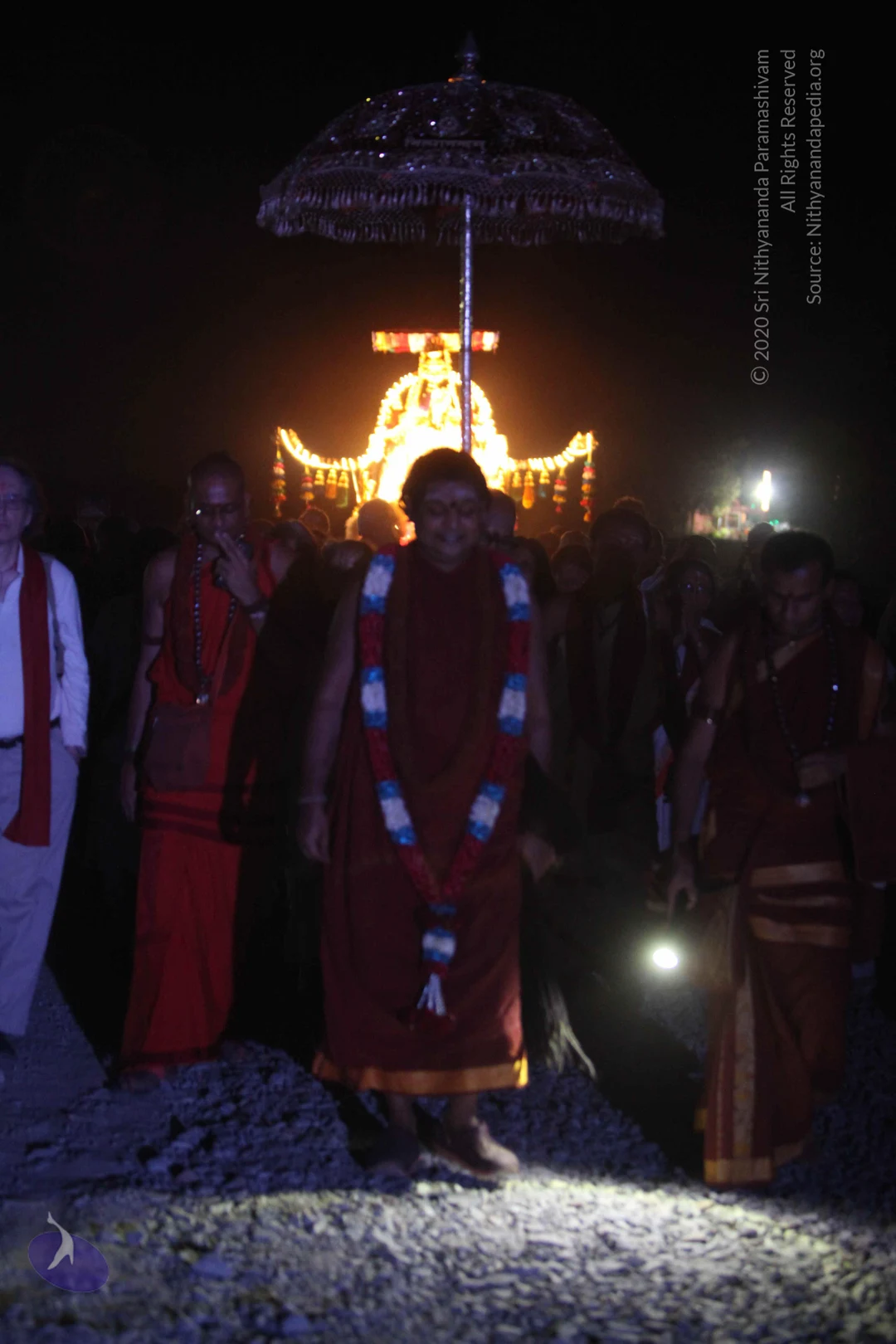
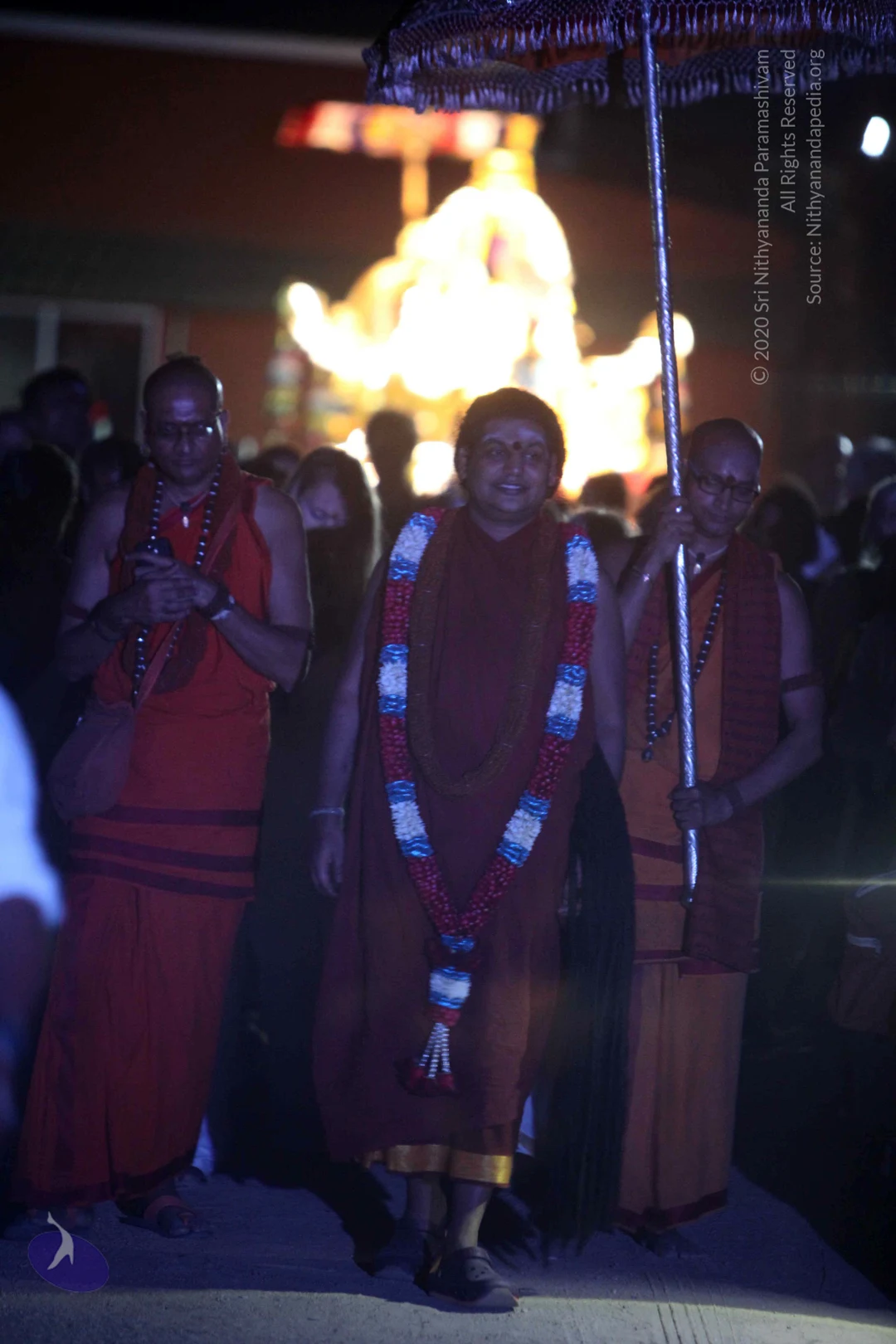
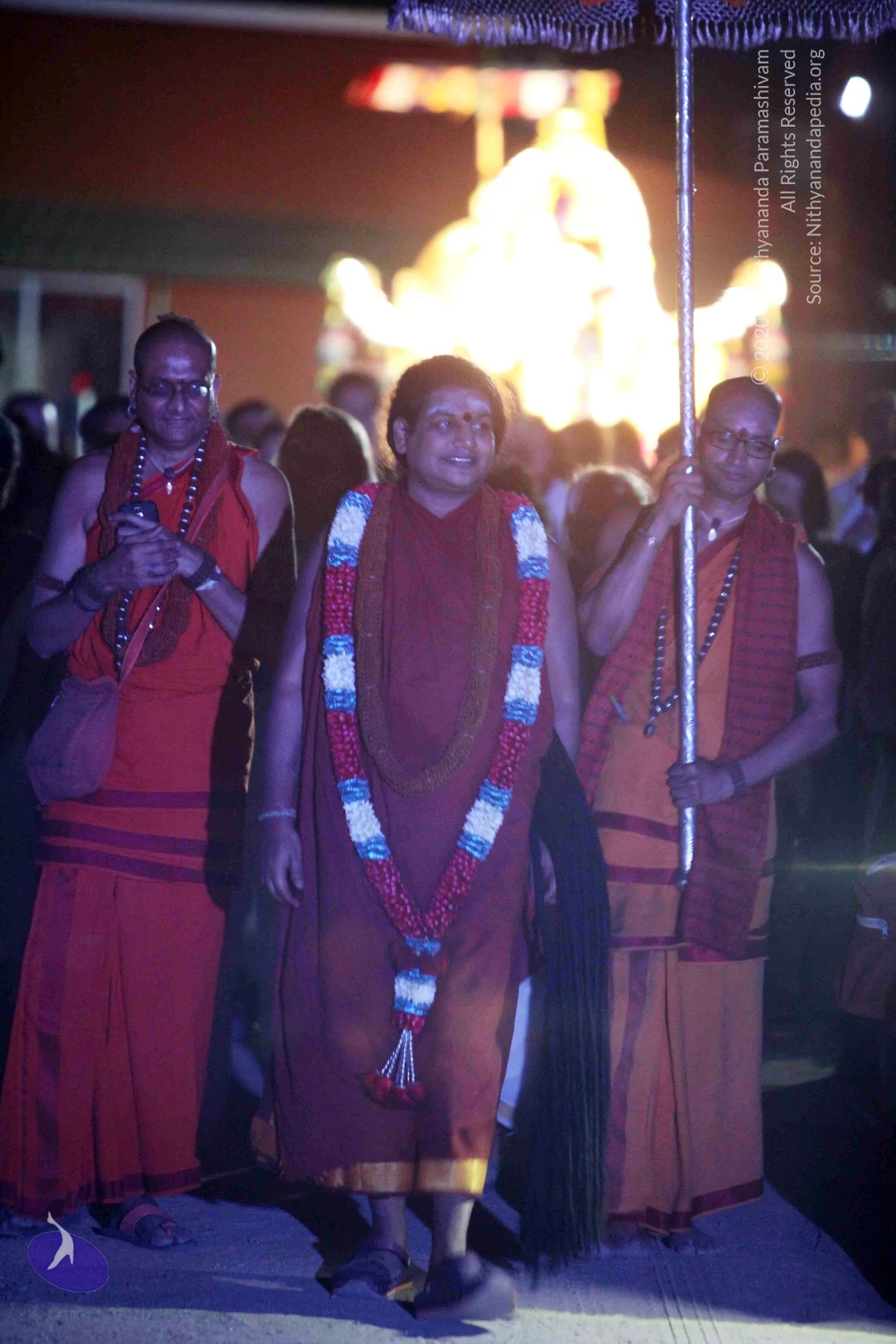
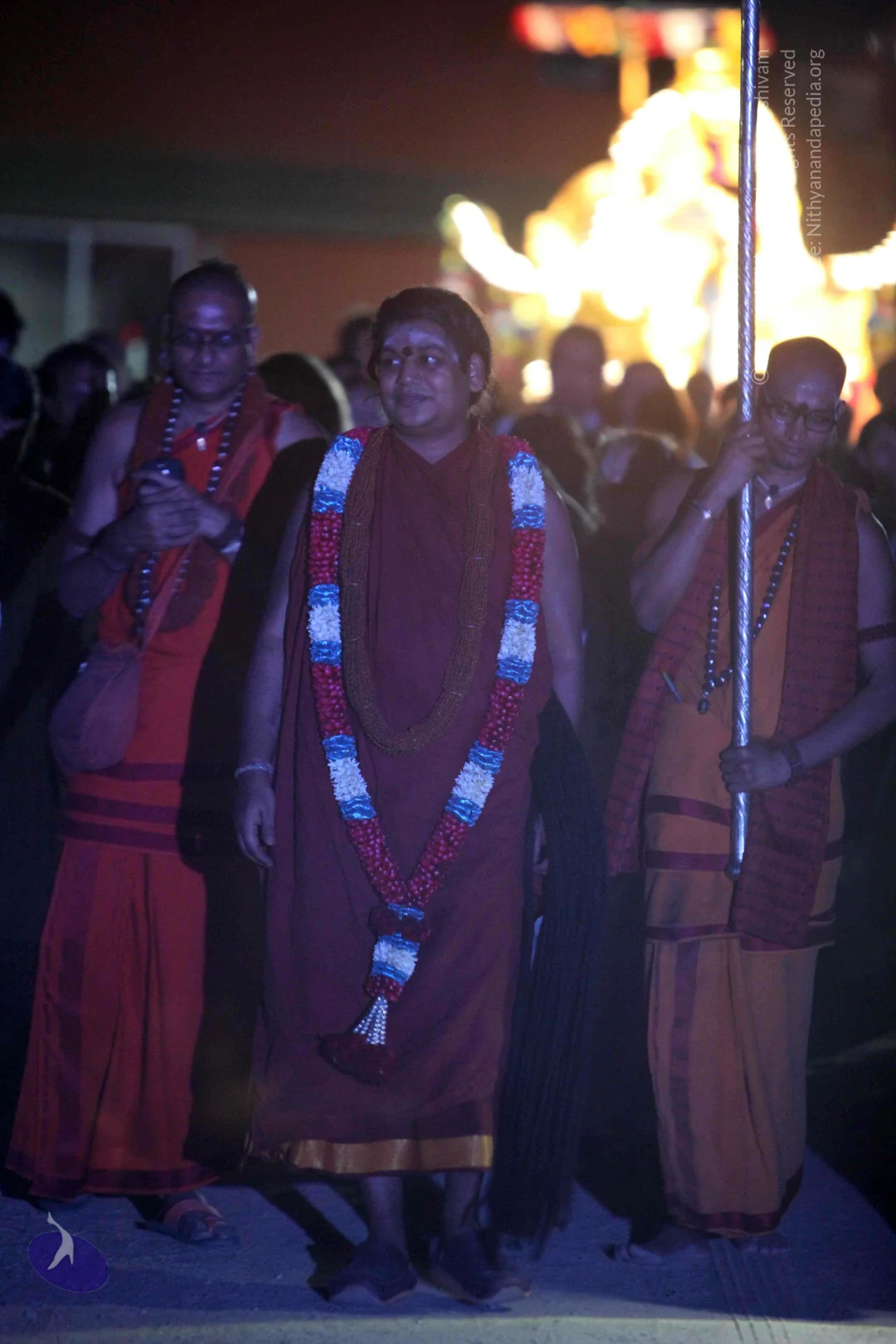
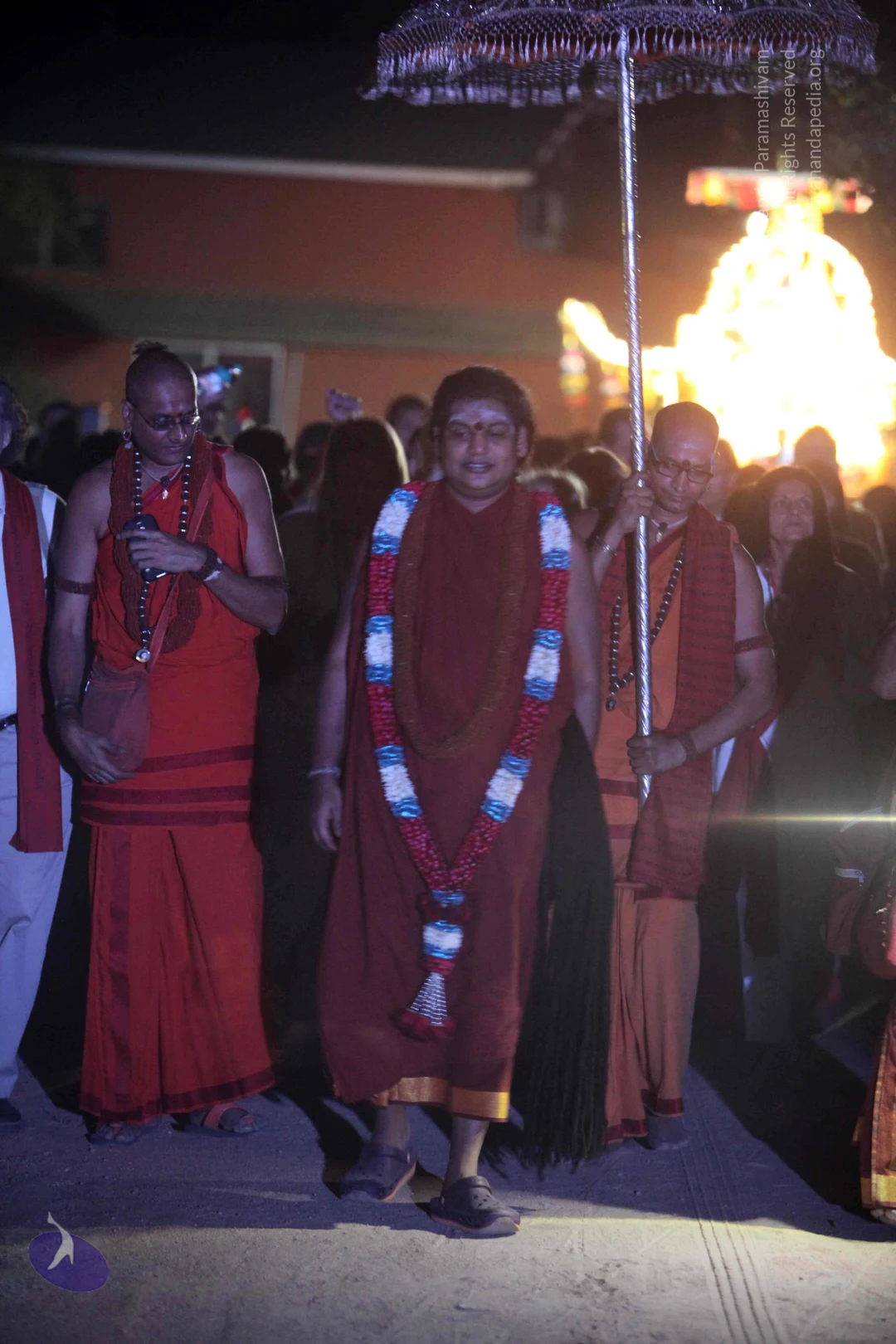
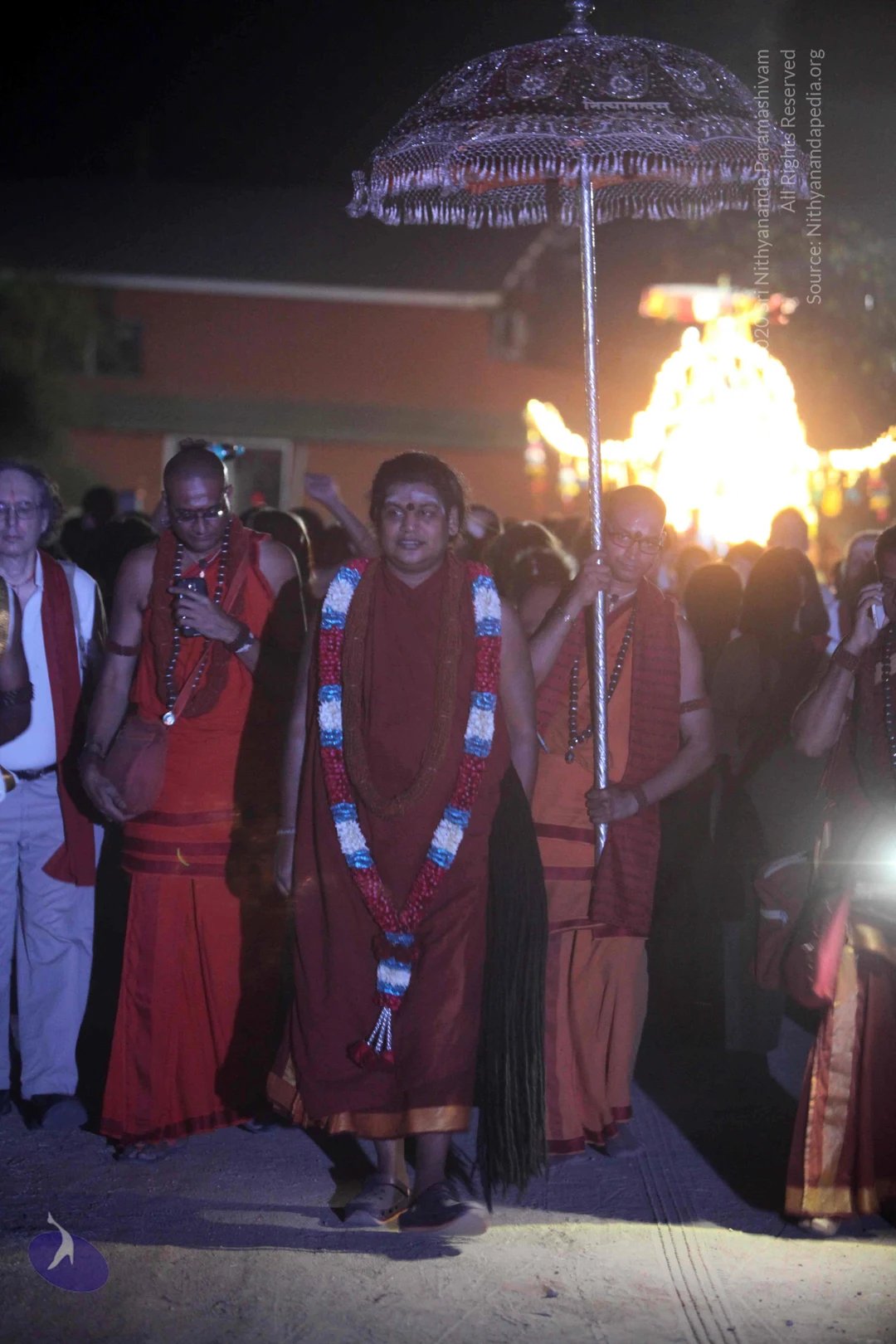
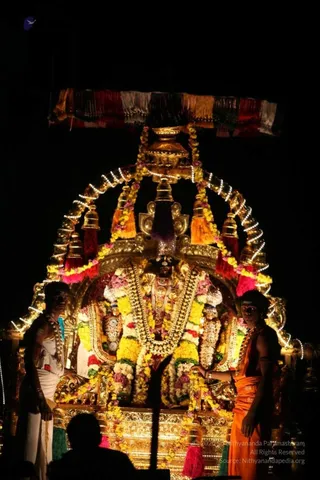
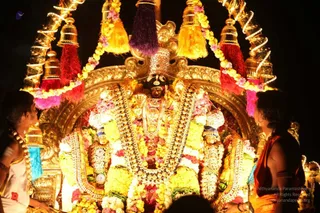
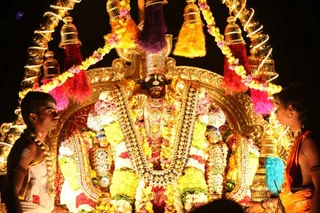
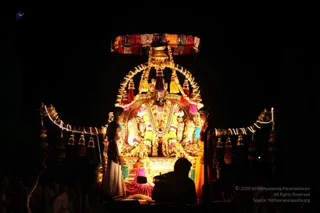
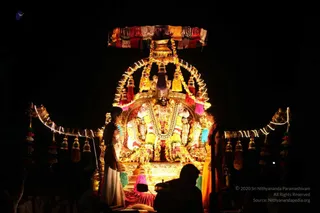
Ratothsavam




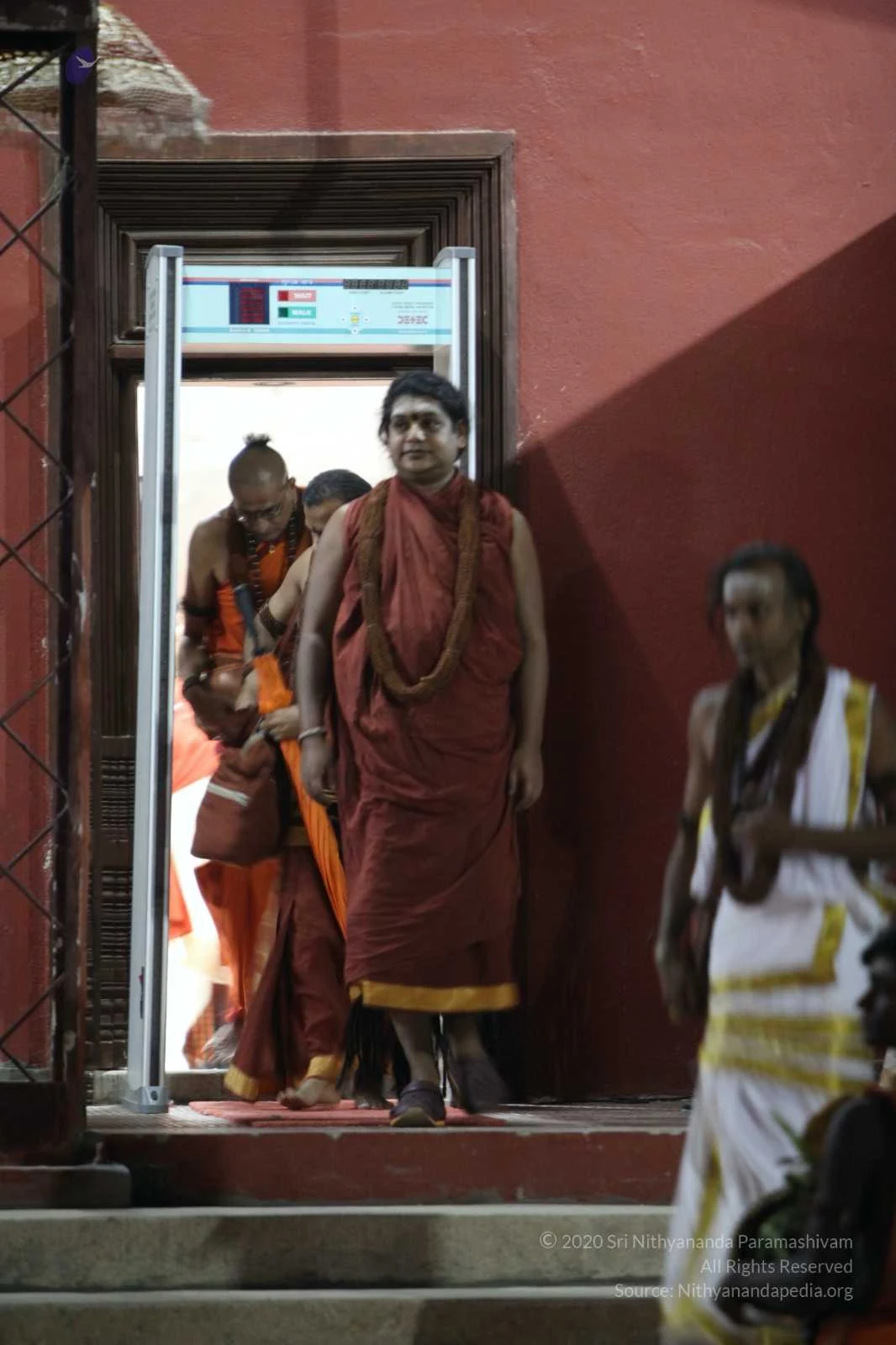
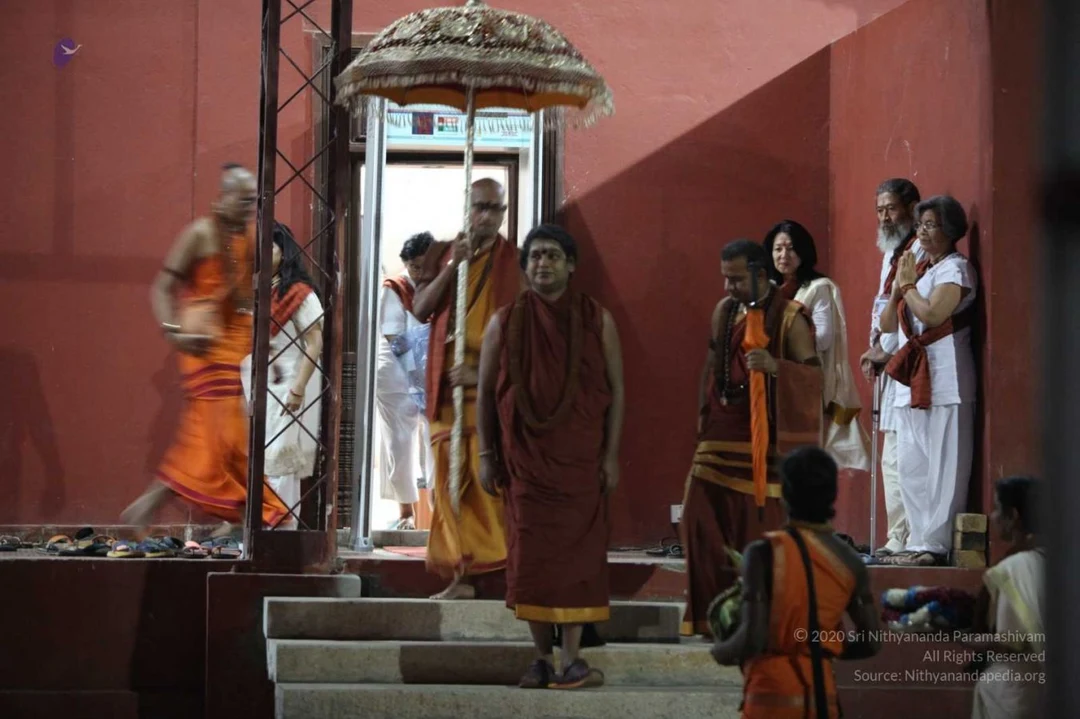
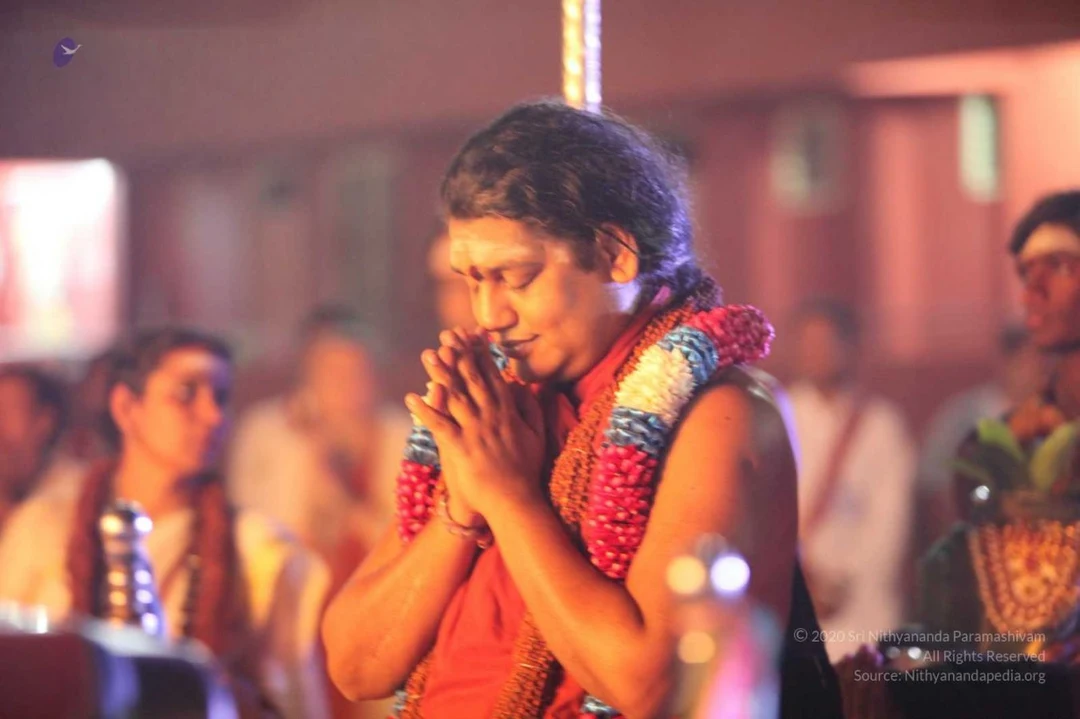






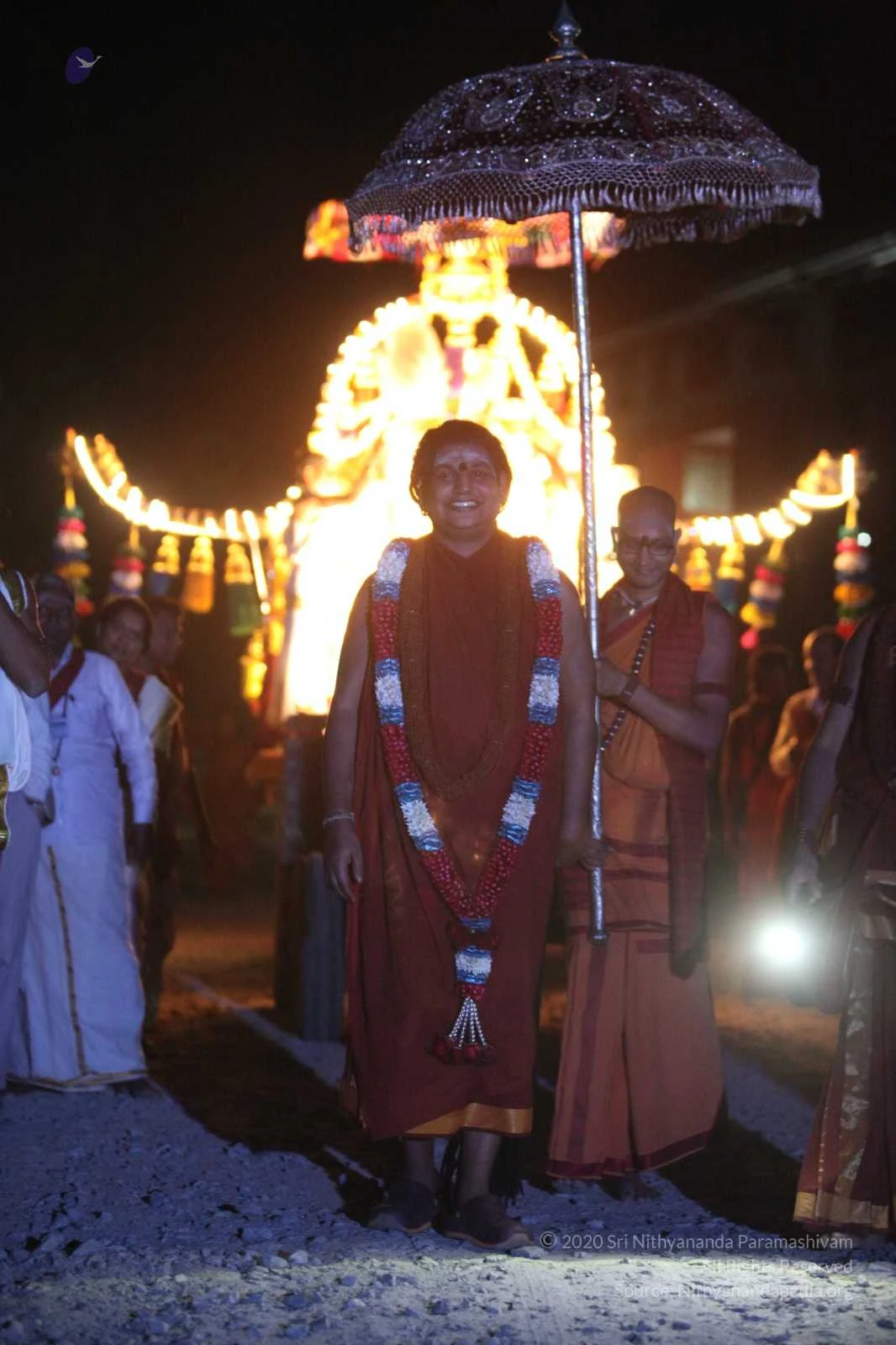
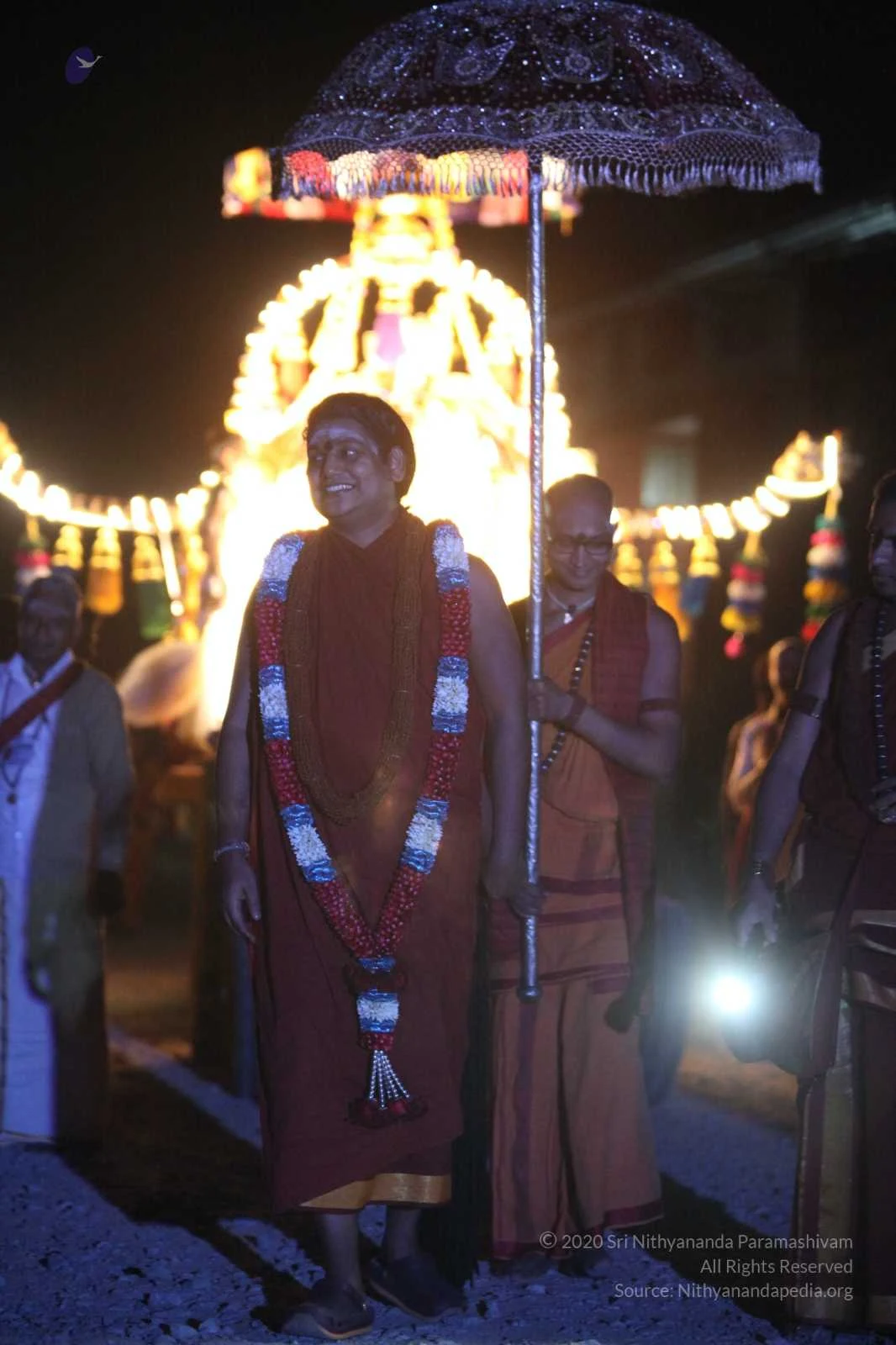
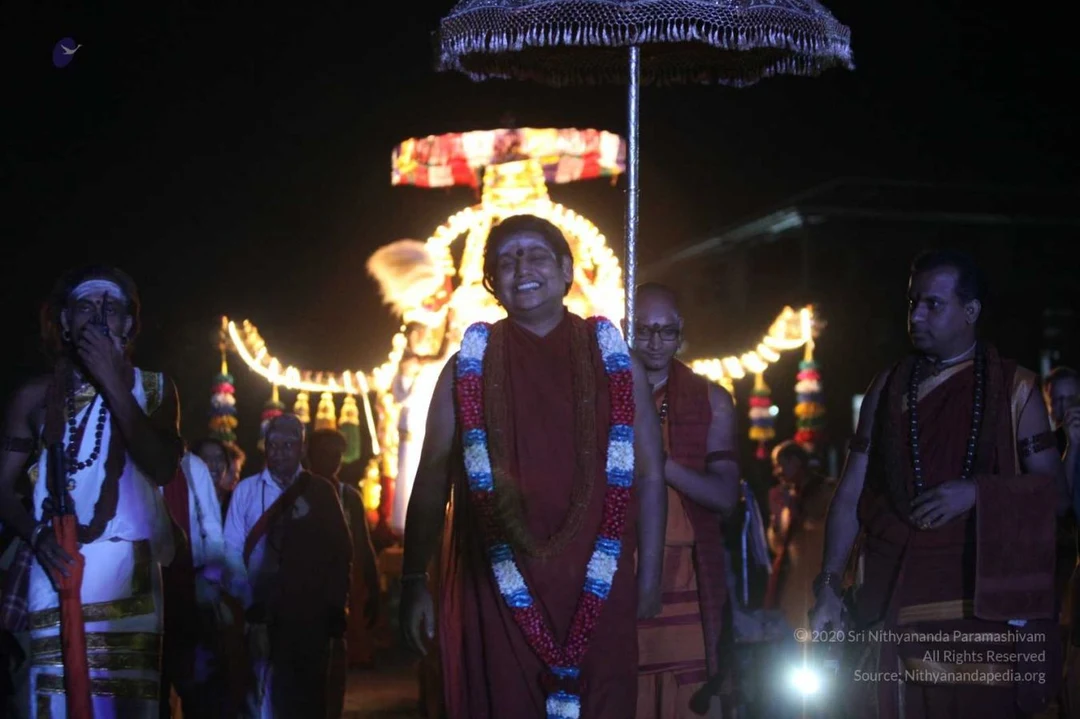
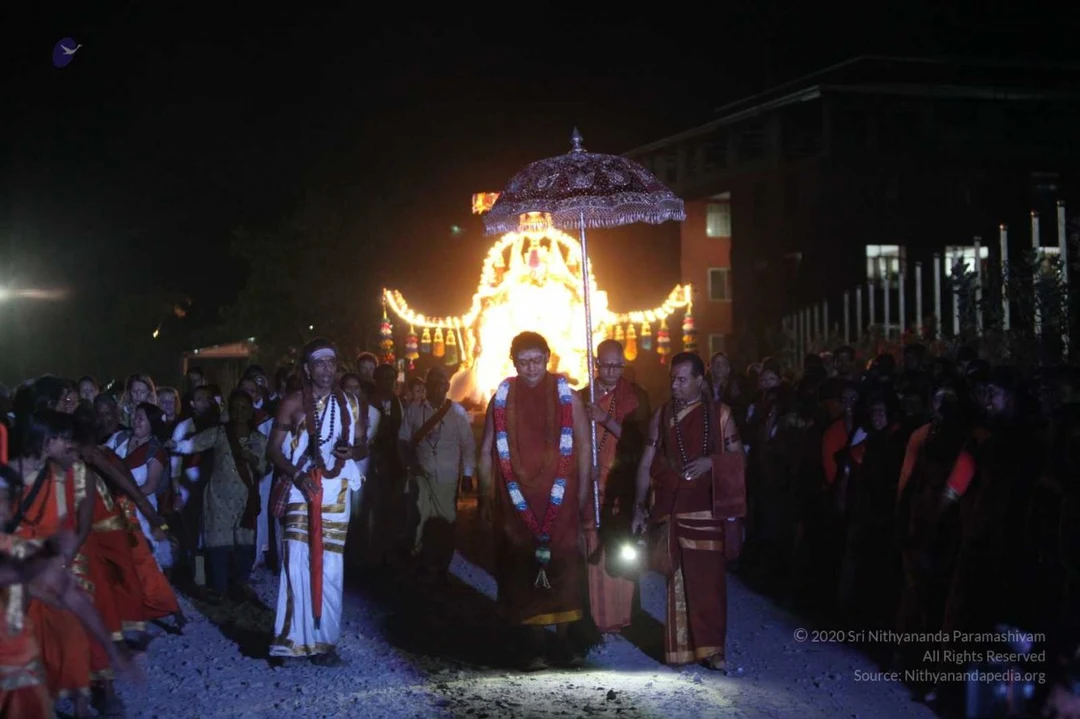




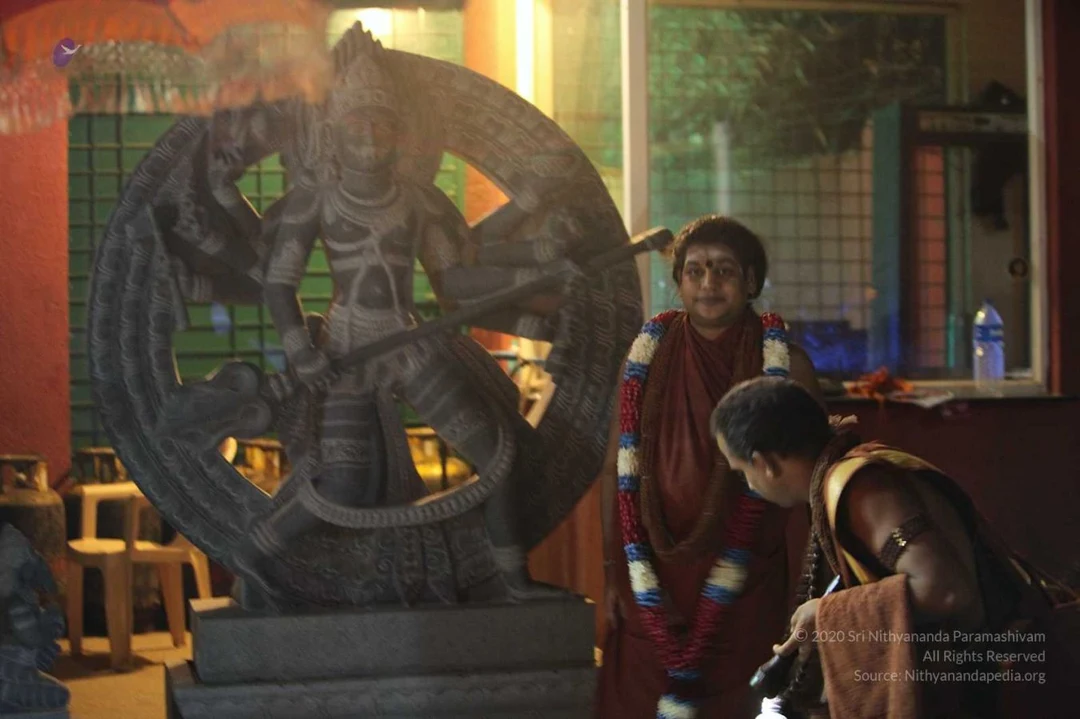
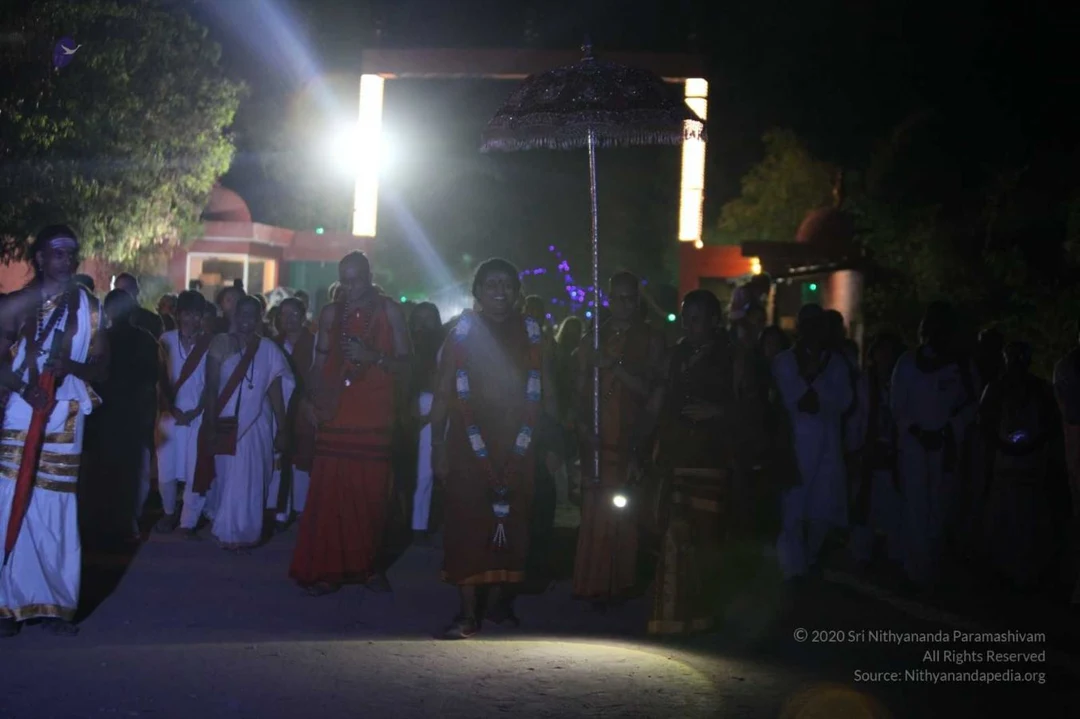


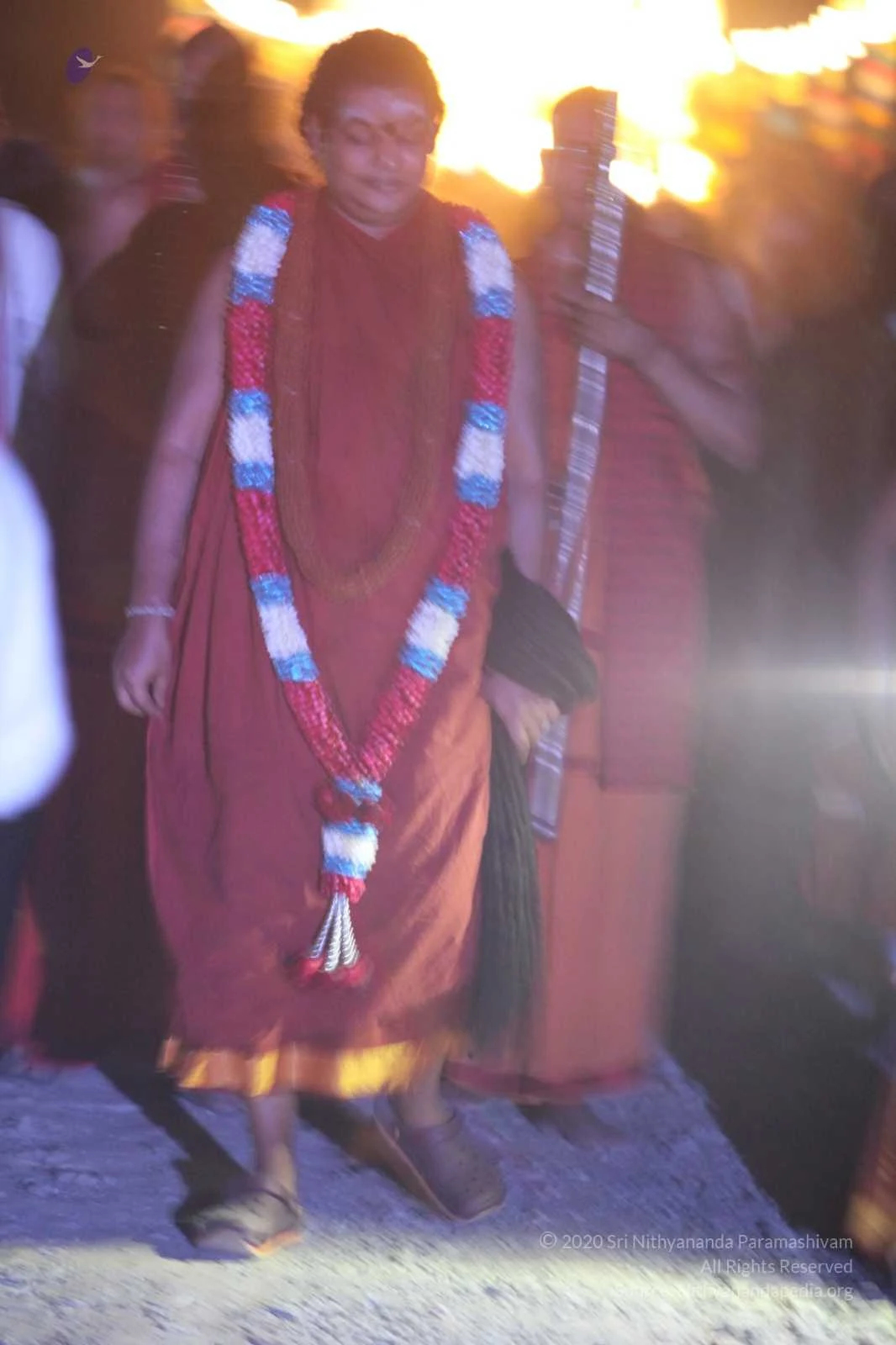
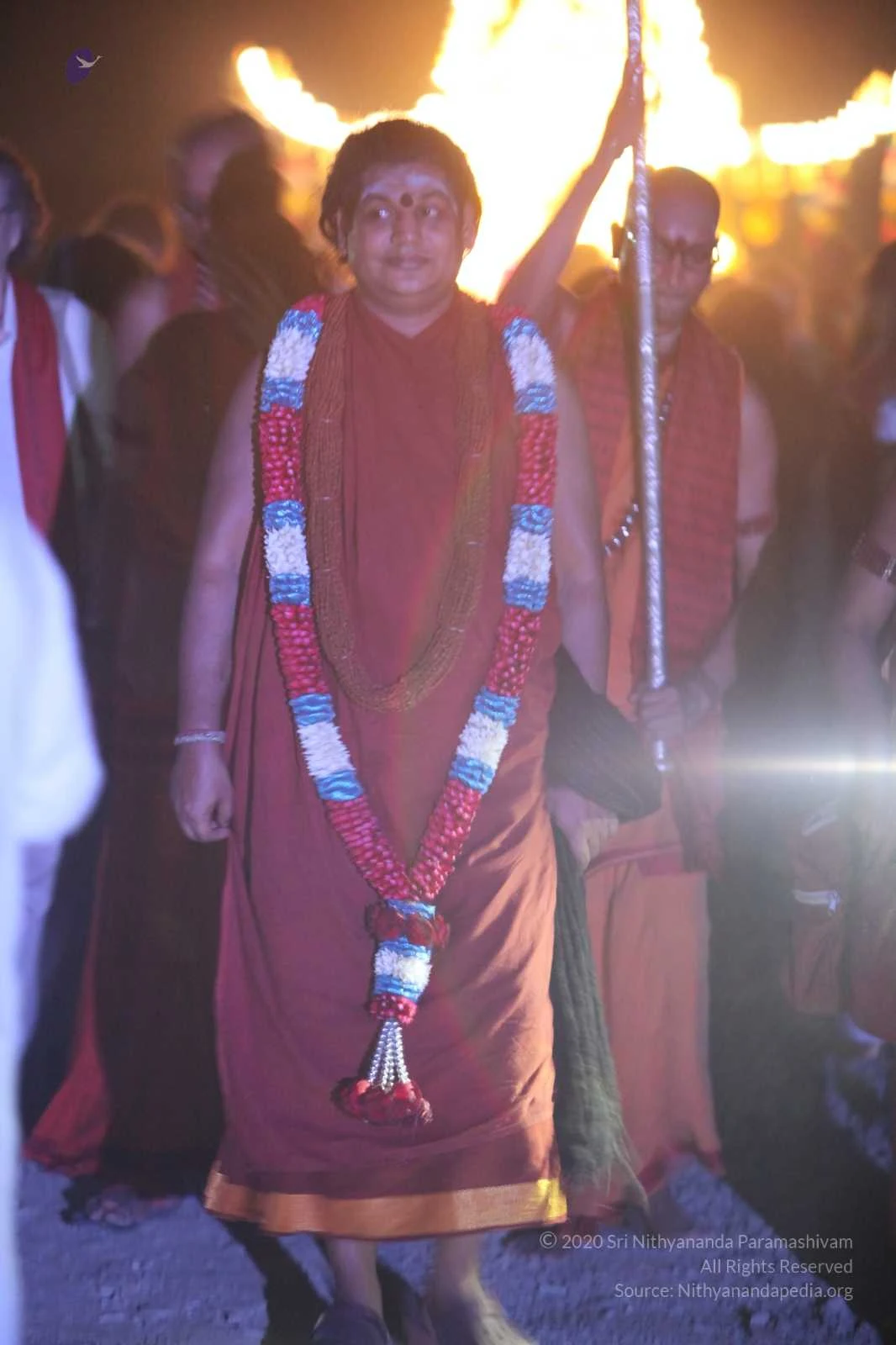
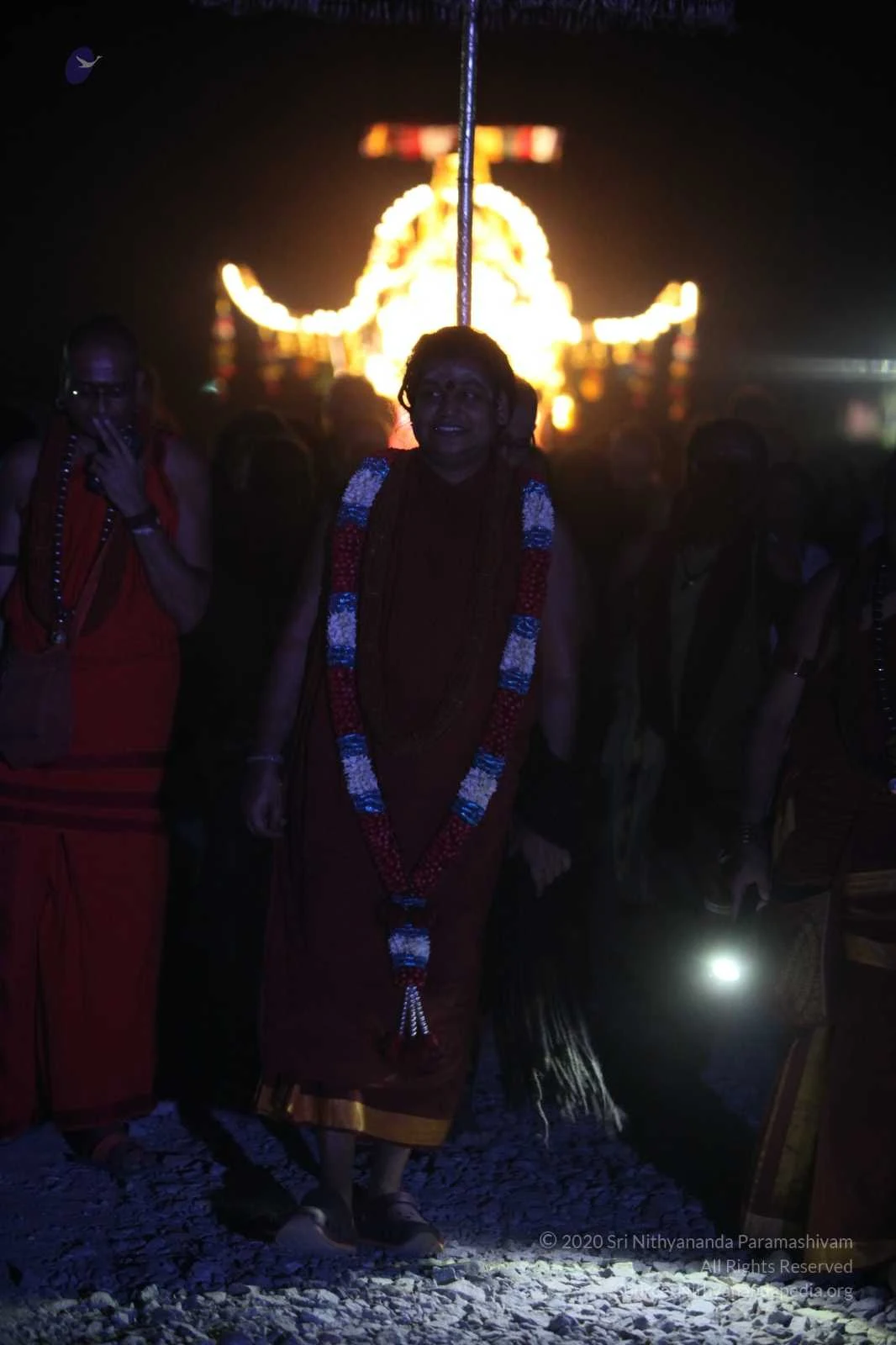
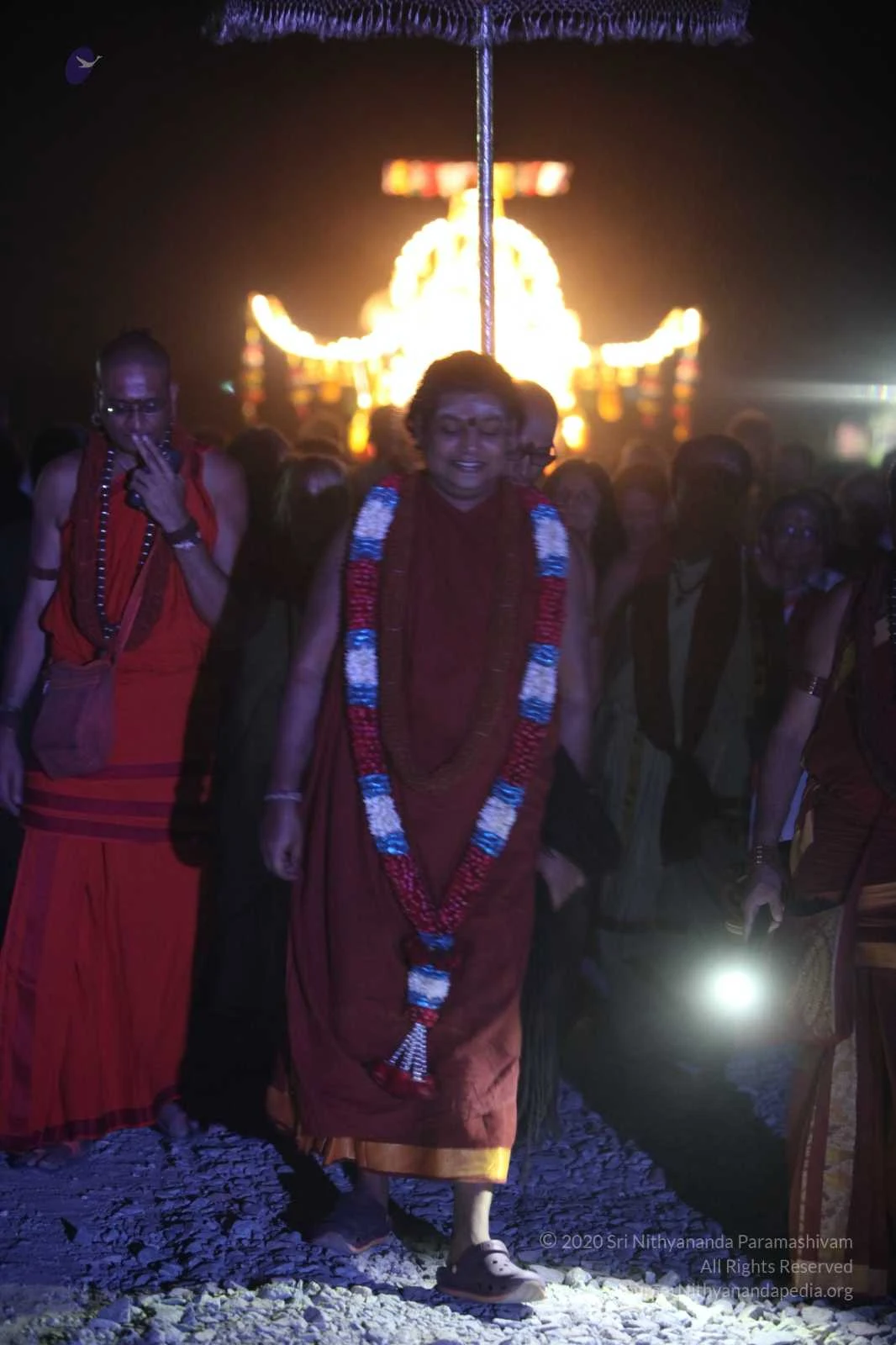











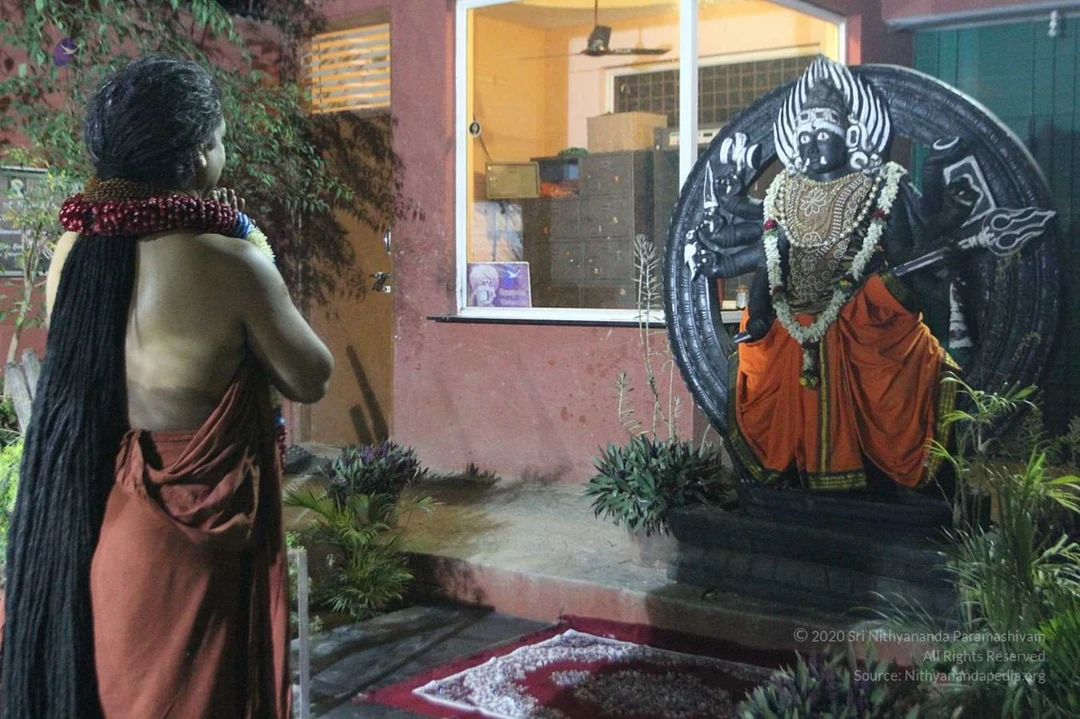
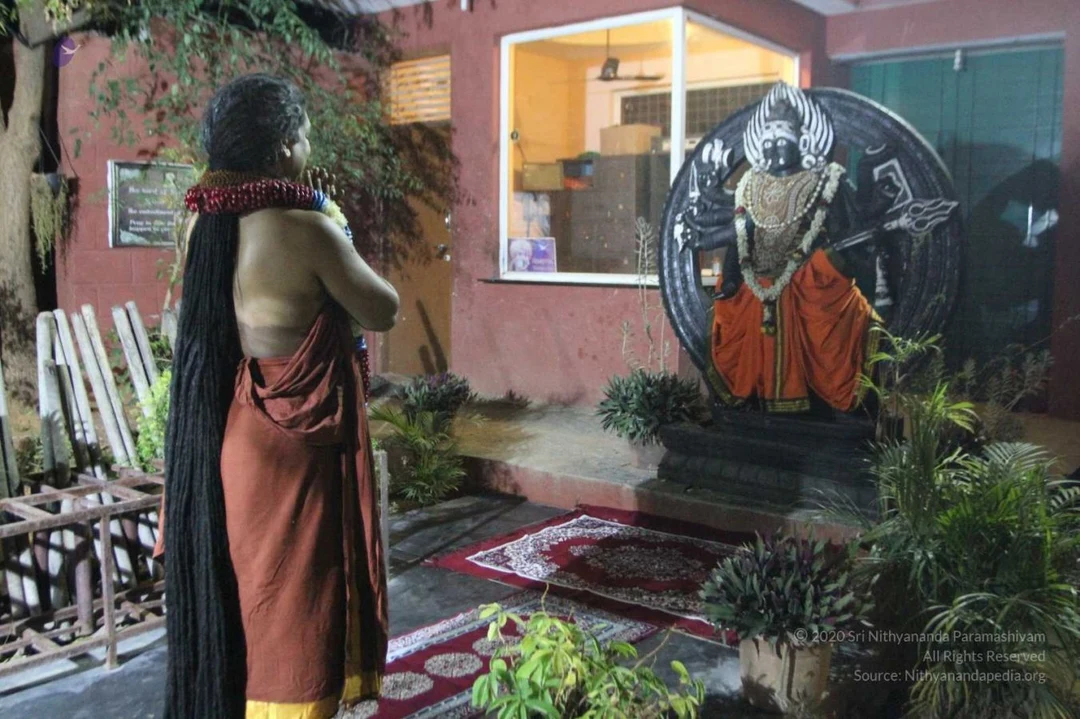
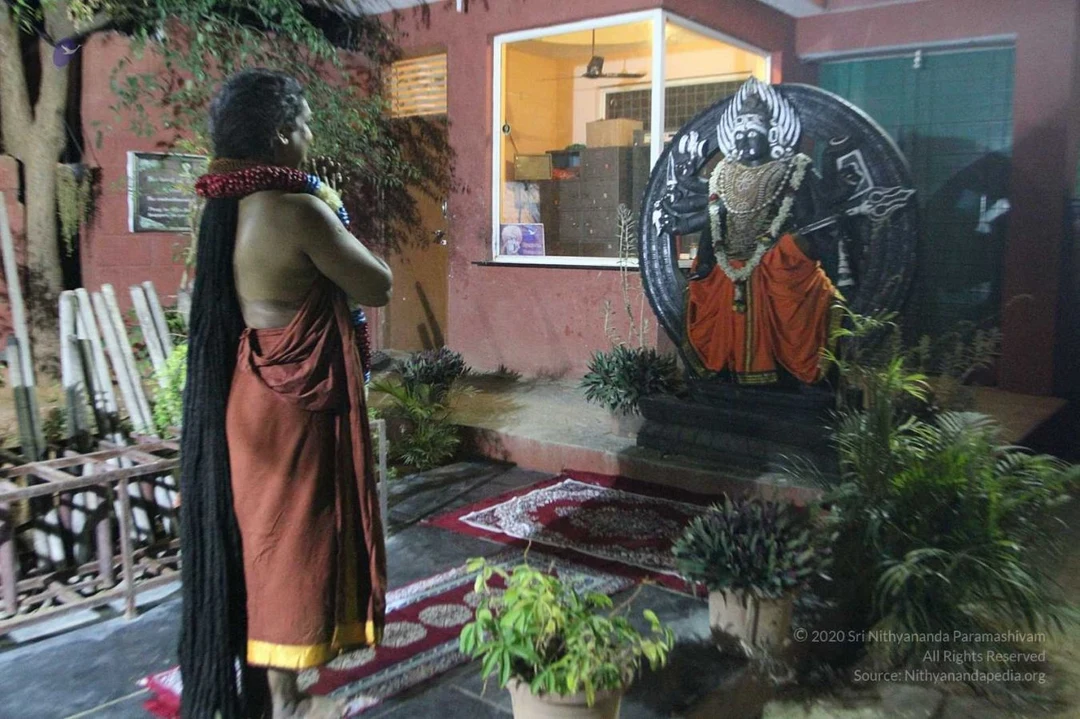
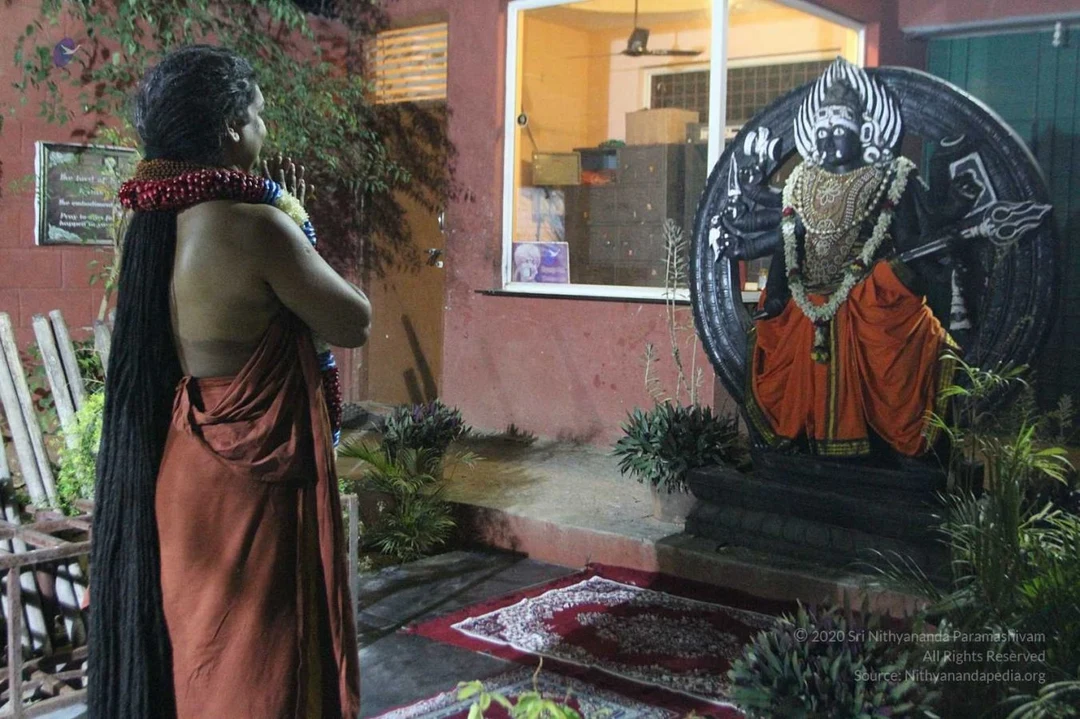
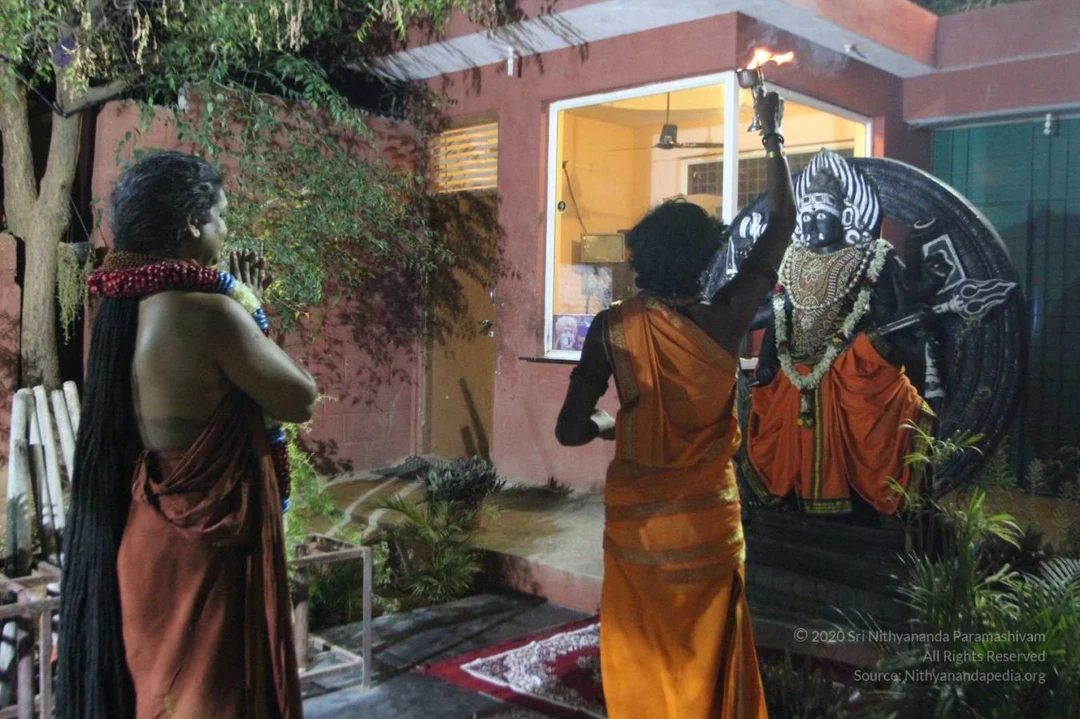
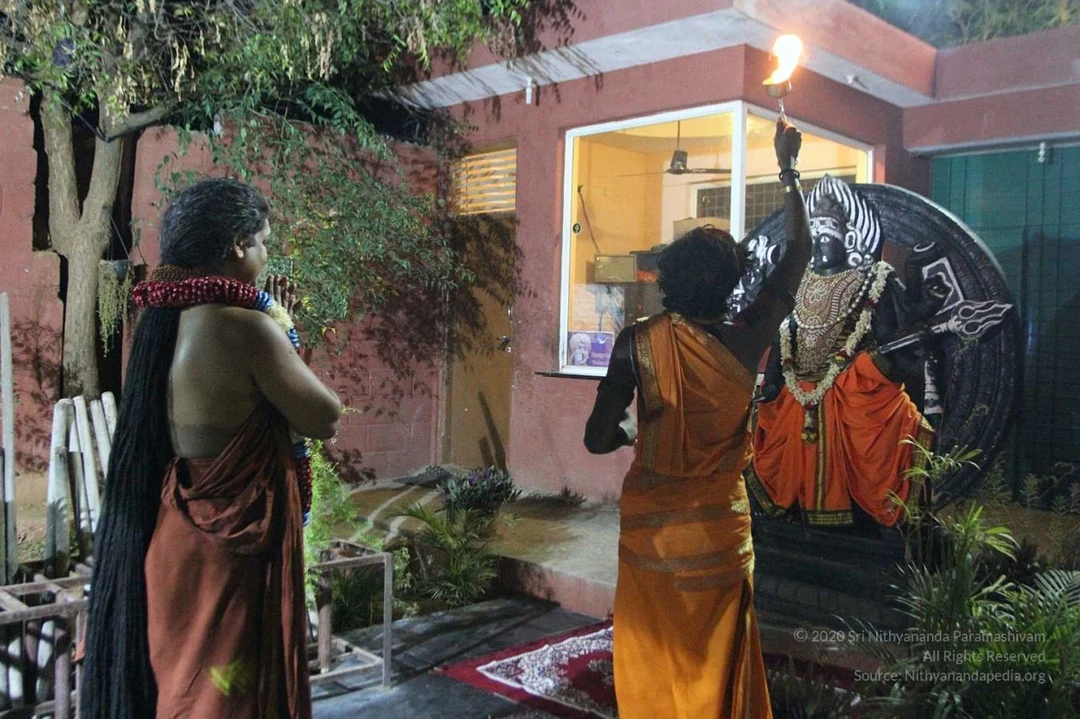
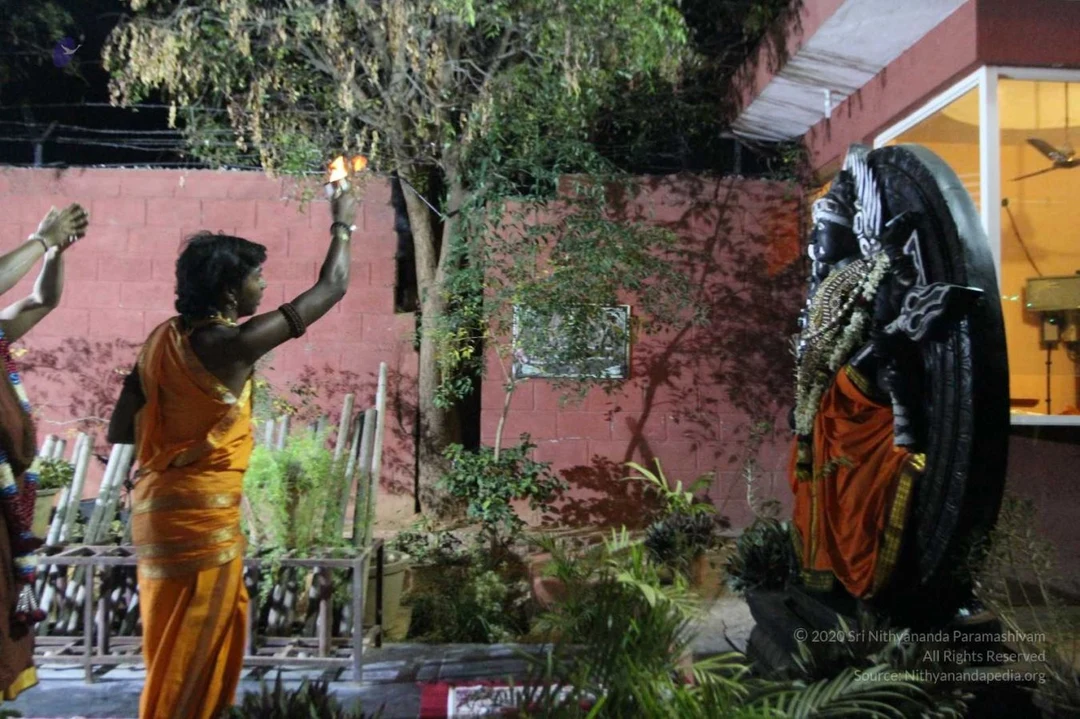
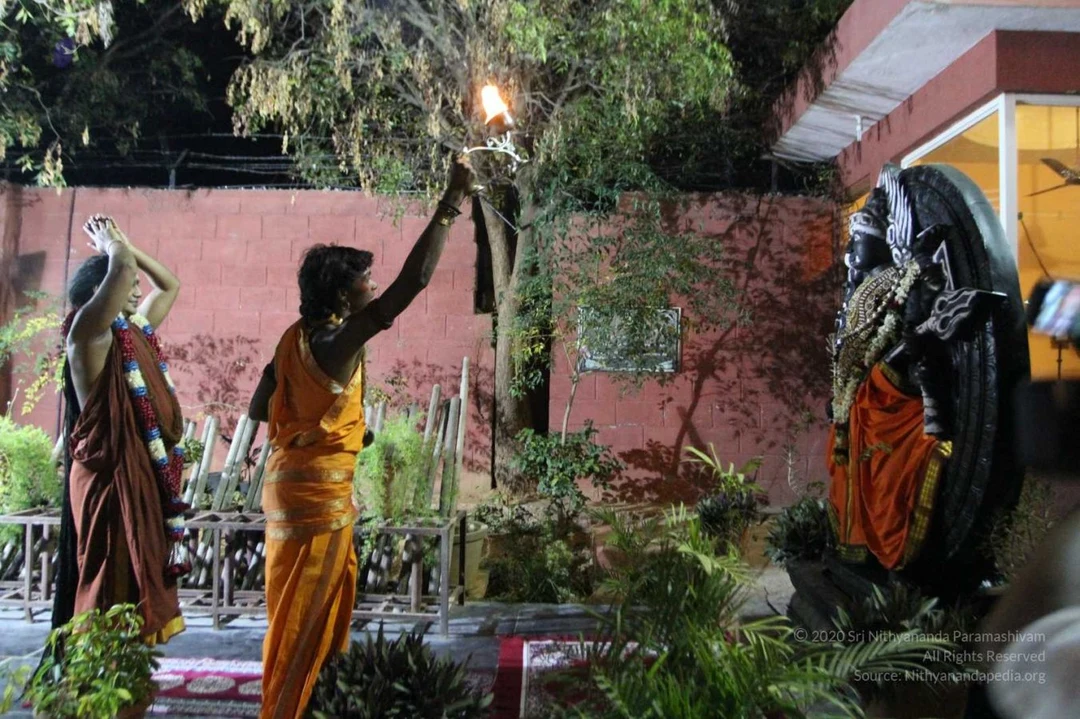

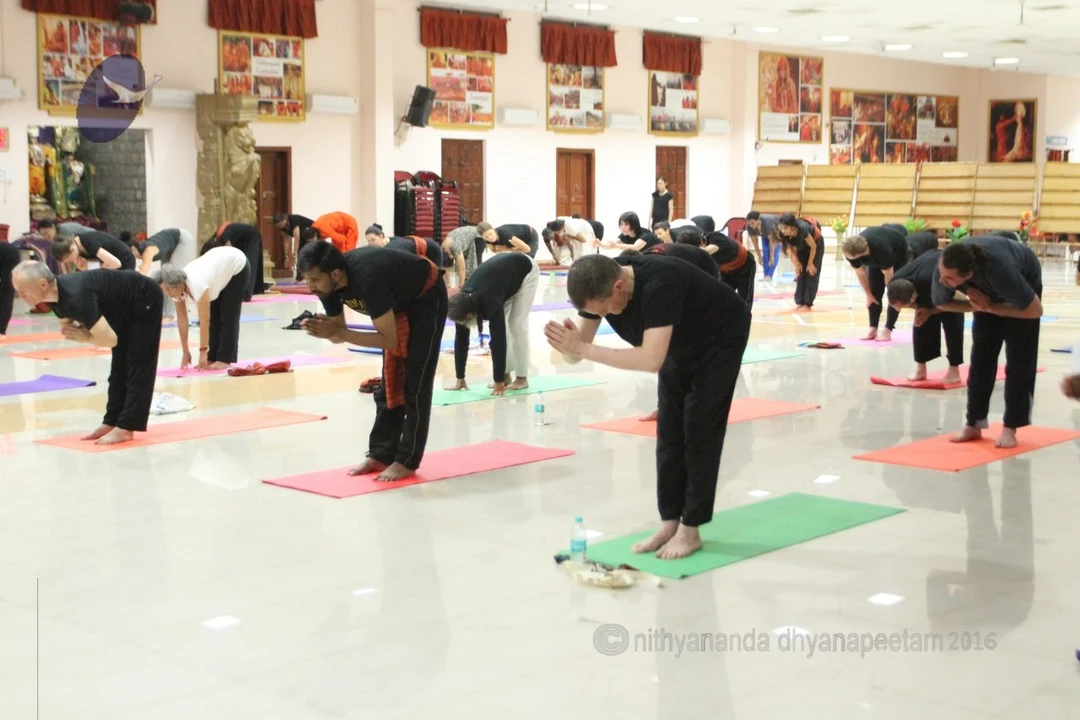
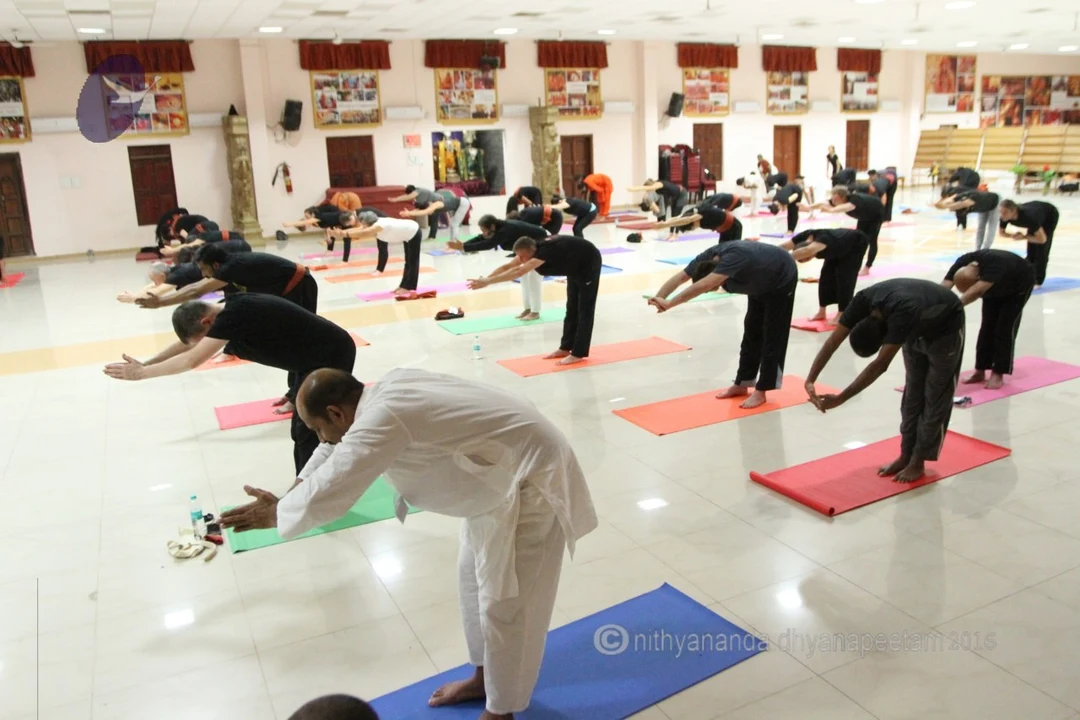
Nithyananda Yoga
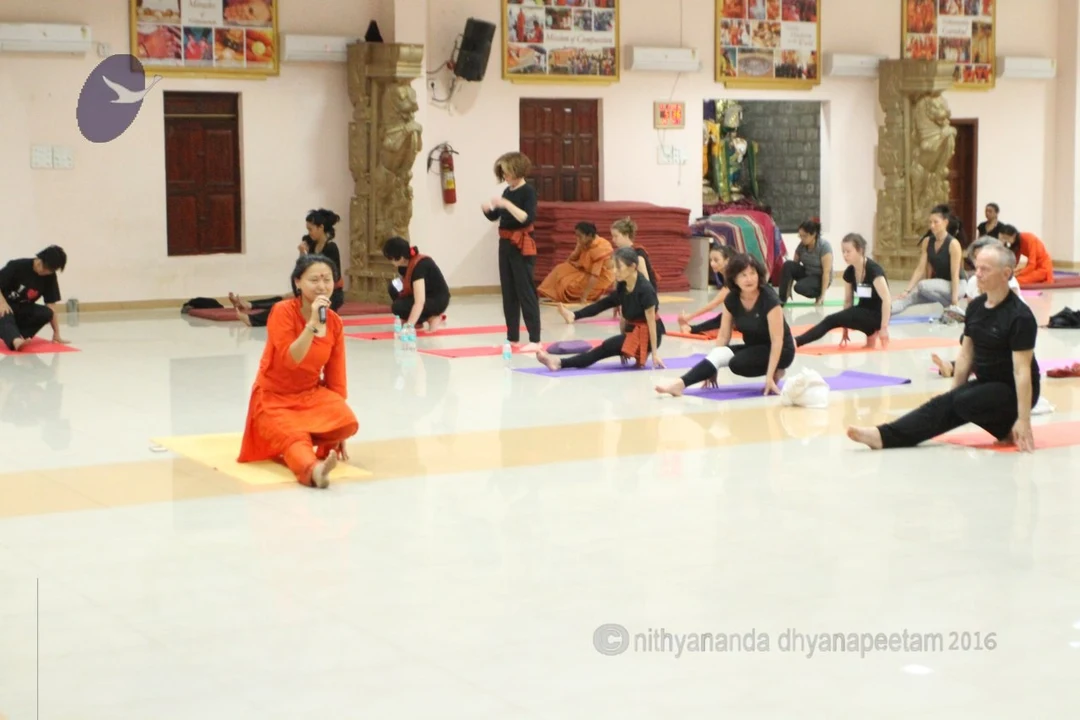
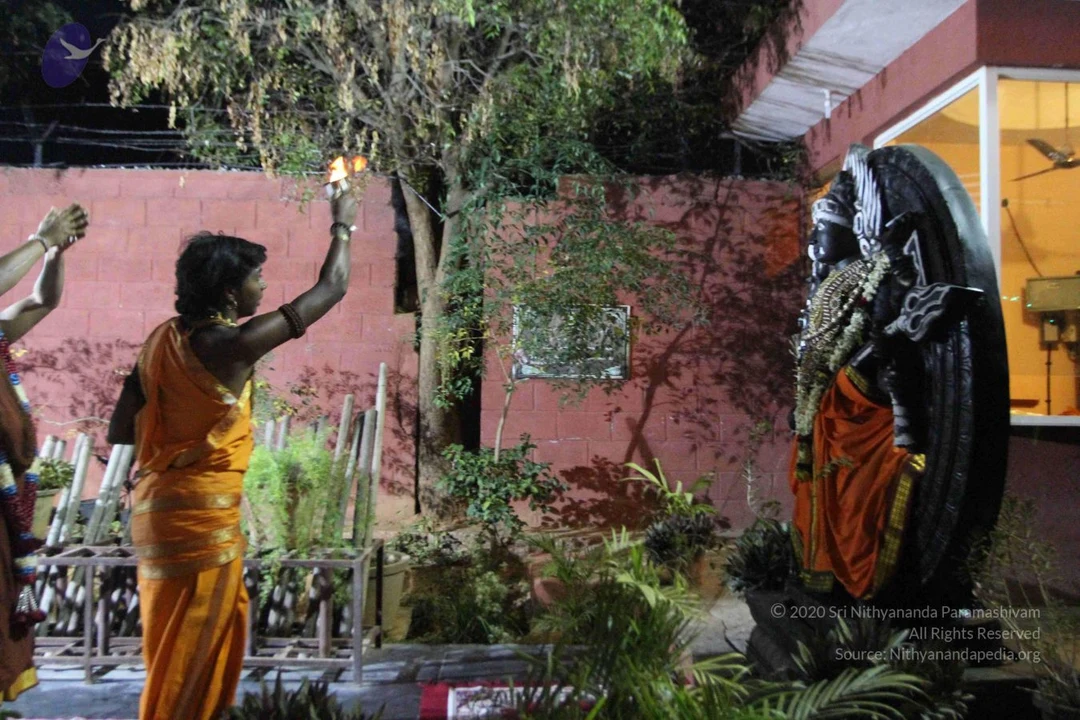
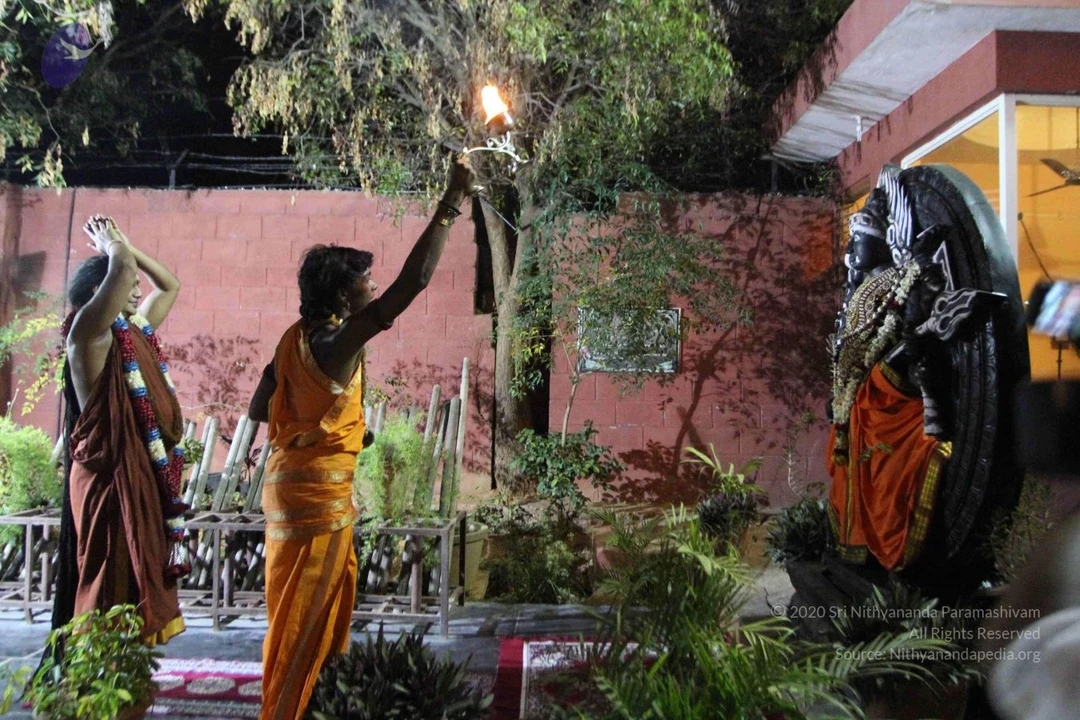
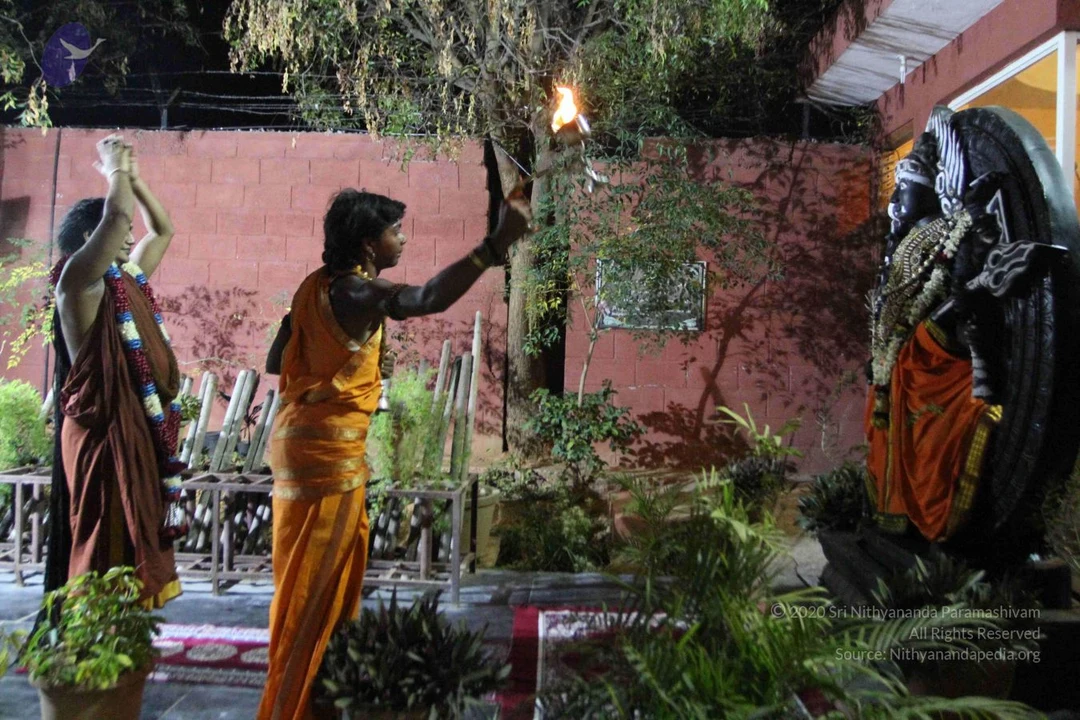
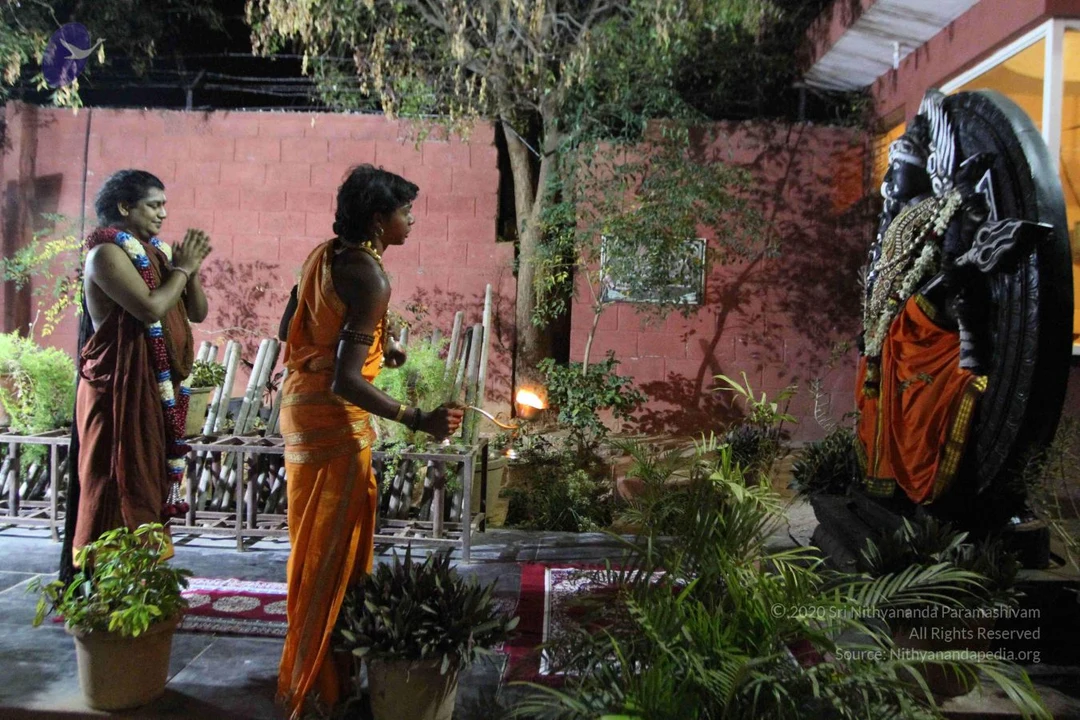
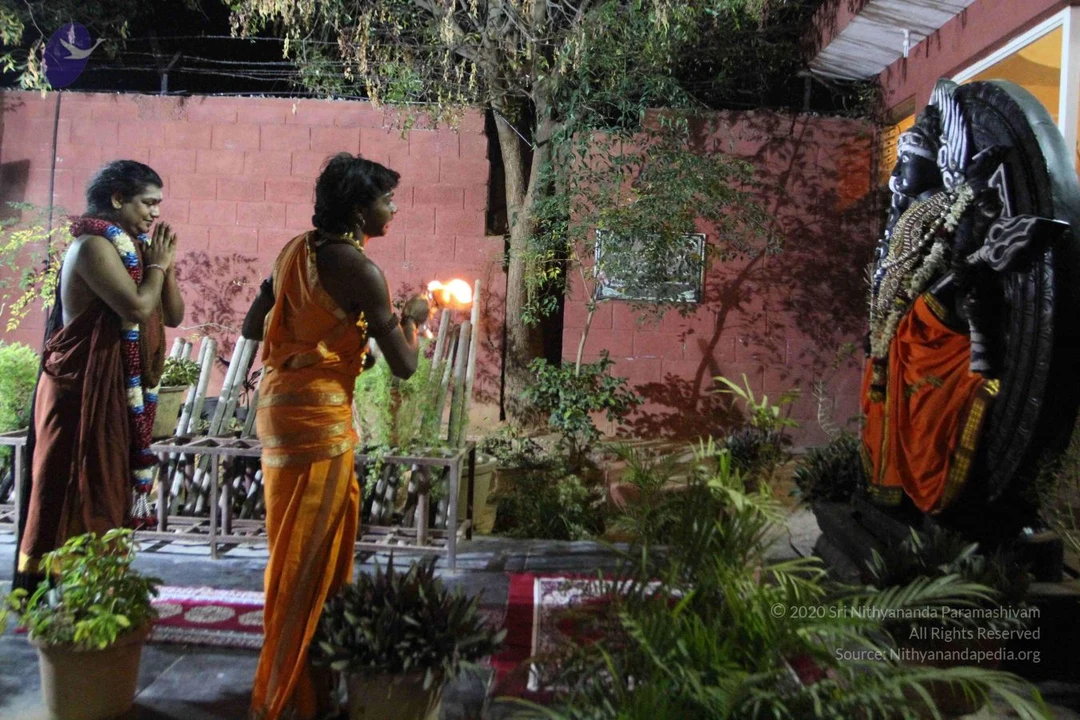
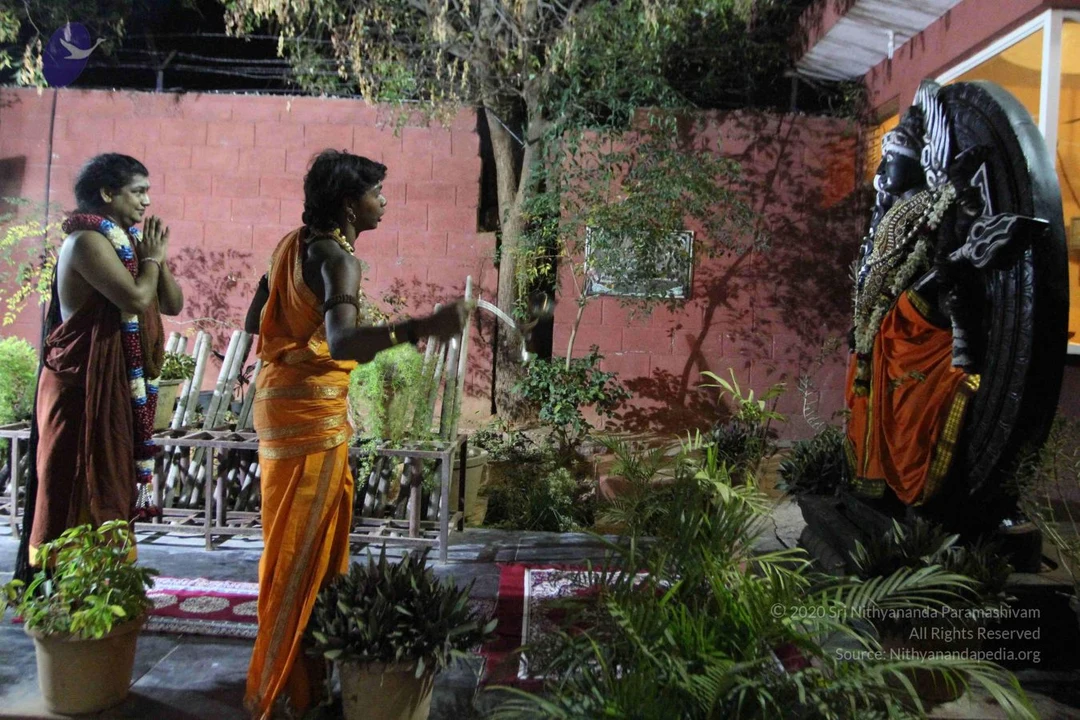
Celebrating Rajarajeshwari Brahmotsavam
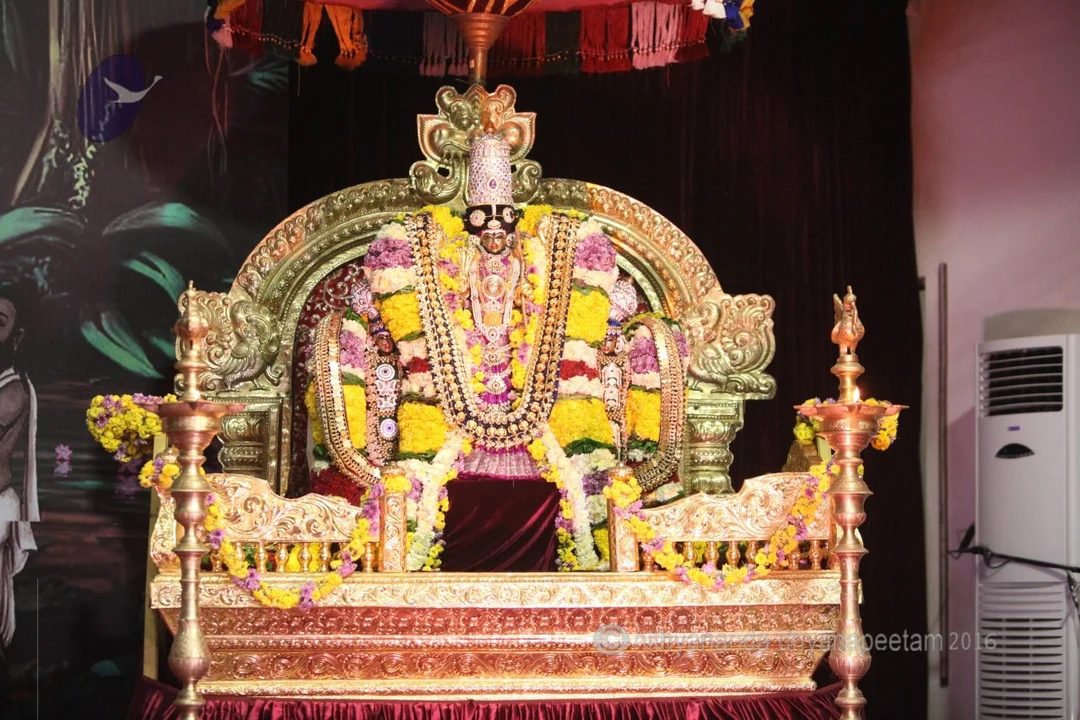
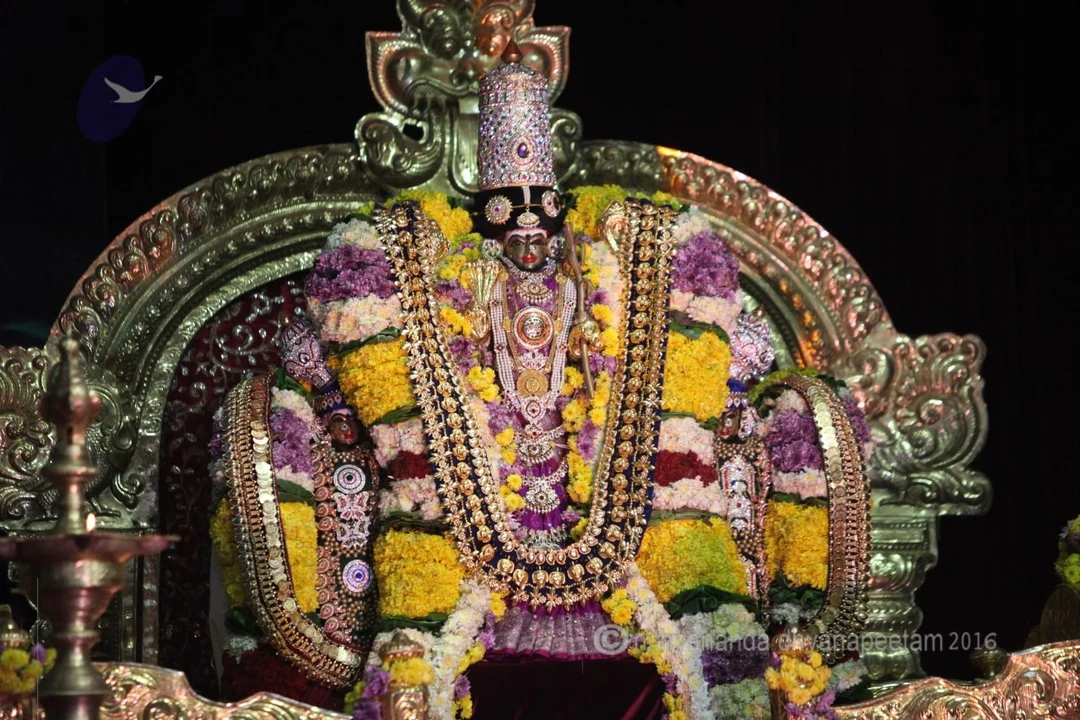
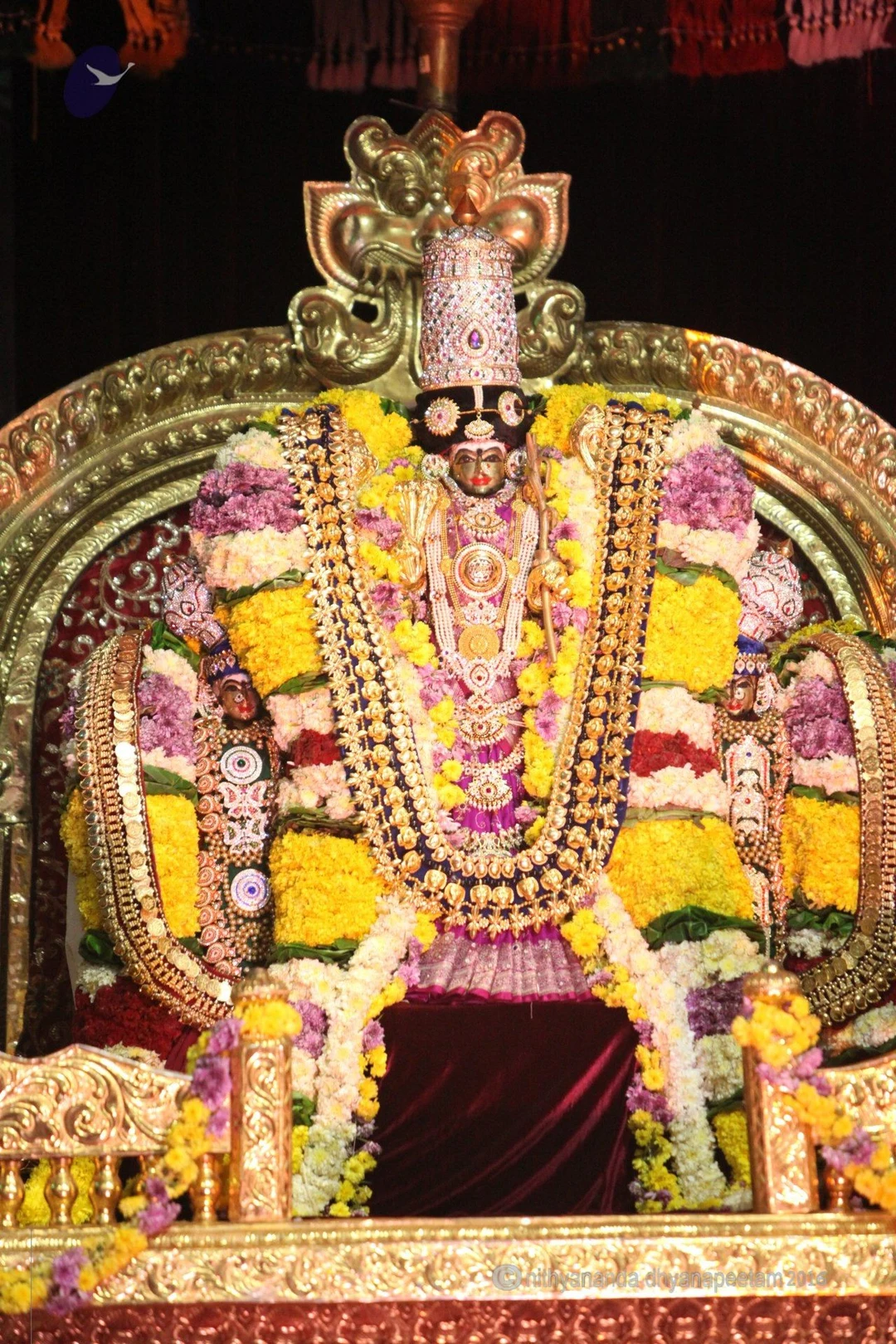
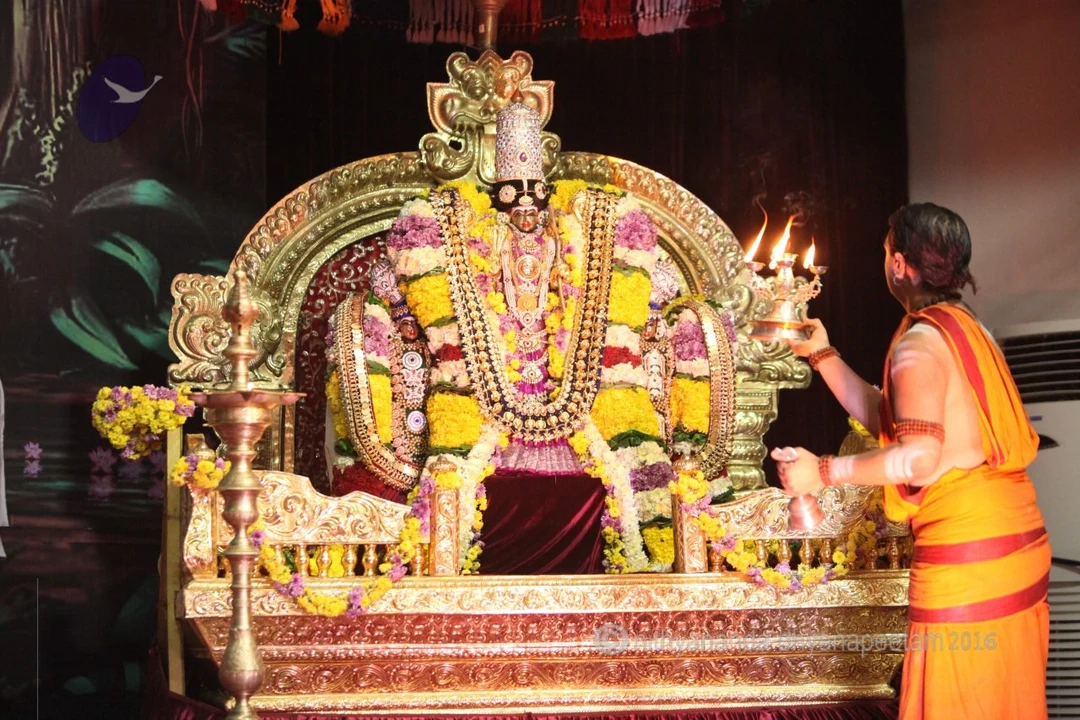
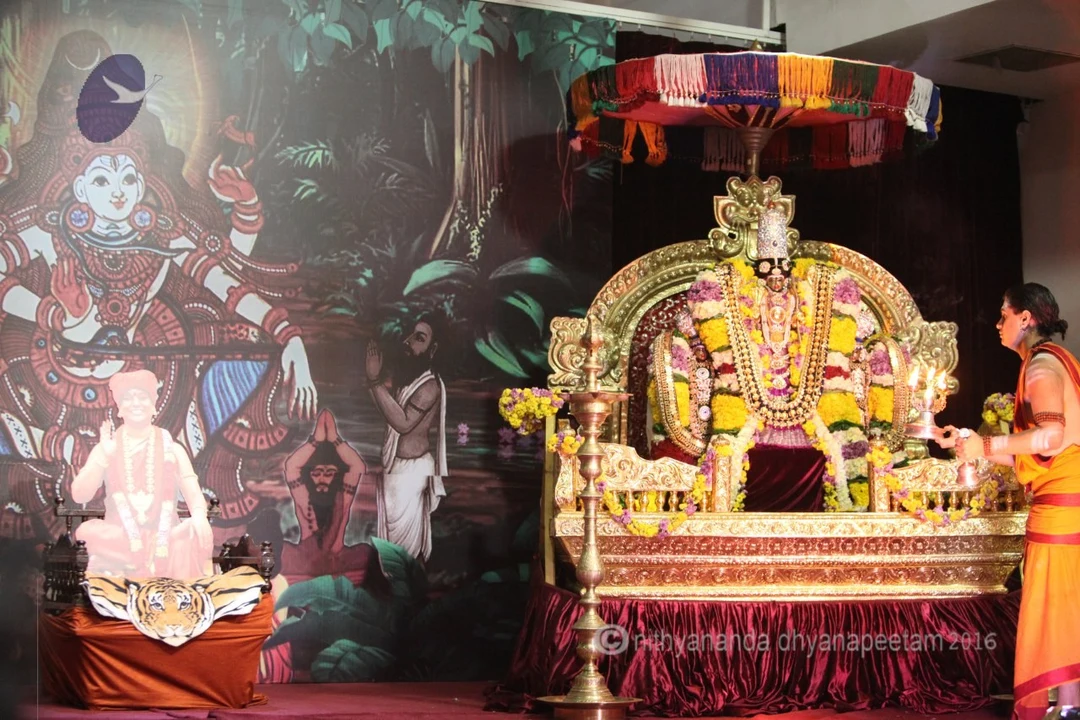
Photos Of The Day:
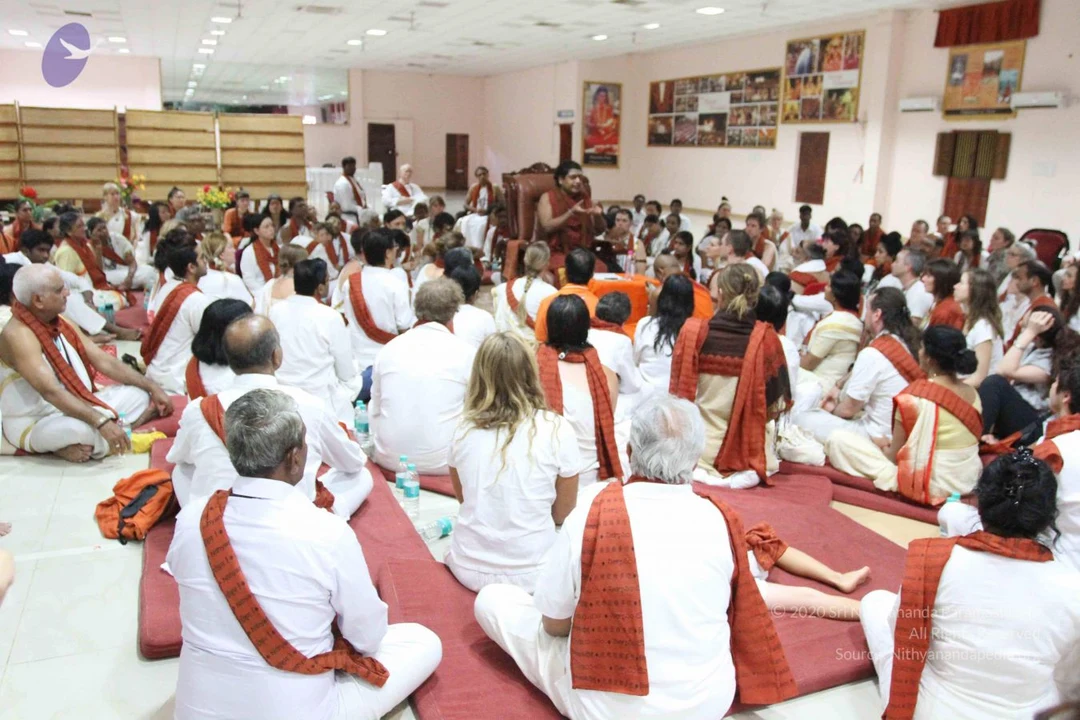
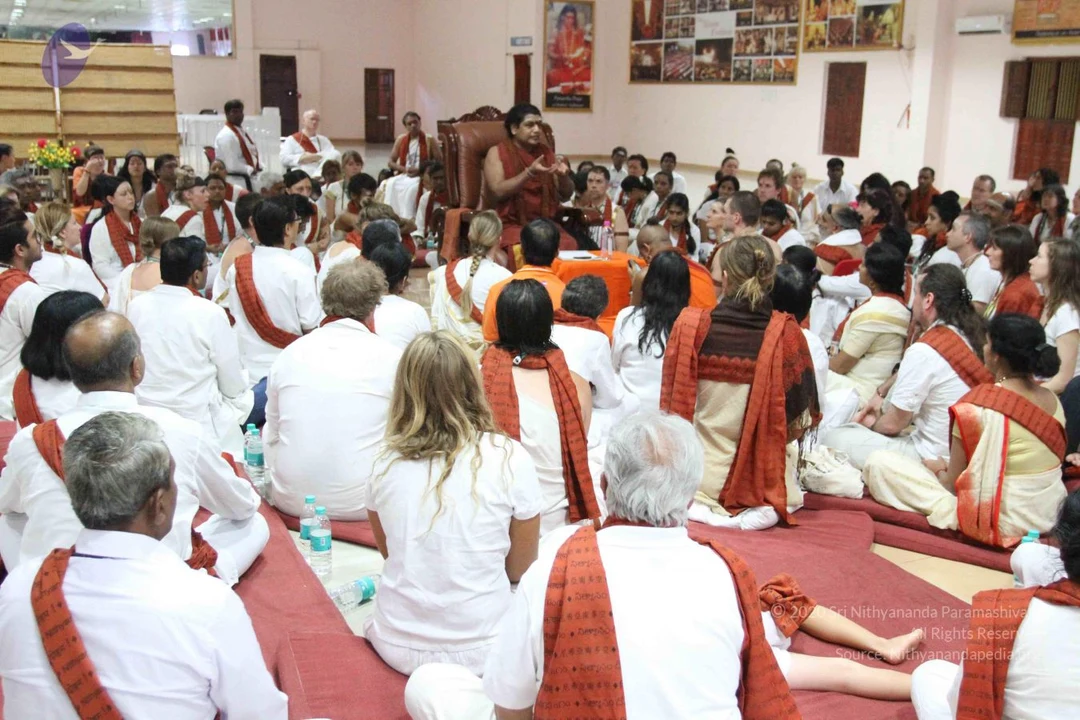
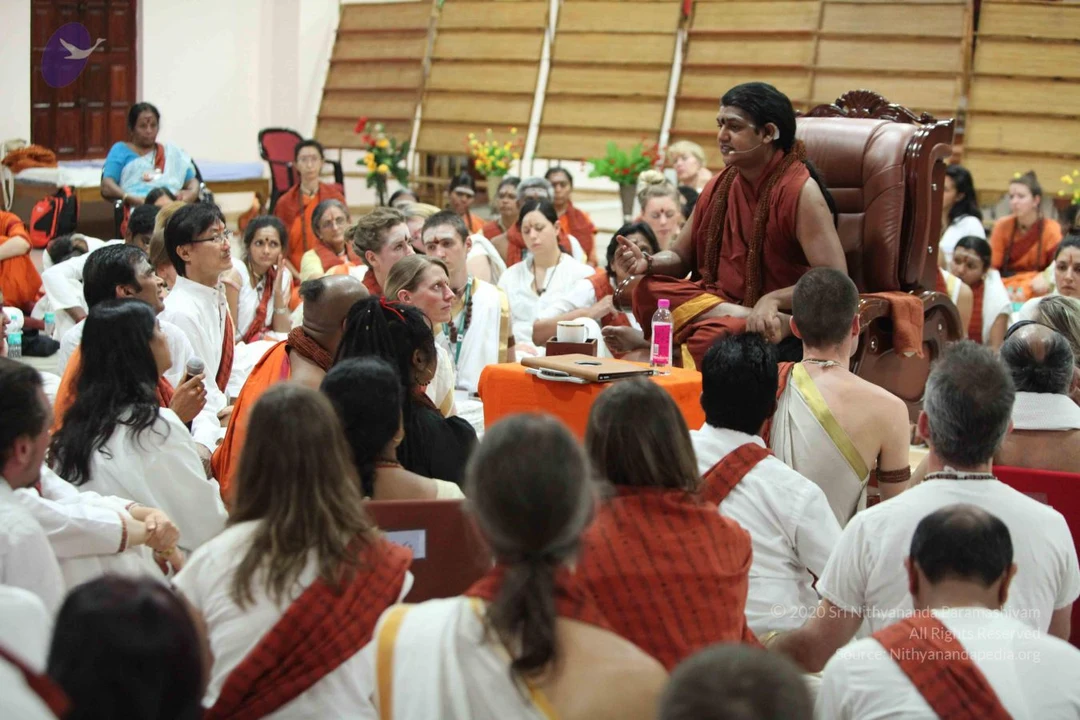
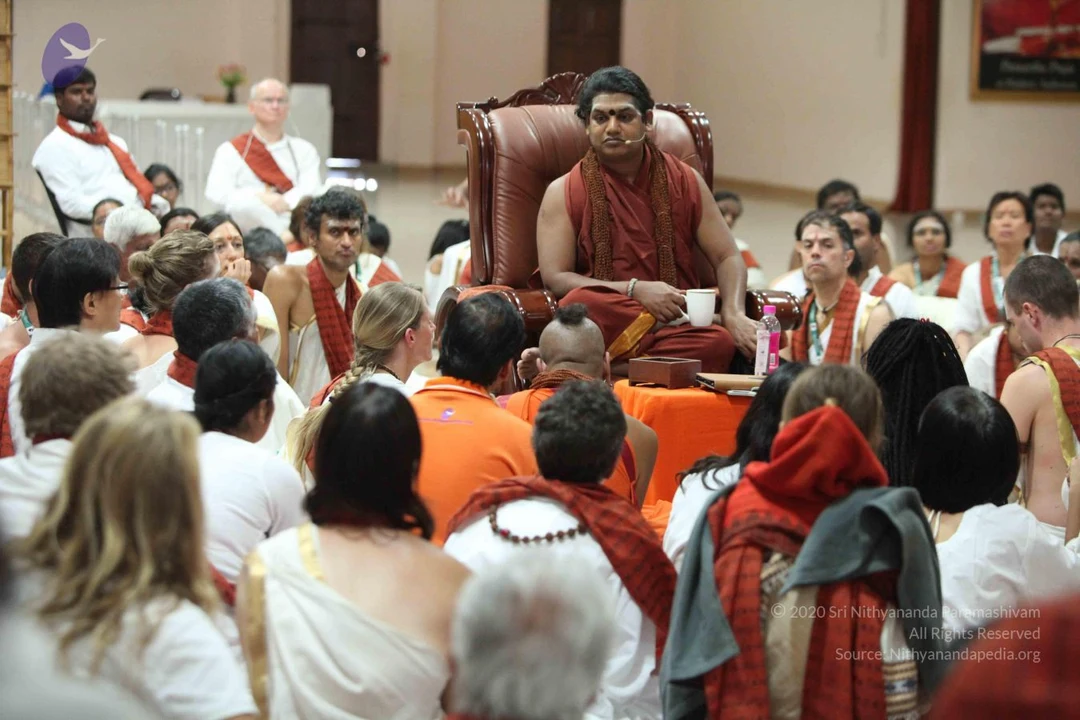
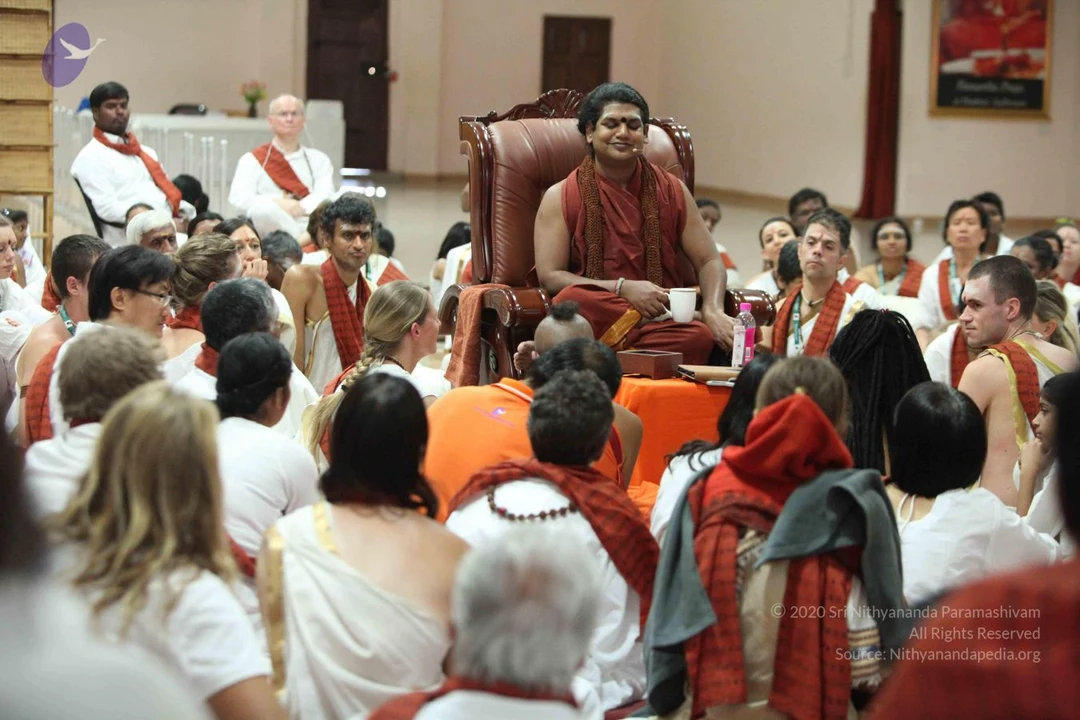
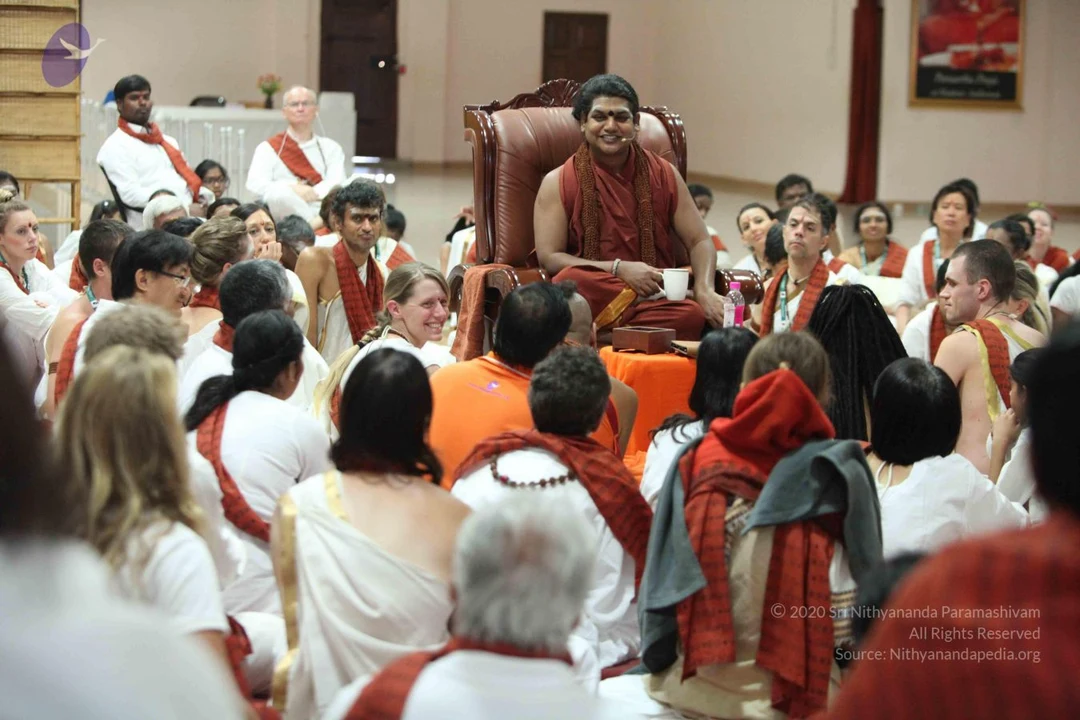
Mandala-Process
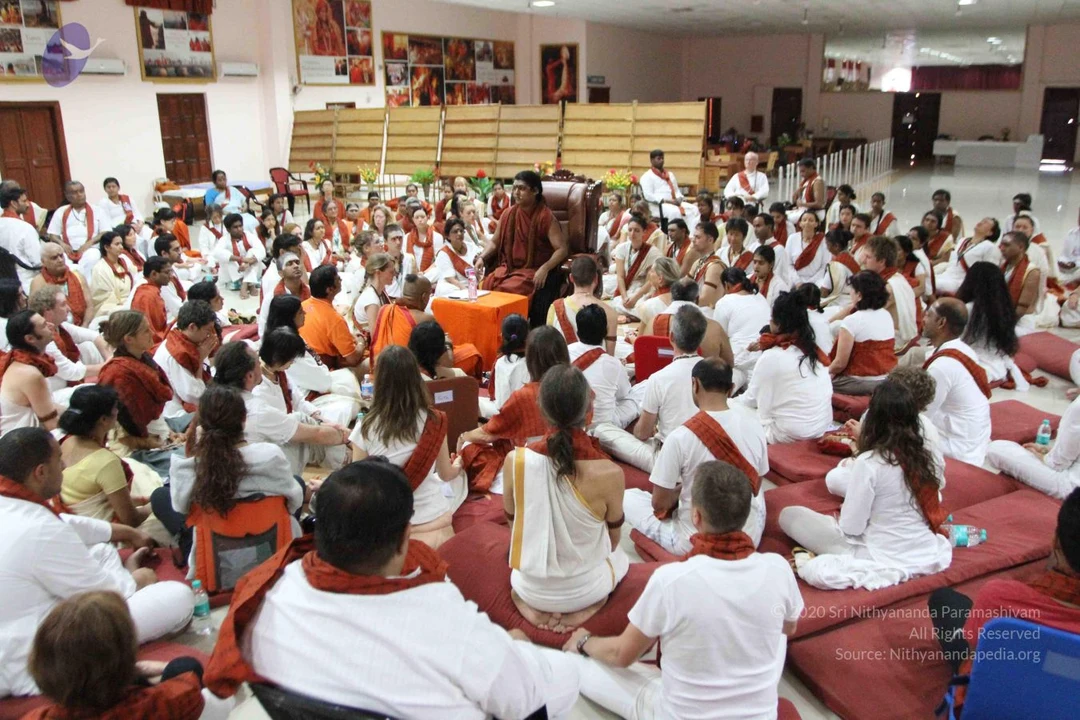
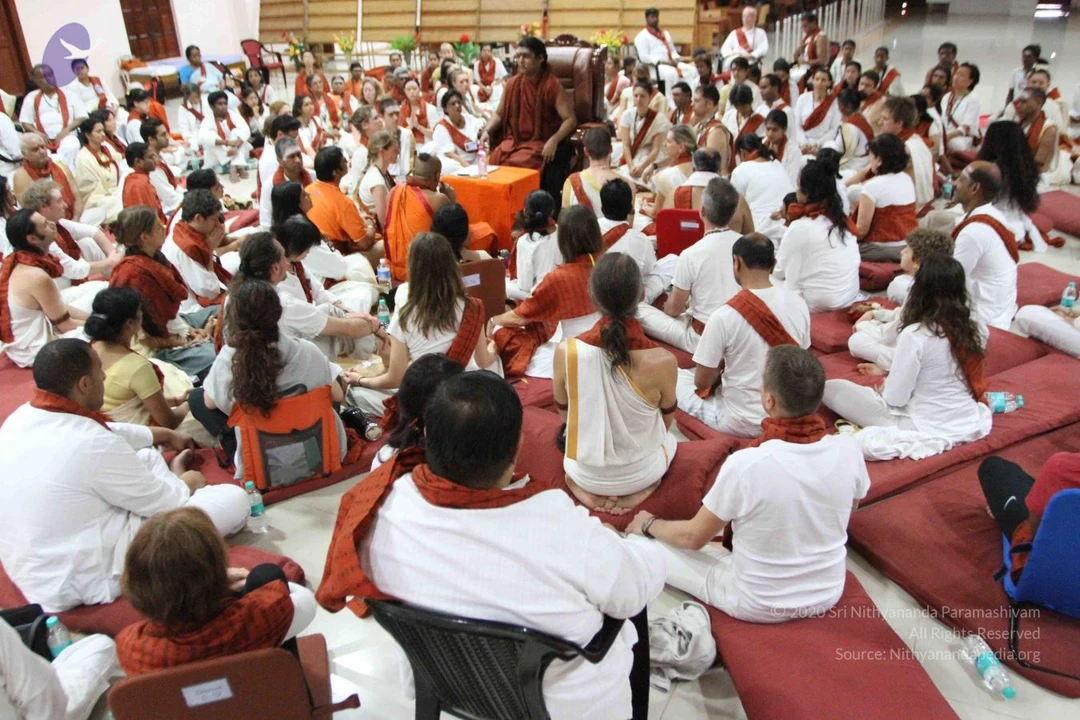
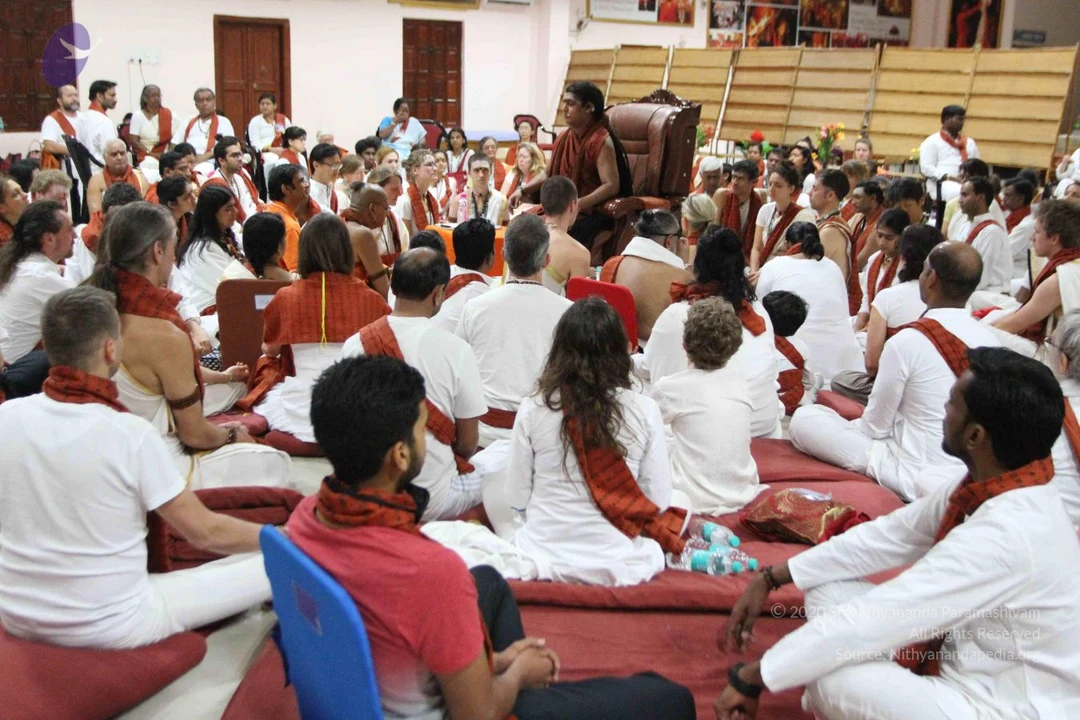
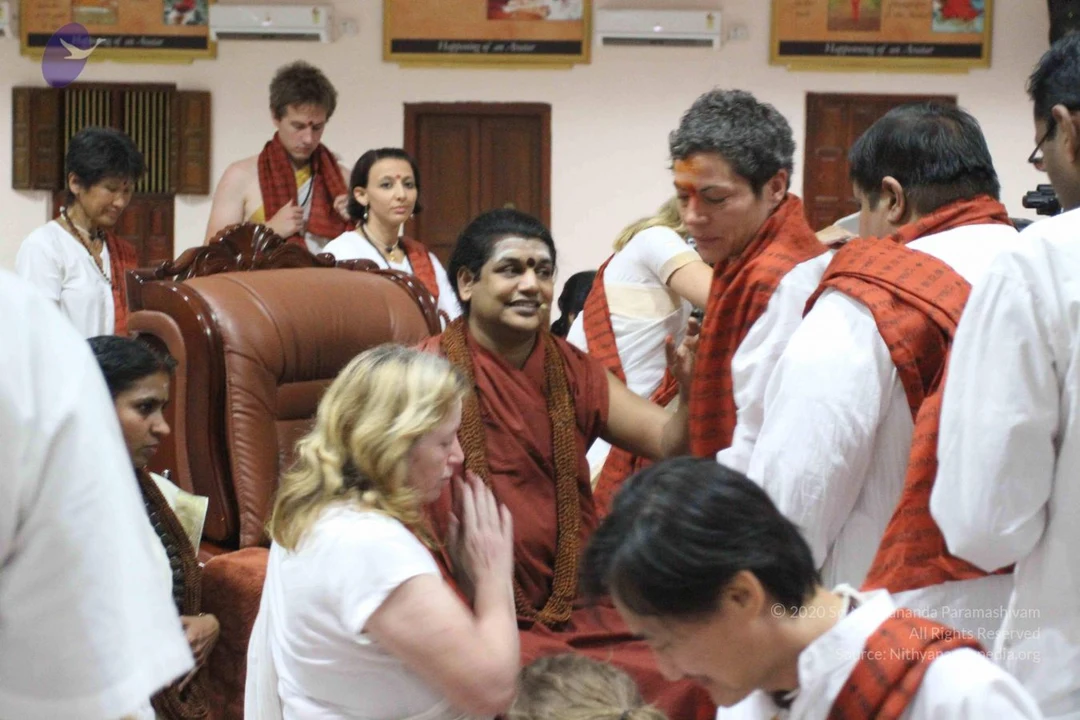
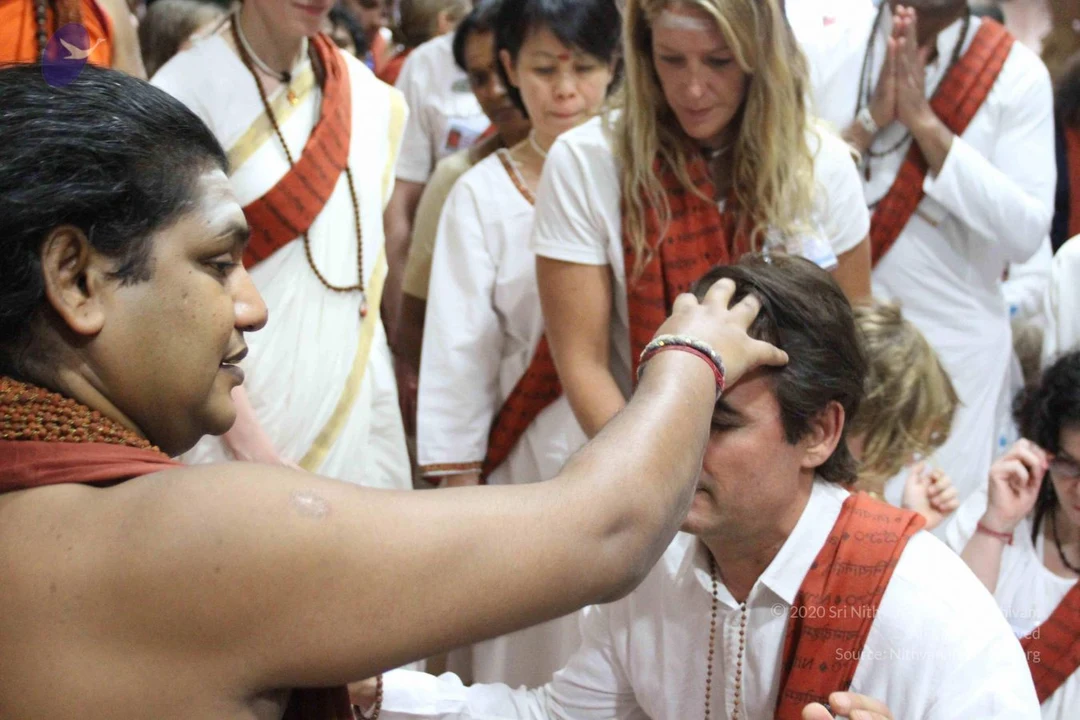
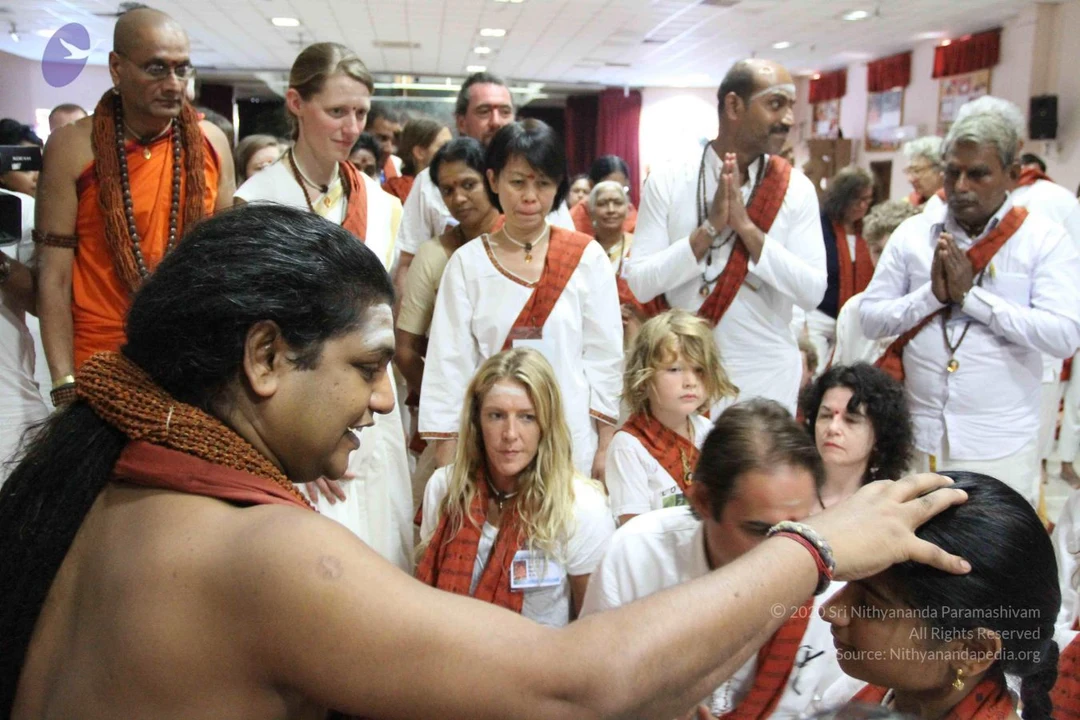
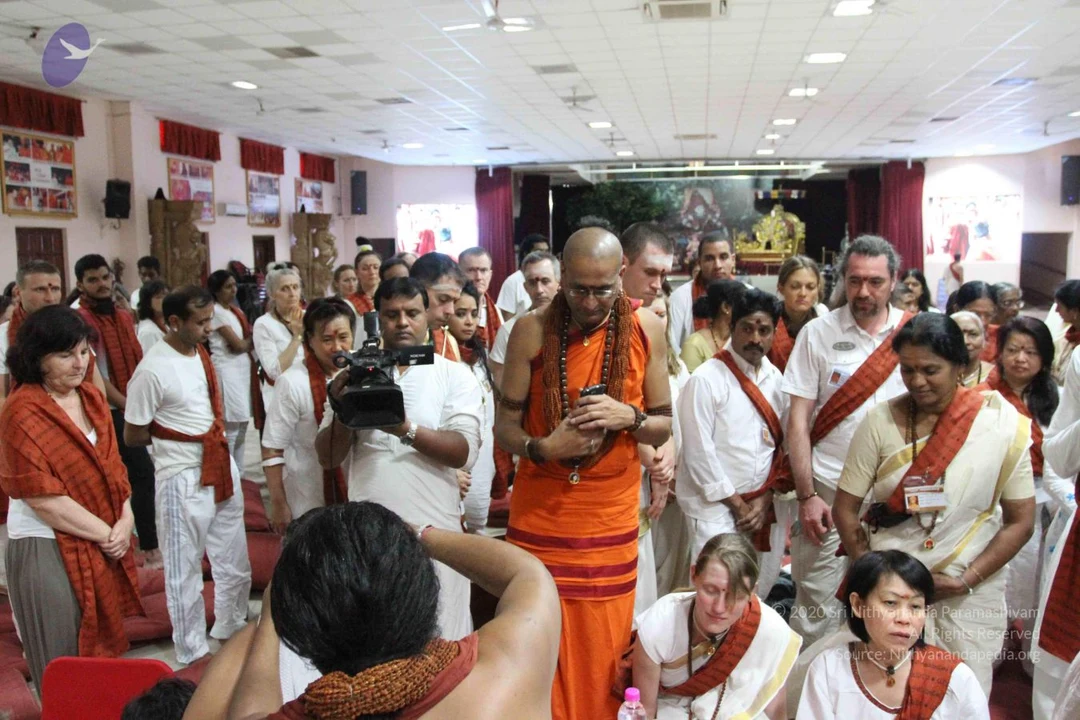
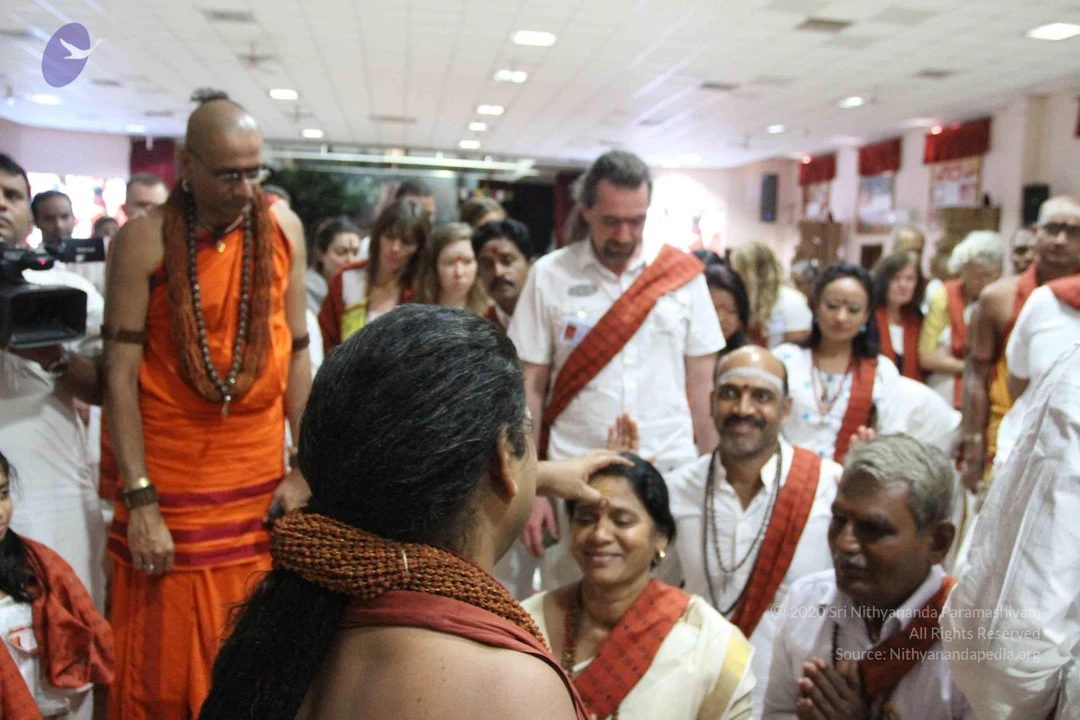
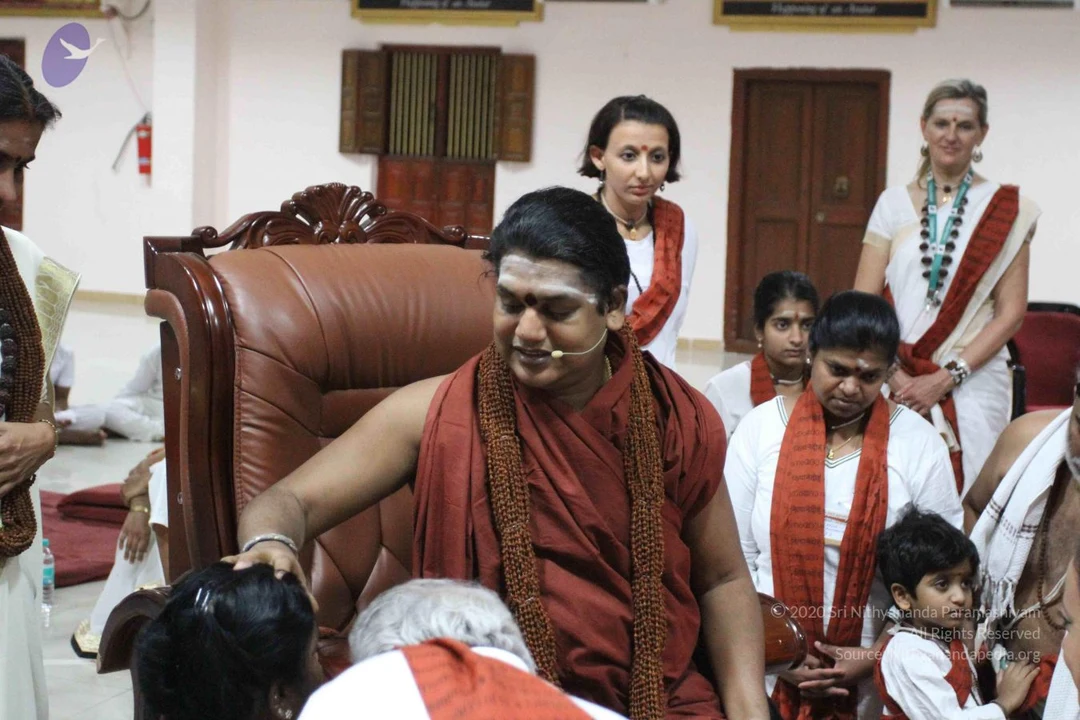
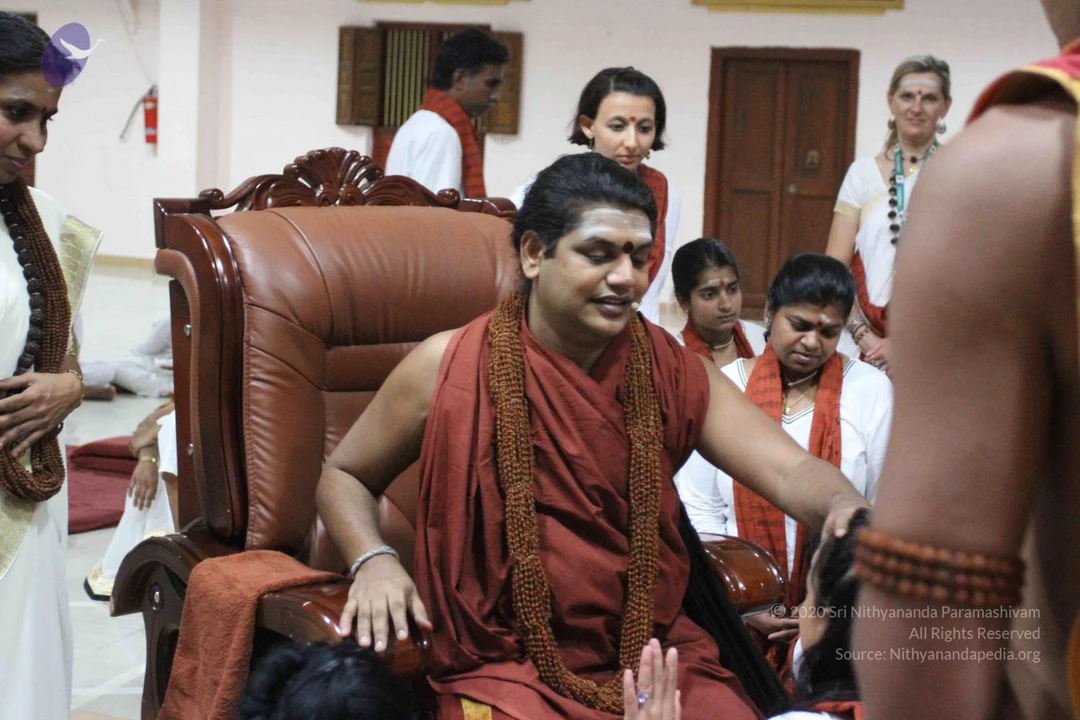
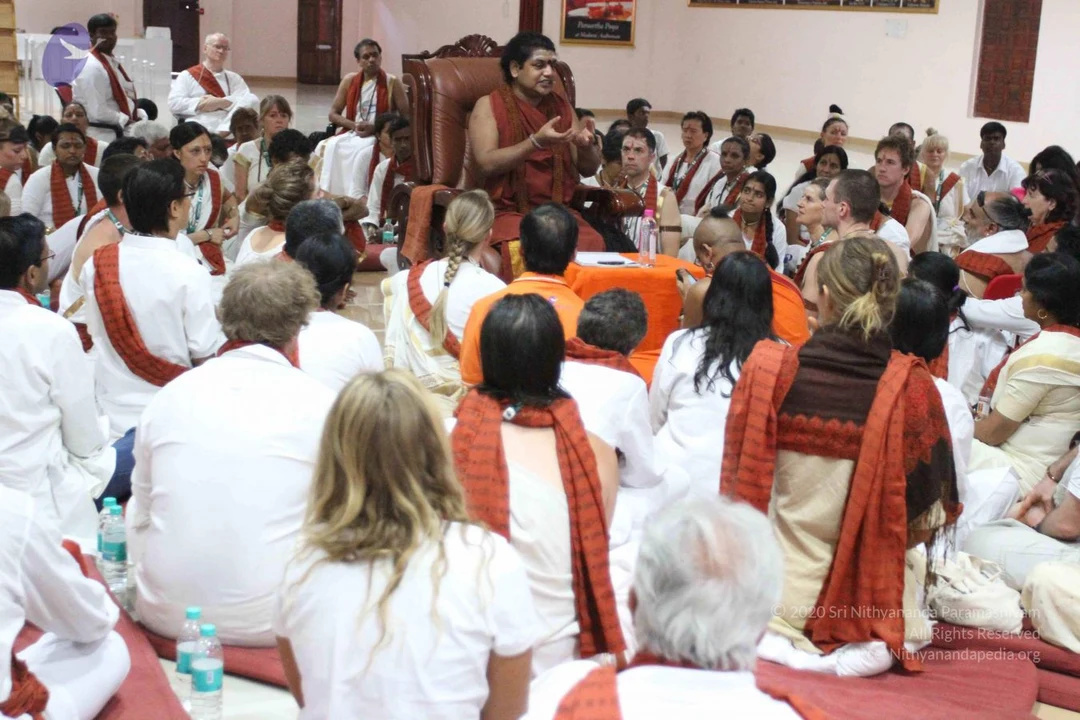
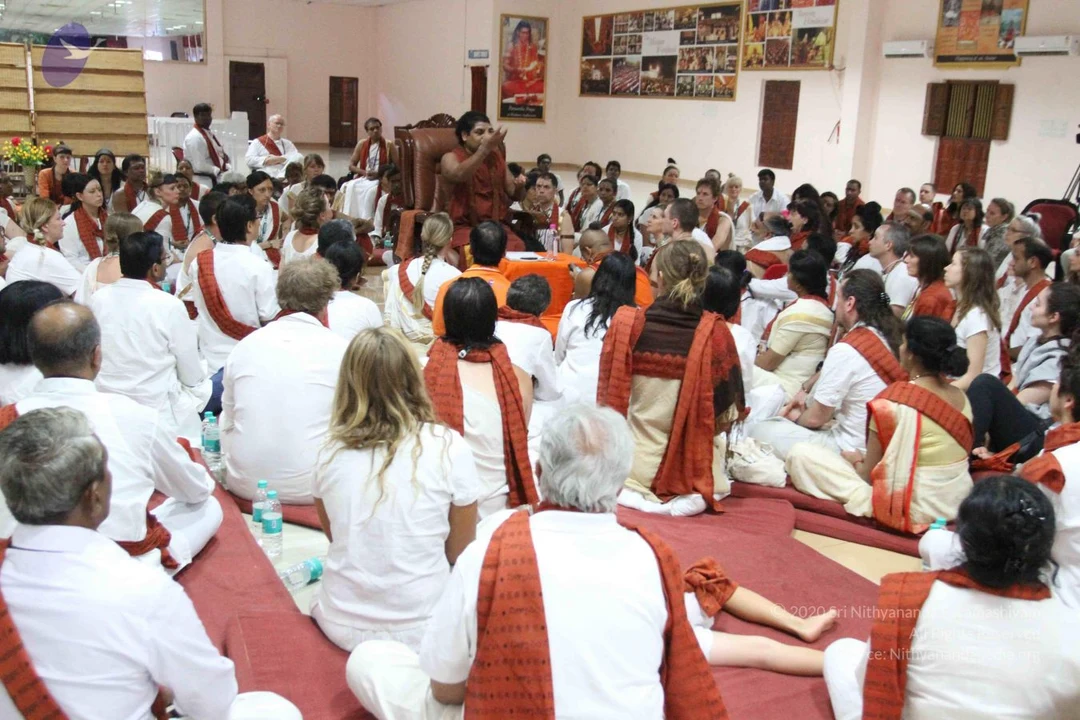
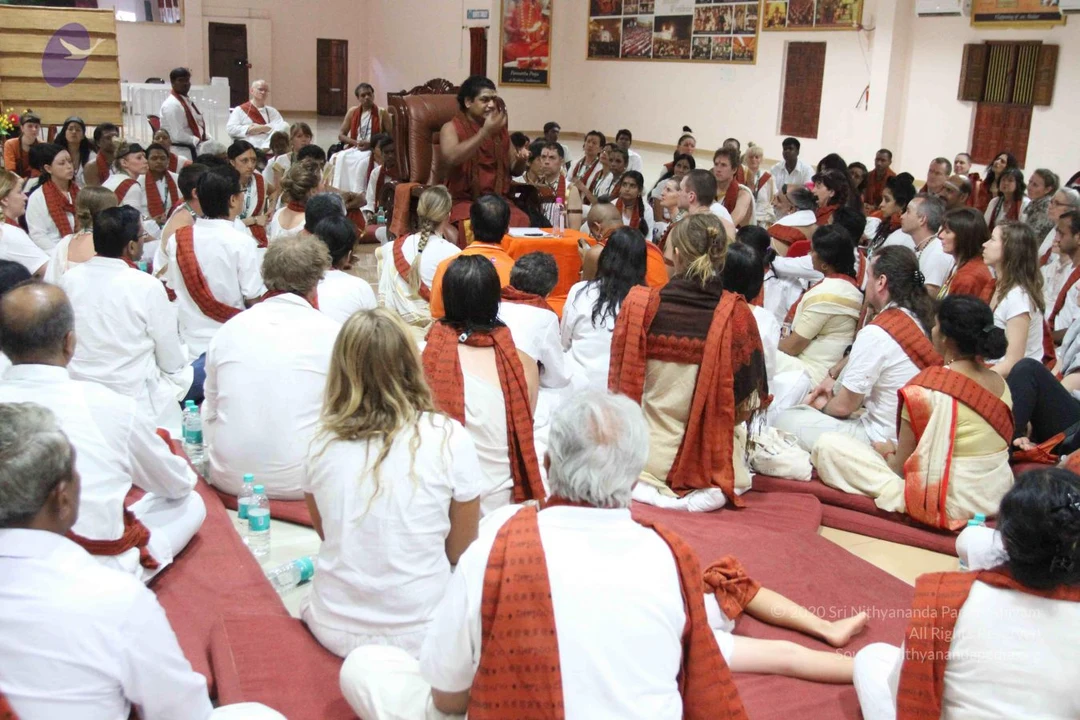
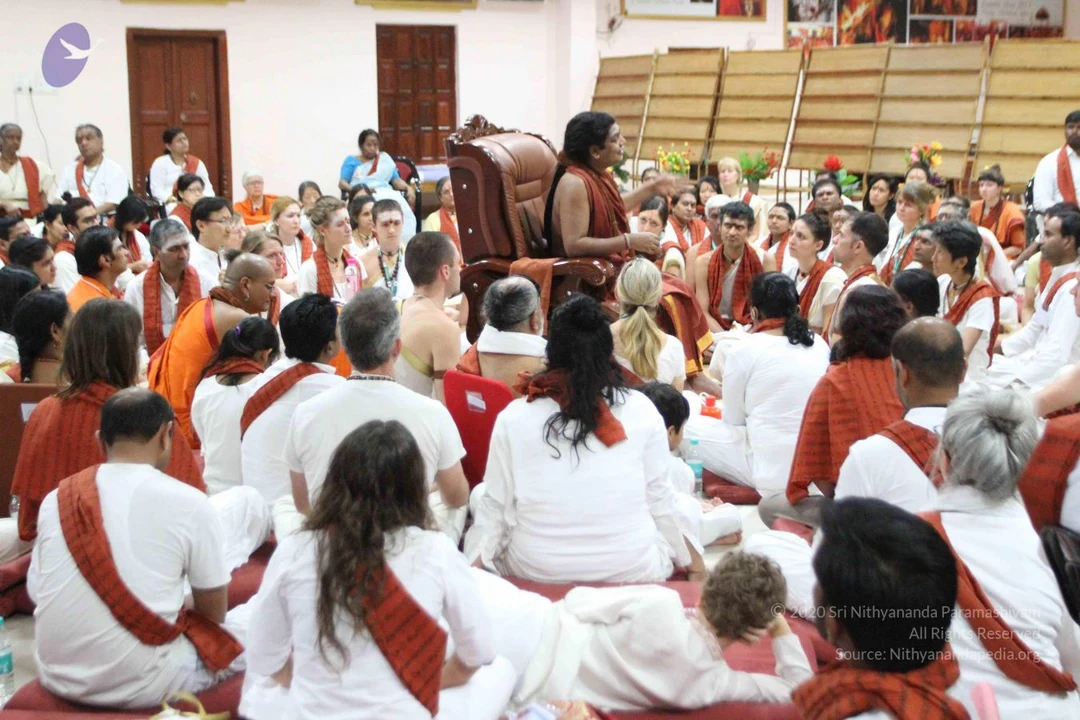
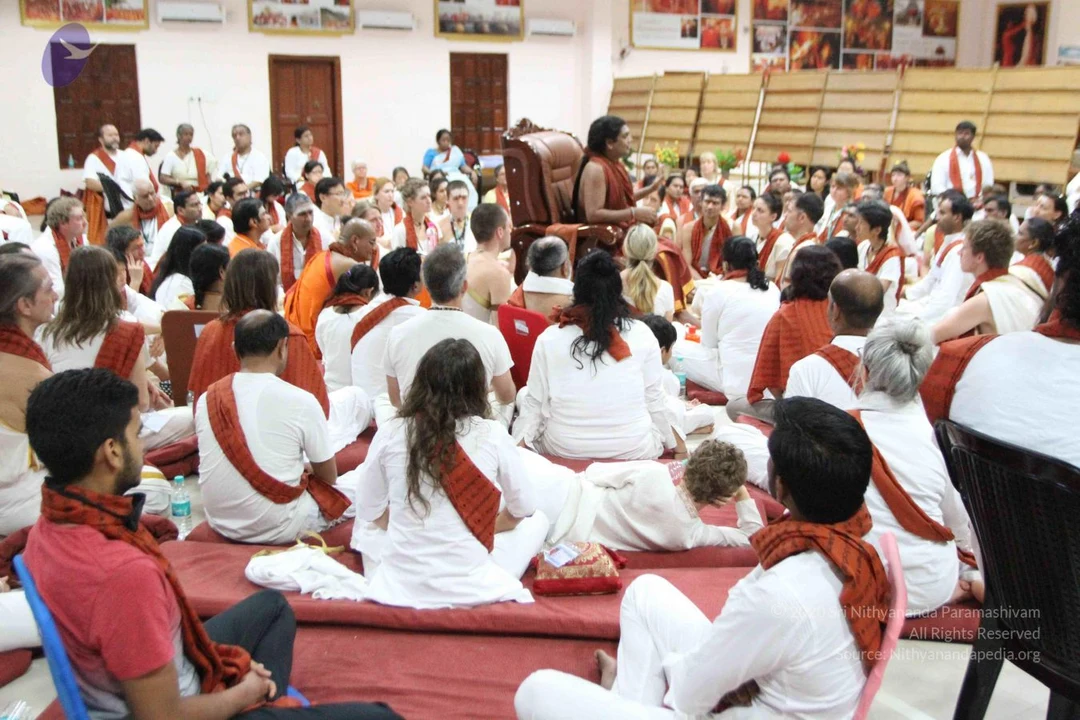
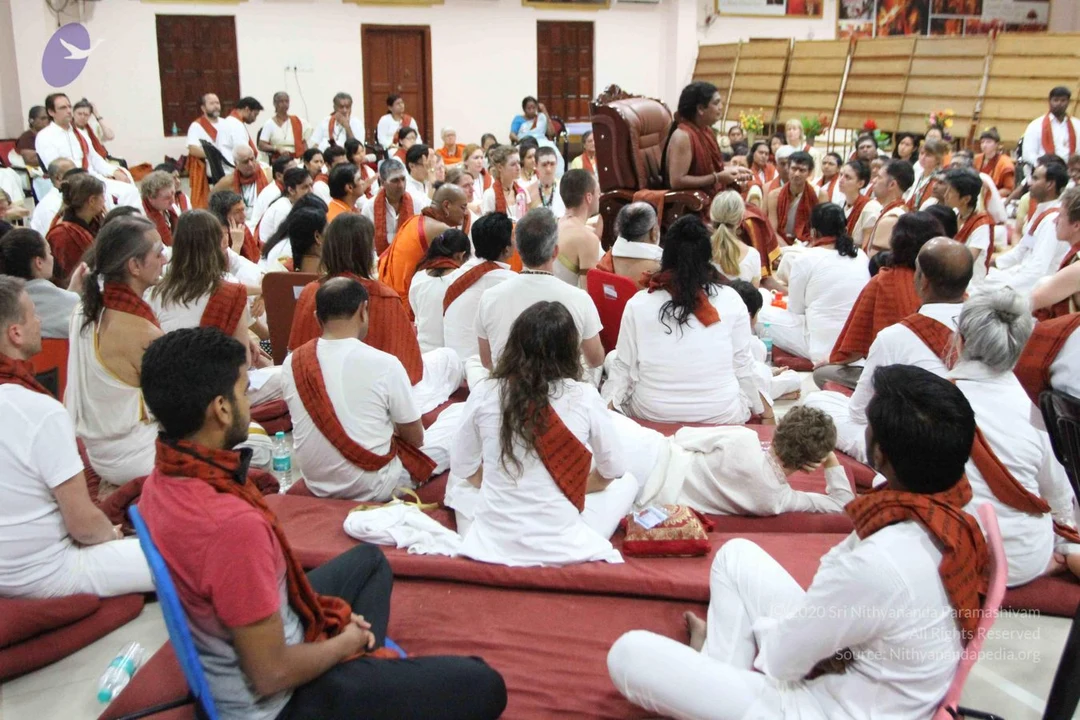
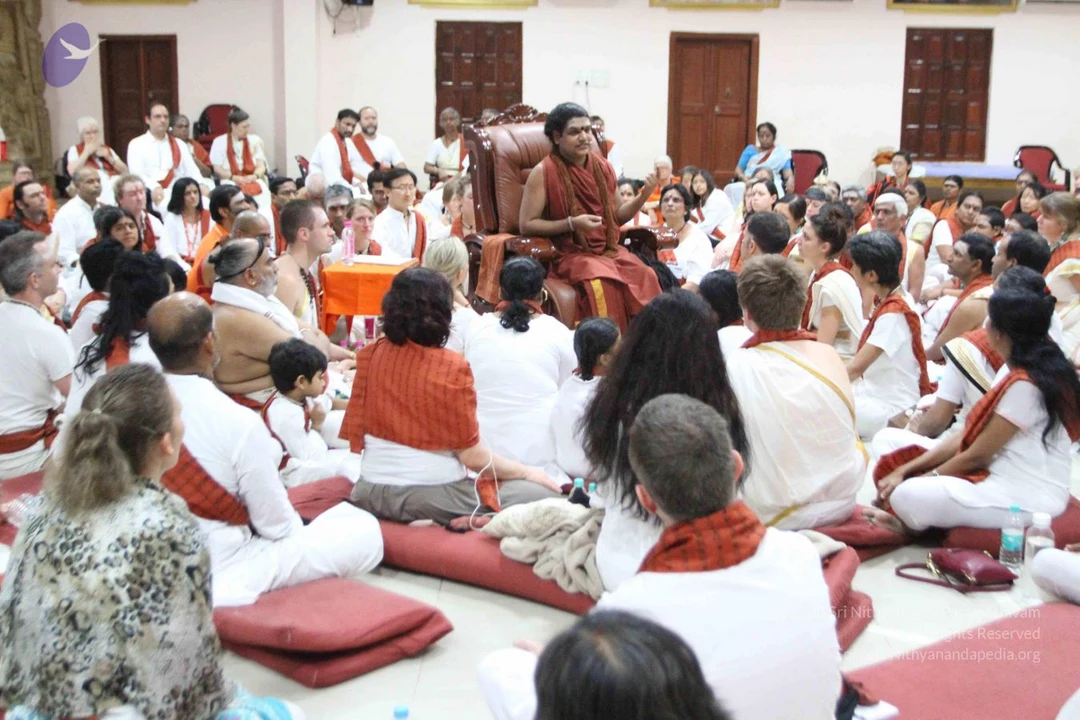
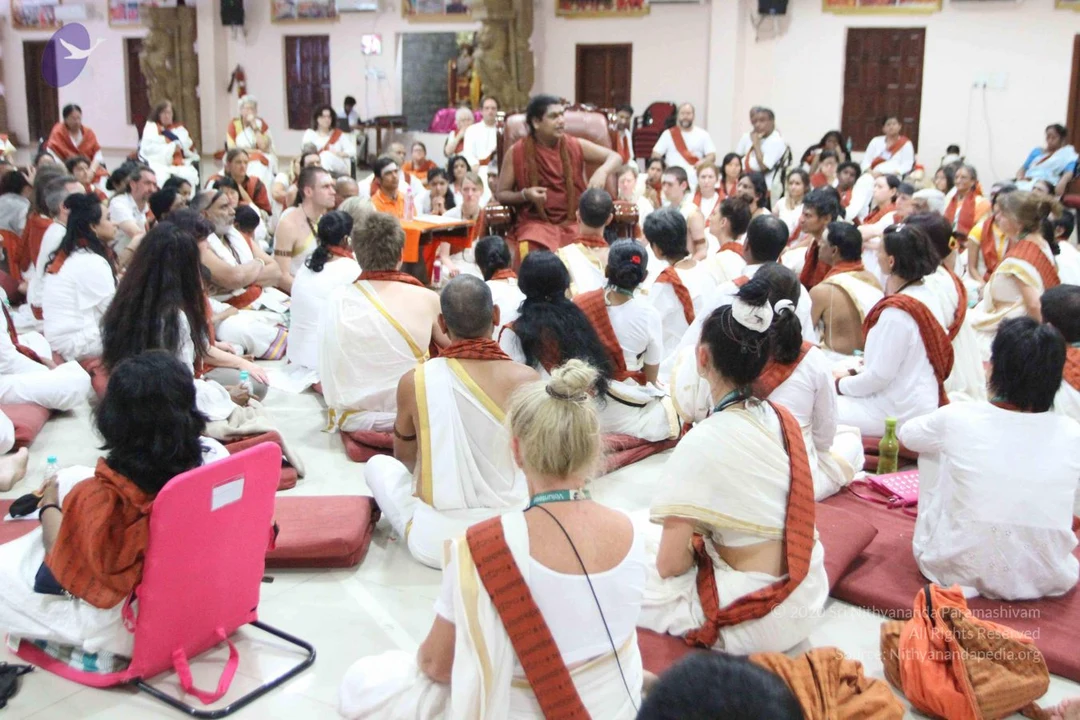
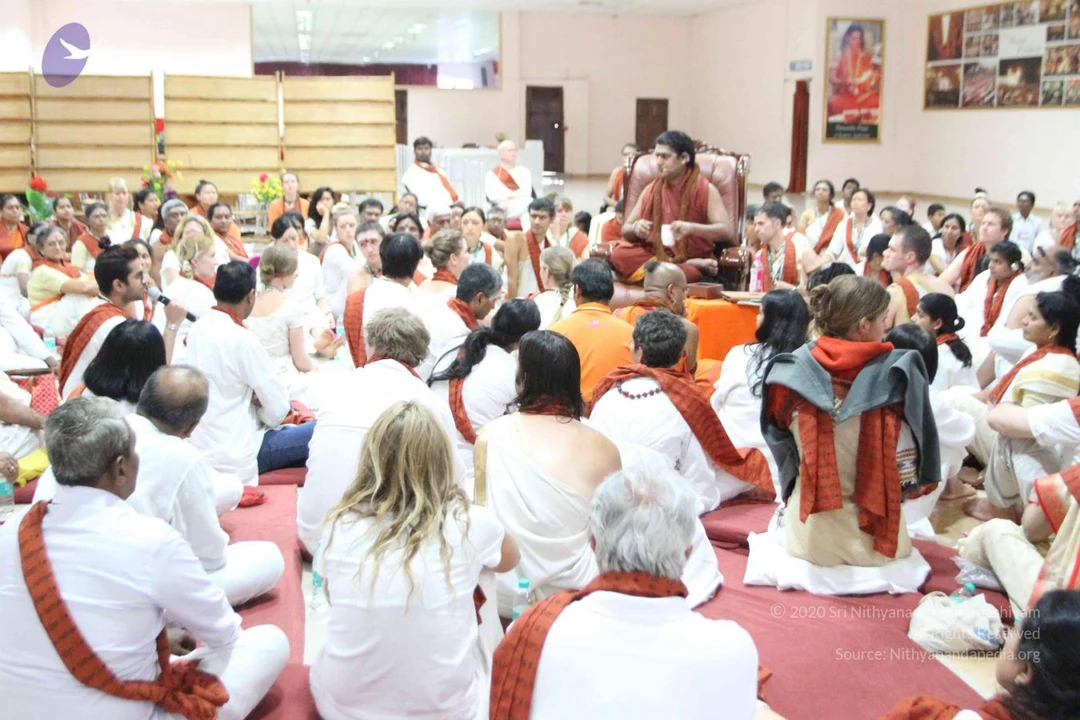
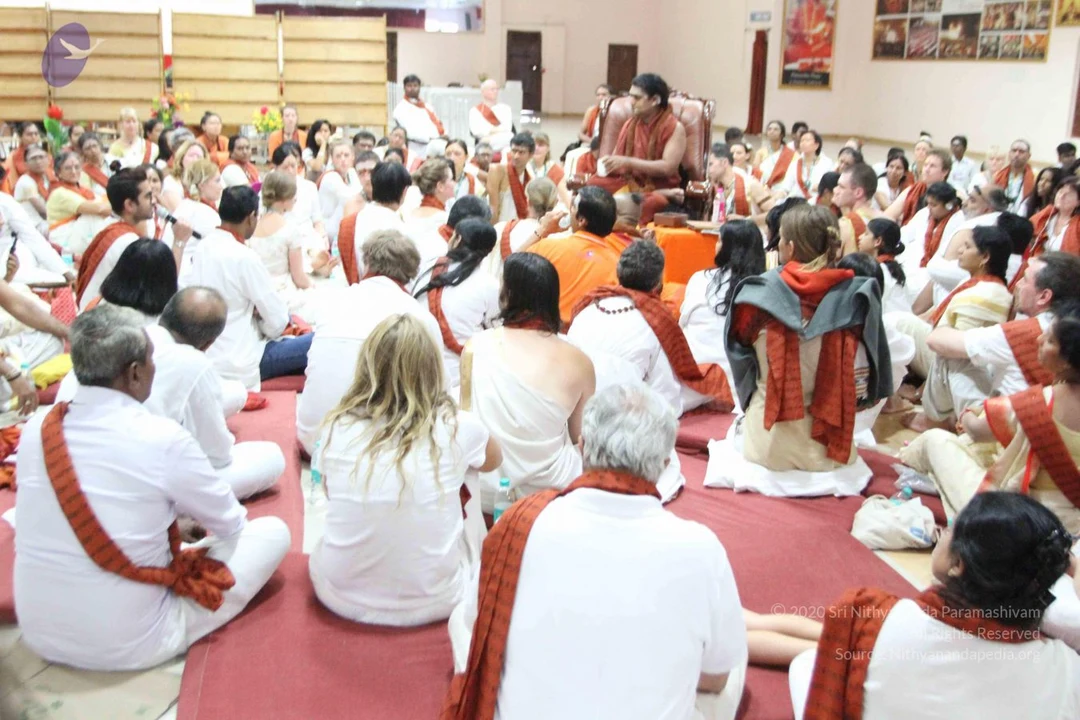
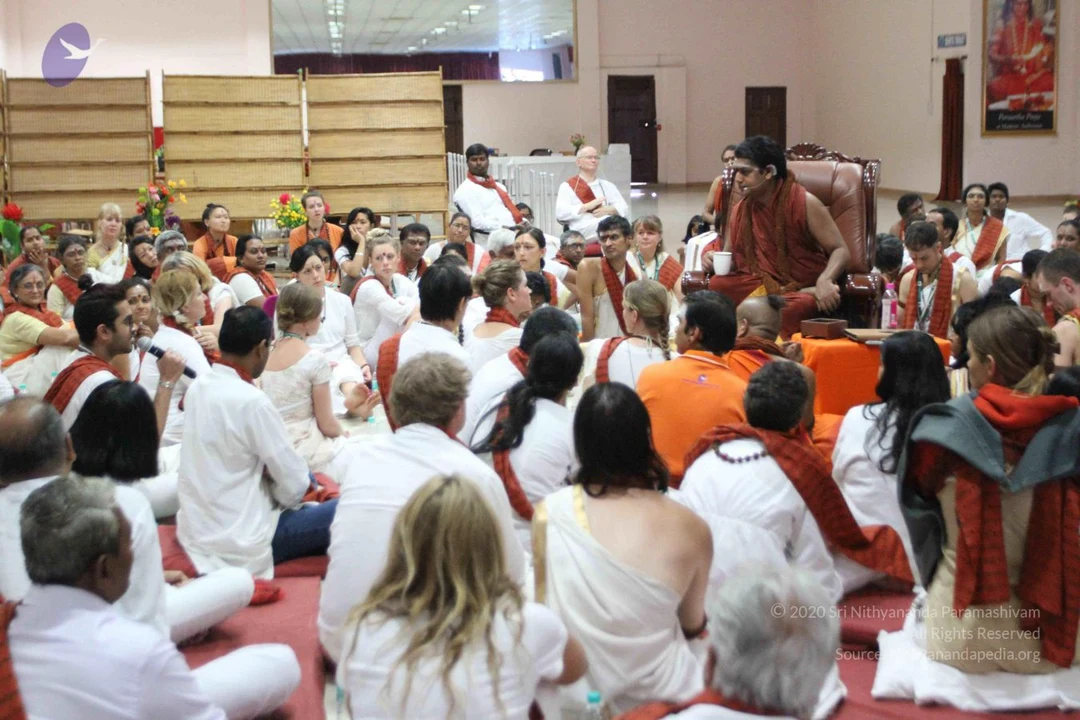
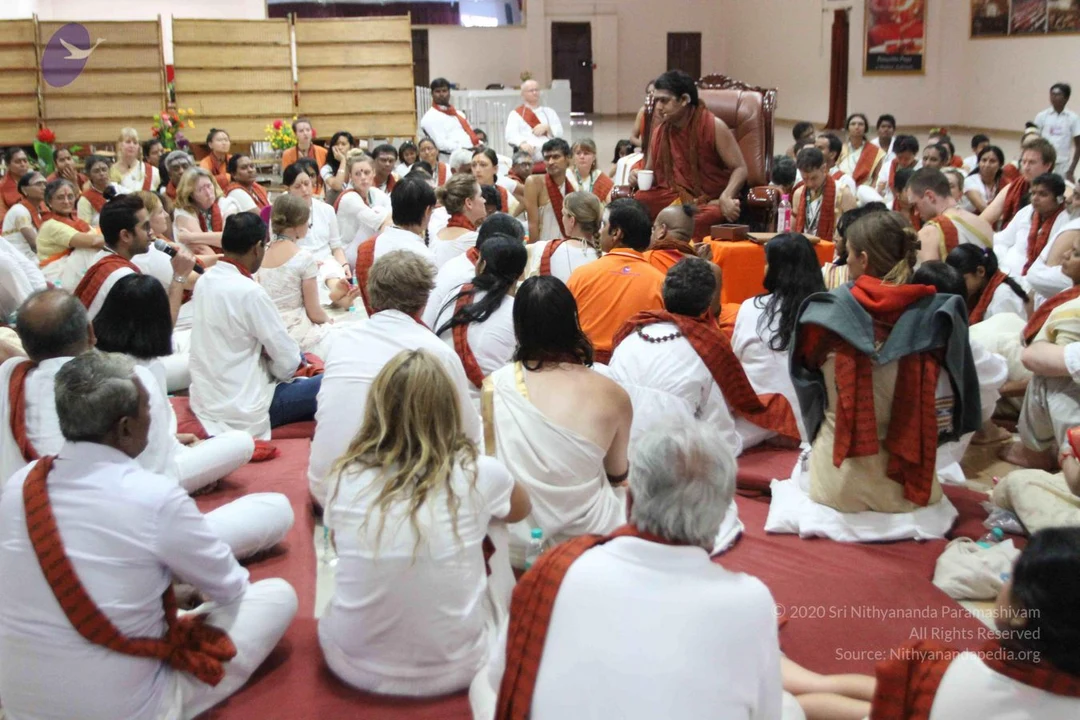
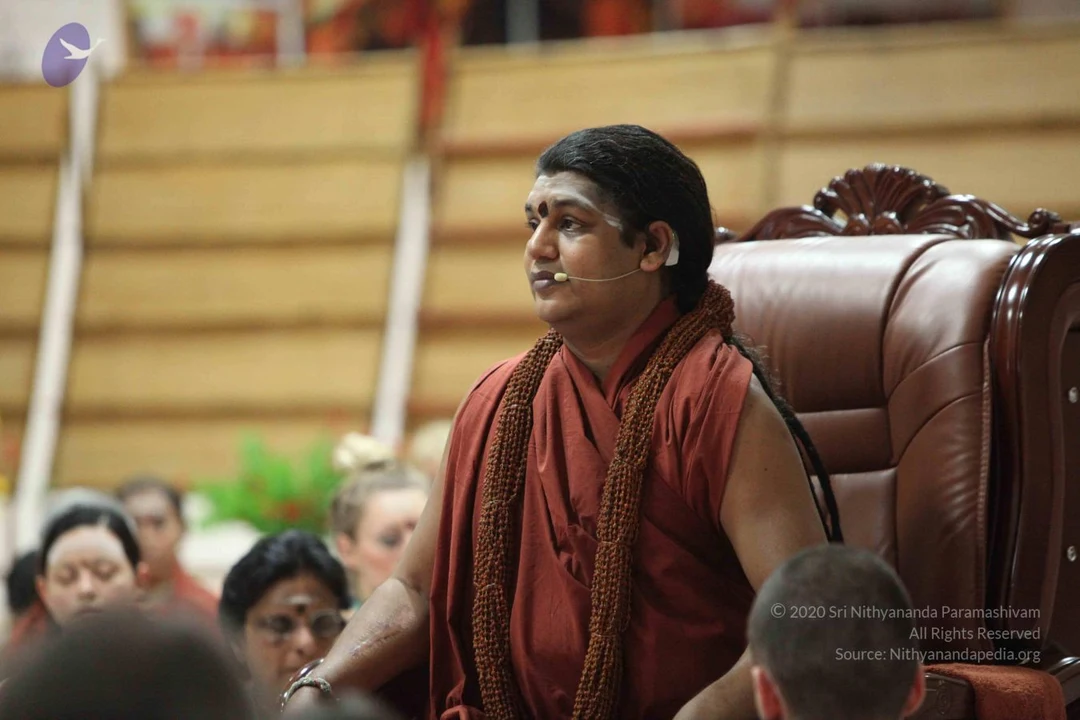
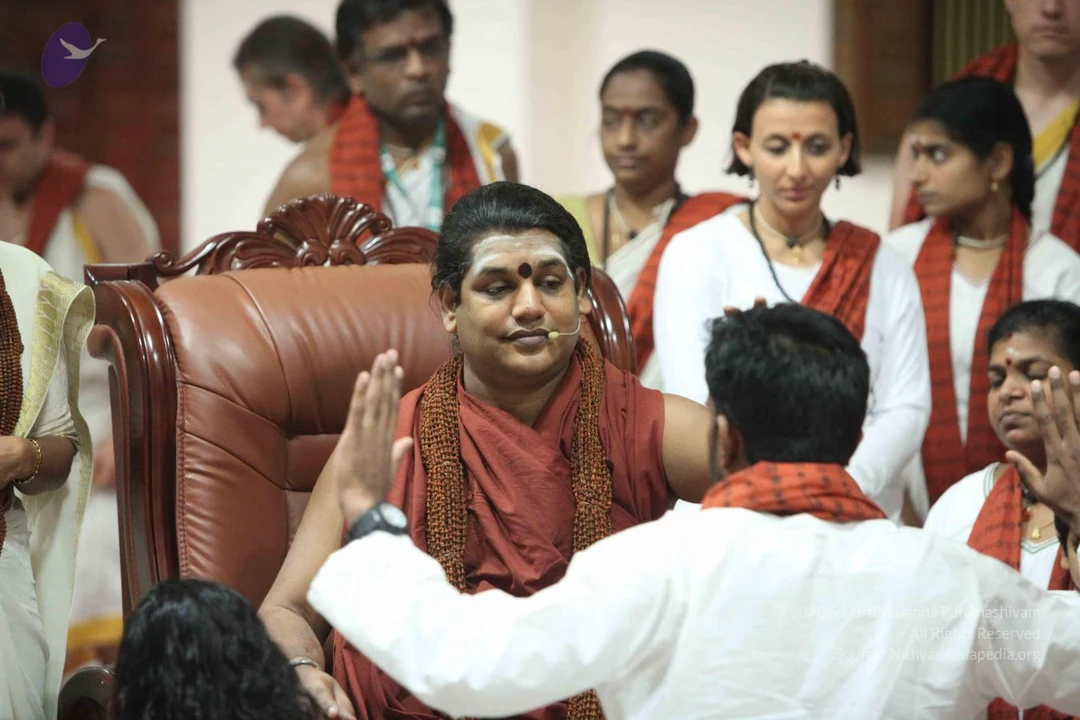
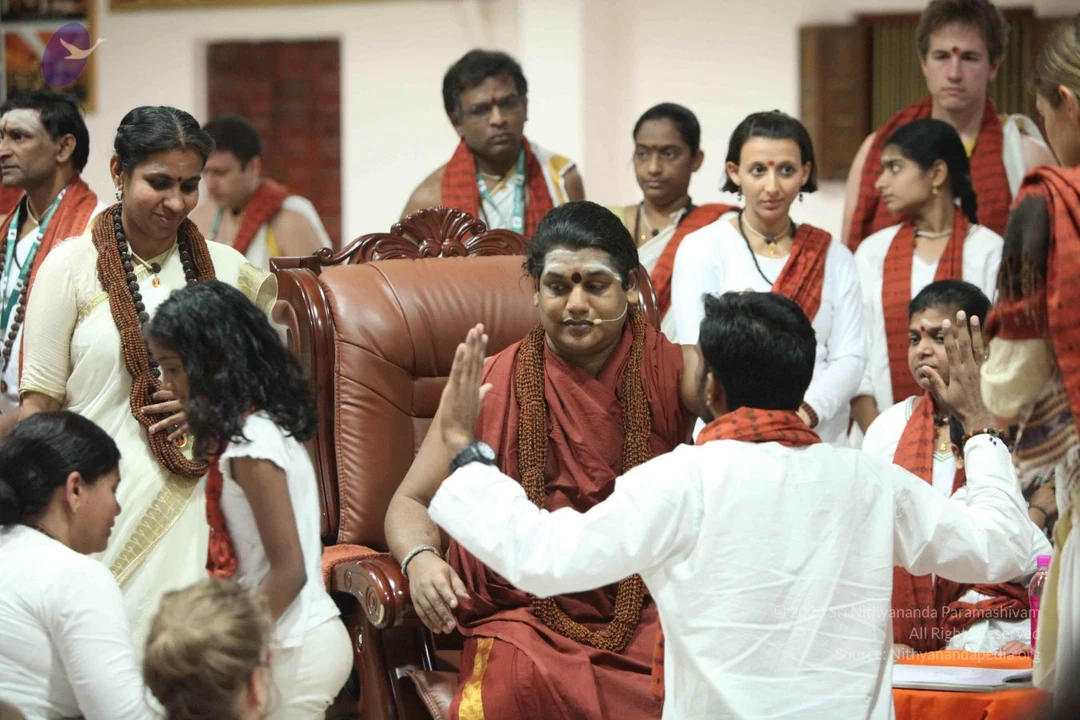
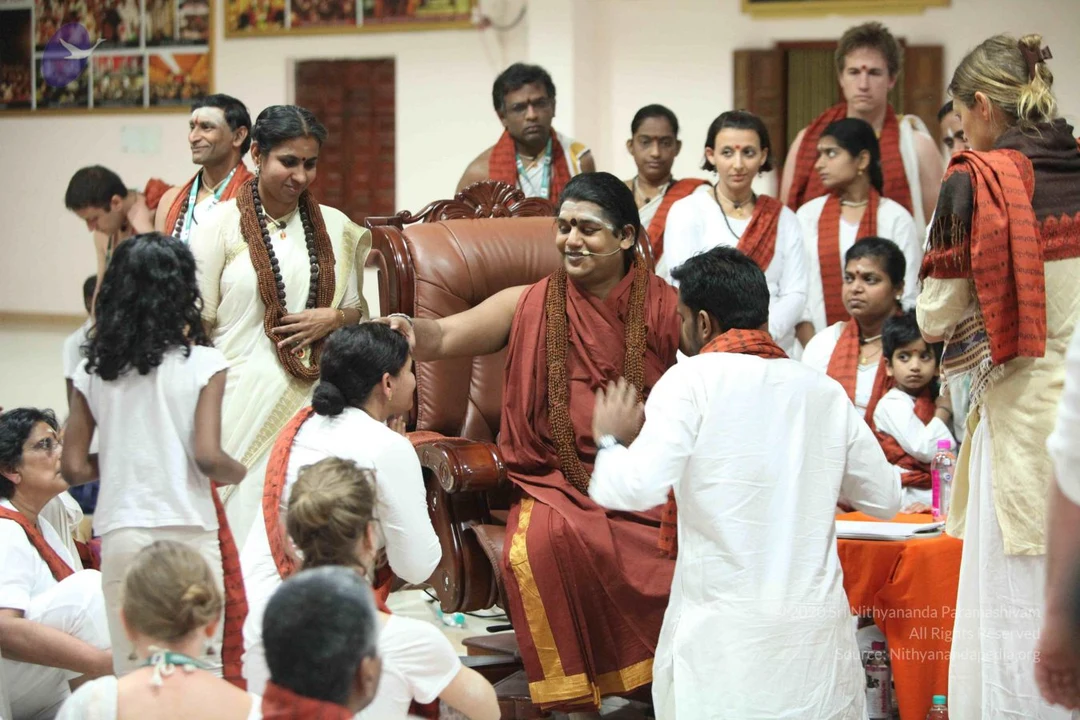
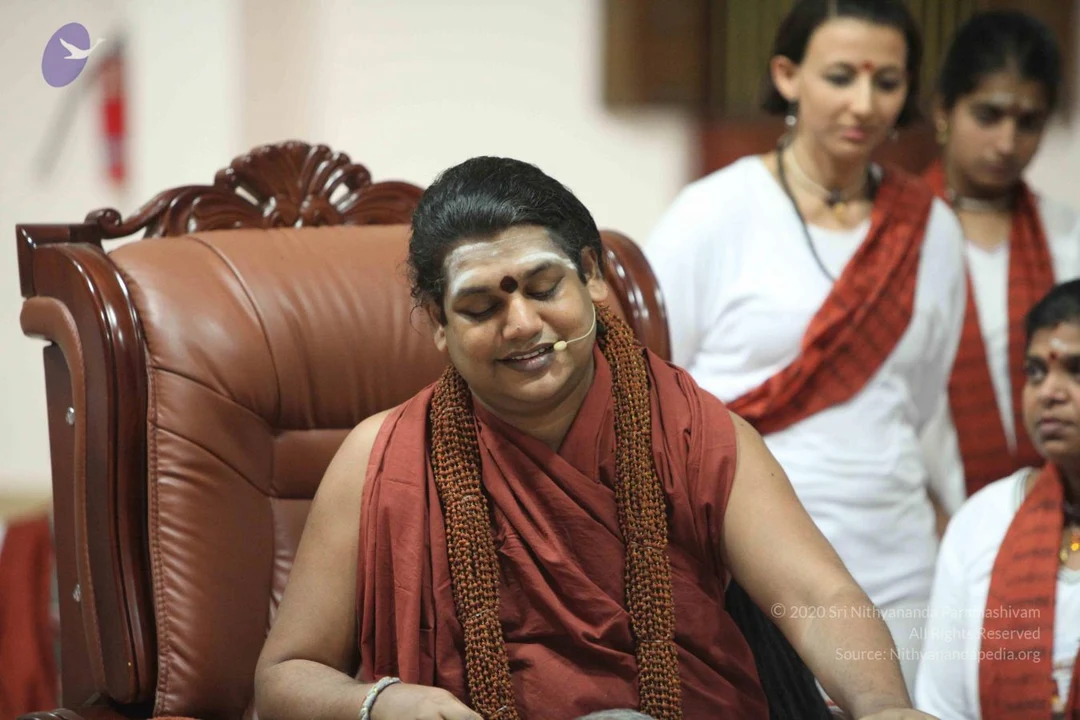
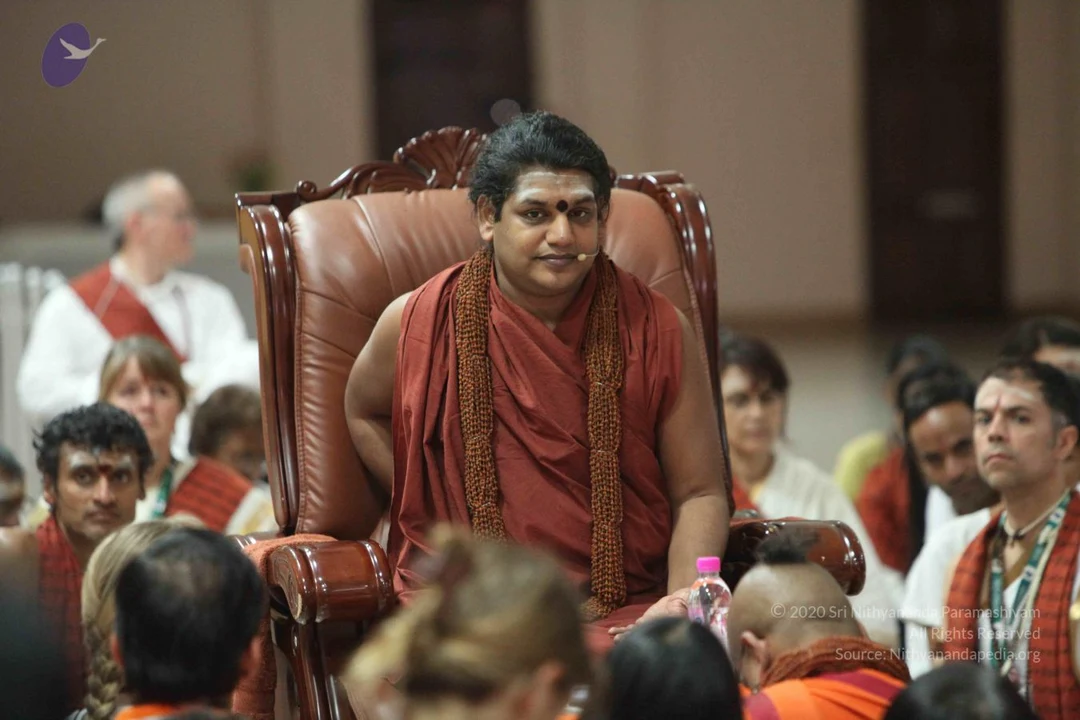
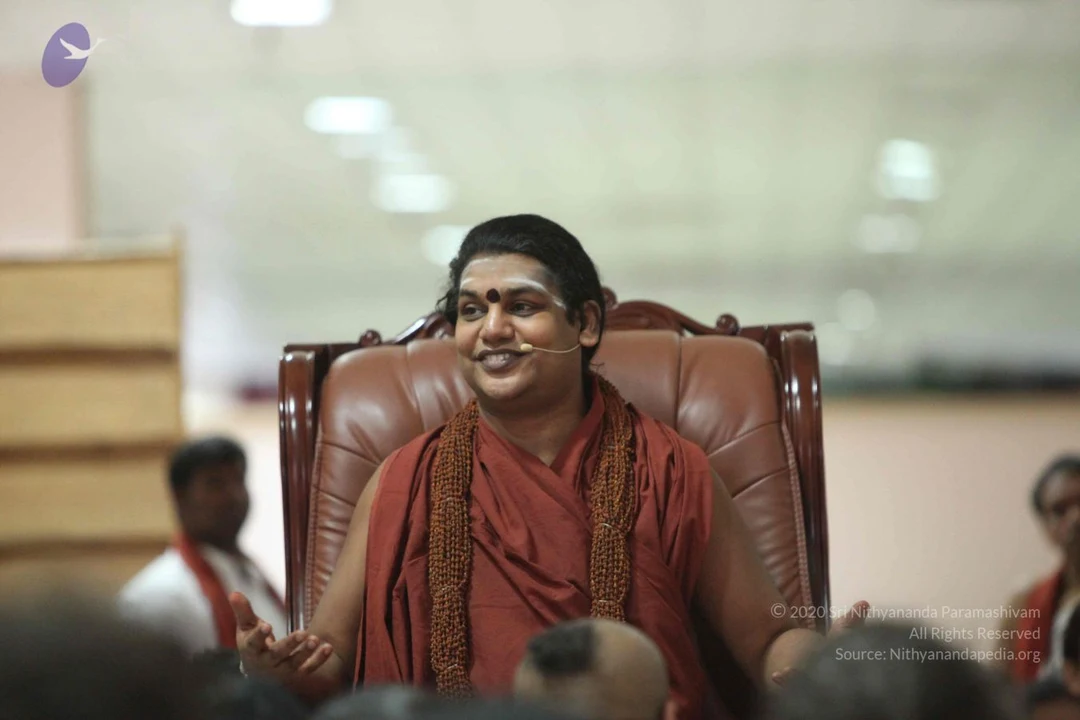
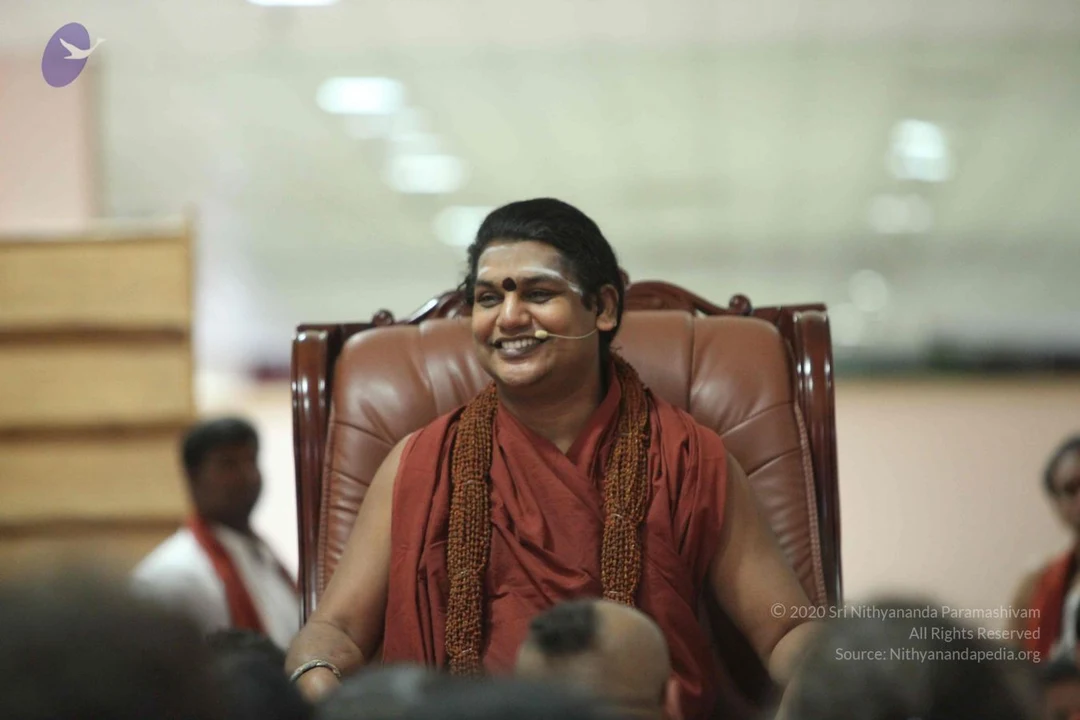
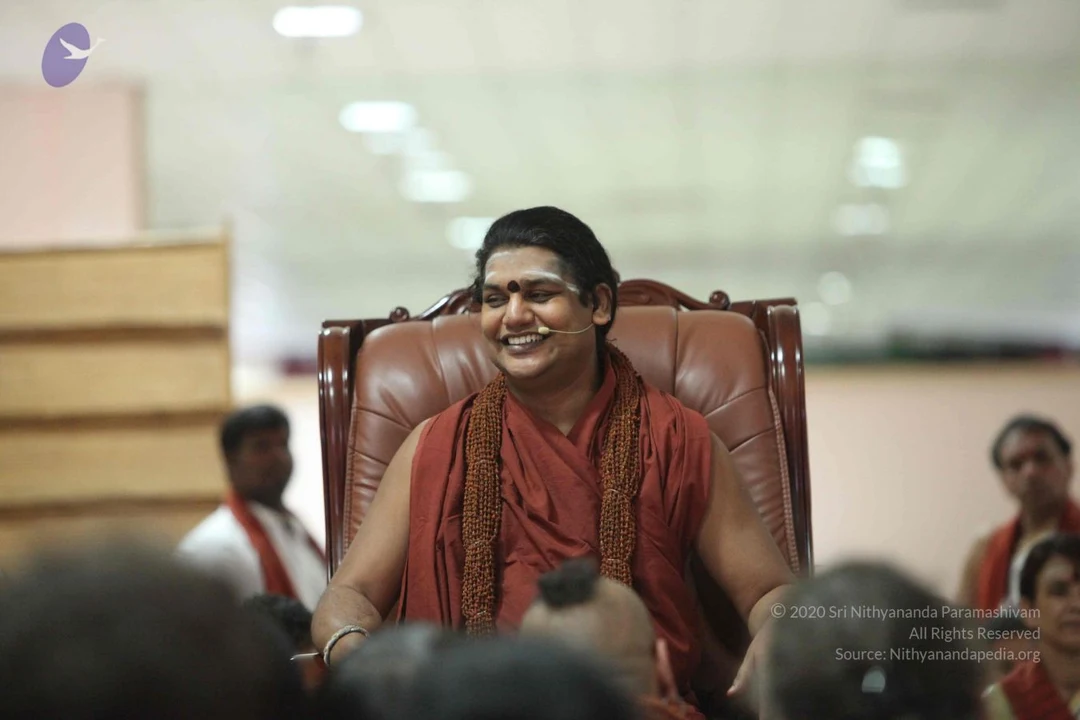
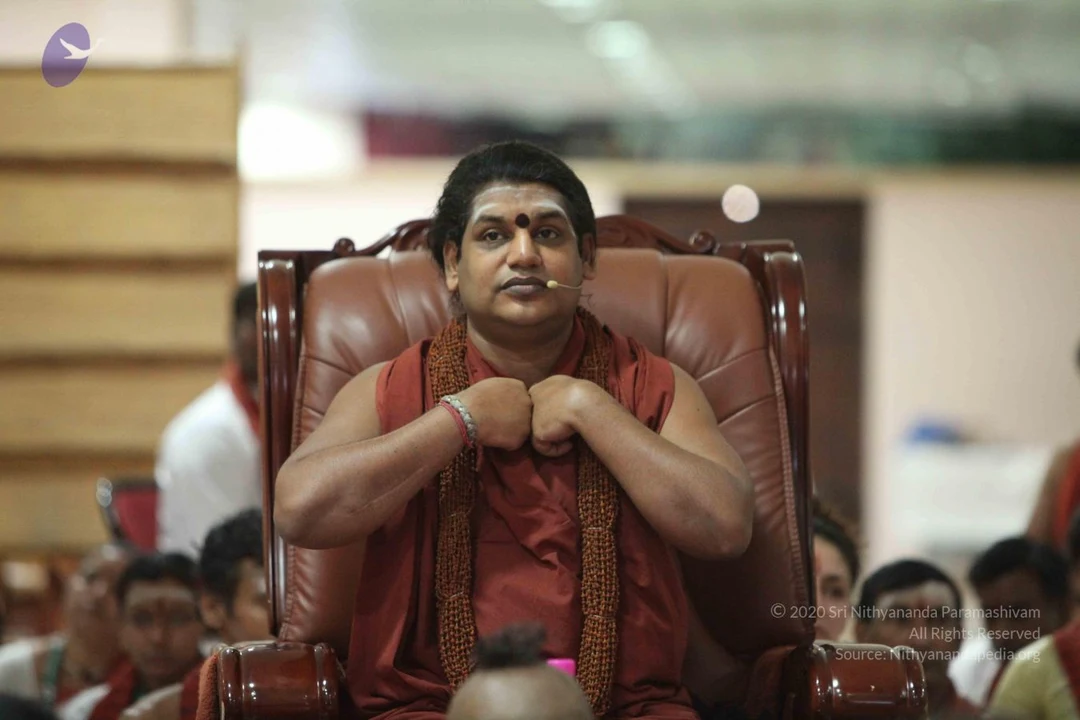
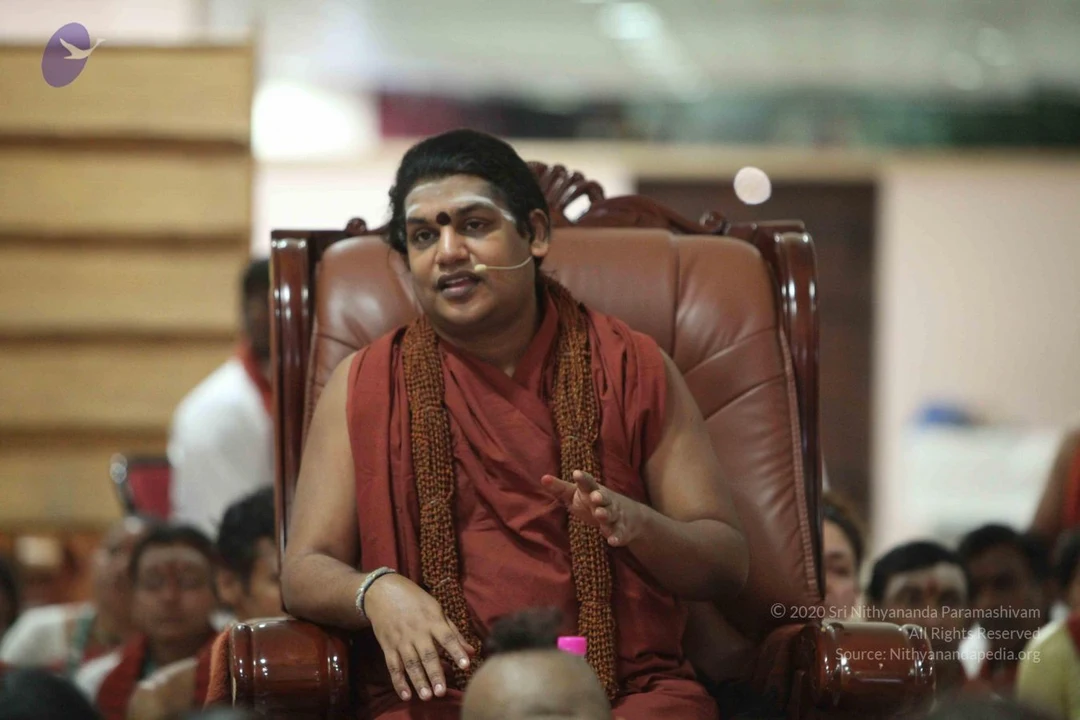
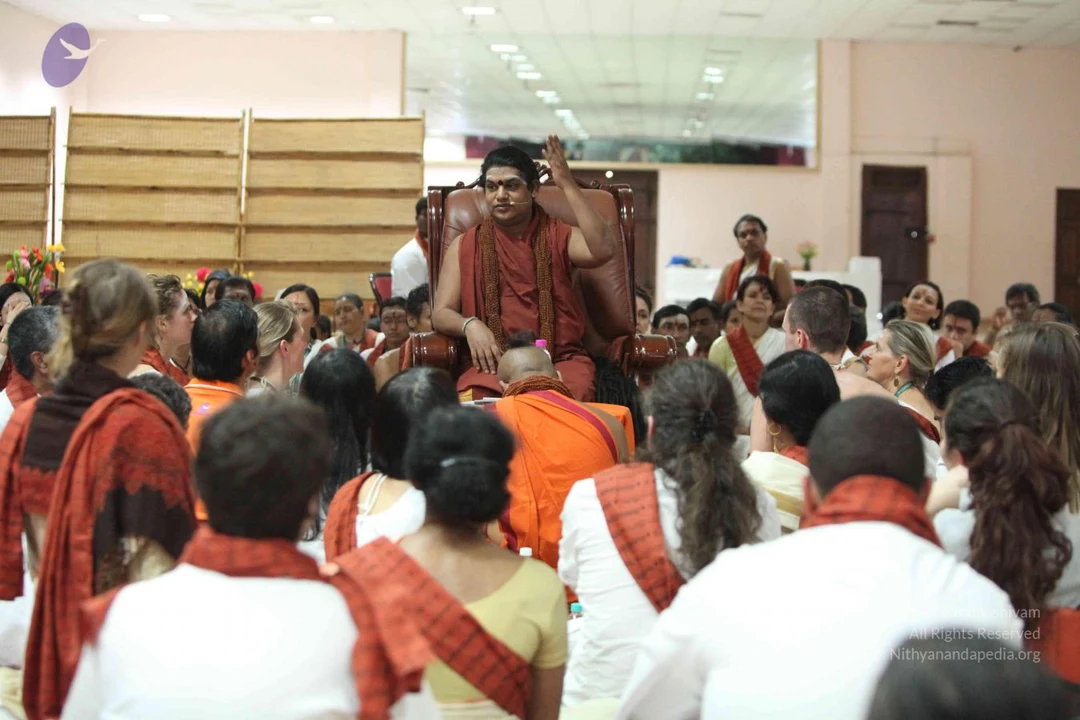
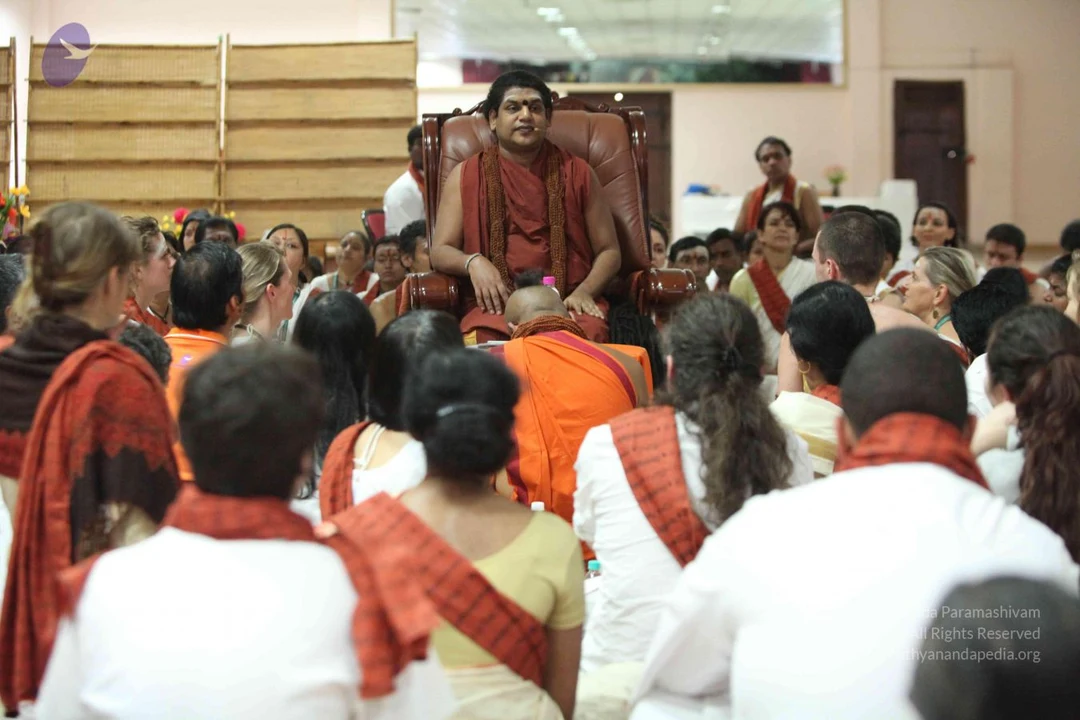
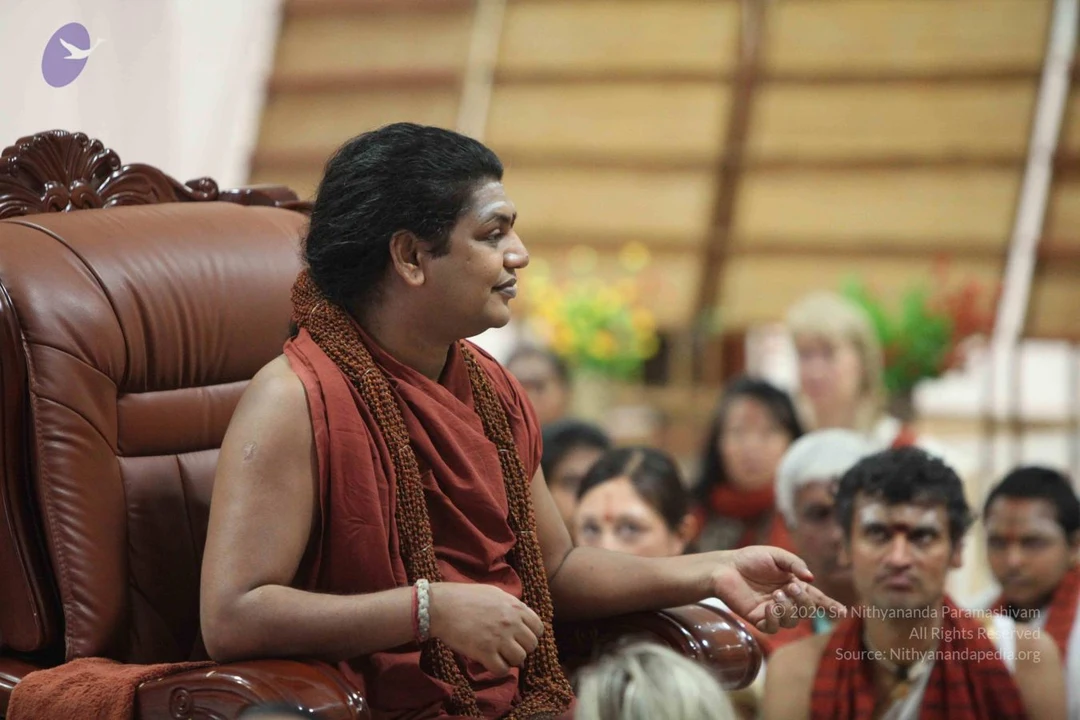
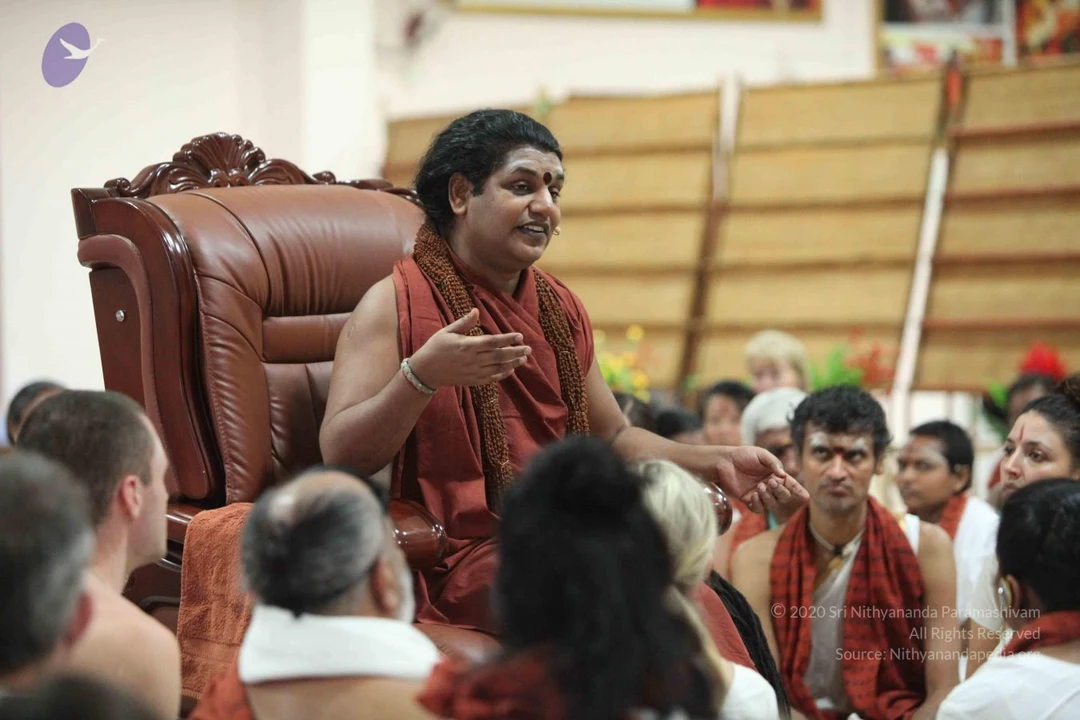
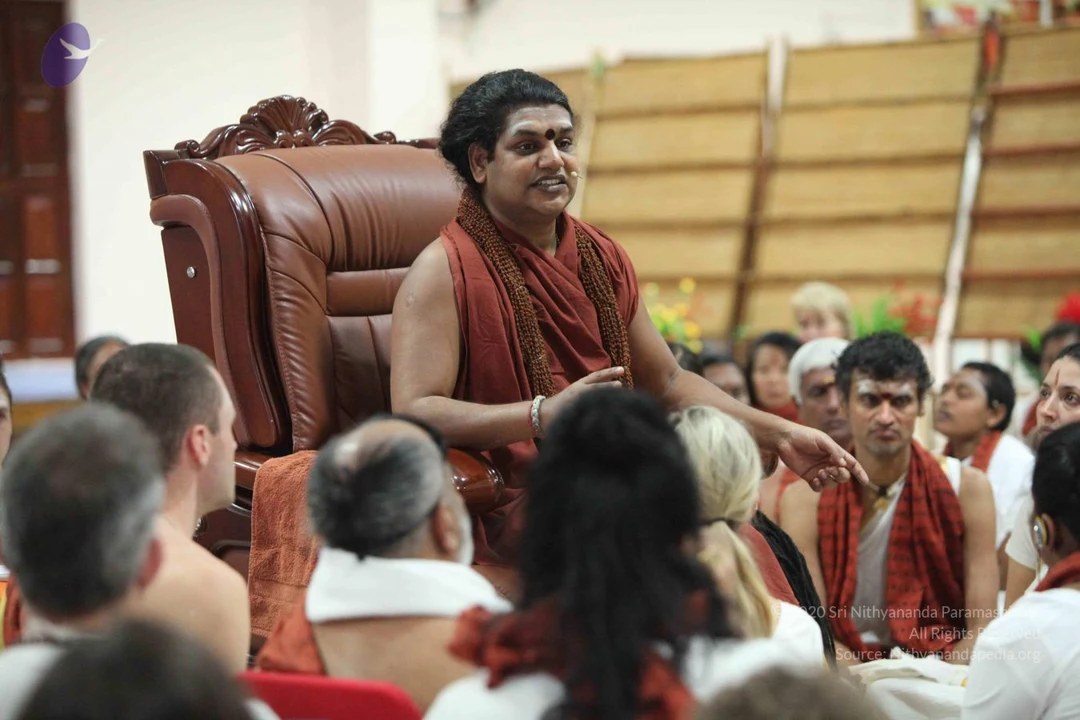
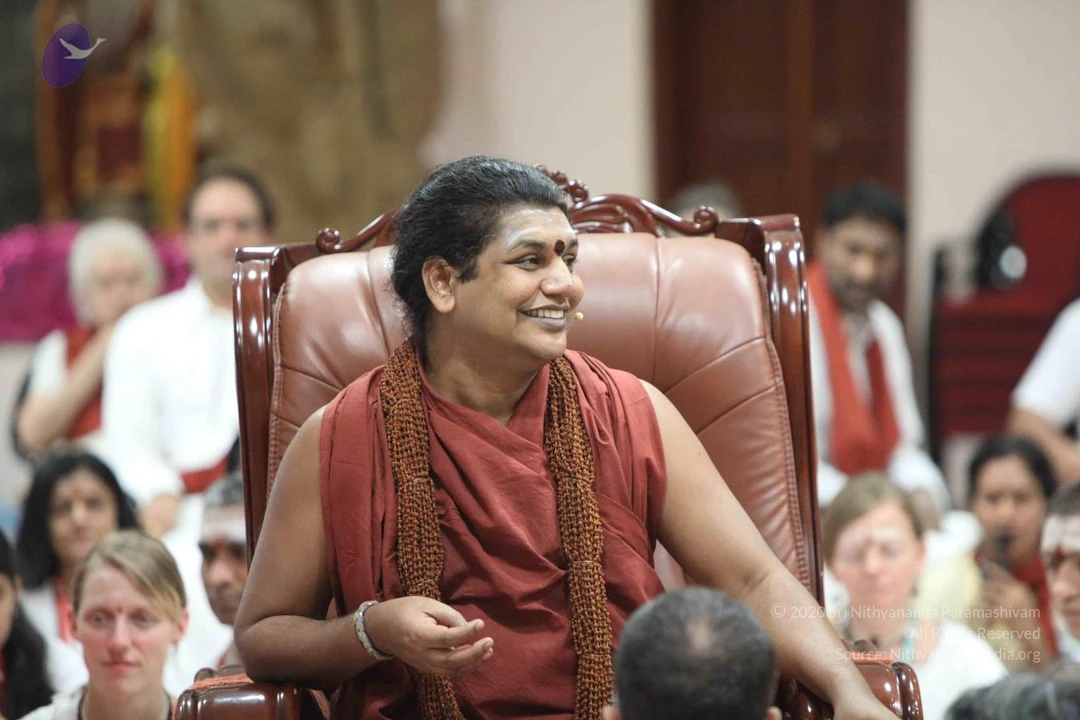

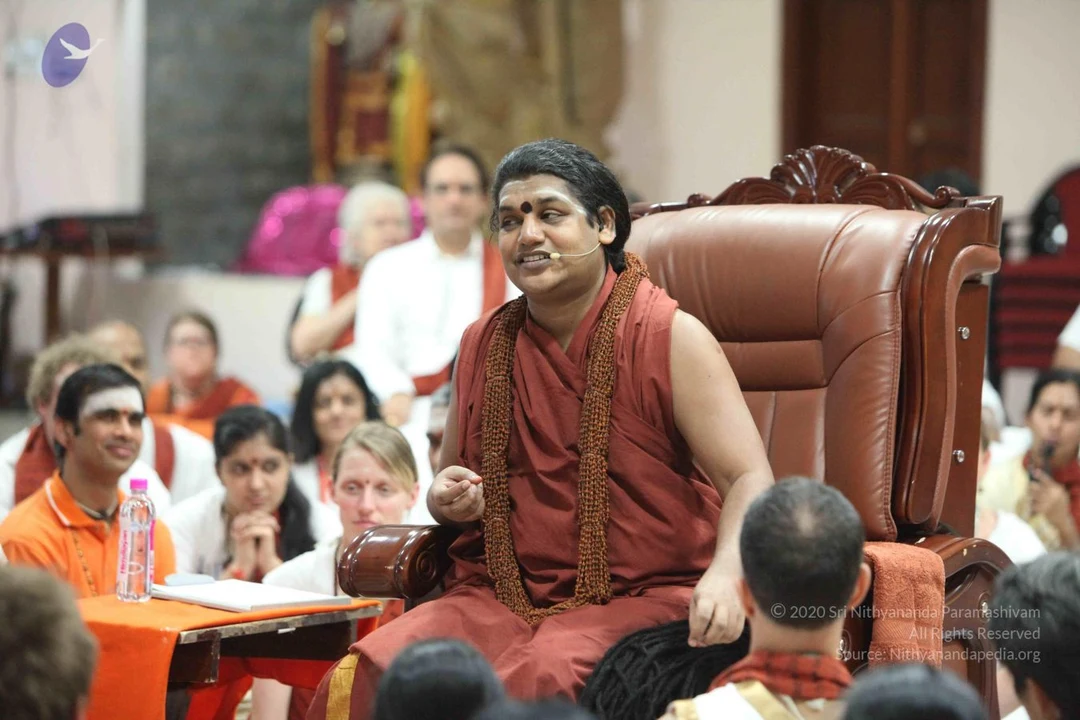
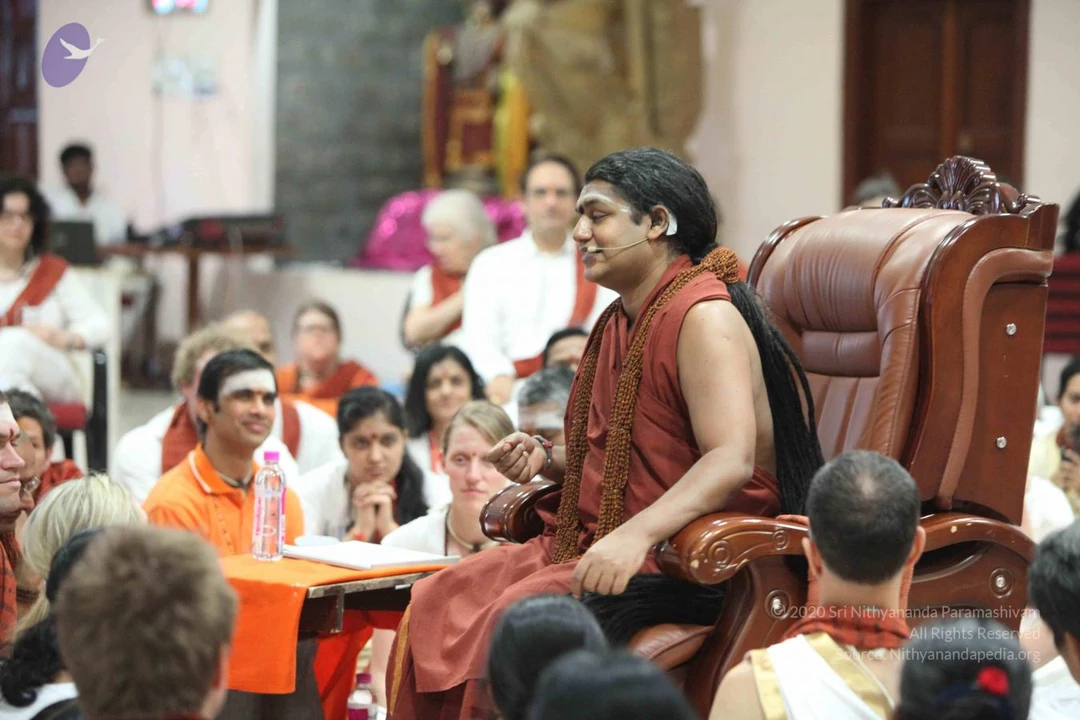
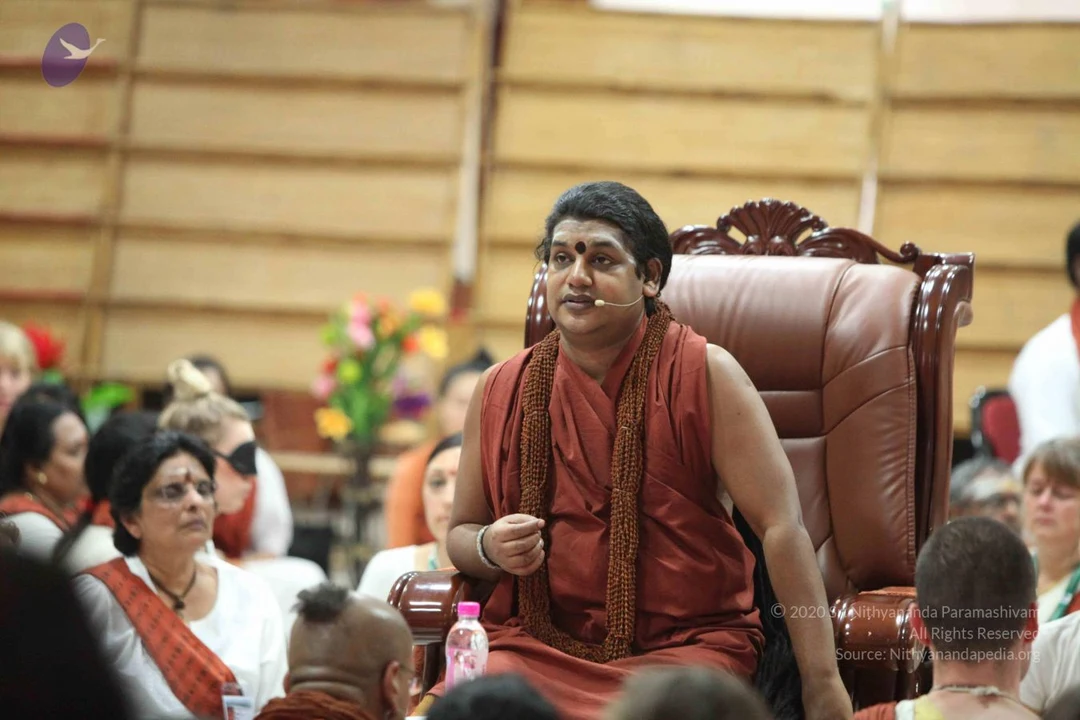
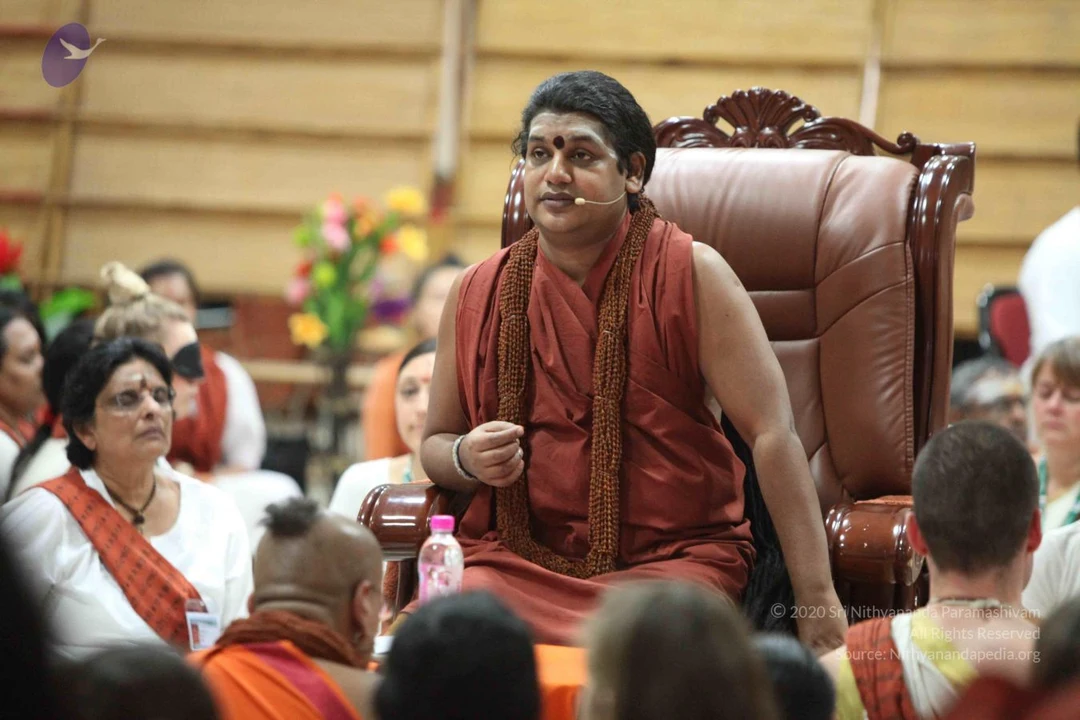
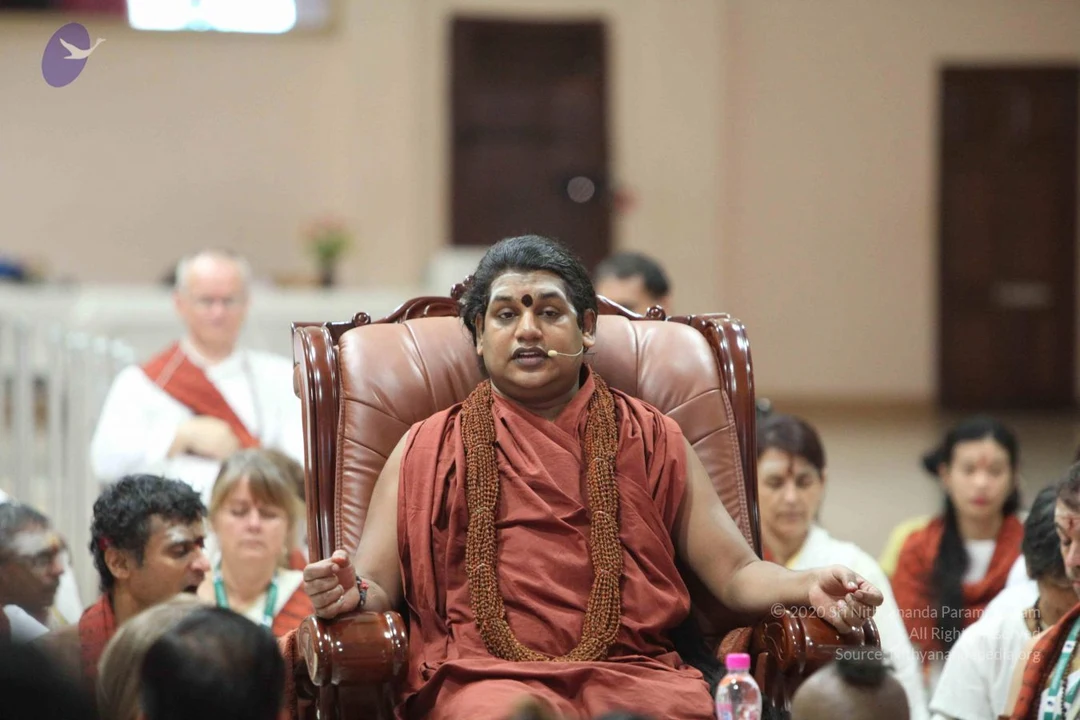
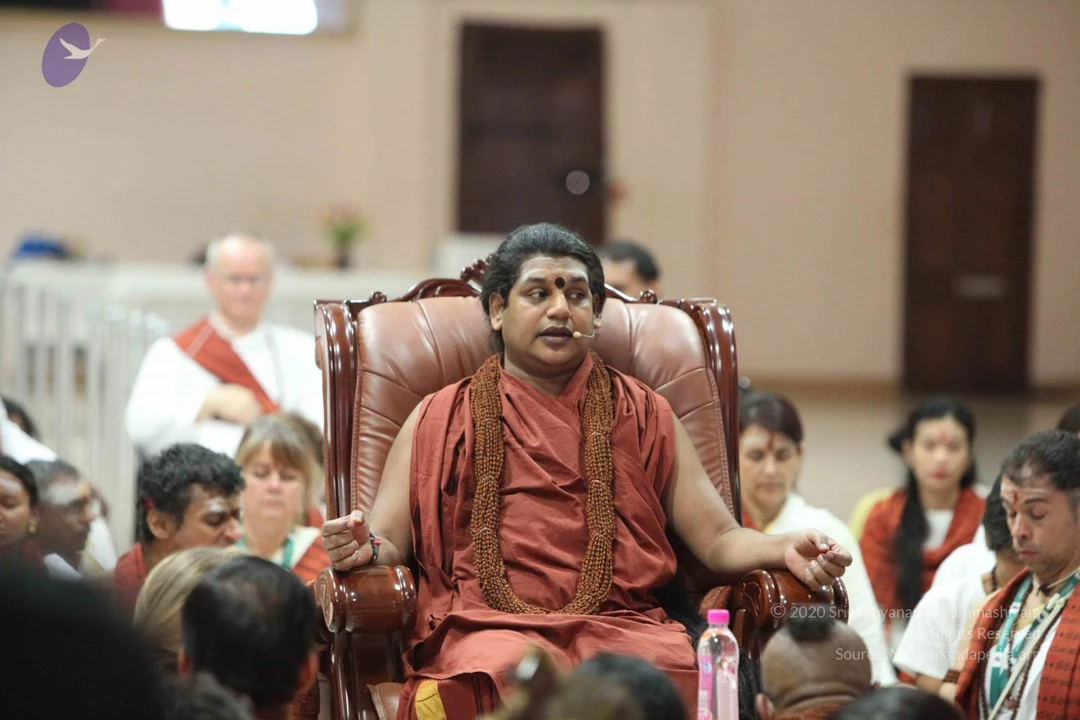
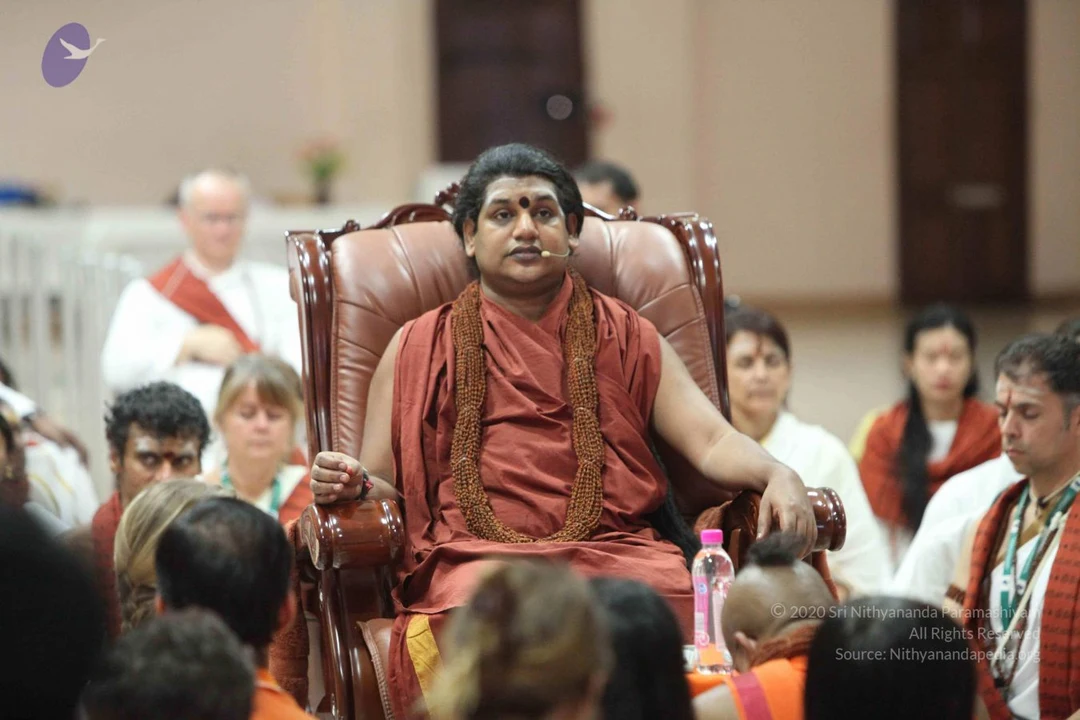
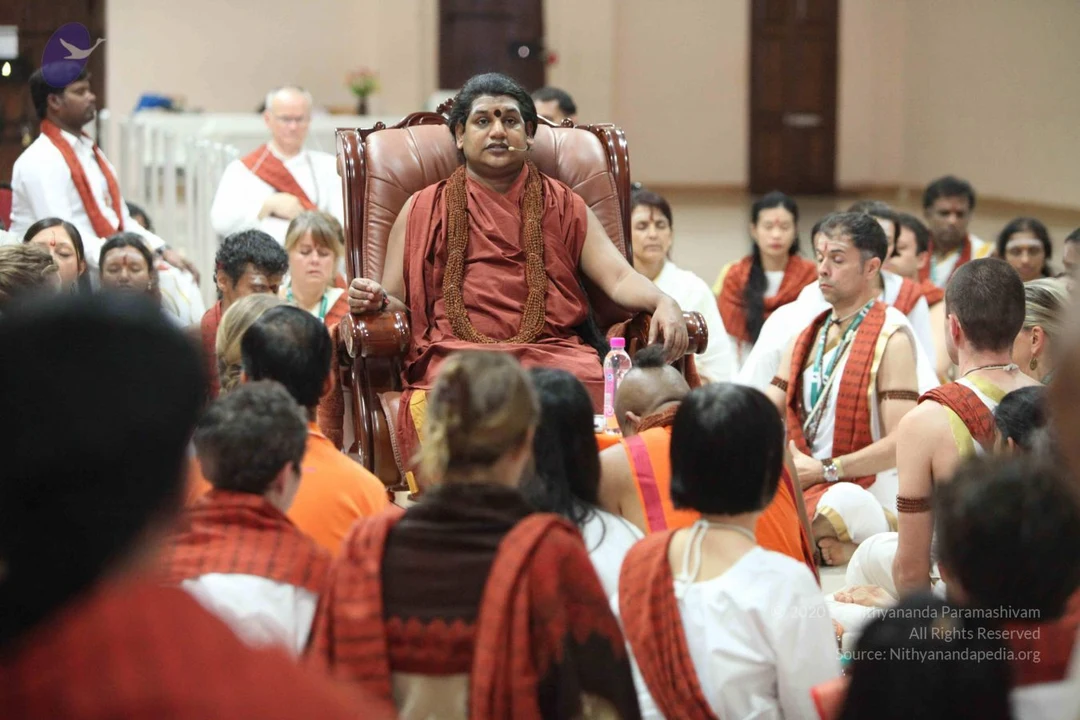

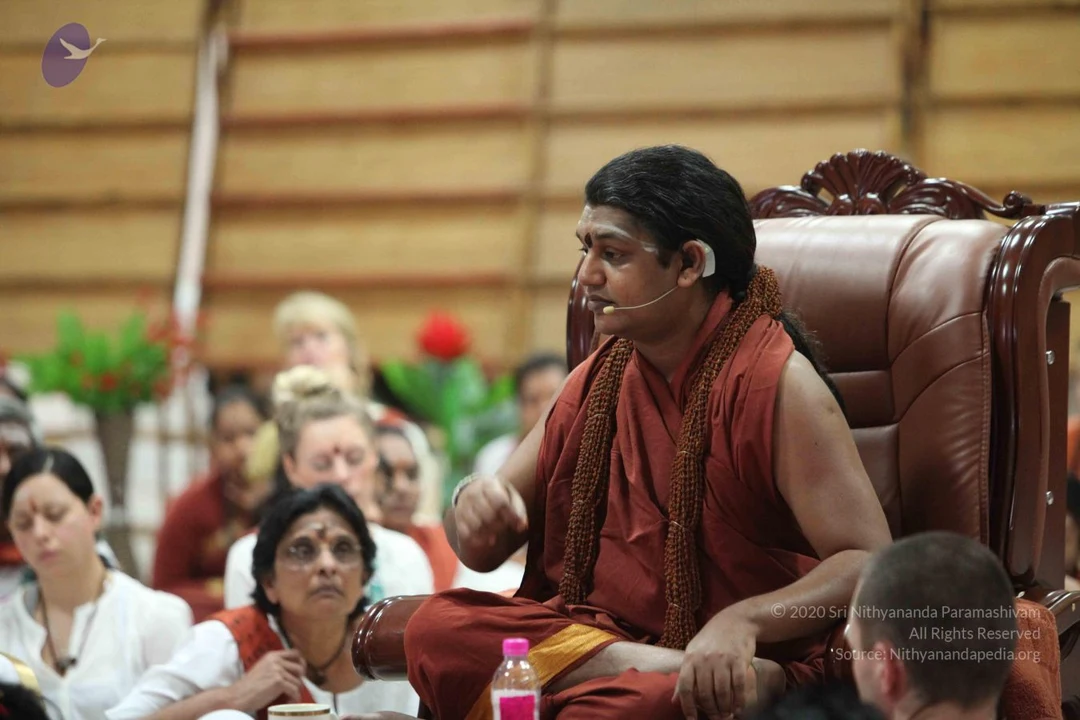
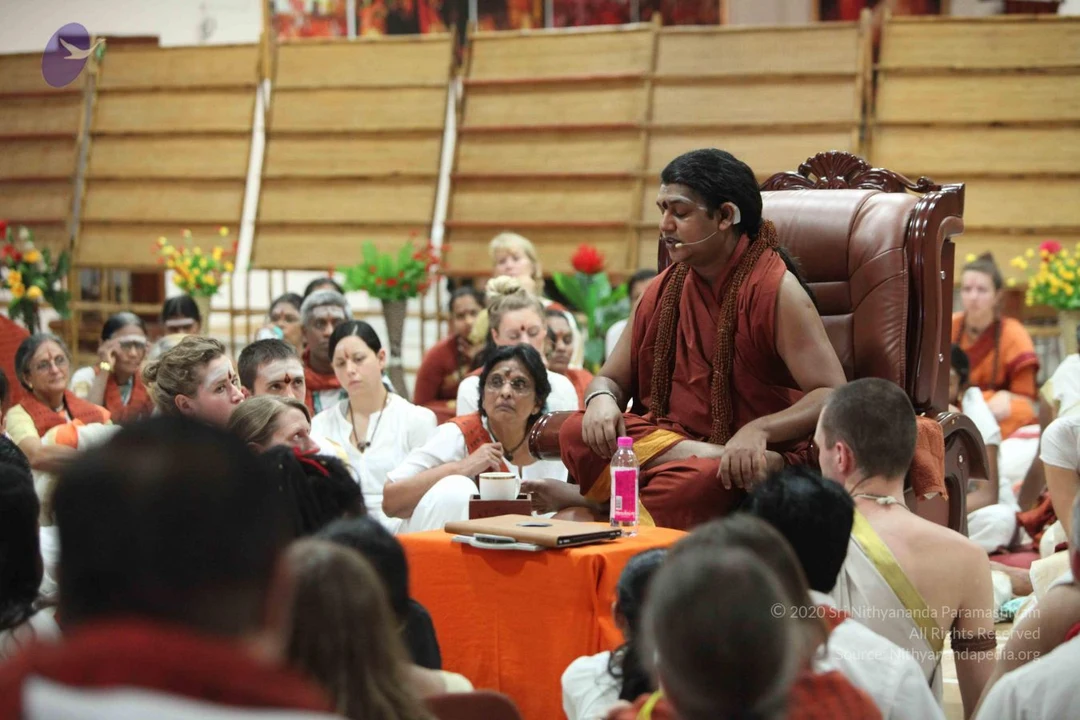
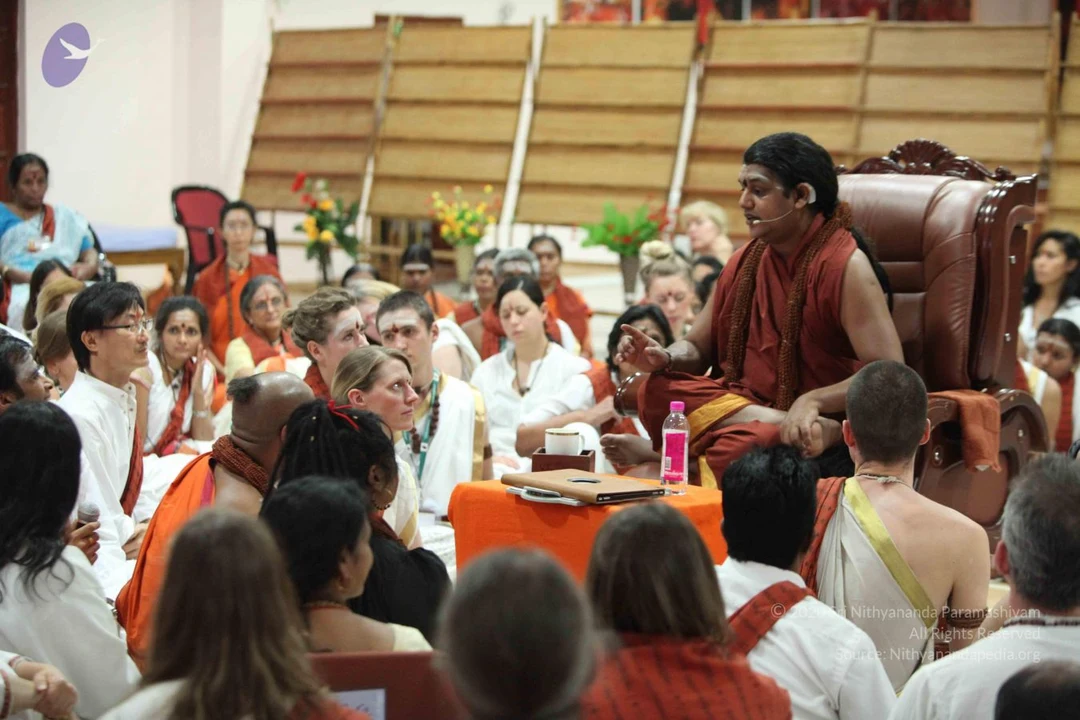
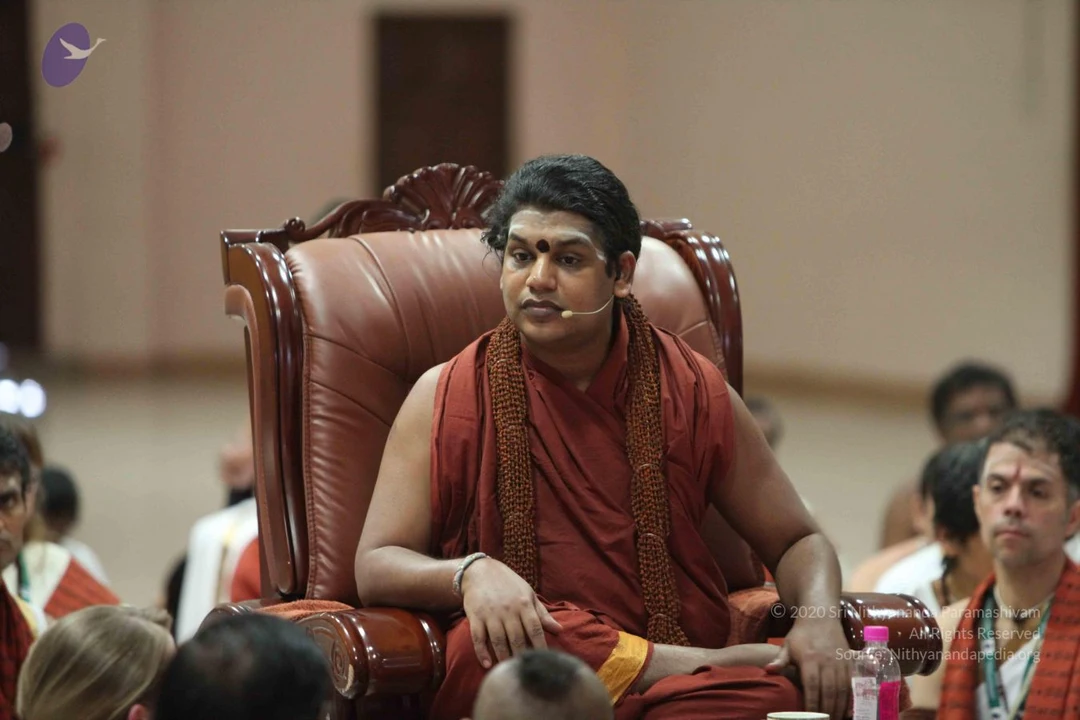
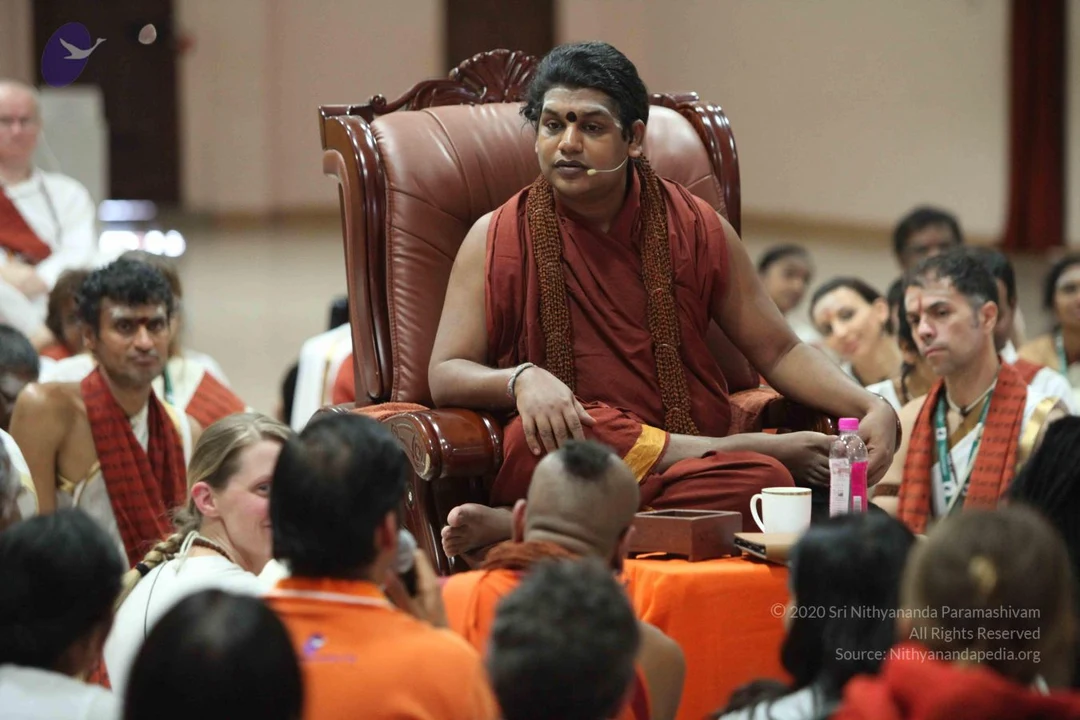
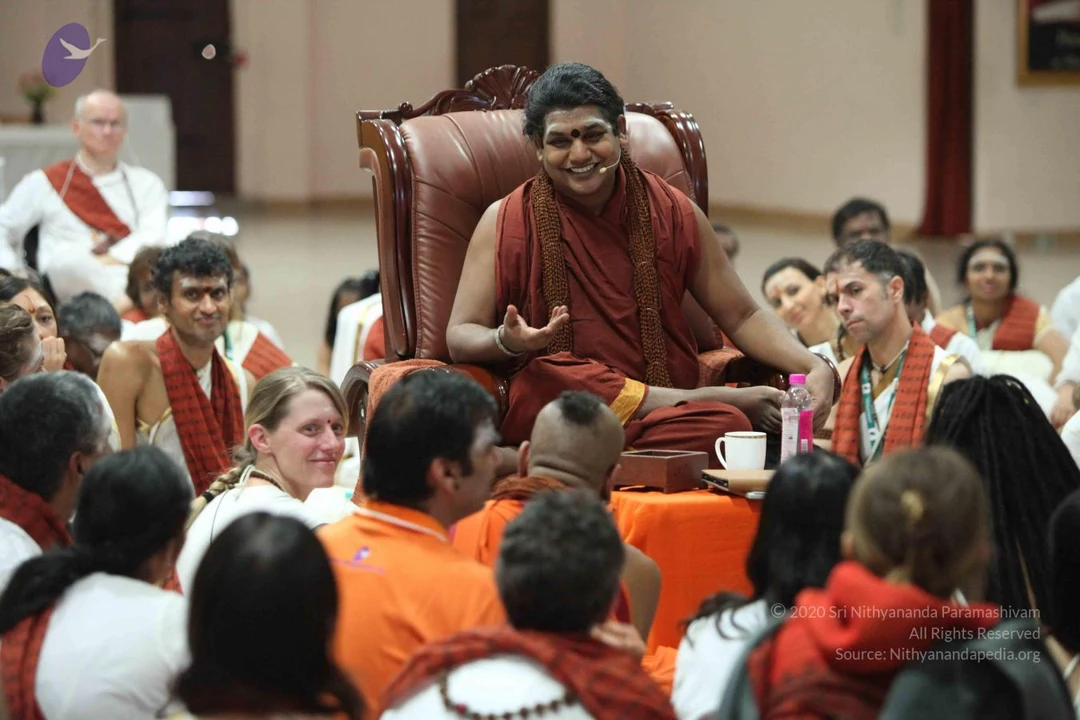
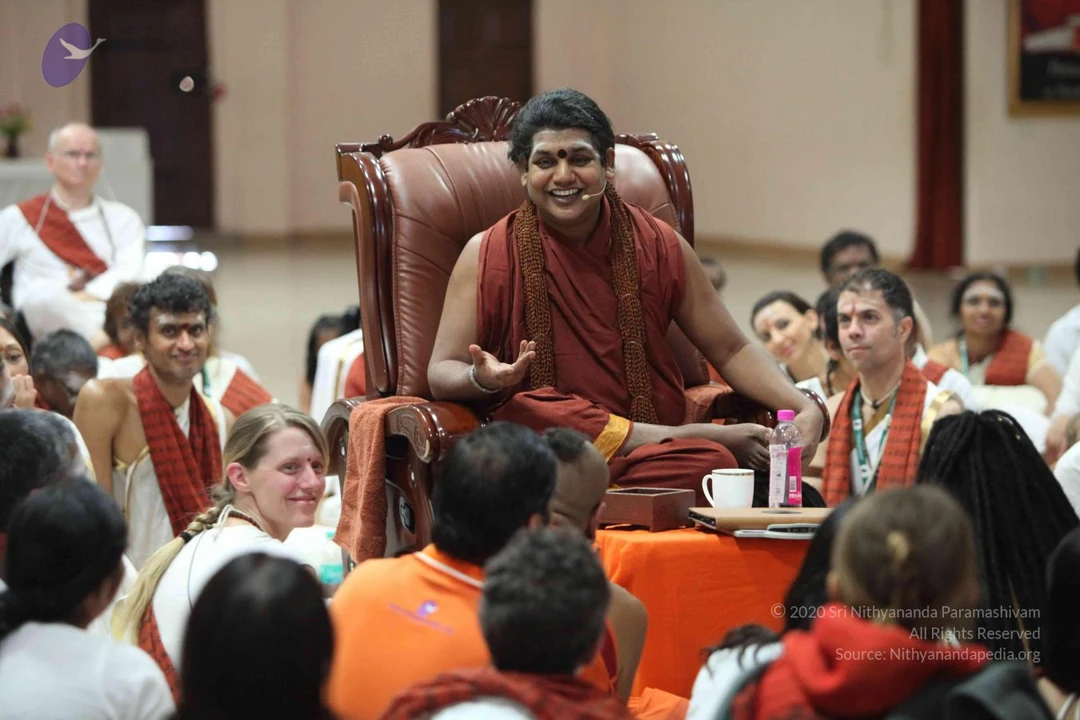
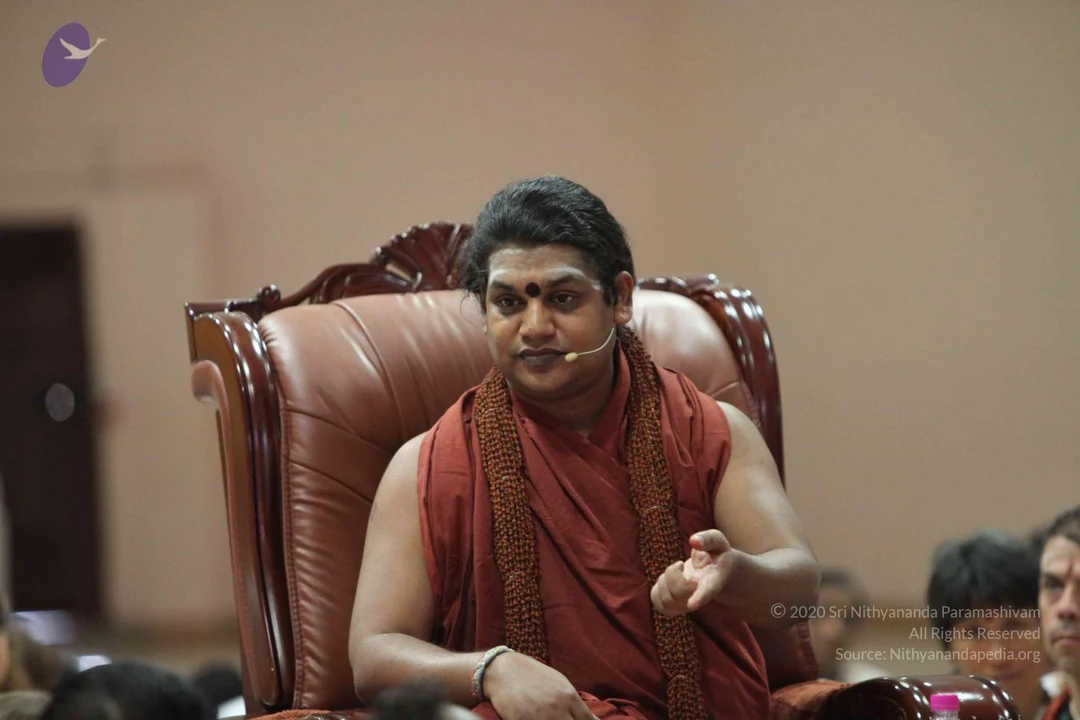
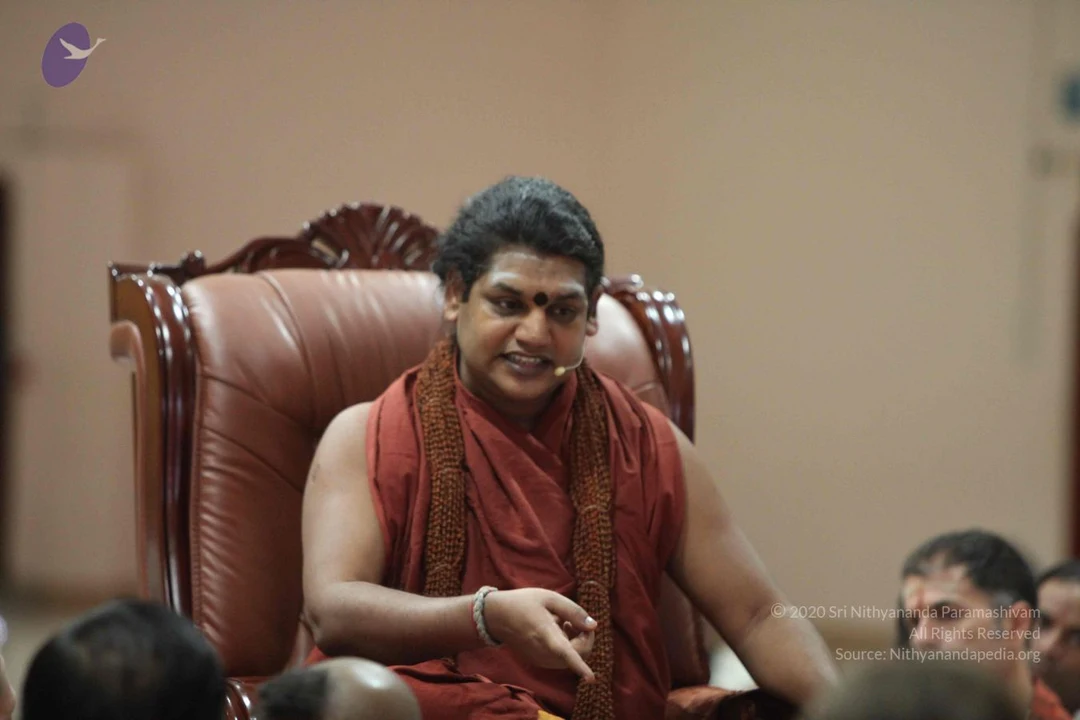
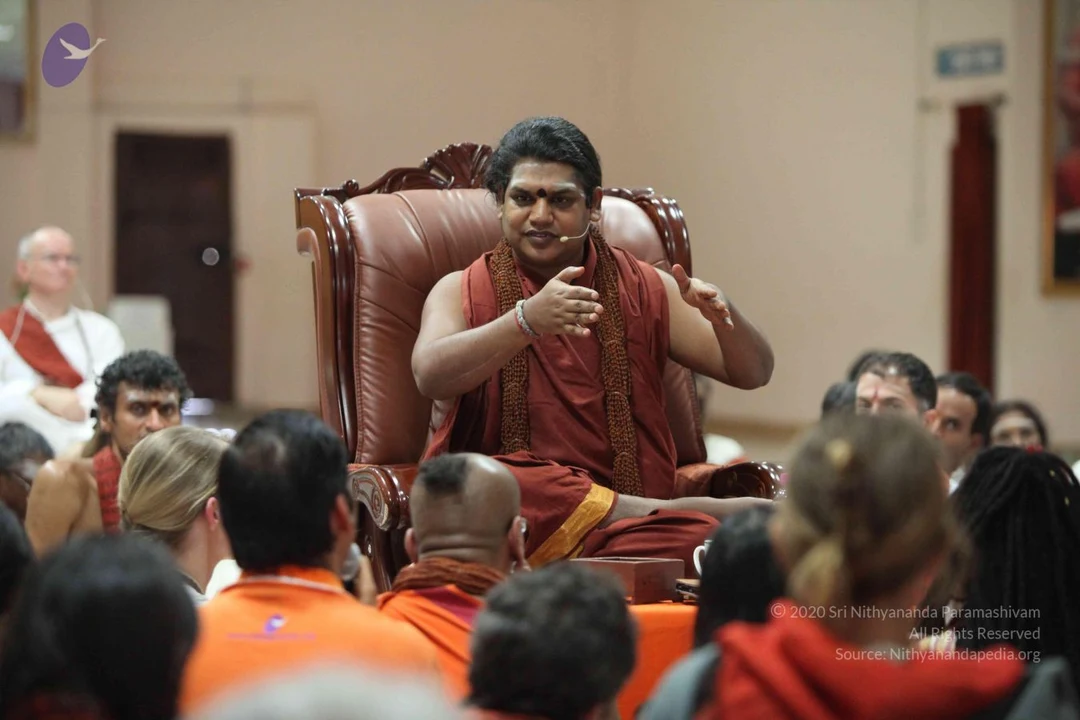
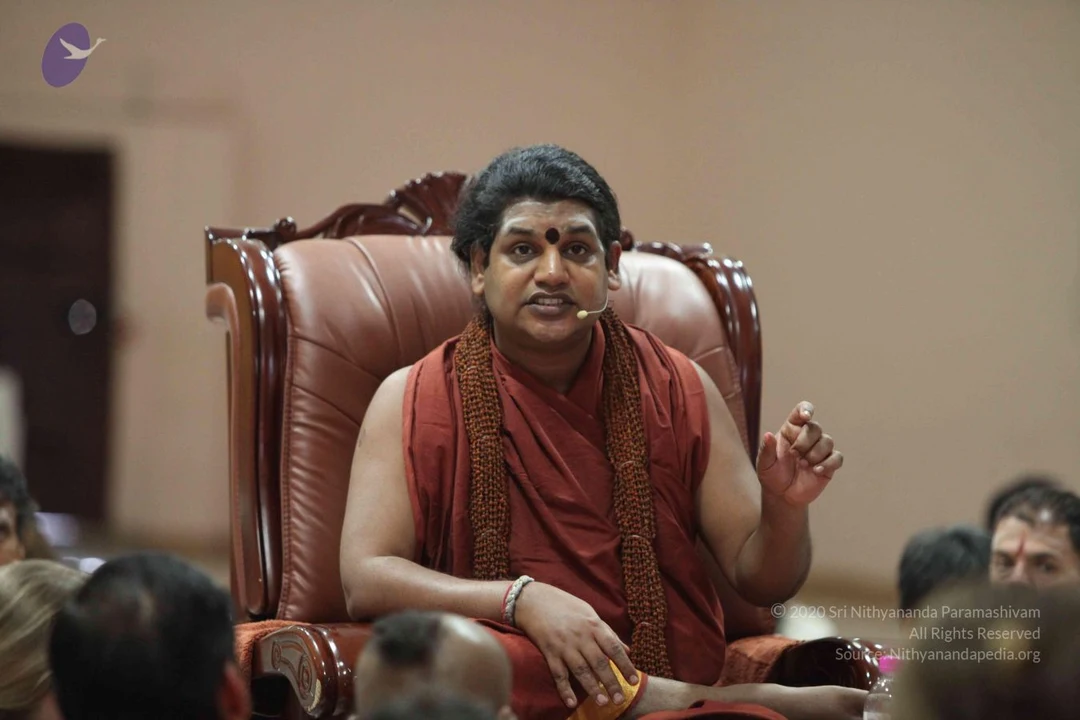
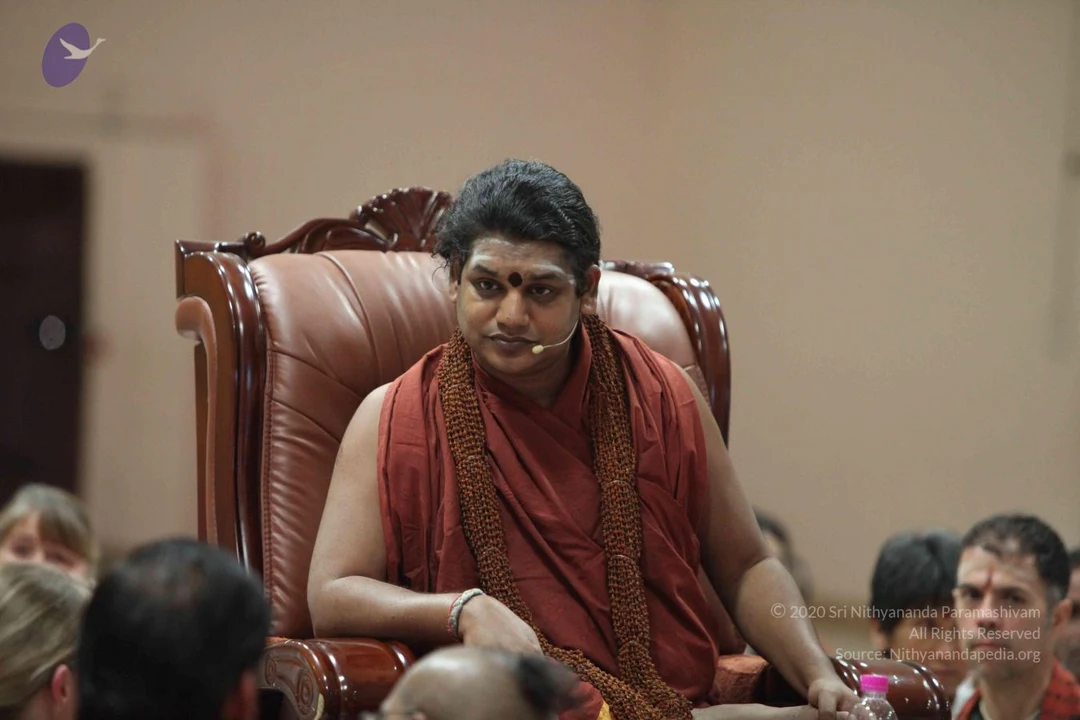
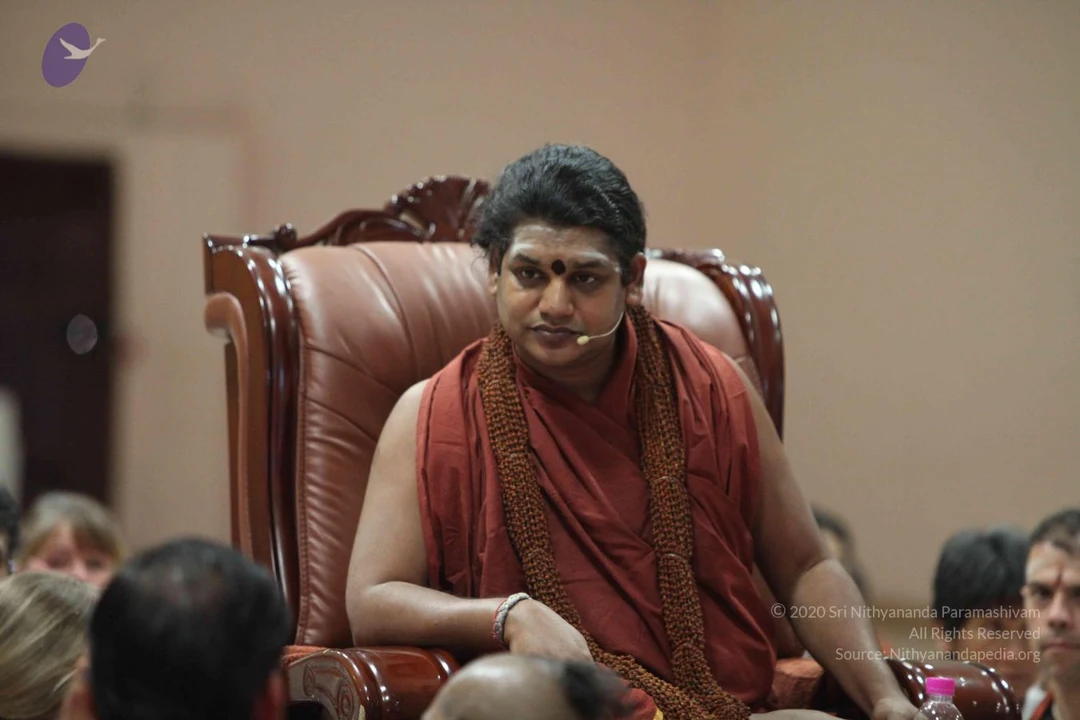
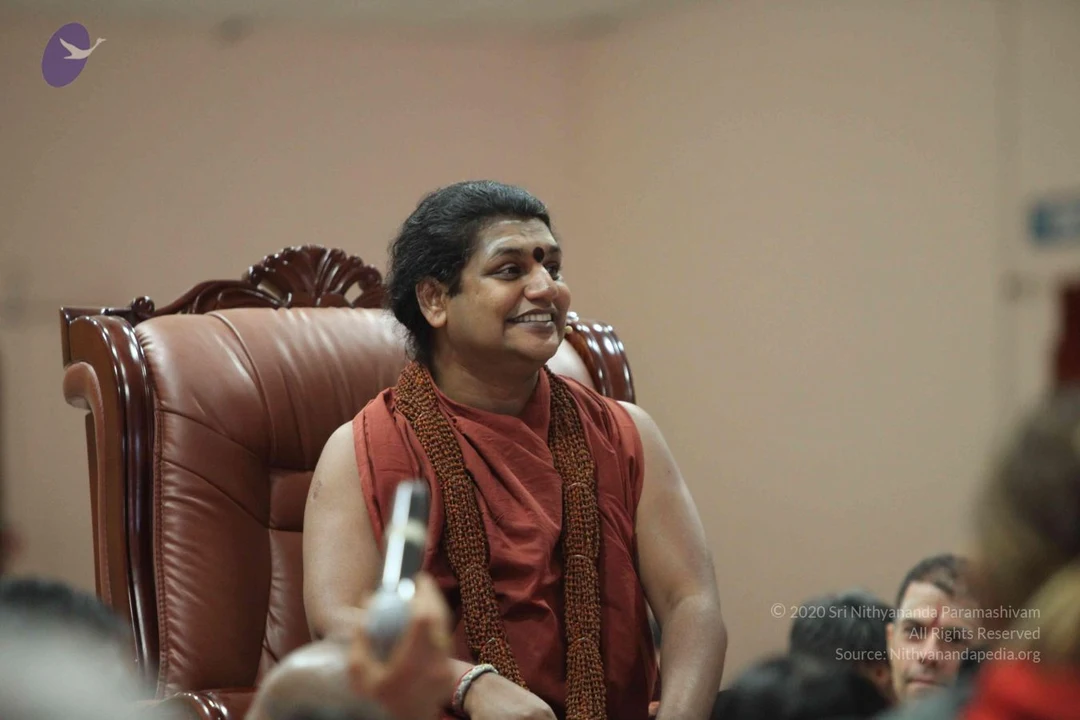
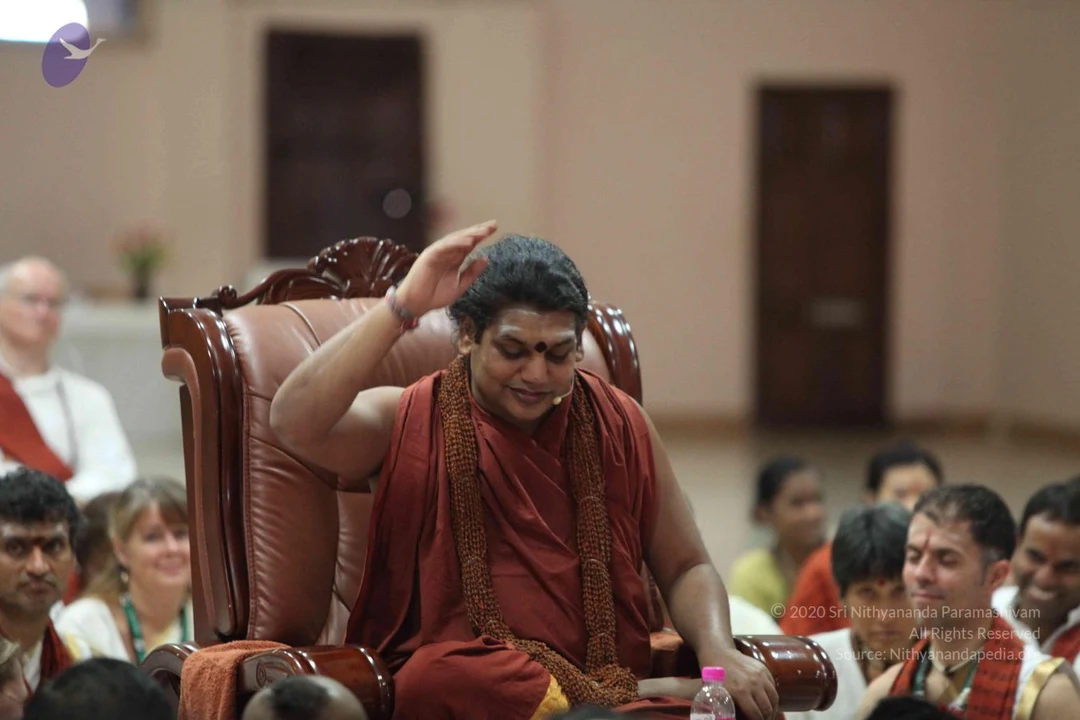
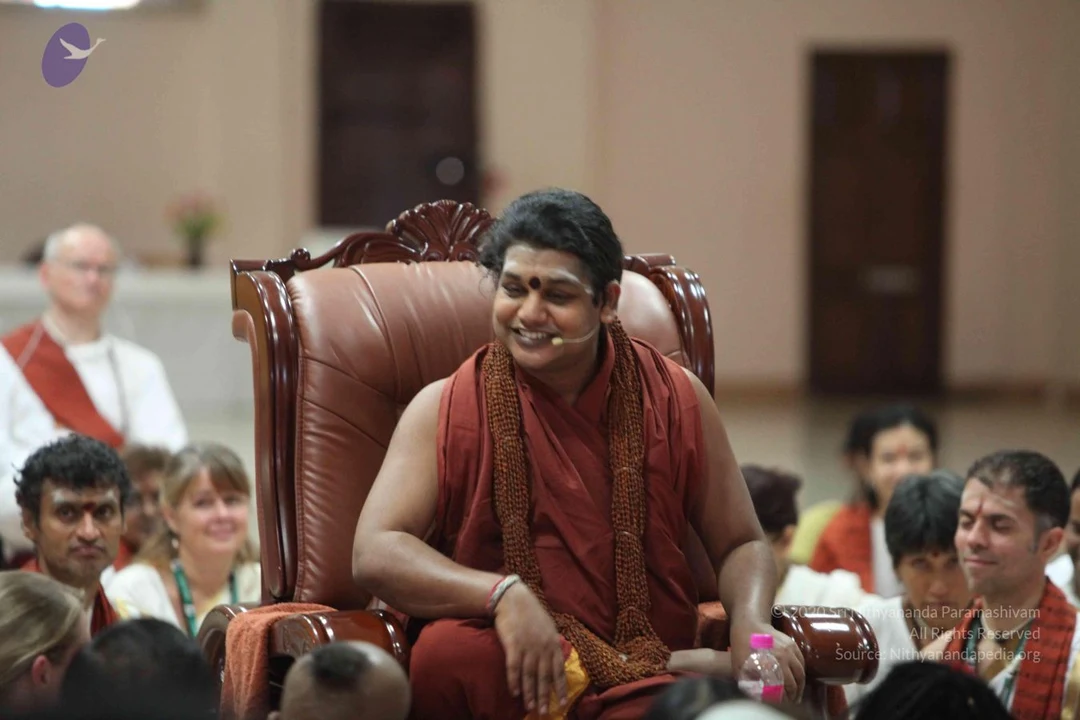
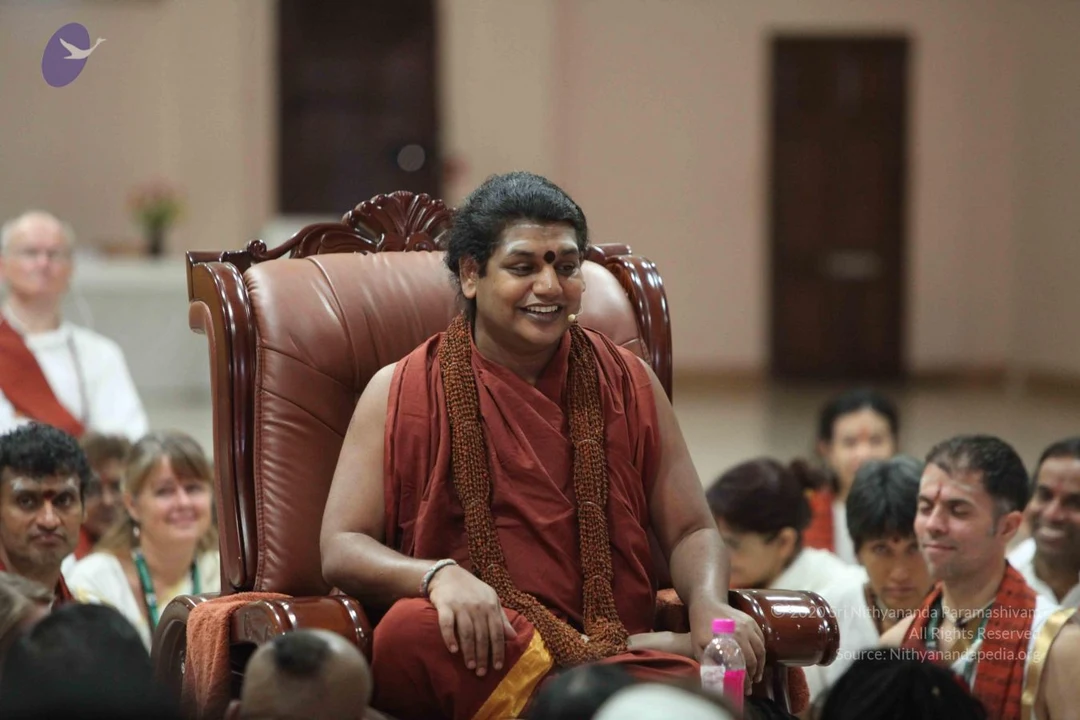
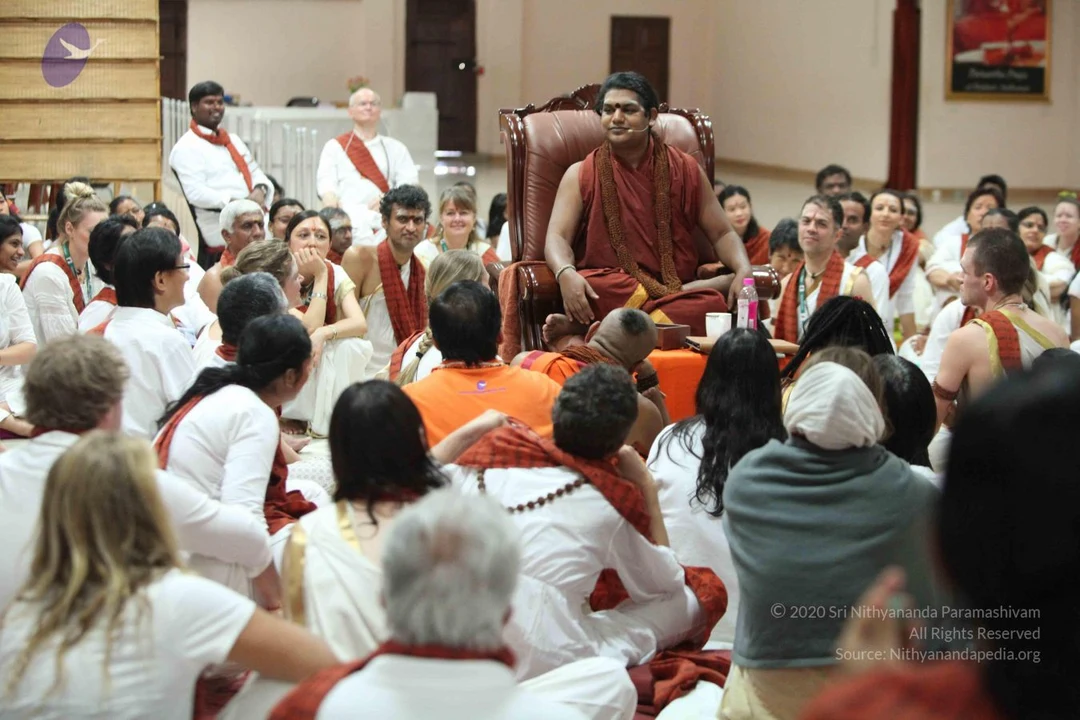
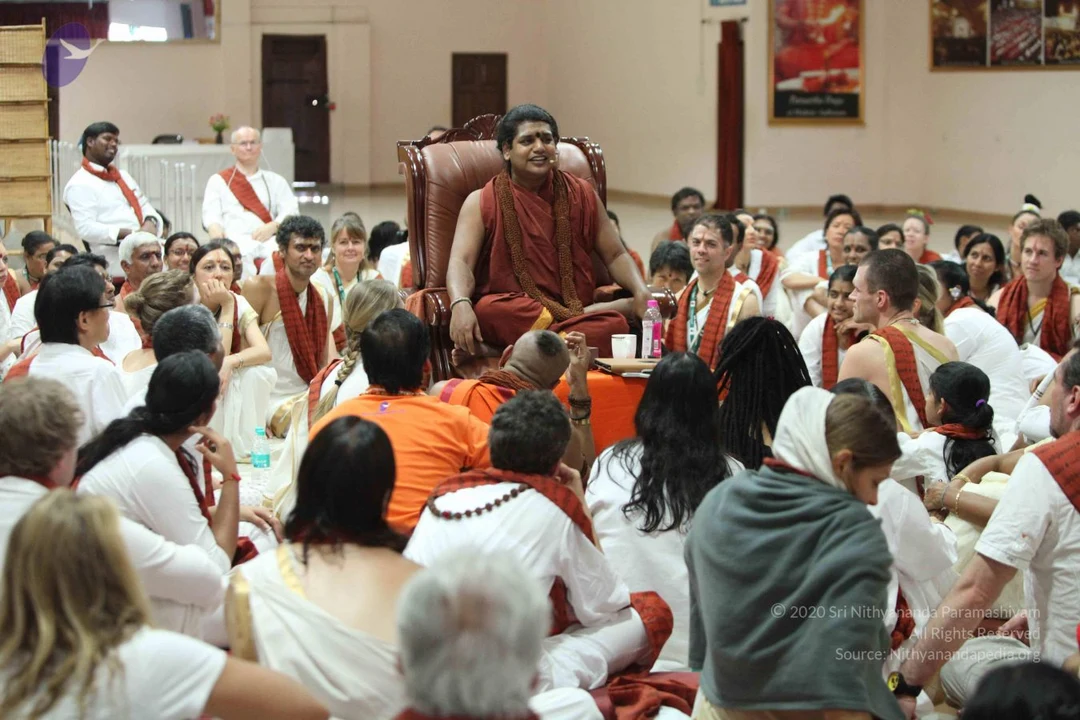
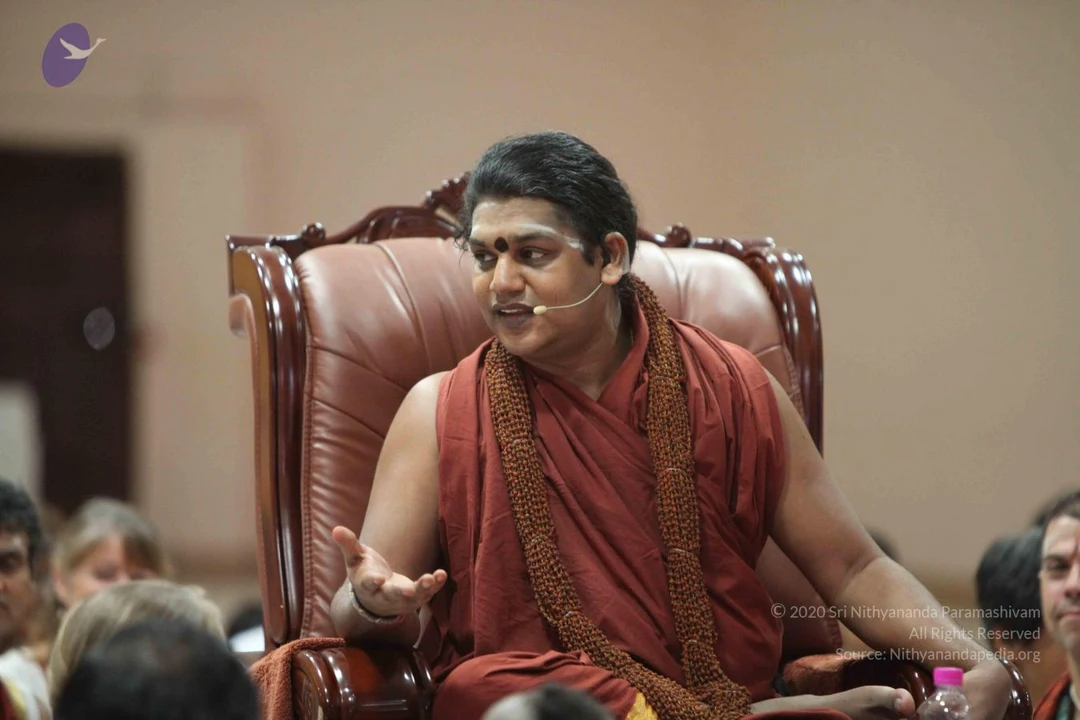
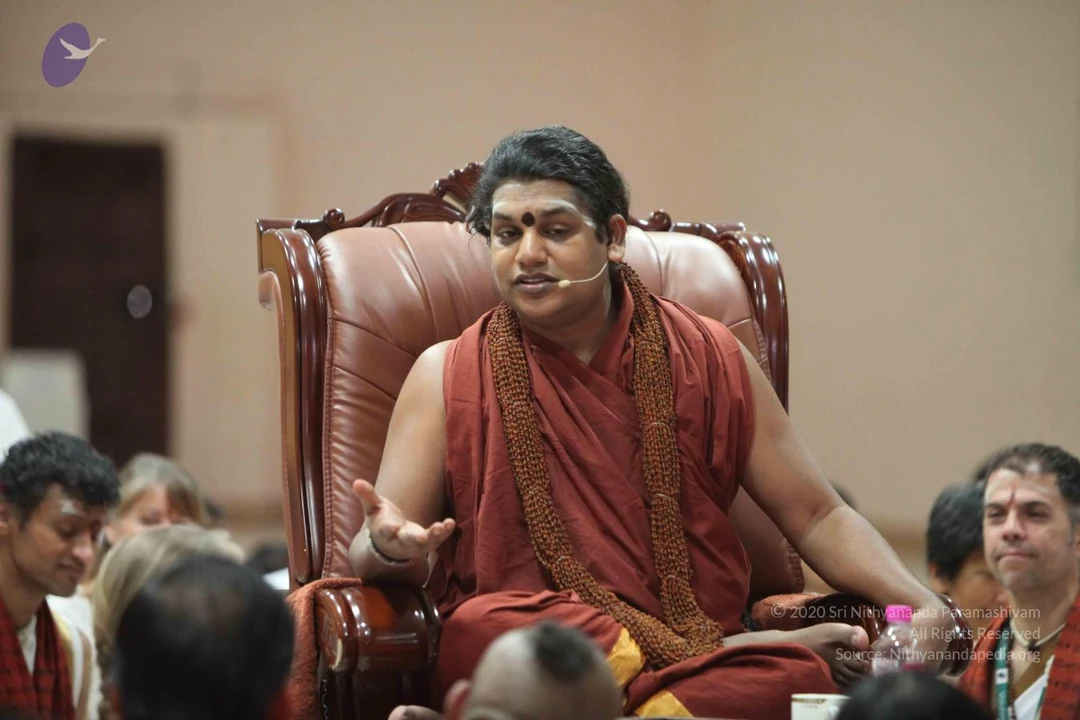
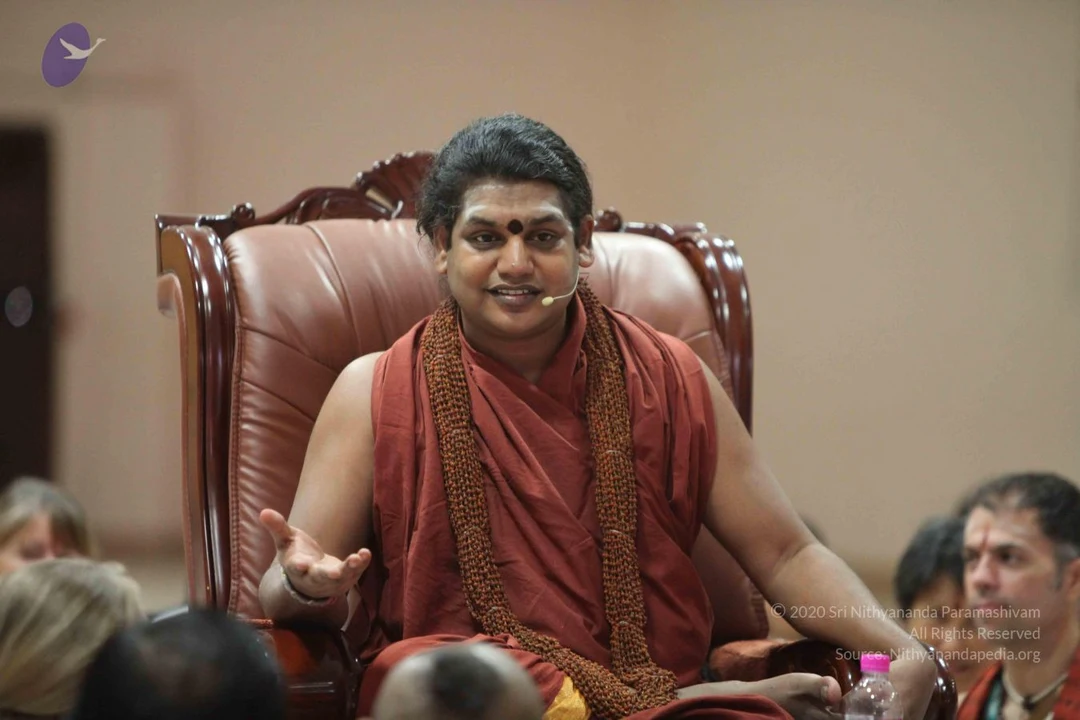
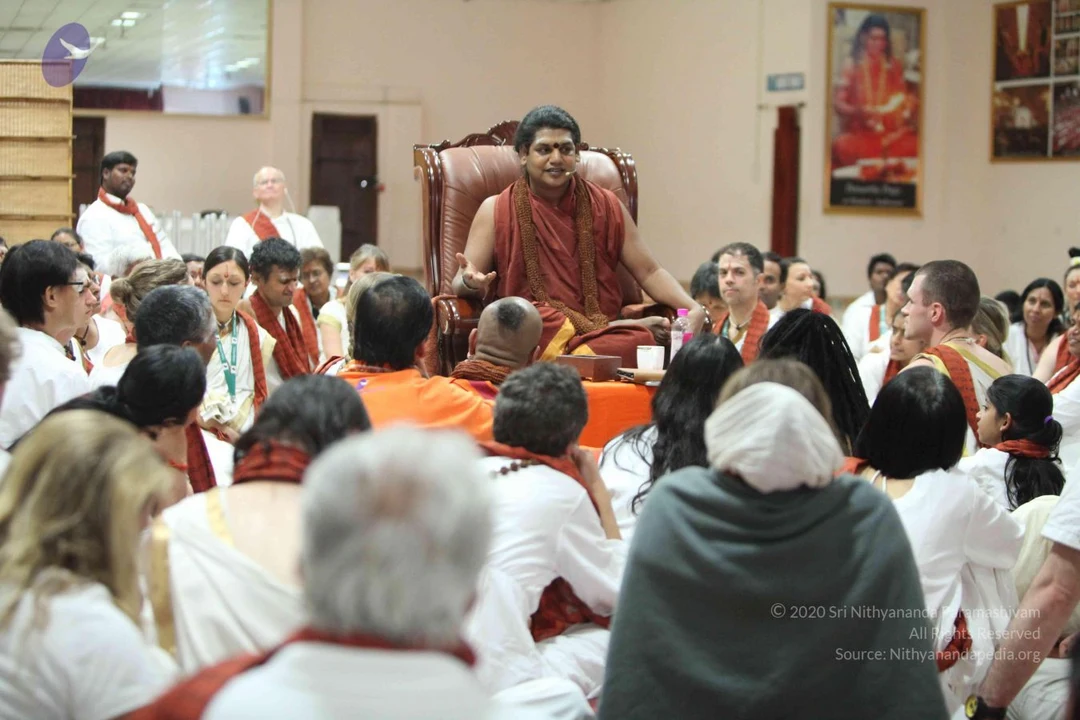
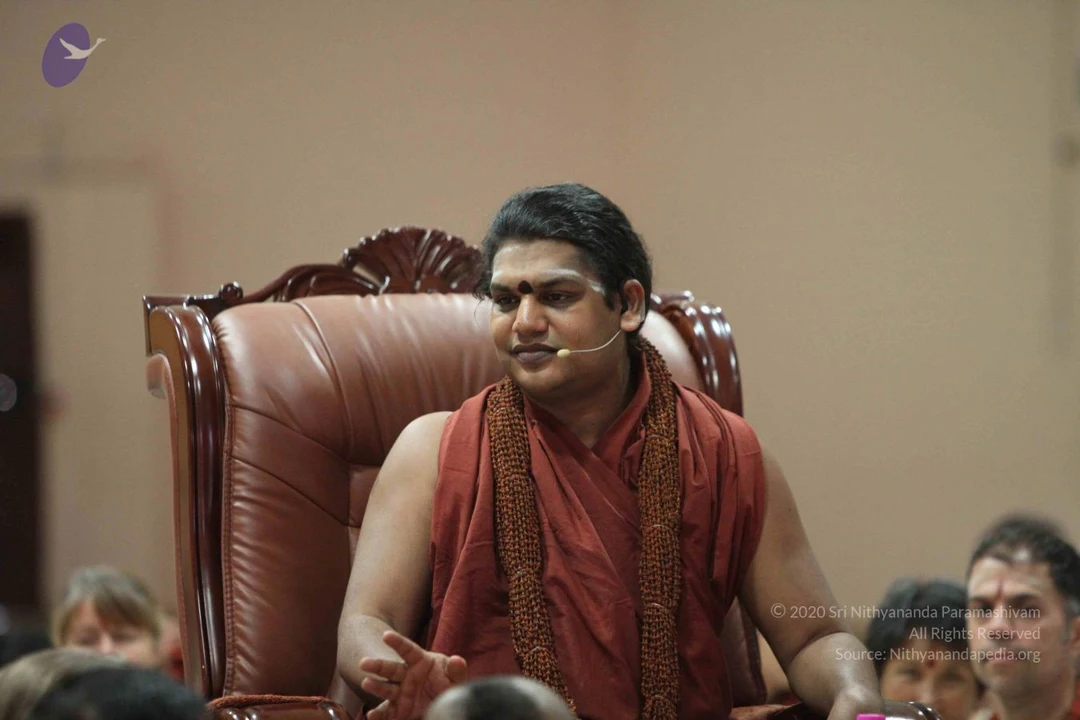
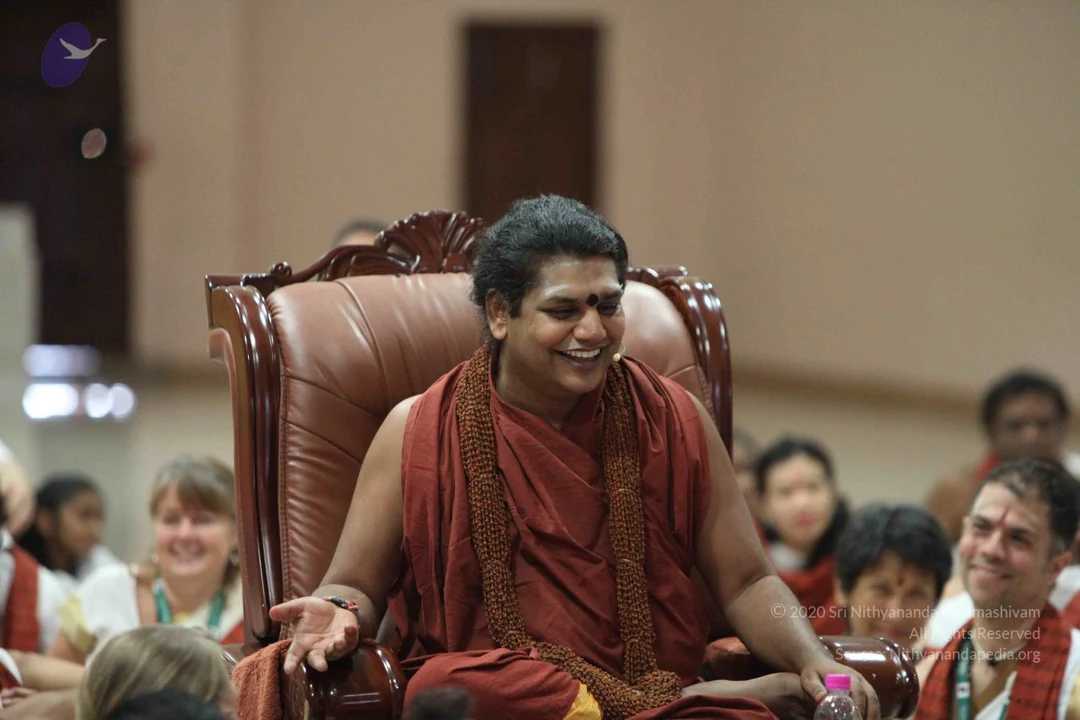
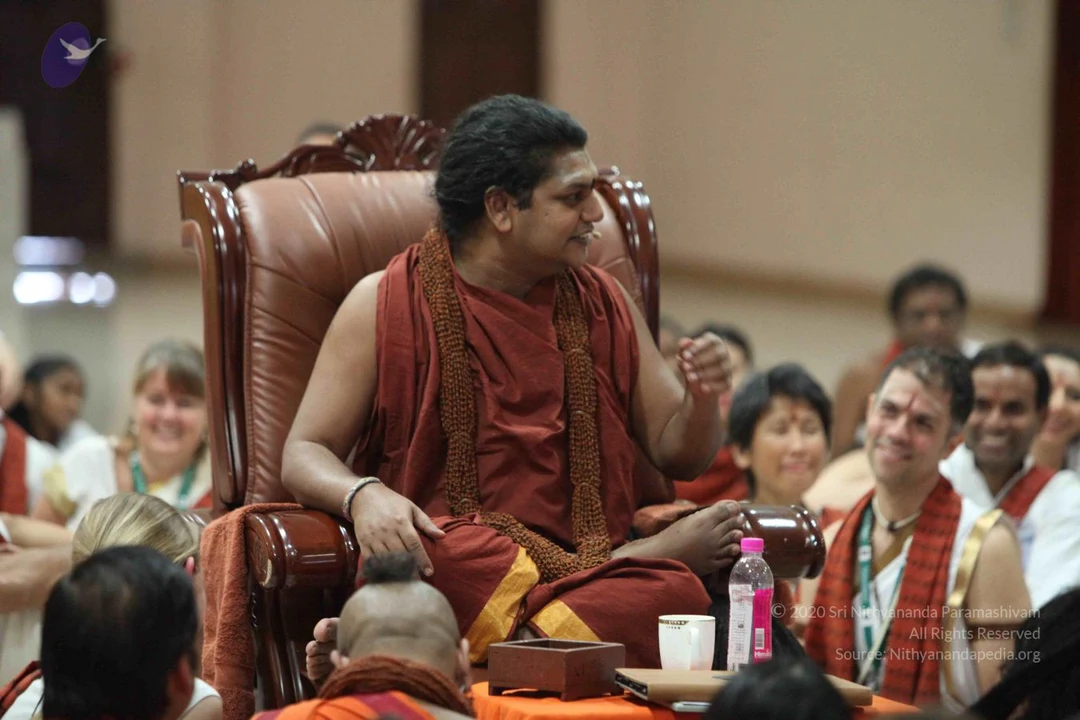
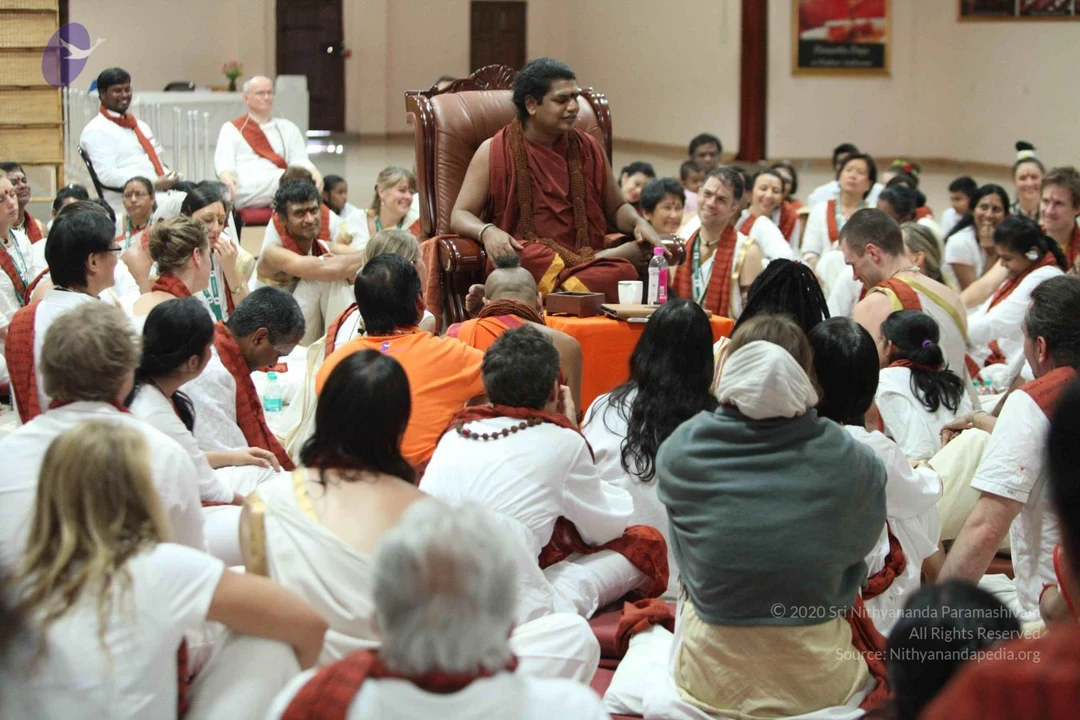
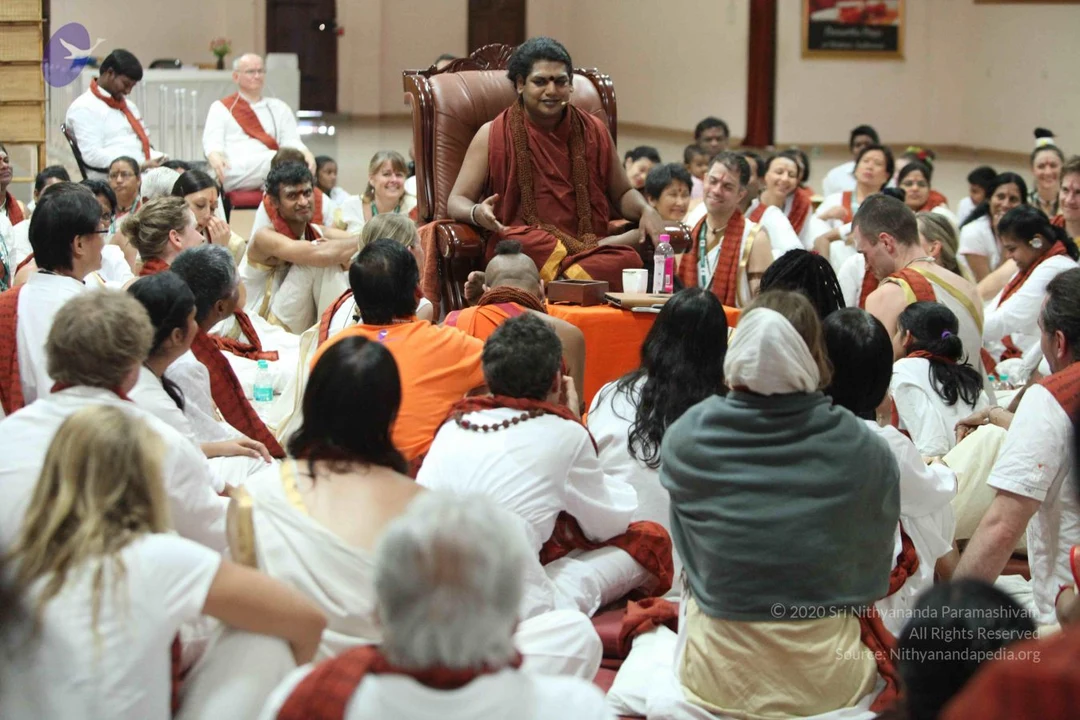
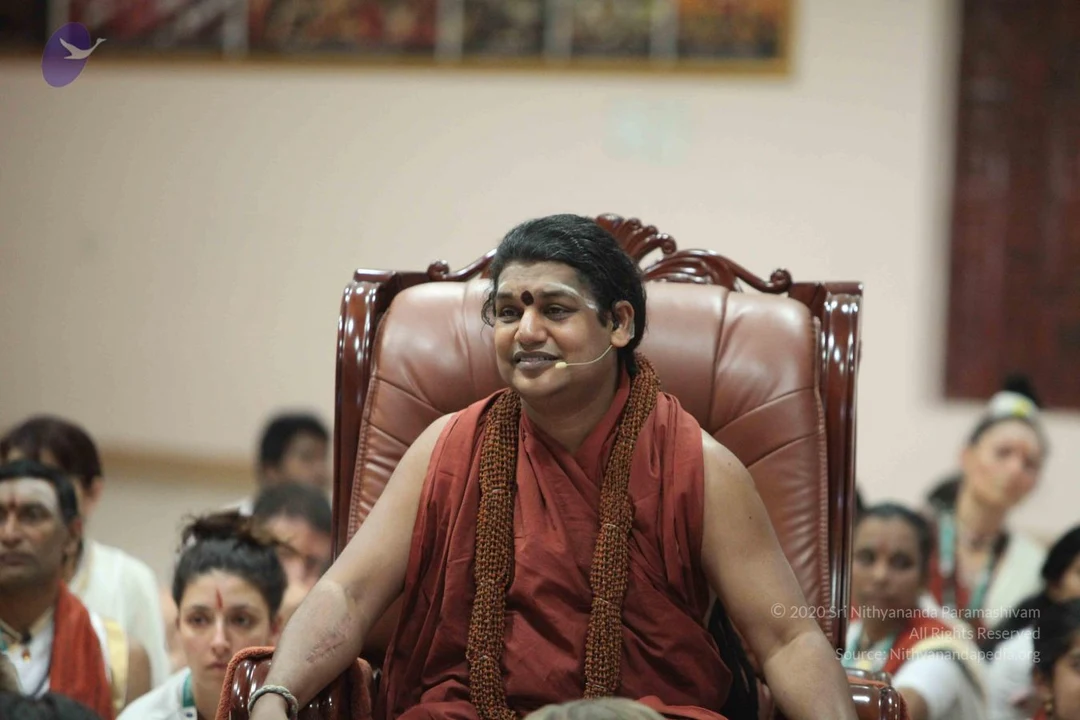
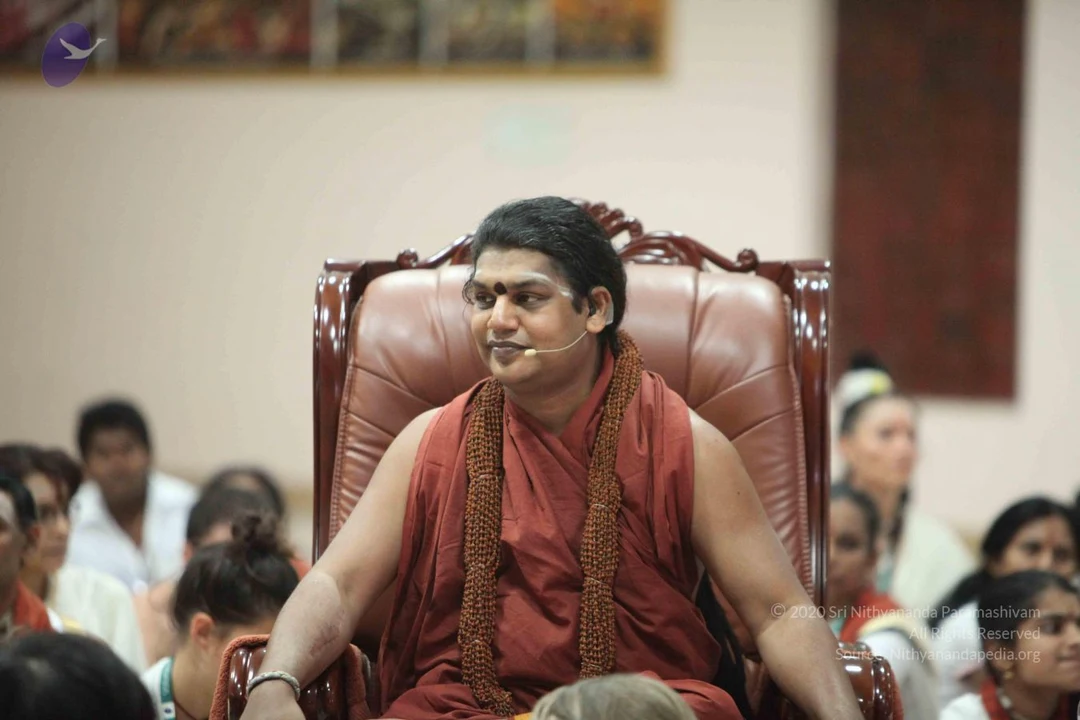
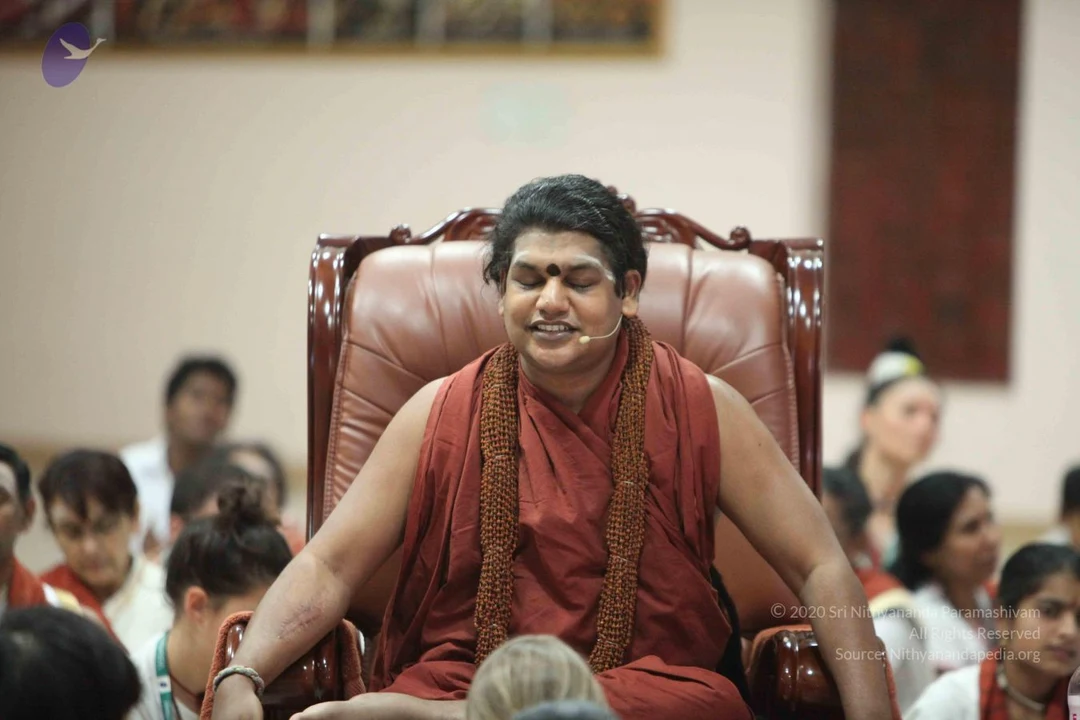
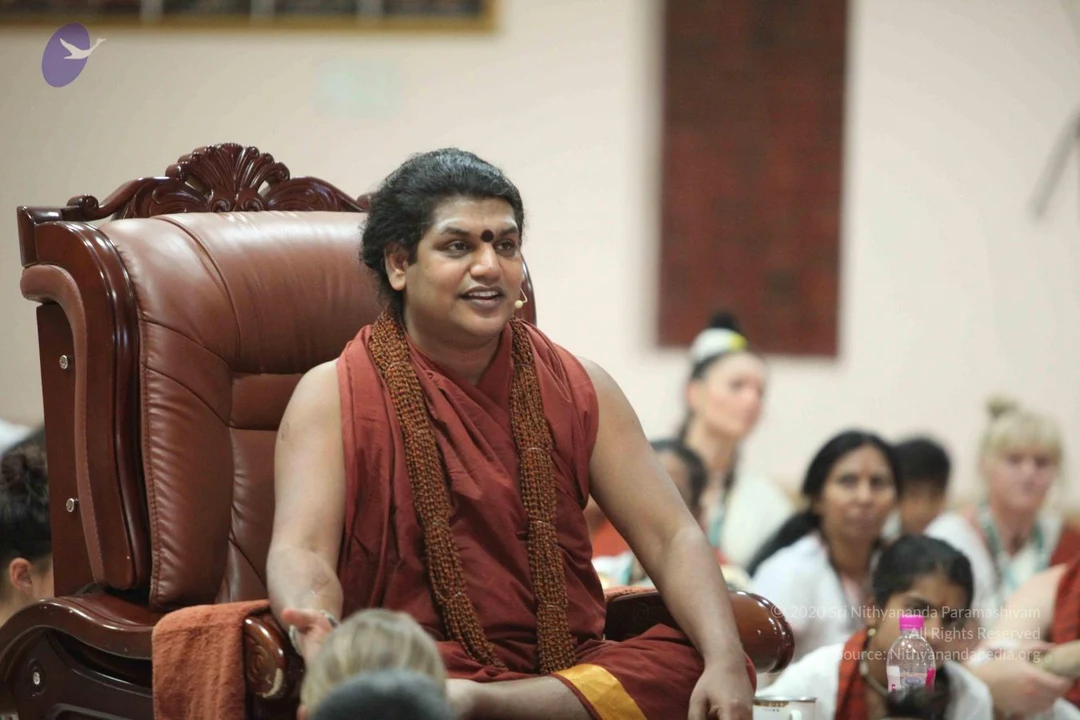
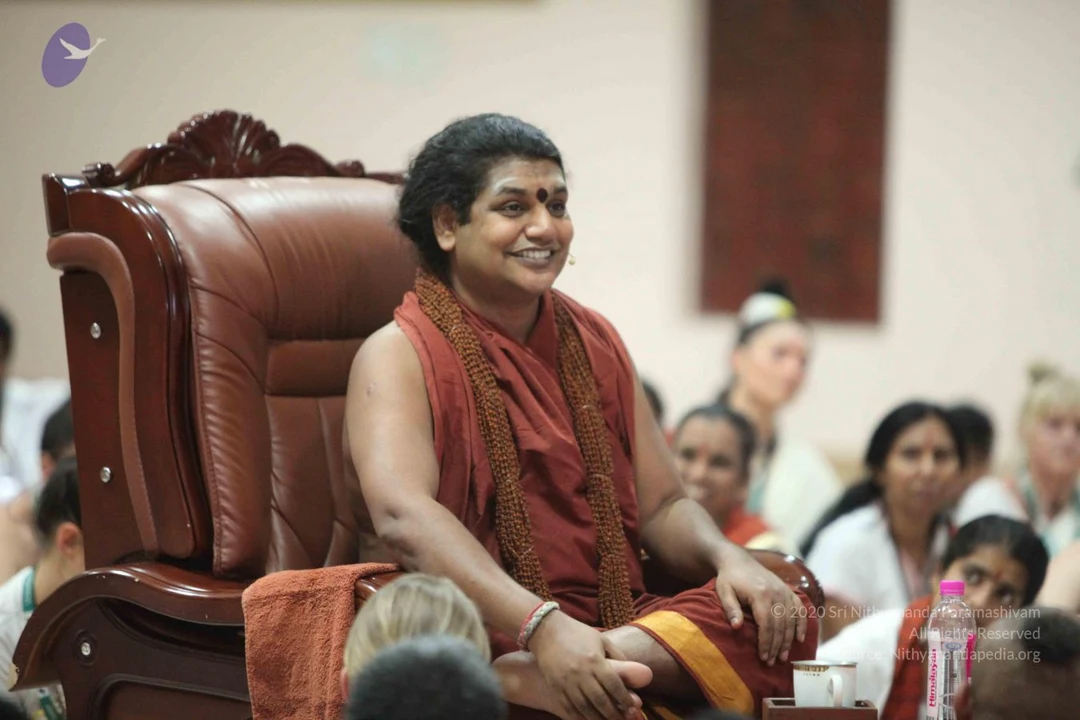
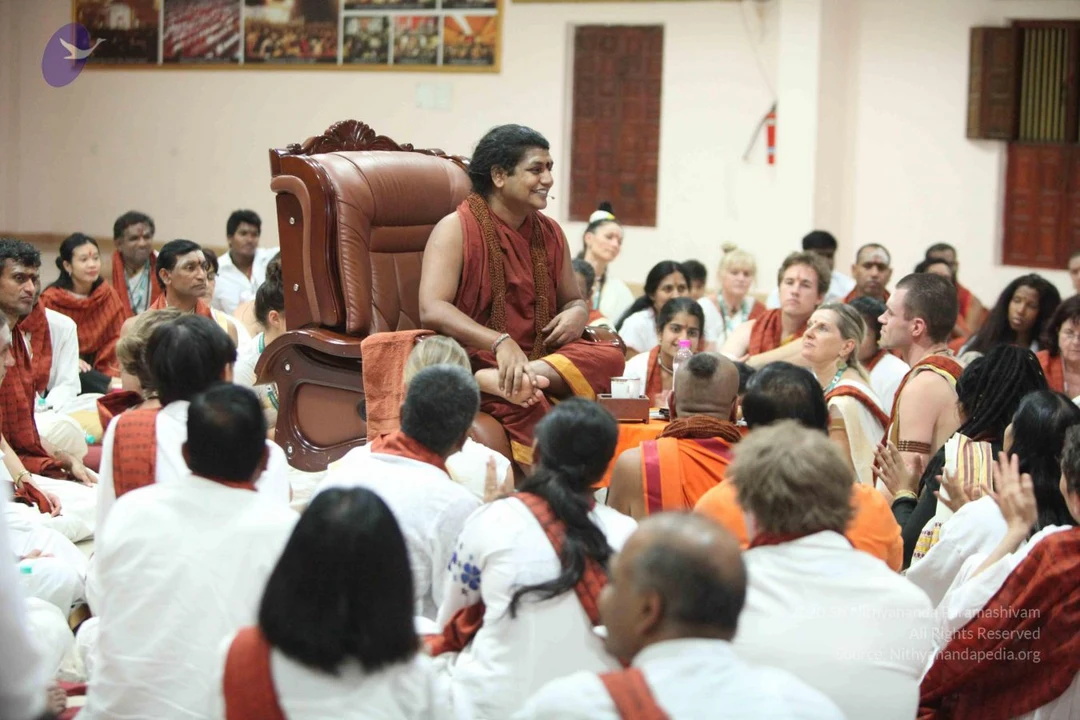
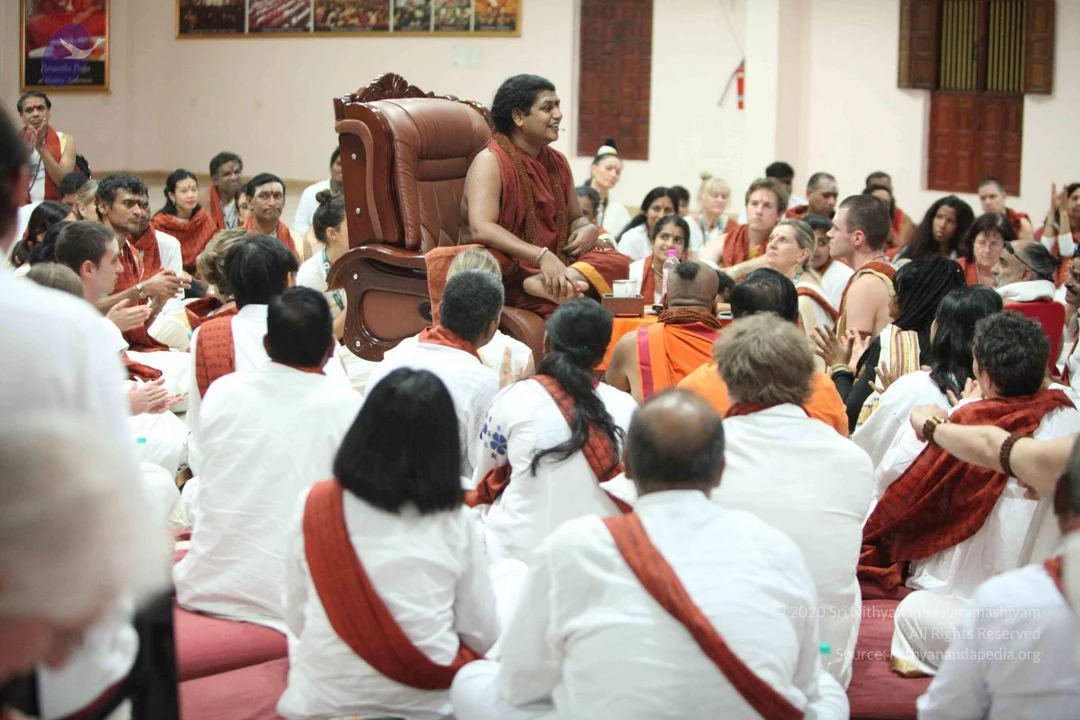
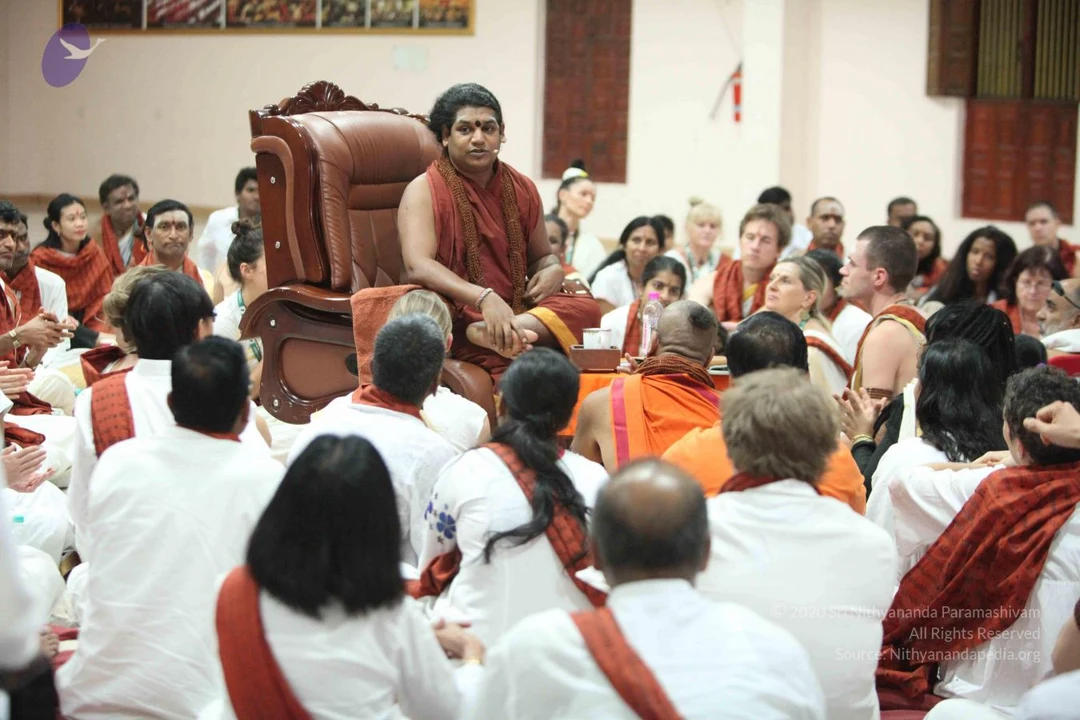
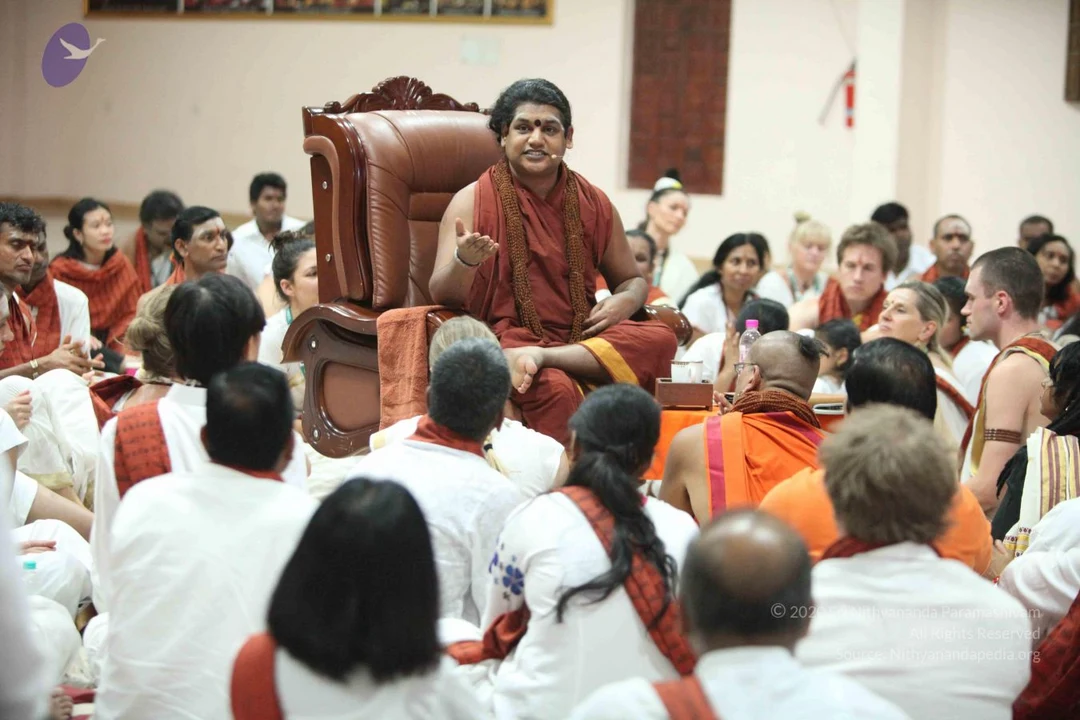
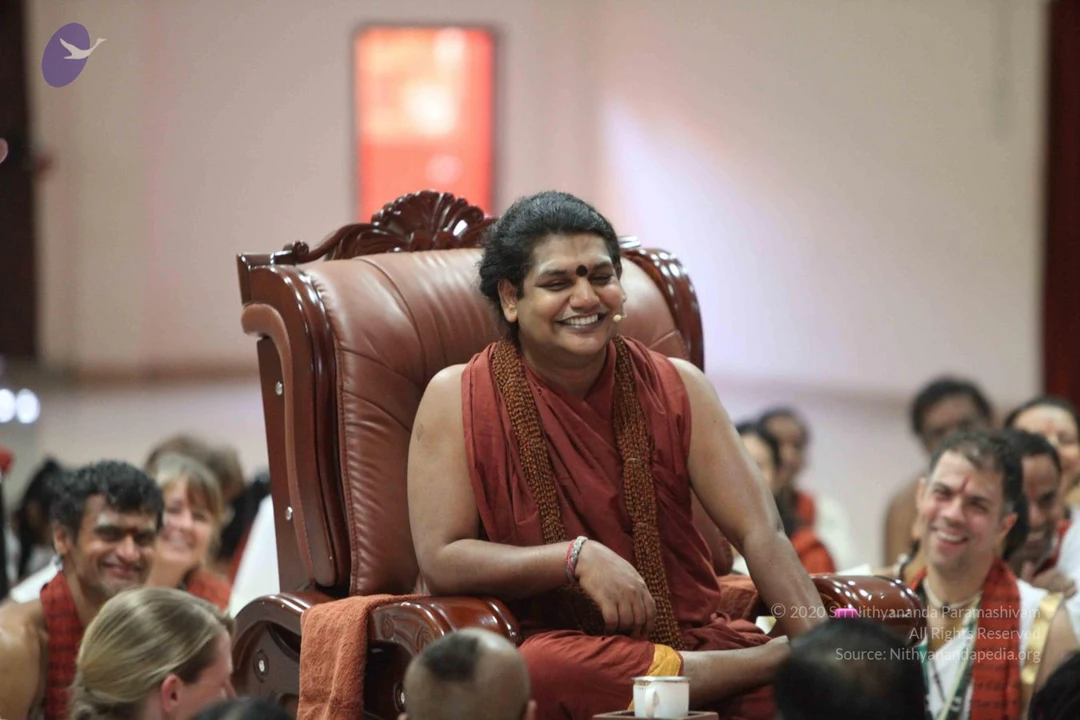
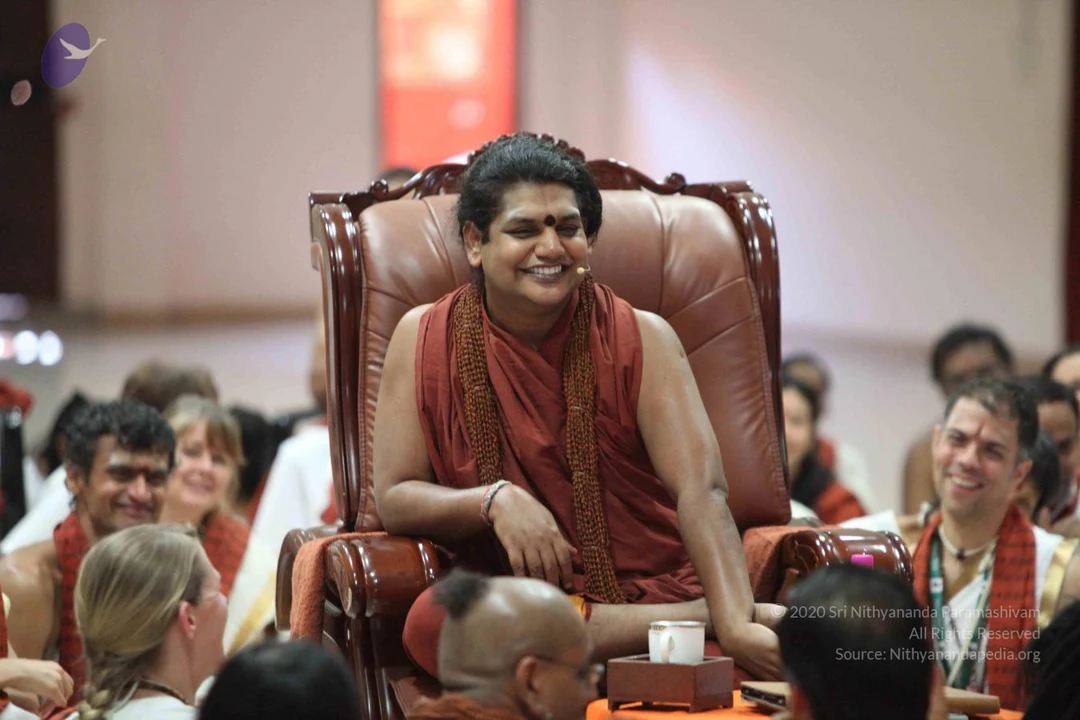
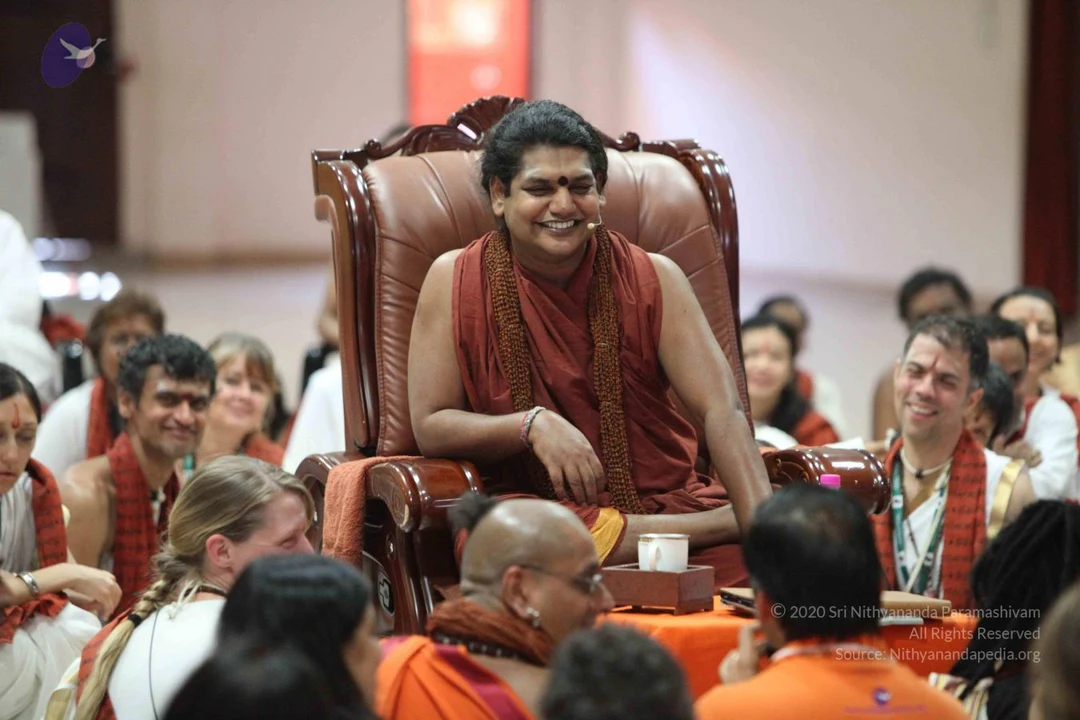
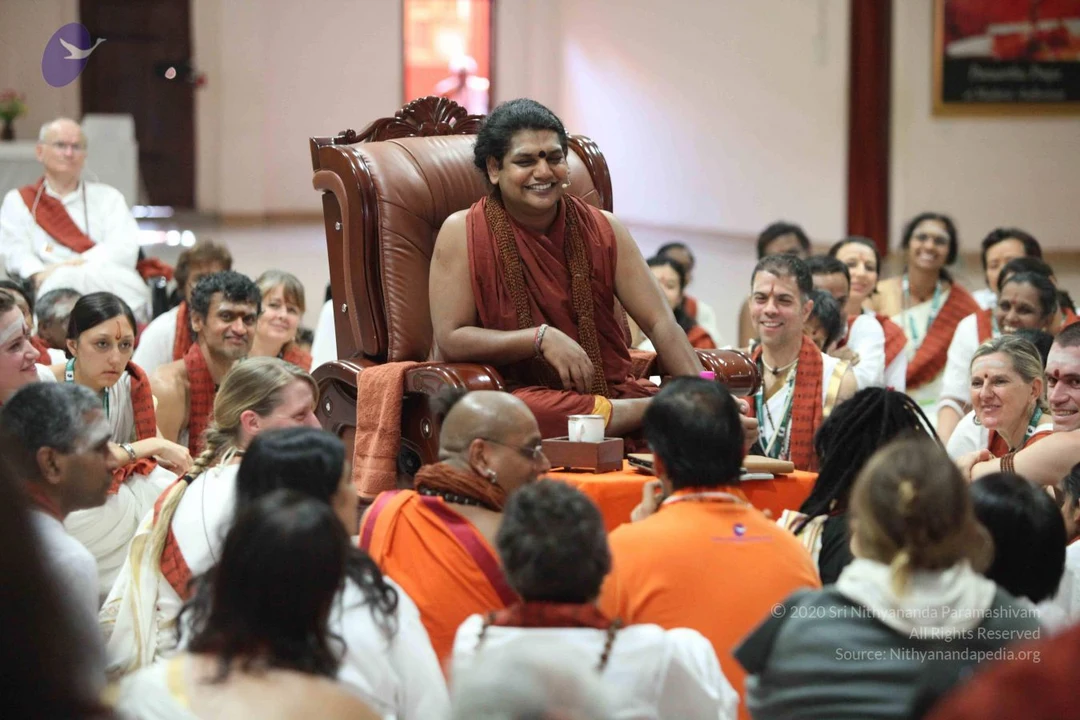
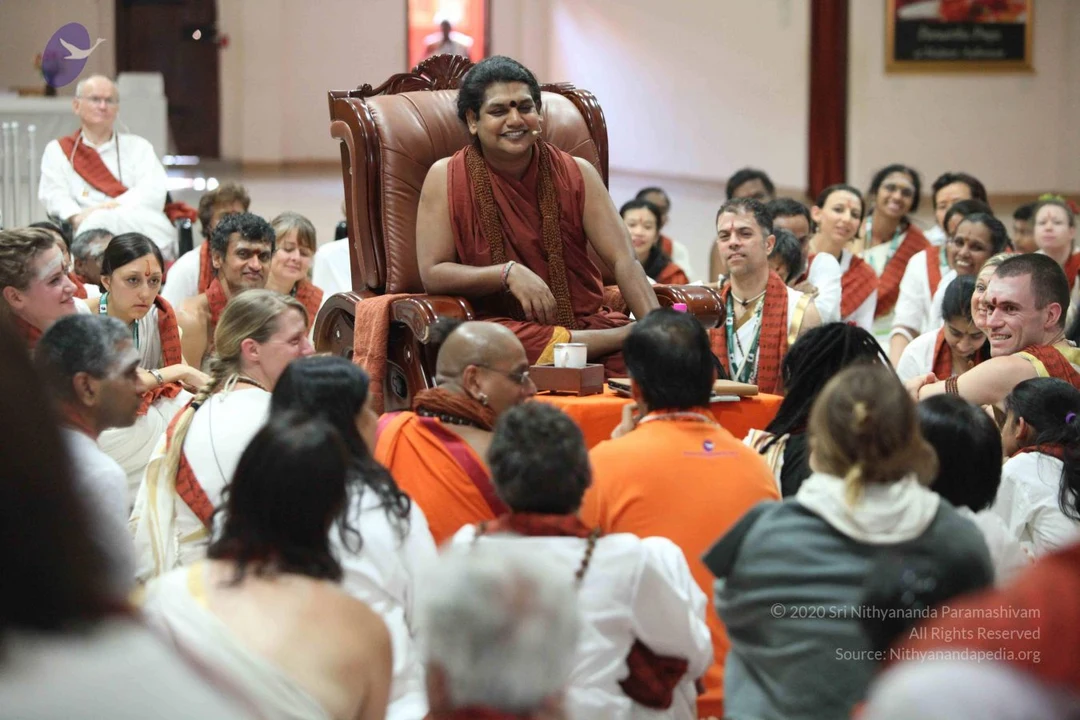
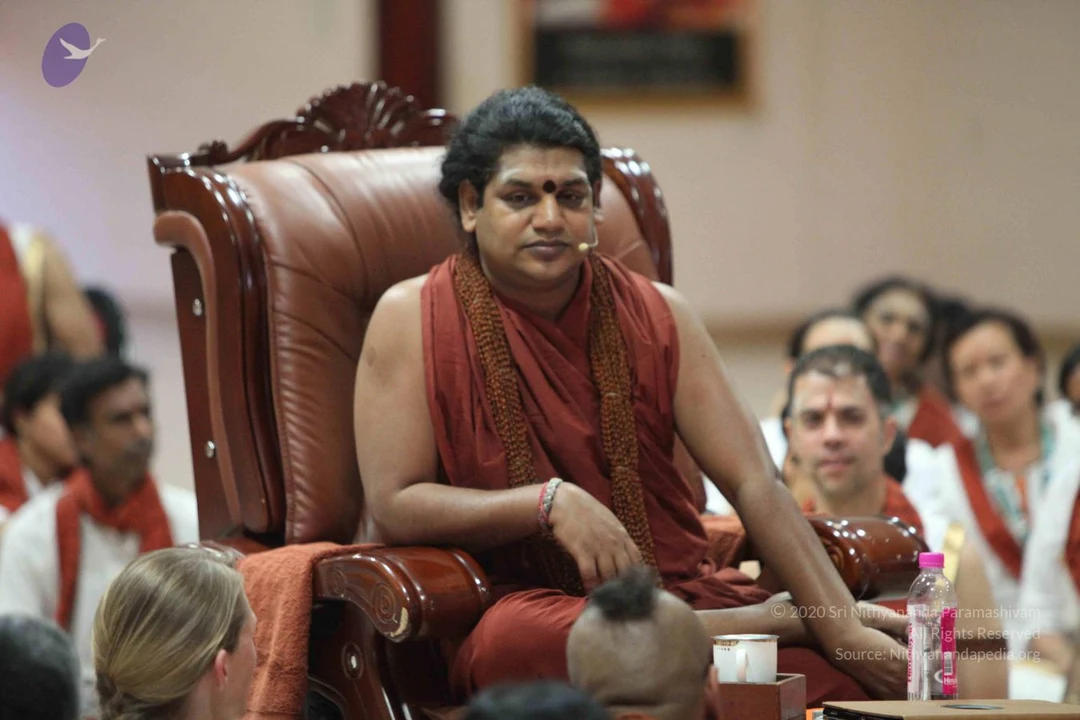
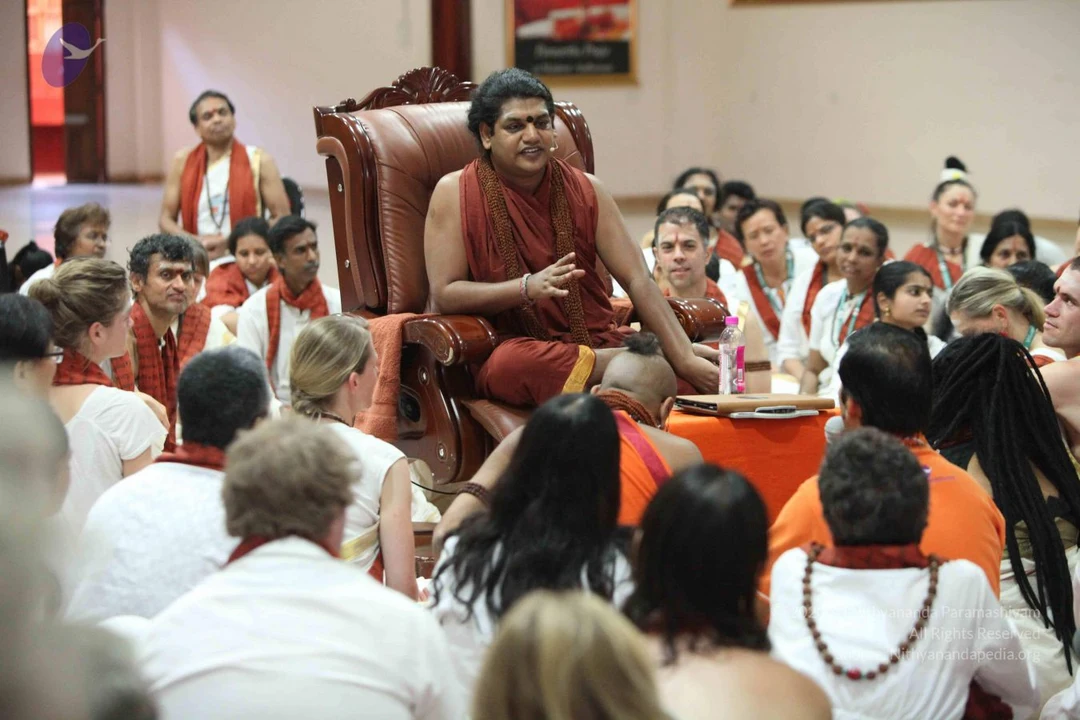
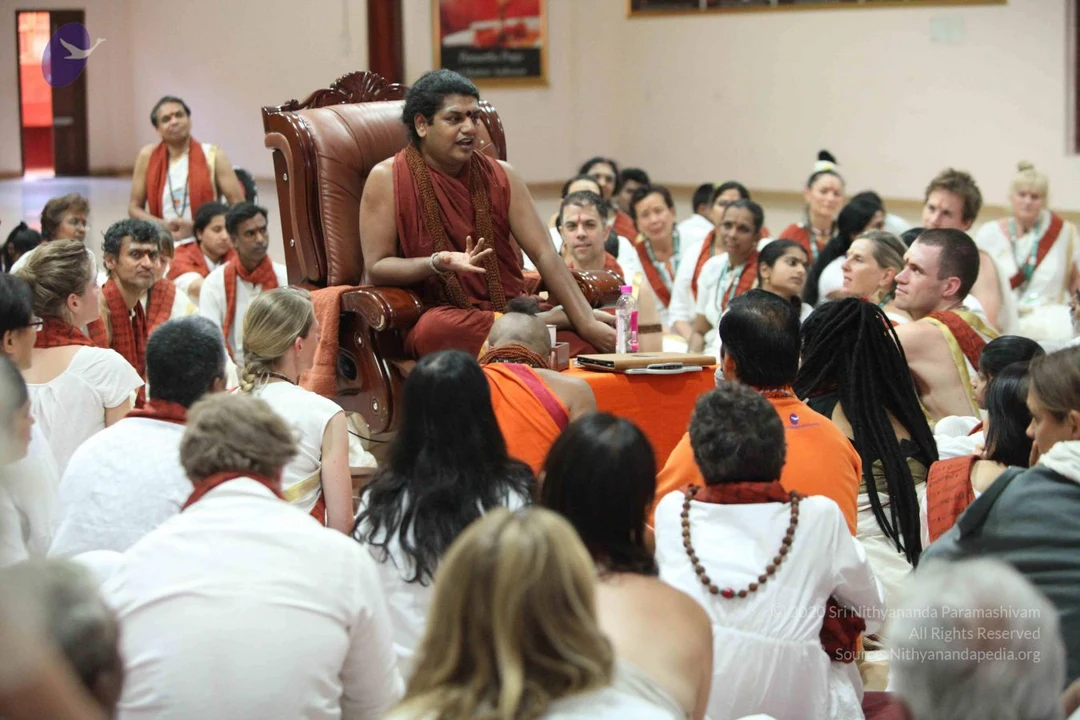
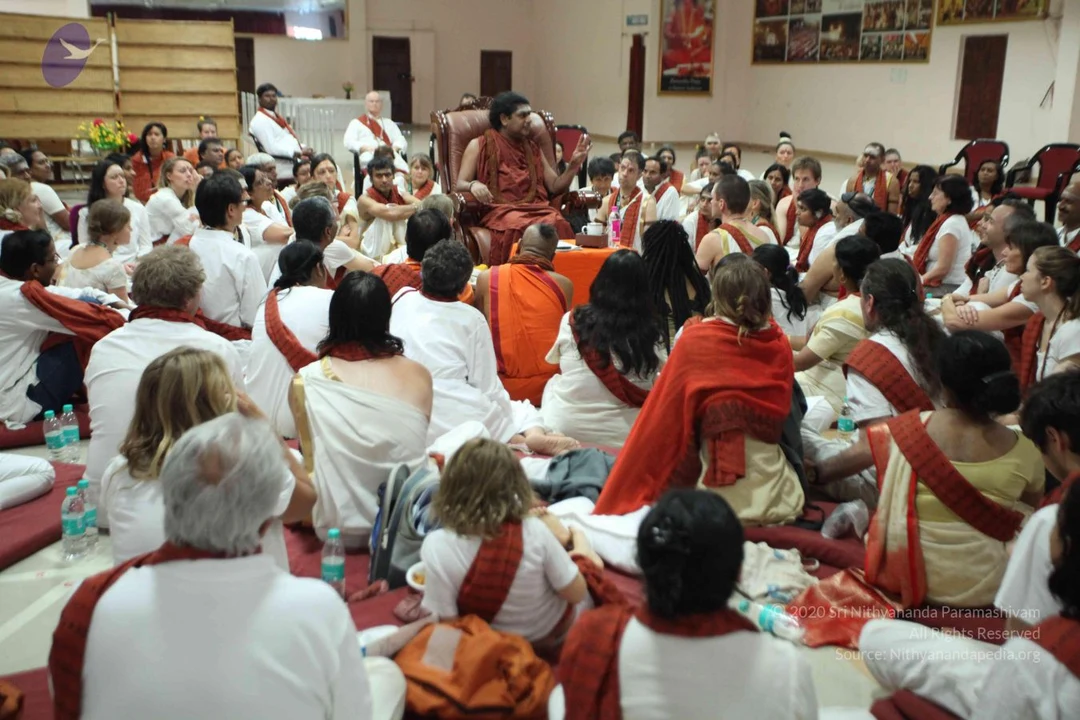
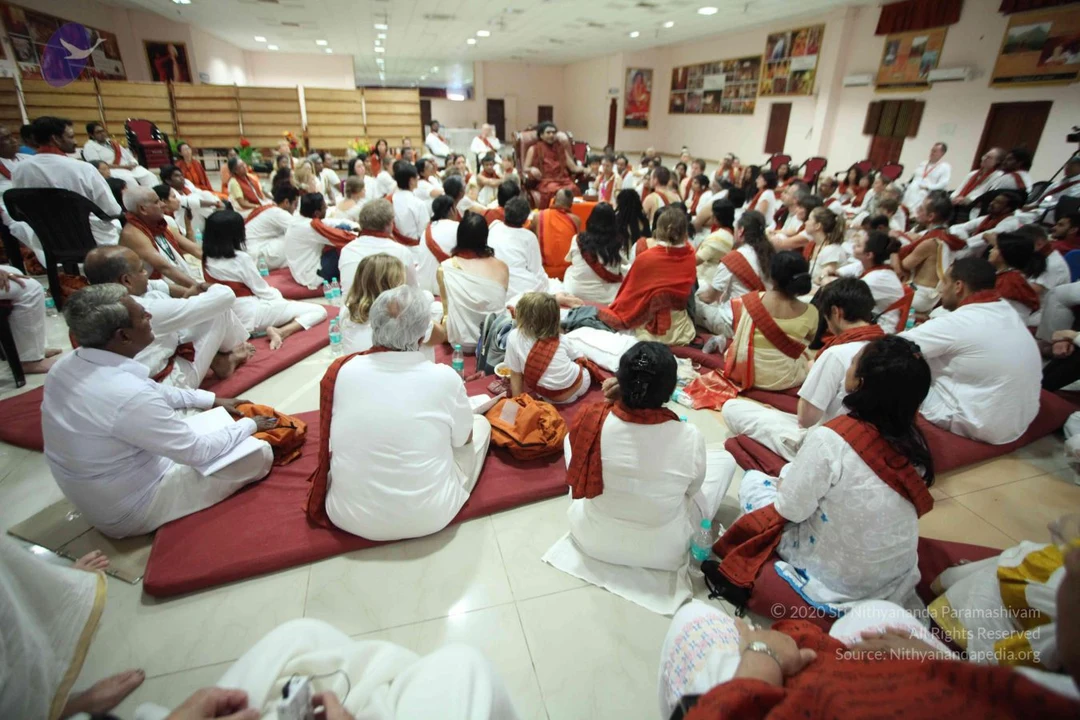
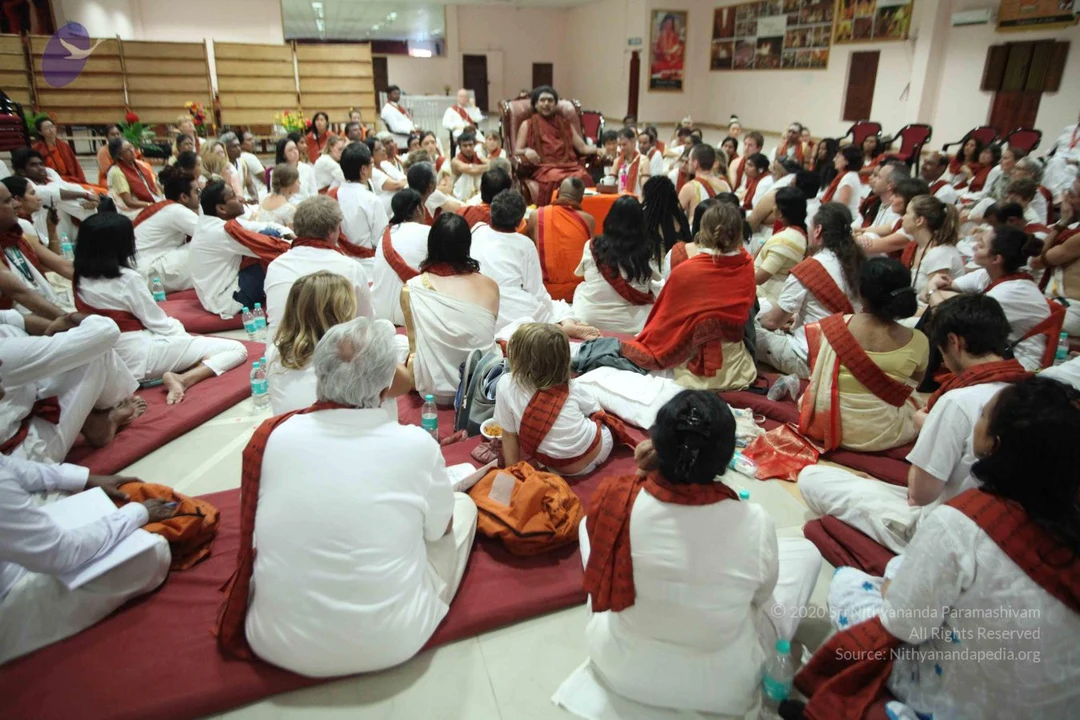
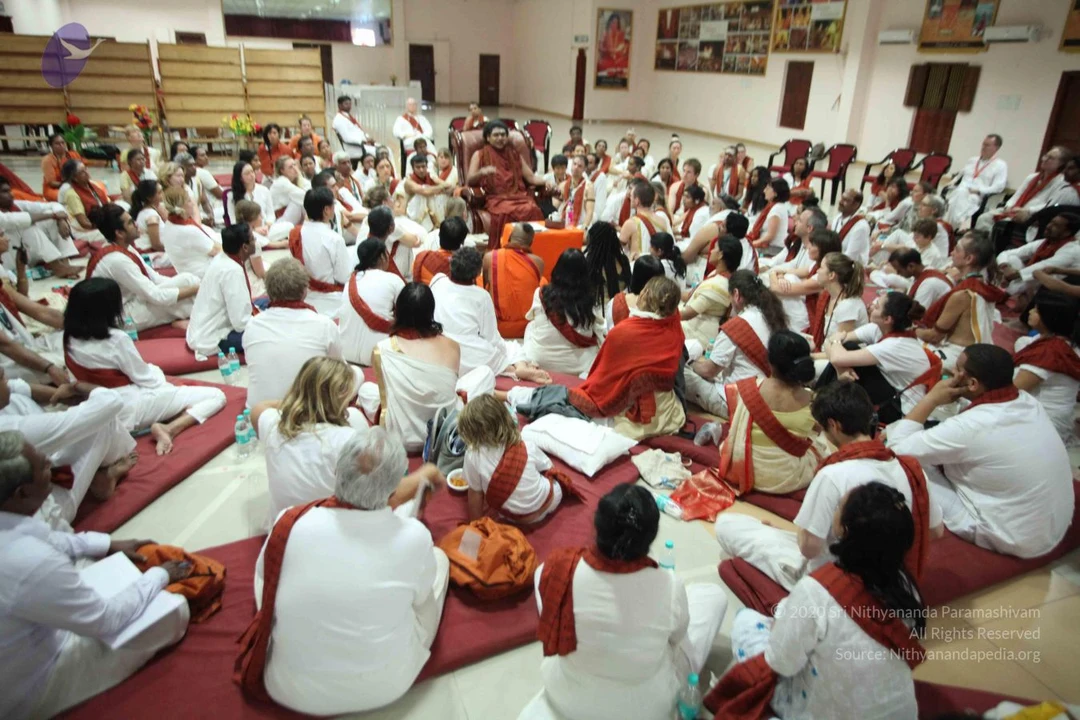
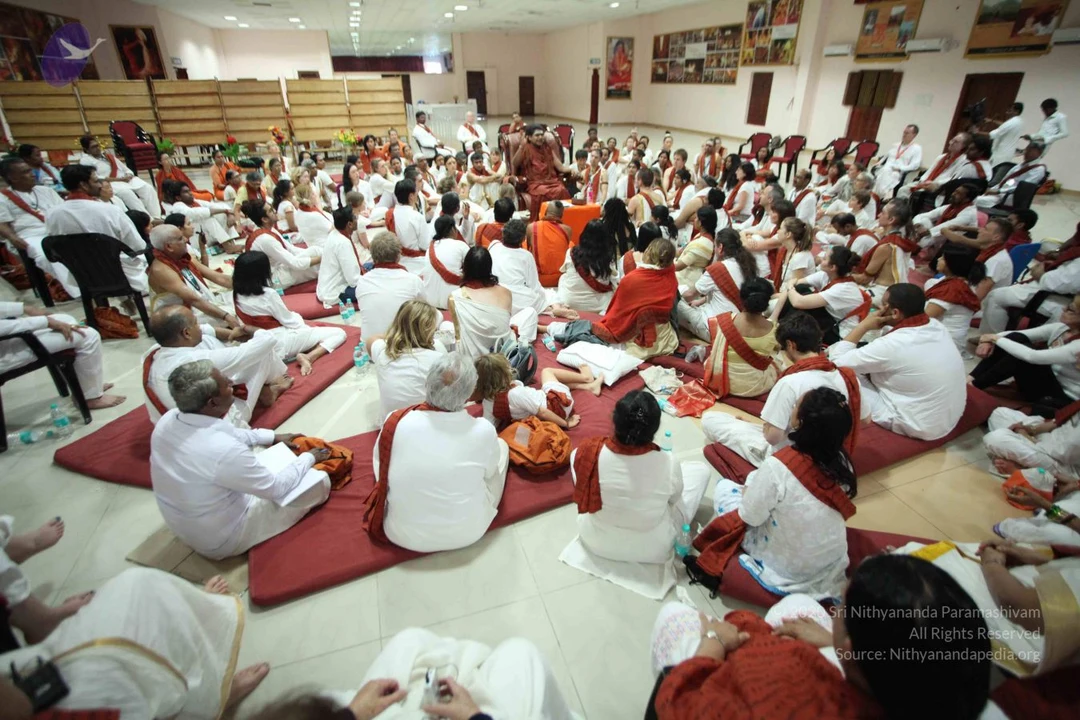
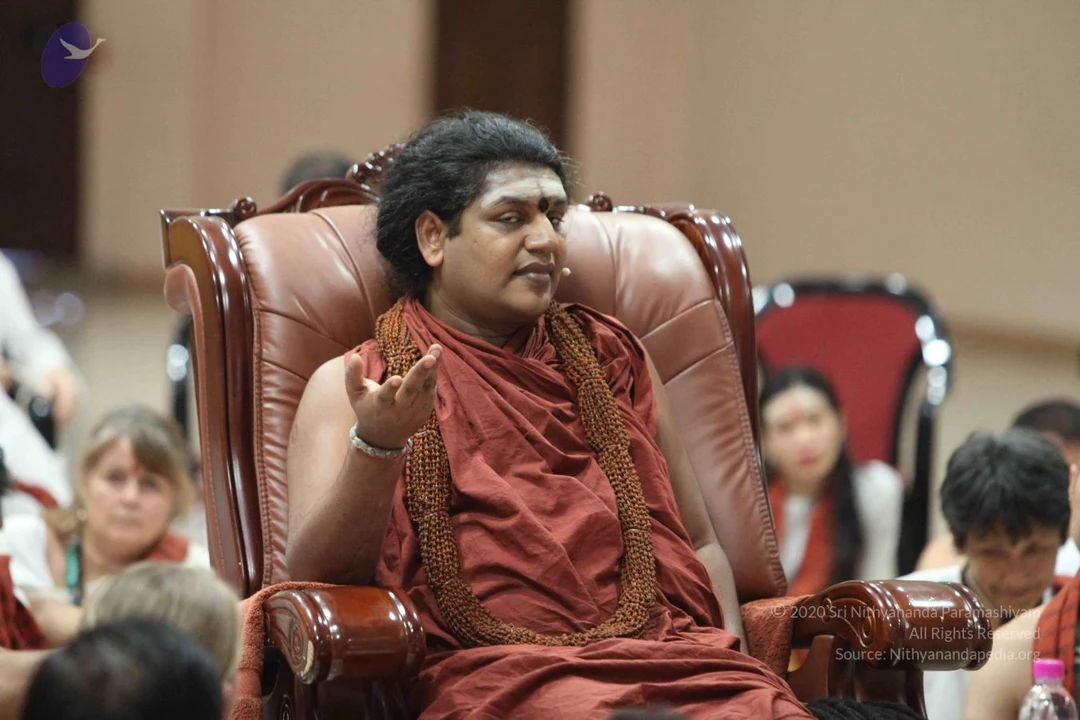
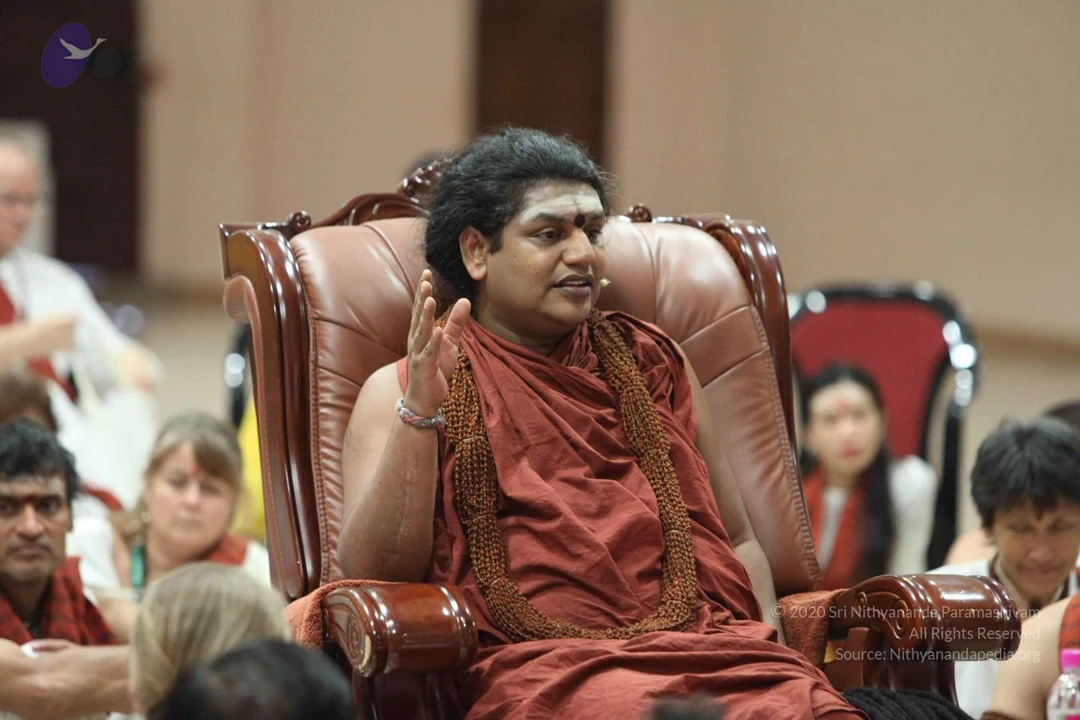
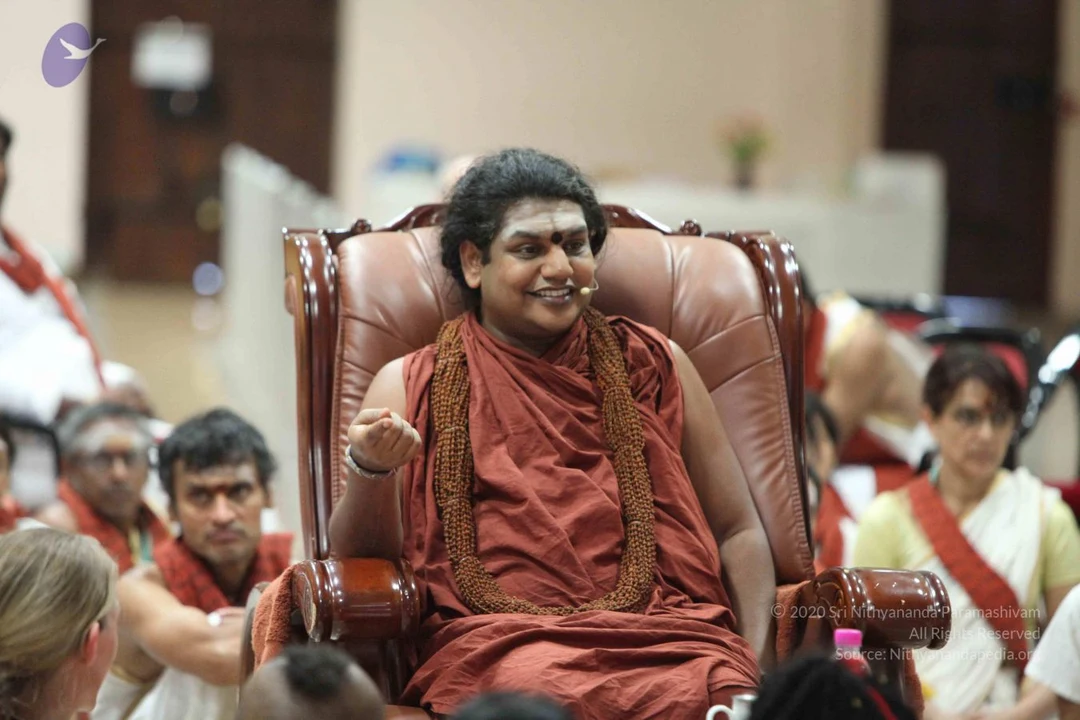
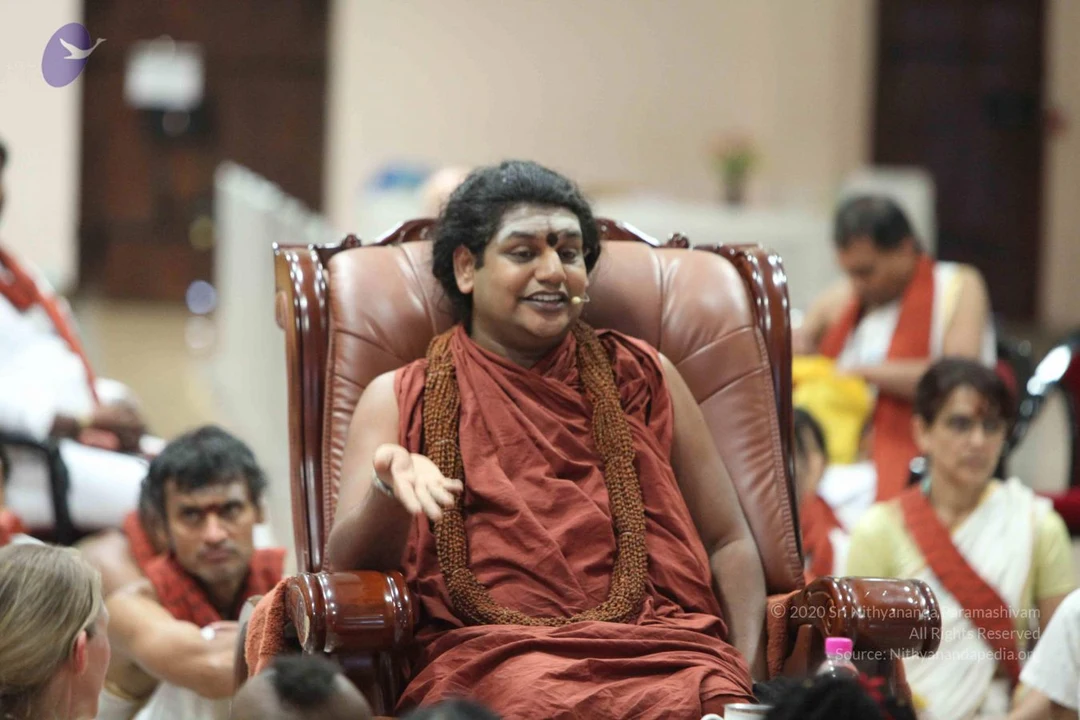
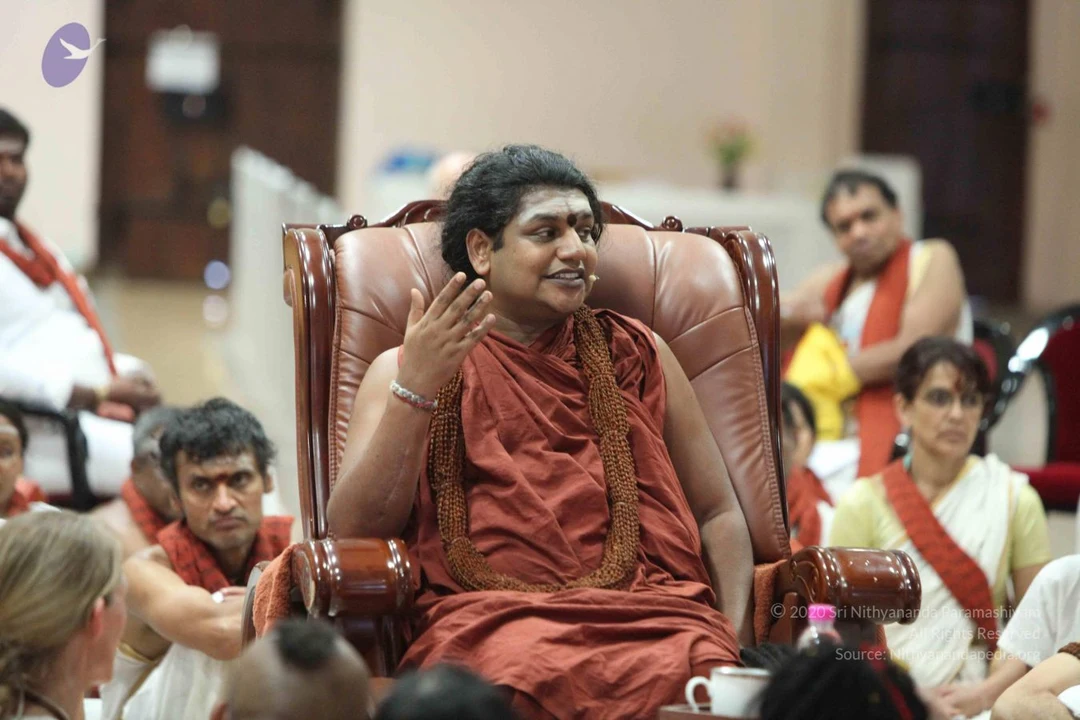
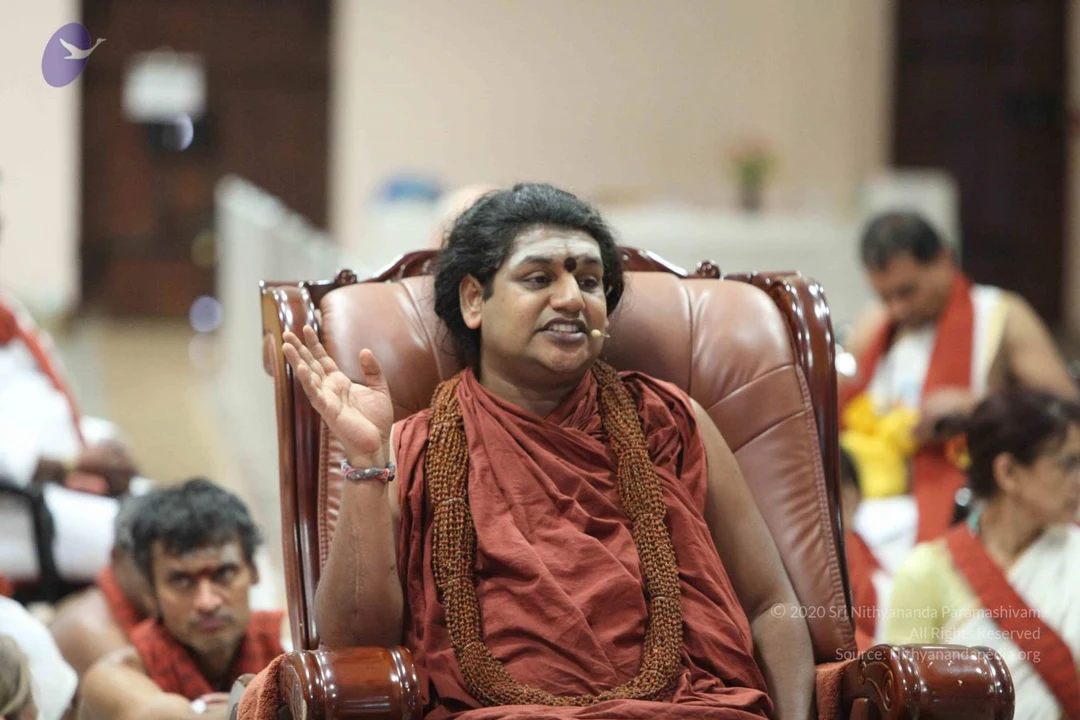
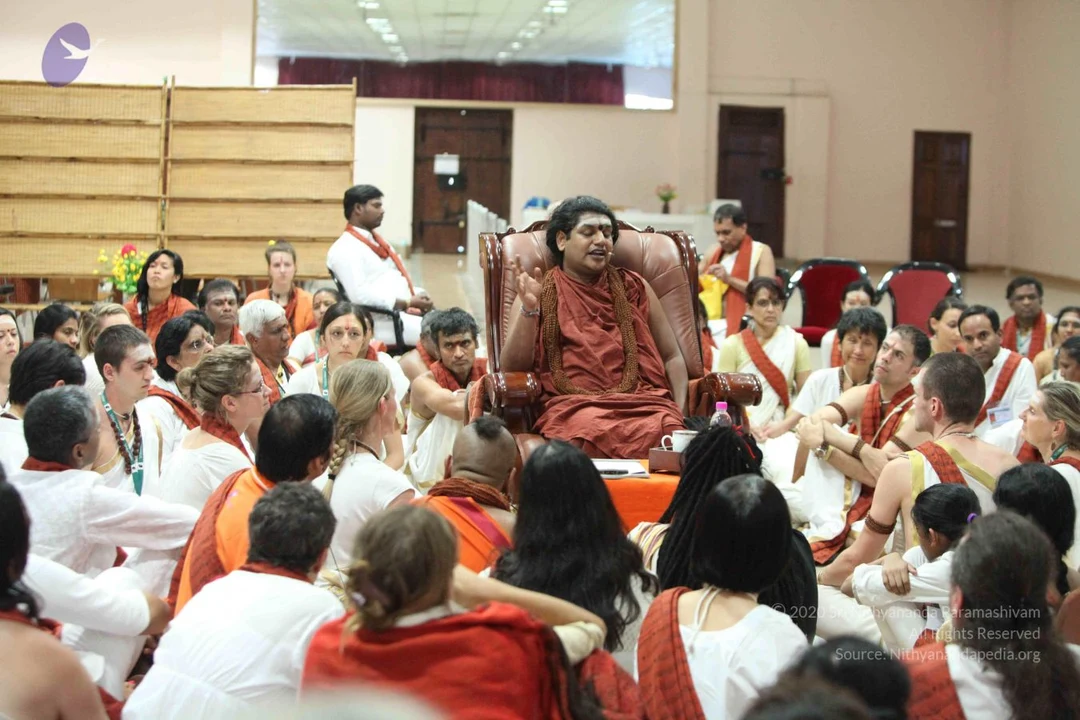
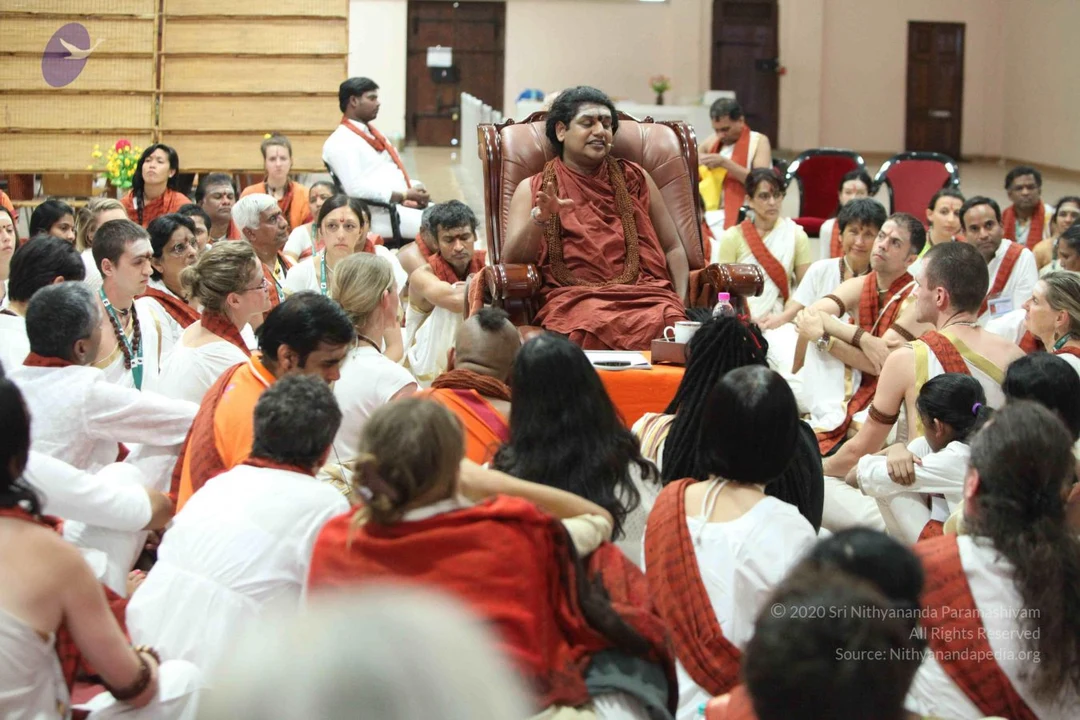
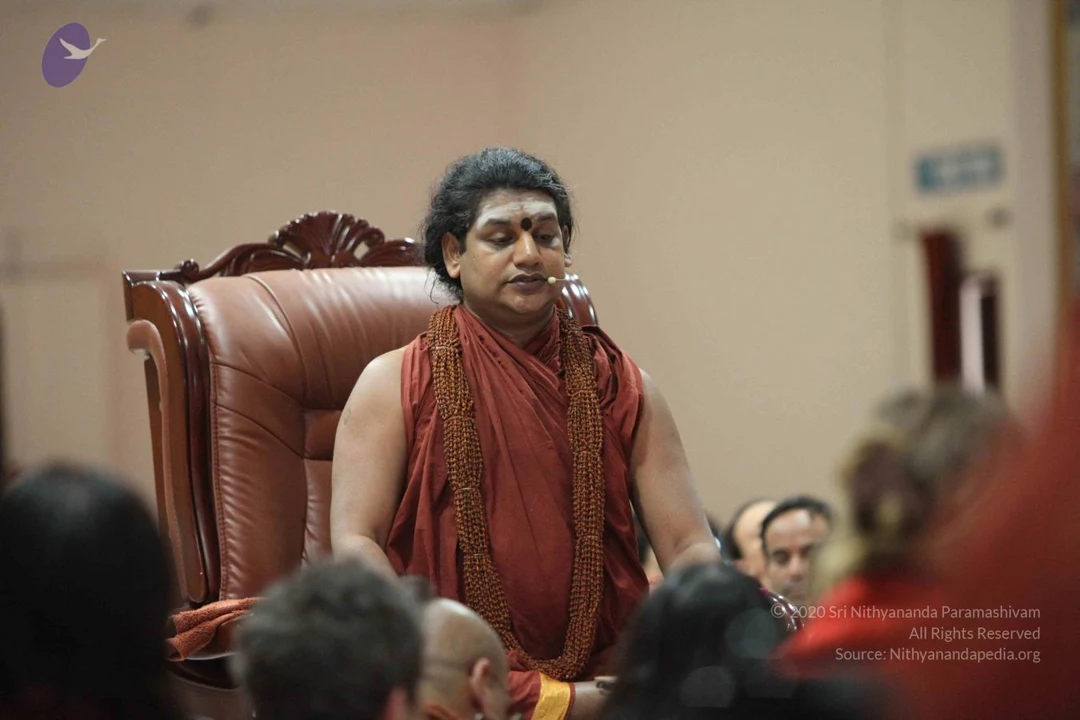
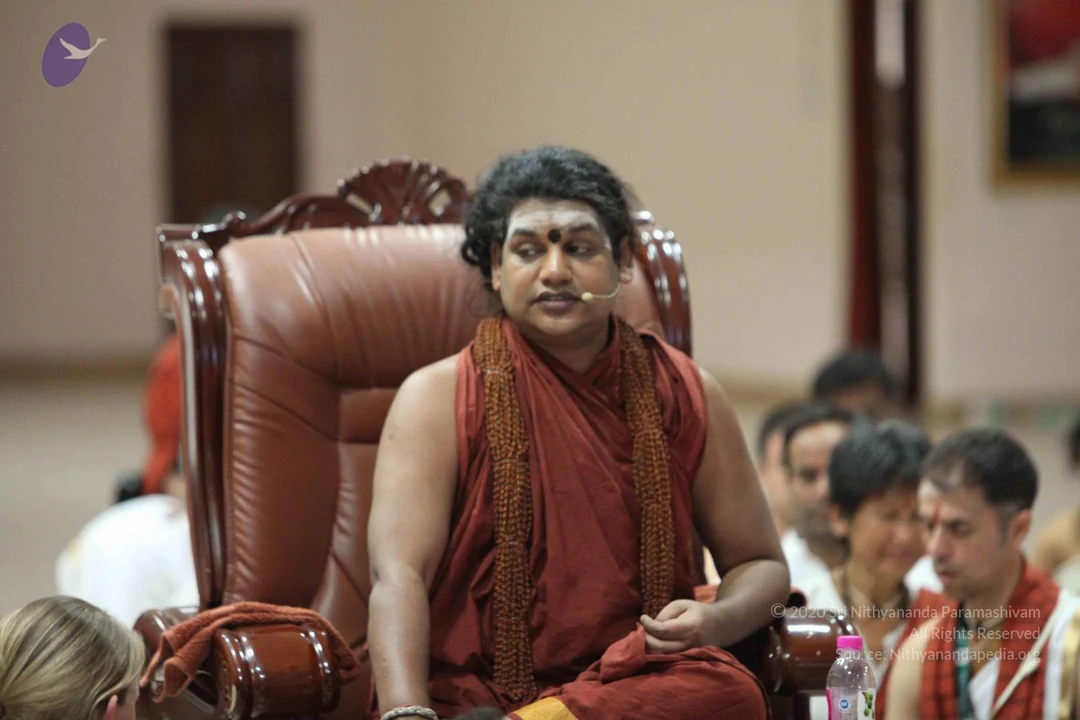
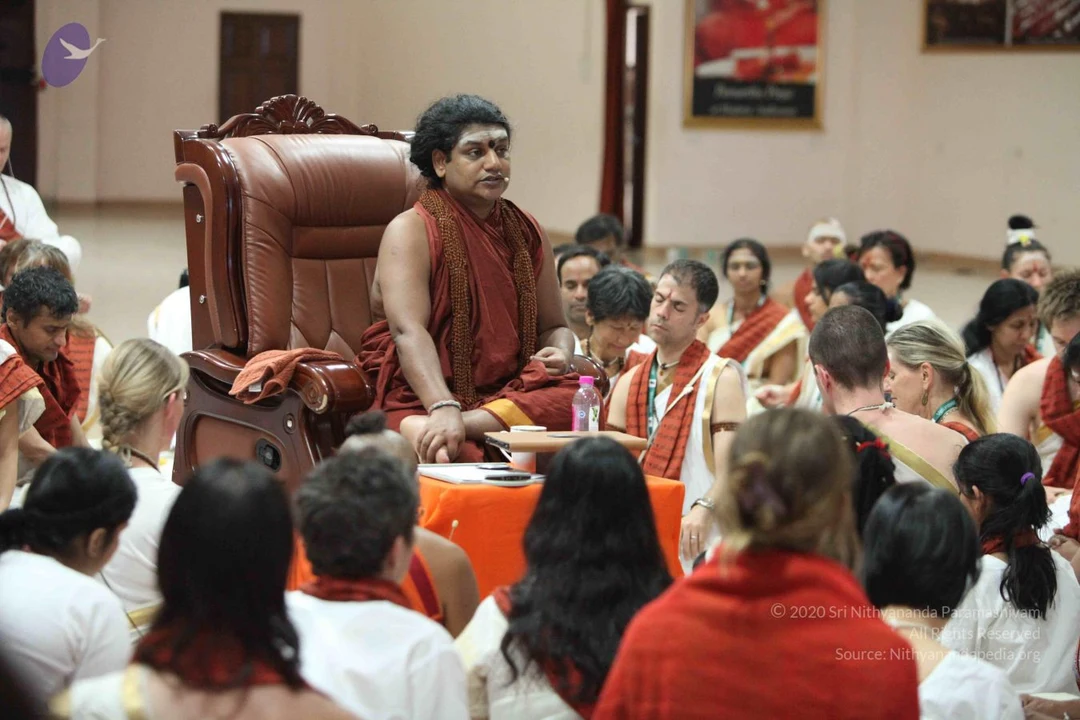
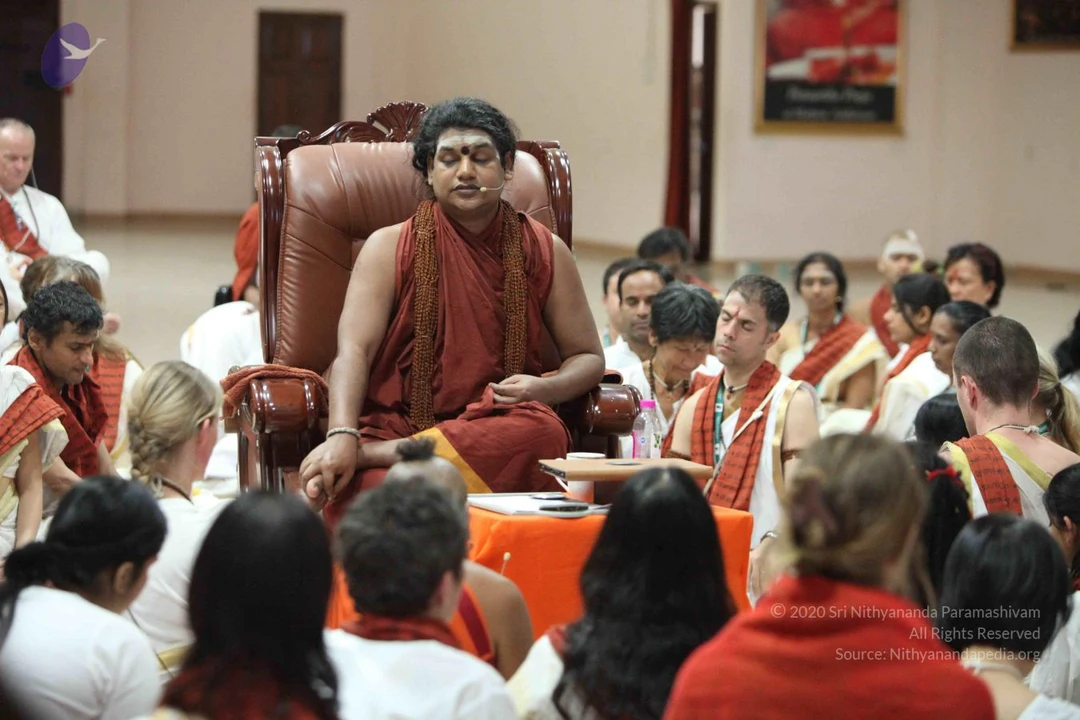
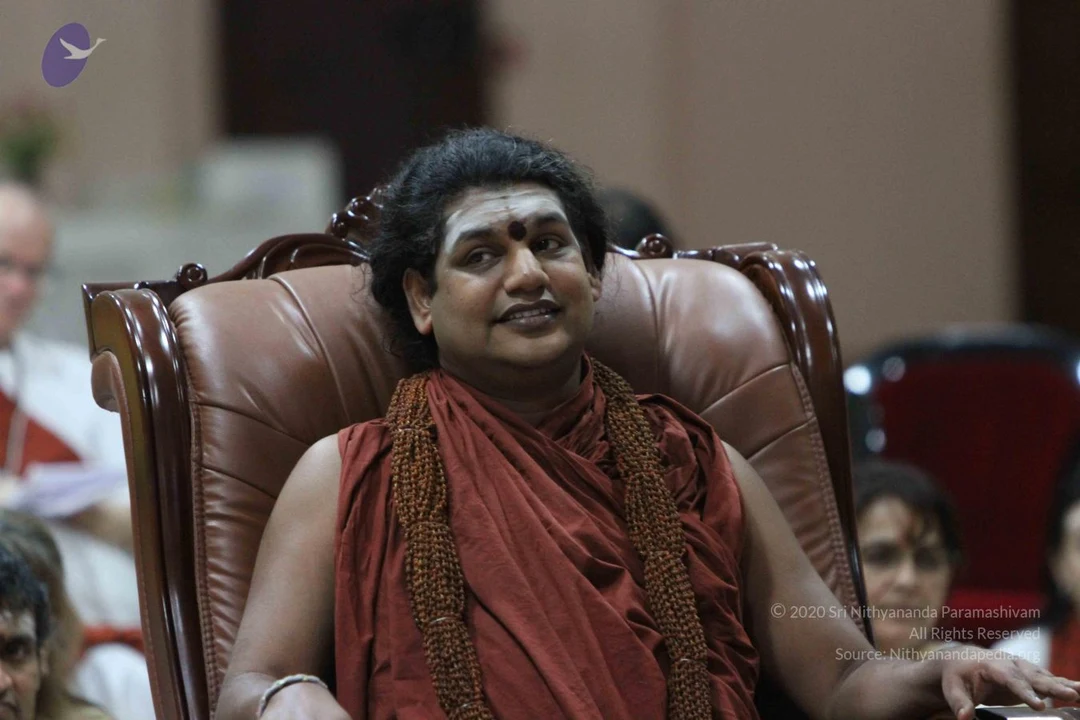
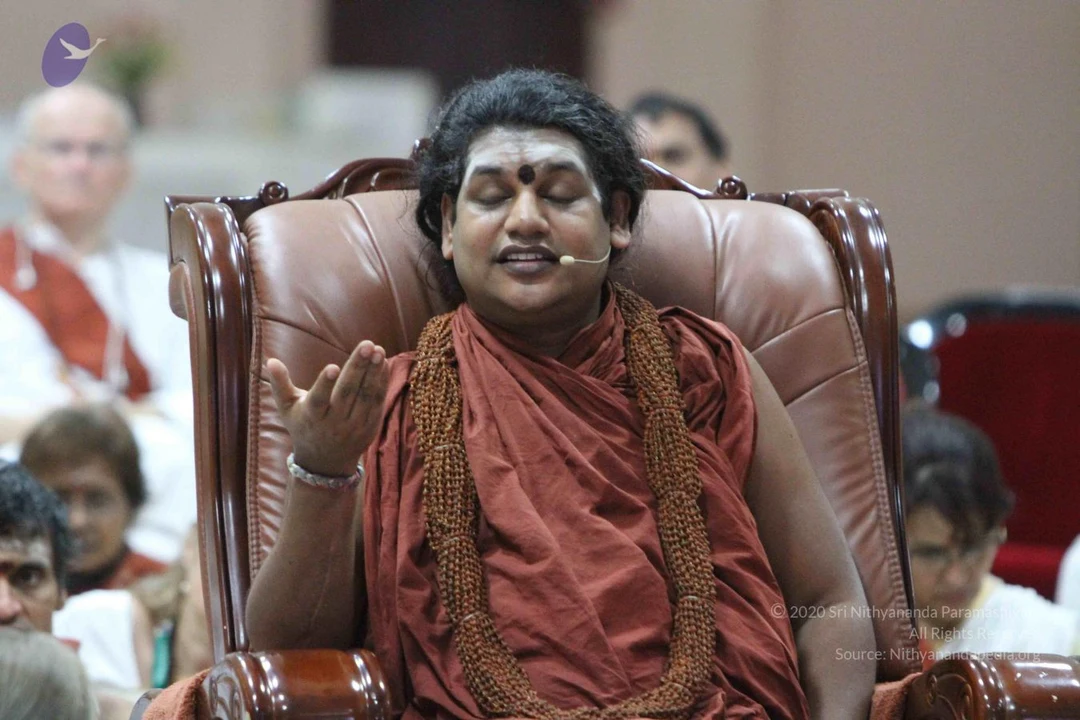
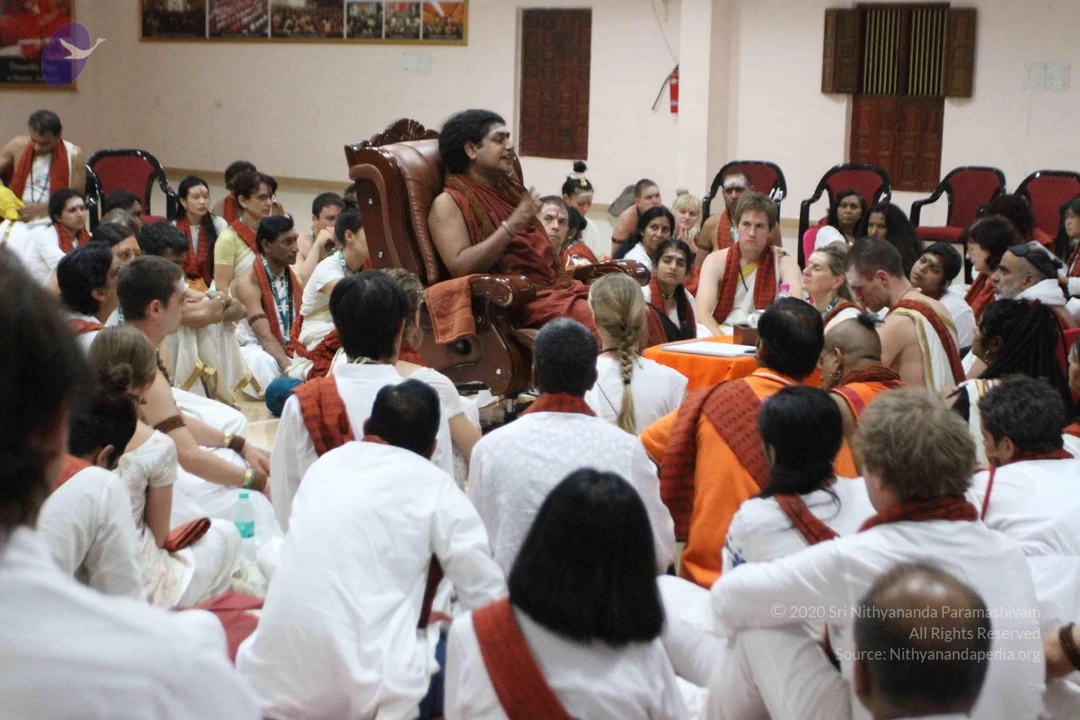
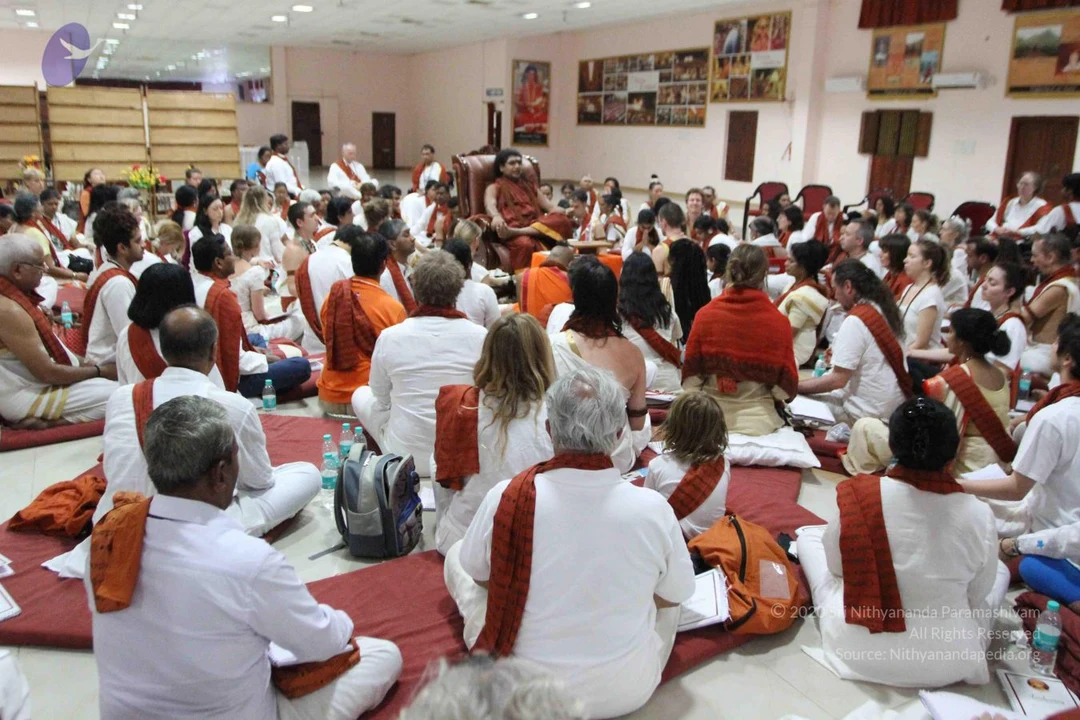
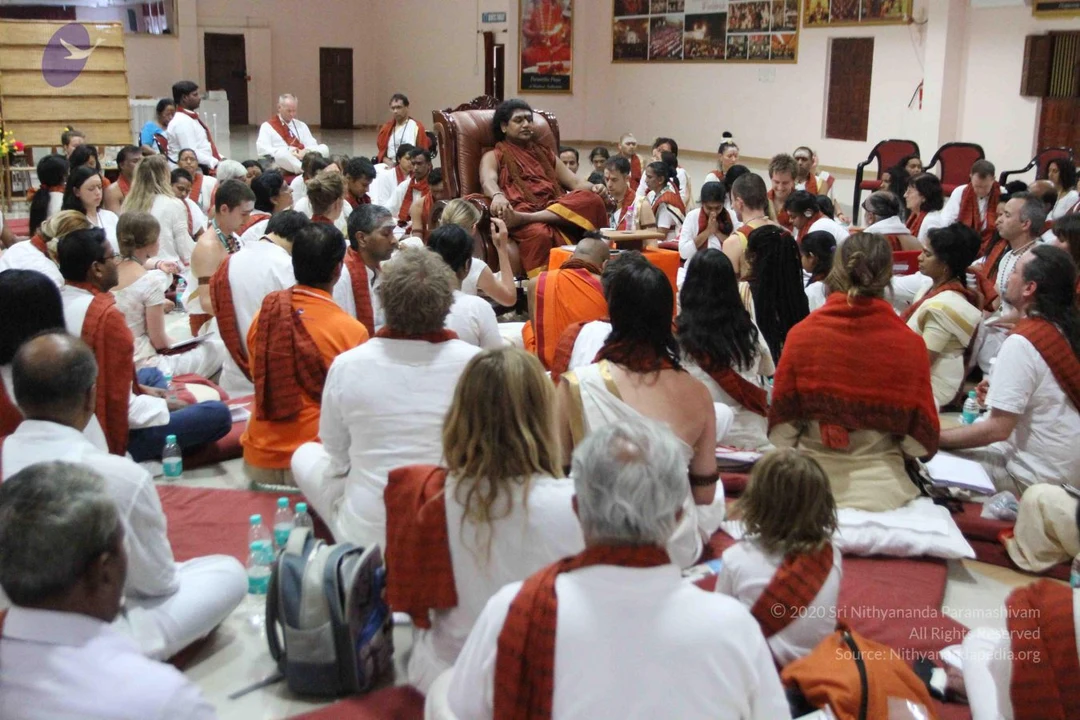
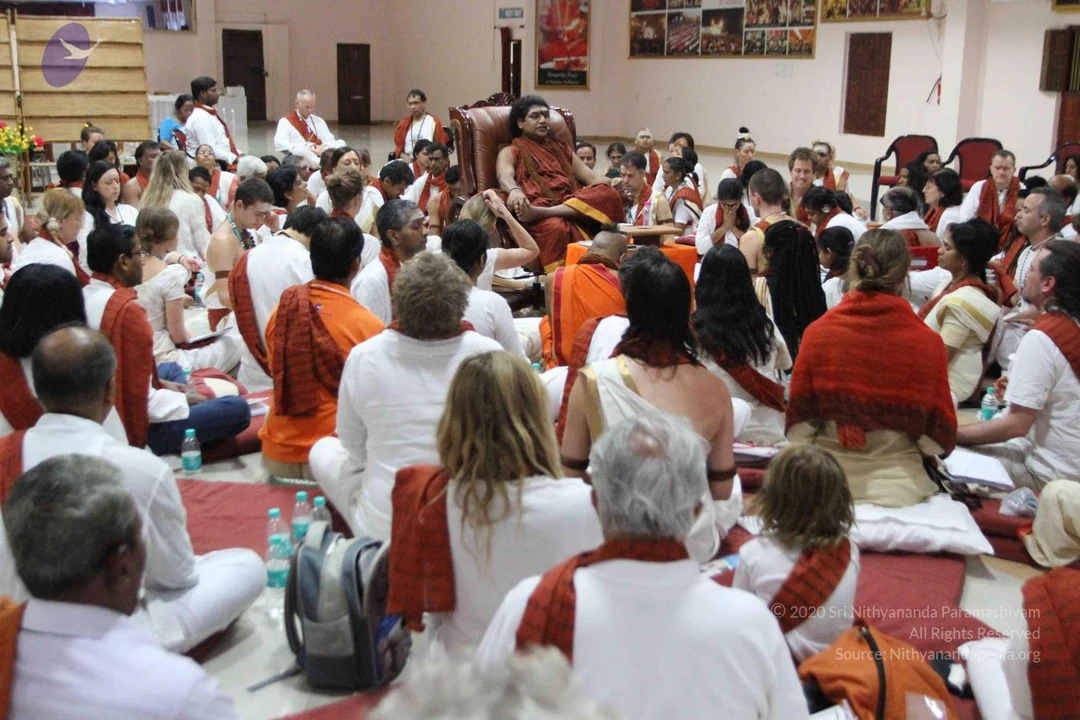
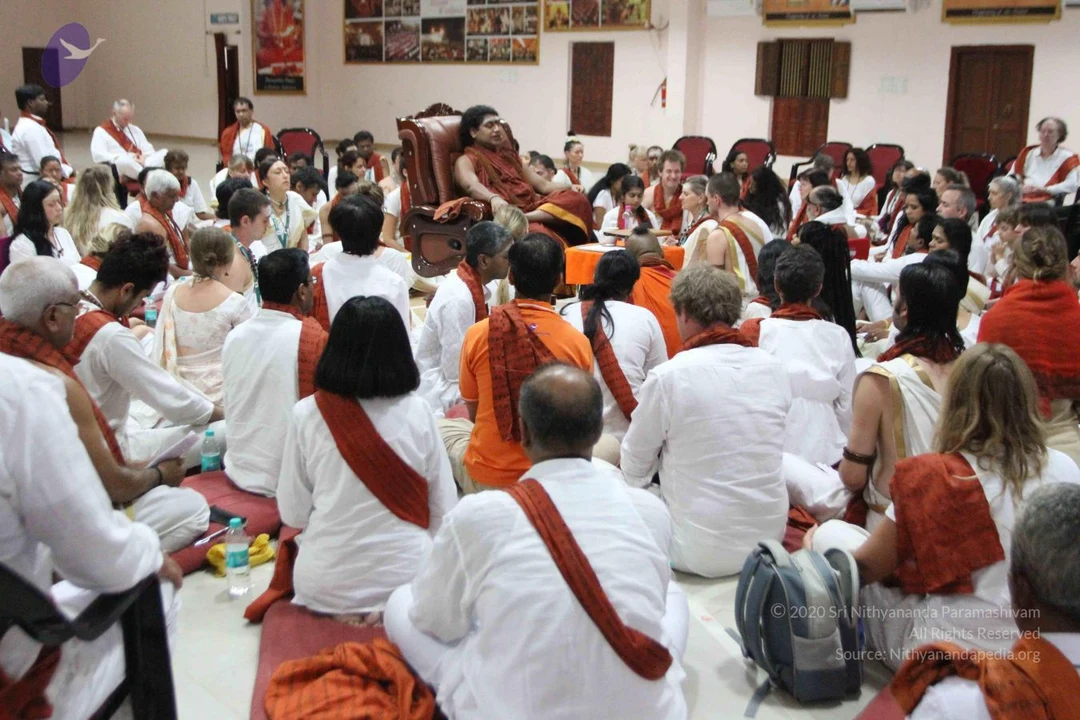
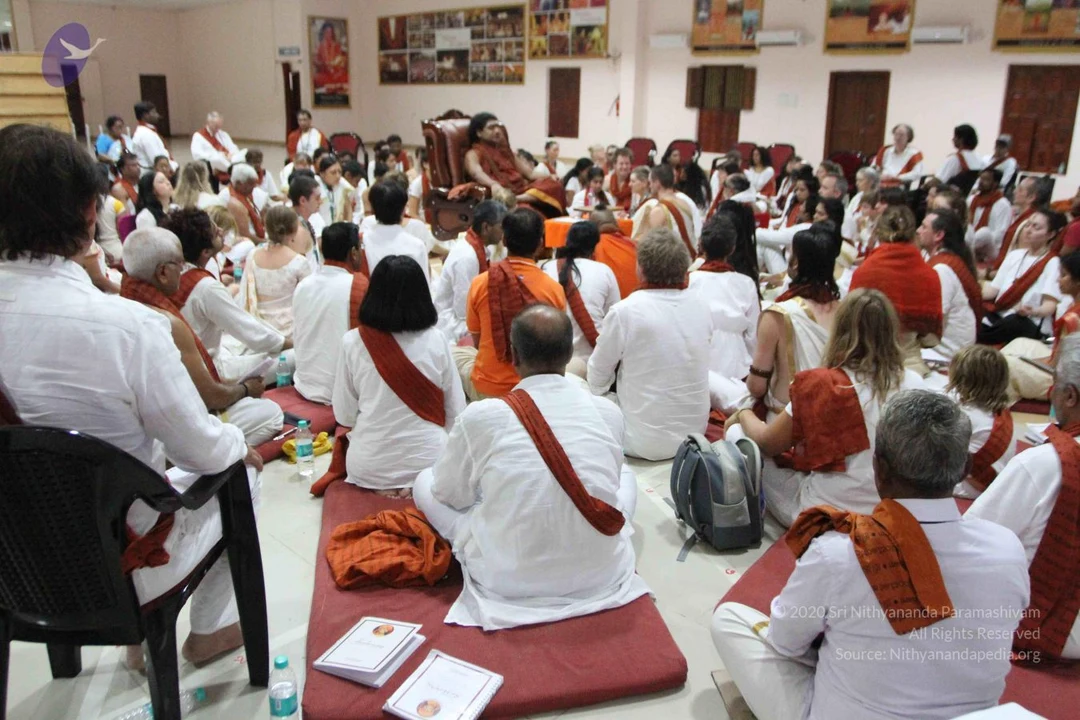
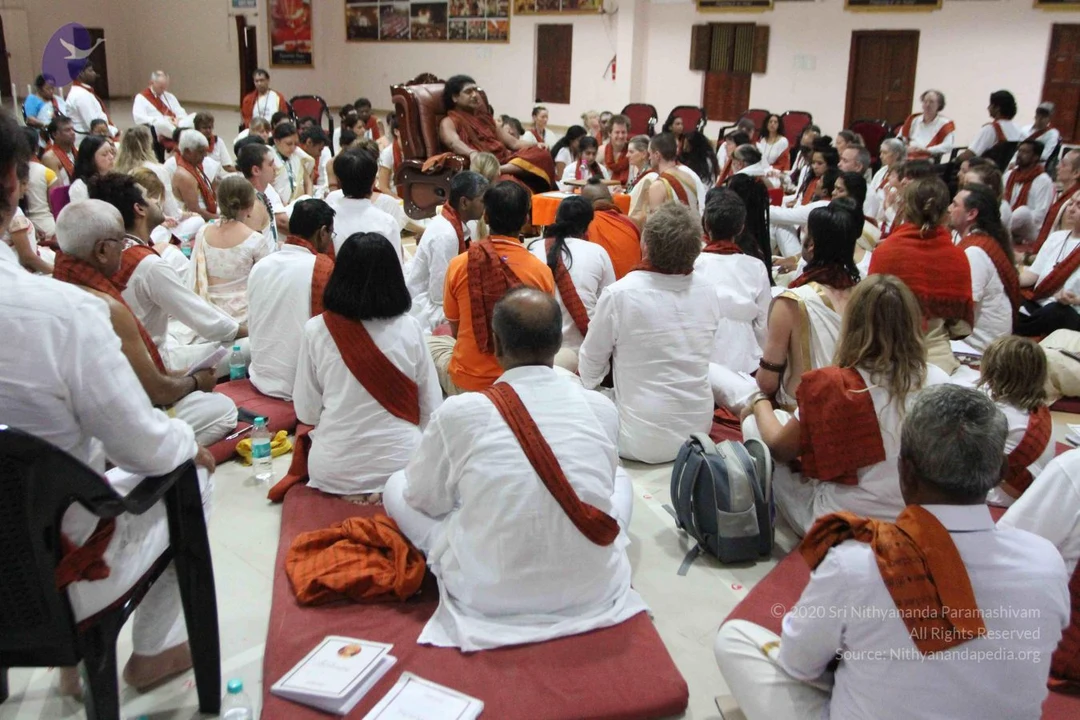
Ratothsavam
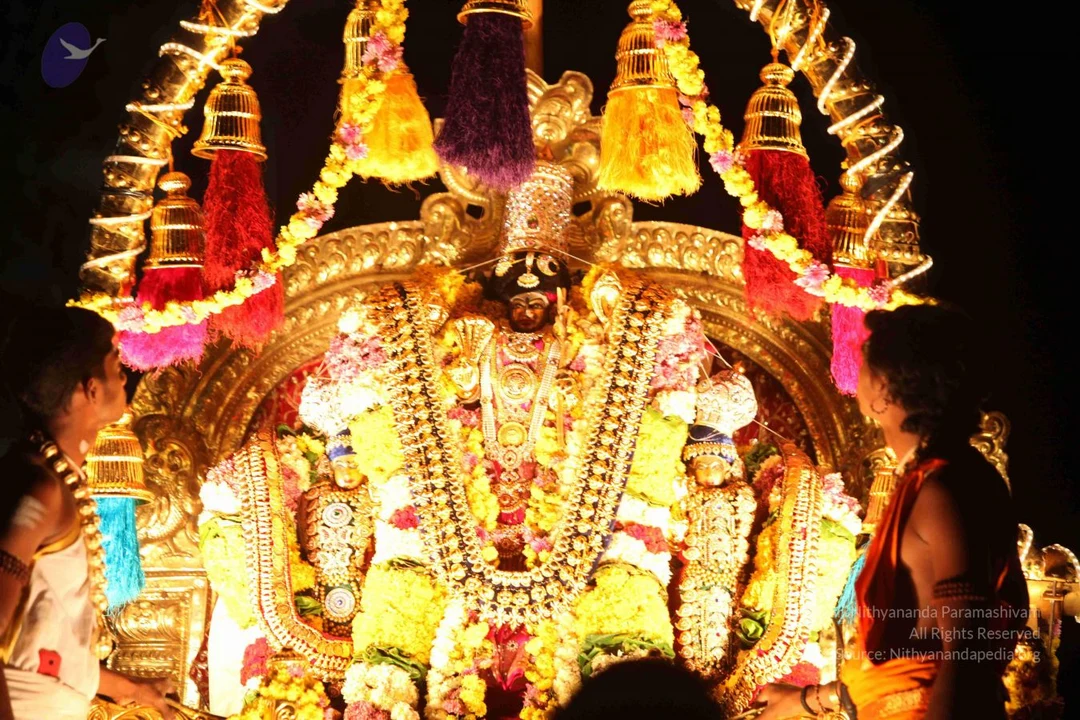
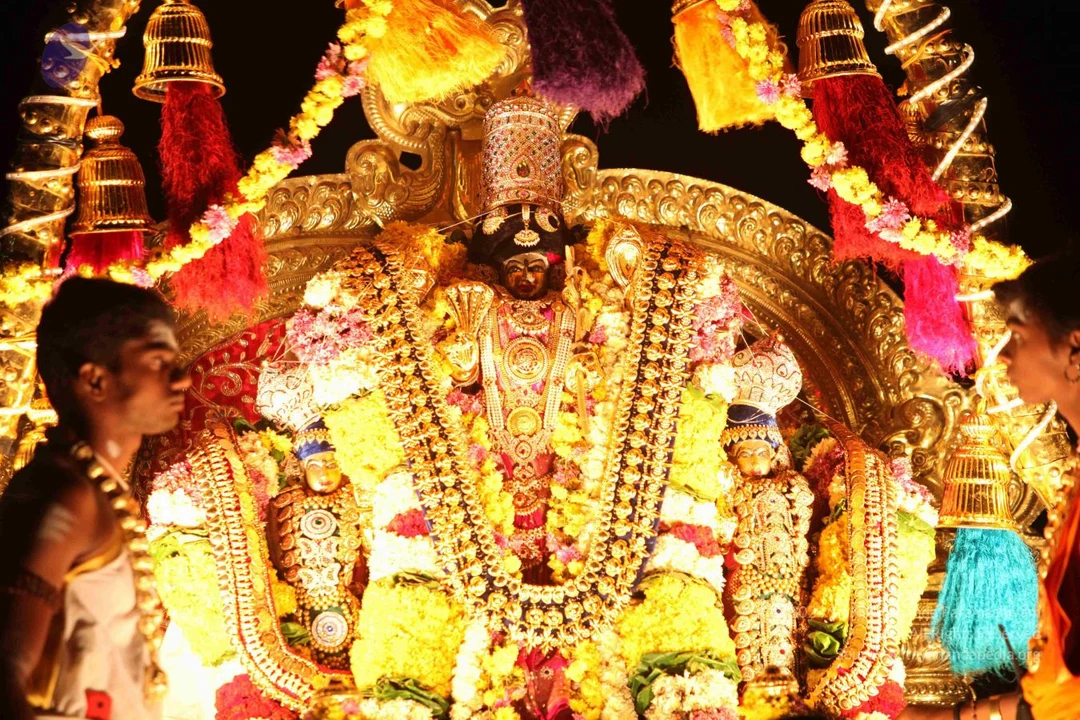
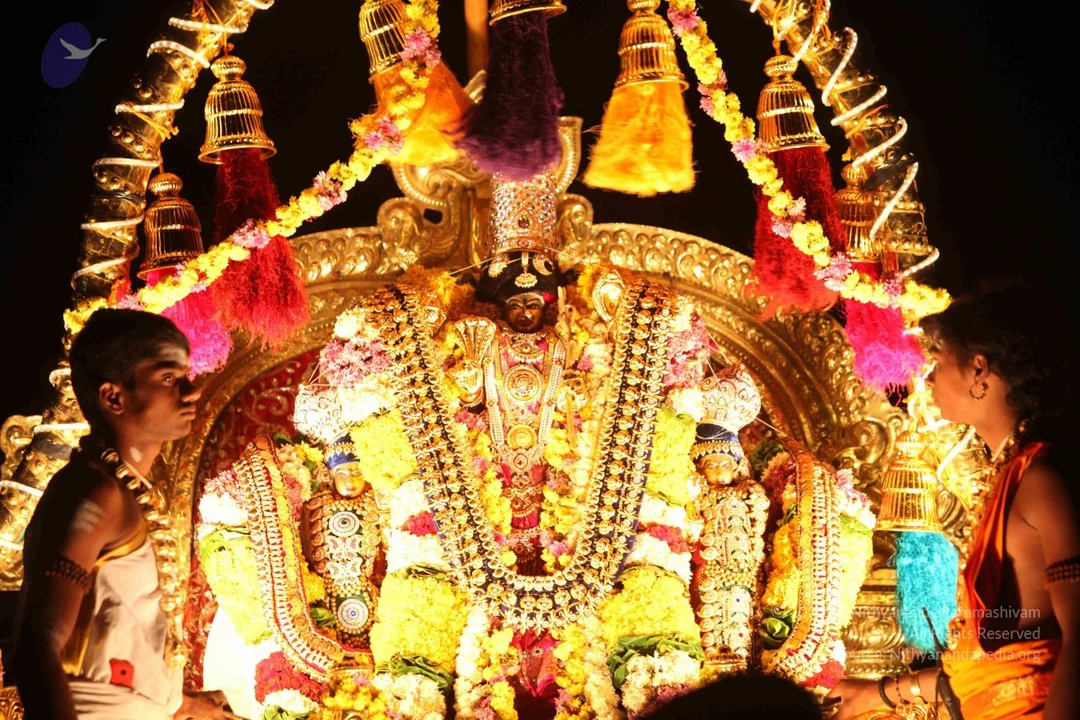
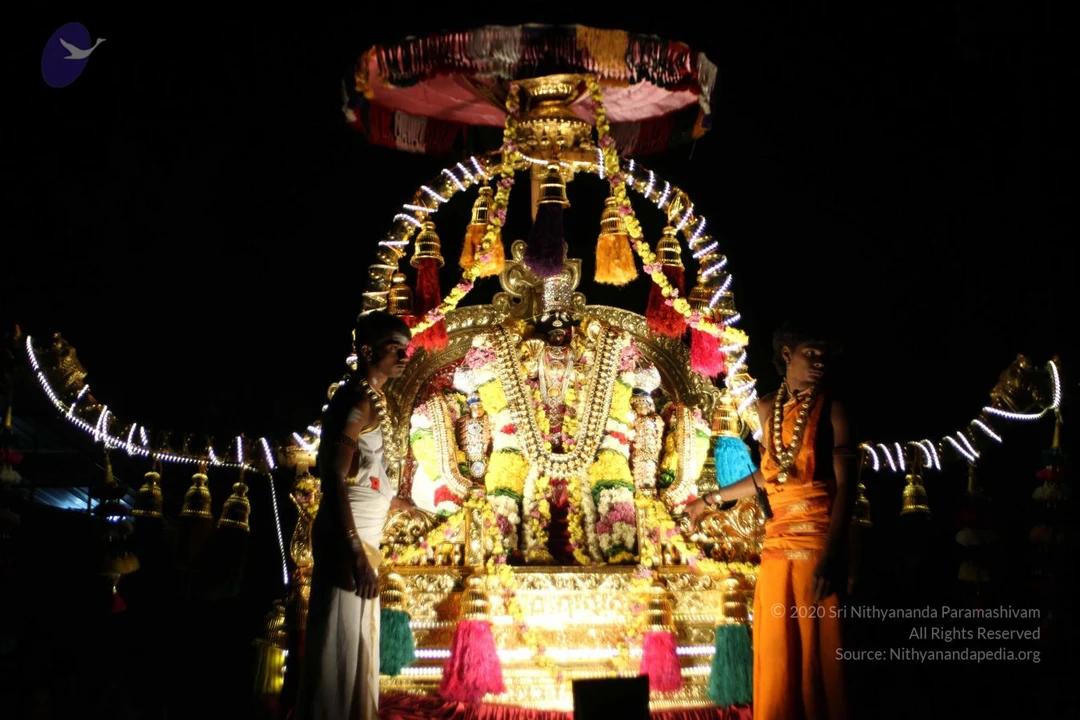
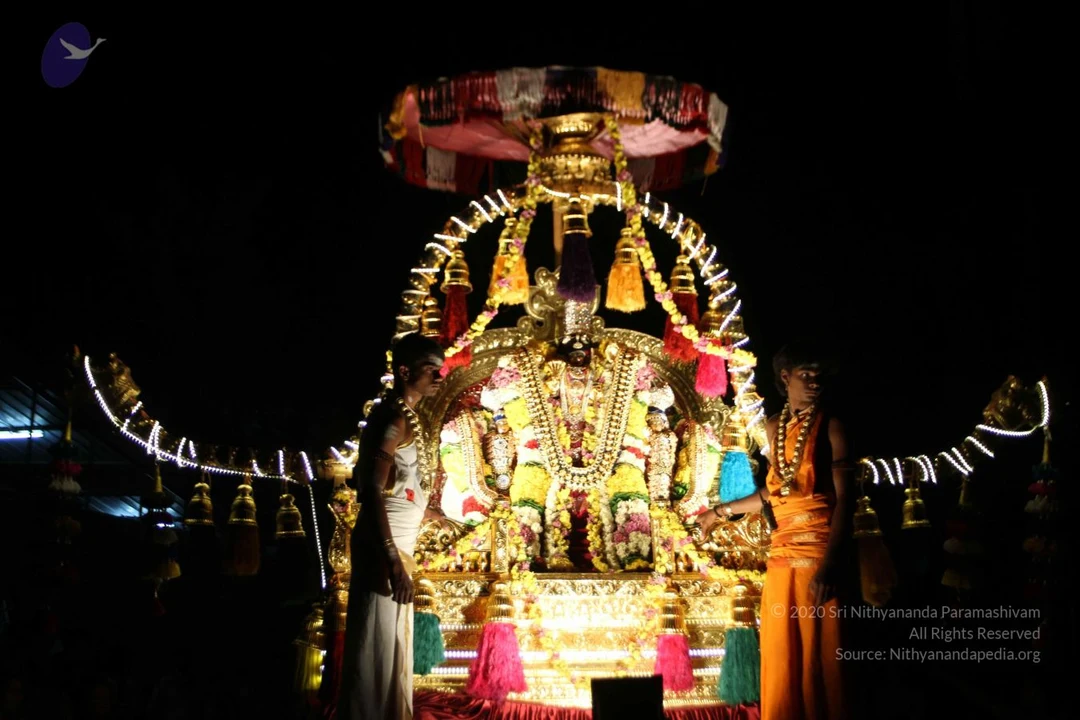
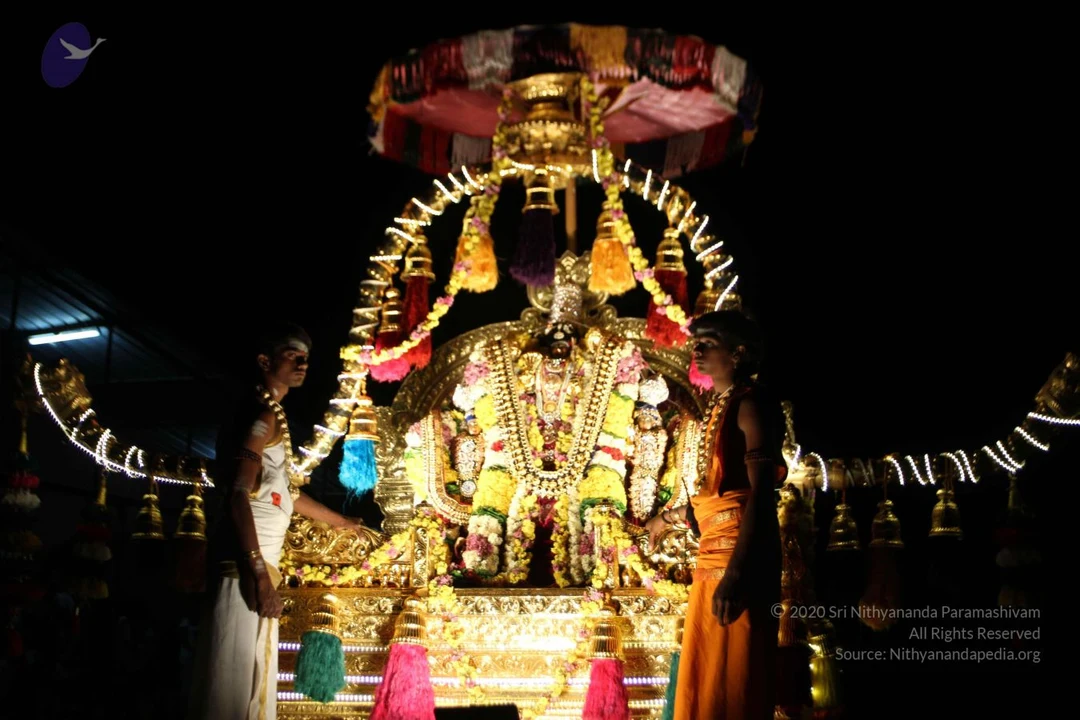
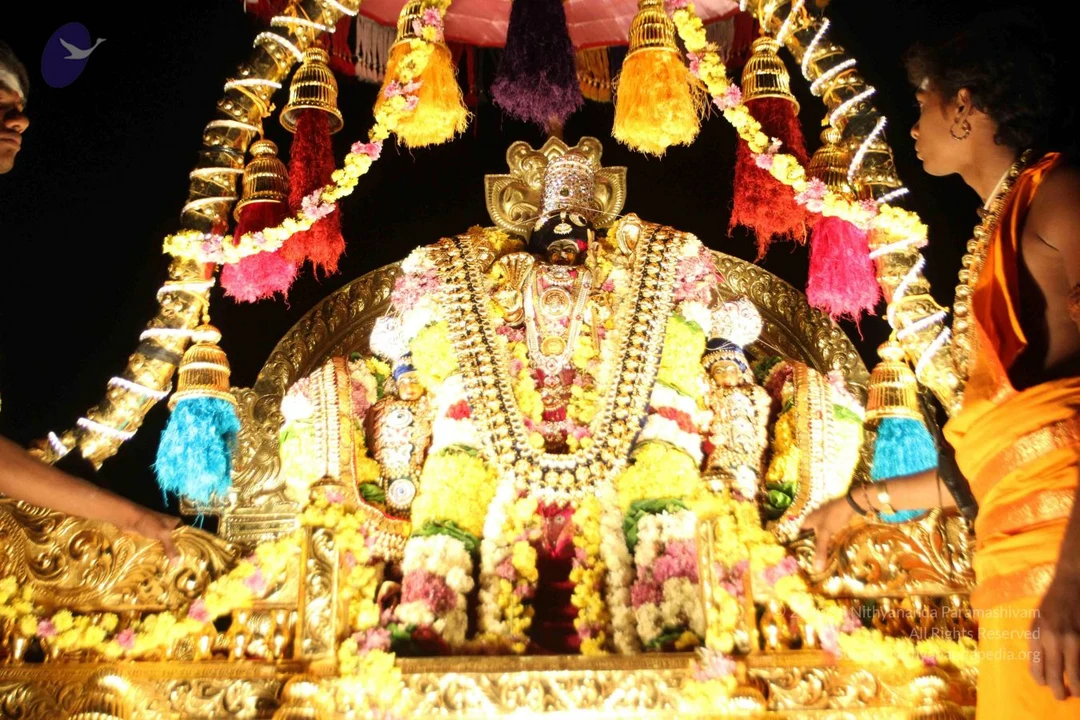
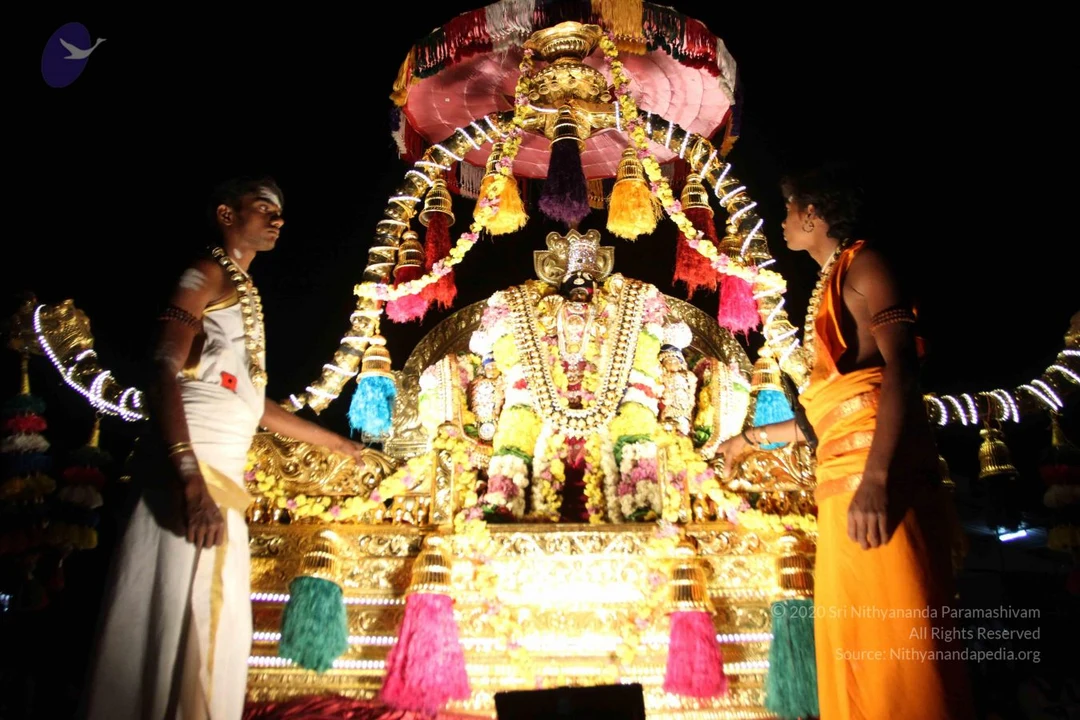


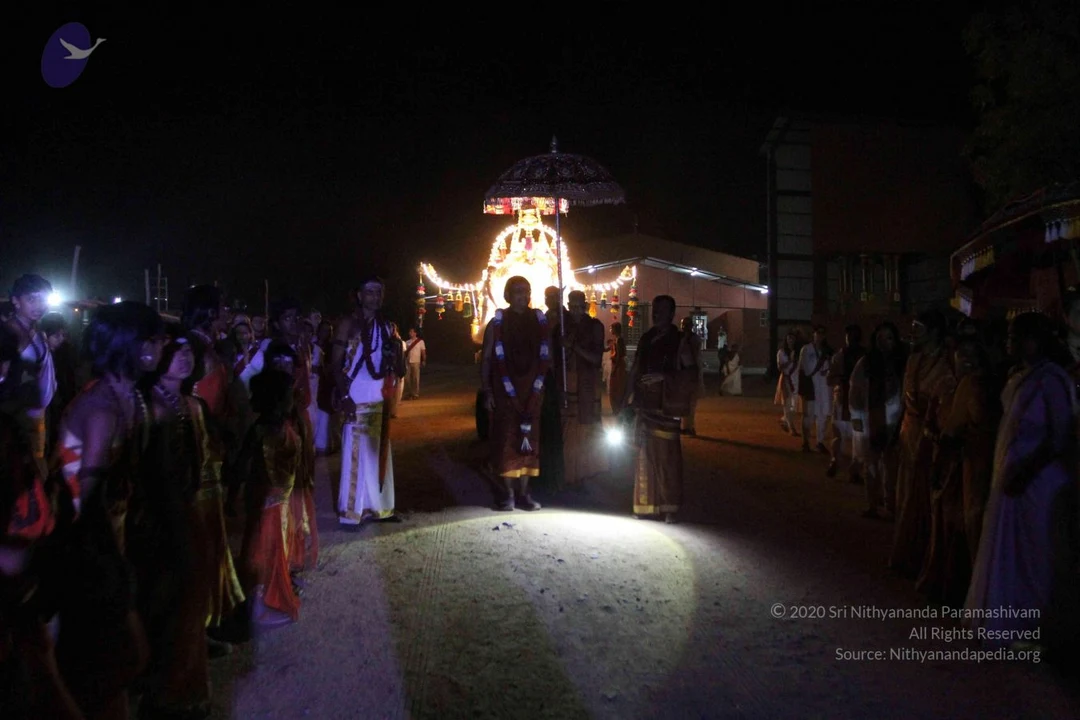
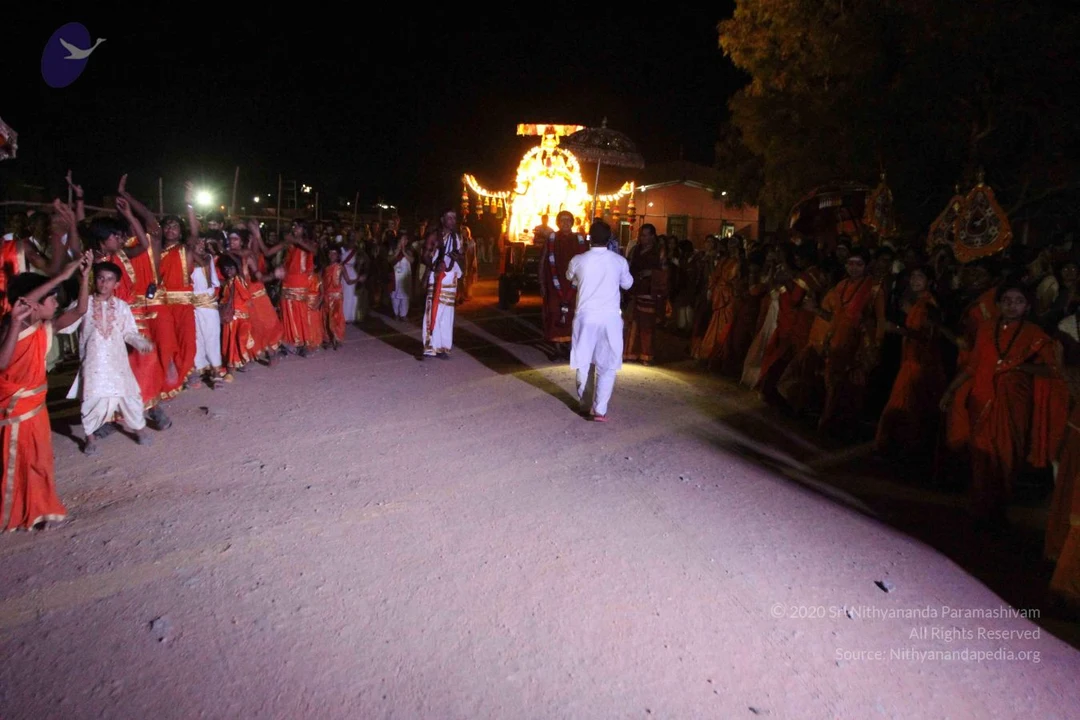
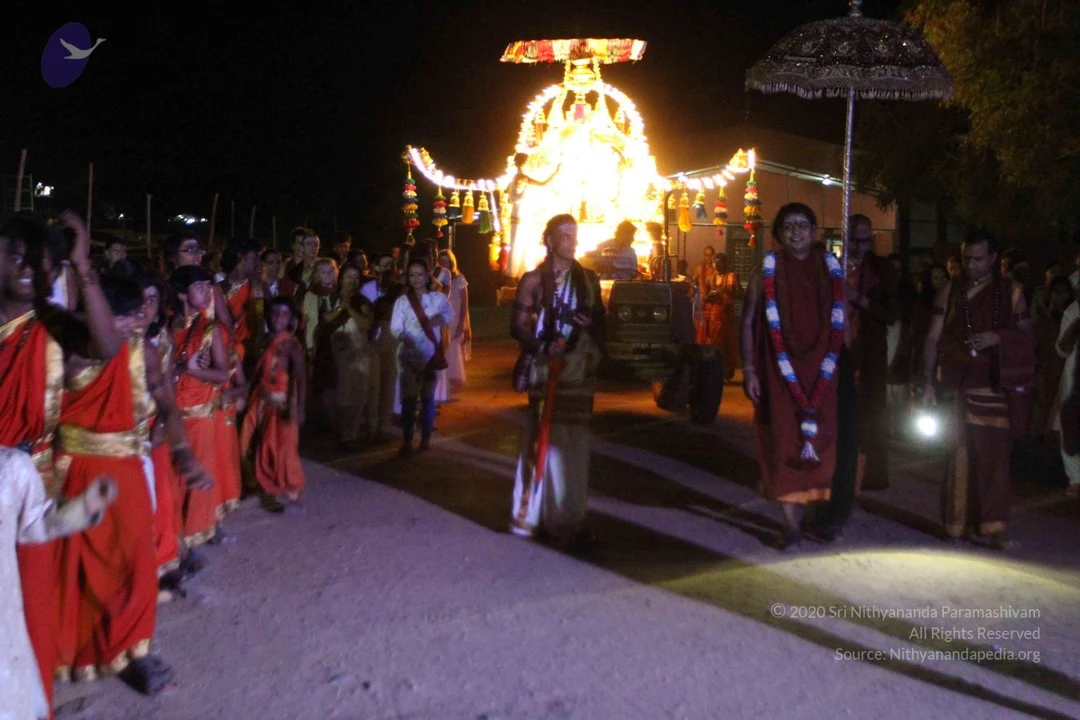
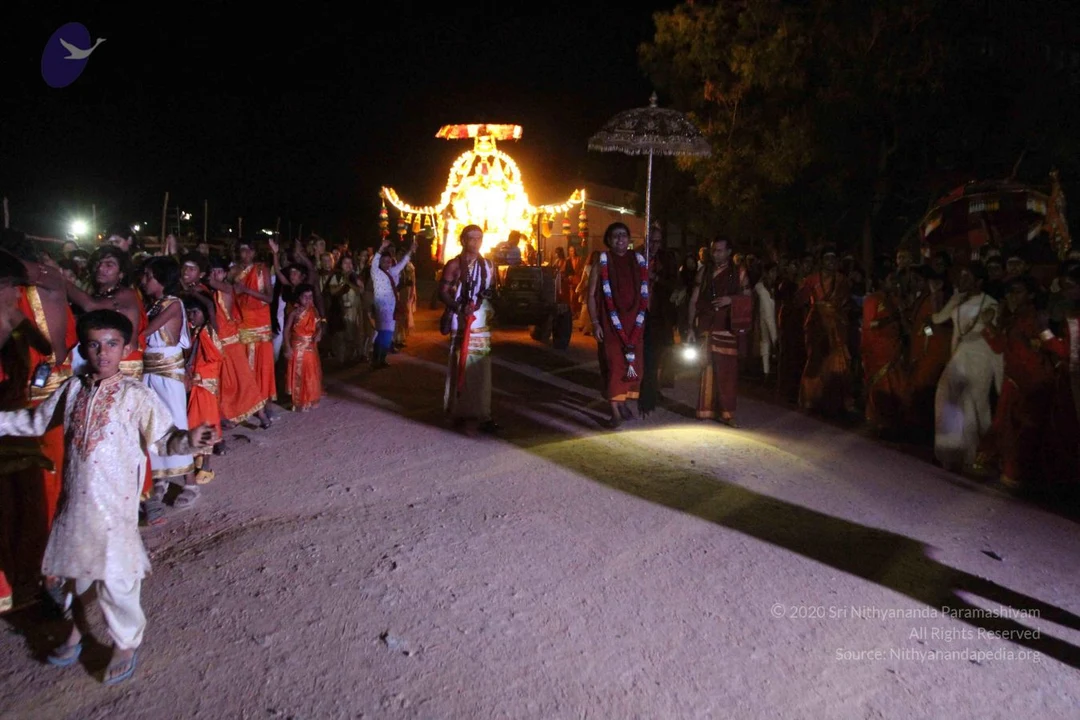


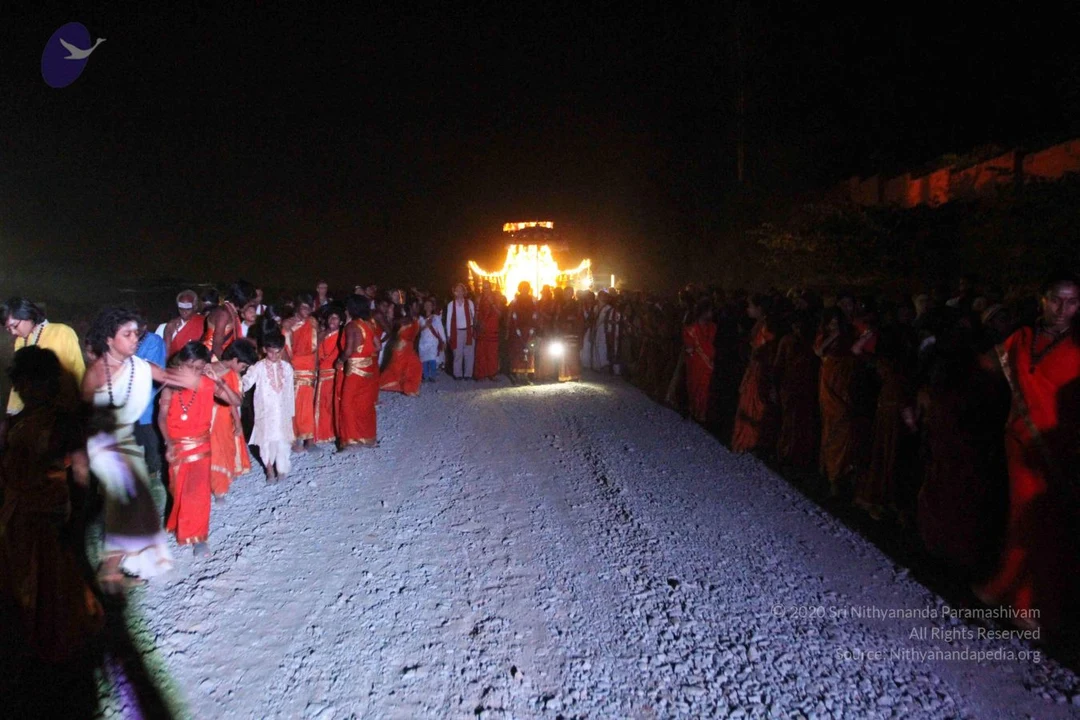
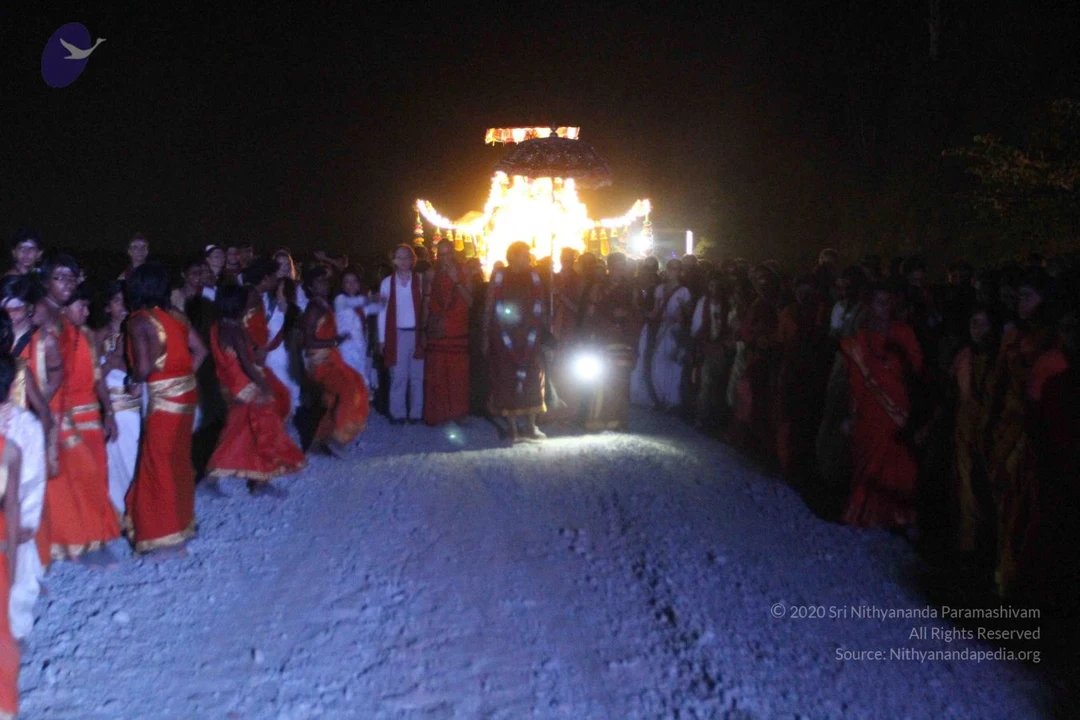
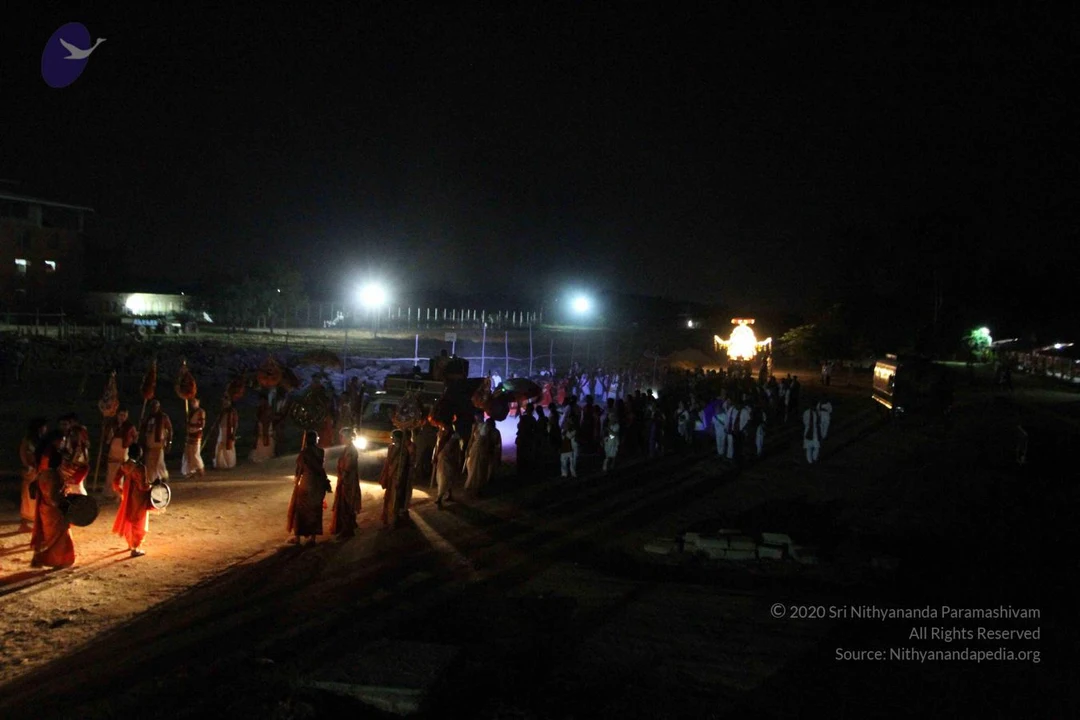
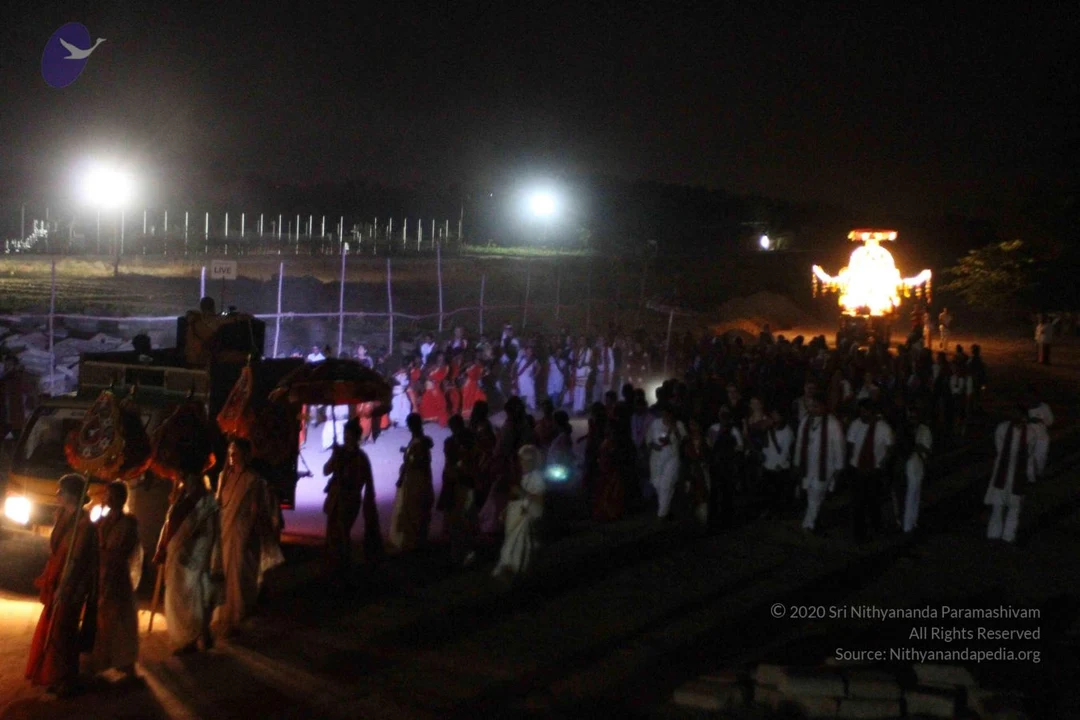

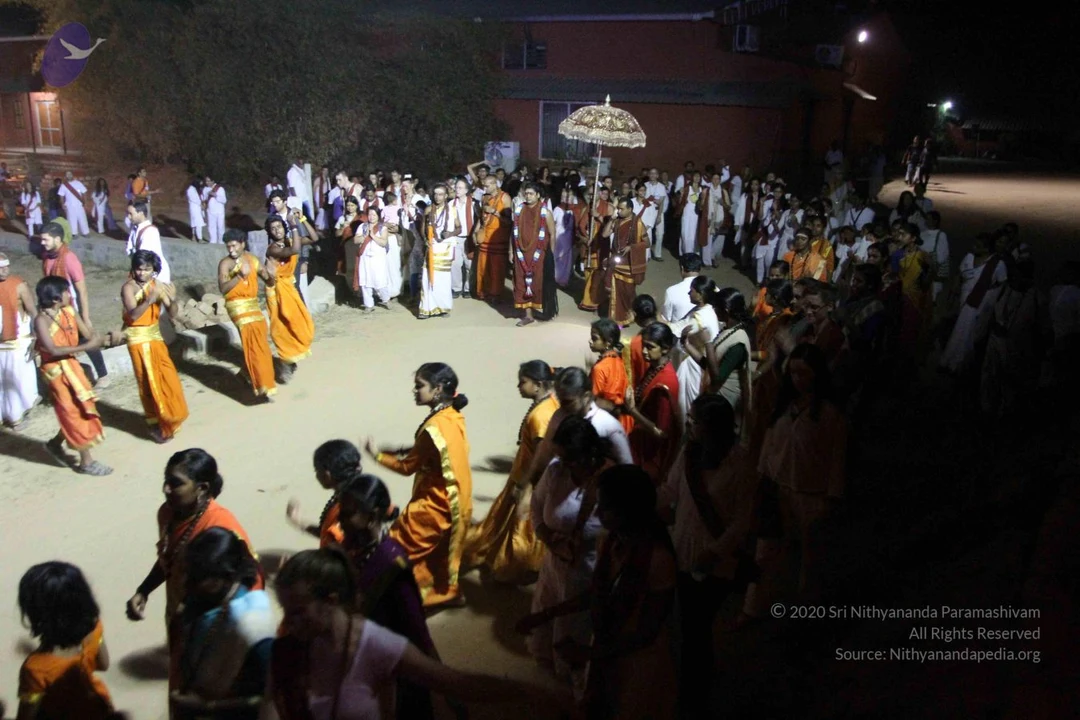
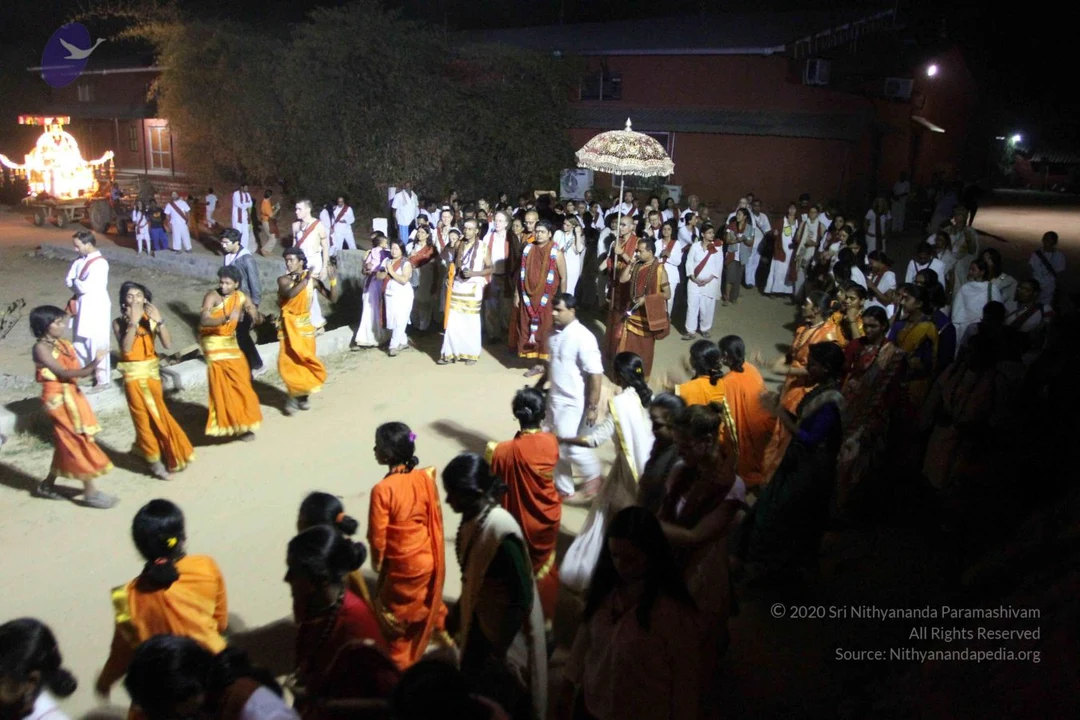
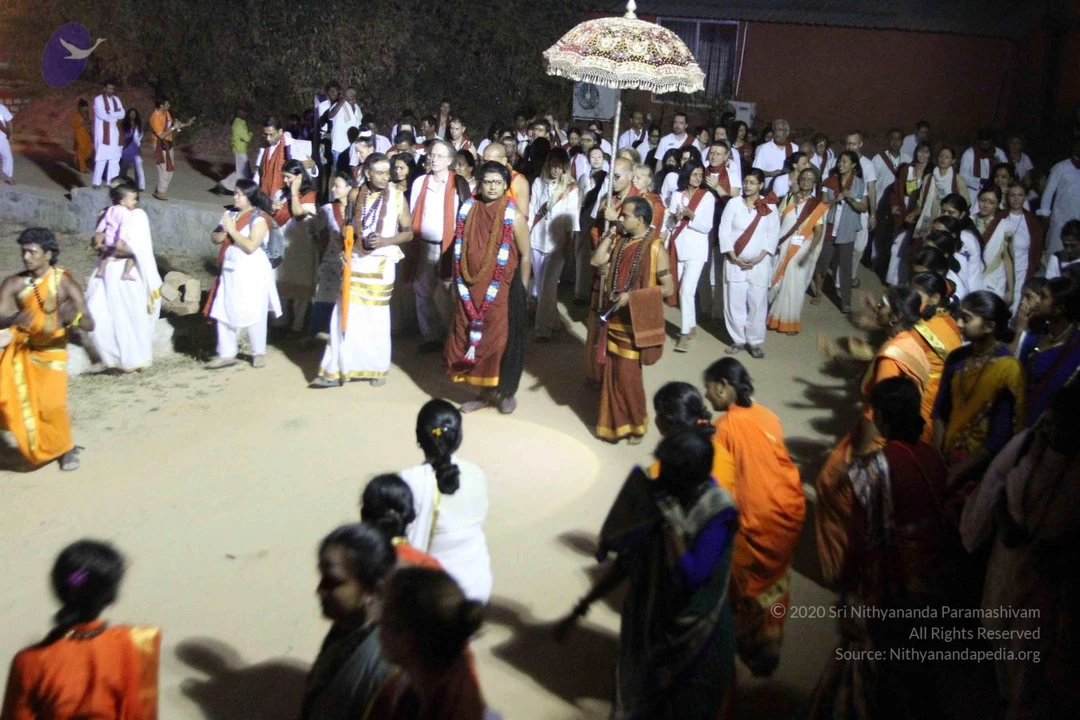
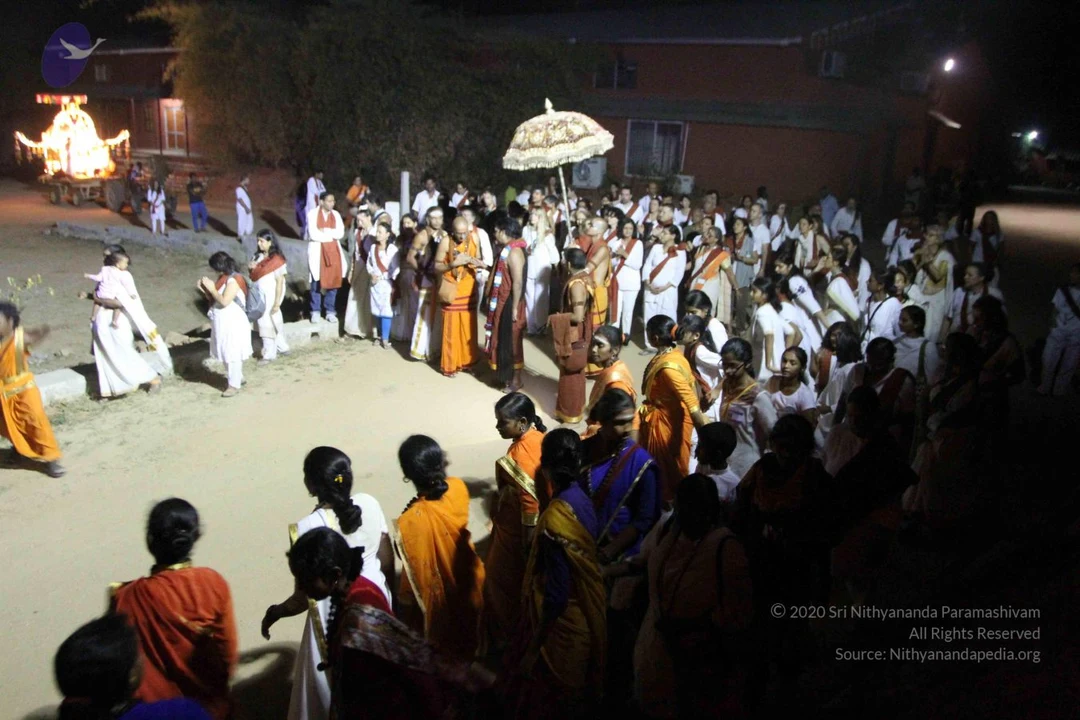

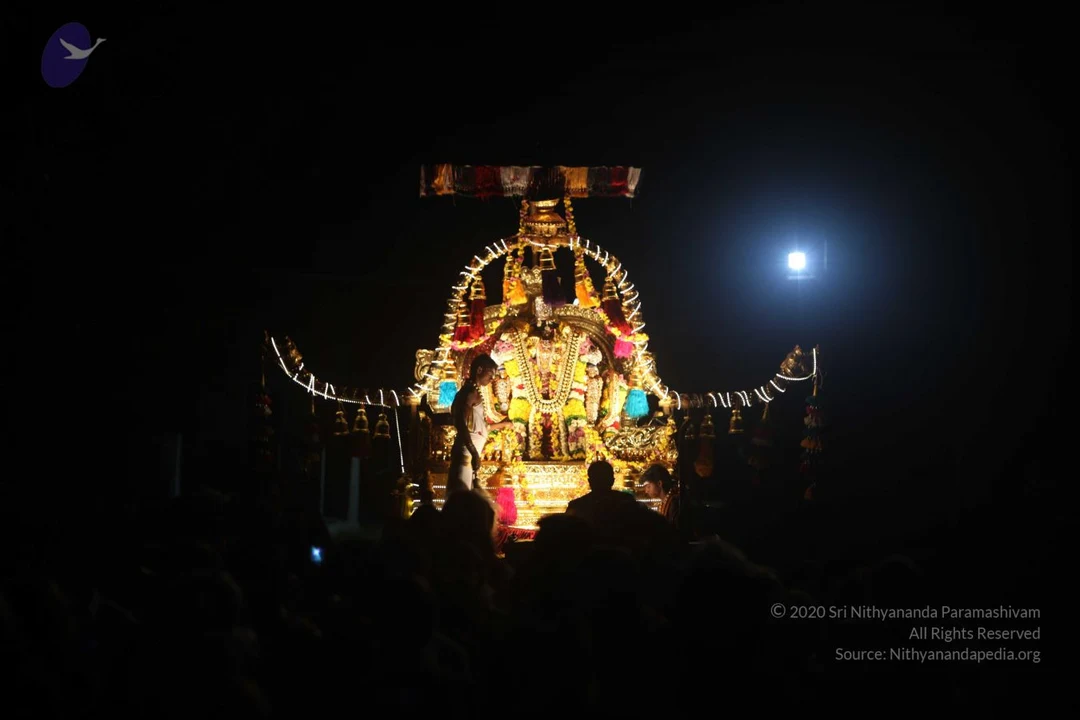
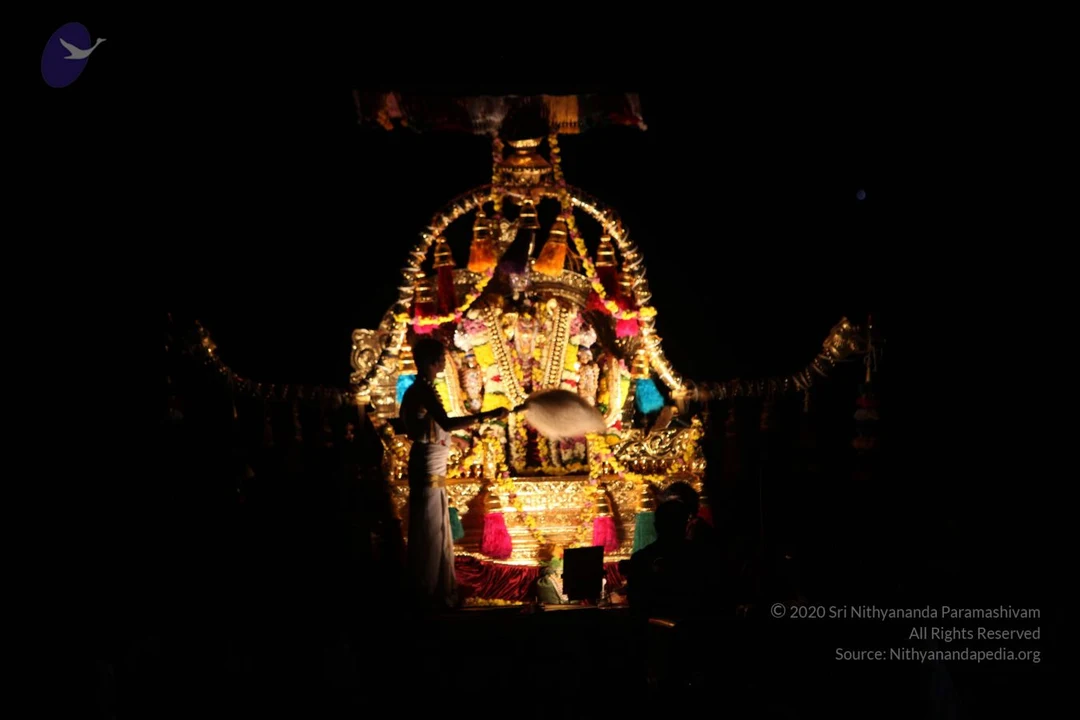
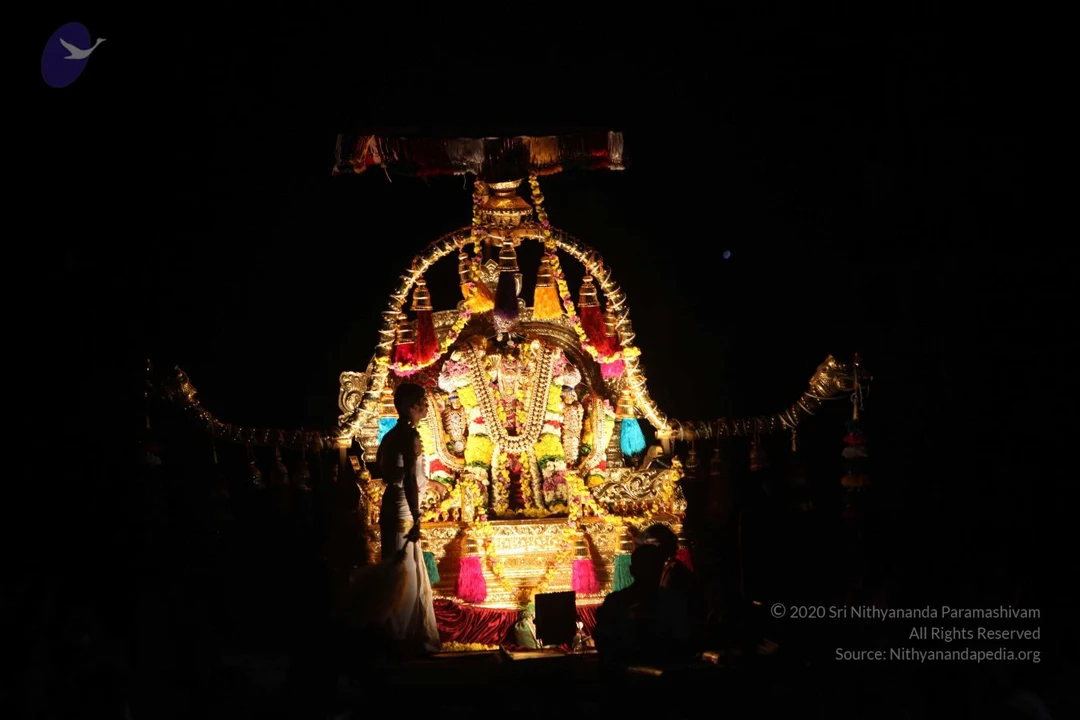
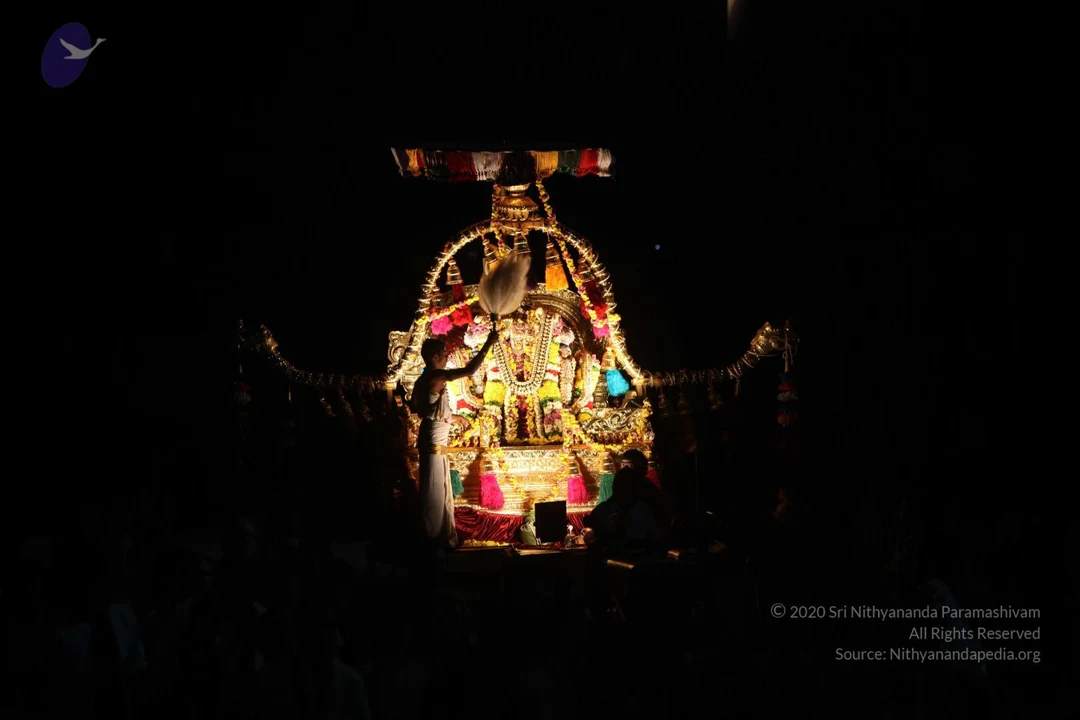
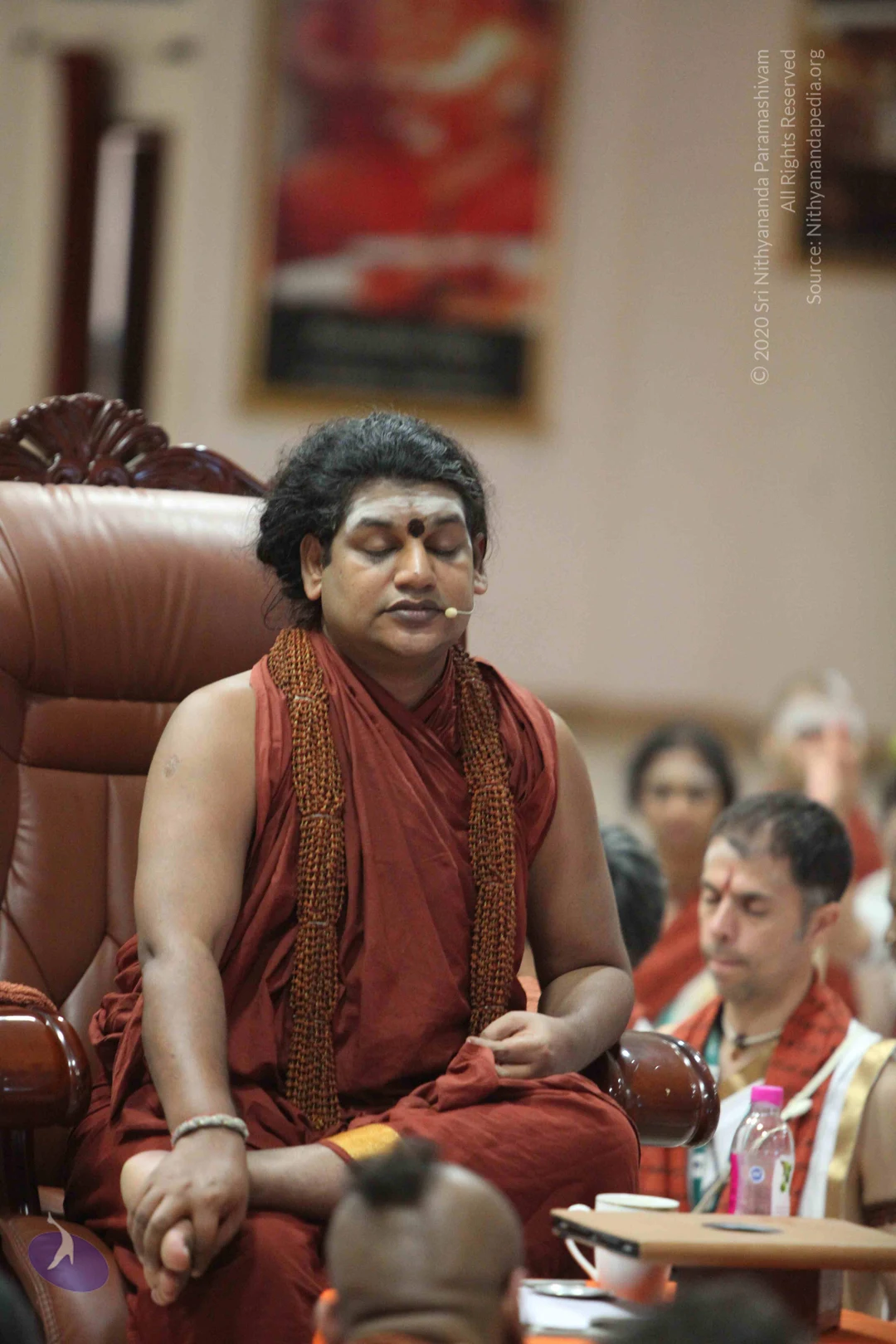
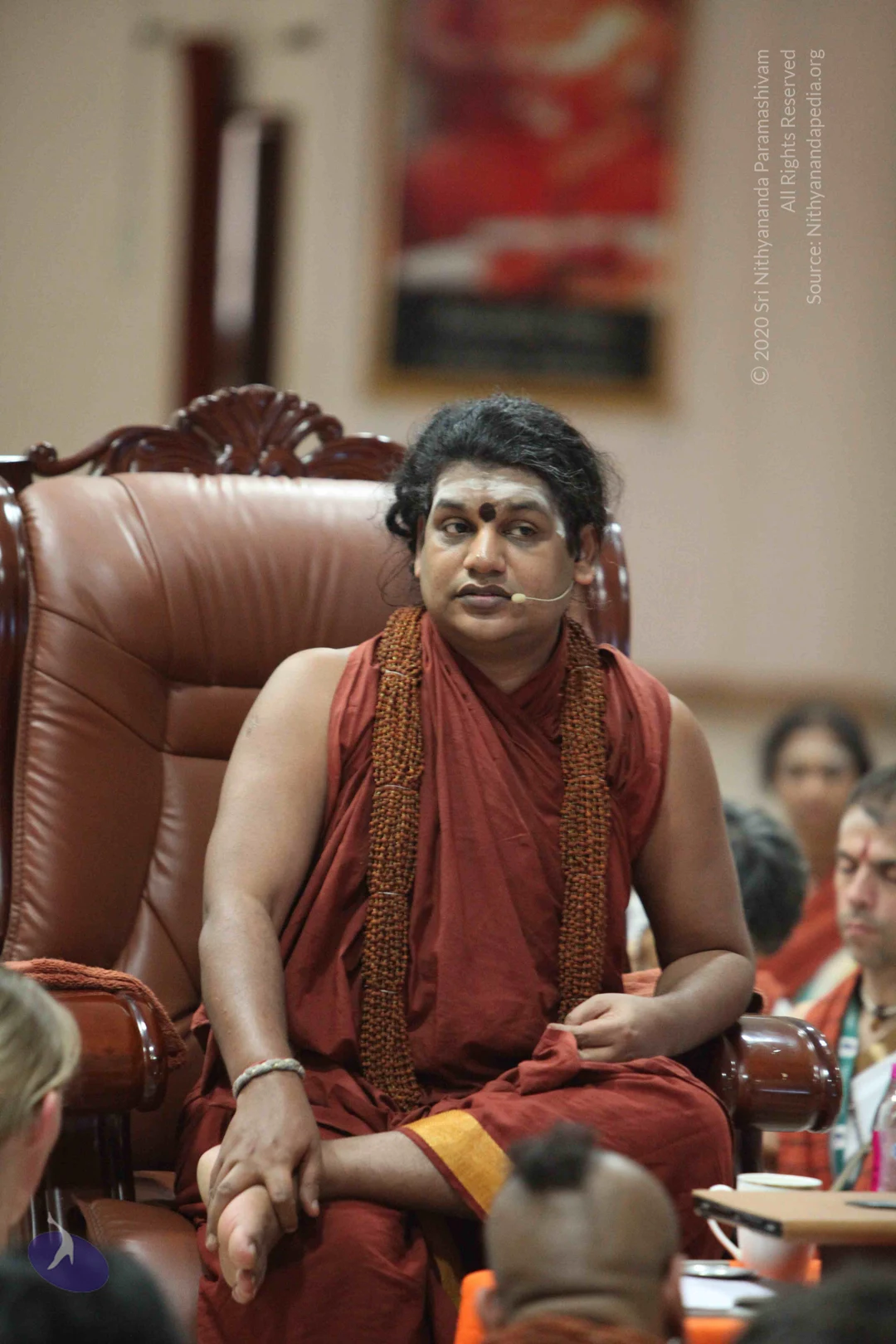
1-IA-Session-Mandala-Process
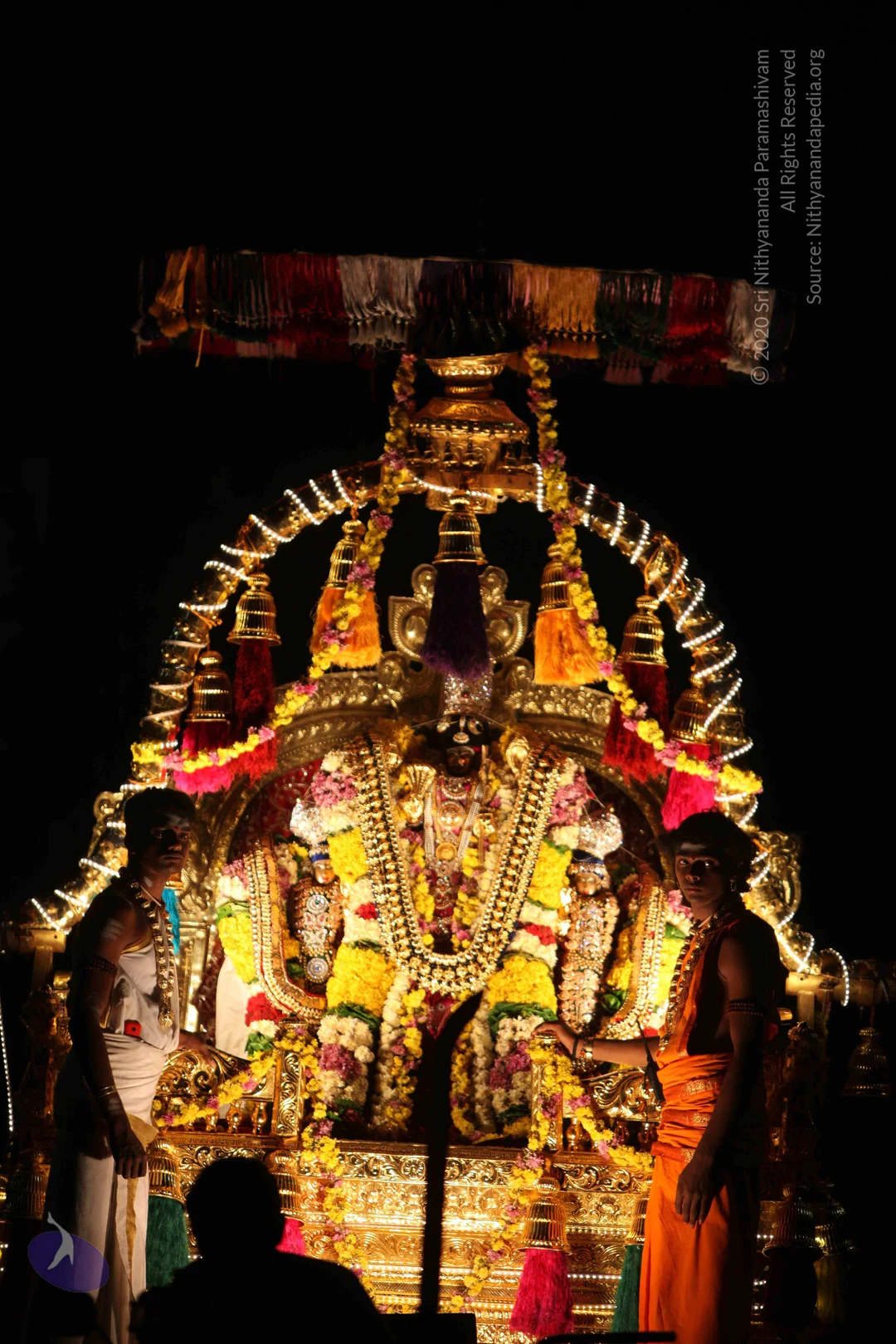
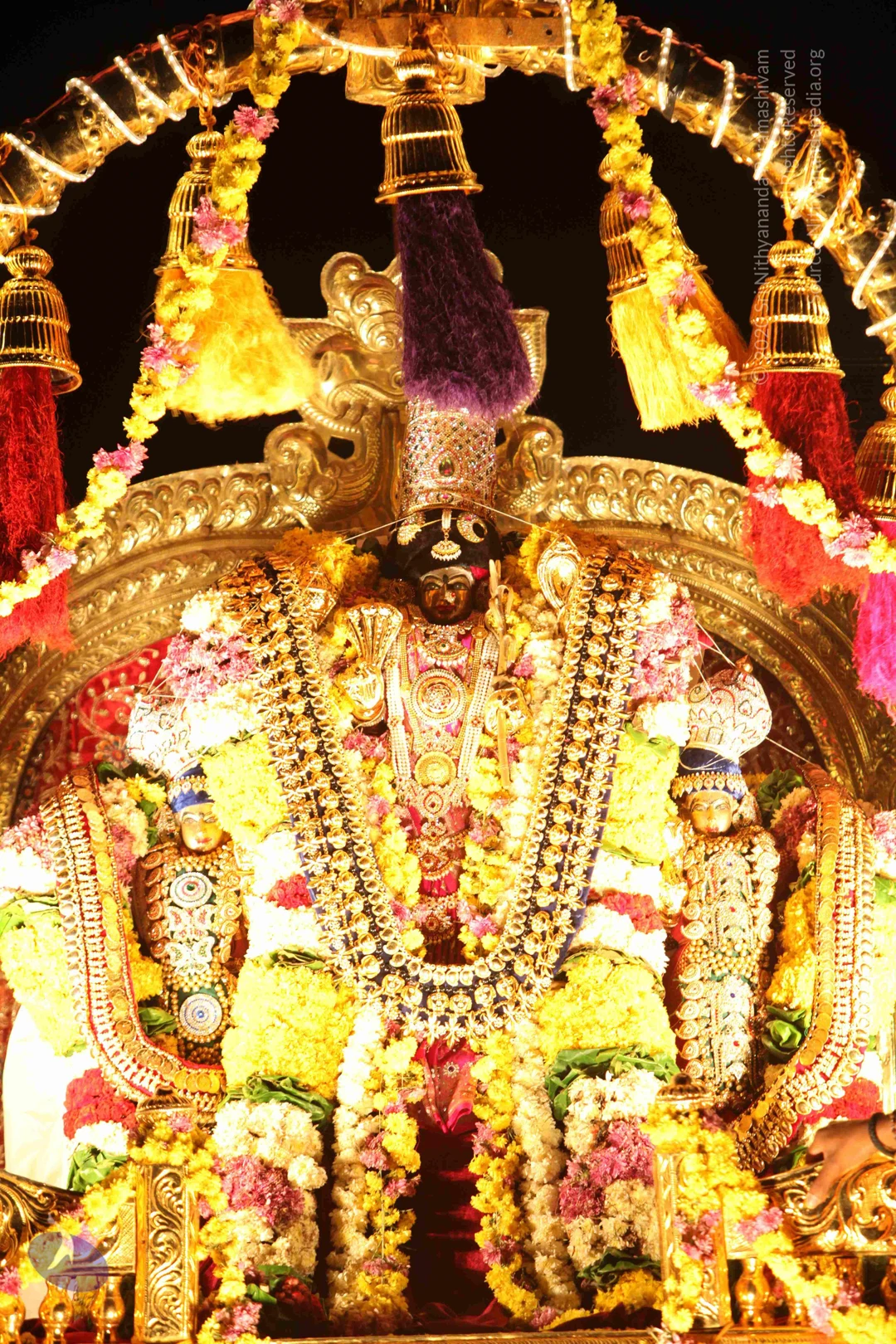
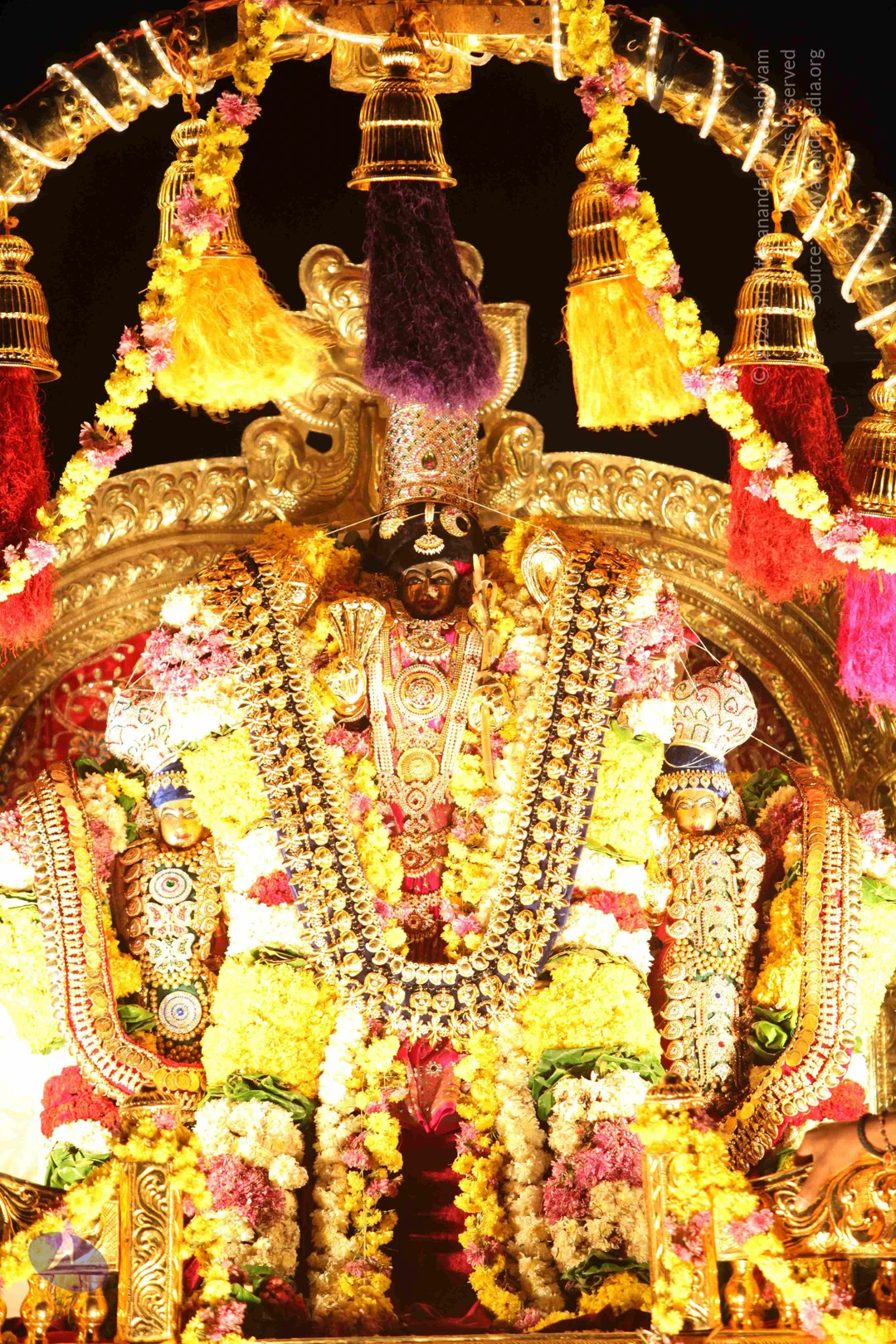
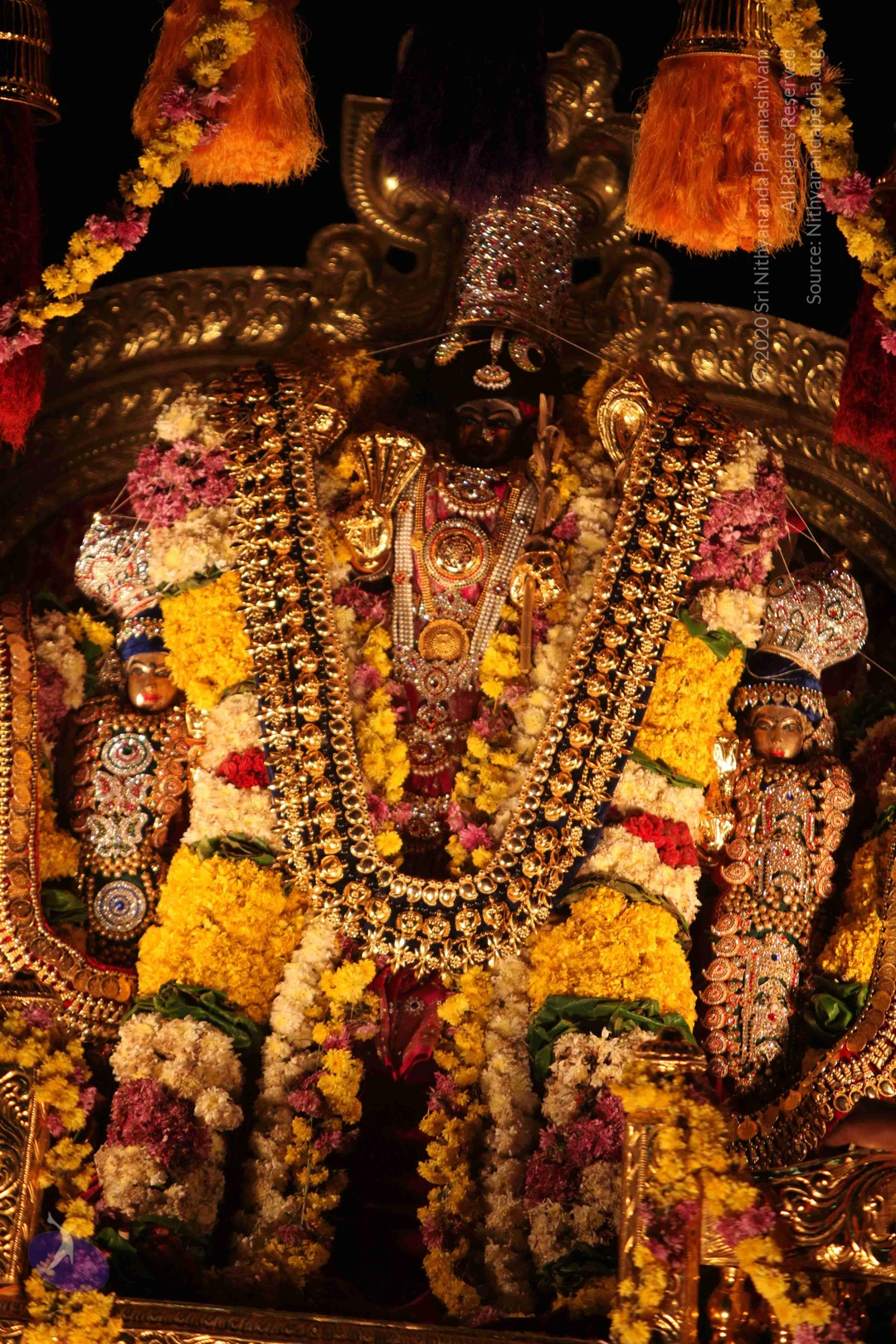
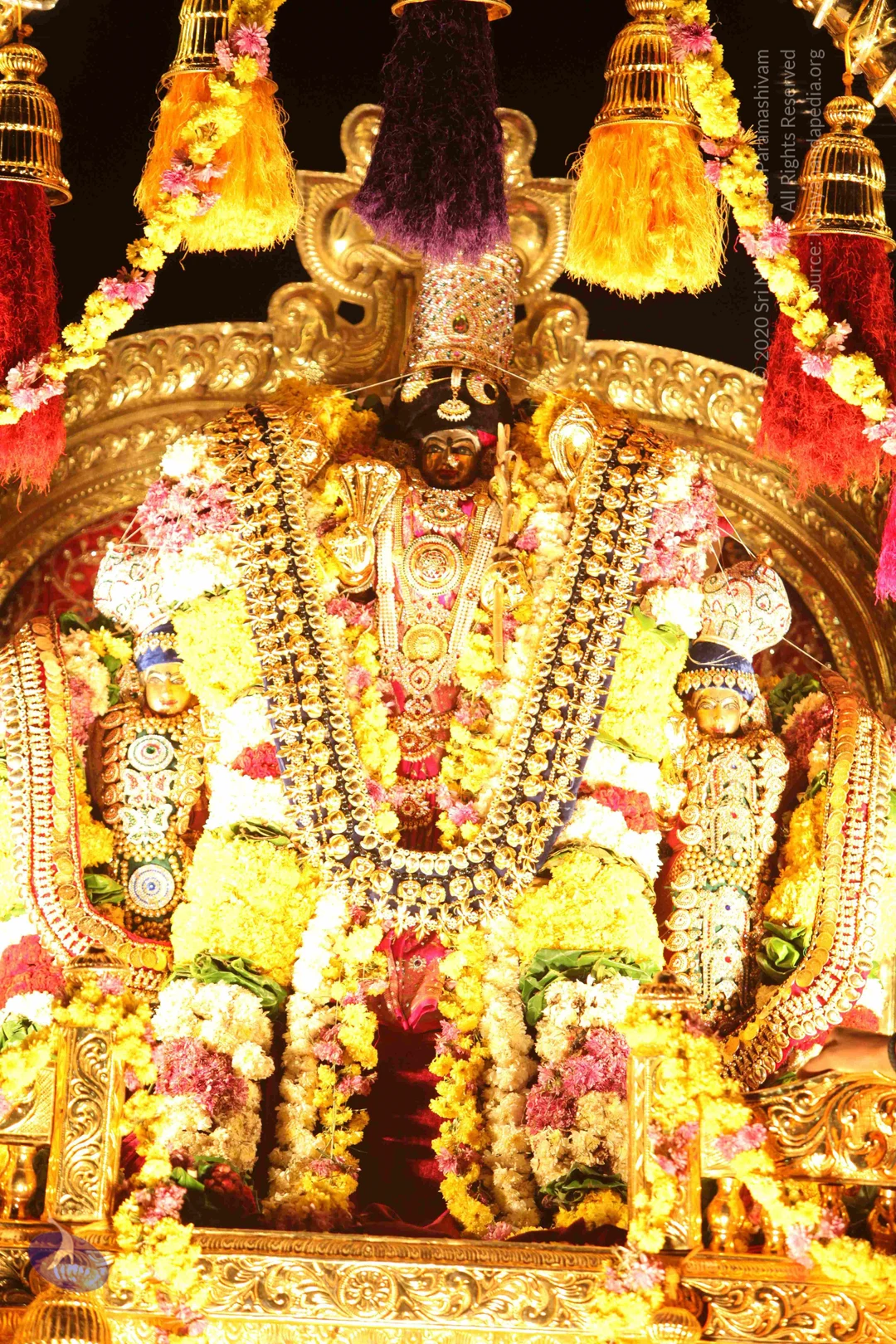
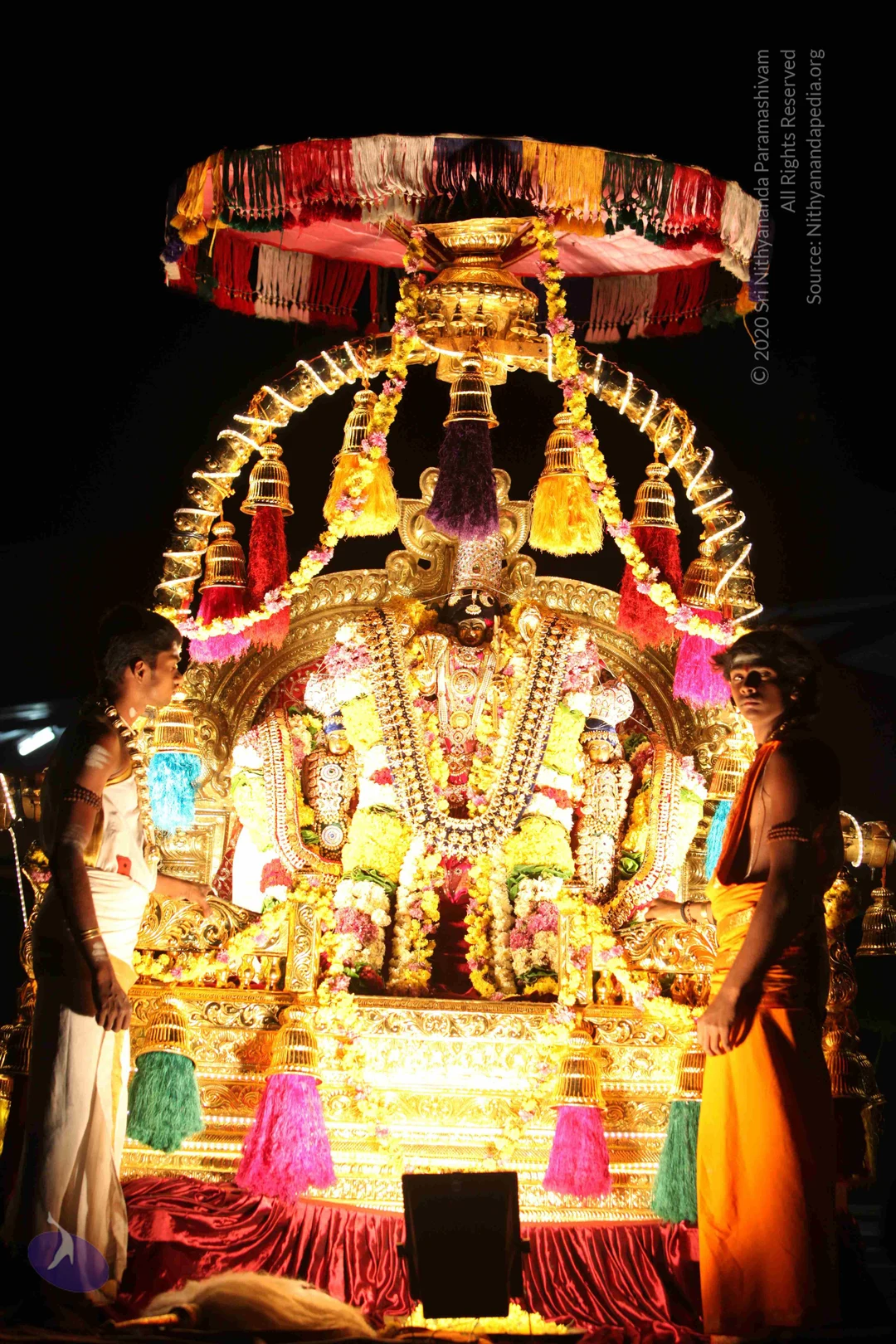
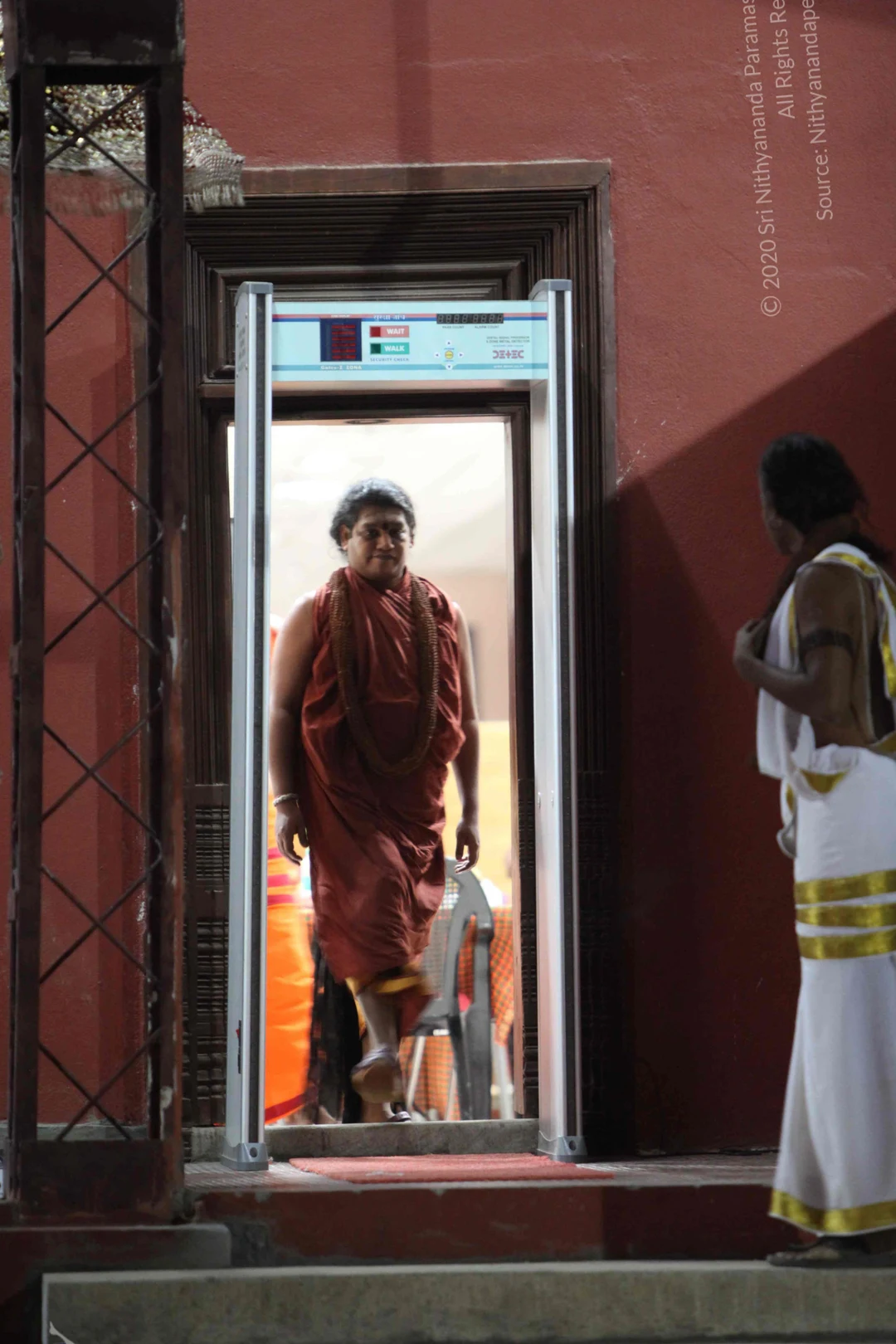
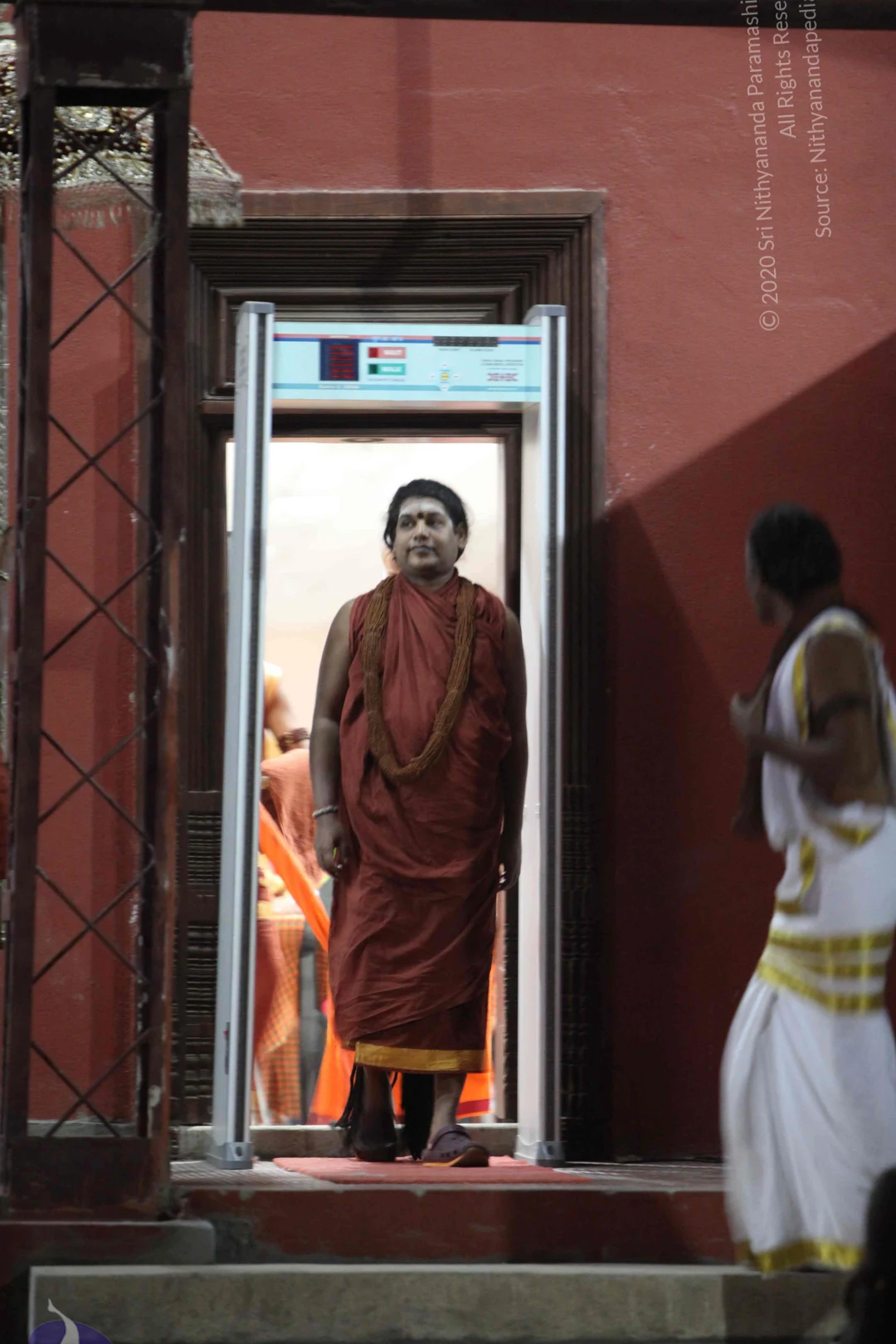
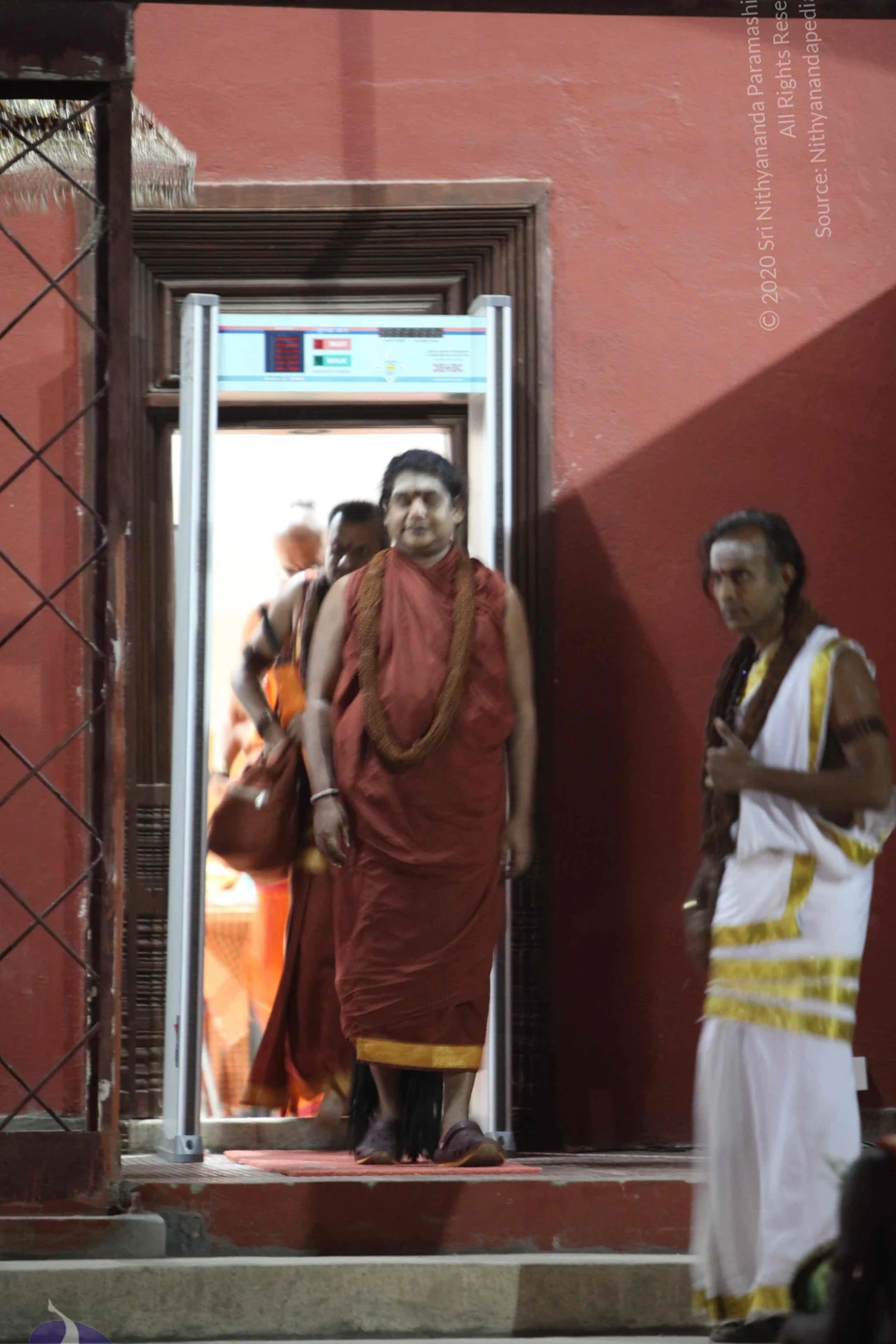
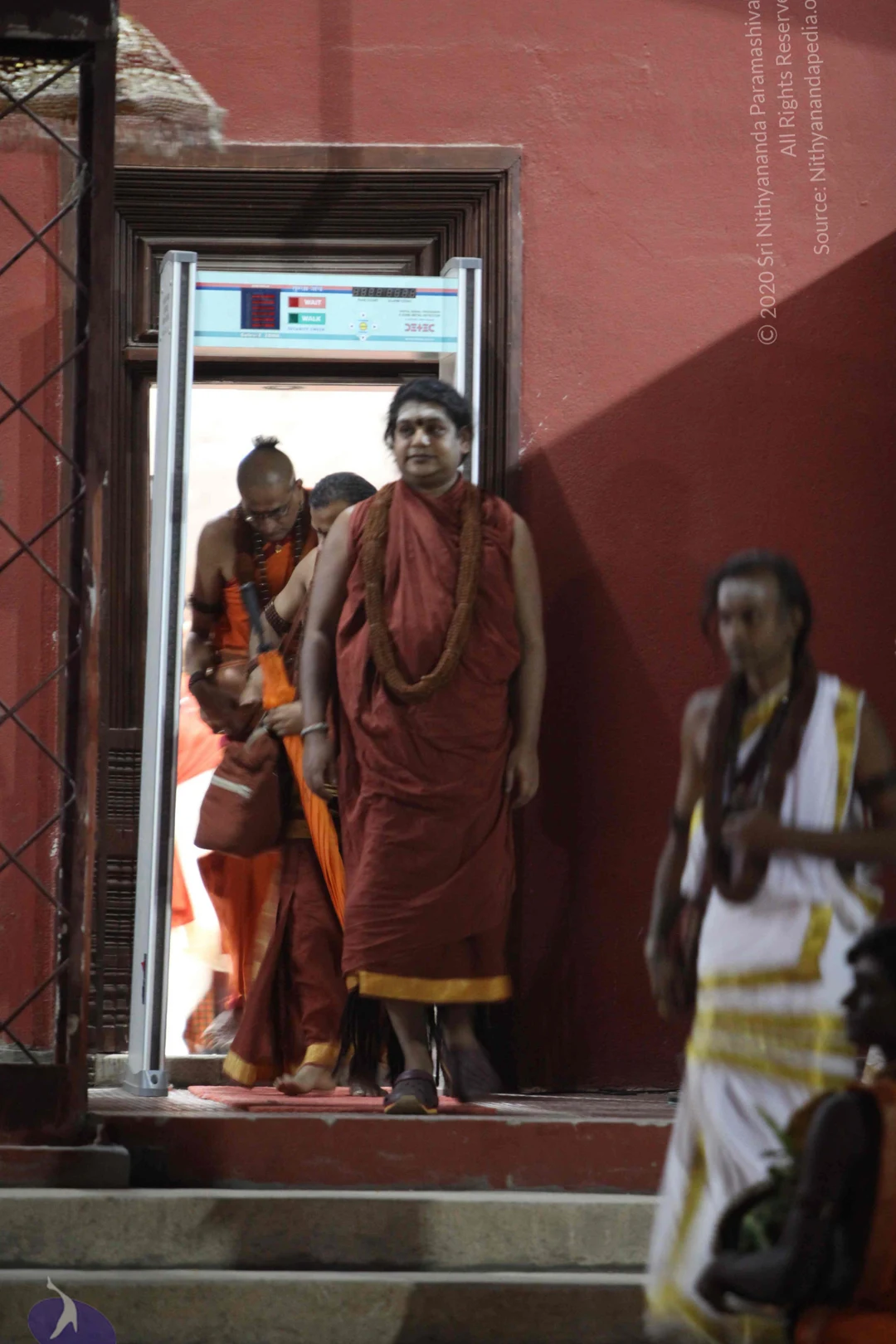

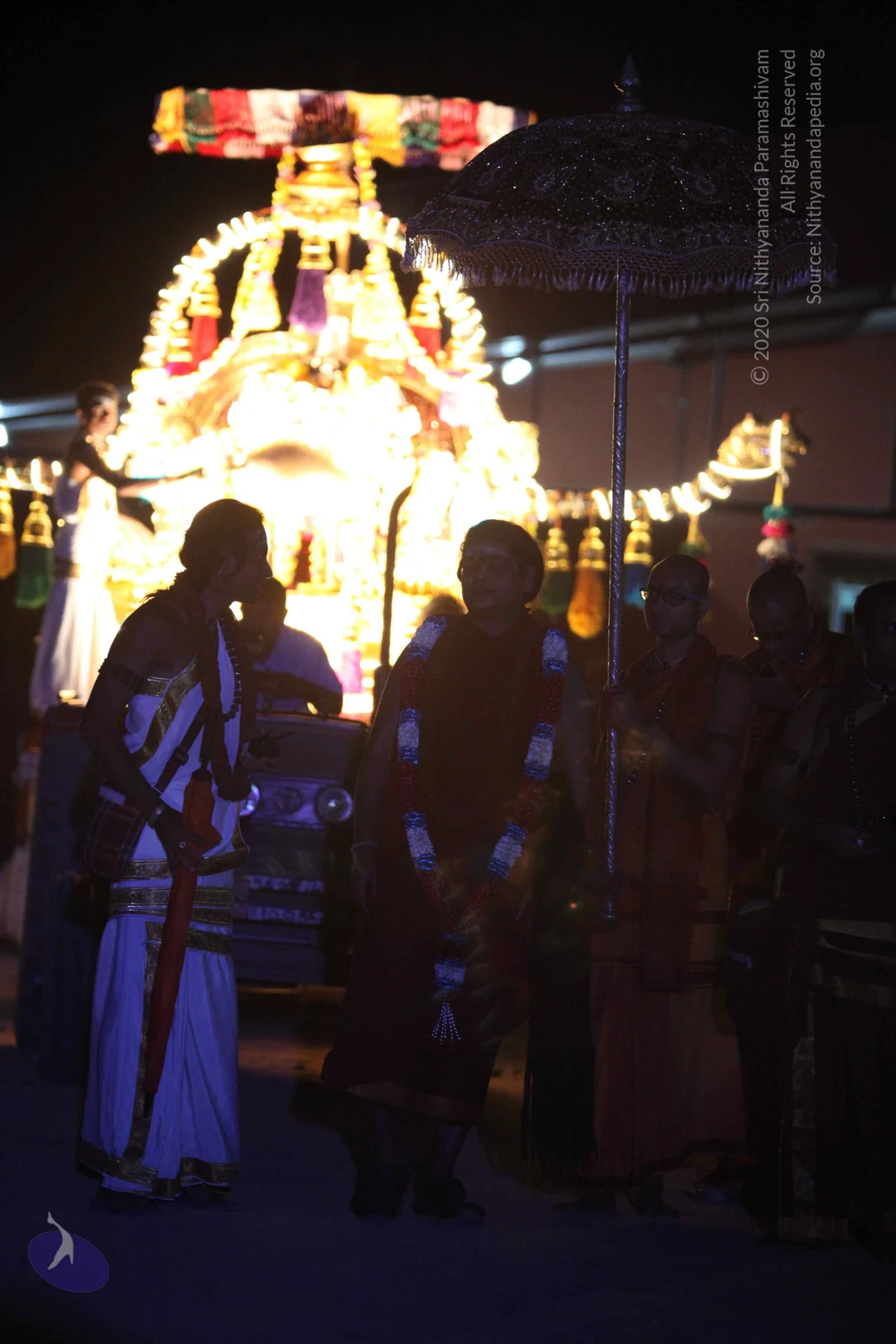
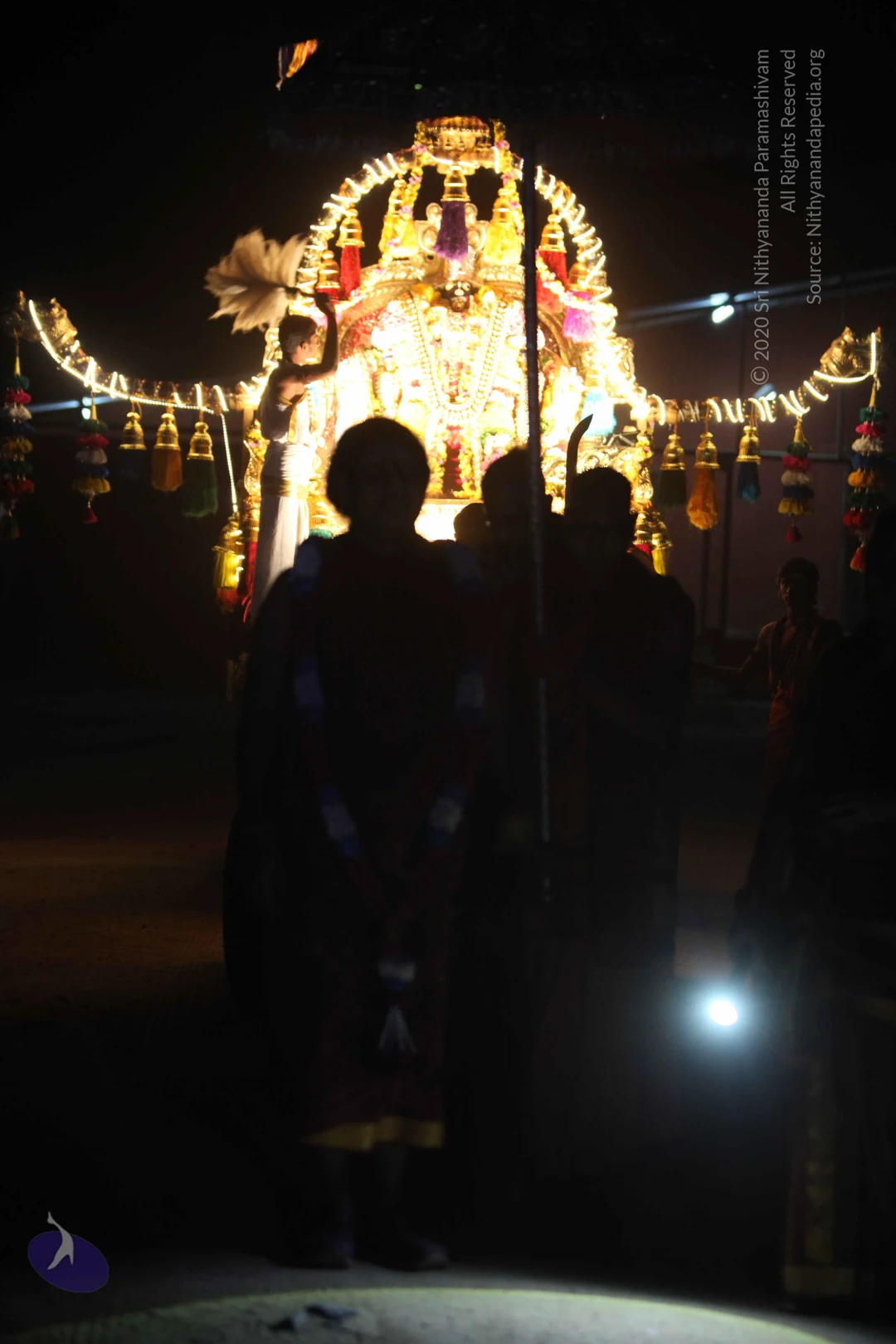
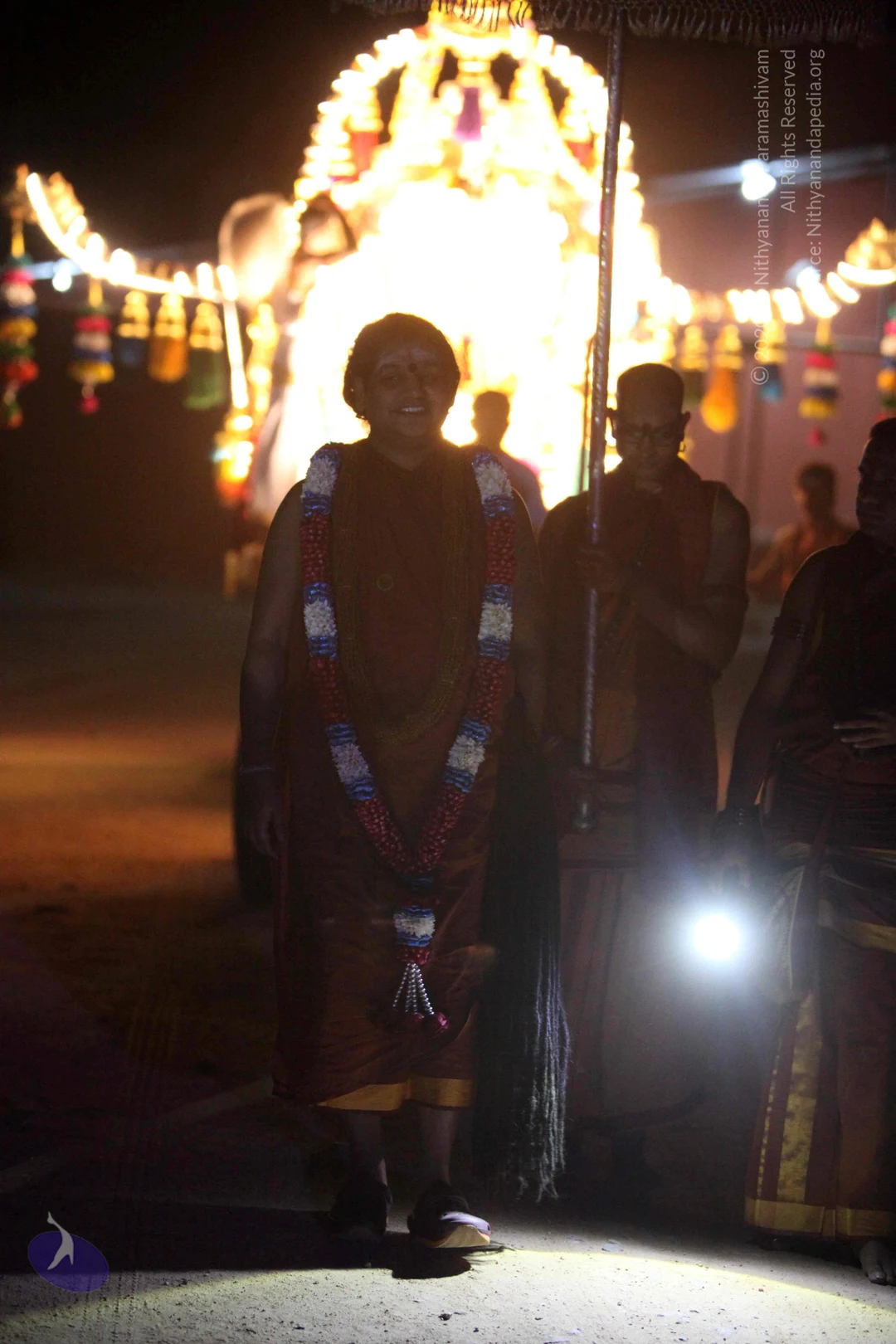
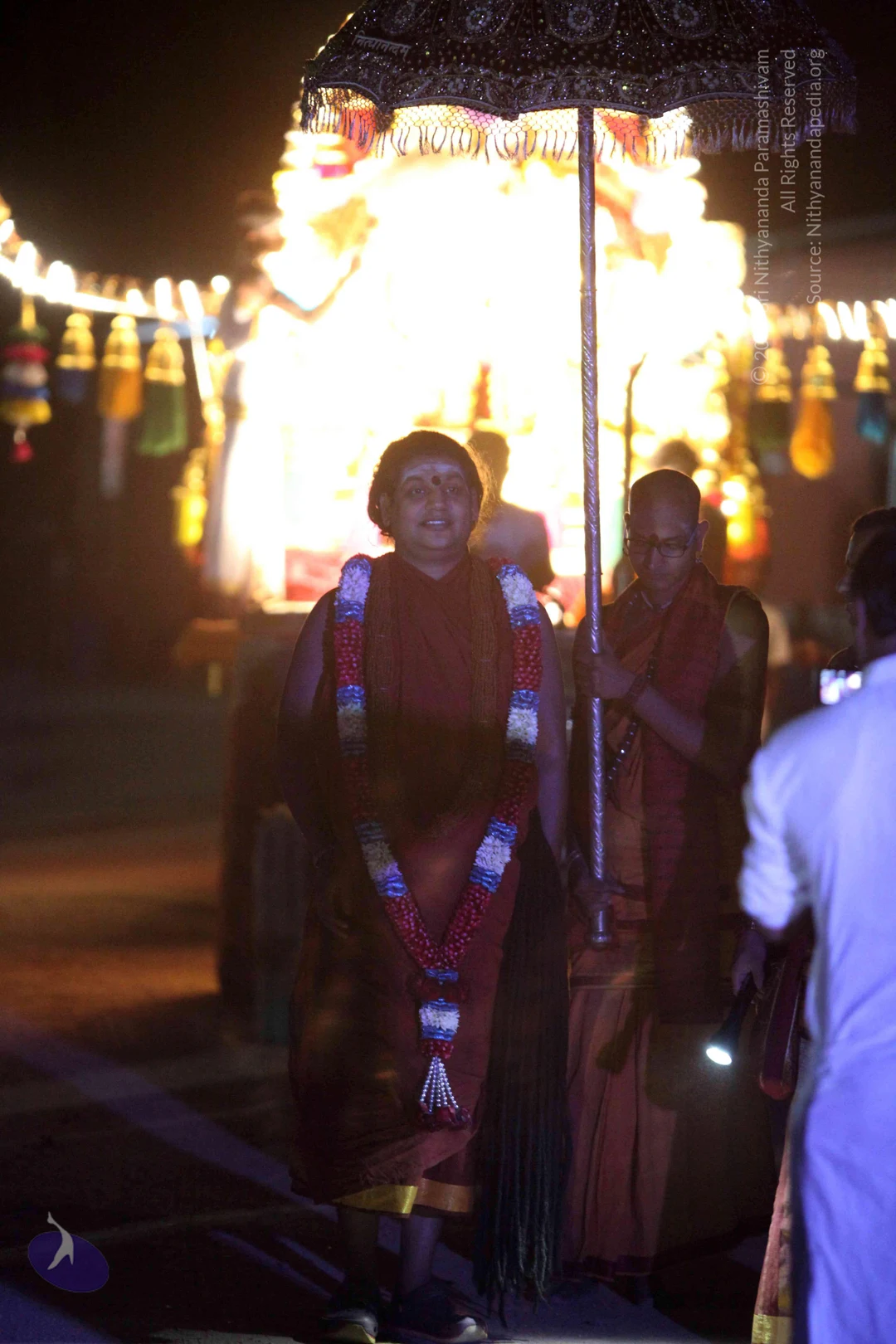
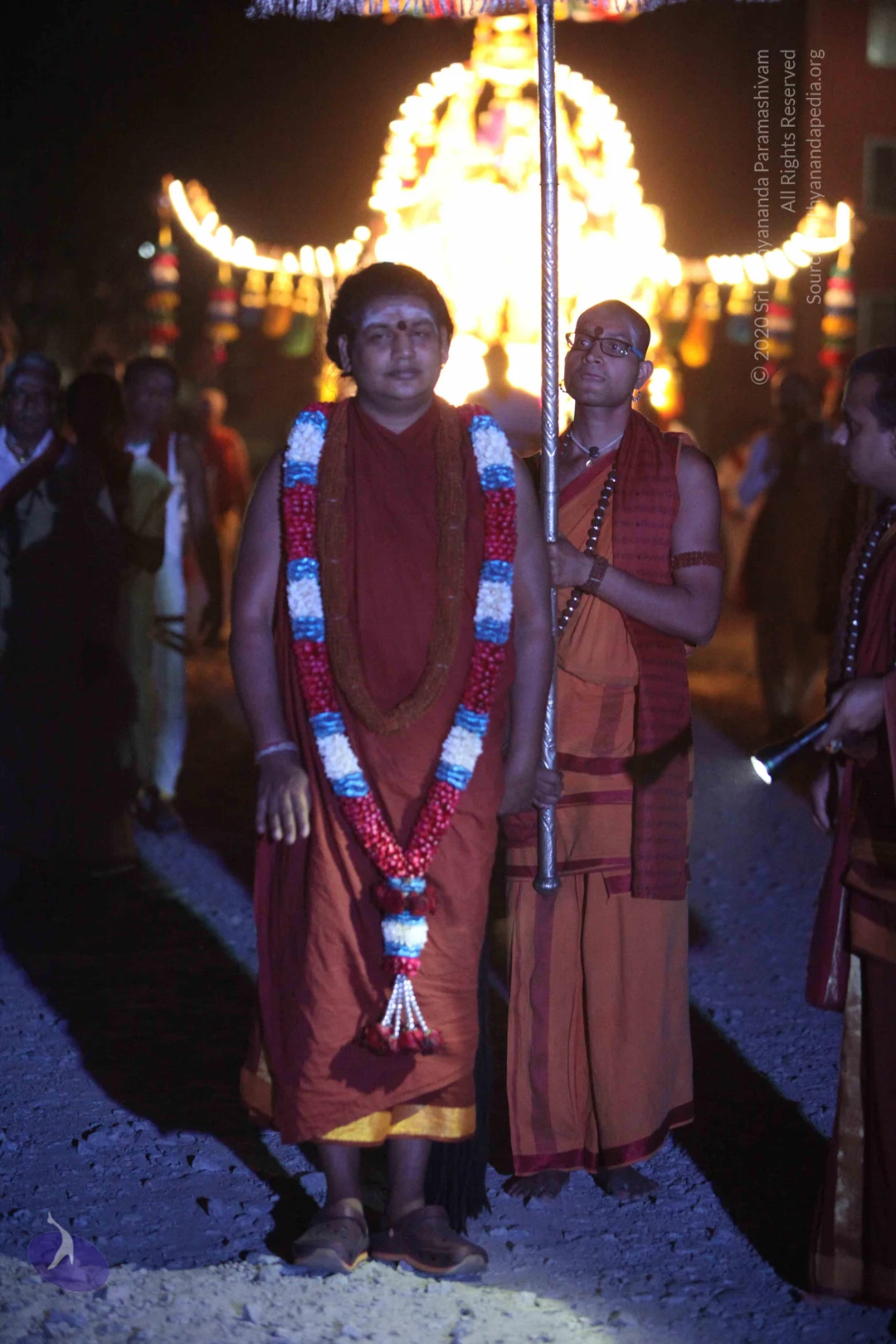
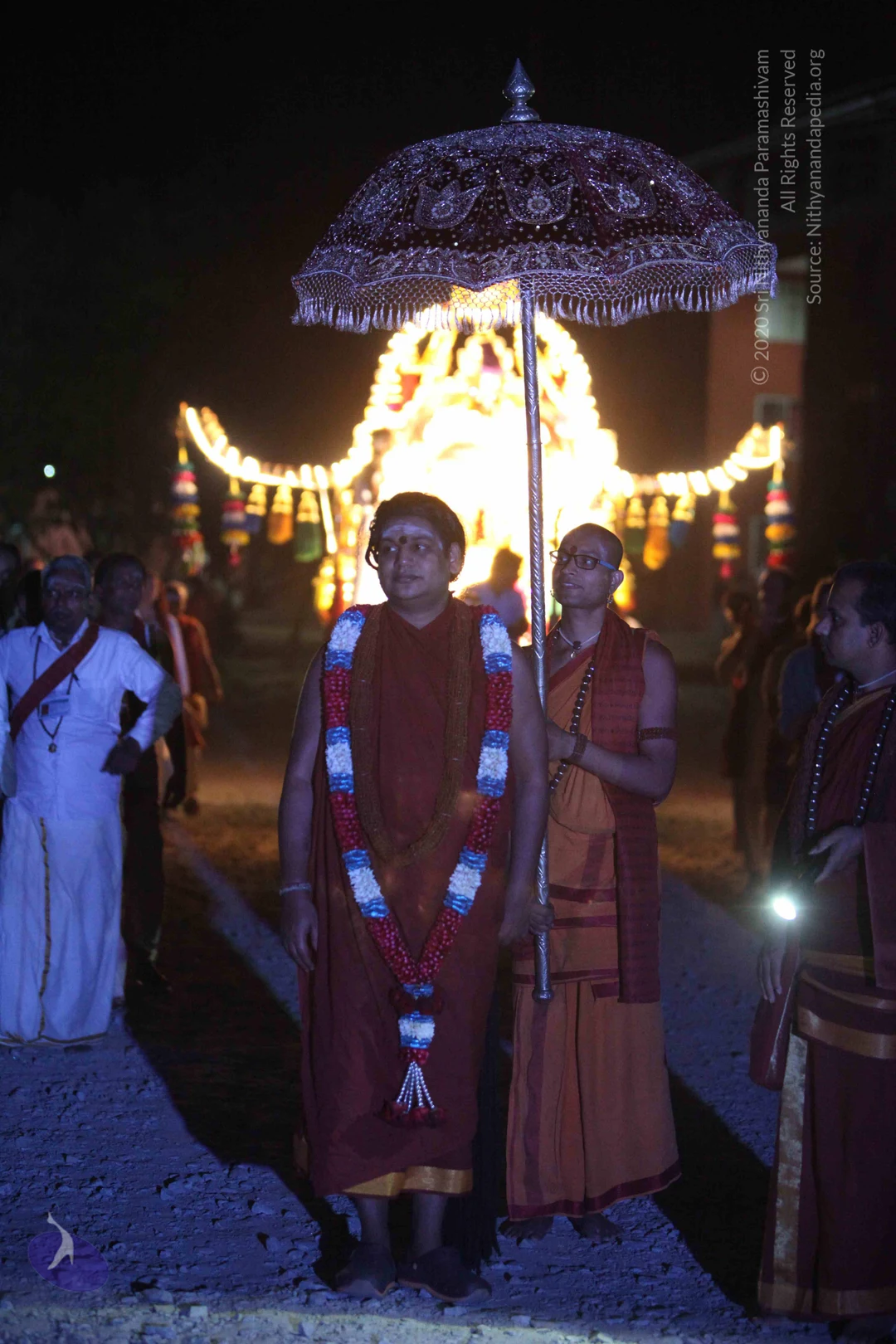
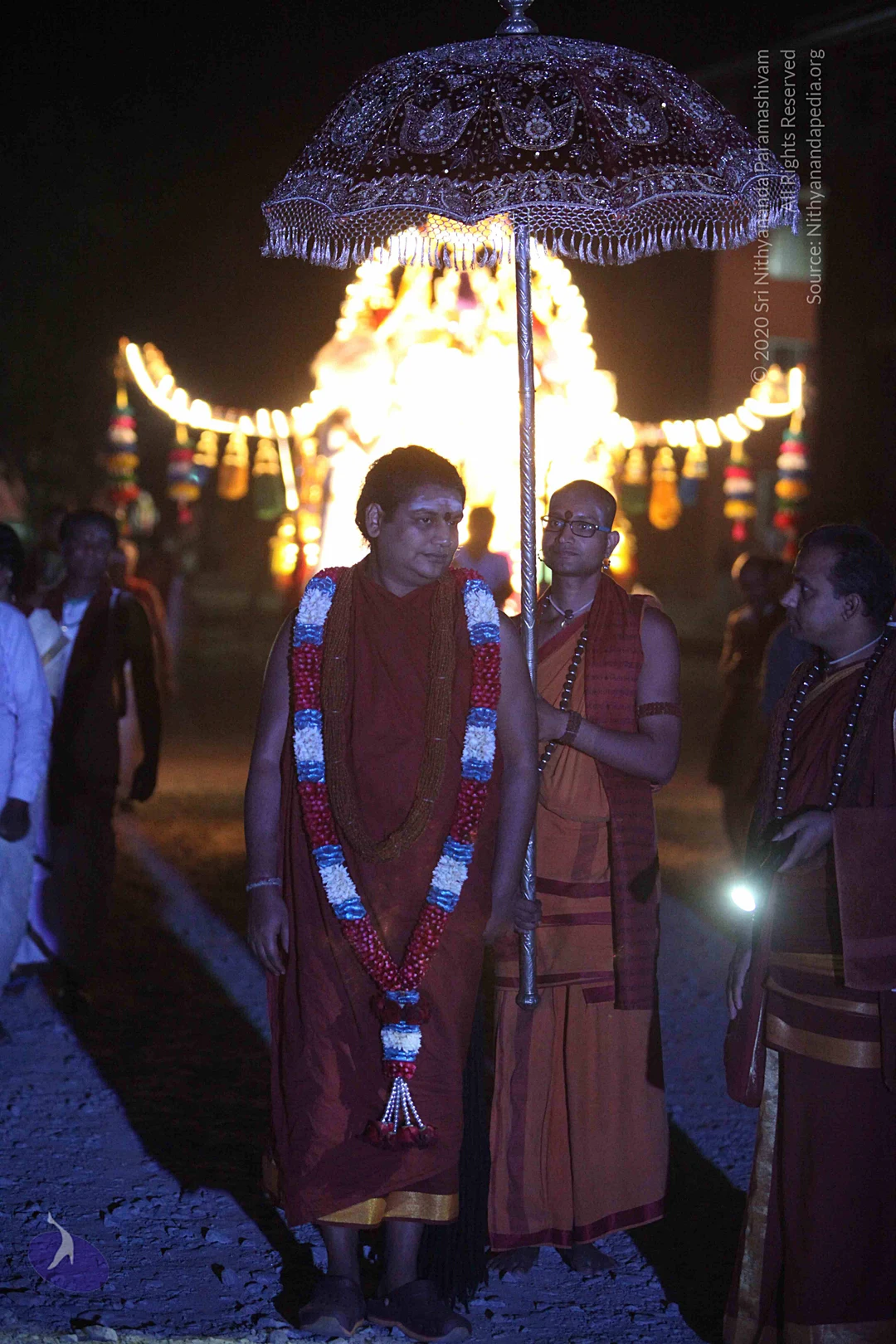
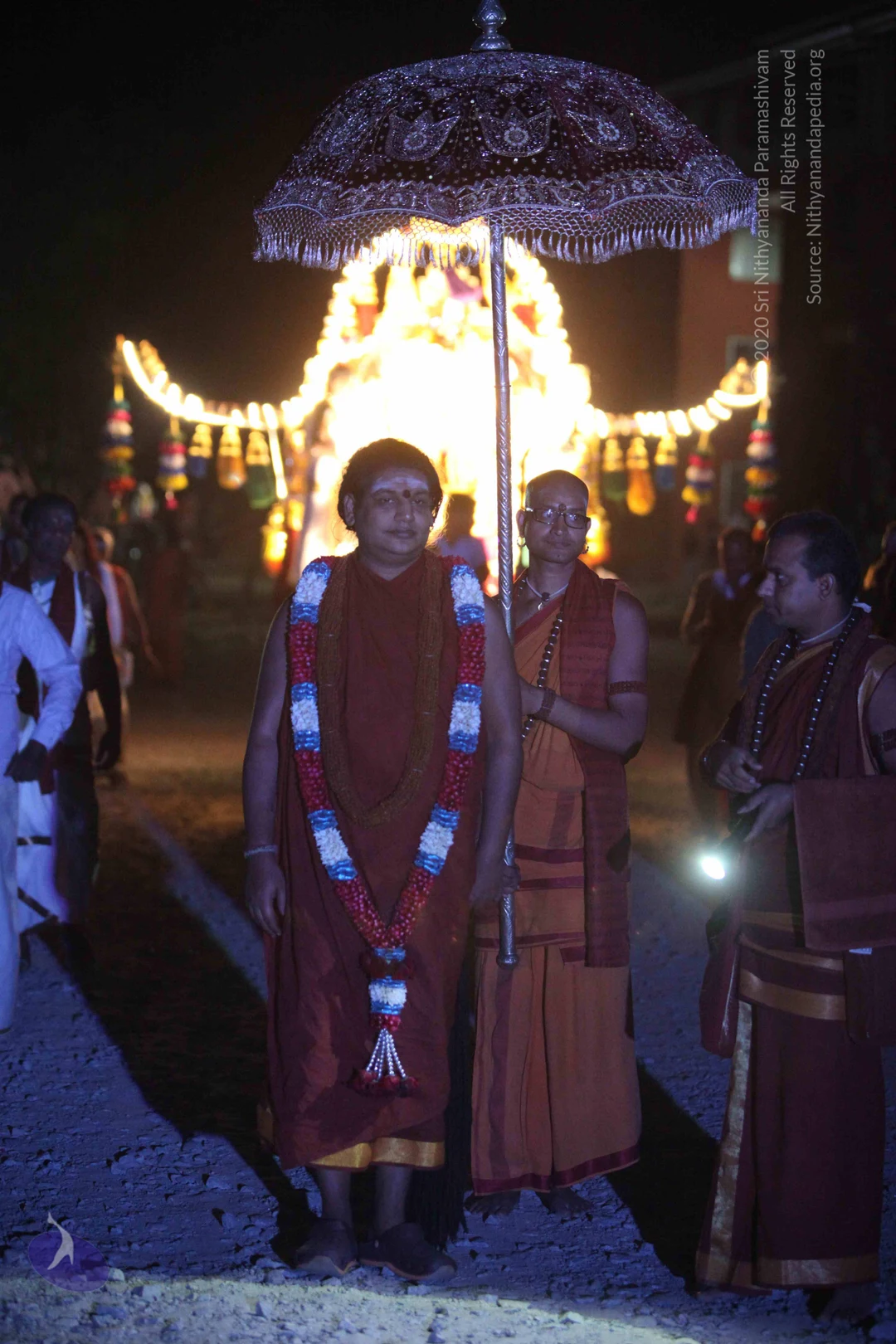
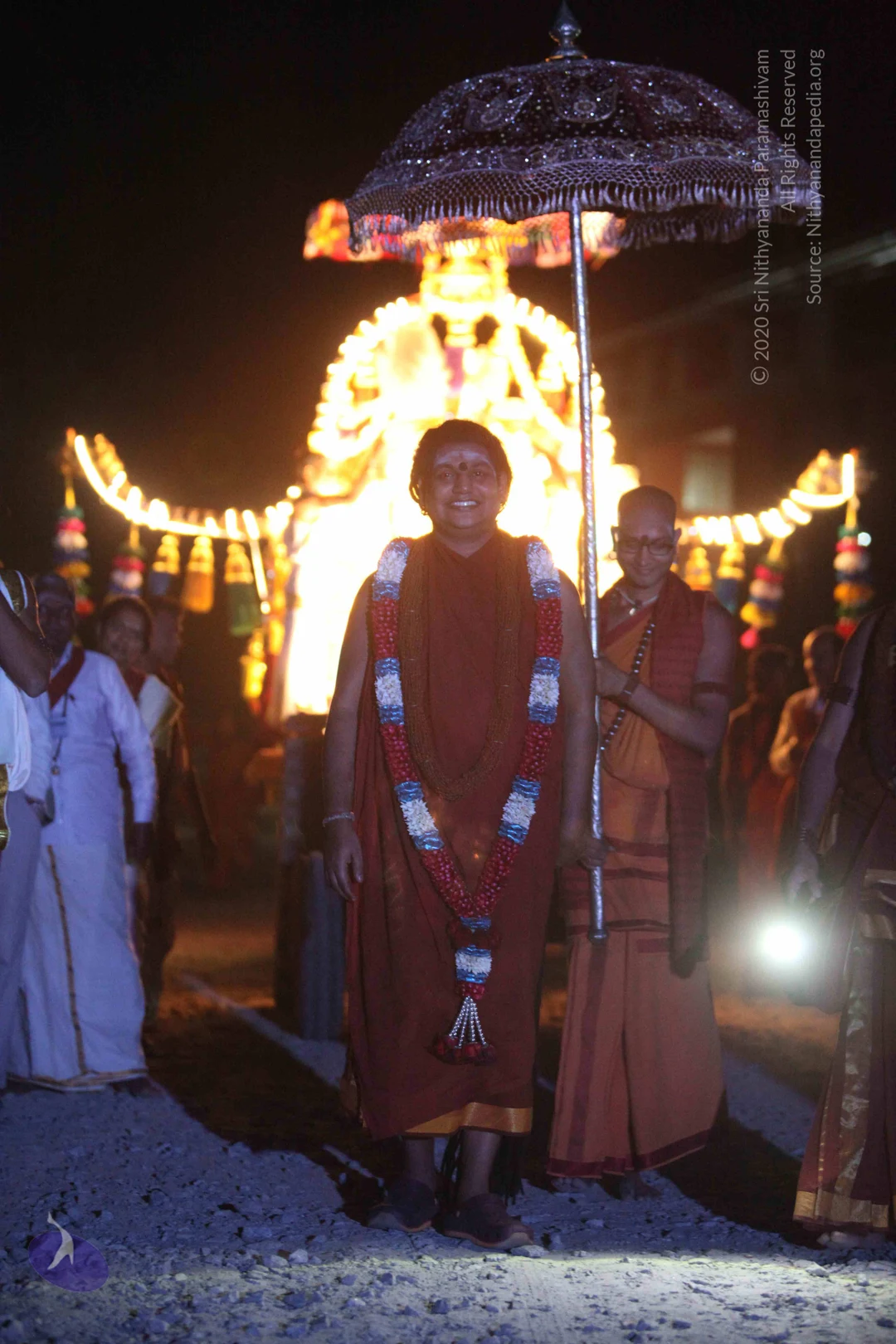
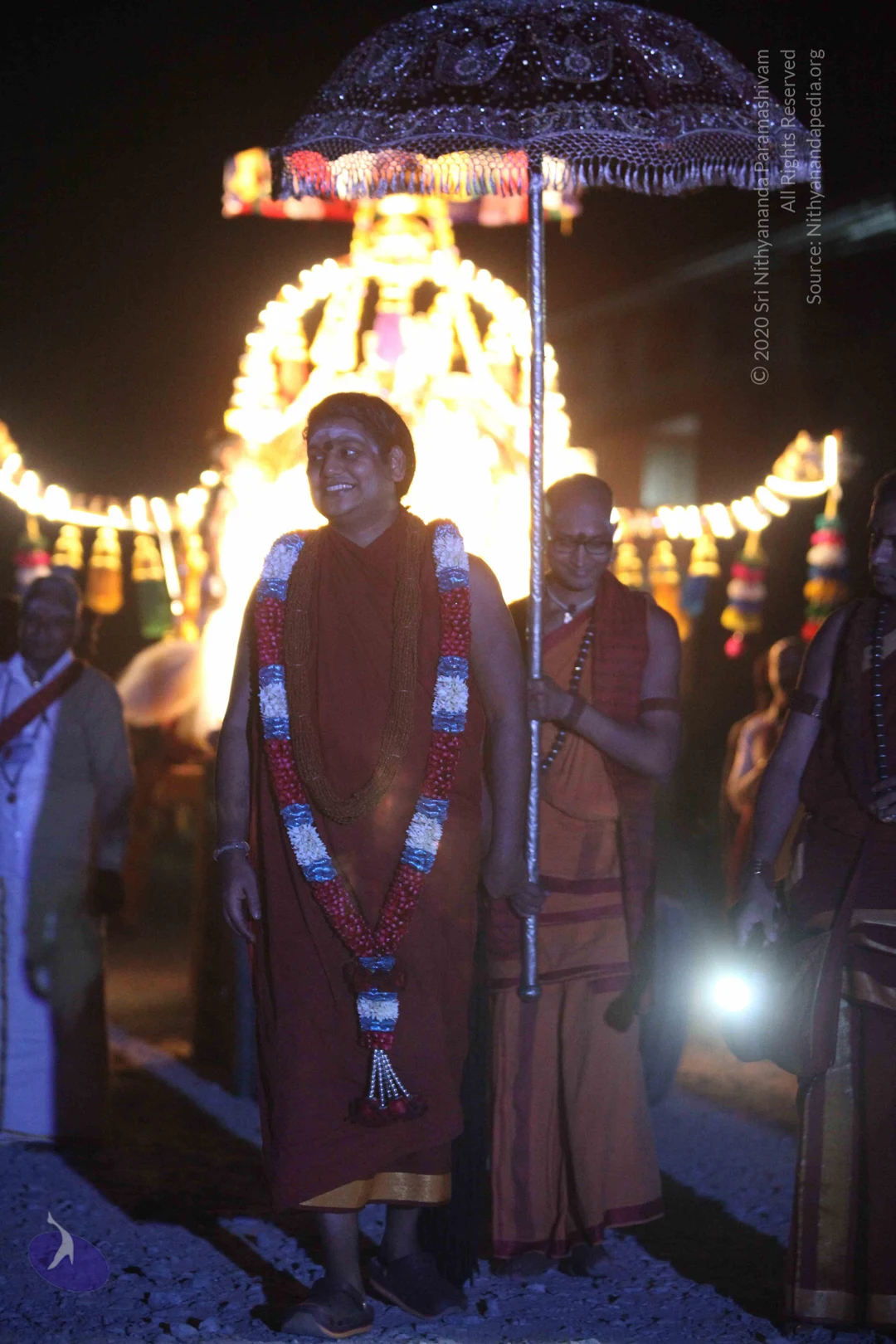
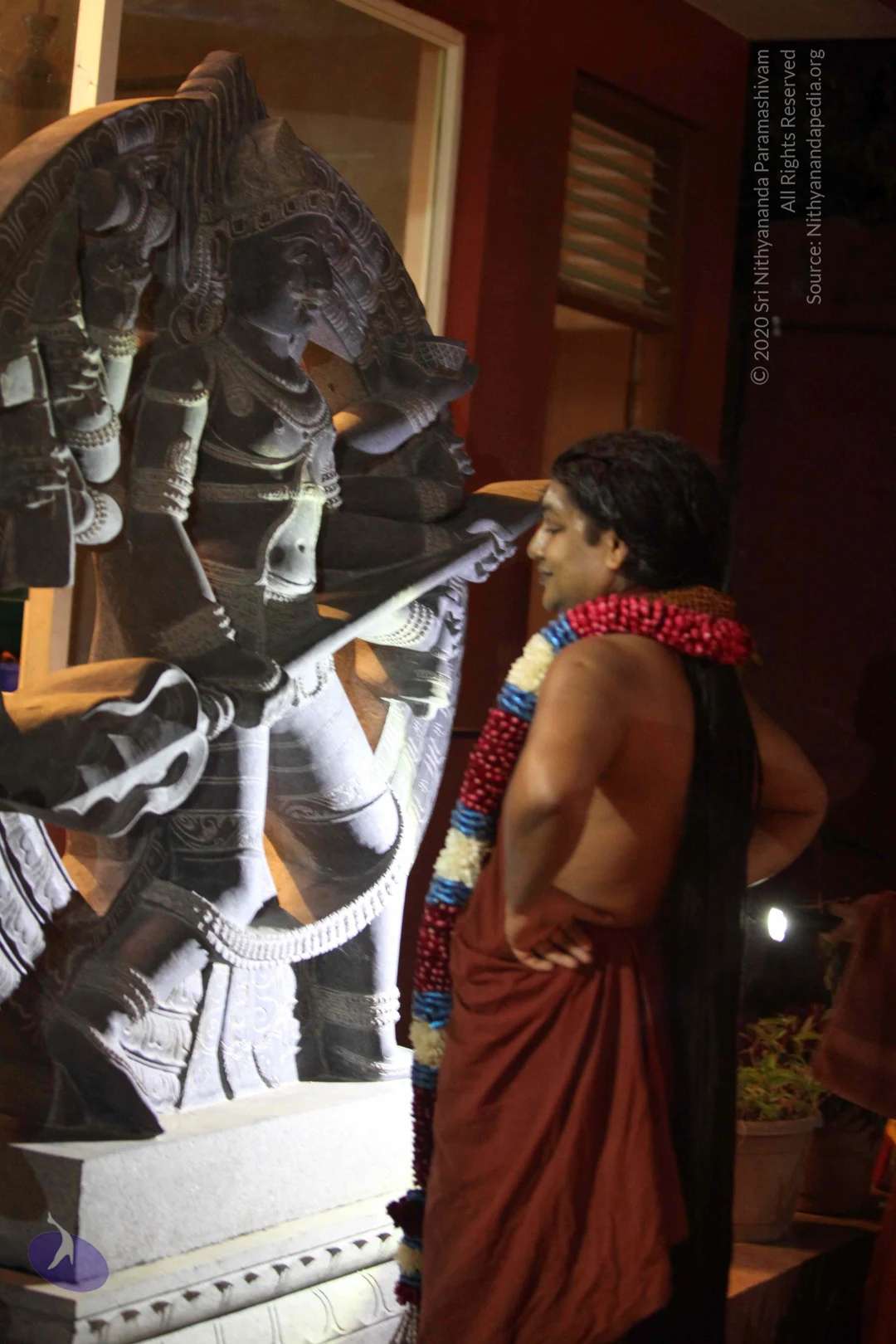
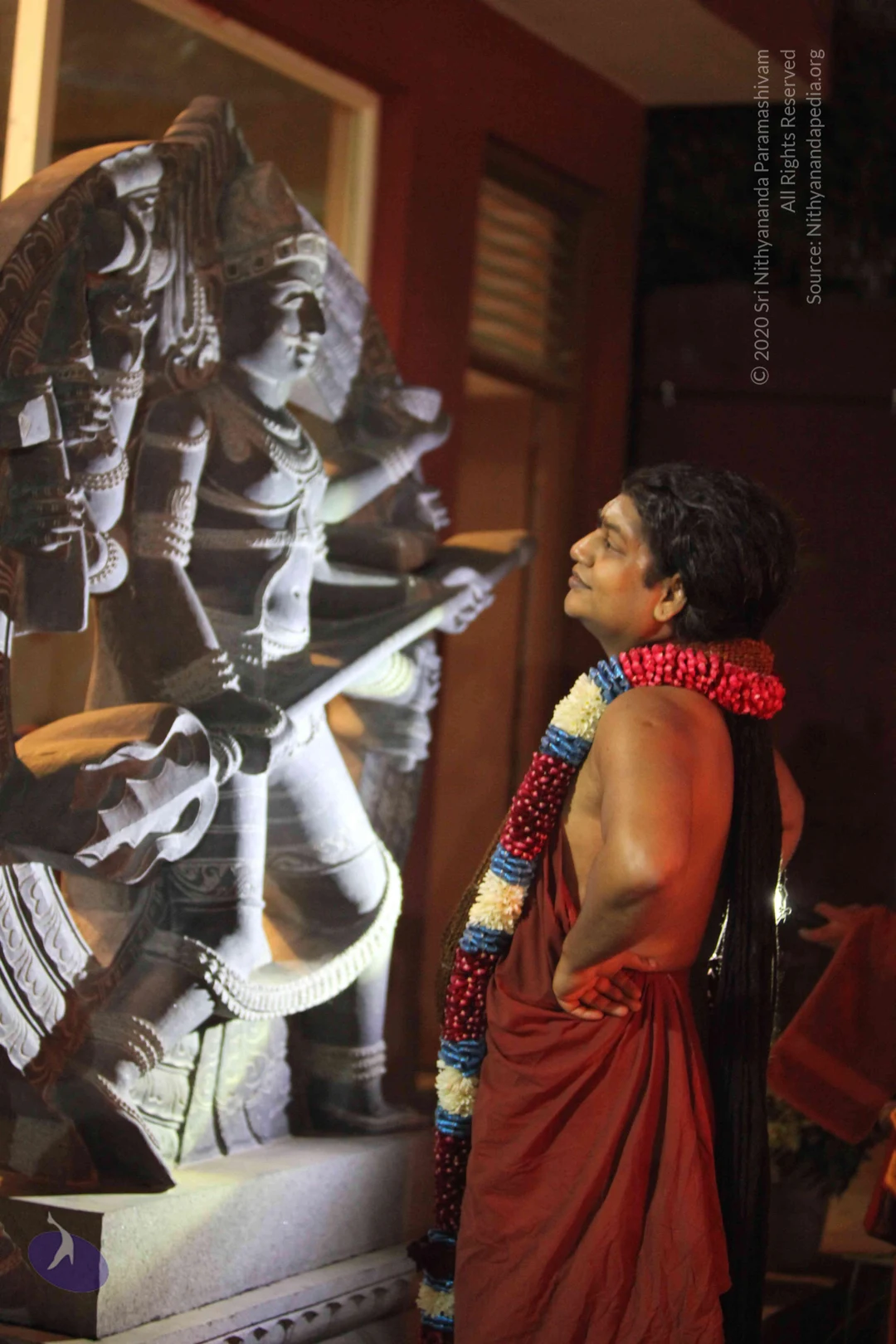
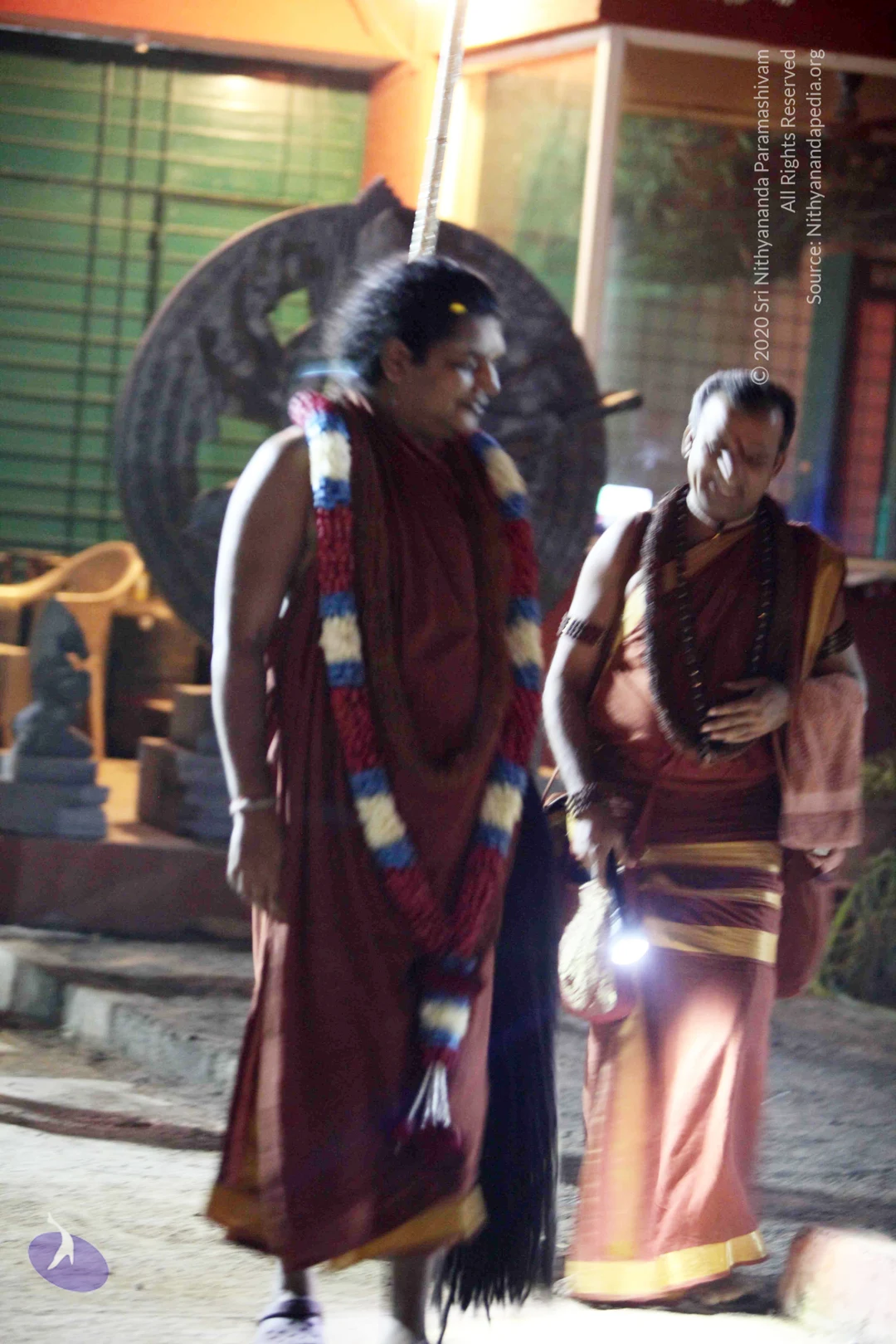
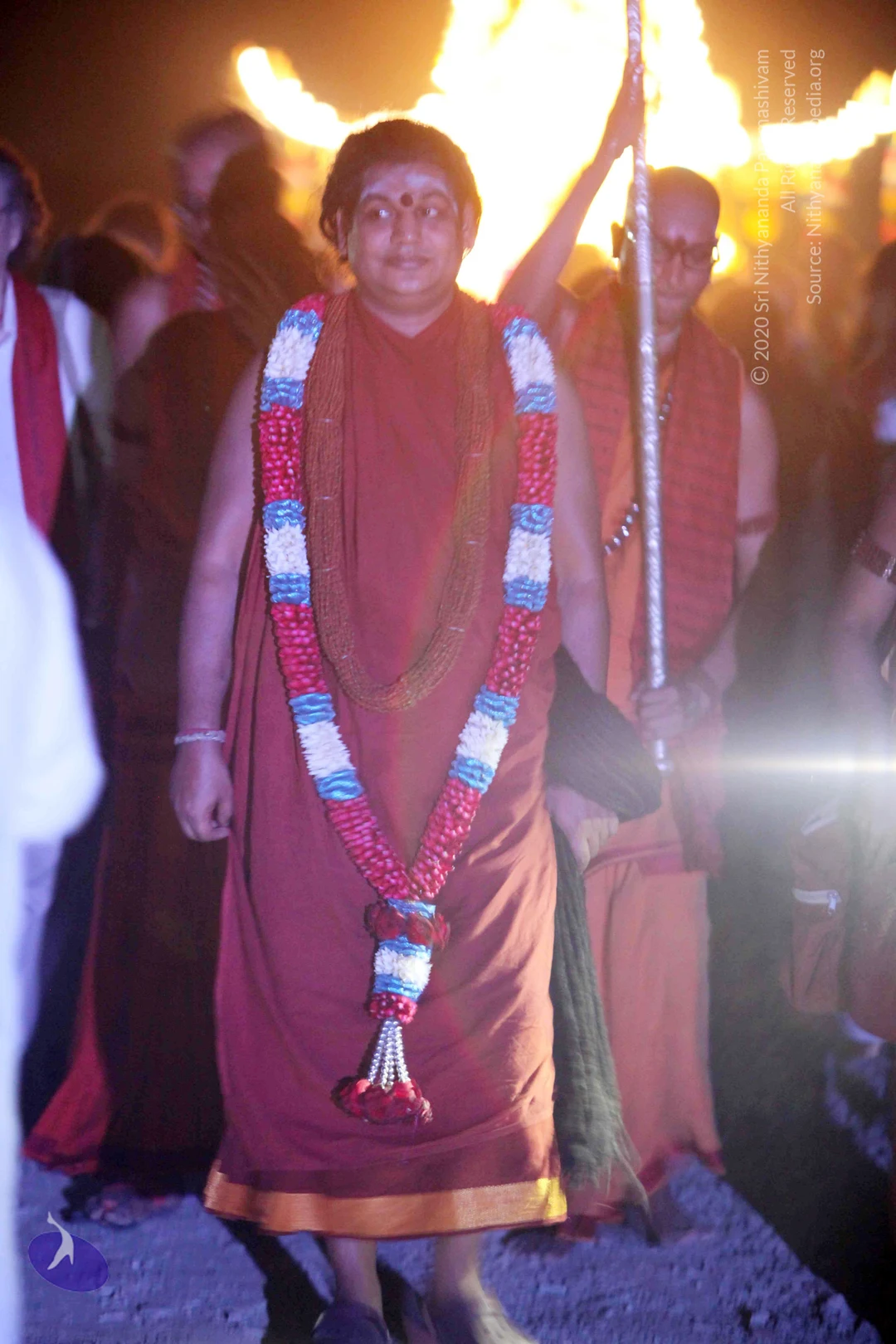
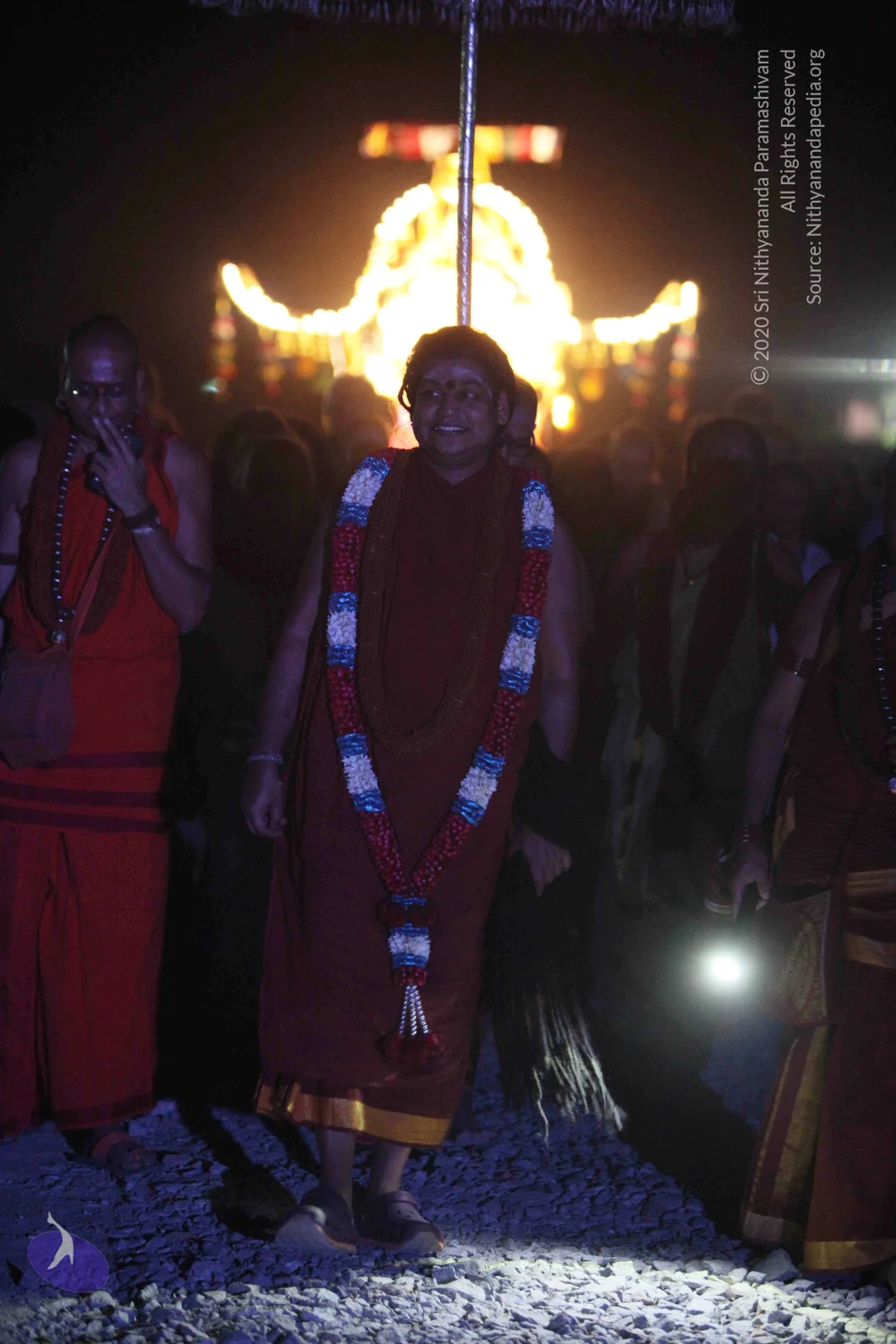
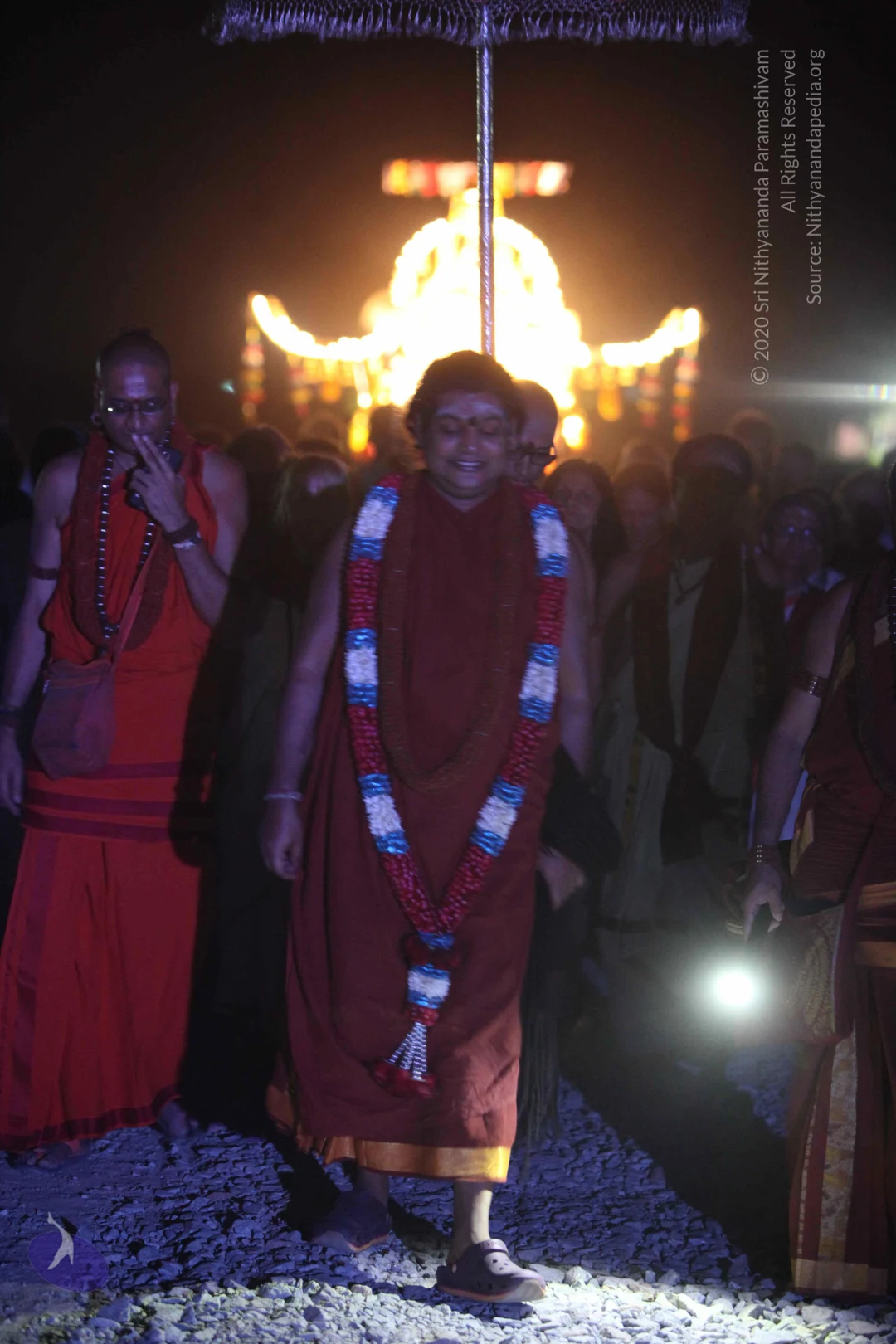
2-IA-Mandala-Process-Lunch-Ratothsavam
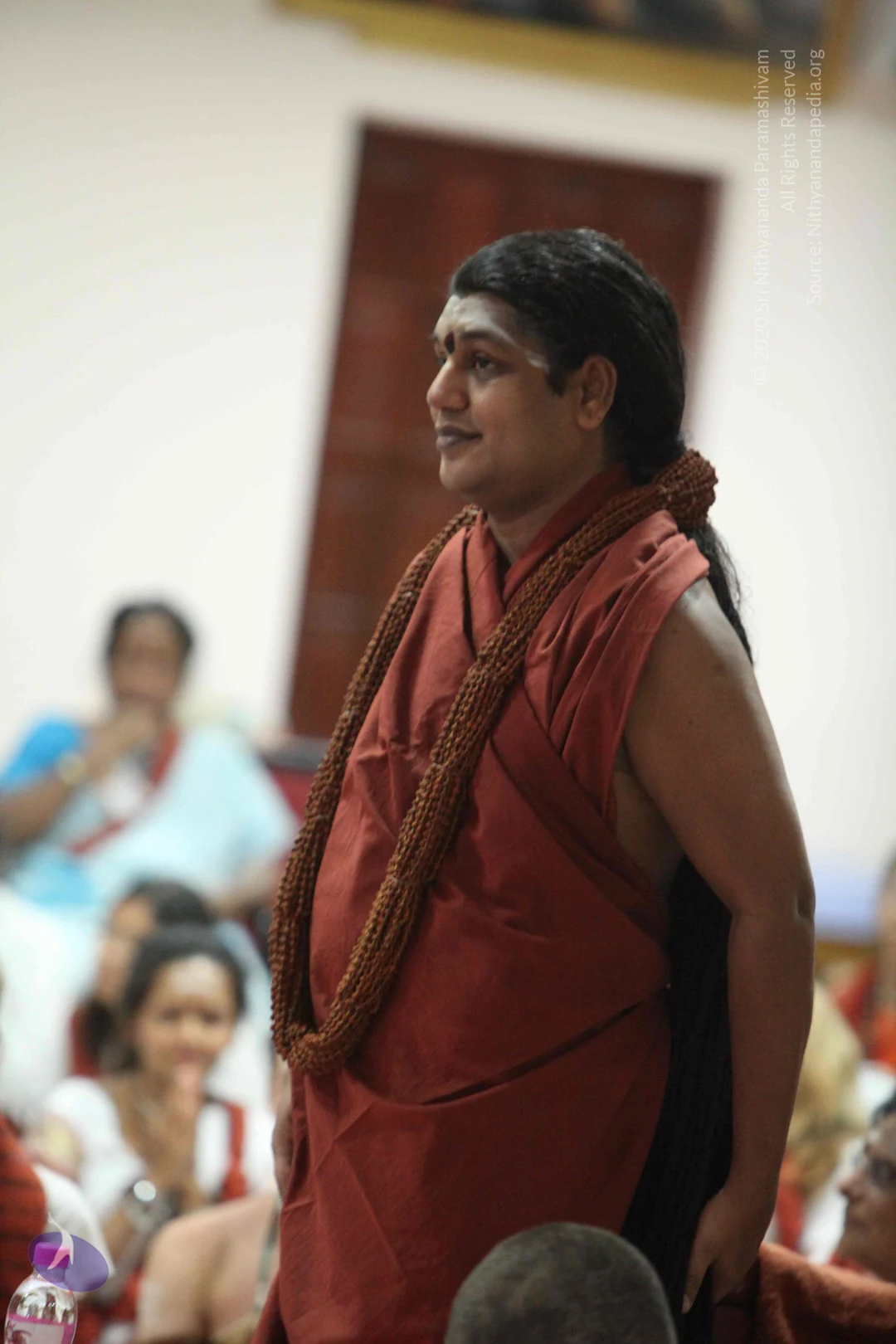
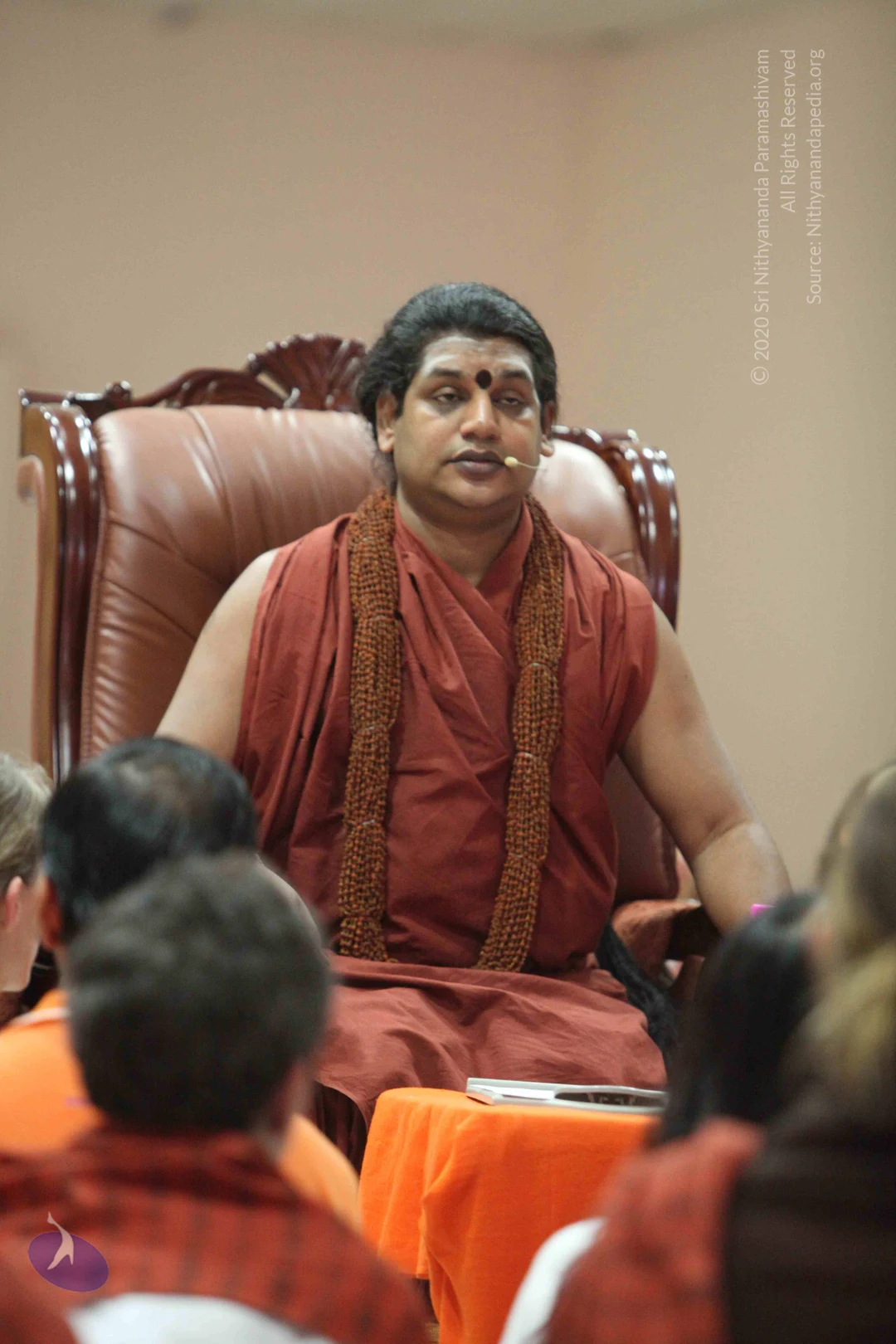
,,,,,
Photos from this day
View all 566 photosMandala Process
83 photosSource gallery
Ratothsavam
268 photosSource gallery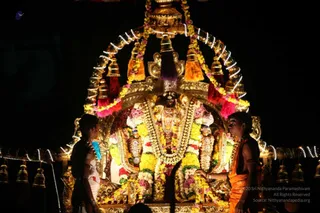
Mandala-Process
77 photosSource gallery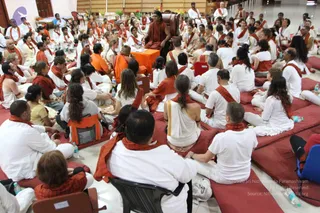
Ratothsavam
72 photosSource gallery