Monday
15 February 2016
Inner Awakening Day 12, Nithyanandoham day 1
- Dated photos
- 300
- Source pages
- 1
- Media
- 3
February 15 2016
Original wiki pageTitle
Inner Awakening Day 12, Nithyanandoham day 1
Narration
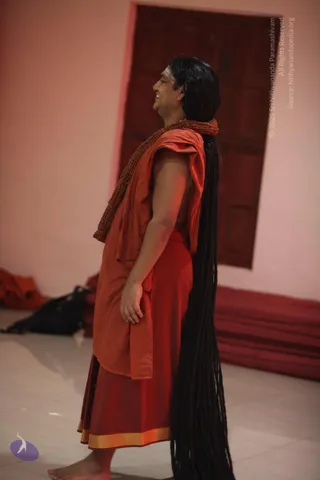
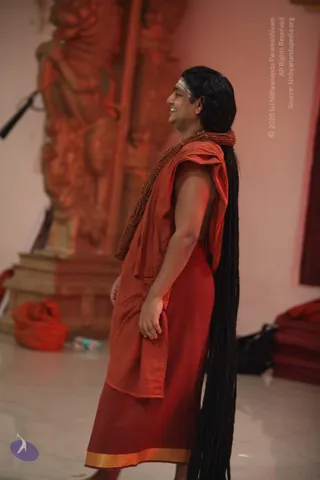
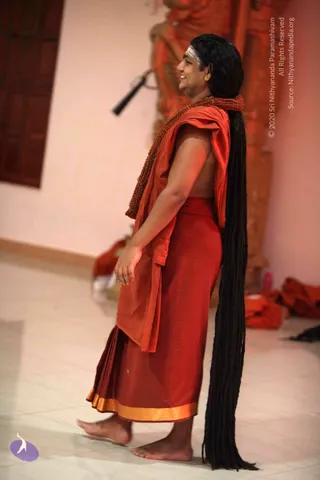
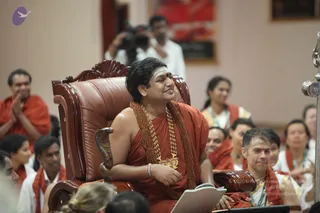
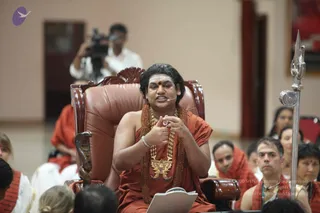
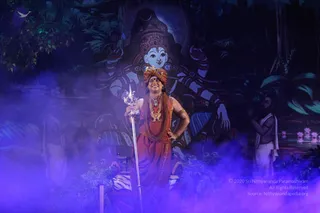
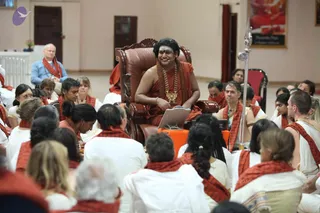
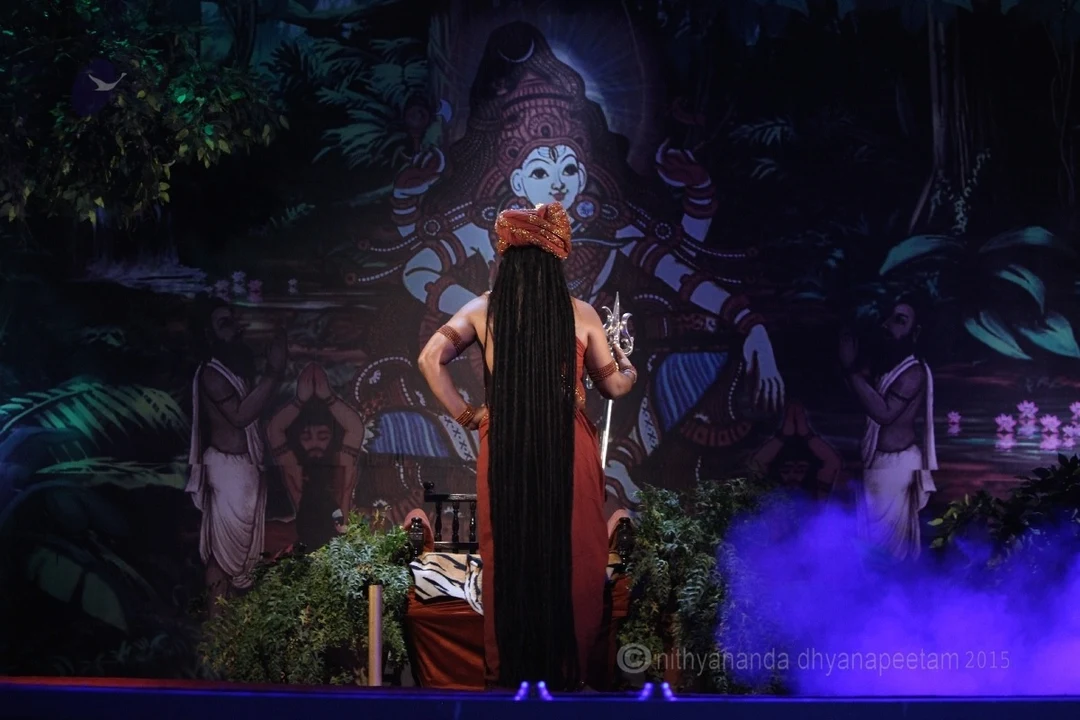
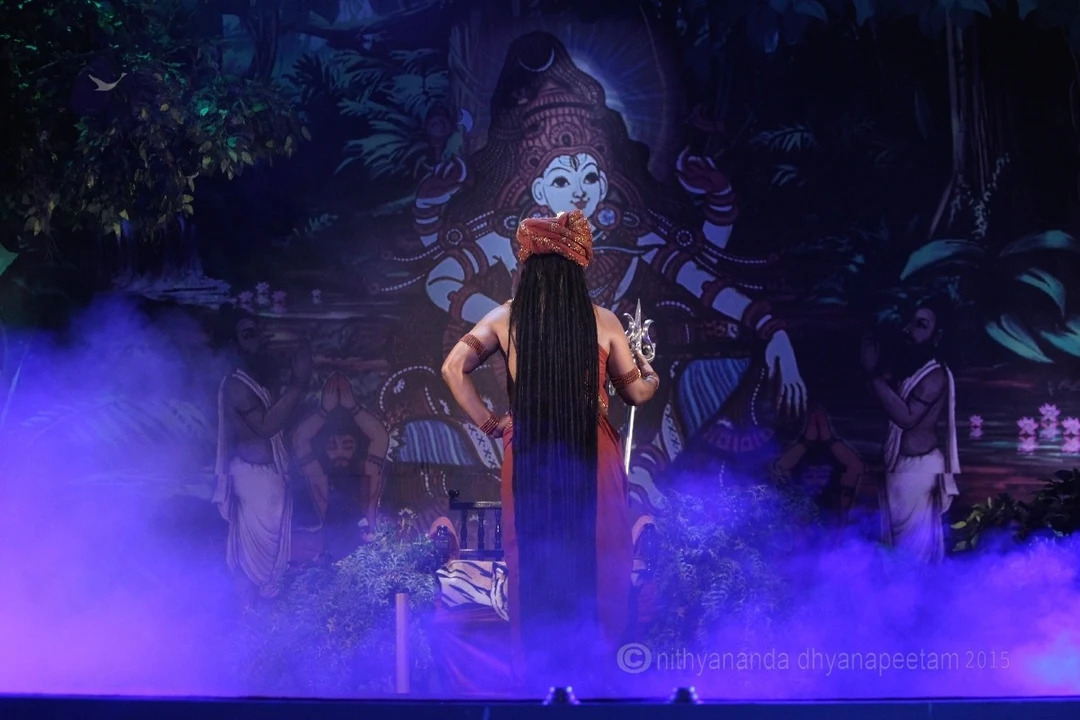
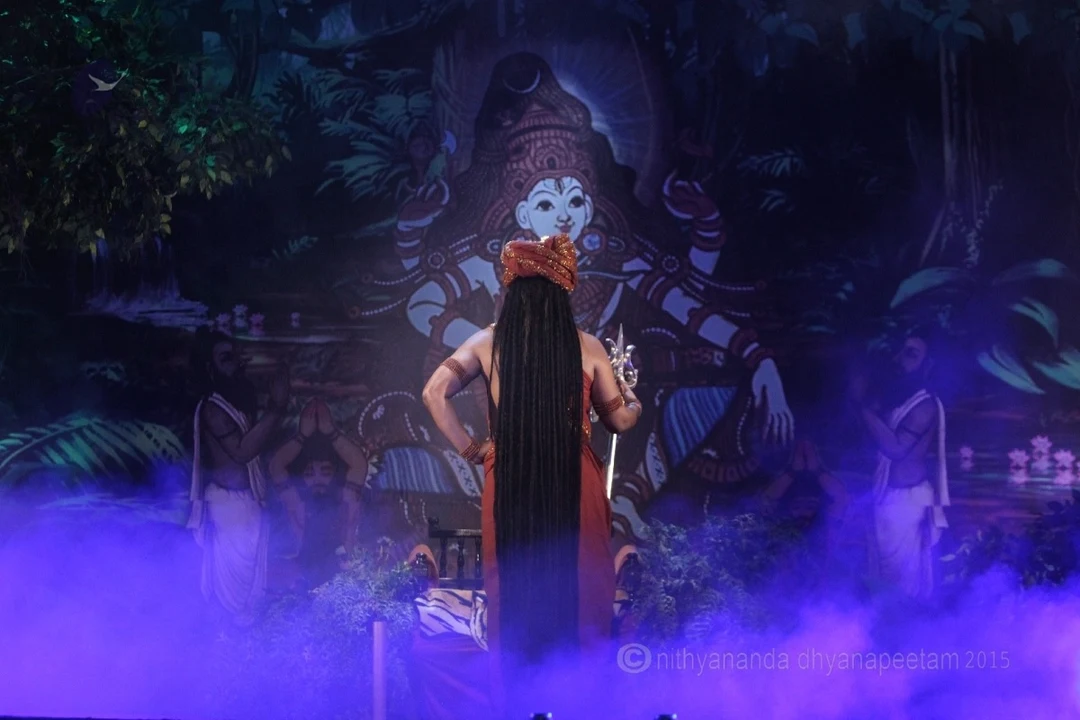
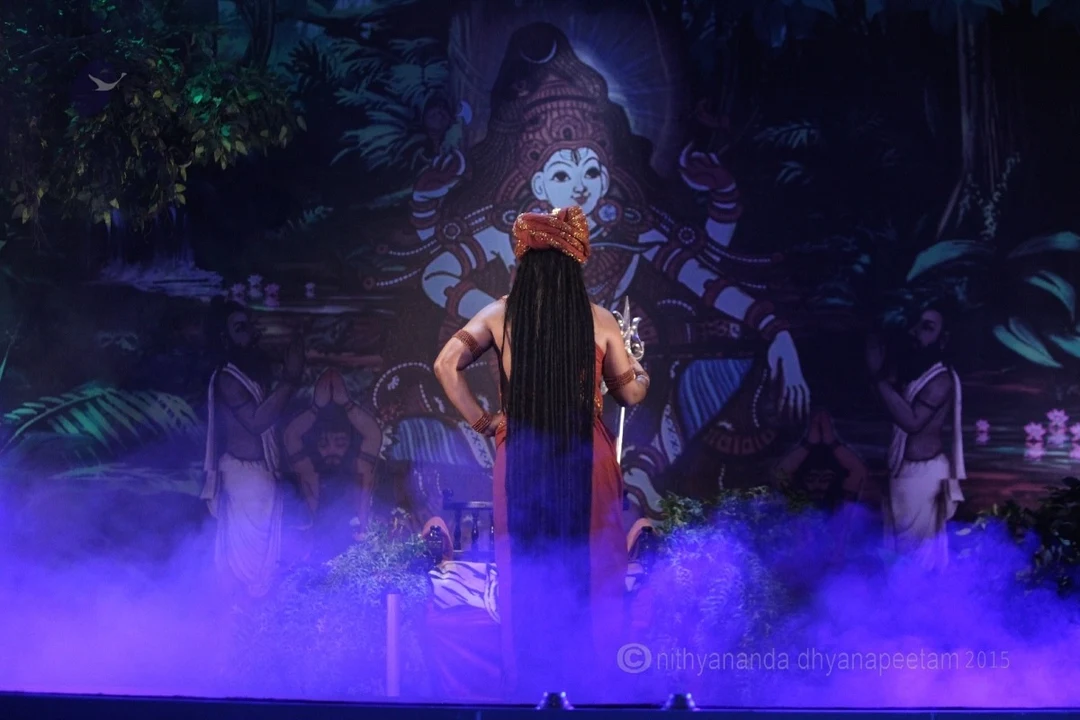
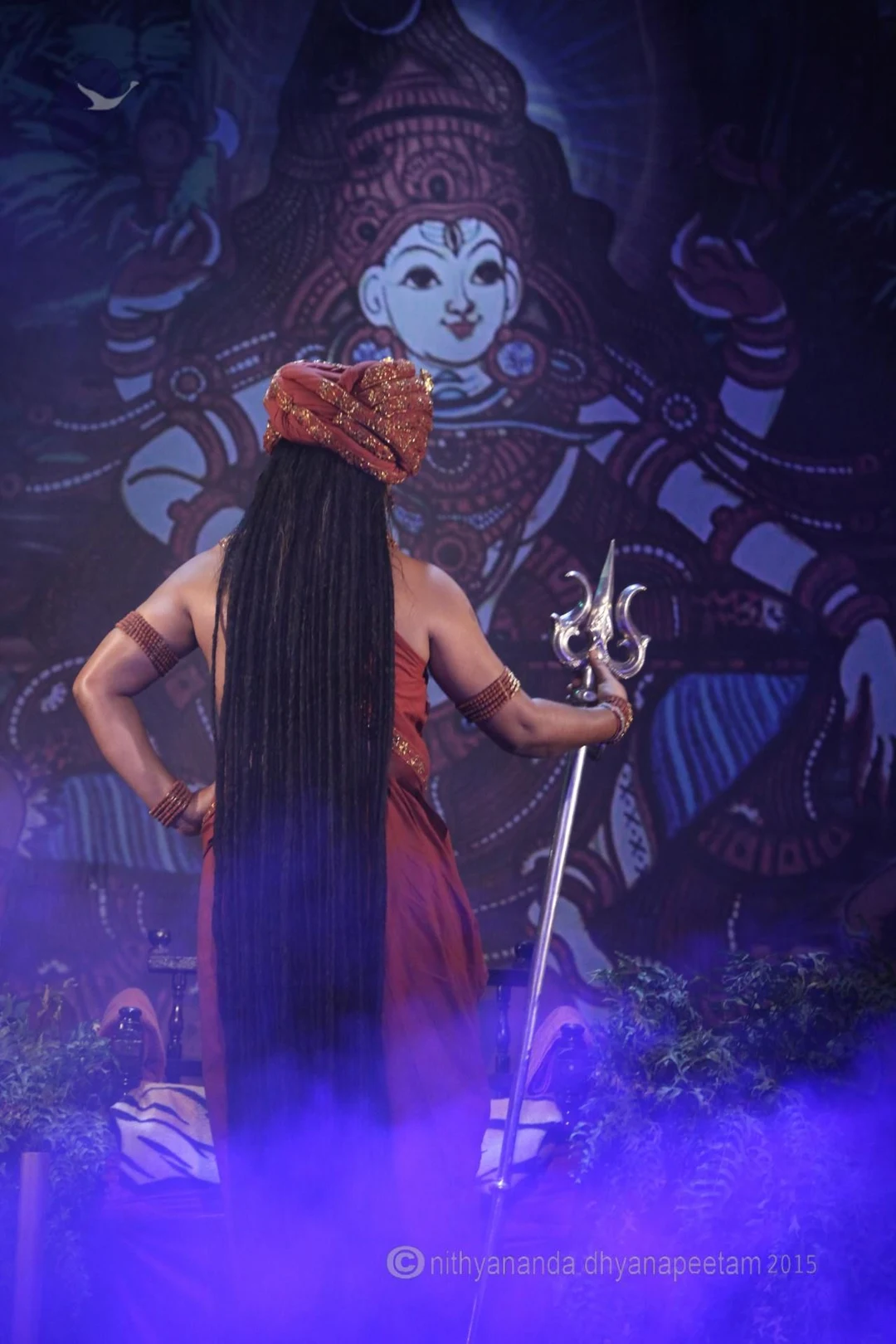
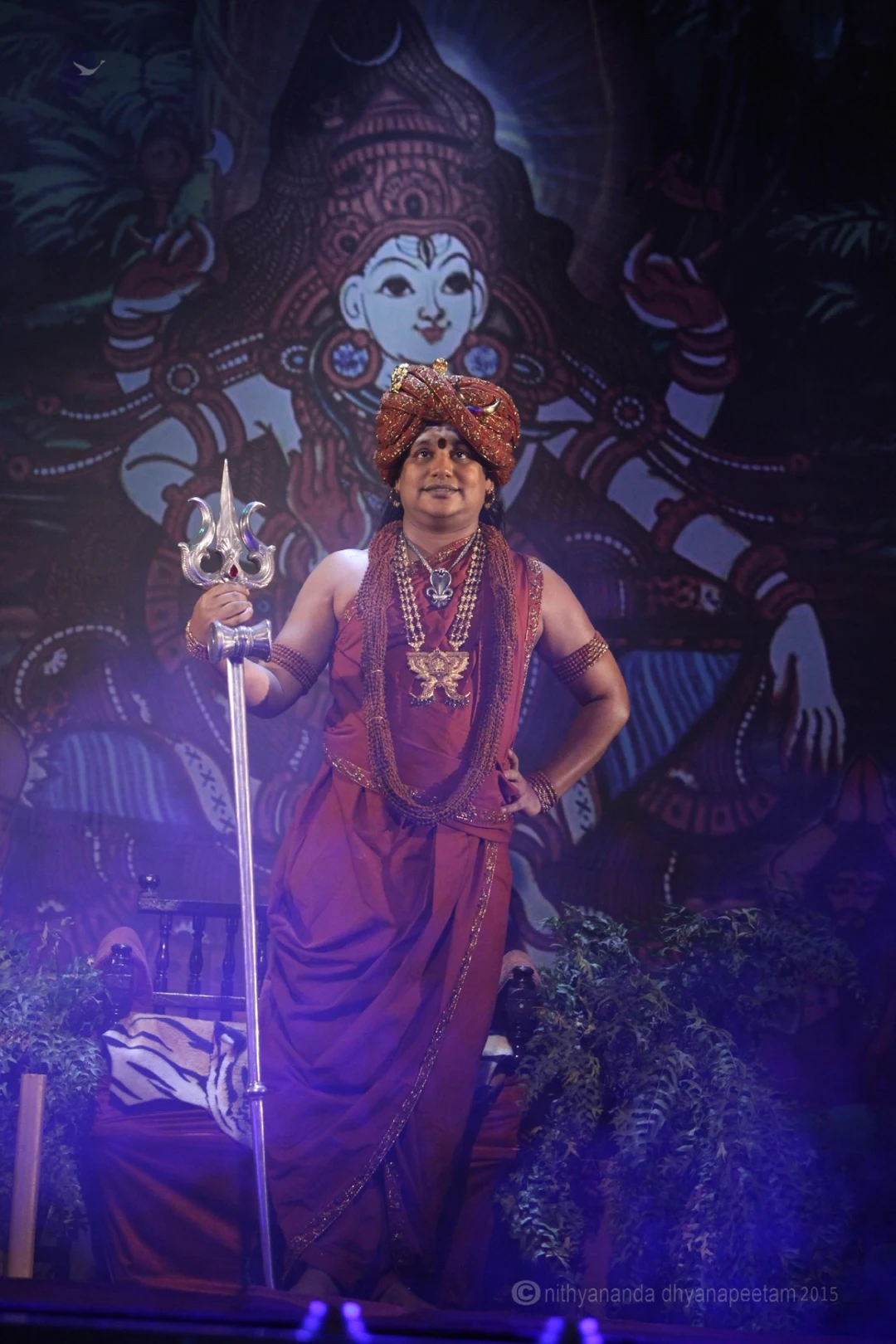
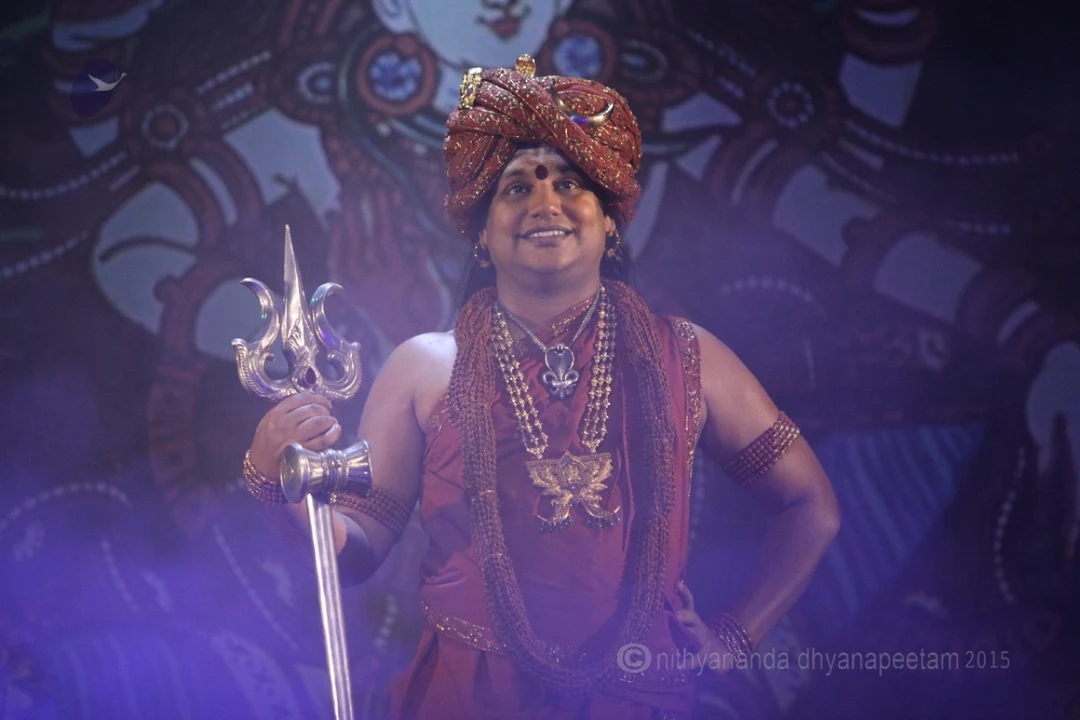
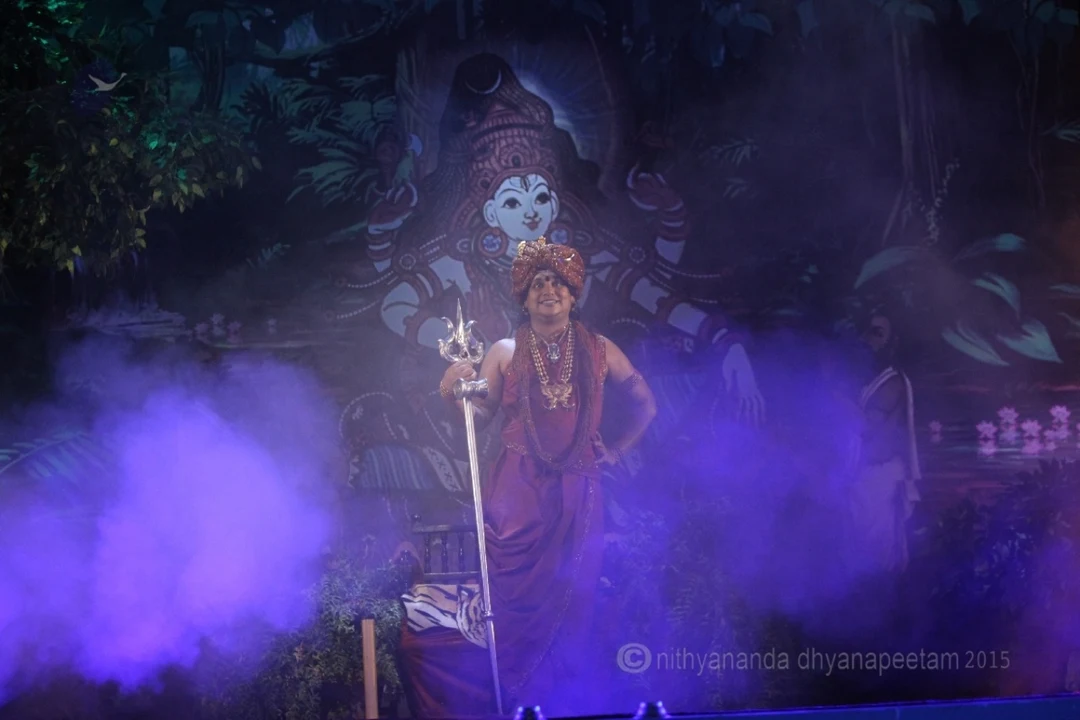
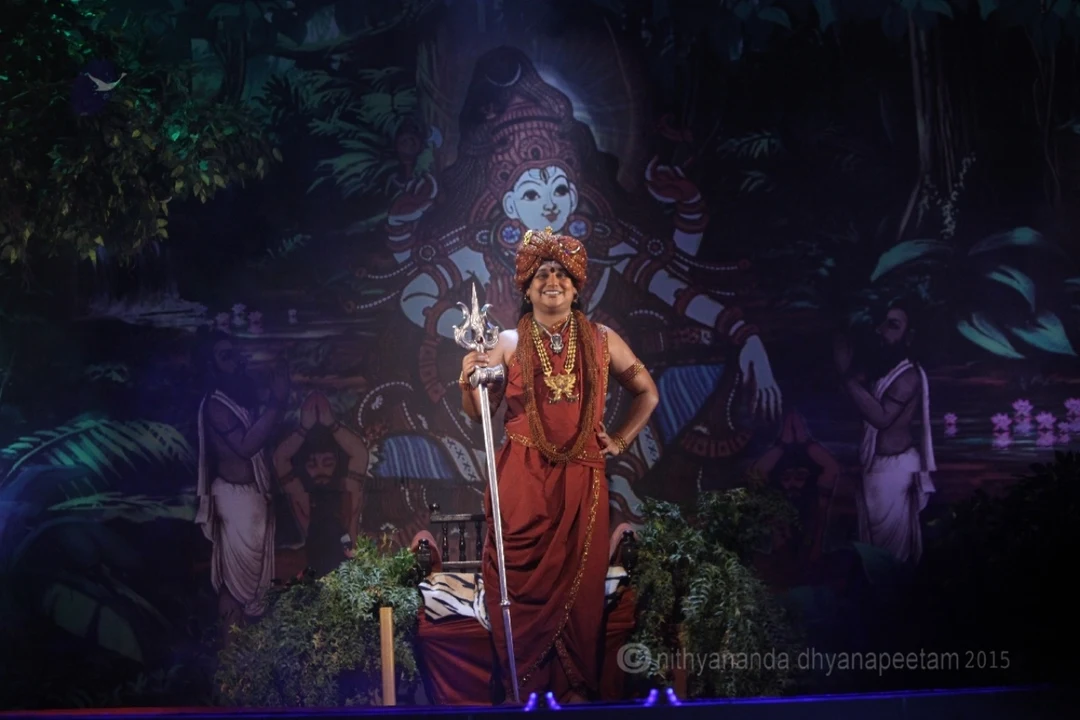
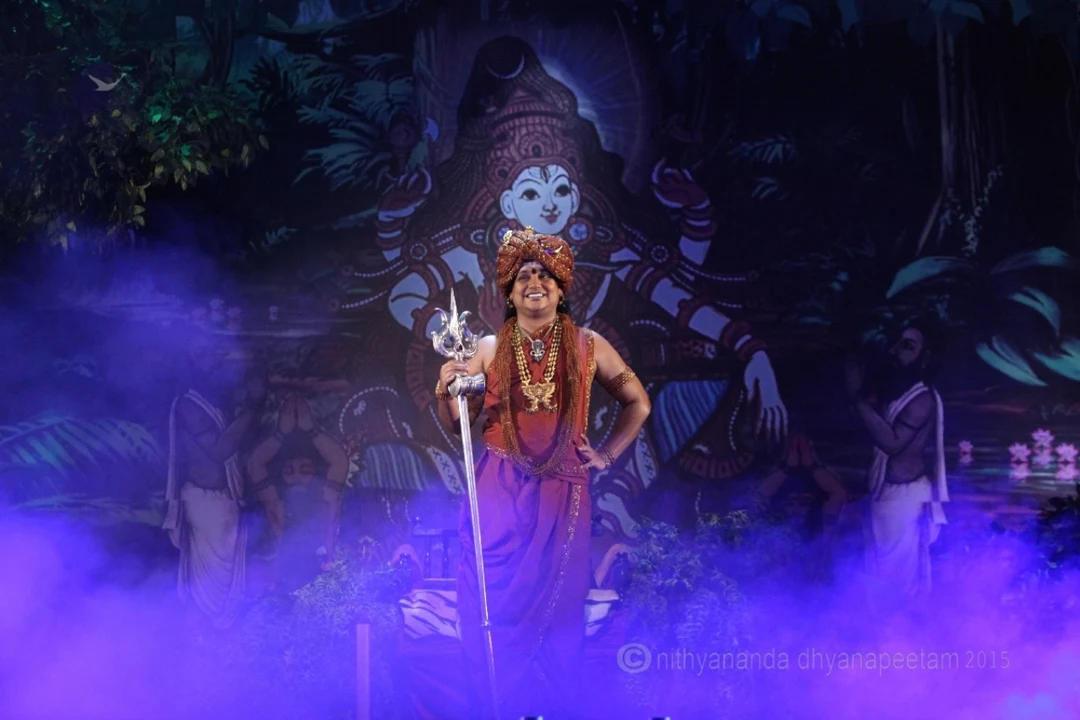
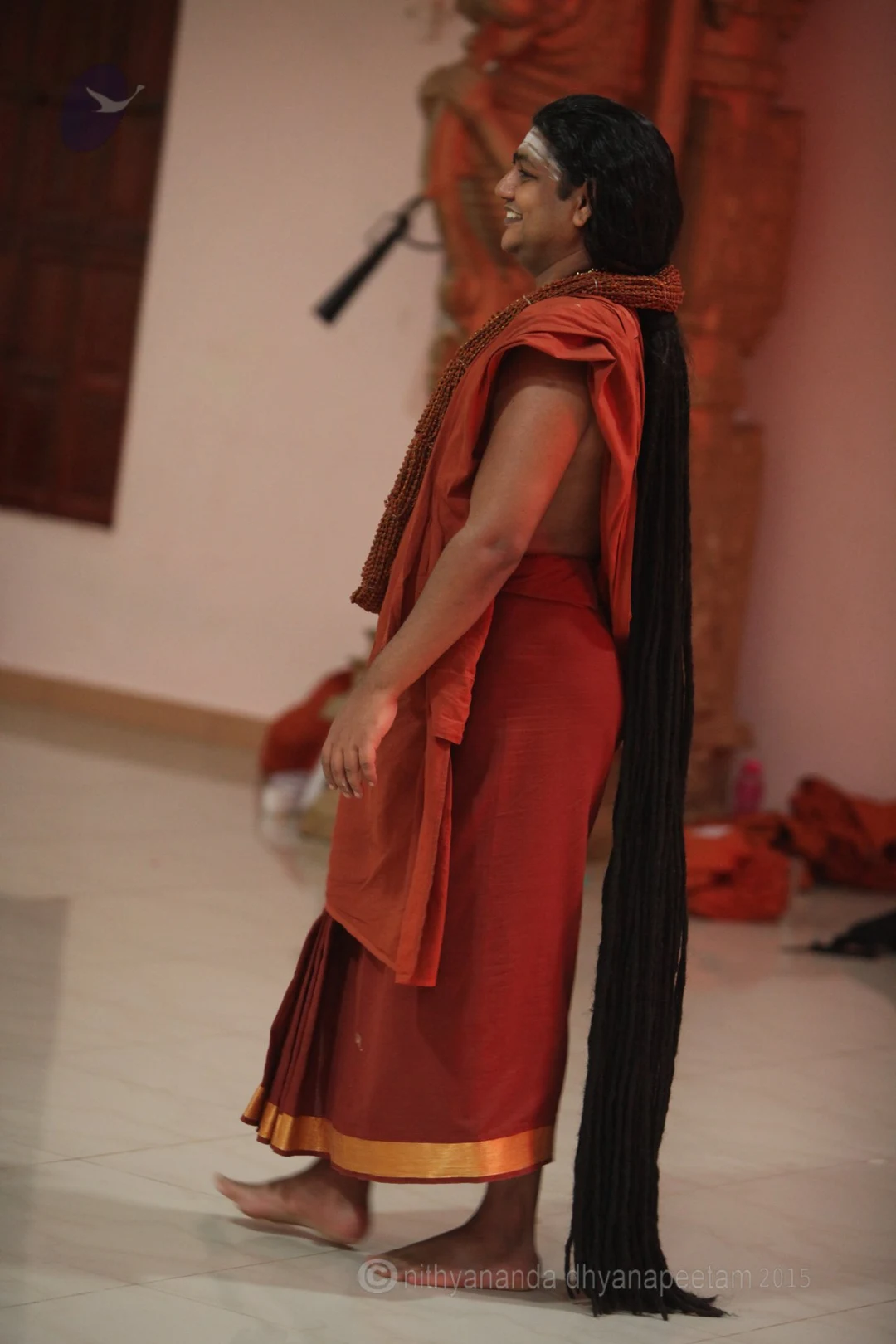
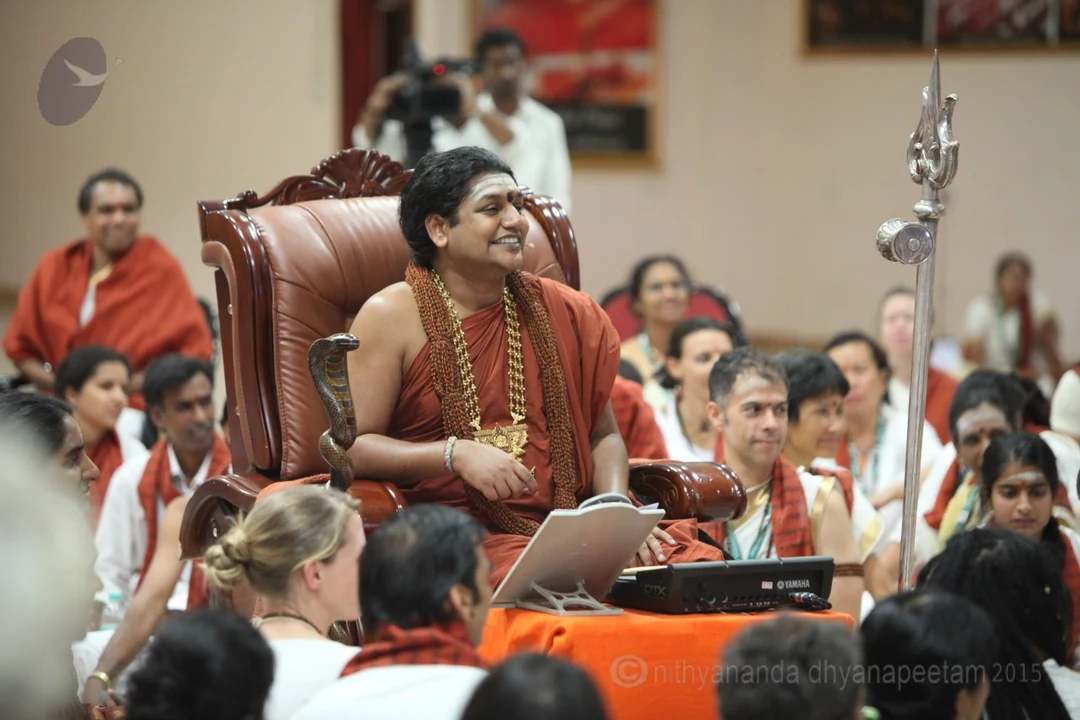
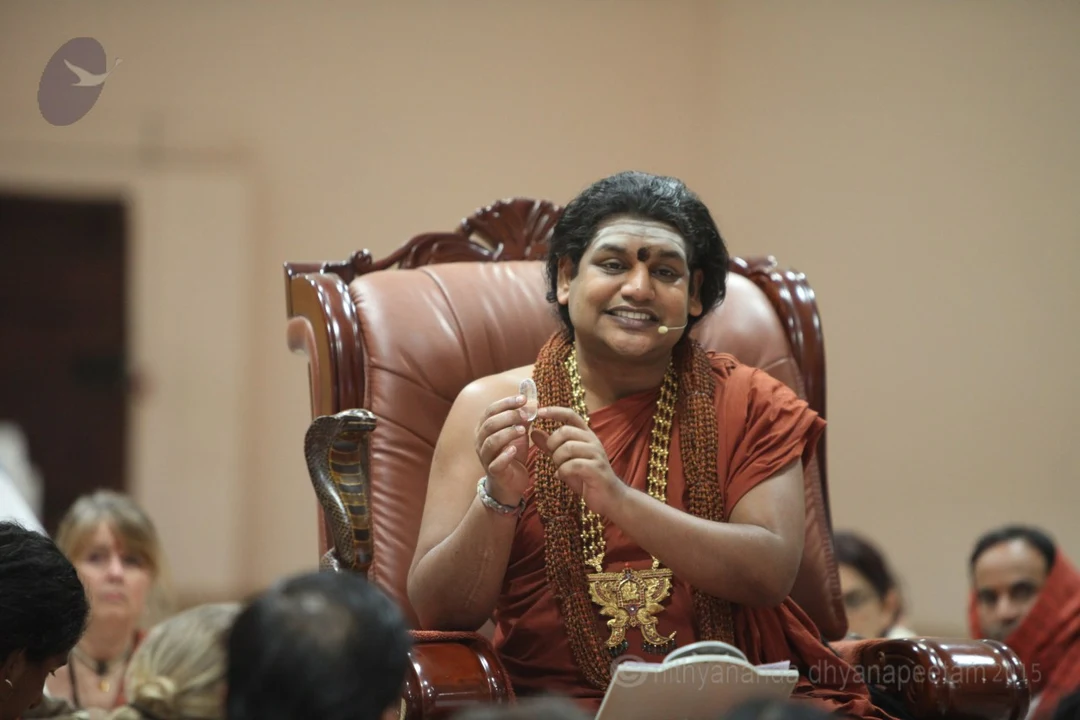
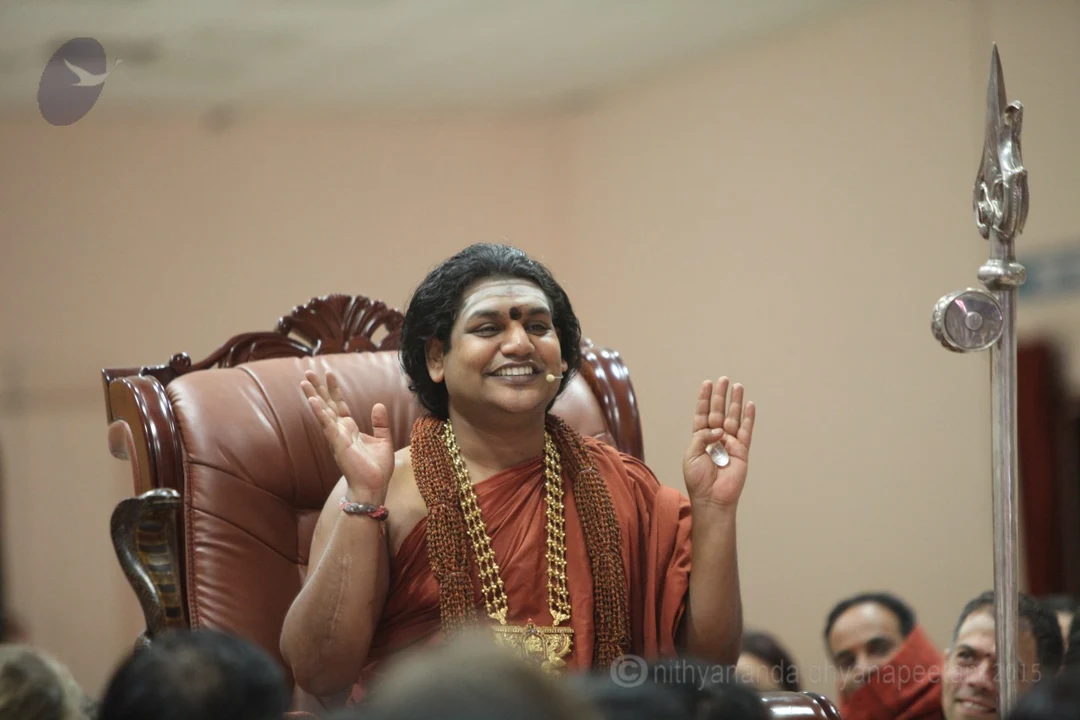
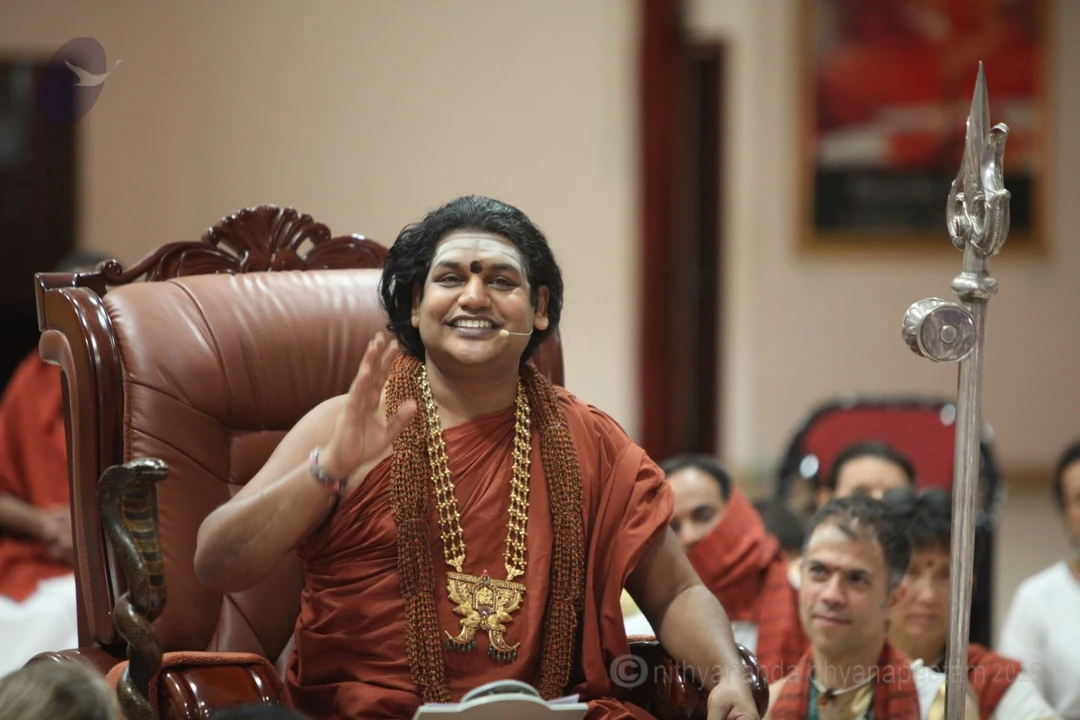
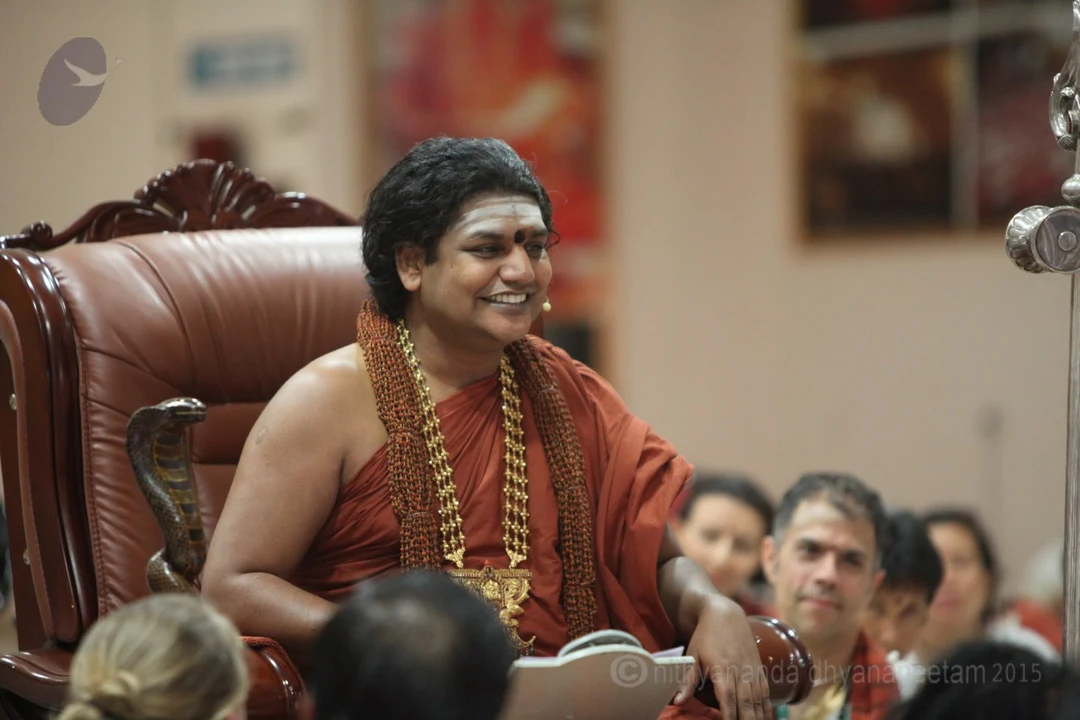
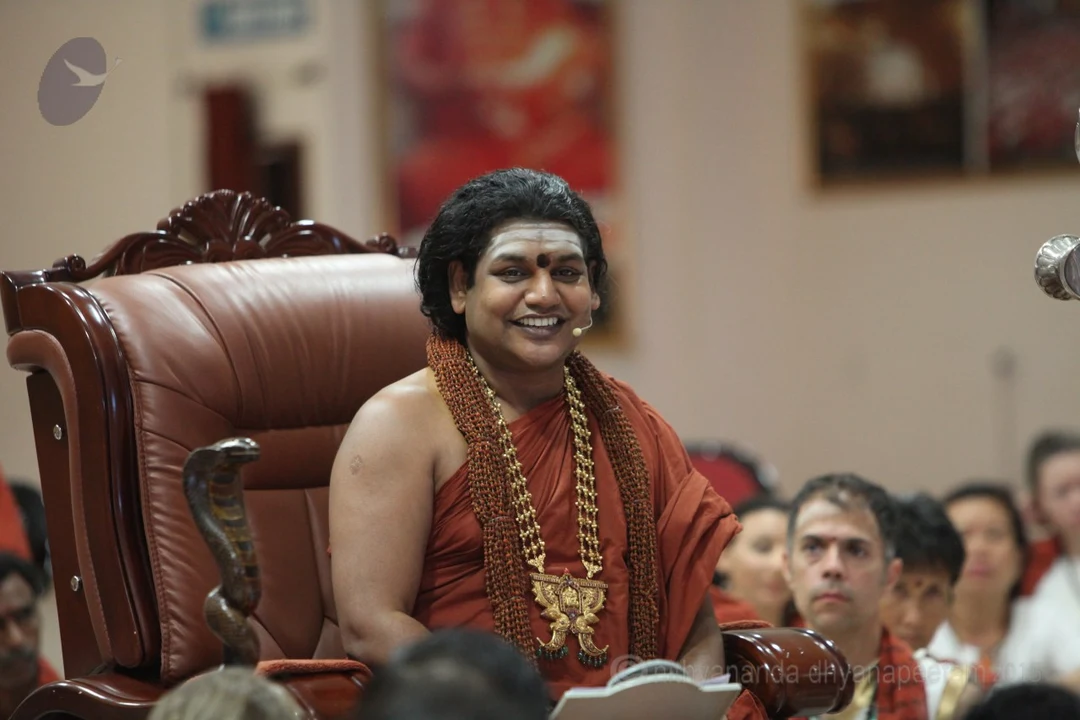
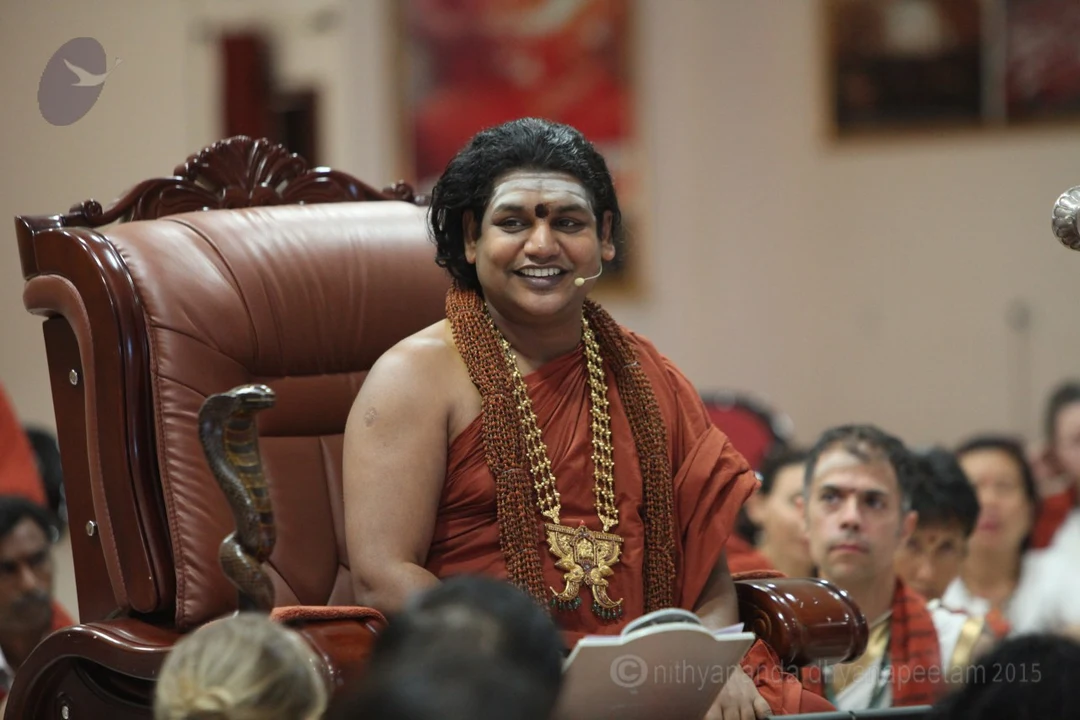
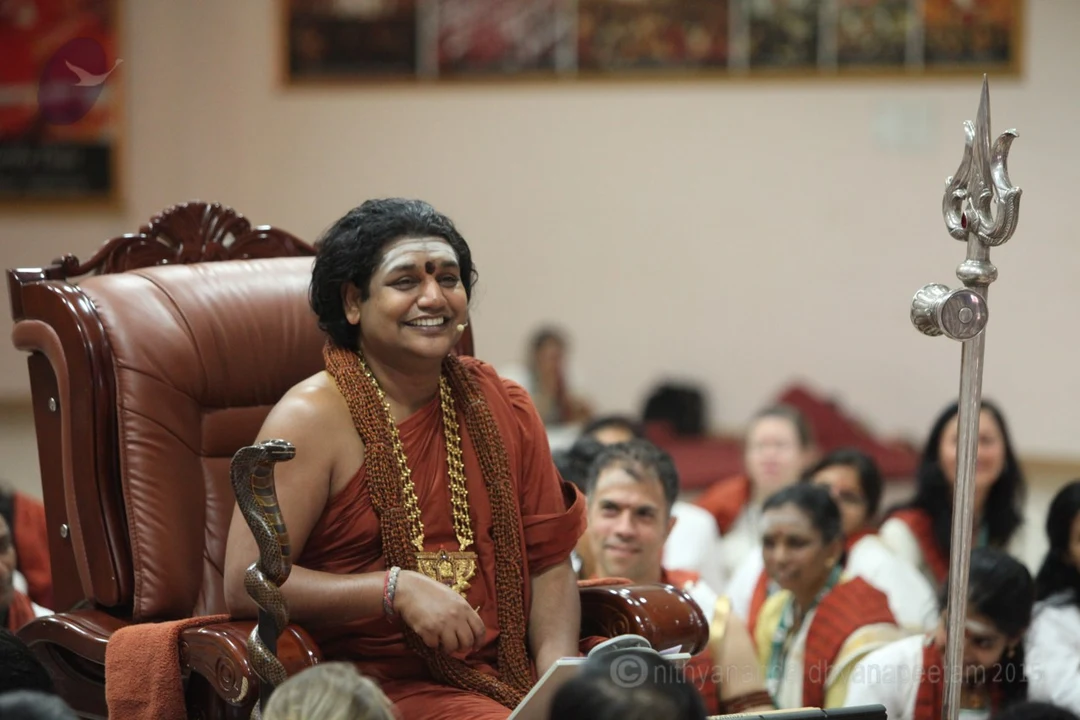
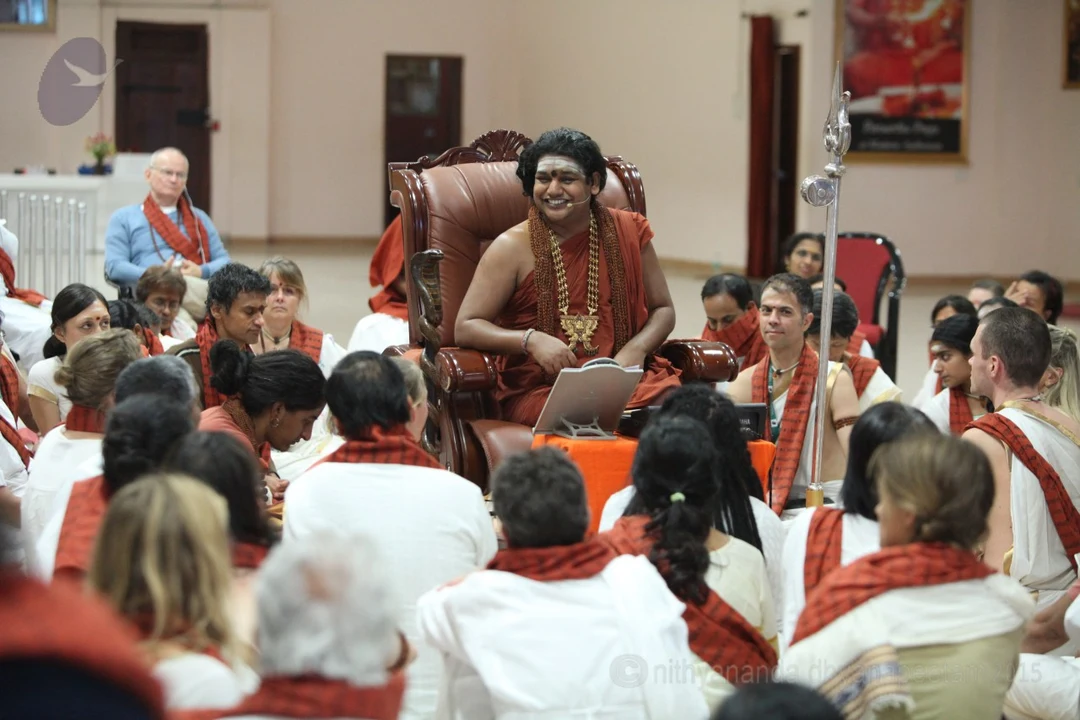
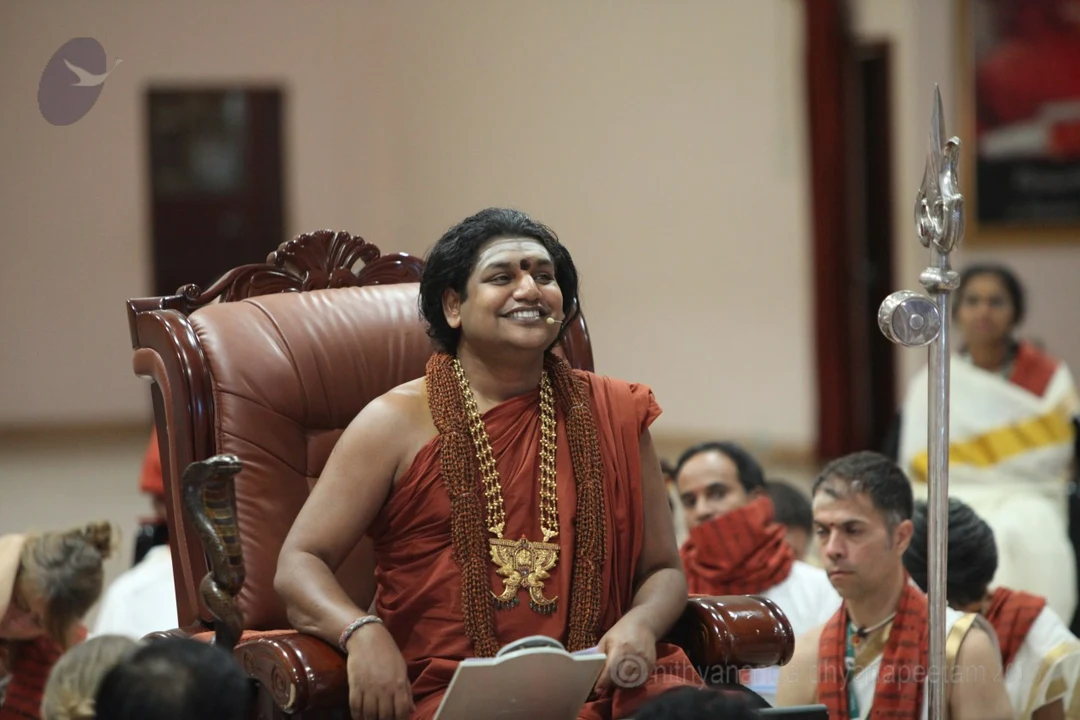
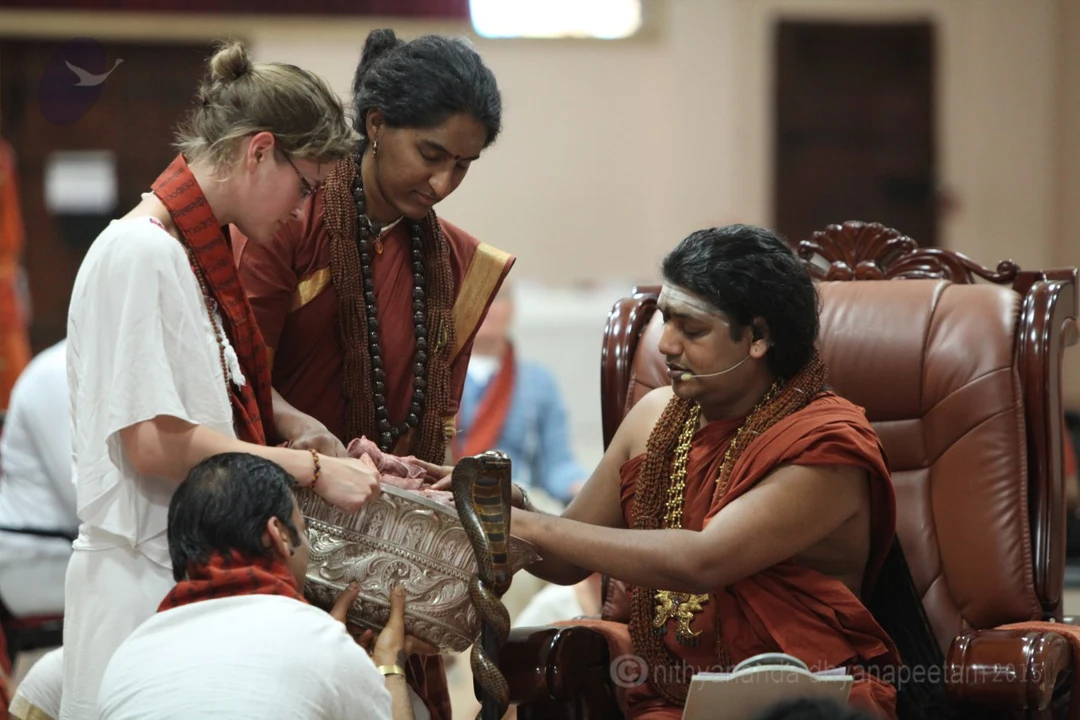
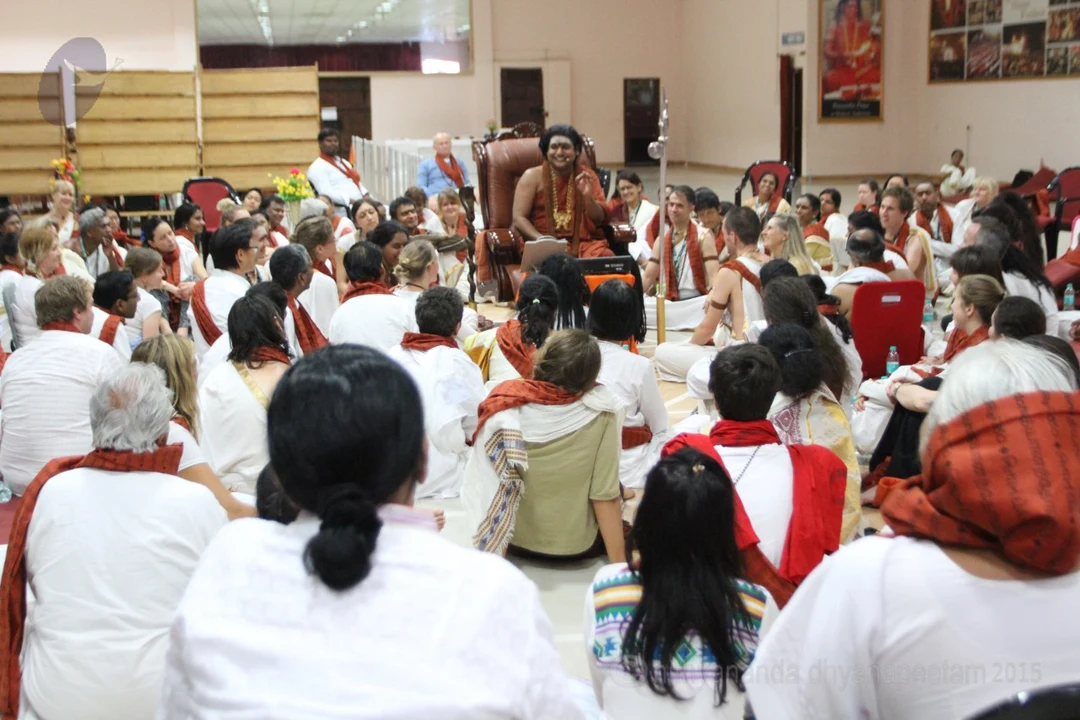
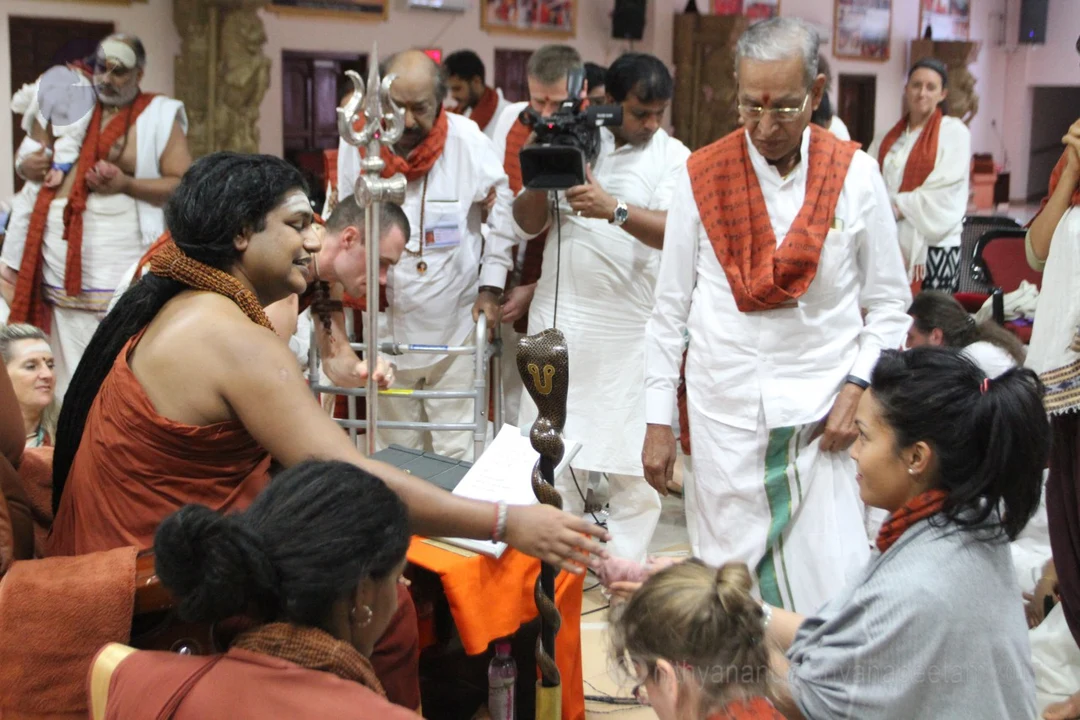
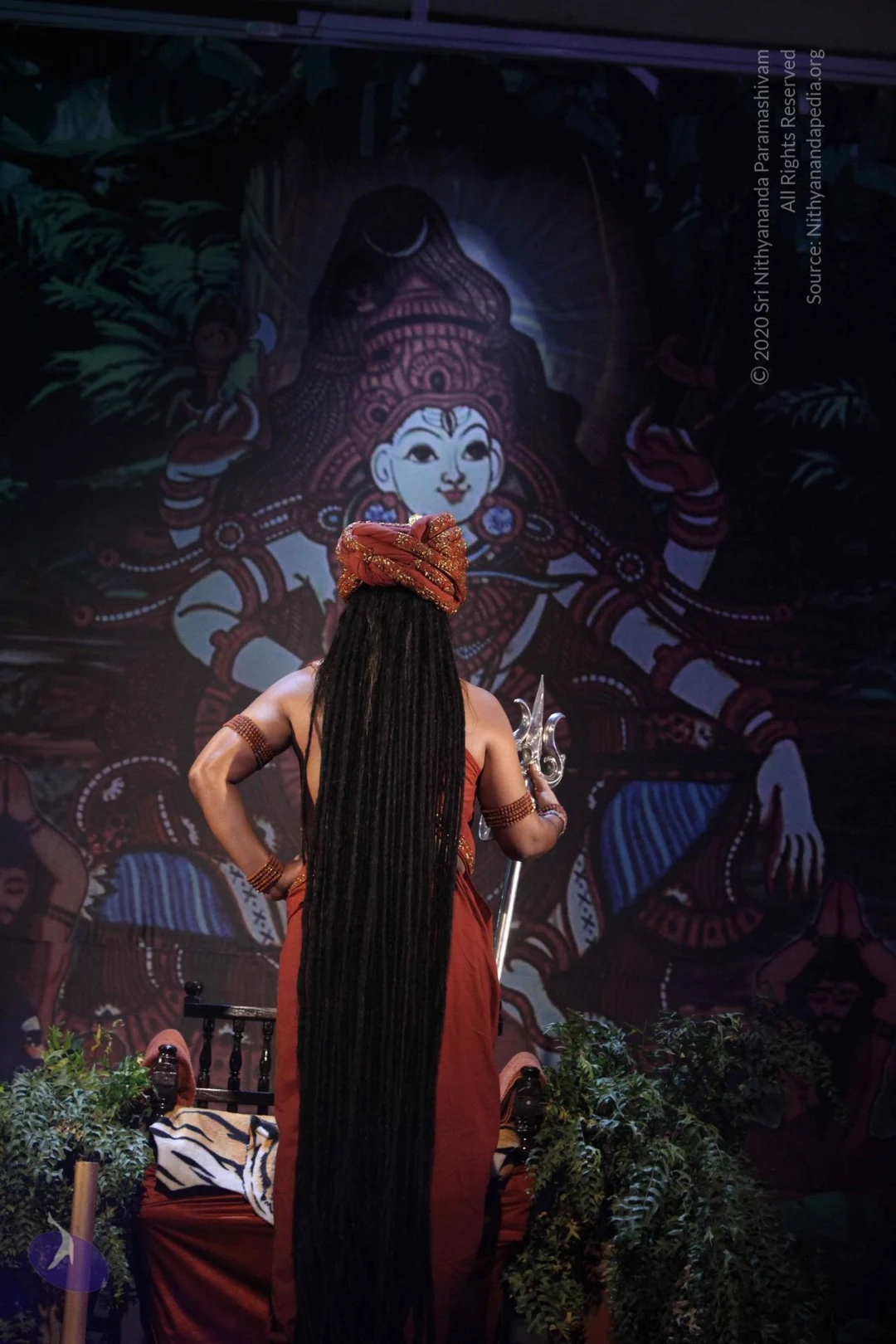
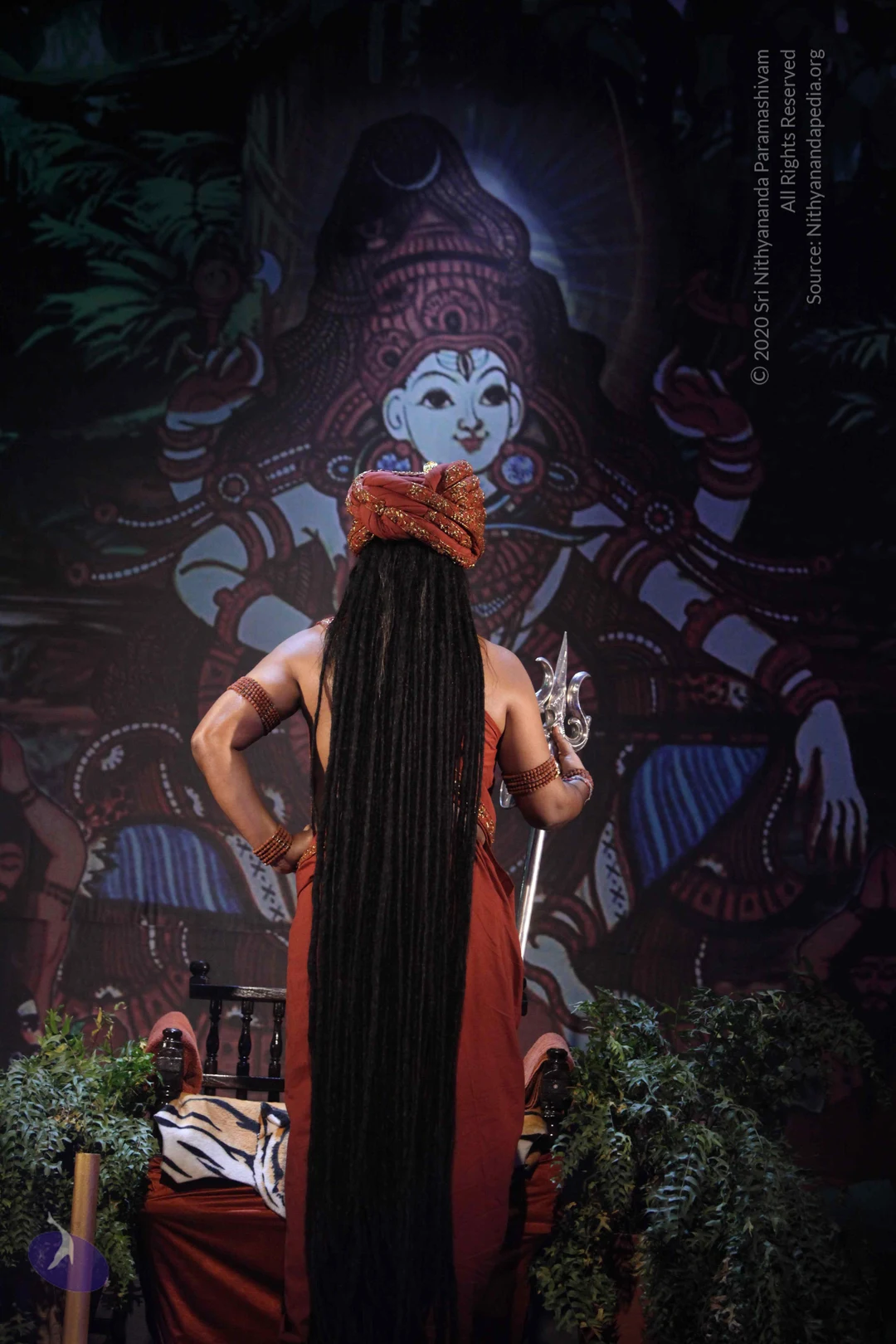
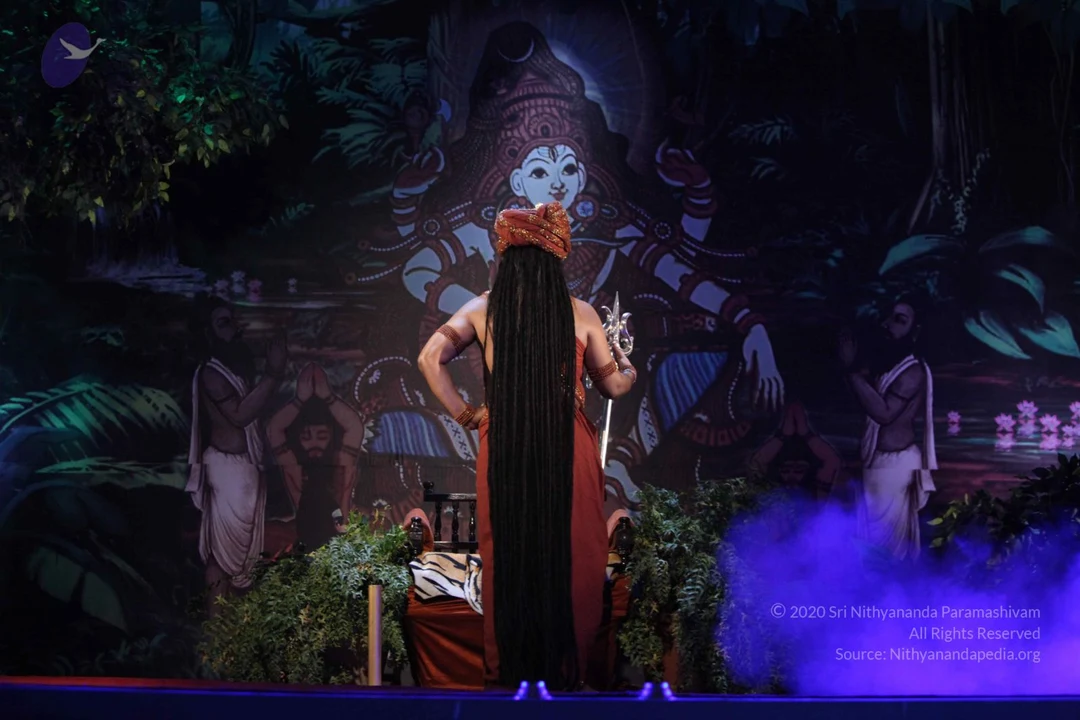
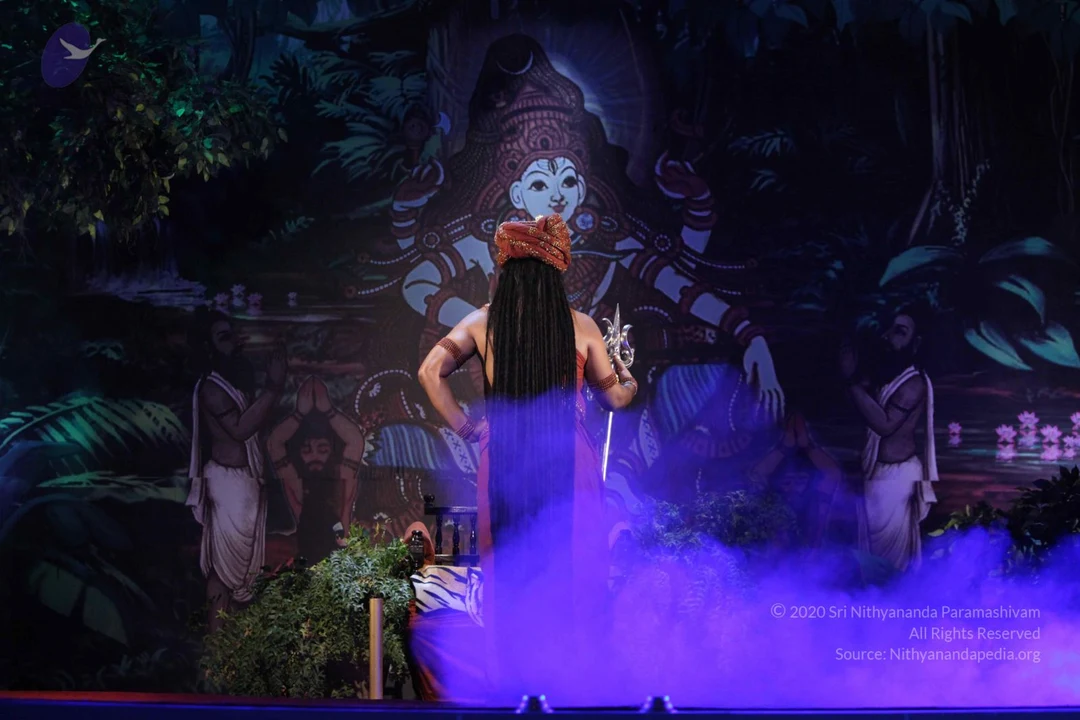
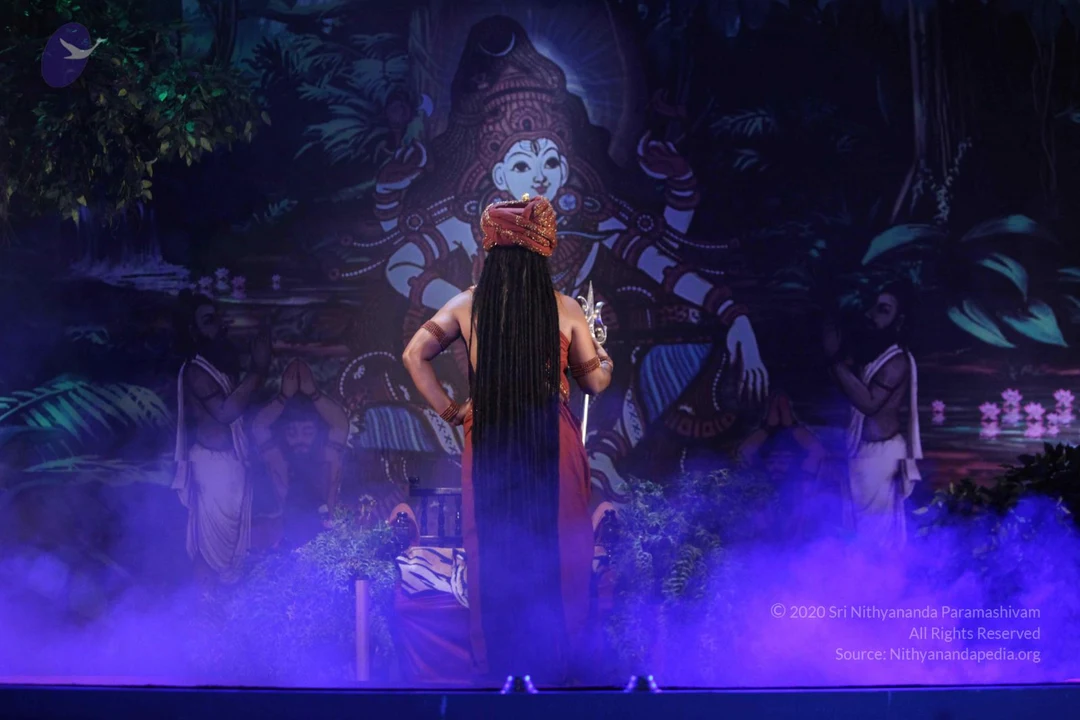
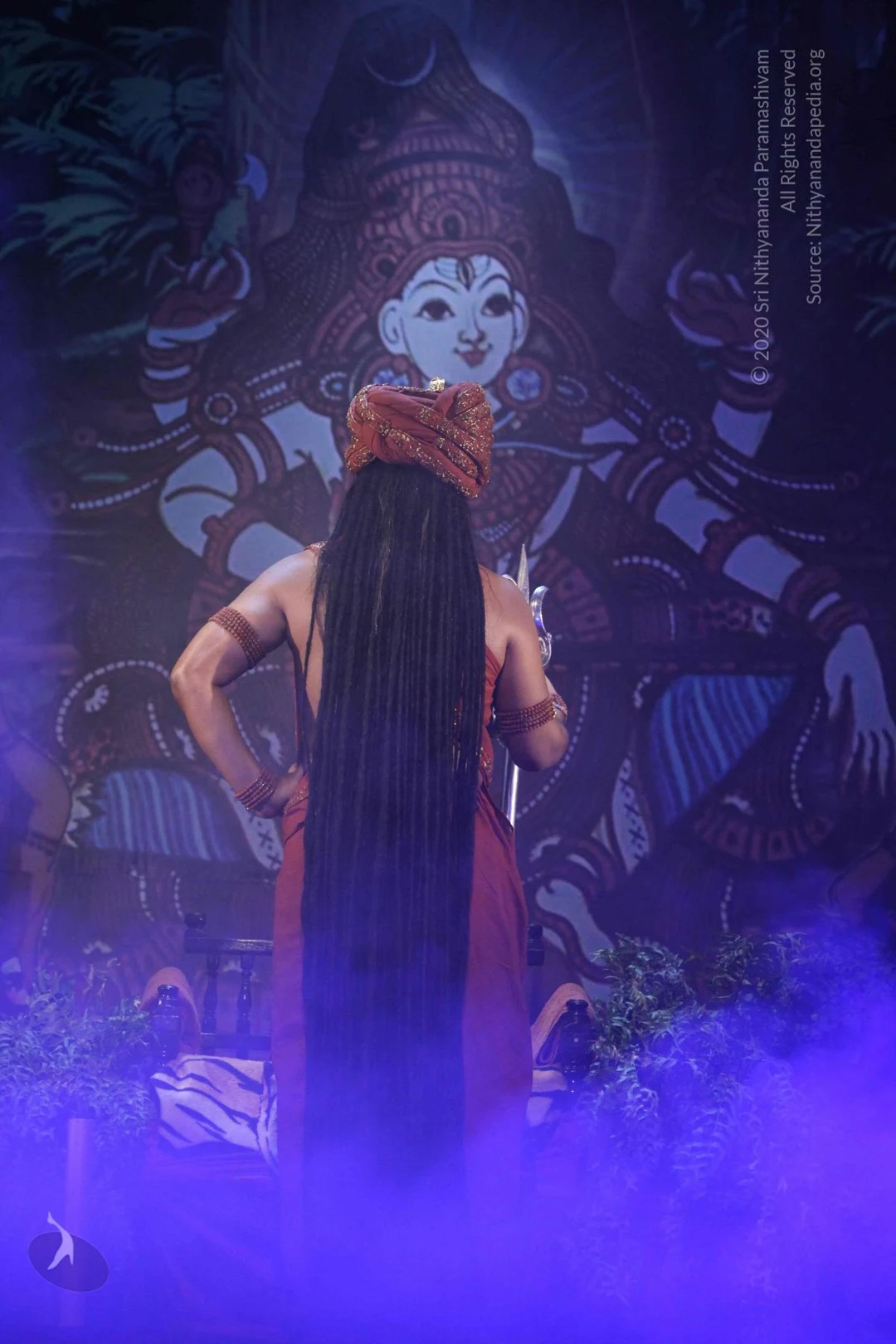
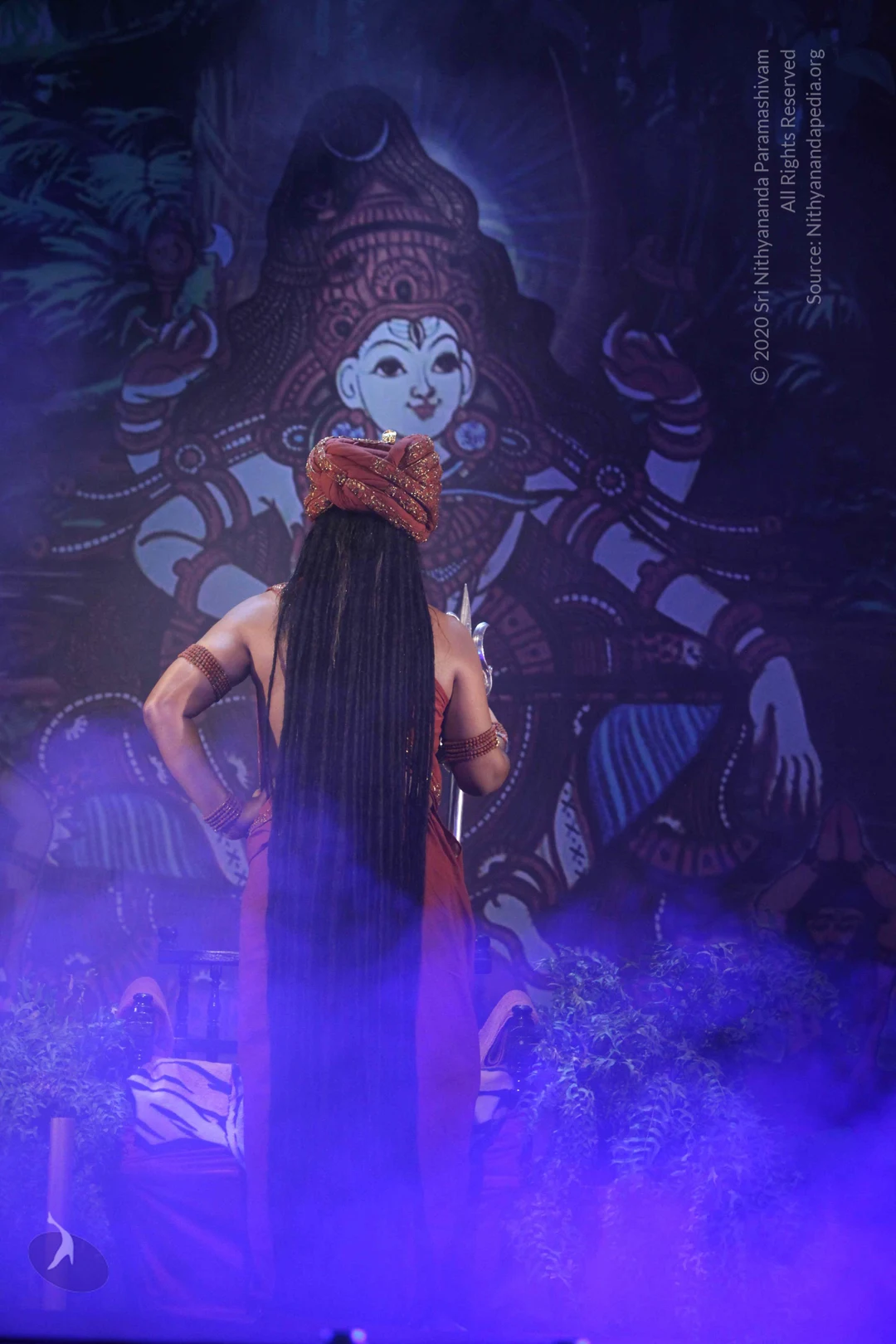
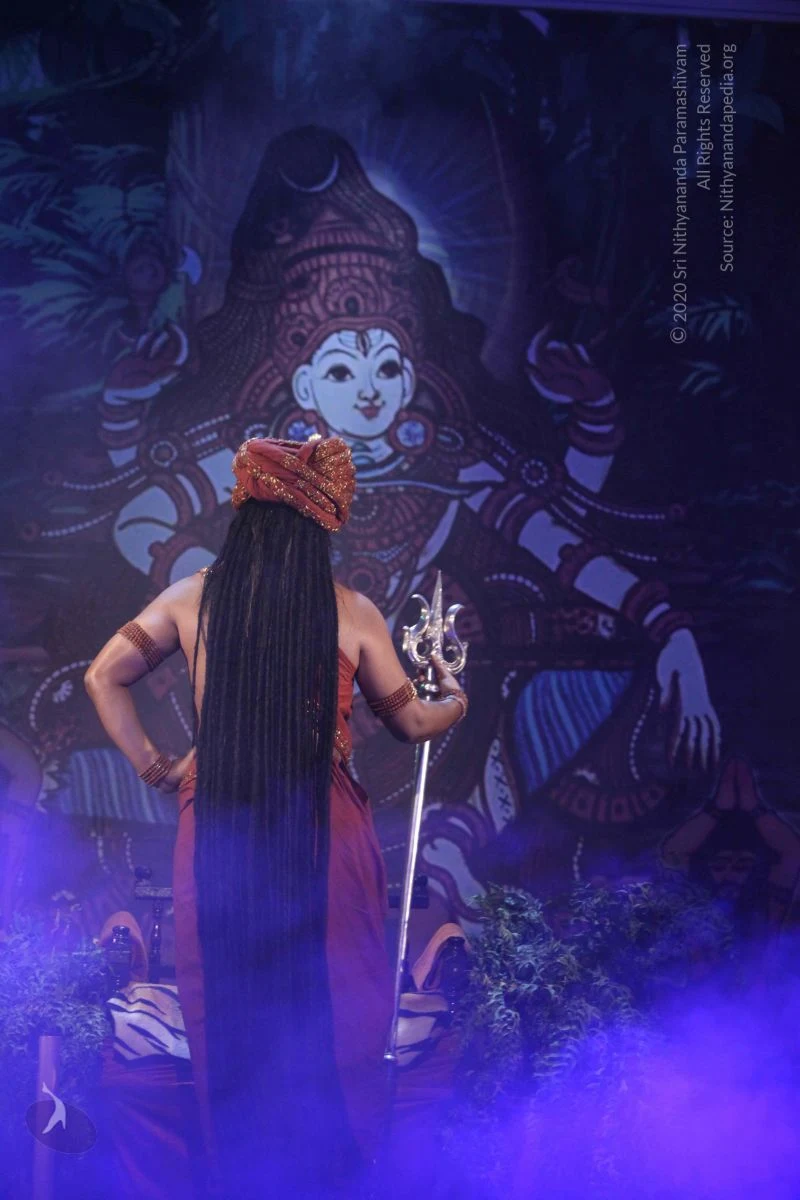
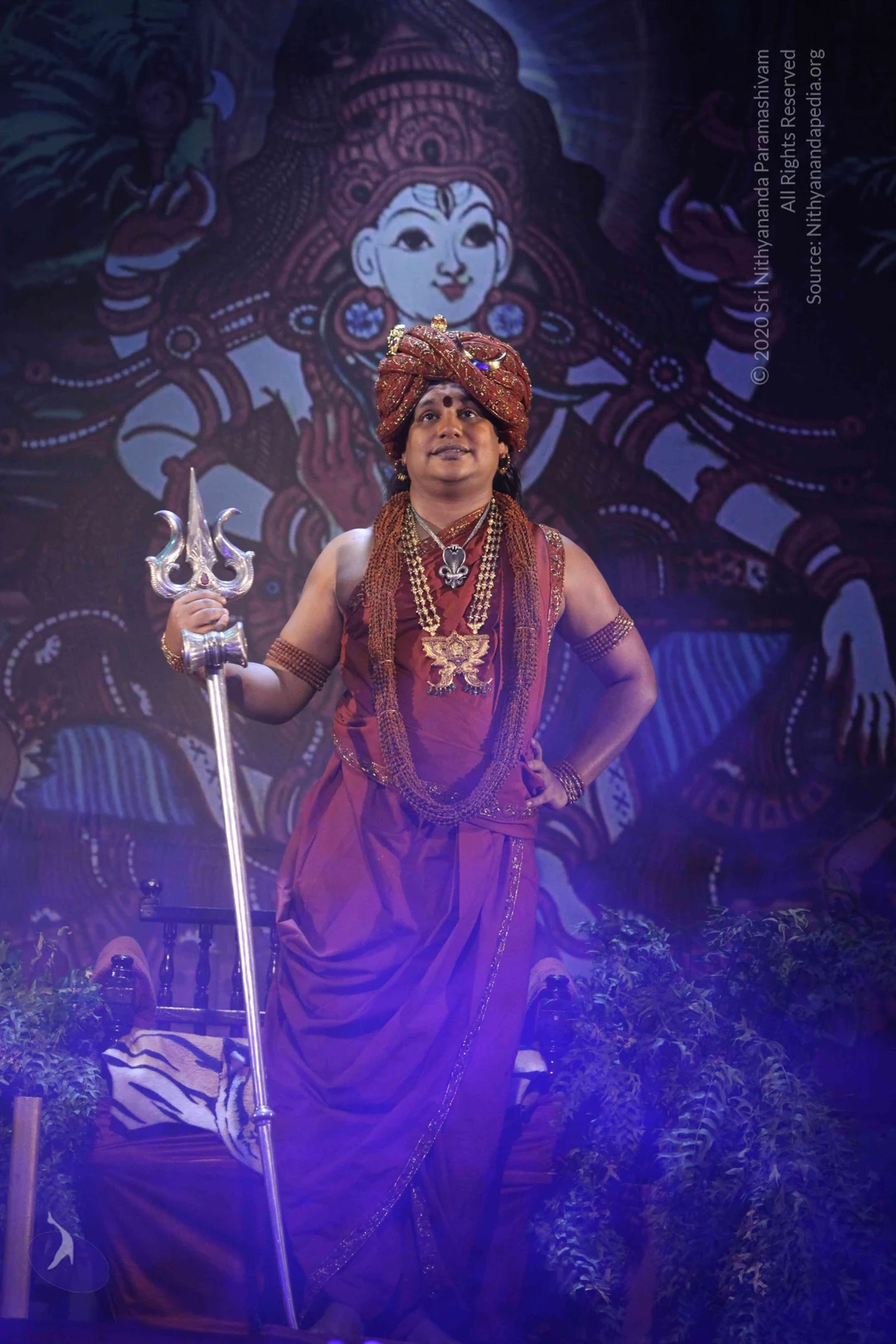
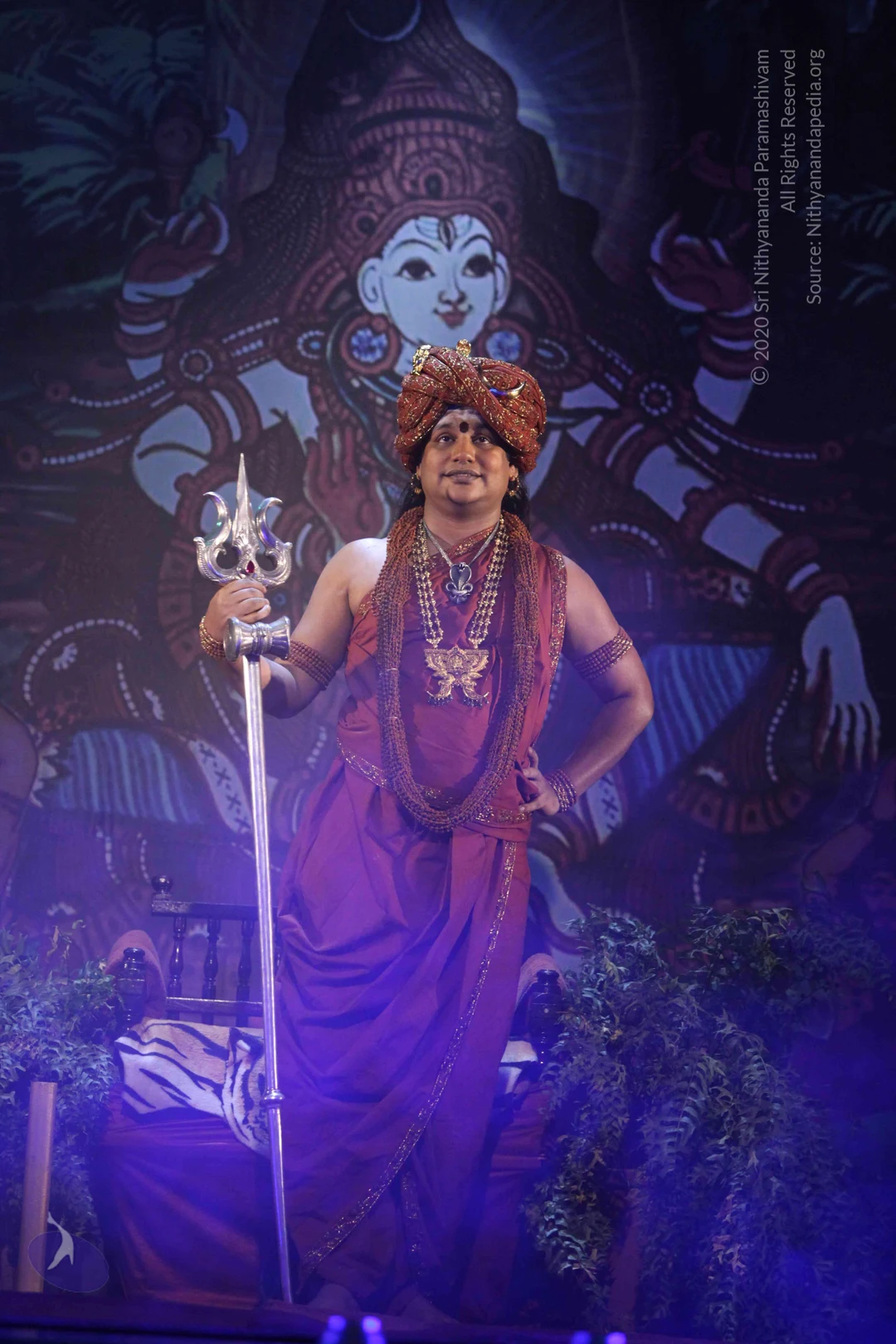
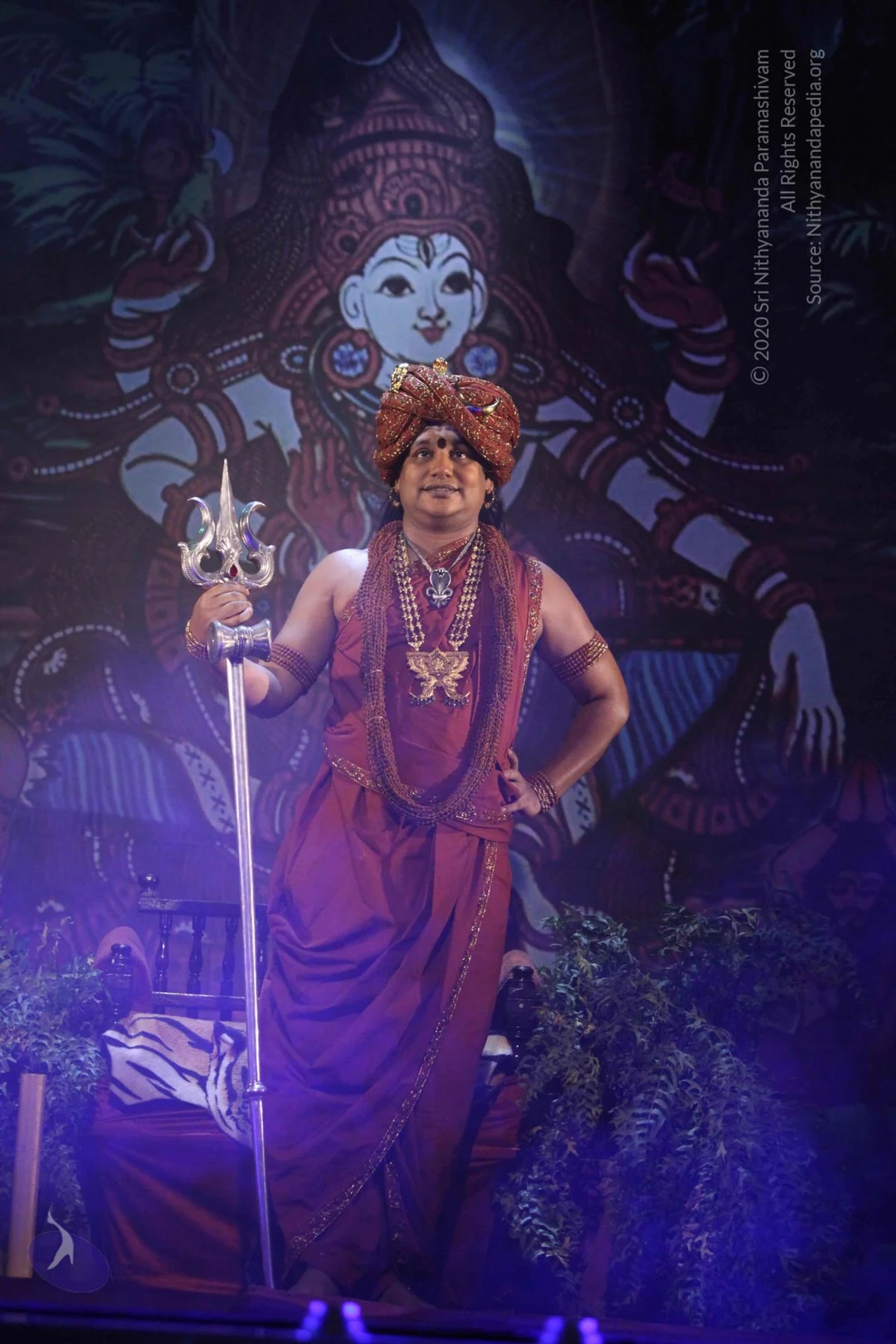
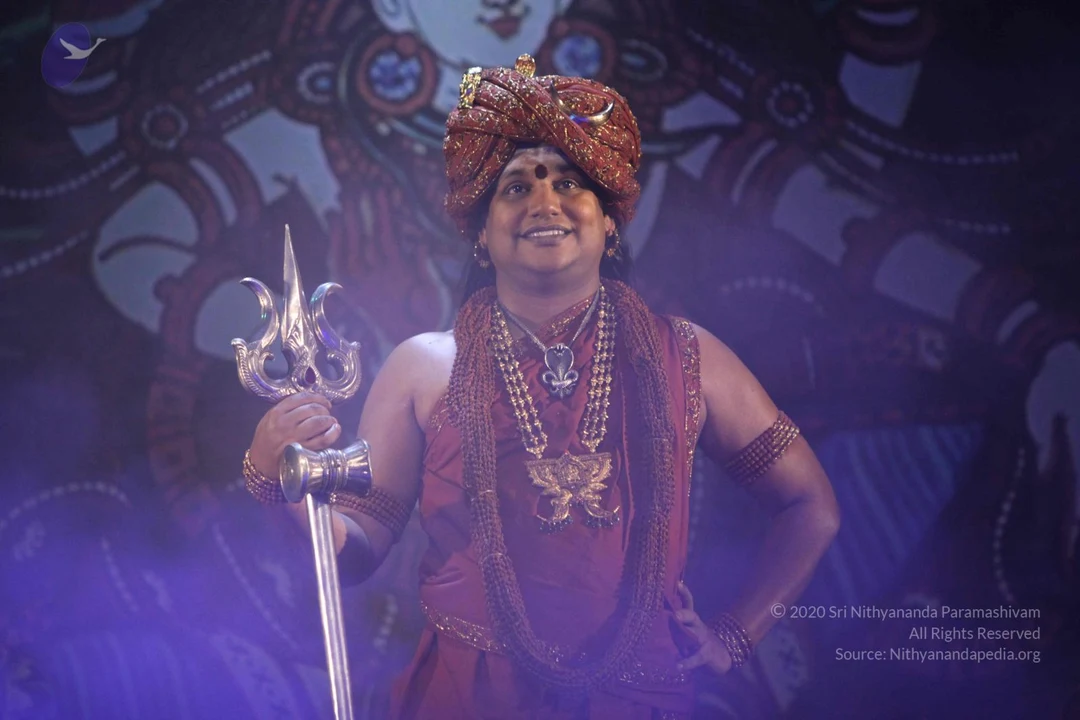
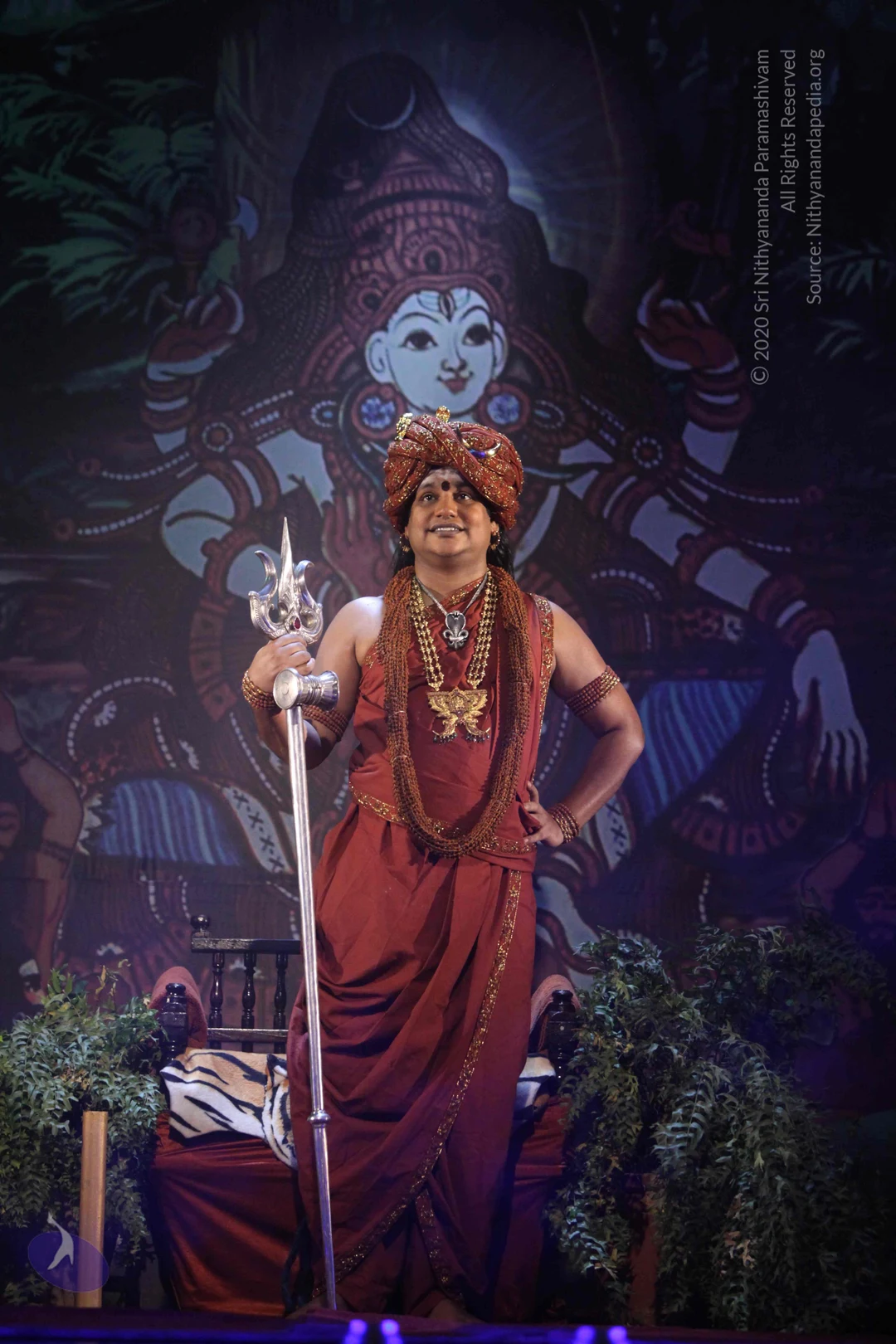
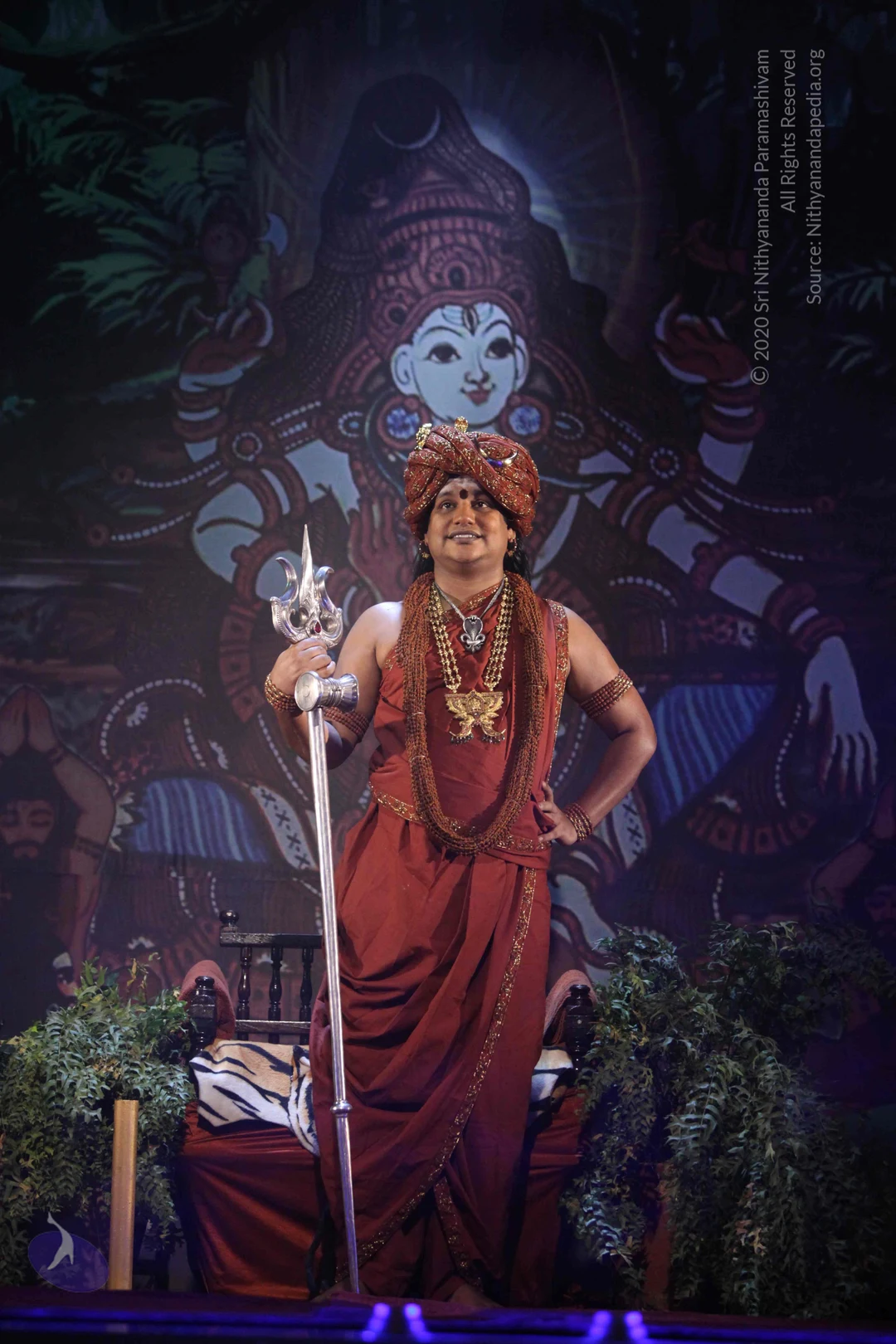
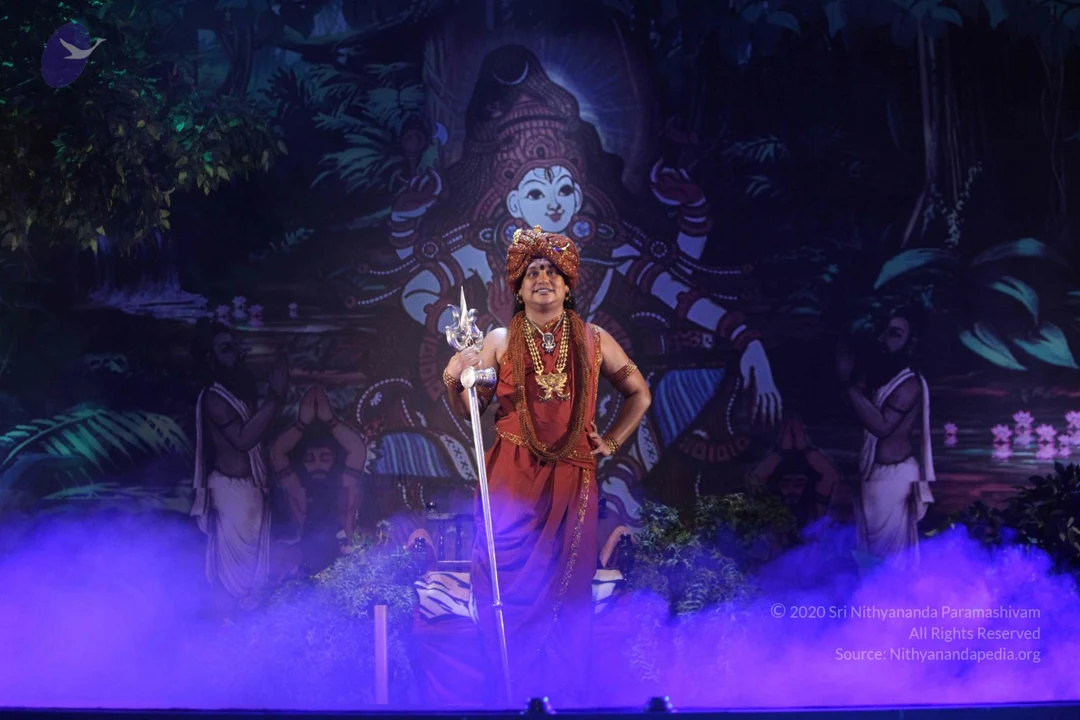
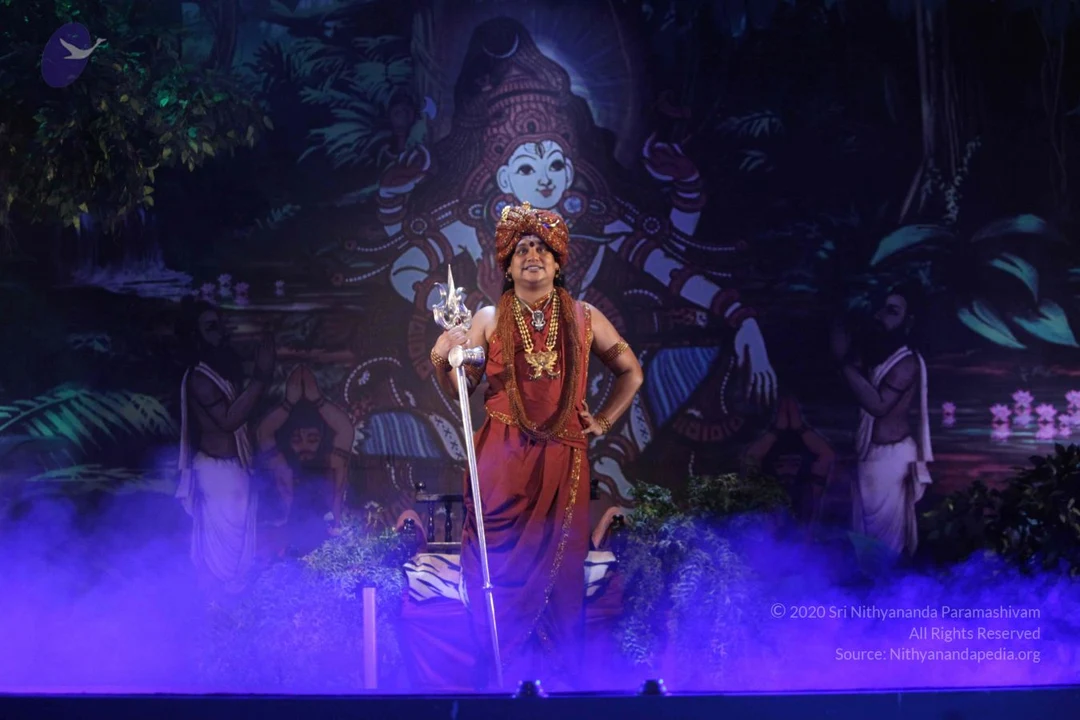
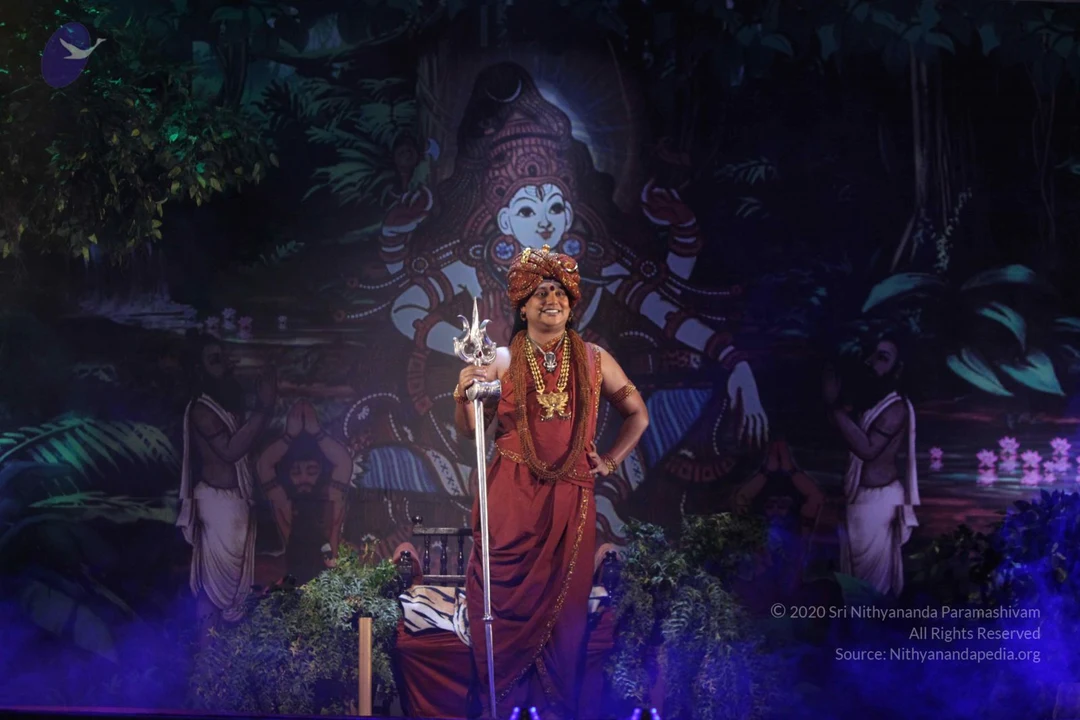
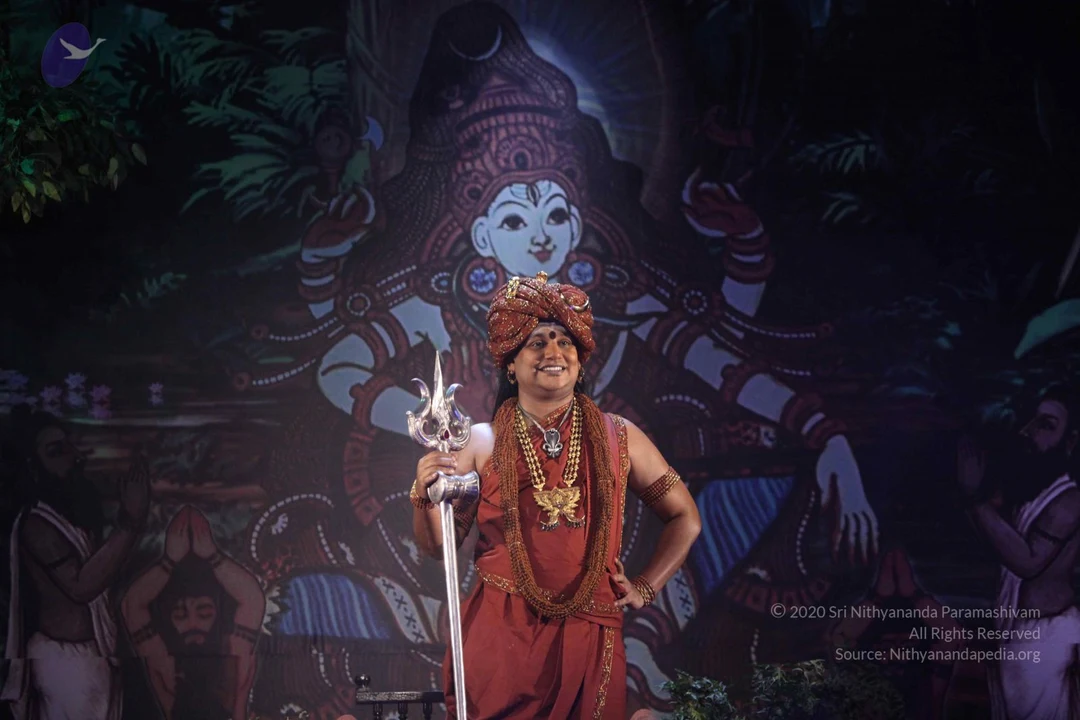
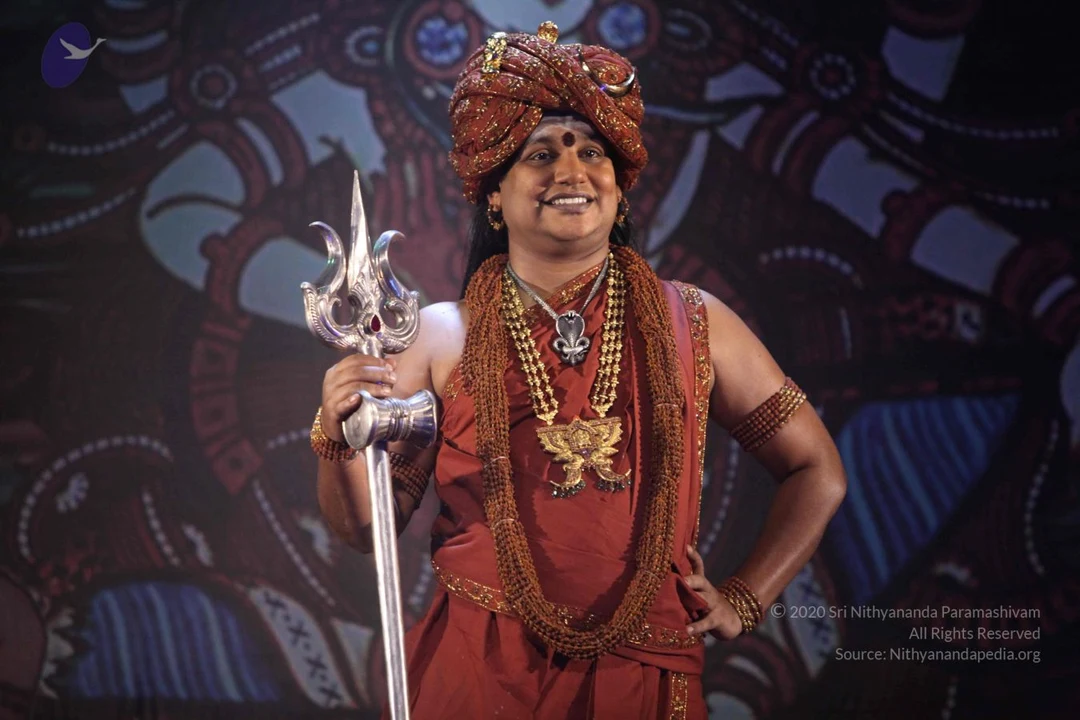
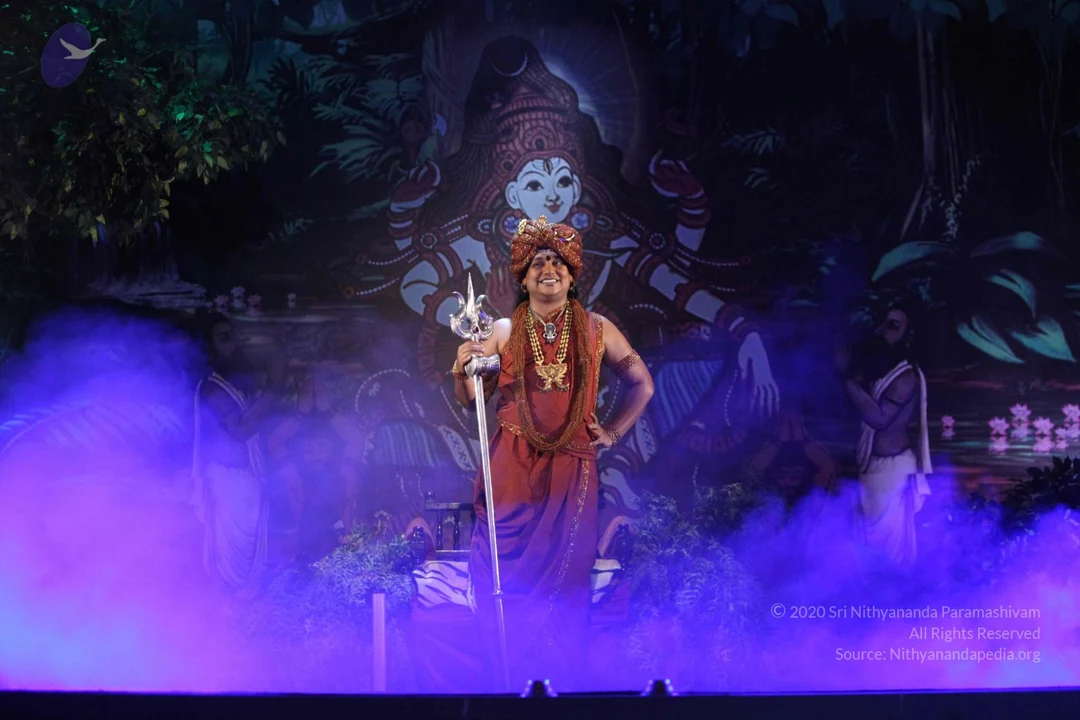
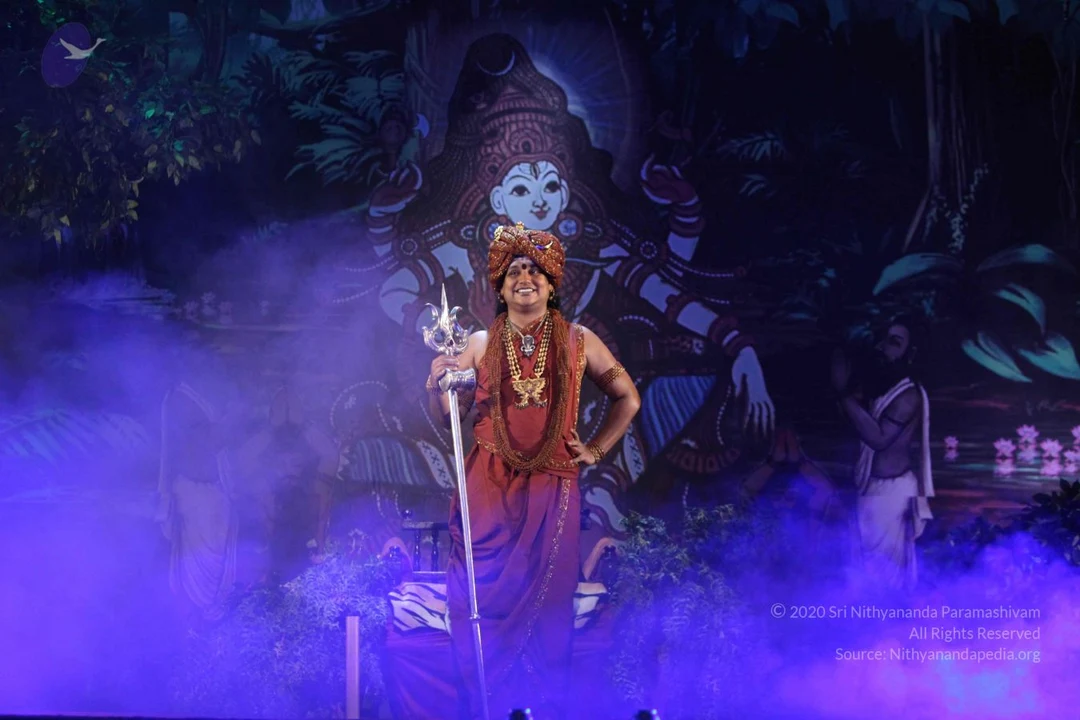
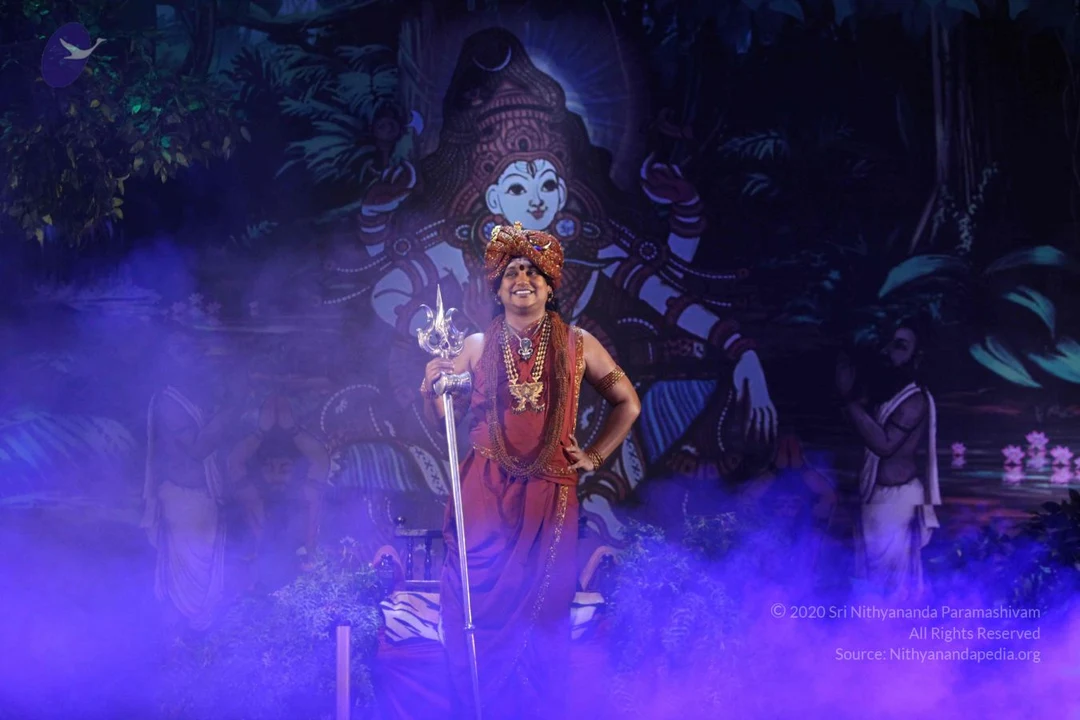
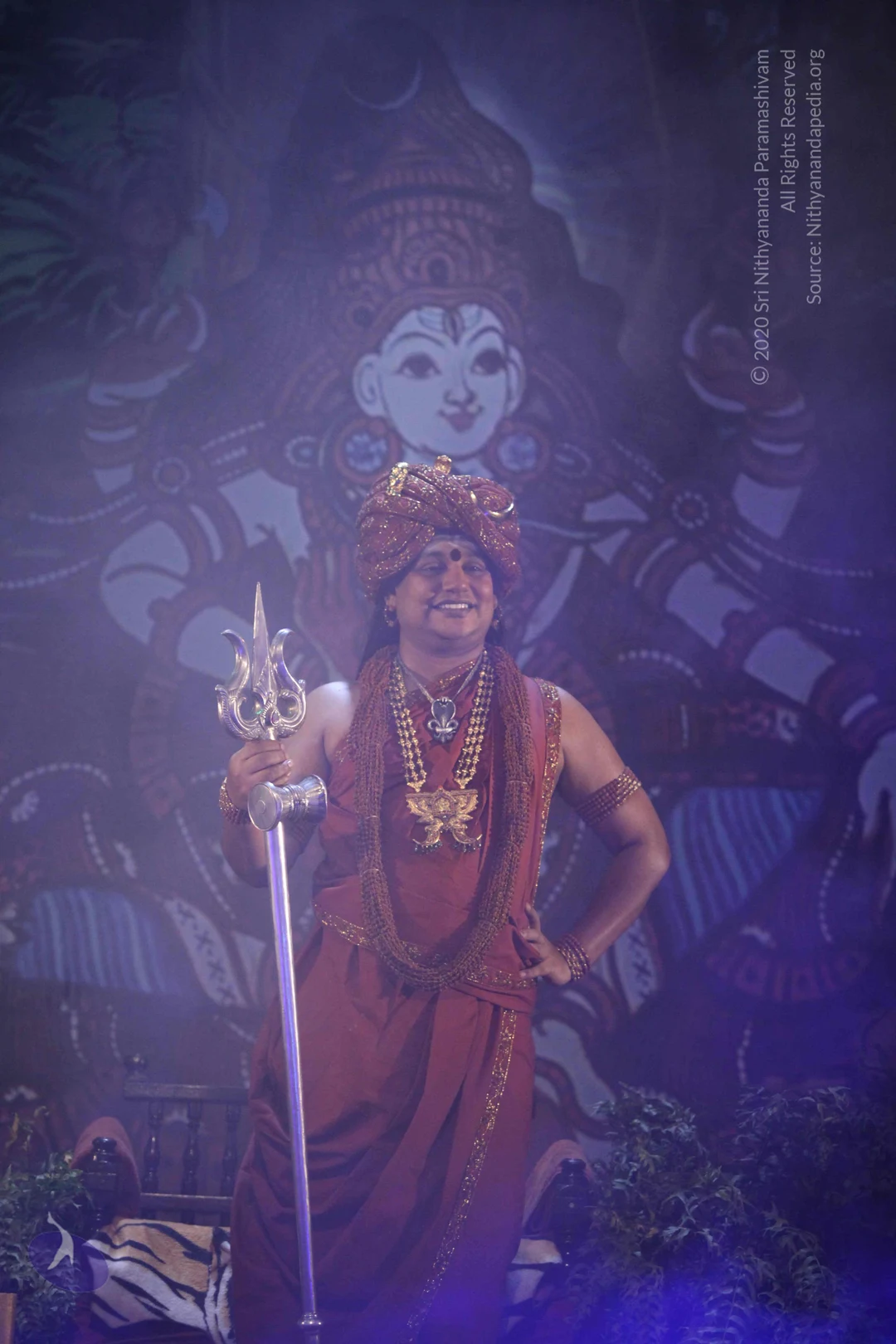
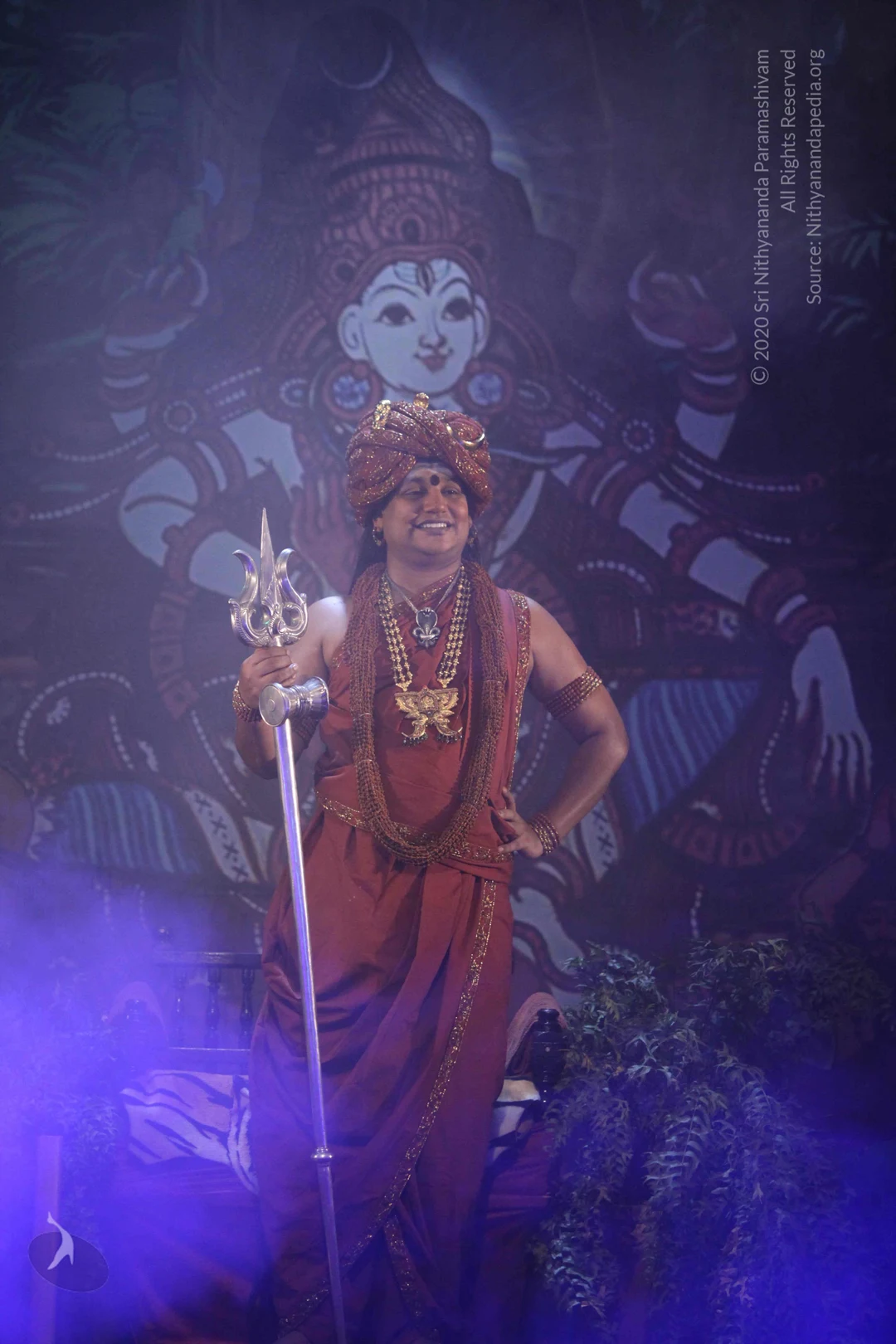
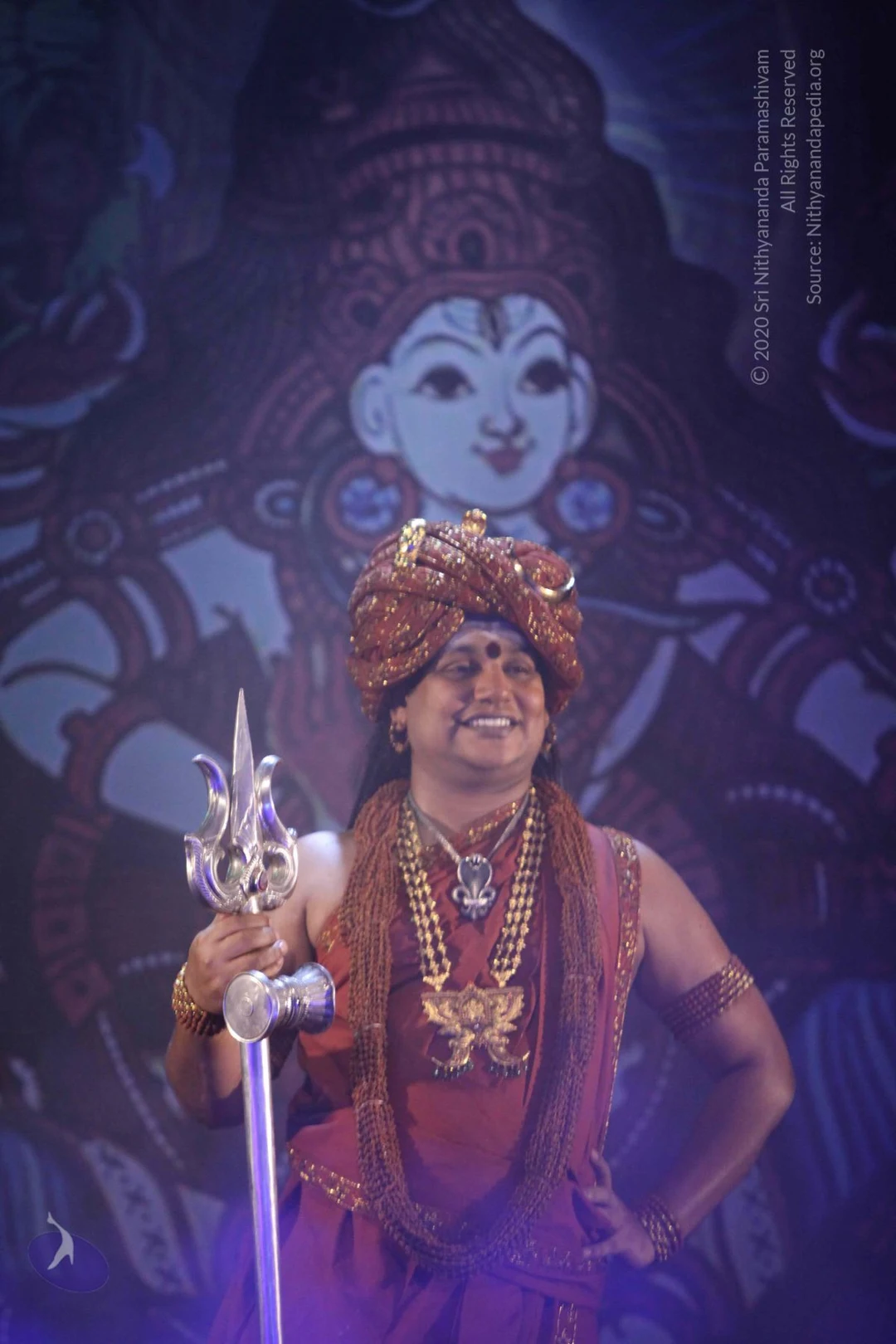
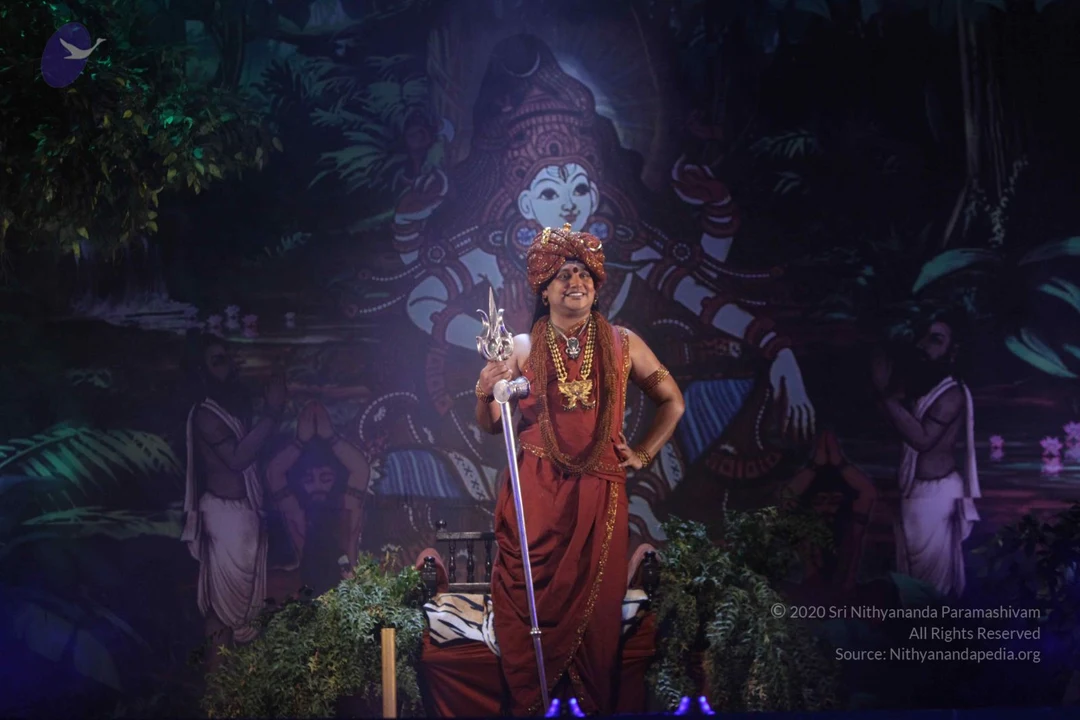
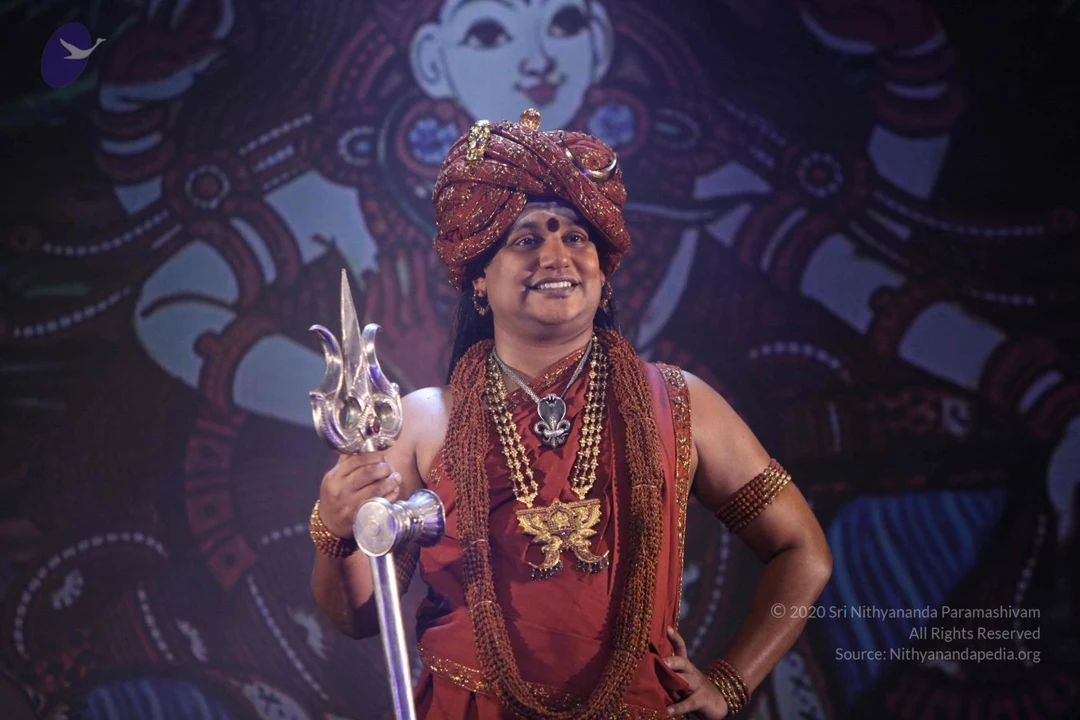
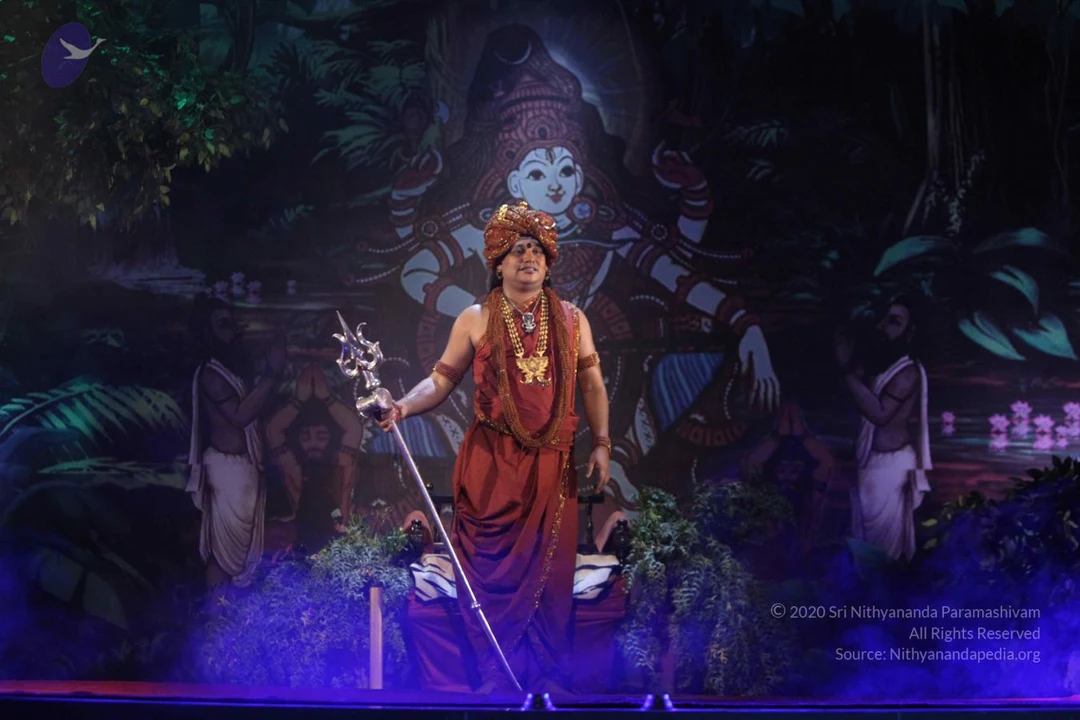
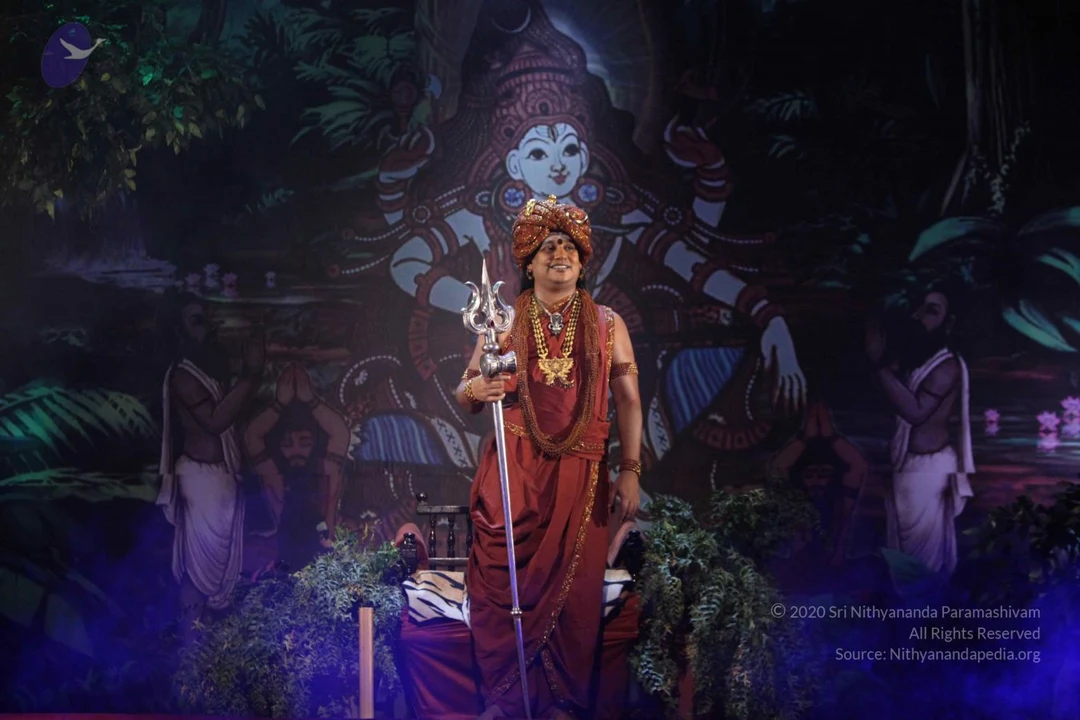
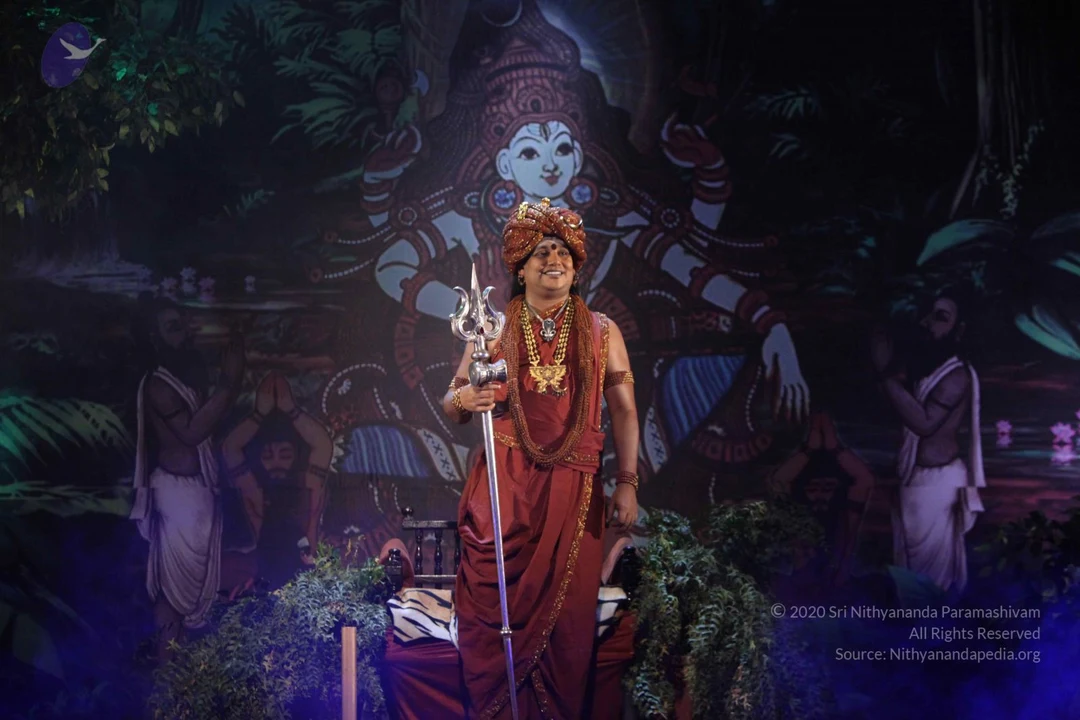
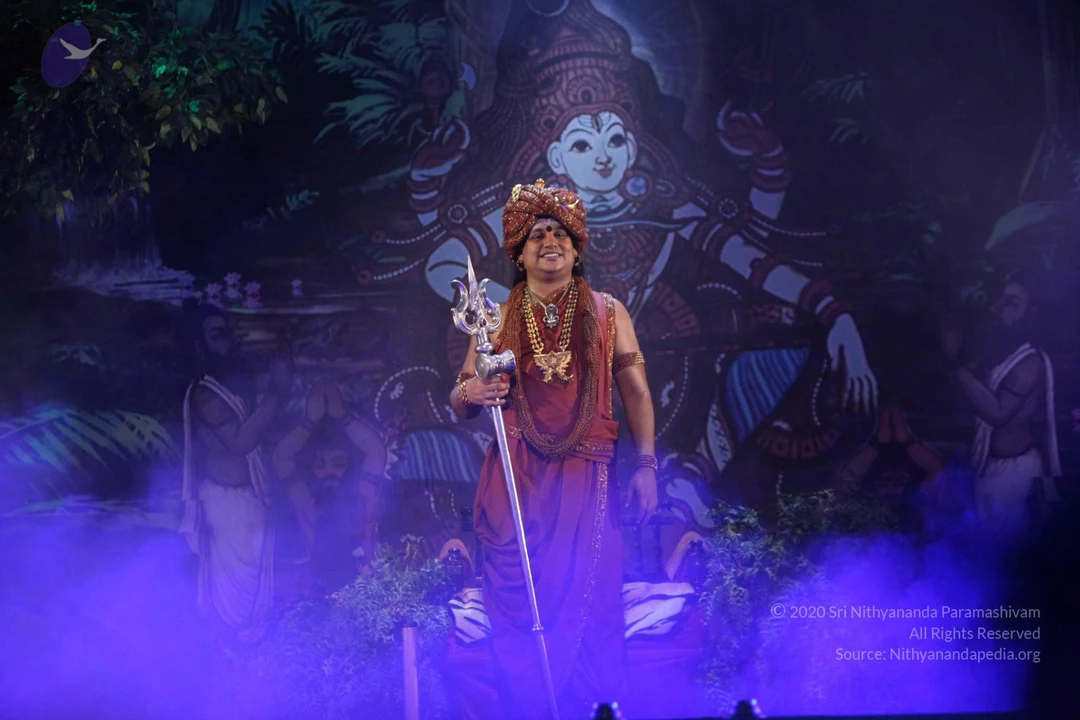
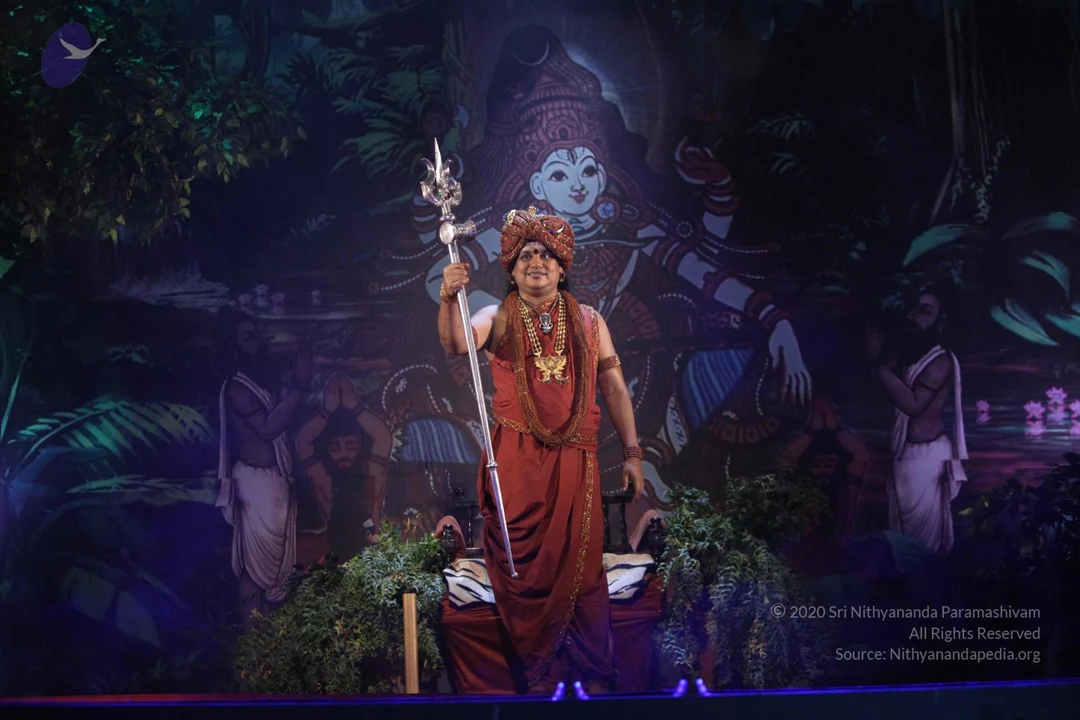
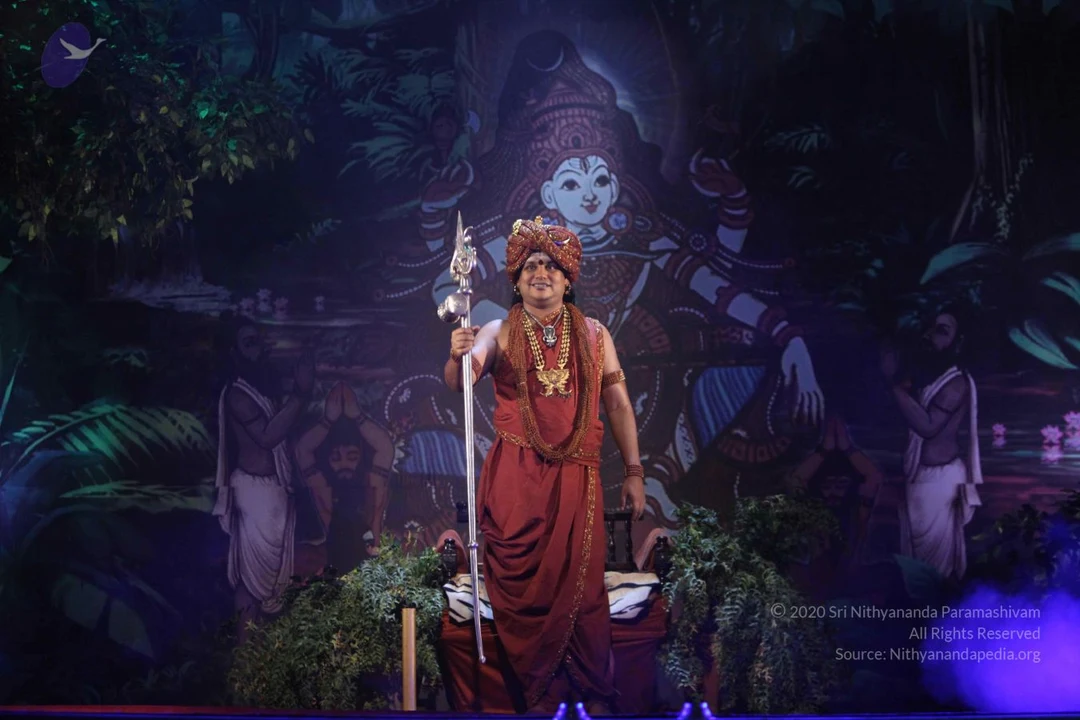
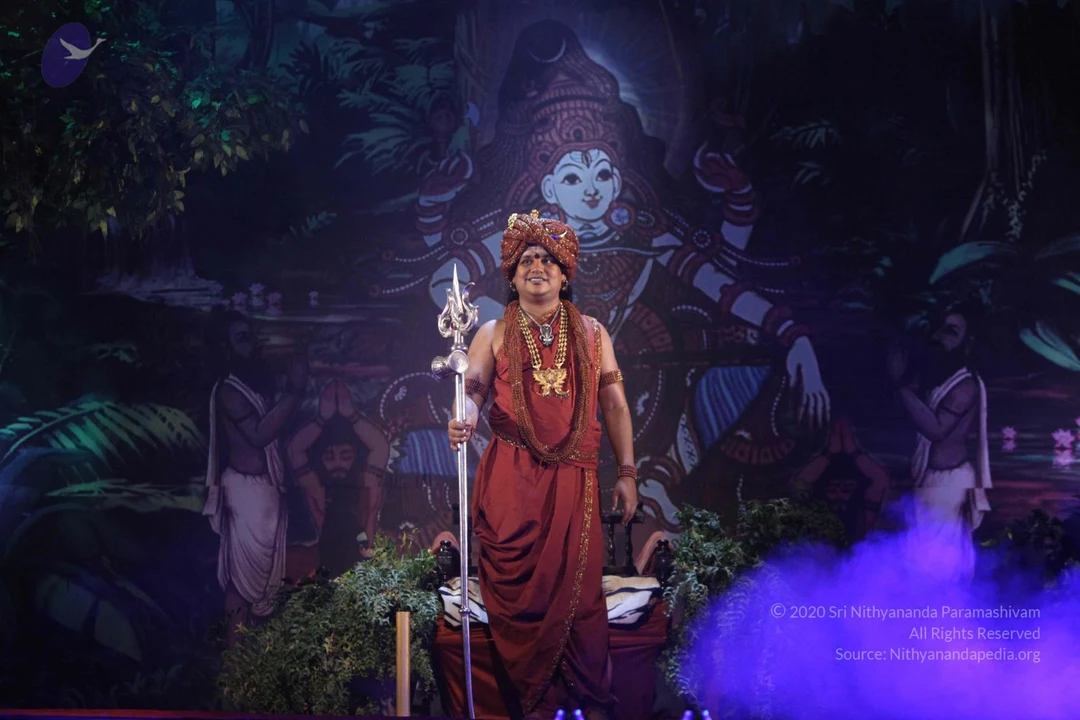
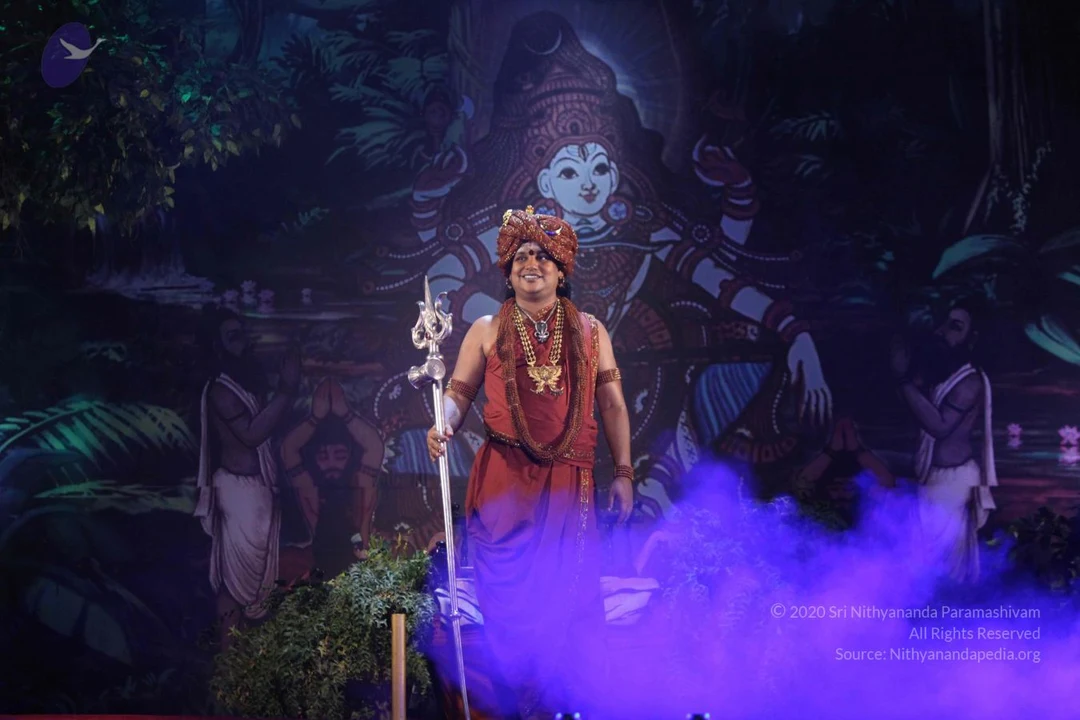
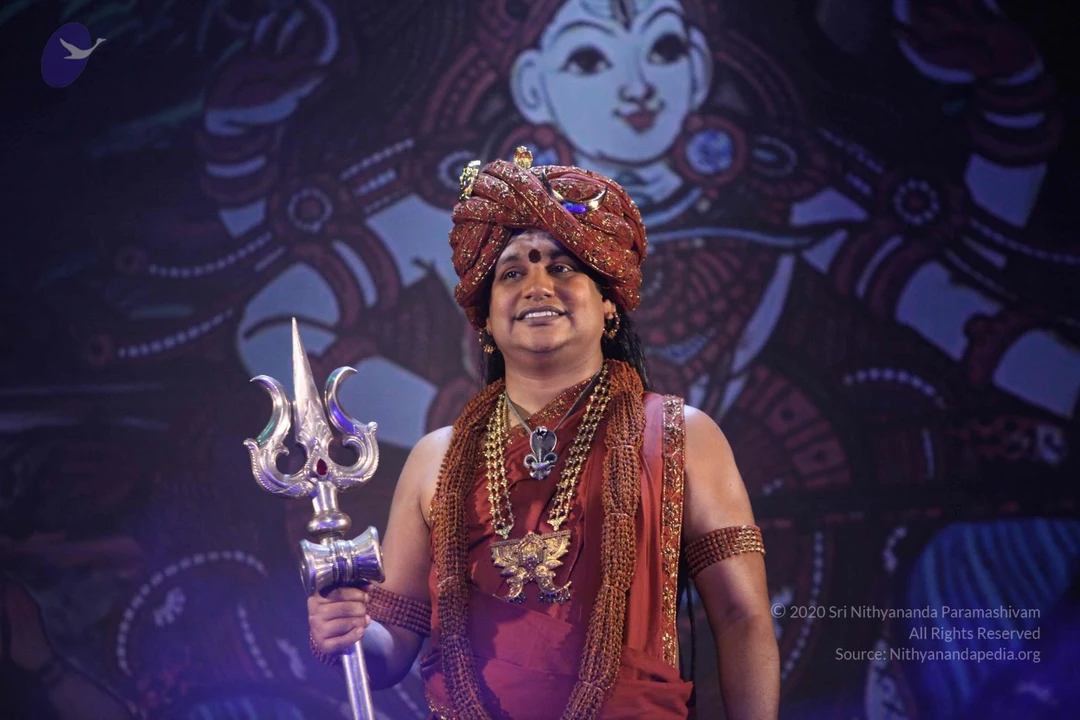
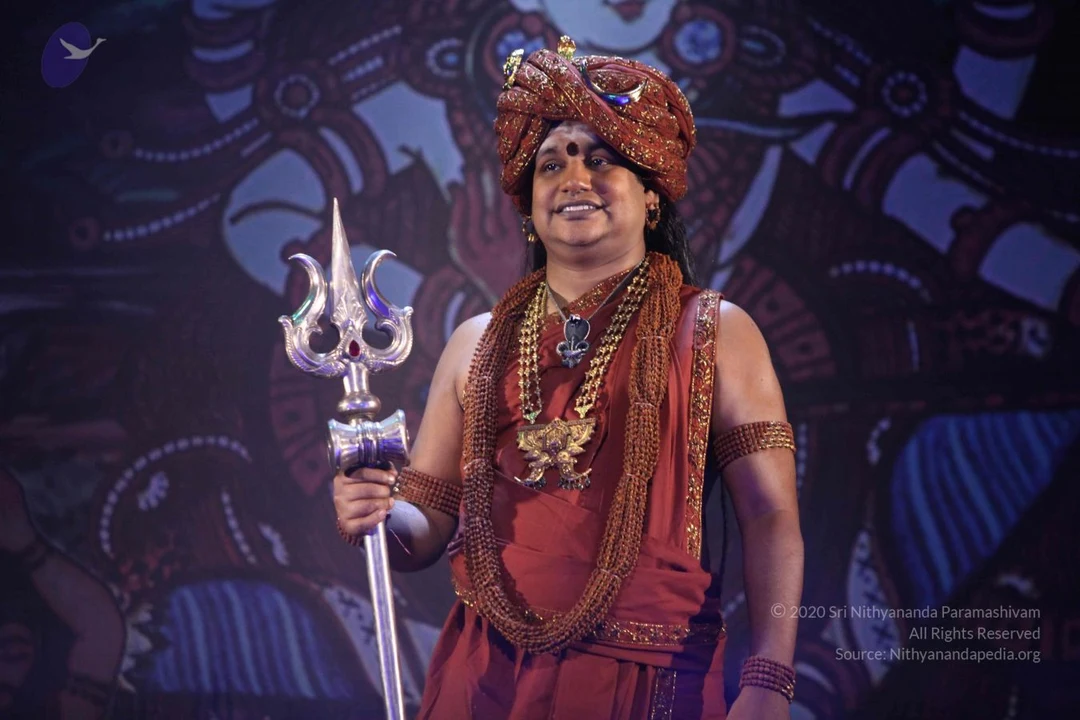
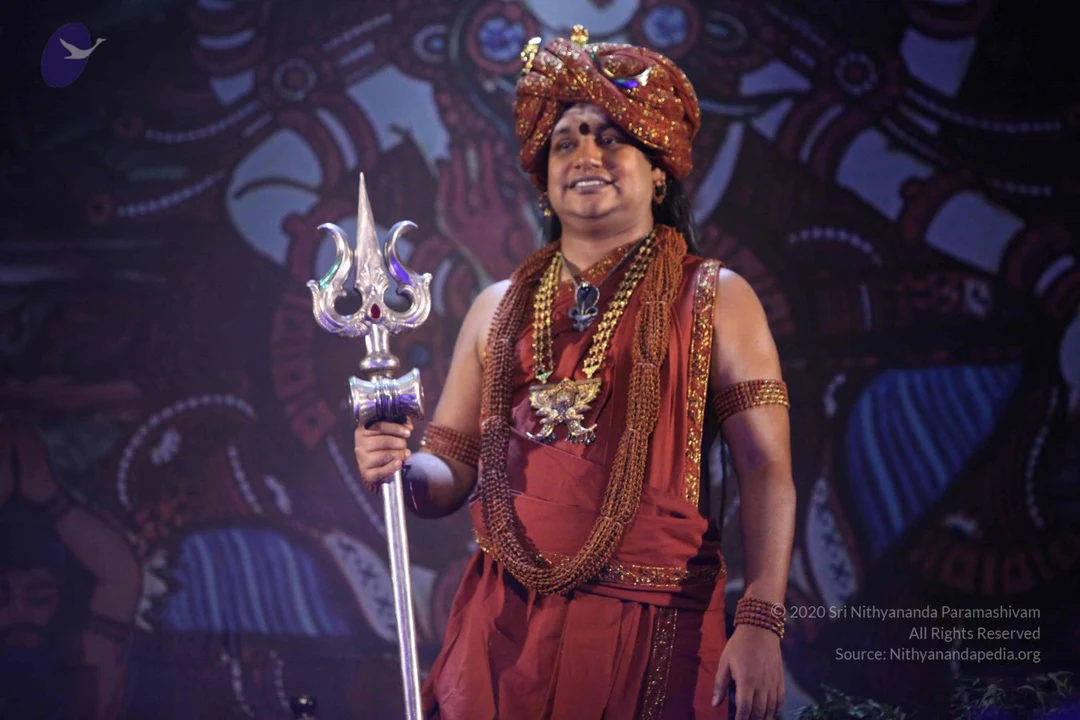
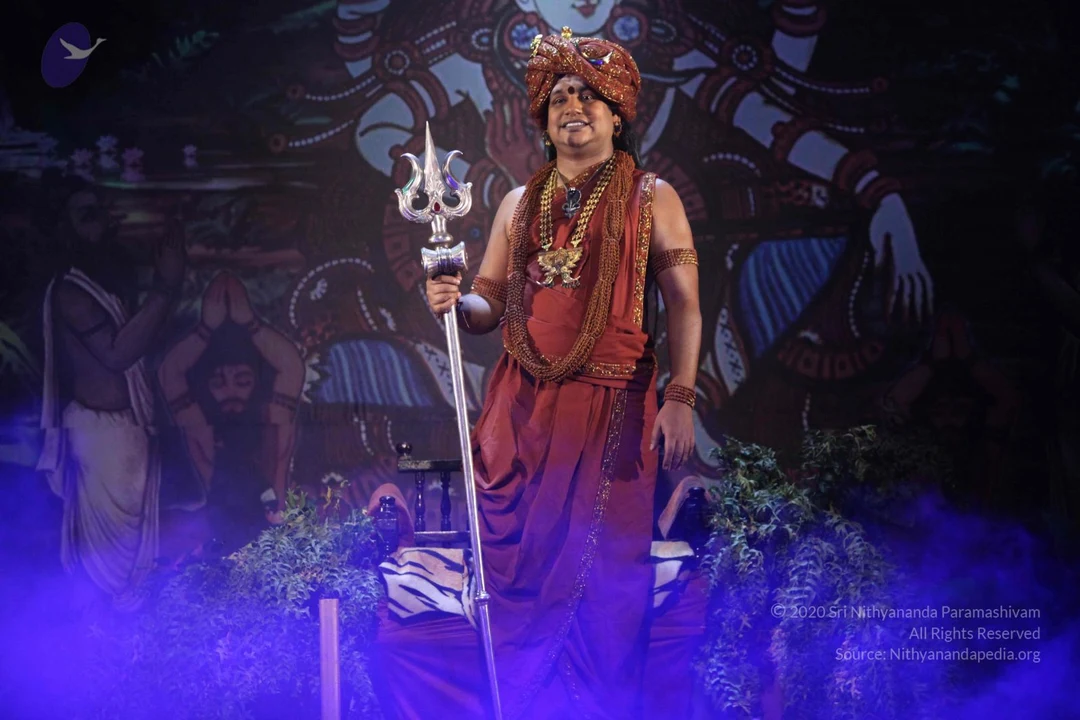
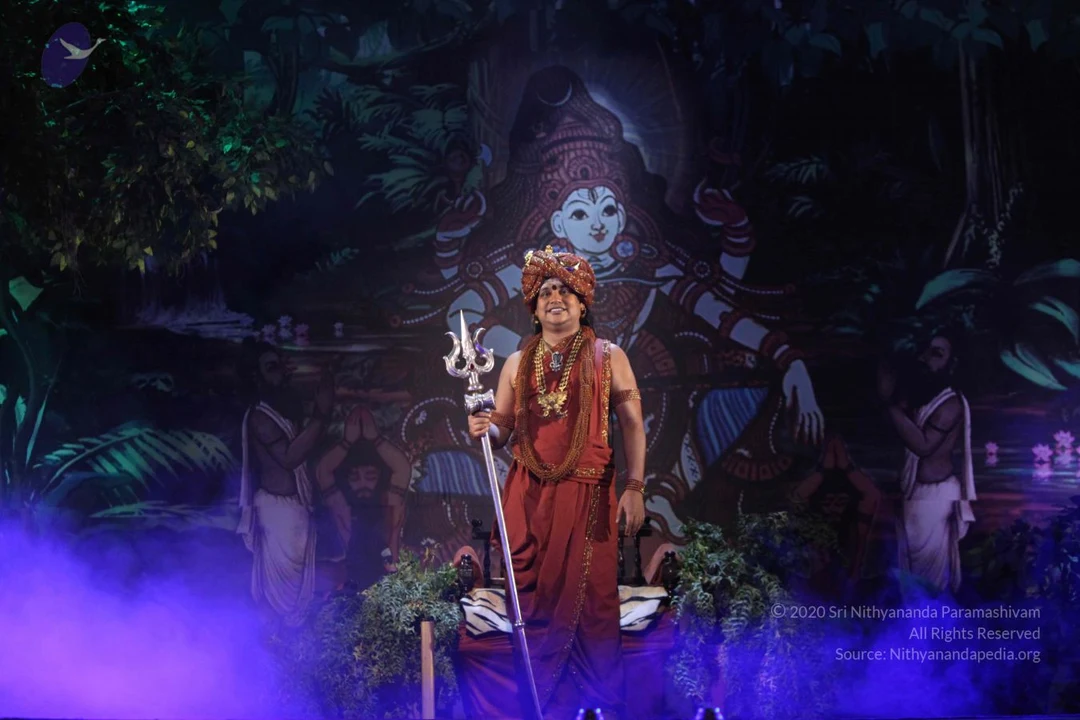
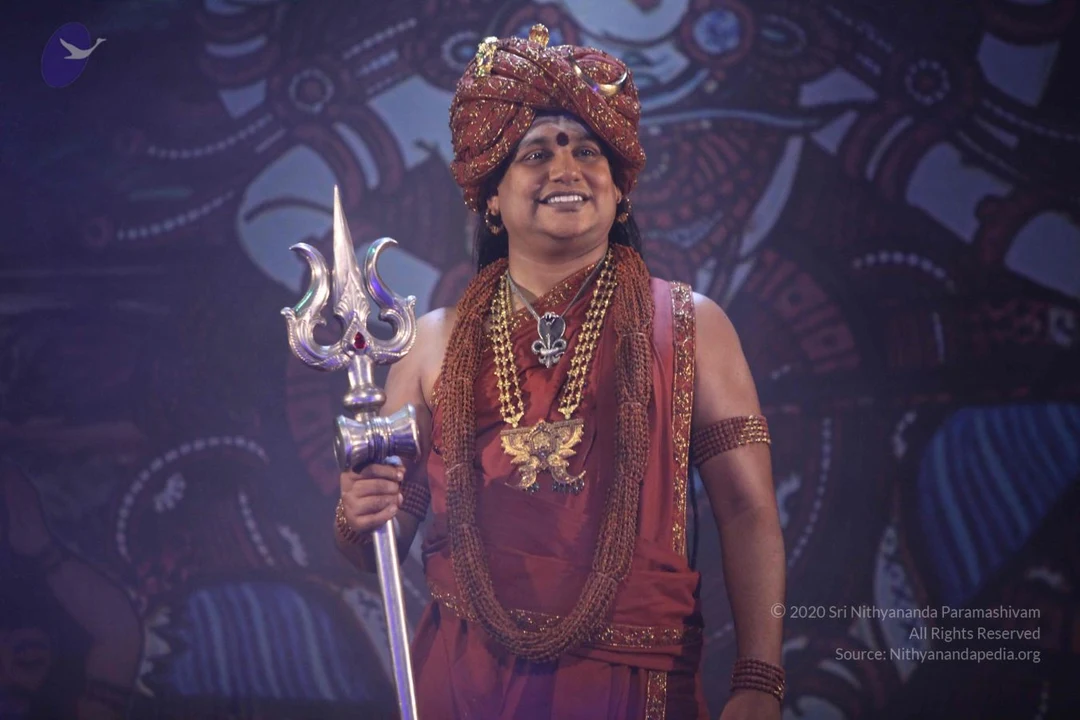
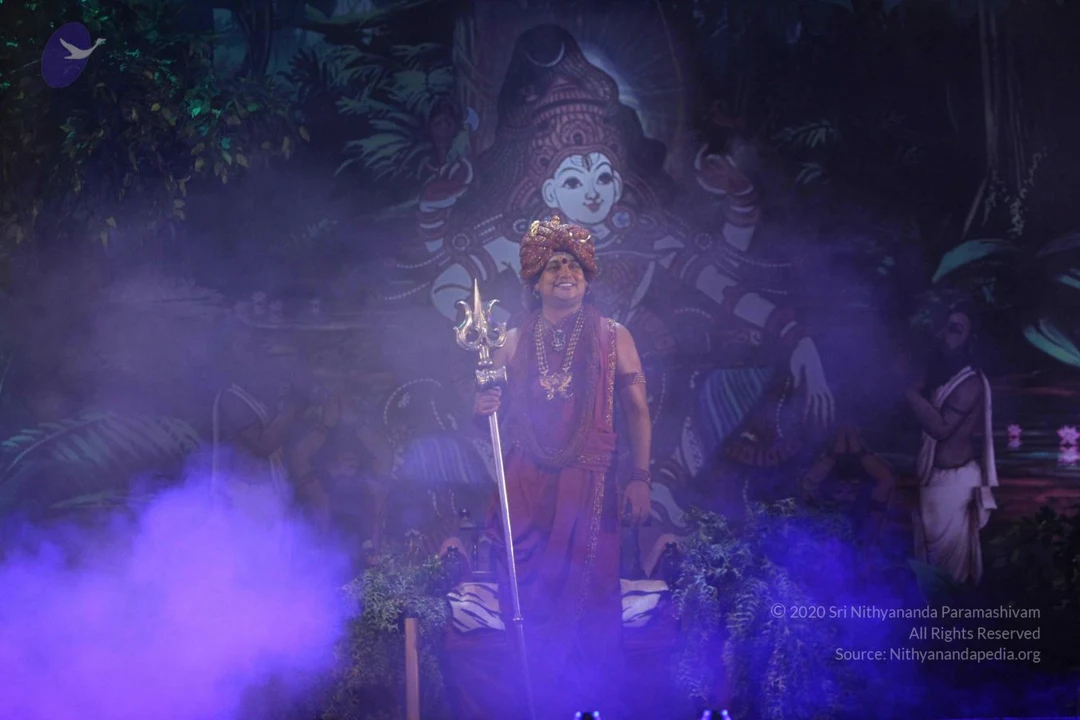
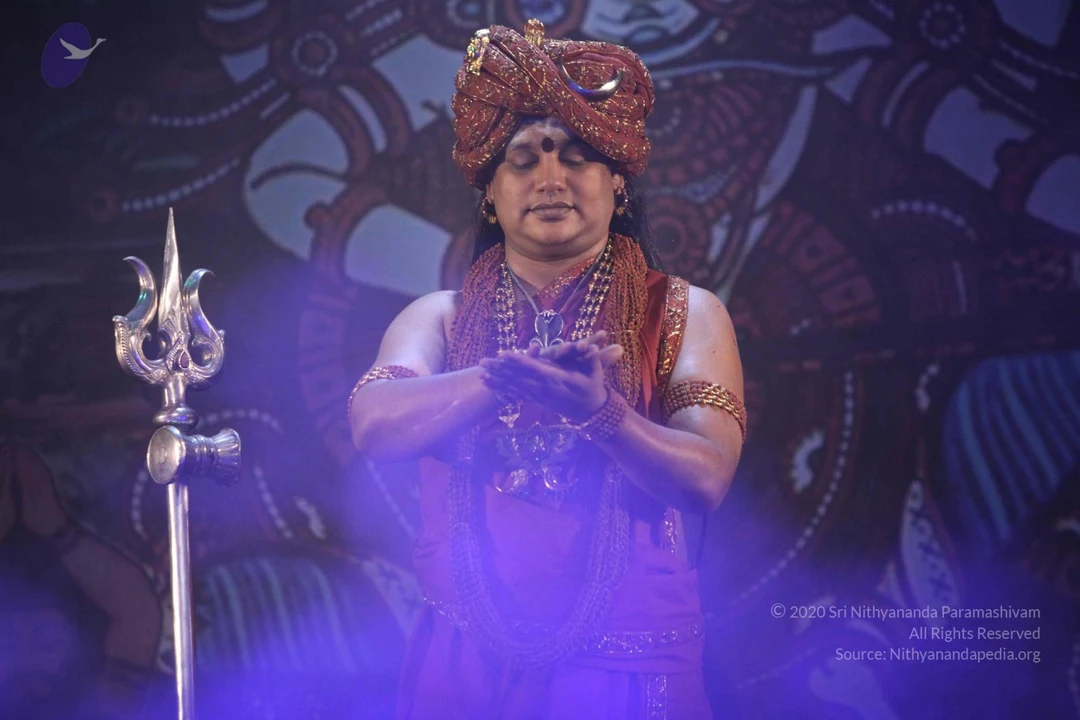
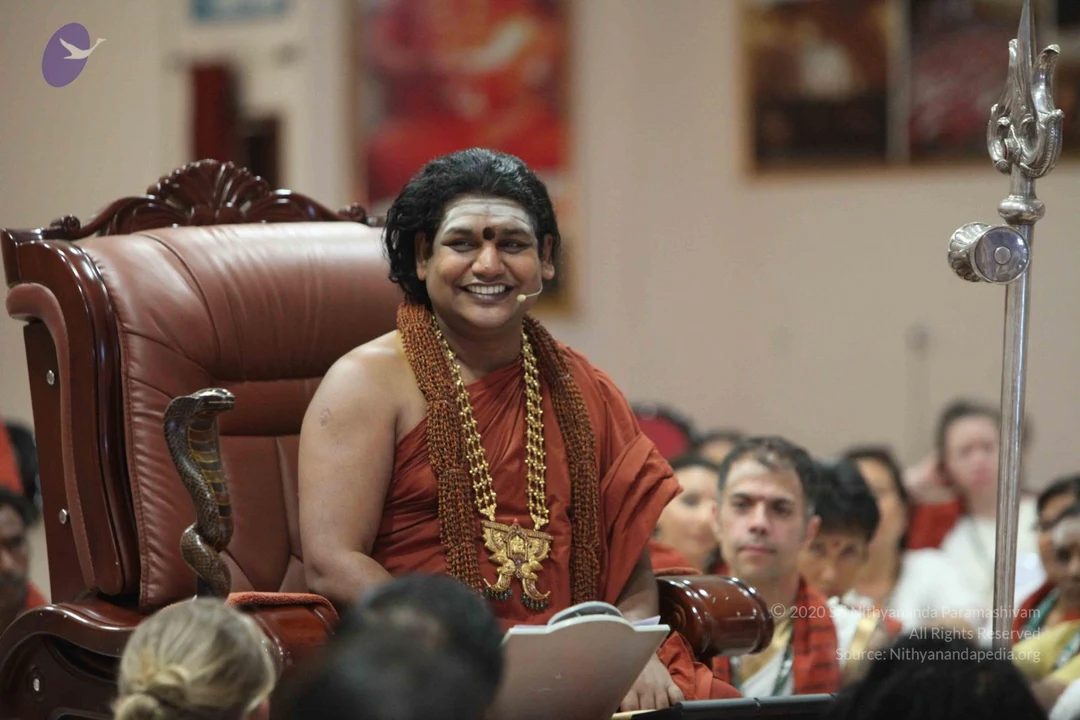
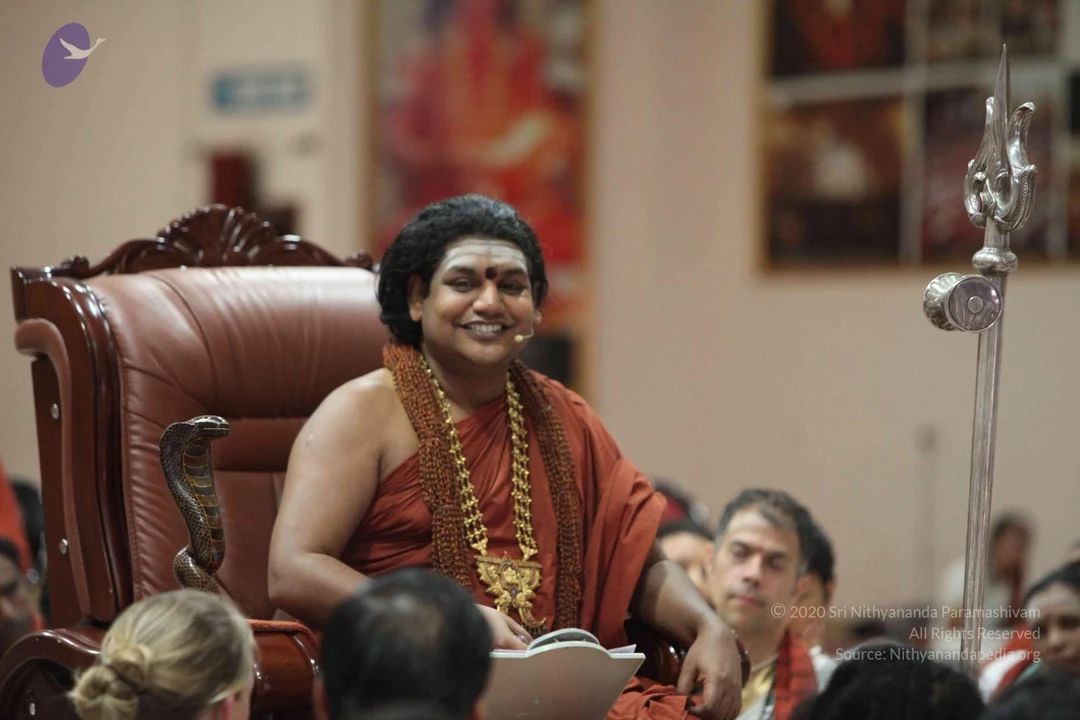
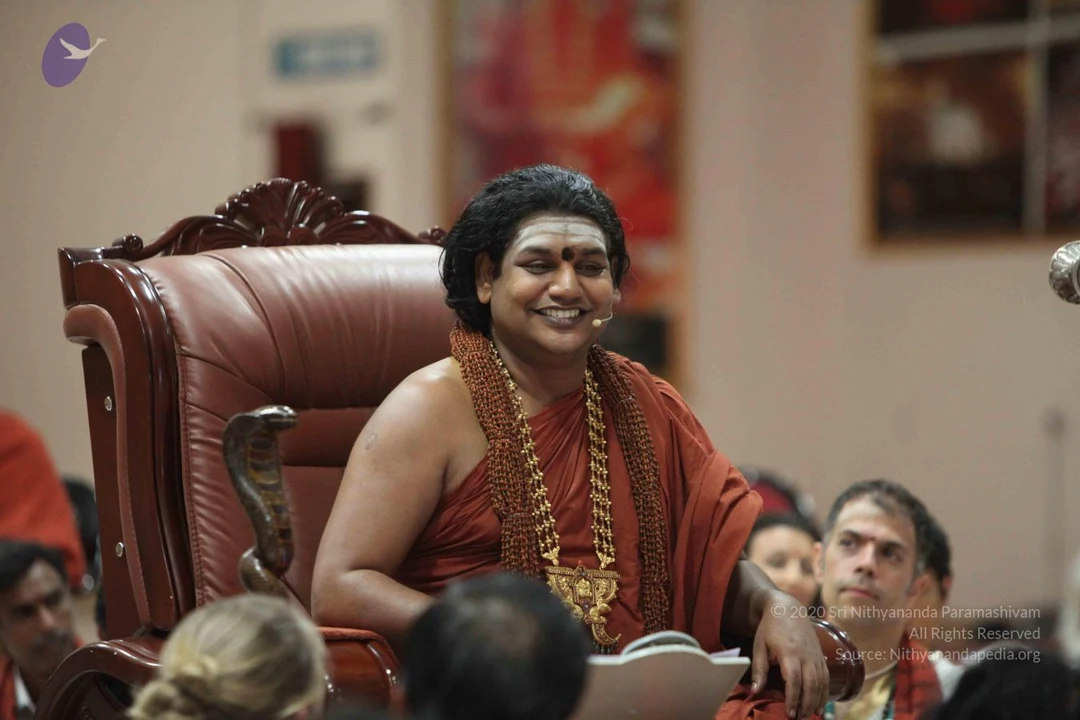
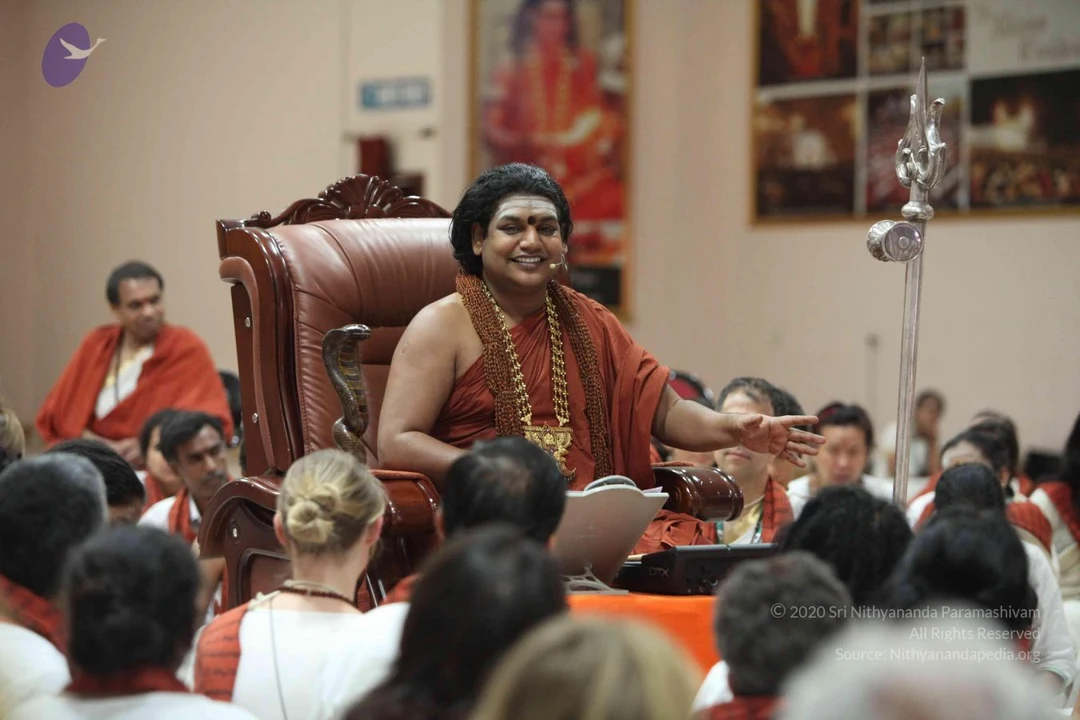
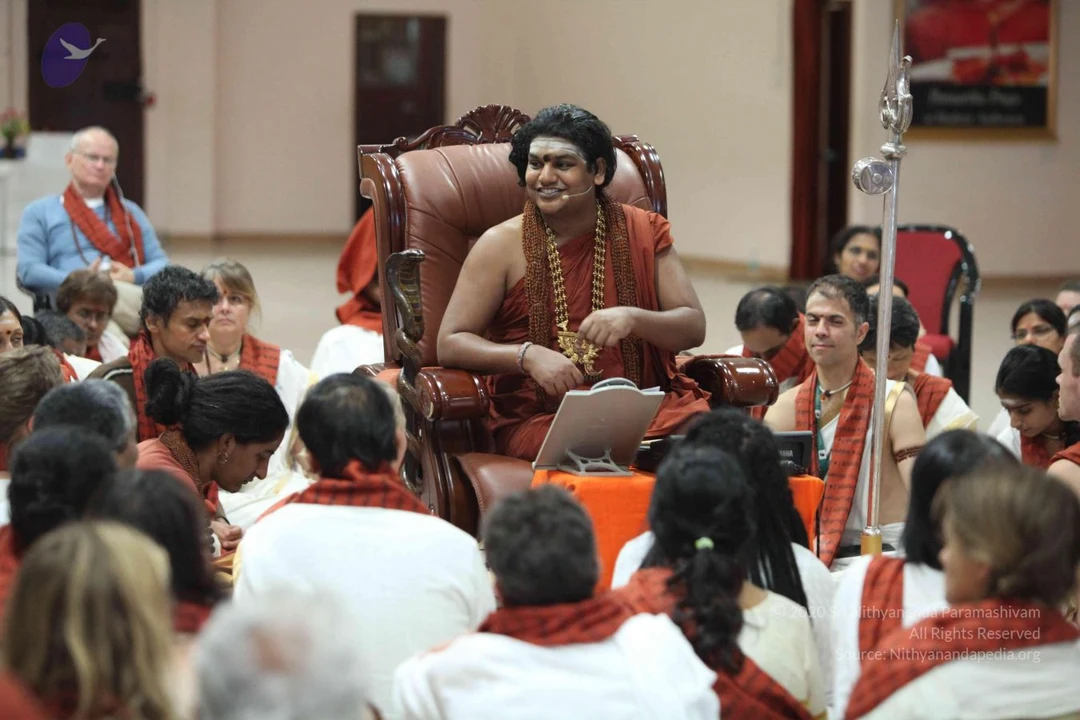
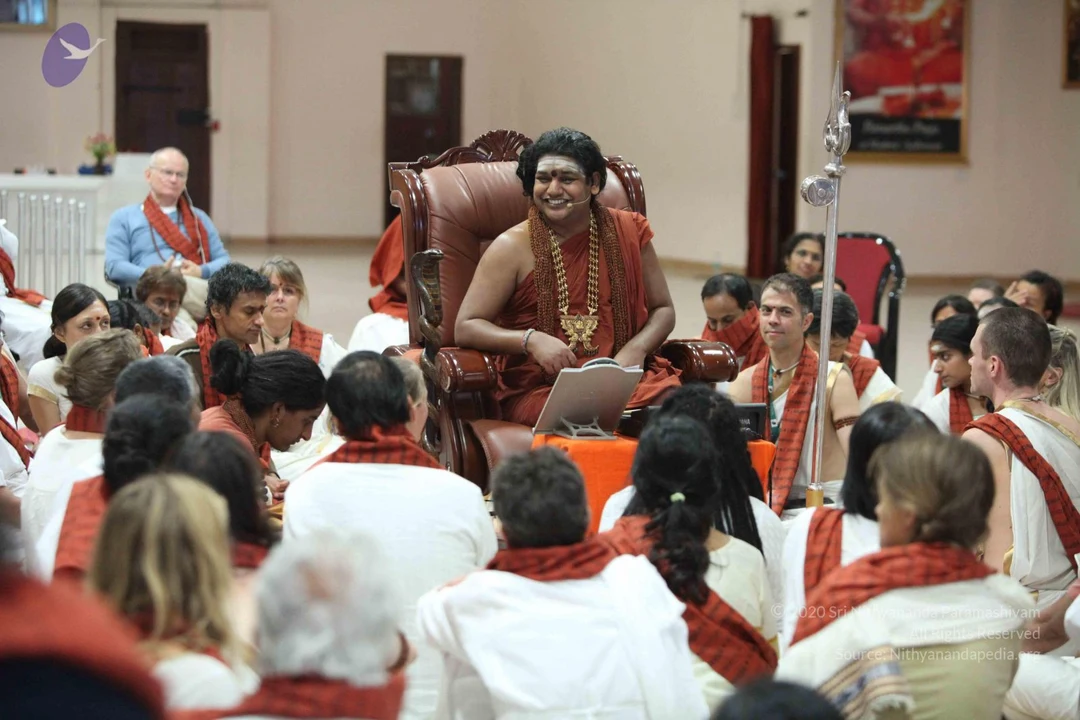
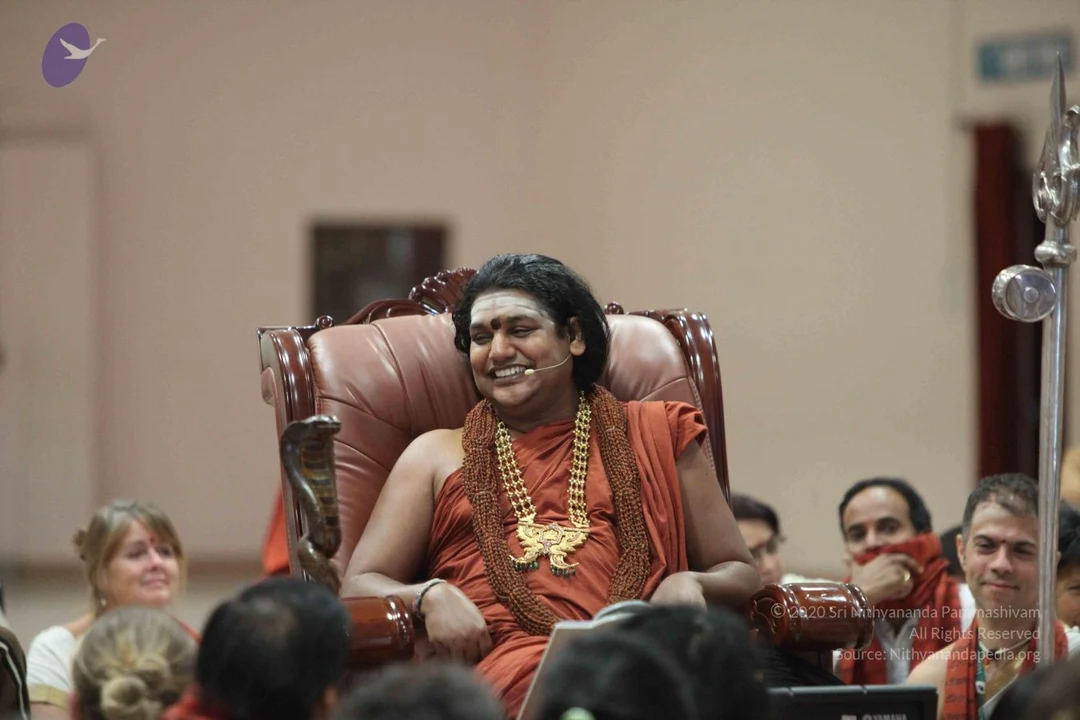
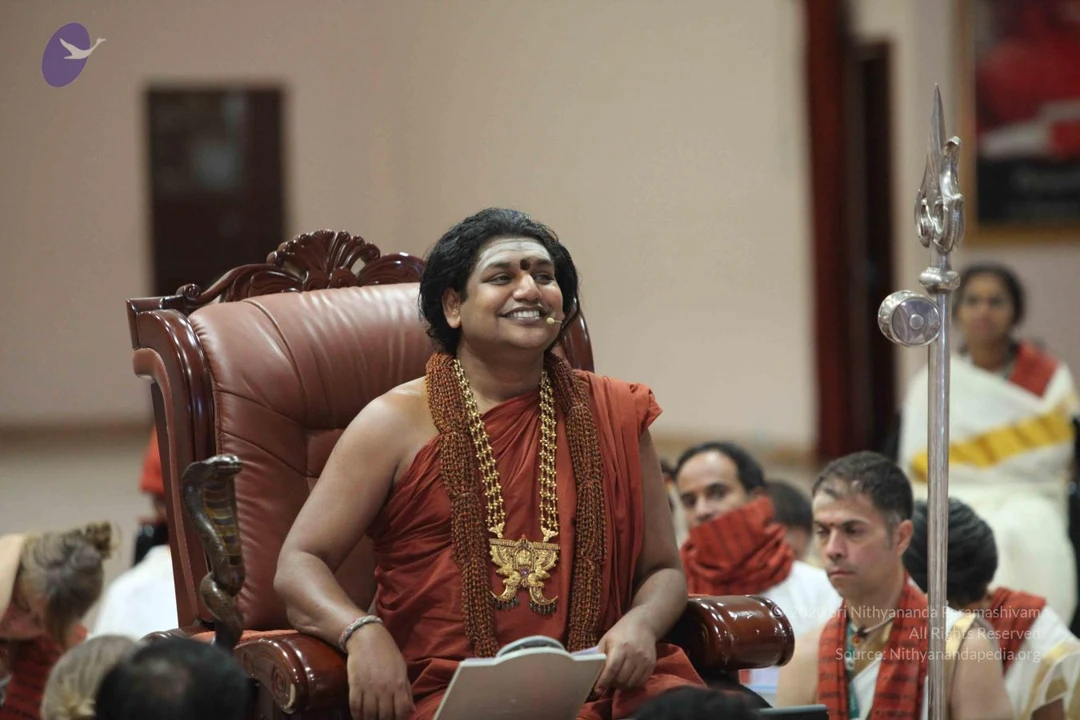
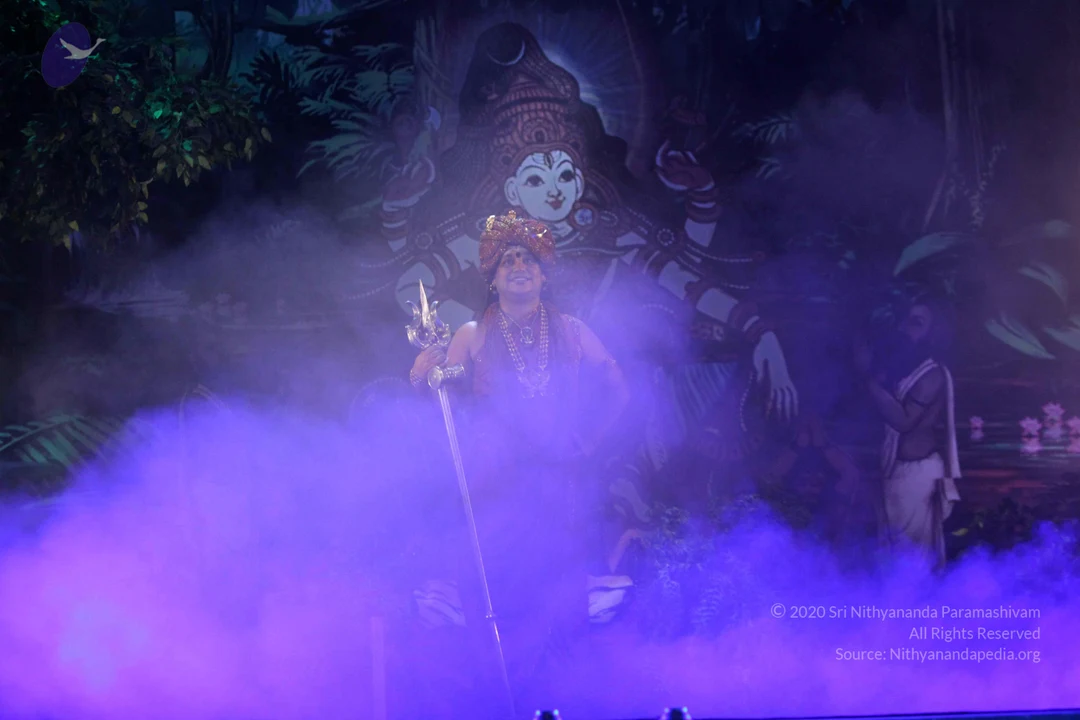
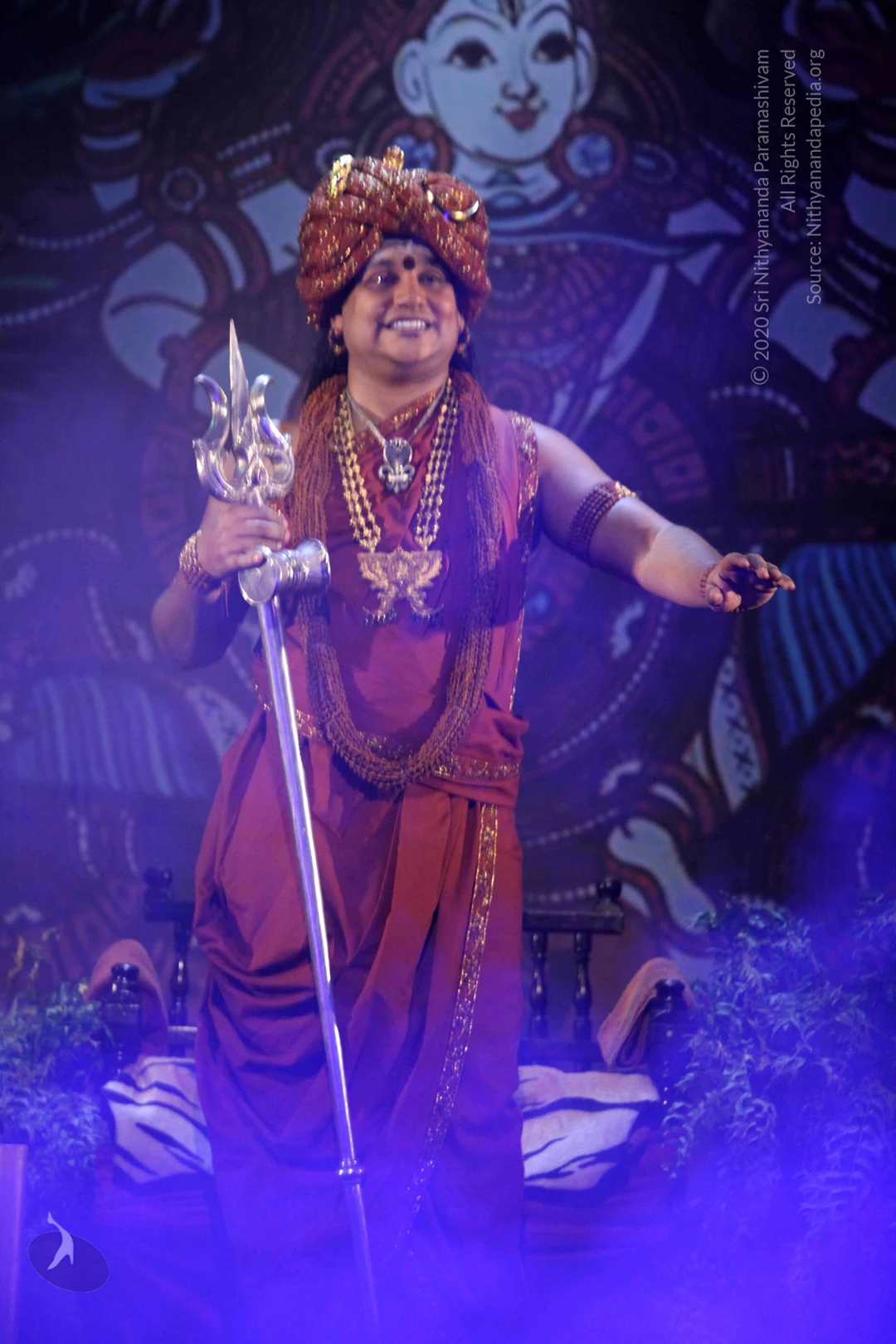
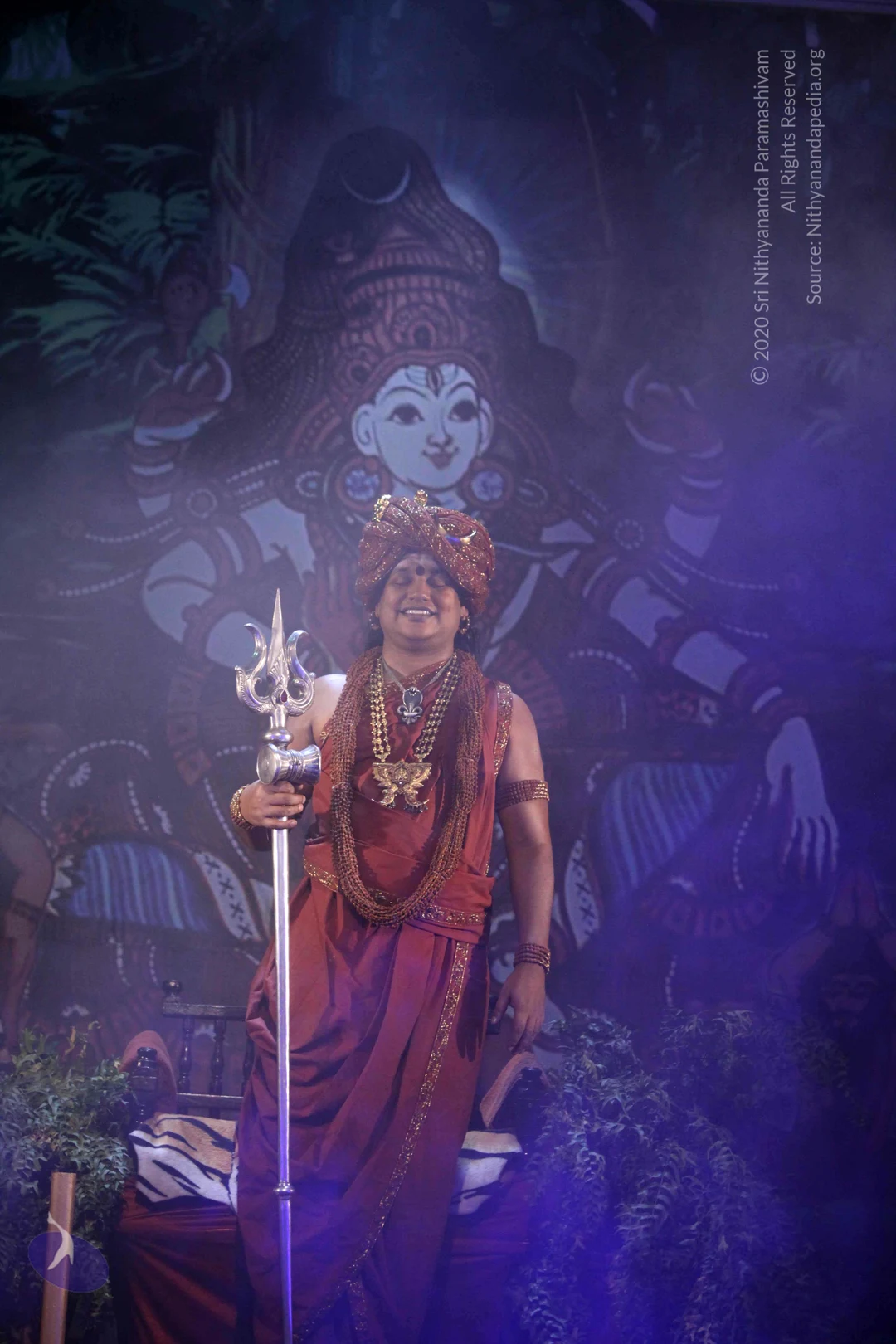
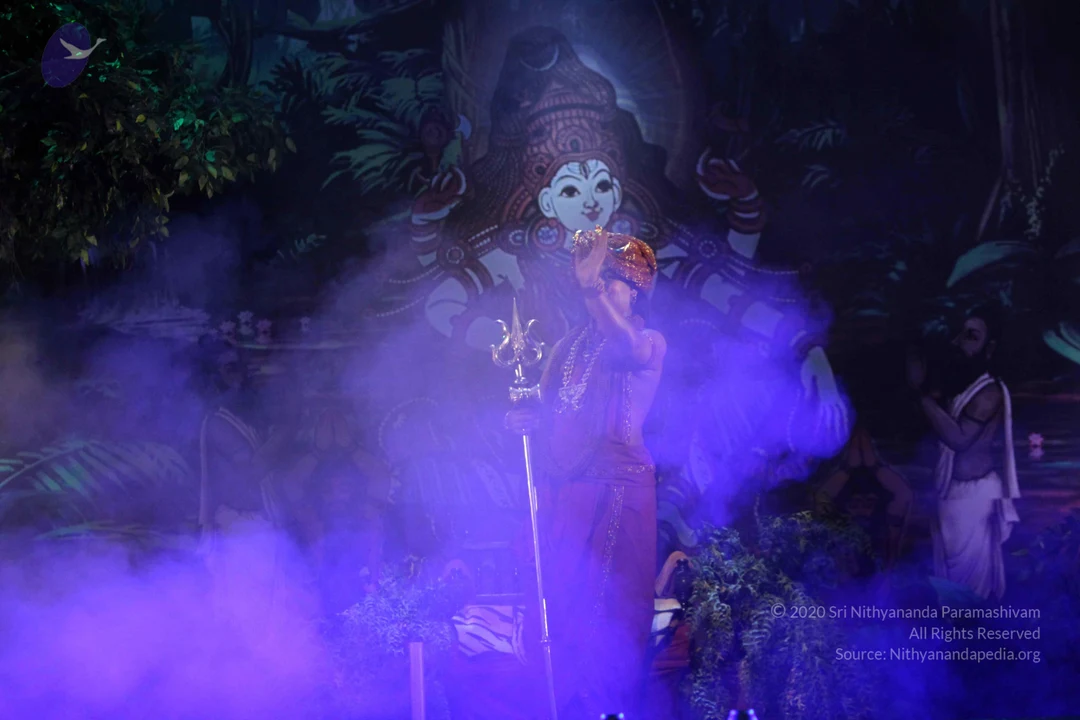
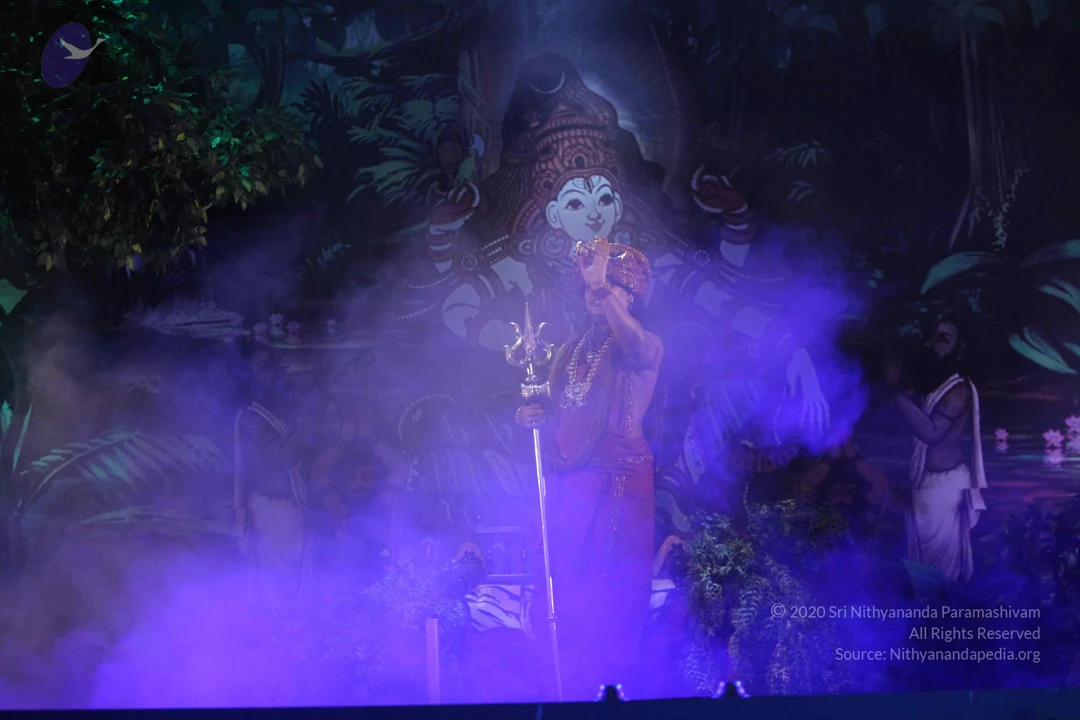
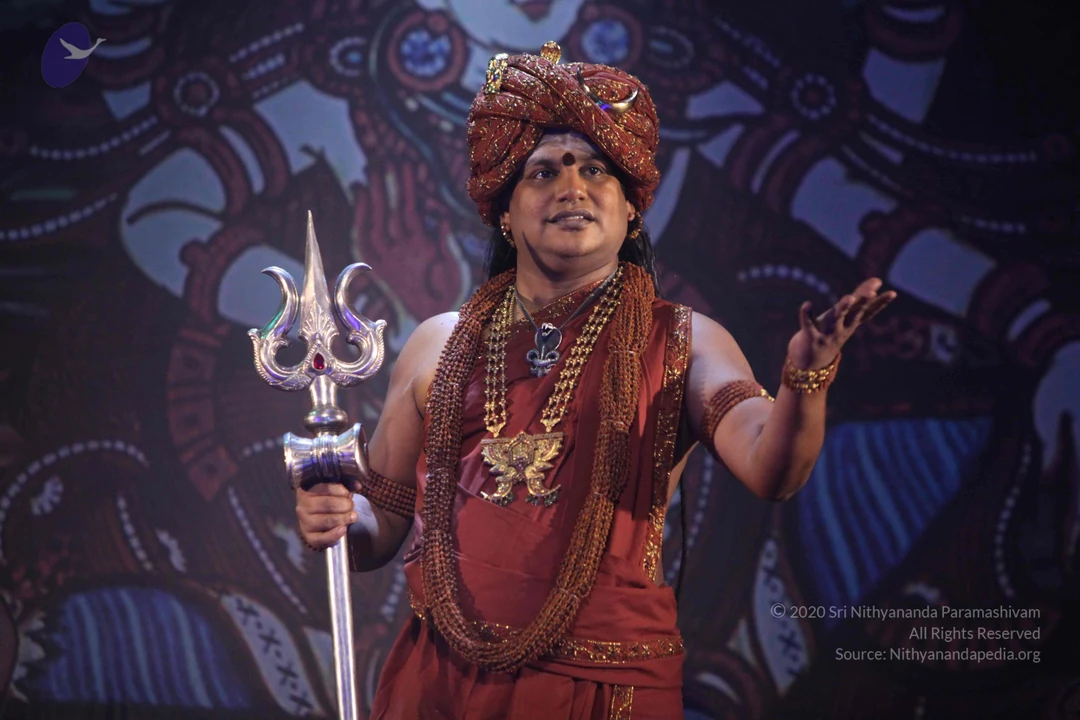
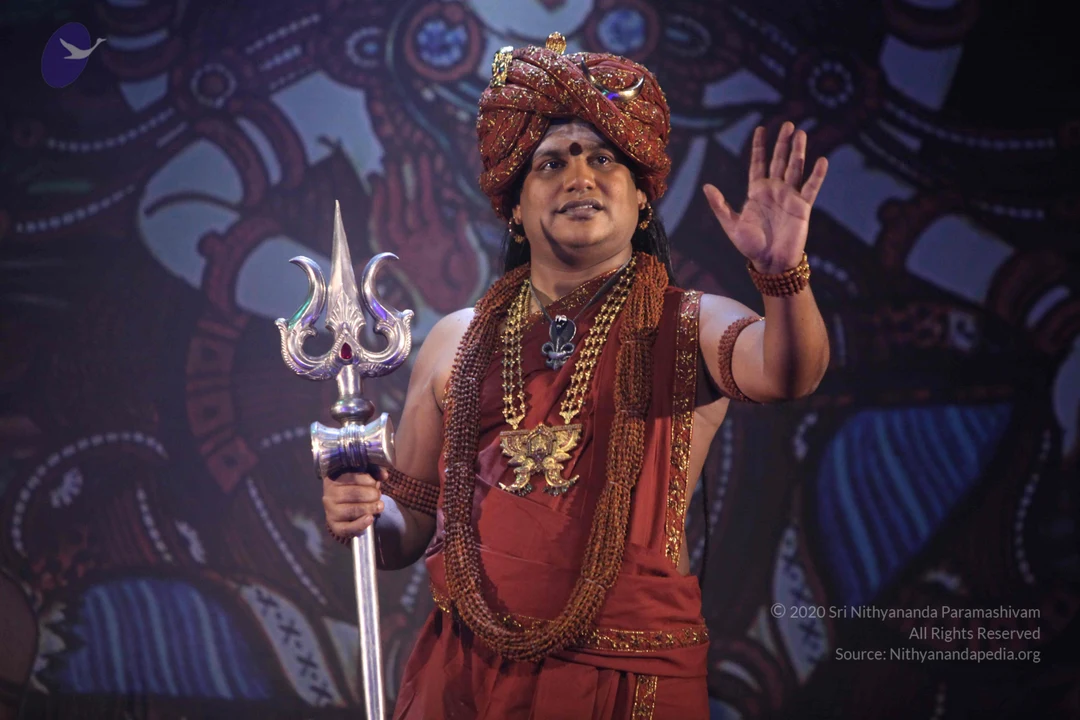
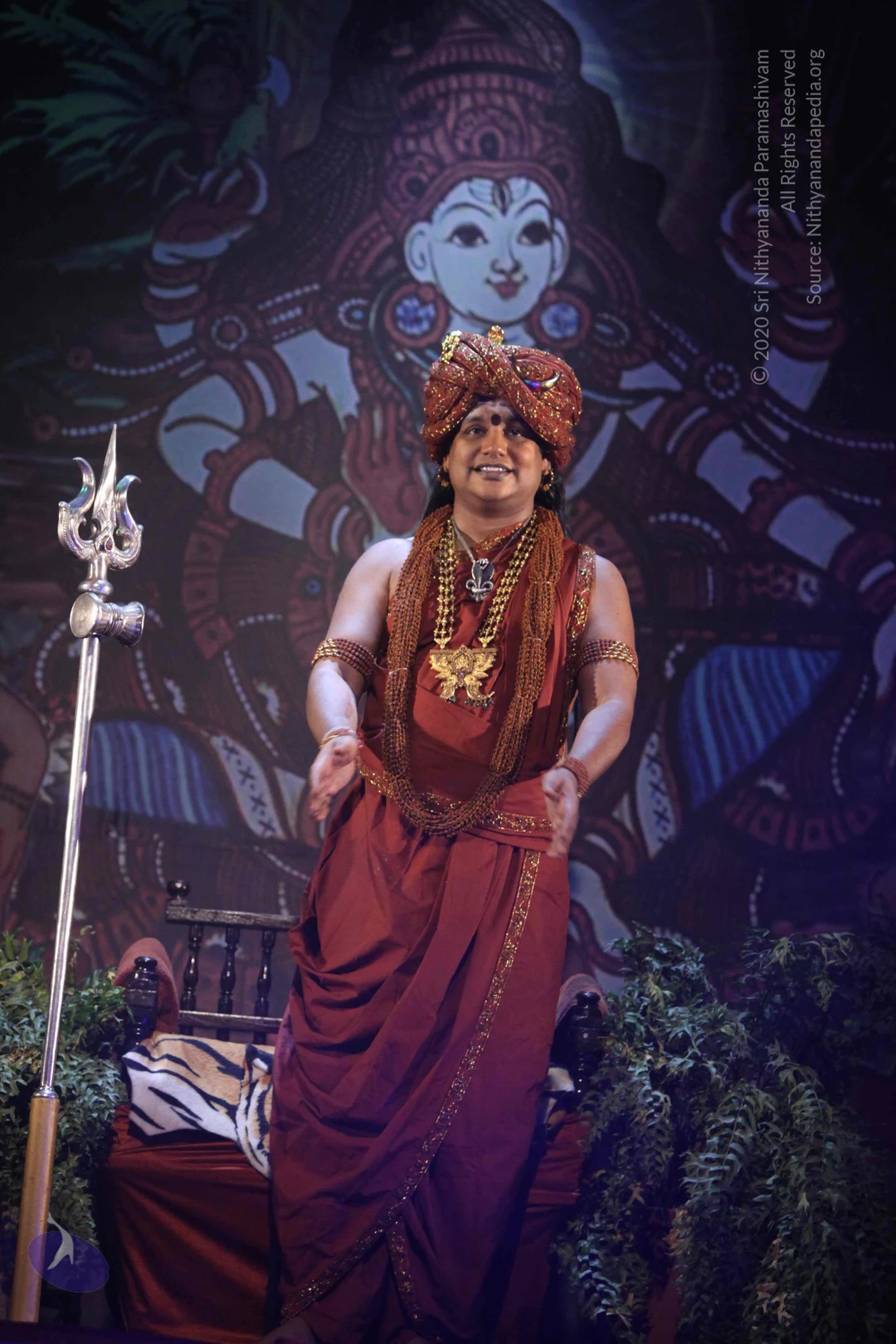
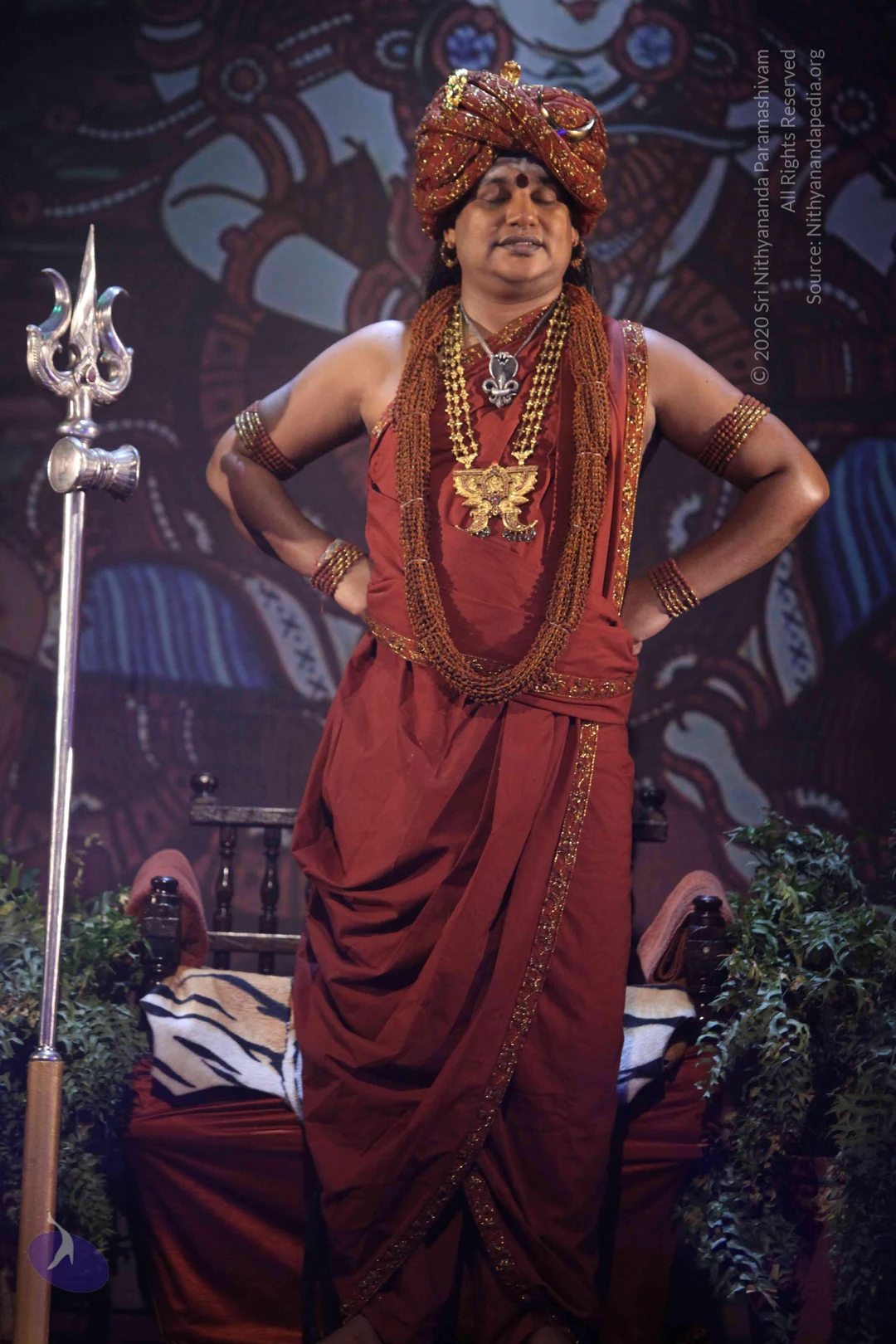
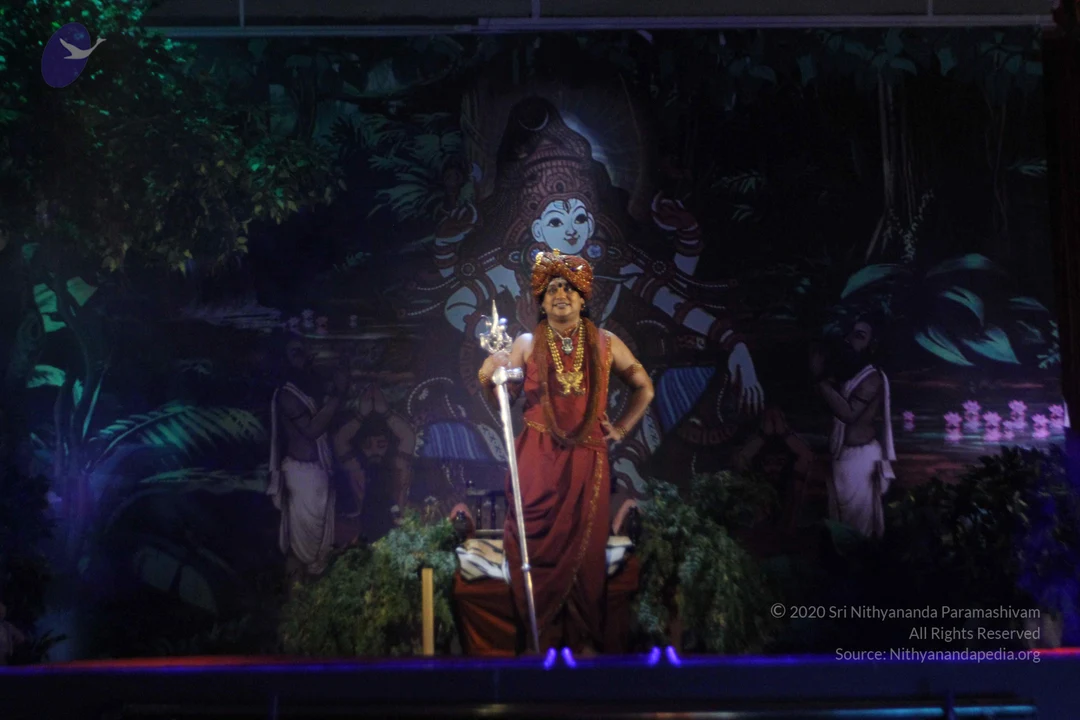
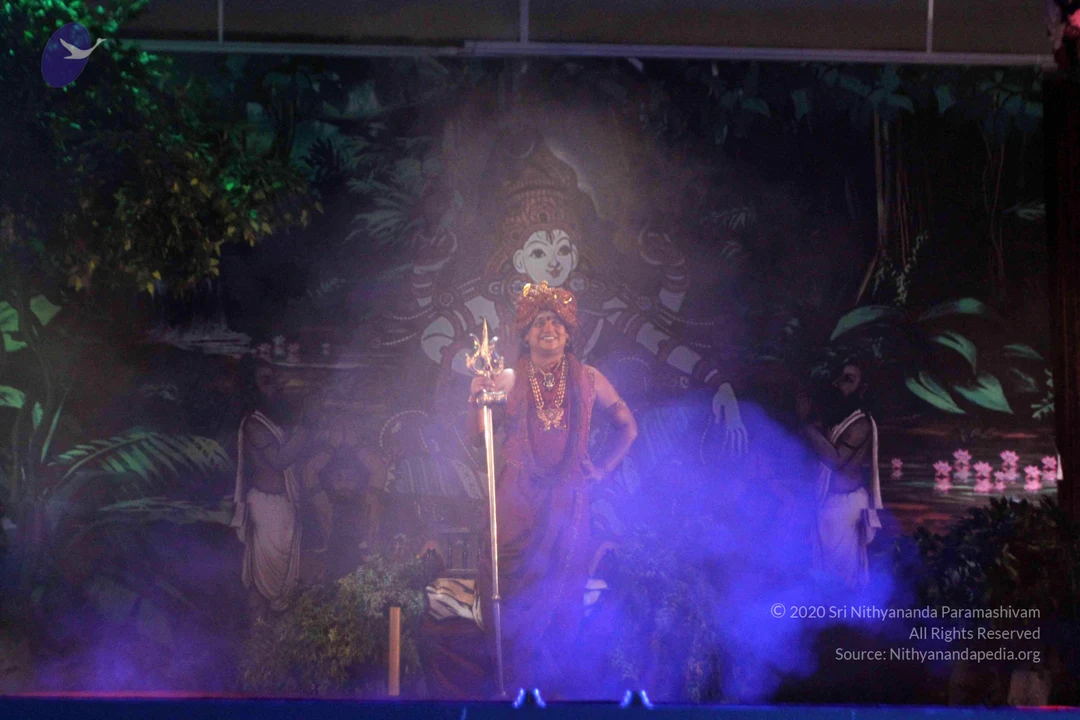
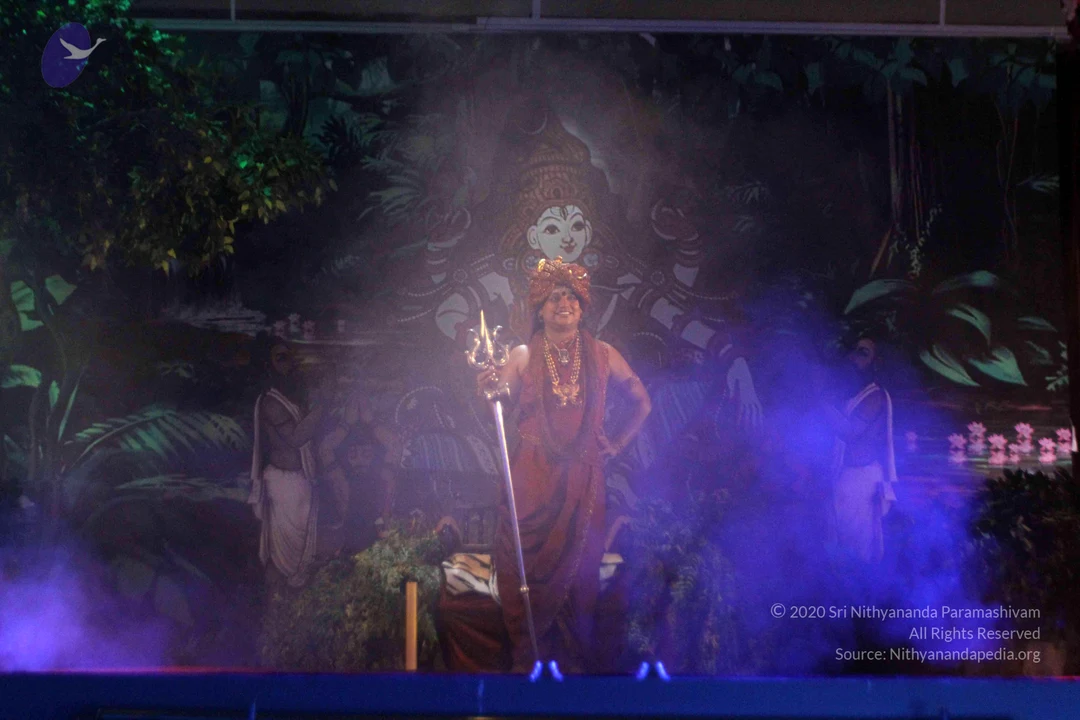
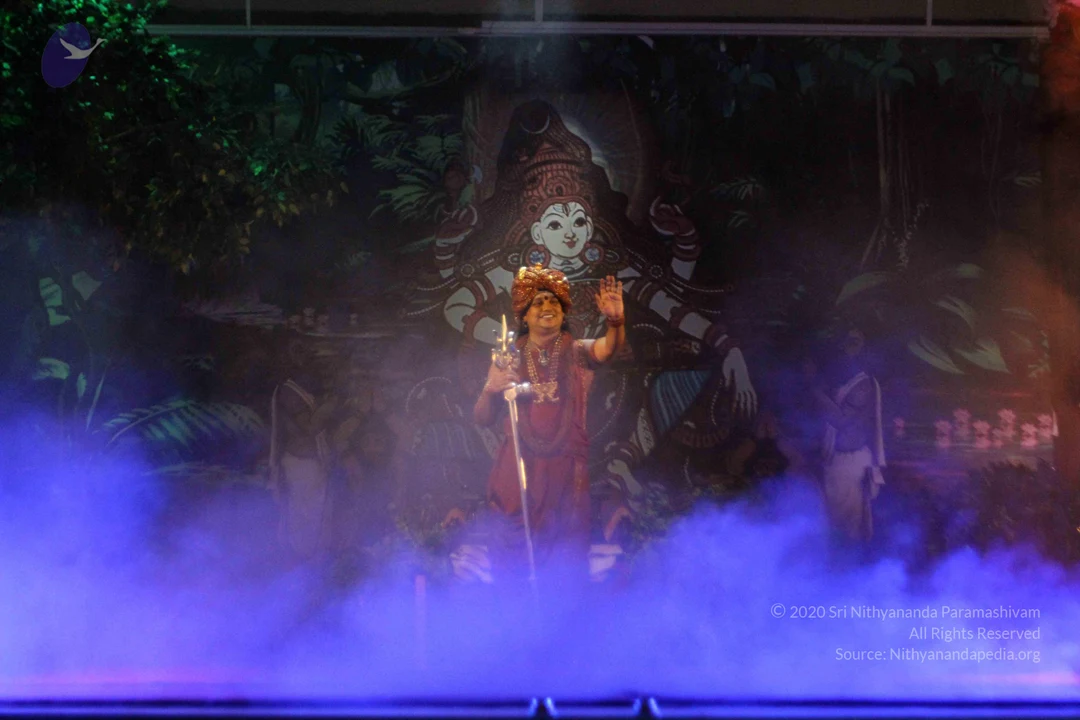
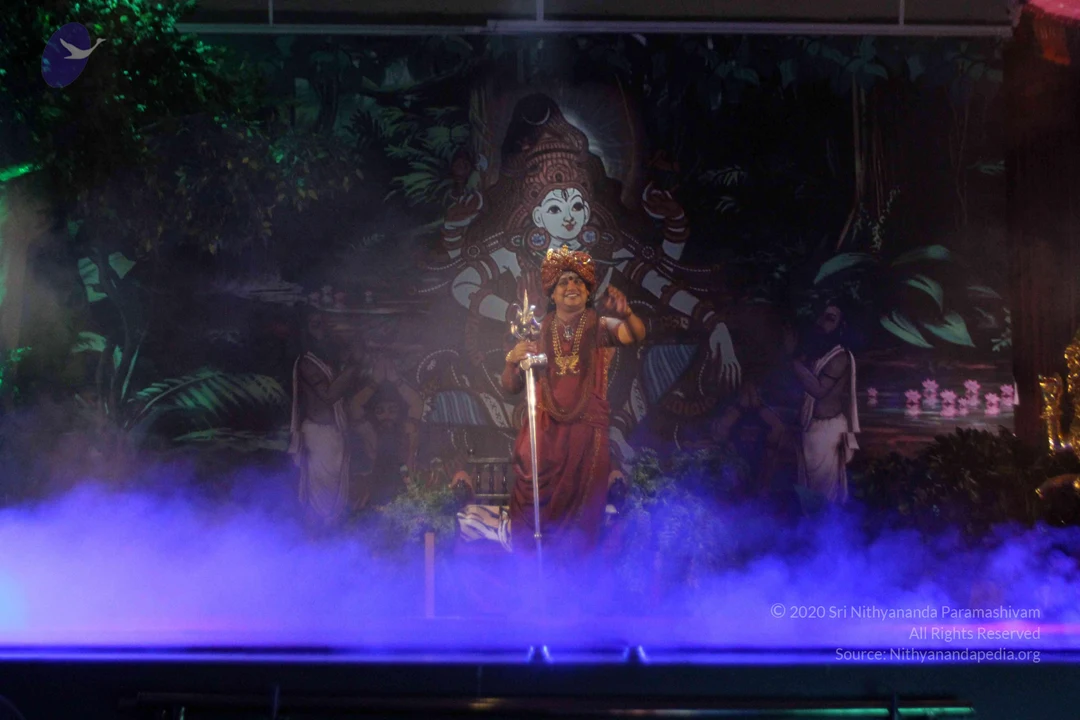
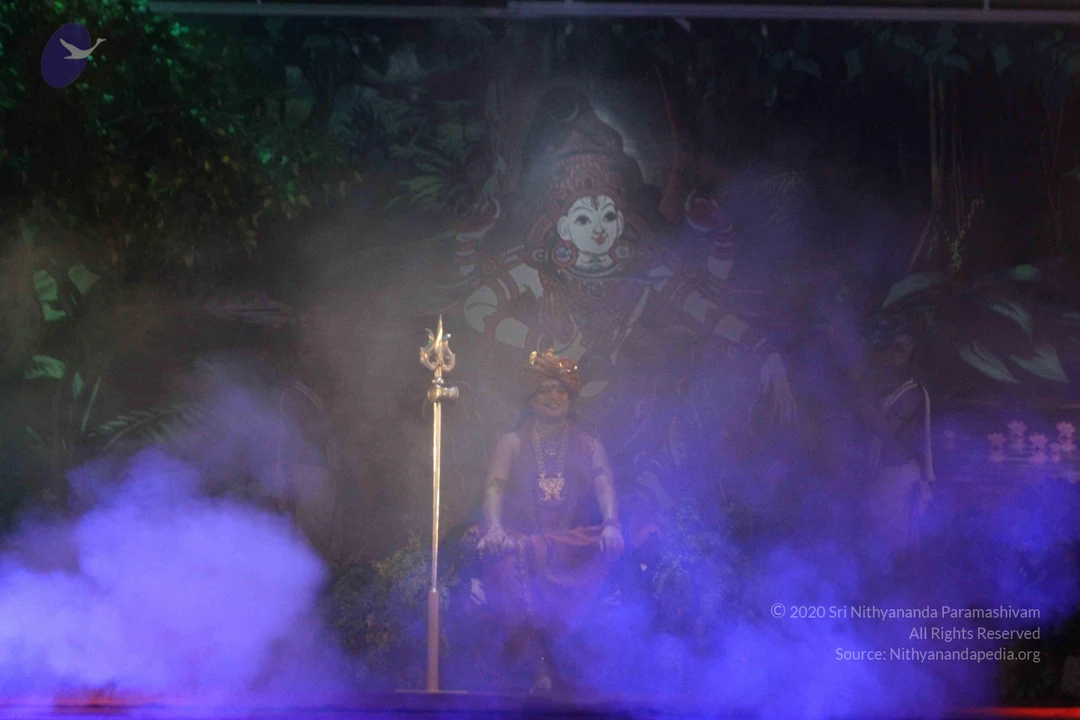
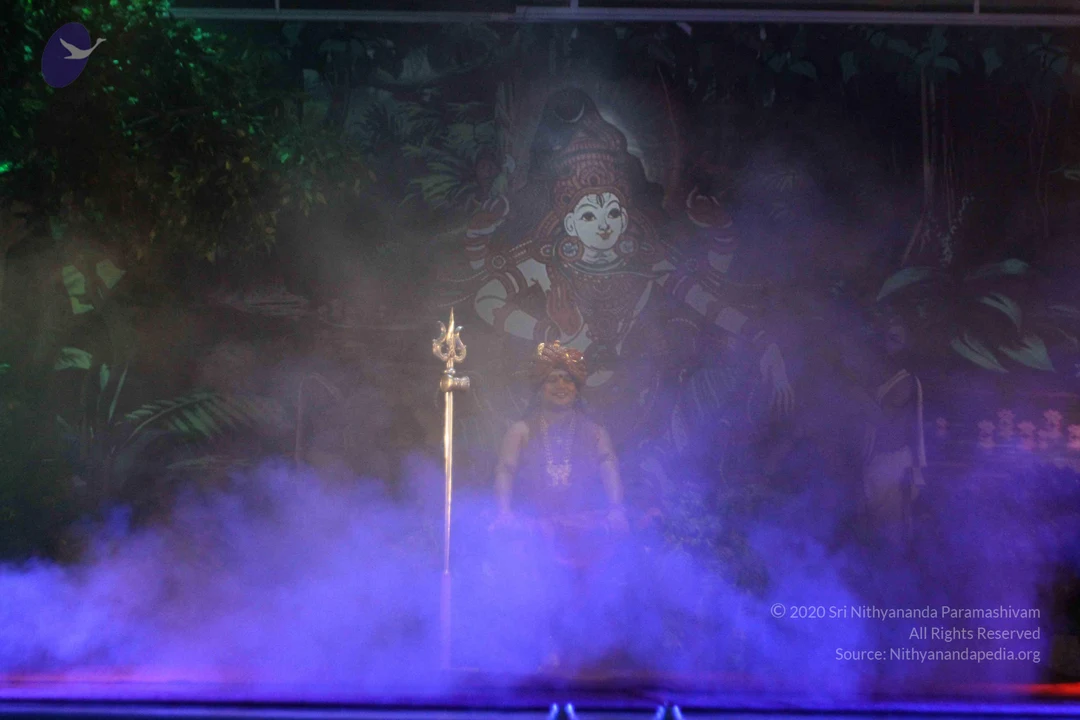
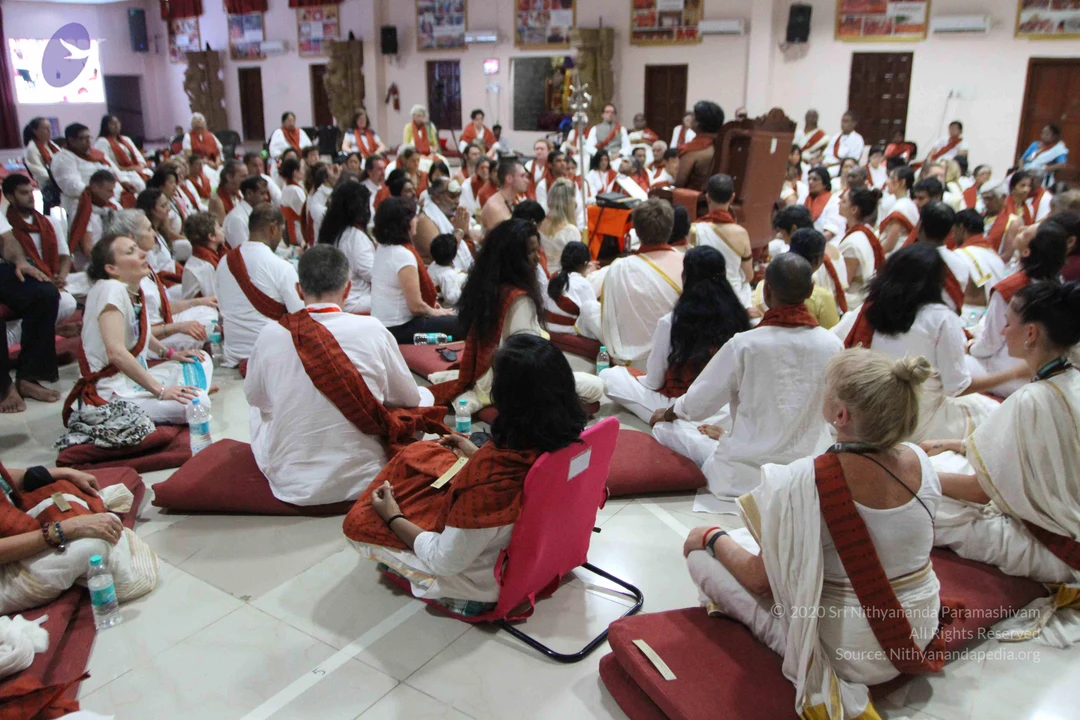
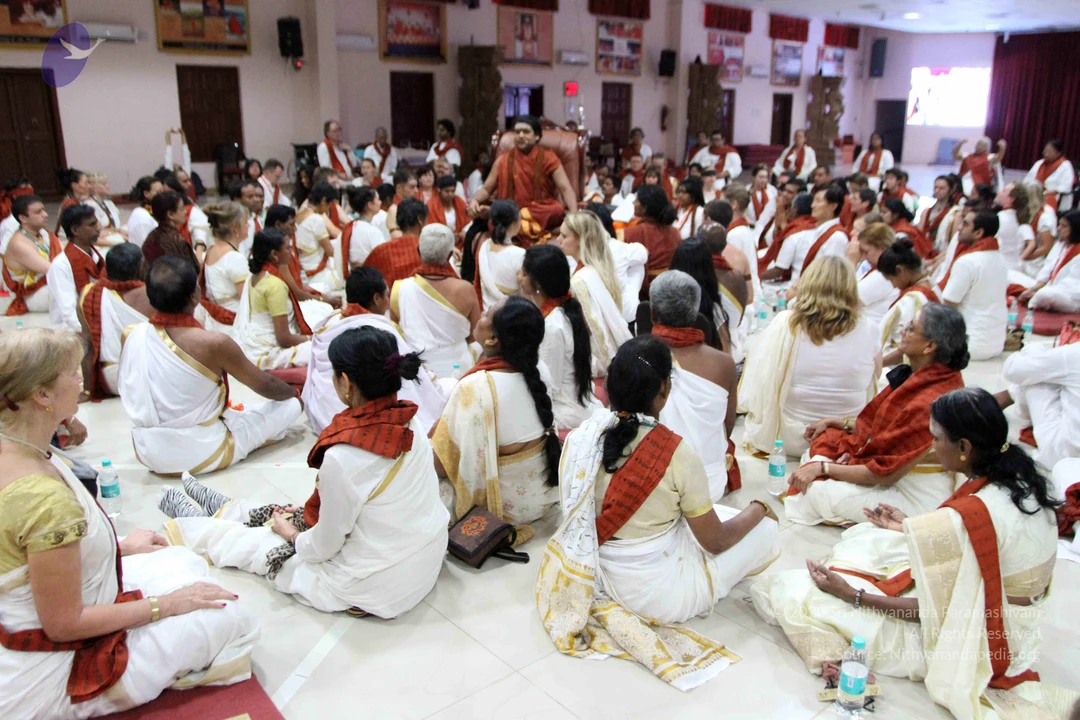
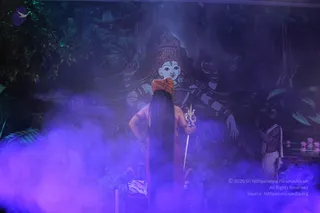
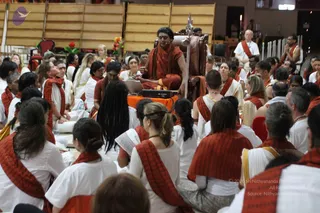
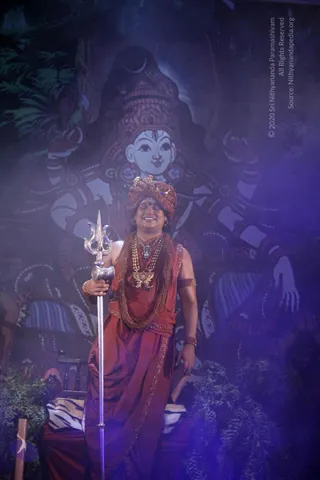
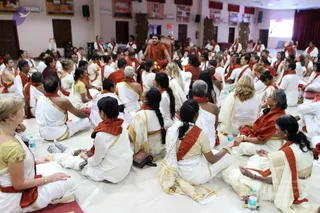
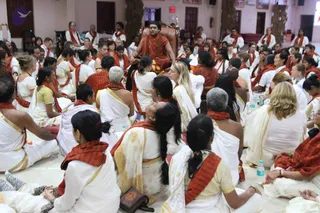
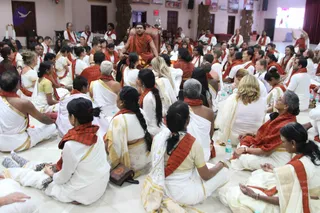
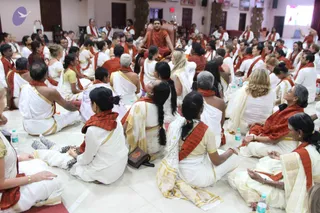
Nithyanandoham & Inner Awakening delegates had powerful Dharshan of Mahadeva. They also had a powerful Mandala Process
Title
24 Carat Spatika Linga || Part 1 || Inner Awakening || 15 February 2016
Link to Video:
Transcript:
(0:17)
See, very rarely Mahadeva refers in the Agama any original Upanishads, but when He speaks about the Atmalinga, He refers to the Kathopanishad. Kathopanishad describes how the God particle is inside you. ‘Angusta mathra Purusha.’ The size of the thumb, the God particle, the Purusha shines just below your heart region, above the navel, in that region. So that is exactly the shape Atmalinga was supposed to be done, Mahadeva describes in Agama. He gives around 30 type of material out of which it can be done: Gold, silver, stone, panchaloha. Thirty type of material He gives.
(01:16)
Finally he declares the best is Spatika. Spatika means….this is actually ice which did not melt for hundreds of years and absorbs carbon, becomes stone. The quality of the carbon gets into ice and doesn’t get melt for hundreds of years. So that is why it will have both qualities of ice. It will be always cold and the quality of carbon: stability. Both it gets. It’s a pure Spatika. 24 carat Spatika. It is ...just like gold is measured 24 carat, 19 carat, 18 carat, 22 carat, this is also measured based on the cracks inside. Inside if it is flawless, that is 24 carat. If there is light haircracks, it is 22, if there are long cracks, it is 18-like that it is measured.
(02:22)
So all the Spatika linga given to you are 24 carat, pure Spatika and on the Shivalinga, the Shri Yantra is carved. This is from...please understand, our Nirvani, Maha Nirvani Peetha’s Moola devata is Sri Yantreshwara which is established in Kashi Annapurna temple. That’s the Moola Devata. Devi herself worshipped that Shivalinga. Because of that, the Devi’s Mandala is on that Shivalinga. How many of you have seen that Shivalinga? The original linga in Varanasi? So that is our Moola Devata. Just replica of that is only this. Because of its form, it holds Shiva’s energy. Because of this Srichakra, it holds Devi’s energy. Because I energised it, it holds Guru’s energy... I did the prana pratishta, Guru’s energy. So all the three are inside.
(03:32)
The Prana pratishta is specifically done for you to keep only. If you want, you can do puja but it is not necessary you have to do puja. You see, when you take Vishesha Deeksha, you commit to do puja and you have to do puja but here these Atma Lingas are not energised, prana pratishta is not done in such a way that you have to do puja everyday. No! If you want to do, great! Do it. If you just want to keep it, you can keep it. So He is low maintenance guy like Me.😊 Low maintenance. If you give something, great. Otherwise, it is okay. But always have it in your bag, in your breathing space because it is literally having piece of God with yourself all the time.
(04:35)
‘Angushta matra Purushaha.’ The Kathopanishad describes the way the Consciousness, God particle exists in your body just below the heart centre, above the navel. That is the region where the God particle is there like a lamp kept in a room where there is no wind in the size of the ‘angushta.’ That is the description of God particle in your body. Actually that God particle only I am awakening and when that God particle starts oozing out, radiating its power through your bio-memory and muscle-memory. That is when the power starts expressing, healing starts expressing, power starts expressing. Yes, if you have any more stories you can share. Then I will give you the Atmalinga.
(05:37)
Devotee: I would like to share mine. I went to visit my friend who suffers cancer and he is pretty sceptical about all that wizardry stuff. So I sit by his bed and I was pretty shy. I didn’t want to upset him up front about bhasma and atmalinga but I put it out and... put it into his hand because he is pretty much immobile and one half of his body is sore and I told him, “Okay, we can’t do any harm by putting this into hand and if you have some wish”...I had my bhasma bag in my hand. “So just wish it and I blew bhasma for you.” So I was sitting with him for some fifteen minutes and I was about to leave. He gave me back my atmalinga and surely told me, “You don’t believe but I can move my hand.”
(06:47)
Swamiji: Understand, esoterism, occultism, spiritualism, religion, social life - all these are separate, separate in Western religions. In Hinduism, all these is just one: Upanishad and Agama, that’s all! In Hinduism, all these is one. Morning you pick up a neem stick and brush the teeth is a lifestyle. It’s a esoterism. It is a spiritualism. It is the way to express powers. It is mysticism. It is everything. Morning you pick up a neem stick and brush. That is the lifestyle. That is the hygiene. That is health. That is esoterism. That is mysticism. That is spiritualism. In Hindu tradition, they are not separate, separate.
(07:56)
That is why many people ask Me, “Religion and spirituality is separate. Why are You trying to mix both?” I say, “That is, both are separate in West, not in East religions.” The Western religion, they both are separate, not with Hindu tradition. In Hindu tradition, religion is spirituality. Understand? That is mysticism. That is esoterism. That is occultism. That is spiritualism and the words which you have not yet discovered... All put together is just simple straightness.
(08:49)
If you live around Me, you will not find anything extra. From morning till night, I will live a simple Adi Shaivite lifestyle. I am from Adi Shaiva family. Adi Shaivite lifestyle, what any village Adi Shaiva will be living. How He wakes up, how He is supposed to apply Vibhuti the moment He wakes up from the bed Kamika Agama Mahadeva describes. The moment you wake up, please apply vibhuti on your forehead. Then remember Mahadeva and you are supposed to repeat few of His names. Then put your right leg on the ground and you will see, I will be literally doing everything and even how many times upper stroke and lower stroke as Mahadeva describes in Kamik Agama I will brush the teeth.
(09:38)
There is a stick measurement. For sanyasis separate measurement, for grihastha separate measurement. For grihastha, mango twig. You call it twig, no ma? No, that stick name? What is the stick name ma?(speaks in tamil) So, for grihastha separate, for sanyasis separate. We have in our….we have done a video also about it. Yes, yes,you can show the video also. So I have all that and I will pick up that stick and clean up and then, My own way as Mahadeva describes, whether it is one or two or...everything including washing method, everything as He says. No, he gives a detail instruction. Detail instruction. I am very fanatic about it because even while I brush the teeth, I just say, “Prabho, as you said I am brushing. As you said, I am cleaning. So that gives so much of satisfaction that in everything I am just doing as He said and I know He knows what I need much more than I.
(10:54)
I know from morning till night, you will not find Me doing anything extraordinary or anything which is occultism, esoterism, nothing. Simple life as Mahadeva described in Agama. Over!... Before food apply vibhuti or that’s all. Eat as he gave the recipe. So while I eat I know, “Wow, as you said, as per your recipe I am eating.” So while I lie down on the bed, “As you said, I am lying down.” He has described the way to lie down. He says, “Put the left hand under the head and turn the left side and there is a calculation 4-7-3. Four count inhaling, seven count holding, three count exhaling. You will fall asleep in three minutes, less than three minutes. He gives a count how to sleep. Clearly describes. So, “As you said, I am resting in you.” That’s all! Rest in you.
(12:14)
I am telling you, in Hindu tradition, esoterism, mysticism, spiritualism, religion, dos and don’ts of everyday life, the spiritual principles: all one and the same. They are not separate. Religion and spirituality is separate maybe in the Western religions and these Hindu Gurus, these fellows they just read something in the Western literature, they start applying the same mould here. Here also, in Hinduism also religion is separate and spirituality is separate which is not! Which is not. I am telling you... If you are born and brought up in that life source, lifestyle, you will understand it is not separate. It is not separate.
(13:16)
I usually don’t criticize them. Alright, they live their life. They do their work but it affects lot of people. That is why I am saying, Hindu tradition cannot be looked through the Western framework of religion. The Western framework of religion will not match. You can’t look through that framework Hindu tradition... Thousands may worship Me as Sadashiva or Mahadeva but if you see Me sitting and doing puja, you will not find somebody there. I don’t know how many of you see Me doing puja! And still I will never miss even one day! Even when I had the fracture, finished the puja. Only then I allowed the surgery... I said, “Do the surgery after…” I did My regular puja and….In our Hindu tradition the religion, mysticism, esoterism, lifestyle practice: all of them are not separate, separate. They are all just in one sync: simple one expression.
(15:10)
Even the smallest thing of putting the rangili outside your house is a direct Advaitic practice where you feed all the small ants and all the...feel oneness with them. Any simple act is the expression of Advaita. We don’t have a higher philosophy, lower philosophy. Everything is straight oneness, experience of oneness. There are so many saints in Shaiva tradition. All they did whole life is just plucked flowers, made garland and offered to the Deity. That’s all. They became Enlightened! What Andal has done in Vaishnava tradition. So many I can quote in Shaiva tradition.
(15:59)
They just put that….(speaks in tamil) No, not camphor. See, little charcoal they will put the powder. Good, nice scent will come. Just doing that work in the temple, people have become enlightened, achieved Shivapada. Nothing else. They are not yogis. They don’t blow their nose. They don’t do this kriya, that kriya. Just that Sambrani to Mahadeva. They know the context: Mahadeva is here. I am just trying to please him as much as I can, over. They become Enlightened!
(16:45)
So understand, Hindu tradition there is no separate esoterism. There is no separate occultism. There is no separate mysticism. There is no separate spiritualism. There is no separate religion. It is simple lifestyle, that’s all. It is simple lifestyle. That is why I am so orthodox one side, so raw other side.(laughs) So mystical and ununderstandable... If you understand My Tamil jokes, you will say, “Oh God! So raw!” Tongue rolls in the English. Such great philosophy flow like Ganga and Saraswati. Tongue rolls in Tamil... such down to earth jokes, stories because in Hindu tradition, they are not….we don’t have a compartmentalism of the whole thing. It is just life. Life and it just flows with everything... Alright, come on. You guys tell your stories. Then I will tell My stories.
(18:40)
Devotee: So...about two and a half weeks ago, my dog moved in my with my extermate and he... I guess I don’t know it was separation anxiety from my over but he got like a seizure and his back legs collapsed and whatever. Then my extermate rushed into the back and at that time, I am really close to my dog and I was like...I didn’t know what to do. So I got the Atmalinga and I sat in meditative space and I just prayed that things will be okay and I woke up from the meditation and five minutes later my extermate sends me message and says everything is cool with Dio. DIo is my dog and I was the happiest person. (Swamiji laughs and everyone clap)
(19:35)
Title
24 Carat Spatika Linga || Part 2 || Inner Awakening || 15 February 2016
Link to Video:
Transcript:
(0:15)
So I have one more good news for you guys that we have been officially invited by the government to attend Kumbha Mela and four acre land has been allotted. Just now she gave the update with the letter... So from tomorrow the construction will start there because only two months, the whole thing has to be established. Two hundred toilets alone we are building: hundred toilet for women, hundred toilet for men and then hundred bathrooms and hundred bathrooms for men and hundred bathrooms for women. Because this time we are hoping we may have to accommodate five thousand people. The way it is going and expansion, people are wanting to be part of Kumbha mela. Our Nithyanandoham and our IA Grads and our devotees, from this circle itself we may have three thousand people.
(01:29)
So from Akhada I committed with them that I will accommodate thousand of their….no, not sadhus. Sadhus, we have...our own Akhada building is there. Huge property but the small, small Mahants in each city, their devotees will come. For those people, they will not be able to stay there because in Akhada we don’t allow anybody. All Sadhus are going around with no clothes. We are Nanta Naga Akhada. So Naga Akhada no women can, no grihasta can stay there because we don’t wear clothes inside the Akhada. The whole Akhada is compounded and I don’t know how many of you have seen. In Kumbha mela you can easily see three-four lakh people naked. Sadhus walking naked and no only first ten minutes you will feel little awkward. After that you will not feel because they don’t feel awkward, you don’t feel awkward, that’s all. And so, those Mahants, disciples, householder disciples, for them we are going to accommodate.
(02:47)
Sadhus they will not stay here. They will have to stay in their...in the...no, Akhada have the madi na, each madi they have to stay but their grihasta disciples, dasandharis, for all of them. Around twenty lorry Deities and material will be moving from here. How many of you attended last Kumbha mela, Ujjaini, sorry Nasik Kumbha mela? Then you know what we do in Kumbha mela. Don’t miss Kumbha mela. Actually only if you attend Kumbha Mela you will understand what is Hinduism. Till then, your idea about Hinduism is very immature. No, really. It will be childish. You should attend Kumbha mela. See where ten….here we are expecting in Ujjaini, forty one crore people are going to come. The government is organising and preparing itself to accommodate forty one crore means one third of India. One third of Indian population. Forty one crore!
(03:58)
On that main Snan day last Allahabad Kumbha mela, on main Snan day, on one day, ten crore people attended, took Snan, just on that one day. That is the world’s largest human gatherings ever recorded. From satellite, you can see the people, see the crowd and this time, main snan day, they are expecting seventeen crore people will be taking bath. To feed in our Dhyanapeetam, we ourself are going to feed one lakh people a day. We will be making rotis and all that and I am getting ten roti machine. Per hour five thousand rotis they will make. Ten machine I am getting. Just roti making machine. So per hour fifty thousand rotis they can make and we can deliver. So annadaan responsibility we have taken and just collecting all the money and accounting it itself is a huge responsibility.
(05:00)
Twenty five thousand gunny bag, coins and notes because all the villages, they will drop at just one rupee coin, two rupee coin. No one will go without dropping at least one rupee, two rupee coin. Finally the money itself may not be more than three-four crore. It may be only three-four crore but it will come in coins and five rupee note, one rupee note, three rupee note because it is a huge….you see, that is not even money. It is their commitment, devotion. You understand? Only if one person gives, two person gives, it is money. When ten crore people give, it is not money. It is a devotion. It is a commitment. Thousands, I can say, lakhs walk from their home with their bag on their shoulder, kids on their shoulder, walk from their home for ten days, fifteen days and come to Ujjaini.
(06:08)
You should see Kumbha mela. Otherwise, you won’t understand Hinduism. Unless you see Kumbha mela you will not understand what is Hinduism. You can’t understand what is Hinduism unless you see Kumbha mela. Thousands and thousands of tapasvis, yogis, sadhus, nagas...appa! Actually Nasik Kumbha mela is called Chota Kumbha mela. All akhadas don’t come. Even our own akhada, acharya Mahamandaleswar did not come. Only the Allahabad Kumbha mela is Poorna Kumbha mela and Haridwar is called Maha Kumbha mela and Ujjaini like a middle level. That itself we are expecting forty one crore. The government is expecting and they are planning for the whole arrangements and everything.
(07:17)
This time, for whole Nithyanandoham teamily I gave it as a gift. You are all My guests. Plan it. Don’t miss Kumbha mela. ’Kumbh chalo.’... Actually anything can be lost to attend Kumbha mela. Nothing wrong. Any other stories? Atmalinga stories? Now I will listen to atmalinga stories. That later on. Any atmalinga story? or shall I give the atmalinga so that you can experience new stories? Shall we start? Kumbha is Kumbha only. You can’t equate anything with Kumbh. We have a full documentary of fifty minutes I think. It is in youtube. Please all of you watch. Don’t miss. Fifty minutes full documentary. You can see sadhus who are standing in one leg for twenty years, keeping the hands raised for twenty years and who bury their head and breathe through the leg for ten days in public. You can see all that. Aghoris, tantrics, Nadapantis, hatha yogis, bauls and Shaiva sanyasis, lingayats and vaishnavi, Veyragis- all the Hindu sampradayas.
(09:00)
Hinduism has around thirty thousand sampradayas, internal sampradayas. You can’t call the sampradaya as a sect. Sect is separate; sampradaya is separate. Sampradaya word cannot be translated at all. And thirty thousand sampradayas. All the sampradayas will be represented there... ‘Kumbha mela with living incarnation.’ What is the….. how many minutes is it? Thirty eight minutes, sorry. It is not fifty. Thirty eight minutes. Don’t miss it. Just see. Ah, it will be a ...you see, because there are some unique contributions which I am doing, we will be called in future as Nithaynanda sampradaya. I can say that we are established in the vedas and agamas. So naturally we will also become one sampradaya of Hinduism.
(10:14)
Ah...you see, if there is no contribution from My side, we will not become one more sampradaya. We would have been just part of Mahanirvani akhada or whatever, Mahanirvani peeta because there are many things which is My contribution. See because of My unique contributions, many of the things which I brought it out or made it into reality, we will be remembered like a Nithyananda sampradaya from the Vedagama, the Shuddhadvaita sampradaya, shuddhadvaita tradition. We will be Nithyananda sampradaya but I am very clear I don’t want to be declared something away from Hinduism. I am very clear about that. That is why I am establishing all the roots clearly into Hindu tradition... Arunagiri Yogishwara only initiated Me. So He will be the Moola Guru of the sampradaya, Adi Guru of the sampradaya. Whoever has….please understand, if you have not received the atmalinga, you can receive now. You can just keep it in your...with you. That is enough.
(11:32)
(Swamiji blesses the atmalinga and bhasma bags)
(12:01)
Ma Jnanatma: Nithyanandam. Whoever does not have either atmalinga or vibhuti bag, please come forward first. If you do not have both atmalinga and vibhuti bag, please come forward first. If you have either one of them, we will be announcing it. You can come next. First Swamiji is giving both atmalinga and the vibhuti bag for those who don’t have both... If you don’t have both the atmalinga or the vibhuti bag, please come forward to collect it and then go back and please be seated in your respective spots. Atmalinga can only be received once. You can only have one atmalinga for yourself. You cannot have two atmalingas because you have one atma. If you have already received it, please do not come to receive once more... If you have already received the atmalinga but if you don’t have the vibhuti bag, we will be making the announcement next. You can come only to receive the vibhuti bag. Anybody else who has not received the atmalinga and the vibhuti bag, please come immediately. Anybody who has not received the atmalinga or the vibhuti bag?
(14:07)
Photos From The Day:
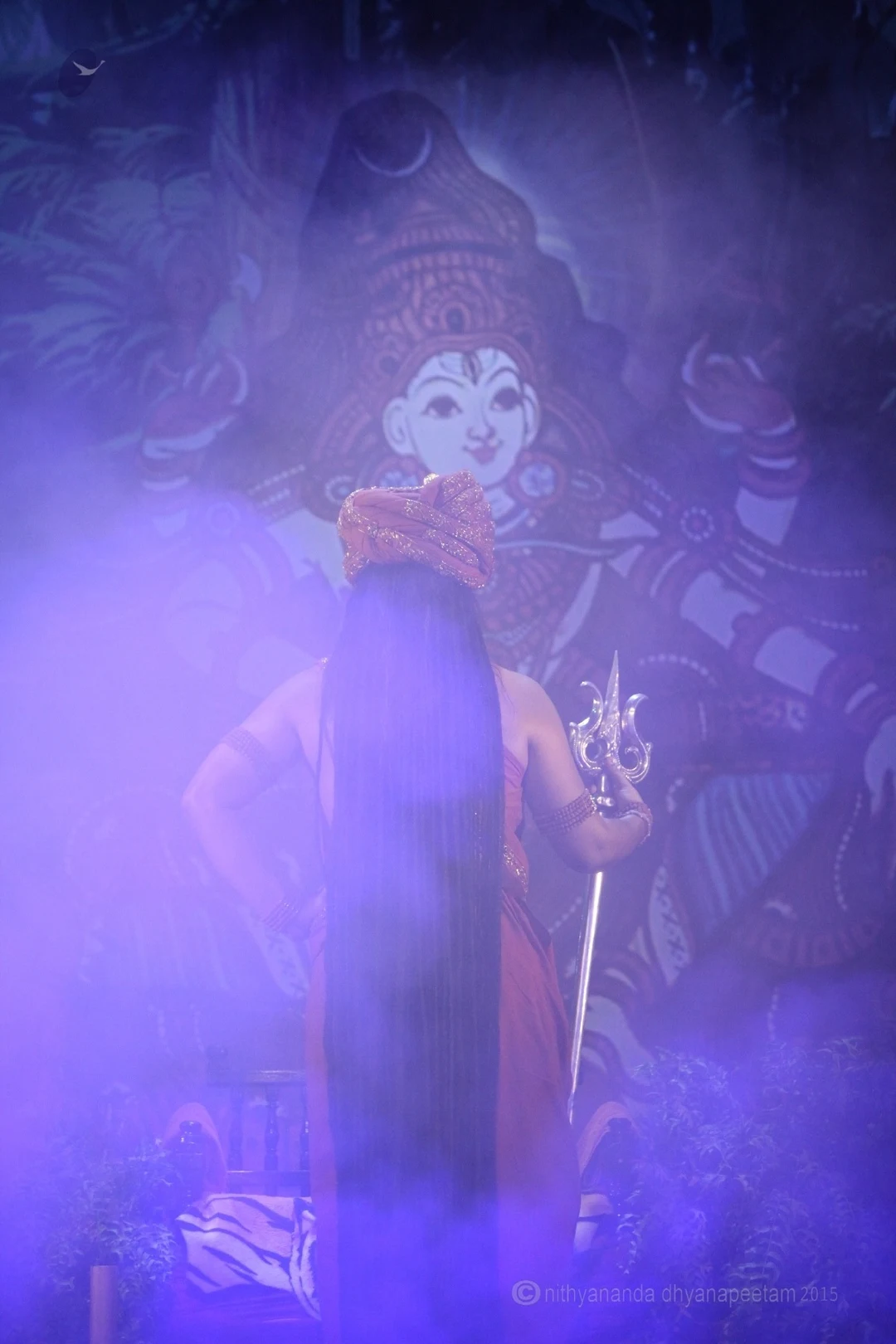
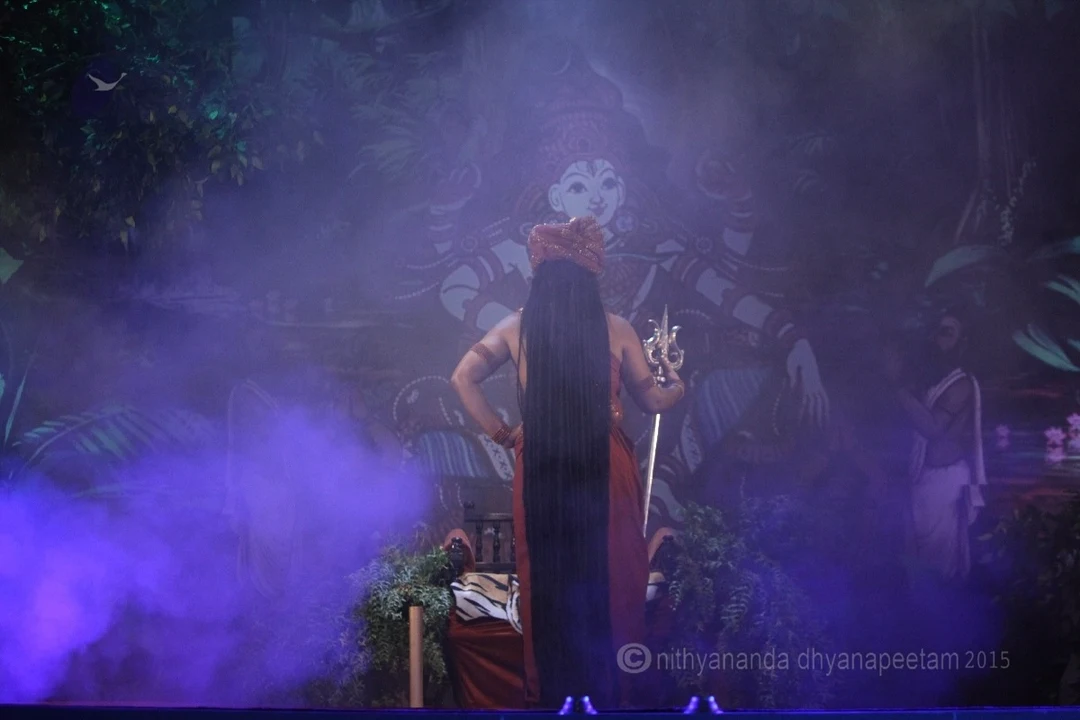
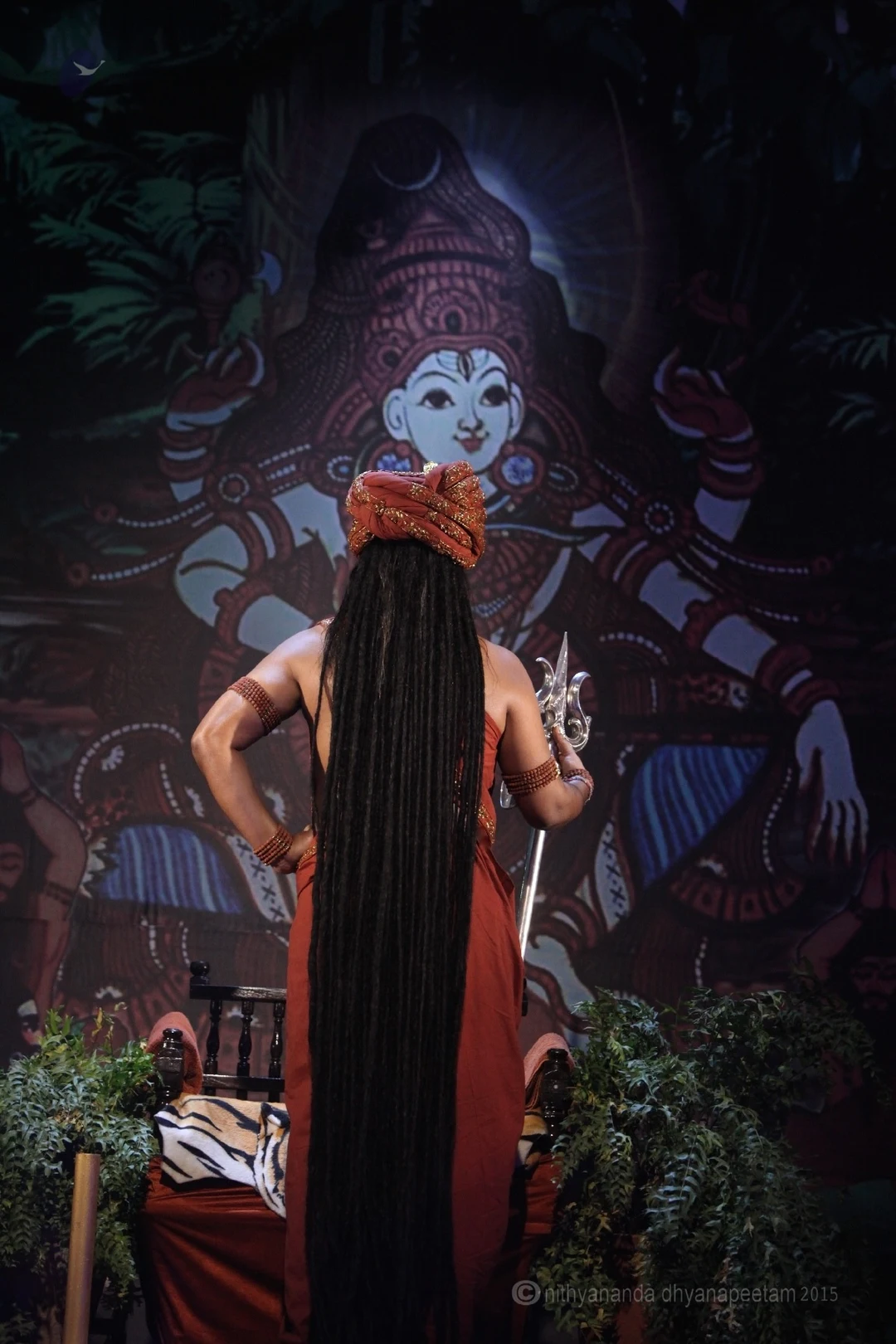
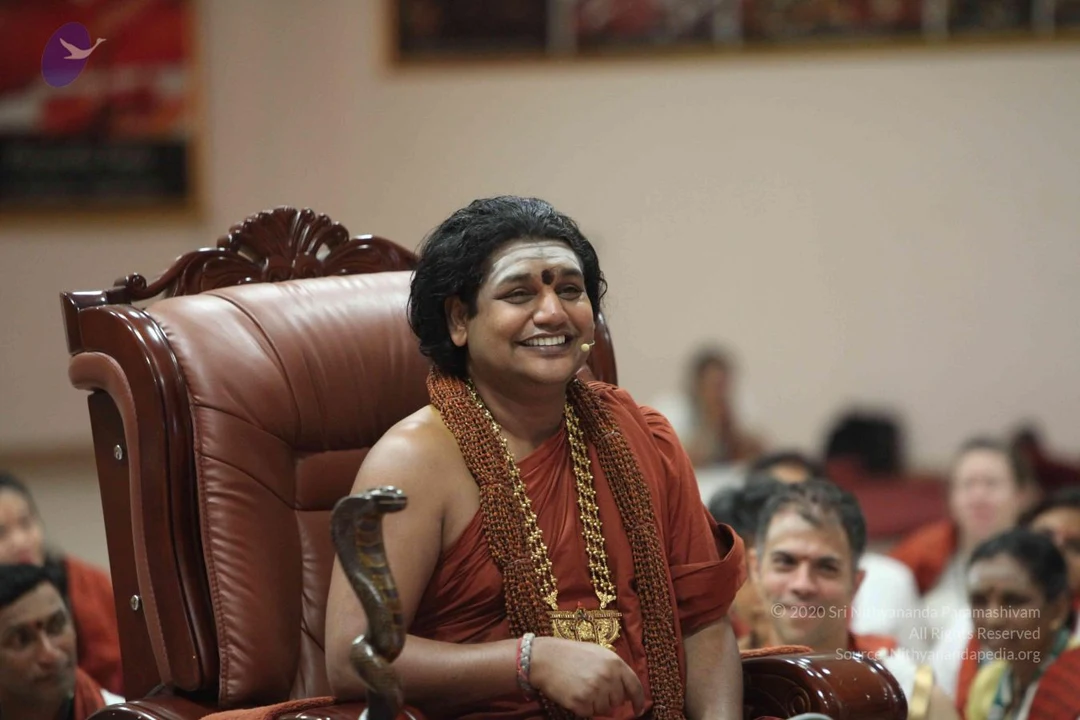
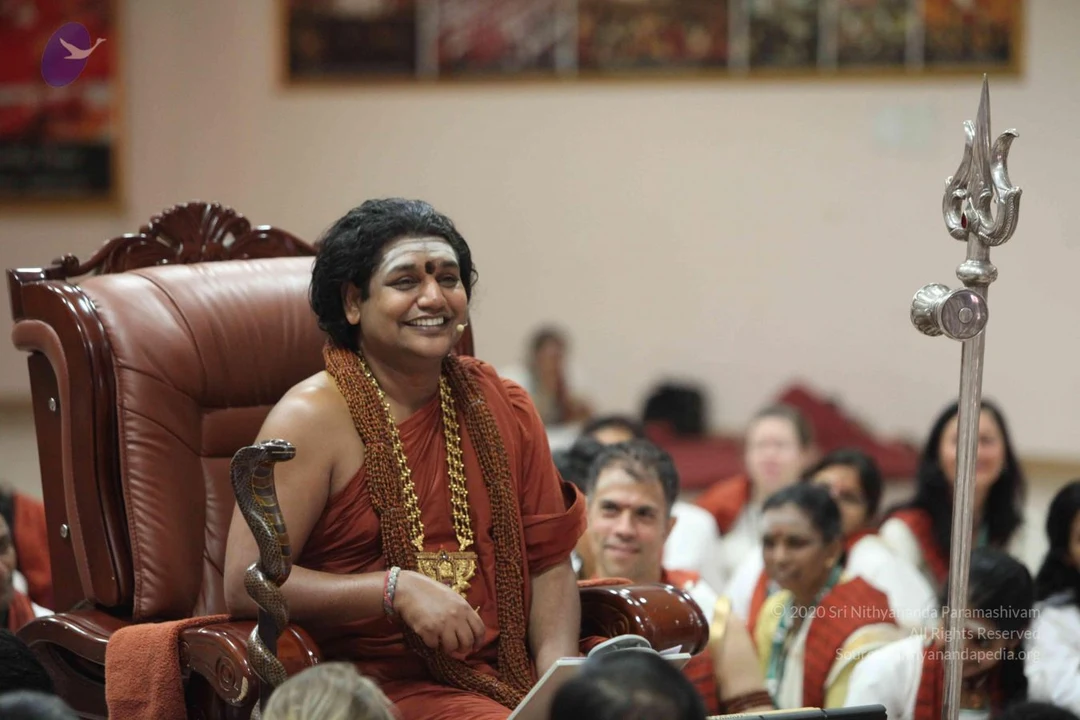
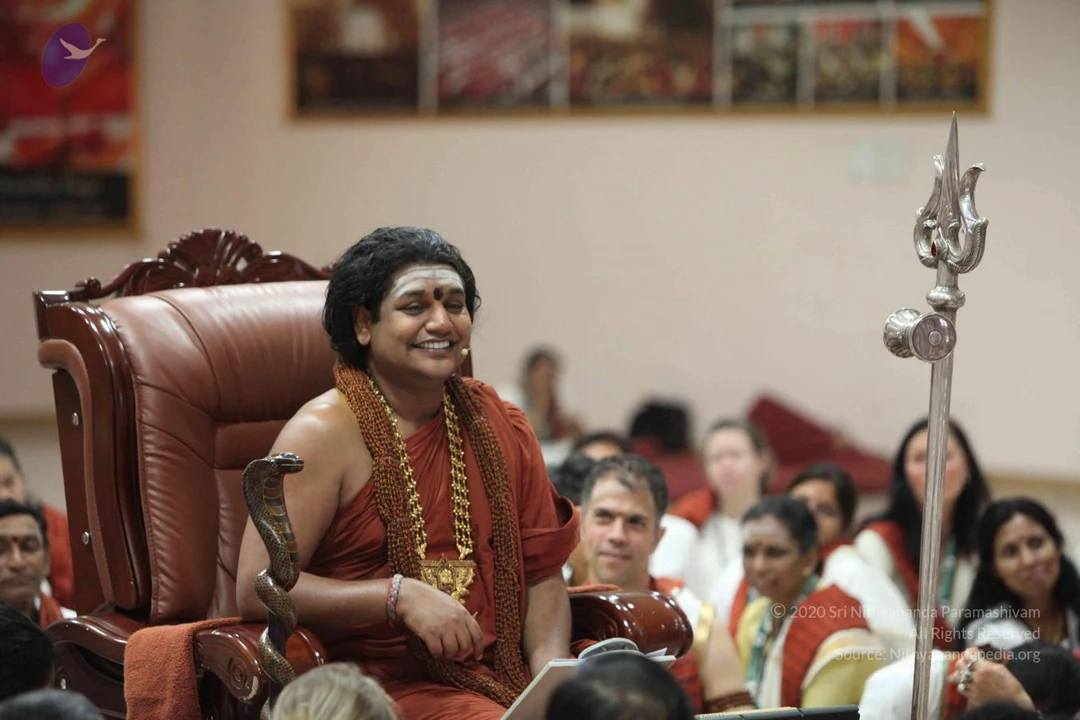
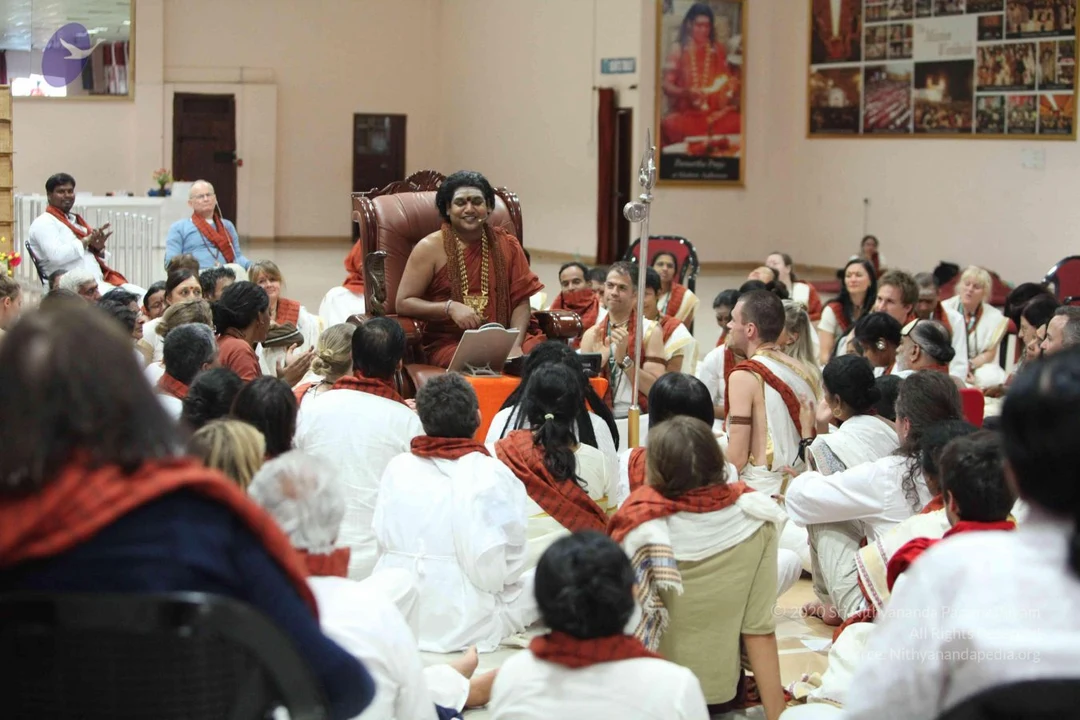
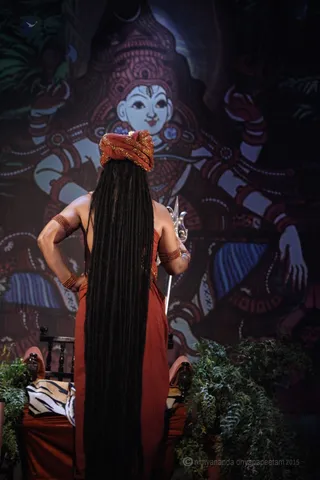
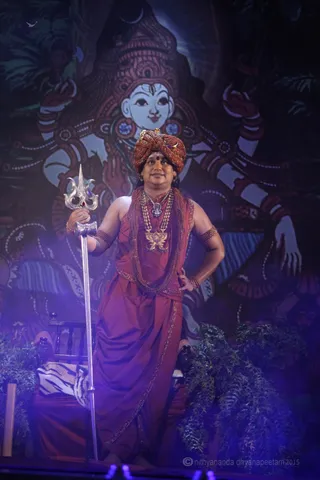
Nithyanandoham day-1, Opening Darshan
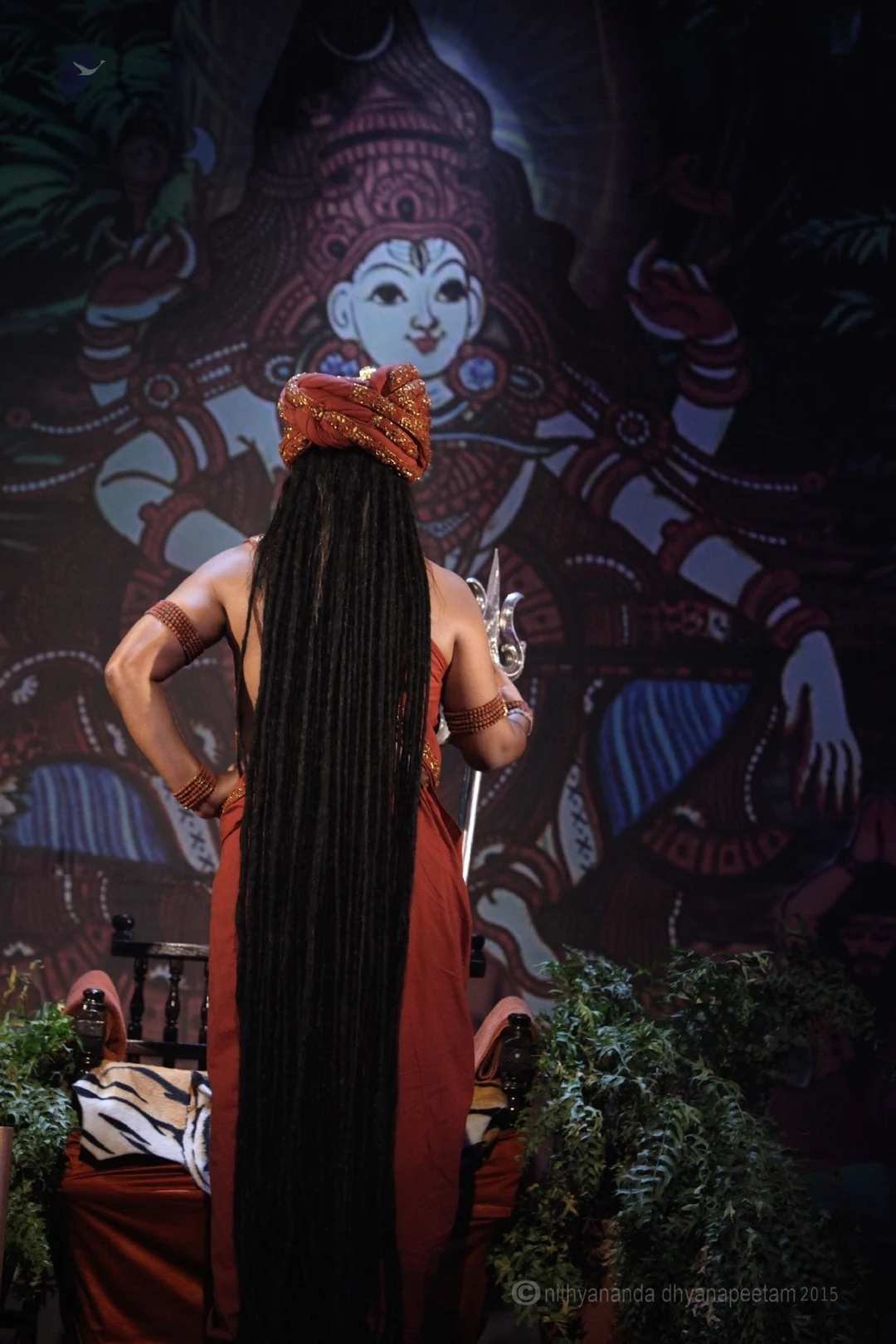
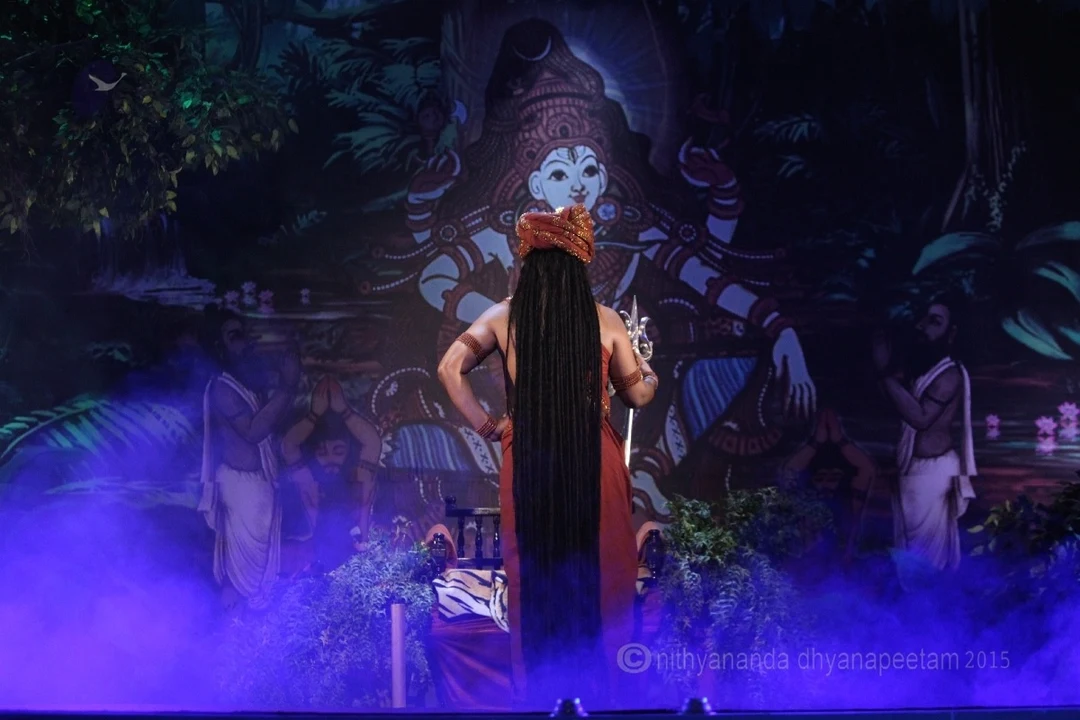
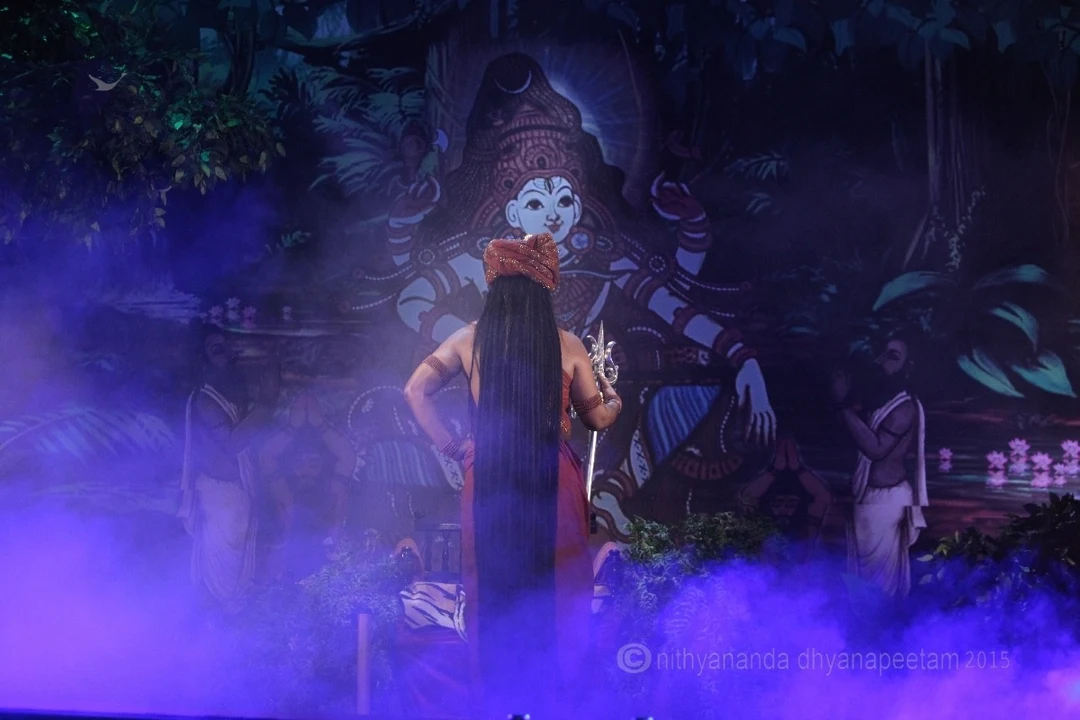
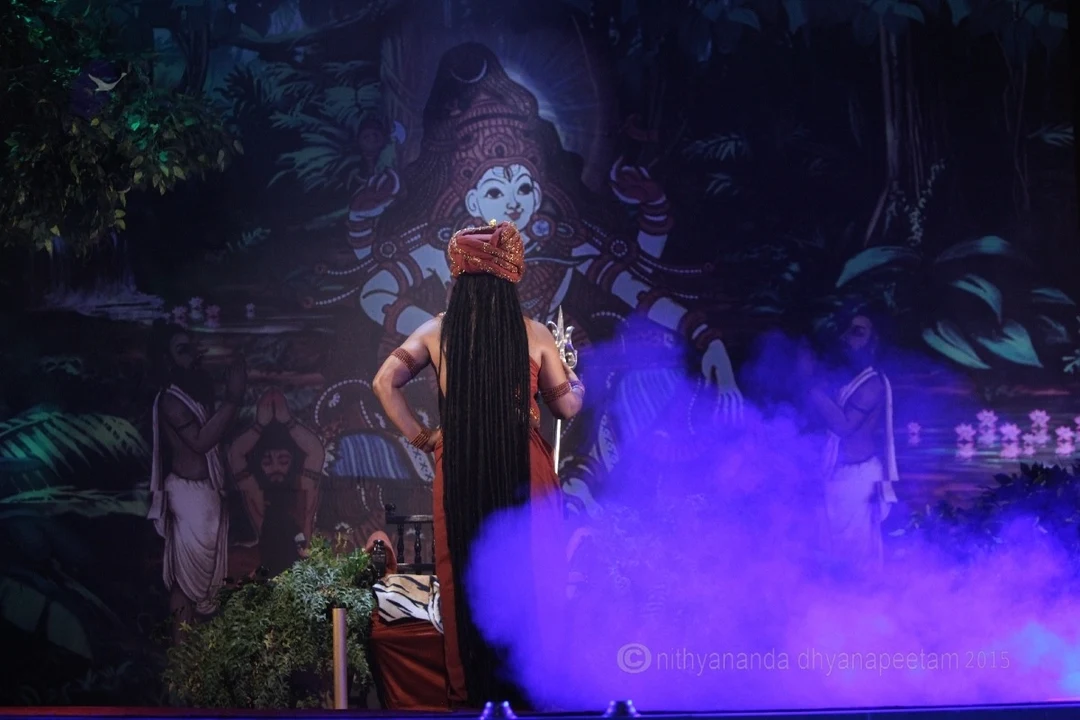
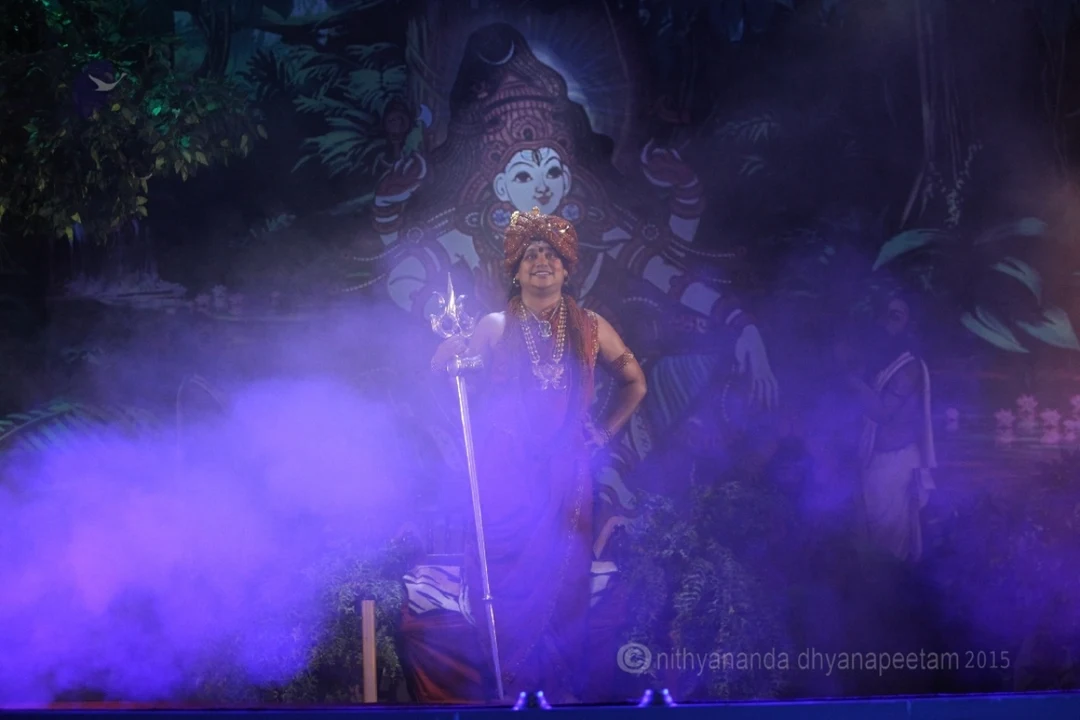
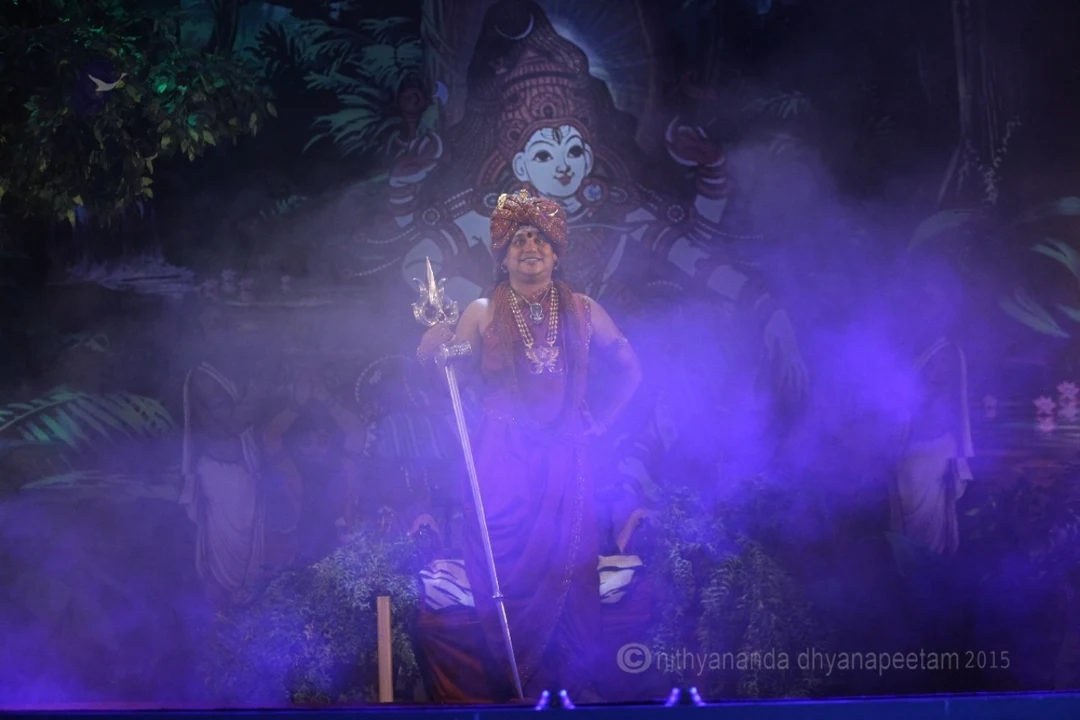
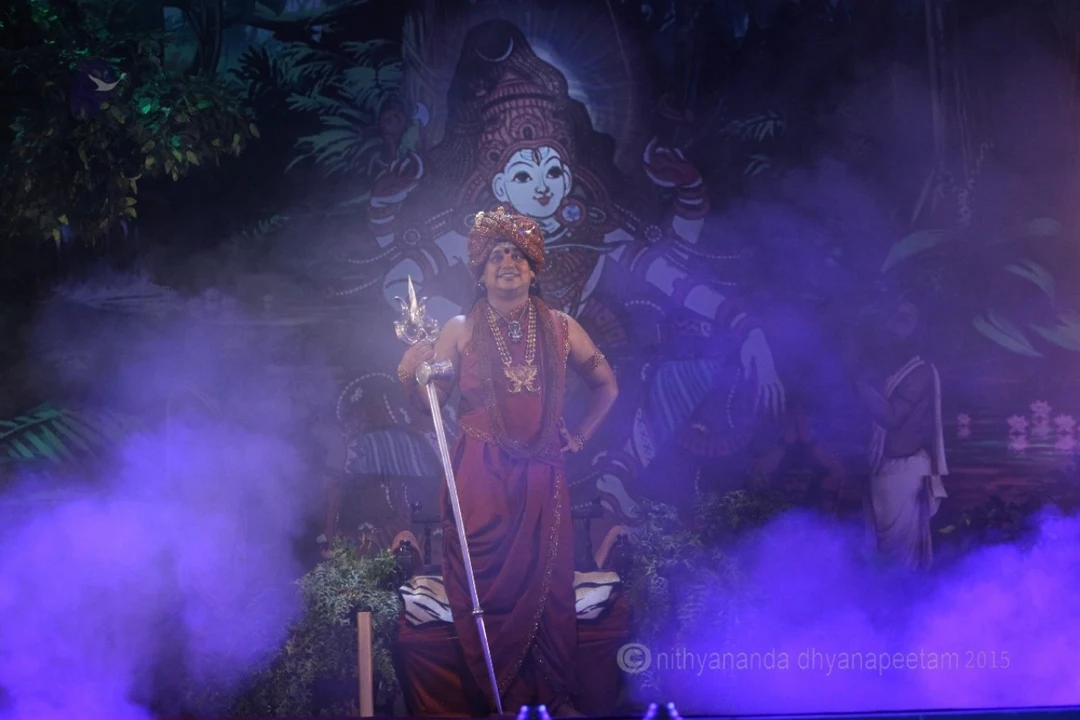
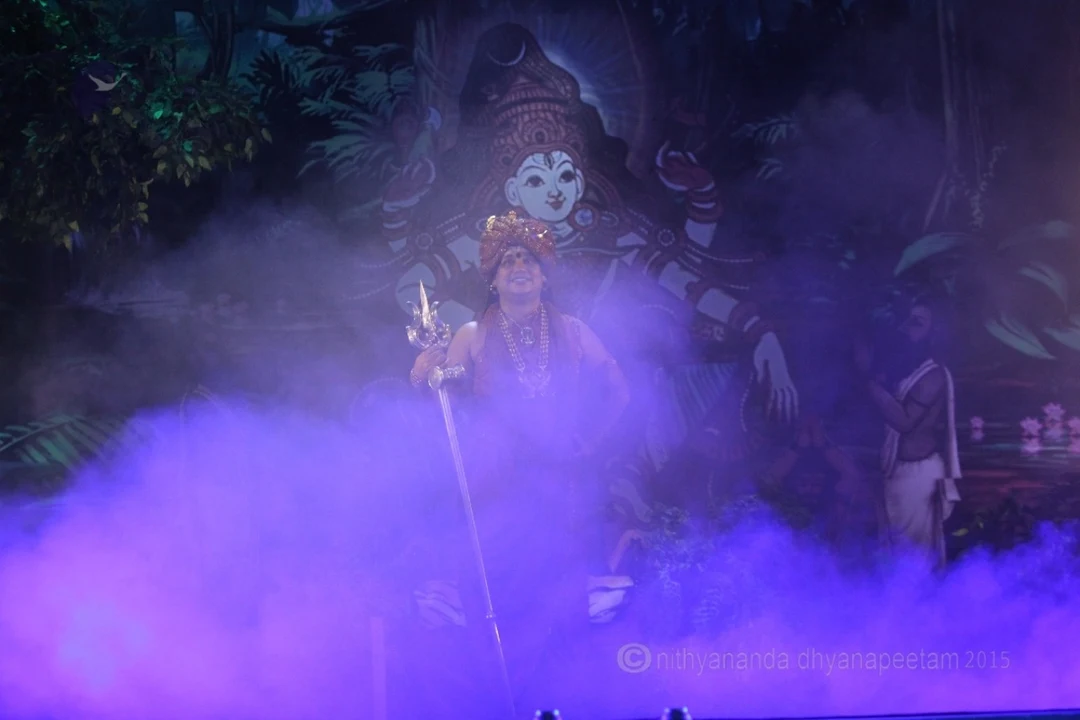
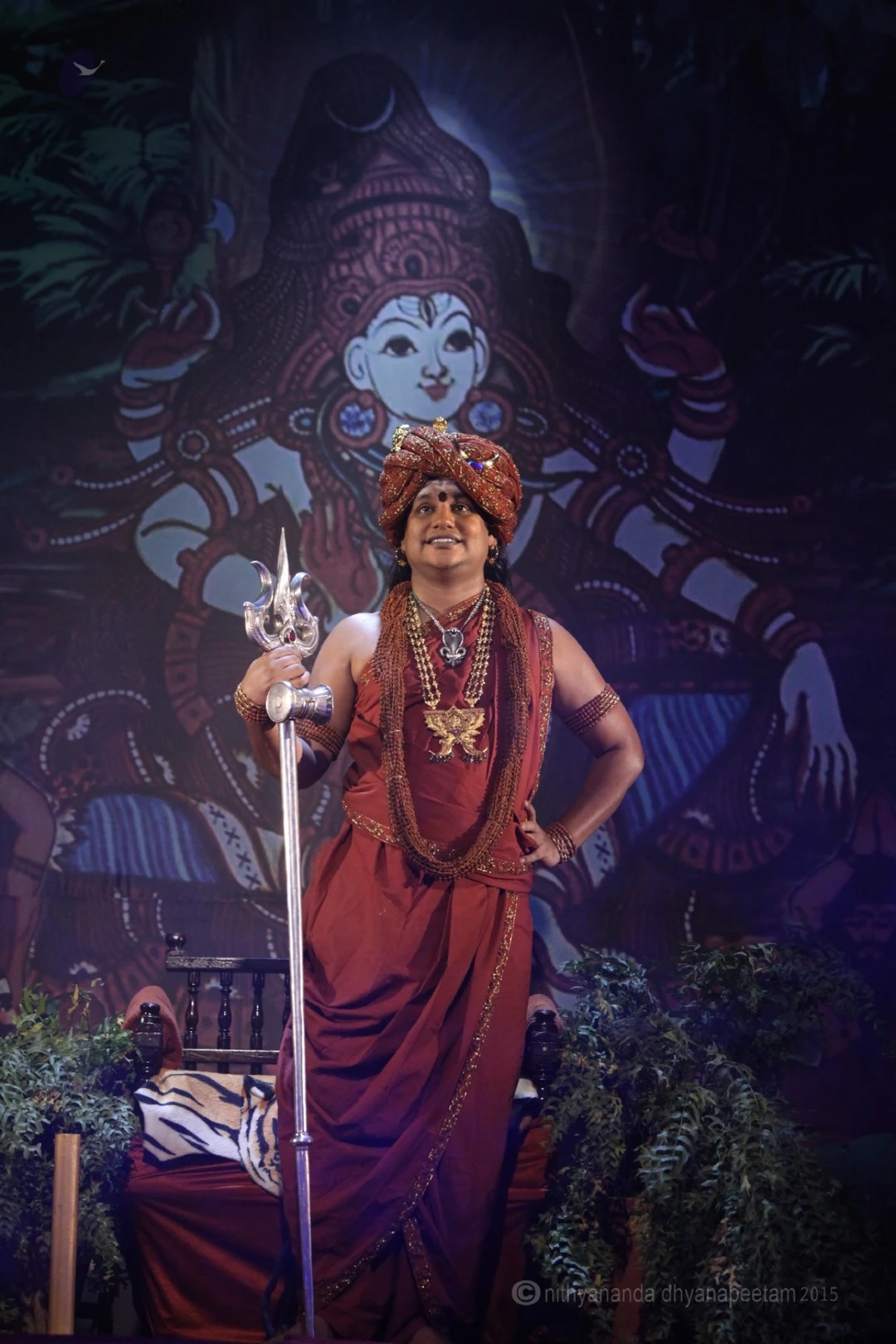
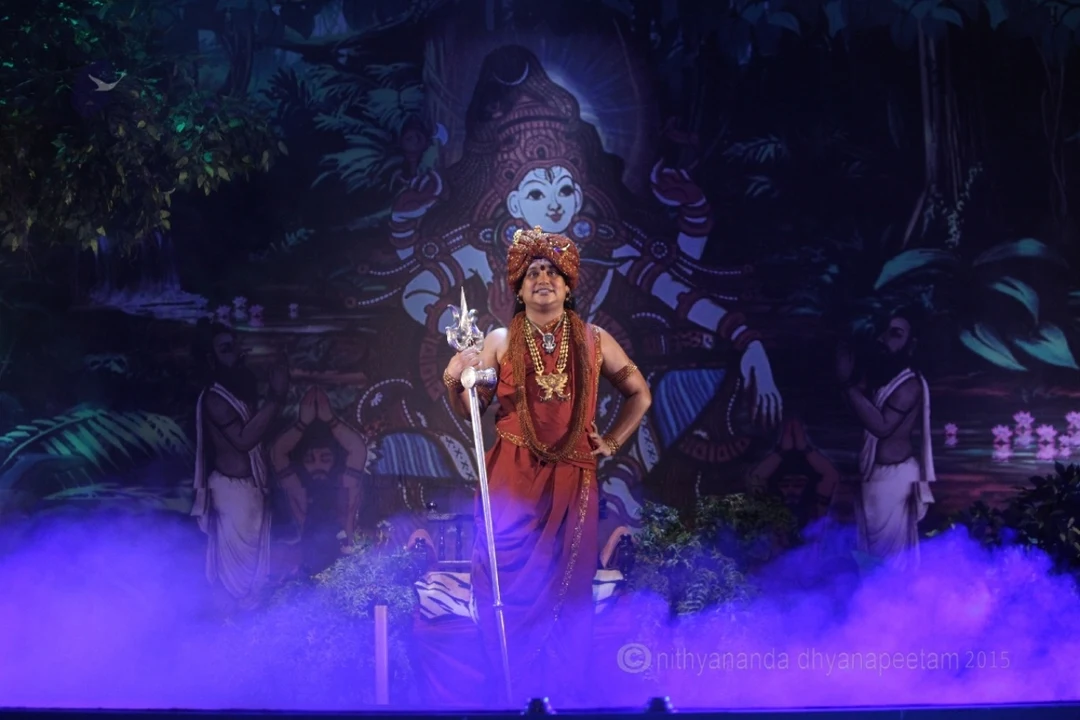
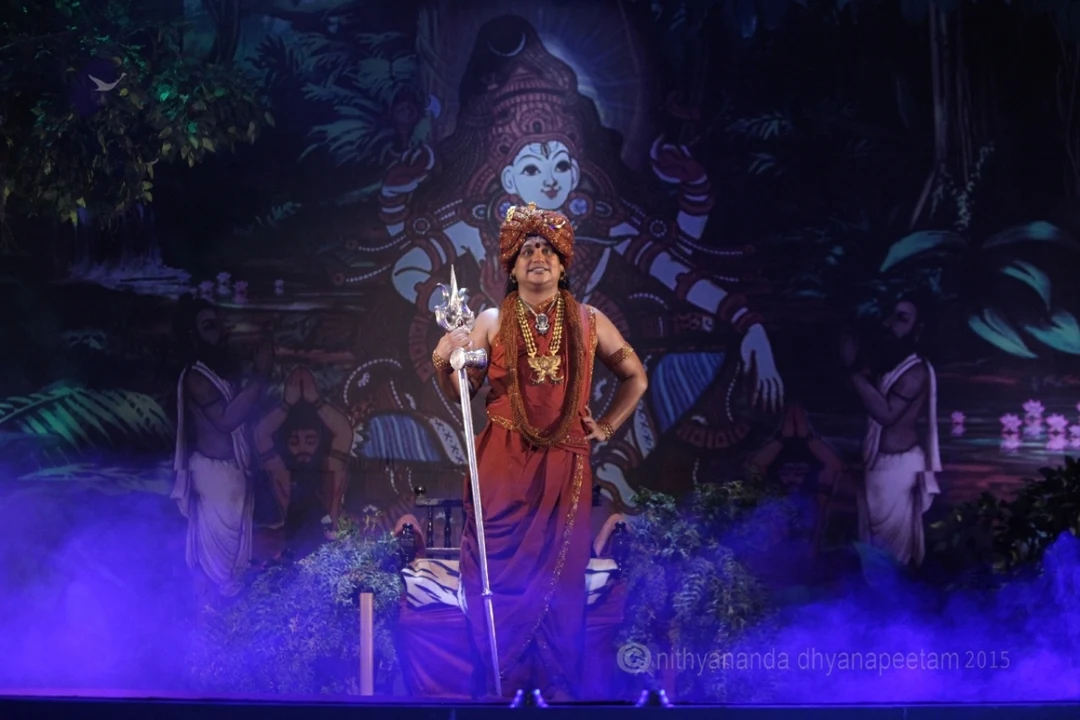
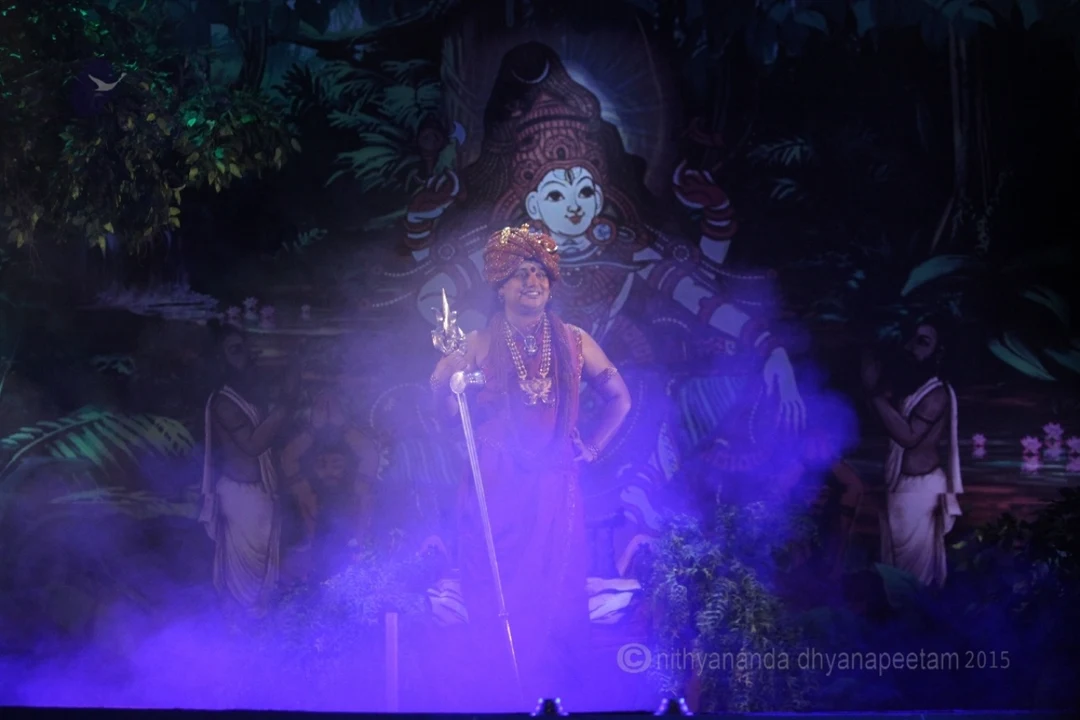
Mandala Process
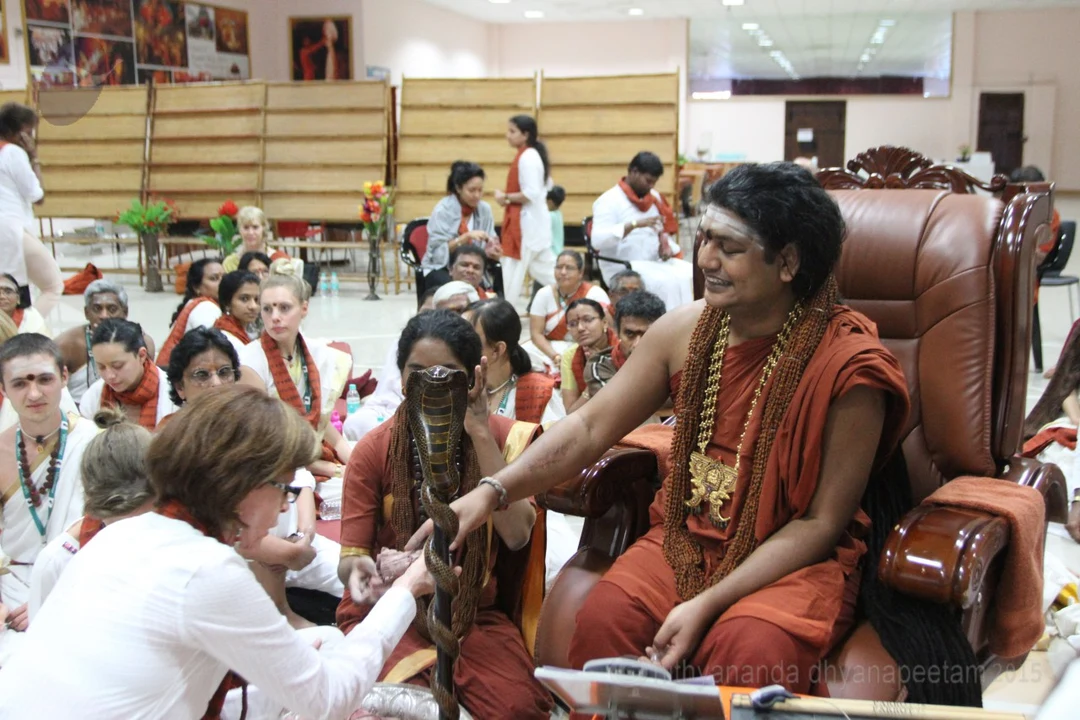
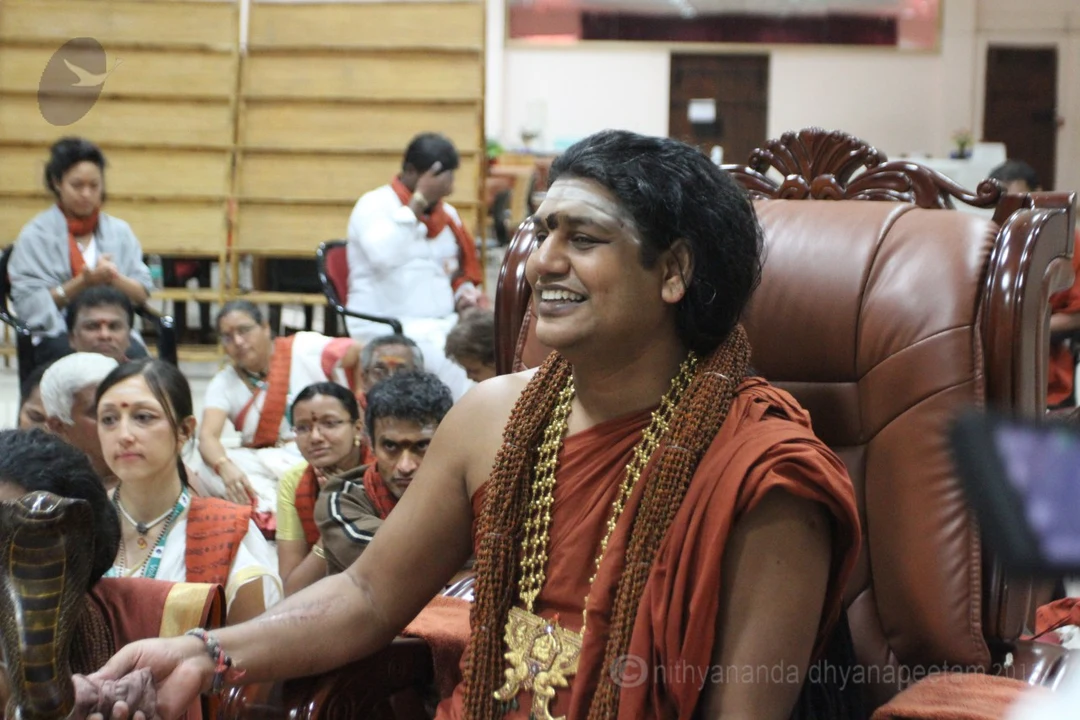
Sakshi Pramana:
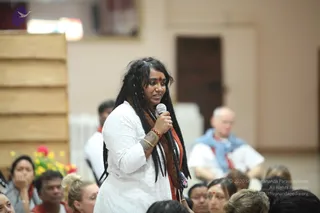
Delegates sharing their experiences in inner awakening
Photos Of The Day:
Introduction-to-Nithyanandoham
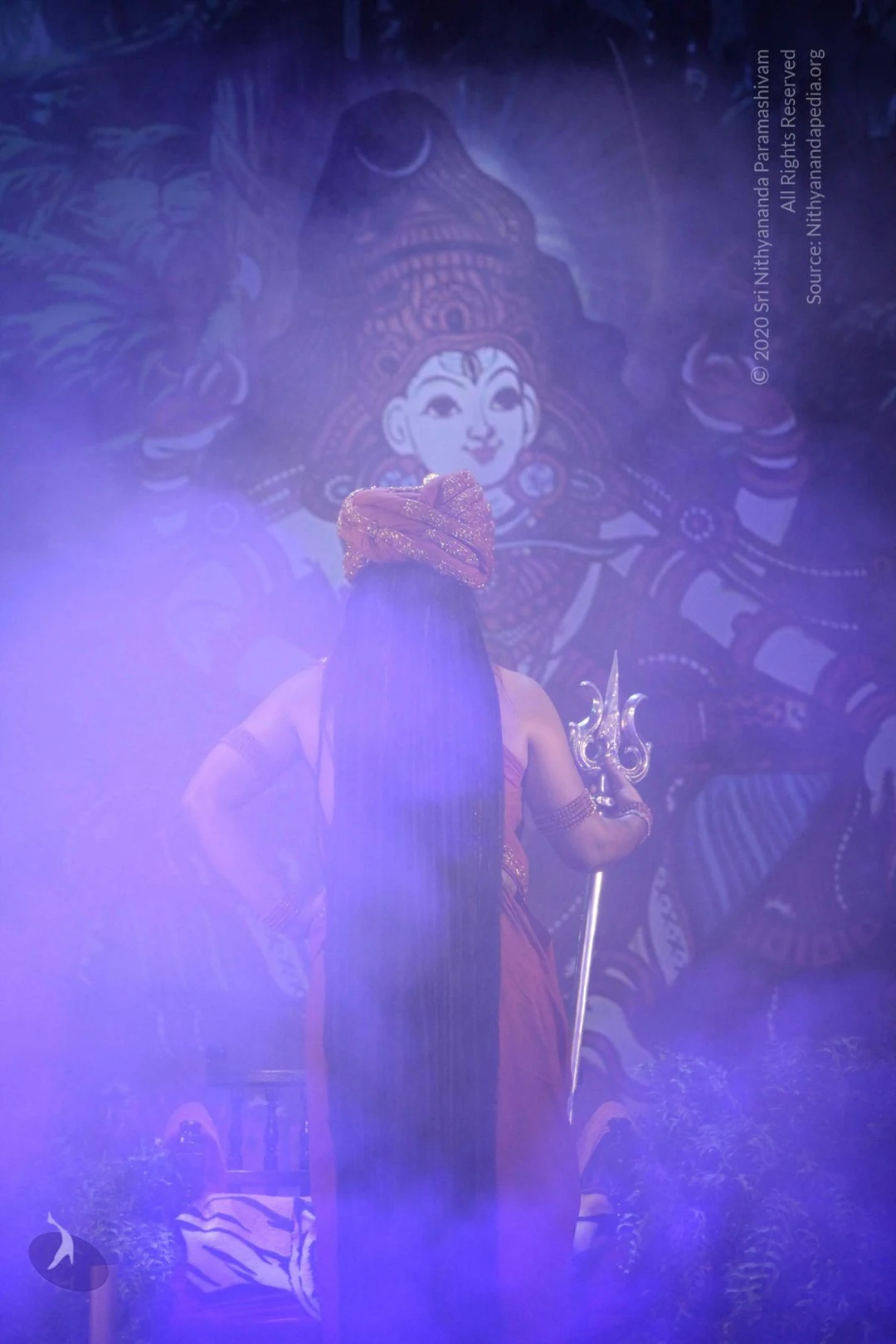
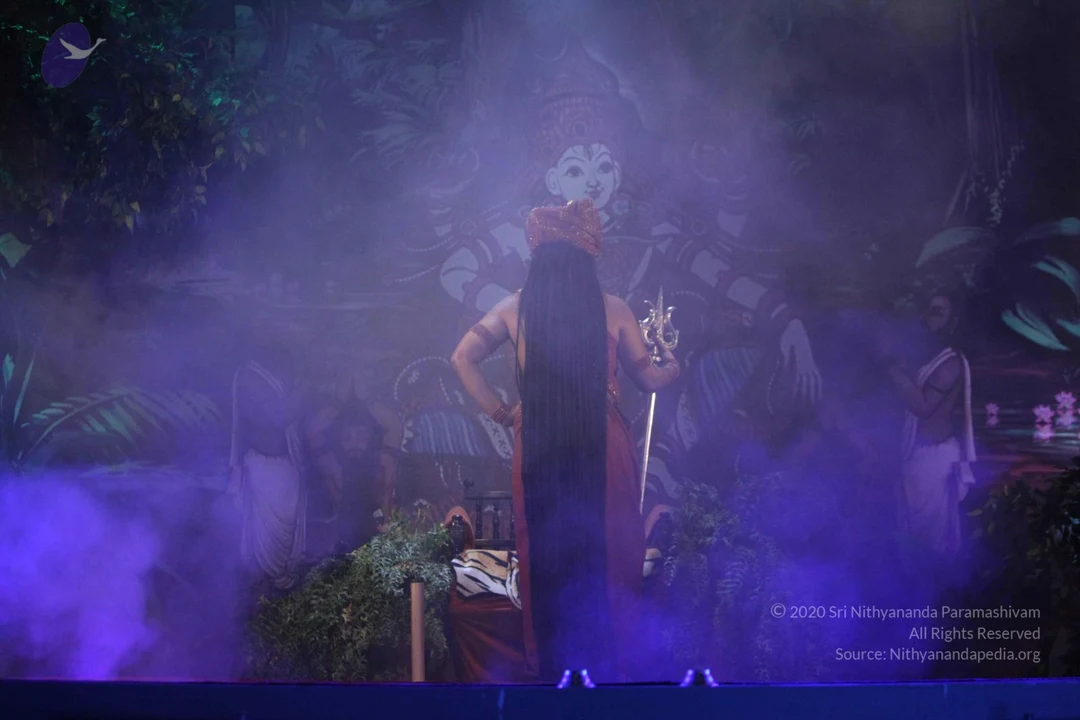
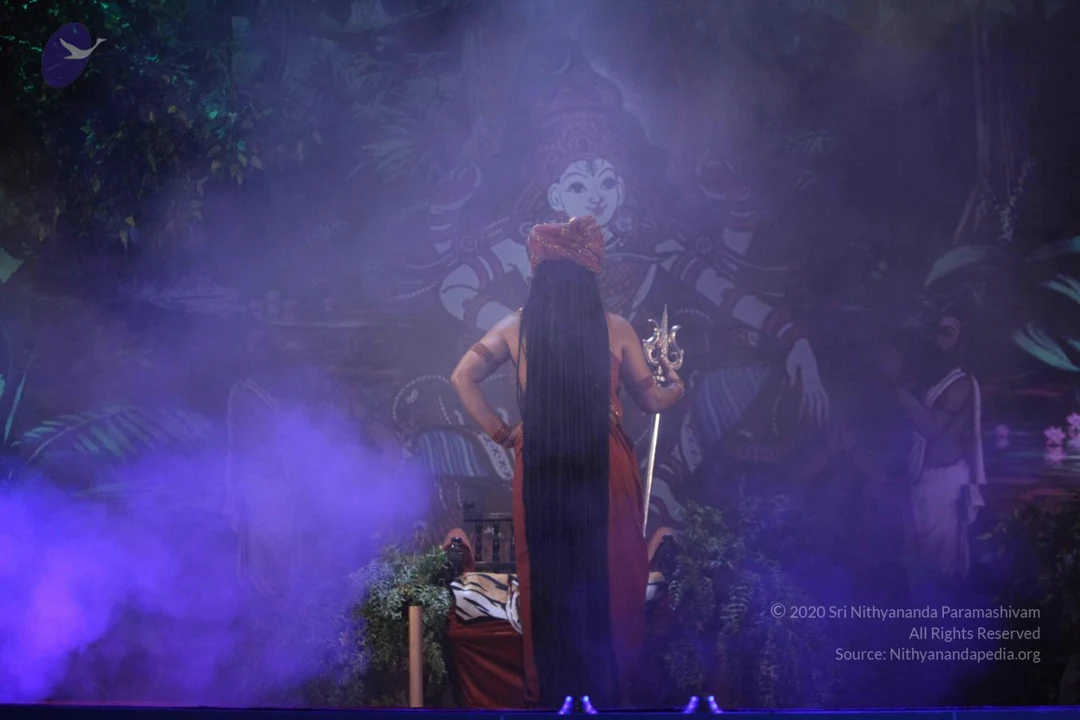
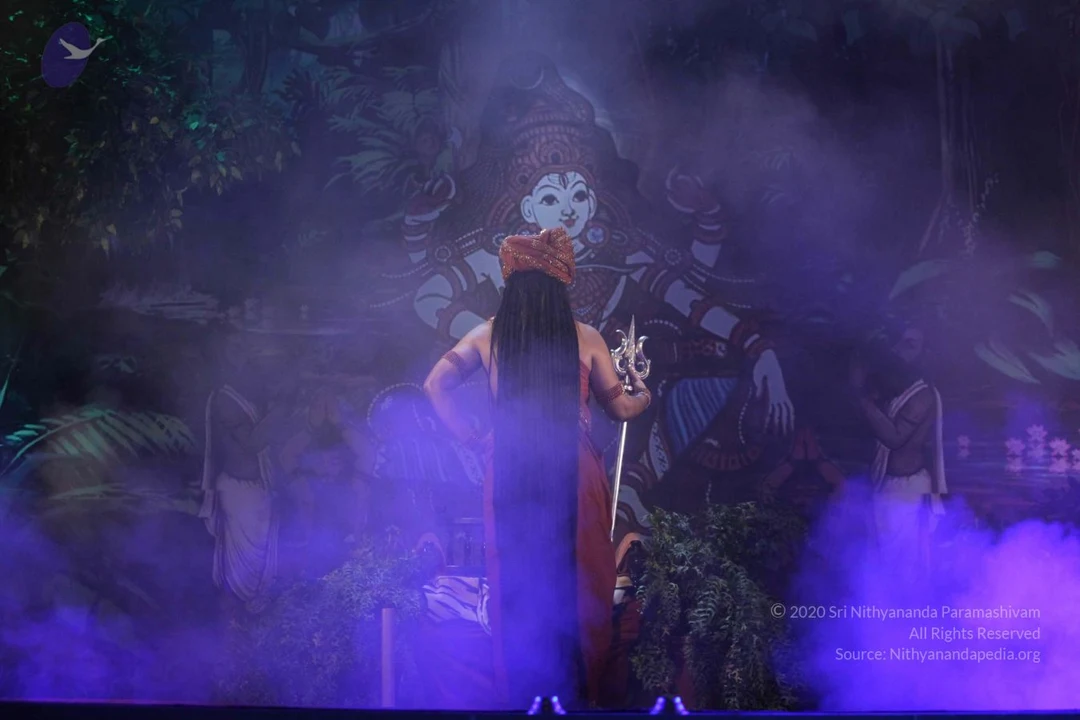
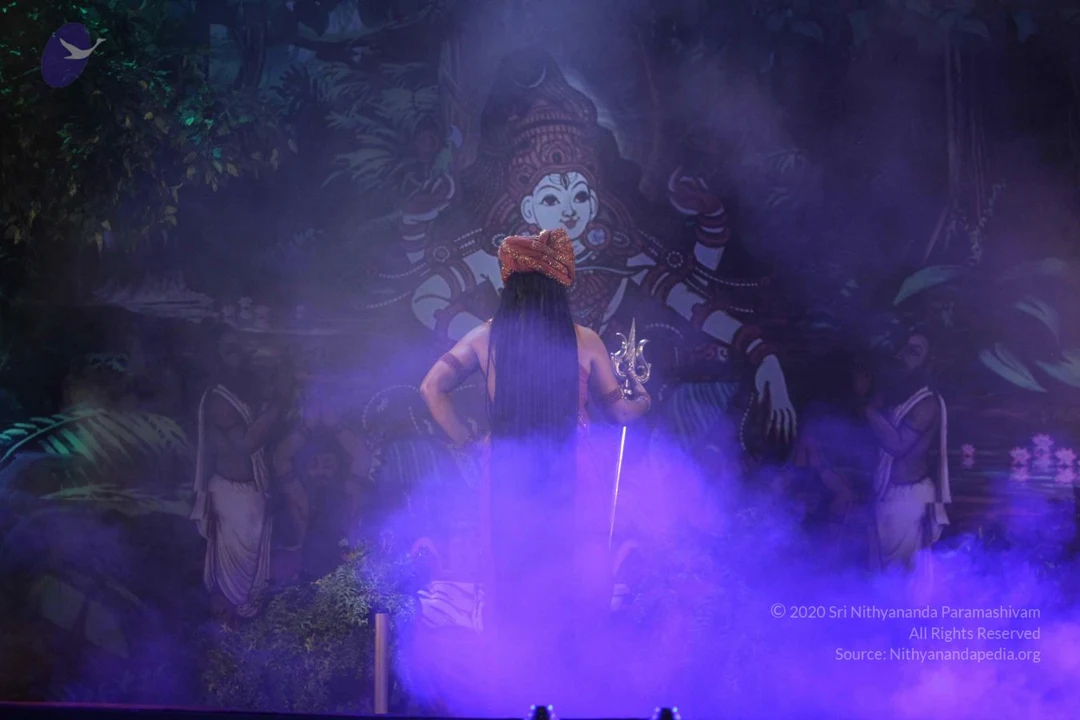
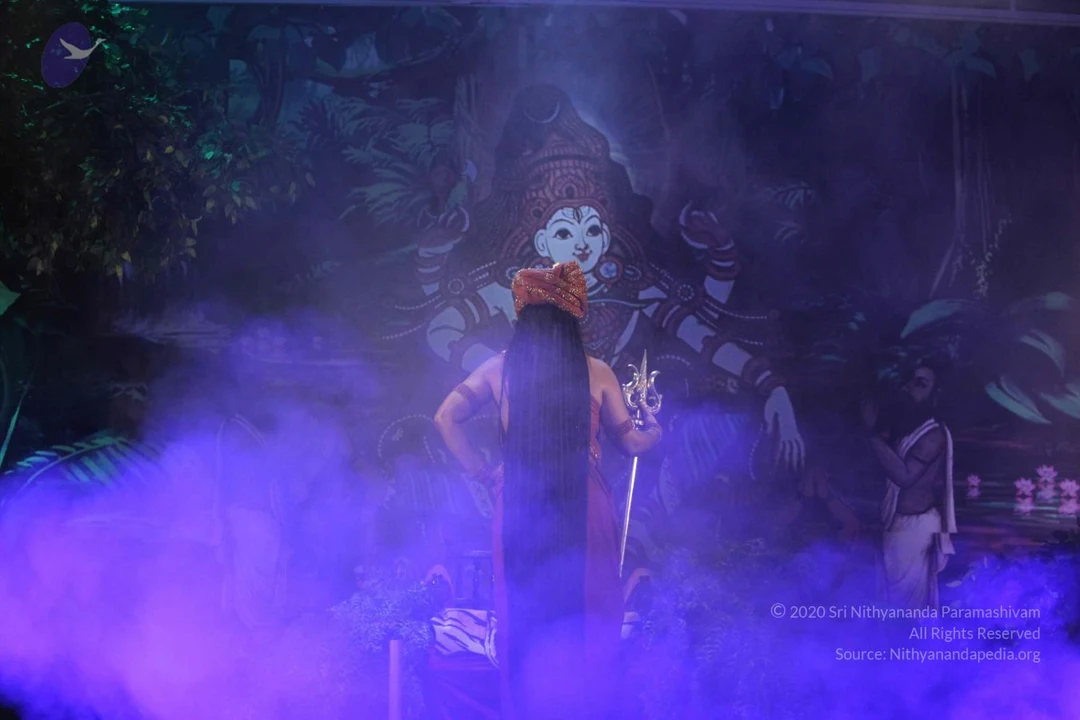
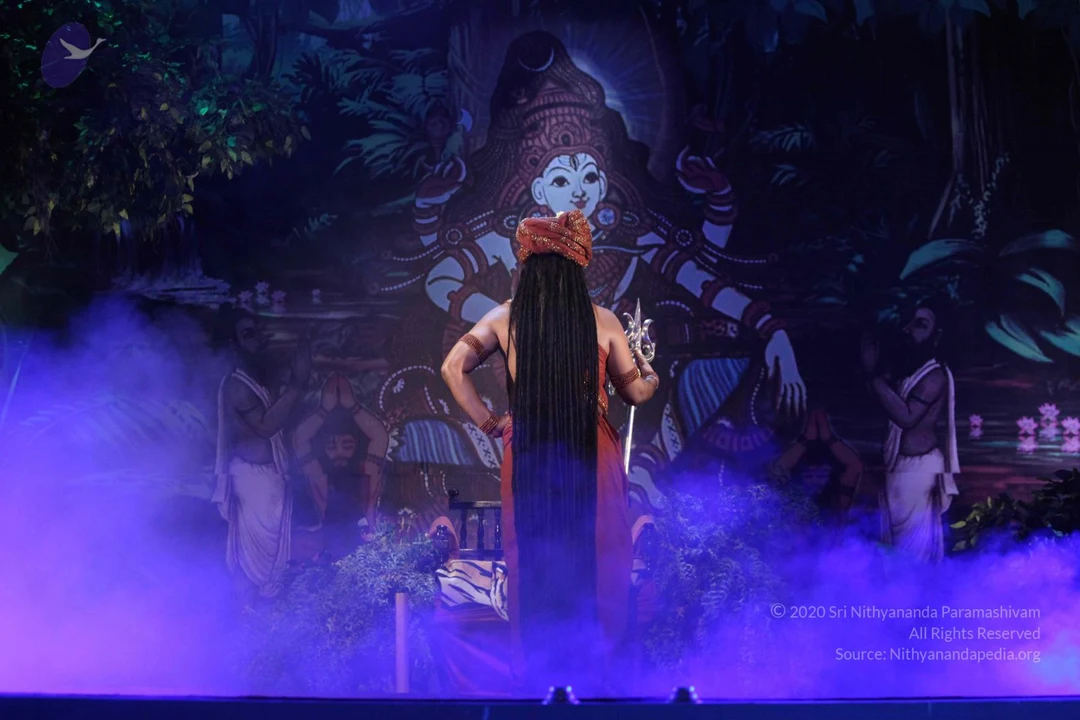
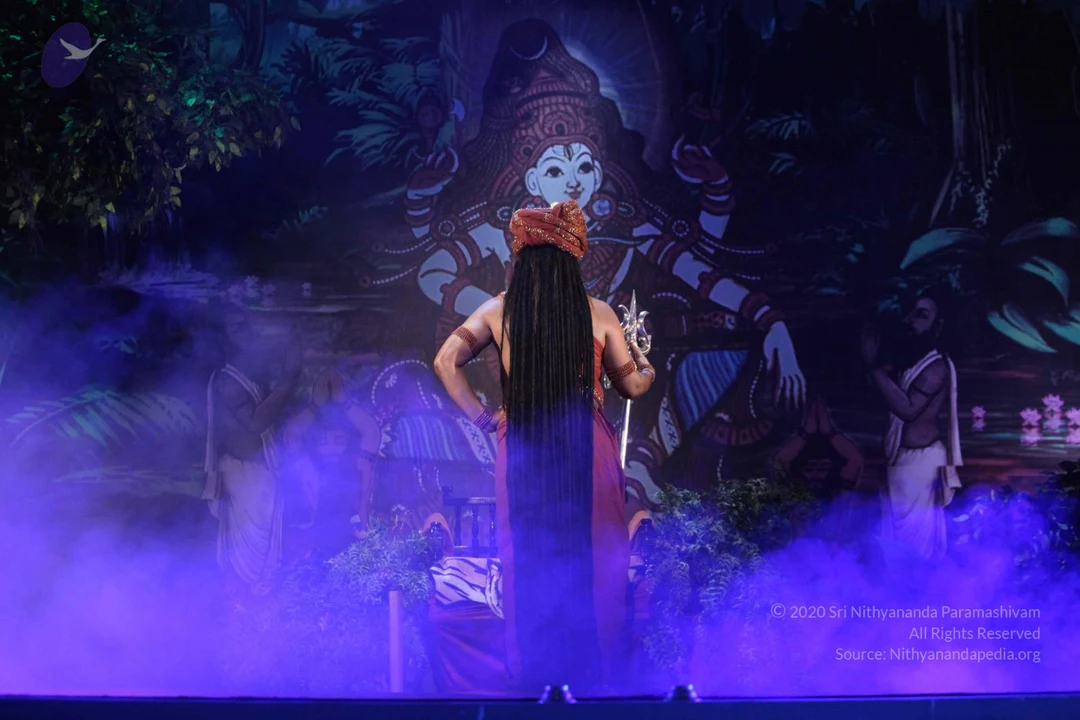
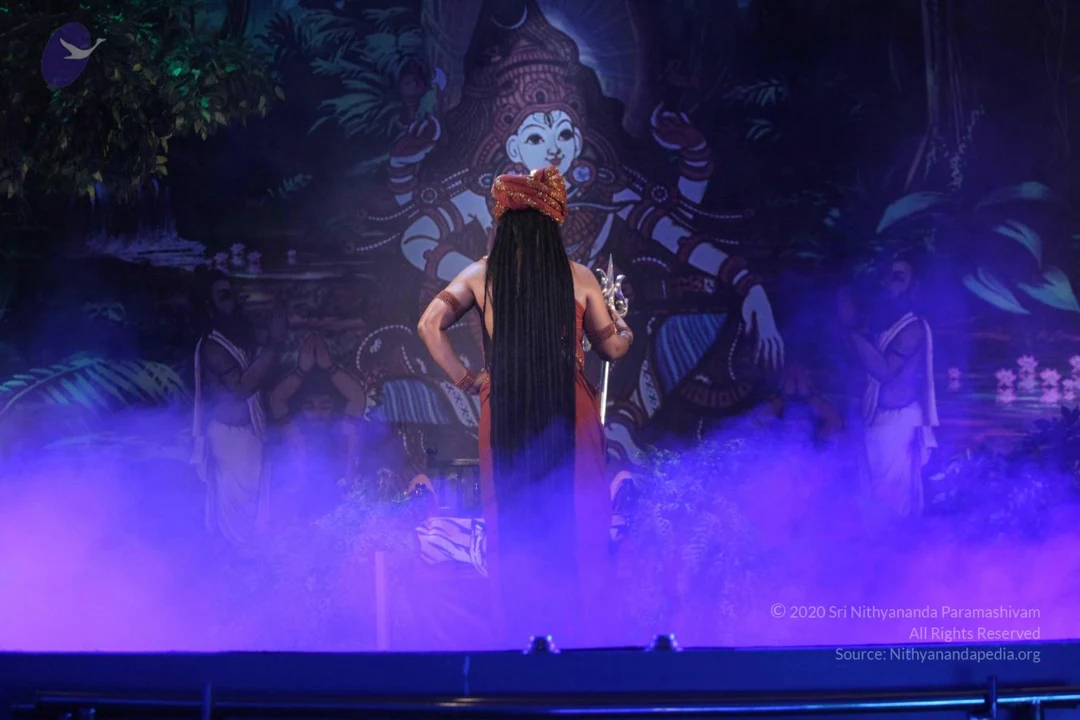
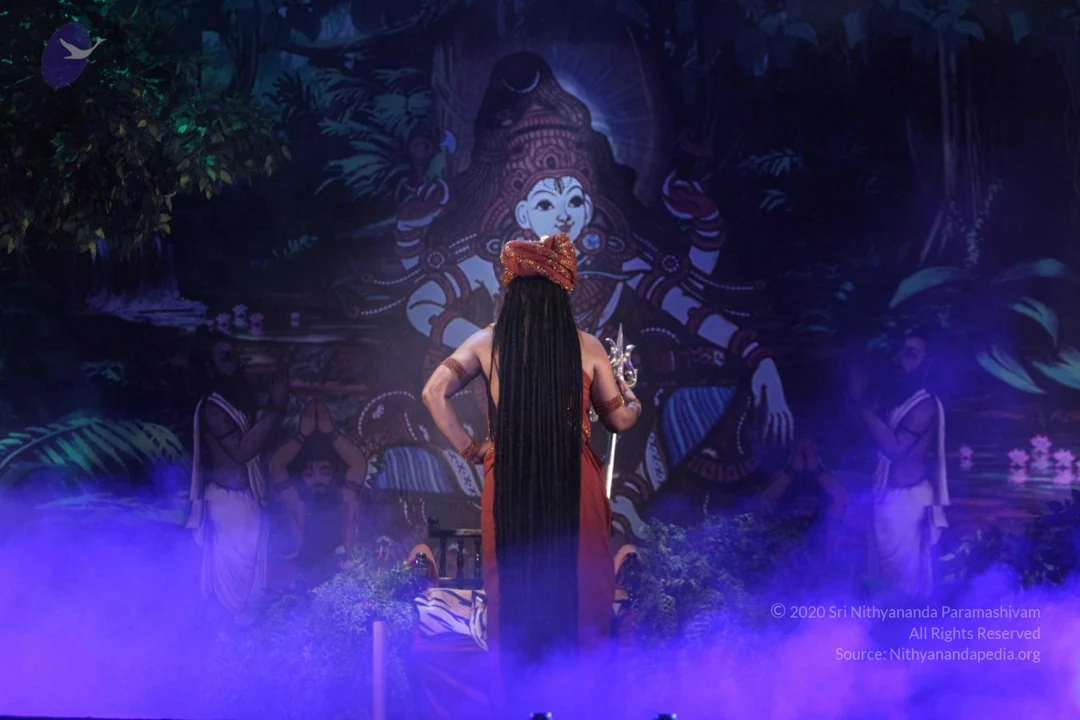
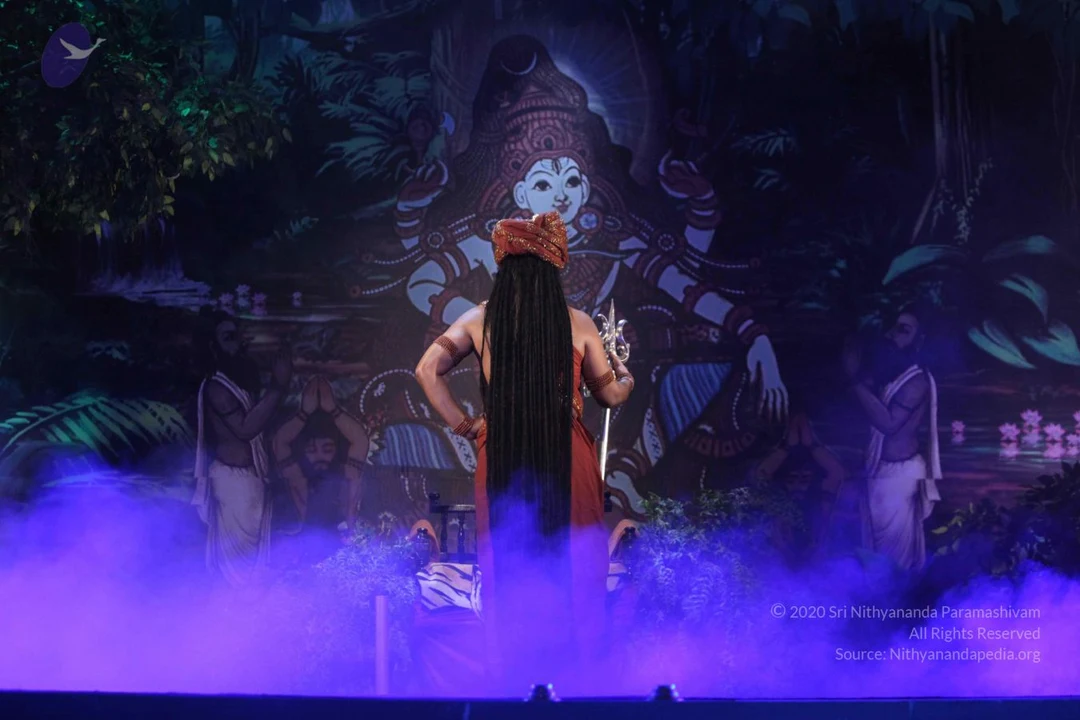
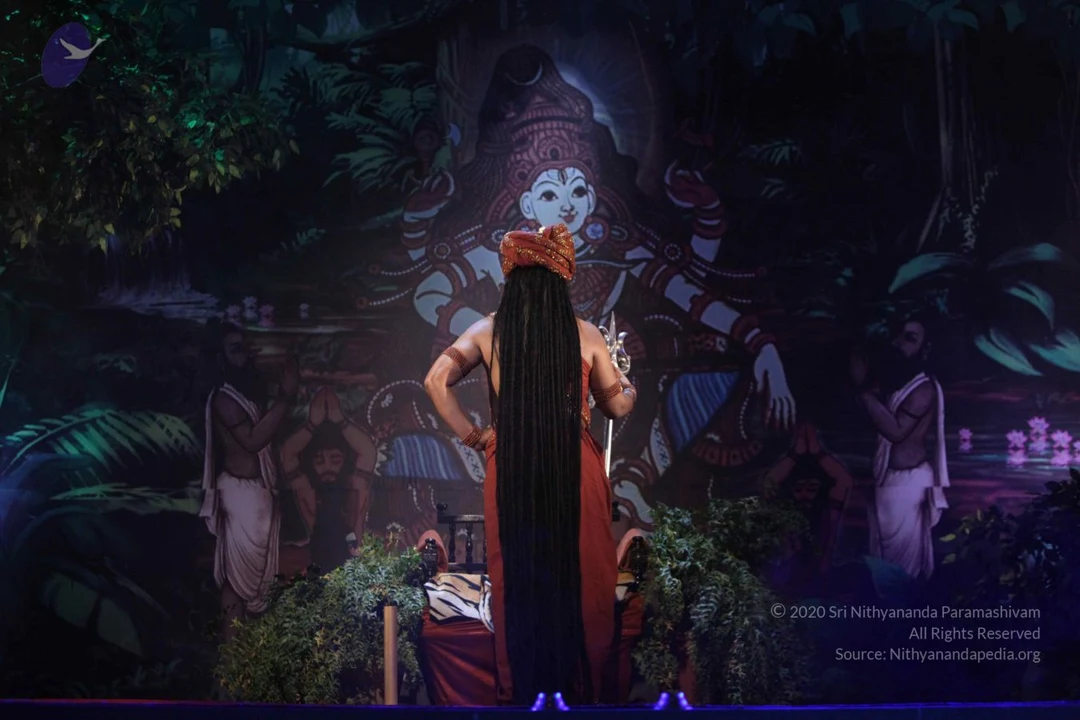
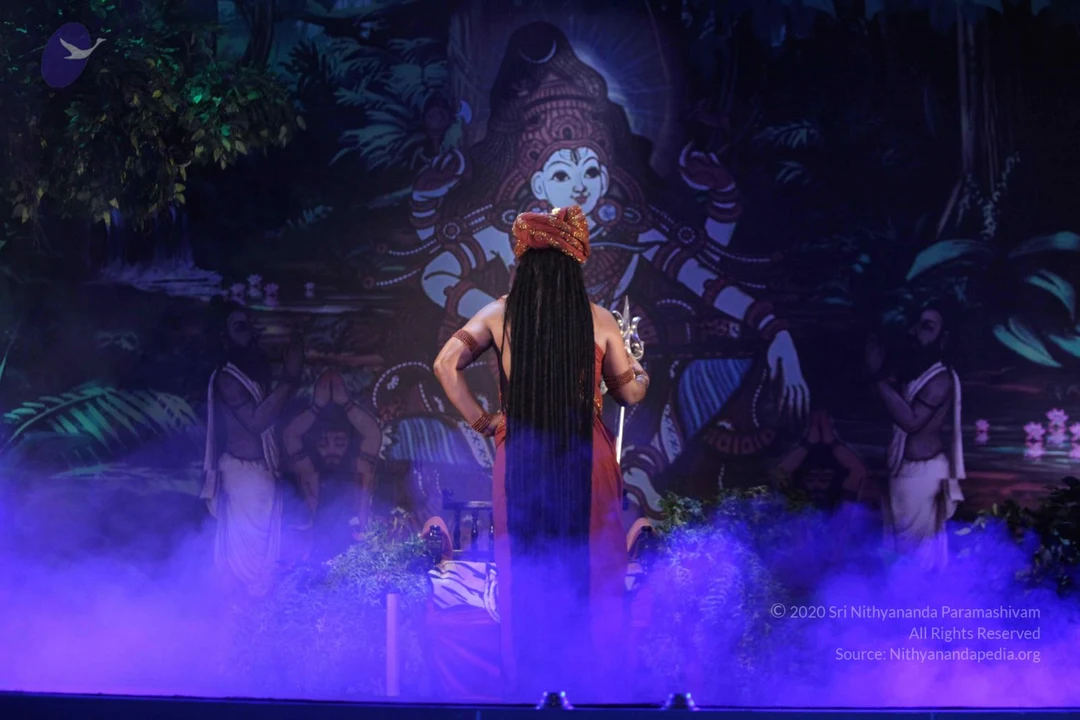
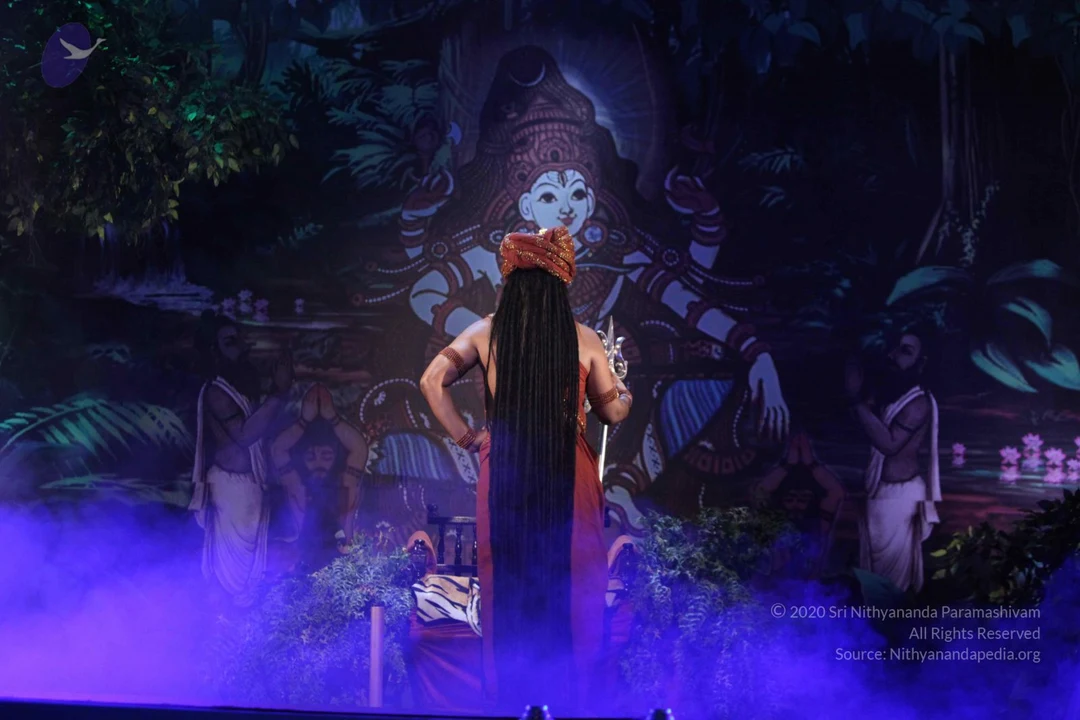
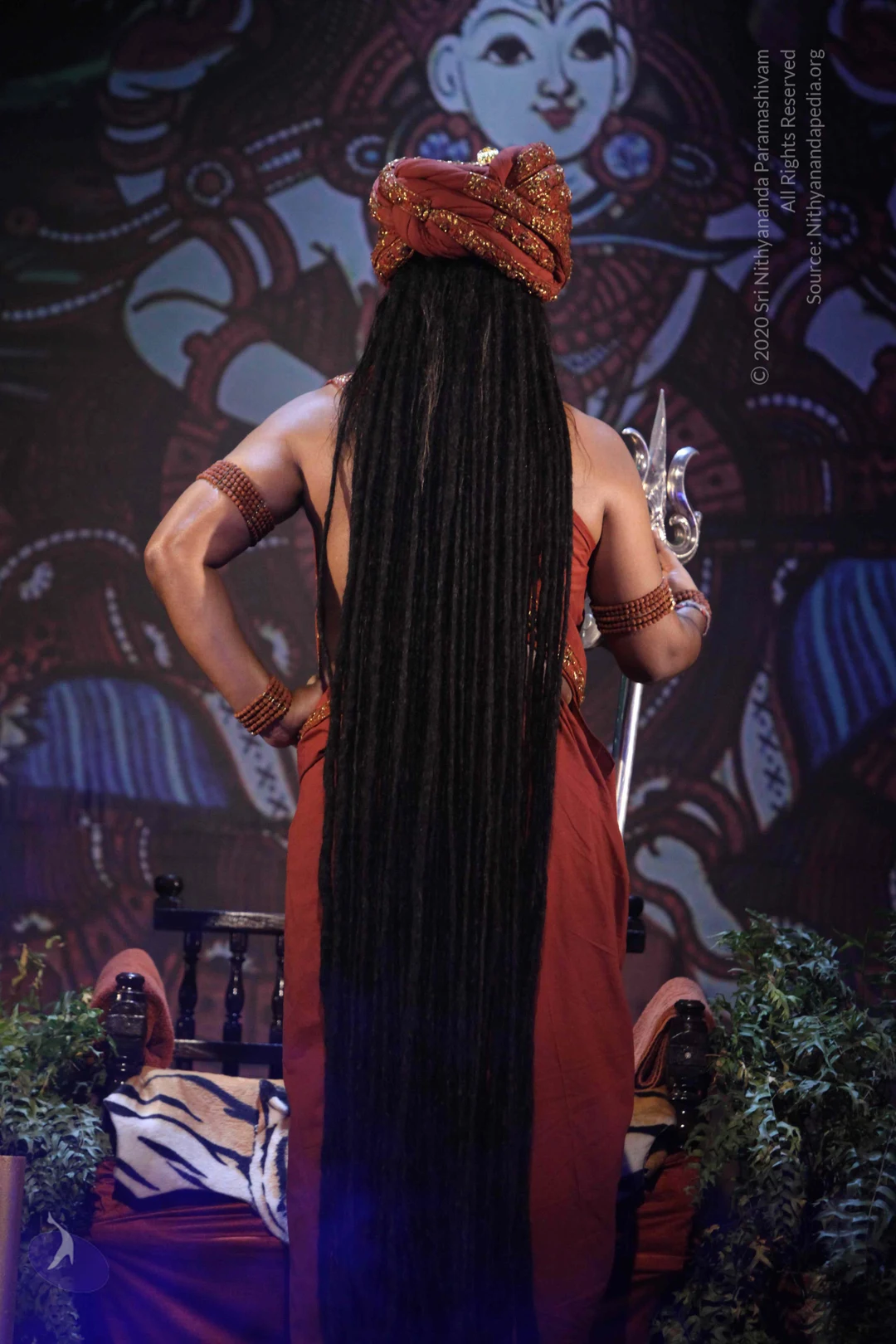

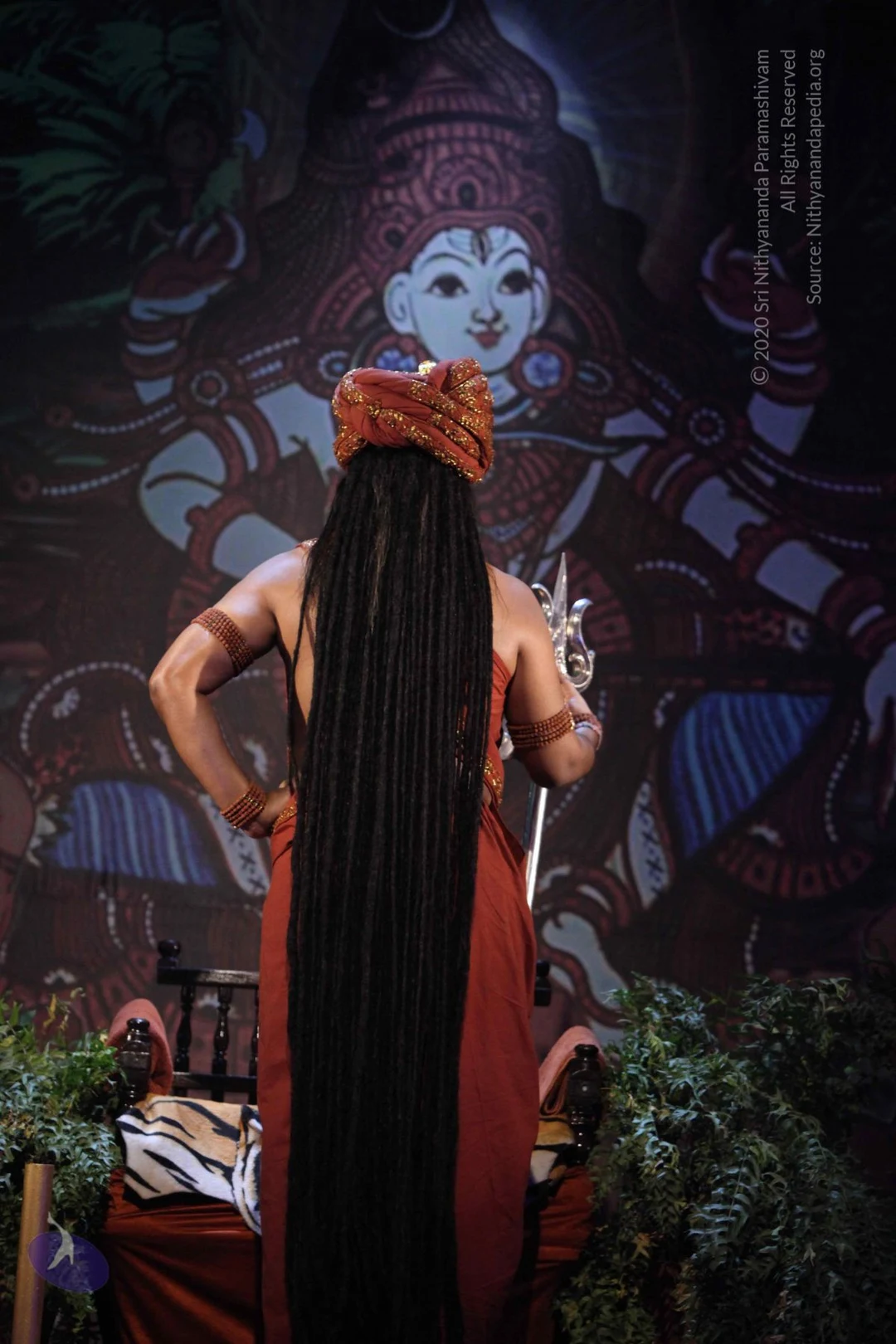
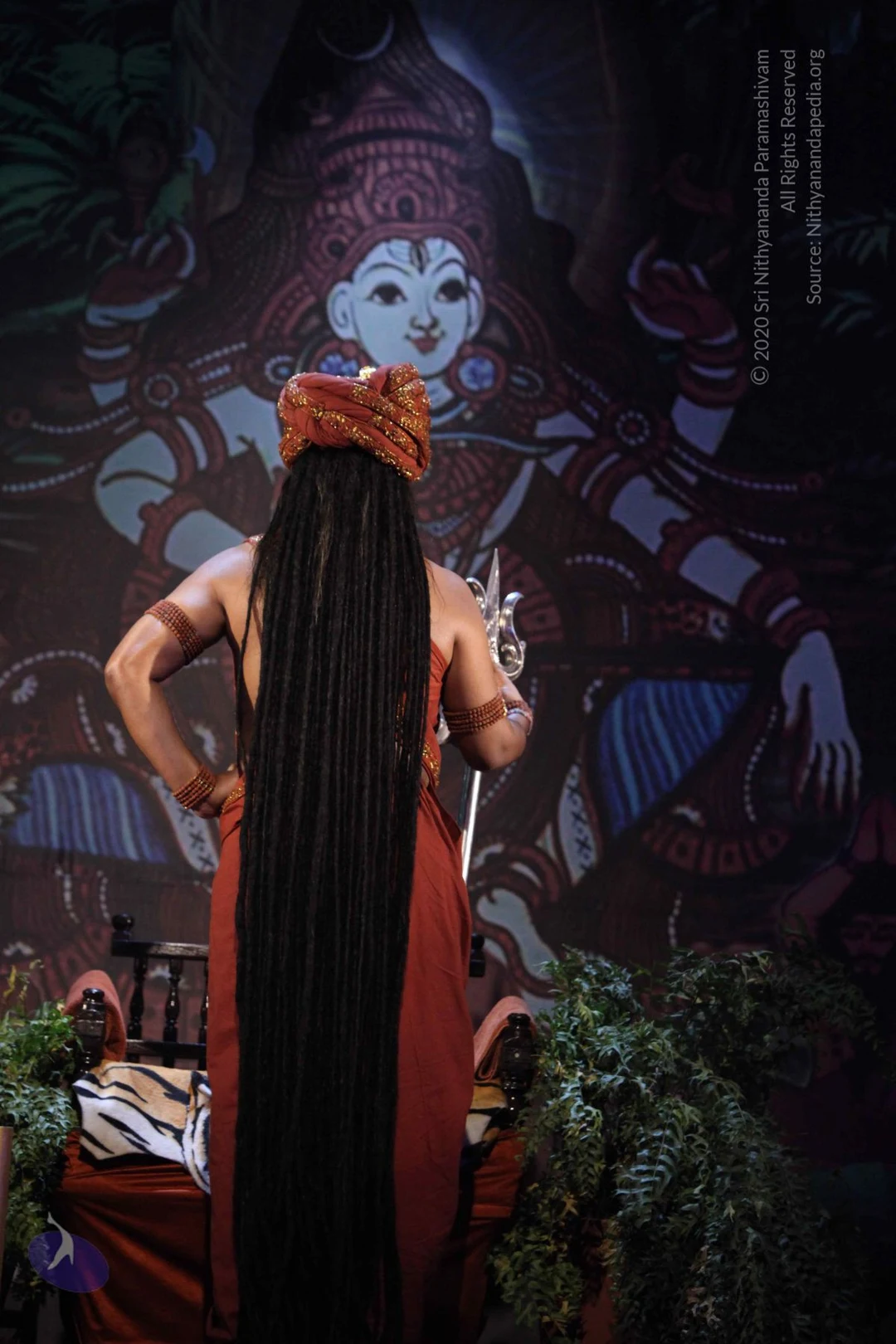
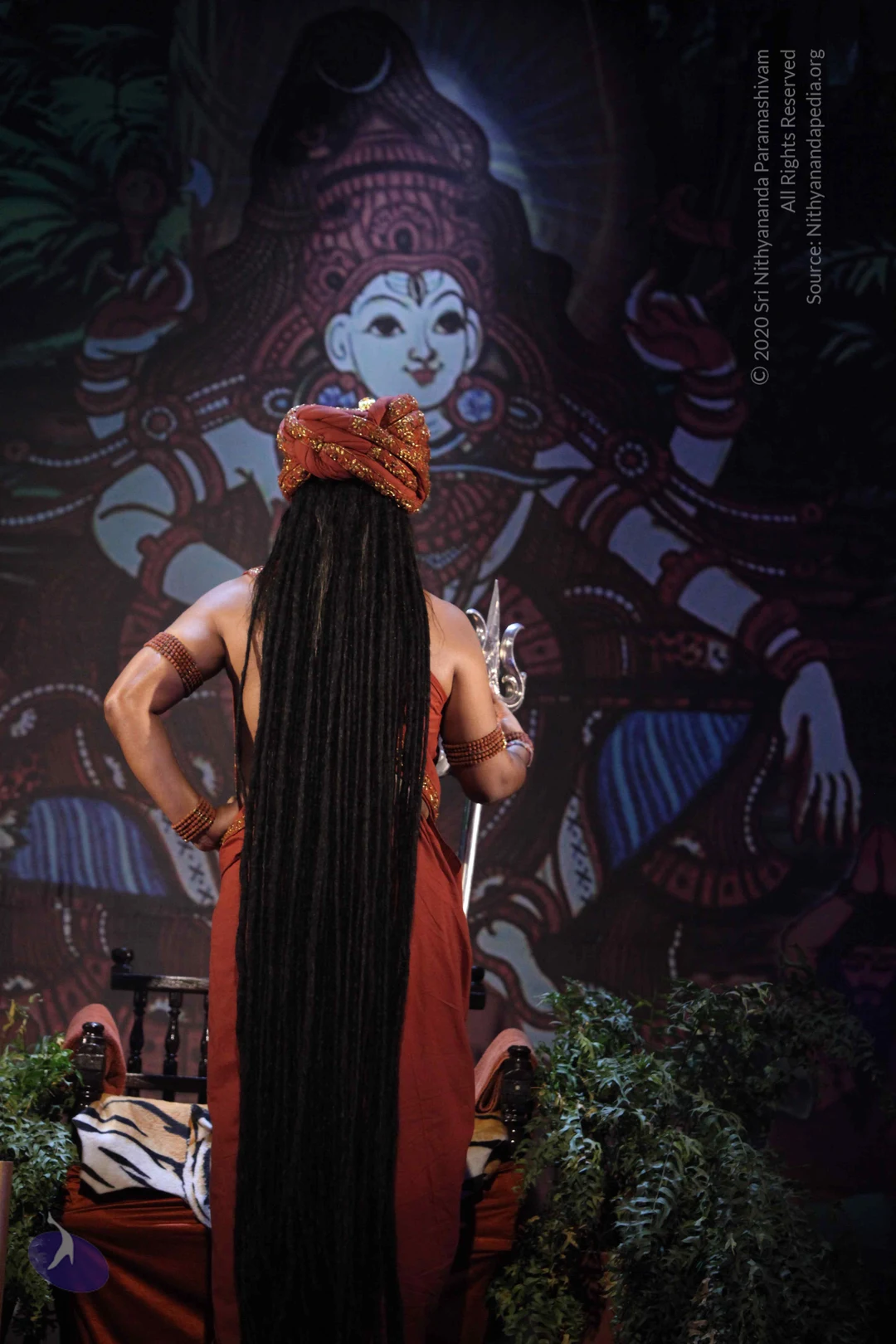
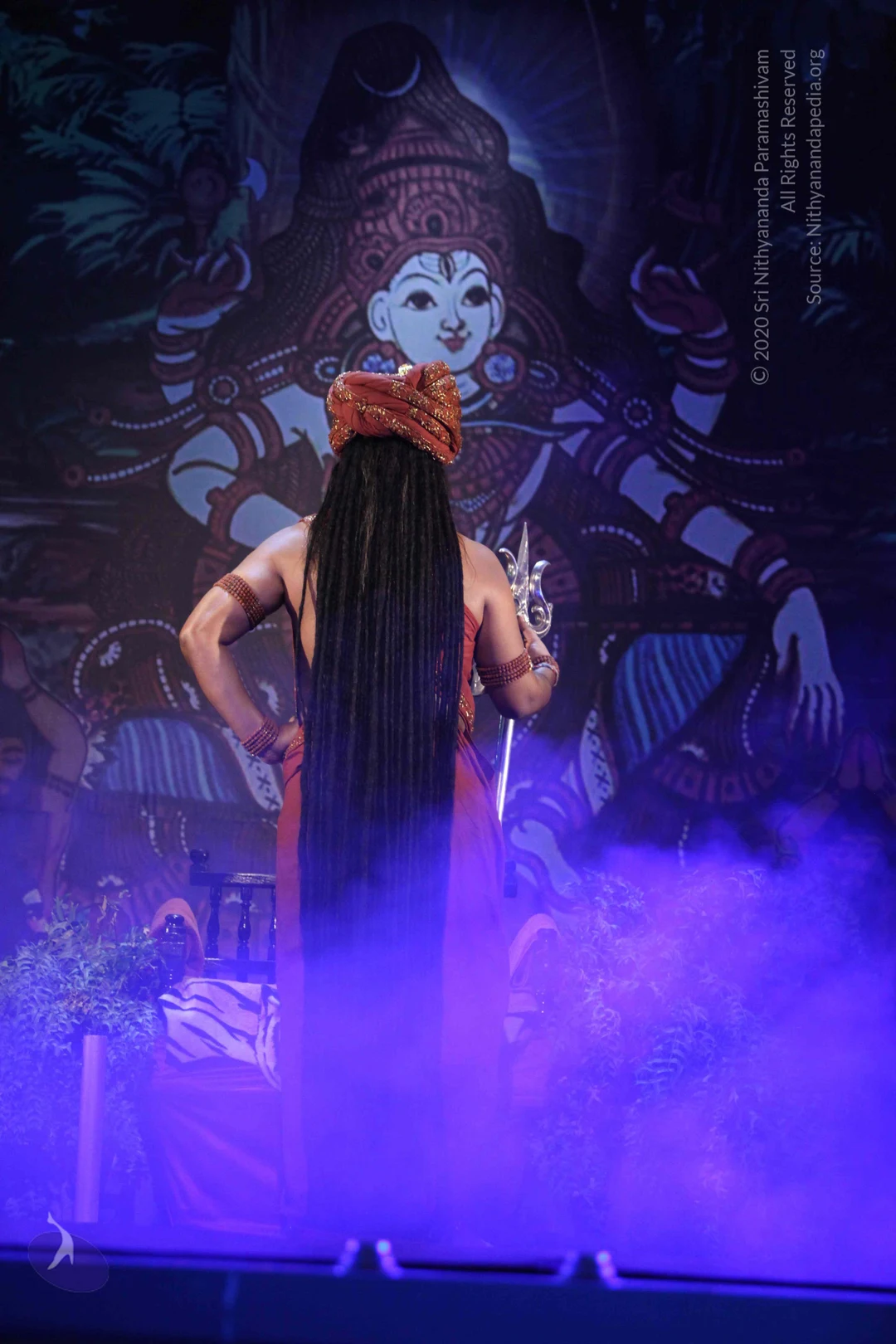
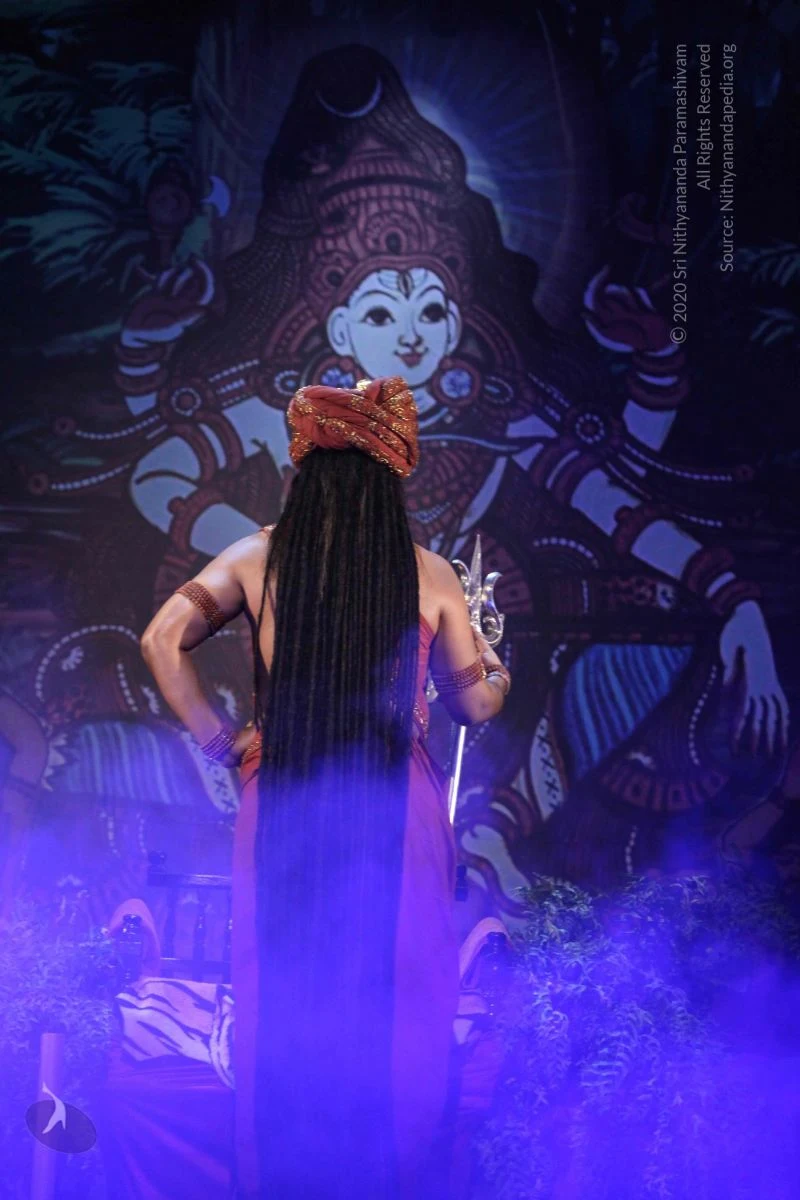
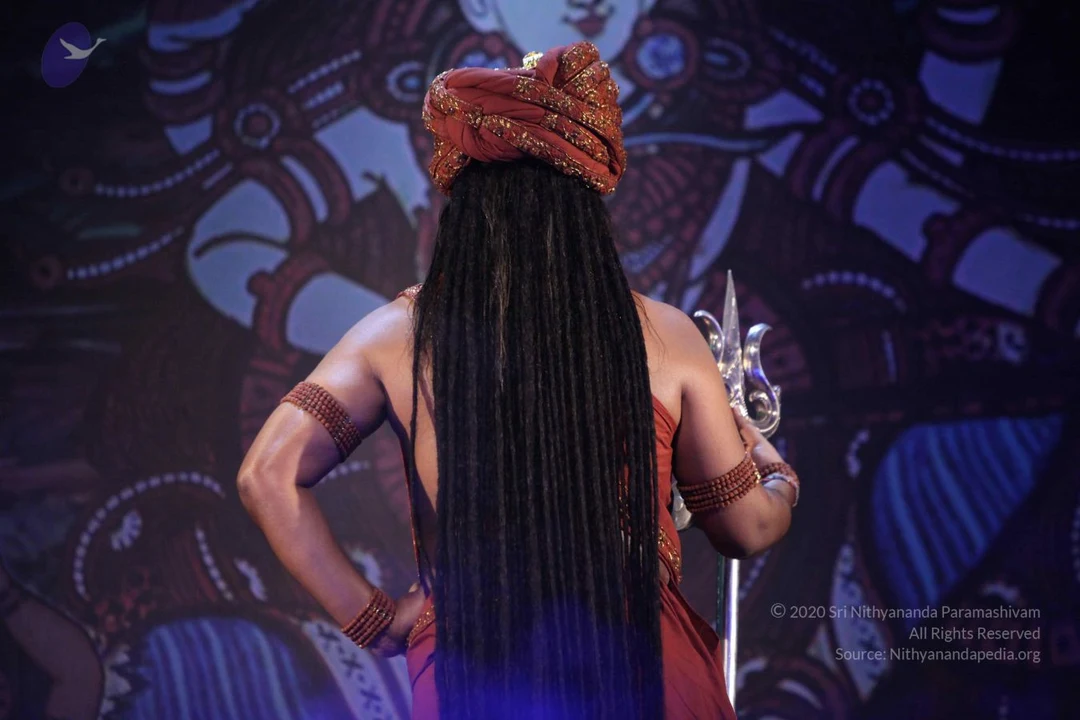
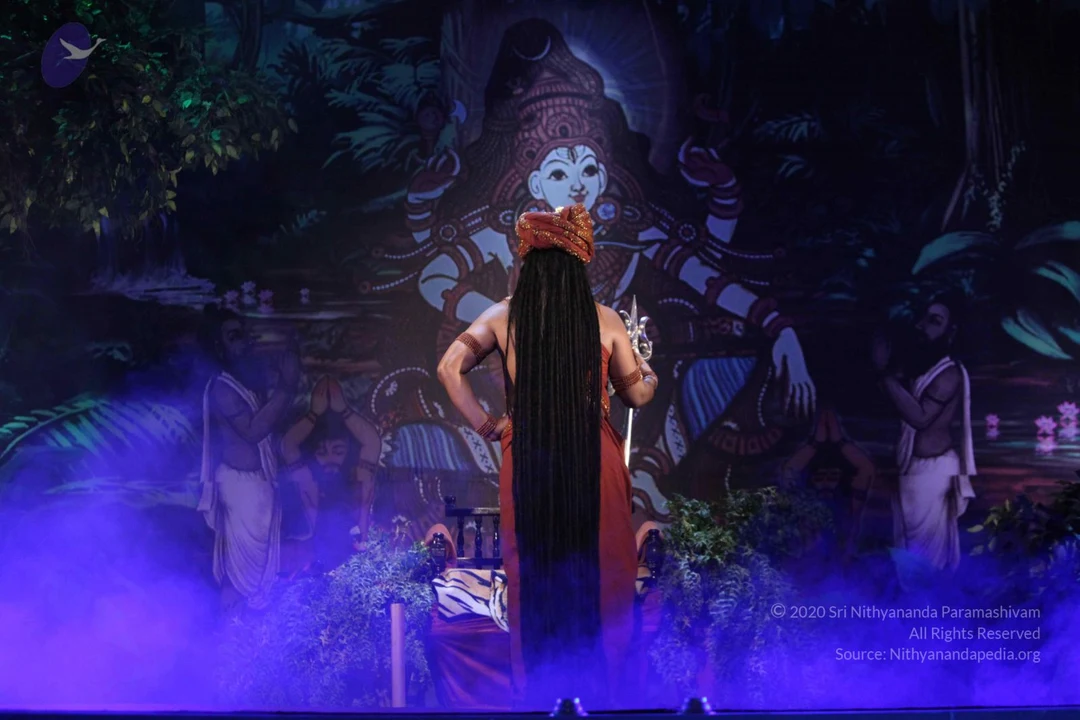
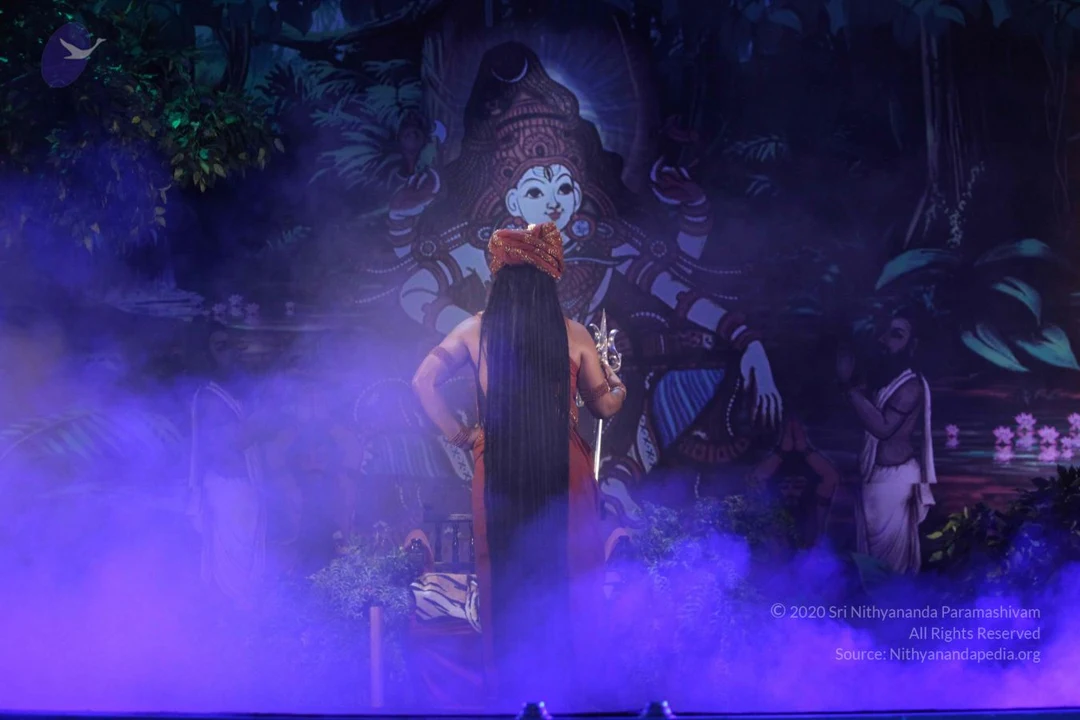
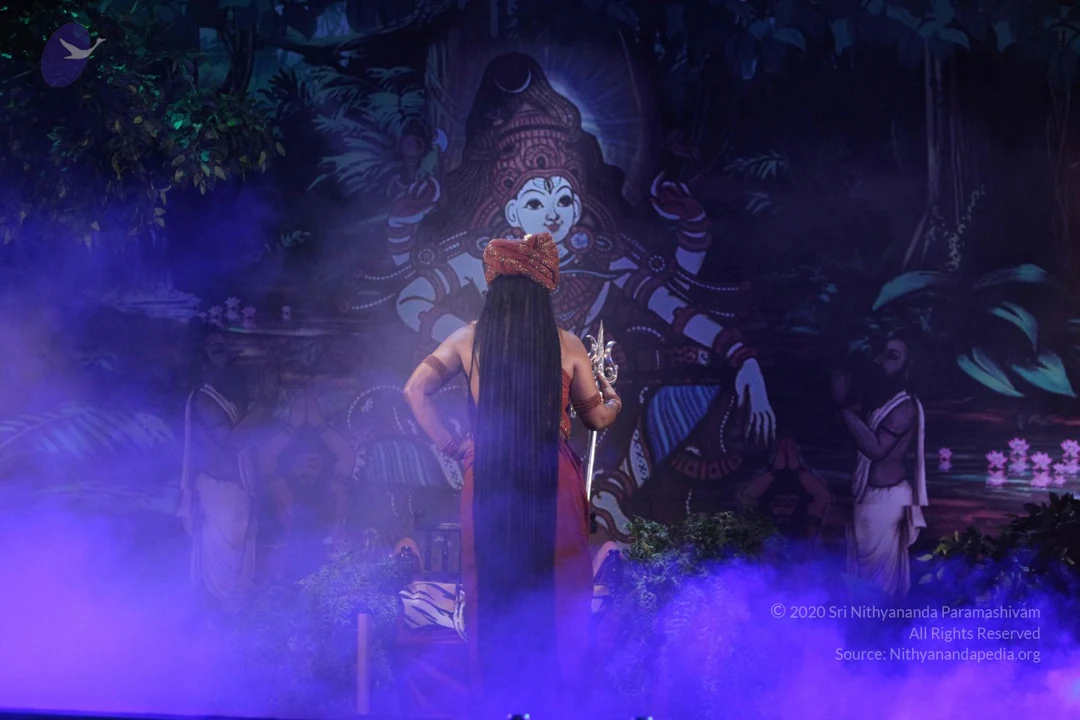
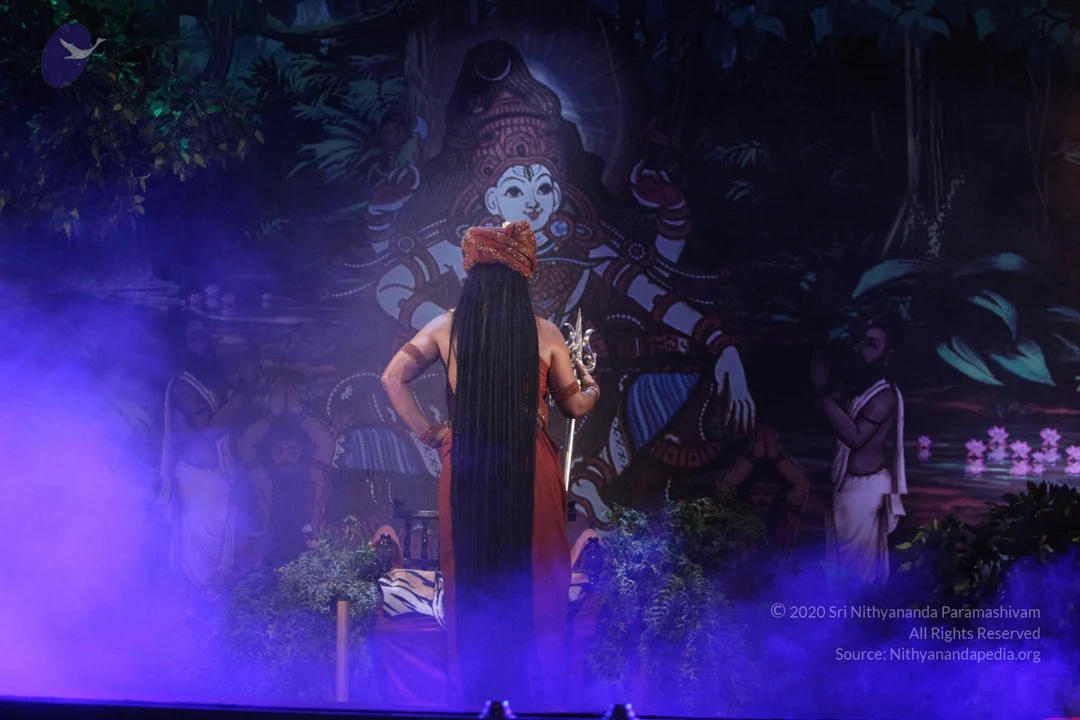
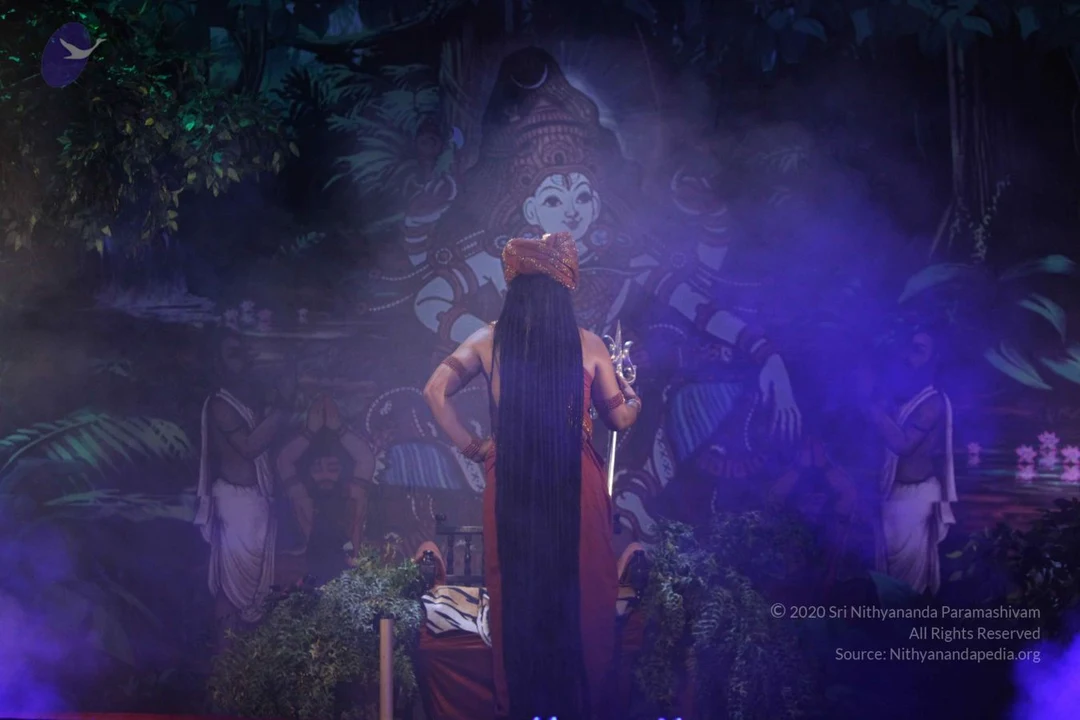
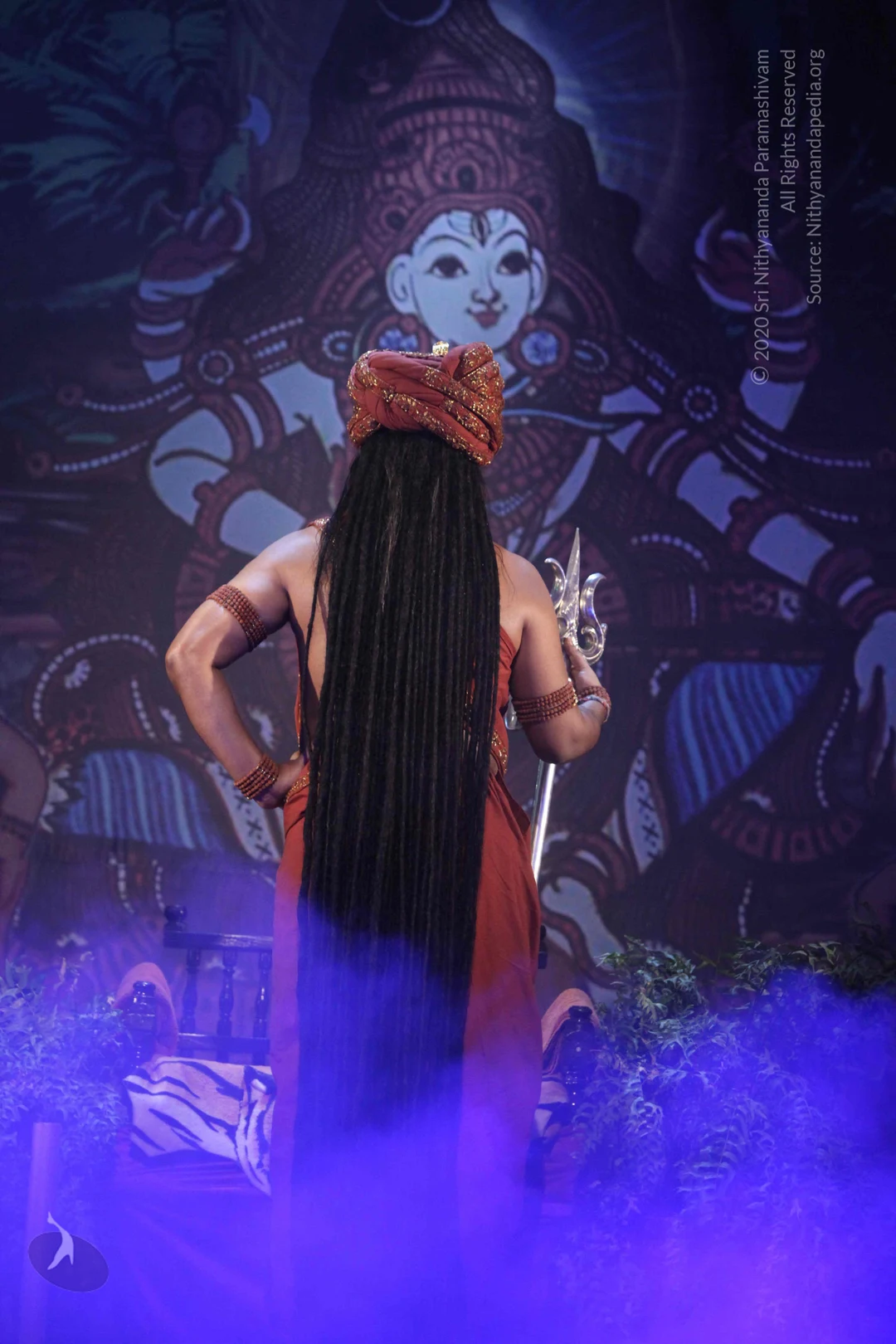
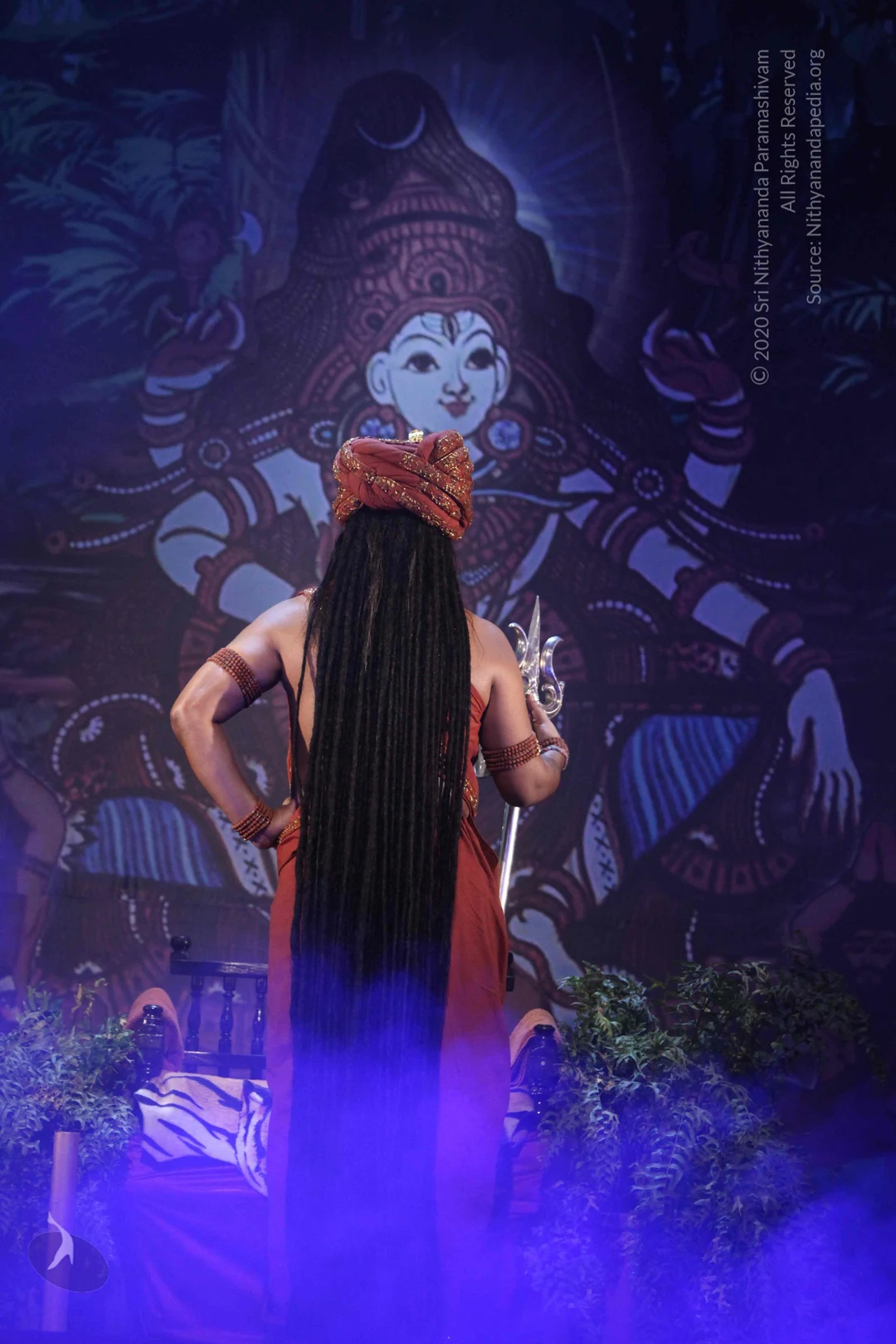
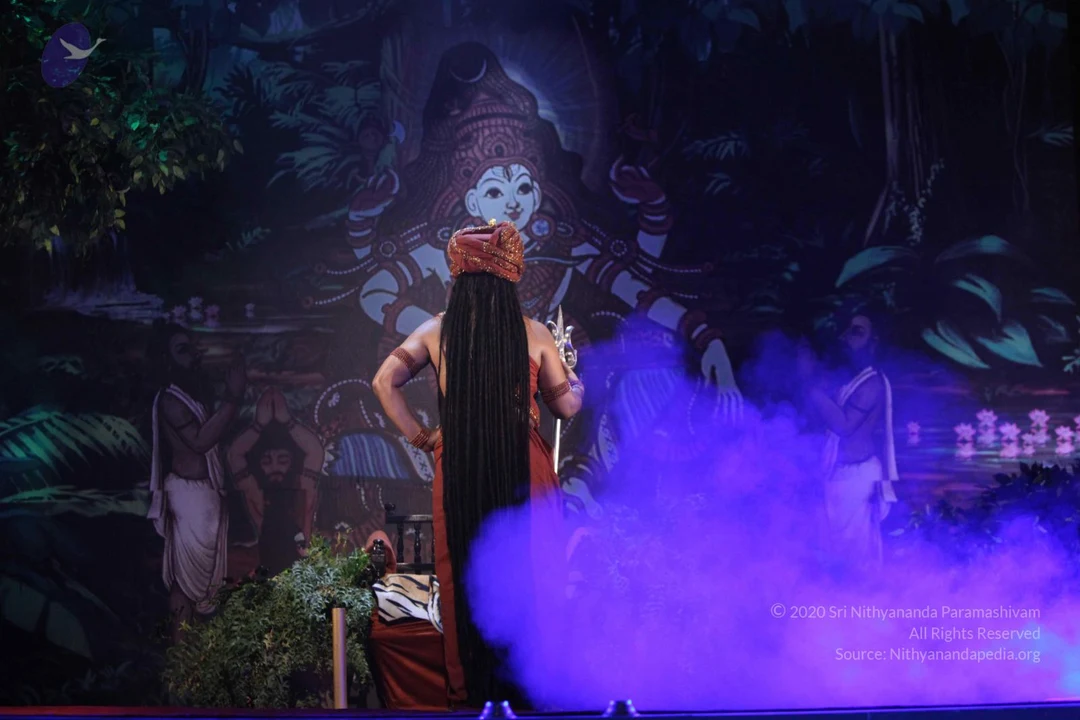
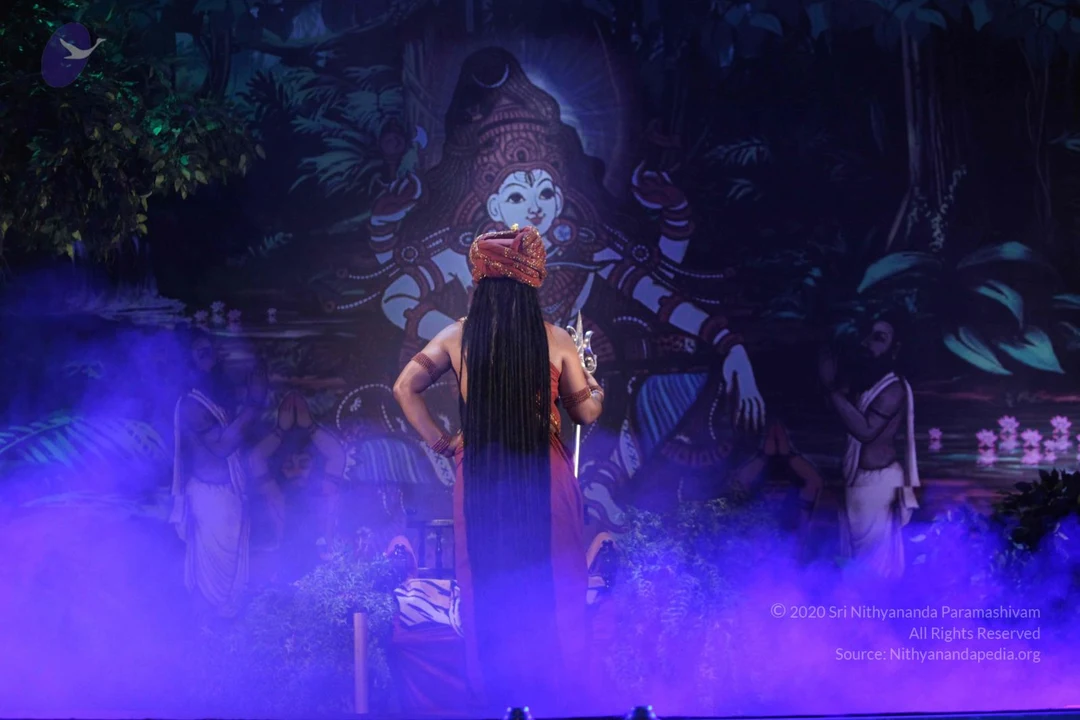
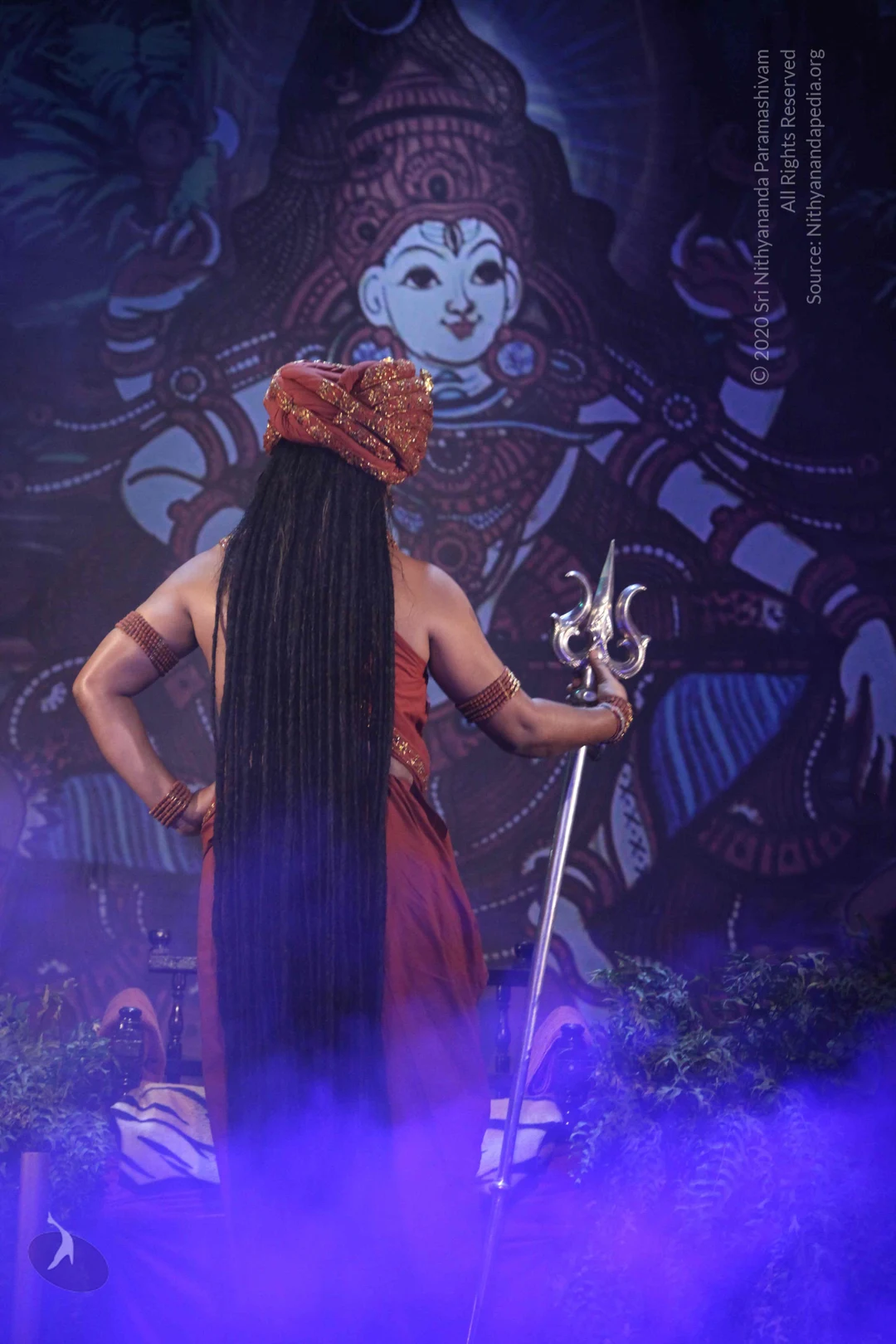
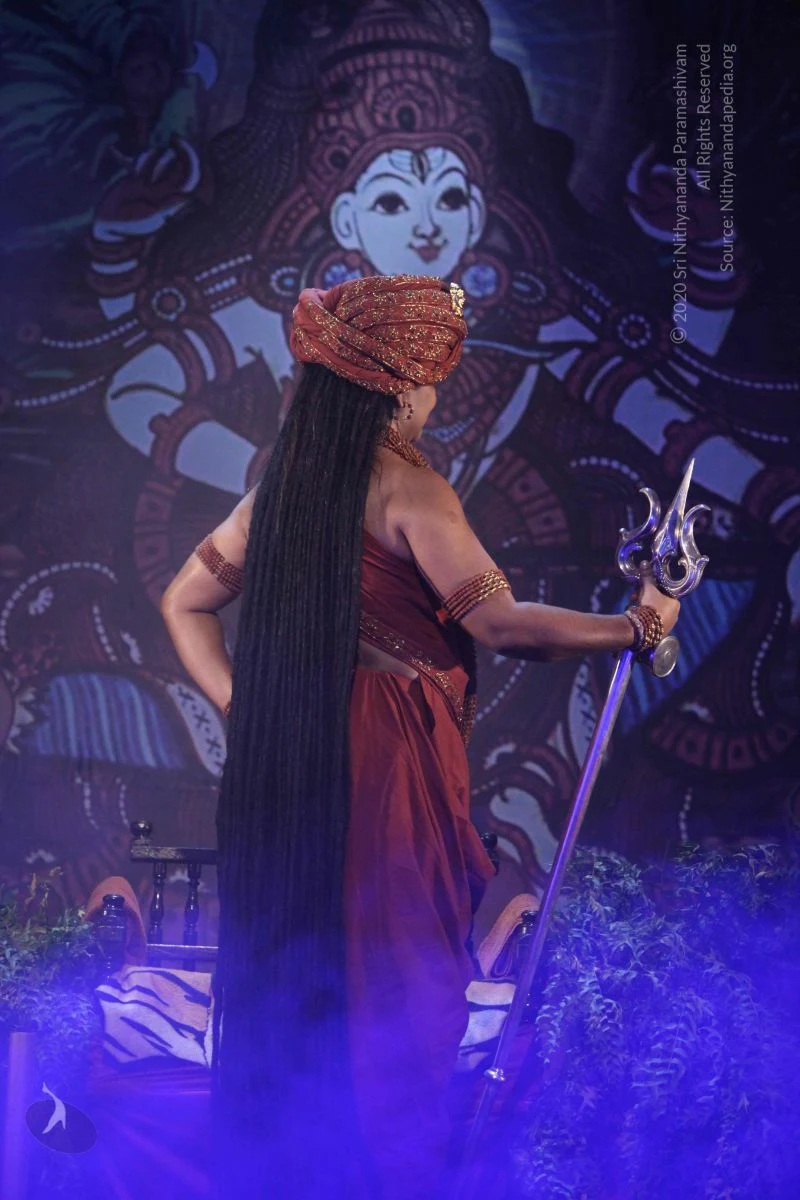
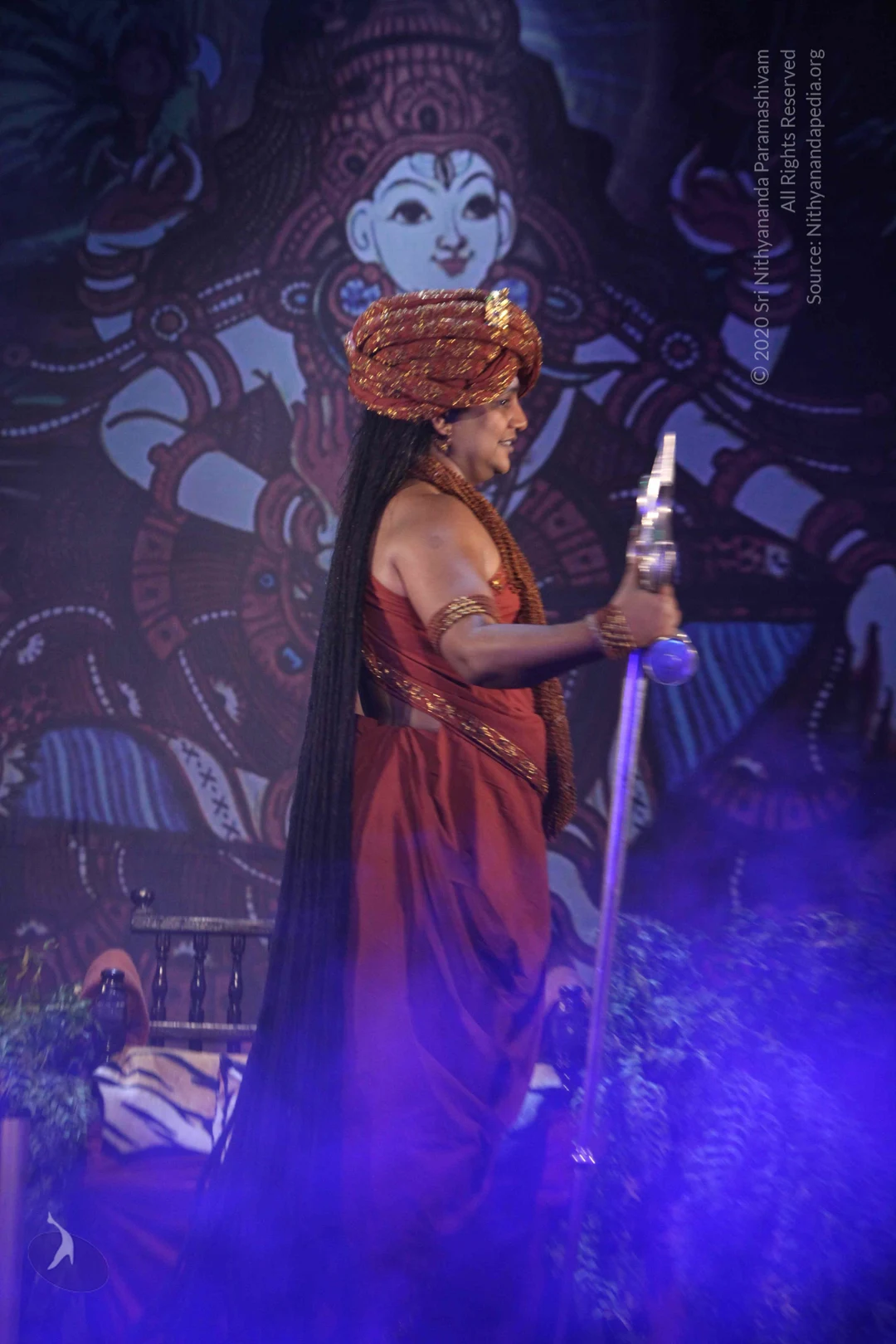
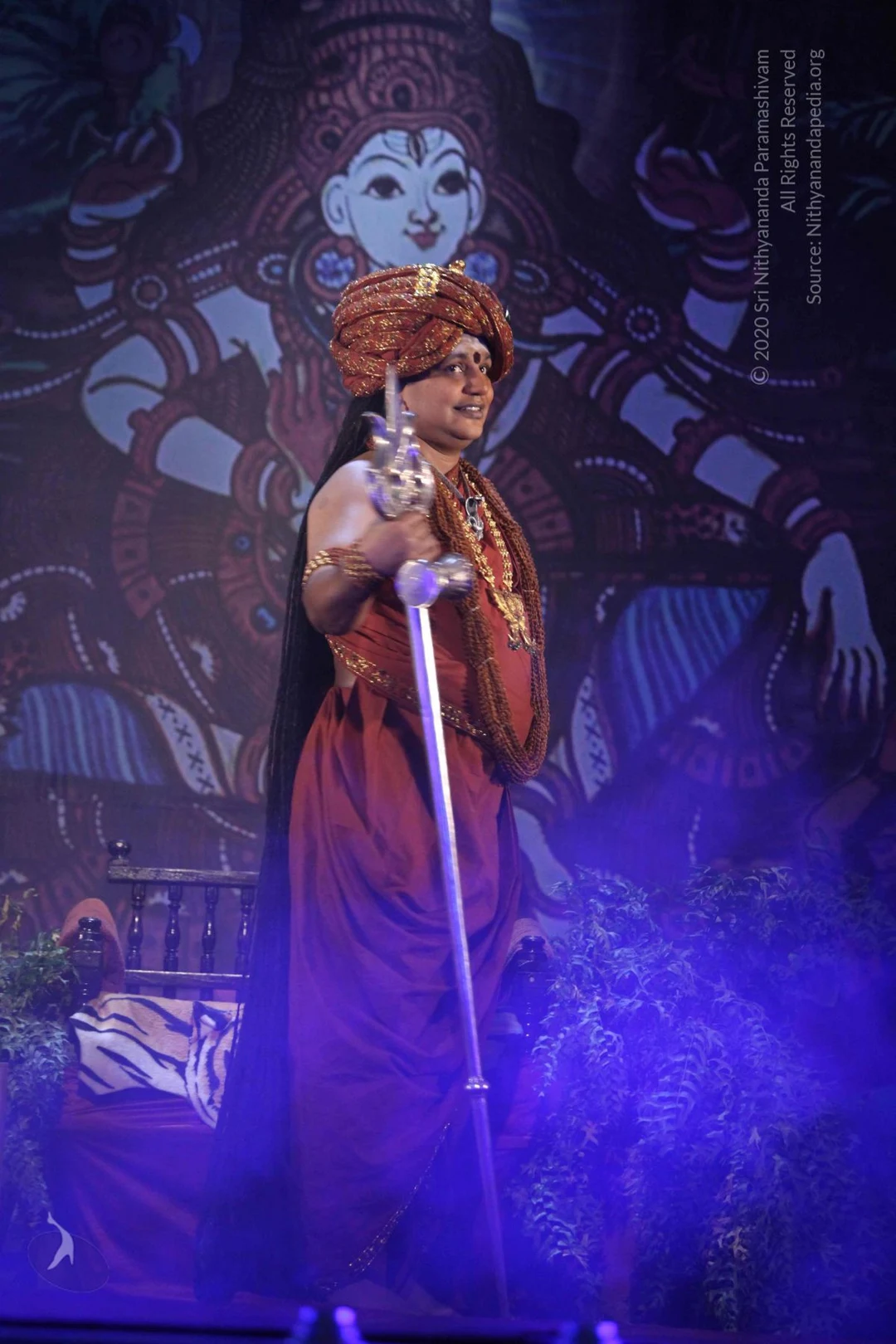
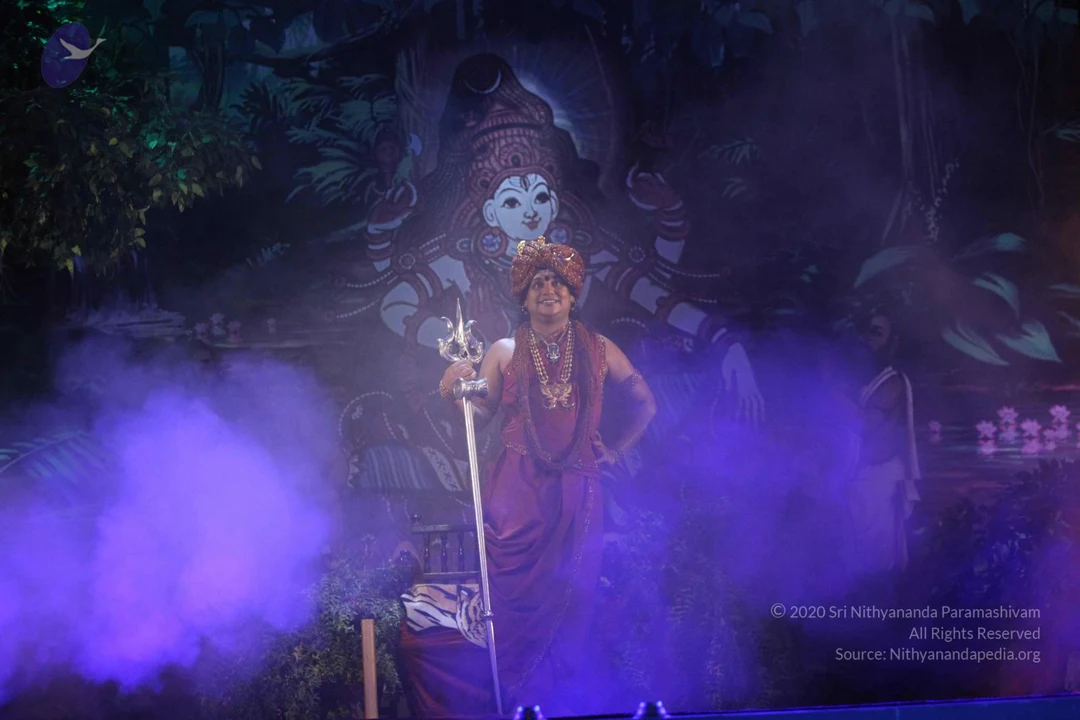
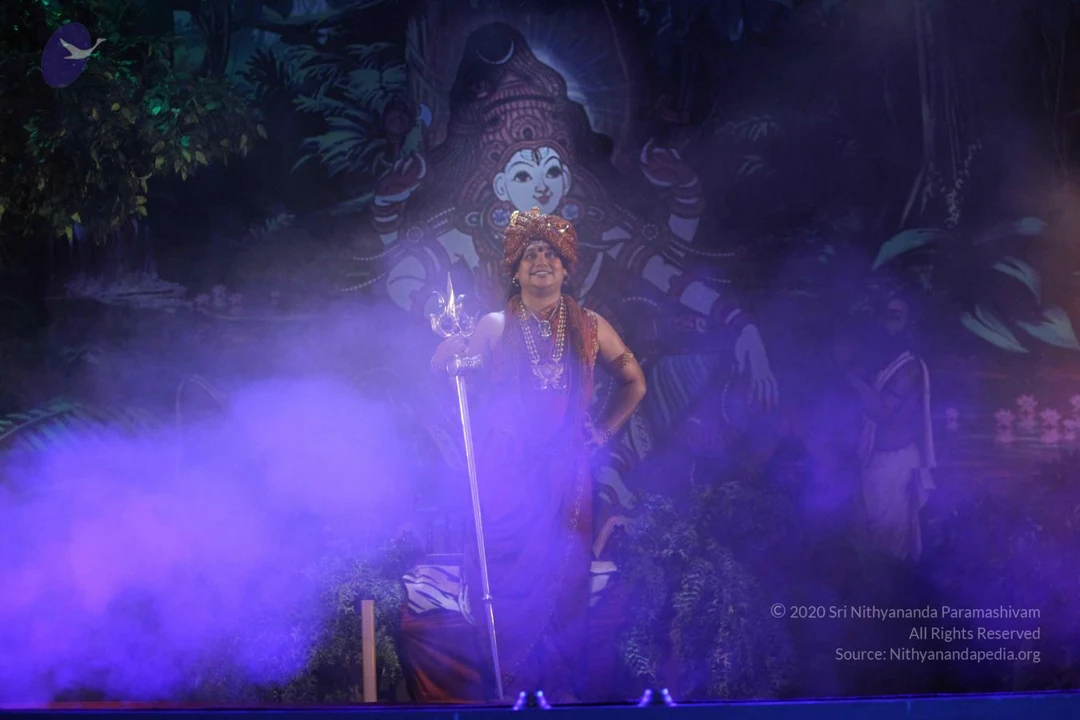
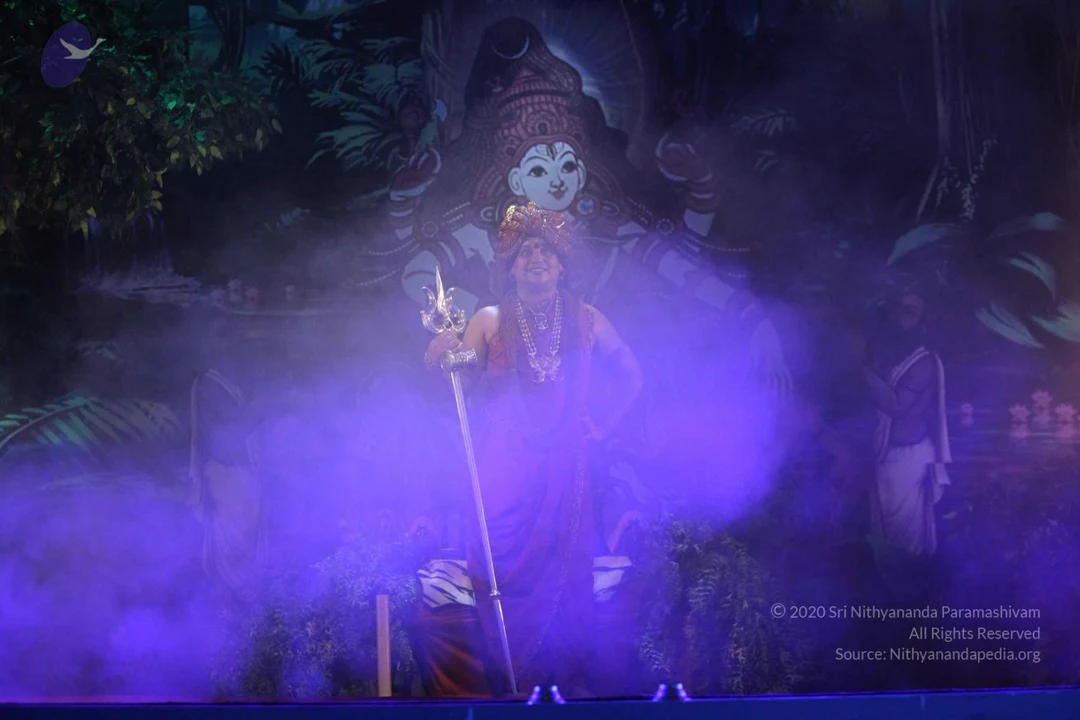
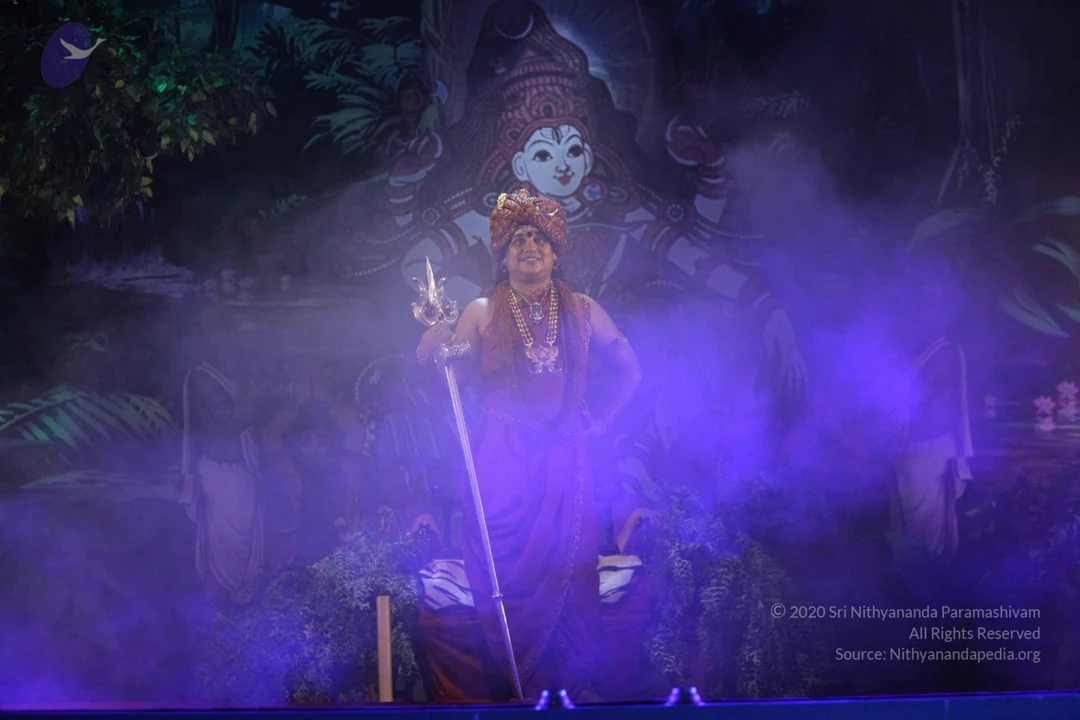
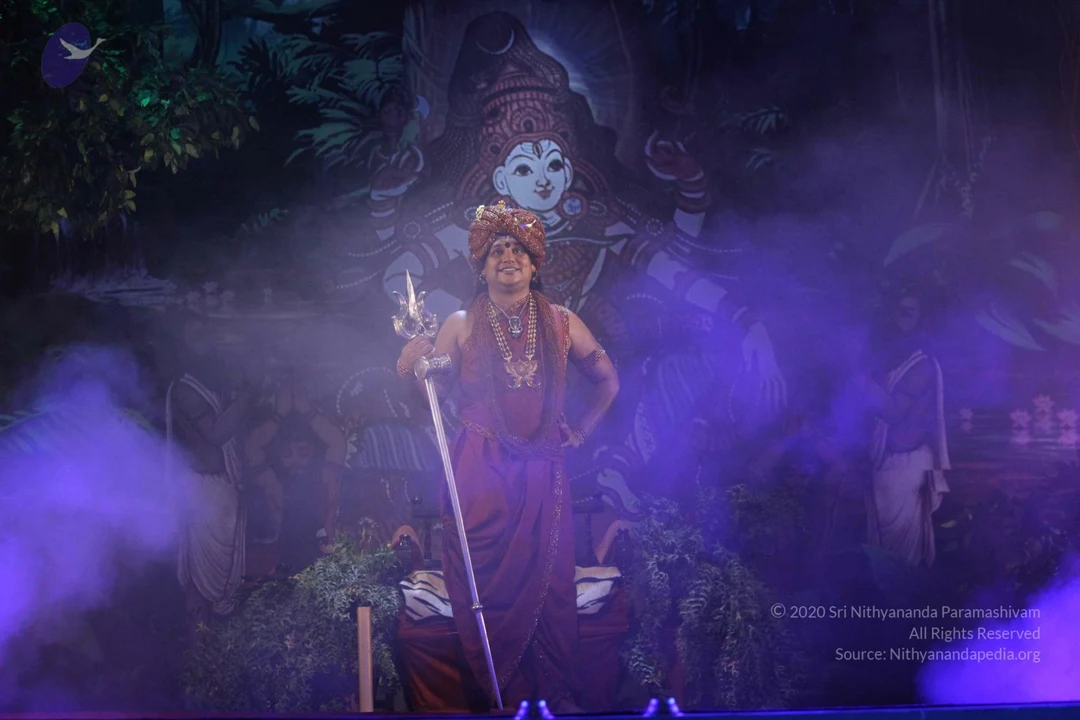
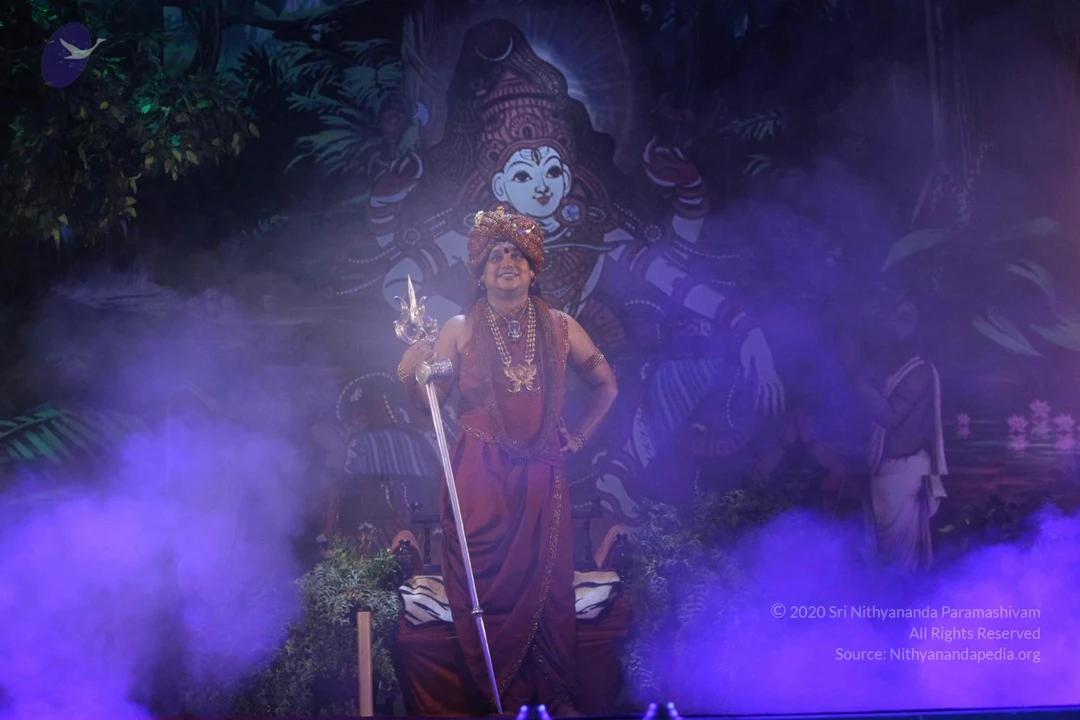
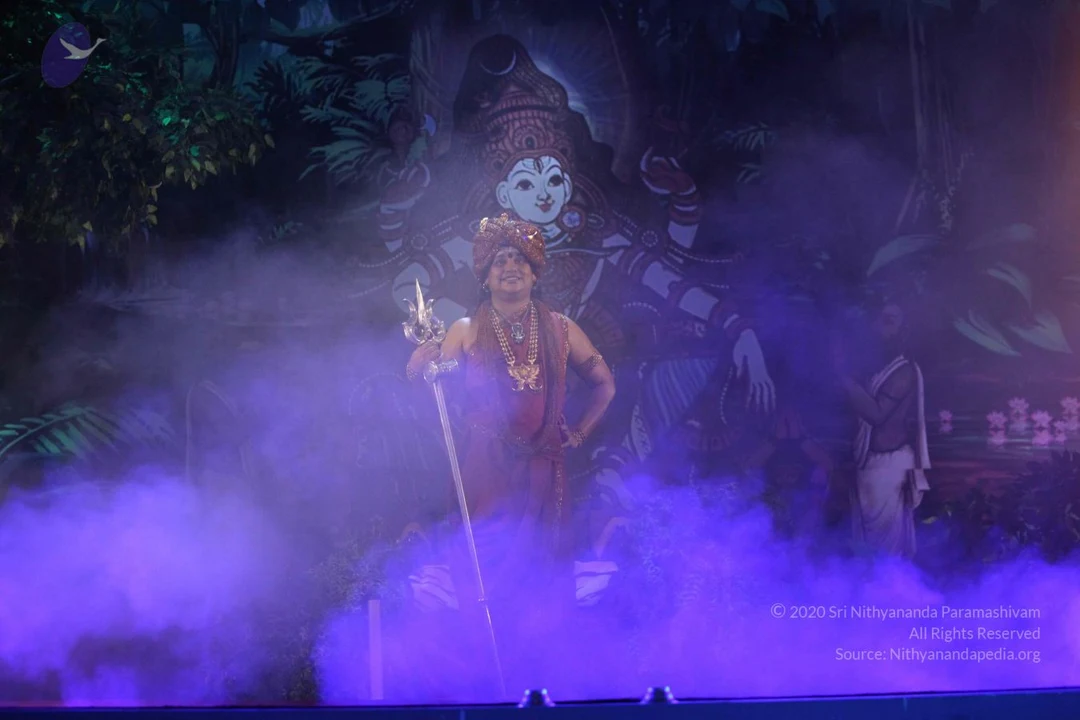
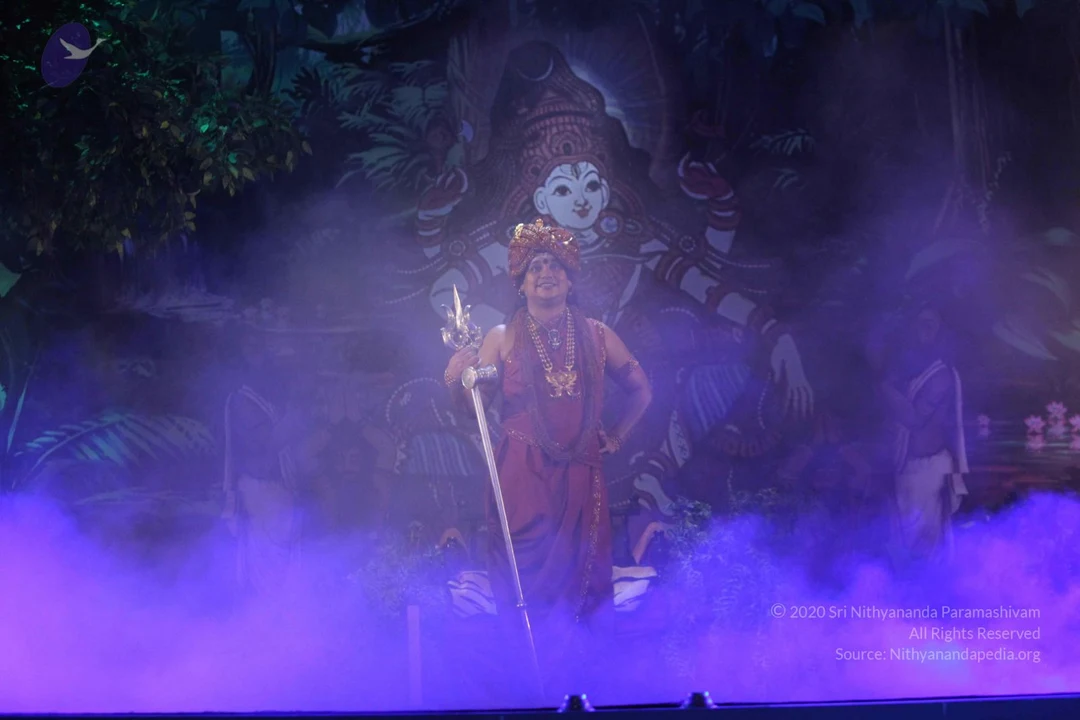
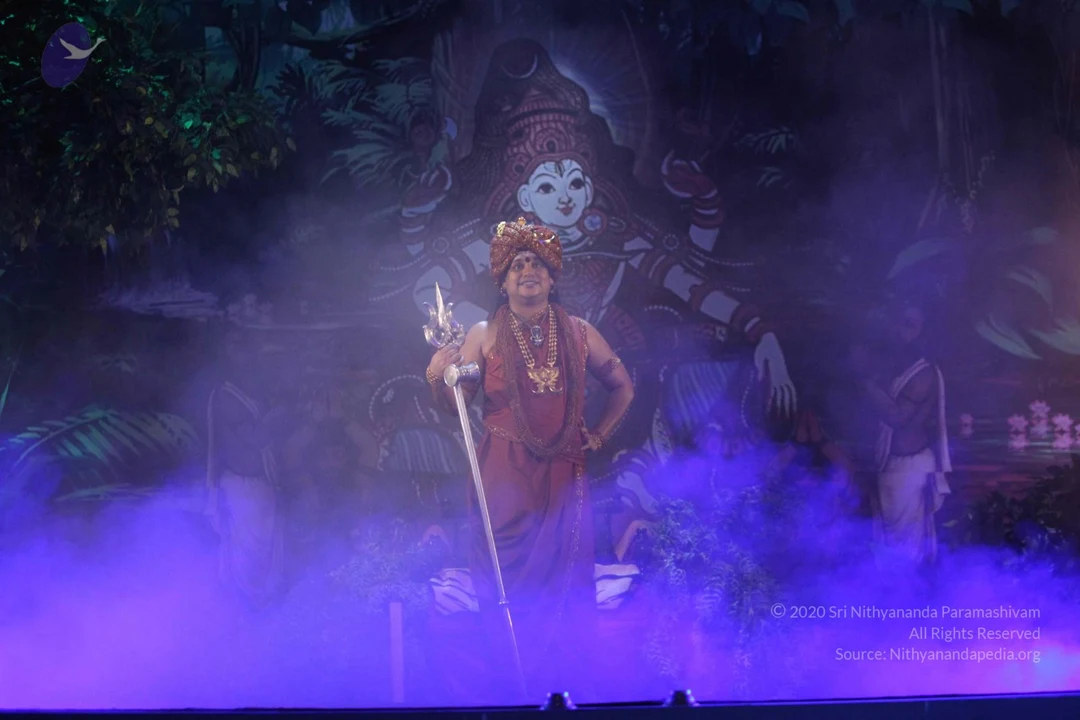
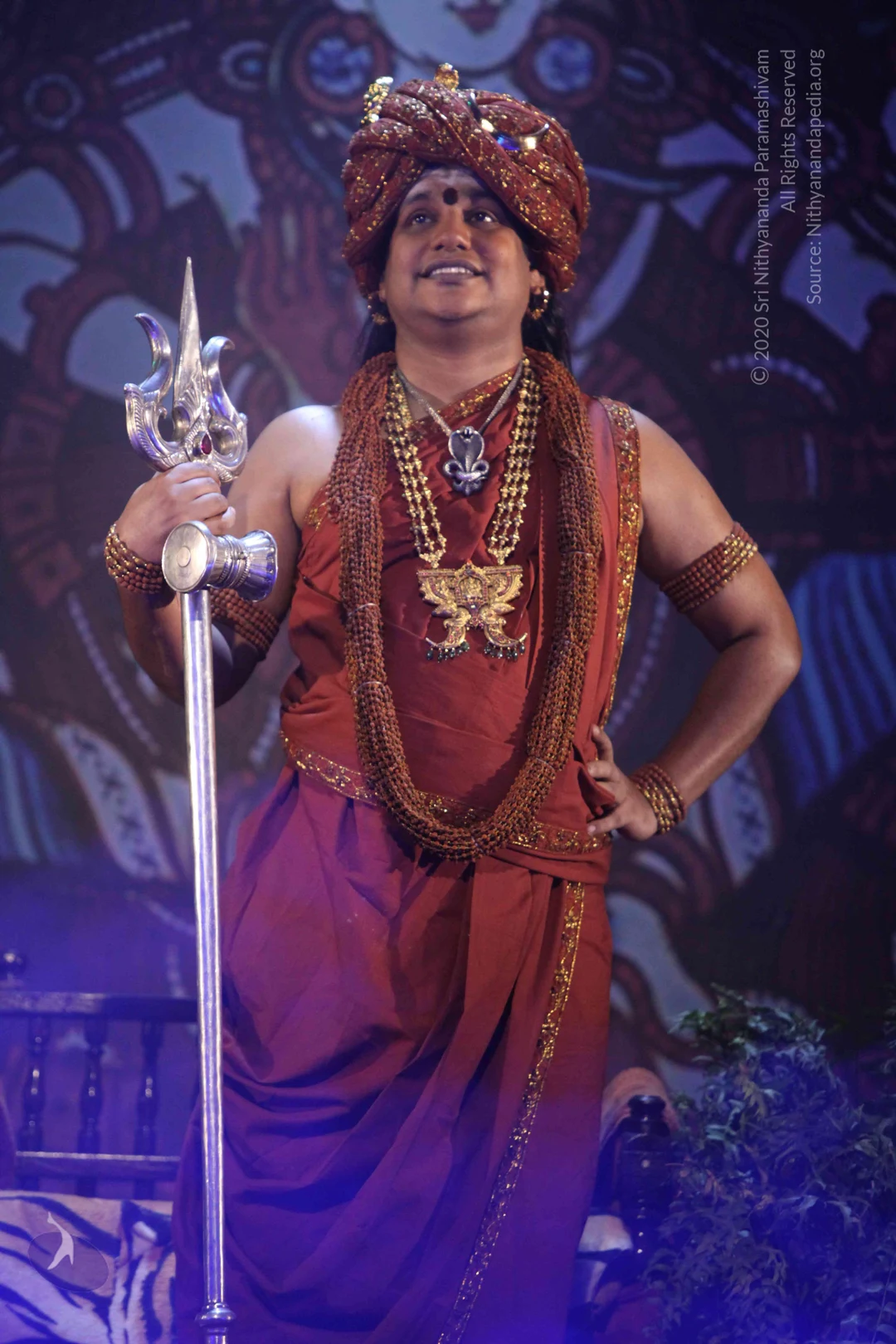
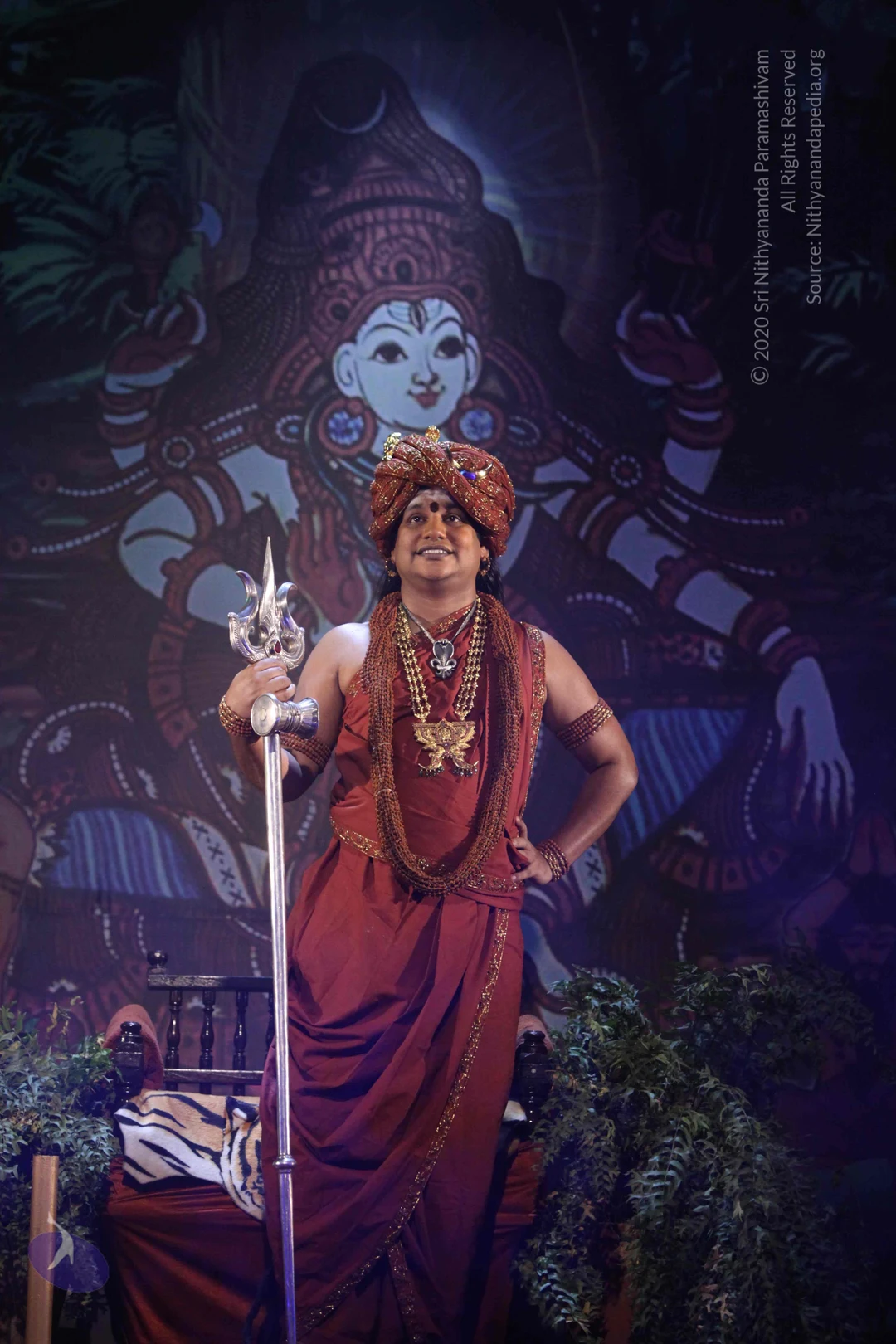
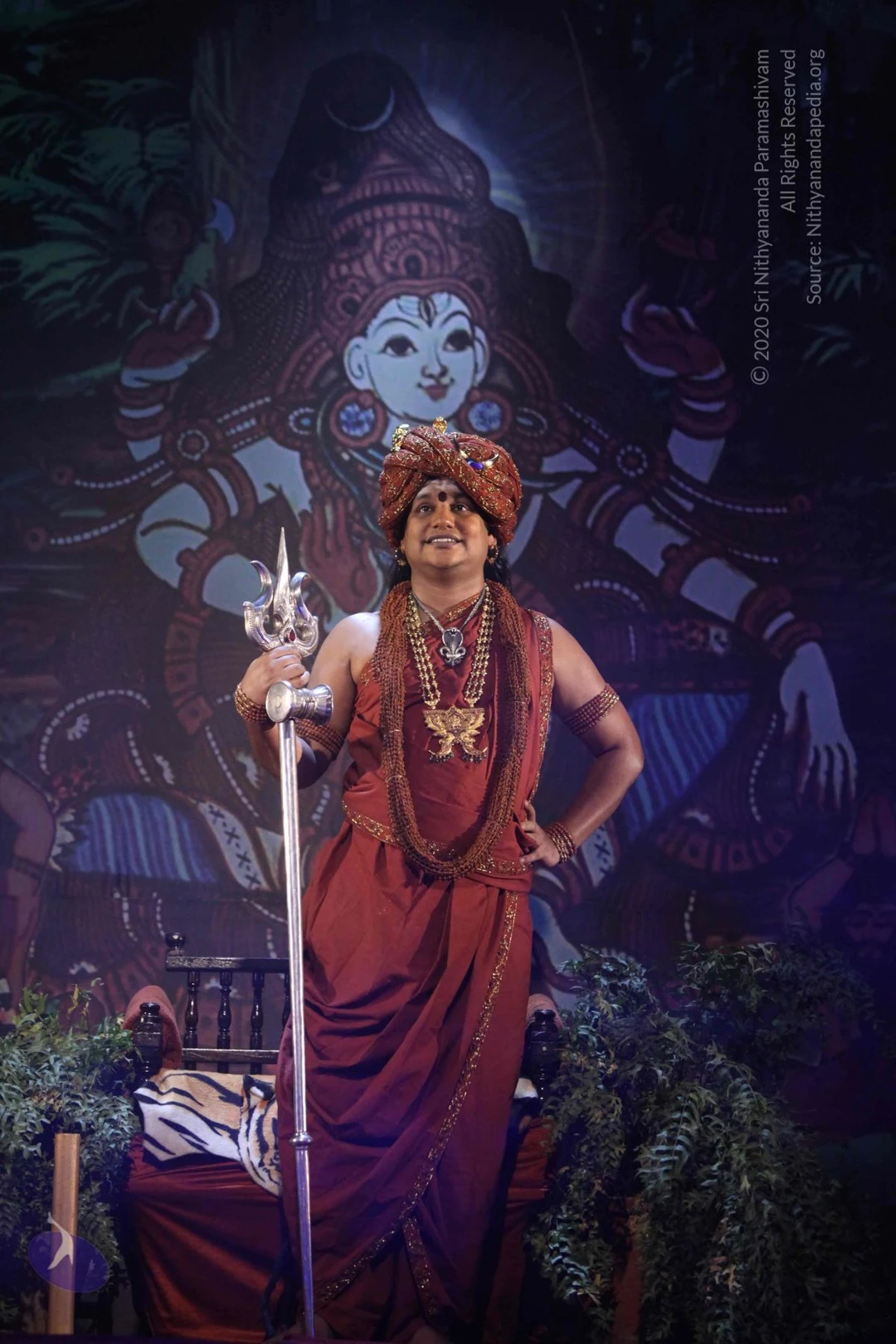
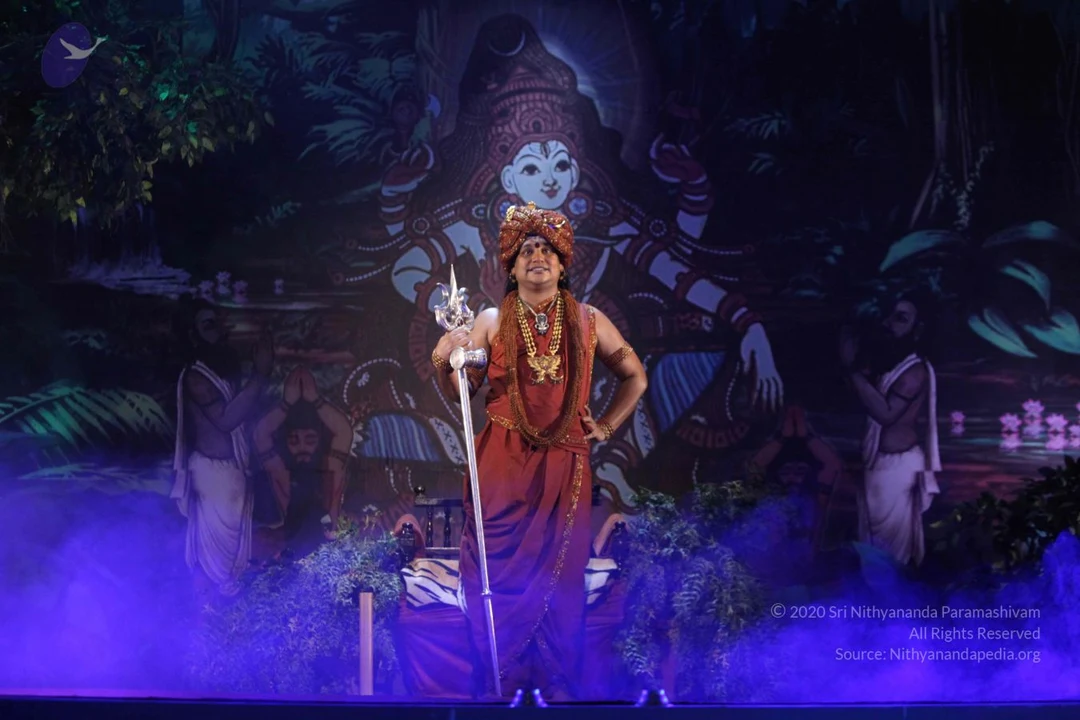
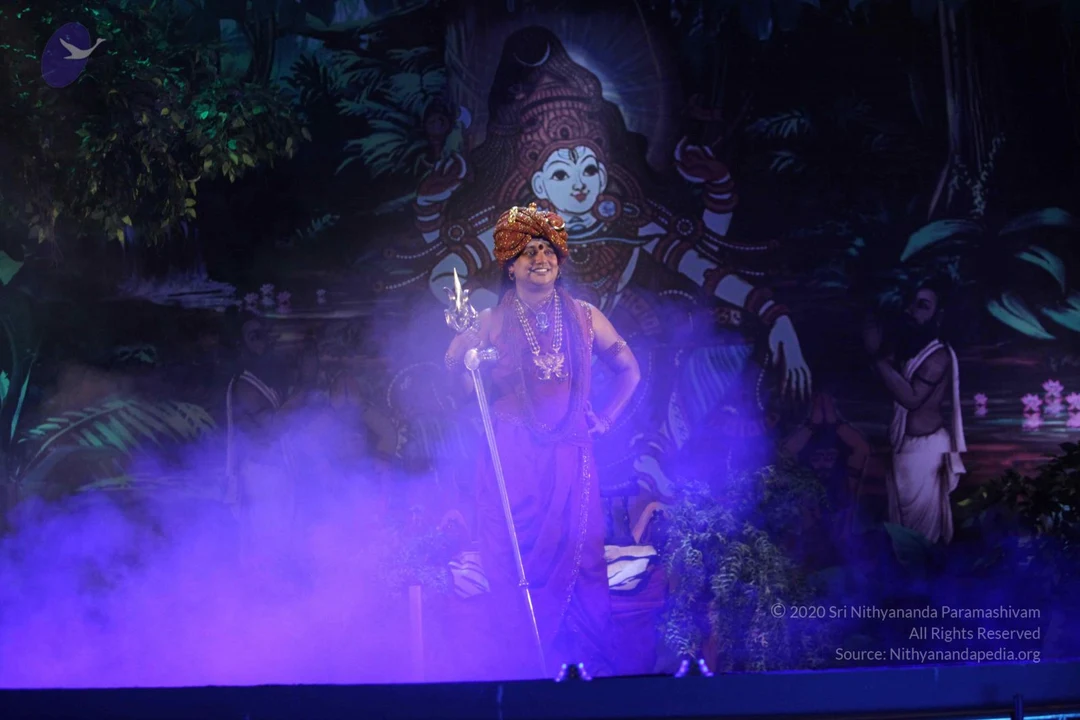
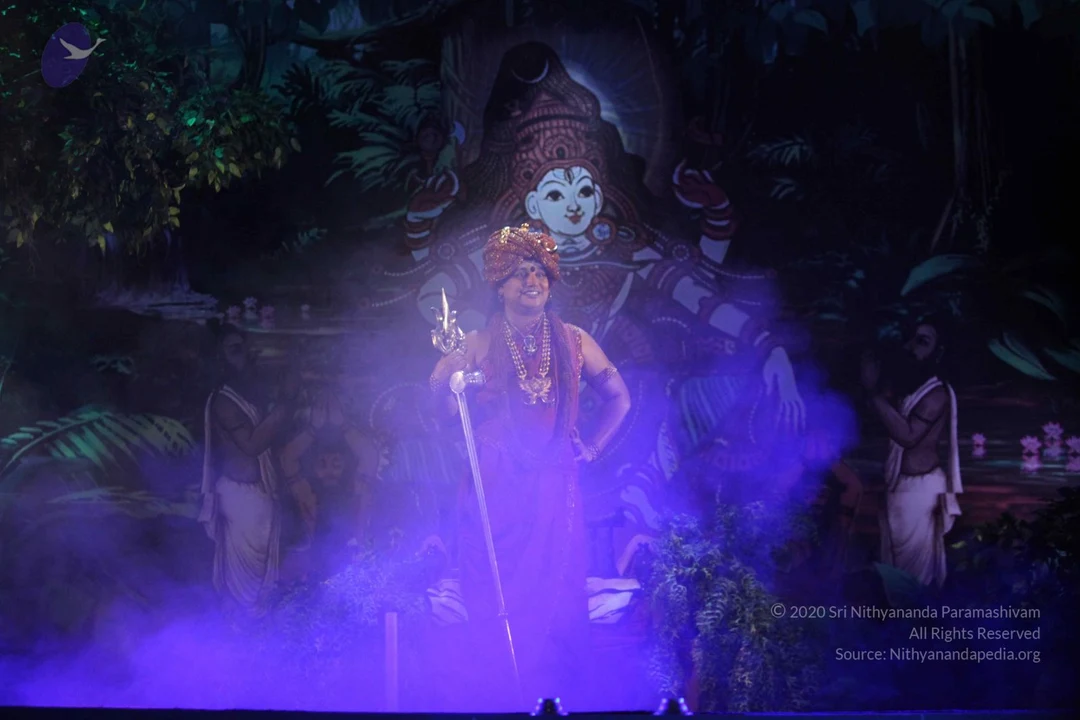
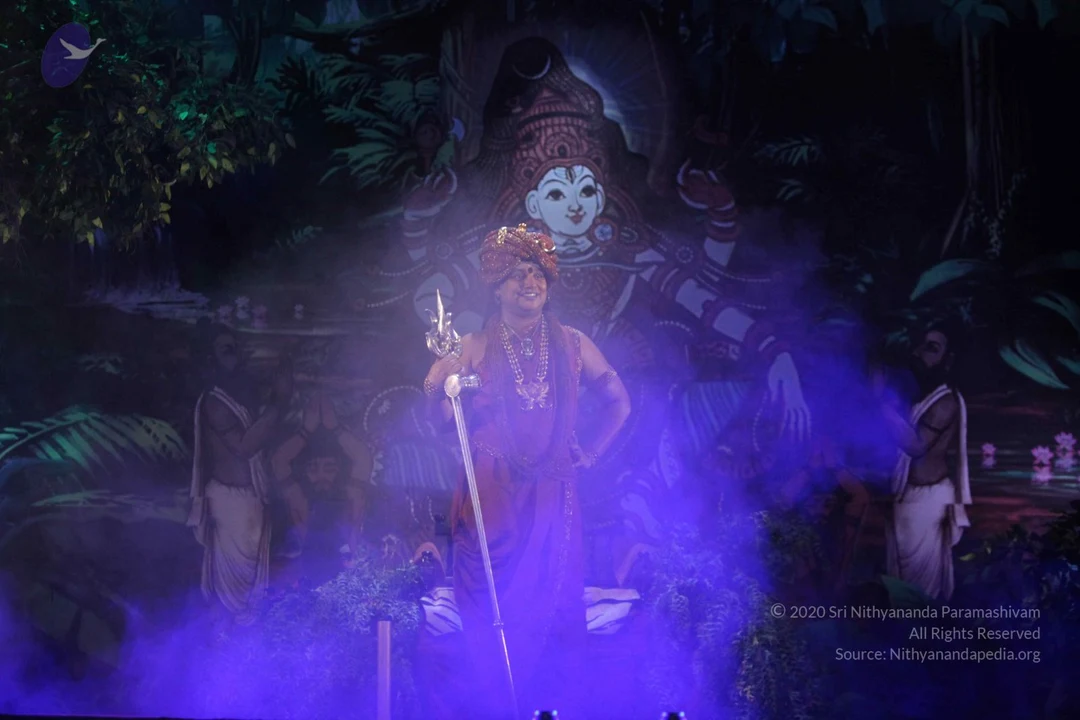
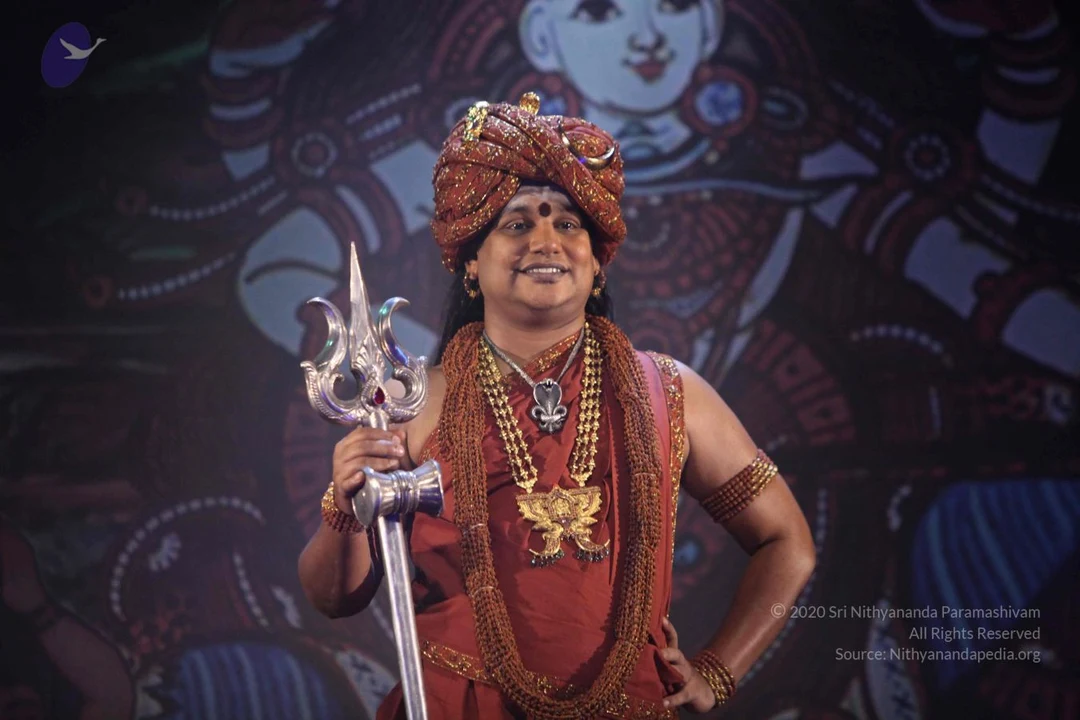

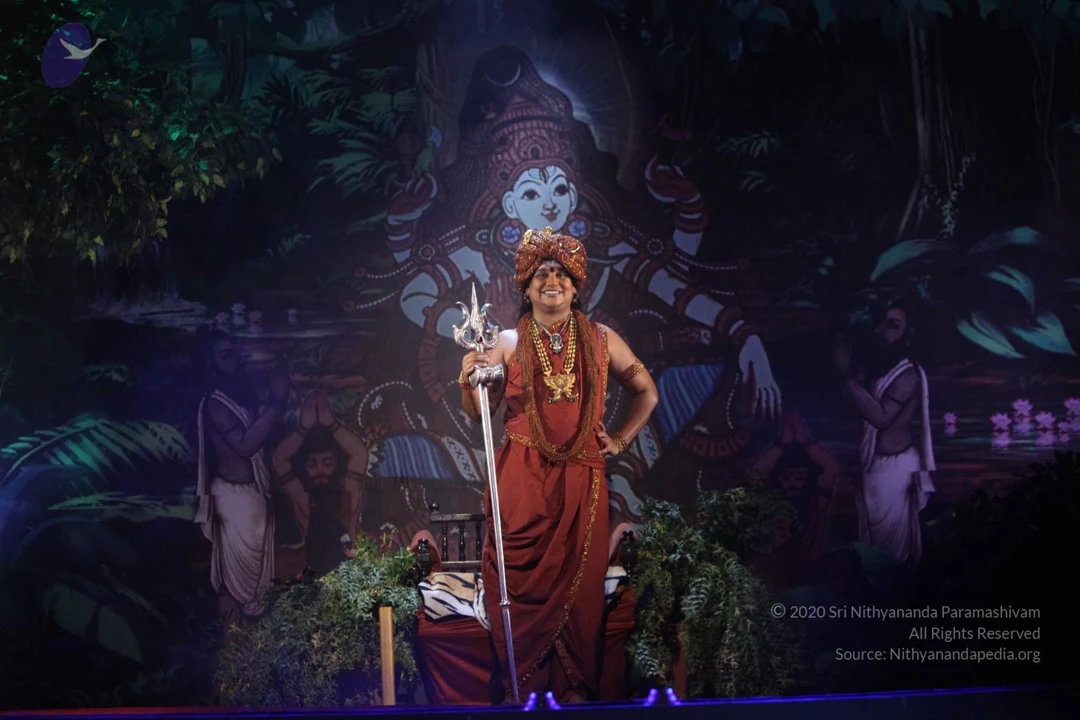
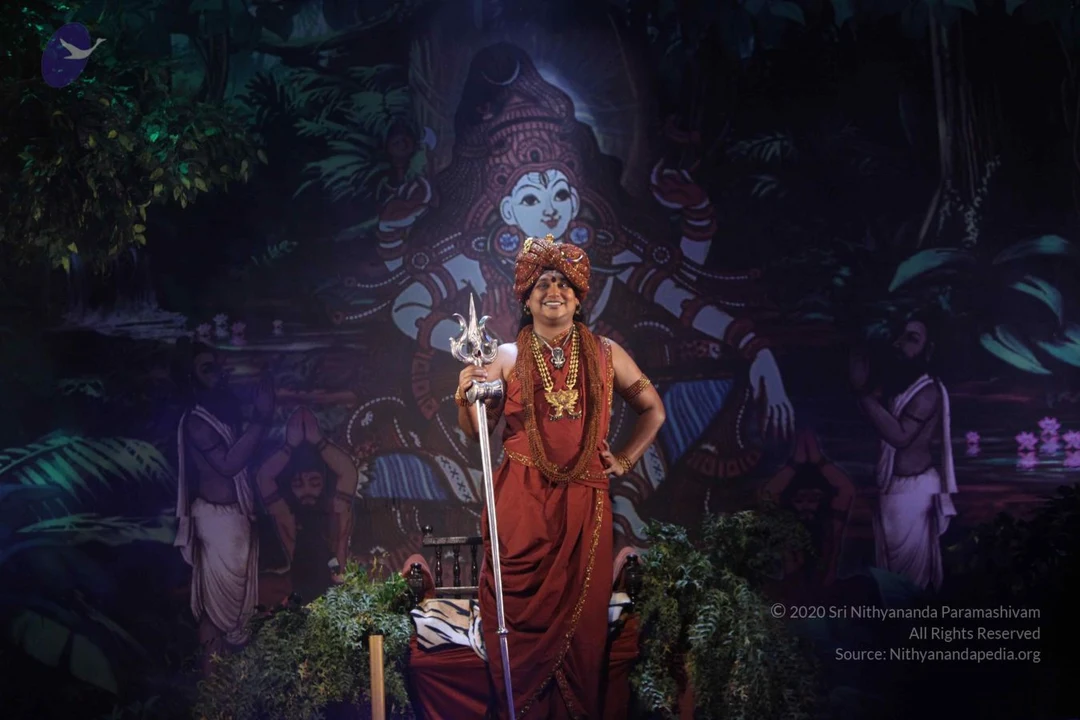
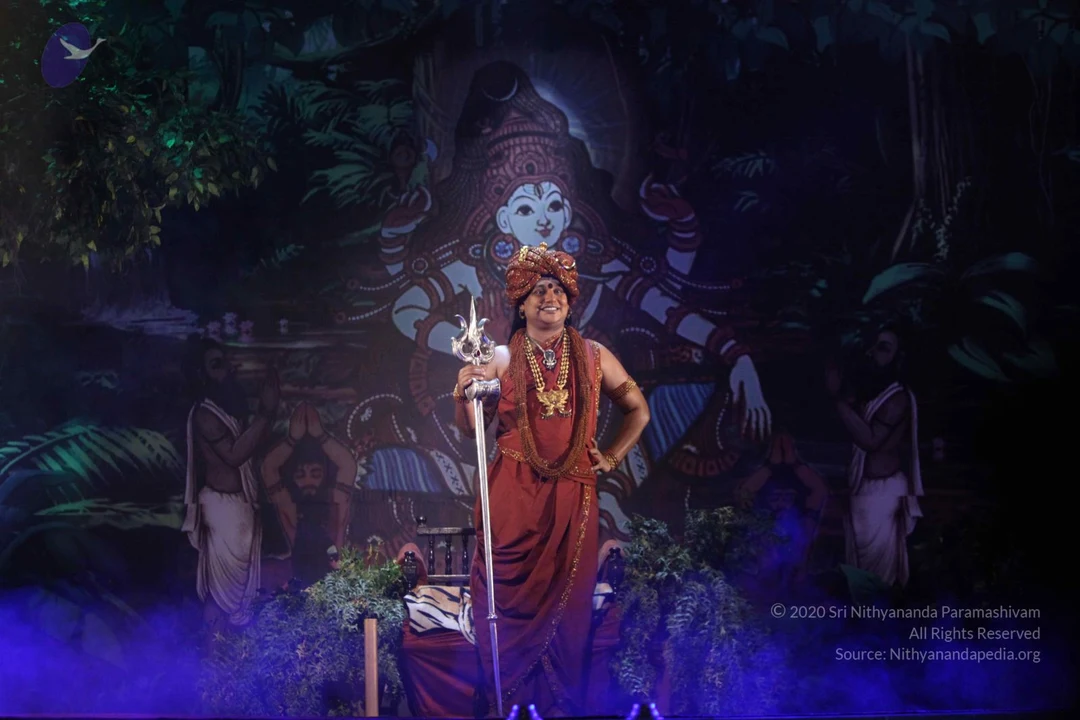
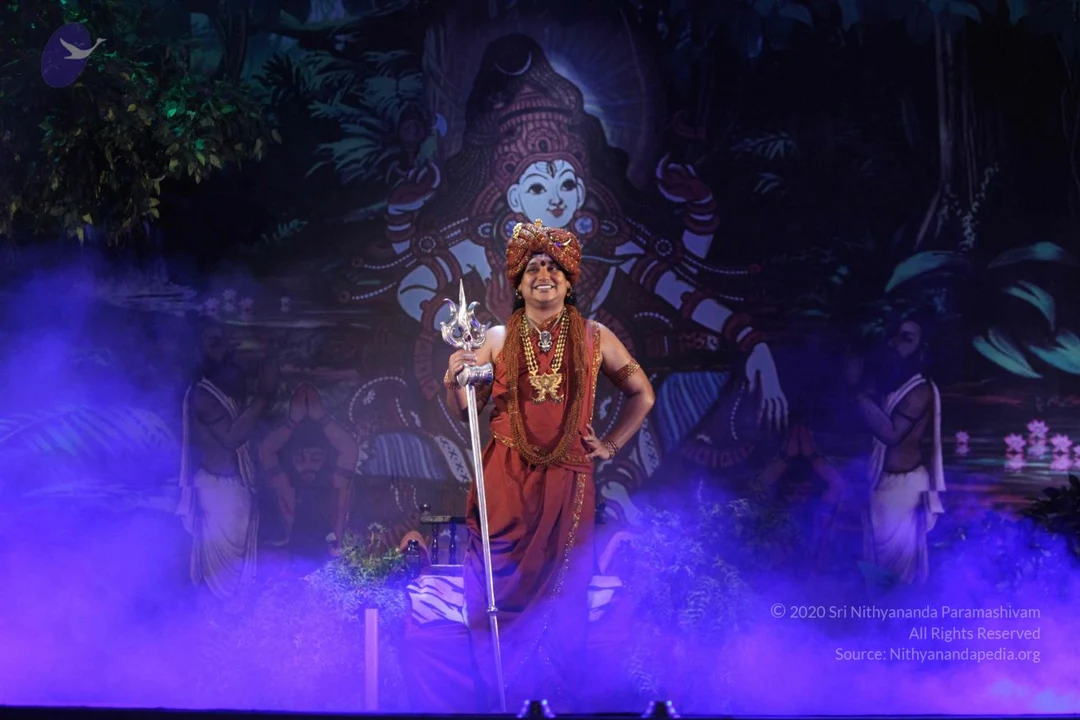
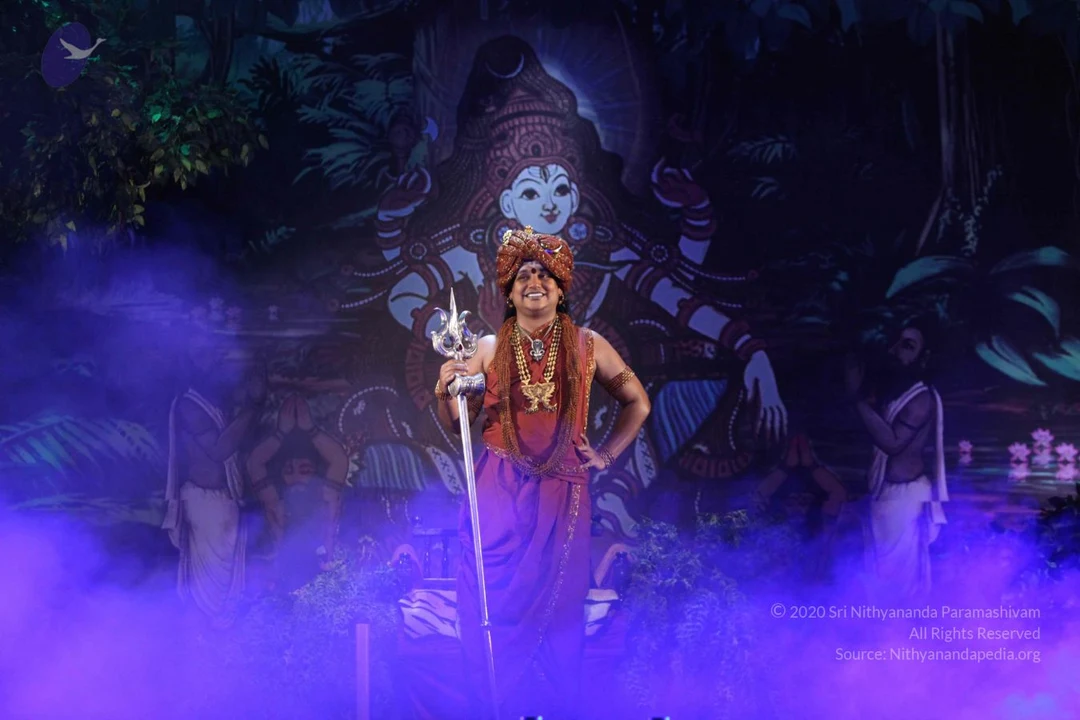
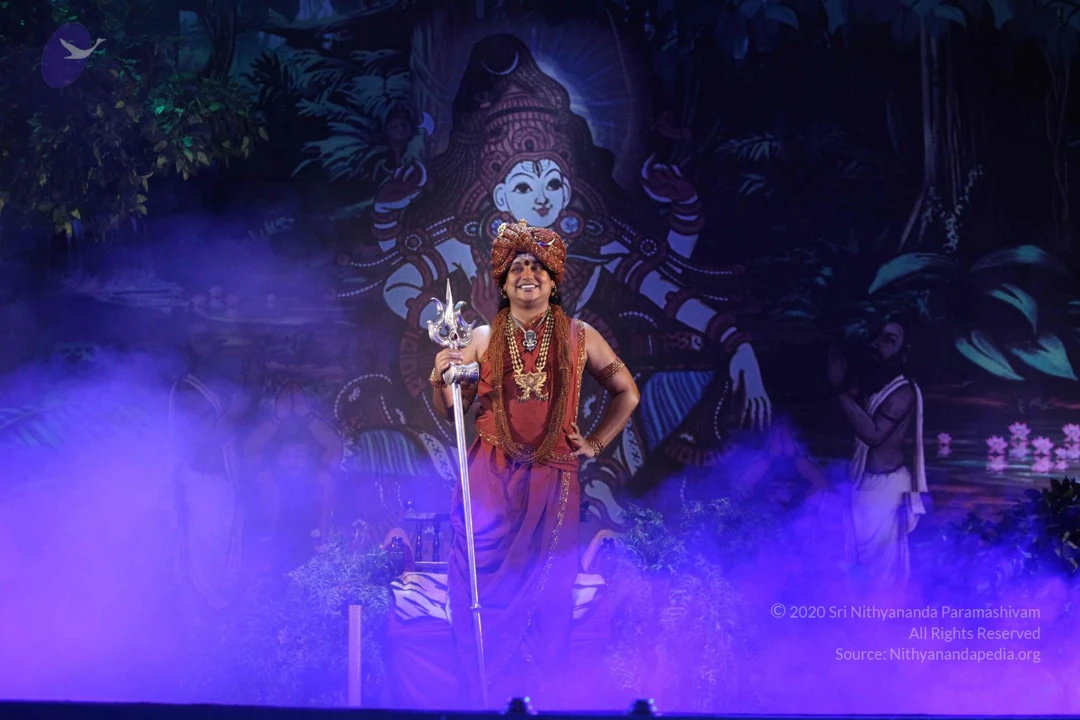
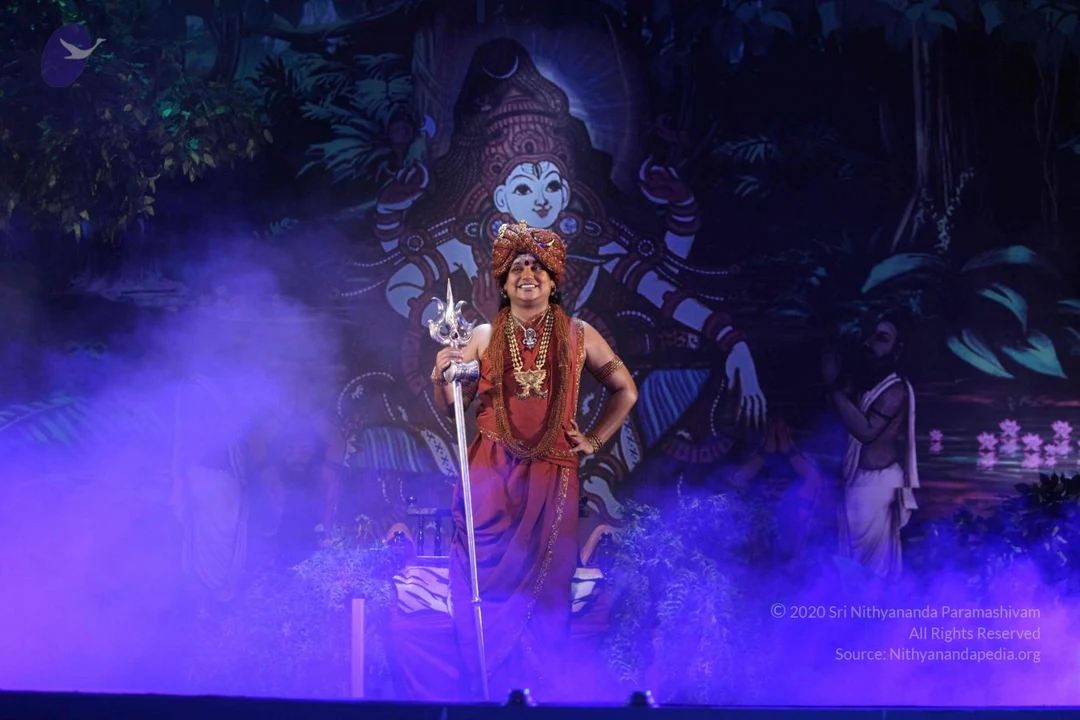

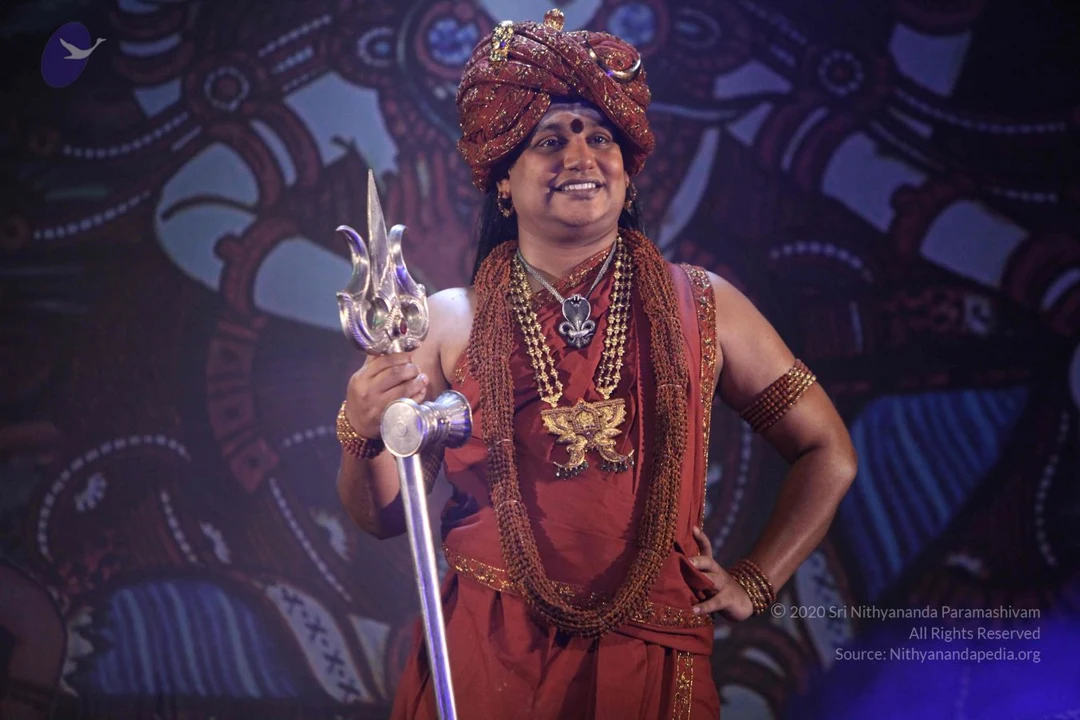
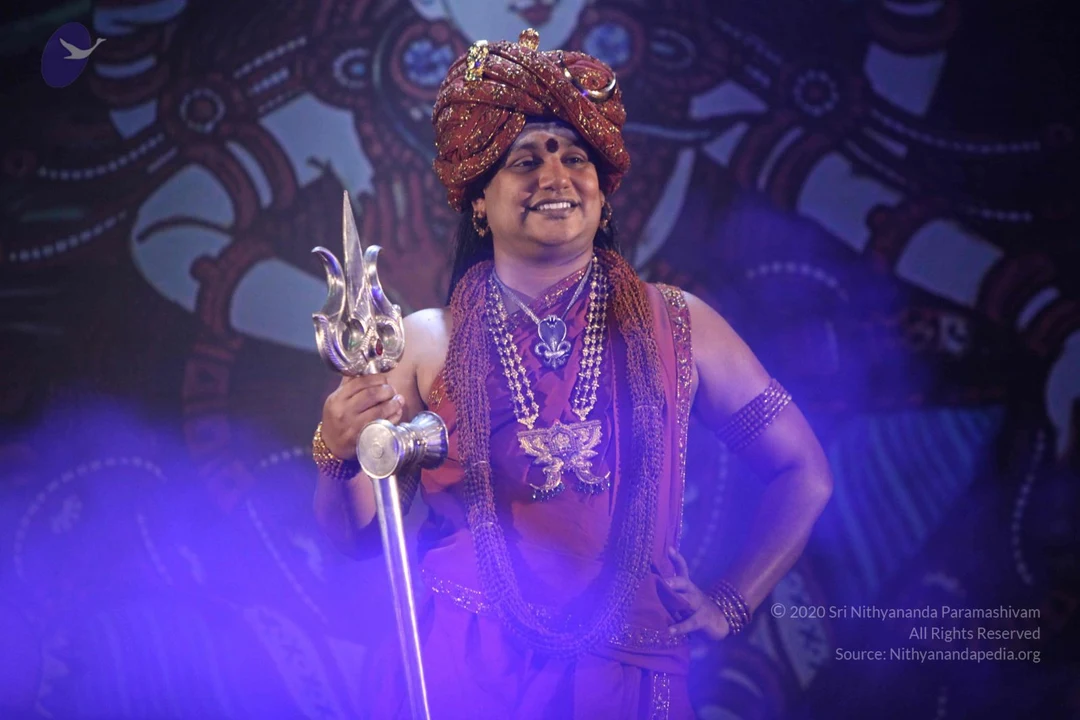
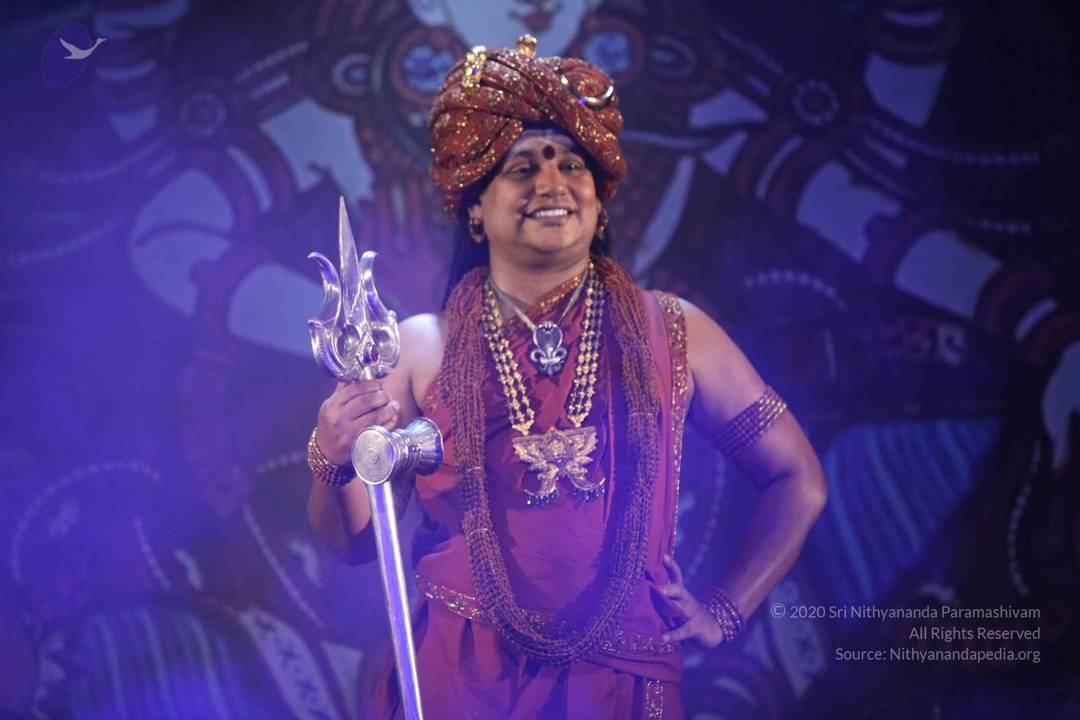
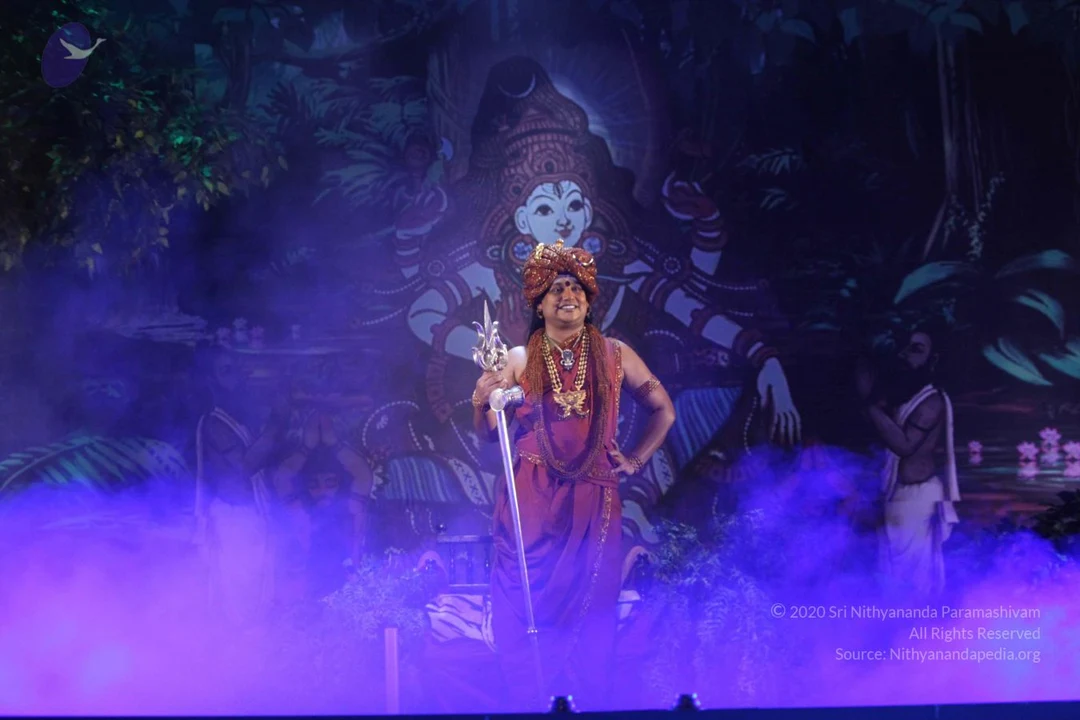
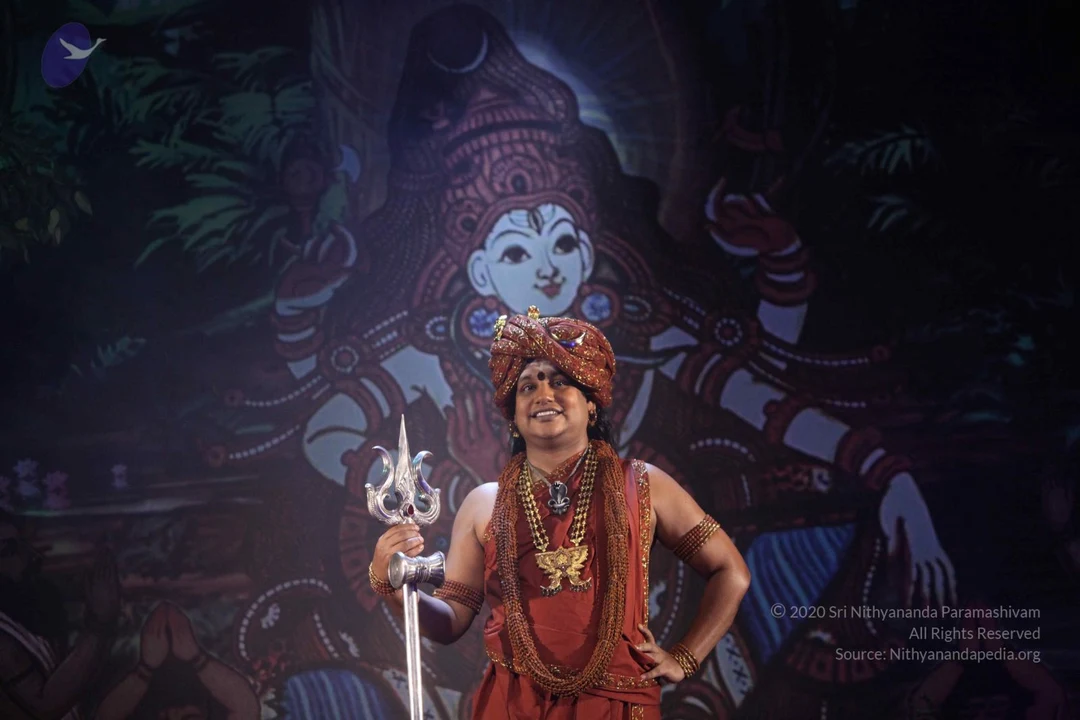
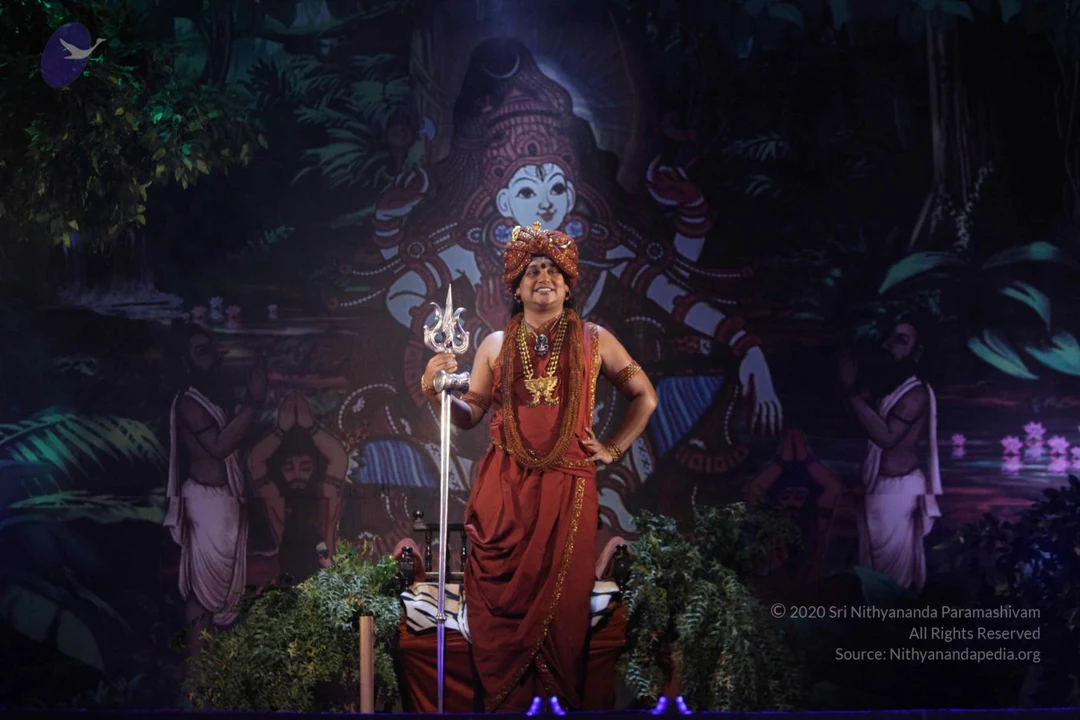
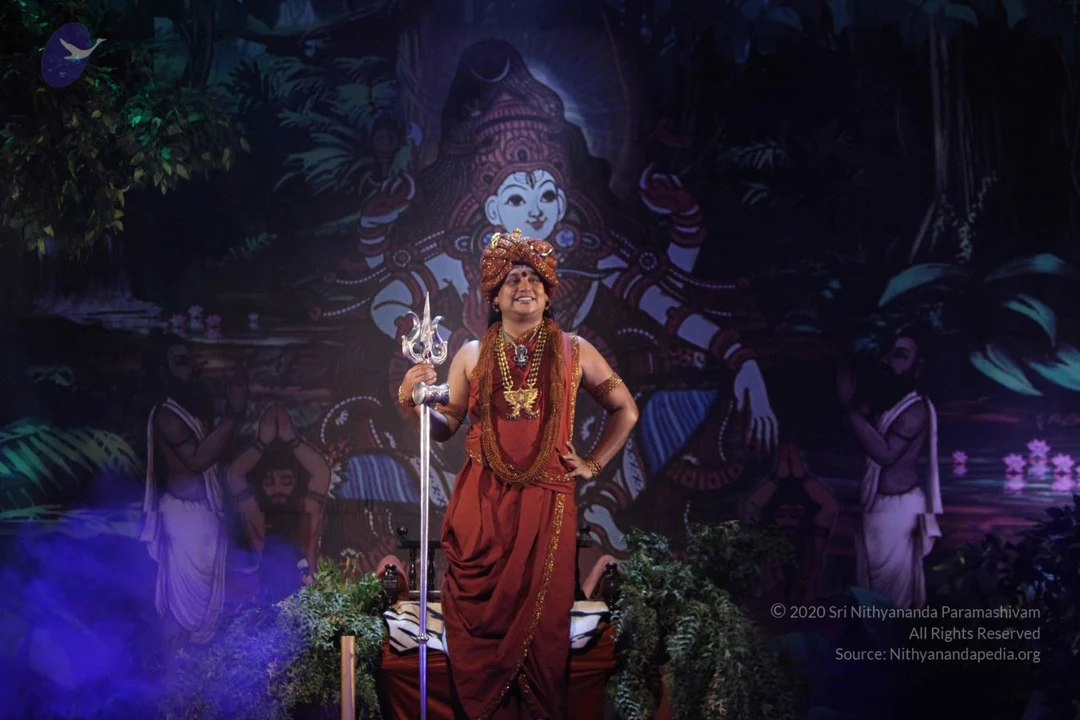
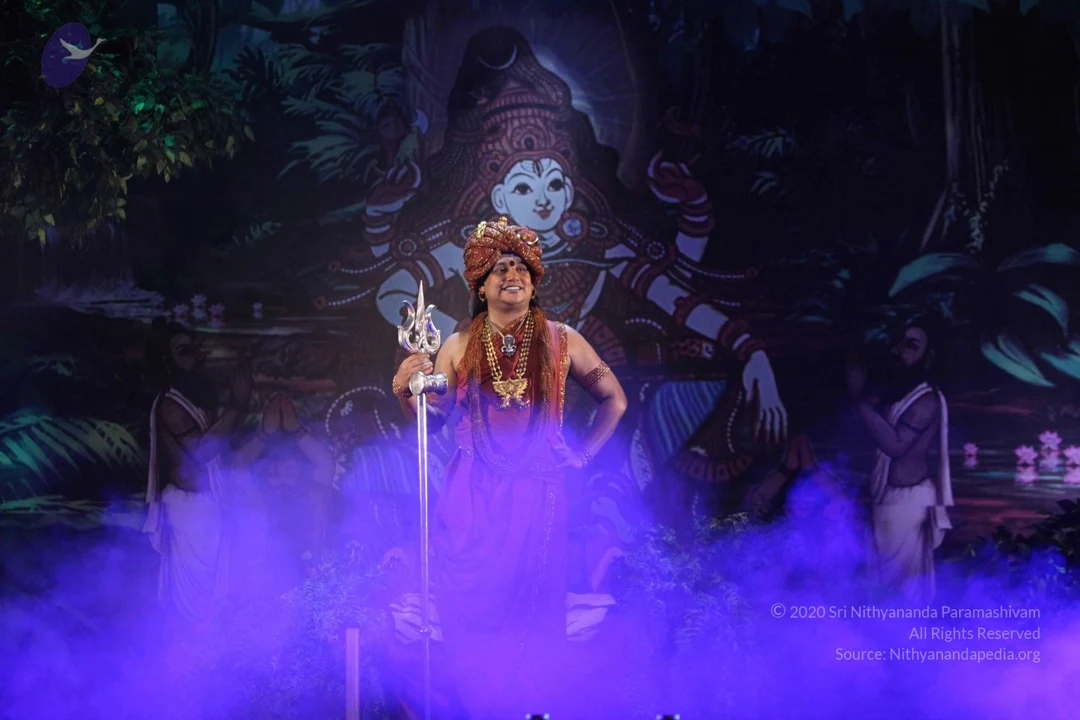
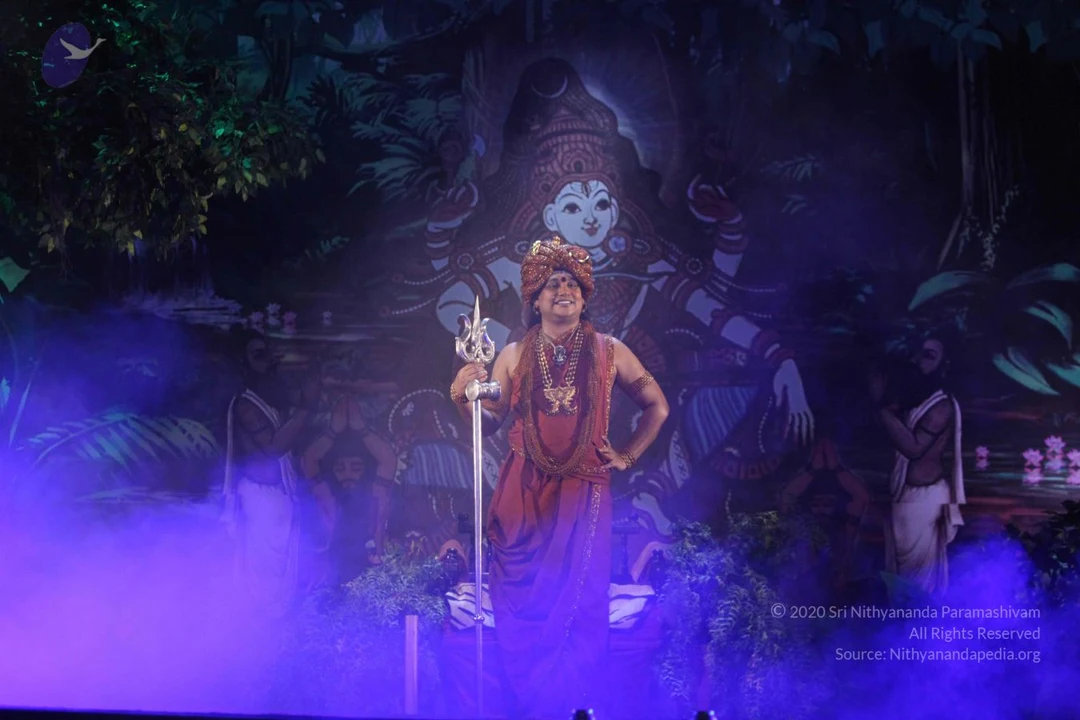
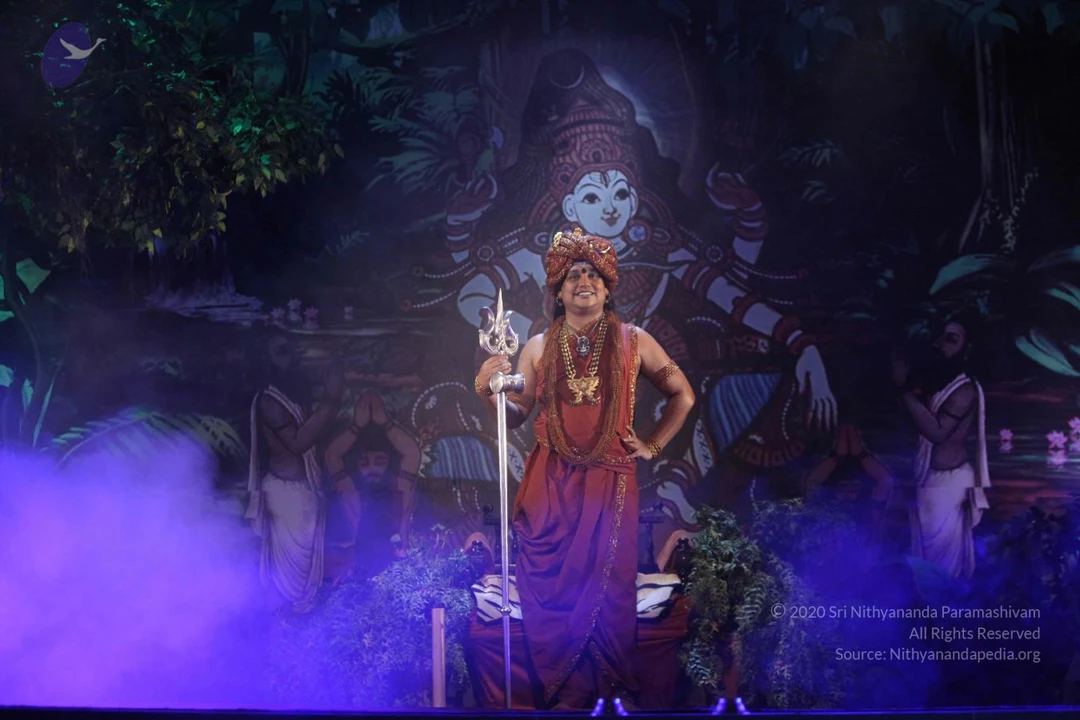
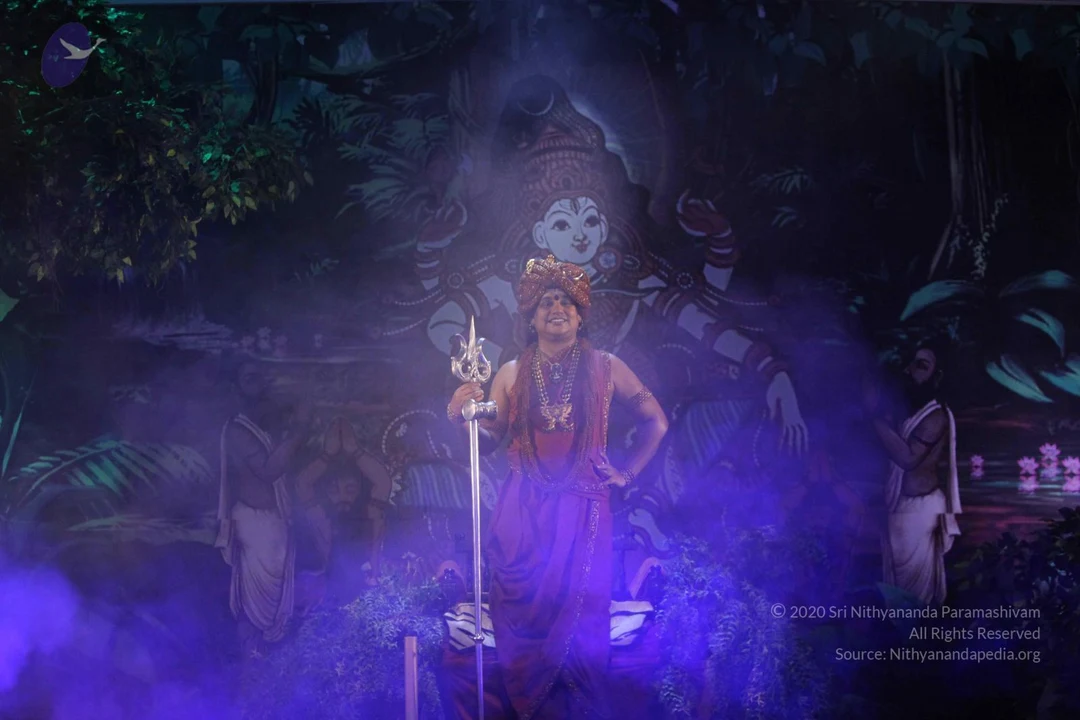
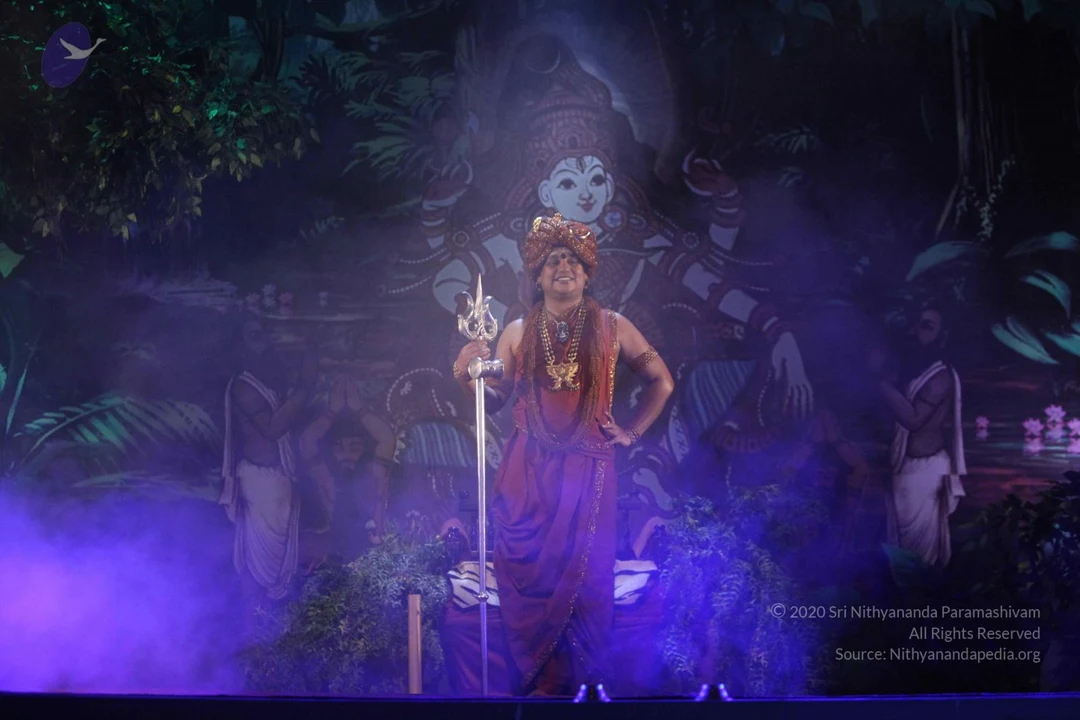
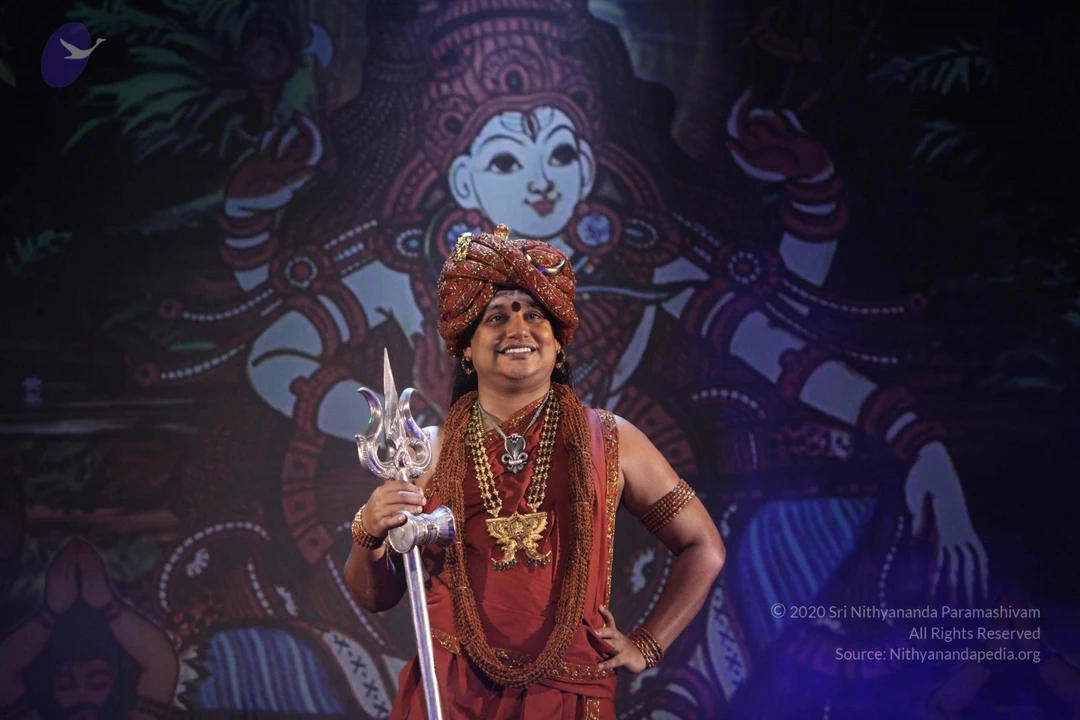
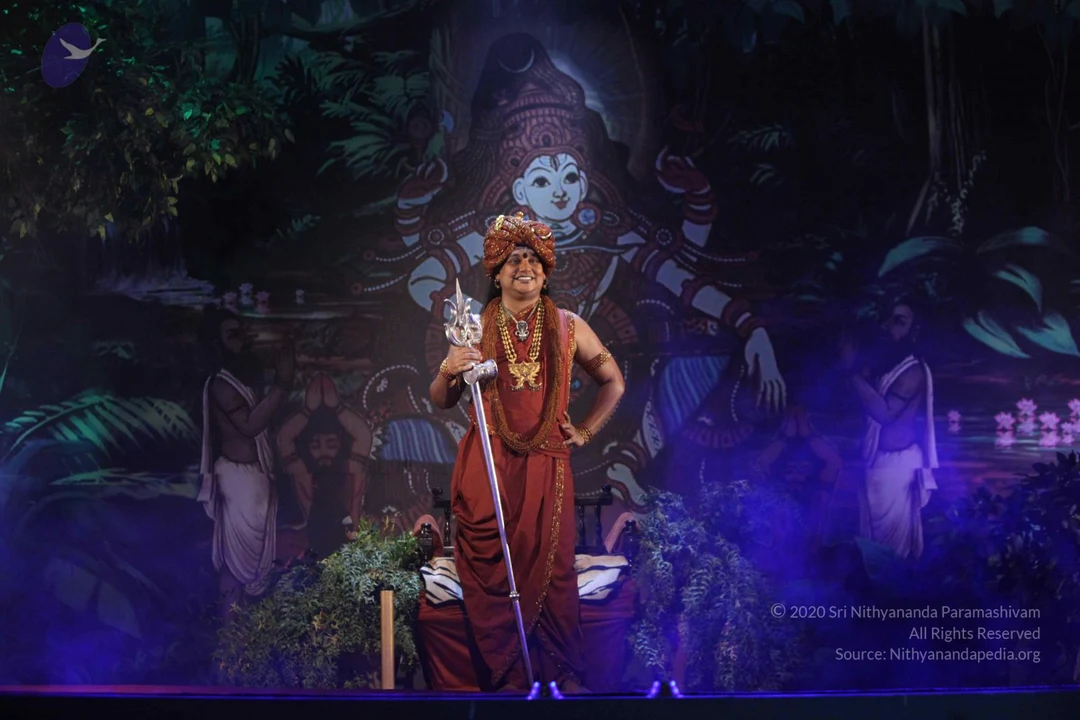
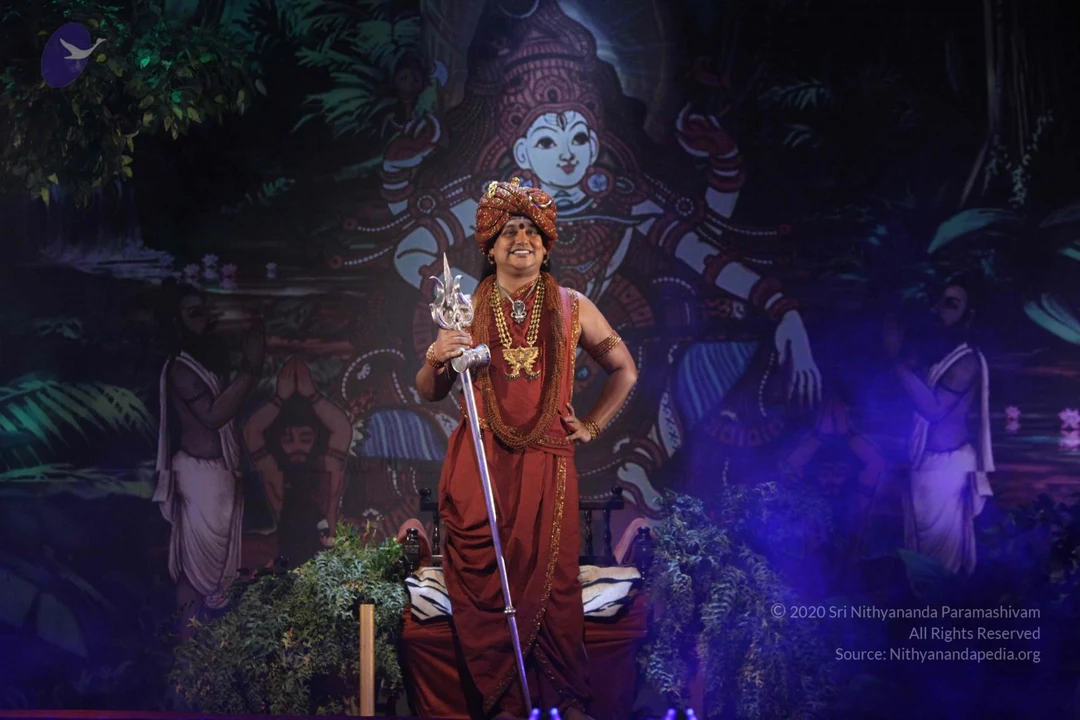

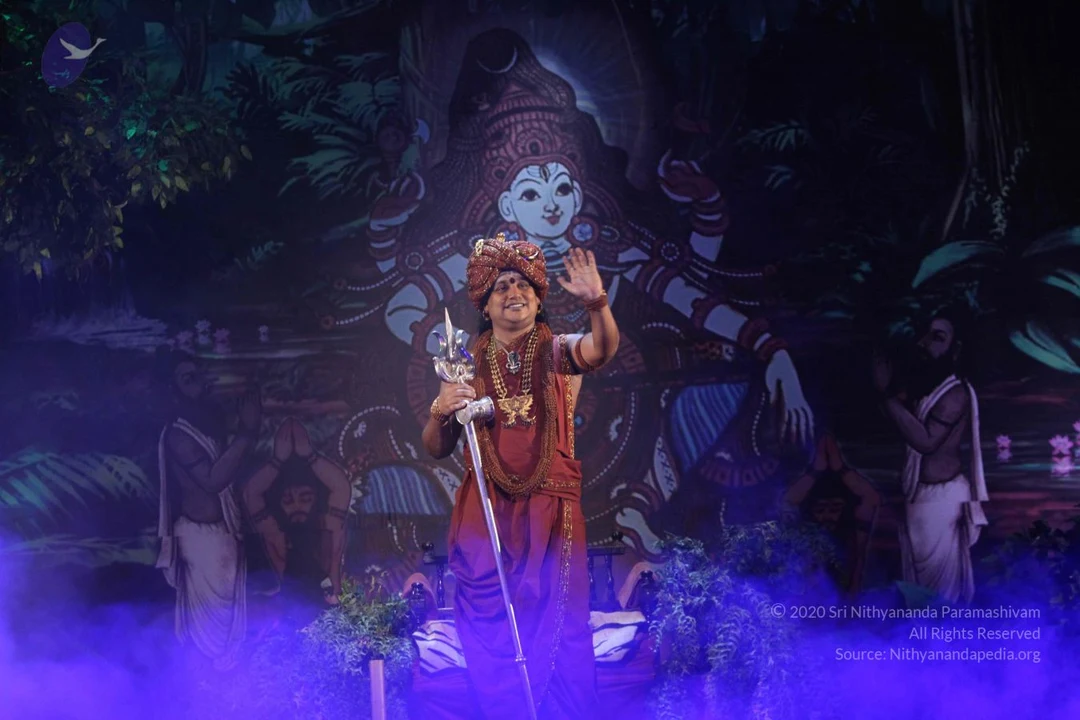
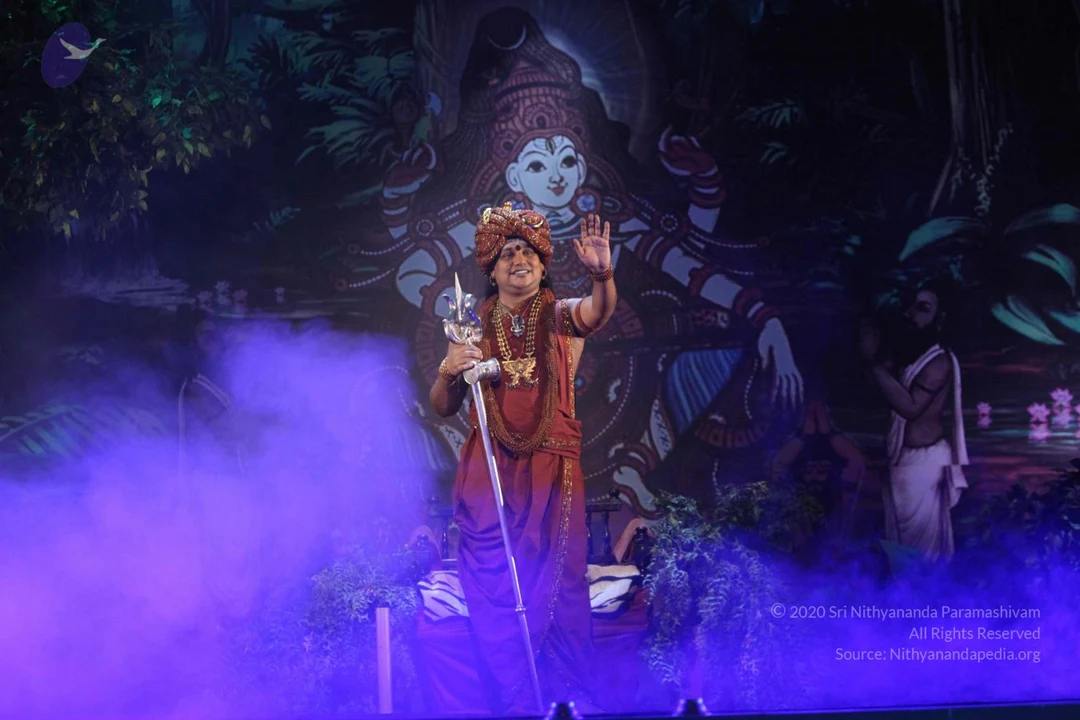
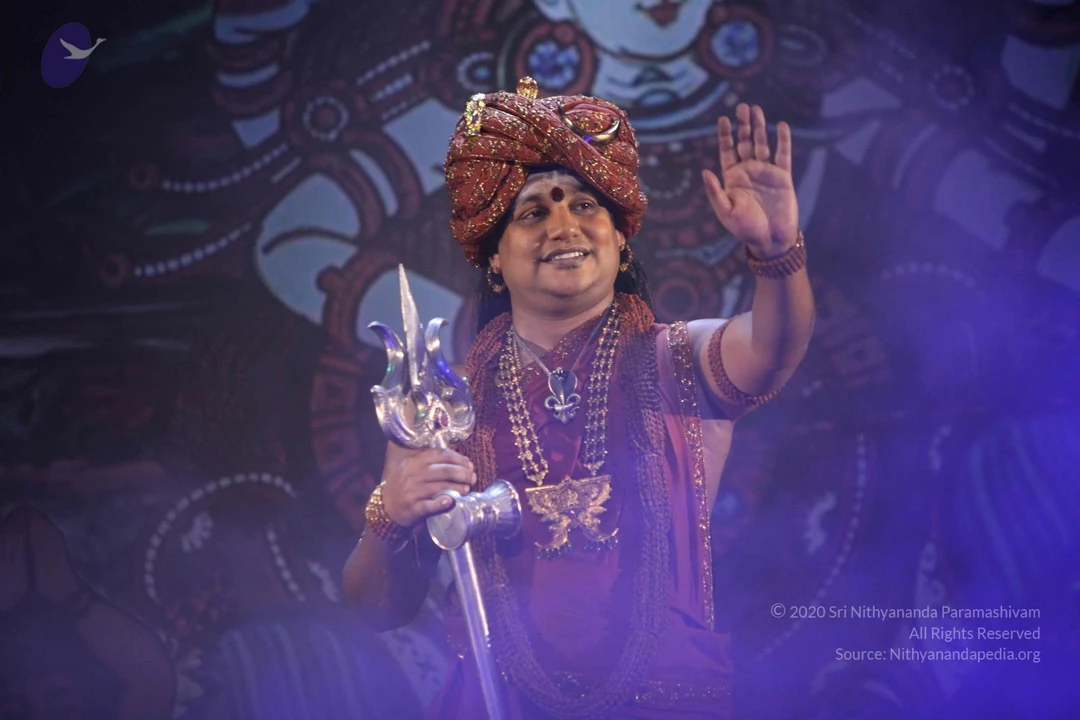
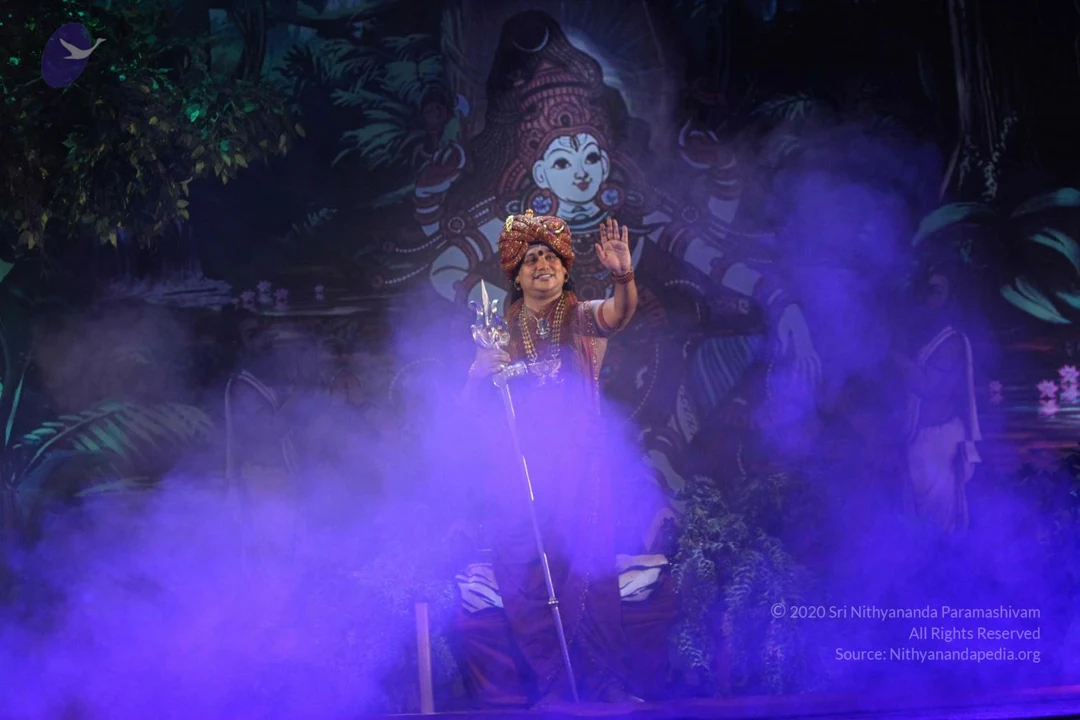
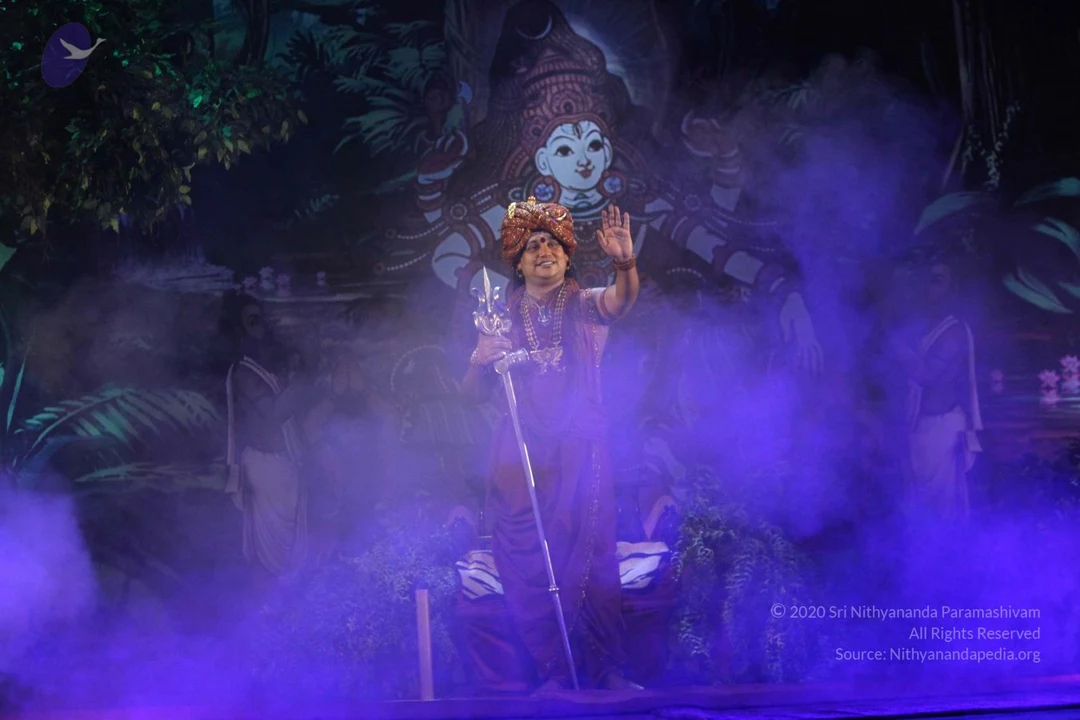
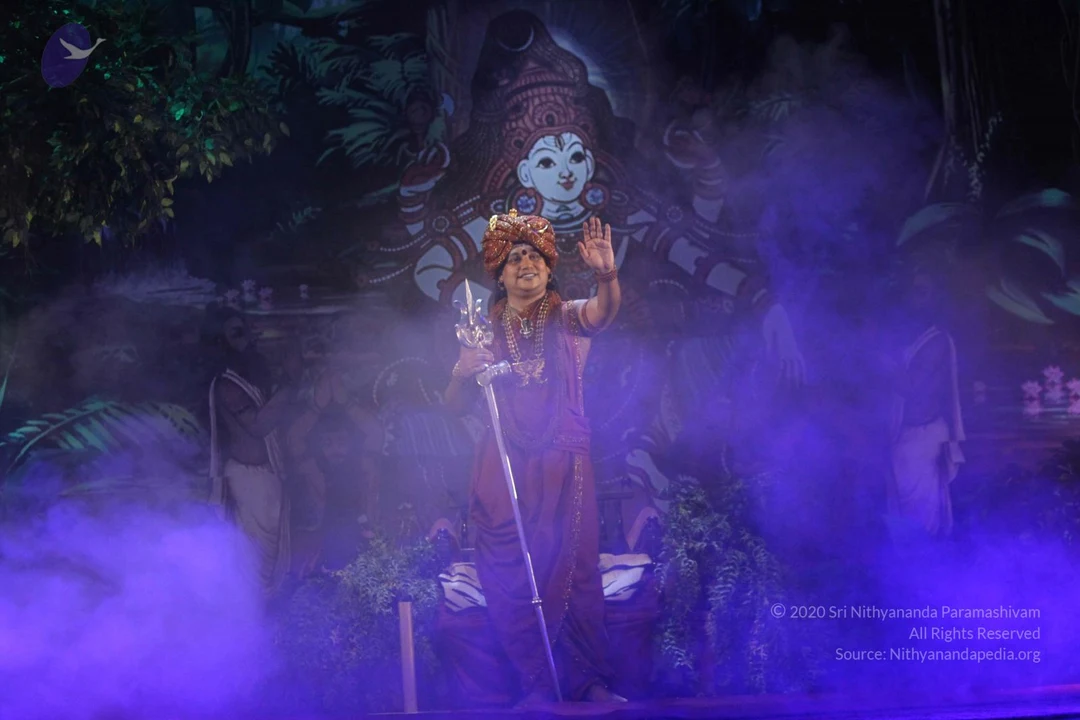
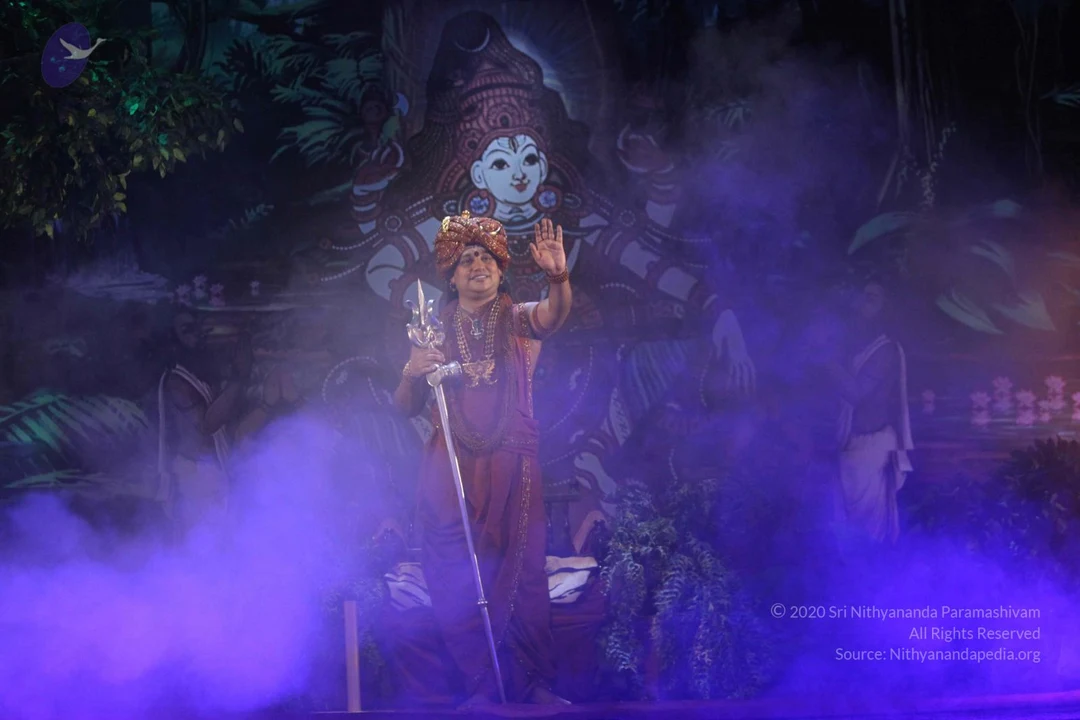
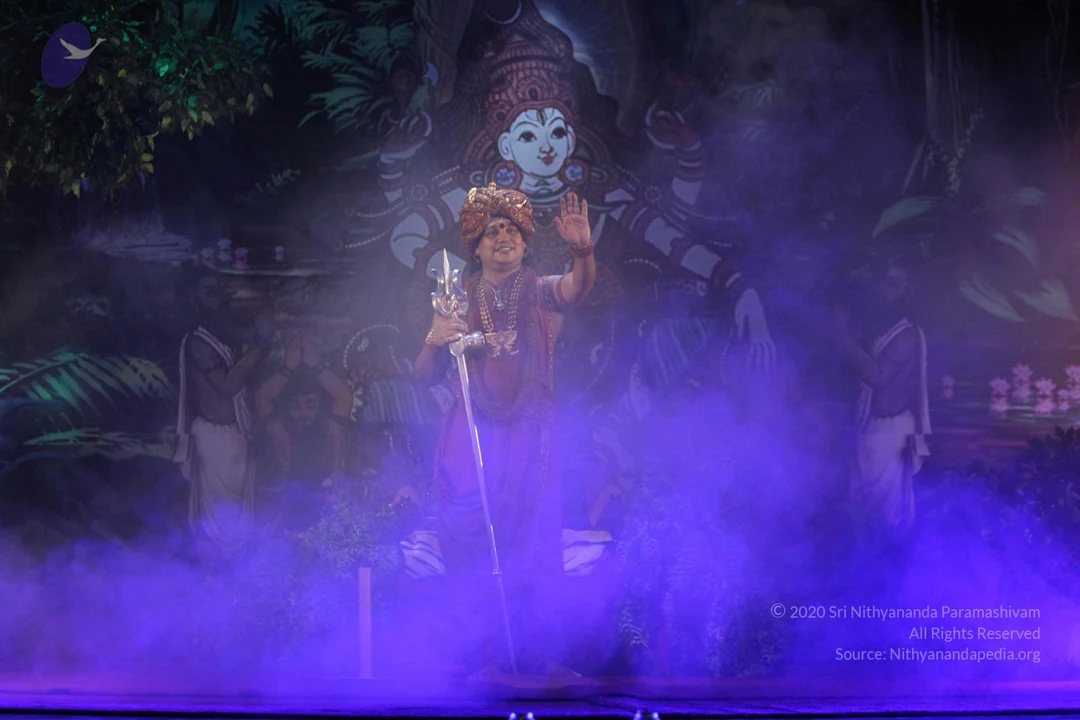
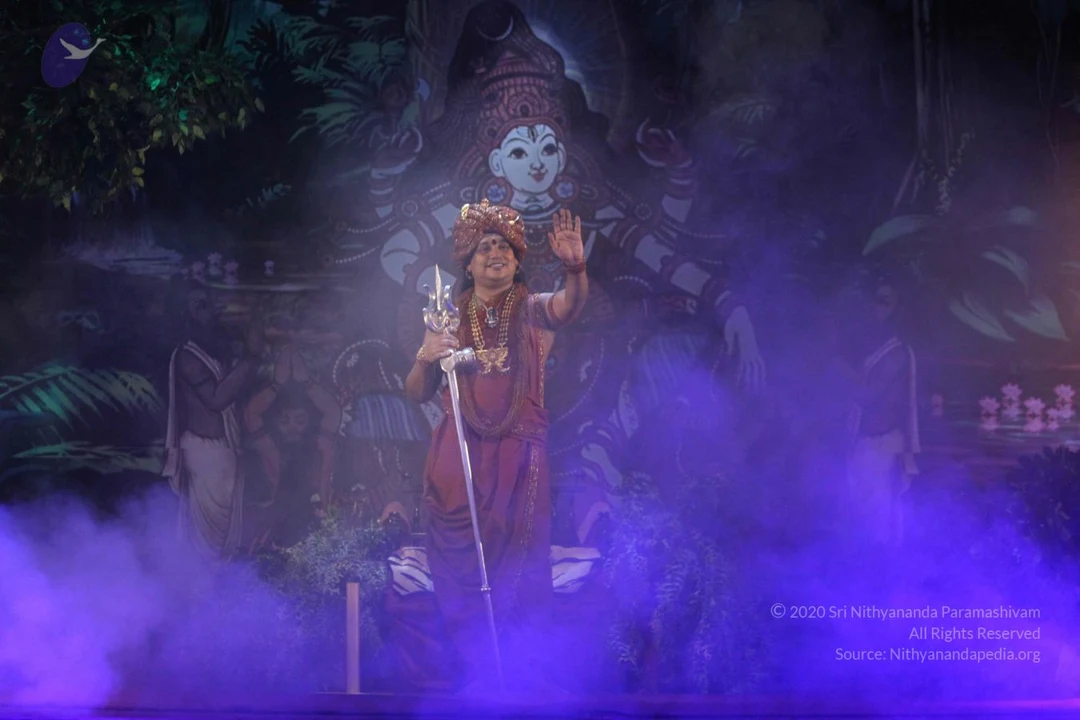
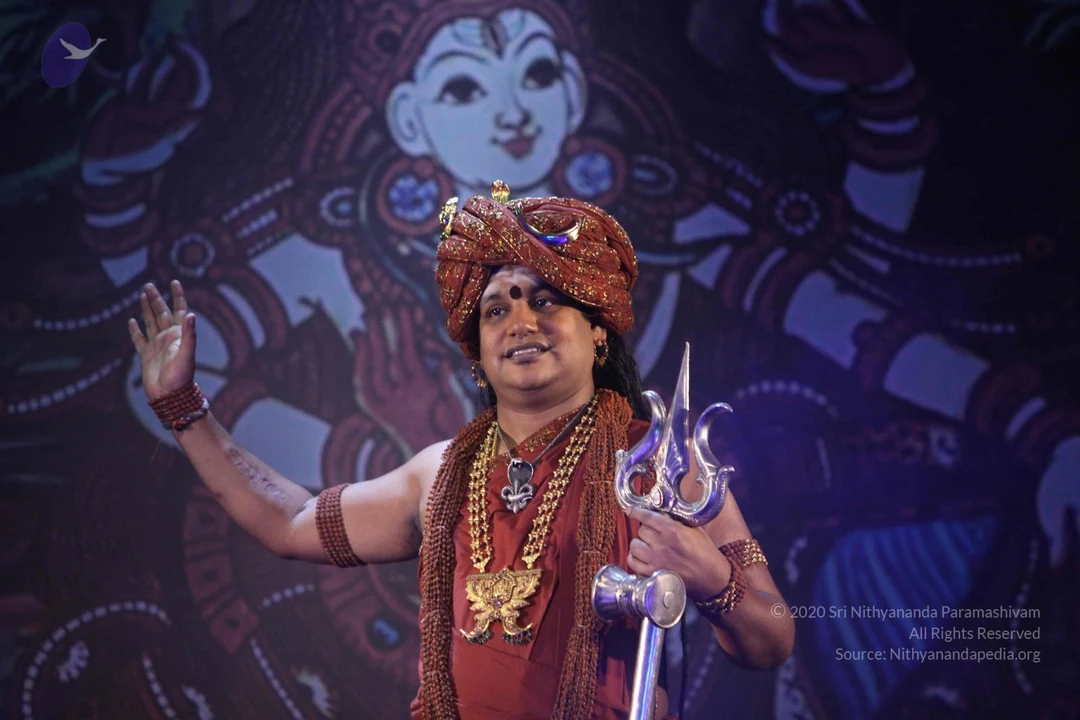
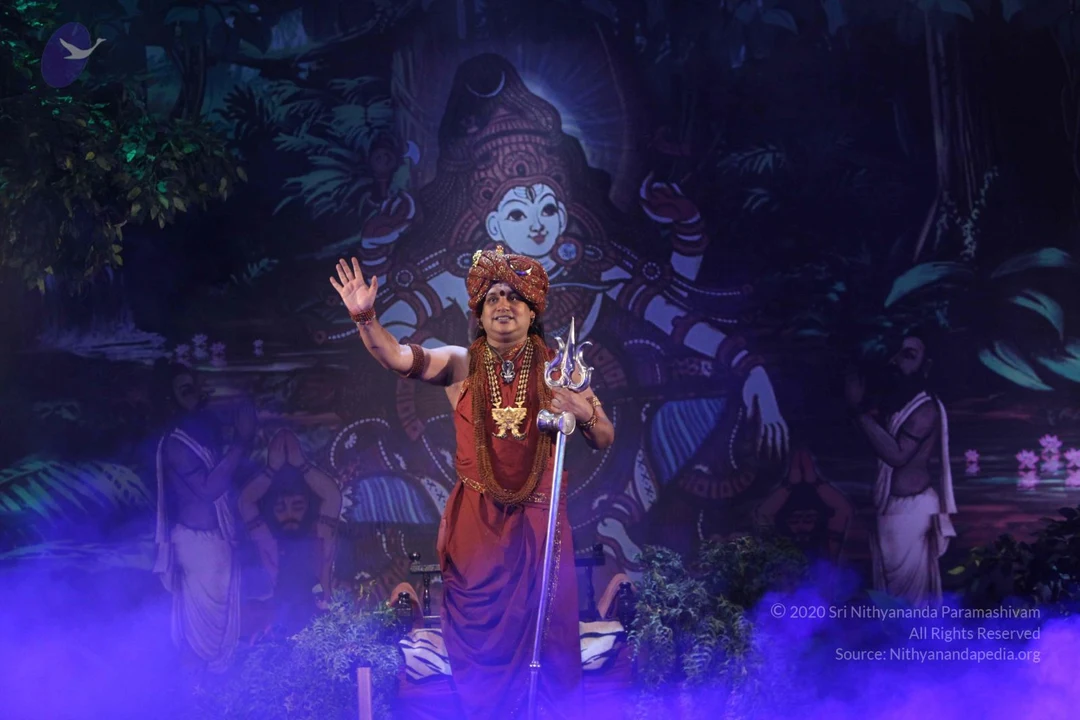
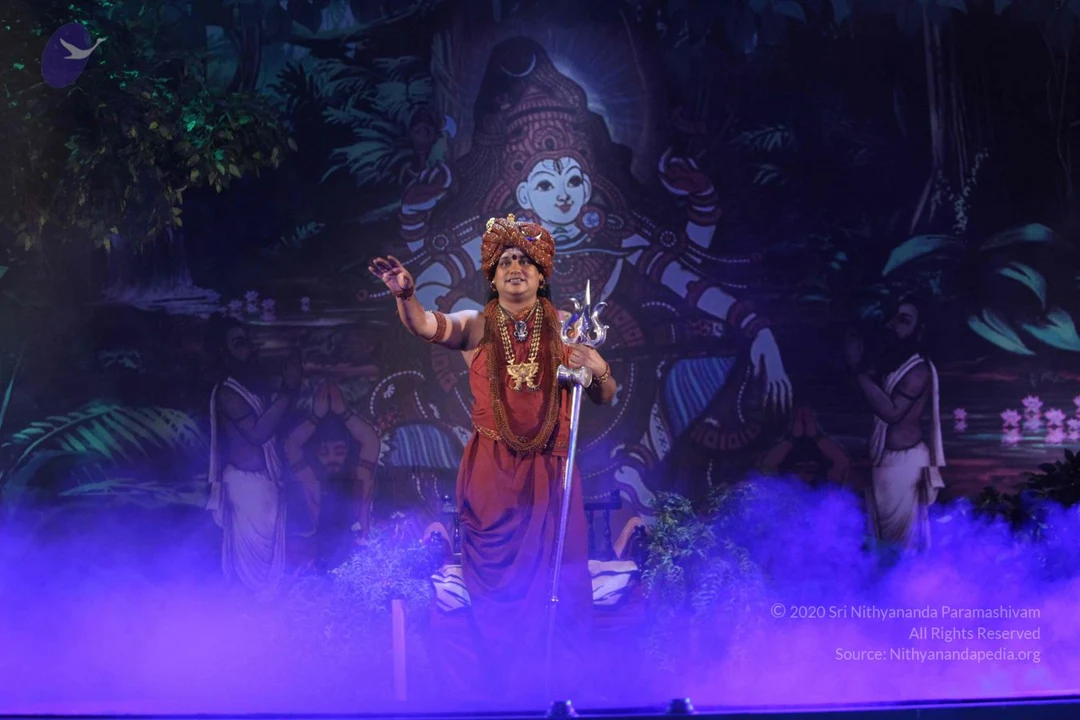
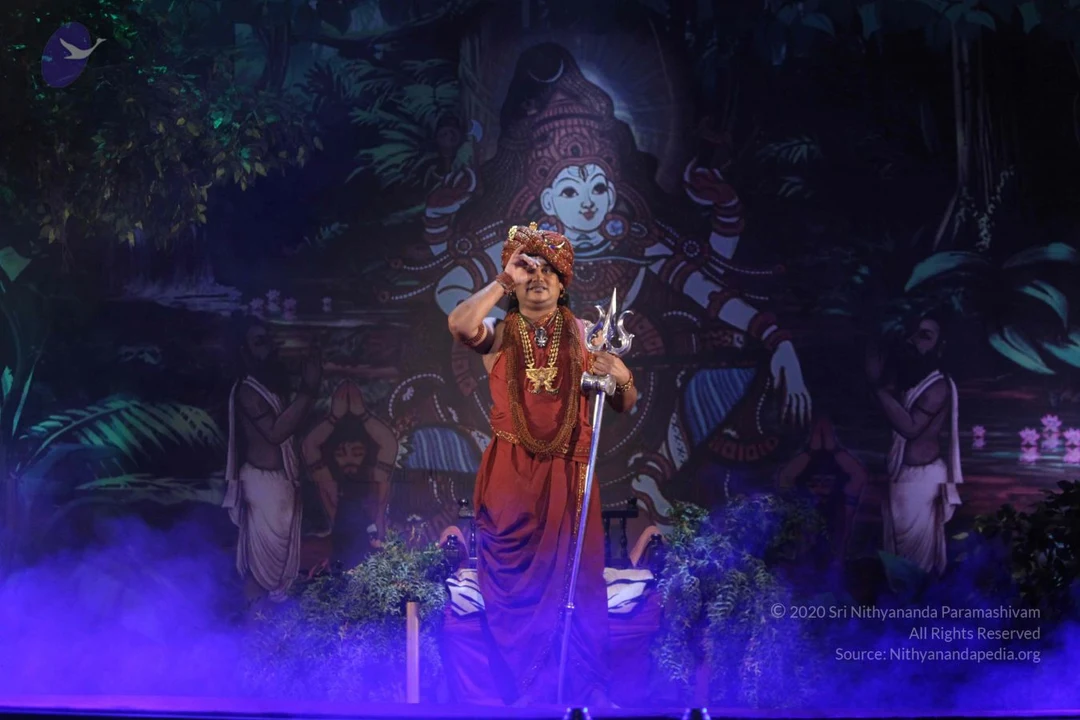
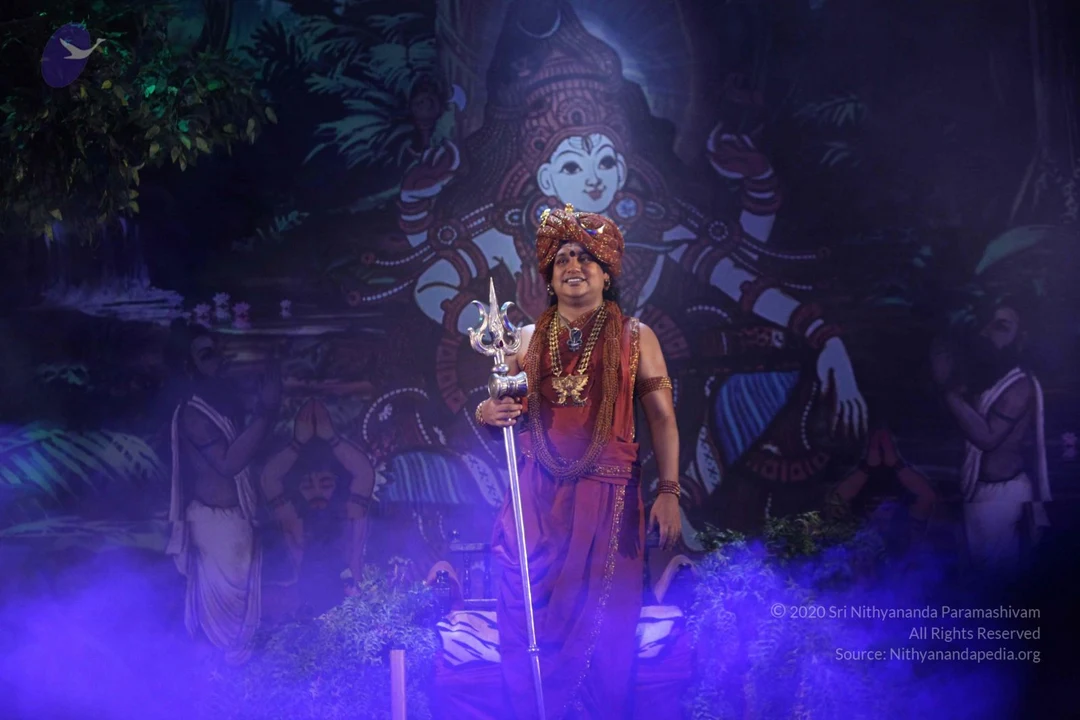
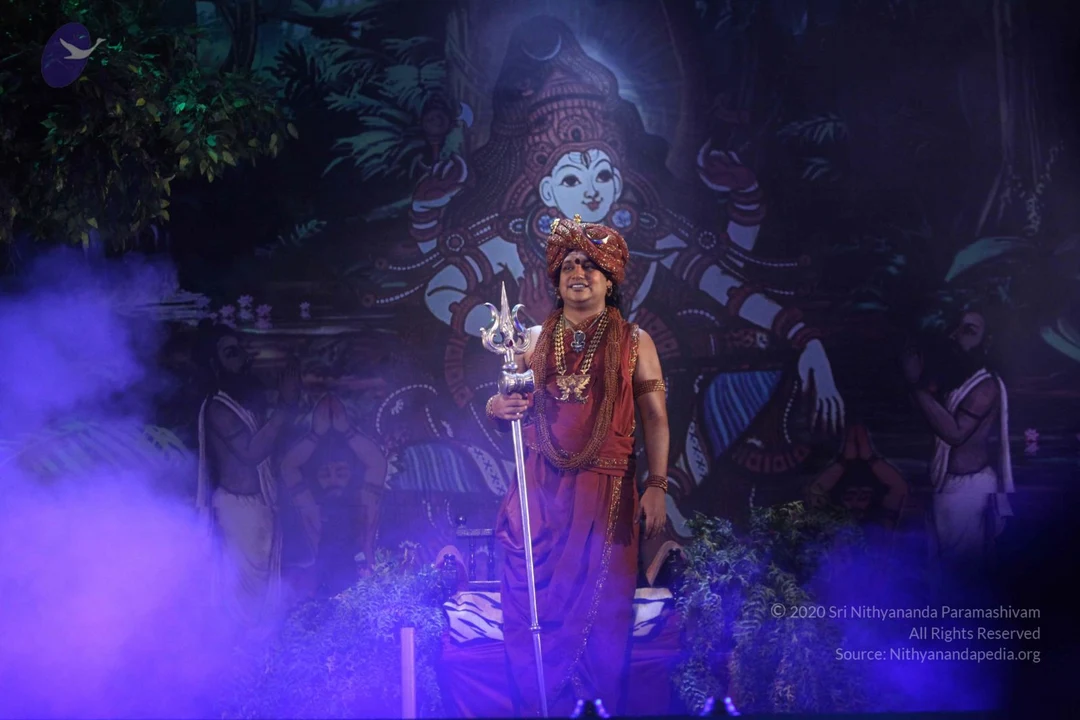
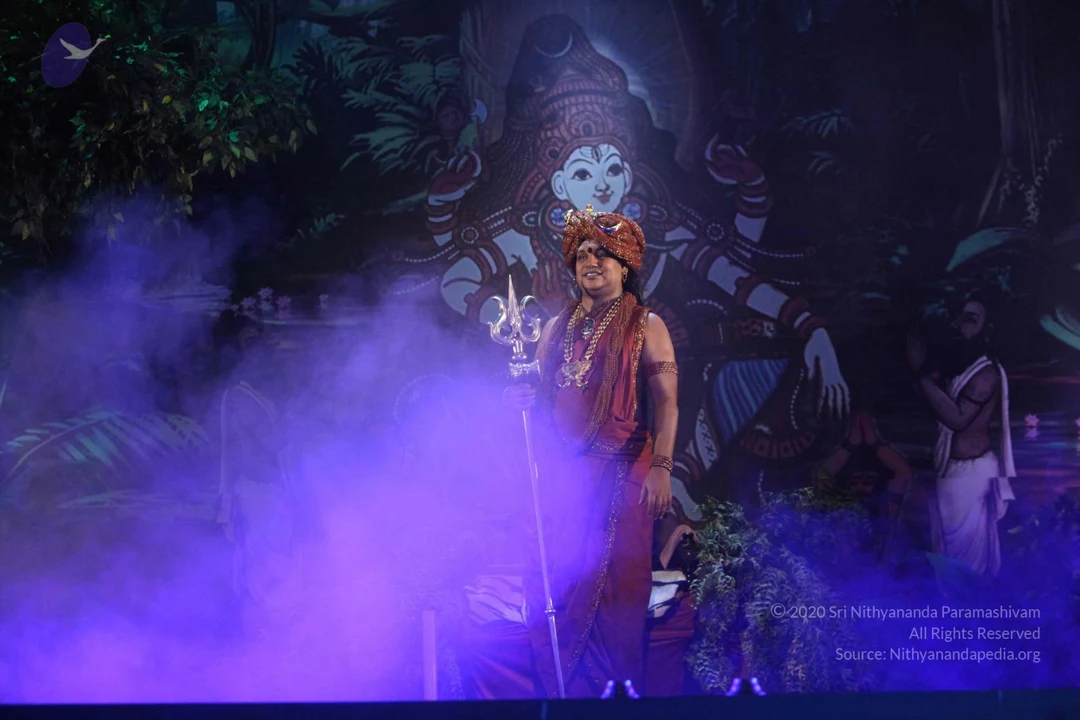
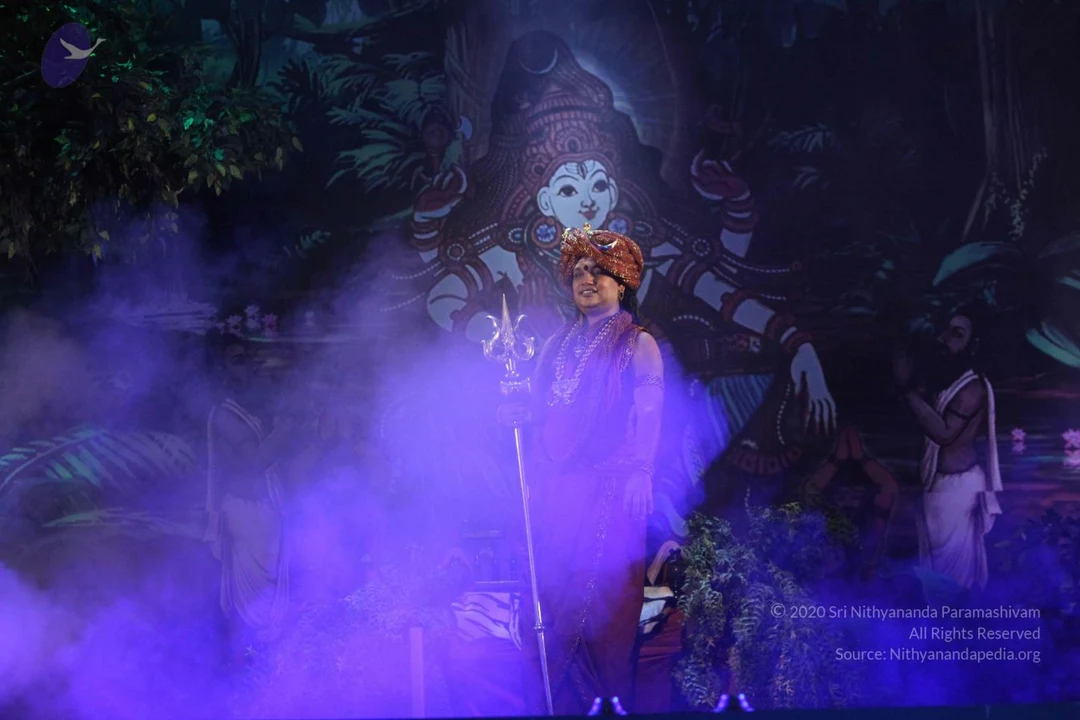
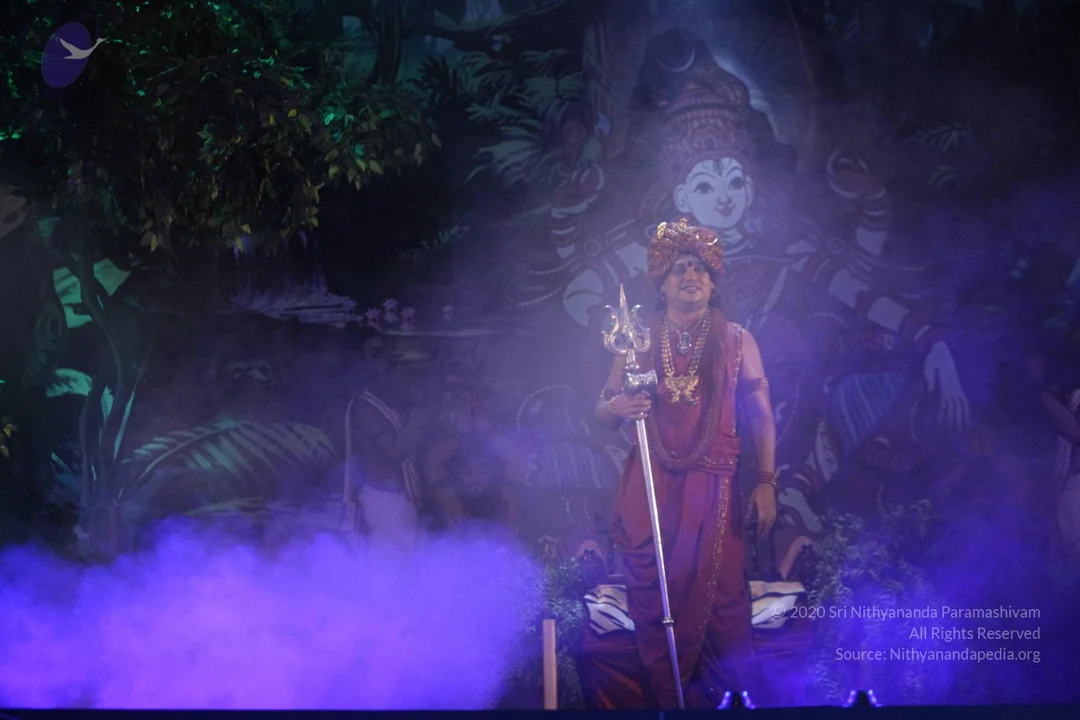
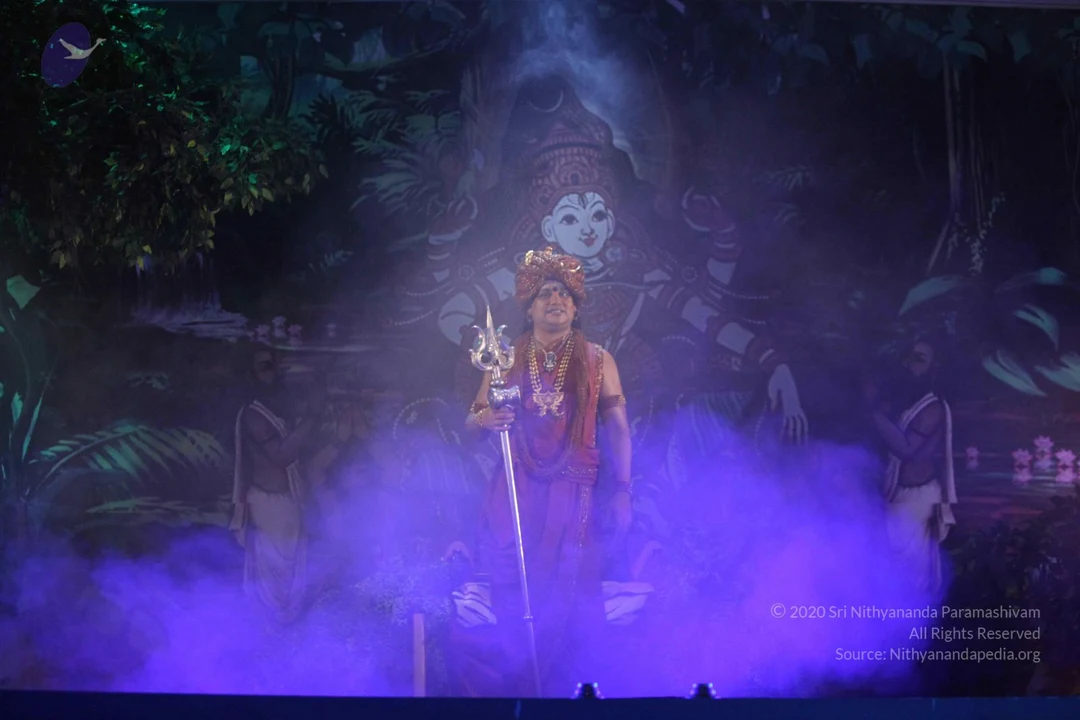
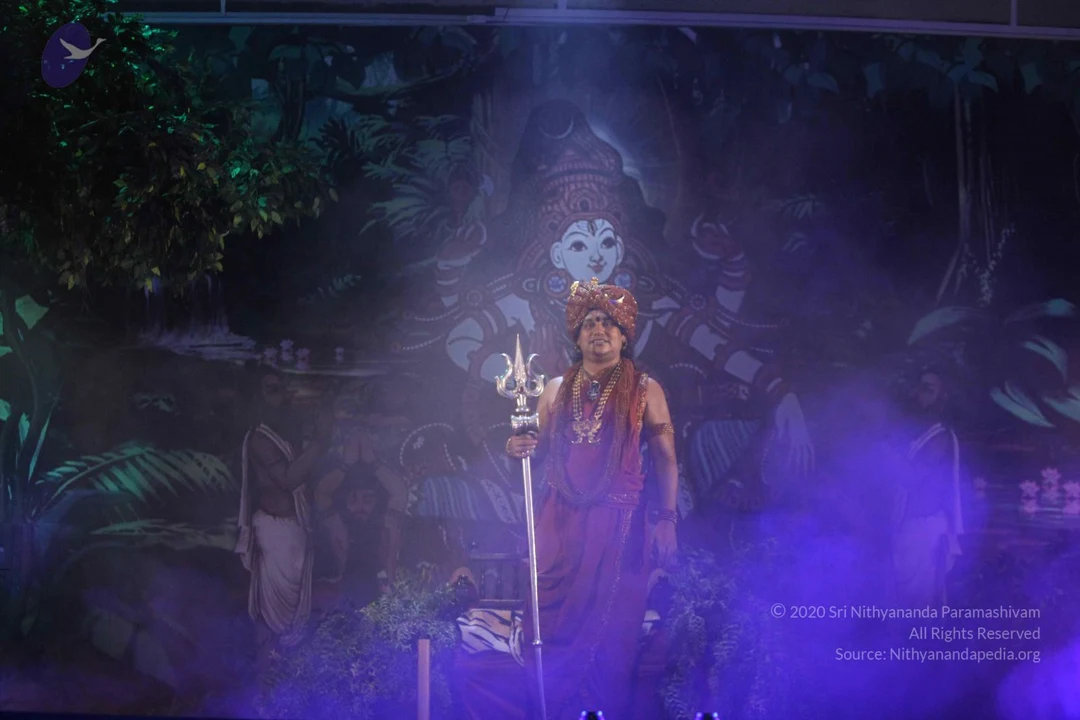

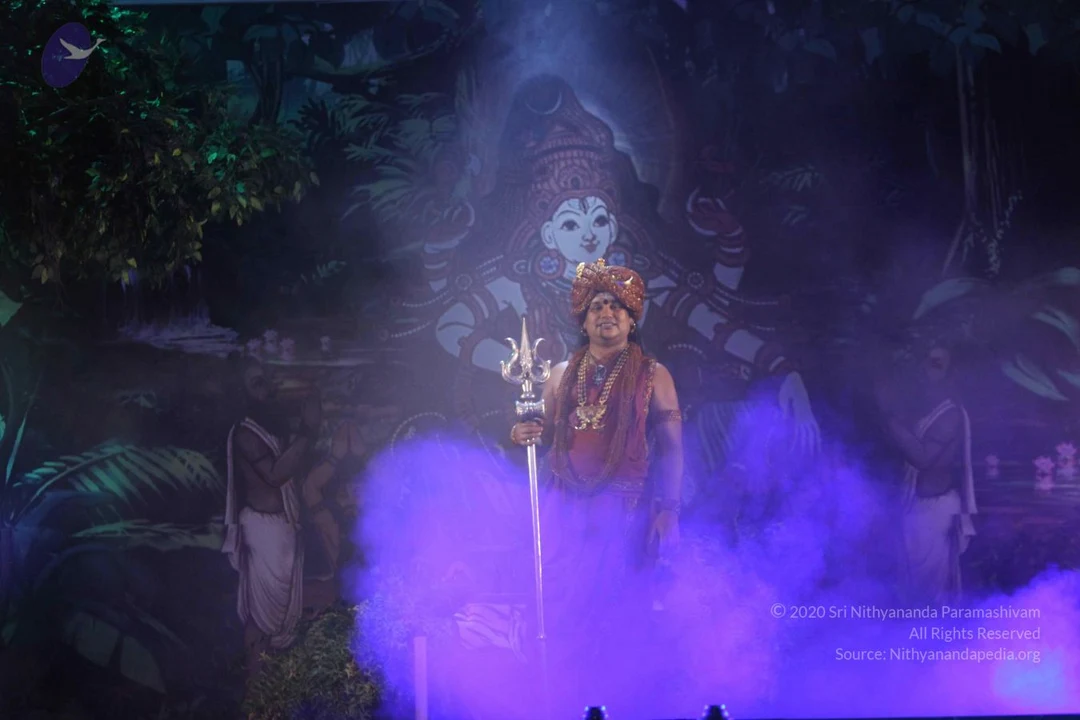
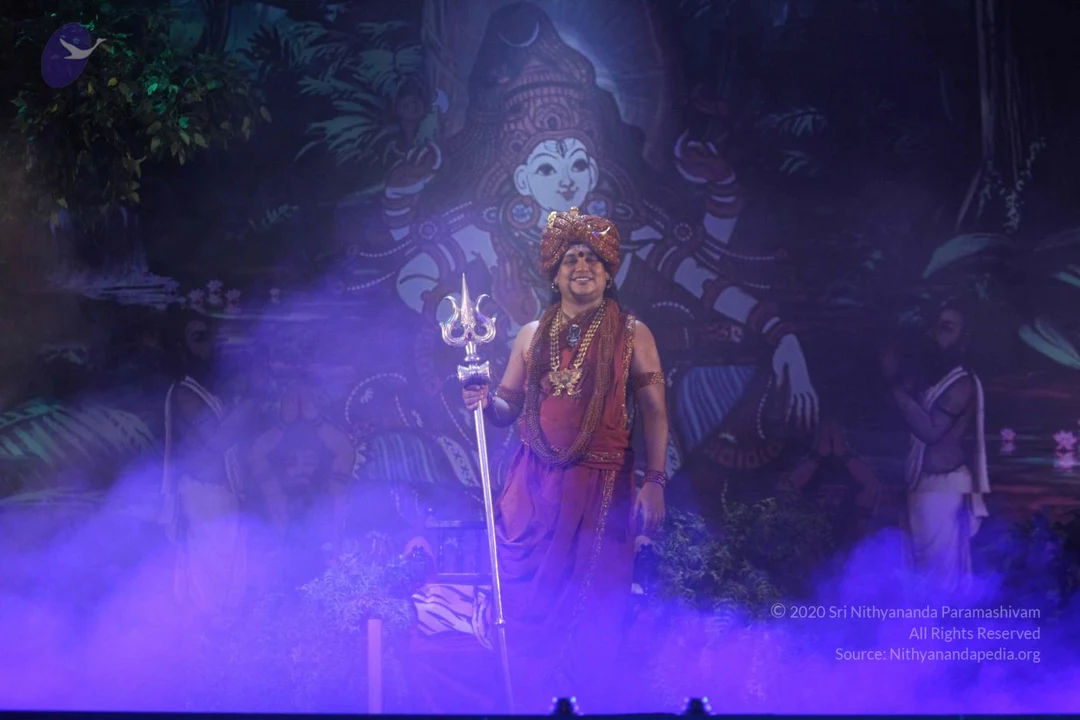
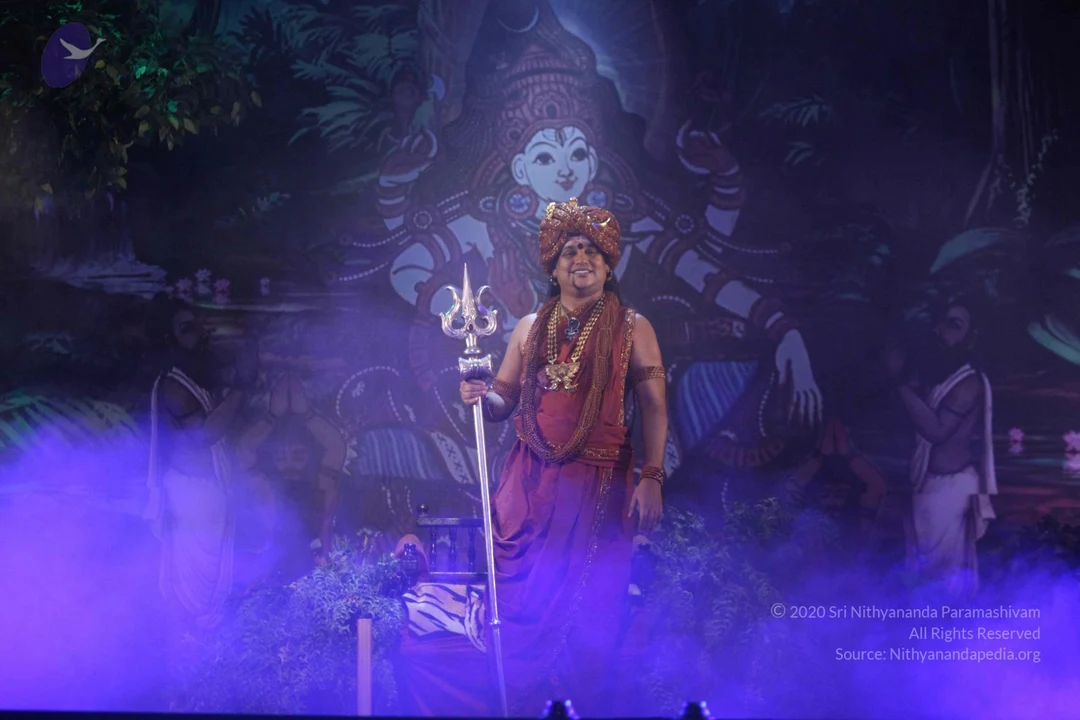
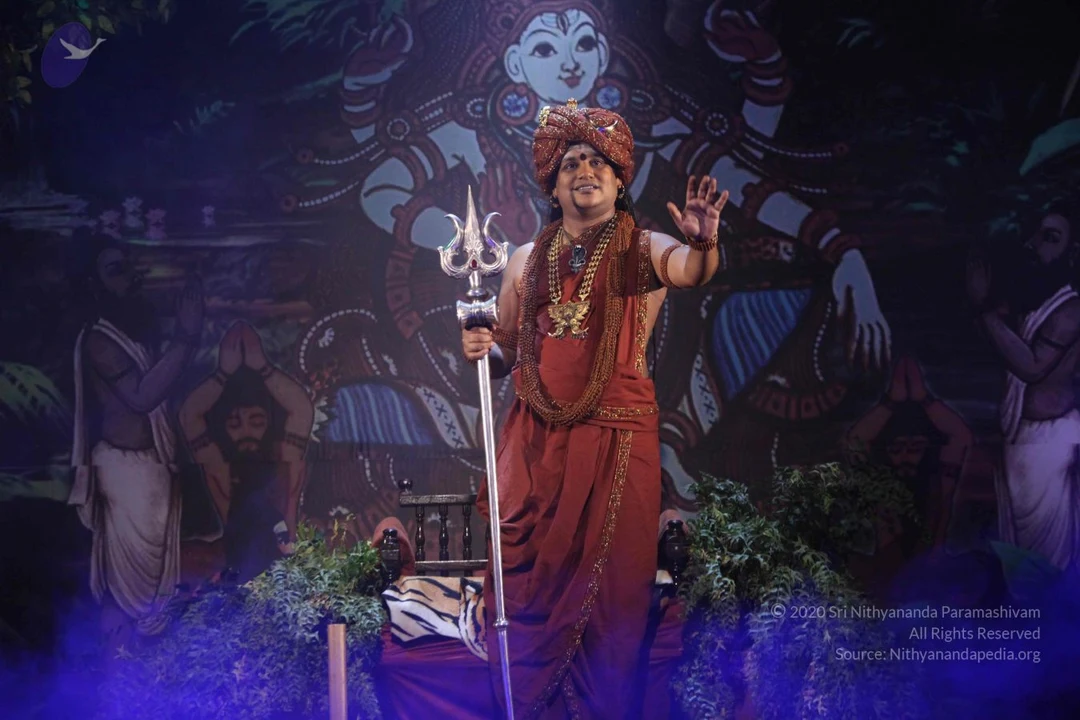
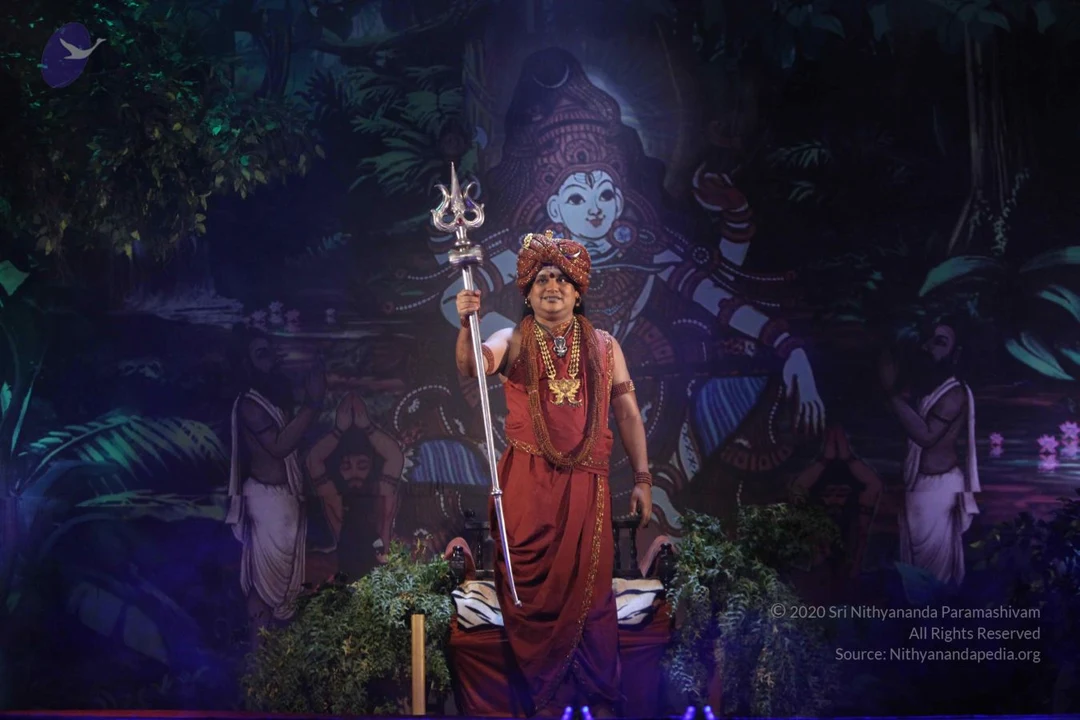
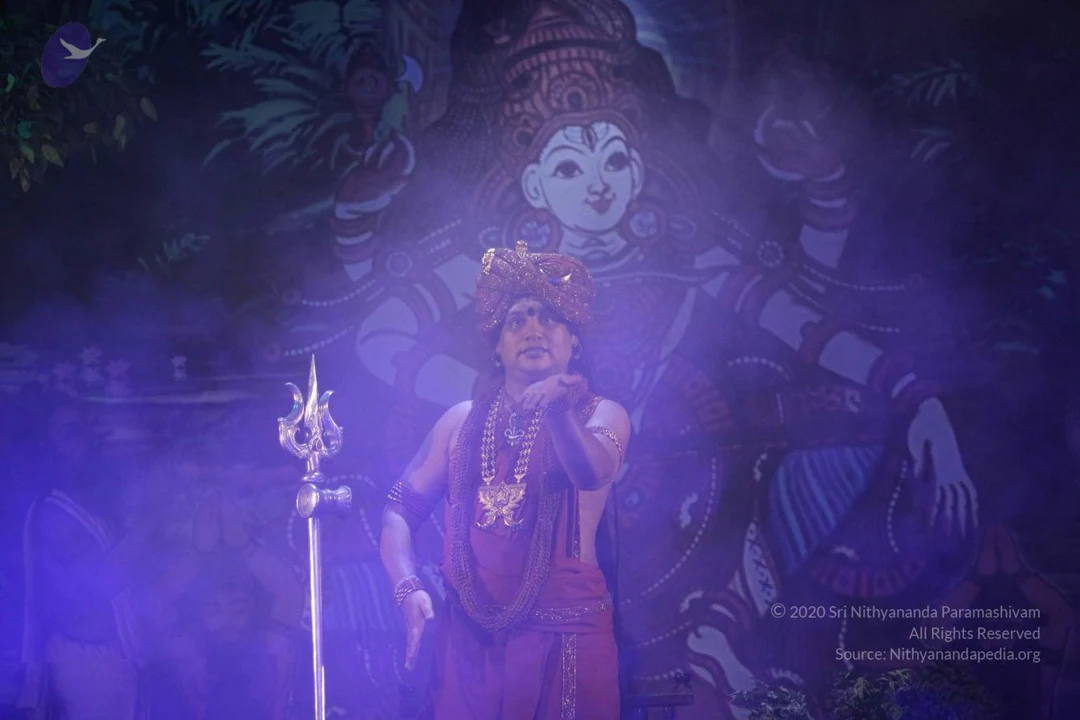
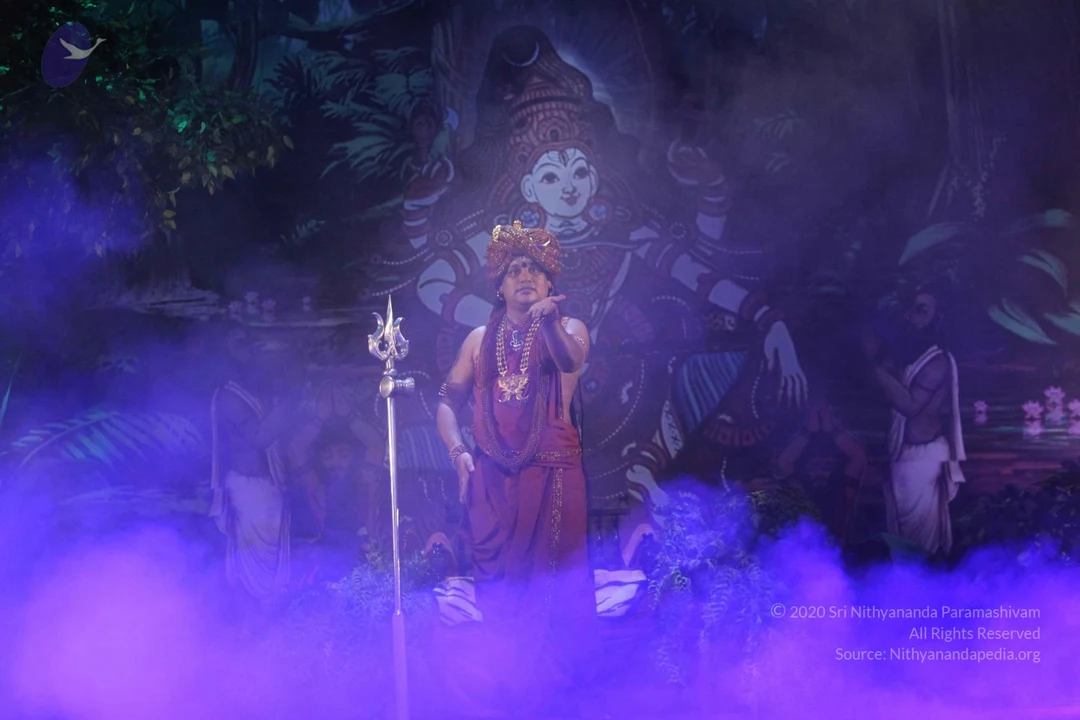
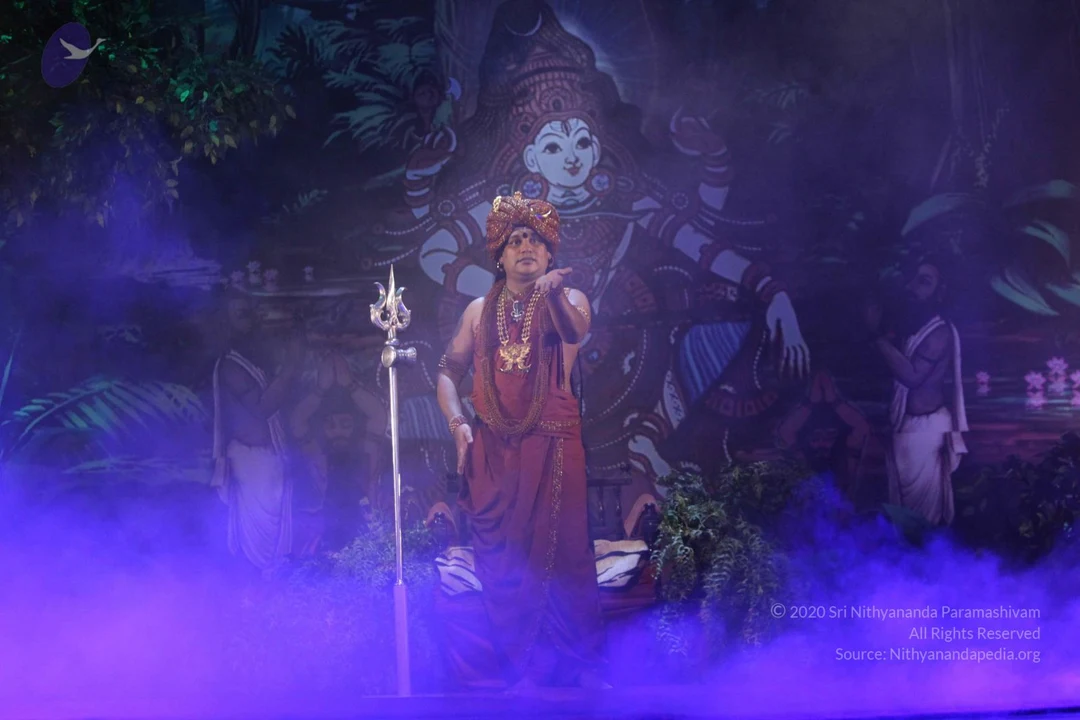
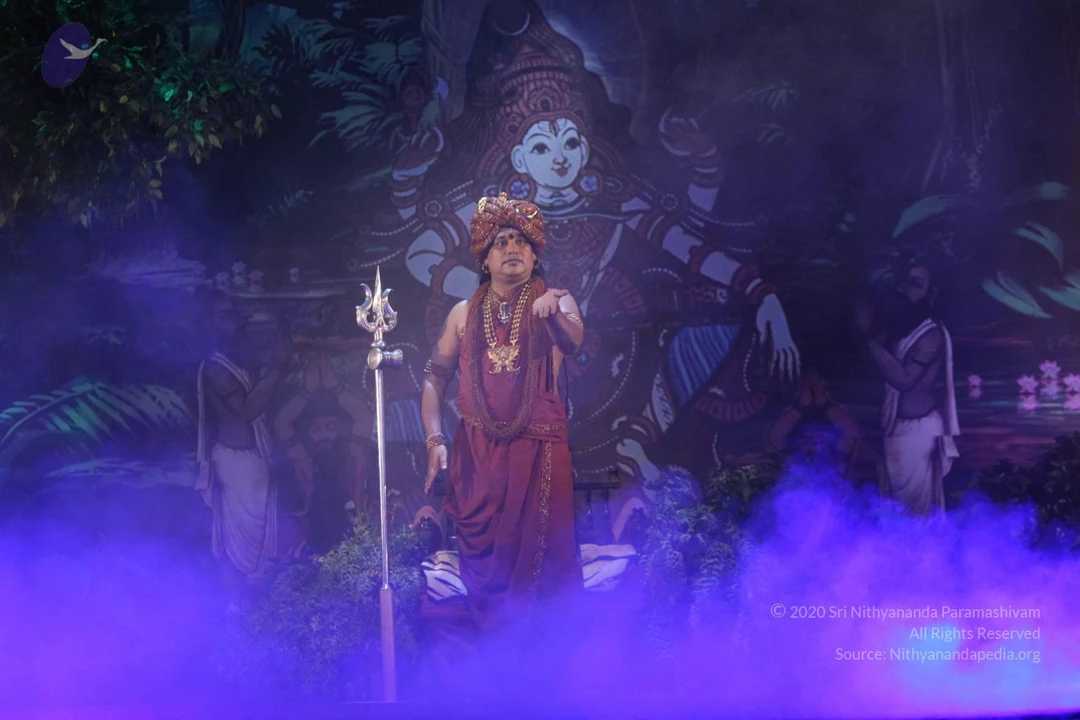
Mandala-process
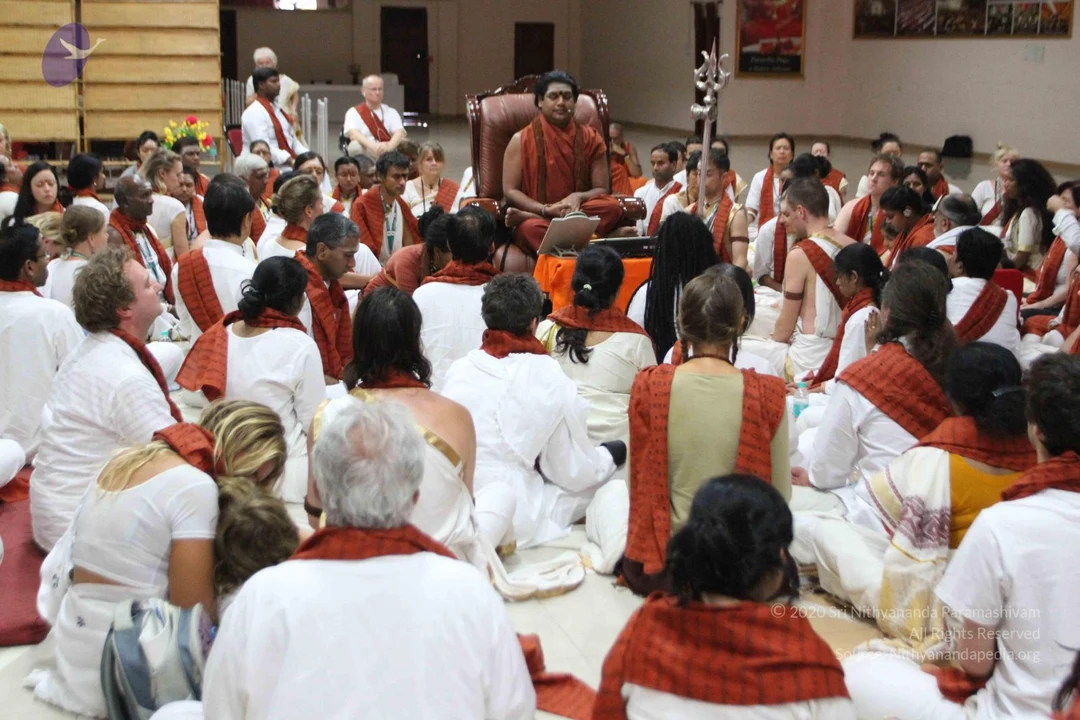
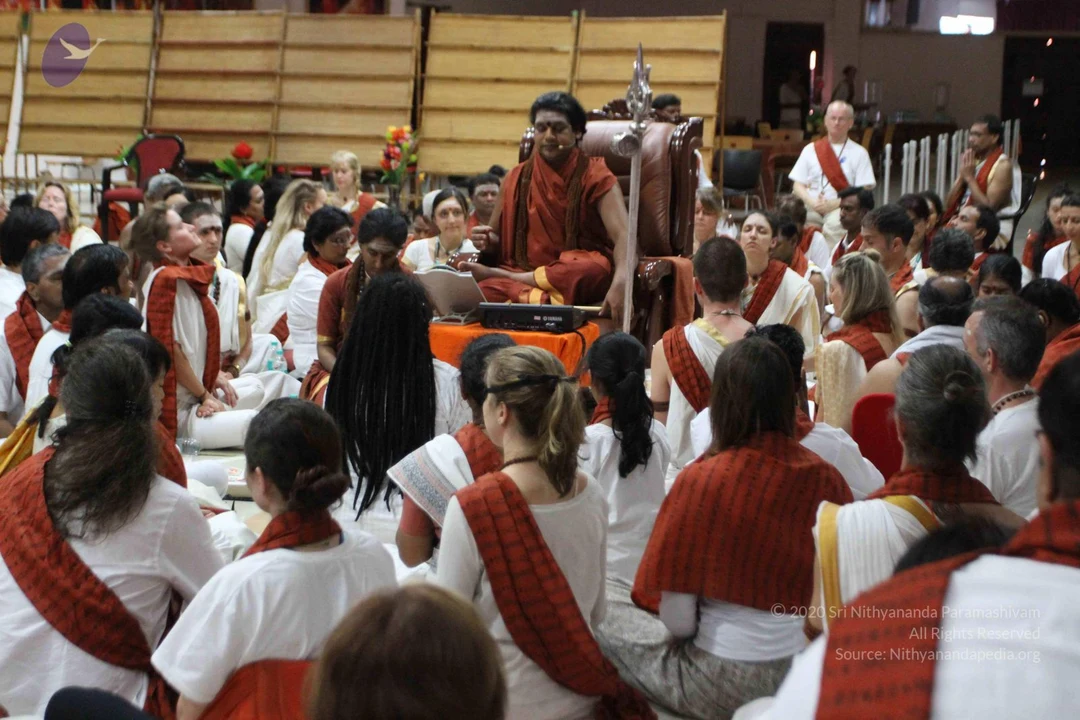
Mandala-process-2nd-session
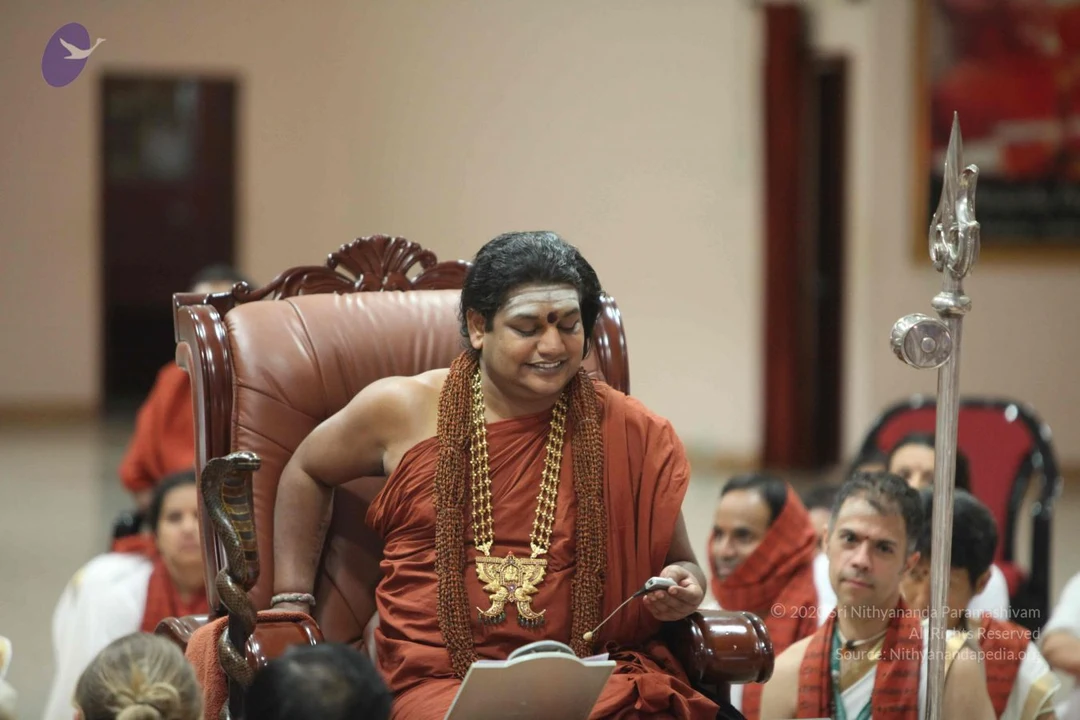
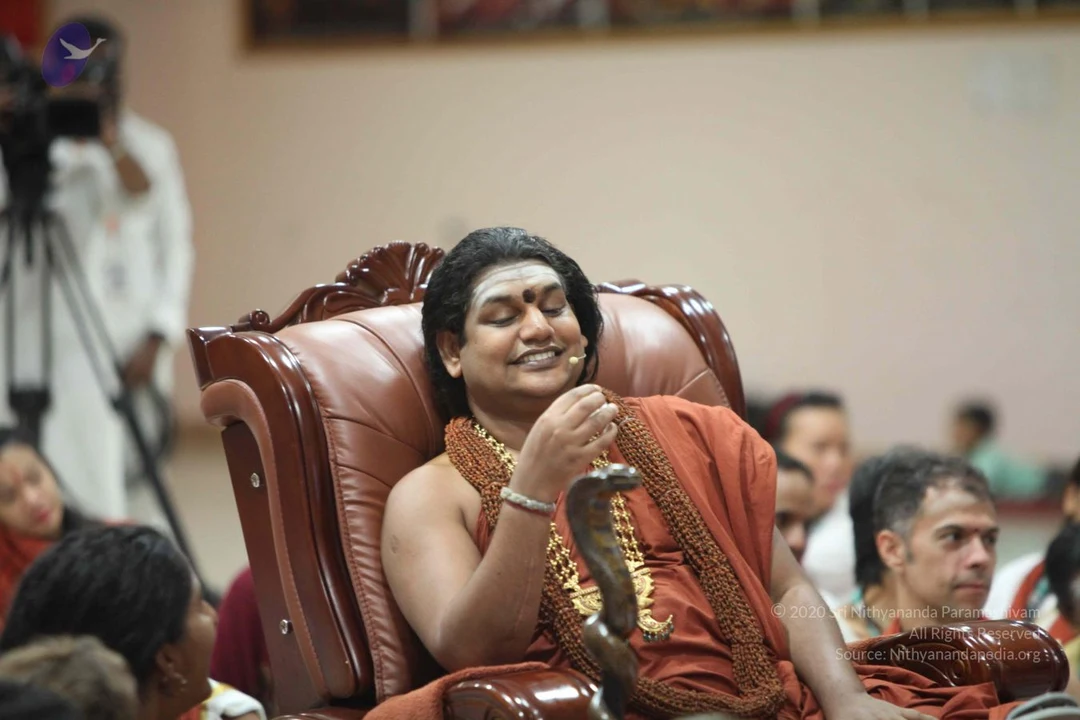
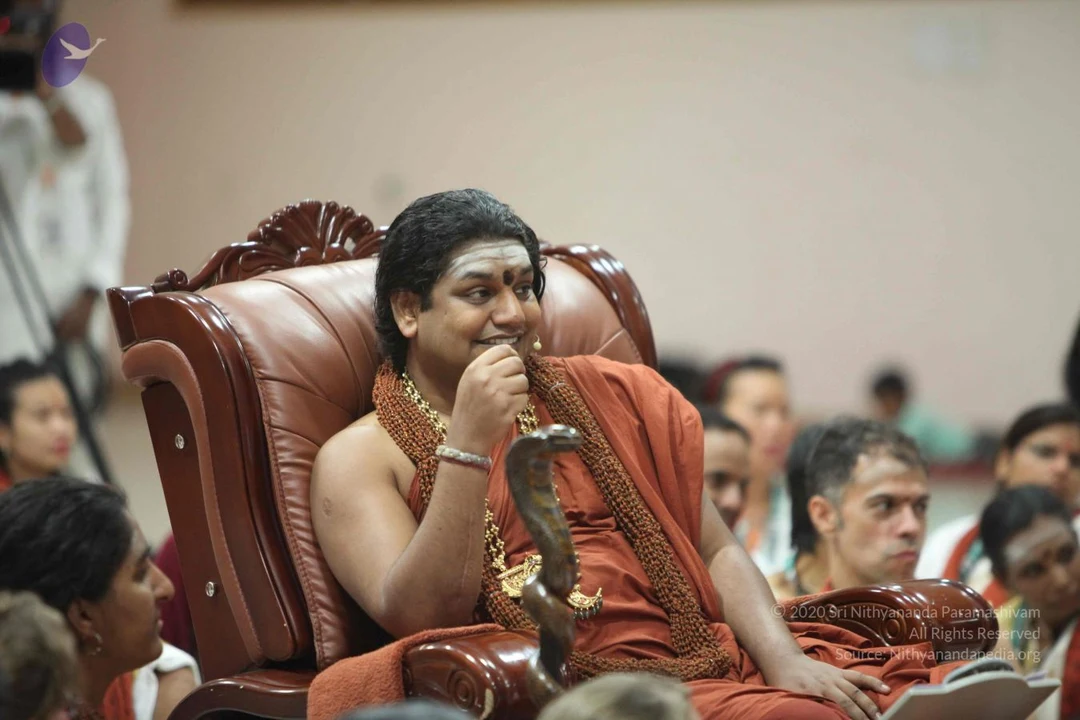
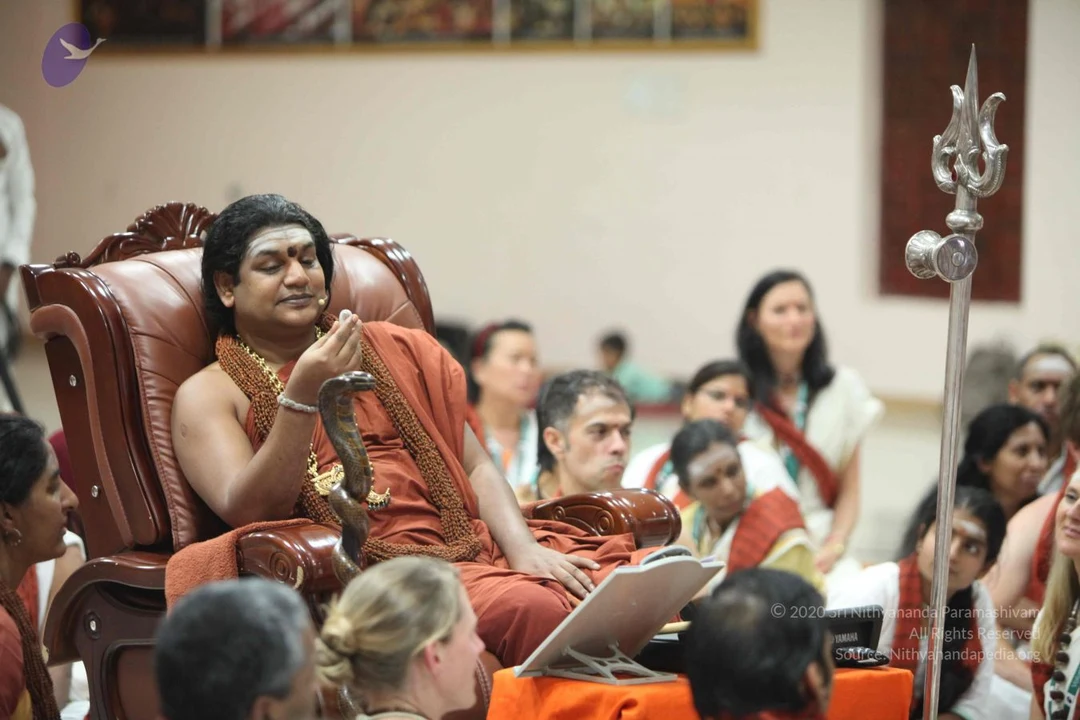
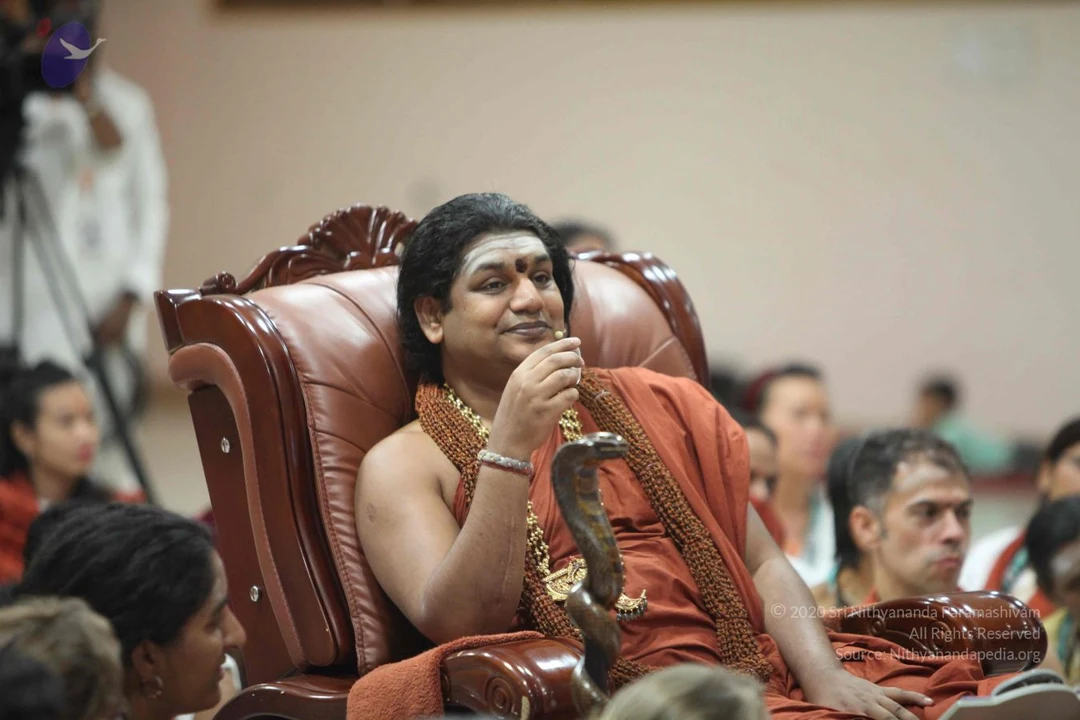
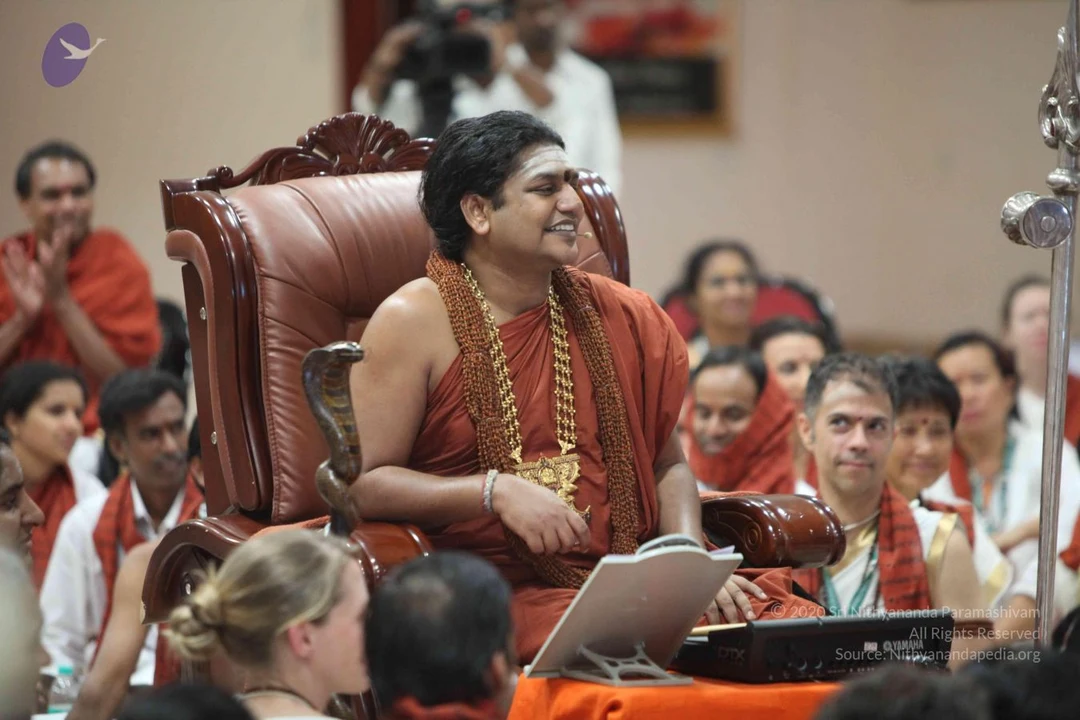
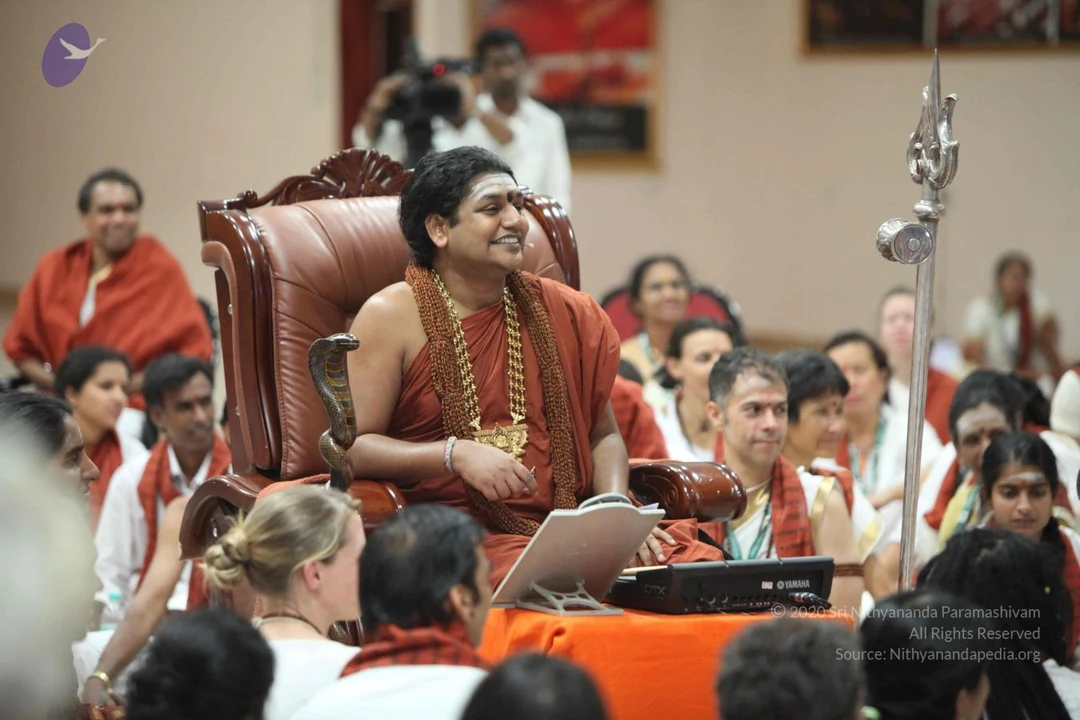
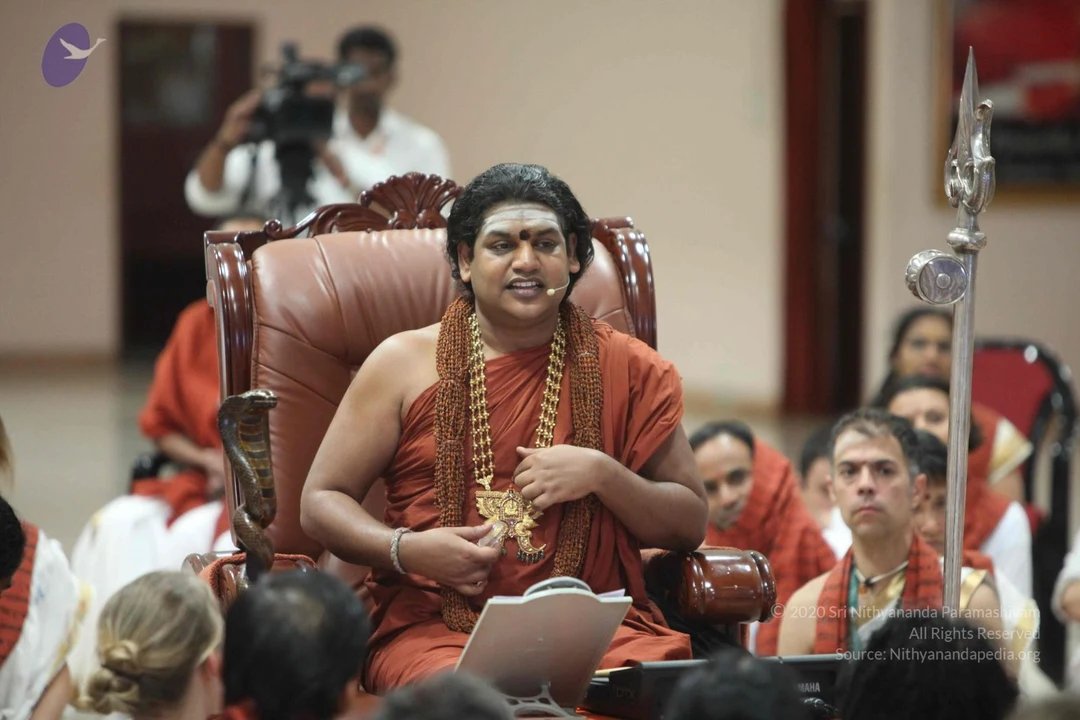
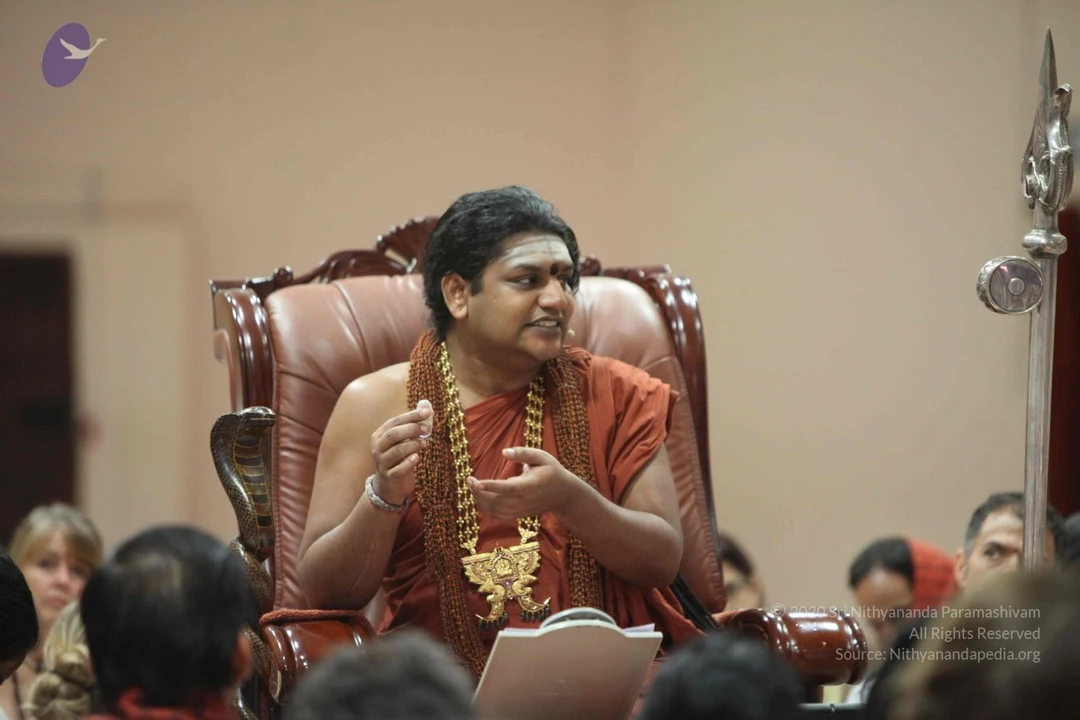
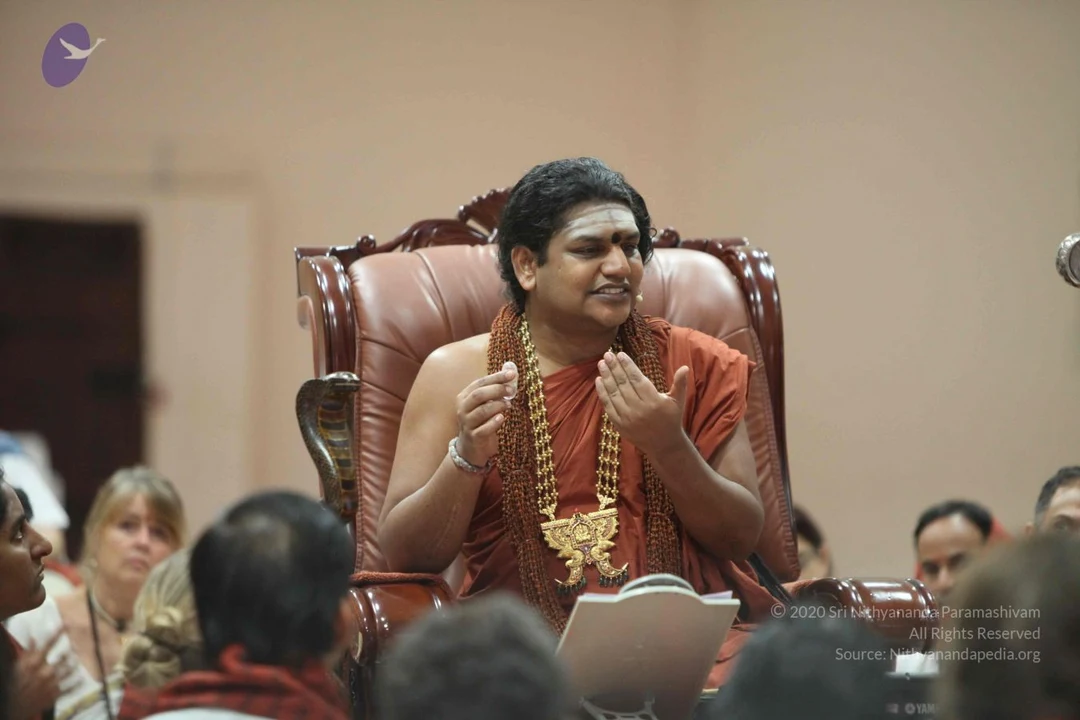
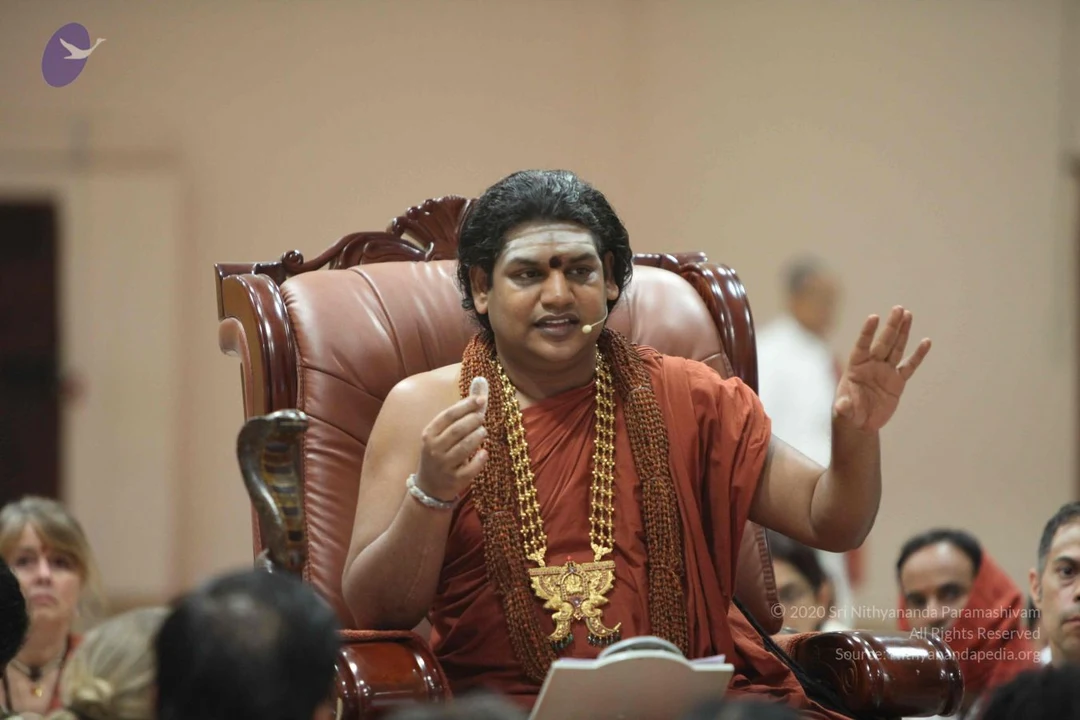
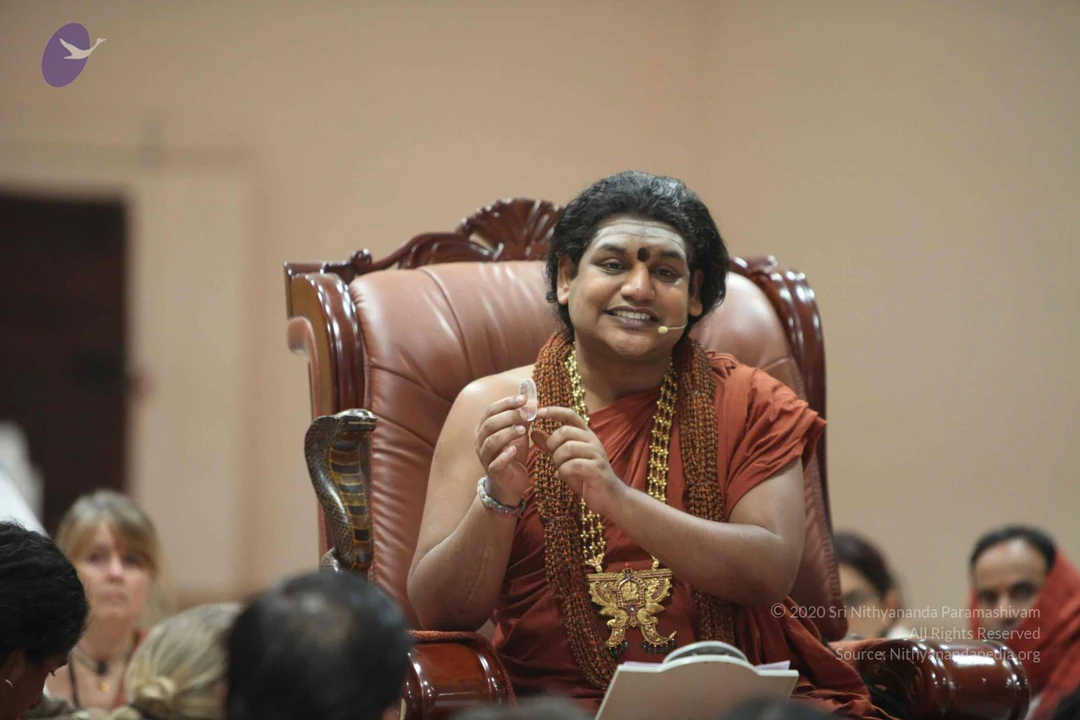

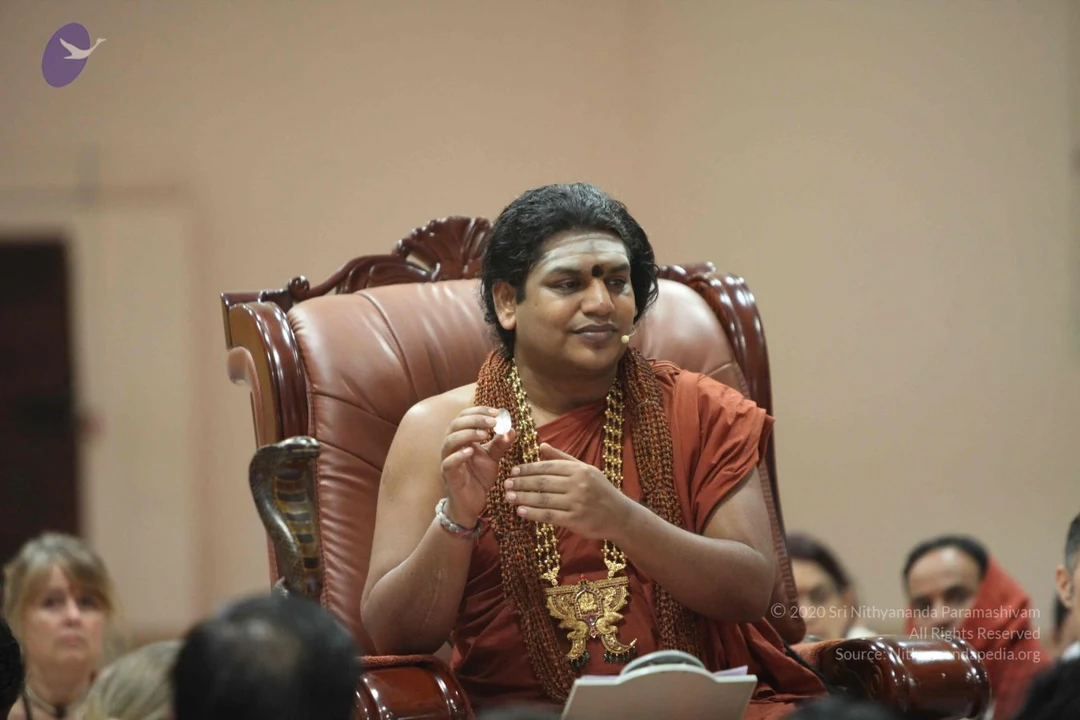
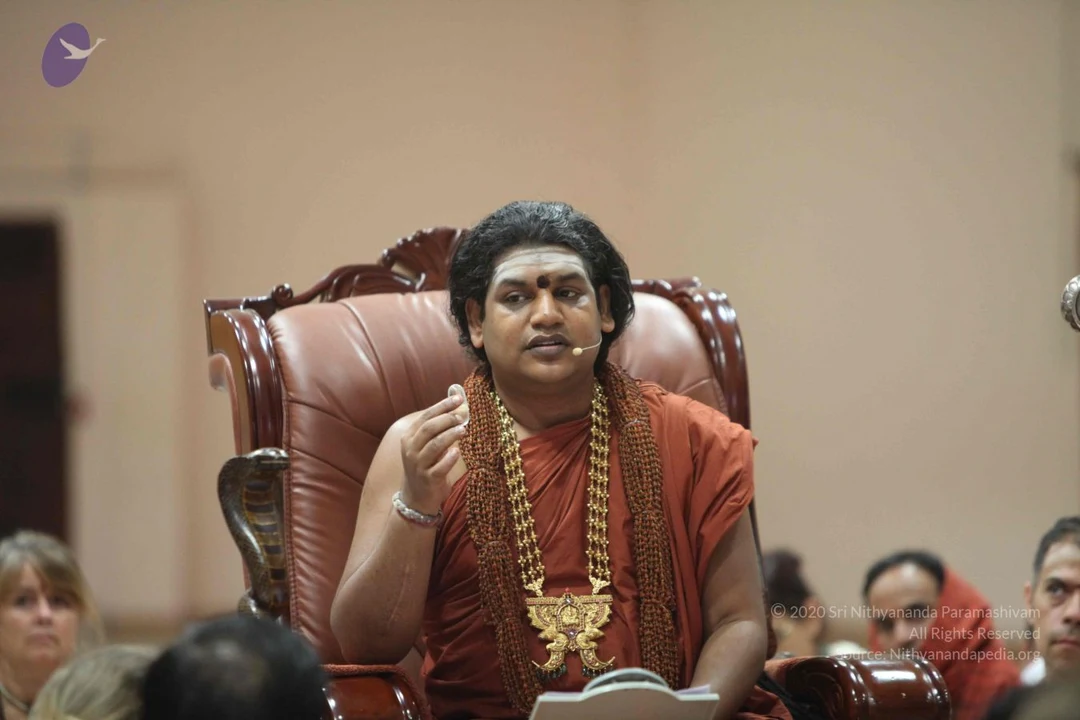
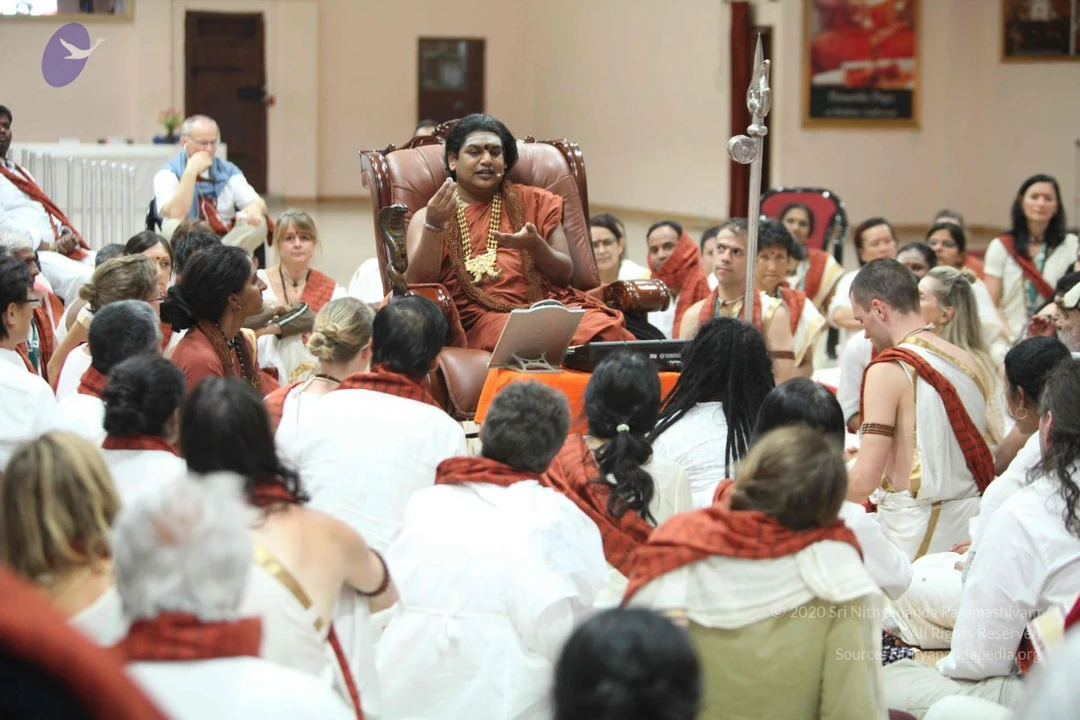
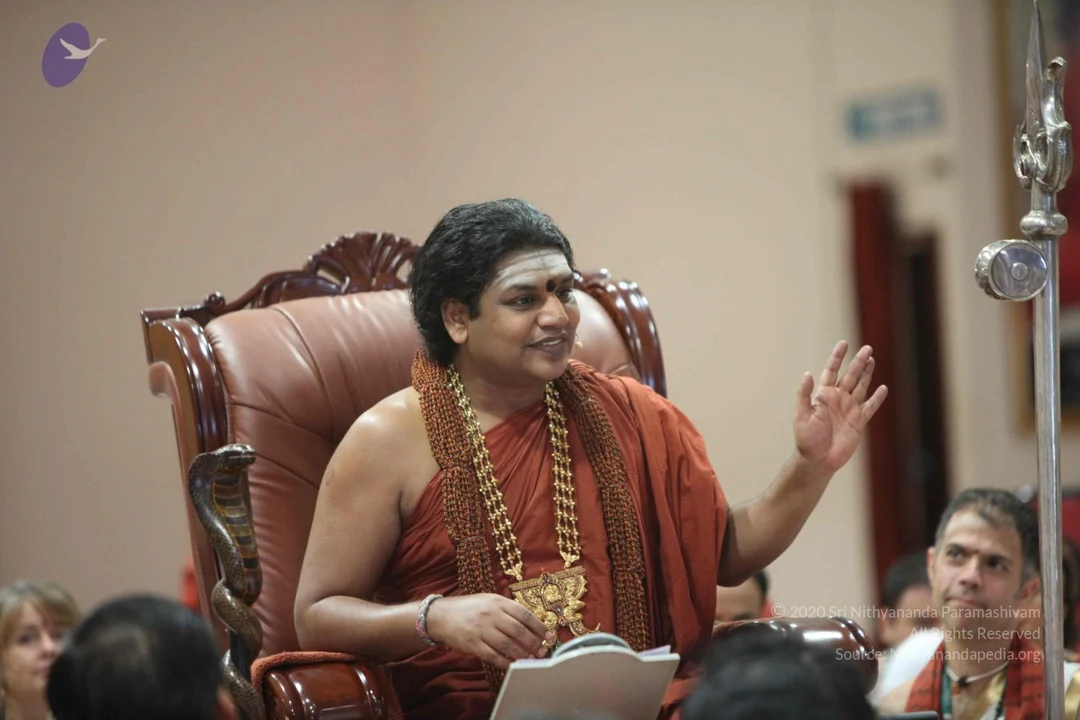
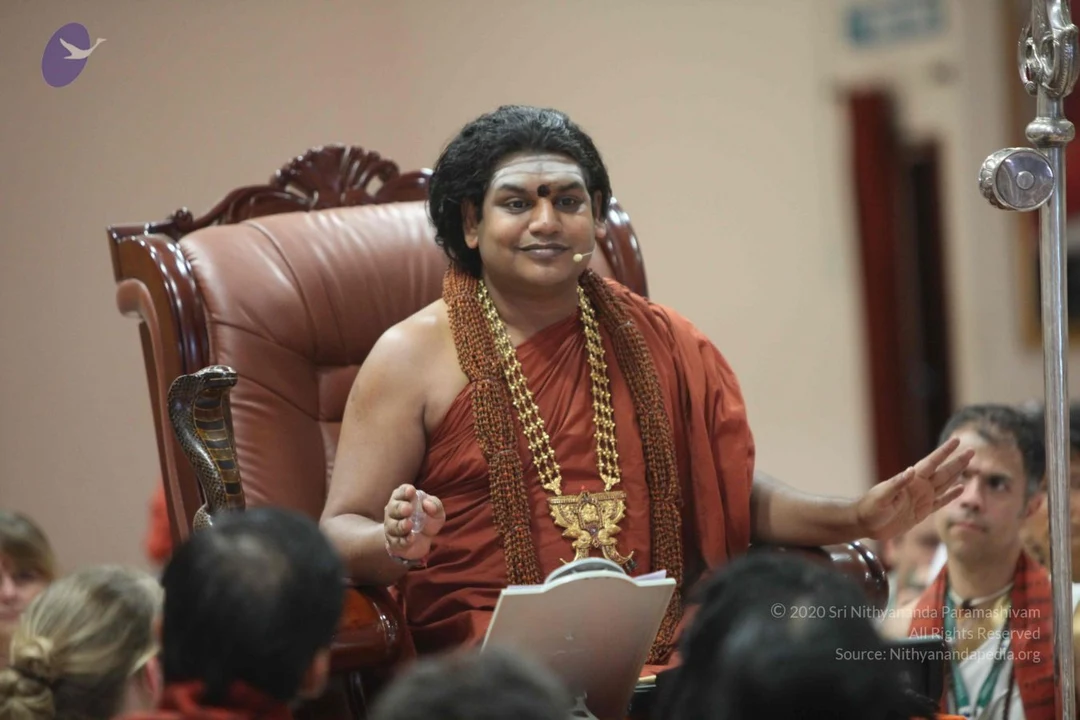
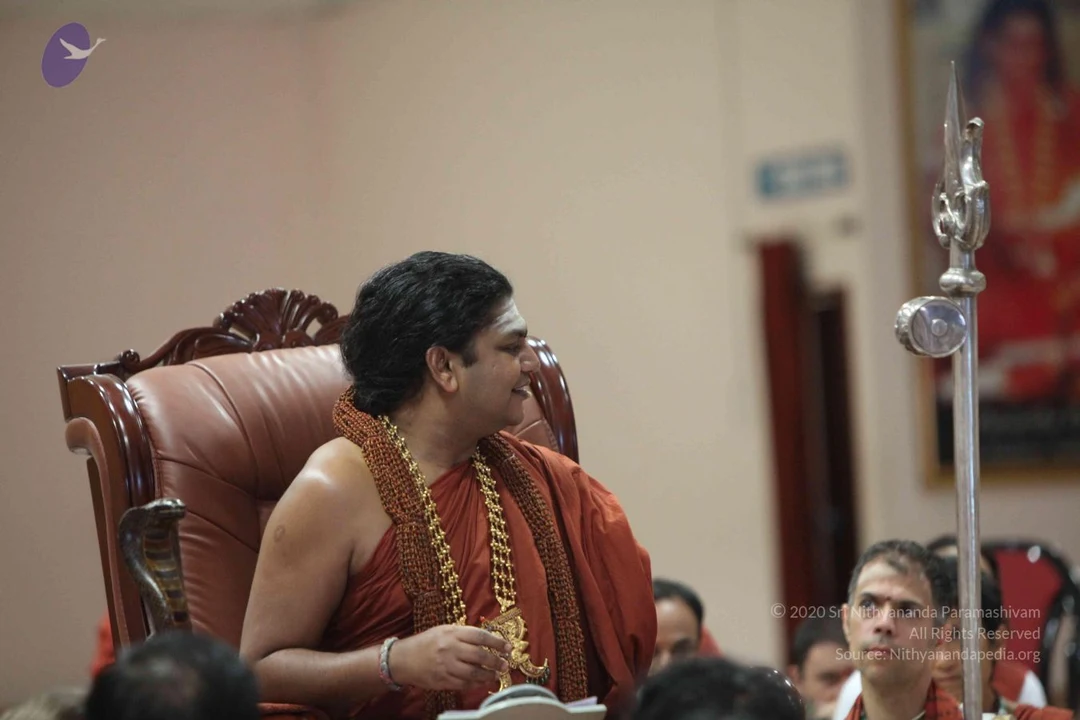
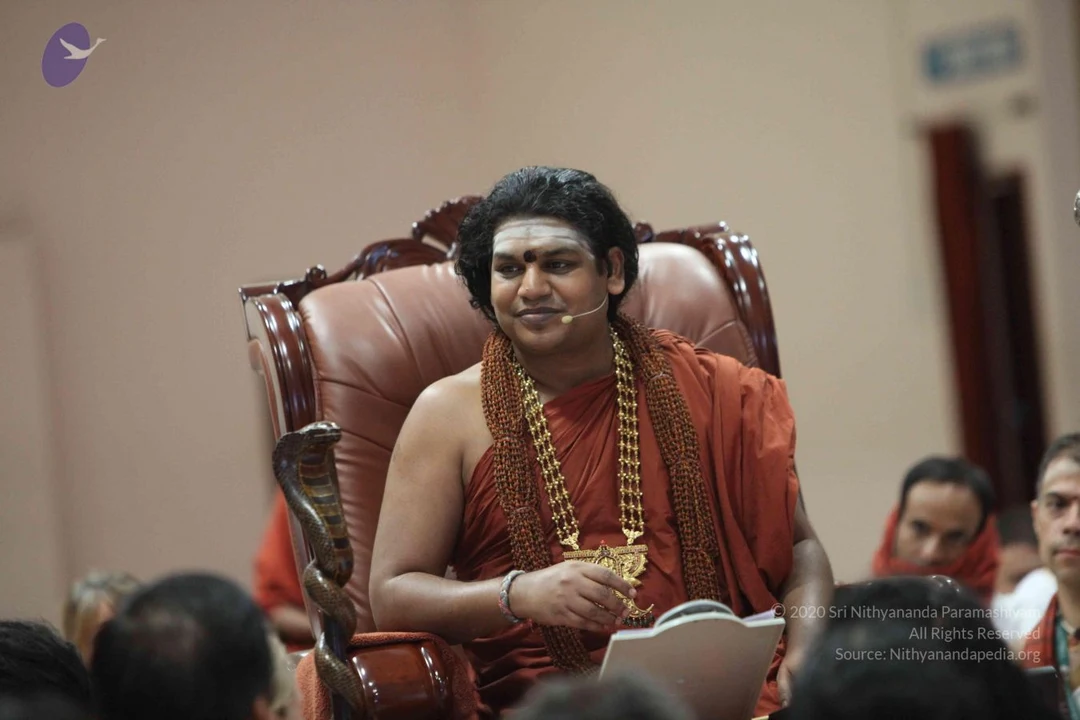
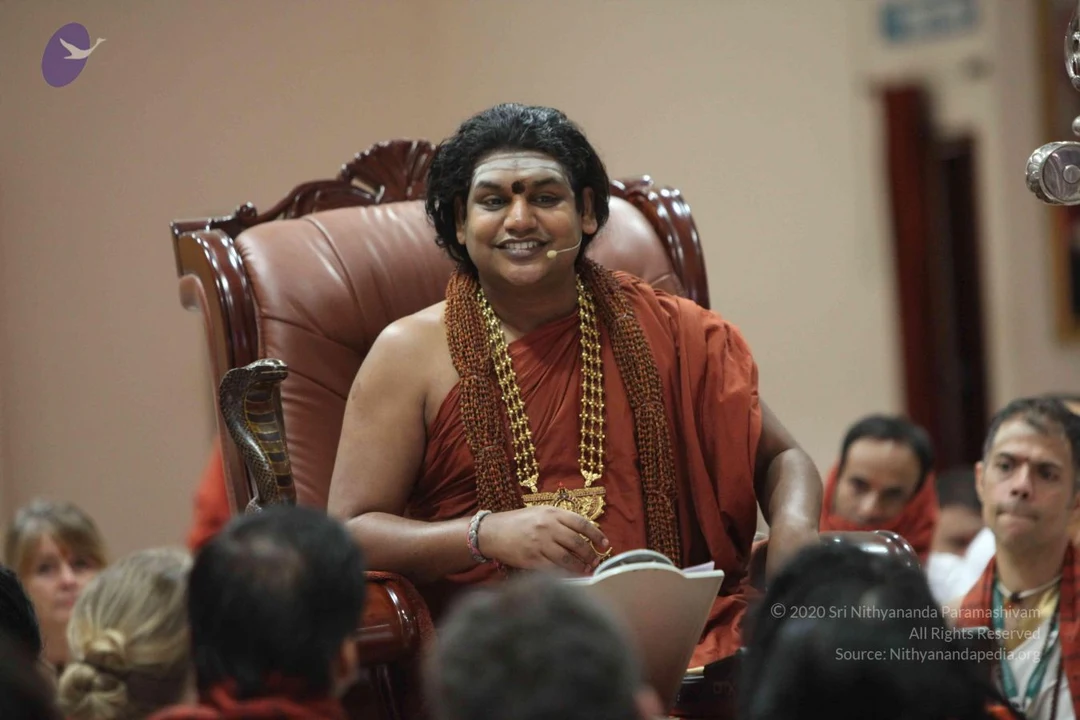
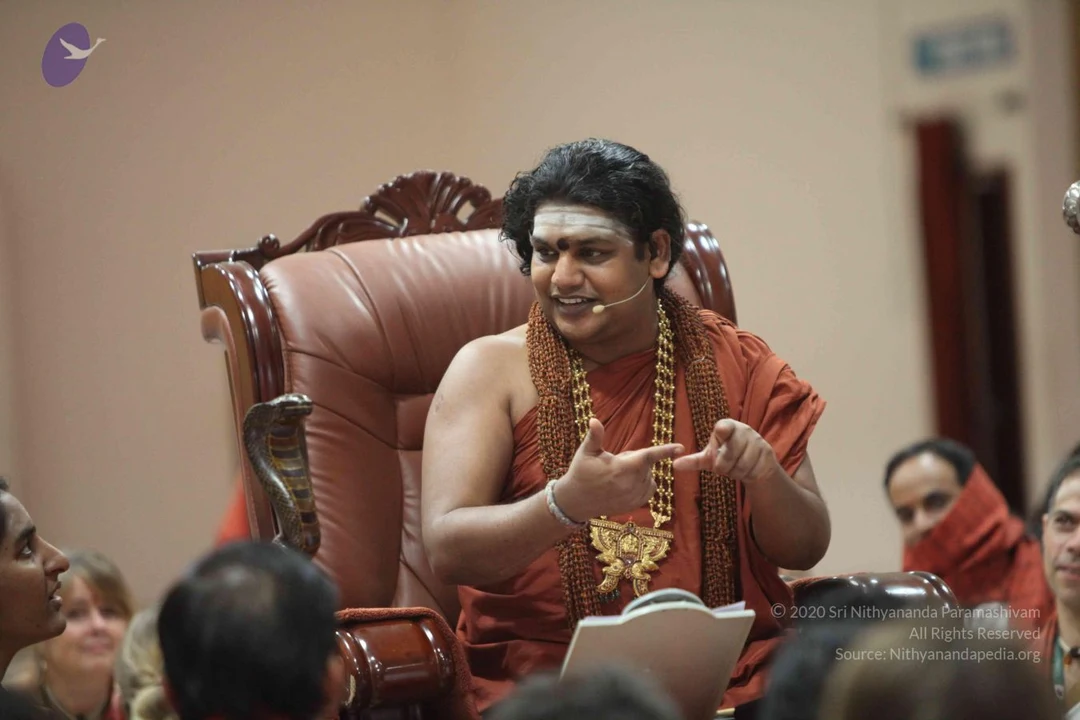
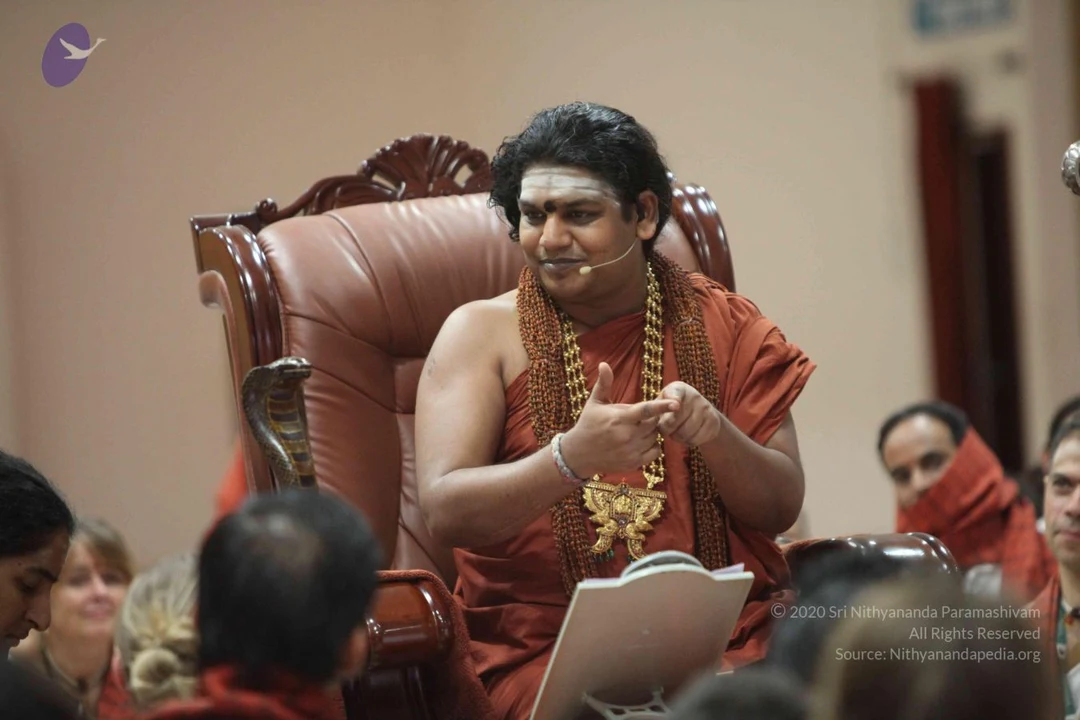
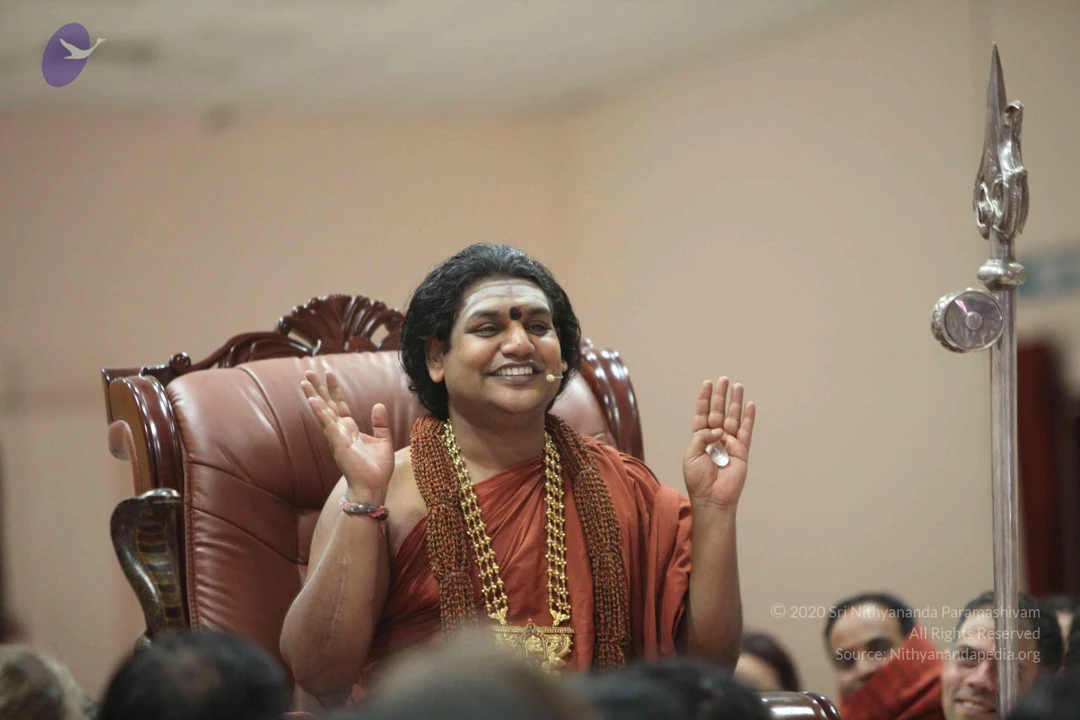
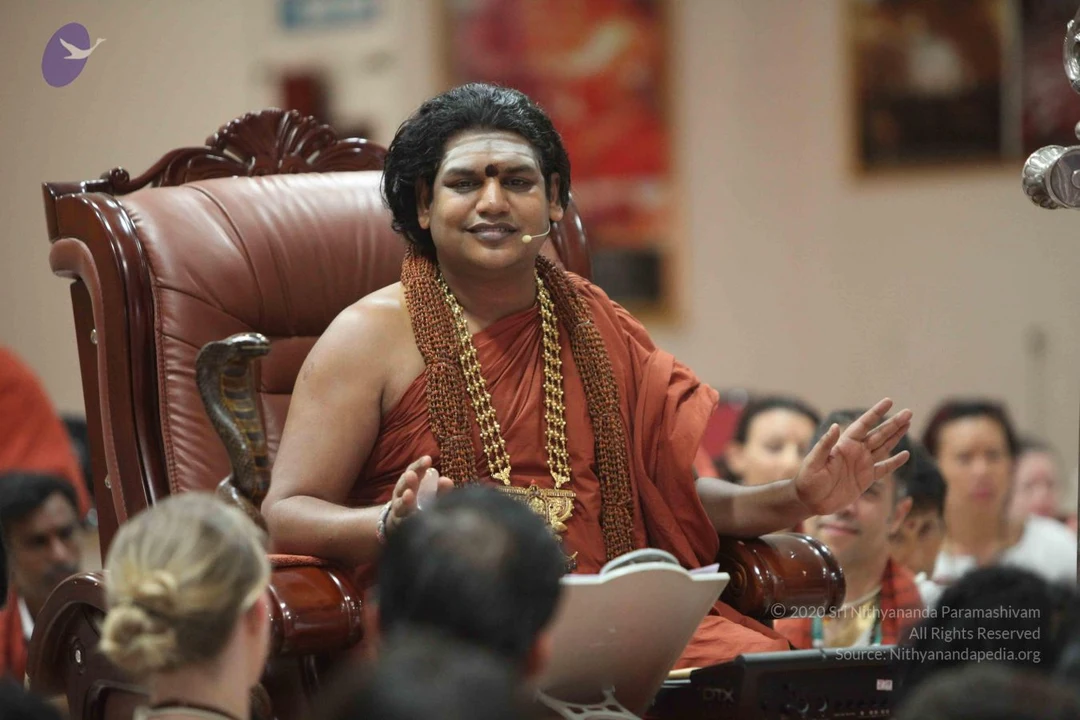
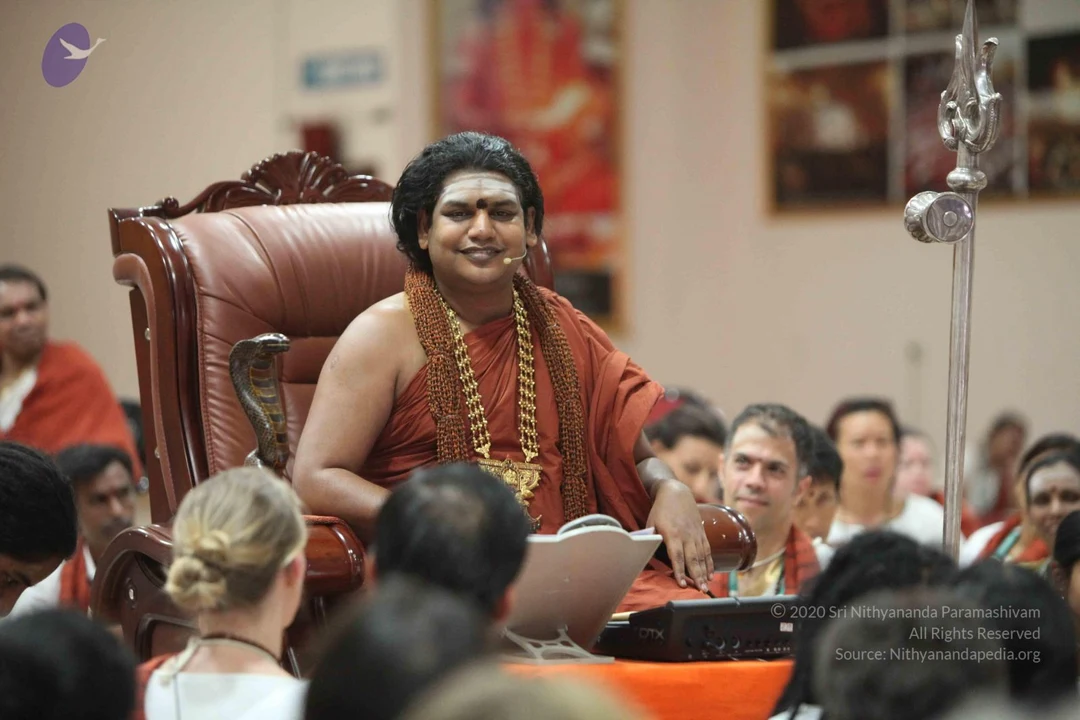
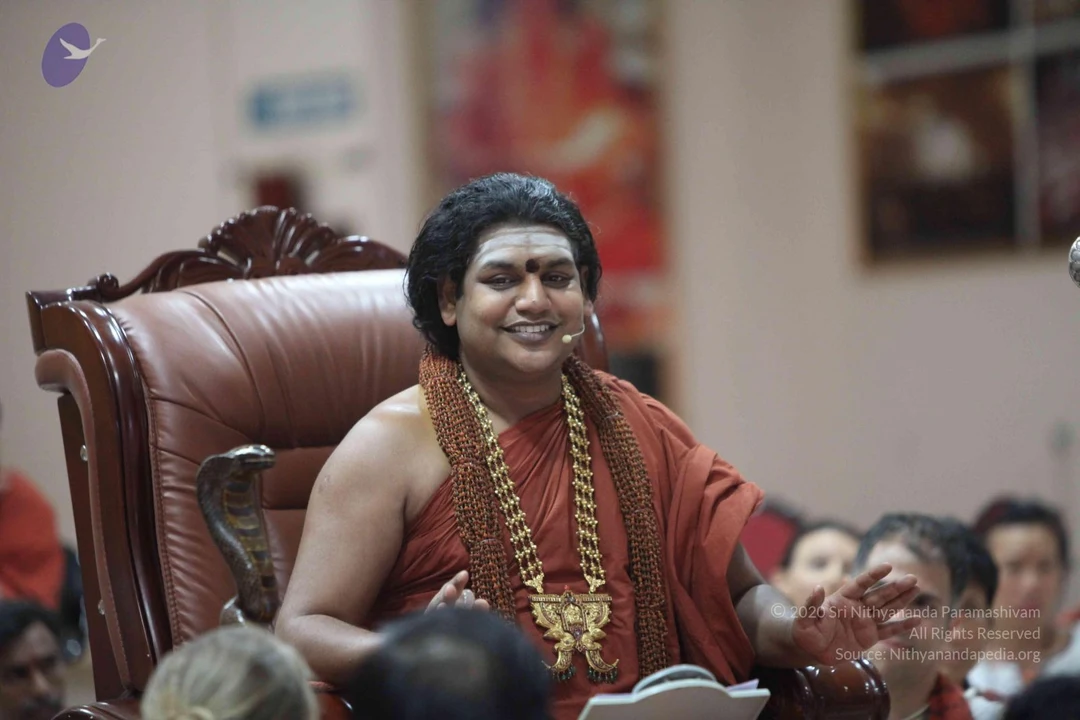
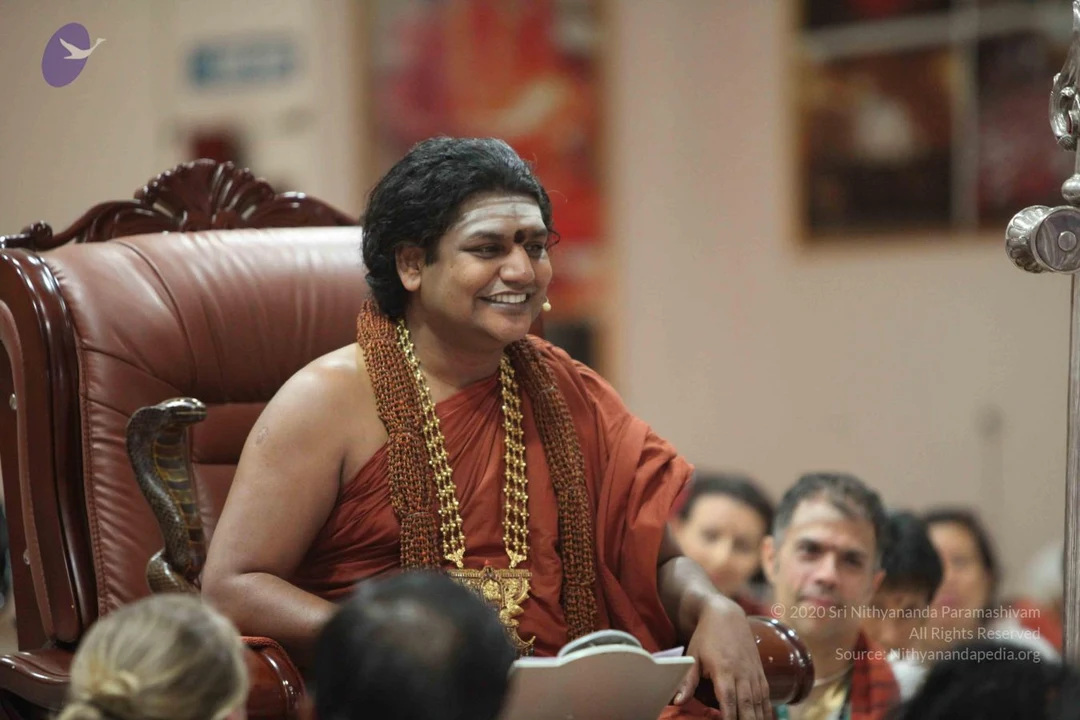
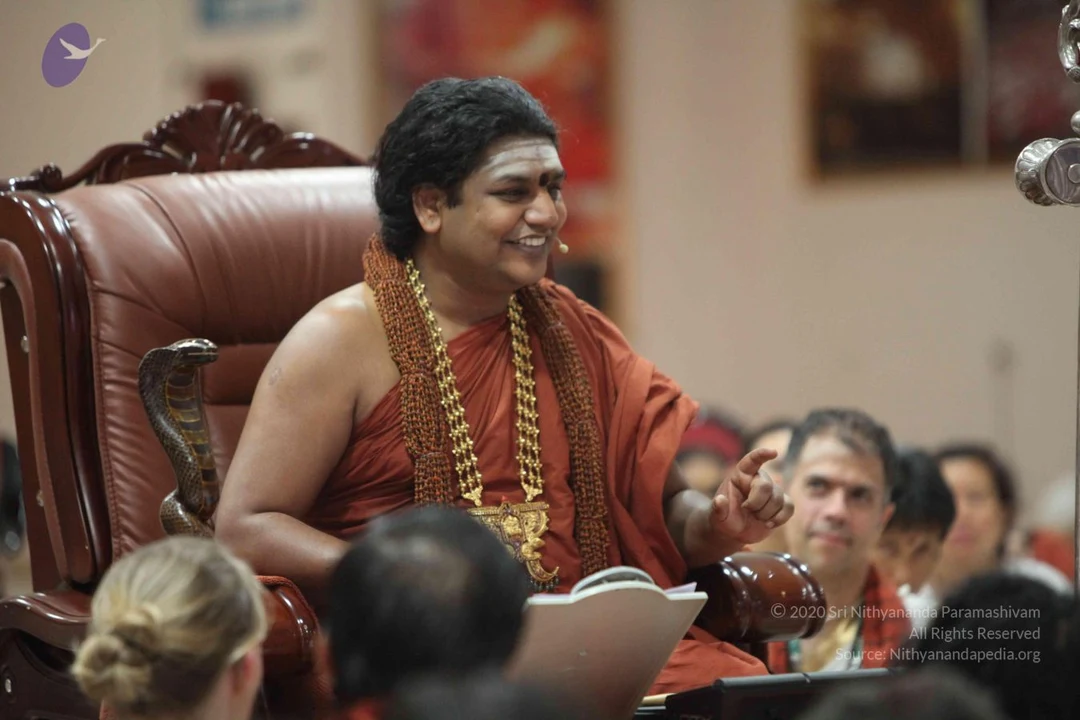
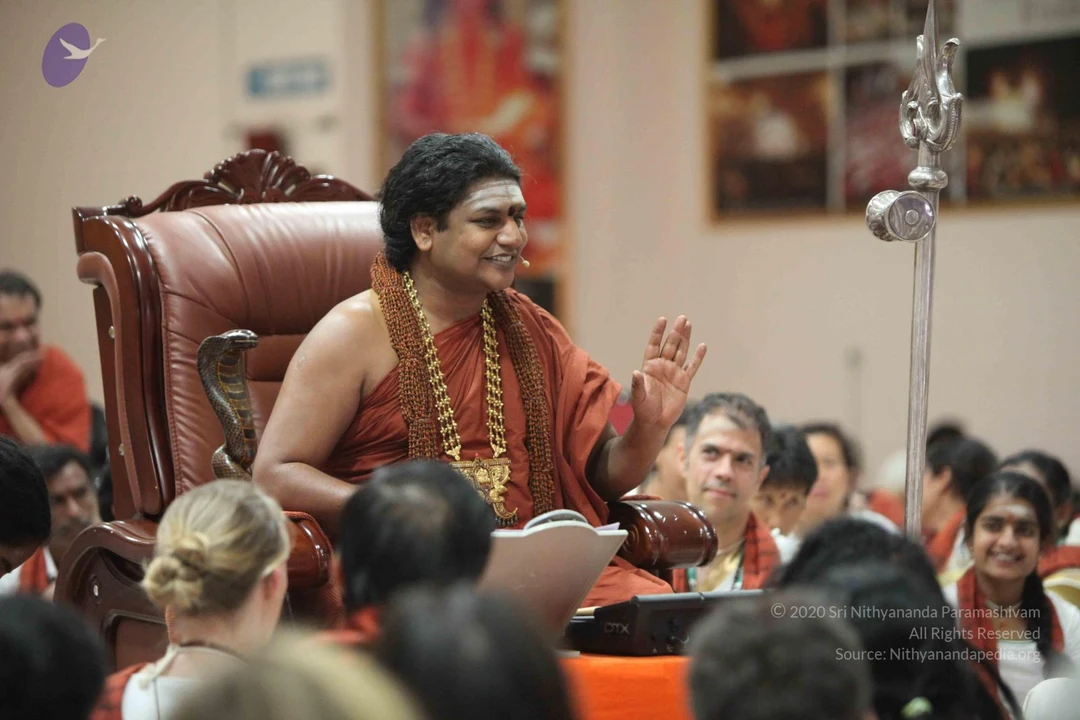
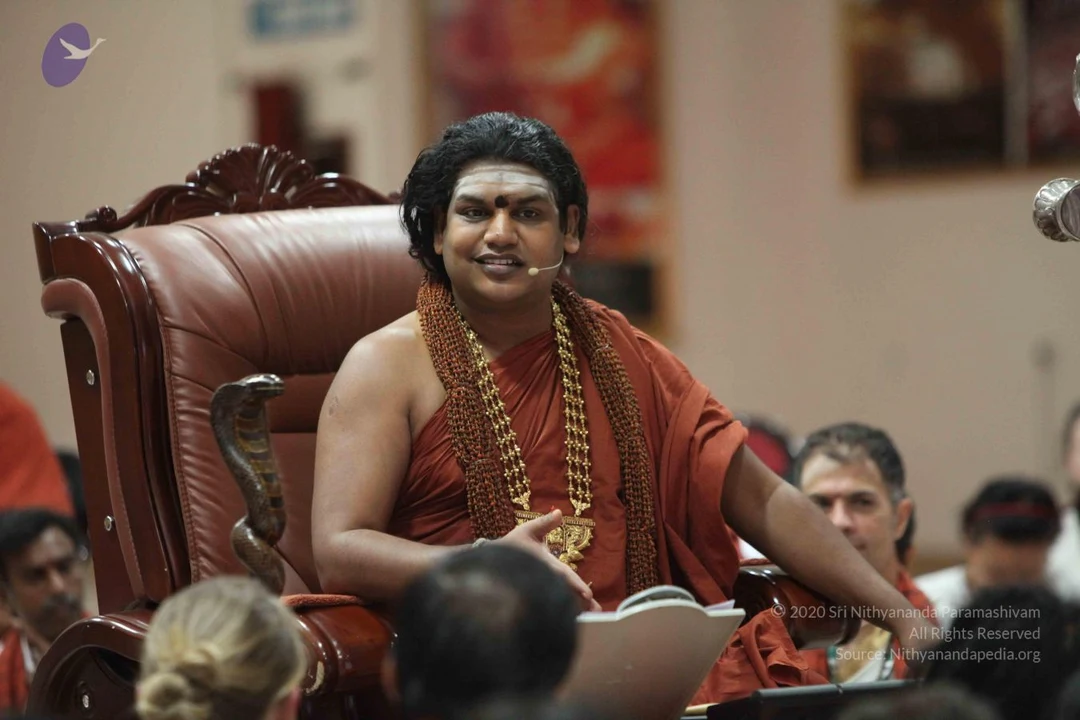
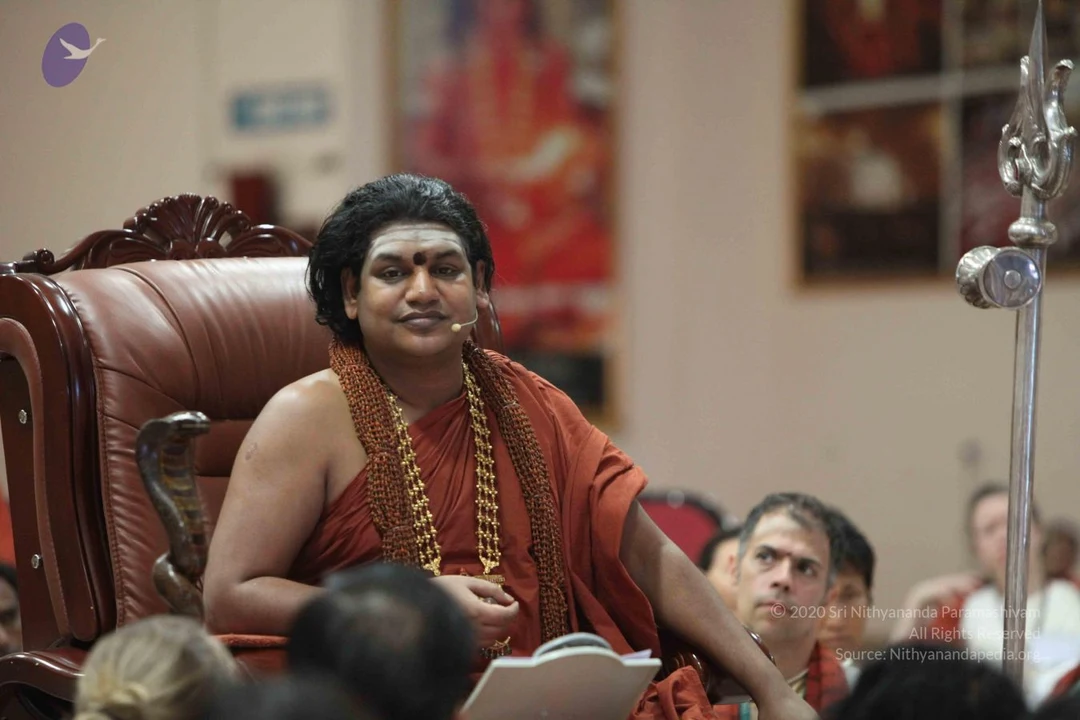
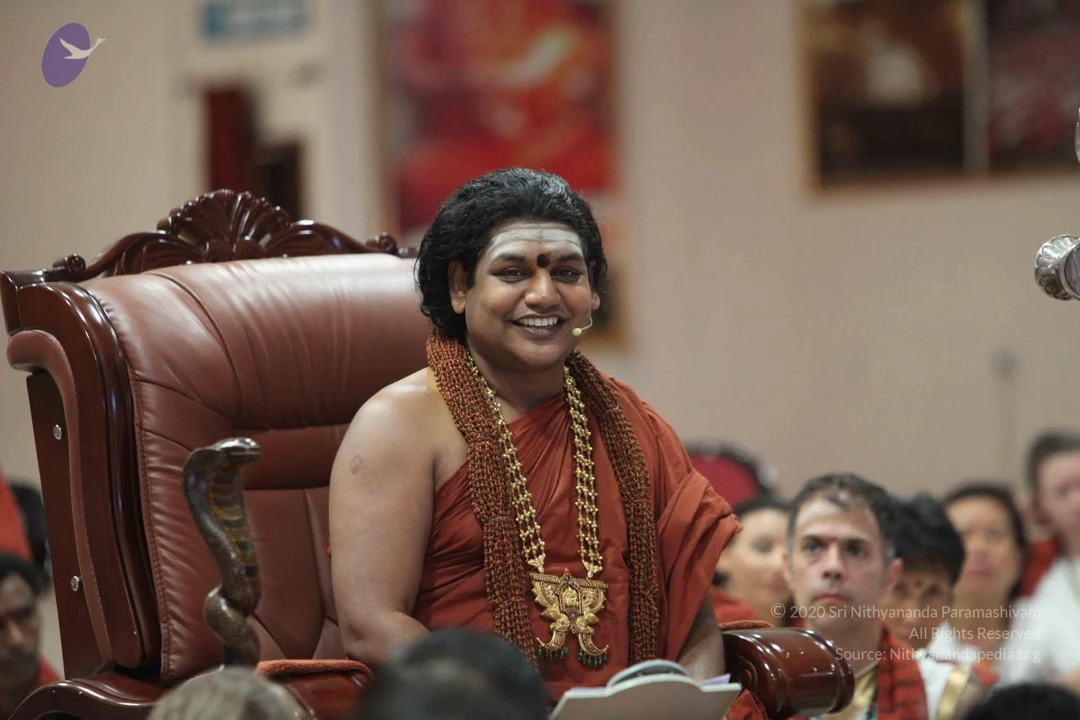
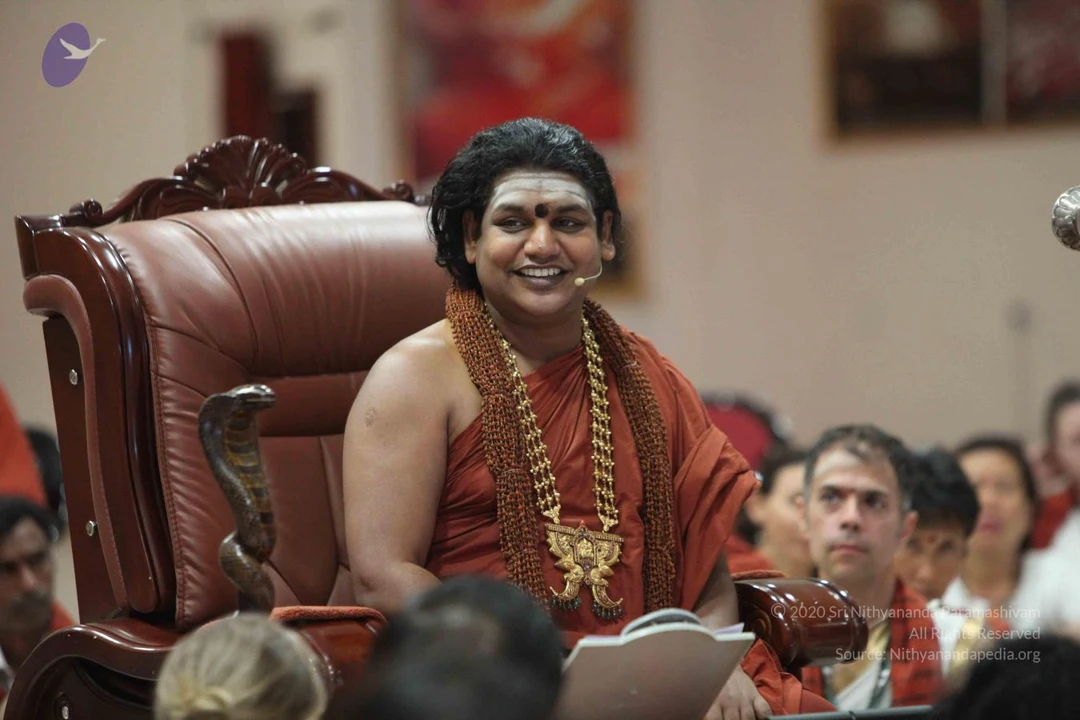
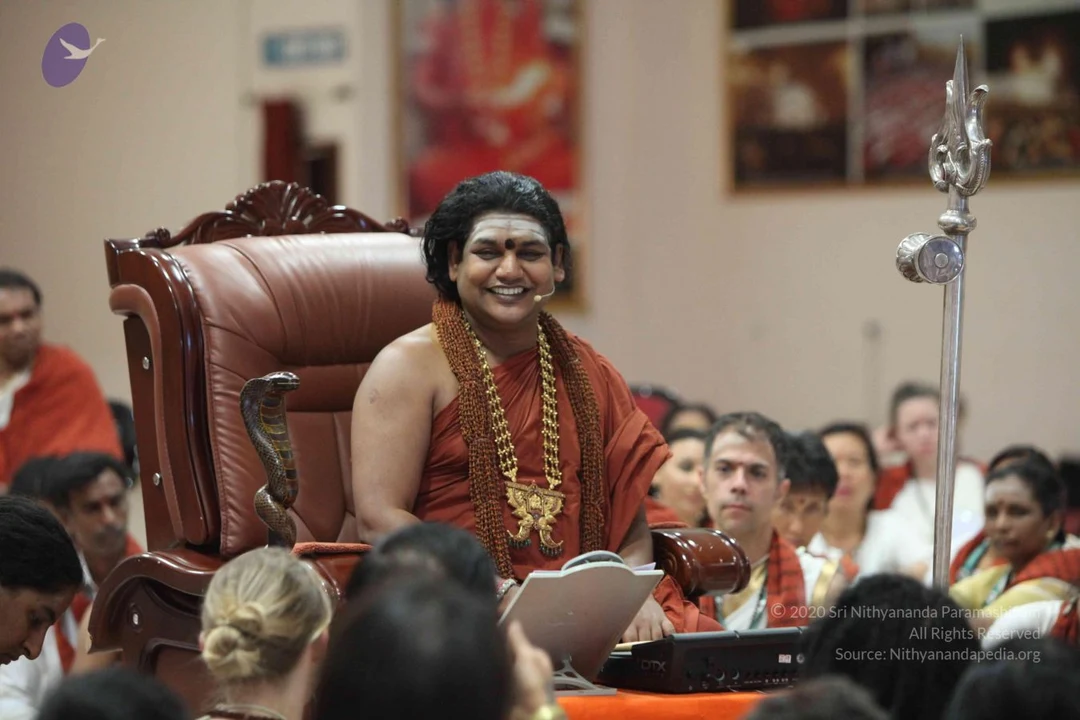
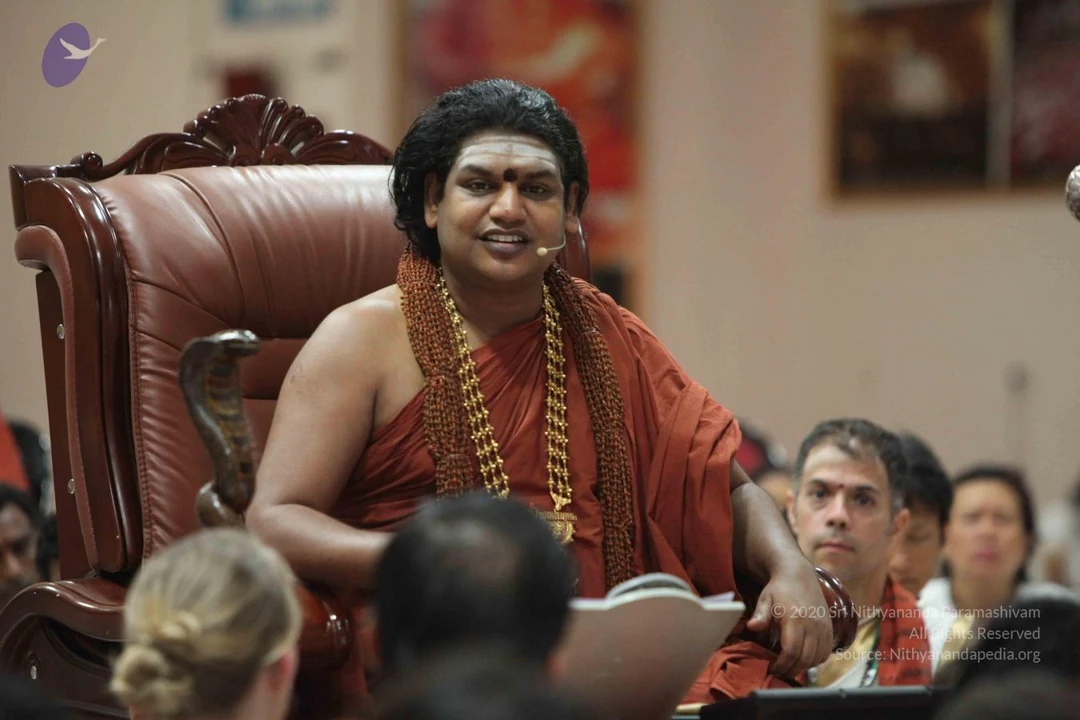
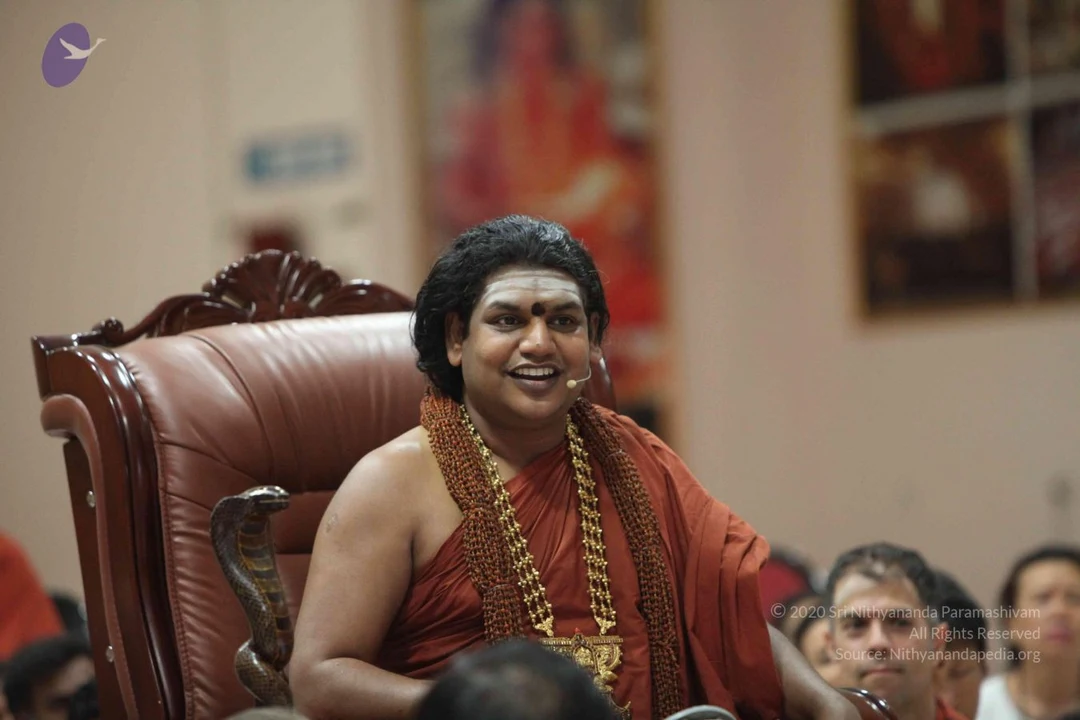
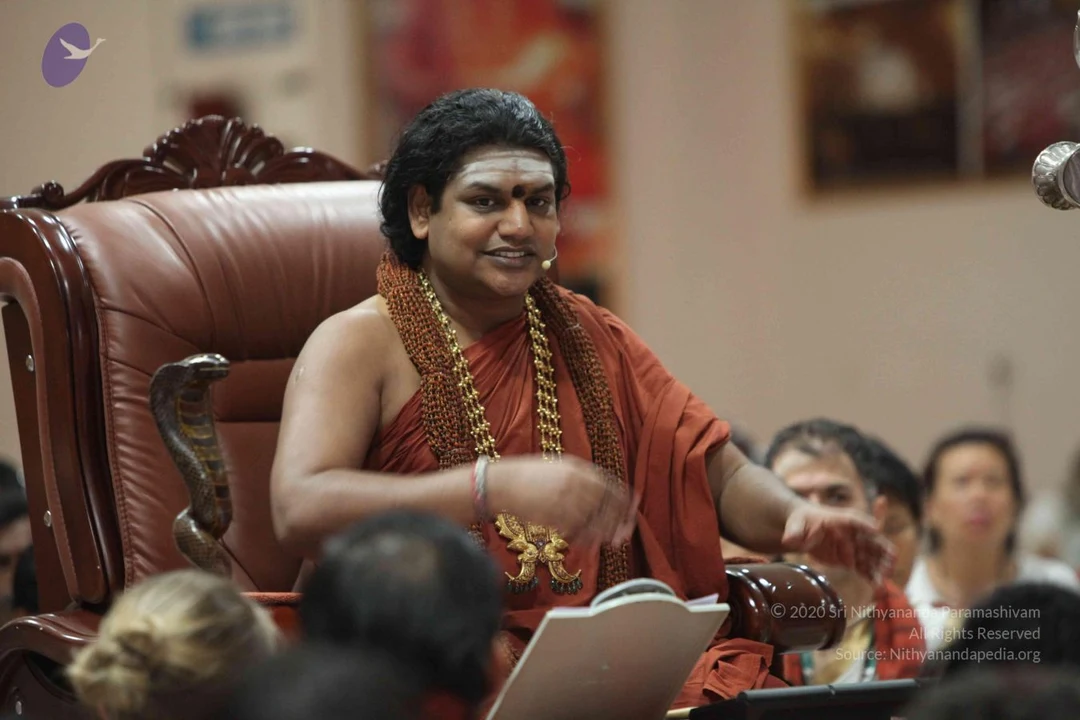

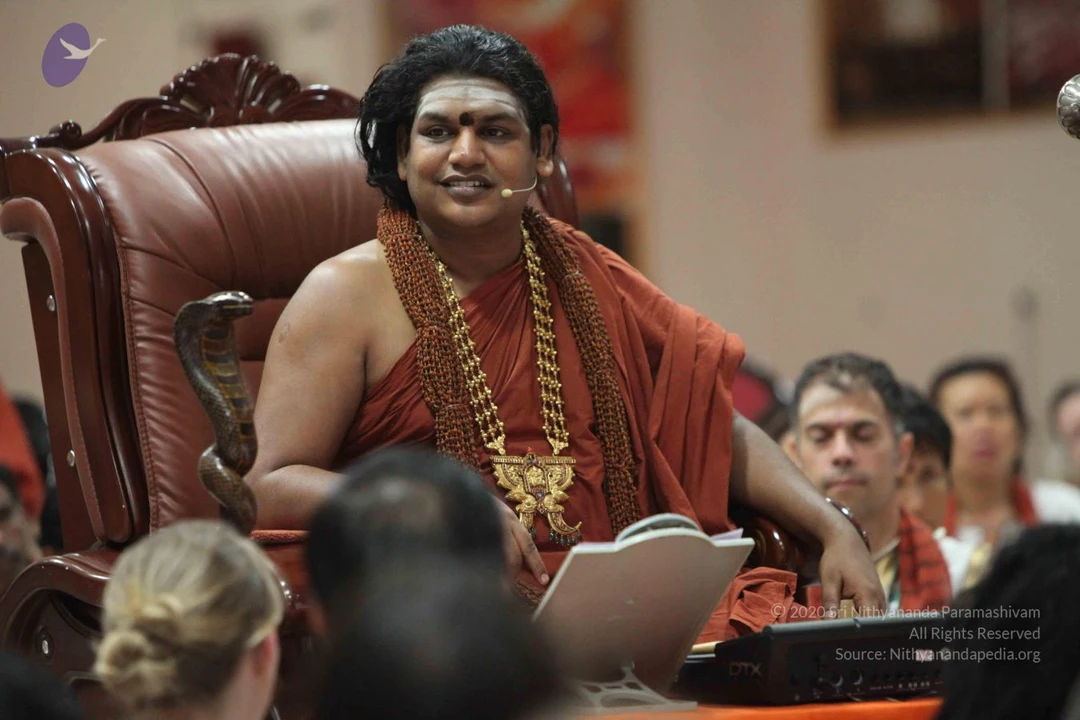
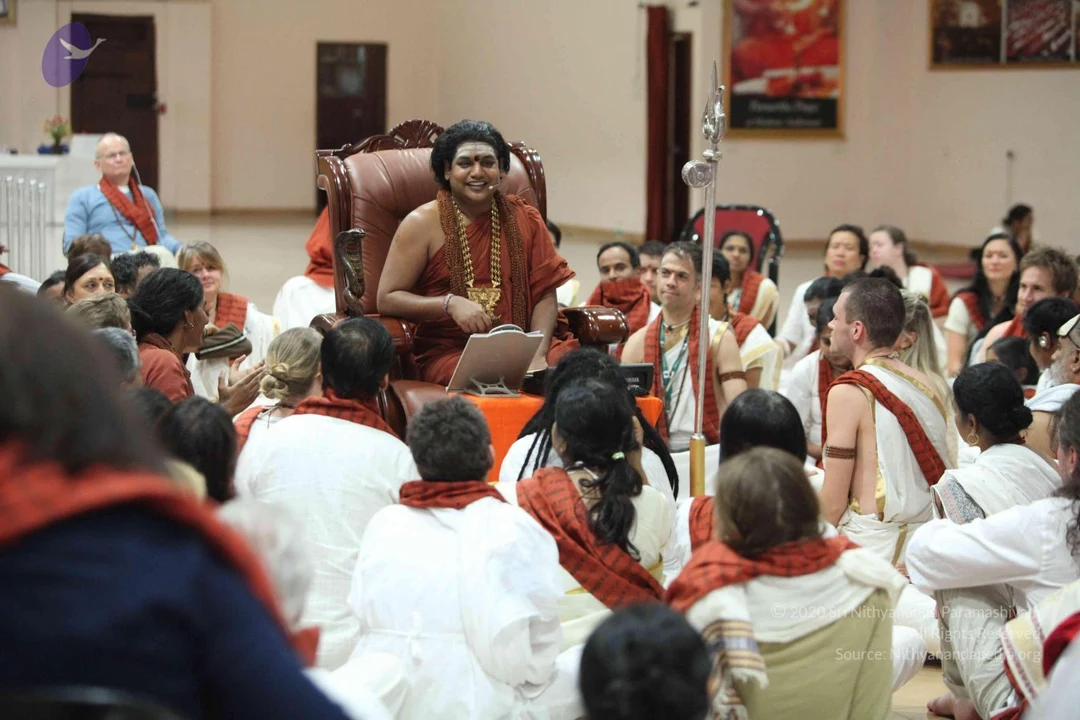
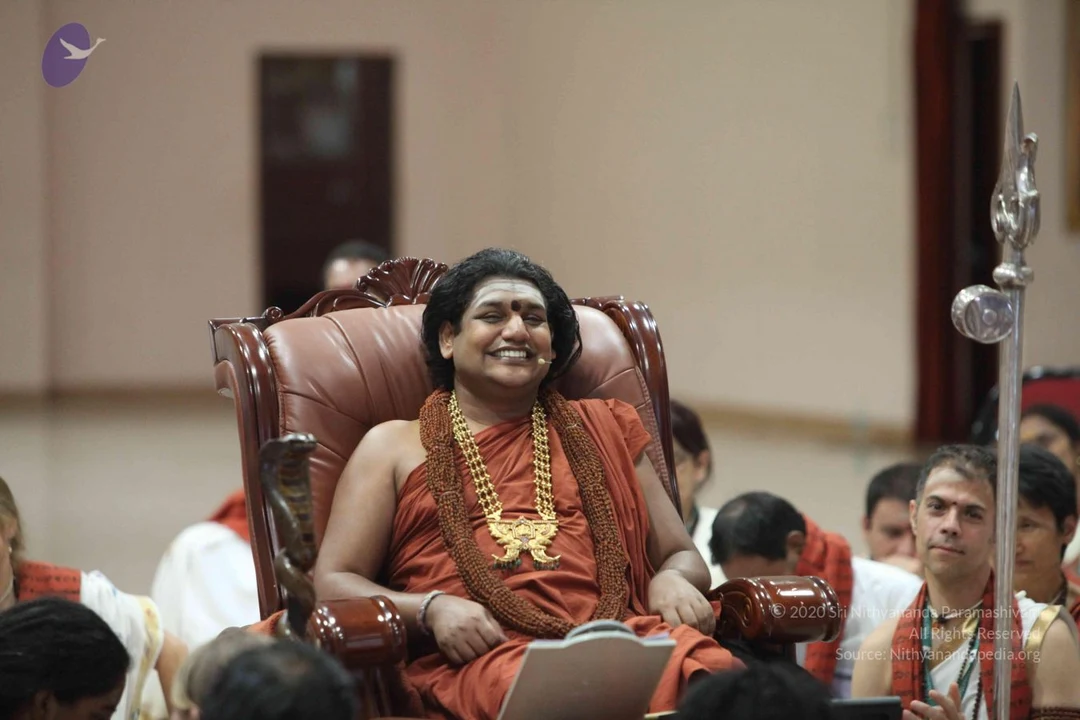
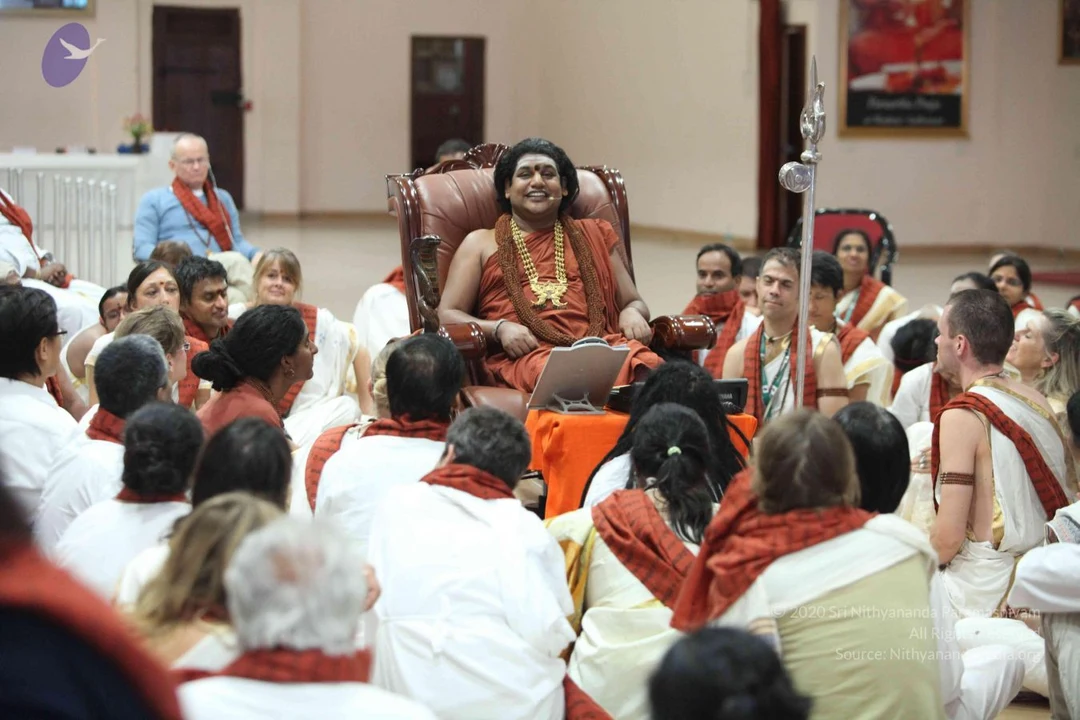
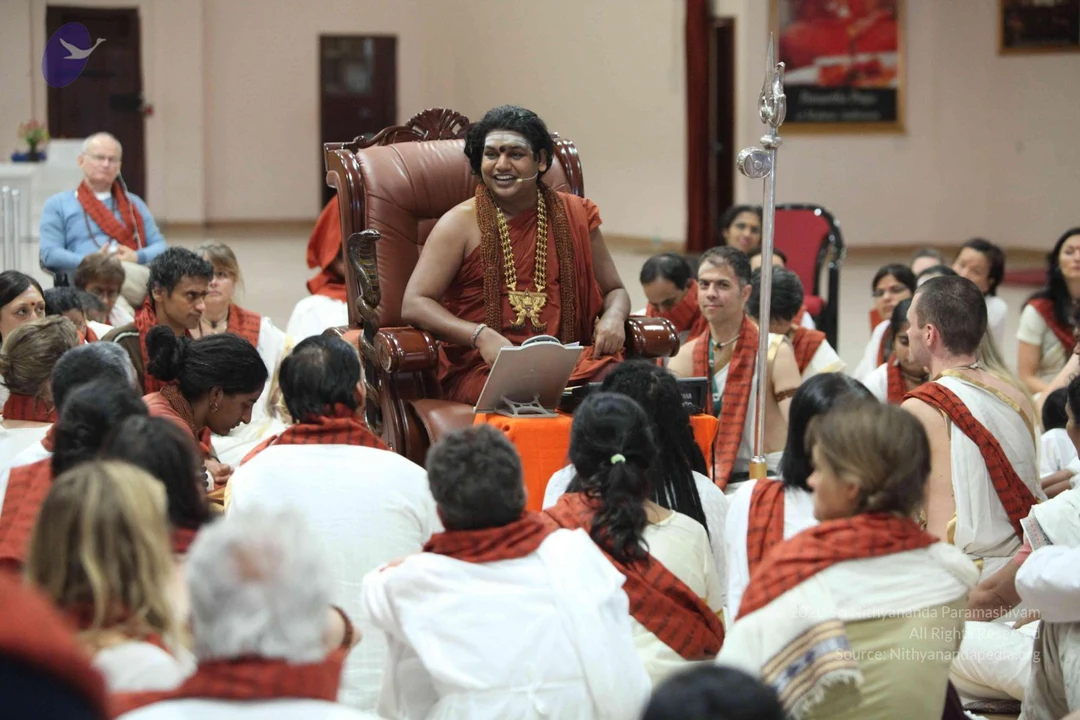
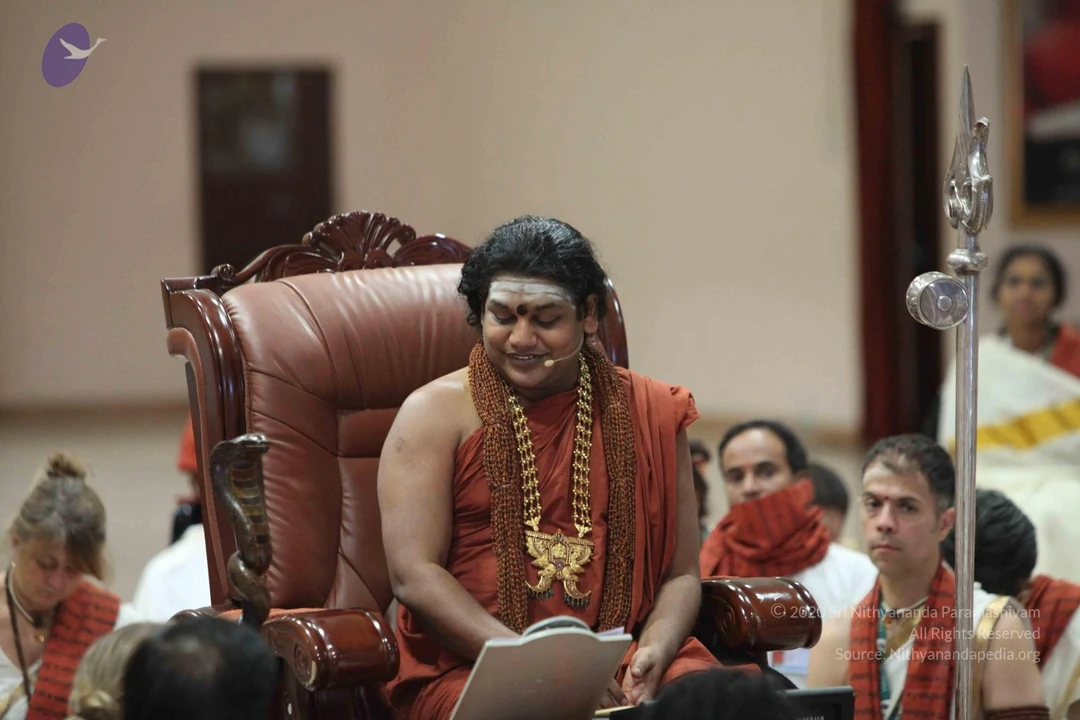
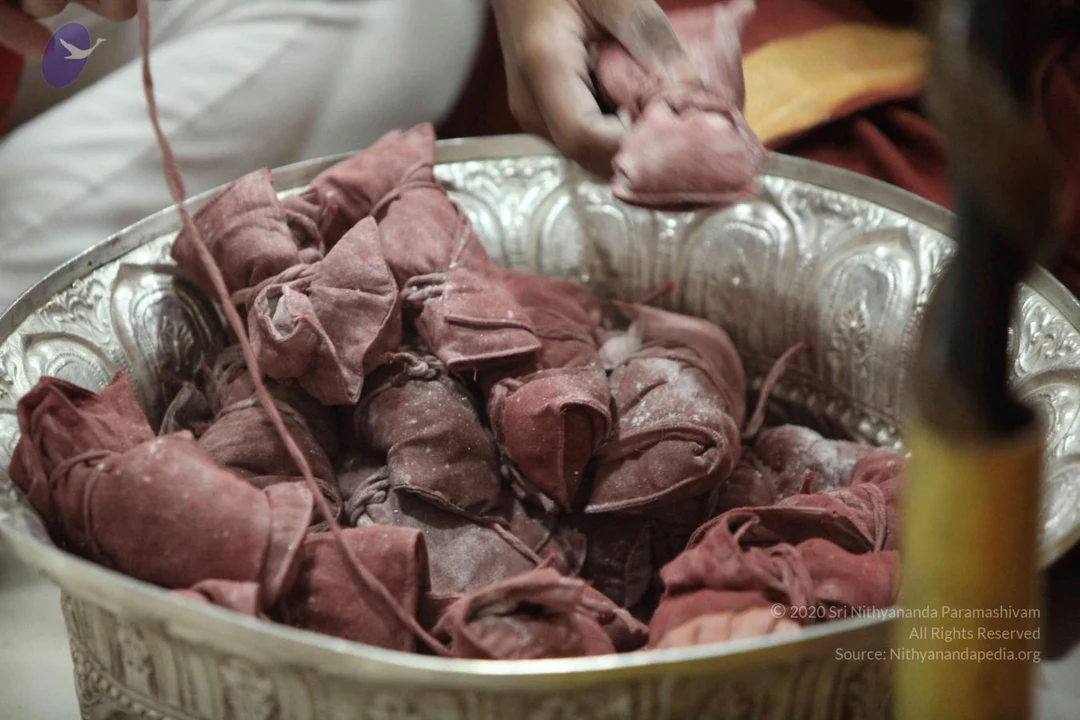
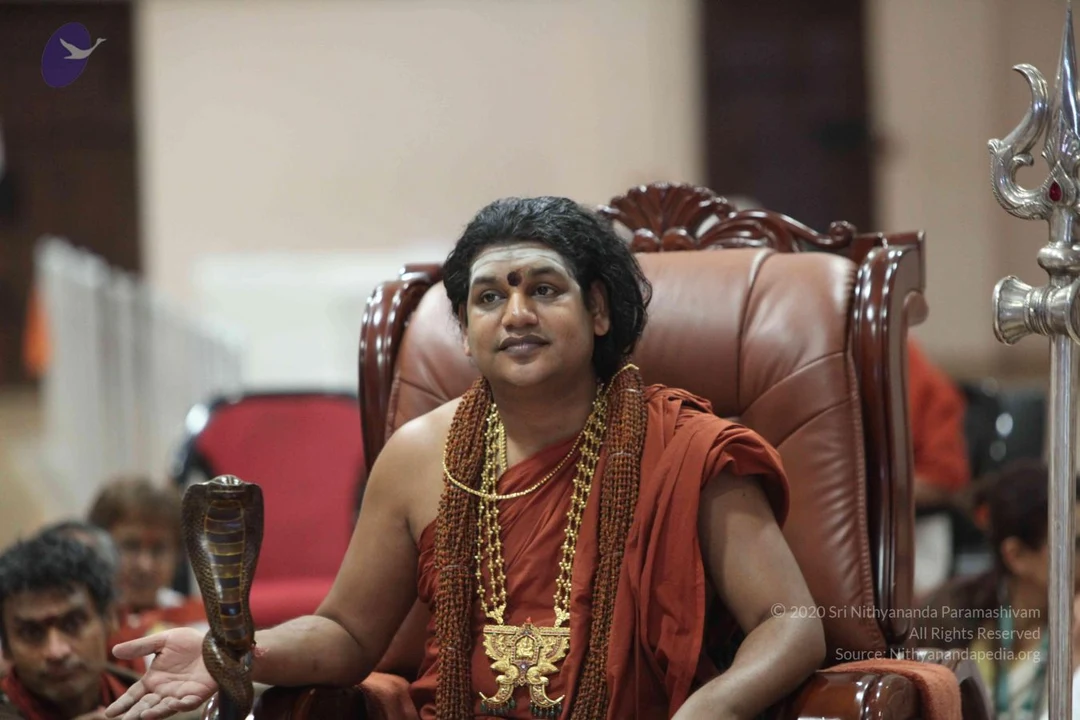
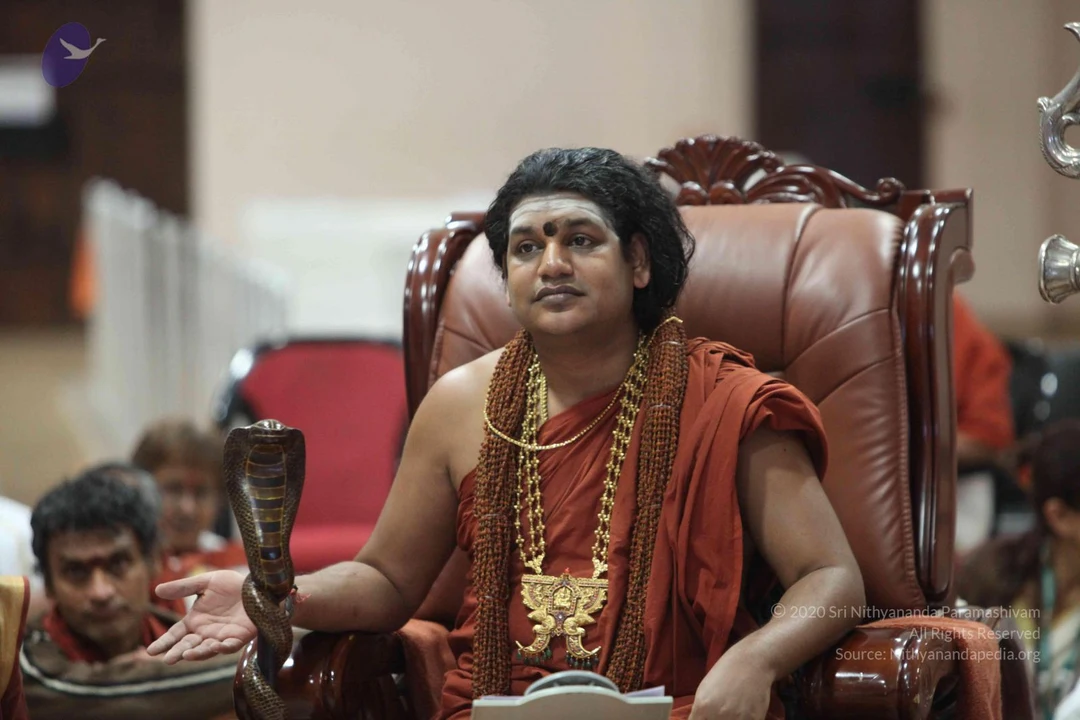
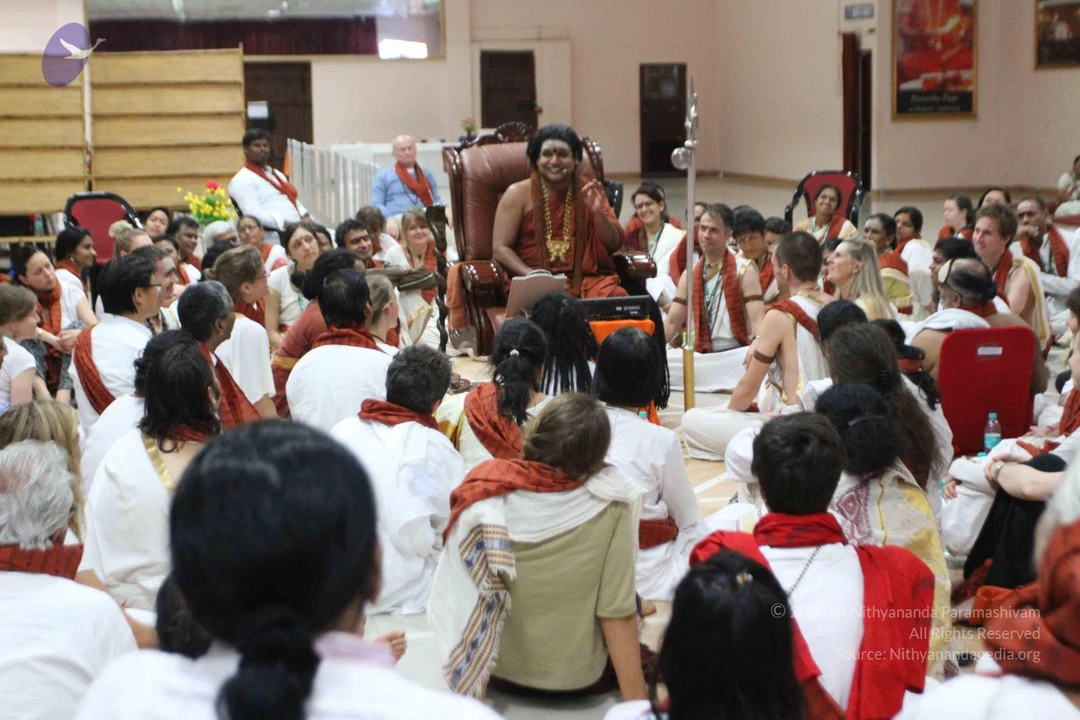
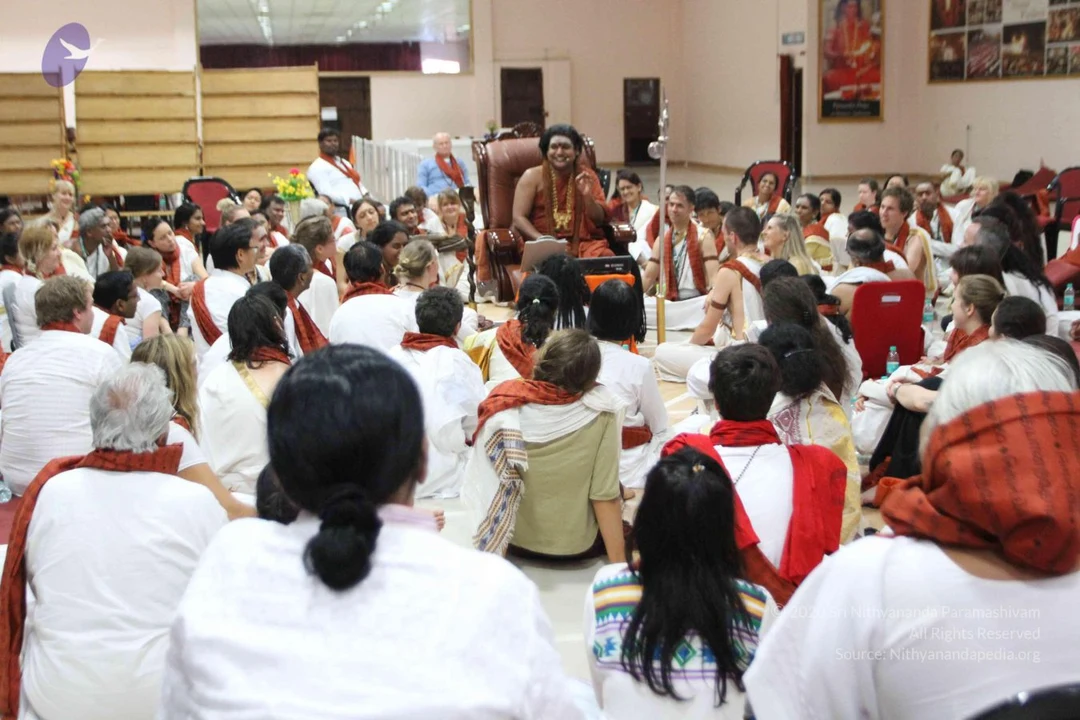
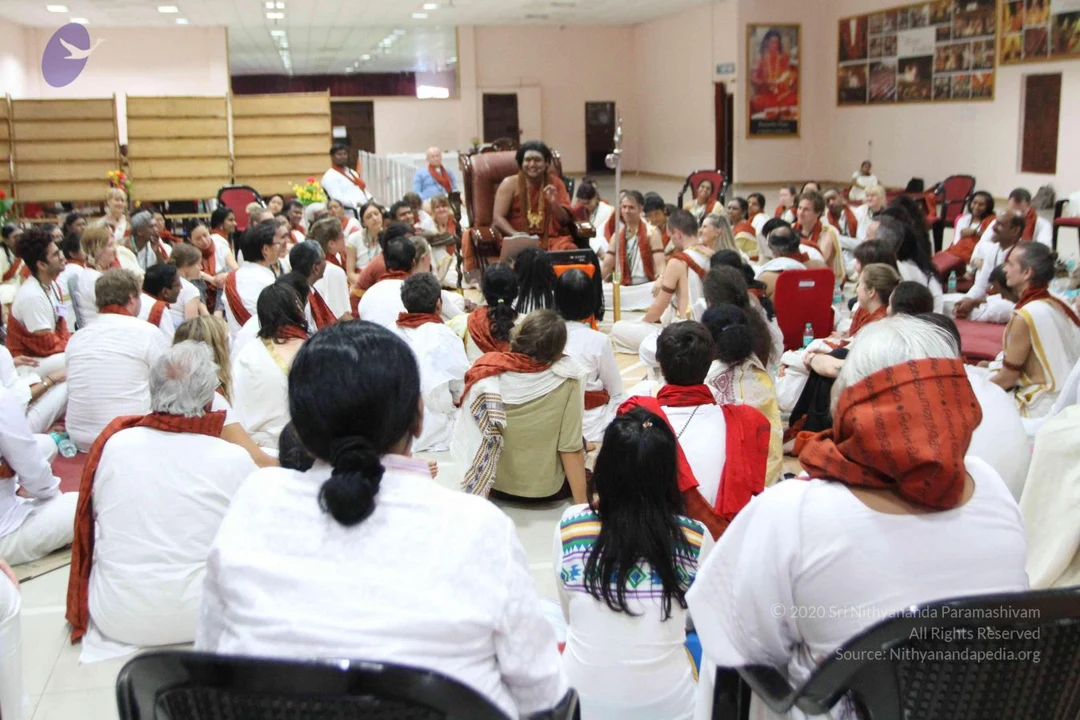
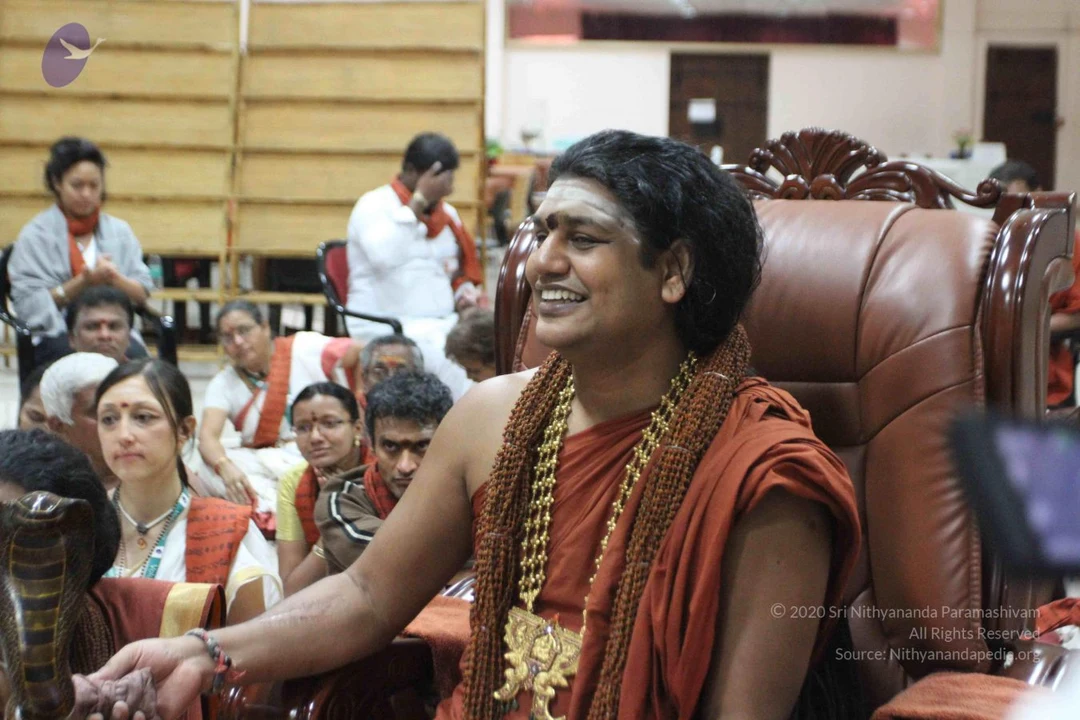
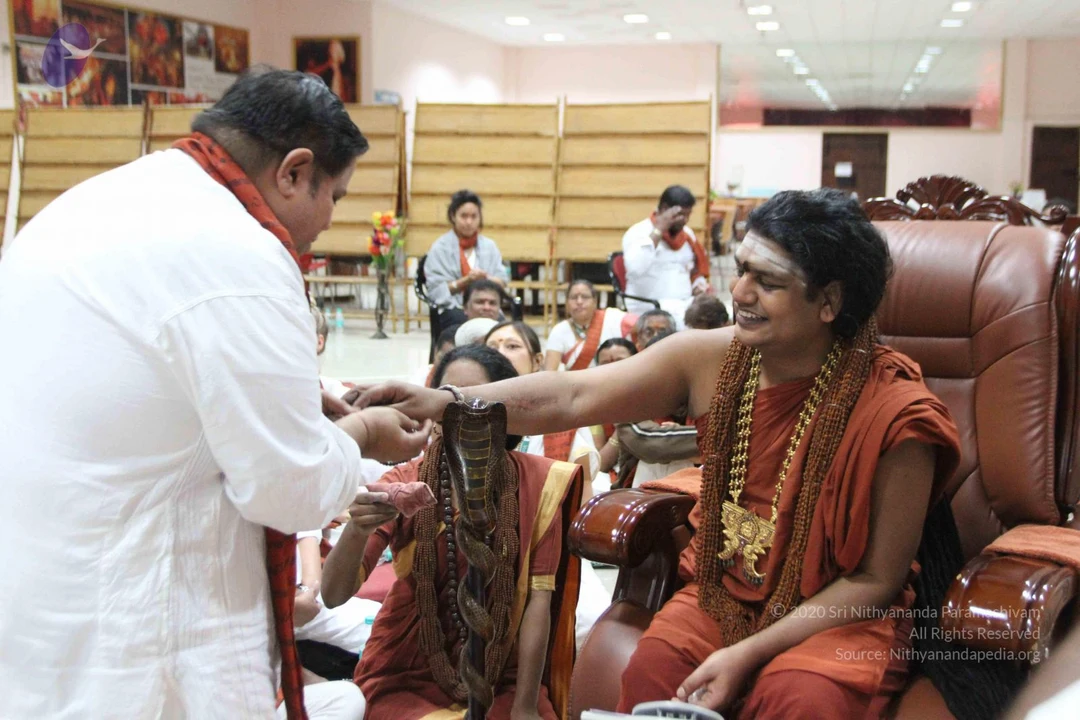
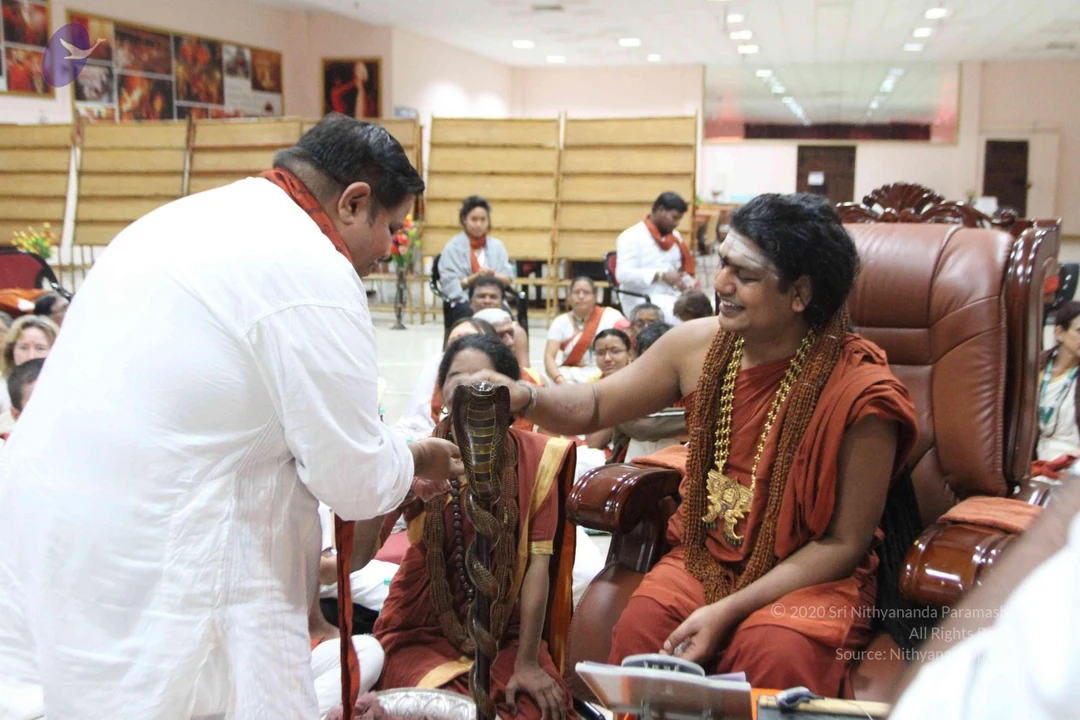
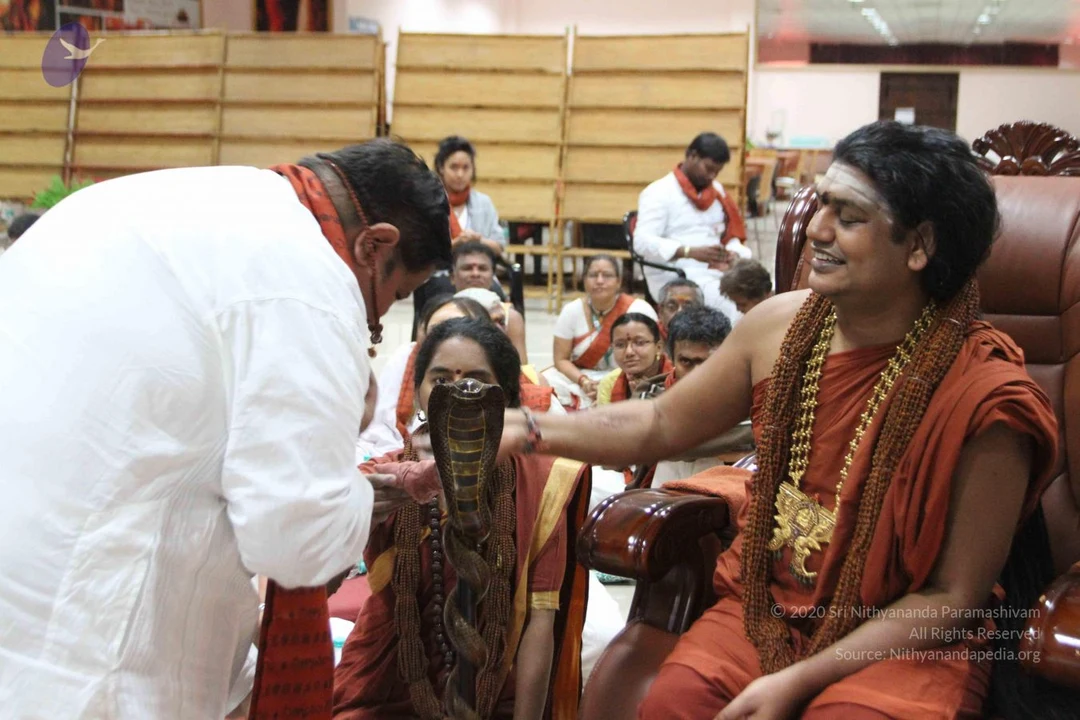
1-Introduction-to-Nithyanandoham
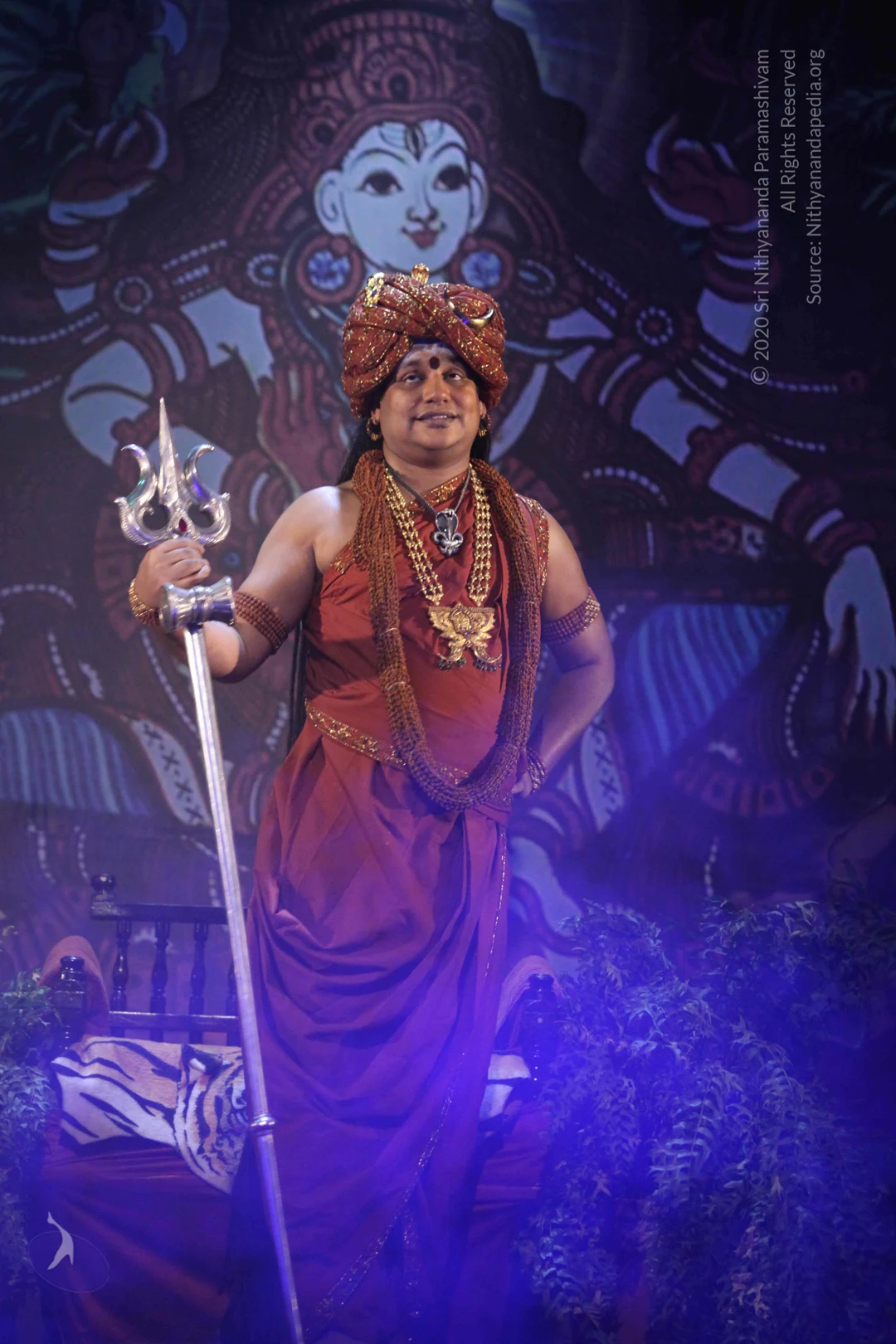
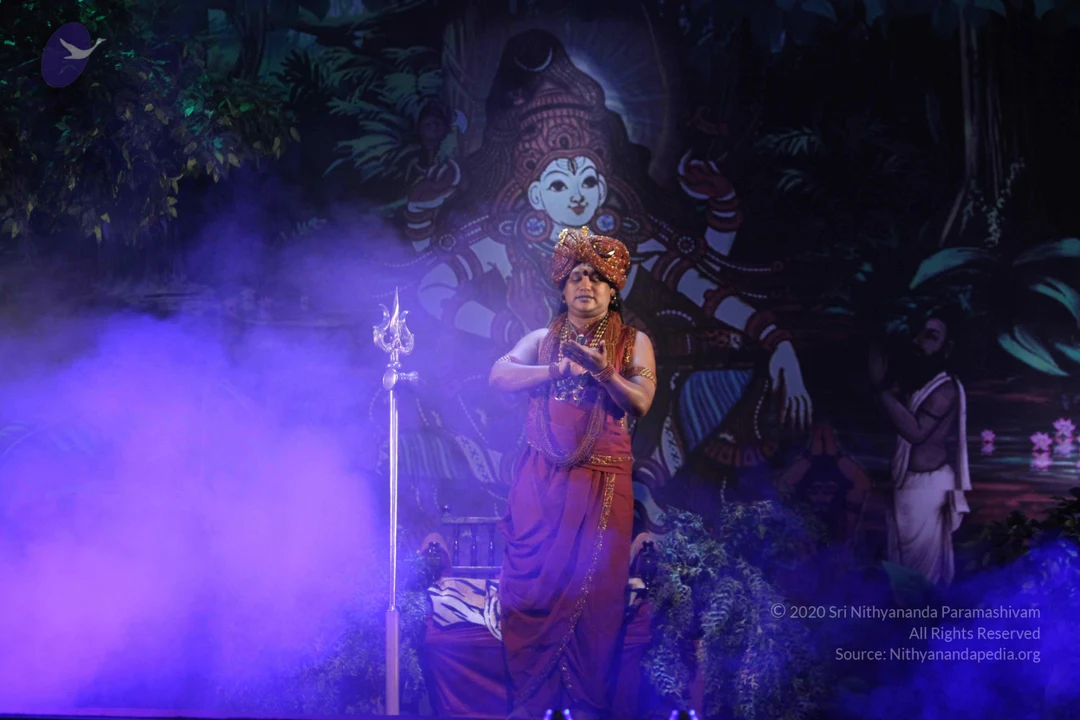
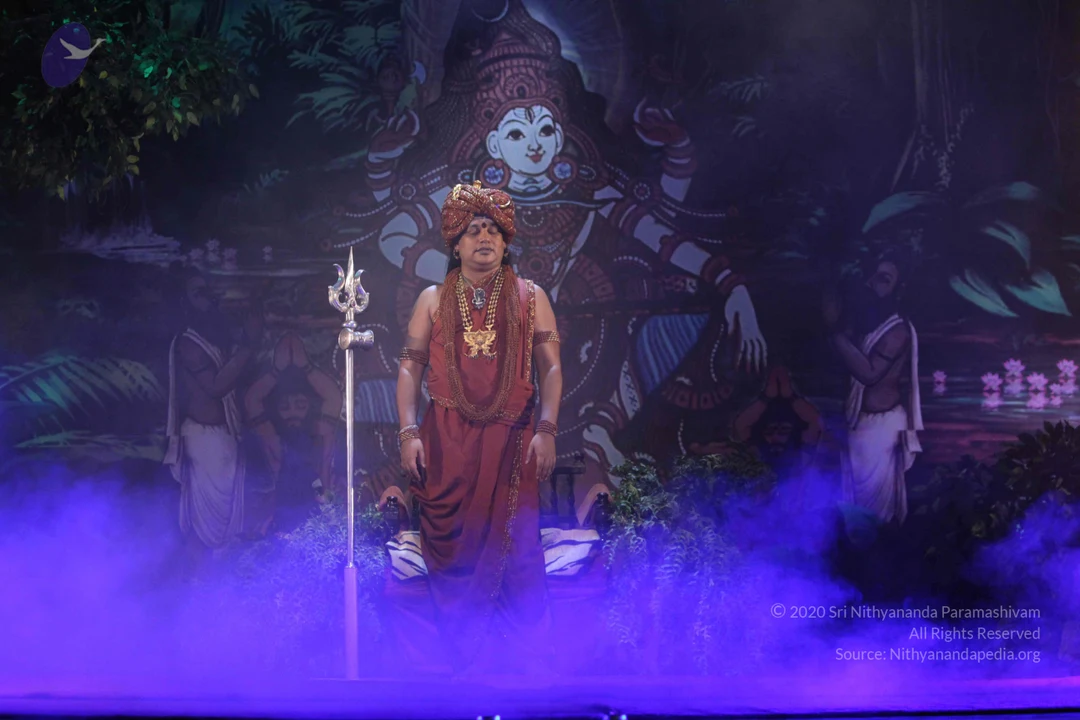
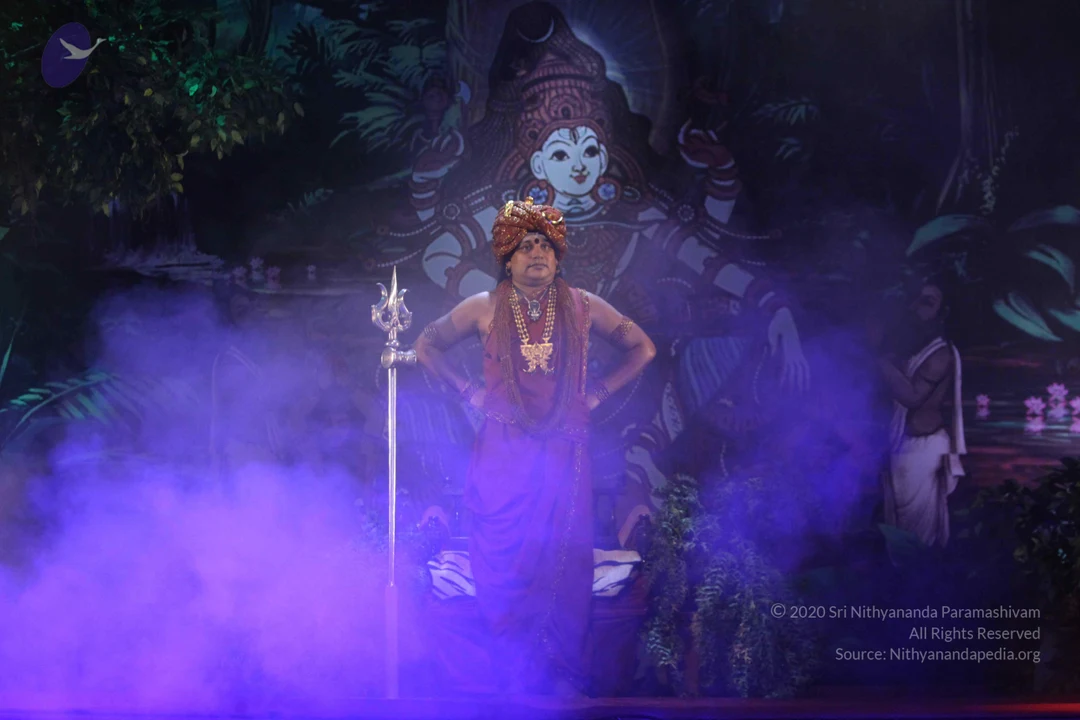
2-Mandala-Process
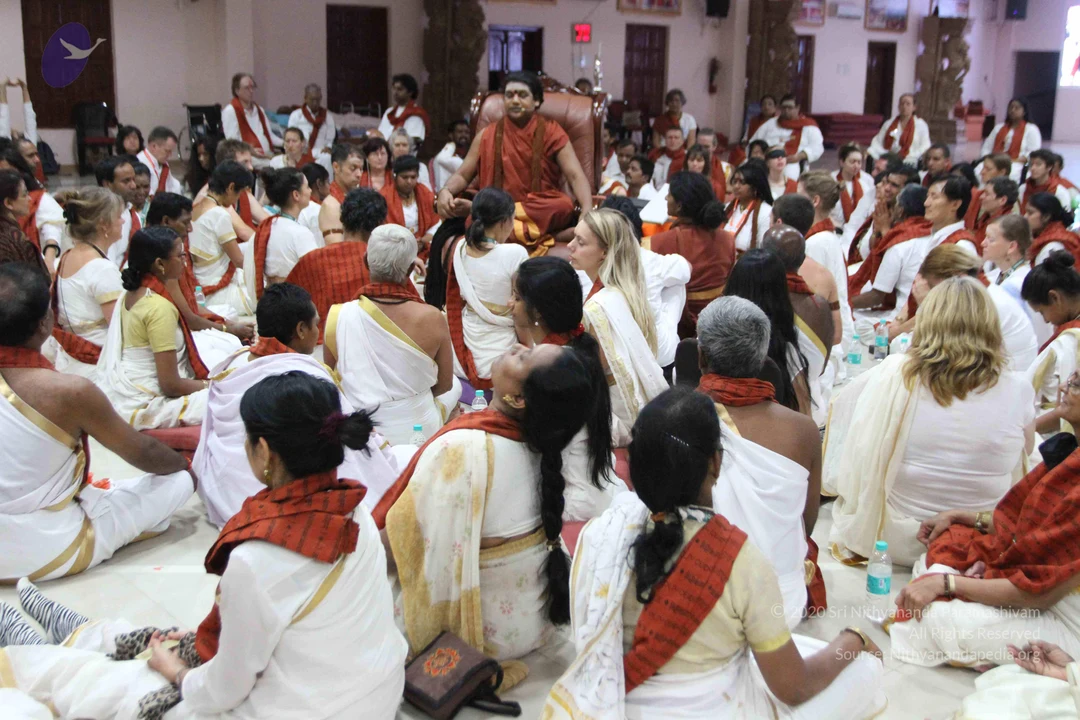
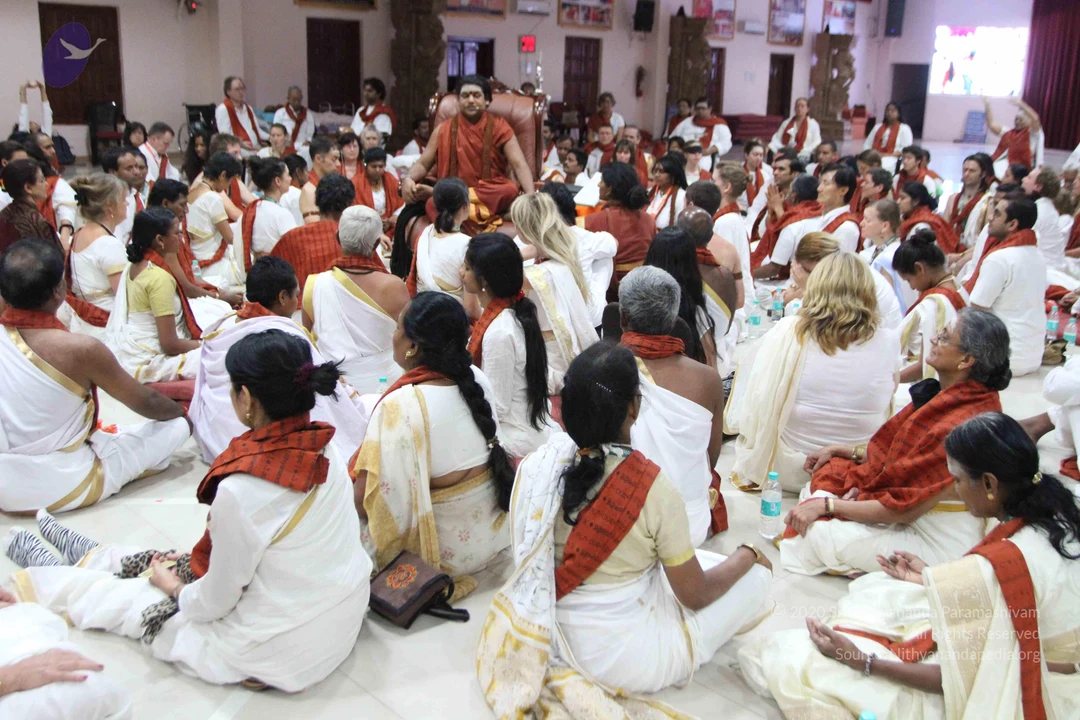
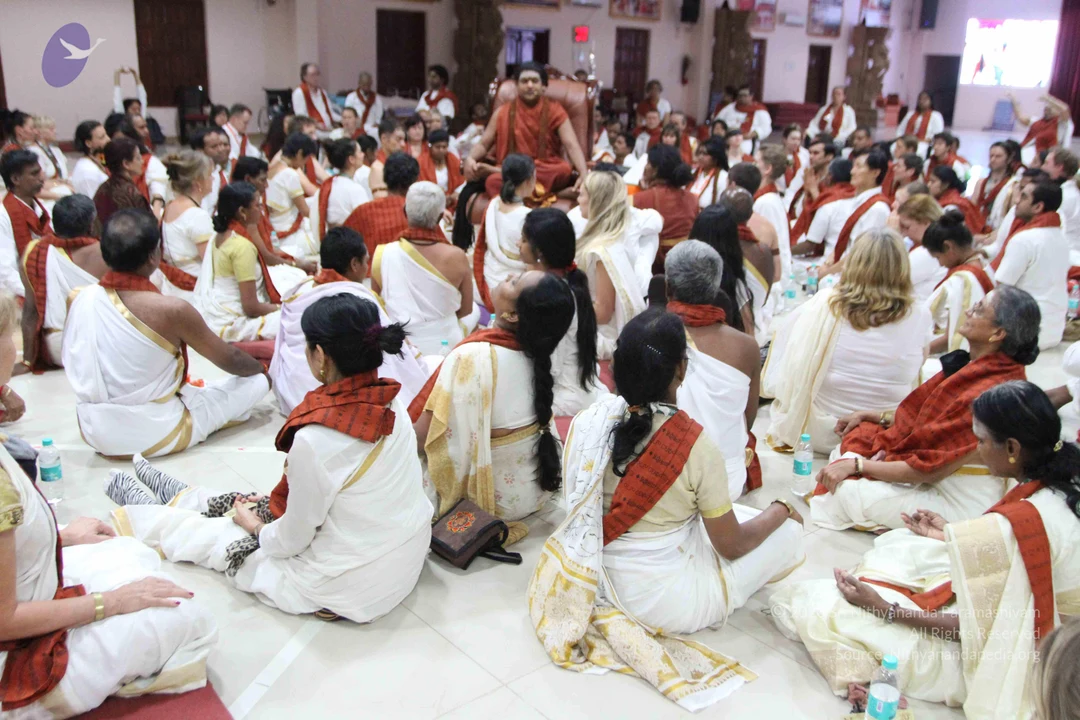
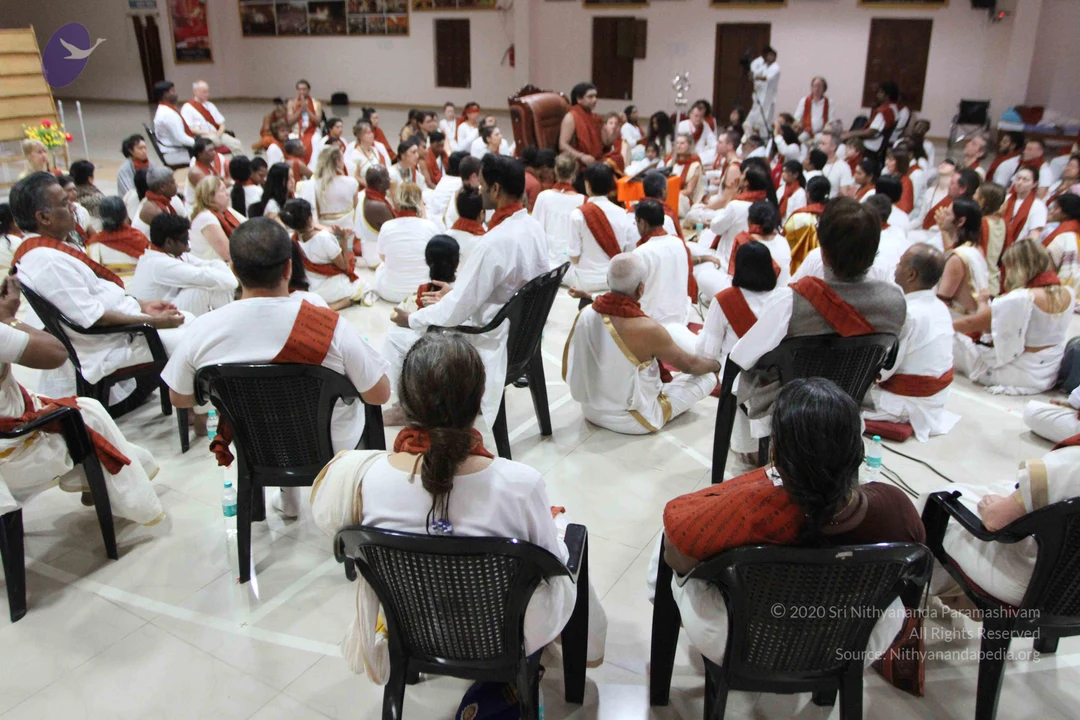
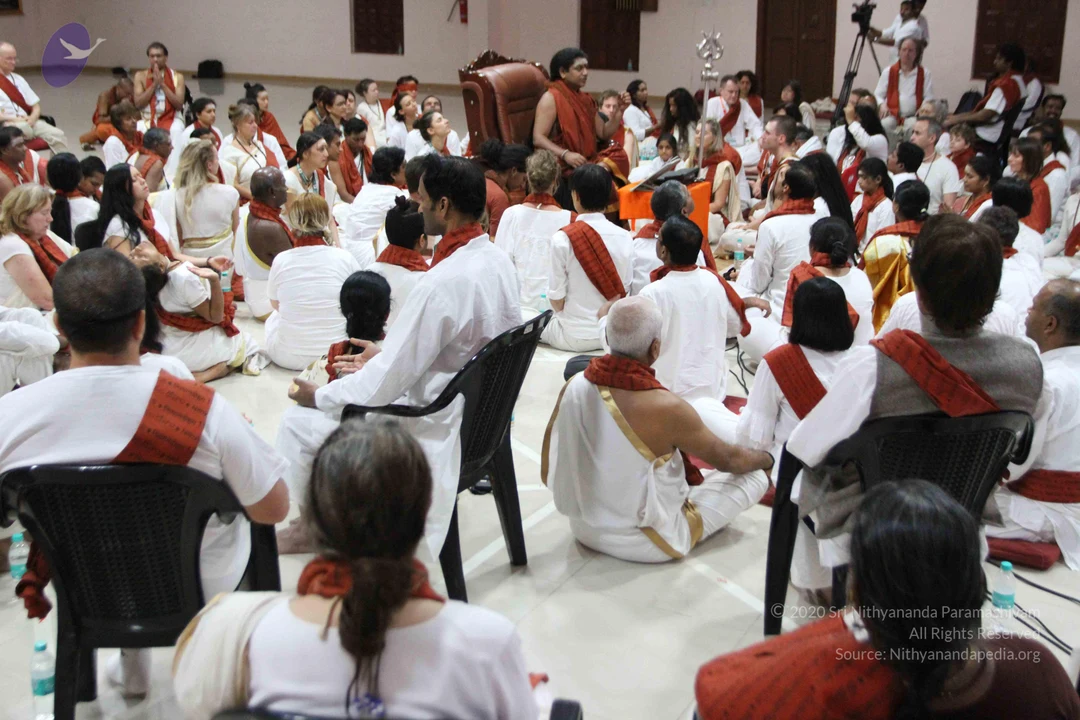
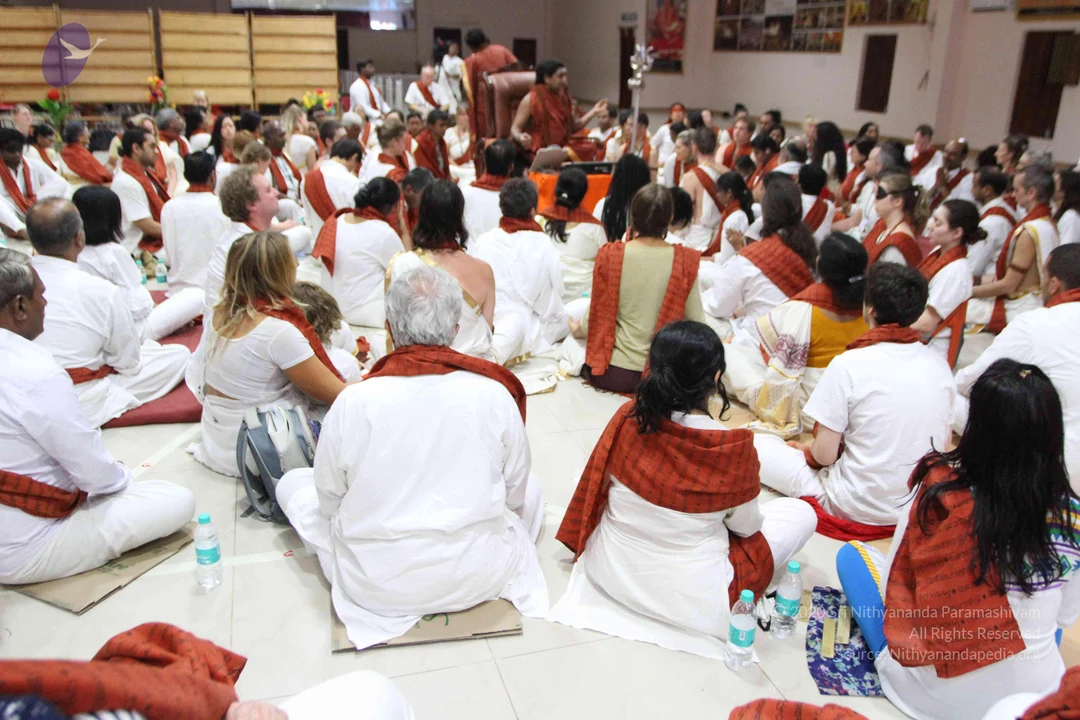
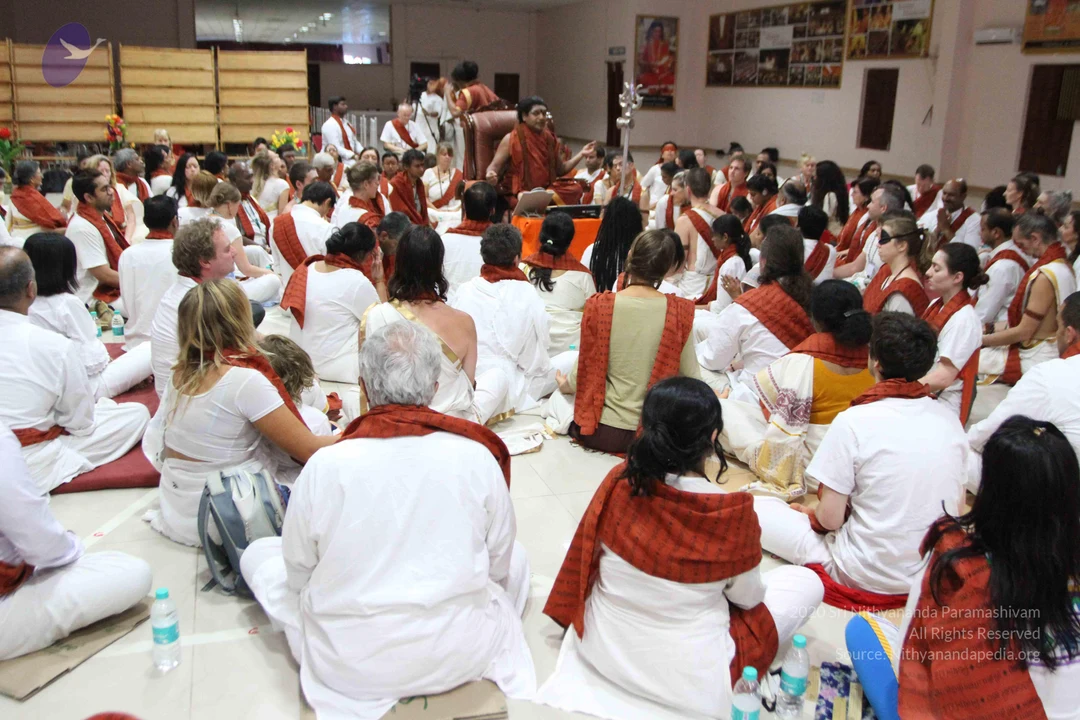
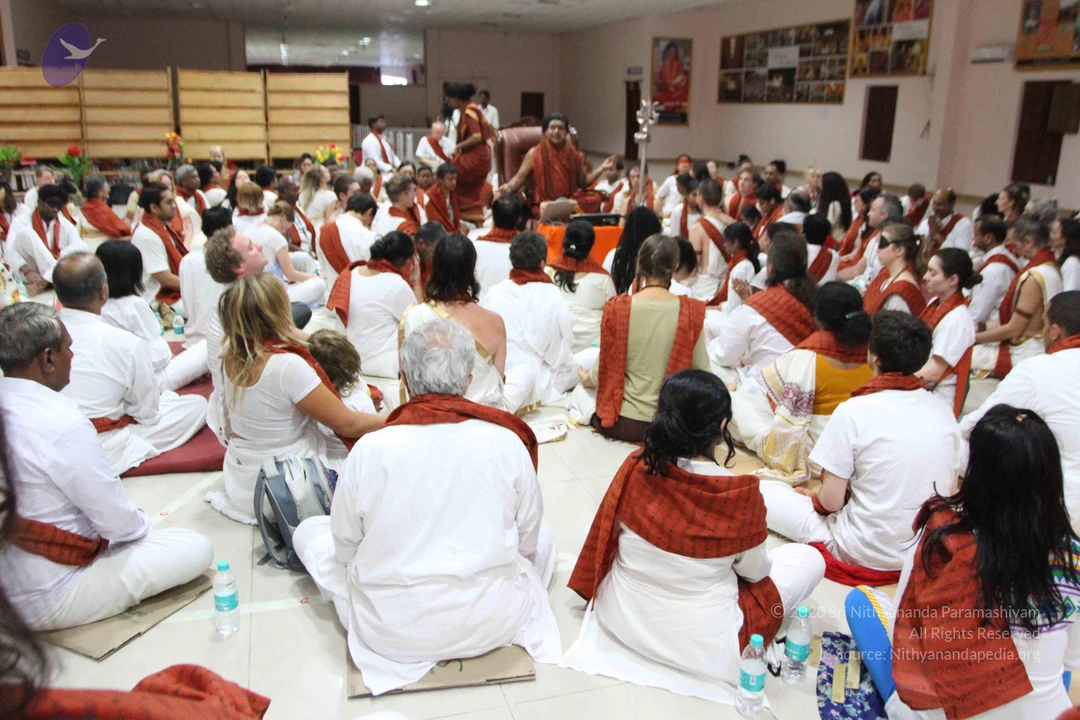
3-Mandala-process-2nd-session
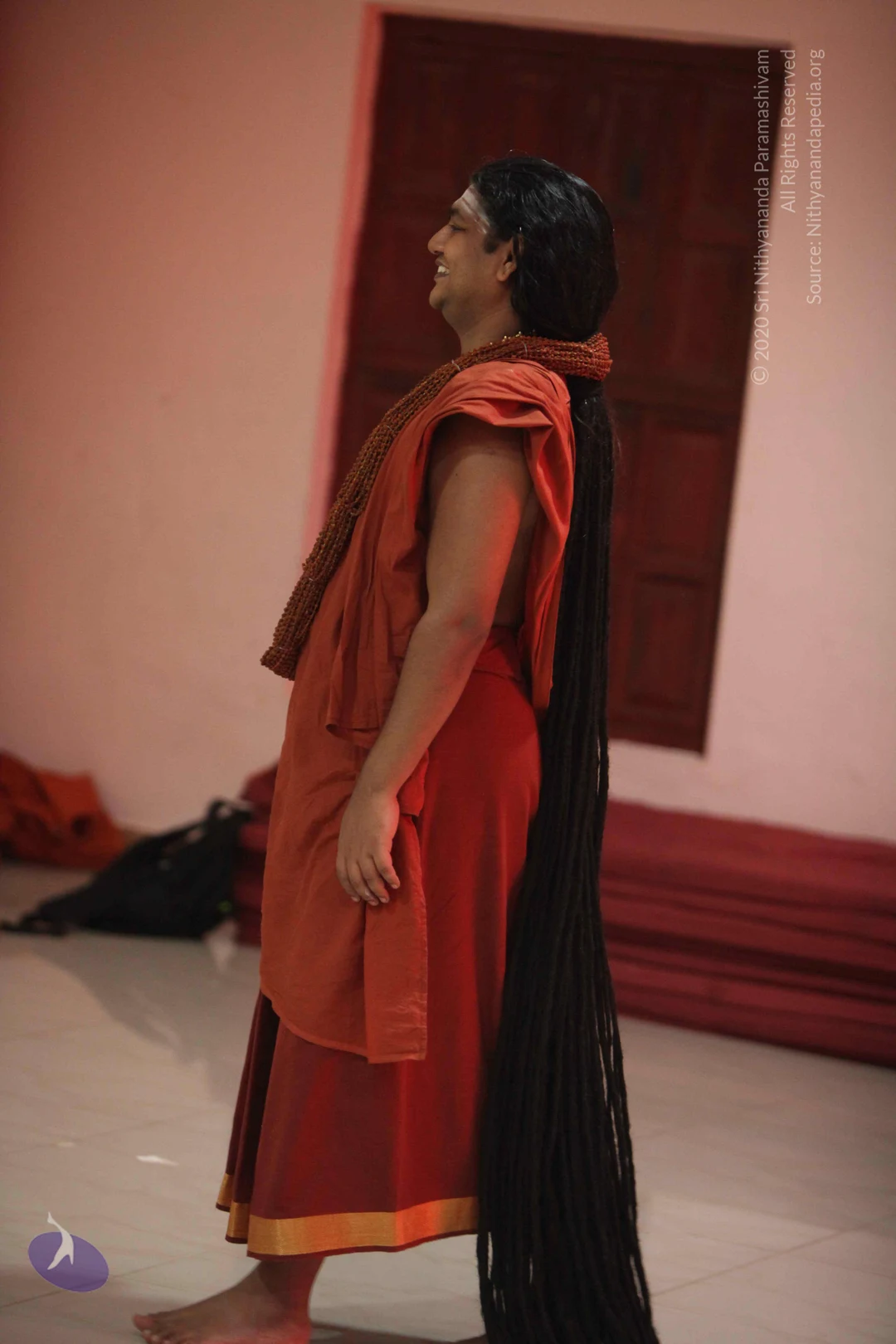
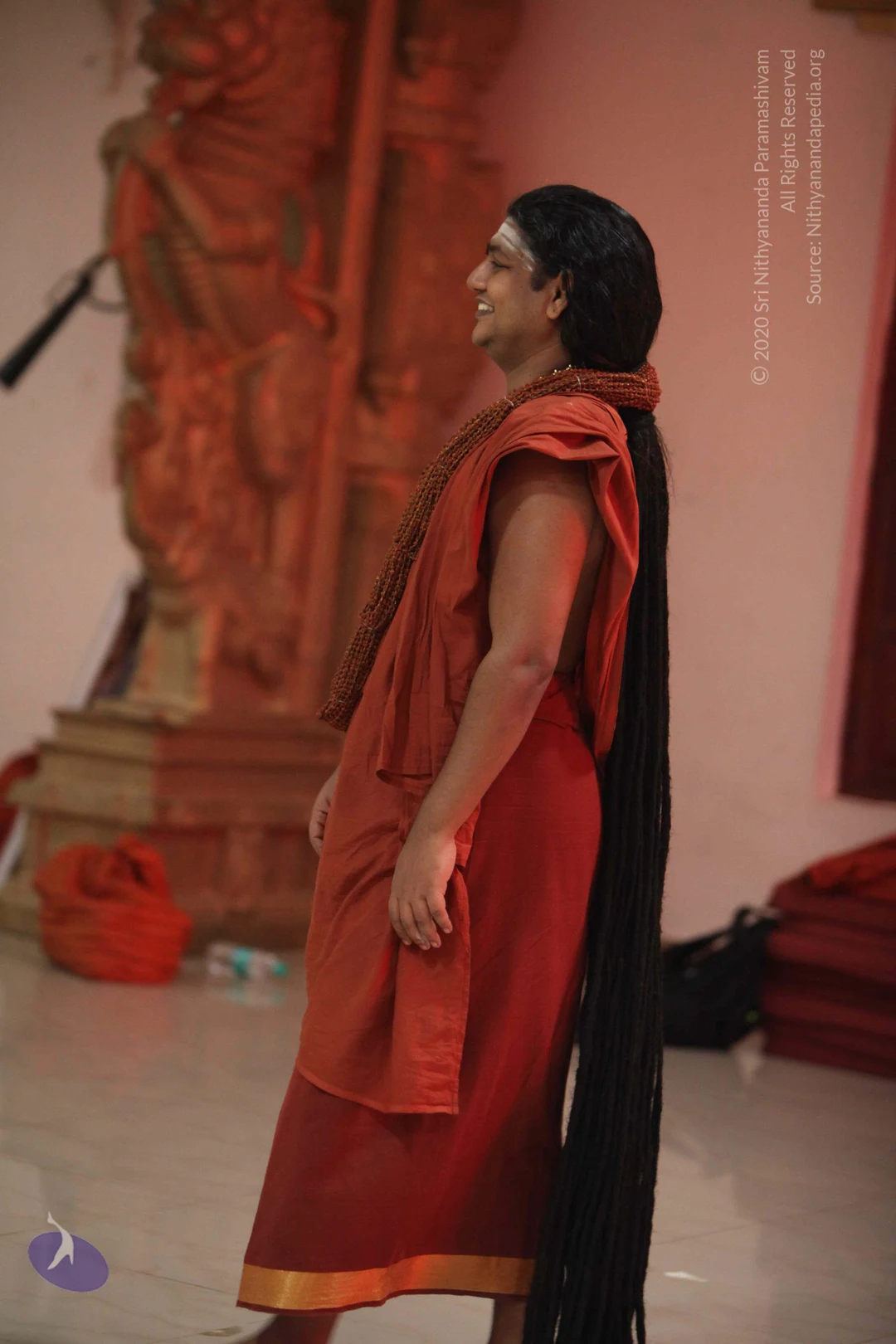
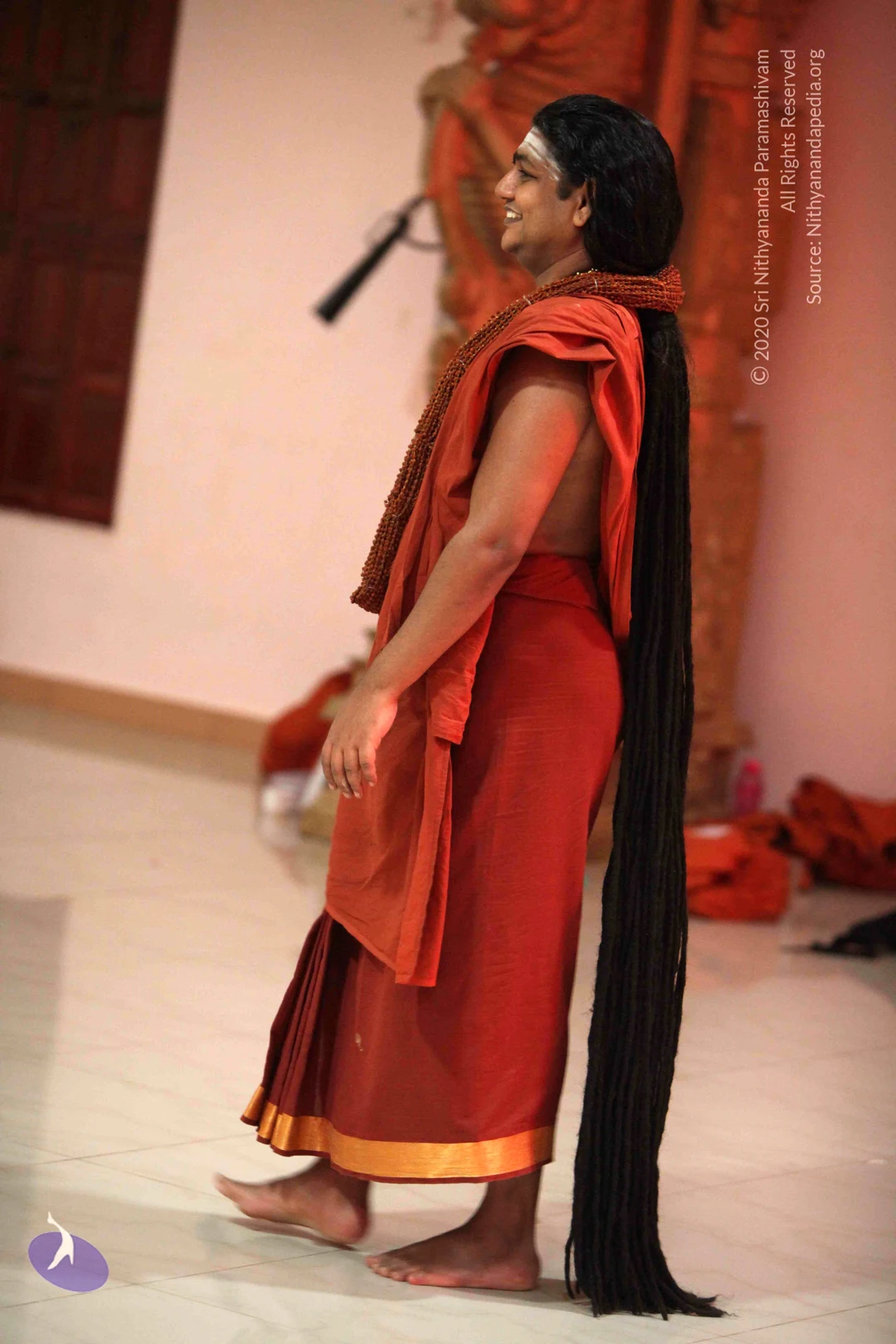
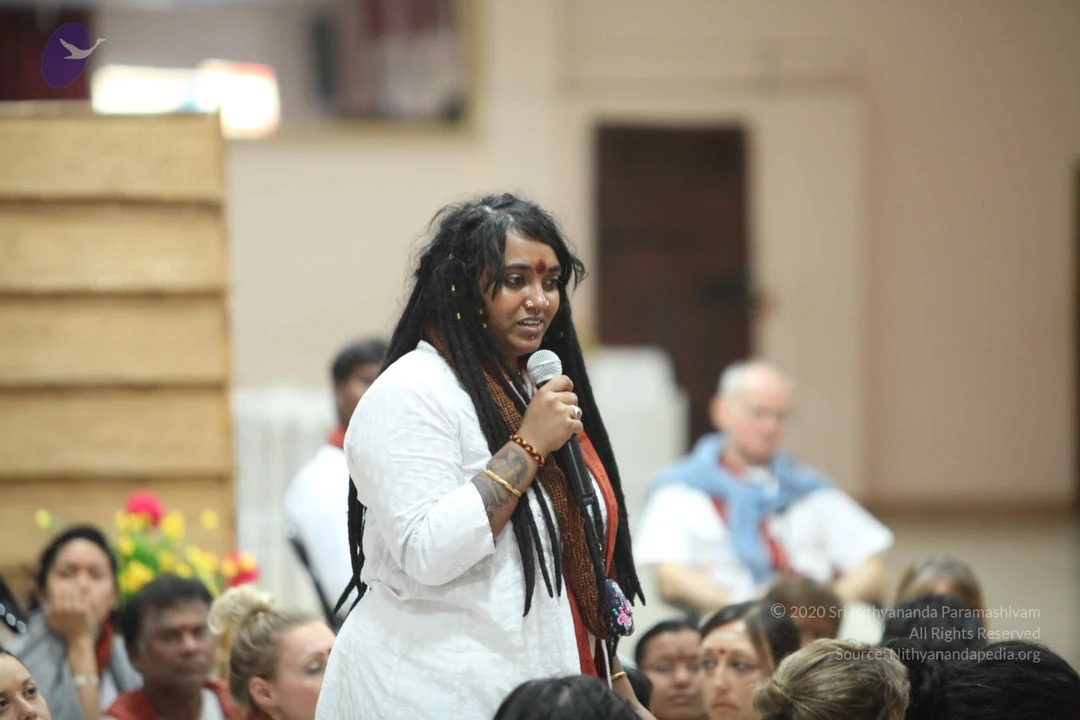
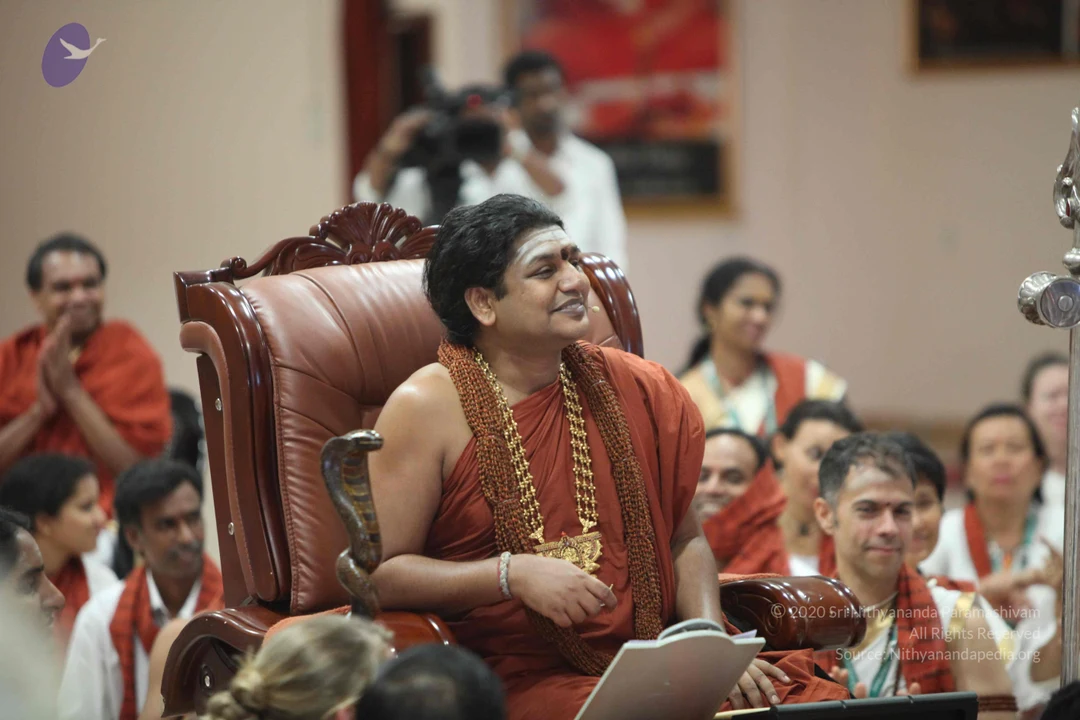
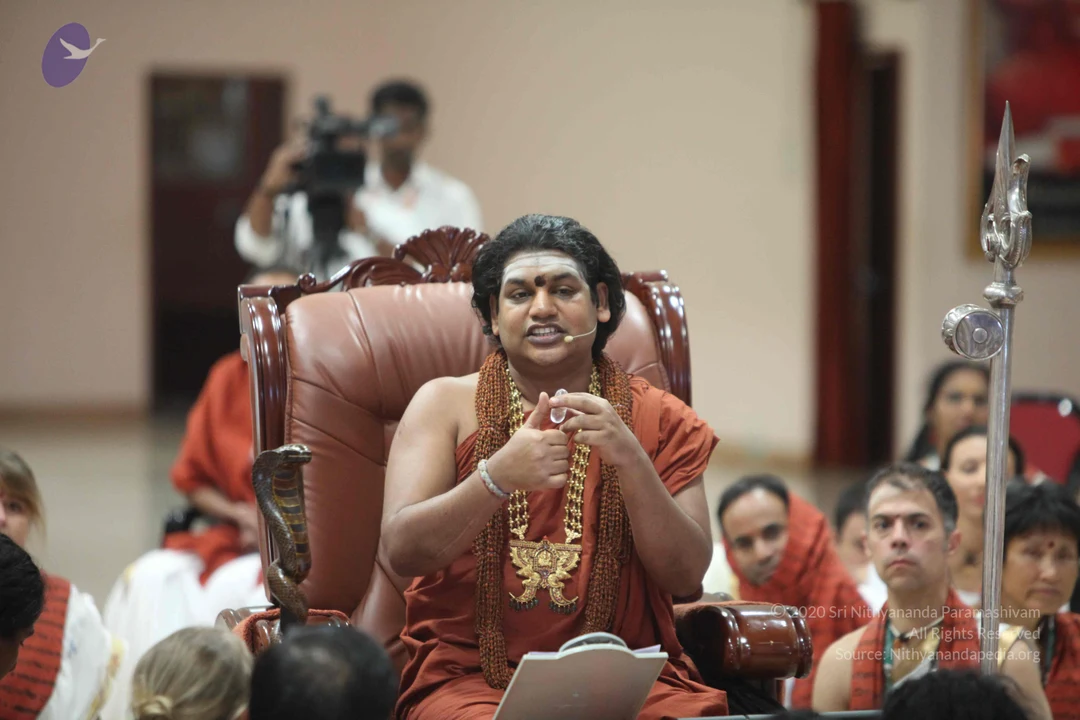
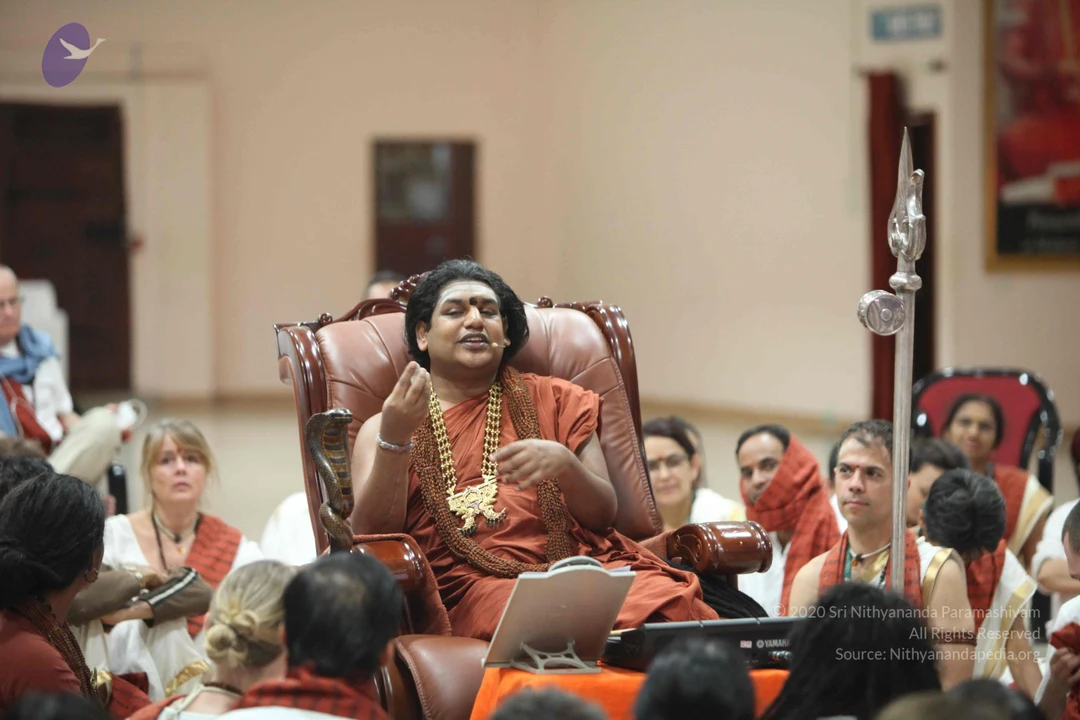
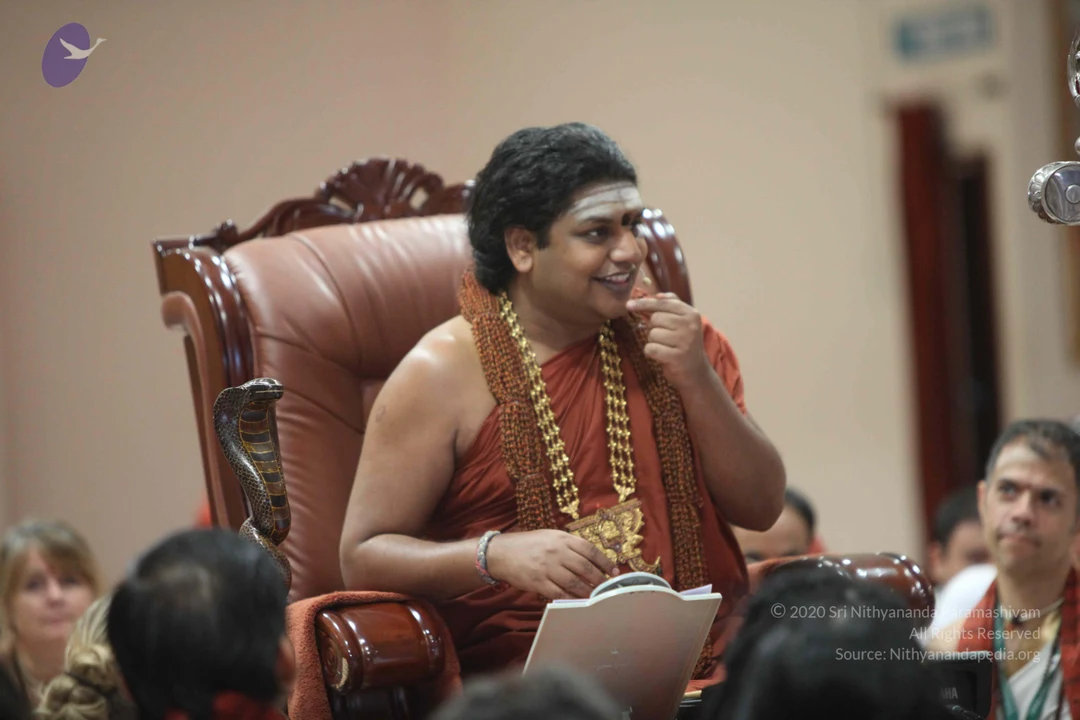
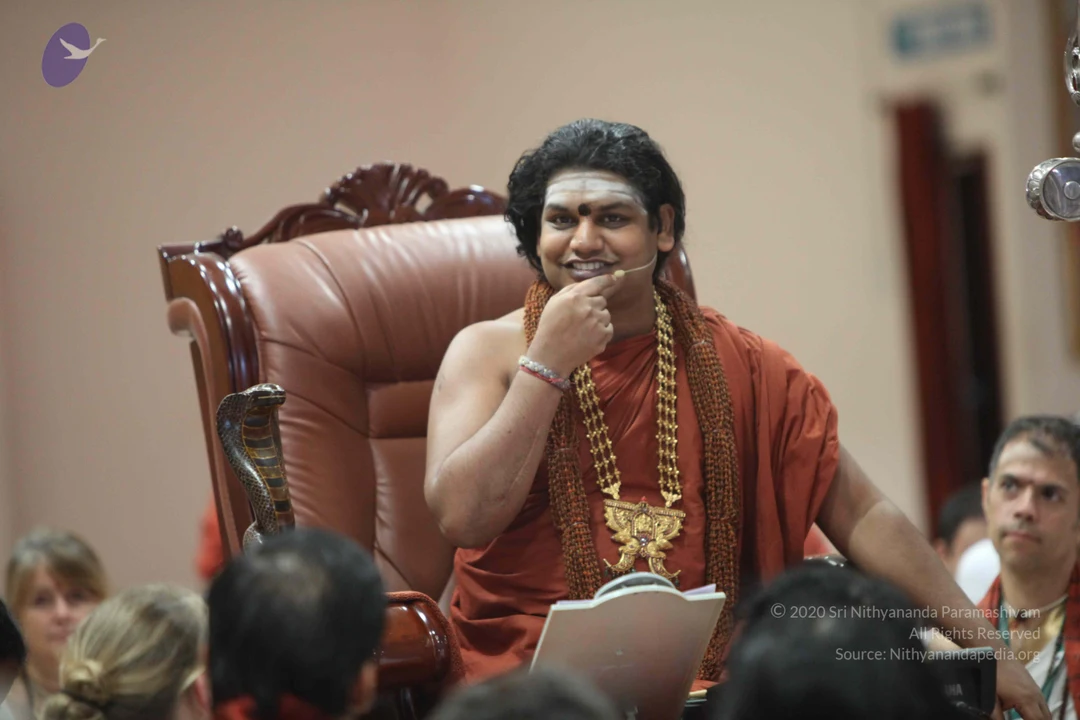
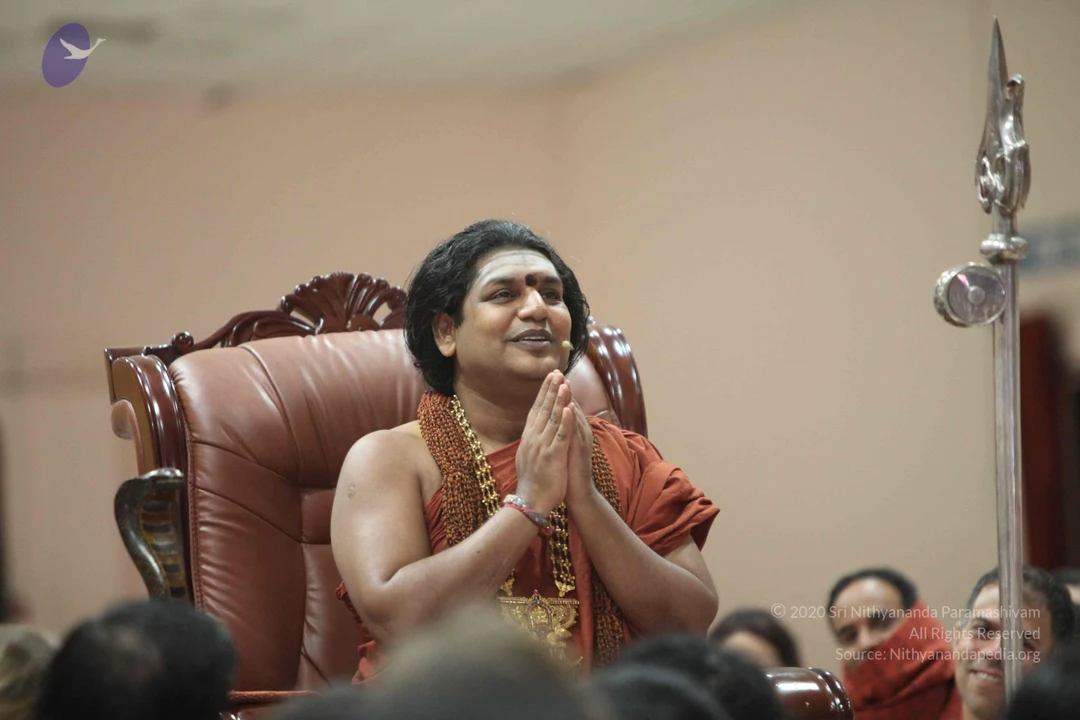
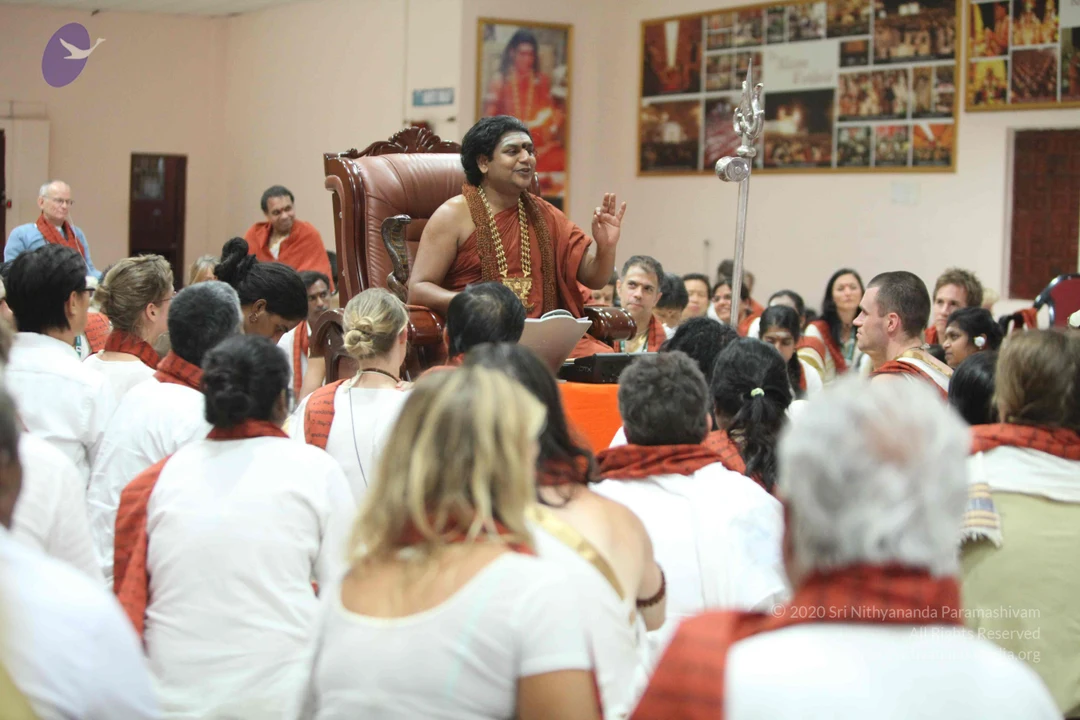
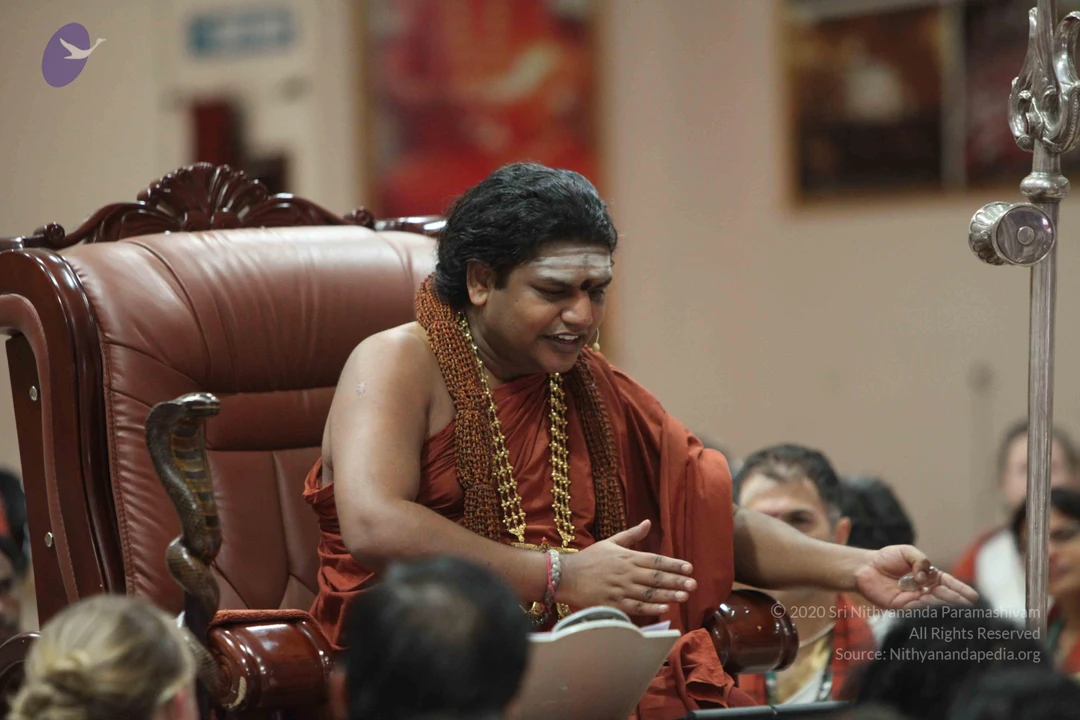
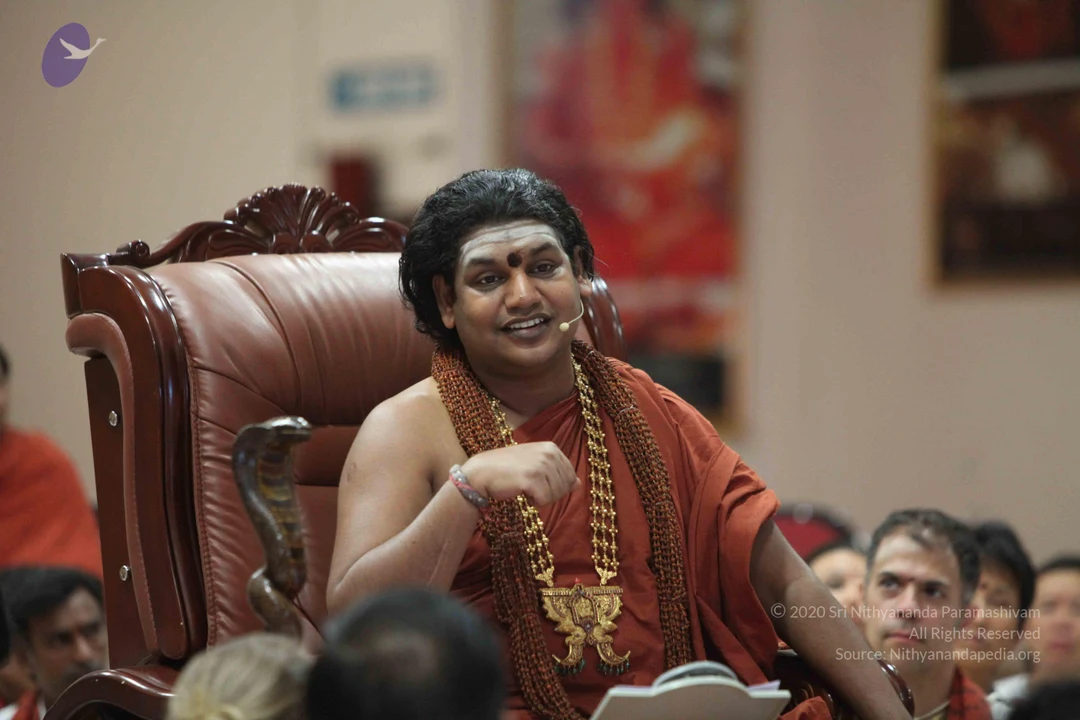
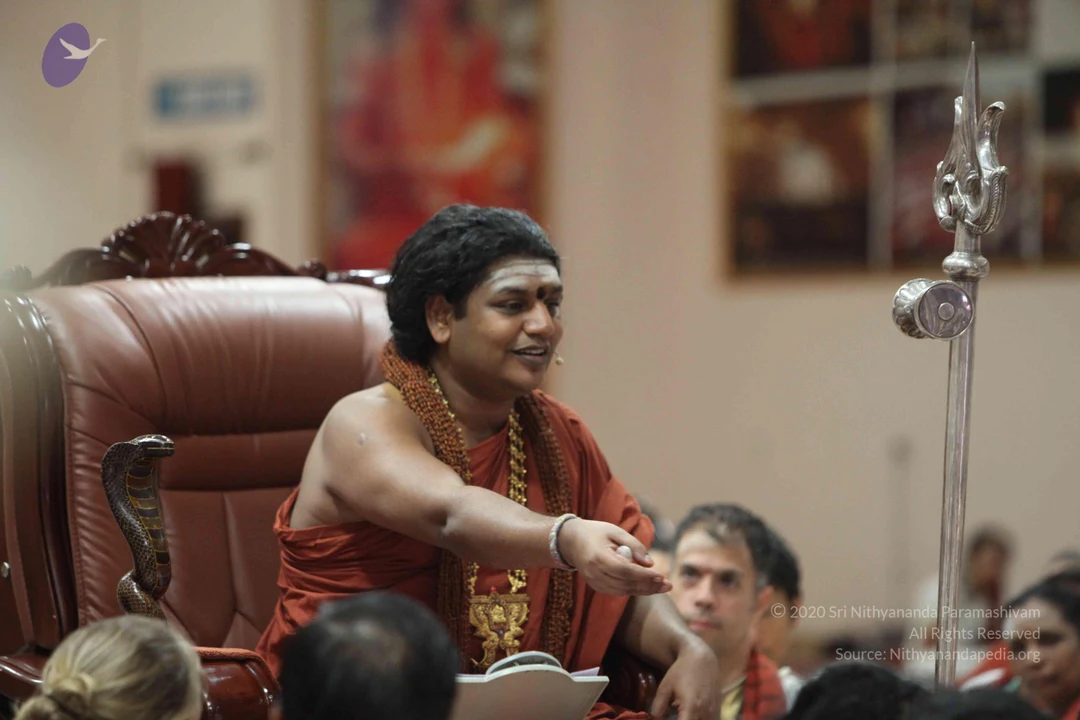
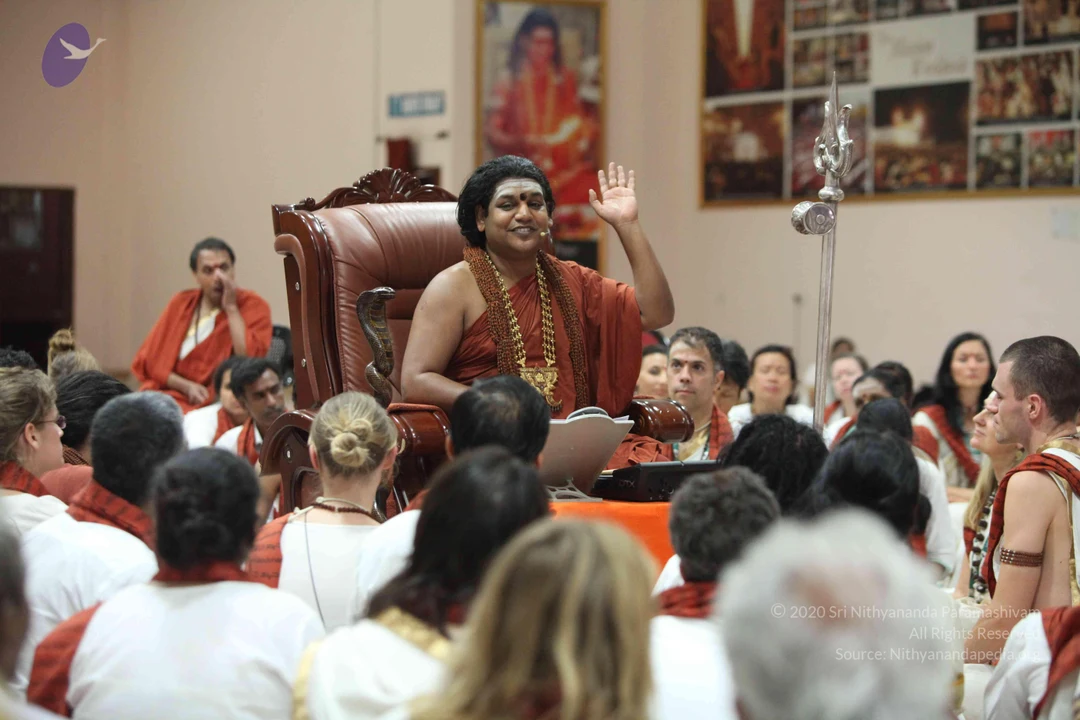
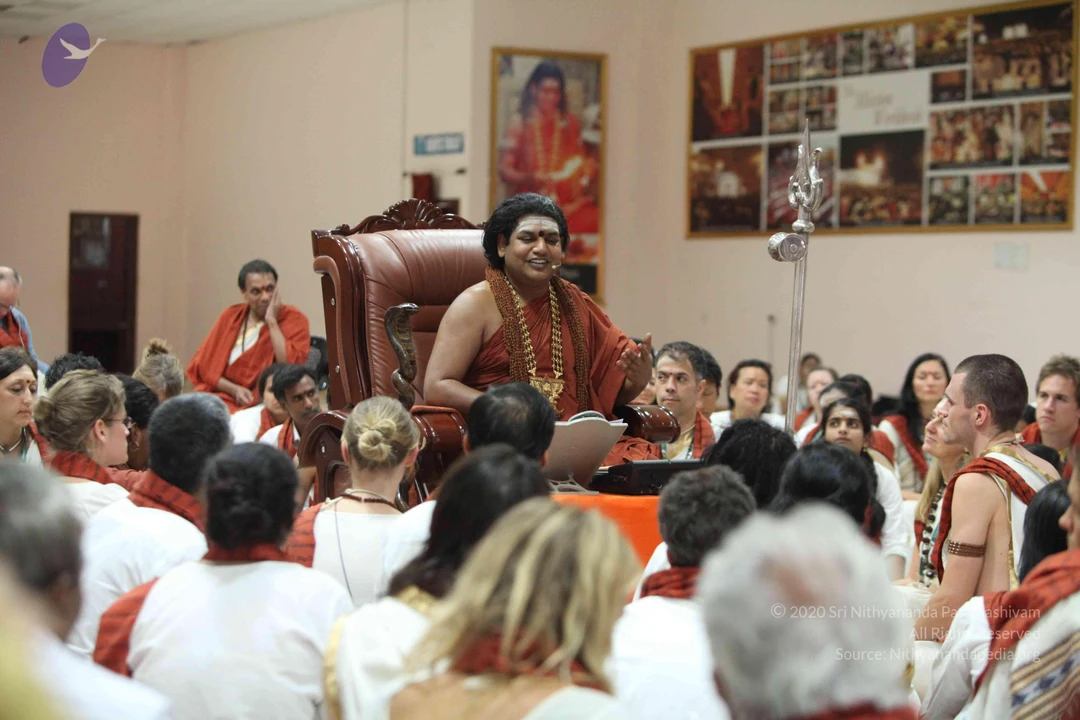
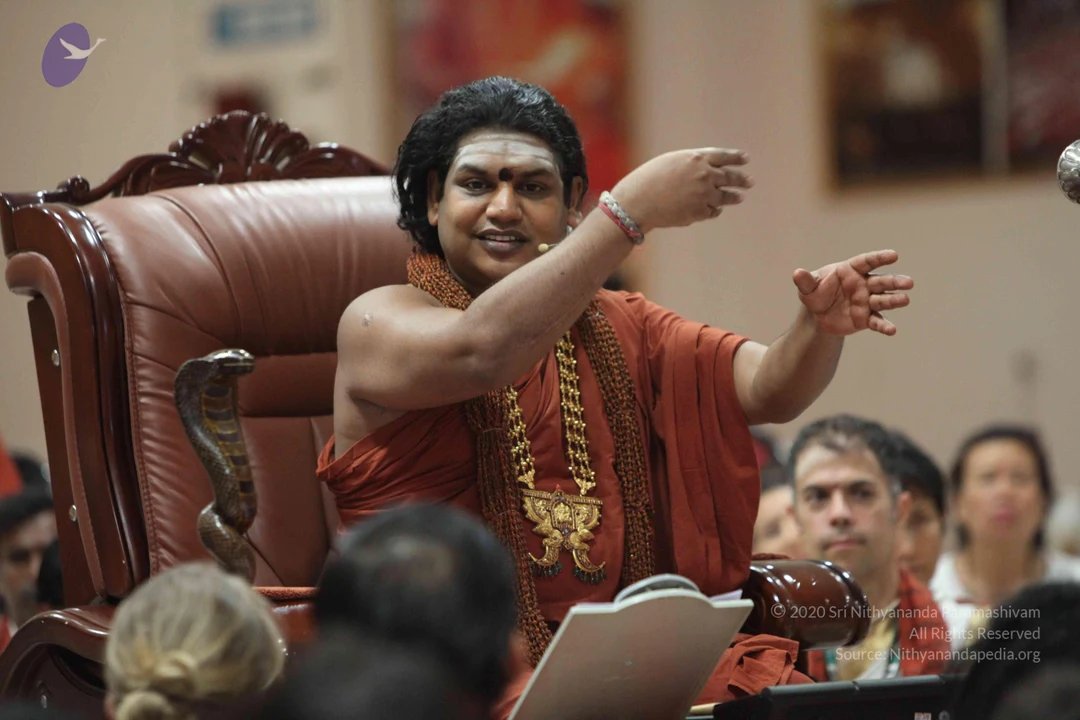
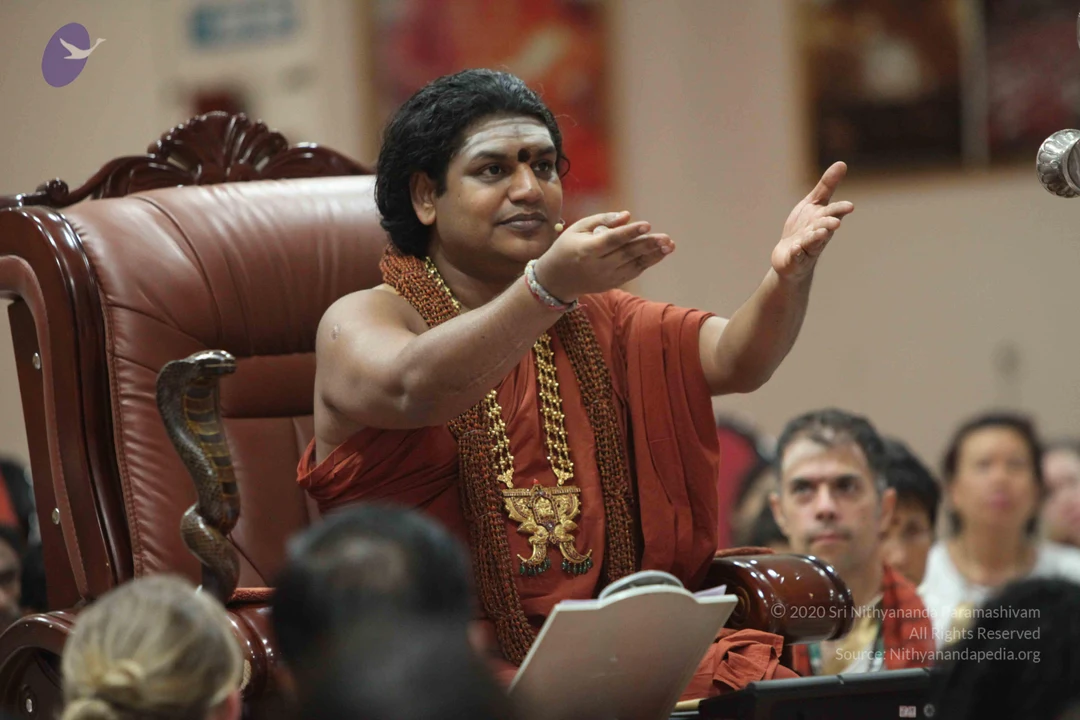
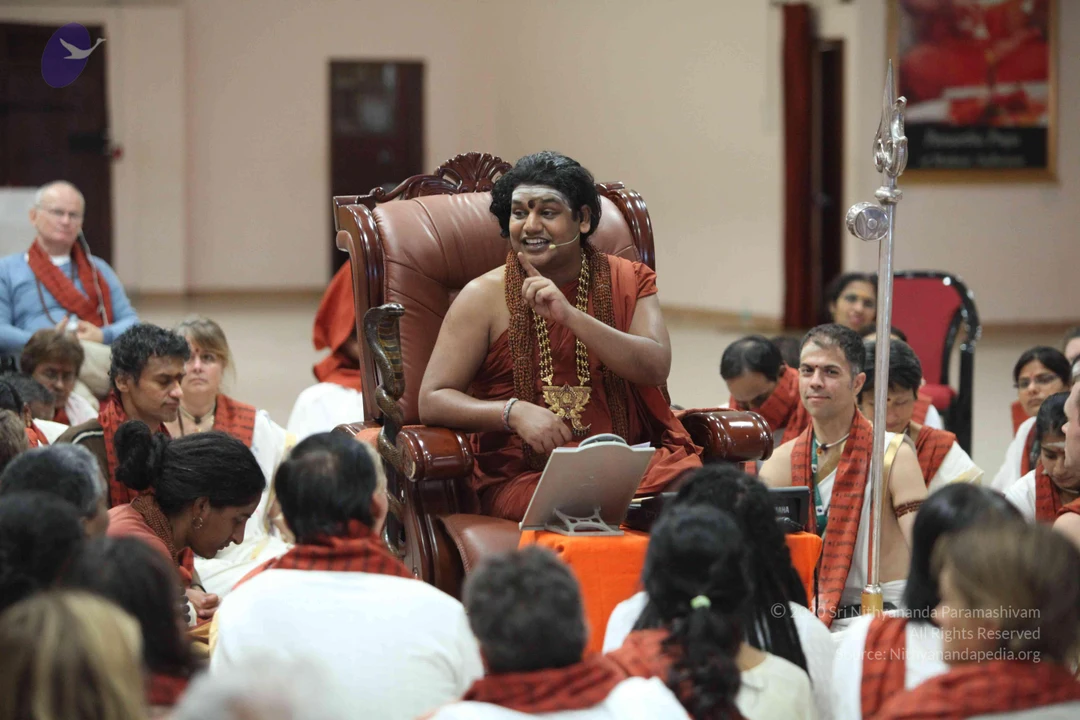
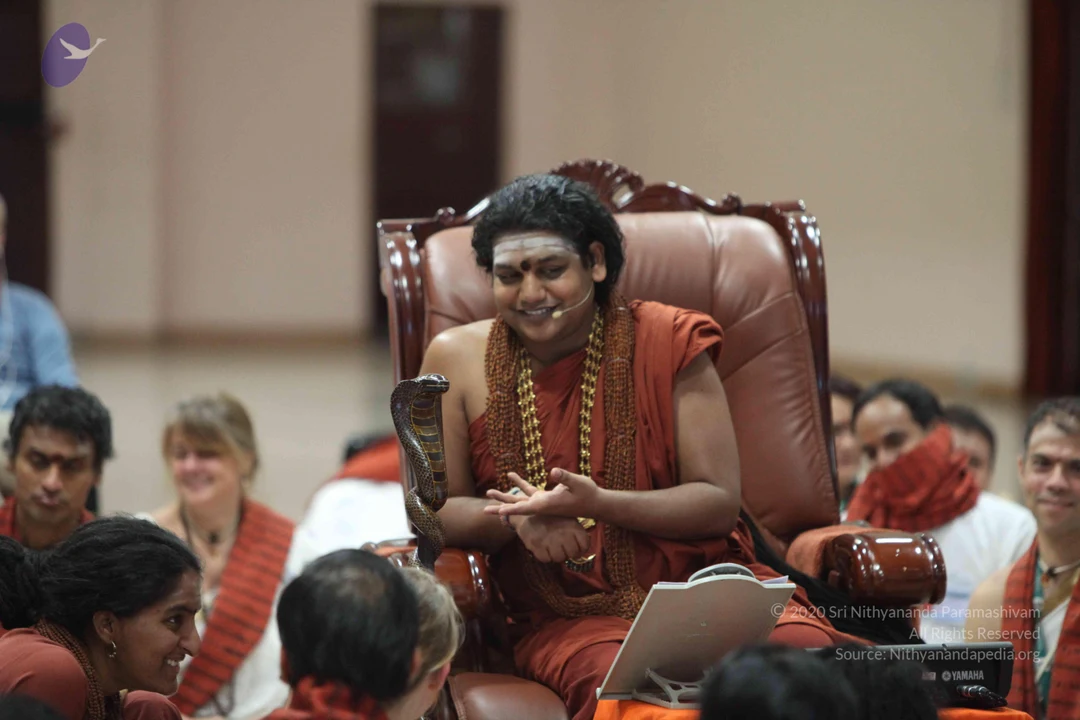
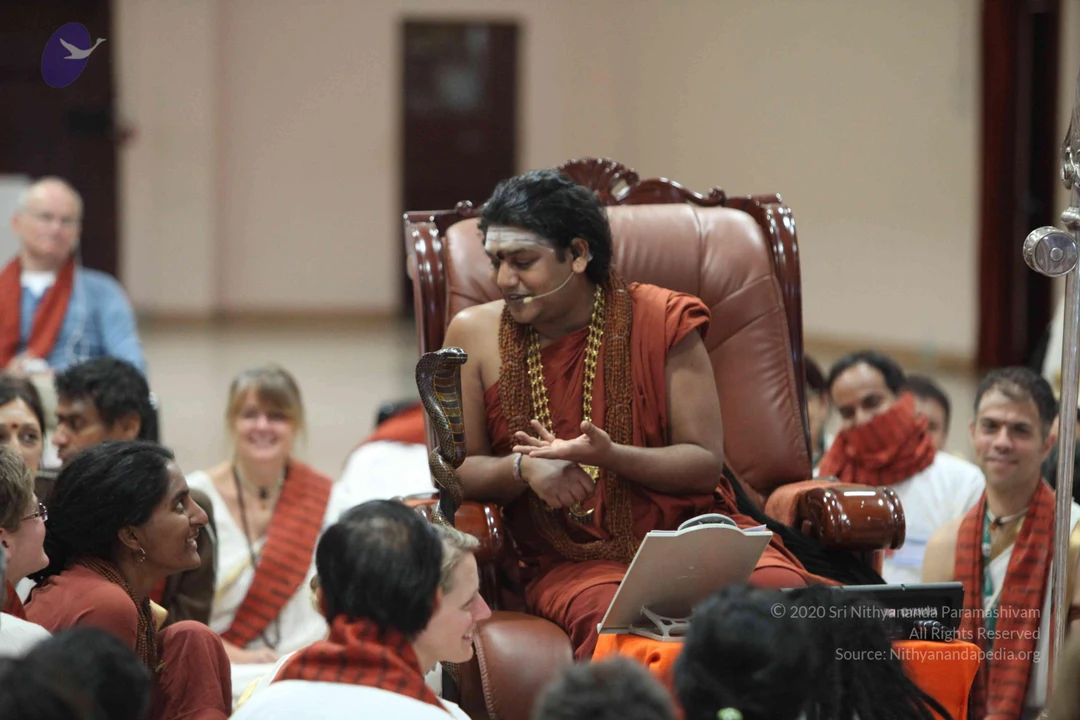
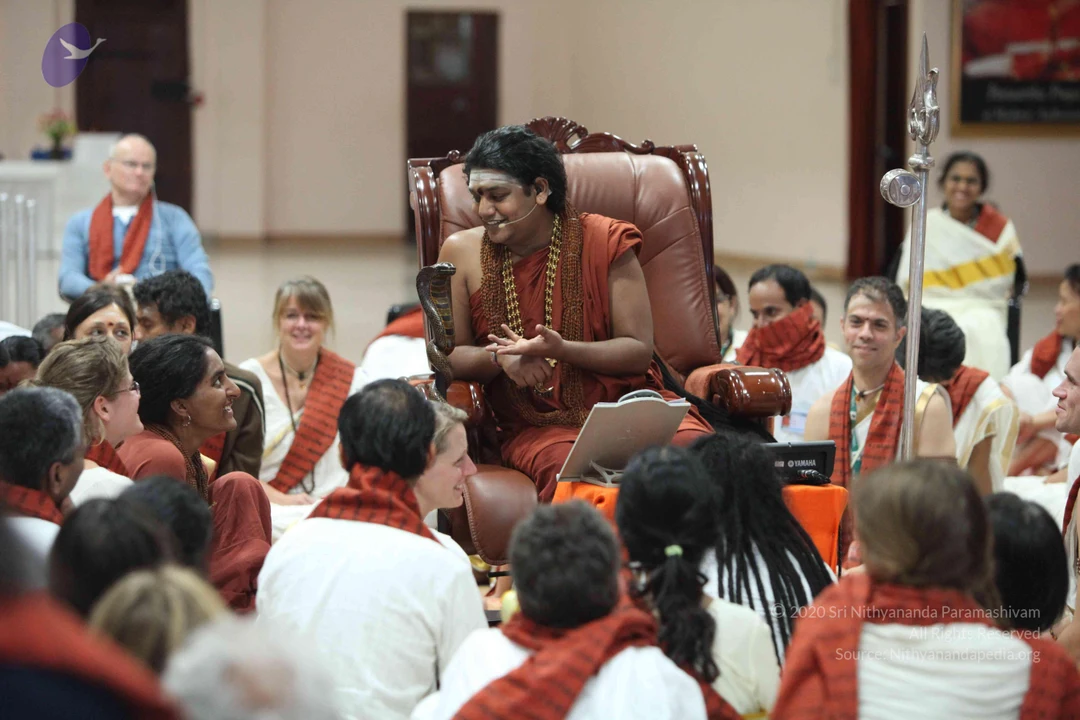
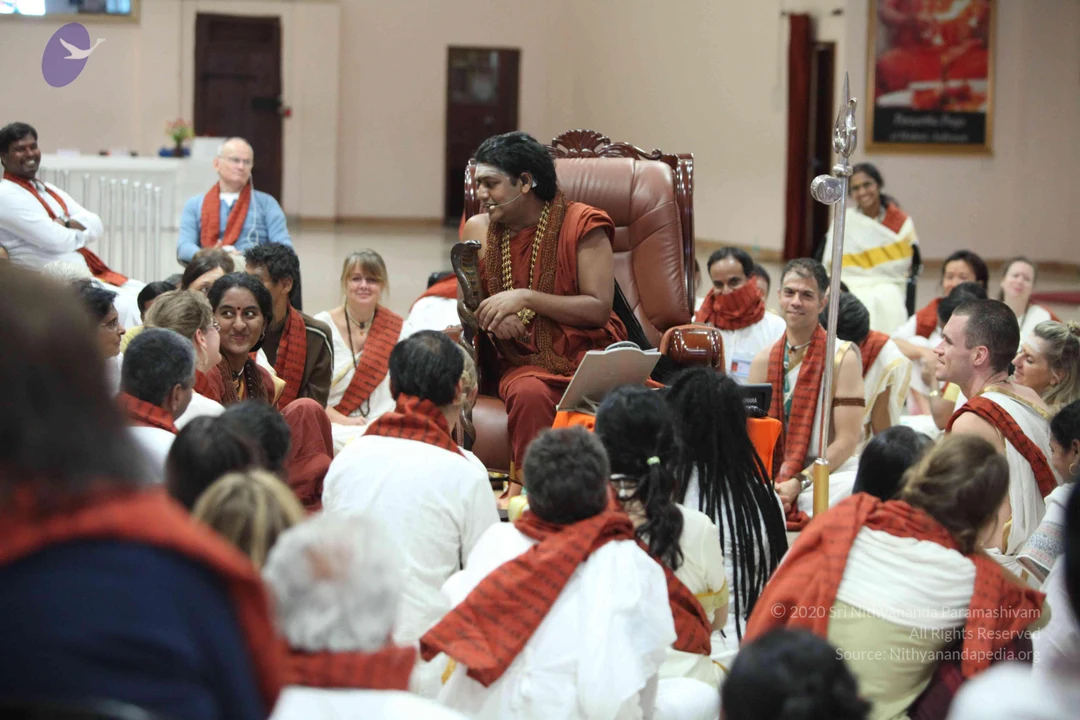
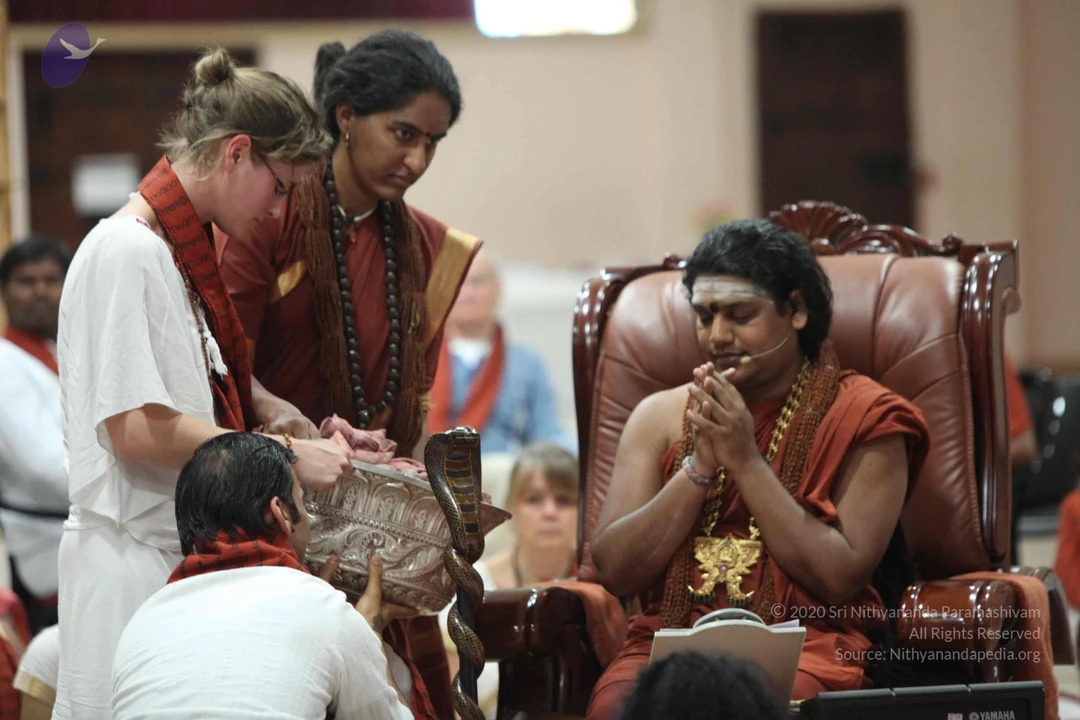
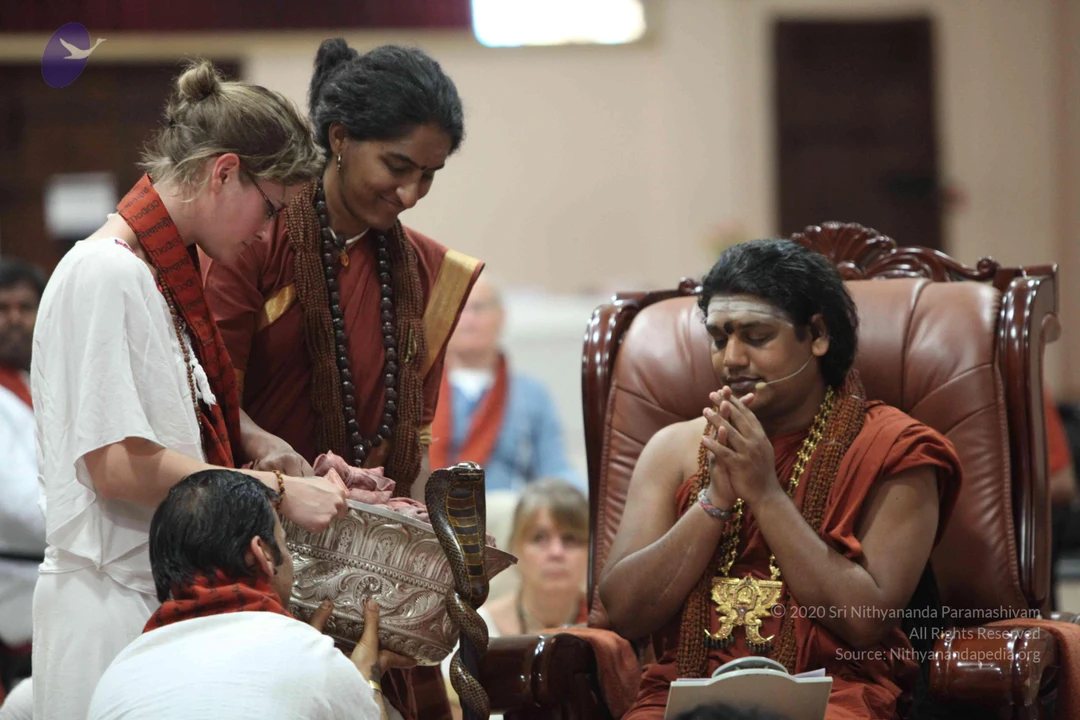
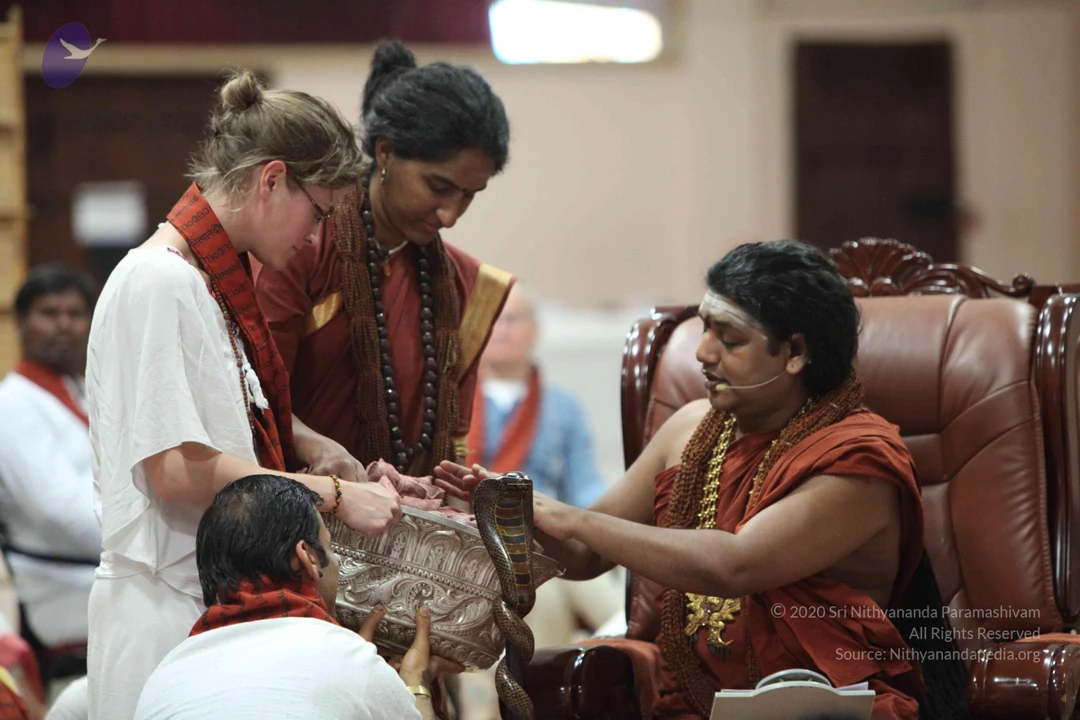
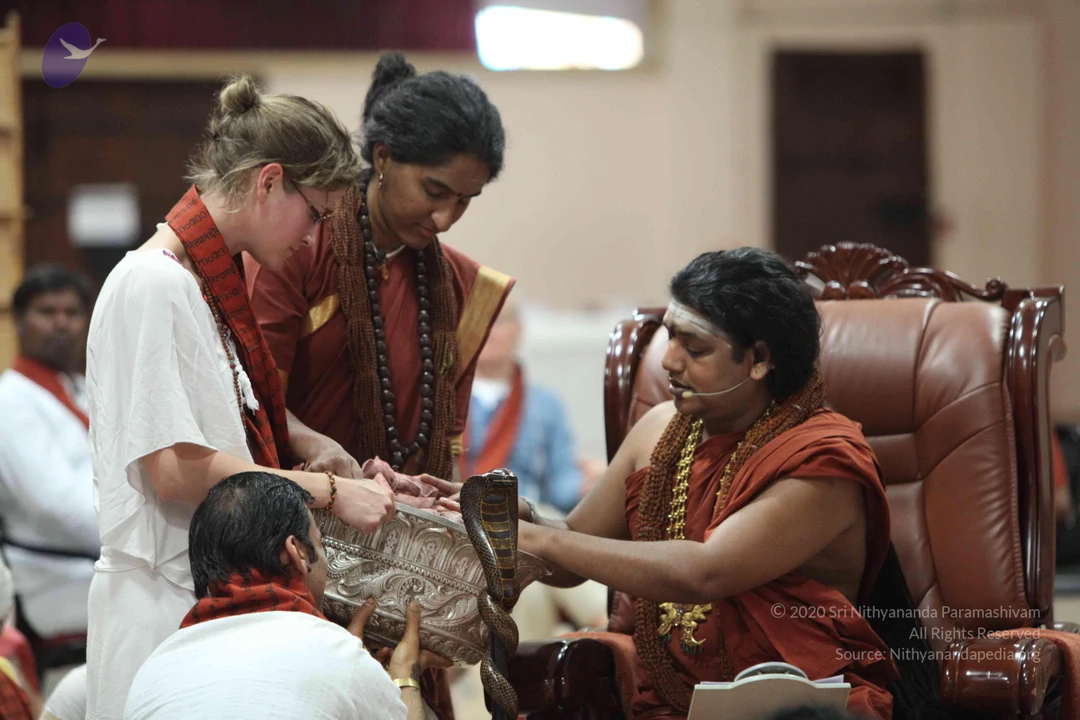
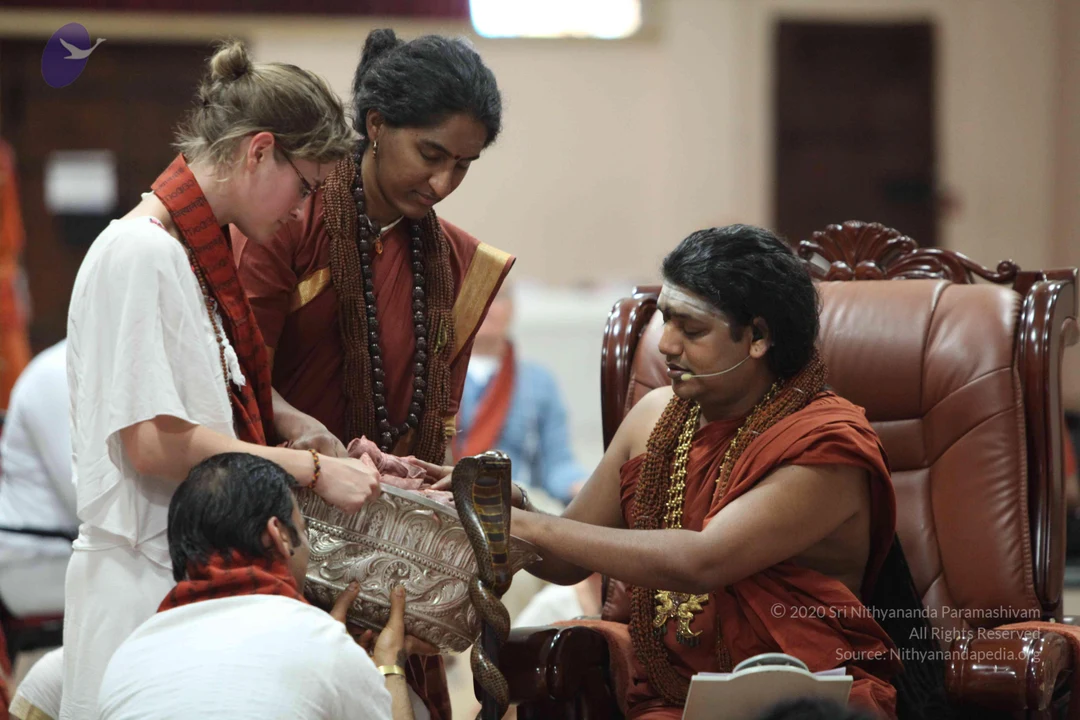
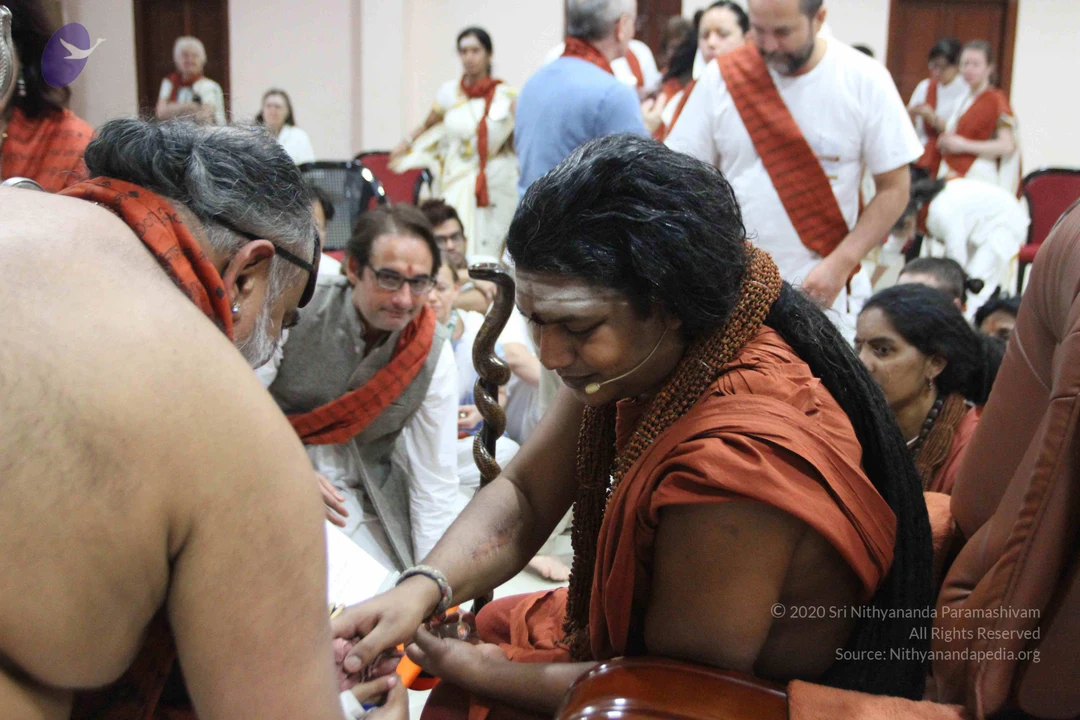
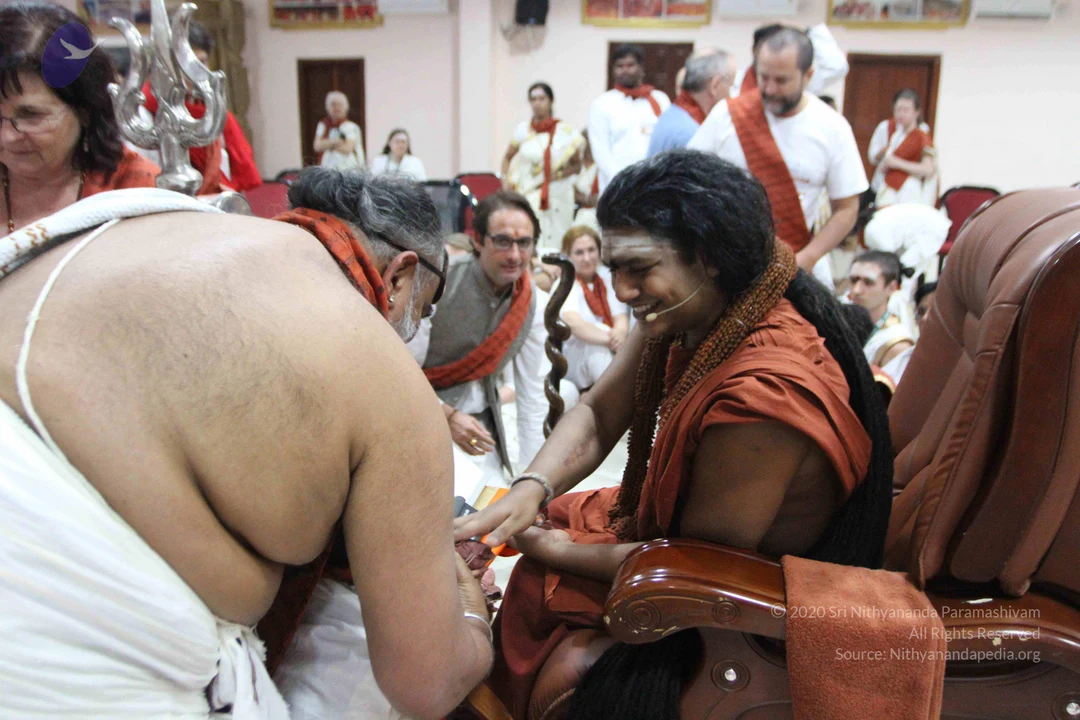
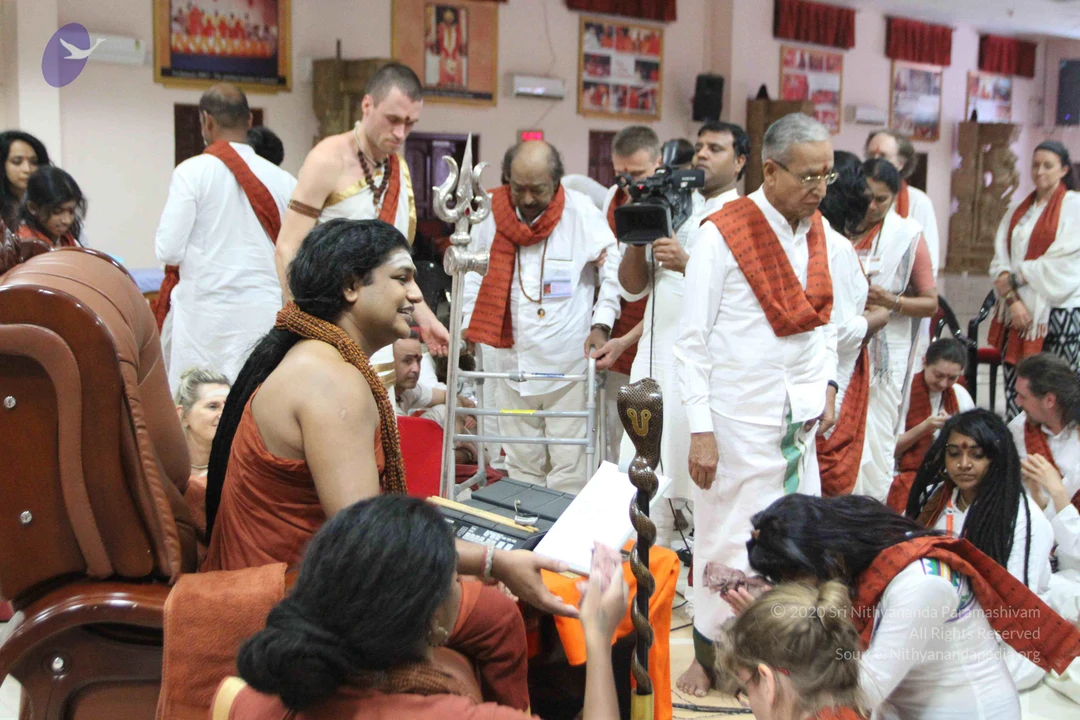
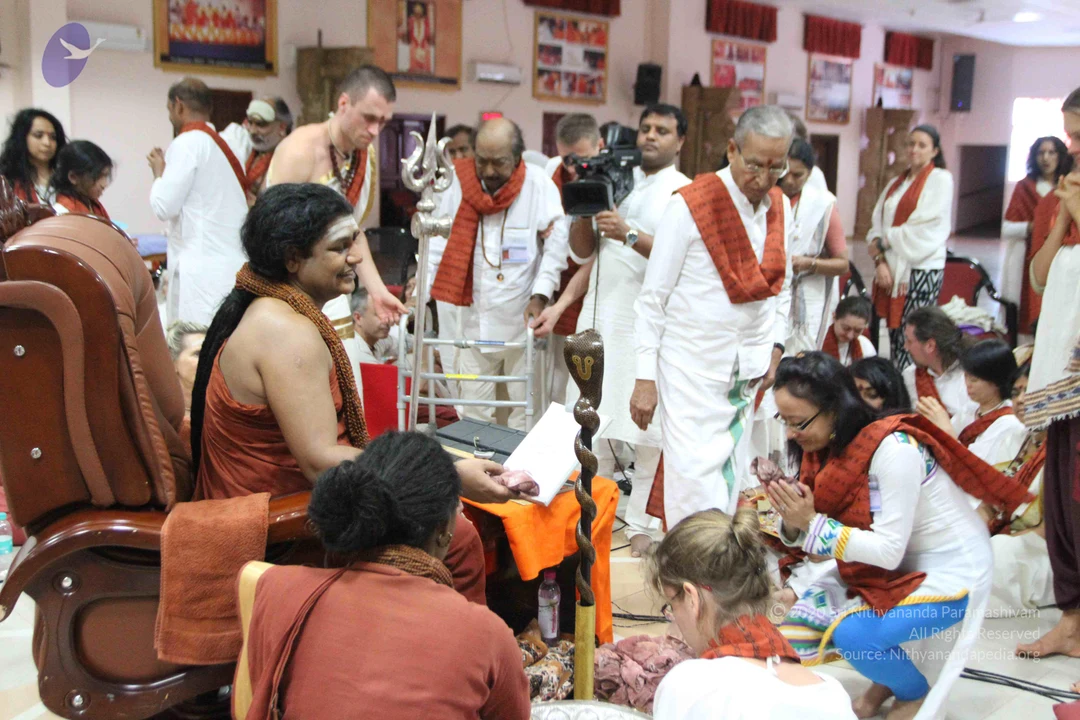
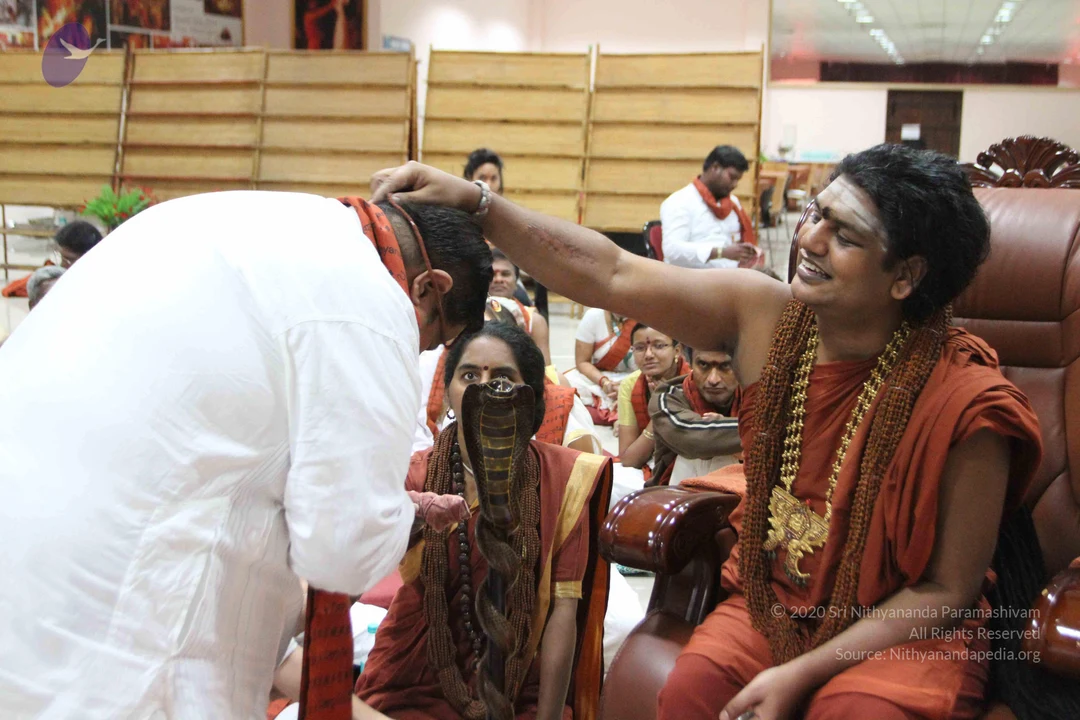
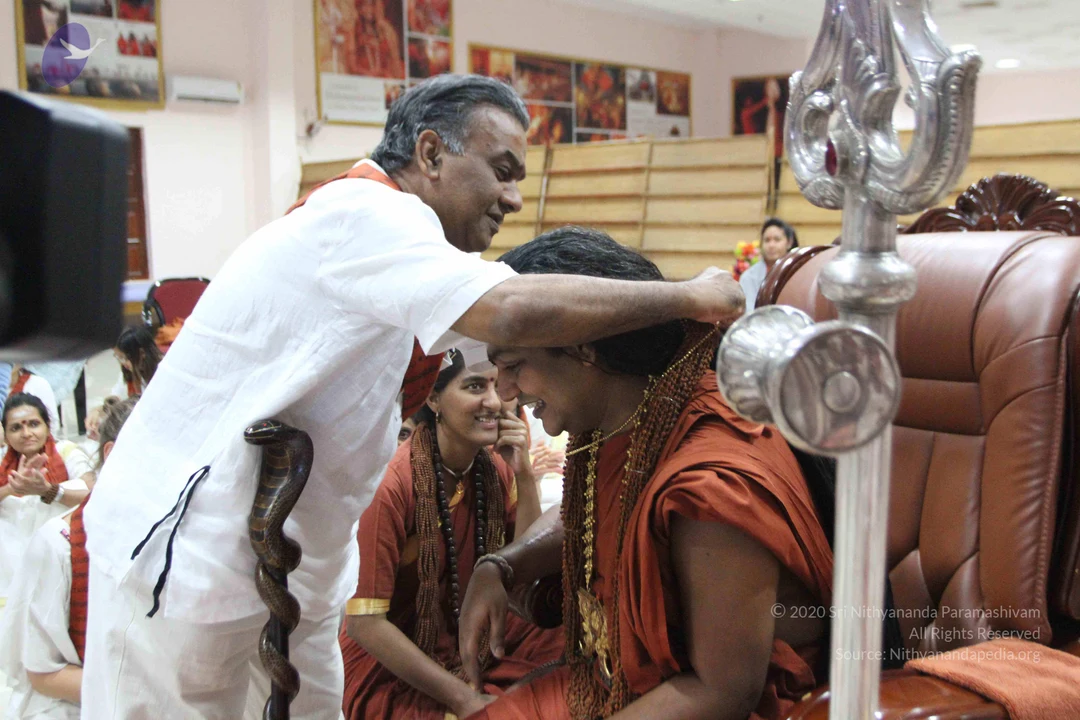
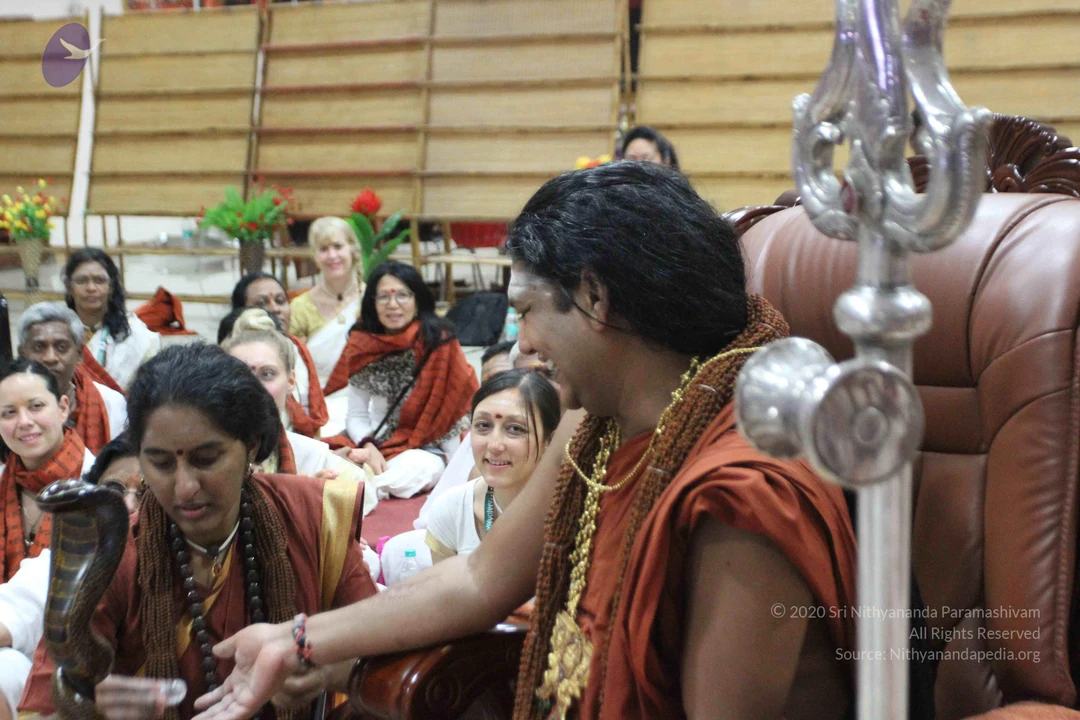
3-Mandala-Process-2nd-Session
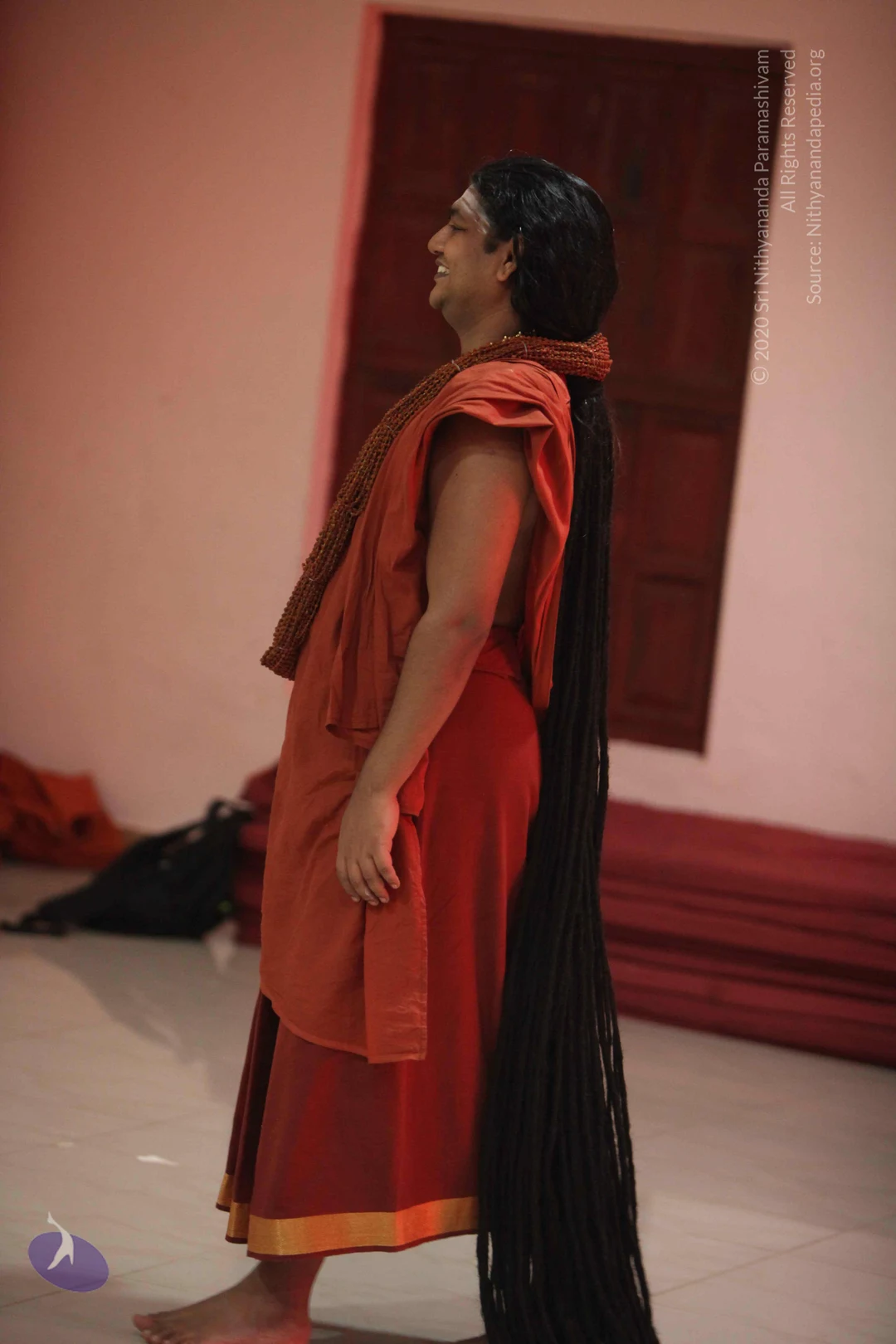
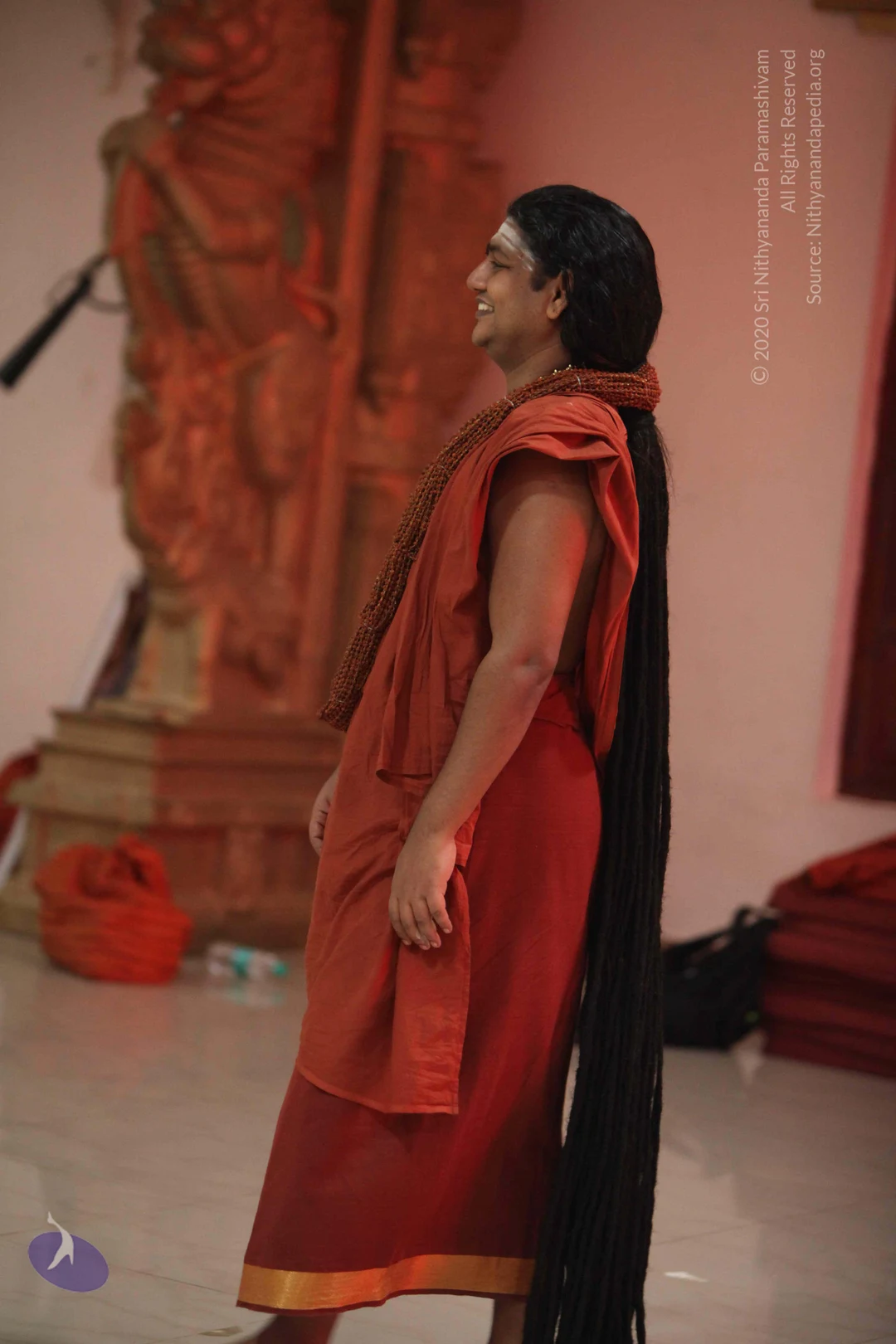
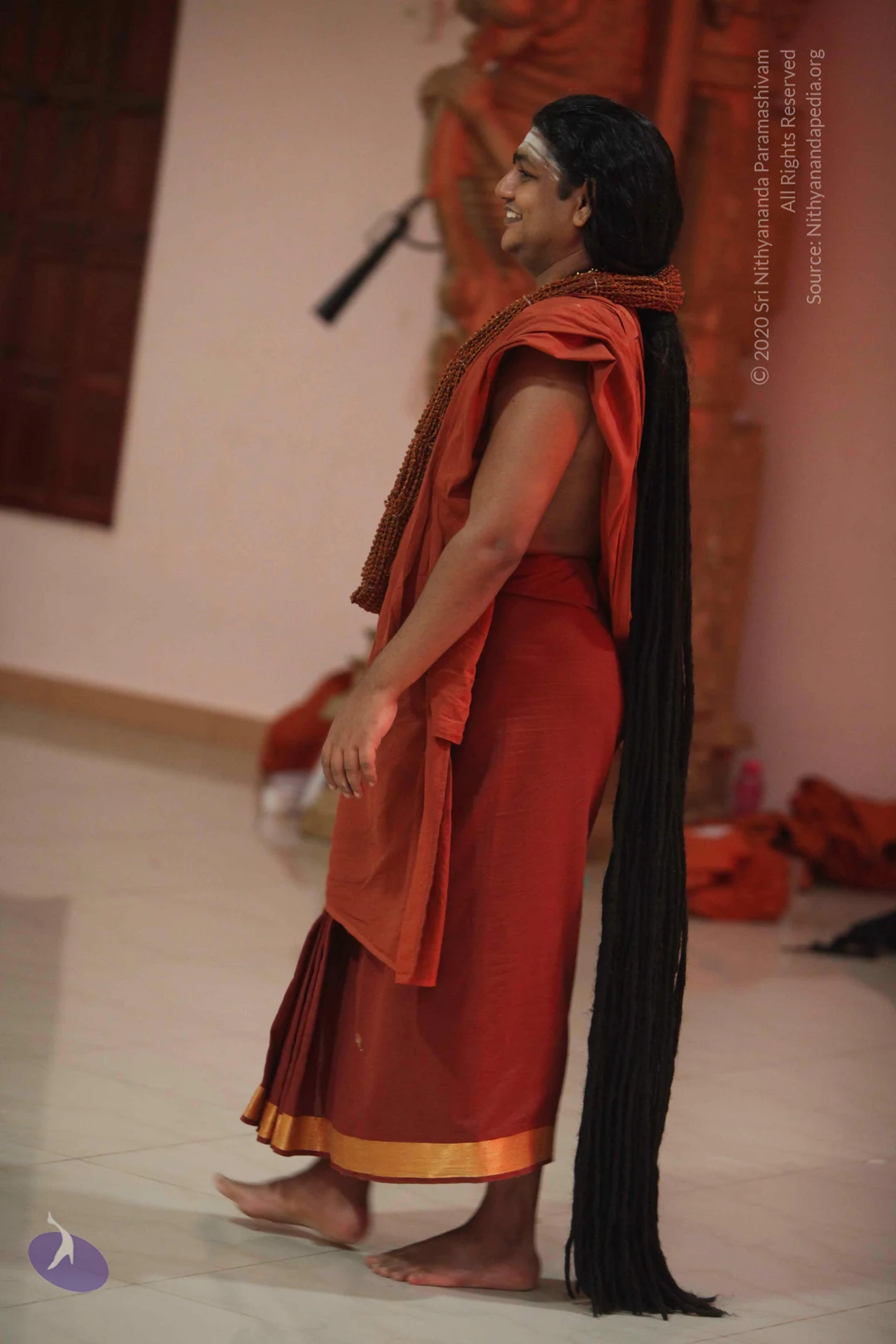
,,,
Photos from this day
View all 300 photosNithyanandoham day-1, Opening Darshan
12 photosSource gallery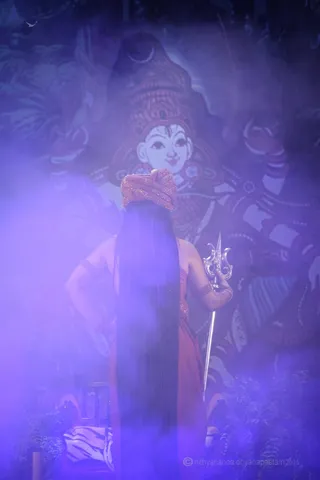
Mandala Process
4 photosSource gallery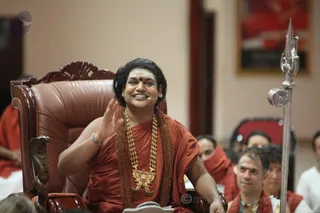
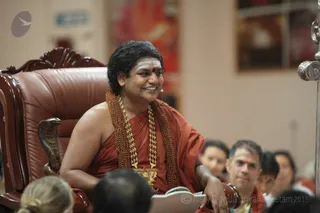
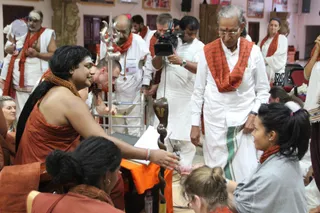
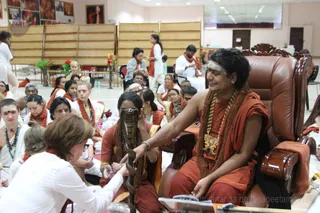
Introduction-to-Nithyanandoham
148 photosSource gallery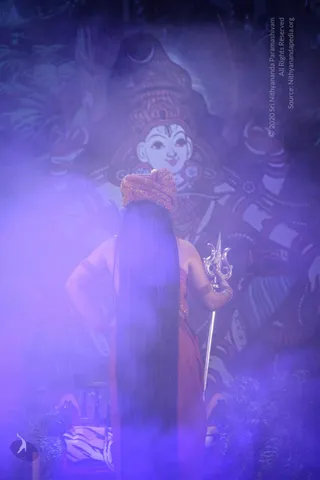
Mandala-process
2 photosSource gallery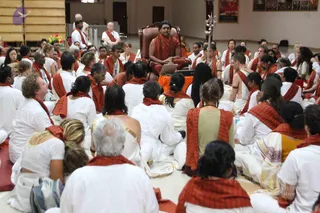
Mandala-process-2nd-session
66 photosSource gallery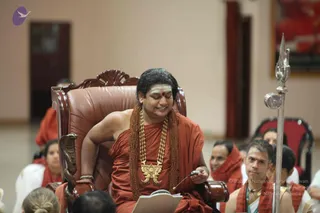
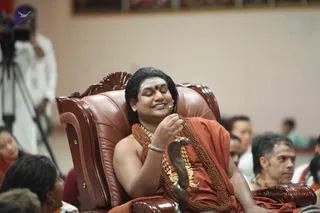
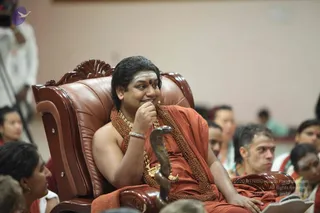
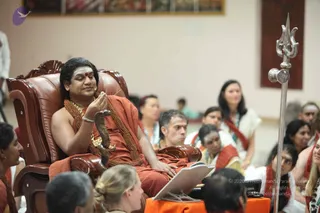
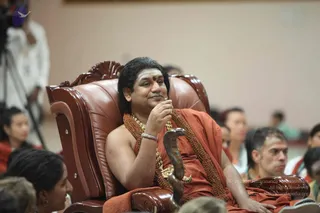
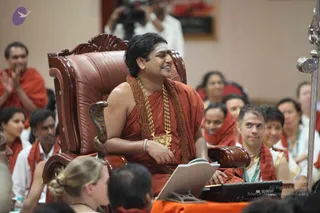
1-Introduction-to-Nithyanandoham
23 photosSource gallery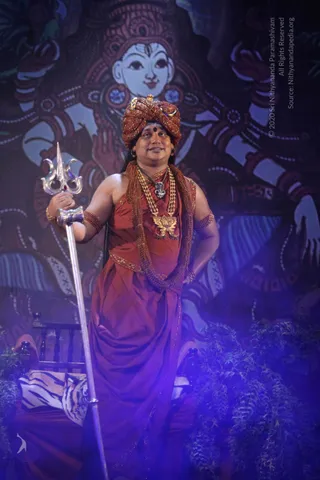
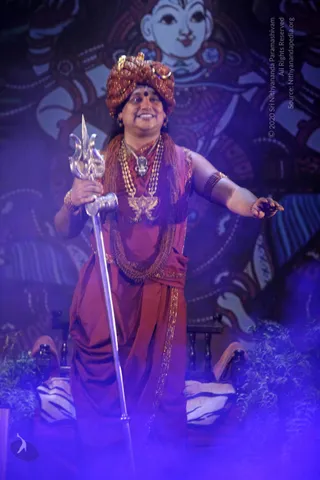
2-Mandala-Process
10 photosSource gallery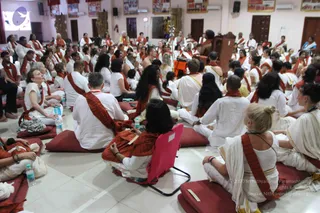
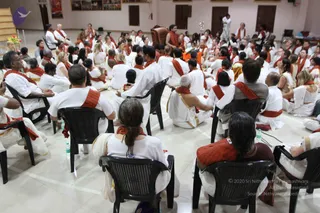
3-Mandala-process-2nd-session
35 photosSource gallery