Sunday
22 March 2015
Love Is Stepping Stone For Living Advaita
- Dated photos
- 182
- Source pages
- 1
- Media
- 4
March 22 2015
Original wiki pageTitle:
Love Is Stepping Stone For Living Advaita
Narration
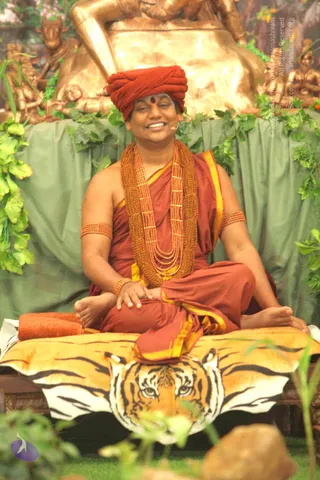
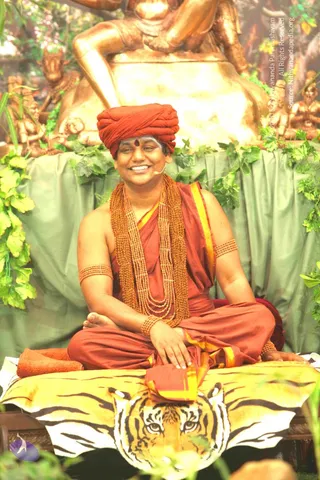
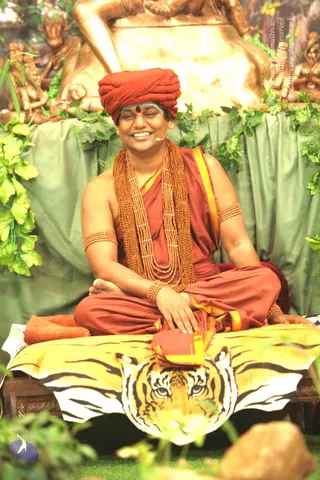
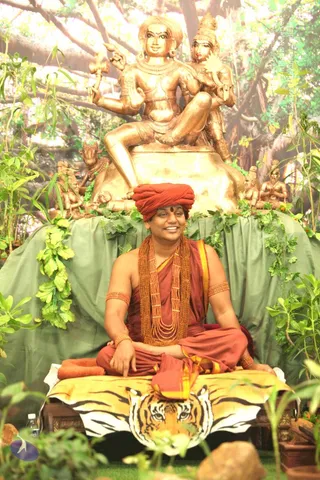
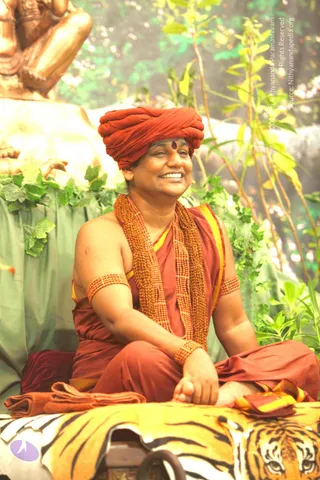
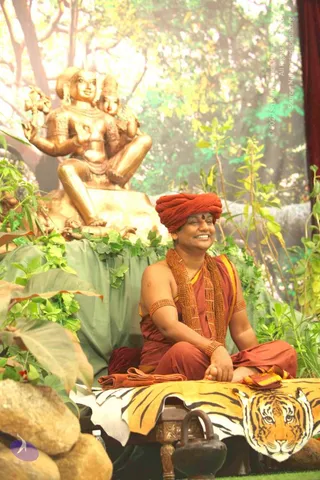
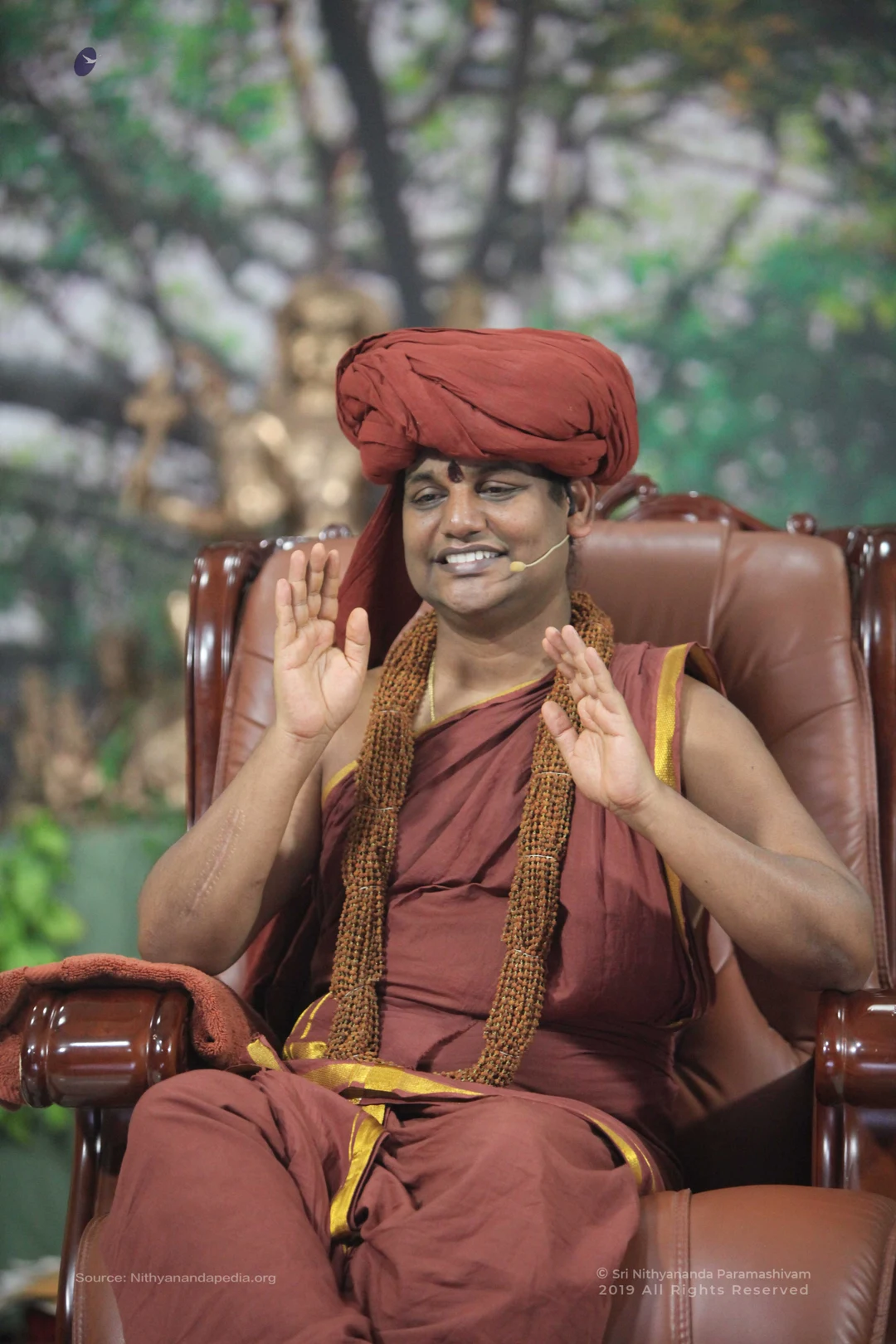
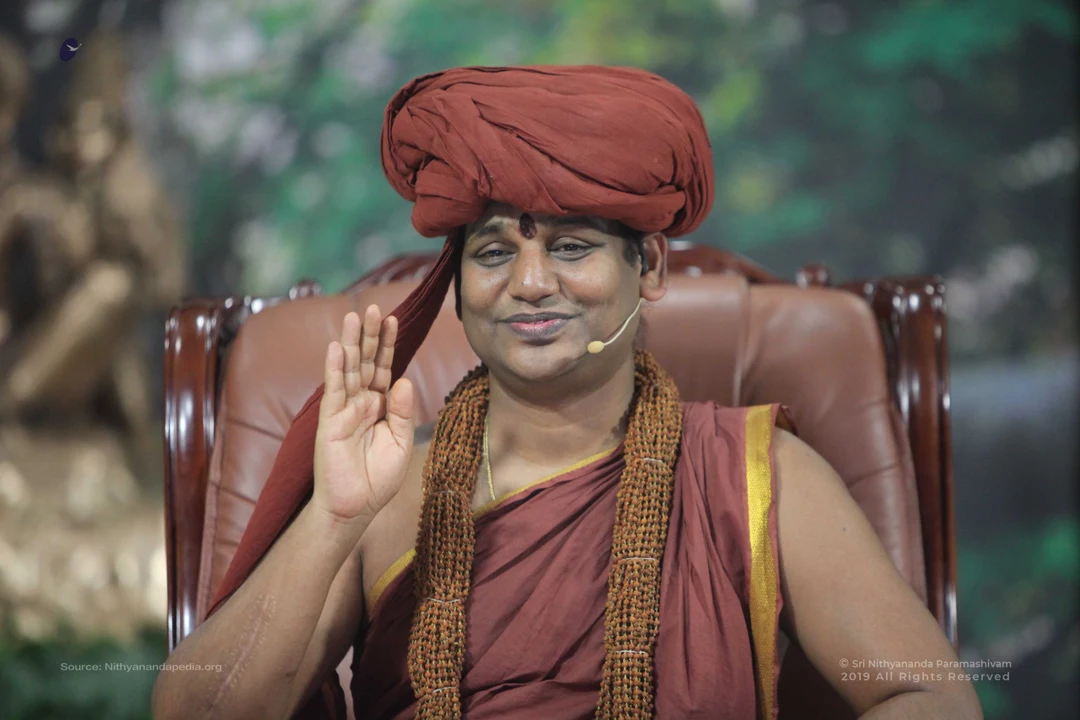
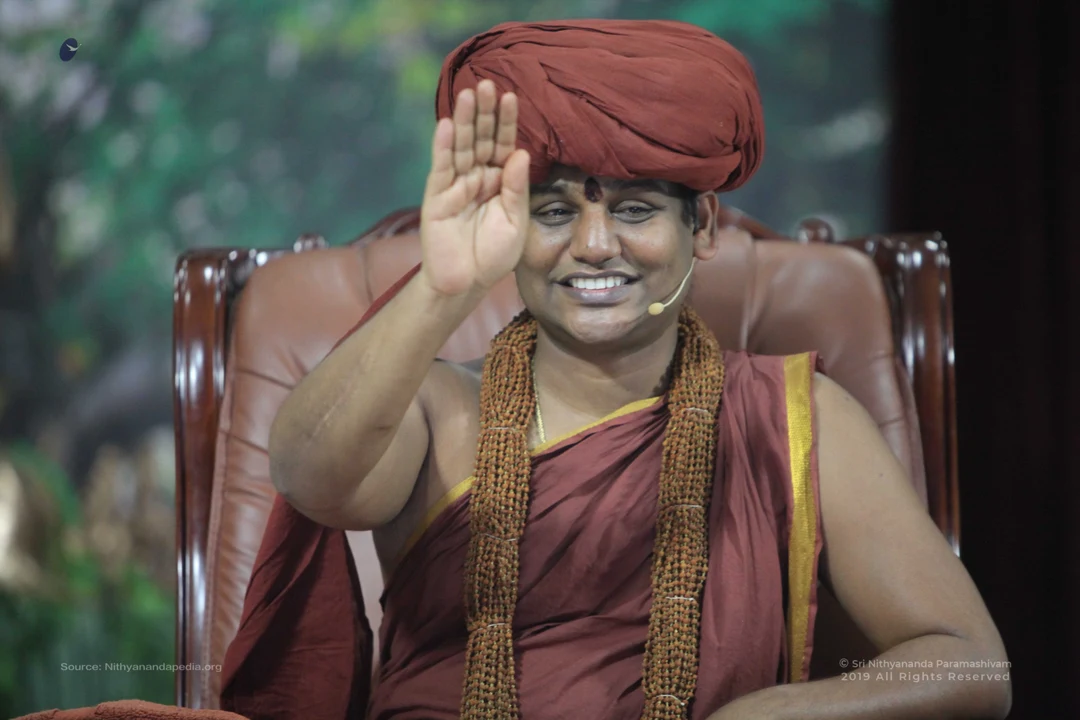
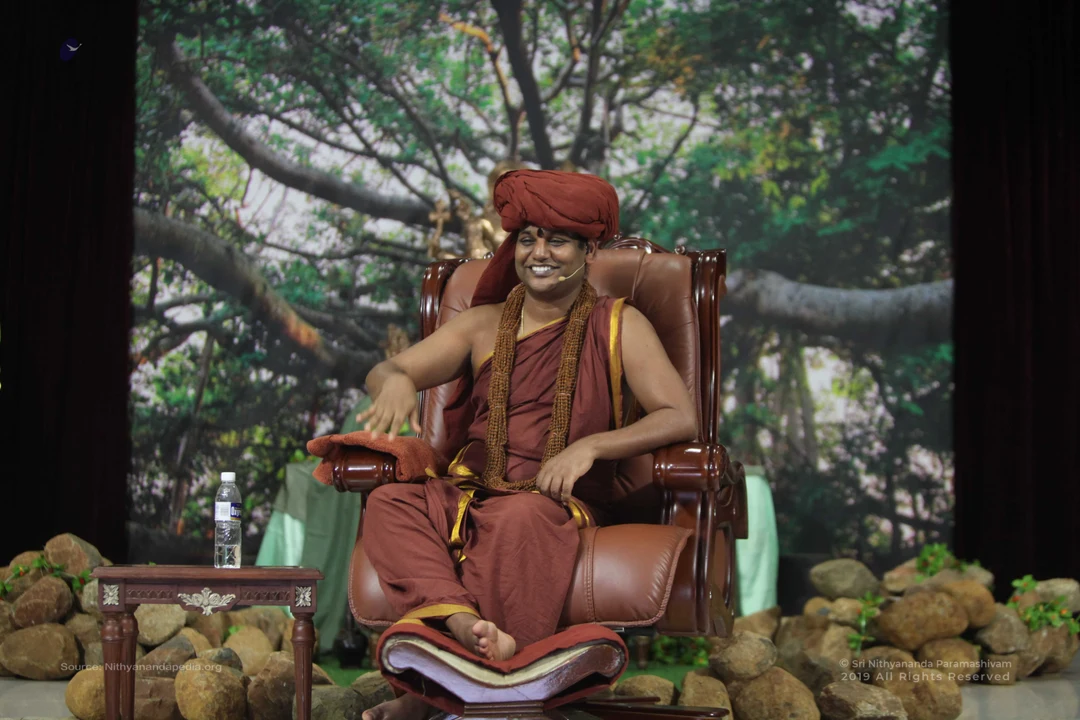
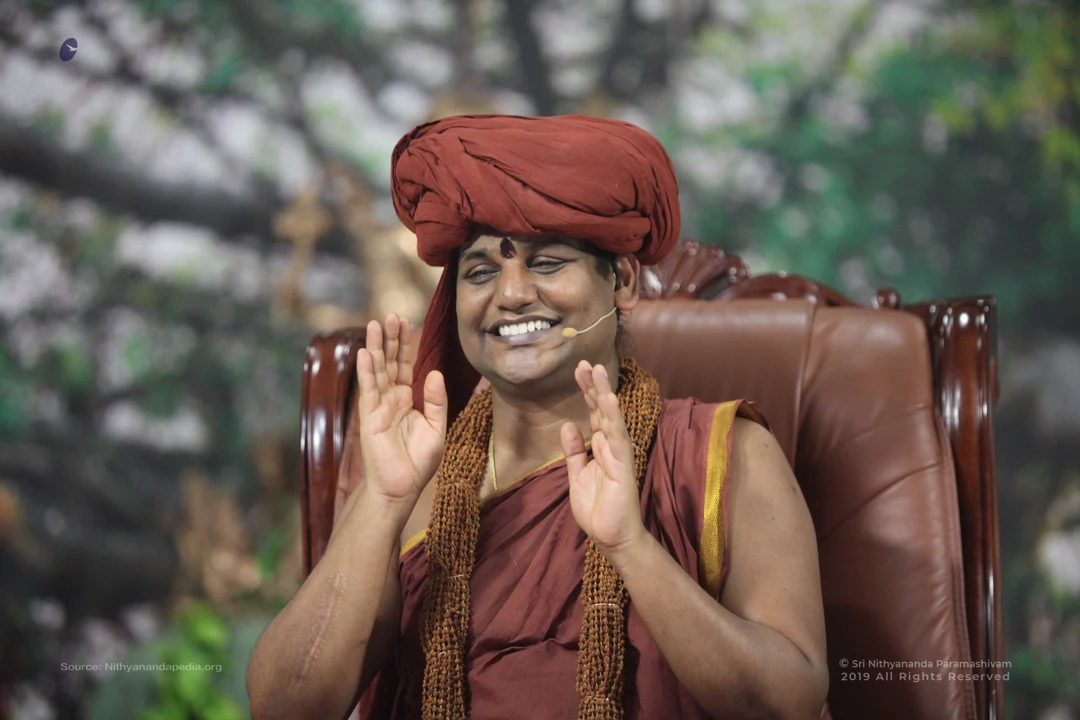
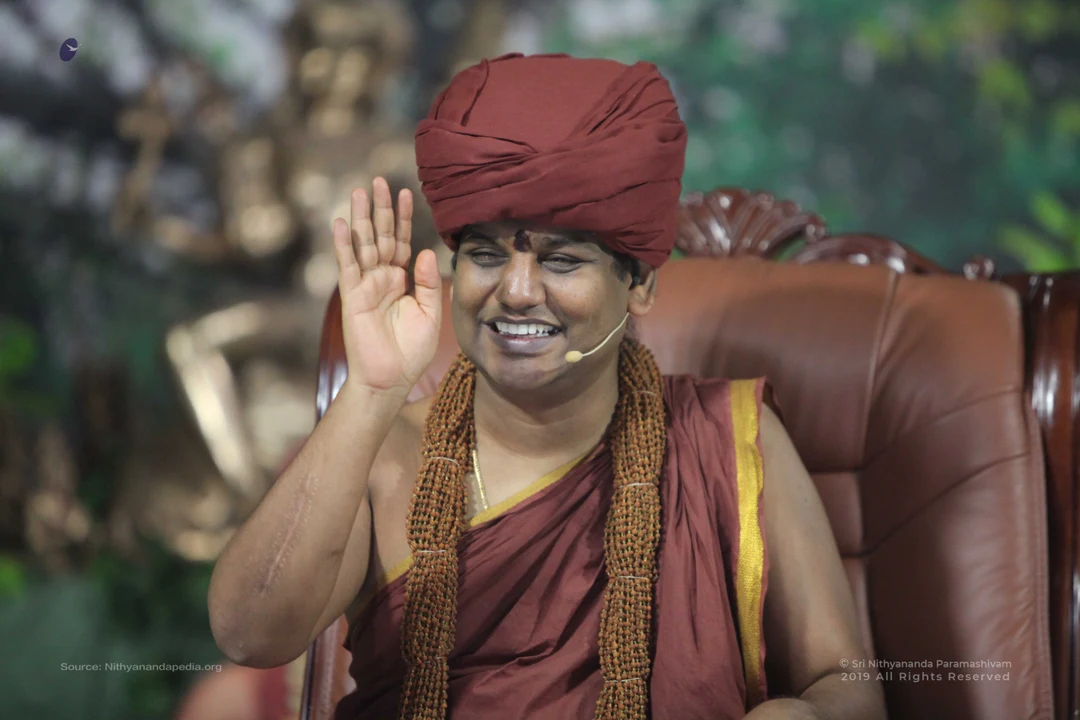
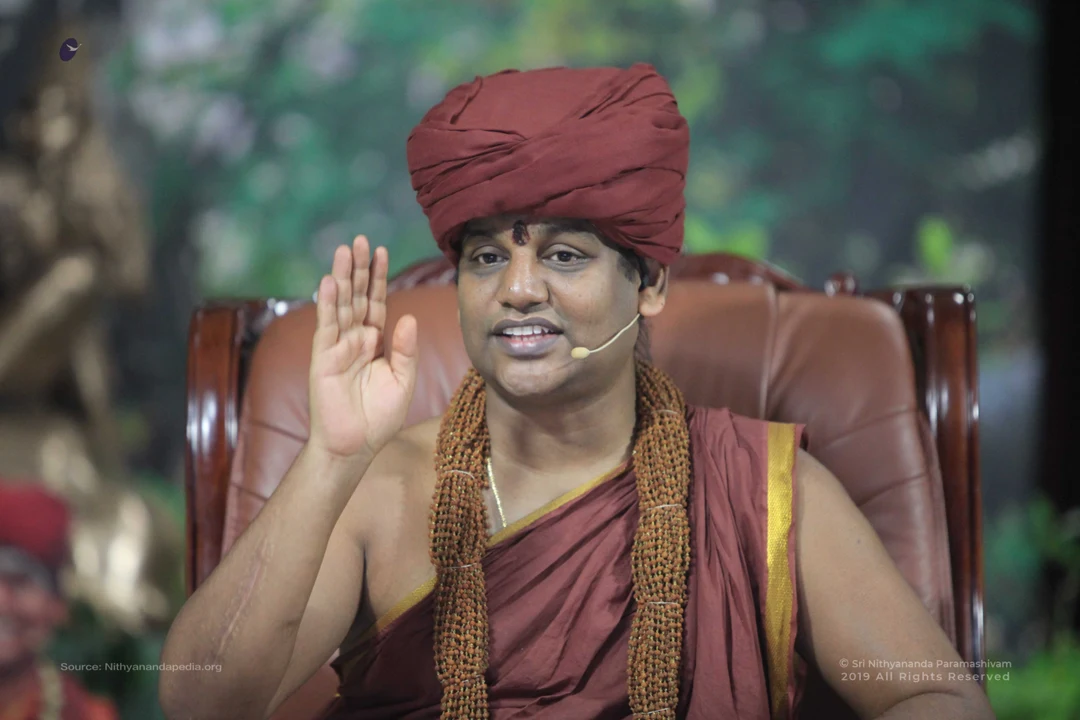
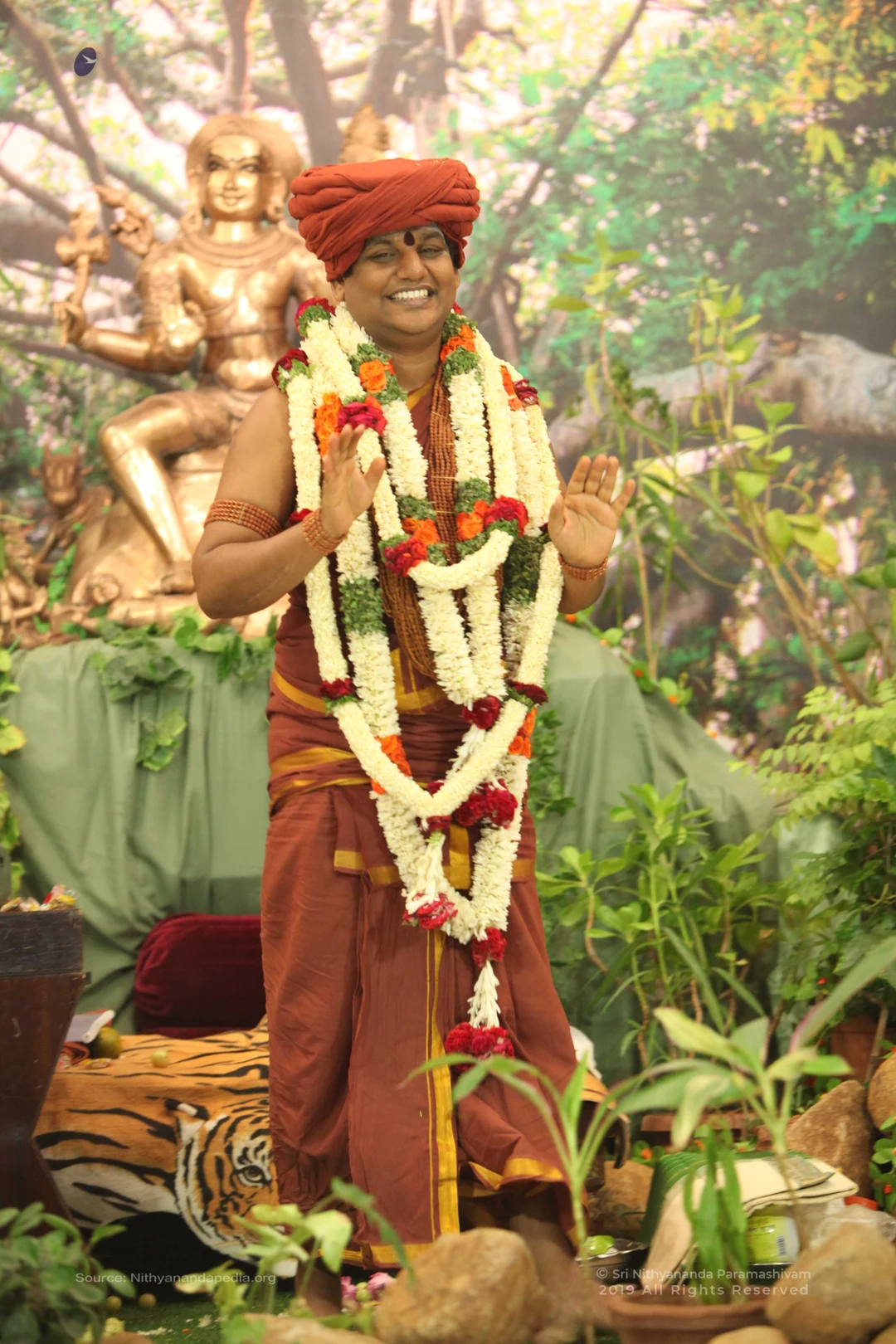
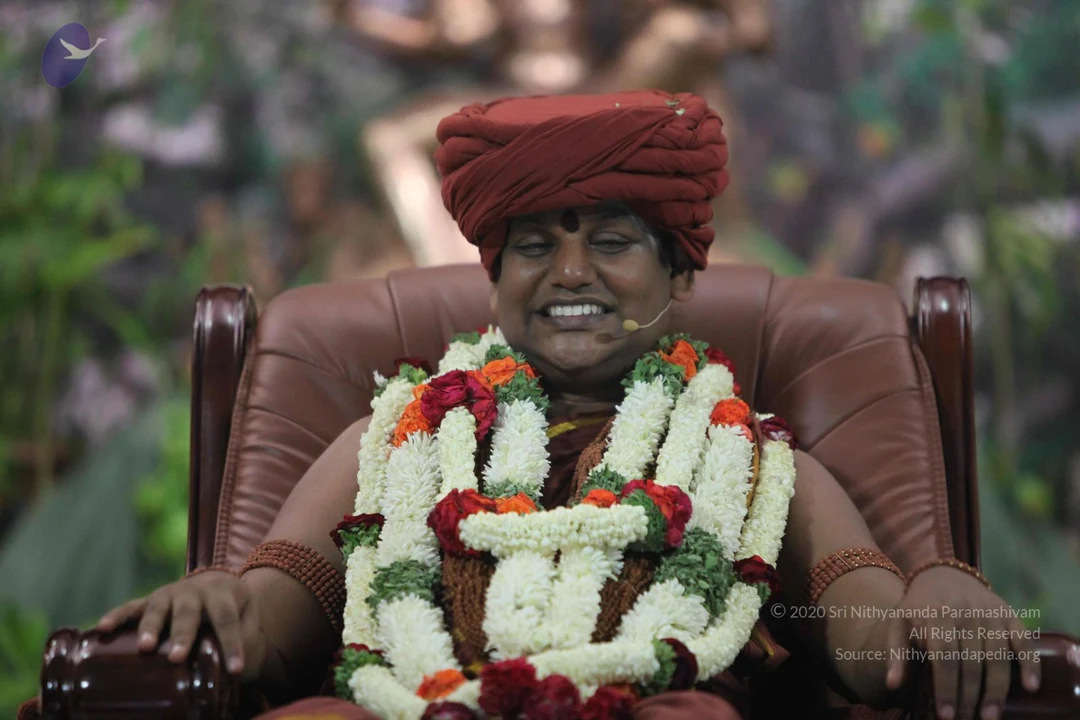
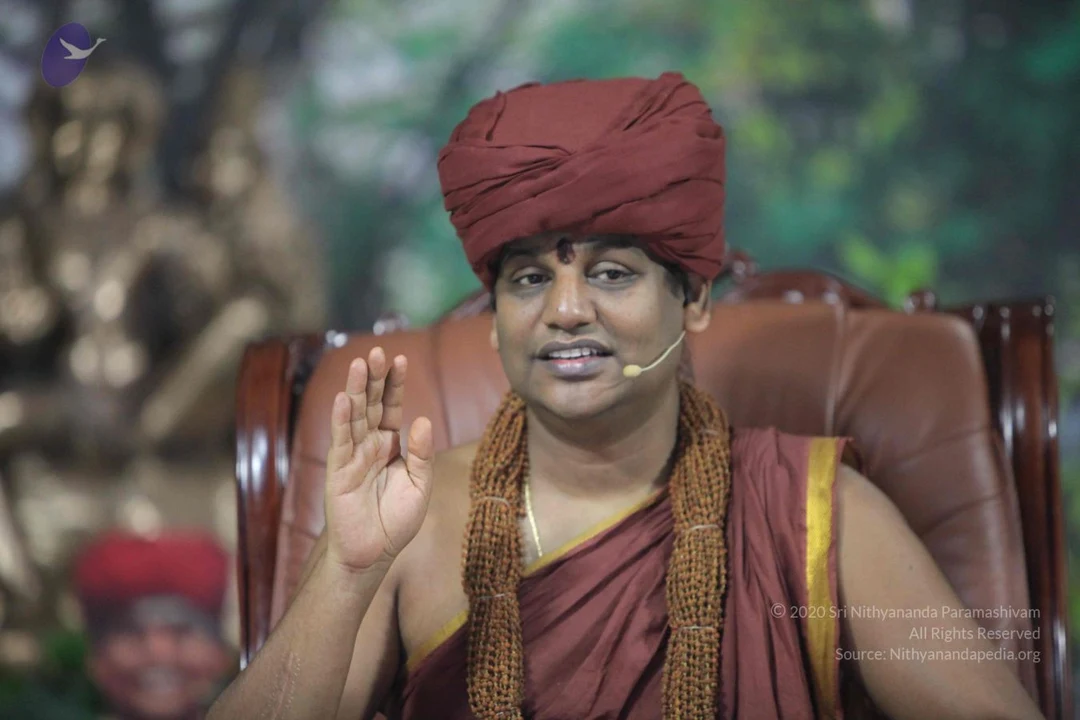
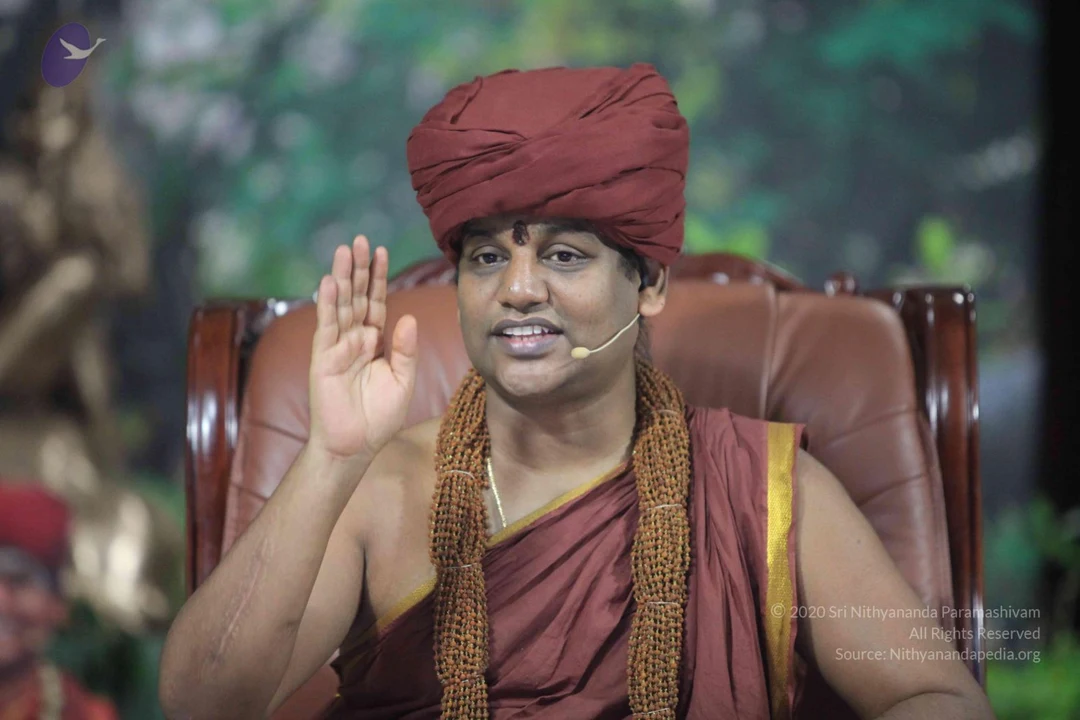
On this day, the Supreme Pontiff of Hinduism (SPH), Bhagavan Nithyananda Paramashivam continued on the Living Advaita Series of Addresses and Initiations from the Upanishads. This day’s Akashic Revelation was a profound delivery of the Isha Upanishad – Verse 7 yasmin sarvāṇi bhūtany ātmaivābhūd vijānataḥ | tatra ko mohaḥ kaḥ śoka ekatvam anupaśyataḥ || 7 || In today’s revelation on Isha Upanishad, SPH entered into the direct jump-start process of feeling 'oneness, ekatvam' with Existence, which is ‘Loving Advaita’, the science of radiating love. Even if it is a calculative love initially, it will give us the confidence to radiate unconditional, selfless love. He further gave heart-filling narrations on Mahadeva’s divine plays or leelas of love in Kailasha and Madurai explaining the Mahadeva’s love current, which are the pure form of expressions of Love. For that day’s Vakyartha Sadas, SPH gave the topic for spiritual explorations on: ‘’how we forgot many possibilities of love by complaining it is too small and calculated, selfish. How to break the barriers to loving and start LIVING LOVE, as only Loving Advaita leads to Living Advaita’’. And the next day’s Vakyartha Sadas, was going to be: ‘’Mahadeva’s love current, which is not limited by His acts of giving or taking’’.
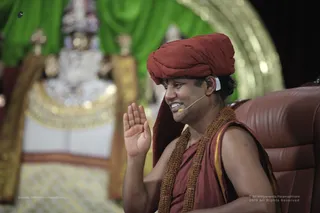
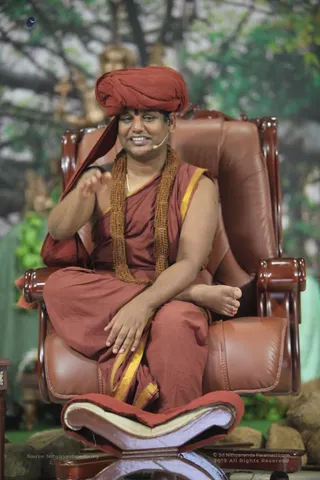
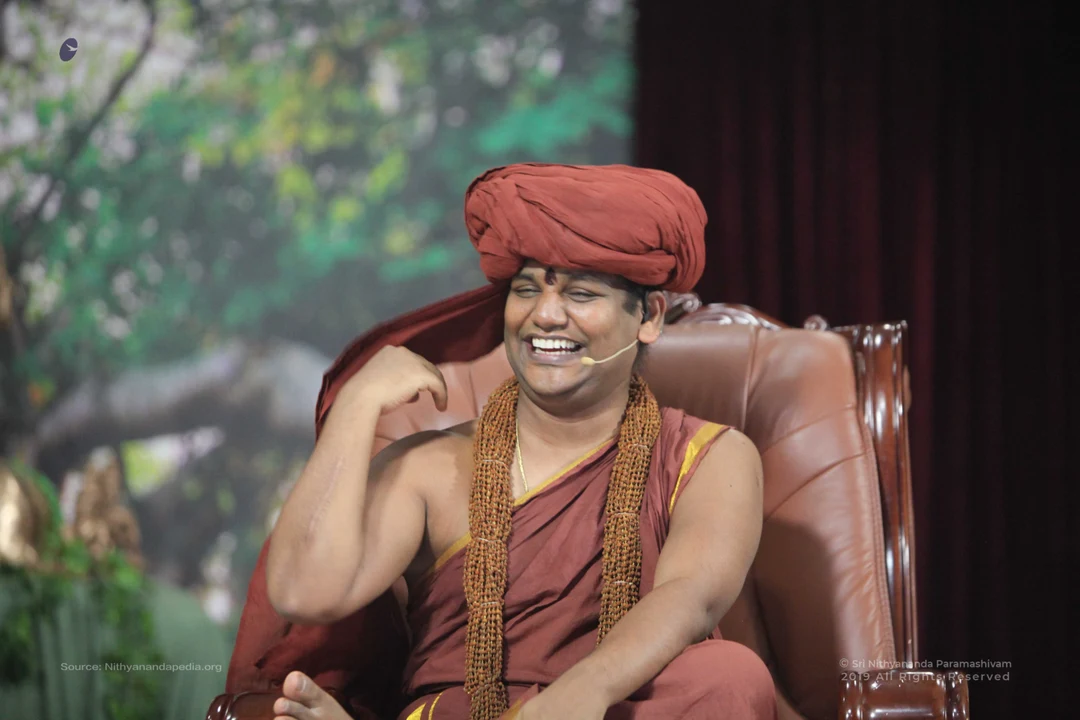
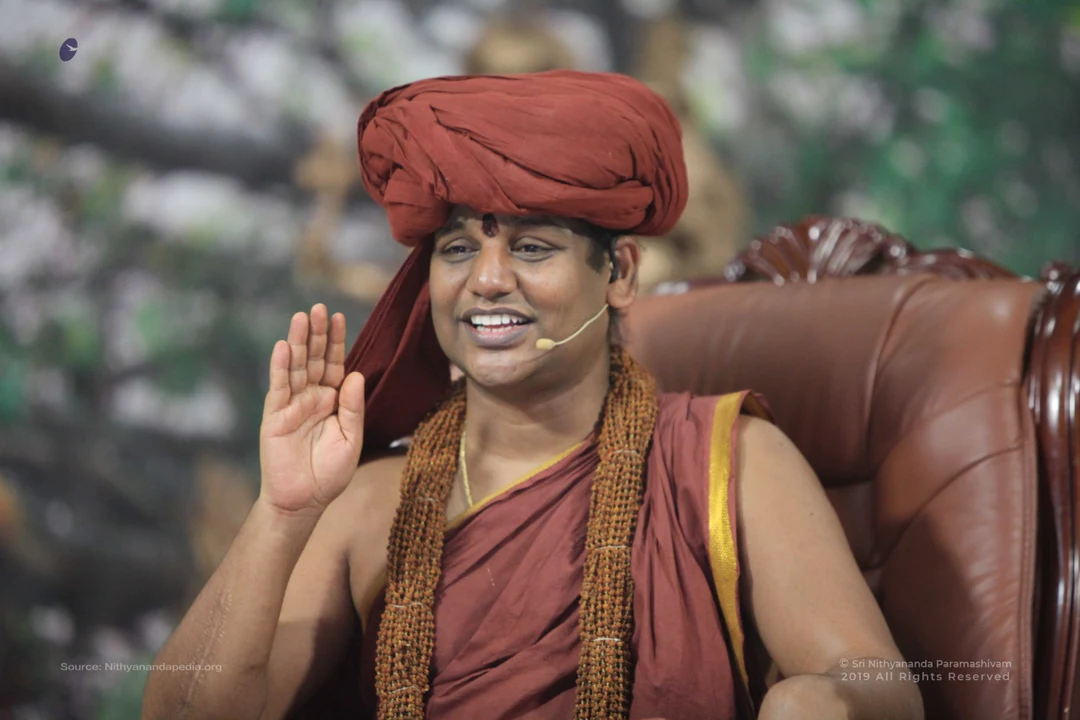
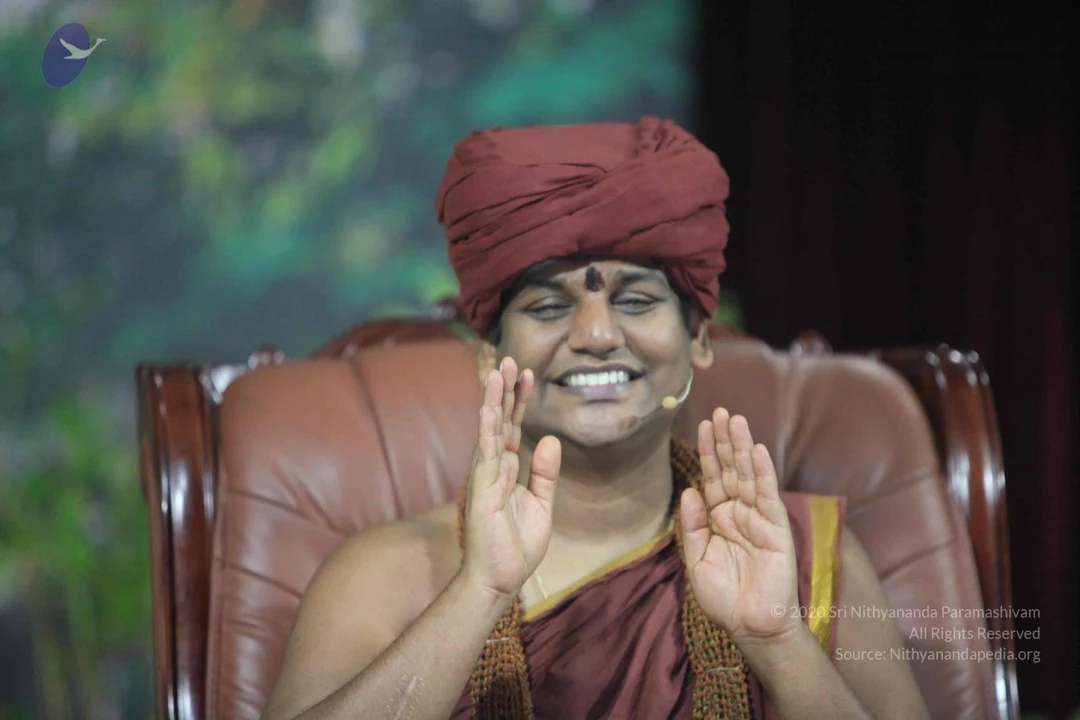
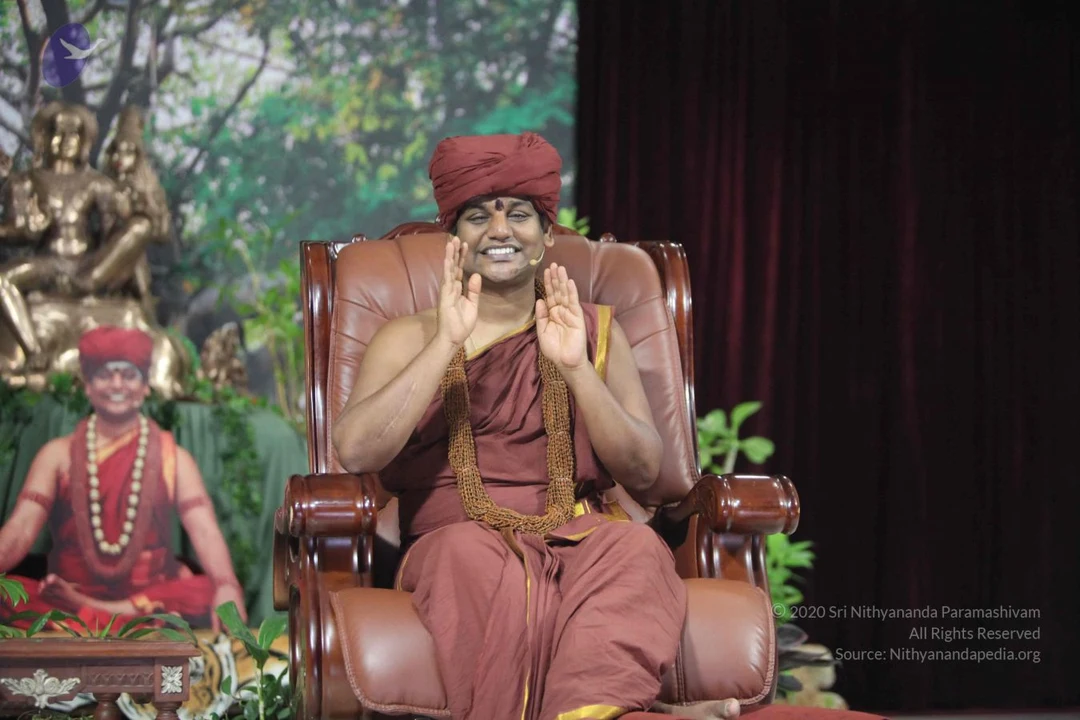
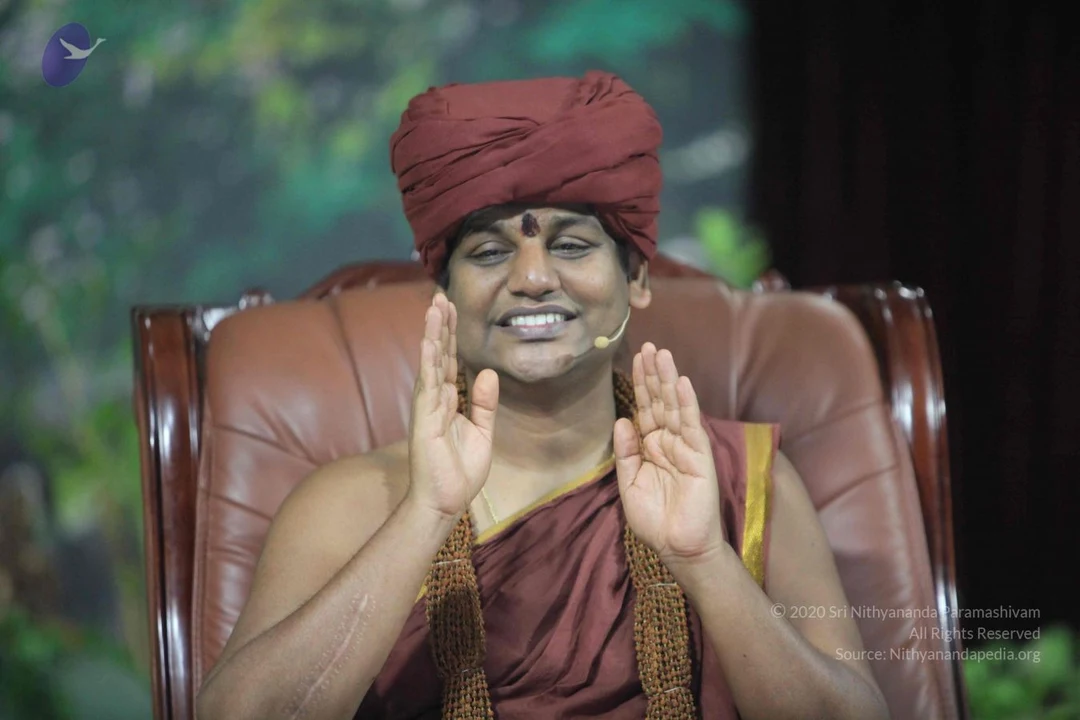
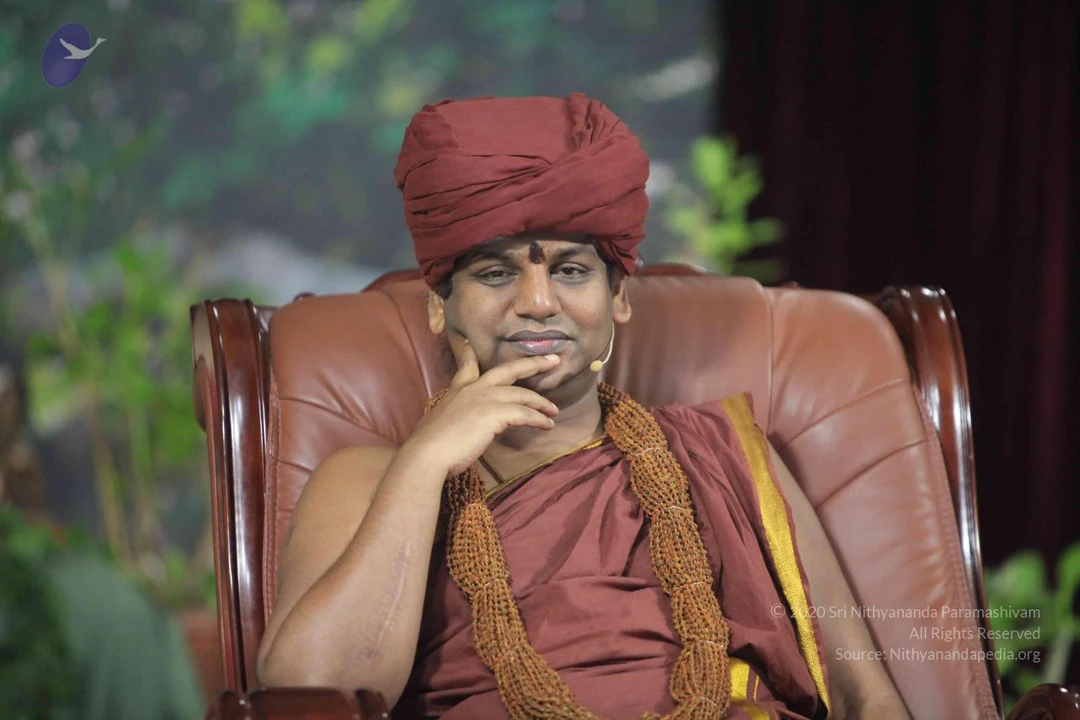
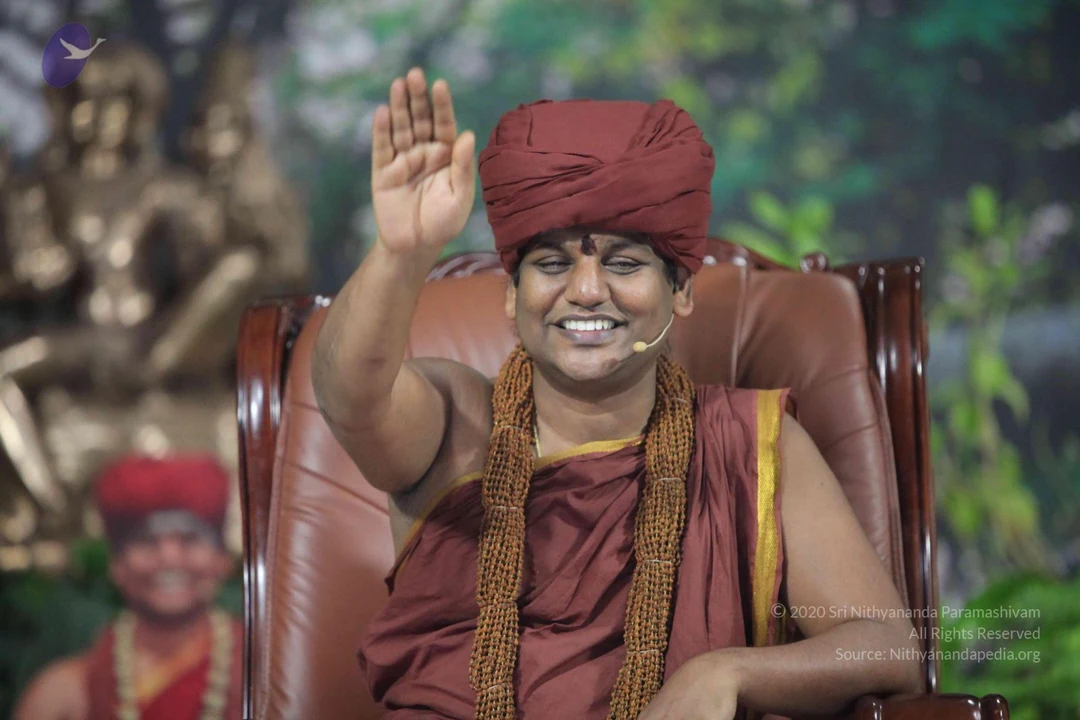
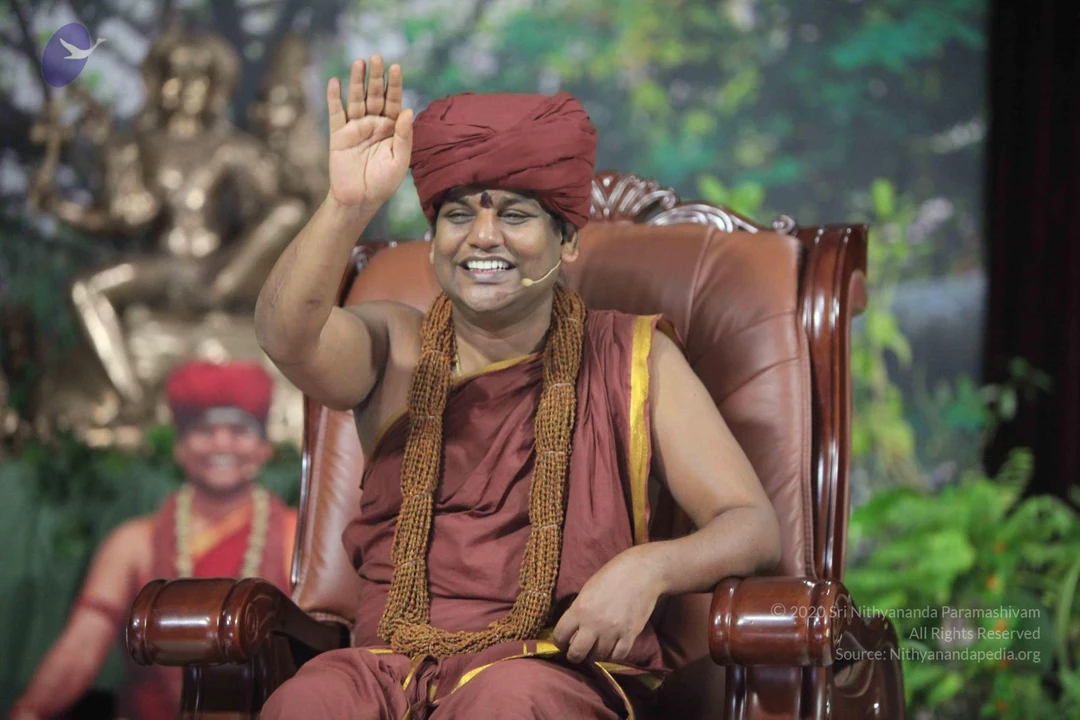
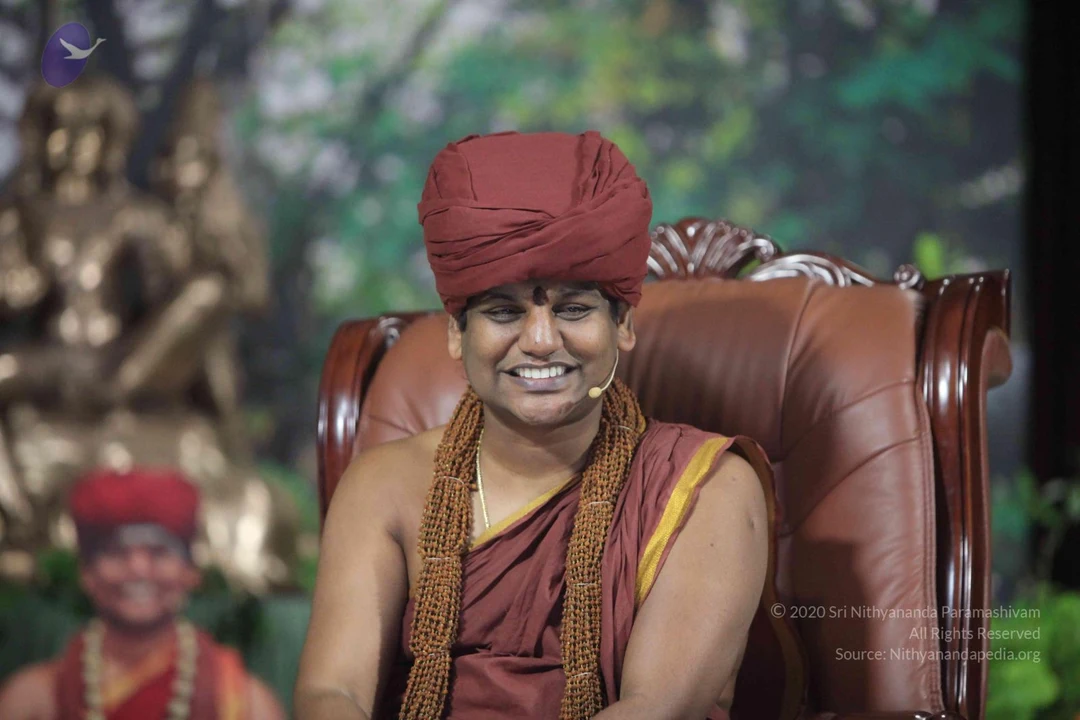
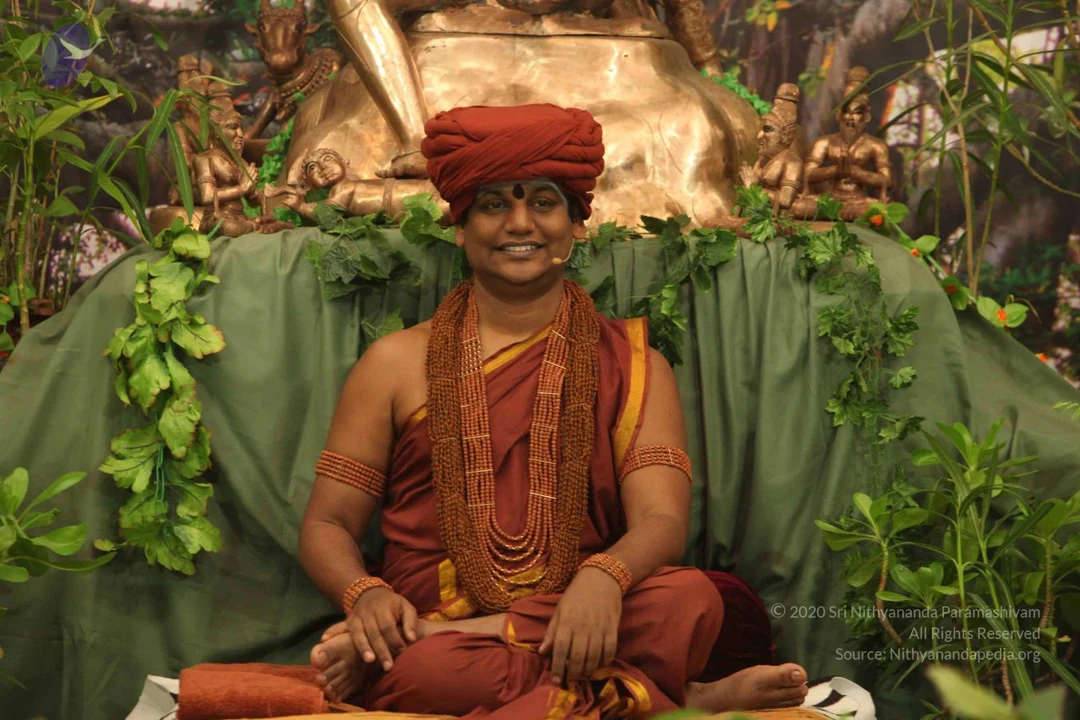
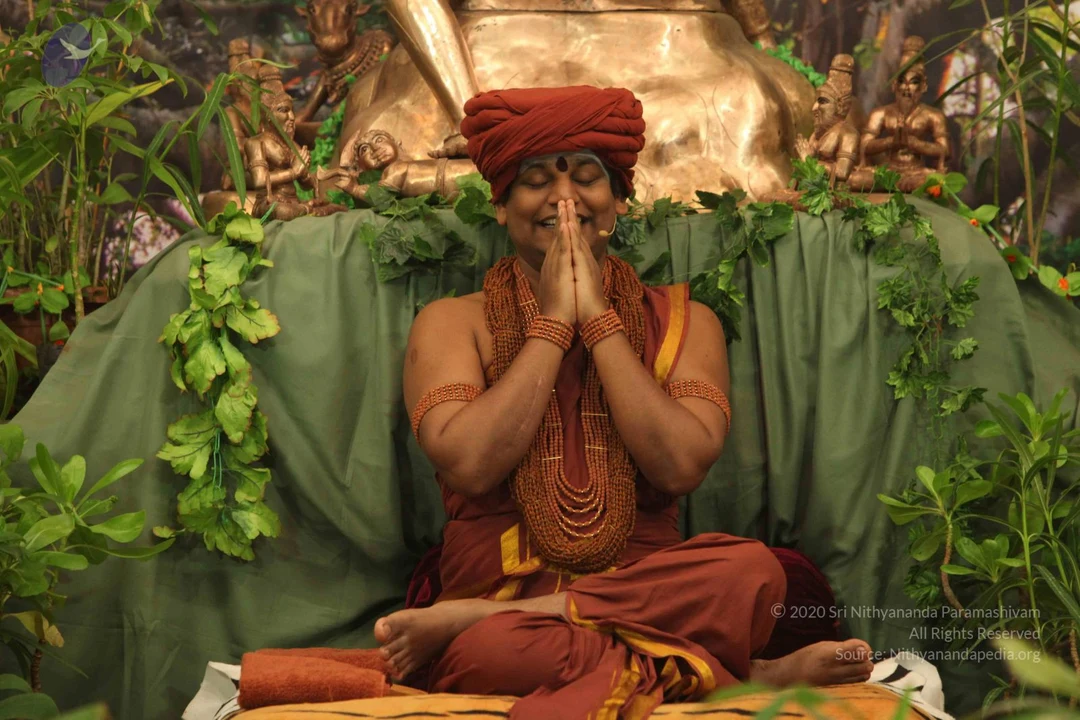
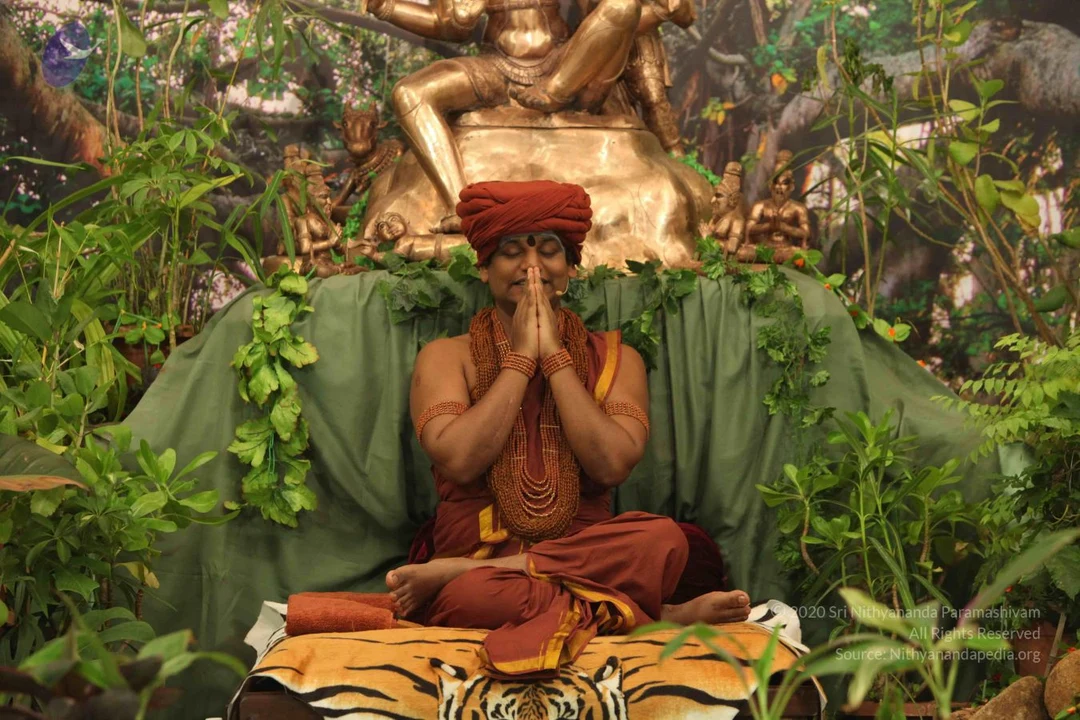
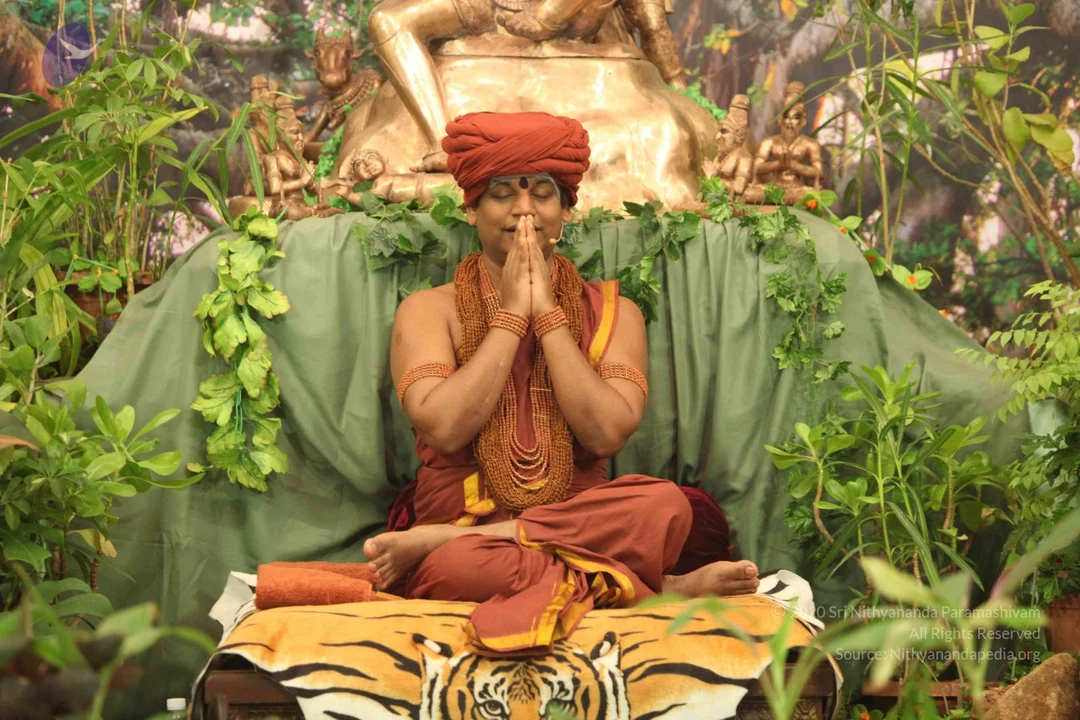
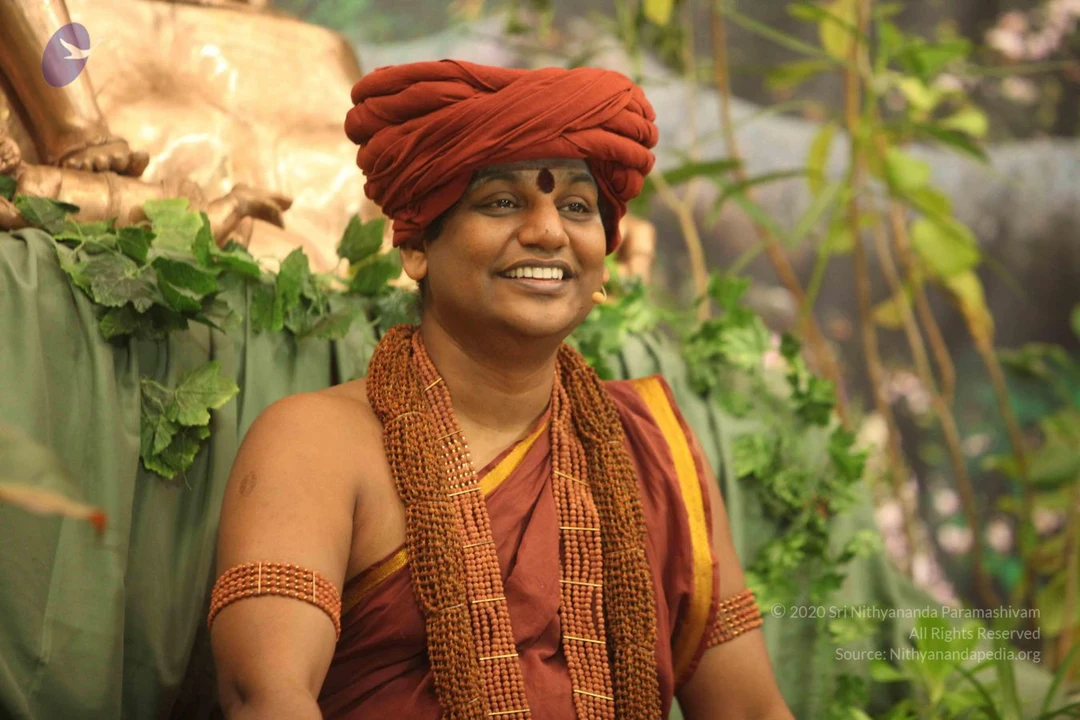
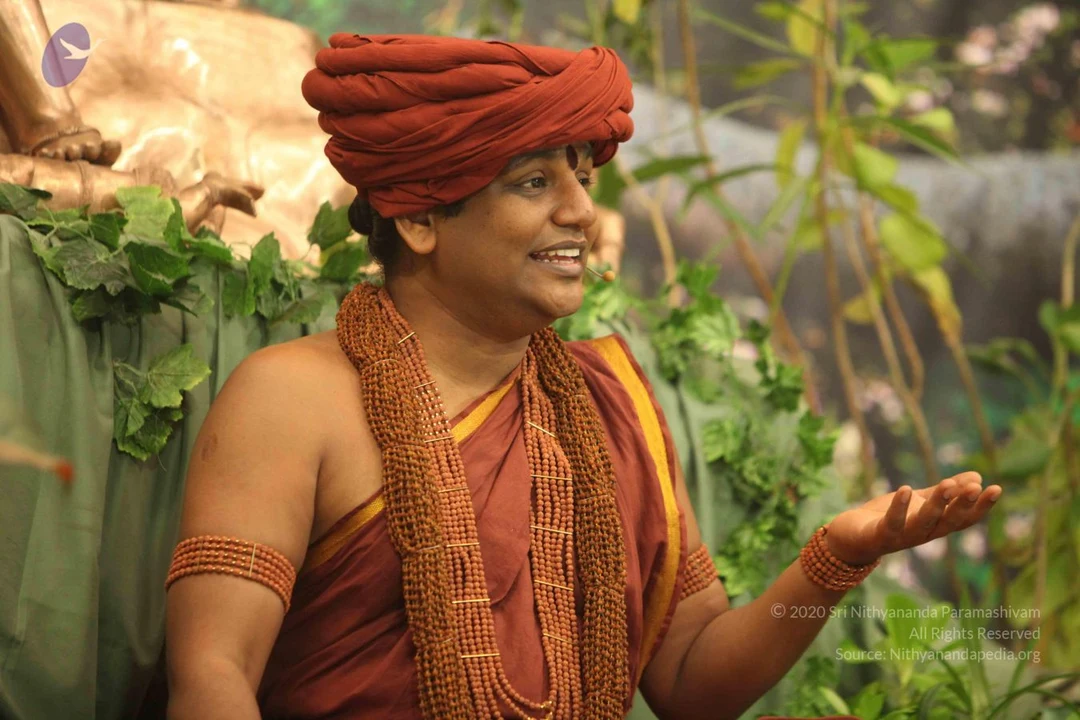
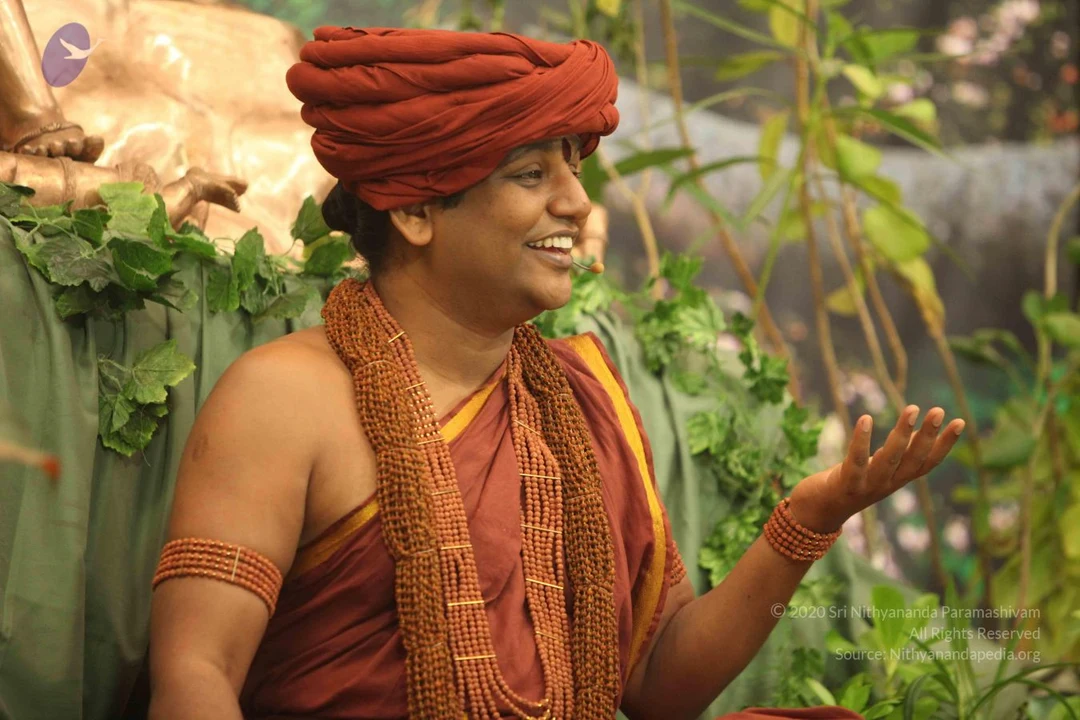
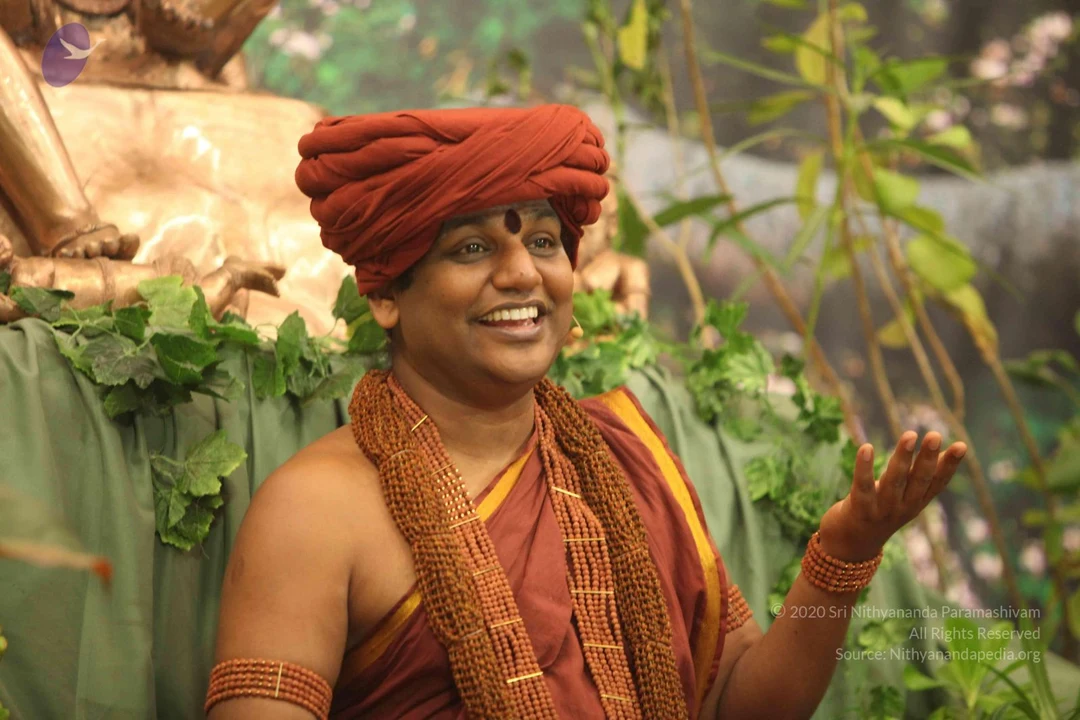
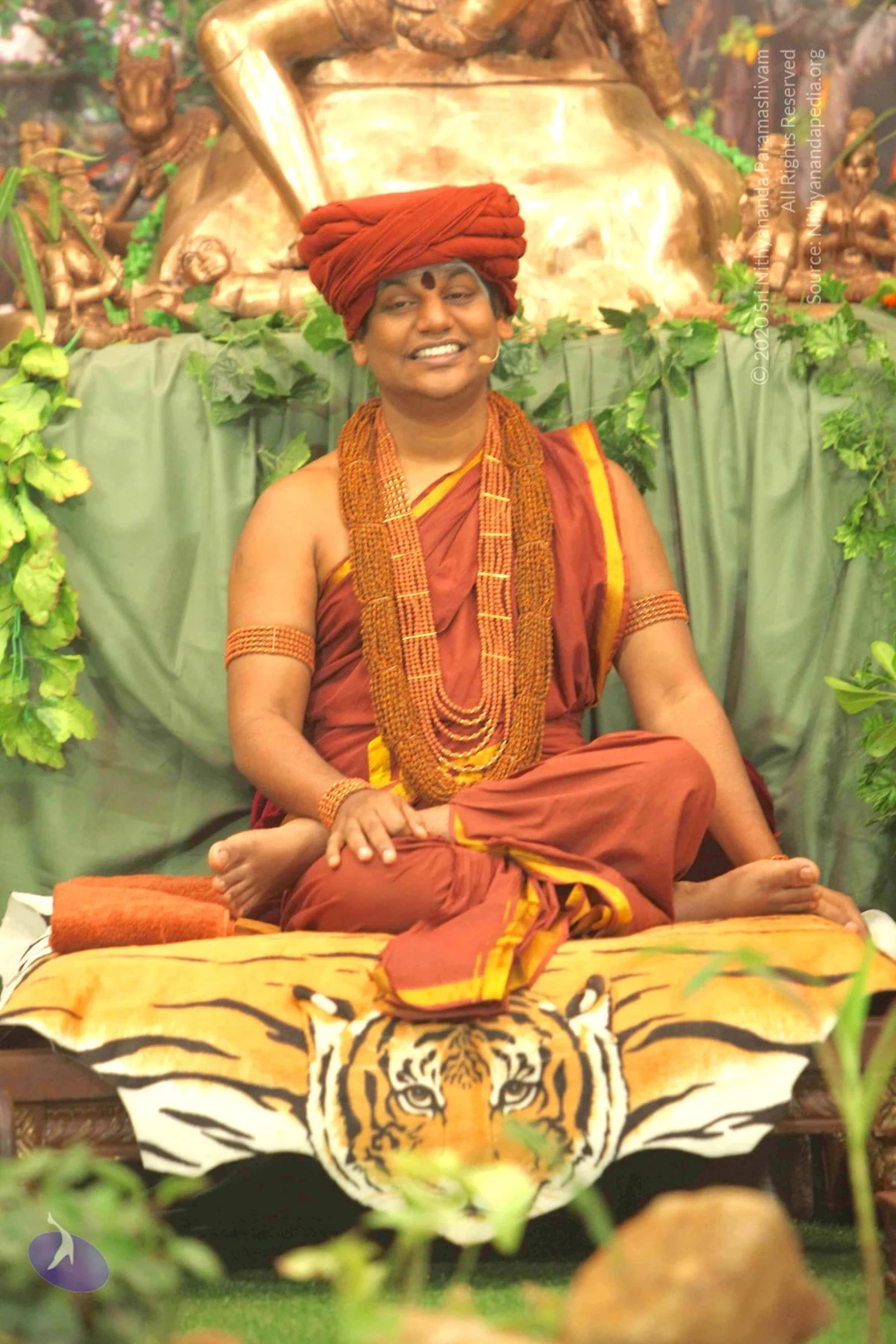
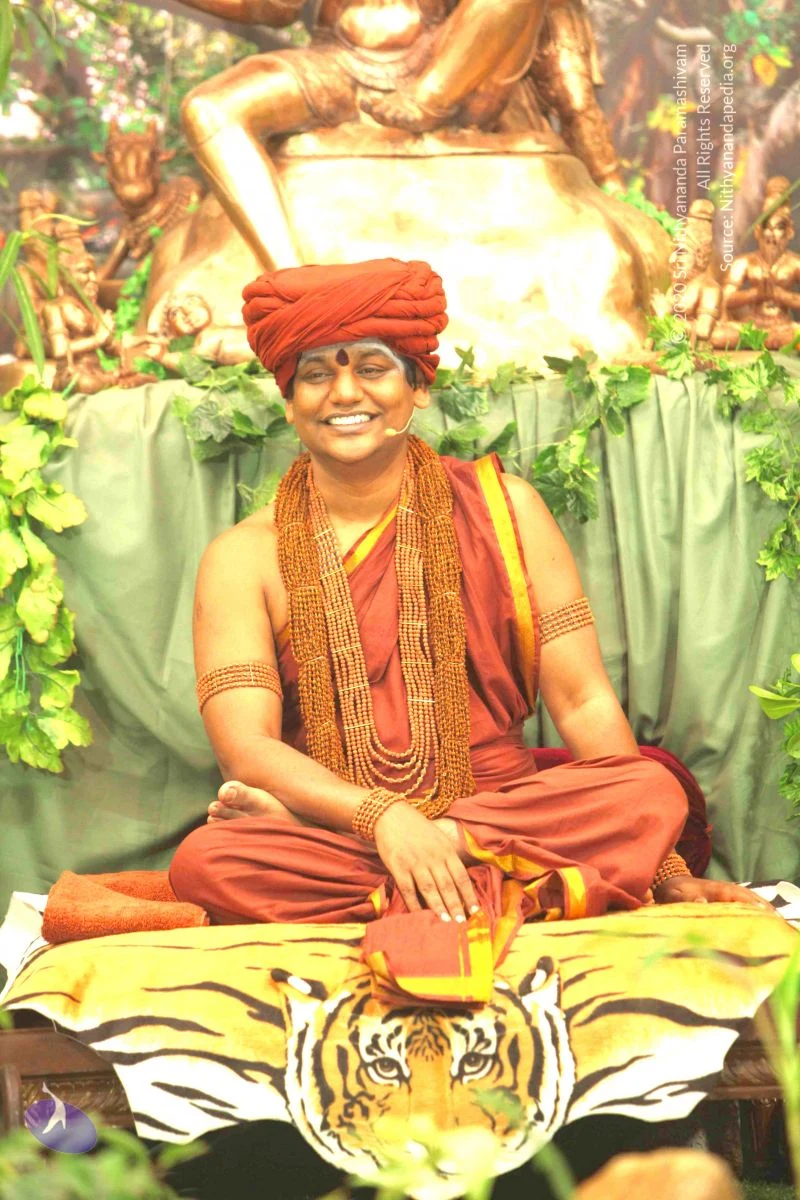
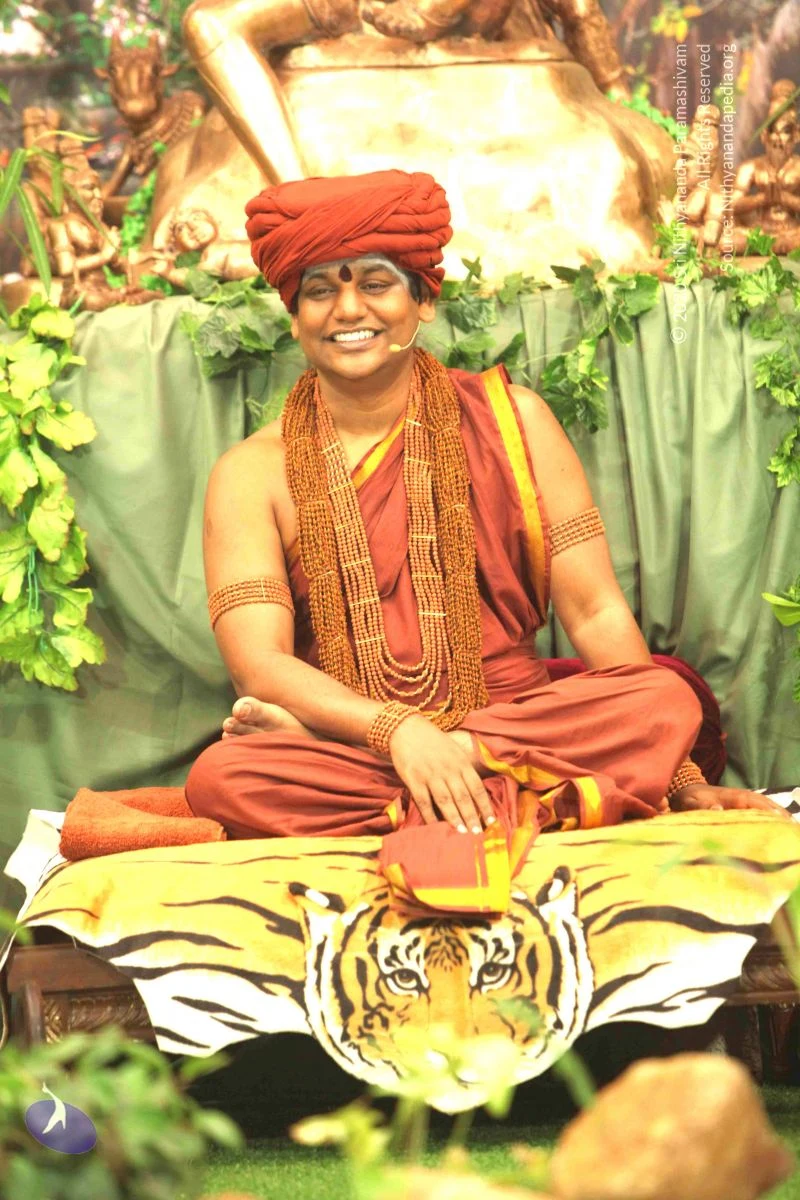
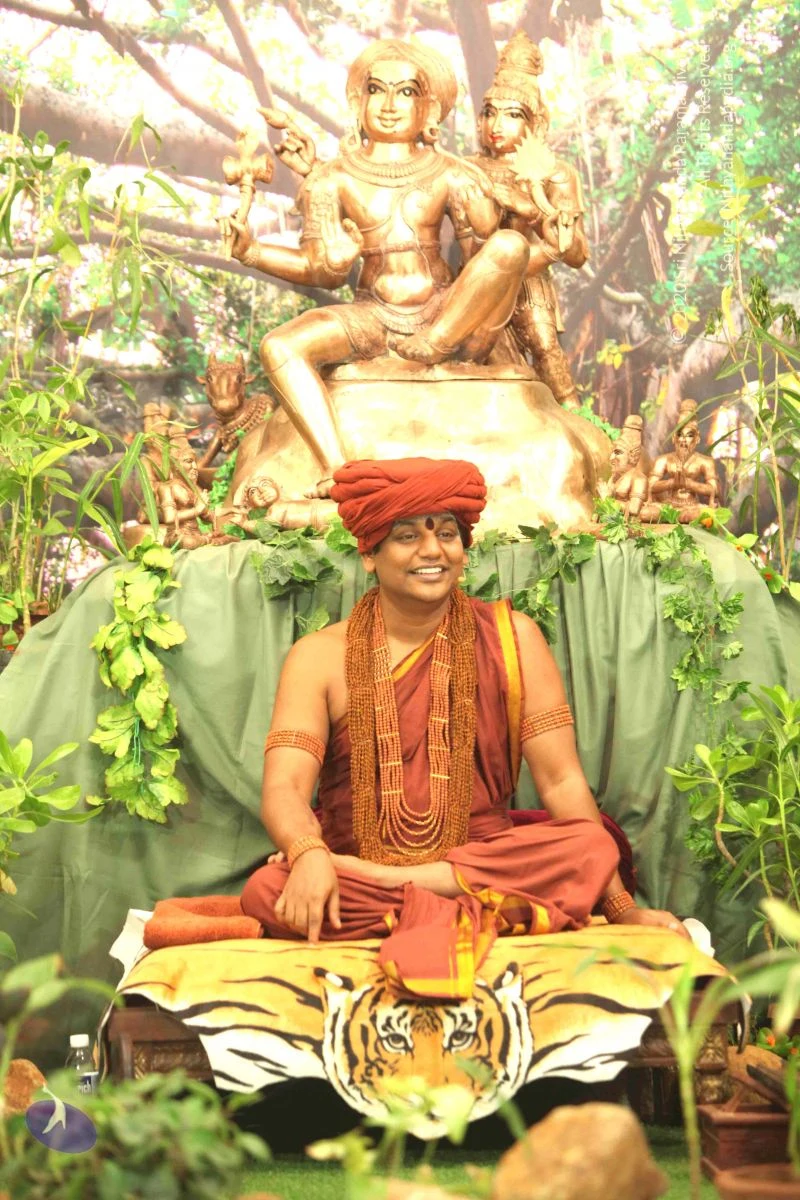
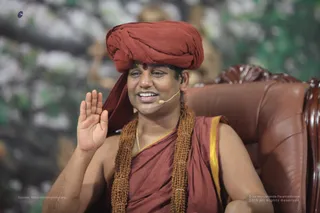
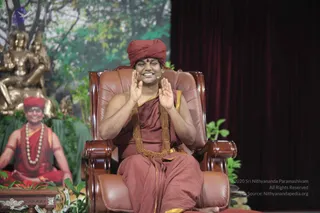
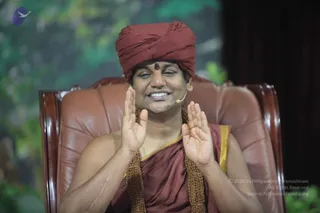
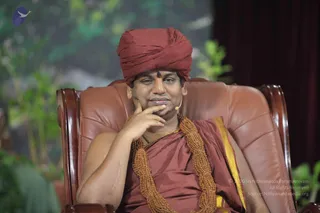
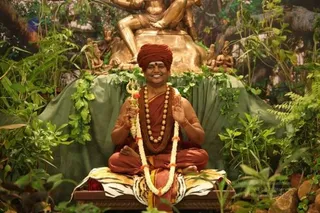
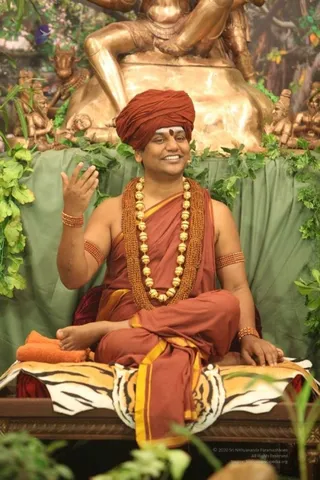
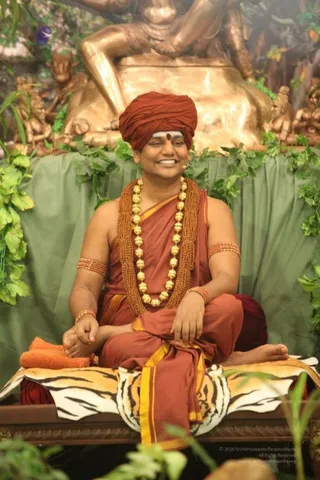
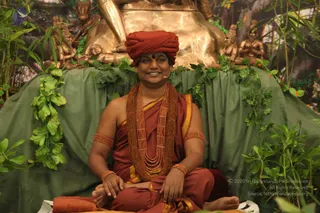
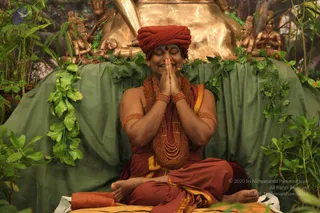
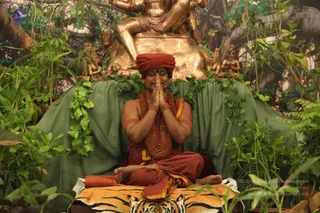
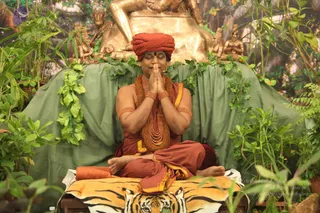
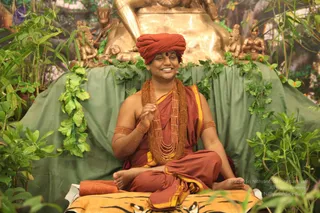
That day’s Presidential Address-Nithyananda Satsang was conducted by the Supreme Pontiff of Hinduism Bhagavan Nithyananda Paramashivam on 22 March 2015, in Adi Kailasa, Bengaluru, Karnataka, India.
Description:
Today’s (22nd March, 2015) Morning Satsang, in the Upanishad Series - Living Advaita. Isha Upanishad – Verse 7 yasmin sarvāṇi bhūtany ātmaivābhūd vijānataḥ | tatra ko mohaḥ kaḥ śoka ekatvam anupaśyataḥ || 7 || In today’s revelation on Isha Upanishad, Paramahamsa Nithyananda entered into the direct jump-start process of feeling 'oneness, ekatvam' with Existence, which is ‘Loving Advaita’, the science of radiating love. Even if it is calculative love initially, it will give us the confidence to radiate unconditional, selfless love. He further gave heart-filling narrations on Mahadeva’s divine plays or leelas of love in Kailasha and Madurai – Mahadeva’s love current, which are the pure form of expressions of Love. For today’s Vakyartha Sadas, he gave the topic for spiritual explorations on: how we forgot many possibilities of love by complaining it is too small and calculated, selfish. How to break the barriers to loving and start LIVING LOVE; as only Loving Advaita leads to Living Advaita. And for tomorrow’s Vakyartha Sadas, the topic of: Mahadeva’s love current, which is not limited by His acts of giving or taking. Watch, Share and Subscribe to our channel to be notified of the next upload click http://www.youtube.com/subscription_center?add_user=lifeblissfoundation to subscribe. visit: http://www.nithyananda.org http://www.nithyananda.tv http://www.innerawakening.org https://www.youtube.com/user/LifeBlissFoundation https://twitter.com/SriNithyananda https://www.facebook.com/ParamahamsaNithyananda https://plus.google.com/104086565286265959836/posts
Link to Video:
| Video | Audio |
Transcript:
[00:00:20]
Nithyānandeśvara samārambhām Nithyānandeśvari madhyamām | asmat āchārya paryantām vande guru paramparām ||
[00:00:49]
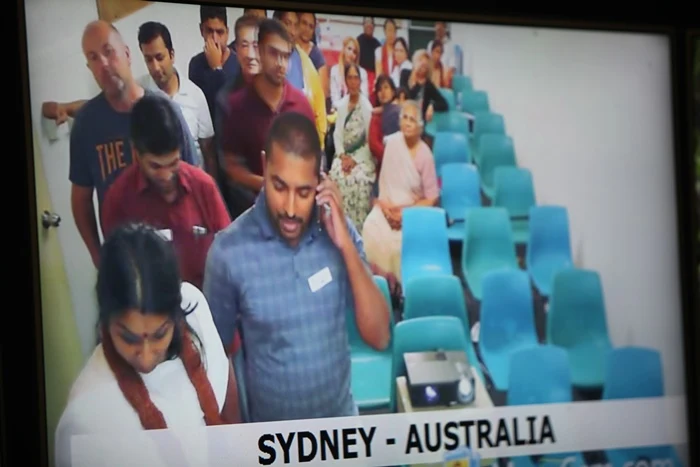
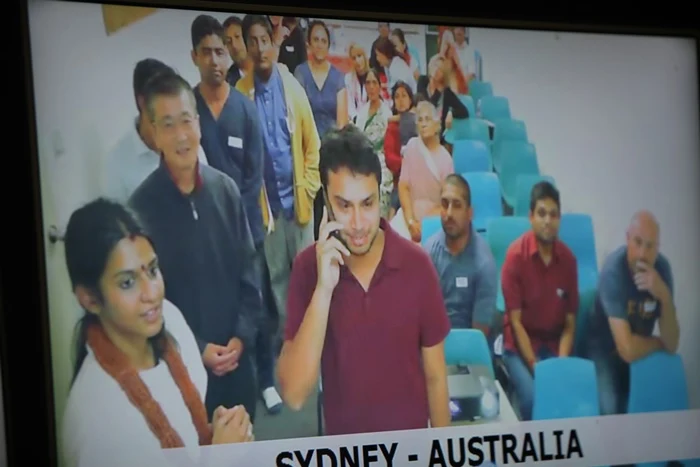
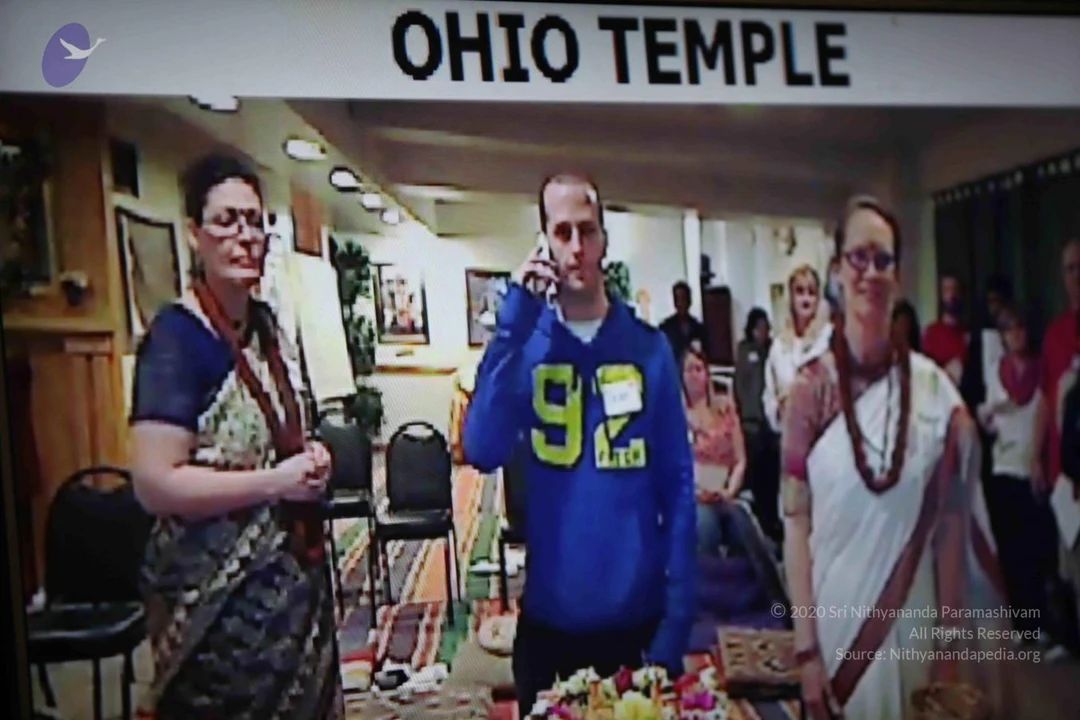
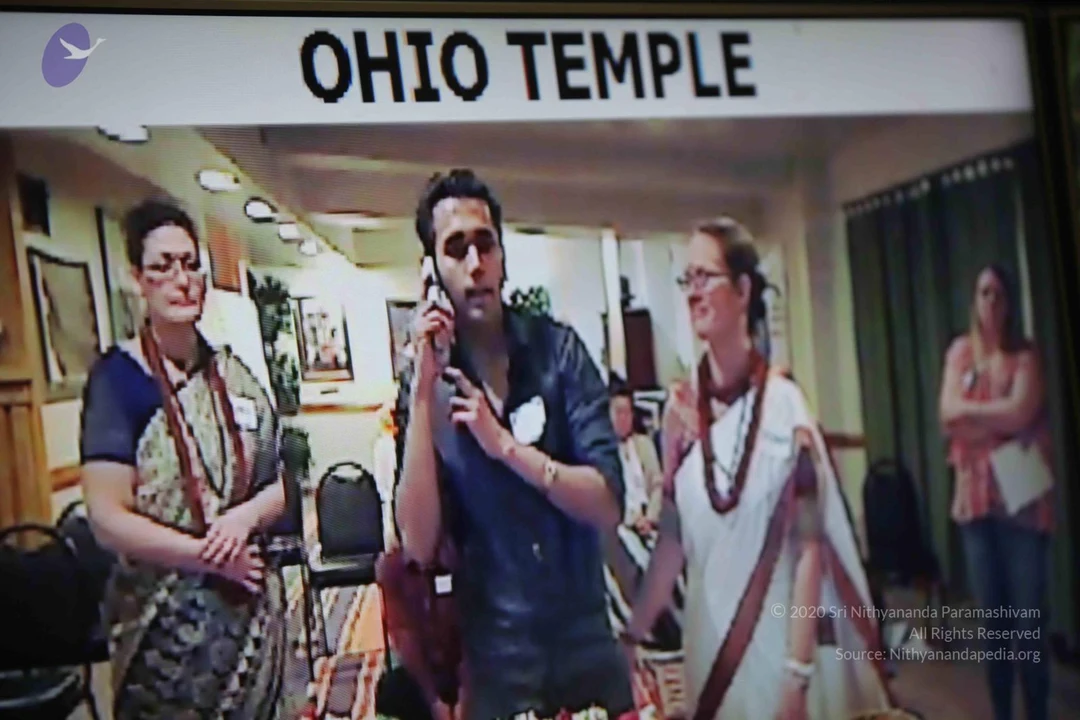
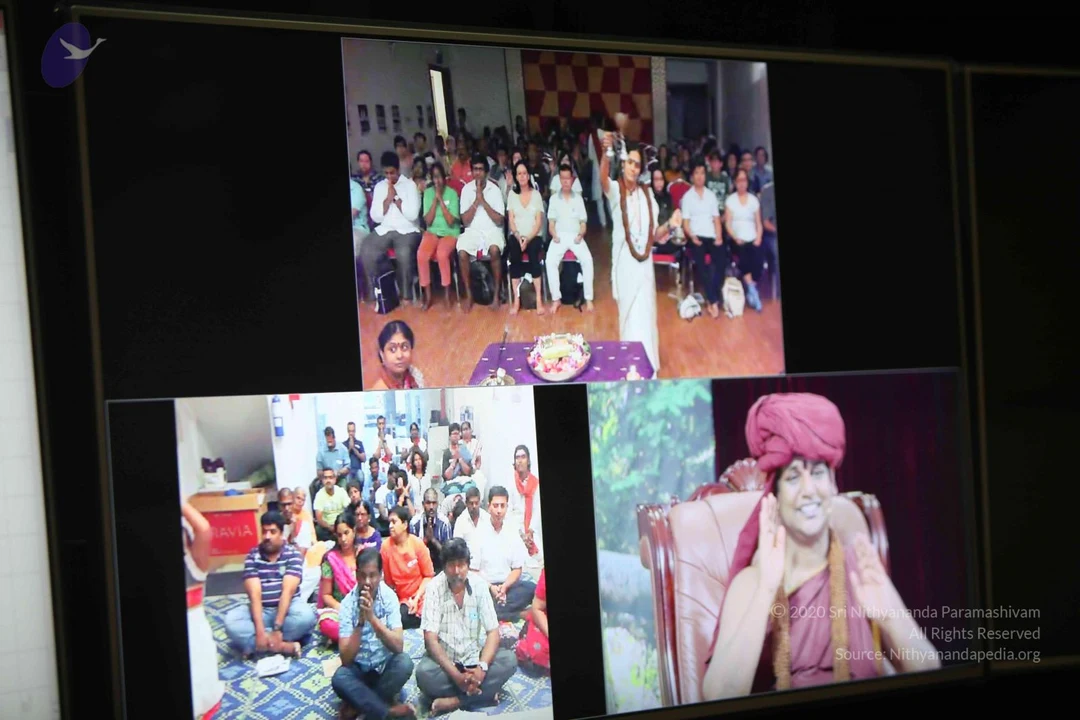
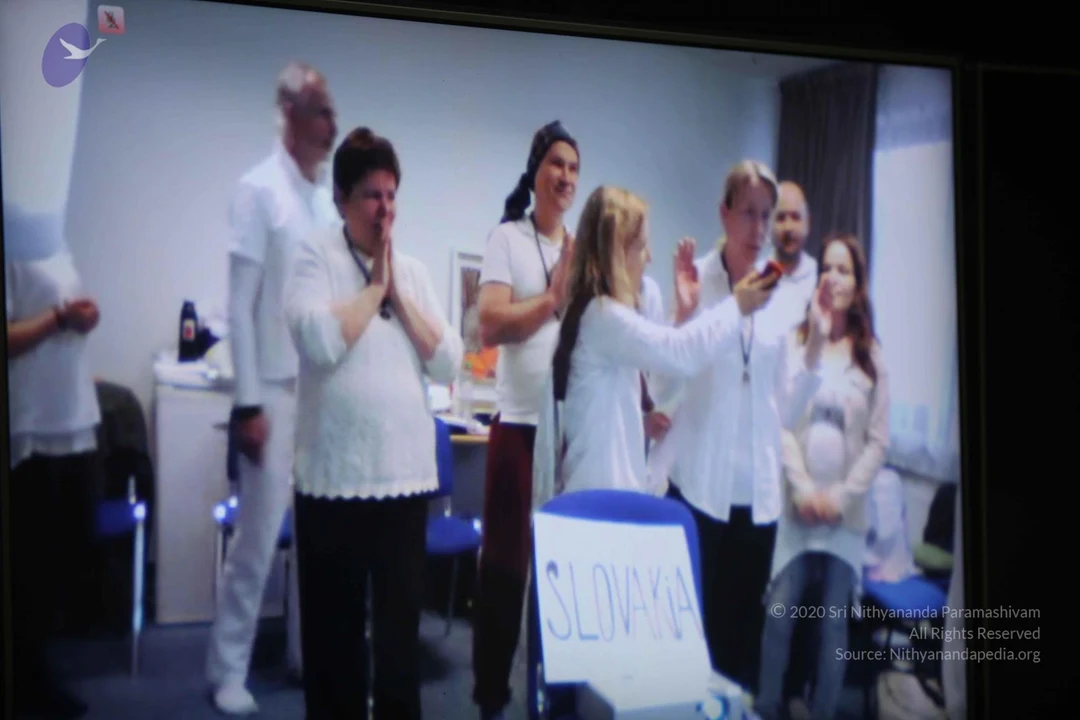
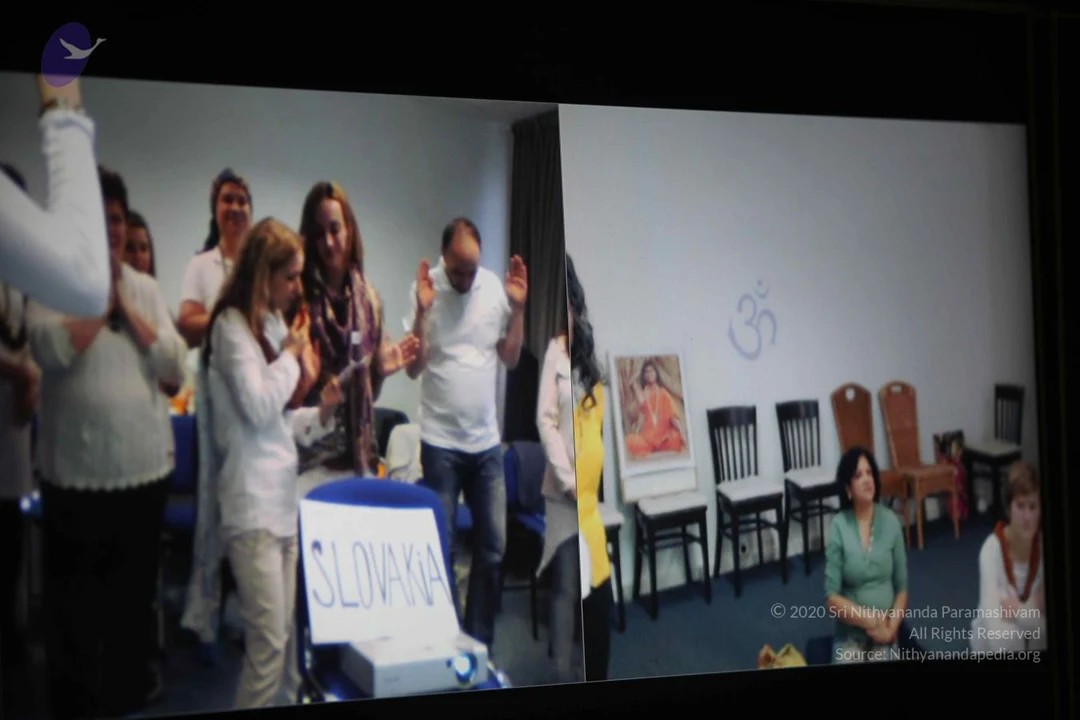
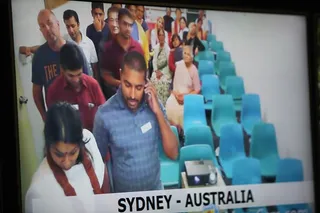
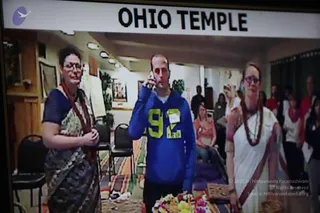
I welcome all of you with My love and respects. I welcome all the devotees, disciples, samajis, satsangis, Shrimahants, Mahants, Thanedars, Kotharis, sitting with us through Nithyananda TV, Sadhna TV, Arra TV, two-way video-conferencing having Nayana deeksha. Cities sitting with us in two way video conferencing having nayana deeksha: Trinidad-Tobago, Hyderabad Gupta Kashi, Charlotte, Doncaster, New York-Varanasi, Morris Plains, Dubai-Vaithyanadham, China, Guadeloupe, Kastav-Croatia, Podicherry, Enriching Temple, Bangalore North, Madurai, Ponca City-Oklahoma, London, Hyderabad, Dakota Dunes, Surrey-Canada, Vancouver, Artesia-California, New York-Varanasi, Seattle, Kulim-Thiruthani, Los Angeles- Arunachalam, Toronto Kailasam, Kula Lumpur-Palani, Melbourne-Thiruvarur, Chennai-Thiruvanmiyur, Philip Island, St-Louis, New Jersey-Omkareshwar .. and some more cities. Lot more cities are joining. I welcome all of you with My love and respects.
[00:03:06]
I will continue on the seventh verse of the Ishavasya Upanishad. Please recite along with Me. यस्मिन् सर्वाणि भूतान्यात्मैवाभूद् विजानतः । तत्र को मॊहः कः शॊक एकत्वमनुपश्यतः ॥ yasmin sarvāṇi bhūtany ātmaivābhūd vijānataḥ | tatra ko mohaḥ kaḥ śoka ekatvam anupaśyataḥ || 7 ||
[00:03:51]
Listen! In one who has cognized the reality, all existing beings become the very Self. Then what delusion, what sorrow of incompletion can there be for that Seer living in the space of Oneness - Living Advaita? Listen, Listen! All existing beings become the very Self. Then what delusion, what sorrow of incompletion can there be for that Seer living in the space of Oneness - Living Advaita? anupaśyataḥ – the being who is Living Advaita. See, I can expand on this verse, word by word, or I can just jump-start and give you direct process. If I have to expand, I can expand: Yasmin – in him; sarvāṇi – all; bhūtani – existing beings, or experienced his own very Self. I can go on expanding. See, when you see everything exists in your Consciousness, very Soul, very Self, where is the question of incompletion, where is the question of sorrow, where is the question of delusion? It is just Oneness, Living Advaita, Ekatvam, space of Oneness. But I am not going to stop with giving you intellectual understanding. Please understand I am going to give you the exact jump-start process.
[00:06:42]
It is as simple as your breathing – Just Love, understand. Many may be surprised, because the subject Swamiji never speaks, never touches… 😀 is LOVE 😀. I tell you, it can be as simple as you giving a smile, a calculated smile. I am not even going for unconditional, uncalculated love. Unconditional love, uncalculated......no. It can be as simple as calculated smile, and as dirty as planning to grab something from him. You may be even planning. Once you show your love to grab something from the other person – his money, or some pleasure from the other person, or something which you want.... It can be as dirty as calculated, as simple as an act of smile. Understand. Even those smallest acts and calculated acts, when it is done, gives you the glimpse of Oneness. Understand. I am not saying give a calculated love, or cunning love. No! All I am trying to tell you is, even that gives you the experience of Oneness. So, when you evolve, give a unconditional… Actually, the unconditional loves comes, how you know? When you start giving calculated love more and more, the confidence you develop on you, when the SDHD melts down, the confidence you develop on you, the energy you radiate, that becomes unconditional love.
[00:09:34]
Unconditional love is not dependent on any action you do. Even your breathing, you will be loving the whole world! Your existence, you will be thinking, “What can I do further? How can I contribute further?” Please listen! So, do not deny. If some of your acts are calculated, conditional love, don’t deny the act itself, go ahead with the act; you will see you get the confidence to radiate unconditional, uncalculated love. Please understand. When it is calculated and conditional, if you deny, you destroy the possibility for the next level. Yes, the leaf of this tree, this plant can’t be eaten, but wait; allow the tree to grow, the flower and the fruit of the tree will be useful. The conditional love, calculated love, planned love will start in your life, because that is the best way of relating with the Life. But when it starts, don’t deny it, don’t destroy it, don’t abuse it, wait. It is okay. Today you felt, ‘If I smile, he also may smile, she also may smile, then I will develop the contact. Tomorrow he may become partner in my business, or he may become, she may become, he or she may become partner in my life, or he or she may support me in my venture, whatever, you may be planning. I am telling you, that is okay. Don’t stop the act of love, the function of love. Because, even if it is calculated, when you start functioning in the space of love, your confidence on love starts getting built. Your confidence on love starts getting built. Understand. That confidence will give you to radiate unconditional love. With the more and more act, the deeds, doings of love, this confidence on love, confidence on functioning out of the space of love starts developing.
[00:13:04]
Please listen! One of the predominant thing you need to develop in your life is - confidence to function out of the space of love, because from there only you can take a jump to - confidence to function out of space of Oneness. See, in the space of Oneness, there is no cunningness, there is no condition, there is no planning. But, unfortunately, you don’t have the courage to jump into that space. It is because you don’t have courage, you go on doing some hypocritical game. It is like… There is a story by Ramakrishna. No one can be a best story-teller like Ramakrishna. He is the … He is the best in story-telling, a village authenticity, a raw authenticity. He is a Andhra gongura chutney! As far as his story-telling is concerned, he is just Andhra gongura chutney. A village rawness! That is his beauty I think… that’s his beauty. And, even when he describes, you won’t find any so-called social decency. There are many of his stories I can’t tell in public satsang. I know now many will go and read the original book. 😊 Because, human mind secretly enjoys anything dirty. It is a… anyhow at least, for that, read his stories. He has his own rawness. And the beauty of his rawness is his authenticity. He tells a story, very beautiful. Even the description is so beautiful.
[00:15:29]
An Enlightened being walks on the river, crosses the river. Somebody asks him, “How can I also walk like that?" He says, “There is no mantra or magic. Just remember Mahādeva’s name and you can walk.” And, this guy also, okay, he went near the water; he was remembering Mahādeva’s name but he was not able to walk on the water; he was sinking. The Enlightened Master looked back and saw, this fellow is sinking. That guy shouted, “Oh Master! What happened? What happened? I am not able to walk on the water!” Then the Master says, “You chanted Mahādeva’s name, no doubt. But you also held your cloth up, it should not get wet. Means, you did not have the confidence you are going to really walk on the water. You prepared yourself to get drowned only. Because you prepared yourself and you carried only that space.” If you look at this story, see this guy, let us look at him as one of My disciple. If I look at him as My disciple, first thing I won’t make fun of him. Nothing can be done, that is the way he is. And end of the day he walking on the water is My responsibility. And, whether the good or bad of he walking on the water is going to come to Me.
[00:17:25]
The amount of goodness the gurukul kids are bringing, Oh God, unimaginable. Unimaginable! With this third eye awakening, and their ability to play with the powers, now I am refining more and more those techniques and processes. See, if I am allowed to do only spiritual work, I can do so much. But, what to do? Whether it is a brick need to be bought, or the cement need to be measured, in Bidadi campus literally everything I have to look in. What to do? 😀 Anyhow, I am doing it. I am doing it. Soon you can see the gurukul kids moving to the next level and radiating different powers. Even before you talk, they will tell what you are thinking and what you are planning. And it is going to be really funny to live with them. The kind of a good, goodness they are spreading, everyone who walks into the ashram and sees their demonstration, they were floored! That is what I have to… because, it is quite a long time all these great yogic truths are made into a science. Please understand there were also one or two people who were demonstrating those powers, but not in this mass scale where you just call any kid and the kid comes and shakes you from your core and your logical understandings about life. So, people look at this almost as Harry Potter school! 😀What’s going on, no one knows!😀 The other day, one of our kid is successfully able to read, second time, two words. I made a…. One Swami visited the ashram, and he made a long statement and asked Me to project that statement from My inner-space and that kid to read. She was successfully she picked up the two word. And it is not a joke. Apart from blindfold reading, the way they play with the Consciousness! And without any risk and danger so beautifully.
[00:20:32]
Let Me come back to this story which I was telling. So, even if this guy walks on the water, it is going to be My pride. So, I have to be responsible. Why he is not able to walk? That is where I will look in. It is nothing but, because he doesn’t have confidence he is holding the cloth, he feels he is going to drown. So, if I look at the whole story from My angle, first I will teach him to love water. I will teach him to love water. Please understand. Completion means not just not having incompletion, but having communion. Understand. Completion means - You live, I live. No! You live, I live is not Completion. We Live is Completion. You live, I live is not Completion. We Live is Completion. First I would have taught him the science of Love. That would have brought so much confidence in him. Confidence means: Even if I drown, I know the water is not going to kill me; I know I will swim, or water will leave me in safe place. When that Love is experienced, he will be able to jump into that space of trust – ‘Yes, I can walk on the water.’
[00:22:40]
I tell you, Love is one of the most powerful, most powerful stepping stone for Living Advaita. I should tell you, I should dedicate one year for Loving Advaita, then Living Advaita will happen. Because most of you, most of you are stuck due to your inability to love, inability to love and the wrong ideas taught about Love. You think it should always be pure, unconditional, grand, life-sacrificing act. Till then, shut down. No! This plant cannot have the greed to give the fruit, day one. No! It needs to grow. It needs to first bring flower. Then the flower need to become fruit. First, unriped, then riped. So understand, in the beginning it may be calculated or small act. It may be very calculated, cunning, and the act is very small, just a smile, but expecting two crore advance loan for the second smile. It can be such a small and calculated act. That is okay. Start with your courage; you will see, you will develop so much of confidence on acting out of love space. Then, automatically you will see, even you will be shocked, some of the greatest sacrifices, unconditional acts, you will do it, before even you thought you are planning or doing it.
[00:25:34]
I tell you, all unconditional, great sacrifices out of love has happened before even they realized they are doing it. Before even they realized they are doing it. That is why, always the boons of Mahādeva… See, He is not fool. Understand. He is not fool to give whatever Bhasmasura asks and then run around. He is not a fool. He is in the space of unconditional love and tyāga, sacrifice. Before even He thinks the side-effect and after-effect of it, He has done it, He has given it. Before even He planned, understood the side-effect and after-effect of it, He has given it. Because, all great sacrifice or all experiences of unconditional love is done before even you think.
[00:27:04]
See, Mahādeva’s līlas (divine plays), whether it is done in Kailāsa or in Madurai, the own place or in father-in-law’s place, the whole thing, see the kind of a space He carries, the behaviour the Purāṇas describe. He marries Parvati. Parvati is from a royal family. She can’t handle cold, the rough weather of Kailāsa. Even though She is born in the hills to the Himarāja, She was brought up in a palace. So, comfortably She lived. So, when He saw Pārvati needs a comfortable place… and then this Ganeṣa is there, runs around and finishes off everyone, and Subramanya, He wanted a place to live. He calls Viśvakarma and immediately he creates the best, most beautiful golden city. Rāvana comes to attend the ceremony, the inauguration ceremony. All the devotees of Mahādeva, Kinnara, Kimburuda, Gandharva, Gandhara, Yakśa, Rakśasa, everyone is there for the inauguration. After the inauguration Mahādeva opens Himself and says, “Whoever wants whatever, come on, here I am, I am here to bless you all. Take it.” Whoever wants whatever, He gives. And then Rāvana comes and says, “I want this city”, for which inauguration he has come. No second thought, second idea! And no question of planning about side-effect and after-effect.
[00:29:49]
Even if it was Me, I would have called Viśvakarma and told him, “Hey, make one more and give.” But, Mahādeva is Mahādeva. He did not bother to do that. Because, even the calling time, in those few seconds, may be Viṣnu will come and stop or Brahma will come and beg, “Don’t do that.” Or Devi will tell, “What are you doing? We should have an address which is whole and sole, which nobody else has.” So, He is not giving space for any of that. He is He, Tyagarāja – the space of unconditional love and sacrifice. He just says, “Take it.” That’s all. Take it. For which inauguration the whole world gathered, He just said, “Take it.” Actually, He gave the city. That city only is Lankā. Lankā is that city only. But this fool, this Rāvana, his greed was so much, he took that Lankā city, golden city and kept it in Lankā and came back; and his greed did not stop. He wants the whole Kailāsa. That is where the problem started and he was crushed under the Kailāsa. Anyhow...
[00:31:29]
Look into the space without bothering about side-effect and after-effect, and what we are giving whether he is qualified. Just, “Yes, take it!” I tell you, all the great acts of unconditional love and sacrifice is done only in the space where you don’t even think. But for that space to grow in you, in the initial level you need to encourage even the conditional love acts, or even if it is small acts of love. And acts of love is not always dependent on just giving. Please understand it is not all about giving. Here I used the example of Mahādeva giving. But it is not always about giving. It is even about taking. This poor lady, old lady, who just cooks few idlis and sells in Madurai, this fellow comes all the way from Kailāsa, as if he doesn’t get that idli in Kailāsa, and says, “I will work for you. You give Me idli.” She says, “Alright.” And then this fellow bargains, “How many idli you will give?" Who? Mahādeva. To this old lady! That lady says, “I will give you full. How much you can eat, that much I will give you.” And then, this poor lady did not have intelligence to make an agreement with this guy. She should have made at least the agreement, “Alright, I will give you full meal, and you should finish the job allotted to me by the king.”
[00:33:05]
There was a story that once there was a flood in the Vaigai river in the Madurai. King declares that every citizen should dump mud and build an embankment for certain portion. So, that the city is protected. So, all the people from their own family, or they collect, they get some workers and start filling, doing the embankment. Actually, Vaigai is a man-made river. It is a man-made river done by the Śiva Bhūtas and Gaṇas when they came to attend the marriage. Because, Mahādeva always love to sit on the banks of river. He lived in Kailāsa where the Ganga starts, and Varanasi where Gaṇgā comes to touch his feet. So, He wanted a atmosphere of river. And, actually, till he went back to Kailāsa he always lived in the palace near the river. River front palace only he lived. He did not live in the main palace. The main palace is the temple now. The Madurai temple is the main palace where Meenakshi lived and ruled, conducted the court; but He will always go and sit in the river front palace, playing dice with all his bhūtas, bhūta gaṇas, and drinking soma rasa. He will neither participate in the administration nor support Meenakshi in any work. He will just go round and give boons and lying in the river front palace.
[00:35:33]
So He goes to that lady and asks, “What will you give Me?’ She says, “I will give you as much as you want. Eat.” Only when he started eating, she realized what commitment she made. He finished the whole thing! Nothing is left with that lady. He finished the whole thing. Then he goes and sleeps. When that lady comes and wakes him up, “Hey, wake up, wake up, do your work otherwise king will punish me.” He says, “No, just now I ate, na? I am feeling little tired.” And He lied down and slept. King comes for supervision. He says, “Whose portion it is? It’s not… work has not happened.” Everyone tells, “It is the old lady who sells idli.” Those days idli. “Who sells idli, her portion.” They call that lady. She says, “What can I do? This fellow, I hired him and gave him whatever he wanted. And he is lying down there after eating.” I tell you, he did not just eat idlis; he ate all her karmas. That is why he ate FULL. And then King asks him, “Why are you not working?" He has no answer. He just woke up and sat and looked at the king. The king got very annoyed because he did not get the answer, and he threw his stick and beaten Mahādeva. And that stick beating, it was experienced by every existing being, including King. So, king was shocked.
[00:37:47]
I tell you, the story has a beautiful meaning: One, Love is not always associated to giving. Even taking, He coming down and eating the Vandi’s food is love. Even it maybe… it may be even taking but Love is Love is Love. Second, because He is in that space… I tell you, his love is more visible in grabbing all the idlis of Vandi and eating than giving the golden city to Rāvana. If I look at both scenes – He giving the golden city to Rāvana, and grabbing all the idlis from Vandi, old lady and eating... he must have eaten with both hands, everything with the chutney flowing, and telling that old lady, “Come on, put some more!”, and she running around for the rice, for the chutney, and looking this side and that side, and making more idlis, more chutney, grinding and telling, “Wait, wait, wait.... I am making.” If I look at both scene, I feel this second scene is more cute and more loving. Love is not bound by the act only giving. If I see both scenes… I can see, actually both together now. 😊 How Devi was standing, staring at Him, shivering, “What this fellow is going to tell now? Is He going to give away this city?" And Ganesha is looking at him. Subramanya, “Oh, God! What he asked?" Viṣnu about to stop the dāna, intervene; Rāvana standing with the hand, “Mahādeva, I want your city.” With the right royal strength of a devotee. See, even, I am telling you, even Rāvana, he is a character to be described. No, how will.... See, unless you have a kind of a right over Mahādeva, how will you ask His city? It is like having a right over Mahādeva. I can see the whole scene.
[00:40:58]
And, this other side, this old lady, sitting in the roadside, making idlis with that… must have been a mud pot, with the stone… What do you call that? I don’t know that .. addupu, stove or whatever word you want to use for which is used for cooking. With that stone stove making idlis one side and the other side trying to make chutney, and Mahādeva is sitting with the mud plate and saying, “Hey, where is your idli? Come on! I finished.”, and she directly emptying from the vessel to the plate all the idlis, and by the time she makes the chutney and serves, the idli is disappeared, and He unable to wait and putting all the fingers into his mouth, and asking, “Hev… hey, get Me more idli.” I can see both the scenes. I tell you, in the second scene, more Love is expressed than the first scene. Be very clear, love does not need to be restricted only to the act of giving. And love does not need to be described, only it should be unconditional or selfless. Whether it is act of giving or receiving, conditional or unconditional, selfless or selfish, start practicing, start practicing. I know, ultimately, unconditional, selfless love is the greatest. But that fruit will not happen if you cut all the roots starts sprouting. The fruit of this tree will not happen if the tree is not allowed to grow at all. Many time these fools, for the sake of the fruit, cut the root. Hey, if you want the fruit, allow the root to exist and grow.
[00:43:52]
Actually, when He was eating the idli from Vandhi and playing with her, the kind of a loving space he was in was so grand. That is why, when the king threw the stick on him, that Oneness was literally demonstrated. Please understand. He could have done something else like send the stick back to the king and beat him and finish him off 😀 or king could have just dropped dead. He could have done anything to show He is He. He did not do any of that. He just… I think, after nicely eating Vandhi’s idli, He was in Samādhi, relaxing in His Oneness, the Cosmic Oneness. And this foolish King came and hit. That’s why he got hit. So, don’t hit the people who are lying in Samādhi. That is the lesson! 😊 Even if you are a King. The hit will come back! And the man you hit, he will be able to handle, but when it comes back who knows whether you will be able to handle it or not? I can see the whole scene.
[00:45:54]
The kind of a right Rāvana had on Mahādeva, because he is a devotee, I can say, you having right over Mahādeva is one-sided love; Mahādeva feels He has a right over you is the real love! I can say, in this scene of Rāvana asking and taking is more like a Mahādeva acknowledges that Rāvana has a right over Him; but, in the Vandhi’s scene, He declares, “I have a right over her!”. Understand. That is the....that is the peak of love. When Mahādeva feels, “I have a right over her”, this poor lady who lives by selling idli… See, her whole investment is that day material she has. Whatever she sells, the little profit she gets, she will also eat; and with that remaining money, that is the running capital for her.
[00:47:07]
If I have to tell in the modern day, maybe she must be making hundred rupee a day with the investment of another one hundred rupee. With this hundred rupee only she must be living, taking care of all her things. And the another hundred rupee is her running capital. And this fellow goes and sits and not only eats the profit, running capital also. Tomorrow what she will do for her livelihood? But He knows He has a right over her and just swallows the whole thing. Other than the mud pot and that stove, He has not left anything else. And did not even do the job went and lied down.
[00:48:14]
Understand. Every leela of Mahādeva demonstrates the acting out of love. And, it is just acting out of love. Whether He comes down to eat Vandhi’s idlis, Madurai idli was such, even in those days Mahādeva came physically to eat Madurai idli. 😊 I can say that, Madurai idli vendors can put a board: Even Mahādeva comes physically here, came physically here to eat our idli! 😊 Whether He comes down to eat idli of the old lady, idli vendor, or he comes down to sell firewood, to drive away a singing competitor who came to challenge the temple singer, a devotee, everything, everything is the pure form of expression of love. Understand that is the ultimate, no doubt. But listen, the ultimate will start when you start practicing the love the way in which you know, the way in which you know. It is by practice, the confidence to operate from the space of love starts developing in you. That will help you to take the jump to operate from the space of Oneness.
[00:51:03]
I tell you, Loving Advaita will lead to Living Advaita. Take this as a spiritual practice. Today’s subject for Vakyartha Sadas: What all ways you stopped yourself radiating love, saying, “Oh, it’s a small act.”, saying, “Oh, it is a cunning act.”, saying, “No, it is a calculated. I had my own calculations for this love. That is why I did not feel it is love and I did not function, I did not radiate. I just stopped myself”... whatever may be. You will have Vakyartha Sadas today about all this, and how to break all that and radiate love.... radiate love. It may be as small act as smiling, giving a smile, or it may even be calculated. I am not saying you should be having calculated love, selfish love, or it should be only small. No! Love should be, ultimately, selfless, uncalculated, unconditional. But, when are you going to start? Even if you want to reach the Moon, or the Sun, or the Mars, you have to start from where you are. So start, start, start operating constantly from the space of love. Automatically the purification will happen, selflessness will happen; that great selfless sacrifices, you will be doing without even you knowing. When Mahādeva gave, He did not have a second thought, “Oh, I am giving away this whole golden city”’ No! He knows He will get it as a dowry from Madurai. Madurai was golden city. We will again make it as golden city!
[00:54:16]
Start making this as a practice. Especially people who are planning for Varanasi Inner Awakening… Understand, the Cambodia Inner Awakening, one of the special uniqueness I added is, a strong, deep friendliness. Varanasi IA, a strong, deep, Mahādeva’s love-current. Understand Mahādeva’s love cannot be called as love acts. It is love-current. So, Varanasi, May, the uniqueness will be Mahādeva’s love-current! So, prepare yourself to experience that and come. So, whether it is small or big, go on operating from Love. Let this be your homework, preparation homework, preparatory homework for Varanasi IA. Even if you are not planning for Varanasi IA, do the preparatory homework; wherever I am, you will experience that here. Understand many of the sincere, intense devotees experienced Shivoham without even coming to Cambodia wherever they sat. They had that experience, they had that Kundalini awakening, they had that evolution. Many husbands born to work for the wife to run around enjoying the spiritual programmes of....😊 many of them, no, literally experienced Shivoham. It was such a different plane. I tell you now, again, you are coming, coming; great. If you are not coming also don’t bother; do this preparatory homework. Wherever you are, from there you will experience what is going on in Varanasi. Don’t think I relay only visuals through two-way; energy also is relayed.
[00:57:13]
The Love, Love current of Mahādeva – that is the right word I will use. It can never be, because… unfortunately you always associated love with the act. If you try to define based on the act… Who can define chasing Vandhi and eating all her idli as a act…. as a love? Only if you have experienced the love-current of Mahādeva, you know that is the most beautiful, cute, loving act ever Mahādeva has performed! It can never be compared to any other act of Mahādeva. Understand if you want to catch the love-current of Mahādeva, meditate on this scene where Vandhi is running around struggling, cooking boiling idlis one side, and making chutney other side, and trying to boil the sambar, and this fellow sitting with empty plate, and licking the fingers, “Hey, I am waiting.” 🙂 I tell you, if you want the protection of Mahādeva, you have to meditate on Kalabhairava - because that is the form in which He even removed the head of Brahma. If you want the Enlightenment from Mahādeva, you have to meditate on the form of Dakshinamurti - that is the form in which He transmitted Enlightenment to all the Ṛṣis. If you want wealth from Mahādeva, you have to meditate on the form of Dhanākarśana Bhairava where he gave wealth to Kubera itself. If you want powers from Mahādeva, you should meditate on the Chakradāna Murti where he gave Sudarśana Chakra to Viṣnu. If you want to understand the love-current of Mahādeva, meditate on the form where He is sitting with a empty plate with Vandhi and licking His finger, asking for more idli and chutney. I tell you, meditate on the love-current of Mahādeva; you will catch, you will really catch what is really, really Love. Understand. The today’s subject for Vākyārtha Sadas is: How we forgot the so many possibilities of love by complaining it is too small, or calculated, and selfish. How we can break all these barriers and start living love. And, tomorrow’s subject for Vākyārtha Sadas, today itself I am giving tomorrow’s subject for Vākyārtha Sadas: Mahādeva’s Love- current. Mahādeva’s love-current. Mahādeva’s love-current.
[01:01:33]
Swamiji spontaneously expresses His Love on Mahādeva in a Tamil Poem:
*****************
Velli malai vandha vendhan Rāvanan Kanagapuri thandha nigazhvai kaadhal enbenaa?
Madurai veedhiyil kaal theya nadandhu Thirai maraivil nindru dinamum Shankara ena pulambhum sandhadha paadagarkku Sangam valartha Thamizh Madurai adimai aaga vendaam endru Arai kooval viduthavanai viraivoda cheidhida Viragu thalai thaangi Viraganur vandha un nigazhvai kaadhal enbenaa?
Arunayin malaiyil karunaiyin vadivaai adiyum mudiyum kaataadhu nindru Kaatiyum kaataadhum karaindhirukkum vedhanai vittu norukku Kadaiyil kaatiya padhathai kaatiye Jnaana thootiya seyalai kaadhal enbenaa?
Karunaiyin poruley, Vandhiyin vattilil amarndhu Thottil kuzhandhai poley koduthadhai ellam undu vittu ‘Innum thaa! Innum thaa!’ endru kekka, ‘Engey poven?’ endru alaiyum paatiyin mun amarandhu Verum pallai idithu kondu Verum viralai nakki Aval vedhanaiye kandu Kurunagai purindhu malarndhu irukkum mugathai kaadhal enbenaa?
Edhai cholven kaadhal endru Ennavaney?
Karikkurivikku paadam chonnadhai kaadhal enbenaa? Aaranyathil amarndhu rishigalku jnaanam chonnadhai kaadhal enbenaa? Sakkaram koduthadhai kaadhal enbenaa?
Than thalaiyil kai vaikka varuvaan endru therindhum, Bhasmasuranukku varam thandhadhai kaadhal enbenaa? Edhai kaadhal enben?
Ennavaney, Mannavaney, Thennavaney, Ennakkul nindru endrendrum naaney nee endrum neeye naan endrum unarthiya Arunagiri Yogiye, Un aRāvanaipai kaadhal enbenaa?
Aanum pennum aliyum kadandhu Thaanum nindraayi ingunakku Thaaiyai vendaam endru sonna Bhringikkum Thadi thannai thandhu Avanukkum alithaaye aanma mukthiyai, Adhai kaadhal enbenaa?
Jnaanathai Bhringikku azhithida Thaanathu veetukkul thaniya irukka mudiyaadhu Maanathai kadandha Parvathi ul vidamaataal endrarindhum Oodalukku bhayandhiraadhu Koodalukkum oodalukkum kalandhu Irandum kadandhu Bhringikkum jnaanam thandha Perumaaney Adhai kaadhal enbenaa? Edhai kaadhal enben?
Ennavaney, Thennavaney, Mannavaney Vaazhga nin padham, Valarga nin padham, Endrendrum enpolum dheenarkum iniyadhai thandhu Kaadhalai karpitthu Vaazhvaai Paramporuley! Vaazhvaai Mahādeva! Vaazhvaai Vaazhvaai! Un vaazhvey ulagin vaazhvaai nindru vaazhvaai!
[01:05:43]
I don’t think I can translate this. It is My own love with Mahādeva. It can never be translated. It is like a teenage boy writing a love letter to his puppy love. I feel too shy to translate. It can never be translated. See, the puppy love comes by seeing the simple actions of a dress, or a small acts; doesn’t come by knowing the other person, or the stable qualities, the concepts the other person believes. No, all that is not considered in puppy love. It is just, what kind of a dress he or she is wearing, how, what is the hair style, what pen, pencil, cell-phone he has, what vehicle he drives, that’s all, those simple things only. Nothing much matters. So, here I have described Mahādeva only with those simple acts of Him. I did not describe ‘Andāṇda Brahmāṇda Koti Nāyaka.’ No! I have not described ‘The energy which moves the Sun and the Moon and the....’ No, I have not described Him in that way. I have described Him with the simple puppy love mentality. I have not even described Him with all his miraculous powers of “Kal yaanaikku karumbooti, kallilley pootti kadalil paaitchimpodhum, nattrunai aaga irukkum Namachivaayaney!” I am not describing Him in all that aspect. I have described Him in His simple, ordinary acts like a puppy love of a teenager. Maybe tomorrow’s Vākyārtha Sadas, replay what I described, and try to translate and meditate on it. And discuss about it. That should be the Vākyārtha Sadas for tomorrow to understand the love-current of Mahādeva.
[01:08:32]
Shiva Dhanusu vendum endru Kaalangal kalpam pala kaatiley kadum thavam purindha Arjunan moodan, Madurai makkal aagiya engal idam ketirundhaal Viragu vikka avan varum pozhudhu Irandanna koduthu viragai vaangi kaiyil koduthiruppom. Adhu seidhirukkum Shiva Dhanusin velaiyai! Meditate on the love-current of Mahādeva. It is not bound by acts. It is a current. And, encourage, even if it is a smallest act, encourage acting out of the space of love. I tell you, you will find the meaning for life. You will find meaning for life!
[01:09:47]
Link to Video:
| Video | Audio |
Photos
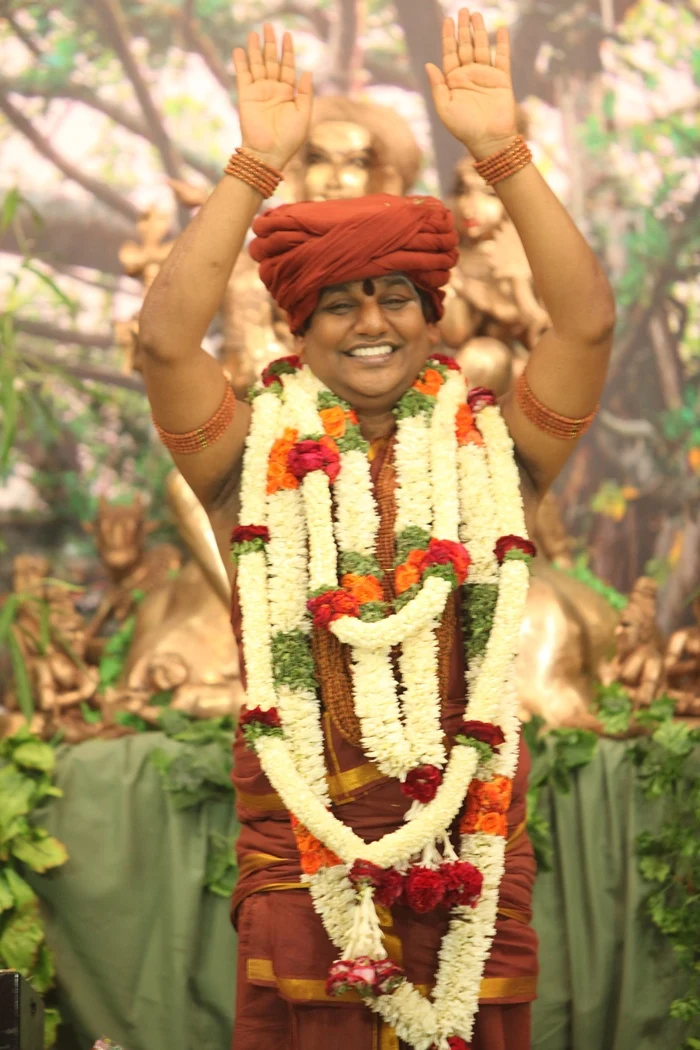
Nithya Satsang
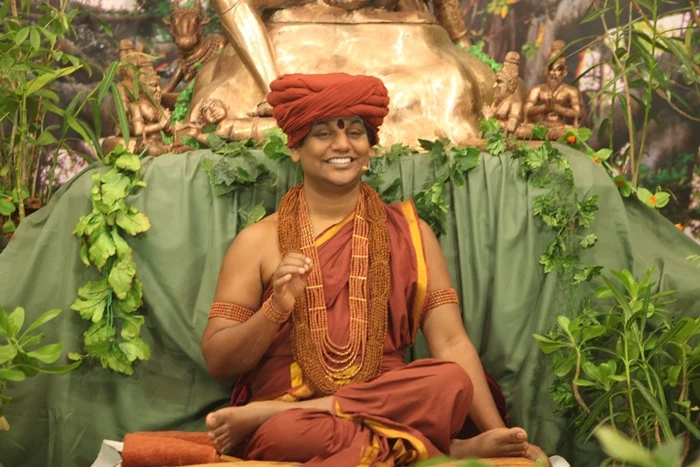
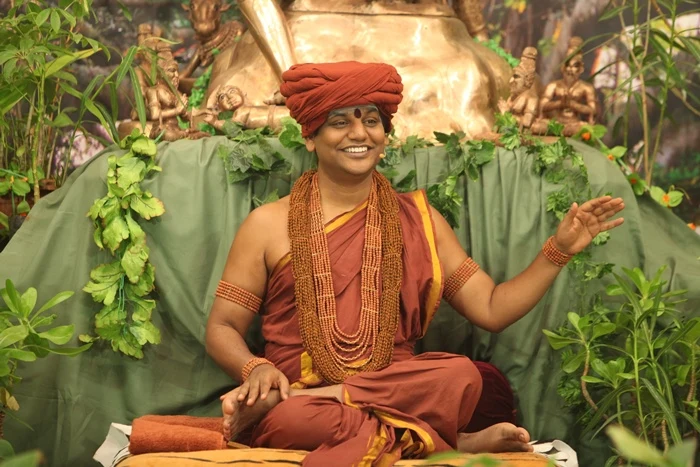
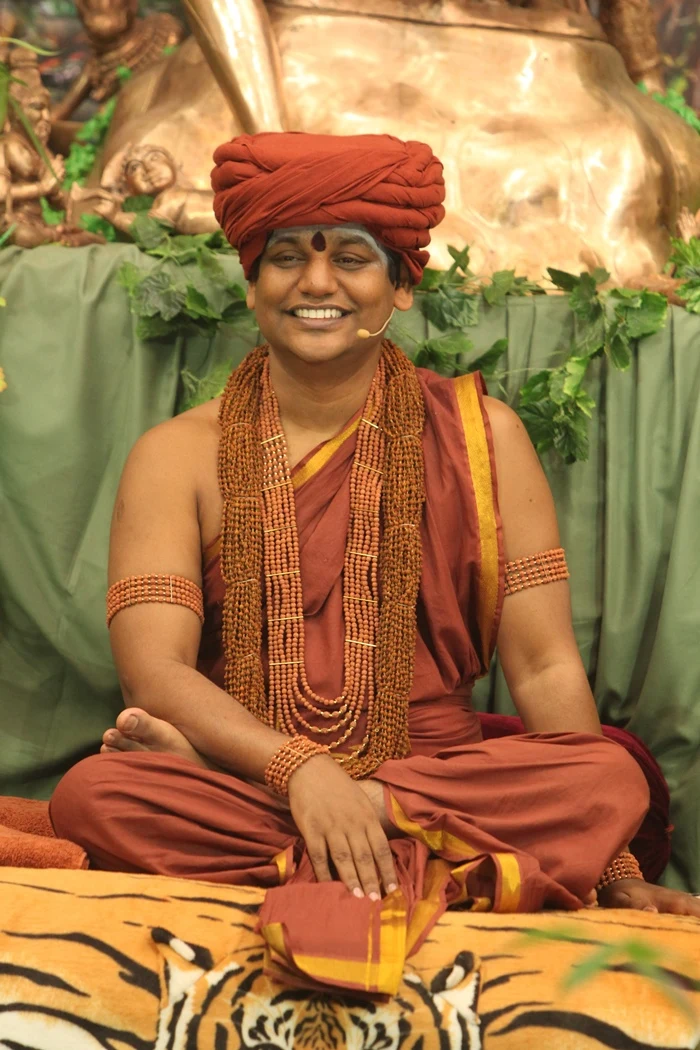
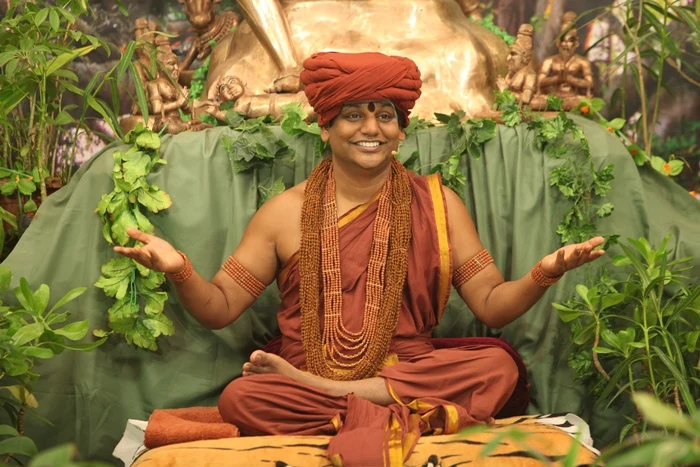
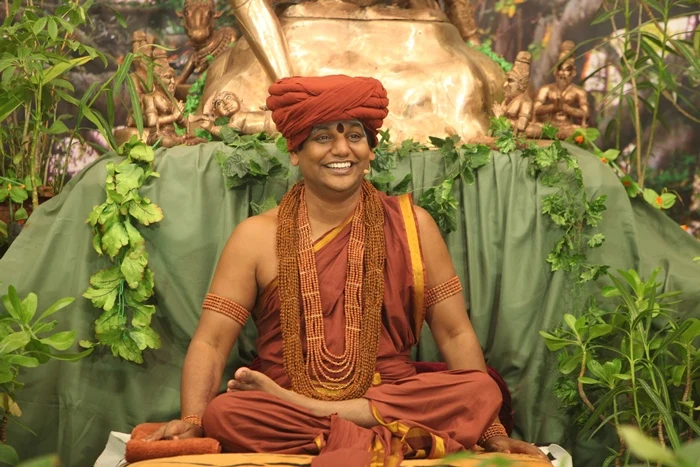
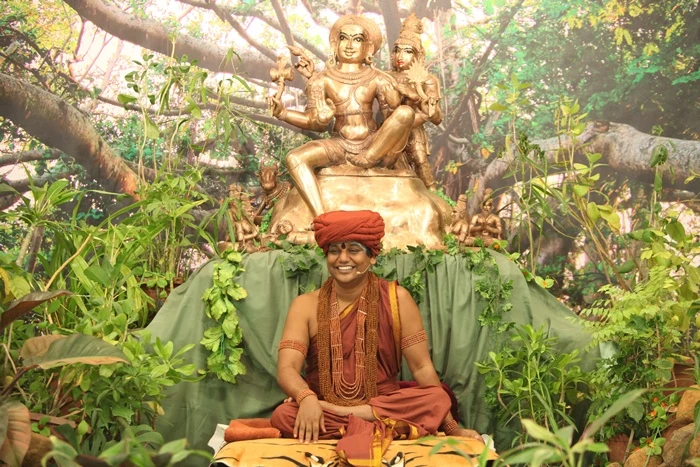
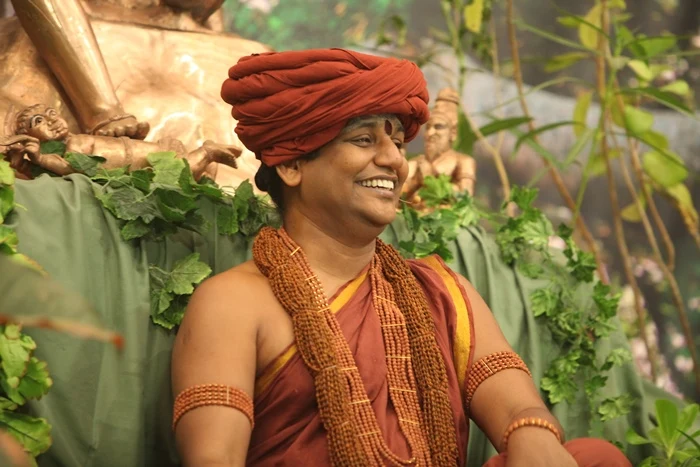
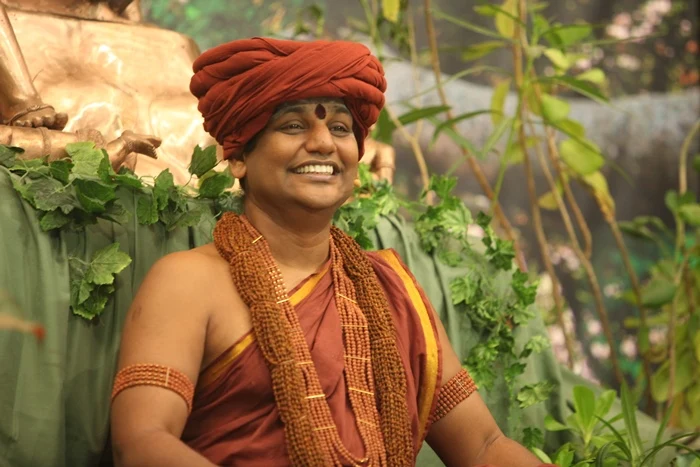
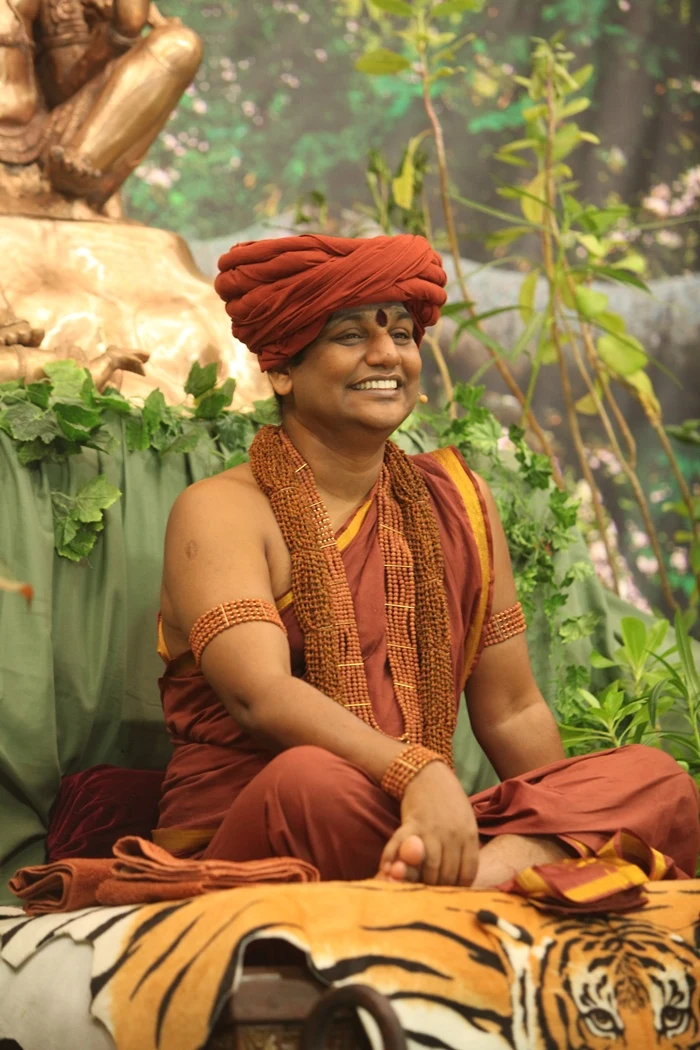
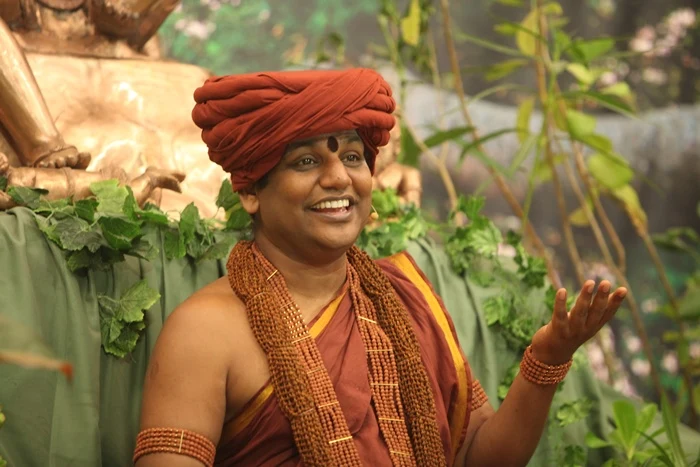
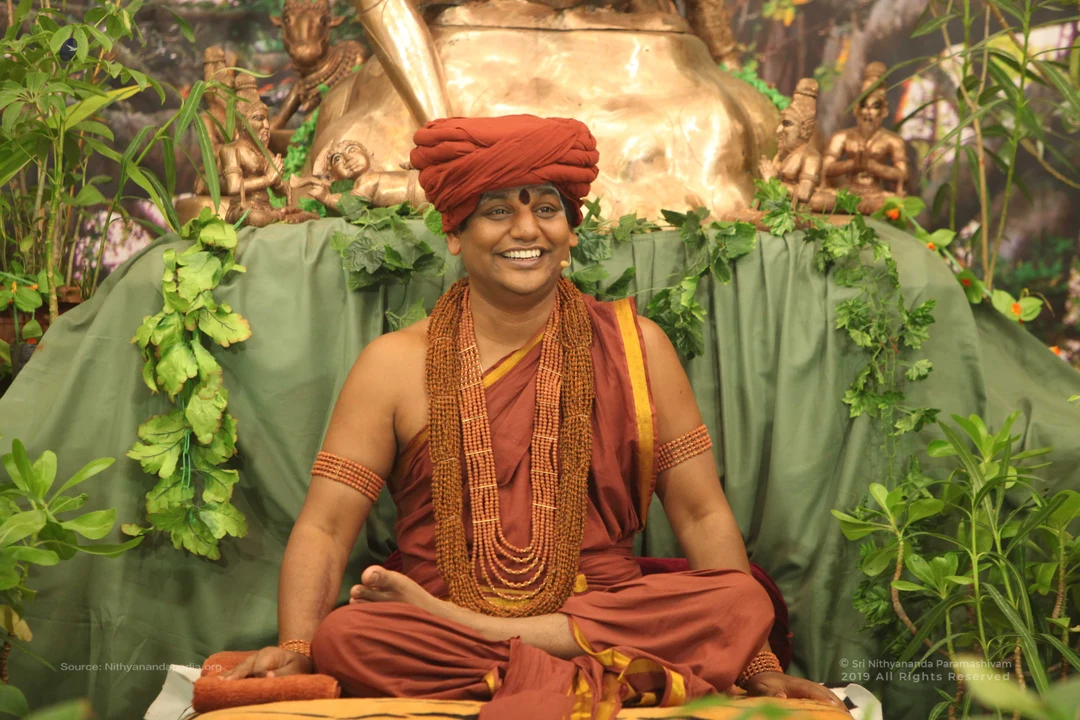
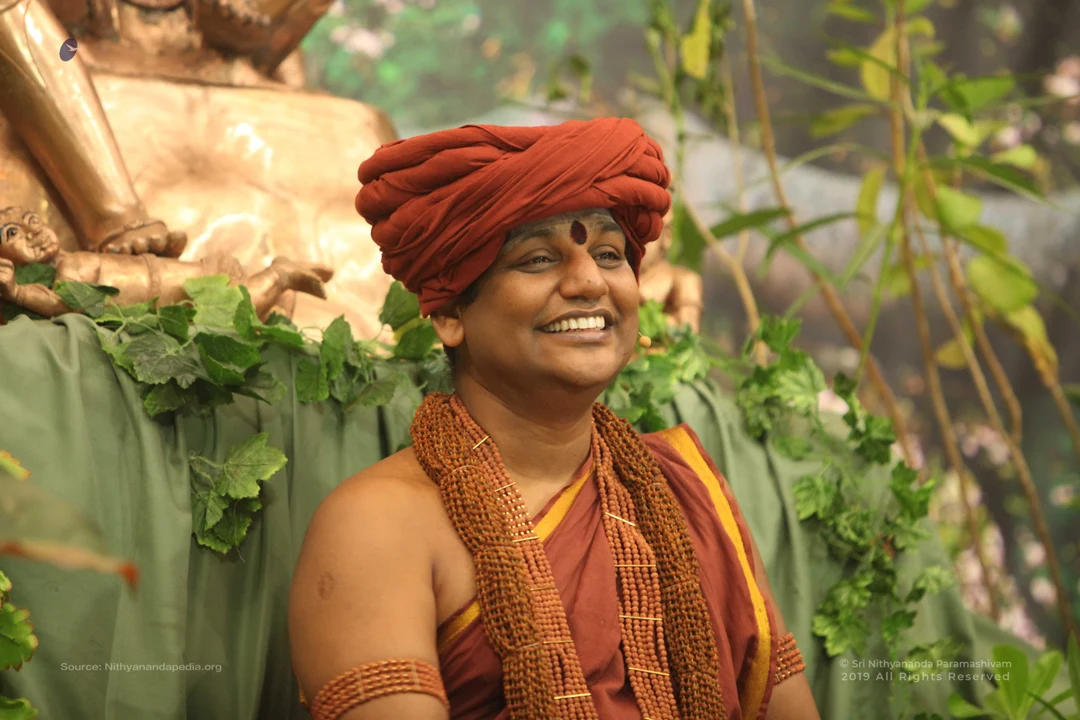
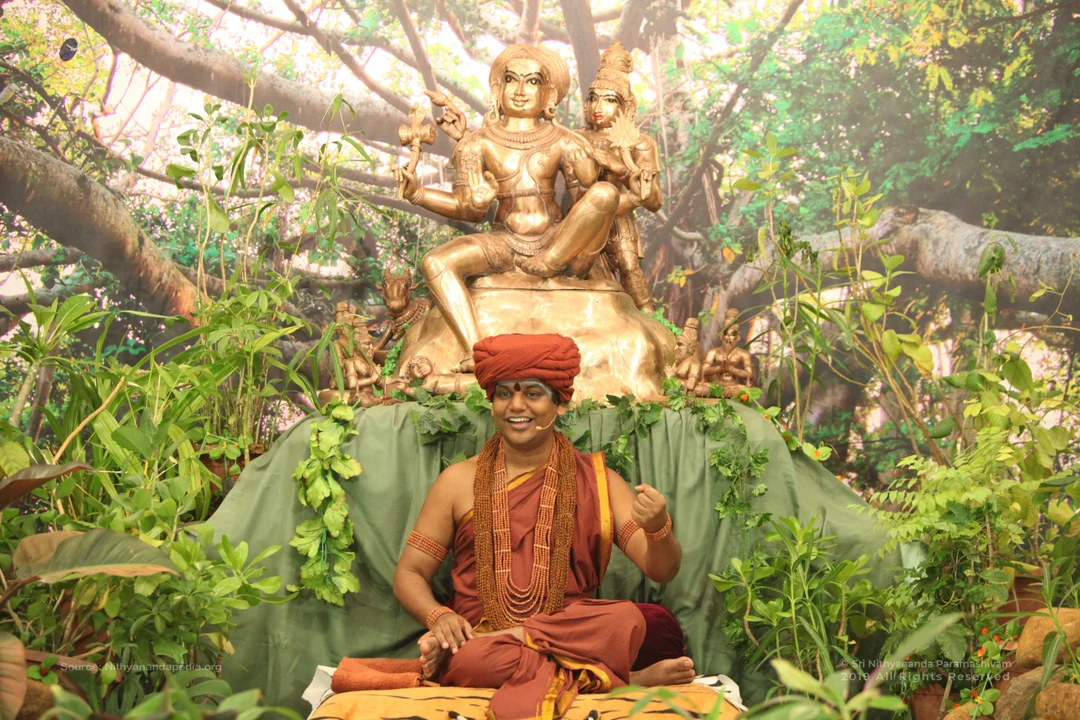
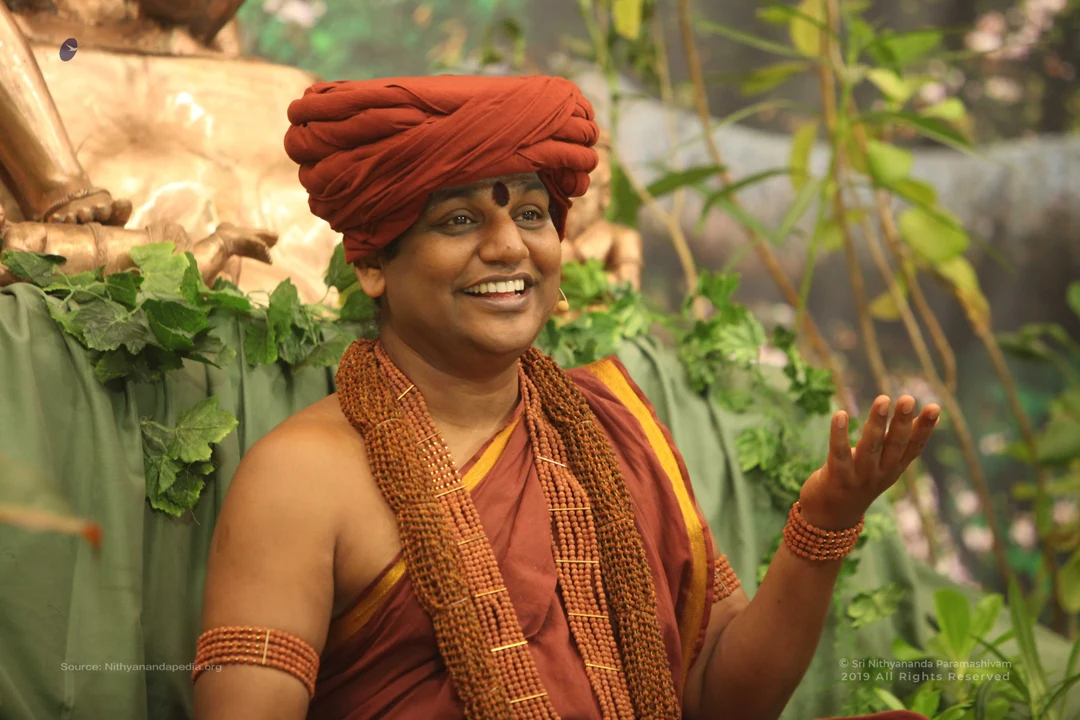
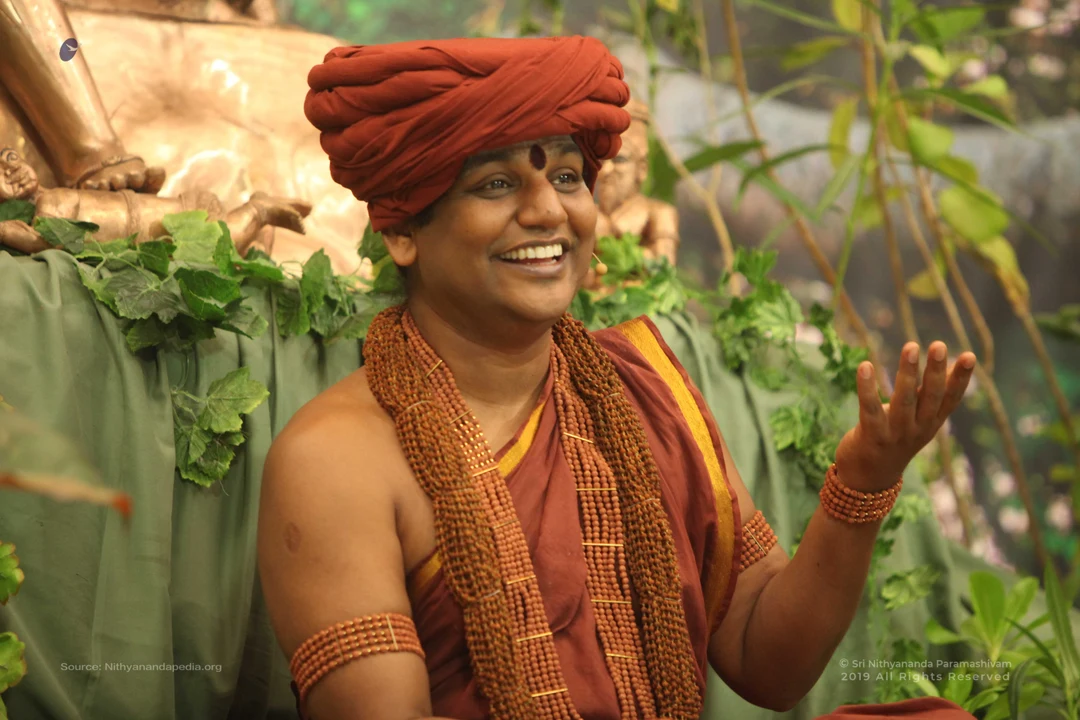
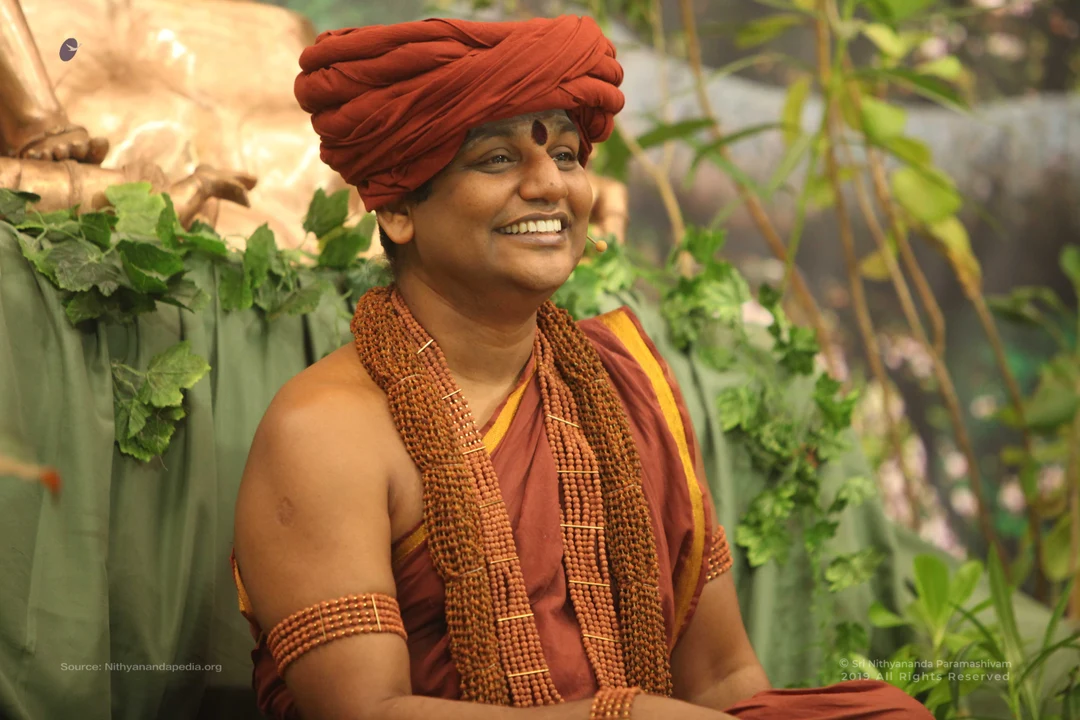
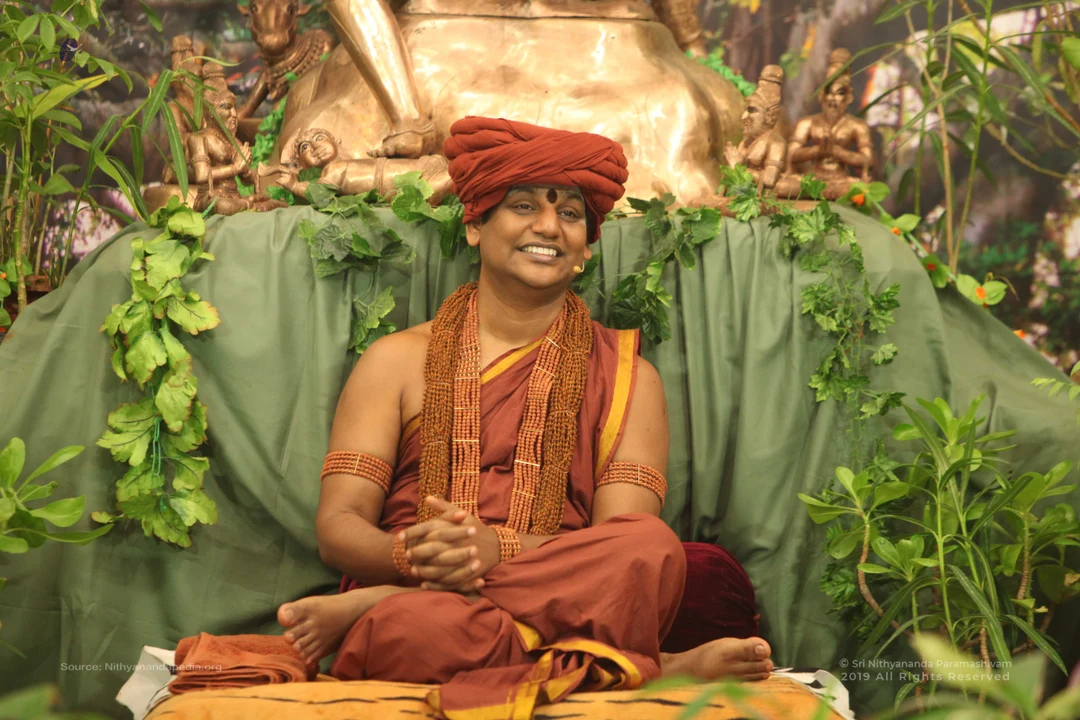
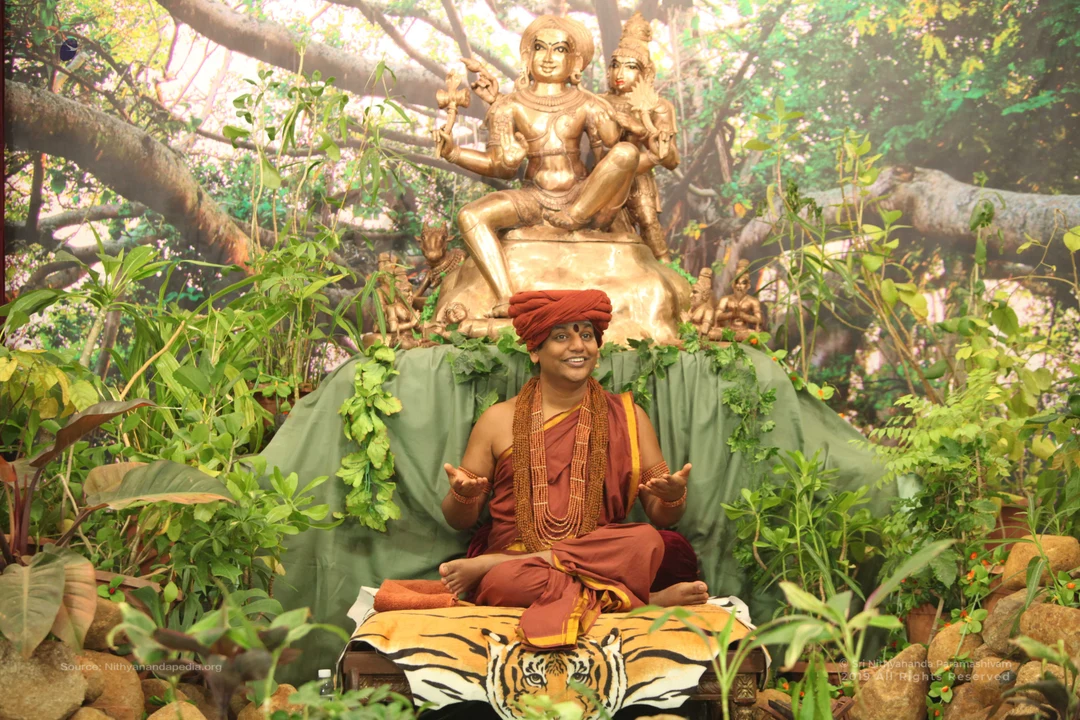
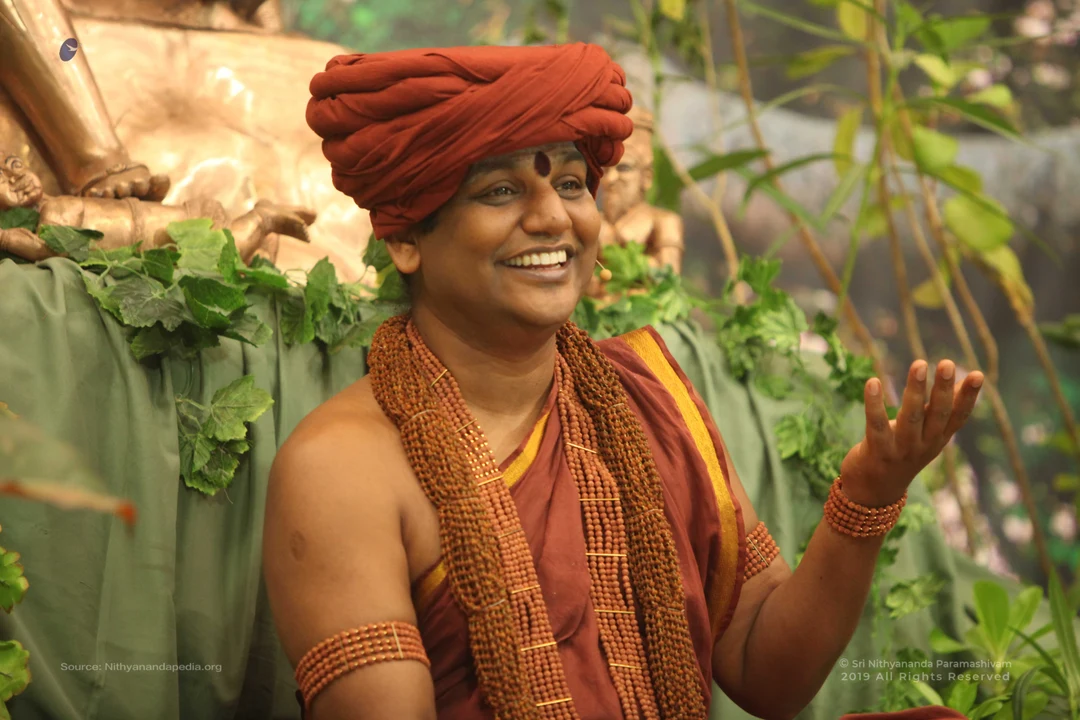
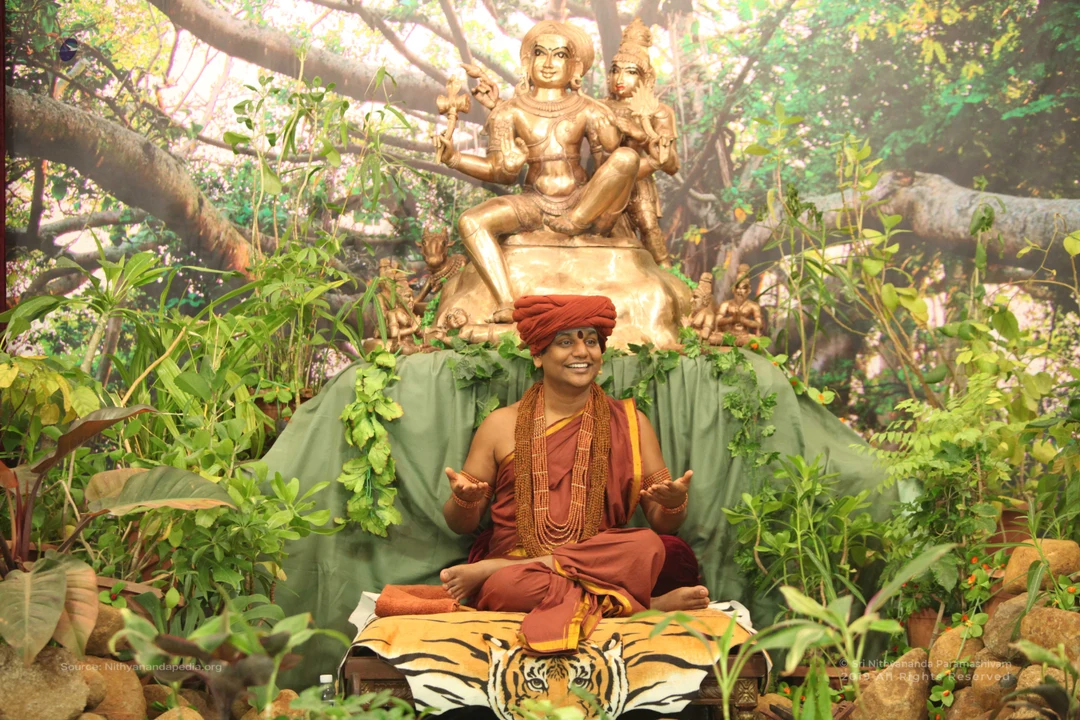
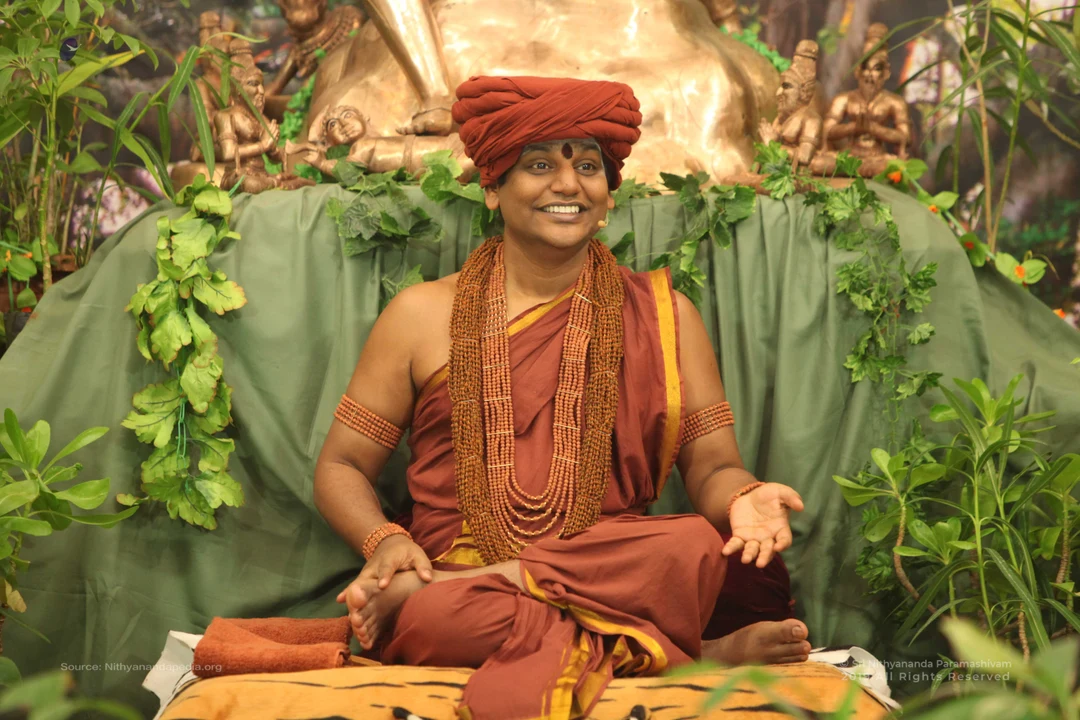
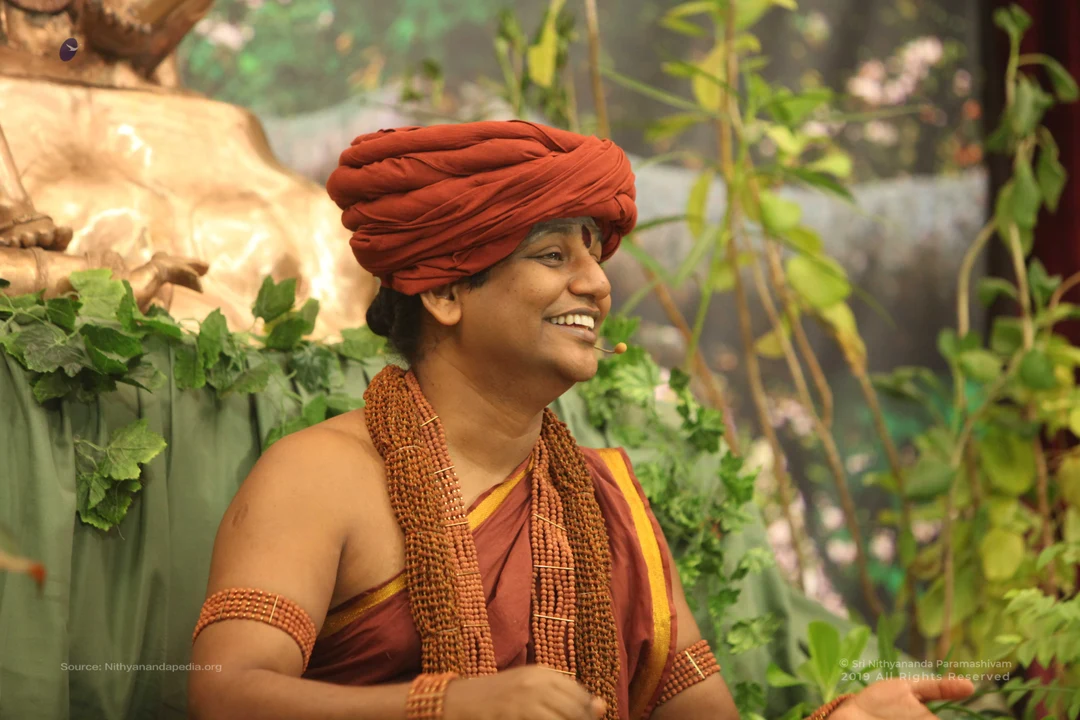
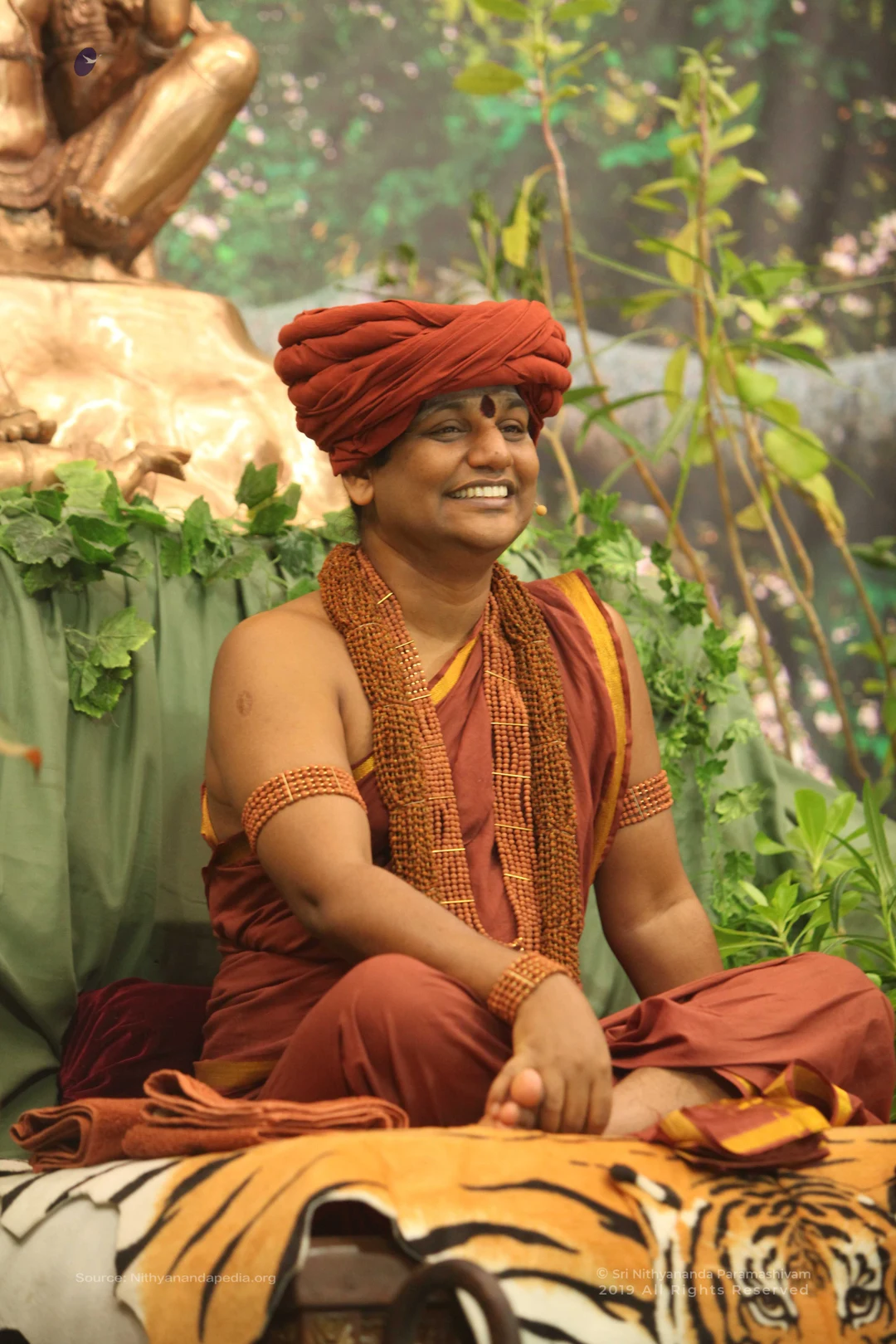
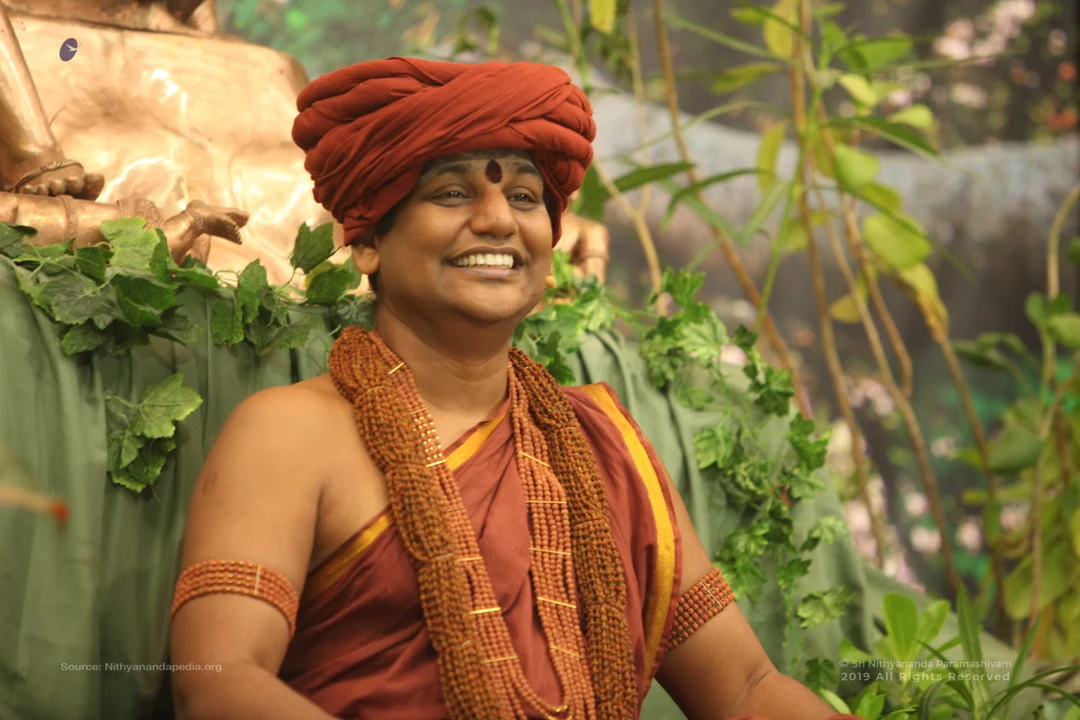
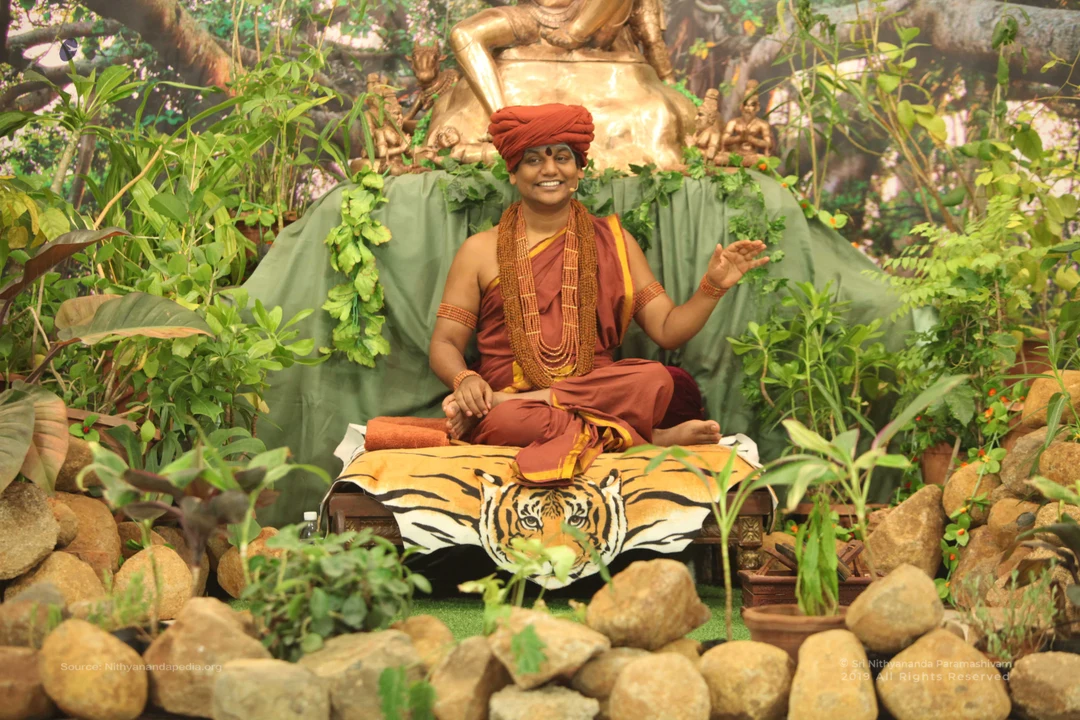
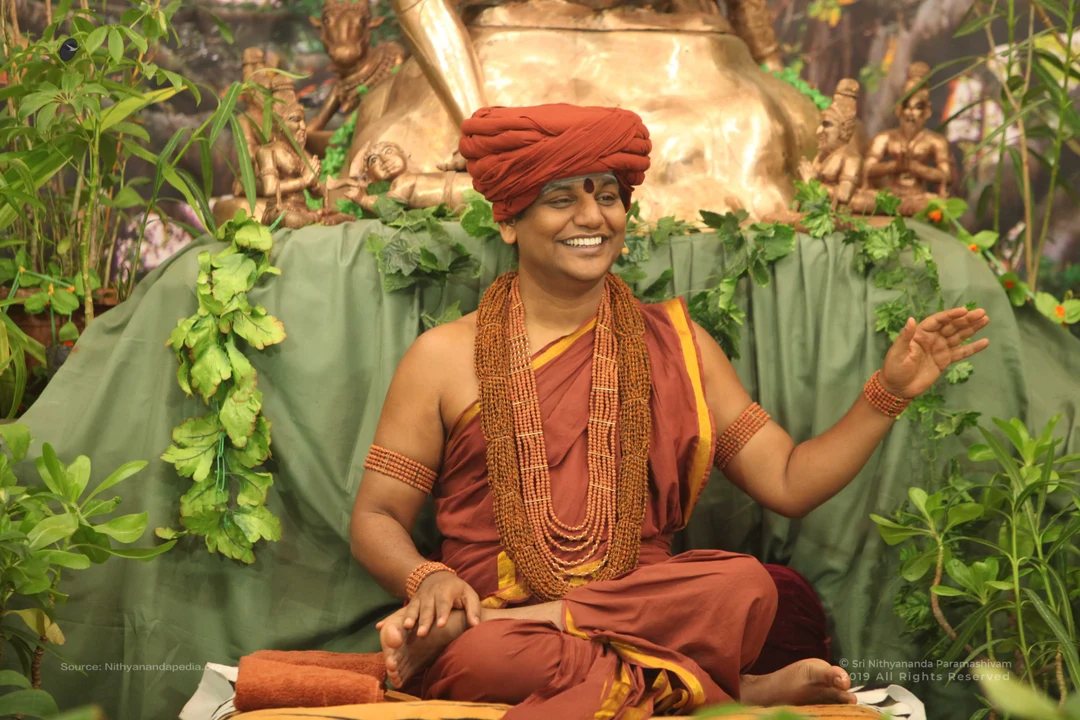
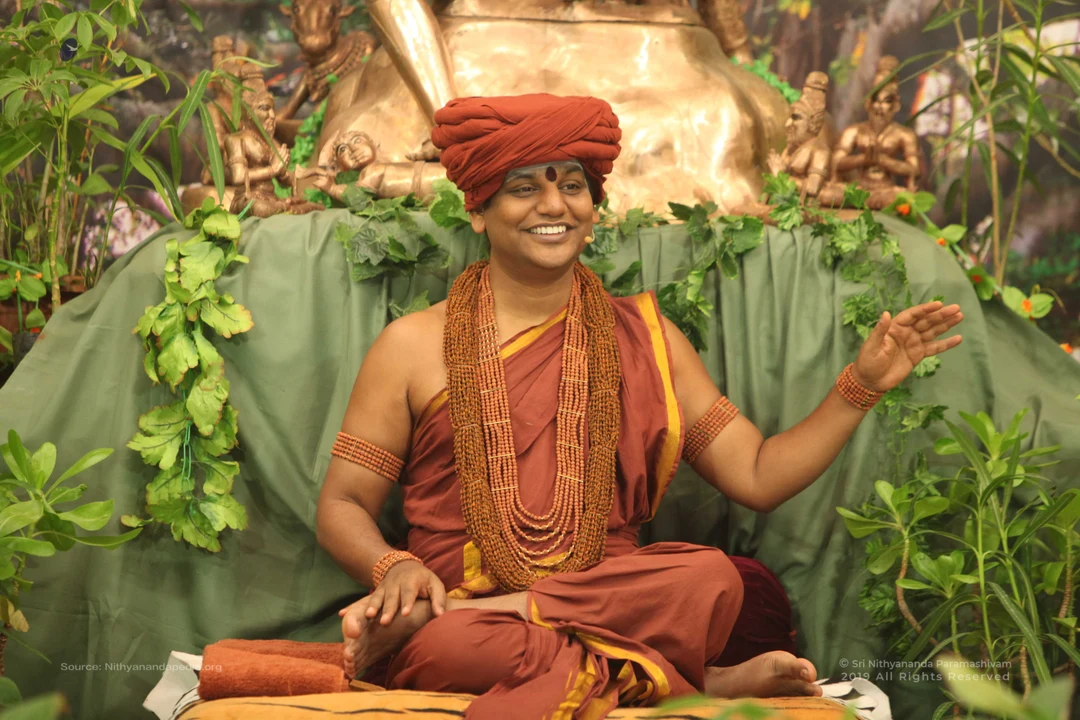
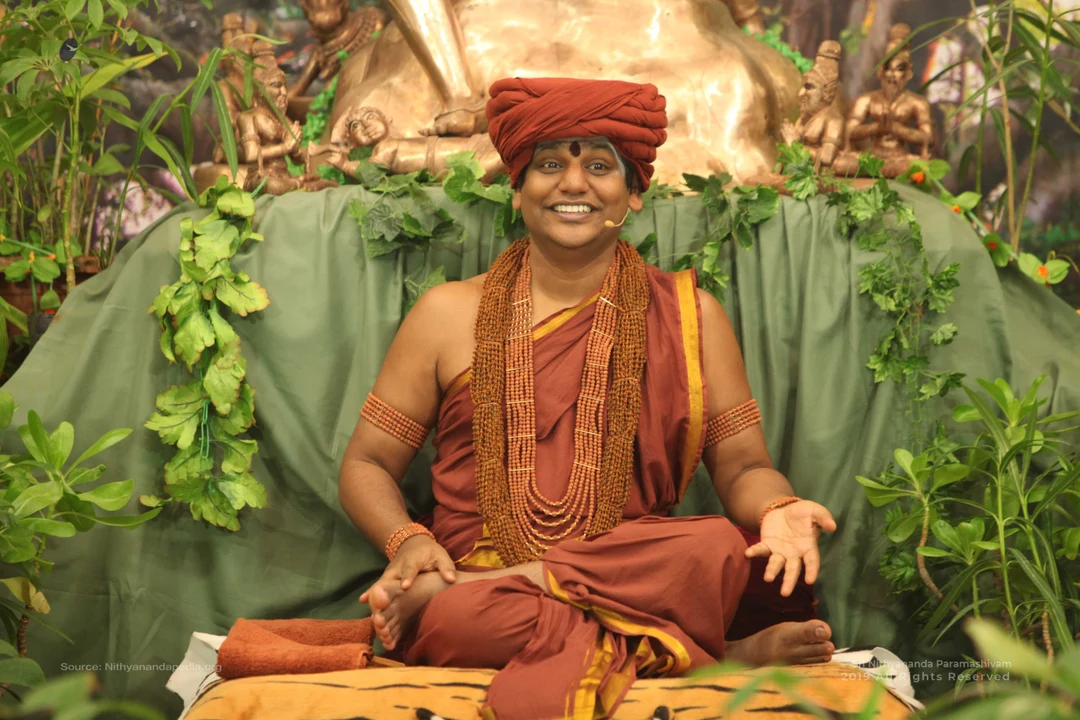
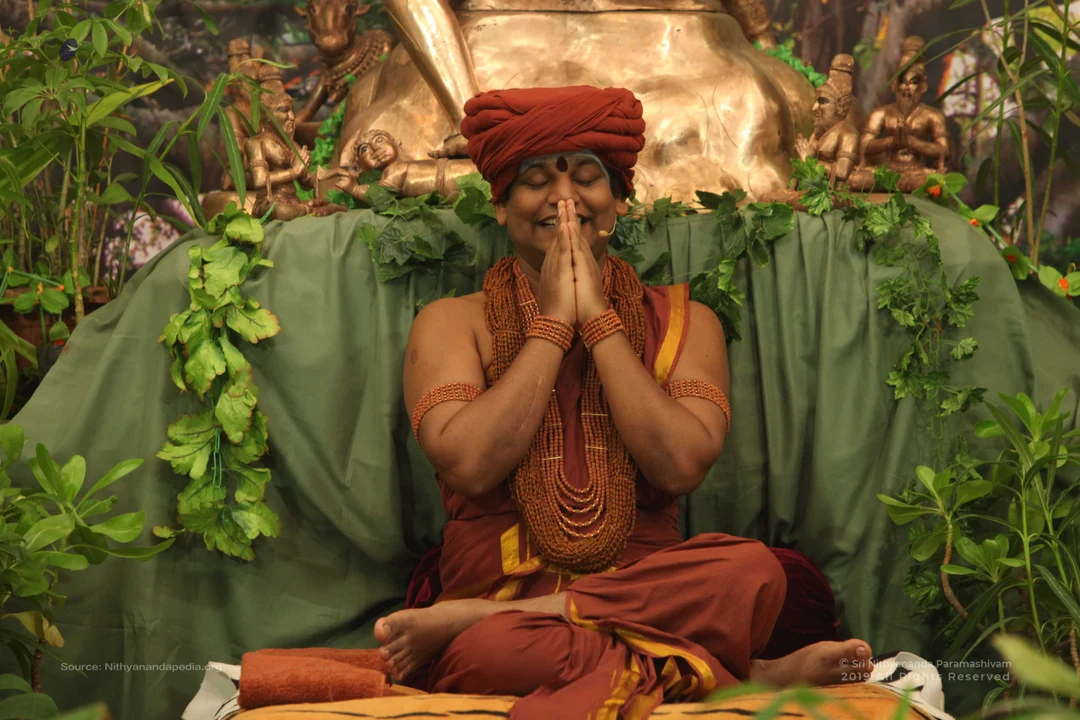
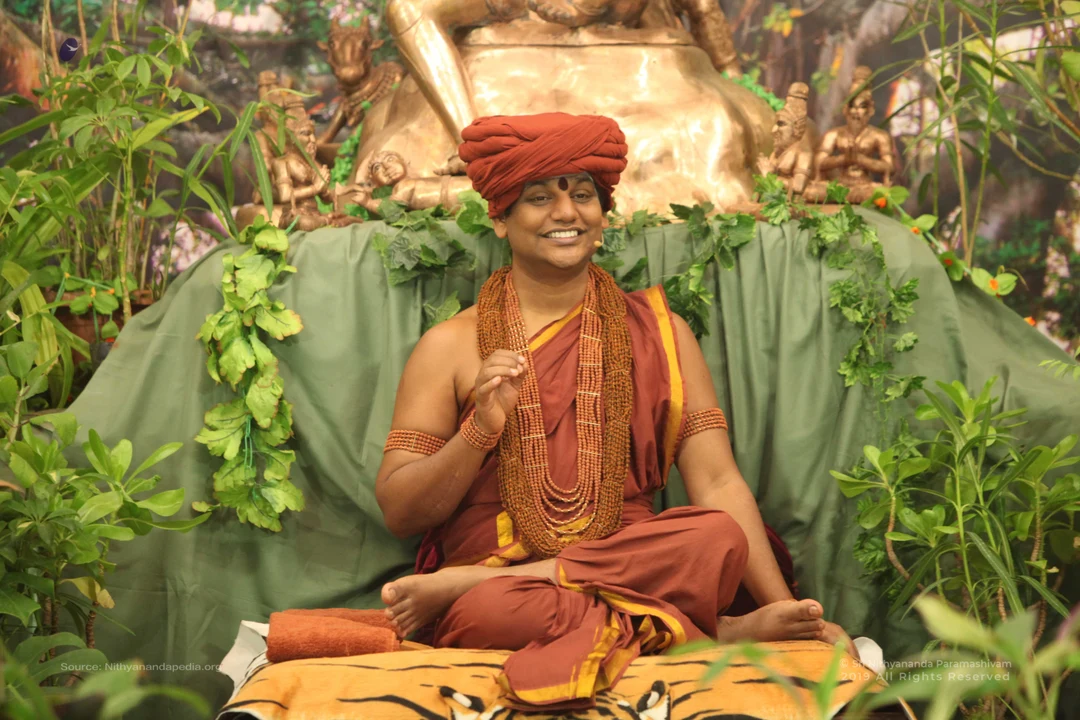
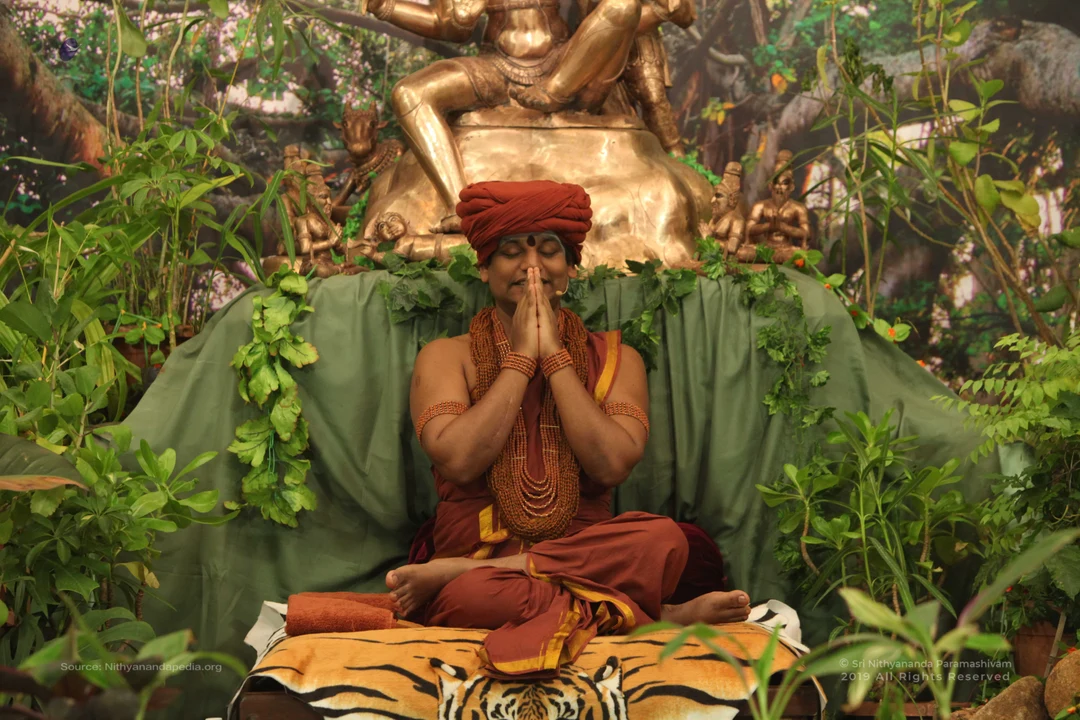
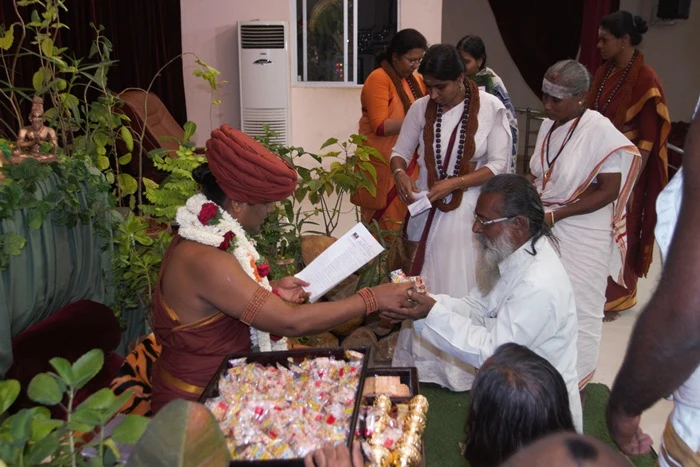
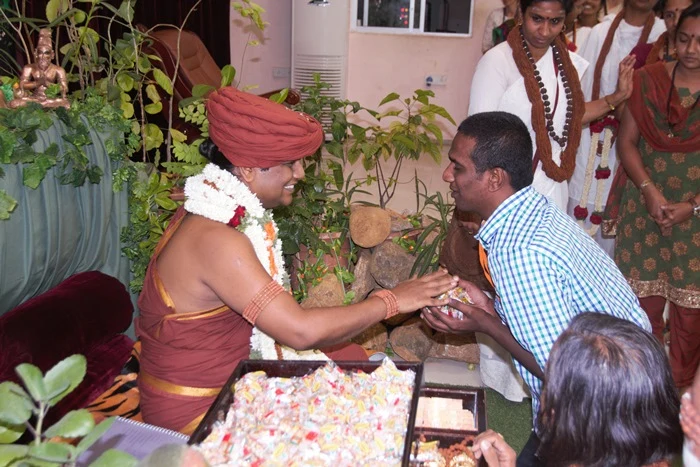
Kalpataru darshan
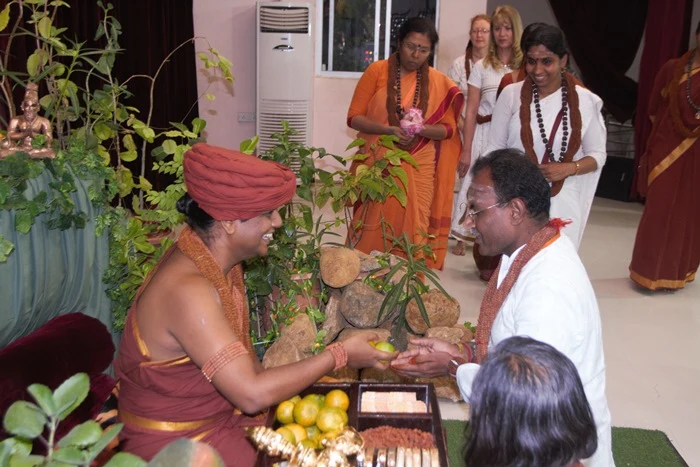
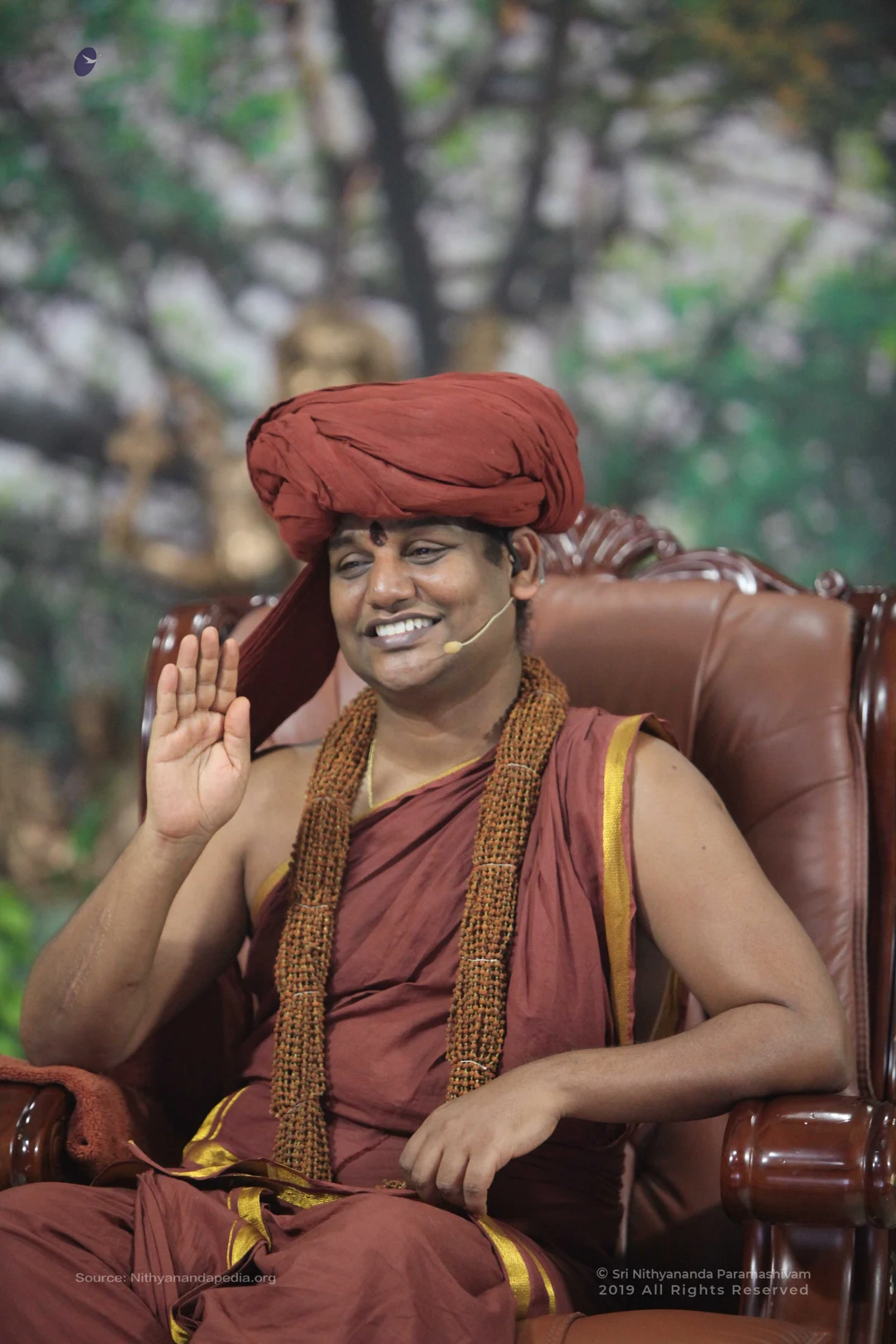
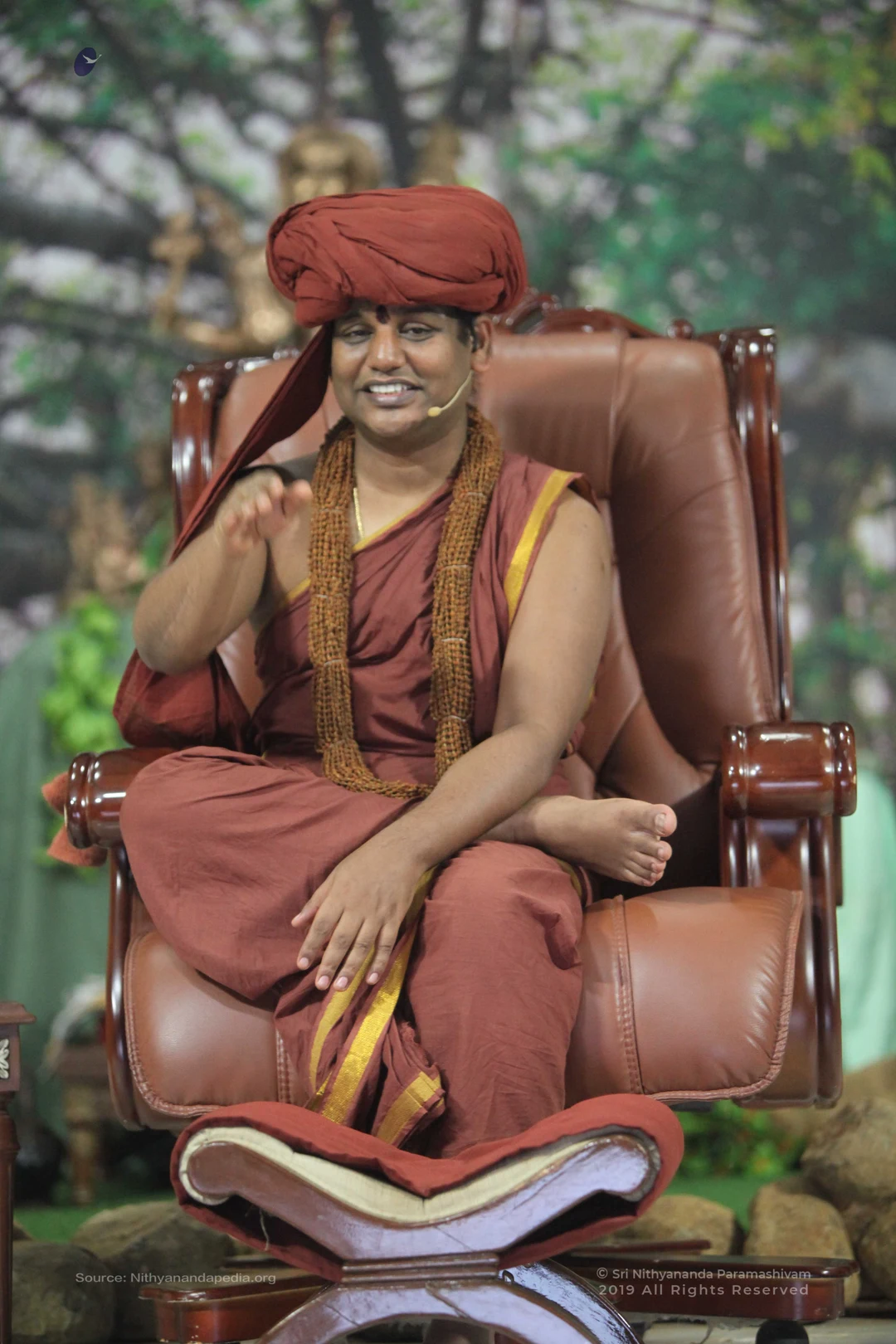
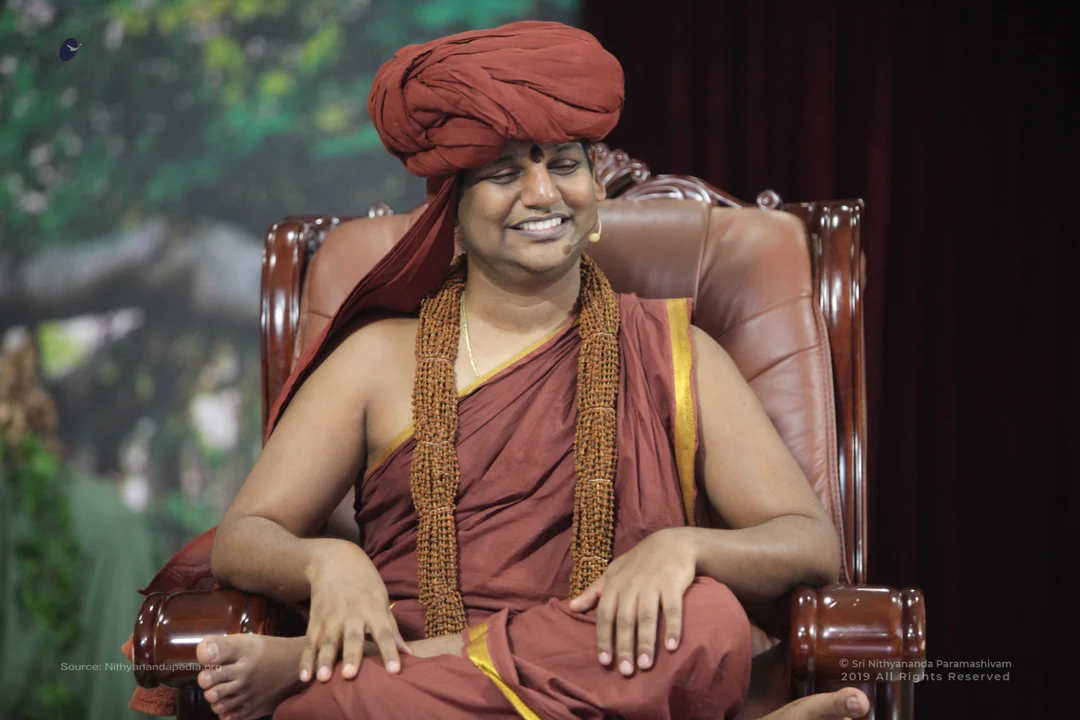
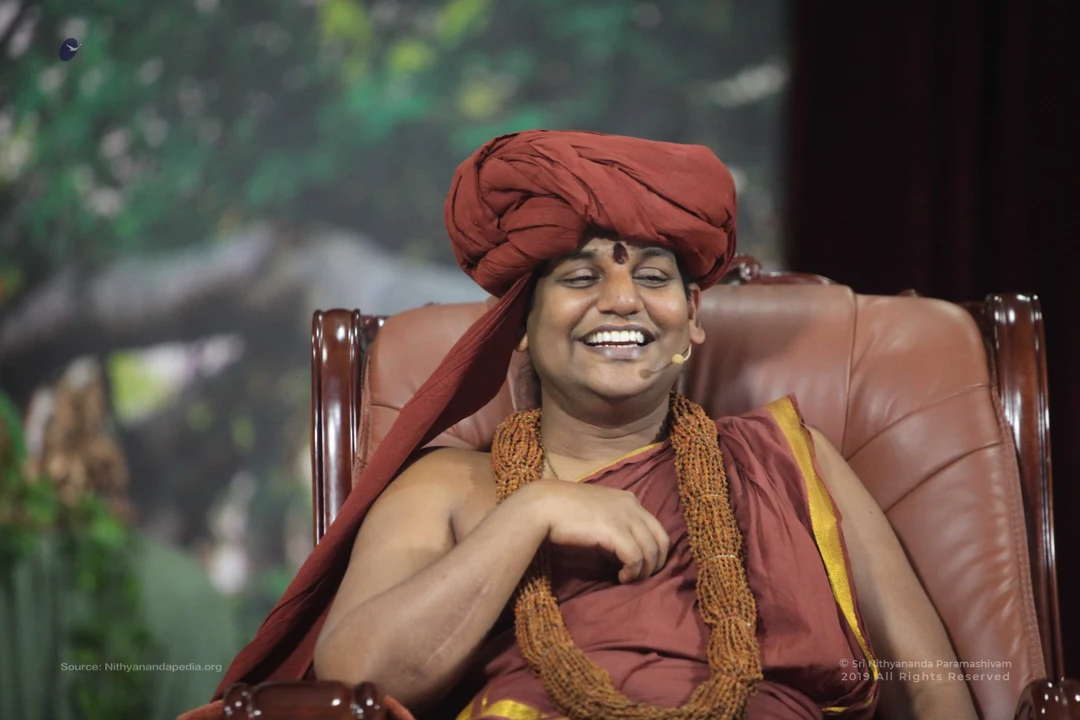
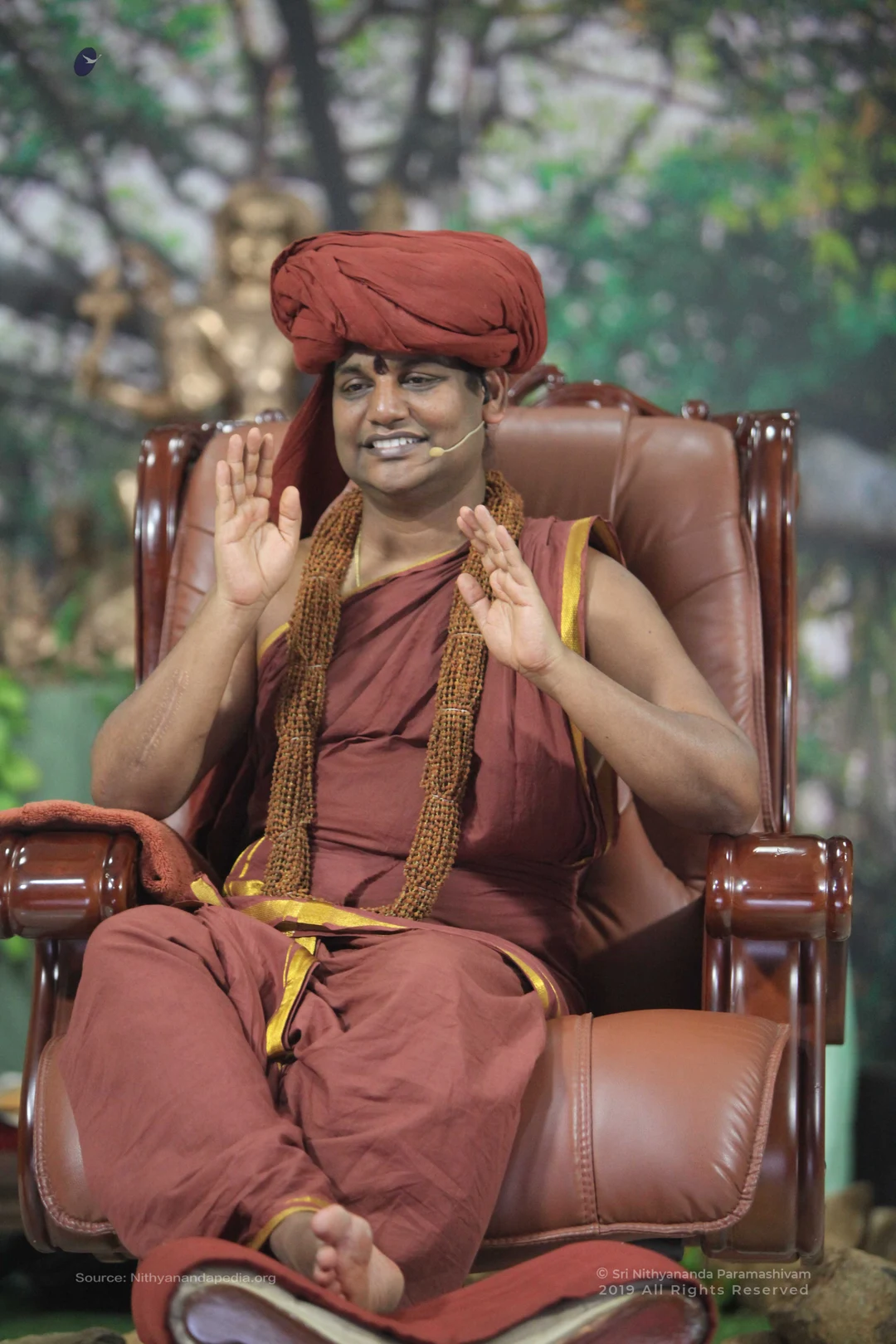
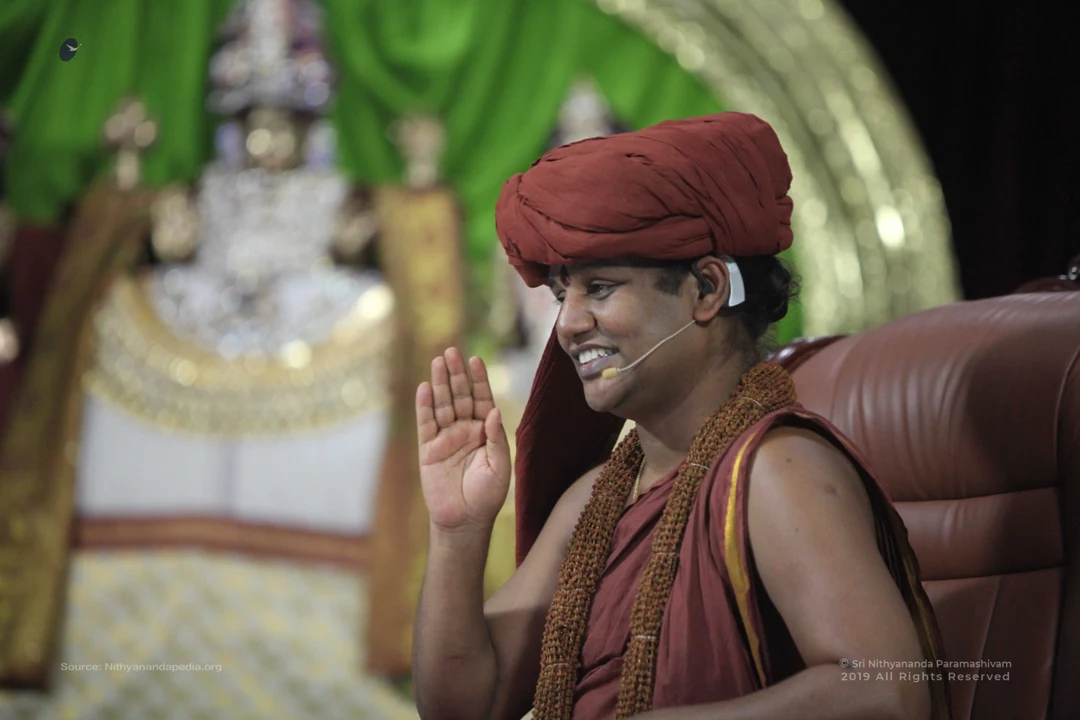
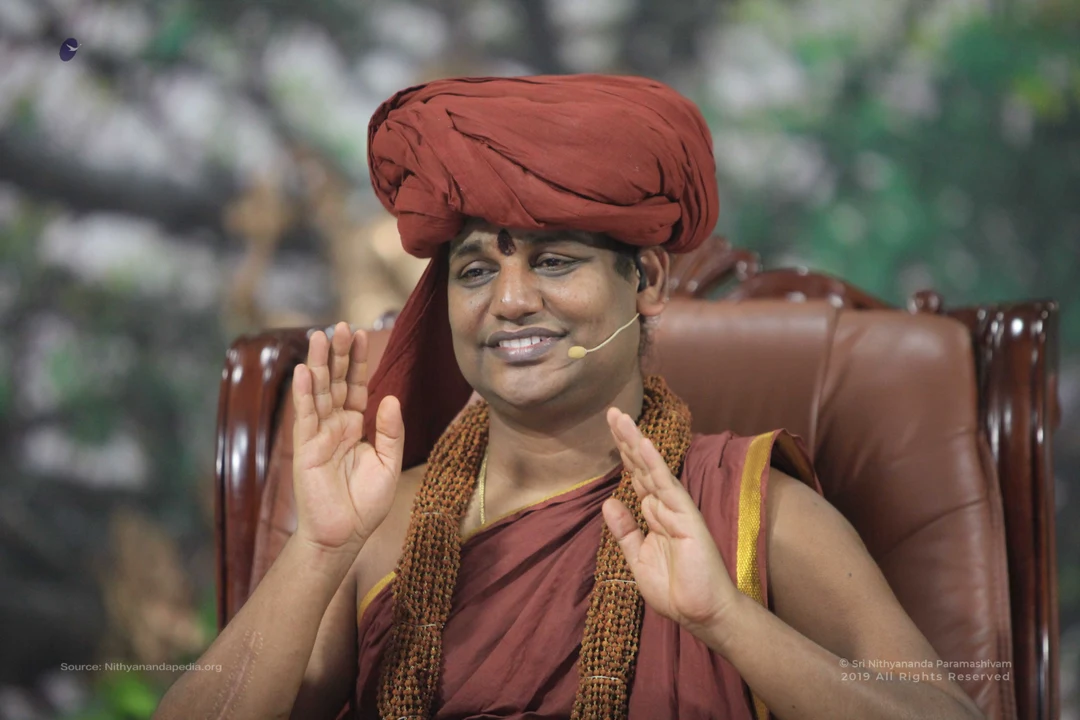
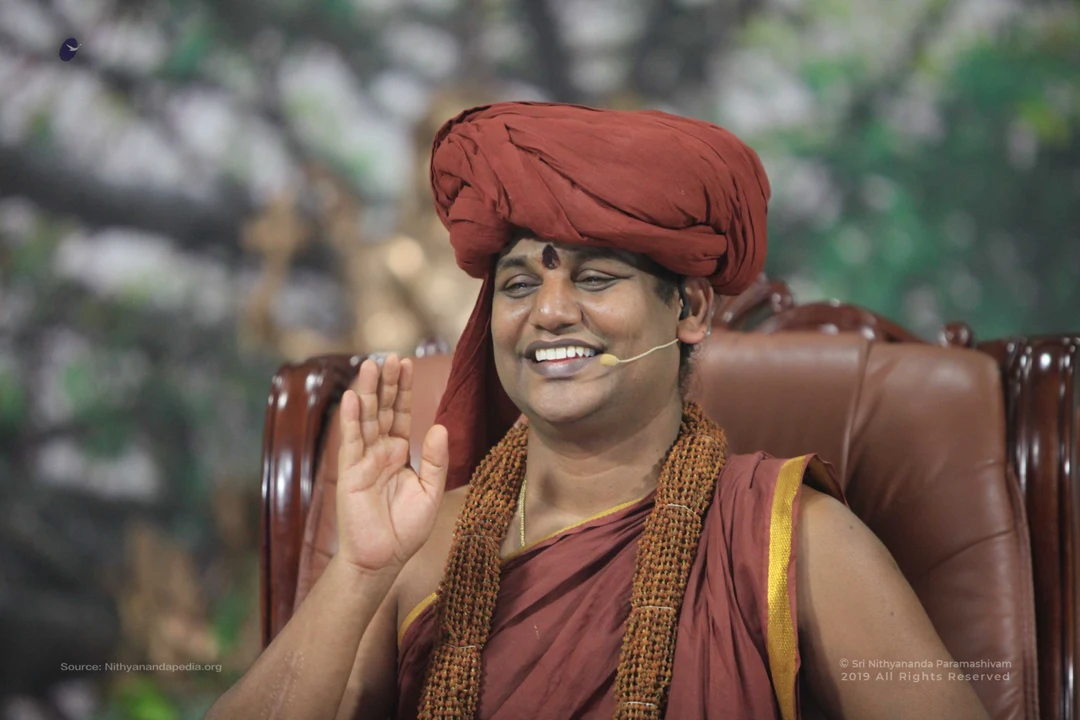
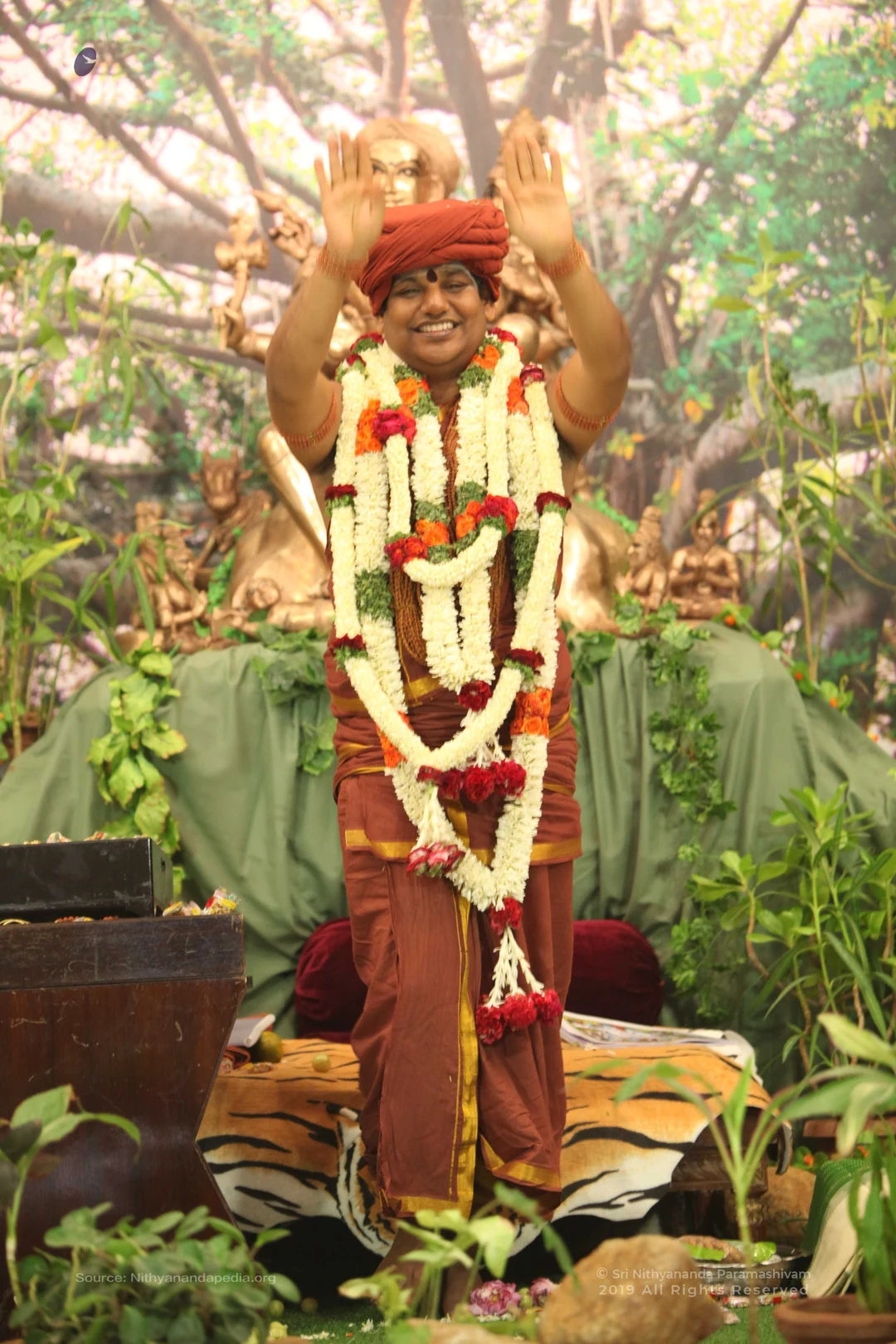
Link to Facebook Post
https://www.facebook.com/ParamahamsaNithyananda/posts/808280555926463
Tags:
Upanishads, Advaita, Isha Upanishad, Isha Upanishad Verse 7, Paramahamsa Nithyananda, Isha, Satsang, Mahadeva, Shiva, Love, Mahadeva Leela, Shiva Leela, Living Advaita, Love Advaita, Kailasha, Madurai, Divine Play, Oneness, Radiating Love
Photos Of The Day:
Kalpatharu-Darshan
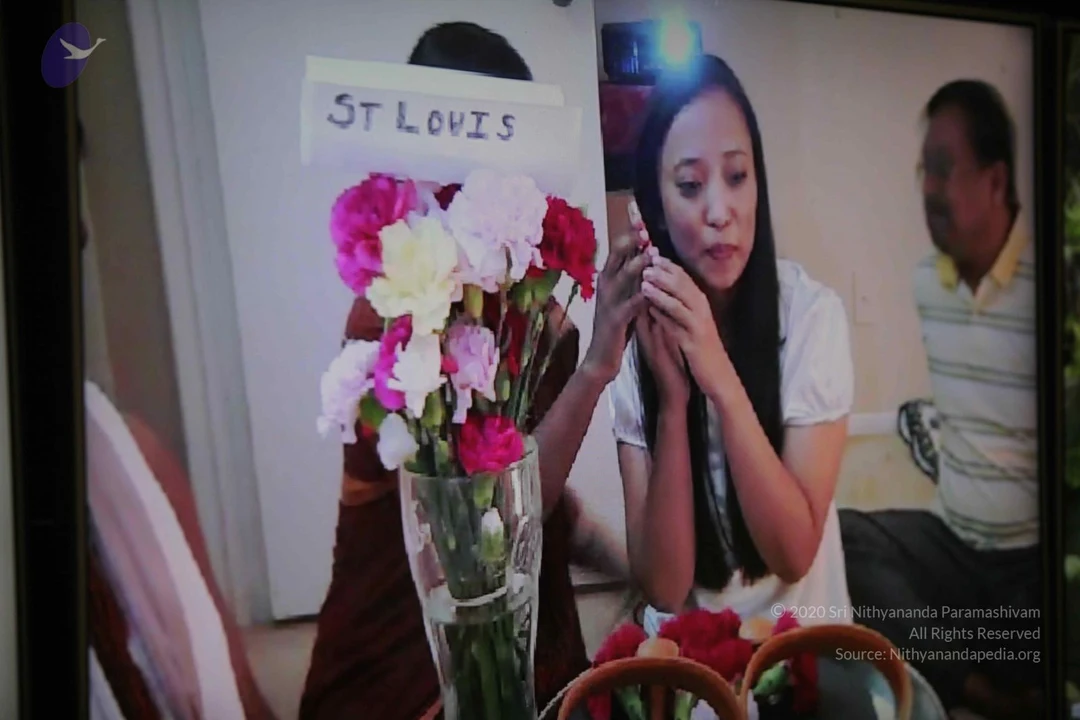

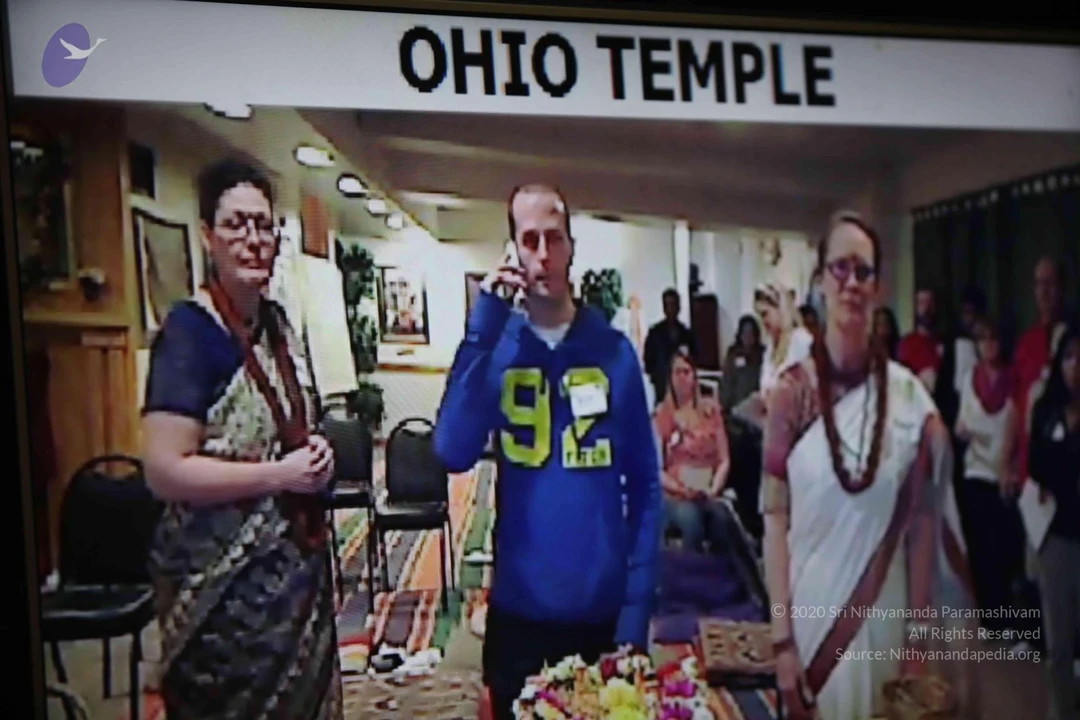
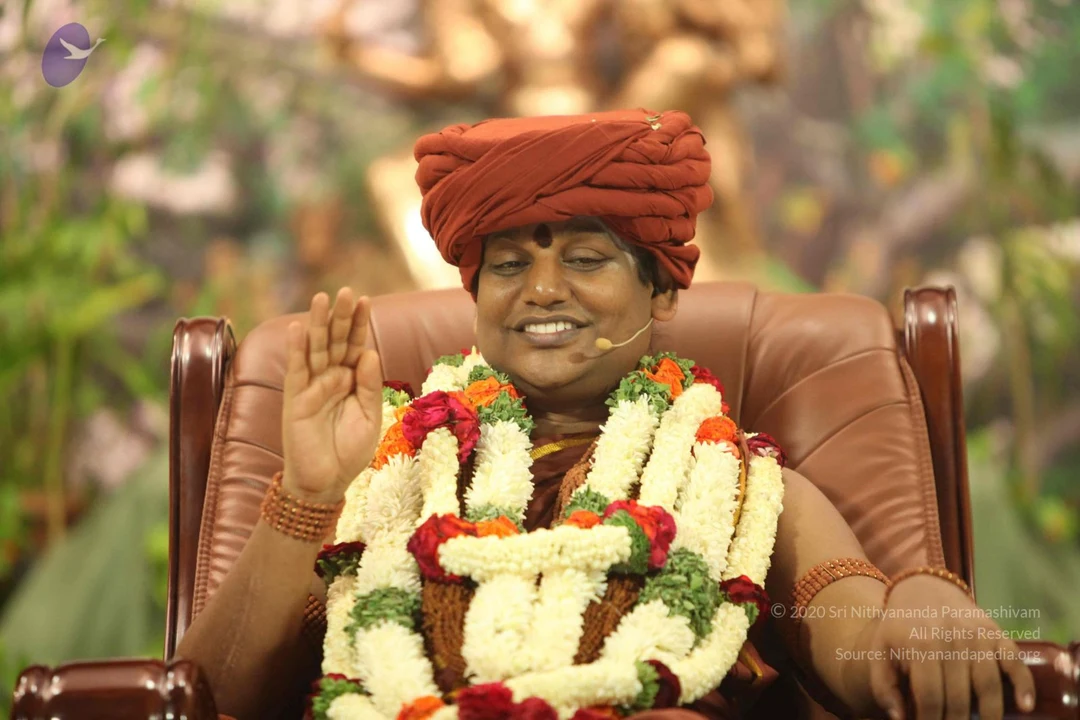
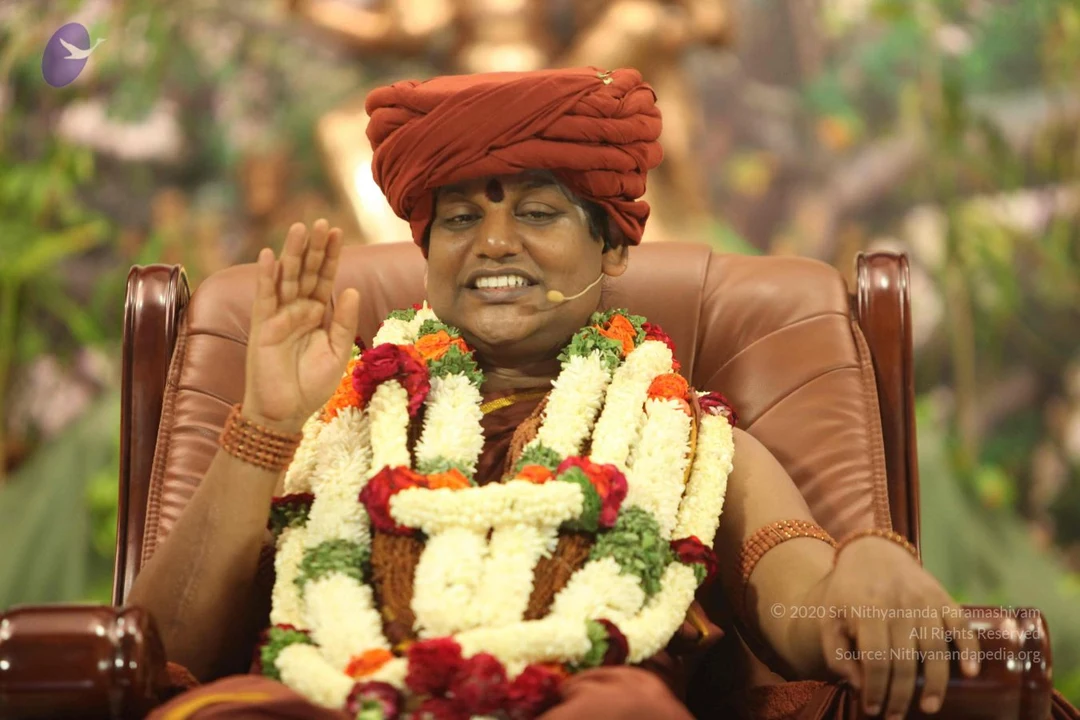
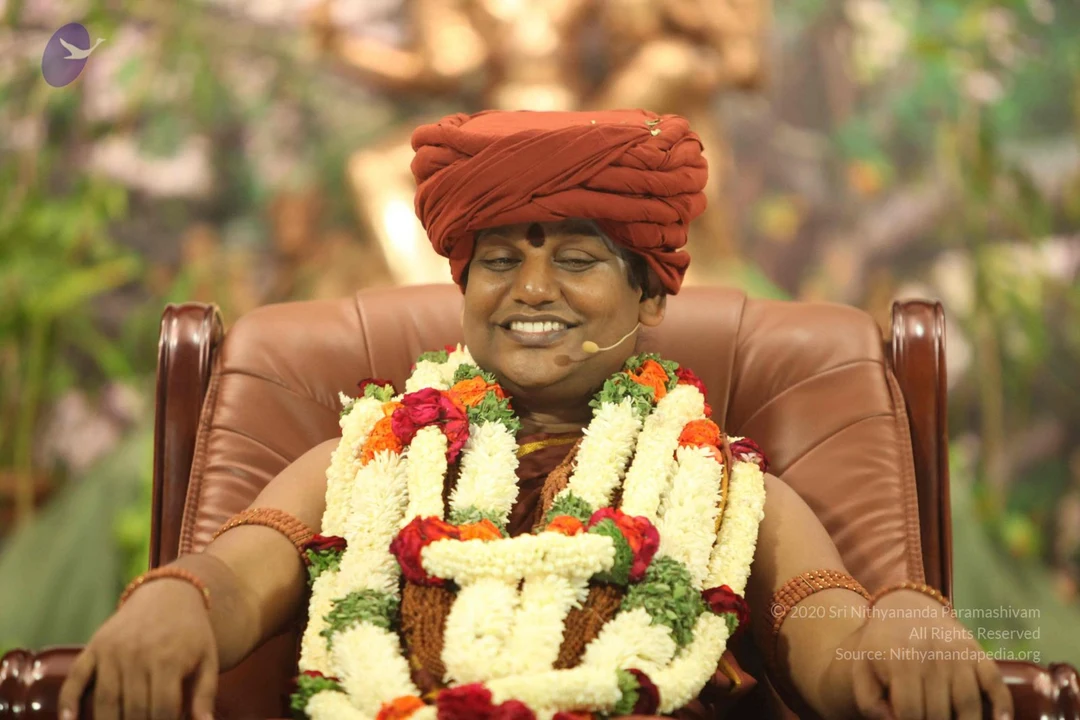
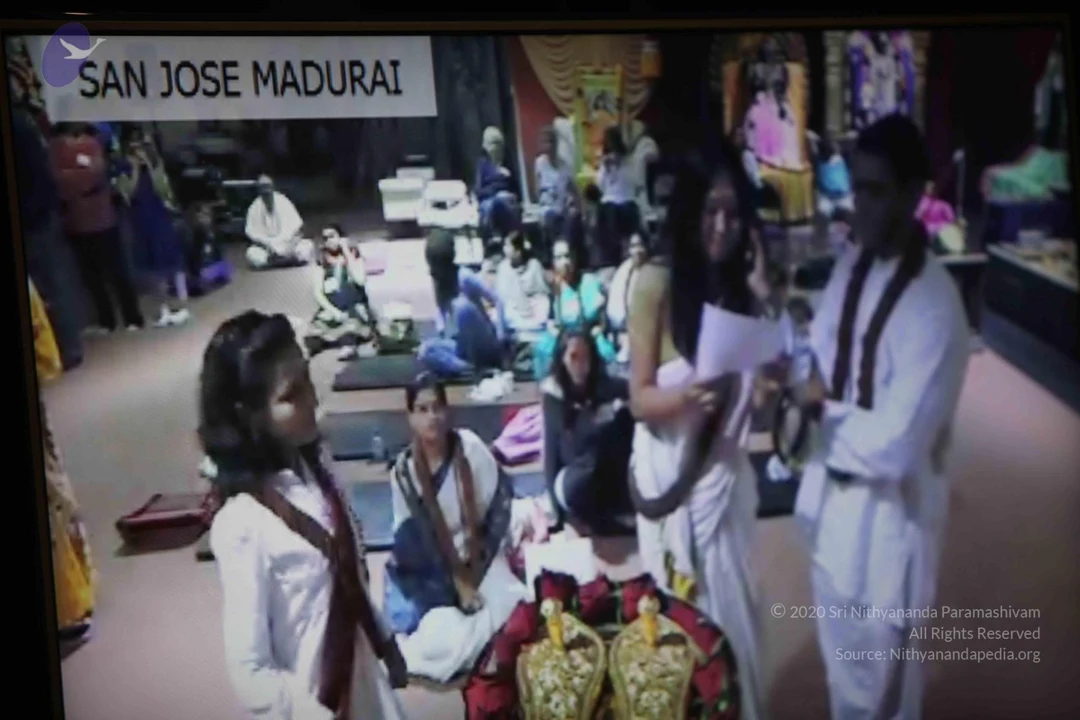
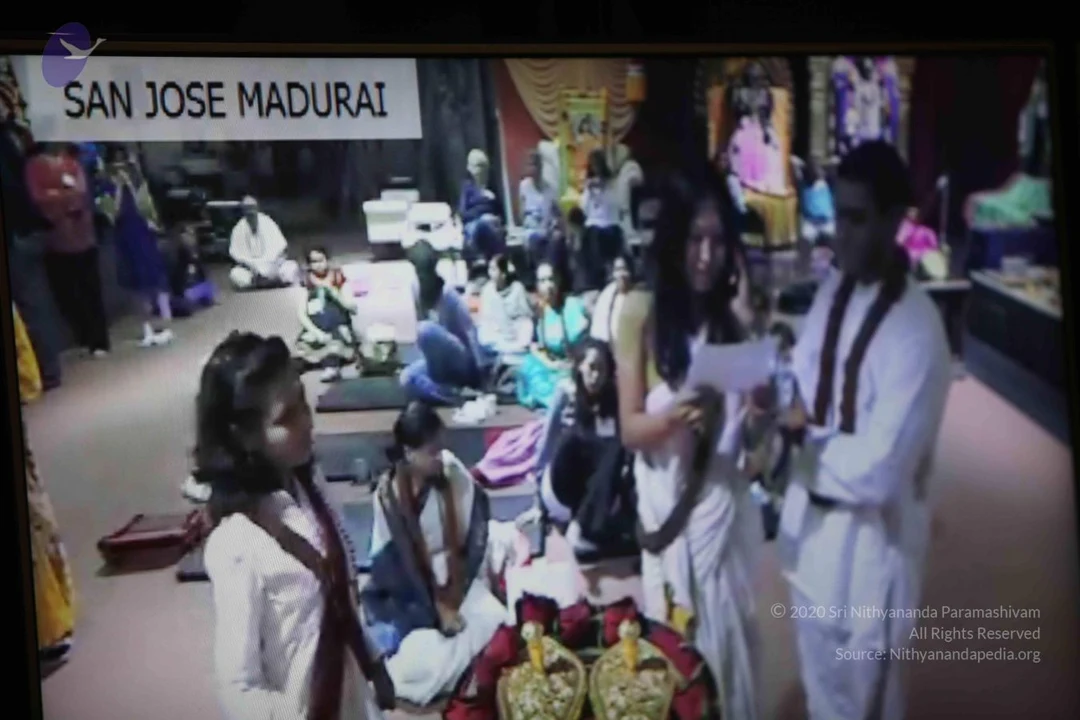
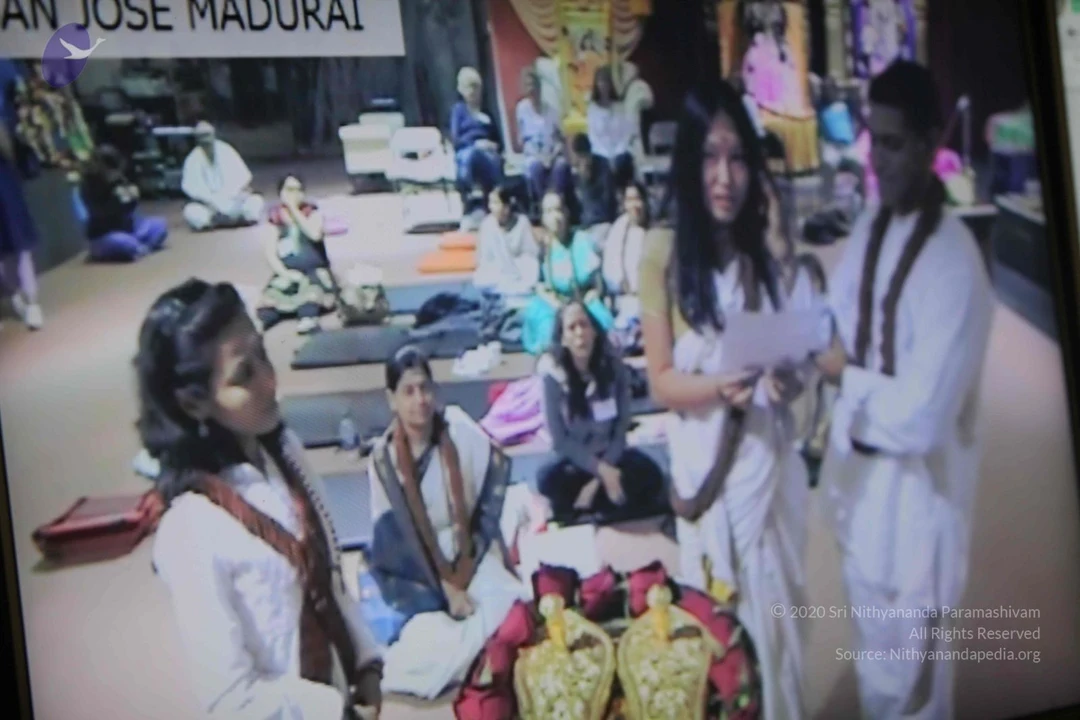
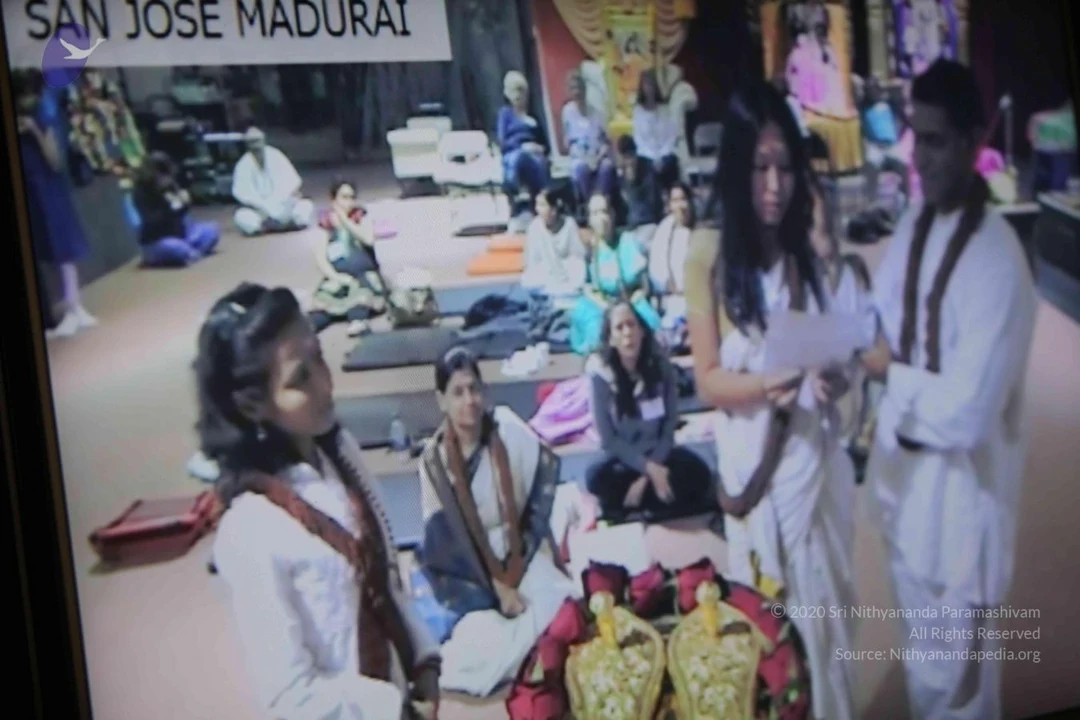
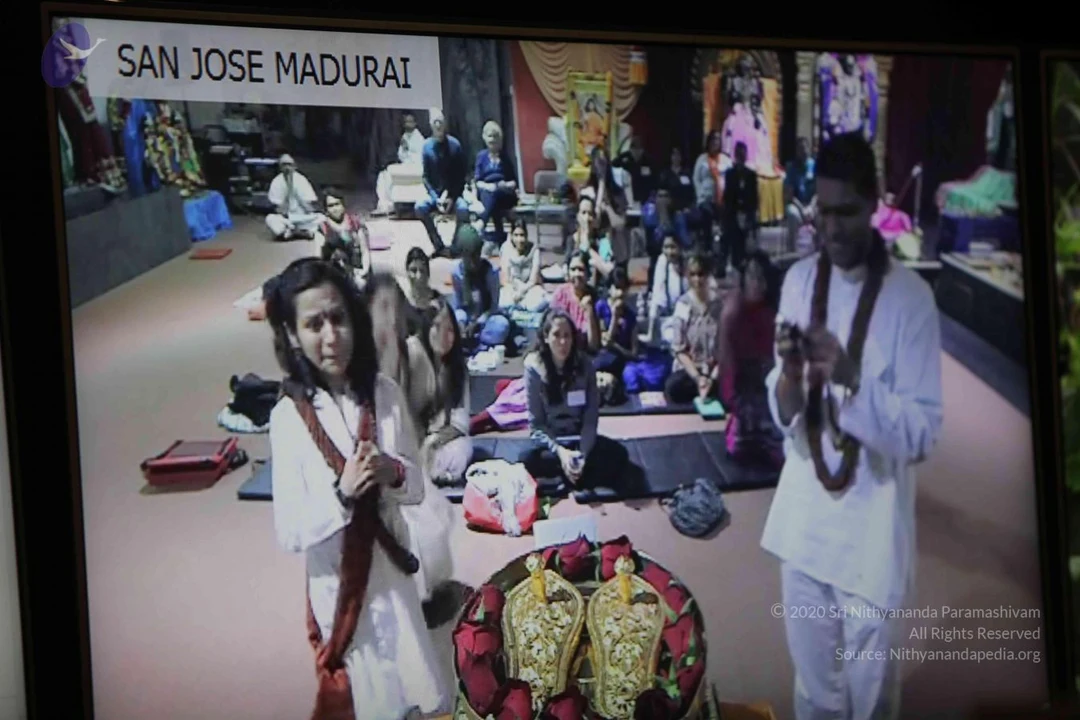
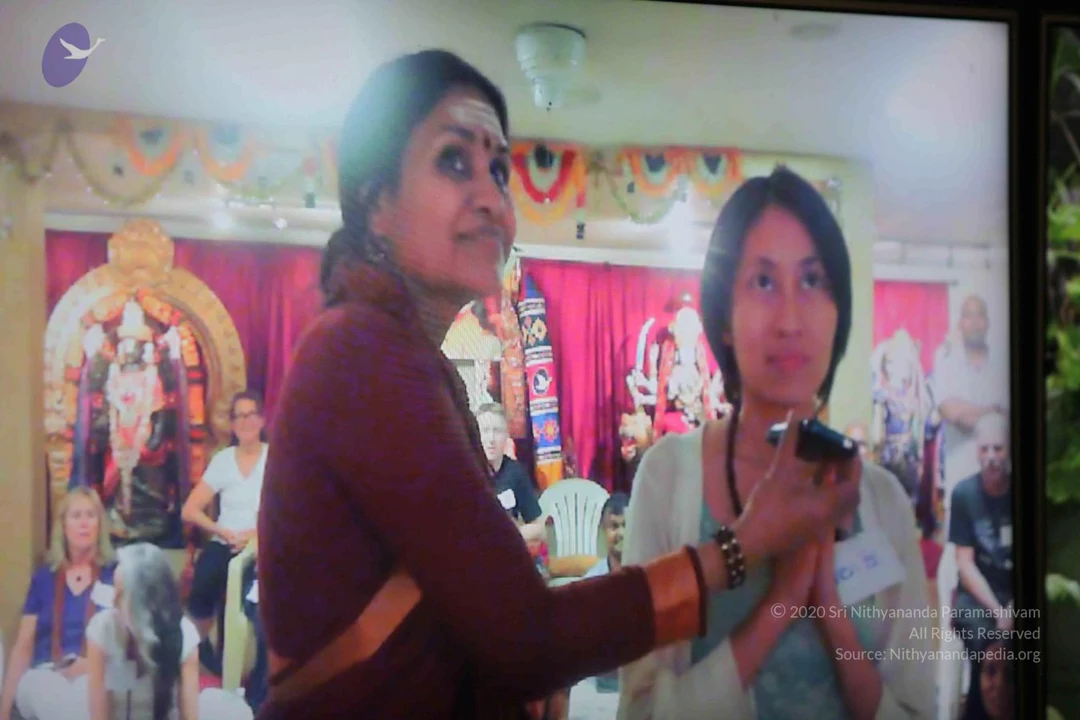
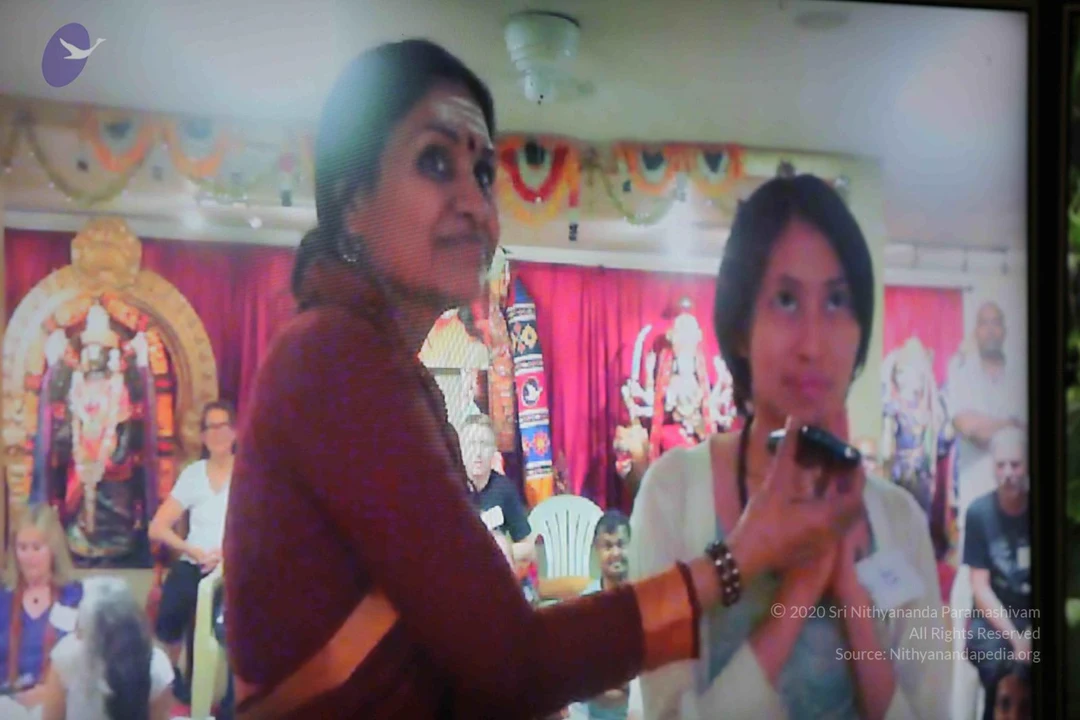
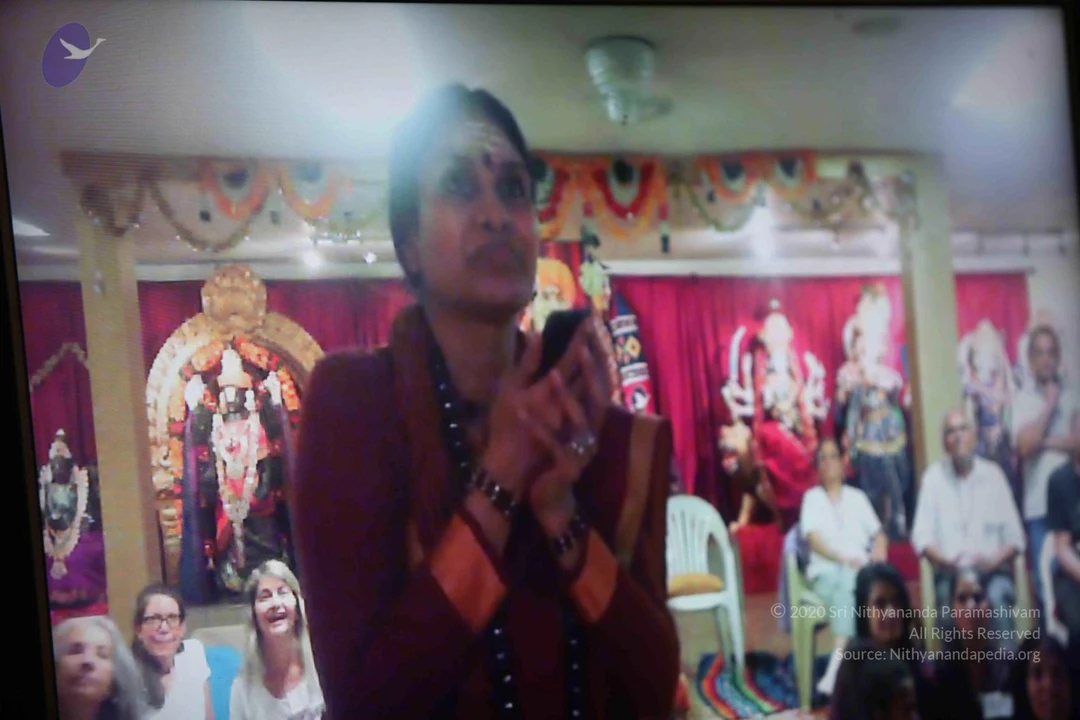
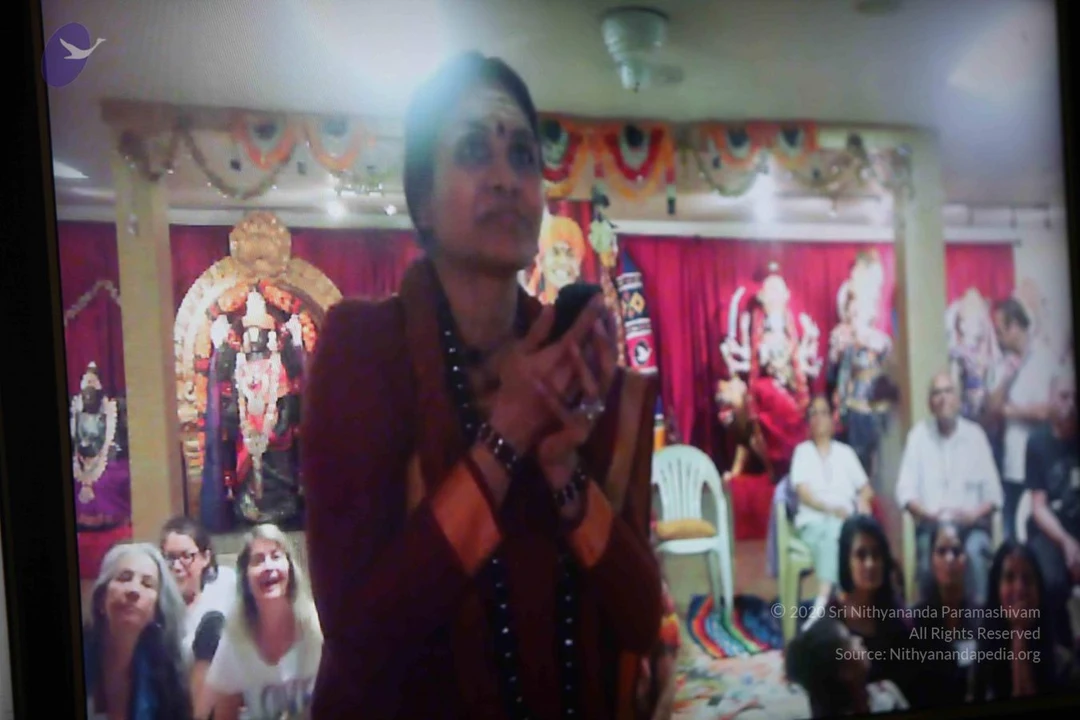
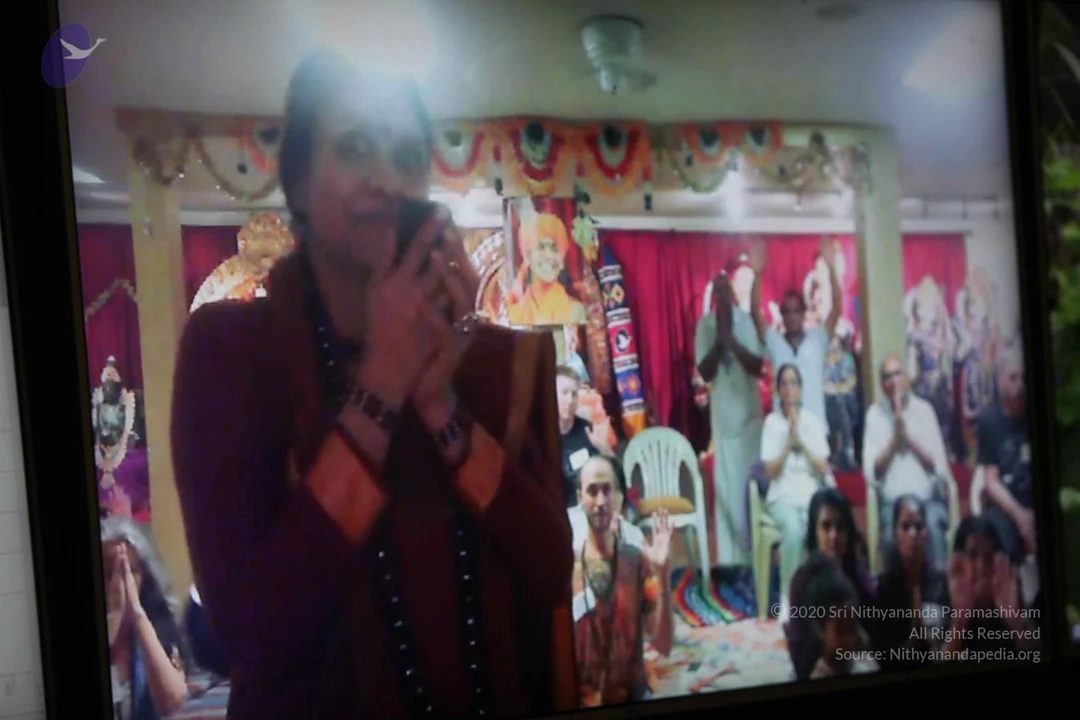

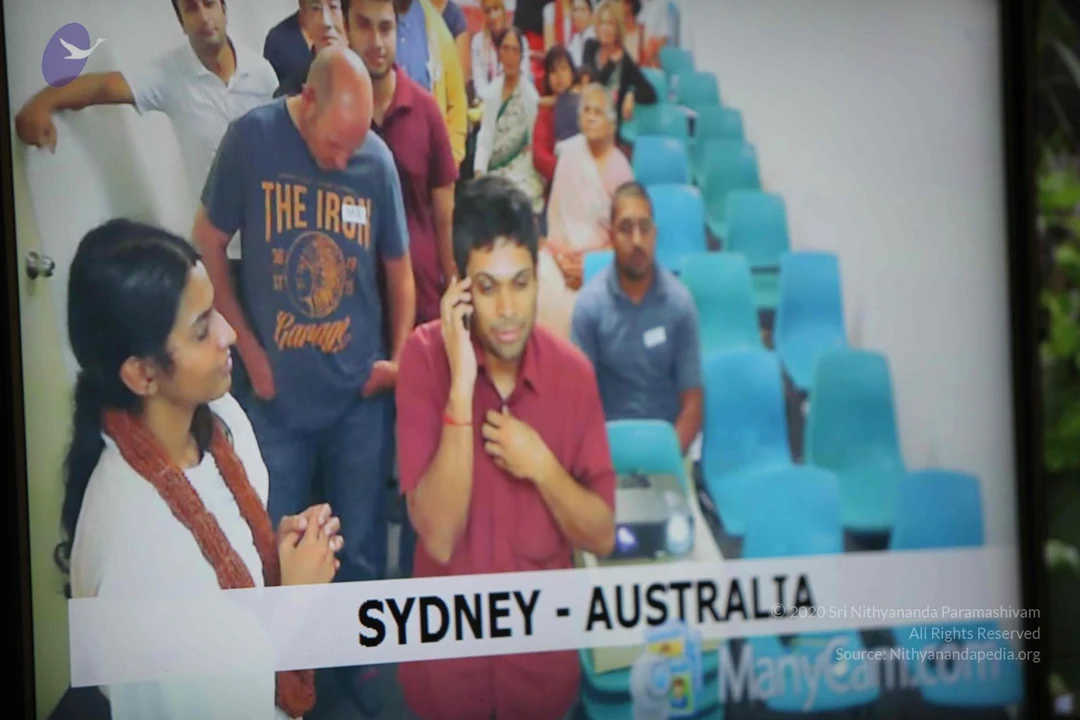
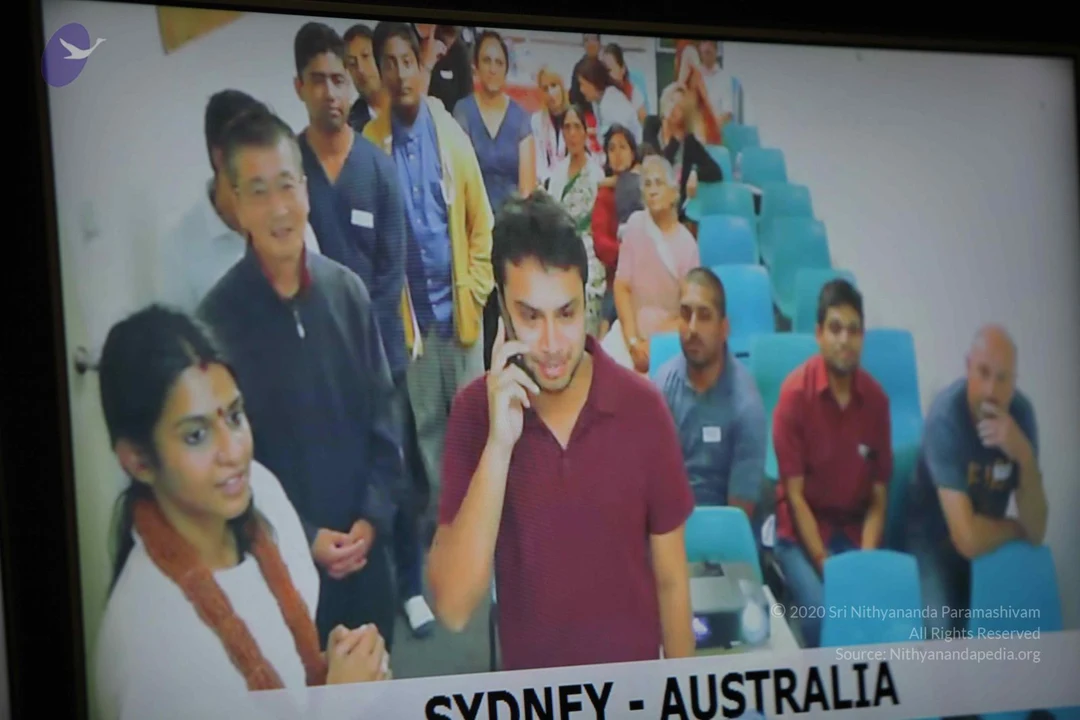
e-Kalpatharu-Darshan
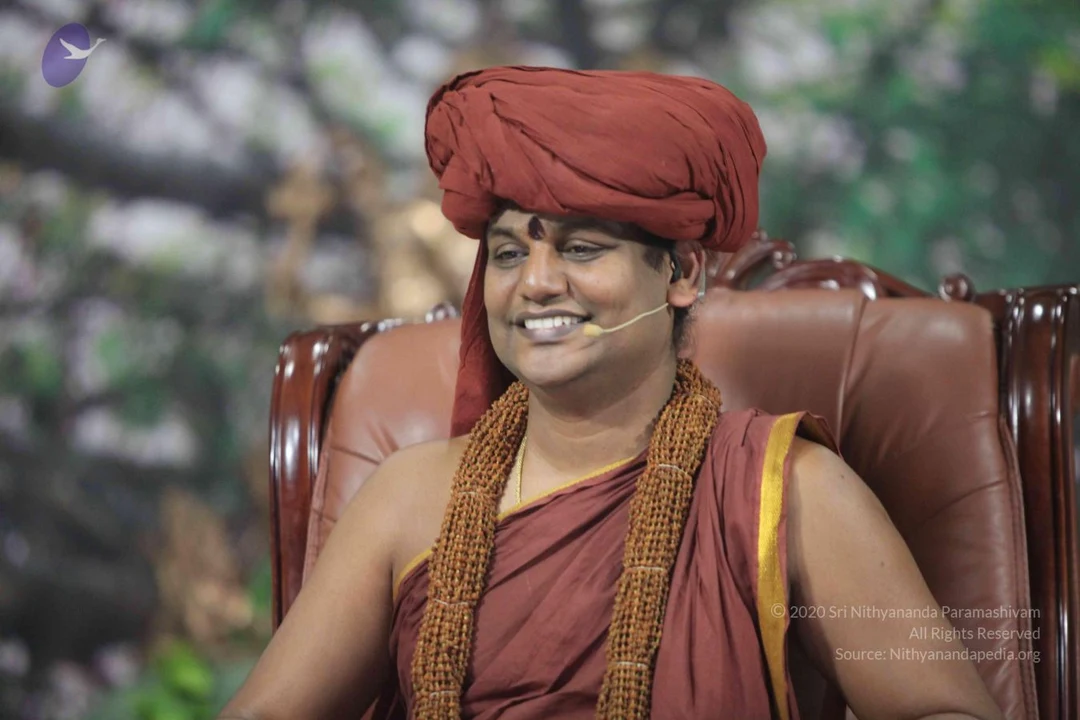
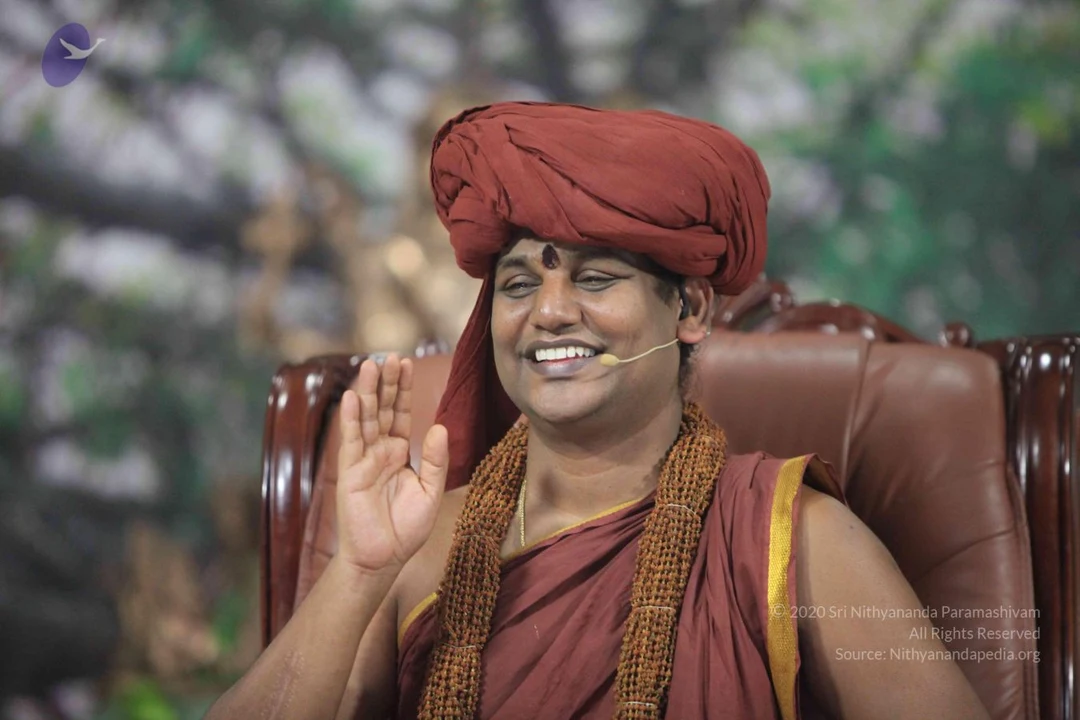
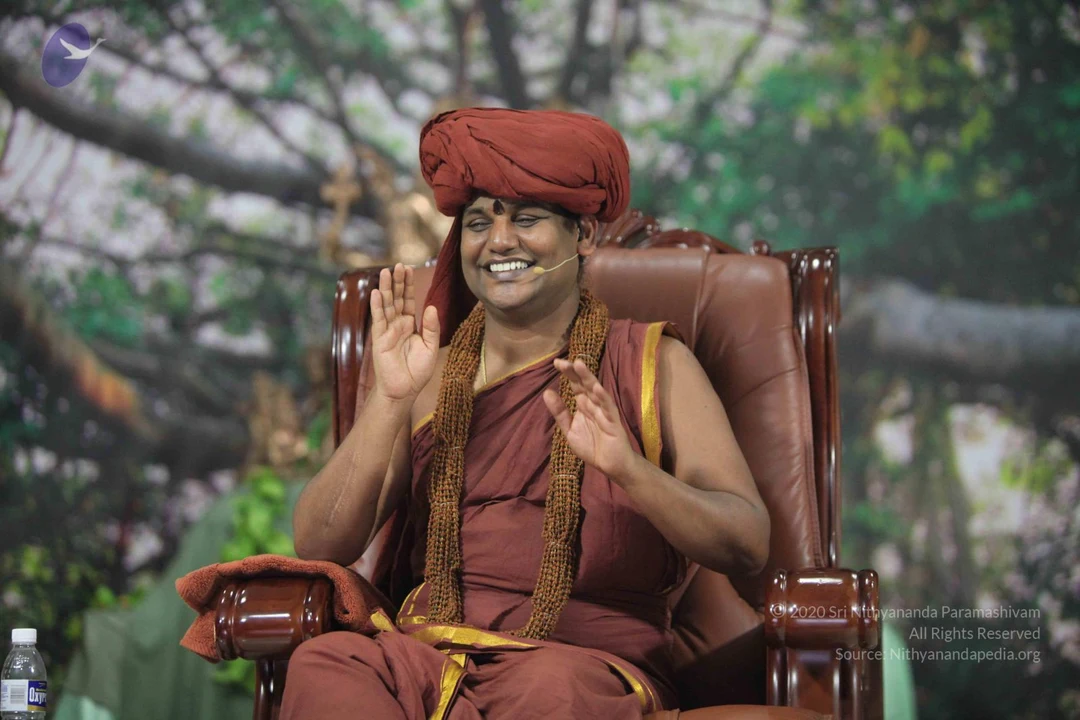
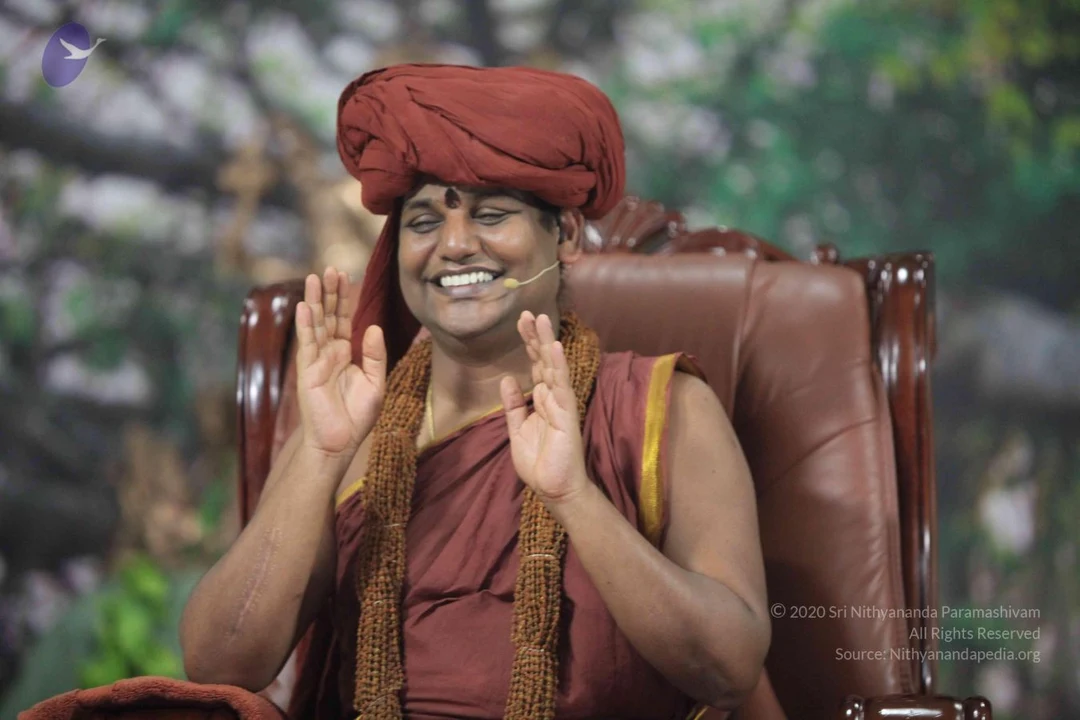
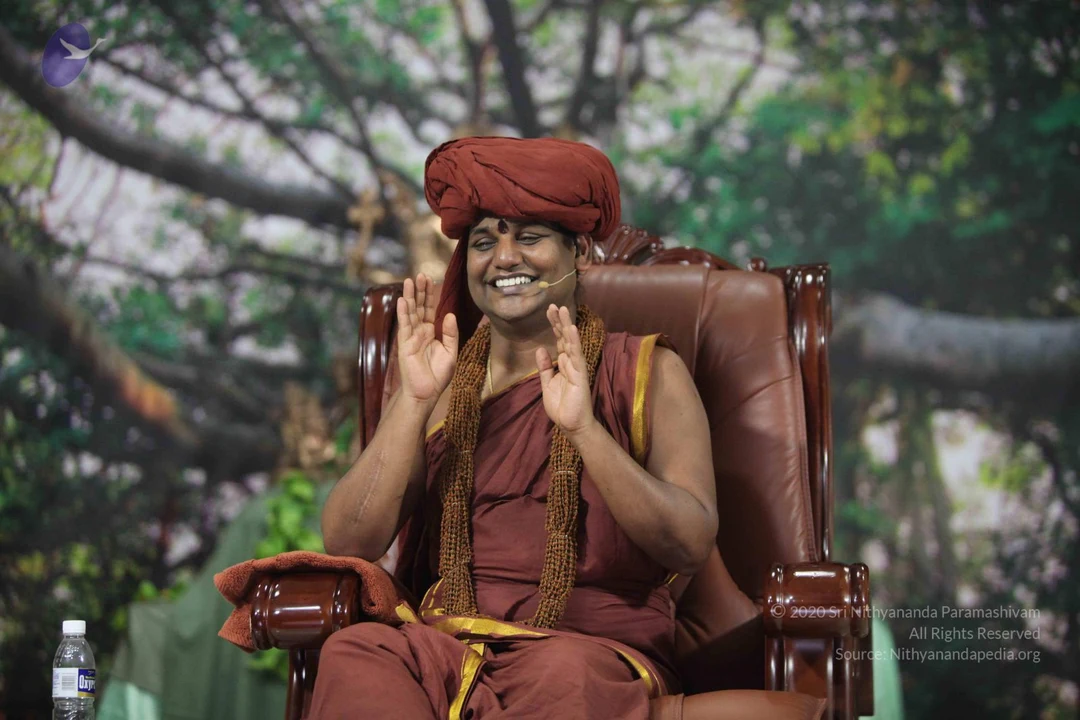
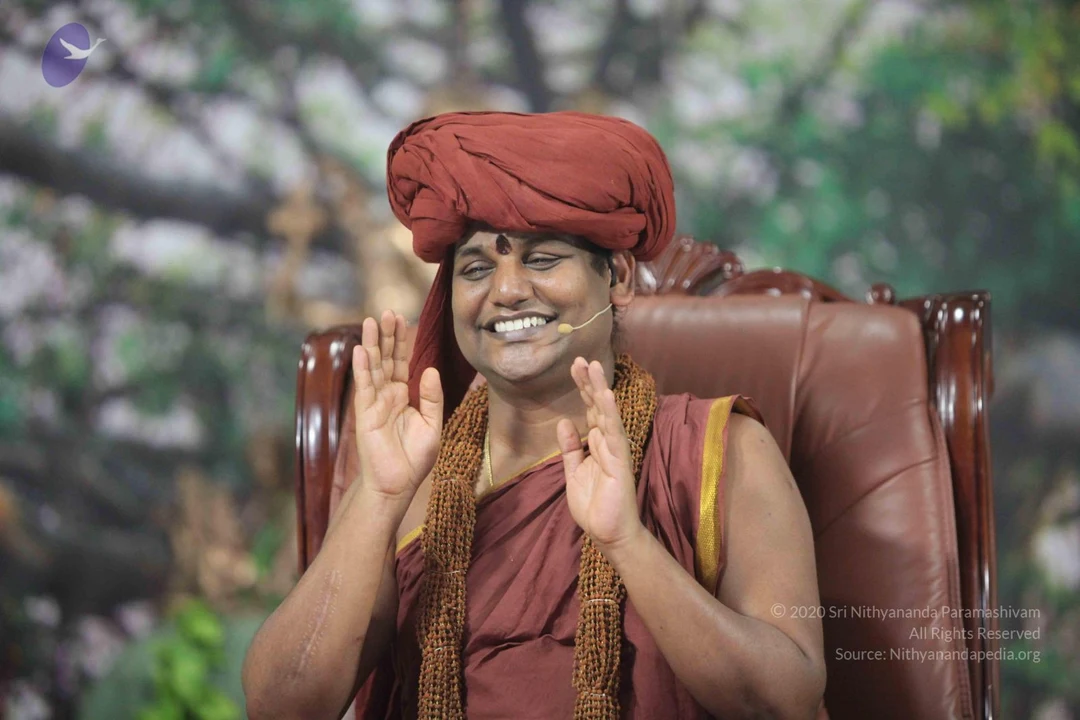
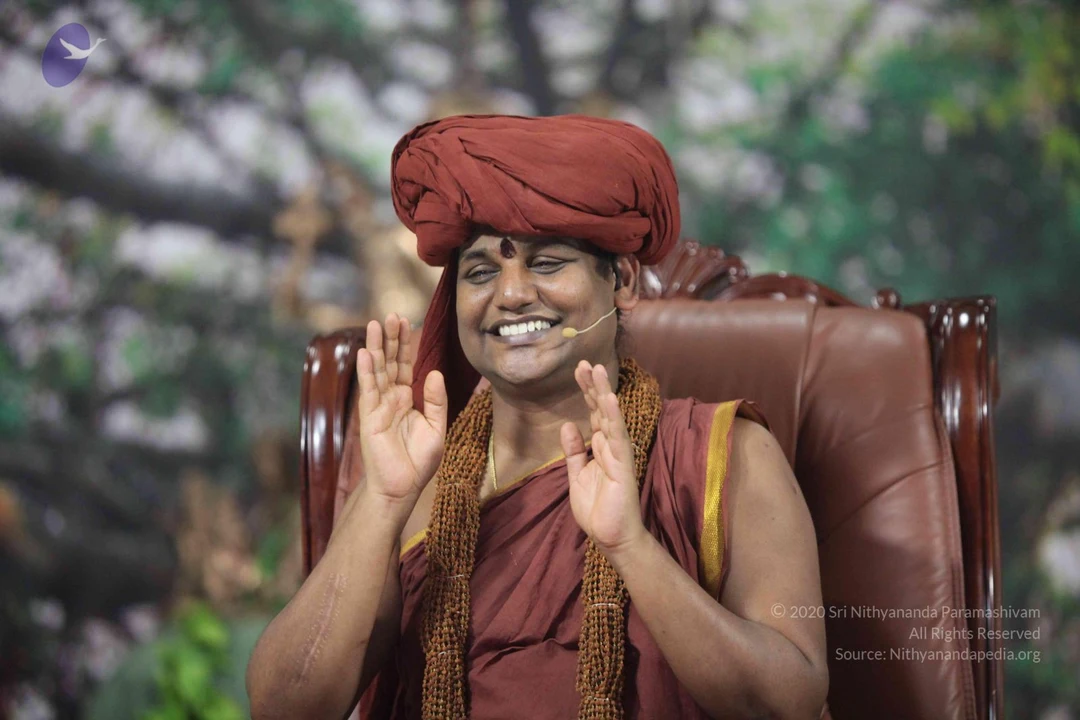
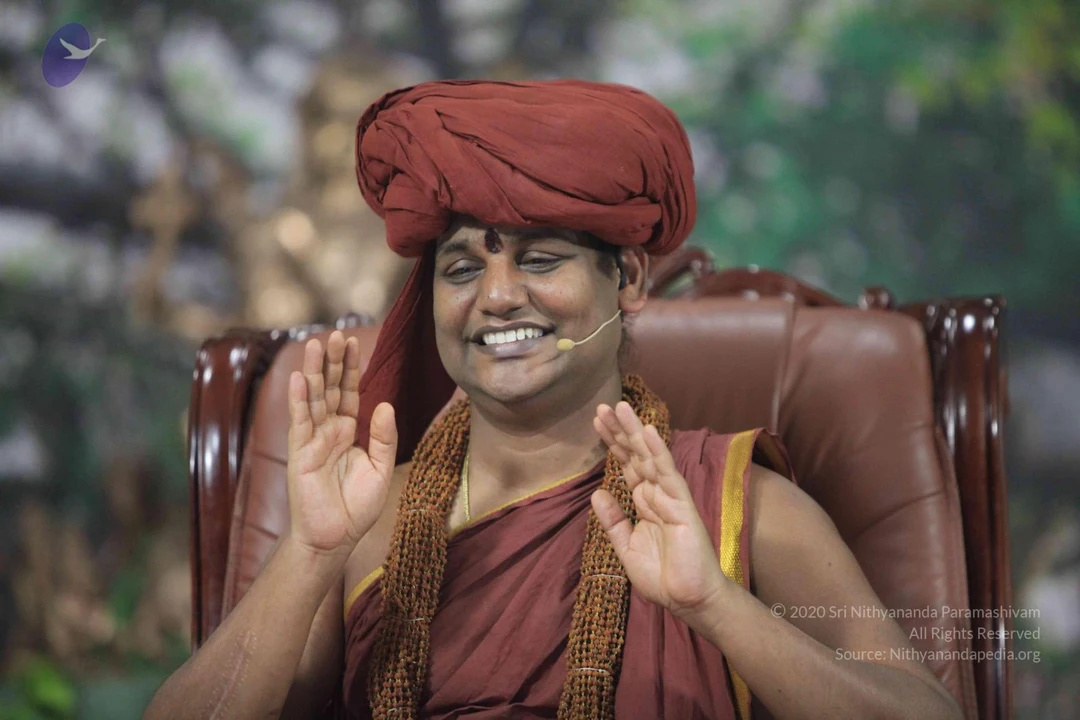
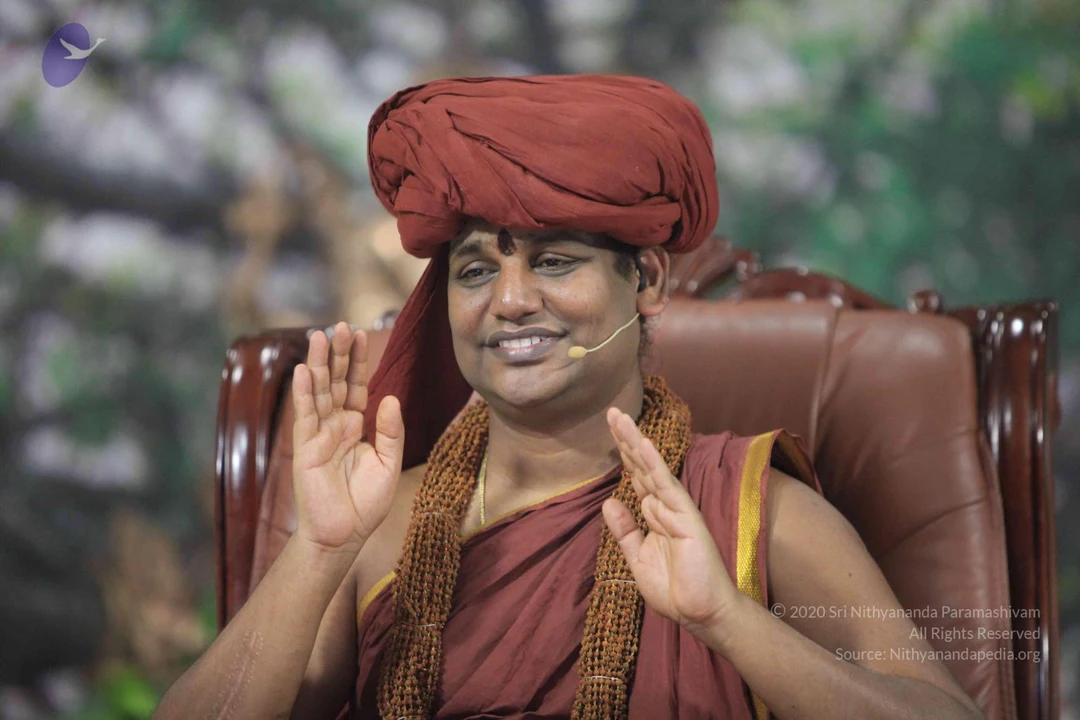
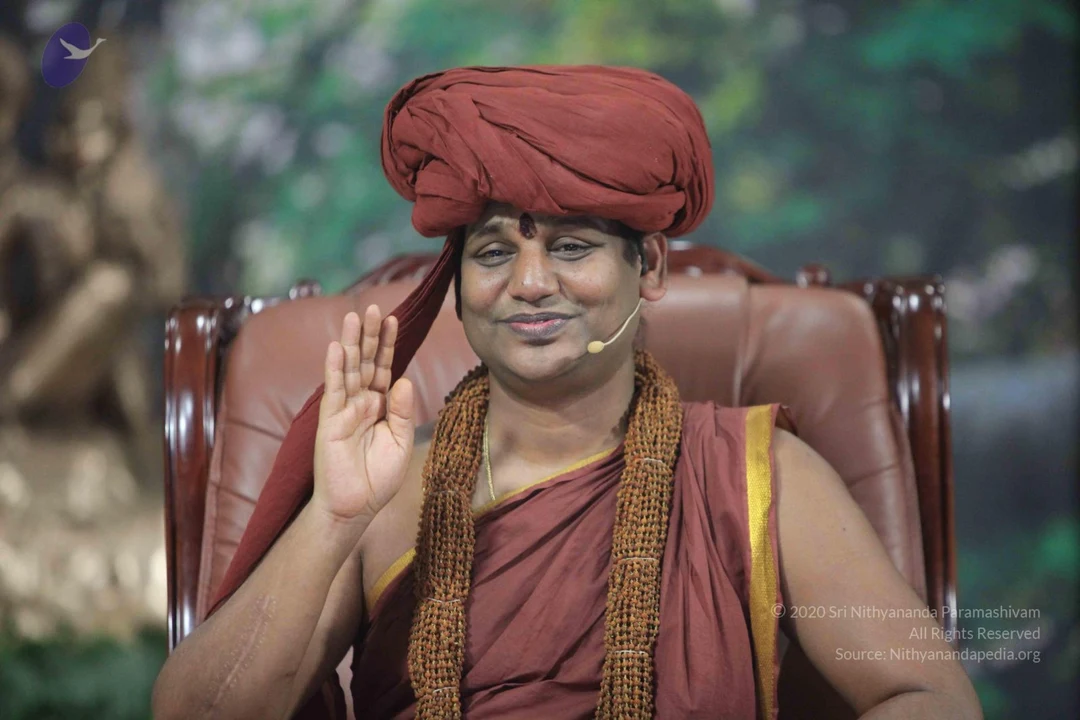
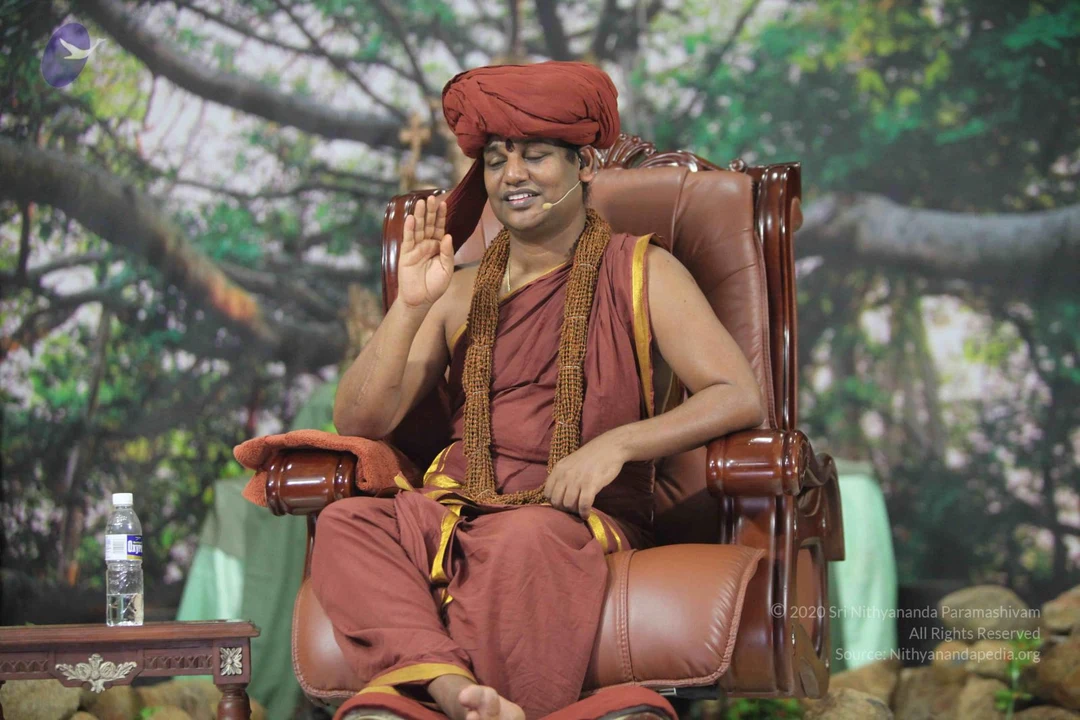

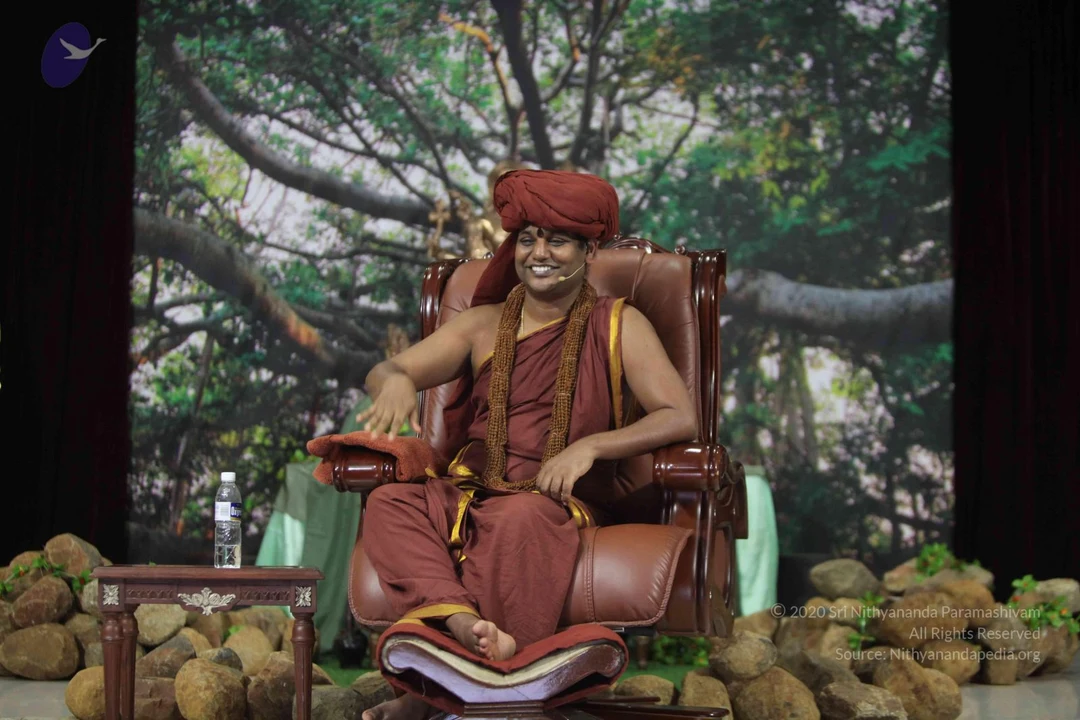
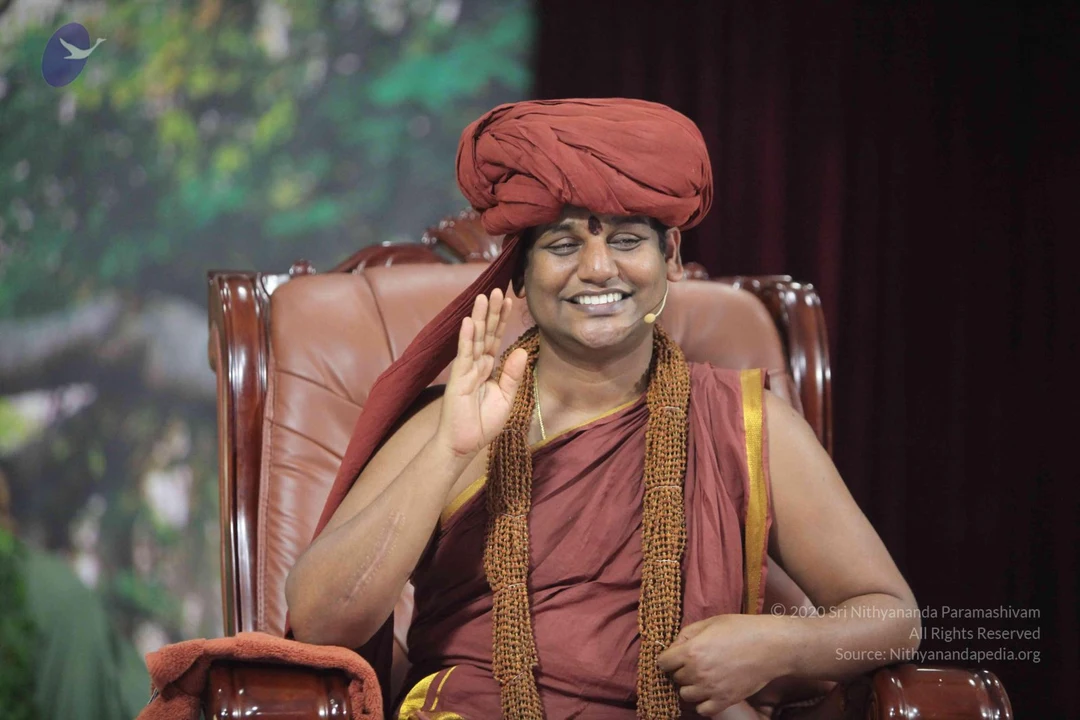
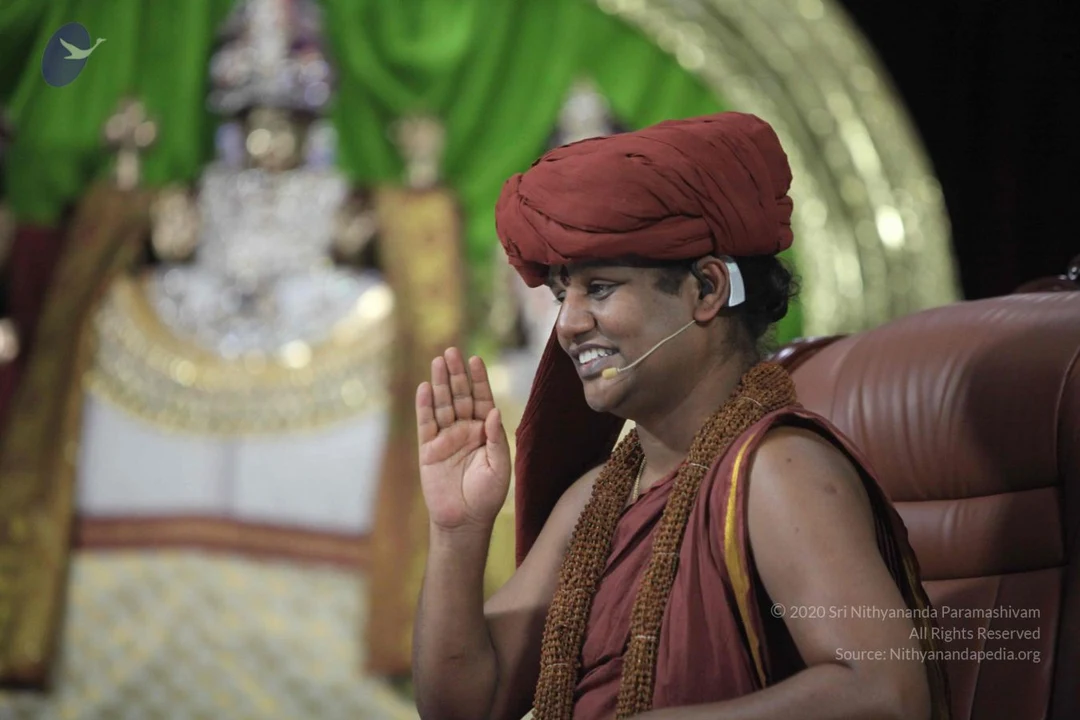
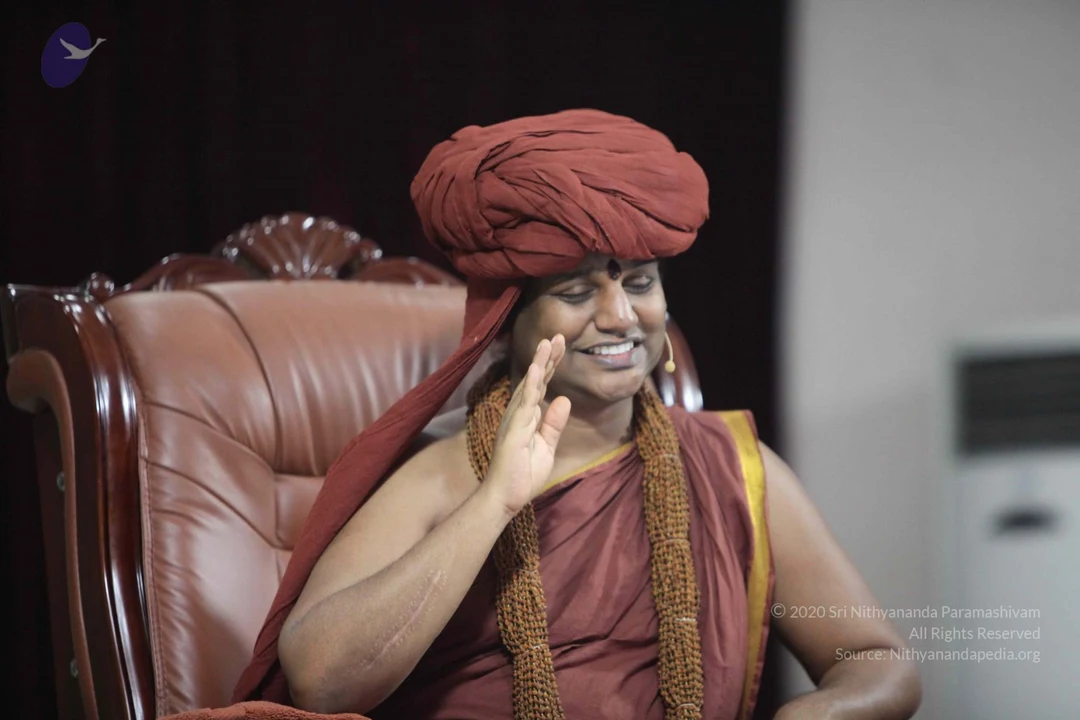
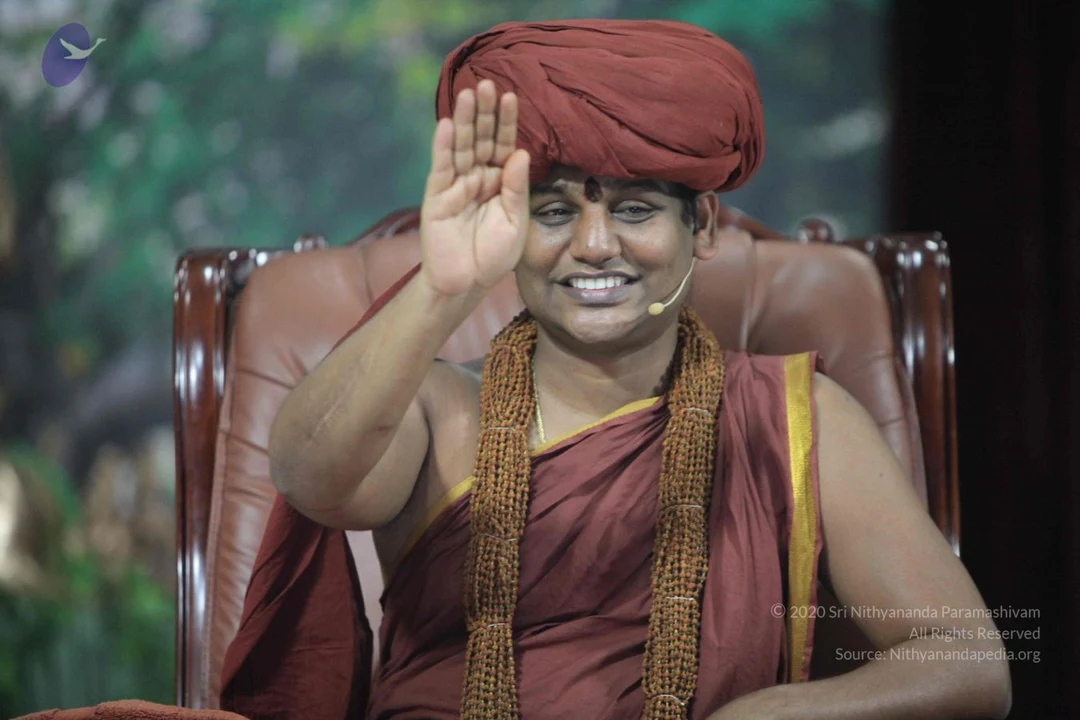
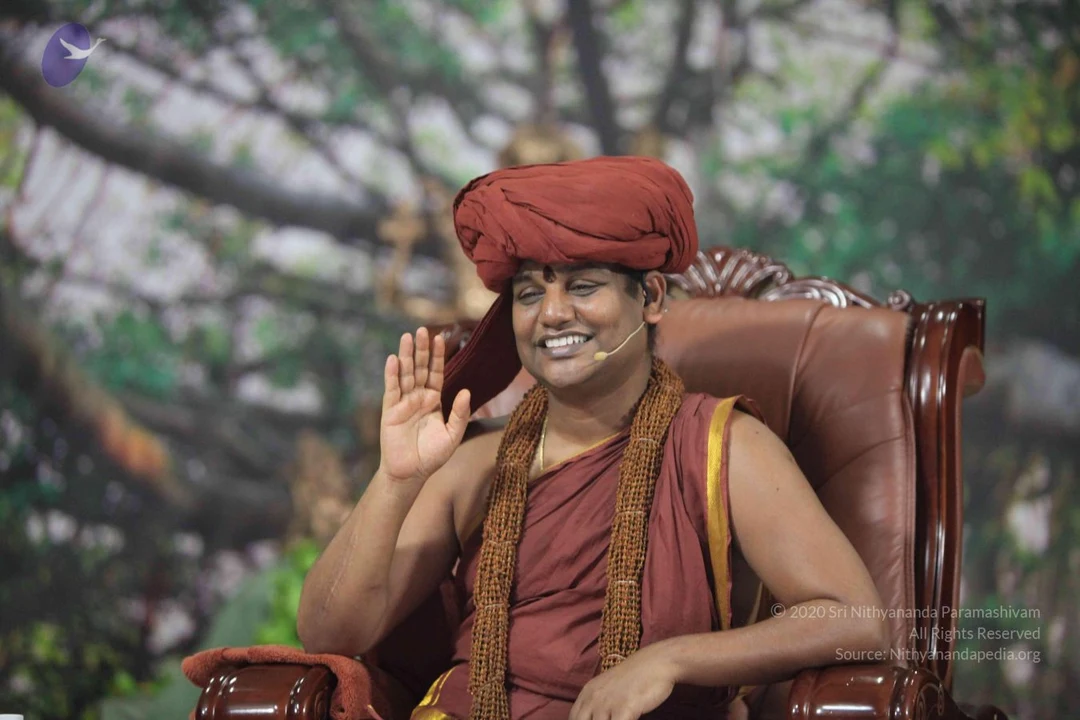
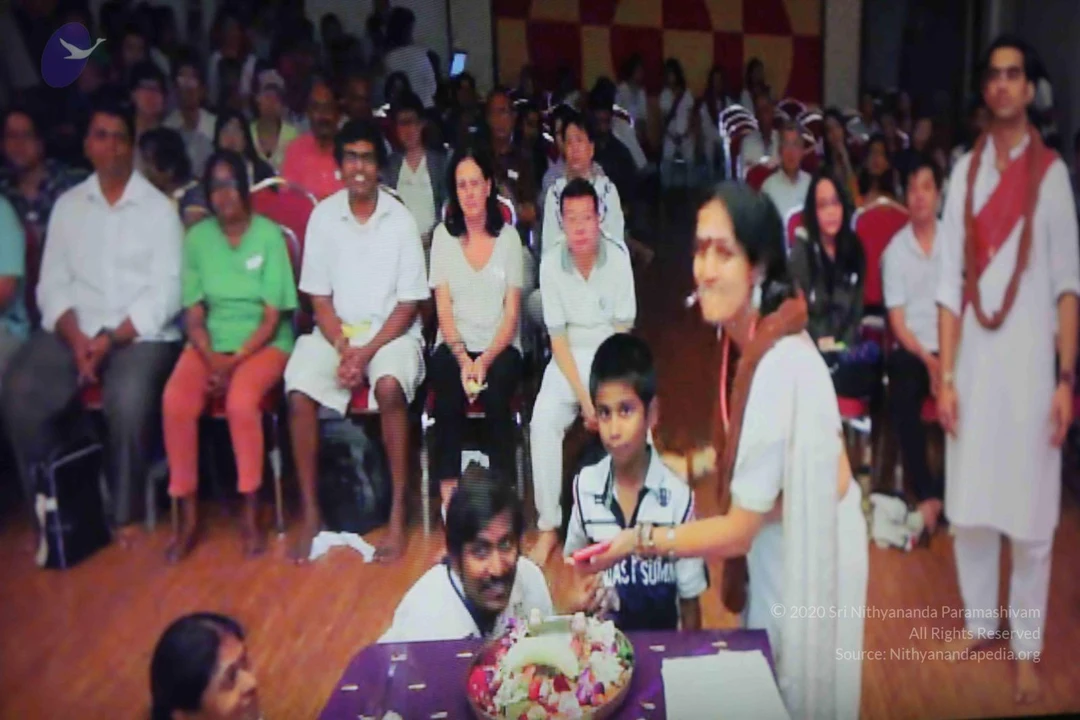
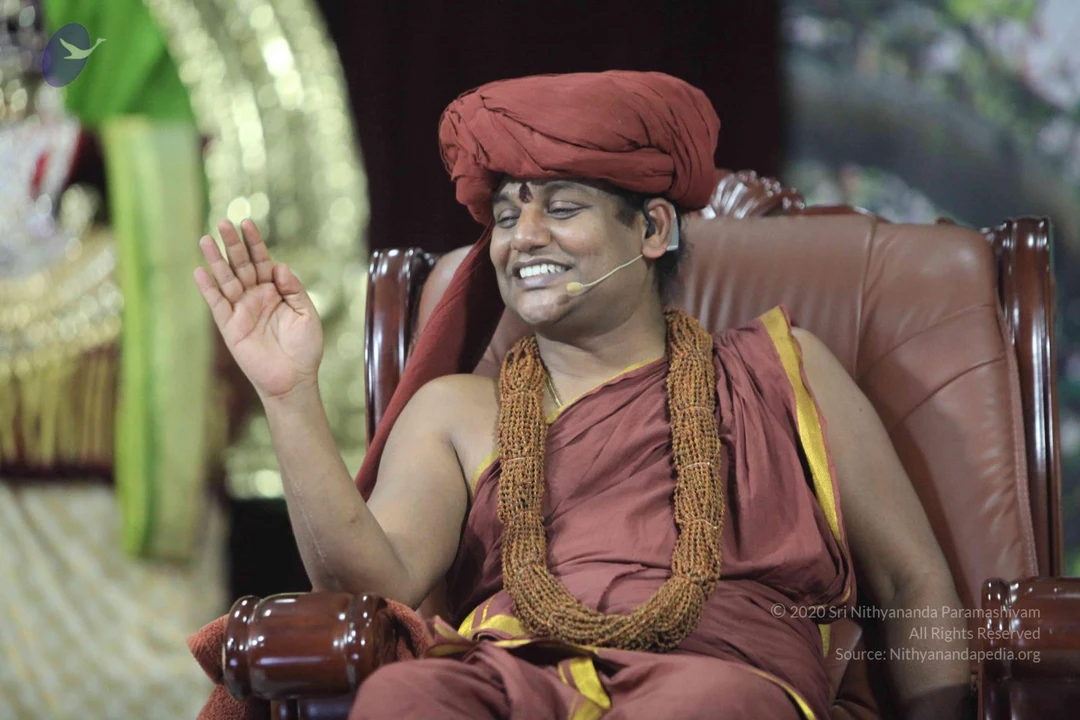
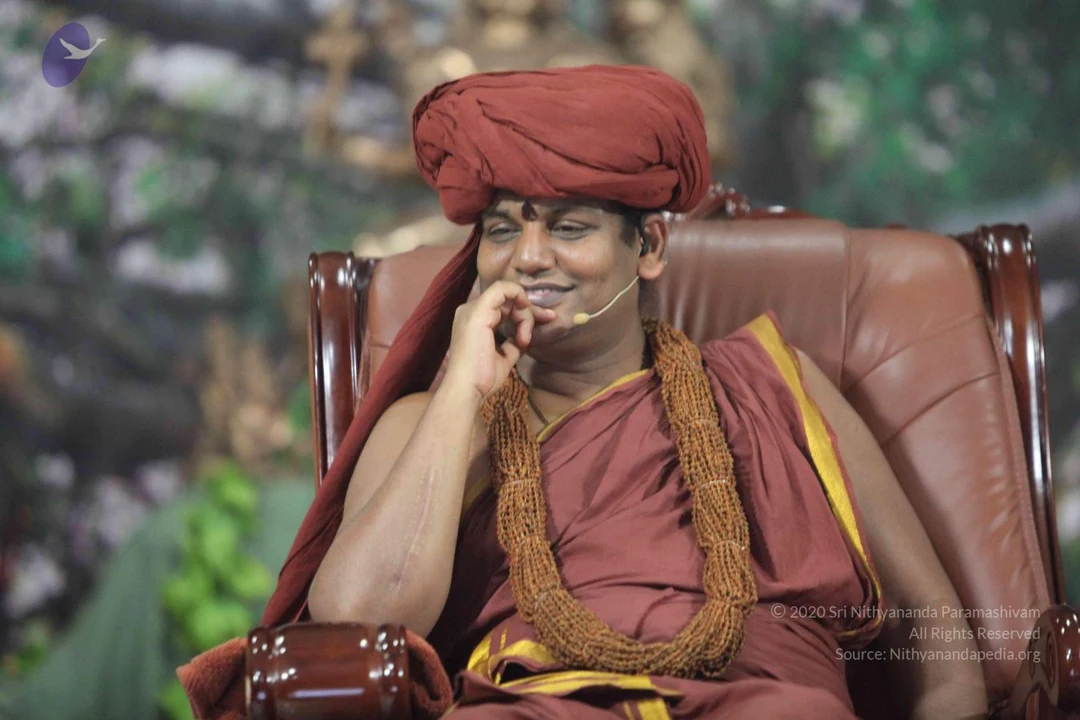
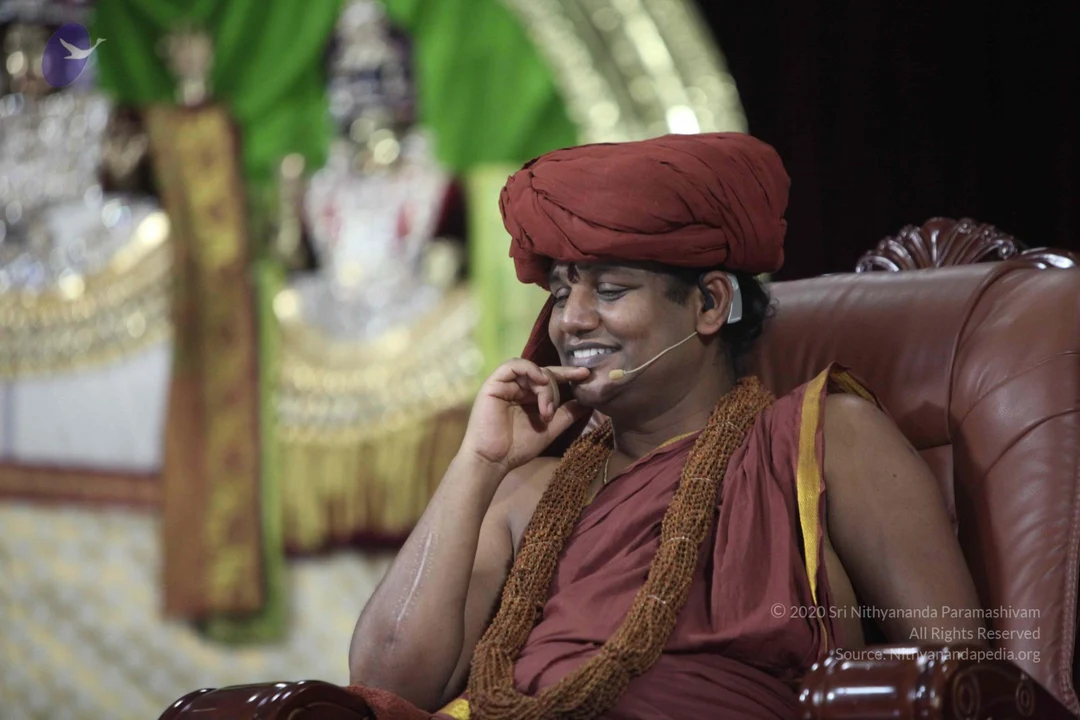
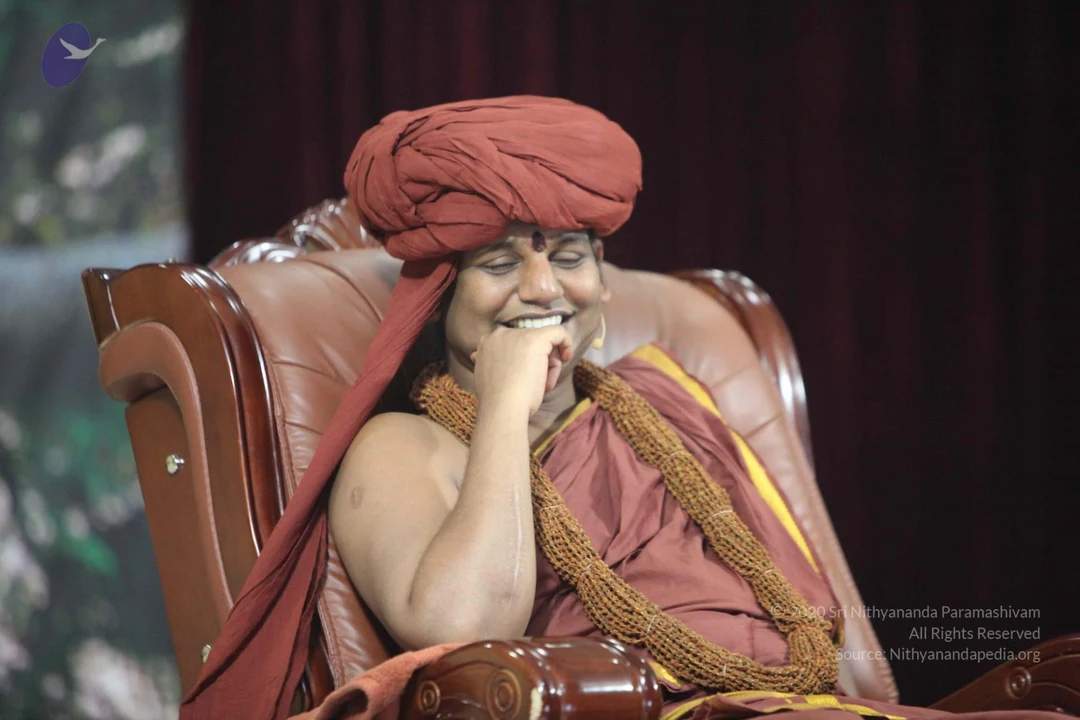
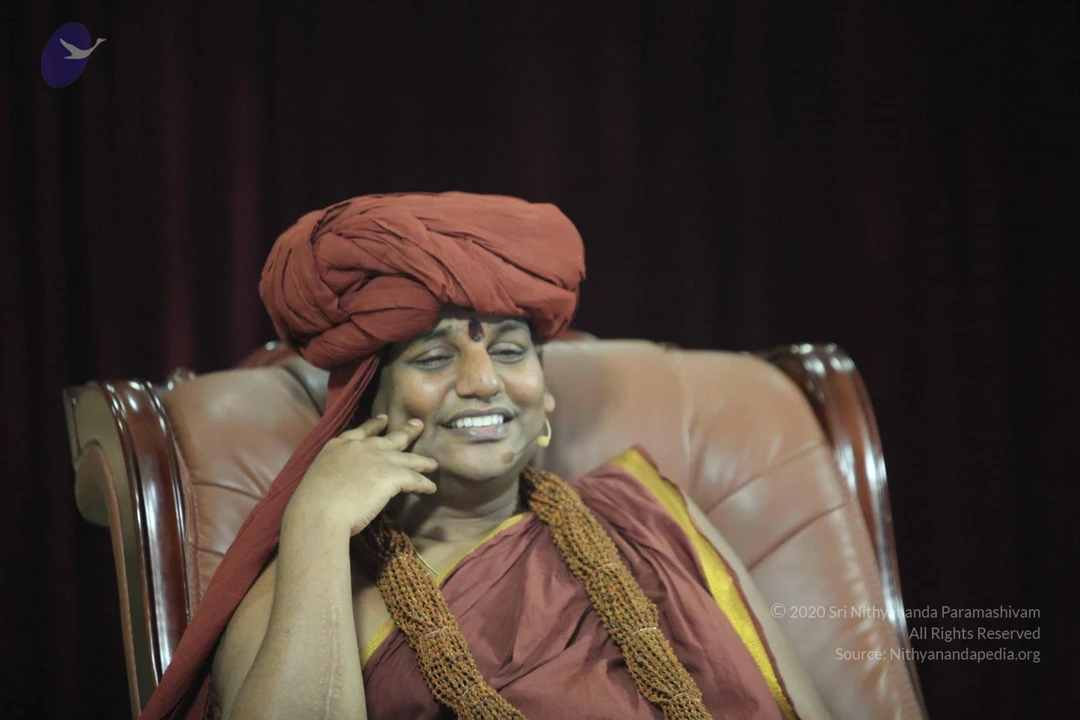
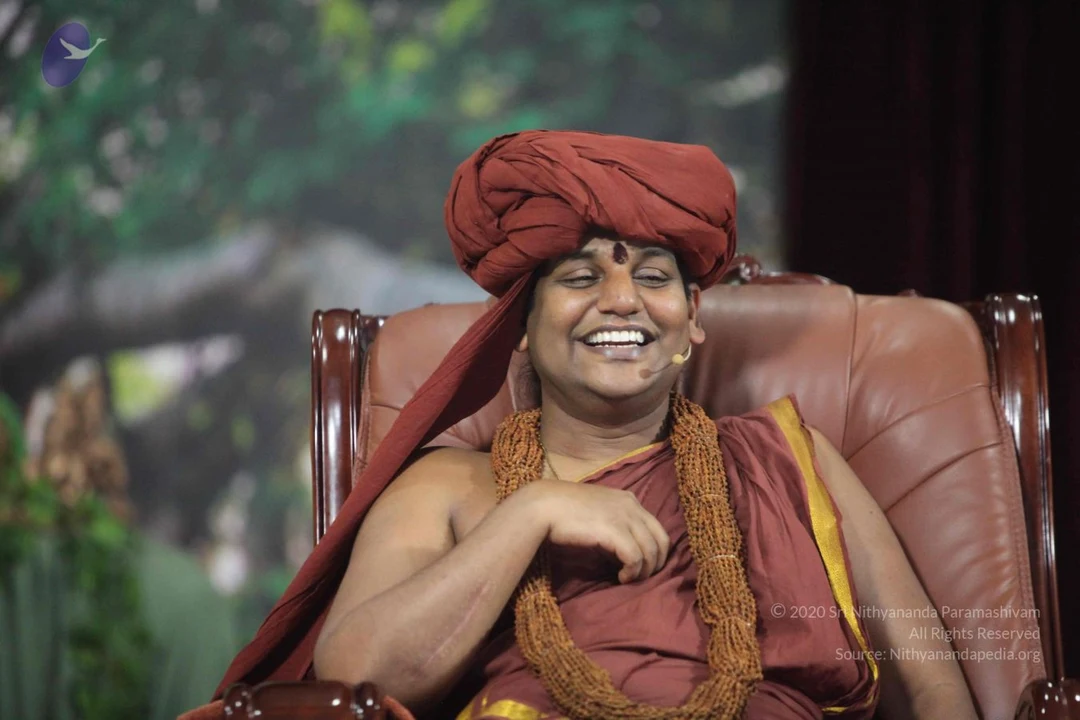
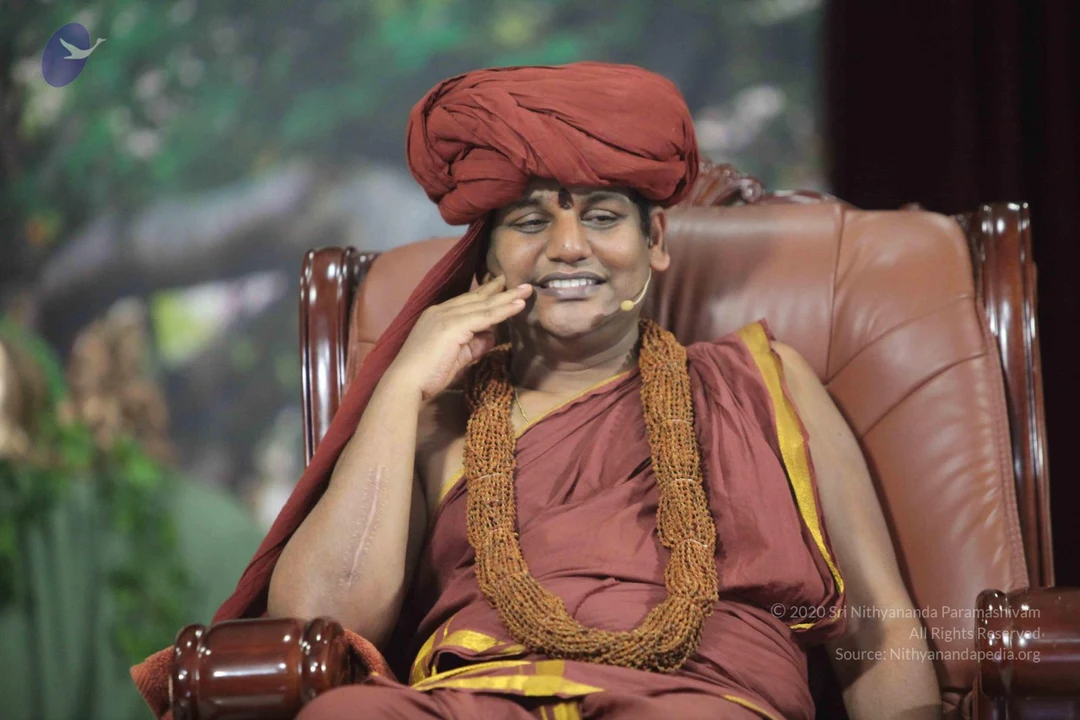
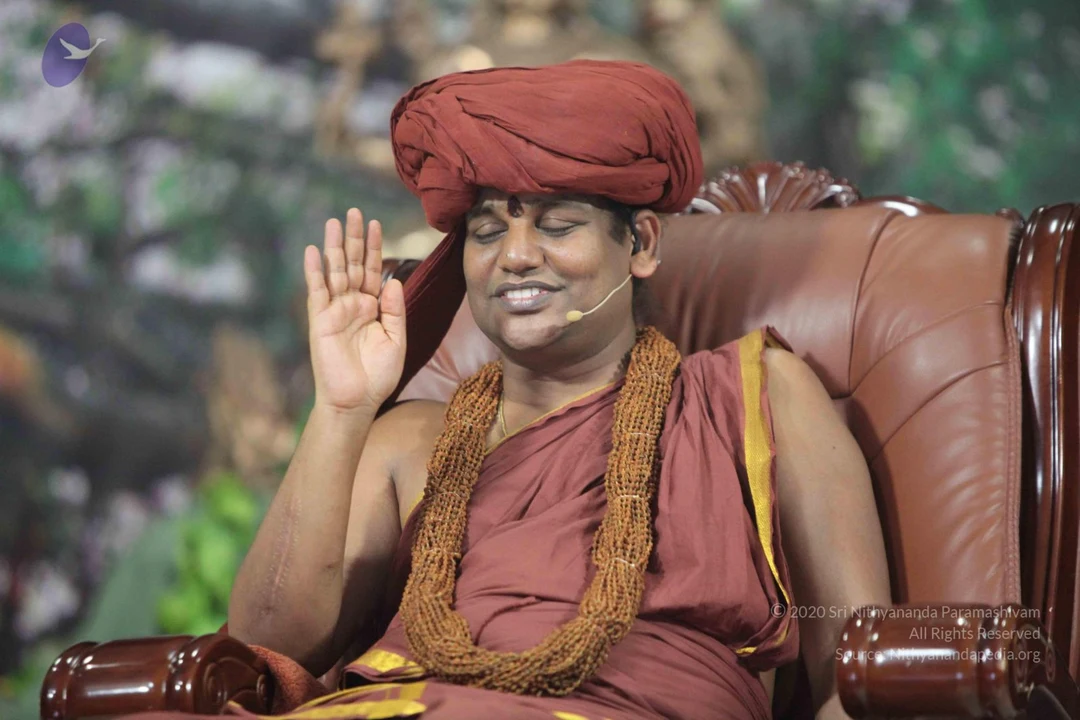
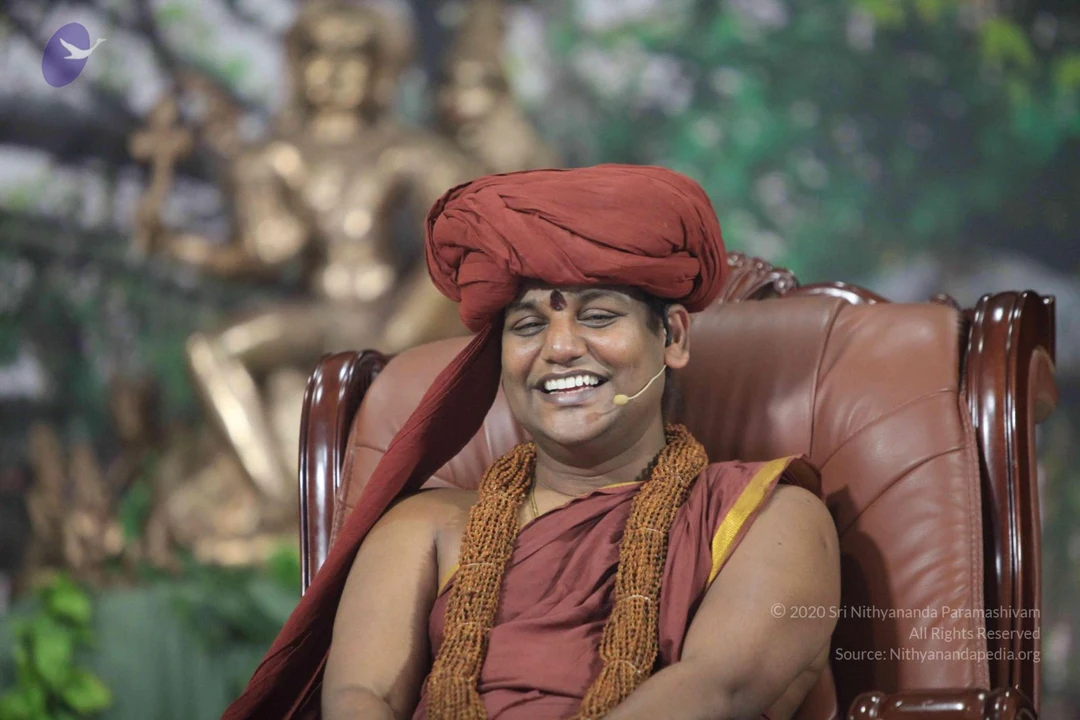
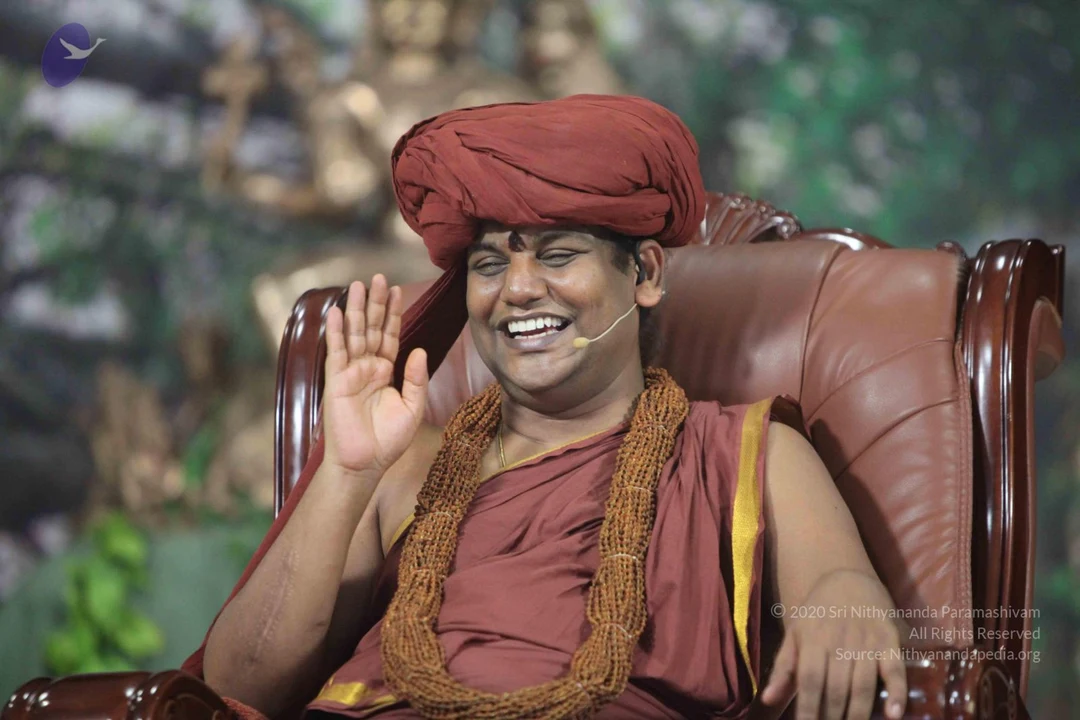
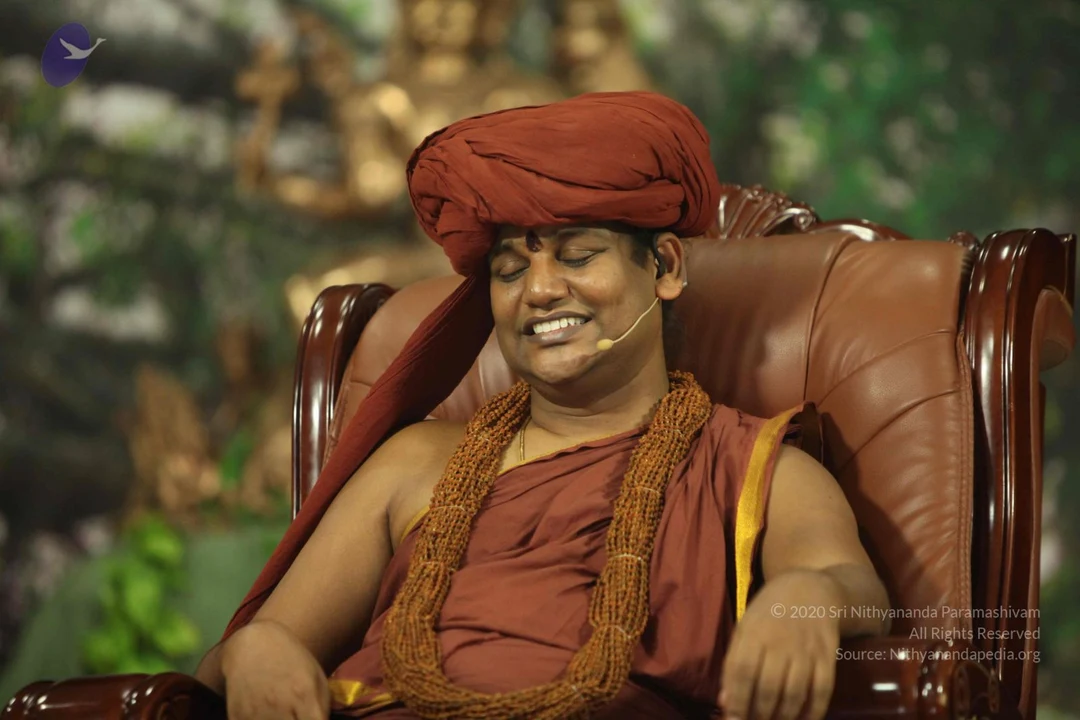
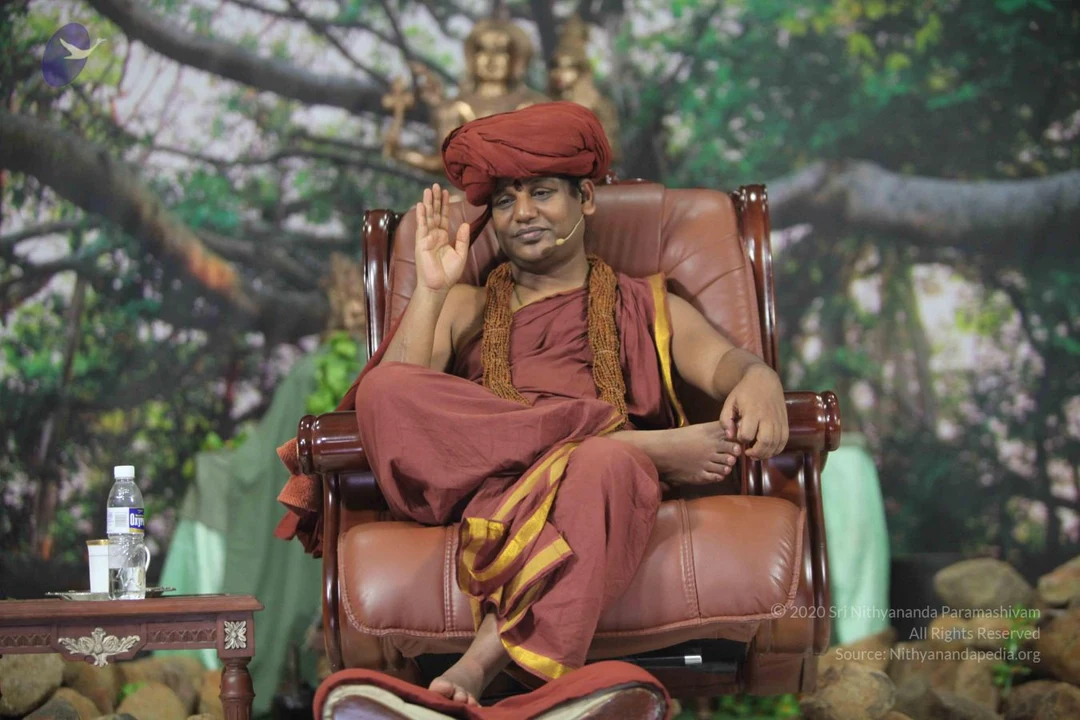
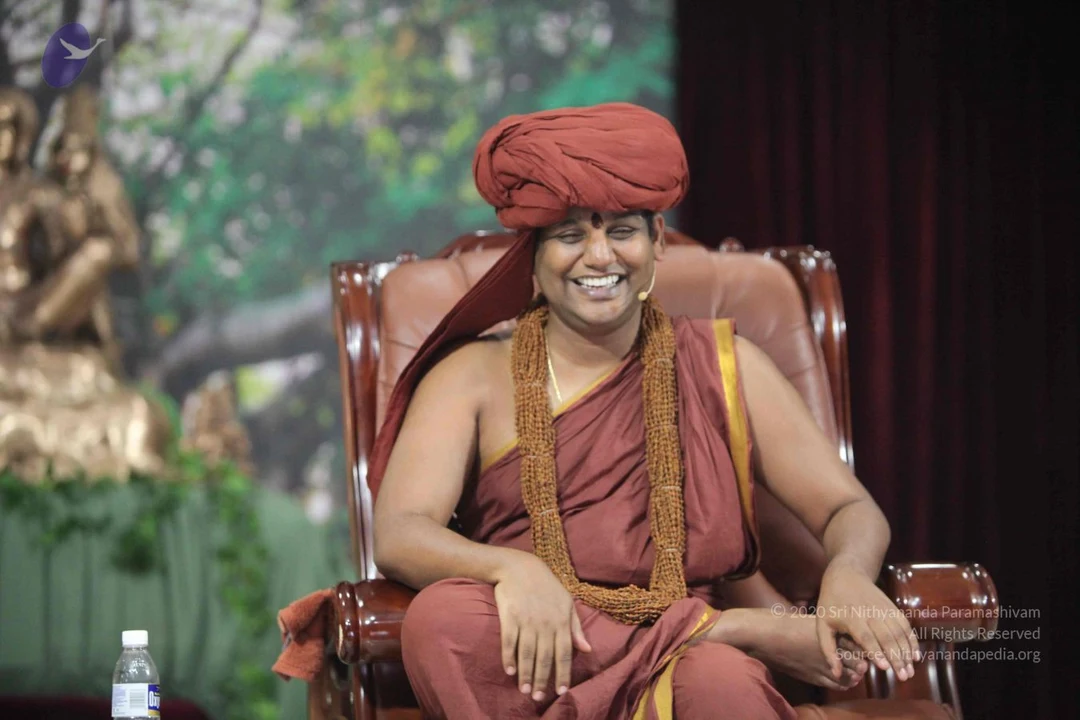
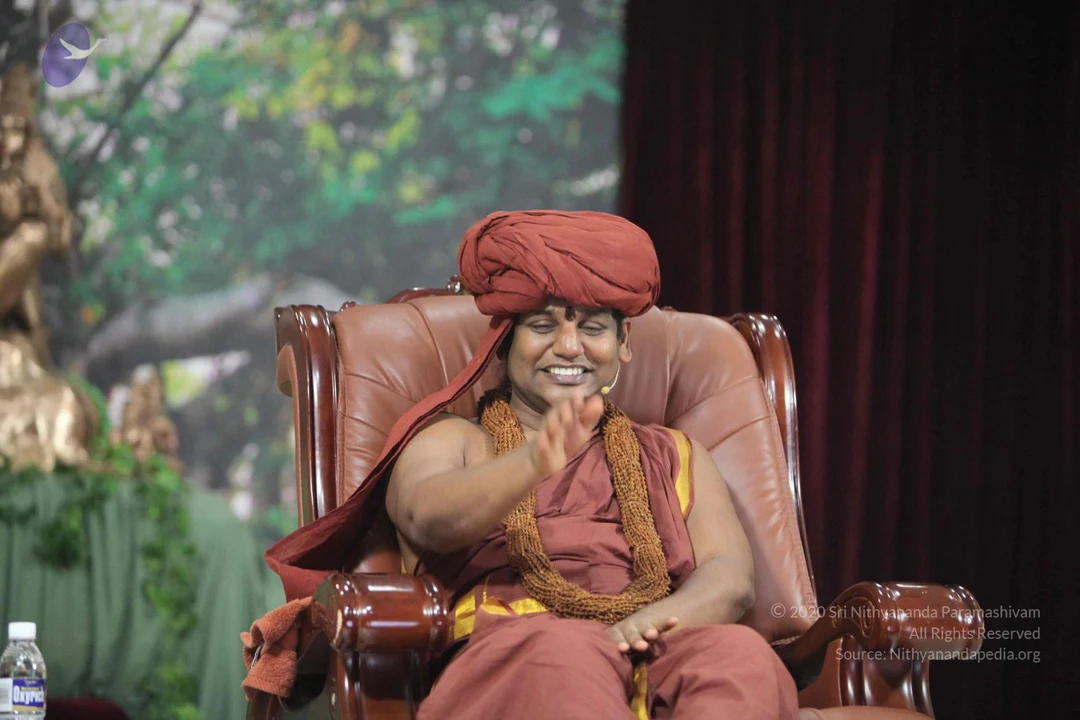
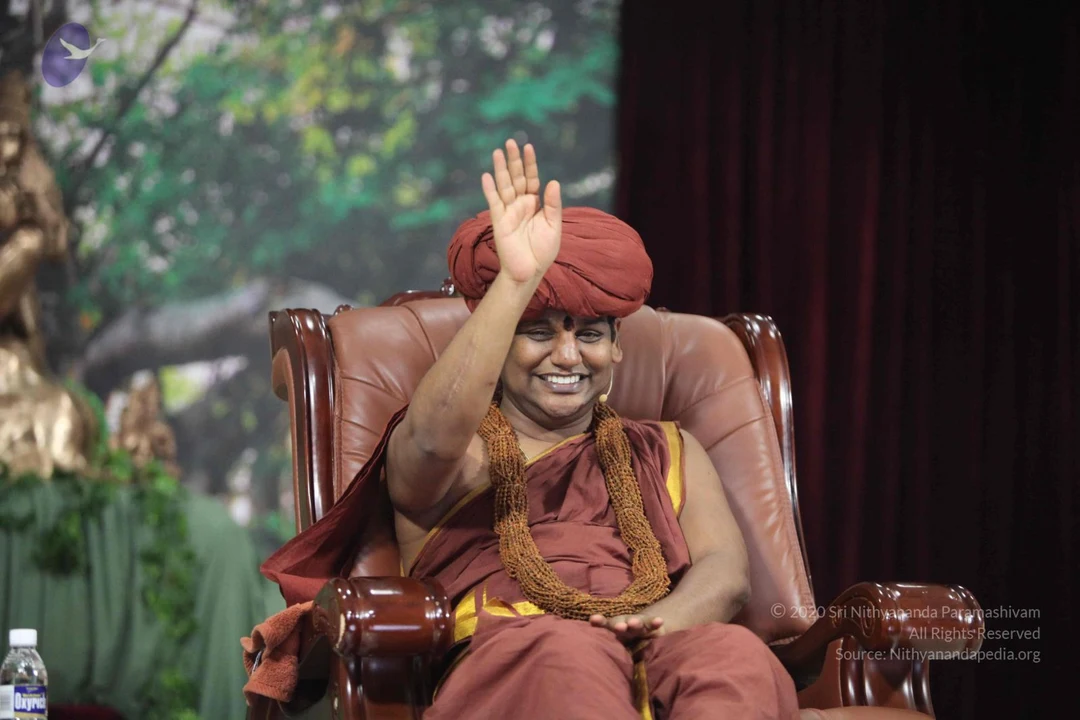
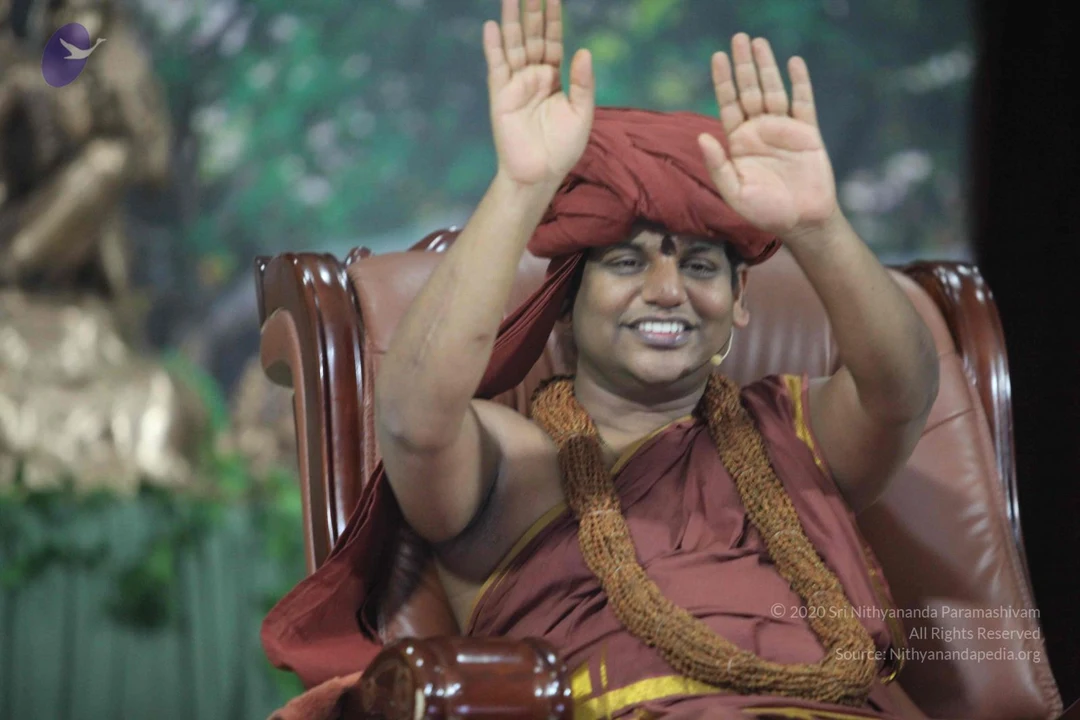
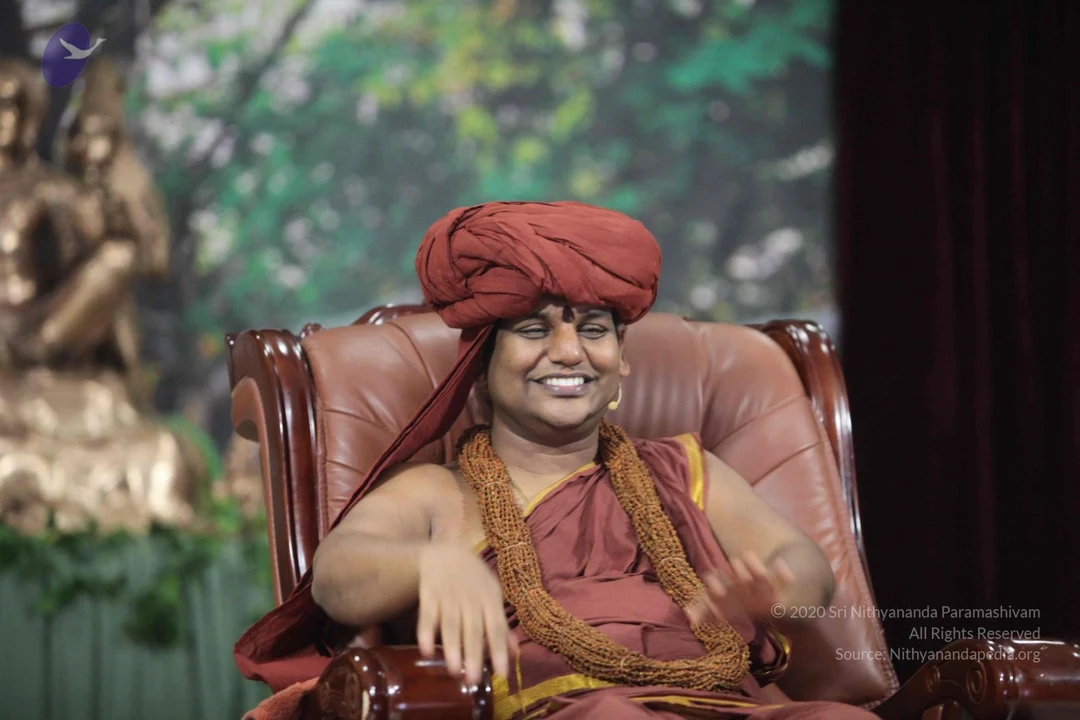
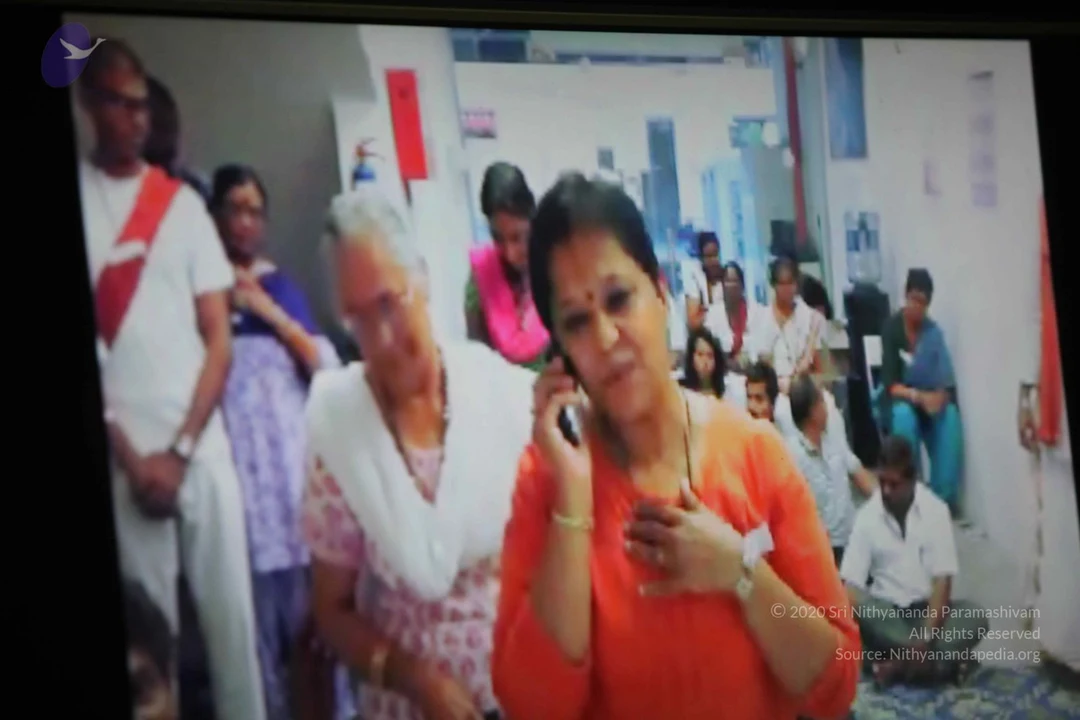
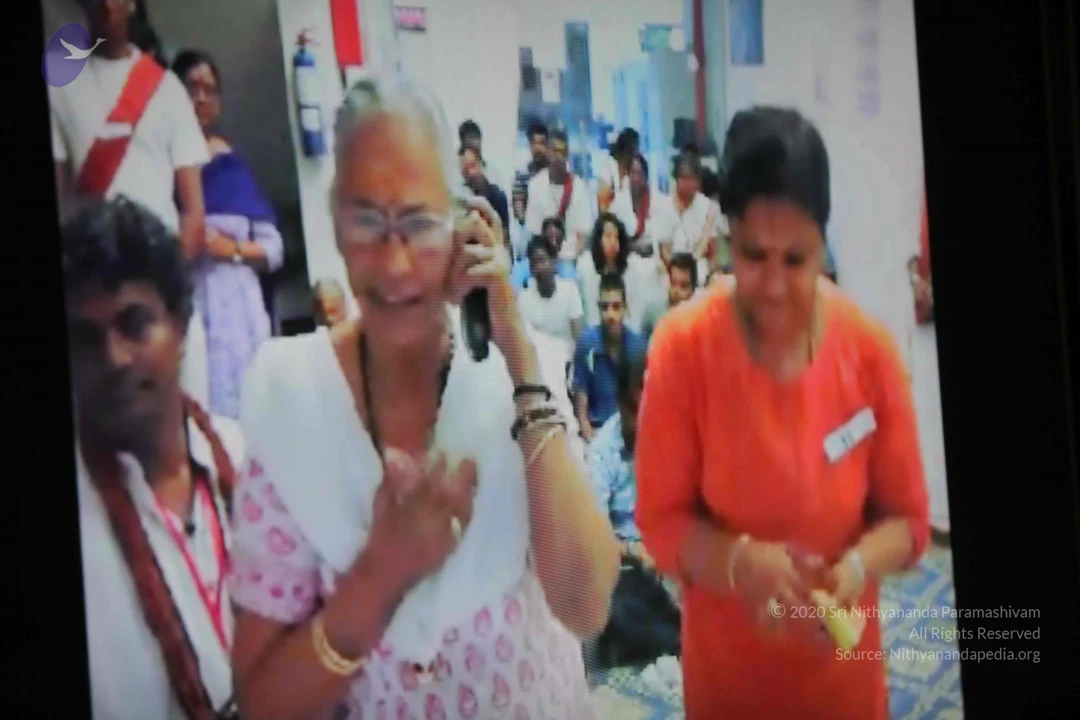
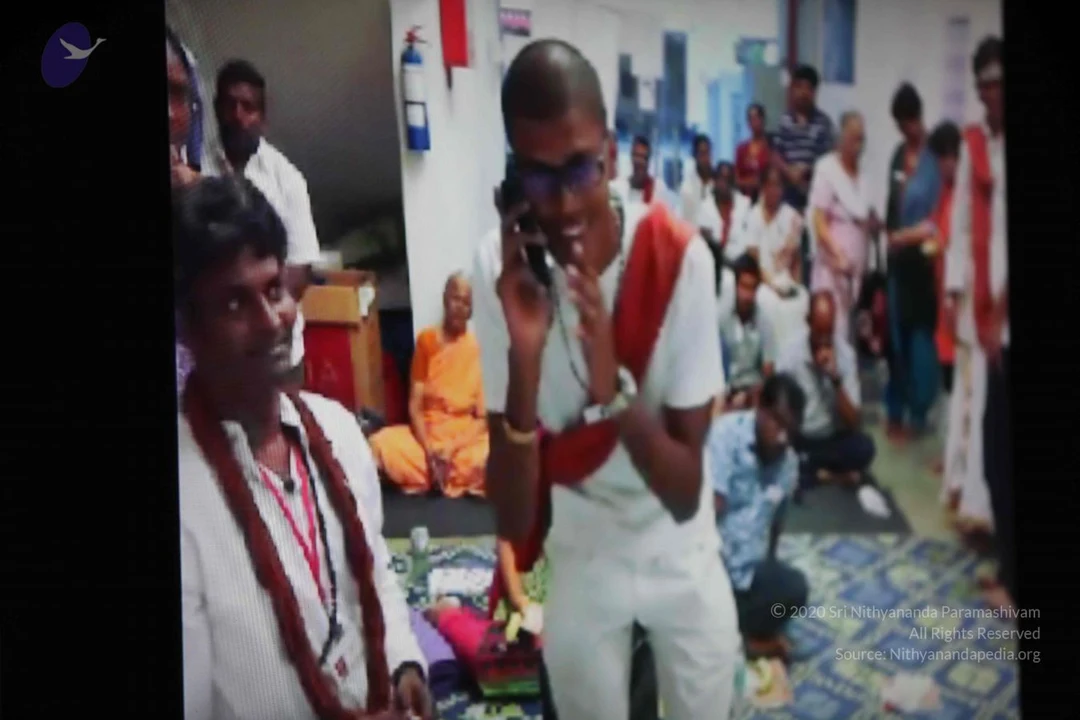
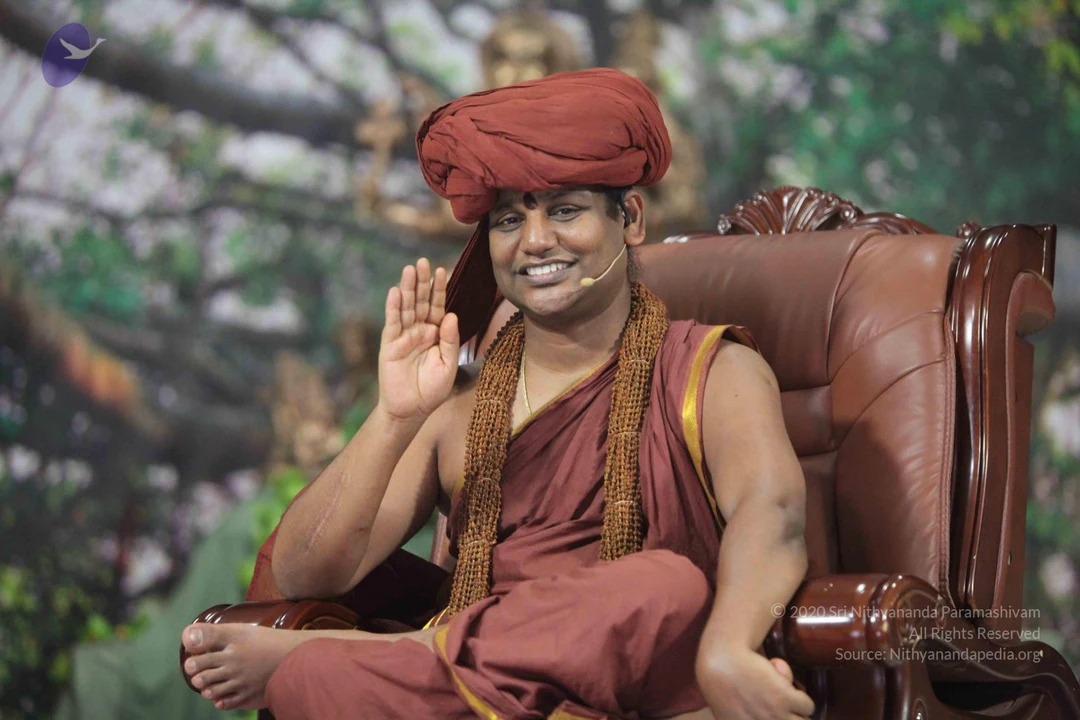
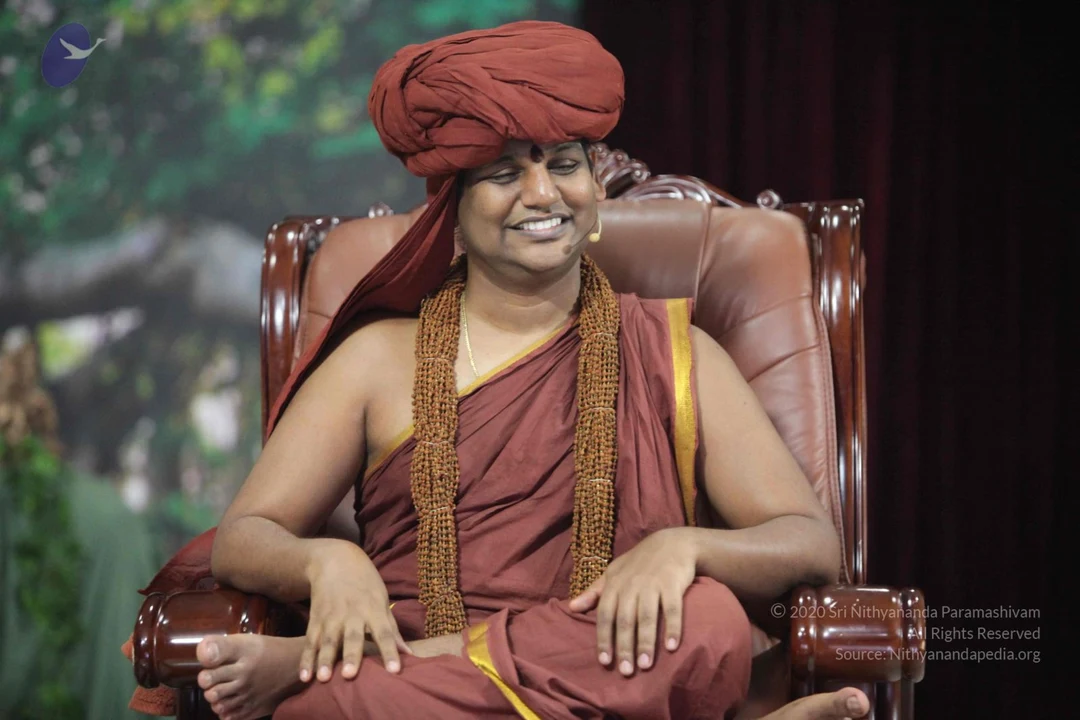
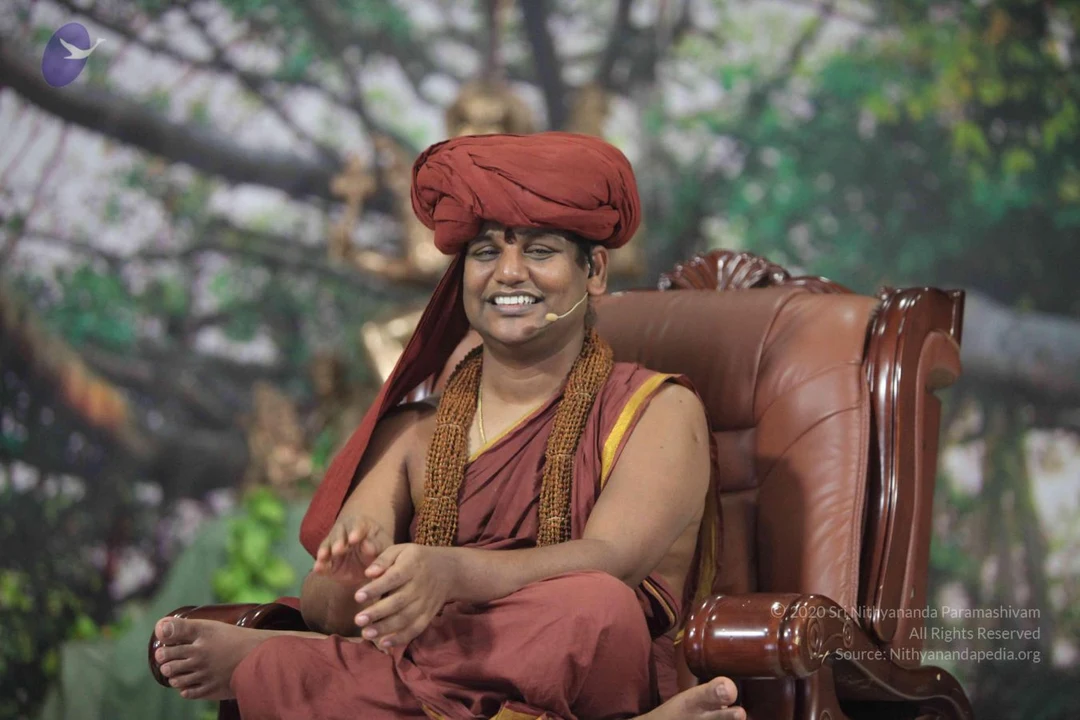
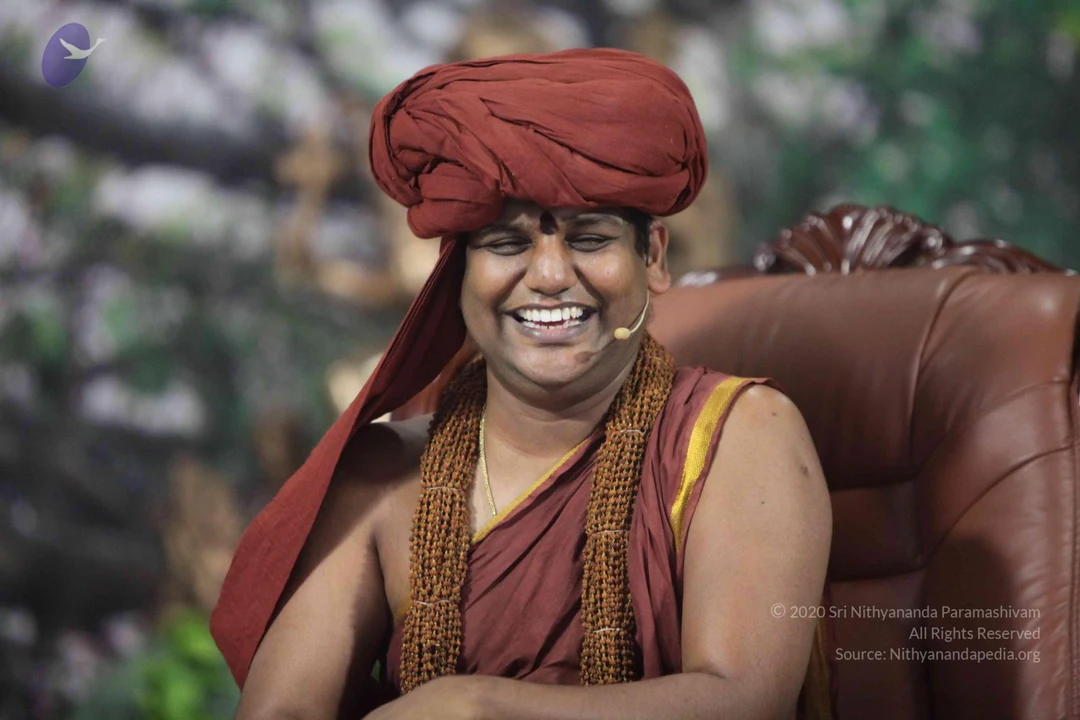

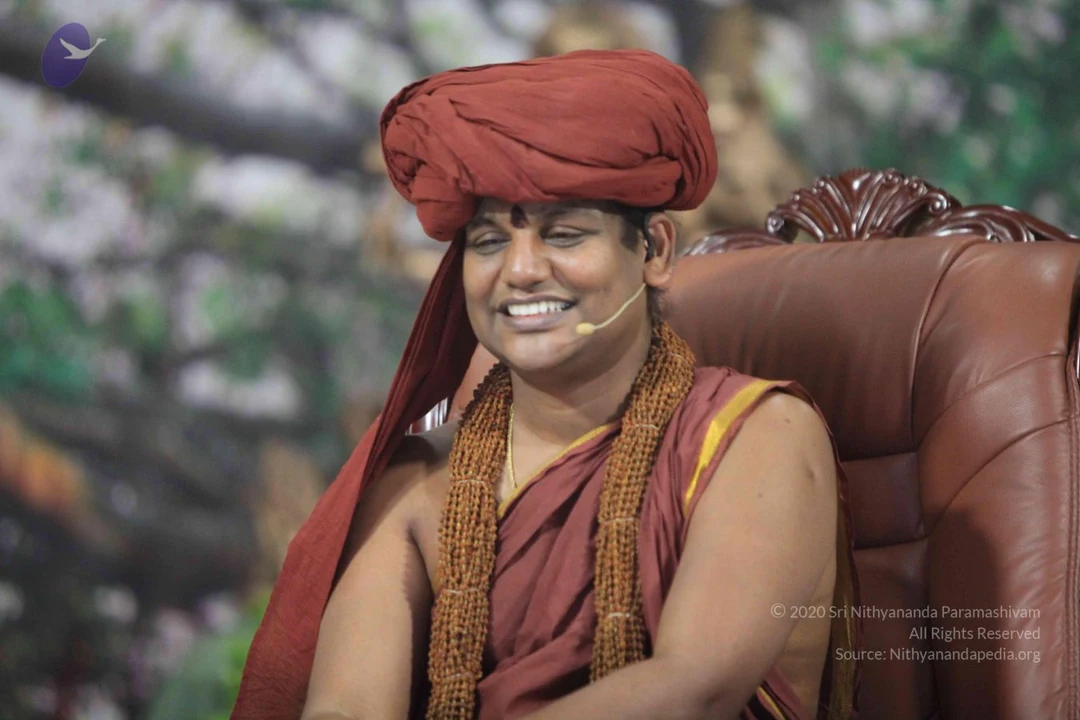
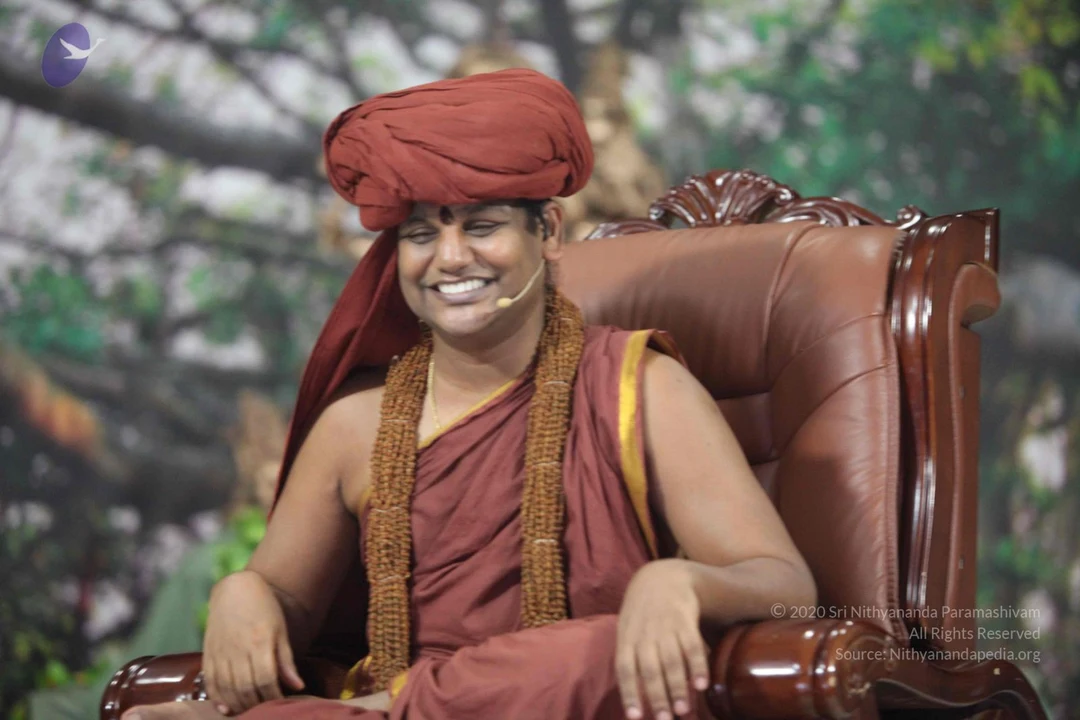
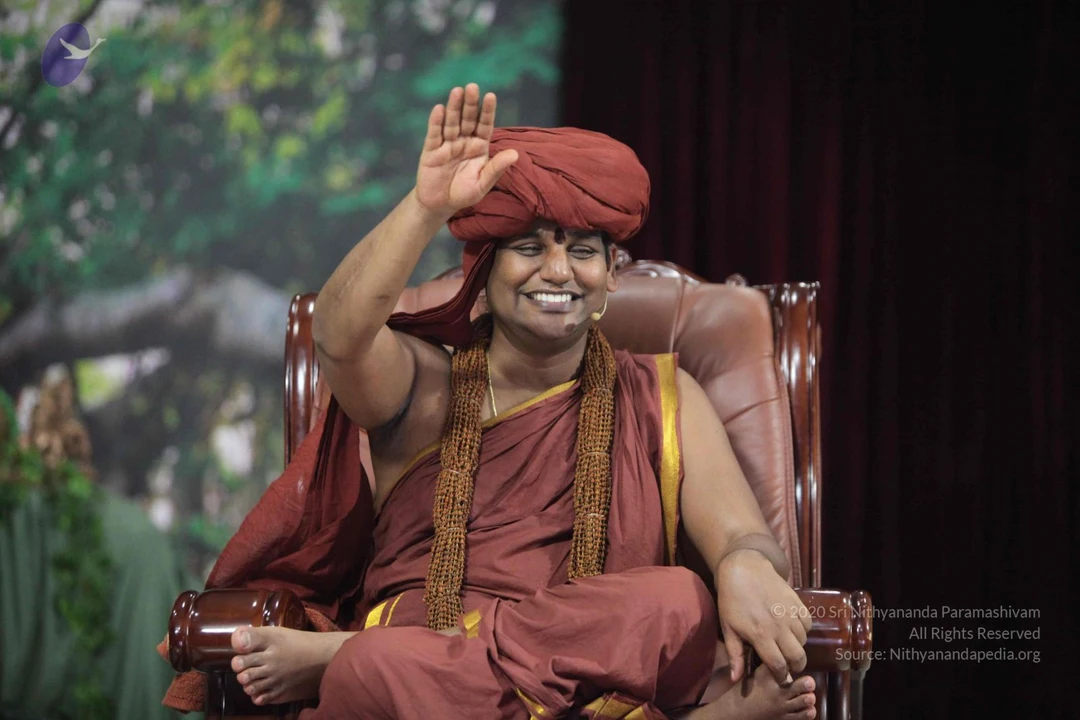
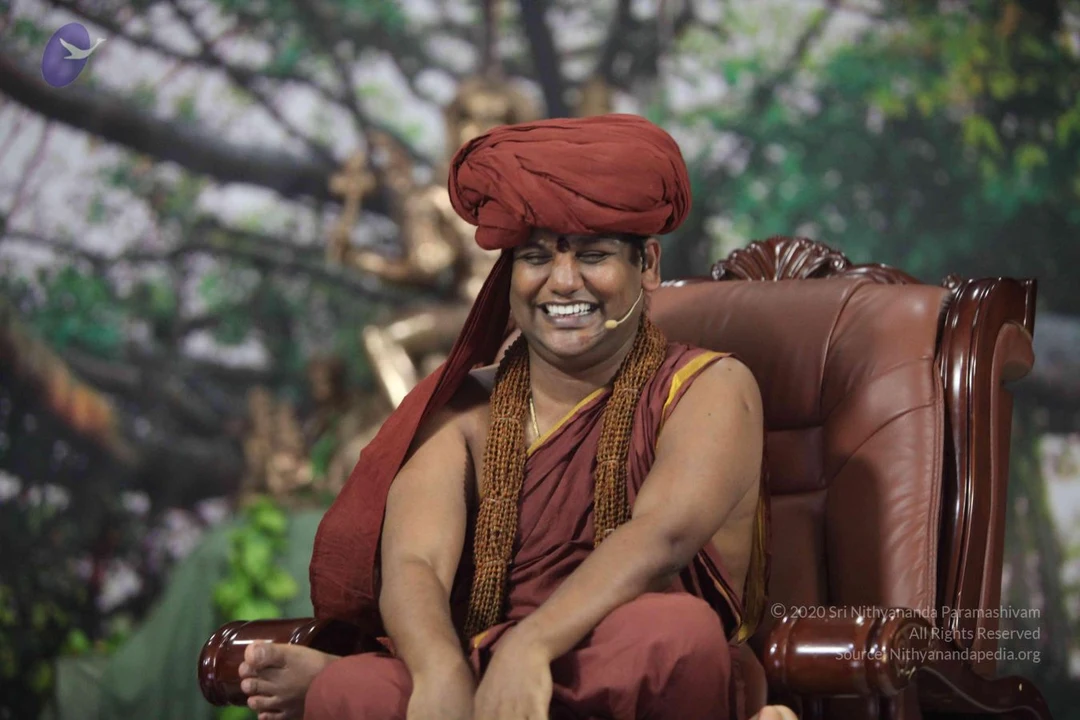
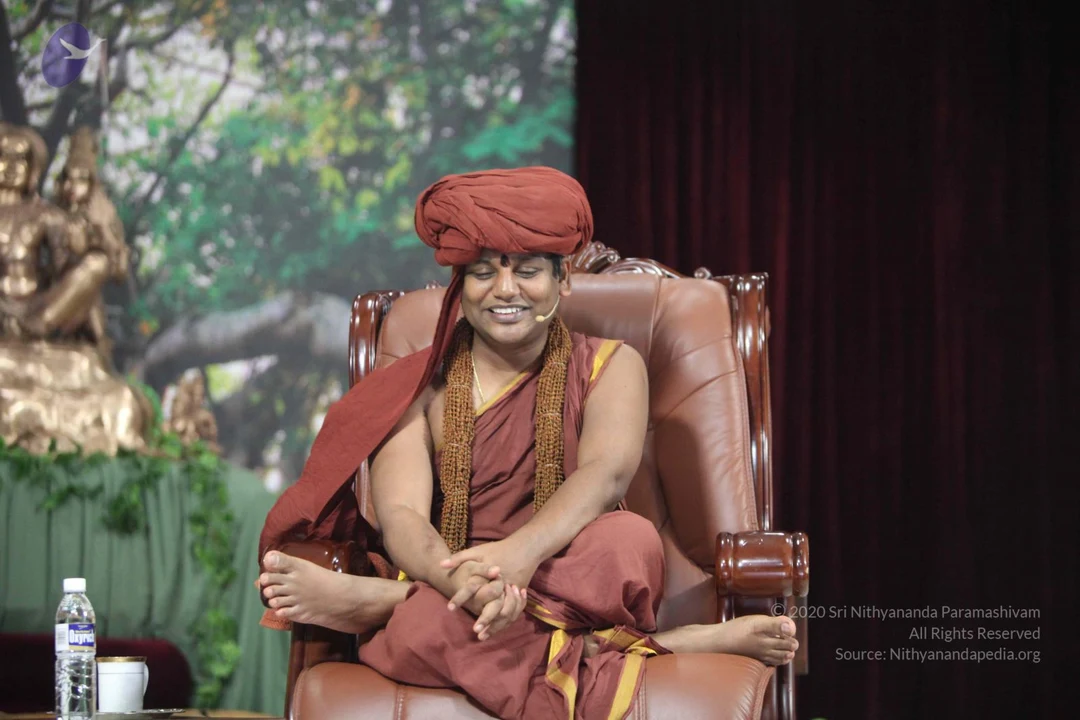
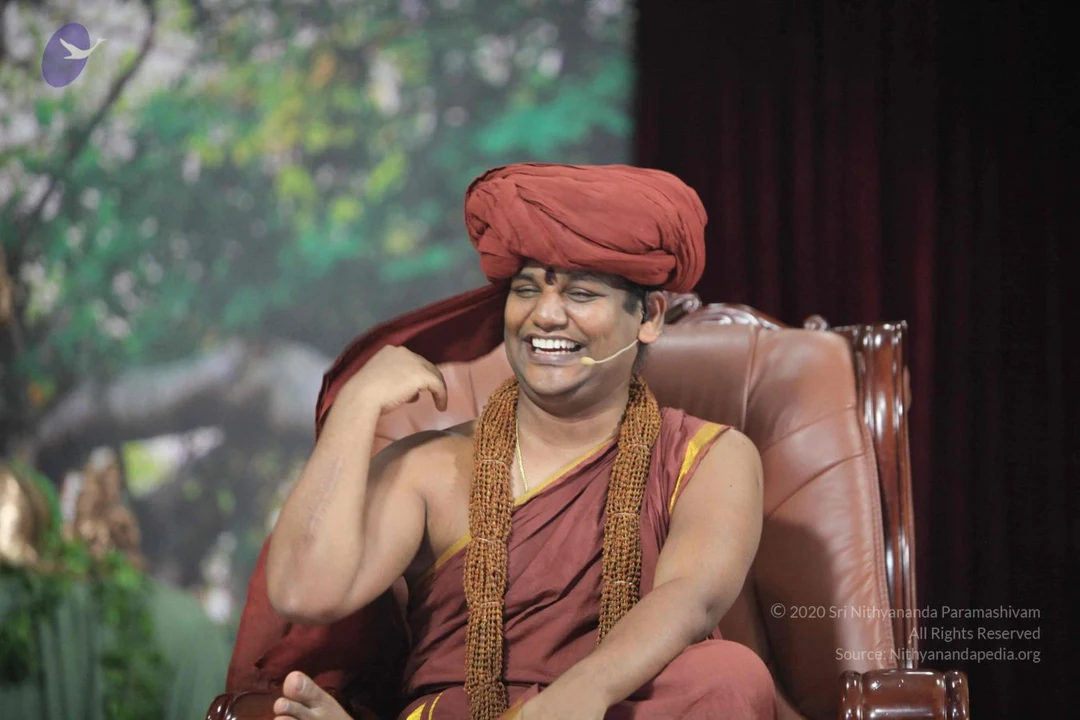
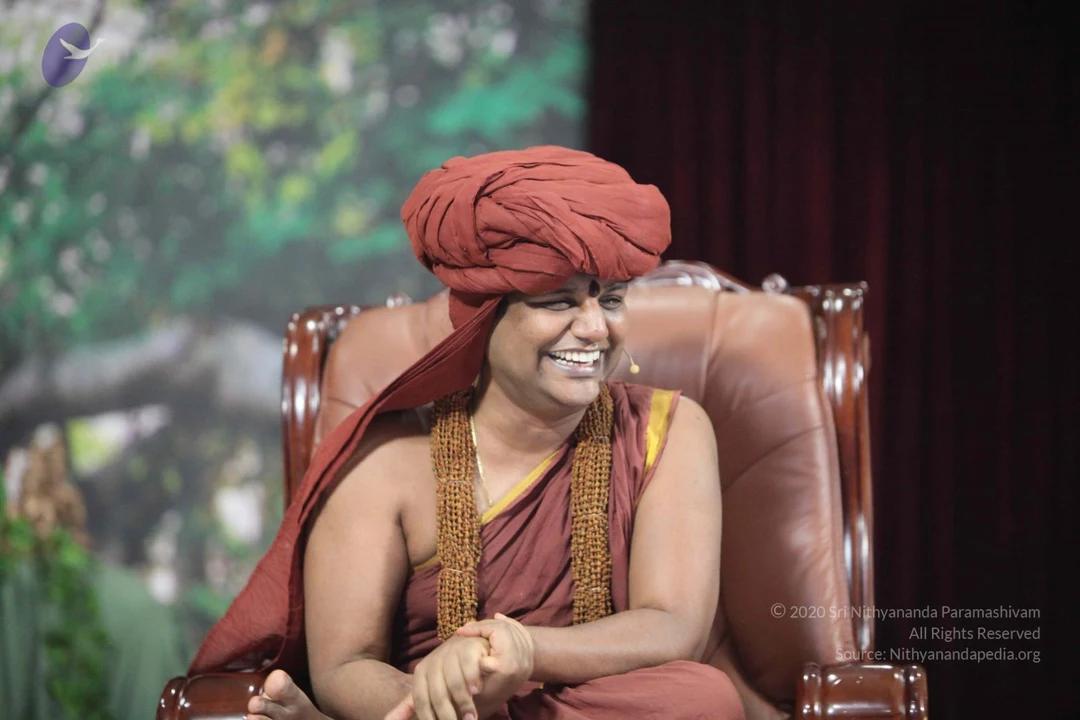
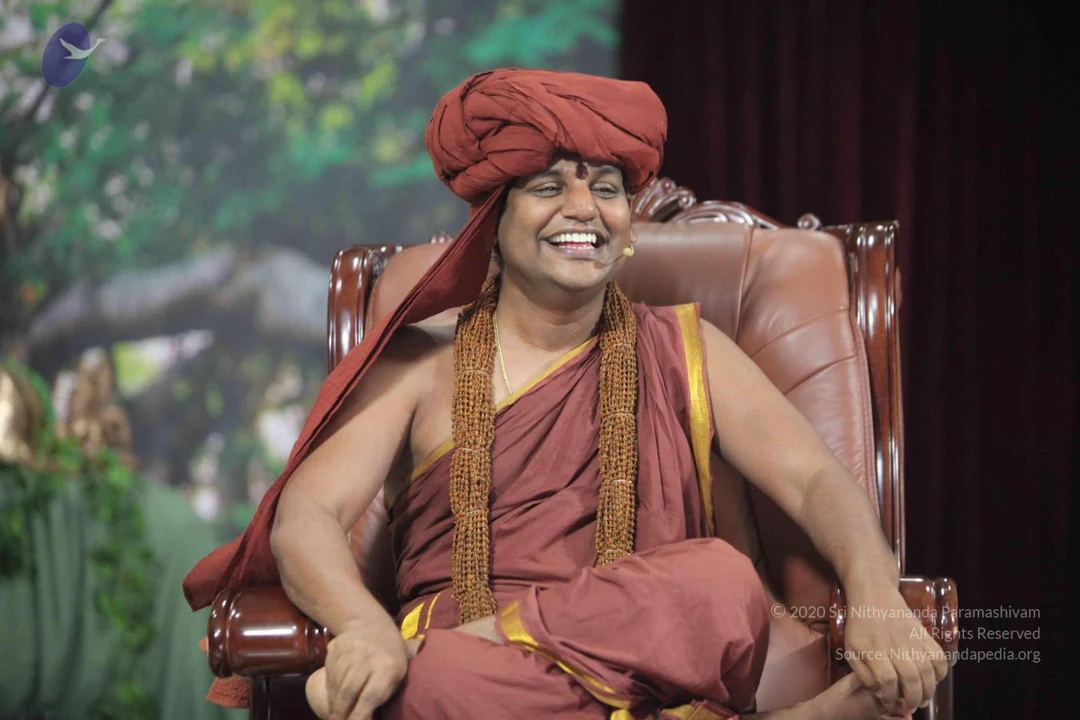
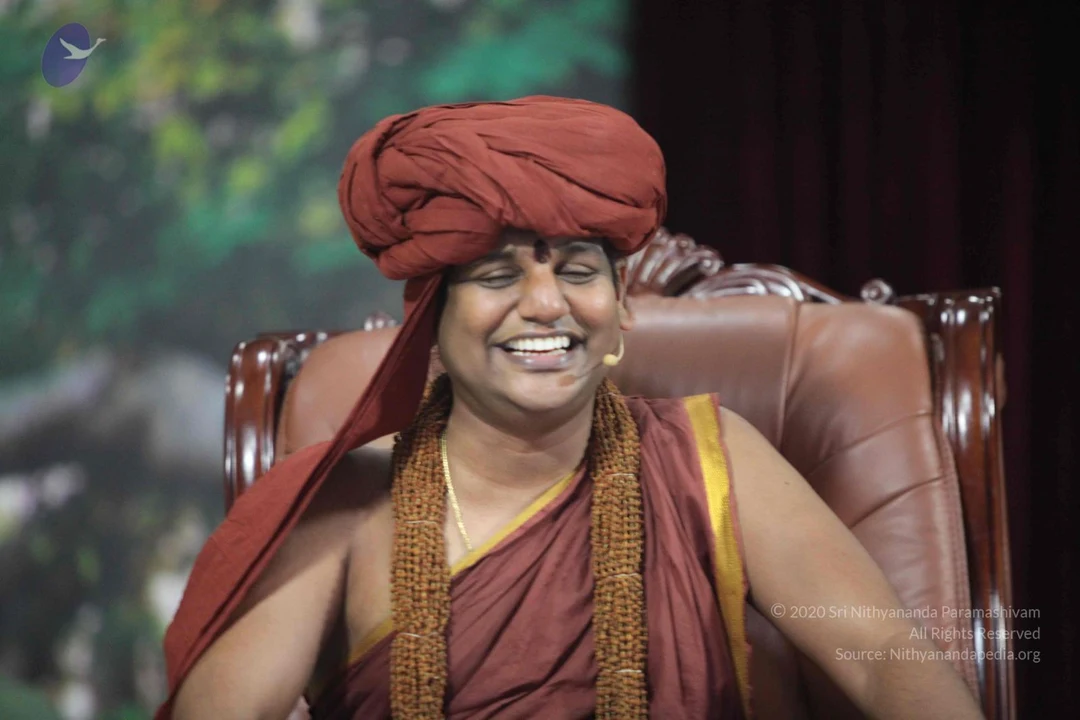
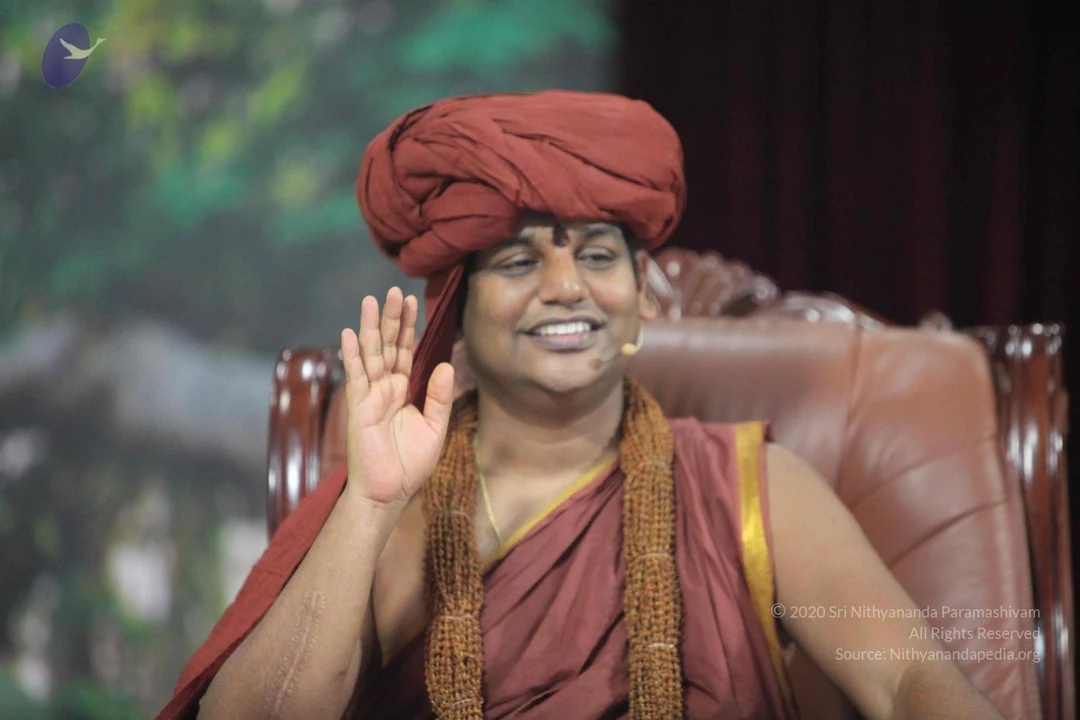
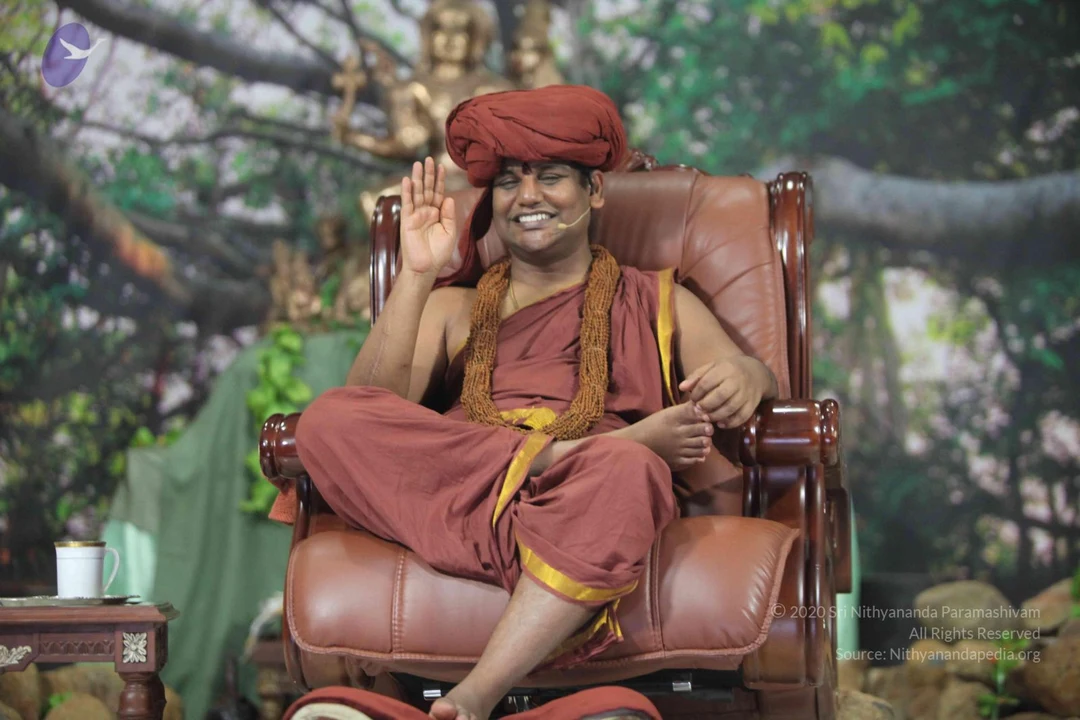
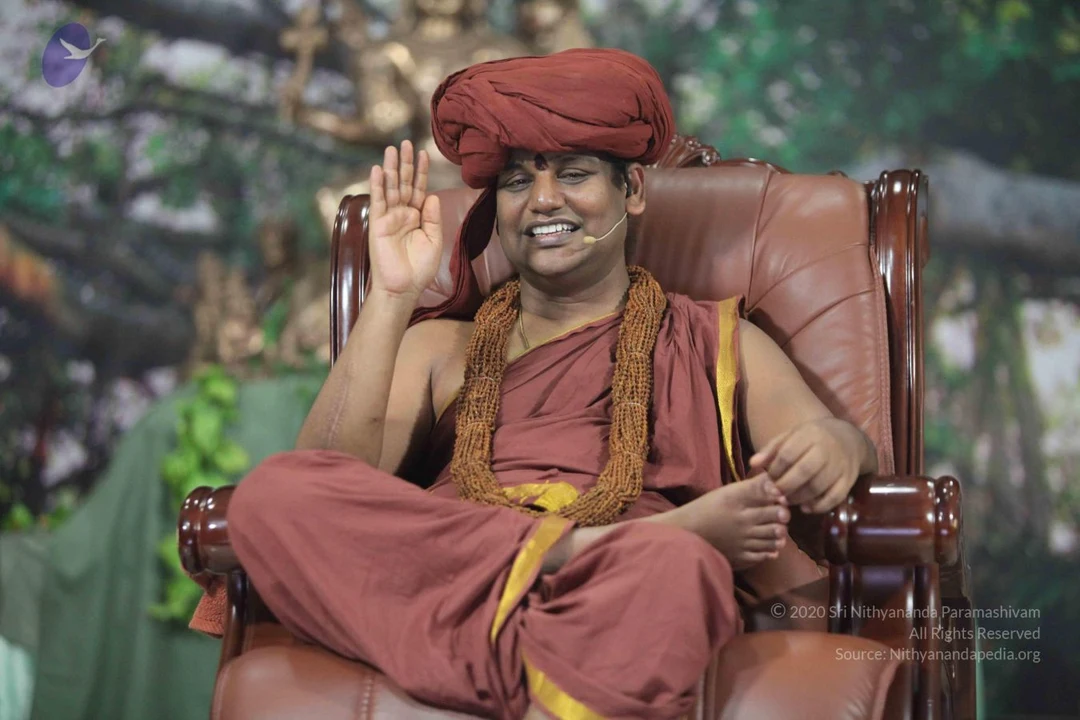
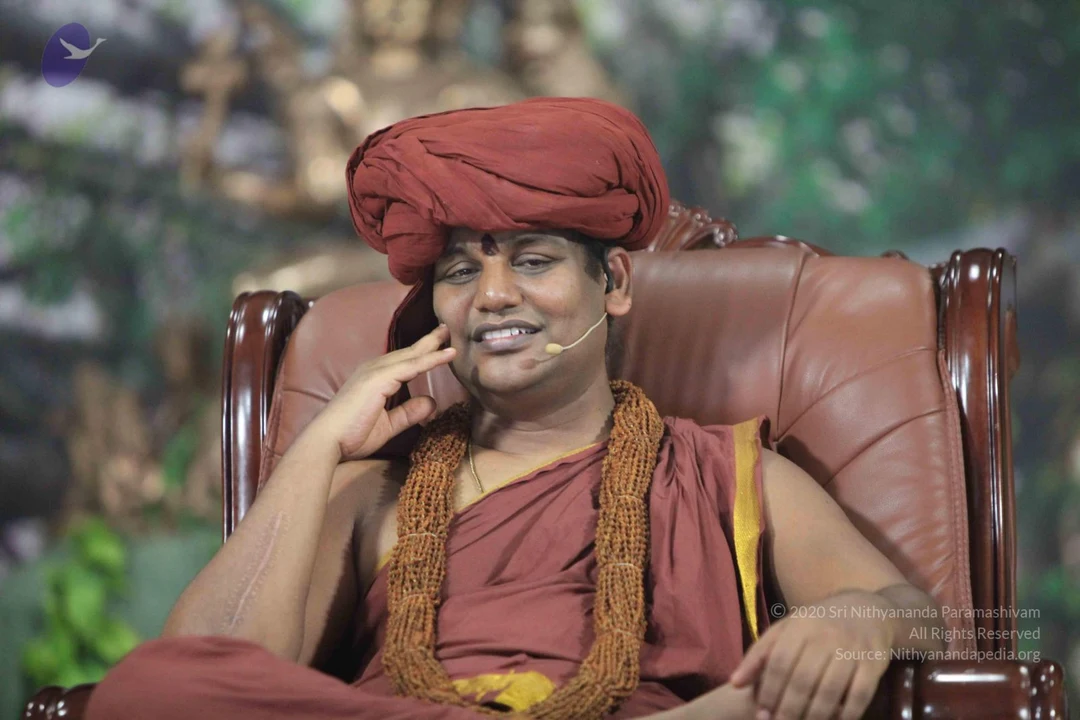
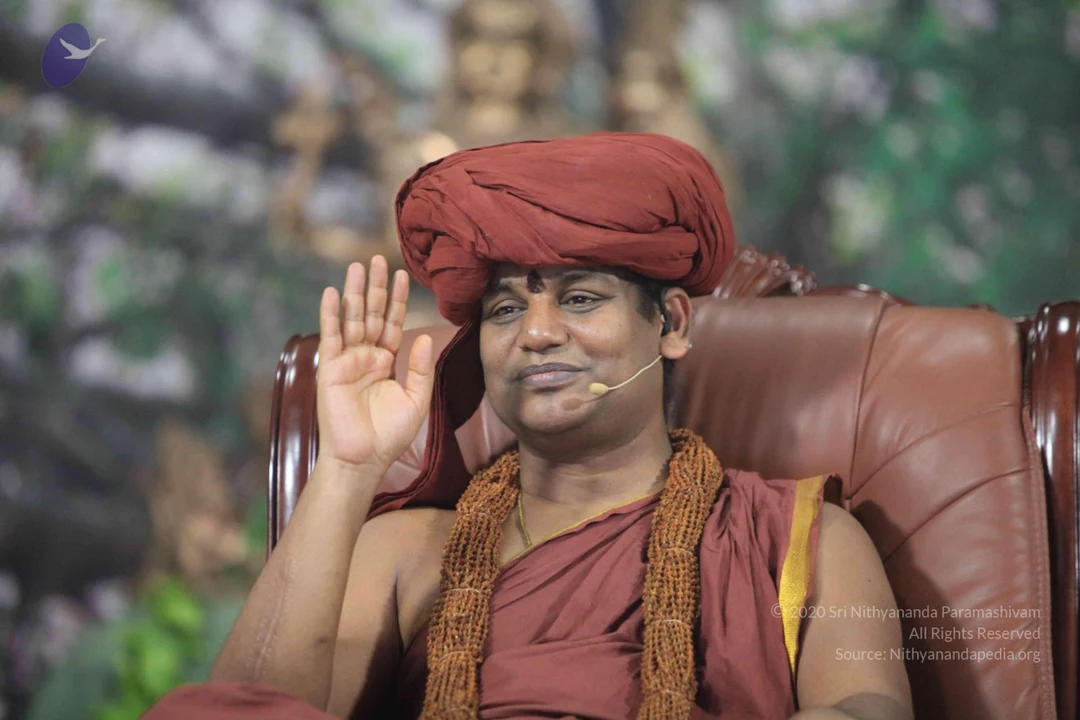
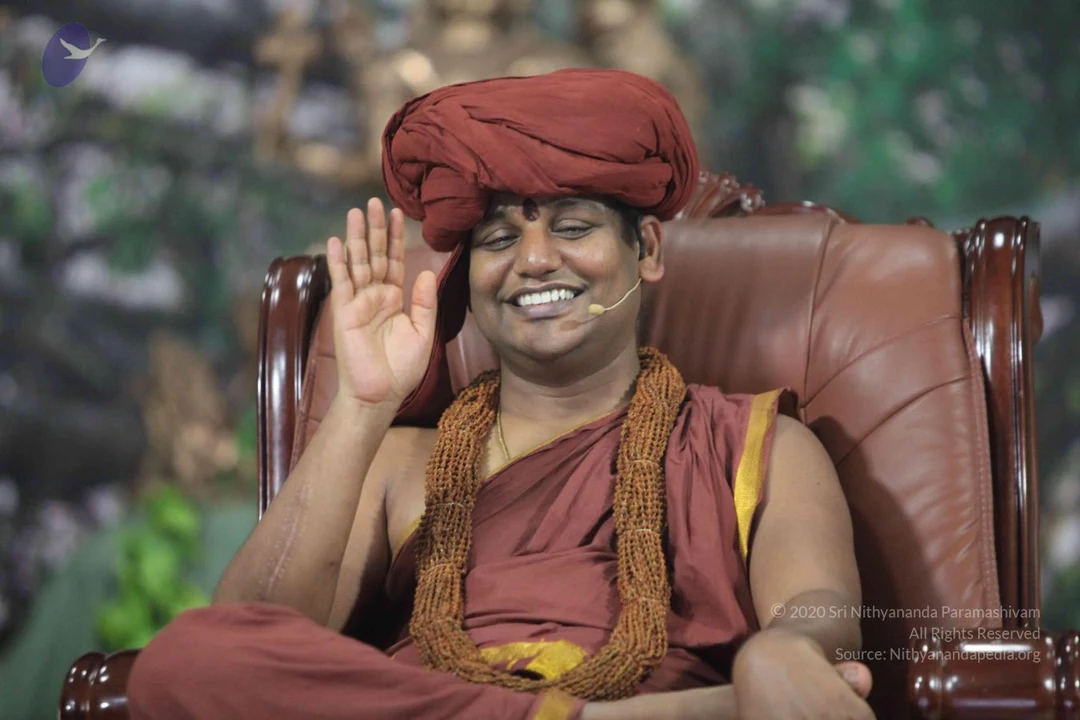
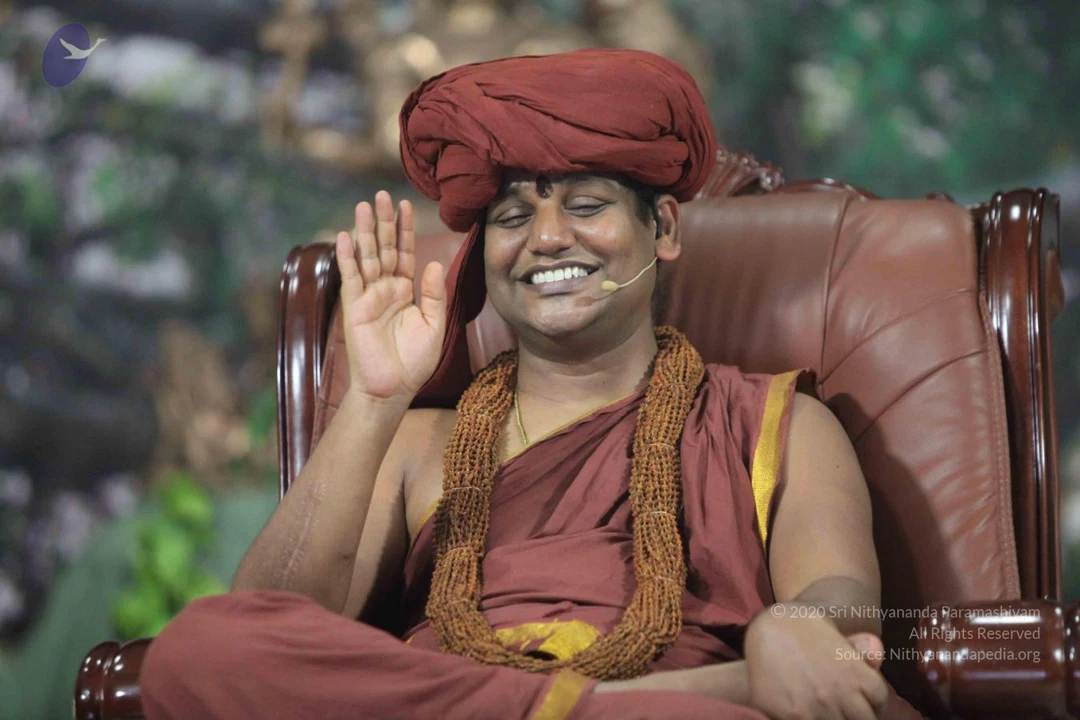
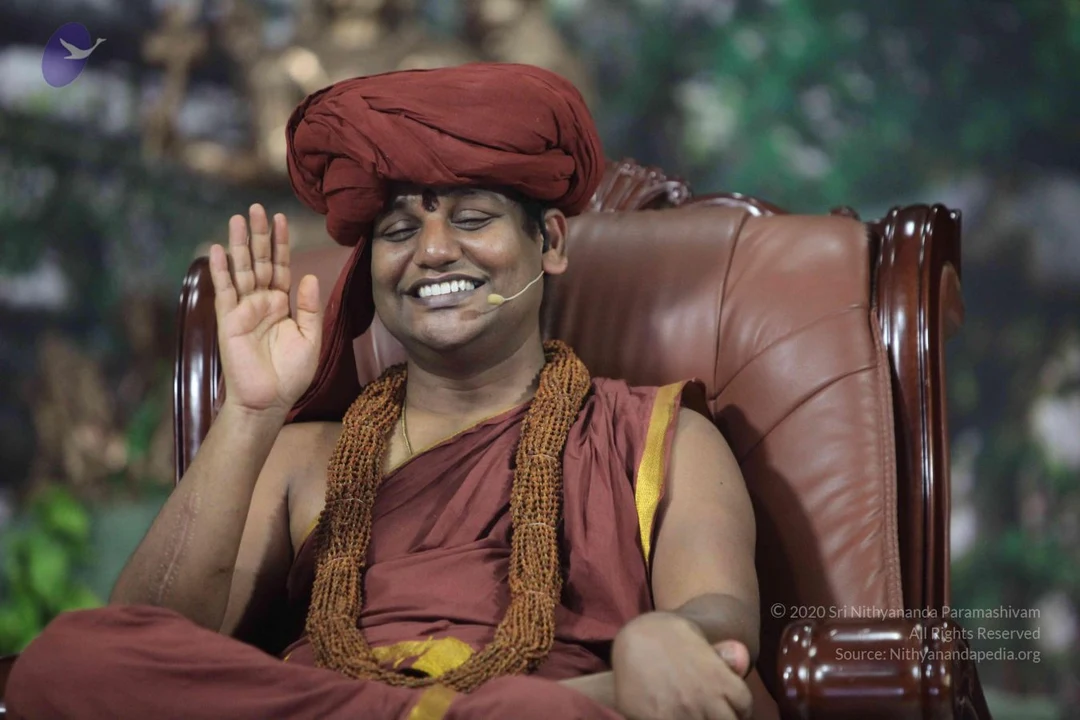


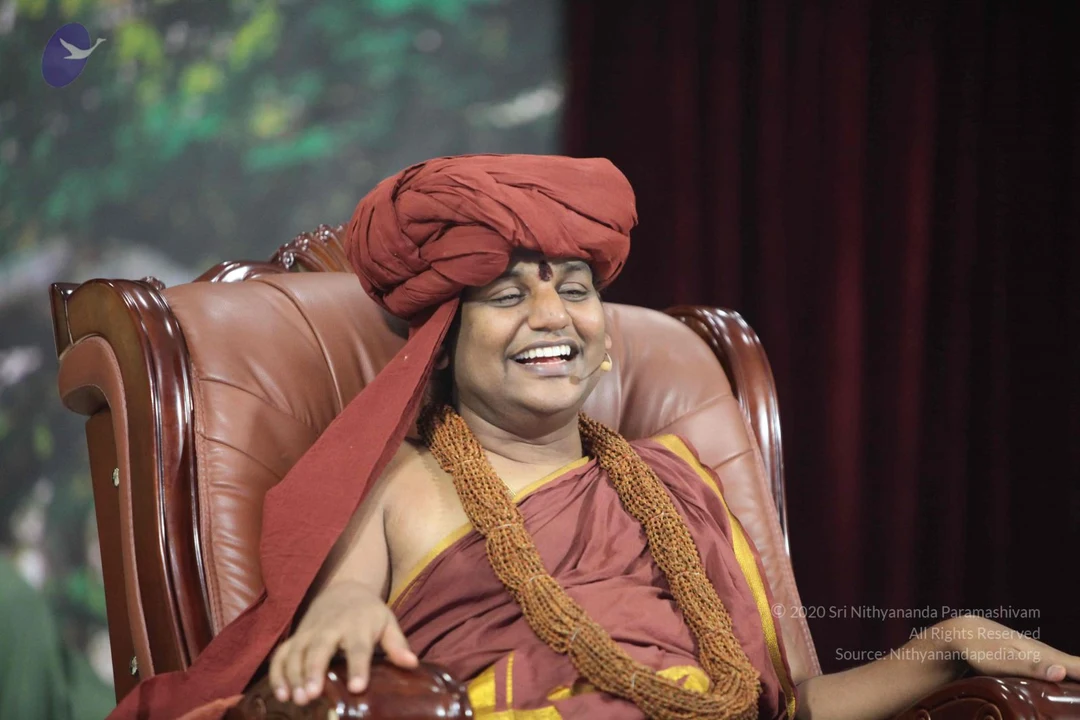
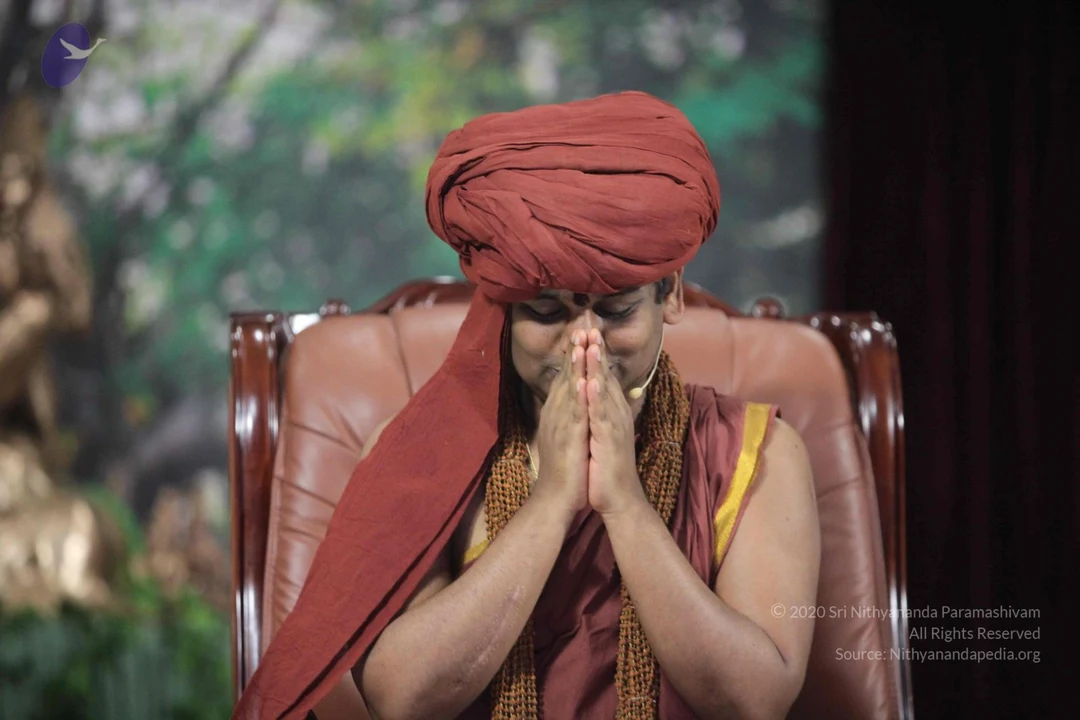
e-Kalpatharu-Evening
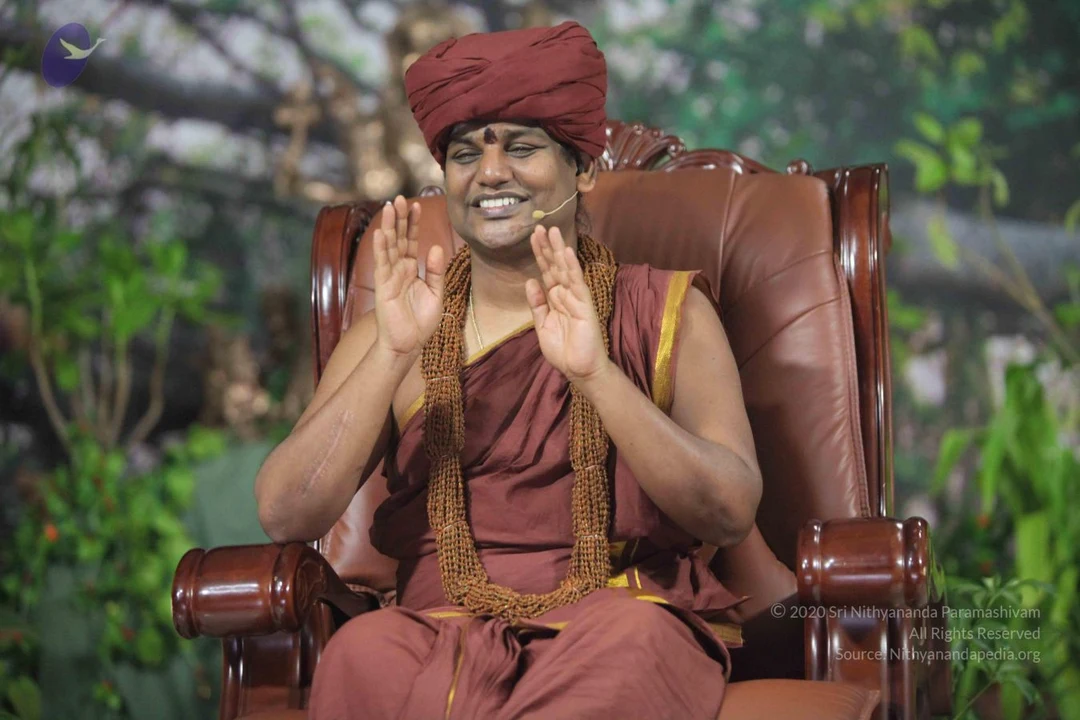
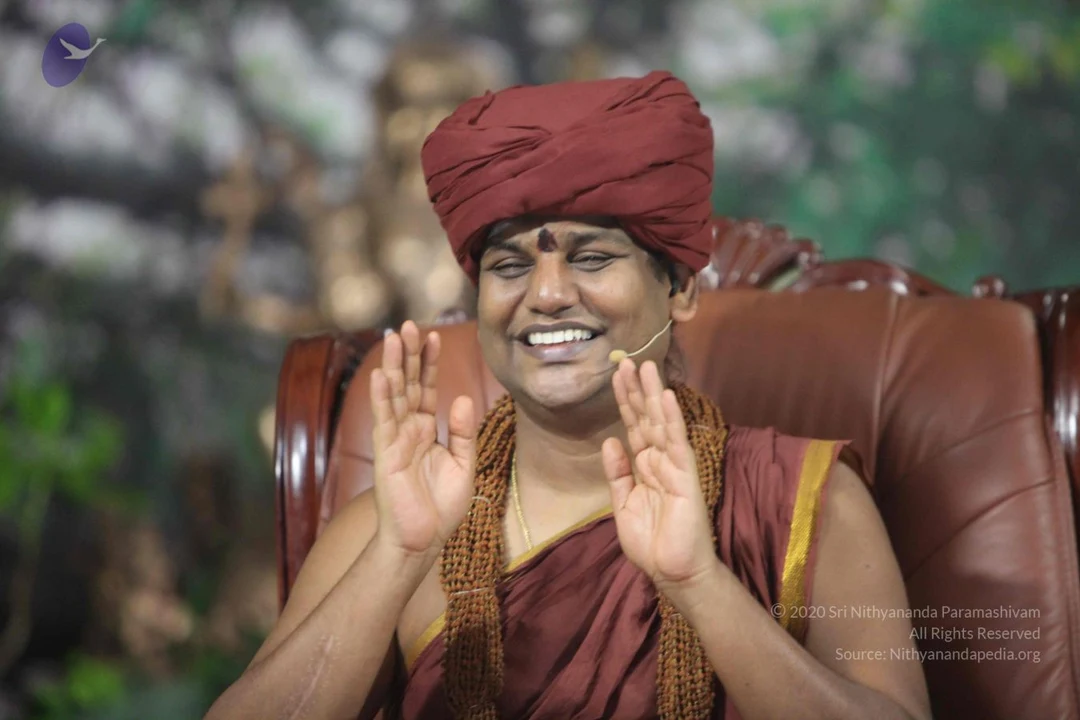


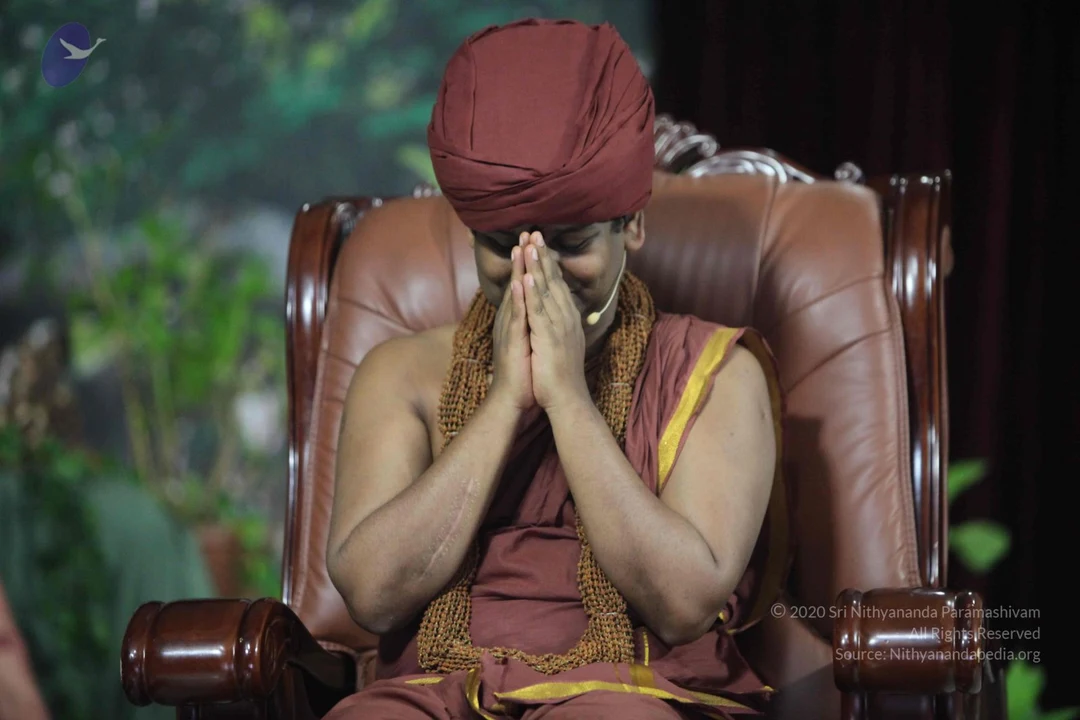
Photos Of The Day:
FB-photo-of-the-day
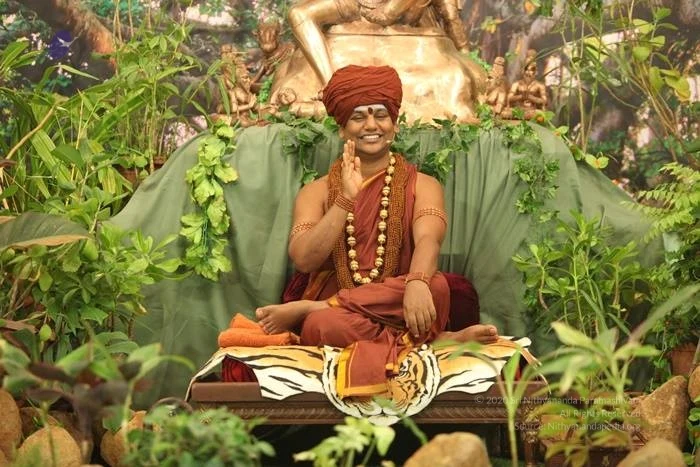
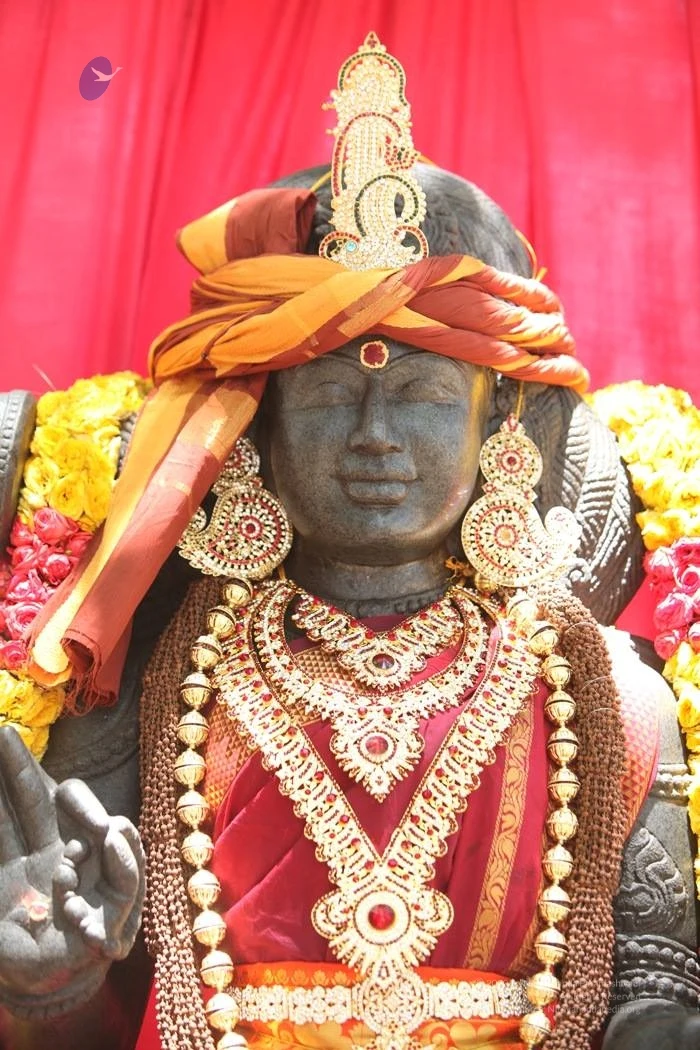
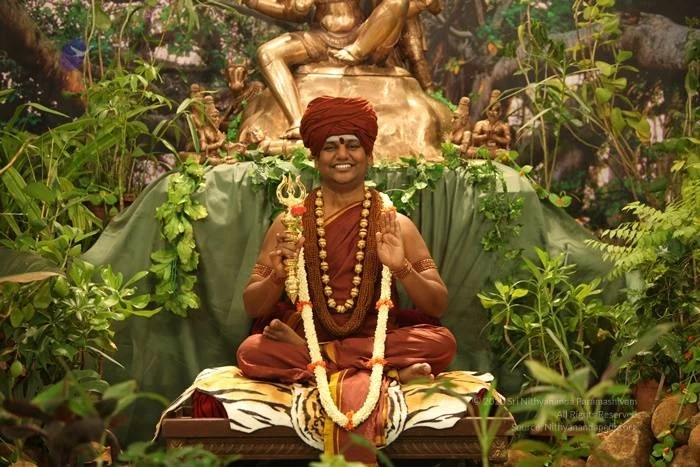
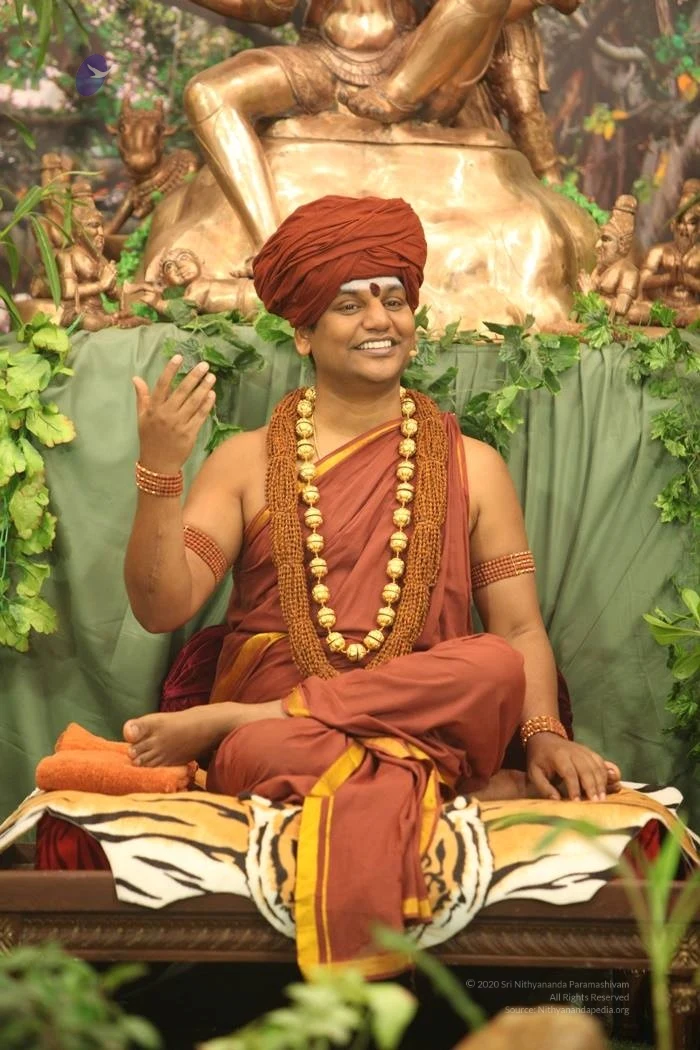

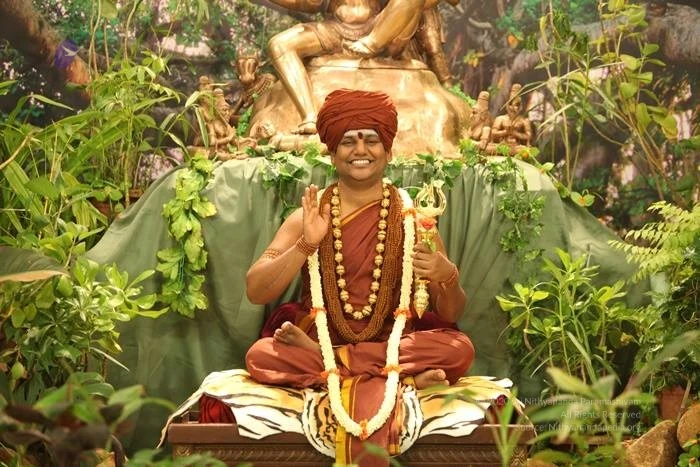
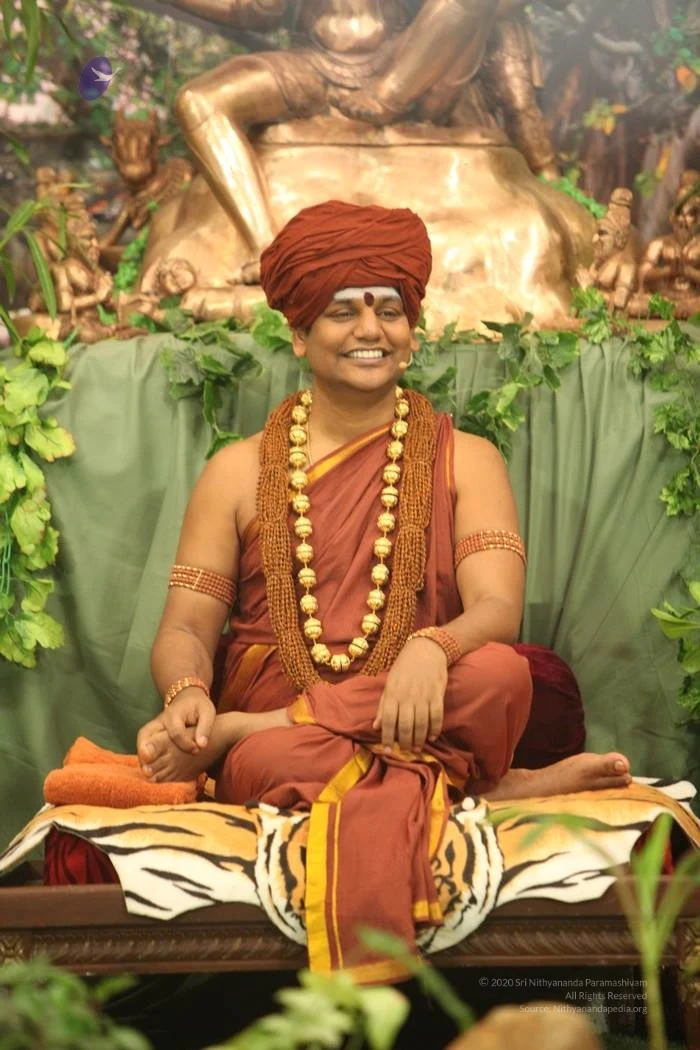
Photos Of The Day:
Nithya-Satsang
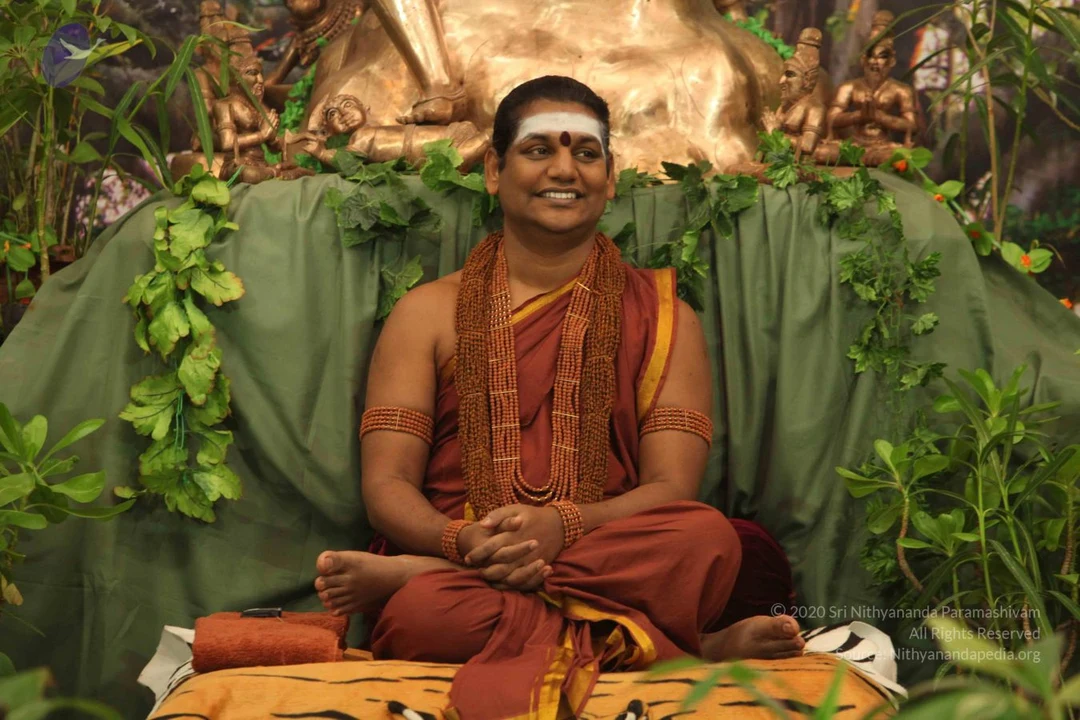
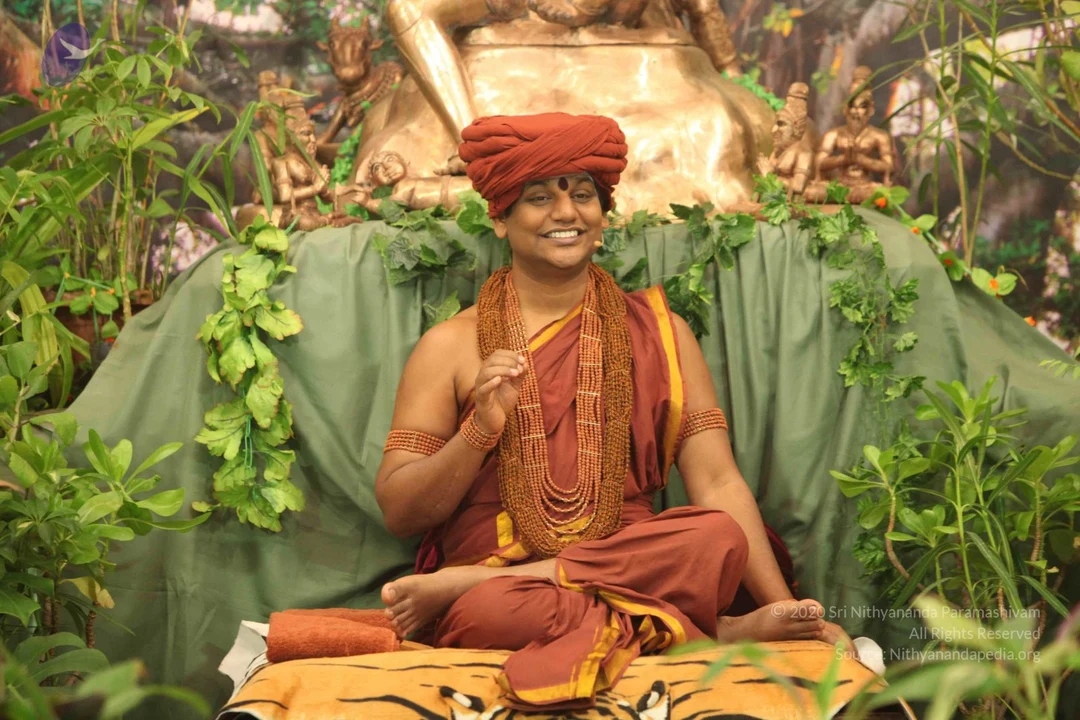
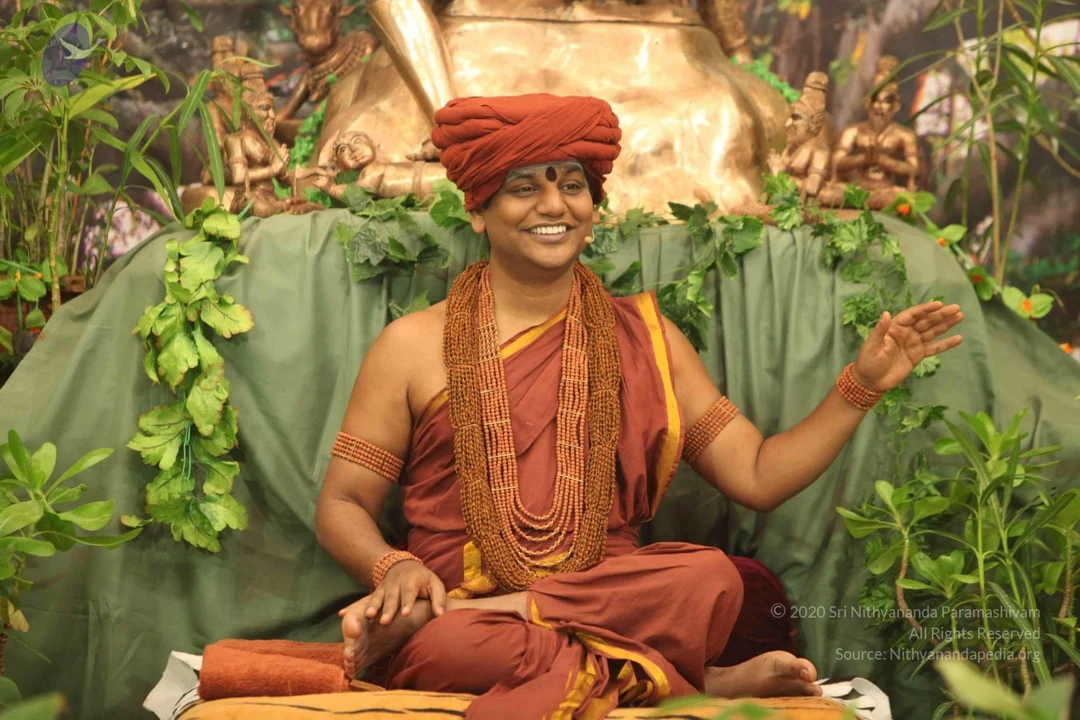
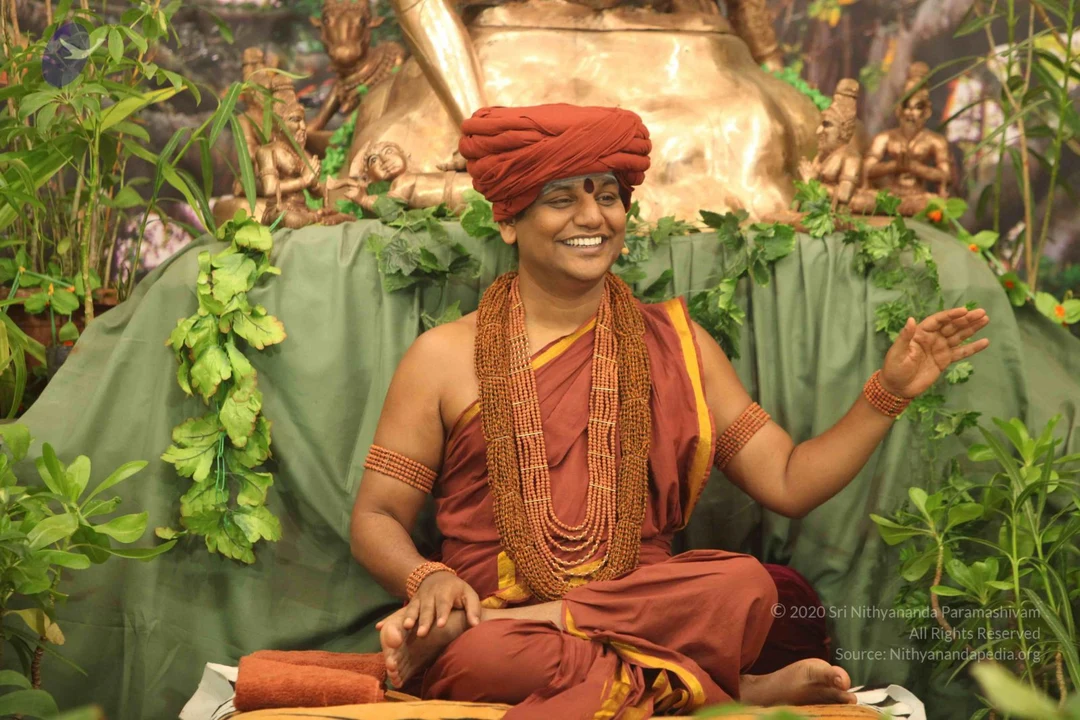
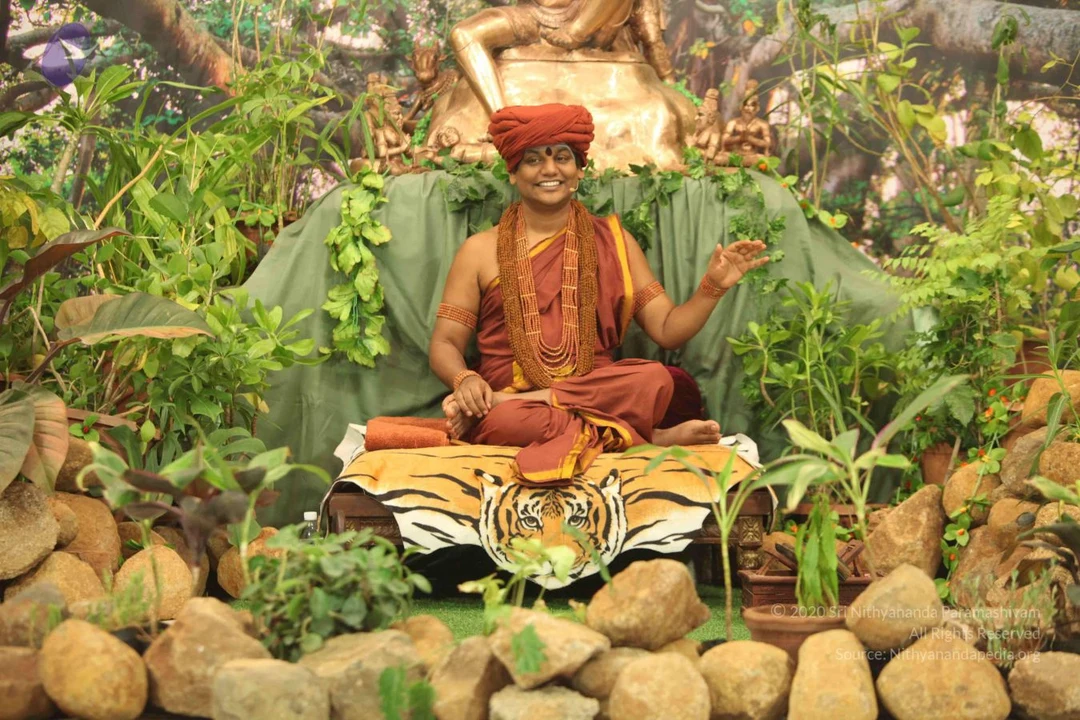
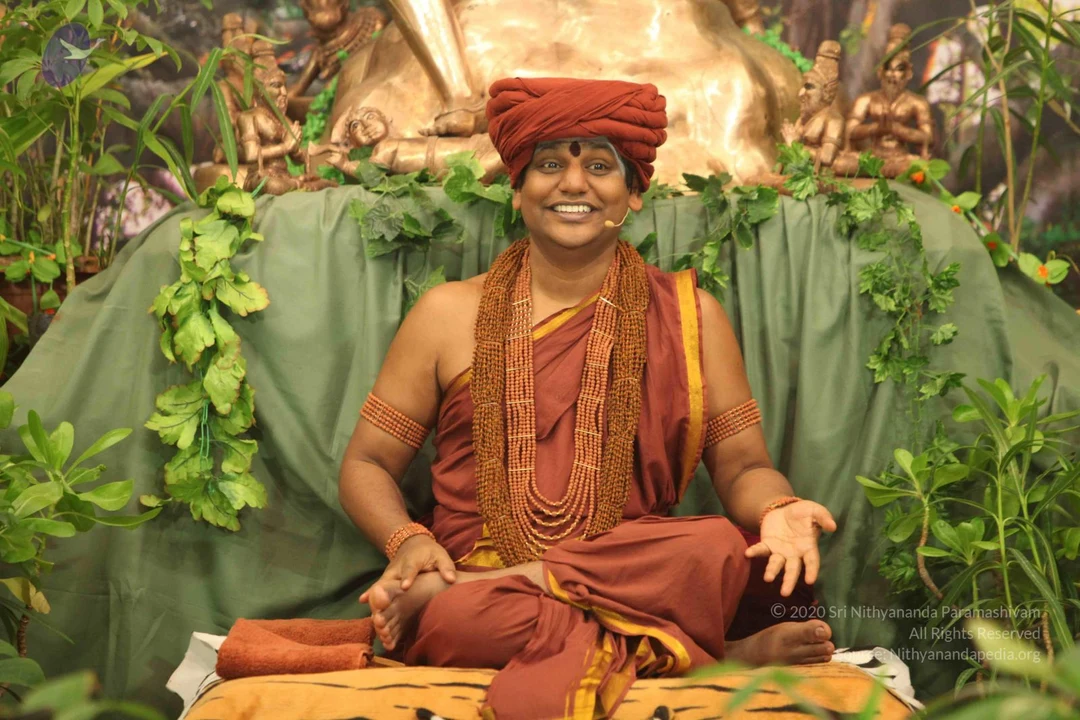
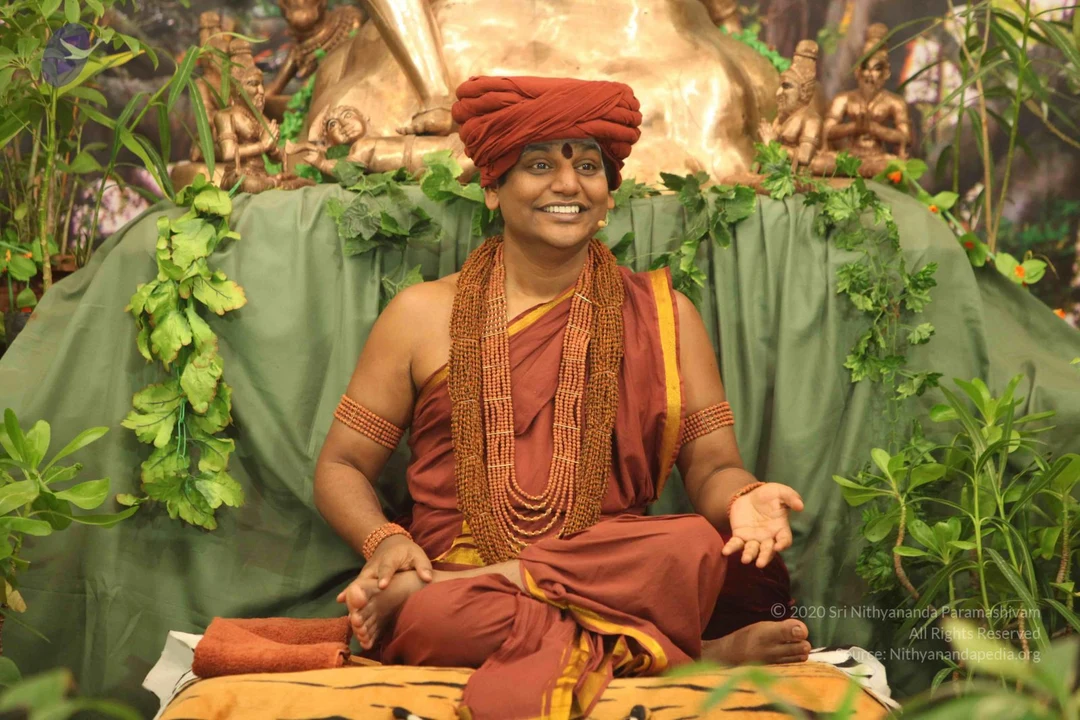
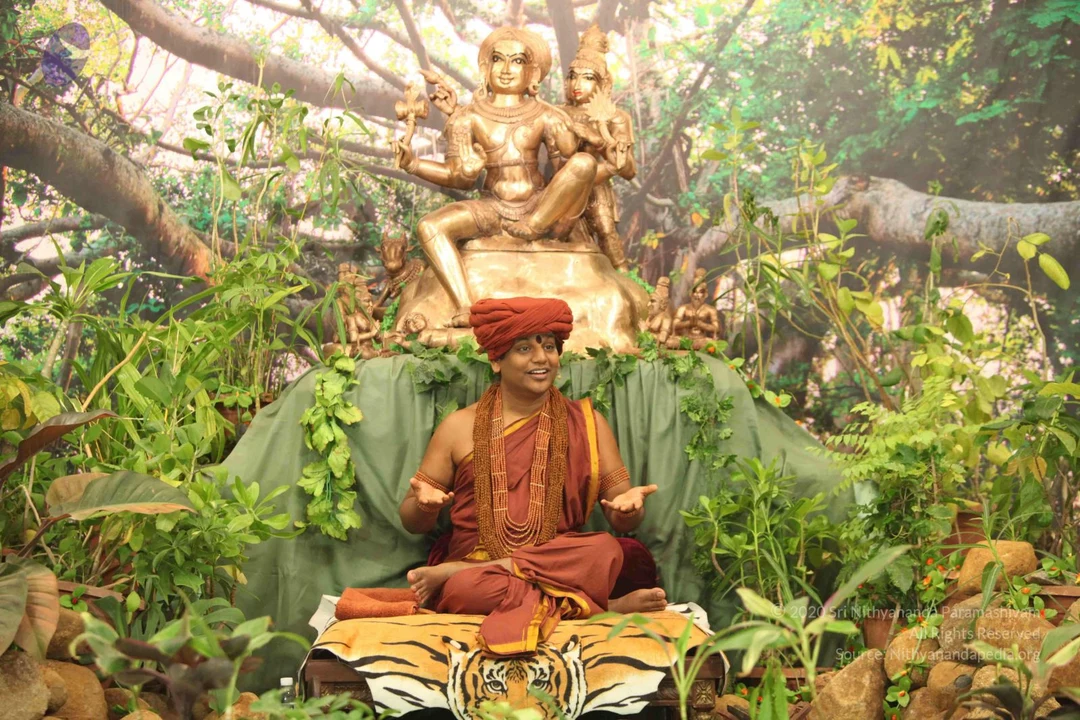
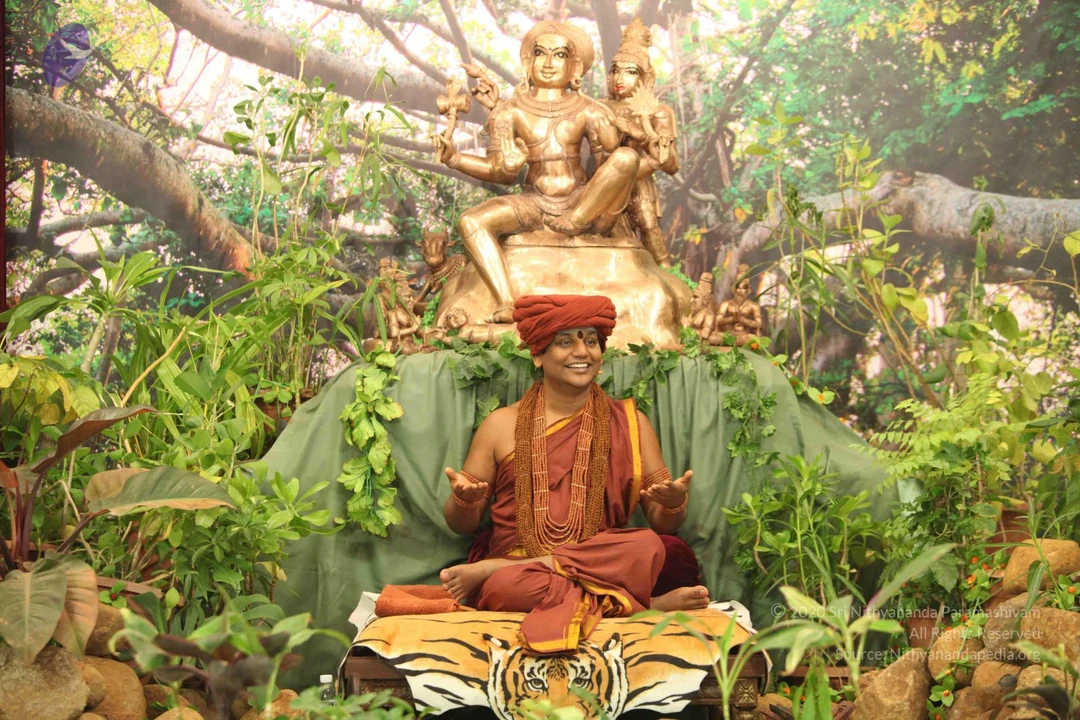
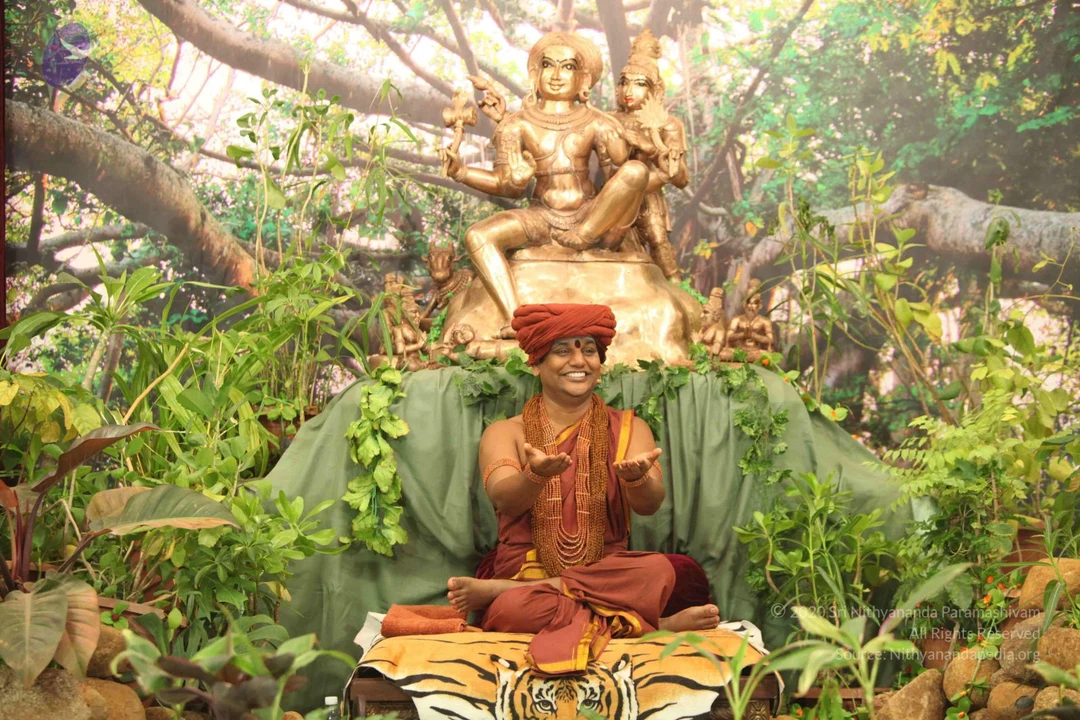
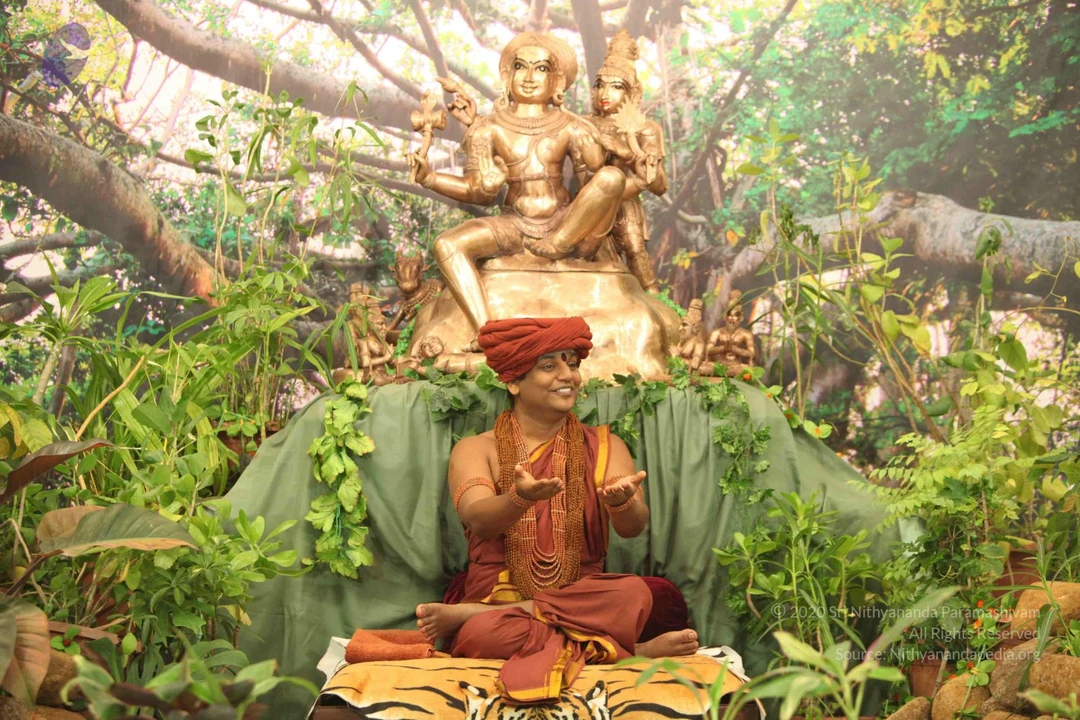
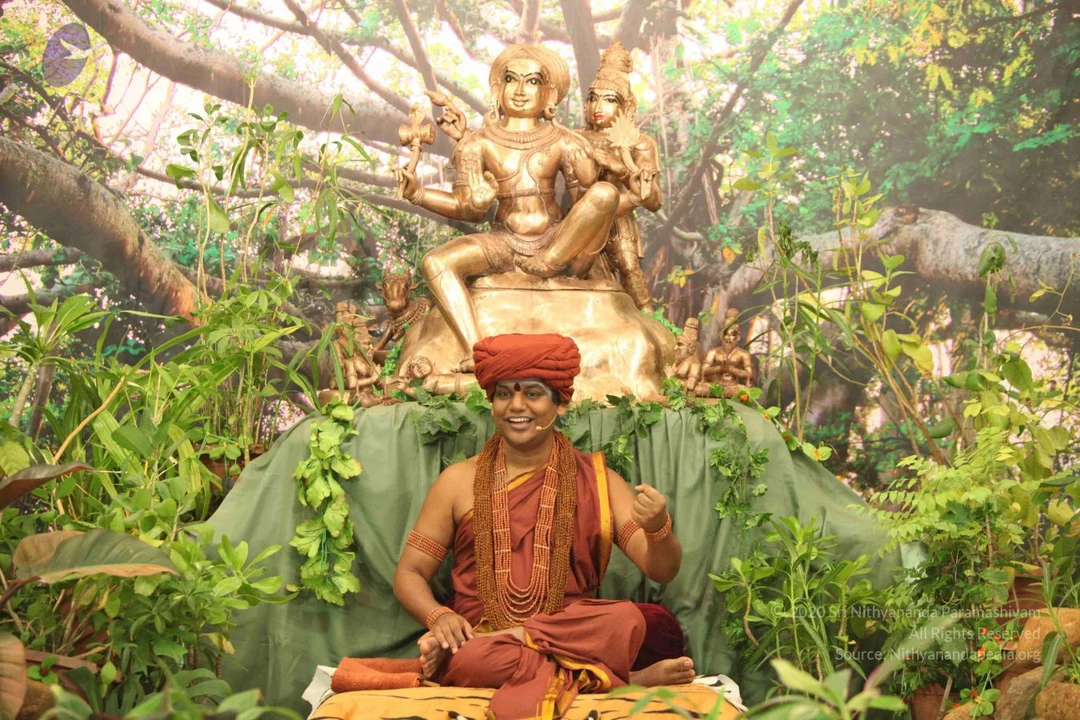
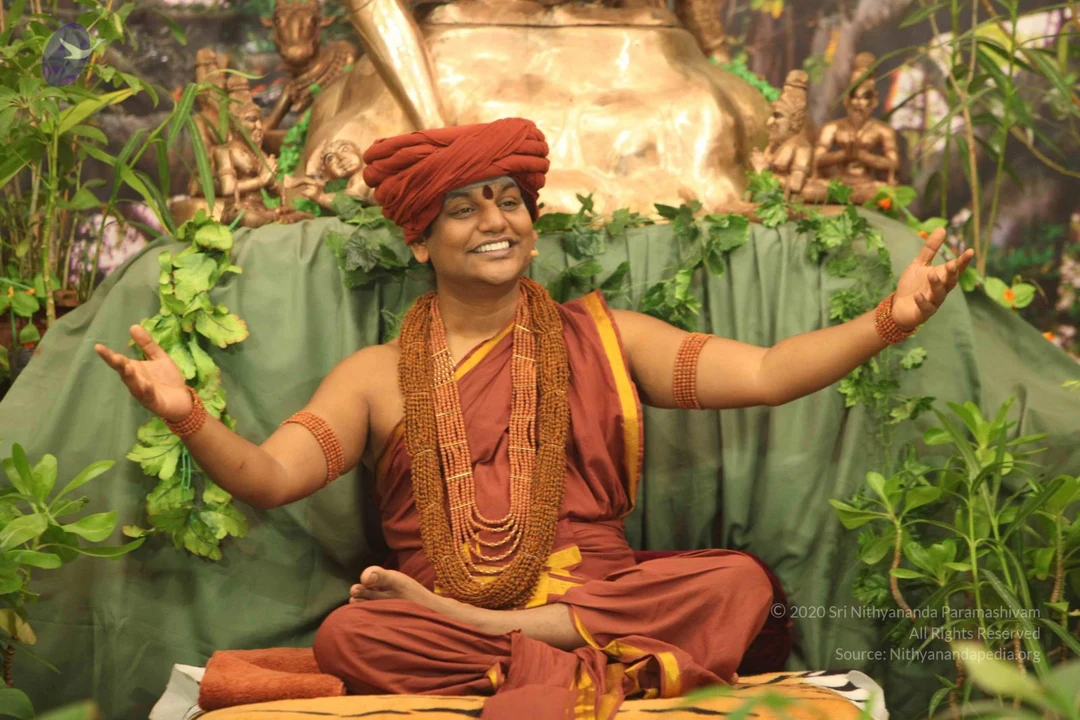
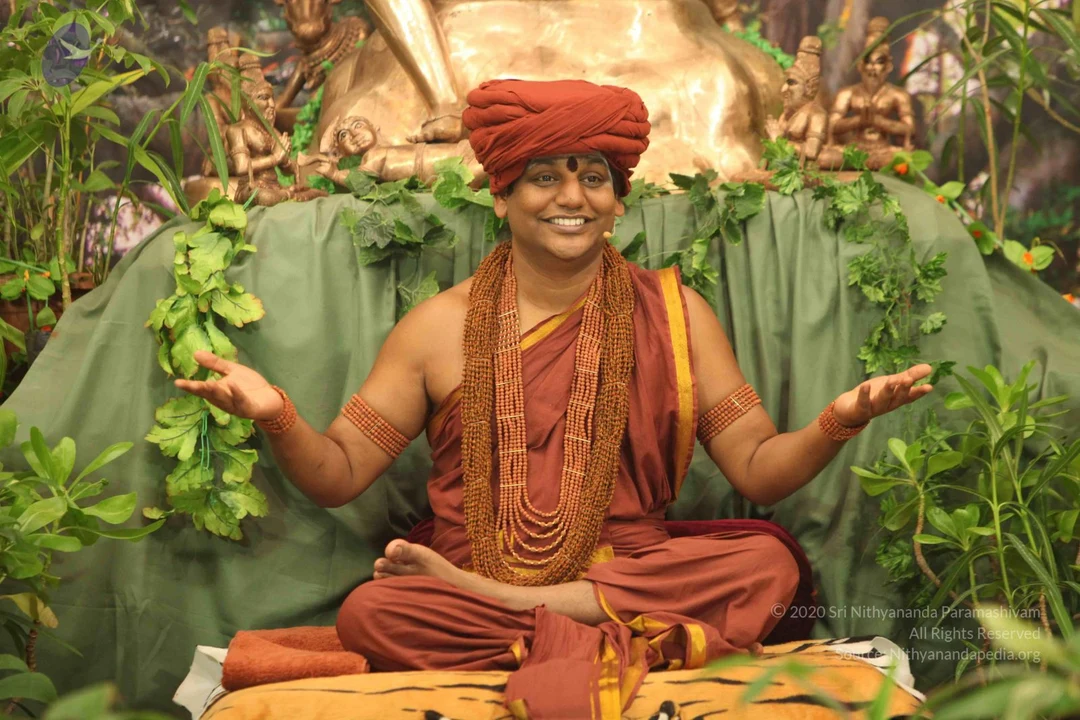
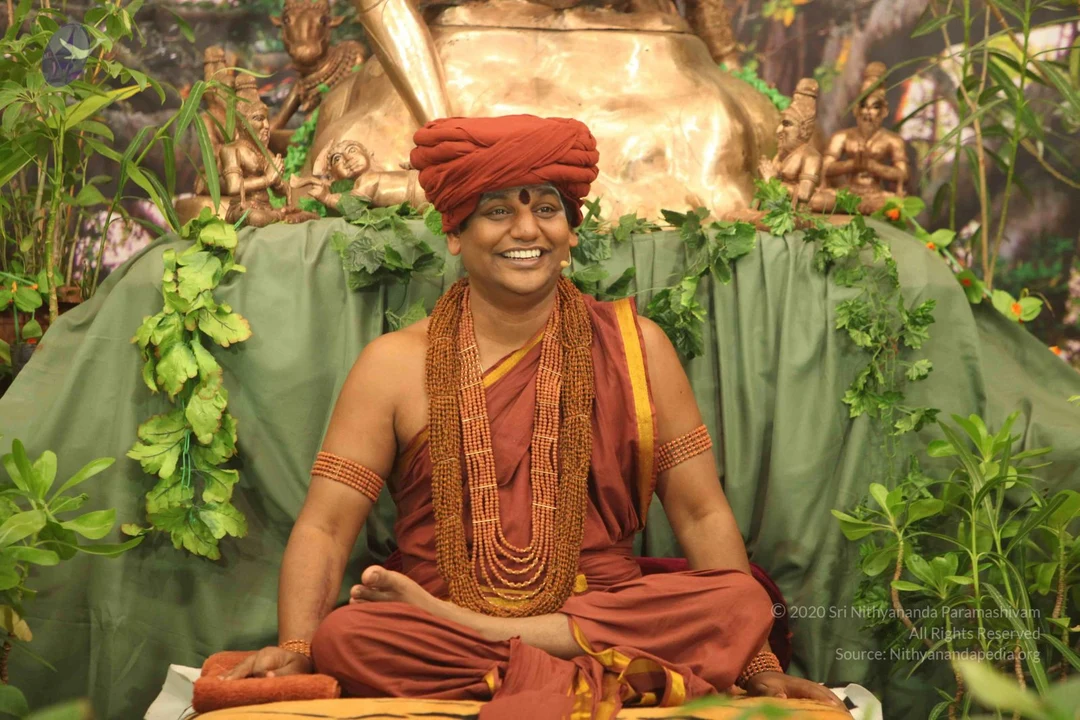
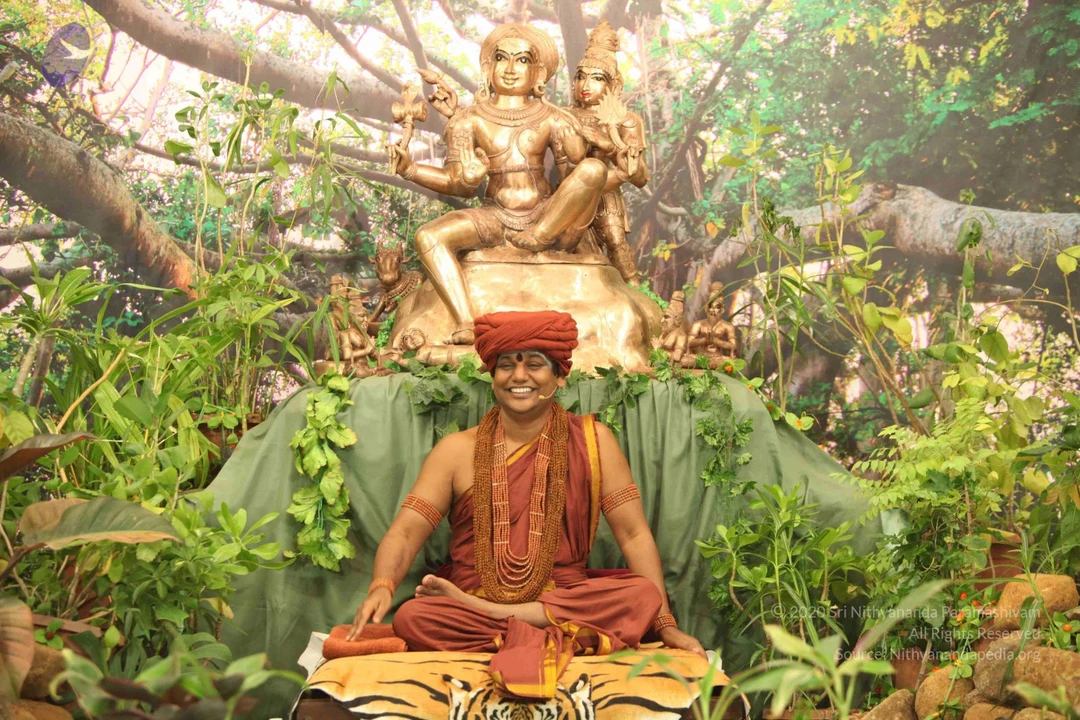
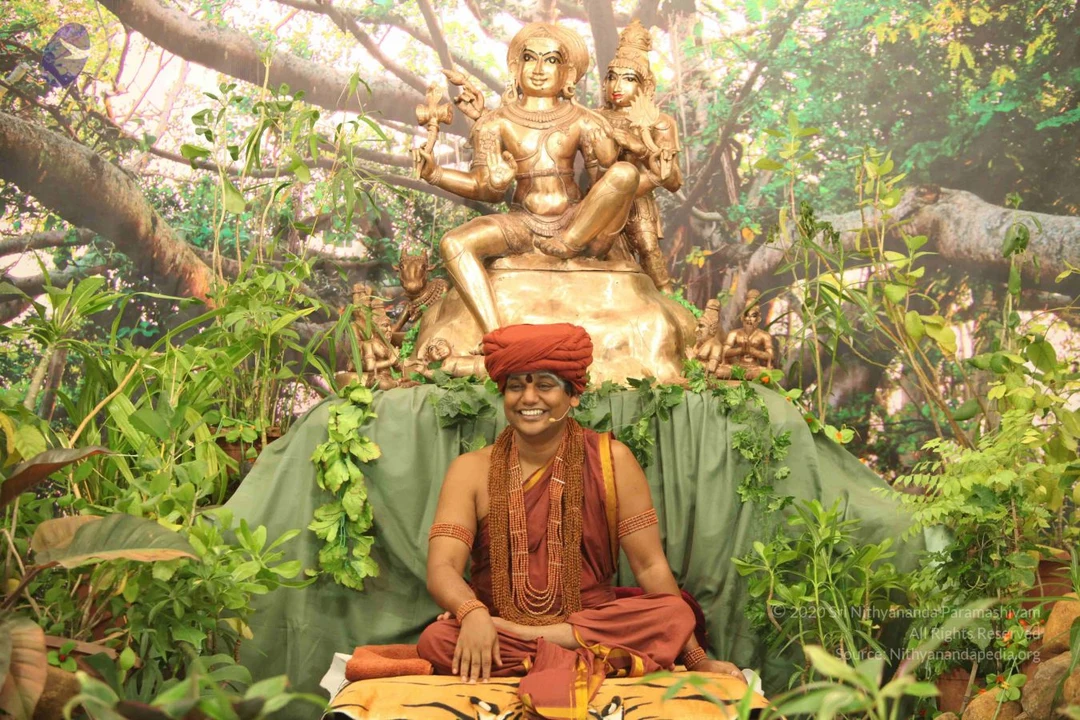
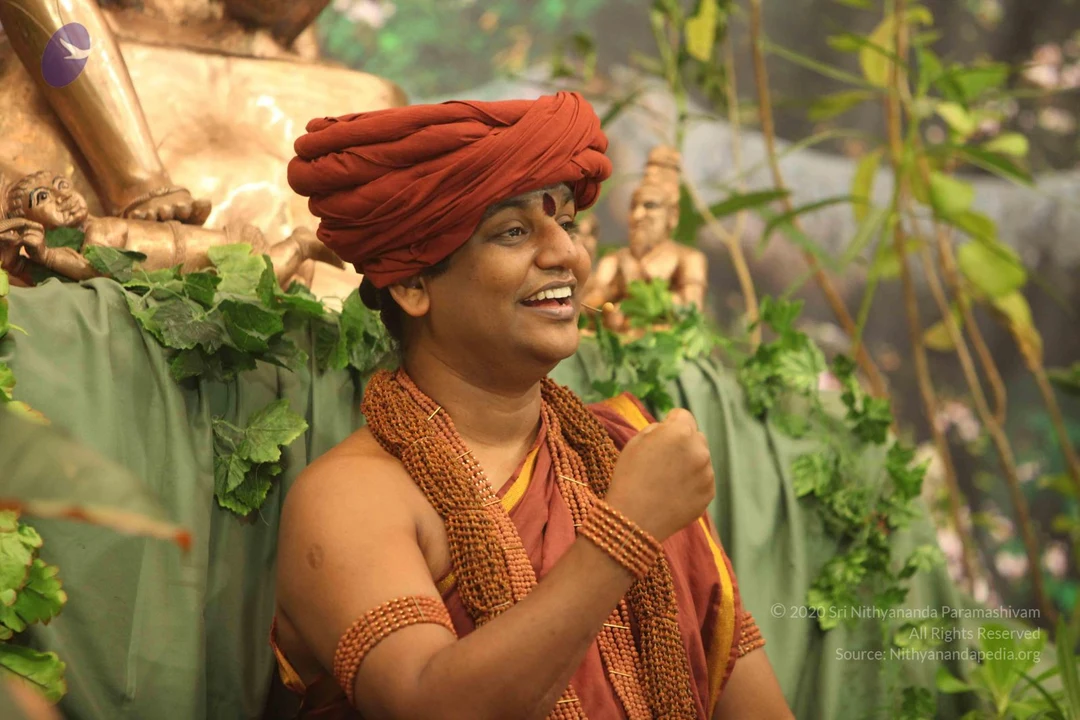
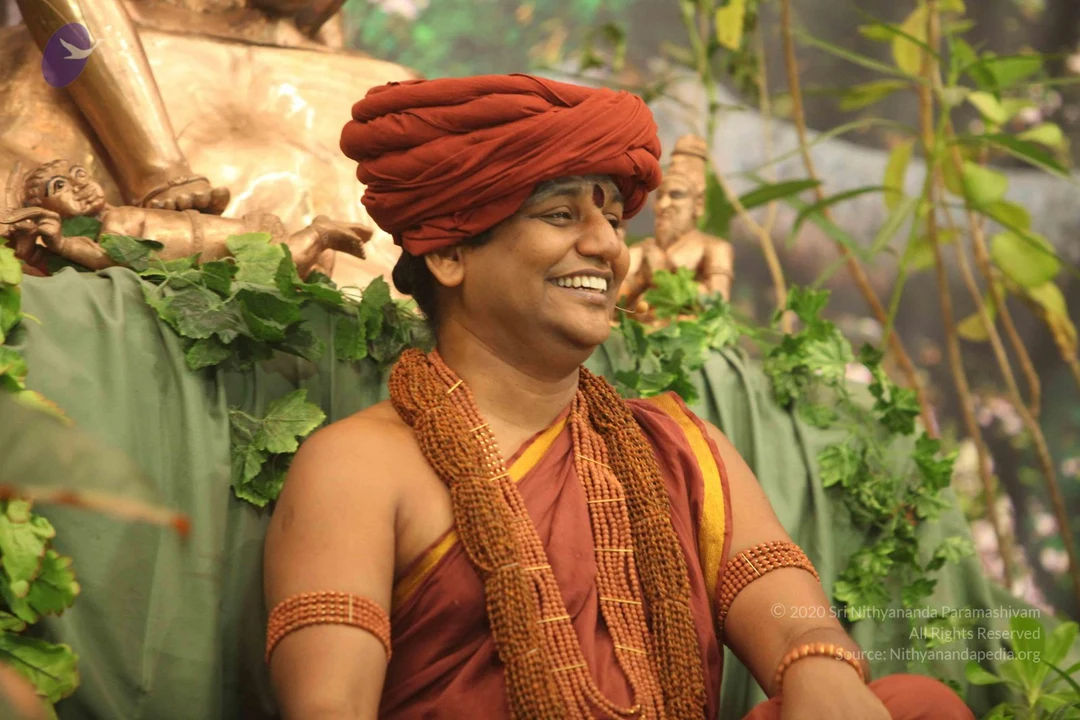
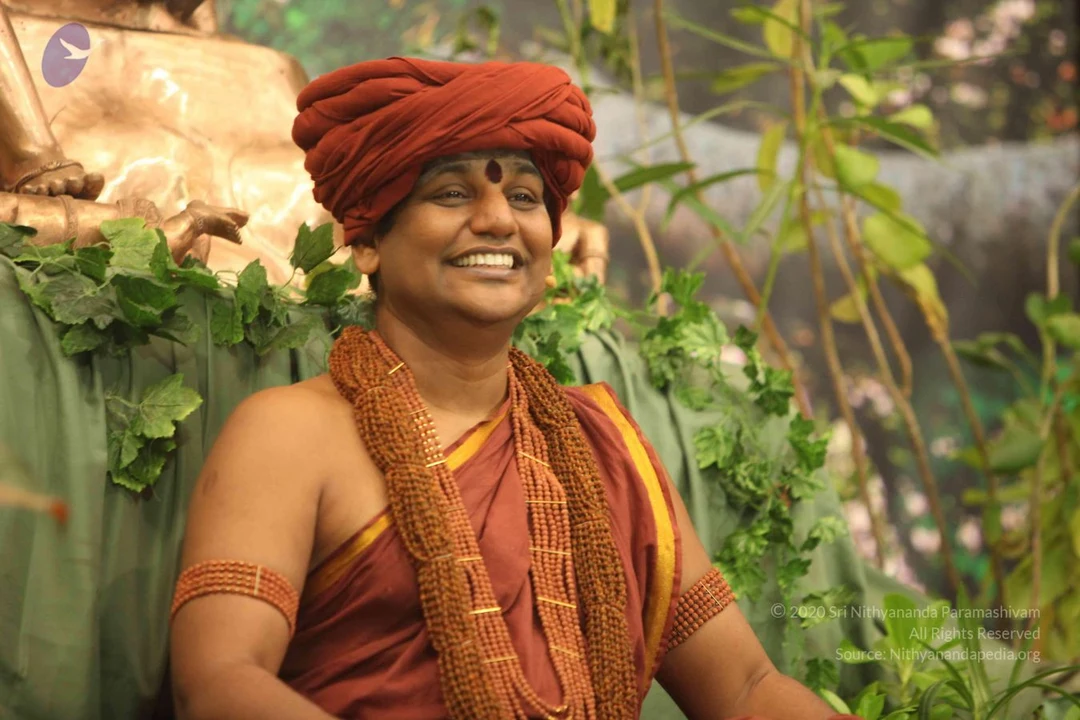
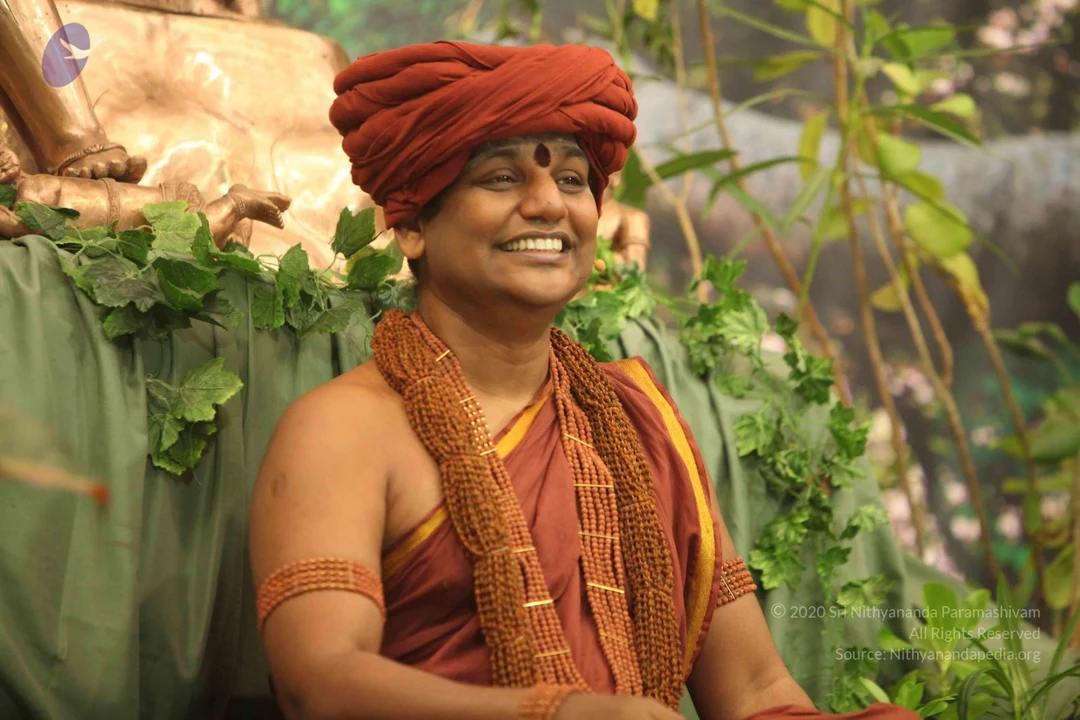
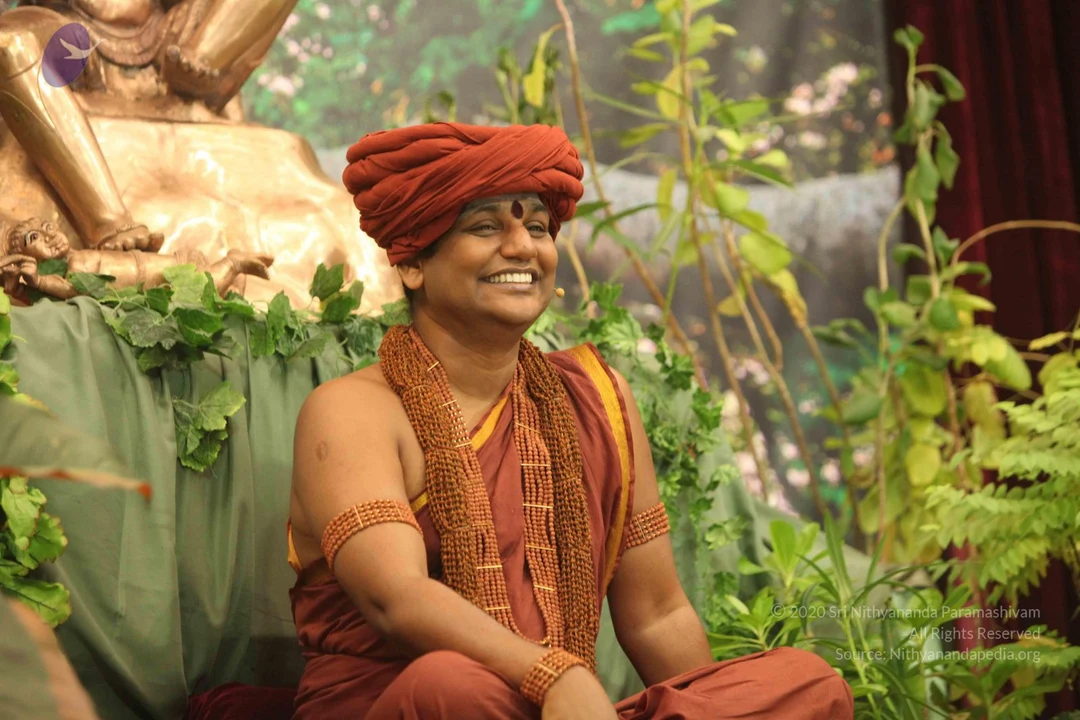
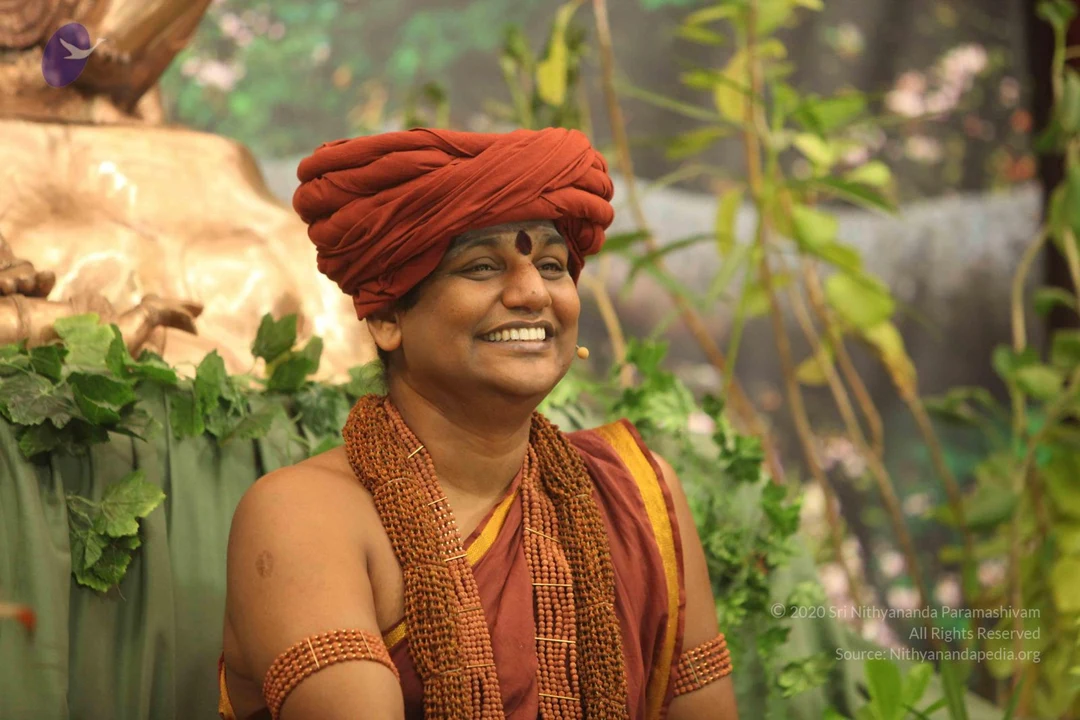
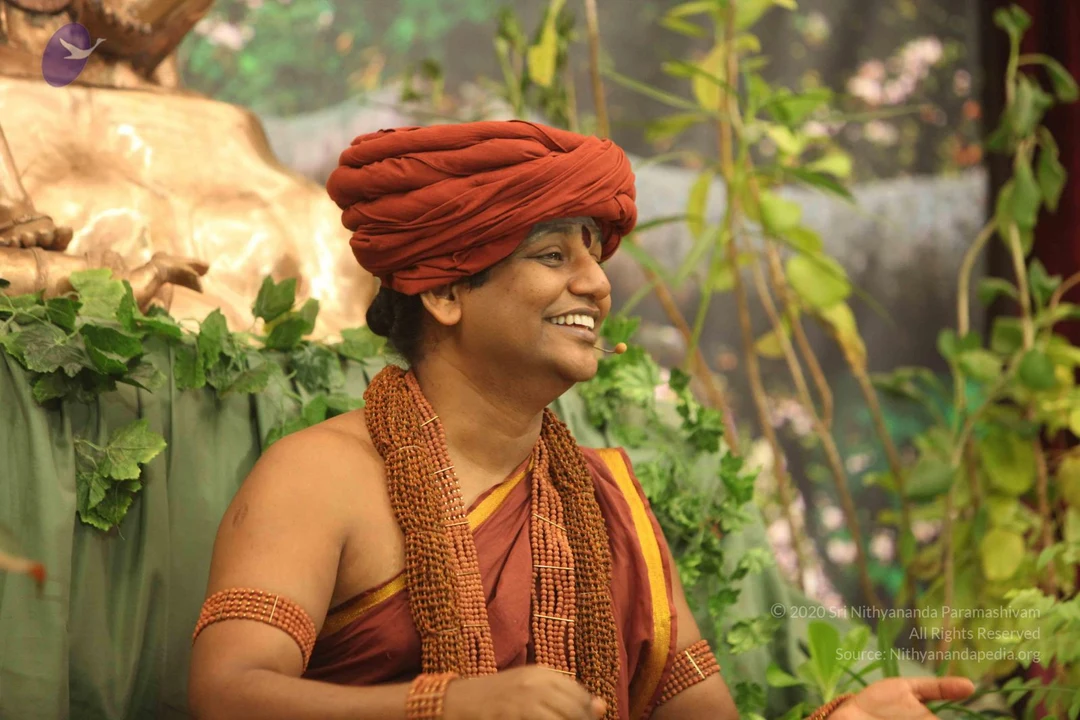
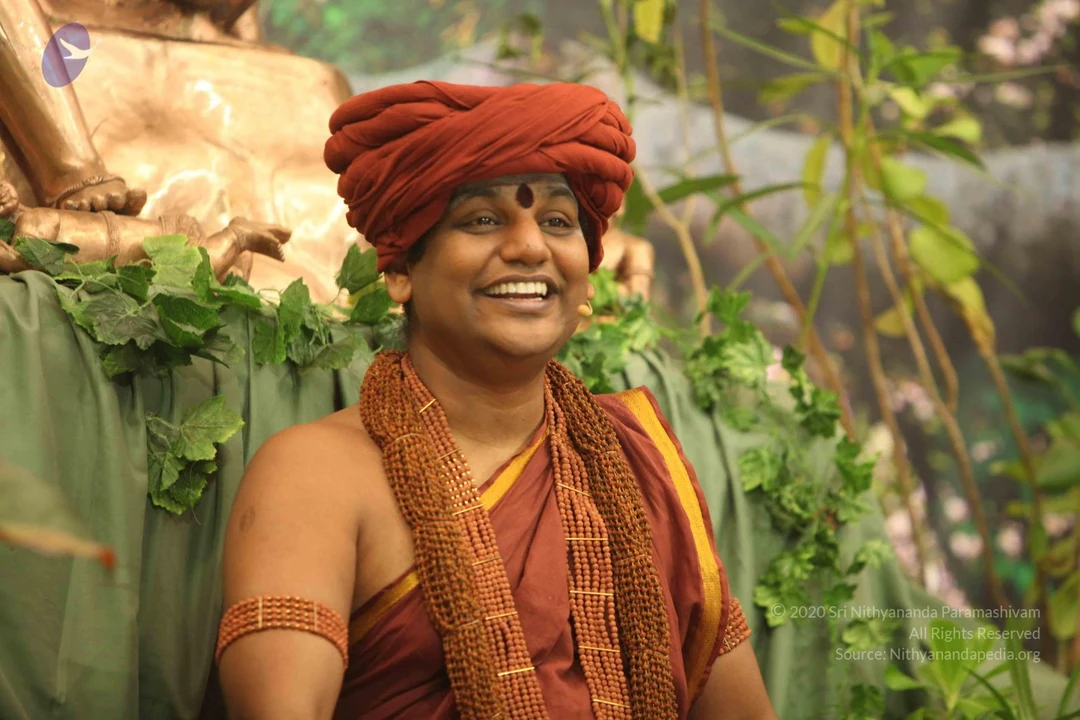

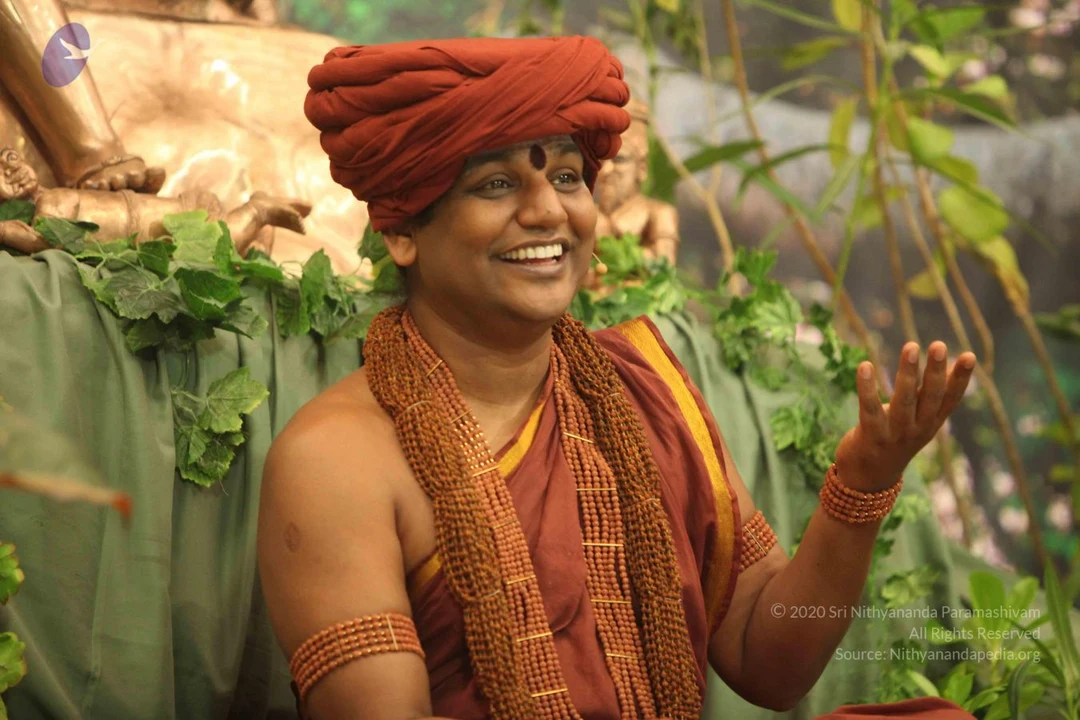
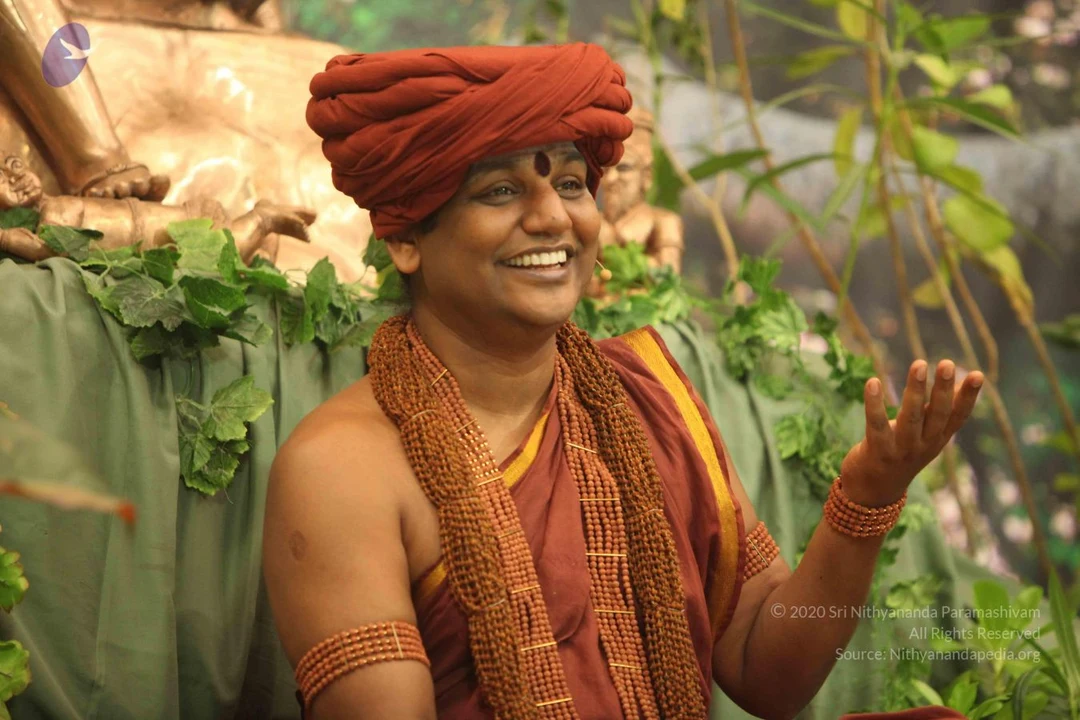
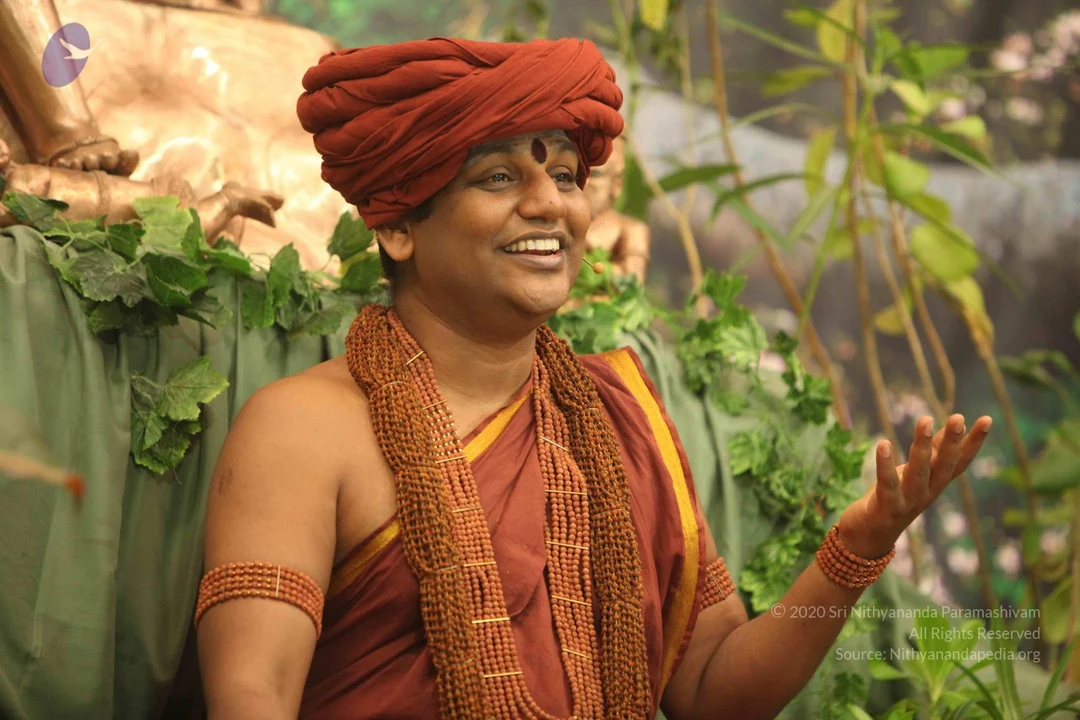
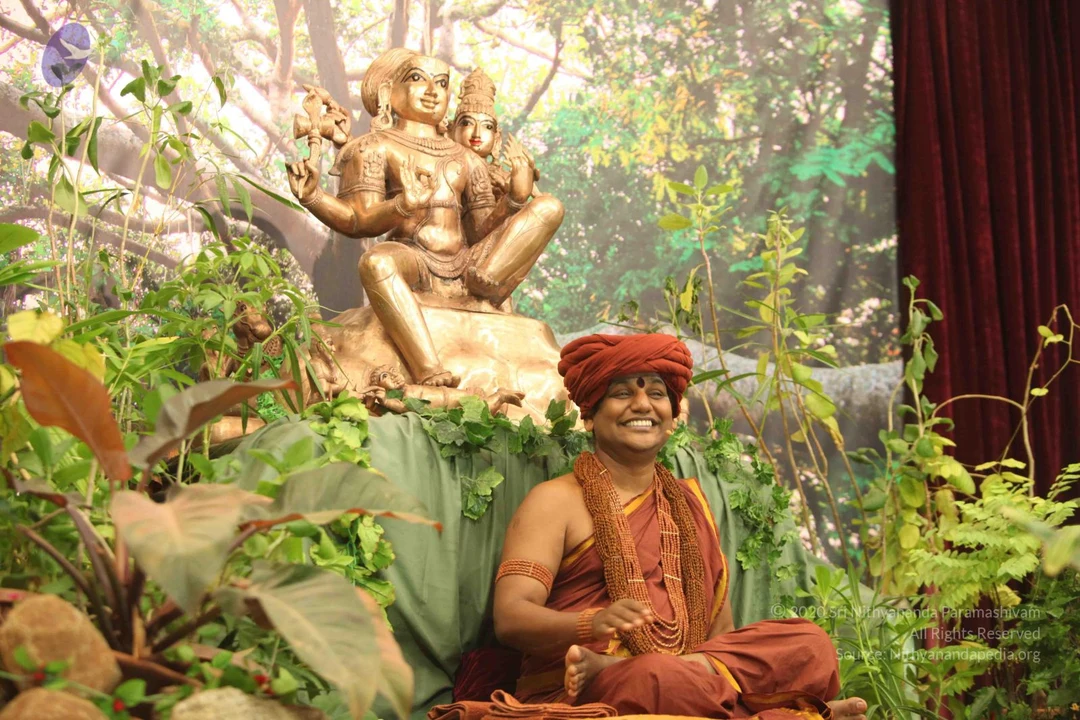
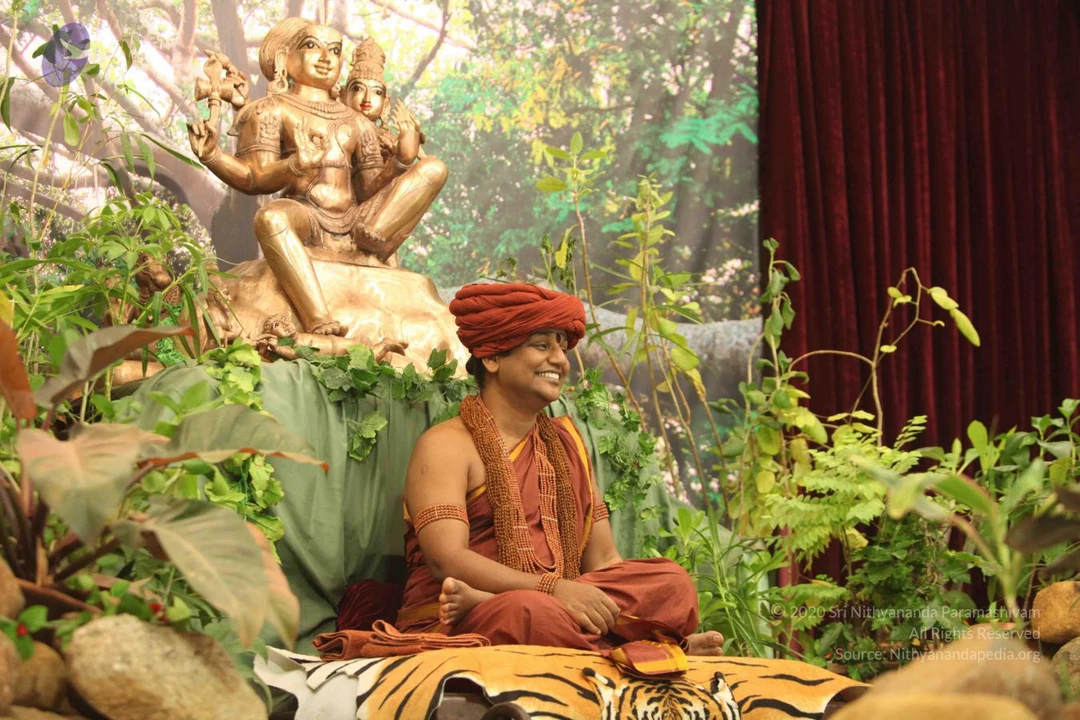
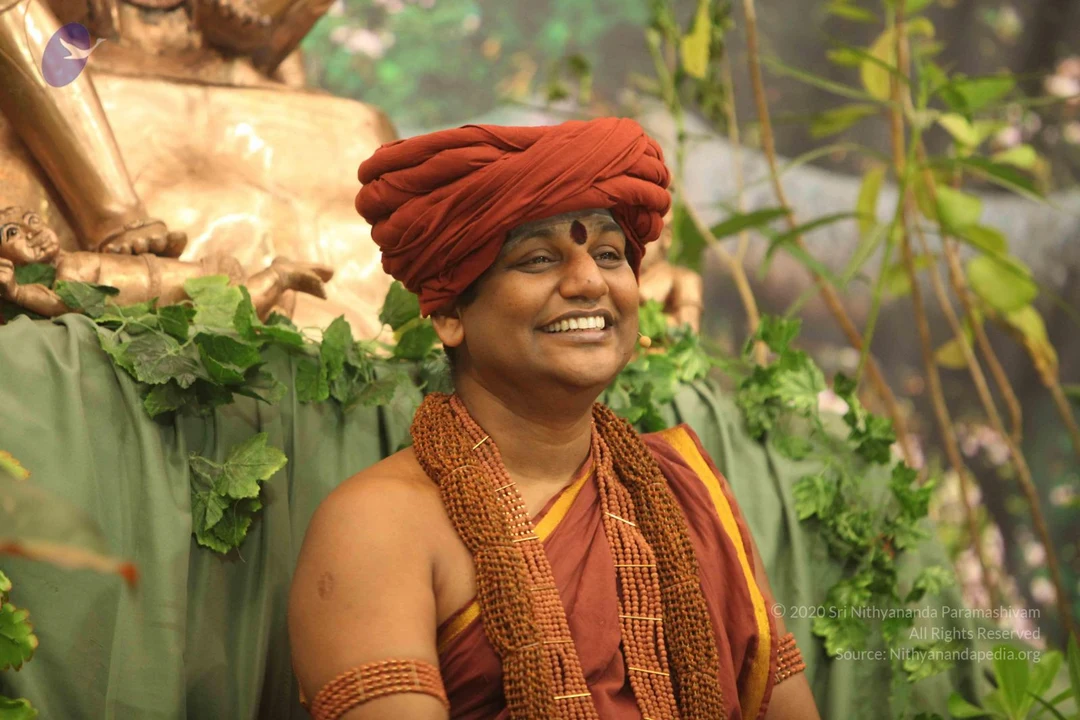
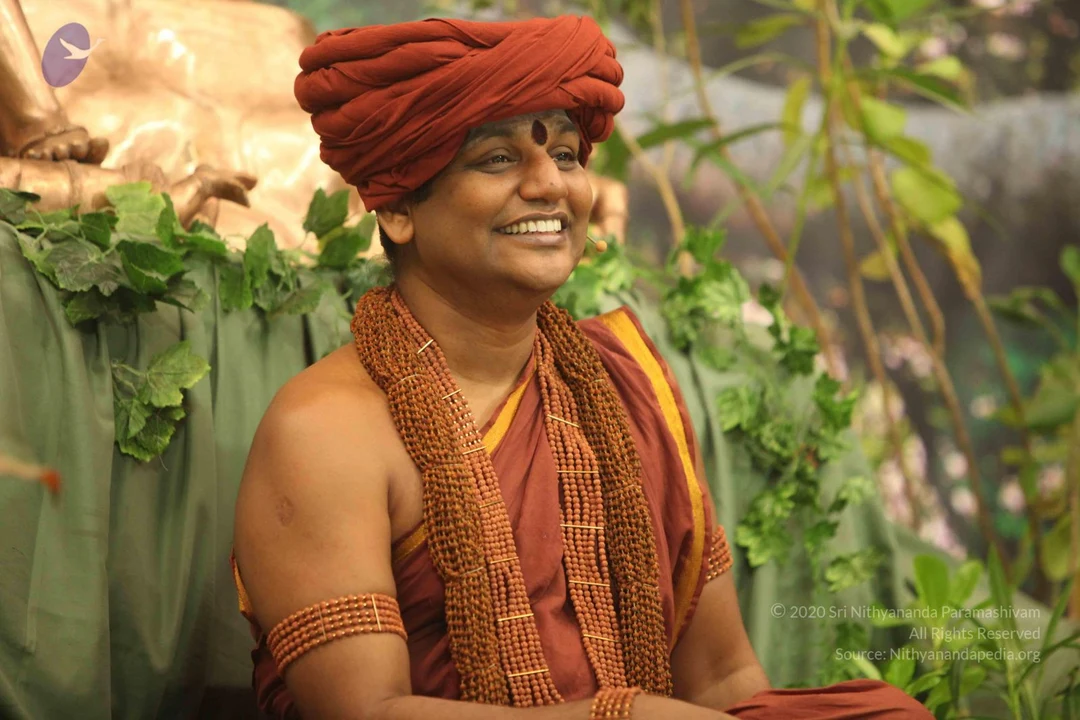
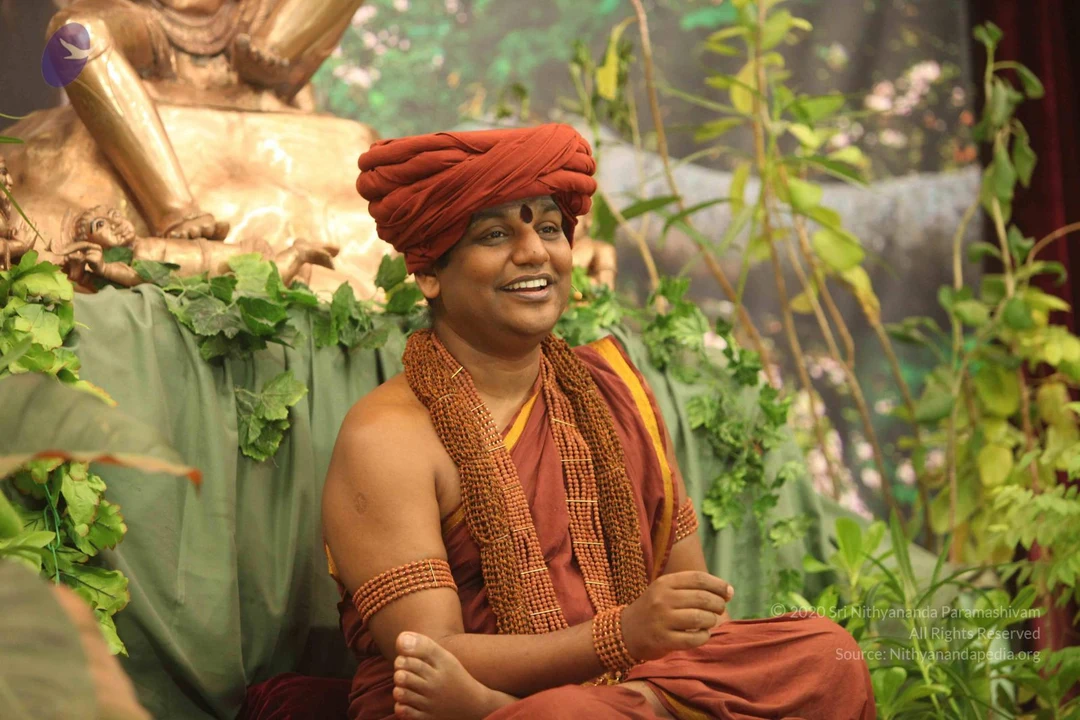
Photos Of The Day:
Nithya-Satsang
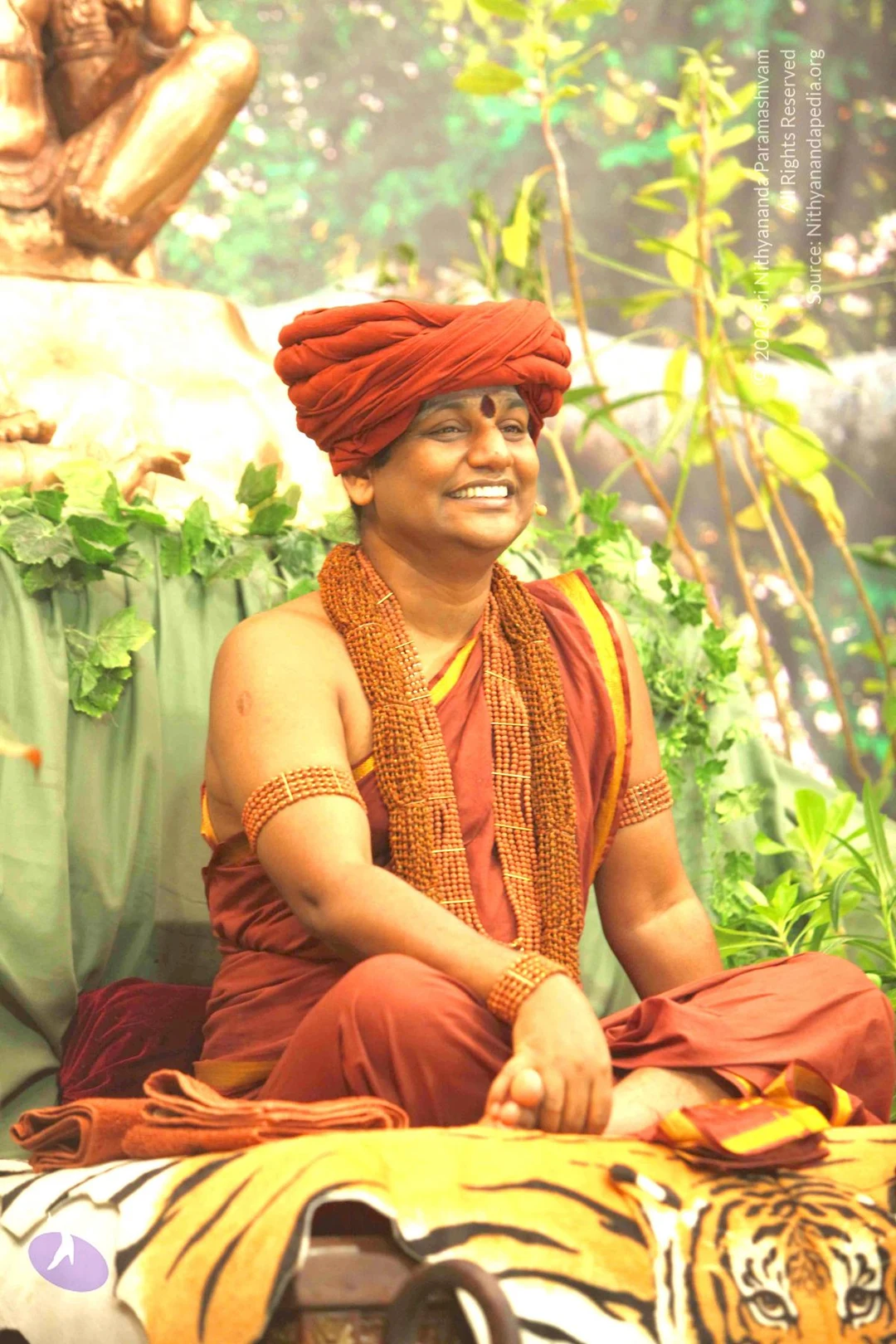
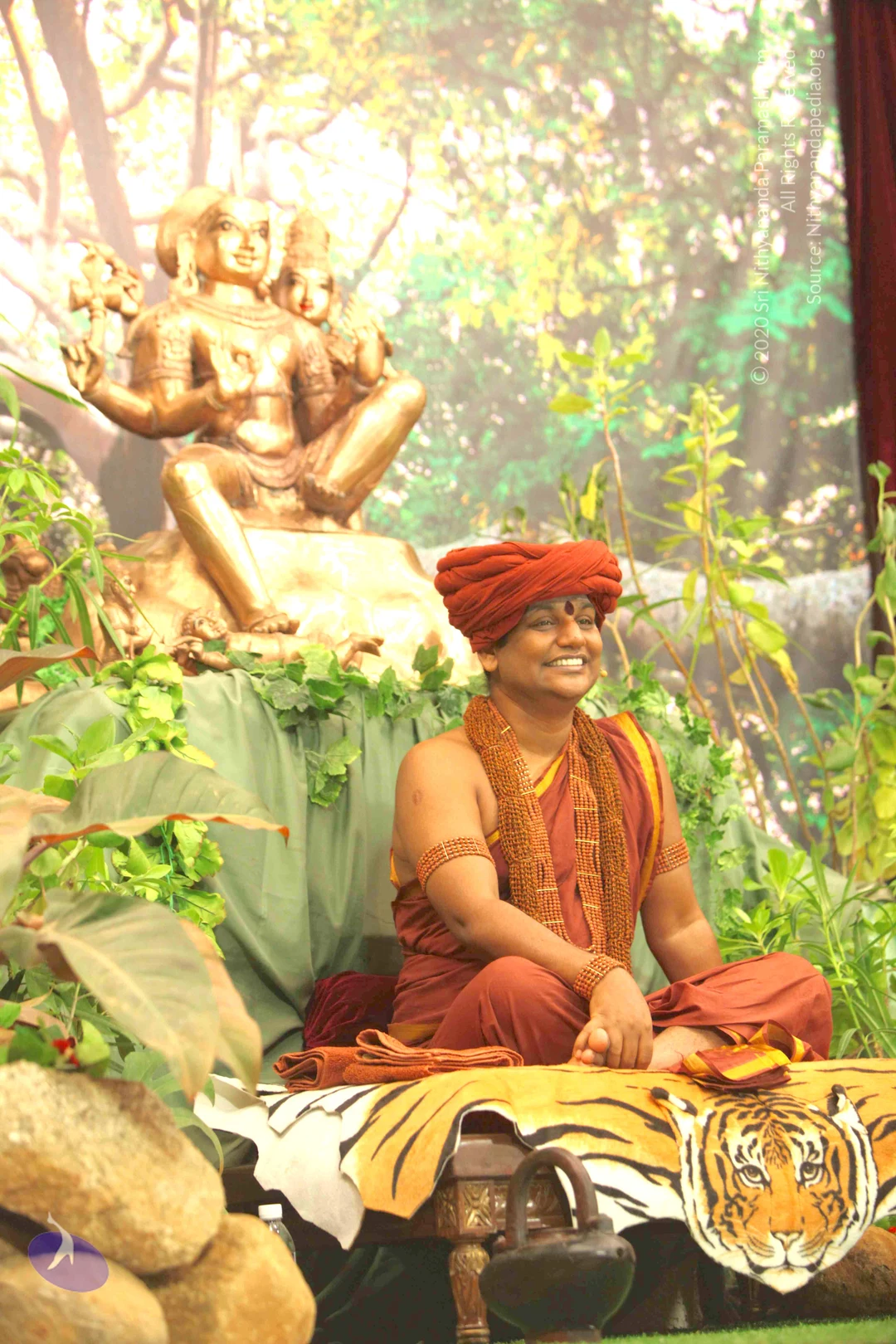
Photos from this day
View all 182 photosNithya Satsang
2 photosSource gallery

Nithya Satsang
6 photosSource gallery
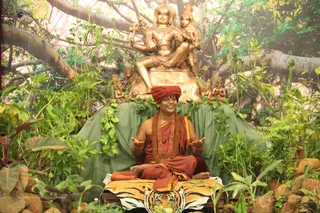
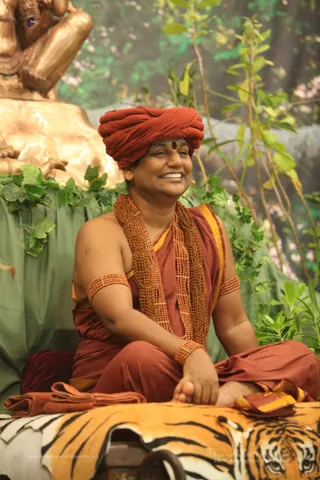
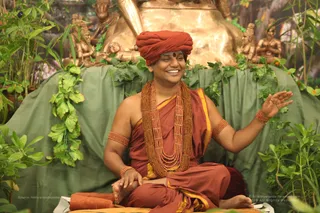
Kalpataru darshan
14 photosSource gallery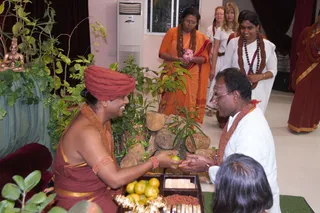
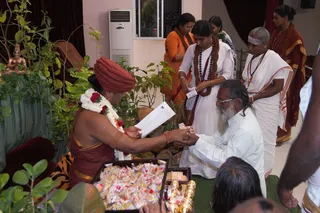
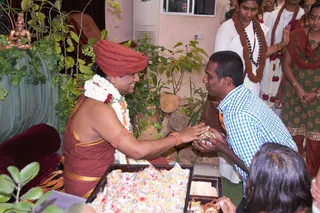
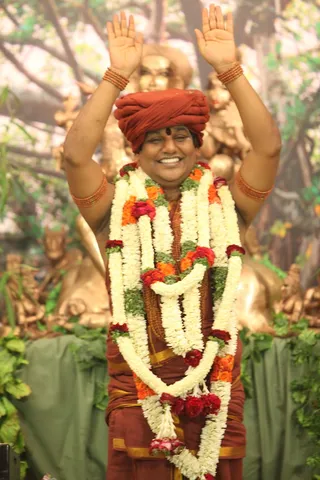
Kalpatharu-Darshan
24 photosSource gallery

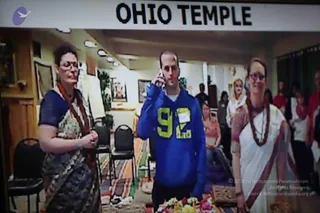
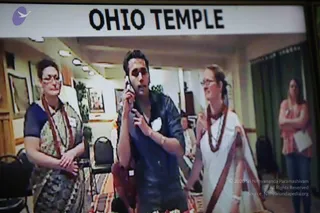
e-Kalpatharu-Darshan
68 photosSource gallery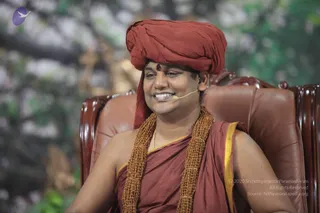
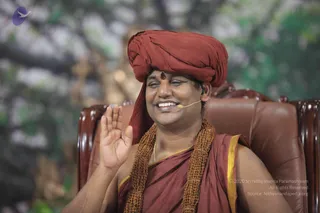
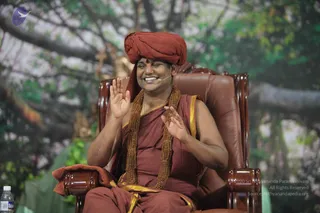
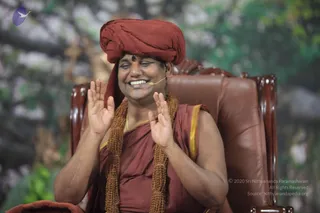
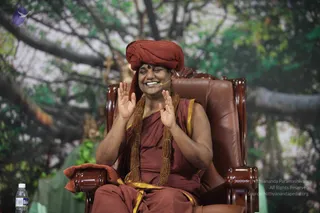
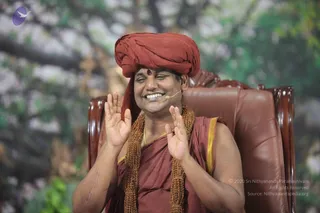
e-Kalpatharu-Evening
16 photosSource gallery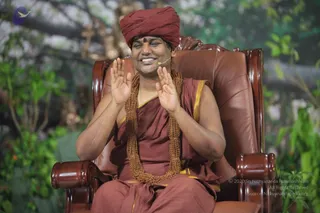
FB-photo-of-the-day
6 photosSource gallery
Nithya-Satsang
40 photosSource gallery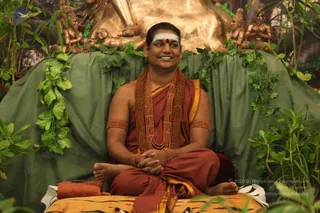
Nithya-Satsang
6 photosSource gallery