Skip to content
Thursday

22 March 2012

Maya is Gods Classroom

Dated photos
17
Source pages
1
Media
2
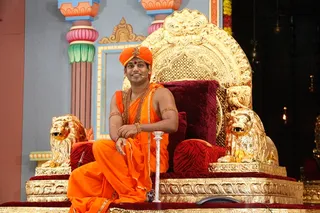
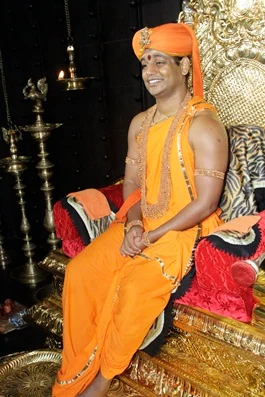
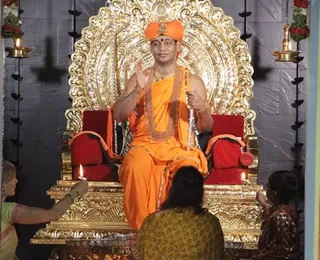
A photograph of a seated man on an ornate golden throne flanked by two golden lion sculptures, with red cushioned armrests and a red-velvet seat. He wears a saffron-orange turban with a gold ornament at the front, saffron-orange robes, a red bindi, gold armlets and a layered gold necklace. He sits cross-legged with hands resting in his lap, a microphone clipped near his face. Behind him are painted deity figures with raised hands in red and green garments, and a garland hangs on the throne.A photograph of a man seated on an ornate golden throne with lion-shaped armrests and a deep red cushion inside a temple-like hall. He wears a saffron-orange turban, saffron-orange robes, a golden armlet and a beaded necklace, with a rudraksha mala visible on his chest. His hands rest together on his lap. Behind him are blue and pink decorated pillars, a gold-framed panel and a garland of flowers. The Swamiji (probable) label is based on the saffron clothing, turban, beaded necklace and the throne setting, with the page noting he is present at this event. One seated person is visible.A three-panel collage. The top-left panel shows a painted statue of a deity pair seated on a blue pedestal, one figure with a tall crown and garland and a partner beside them, both adorned with ornate jewellery. The top-right panel shows a dark polished Nandi bull statue wearing a garland of beads, seated on a red-brown pedestal. The bottom panel shows a shallow brass tray filled with red rose petals, yellow marigold flowers and white jasmine blossoms arranged in a circular floral design. No physical people are visible.

March 22 2012

Original wiki page
Contents

Title

Maya is Gods Classroom

Narration

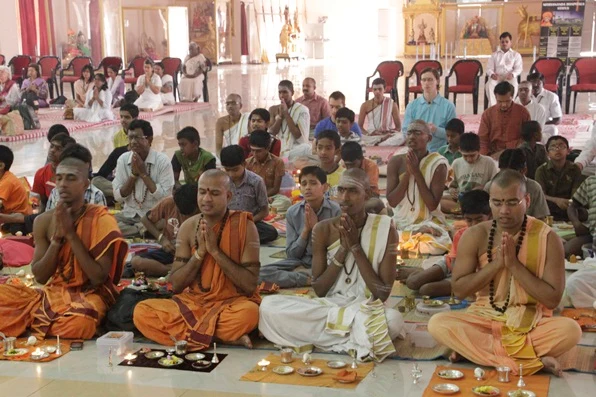
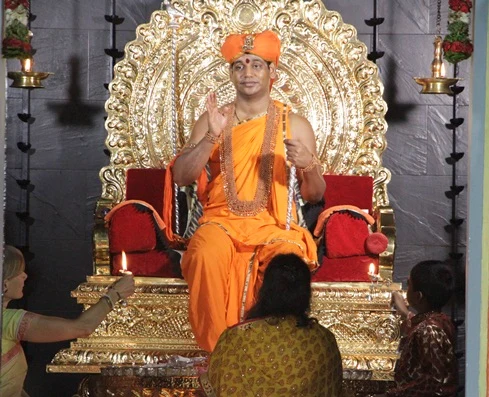
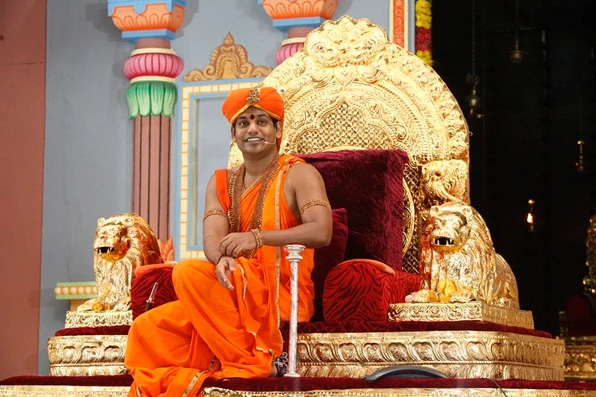
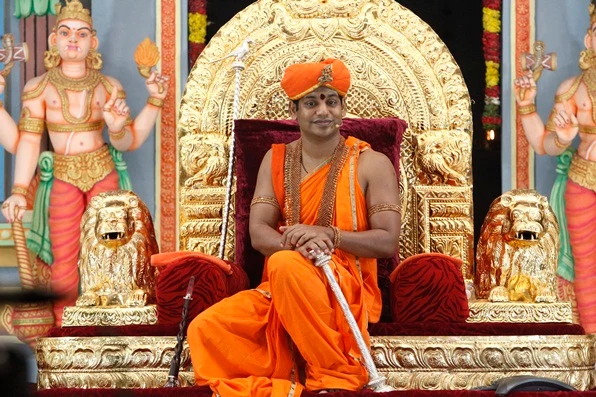
On this day, the Supreme Pontiff of Hinduism Bhagavan Sri Nithyananda Paramashivam conducted a Q&A session, answering the questions of each and everyone who were attending that day’s Presidential Address. In this discourse , He spoke about how the mind pulls us down in life and it is not the mind but the heart that gauges the essence of our life.The maya or illusion which the mind recognizes is the classroom created by God for us to learn the lessons of life.

That day’s Shiva Sutras discourse, Kalpataru Darshan and Healing were conducted by the Supreme Pontiff of Hinduism Bhagavan Nithyananda Paramashivam on 22 March 2012, in Adi Kailasa, Bengaluru, Karnataka, India.

Description

http://www.nithyananda.org/

22nd March 2012, Paramahamsa Nithyananda answers the questions of devotees from all over the world . In this discourse , He speaks about how the mind pulls you down in life and it is not the mind but the heart that gauges the essence of your life.The maya or illusion which the mind recognizes is the classroom created by God for you to learn the lessons of life.

Paramashivoham: 22-day Ultimate Spiritual Journey with the Avatar HDH Nithyananda Paramashivam Learn more: https://paramashivoham.nithyananda.org

Link to Video

VideoAudio

Photos From The Day

Photos from this day

View all 17 photos
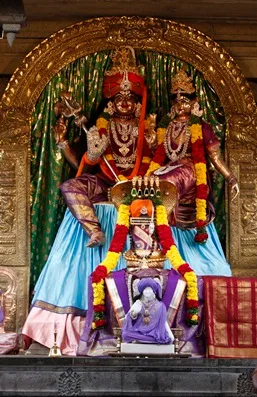
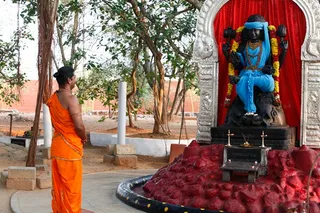
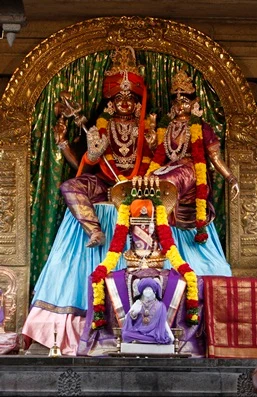
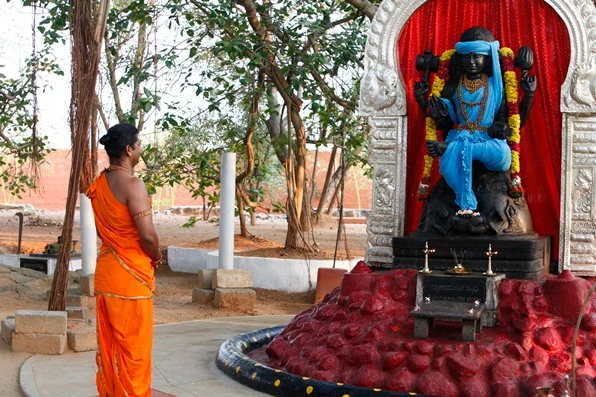
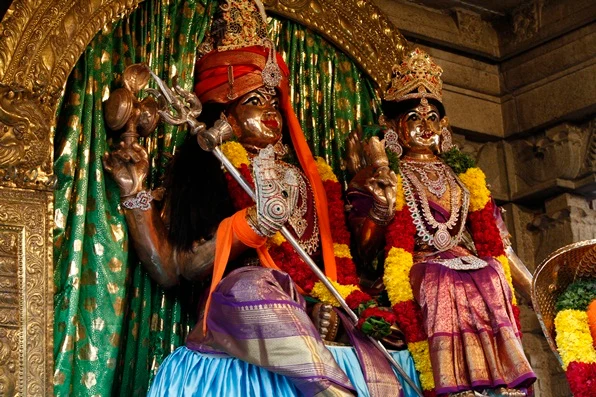
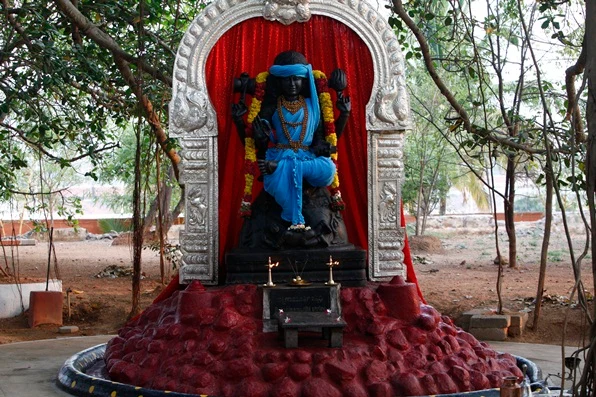
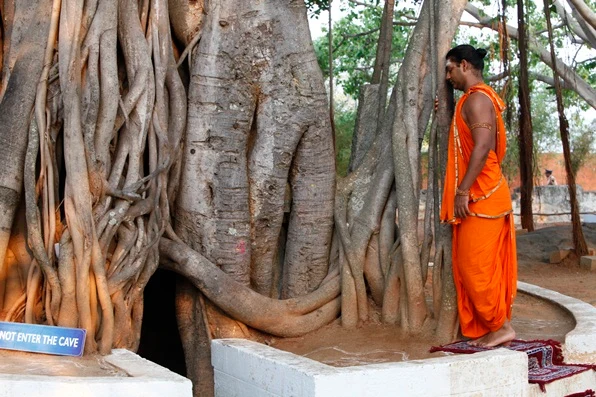
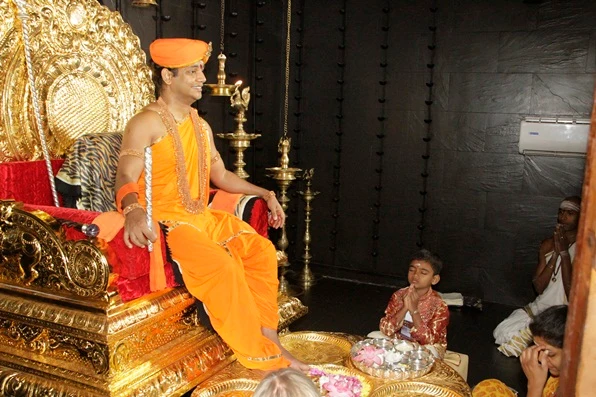
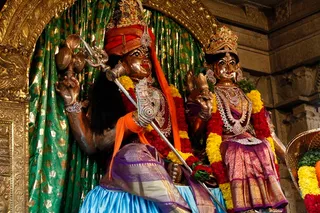
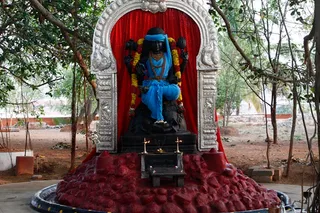
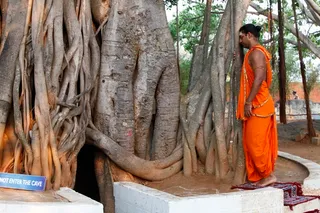
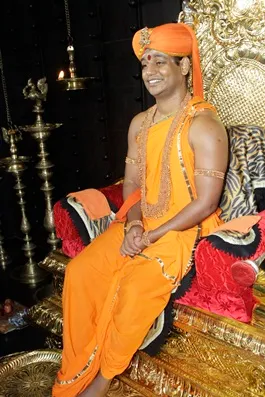
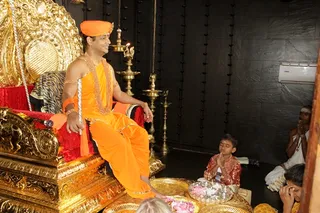
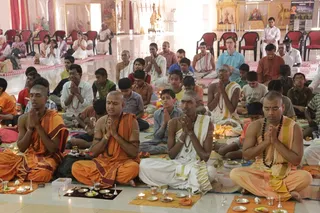
A photograph of a shrine featuring a deity murti pair seated on a raised dais, decorated with marigold garlands in orange and yellow. The central figure wears a red crown, gold ornaments and layered necklaces, and holds a trident-like staff; the figure beside is in a gold crown with ornate blue and pink garments. A small seated figure rests on a purple-draped platform in the foreground. Green drapery and an ornate gold-framed arch with carved detailing form the backdrop. No physical people are visible; the figures are statues.A woman in an orange saree stands with hands folded in front of a black stone deity murti seated on a dark pedestal beneath a red draped arch with silver trim. The deity wears a blue cloth and a blue headband, with rudraksha or floral garlands and gold ornaments, and holds a trident-like implement. Red flower offerings are heaped on the platform in front of the murti, and small brass lamps stand near the base. Trees and a white-painted low wall frame the outdoor shrine setting.Two deity murtis stand side by side in a temple shrine framed by gilded carved panels and a green draped backdrop. The figure on the left is a bronze-toned murti with a red and gold turban and a trident held upright in one hand, wearing a blue and purple skirt, orange shawl, ornate silver necklaces and a broad chest ornament. The figure on the right has a gold crown and wears a pink and gold sari with layered silver necklaces. Both are garlanded with yellow and orange marigold and red flower garlands, and a brass tray of flowers sits at the right edge. No people are visible.A dark stone deity murti seated on a black pedestal inside a silver-framed arched shrine with a red velvet backdrop. The figure wears a blue cloth wrap around the lower body and a blue headband, with a long necklace of gold beads and multiple arms raised. Garlands of orange and yellow flowers hang from its shoulders. Red-brown painted rocks or offerings form a mound beneath the shrine, with two brass oil lamps lit before the base and a small plaque on the pedestal. Trees and an open dusty courtyard surround the outdoor shrine.A barefoot man in a saffron-orange robe and matching shawl stands on a raised white platform beside a large banyan tree with thick aerial roots and buttress trunks. A small red-and-blue mat lies under his feet. A blue sign on the left reads DO NOT ENTER THE CAVE, and a shallow cement basin surrounds the tree base. Foliage and a low wall form the background. He stands quietly with one hand near his waist, facing the tree, in an outdoor ashram-style setting.A smiling man seated on an ornate golden throne with red cushions, wearing a saffron-orange turban and a saffron-orange draped garment with gold trim, with a gold-embroidered shawl across his lap and bare upper torso adorned with gold necklaces. Behind him stand tall brass oil lamps (lit) on a dark backdrop. The figure matches the Swamiji (probable) presentation through the saffron turban and garments, ornate gold adornments and the throne, and is shown in_person as a single seated person.A photograph of a man seated on an ornate gold throne with red and gold cushions, wearing an orange turban, an orange and saffron dhoti-style garment with a shawl, a rudraksha-style mala and gold necklaces, and orange armbands. Behind him hang brass oil lamps and a gold kalasha-like ornament against a dark wall. In front, a young boy in a red embroidered kurta sits with palms joined beside a silver tray of flower petals and offerings, and a bald man in white sits at the right edge with hands folded. Blurred figures at the bottom edge include a seated person and a person with white hair. The seated man appears to be the probable Swamiji, identified by the saffron and orange clothing, orange turban, ornate beaded necklaces and seated on the throne in a ritual setting.A photograph of a seated group of devotees with palms pressed together in namaste inside a bright temple hall with polished white floors and red chairs along the back. In the front row, several men in saffron and orange robes sit cross-legged on orange mats, with rudraksha malas around their necks; one wears a white dhoti and shawl. Behind them, a large audience of men and boys in white, cream and red kurtas sits on mats, while a few women and visitors sit toward the back. Small brass plates with flowers, oil lamps and offerings sit on the floor in front of the group, and a gold-decorated shrine with deity murtis is visible in the background. No individual in this image is confidently identified as a person by appearance.A photograph of a seated figure in the centre on an ornate gold throne with red cushions, wearing an orange saffron robe, an orange turban-style head covering, and a layered beaded necklace. He raises both hands in a gesture of blessing or teaching. In the foreground, the backs of two women are visible: one in a dark olive-green sari and another in a pink sari with gold trim, seated before the throne. Tall lit oil lamps with red flowers stand beside the throne, and a woman at the right edge holds up her hand. The setting appears to be a satsang or discourse hall with a gold-backed throne.A photograph of a seated man on an ornate golden throne flanked by two golden lion sculptures, with red cushioned armrests and a red-velvet seat. He wears a saffron-orange turban with a gold ornament at the front, saffron-orange robes, a red bindi, gold armlets and a layered gold necklace. He sits cross-legged with hands resting in his lap, a microphone clipped near his face. Behind him are painted deity figures with raised hands in red and green garments, and a garland hangs on the throne.A photograph of a man seated on an ornate golden throne with lion-shaped armrests and a deep red cushion inside a temple-like hall. He wears a saffron-orange turban, saffron-orange robes, a golden armlet and a beaded necklace, with a rudraksha mala visible on his chest. His hands rest together on his lap. Behind him are blue and pink decorated pillars, a gold-framed panel and a garland of flowers. The Swamiji (probable) label is based on the saffron clothing, turban, beaded necklace and the throne setting, with the page noting he is present at this event. One seated person is visible.A three-panel collage. The top-left panel shows a painted statue of a deity pair seated on a blue pedestal, one figure with a tall crown and garland and a partner beside them, both adorned with ornate jewellery. The top-right panel shows a dark polished Nandi bull statue wearing a garland of beads, seated on a red-brown pedestal. The bottom panel shows a shallow brass tray filled with red rose petals, yellow marigold flowers and white jasmine blossoms arranged in a circular floral design. No physical people are visible.