Skip to content
Friday

23 March 2012

Power of Gayatri mantra.

Dated photos
13
Source pages
1
Media
2
A smiling man sits on a cushioned seat beside an ornate golden throne carved with a lion's head. He wears a red, orange and yellow turban with a gold ornament at the front, a pink-orange shawl draped over his shoulder and arm, and layered rudraksha mala beads around his neck and wrist. A small red dot marks his forehead, and a microphone is attached near his face. Red velvet drapes hang behind him, a green leaf is visible at the left edge, and a silver cup sits on a golden stand beside him. The appearance-based probable Swamiji cues include the ornate turban, saffron-toned clothing and rudraksha malas, and he is seated on the stage at the satsang.A photograph of a devotional gathering in a hall. On the left, a man in a white shirt with a rudraksha mala places his hand on the forehead of a smiling man in the centre, who wears a red, orange and yellow turban with a jewelled ornament, a pink garment and a long rudraksha mala. On the right, a bare-chested man in an orange cloth has white markings on his chest. Other people in blue and white stand behind, and a projector screen and speaker are visible on the wall.A photograph of a devotee receiving a blessing at a satsang hall. A bald, fair-skinned man in a white collared shirt stands with palms pressed together while a priest in an orange and pink turban and orange-saffron robe places his palm on the devotee's forehead. The priest wears layered rudraksha malas and gold bangles. Behind them, other men in white and dark clothing stand in the hall, and a man in a blue jacket stands at left. A projector screen is visible in the background.

March 23 2012

Original wiki page
Contents

Title:

Power of Gayatri mantra.

Narration

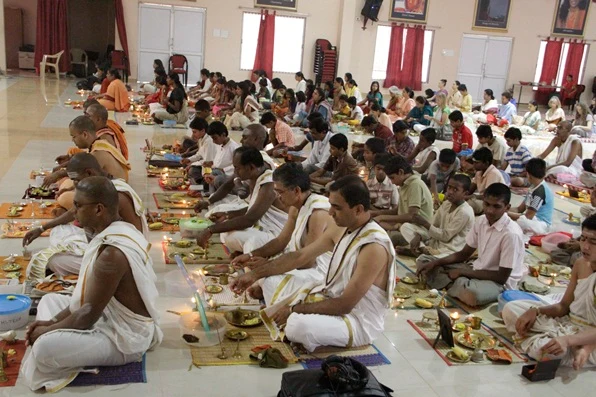
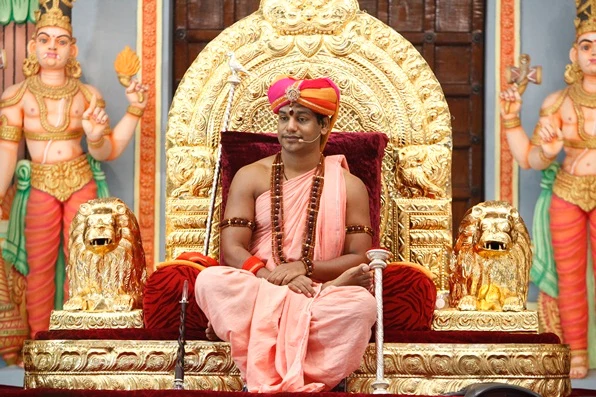
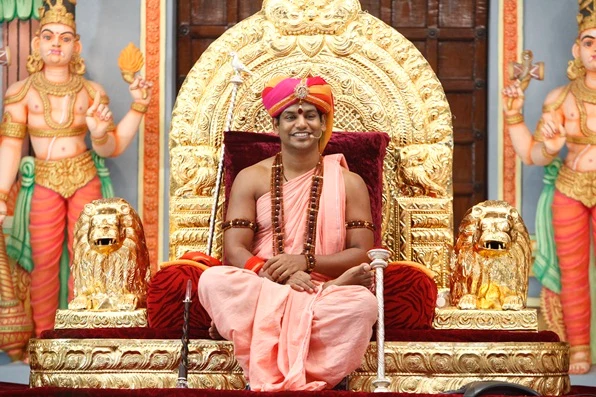
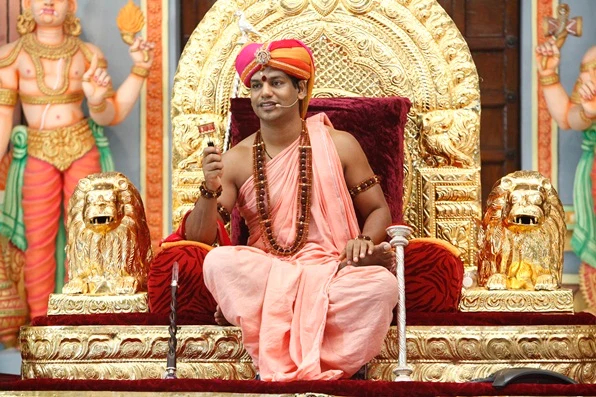
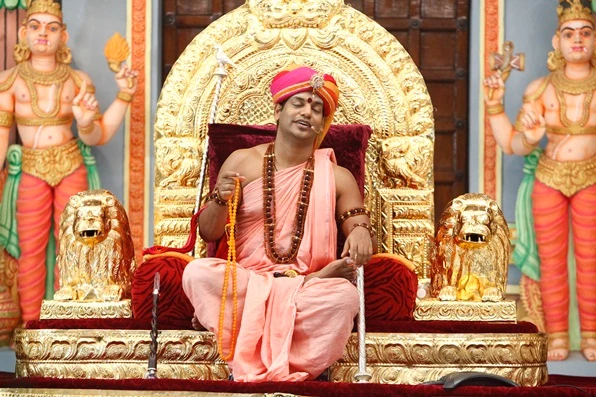
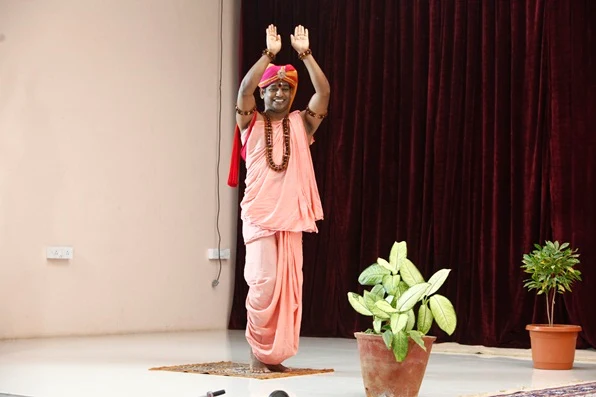
On this day, the Supreme Pontiff of Hinduism Bhagavan Sri Nithyananda Paramashivam conducted a Q&A session, answering the questions of each and everyone who were attending that day’s Presidential Address. In this discourse , He explained that the whole thought process of not being centered on ourselves ,but being centered on others is tyaga (sacrifice). SPH encouraged everyone to constantly remember that our body is a temple of consciousness and that we should continuously live with this awareness. On the topic of the prayer wheel, when SPH was asked by a disciple if they should rotate the prayer wheel clockwise or anticlockwise, SPH replied, 'Do anywise, but just be wise!'

That day’s Presidential Address-Nithyananda Satsang was conducted by the Supreme Pontiff of Hinduism Bhagavan Nithyananda Paramashivam on 23 March 2012 in Adi Kailasa, Bengaluru, Karnataka, India.

Link to Video:

VideoAudio

Photos From The Day:

Photos from this day

View all 13 photos
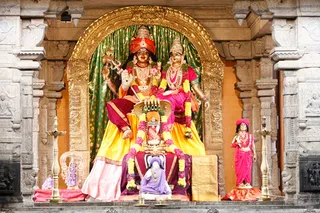
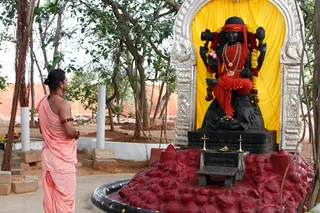
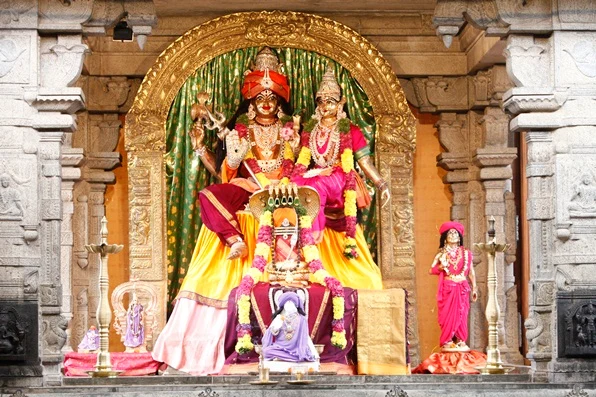
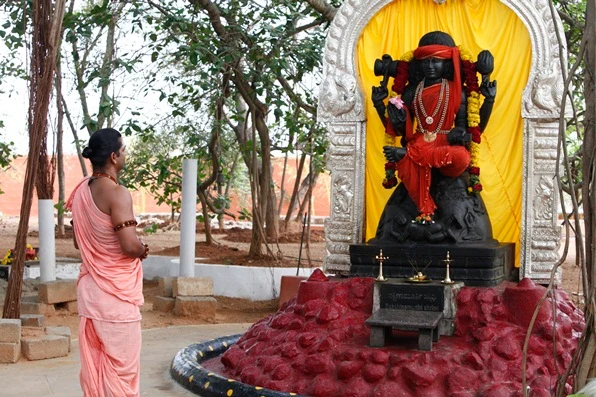
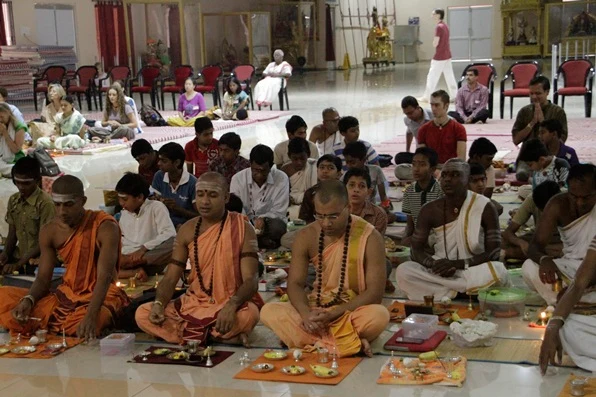
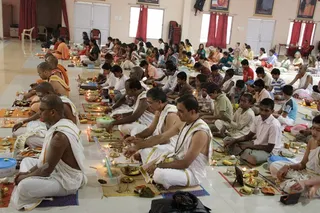
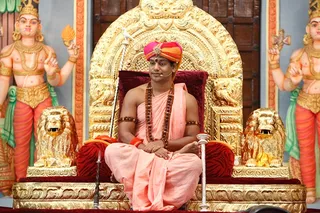
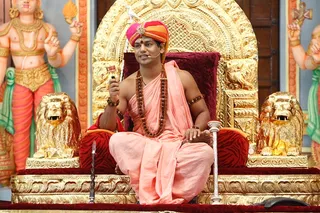
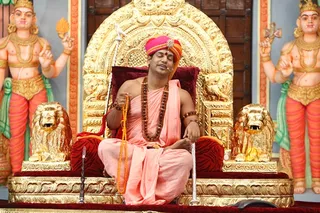
A decorated temple shrine with a deity murti seated on a throne, wearing a red and gold crown and a rudraksha-style necklace, with a seated companion figure beside it in pink and yellow garments. Both figures are adorned with yellow and orange garlands, and a small figure in a pink sari stands at the right. Brass oil lamps flank the platform, a green curtain hangs behind, and carved stone pillars frame the arch. The figures are statues, not living people, so no physical people are present.A woman in a peach-orange sari with a shoulder drape stands at left, back partly to the camera, hands folded in prayer before a black stone deity murti. The murti is seated in a red dhoti-like cloth with a red headband, red garland, rudraksha-style beads and a yellow canopy behind, set on a dark pedestal with a red-stained stone base and brass oil lamps. Trees and a low white wall form the outdoor setting.Indoor satsang hall with a large crowd seated on the floor on mats and cloths. In the foreground, several shaved-headed men in saffron and orange robes with rudraksha malas sit cross-legged before small brass plates and offerings of food, fruit and lamps on orange mats. Behind them, rows of seated devotees include men in white dhotis and boys in light shirts, while women in colourful saris and children sit farther back. A figure in white stands near the back at the centre, and an ornate golden deity murti and framed pictures are visible along the right wall. Red chairs line the edges of the room.A seated group of men and boys in plain white dhotis and white shoulder cloths sits in rows on a tiled hall floor, facing forward at a meal or ritual offering. Each person has a brass plate with food, small bowls and lit oil lamps set before them. Some men in front wear shaved heads and saffron-orange cloth draped over their shoulders. Behind them, many seated devotees in mixed white and colourful clothing watch. Framed portraits hang on the cream walls, and red curtains frame the windows.A man seated cross-legged on an ornate golden throne with carved lion armrests and a deep red cushion, in a hall lined with gilded deity statues. He wears a pink-saffron cloth draped over his body, a pink and orange turban, a rudraksha mala around his neck, beaded bracelets on his arms and red ornaments on his wrists. He holds a ceremonial staff, with a second staff and a lamp-like fixture at the sides. Two large gilded statues of standing figures wearing gold crowns, necklaces and dhotis flank the throne, their hands raised with ritual objects. The scene reads as a satsang discourse, with the seated man presiding as a person in a satsang setting. One person is visible on the throne; the statues are not counted.A seated man in a saffron and orange turban and pale pink robe sits cross-legged on an ornate gold throne with a deep red cushion, flanked by two golden lion figures at its base. He wears a rudraksha mala and gold bangles on his upper arms and rests his hands on his lap, smiling toward the camera. Two large painted and gilded deity statues stand on either side of the throne, one holding a flame-like object and the other a trident. Ceremonial spears and a staff rest on the platform. The setting suggests a stage for a satsang. Swamiji (probable) is seated on the throne, identified by the turban, saffron-toned robes and rudraksha mala.A seated man on an ornate gilded throne with lion armrests sits centered before painted deity statues on pillars. He wears a red-and-gold turban, pink saffron-toned robes, and multiple rudraksha malas and bead bracelets, holding a small microphone in one hand while speaking. Gold-painted sculptures of standing deities with raised arms flank the scene, and a red carpeted dais sits below.A seated man in a saffron-orange robe and pink-orange turban sits on an ornate golden throne with carved lion figures on the armrests and a red velvet cushion. He wears a long rudraksha mala around his neck and holds a saffron prayer beads strand in his right hand, eyes closed in meditation. Two gilded deity statues with raised arms and ceremonial jewelry flank the throne against a painted backdrop. A trident-like staff rests beside the throne. Appearance-based candidate: a person, seated in the role of the presiding teacher at the throne, giving a discourse.A smiling man sits on a cushioned seat beside an ornate golden throne carved with a lion's head. He wears a red, orange and yellow turban with a gold ornament at the front, a pink-orange shawl draped over his shoulder and arm, and layered rudraksha mala beads around his neck and wrist. A small red dot marks his forehead, and a microphone is attached near his face. Red velvet drapes hang behind him, a green leaf is visible at the left edge, and a silver cup sits on a golden stand beside him. The appearance-based probable Swamiji cues include the ornate turban, saffron-toned clothing and rudraksha malas, and he is seated on the stage at the satsang.A photograph of a devotional gathering in a hall. On the left, a man in a white shirt with a rudraksha mala places his hand on the forehead of a smiling man in the centre, who wears a red, orange and yellow turban with a jewelled ornament, a pink garment and a long rudraksha mala. On the right, a bare-chested man in an orange cloth has white markings on his chest. Other people in blue and white stand behind, and a projector screen and speaker are visible on the wall.A photograph of a devotee receiving a blessing at a satsang hall. A bald, fair-skinned man in a white collared shirt stands with palms pressed together while a priest in an orange and pink turban and orange-saffron robe places his palm on the devotee's forehead. The priest wears layered rudraksha malas and gold bangles. Behind them, other men in white and dark clothing stand in the hall, and a man in a blue jacket stands at left. A projector screen is visible in the background.