Tuesday
28 January 2014
Get in touch with your soul
- Dated photos
- 35
- Source pages
- 1
- Media
- 2
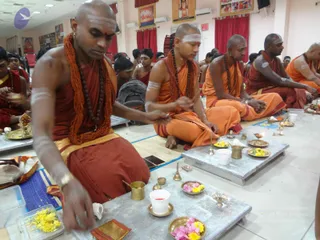
January 28 2014
Original wiki pageTitle:
Get in touch with your soul
Description:
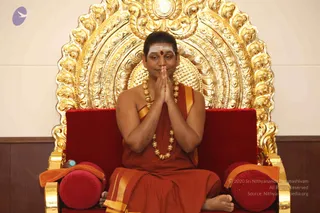
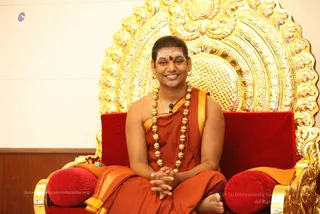
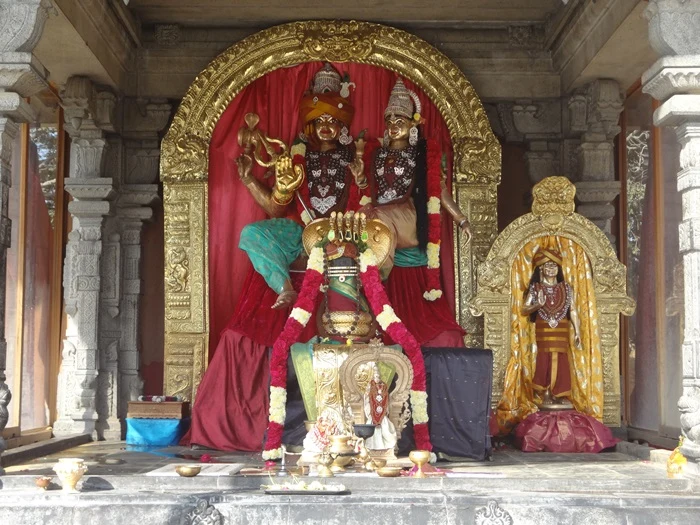
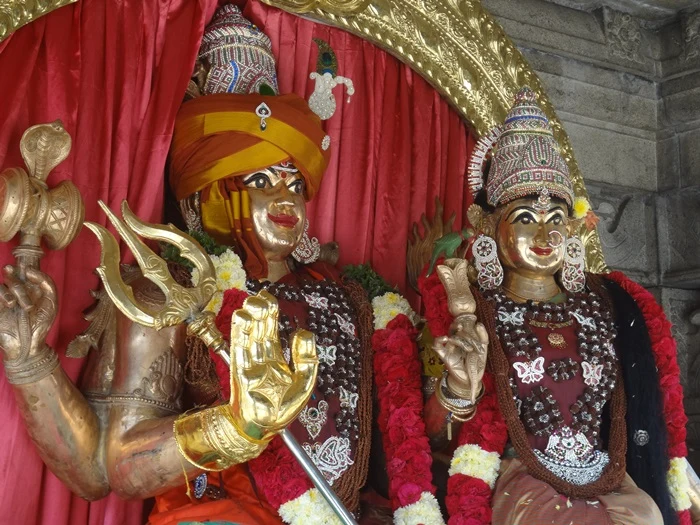
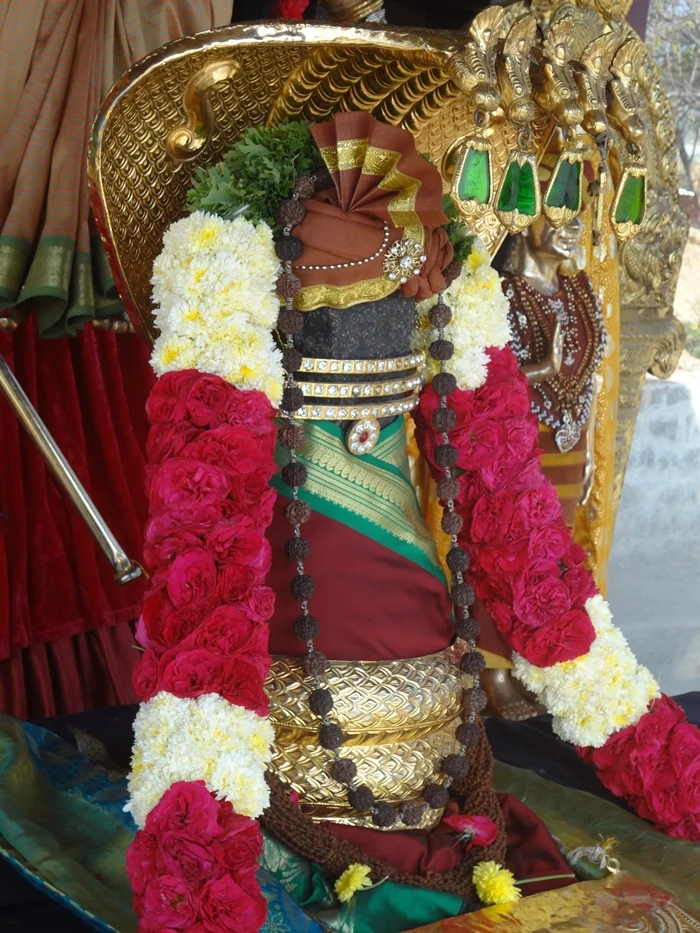
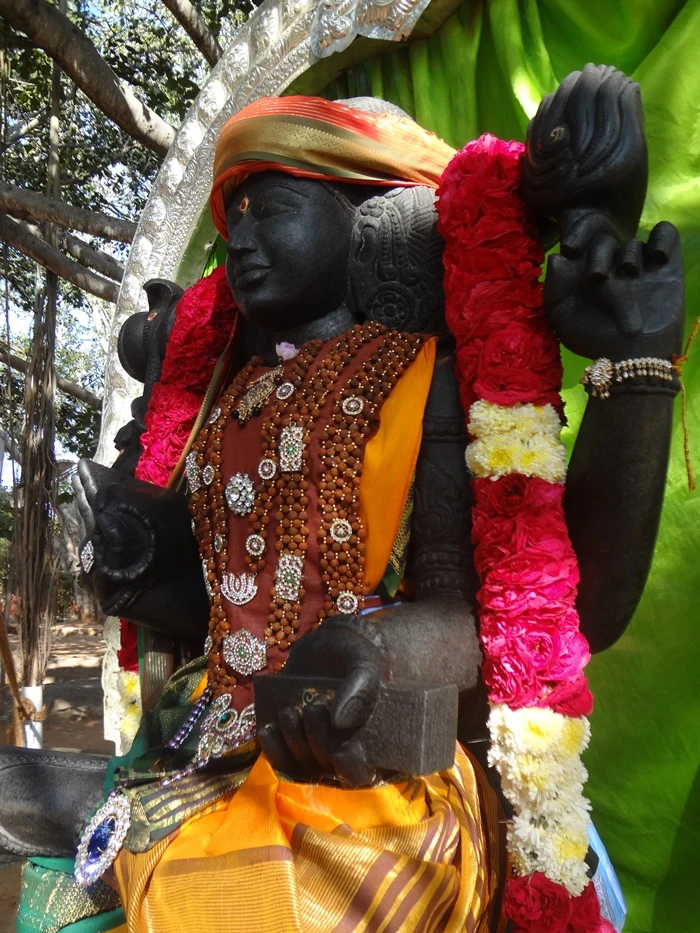
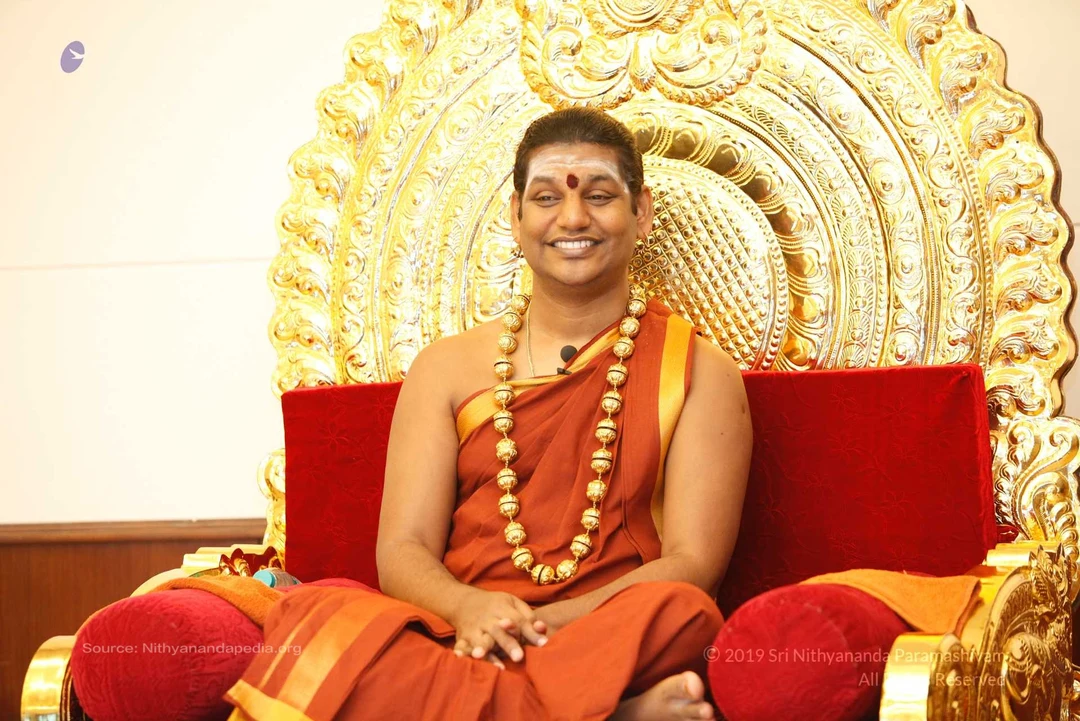
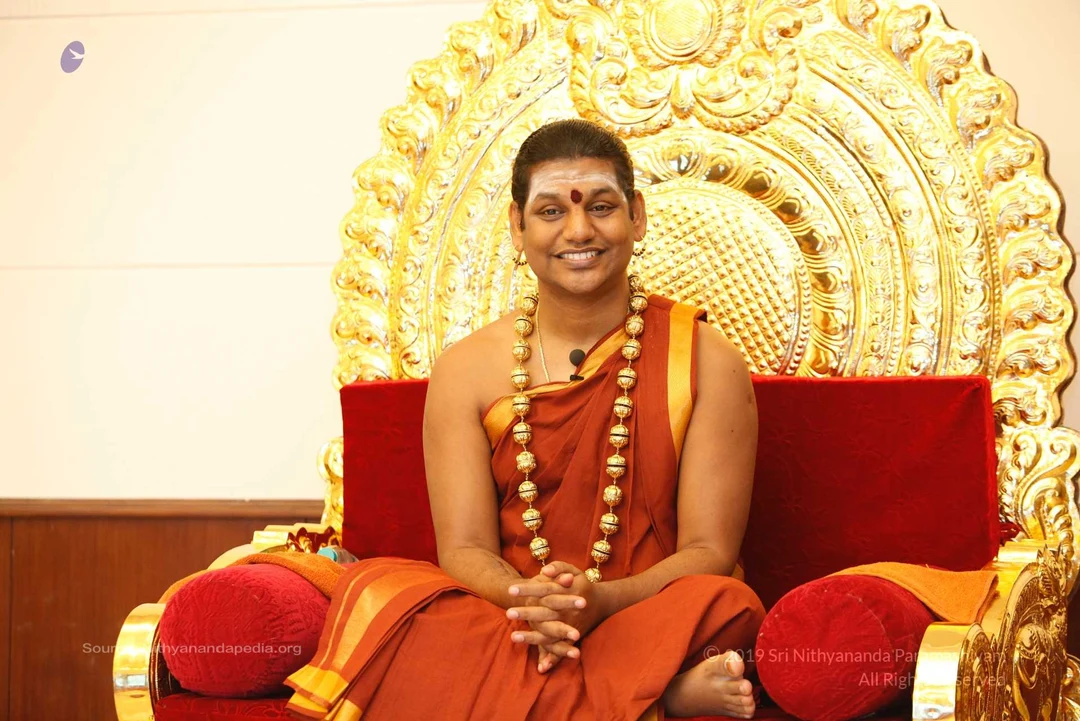
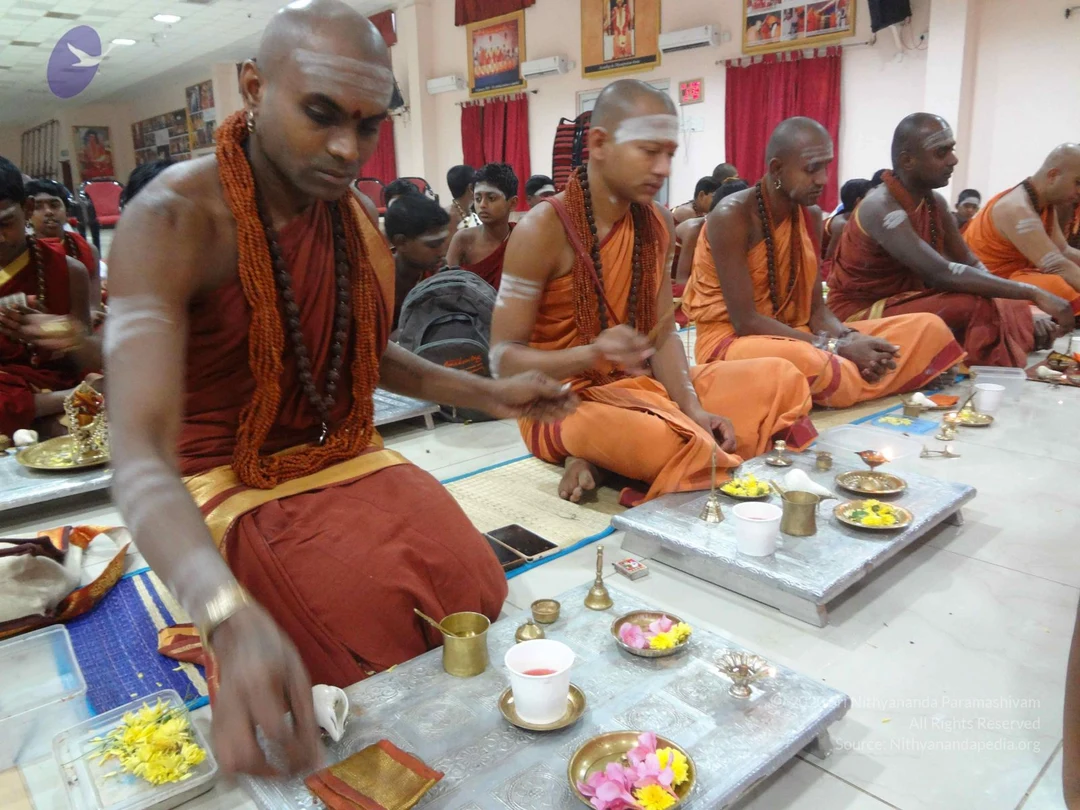
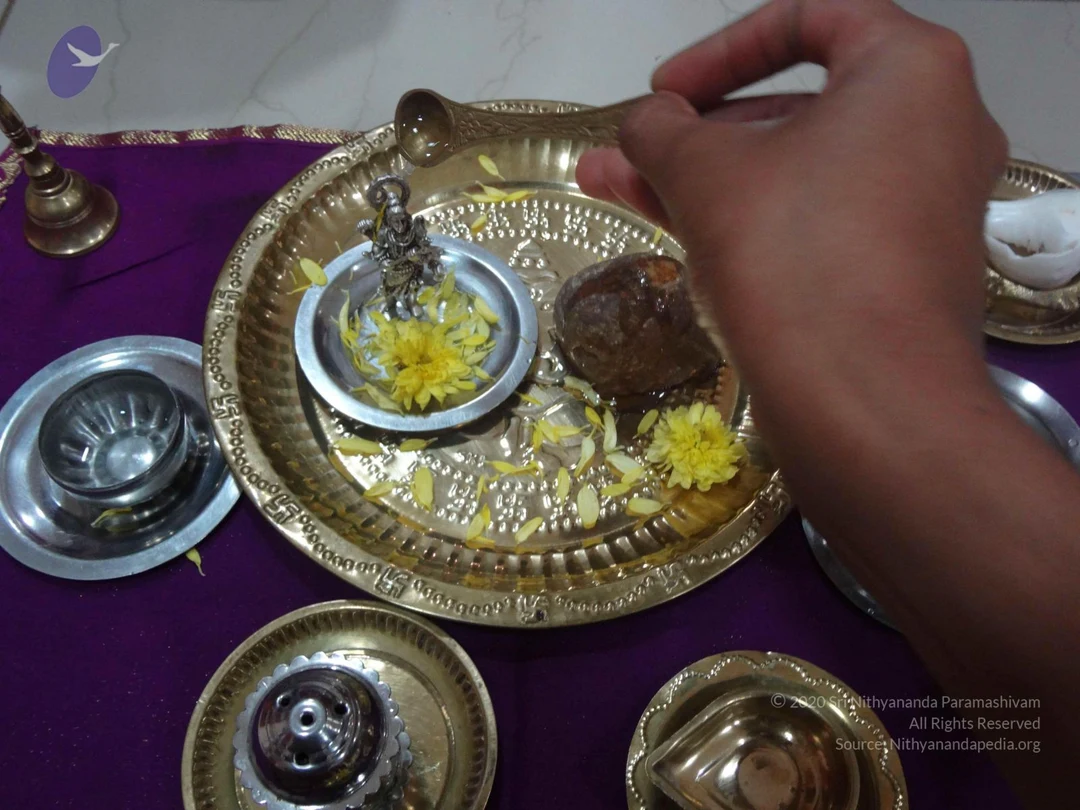
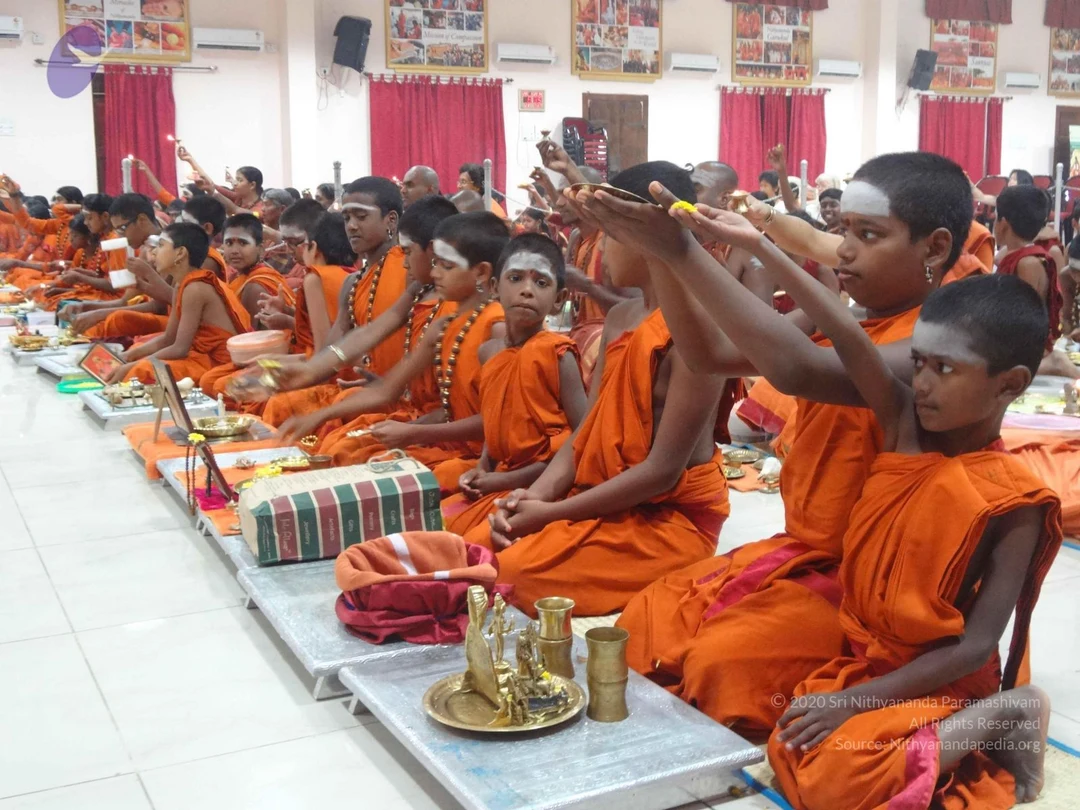
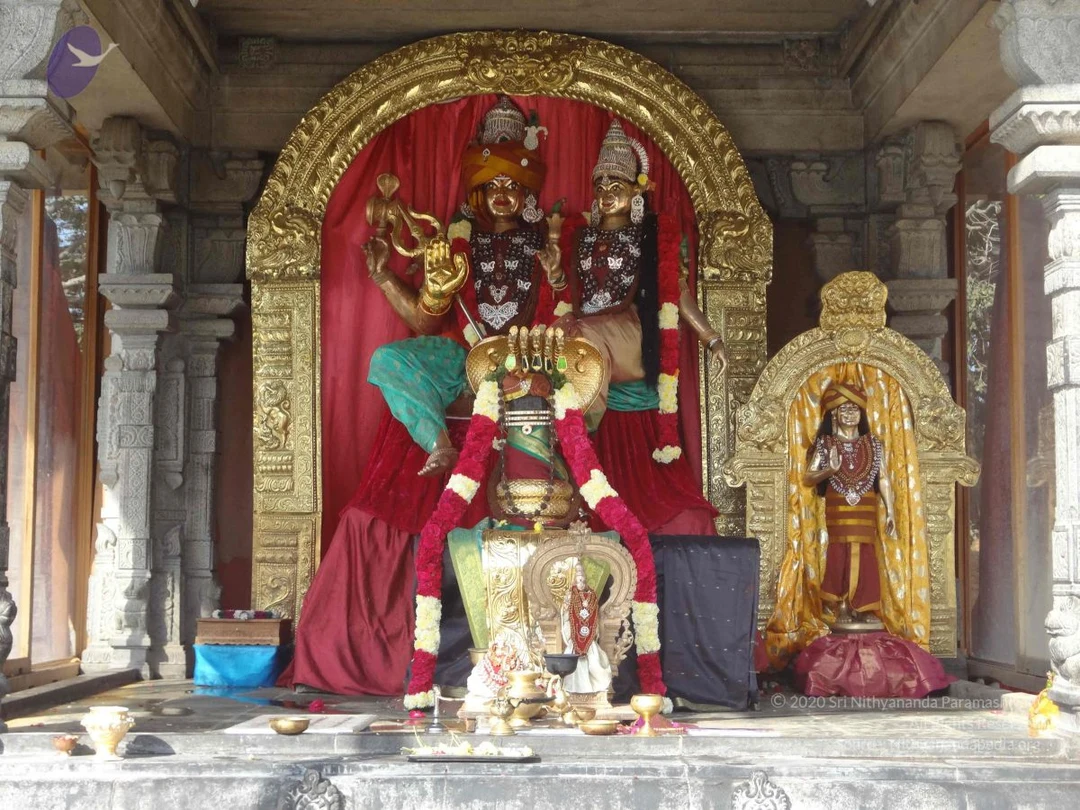
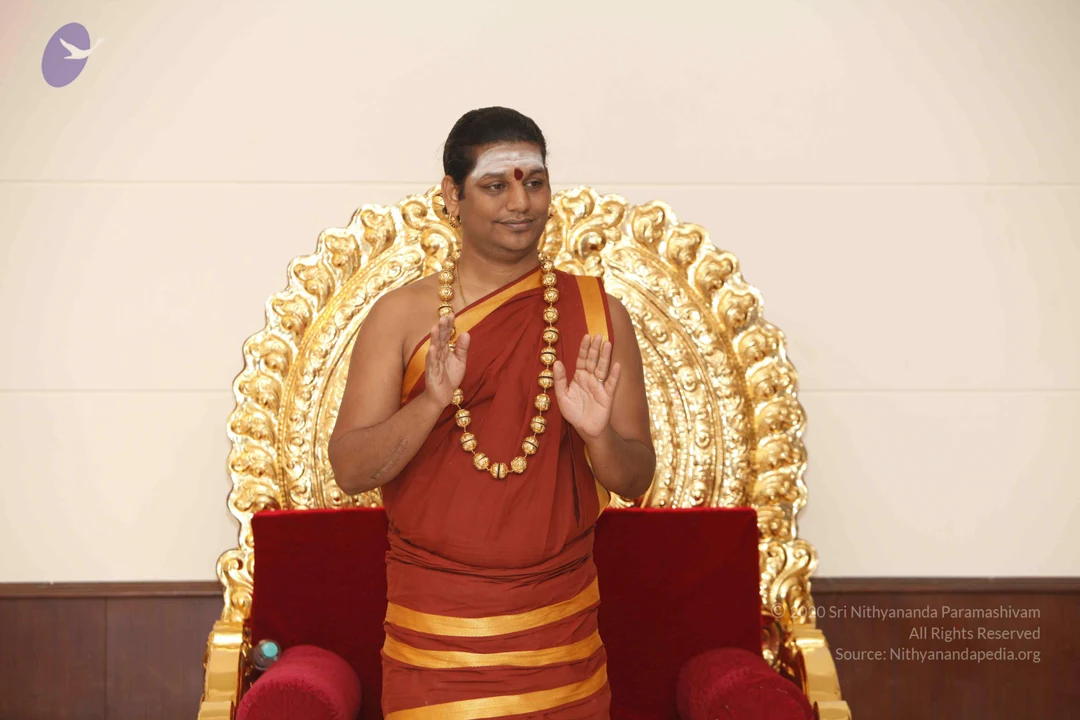
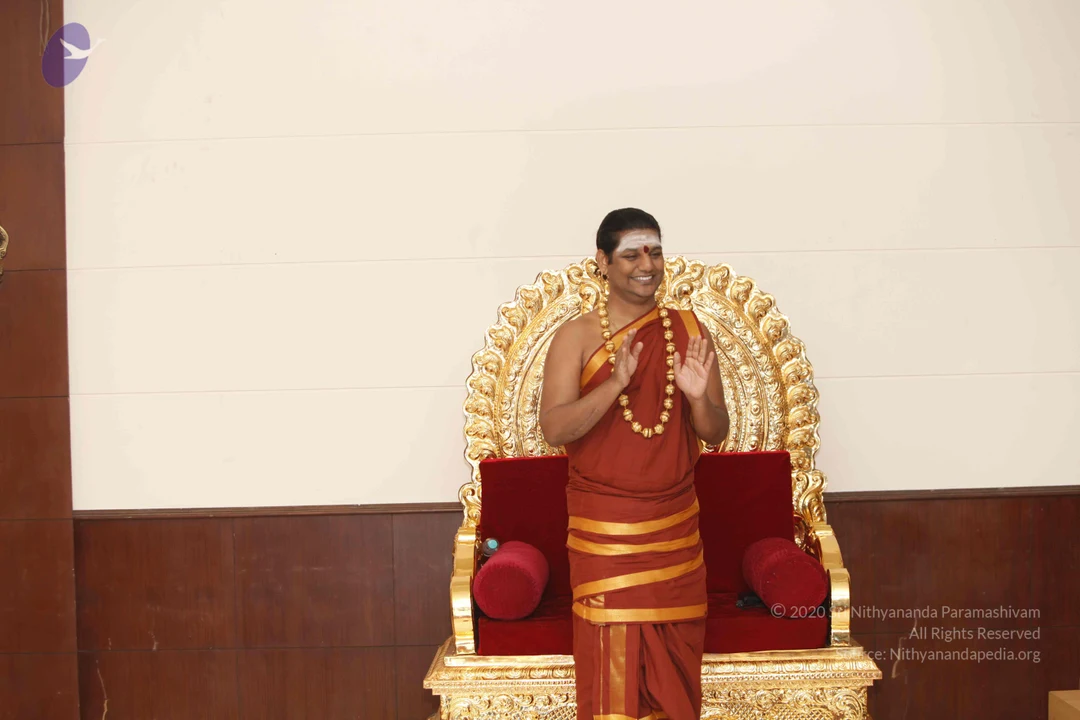
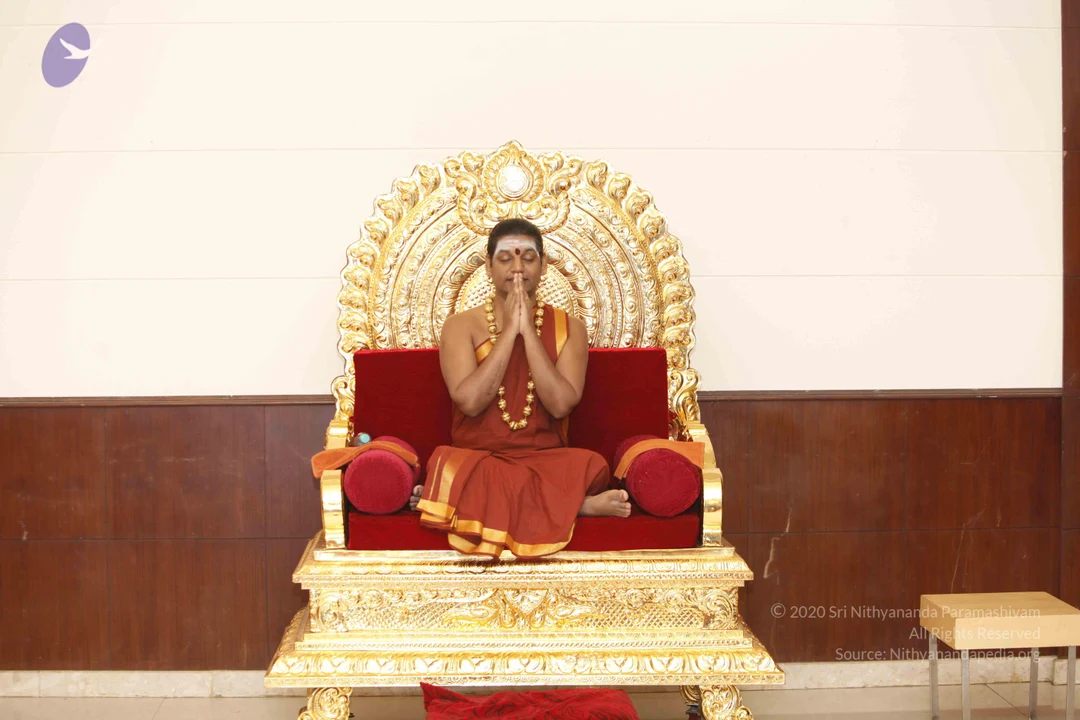
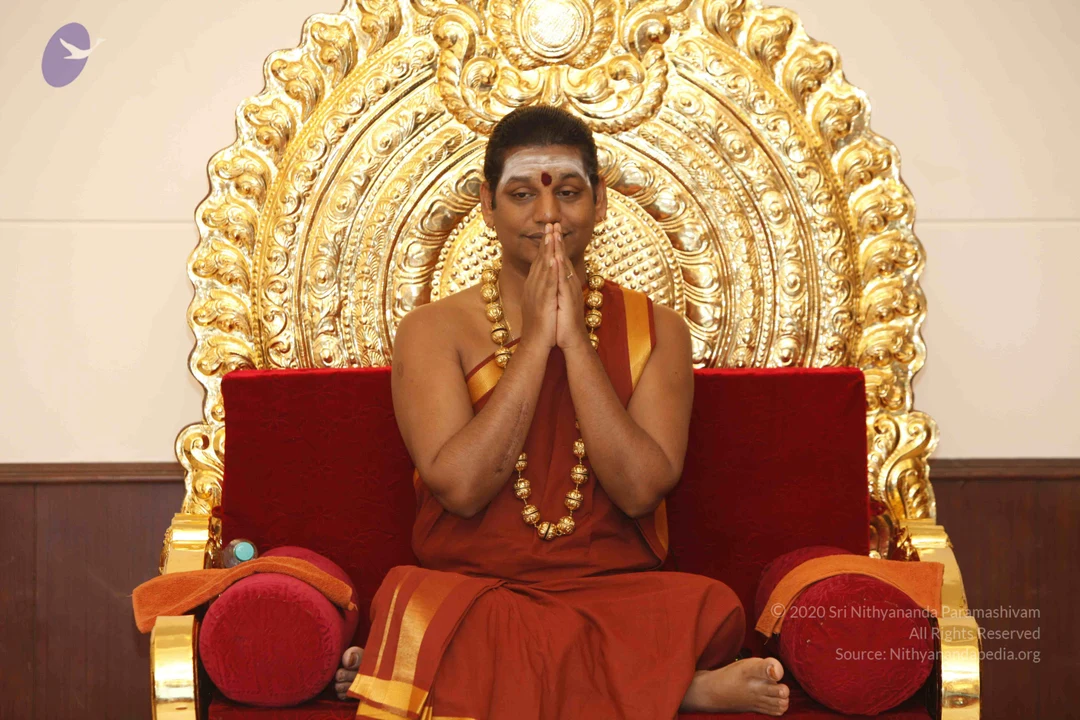
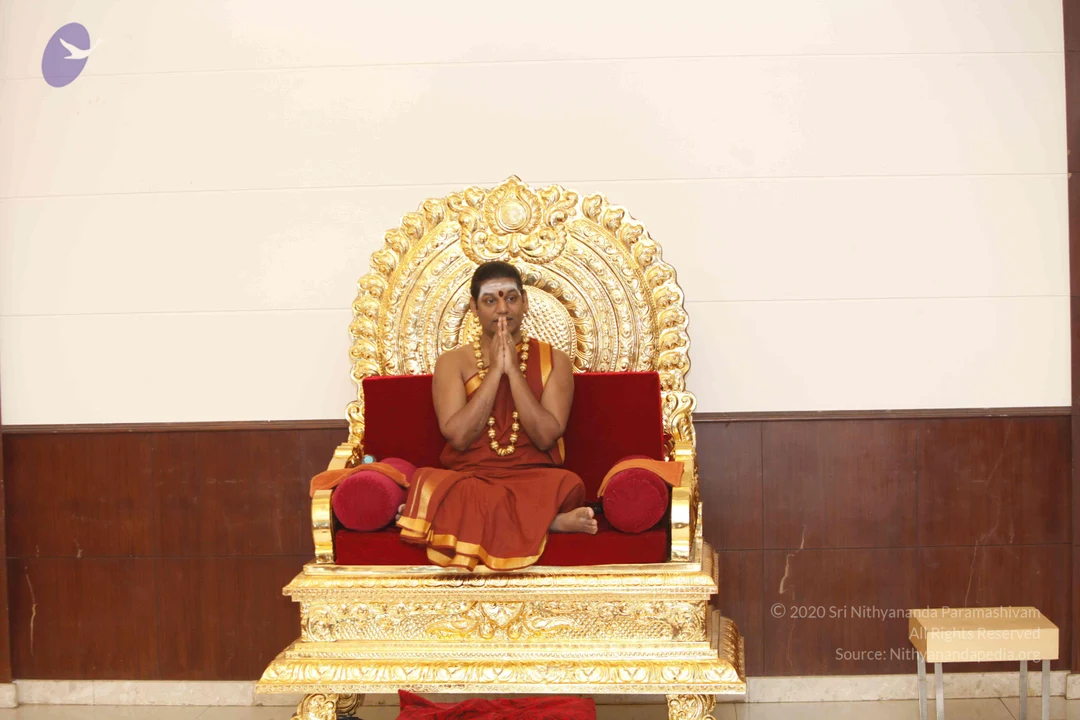
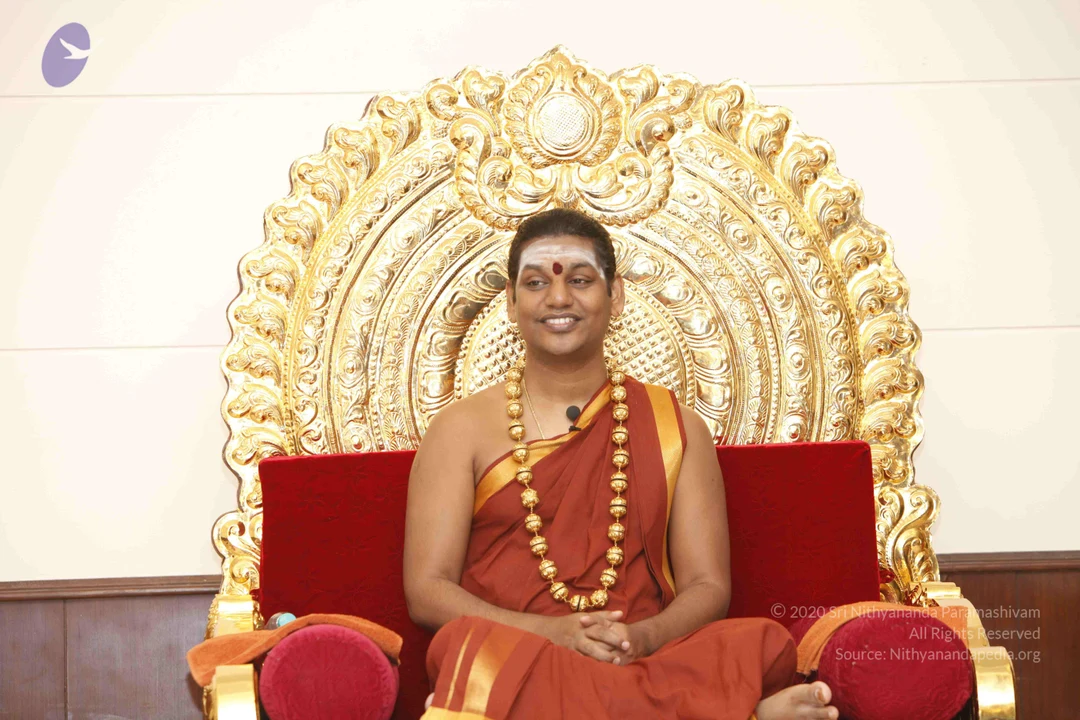
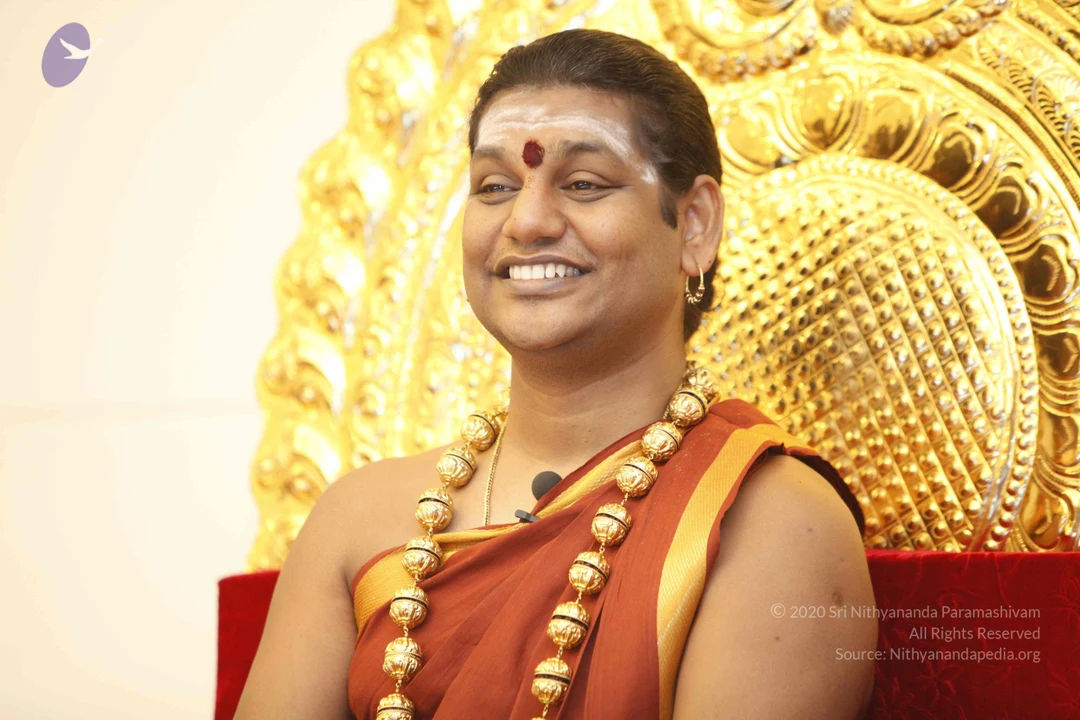
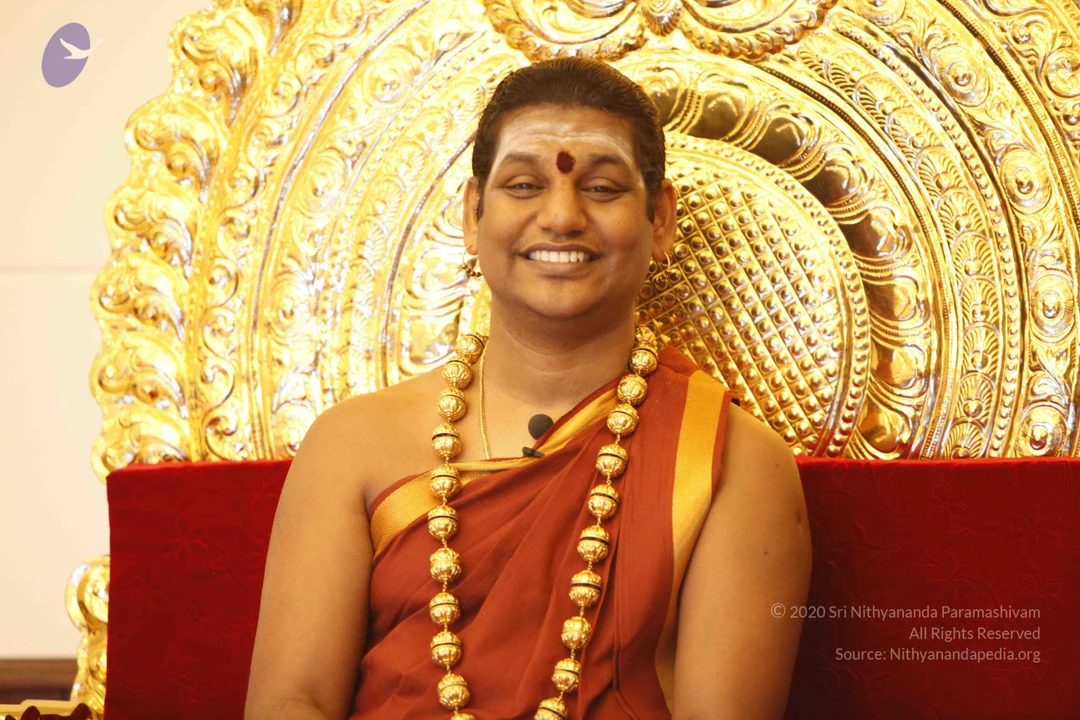
In today’s morning Satsang, Paramahamsa Nithyananda explains the deeper level truths about Kalpataru. In the Kalpataru Darshan, Paramahamsa Nithyananda not only fulfills our boons but also initiates us into the science of Kalpataru, giving us the knowledge to create our own reality – by ourselves! On a deeper level, He is initiating us to rest into our very consciousness! This is the space were possibility resides. Once we learn to tap into this space, we can achieve anything in our lives!
Link to Video:
| Video | Audio |
Transcript:
(00:14)
Nithyānandeśvara samārambhām Nithyānandeśvari madhyamām | asmat āchārya paryantām vande guru paramparām || (00:37) Iss samay hamare sath upasthit sabhi darshakon aur bhakton ka main prem evam aashirwad sahit swagat karta hun.
(00:49)
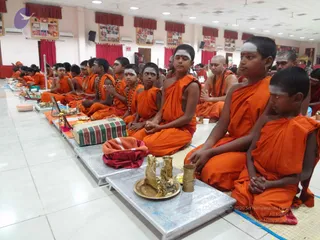
I welcome all the devotees, disciples, samajis, satsangis sitting with us through Nithyananda TV, Sadhna TV, Lotus TV, Eshwar TV, Janashree TV and through video-conferencing having nayana deeksha in many cities, many countries around the world. Cities sitting with us in two way video conferencing having nayana deeksha: Madurai Mahanagaram - Madurai maha ngarathilay kalpataru darisanathirkaga onru koodi irukkum anbarkalayum. baktarkalayum, seedarkalayum vannagi varaverkinren – I welcome all those who have gathered in Madurai Maanagaram. Nithyananda Nagaramu- Hyderabad, Guadeloupe-Rameshwaram, Los Angeles -Arunachalam, Ohio-Prayag, Kuala Lumpur-Palani, Phoenix-Kanchipuram, San Jose -Madurai, Oklahoma-Somanatham, Singapore-Singapuram, Toronto-Kailasam, Seattle-Chidambaram, Indrani-New Jersey, Charlotte-Srisailam, Thiruvanmiyur -Chennai, Hong Kong-Sirkazhi, Camus-Hong Kong, Houston-Kalahasti, Bangalore City Centre, Warrington-UK, Dhyanapeetam-Hosur, Port Washington-New York, San Diego-La Jolla, Hyderabad-Gupta Kashi, Dubai-Vaidyanatham, Ohio-Ma Shivananda. So, with this, I welcome all of you with My love and blessings.
(02:50)
Please listen. Come to the space of listening. Today, today we are going to have much deeper understanding on the space of Kalpataru. Listen. You have atma – your consciousness and your body, mind. Please listen. You have your body, your mind, your soul - atman - consciousness. Because of the presence of the consciousness - soul, your body and mind starts functioning. Some more cities are joining San Antonio-Texas, Kathmandu-Nepal, Jorpati-Nepal, Paris-Home Temple, Scottsdale-Arizona, Oman-Sivagangai, Adi Nithyananda Dhyanapeetam -Avathipalayam. I welcome all of you with My love and blessings.
(04:17)
Listen. Because of the presence of your soul, atman, the body and mind starts functioning. The atman - soul, has a power to make anything alive, reality. Body is just matter, few kg bones and few kg flesh which is not even useful like animal flesh. At least animal flesh will be useful for human-beings to eat; human flesh is not useful for anybody. Very rarely few animals only eat. Body is just made out of little flesh and bones. But the consciousness - the atman - the soul resides inside the body; that has a power to create anything you want. It can make anything into reality. Between this body and soul comes mind. Please listen.
(06:06)
Body is just flesh and bones, soul is consciousness. Consciousness is all-powerful, all-knowing, always blissful - satchitananda, paripoorna, swayamprakasha; it is eternally blissful. The soul is akhanda paripoorna satchitananda parabrahma, nithyanandam. It is all-powerful, all-knowing. Body is matter. Because of the presence of the soul, the body functions. Between this two, body and the soul, comes mind. That mind can be used for right or wrong reasons. If the mind is centred on the body, it will live and die with the space of impossible; because body by its nature matter. What can be possible for the matter? Nothing is possible for the matter. If the mind moves towards the soul, consciousness, and lives around consciousness, rest in consciousness, atman - soul, the mind lives in the space of possibility everything, everything, everything is possible.
(08:42)
Please understand. Kalpataru is science of initiating you to learn to be in rest in consciousness. Science of initiating your mind to be in the space of atman, soul, consciousness, helping you to start living and residing in the space of consciousness, in the space of soul. I tell you, residing in the space of consciousness makes you Shiva, residing with your body makes you Shava. Shava or Shiva, it is your own decision, your mind’s decision. Are you constantly going to be living with your body based patterns or conscious based energy? The more you come near the body, the more you are going to repeat the mantra “impossible”, “not possible”, “not for me”, “no, no”. This “impossible” mantra, the “impossible” mantra is going to become chorus, the more you come towards body. The more you go towards the soul, I tell you, an extraordinary possibility happens in you. That is why I say, “Sundara” means “Grace”, the grace which comes when you understand everything is possible in your life - the space of possibility. And Budha Graha is the space of possibility. Budha is actually space of possibility. Sundareswara is Budha Graha and he is embodiment of possibility.
(11:55)
Sundareshwara... Please understand. I have defined many time this “beauty” and “grace”. Beauty is, from the distance when you see how a person looks; when you go near a person, you may not want to be around that person more than a few hours. 😊....sometime even a few minutes. Grace is what that person feels about himself or herself, how he carries himself or herself, what kind of a beliefs they have about themself. I tell you, having the right beliefs about you, means having healthy being. If you have, carry health in your stomach, your mouth won’t smell. If your stomach is upset your mouth will smell; nobody will want to be around you. Sameway, if you carry a graceful being, the moment you open your mouth, it will be with so many beautiful, wonderful concepts, ideas, truths; everyone will be want to be around you. If you are carrying a dirty, depressed being inside, the words you utter, no one will want to be around you.
(13:38)
Sundara is the grace, the personality you carry. The constantly what is it that going on in you - that makes you Sundara. Unbroken way, uncompromised way what goes on inside you, what you carry as you, how you respond to the world, how you look at the world, how you perceive yourself and others, that - that makes you Sundara. 😊 I have seen… I have seen in My life at least few beings who are Sundara, who carried that grace. I tell you, going towards that grace, that Sundara inside you, is Kalpataru. Constantly remembering the possibility, constantly remembering the possibility, in your life living in the space of possibility, is Sundara. When you live in the space of possibility, whoever comes around you, you will just go on inspiring all of them, you will go on making them also Sundara. A beautiful person cannot go on make everyone beautiful, but a graceful person will go on making everyone graceful. A Sundara, a graceful being will go on making everyone graceful. Grace, Sundara, Sundara. I can repeat this word any number of time.
(17:31)
Carrying the space of possibility and powerfulness inside you. I tell you, it is not at all that difficult. Maximum three months if you work, just work sincerely, whole day decide, ‘I will always be in the space of Completion, Completion, Completion’. Whenever you feel heavy inside the heart, some incompletion has come up, look in what is that incompletion and complete and drop it. In two second it may come up again. Again, in two second, you come back, look into that incompletion and complete and drop it. Take it as a challenge whether you are powerful or the incompletion is powerful, let’s see. Till your heart becomes complete, go on completing and dropping that incompletion. Do not allow your Will to side the incompletion. If you allow the incompletion to reside more and more, your Will will get brainwashed to the side of incompletion and you will start supporting the incompletion. ‘Yes, yes, yes, I think this is right; I am getting exploit, this, that’. Do not allow your Will to move towards incompletion. Never ever, never ever engage, entertain yourself with the incompletion. Never associate yourself with incompletions. Always residing in the space of Completion inside you, always residing in the space of Completion inside you, keeping the space of Completion inside you, that is Grace - Sundara.
(21:04)
We all spend so much time to look beautiful, but we forget we need to become graceful. That is why many of those beautiful beings, I can say, “beautiful bodies”, does not carry graceful beings. I have seen enough of these people, so called beautiful outside. But if you speak to them, two second, two minute is enough to know what a ungraceful personality they are carrying, that powerlessness, incompletions; you will be Ughh. Understand. When you carry the grace, graceful being inside you, a powerful being; being without root-patterns, incompletions you just excite people around you, you just inspire people around you; not number of hours, number of days, number of months, even number of years people spend around you they don’t get bored. They only feel ‘Wow! I have so much more to learn, listen, capture, imbibe.’
(23:13)
Bring grace into your being. Bring powerfulness into your being. Never allow powerlessness inside you. But even with all that, how I am able to inspire millions constantly, how I am doing such big work!? I am not telling4 for pride or anything. I am just telling the fact. Every day some corner of the people, sorry some corner of the world, people gather for Kalpataru; in all corner of the world, people gather for nithya satsang. Then how am I contributing so much to the world - because I have not allowed powerlessness inside Me. I tell you, the biggest blessing you can have is not allowing powerlessness inside you, carrying a graceful being, complete being. The biggest curse you can have is having powerlessness inside you. If you have powerlessness inside you, even if every situation outside the world is conducive, supportive, helping, you will be a failure. If you carry powerfulness, completion inside you, if the whole world is opposing you also, you will be successful. So understand. The power of completion, the grace of the being you carry, that is the most important thing.
(25:56)
Always decide and think being closer to your consciousness- atman, not being closer to your body - the matter. Matter gives you more and more impossibility, consciousness gives you more and more possibility. The idea of possibility, please listen, the idea of possibility, when that gets strengthened in you, the idea of possibility, when that gets strengthened in you, you become more and more alive, intelligent, active, enlightened. Every time you complete with your self-doubt, hatred, denial, you complete with your incompletions, you are getting established in the soul-consciousness, atman. Every time you feel “impossible”, you are more and more moving towards body, jada , matter.
(27:57)
Photos

Tags:
Paramahamsa Nithyananda, truths, Kalpataru, Kalpataru Darshan, boons, science, Kalpataru, create, reality, consciousness, space, possibility.
Photos Of The Day:
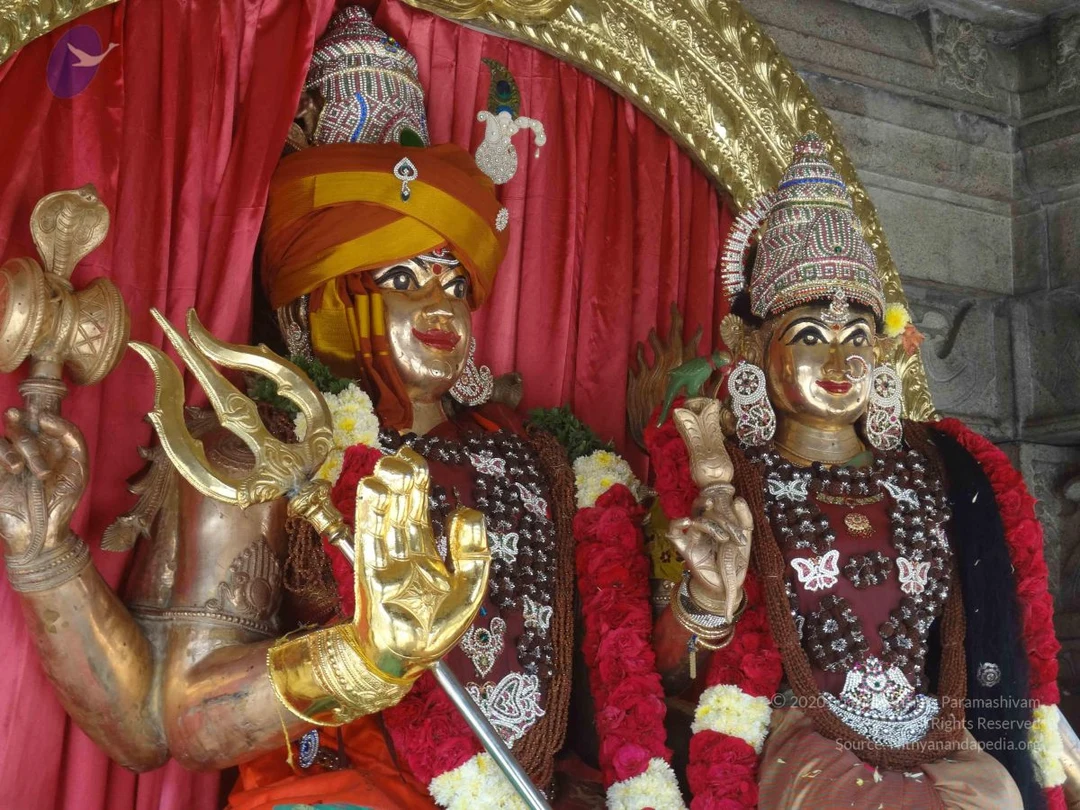
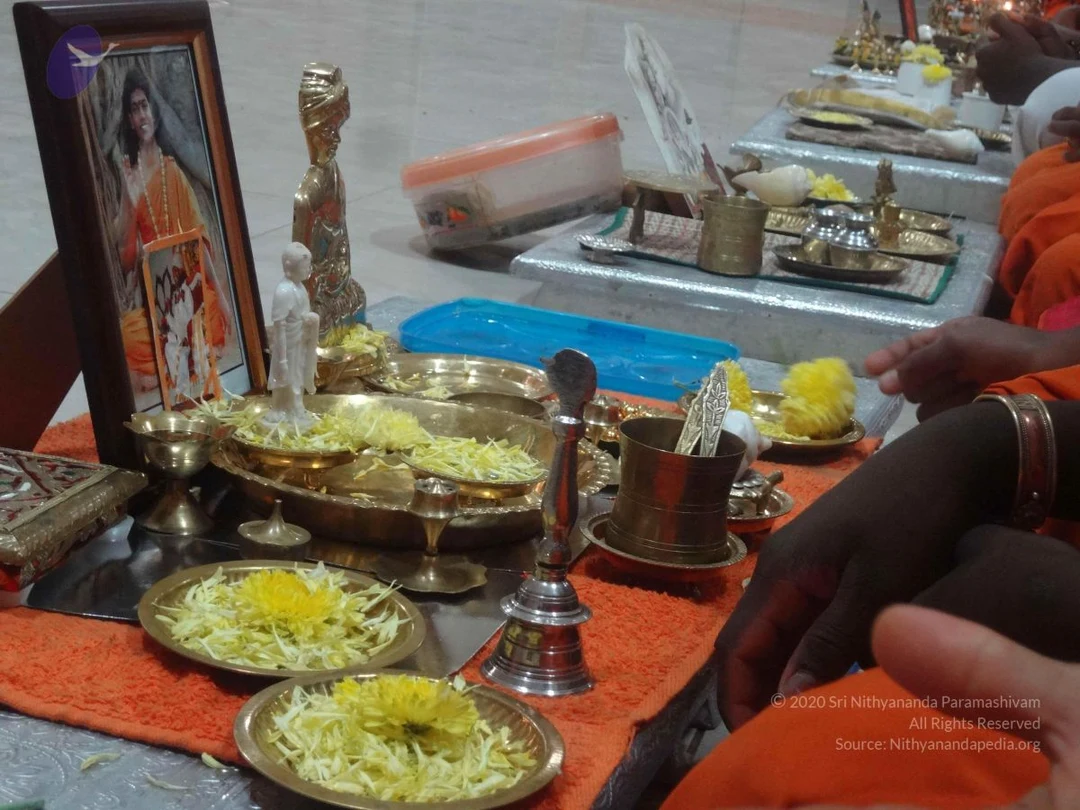
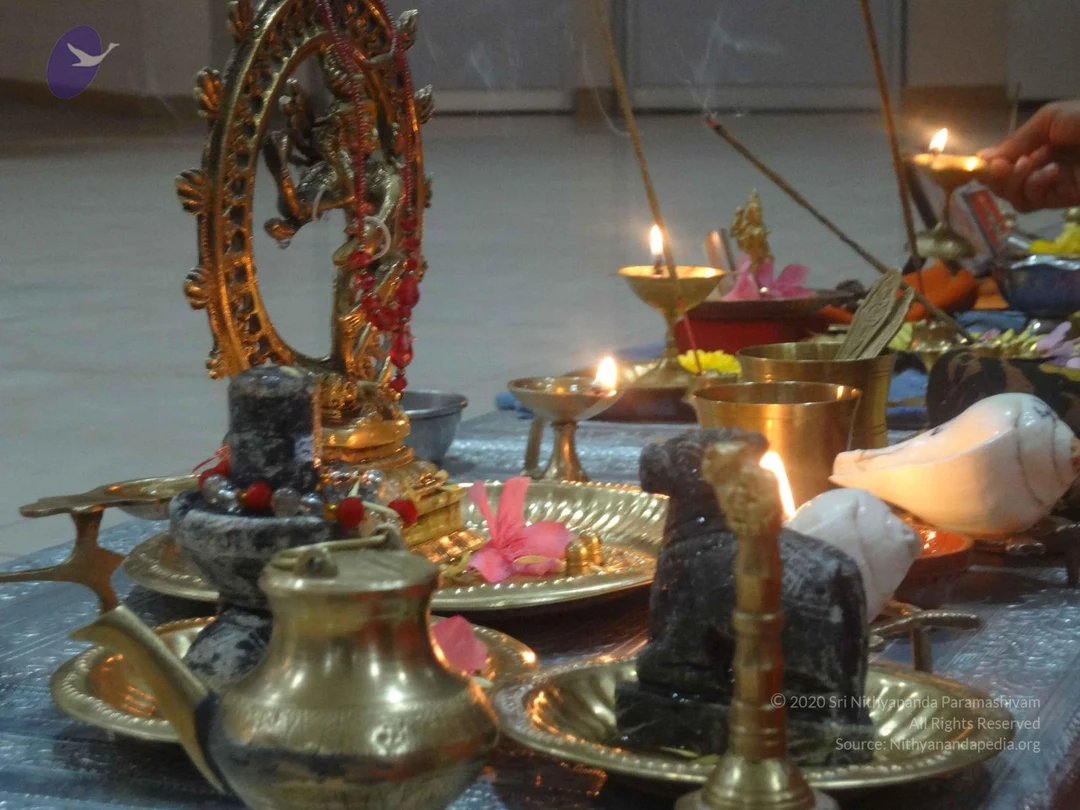
01-NITHYA-SATSANG
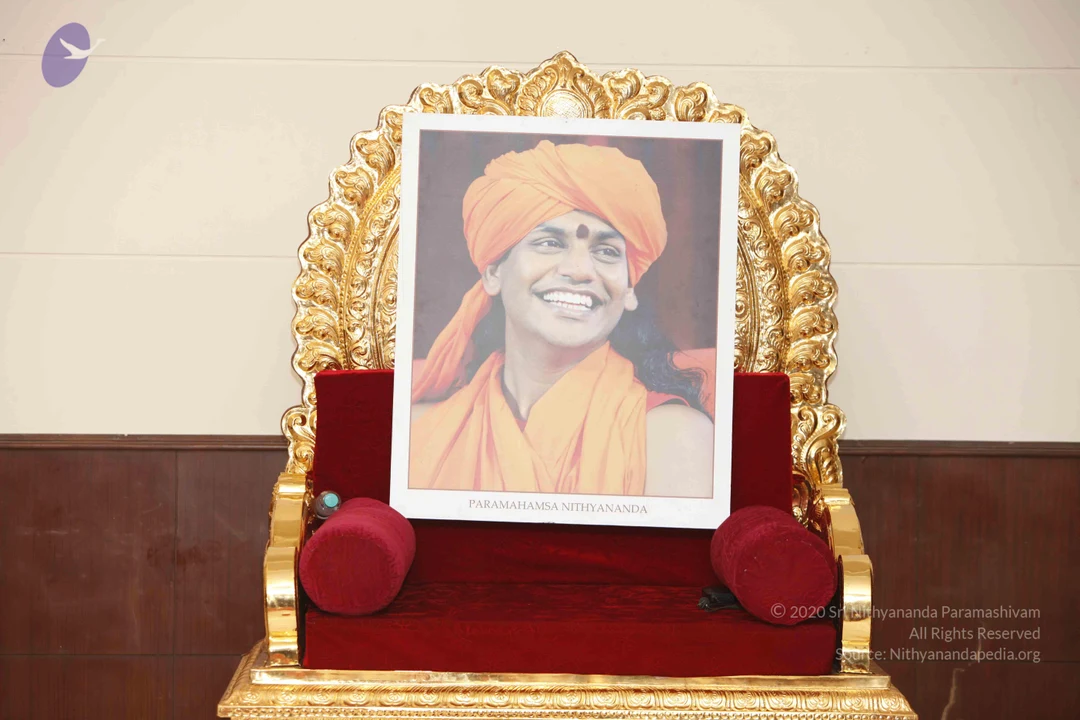
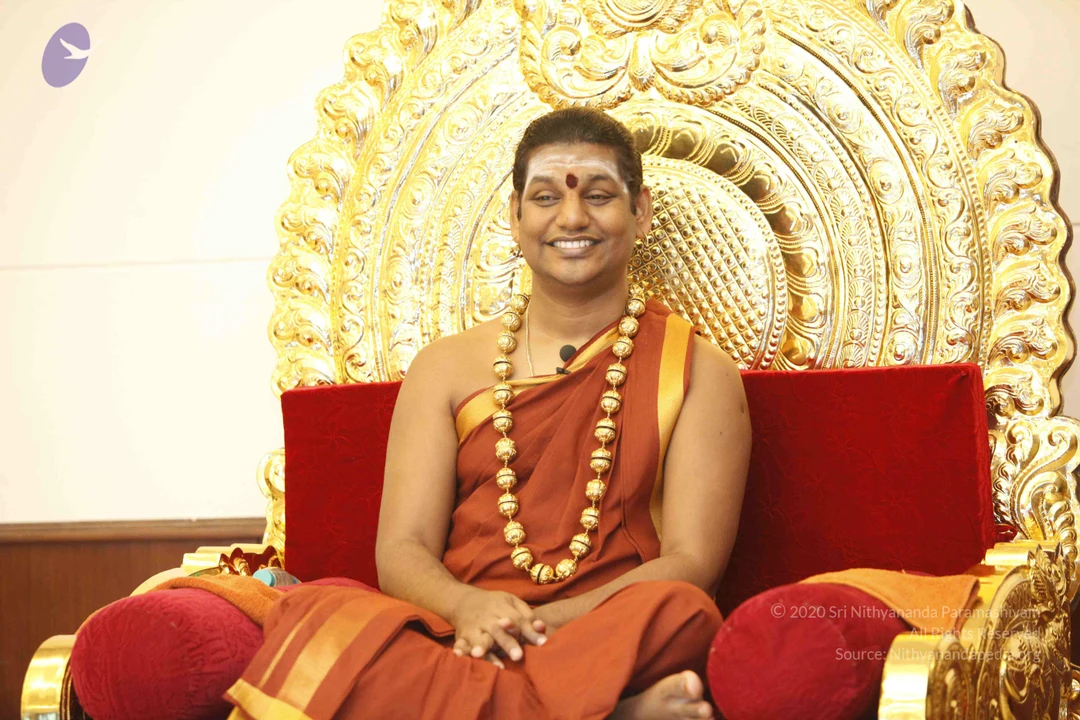
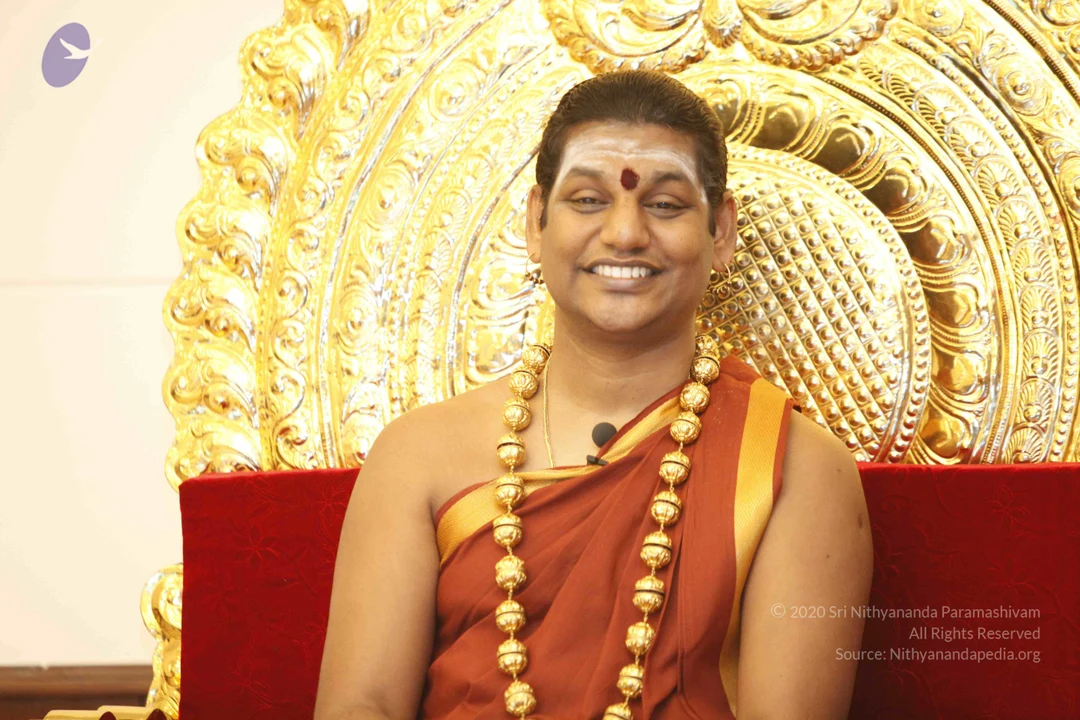
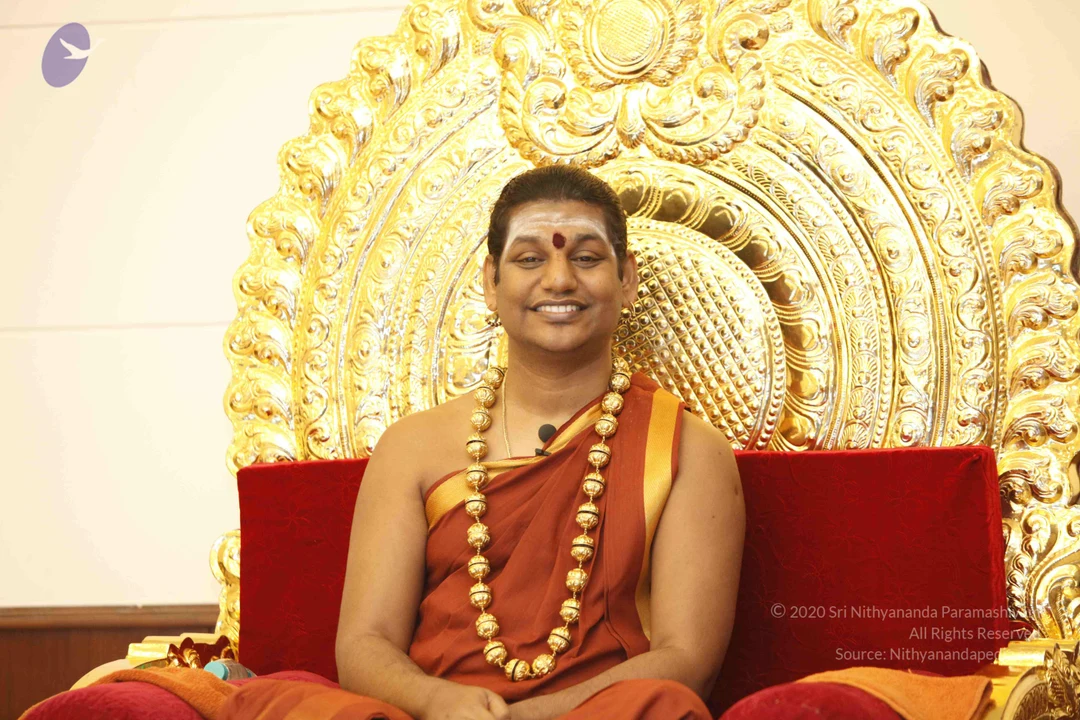
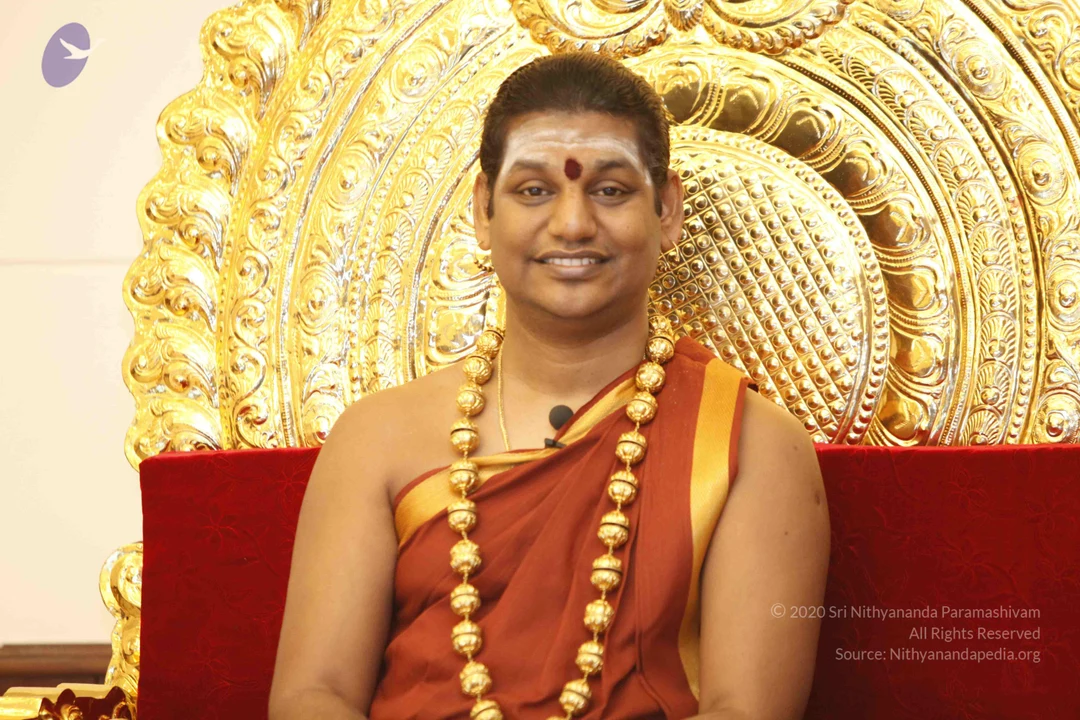
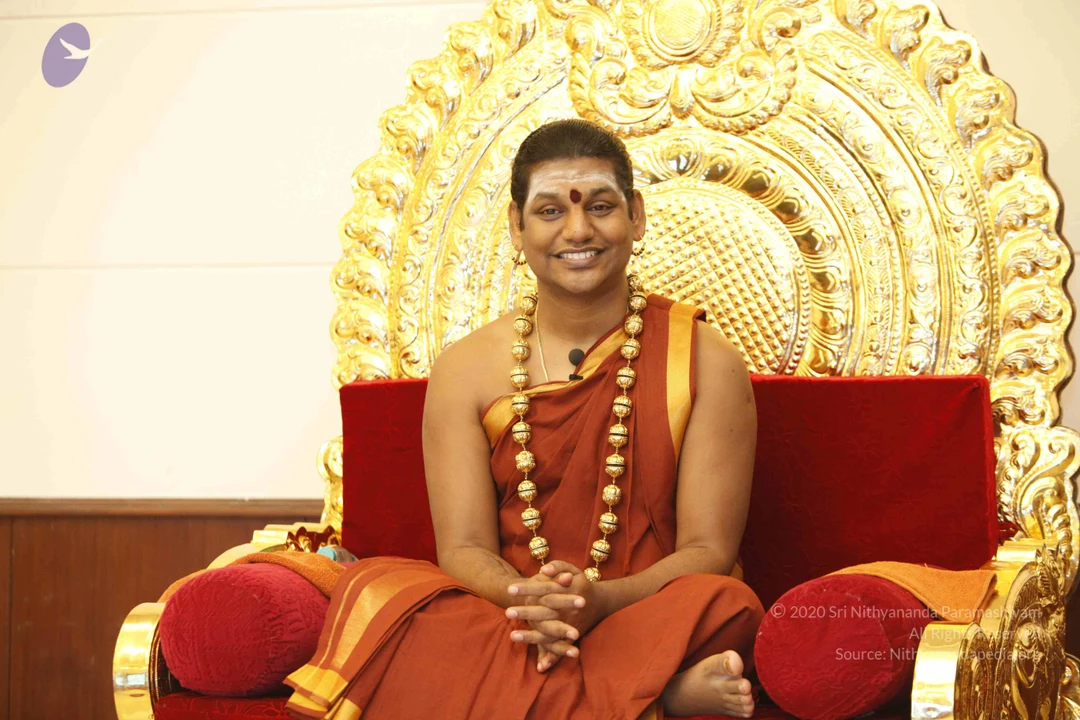
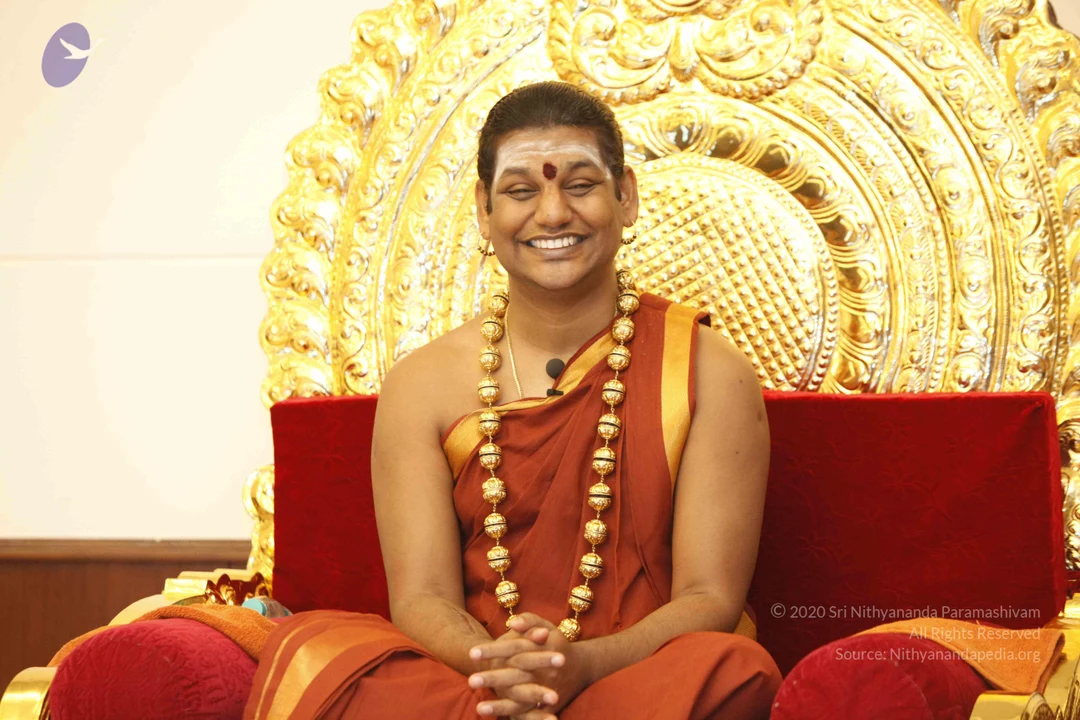
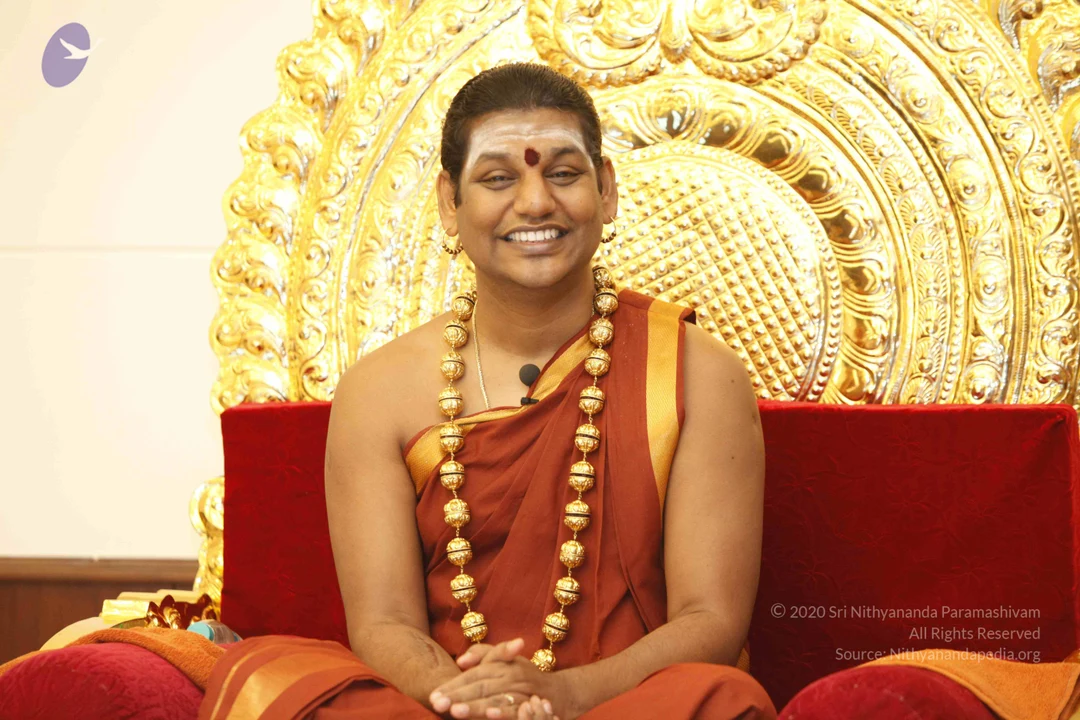
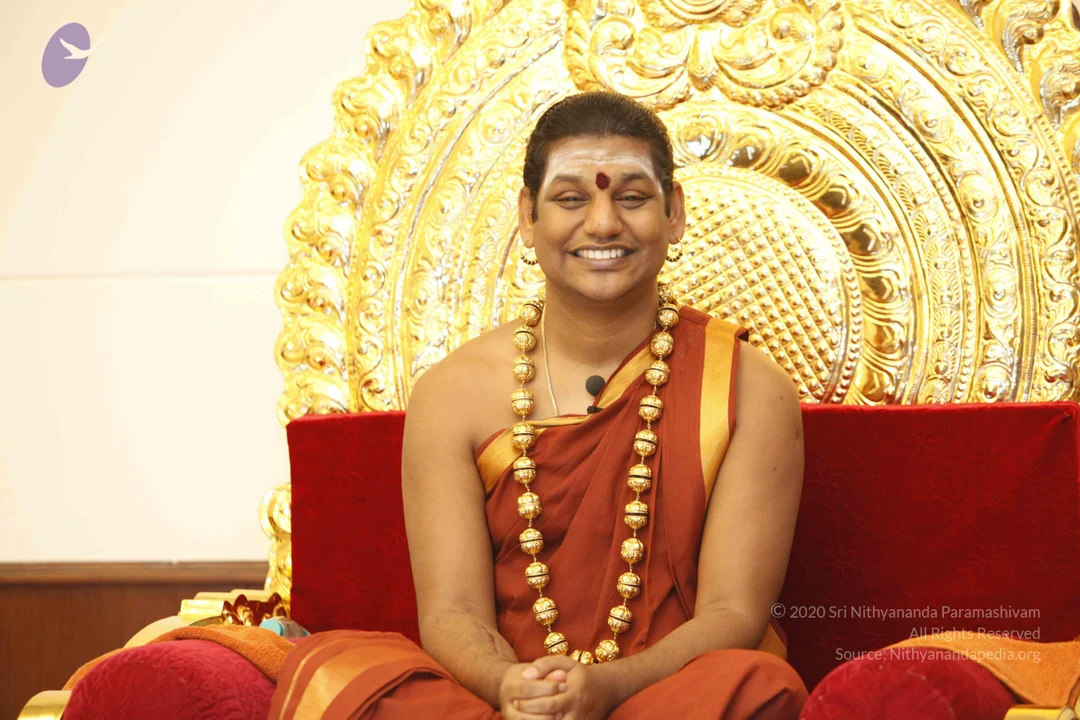
Photos from this day
View all 35 photosPhotos
9 photosSource gallery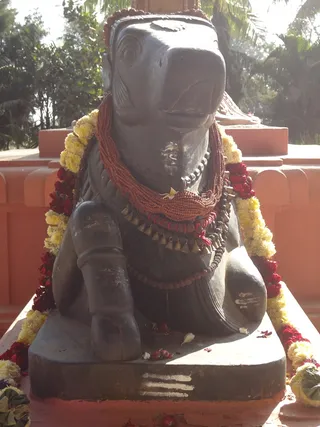
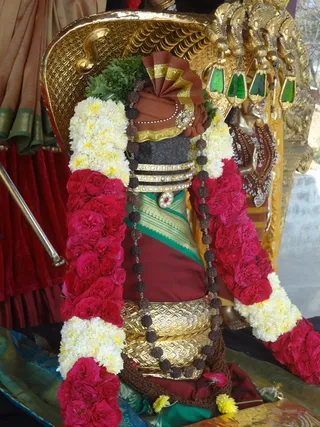
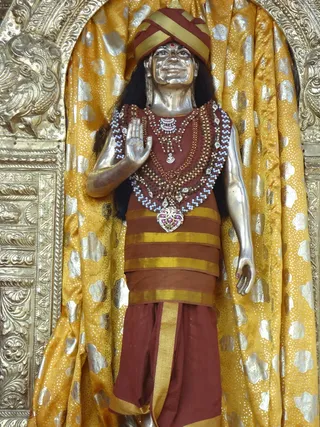
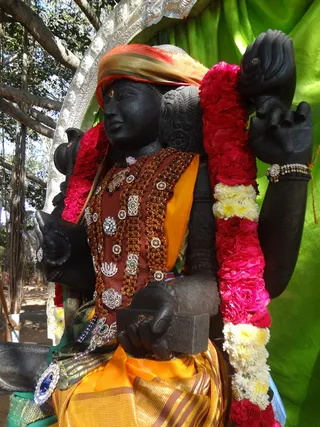
Photos Of The Day:
10 photosSource gallery
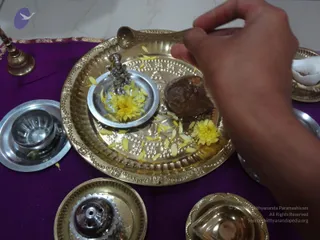
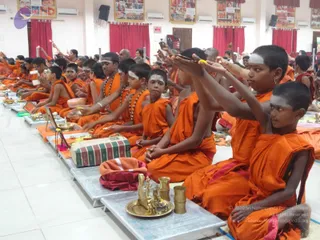
01-NITHYA-SATSANG
16 photosSource gallery