Skip to content
Friday

26 October 2012

THE SUPREME PONTIFF OF HINDUISM HDH BHAGAVAN NITHYANANDA PARAMASHIVAM

Dated photos
4
Source pages
1
Media
1
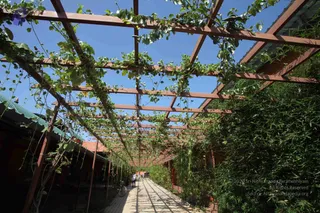
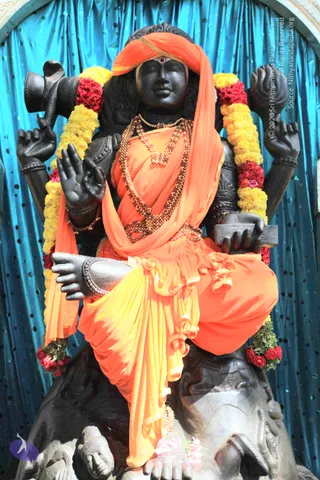
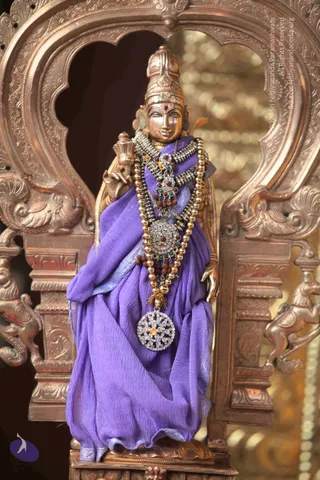
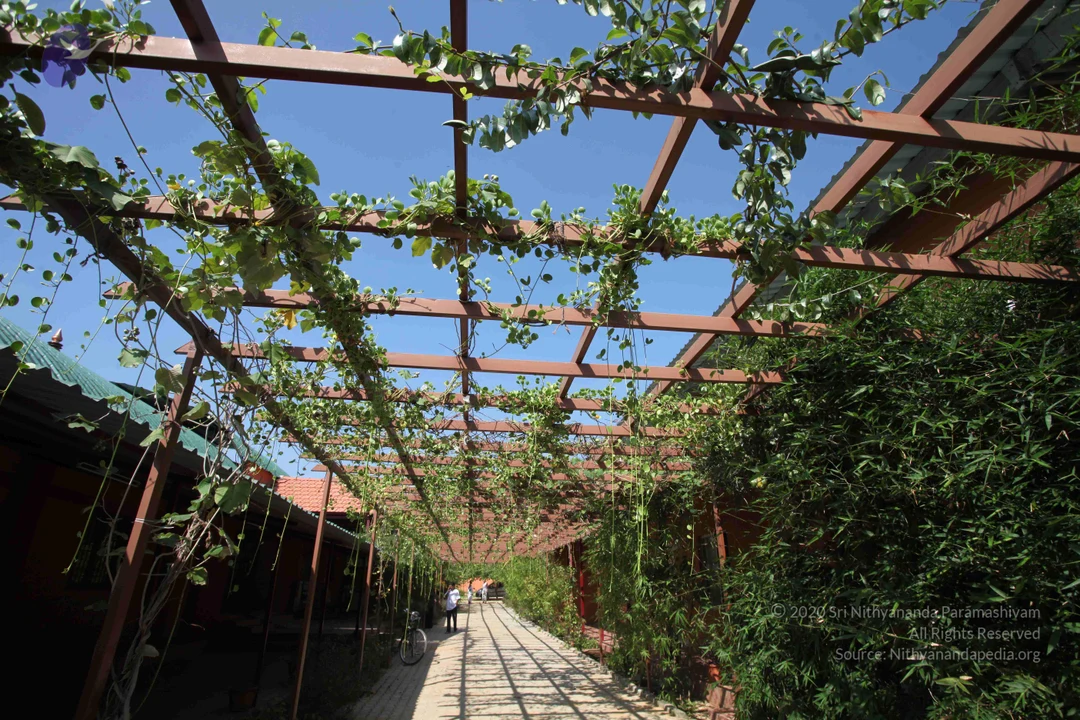
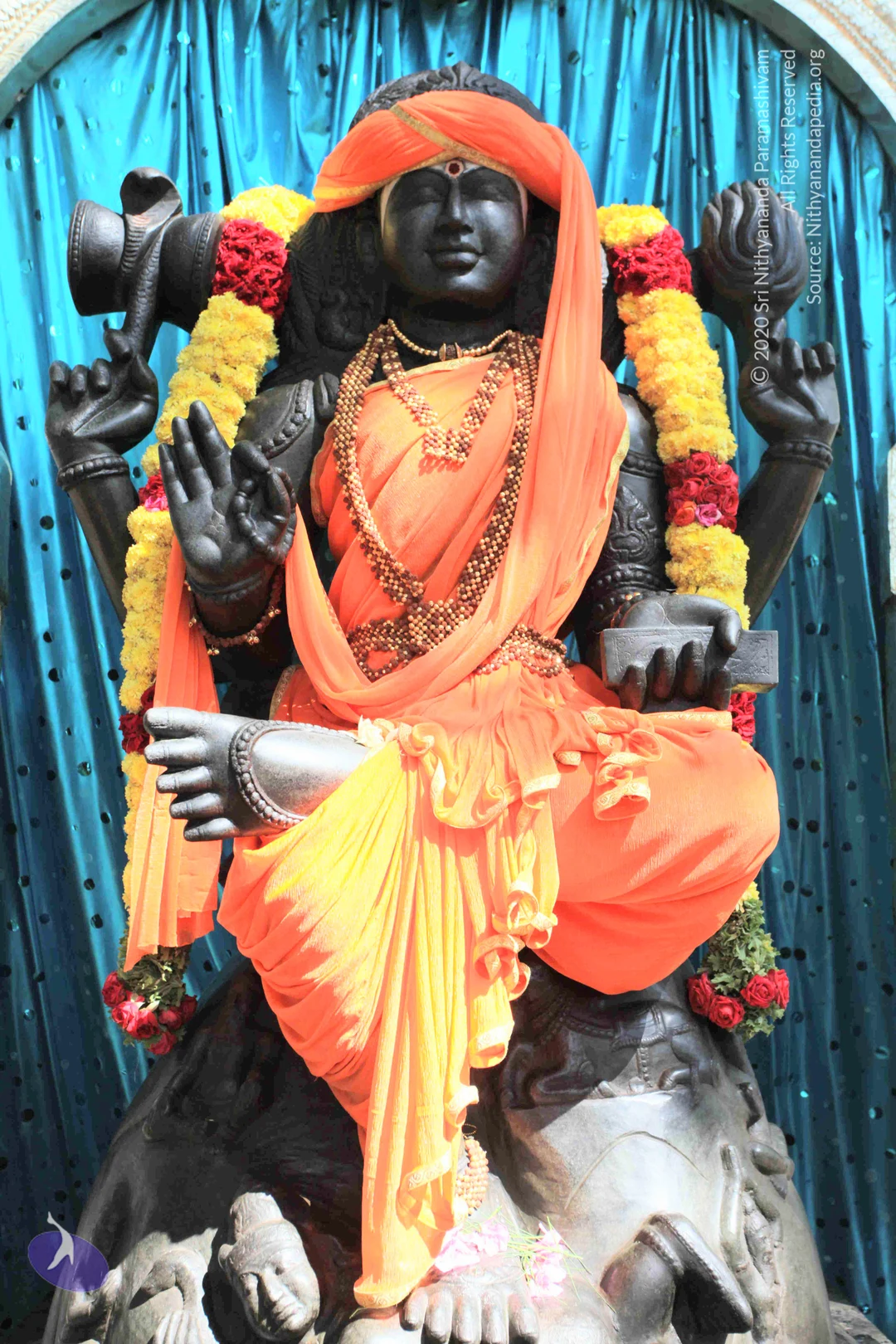
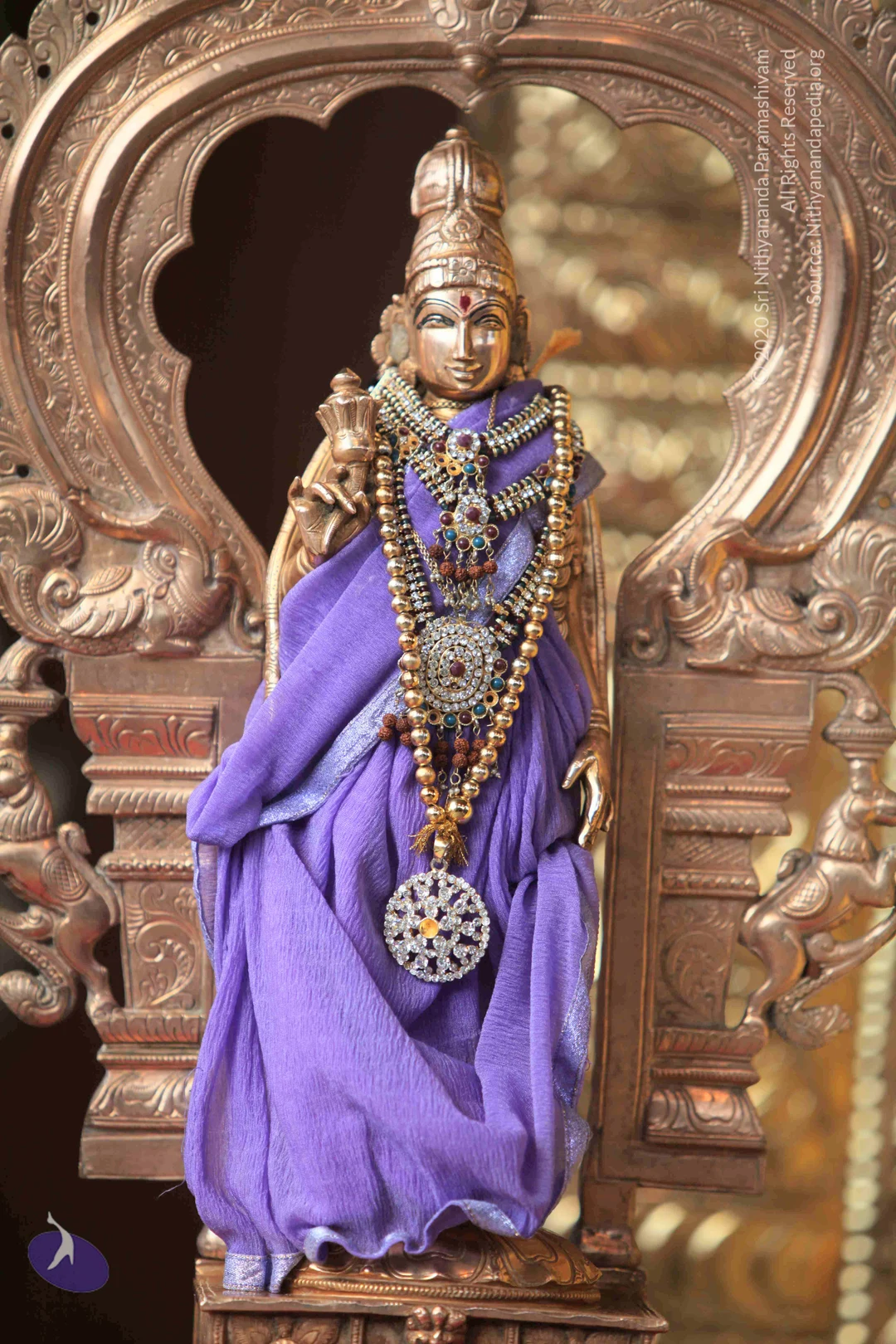
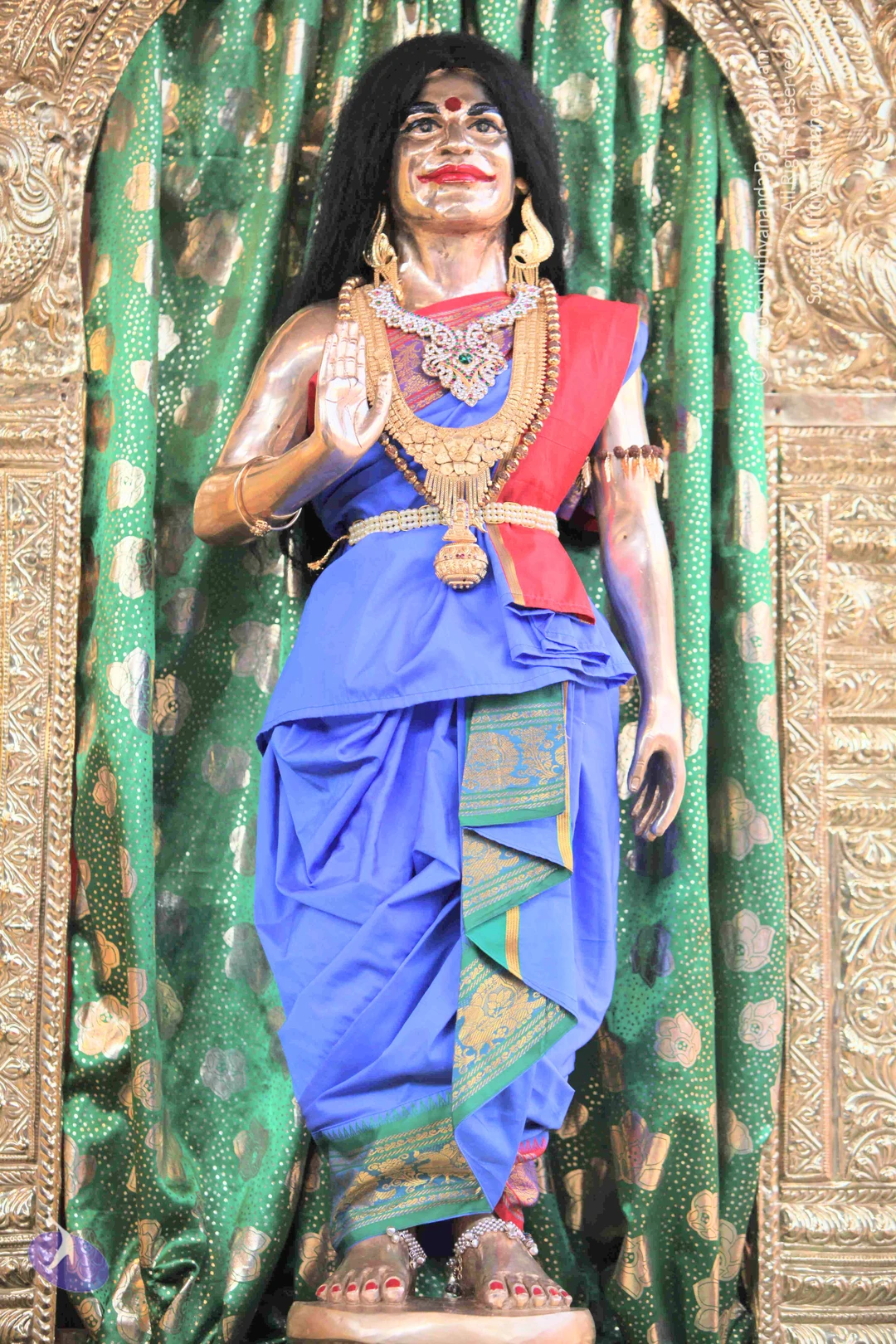
A photograph of a covered garden walkway at an ashram. A rust-coloured steel pergola frame overhead is draped with green climbing vines and leaves, with patches of blue sky visible through the gaps. A narrow paved path runs down the centre, lined on the right by dense green bamboo and on the left by terracotta-roofed buildings with orange walls. A bicycle is parked along the left side. Two people in white clothing walk far down the path, and a few more figures are visible in the distance.A dark stone statue of a four-armed deity seated on a bull or nandi-like base, shown against a turquoise draped backdrop. The figure wears an orange turban with a red tilak mark on the forehead, an orange and gold-bordered shawl, and orange-yellow dhoti-style cloth. Multiple strands of rudraksha or wooden beads hang across the chest and waist. Marigold and red rose garlands drape the arms, and fresh flowers lie at the base. One hand is raised in abhaya-style blessing, another holds a small rectangular object, and the others hold a drum-like shape and a snake-like item. This is a statue, not a living person.A copper-toned metal deity murti stands in an ornately carved copper shrine arch with peacock and horse motifs. The figure wears a tall crown, a red bindi, and a lavender sheer draped garment with a thin silver border. Layered necklaces of gold beads, rudraksha beads, and a large jeweled pendant with stones adorn the chest, and the raised right hand holds a small object. The background shows blurred golden shrine decoration. The statue is a sculpture, not a living person.