Skip to content
Friday

14 October 2011

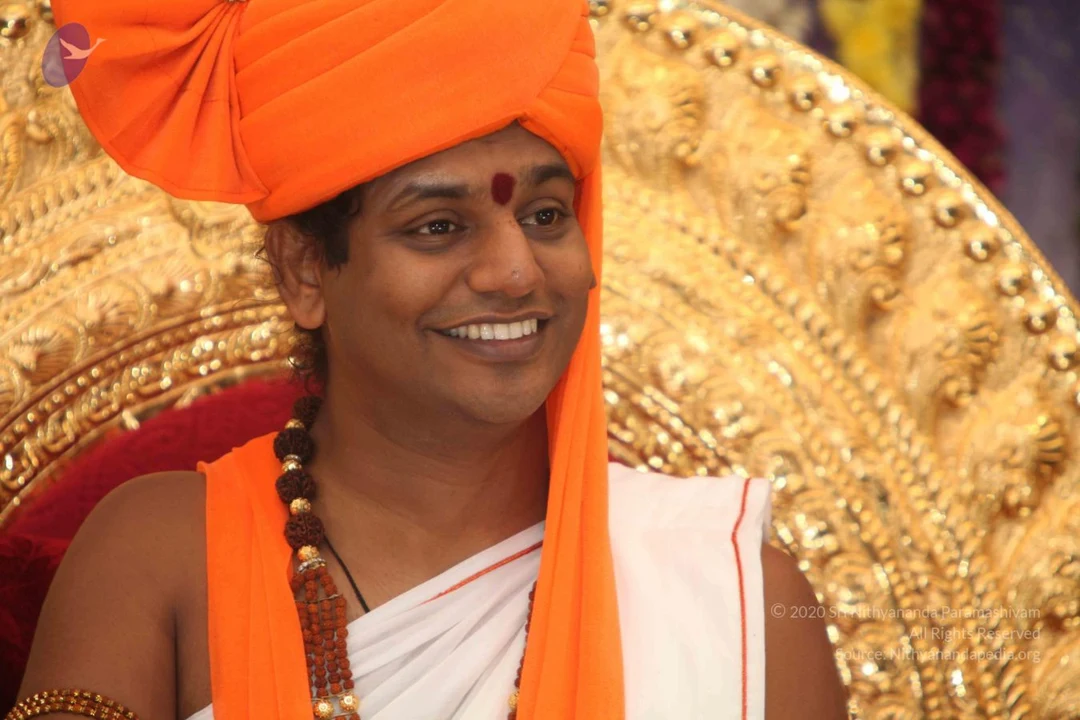
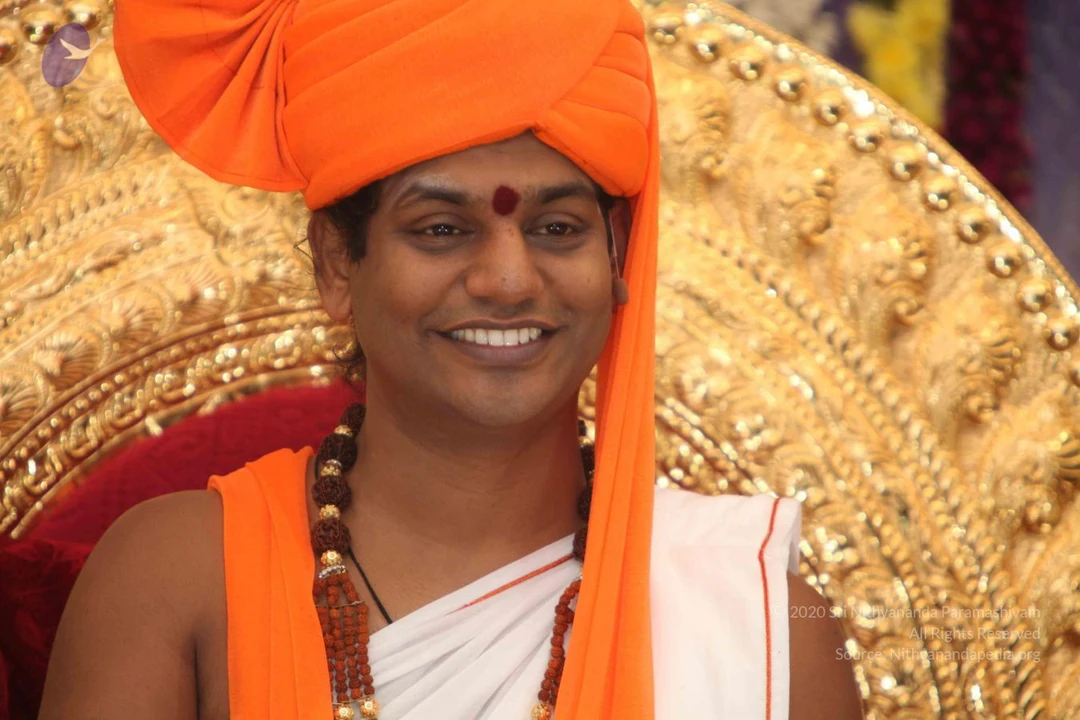
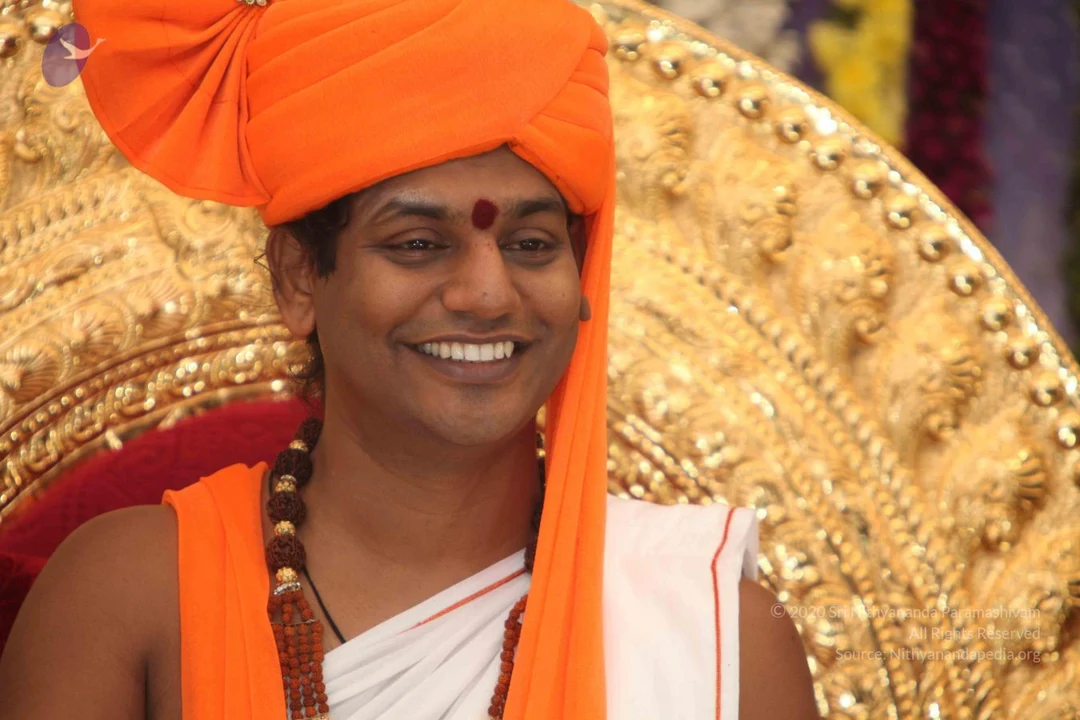
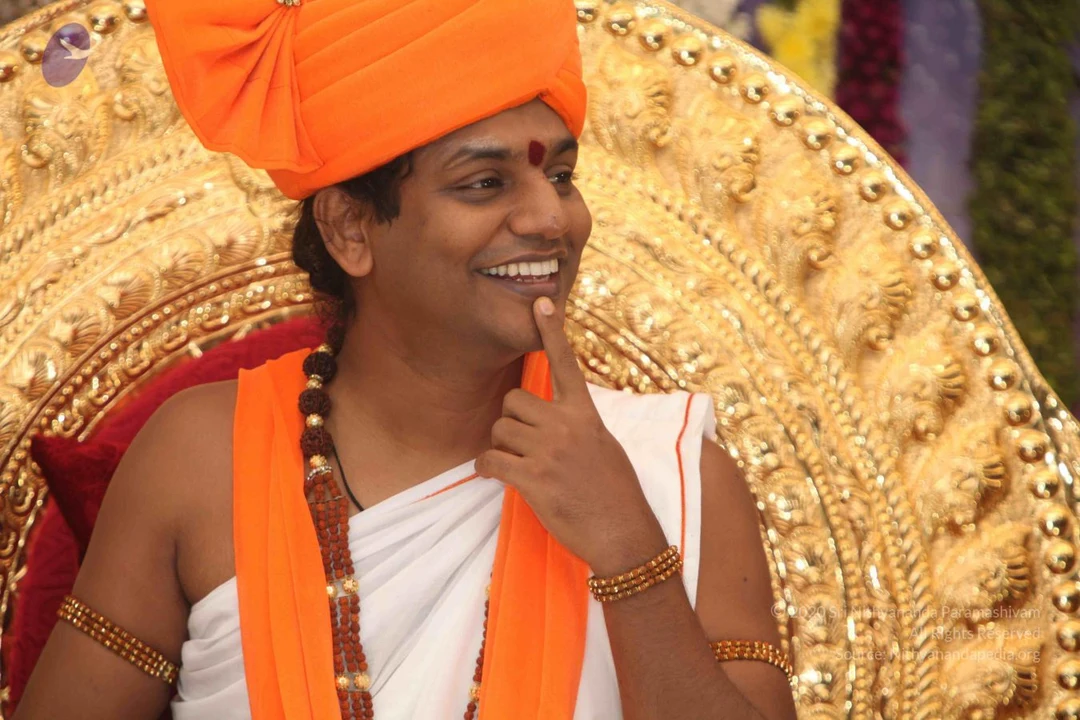
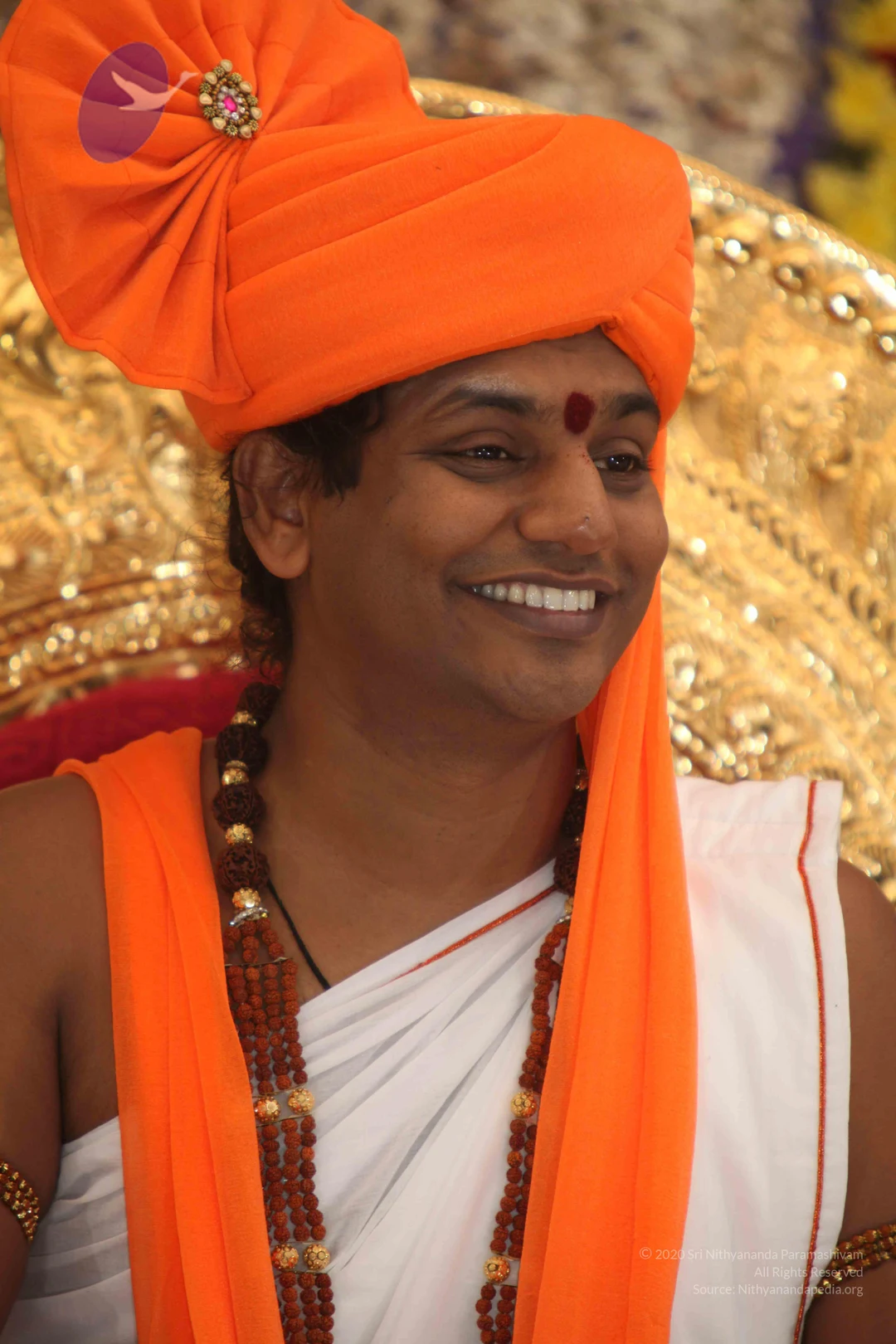
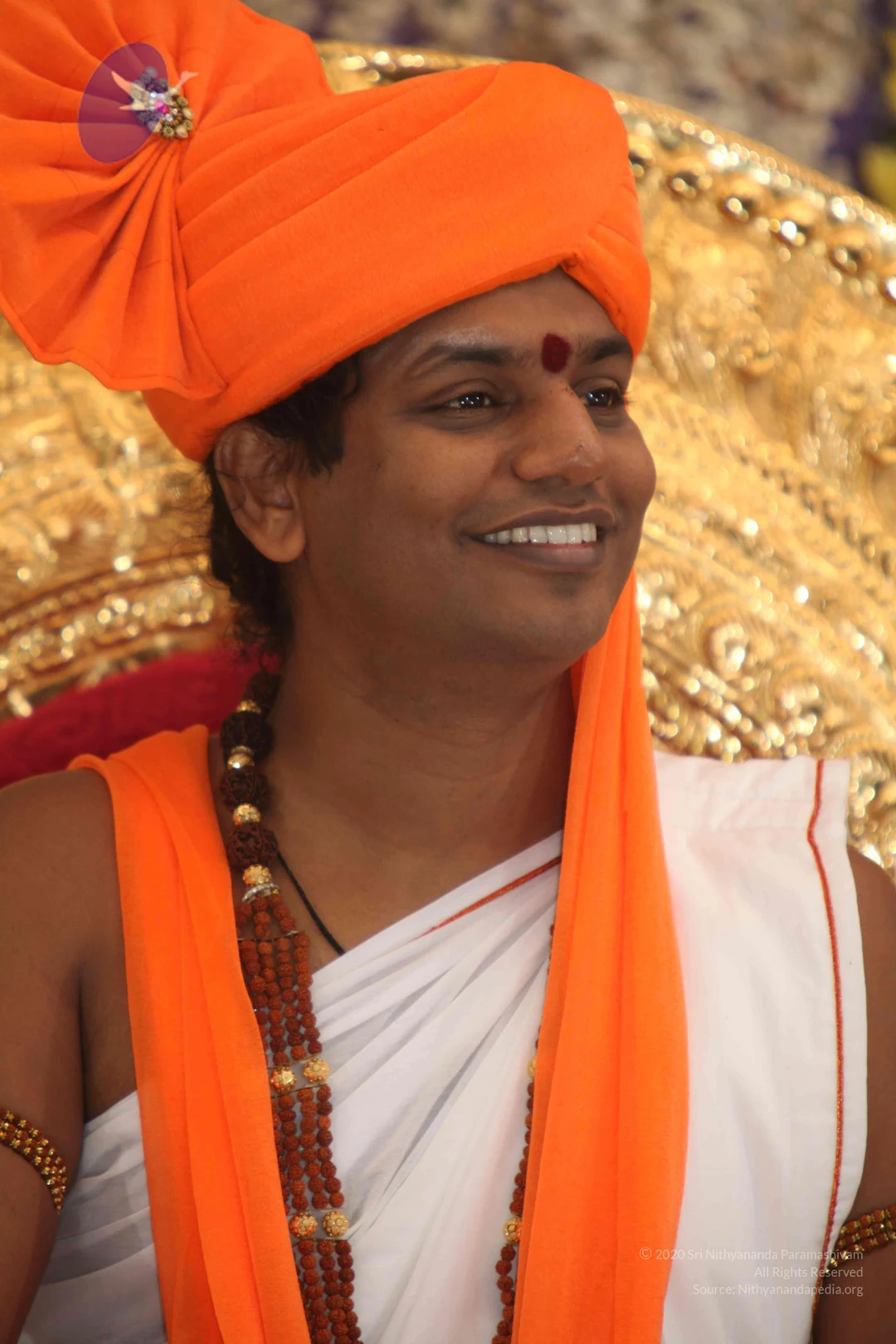
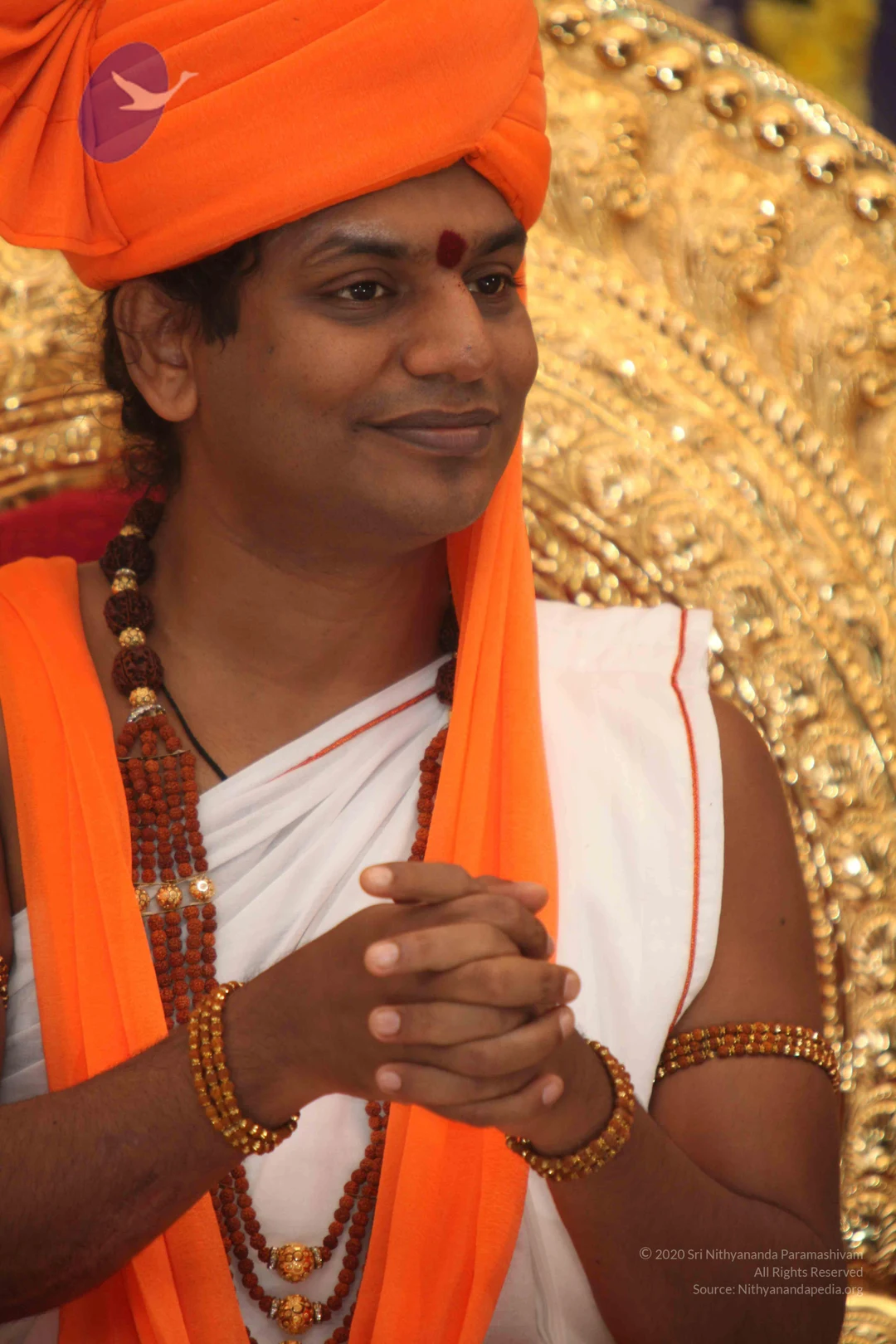
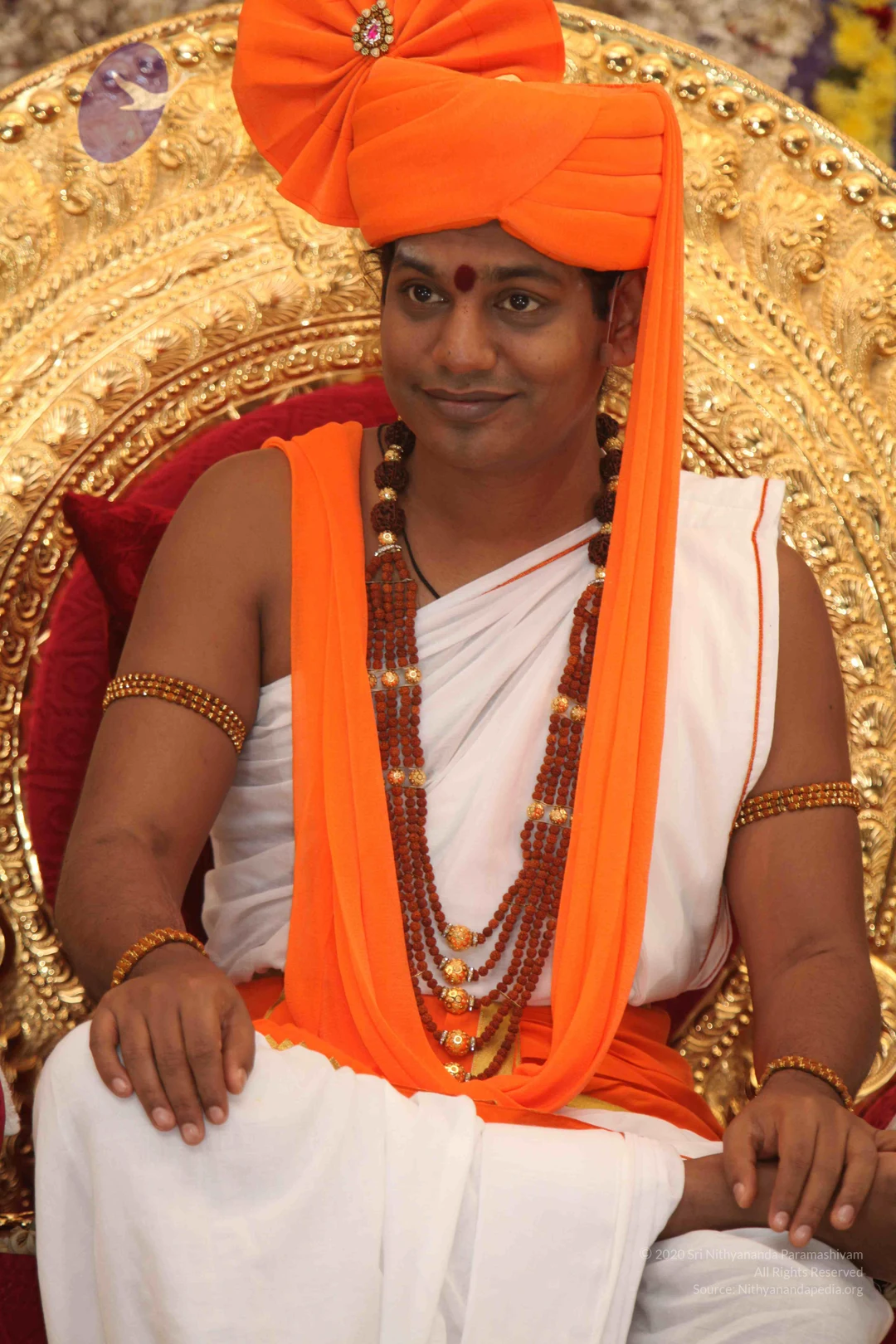
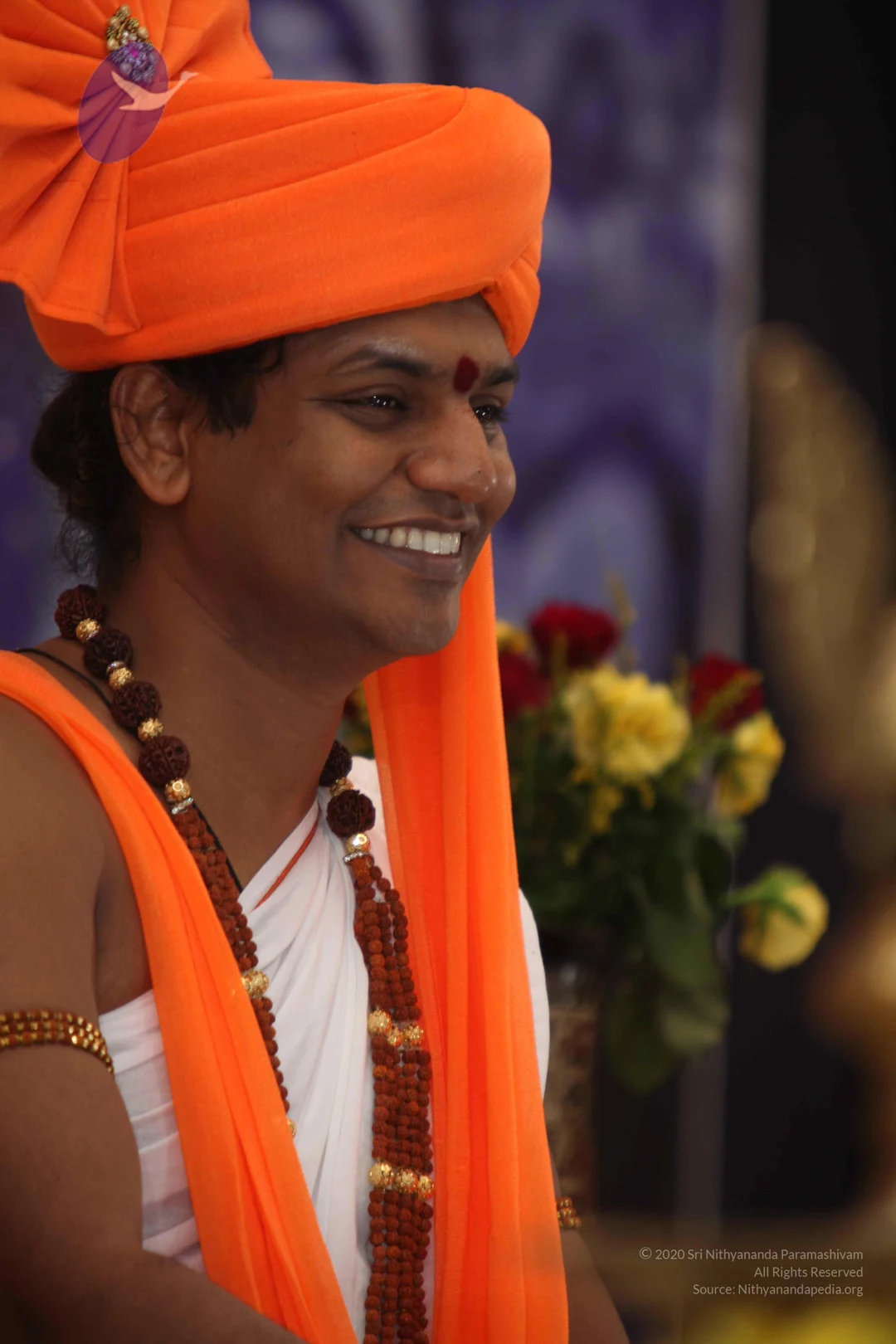
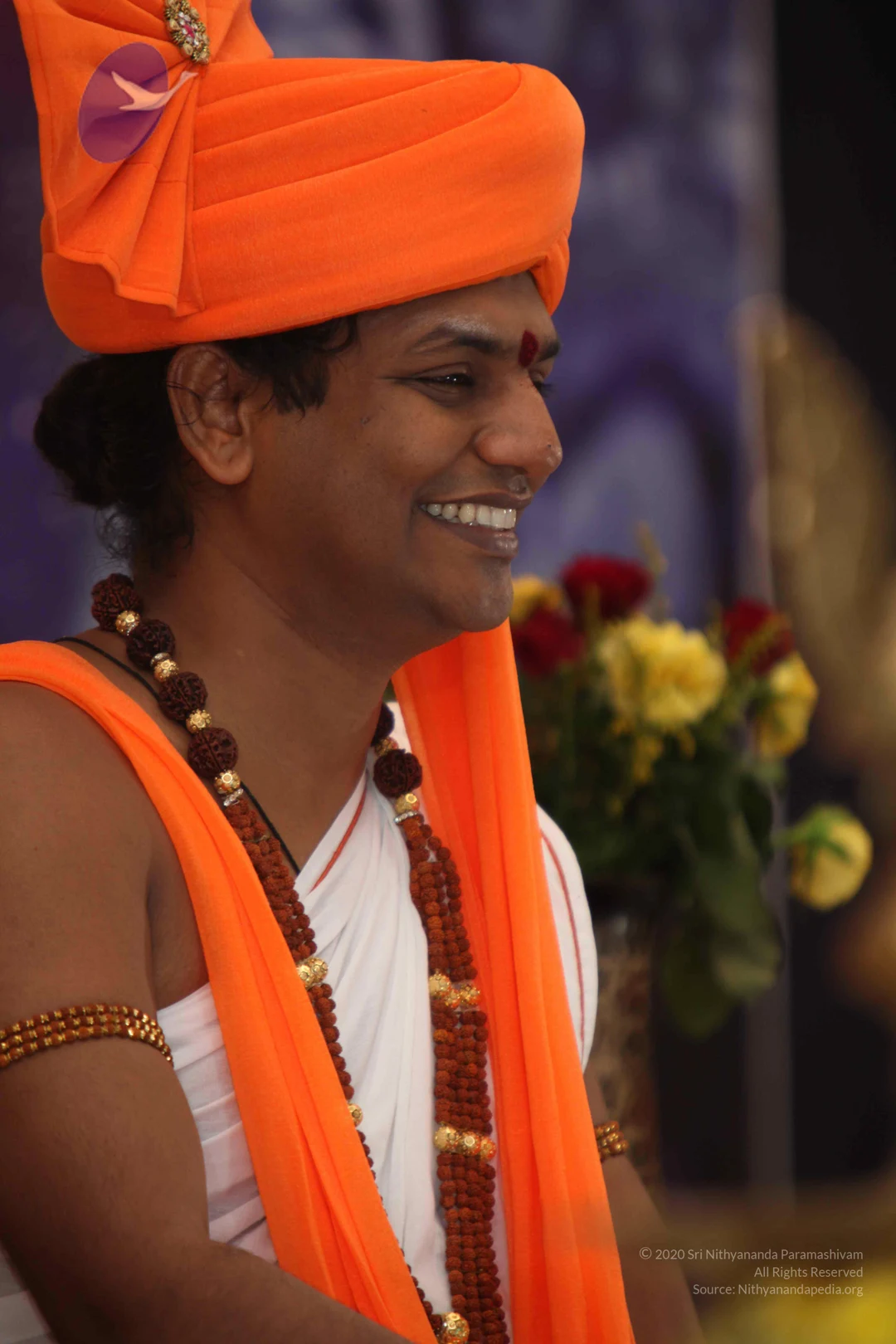
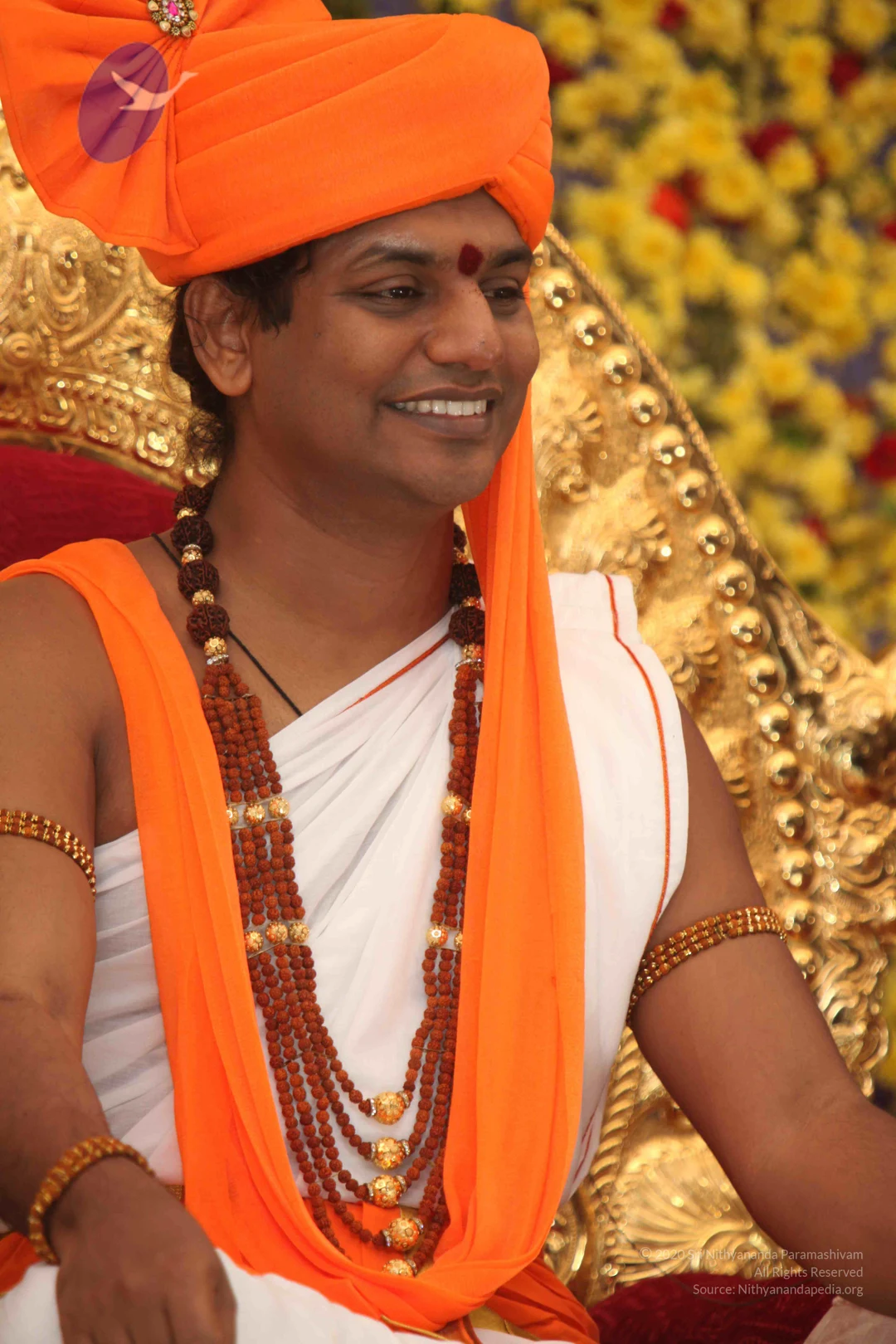
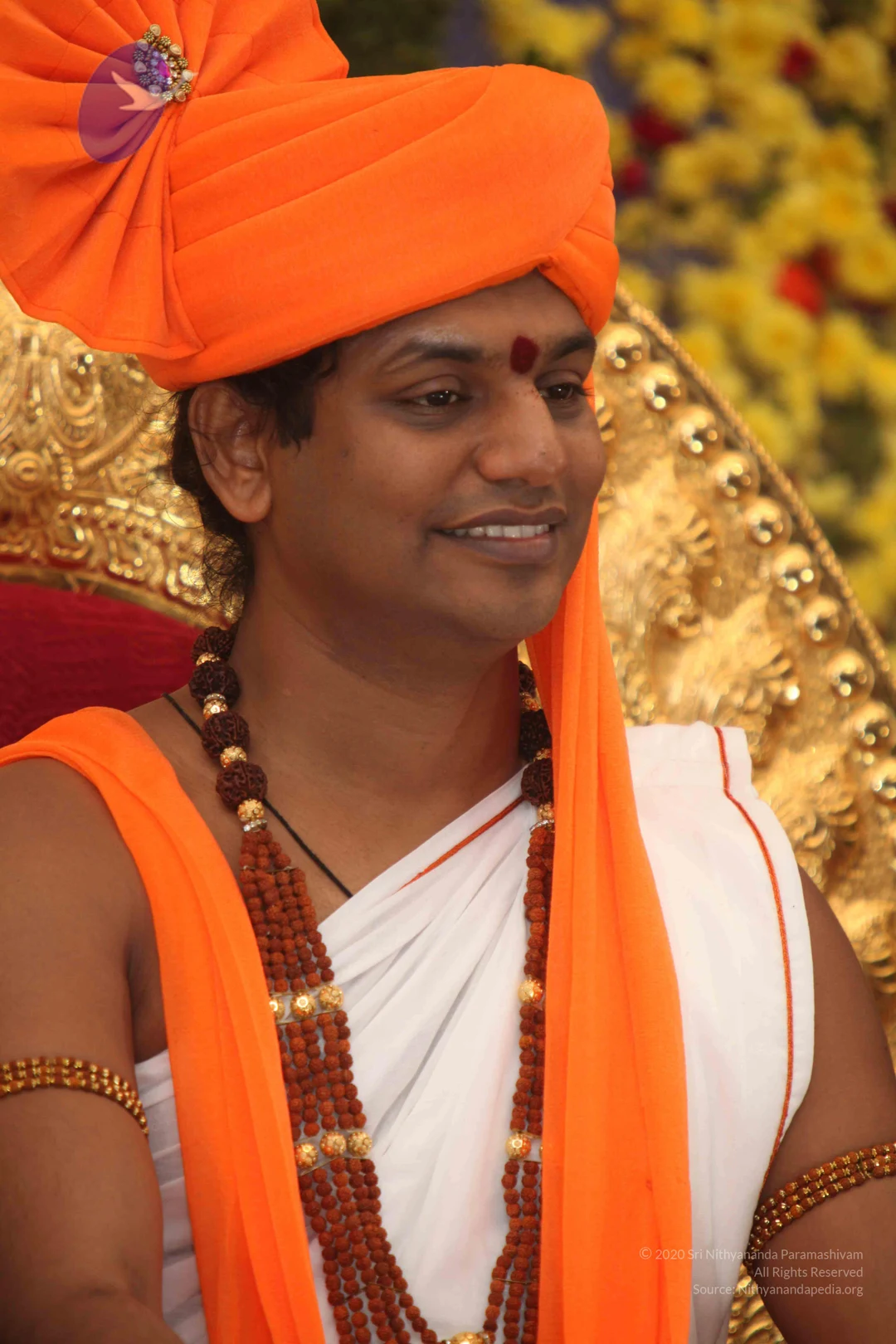
THE SUPREME PONTIFF OF HINDUISM HDH BHAGAVAN SRI NITHYANANDA PARAMASHIVAM

Dated photos
164
Source pages
1
Media
4
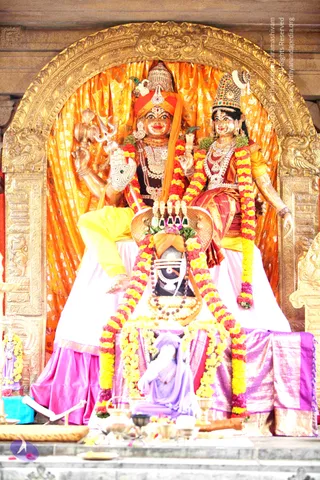
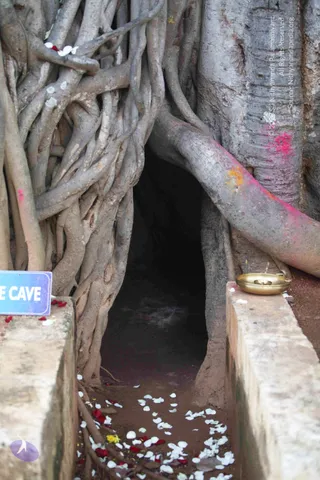
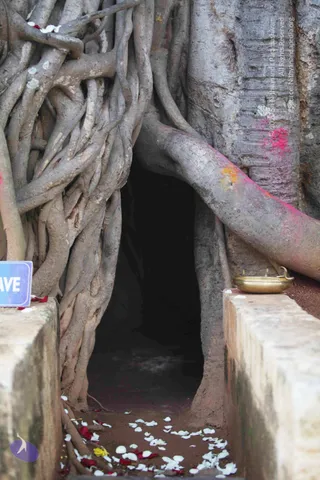
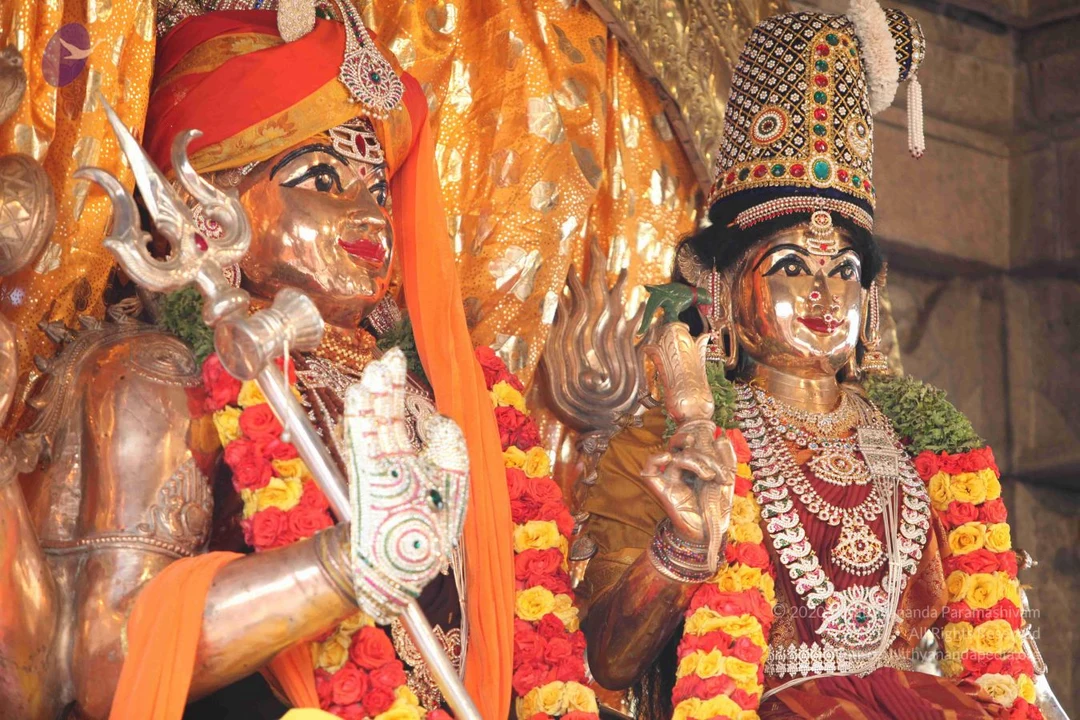
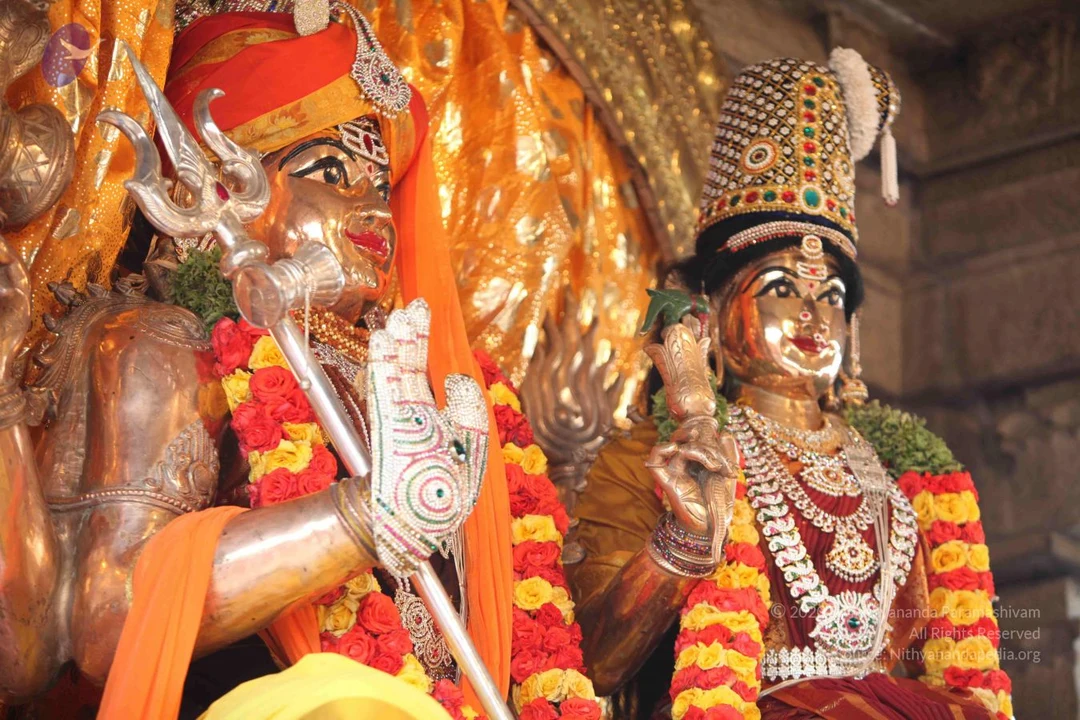
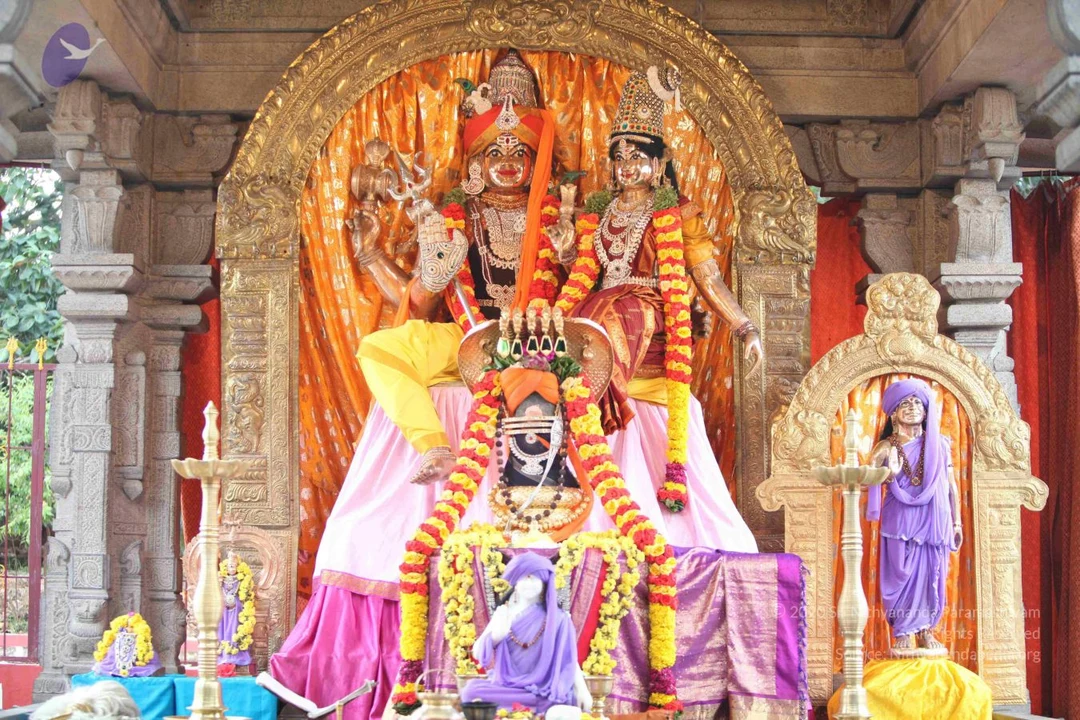
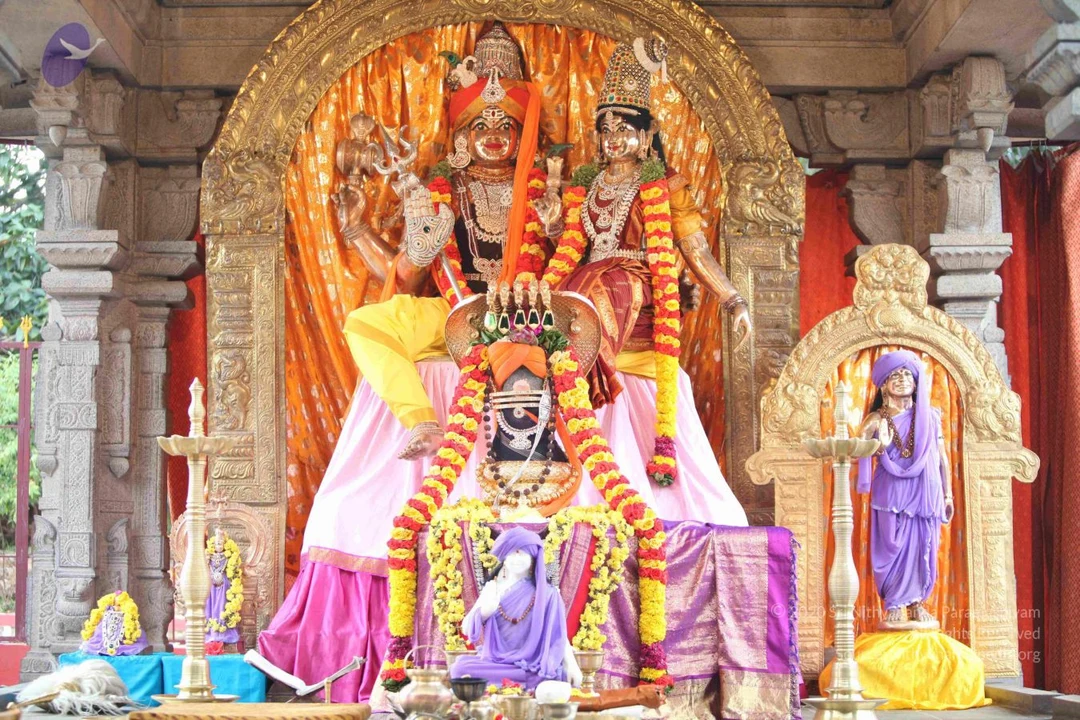
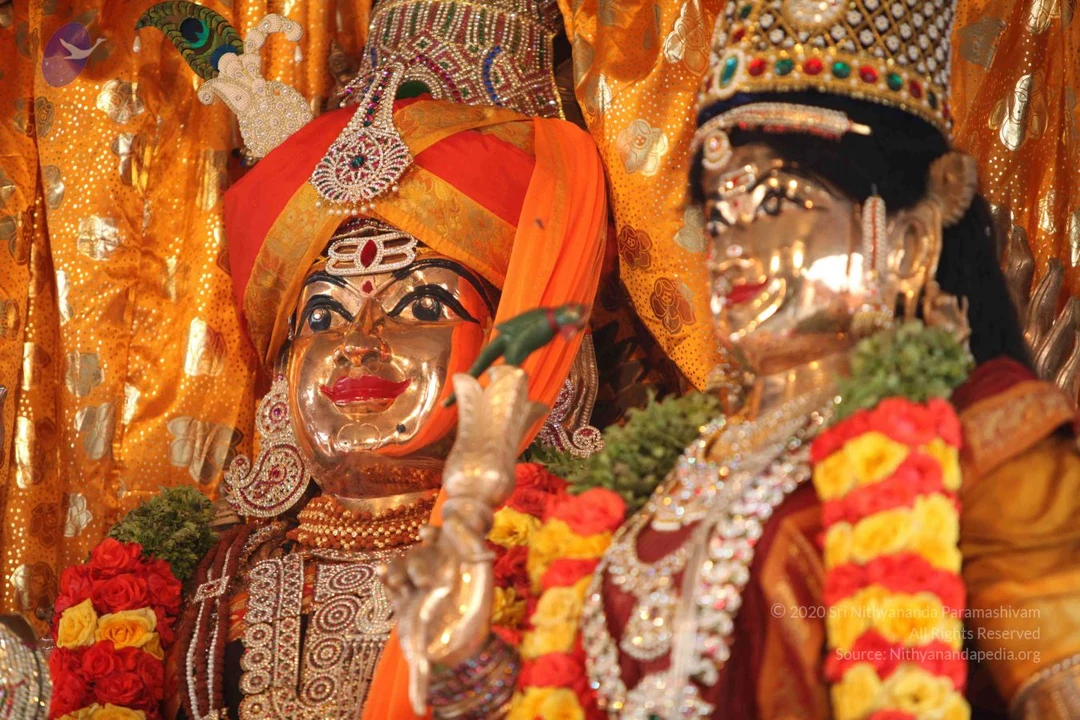
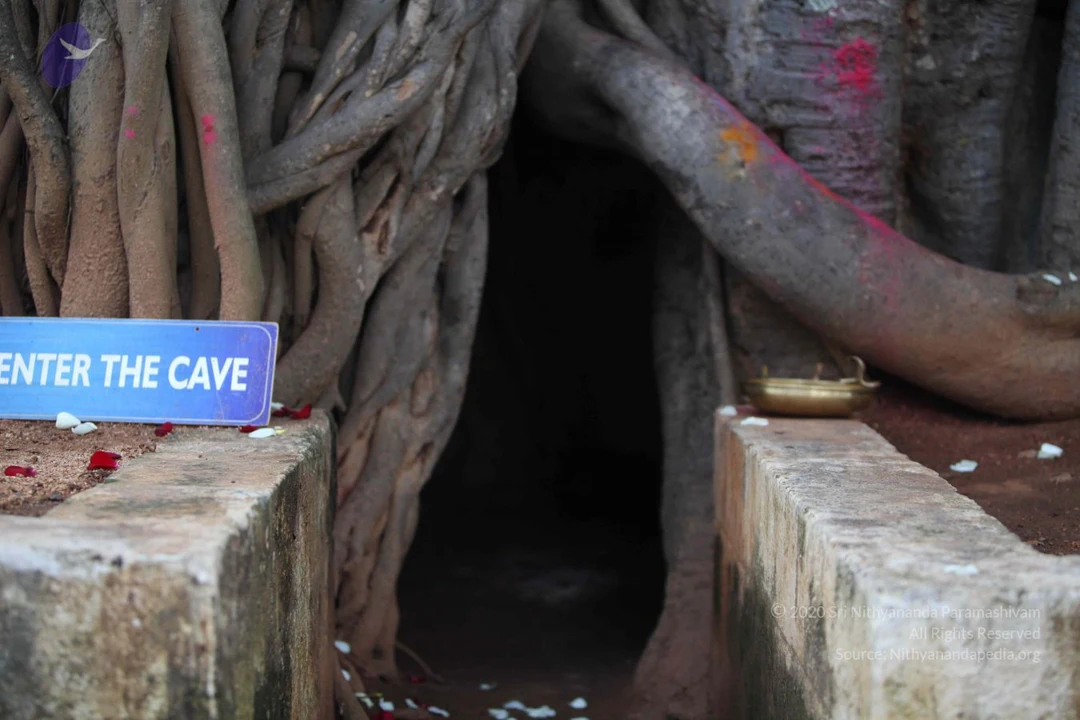
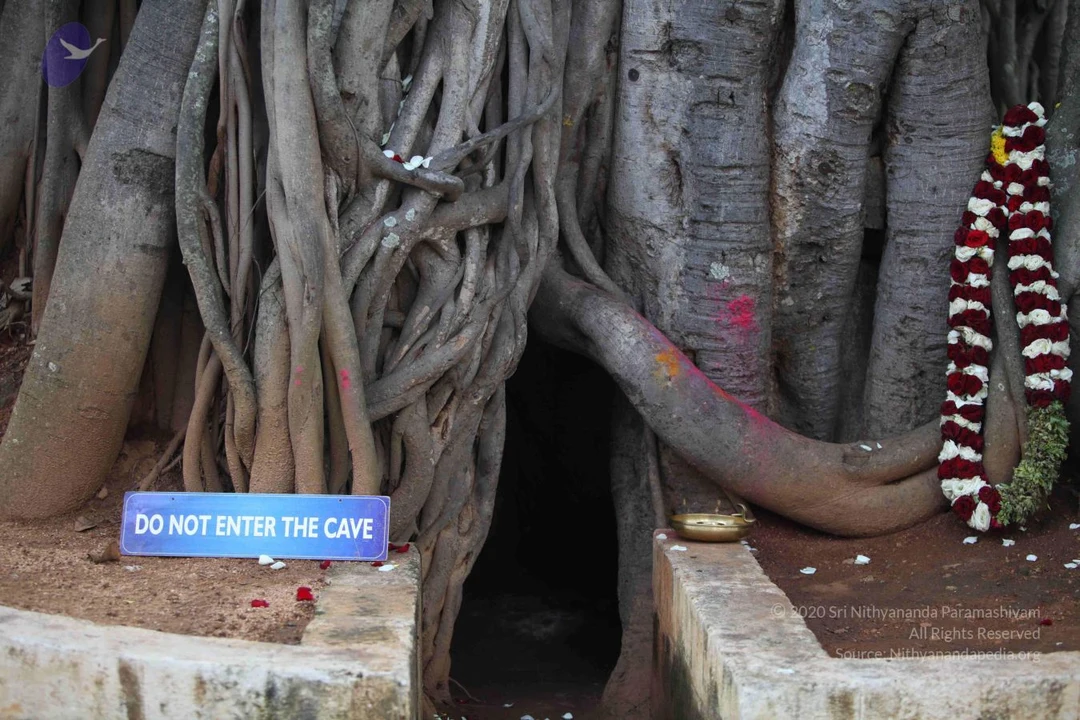
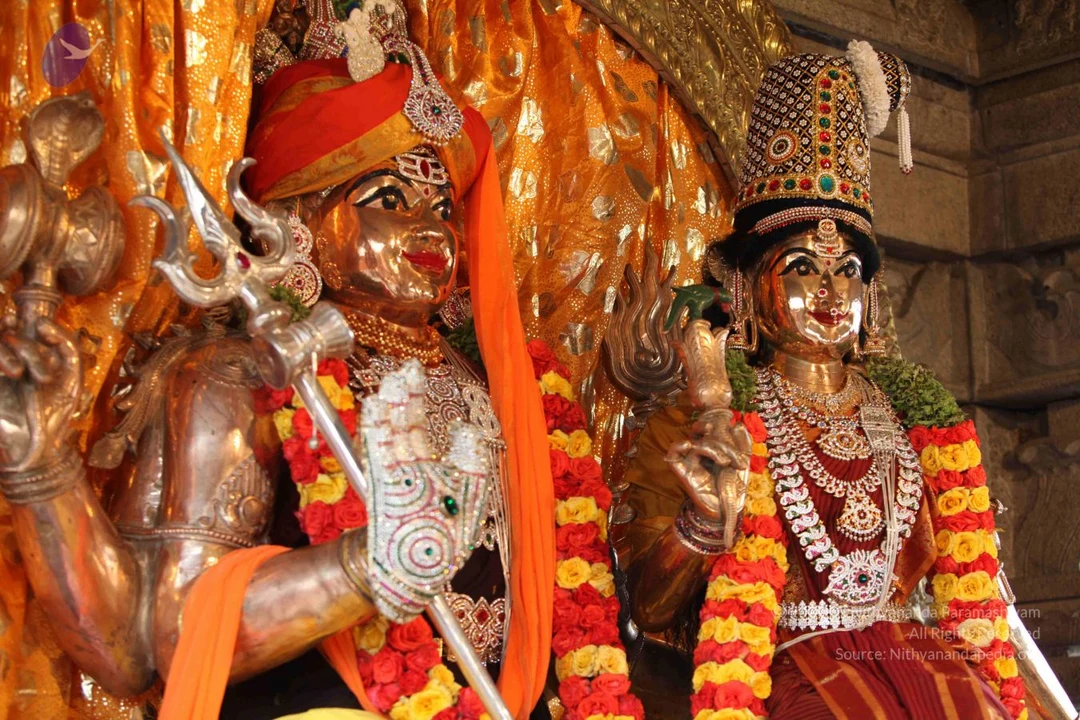
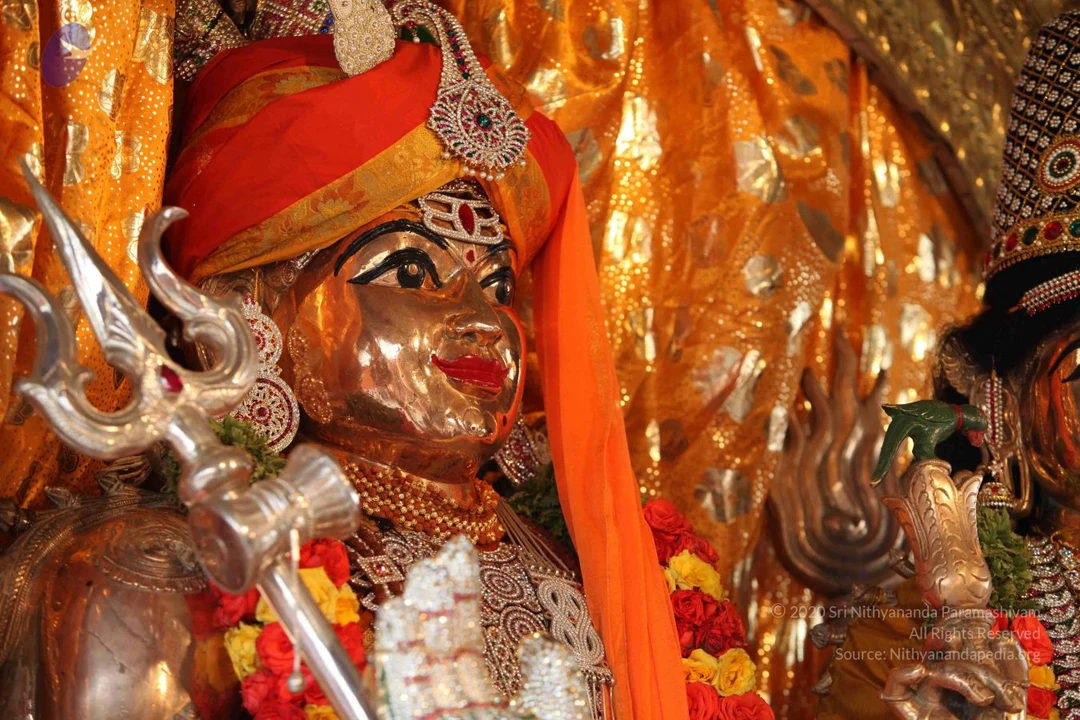
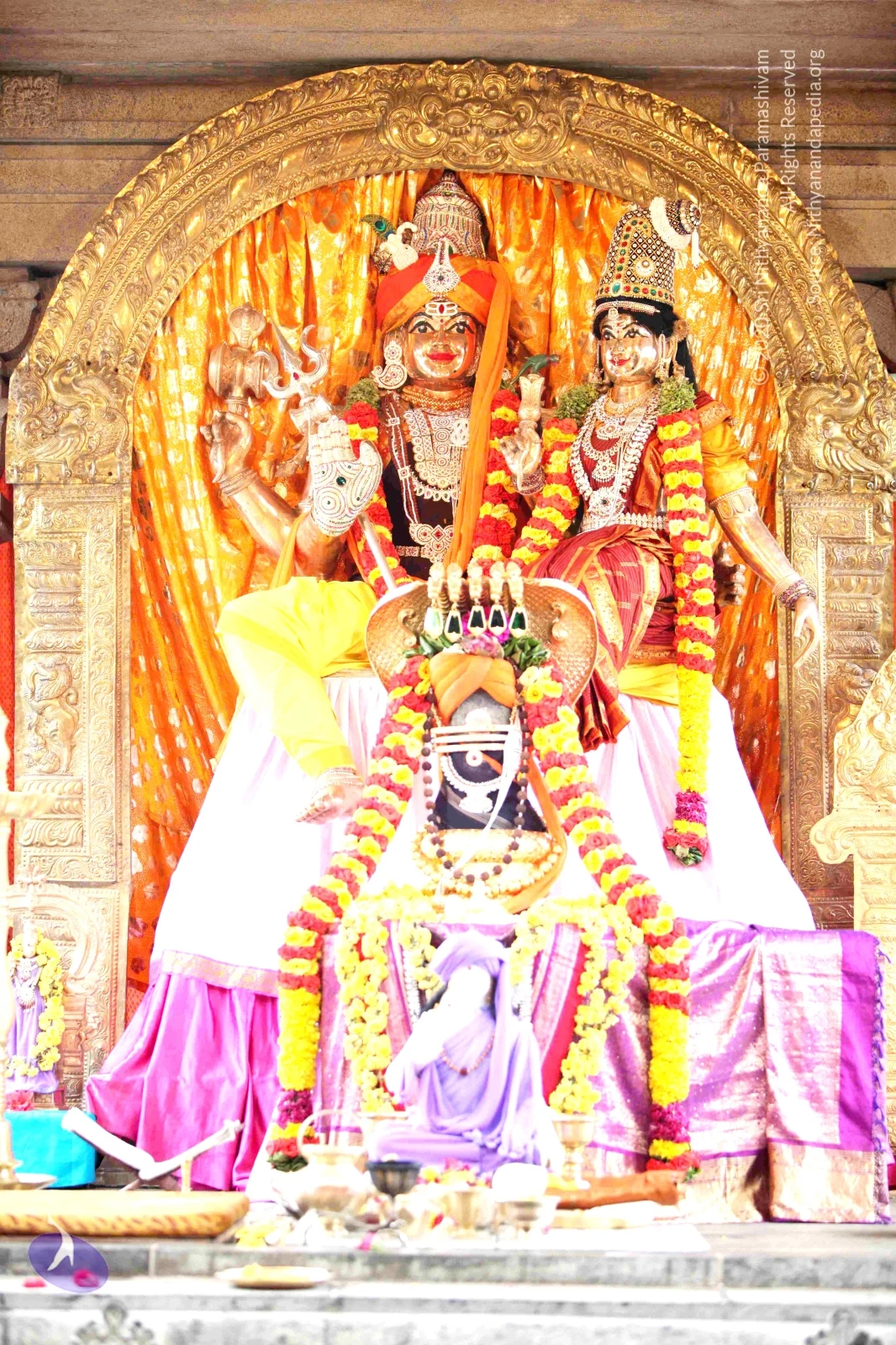
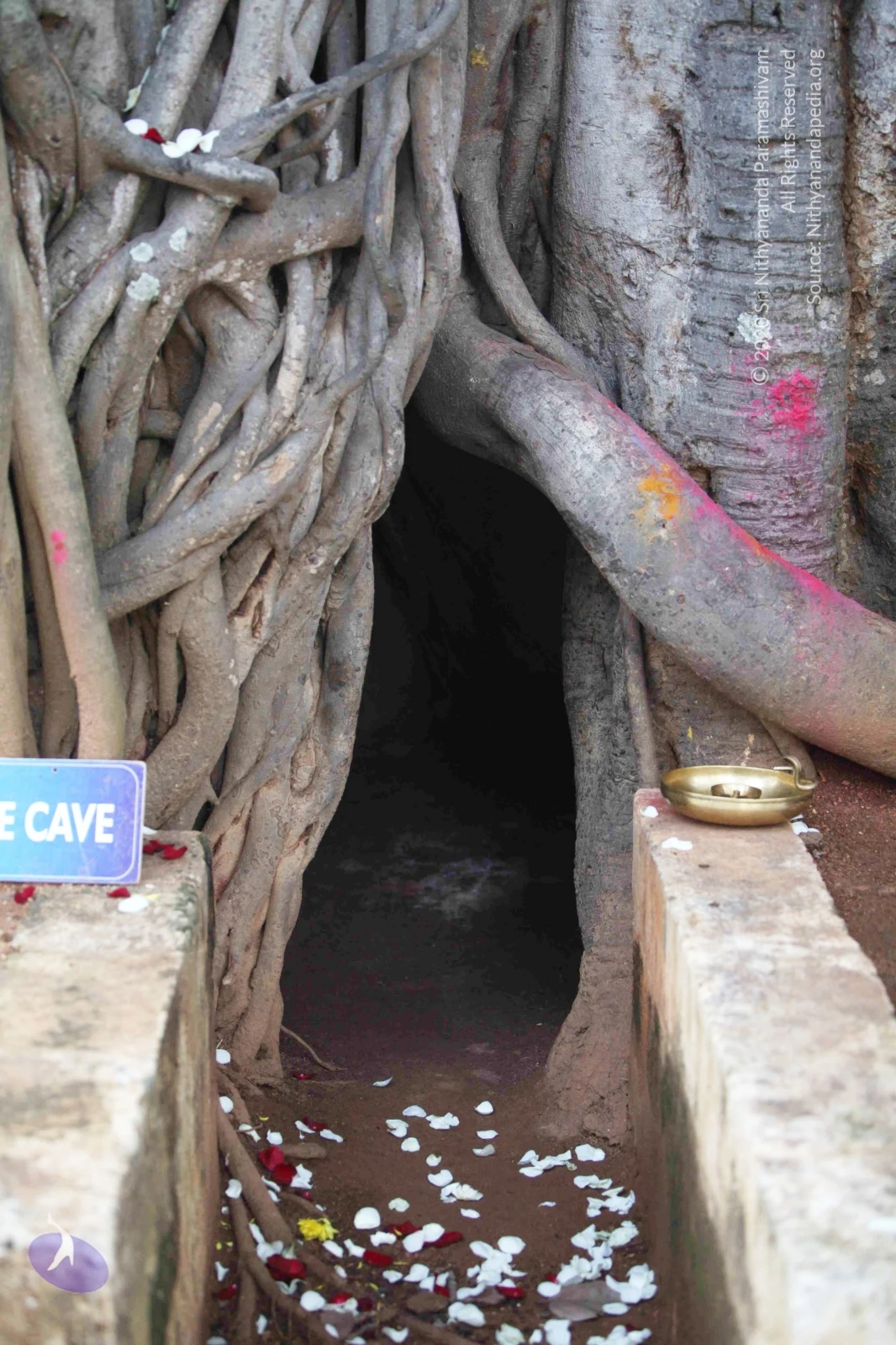
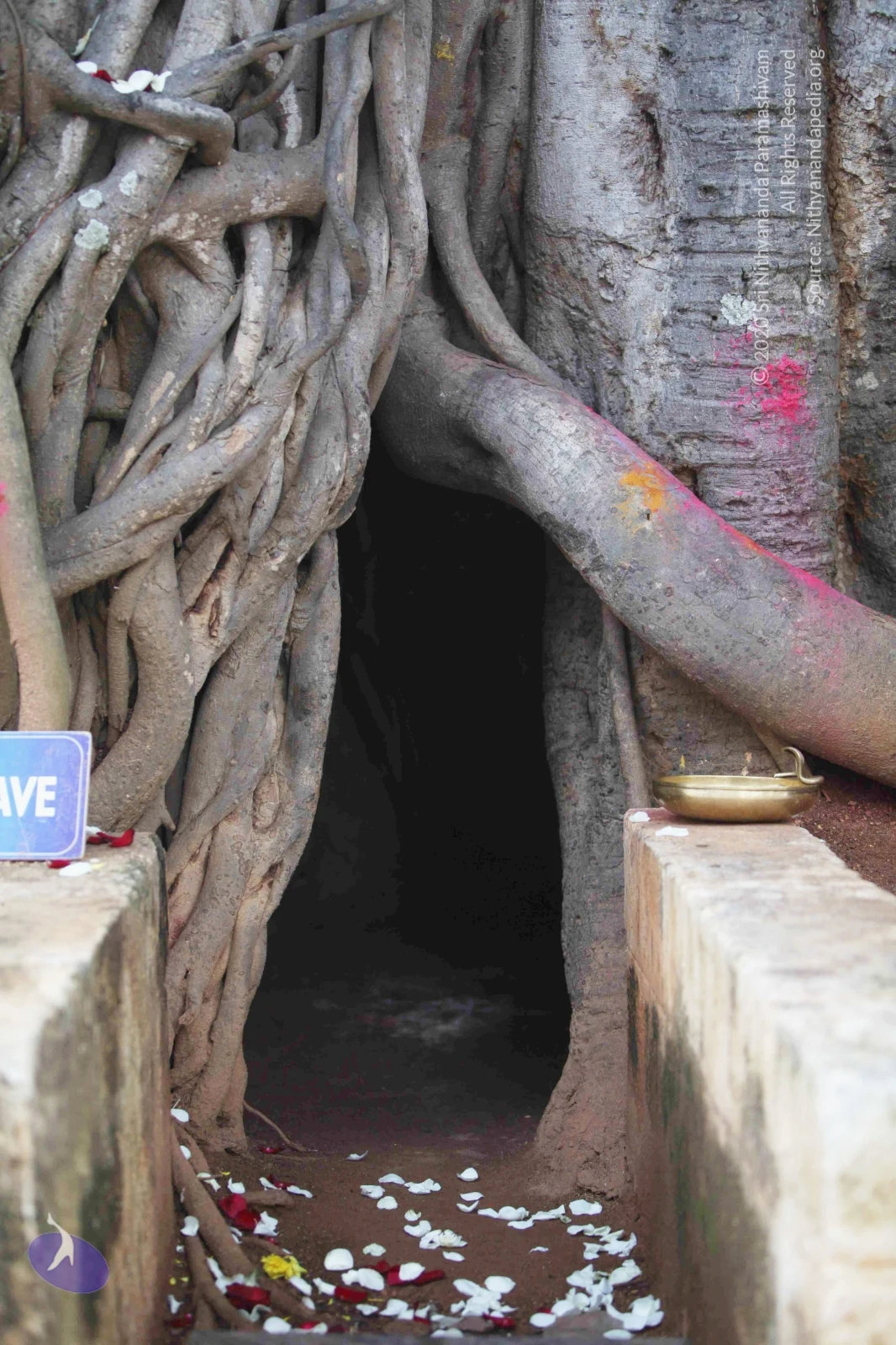
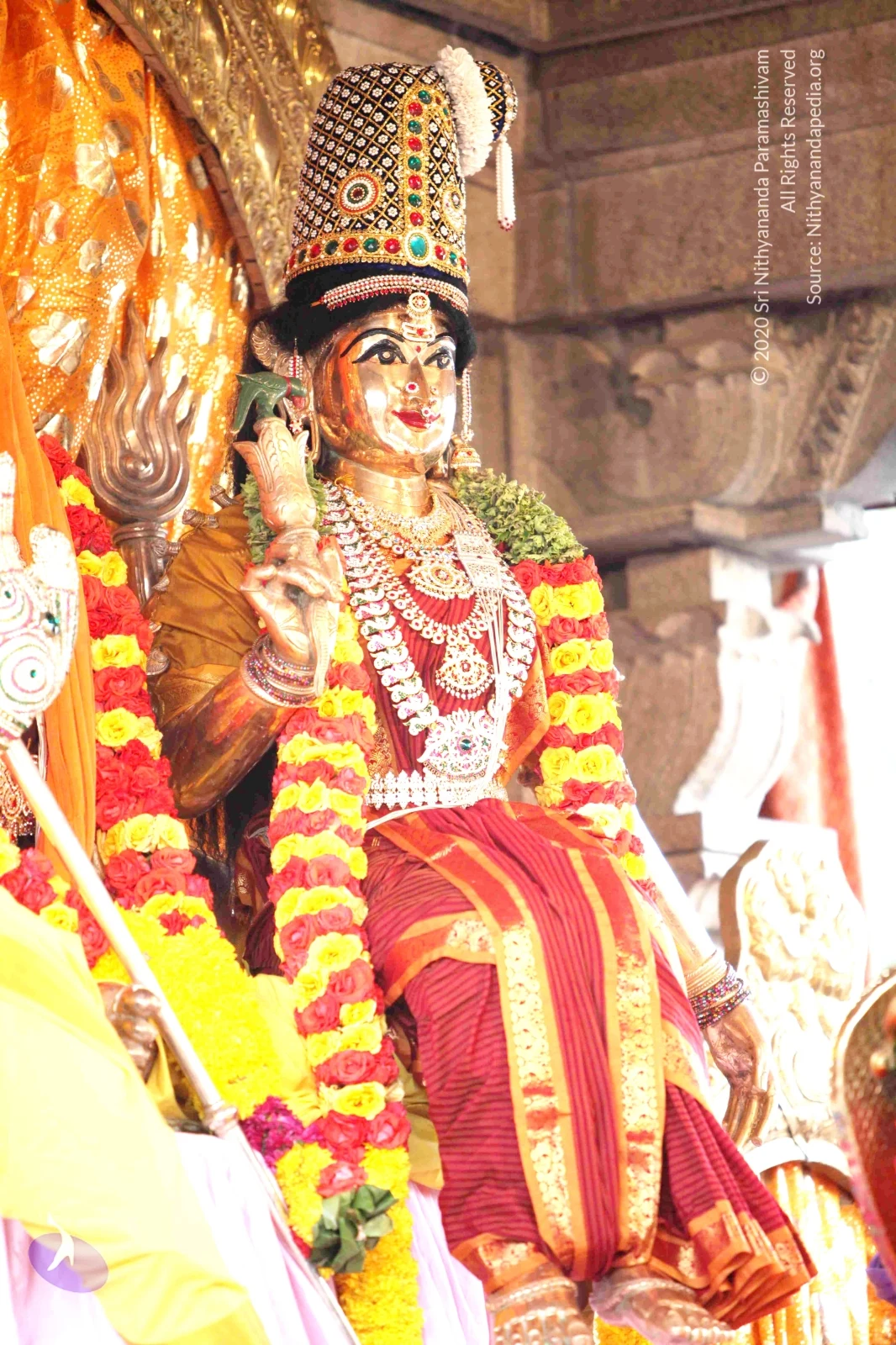
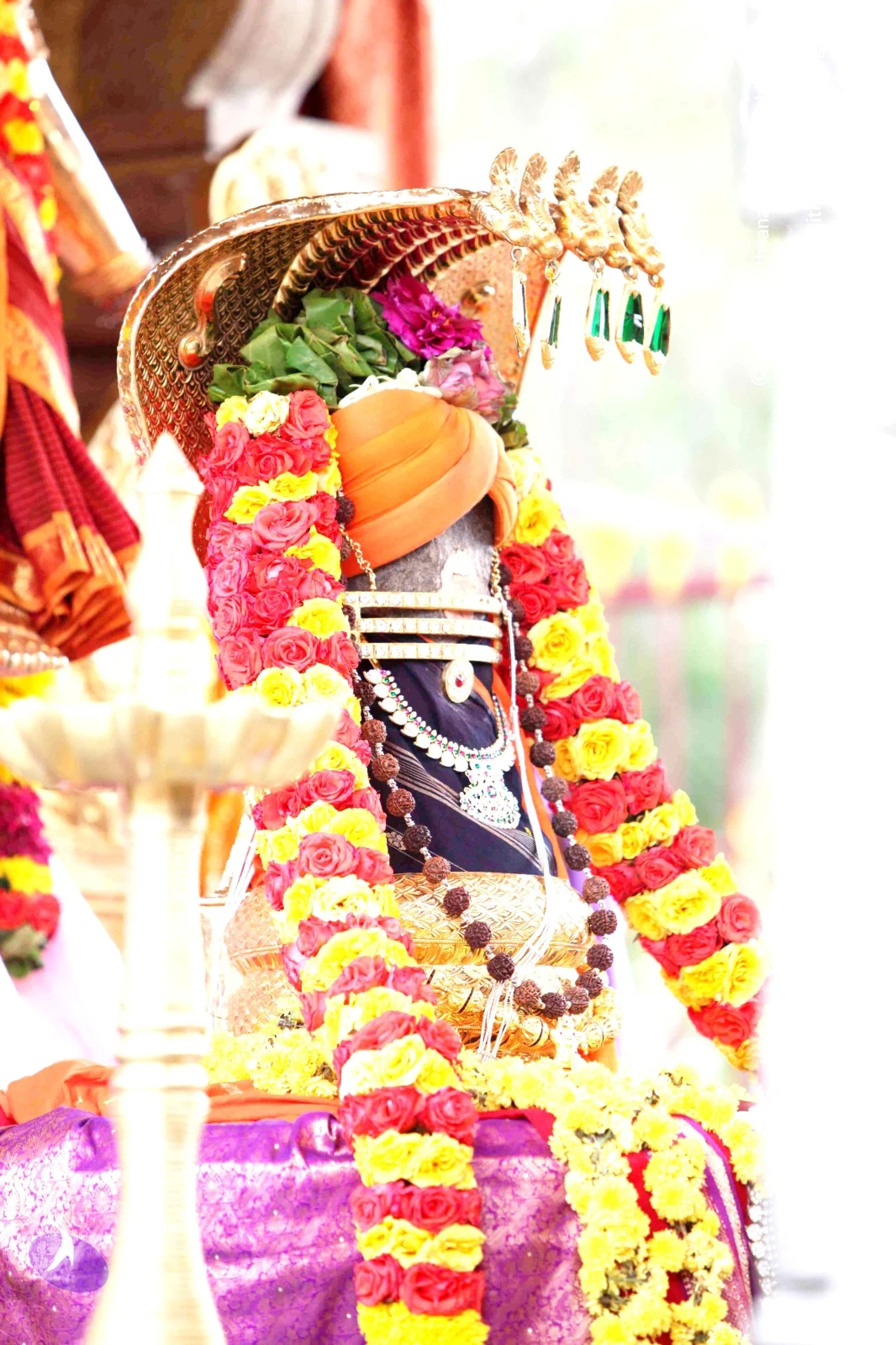
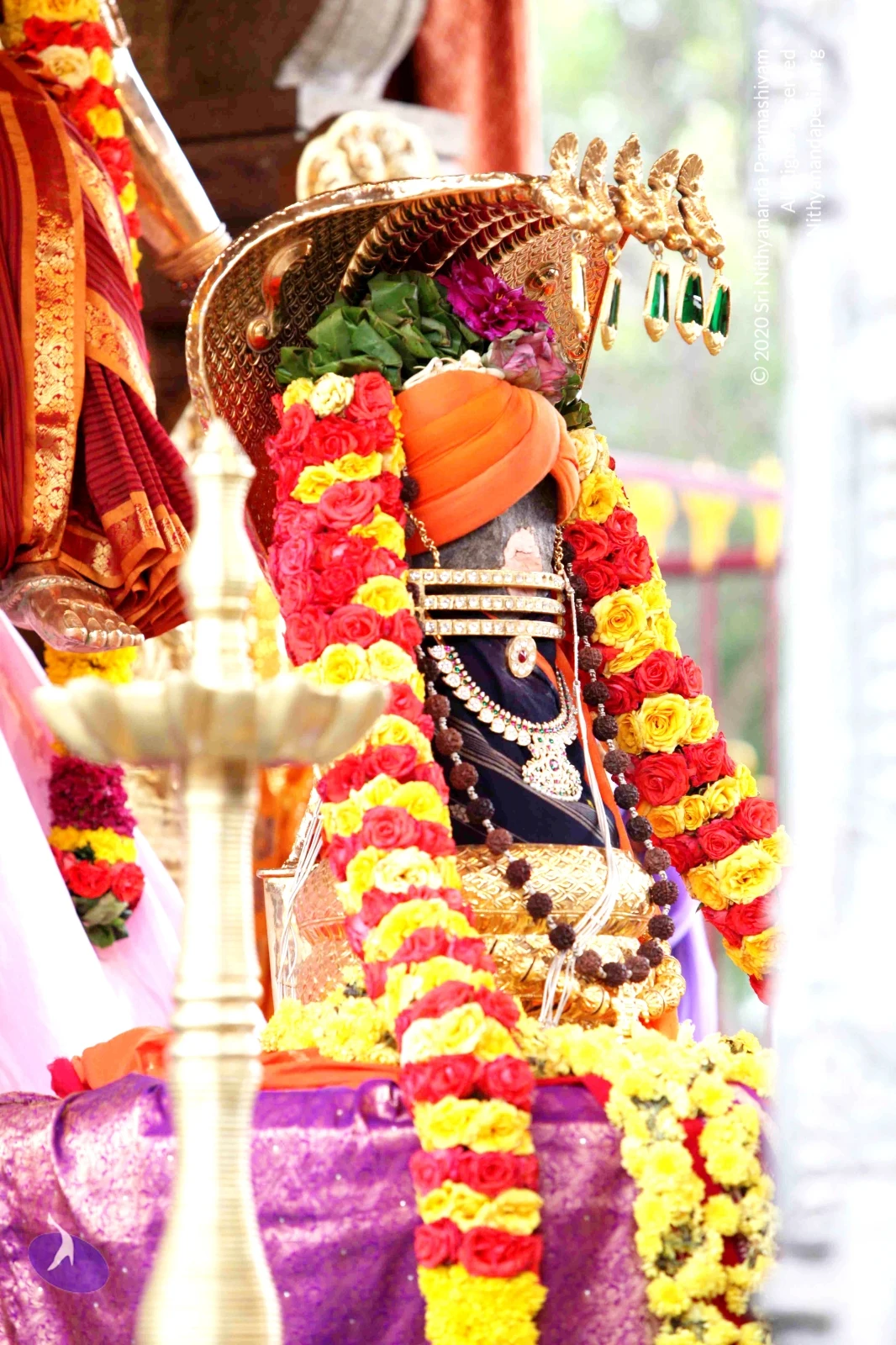
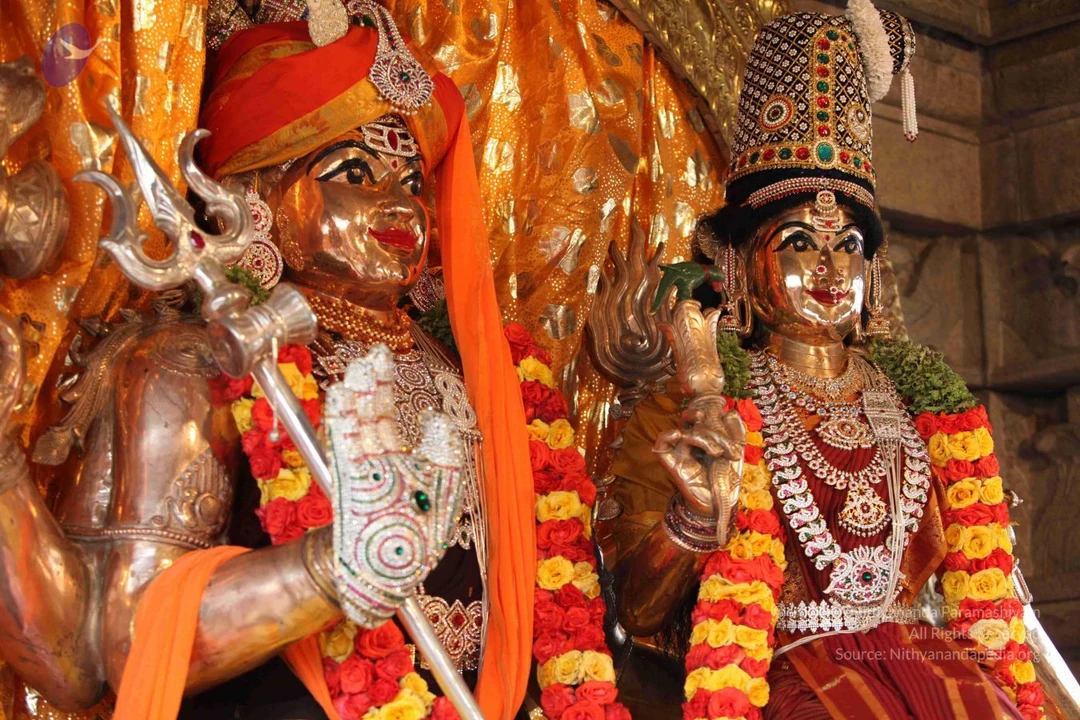
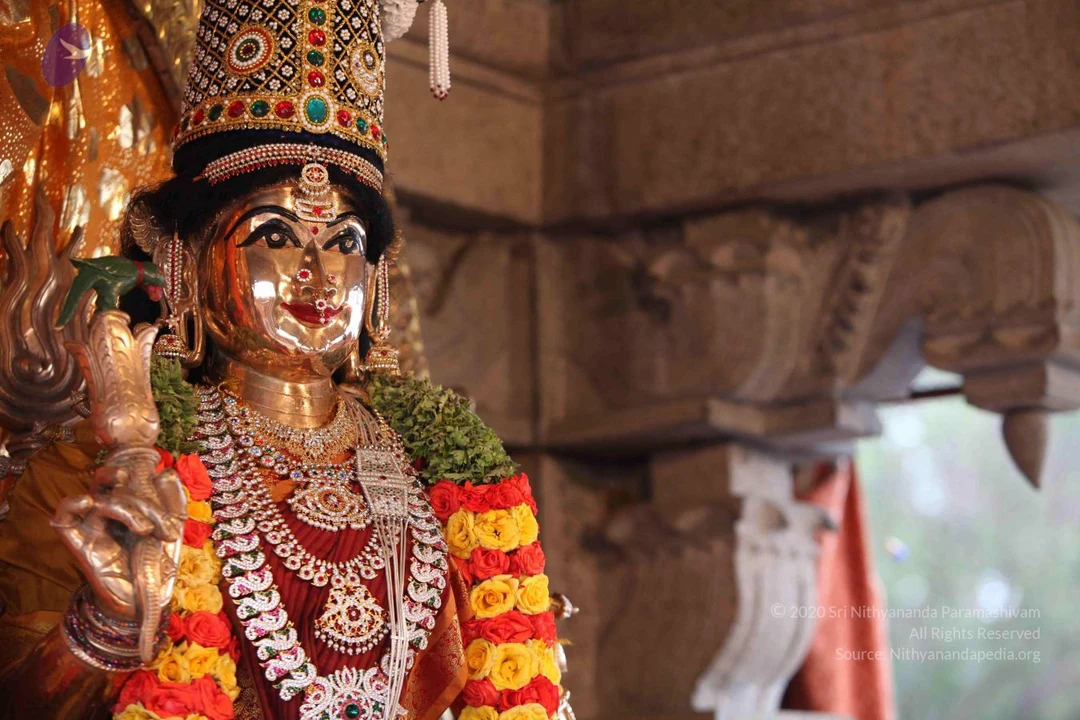
A golden-framed shrine holds a seated deity murti pair beneath orange draped fabric. The male figure has a trident, a red turban and a crown-like headdress, and wears layered silver necklaces. The female figure beside him wears a jewelled crown, a red and gold sari and heavy silver jewellery. Both are garlanded with red and yellow marigold chains, and a Shivalinga stands in front on a white and purple cloth, surrounded by brass vessels and offerings. Pale purple drapery and lamps sit on the platform below.A photograph of a dark cave entrance framed by thick, twisting banyan tree roots and a grey trunk. A blue sign at left reads partially as "E CAVE". Red and yellow powder marks the roots and trunk, a brass oil lamp sits on the stone ledge at right, and white and red flower petals are scattered on the reddish earth before the opening. No people are visible.A photograph of a dark cave-like opening framed by thick, intertwined banyan-type aerial roots and a large trunk. Scattered white and red flower petals lie on the reddish-brown earth at the entrance, and a brass bowl sits on a stone ledge to the right. Pink and yellow powder marks. A small blue sign with white lettering stands at the left edge. No people are visible.

October 14 2011

Original wiki page
Contents

Title:

THE SUPREME PONTIFF OF HINDUISM HDH BHAGAVAN SRI NITHYANANDA PARAMASHIVAM

Description:

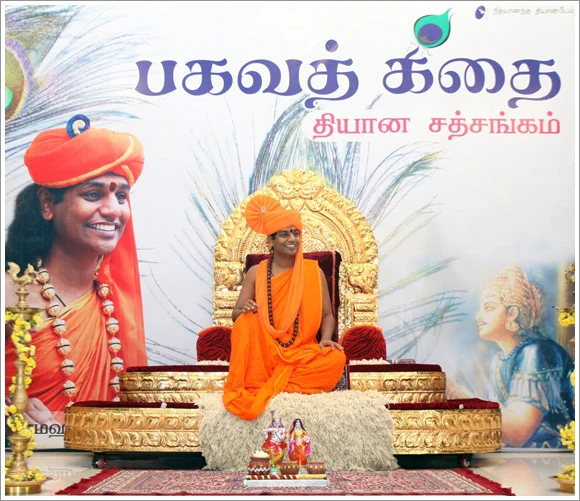
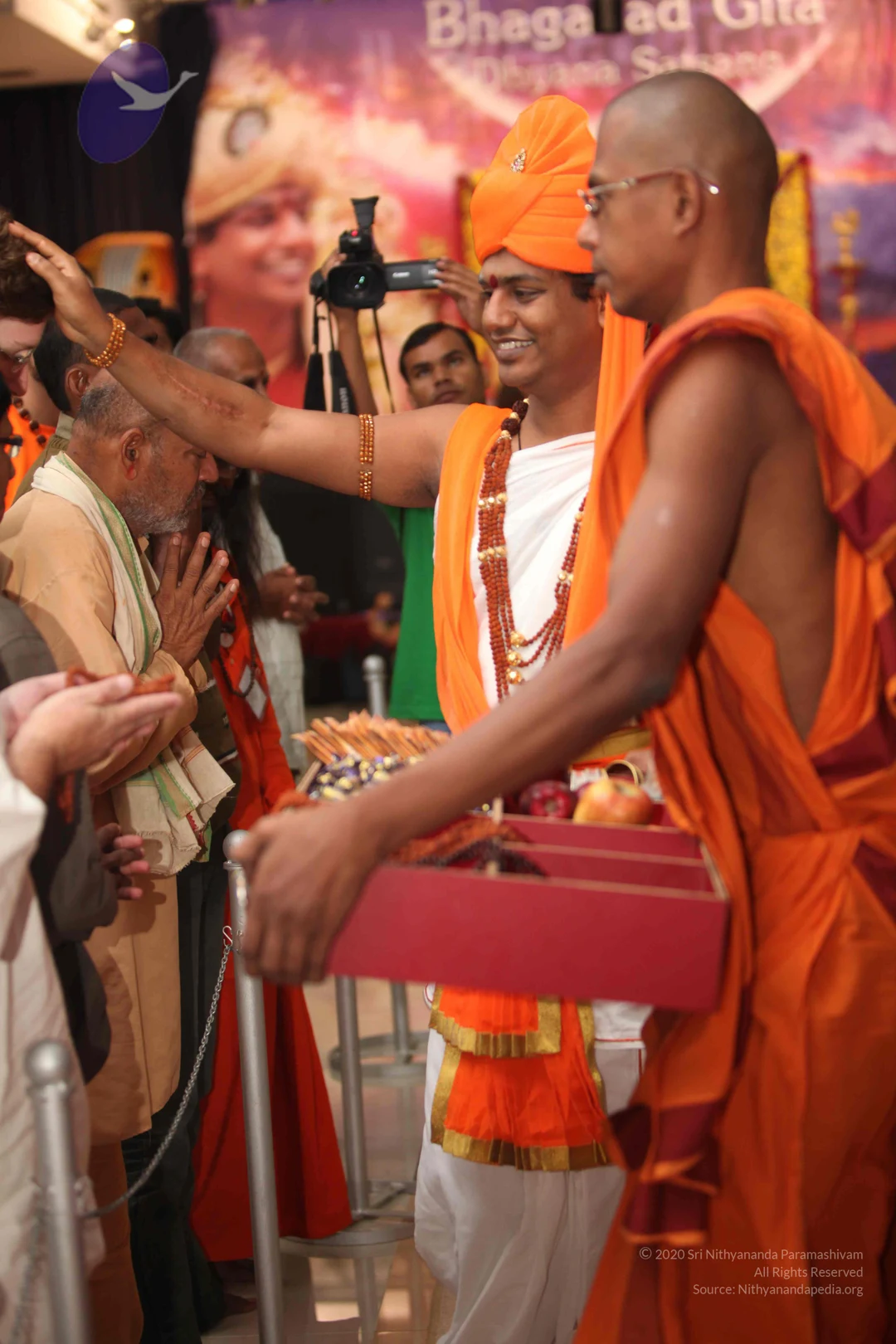
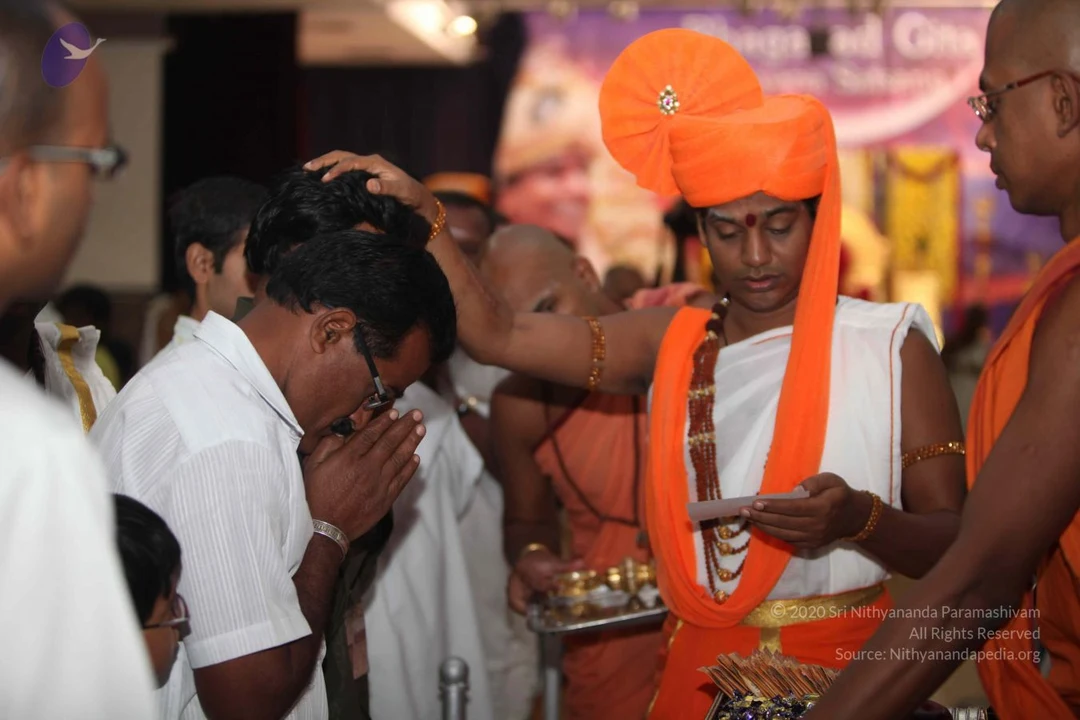
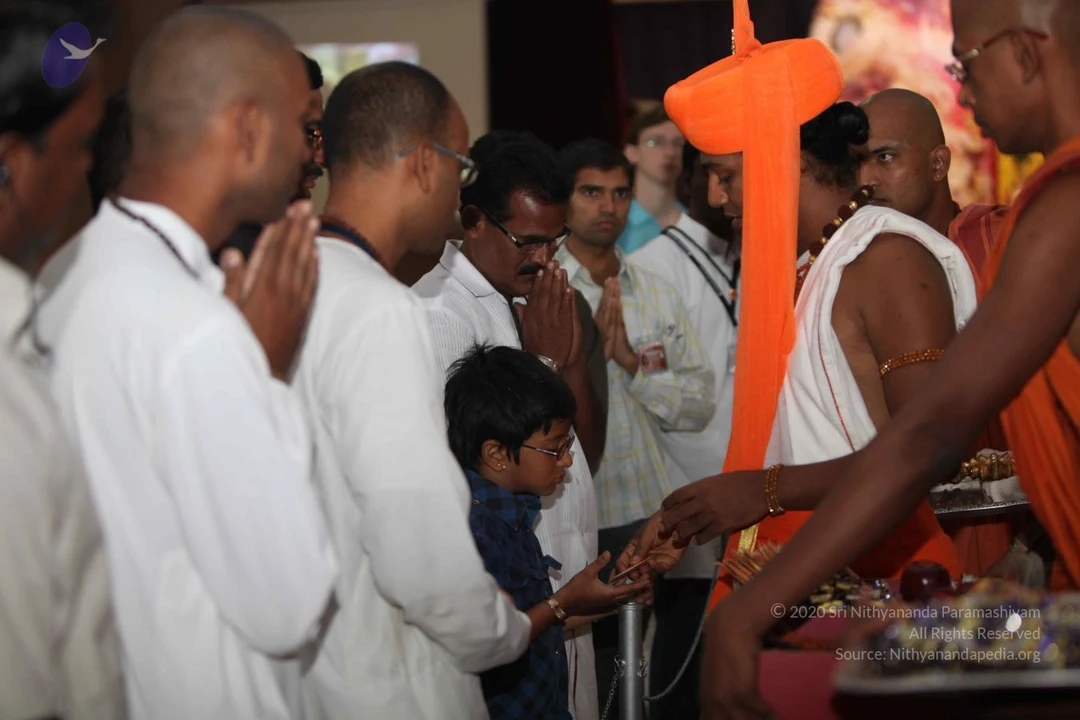
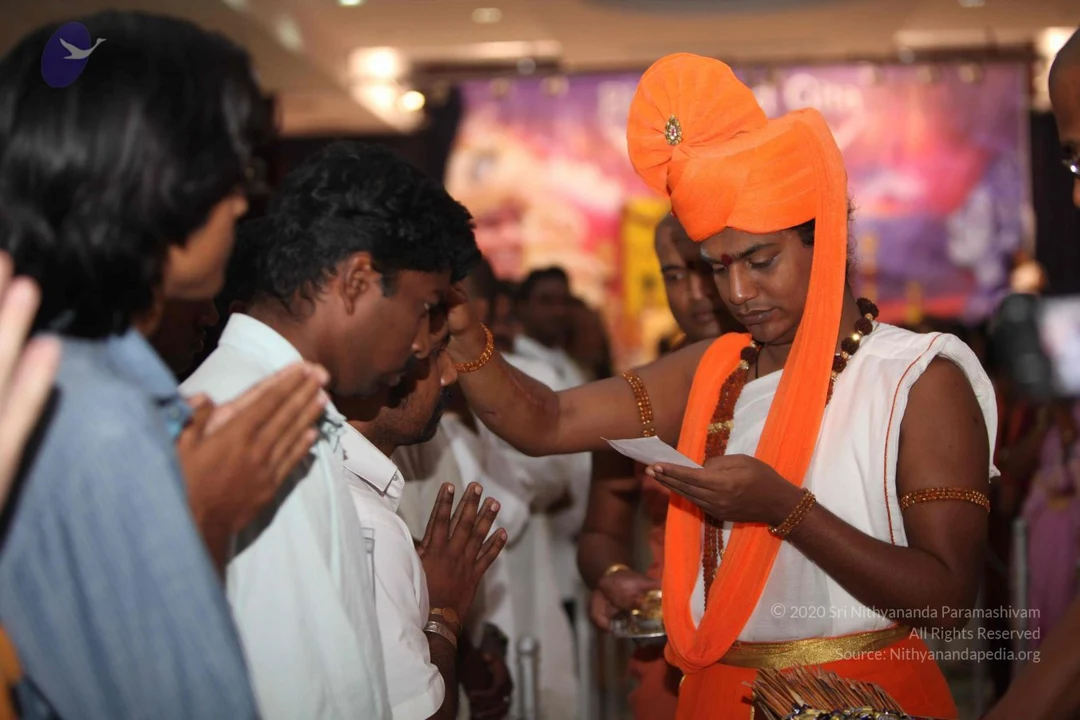
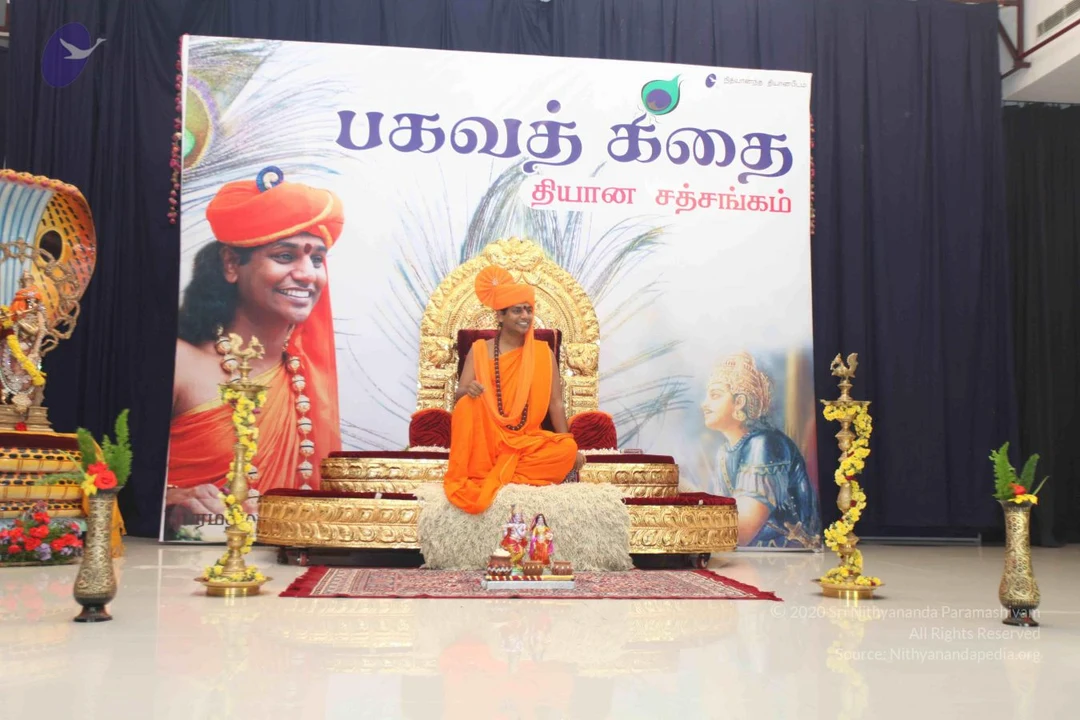
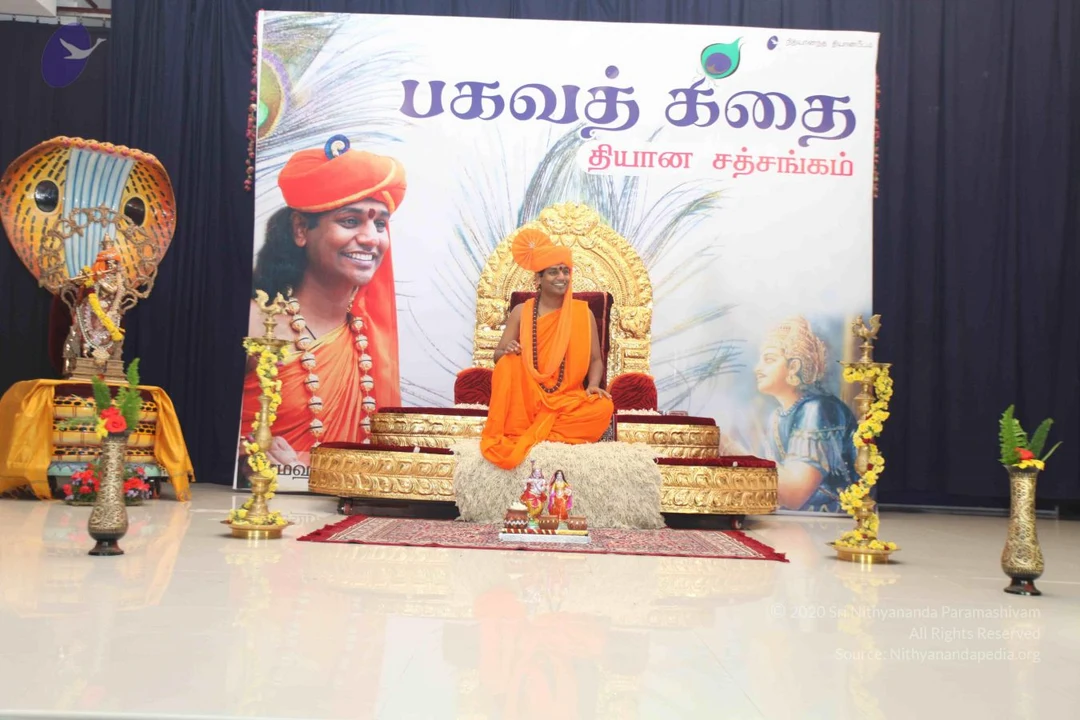
Bhagavad Gita (Song of God) is a timeless treatise on the essence of living enlightenment. The Gita was imparted by the enlightened Hindu incarnation Sri Krishna to the warrior-prince Arjuna over 5000 years ago. Amazingly, the spiritual wisdom and life solutions offered in the Gita are so universal and current that it is even today used as a personal transformation guide in universities and management schools worldwide.

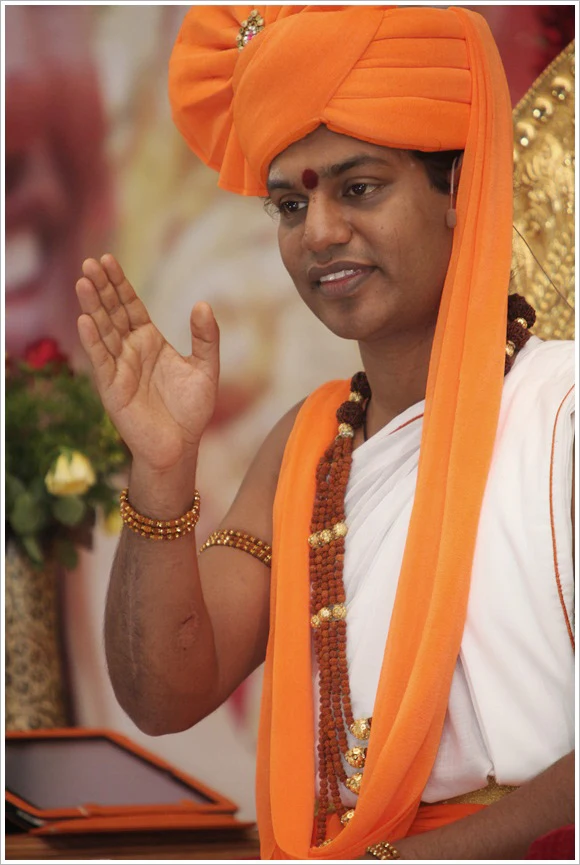
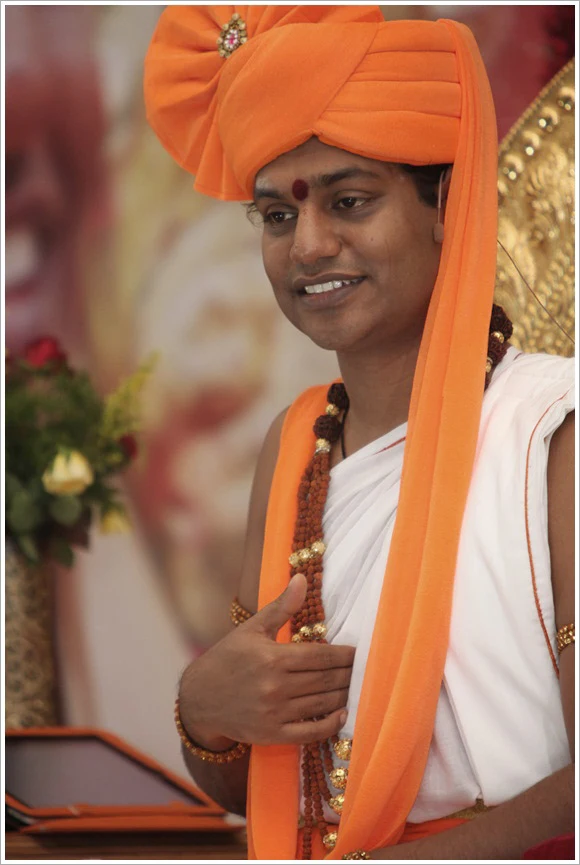
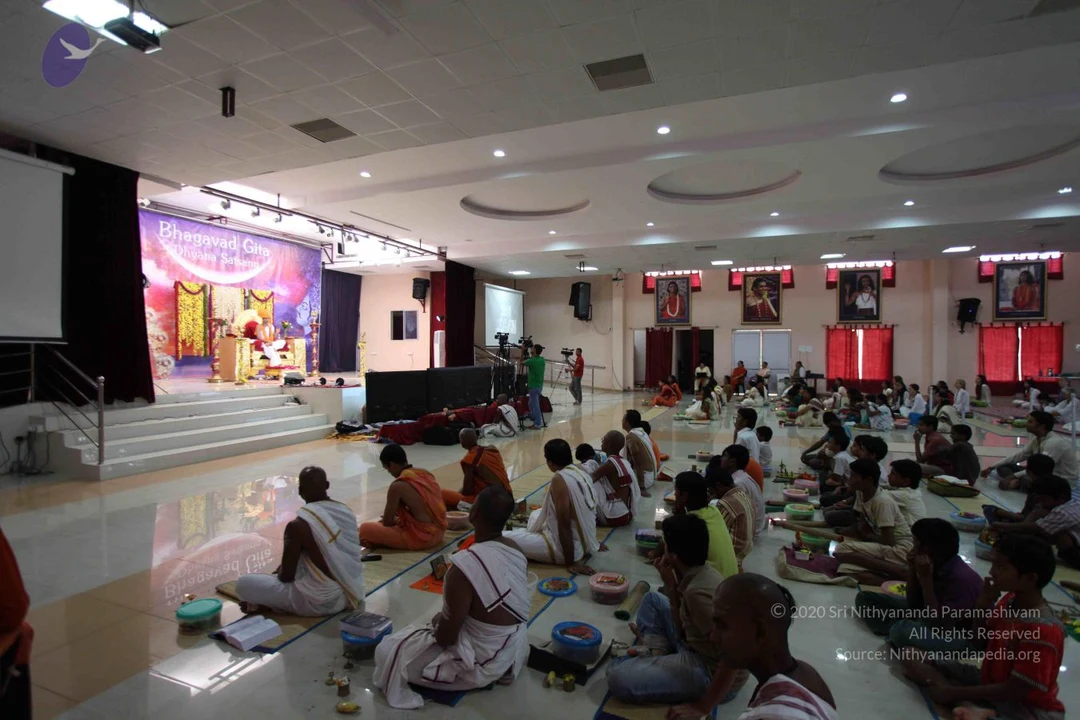
In today's talk on Bhagavad Gita, Paramahamsa Nithyananda takes time to share some jewels of insight from his personal journey to enlightenment. He explains that when we receive a "click" of understanding with our external guru -- the body sitting before us -- it will only change our life if we take it inside of us, to our internal guru. This decision will create continuing clicks, leading us to a clearer attitude. Paramahamsa enjoins us to record all our experiences in a "Book of the Heart" -- whether actual book, cyber file or phone storage. He himself kept such a treasured journal. Reading over these records at moments of suffering, joy and grief can show us our inevitable progress to the blissful reality beyond death

Link to Video:

VideoAudio

Link to Video:

VideoAudio

Photos:

Photos Of The Day:

Temple
BGSatsang

BGSatsang-Tamil

MaheshwaraPujaThiruvannamalai

1-Temple

Photos from this day

View all 164 photos

Photos:

18 photosSource gallery
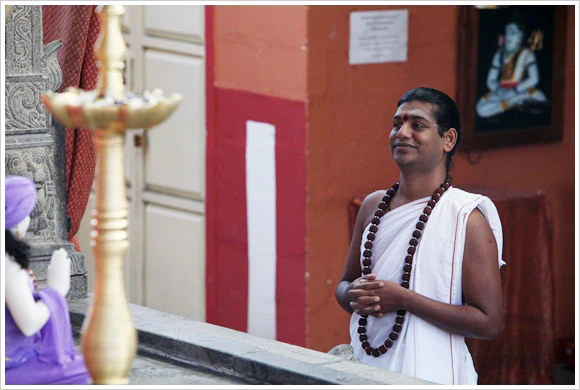
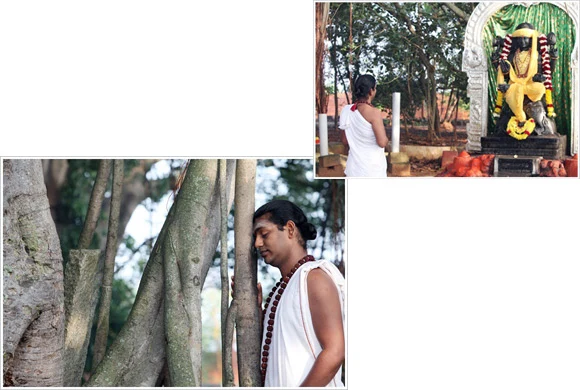
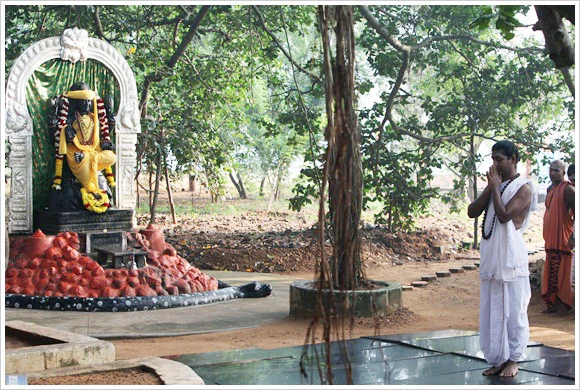
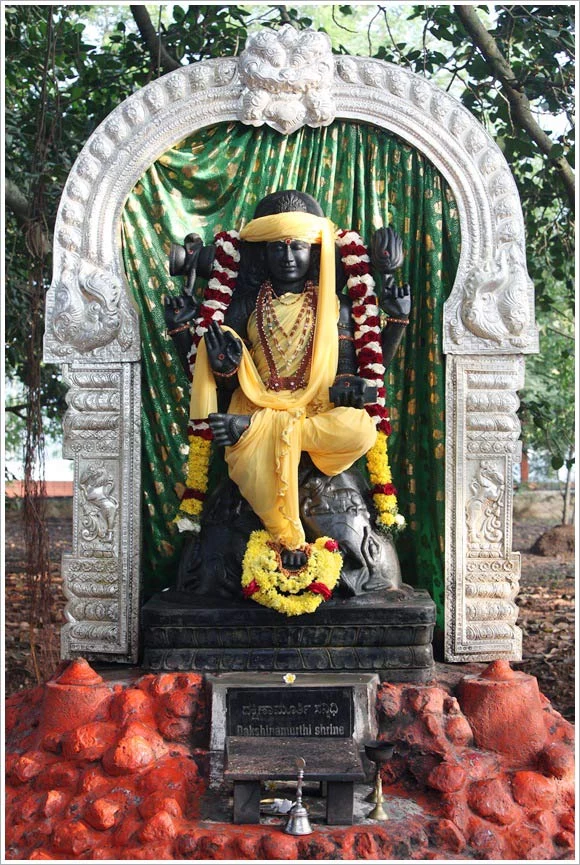
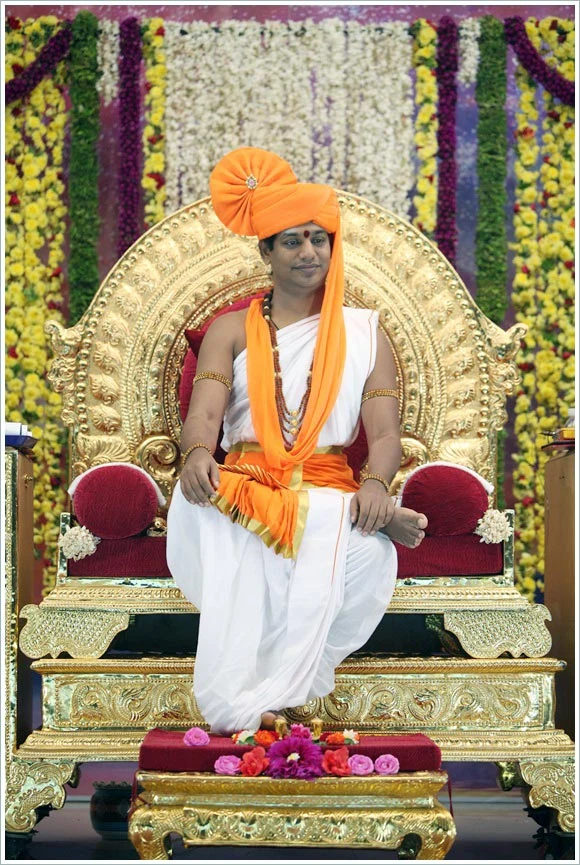
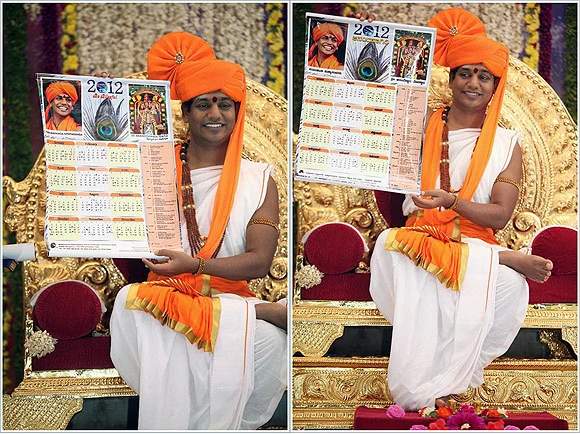
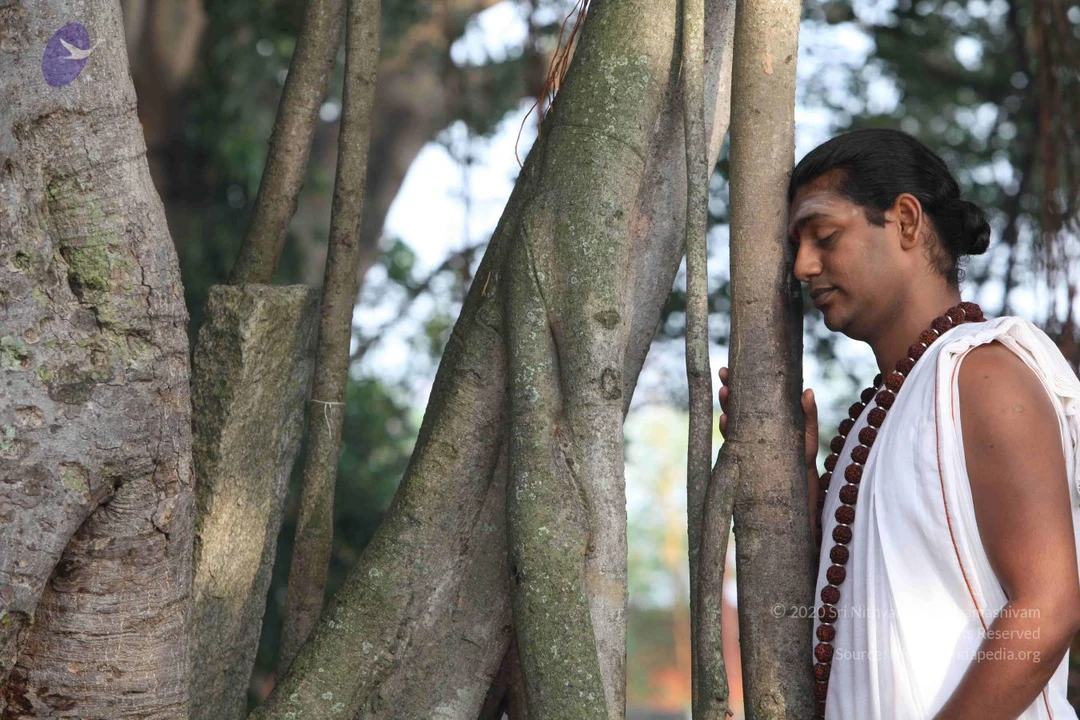
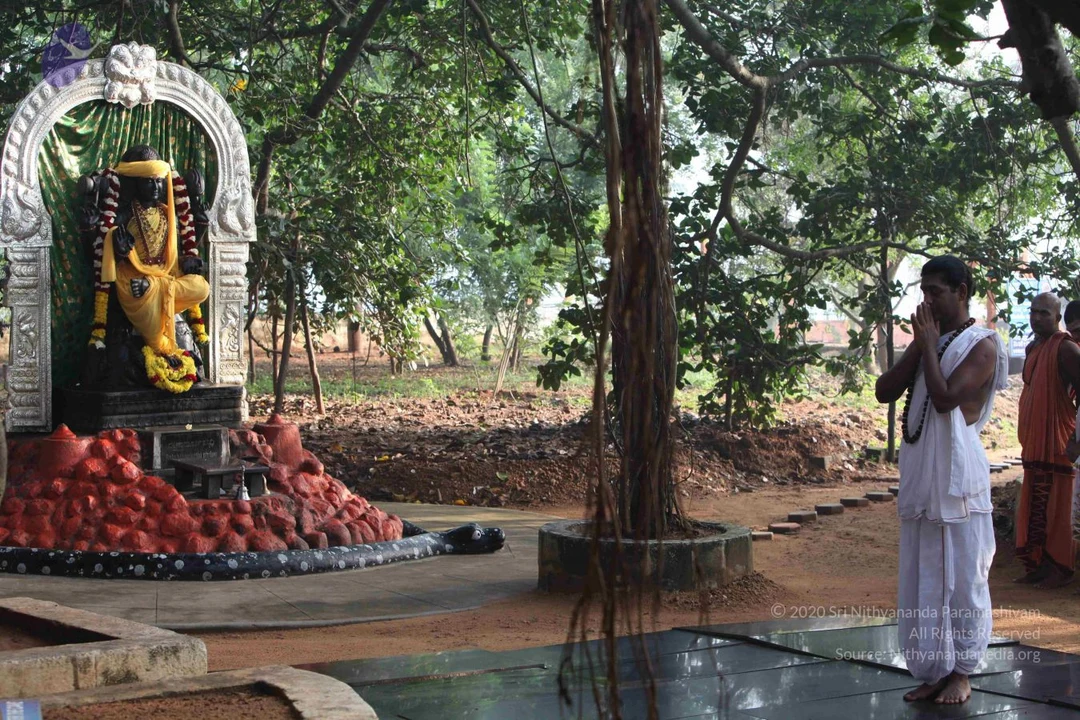
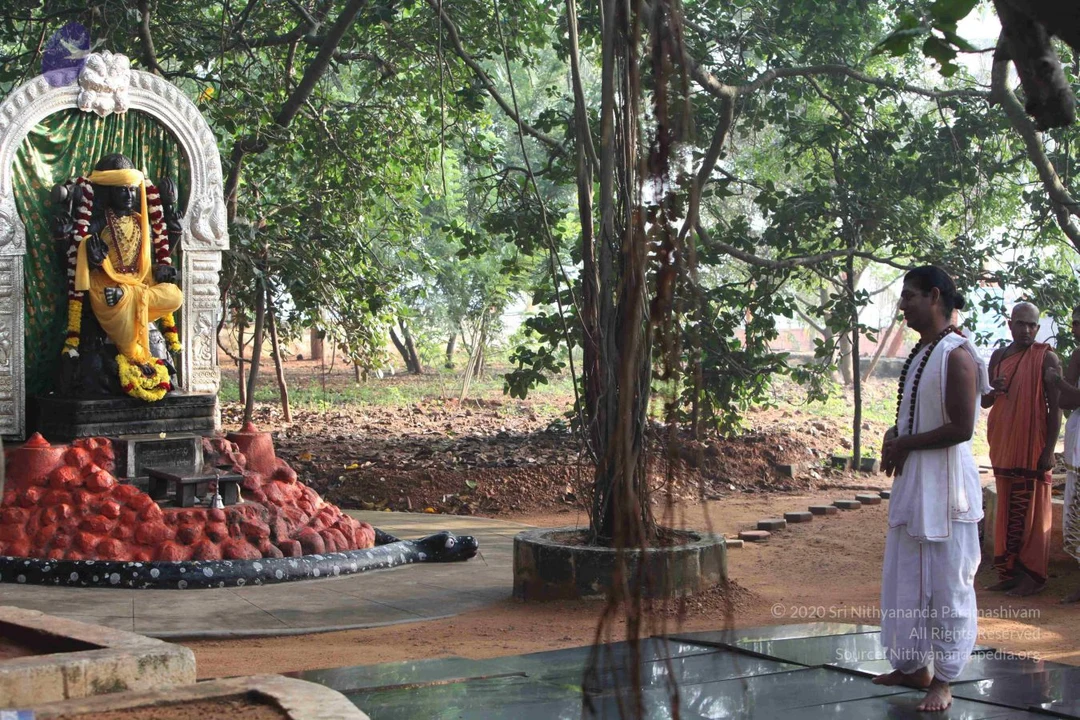
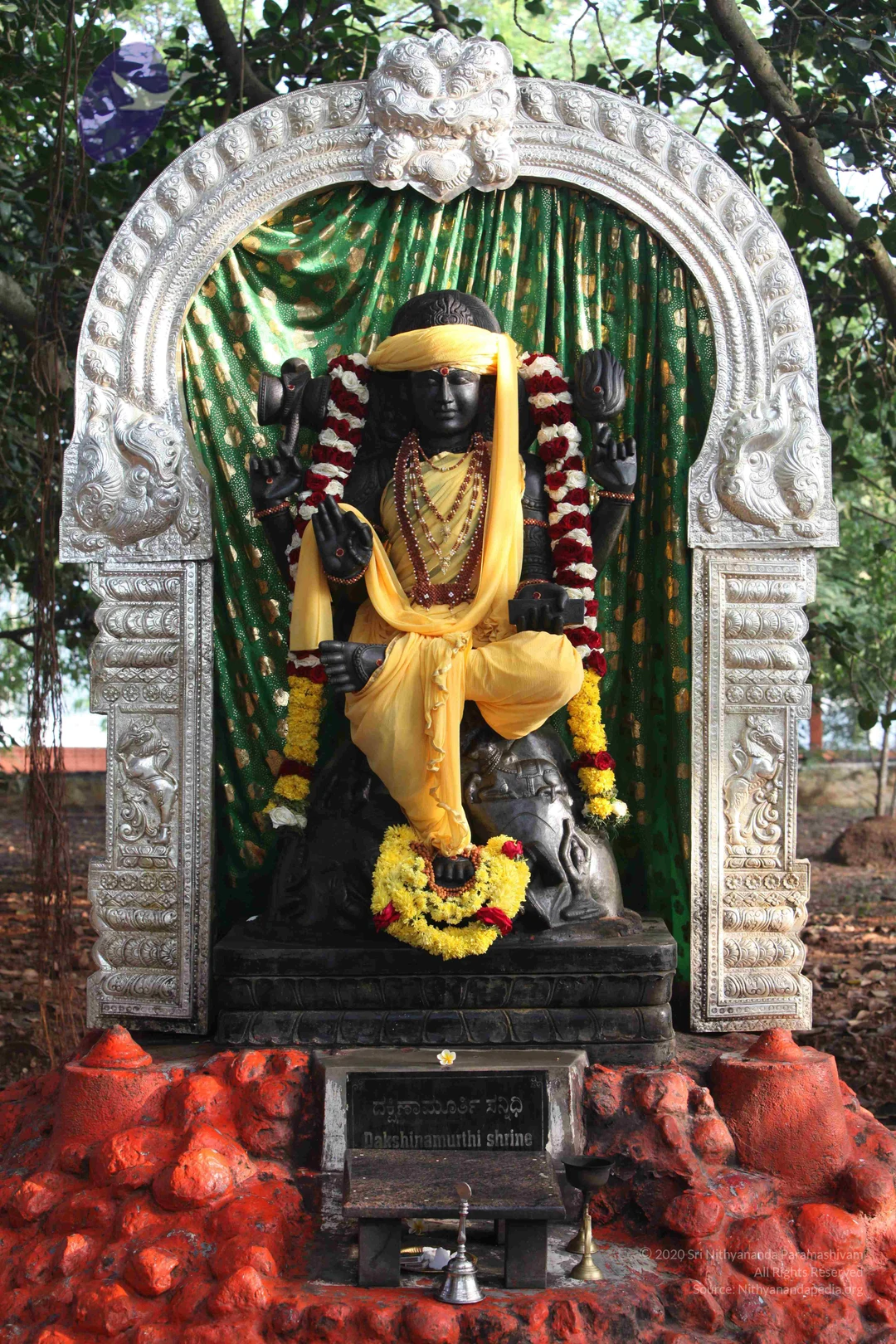
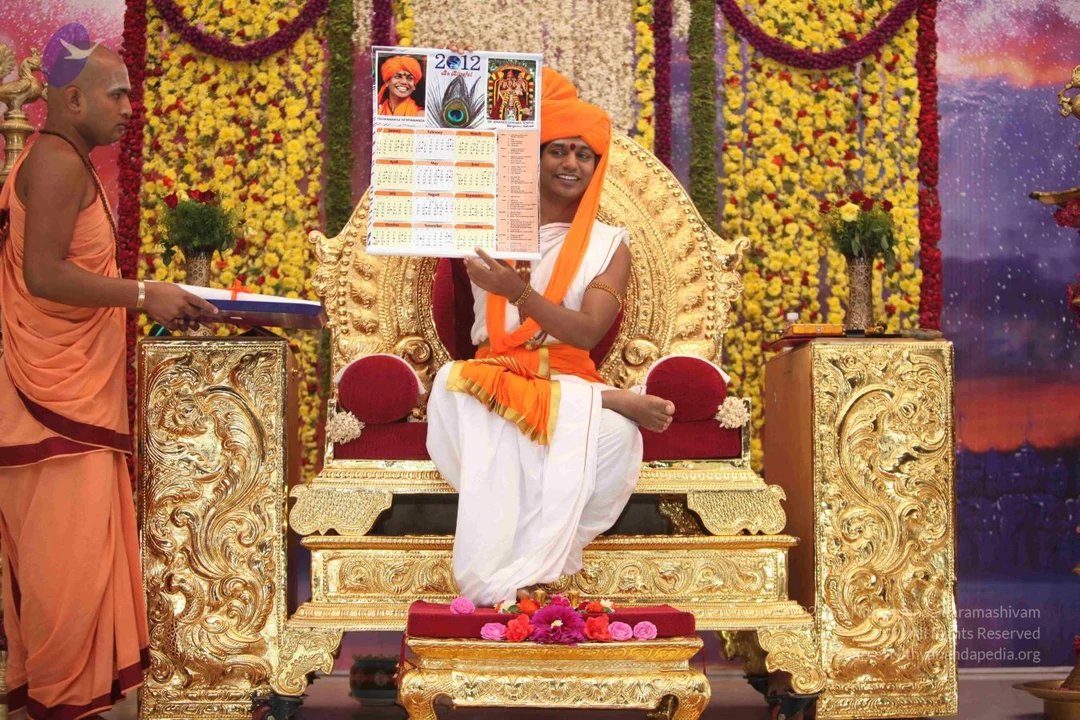
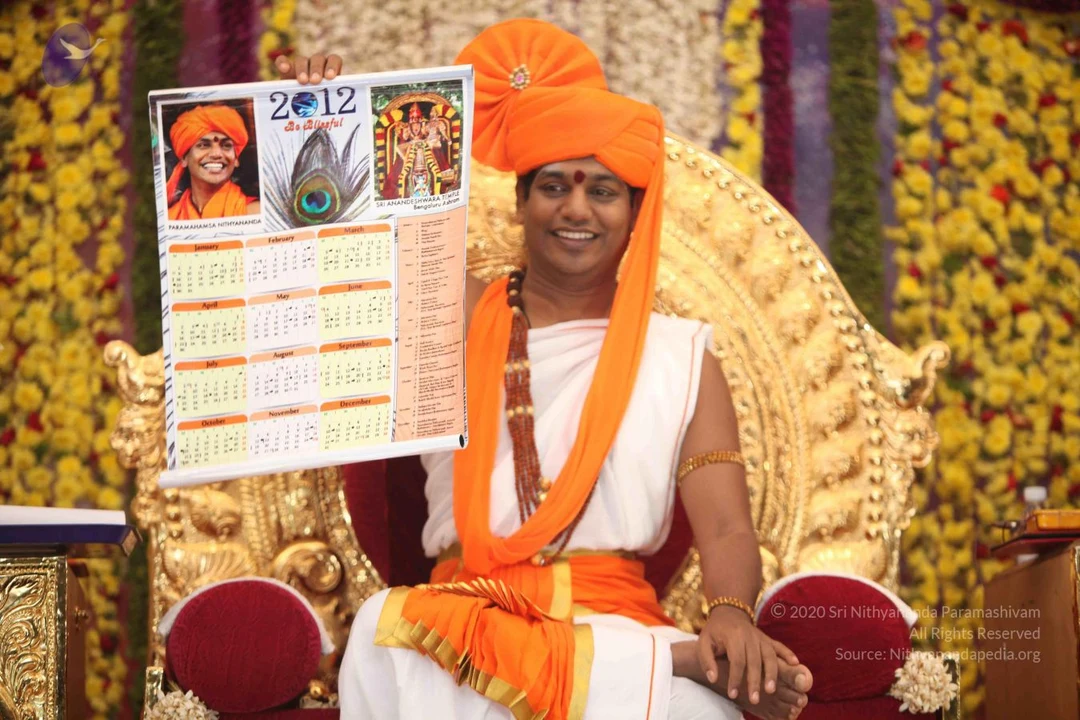
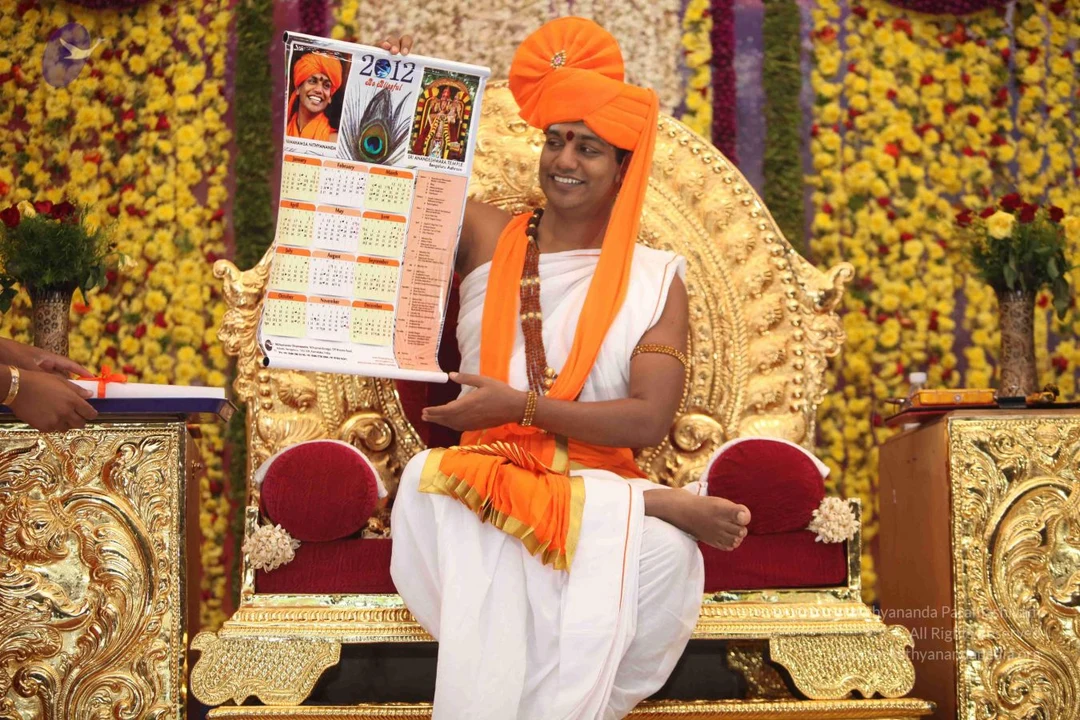
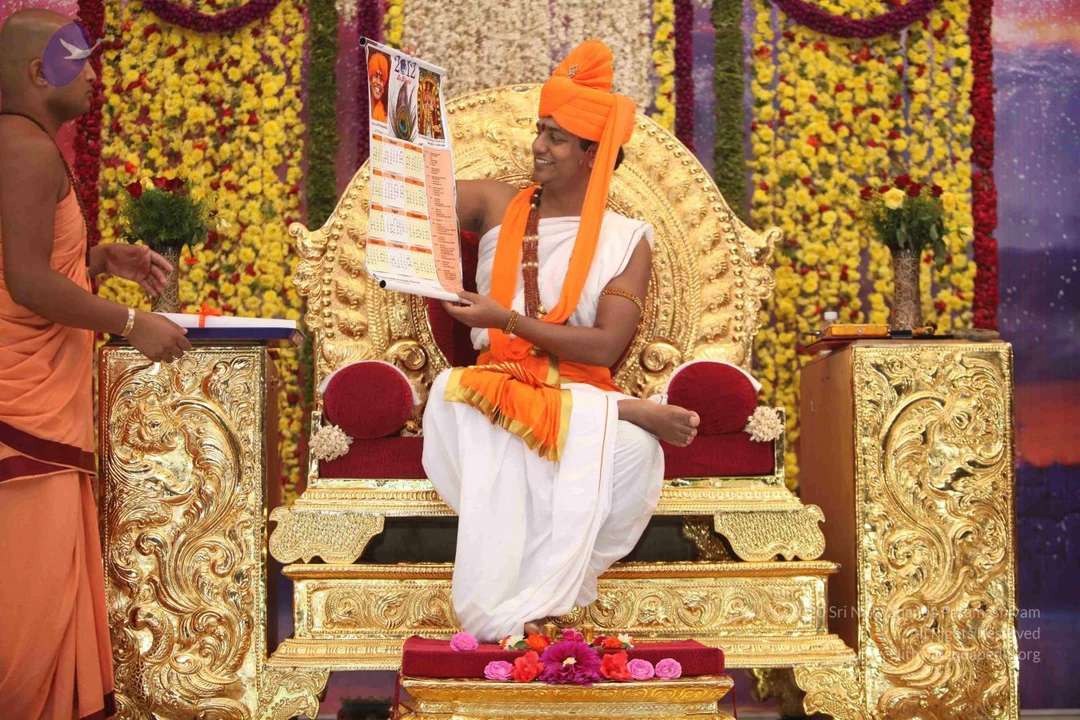
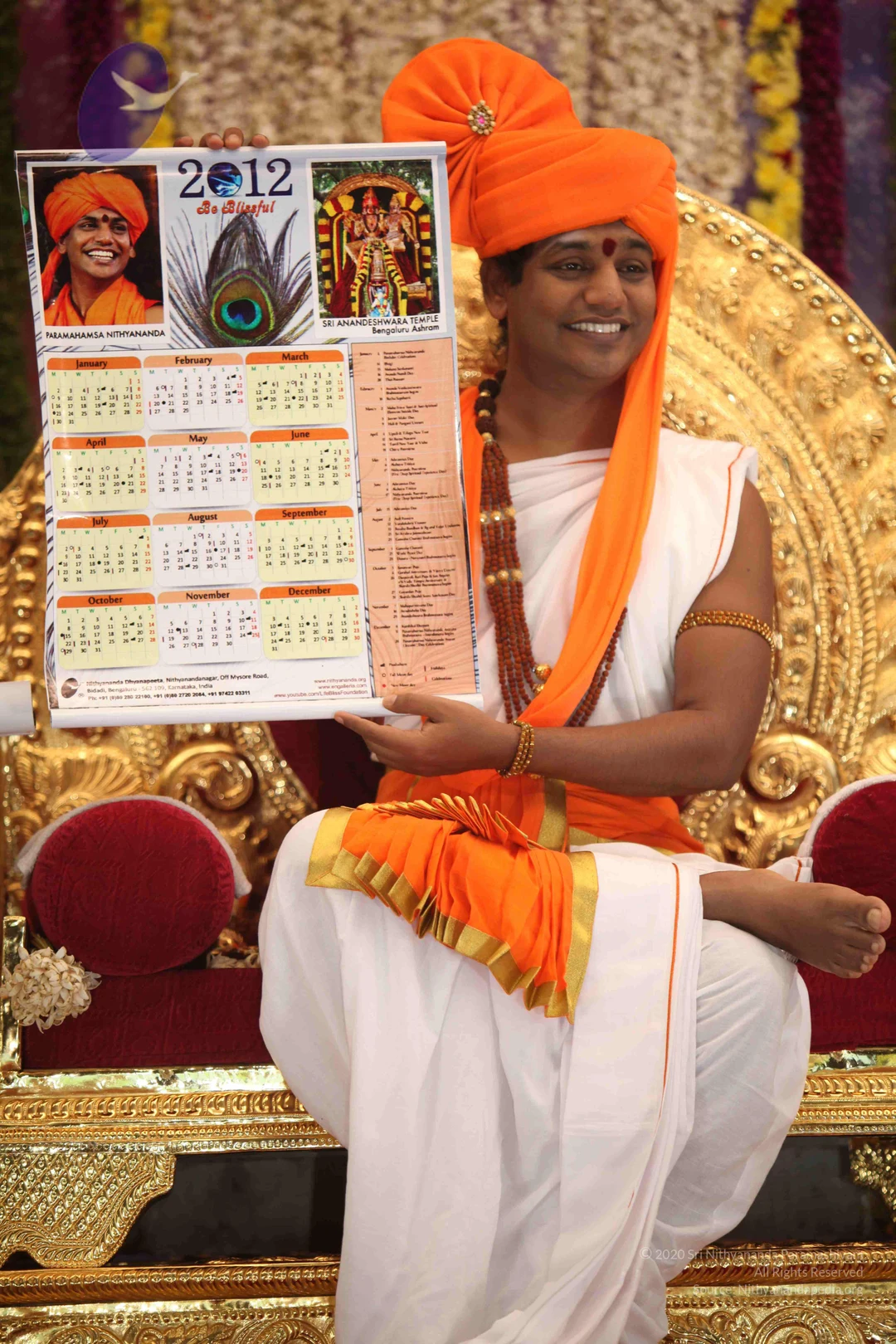
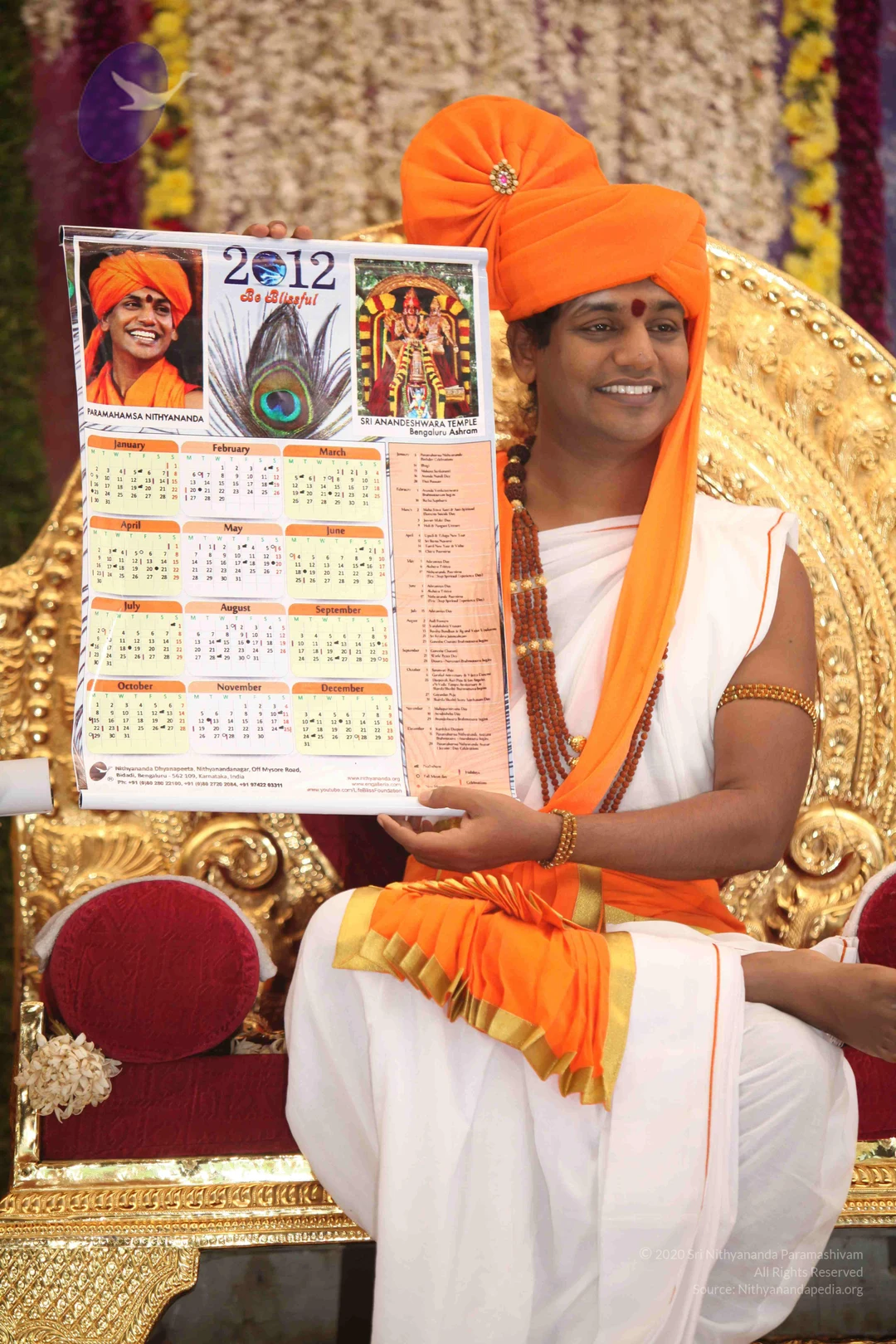
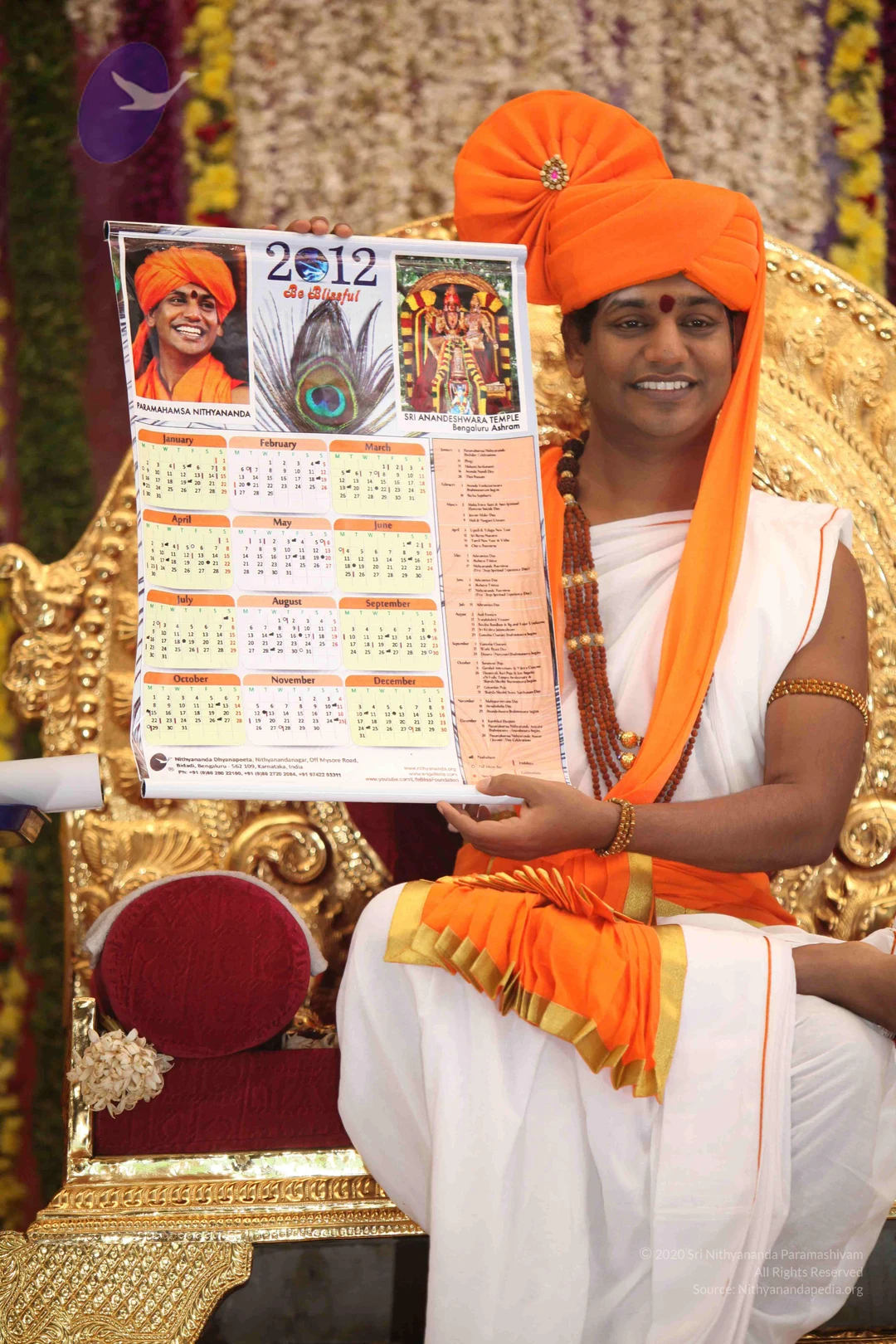
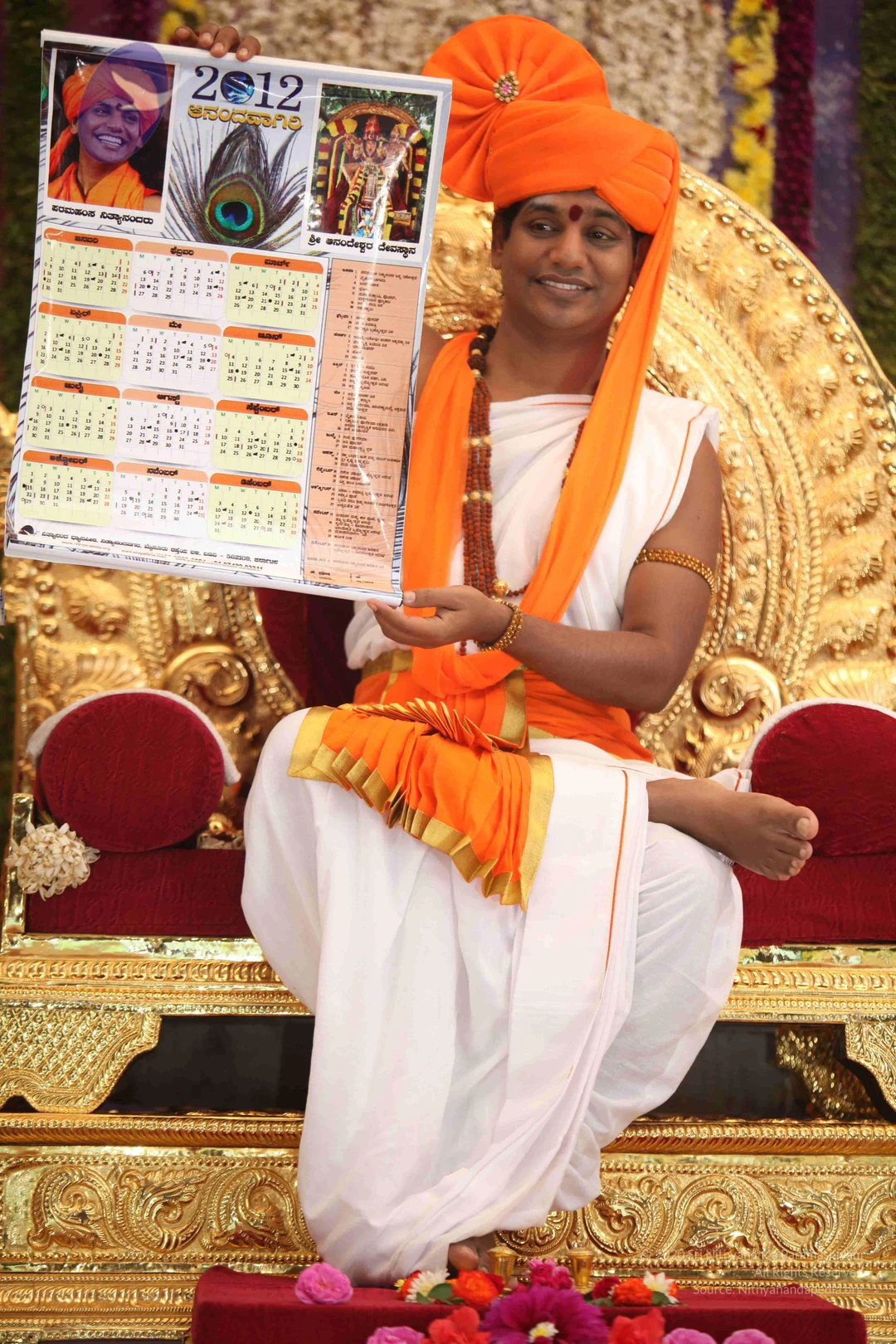
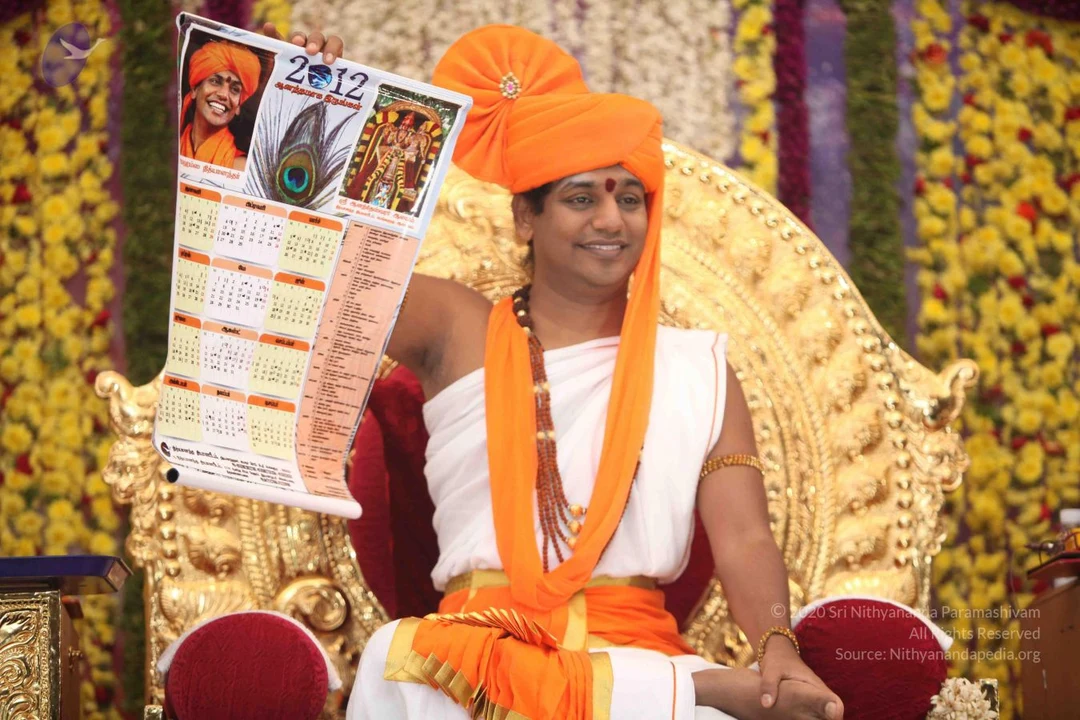
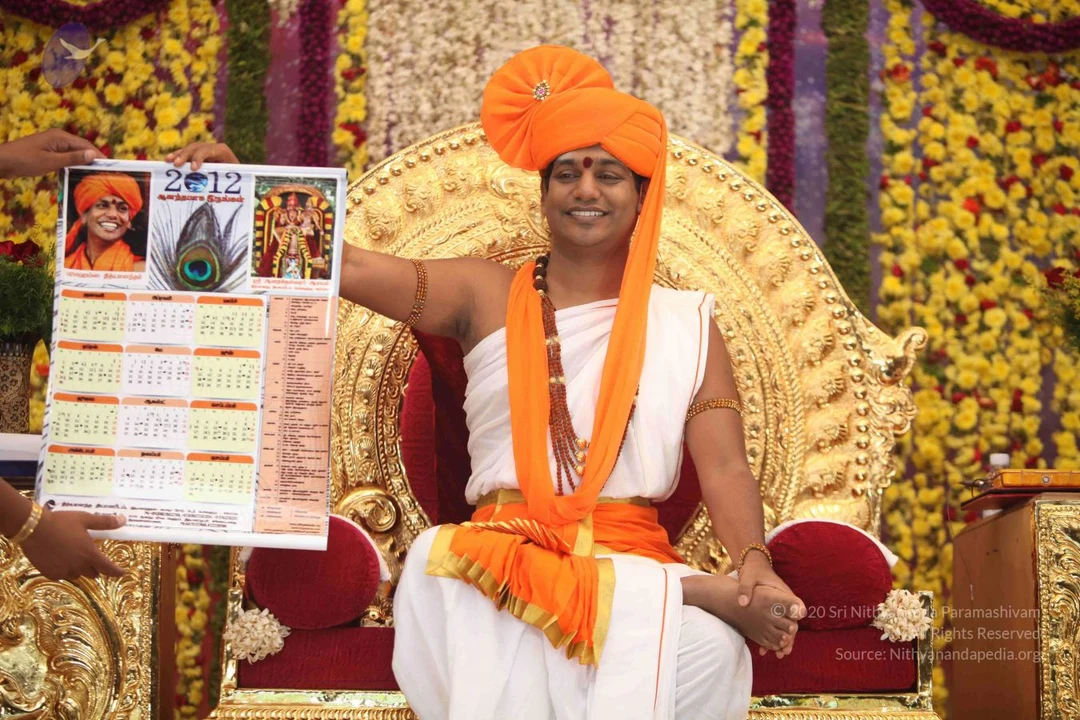
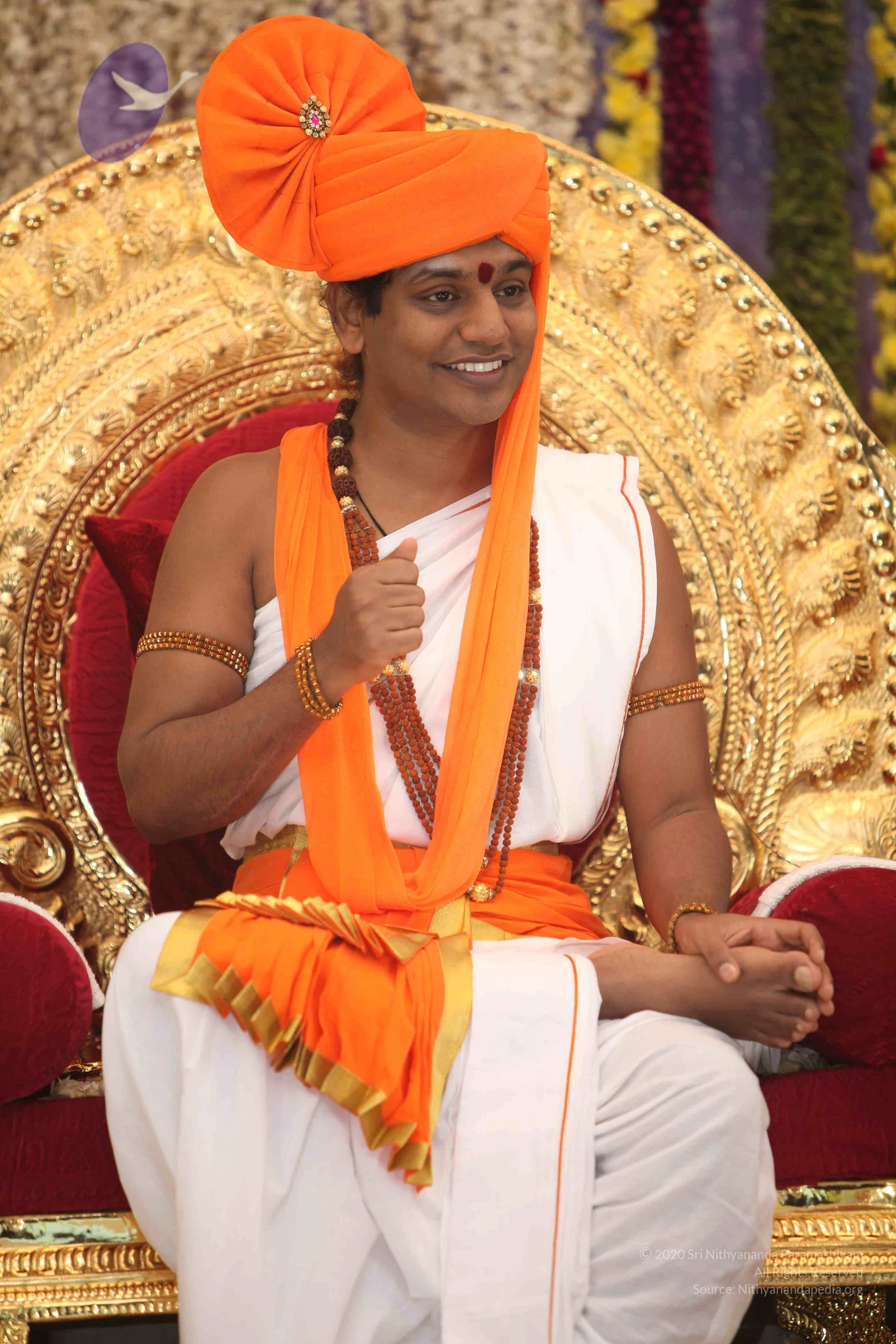
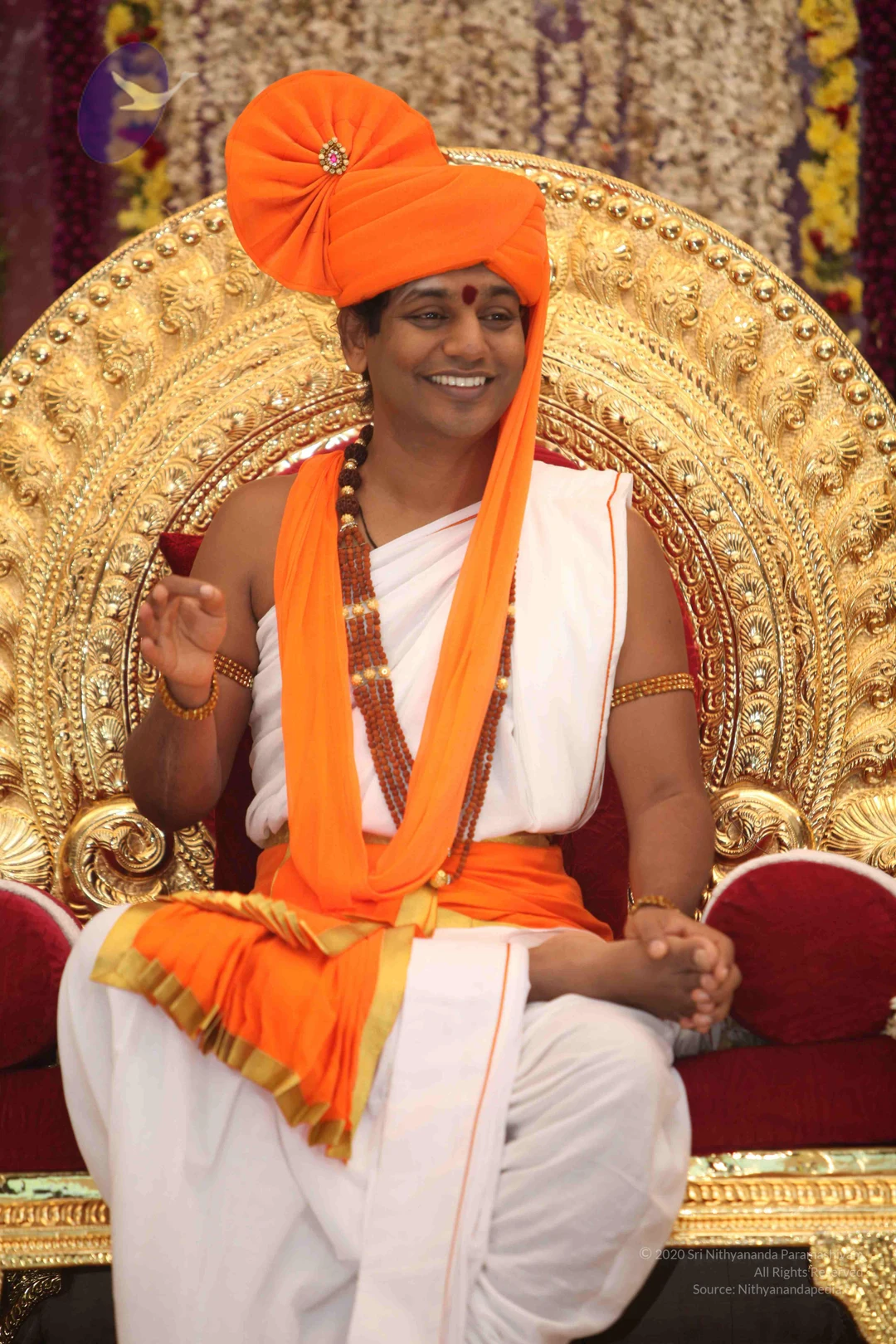
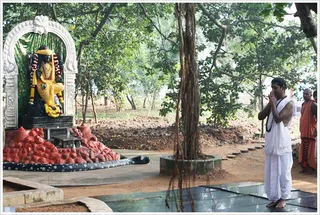
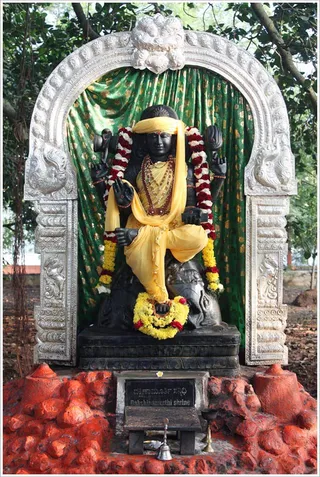
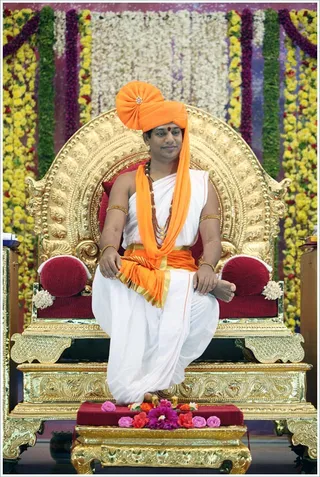
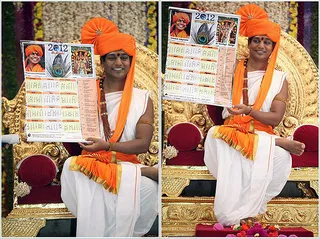
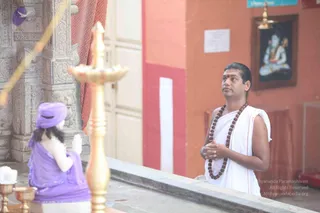
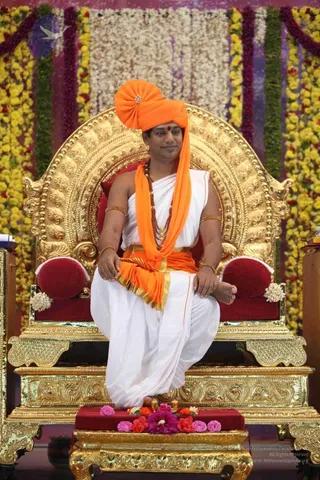
A photograph of a shaven-headed man in a plain white dhoti and shawl standing with palms pressed together in a namaskar-style greeting beside a tall brass oil lamp. He wears a long rudraksha mala of dark brown beads around his neck. Behind him is a red and white painted wall with a framed picture of a seated deity, and at left a partial figure in a purple garment sits near a stone pillar. The setting appears to be a temple corridor. The man's appearance does not clearly match the a person cues (no long hair, crown or saffron clothing), so he is described by role only as a devotee in white ritual clothes.A two-panel collage of photographs. The large left panel shows a man with hair tied back, wearing a white dhoti and white shawl and a long rudraksha mala, leaning his forehead against the trunk of a large tree in an outdoor setting. The smaller upper-right panel shows a figure in white clothing with a white cloth draped over the shoulders standing before a shrine with a black deity murti adorned with yellow and red garlands, green drapery behind it, and offerings of fruit and flowers on the ground. Being a collage of photographs, the scene shows no additional physical people beyond those pictured. The man in the left panel appears to be the candidate for a person by his rudraksha mala and white robes, but his appearance is uncertain given the photographed panel.Outdoor shrine under leafy trees: a black-stone deity murti dressed in yellow cloth with a red and yellow garland stands in an arched white niche, with a pile of red and black offerings at its base. In the foreground on a glass-topped platform, a man in white dhoti and shawl stands with palms pressed together in namaskar, facing the shrine. A tall tree trunk rises between him and the shrine. On the right, a bald man in saffron robes stands at the edge of the frame.A black stone statue of Dakshinamurthi, the seated form of Shiva as teacher, sits in an ornate silver-coloured arch against a green and gold brocade backdrop, outdoors beneath trees. The murti wears a yellow cloth draped over its body and head, with a red and gold necklace, and is garlanded with red, white and orange flower strings. Below it stands a small black plaque labelled Dakshinamurthi shrine, with a brass oil lamp and bell placed at the base on red-painted rocks. No people are visible.A man seated cross-legged on an ornate gilded throne with red cushioned armrests, set against a backdrop of garlands of yellow, white and magenta flowers. He wears an orange turban with a jewelled ornament, a white dhoti and an orange shawl with gold border, with a rudraksha mala and gold bangles. Pink and orange flowers are arranged on the gold footstool before him. Whether this seated figure is a person cannot be confirmed from appearance alone, so the identity is left uncertain.A two-panel photo collage shows a smiling man in a saffron-orange turban, white dhoti and orange-bordered shawl, with rudraksha beads, seated on an ornate gold throne with red cushioned armrests. In both panels he holds up a large 2012 calendar with a peacock feather and a deity image printed on it. Behind him are yellow and white floral garlands, and red-and-pink flower petals lie on the throne base. Because this is a collage of photographs, it is classified as graphic and contains no counted physical people beyond the seated figure shown in the frames.

Temple
35 photosSource gallery
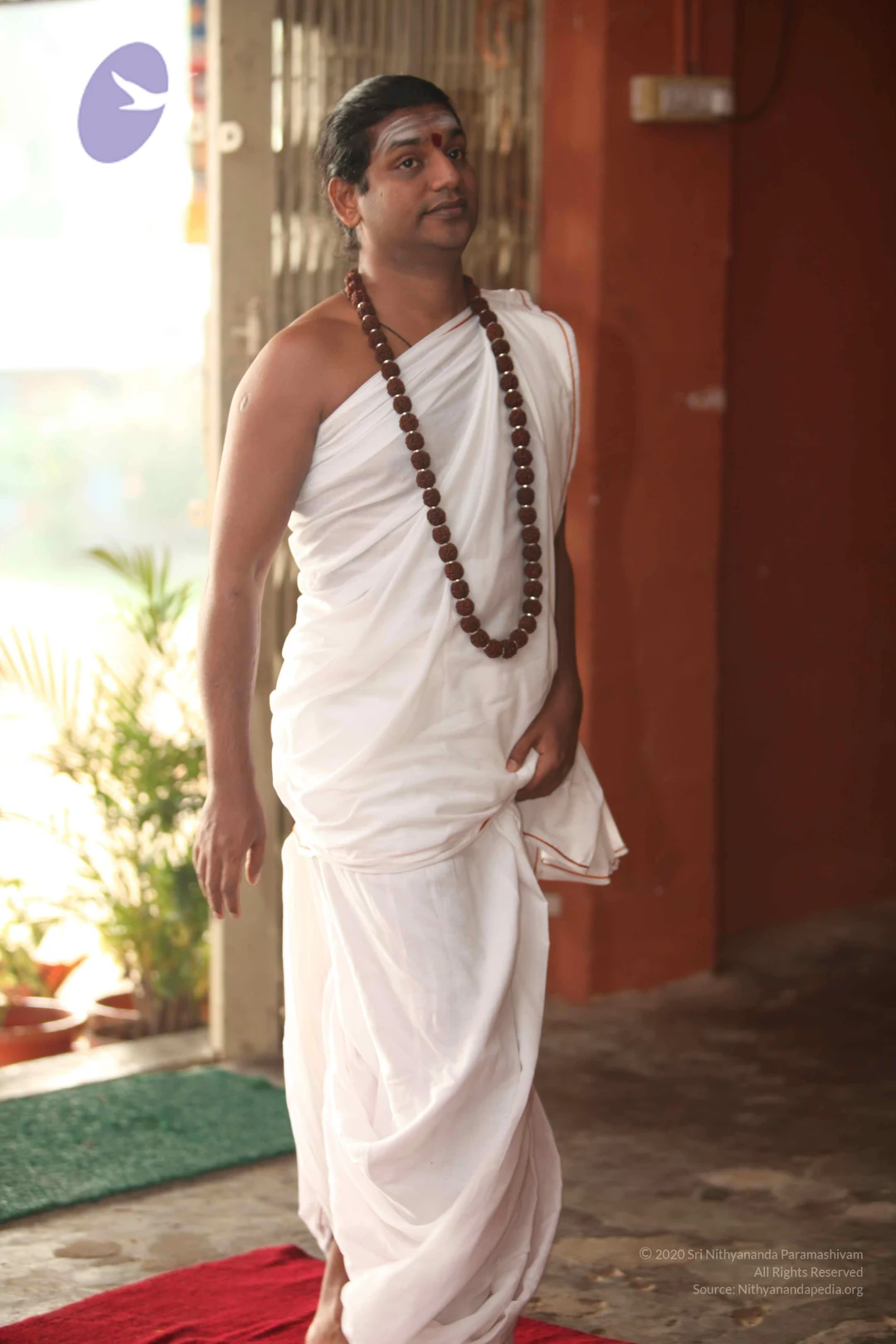
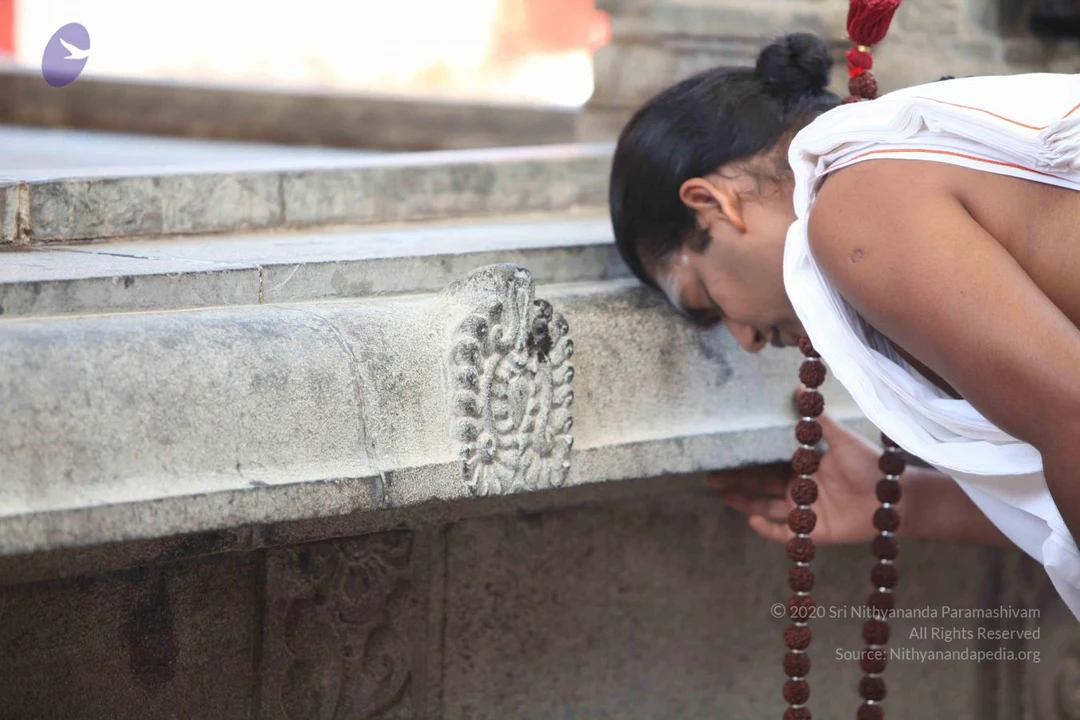
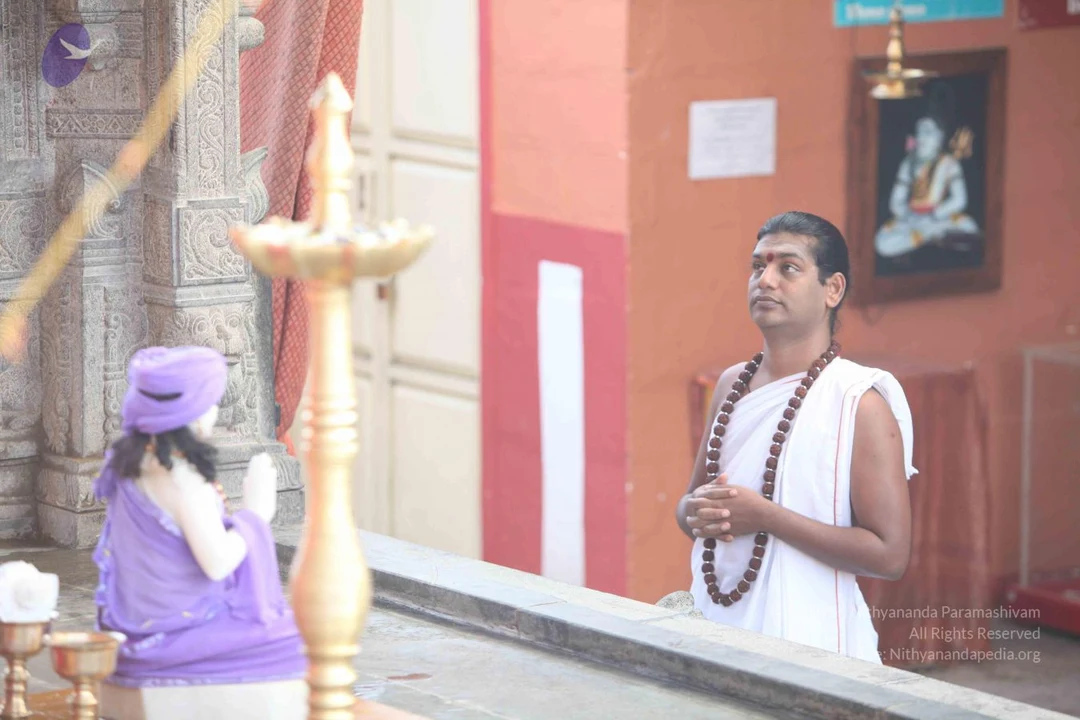
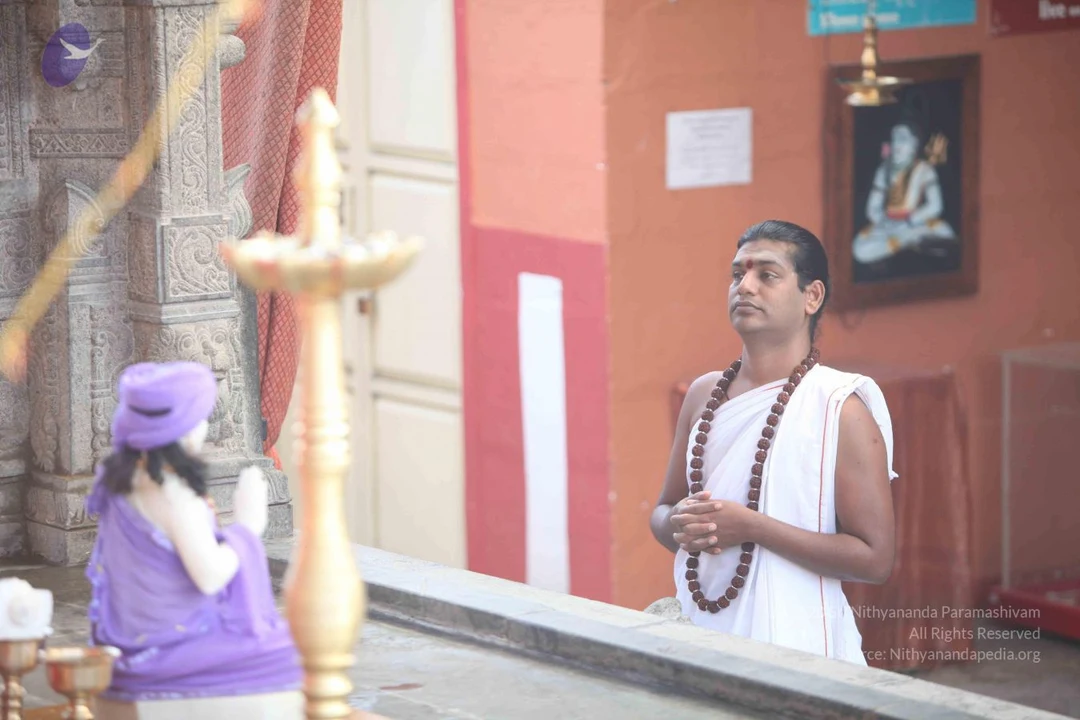
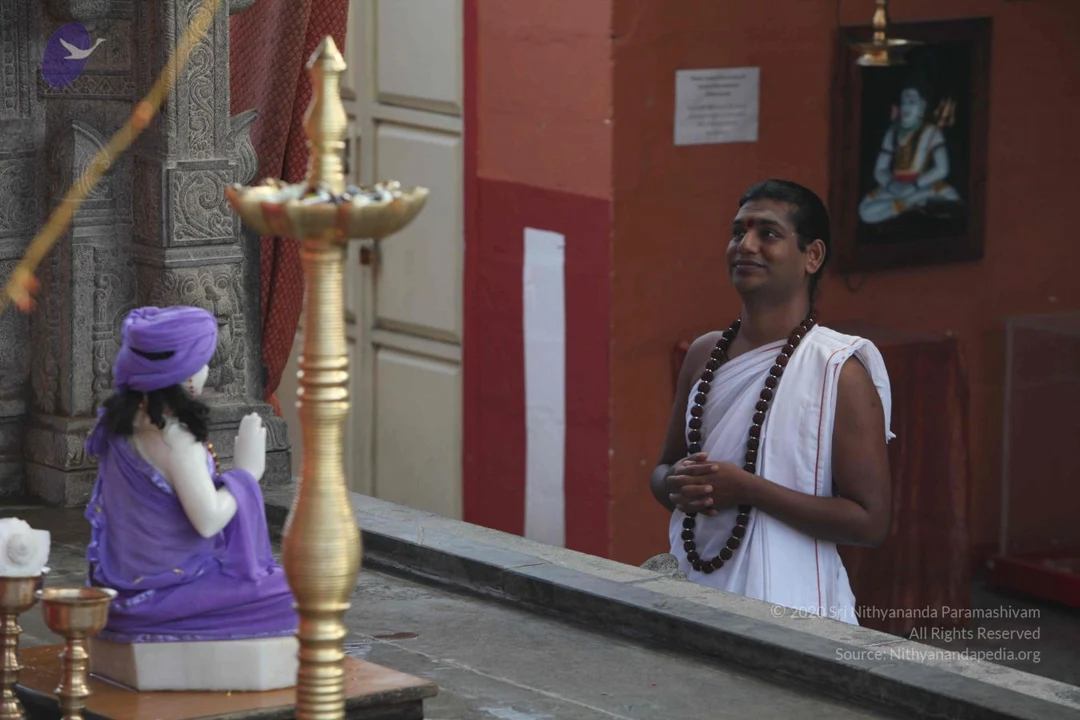
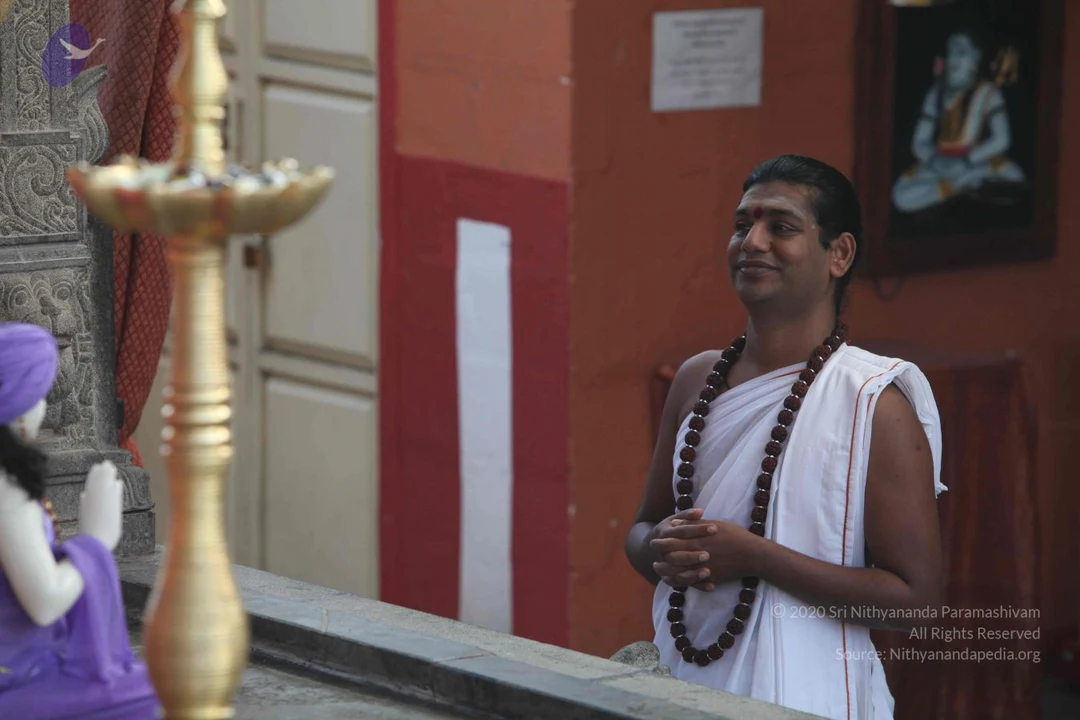
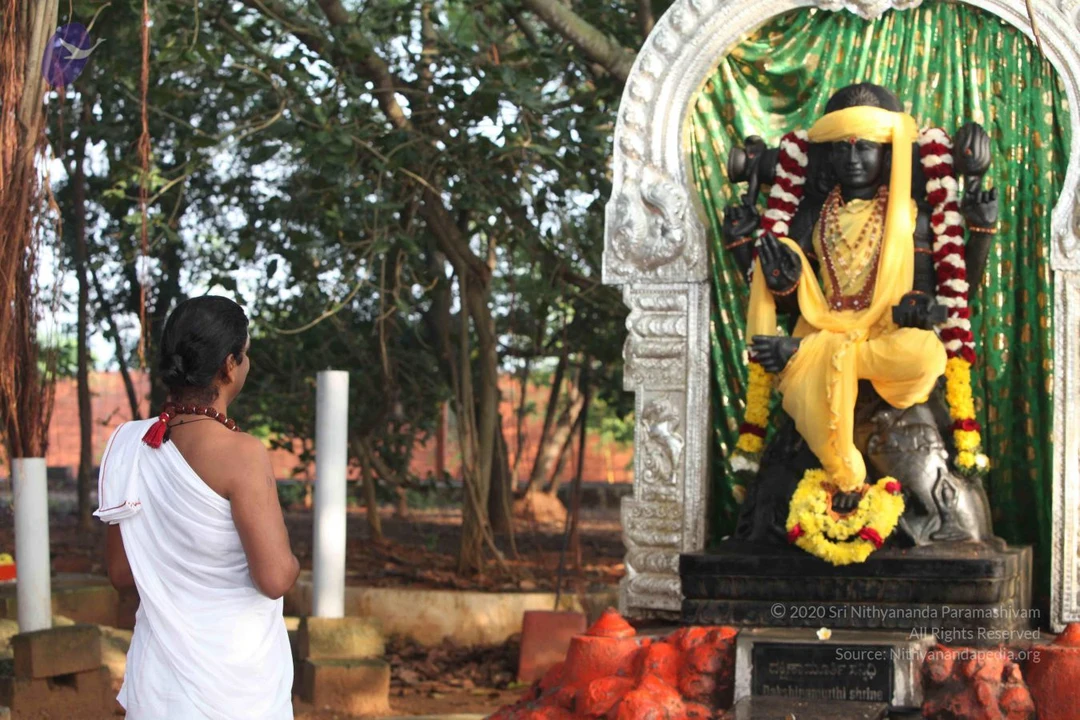
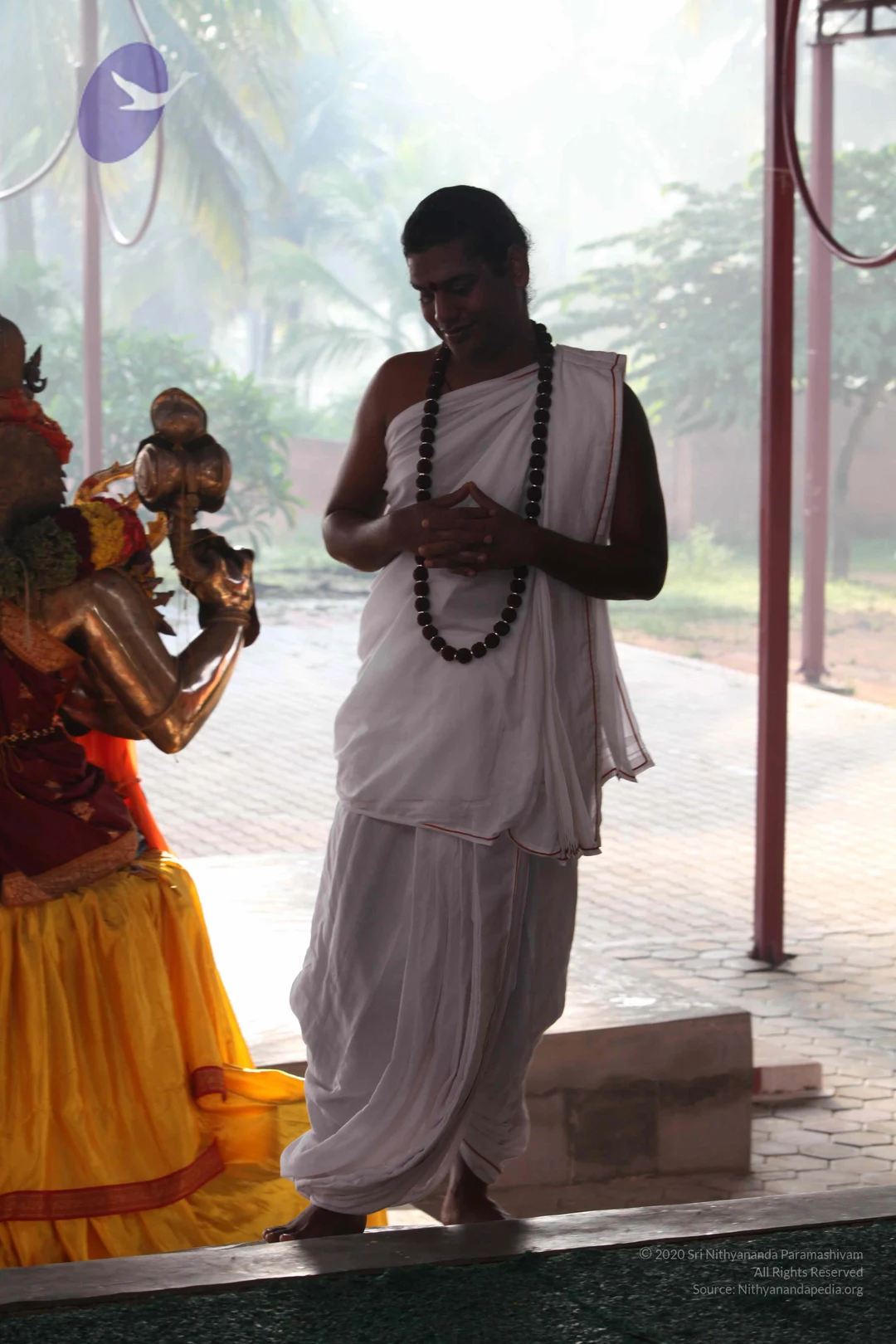
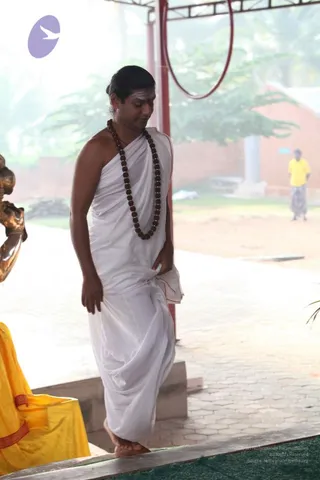
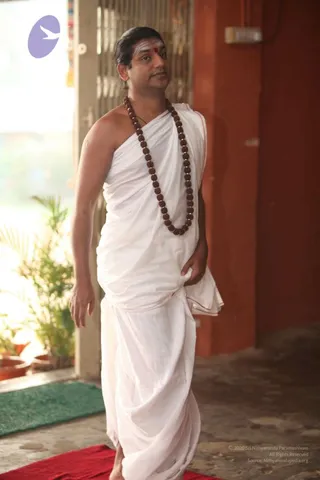
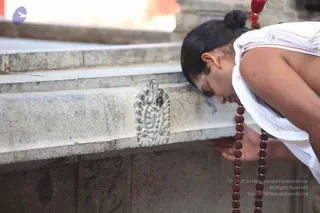
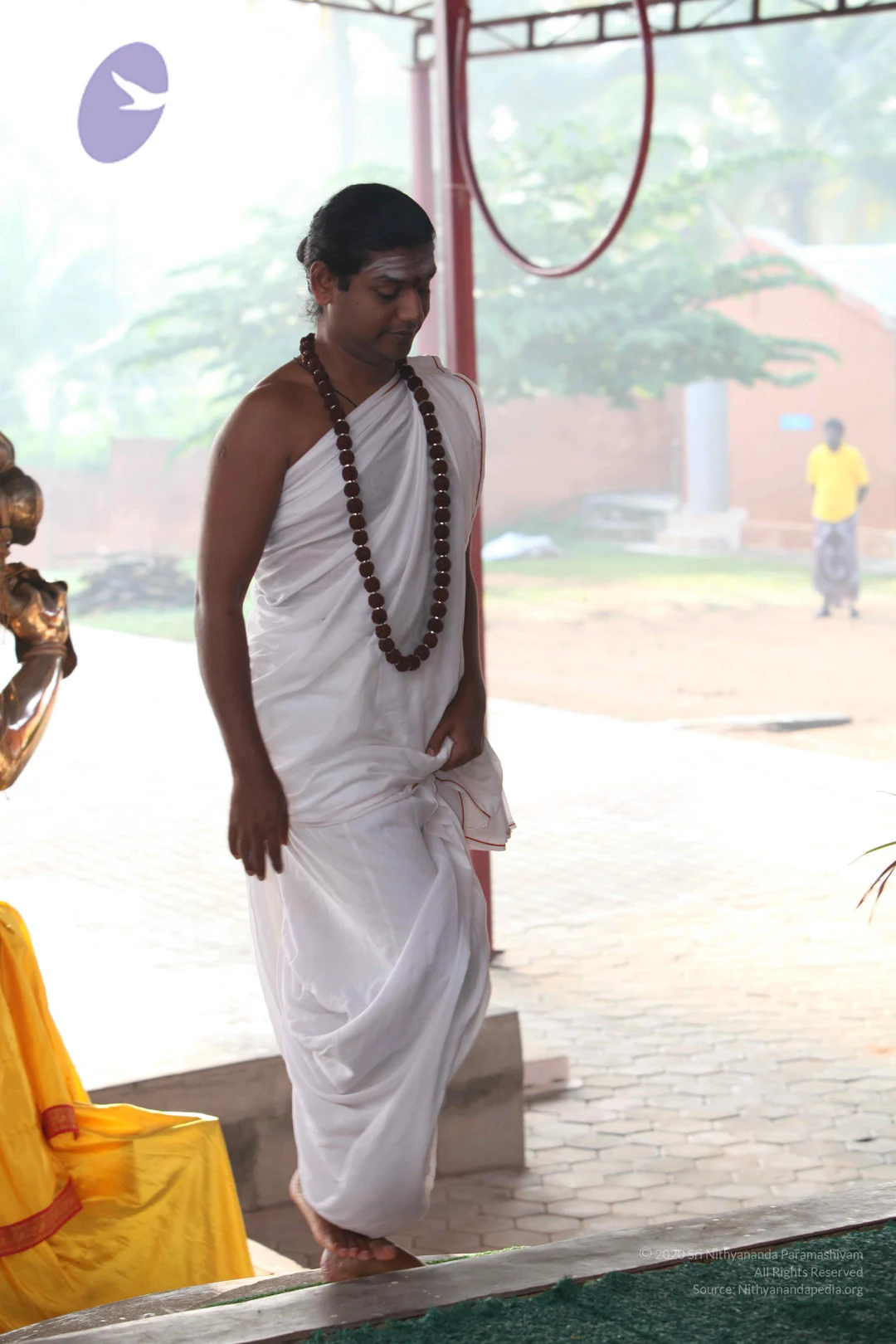
A barefoot man in white dhoti and white upper cloth with a thin red border walks across a covered pavilion, his head slightly bowed and eyes lowered. He wears a long rudraksha mala of dark brown beads and a horizontal tilak on his forehead. To his left, the edge of a golden deity murti and a yellow silk cloth is visible. A red-painted pillar and an open courtyard with a red brick building and trees behind him form the setting. A man in a yellow shirt and dhoti stands far off in the background.A man in white ritual clothing stands in a doorway with orange-red walls and a metal grille behind him. He wears a white unstitched wrap draped over one shoulder with a thin orange border, and a long necklace of brown rudraksha beads. His forehead bears white ash markings with a red dot, and his hair is swept back. Green plants and a green mat are visible at left, with a red mat on the floor below. He is walking and looking off to the side. The lone visible person is an appearance-based candidate for a person with several cues: rudraksha mala and sacred ash, but the face and presentation are not distinctive enough to confirm identity, so it is marked as uncertain.Close photo of bare feet on a grey concrete floor. A person in white dhoti-style cloth walks forward, the right heel lifted and toes pressing down. Only the lower legs and feet are visible, with a brown mat edge at the top right. No faces or other people are shown. Scattered small stains and cracks mark the floor.A man in white ritual dress bends forward at a carved stone ledge, pressing his forehead to the stone in a reverent gesture. He wears a white dhoti-style garment with an orange border and a long rudraksha mala with a red tassel hanging from his neck. His hair is tied in a topknot. A carved floral or lotus-like relief decorates the stone beside him, and the weathered stone steps and walls of a temple setting are visible behind him. The posture suggests prostration or deep veneration at a sacred site.A man with short slicked-back hair, a red bindi and a long rudraksha mala stands with hands folded in prayer beside a golden oil lamp. He wears a white dhoti and white sleeveless upper cloth edged in red. Beside him, a white statue of a deity wears a purple turban and purple garment. Behind him, a framed picture of a seated figure hangs on an orange wall, and a small brass lamp is mounted above it. The setting is an outdoor temple courtyard with carved grey stone pillars at the left.A photograph of a man standing with his palms pressed together in namaste at a stone temple ledge. He wears a white dhoti-style cloth draped over his shoulder, a long rudraksha mala around his neck, and a red bindi on his forehead. Beside him on the left, a white statue of a deity with a purple cloth and turban sits near a brass oil lamp. A framed picture of a seated figure with a trident hangs on the orange wall behind him.

BGSatsang

80 photosSource gallery
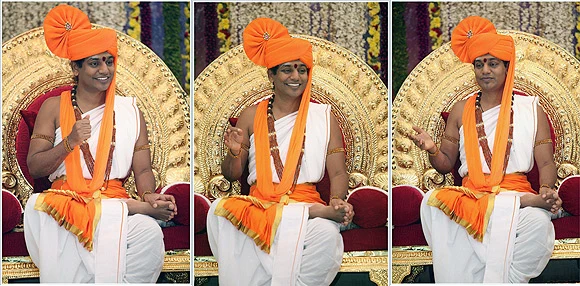
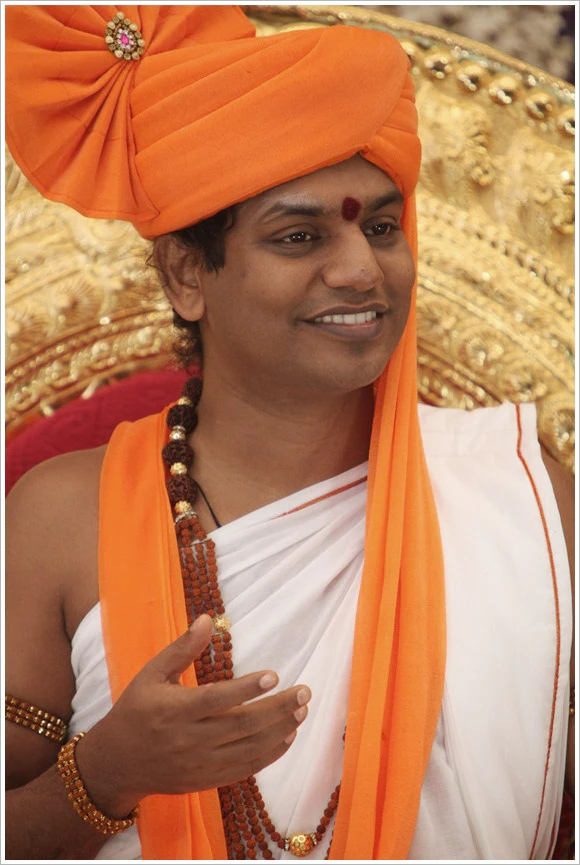
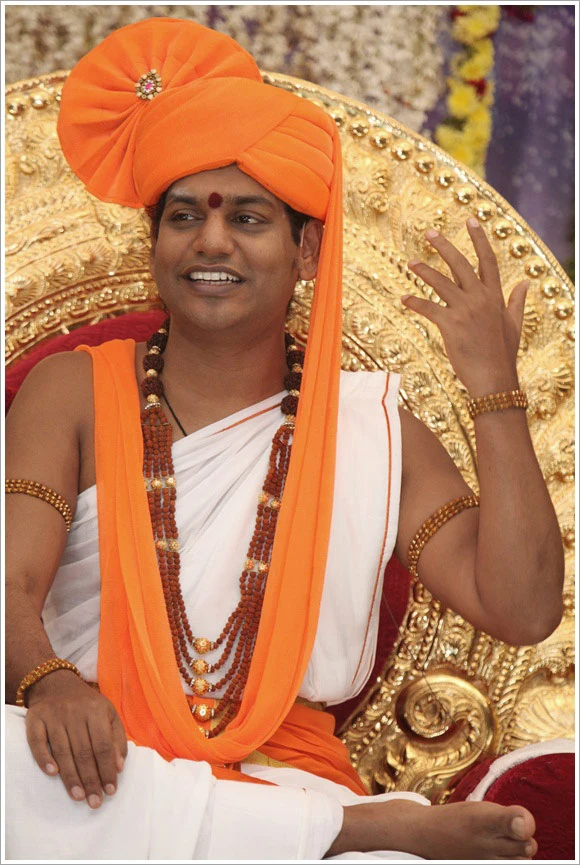
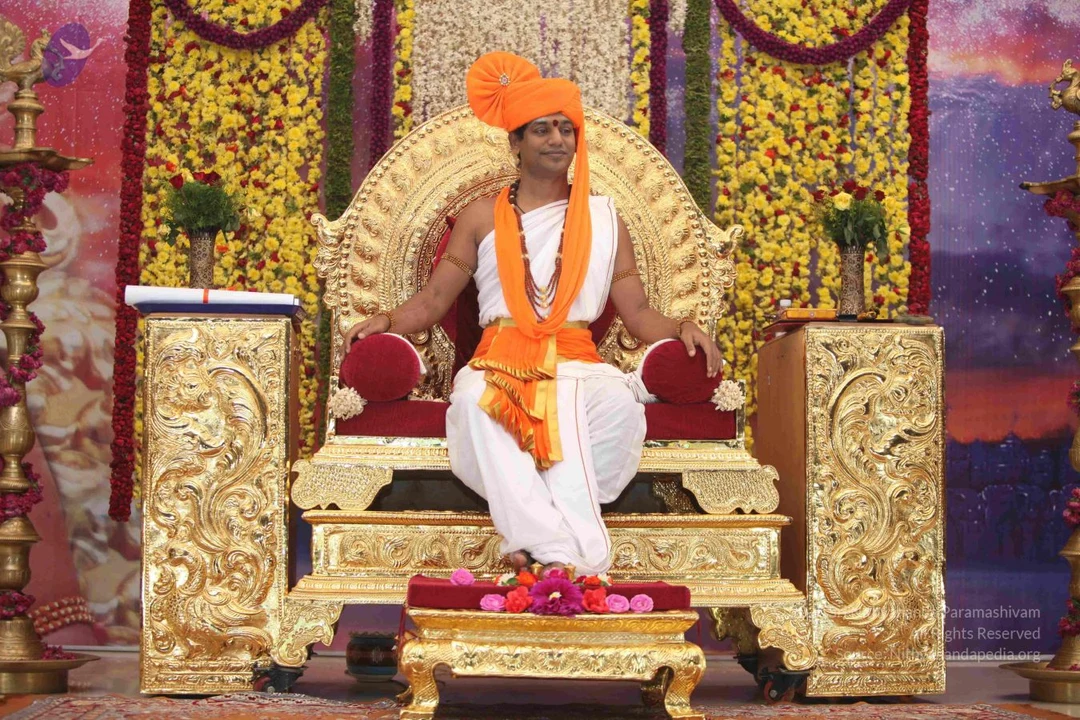
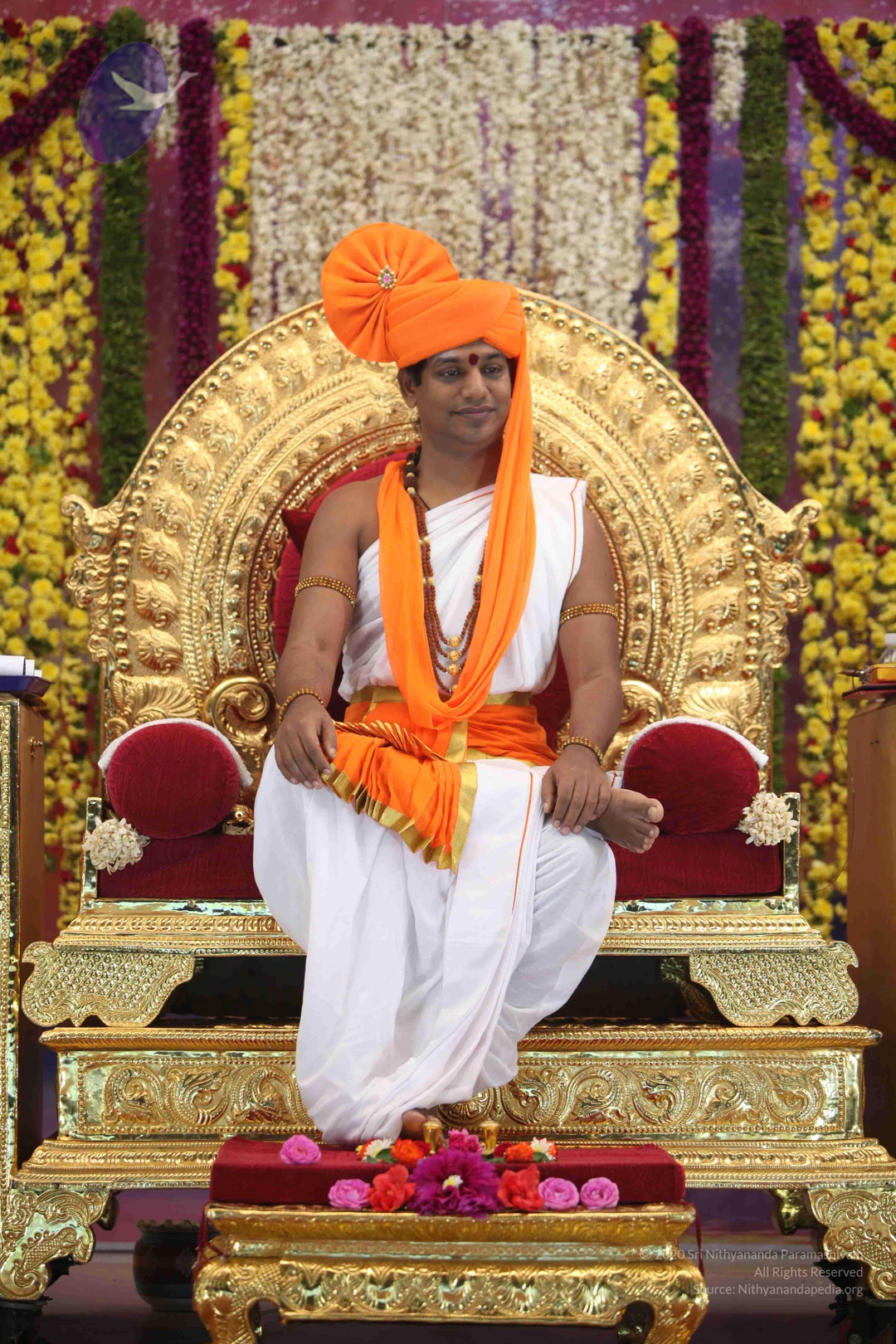
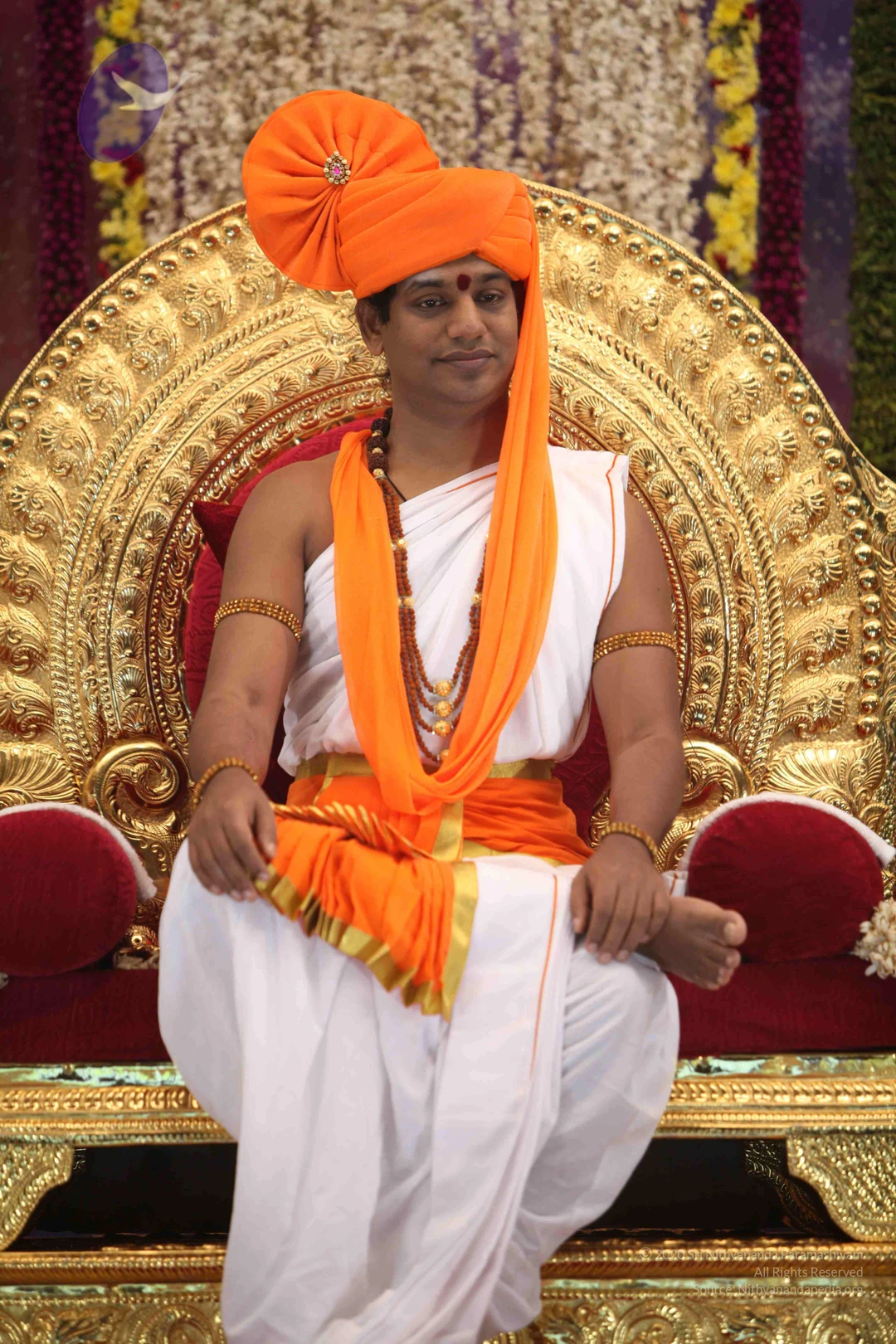
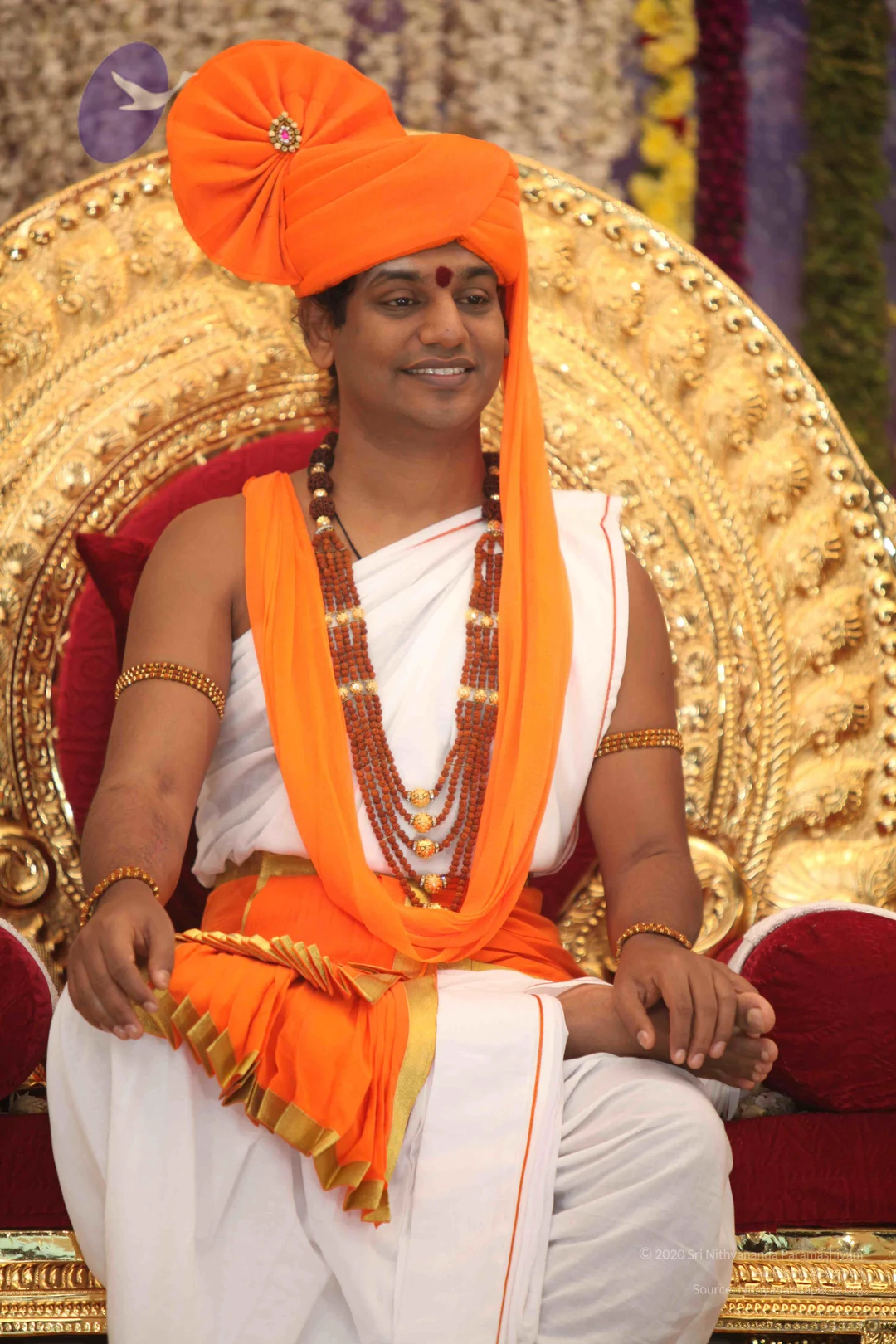
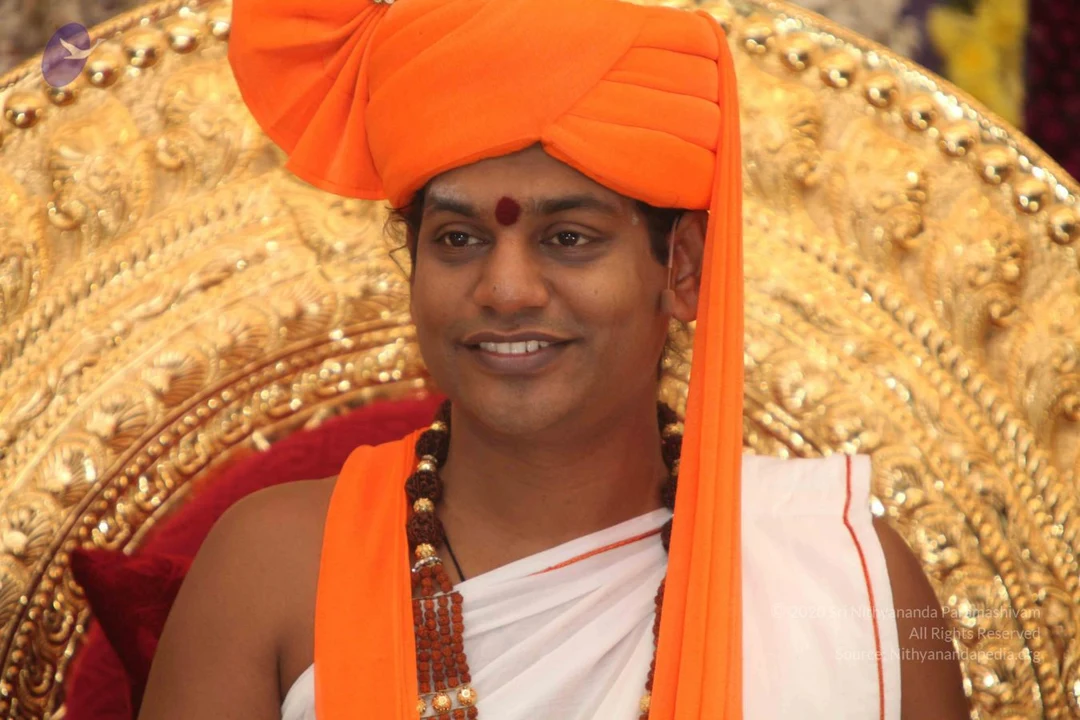
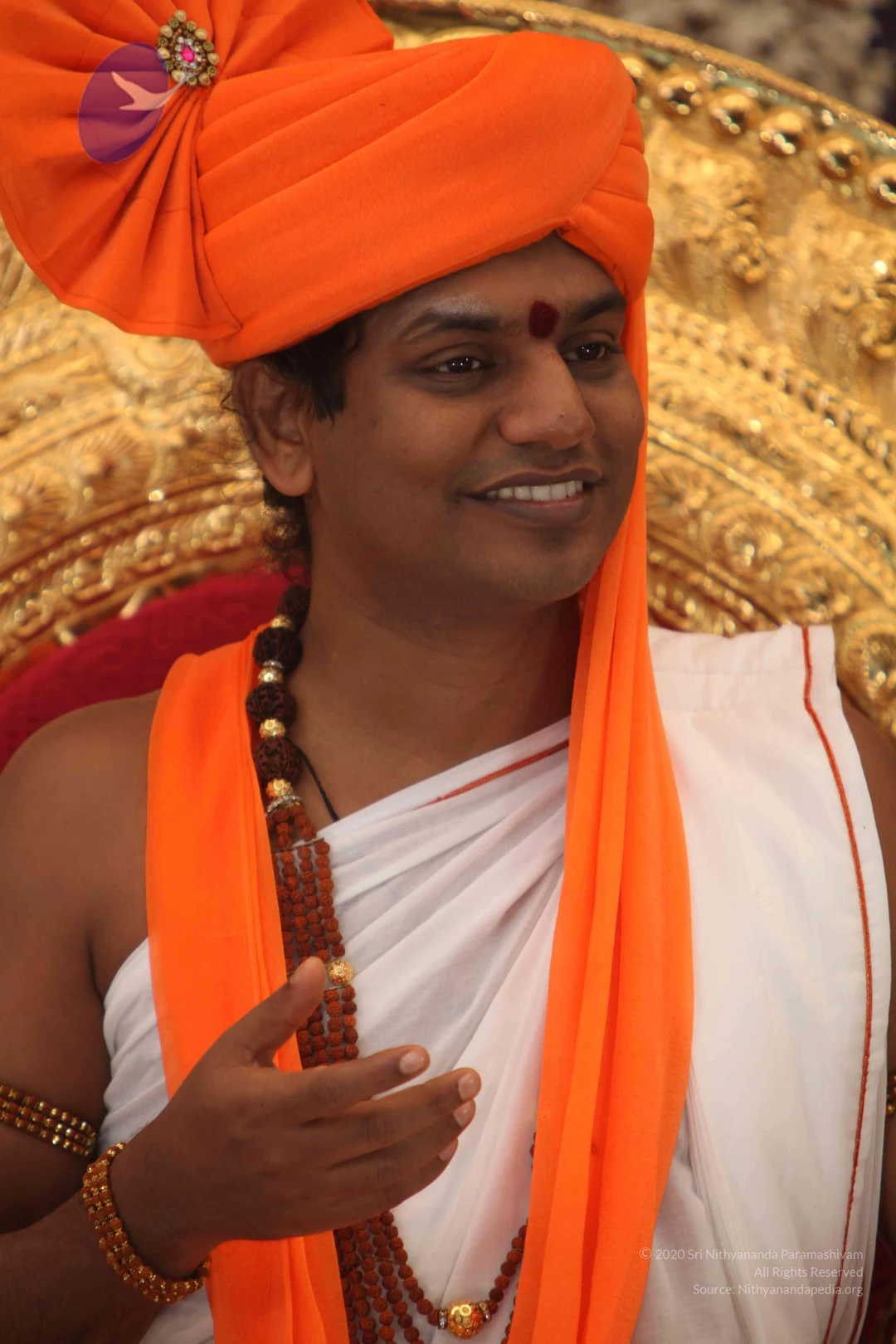
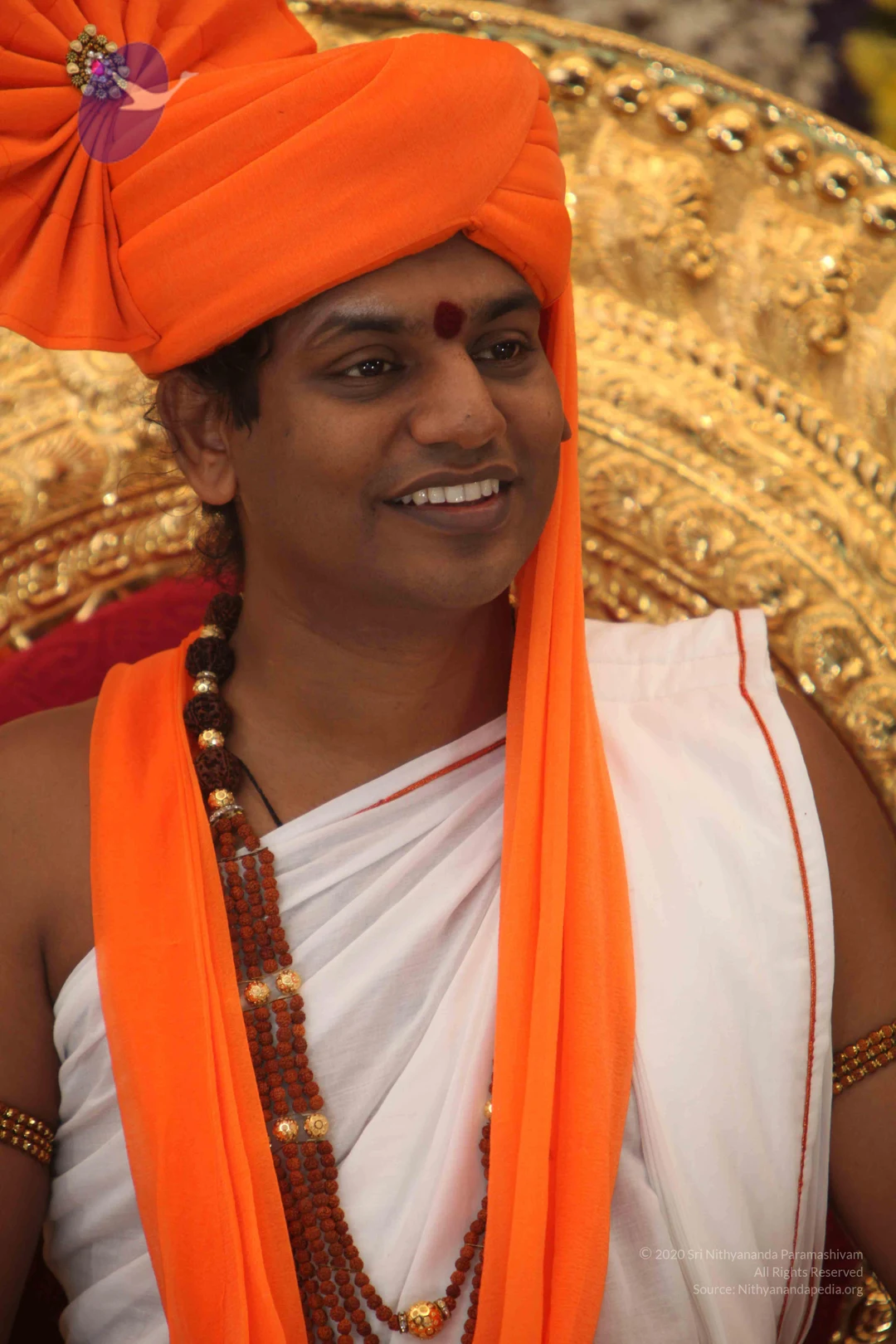
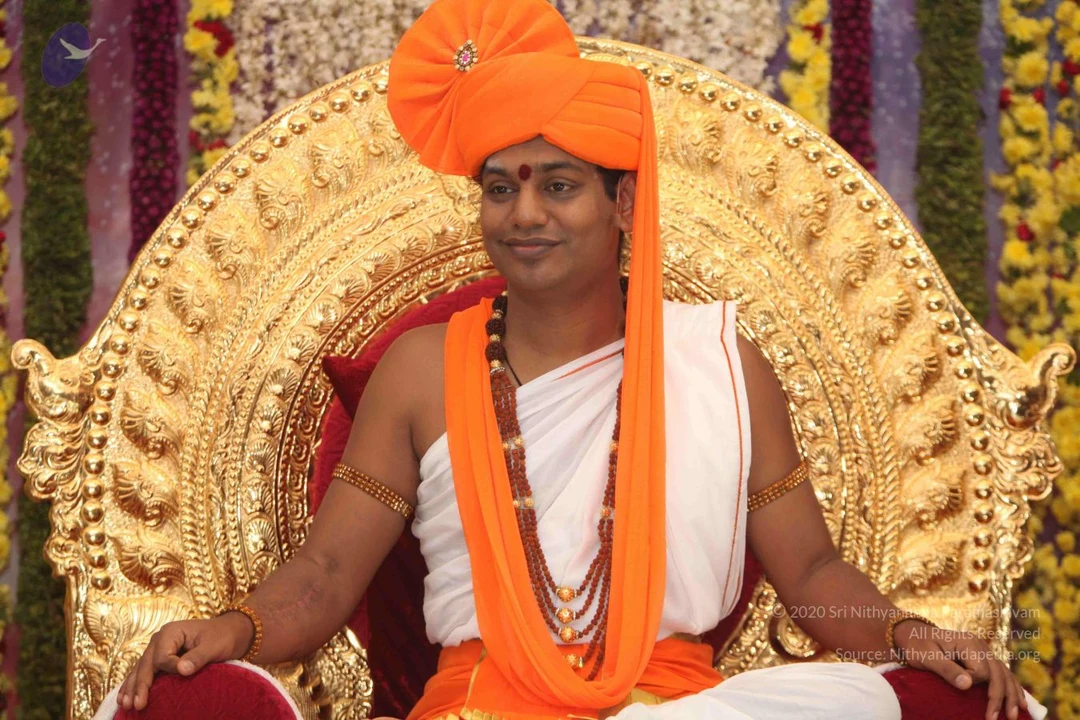
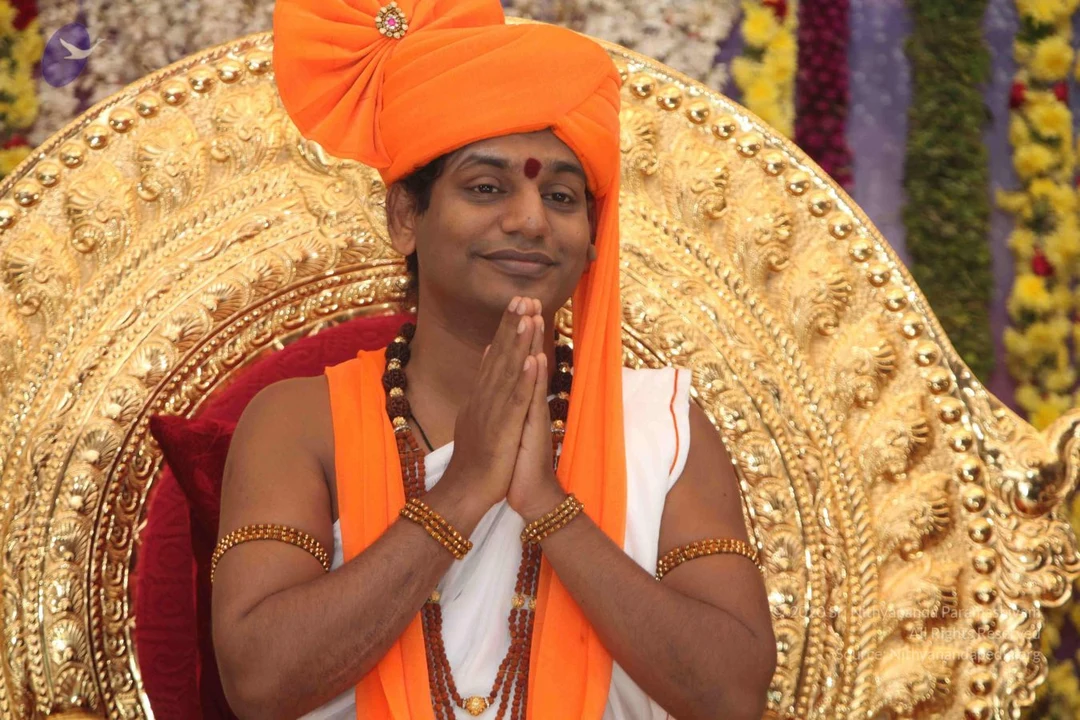
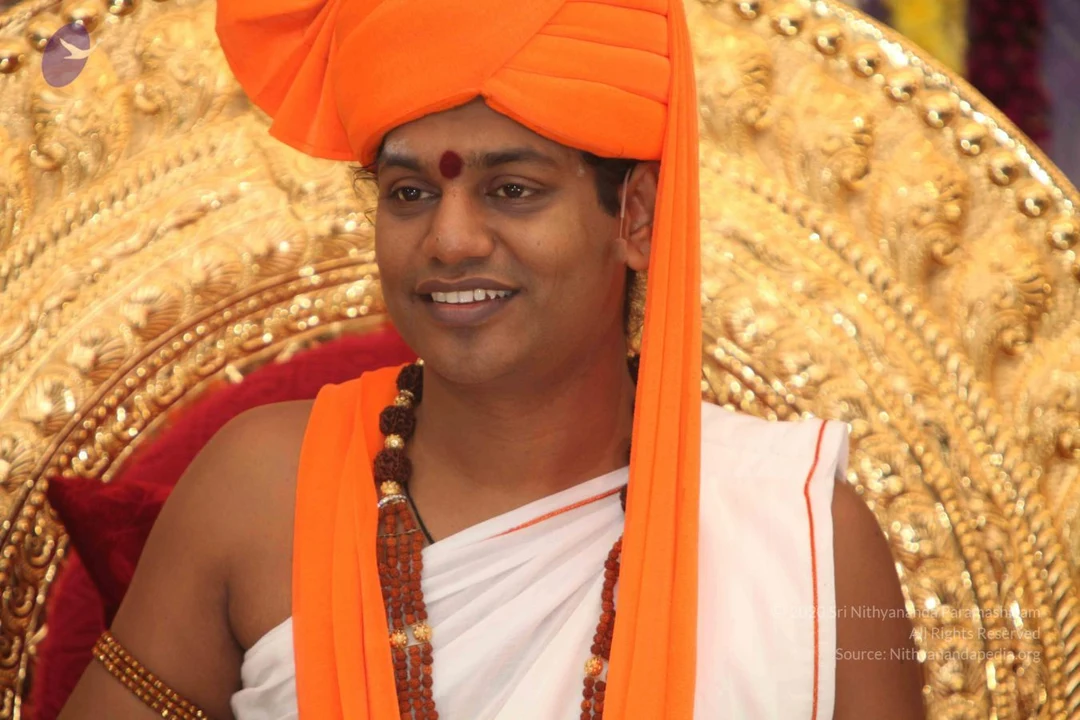
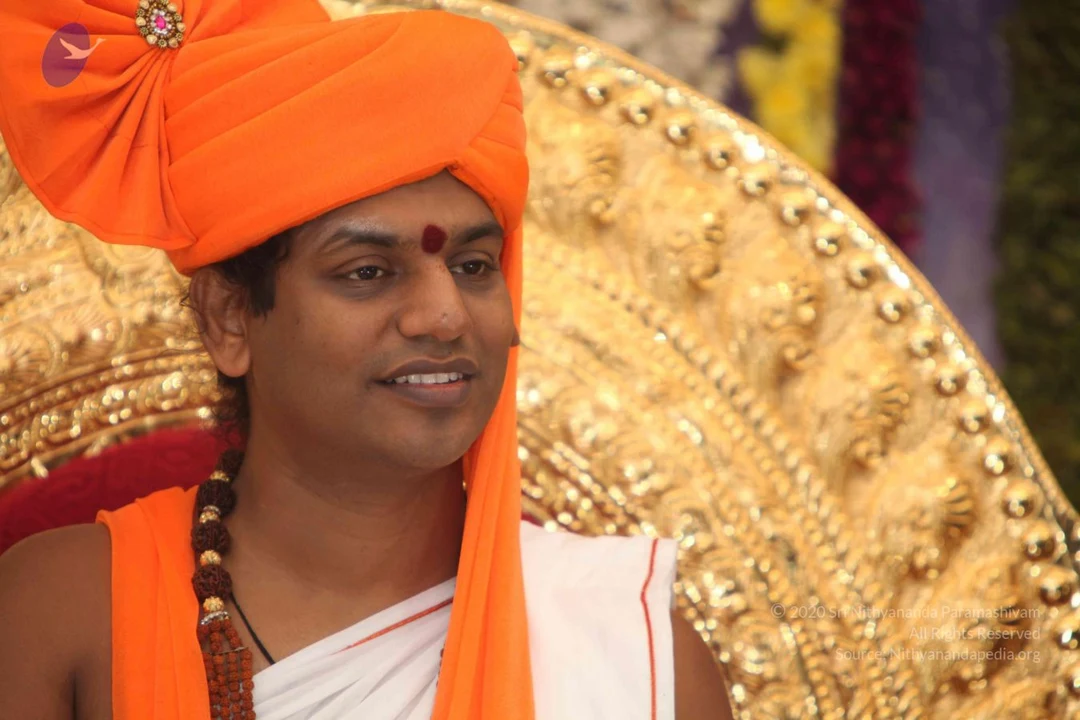
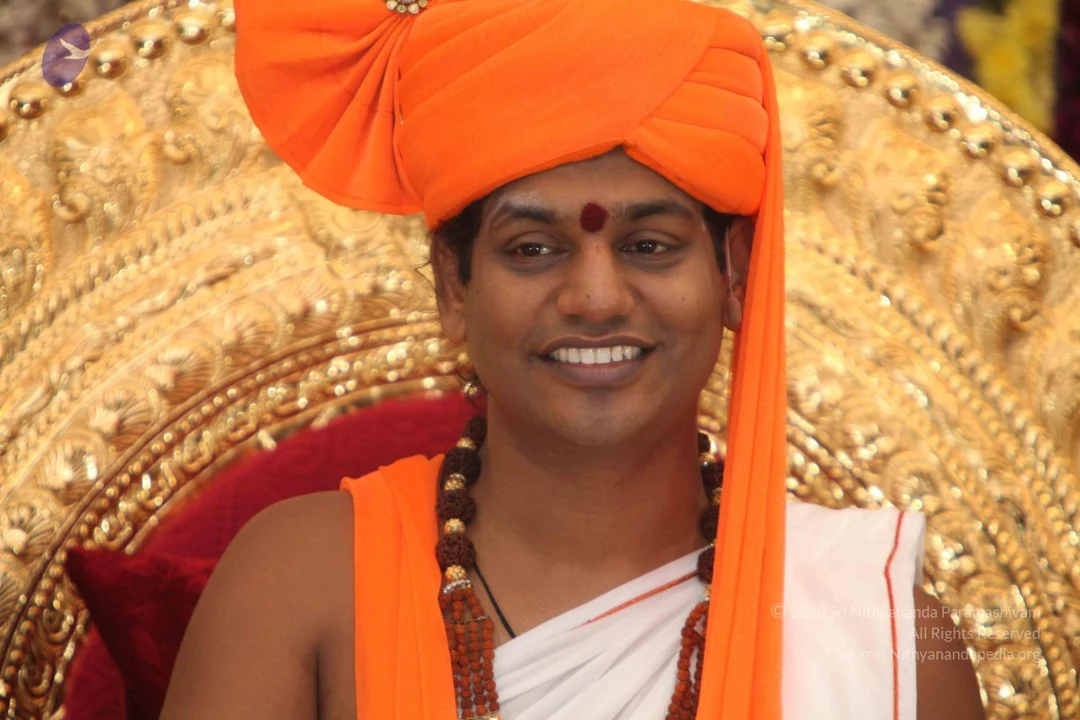
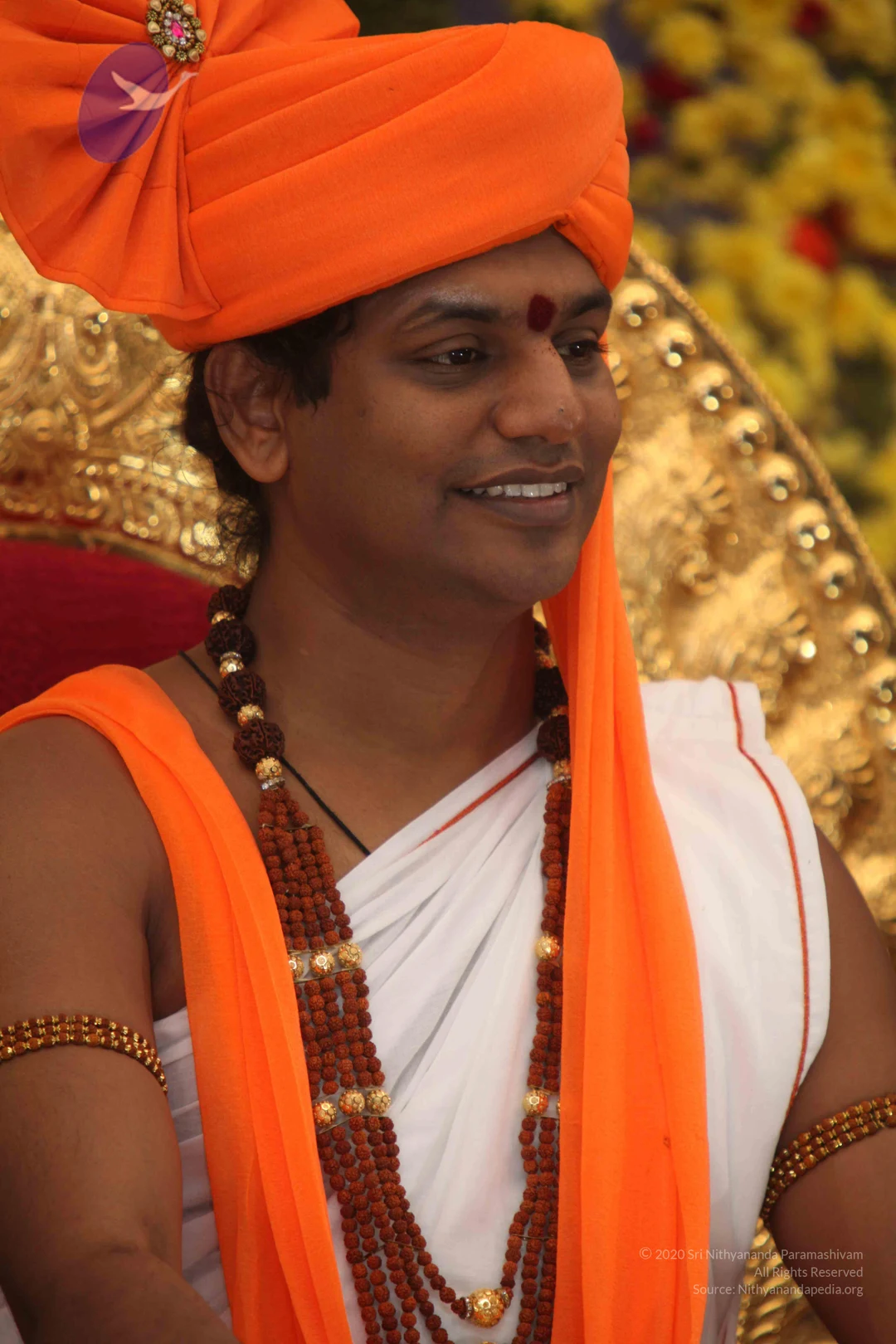
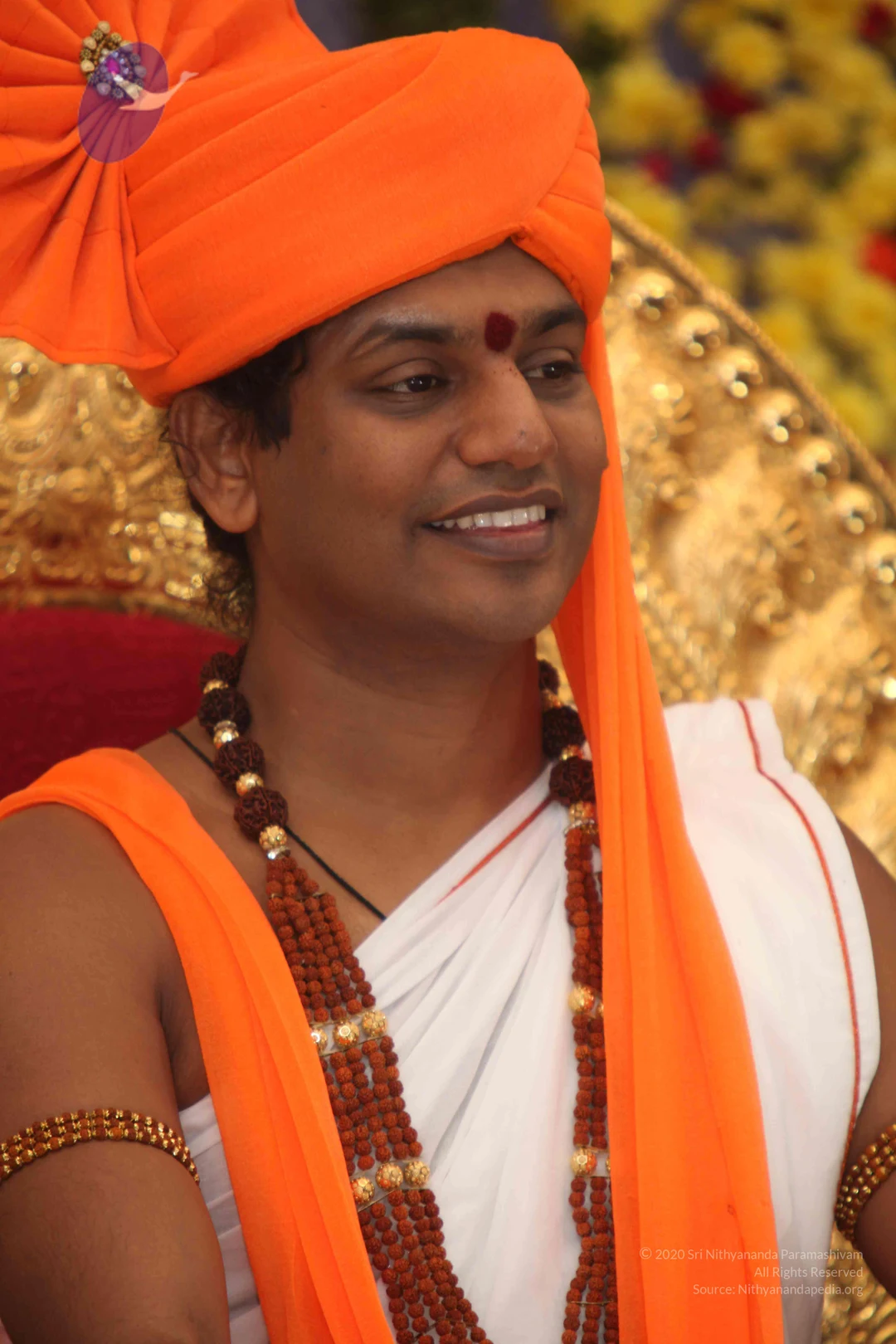
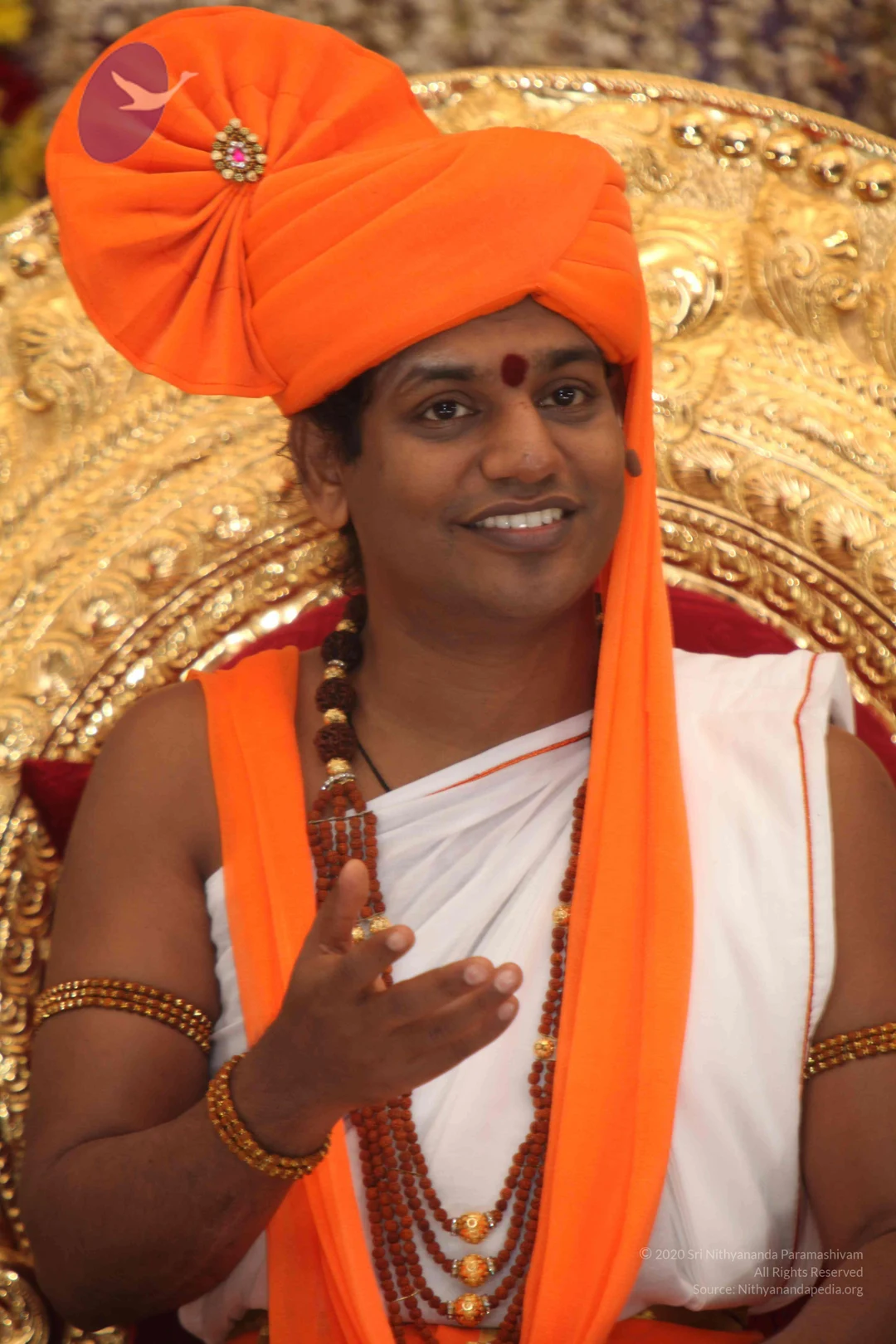
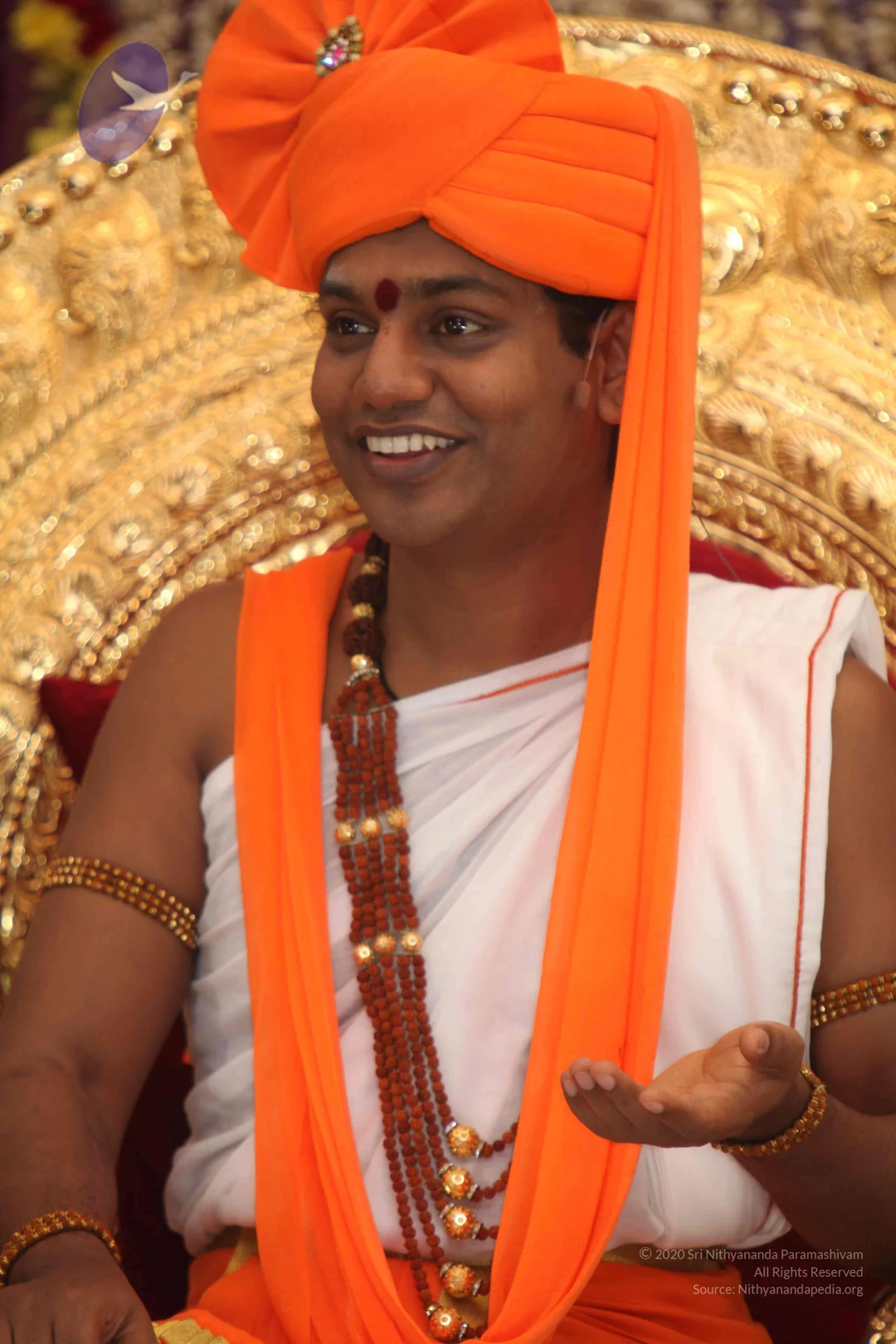
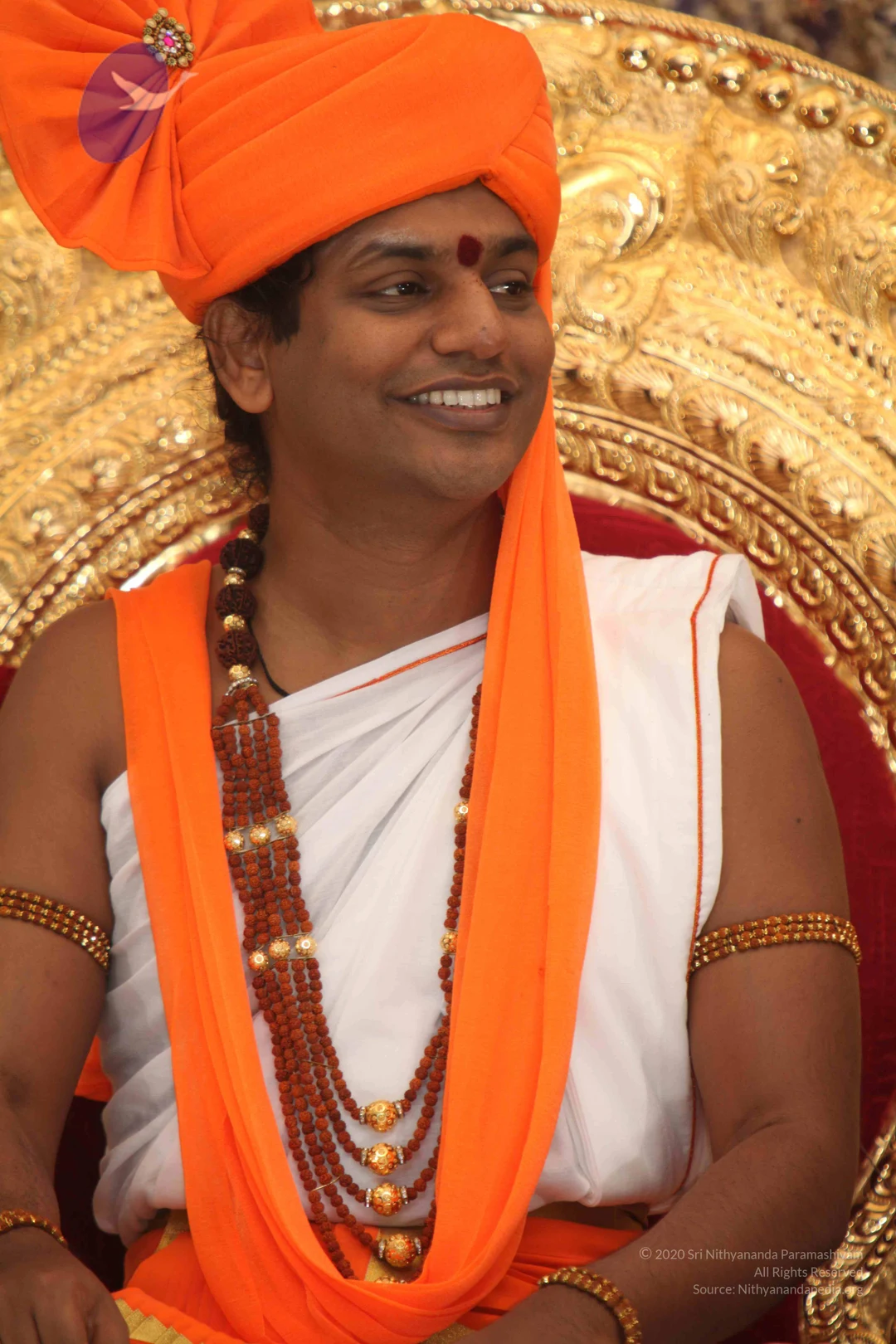
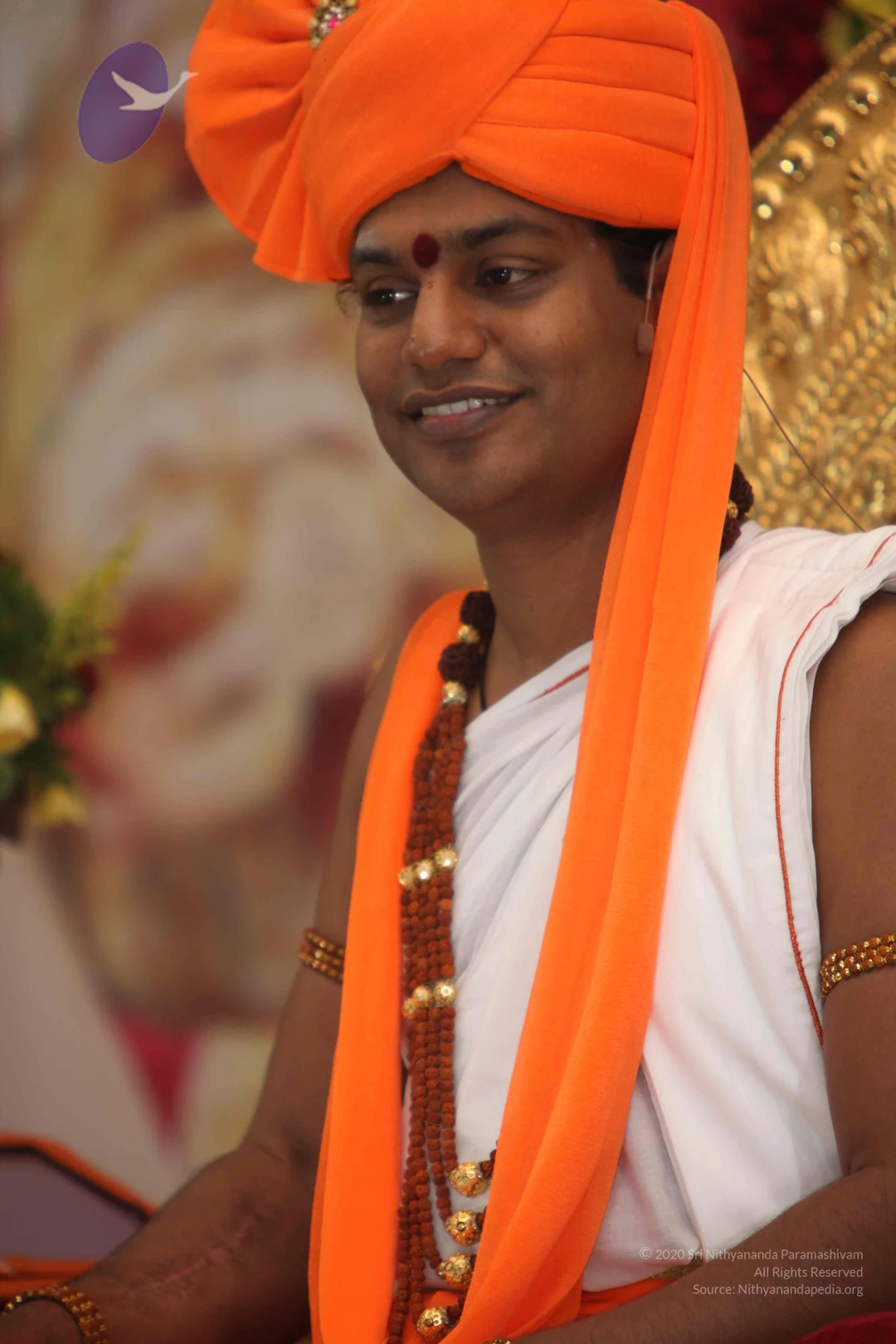
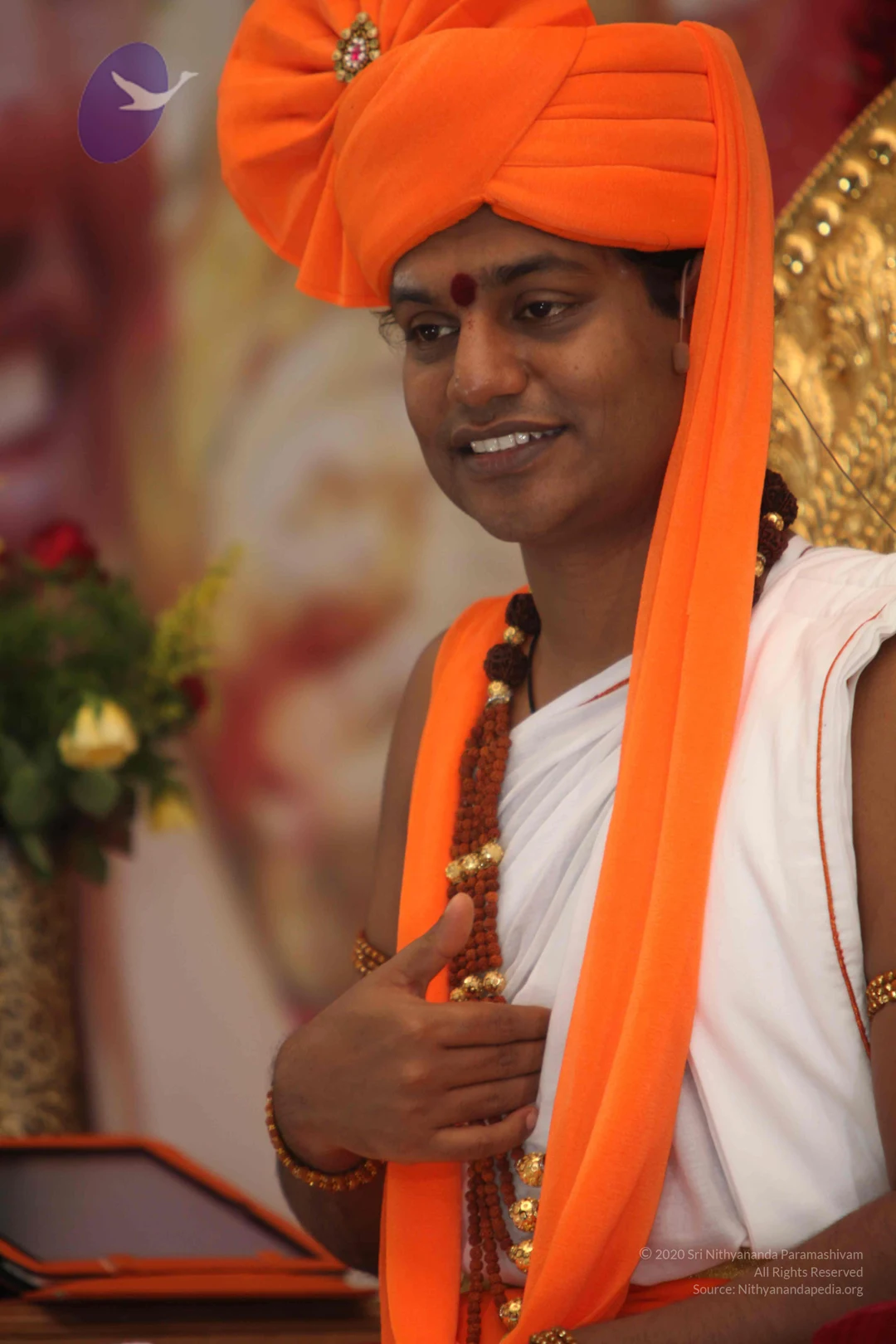
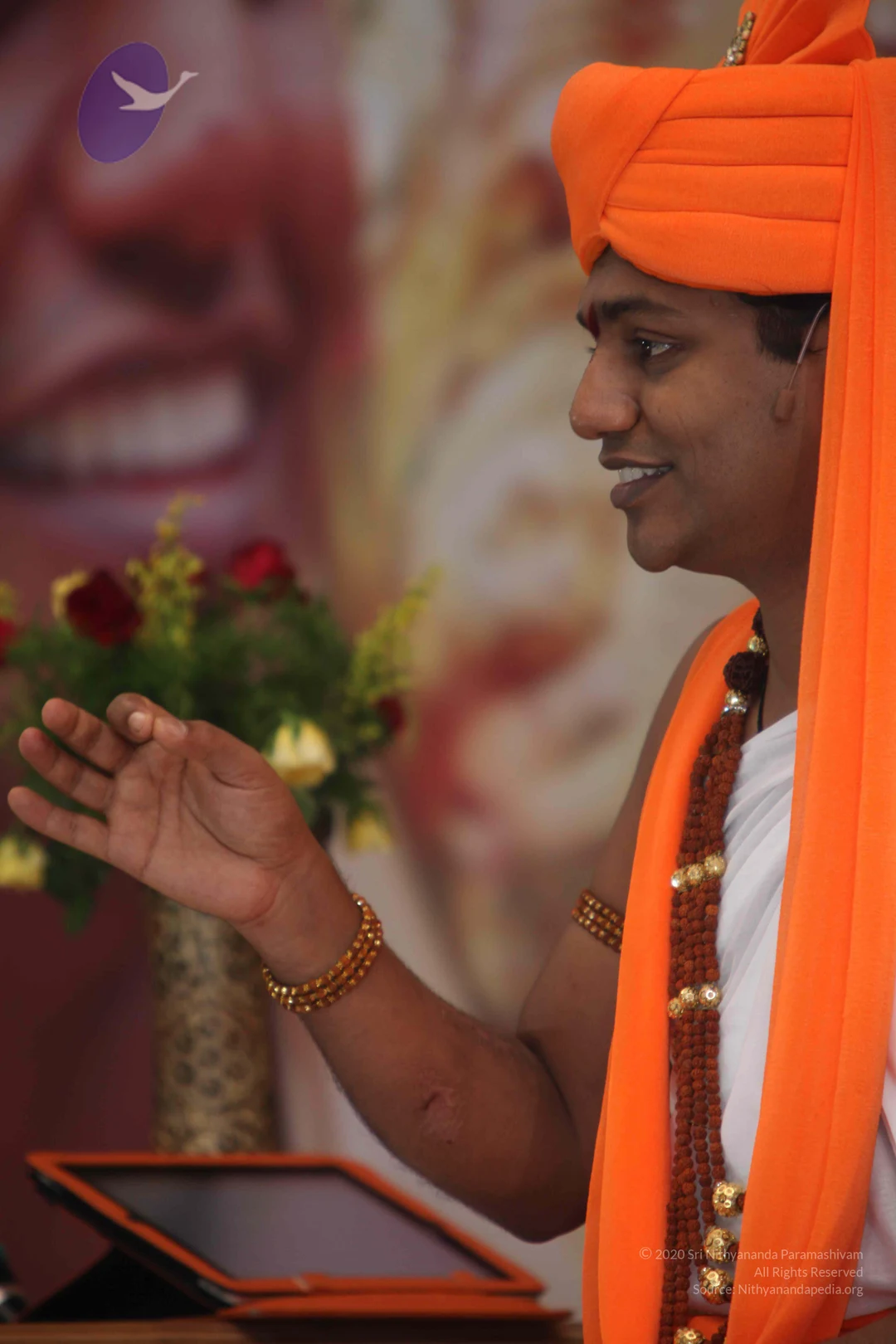
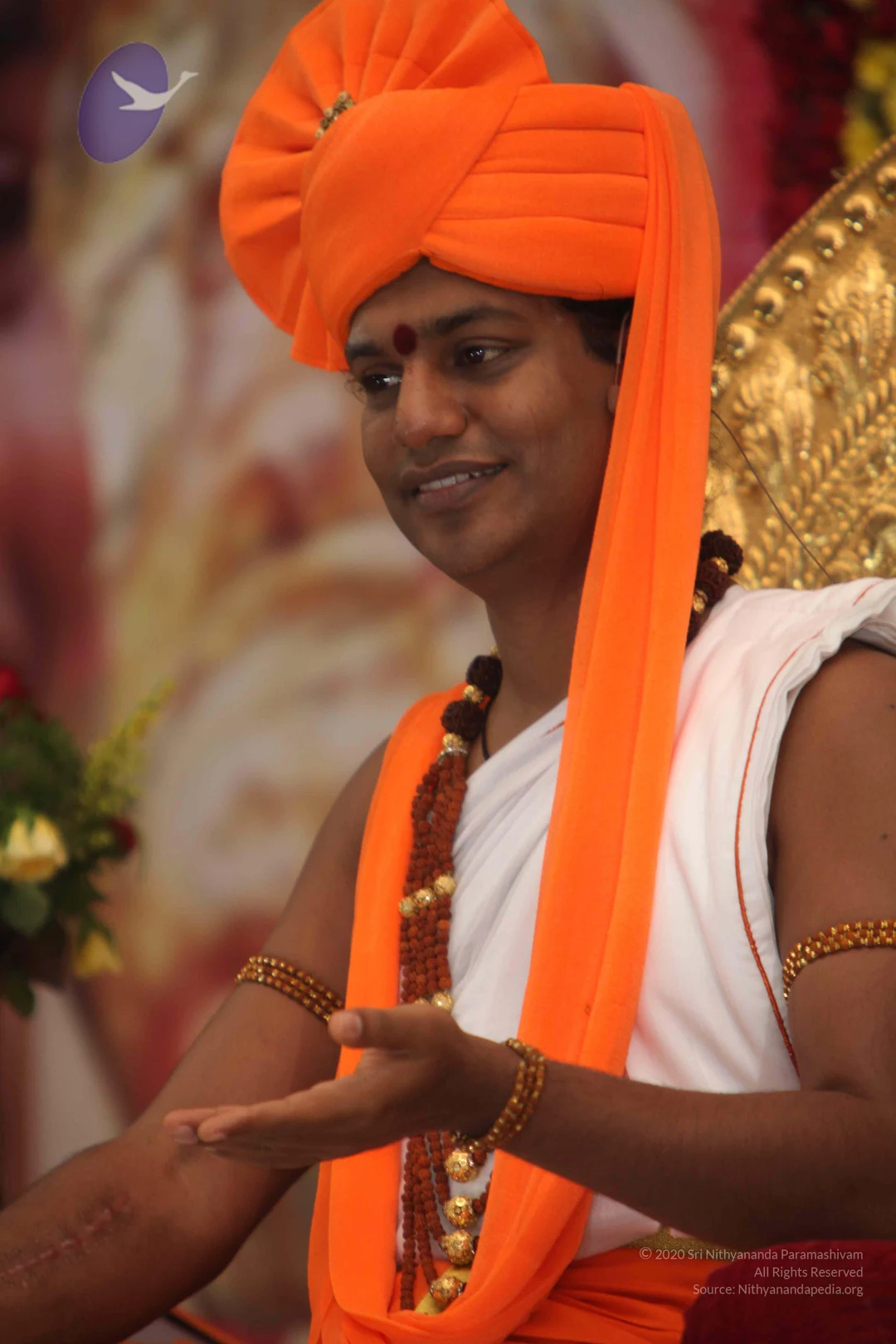
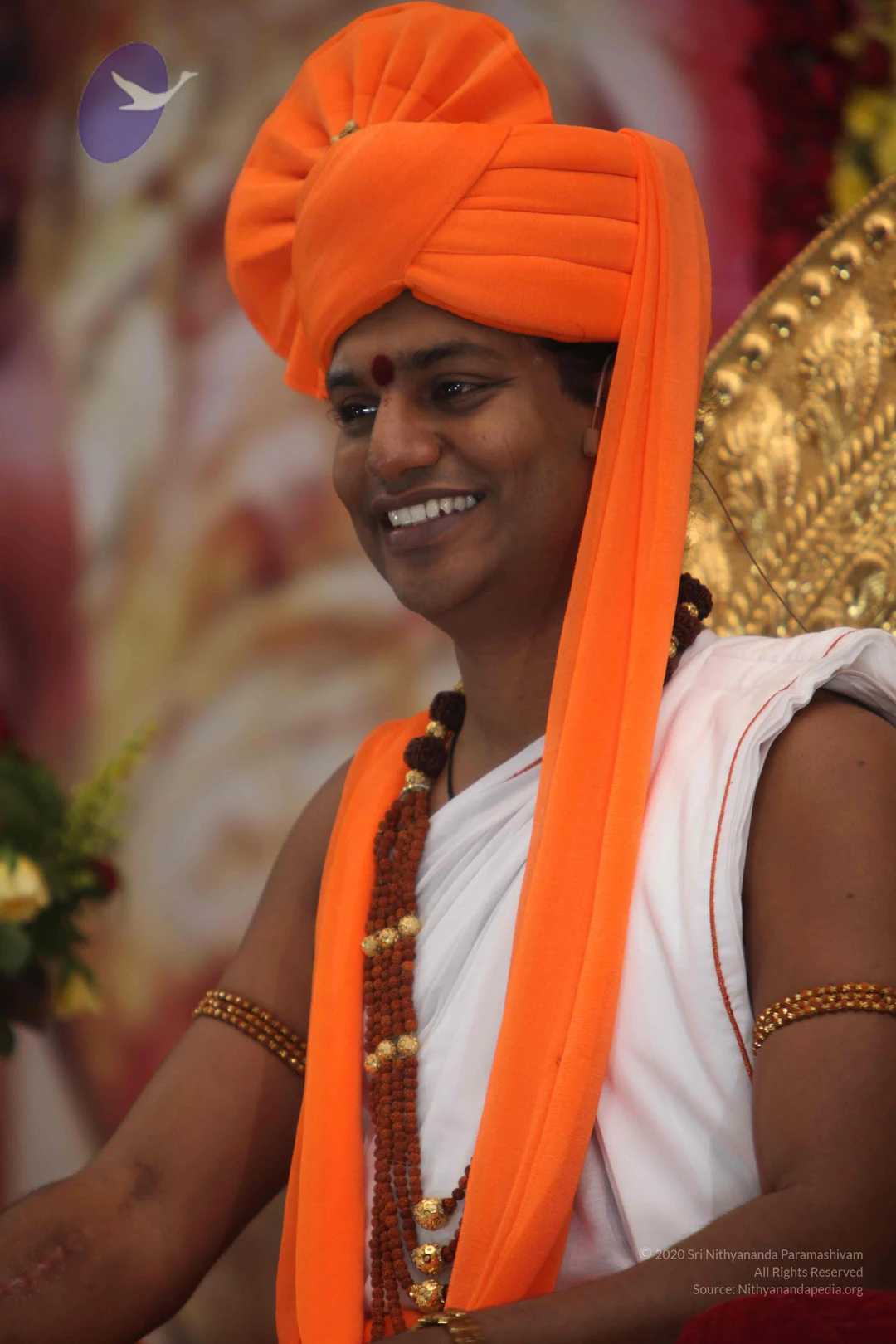
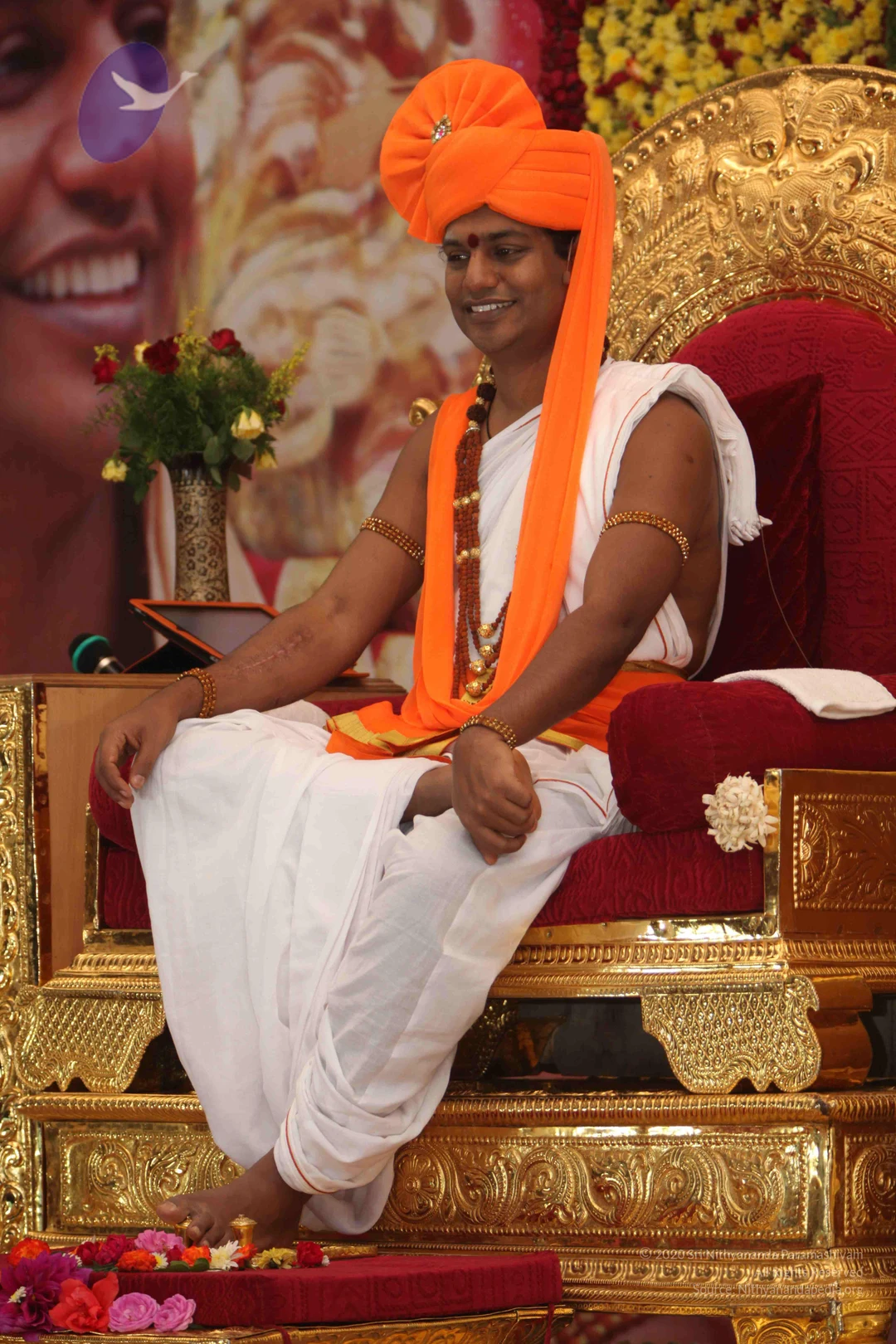
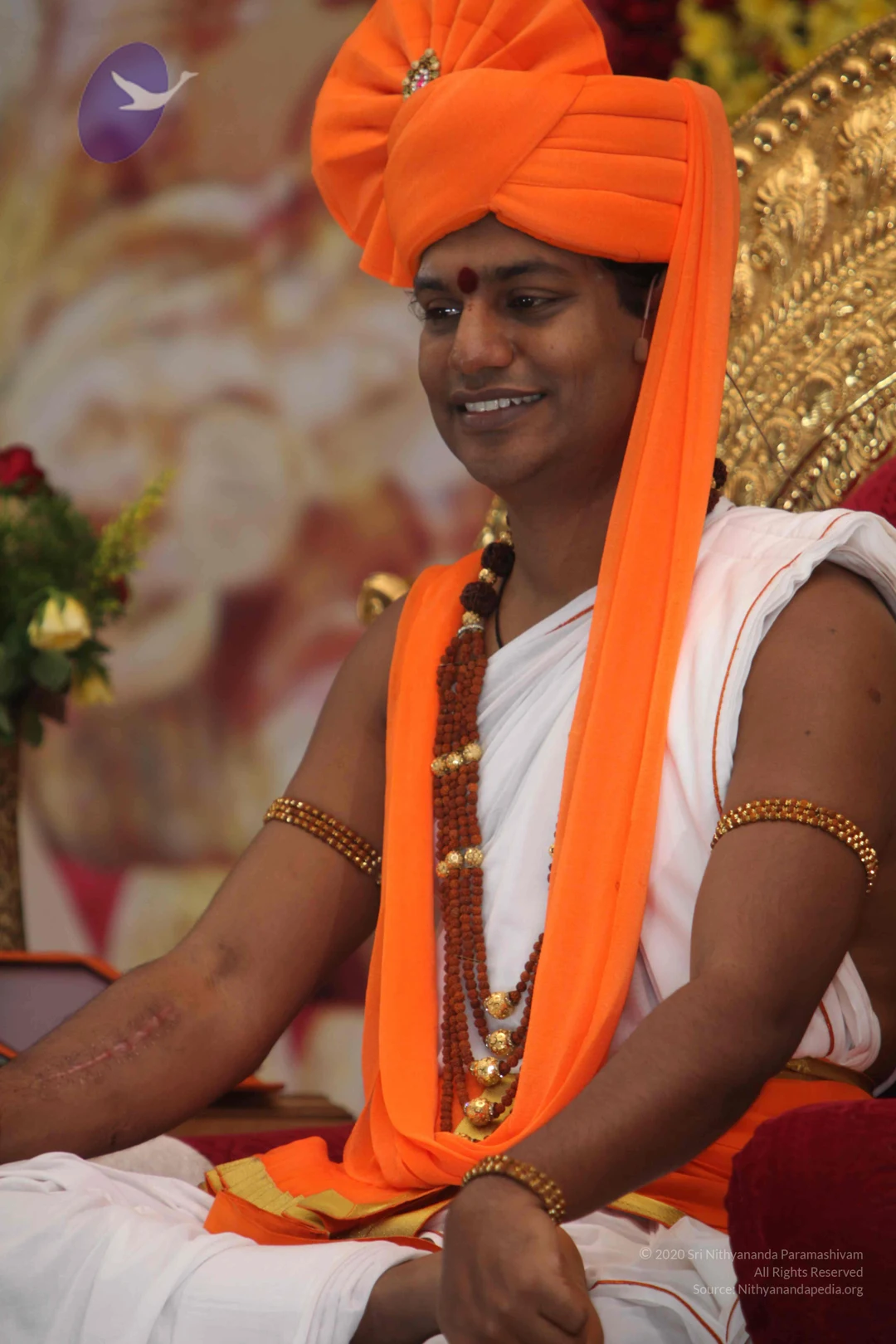
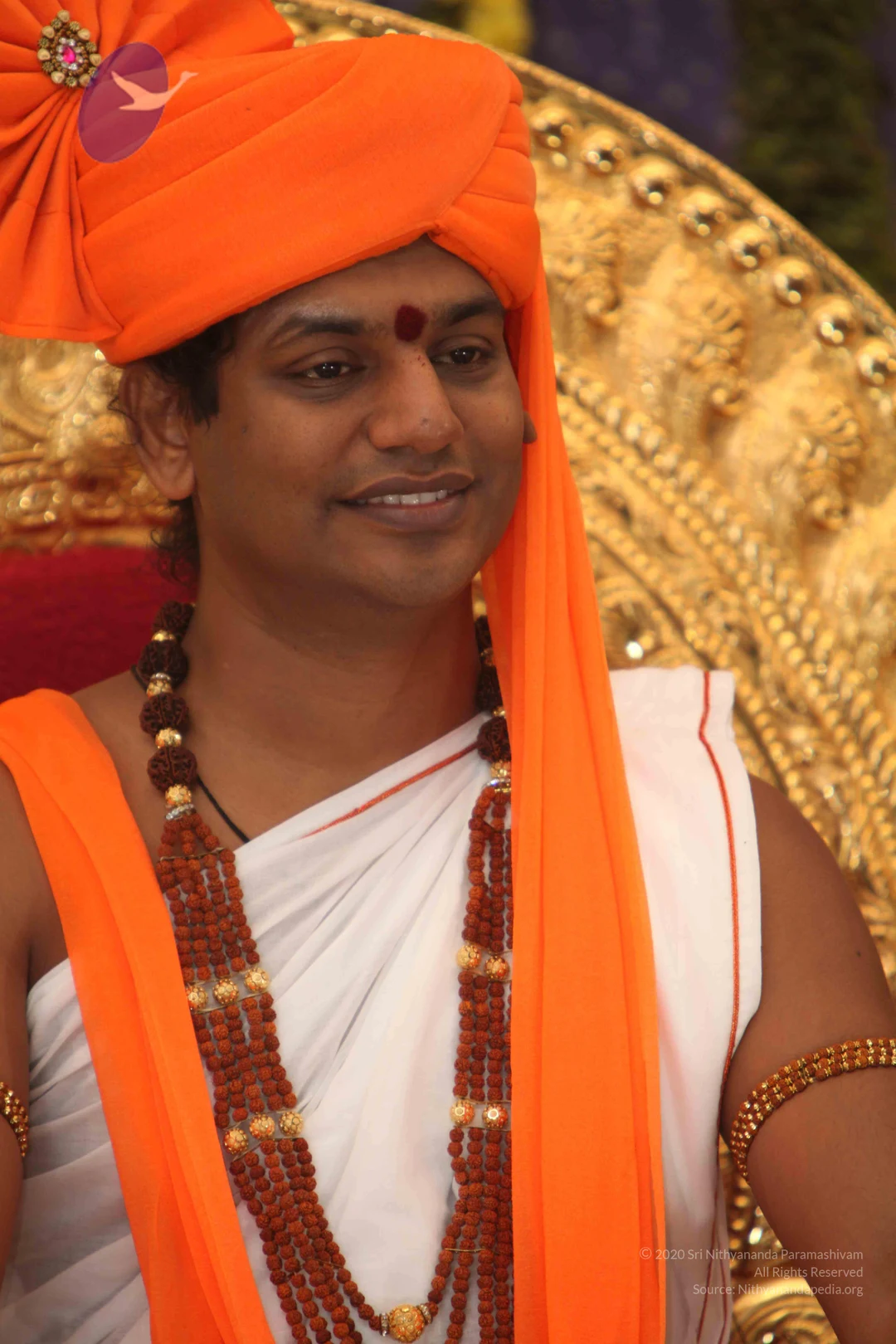
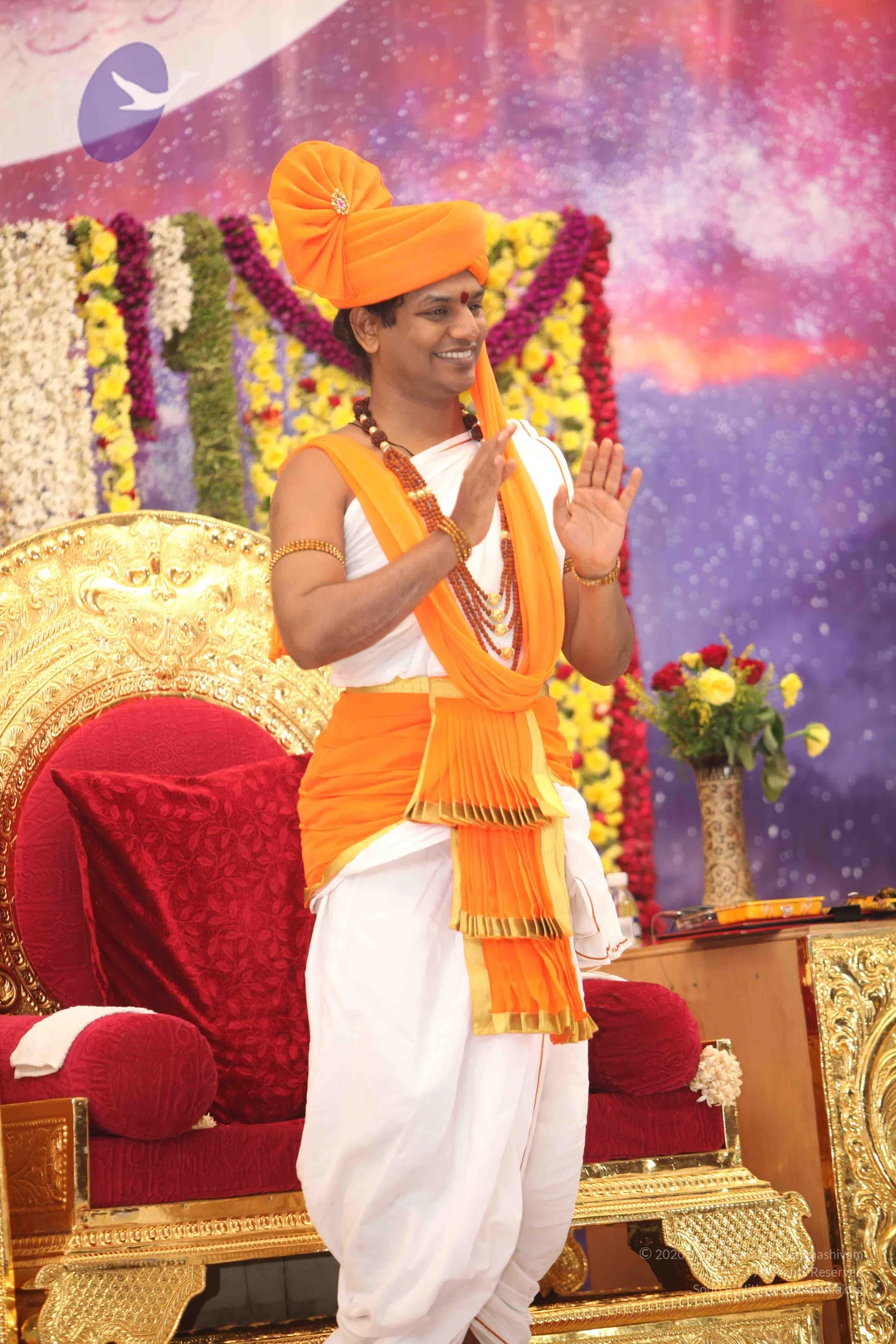
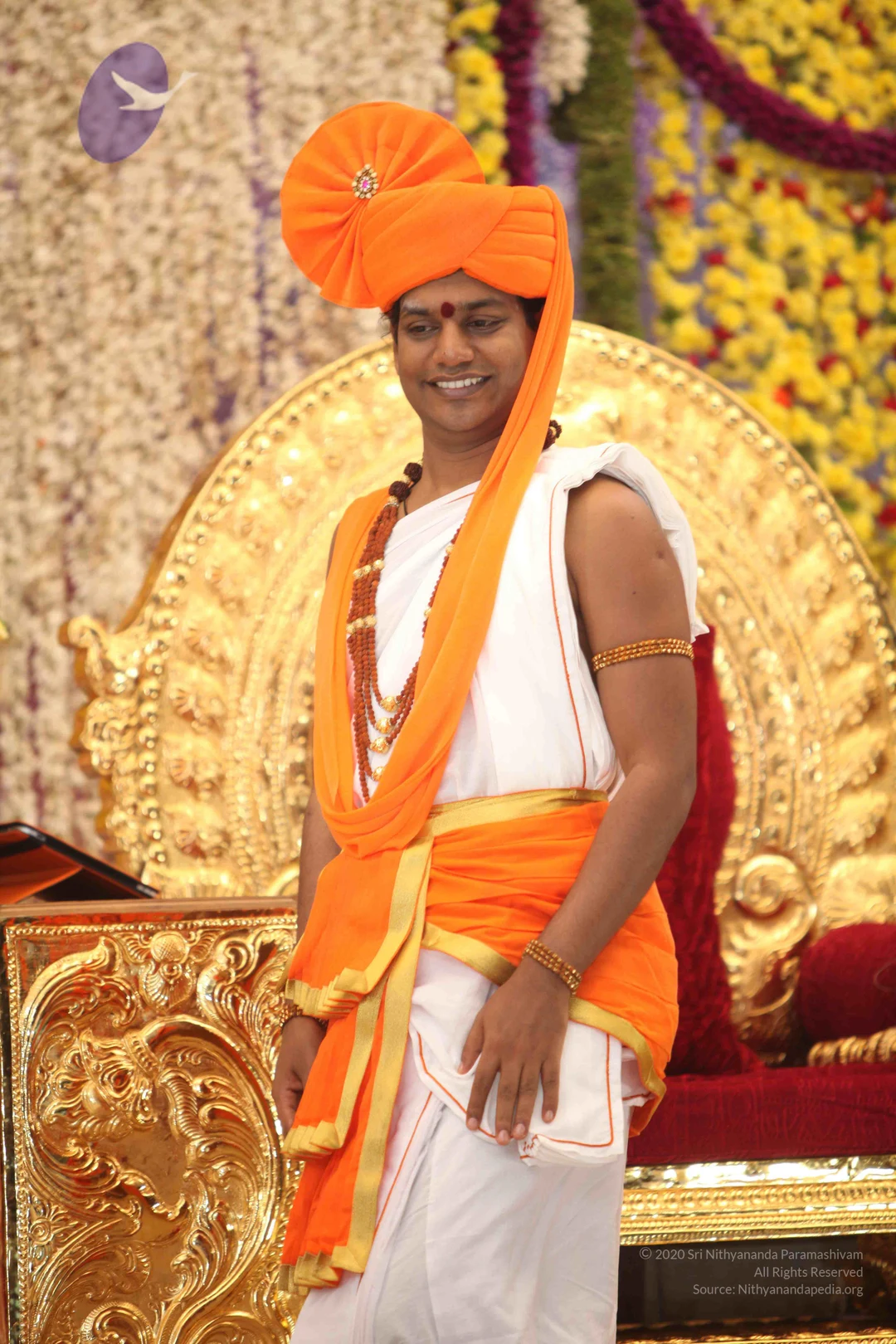
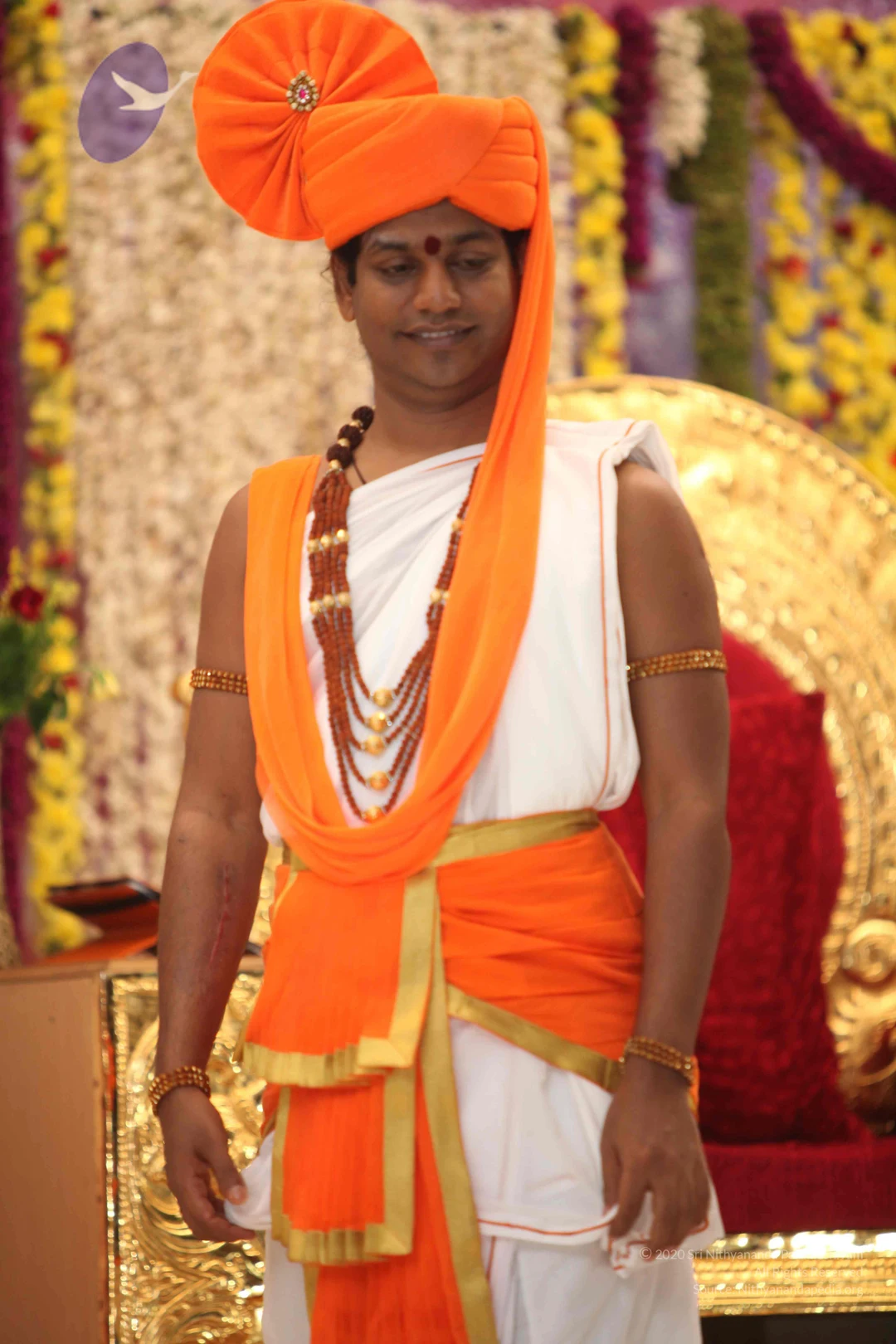
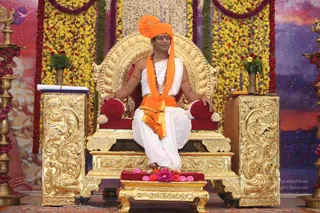
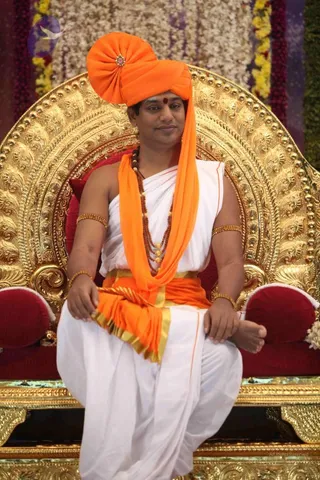
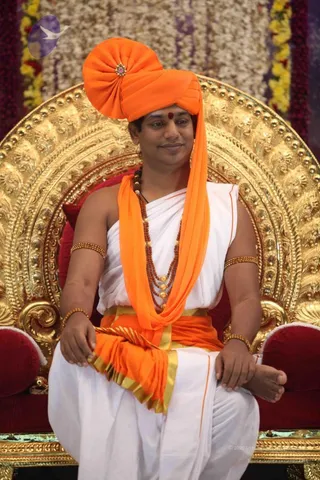
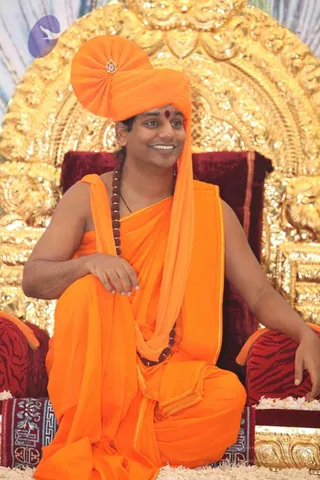
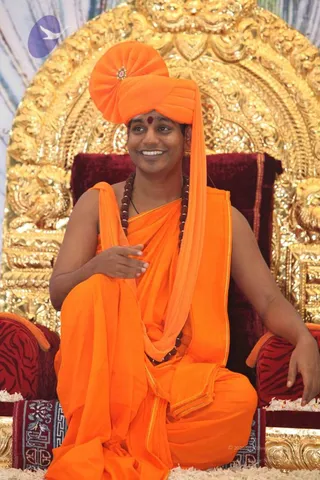
A seated man in an ornate gold throne with red cushions, wearing a saffron-orange turban and matching orange shawl over white dhoti-style clothing, with a rudraksha mala around his neck and bangles on his wrists. The throne is framed by yellow and red flower garlands and vases of green plants, with brass lamps at the edges. Floral offerings in pink, orange and purple sit on a low gold stool before him. Appearance-based candidate on a throne with distinctive saffron turban, shawl and rudraksha cues, matching the page's Swamiji presence.A man seated cross-legged on an ornate gold throne with a red velvet cushion, wearing a bright orange turban with a jewelled brooch, a red bindi, a white dhoti and an orange shawl with gold border draped over the shoulder. He wears a rudraksha mala and a ceremonial gold necklace, gold armlets and bangles, and is barefoot. Before the throne sits a red cushioned footstool decorated with pink, orange and magenta flowers and small lit oil lamps. Behind him hang garlands of yellow and red flowers with white floral backdrop. a person is shown seated in a presiding role, with the throne and floral decoration indicating an honoured seat during a satsang setting.A seated man in an ornate golden throne with red cushions and a backdrop of white and purple flower garlands. He wears a bright orange turban with a jeweled brooch, a red bindi, a white dhoti with an orange-and-gold border, an orange shawl draped over his shoulder, a rudraksha mala with gold beads, and gold armlets and bangles. His right foot rests bare on the throne. A logo appears in the upper left corner.A man seated on an ornate gold throne with carved scrollwork and red cushions, wearing a bright orange turban with a small jewelled brooch, a red bindi, white dhoti and sleeveless white upper garment edged in orange, an orange shawl draped over one shoulder, gold-banded orange waist sash, multi-strand rudraksha mala with gold beads, and gold armlets and bangles. His bare feet rest on the throne seat as he smiles and looks to the side. Behind him are garlands of white, yellow and magenta flowers. Probable Swamiji (probable) seated in a ceremonial pose with distinctive orange turban, rudraksha malas and ornate gold adornments.A seated man in white dhoti and orange turban and orange shawl sits on an ornate gold throne with red cushions, framed by floral garlands of yellow and red flowers. Rudraksha mala and gold necklace visible, gold bangles on wrists. Two tall brass lamp stands with rooster-topped finials flank the throne, and a red-and-pink flower offering lies on the footstool. Behind is a painted backdrop with a sunset-colored sky. Probable Swamiji seated in a ceremonial satsang setting, appearance cues include orange turban, orange shawl, rudraksha mala and gold ornaments.A person seated cross-legged on an ornate gold throne with red cushions, palms pressed together in namaskar. They wear an orange turban, an orange shawl draped over the shoulders and white dhoti-style clothing, with a rudraksha mala and bangles visible. Flanking the throne are tall gold oil lamps with red floral garlands, and the backdrop is covered in yellow and red marigold garlands and white flowers. Red and pink flowers lie at the feet of the throne on a small red cushion, with a potted plant on the side table. Swamiji (probable): the seated figure has an orange turban, orange shawl, rudraksha mala and ornate gold throne setting consistent with the page's Swamiji reference.

BGSatsang-Tamil

17 photosSource gallery
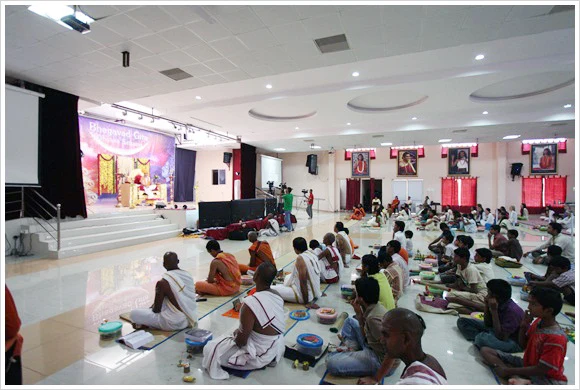
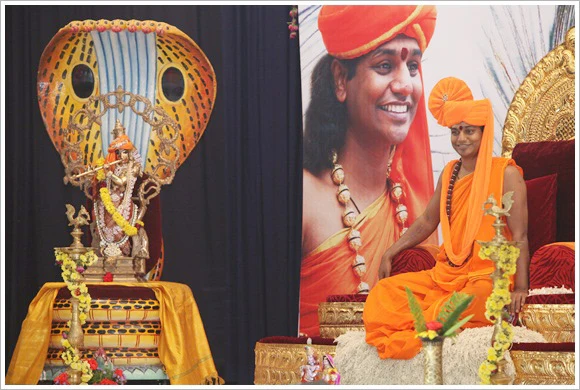
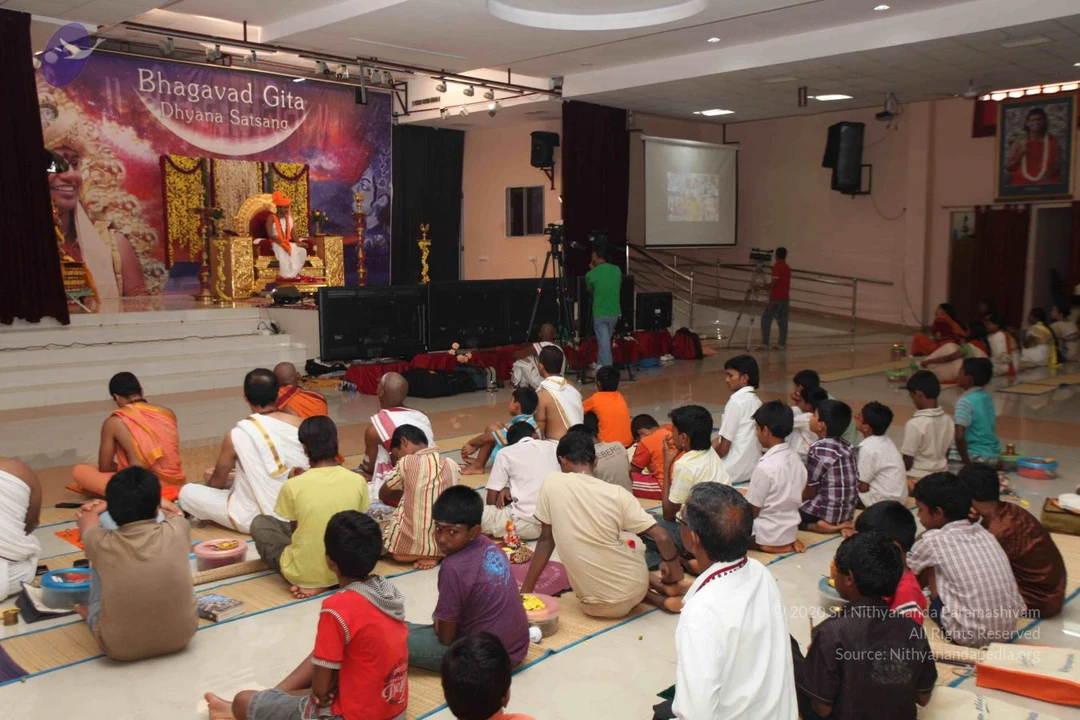
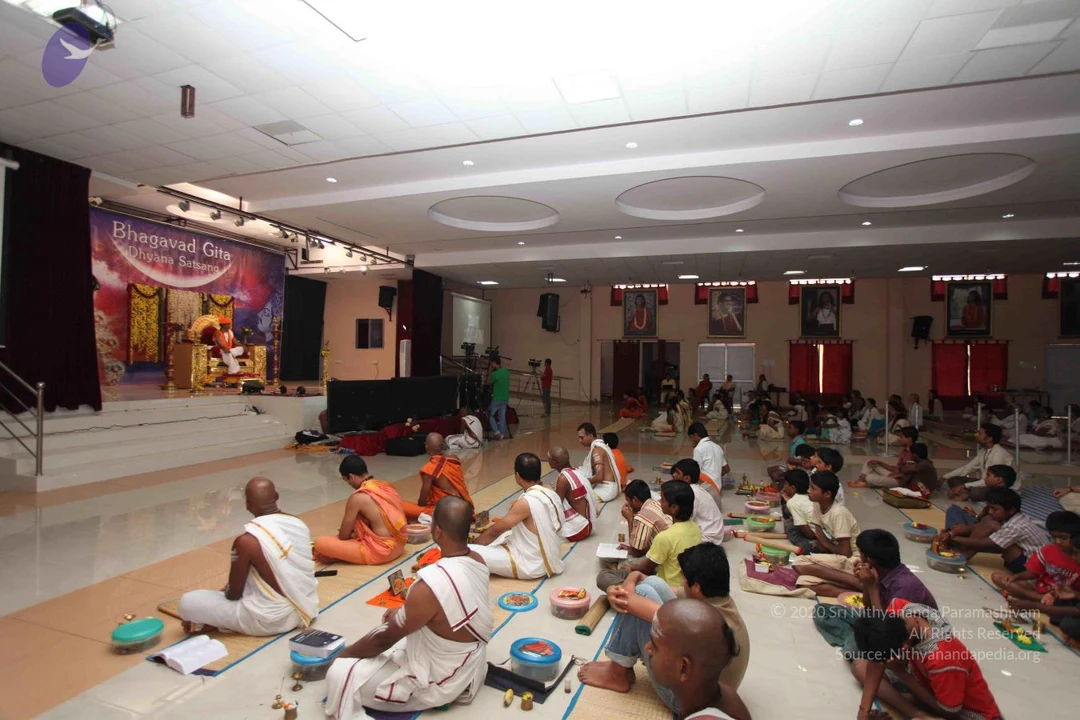
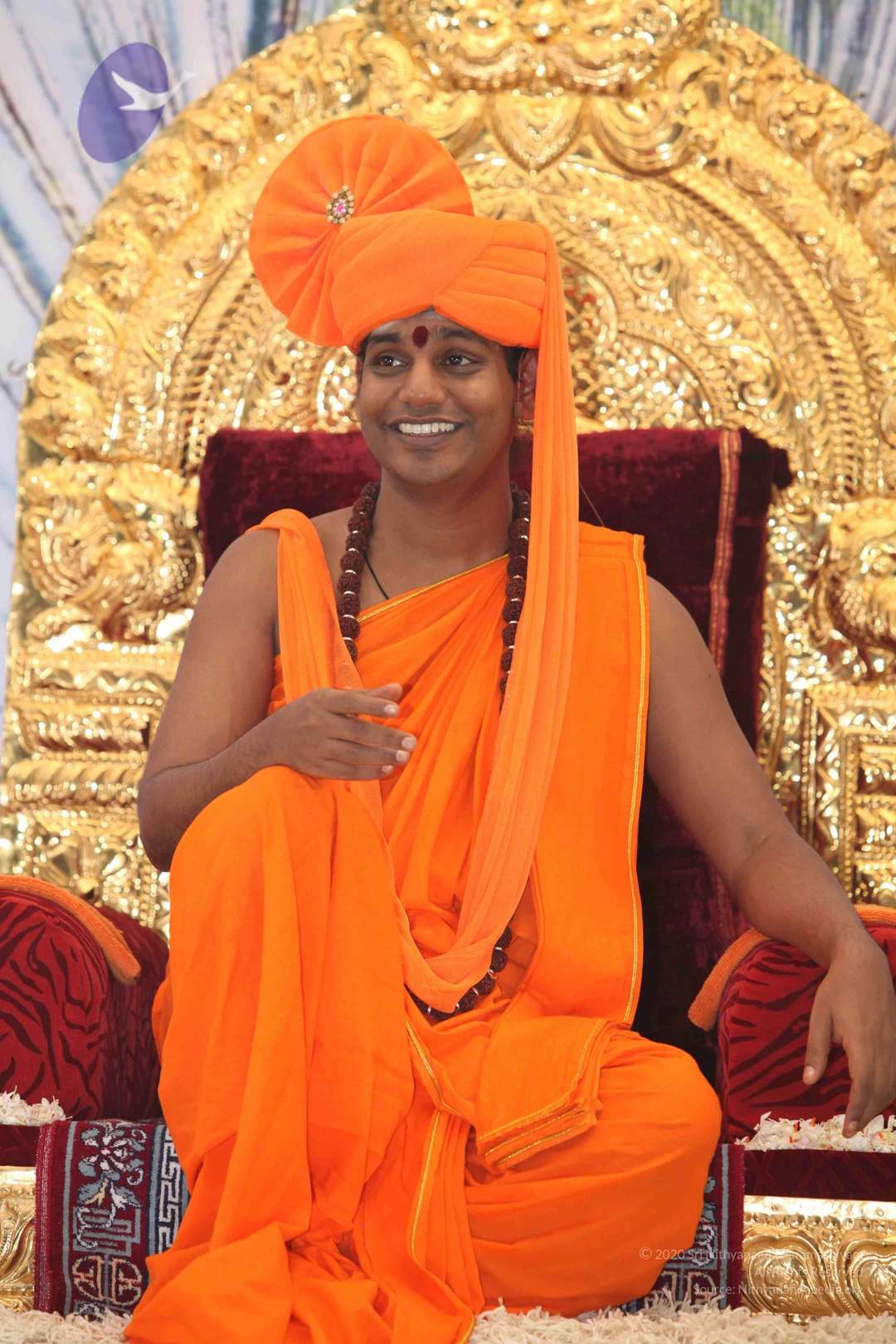
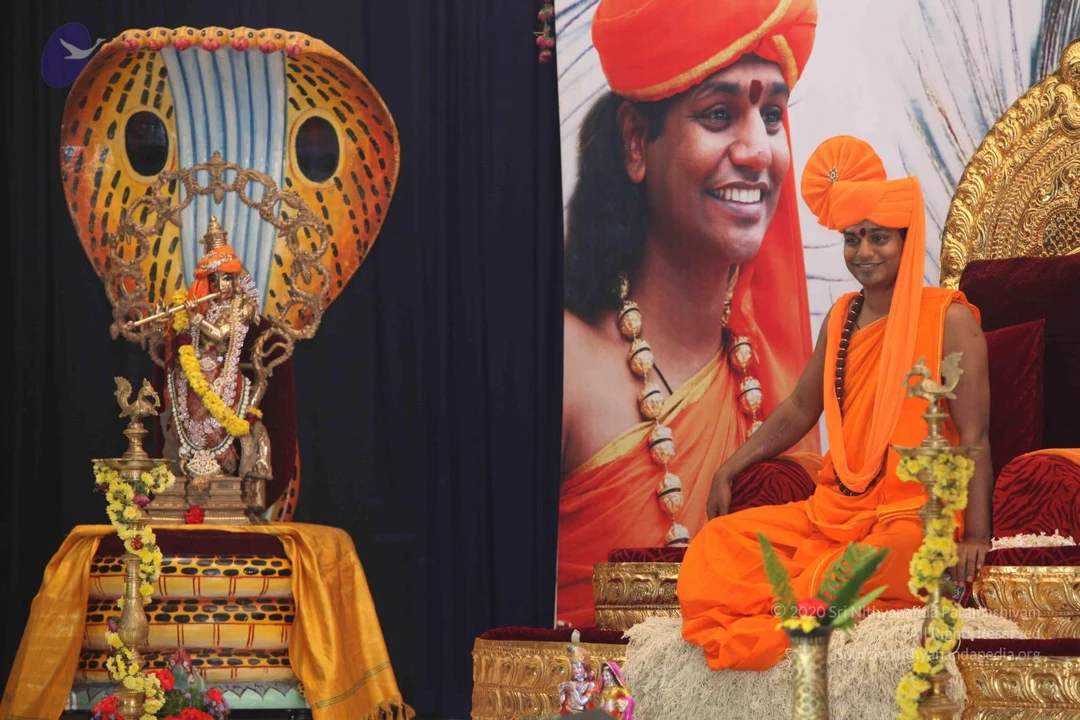
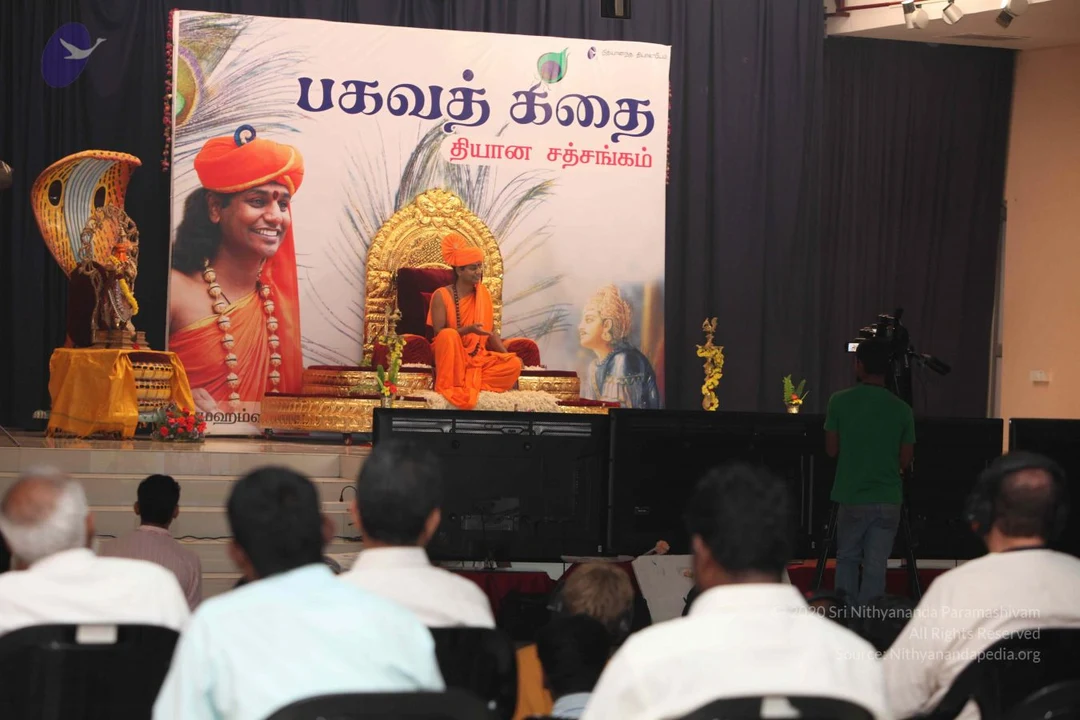
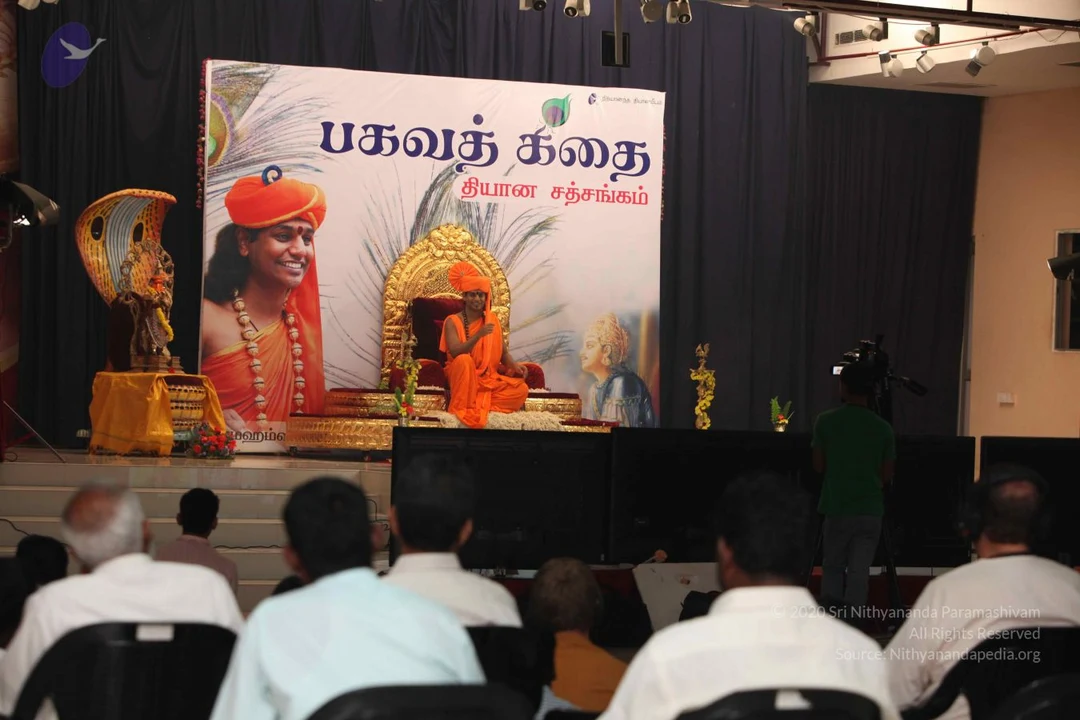
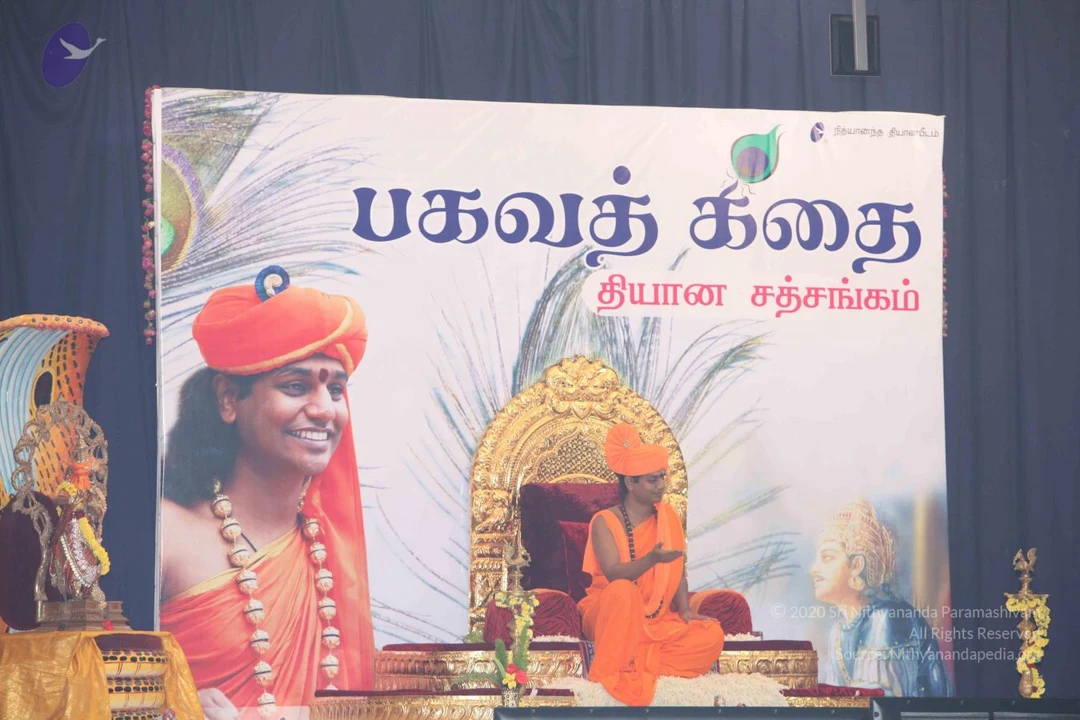
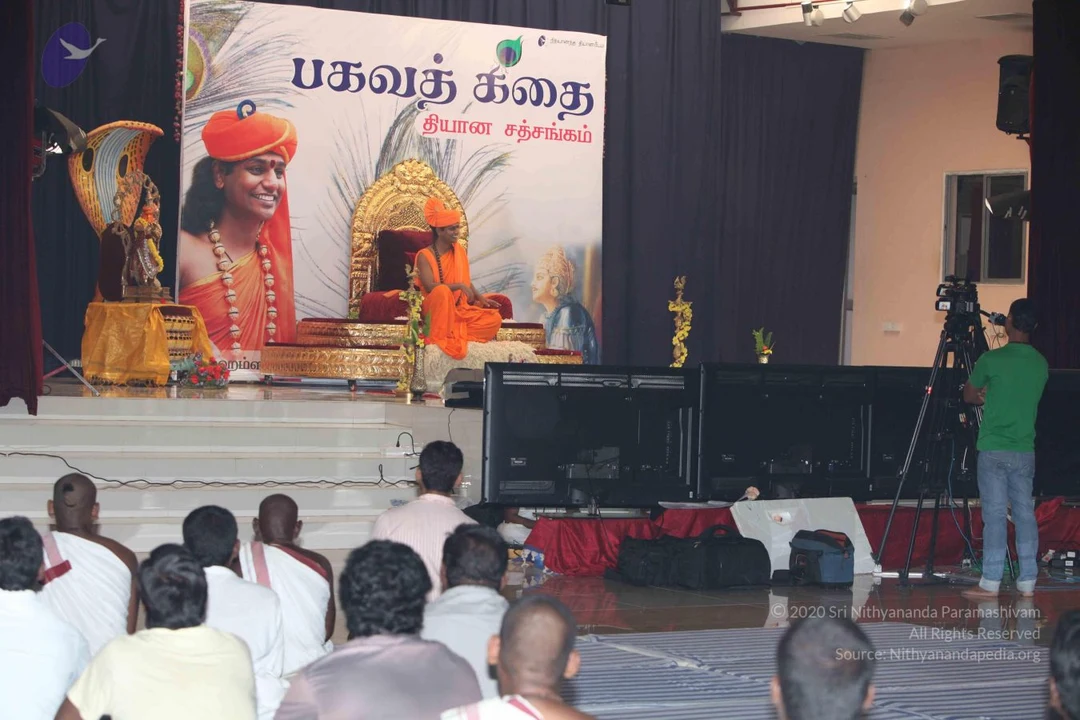
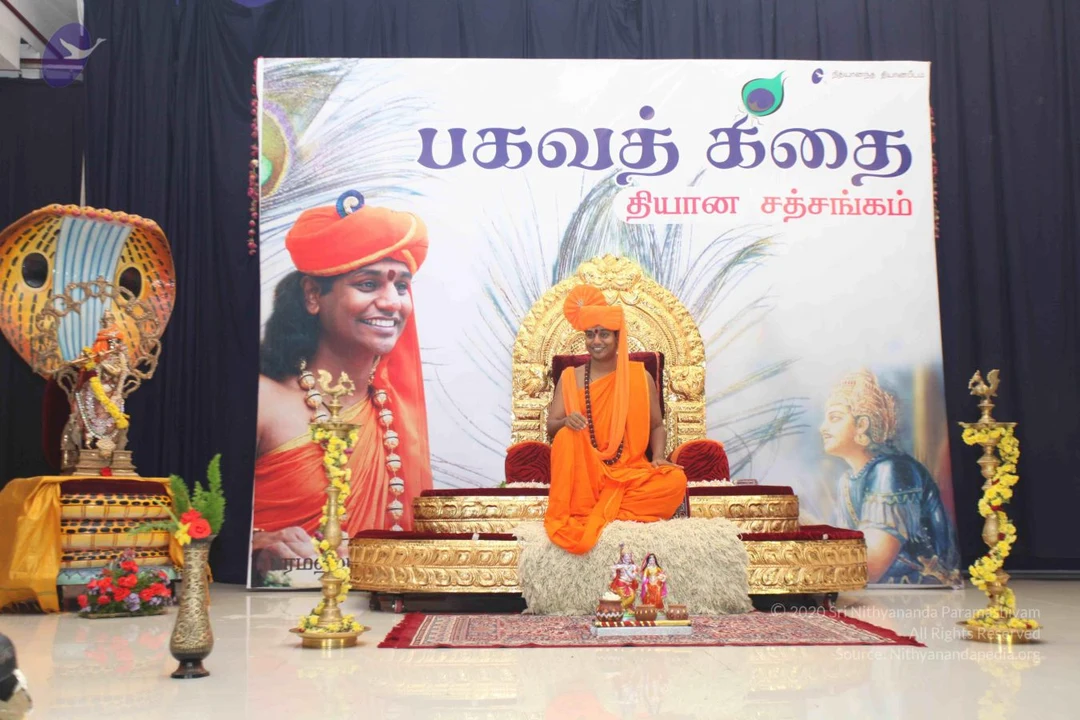
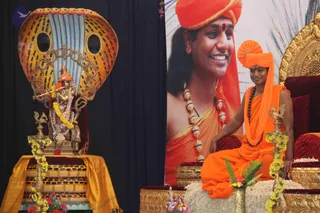
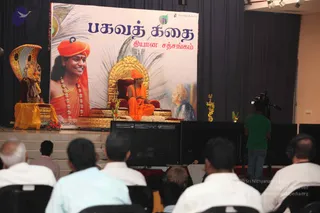
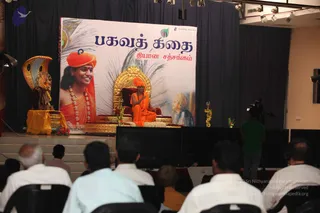
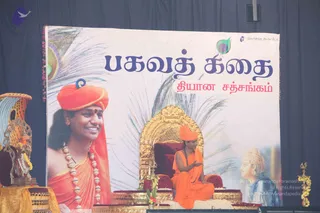
A seated man in an orange turban with a jewelled brooch and an orange saffron-coloured draped garment sits on a red velvet throne ornately decorated with gold filigree carvings. He wears a long rudraksha mala around his neck and a red bindi on his forehead, smiling and gazing to one side with a hand resting on his knee. Petals lie scattered on the floor in front. Appearance-based candidate: Swamiji (probable), given the orange turban, rudraksha mala and saffron garments on a golden throne, though the appearance is not fully certain.A smiling man sits on an ornate gold throne with a red velvet backrest and red-and-gold armrests, dressed in a bright saffron-orange turban with a jewelled brooch, a saffron-orange shawl and robe with gold trim, and a long rudraksha mala. He wears a red bindi on his forehead, gestures with one hand resting on his knee, and looks off to the side. Loose white flower petals lie on the throne. The elaborate gilded arch behind him is carved with floral and scroll patterns. Single seated person visible.A seated figure in saffron-orange robes and a matching orange turban sits on an ornate golden throne with red cushions at a stage-like event. Behind them a large printed portrait shows a smiling man in an orange turban and orange robes wearing a long beaded necklace and a red forehead mark, with a peacock-feather backdrop. To the left stands a metal murti of a flute-playing deity, adorned with a yellow flower garland and placed before a golden cobra-hood shaped canopy. Brass oil lamps with yellow flower garlands flank the throne, and a brass vessel with green leaves sits in front. The centre of the scene is a seated figure on a throne in saffron robes and a rudraksha mala, with a portrait behind and a deity murti to the left.A photograph of a Bhagavatha Katha dhyana satsang stage. A seated figure in orange robes and an orange turban sits on a gold-framed throne with red cushions, a garland around the neck and a rudraksha-style mala, before a large banner showing a smiling man in orange turban, orange robe and beaded necklace, with a peacock feather motif. To the left stands a golden cobra-hooded throne-like structure with a deity figure beside a yellow-draped table. Seated audience members in white shirts face the stage, and a cameraman in a green shirt films from the right. Probable Swamiji (appearance cues: orange turban, orange robe, rudraksha mala, seated on throne) appears in person on the stage. The banner depicts a probable Swamiji portrait with a Tamil title.A seated figure in saffron-orange robes and an orange turban sits on an ornate golden-backed throne on a stage, speaking to an audience. A large banner behind him shows a smiling man in orange robes with a beaded necklace, alongside a peacock-feather motif and a painted figure. Tamil title text reads Bhagavat Kathai with Dhyana Satsangam. A golden cobra-hooded ornament stands to the left, and a camera operator in green stands at right. Viewers in white shirts sit in the foreground, some seen from behind, while flowers decorate the stage. Overhead lights and dark drapes frame the hall.A stage photo of a Bhagavad Gita satsang with a large white backdrop banner. The banner shows a smiling man in an orange turban, orange robe and a long beaded necklace, a peacock-feather motif, and a blue-clad deity figure at right. In front of the banner, a seated figure in orange robes and an orange turban sits on an ornate gold throne with red cushions, gesturing with one hand, with flowers and marigold garlands at the base. A decorated kalasha-like ornament stands at left and a brass lamp at right. The seated figure's identity is uncertain from appearance alone.

MaheshwaraPujaThiruvannamalai

6 photosSource gallery
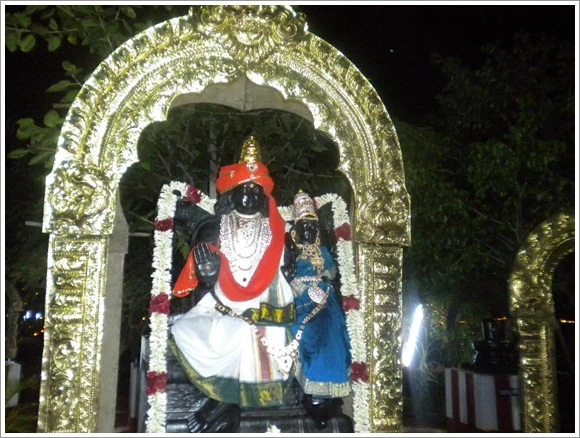
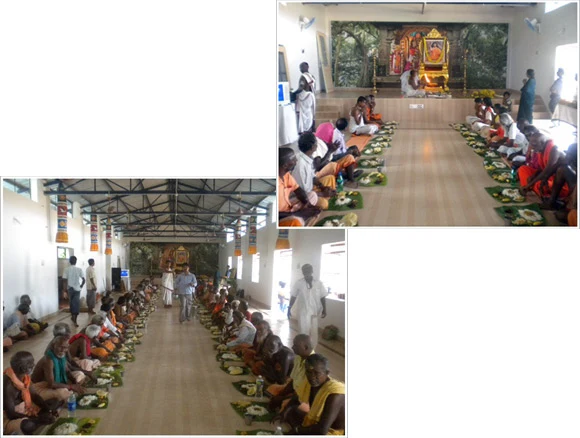
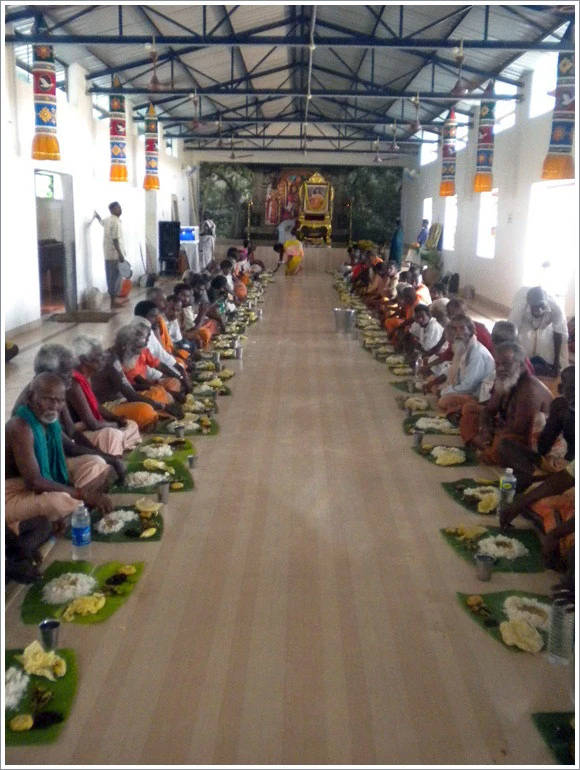
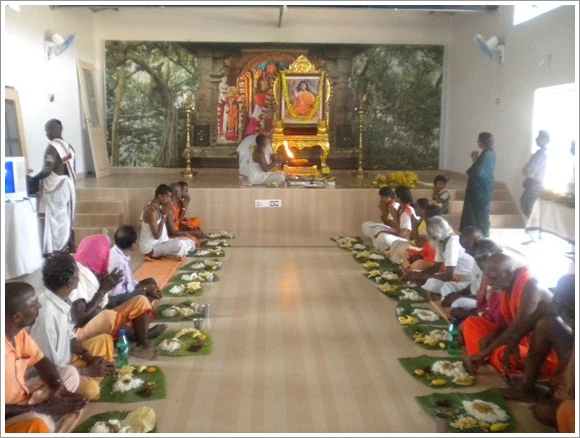
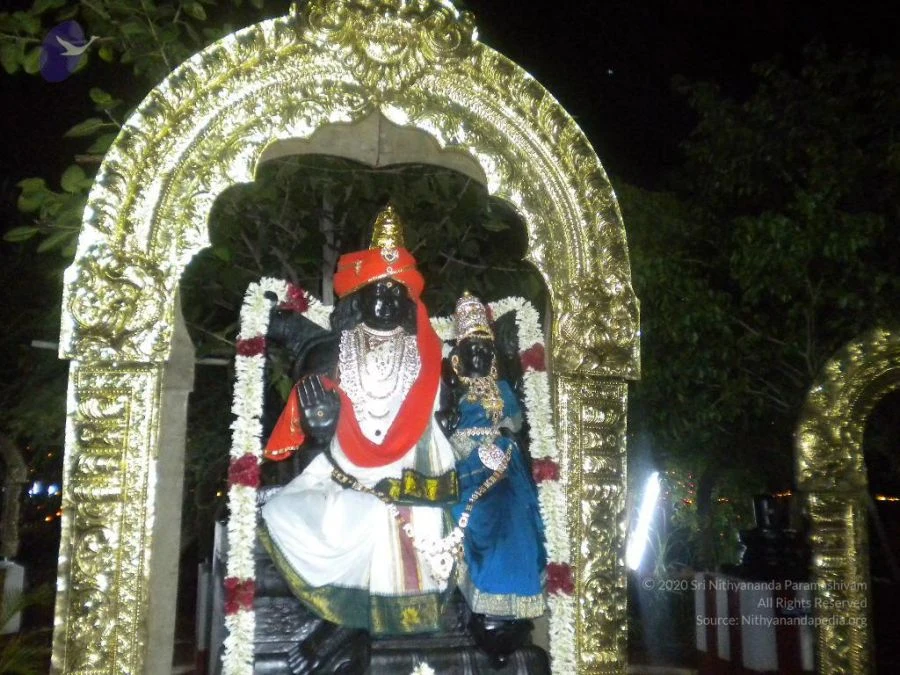
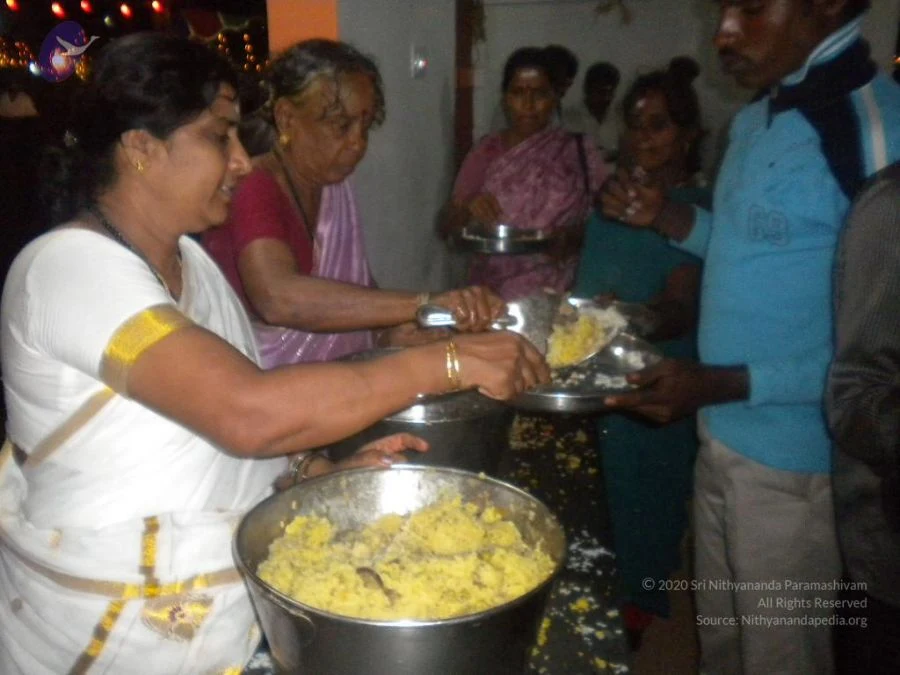
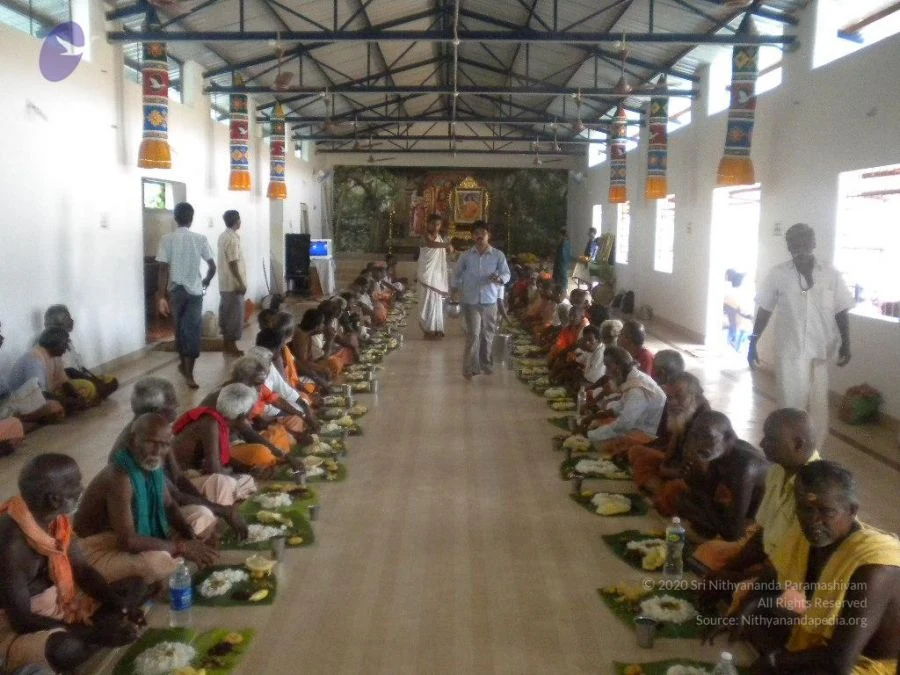
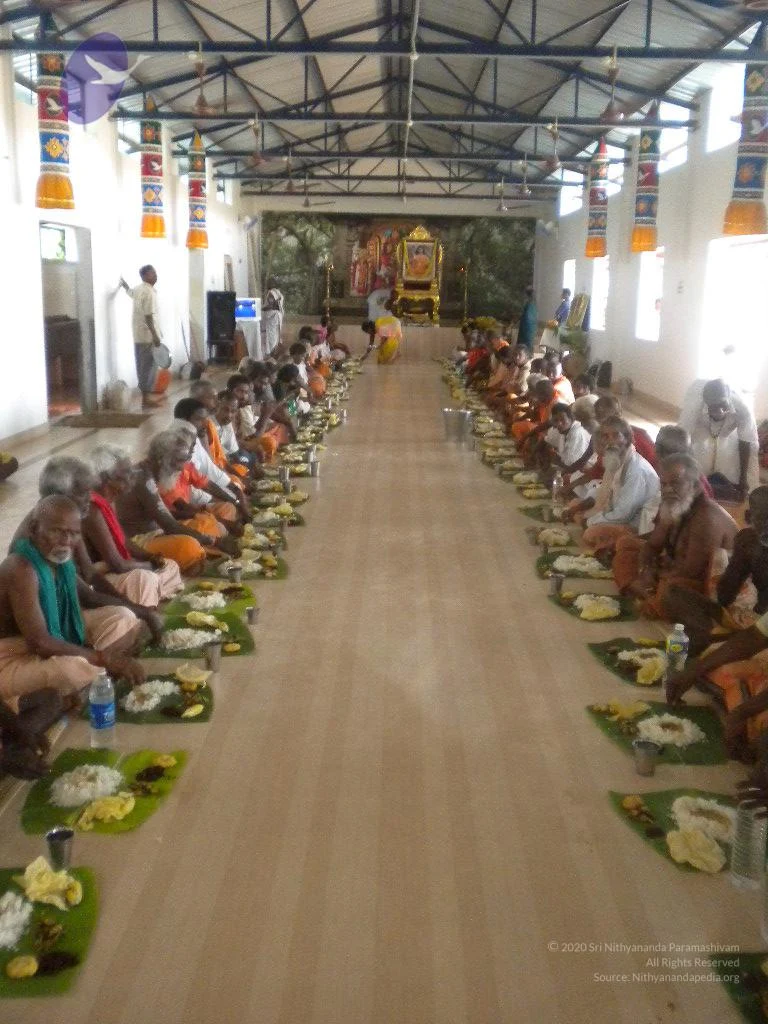
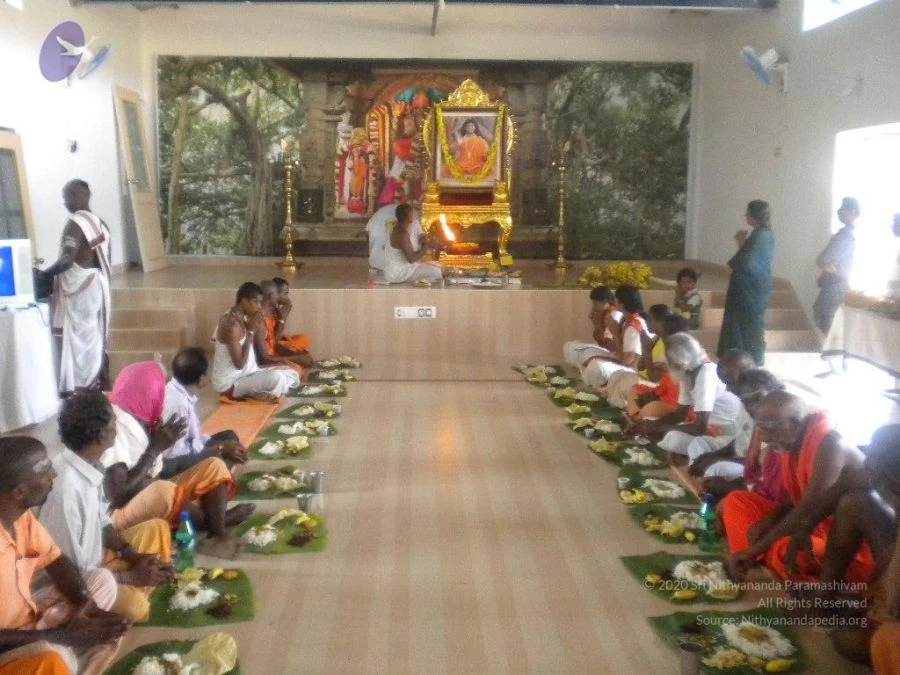
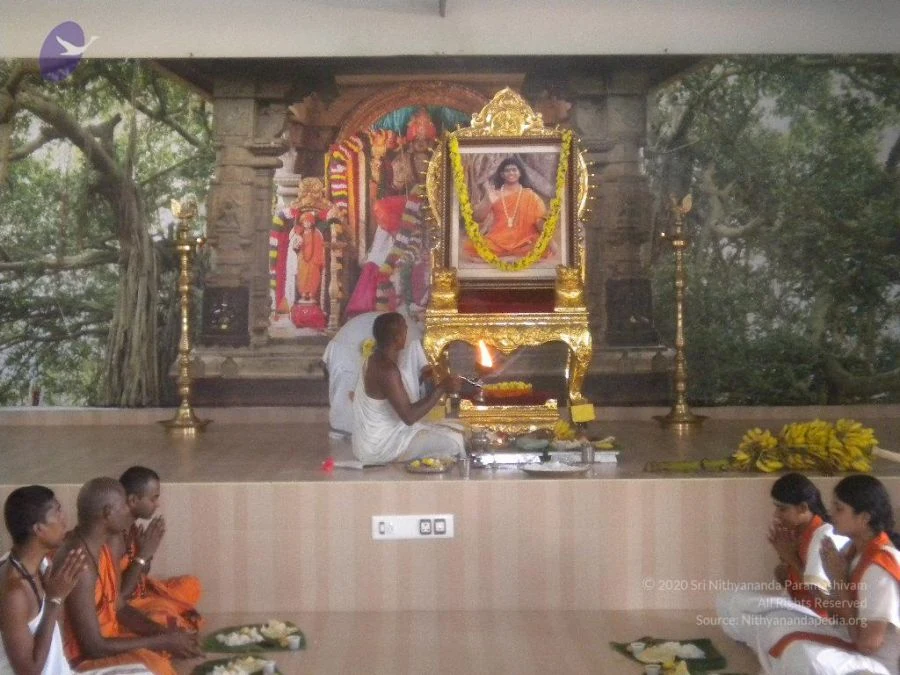
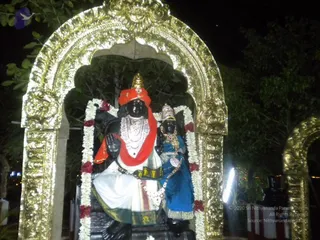
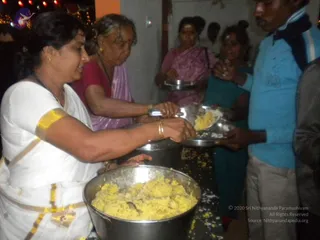
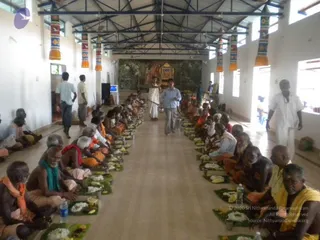
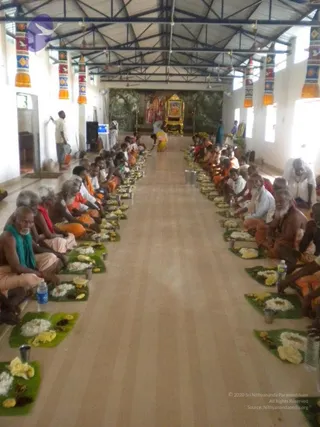
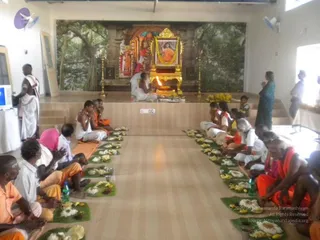
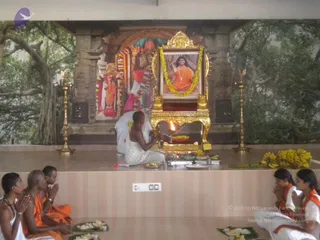
Night photograph of a black stone murti of a deity seated on a pedestal within an ornate gold-painted arch, decorated with white jasmine garlands and red flower garlands. The figure on the left wears a red and orange headcloth and a red shawl over white dhoti-style clothing with silver necklaces. The figure on the right wears a blue garment with gold jewellery and a crown-like headpiece. Dark foliage and small lights surround the shrine, with a second gold arch visible at the right edge. No people are visible.A photograph of volunteers serving food at an annadan line in an indoor hall at night. A woman in a white sari with a gold border stands at left, ladling yellow rice from a large stainless steel vessel onto a steel plate held by an older woman in a maroon and lavender sari beside her. Behind them, other women in pink and teal saris hold steel plates and wait. A man in a light blue sweater reaches forward to receive a plate on the right. Strings of small lights glow in the background. Four visible people are prominent, and additional people stand partially visible in the back.A long hall with white walls and a metal roof where many men sit cross-legged on the floor in rows along both sides, eating from banana leaf plates with rice and sides, water bottles beside them. Several are bare-chested or in white and saffron/orange cloths, and one elderly man in a yellow cloth sits at the right. A man in a light blue shirt and grey trousers walks down the central aisle, and a white-clad attendant stands near a decorated altar with a deity image and framed pictures at the far end. Tasseled colourful hangings hang from the ceiling beams. The scene looks like a communal meal, possibly annadan.A long hall with a tiled floor and corrugated roof where rows of seated men eat a meal from banana leaves placed on the floor. Many wear saffron or orange cloths and white dhotis, and several have grey or white beards. Each leaf holds mounds of white rice and yellow fried items, with steel tumblers beside them. Colourful tasselled hangings line the walls and a framed portrait with flowers stands on a golden stand at the far end, flanked by small lamps, as a figure in an orange garment moves along the center aisle serving food. Another man in white stands at the left doorway. This appears to be an annadan style communal meal in an ashram hall.Photograph of a ritual hall with a large painted backdrop of a forest-like scene and a golden temple-style frame. On a raised dais, a priest in white dhoti sits before a lit oil lamp and offerings, while a golden throne-like seat holds a framed portrait of a saffron-robed figure with long hair. Rows of seated devotees in white, saffron and orange clothes sit on banana leaves set with flowers and fruit, with water bottles and brass lamps nearby. A standing man in white robes stands at left and a woman in a teal sari stands at right. A portrait labelled with a printed name is not legible here, so no caption is quoted.Photograph of a shrine room with a large printed backdrop of a temple gateway flanked by banyan-like trees. Centre: a gilded ornate stand holds a framed portrait of a smiling figure in orange robes and a rudraksha mala, garlanded with yellow flowers. A priest in white dhoti and bare-chested, shaved-headed, is seated before it, tending a flame from a small lamp, with banana bunches and offerings nearby. Two brass oil lamps stand on either side. Four people in the foreground sit with palms pressed together in prayer: three young men in orange and white garments on the left and two young women in white with orange borders on the right. Plates of flowers and fruit sit on banana leaves before them.

1-Temple
8 photosSource gallery
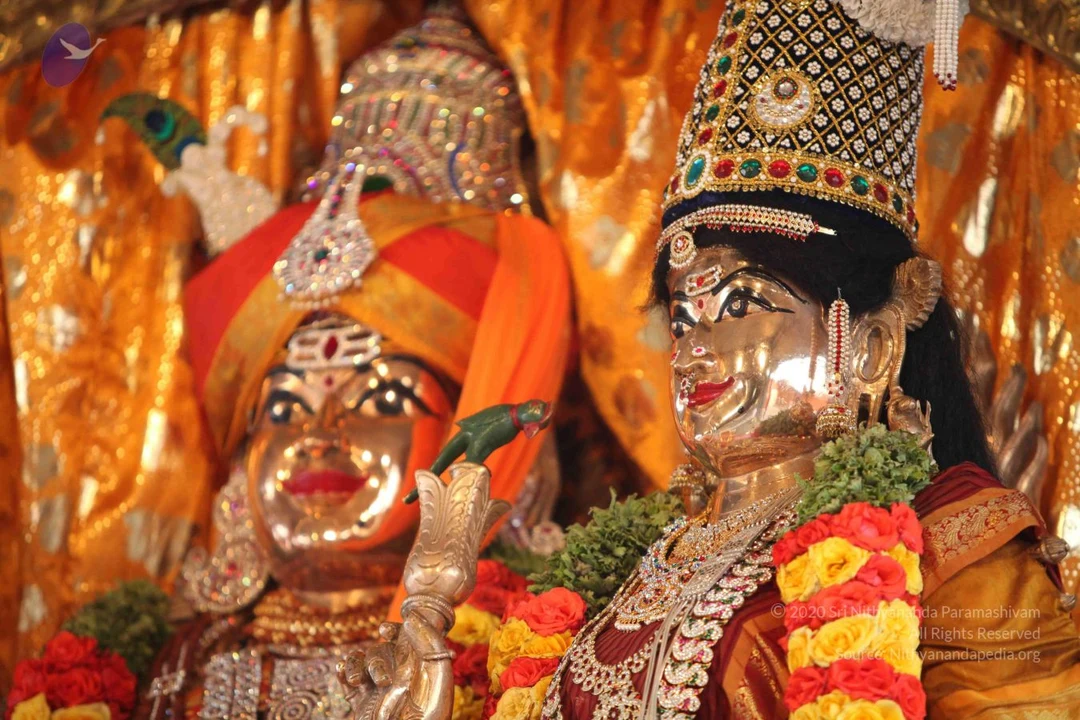
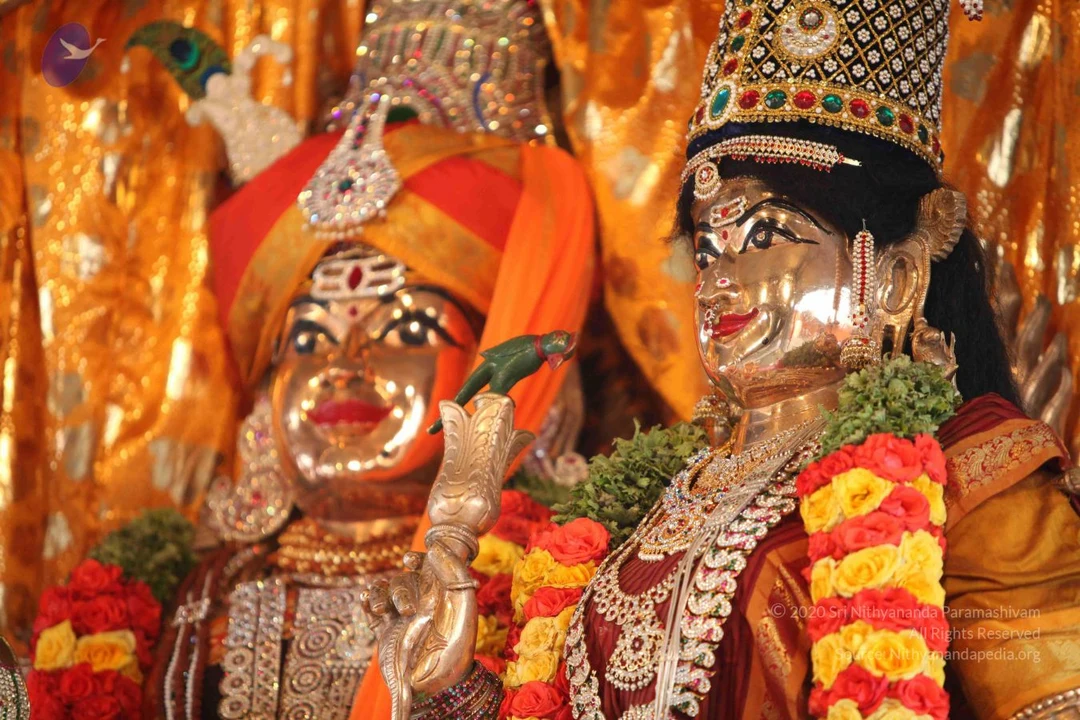
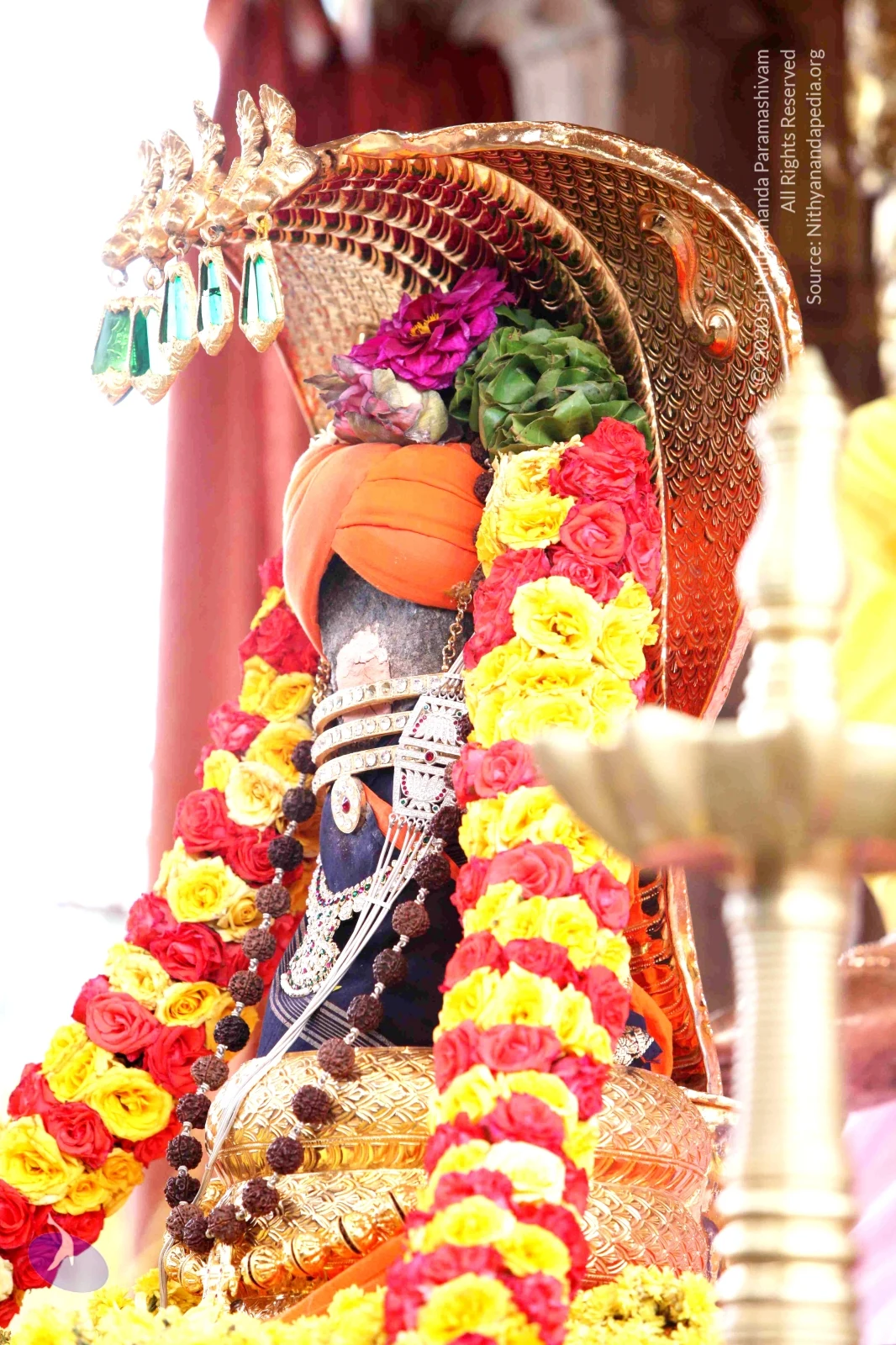
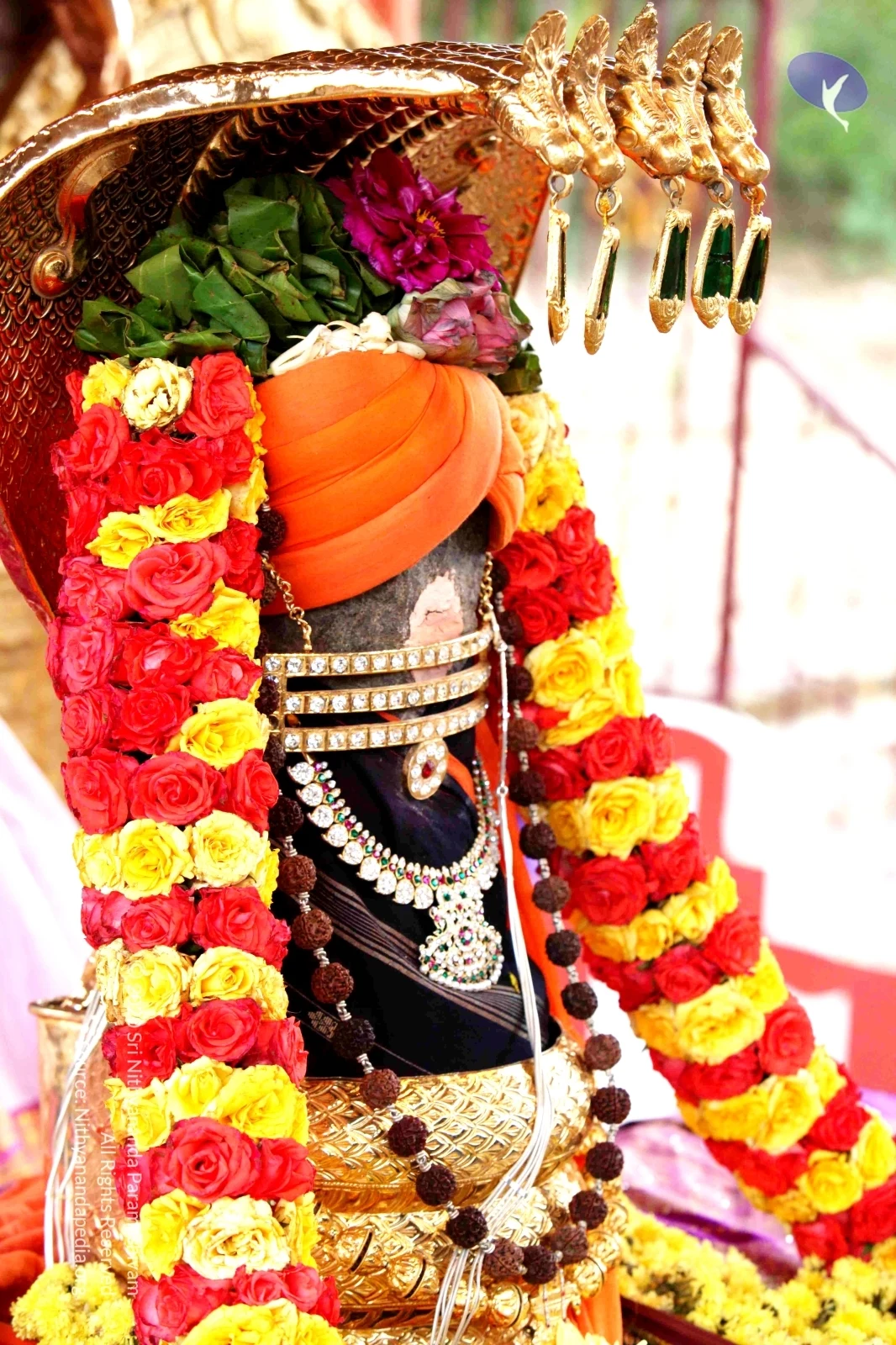
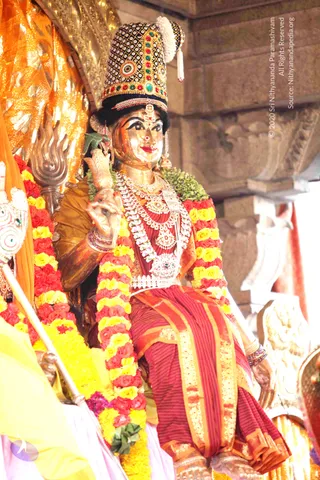
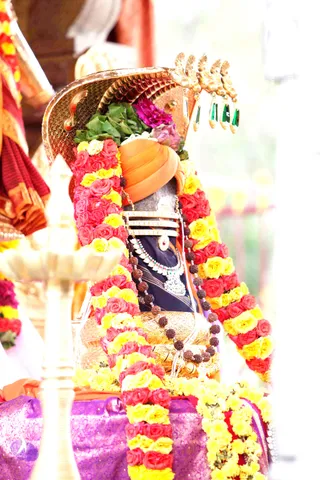
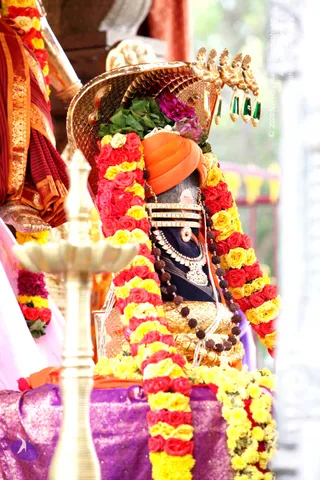
A golden-framed shrine holds a seated deity murti pair beneath orange draped fabric. The male figure has a trident, a red turban and a crown-like headdress, and wears layered silver necklaces. The female figure beside him wears a jewelled crown, a red and gold sari and heavy silver jewellery. Both are garlanded with red and yellow marigold chains, and a Shivalinga stands in front on a white and purple cloth, surrounded by brass vessels and offerings. Pale purple drapery and lamps sit on the platform below.A photograph of a dark cave entrance framed by thick, twisting banyan tree roots and a grey trunk. A blue sign at left reads partially as "E CAVE". Red and yellow powder marks the roots and trunk, a brass oil lamp sits on the stone ledge at right, and white and red flower petals are scattered on the reddish earth before the opening. No people are visible.A photograph of a dark cave-like opening framed by thick, intertwined banyan-type aerial roots and a large trunk. Scattered white and red flower petals lie on the reddish-brown earth at the entrance, and a brass bowl sits on a stone ledge to the right. Pink and yellow powder marks. A small blue sign with white lettering stands at the left edge. No people are visible.A golden metal deity murti of a goddess seated on a festival vehicle, draped with red and yellow marigold and rose garlands. She wears a jewelled crown with red, green and white stones, layered gold and silver necklaces, a red and gold striped silk sari and bangles, and holds a raised lotus-like ritual object. Behind her is an orange and gold cloth backdrop and a silver trident. Beside the murti is a stone temple pillar with carved relief. No people are visible in the frame.A photograph of a Shiva lingam-style deity murti dressed for worship. It is draped with a long garland of red roses and yellow marigolds, with a bright orange cloth wrapped across its top, and wears a gold necklace set with green and white stones plus strands of rudraksha beads. Above it sits an ornate gilded canopy with green tassel-like drops and a cluster of green leaves and pink flowers. In the foreground a brass oil lamp stands on a purple brocade cloth, and the background is softly blurred. No people are visible.A photograph of a life-sized figure seated on a golden throne, its head and shoulders covered with an orange turban and a golden crown-like headdress with green gem drops. The figure wears a dark garment, multiple rudraksha mala strands, a ceremonial gold and jewelled necklace, and a jewelled tiered collar. Large garlands of red roses, yellow roses and yellow marigolds drape the figure and throne, and a purple brocade cloth covers the table. A brass oil lamp stands in the foreground, with a gold-trimmed red and orange cloth at left. The figure is a statue or effigy rather than a living person, so no physical person is visible.