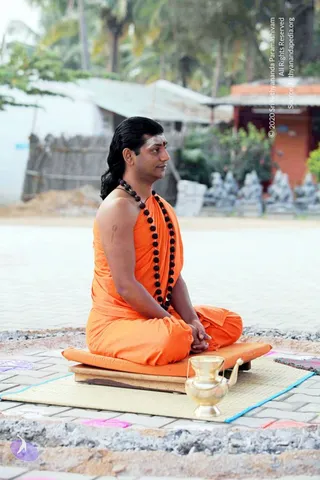
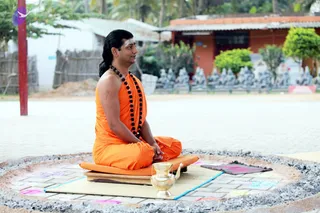
Friday
18 February 2011
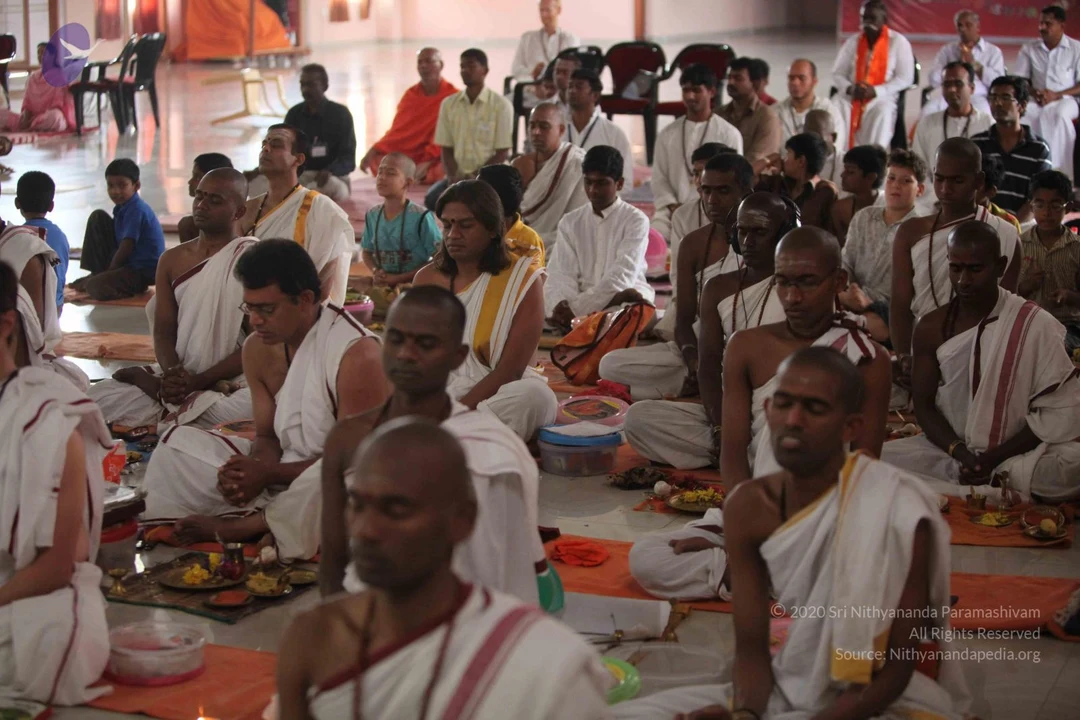
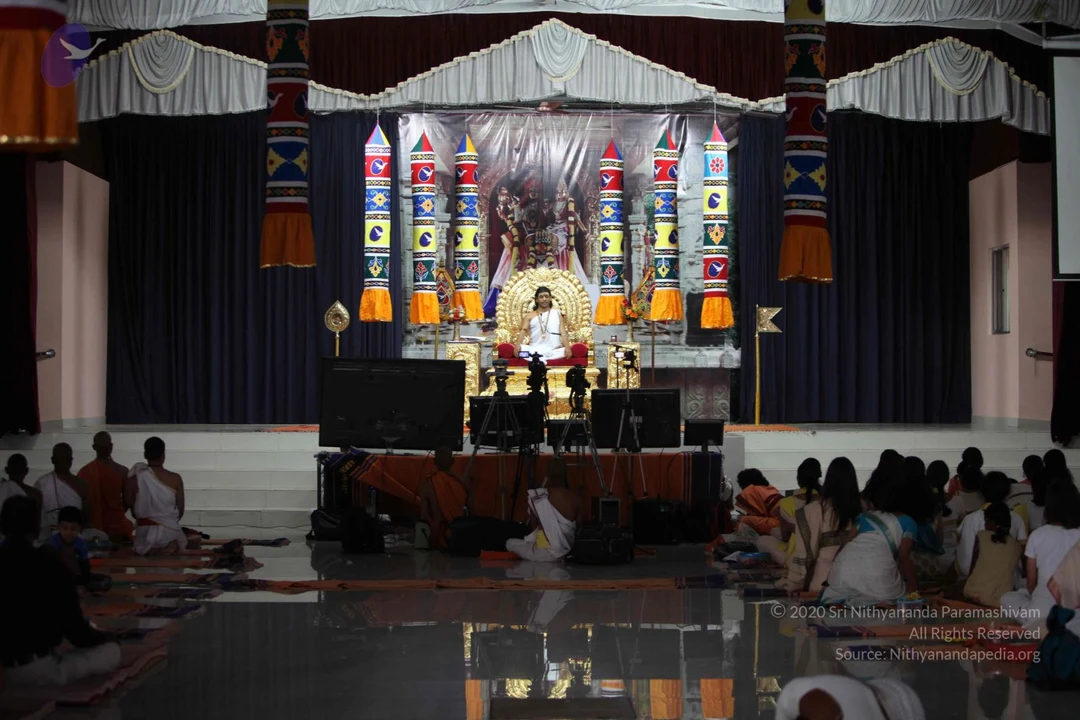
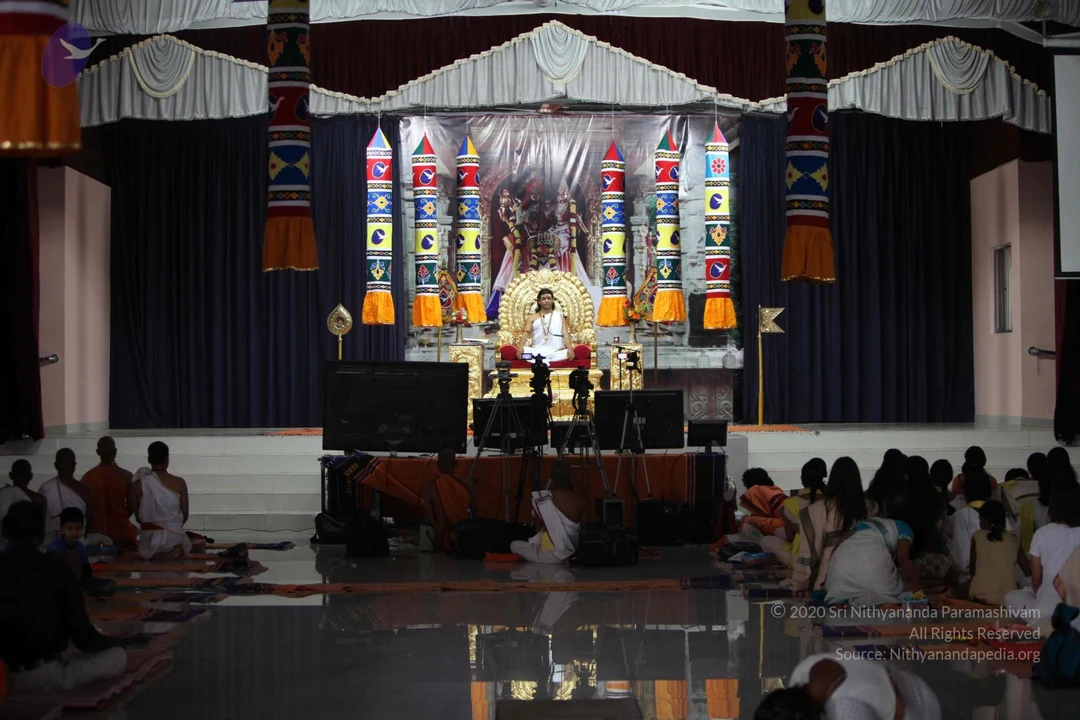
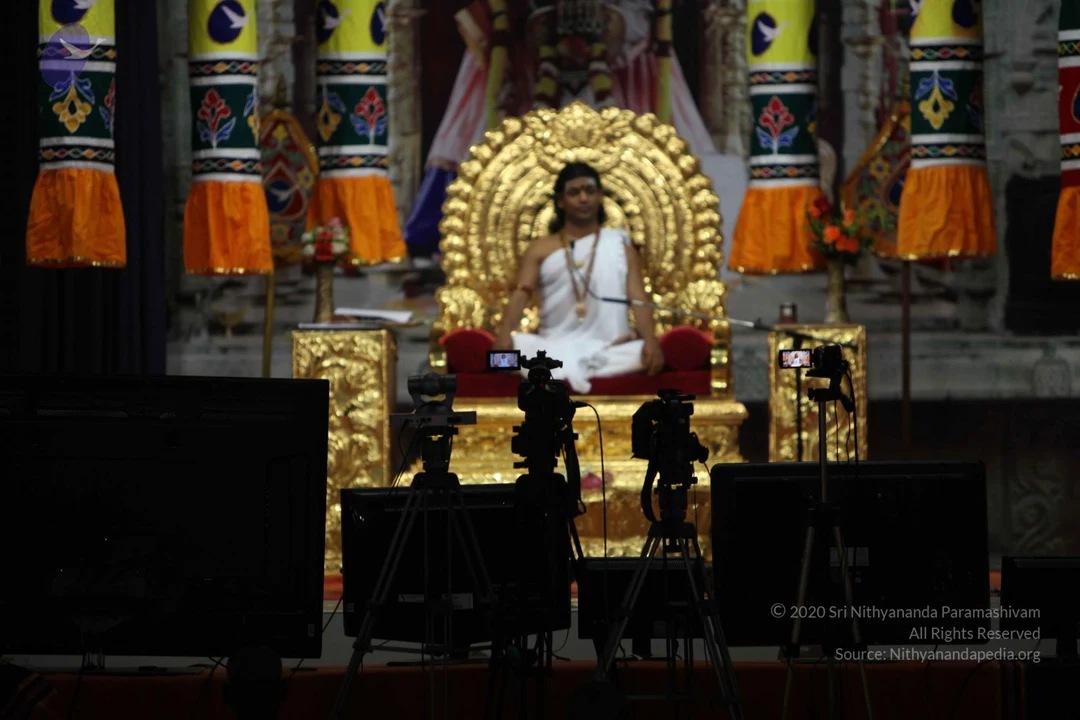
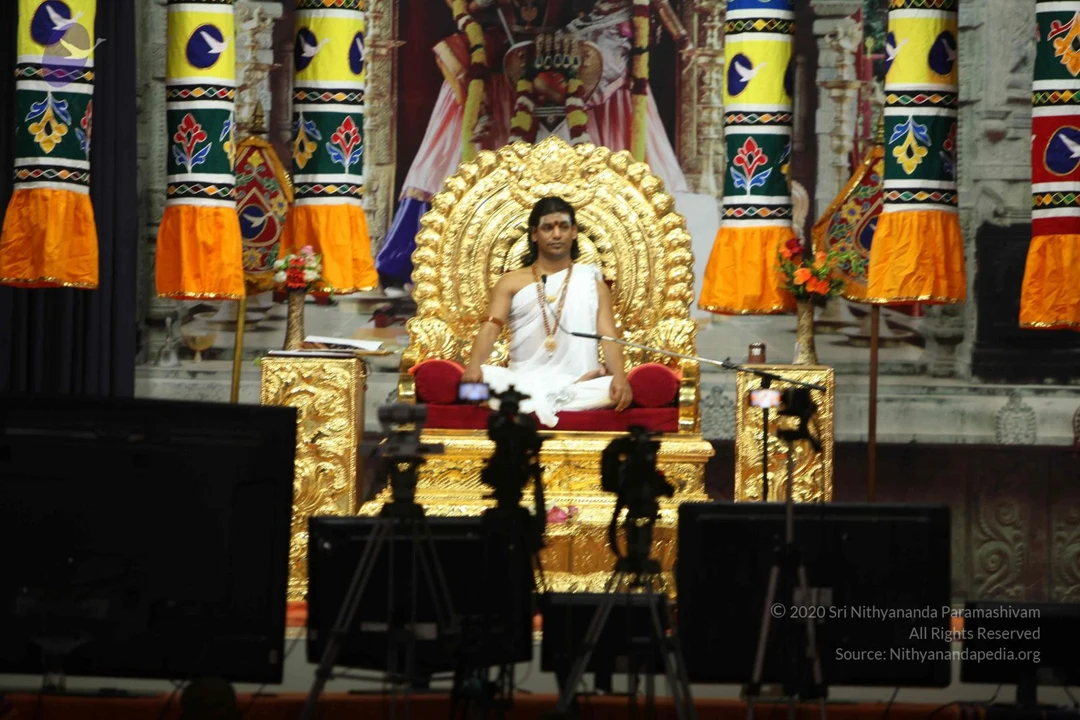
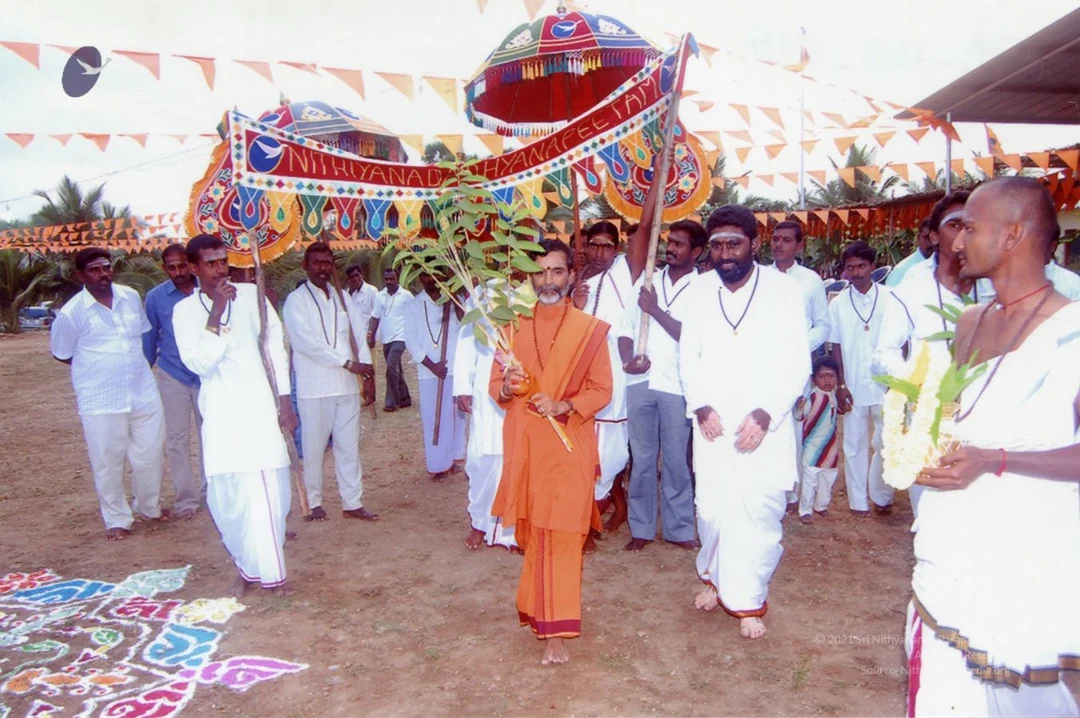
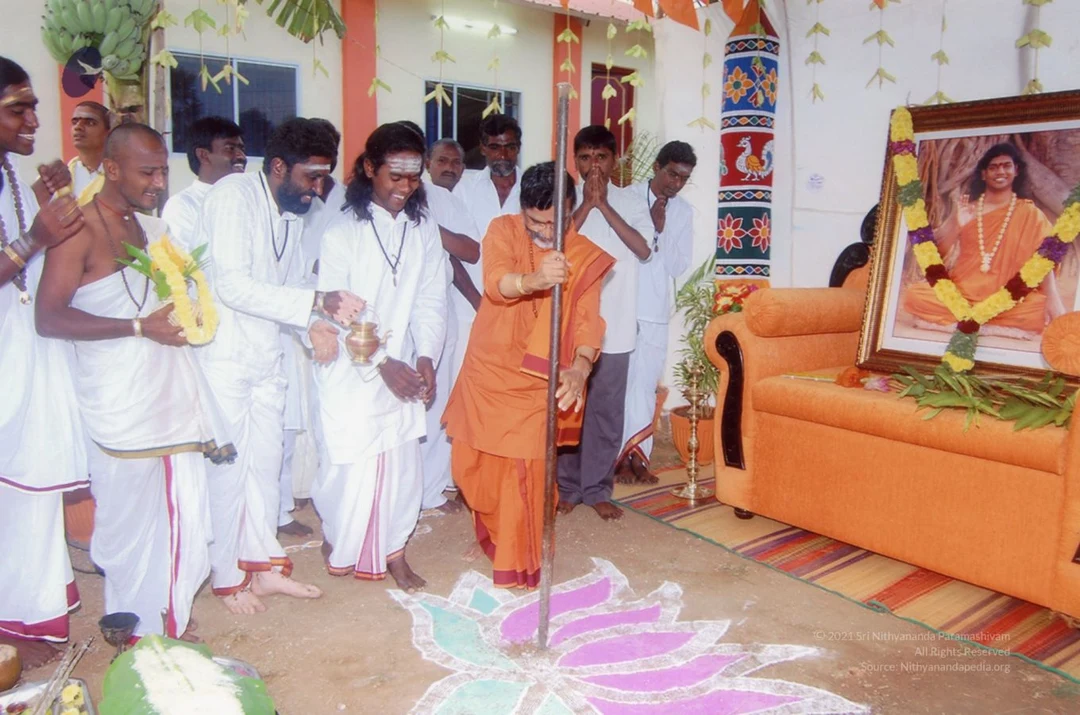
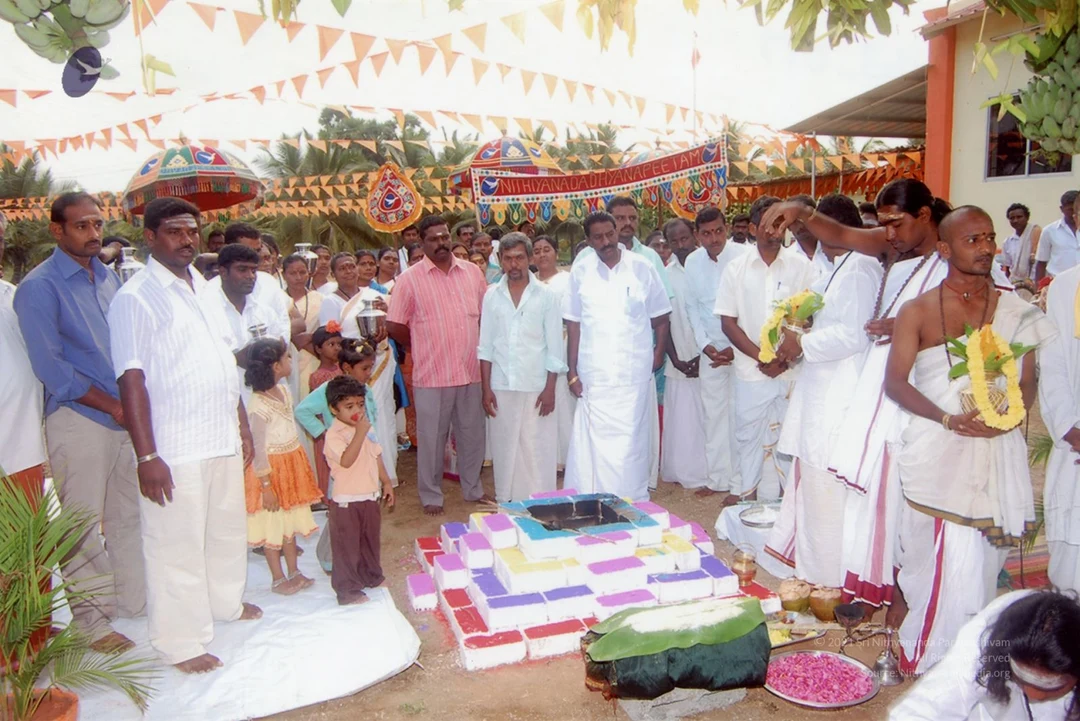
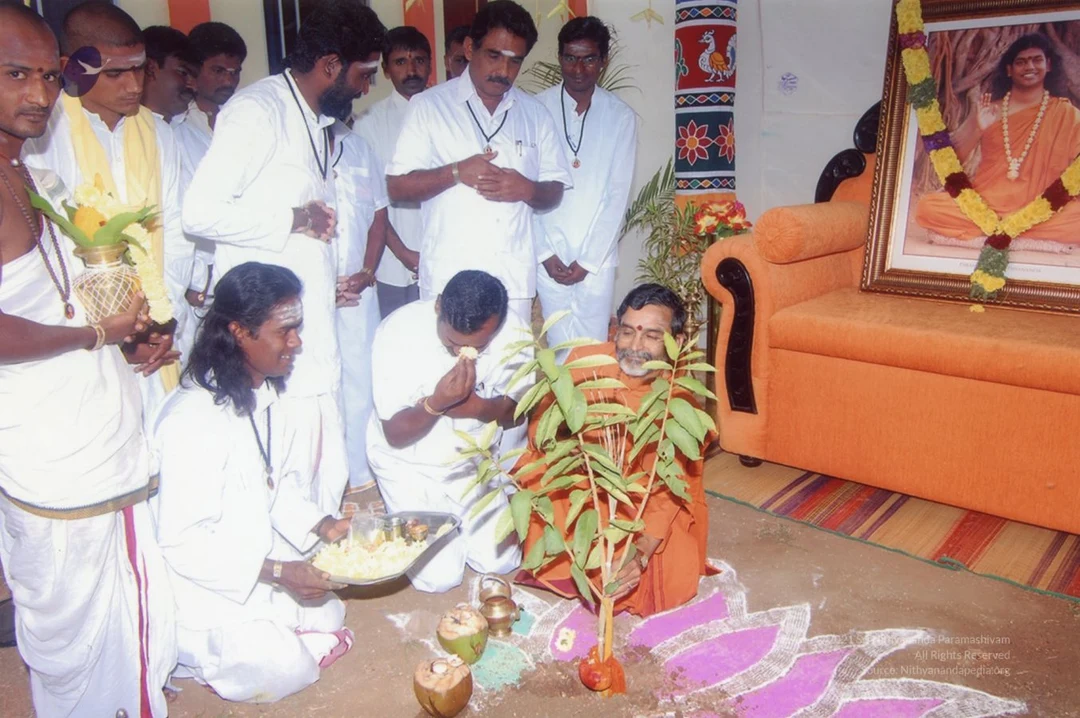
Altered State of Awareness Nithyananda Patanjali Yoga Sutra 18 Feb 2011 || First anniversary of KAILASA in Seeragapadi
- Dated photos
- 505
- Source pages
- 1
- Media
- 3
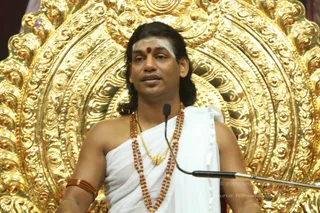
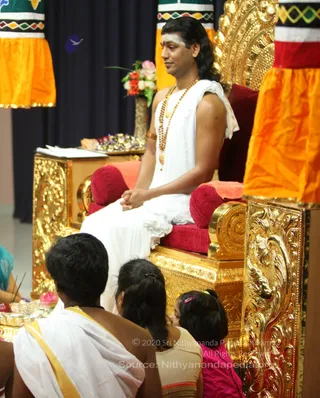
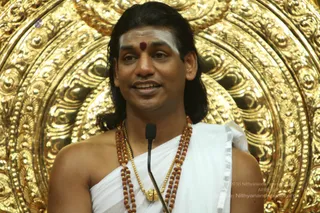
February 18 2011
Original wiki pageTitle:
Altered State of Awareness Nithyananda Patanjali Yoga Sutra 18 Feb 2011 || First anniversary of KAILASA in Seeragapadi
Description:
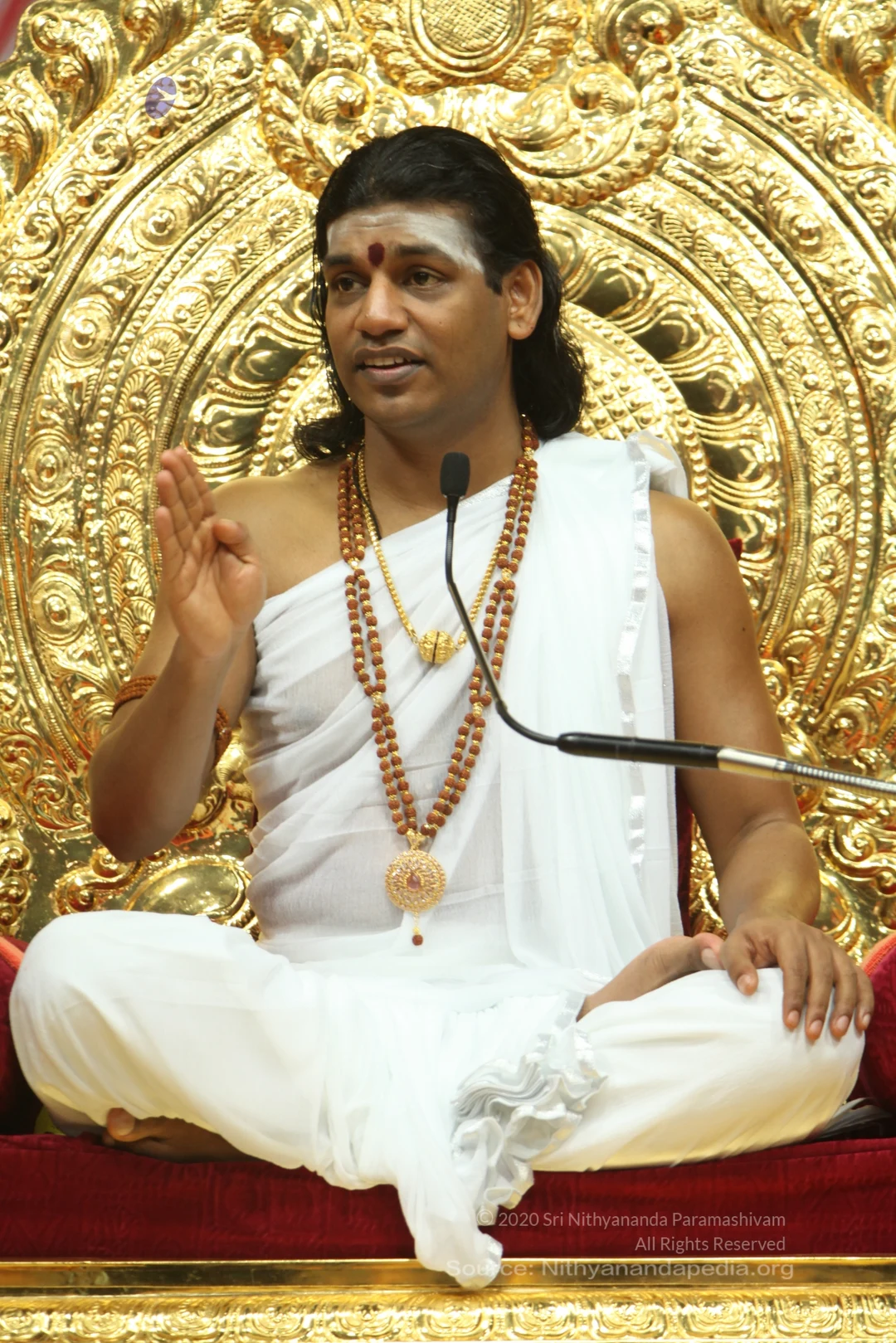
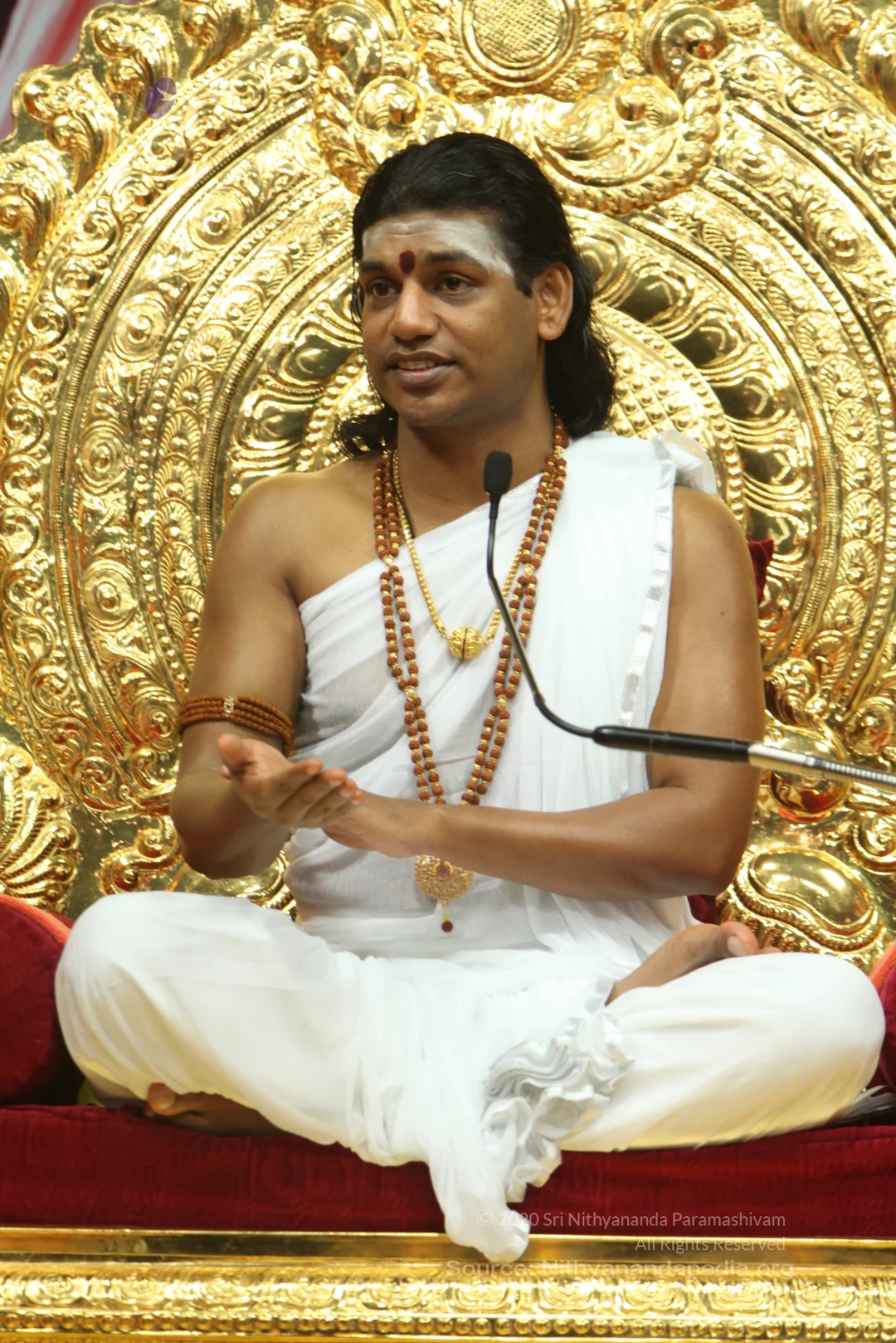
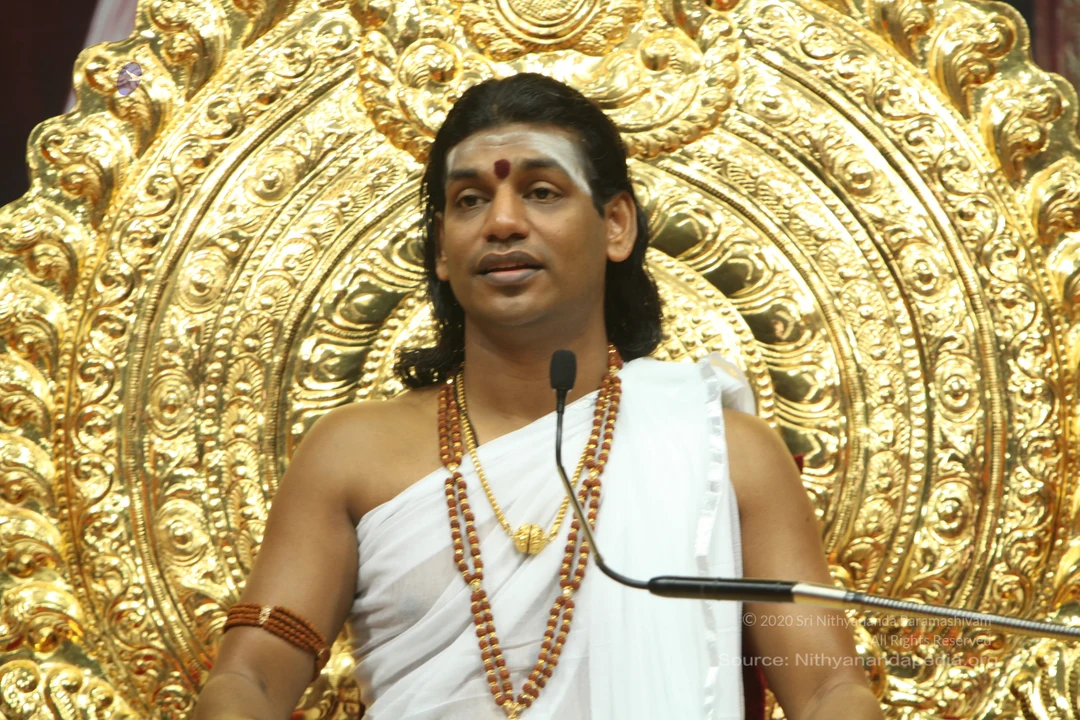
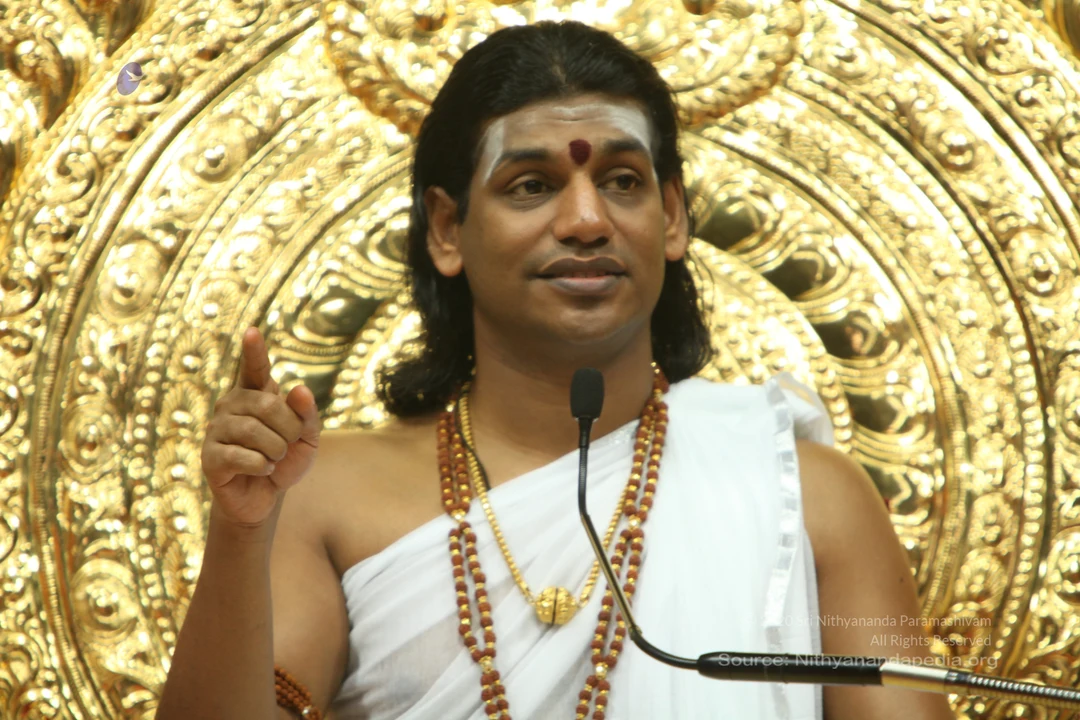
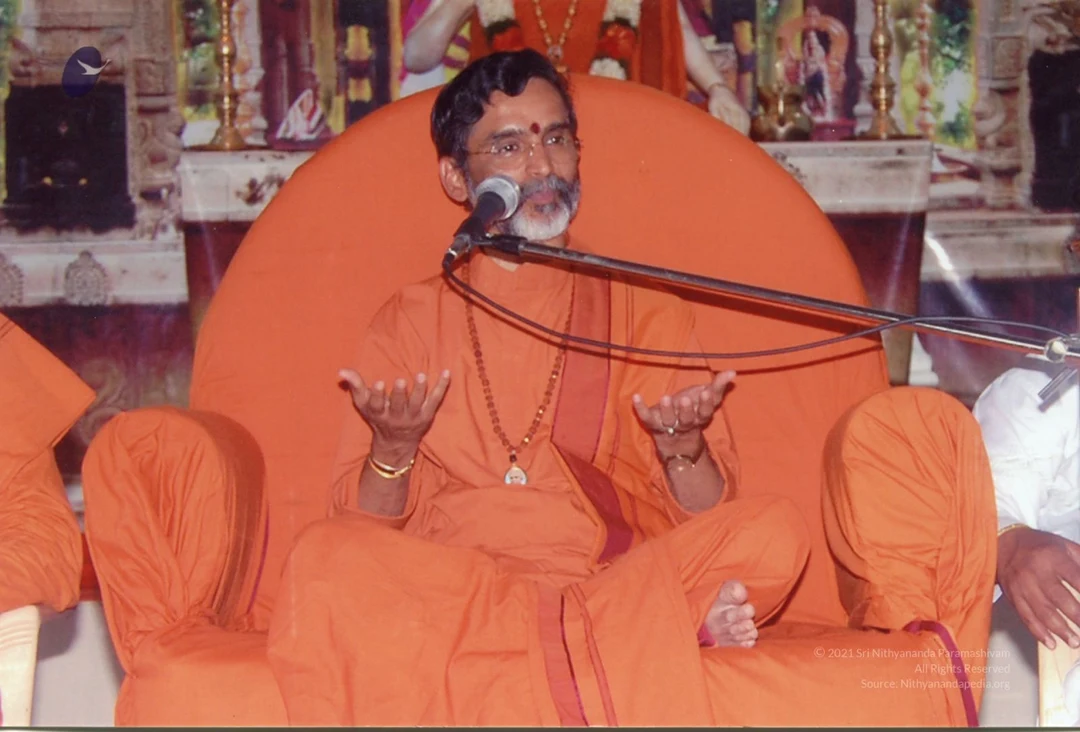
A discourse by The Supreme Pontiff of Hinduism (SPH), Jagatguru Mahasannidhanam, His Divine Holiness Bhagavan Nithyananda Paramashivam on Patanjali Yoga Sutra, 119th Sutra, 3rd Chapter, 13th Verse.
Watch, share and like the videos and Subscribe to our channel to be notified of the next upload. click http://bit.ly/20j90wr to subscribe.
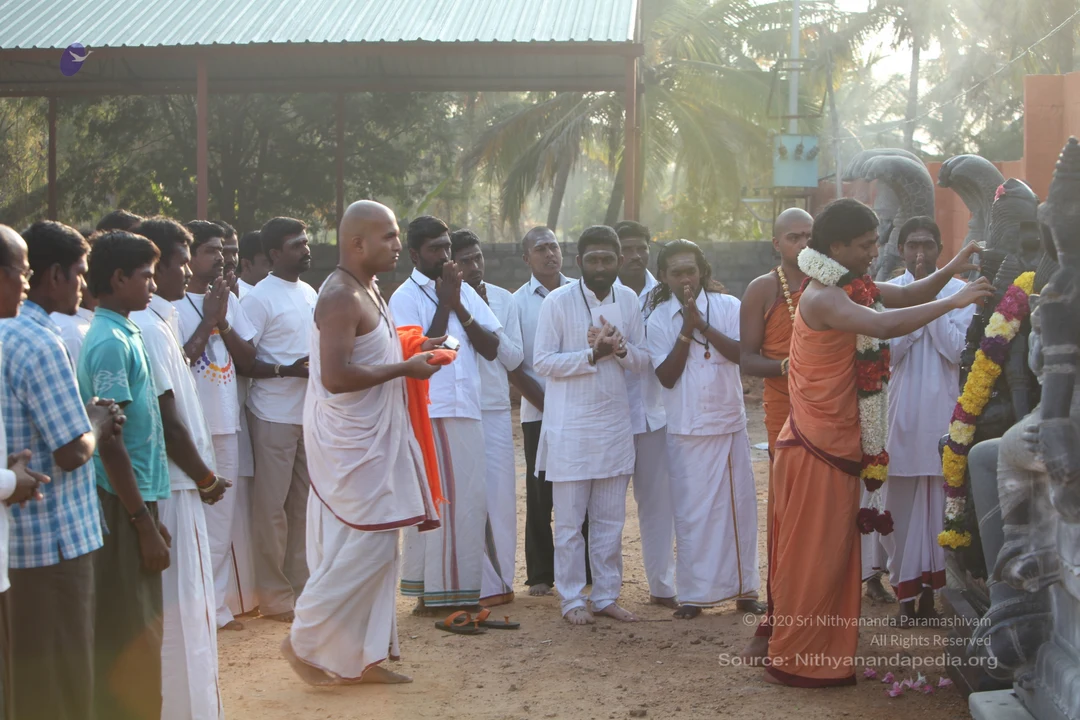
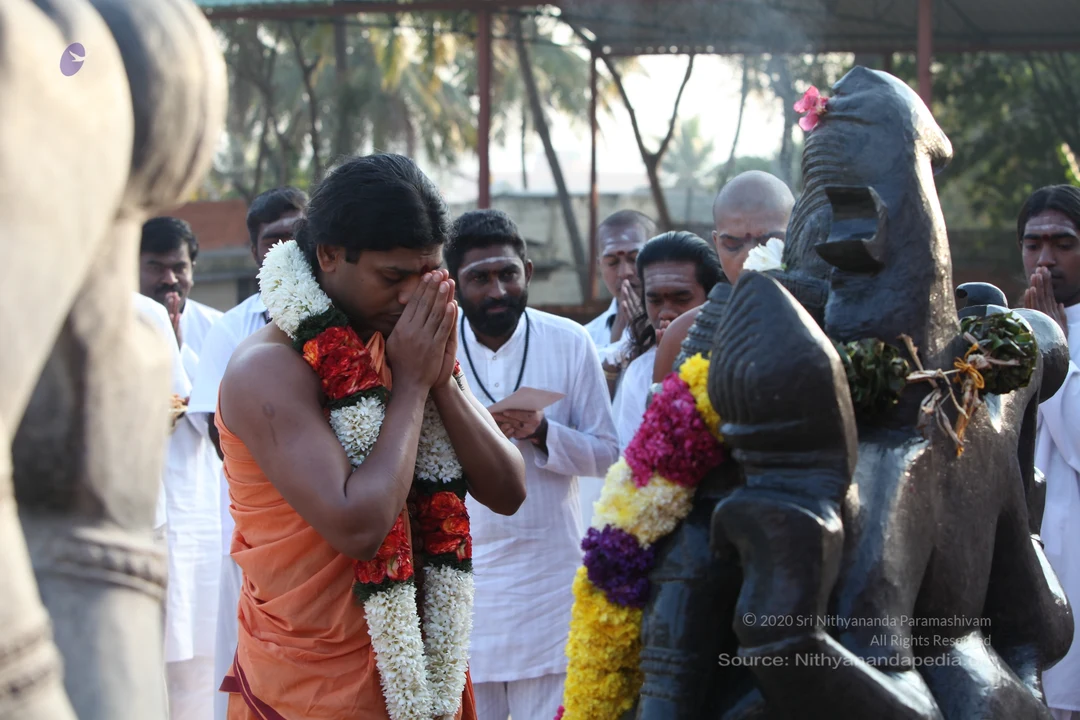
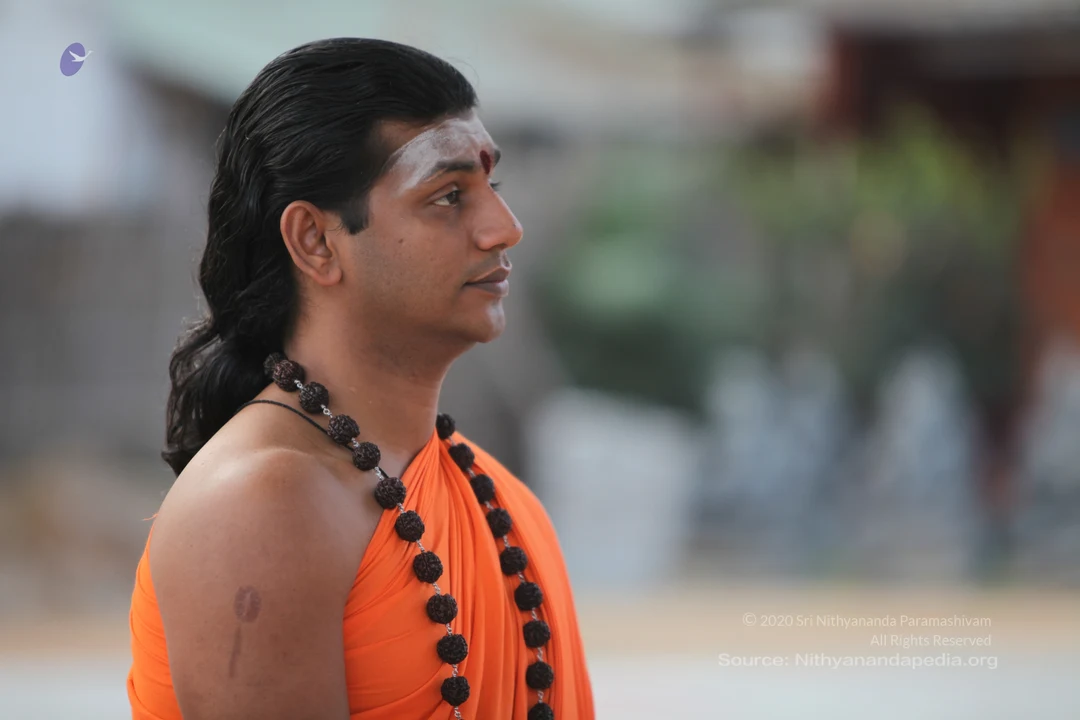
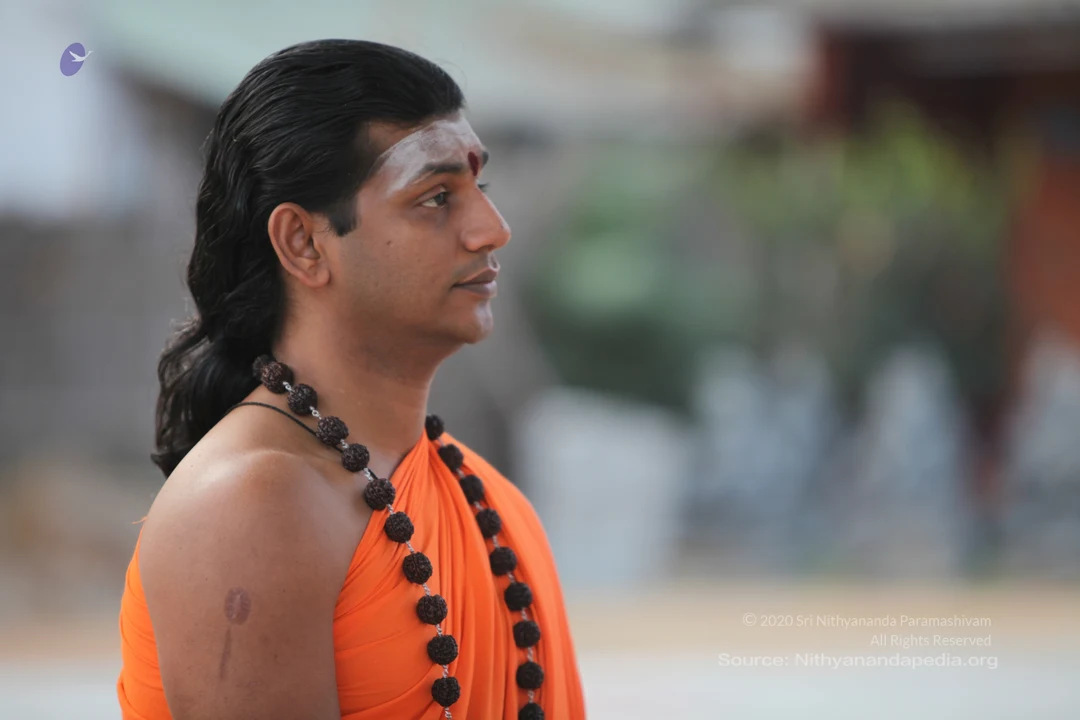
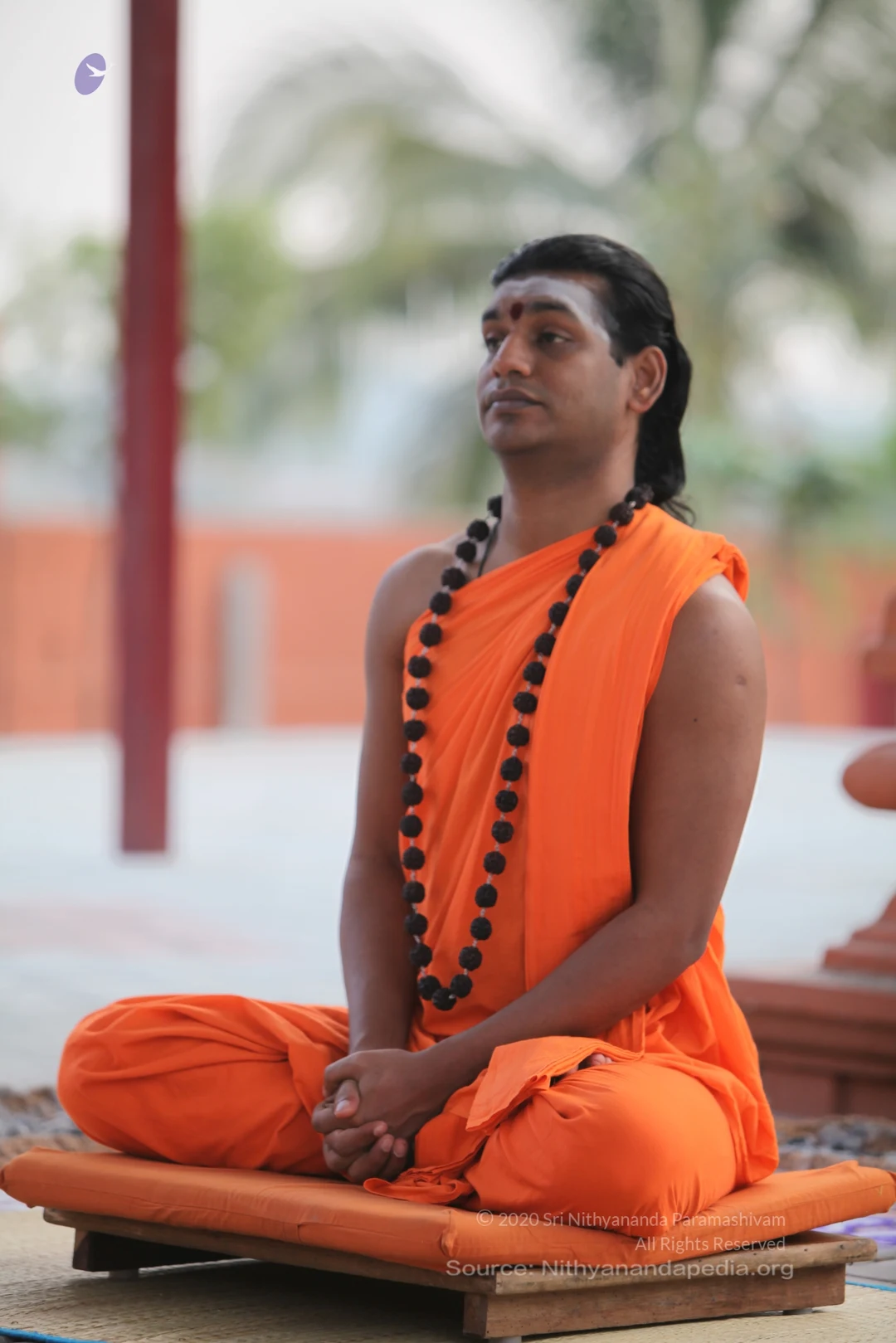
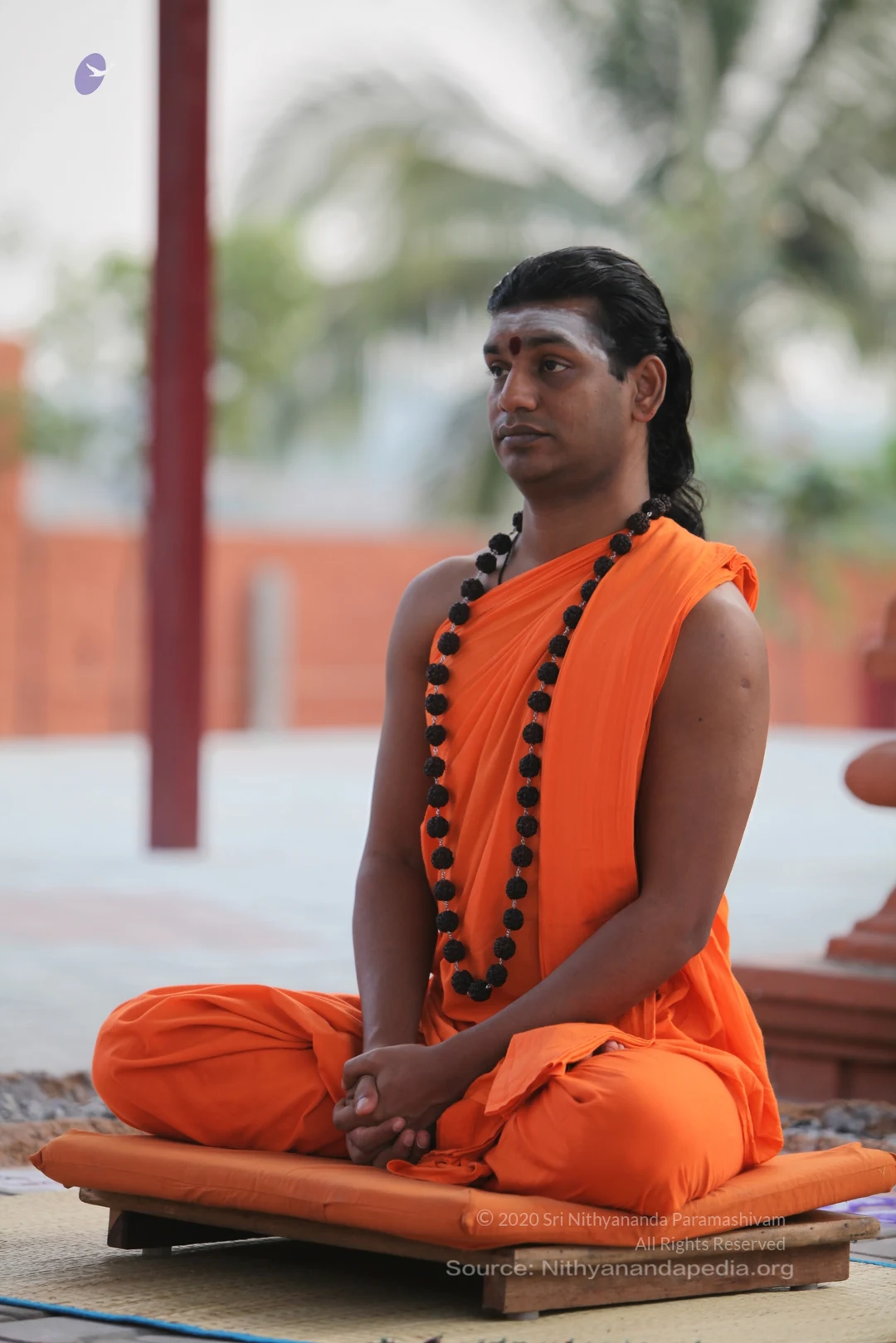
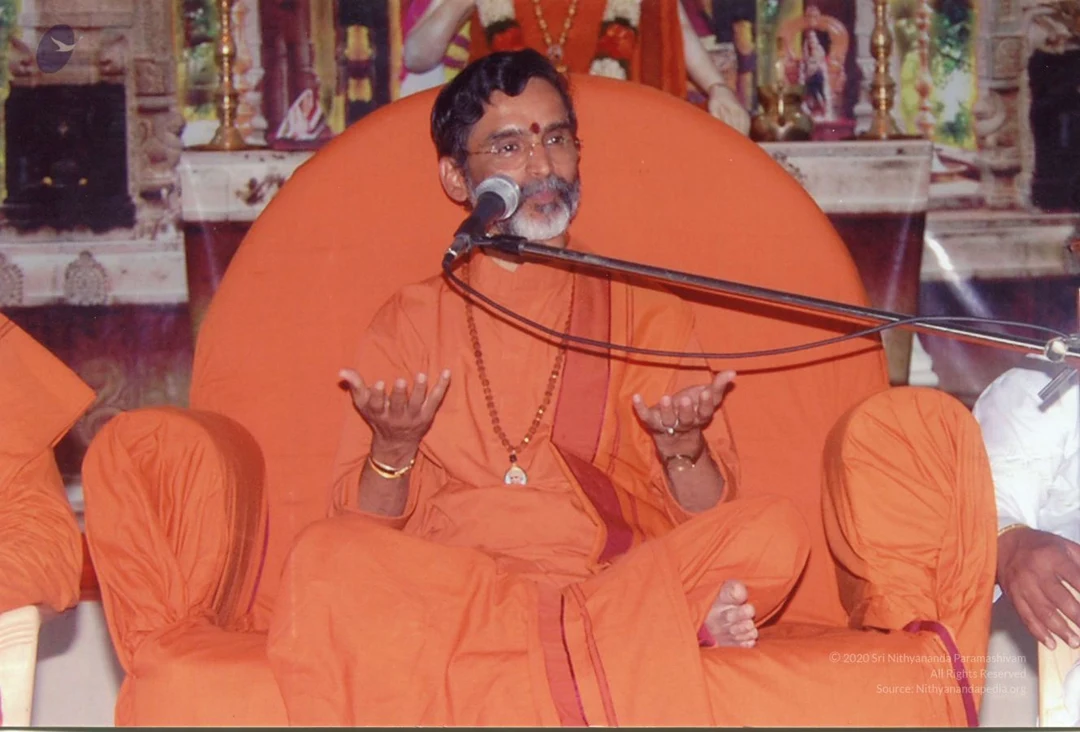
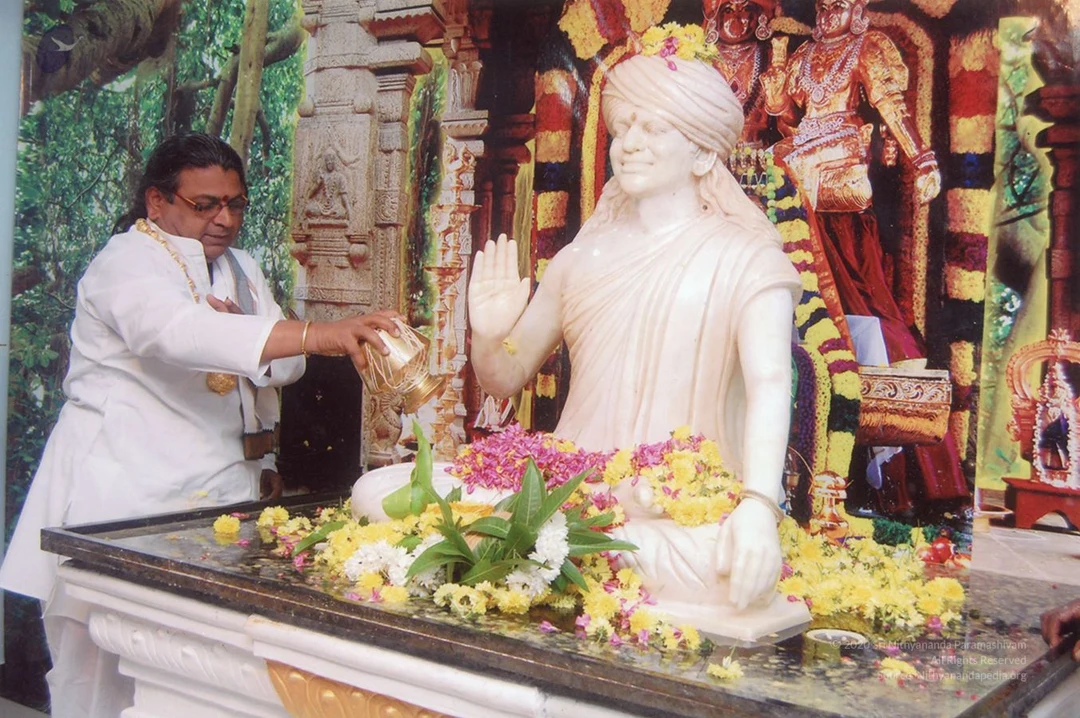
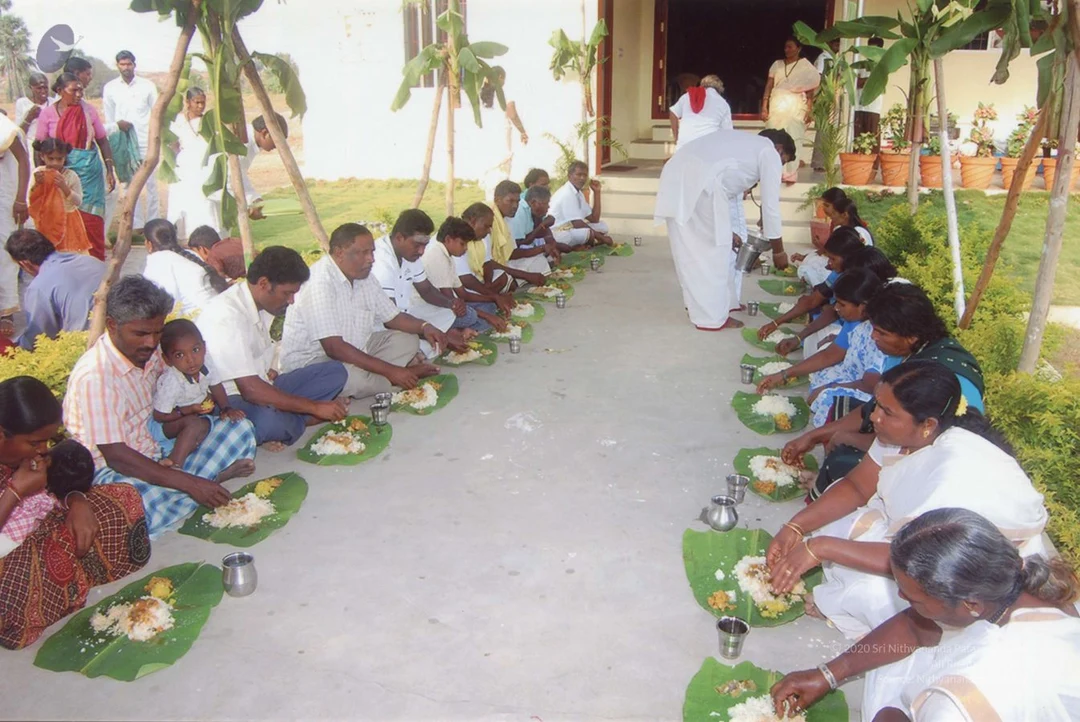
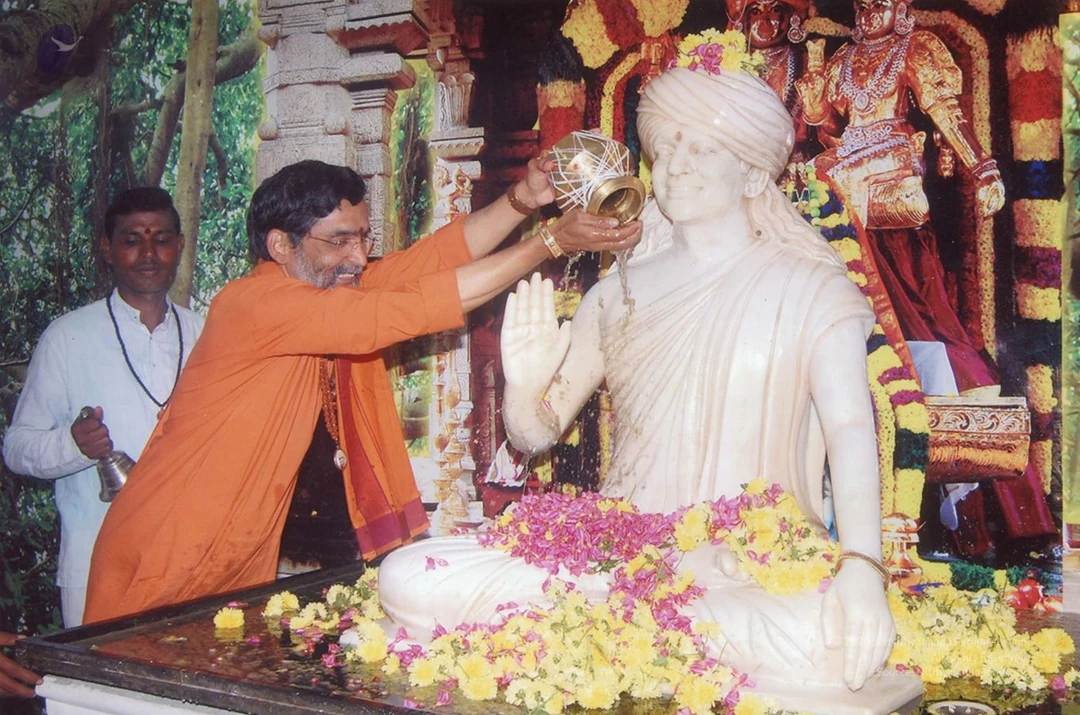
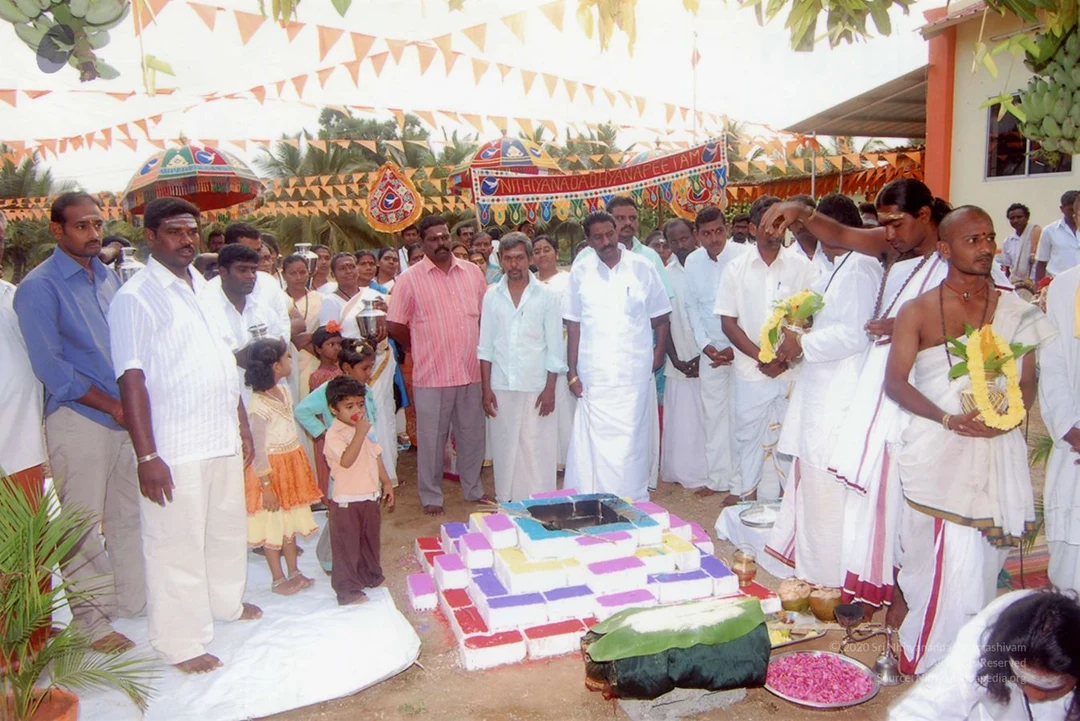
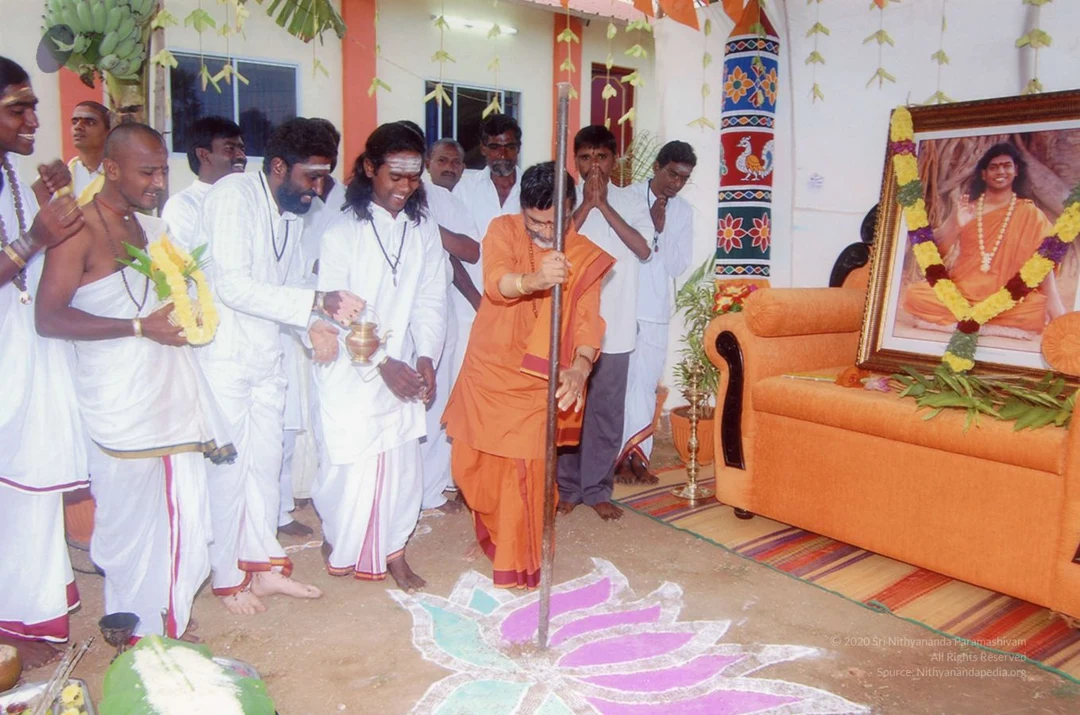
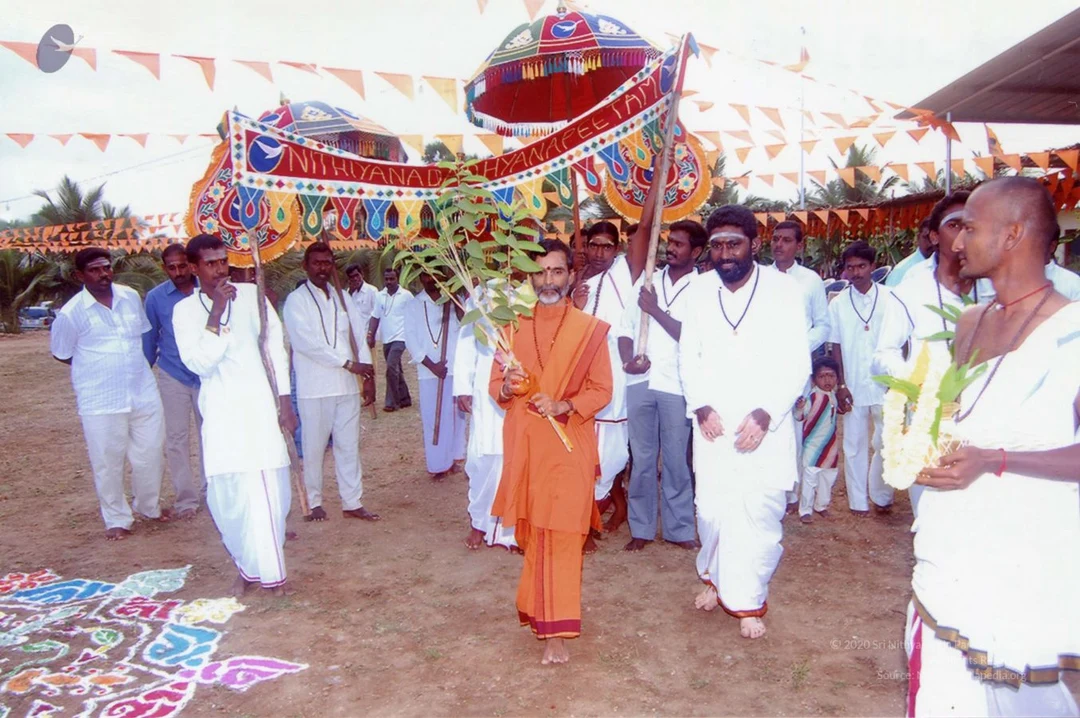
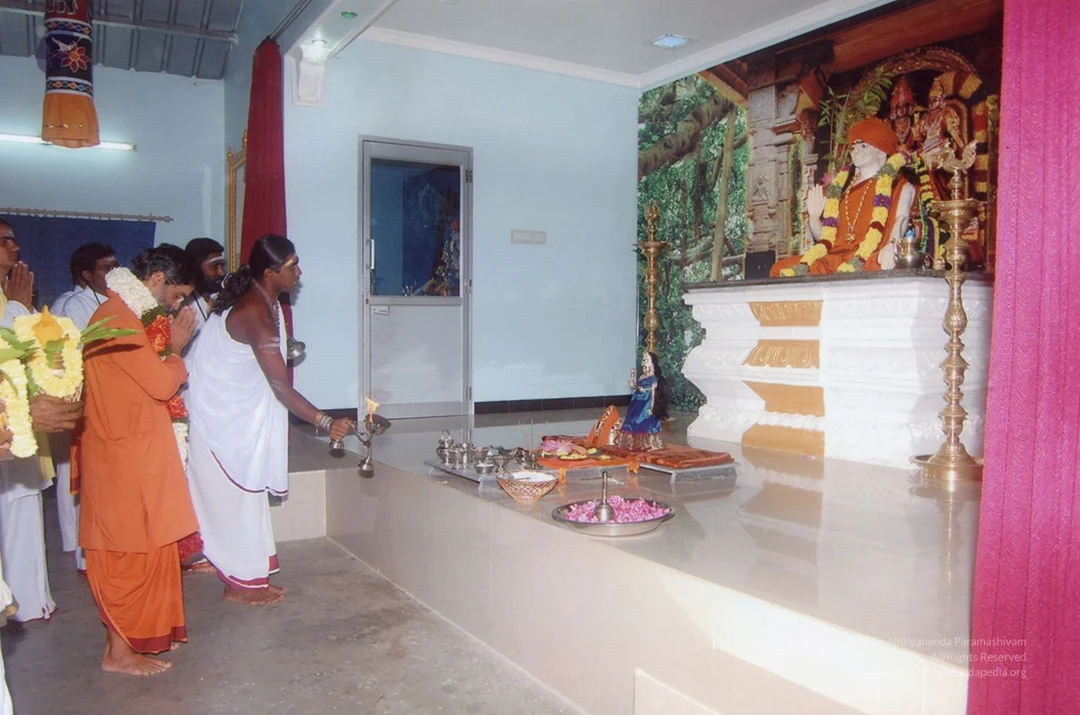
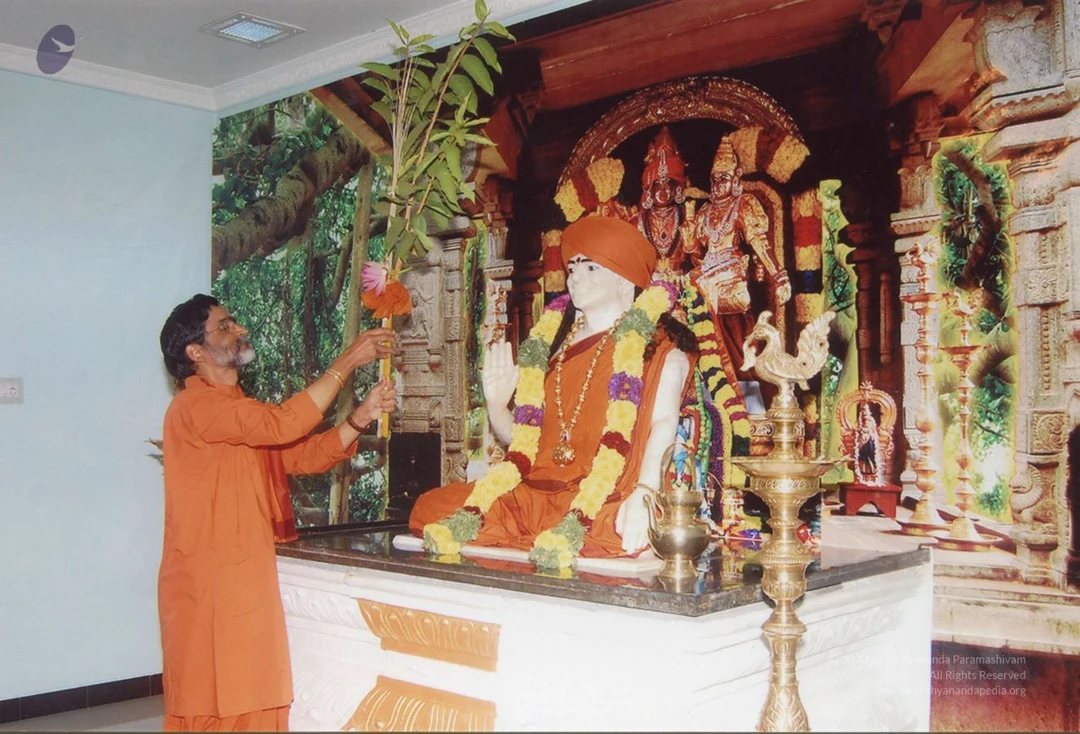
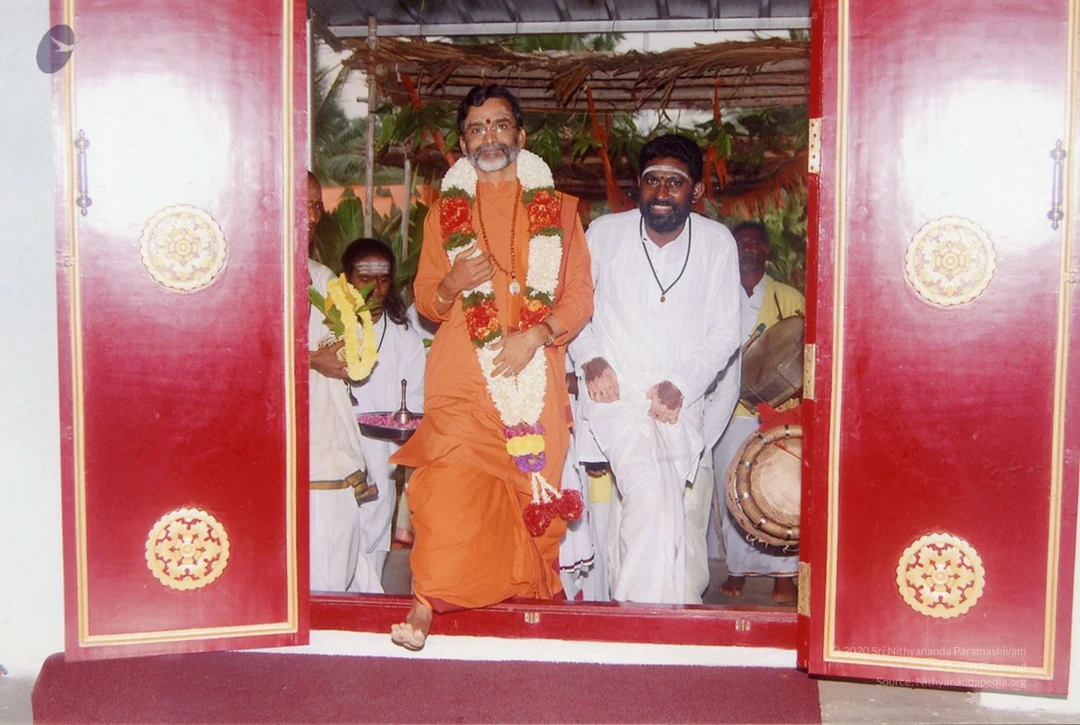
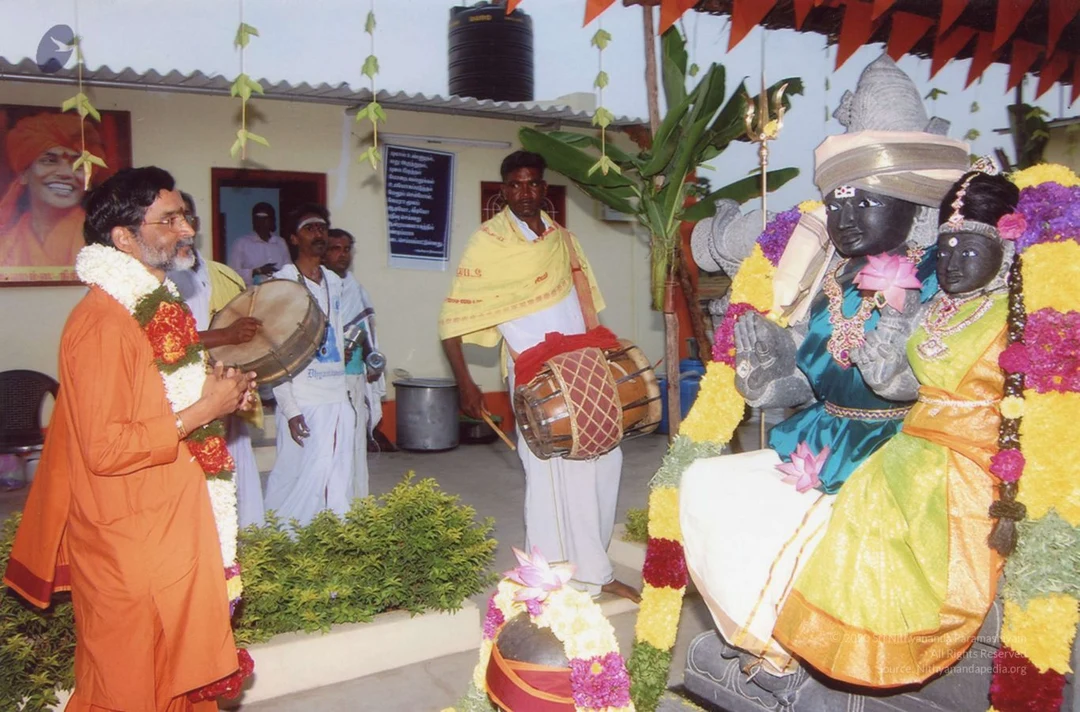
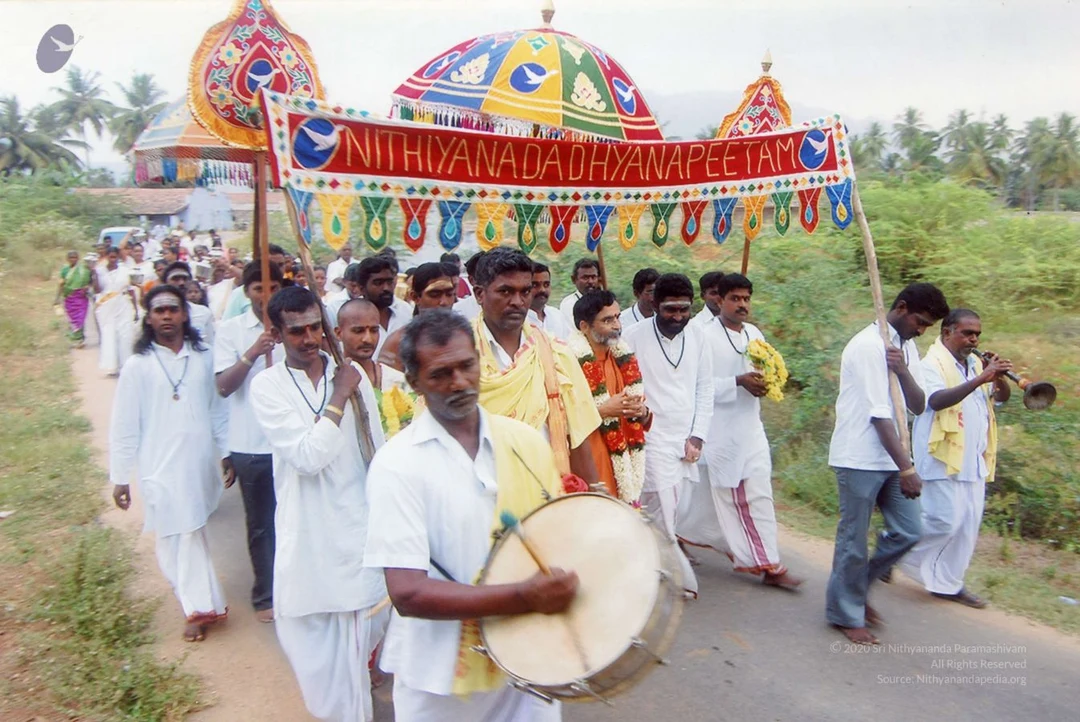
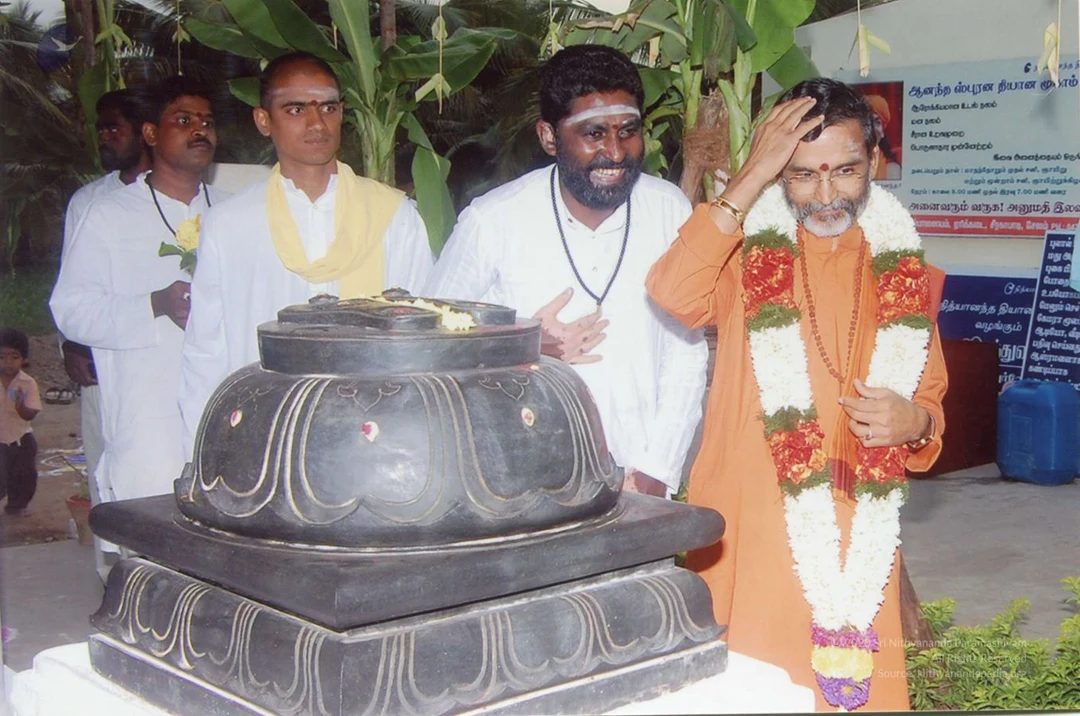
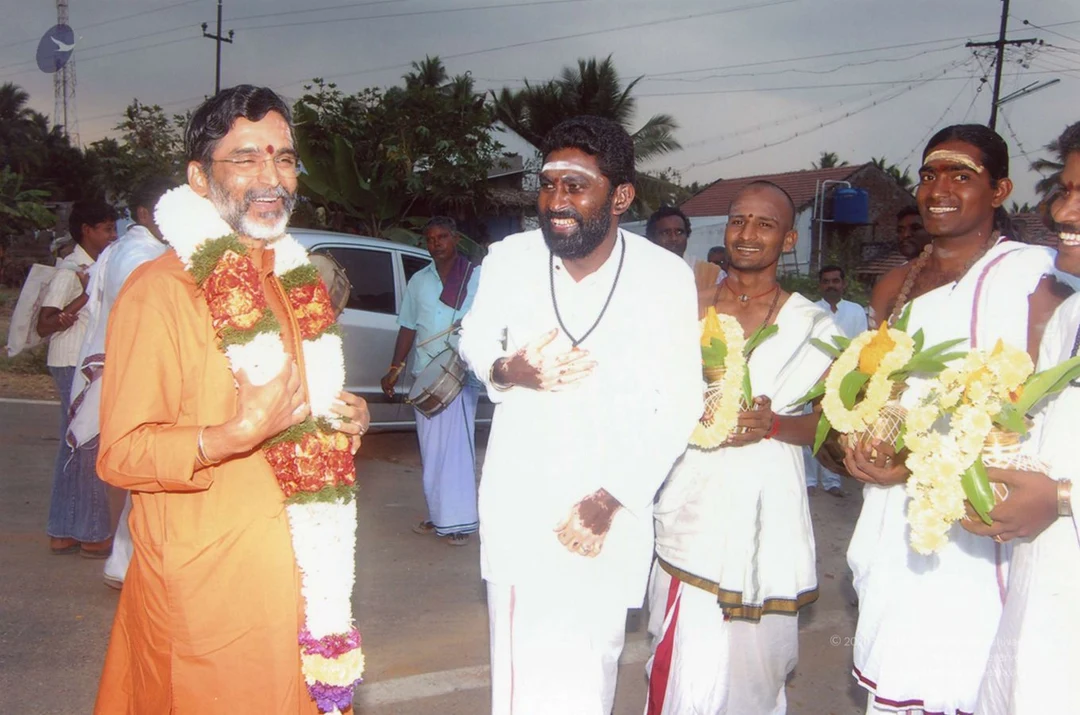
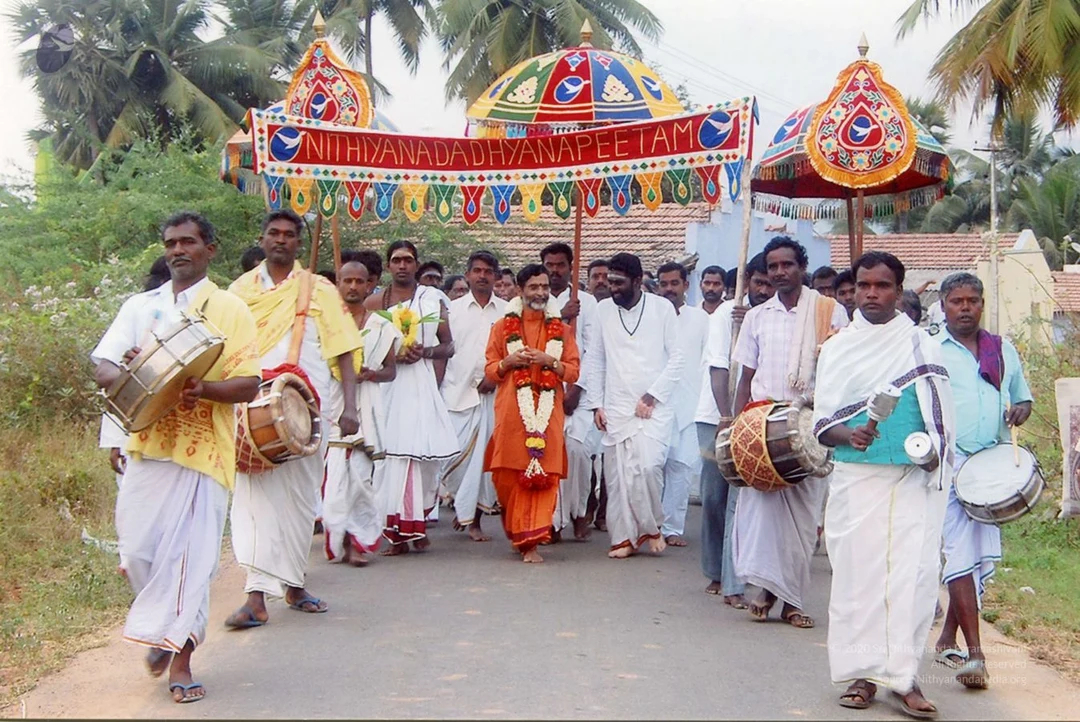
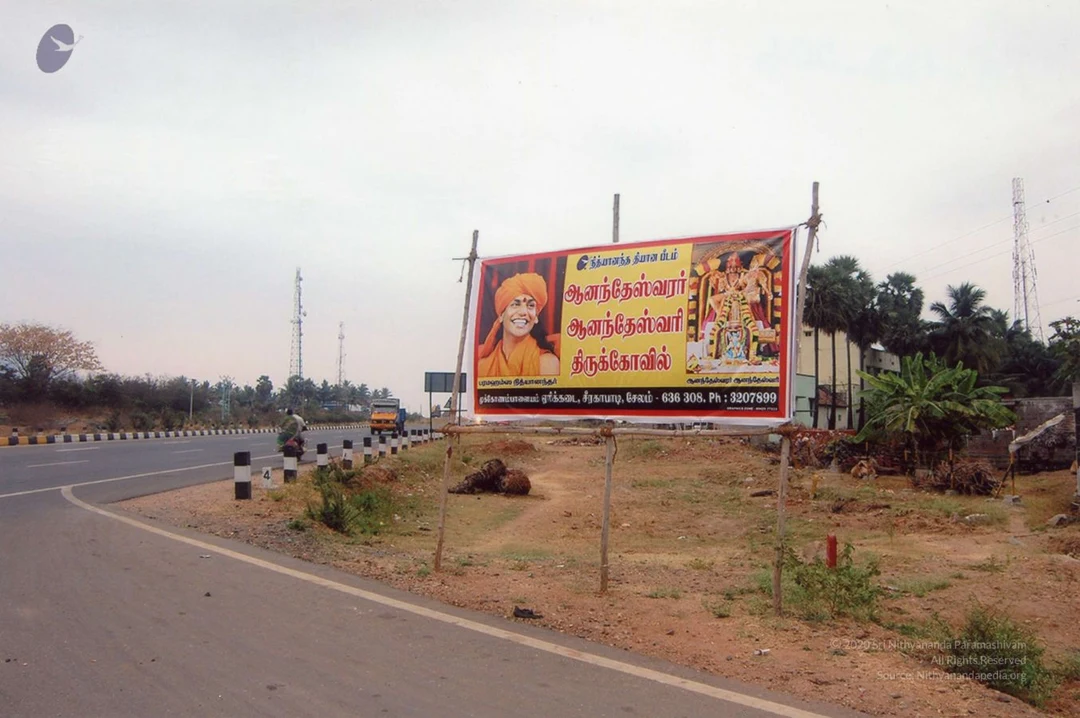
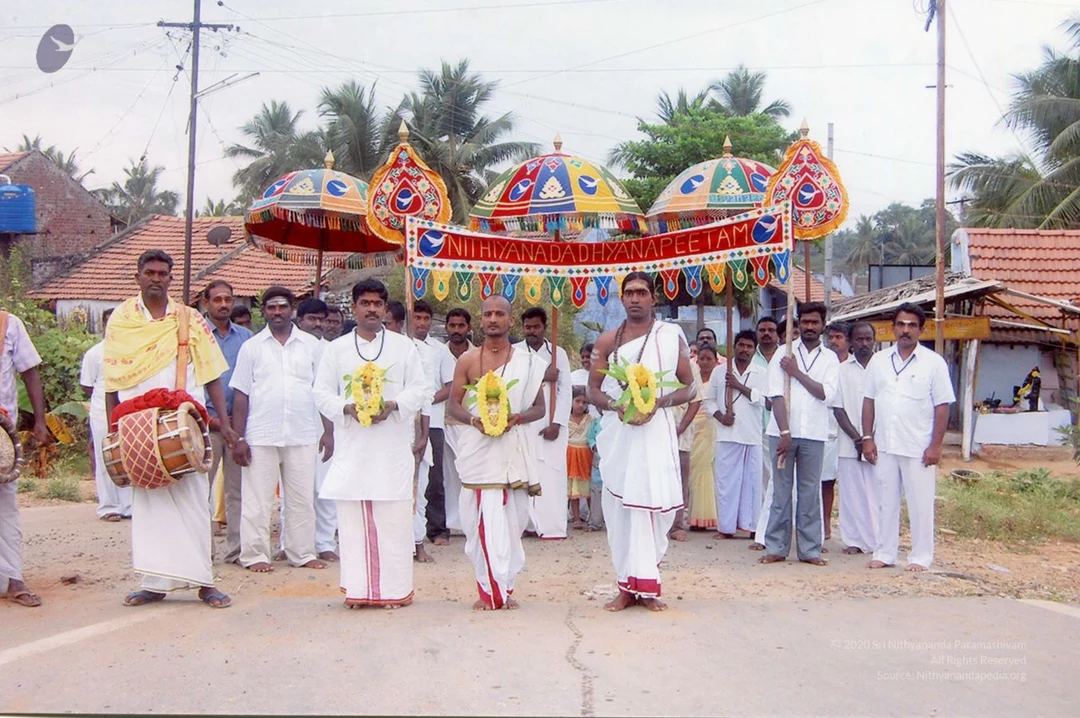
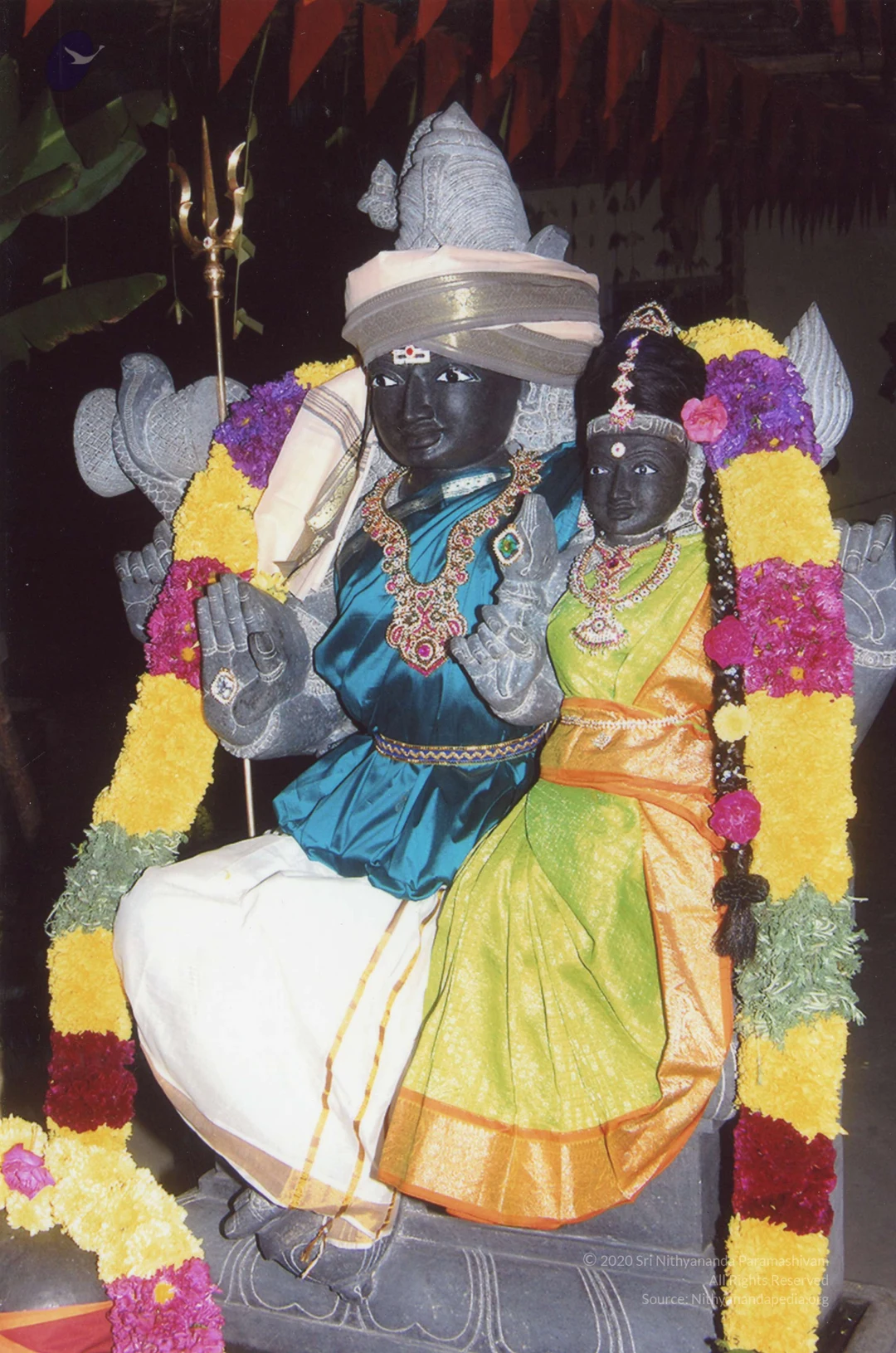
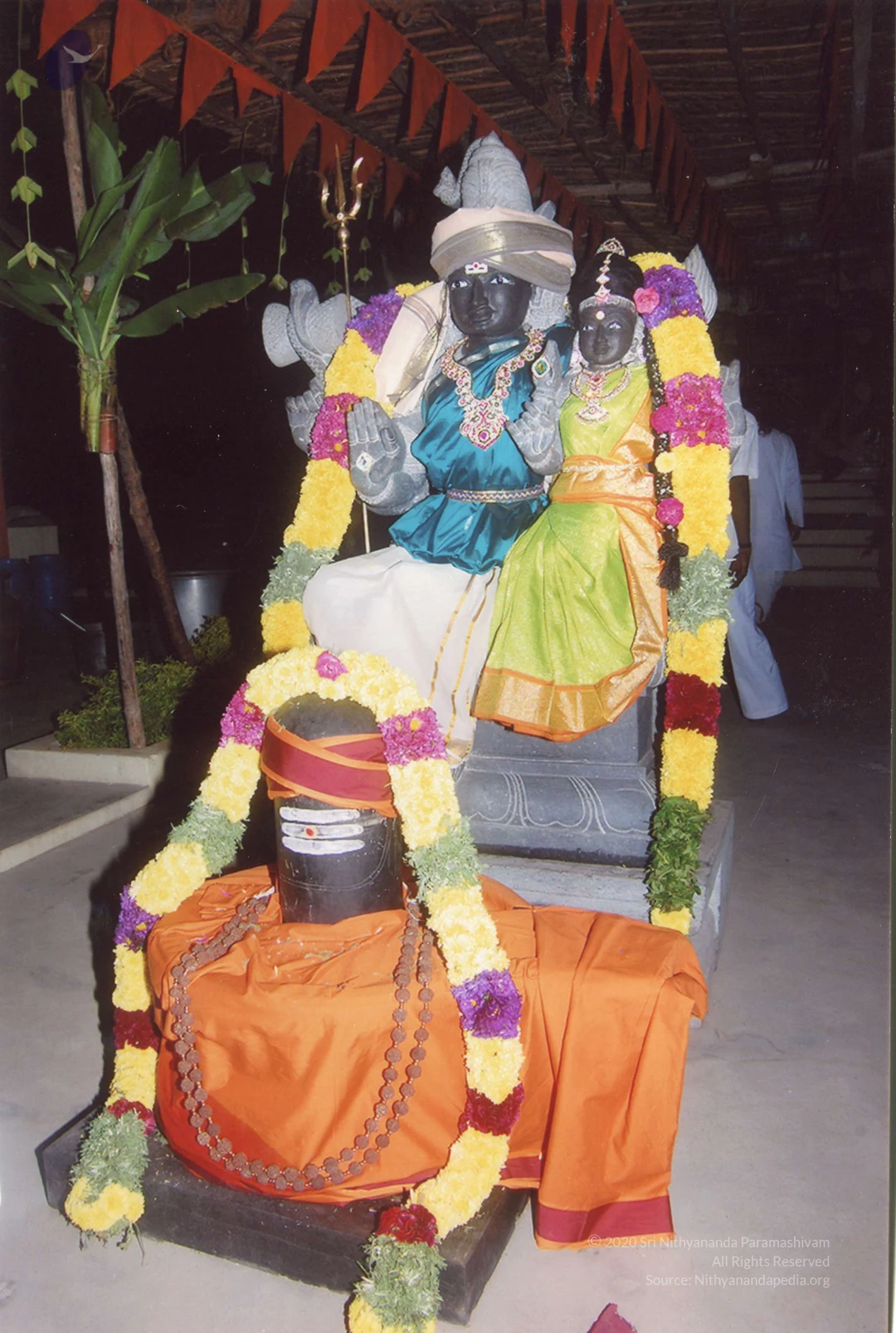
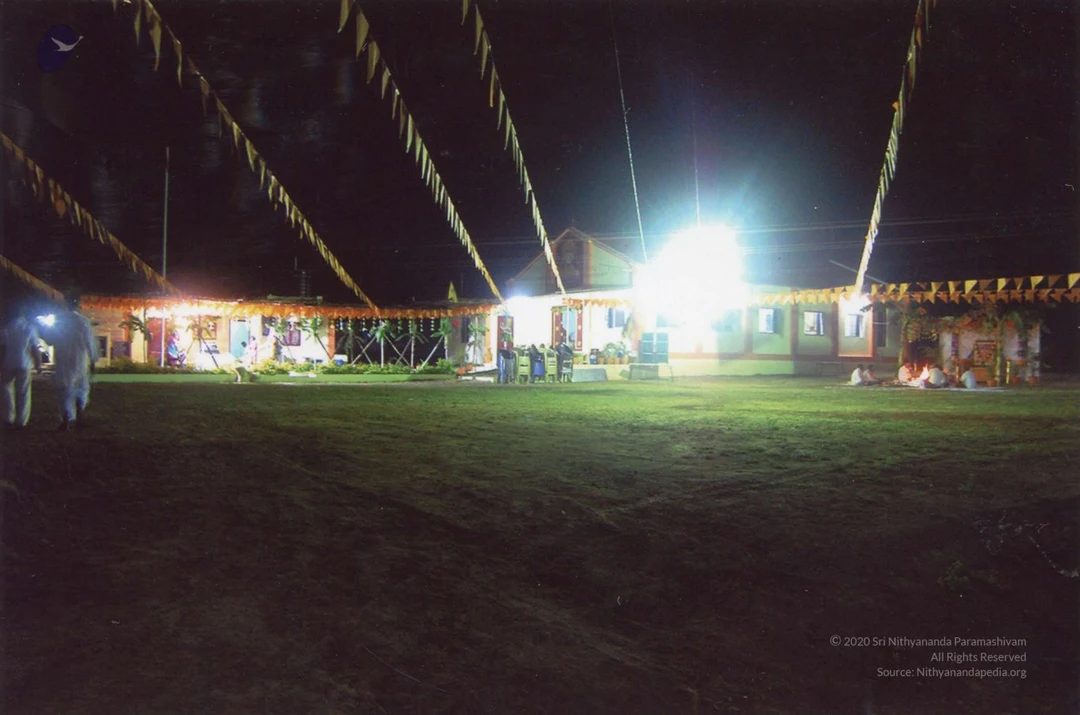
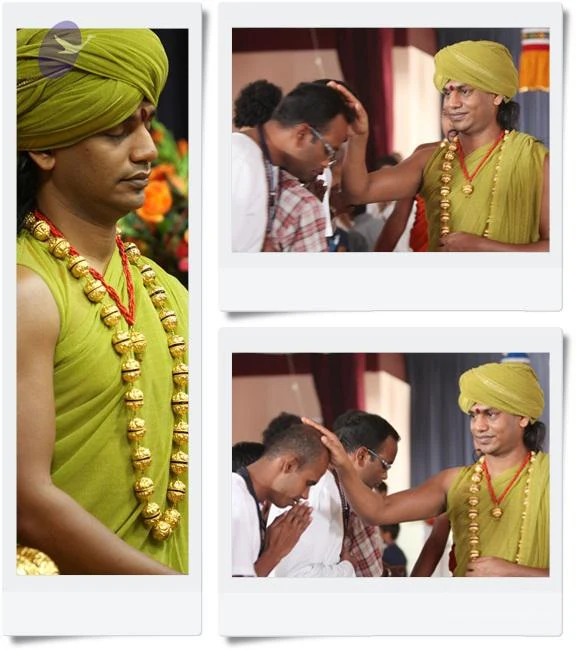
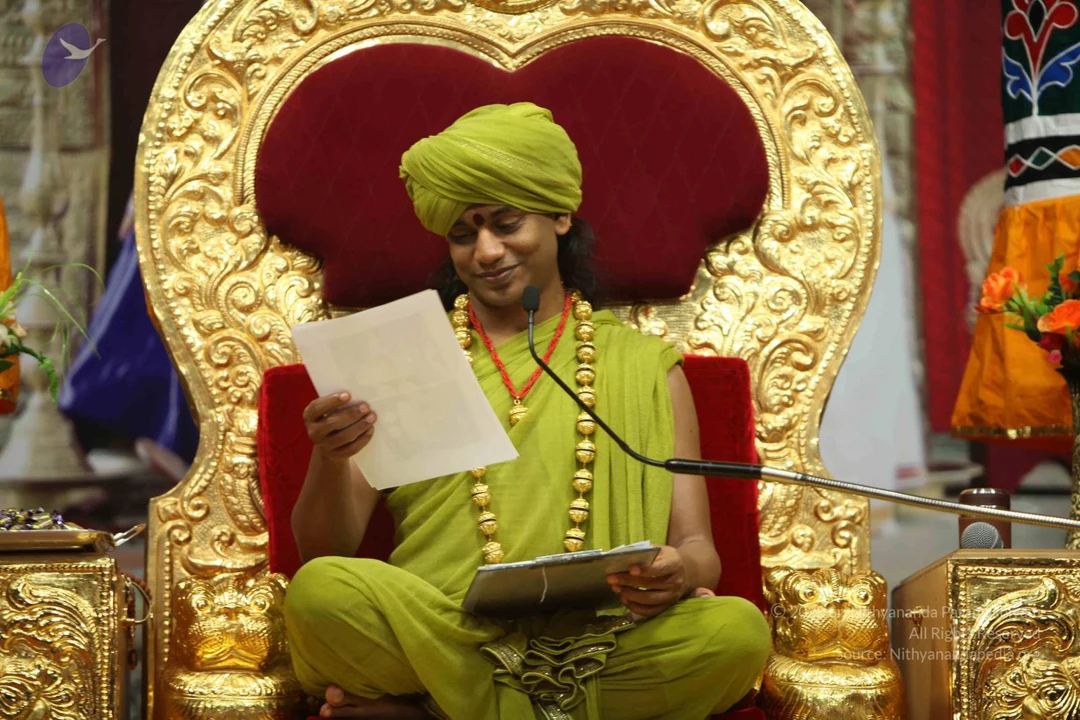
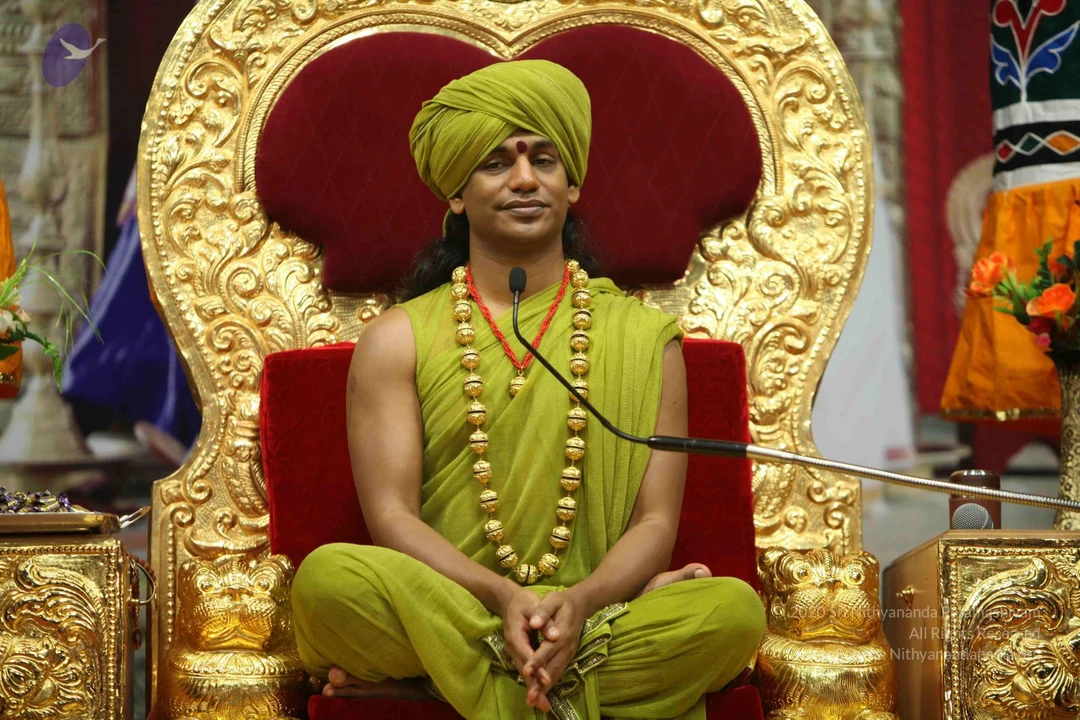
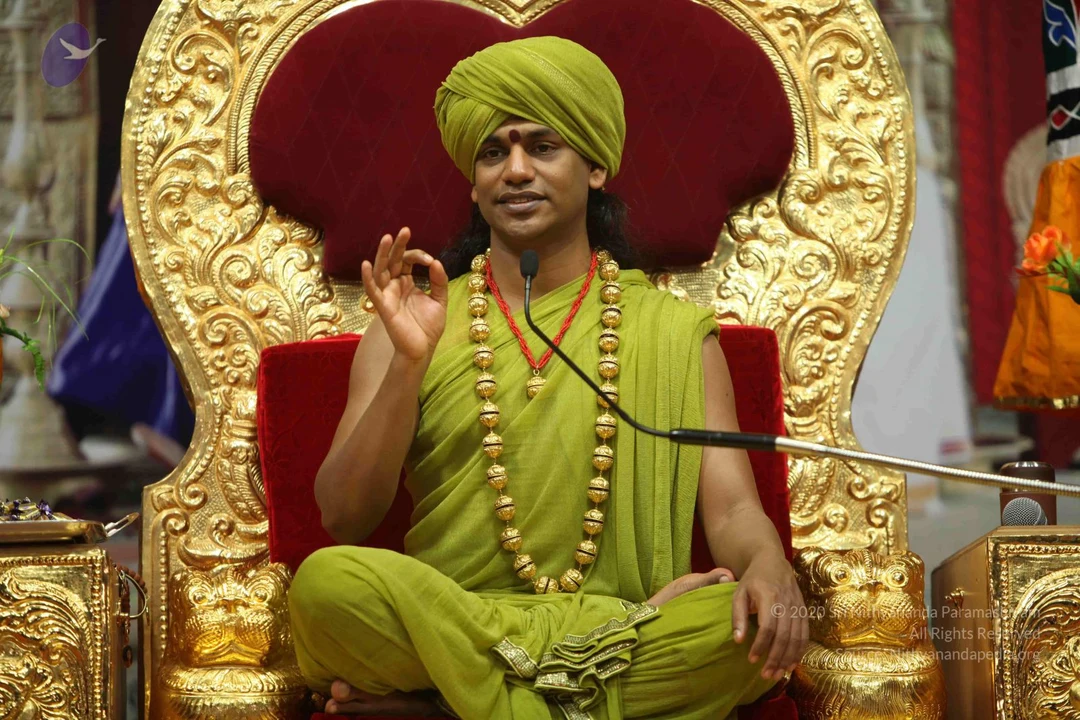
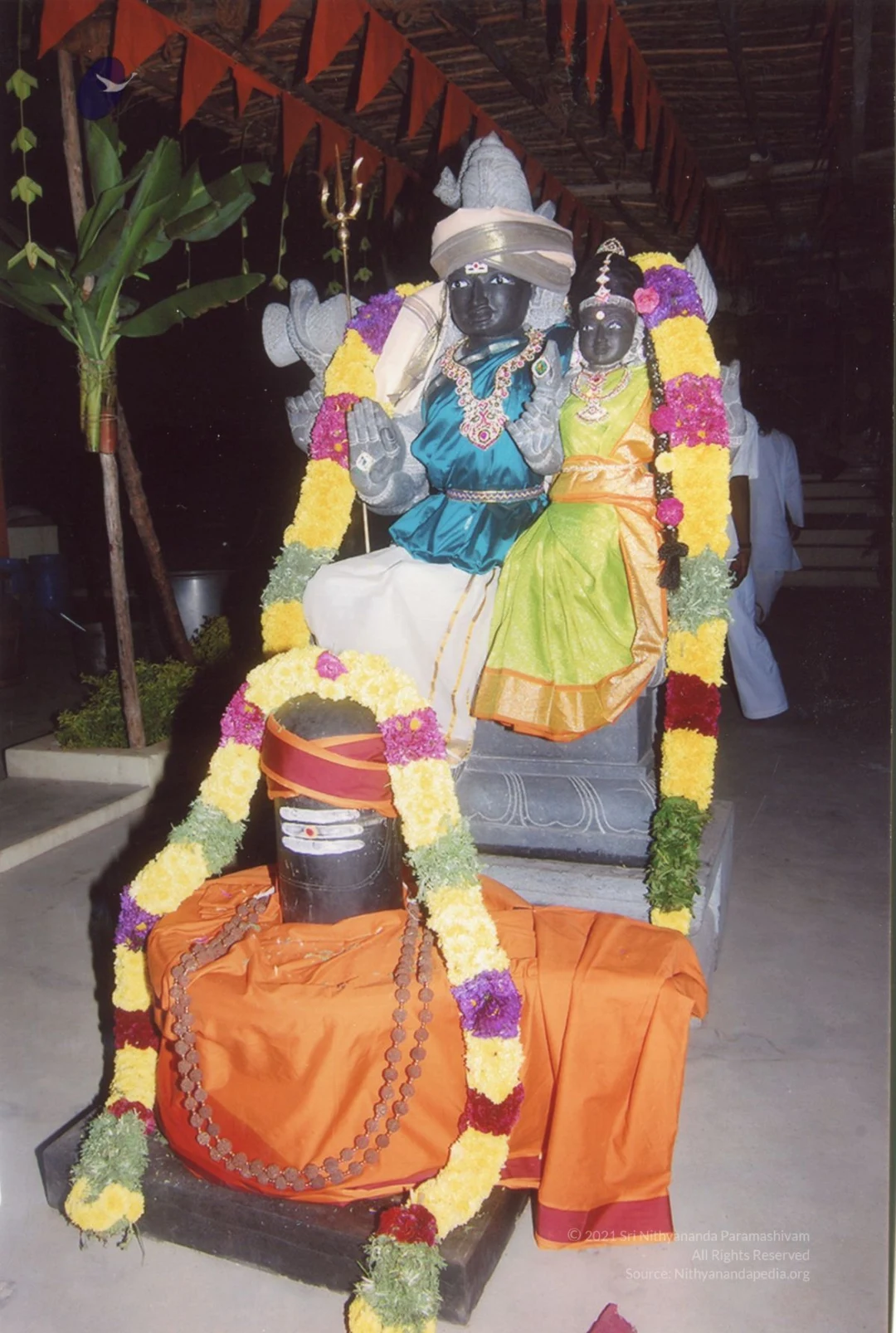
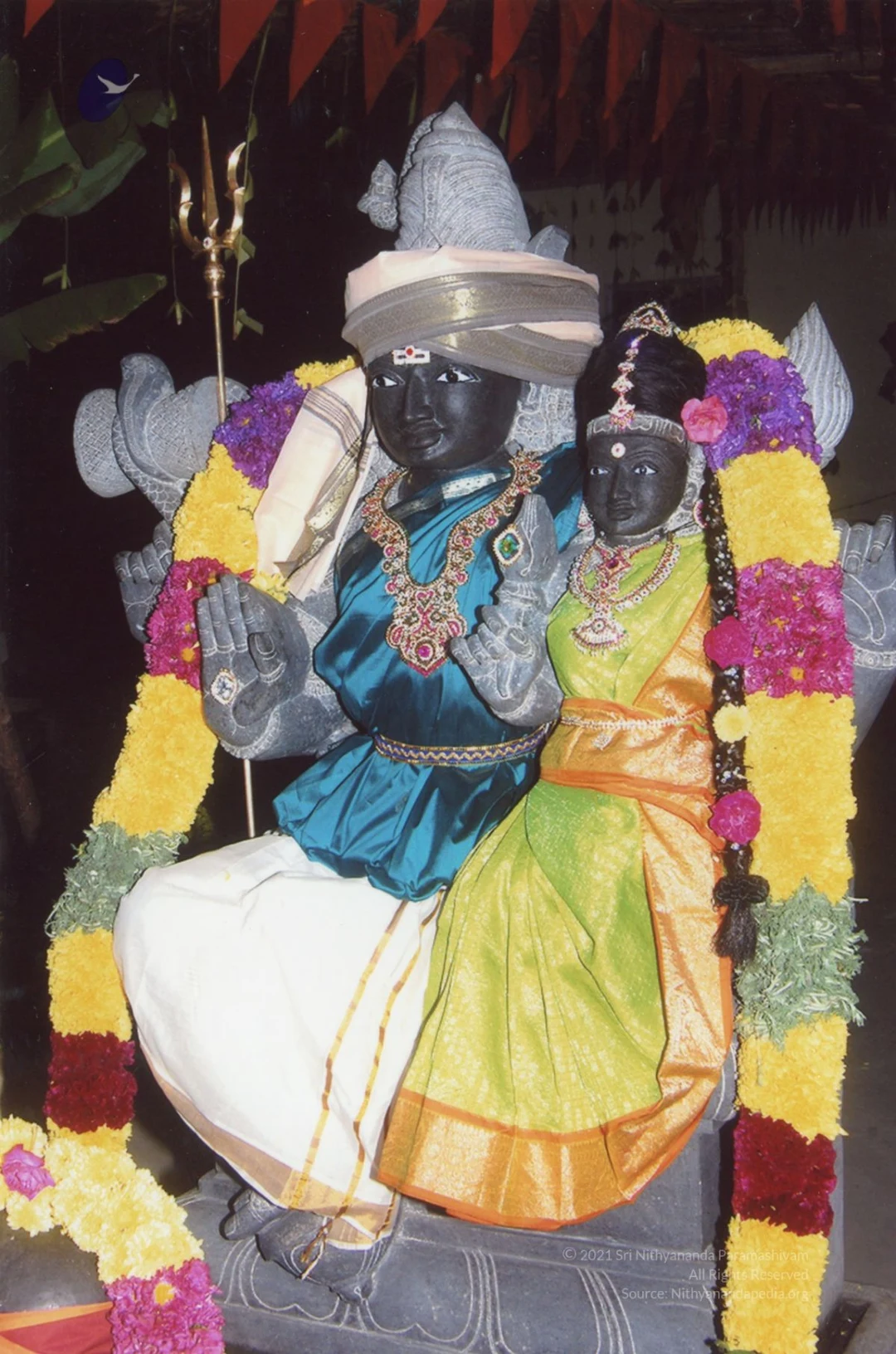
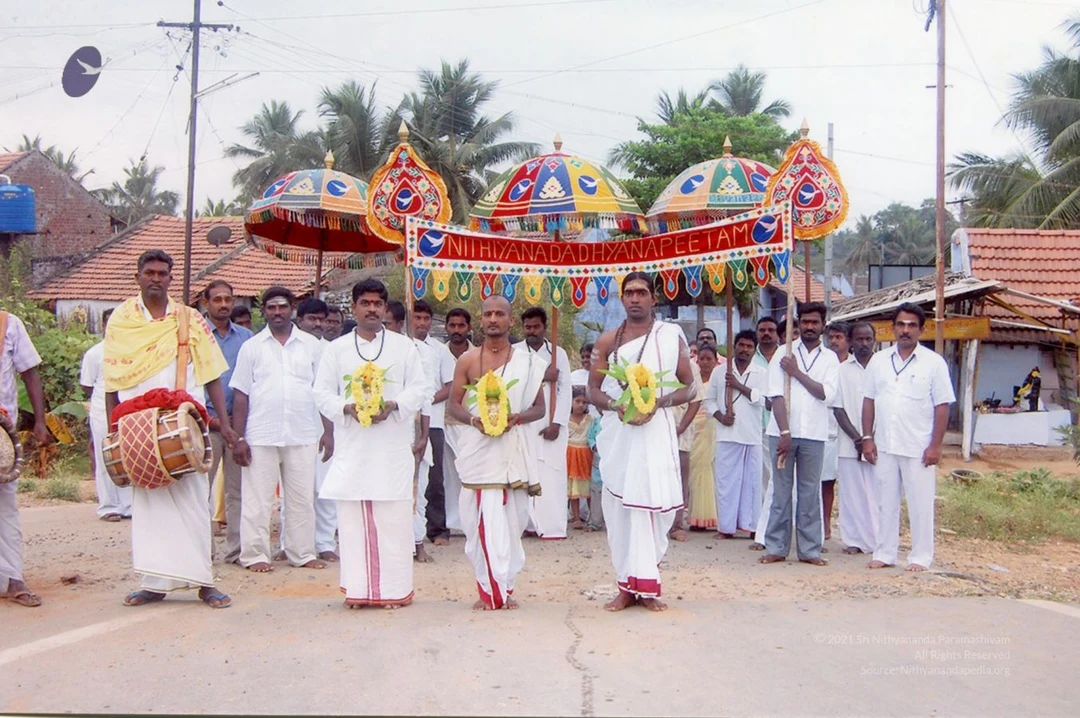
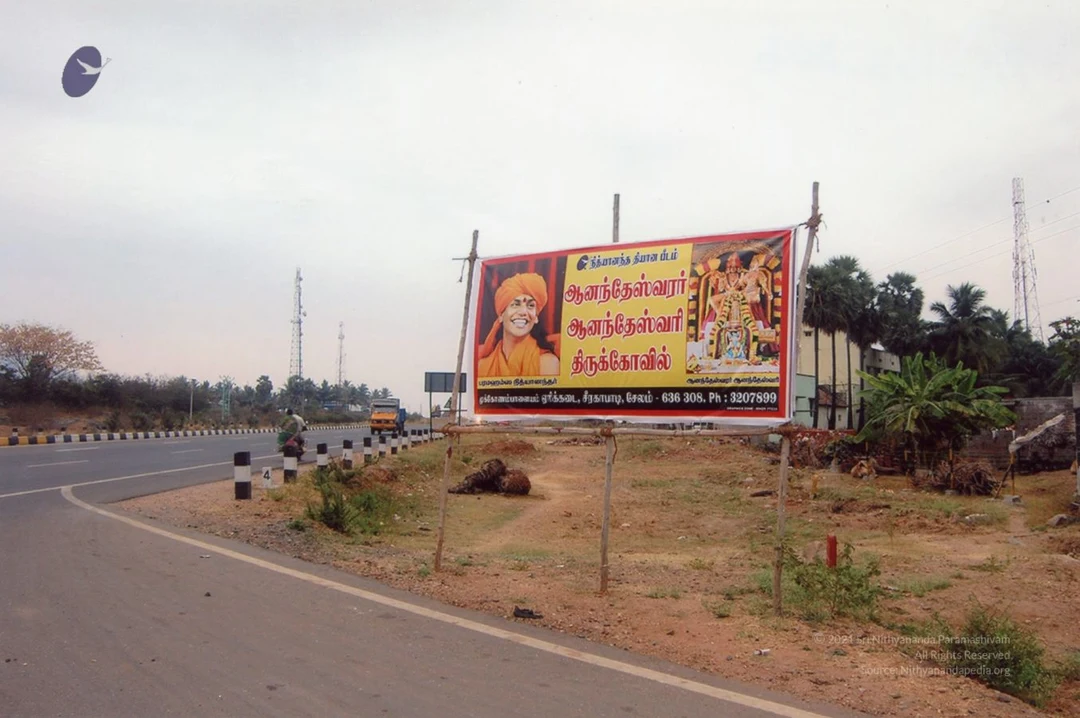
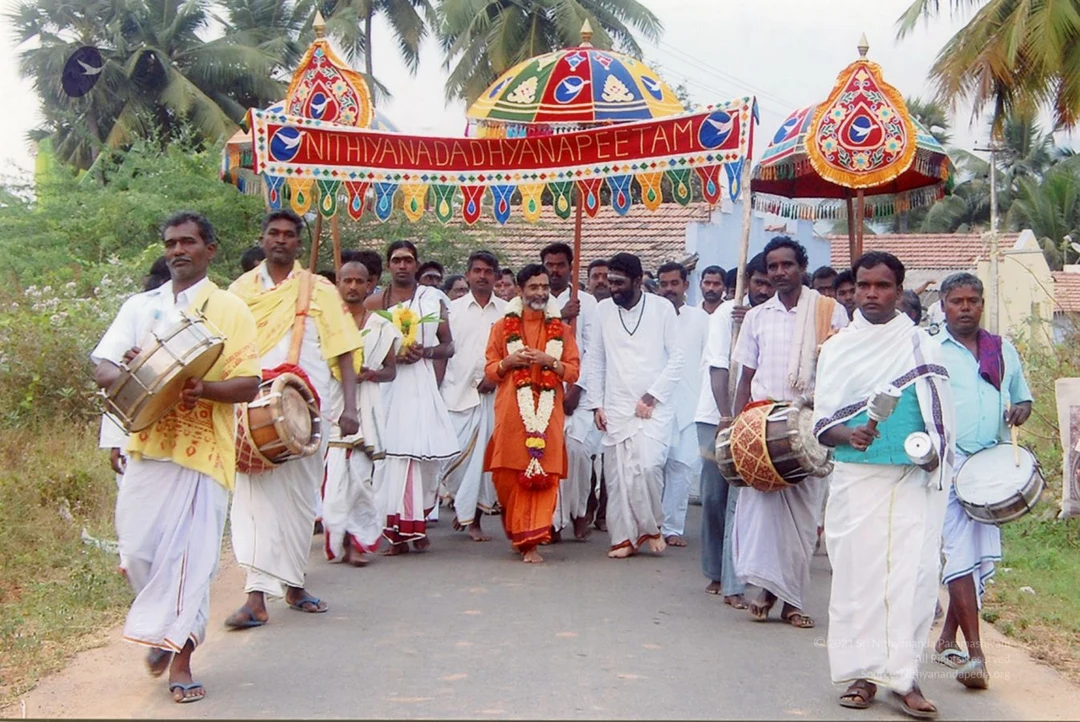
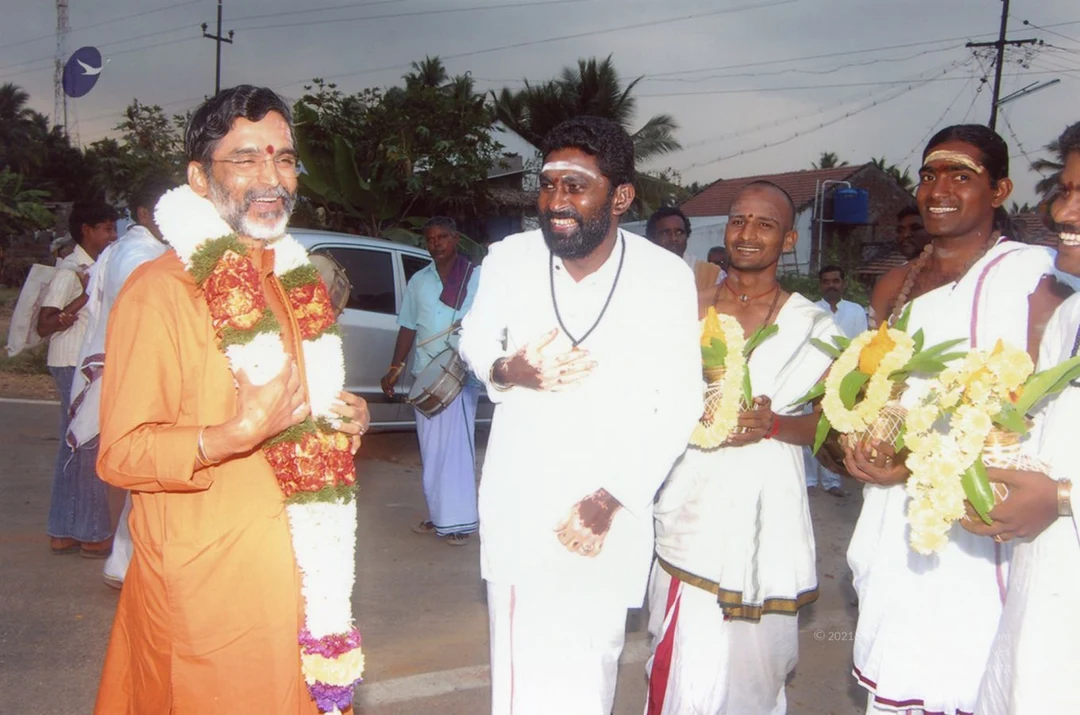
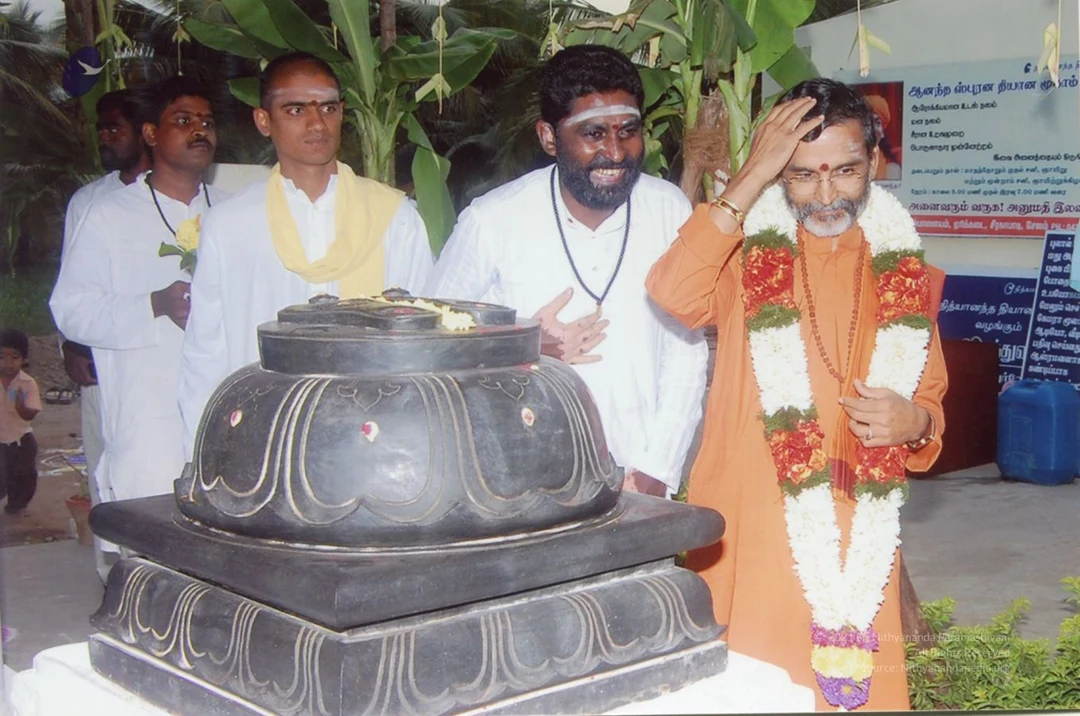
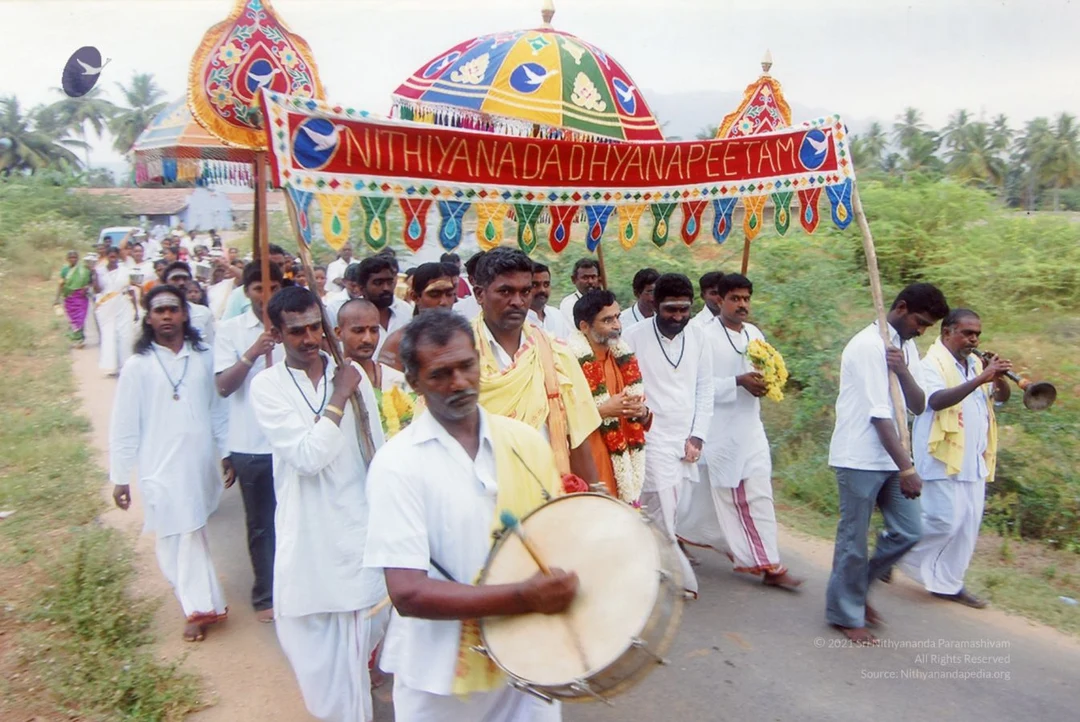
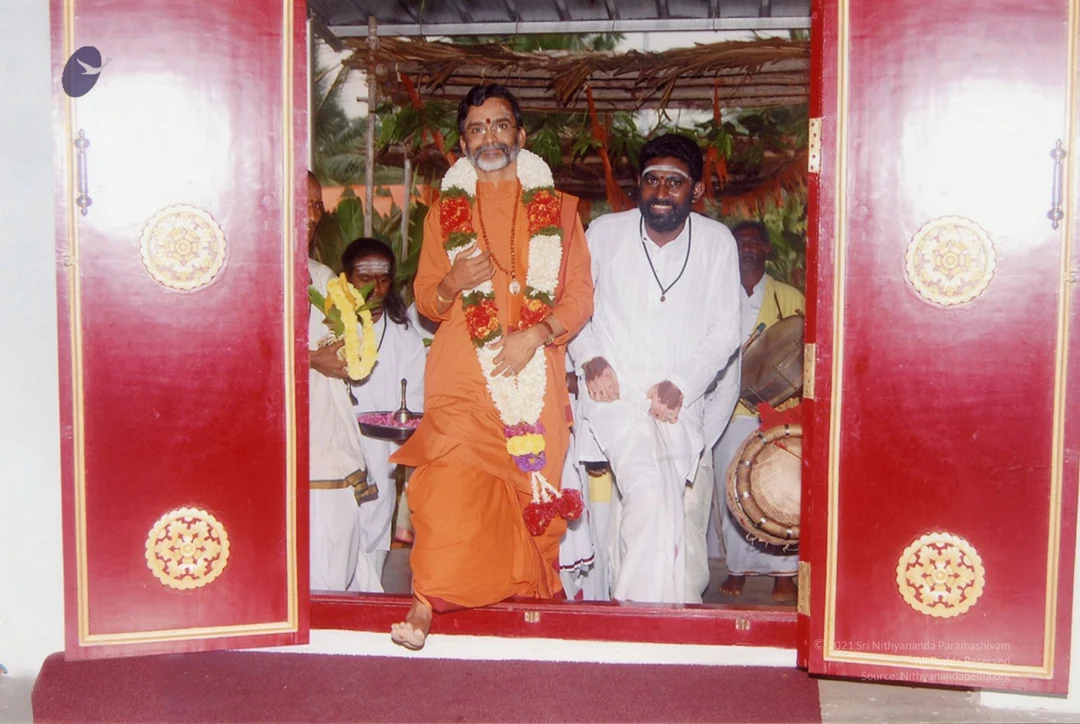
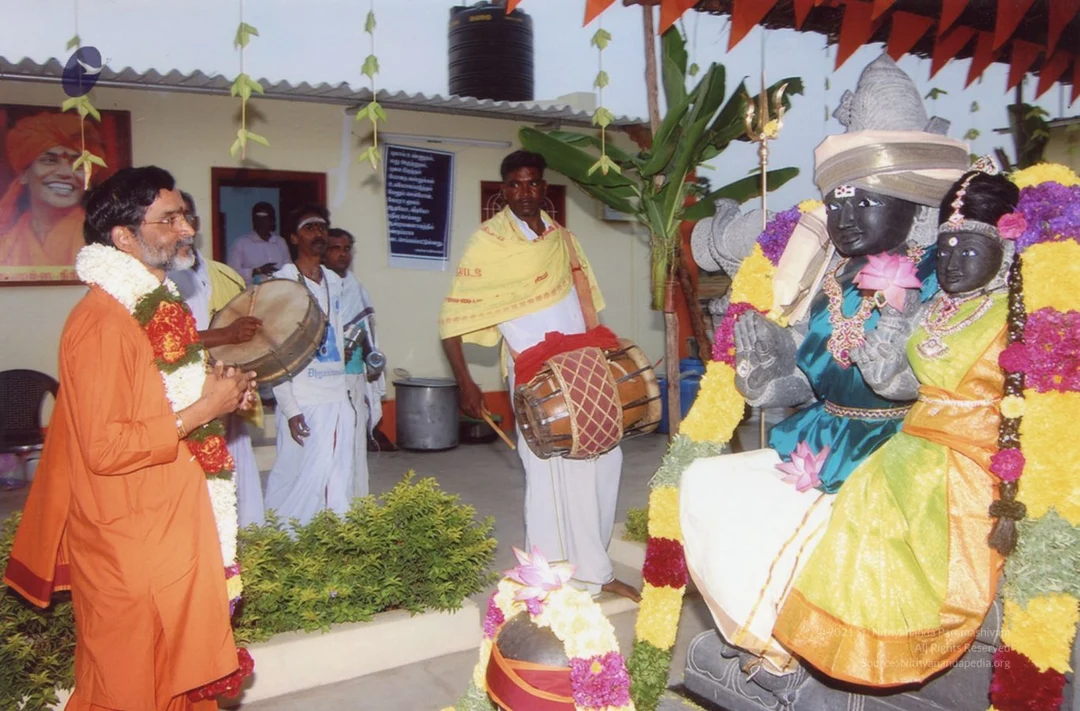
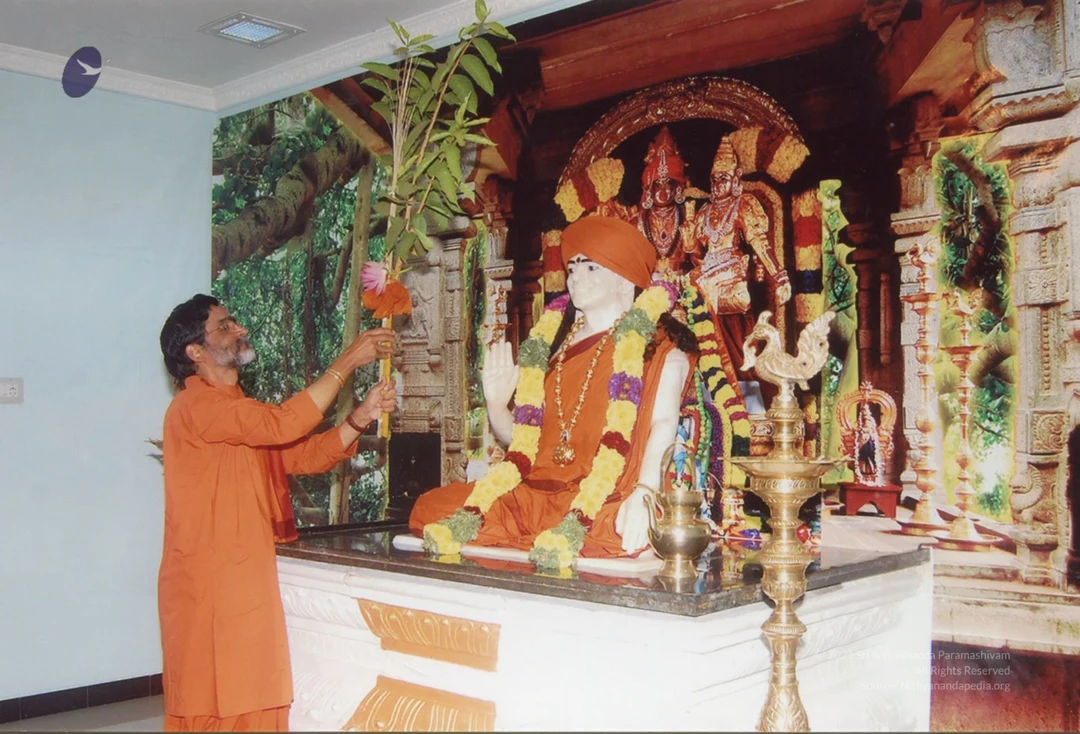
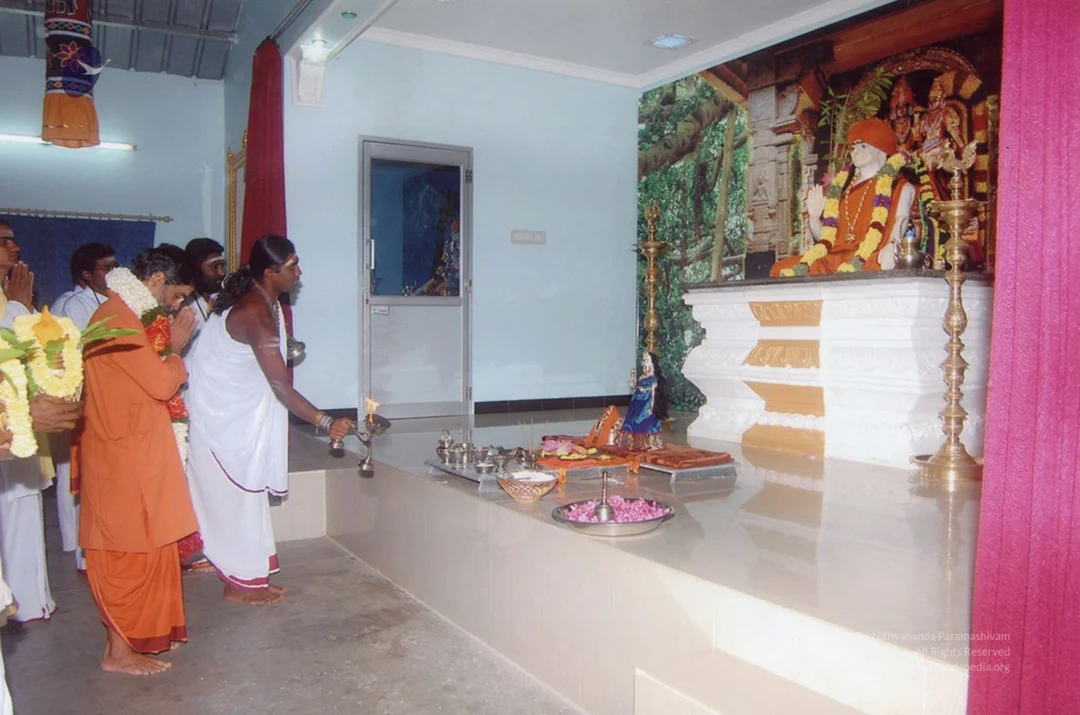
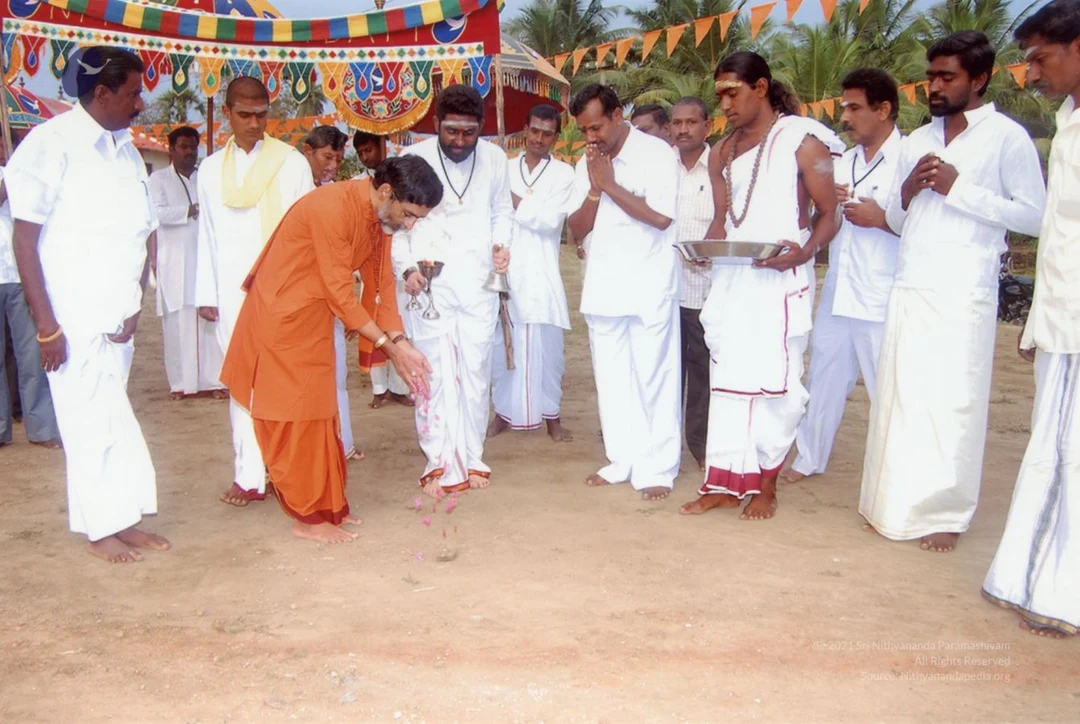
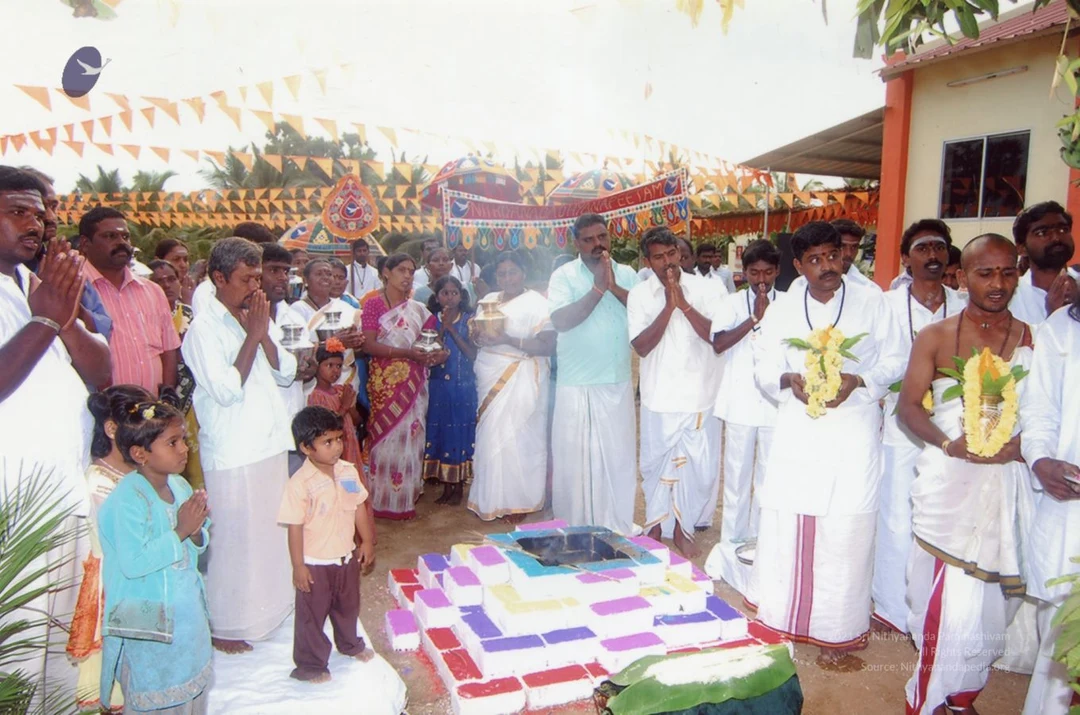
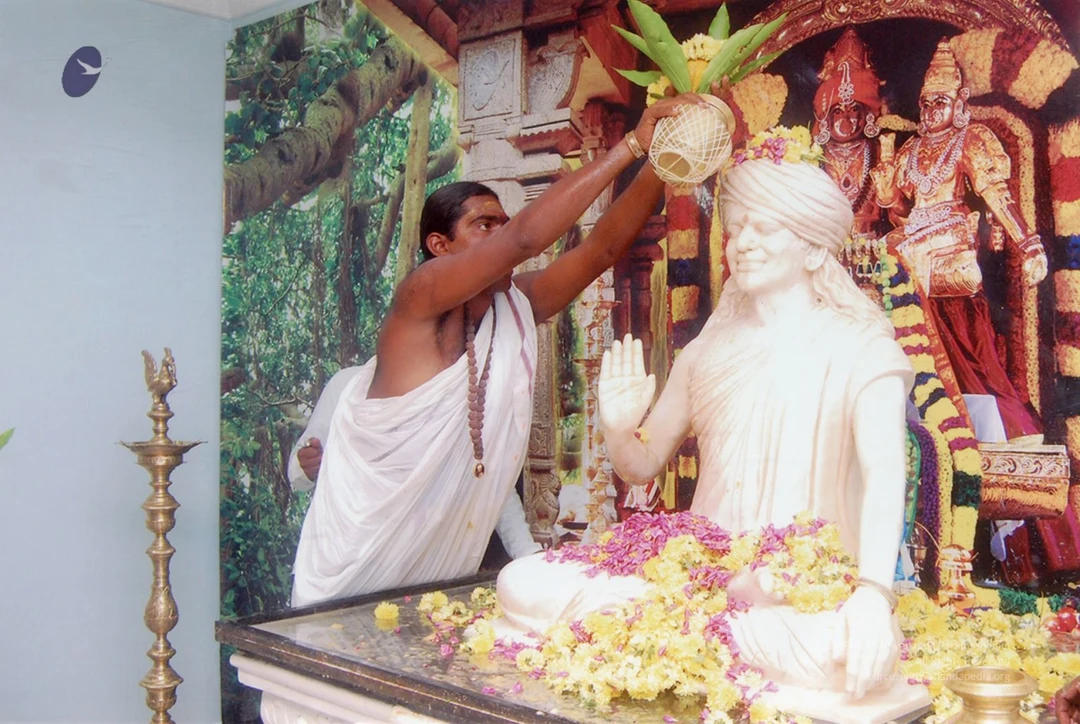
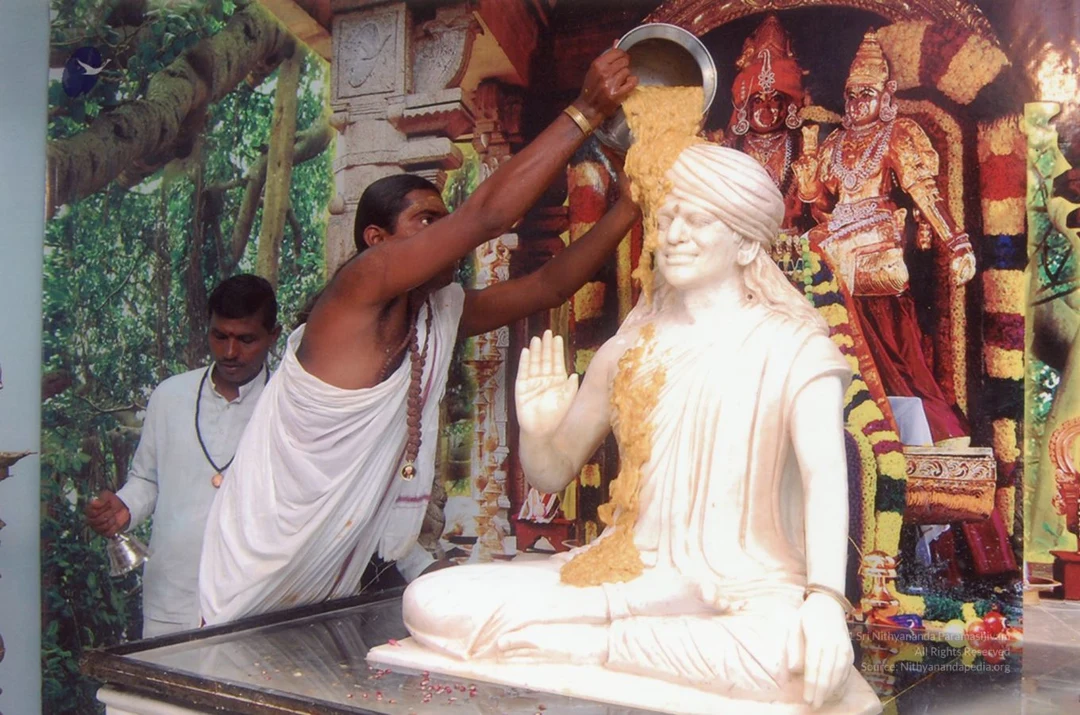
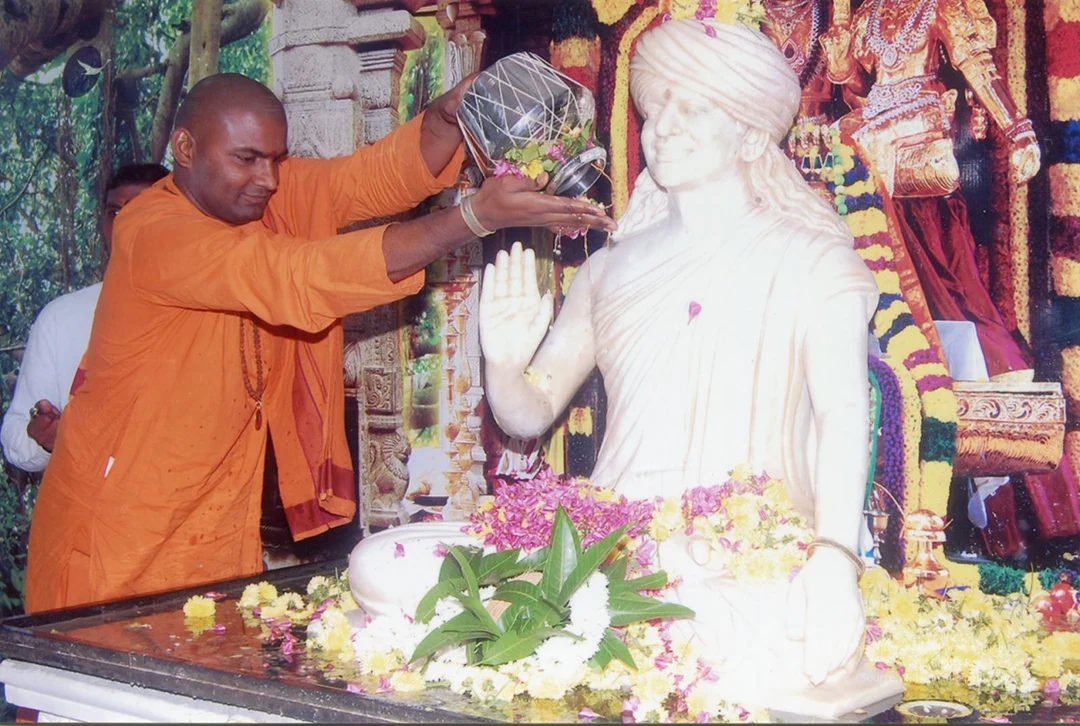
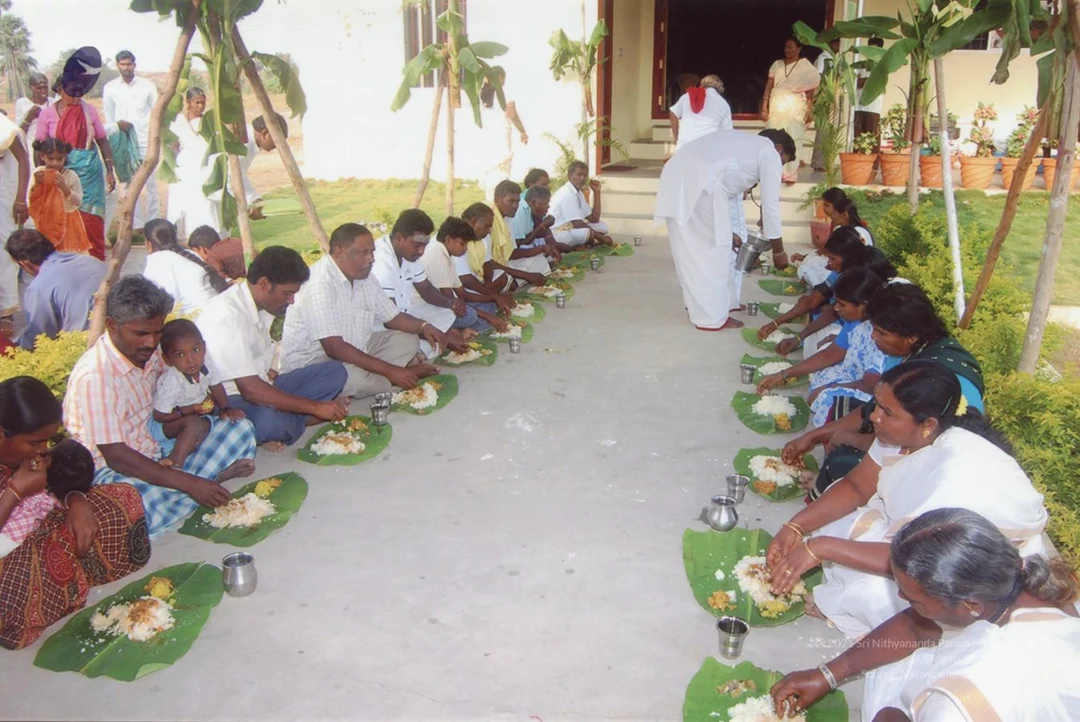
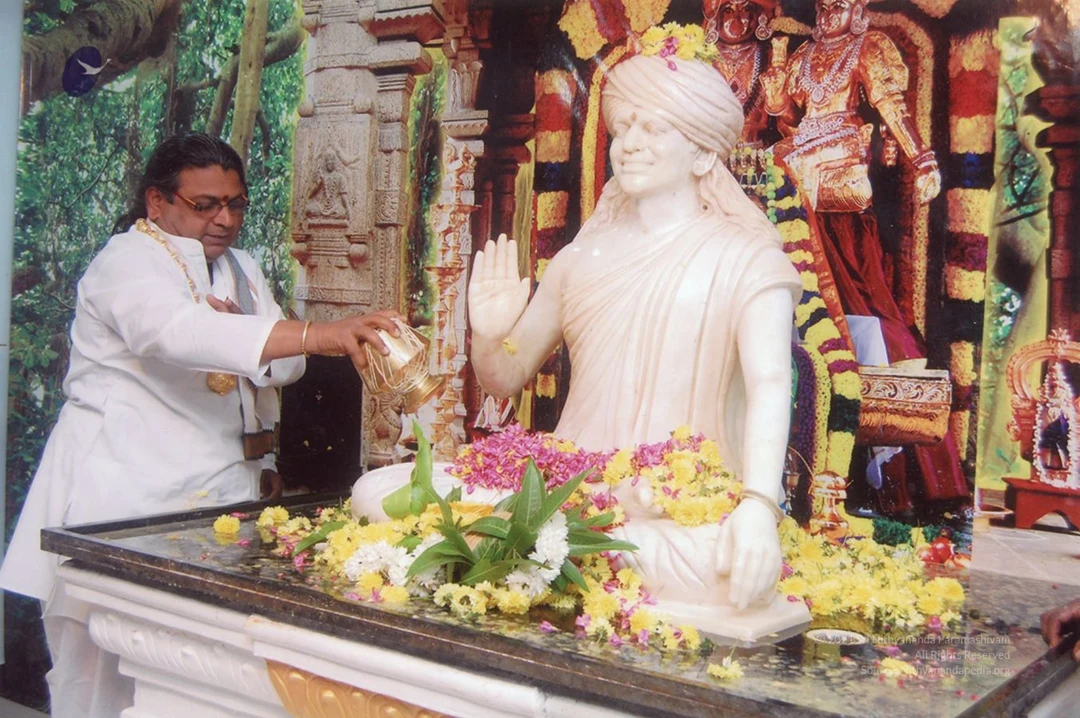
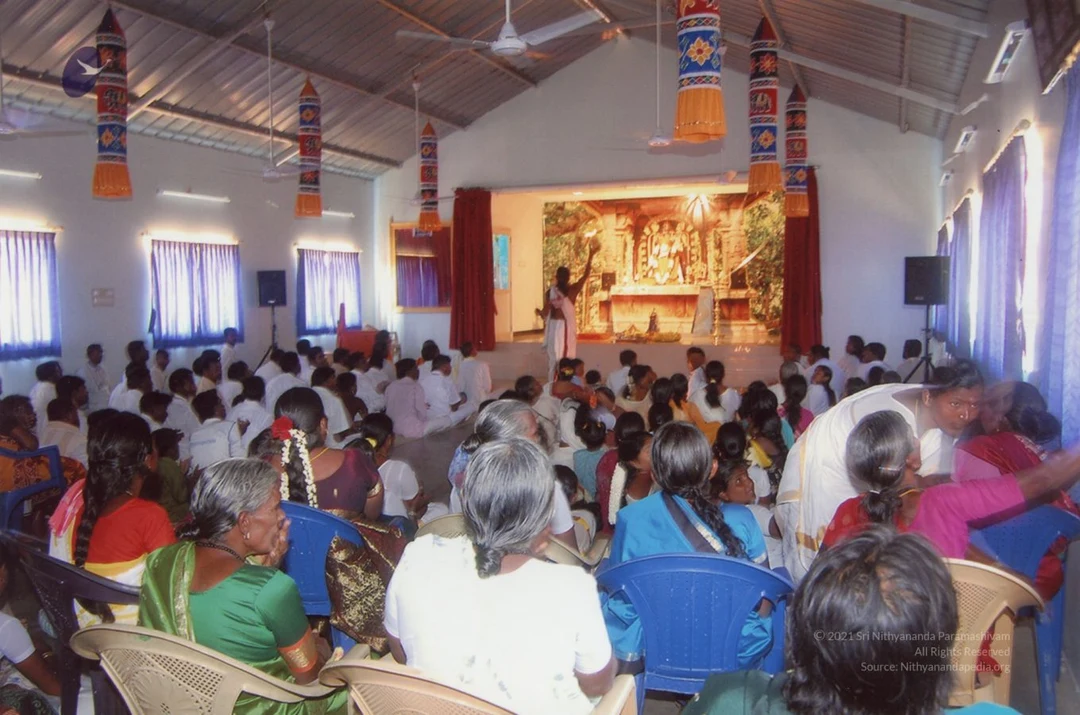
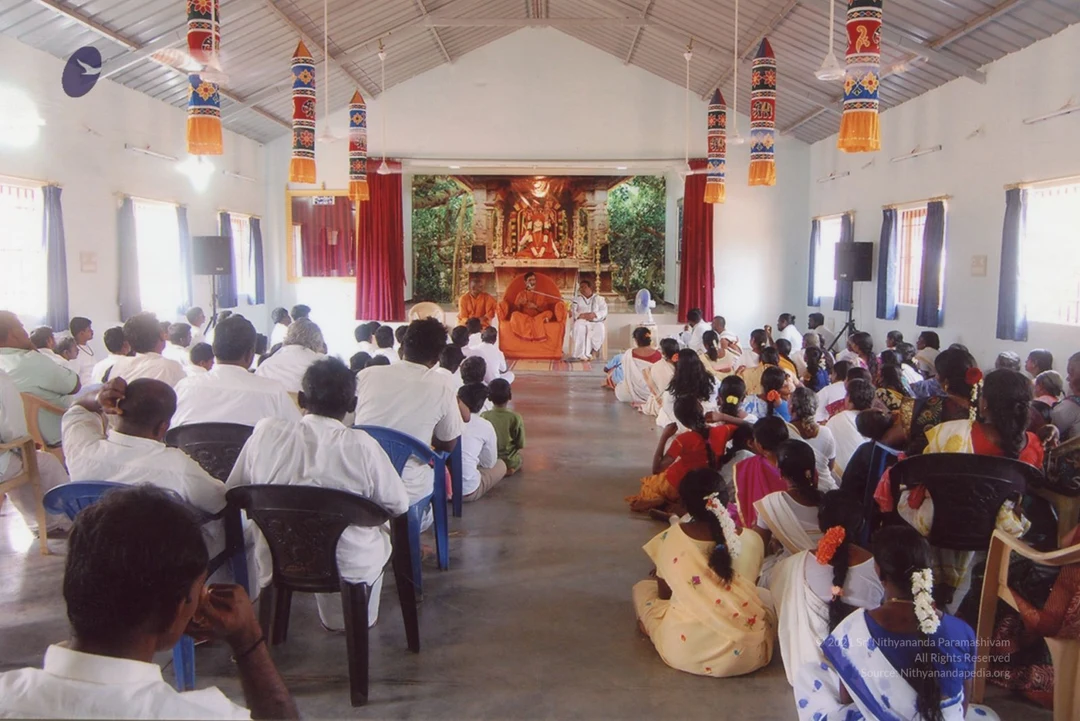
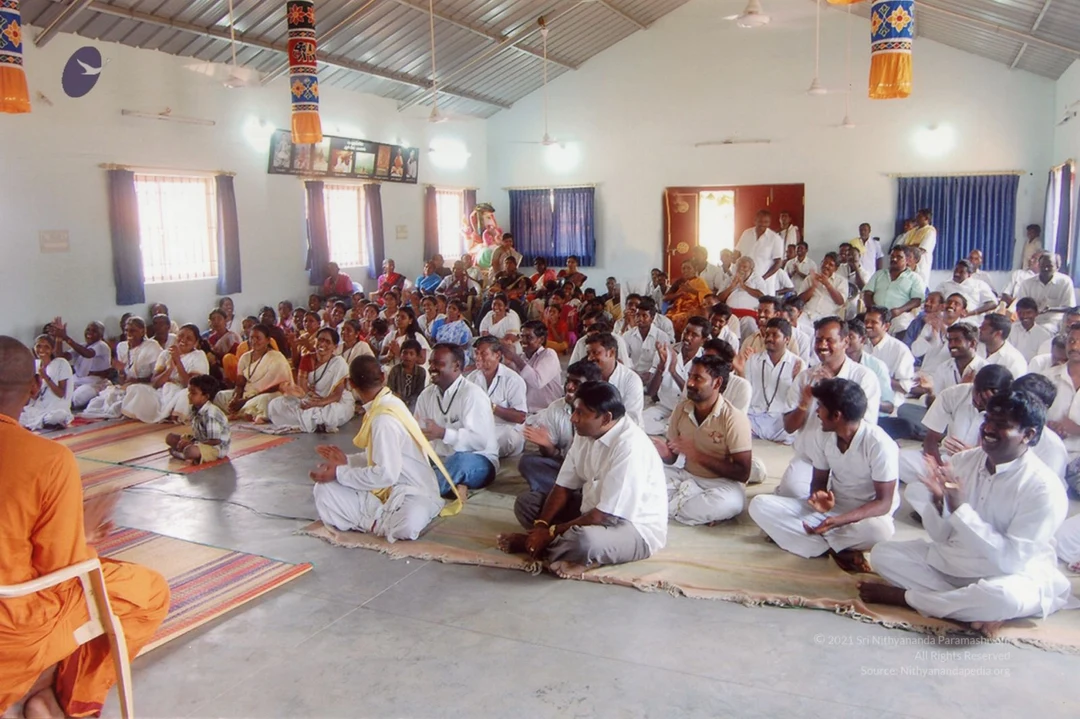
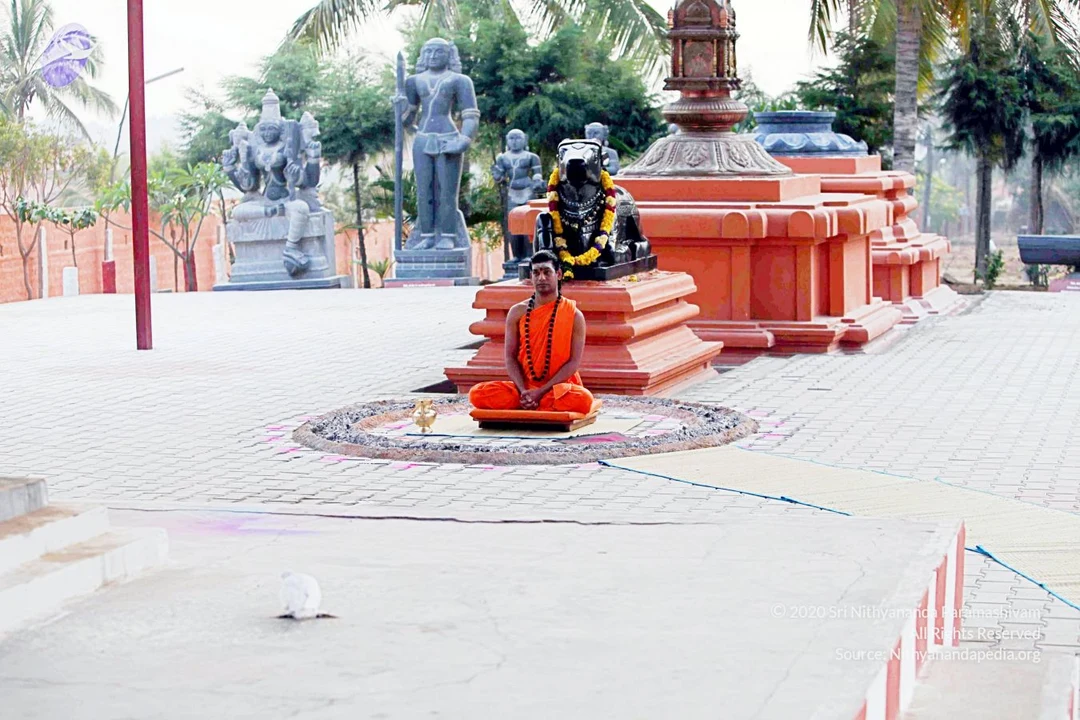
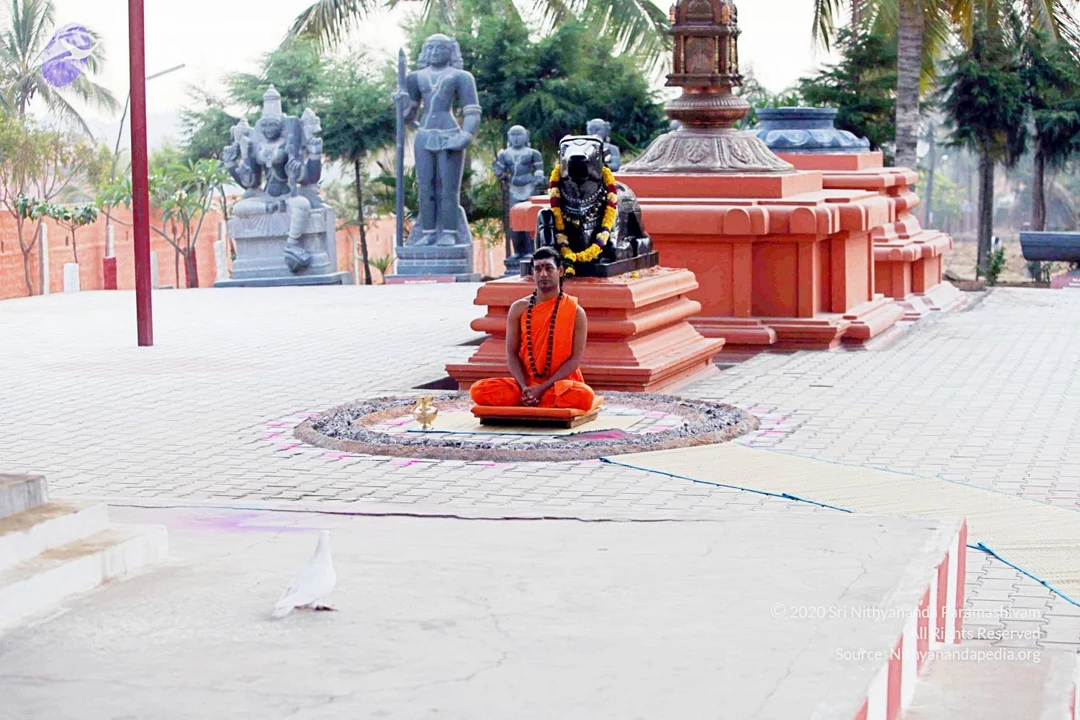
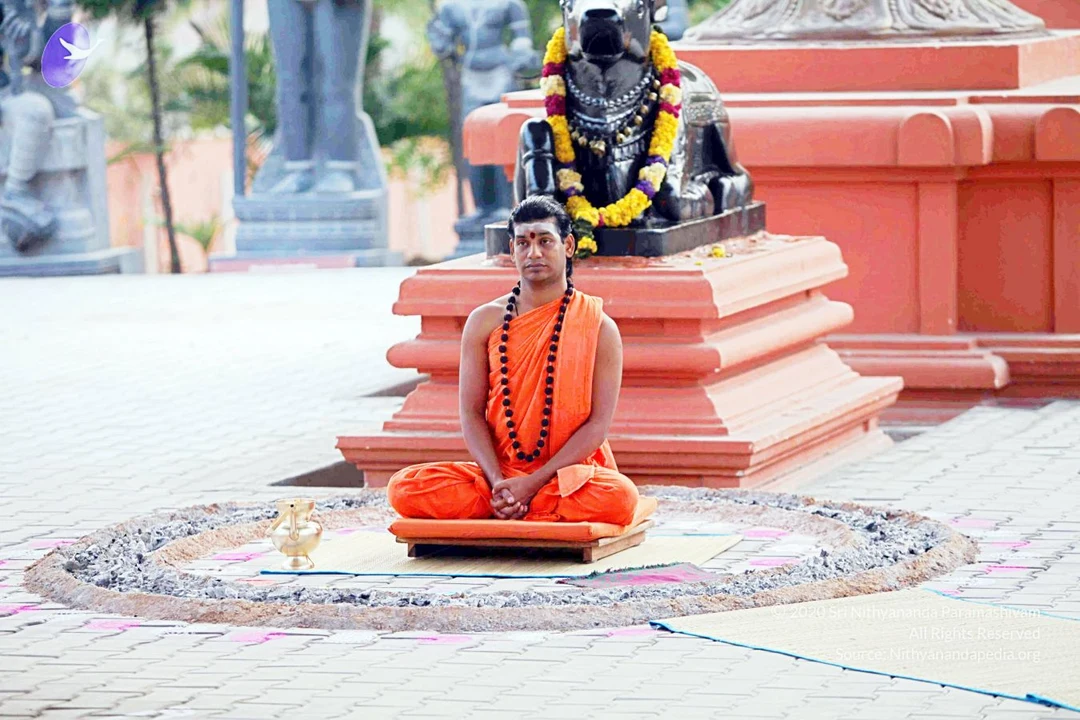
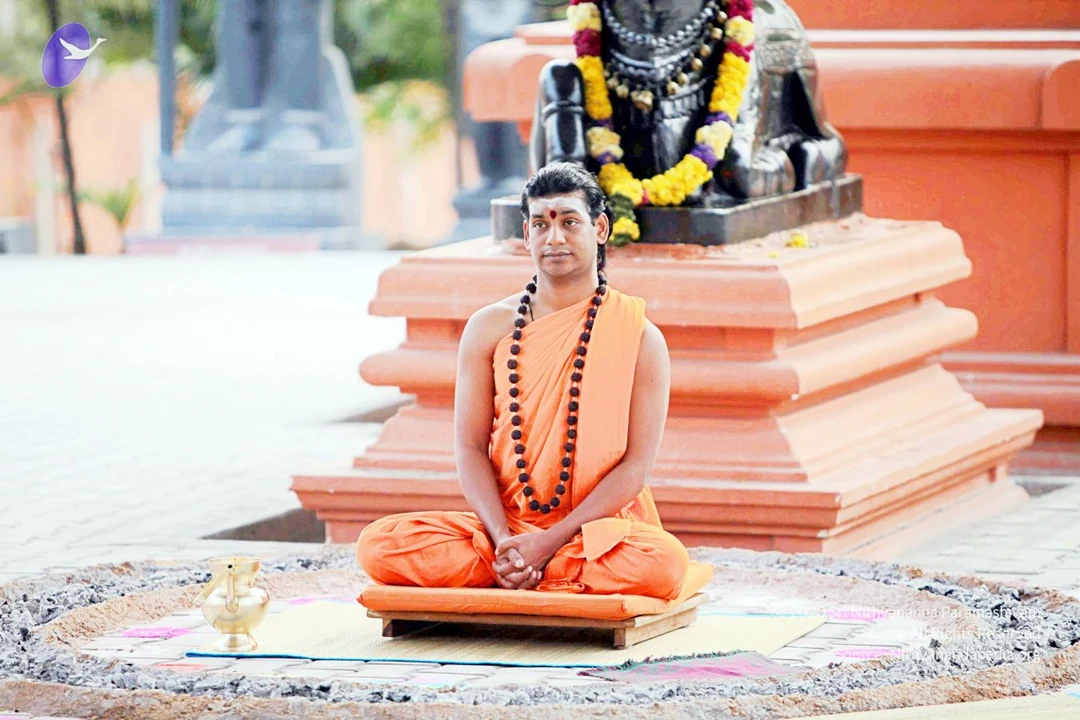
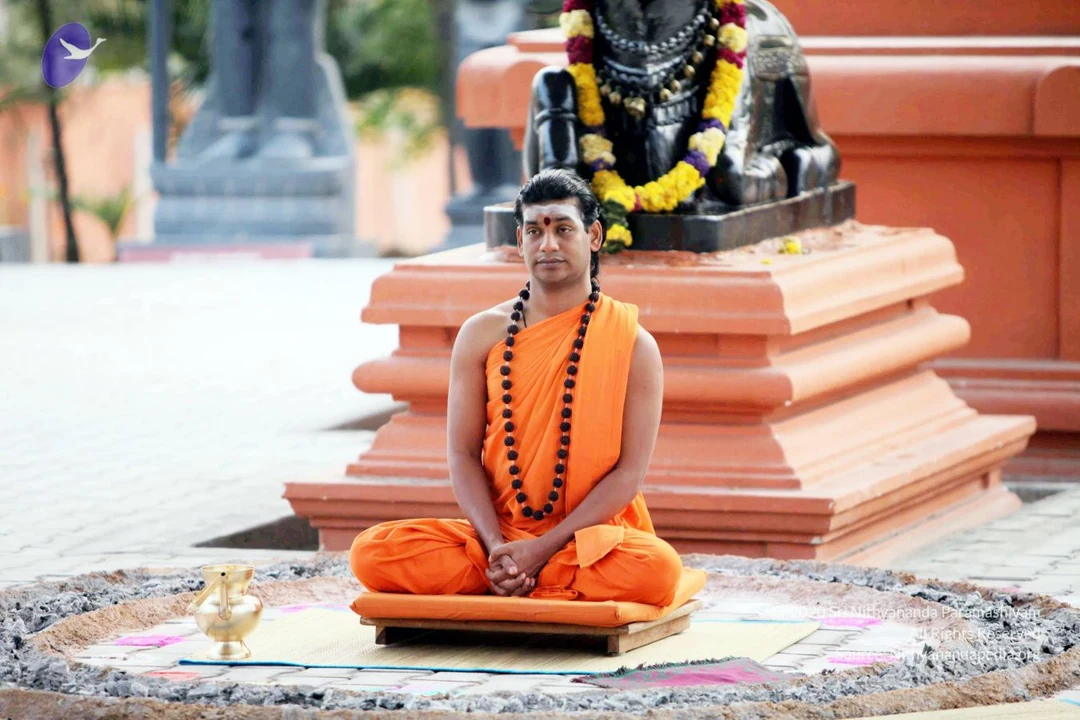
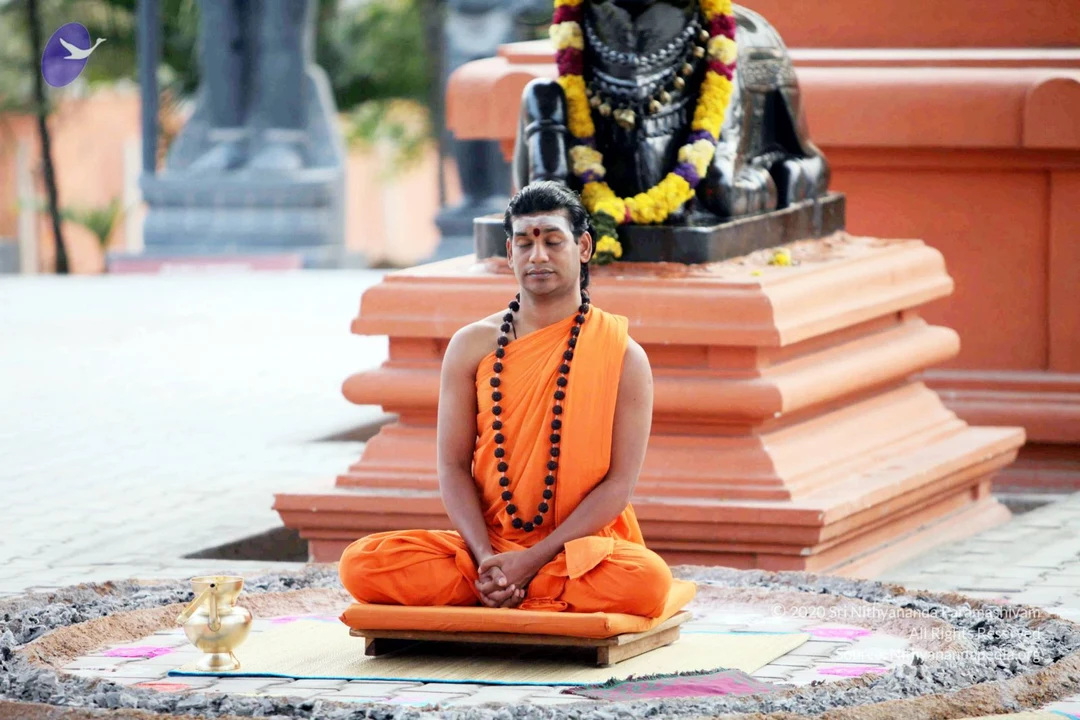
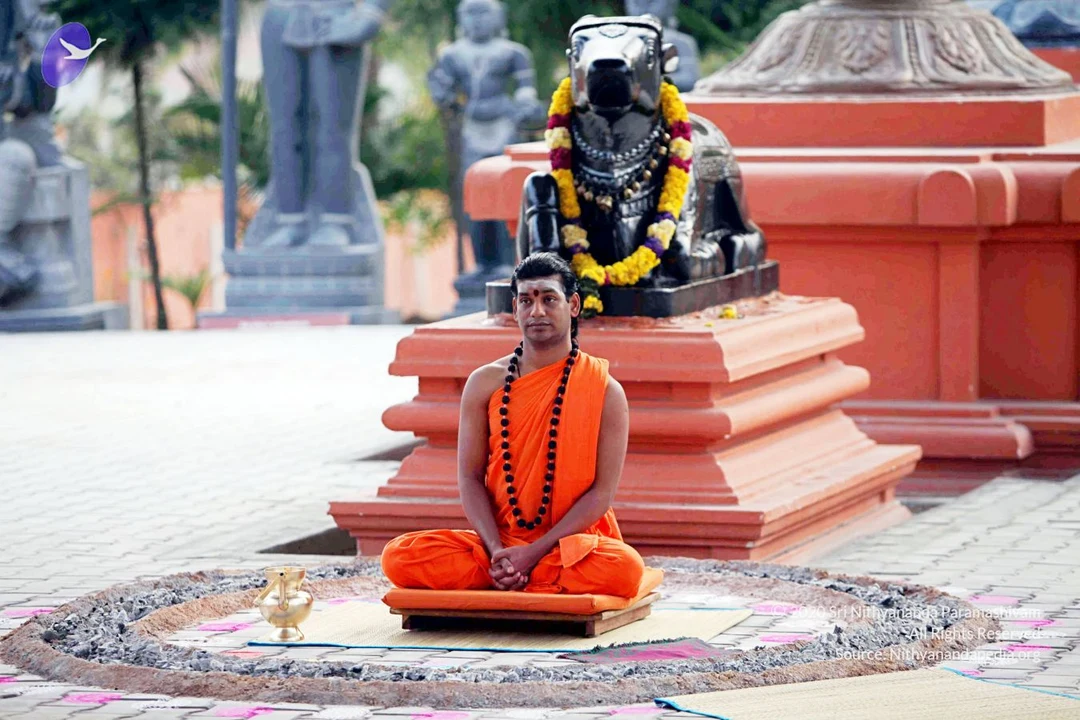
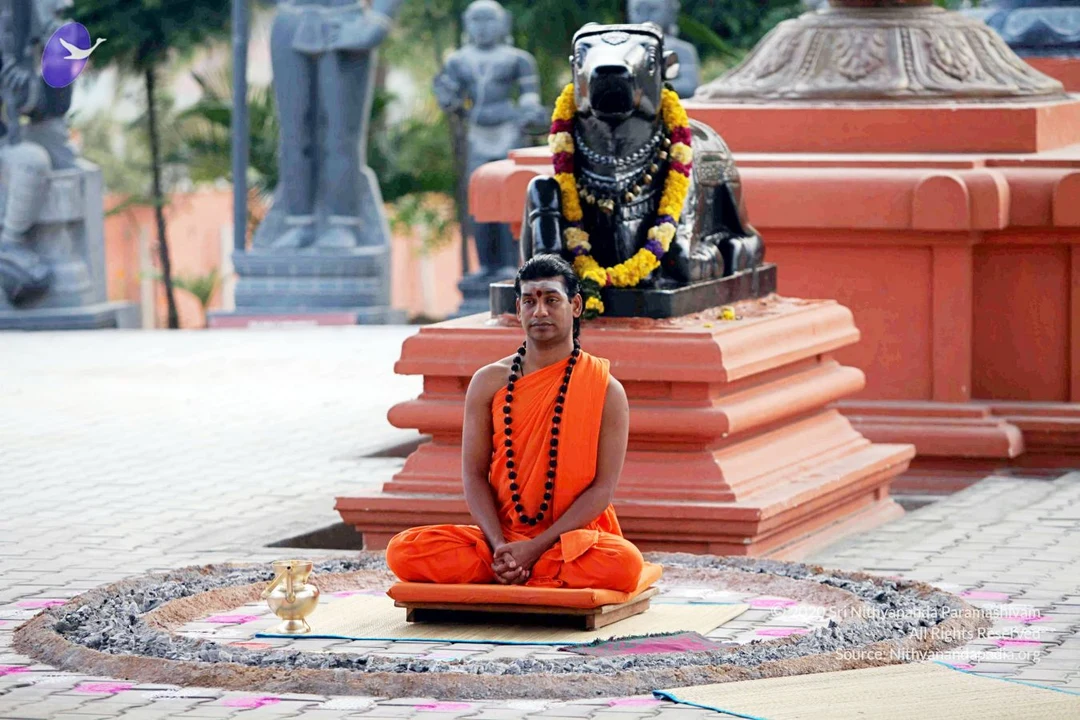
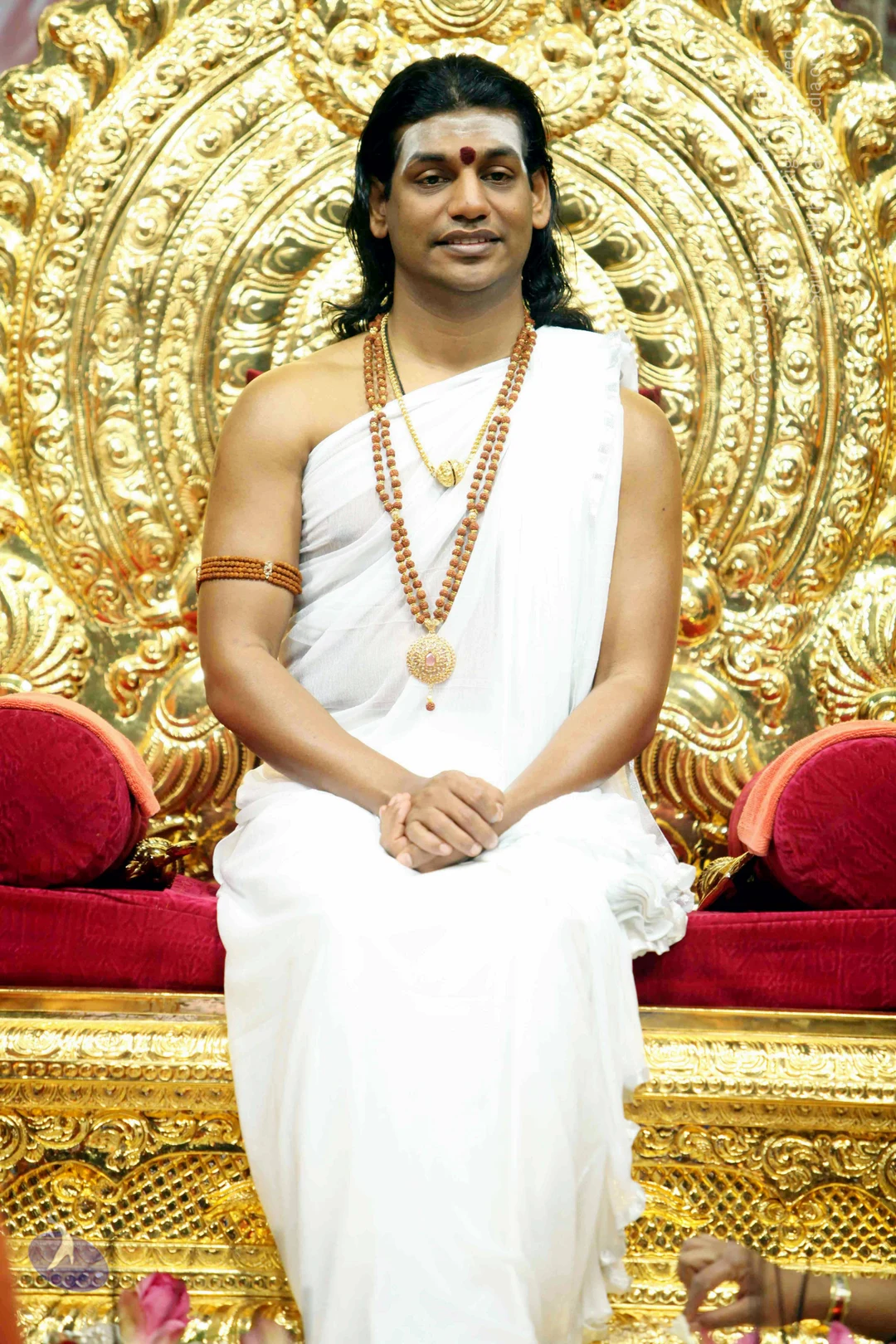
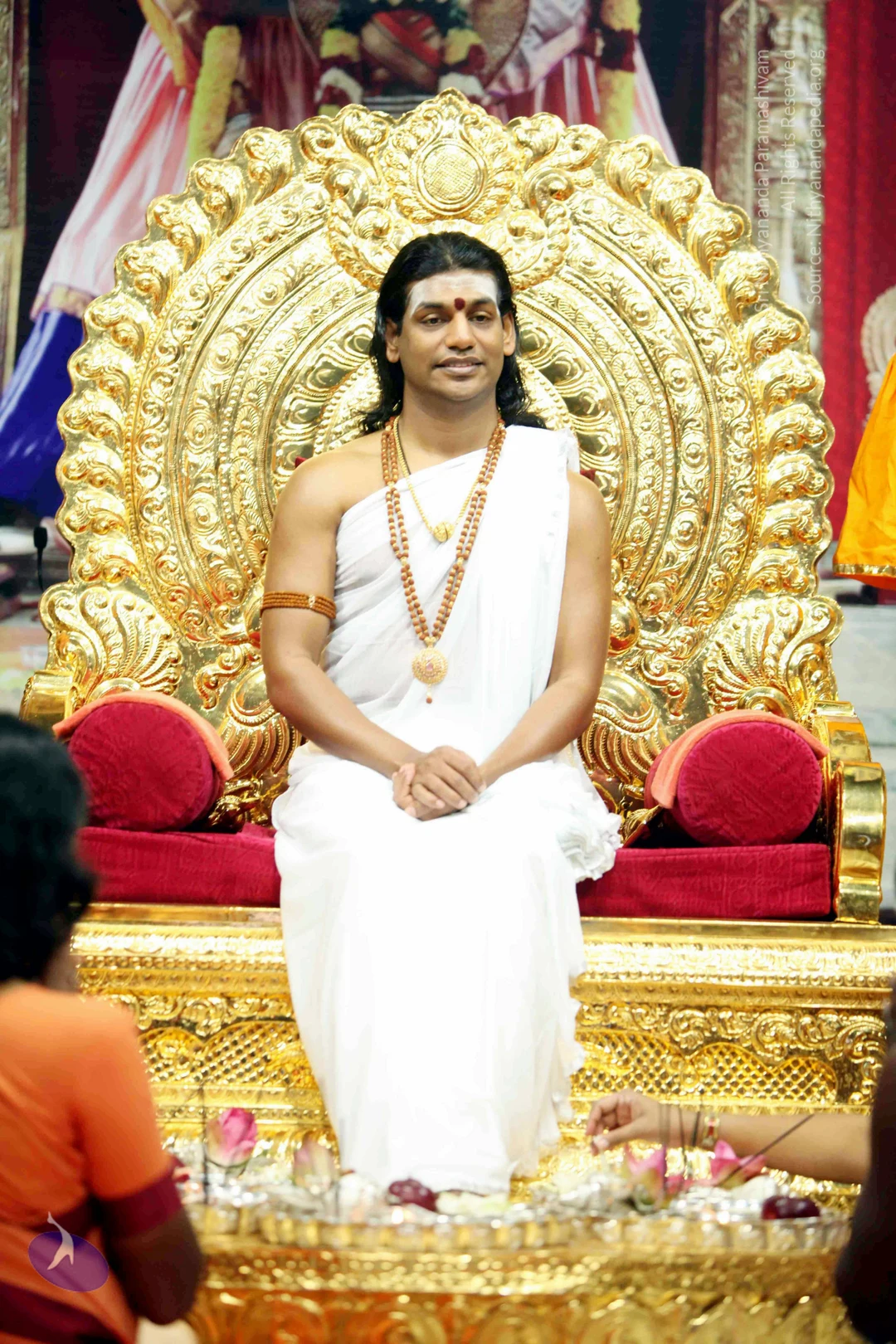
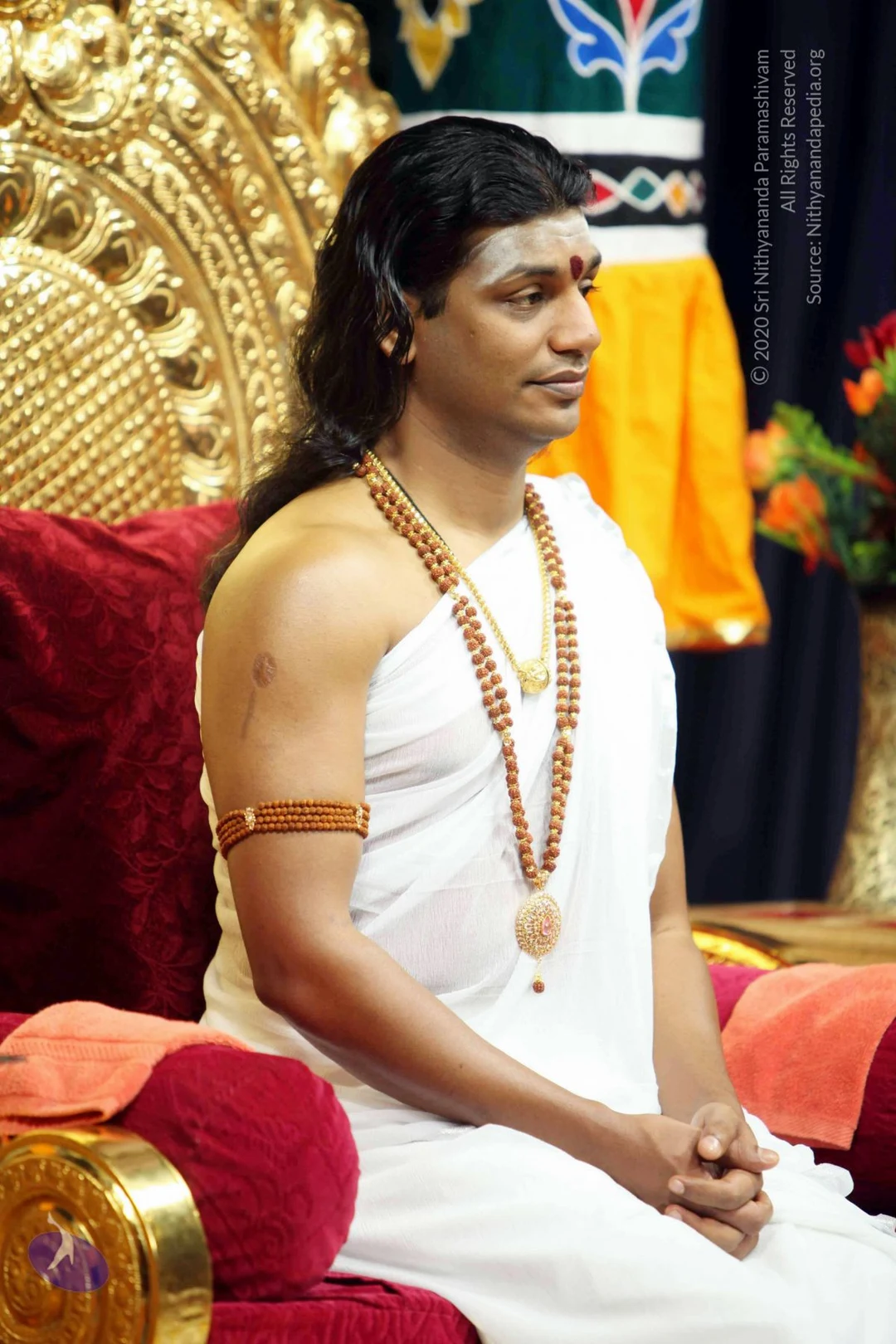
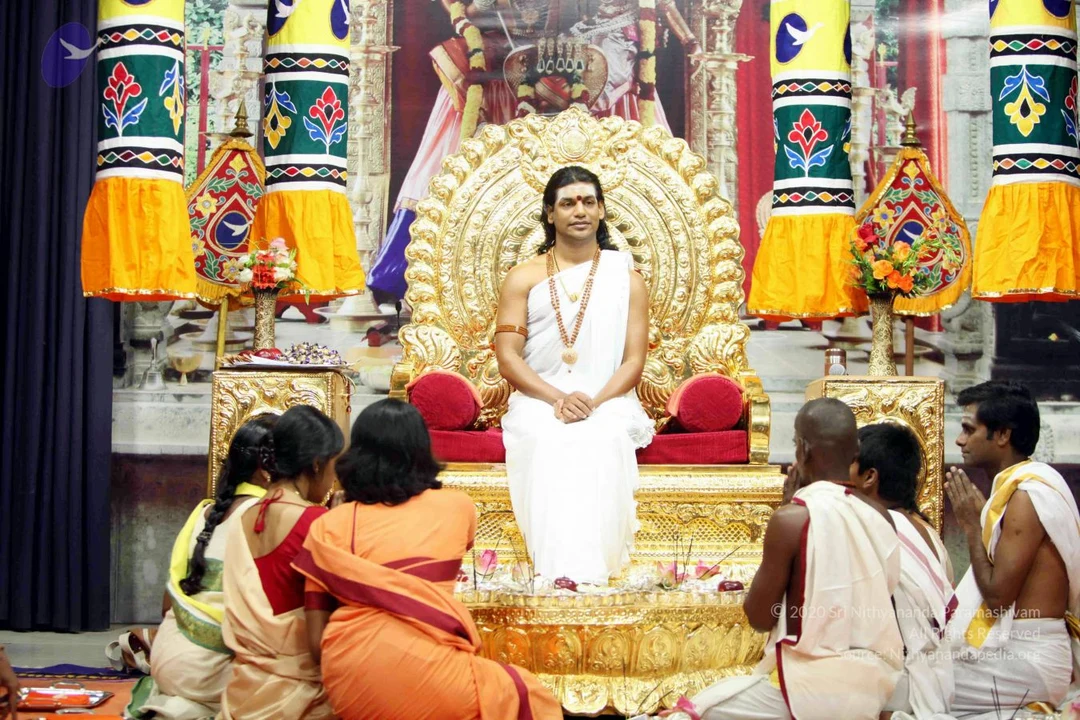
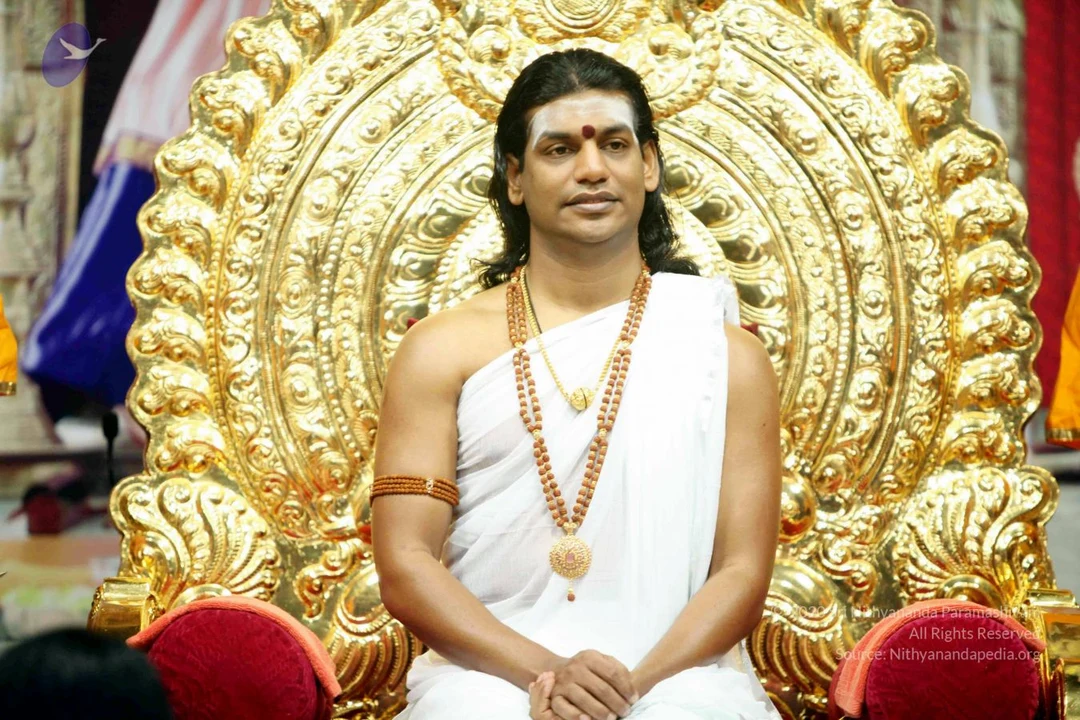
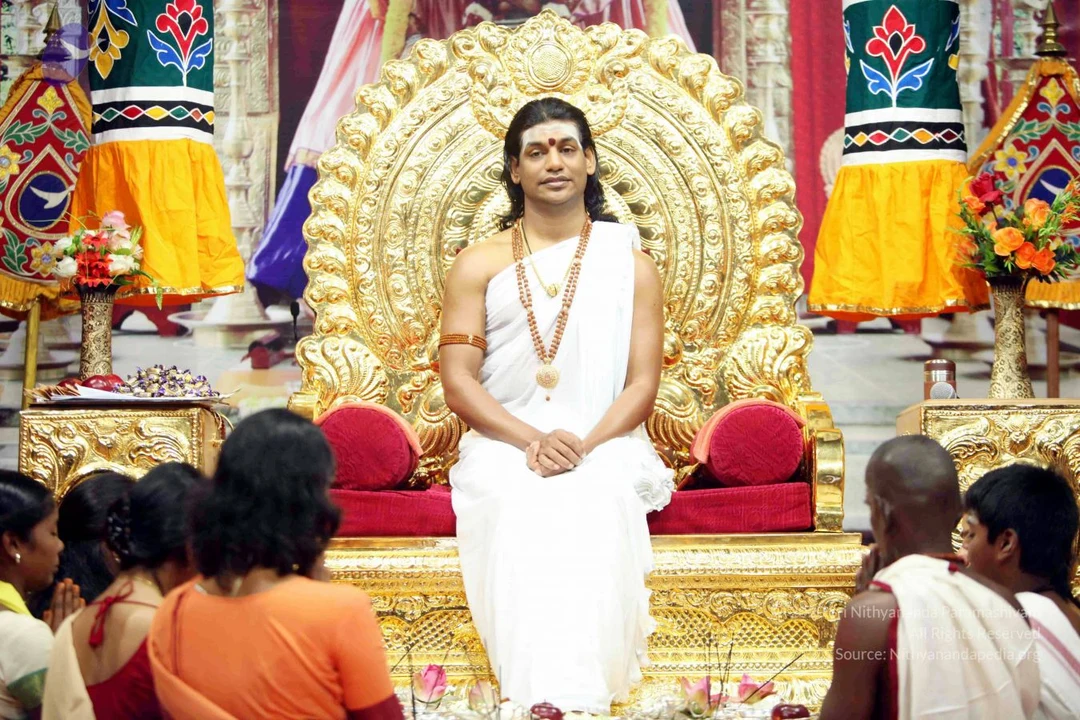
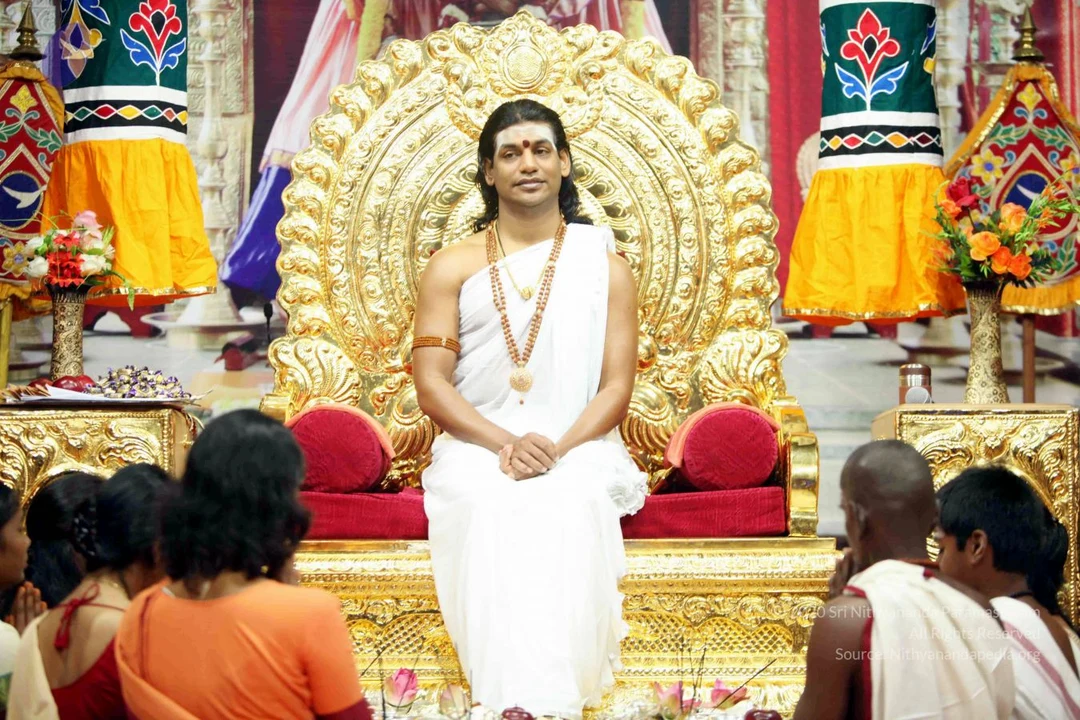
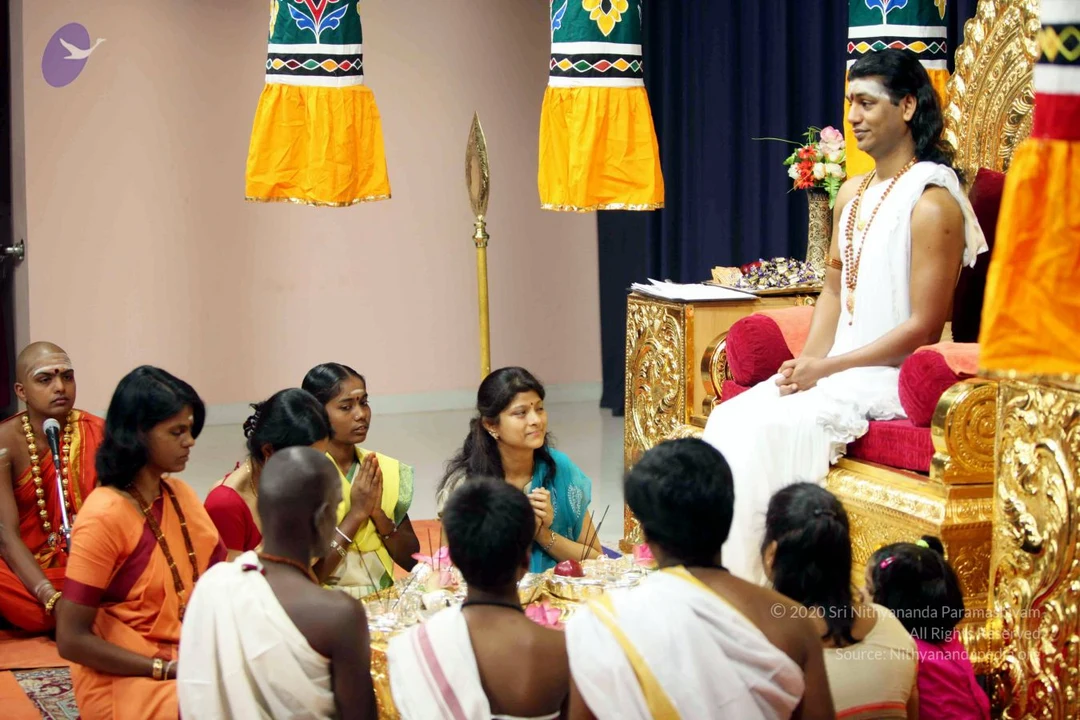
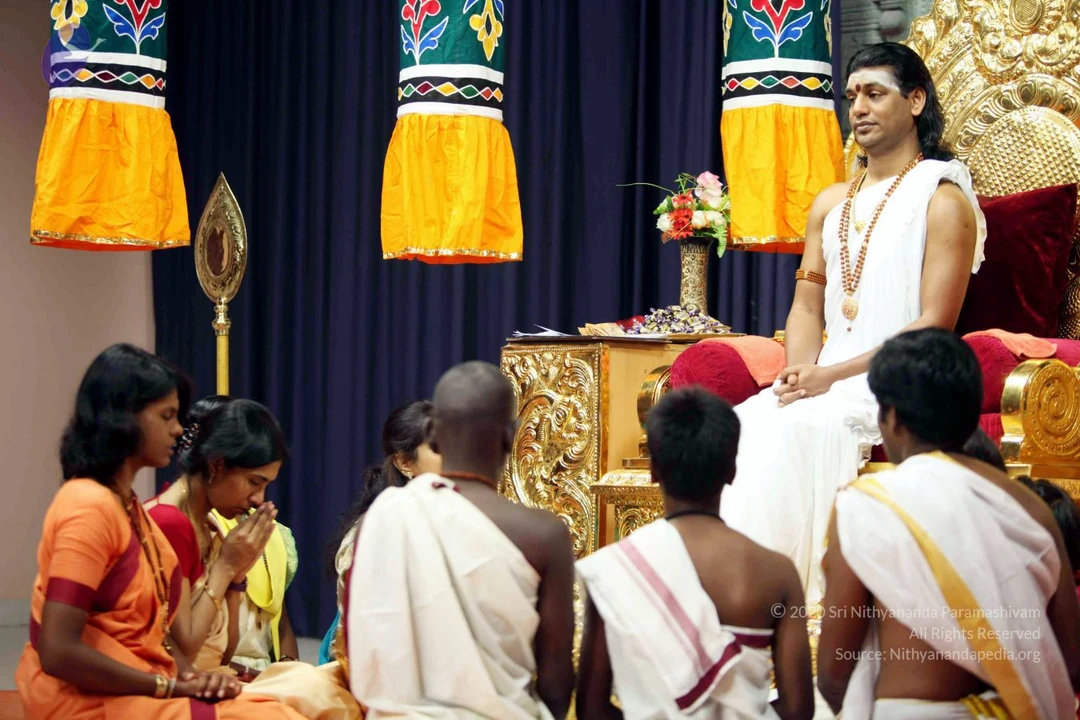
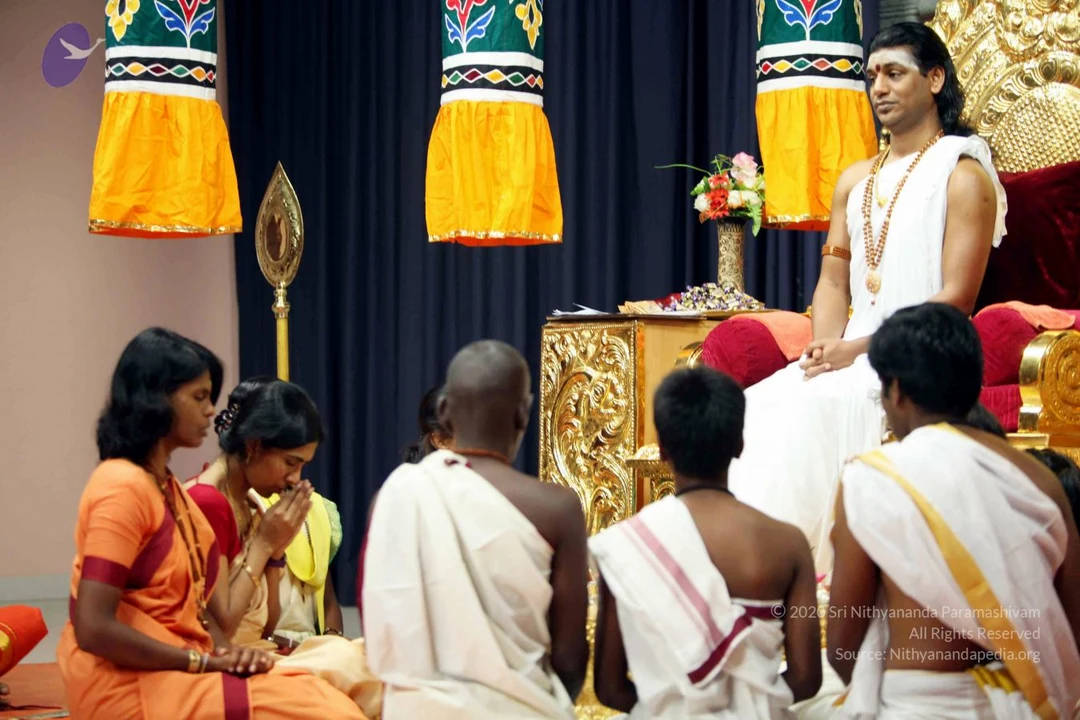
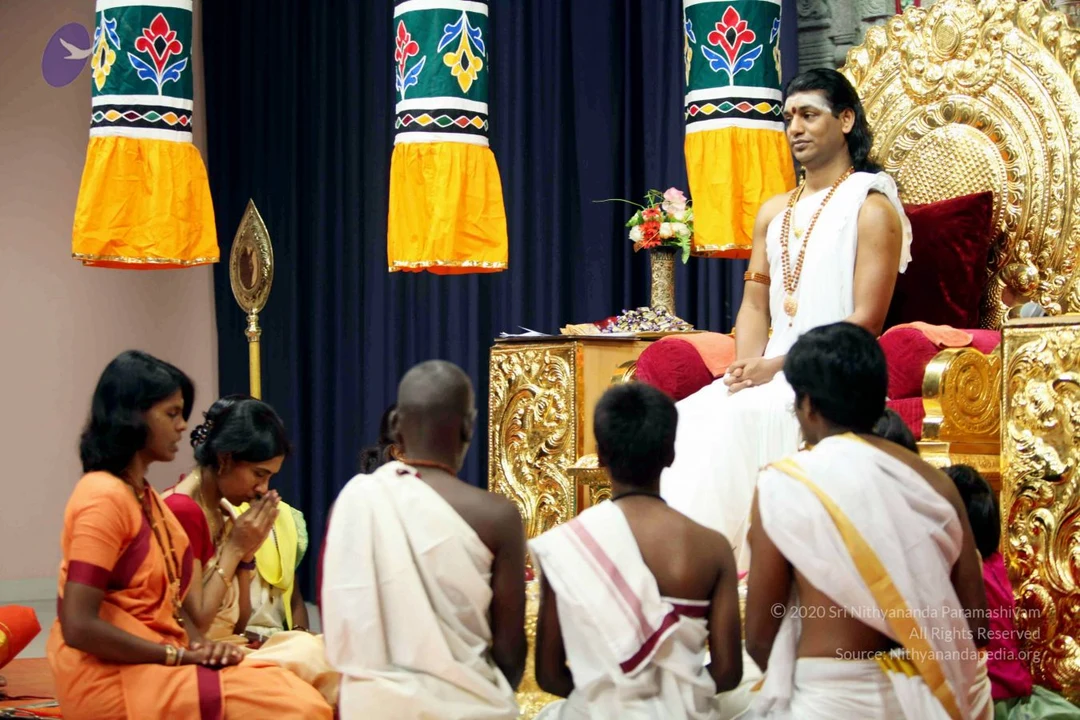
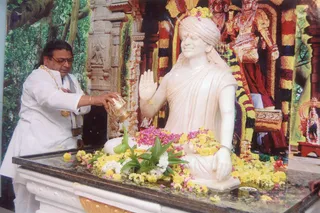
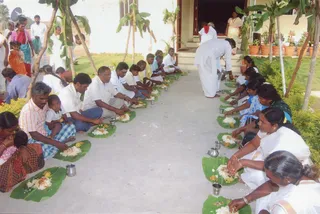
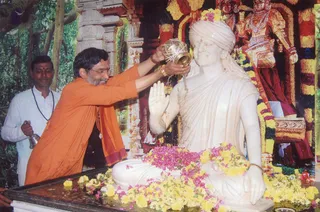
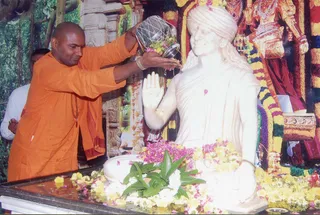
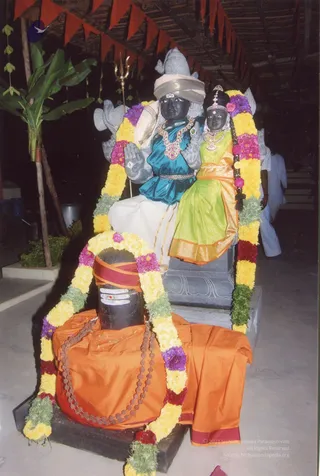
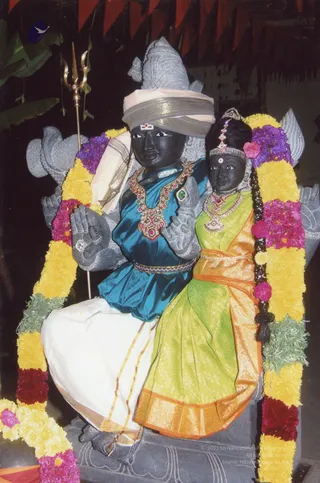
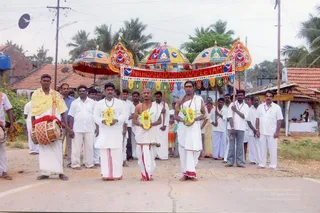
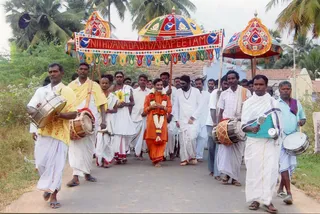
Today was also the first anniversary celebrations of KAILASA in Seeragapadi, established a year ago by The SPH.
Link to Video:
| Video | Audio |
Link to Audio
94 Altered State Of Awareness Nithyananda Patanjali Yoga Sutra 18 Feb 2011
Transcription
Sadāshiva samārambām shankarācharya madhyamām Asmadācharya paryanthām vande guru paramparām.
[01:10]
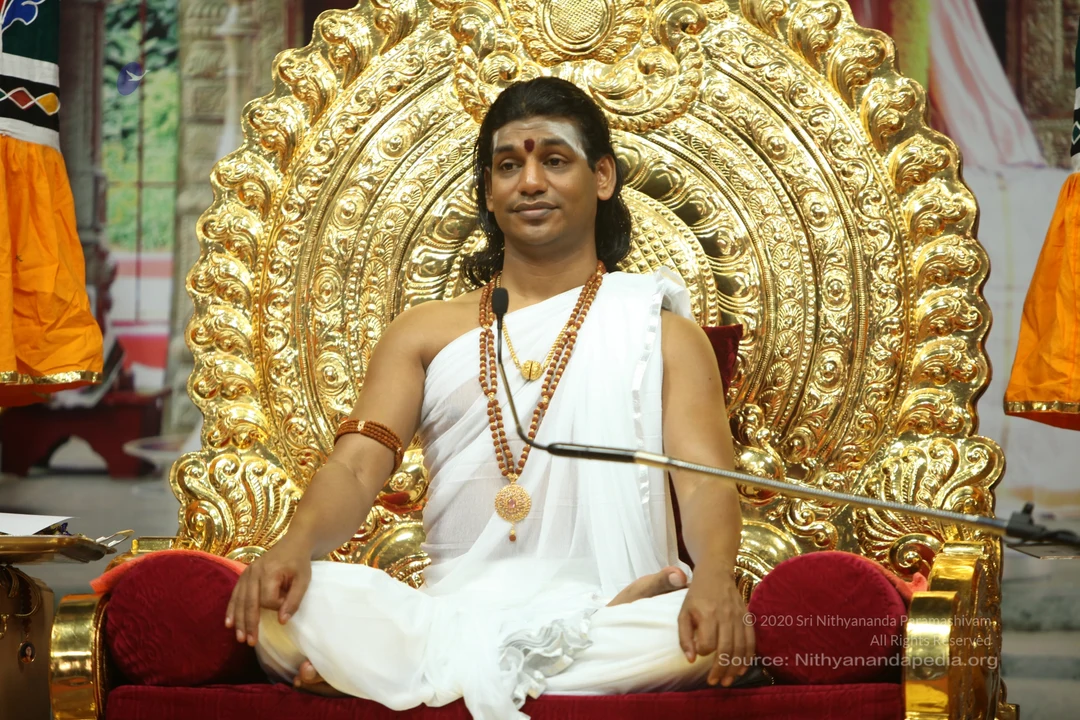
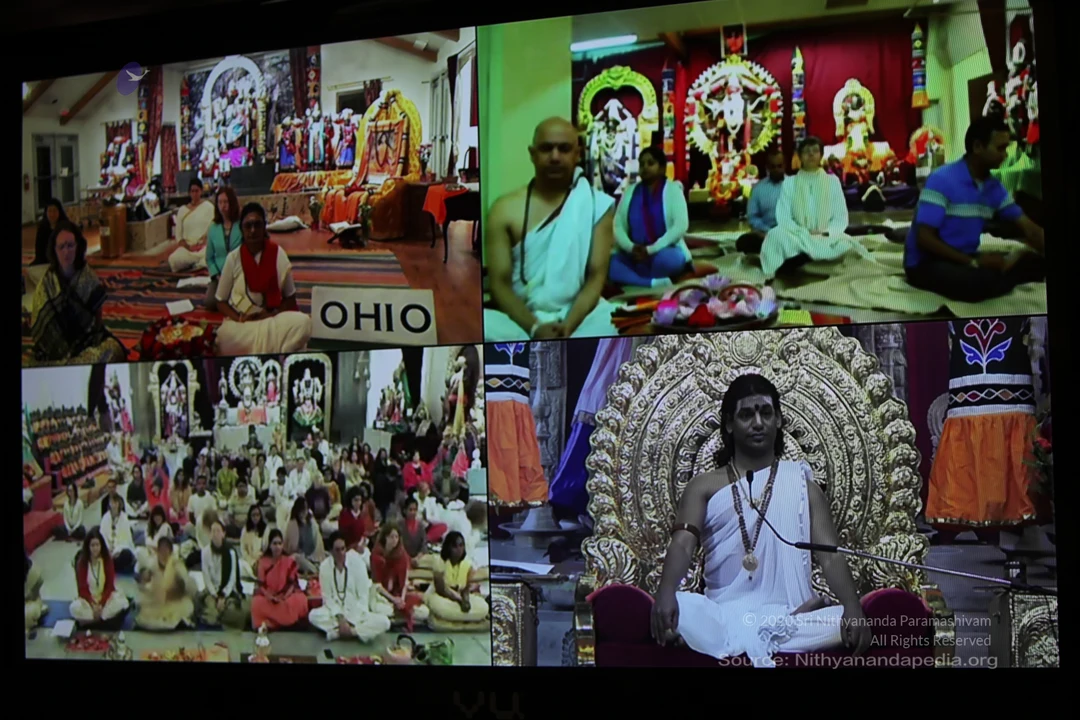
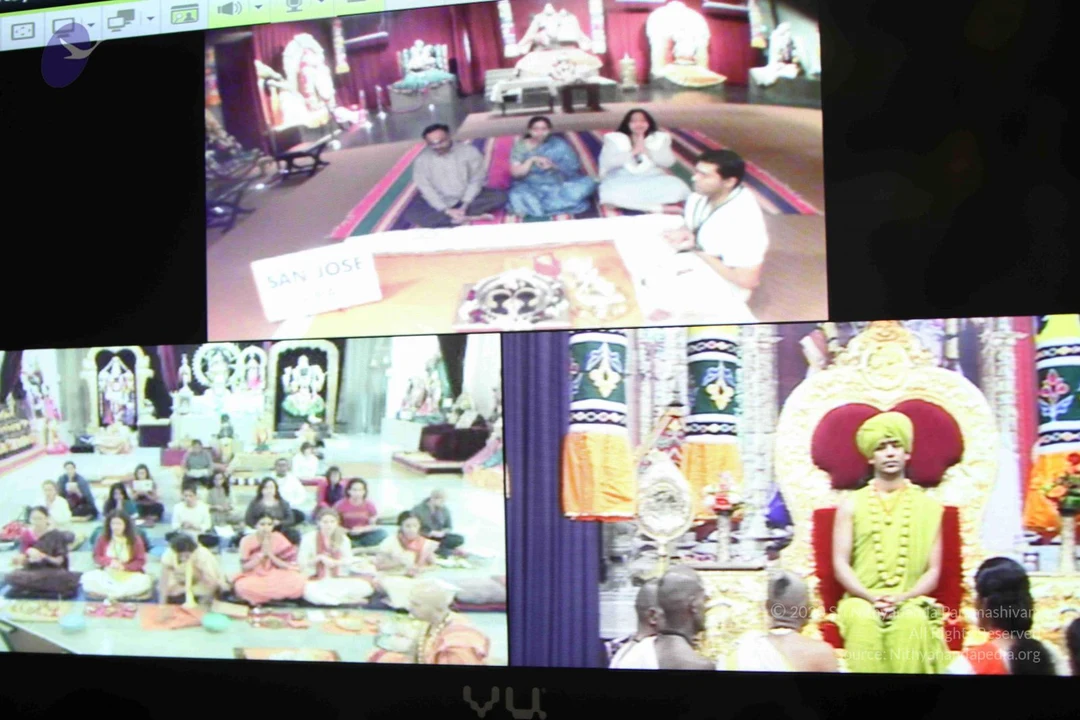
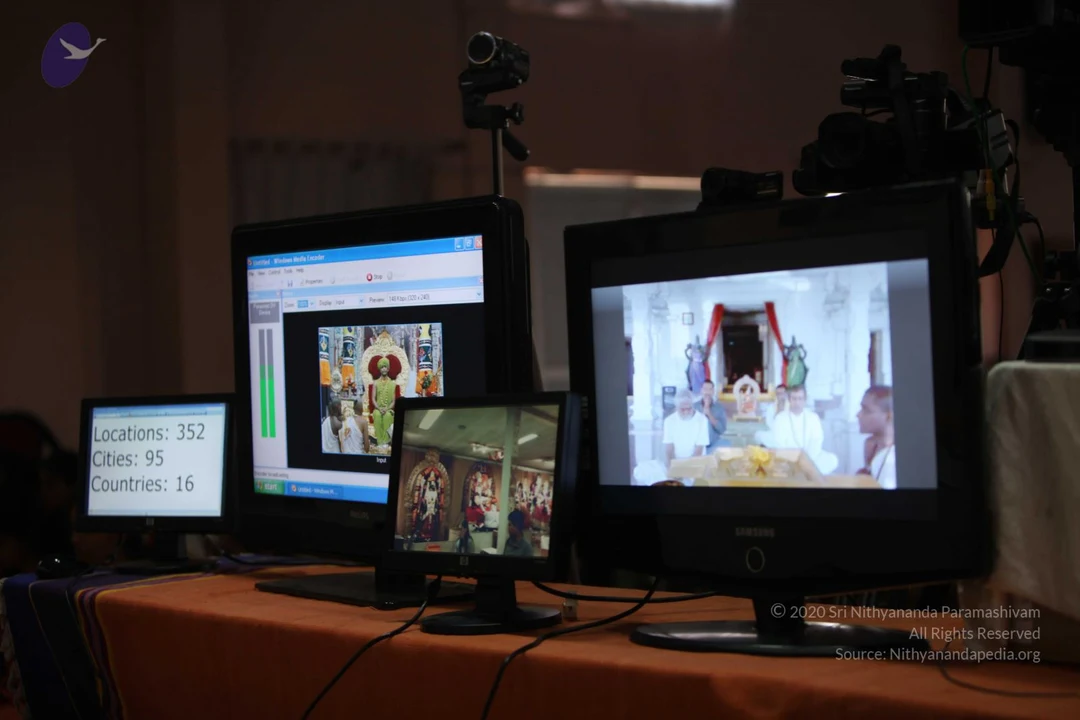
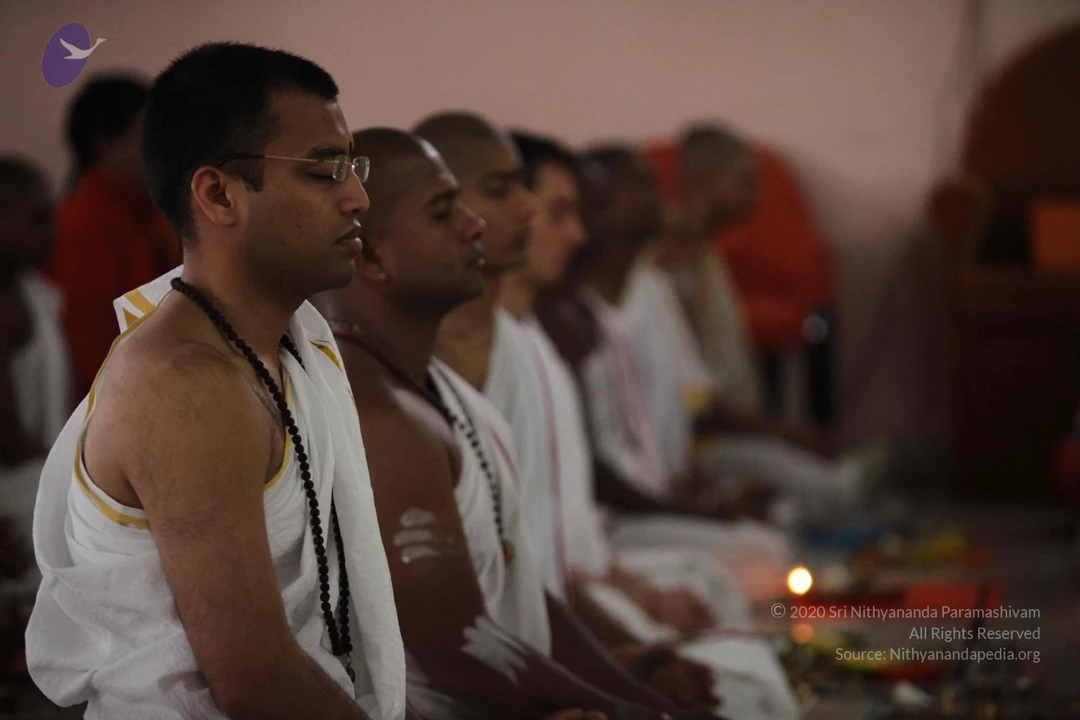
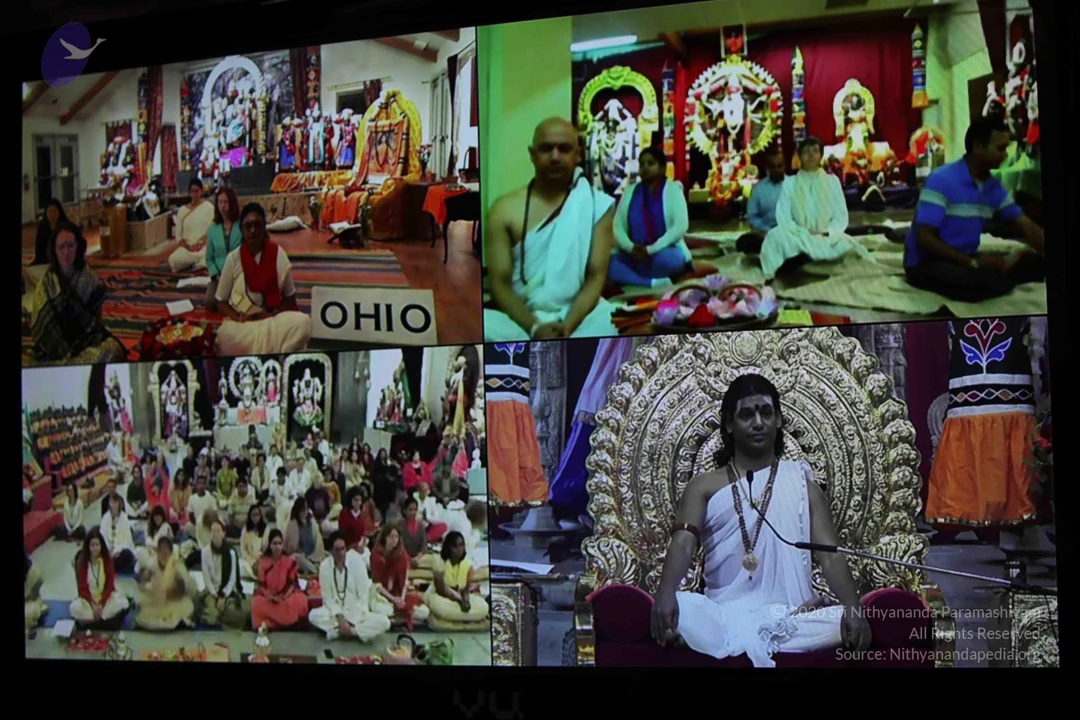
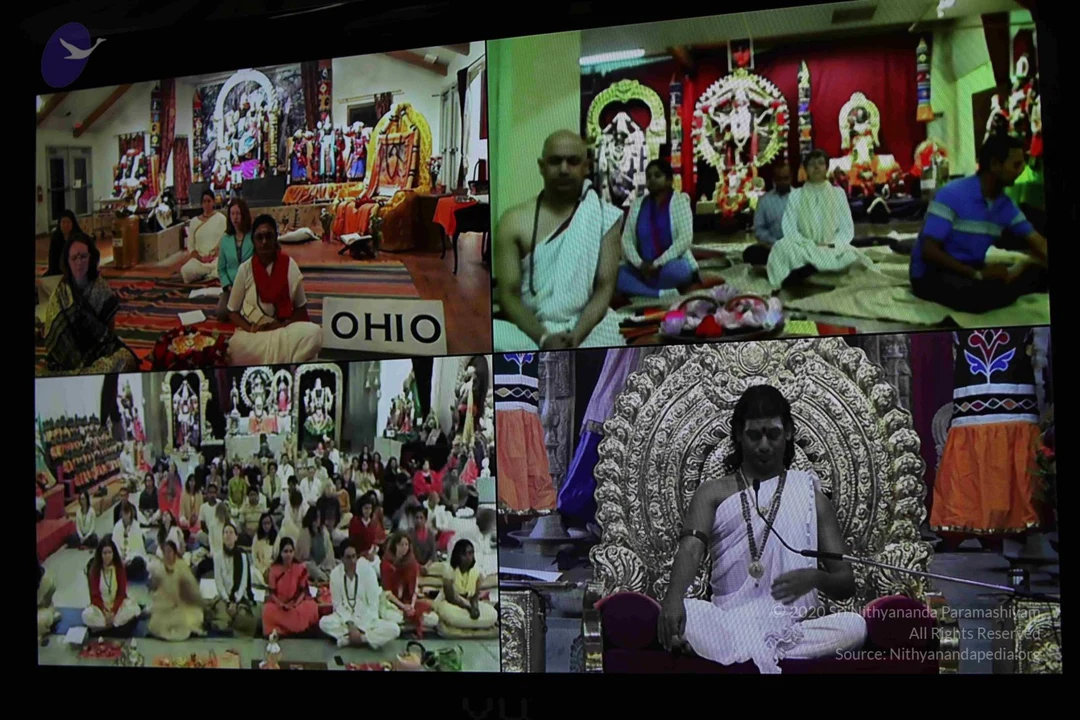
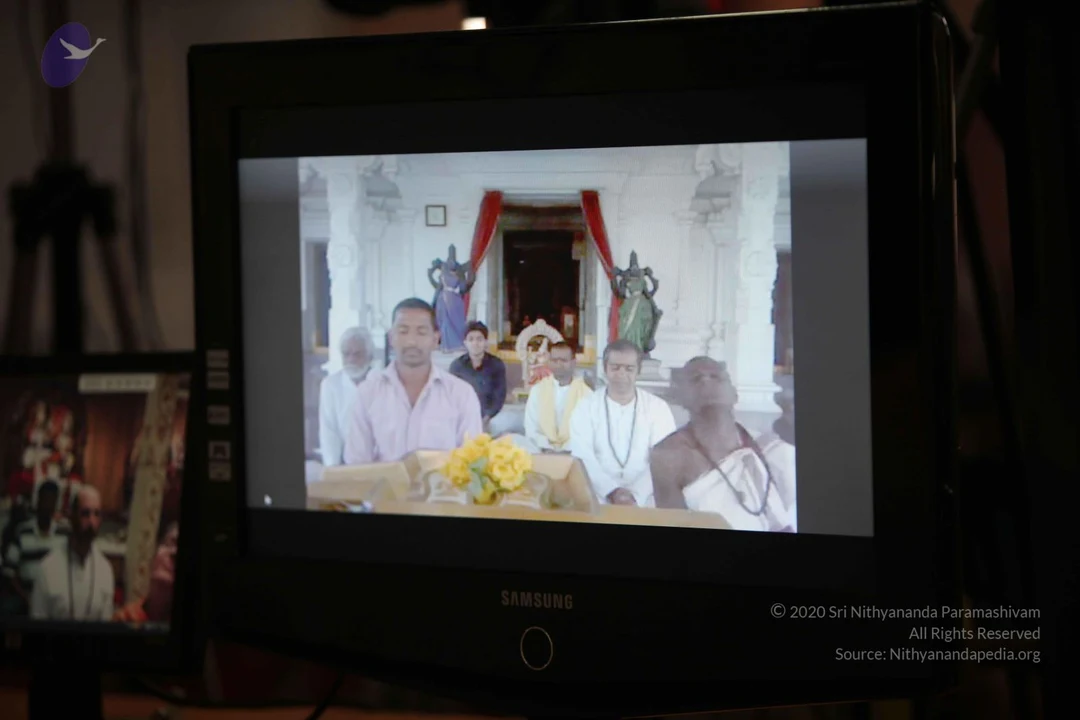
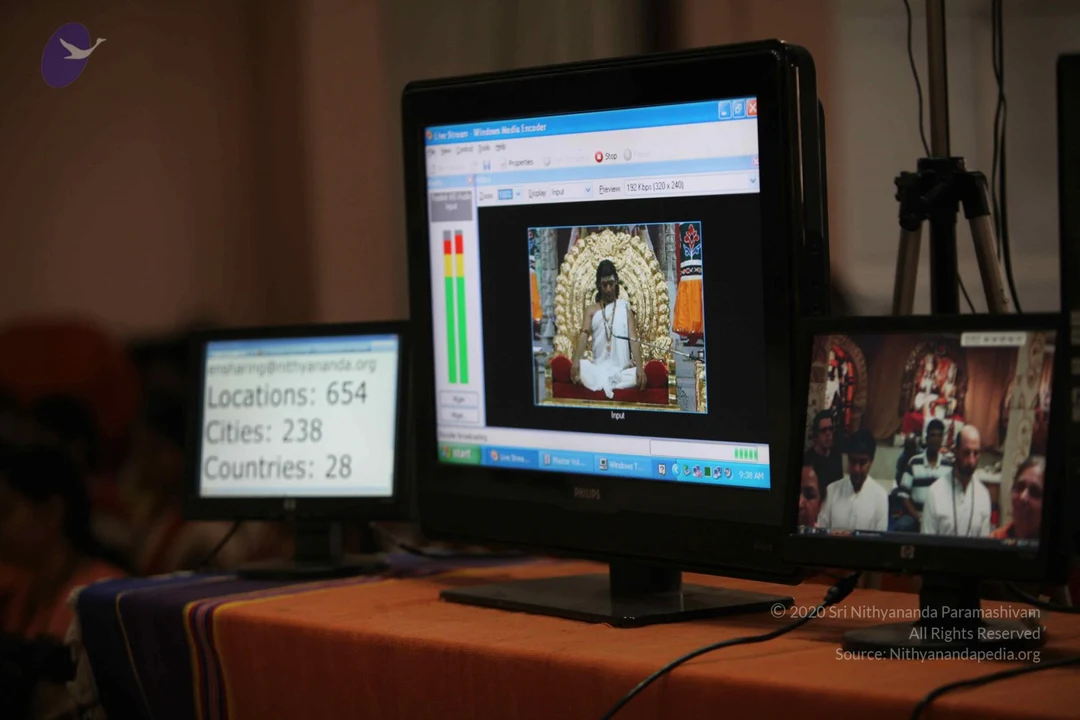
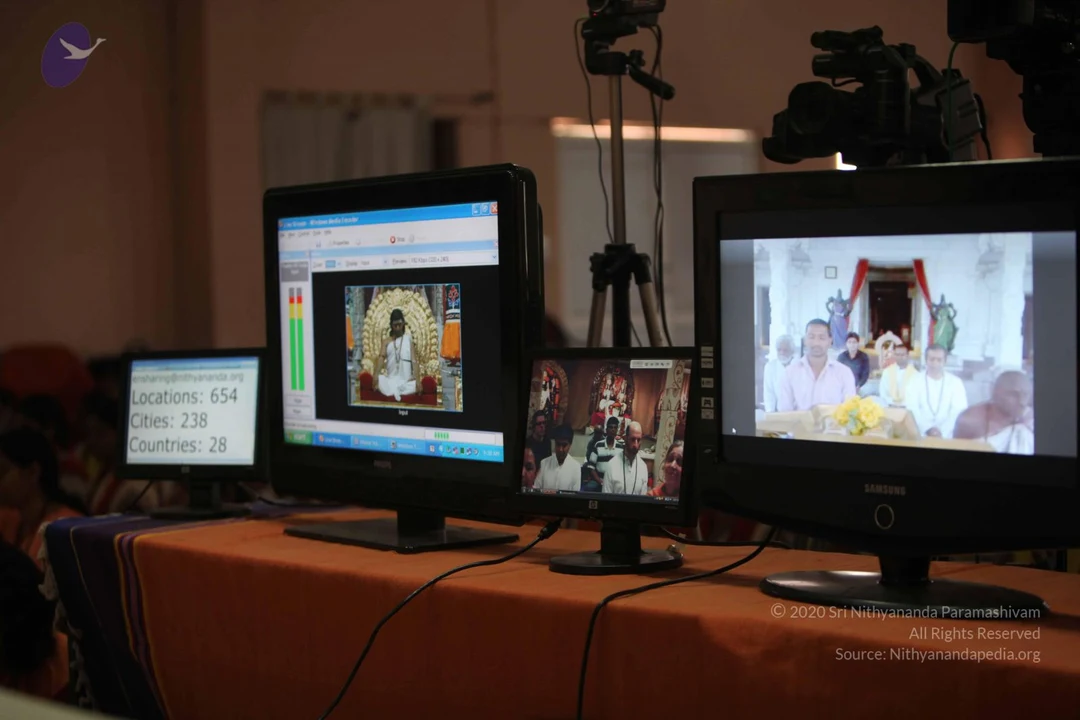
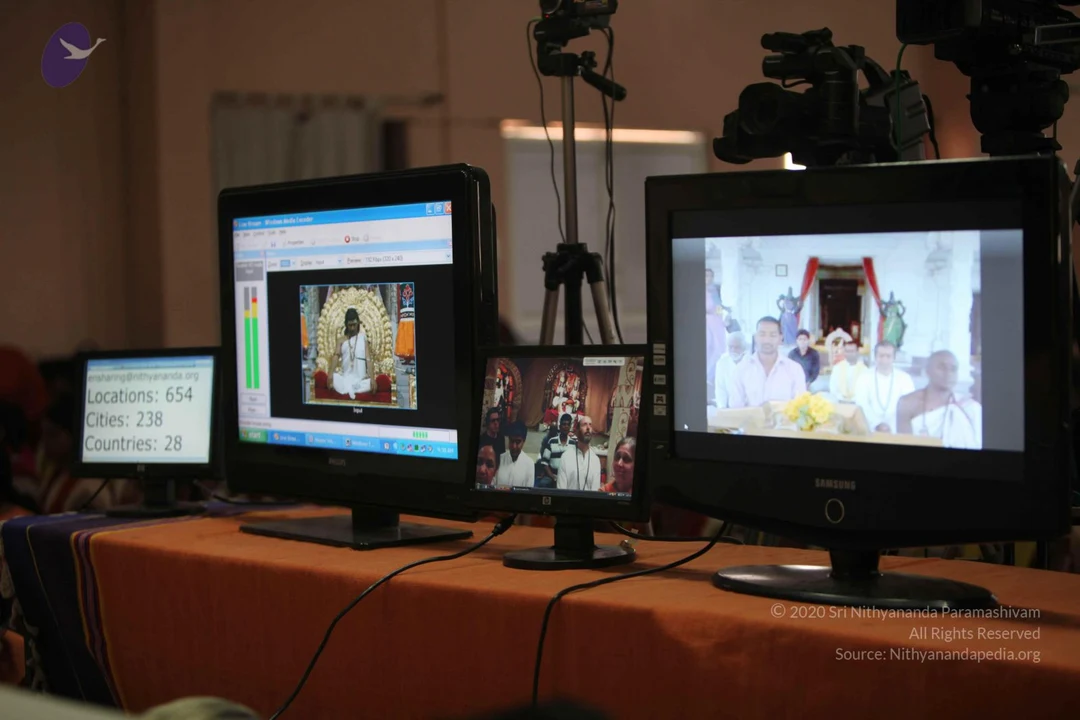
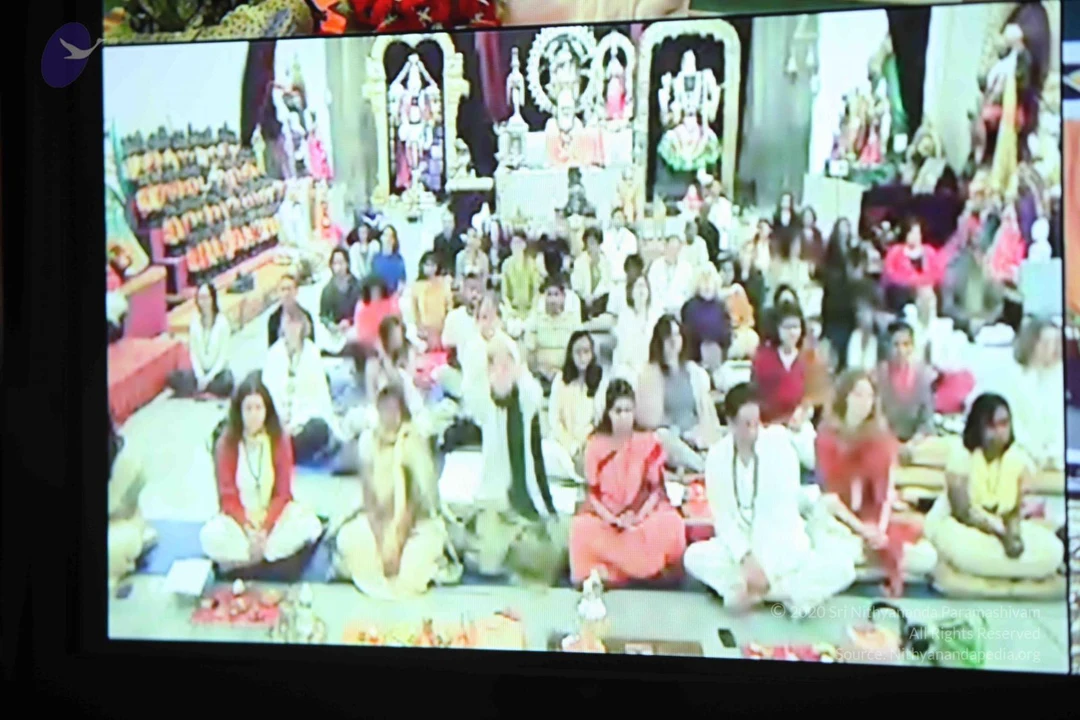
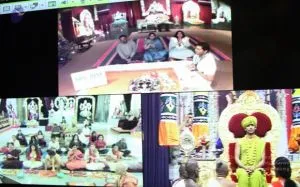
I welcome you all with My love and respects. I welcome all the devotees, disciples who are sitting with us around the world at this moment in 515 places, in 188 cities, in 22 countries. And many cities are with us in two way connection. I am able to see Ohio, Seattle, San José, Los Angeles, Redondo Beach, Phoenix, Hyderabad. I am able to see all these temples. I welcome all of you. So before entering into the satsang, I remind you all get back to padmasana, or vajrasana or samana mudra. We will start the eN-experience.
[02:47]
I am continuing on the same 119th sutra in Patanjali's Yoga Sutra; in the third chapter, 13th verse ‘Altered States of Awareness’; ‘parinama avastha’. Today I'll expand on the deeper aspects of these sutras. etena bhutendriyeshu dharma-lakshanavastha-parinama vyakhyatah etena bhutendriyeshu dharma-lakshanavastha-parinama vyakhyatah
[03:57]
Let Me explain the basic concept what Patanjali is trying to express through this sutra. When you broaden your understanding, the strategy planning and the technical decisions you make about life drastically changes. That change cognitive shift brings the highest possible liberation in you which expresses as the extraordinary ‘ishwaratva’ - leadership qualities in you.
[04:59]
Please understand. I am translating ‘ishwaratva’ as leadership qualities. In the ashtama siddhis, ‘ishwarartva’ is one siddhi. It is always translated and interpreted as becoming powerful. But I would like translate that word ‘ishwaratva’ as becoming leader. Becoming leader is no way related to powerful or forceful. NO. Just realising by innate nature you are a leader and the extraordinary qualities of leader.
[05:55]
I wanted to give you the example of Sharada Devi, wife of Ramakrishna. Till the last moment she lived such a simple humble life. Ordinary way of living, but she was the leader practically of the largest Hindu missionary organisation, Ramakrishna mission. Till the end, all the major strategic plannings and decisions were taken to her presence. Only with her consent and her blessings all major strategic planning’s were done, all major strategic decisions were taken. I can neither define her as powerful or forceful but just because of her leadership qualities, a non controversial acceptance about her decisions happened in the organisation.
[07:27]
Ishwaratva means becoming leader. When you expand your understanding, when you broaden your understanding in any area, suddenly you become ishwara, you become leader in that space. Patanjali is trying to give us understanding in five fields ‘how to become ishwara?’ Means, a lord, a leader, liberated.
[08:13]
When everything is under your control, you are liberated from it. For example, if your body is under your control you are liberated from body. Only if you are liberated, you will become leader of the body or body will be under your control. If your mind is under your control, you are liberated from mind. Only if you are liberated from mind, mind will be under your control. Only if you are liberated from emotions only you become higher than emotions, only if emotions are under your control, you can become leader of emotions. In every field how to become leader, how to be liberated? When you have the broad understanding, your strategies change. Your cognition changes, your experience changes. That liberates you. That liberates you.
[09:52]
One example: Patanjali says here,' indriyeshu': senses. When you have complete understanding about senses, suddenly all your desire, greed for the sensual pleasures and your fear ‘what will happen if I don’t have sensual pleasures’, disappears. You will have a different understanding about sense and sensual pleasures. I am not saying you will throw away all the sense pleasures. No. Same way I am not saying you will indulge in all sense pleasures. NO; neither suppression nor expression. An extraordinary understanding, a cognitive shift will happen when you have understanding about senses.
[11:01]
Let Me enter into that understanding. I will take you step by step into the understanding about senses. See, when you are having a very narrow understanding about senses, a little bit of excitement which happens in your eyes when you see some scene or person whom you want to see, you are addicted to it. A little bit of excitement happens in your ears when you listen some sound or words which you wanted to hear, which you like, you are addicted to it. A kind of an excitement or feeling you experience in the tongue, when you experience the food which you wanted to eat, you call that as a pleasure; you are addicted to it.
[12:02]
I know people travel from country to country just to eat the food. Really. I can’t understand. One person came to our satsang when I was in Paris. He was telling Me every week he goes to Italy. Of course Paris and Italy is not too far away. But he drives all the way to Italy just to eat particular food. I said, “I can’t understand this”. He made a comment, “Same way I can’t understand why will you go from place to place to talk to people”? Then I said, “Alright you are in a different world, I am in a different world. Let us depart as friends”. People go from place to place just to eat. People go travel from country to country just to hear particular music shows, music programs. And the same way a touch, particular touch, particular persons touch, when it excites you, you are addicted to it.
[13:39]
When you have very narrow understanding about senses, you are having different kind of greed or fear to that senses. Please understand I am making an important statement. A narrow understanding about senses drastically reduces the kundalini awakening in your bio memory in turn reduces the mitochondria cell energy level and makes your senses dull, but your greed violent, which makes a deep frustration and depression in your life. Narrow understanding is what I will call as caught in the sense pleasures.
[14:58]
Vedic tradition again and again tells through hundreds of stories, incidents - "suppression is not the way of life". But they go on insisting on vairagya, liberation. It’s a big conflict. How can I not suppress but be liberated? Again and again Krishna is worshiped as a ‘Jagat Guru’; Liberated soul. Thousands of women around Him; ‘vasudeva sutaṁ devaṁ kaṁsa cāṇūramardanam devakī paramānandaṁ kṛṣṇaṁ vande jagadgurum’ Bhagvatam sings His glory as Jagat Guru, Master of the universe. Then how he can be a liberated being? Because He had a broad complete understanding about senses. I am only telling, I wanted to make it clear, I only wanted to tell you, have broad understanding about senses like Krishna.
[16:56]
Let Me give you the definition of narrow understanding and broad understanding. Narrow understanding means, thinking when certain object comes in contact with that sense, you experience excitement. The broad understanding, the right understanding, is the awareness which is alive in you being sucked to that sense particularly intensely when those objects come in contact with that sense.
[17:46]
Please understand. It is because of your awareness rushing towards that sense intensely, you experience the excitement. Not because of the object coming in contact with that sense. I tell you the life awareness which you experience in you in ananda gandha, if it rushes intensely towards any one sense; you will have excitement in that sense for whatever may be the reason. If you know this truth suddenly you will have a broad understanding about senses. Then you know “Oh God! Then just the object coming in contact may not be an immediate necessity, may not be an exact necessity for Me to have sensual pleasures”. With this understanding many of your needs and greeds will disappear. Many of your fears will disappear.
[19:24]
When you have a greed for certain man or woman in your life, you will have fear that he or she may not be in your life forever. After sometime you will have fear he may be there in your life forever!! 😃 At one line, at one point the 'may not be' will be fear. Maybe after sometime, at some point the 'may be' will be the fear. Whether 'may be' creates fear or 'may not be' creates fear, the fear will be there as long as the understanding is narrow, understanding is too shallow.
[20:34]
Shankara very beautifully explains the initiation with a very powerful example called ‘bramarakitanyaya’. In English if I translate that ‘bramarakitanyaya’ it will be called as 'bee logic'. Bramarikita means, when a bee wants to expand its family, it goes and pick ups, picks up few worms and make a small mud shell and keeps the worm inside, worms inside; sits in the entrance entry point, goes on creating intense sound. That sound is mantra diksha, initiation. In that sound the worms will become bee. Just using the sense of sound the bee is able to reproduce. It doesn’t need any other organ for reproduction.
[22:02]
You may think why I gave this example. Please understand I wanted you to know, all your five senses can do the job of all other four senses without the need of other four senses. Your eyes can hear, smell, experience the touch pleasure and taste without the use of ears, nose, tongue and touch. Please understand. I have seen yogis, I have seen yogis physically able to play the other roles of senses through one sense. I am not even asking you to go to the extreme of physically demonstrating. Even if you have the understanding, your understanding fear, greed, about the senses will expand. And make you as a leader.
[23:24]
See if you can practice Hatha yoga, you will become leader even physically. I have seen My own teacher Raghupati Yogi; he will take a thread and blow the thread just through the eyes. Through the eyes he will release air; inhale and exhale, he will throw the thread. I have seen another one yogi Swami Boova. He was in New York. He was, may be two years before I met him in India, he wrote a beautiful poem about Me, “The greatest incarnation in the modern day", a very big poetry. He came all the way to meet Me and present that poetry. And when he met Me he was more than 107, very strong, sturdy, stable. The funny part is just through the eyes not only he was able to blow the thread; even the lamp! He lit a lamp and just kept near the eyes and blew it away, through the eyes. The ability to use any sense for any purpose. I want you to know, any one of your sense can experience any other senses. This is one understanding. Second understanding, all your pleasure is not because of object coming in contact with the sense but the awareness coming in contact with the sense.
[25:20]
I wanted all our kids to be trained from the young age in this science of having pleasure by bringing awareness coming in contact with the senses; not just object coming in contact. I can give you the simple technique. Close your whole body with sambhavi mudra. Actually when you use the sambhavi mudra and close the ears, eyes, nose, lip and the cheek, the whole body will be closed; because cheek is the door for touch. That’s why cheek plays such a major role in our romance, love, lust. It’s a door.
[26:18]
So all five doors when you close it, and bring your awareness to one center, you will see all five senses will have excitement. Even this roller coasters, why do you think people enjoy? Because when your body is completely twisted, made to run through in all directions, suddenly your life energy explodes and gushes to all the senses. That intense gushing causes you kind of a pleasure. That is why people are addicted to that adrenalin, that intense explosion, comes out and felt in the skins like adrenalin. Otherwise why do you think these theme parks have become such a big popularity, popular; modern day teetha kshetras.
[27:38]
See any country, if you want to know the back bone of the country, find out where largest number of people gather. In India where largest number of people gather? Tirupathi, Varanasi, Rameshwaram. Understand, when you bring the understanding, the joy and excitement in the senses is not because of the object coming in contact with them but your attention and awareness coming in contact with them; your understanding about senses expands.
[28:29]
Ramana Maharshi puts it very beautifully. A dog trying to chew the dry bone so violently, the dry bone pokes in mouth of the dog and from his own mouth the blood is coming but the dog is drinking that blood thinking that it is coming from the dry bone. You jump on the senses so violently, so aggressively, the awareness which is coming from your ananda gandha and hitting your senses gives excitement and pleasure; not the object which is coming in contact with the senses. If the object is source of pleasure.....see, if you eat three laddoos you feel intense pleasure in the tongue but the sixth or seventh one says, "No. I think now ok". The tenth or eleventh one, "no, no, no enough"! 12th one you feel like escaping. If the object is responsible for pleasure, why, when more and more is added it is not adding joy?
[29:59]
Same way listening; half an hour you can listen few songs. If the same is repeated, after 2 hours you feel no, no enough. After 3 hours it’s a torture. Sometime even first half an hour is torture that is different. Any sense experience, if object is responsible for the pleasure, when more and more is added it is supposed to expand and continue. Then why it is not happening? Same way a scene after few minutes you feel like, it’s ok, let’s see something else.
[30:58]
The constant change is required because object is not responsible for the pleasure. It is the subject gushing into the indriyas, into the senses which is responsible for joy. If you imbibe, inculcate this understanding, many of your greed, need, fears related to senses will disappear. You are liberated from senses - Indriya vimukta, you become liberated from senses - indriya vimukta. You become the leader of senses. Actually when you imbibe this understanding and grind inside you so many doors will open and so many understandings will happen.
[32:05]
A man who lives with a broad understanding about senses, his kundalini is awakened and his mitochondria cell energy goes up heavily, he becomes a strong energetic person to enjoy senses or to live the senses or to leave the senses. He will have the complete freedom to enjoy intensely or leave intensely. He can live or leave. Please understand if you have the narrow understanding, your kundalini gets suppressed, your mitochondria energy level will be less and you will neither have the power to enjoy and you will have the tremendous violent need to enjoy, which leads to frustration, impotency and everything. It is called vicious circle. We call it taitriya retas in Sanskrit. If you have the broad understanding about senses… please understand, when you imbibe this broad understandings, your very thinking will be different. It will not be running towards a superficial sense objects.
[33:49]
A nun is giving her lessons to all the high school girls who are leaving their school. In the farewell speech she is saying ‘don’t spoil your life just for one hour pleasure’. A long sermon was over. One last row girl raised her hand. The nun was very happy that the sermon was received well and she is raising the hand to clarify her doubts; because that girl used to be very notorious and disobedient. Nun was very happy that her sermon was understood and she has transformed the notorious girl. Girl stood up and asked, “How do you make it long for one hour?” 😃 If you understand, understand.
[35:01]
If you are caught with the narrow understanding of senses, neither you will be able to make it long nor you will be able to get out of the desire to make it long, which leads to frustration. When you have the broad understanding about the senses, first thing you are free from it. Second thing if you decide, you can make it any longer because the source of joy is ananda gandha, eternal. You will just see you are there forever. Another one important thing; with this broad understanding your kundalini will be intensely awakened; the very mitochondria energy level will be awakened. It will be different. You will be in intense joy eternally. Whether you have the other person or not, you will not even bother. You will neither bother to have nor bother to throw away. You will be just there. Having the broad understanding about the senses and because of that kundalini being awakened, neither you feel the need and you have the extraordinary capacity to live this liberated leadership experience, is a virtuous circle. This is what we call urdhva retas.
[36:58]
Please understand, the vicious circle of neither having energy… you will not have energy but intense violent desire. This cycle is called vicious circle taitriya retas. You will have extraordinary energy but no desire. This is called urdhva retas, virtuous circle. Just a cognitive shift in the understanding about sense liberates you from sense and makes you a leader in the level of sense.
[37:42]
Same way, time - Lakshana. If you understand about time; here Patanjali speaks about five aspects. I will deal at least two today. We have dealt indriyeshu, indriya. Then next lakshana - time. If you understand… please understand this important truth. I am revealing a sacred secret about time. Living in present is impossible. We always have a big theory; live in the present that is enlightenment. No. It is impossible. Live in past, present, future; all three put together at a time. That is liberation. Just yesterday I was teaching to My disciples how to conduct satsang. I told them, just make some statement before thinking and after that take one hour to justify it. That is the secret of satsang. Now I made a statement. Now I have to justify. 😃
[39:06]
Understand, of course, I have made a statement without thinking; but it is truth. I have made two statement. Living in the present is impossible. I am challenging all the gurus, sad gurus who go on teaching live in the present moment, you will become enlightened and who are giving advices free freely. I wanted all of them to know if you are teaching people to live in the present moment you are making them schizophrenic. I am asking, after all at this moment 1000s of seekers are sitting with Me, in front of Me. You all would have tried to live in present enough number of times, than the number of times you tried to have pleasure through the senses. At least when you try to have pleasure through senses, few seconds you will have pleasure but when you try to live in the present moment, even that few moments you will have only fear, ‘when will I lose this present moment’. I tell you living in the present moment is the conspiracy created against the humanity to control human beings by these pseudo gurus.
[40:50]
If a psychiatrist promises you he will cure you, he is not only a liar or just hypocrite, he is a criminal. How the psychiatry is built on a false promise ‘people can be cured’, there is a big group of pseudo spiritual leaders build their tradition and the philosophy by promising people will be liberated by living in the present moment. No. Living in the present moment is impossible. Come on, try. Present moment, present moment, present moment; already it has become past and future. The very idea ‘present moment’, one part is already swallowed by past. One part is still coming out of the present. It is like when child comes out of the womb, death is swallowing the child. The mouth of the womb and mouth of the death has no gap. In that gap you are trying to live. No. Then what is liberation?
[42:10]
Liberation means living in all the three at a time. ‘I am present in My past, in My present, in My future; means all three has become part of me, from me. I am the womb from which all three are getting delivered.’ Please understand if you try to live in present you will have the dent of the past and future in that egg. Just look at this moment, try to be in present, you will have that underlined sorrow you carry from the past, under the underlined insecurity you have about future will be there part of this egg. Then how can you hatch enlightenment. Egg from hen cannot hatch horse or tiger.
[43:29]
Paramartha guru, a great intellectual and goes around the world and gives advice free freely had a great disciple team. One day he said ‘I want a baby elephant, please go and bring it from market’. These guys went there. They saw an elephant with mahout and asked, ‘We want baby elephant. We are ready to pay any amount, please get us a baby elephant’. By talking few minutes with these fellows, the mahout realised these guys are fools. So he said ‘Wait, wait, by evening it will lay the eggs, you take the eggs and keep it in your ashram and then after few days the elephant, baby elephant will come out of the egg’. So these fools waited, waited, waited. By evening that elephant dropped and all the disciples were very happy seeing the elephant dropping and they started singing and dancing around that drop and they asked the mahout ‘when will the baby elephant come out of it?’ The mahout said ‘you have to take this very carefully and keep it in your ashram and wait for 21 days. Maybe once in a while sit and chant Bhagavad Gita and pray. So when the baby elephant comes out it will also start chanting Bhagavad Gita’. Pregnancy care! And gave all the instructions took 1000 gold coins, sent the disciples teams with a drop of elephant.
[45:34]
And these great disciples very intelligent carried the drop and kept it in the ashram, sat around, started meditating, contemplating, chanting, doing everything. You know after the 21 days what they would have got. They saw few worms coming out of the elephant drop. They thought these worms only will grow and become elephant. They caught hold of all the worms and feeding them. They said, “Oh really now we are going to have now at least 200 elephants.” Because 200 worms are there. And they waited, waited, waited. In the end what they would have got you know.
[46:31]
The hen’s egg cannot give birth to tiger. At this moment when you try to live in present when you have the deep suffering of past and fear of insecurity embedded inside this egg how can this egg give birth to enlightenment? No! If somebody is saying that live in the present moment you will be enlightened, be very clear he is hypocrite and he has not practiced and achieved enlightenment. Enlightenment happens in you when you live in all three space; past, present and future. How to?
[47:17]
Just understand time does not exist. Time does not exist. Just think suddenly all the clocks and calendars disappear from the planet earth. What is time? What is this foolishness, BC AD? How do you know it is two hundred and eleven? What is calculation of time? Ultimately time has no sense. The idea is brought to our life for the sake of simple understanding of day to day life’s smooth running. The greatest conspiracy called civilization has been forced upon the human being who are expecting all of us to wake up at some time and be in the certain place at some time. Even we the mystery schools are caught in the time. No other way, because you guys are already programmed for it. I have to take you only through that and get you out. What is time? So remove all the intellectual understanding and the day to day life of pressure about time on you.
[49:17]
I know one Swami, Sundananda. His name was Swami Sundananda. He was living in Mangalore. He is a Swami from Ramakrishna order. I can say one of rare gem who managed to get enlightened in spite of being in organisation. This guy will have 12 clocks in his room and some 40 alarm time pieces. Somebody asked him why and each one will be showing its own time. 12.30, 1.30, two zero, five o’ clock, six o’ clock, four o’ clock. He will say, ‘Whenever I wanted to have whatever time, I will take that clock as the authentic.’ He says, ‘Now I want time should be two o’ clock; I see hmm this clock is right. Now I want time should be seven o clock in the evening, oh this clock is right.’
[50:29]
Time does not exist. What all the bases with which we measure time? Earth is rotating itself and going around the sun. I want all of you to know it is a lie taught to you by the limited visionary scientists. I am telling you very clearly, sun is going around the earth. No, I am going to reveal the truth to you. I am not saying earth is going around the sun. No. It is the lie taught to you by the short visioned scientists who can see only some few thousand galaxies. I tell you from My authority, not only a man, the Consciousness who is seeing all galaxies, the Consciousness from which all galaxies are coming out and merging: sun is going around the earth.
[51:42]
Please understand all movements are comparative, all movements are comparative. Just understand. Imagine, visualise that this is a ball, this is sun and this is planet earth. This (earth) is supposed to be rotating and going around. This is what the scientists are saying. But I tell you, they came to this understanding because they take this (earth) as a centre. From this (earth) part they are measuring the movement but I am telling you from the source when you see, not just this (earth) is going around this (sun); this (sun) is also going around this (earth). Because this (sun) going around this (earth) takes billions of years, beyond our comprehension, we insist, emphasize only this (earth) going around this (sun). Understand, this (earth) going around this (sun) only can be calculated by these short sighted scientists of NASA, all astronauts, all space scientists; because they can calculate only few billion years. I tell you from the Conscious source, from where the time and space comes out and goes back; this (sun) is going around this (earth), which takes few more billion years; that’s all. Then where is the question of time being calculated by this (earth) going around this (sun)? No. The very idea with which time is being calculated is a comparative reality.
[54:06]
So today all of you contemplate this one truth. Sun is going around the earth and I wanted you to convince at least five people about this truth. Sun is going around the earth. Hope all of you understand what I am saying; because we are staying in earth we are able to see only few thousand years; imaginary. We talk only the earth going around the sun but I am telling you, from the source of all movement I am seeing, the sun is going around the earth. Earth is going around the sun but sun is also going around the earth in the whole cosmos. Actually if you want to really measure the time you should take the sun going around the earth as the base scale because in that way you can measure more billions of years. So the right scale of time is supposed to be sun going around the earth not earth going around the sun.
[55:41]
[Those] who are teaching the earth going around the sun is teaching superstitions to us; short sightedness. They do not know the science of time. I am challenging them. Sun is going around the earth should be the understanding and base for measuring time. Then you can measure more billions of years. That is the reason the Vedic calendar is the calendar which can measure and calculate largest number of years precisely. Because we look at from the time, we look at the time from the zone beyond time. Kaalaateetaha. We look at that deha from dehatrayaateeta. We look at the time from kaalatrayateeta. So I want you to understand your vision and understanding about time is short sighted. Have broad understanding about time.
[57:08]
You exist in past, present, future. Please understand I will give you the example of present moment as egg. This has a trace of all your past and all your future and present. If you go on trying to be in the present, avoiding the past and avoiding the future, how are you going to deliver enlightenment? No. It will be an aborted child. Just understand, the past and future is part of you. Sit on the egg. Means remembering the past and future inclusion is present. So whenever a wave comes from the past, understand the wave from the past is also coming in present. So don’t hate saying that is past. NO. Understand, just because you already experienced that, it does not mean it has become past. It is happening only in this moment.
[58:51]
For example, what you call as past? If you are getting the third laddu you call this as a past experience. Oh I already had two. So third is past. No. This laddu is present experience. This sweet is a present experience. If you remember a experience which you had two years before, you think ‘Oh, past is disturbing me’. NO. The thought which you are having at this moment about what happened two years before is not past. It is present. The thought is present. Your idea about future is wrong, short and narrow. That is why you constantly struggle to live in present. Even if you are sitting and cherishing or remembering all your glorious past, you are in present; because the remembrance and cherishing happens only in present. Past is a dead screen. In that no scenes can appear. If any scene need to appear you need to have a light of present moment awareness. So when there is a light of present moment awareness how can anything be past?
[01:00:15]
For example, here is a projector. In that projector the light is the present moment, awareness. But the scenes are being shown which happened in 1950. You think ‘Oh! I am seeing a movie related to past. It is not enlightenment’. No. But the awareness through which you are seeing the 1940 movie, that awareness is present. That awareness is this moment. So awareness is beyond time, whether it makes you experience past, present or future. Whatever may be the experience you are having on your inner space, the awareness which is responsible for that is present. That is why I am saying, be inclusive of all three. Do not hate or reject past or future. Be inclusive of all three you will live enlightenment.
[01:01:28]
Nithya is not living in present; it is living in all three. The large broad understanding about kaala, lakshana, time, liberates you from time. Today you will dedicate whole day meditating on how to be in all three at a time. You see now if you are having a thought about something which has happened two years before, does not mean you are in past. You are in present, knowing your past. If you are sitting and thinking what is going to happen two years after, don’t think you are in future; you are thinking about future in present. So you are all inclusive.
[1:02:36]
Carry this understanding in you like a light, fire. Put this fire on at least five people. If they create doubt in you, they have finished off your fire, they have blown your fire. If you create understanding in them, you put the fire in them. Come back tomorrow; either fire and five more people with fire or the blown away darkness 😃; at least come back. So tomorrow bring either the questions you had when you transacted or answers you got when you transacted or the satsangis you got after you convinced them to the satsanga.
[01:03:35]
Still I am not getting large number of emails. I think people are not practicing much. Today I will announce a special email id to which I request all of you to do this homework and send the report. Don’t think I am not seeing, I am seeing. So I don’t want this to be just like a some Bhagavatha pravachana. Rama came. Sita came. They fell in love, got married and Sita was kidnapped by Ravana. I don’t want you to be just sitting and listening to some stories! No! I want this to be a mystery school where you are taught every day the truths and you work with it. See the big problem is if you are just sitting and not interacting and doing it, it will all just enter this ear and go away through this ear. I don’t want you to have that.
[01:04:47]
So our people are very sharp; they already created an email id [email protected] will be the email id. Please send your replies and responses. I want you to work on it. Only the responses and replies I receive, I will consider as satsangis. And I wanted to let you all know if you are everyday working and sending Me the reply, I will see that you levitate and experience kundalini awakening within 21 days. I give you the promise. I enroll you in mystery school in My inner space. When I enrol you in mystery school in My inner space naturally the effect on you will be different. You will experience the eN effect straight away, whole day.
[01:05:43]
Go and talk to people; convince them about this one truth everyday which I am giving. You will see suddenly the many ideas and understandings which you never got from Me verbally, you will get it. You will suddenly download when you share, when you convince others. If you don’t get people, go to the malls; stand there. And have a small board ‘I have a great sacred secret. Are you interested in listening, which can transform your life? Do you have depression? Contact me; I can give you solution for some of your life problems’. Have a small board. Go and stand in front of a mall. Have courage and I tell you it will make you enlightened.
[01:06:45]
So this one truth, now I want you to sit with this one truth. Sit even if you think about past or future don’t hate yourself, don’t cut, ‘oh I am thinking about past I am thinking about future’. Drop your axe. By using axe you become ox. Drop your axe, stop cutting. Even if you are thinking about past, ‘Oh I am thinking about past in present. I am thinking about future in present. So now I am sitting in all inclusive space. My fears about the future, my worries about the past is inclusive of this present moment I am experiencing’. Sit in present just for few minutes; you will experience the great sacred secret Patanjali is revealing in this sutra about time. So the remaining part - the bhoota, avastha, dharma, tomorrow we will work on it. Today one understanding.
[01:08:12]
Get back to padmasana, vajrasana or sukhasana. Sit in samana mudra, we will start the eN experience. Let you all become kālatrayātītaha. Close your eyes. Let the kundalini energy be intensely awakened in all of you. Have that intense awareness. Whether it is the past or present or future, you are experiencing in this moment all inclusive. Let the kundalini shakti be intensely awakened in you all. Let you all become kālatrayātītaha.
[01:09:20]
Om shanti shanti shantihi.. I bless you all who are sitting with us around the world at this moment in 668 places in 241 cities in 29 countries. Let all of you achieve, experience, live, express, radiate and share the eternal bliss, Nithyananda. Thank you.
[01:10:14]
Photos
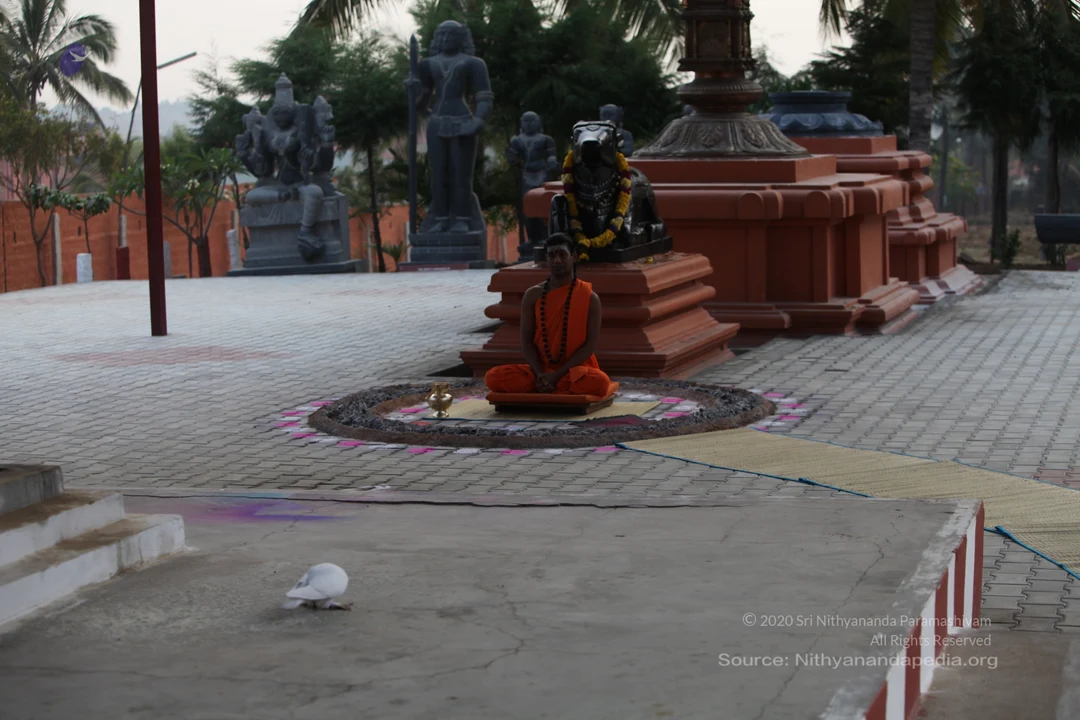
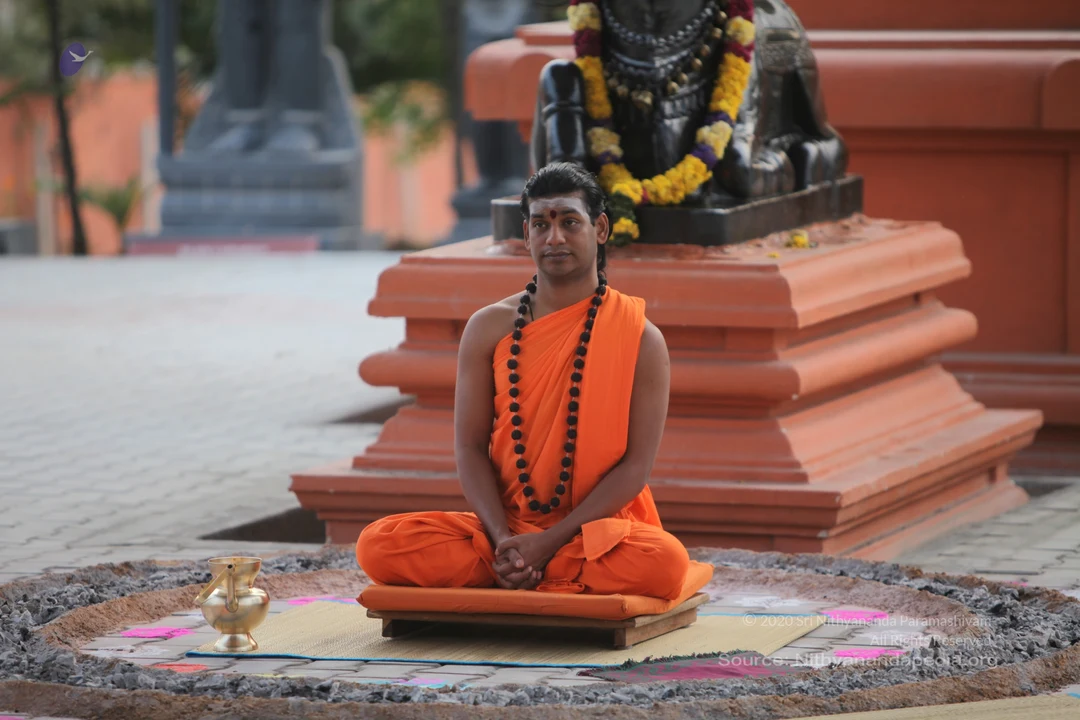
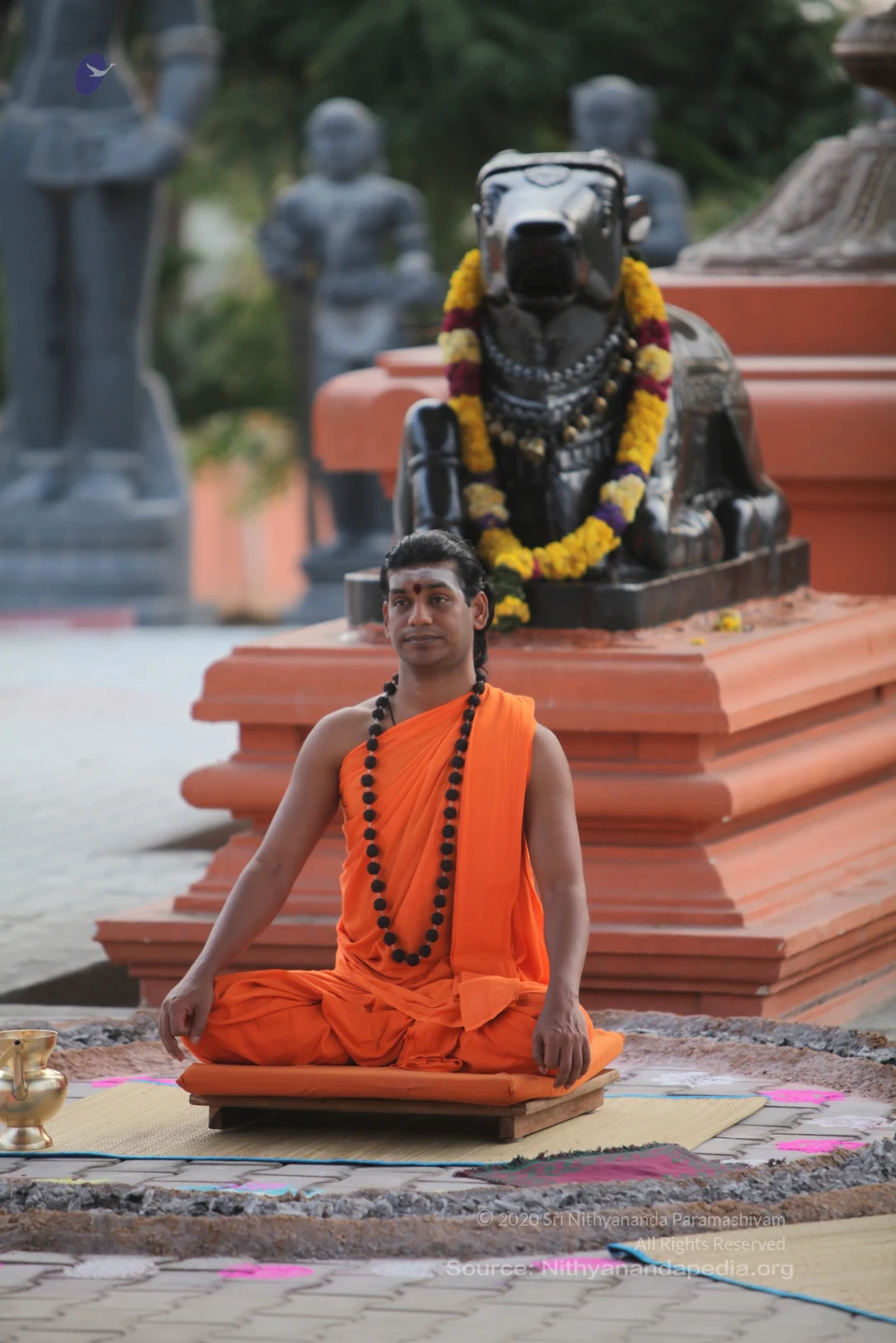
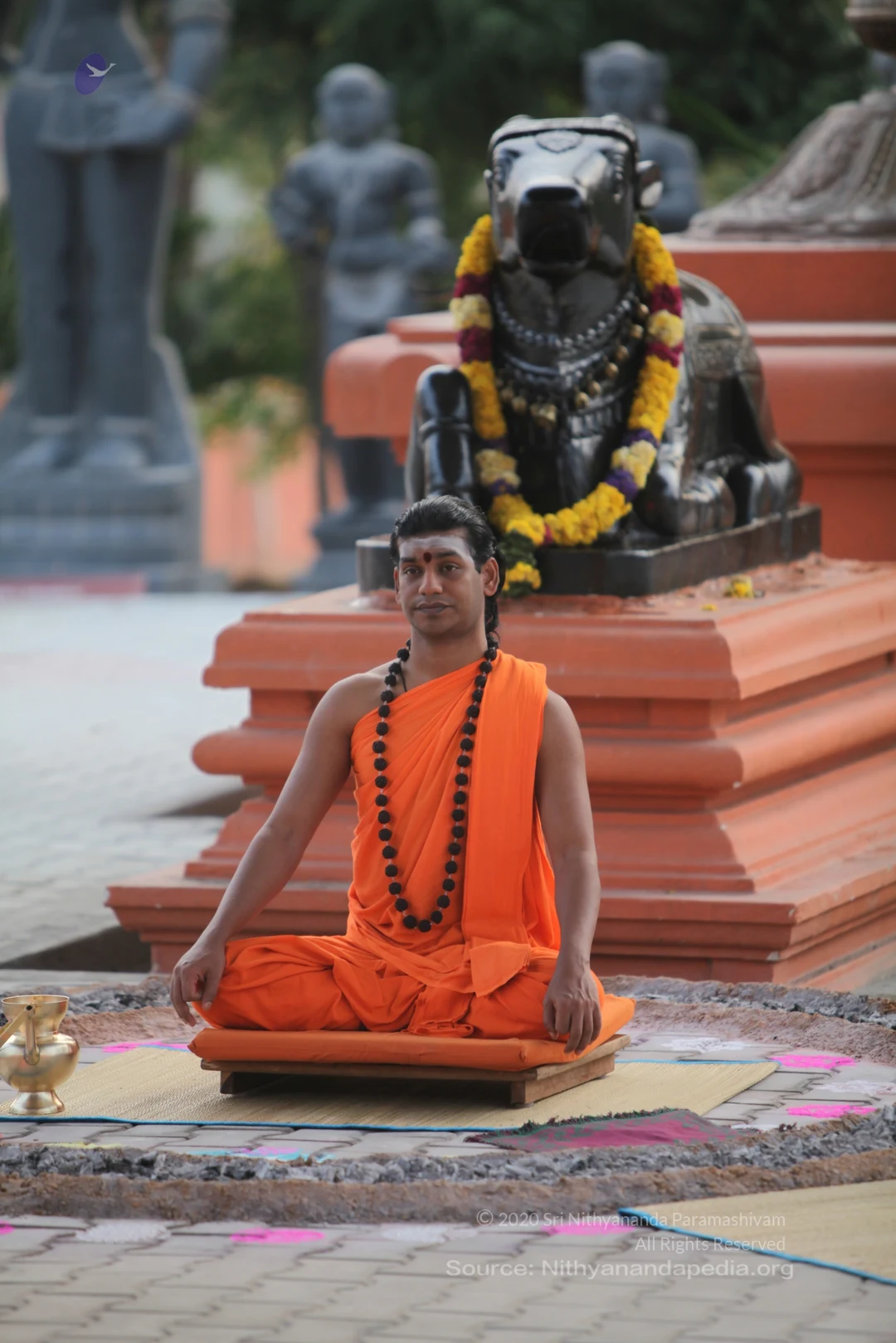
Templevisit
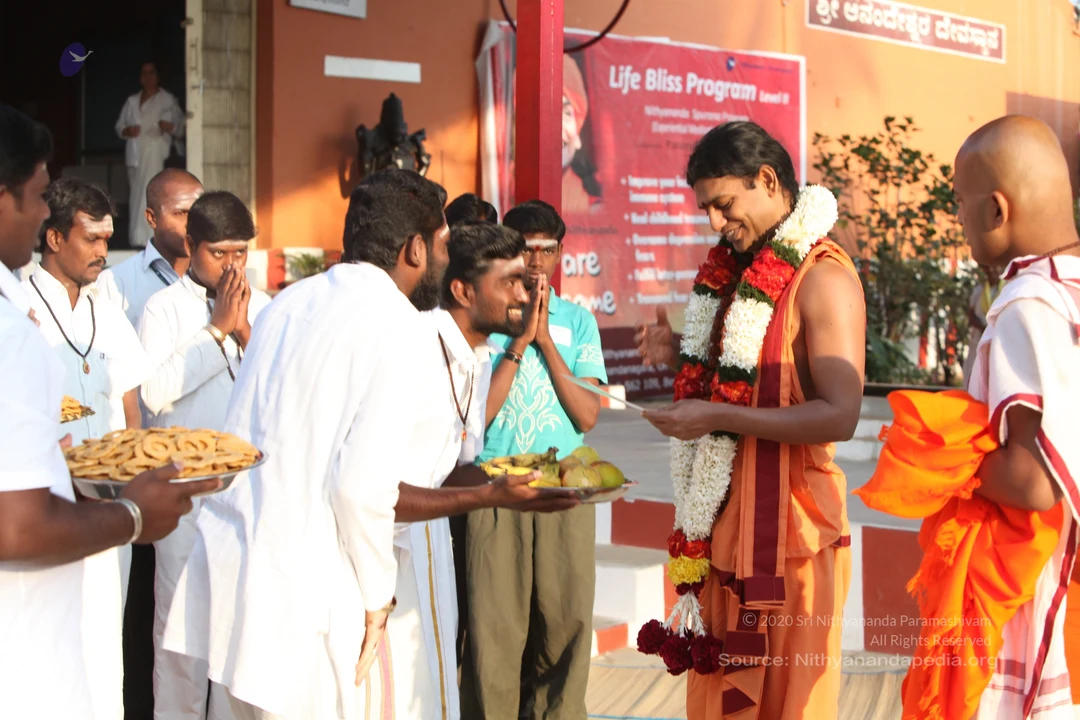
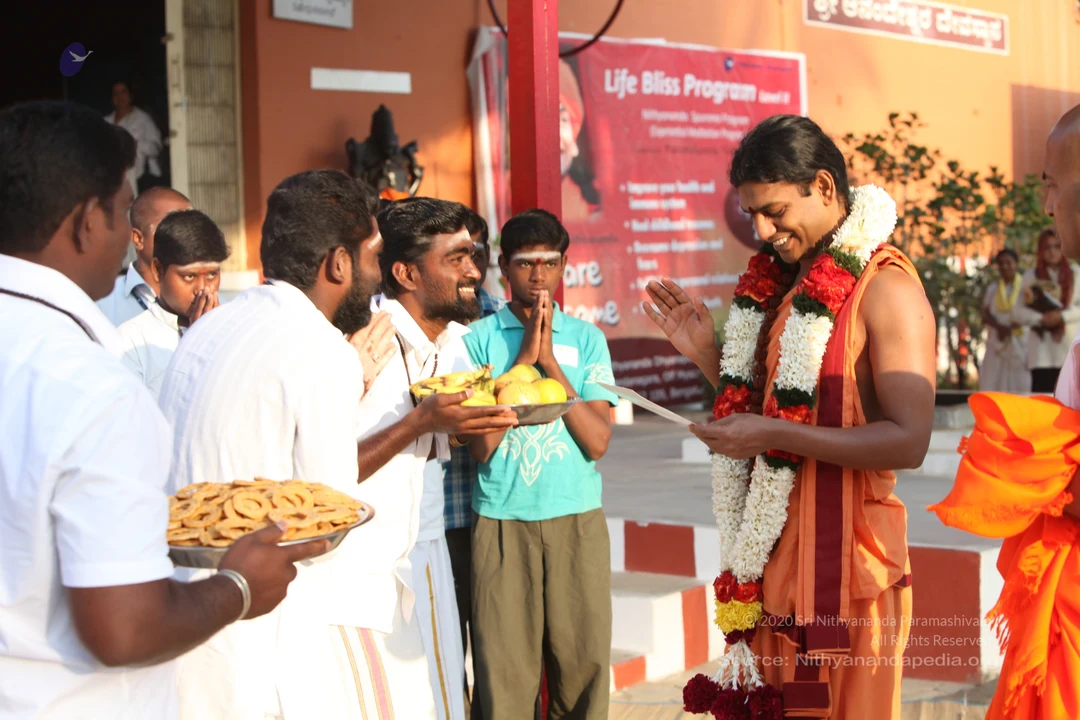
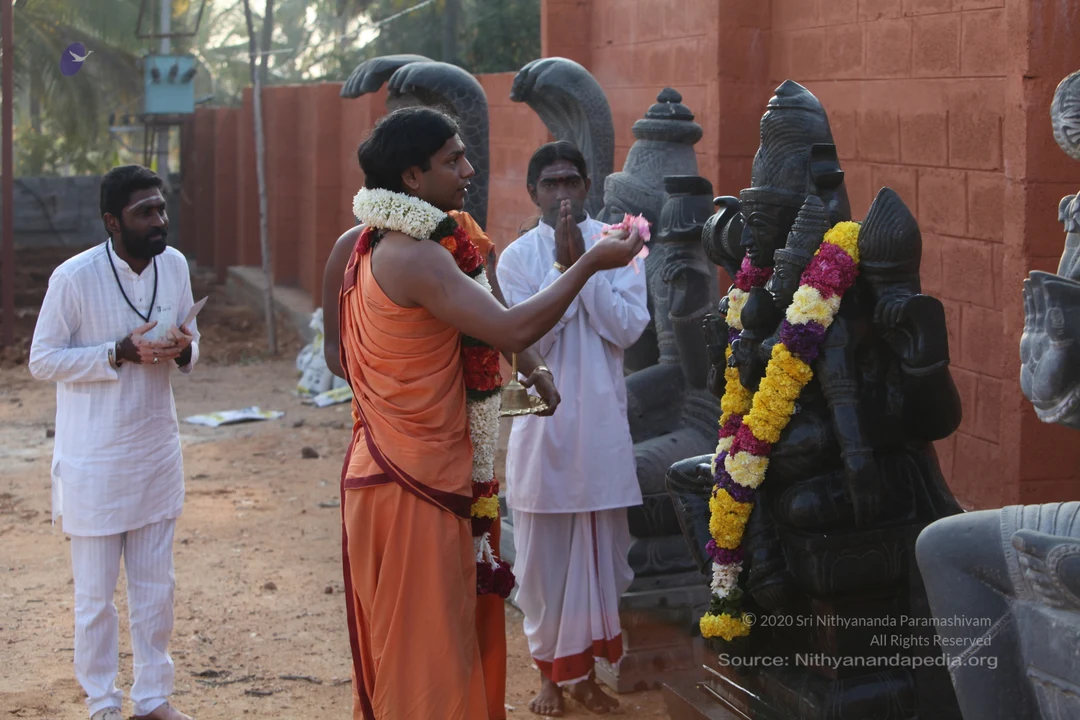
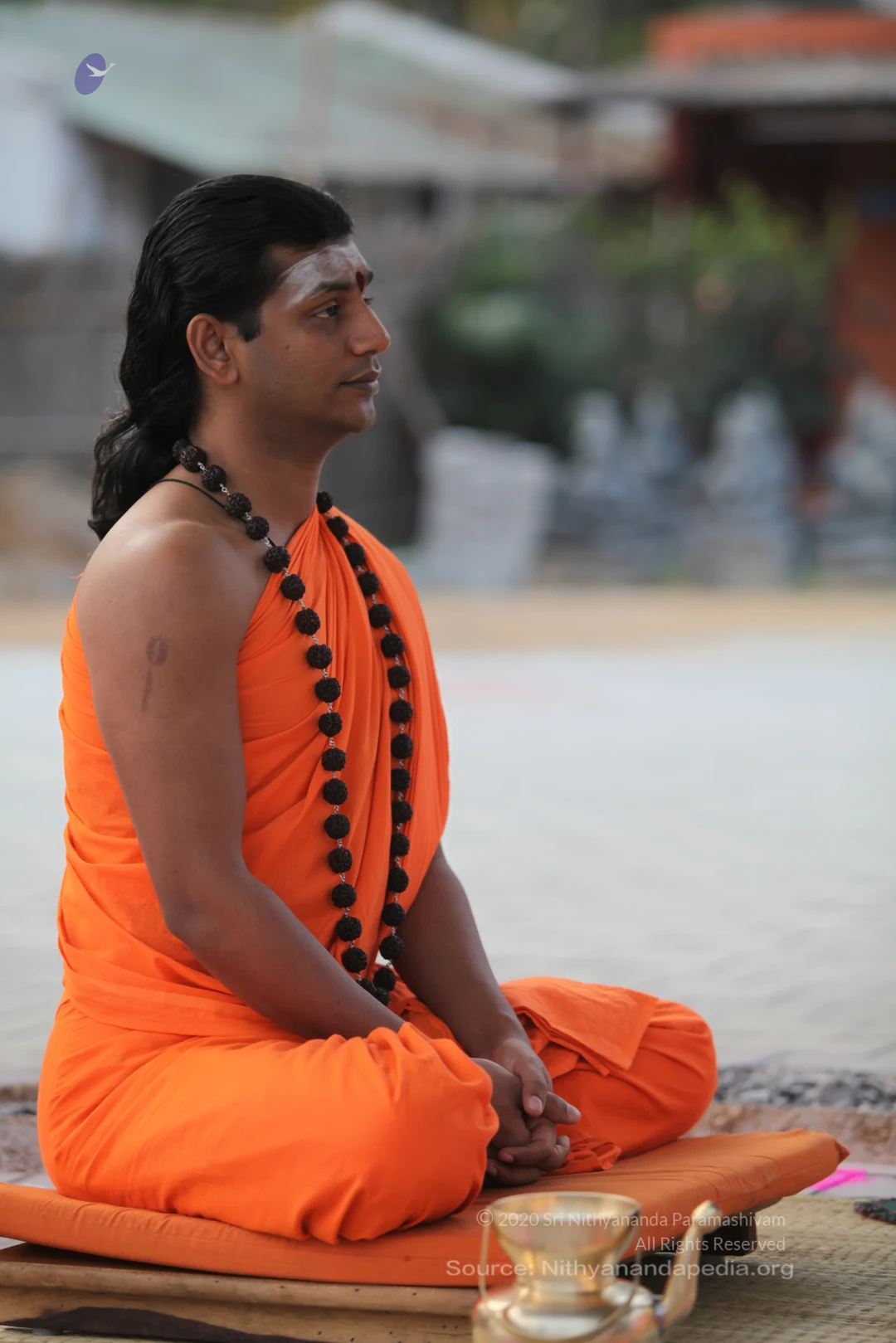
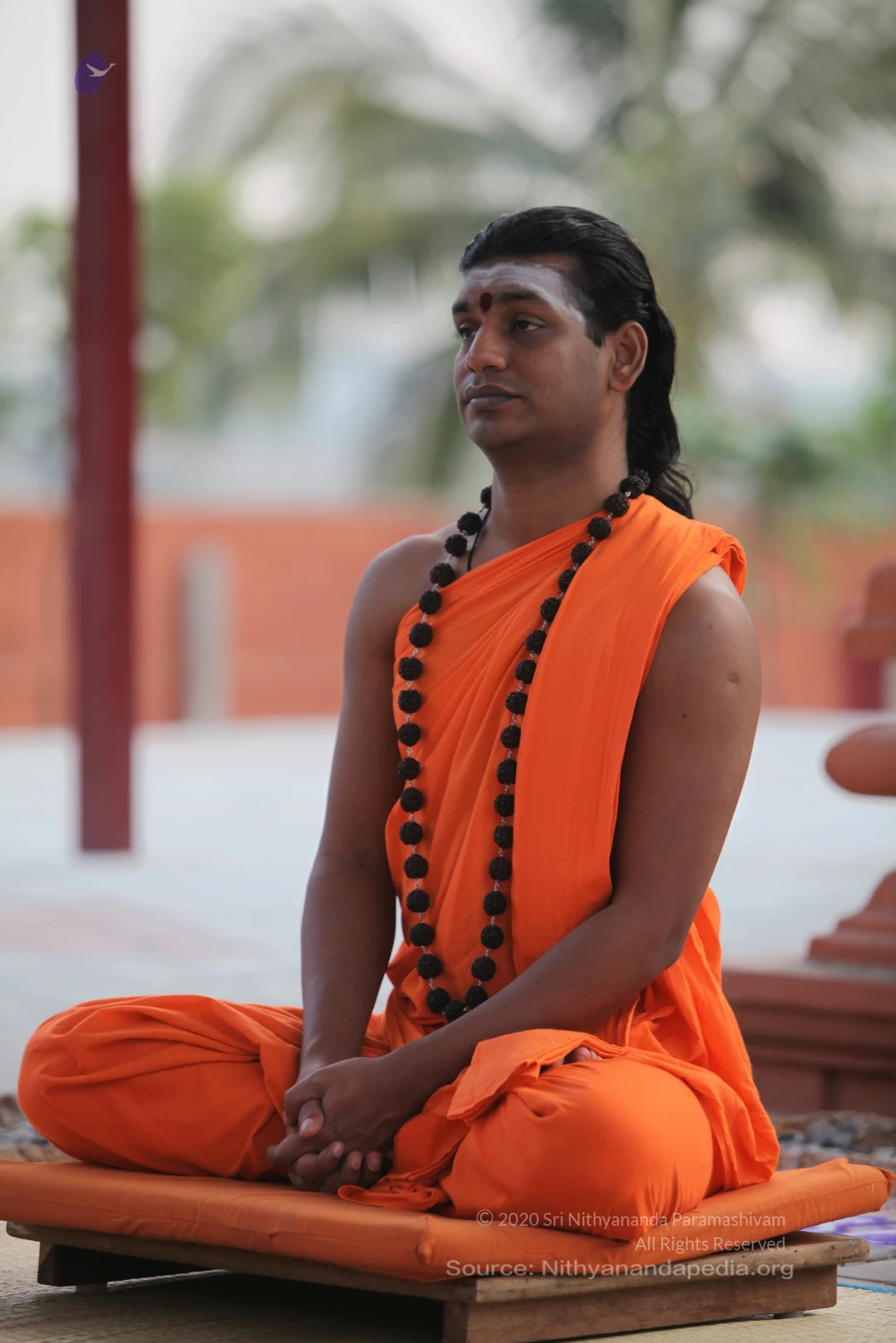
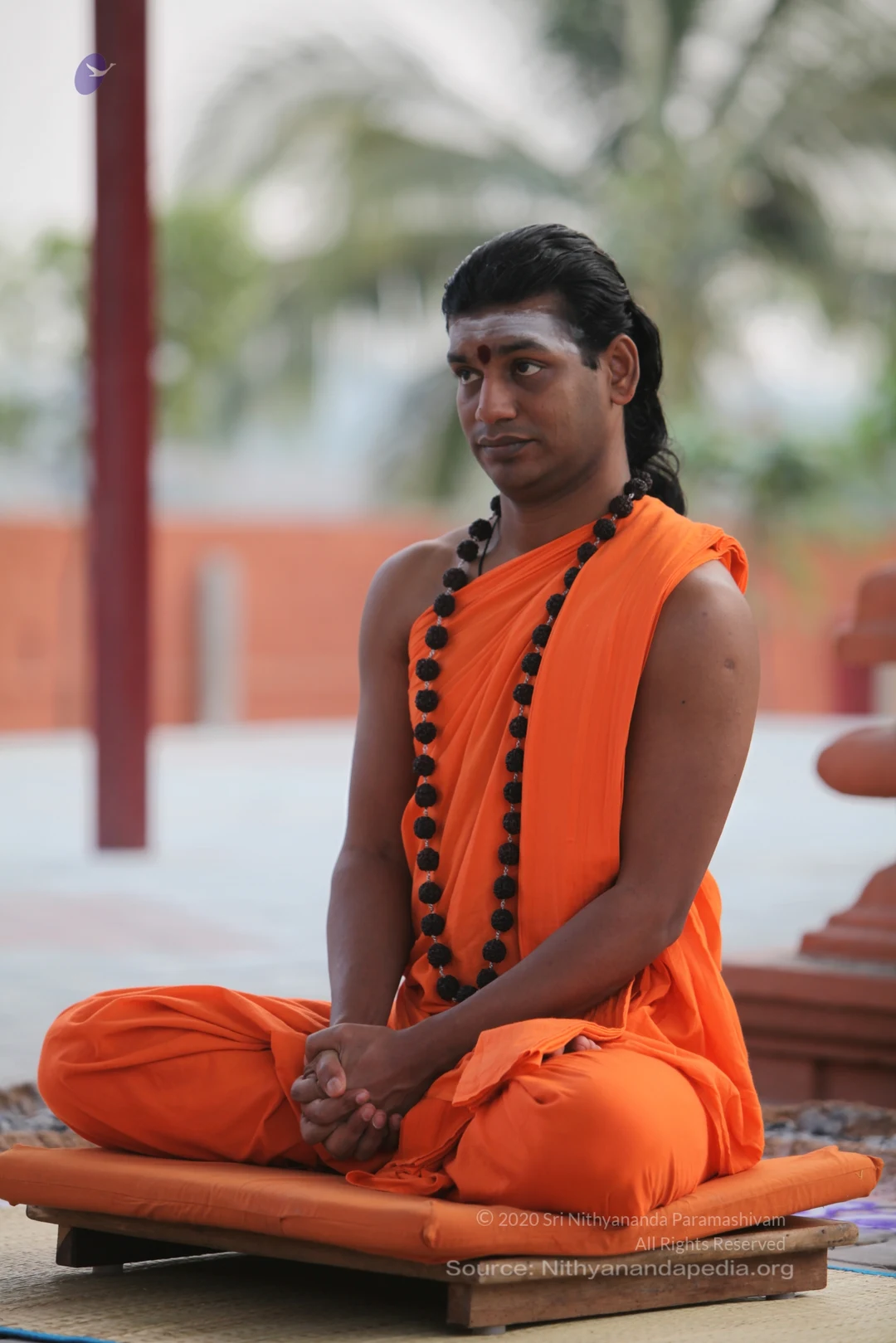
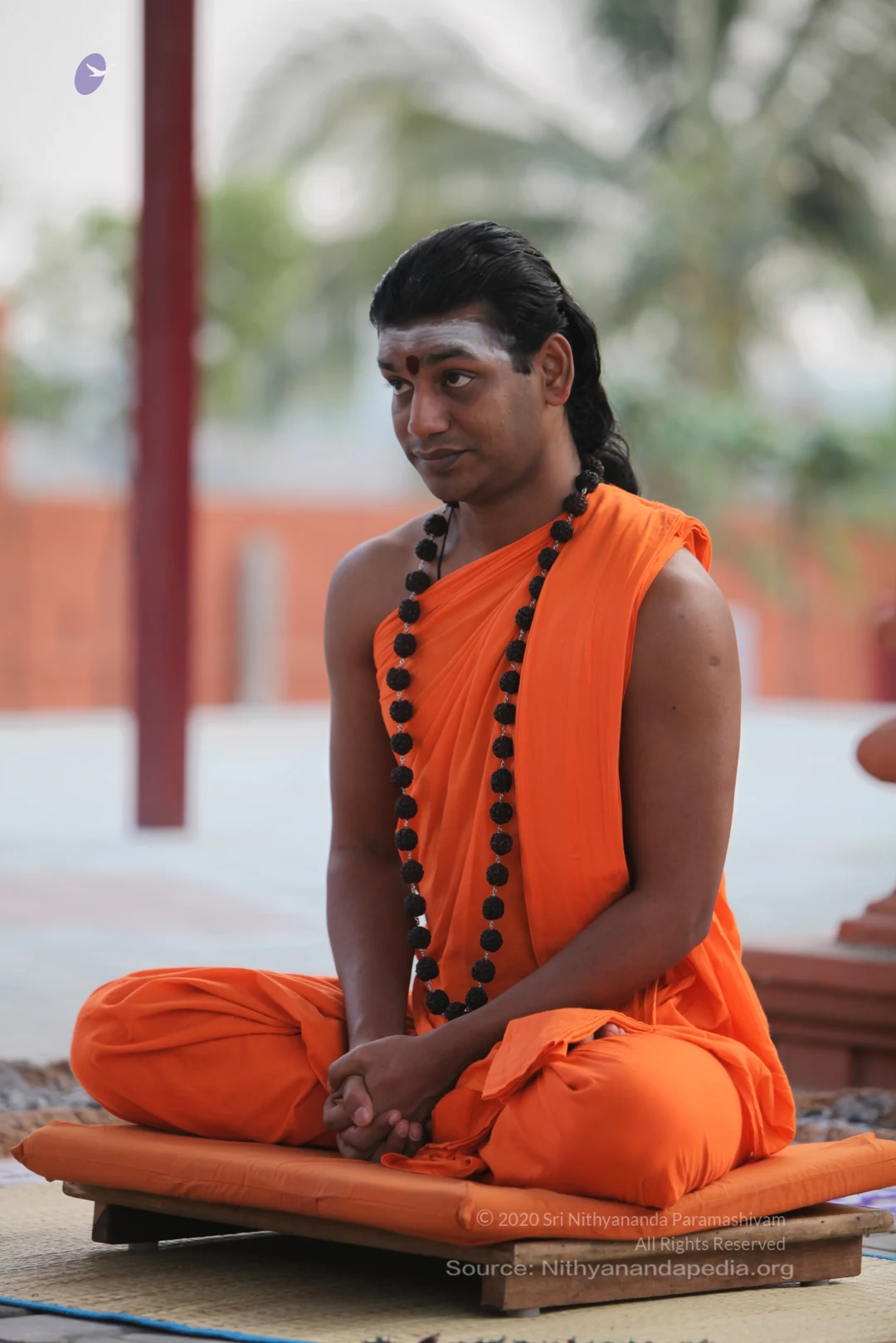
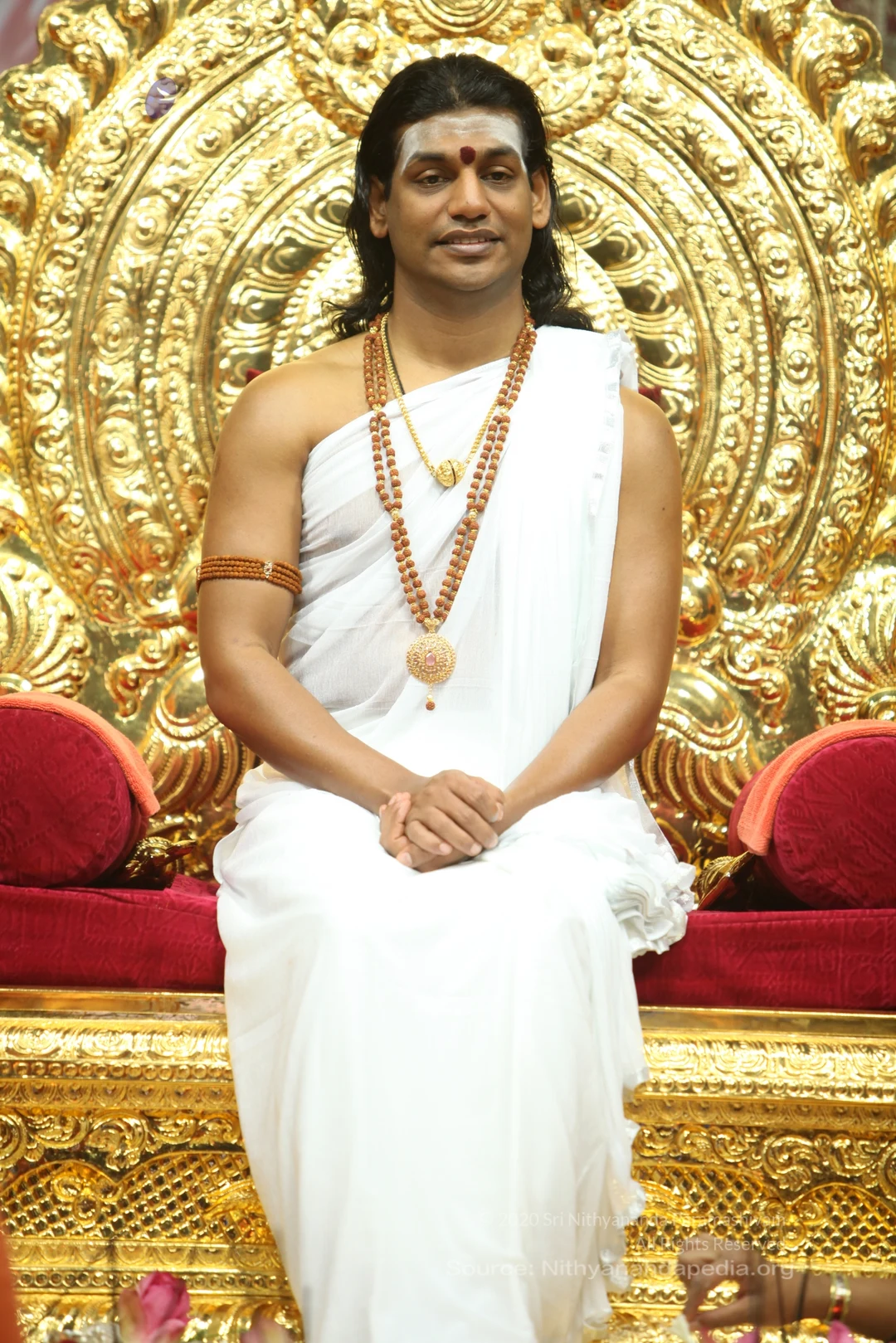
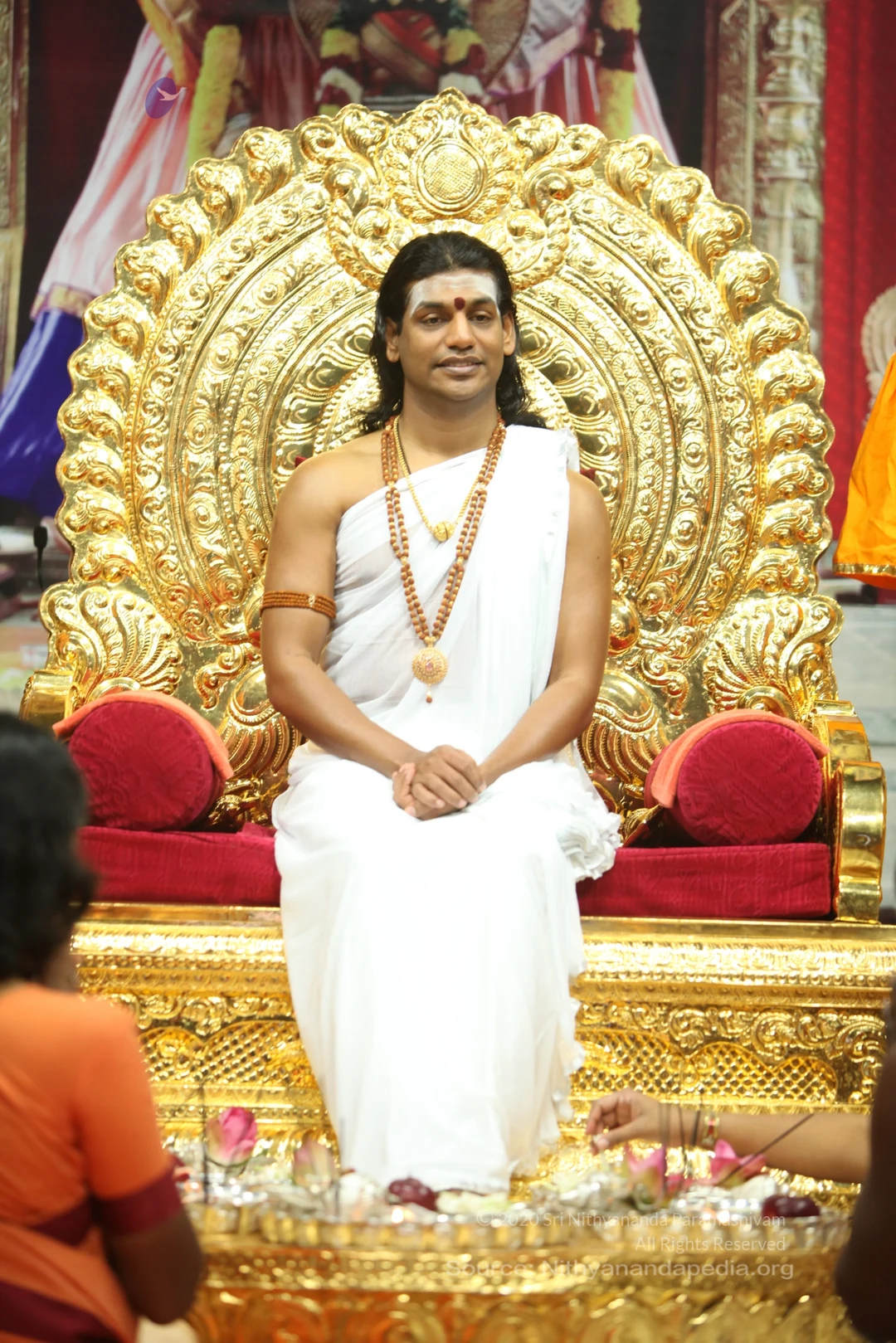
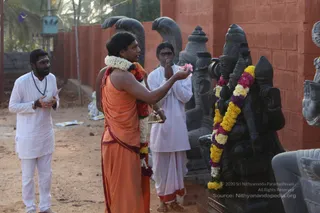
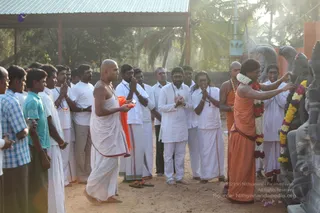
Paadapooja
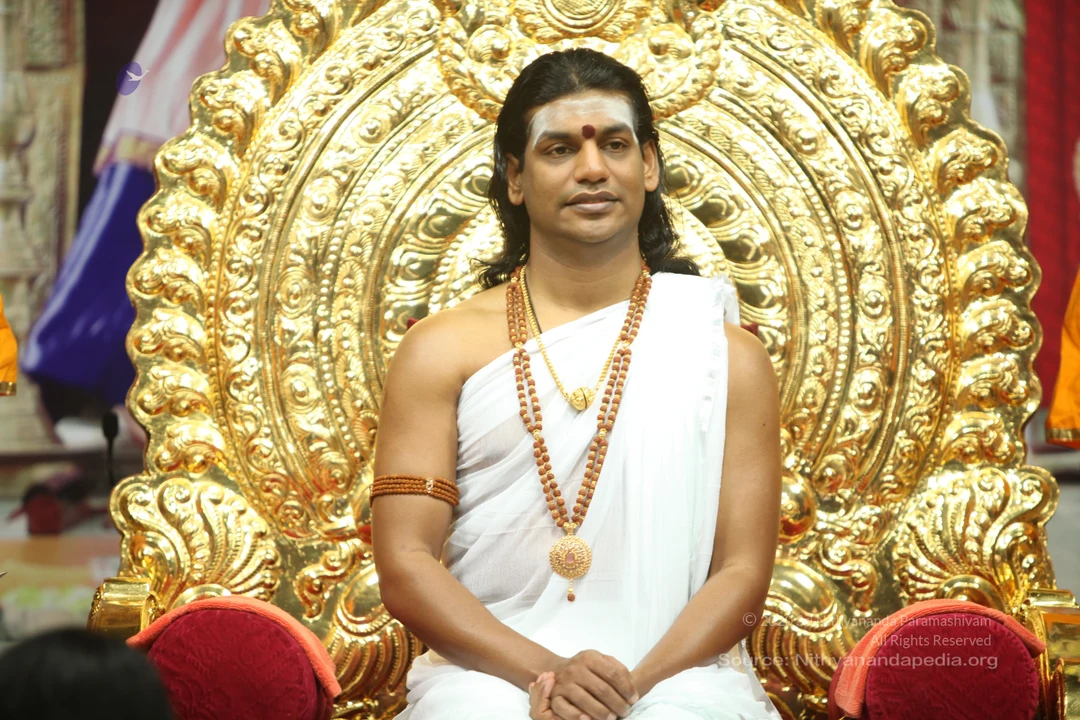
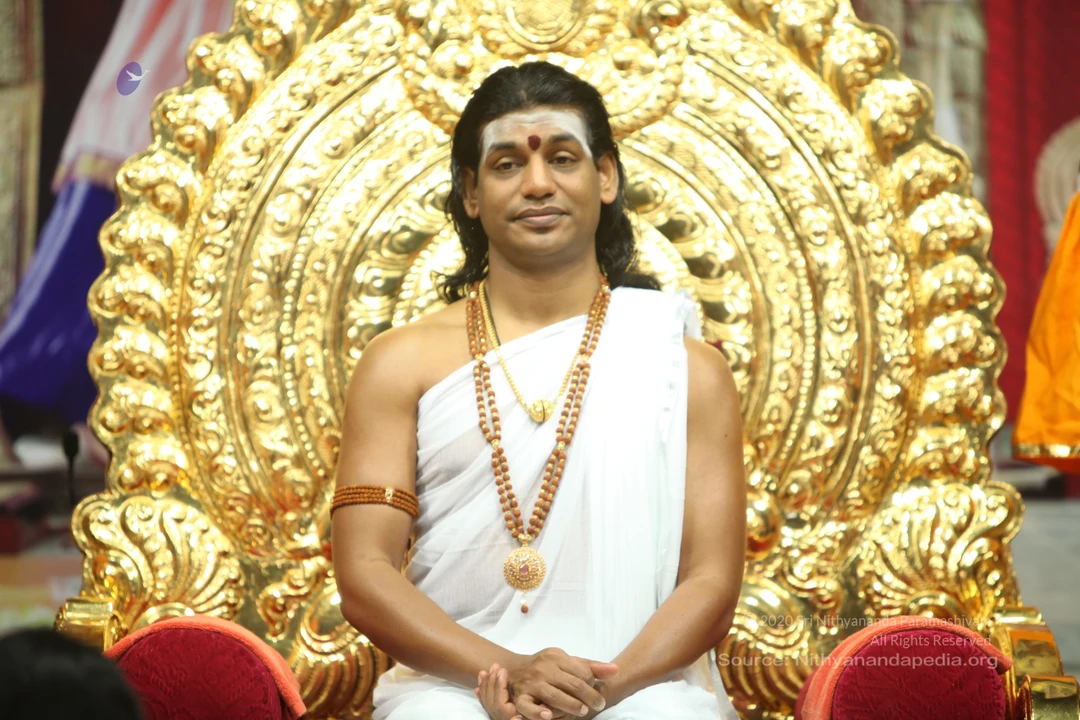
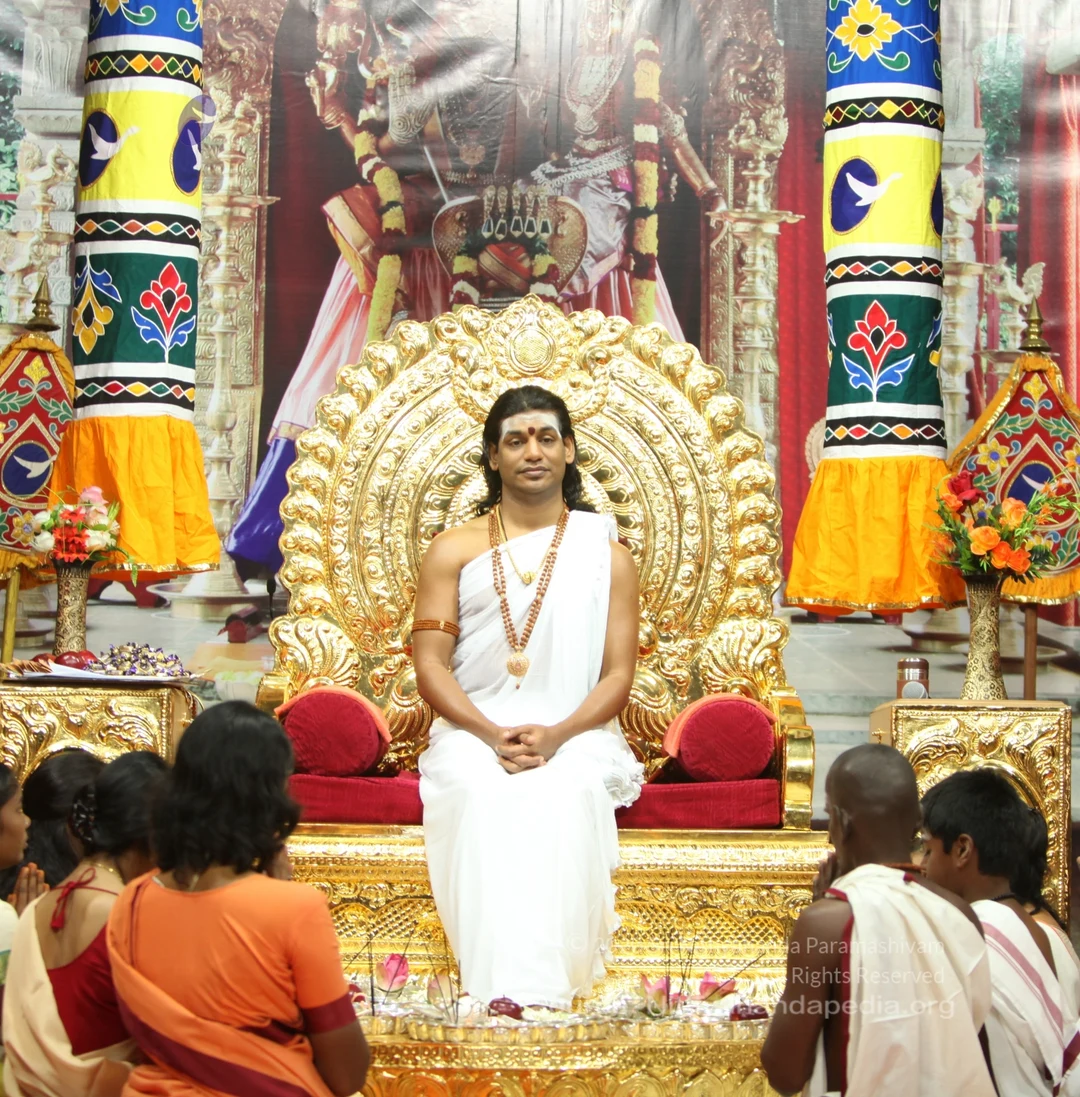
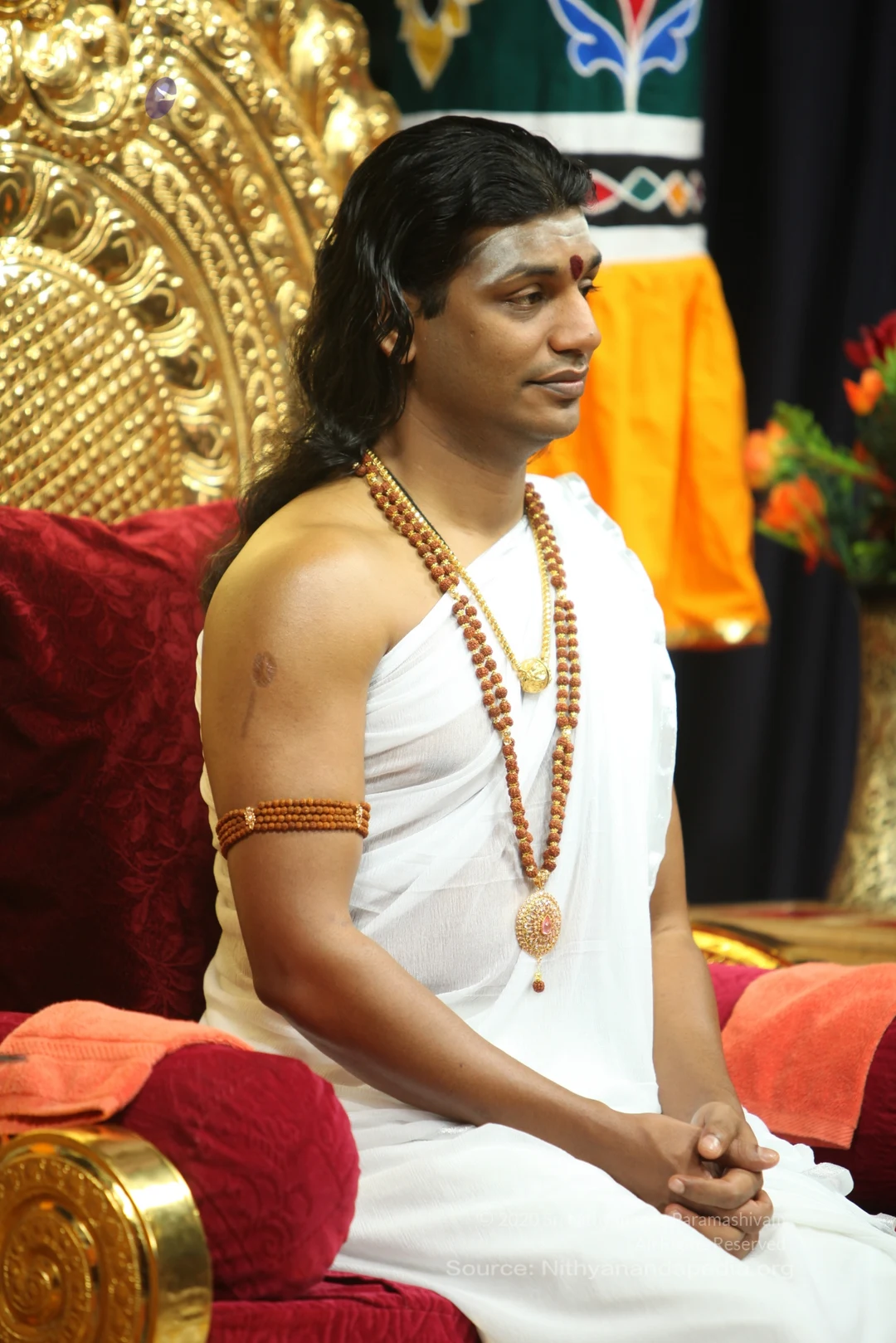
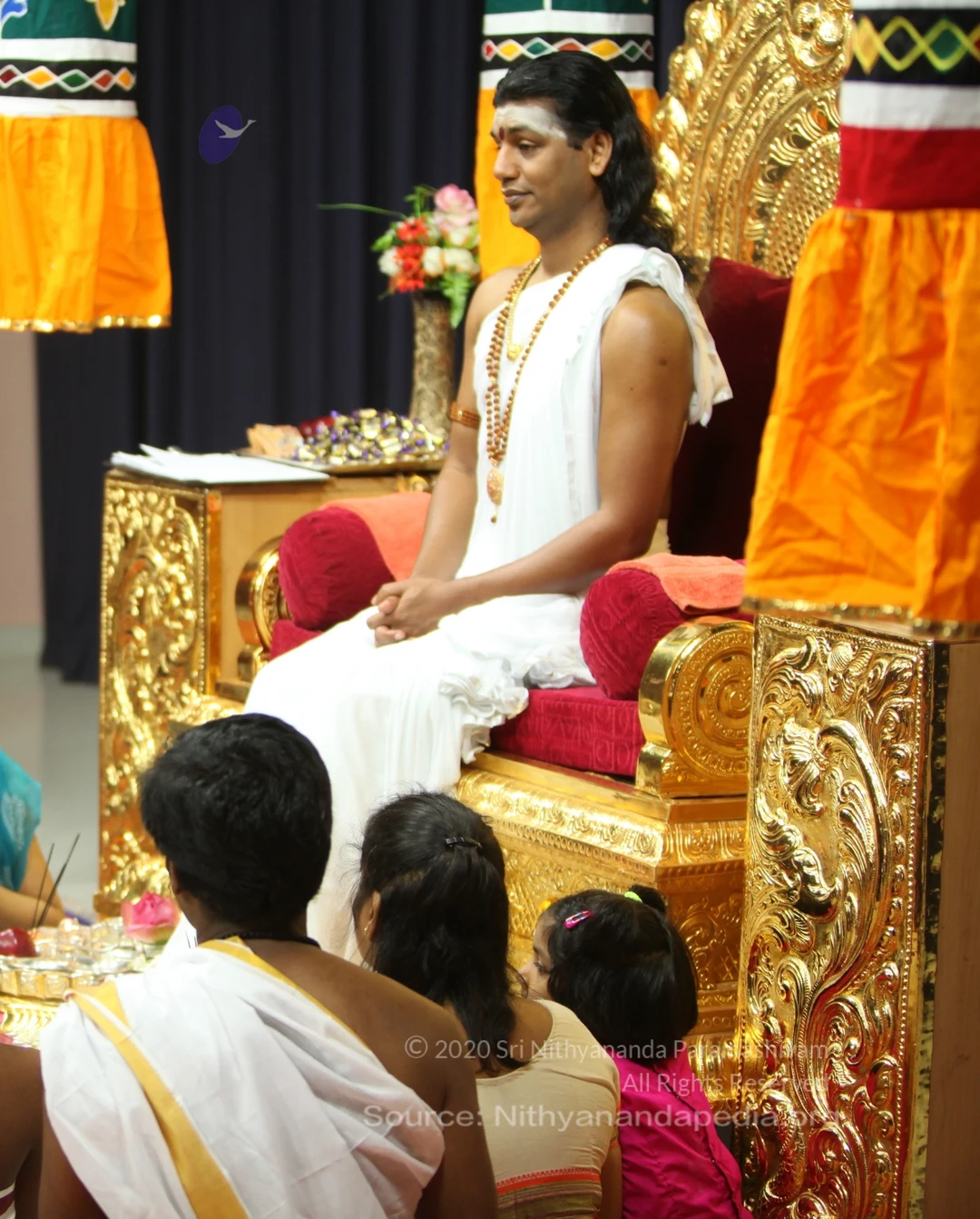
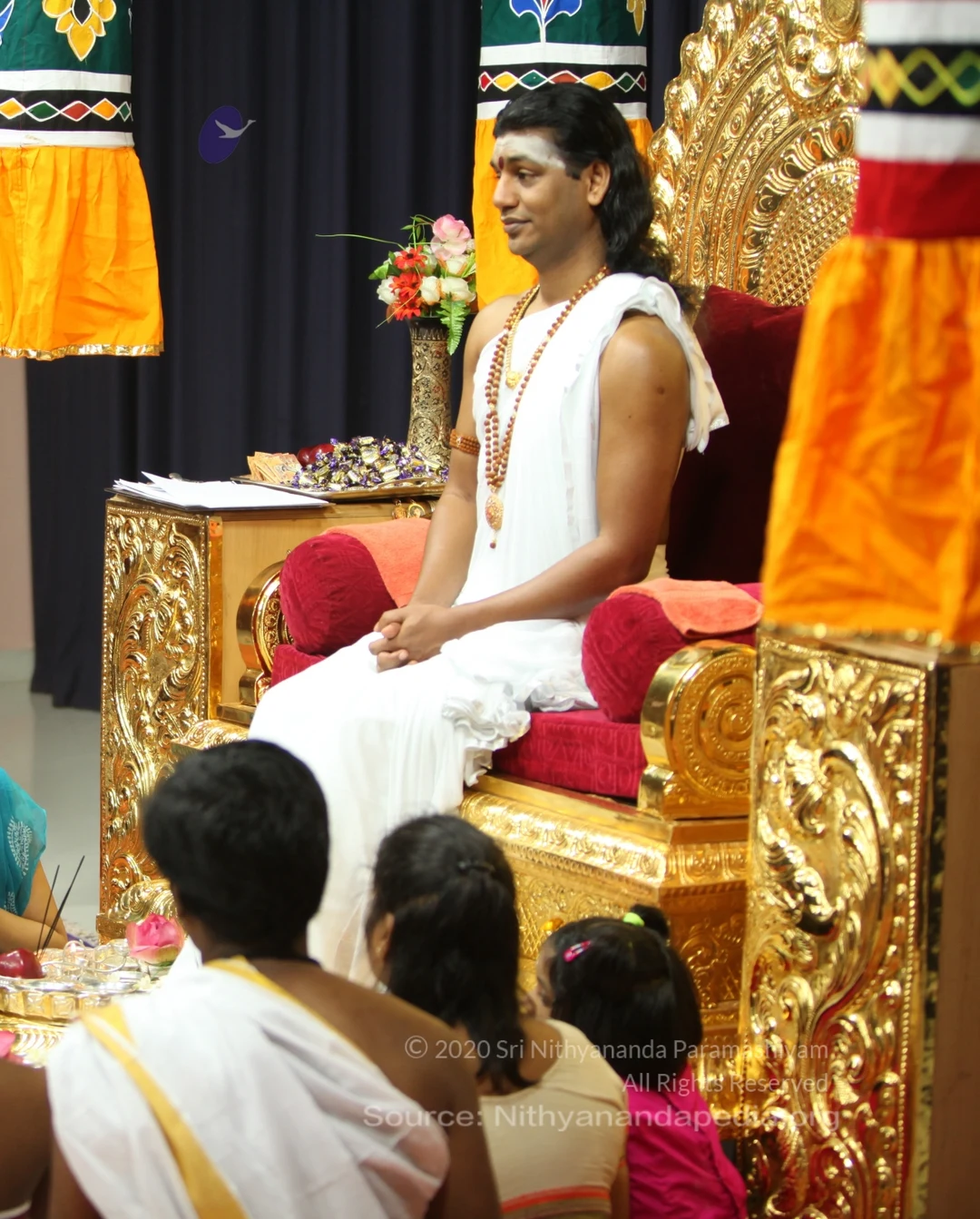
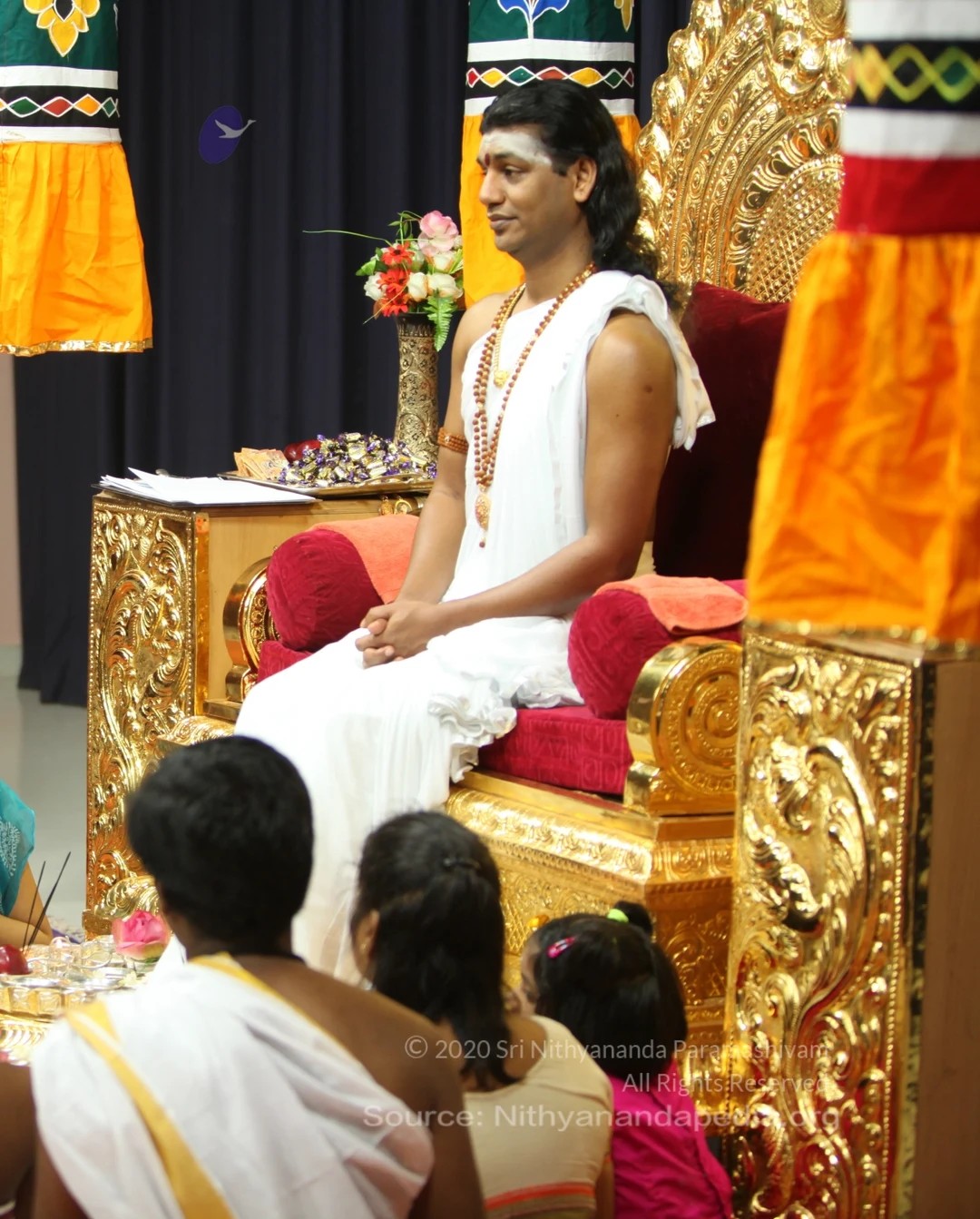
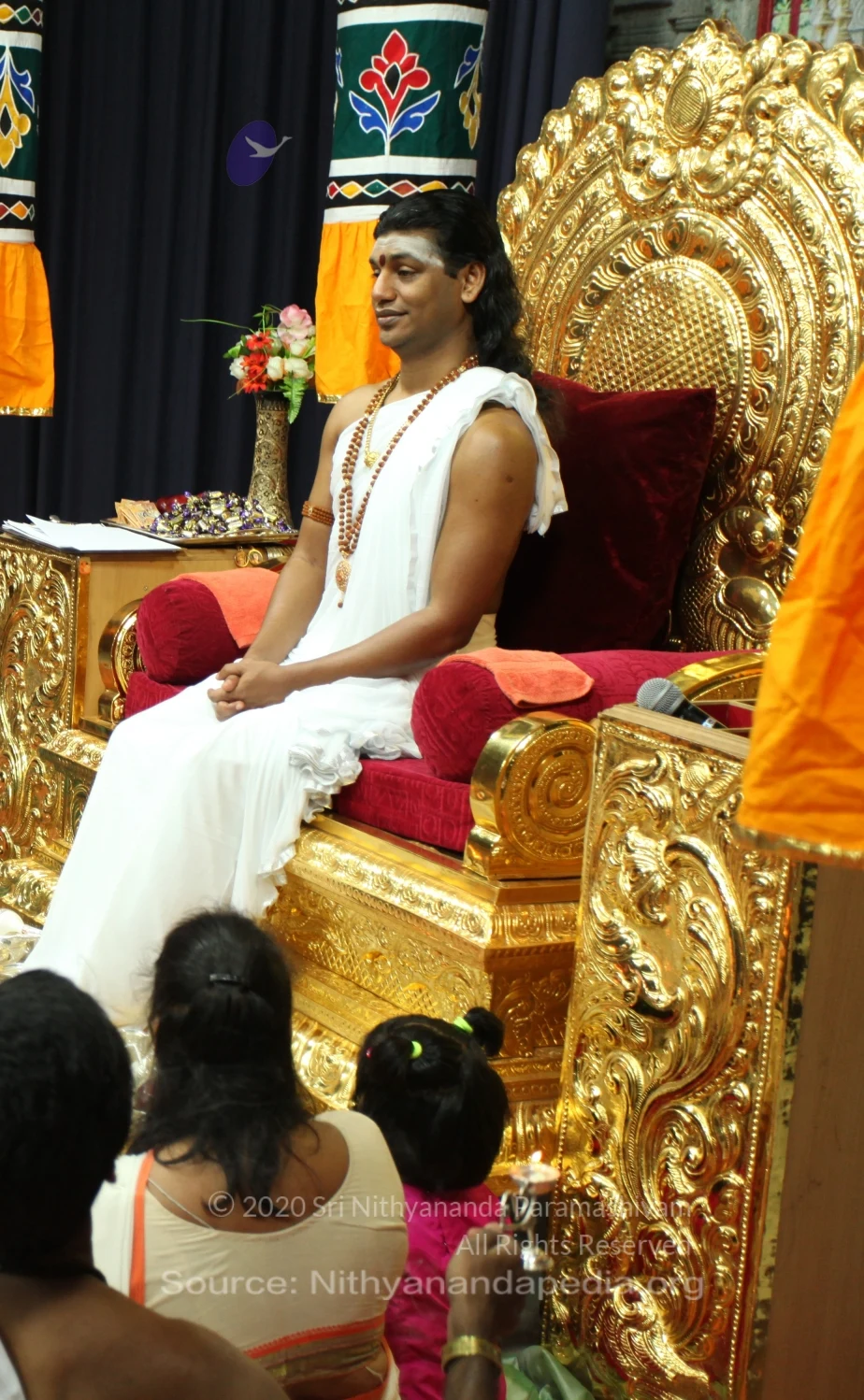
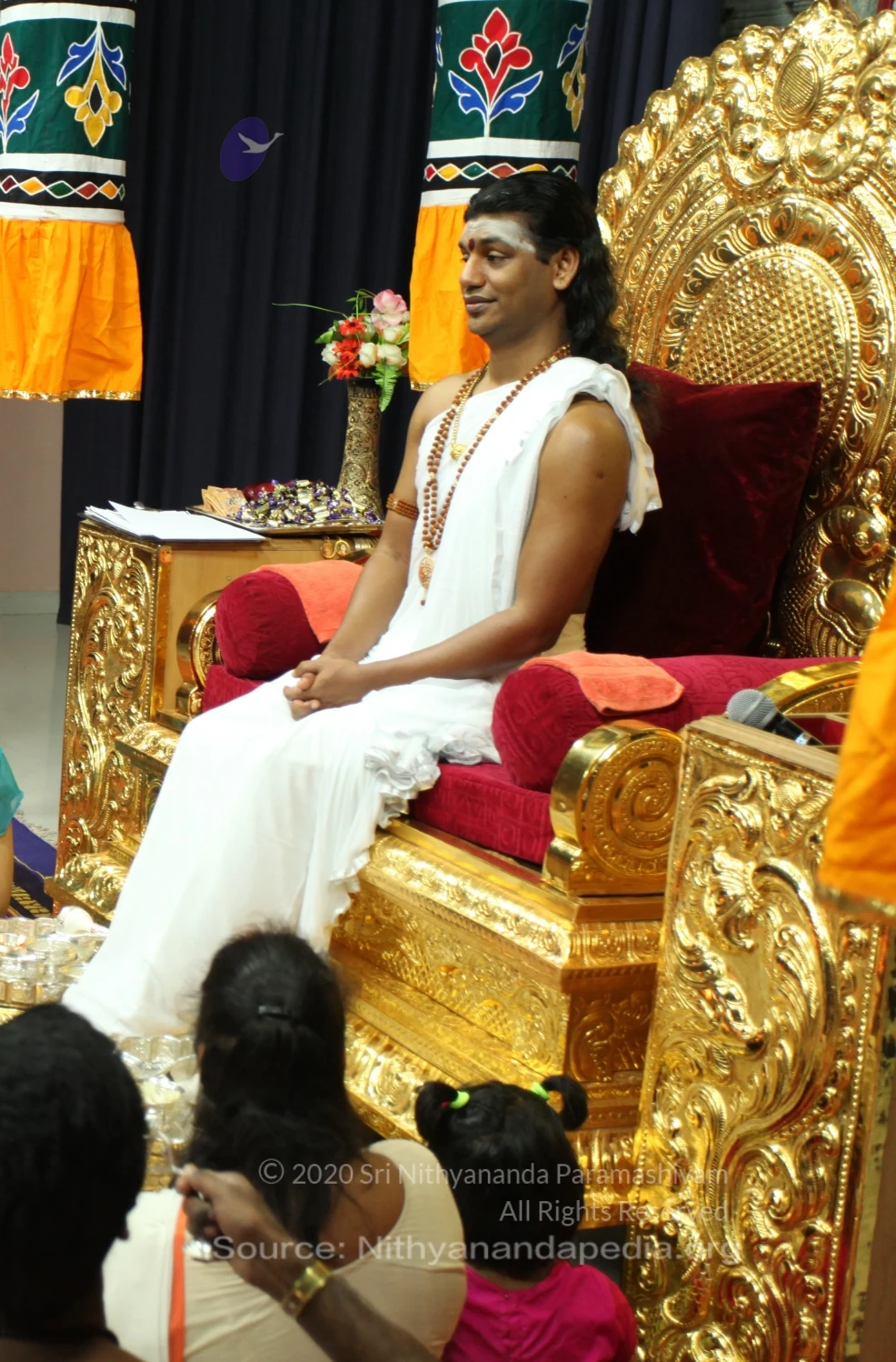
Nithyananda-Satsang
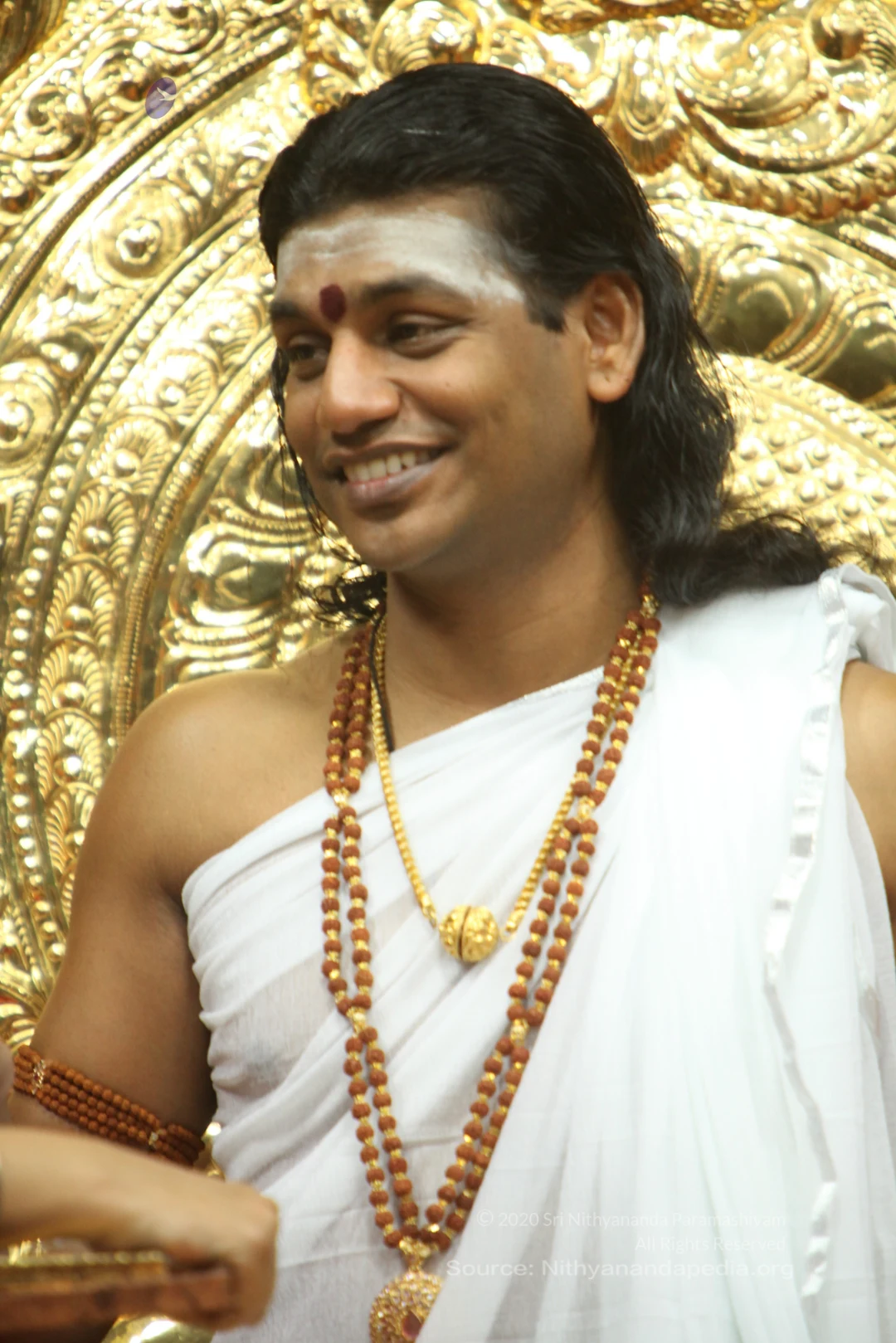
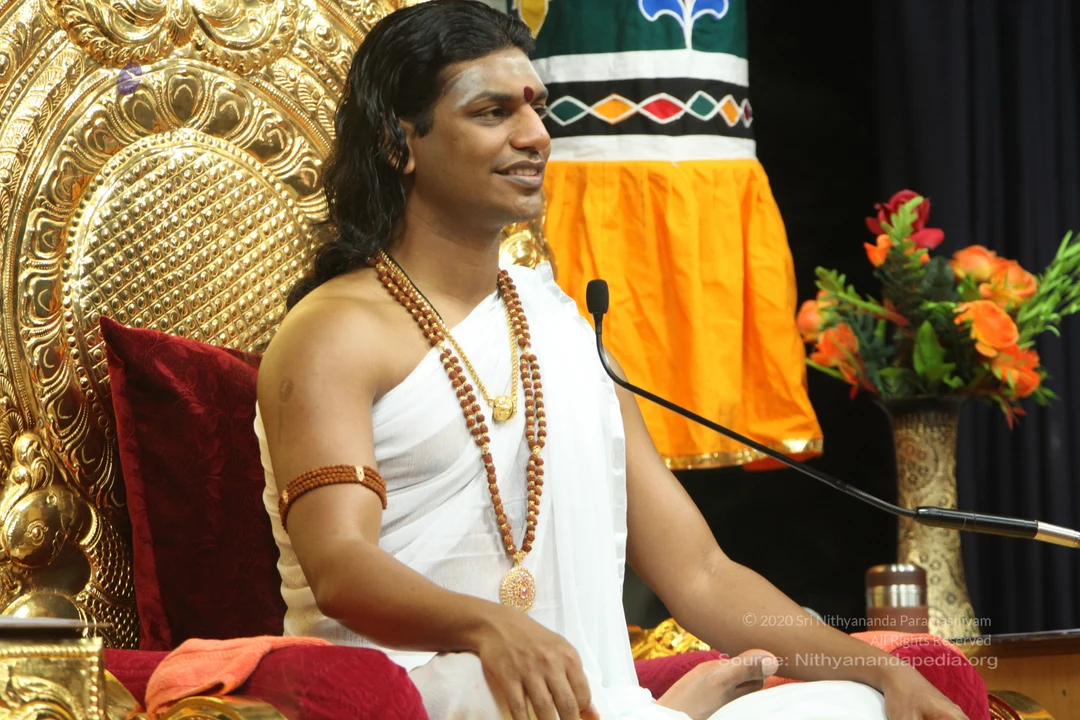
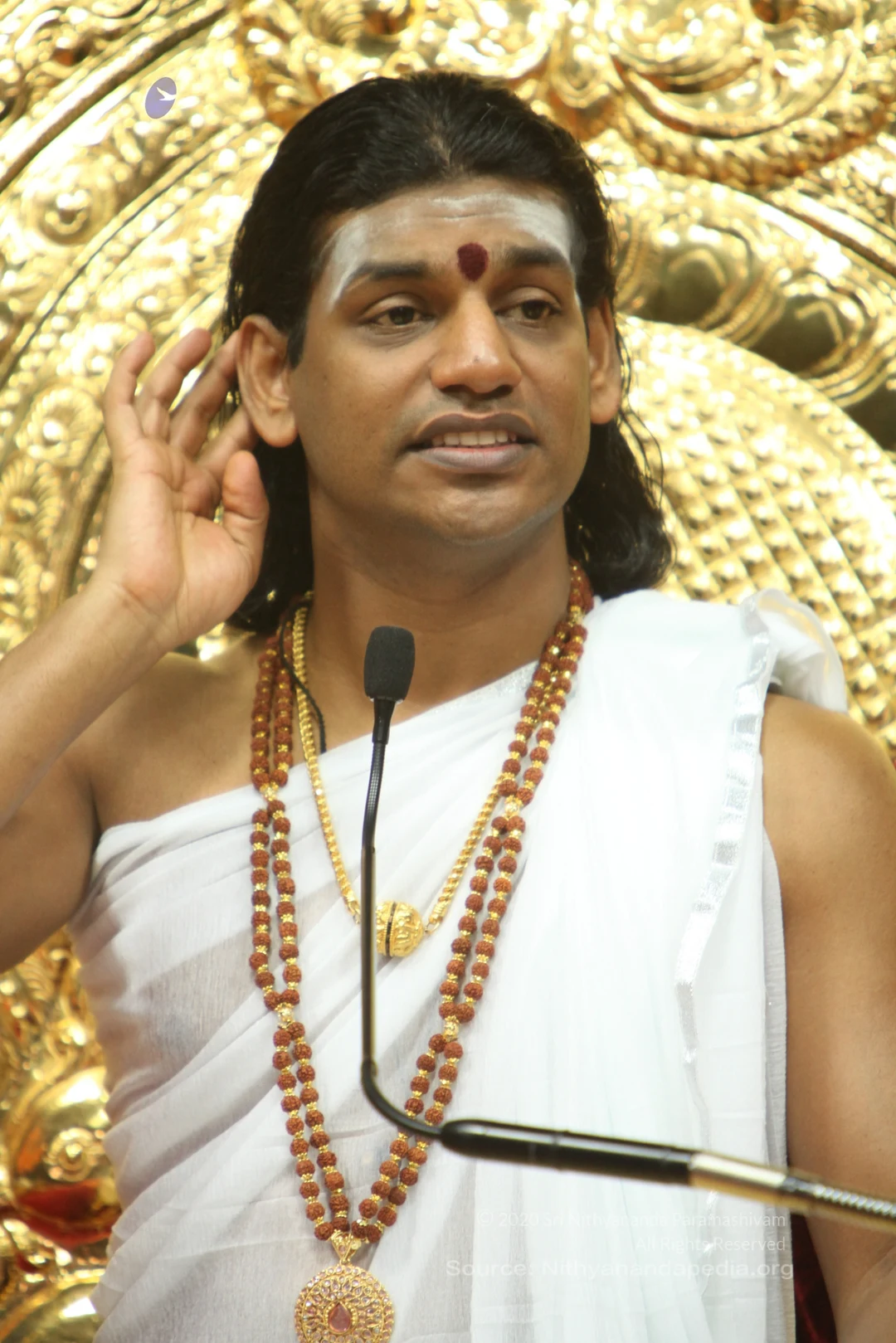
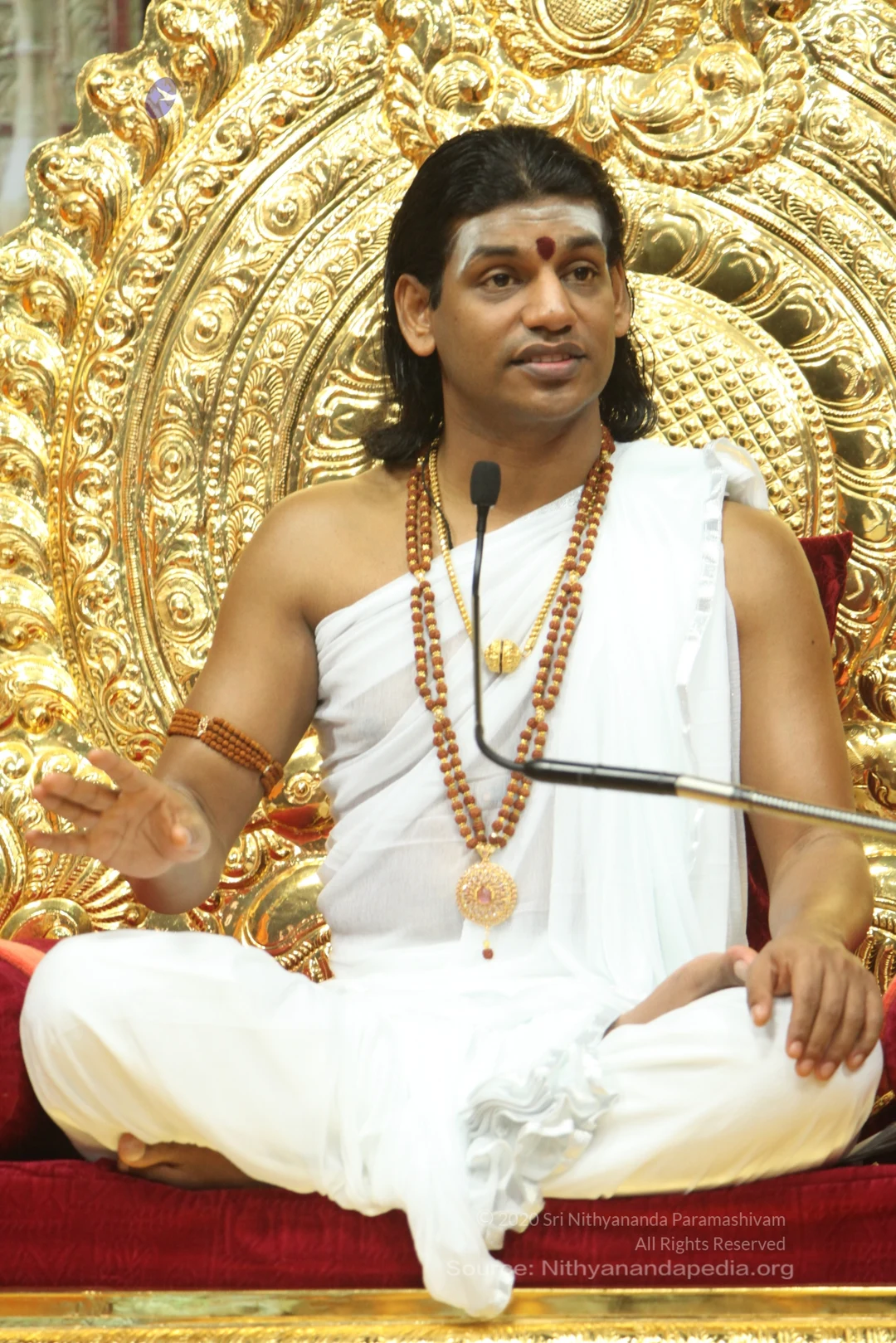
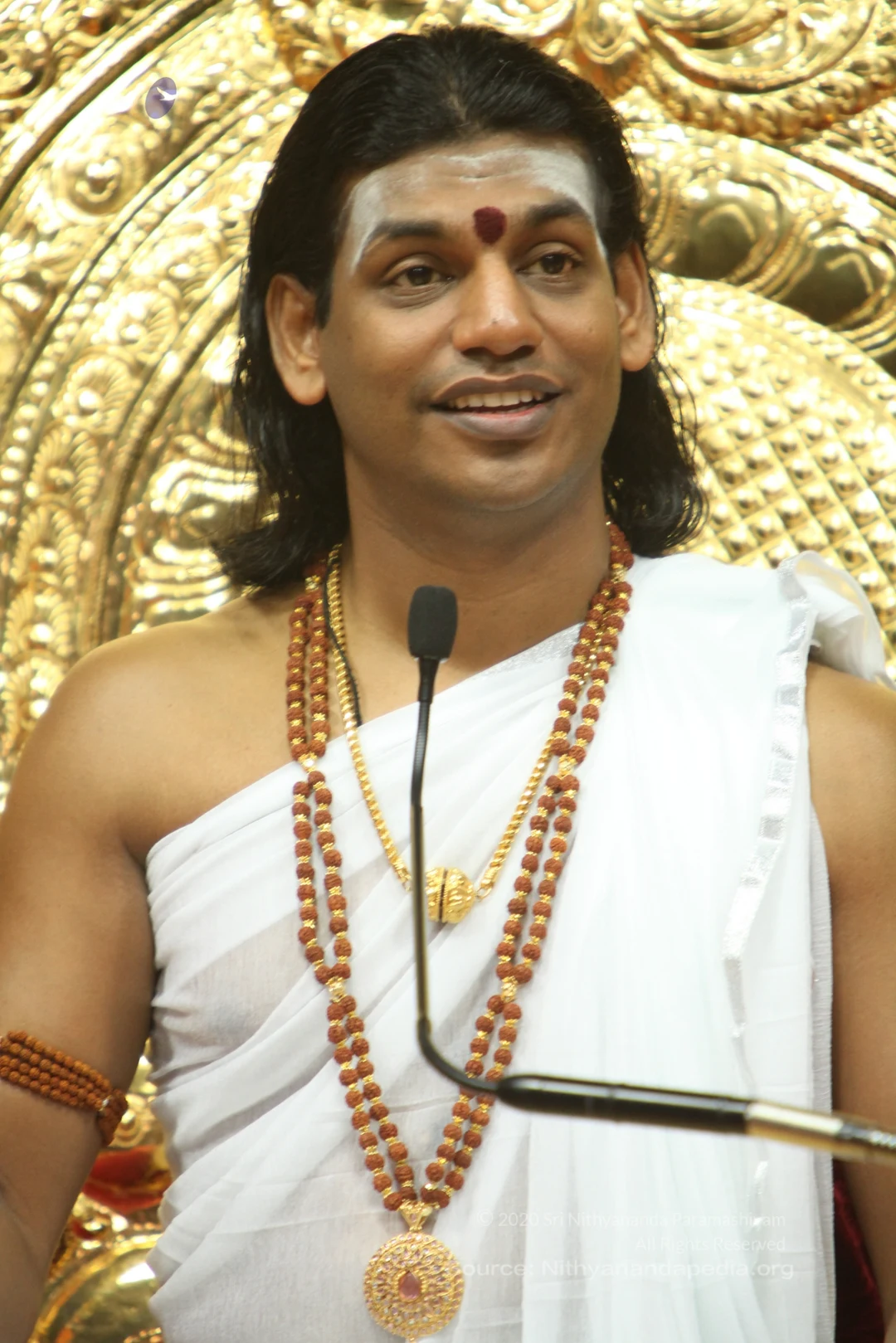
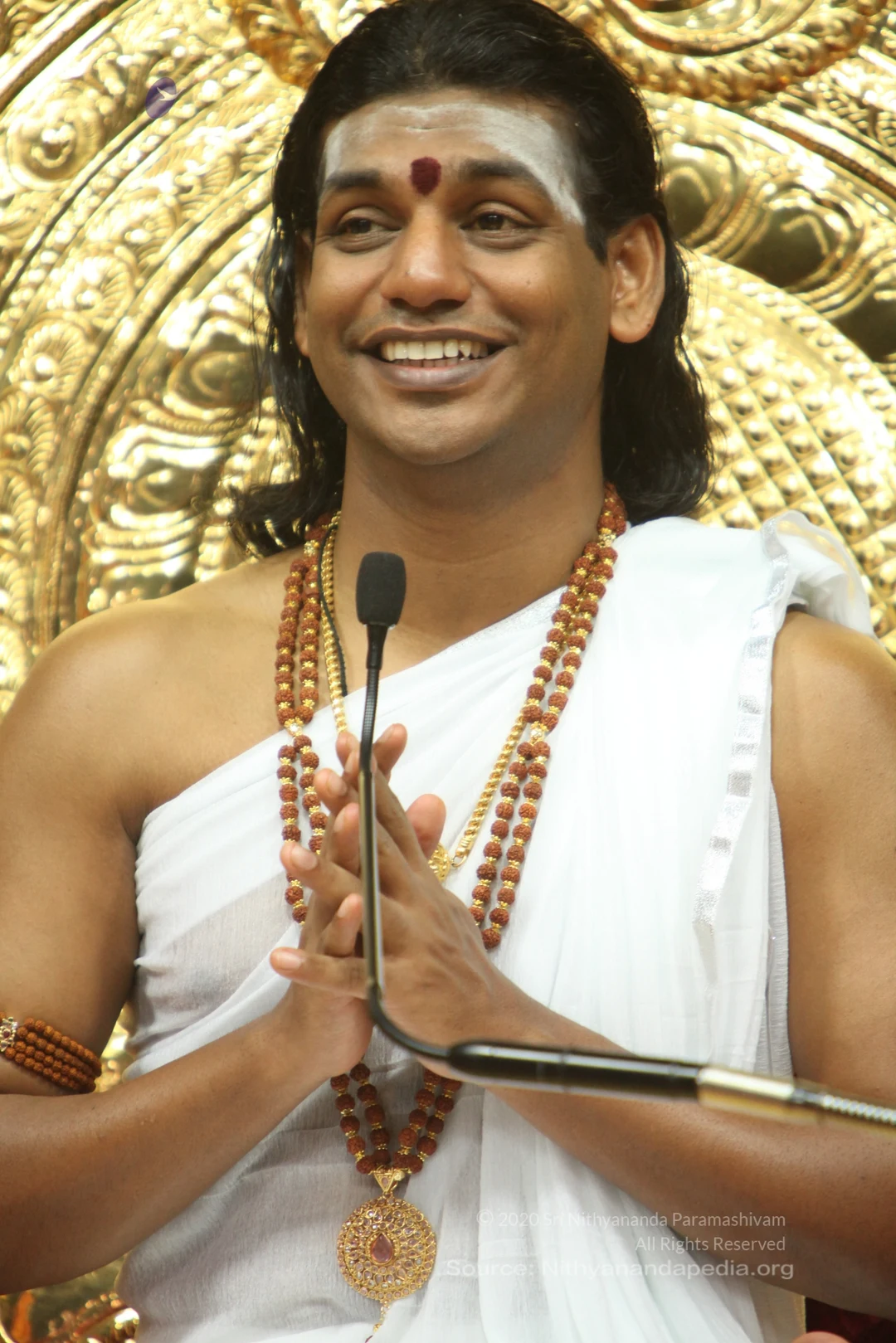
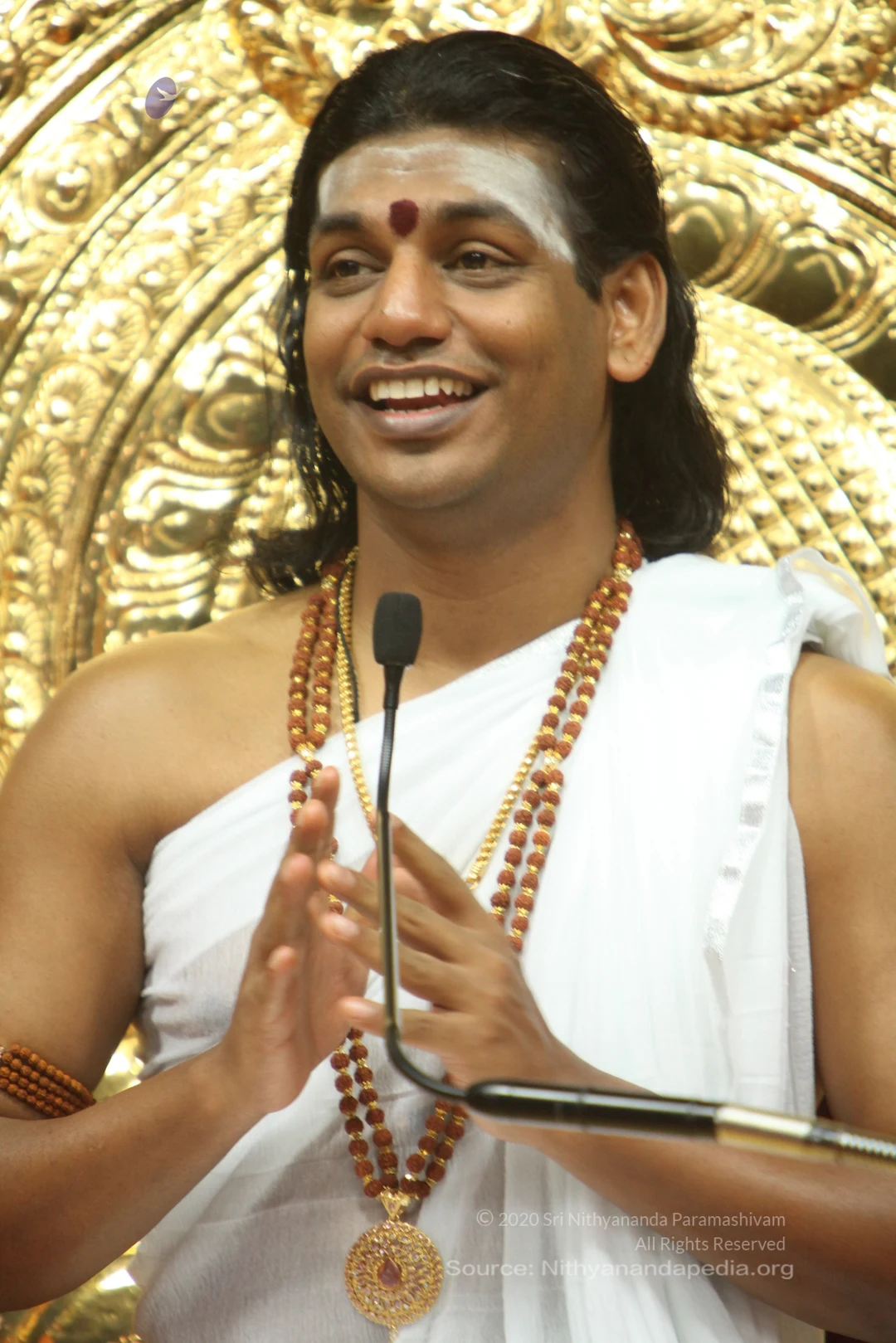
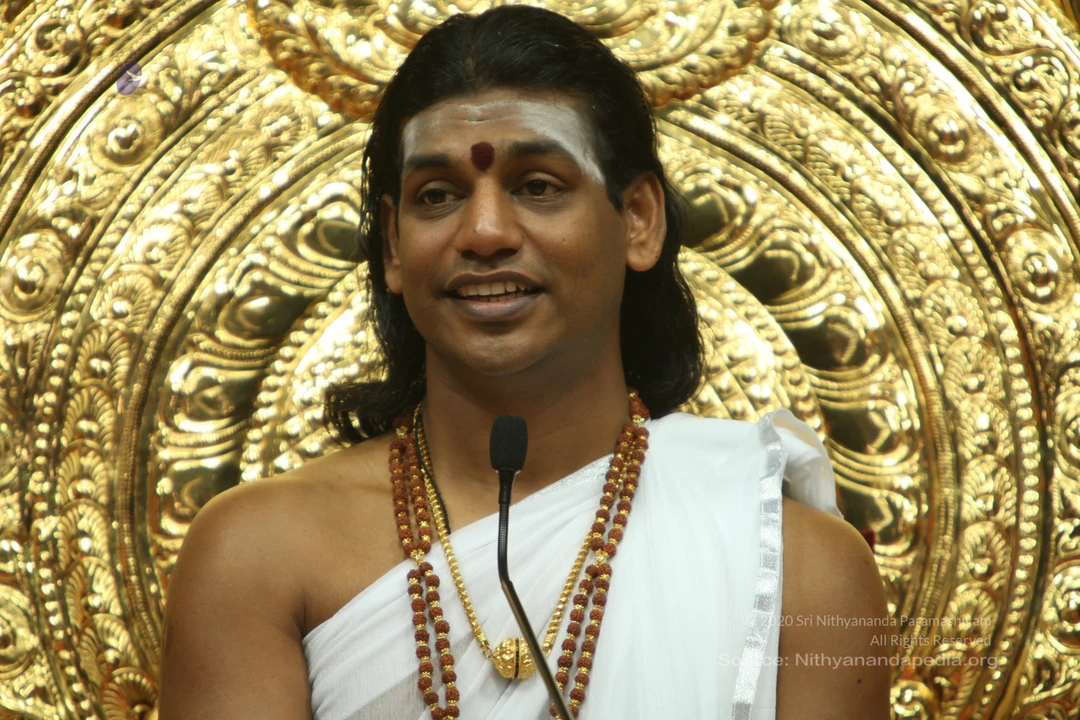
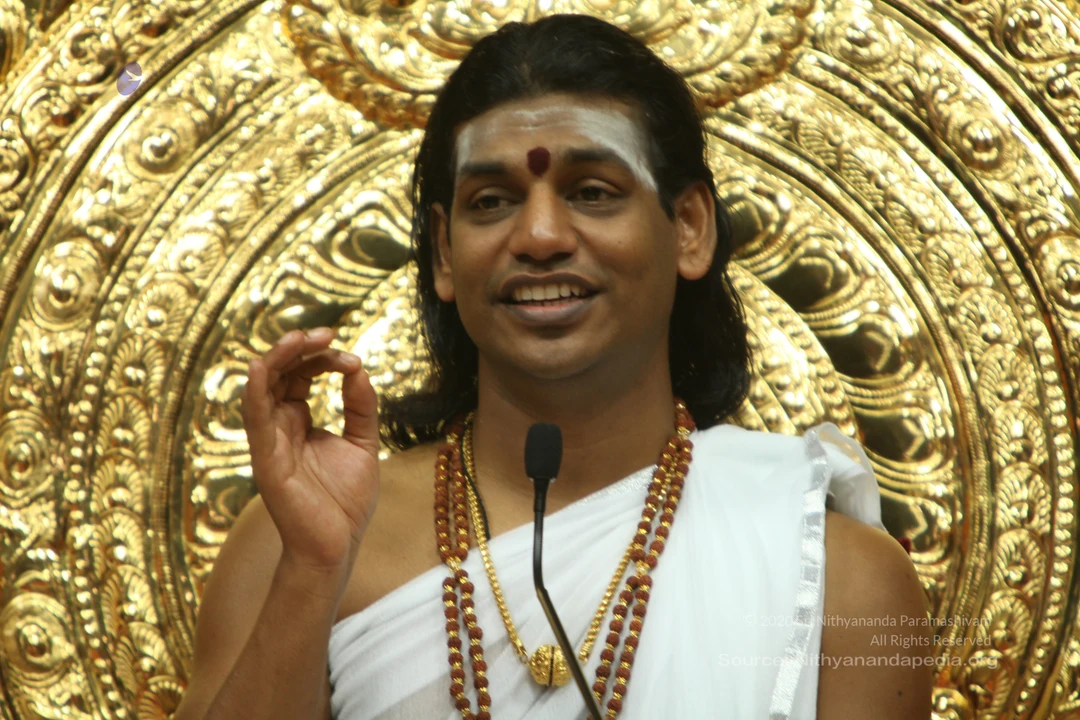
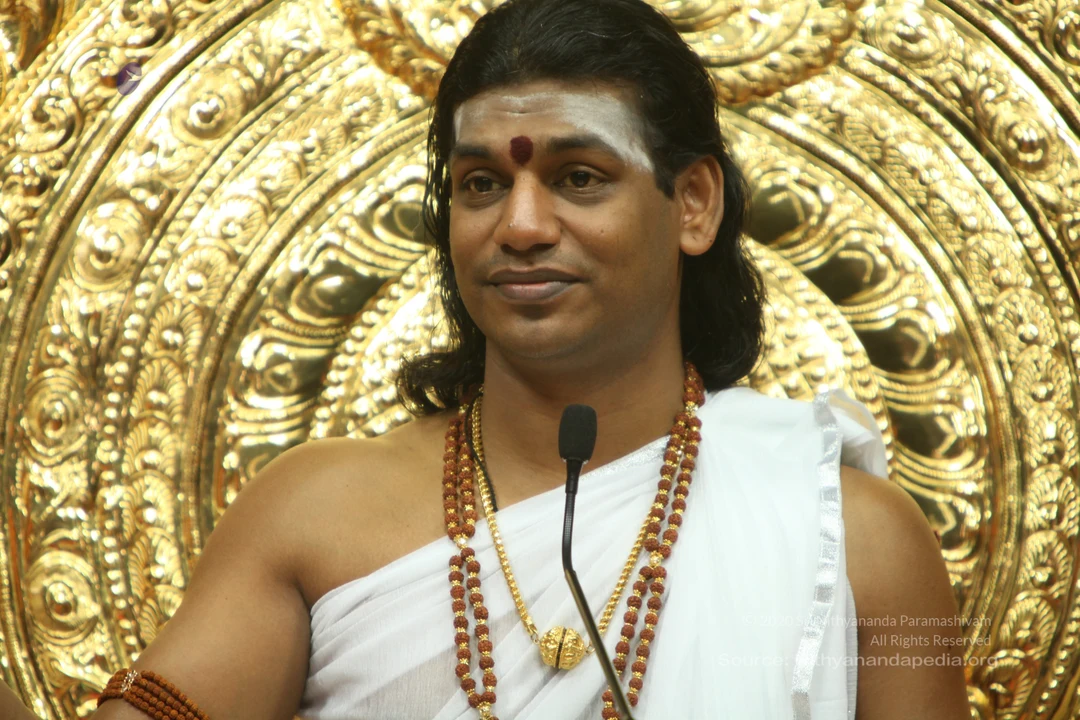
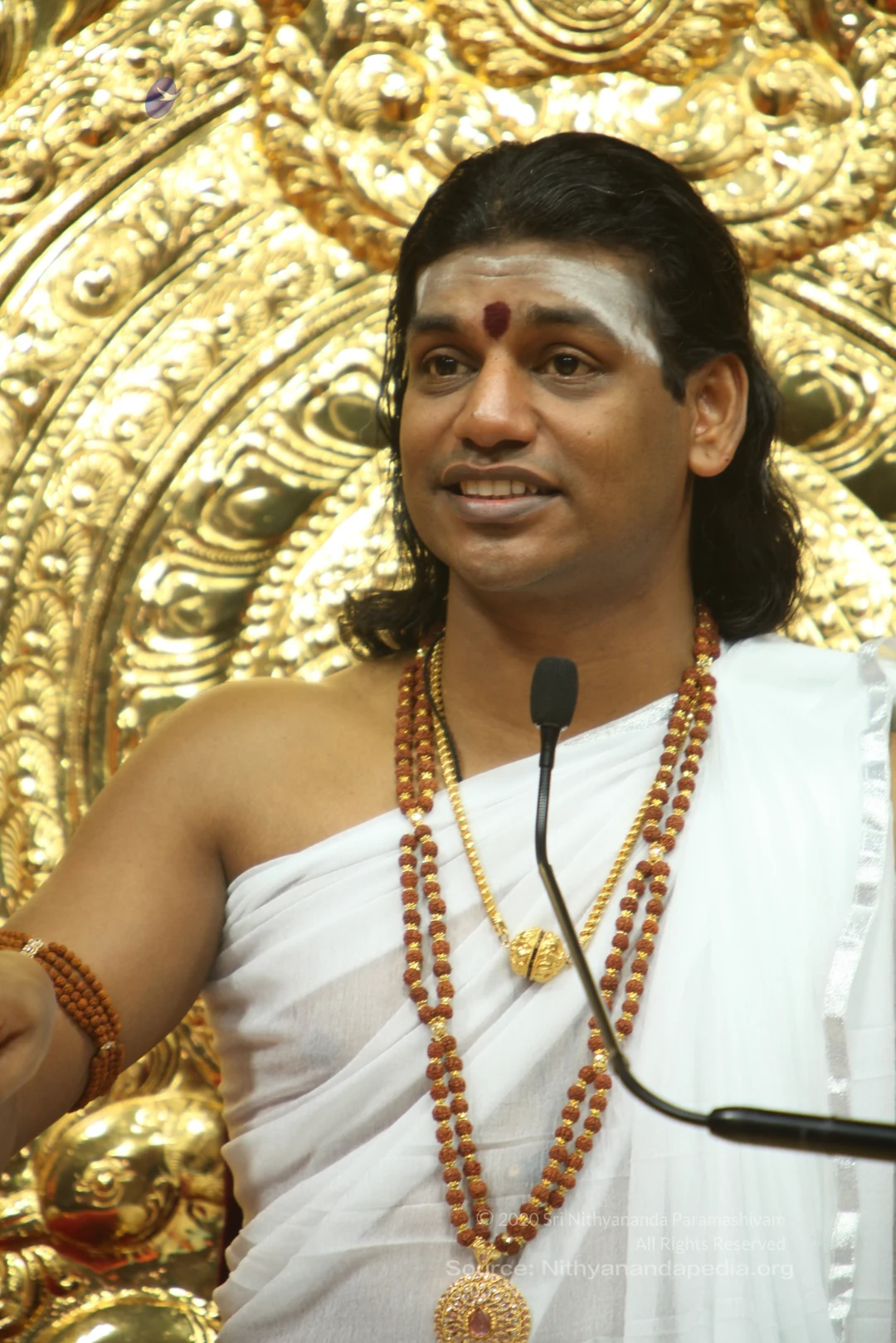
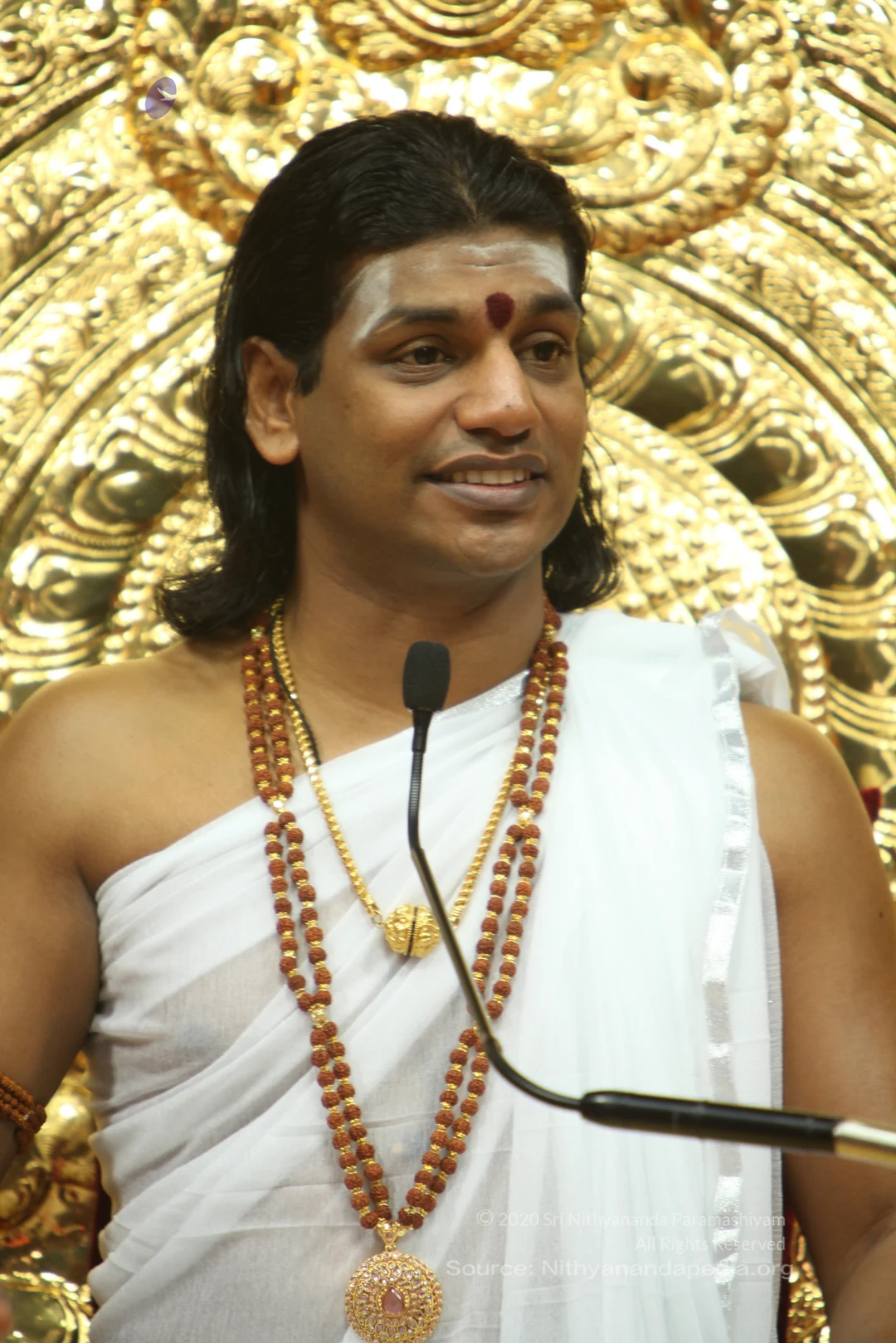
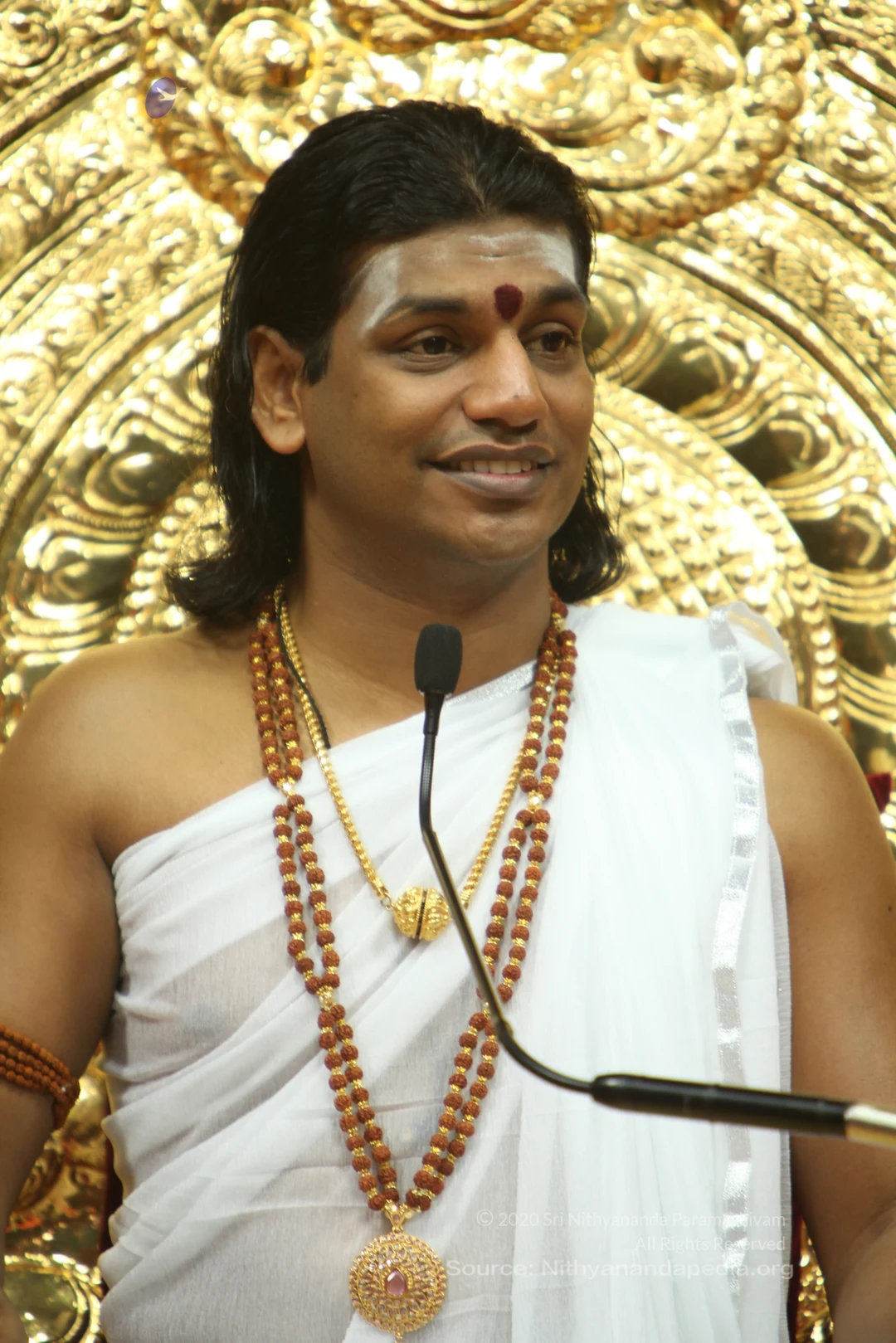
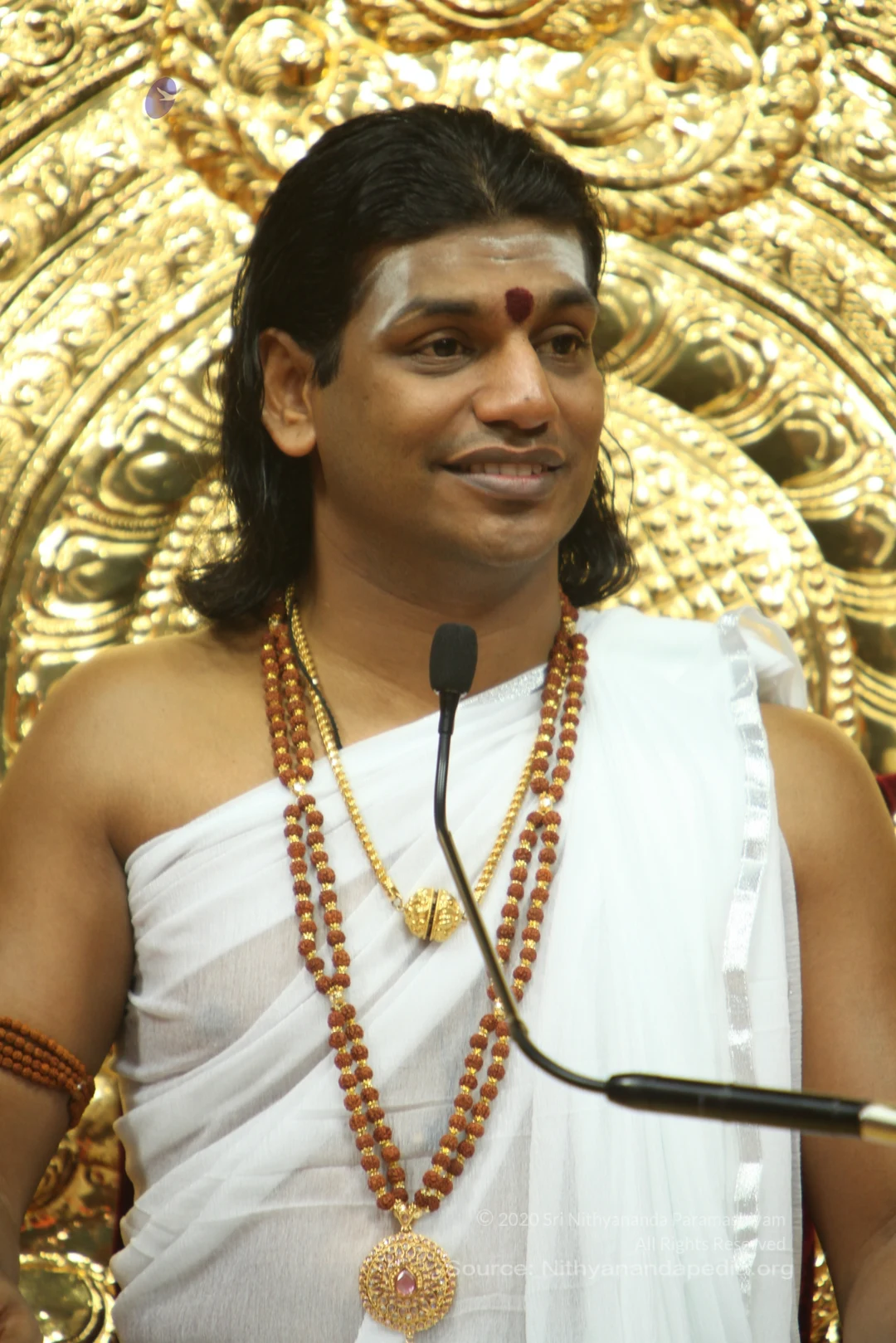
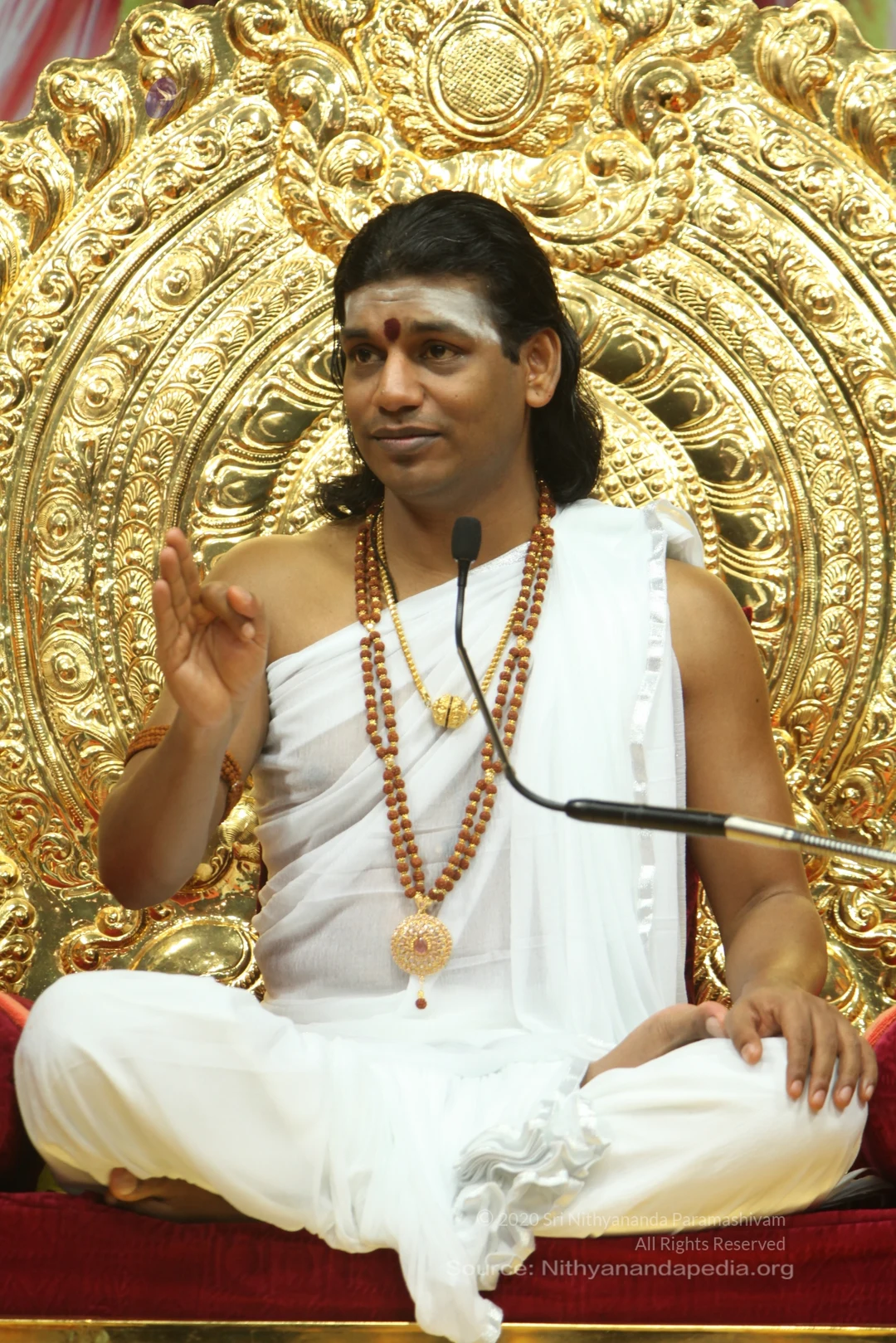
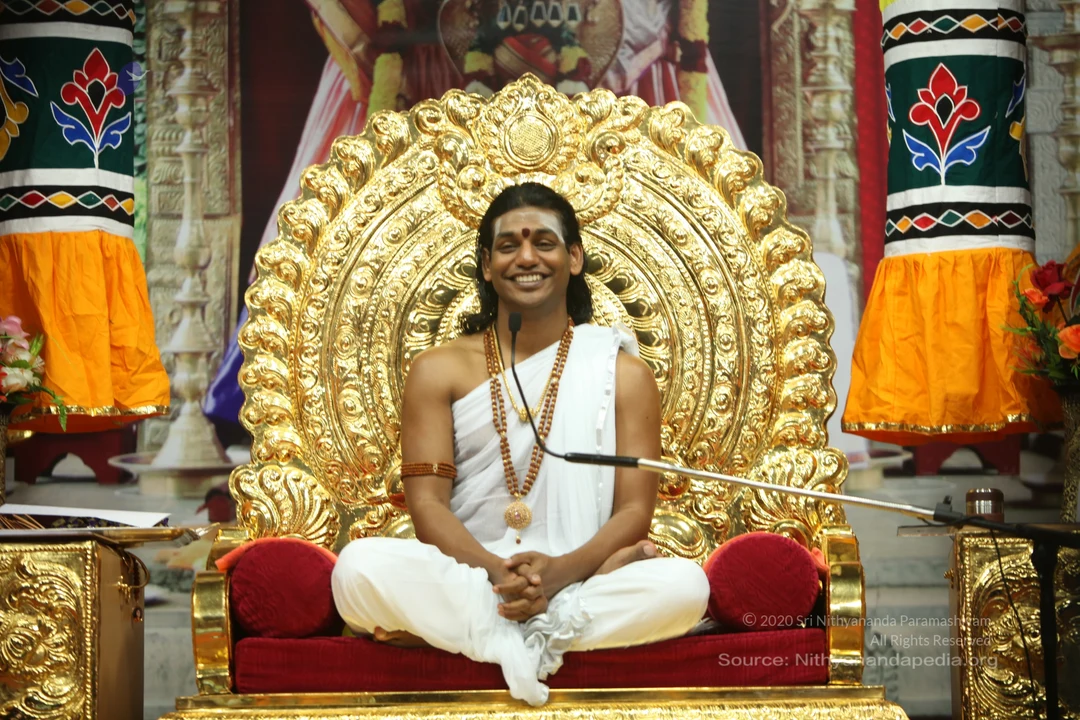
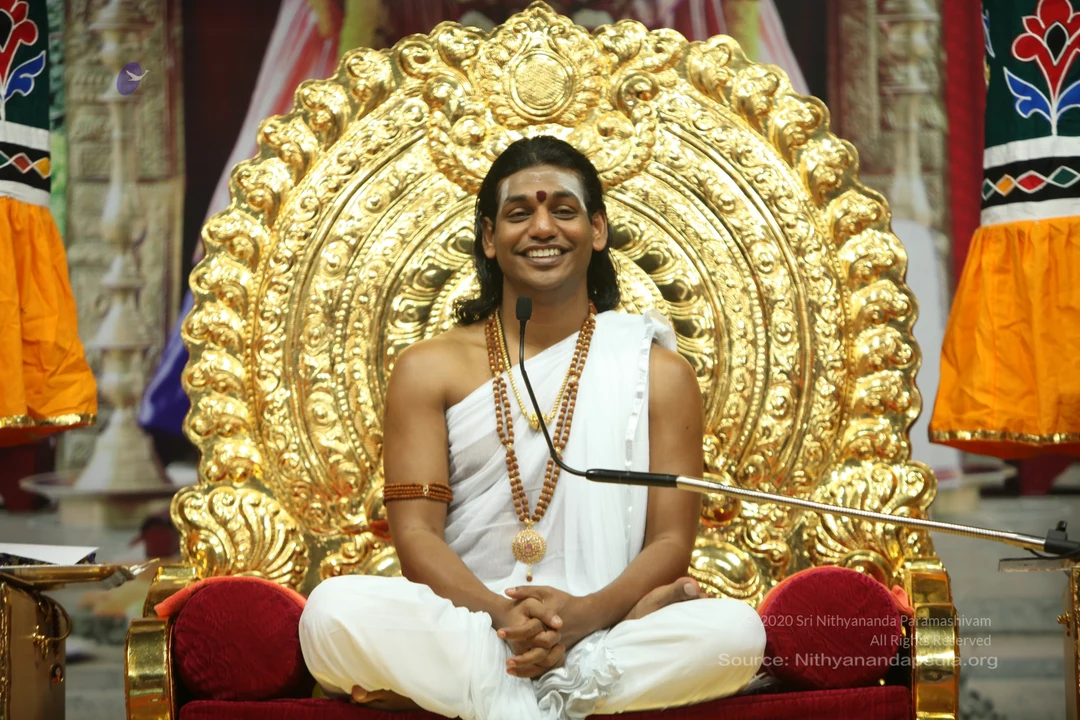
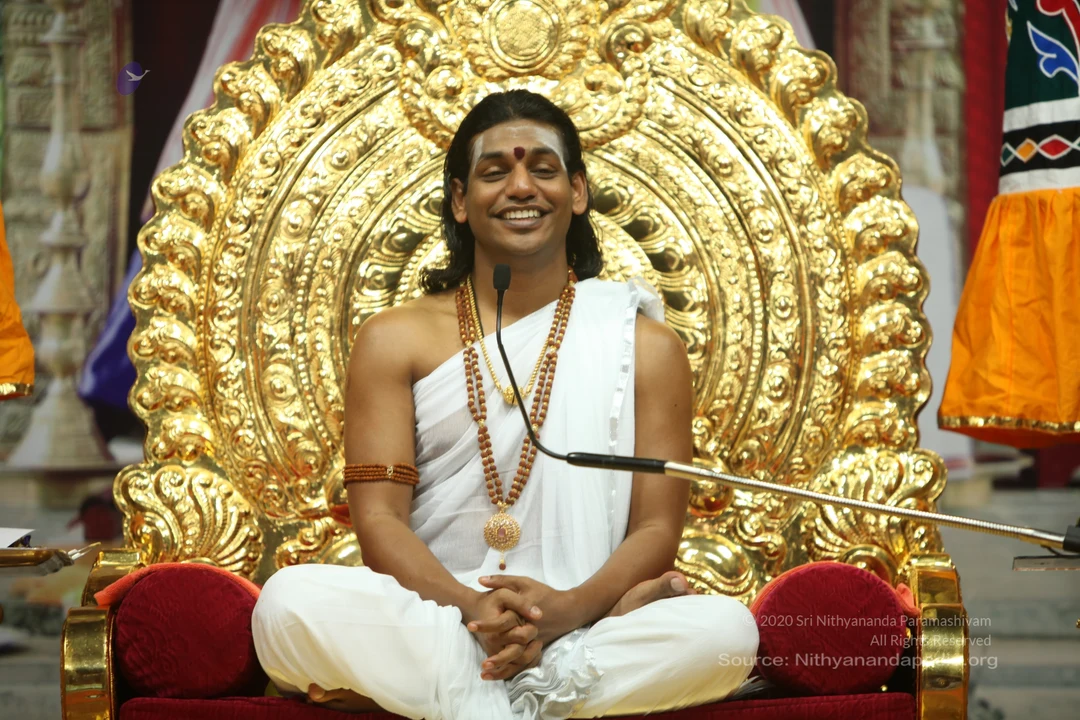
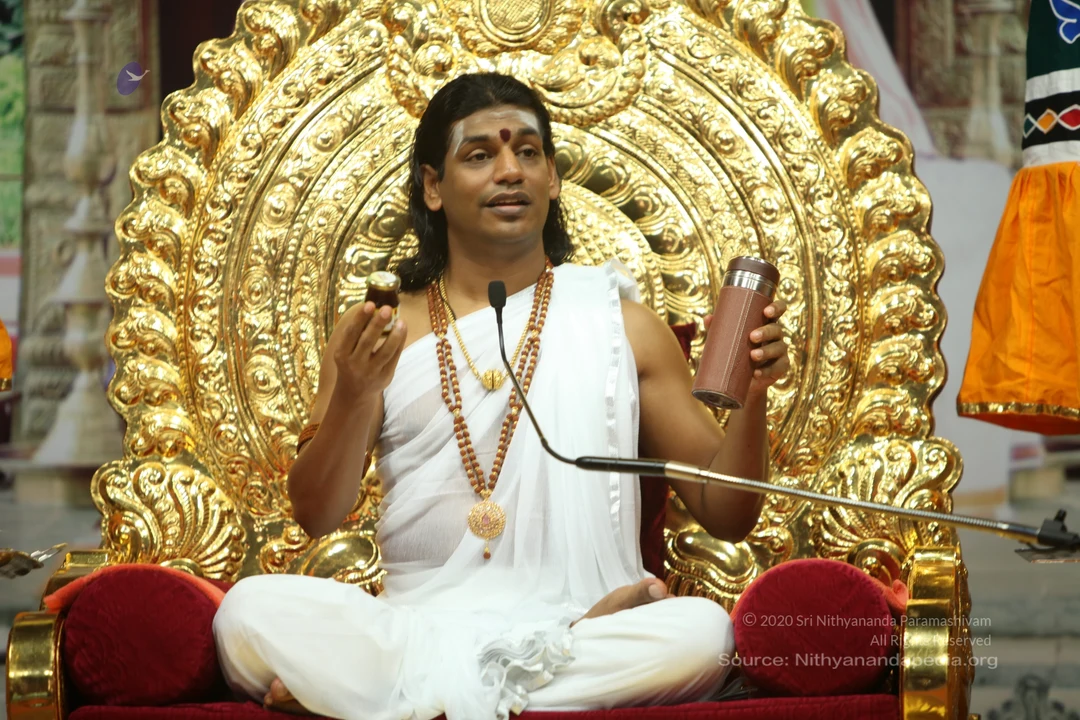
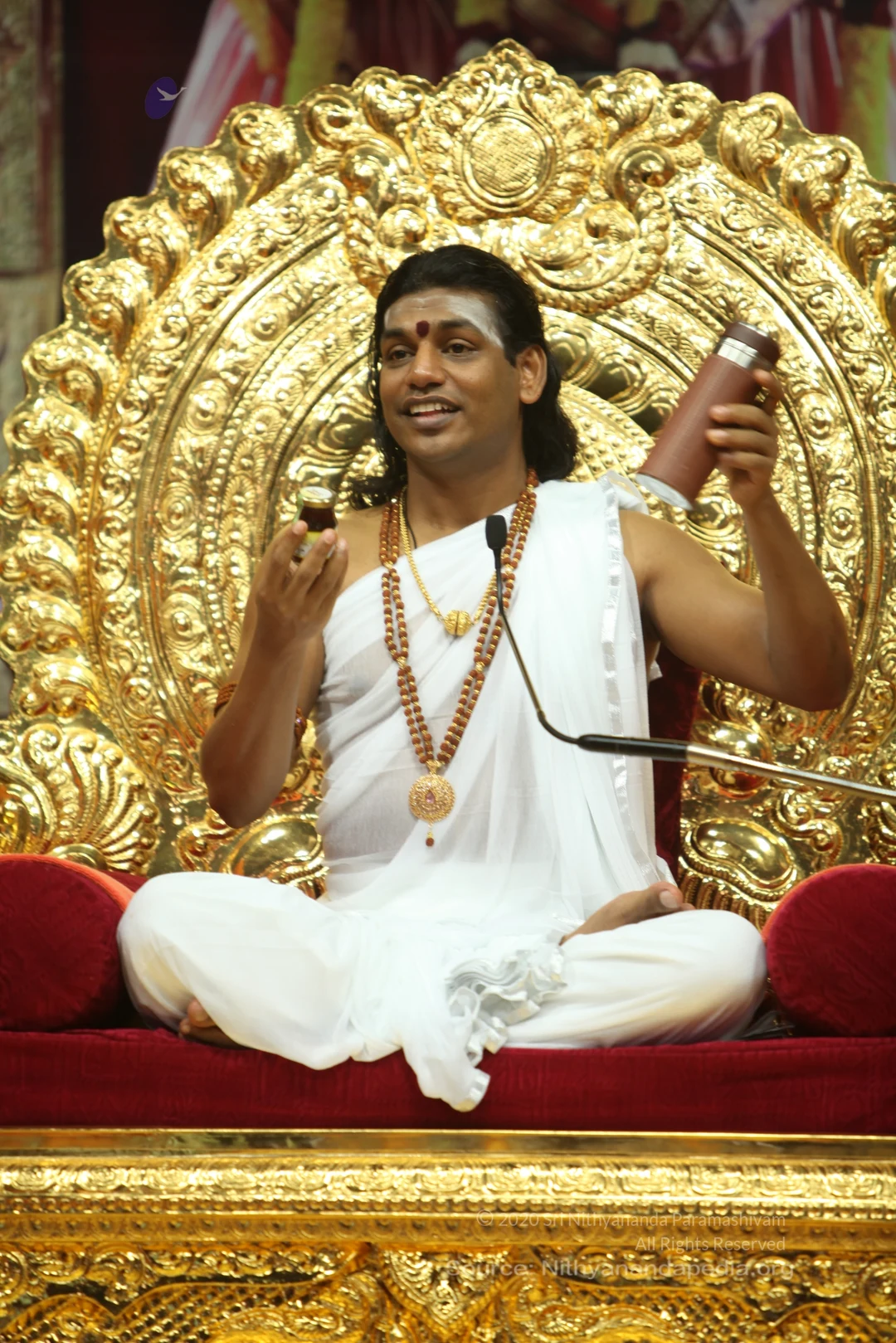
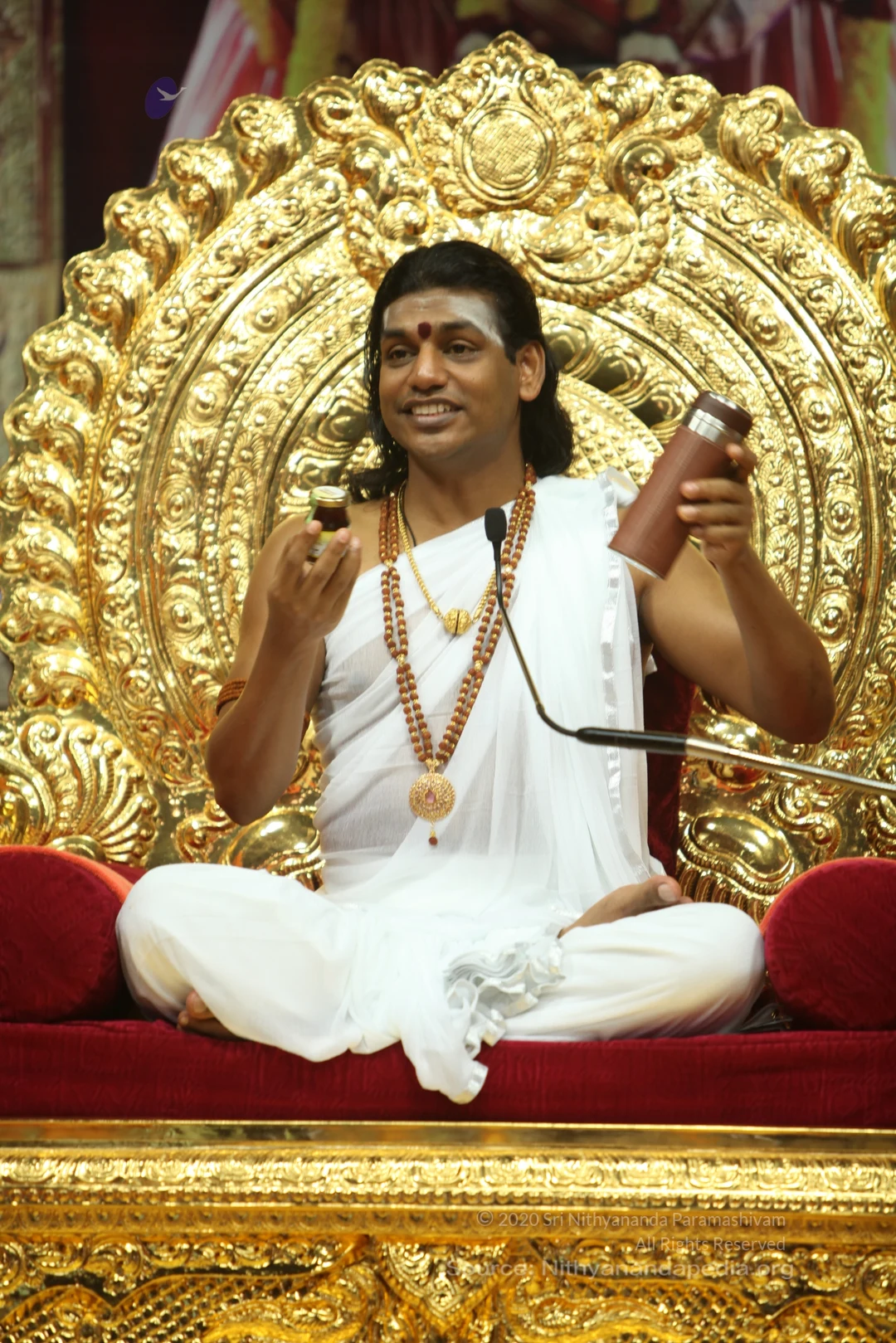
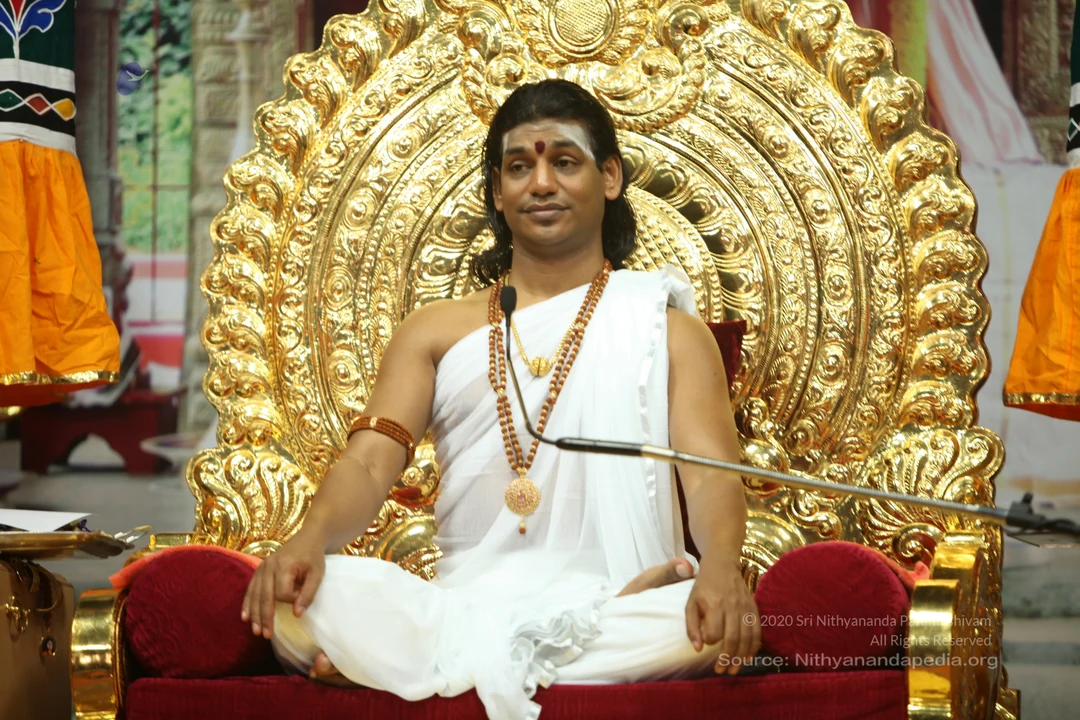
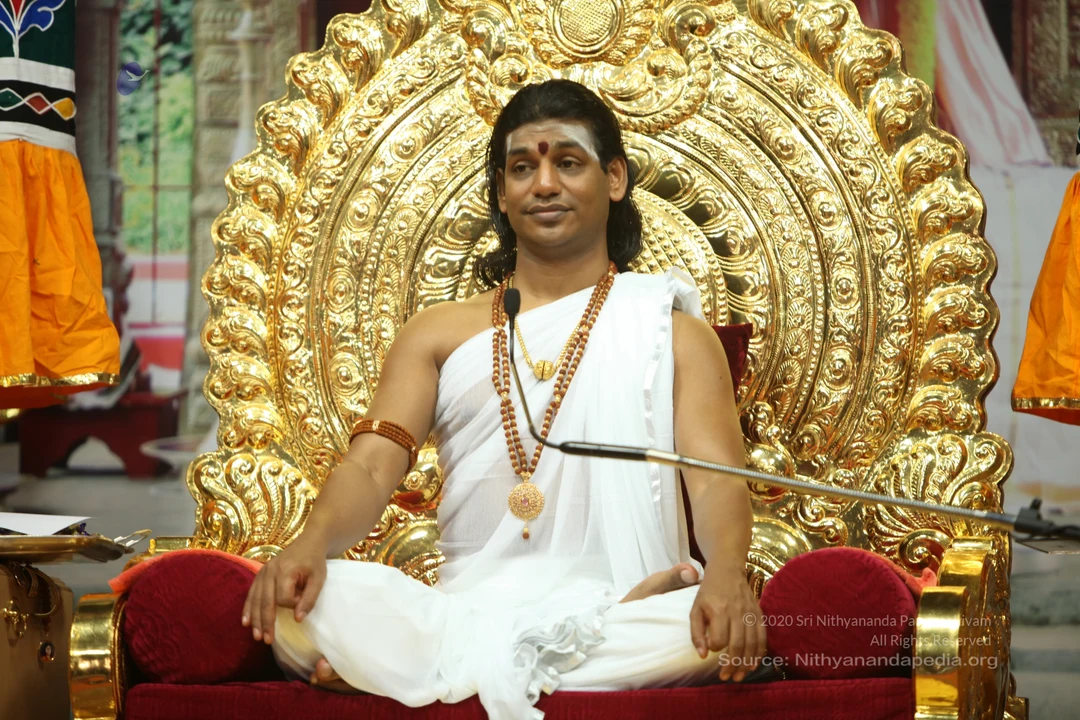
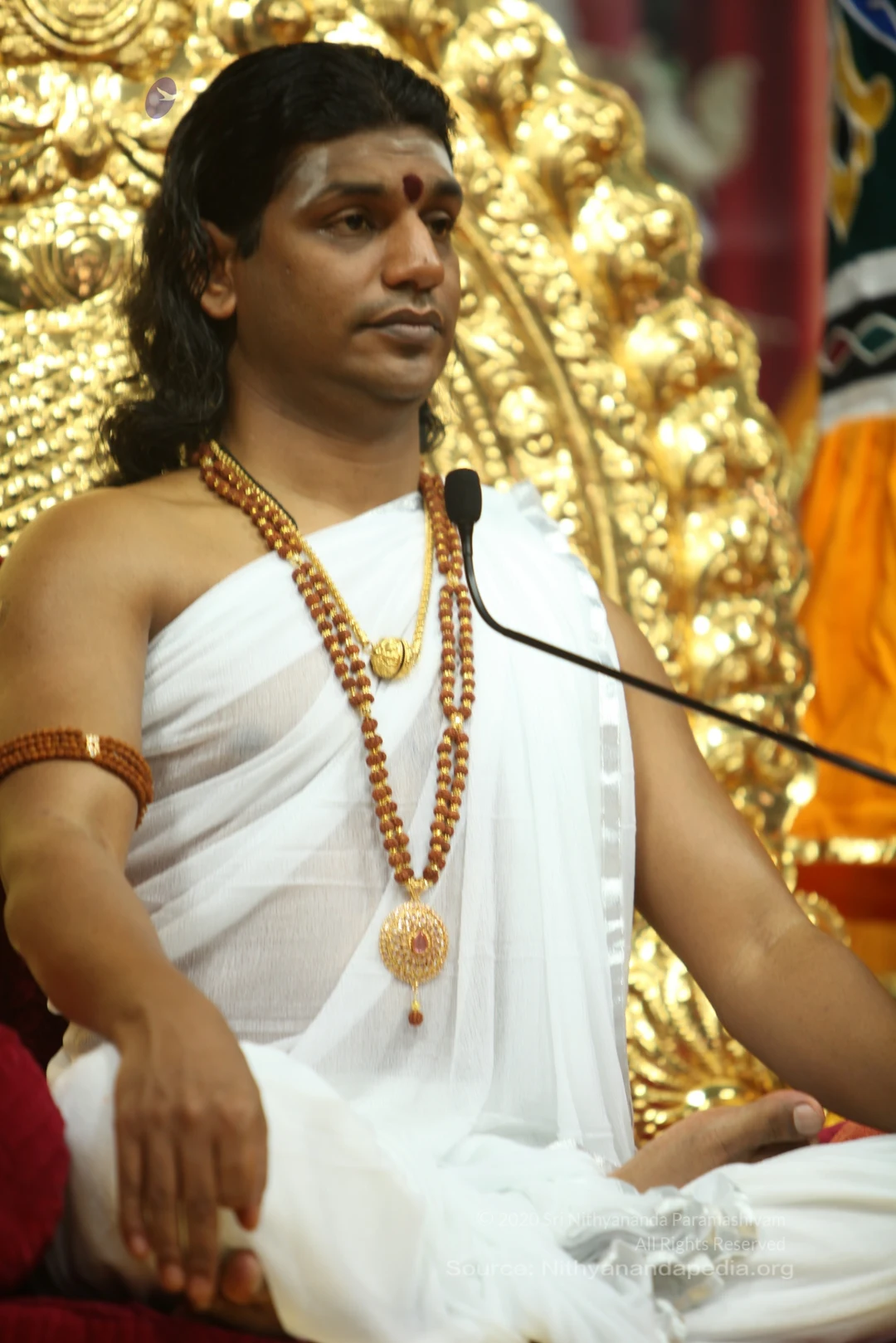
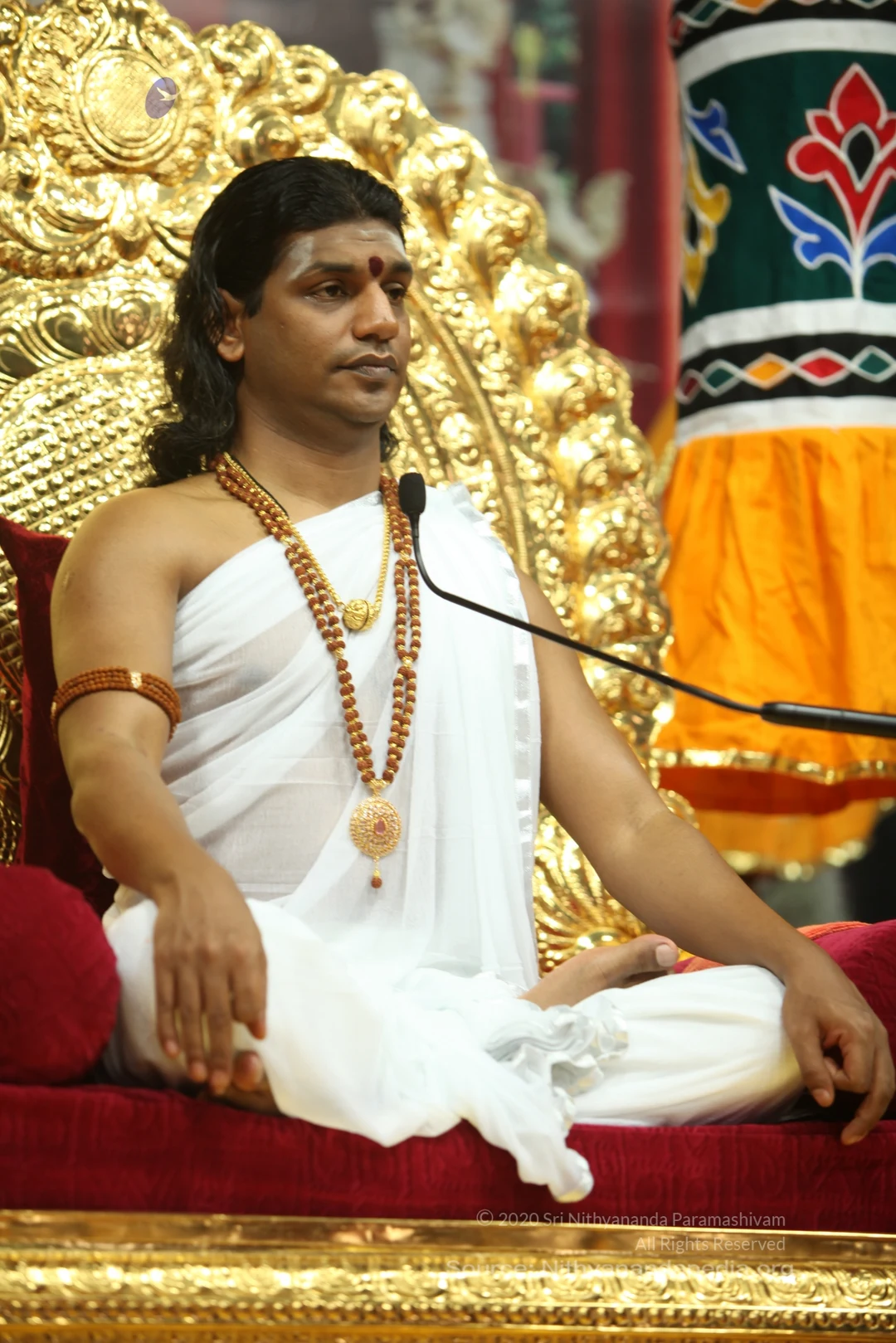
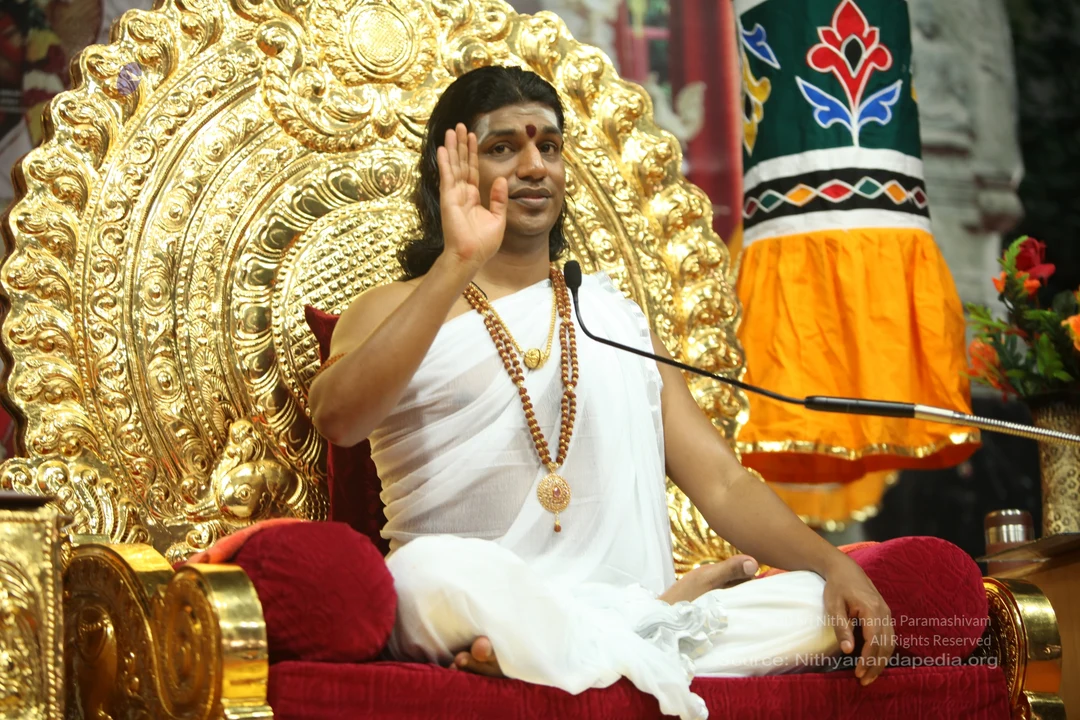
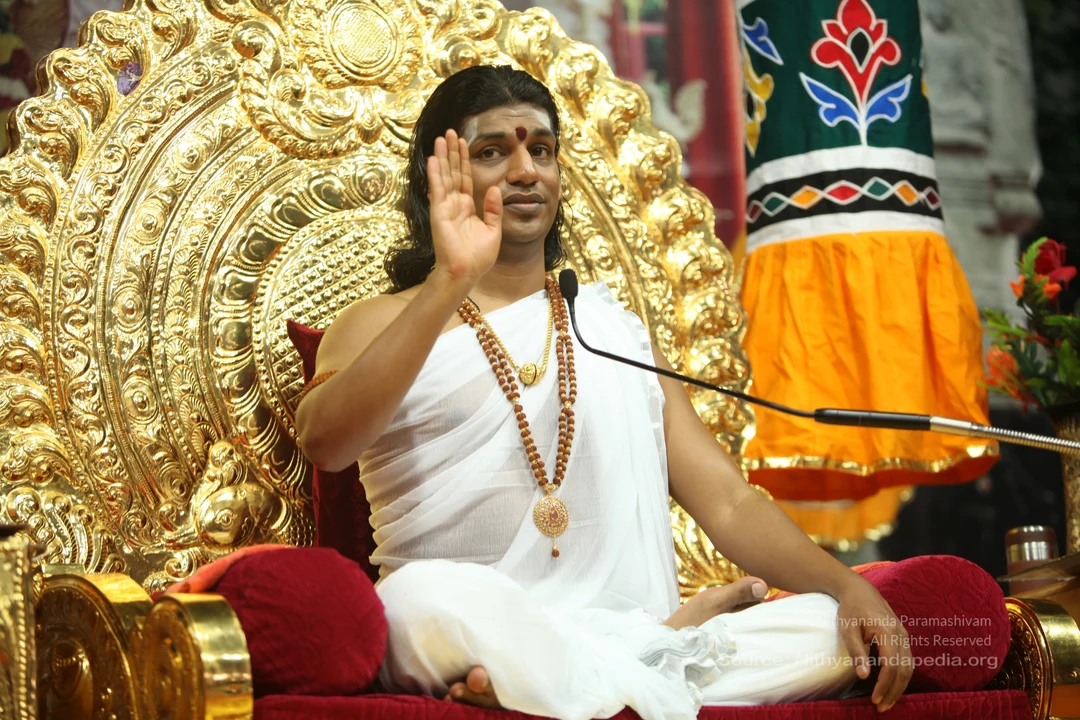
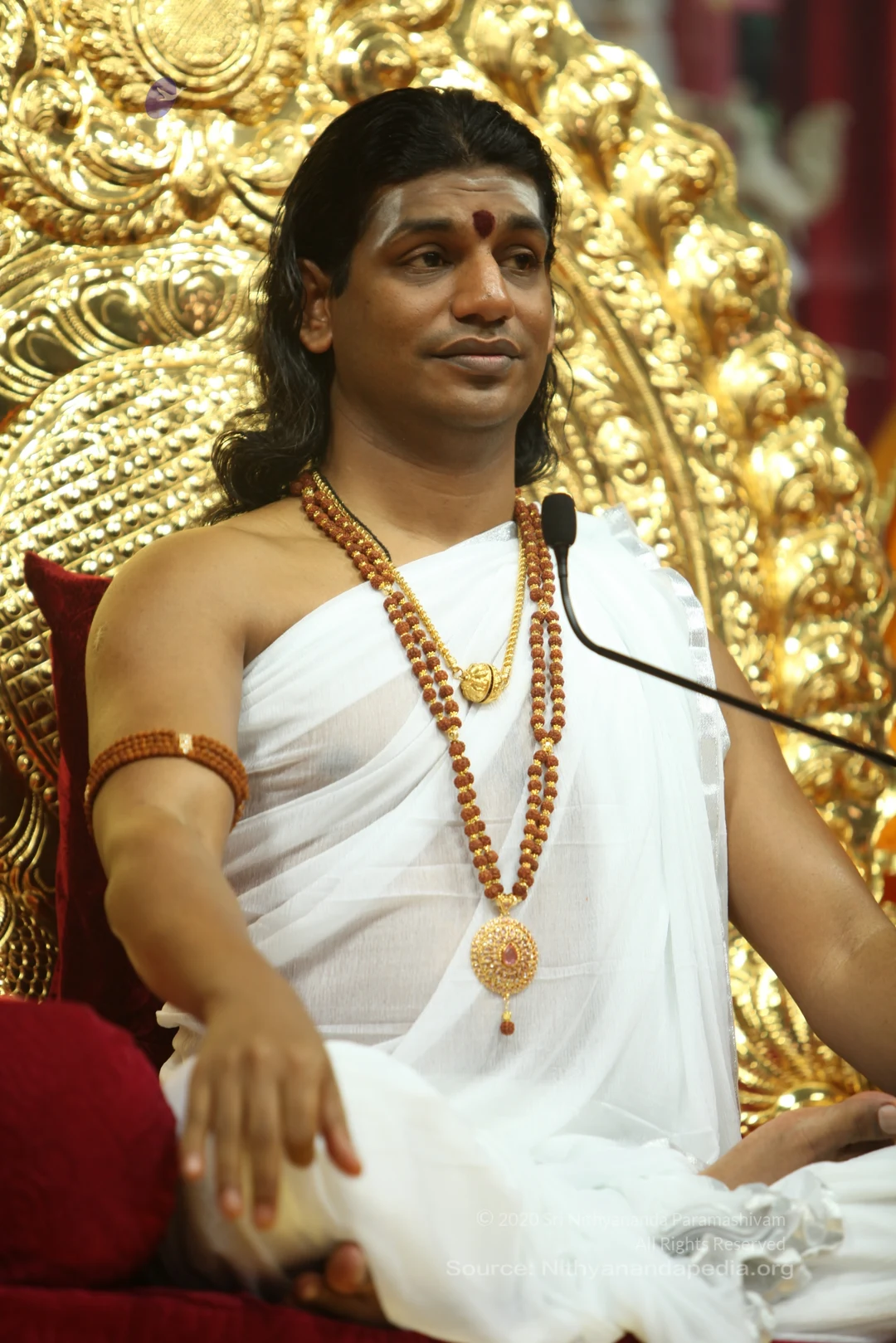
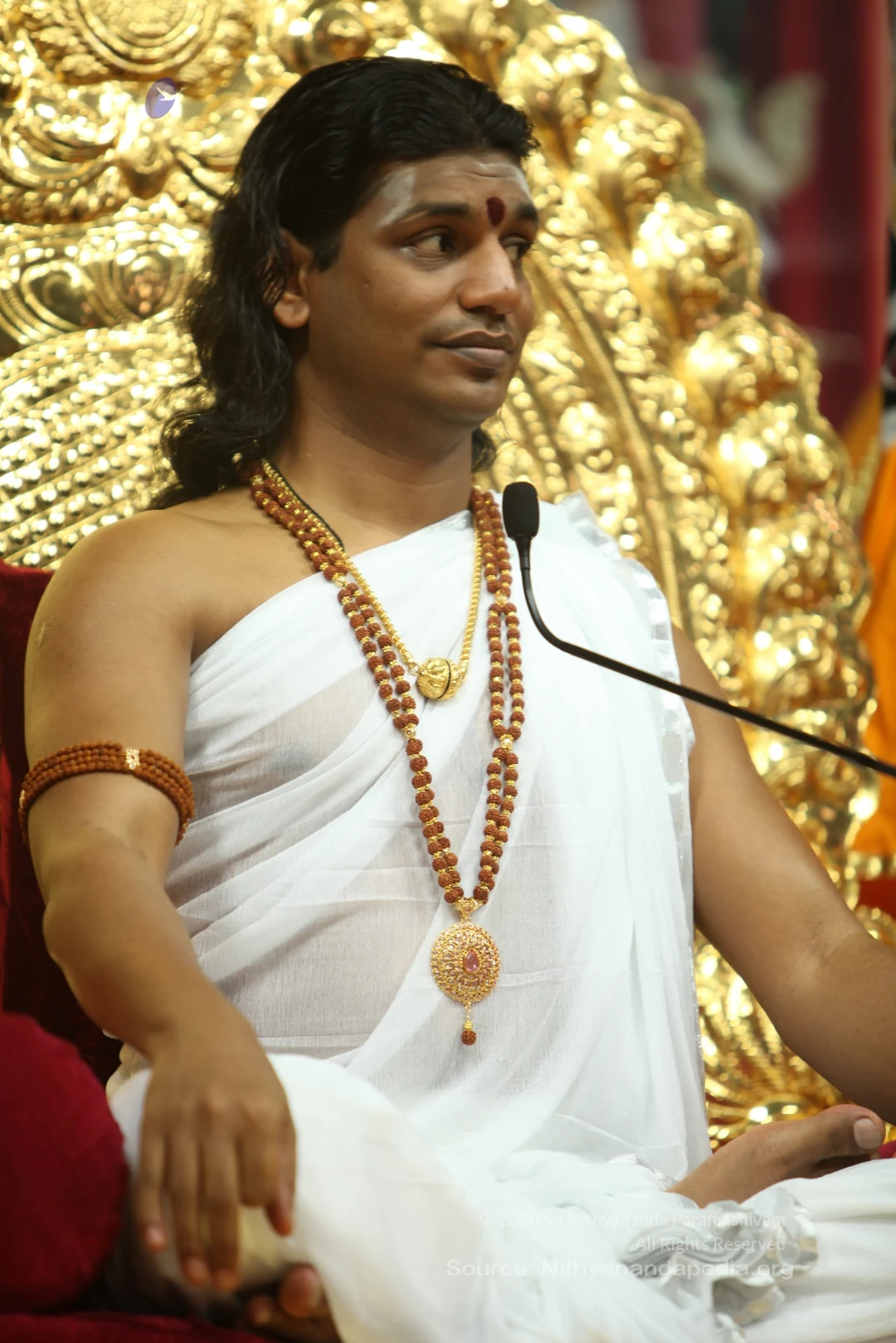
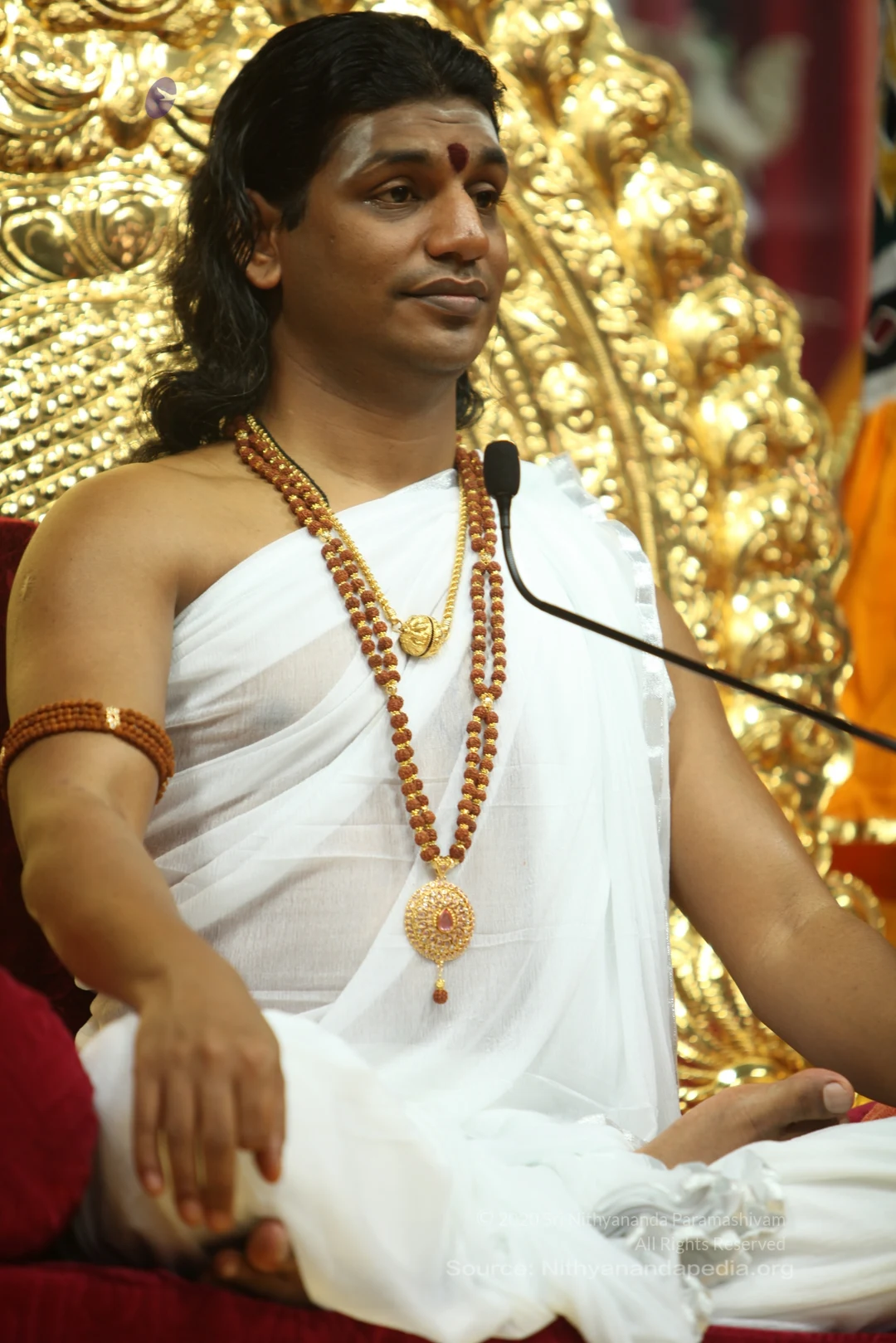
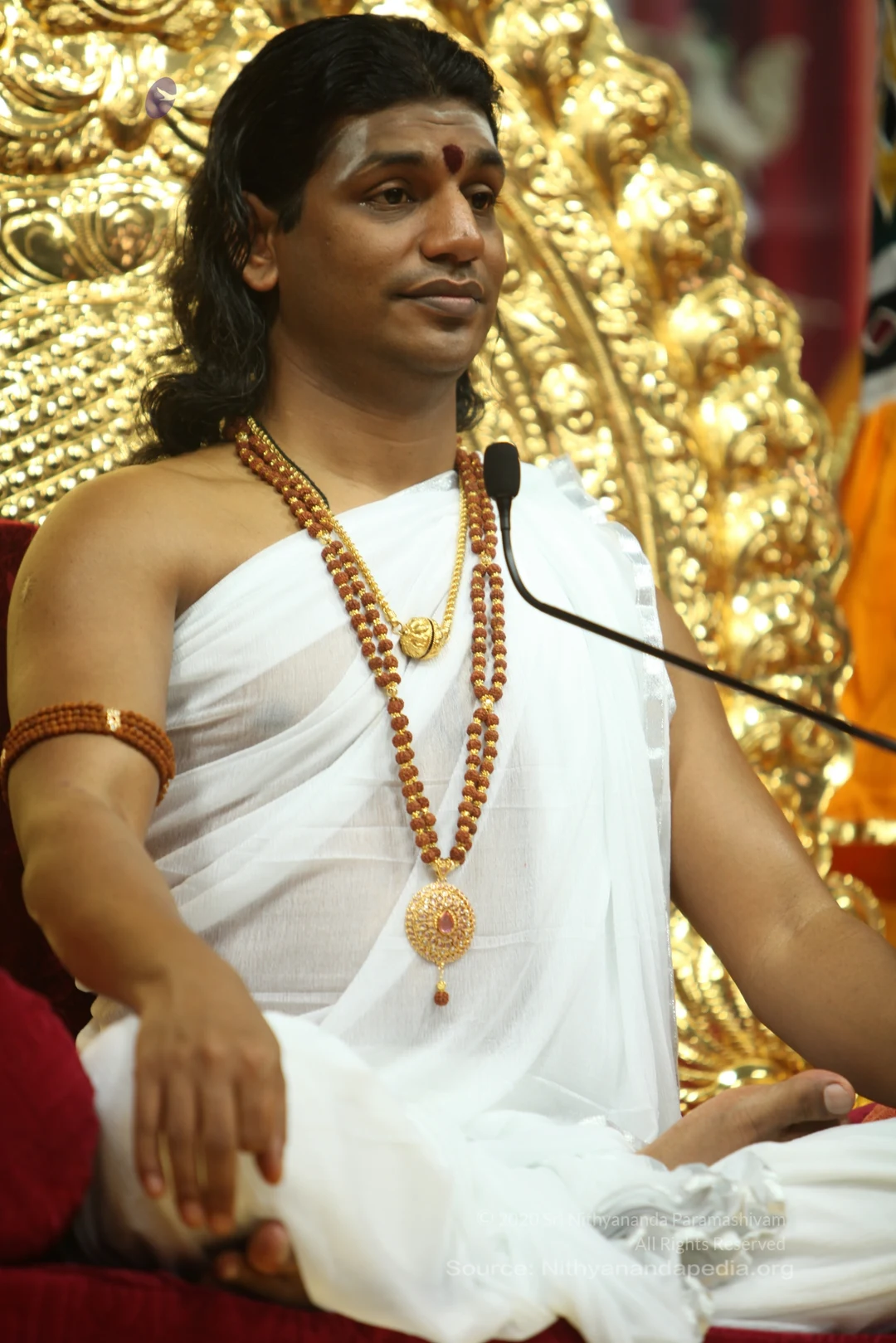
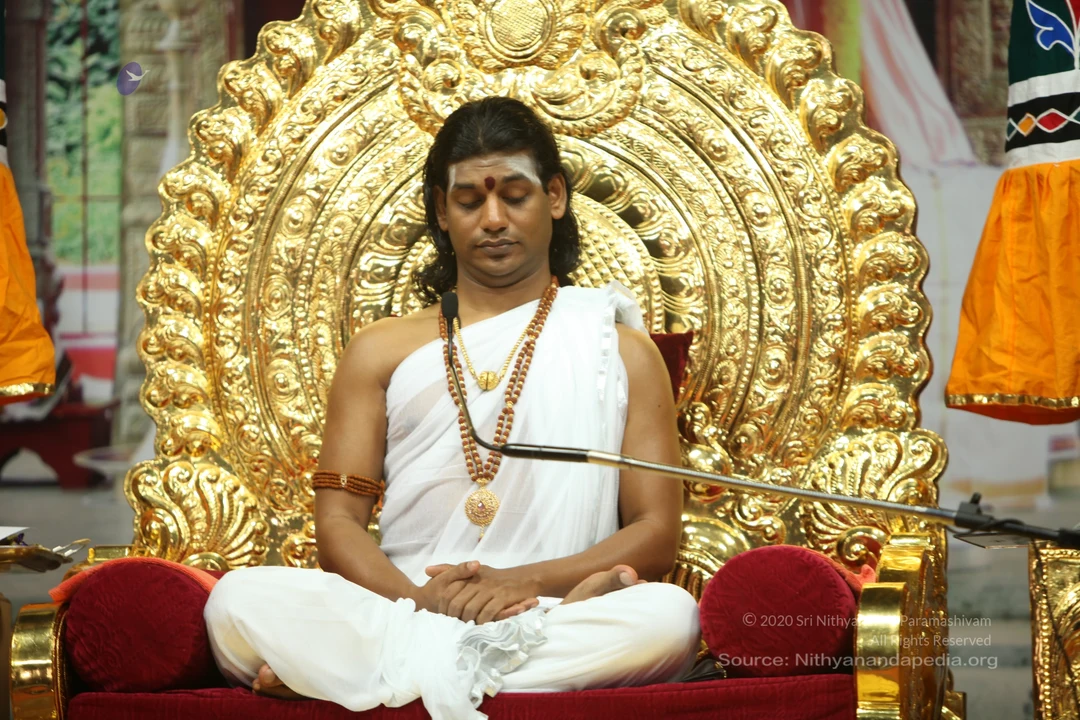
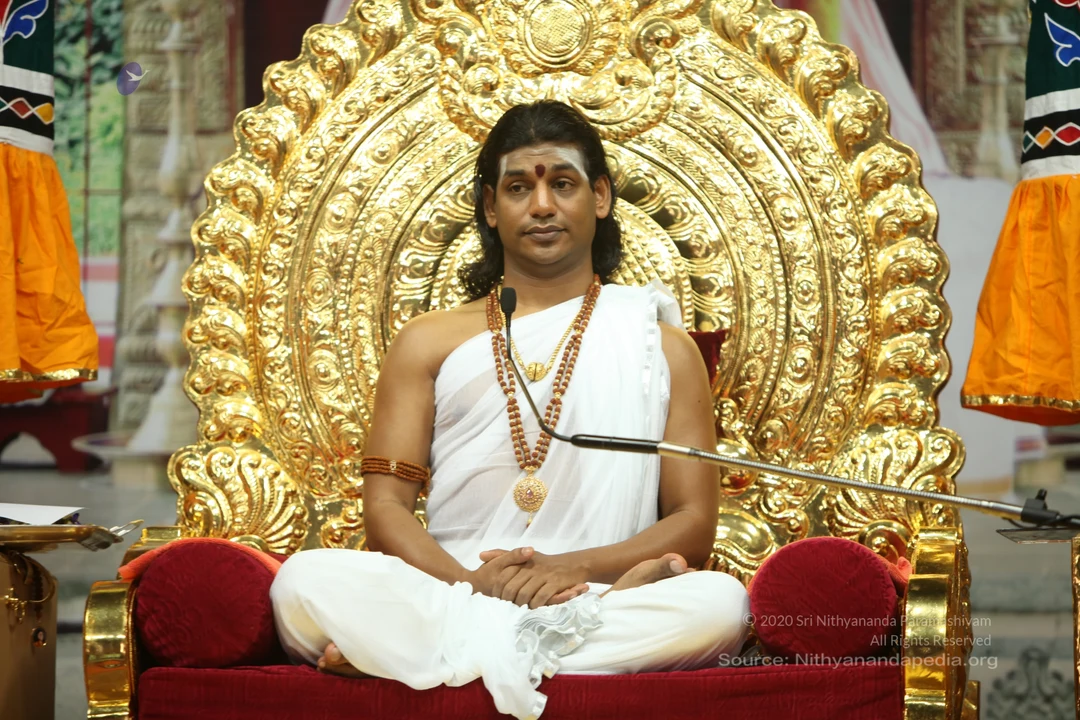
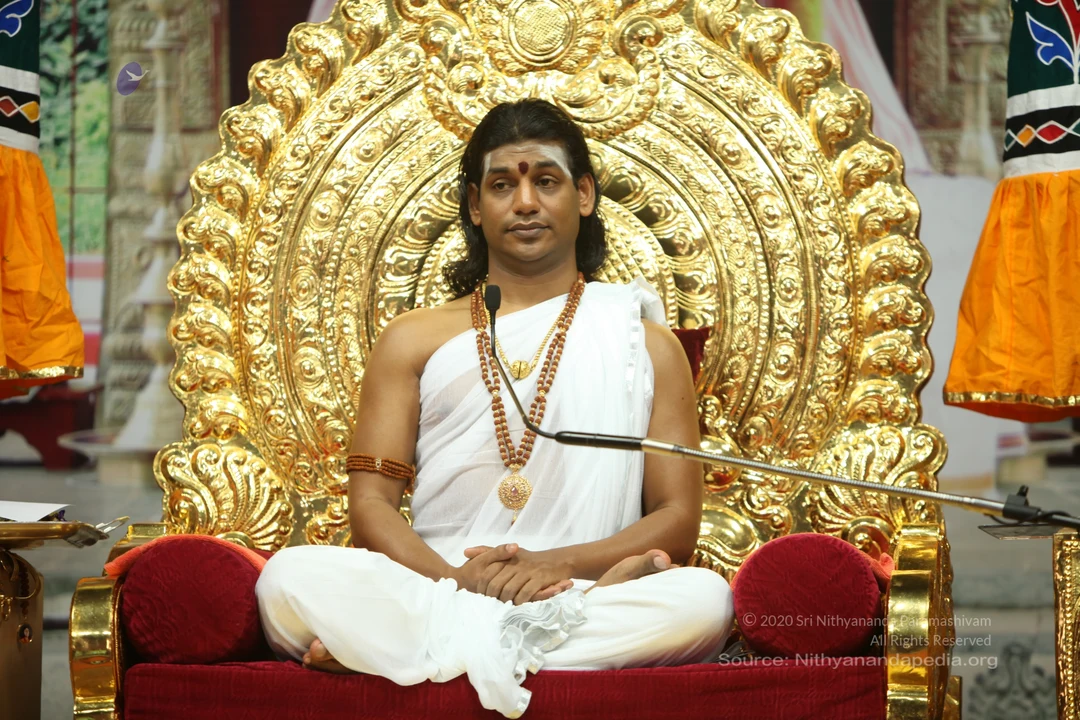
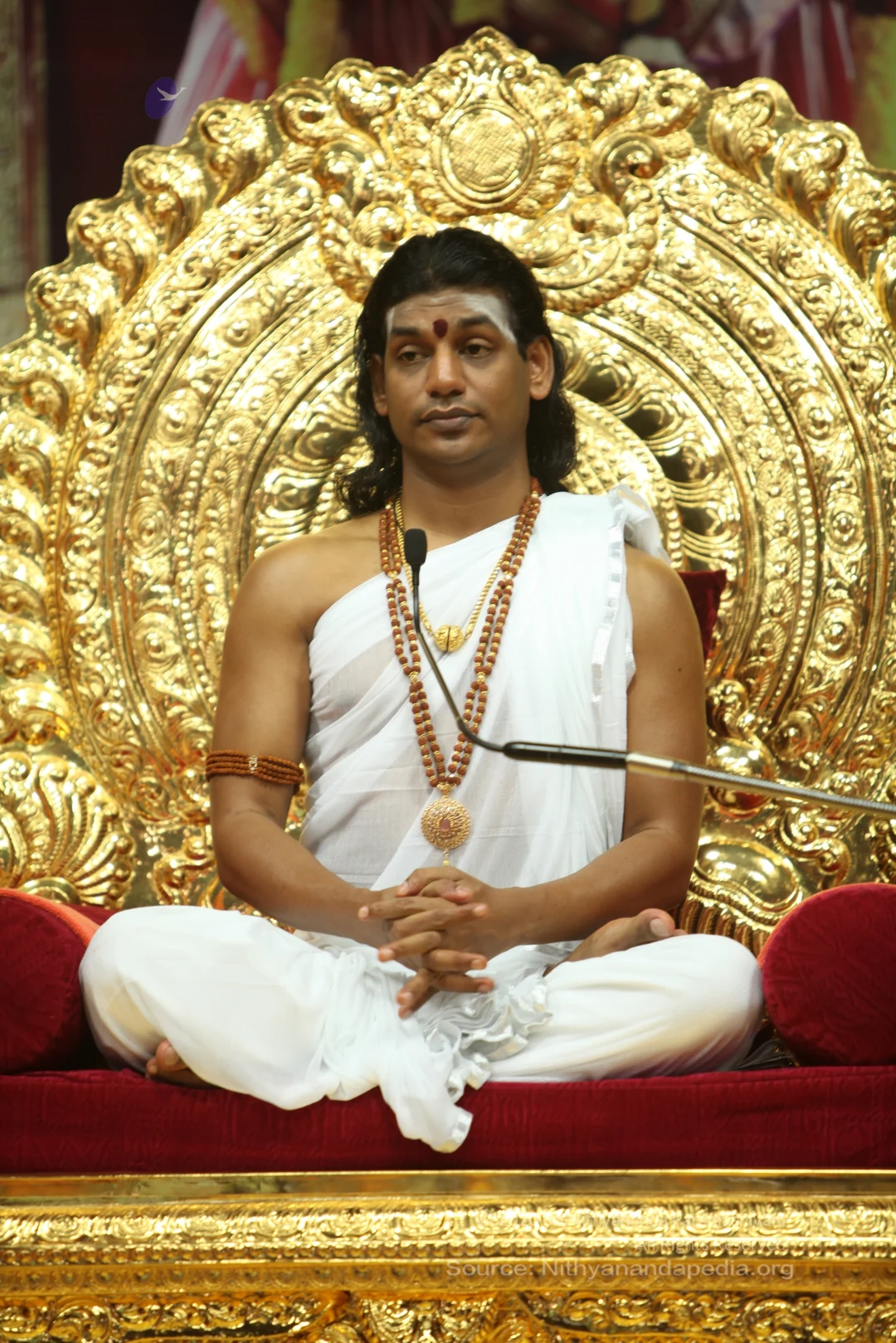
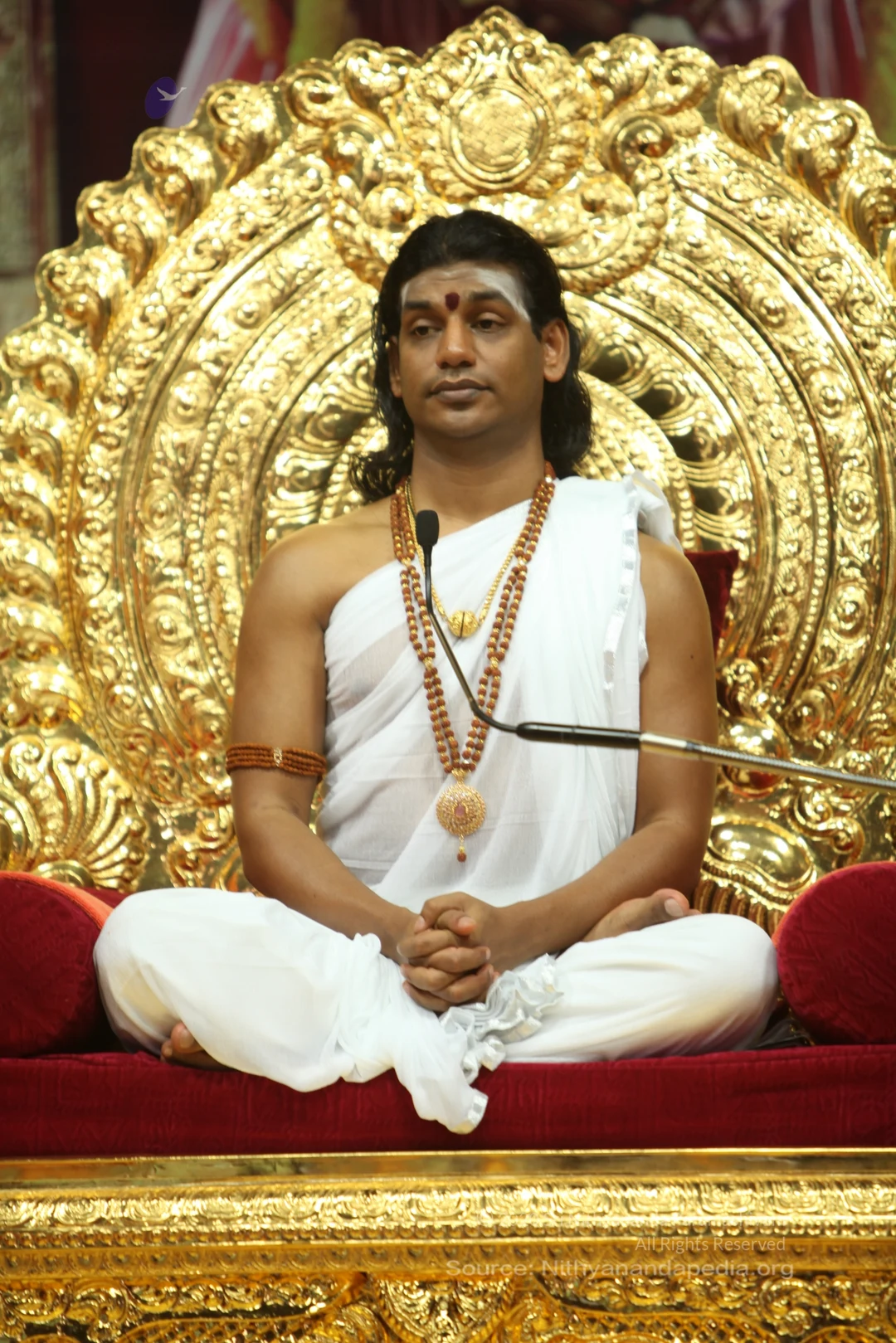
Sarvadarshan
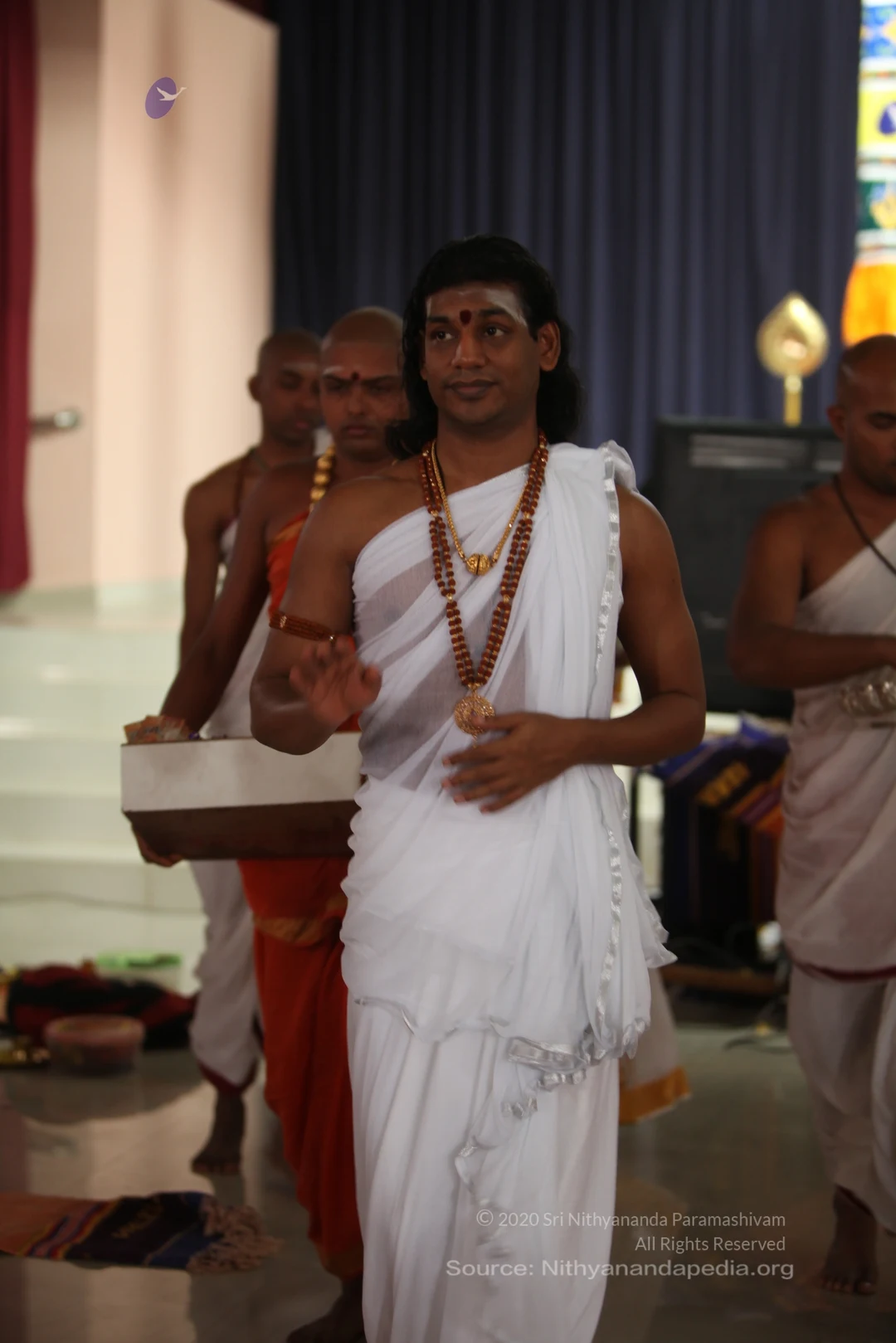
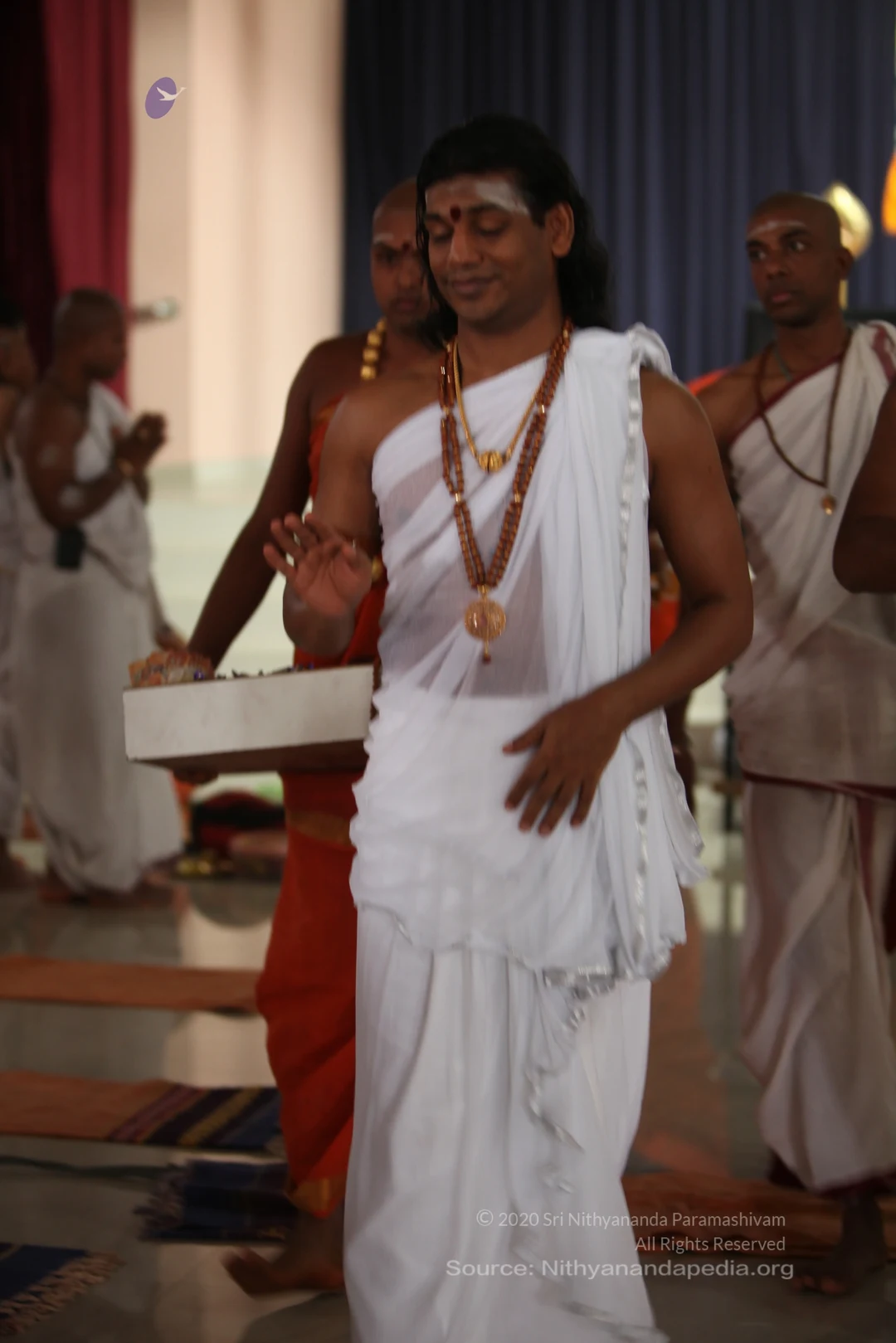
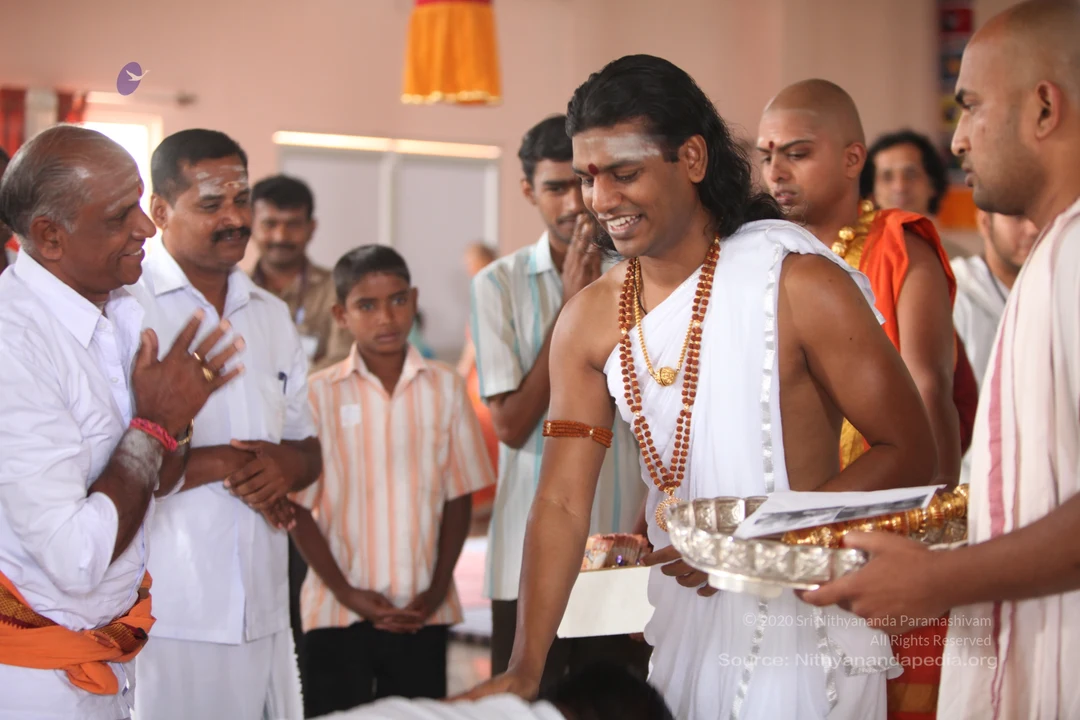
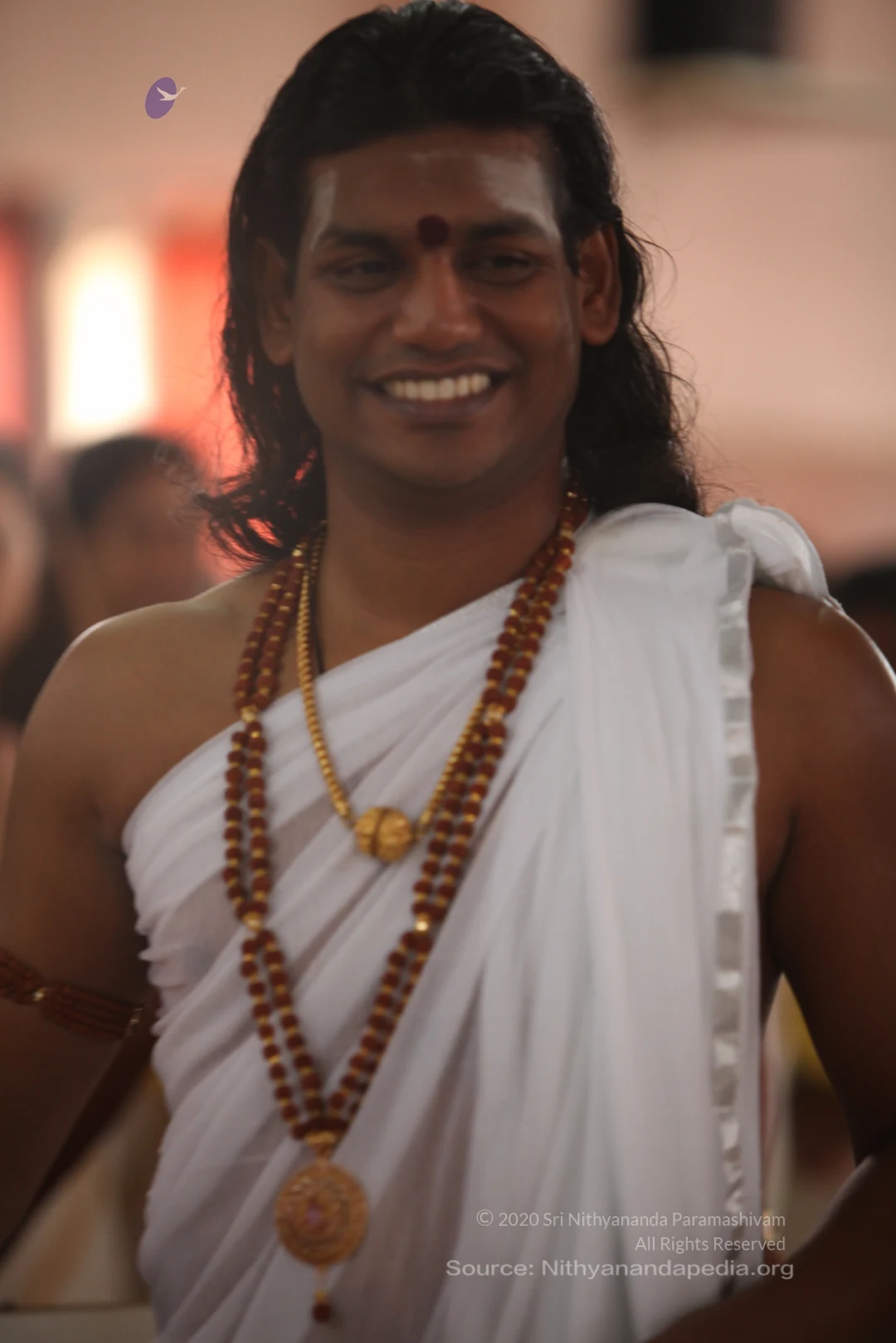
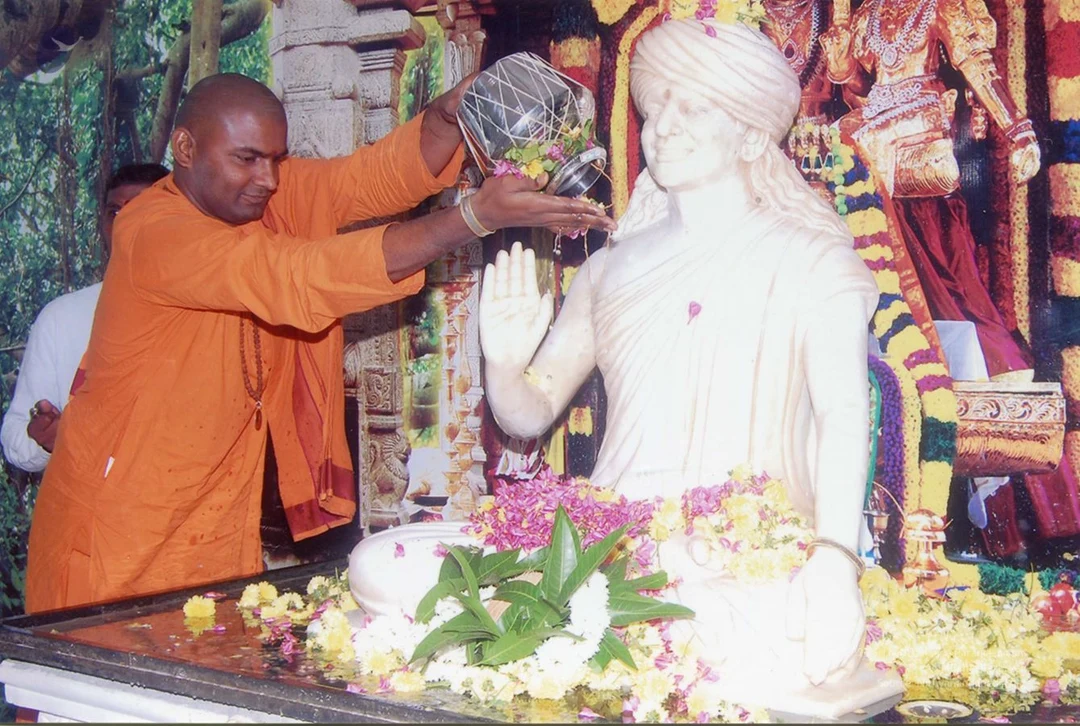
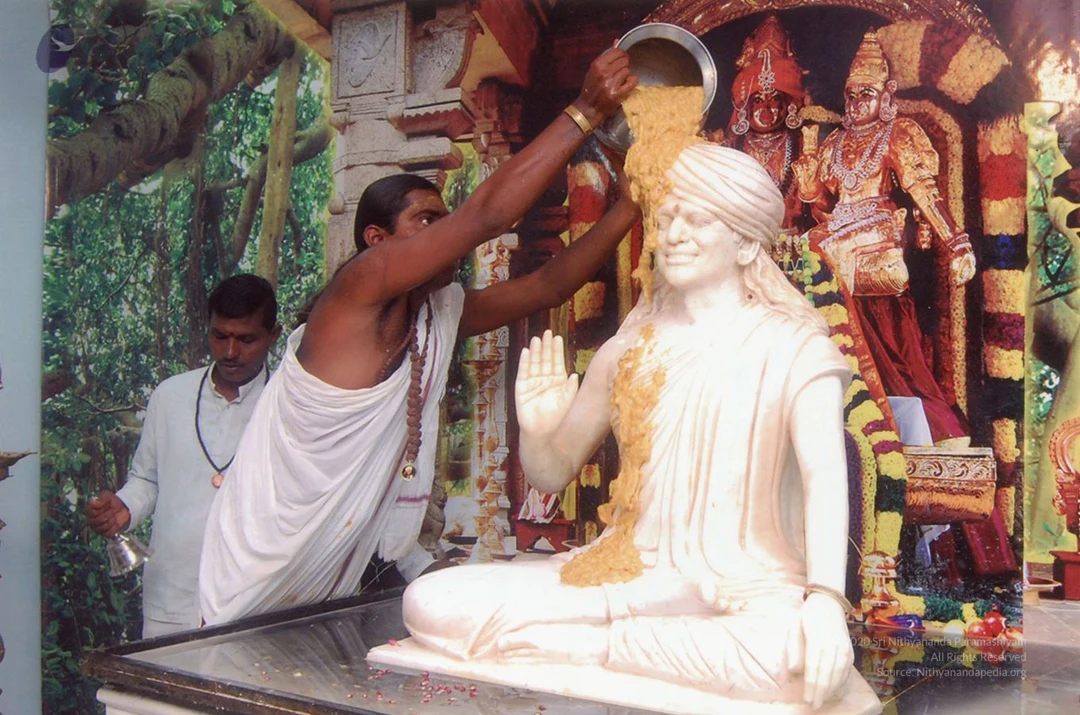
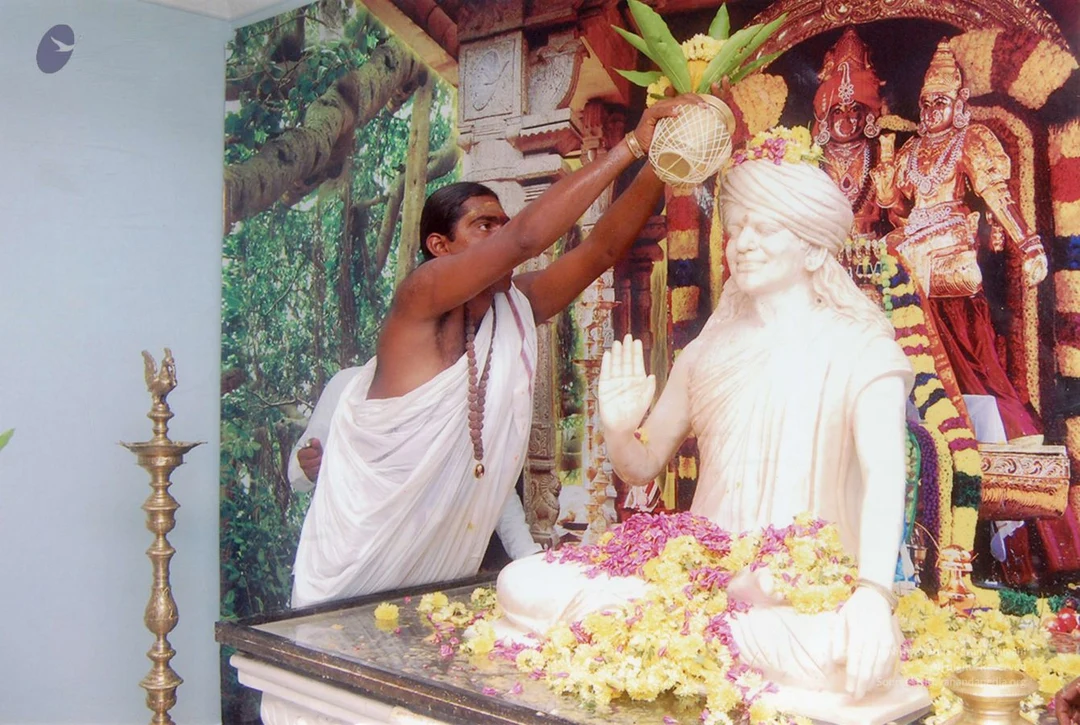
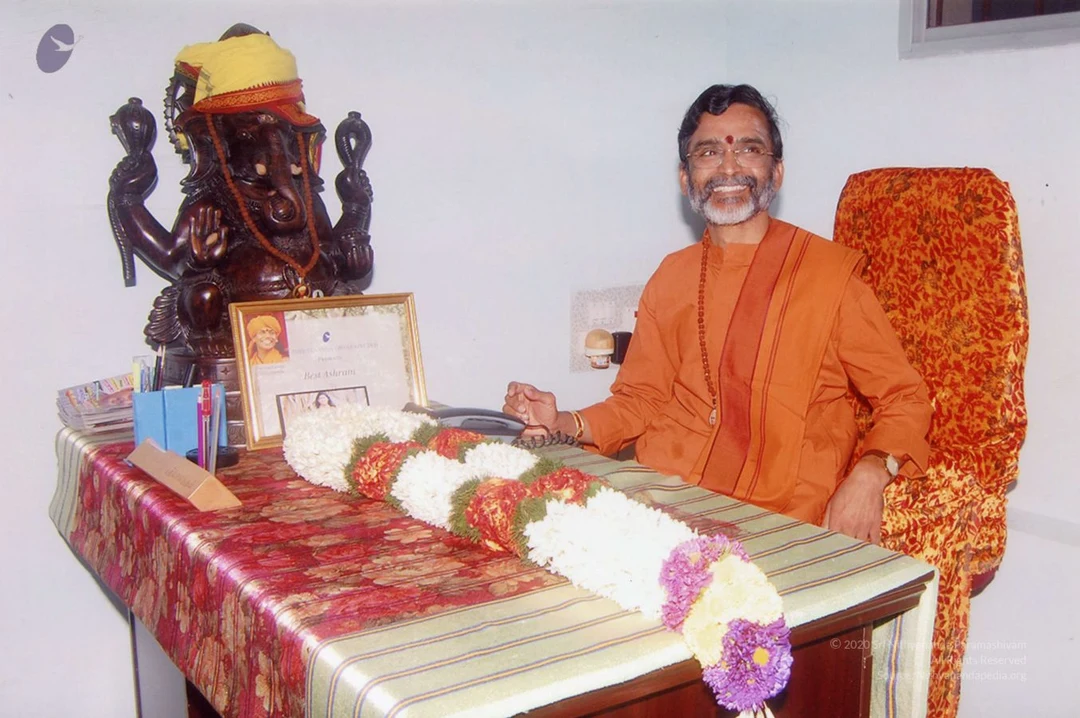
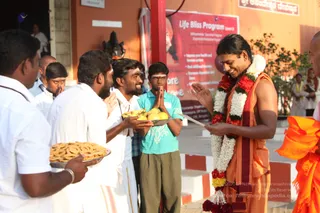
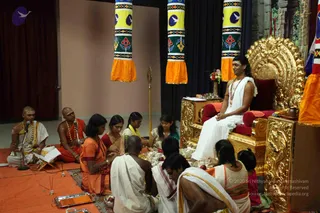
Seeragapadi Aadheenam First Anniversary
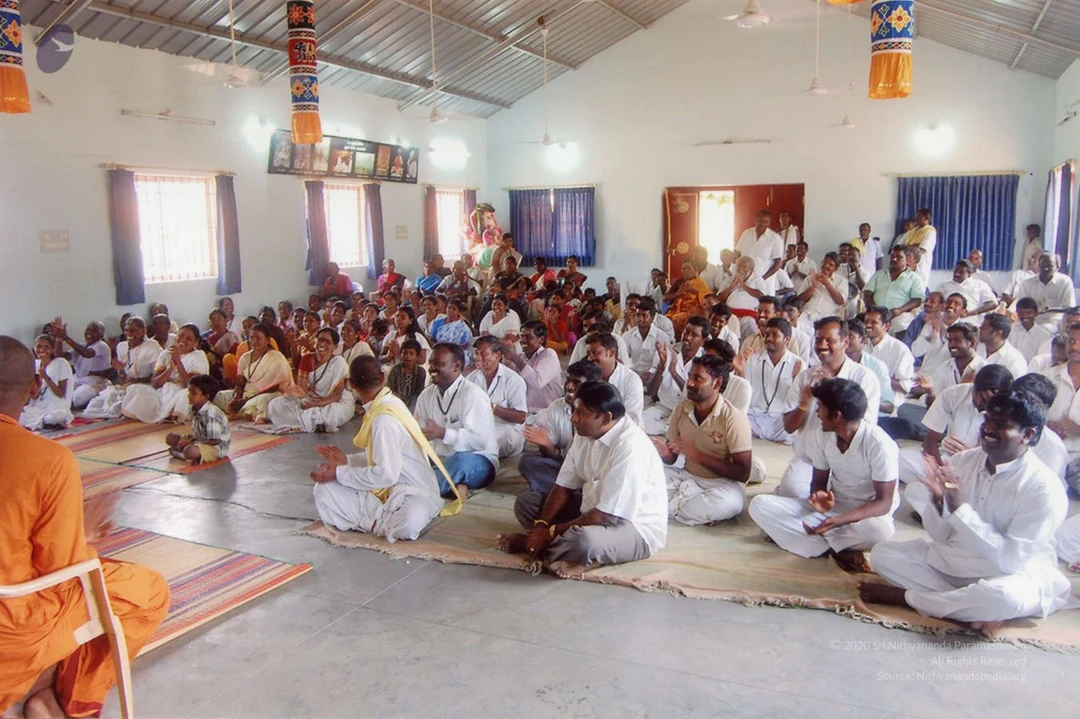
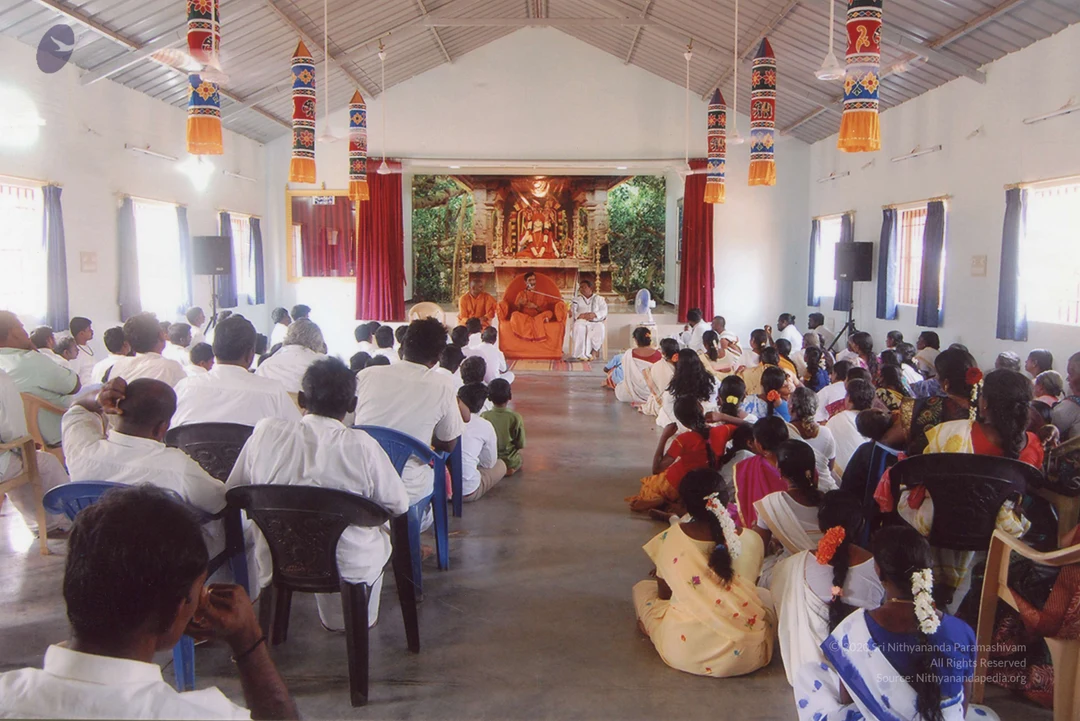
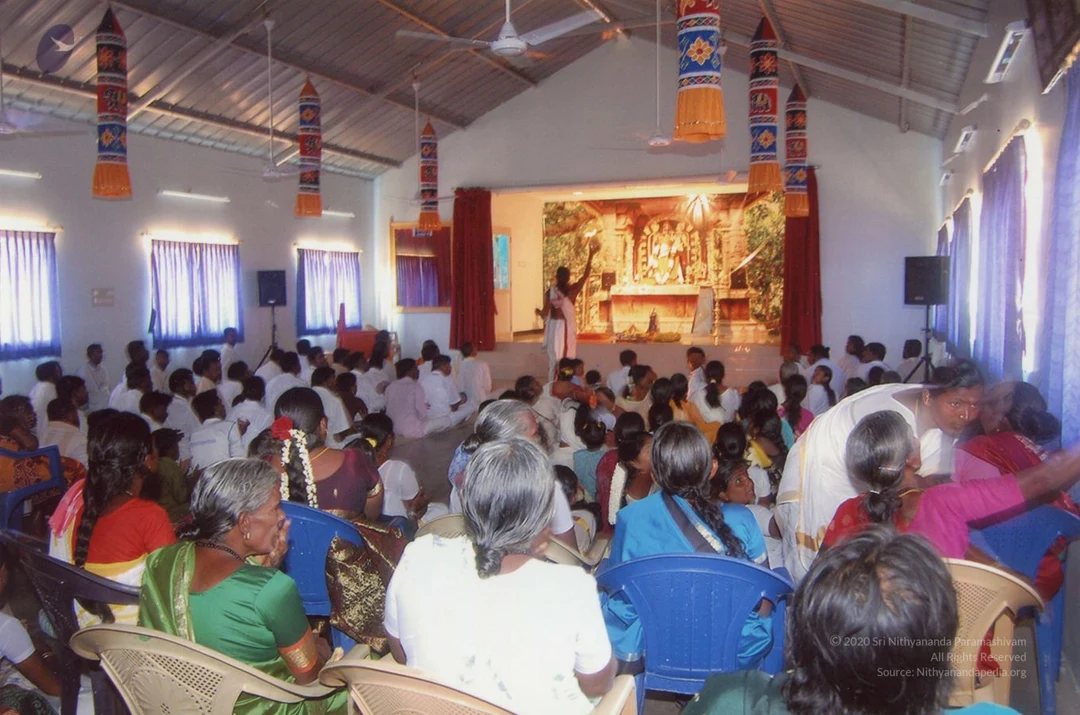
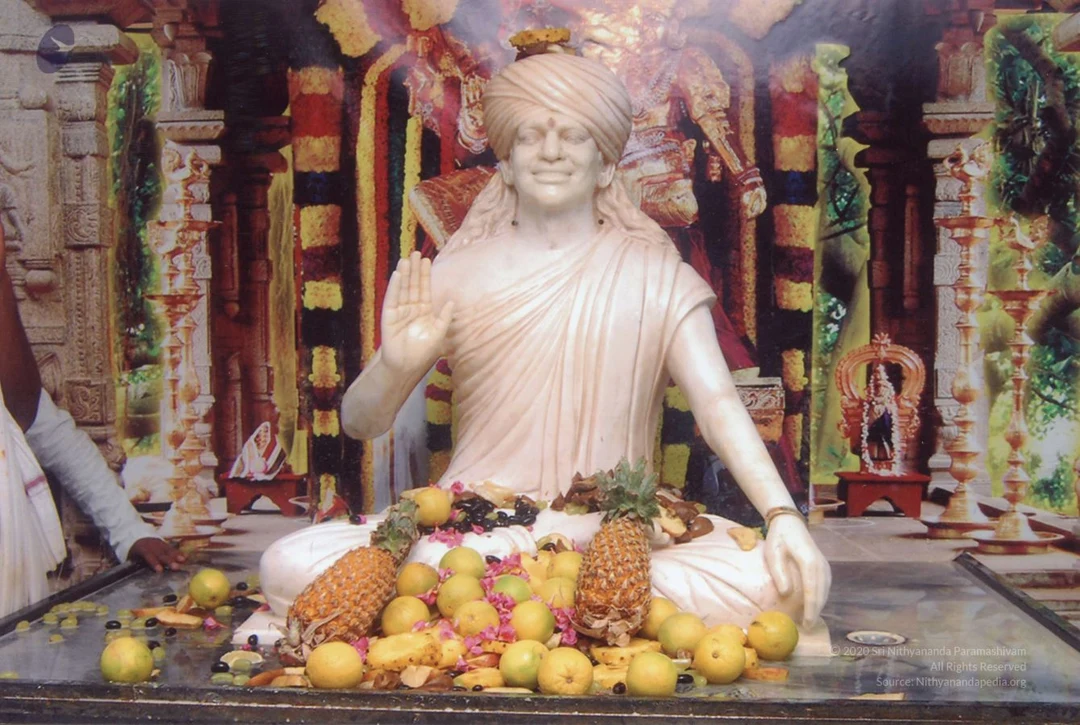
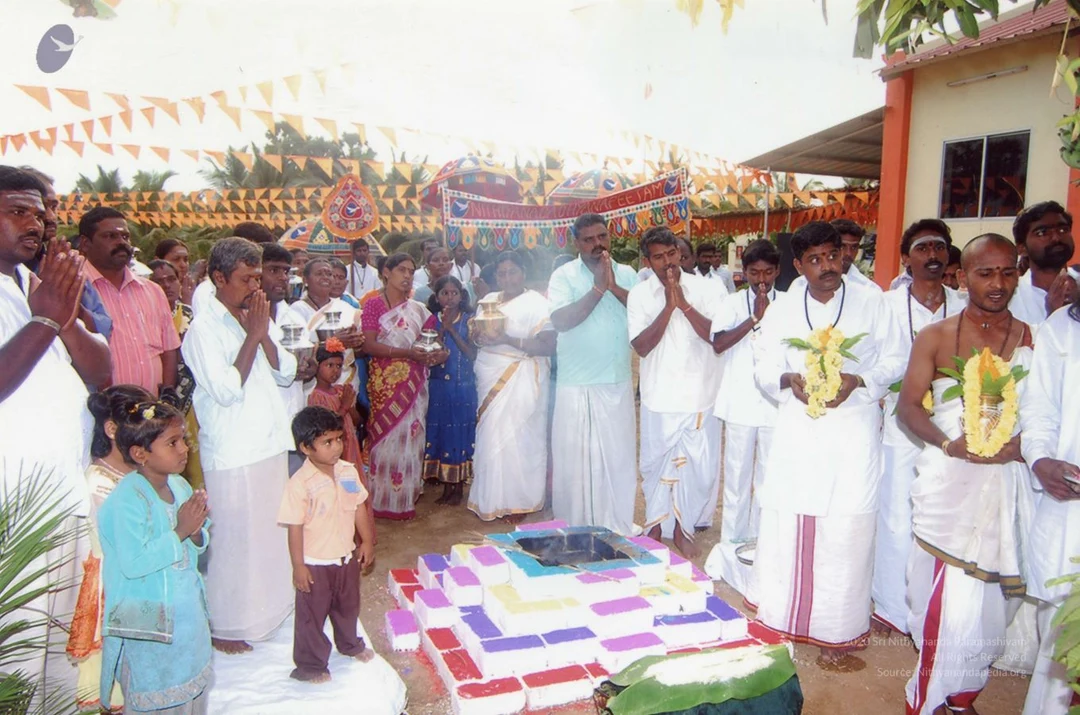
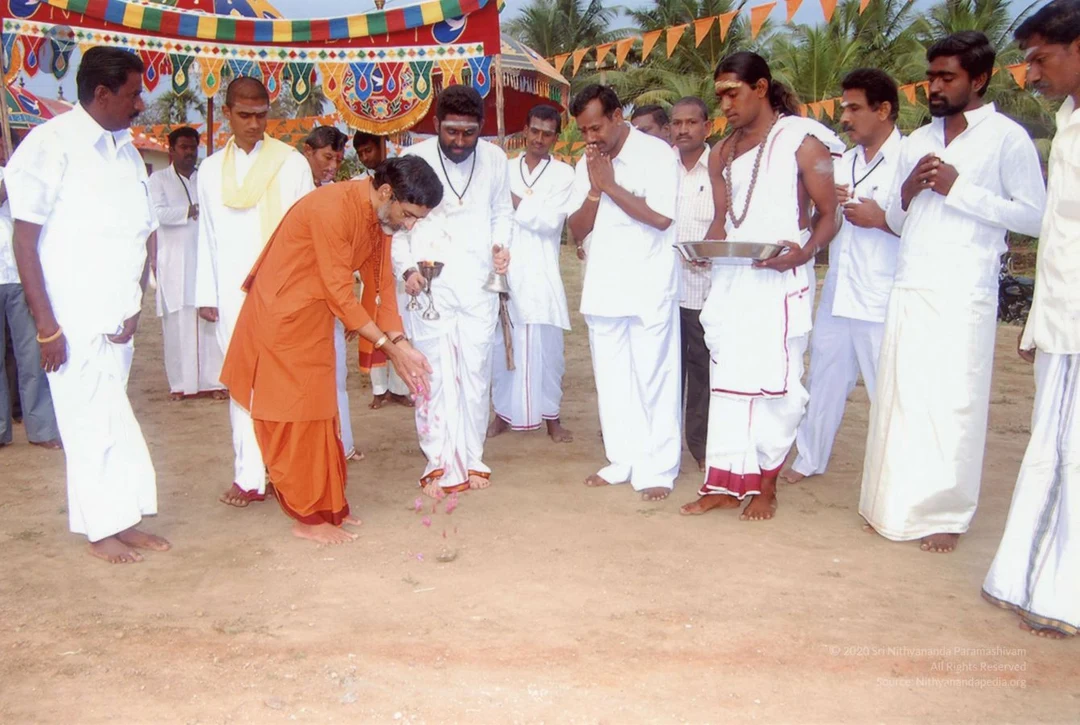
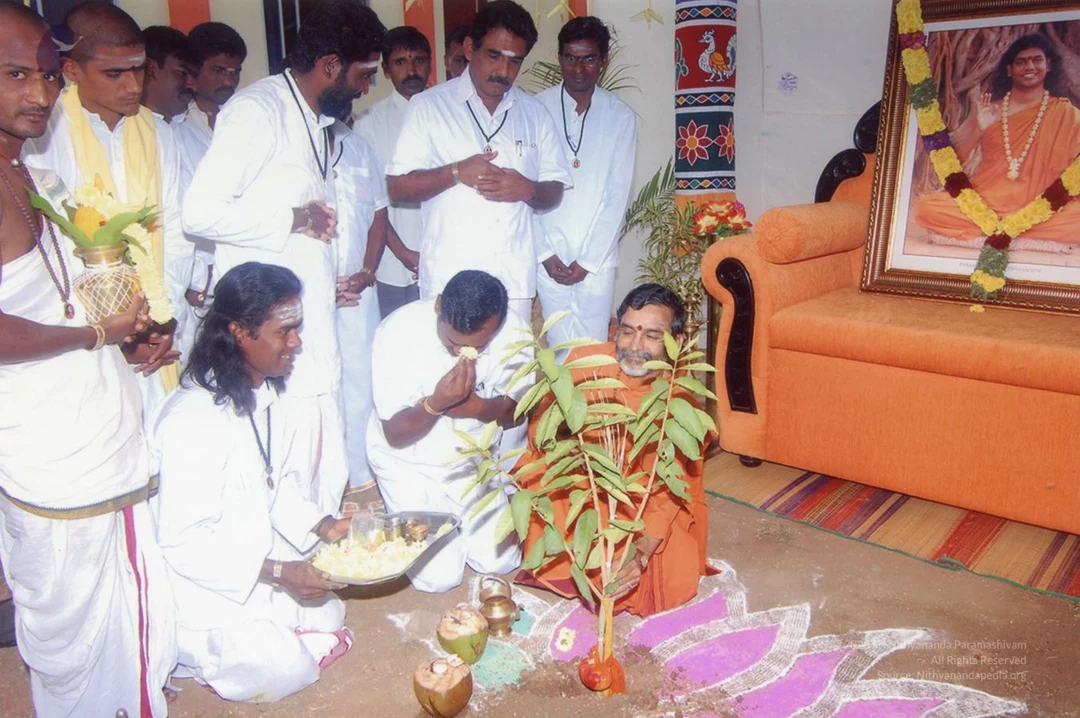
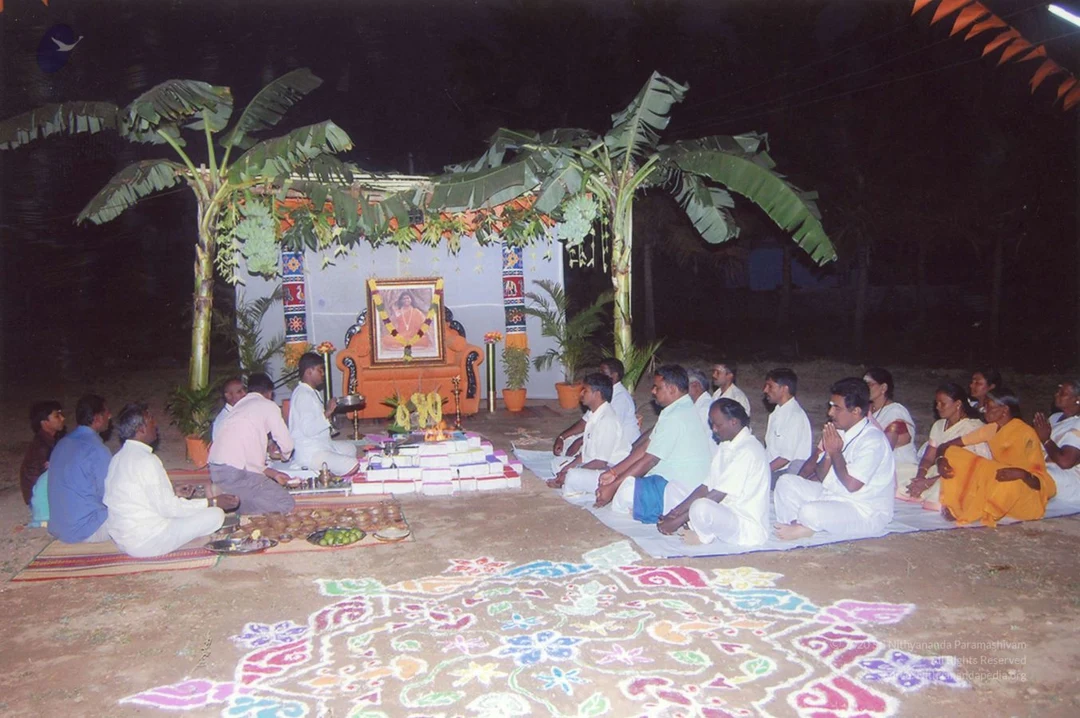
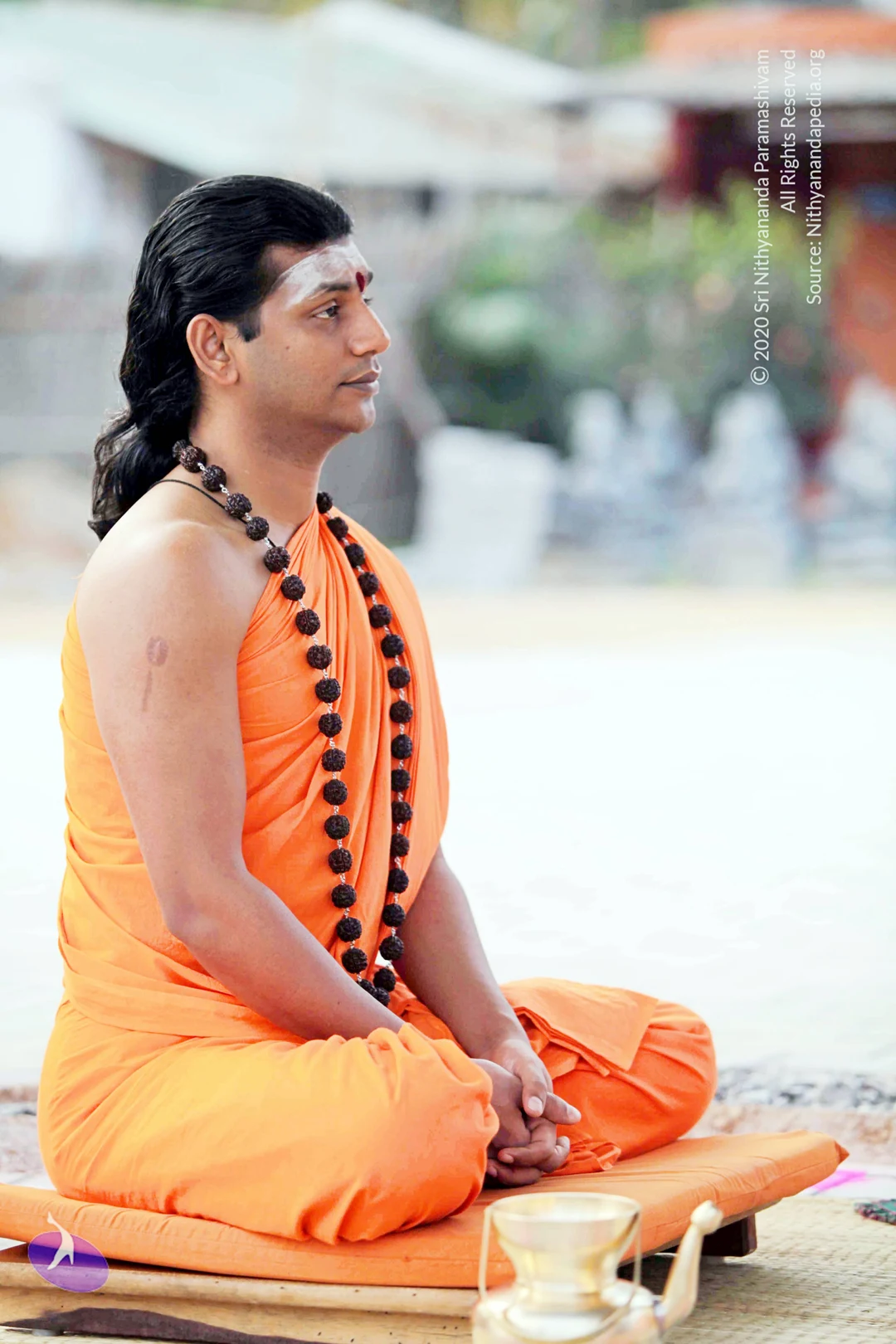
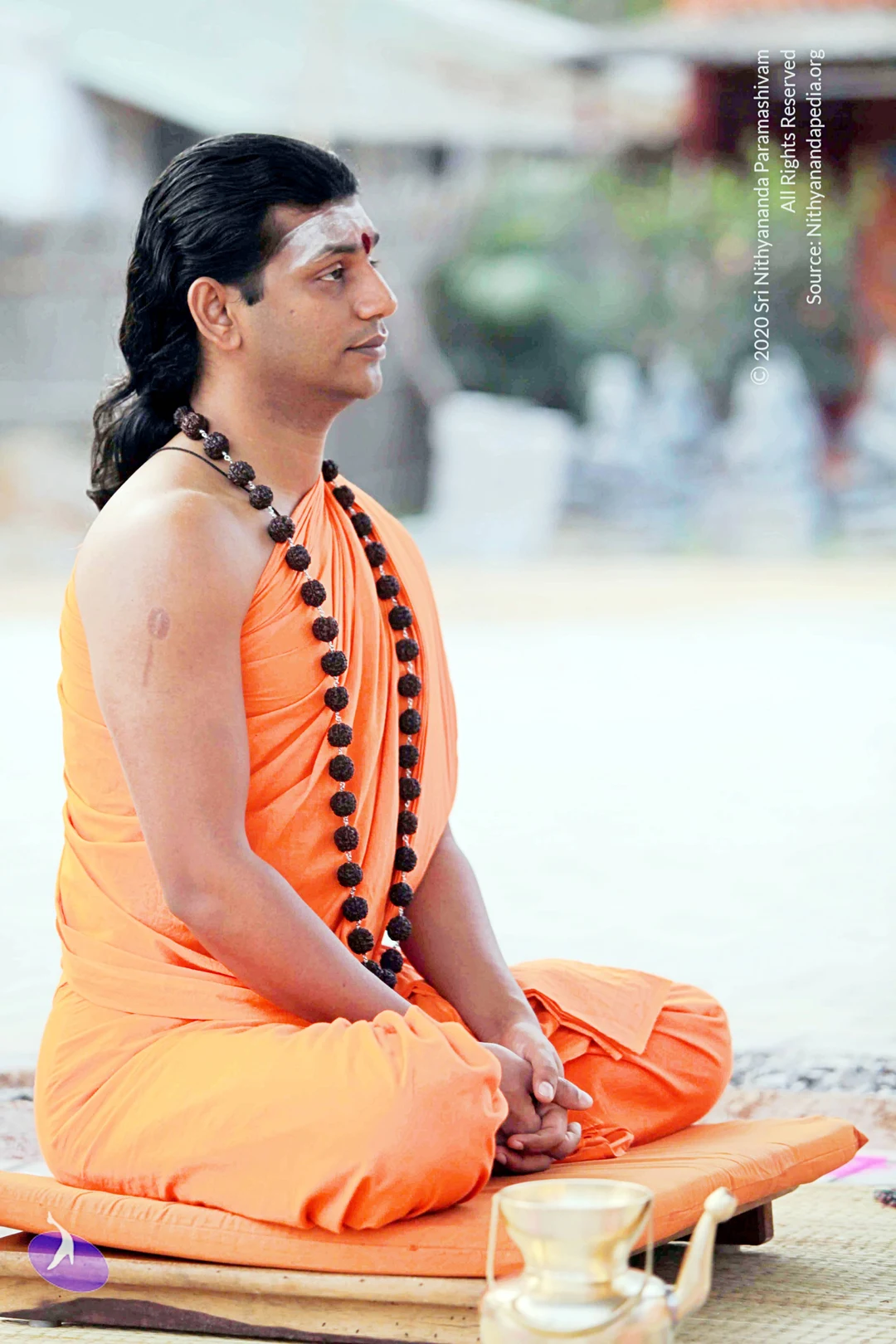
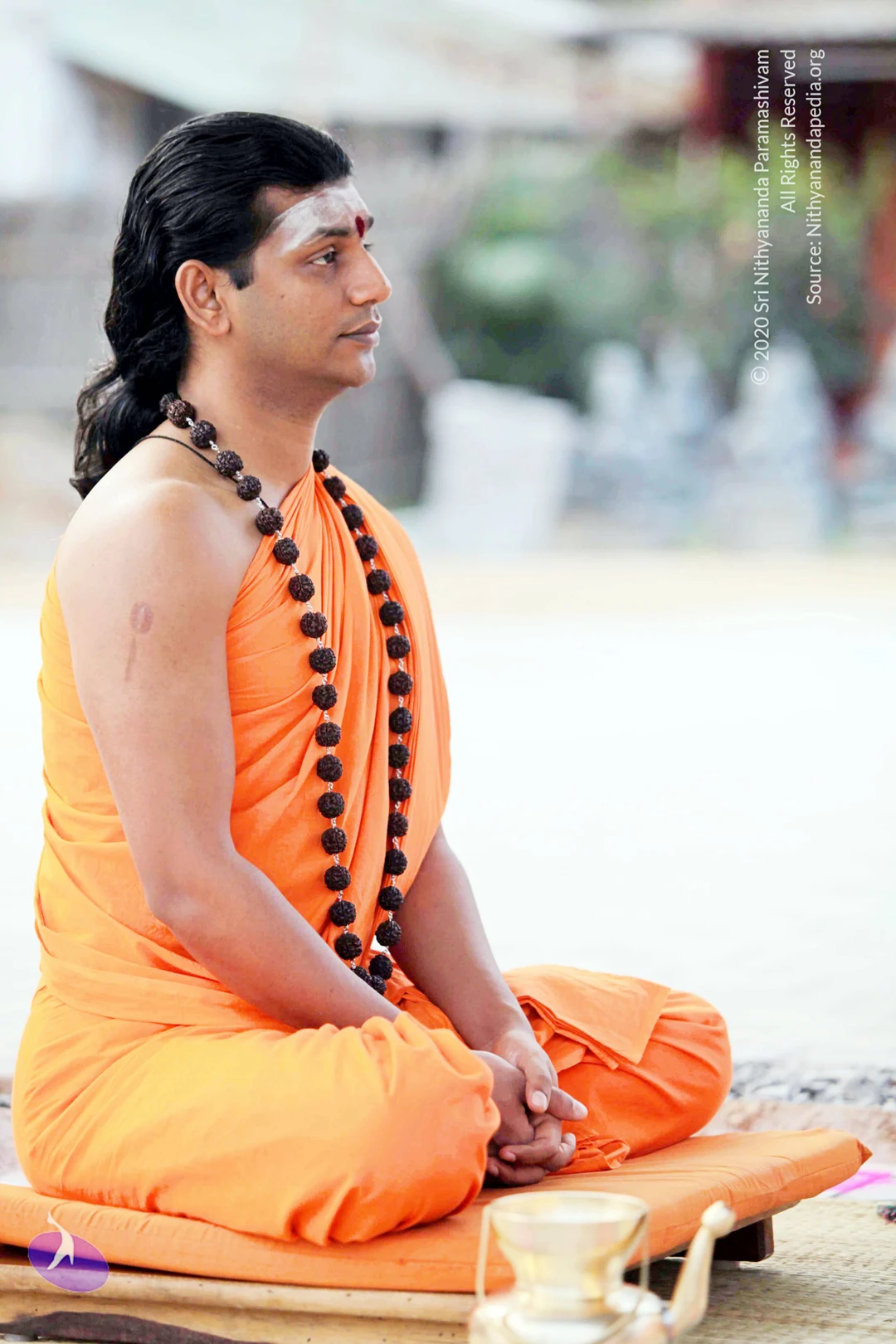
Photos Of The Day:
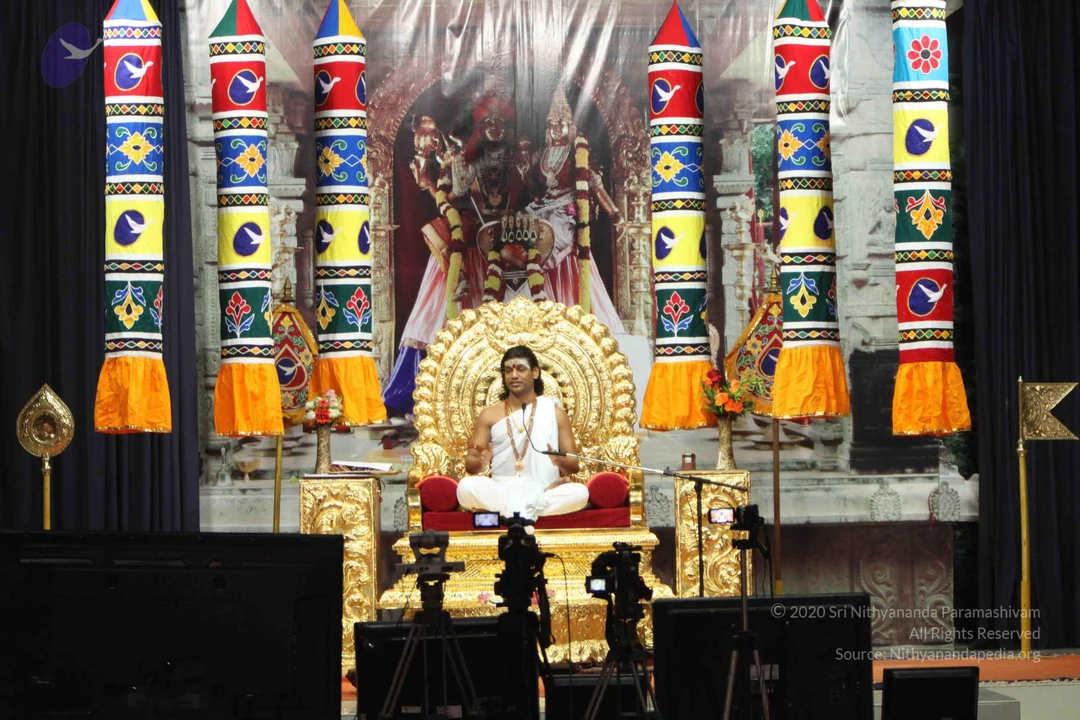
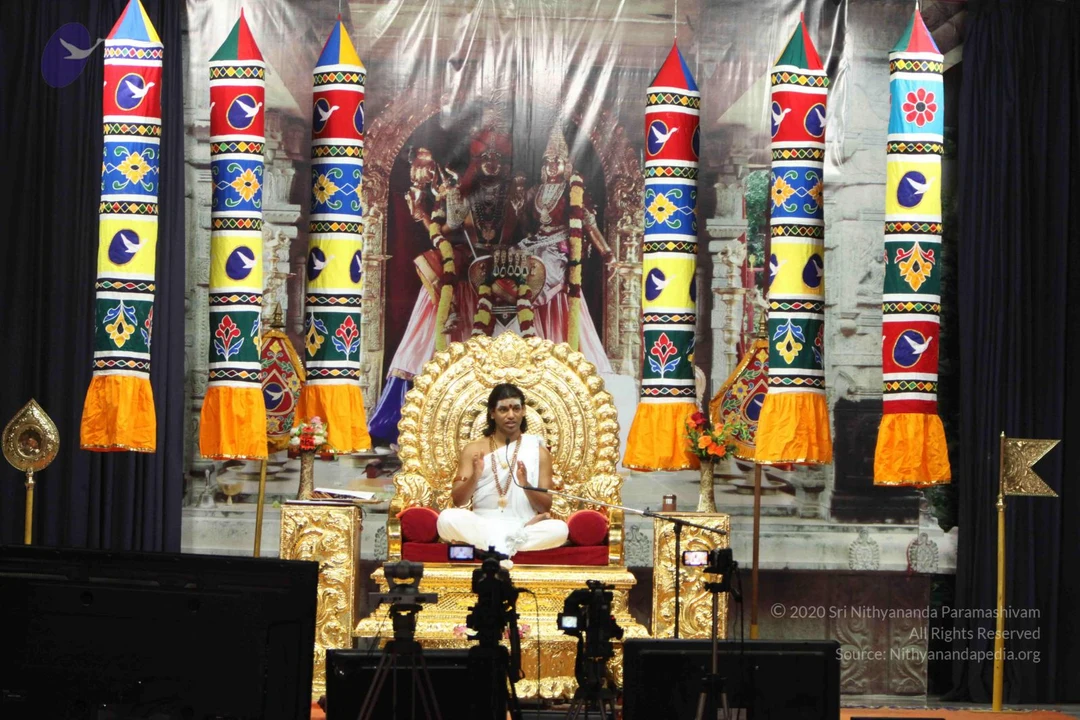
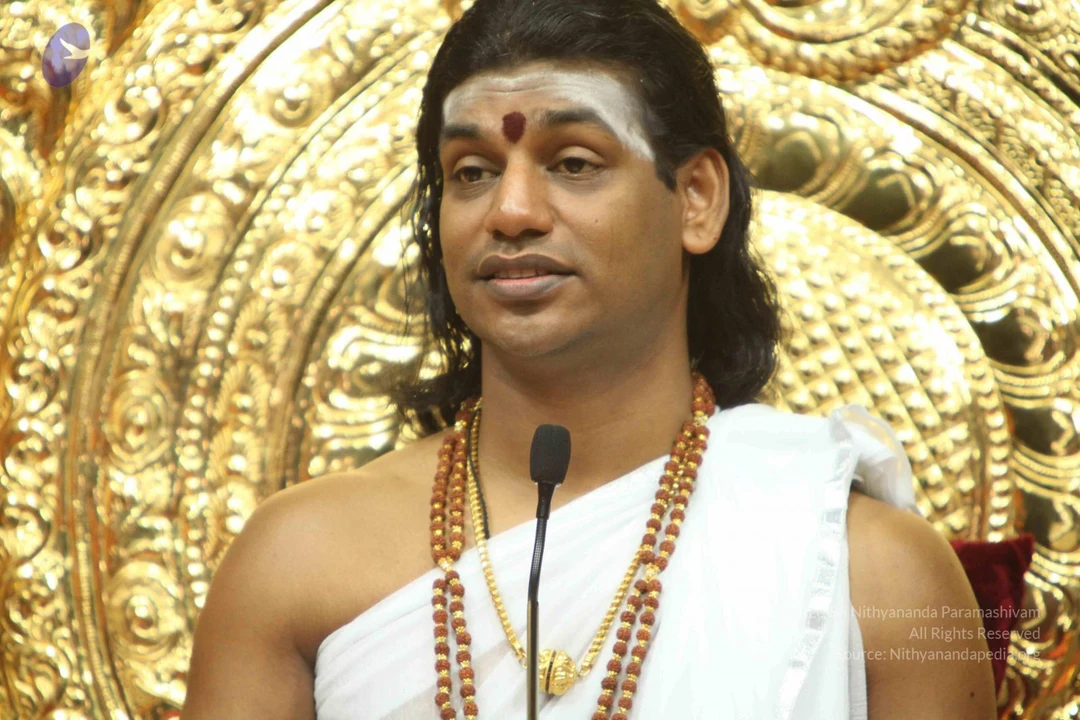
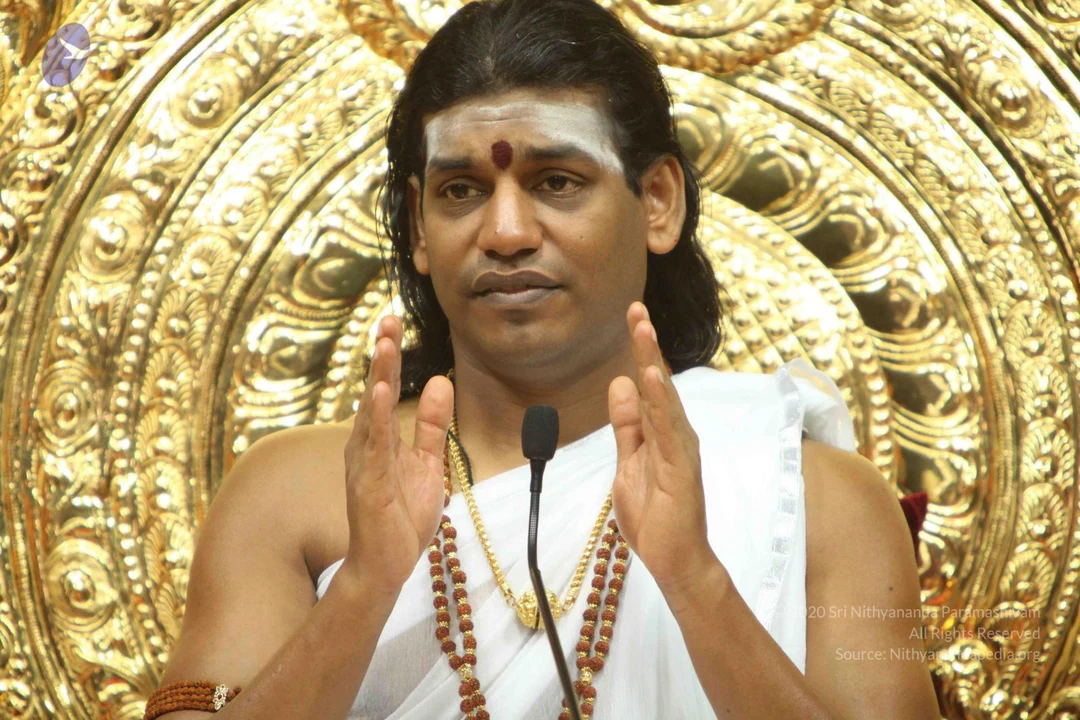
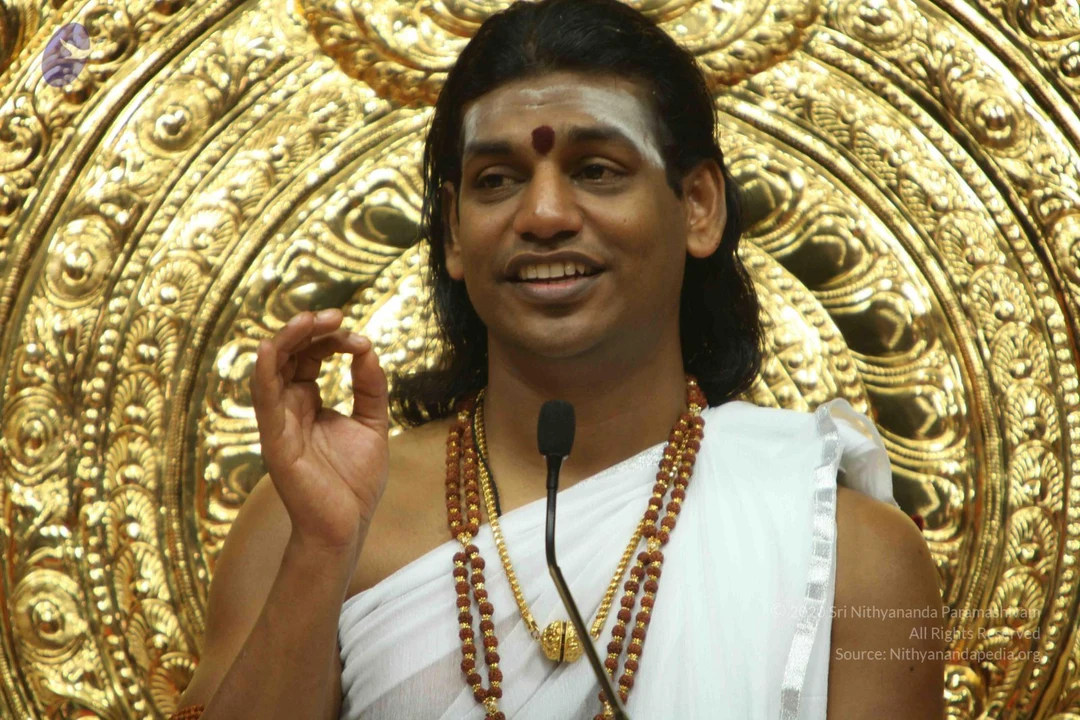
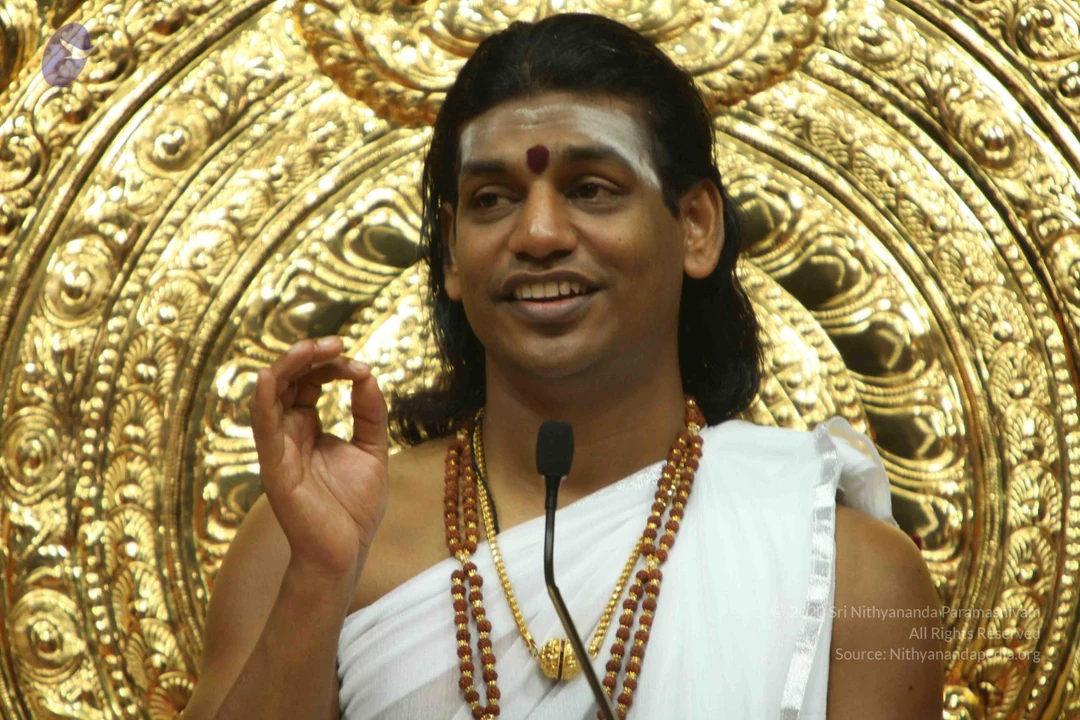
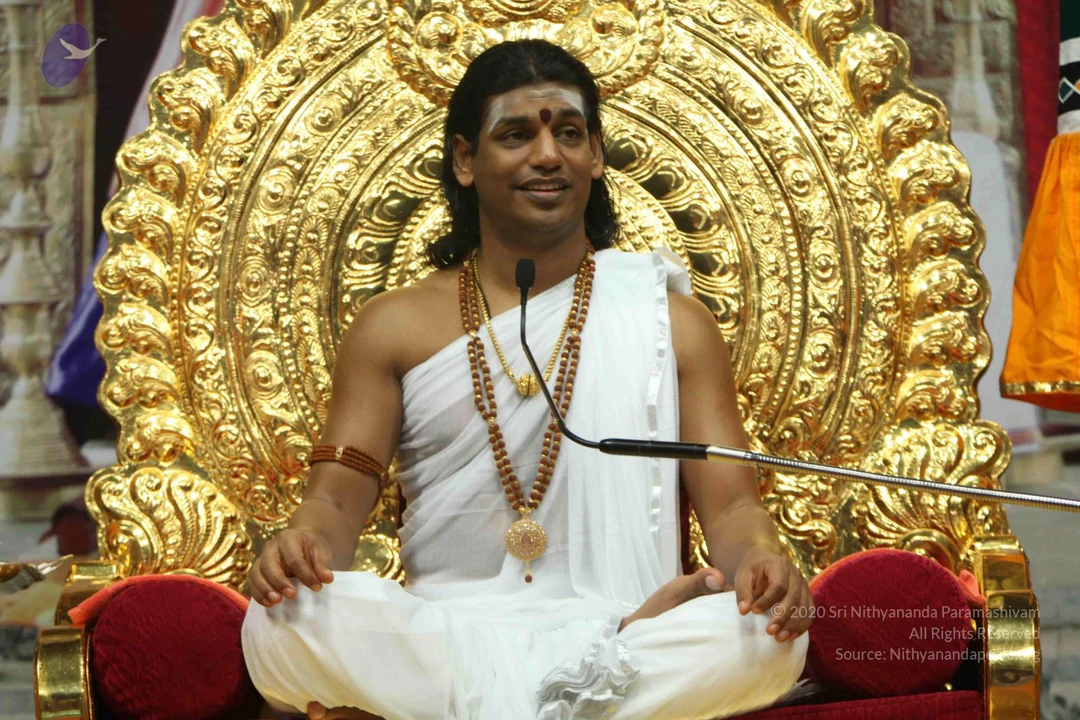
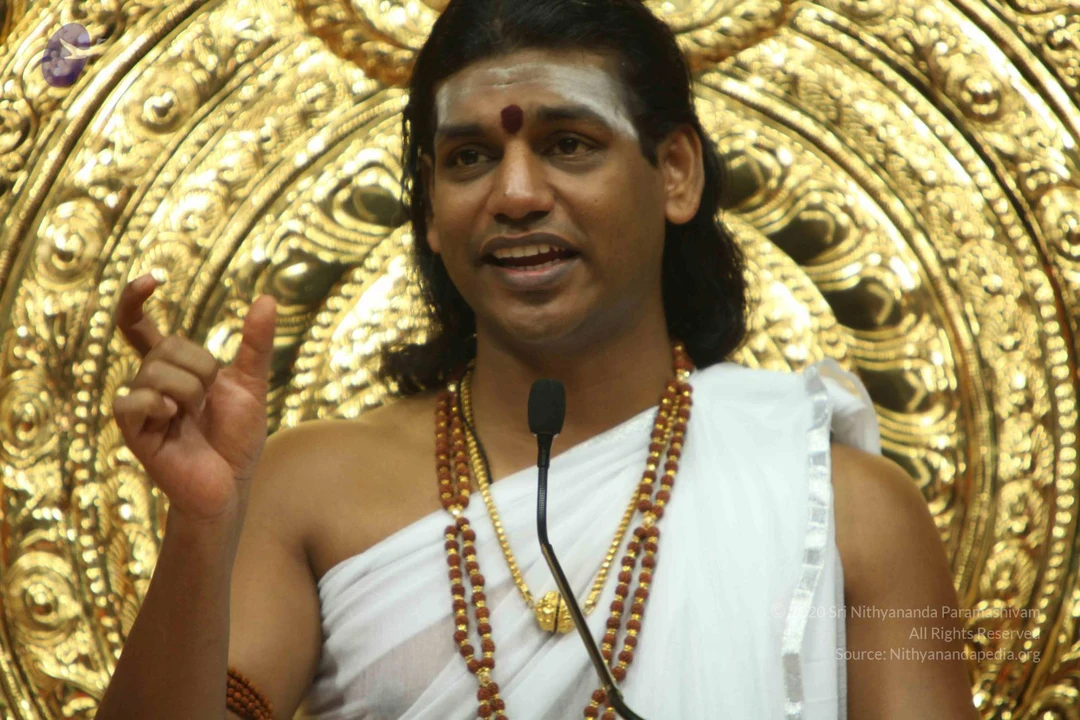
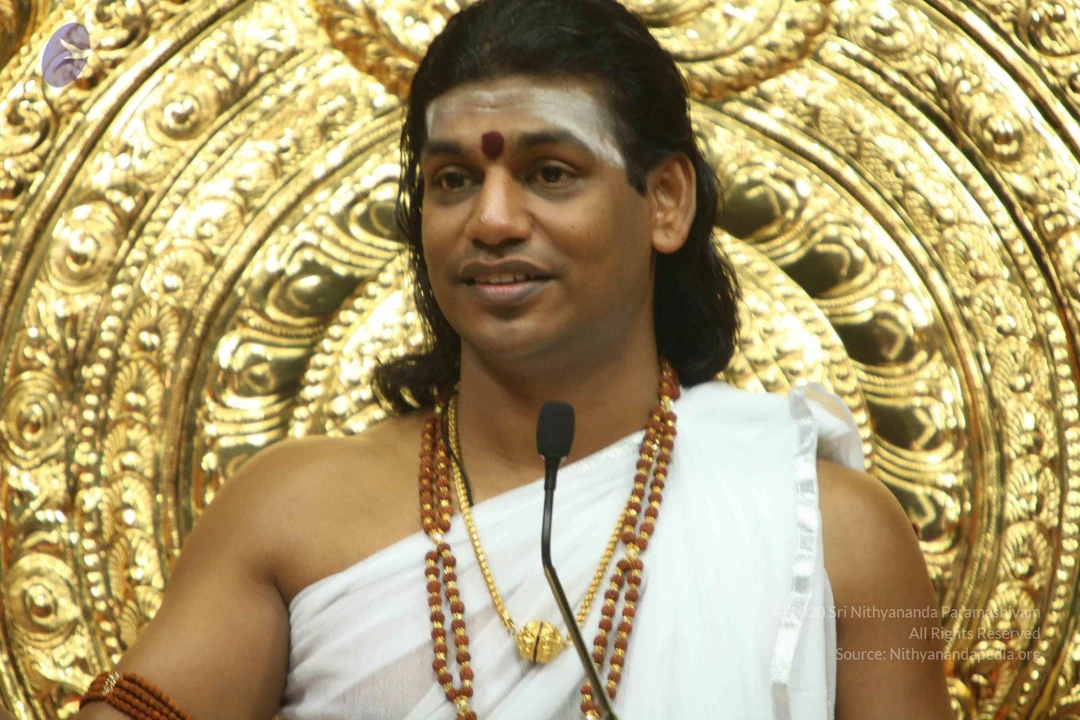
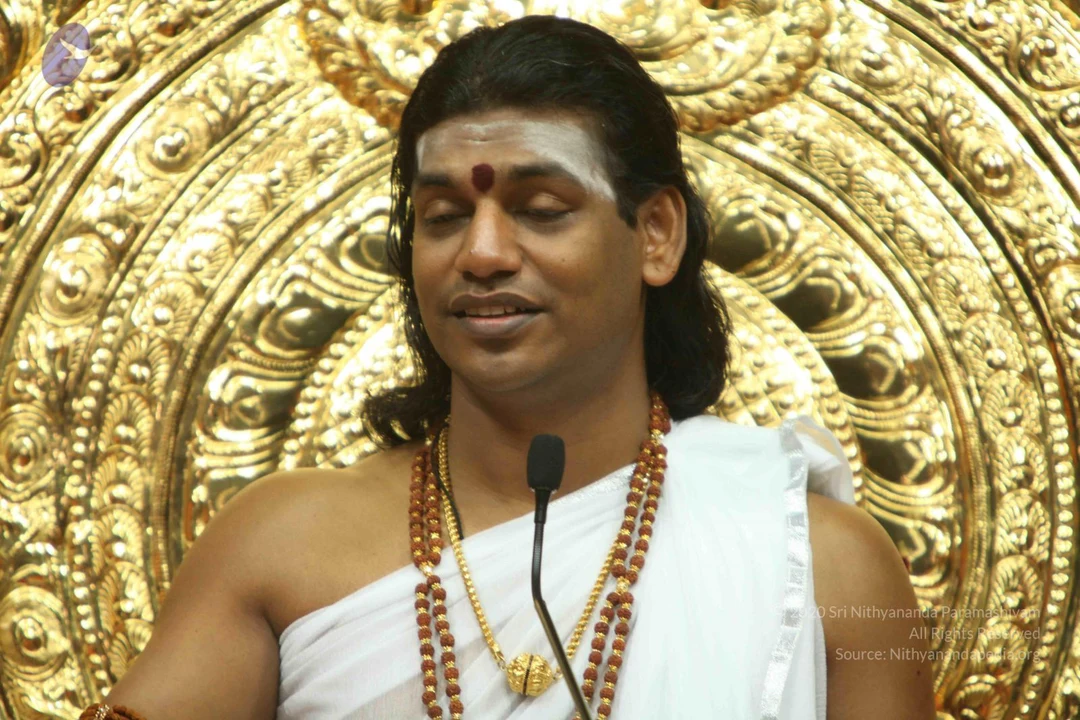
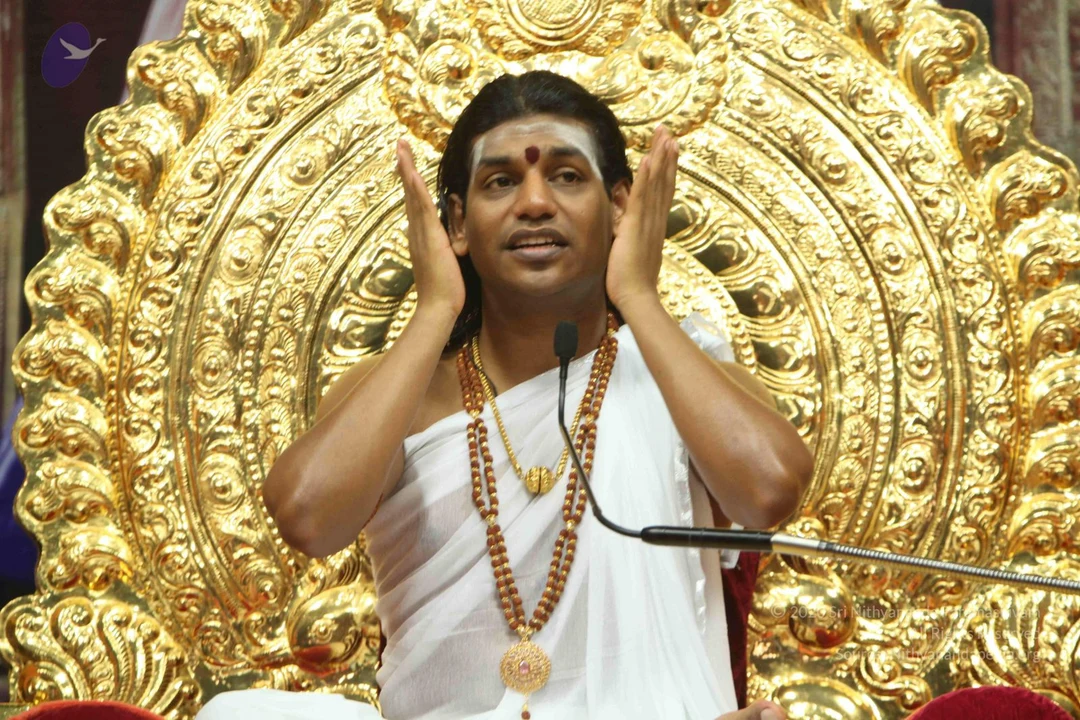
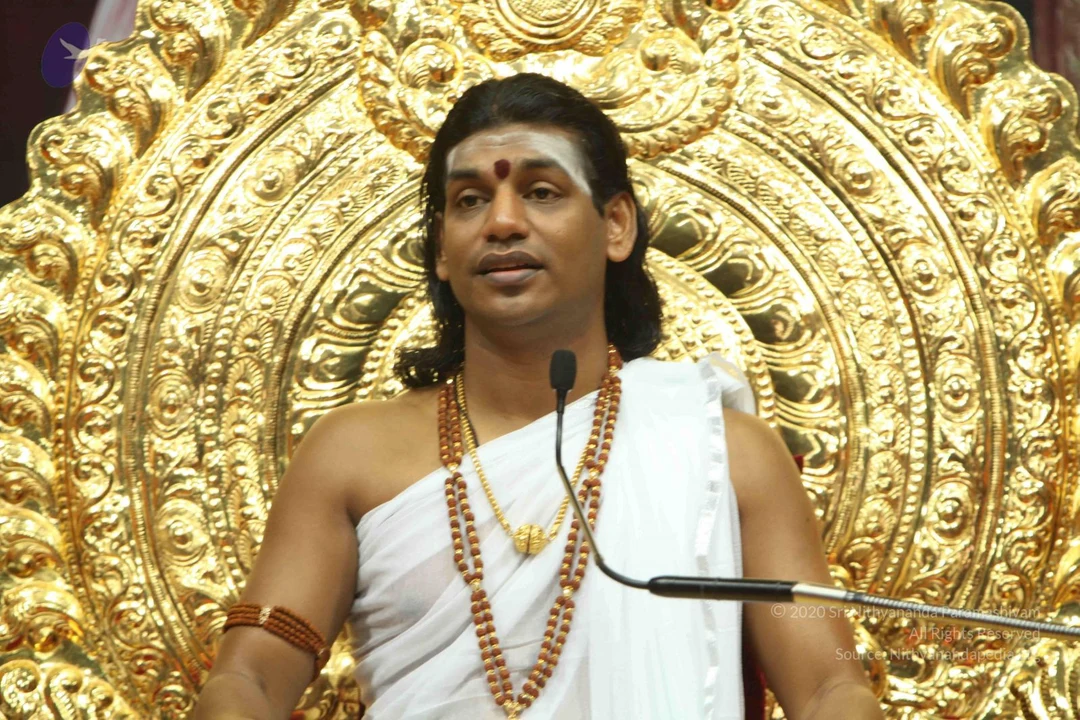
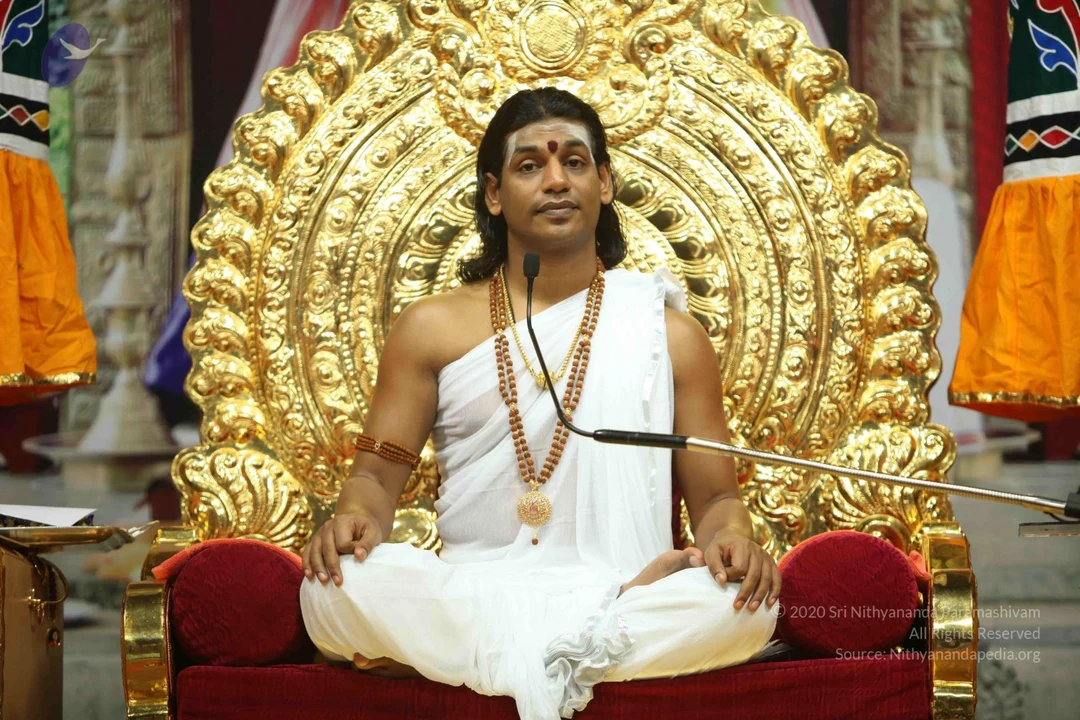
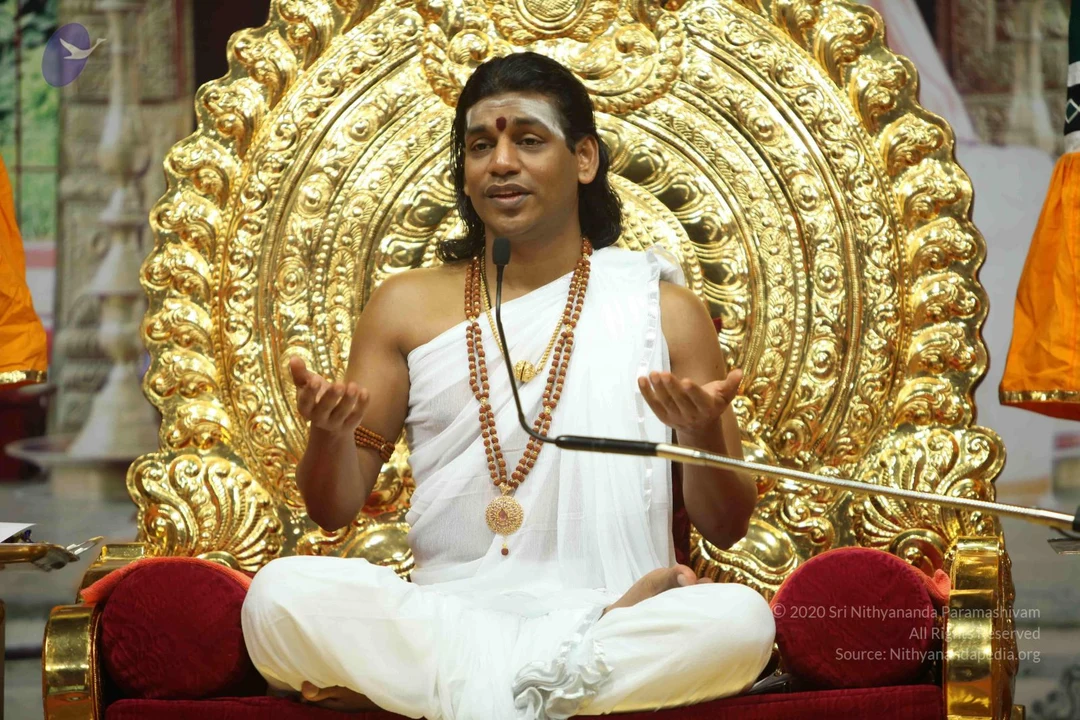
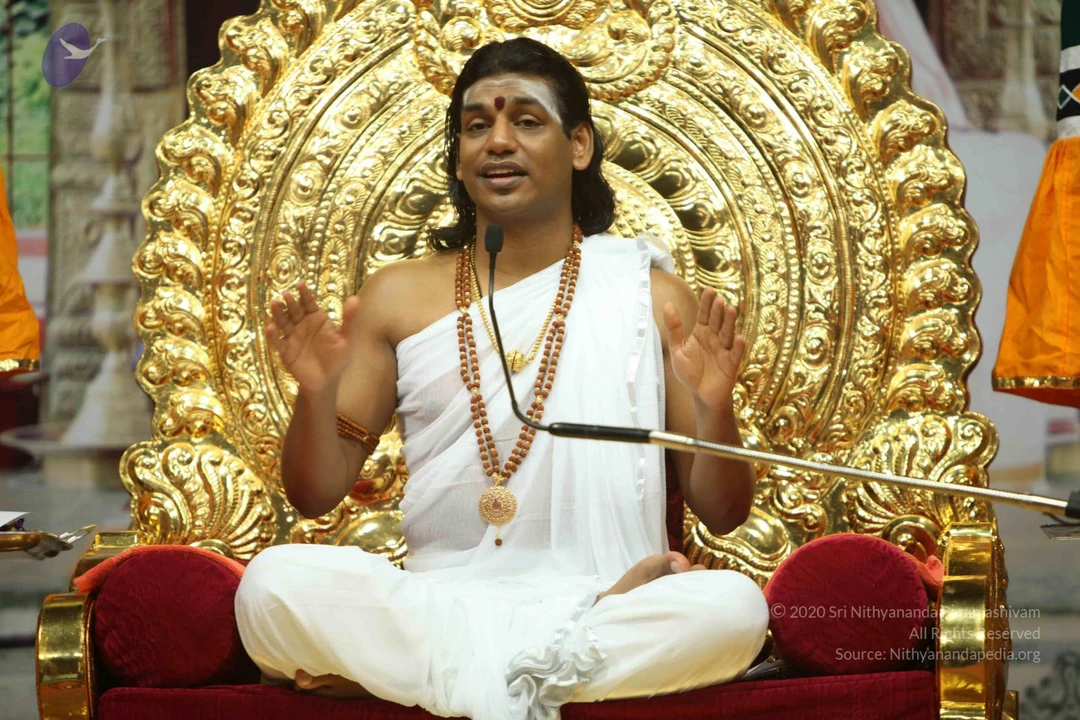
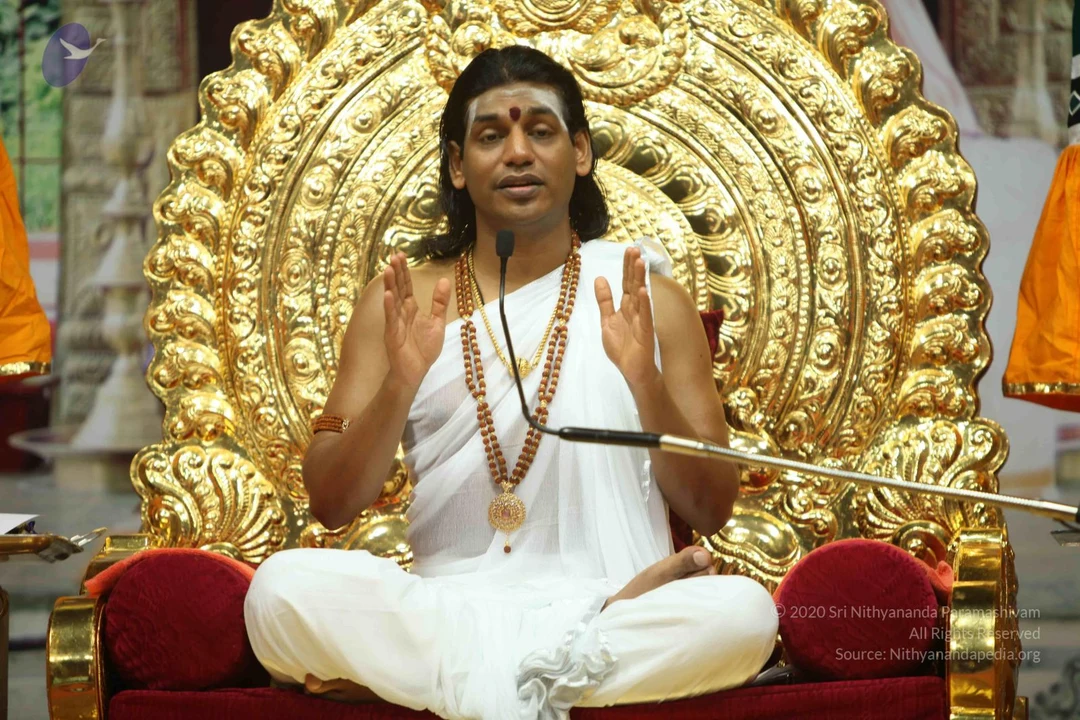
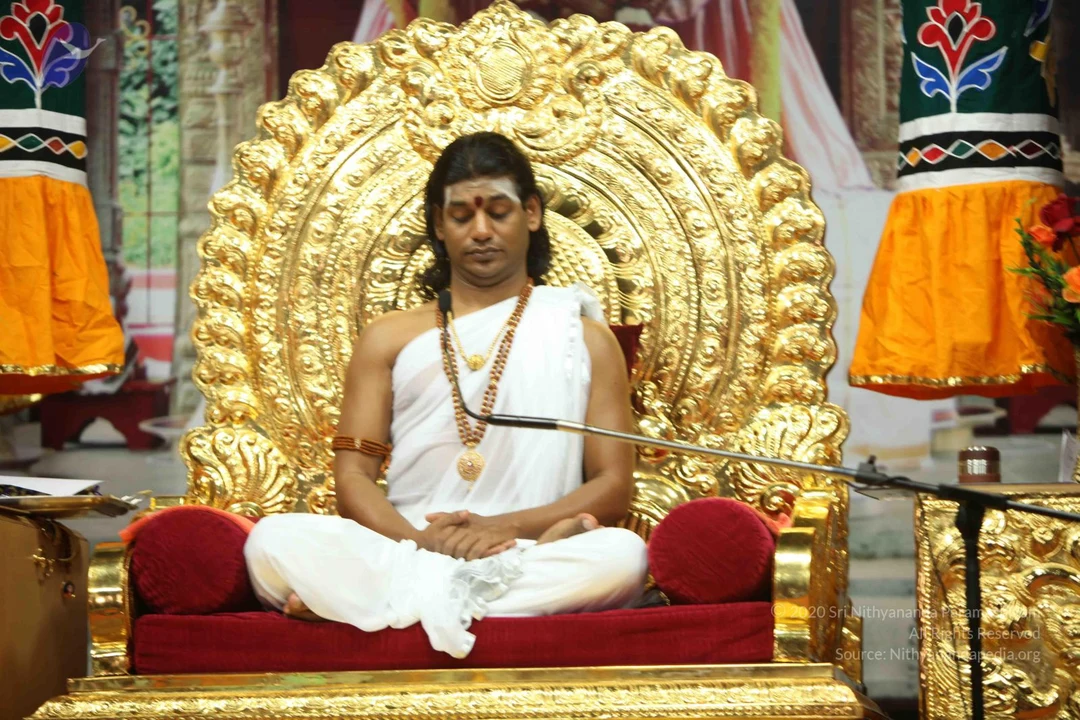
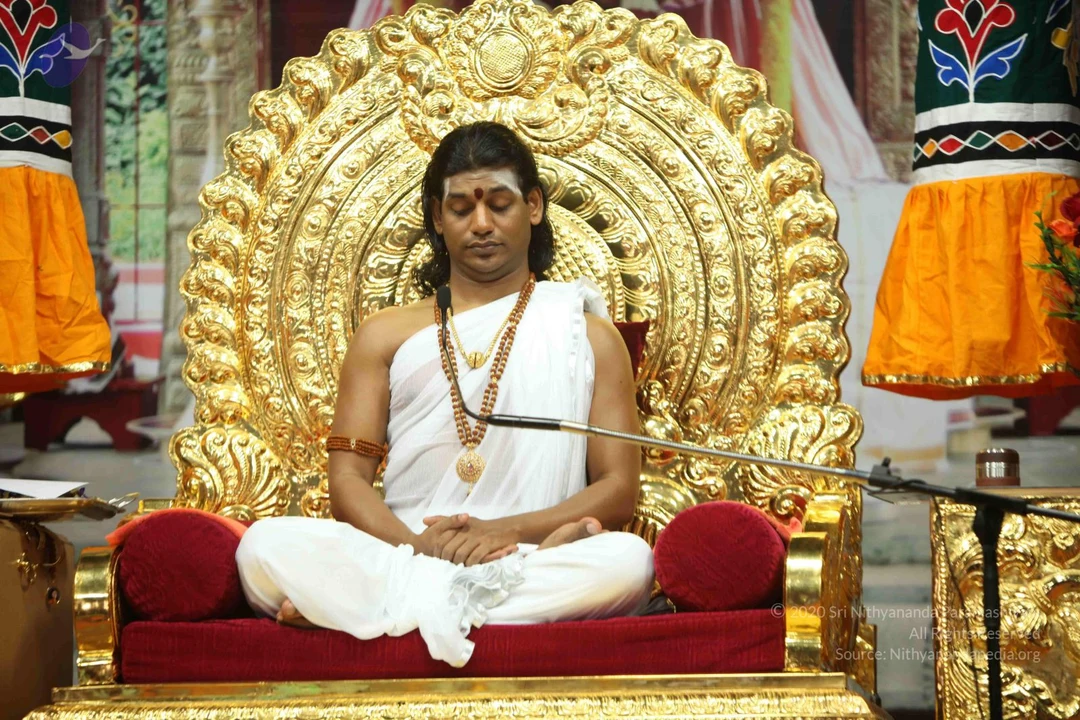
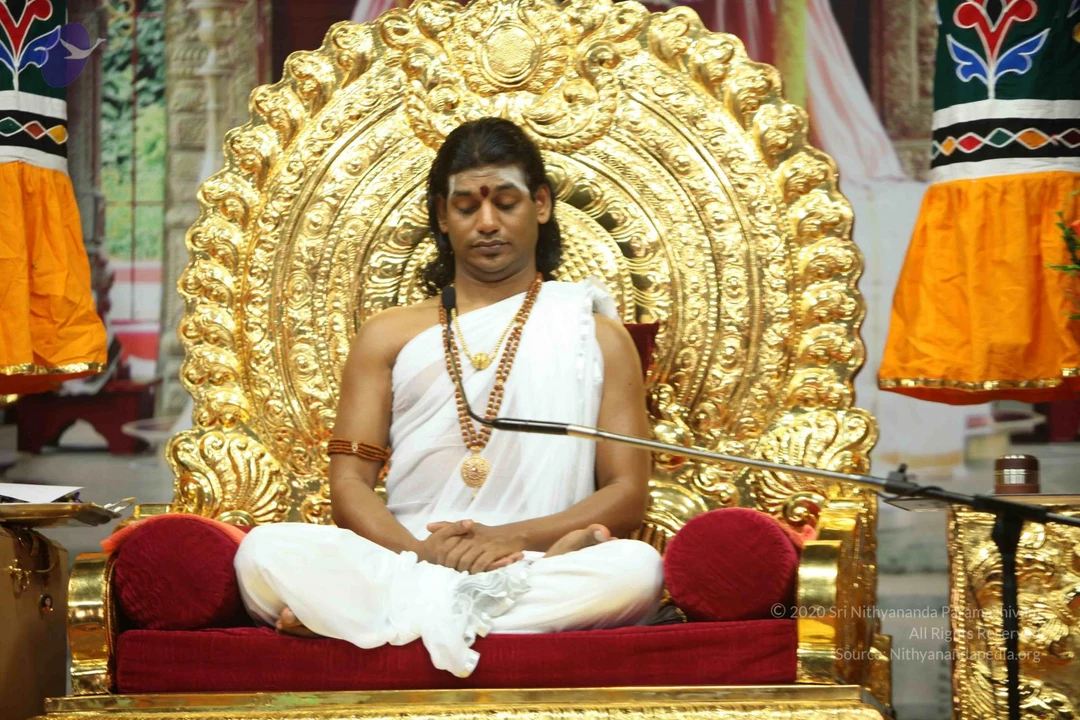
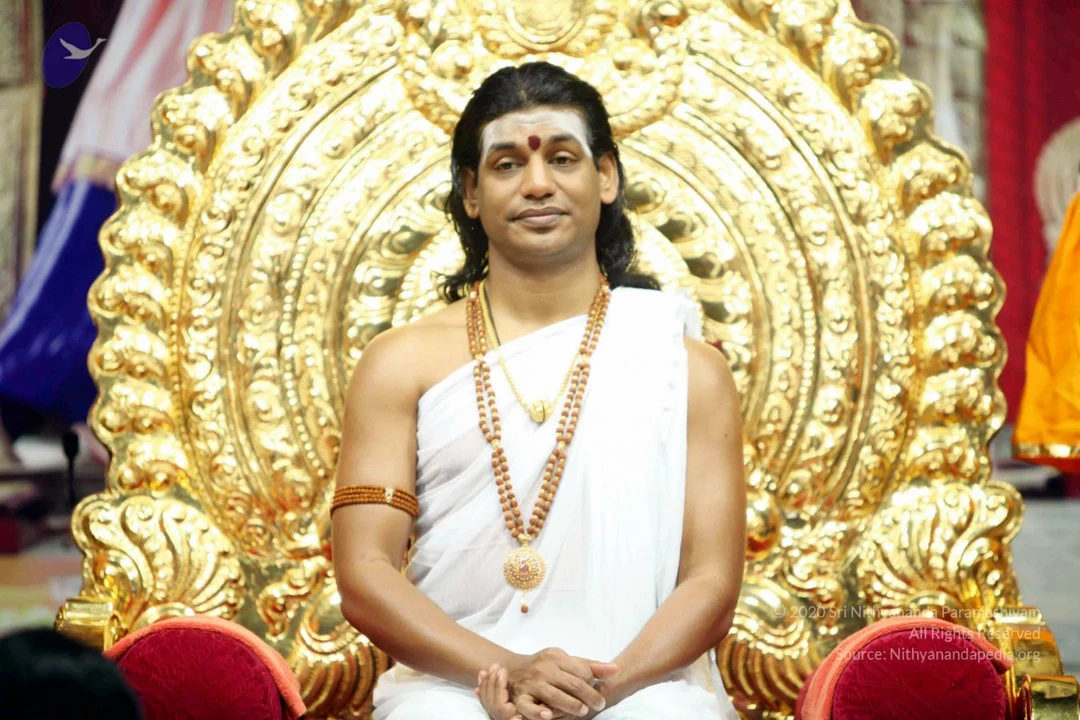
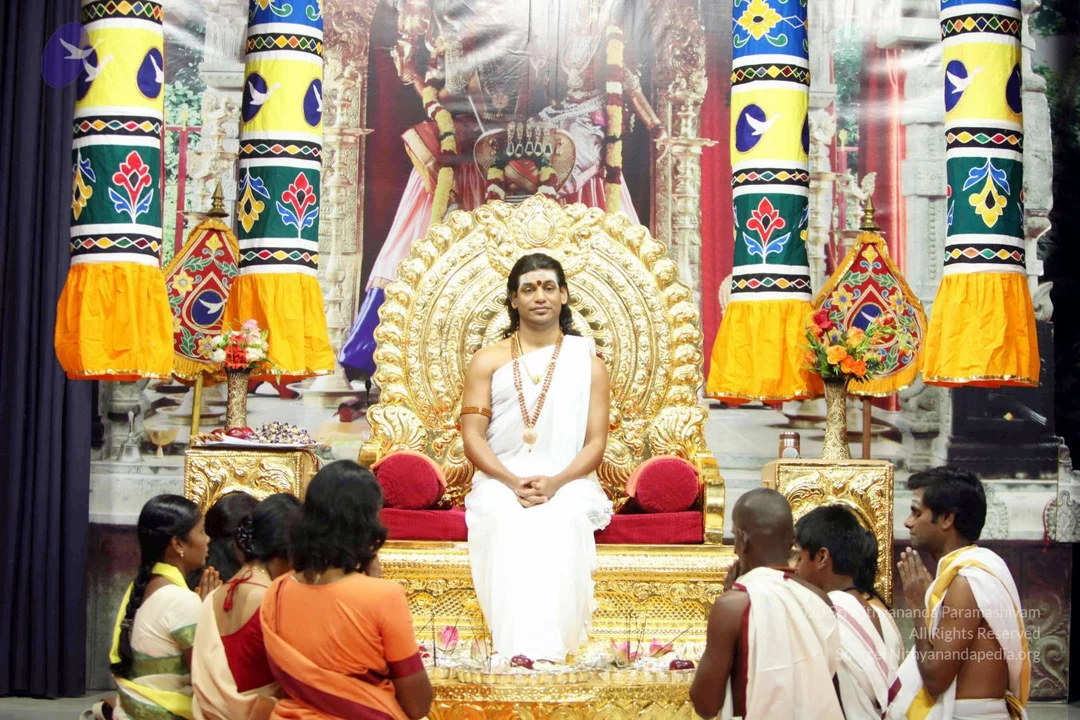
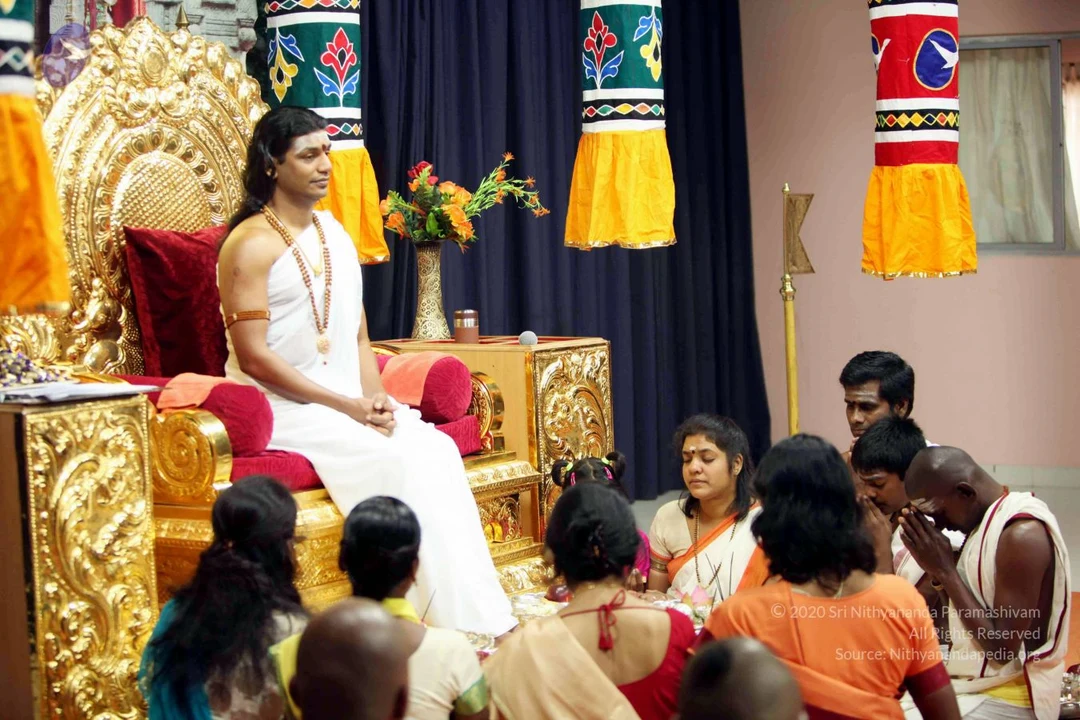
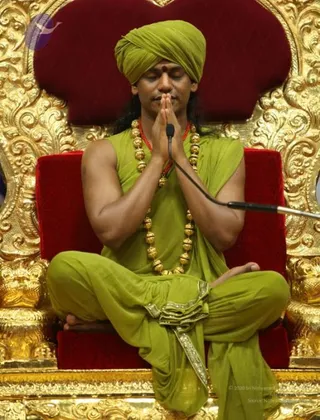
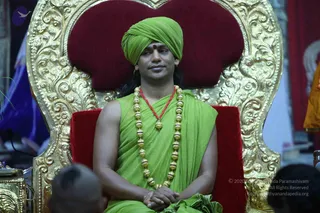
Nithya Satsang
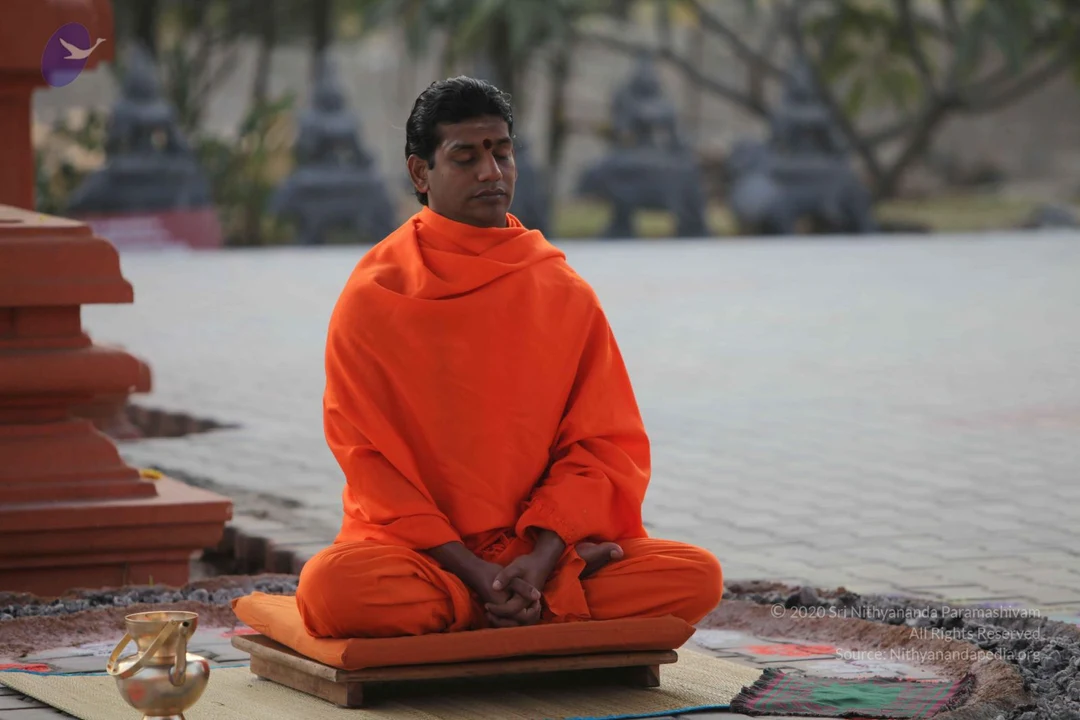
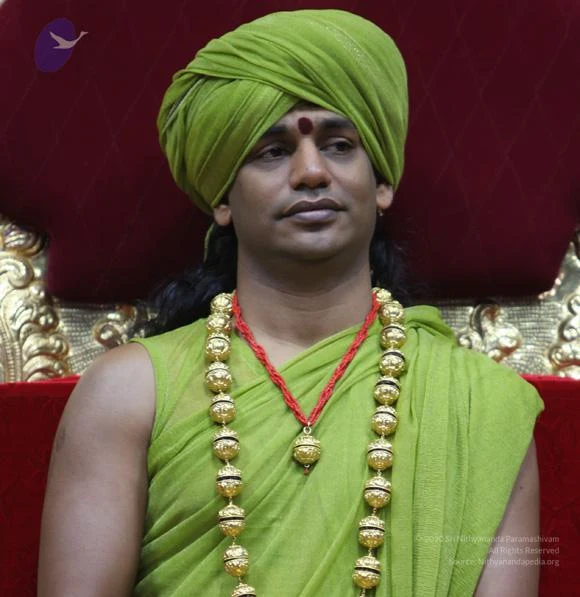
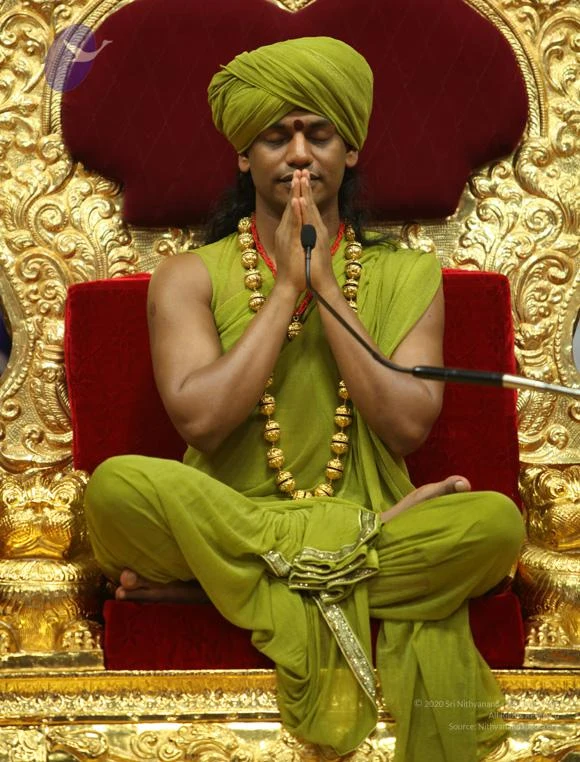


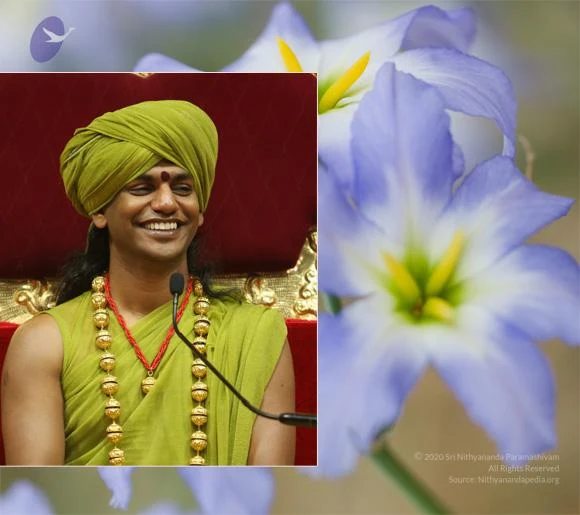
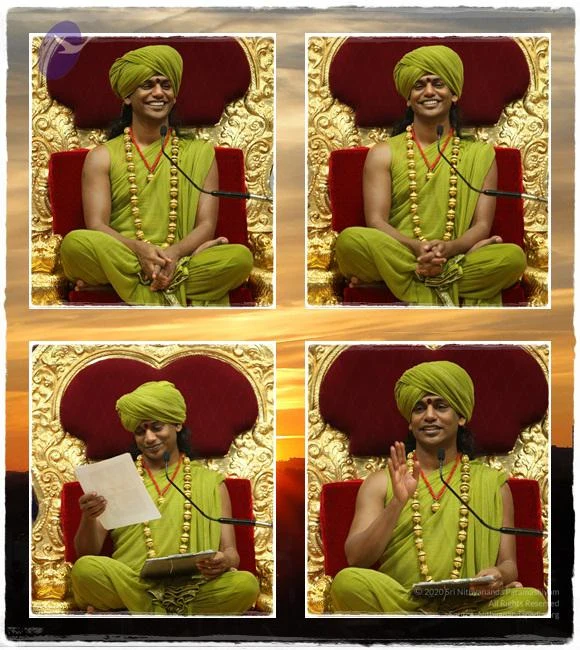
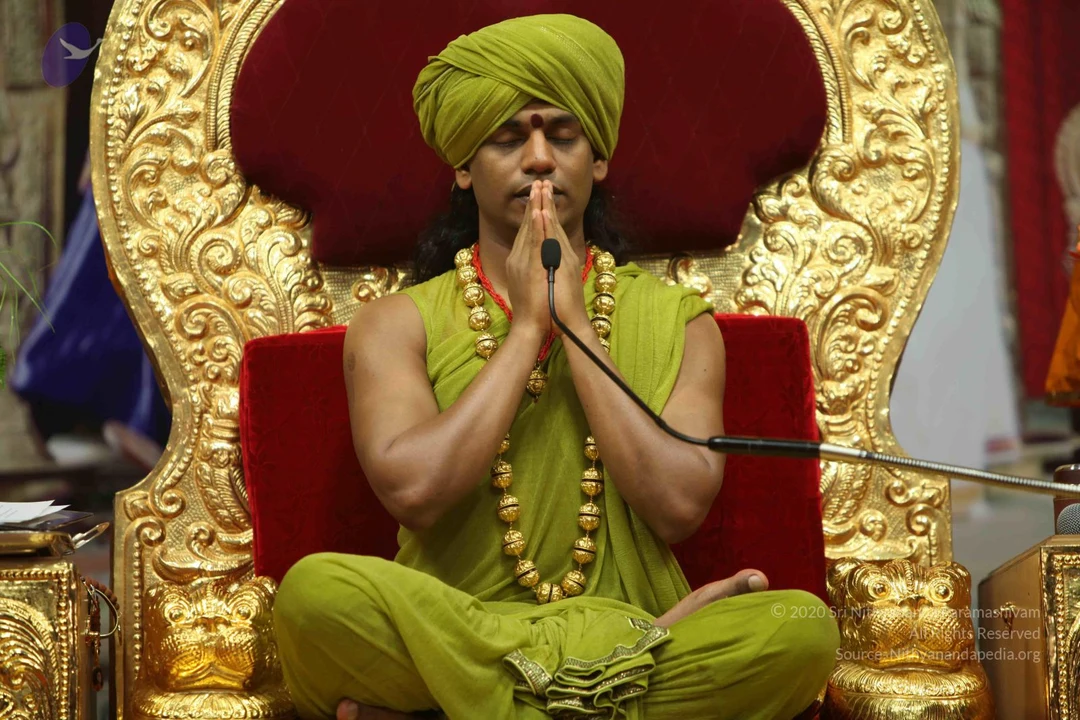
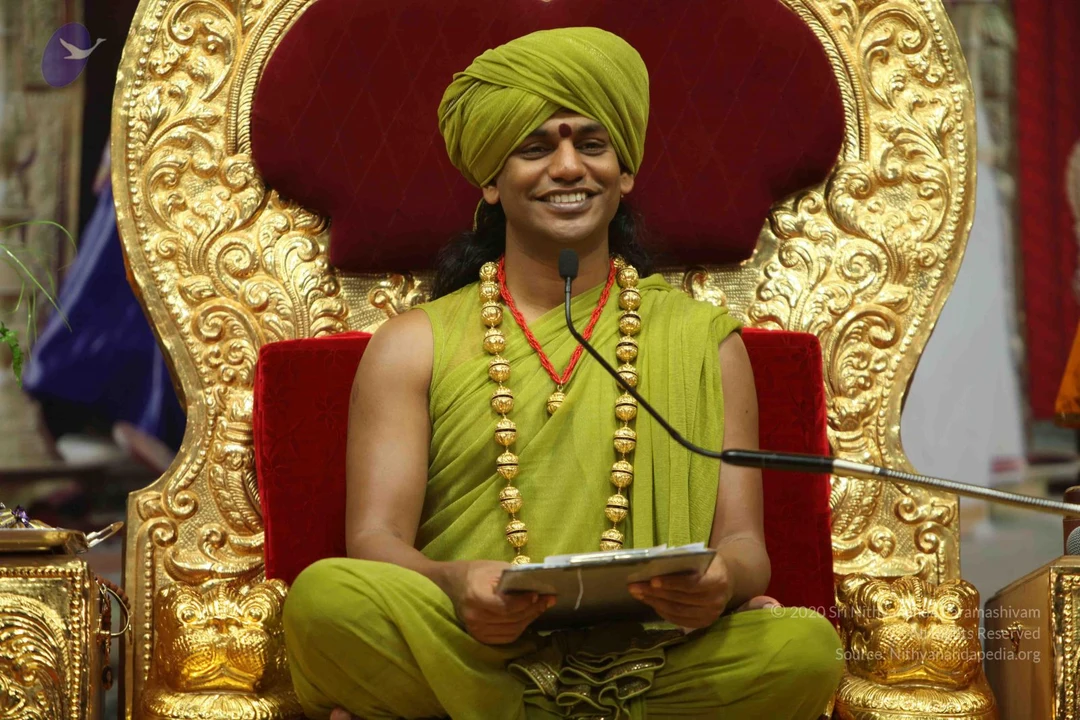
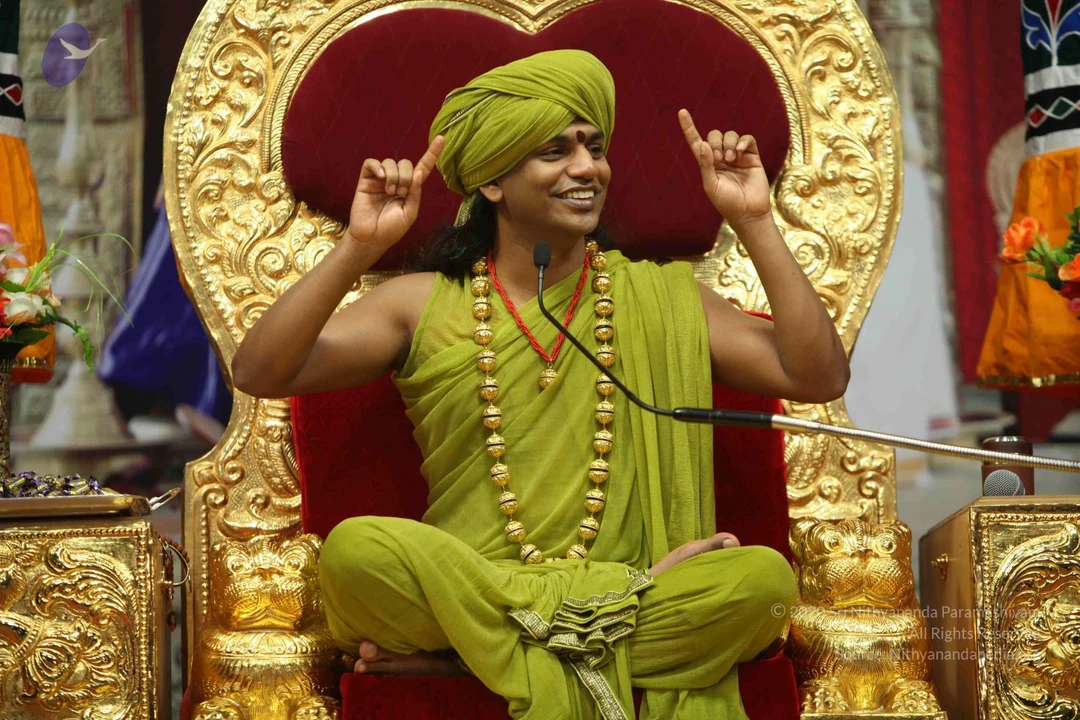
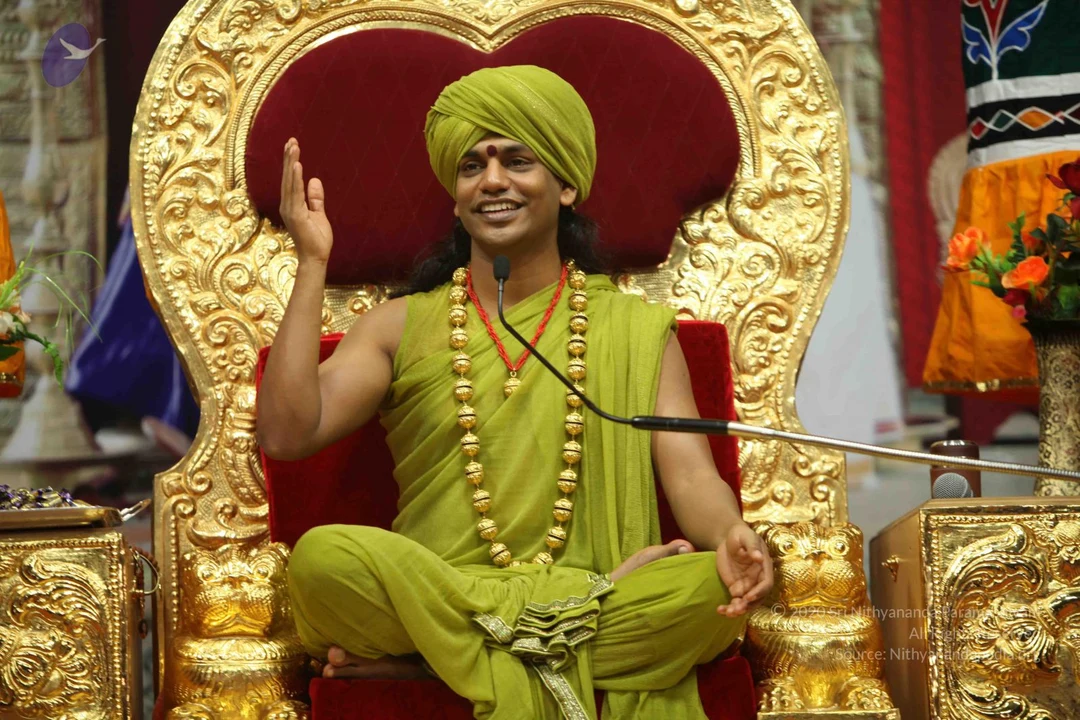
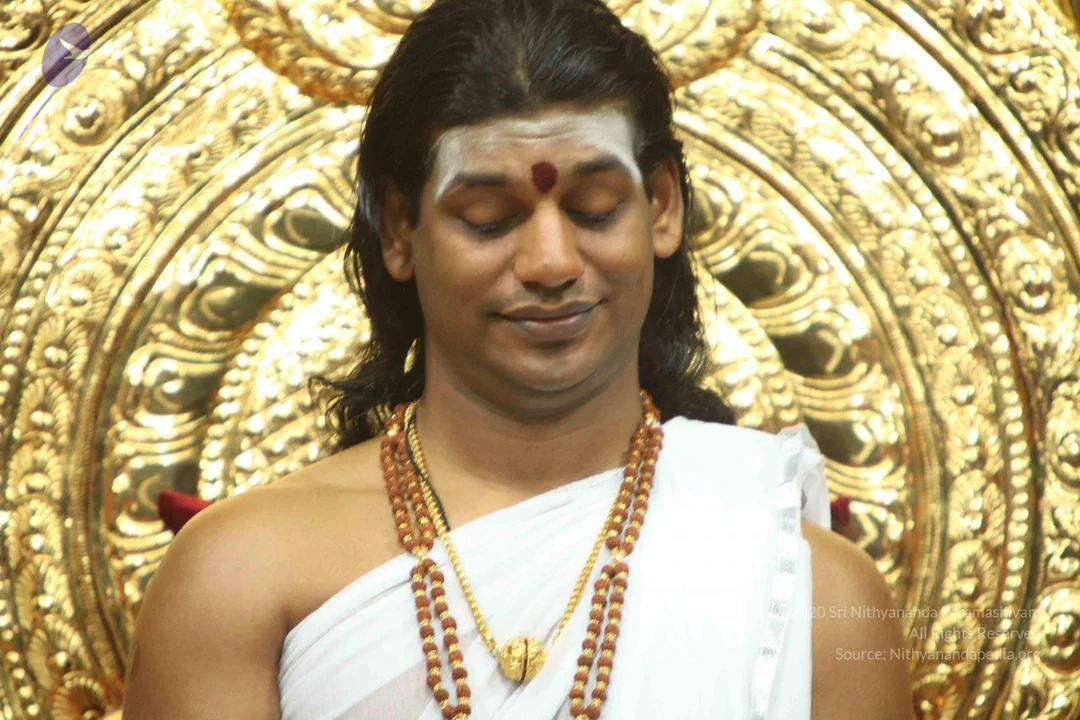
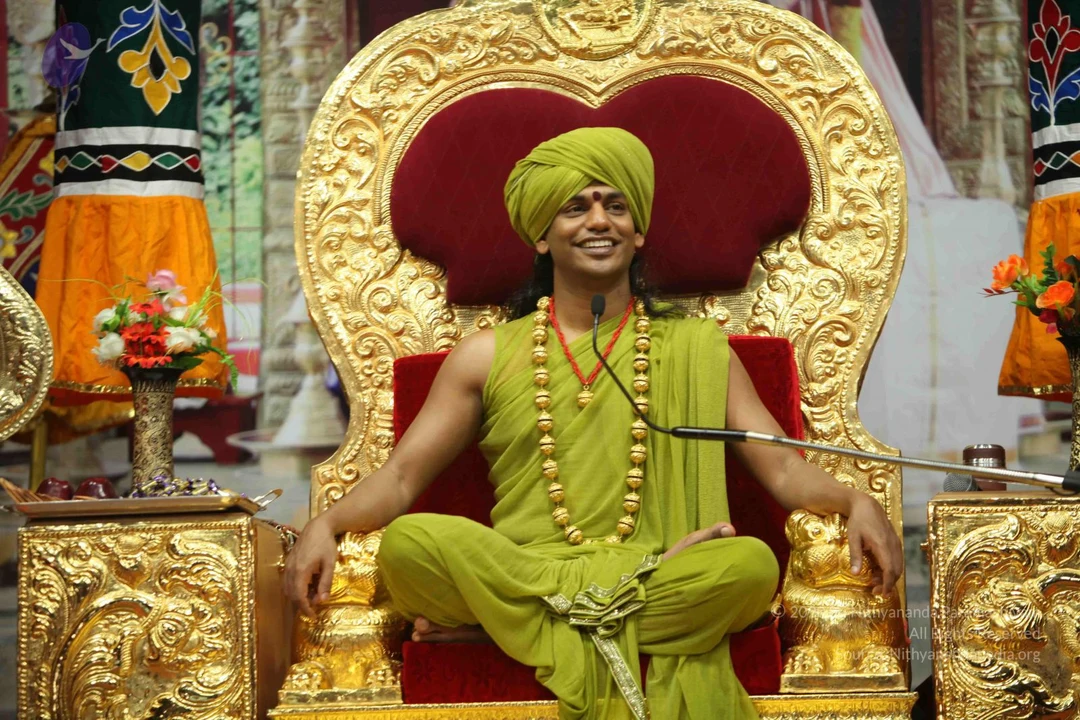
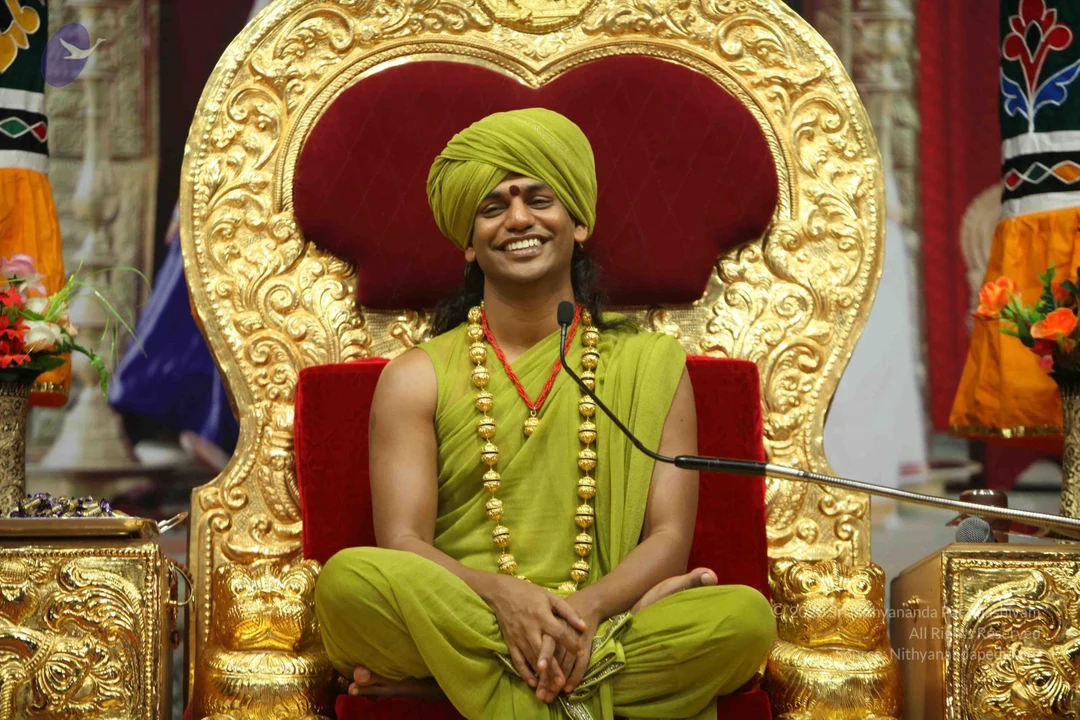
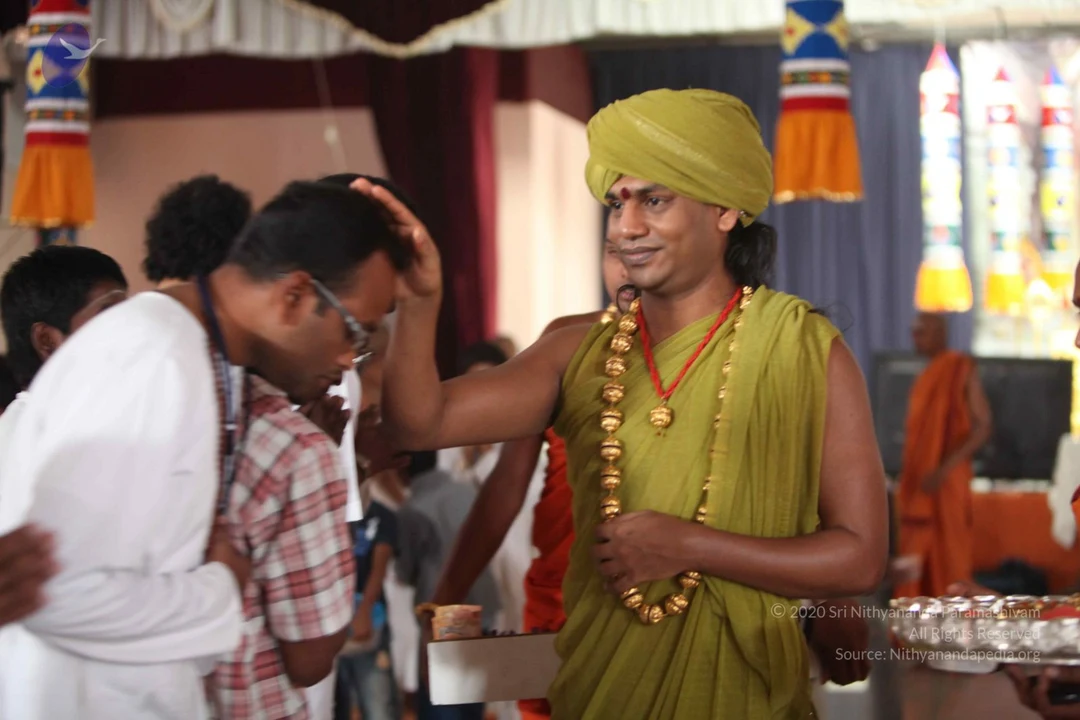
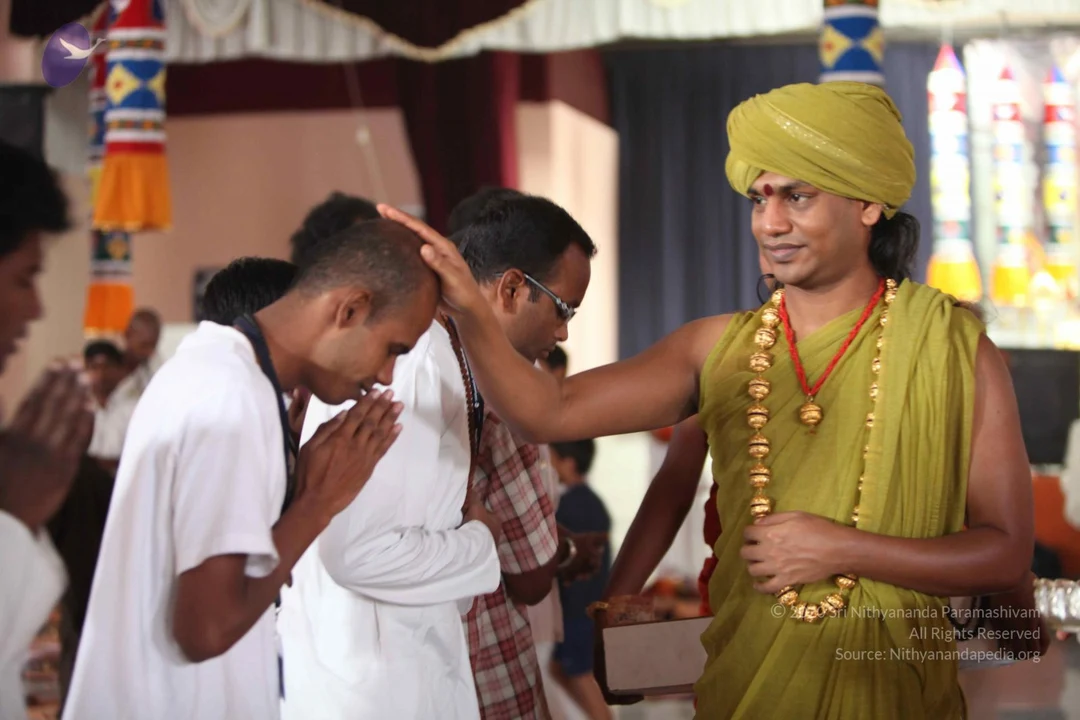
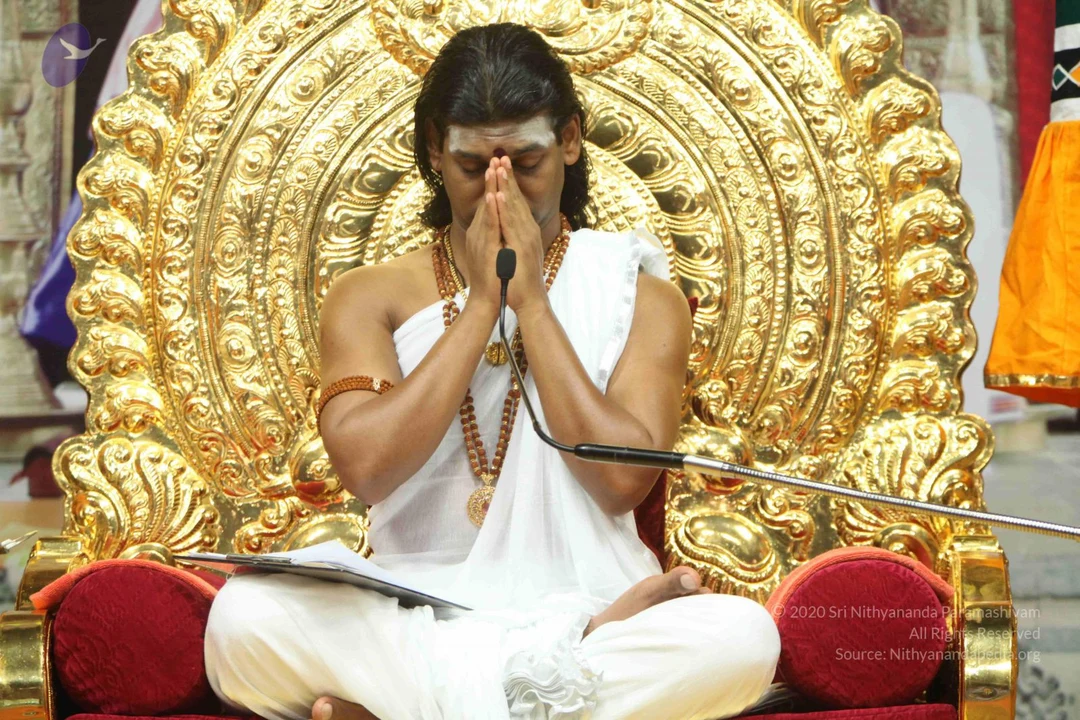
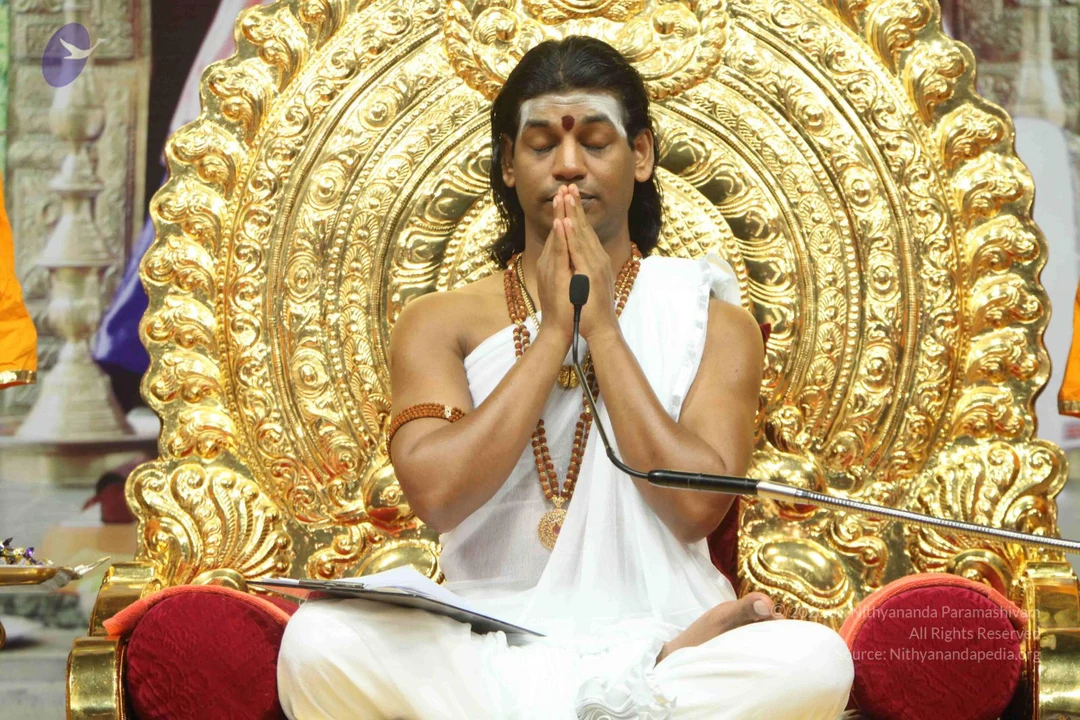
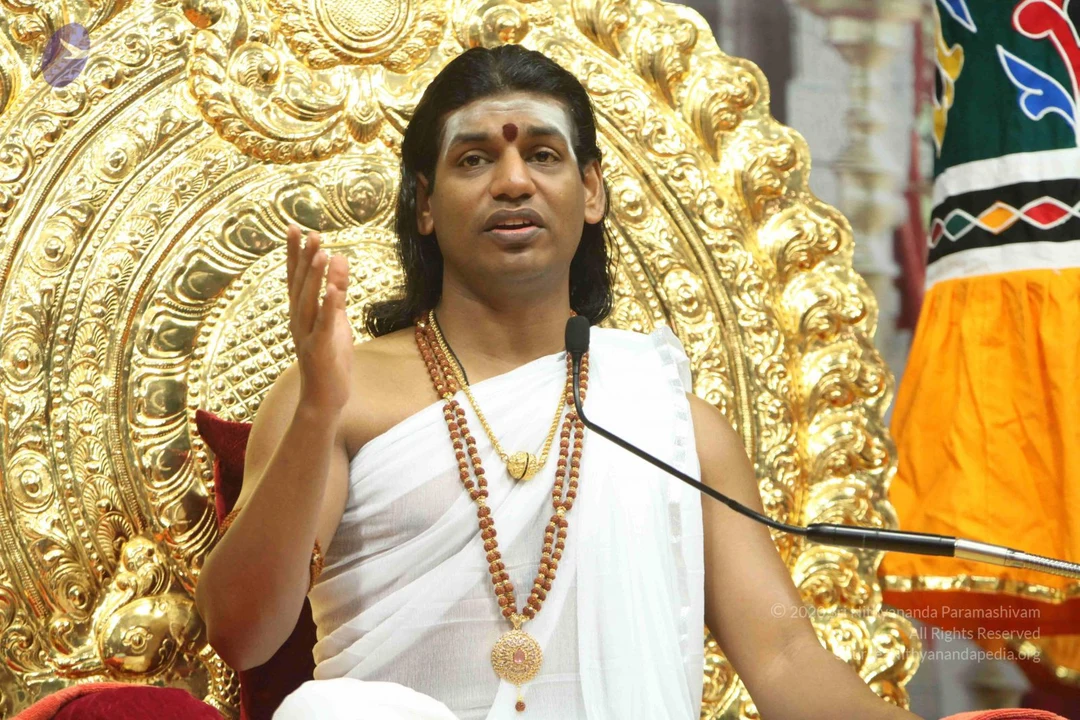
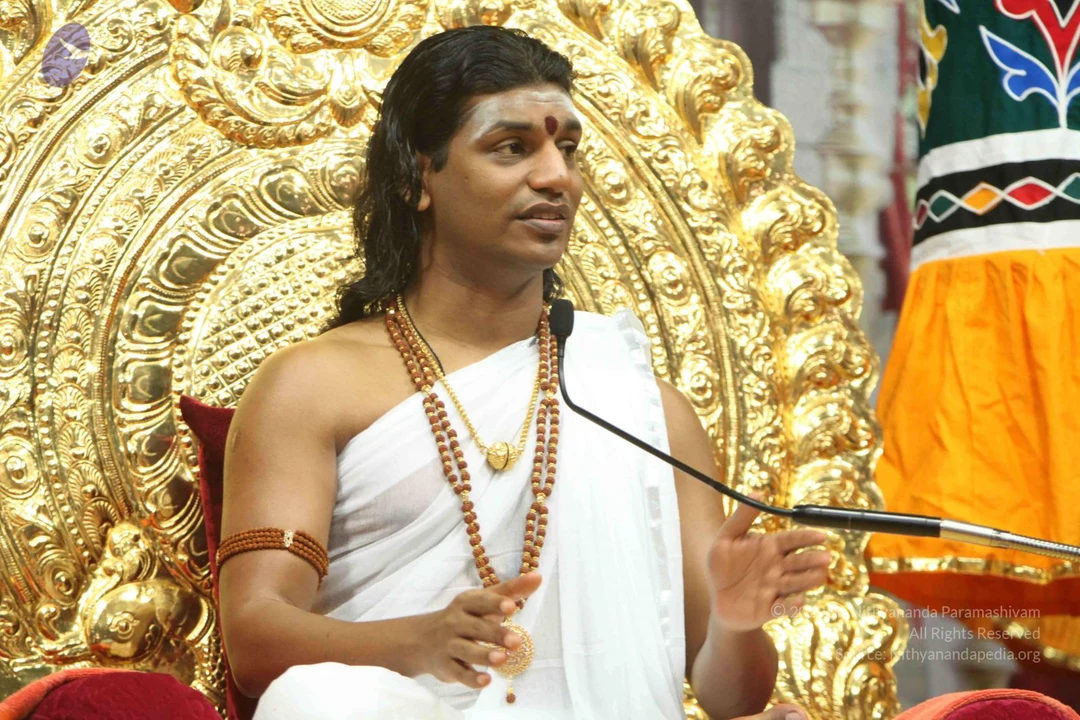
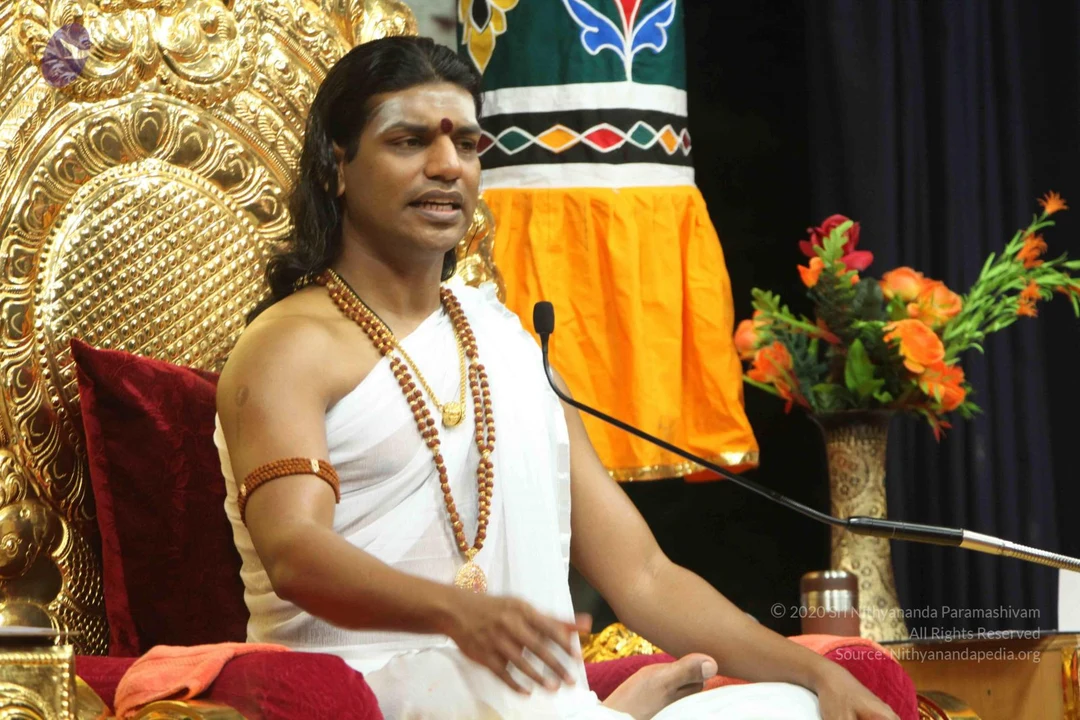
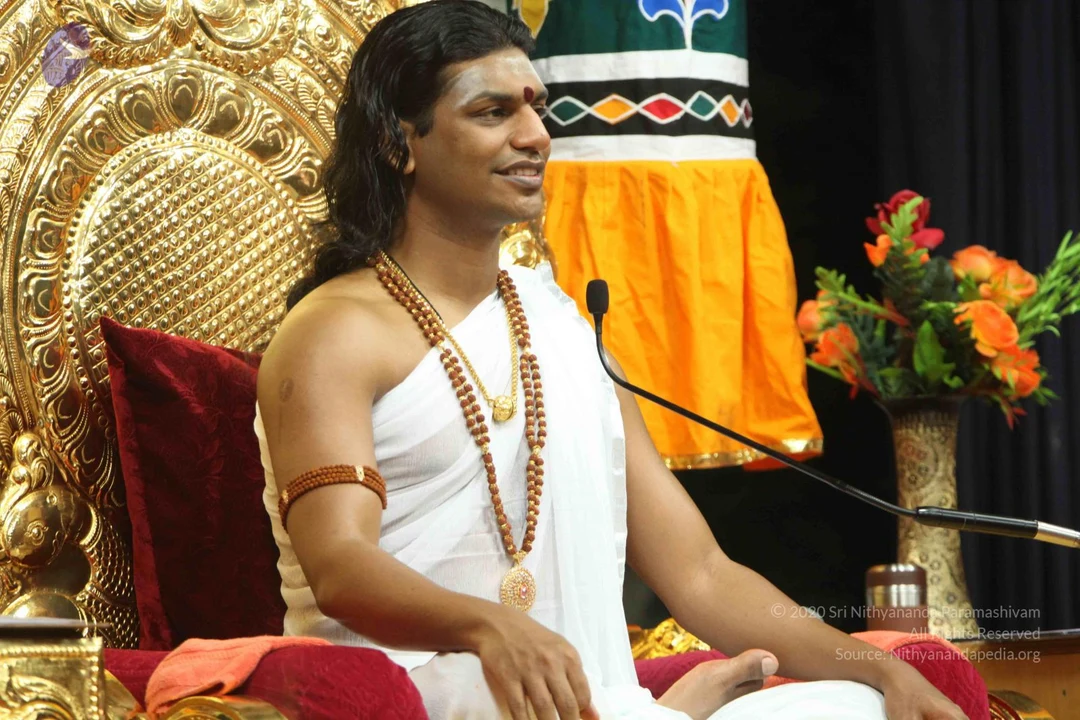
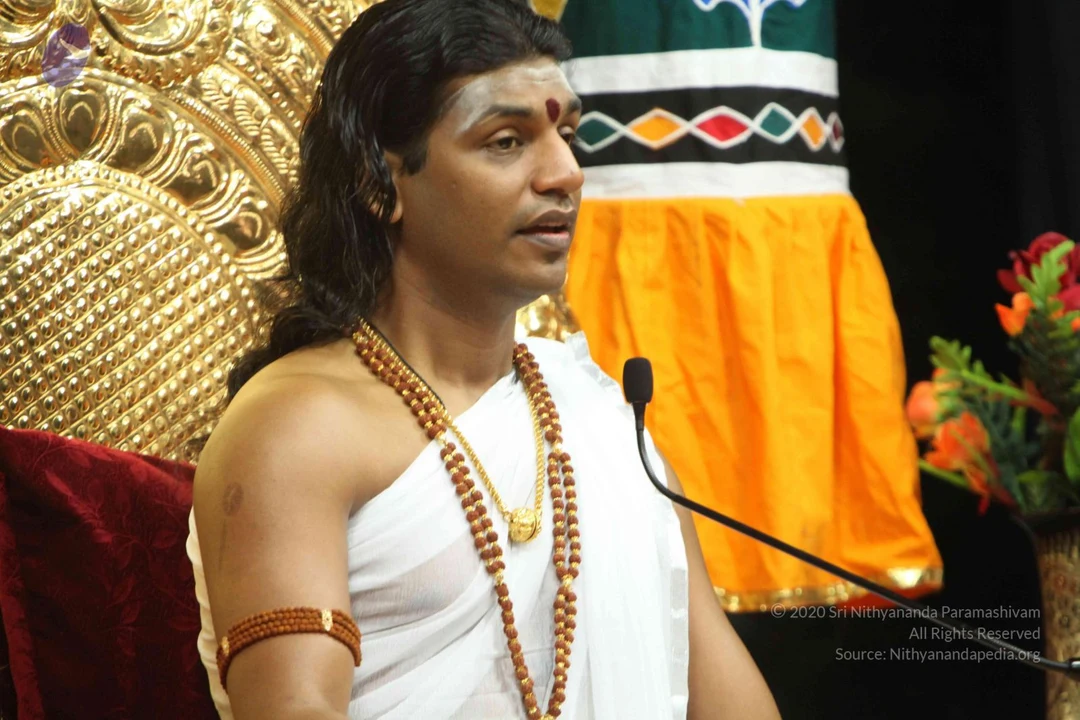
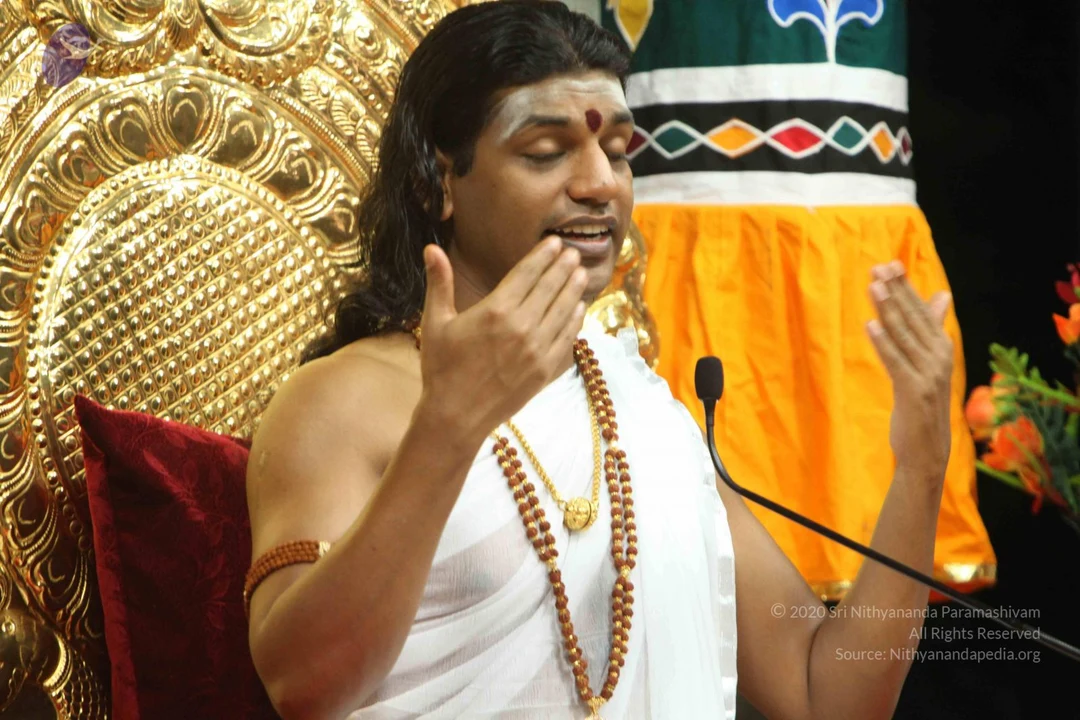
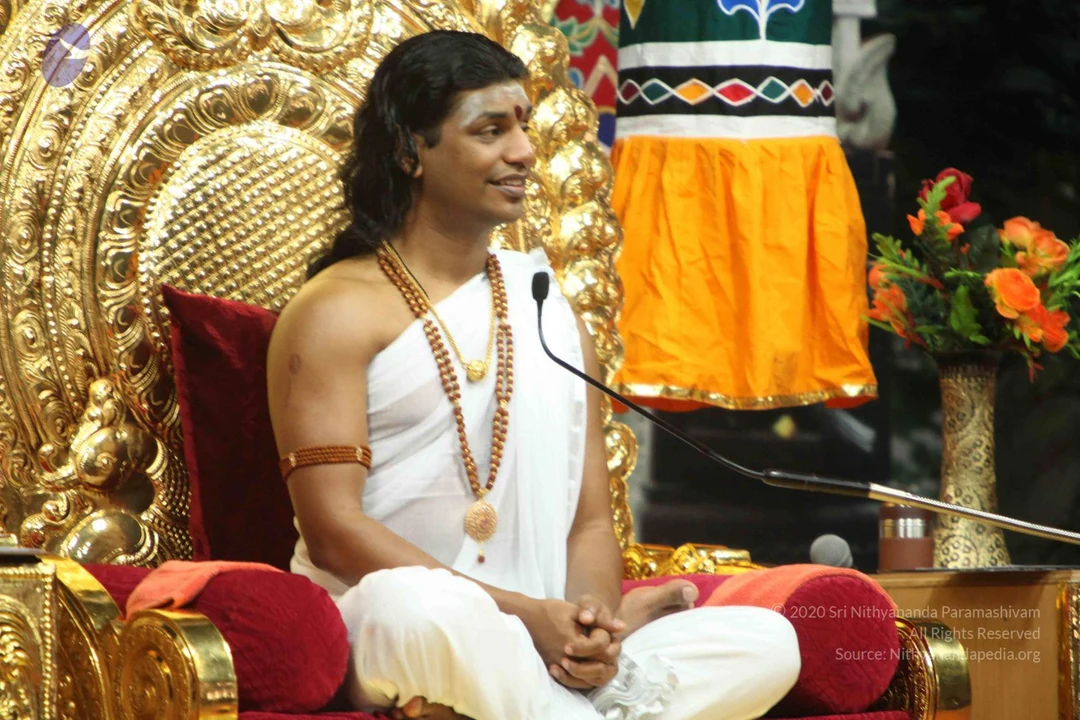
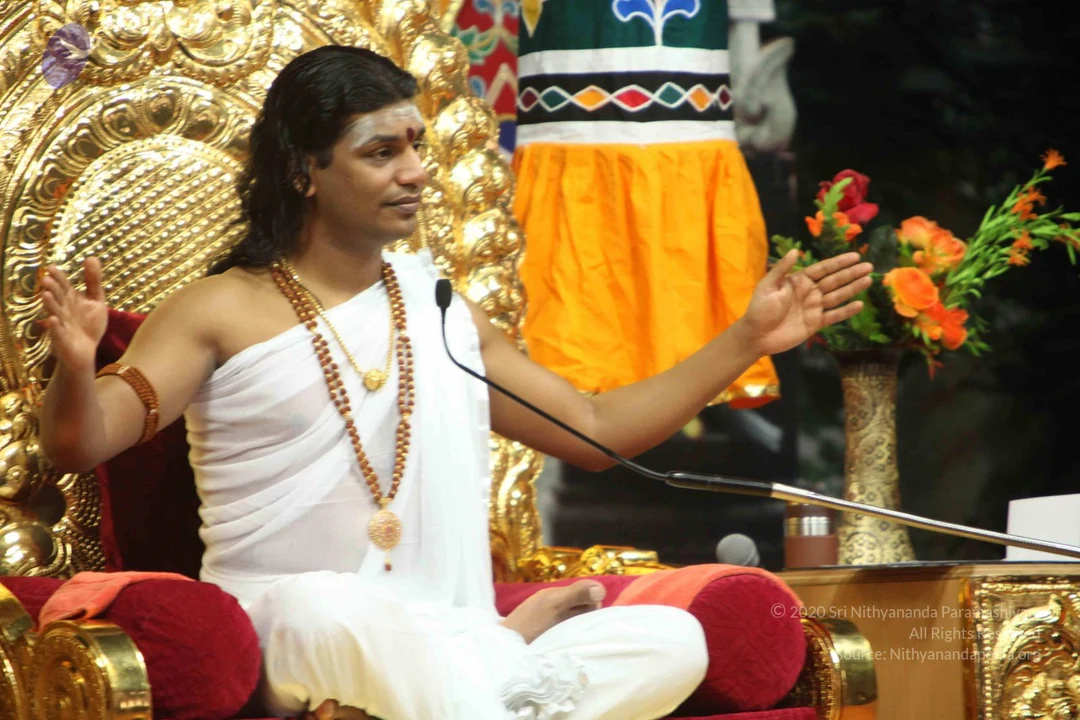
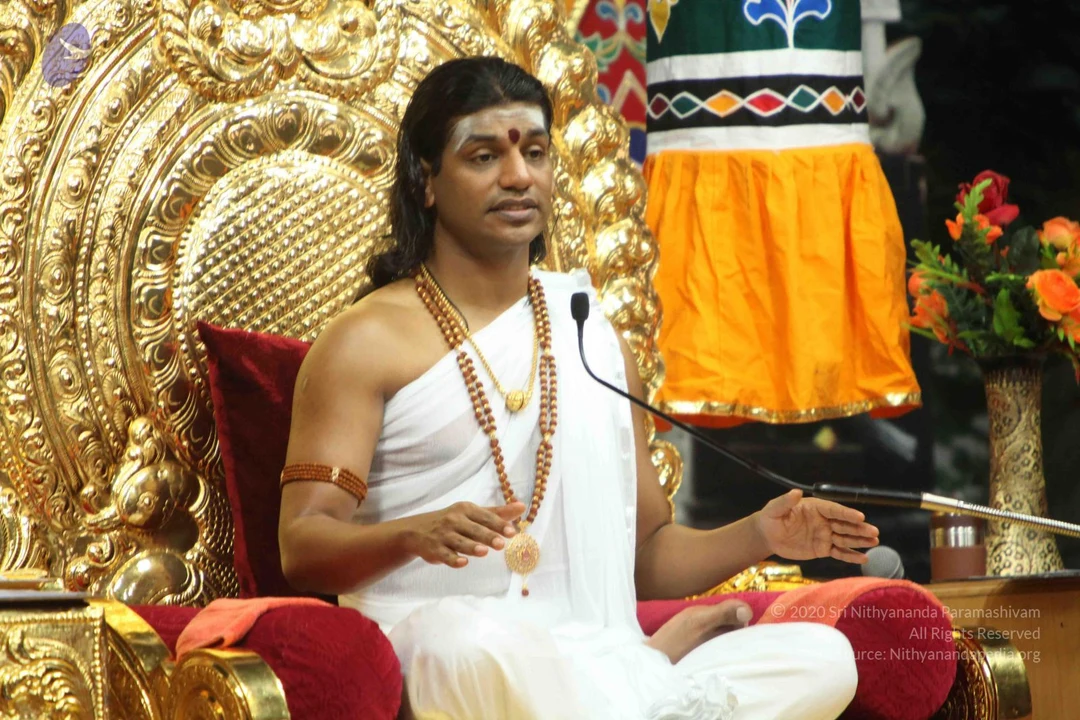
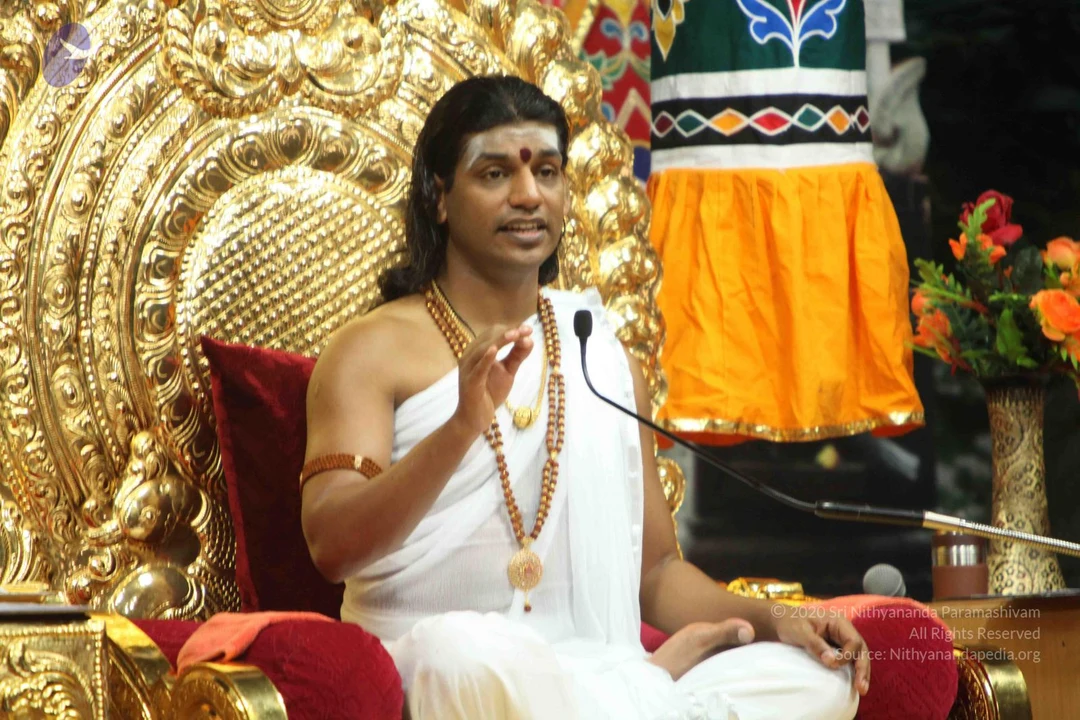
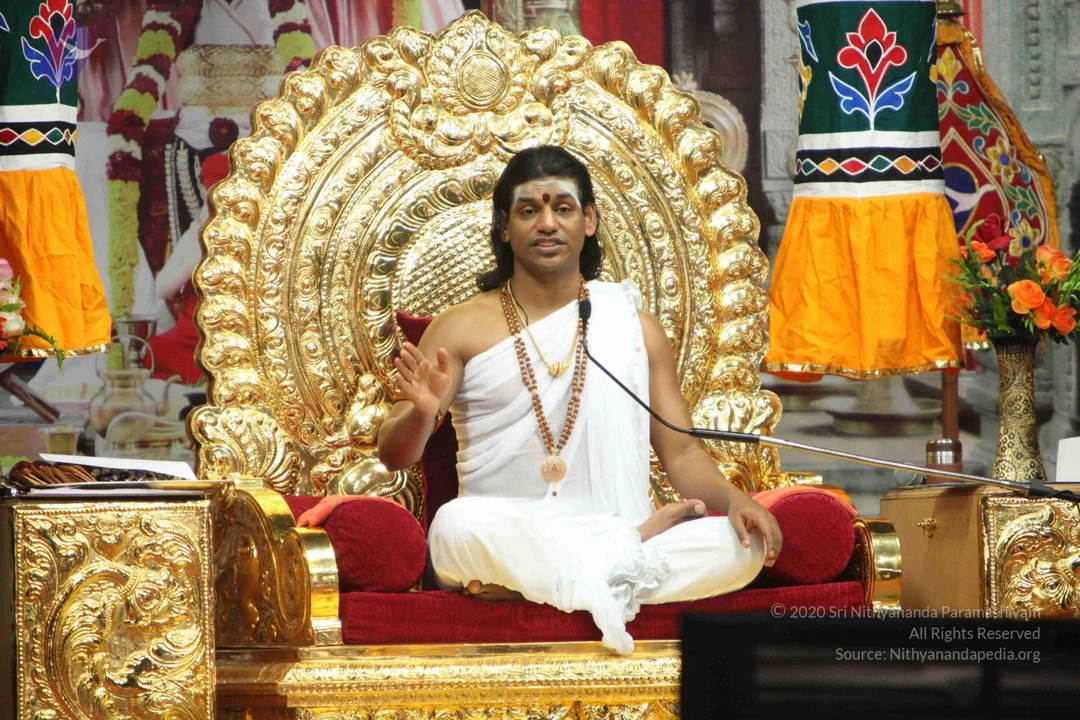
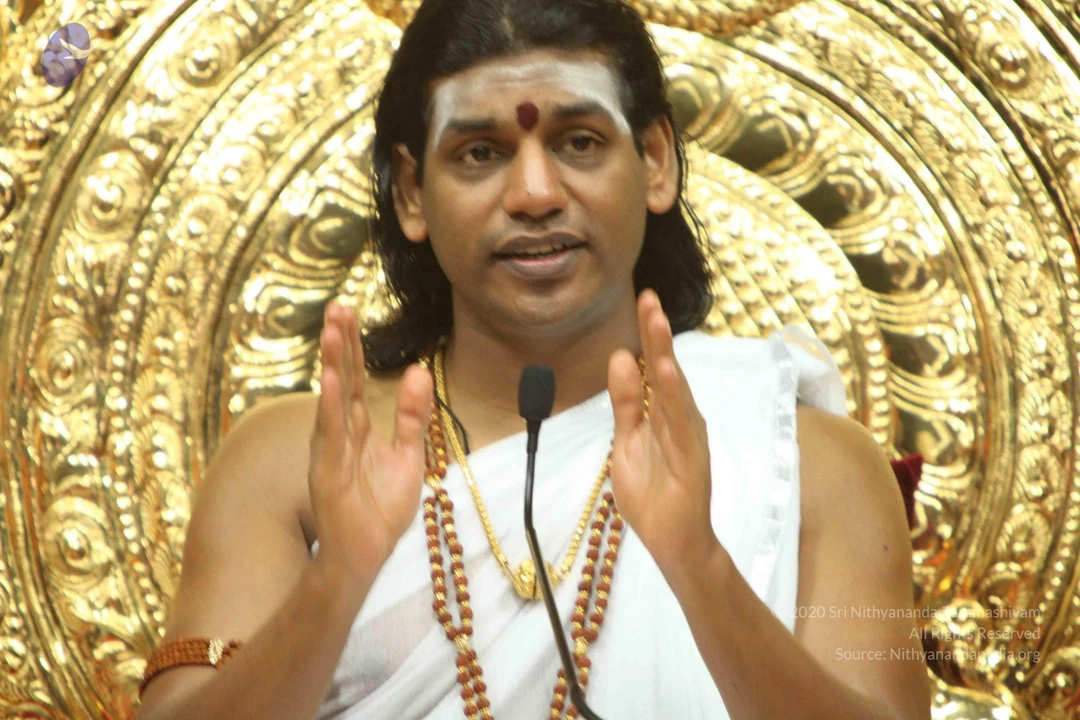
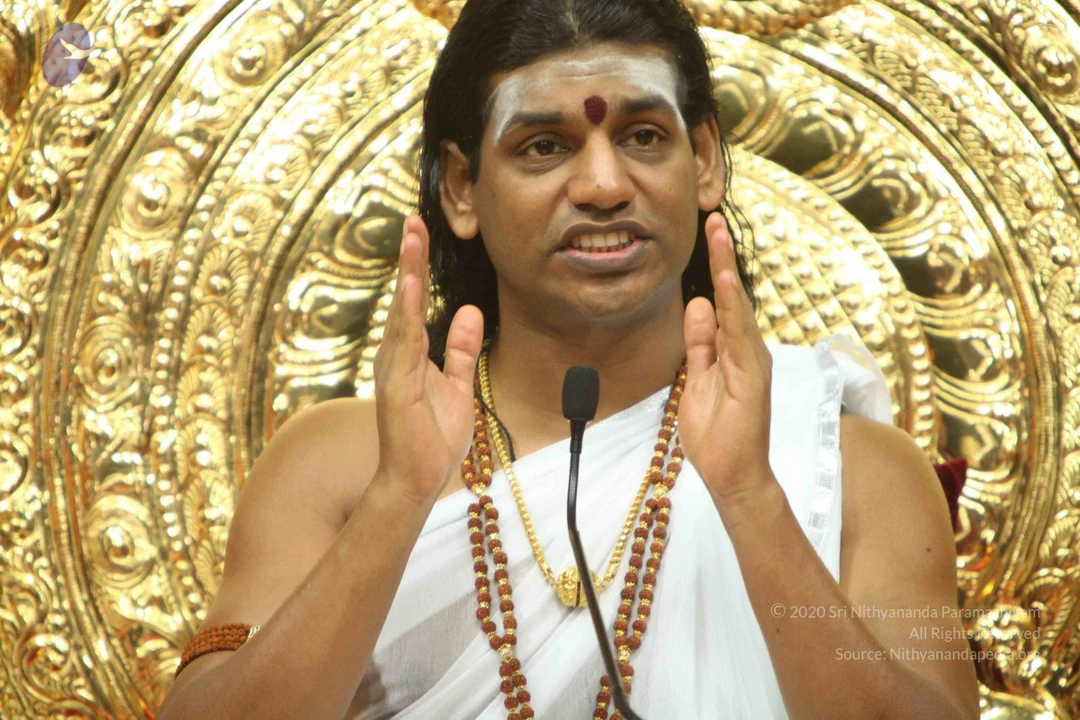
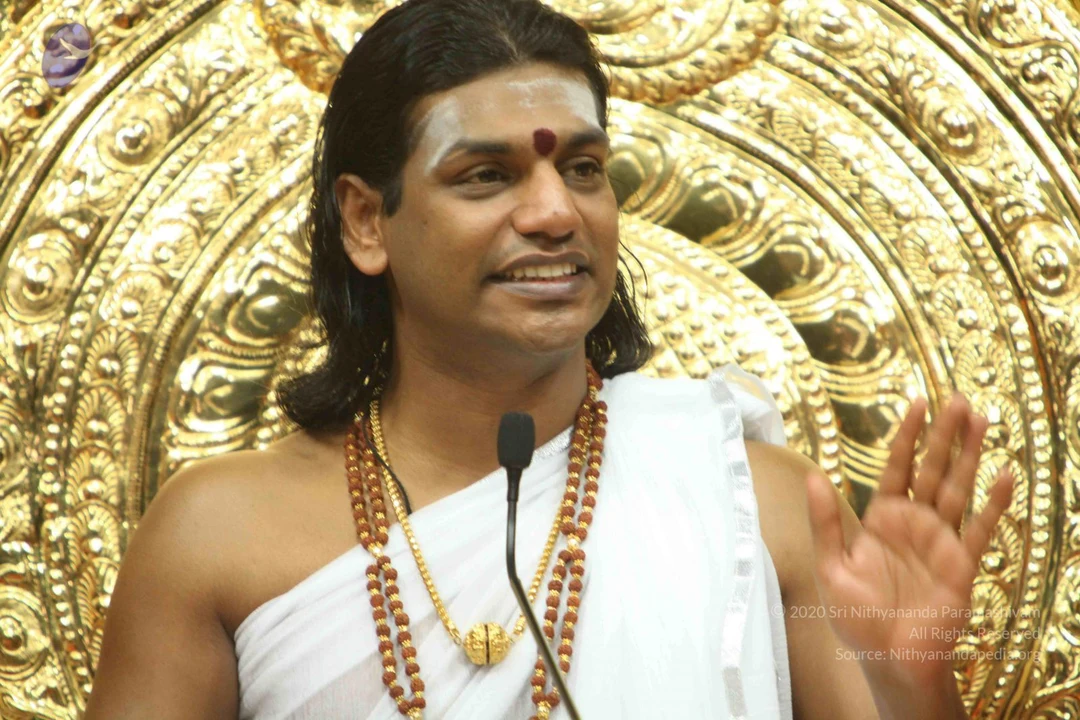
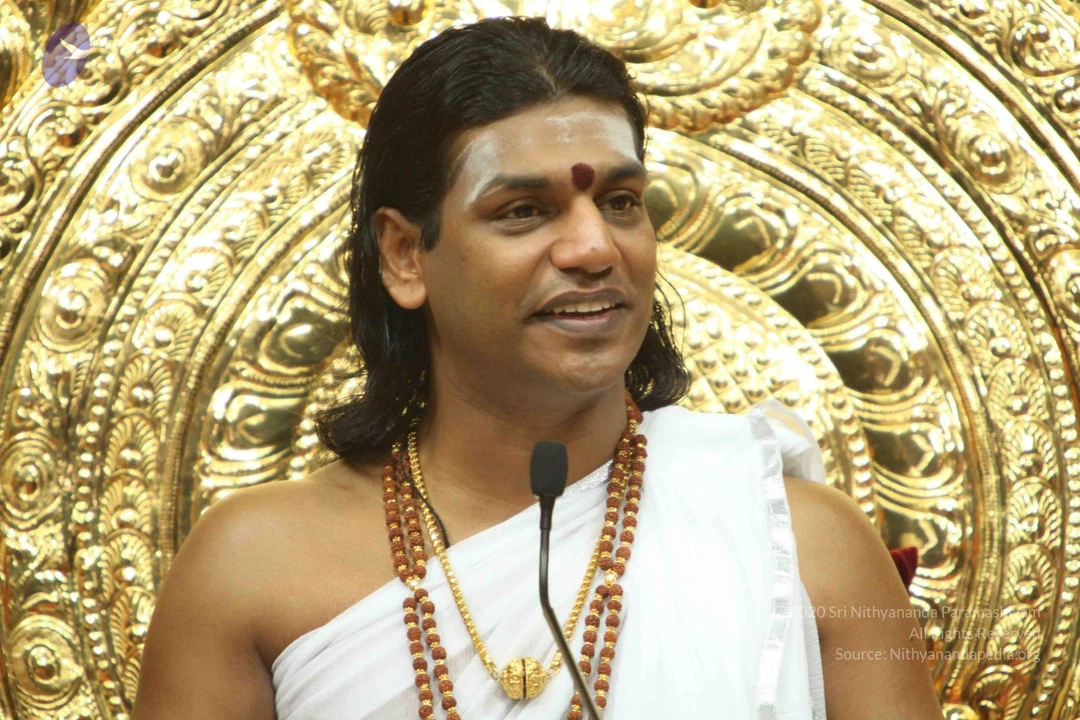
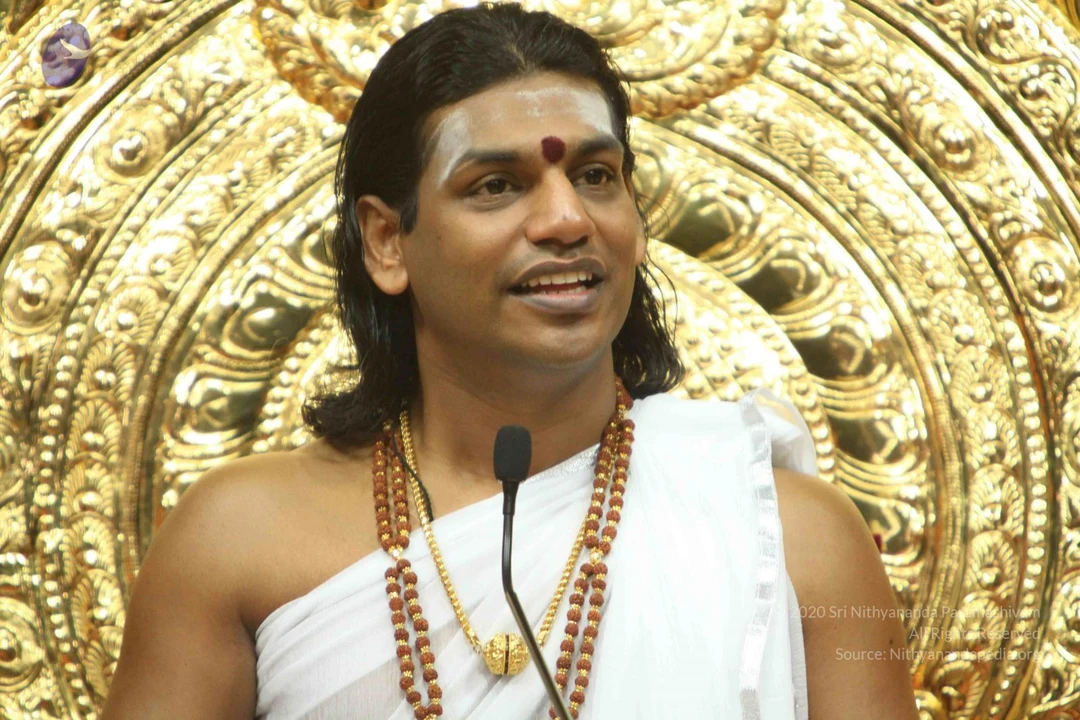
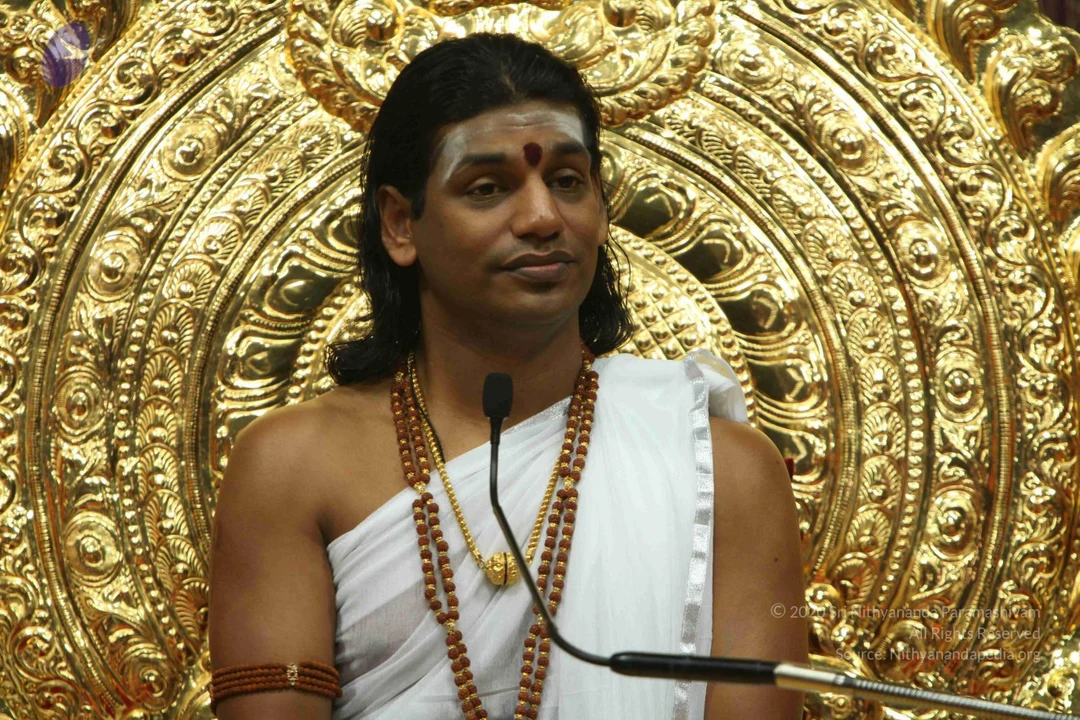
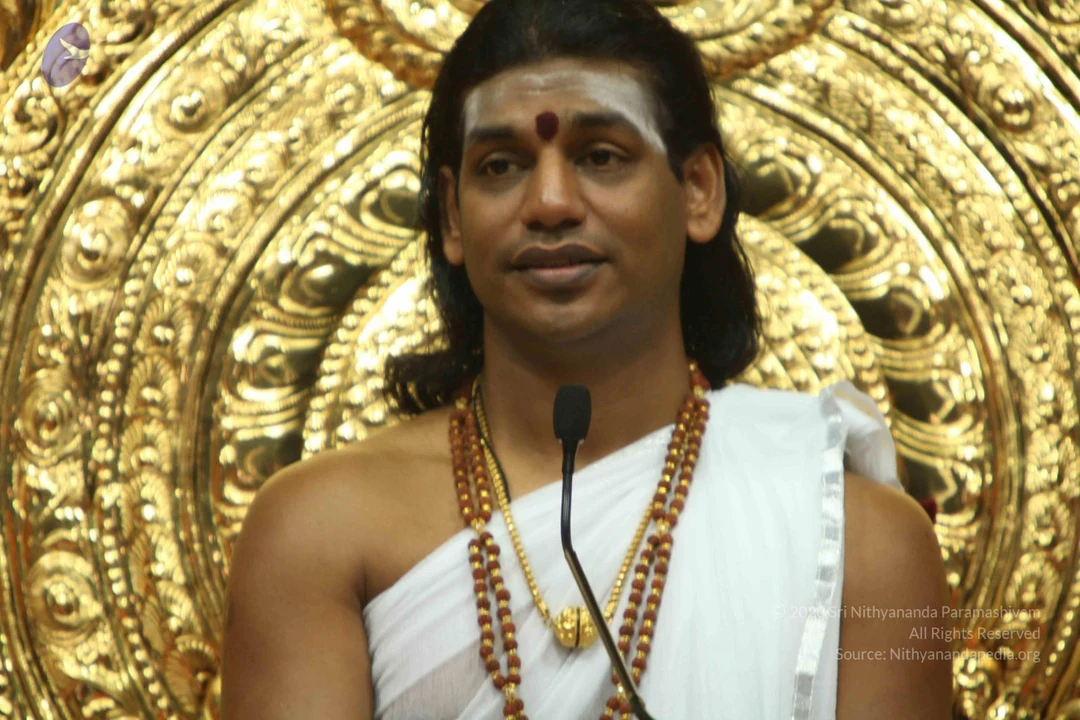
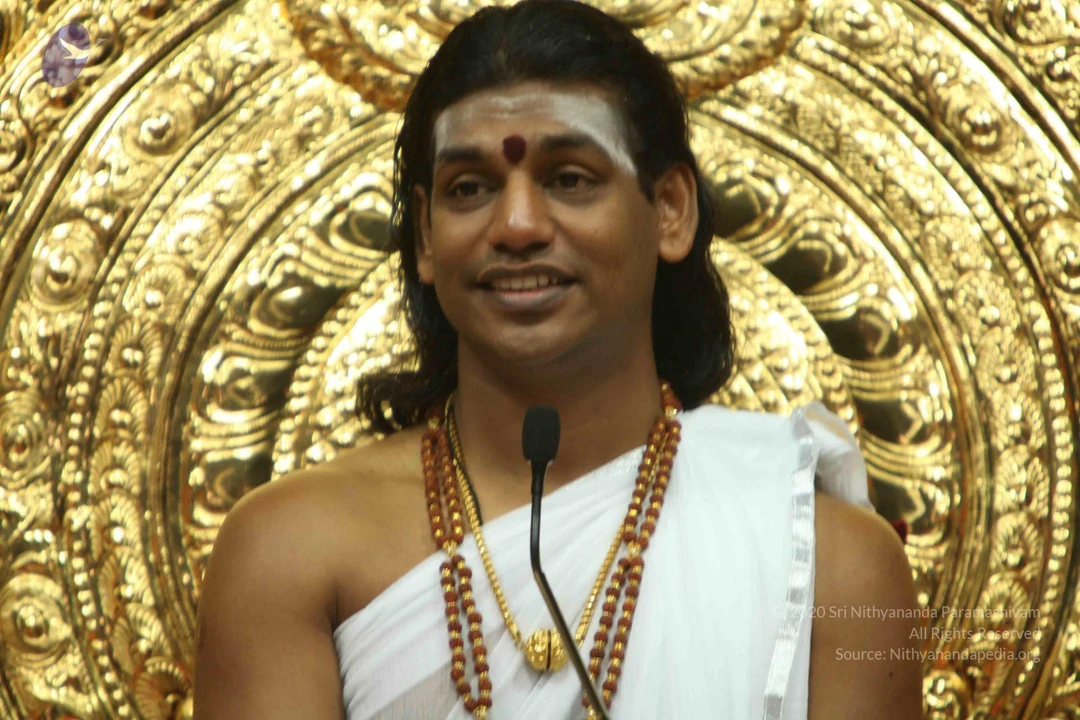
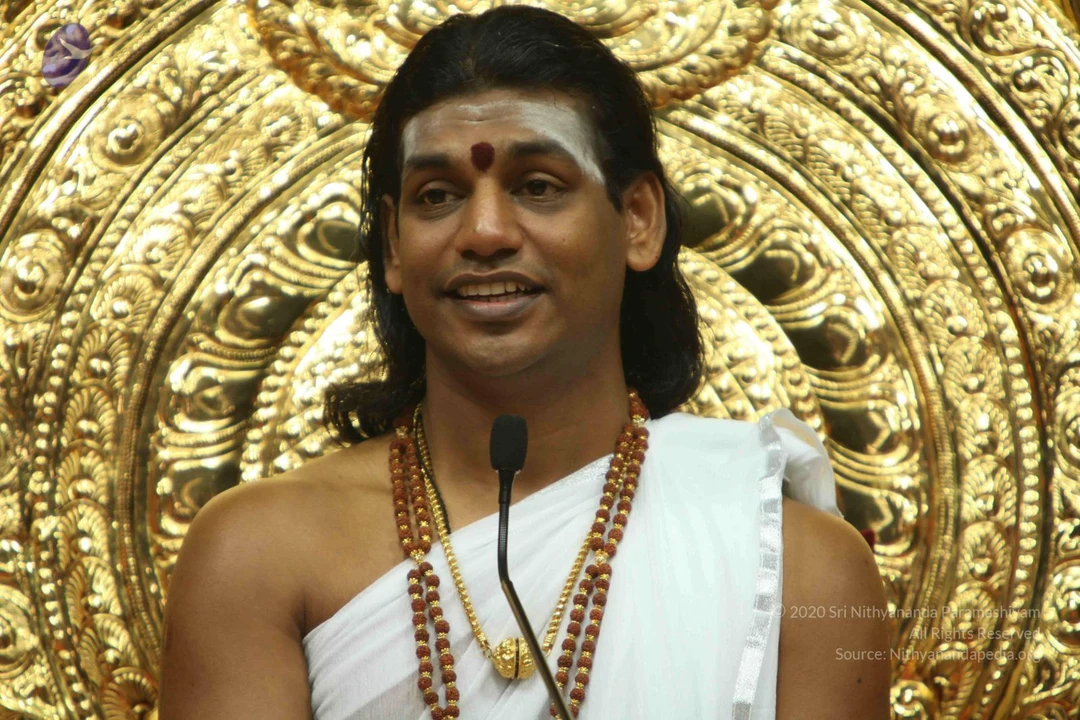
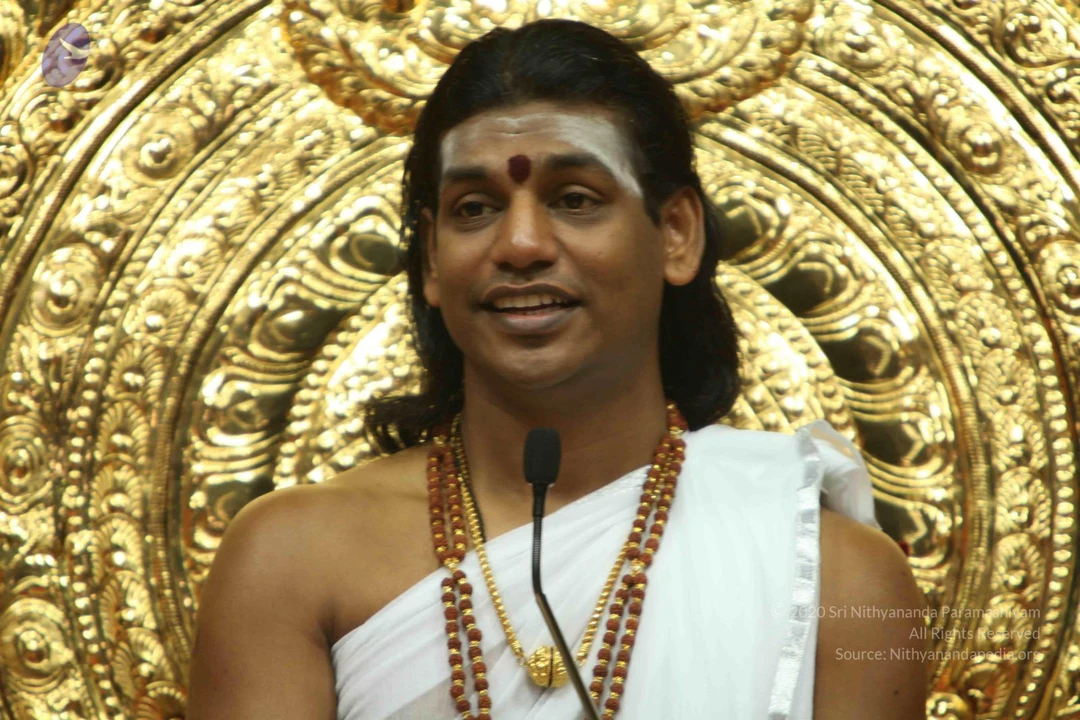
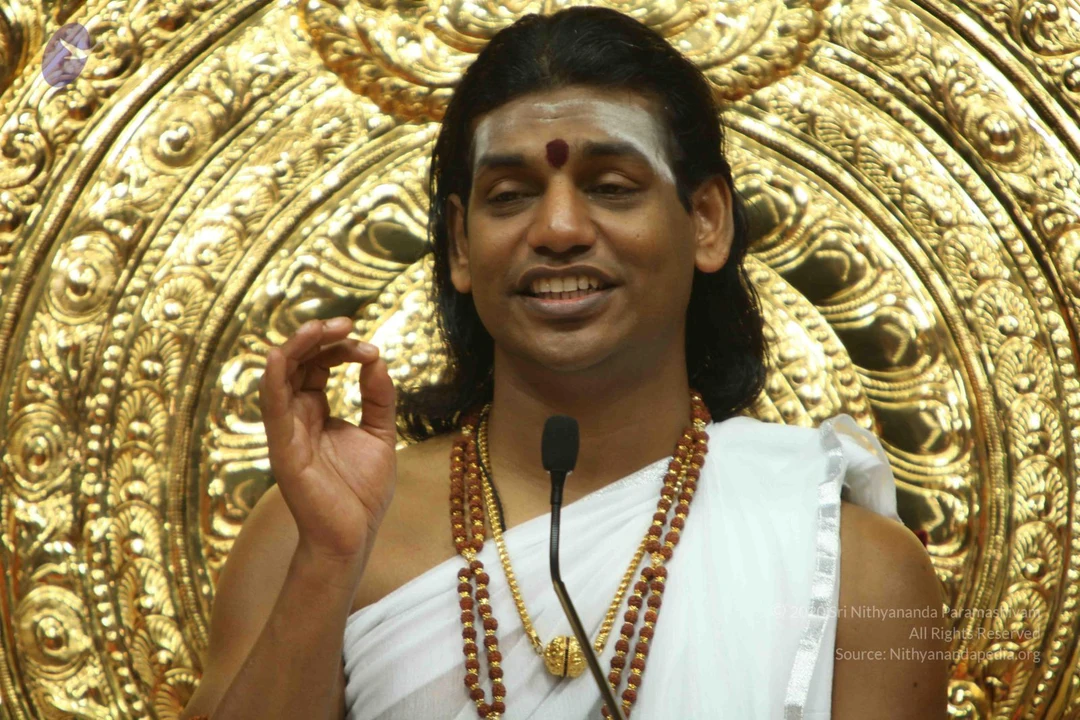
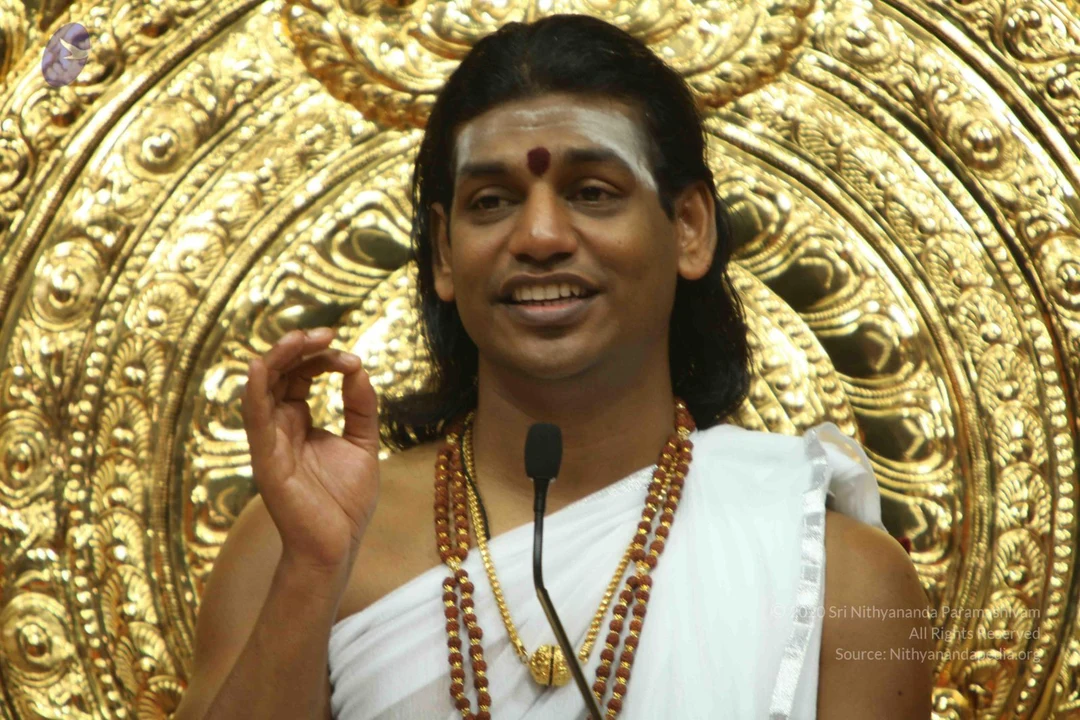
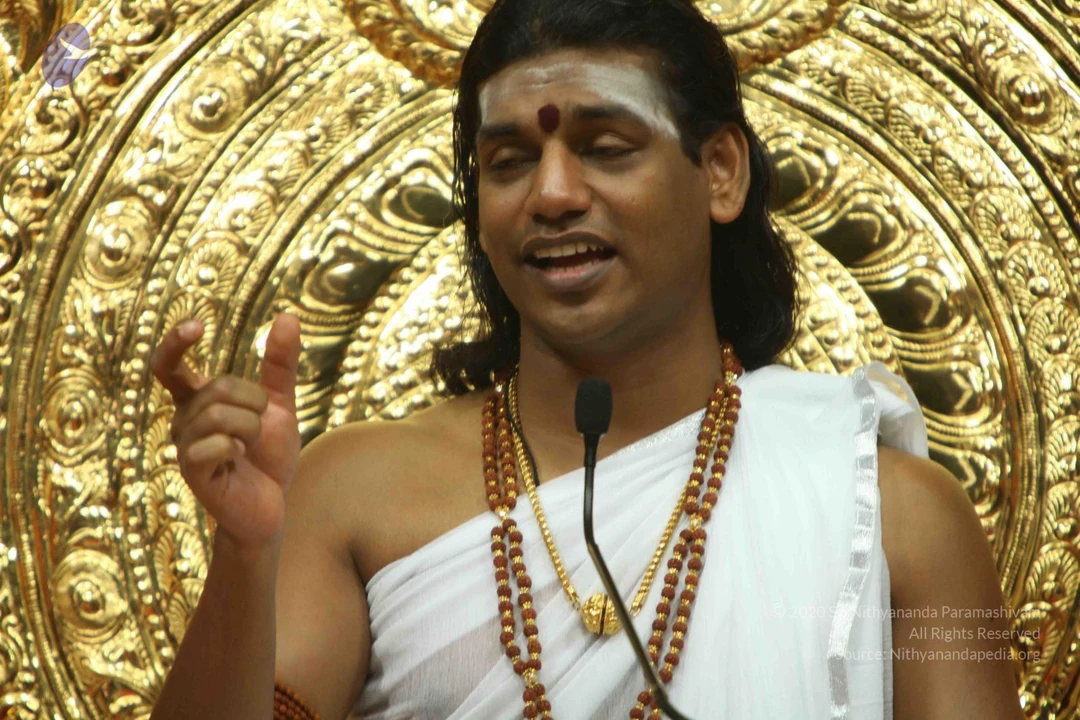
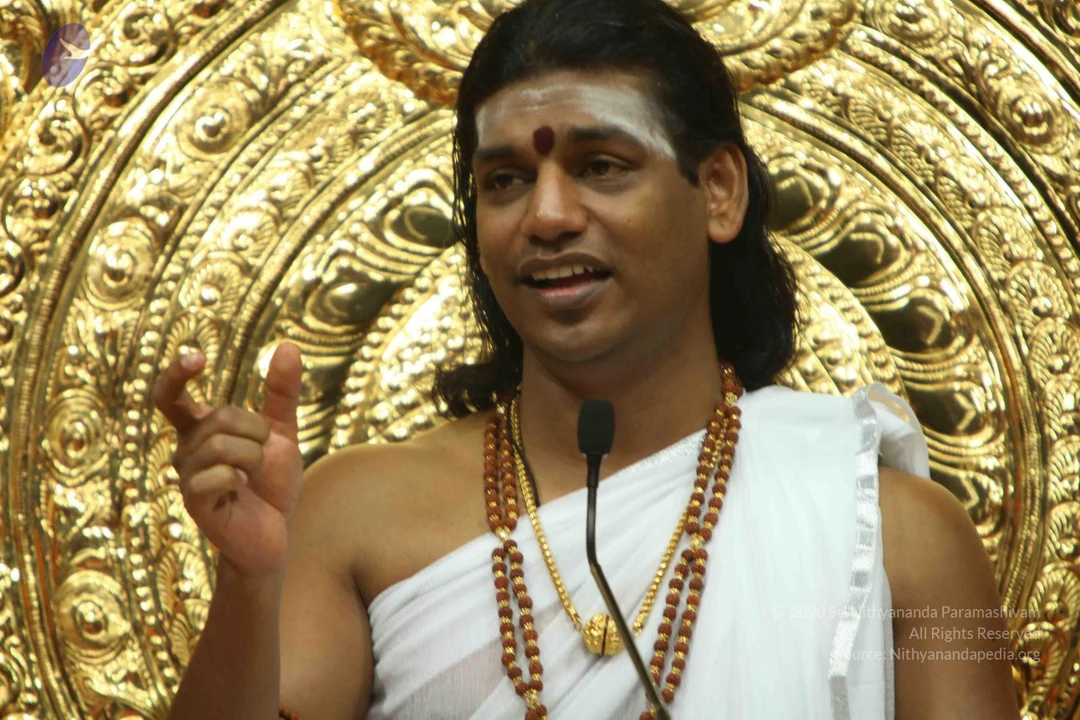

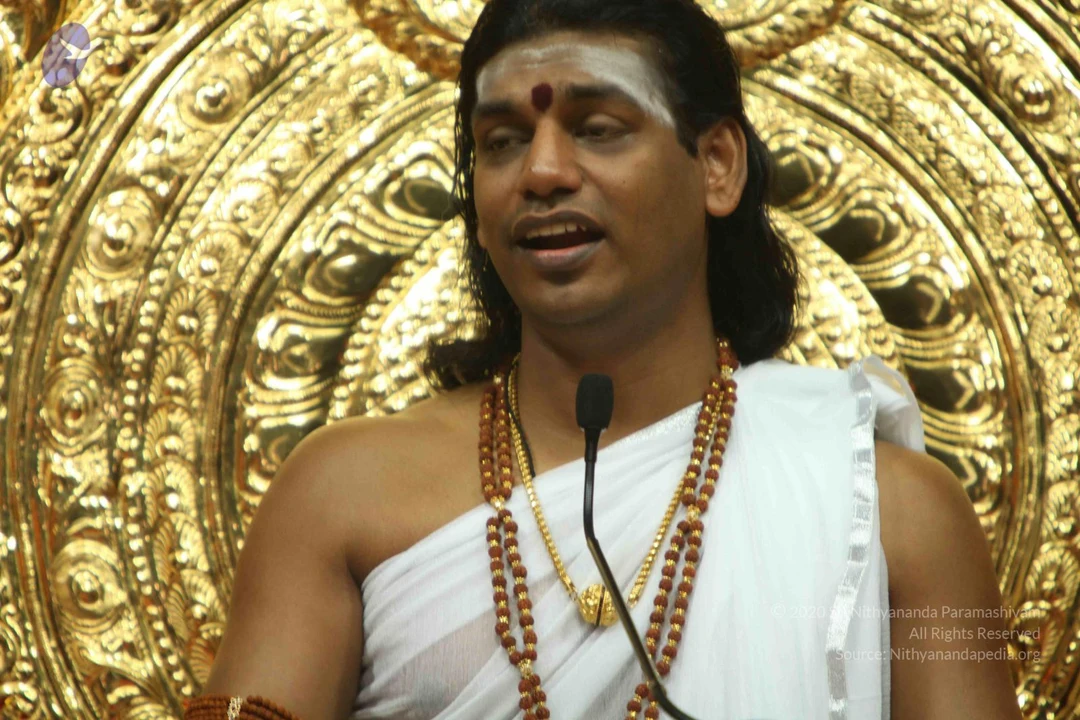
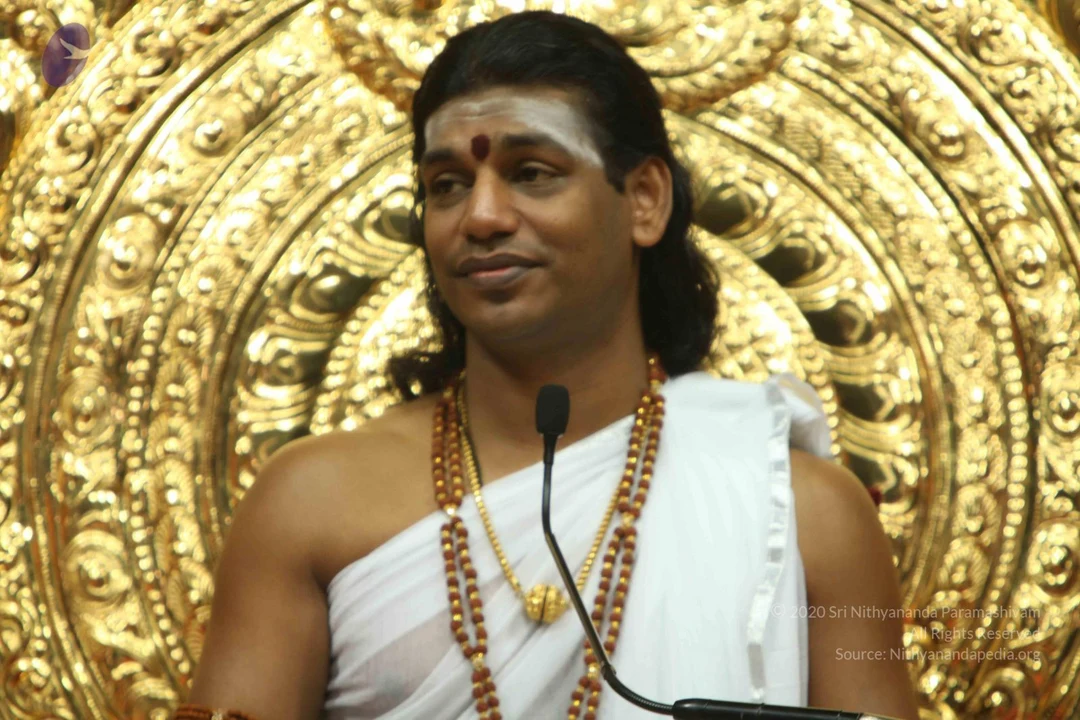

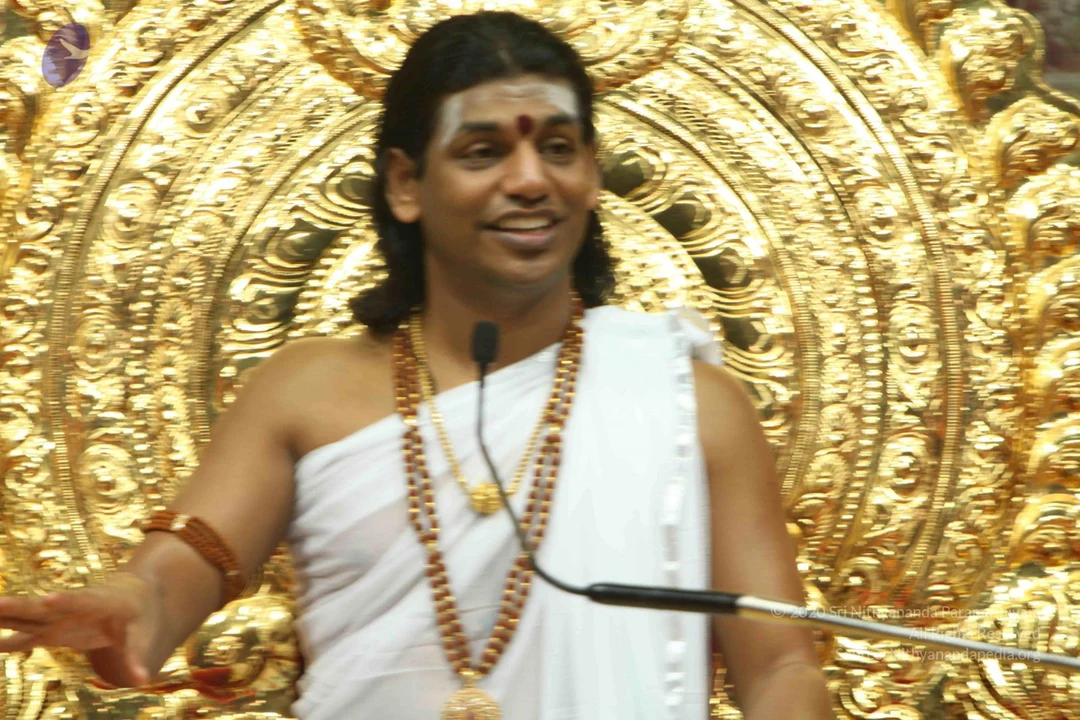
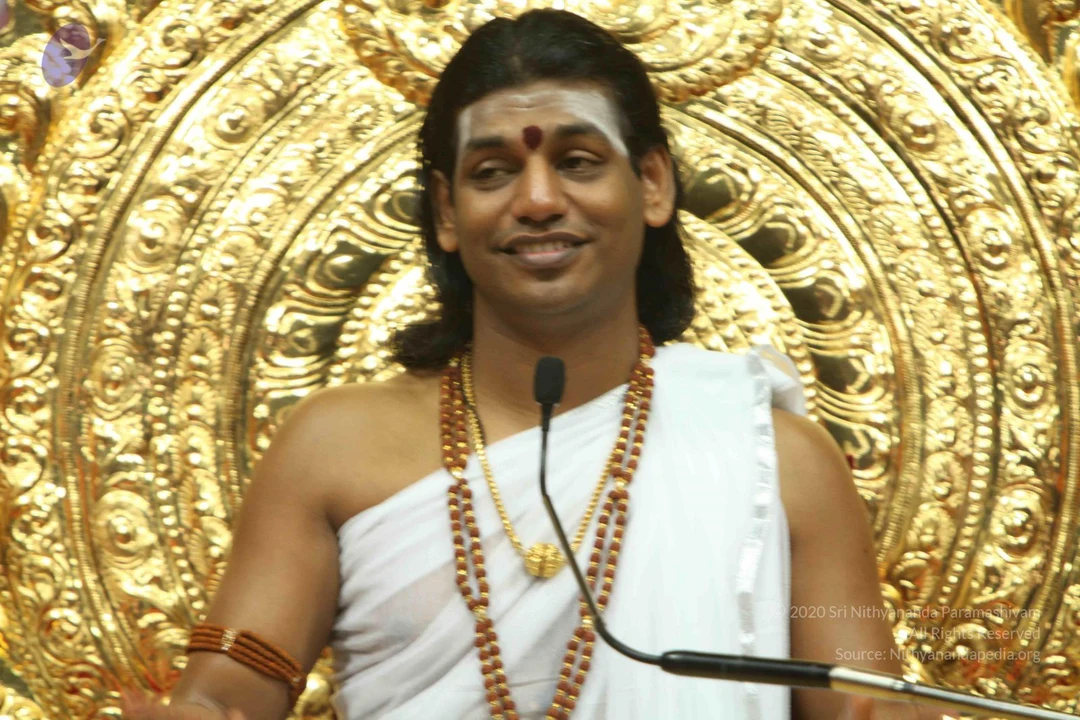
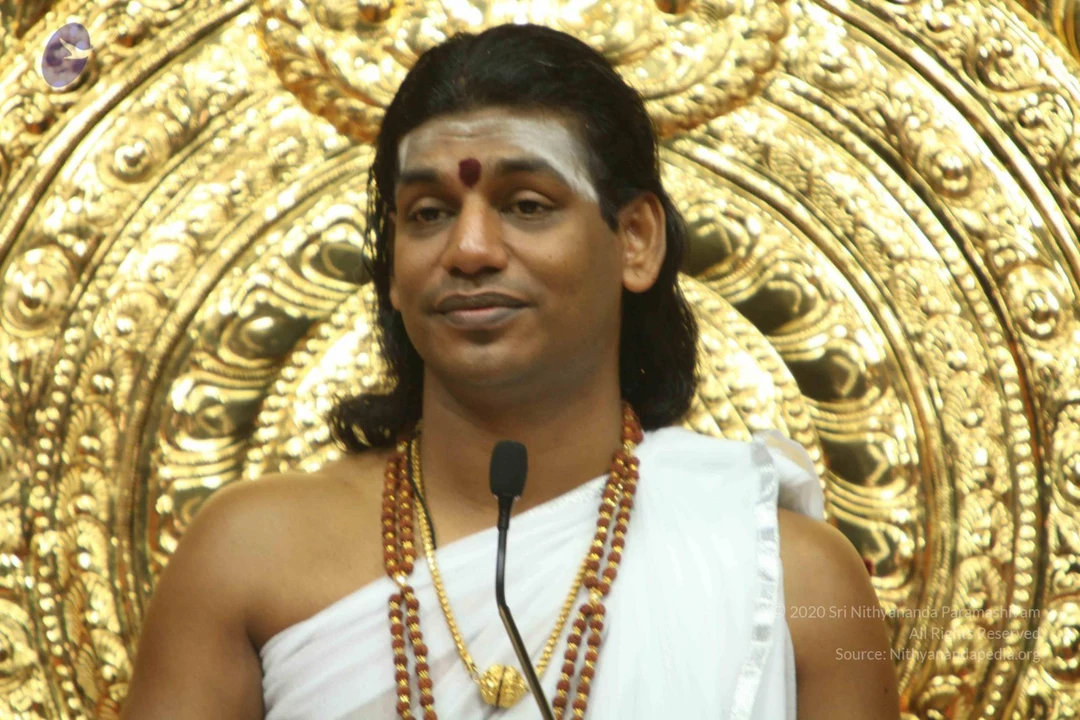
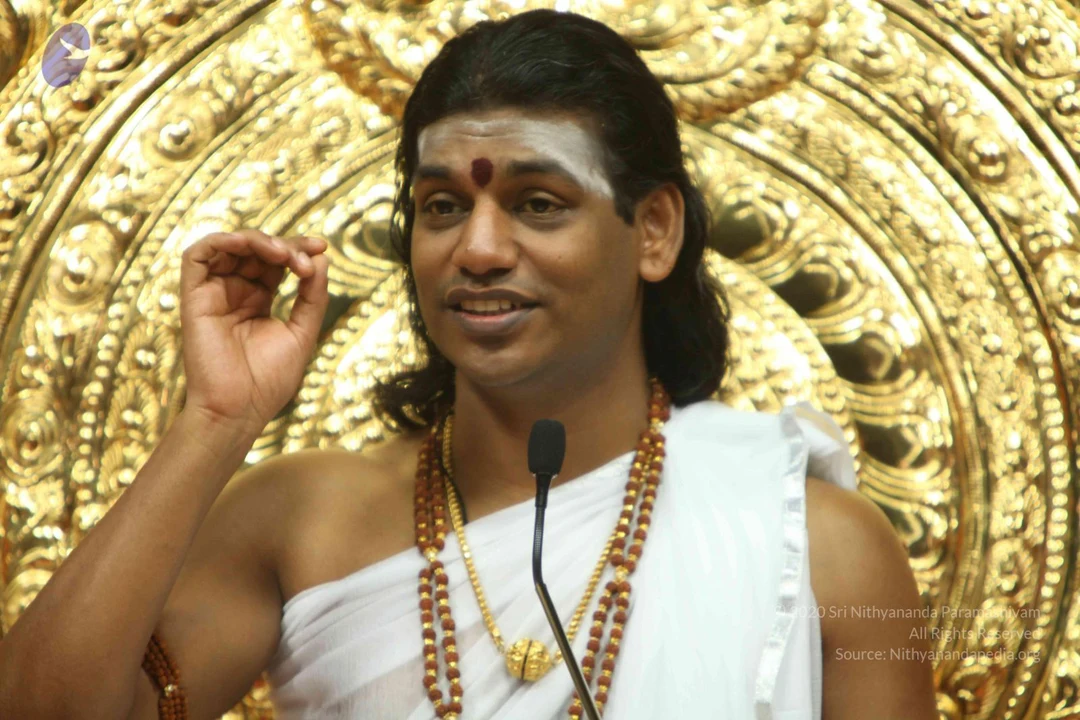
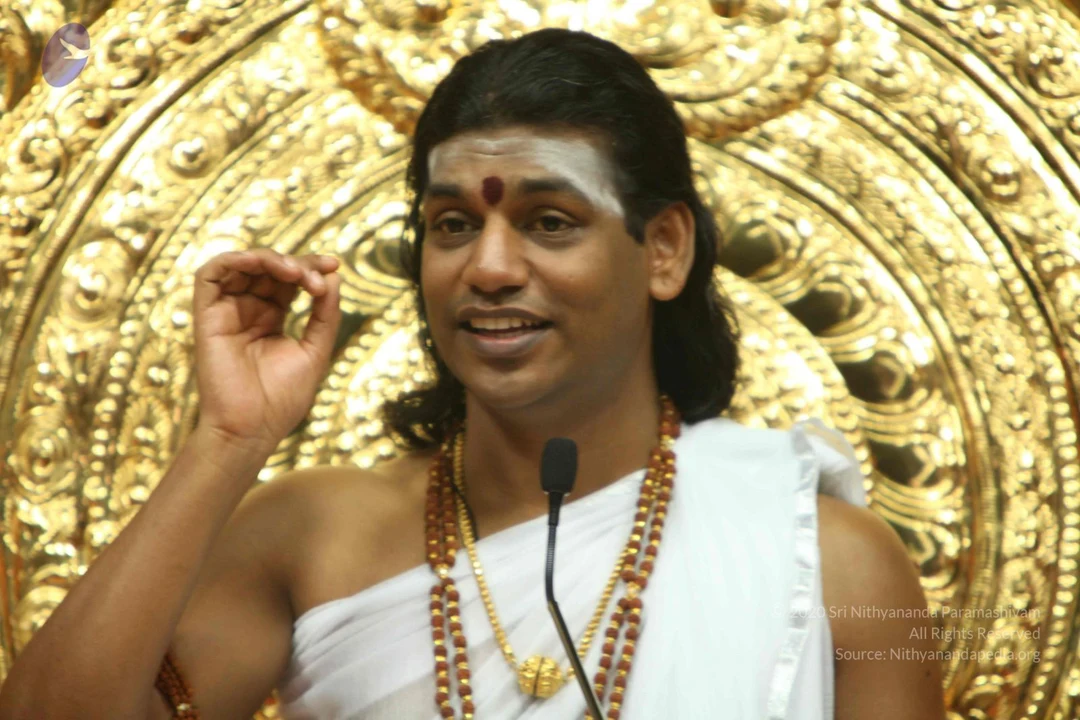
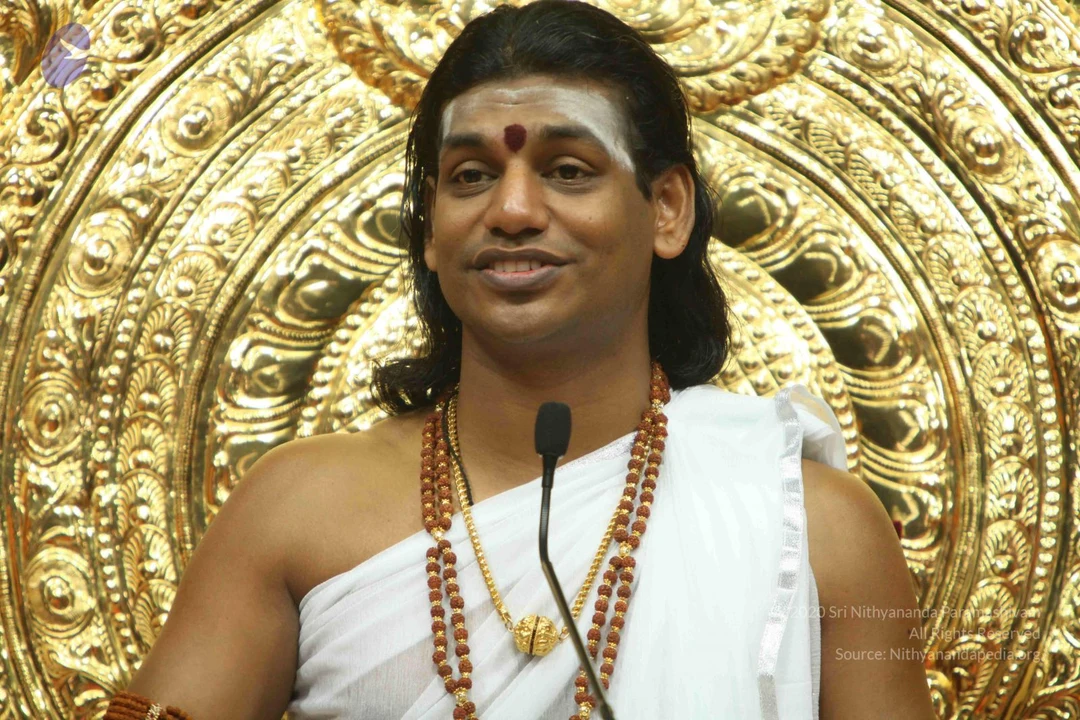
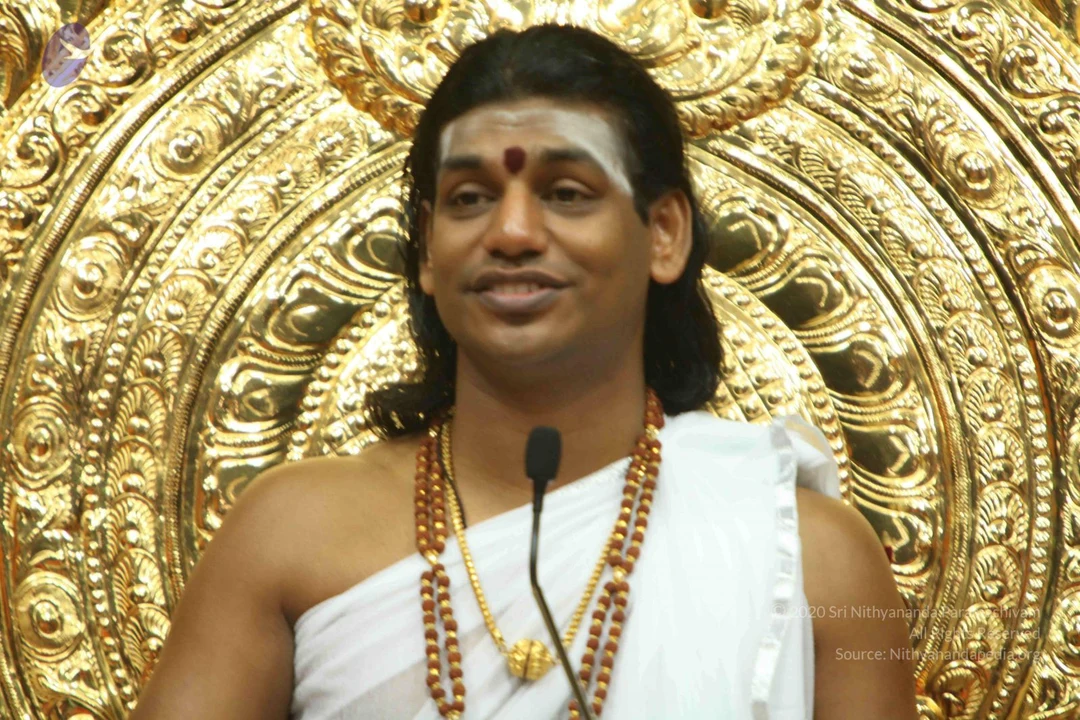
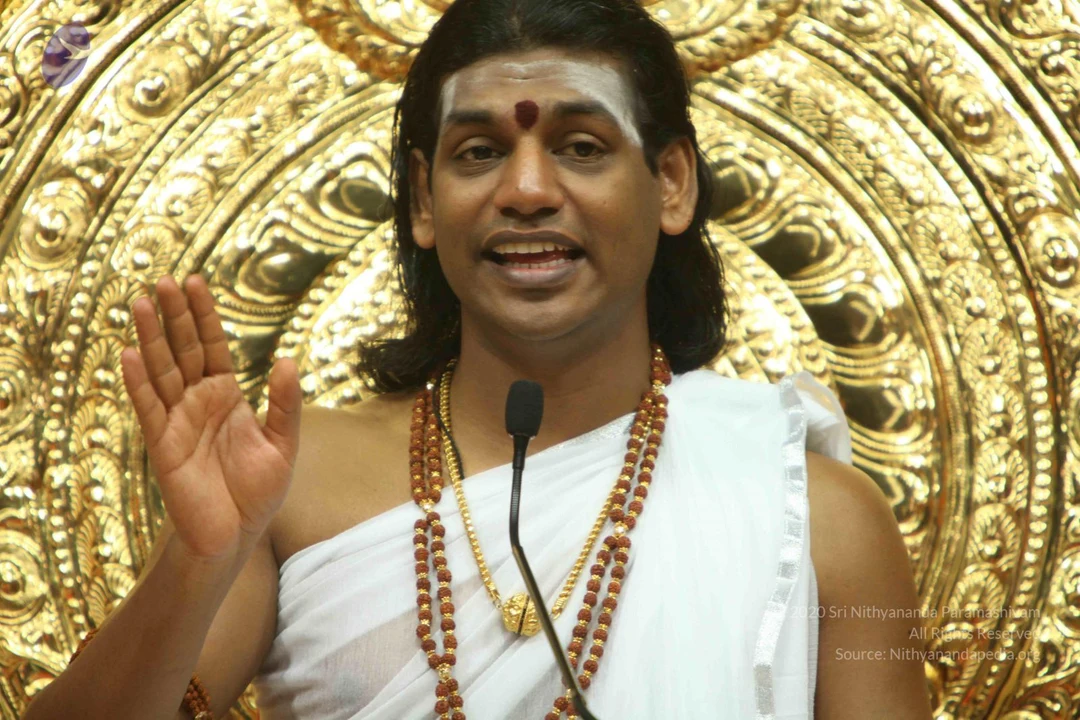
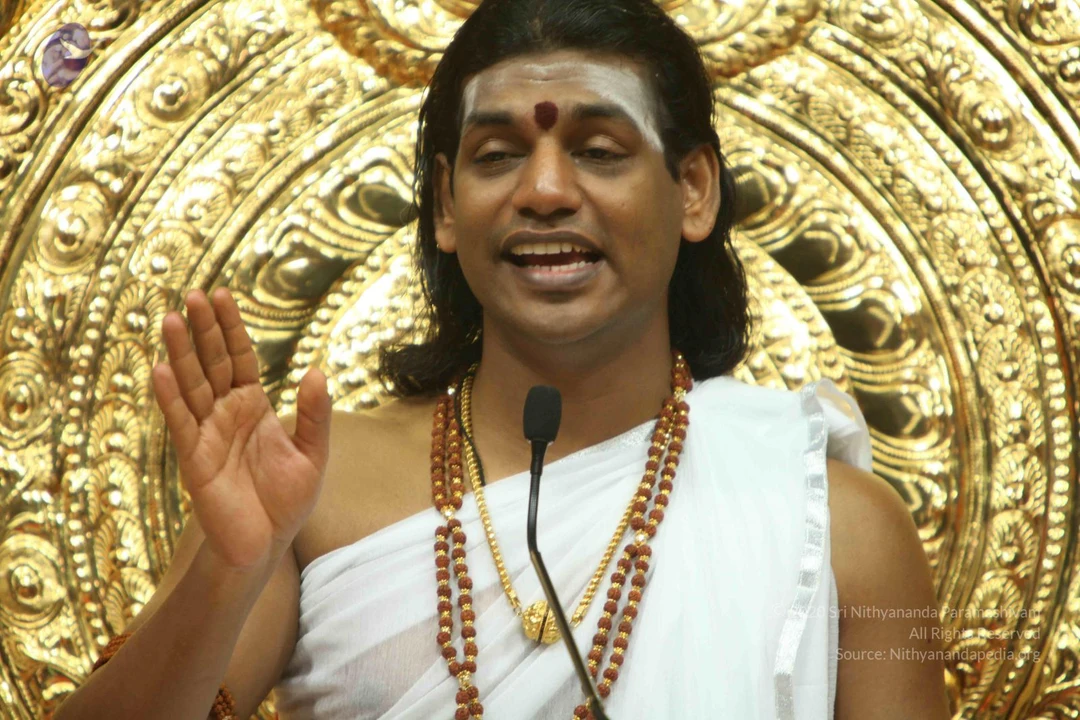
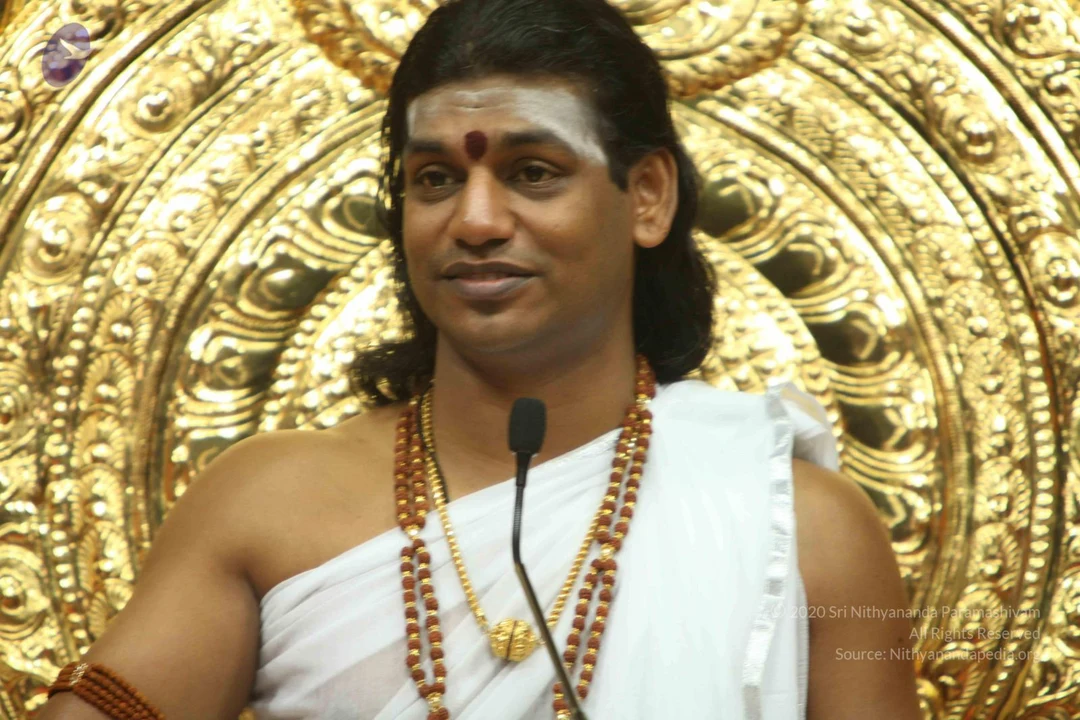
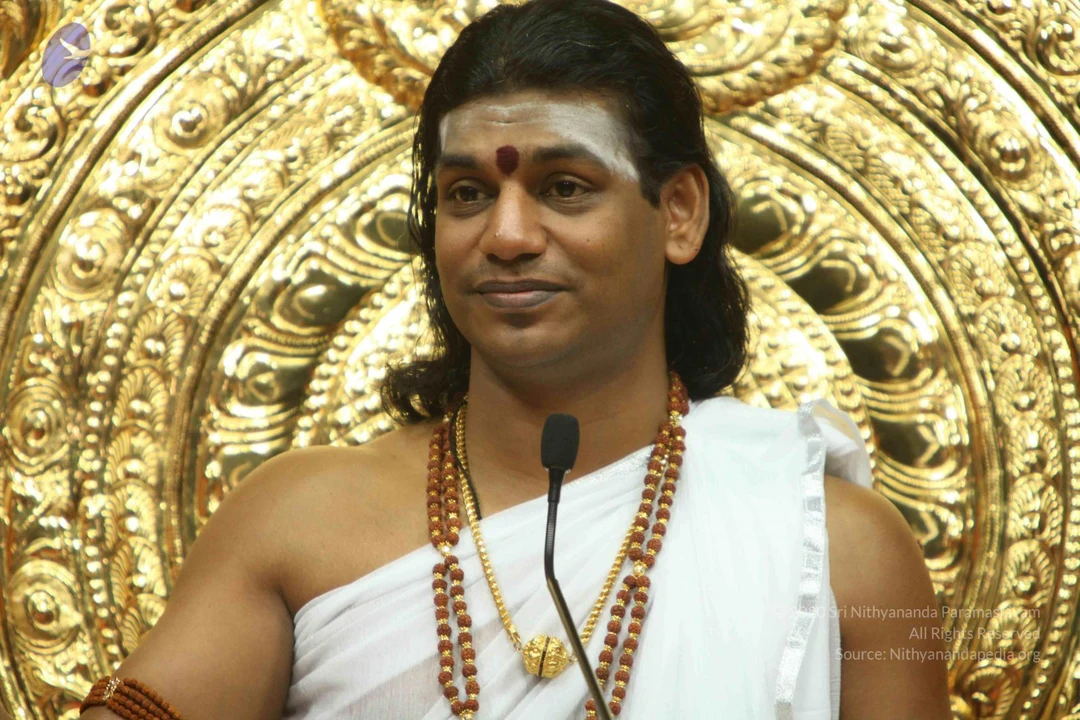
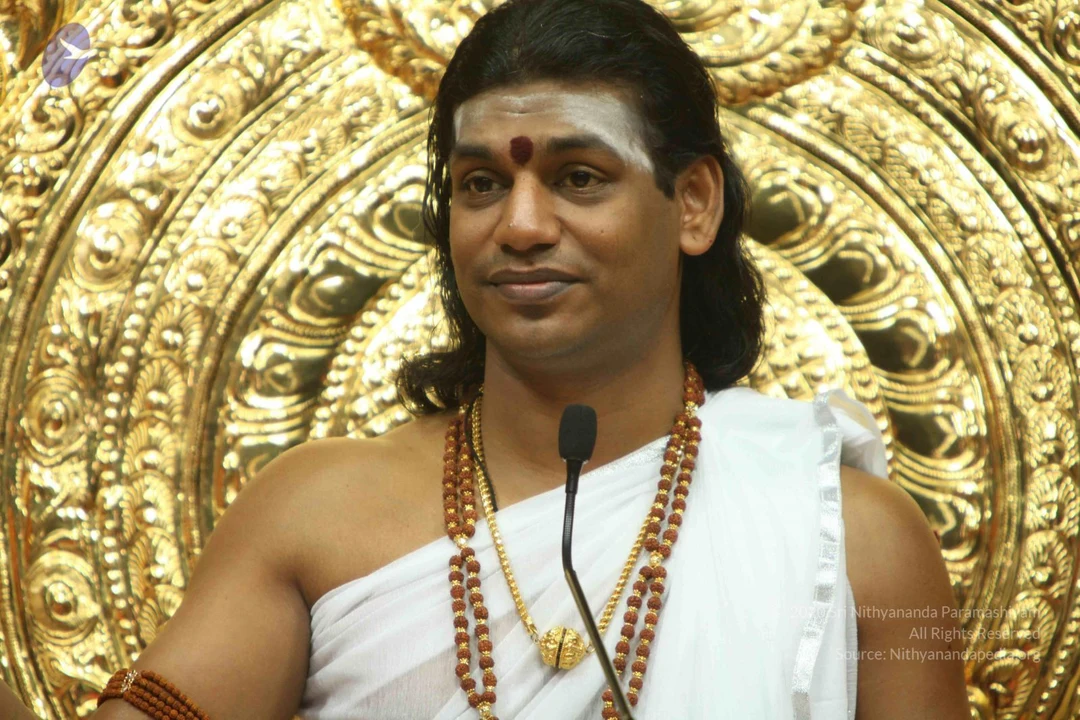
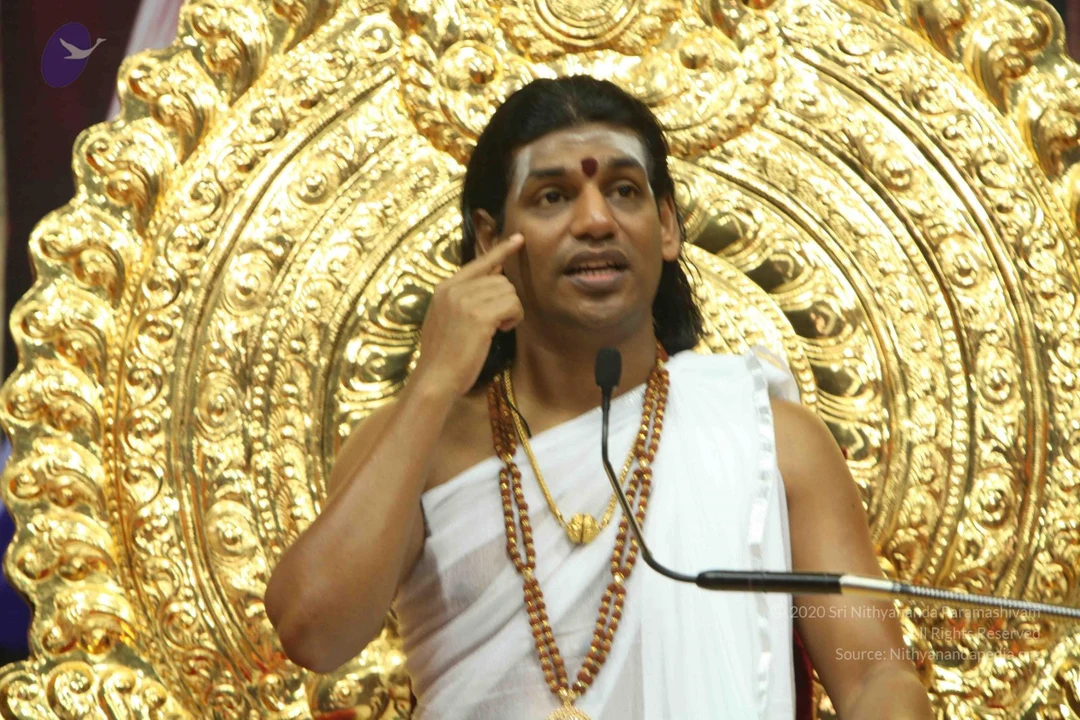
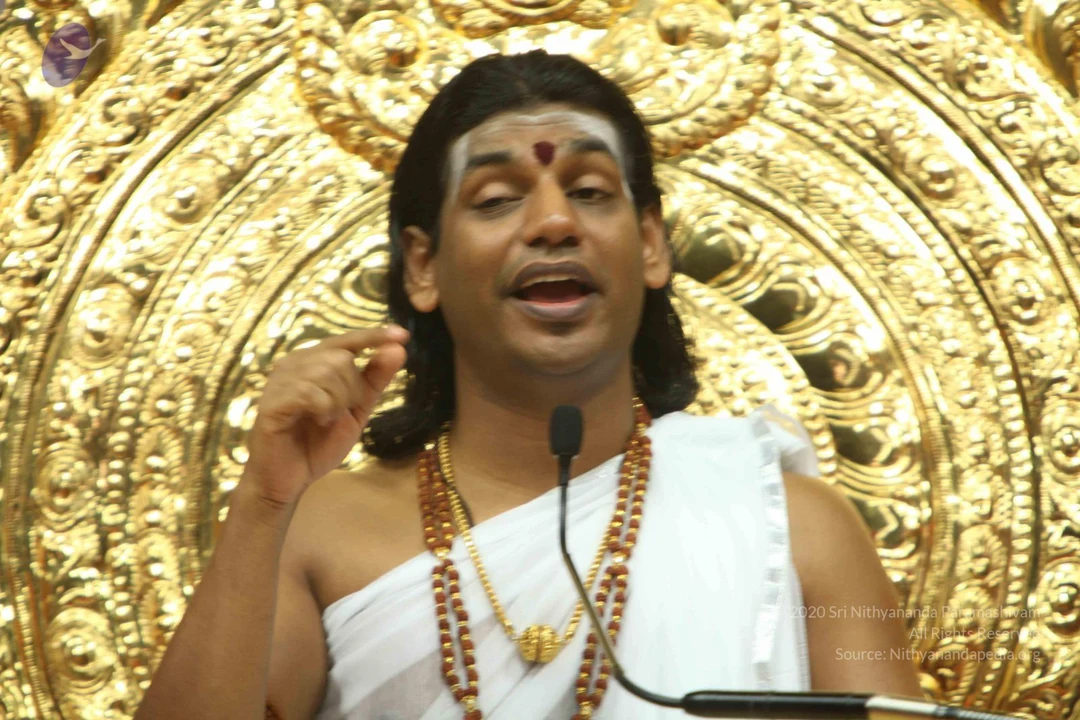
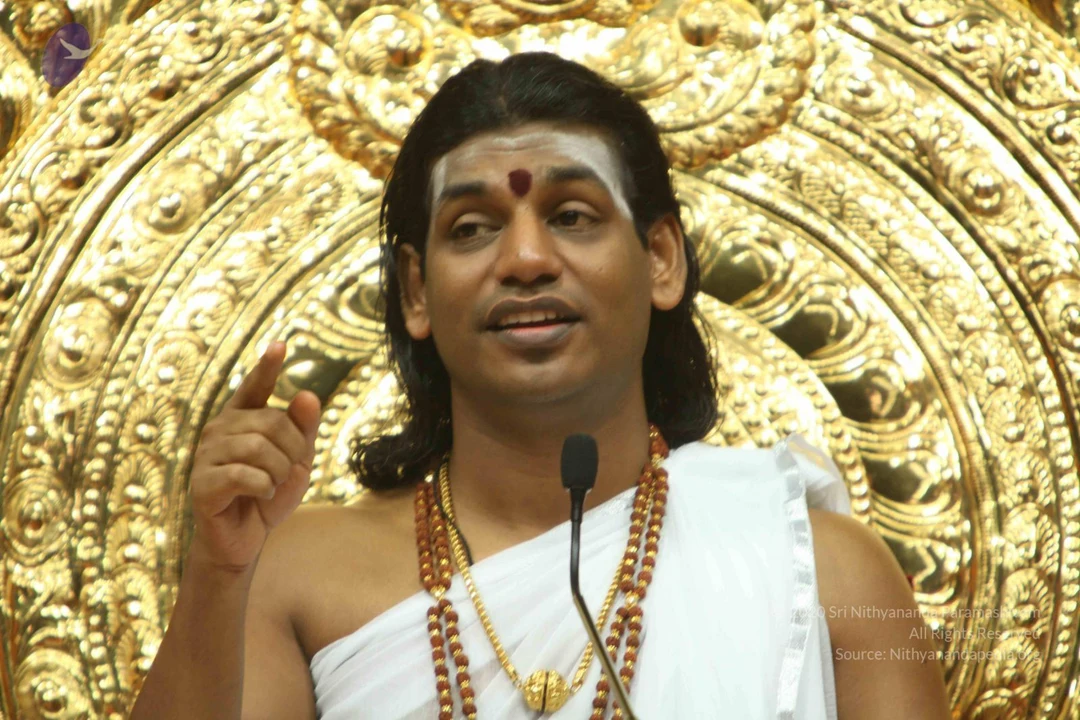
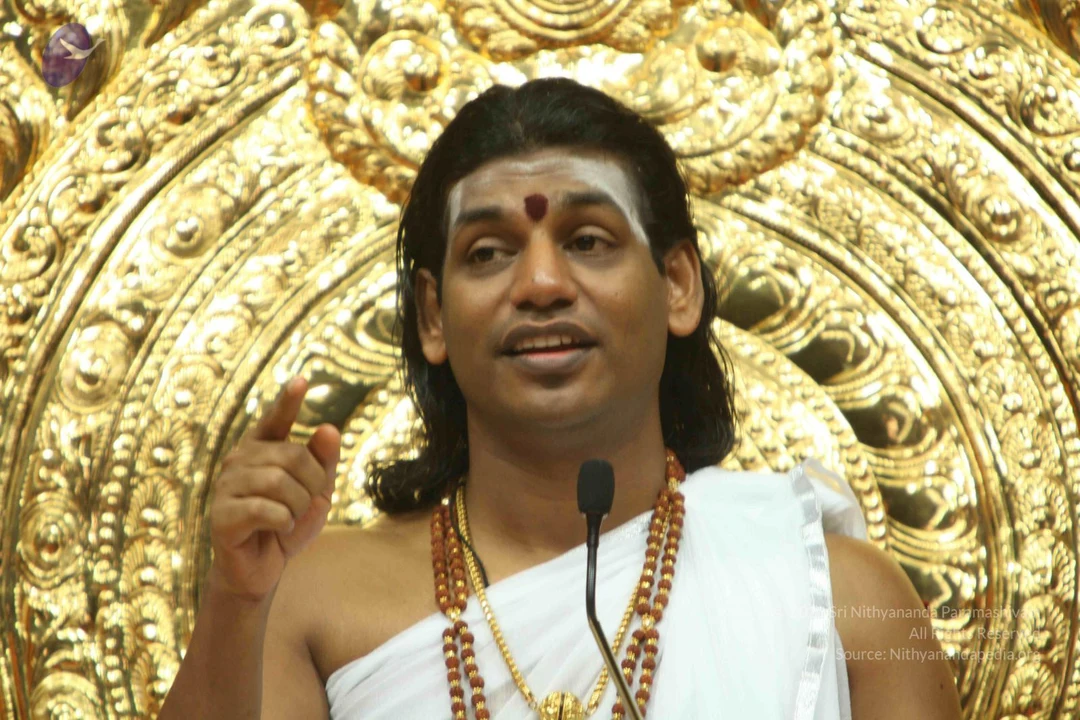
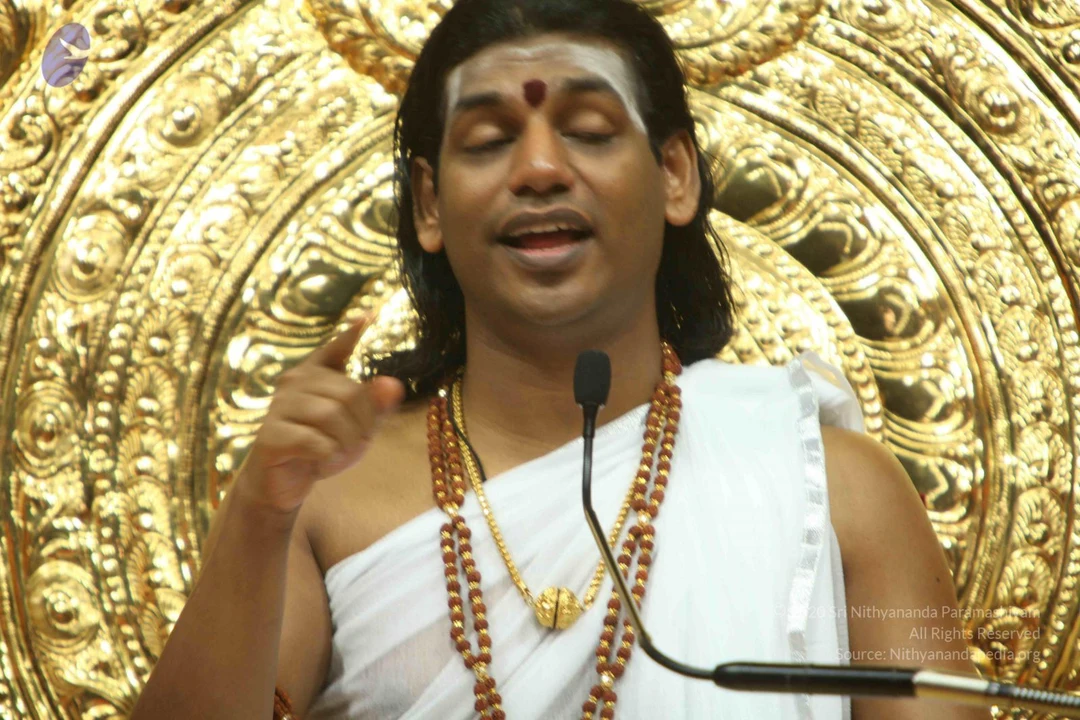
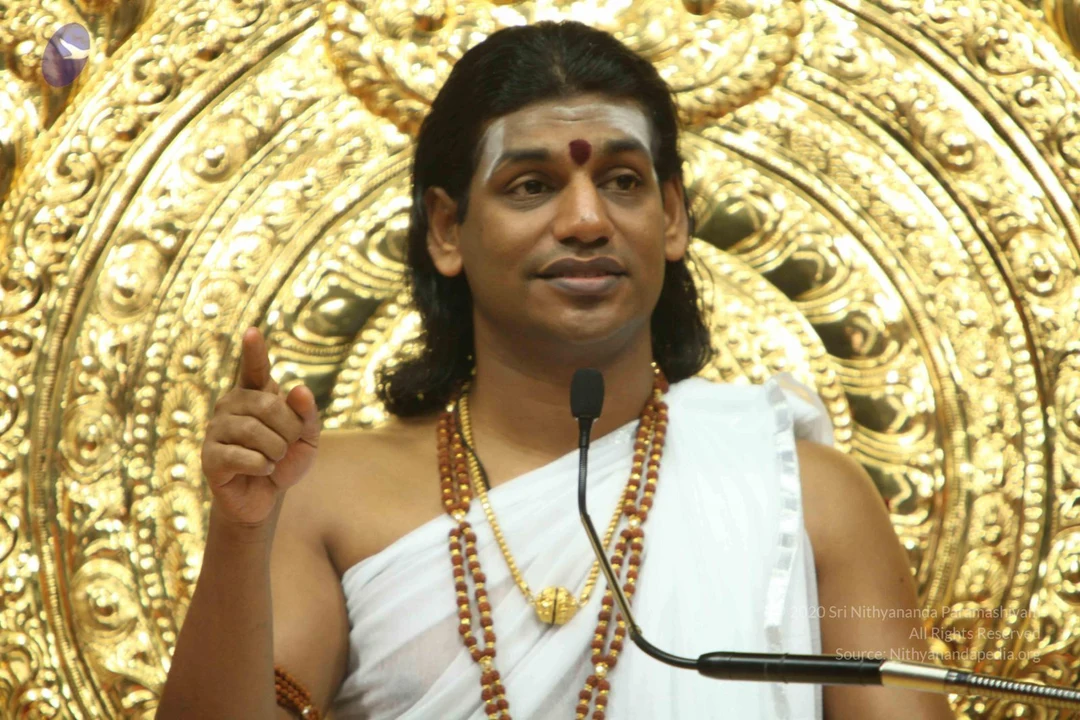
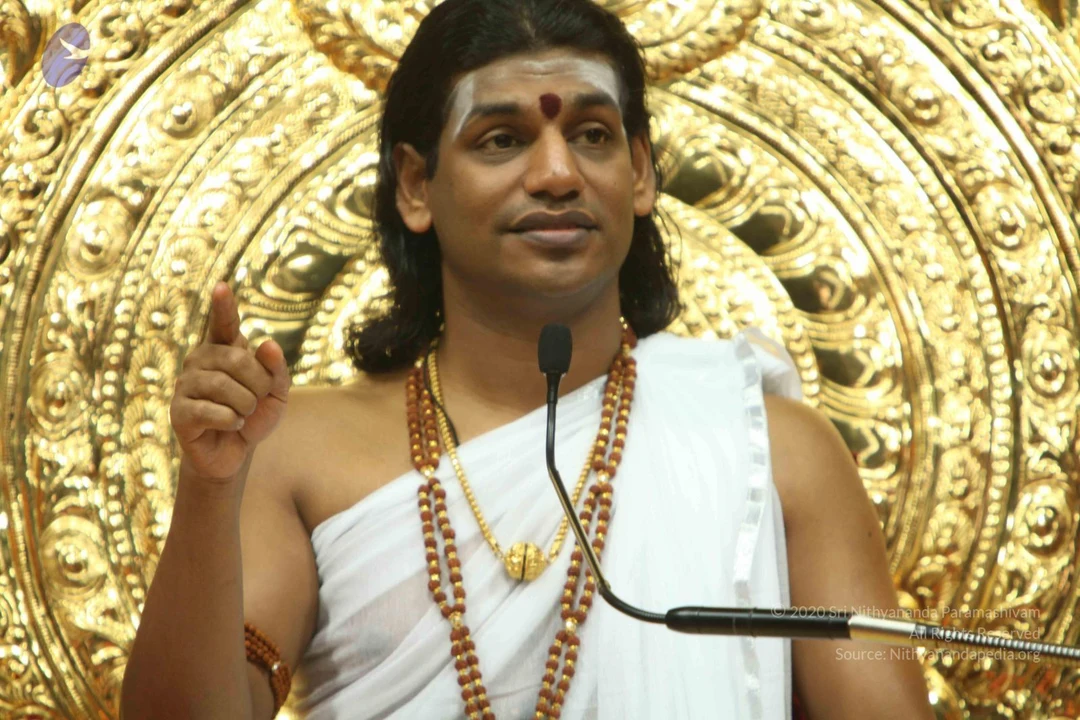
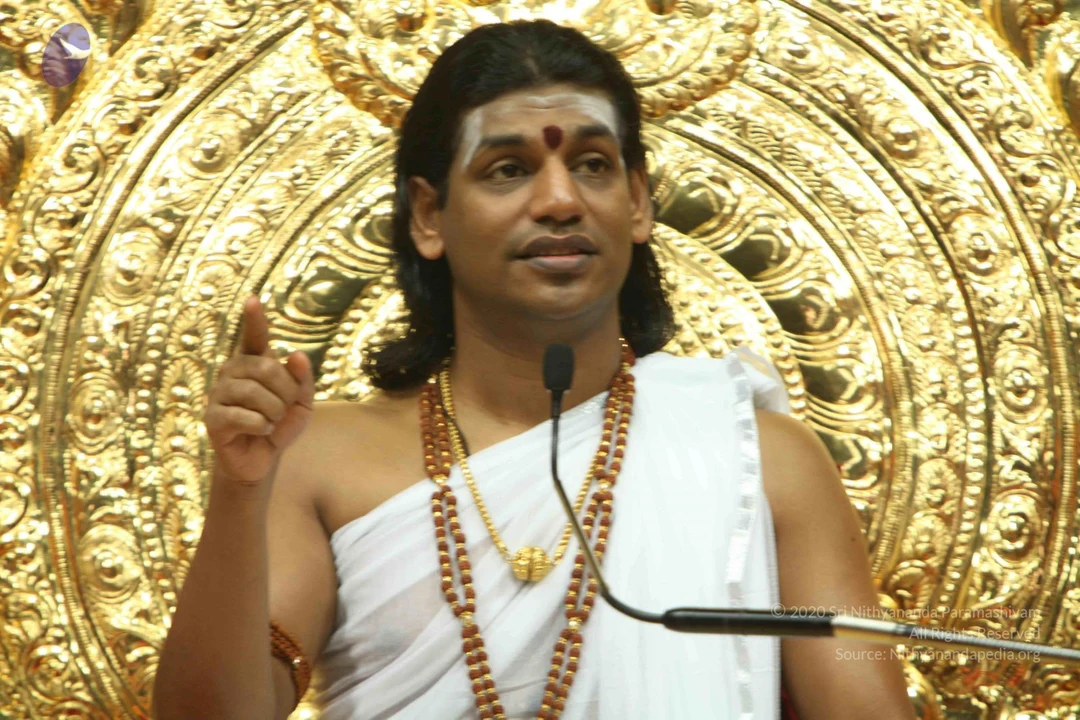
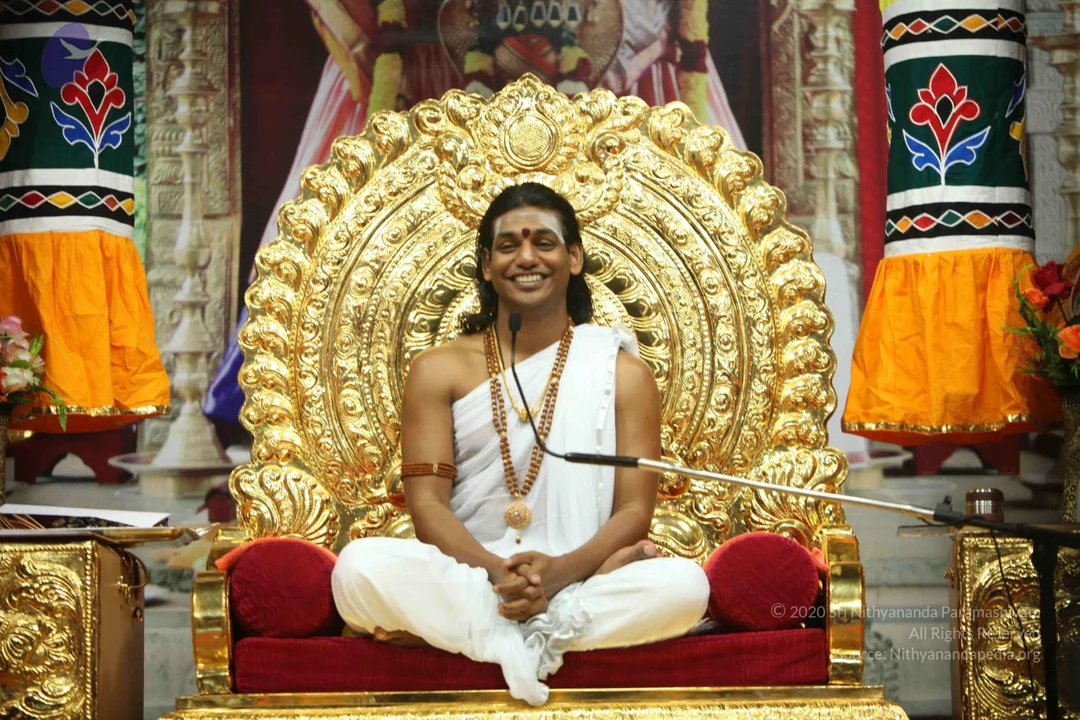
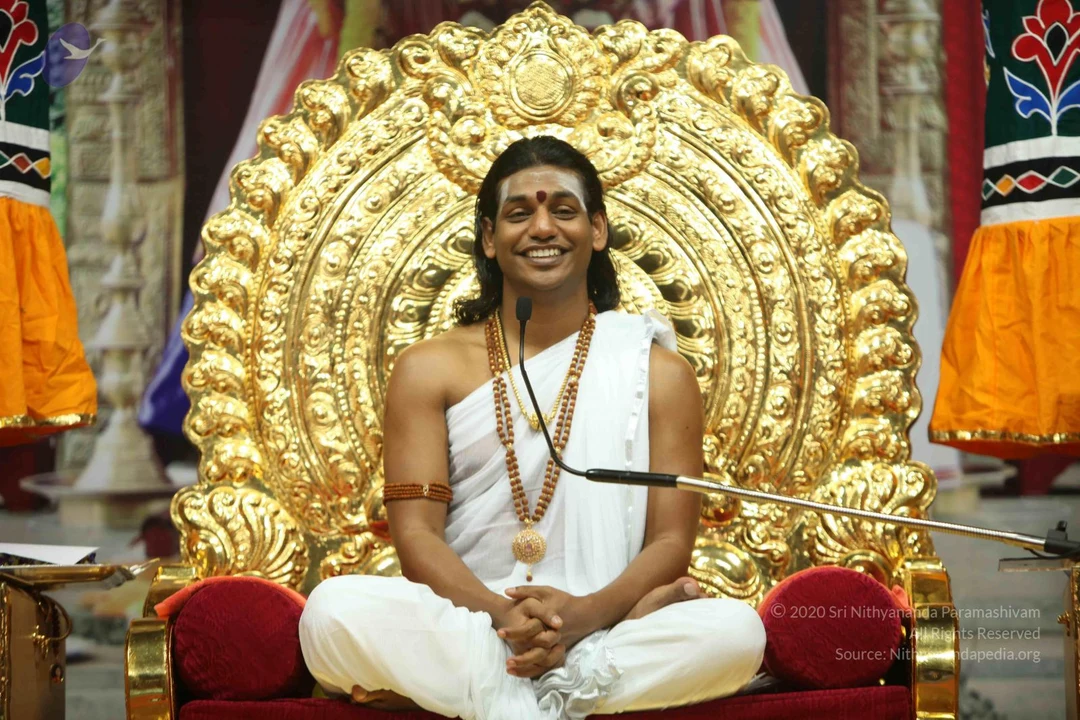
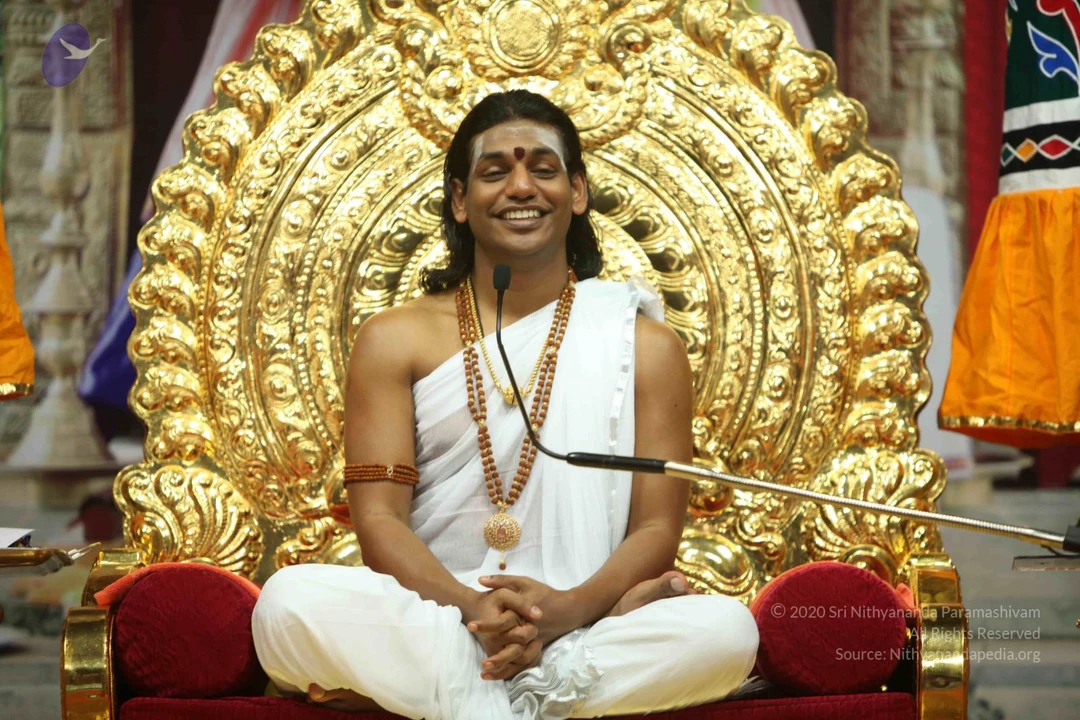
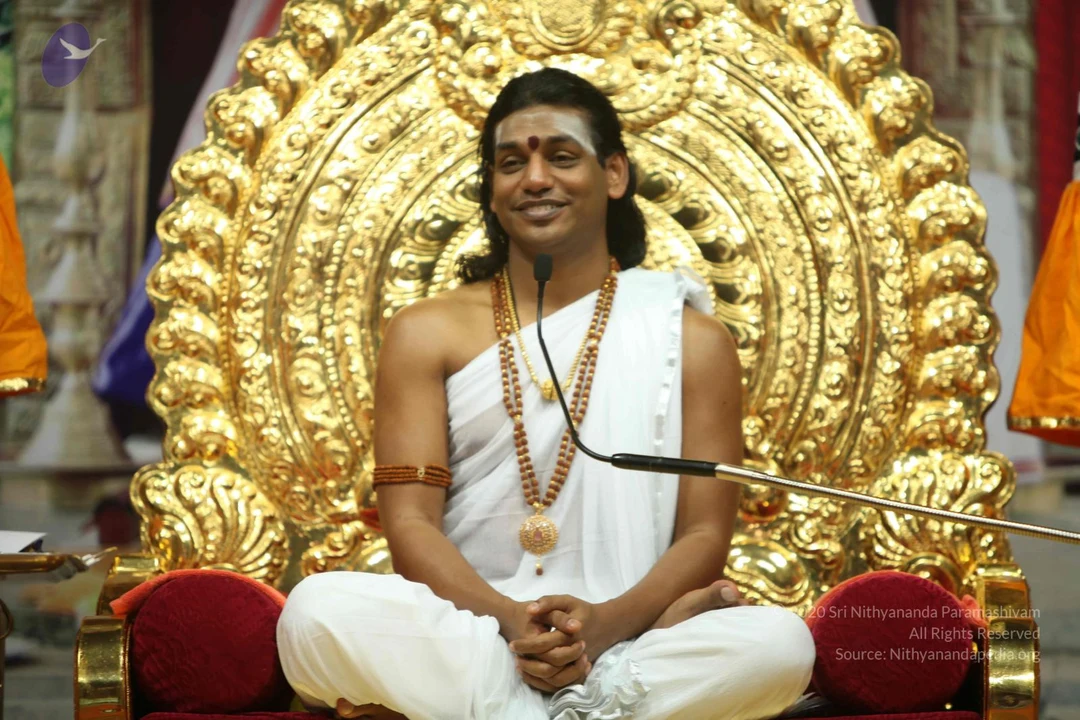
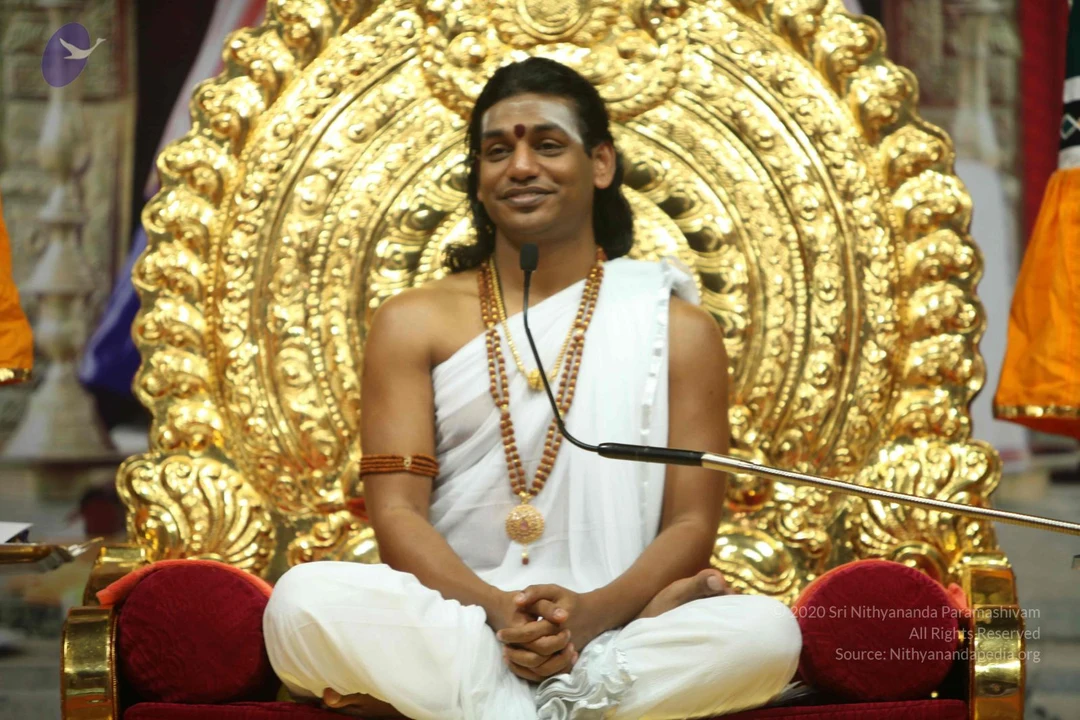
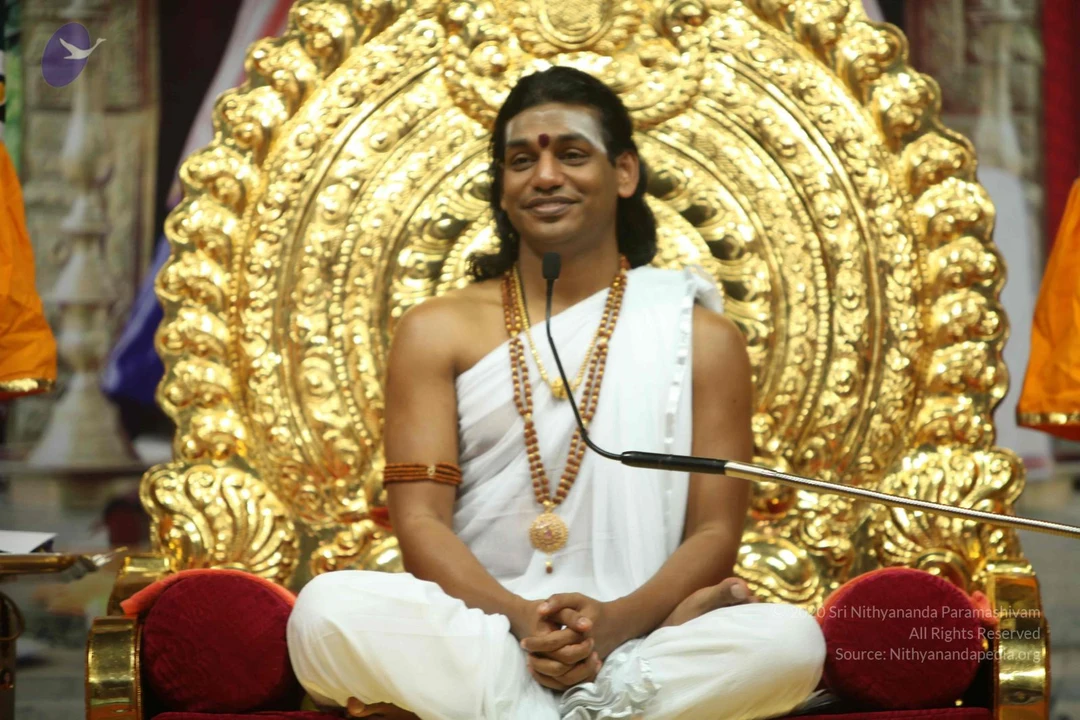
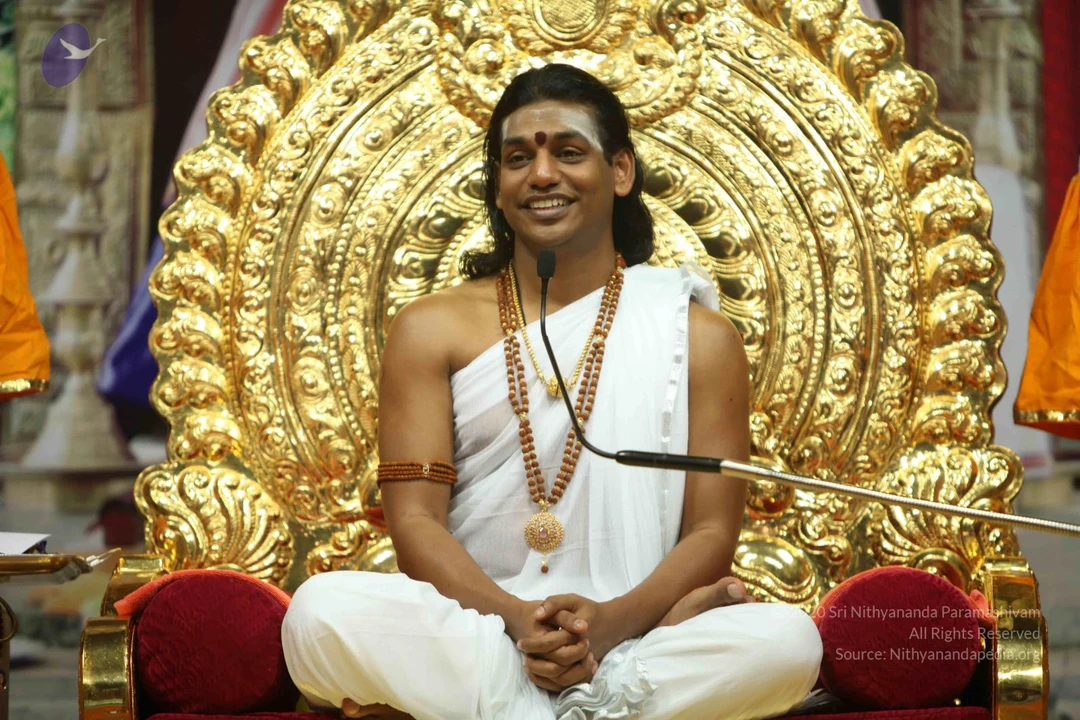
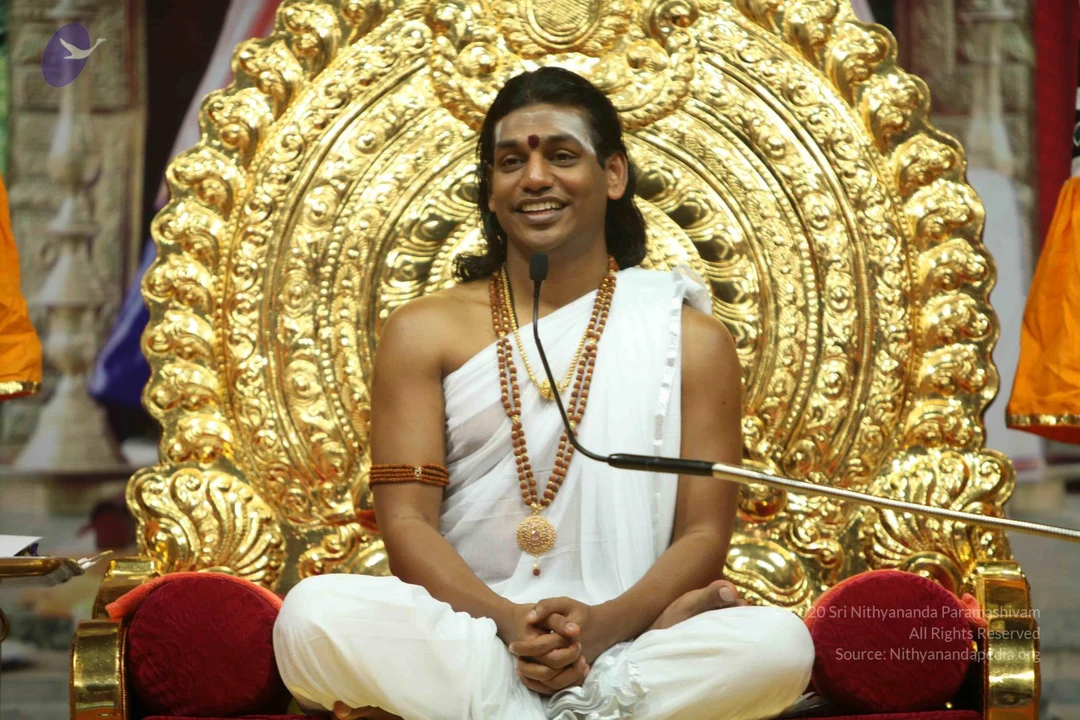

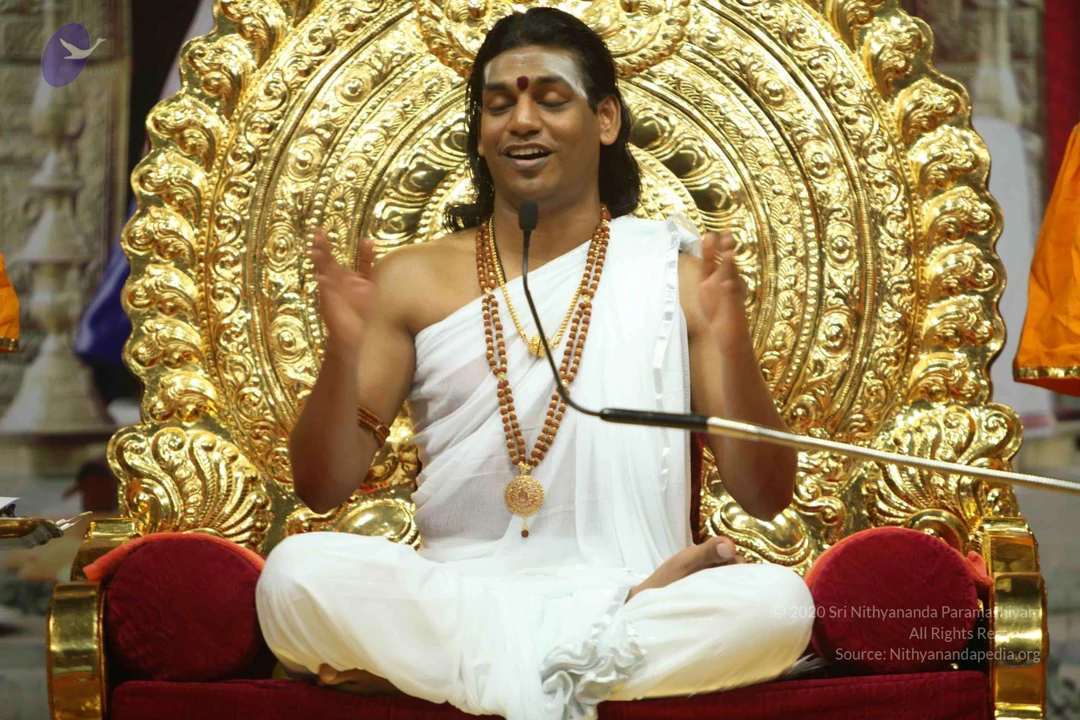
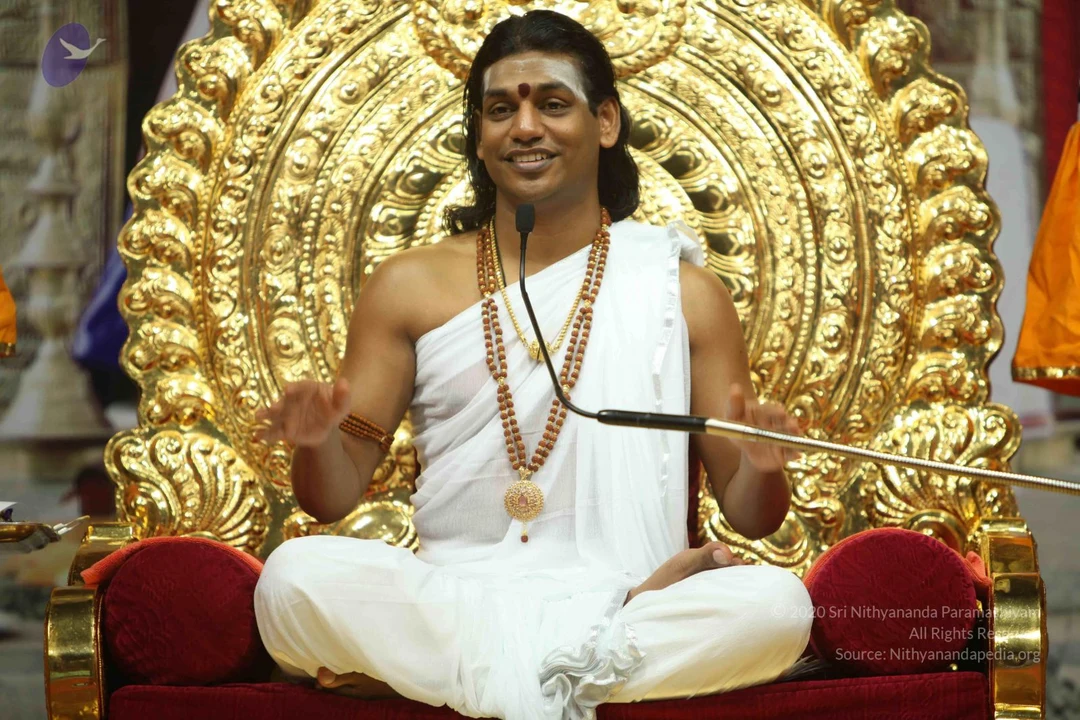
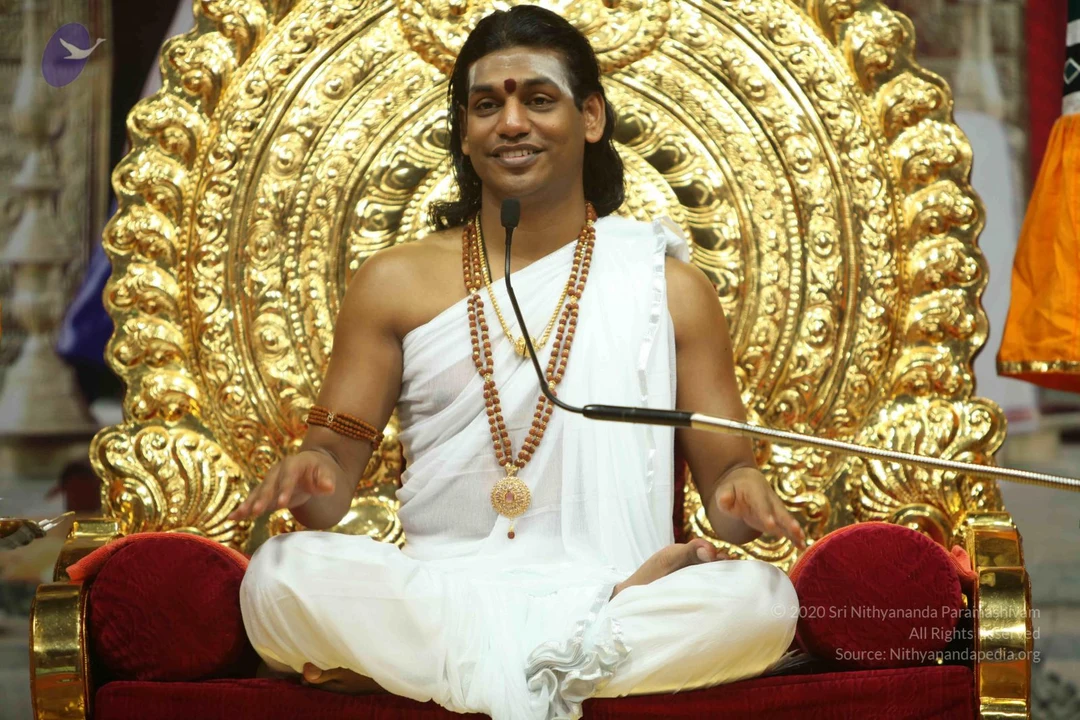
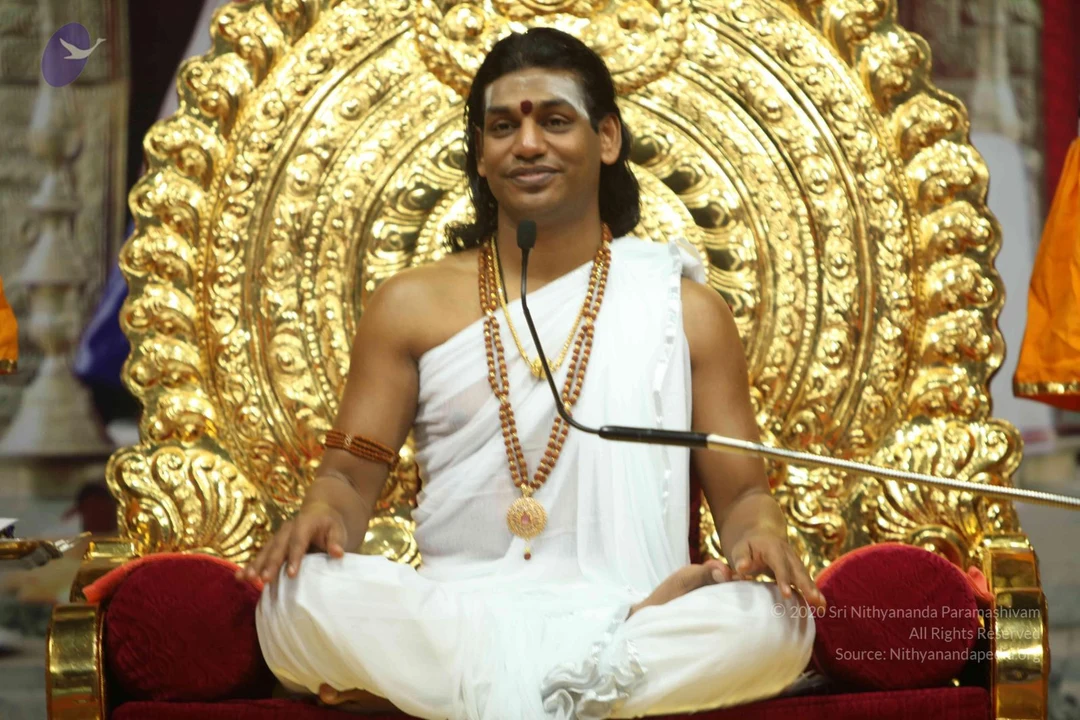
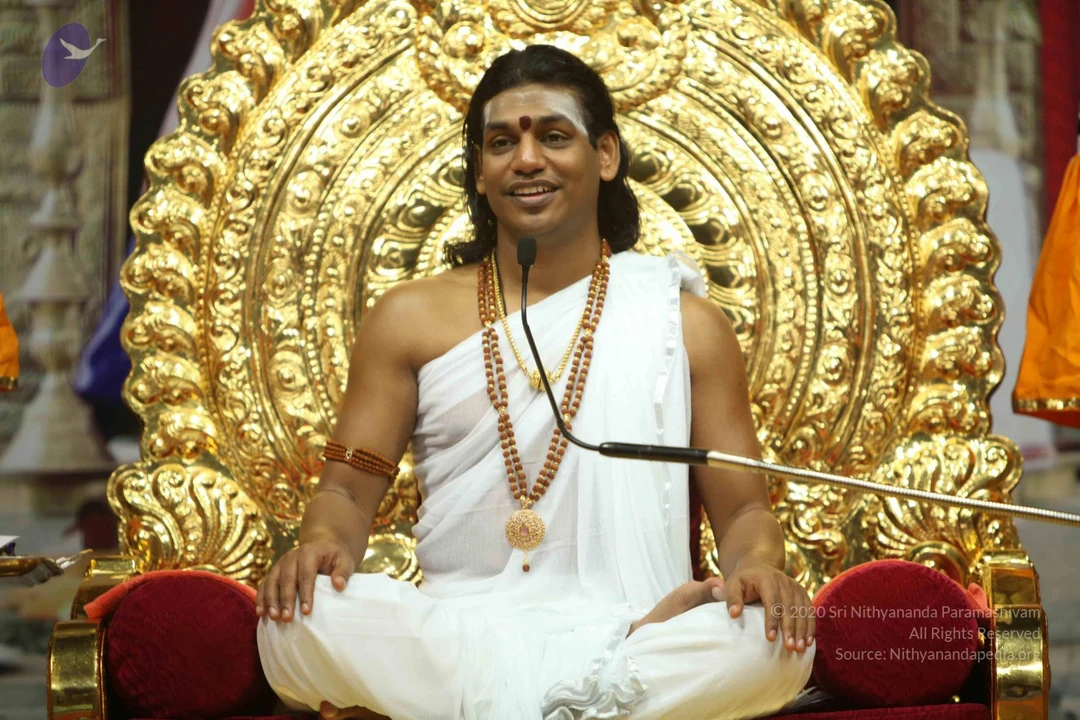
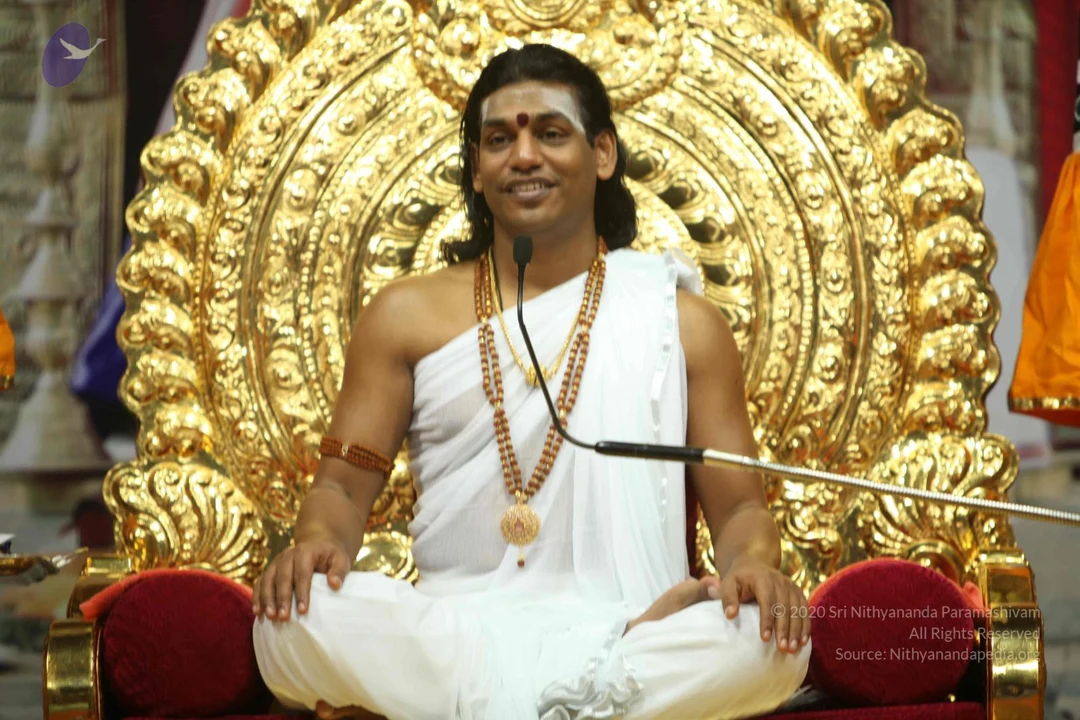
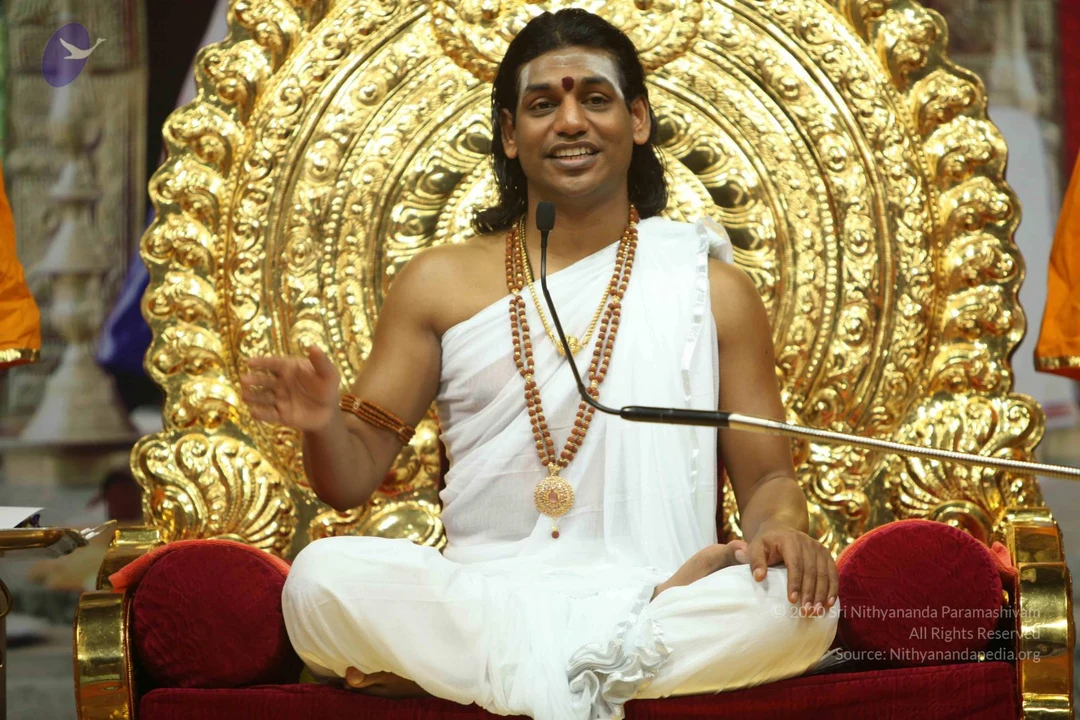
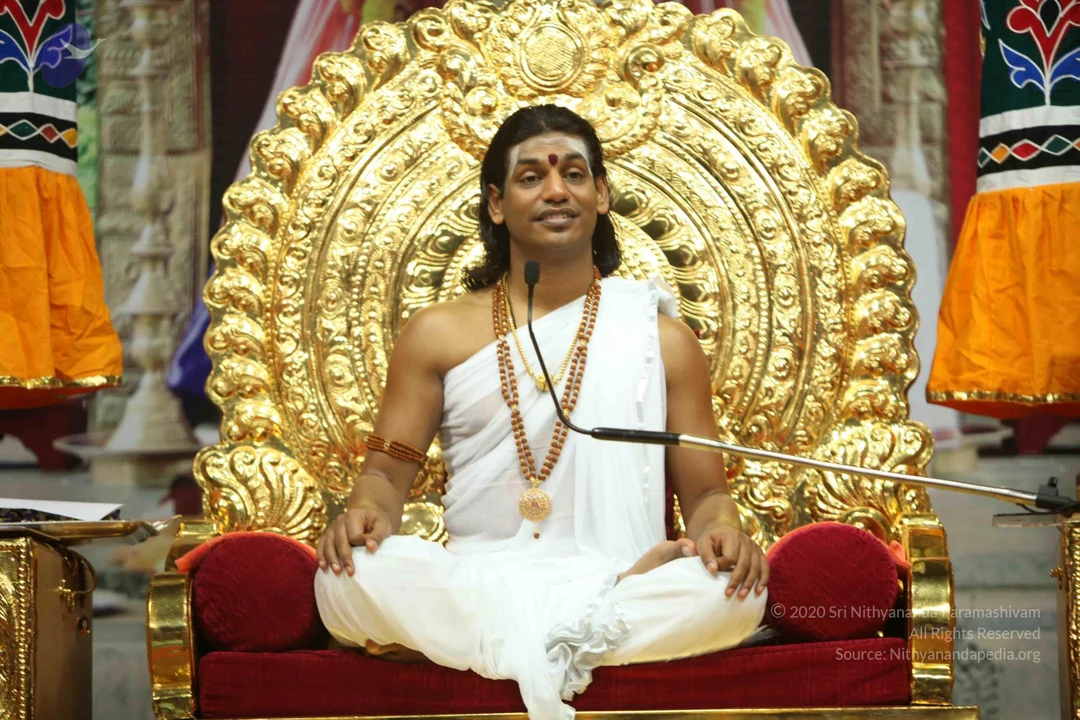
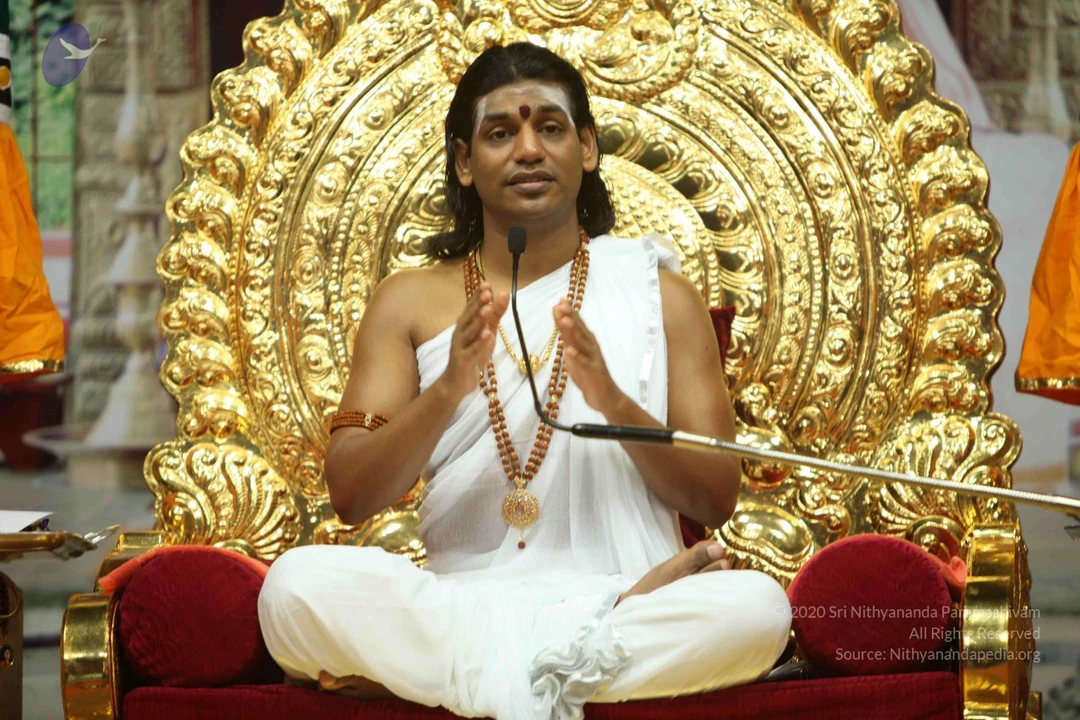
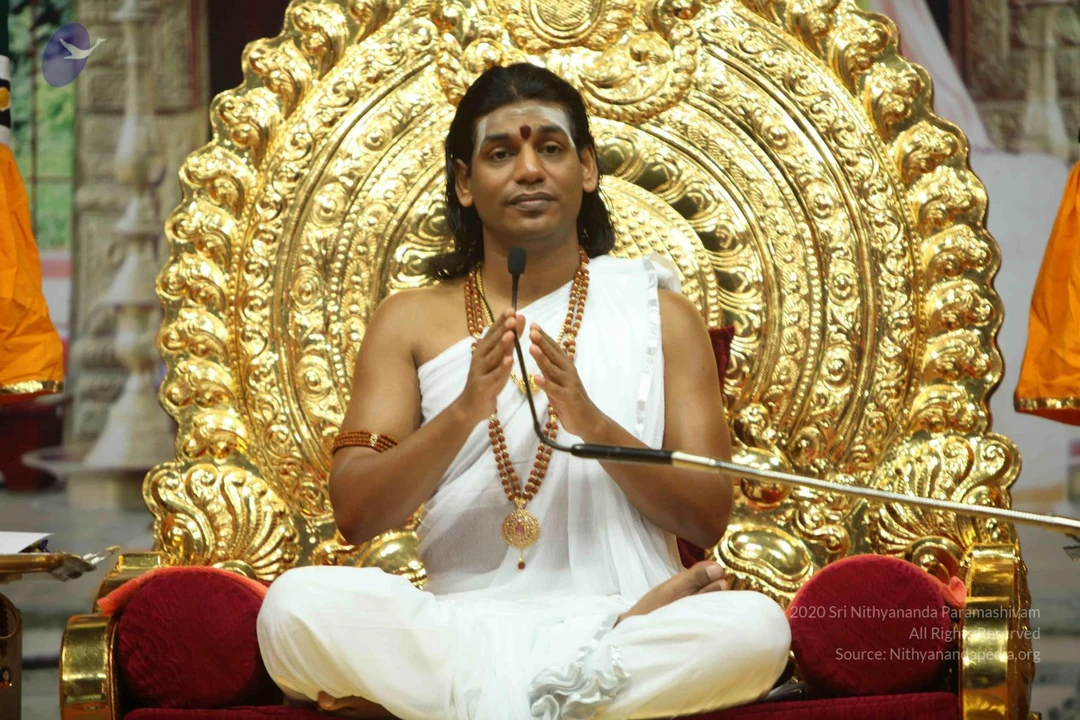
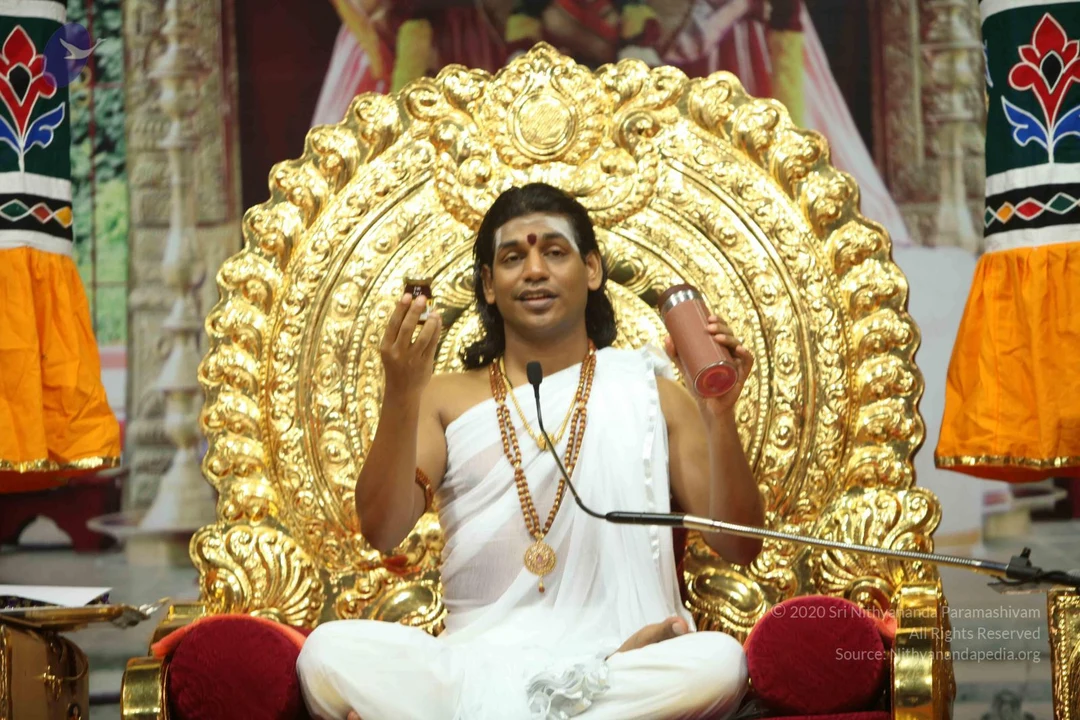
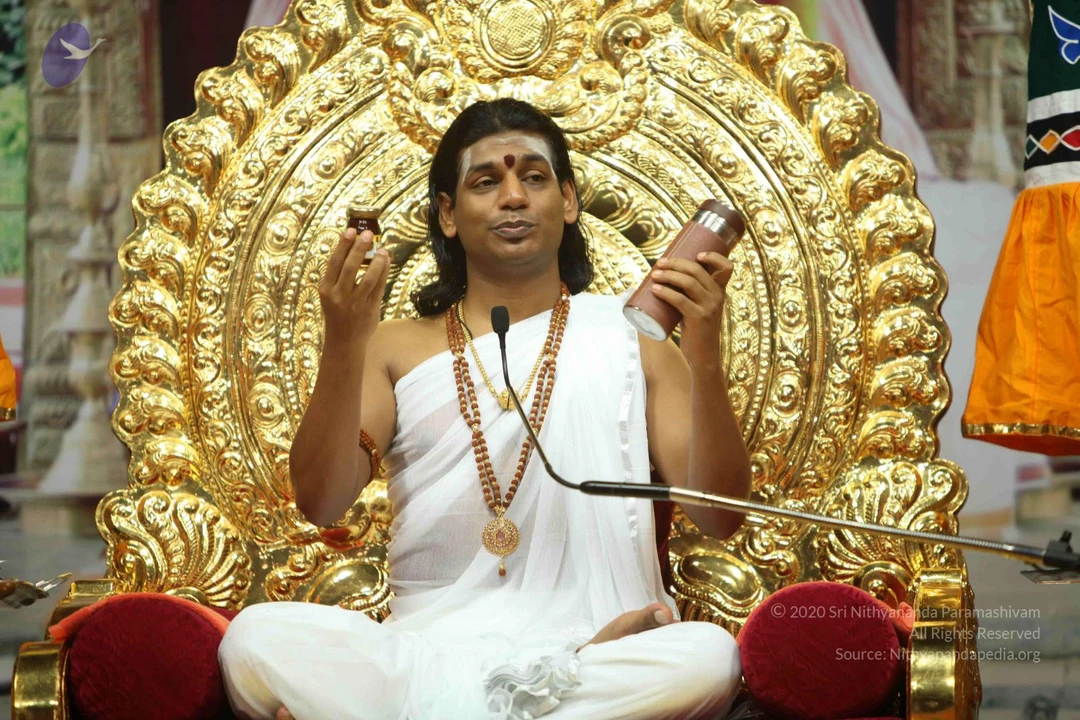
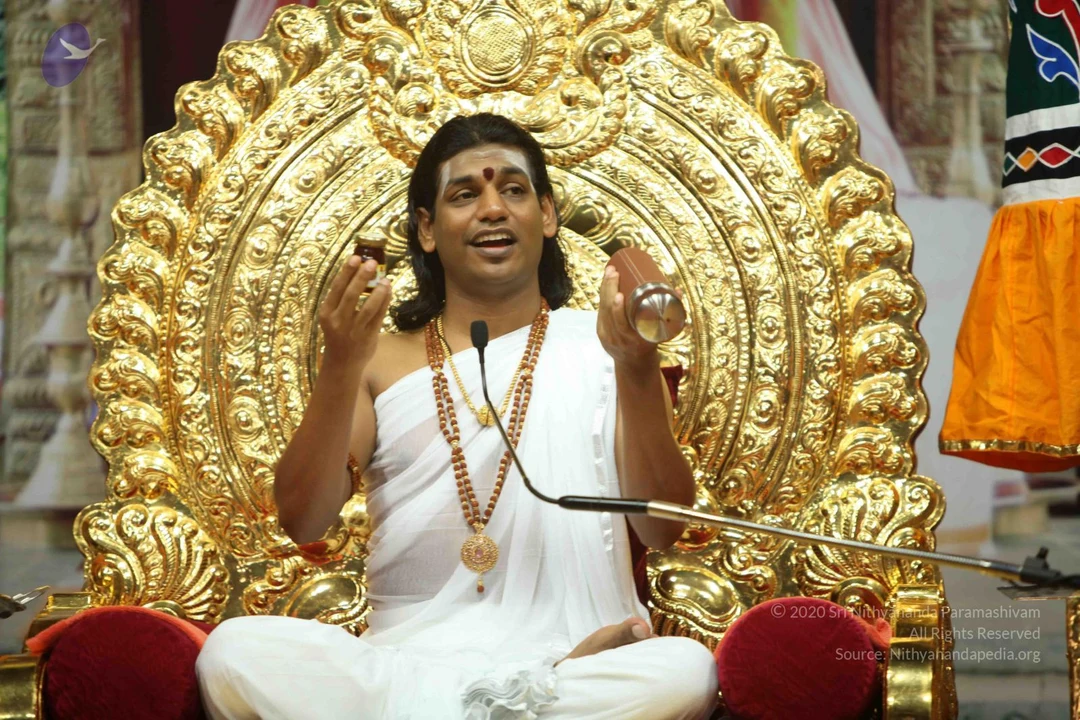
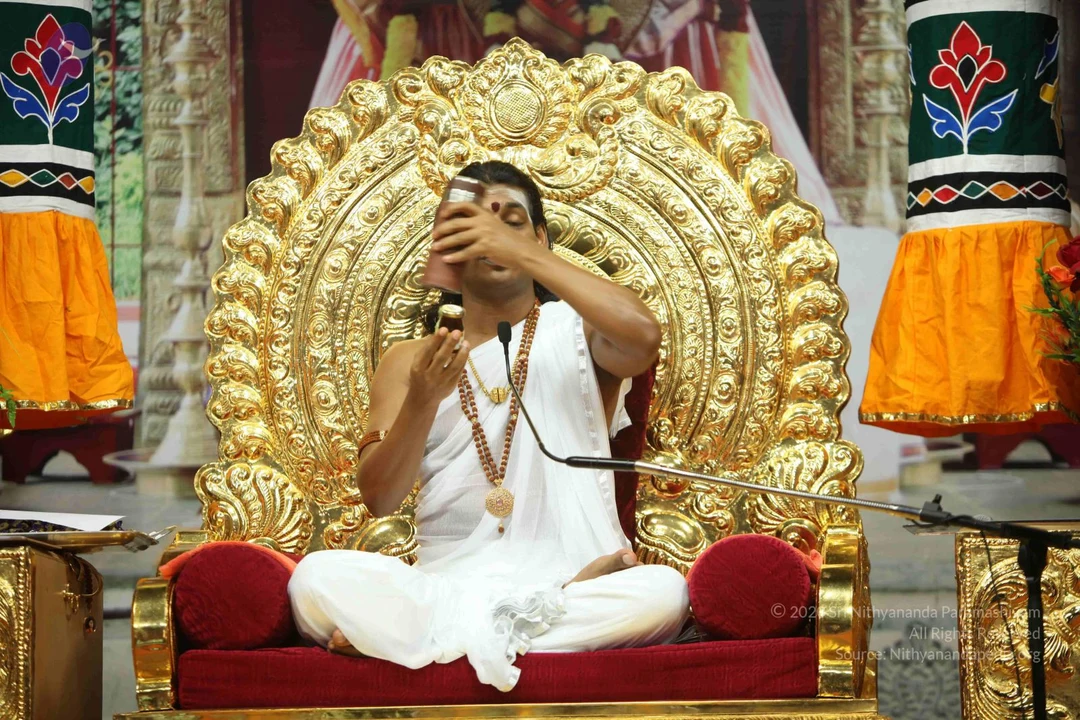
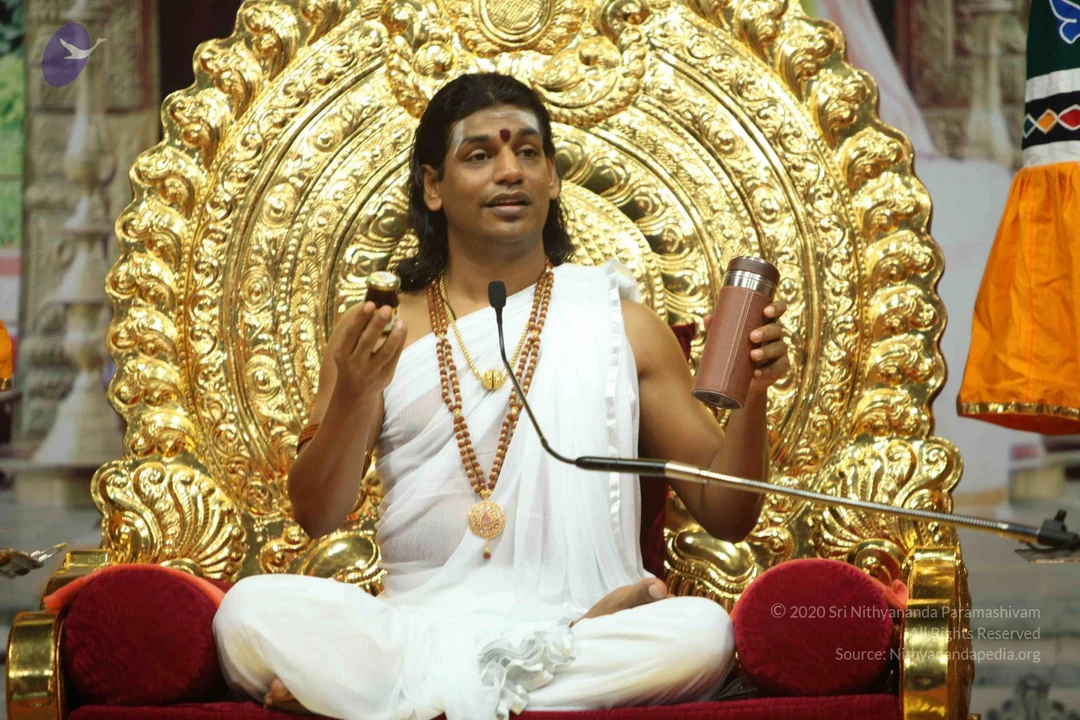
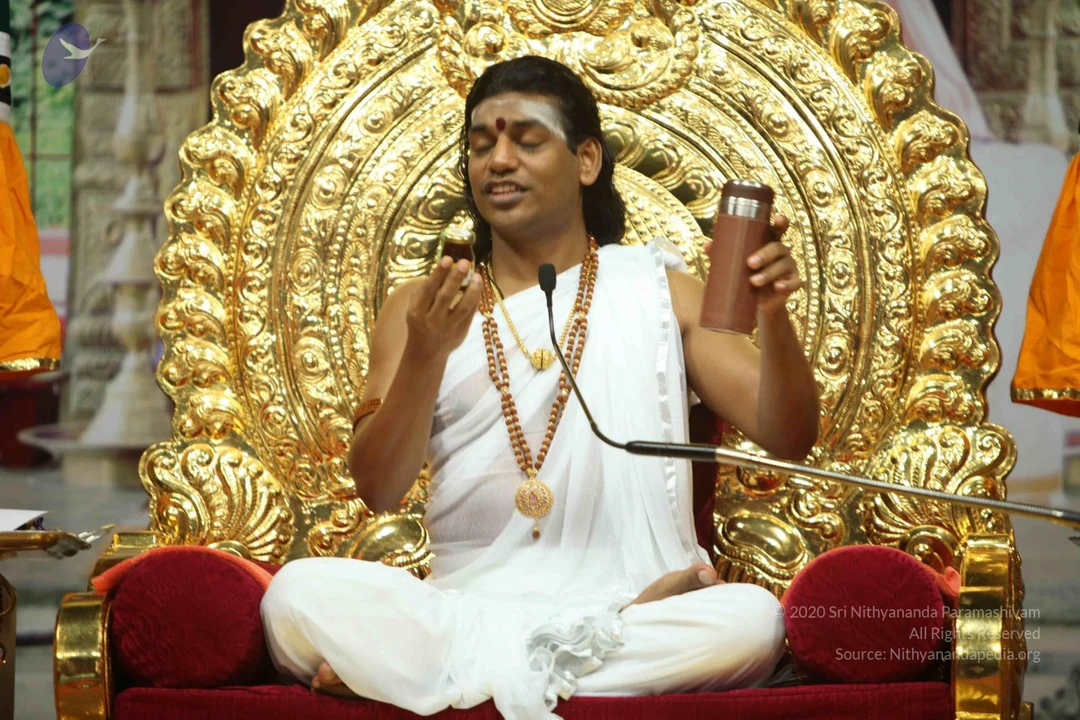

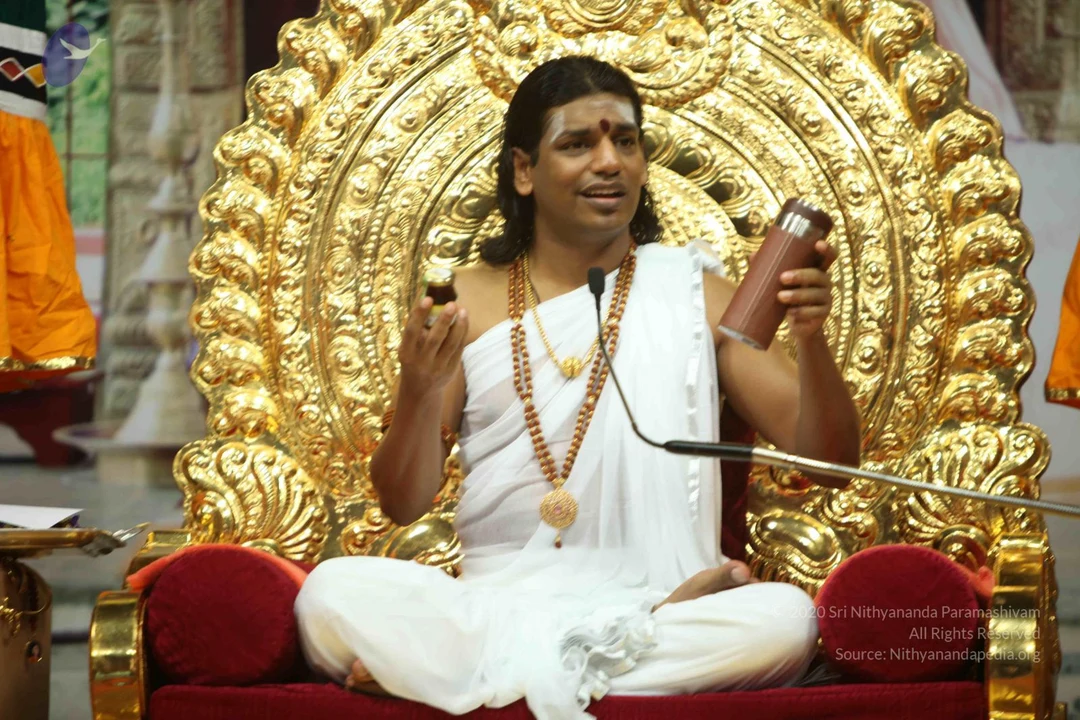
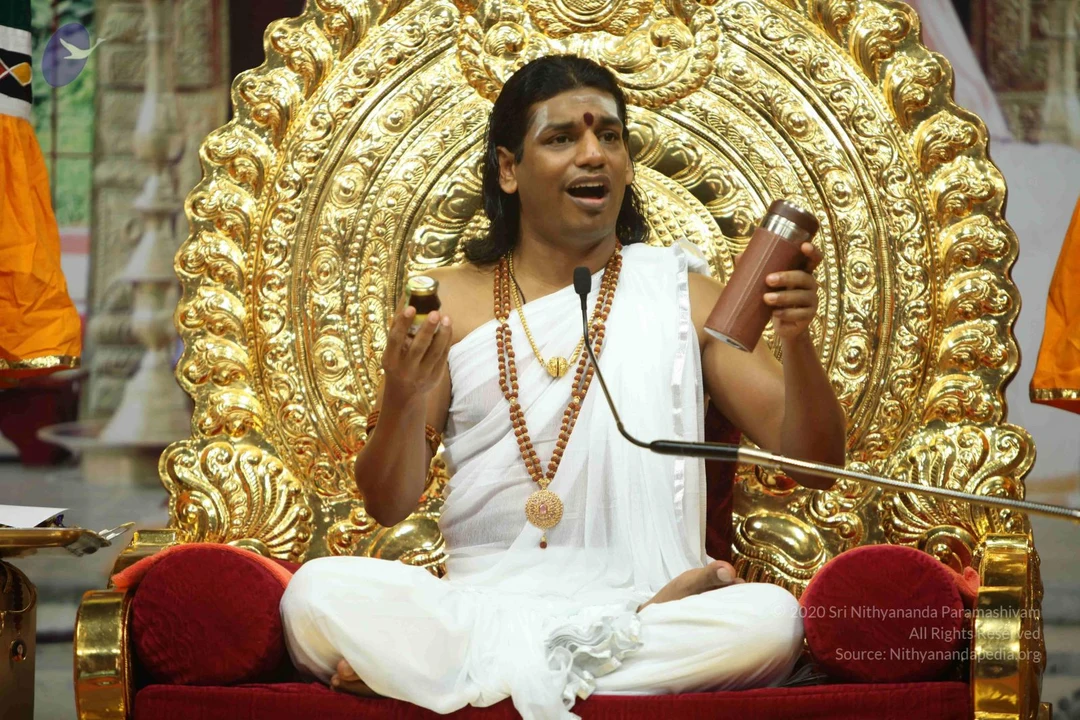
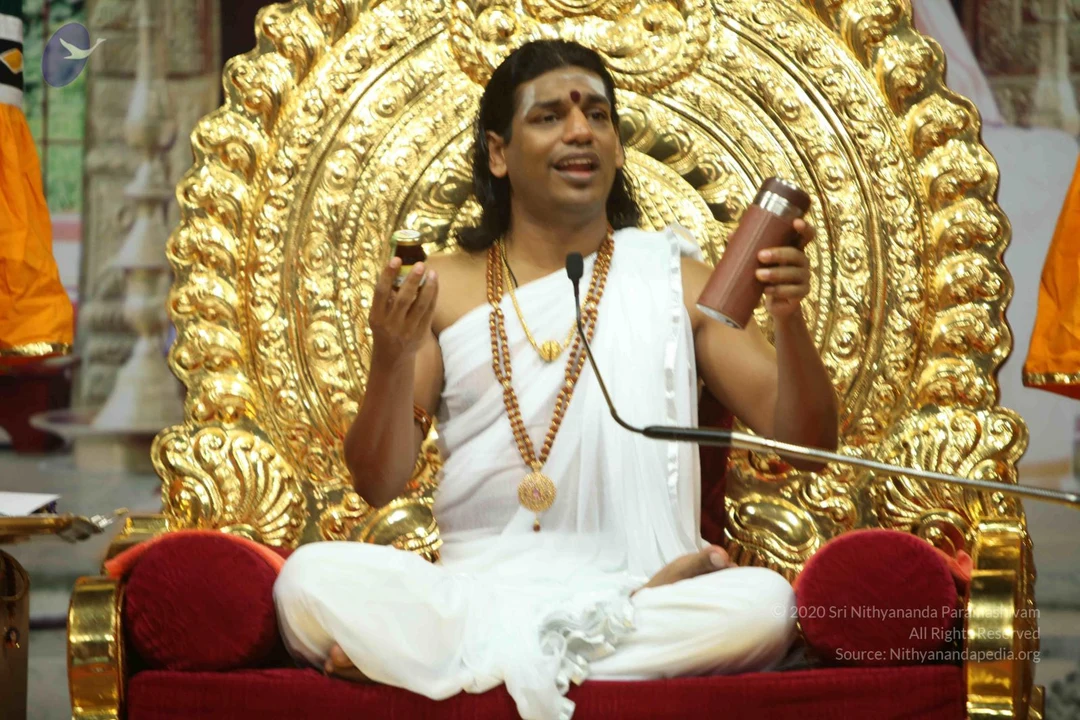

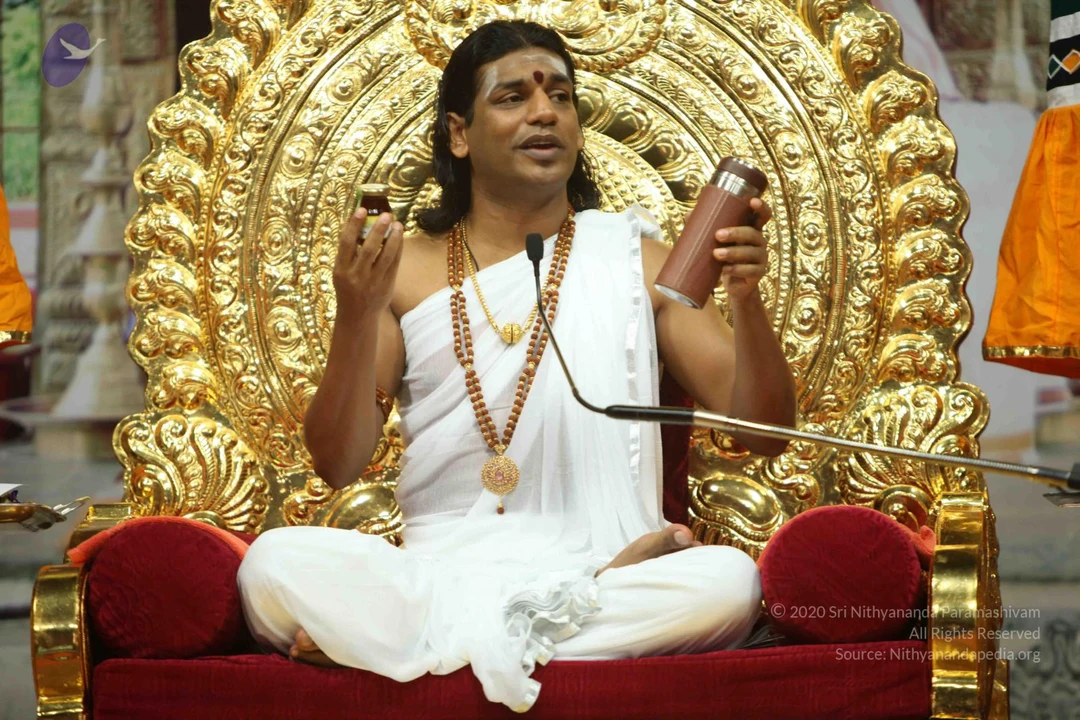
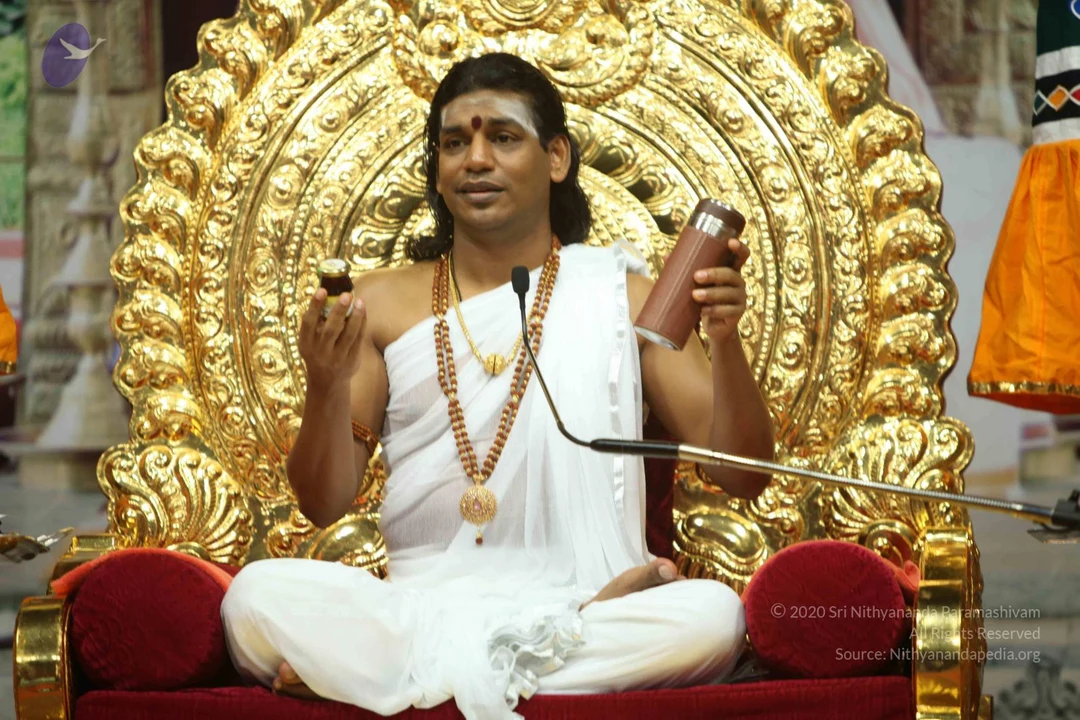
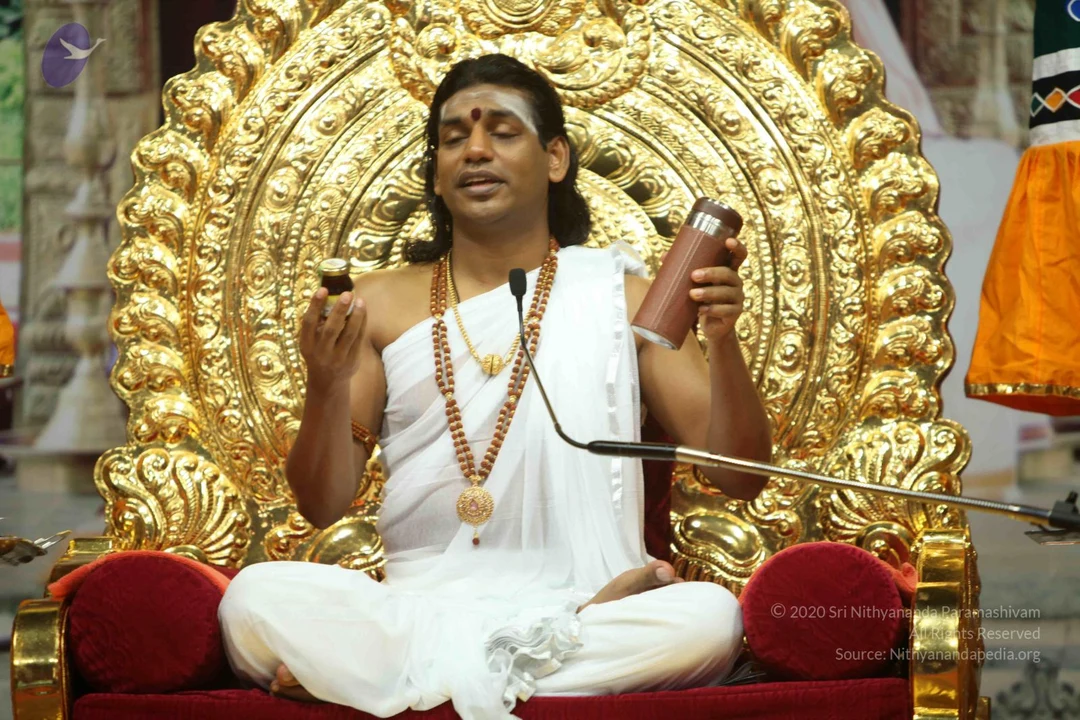
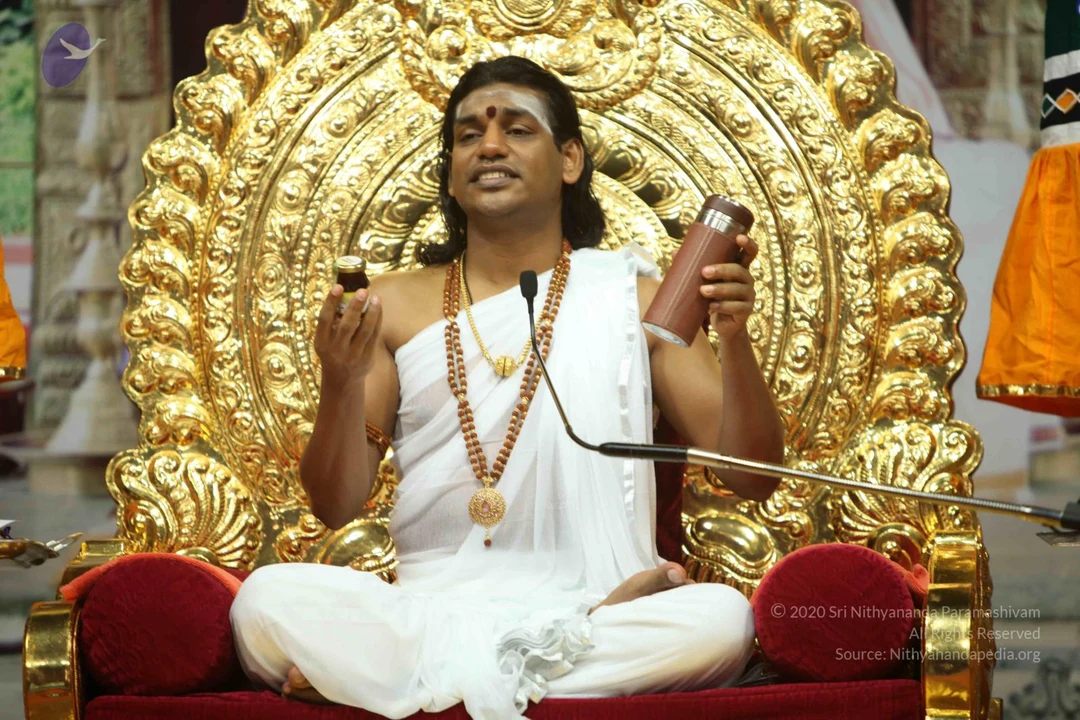
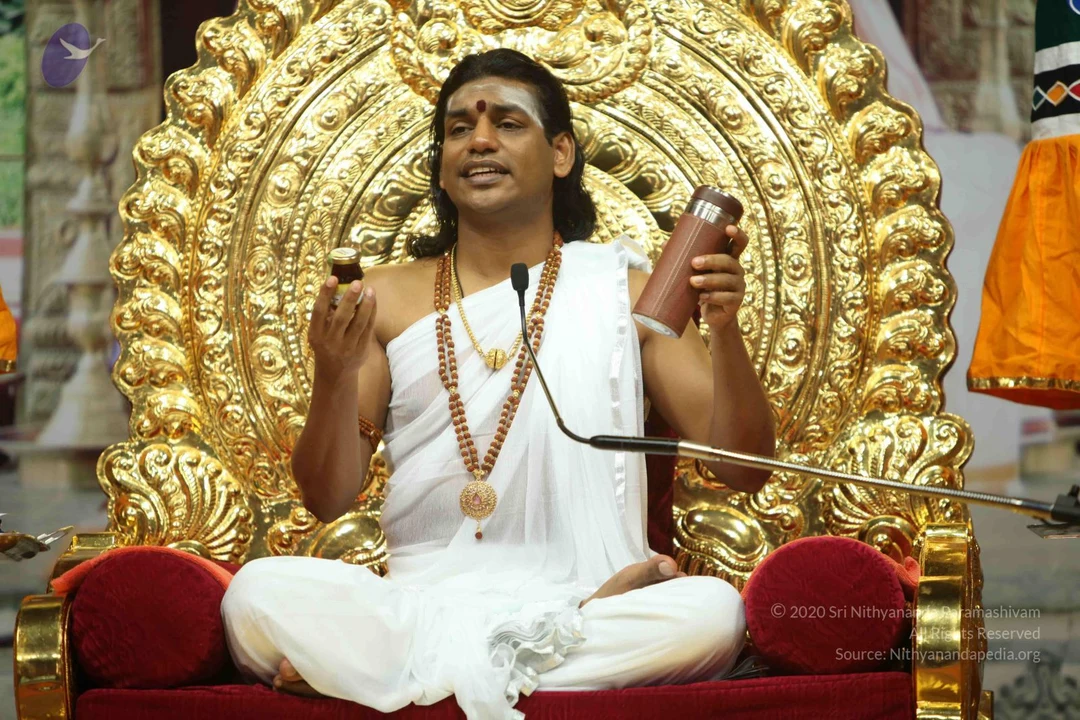
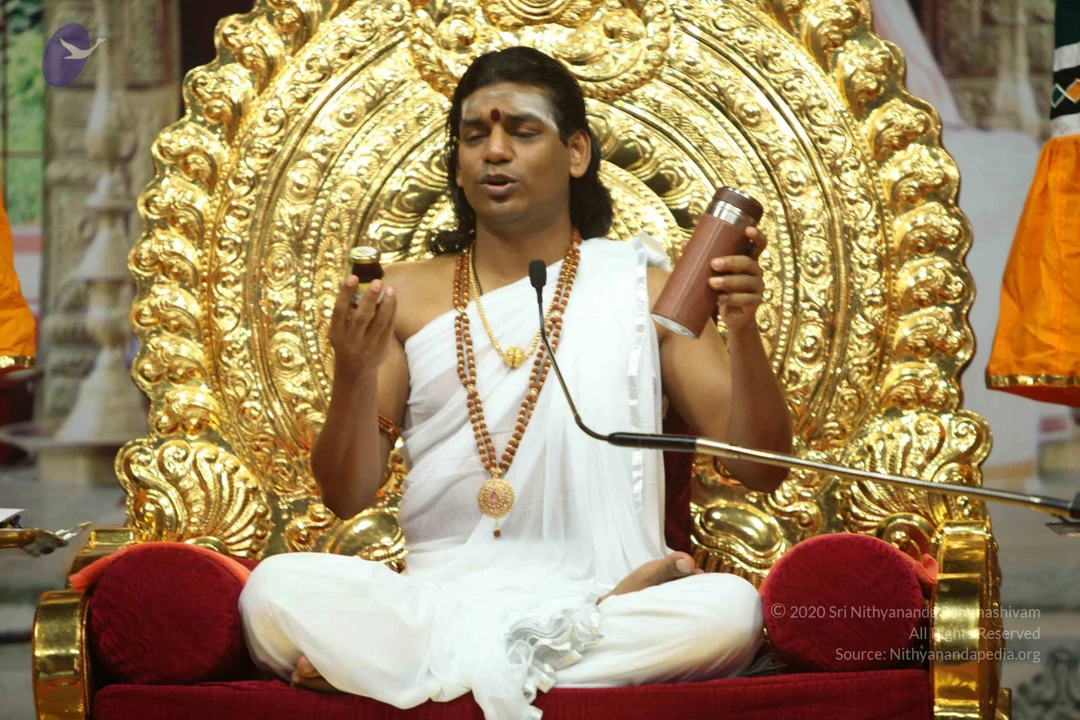
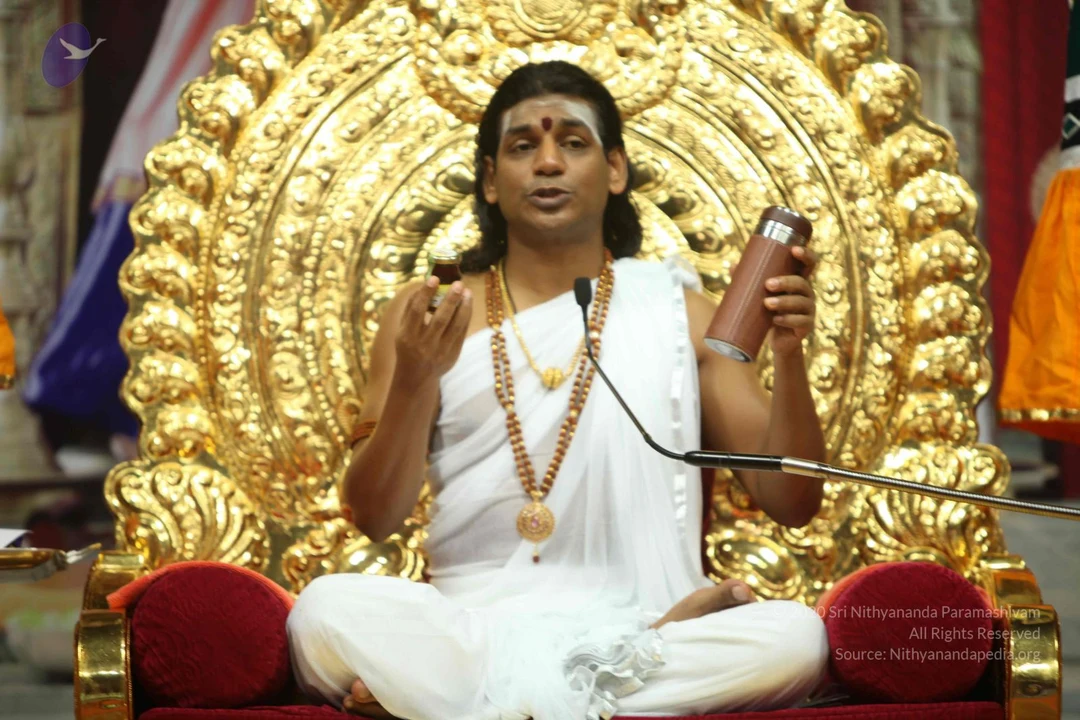
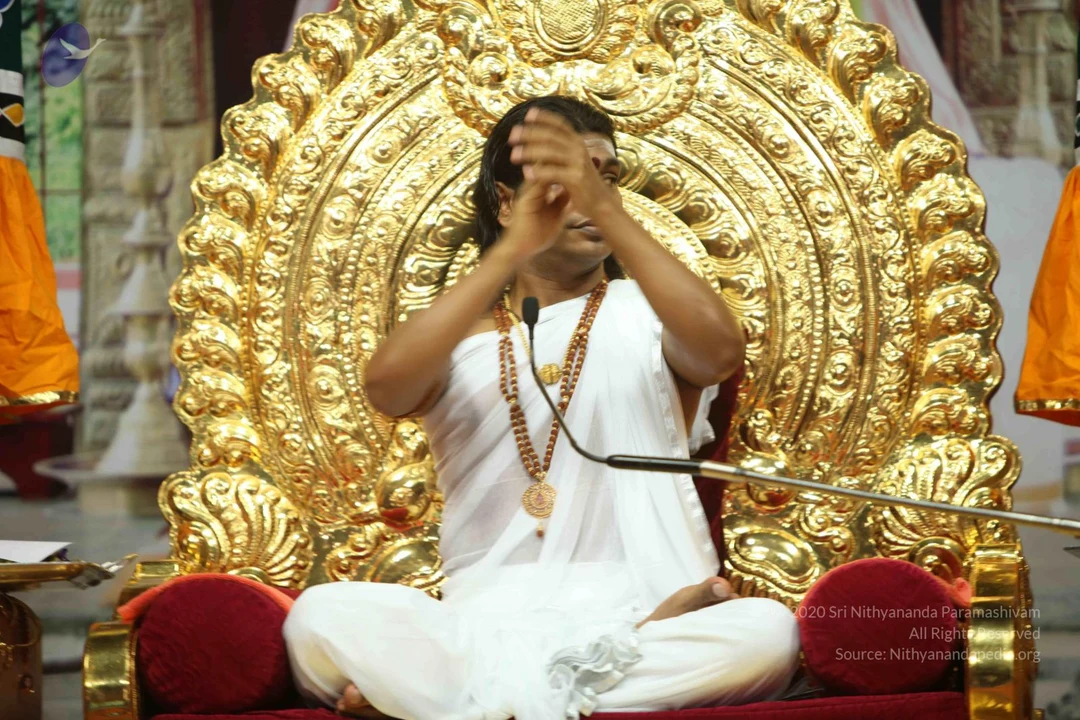
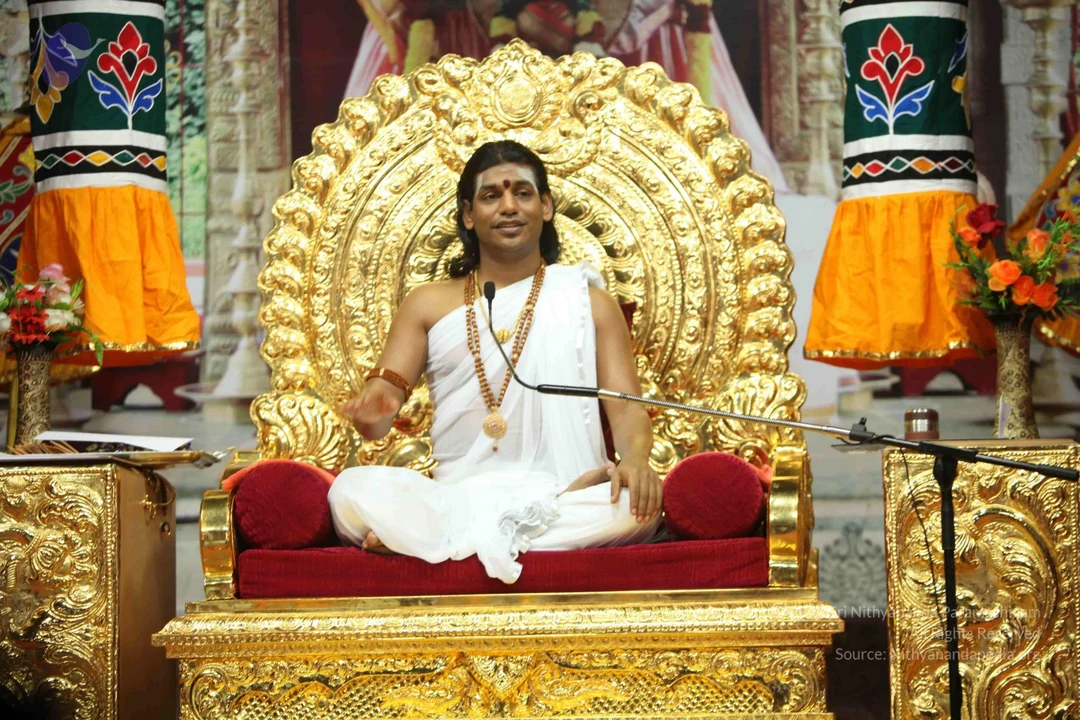
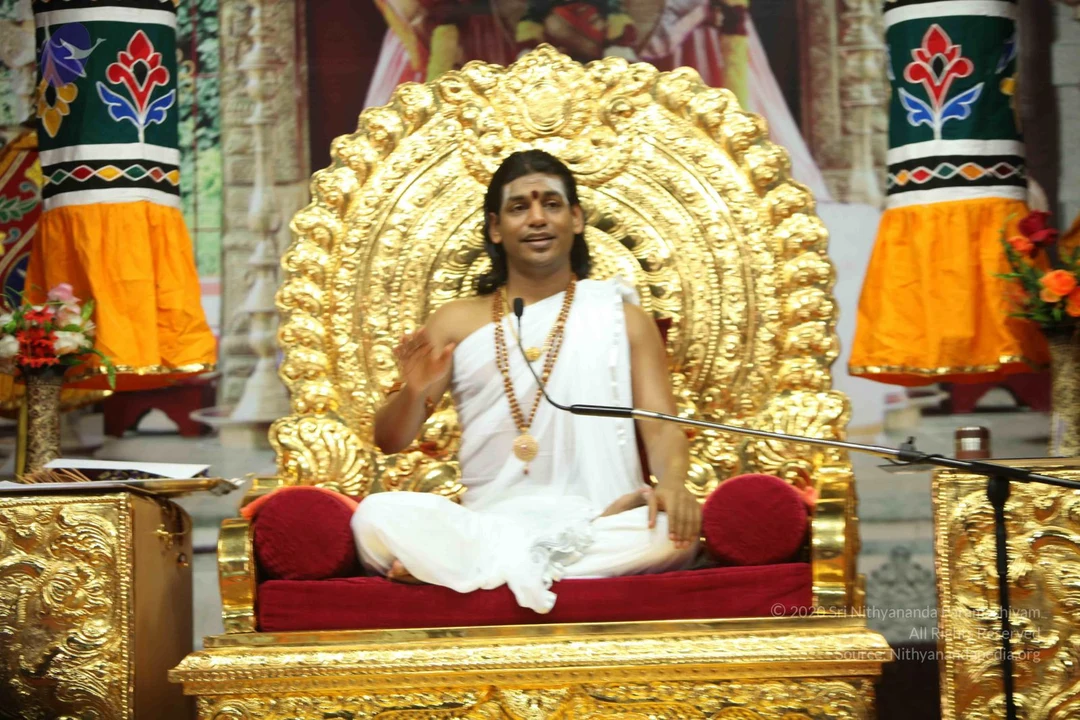
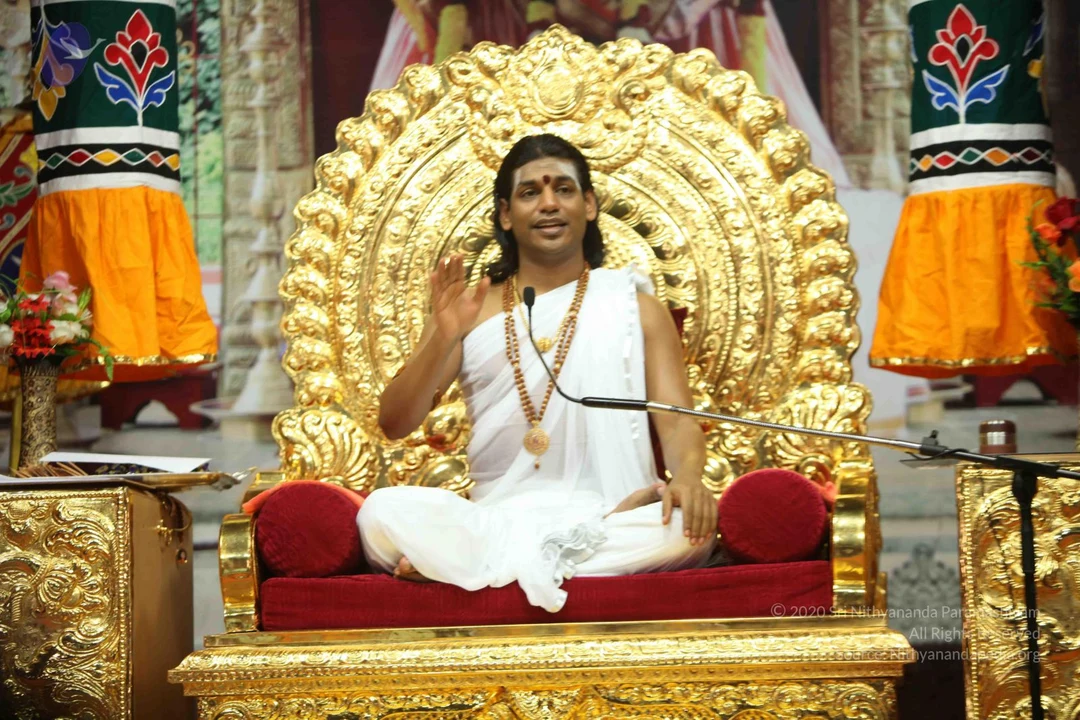
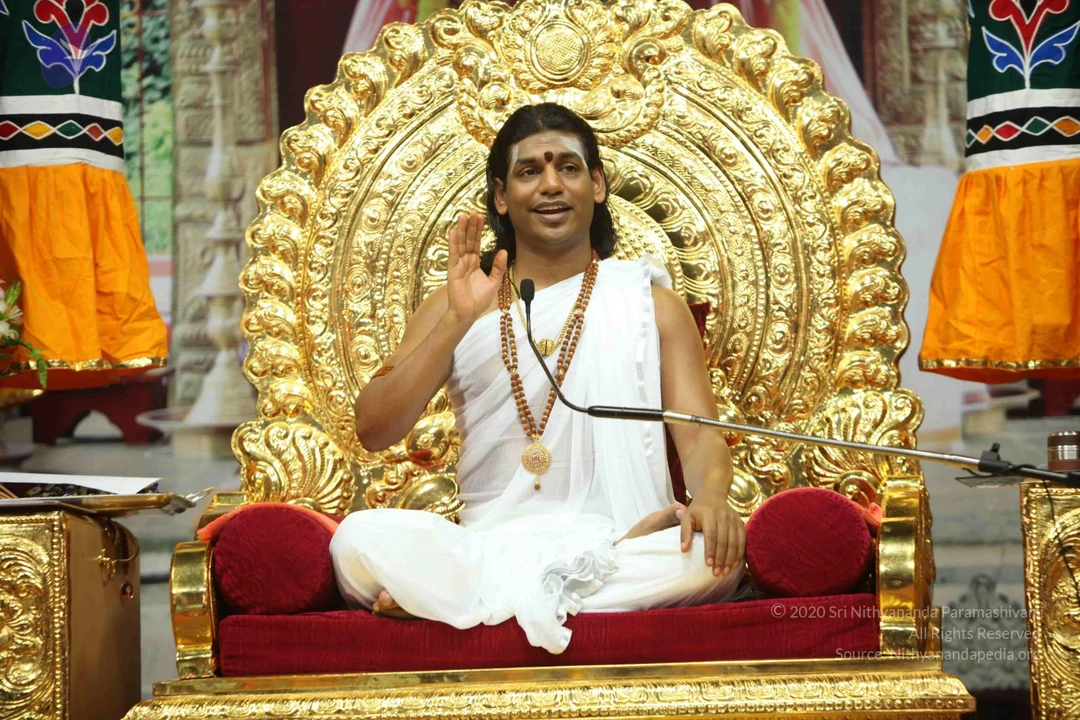

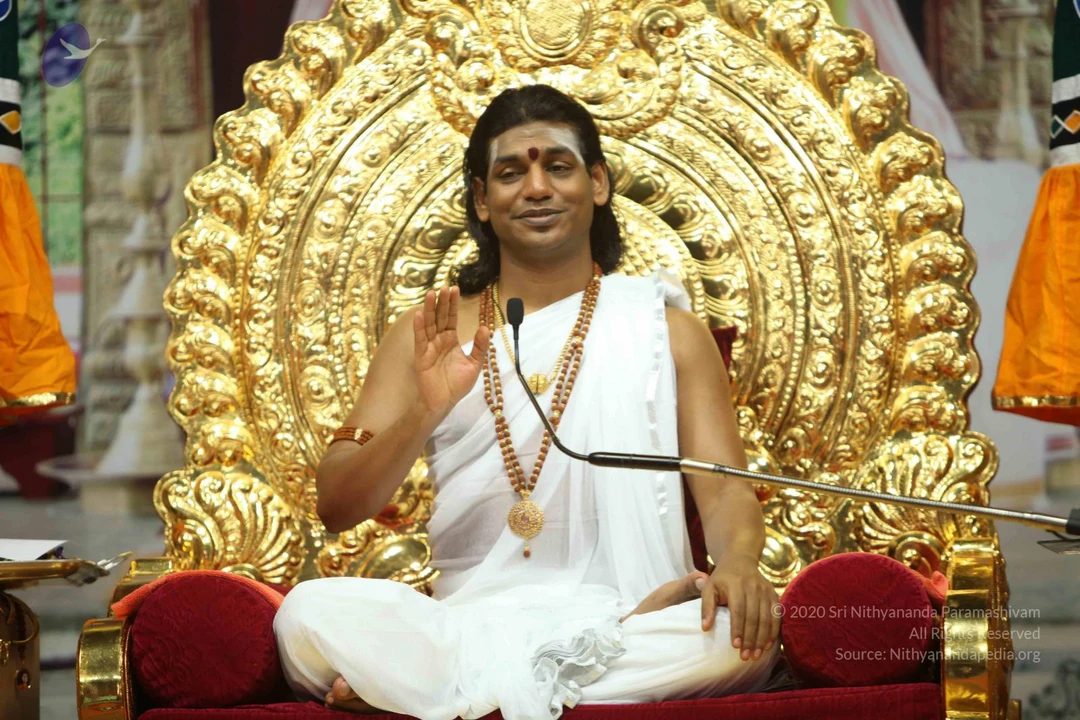
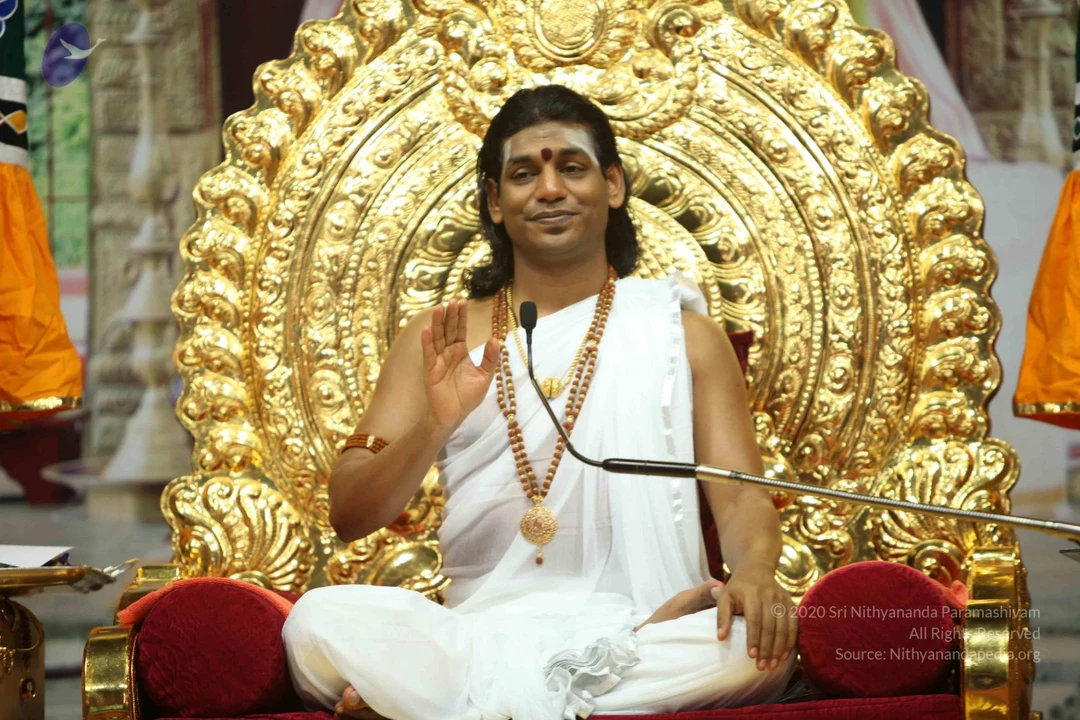
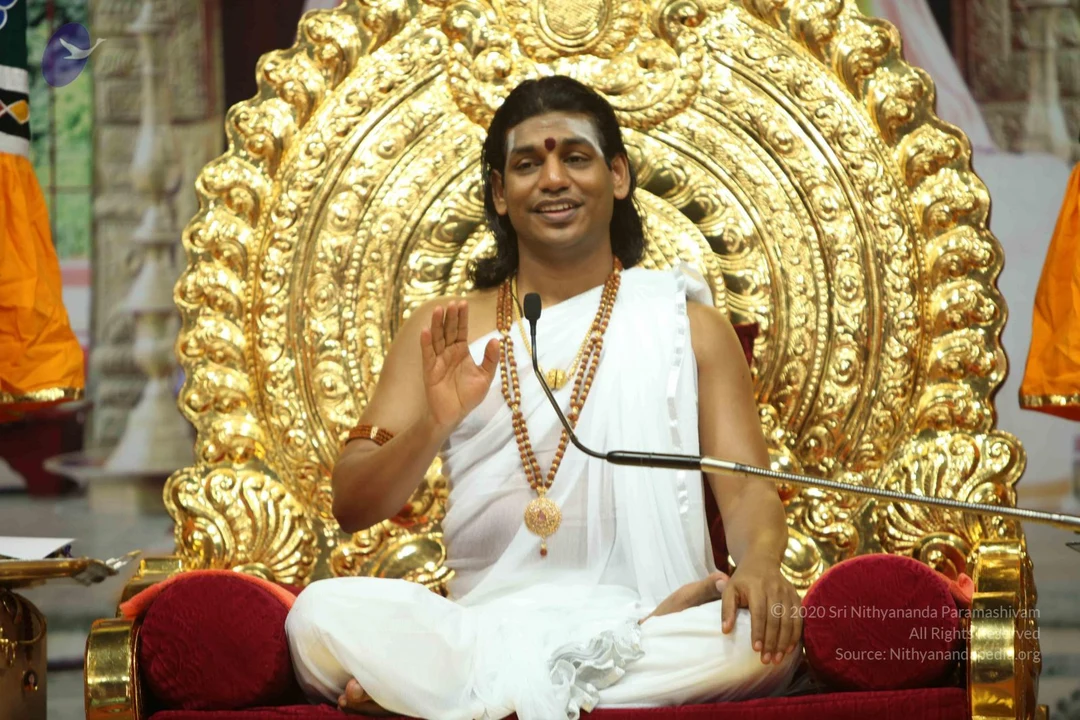
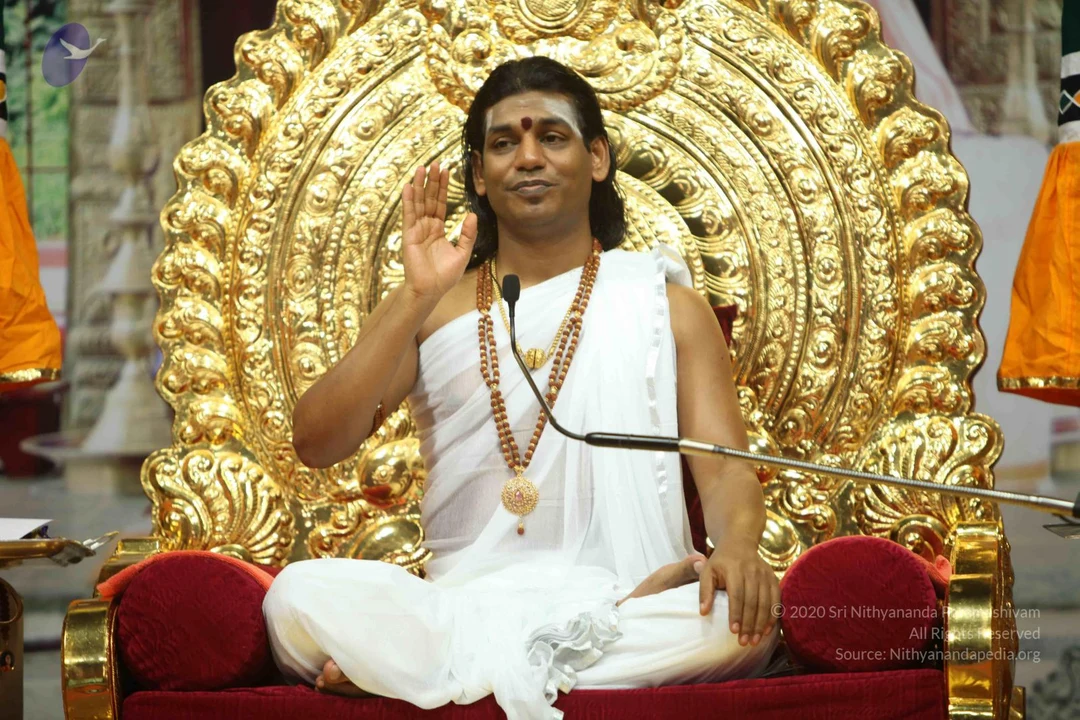

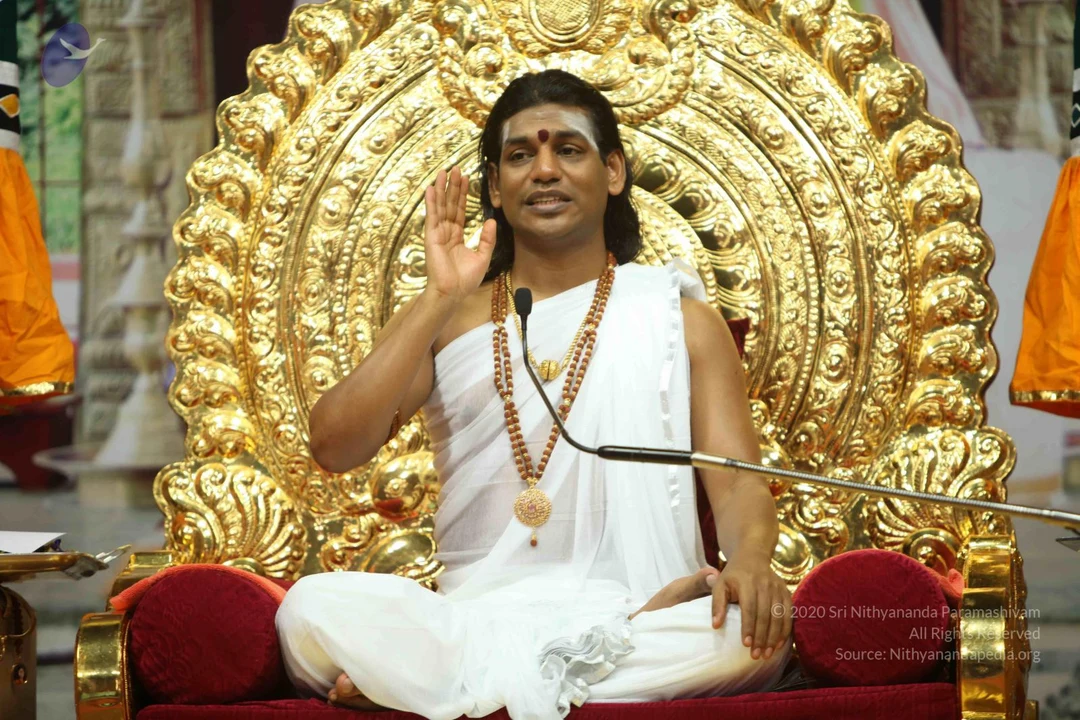
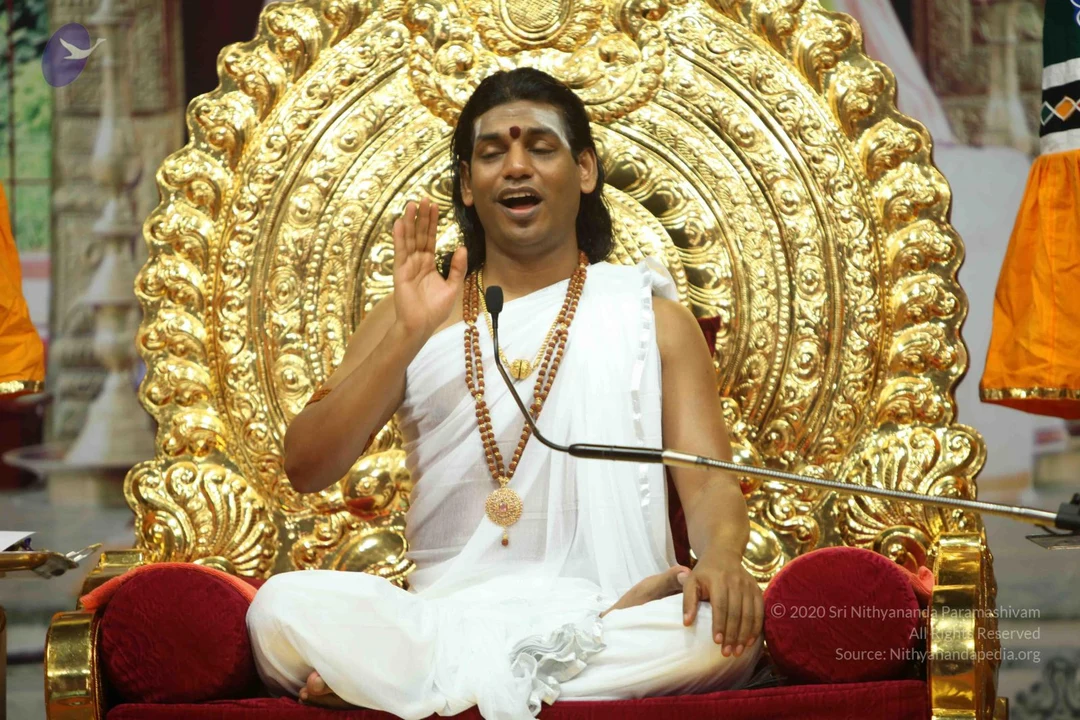
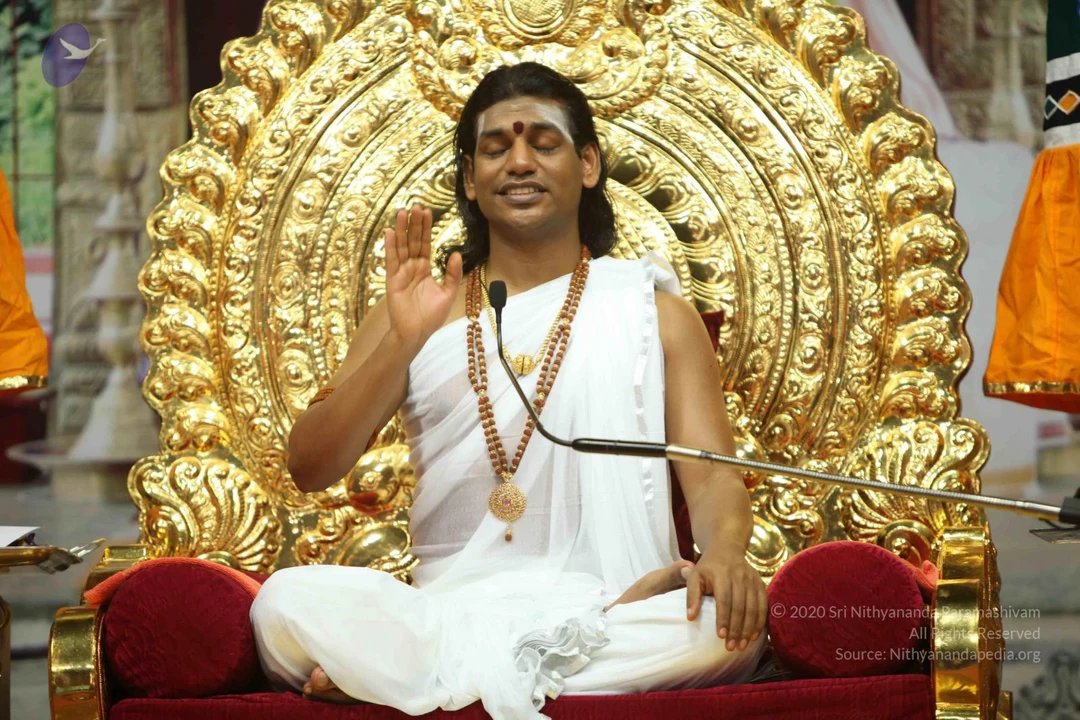
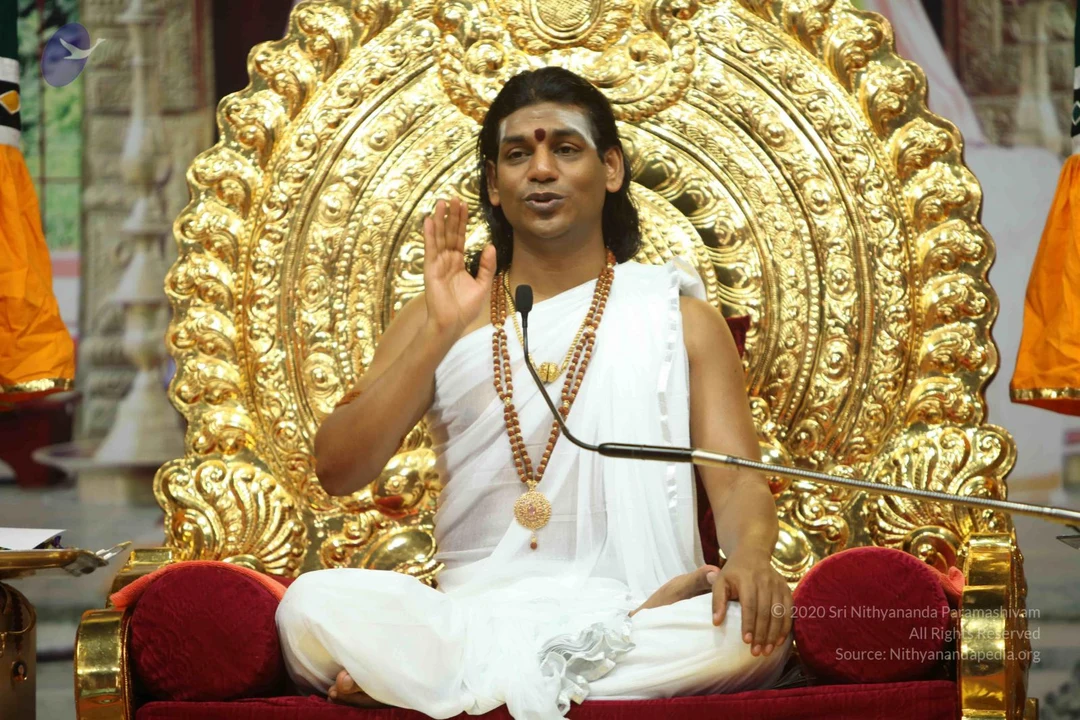
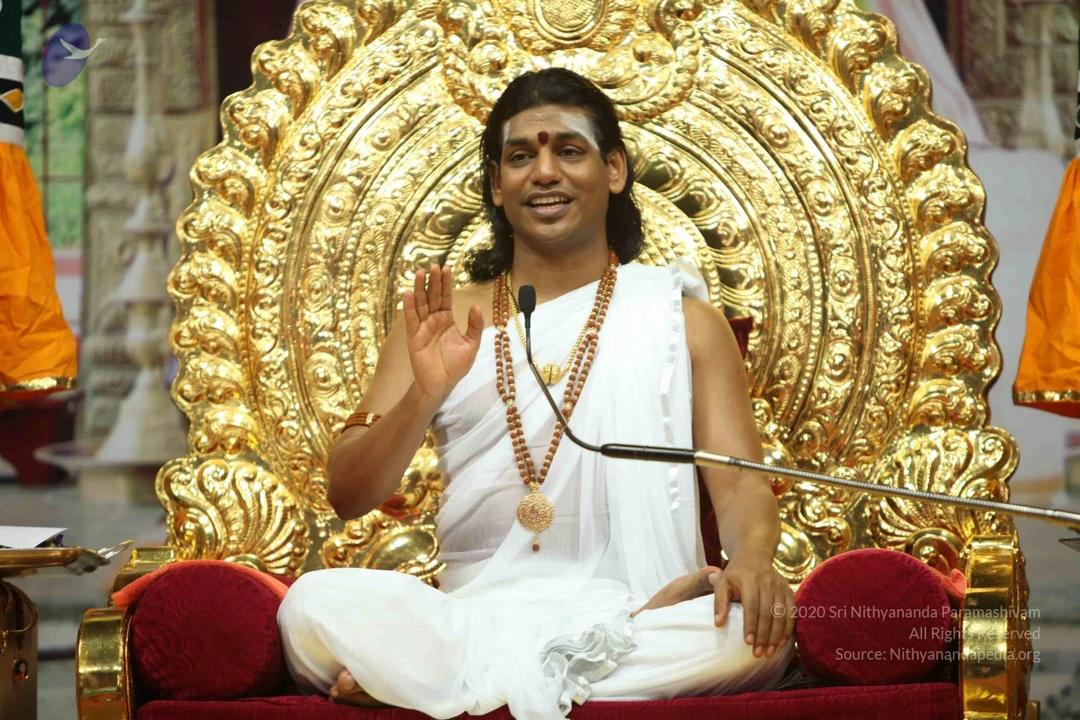
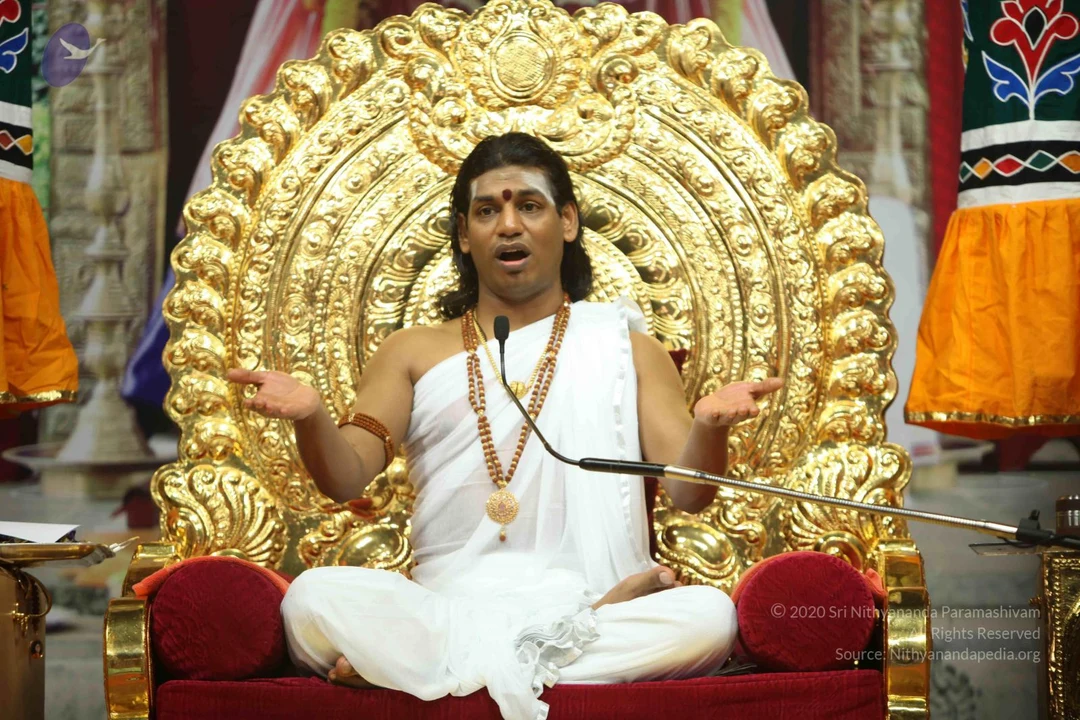
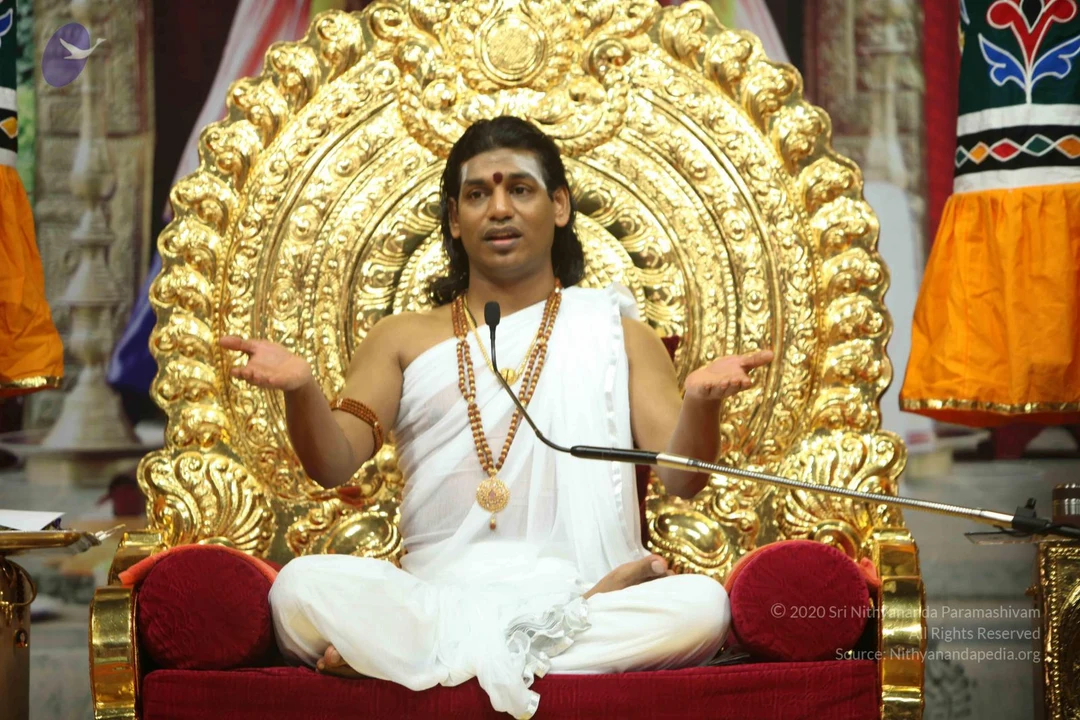
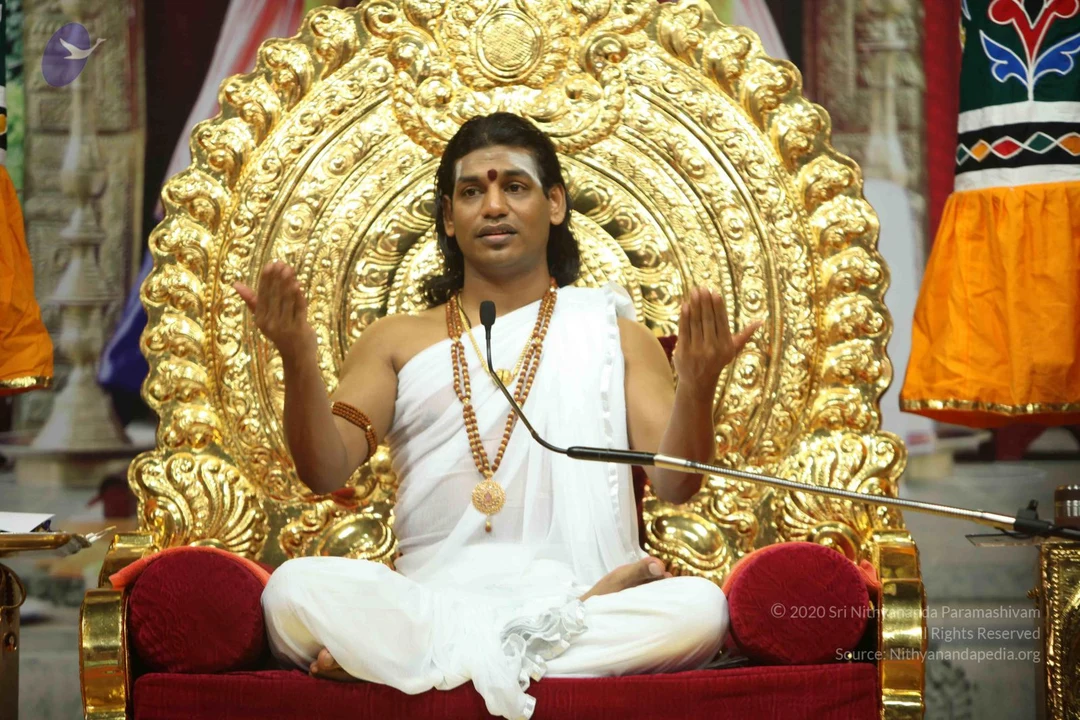
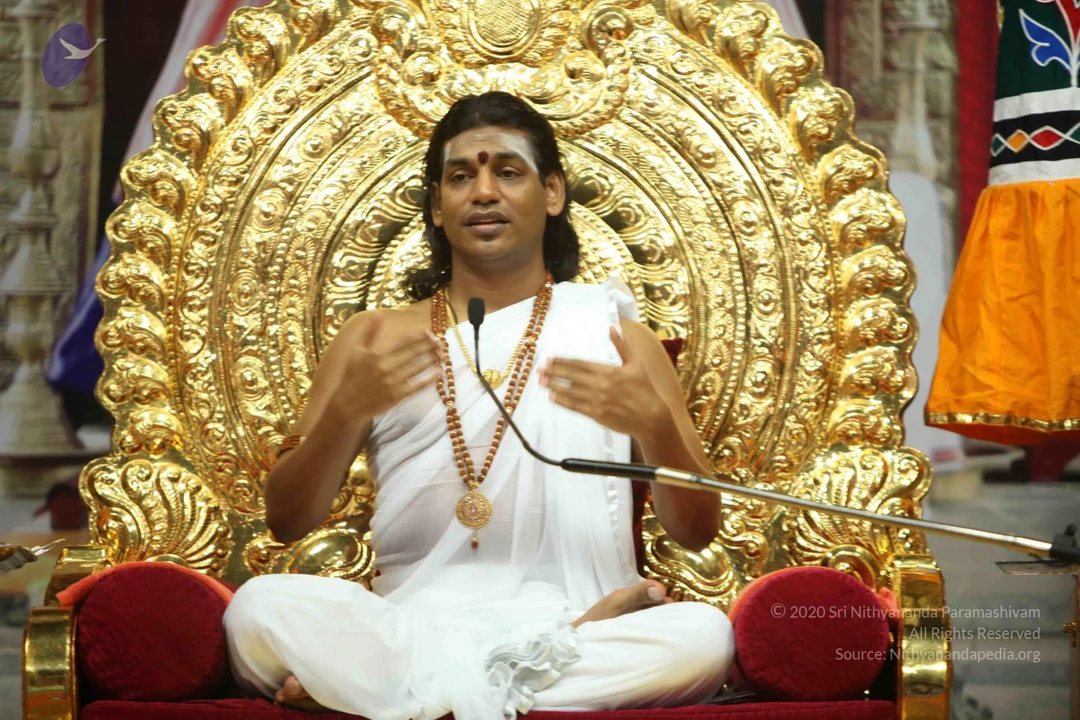
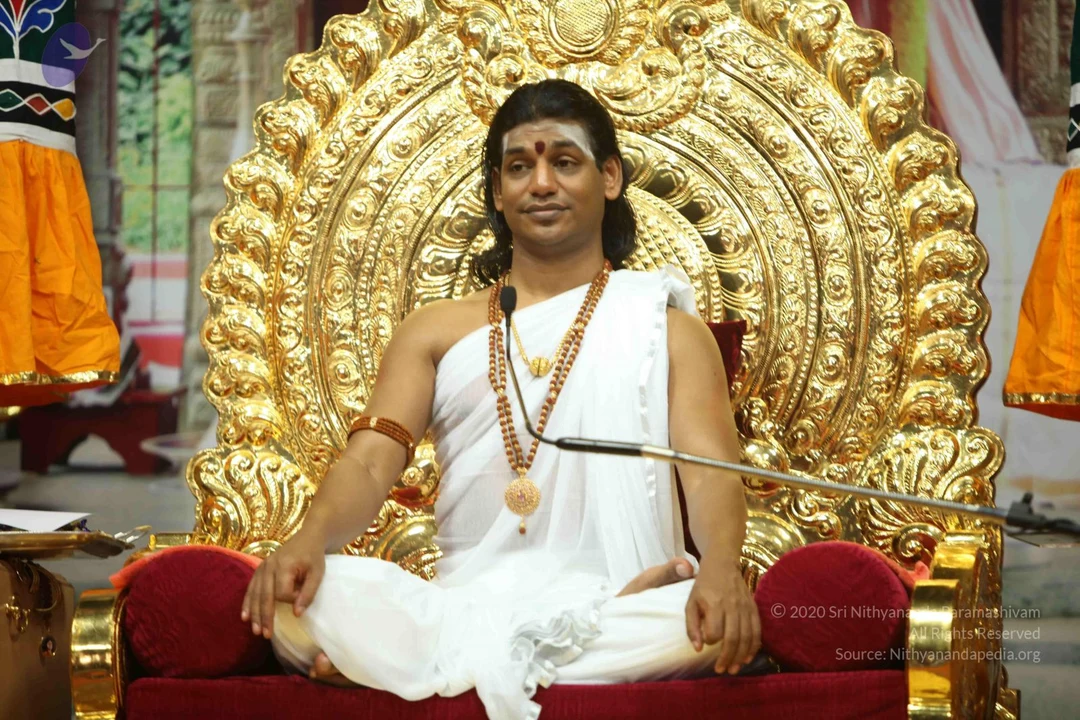
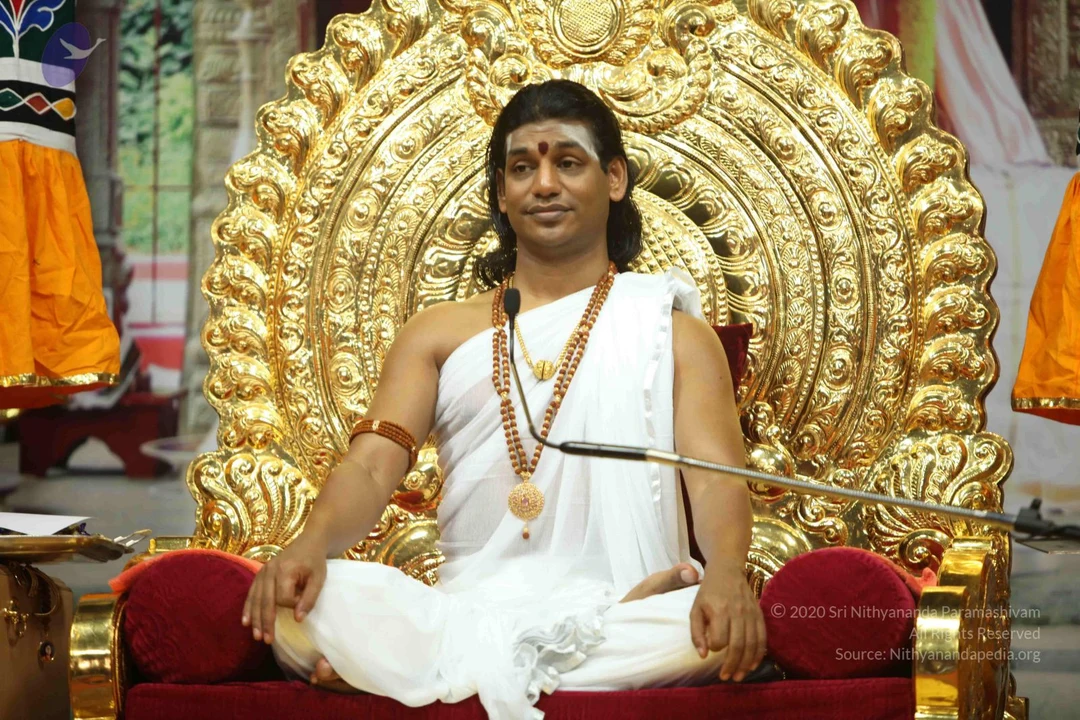
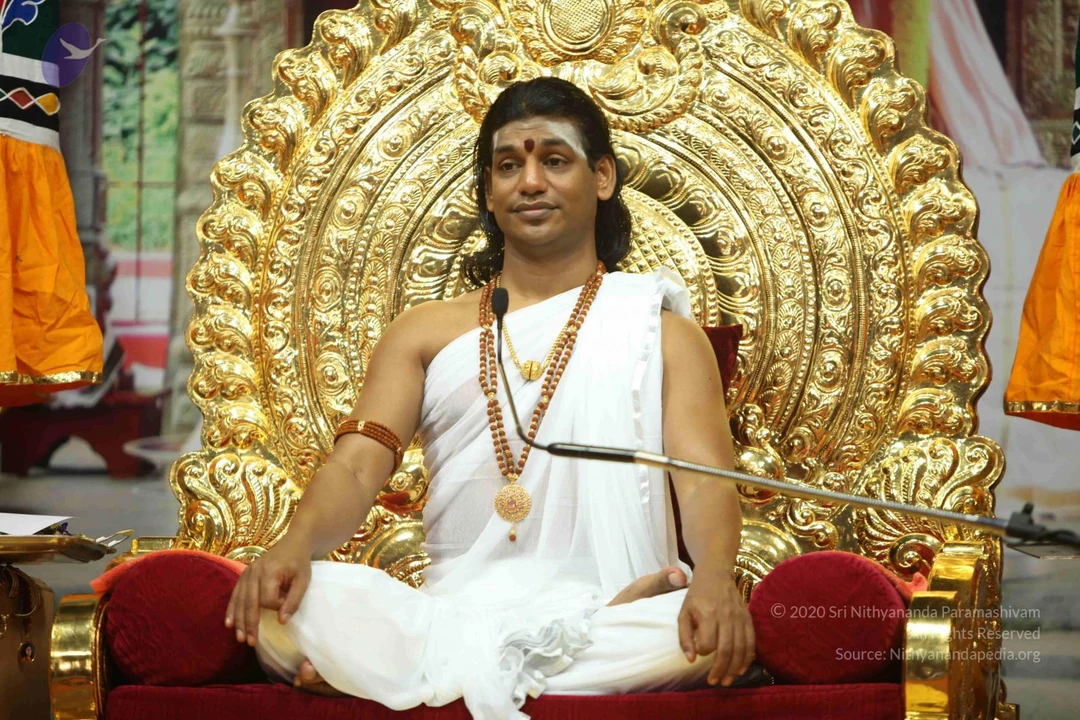
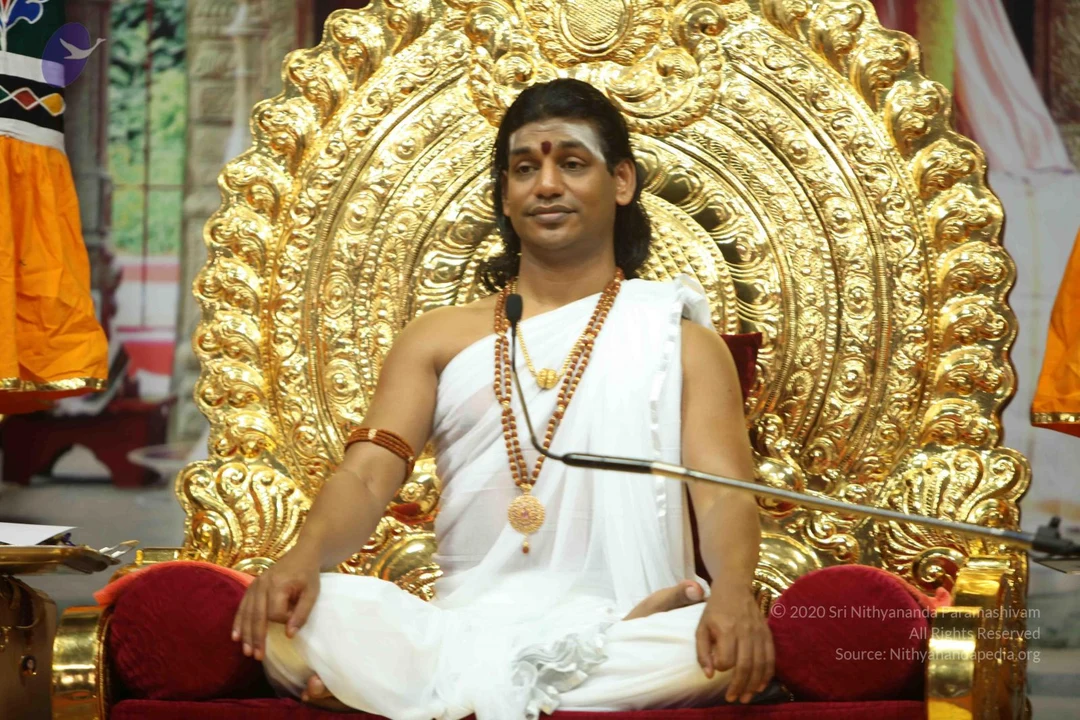
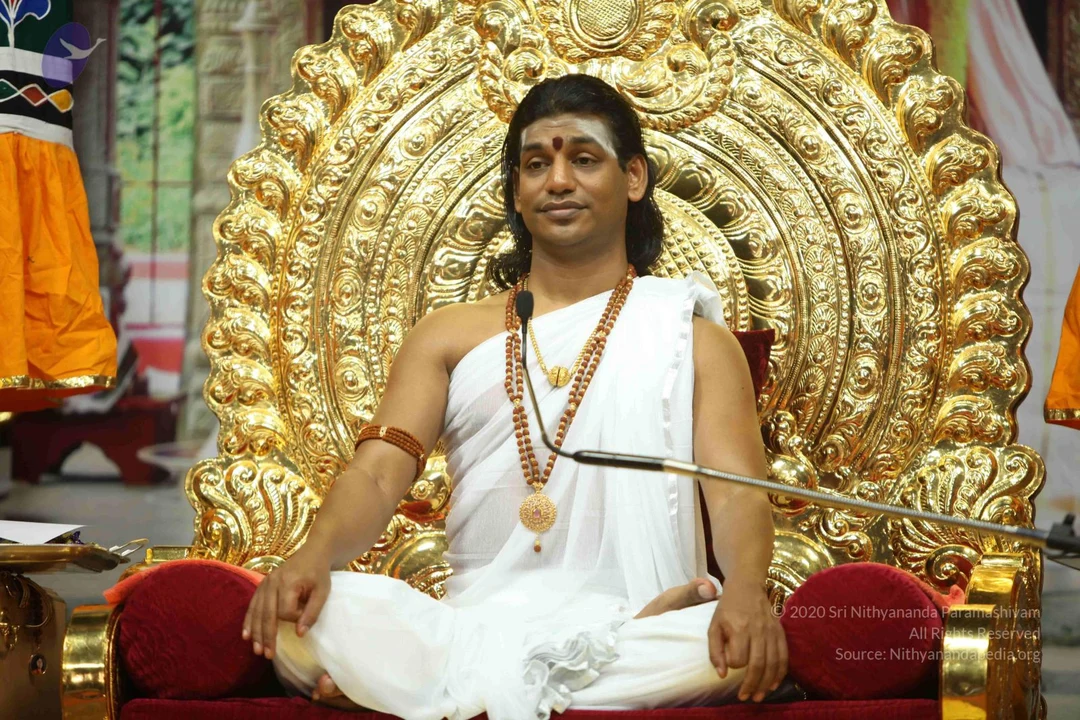
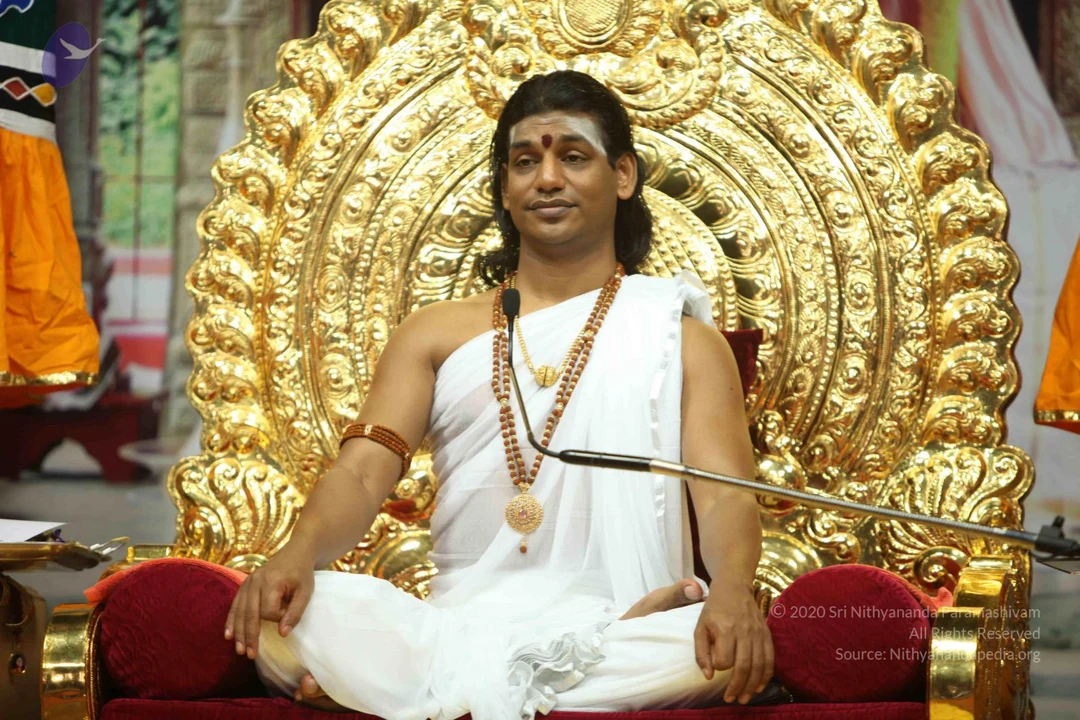
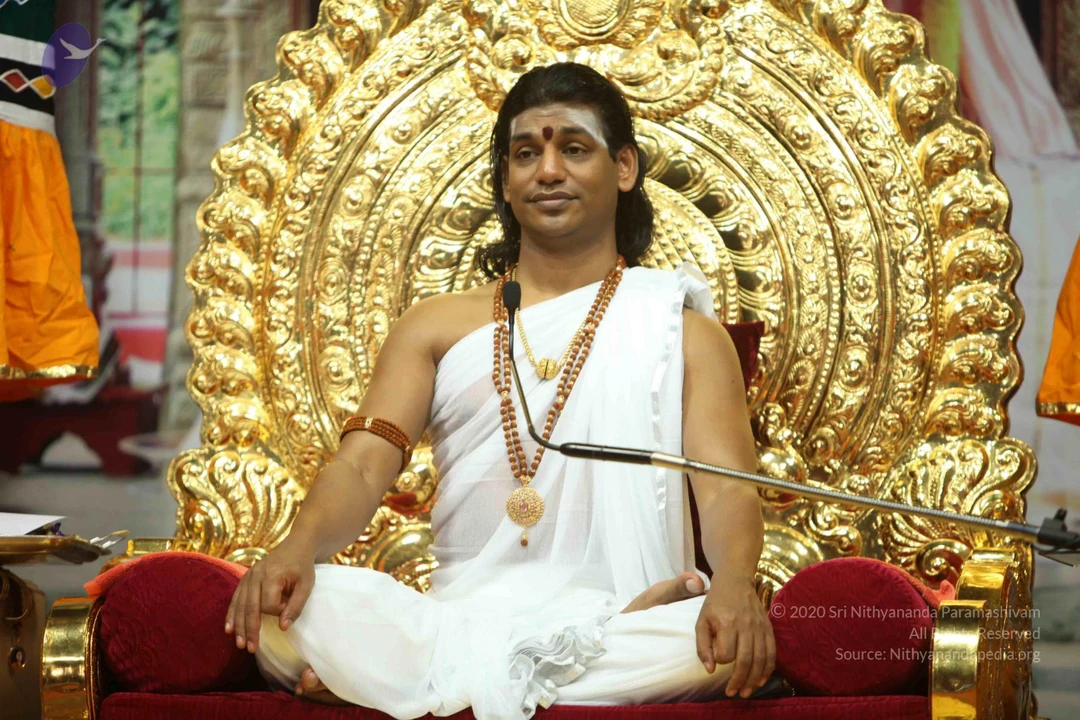
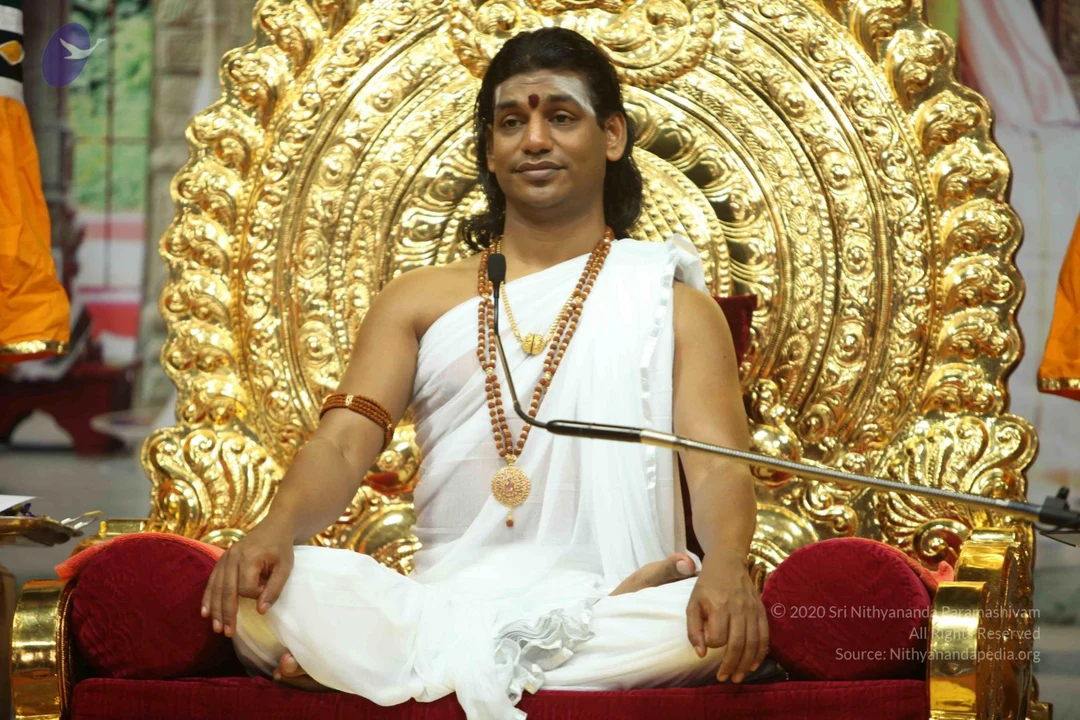
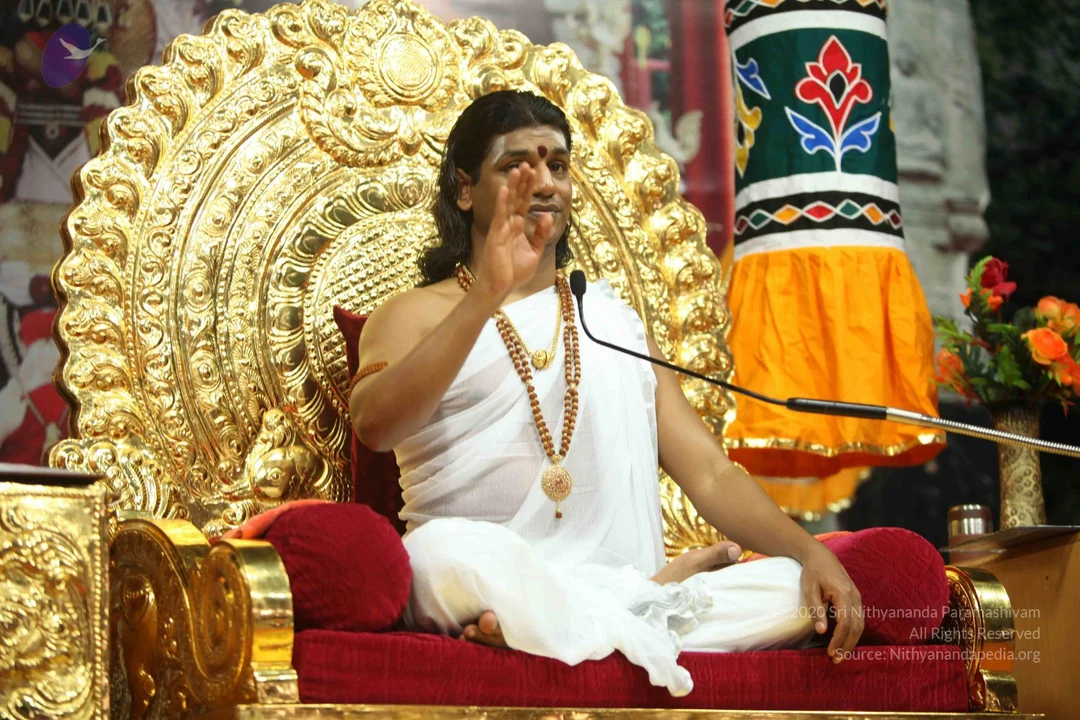
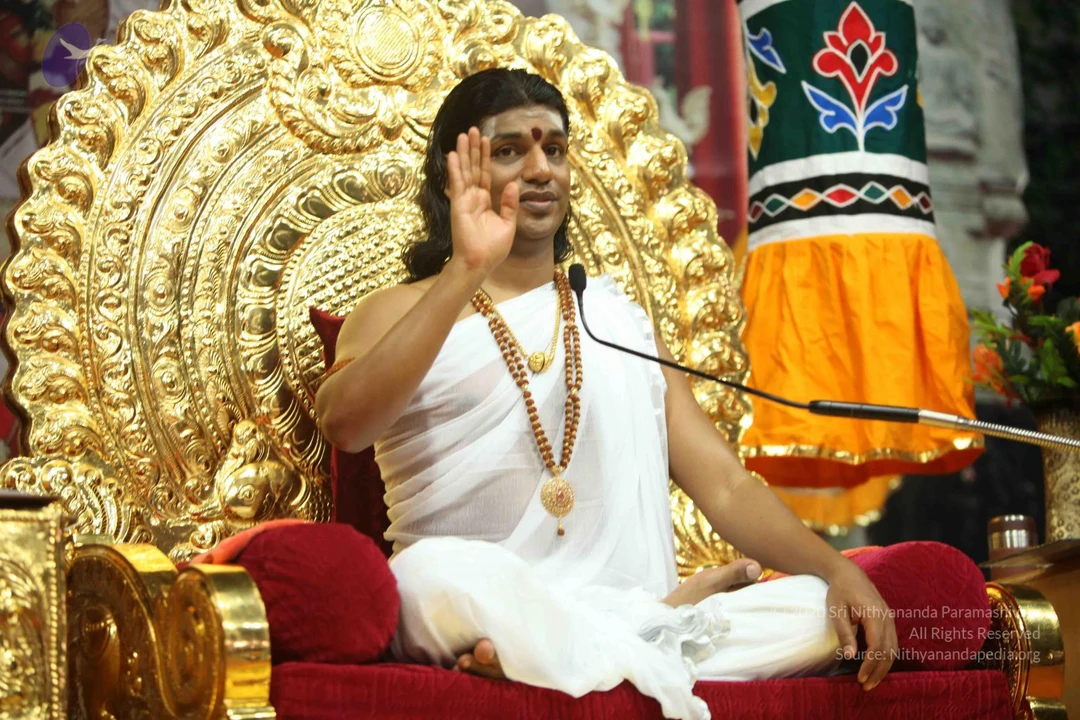
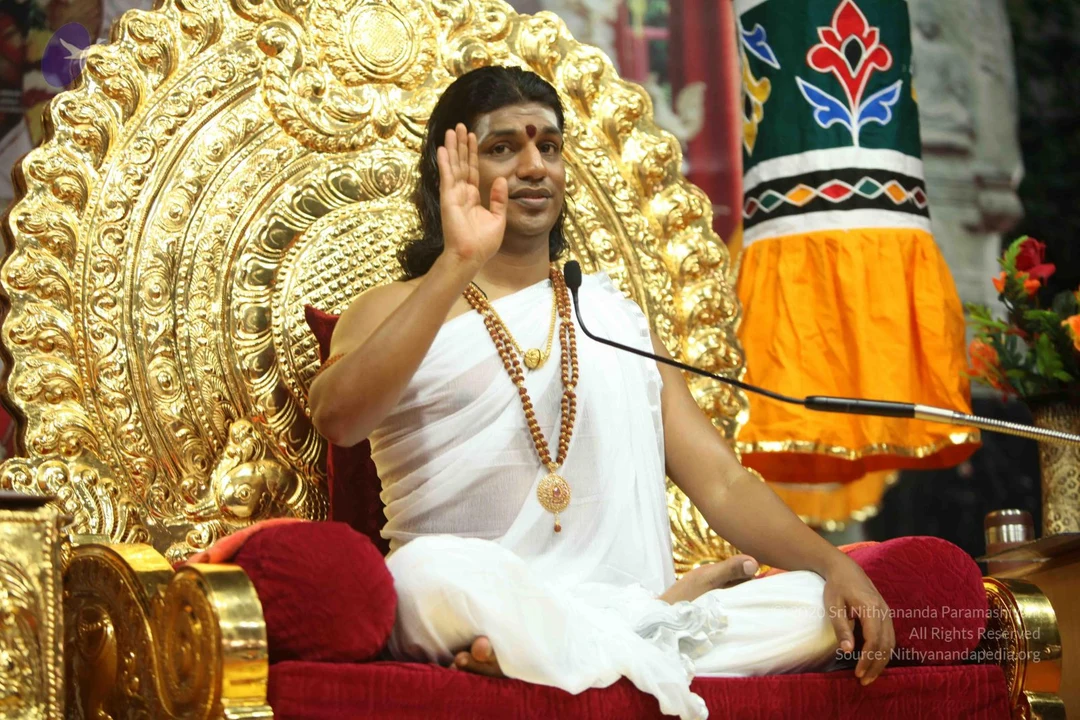
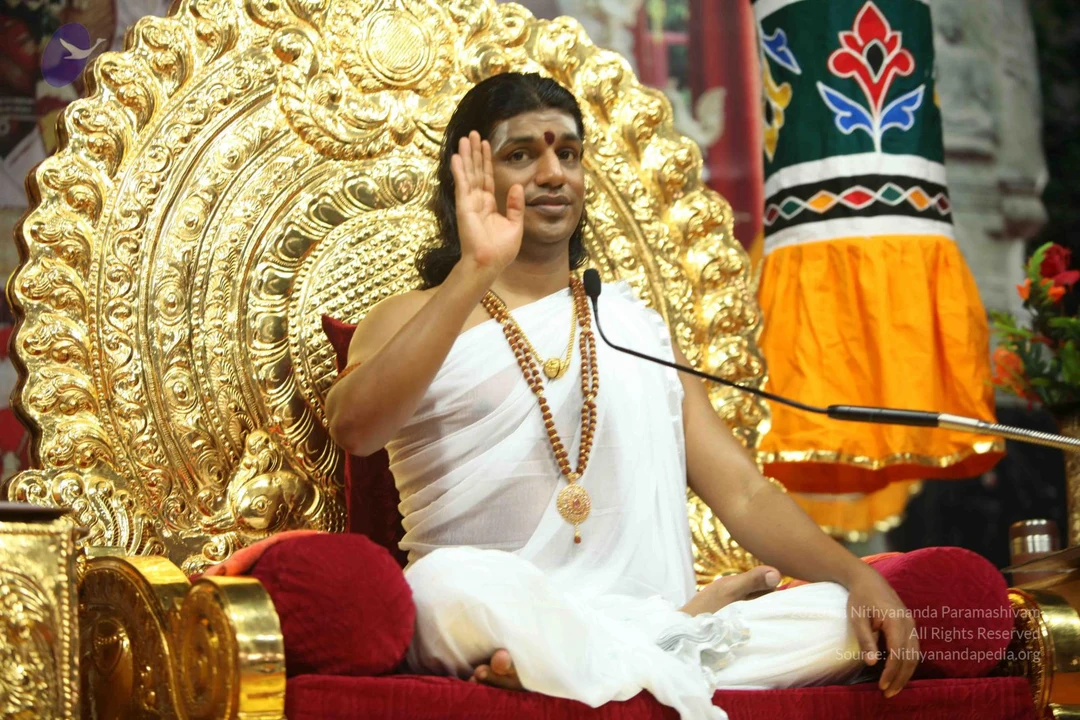
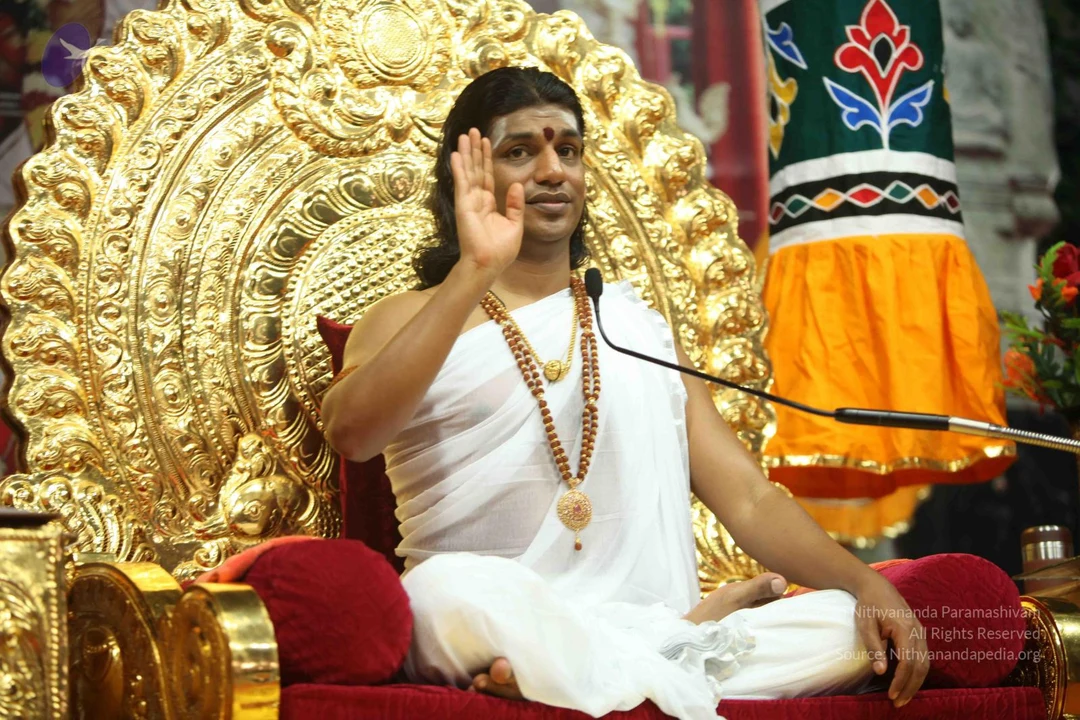
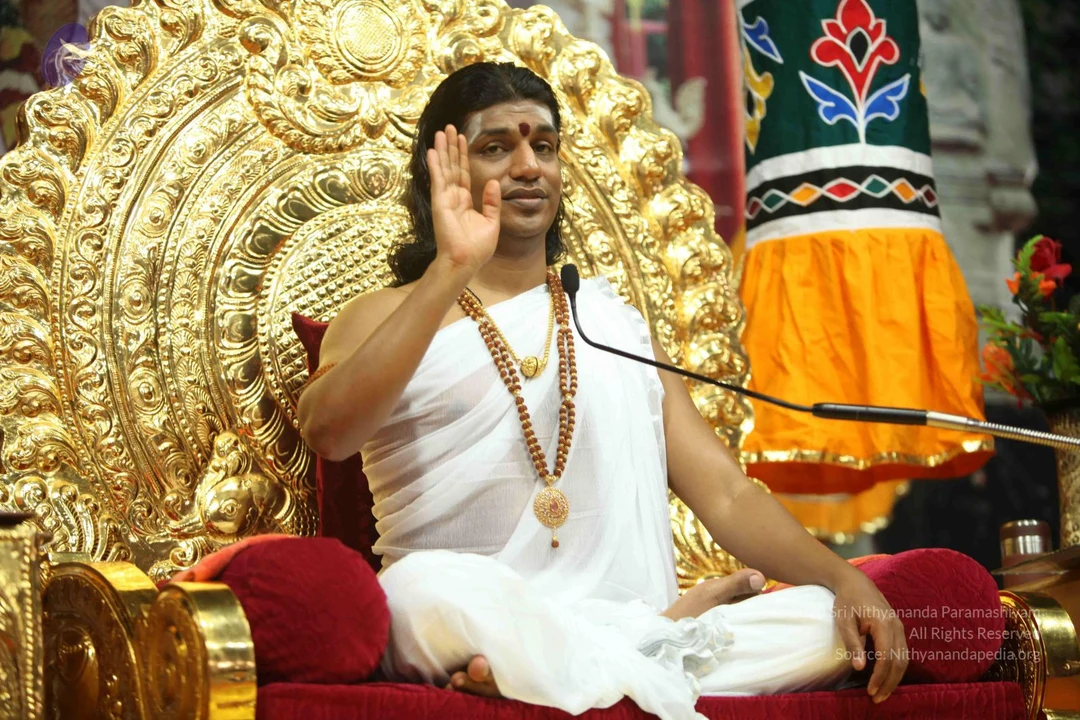
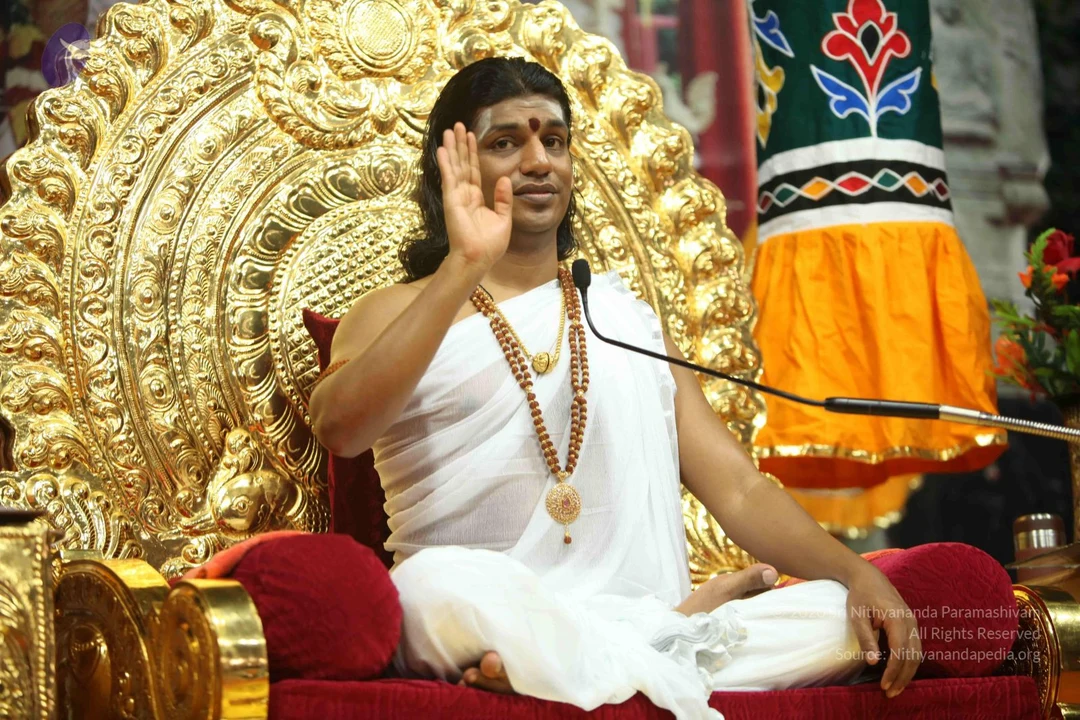
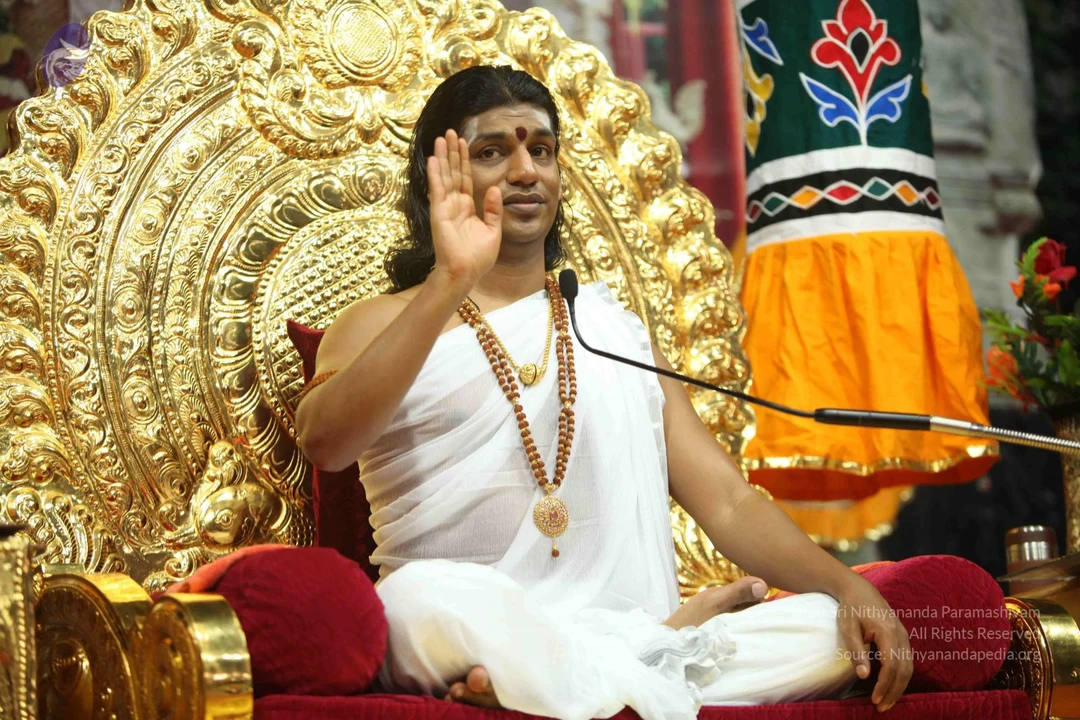
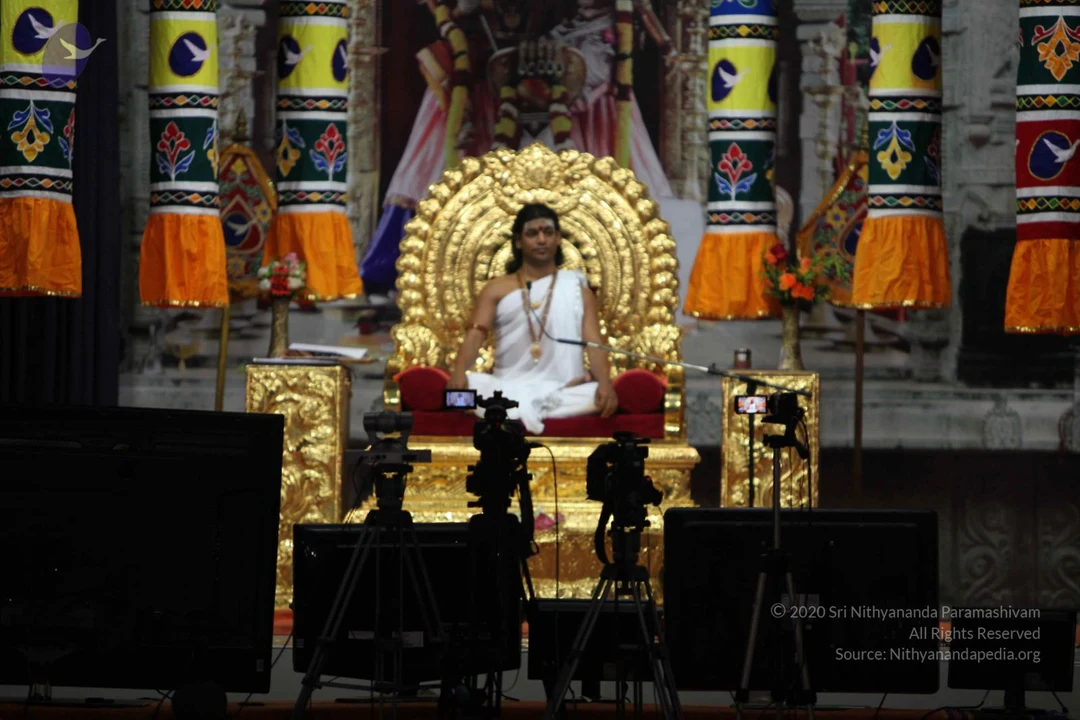
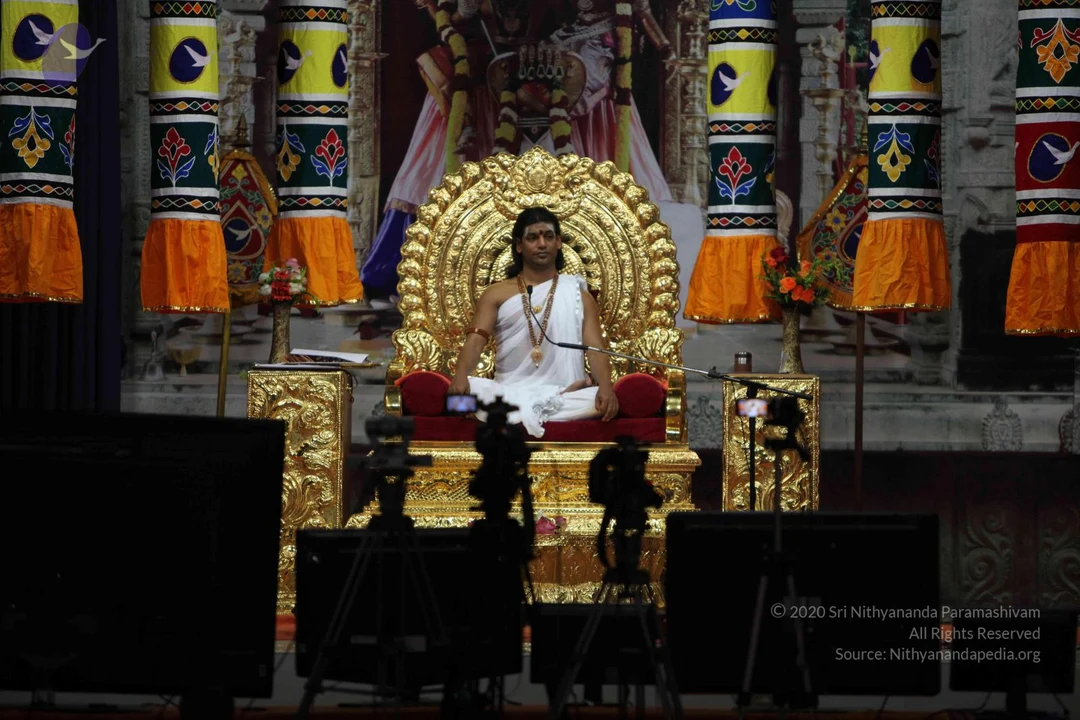
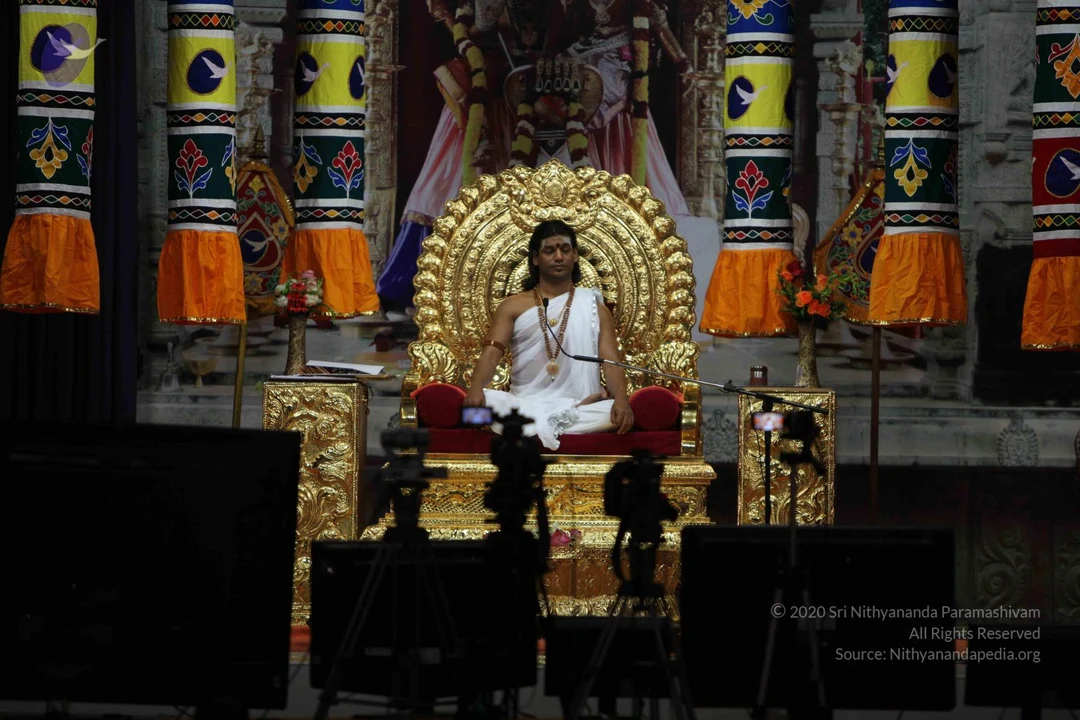

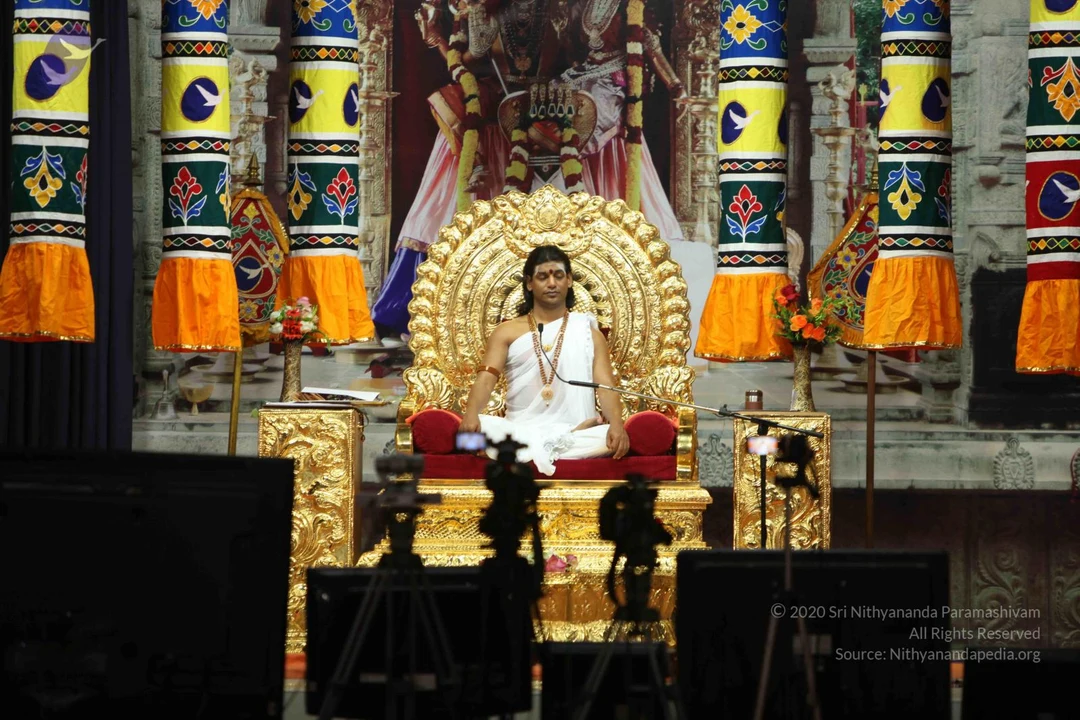
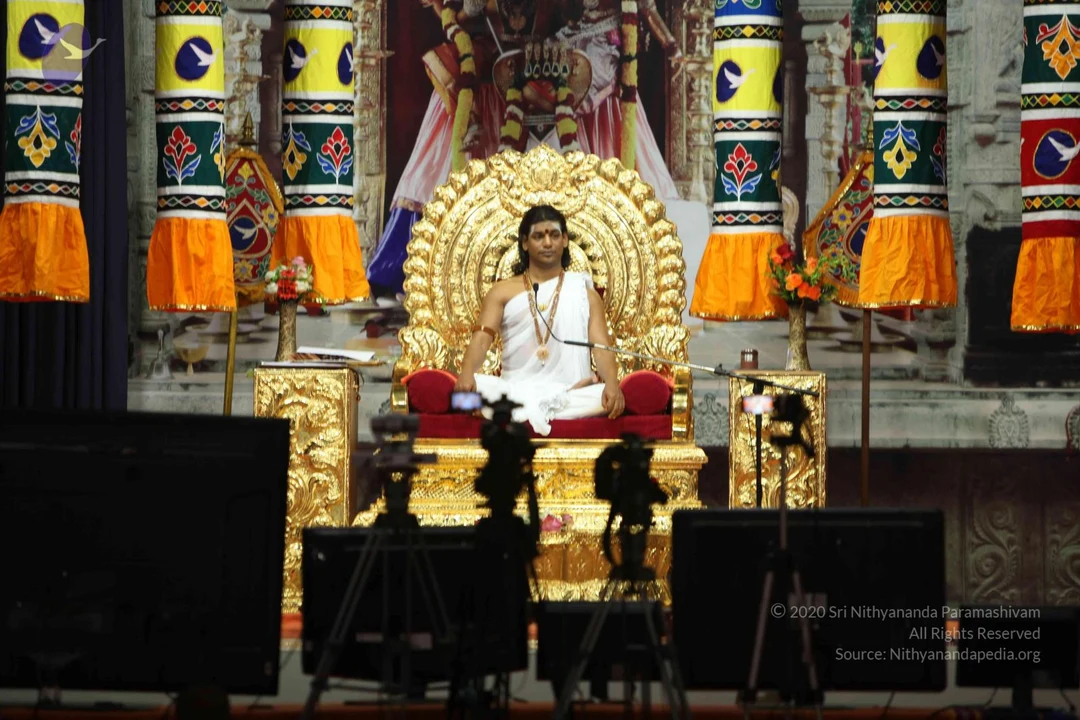
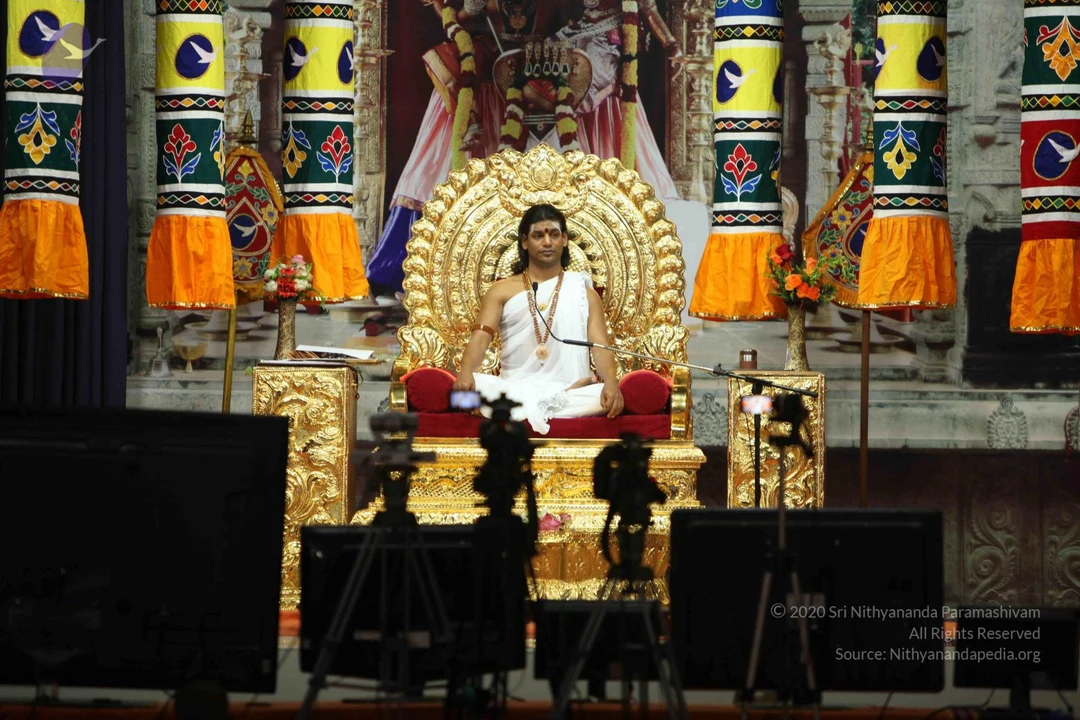
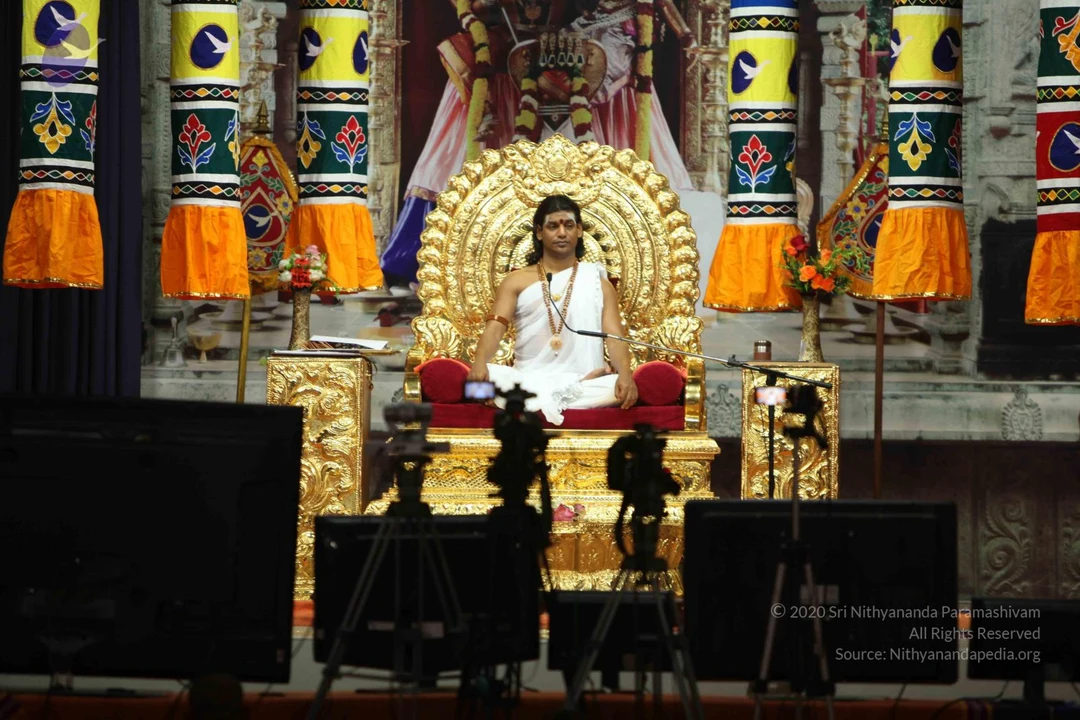
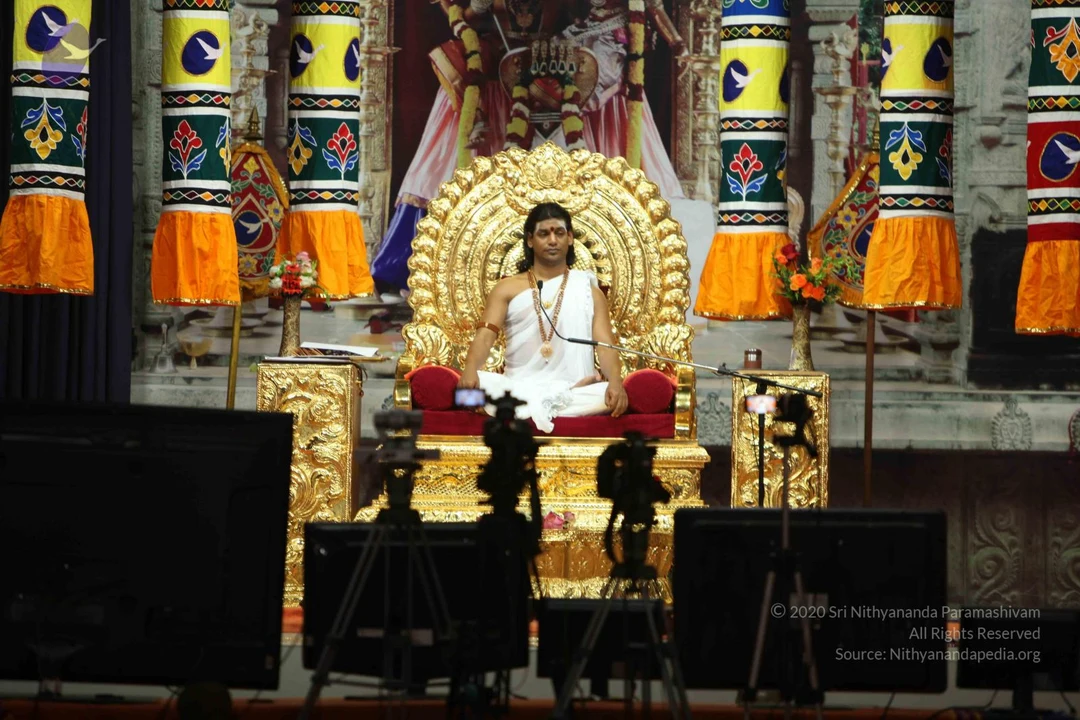
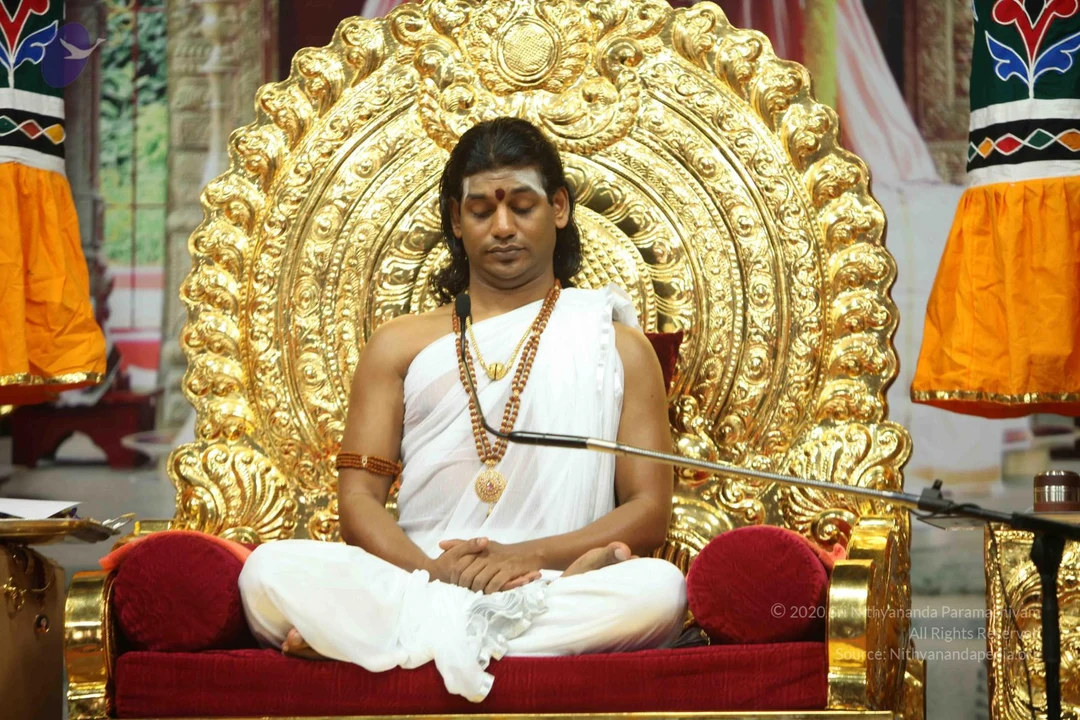
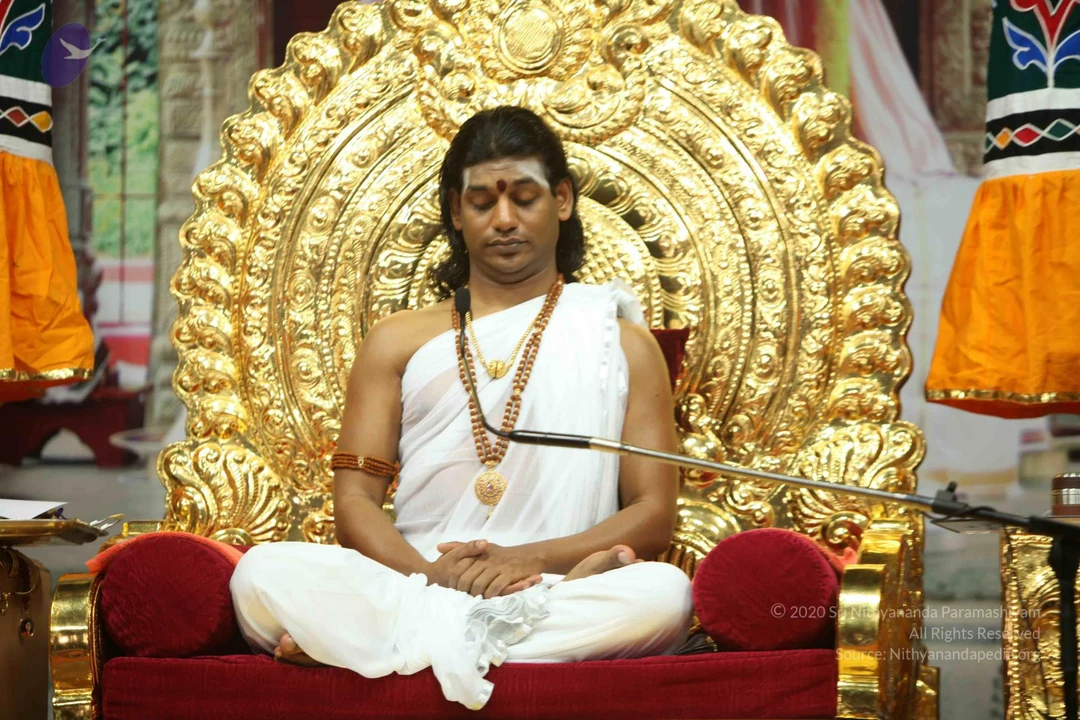

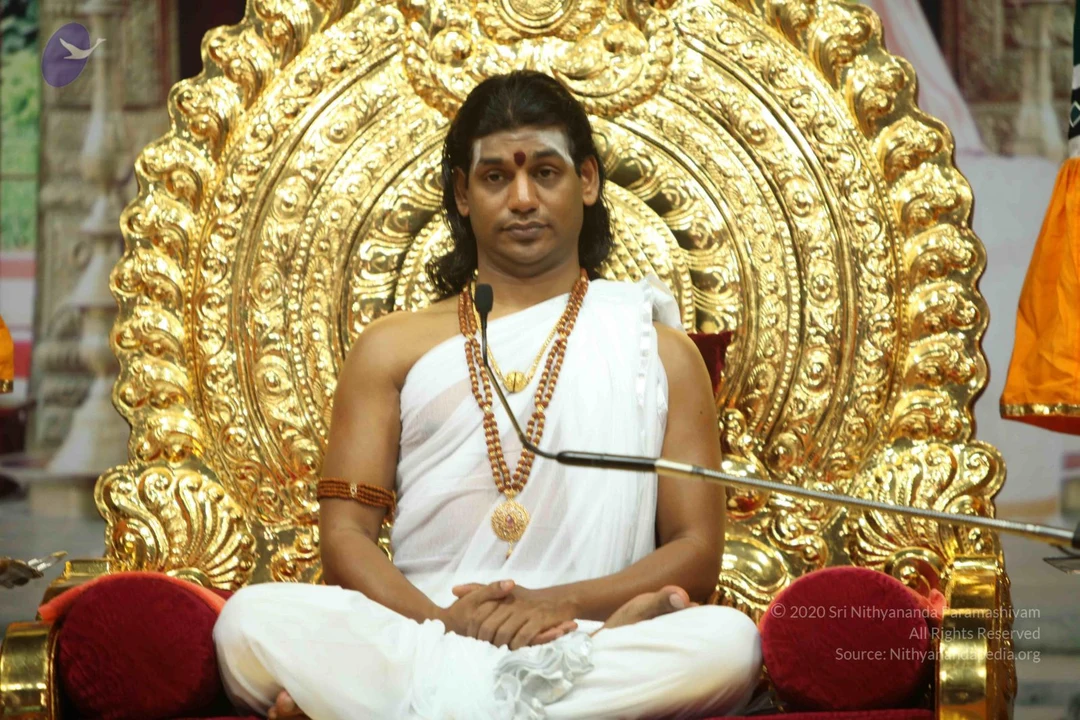

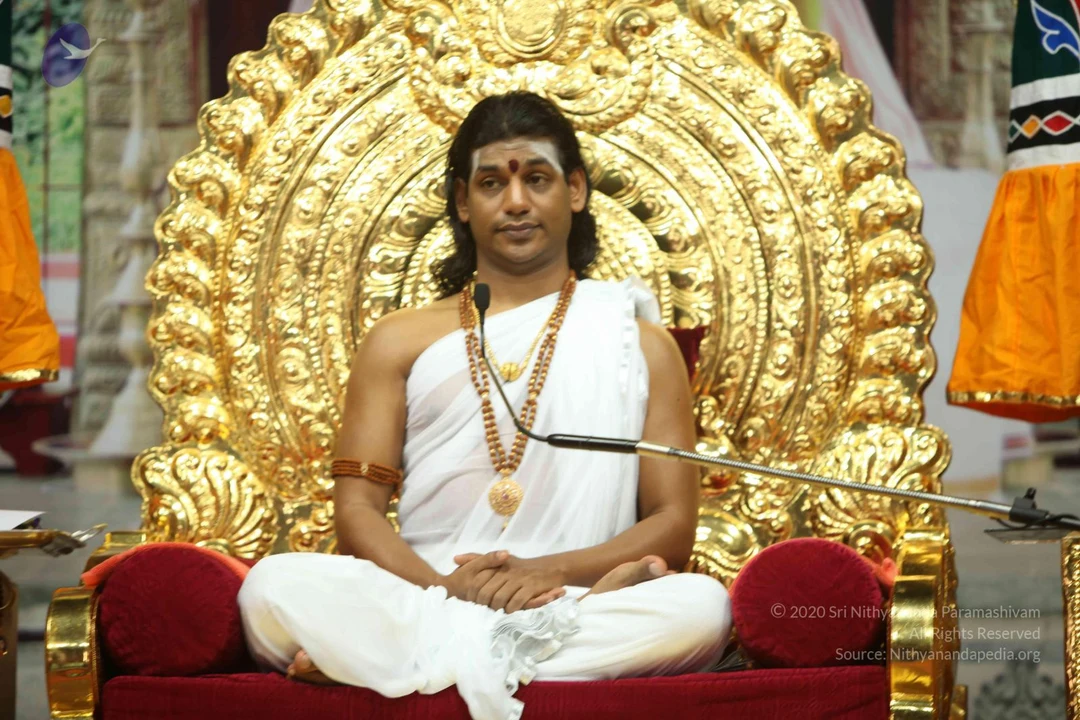
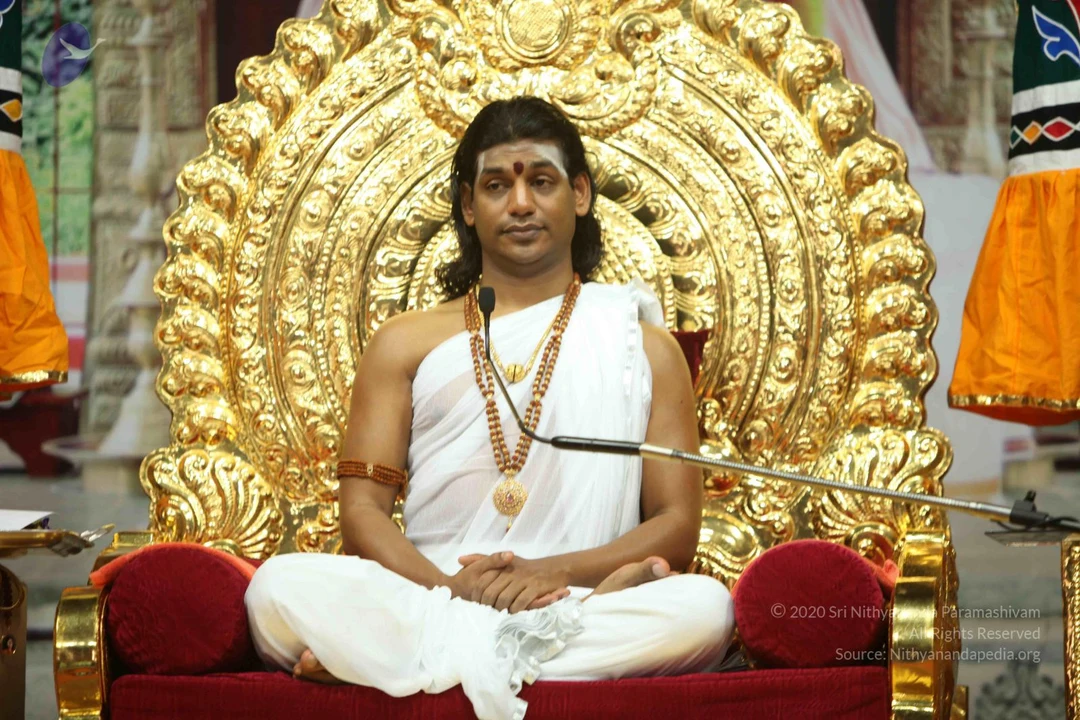
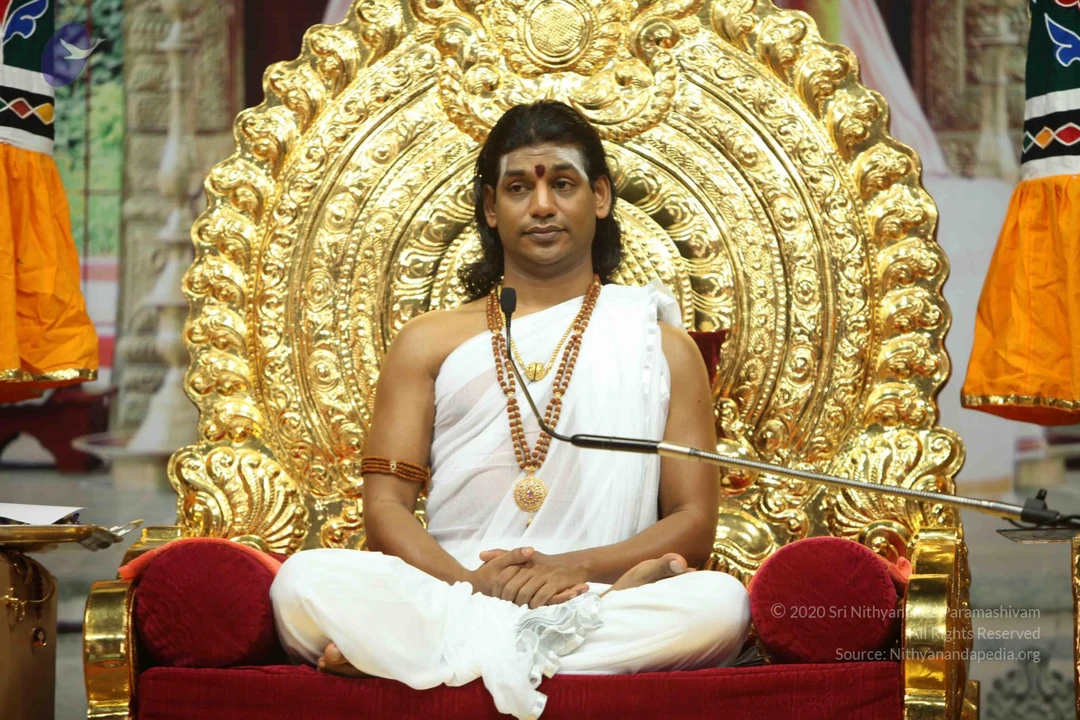
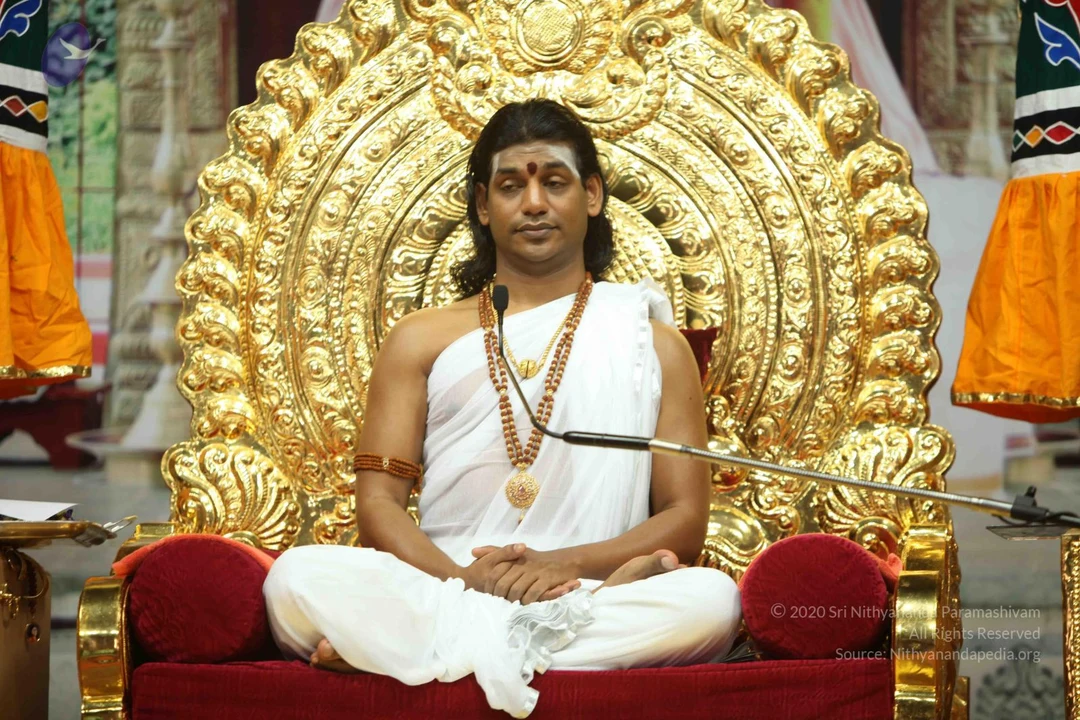
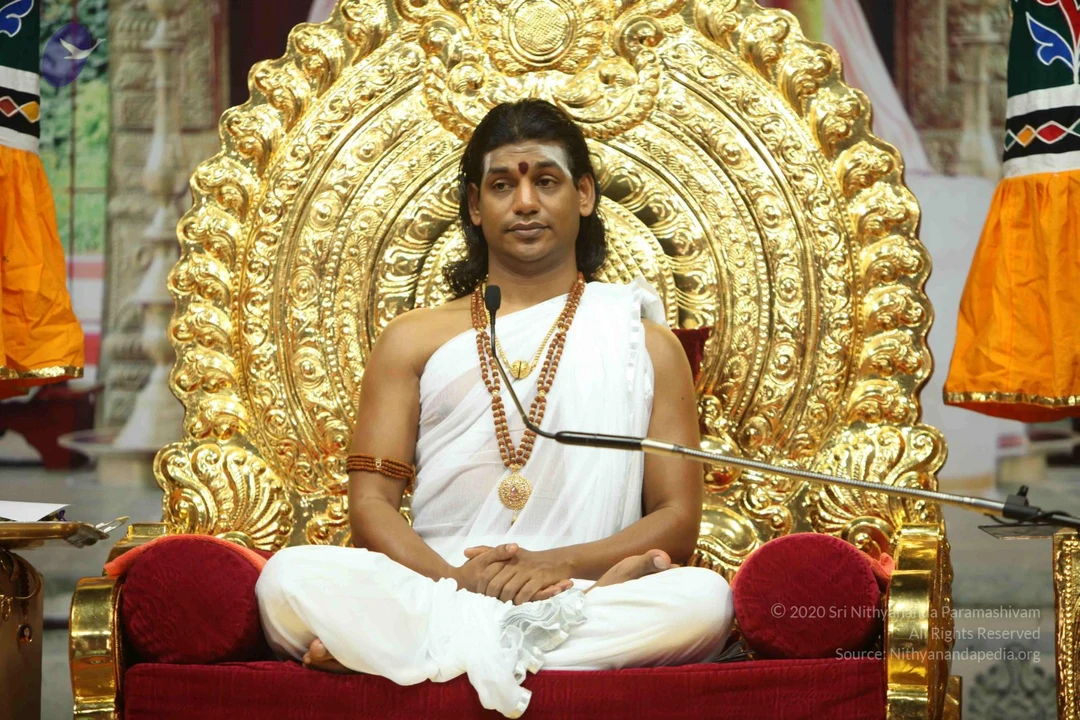
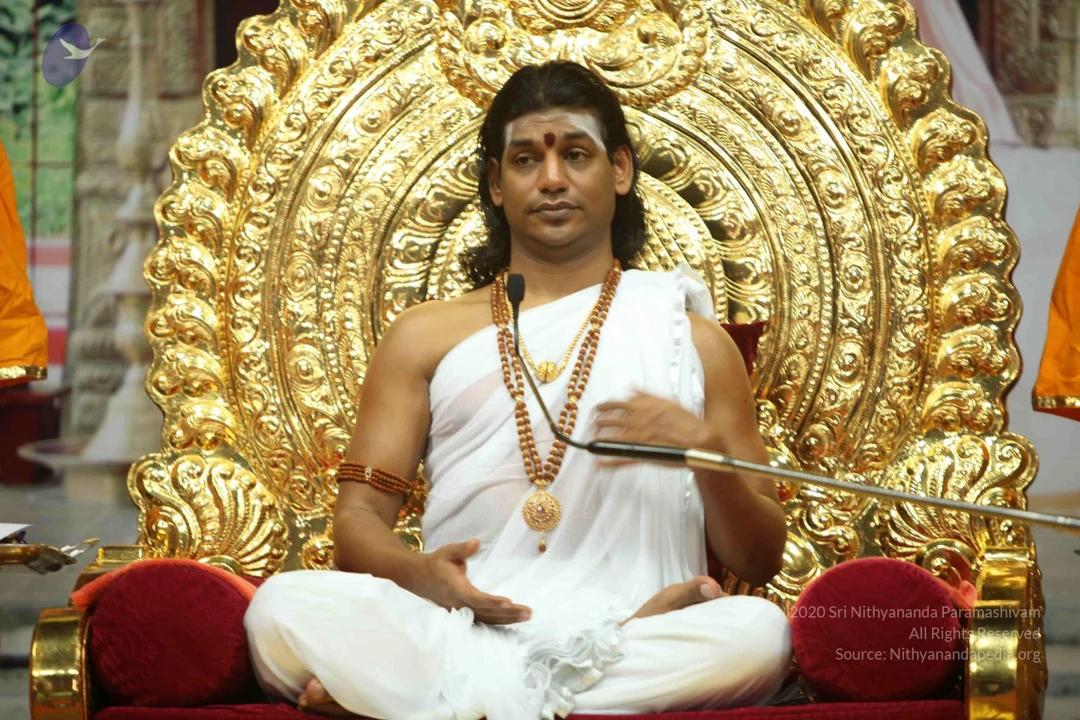
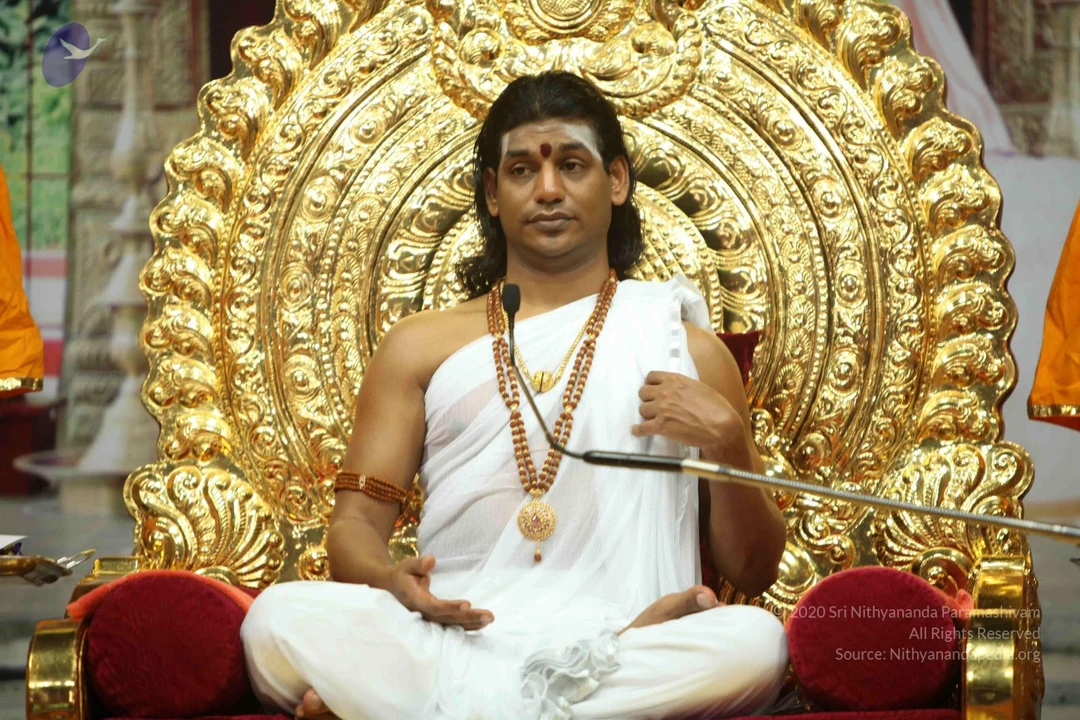
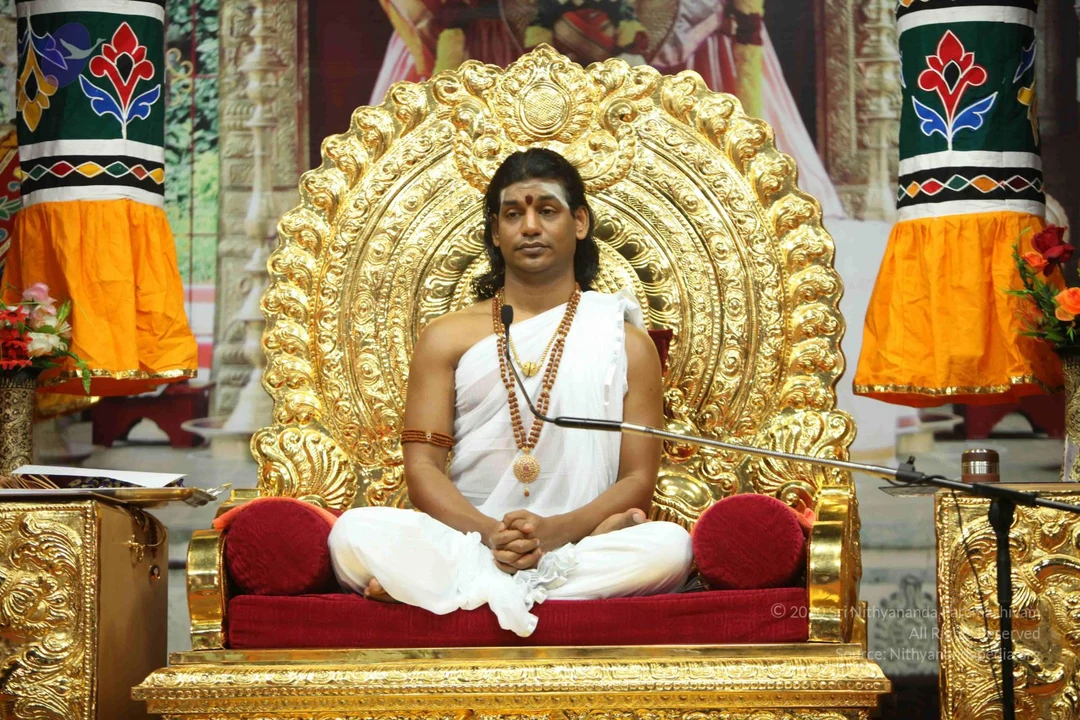
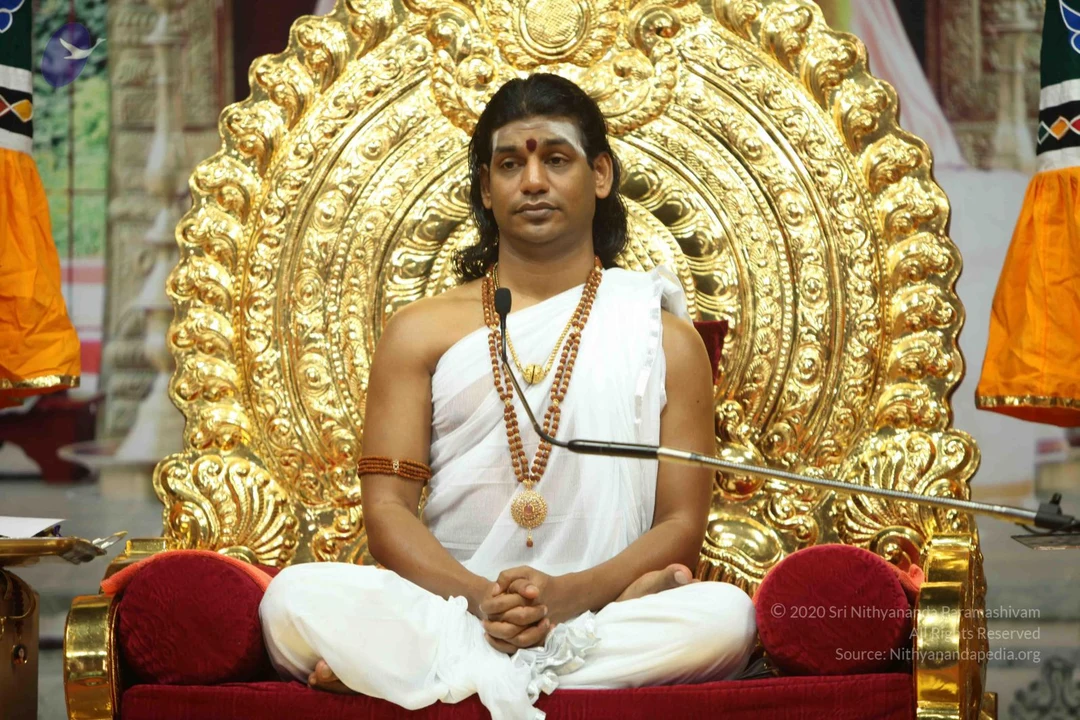
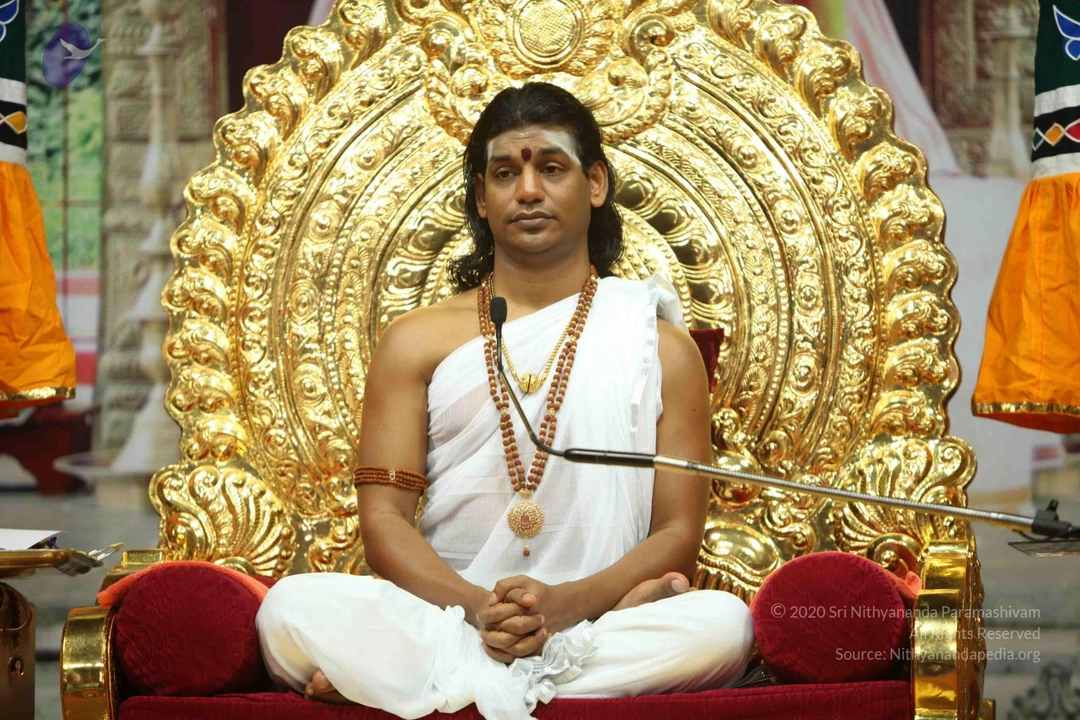

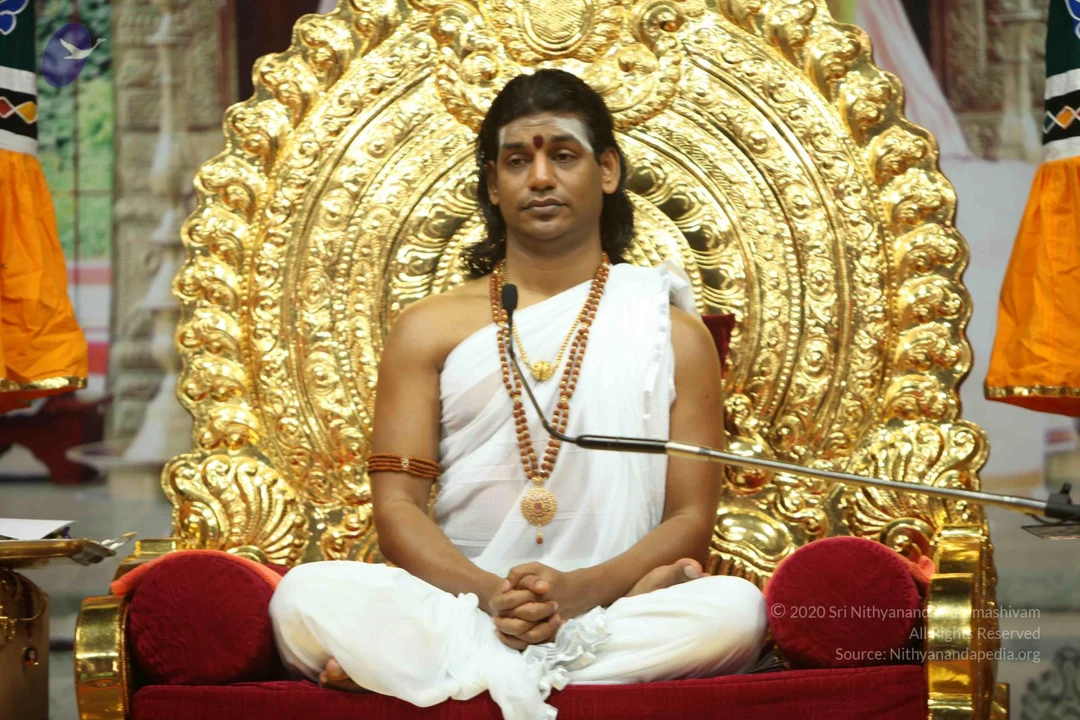
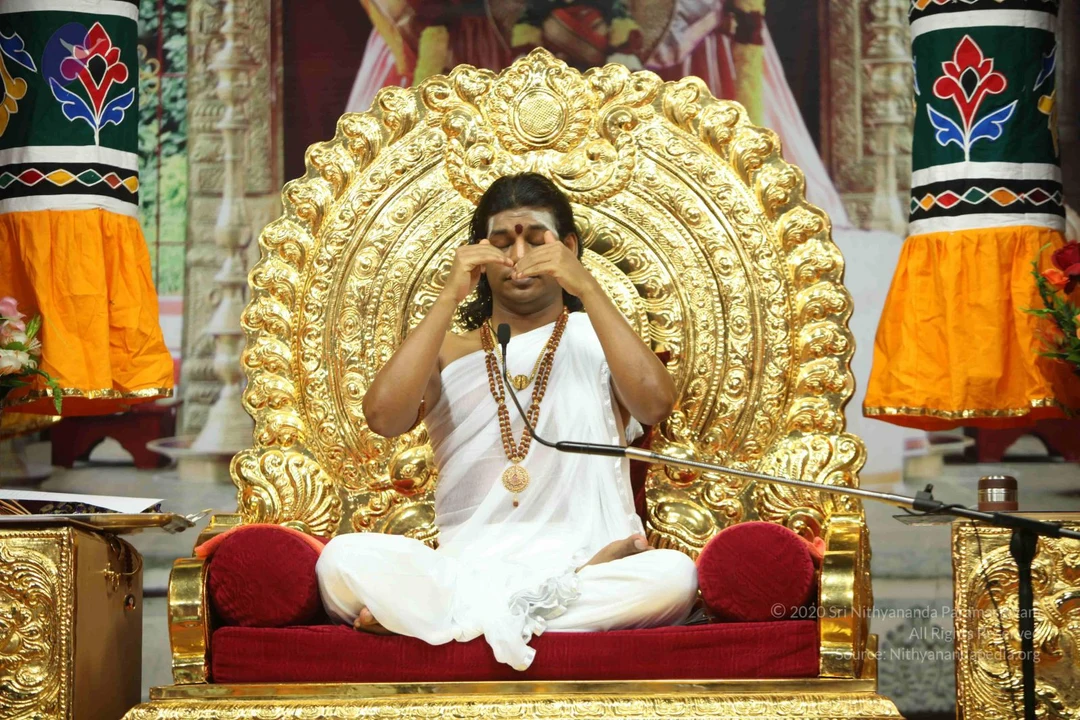
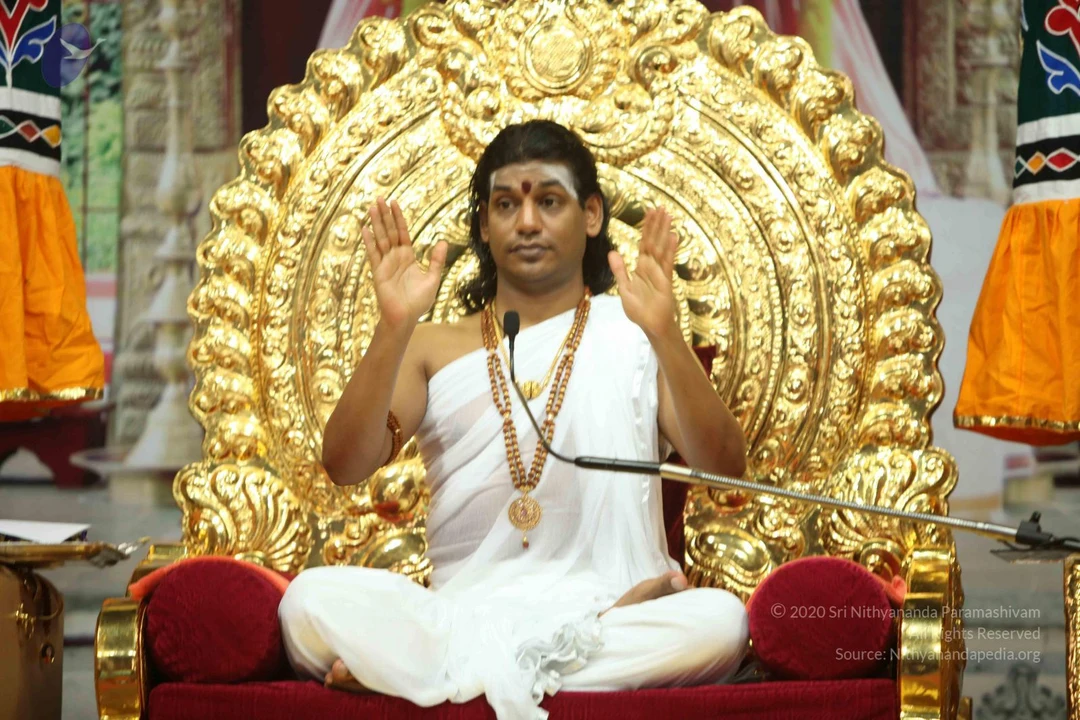
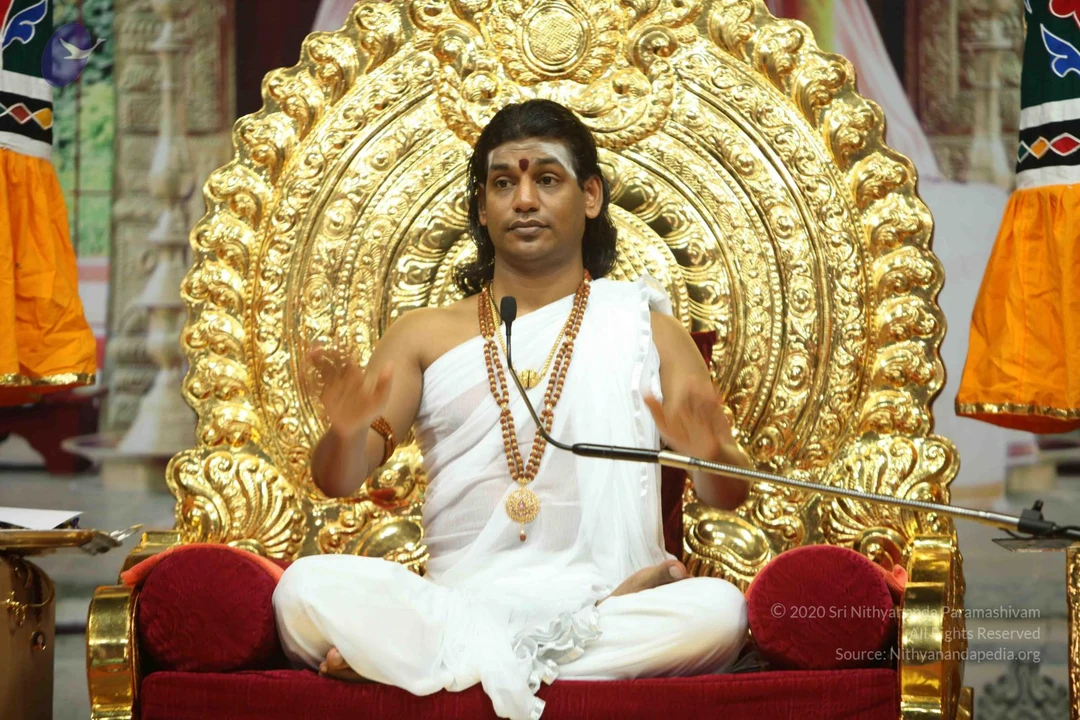

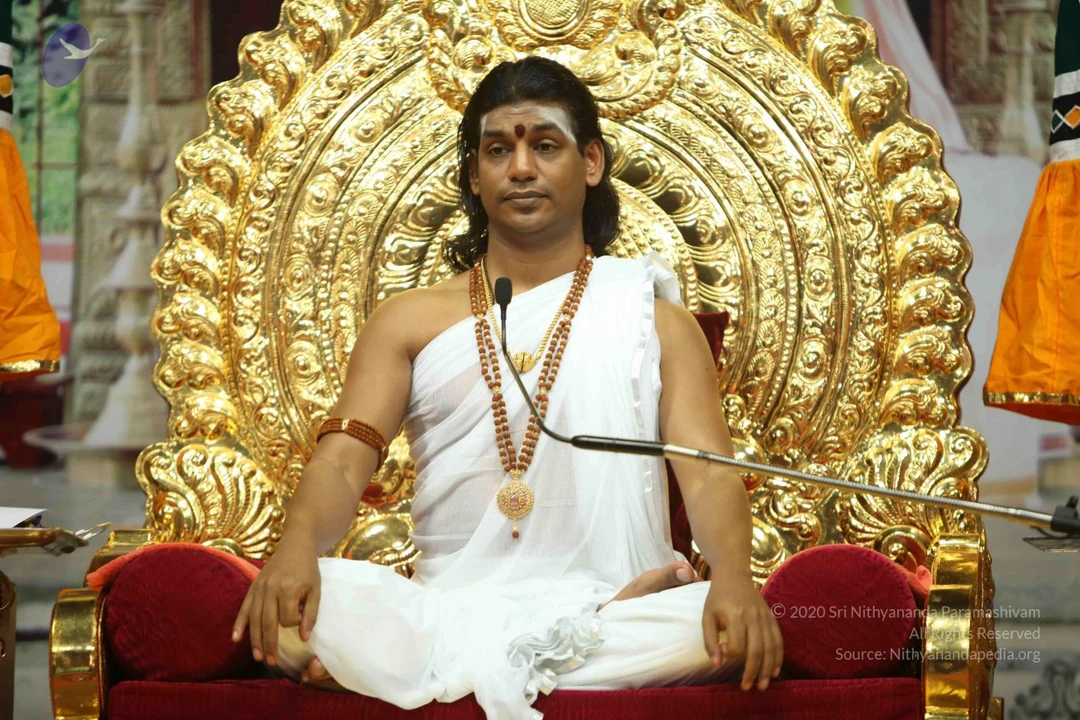

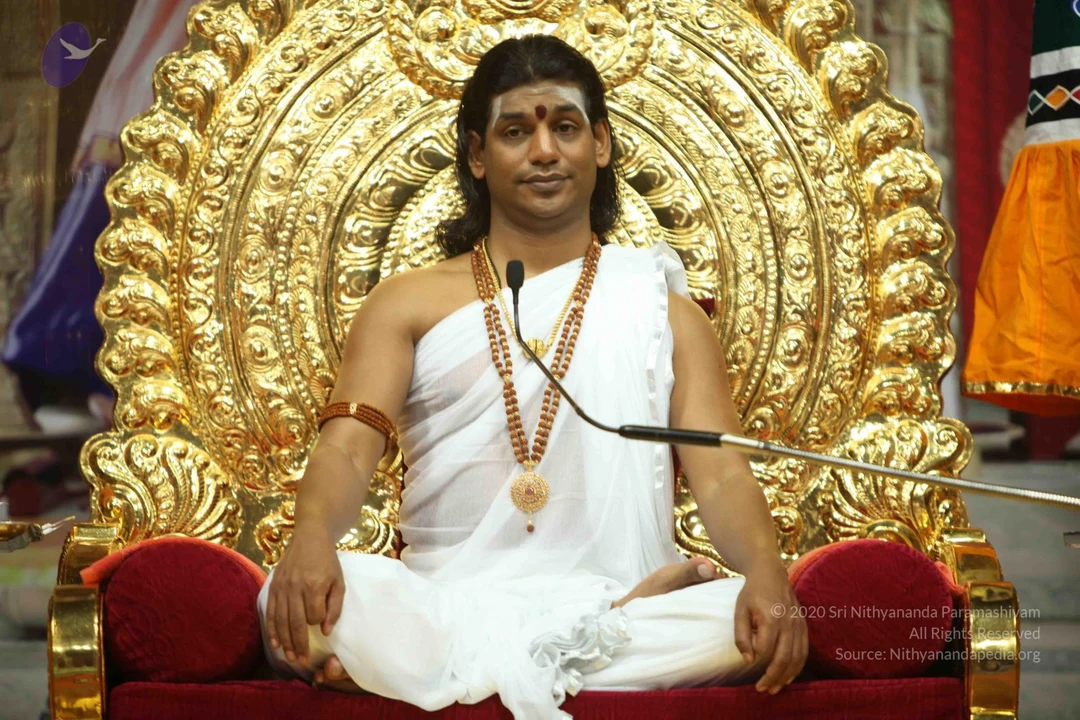
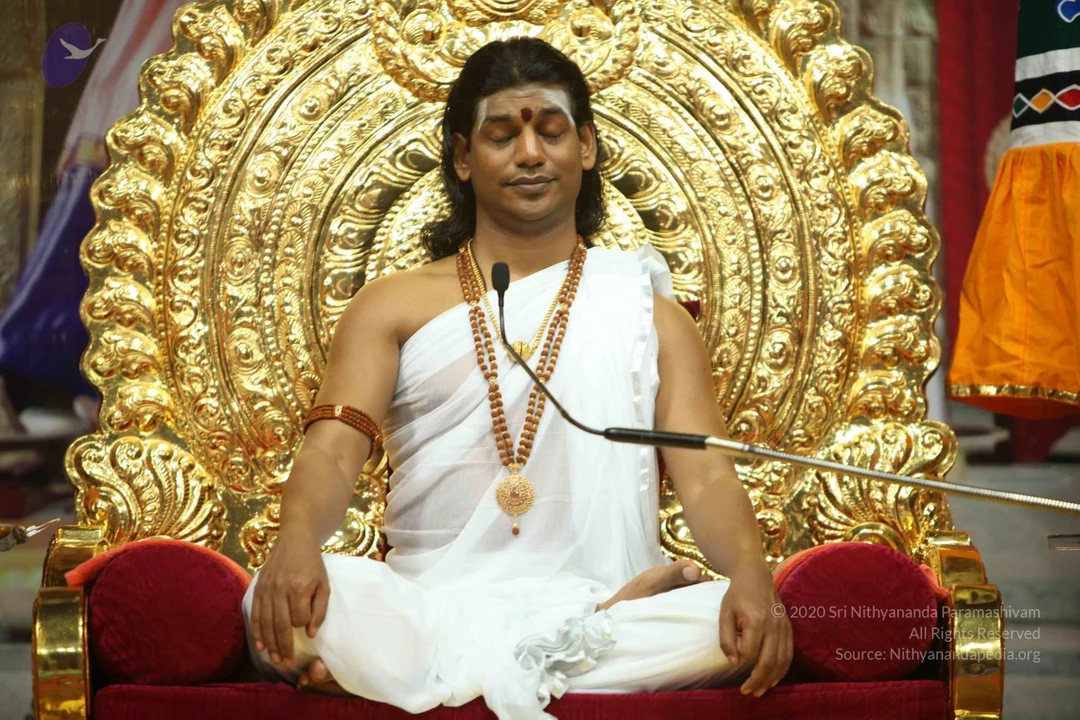
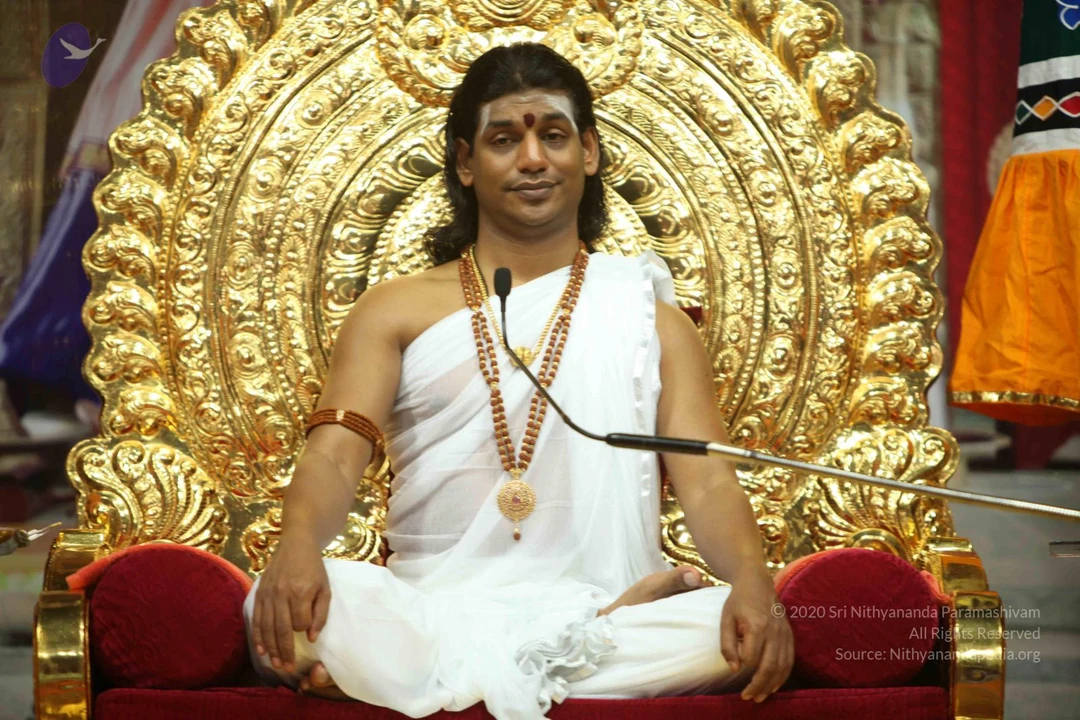
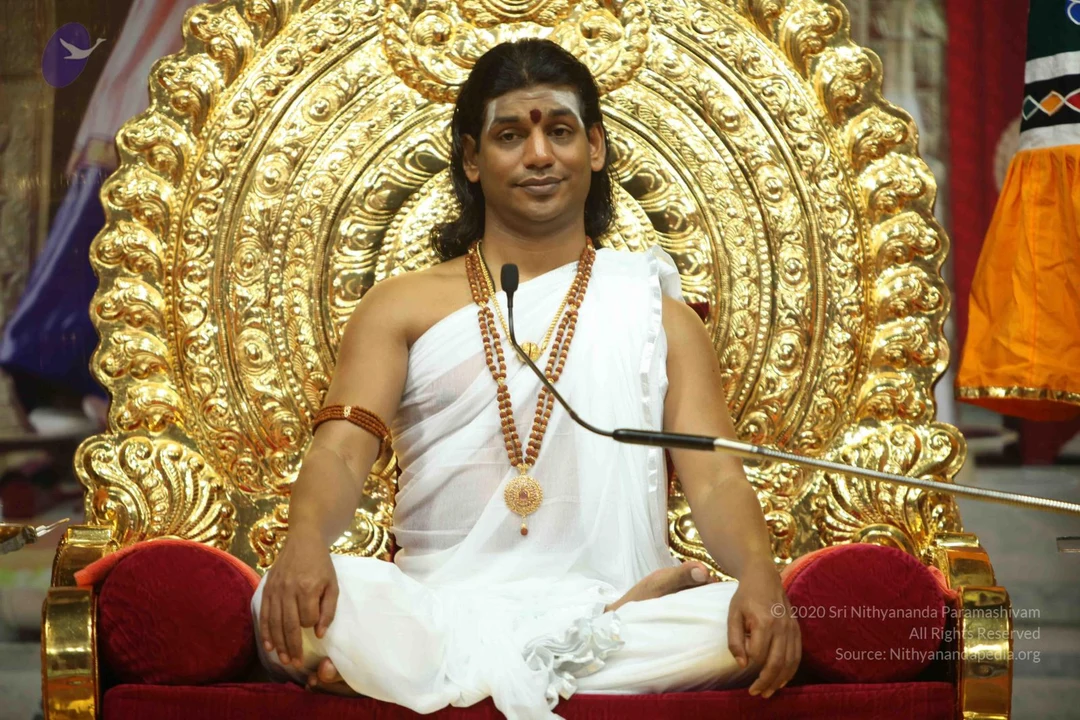
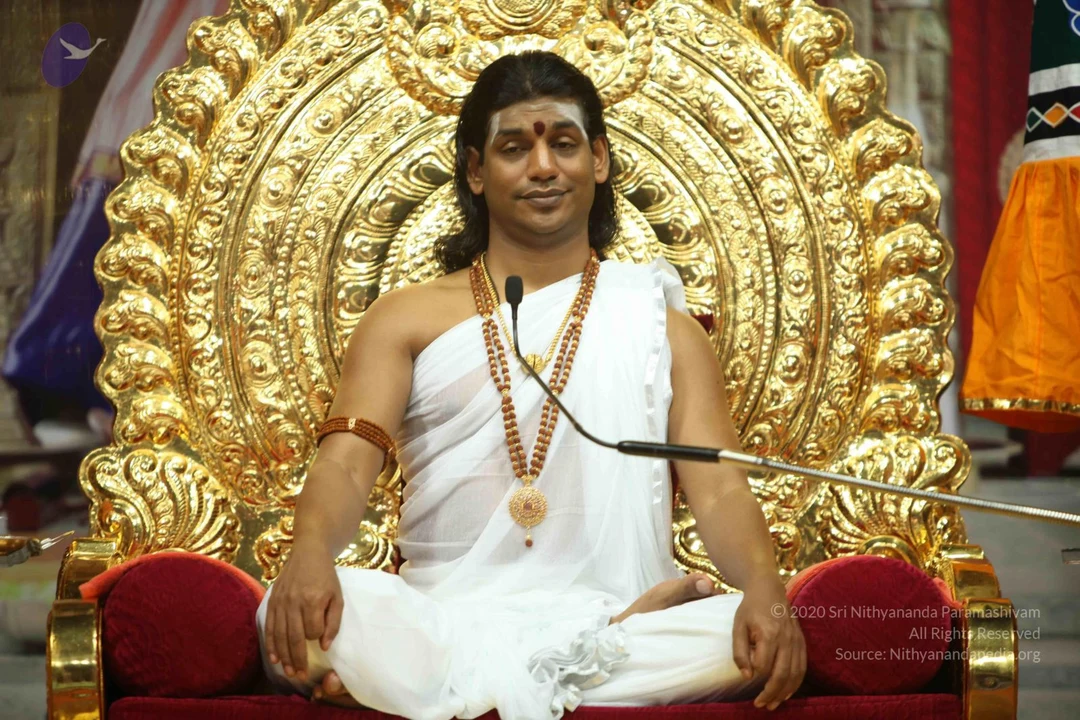
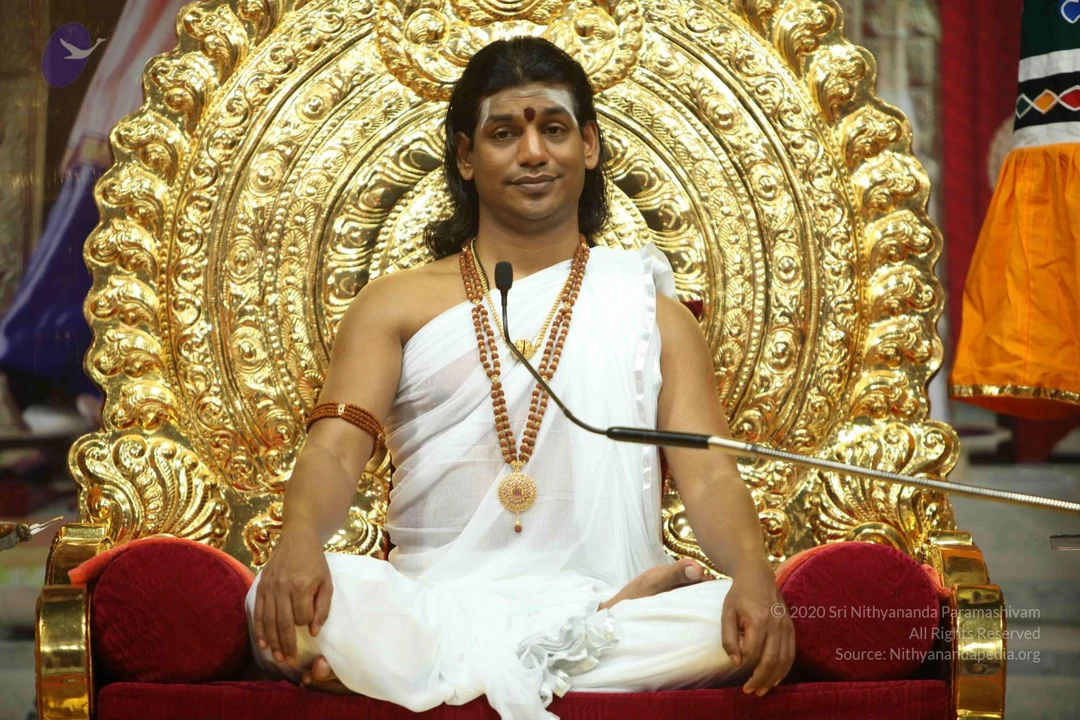
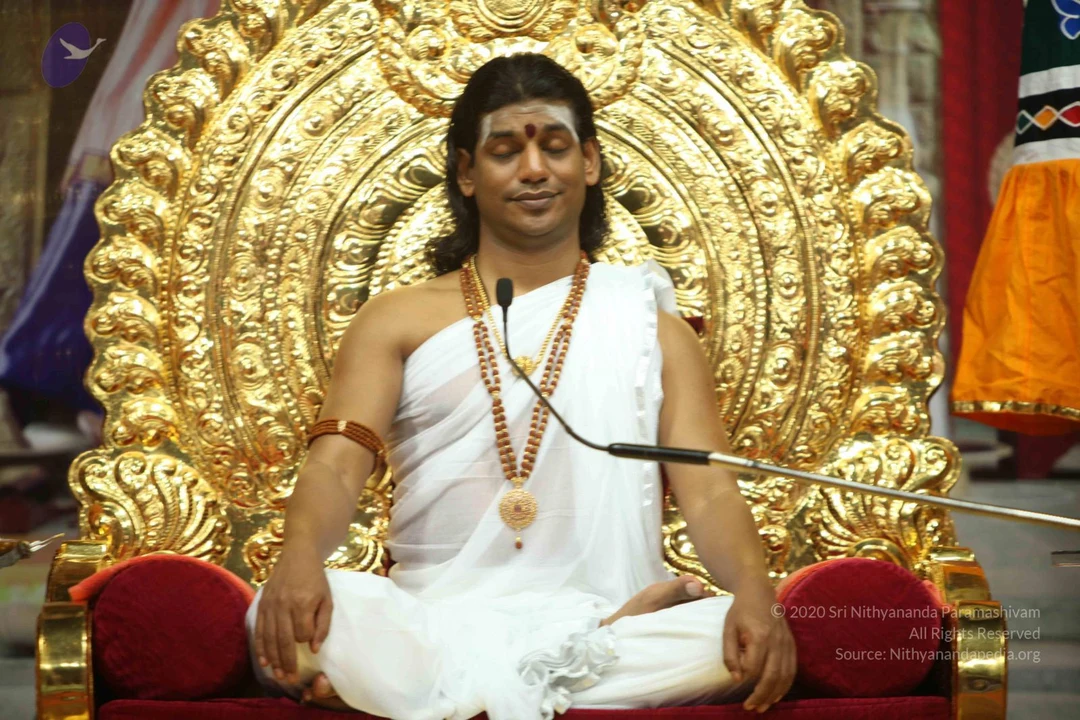
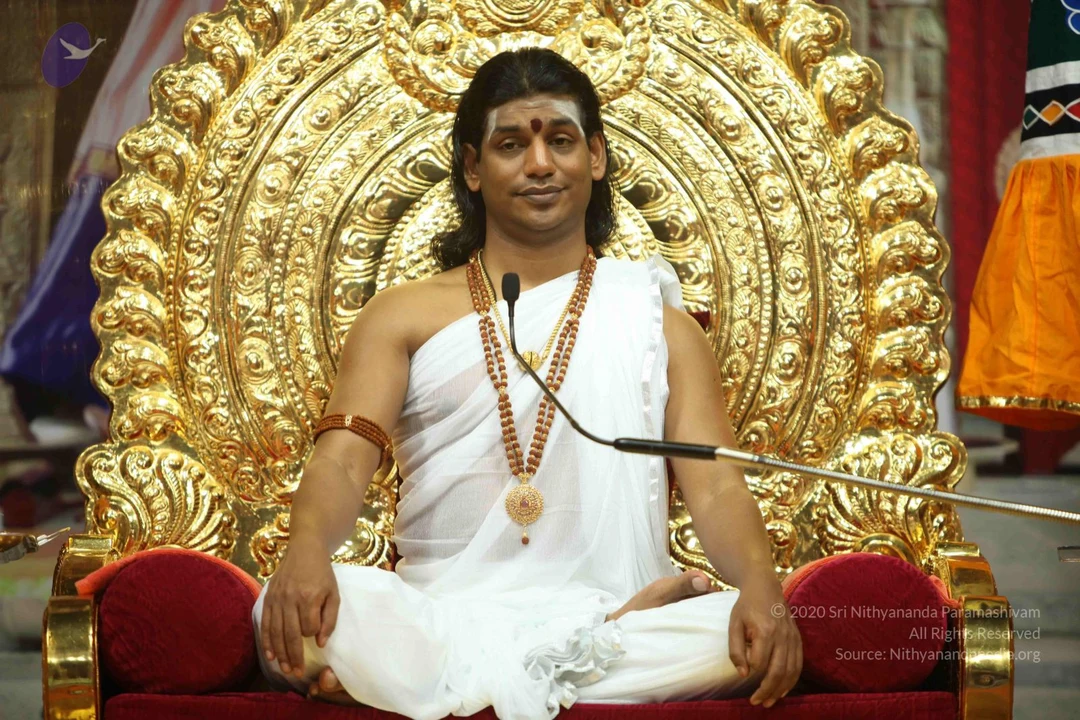
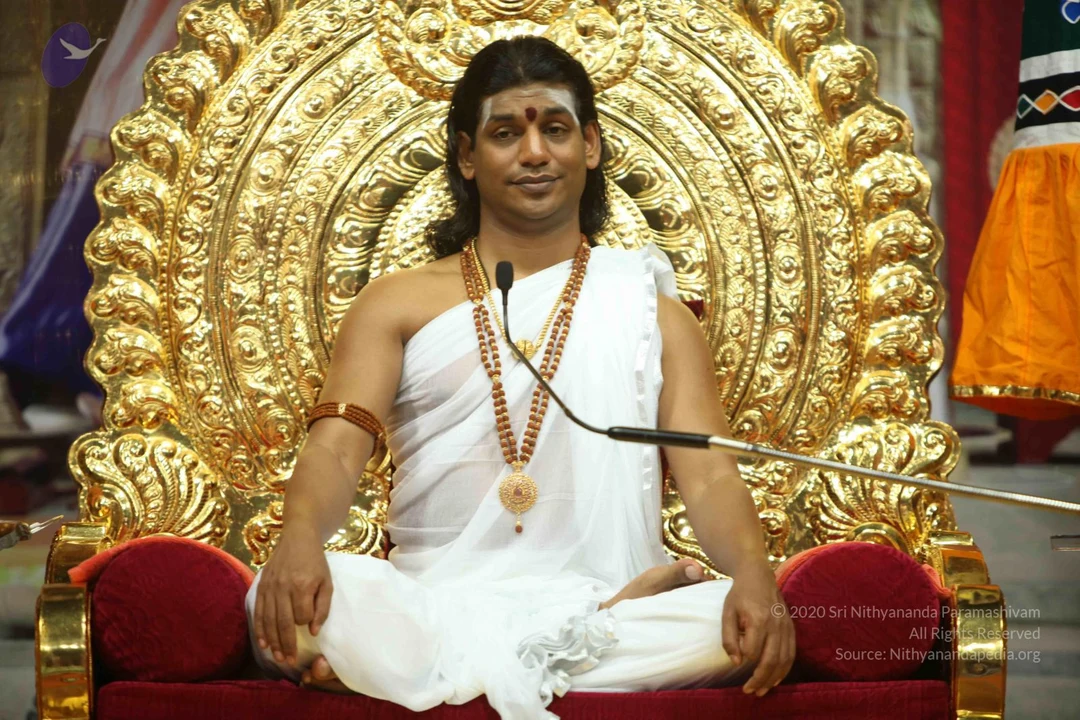
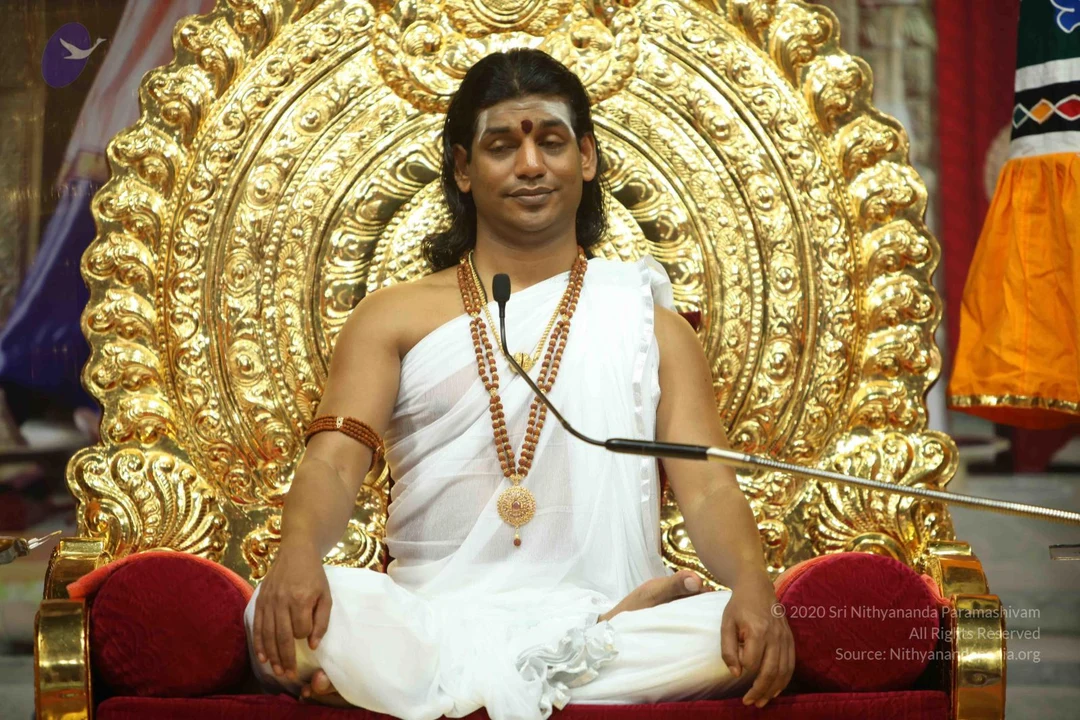
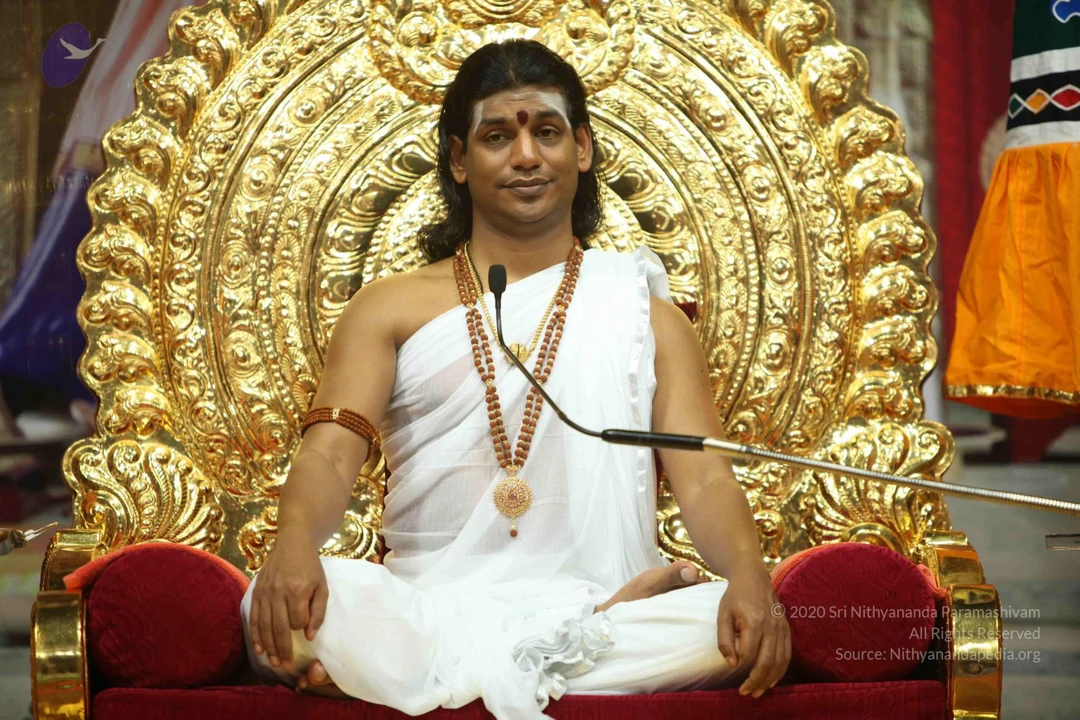

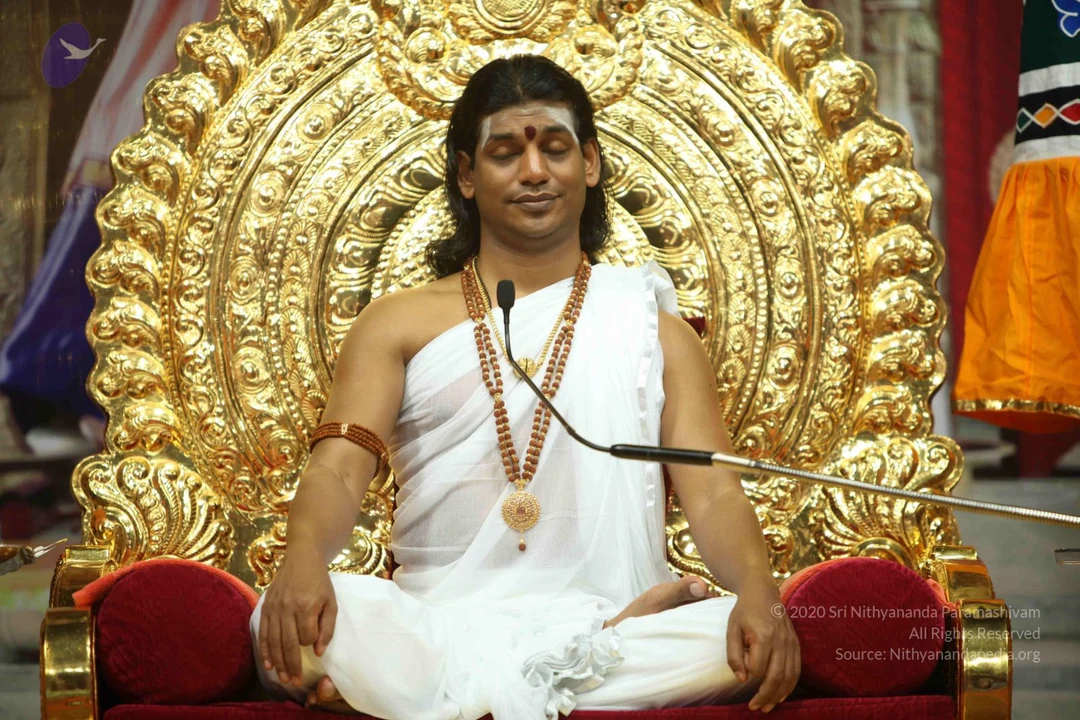
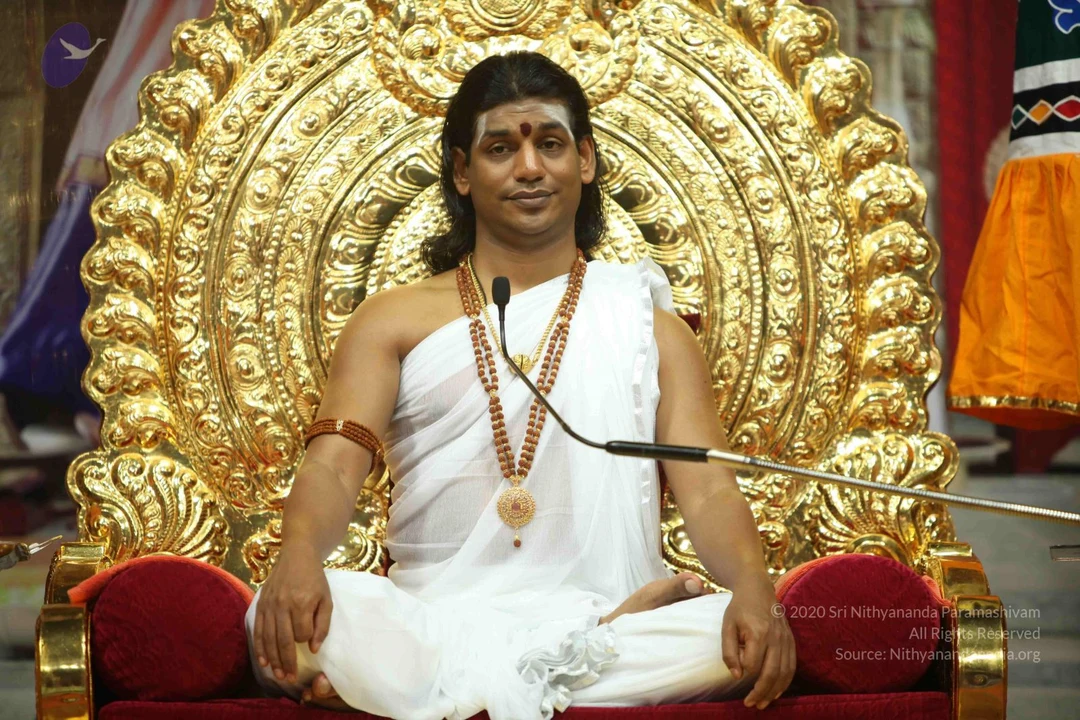
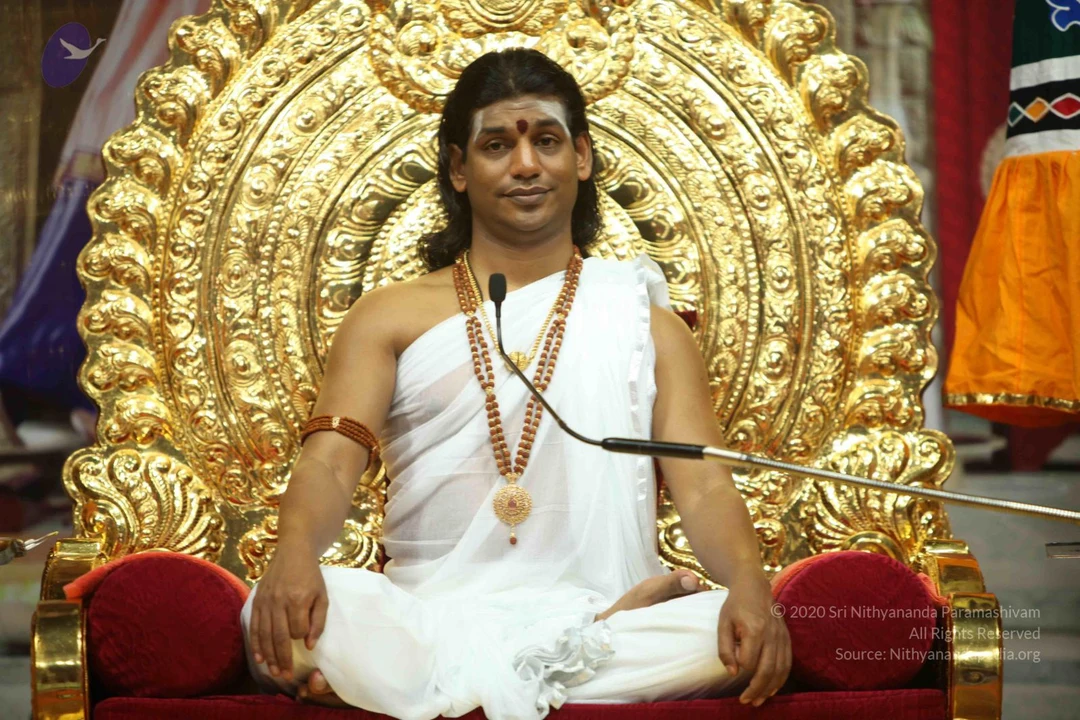
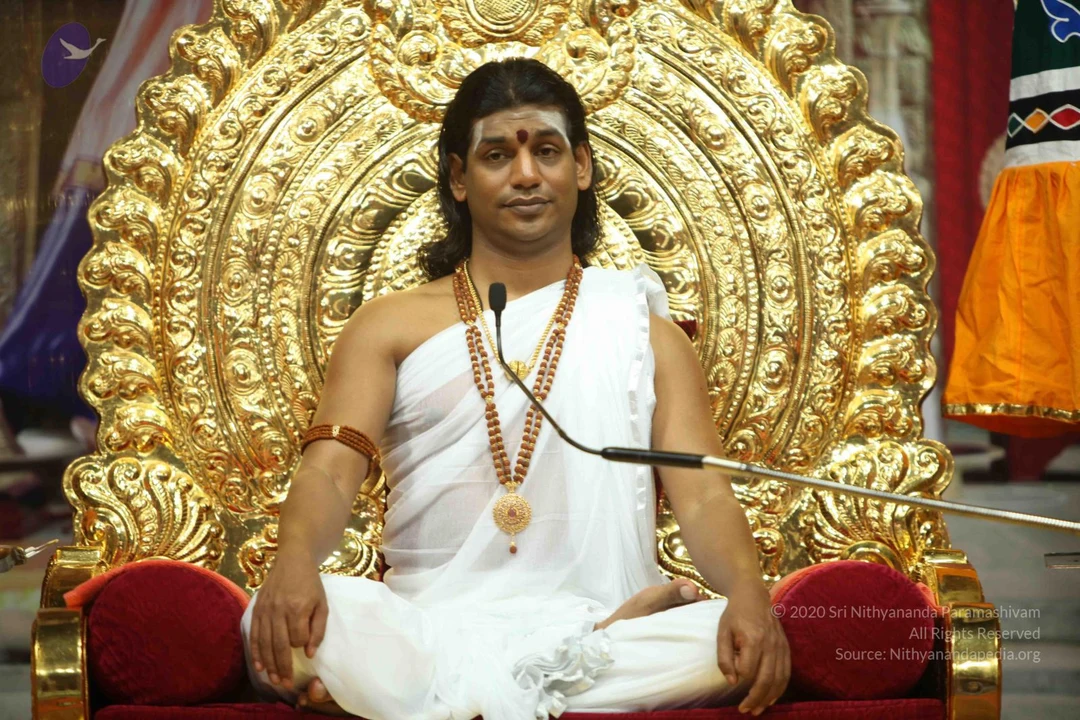
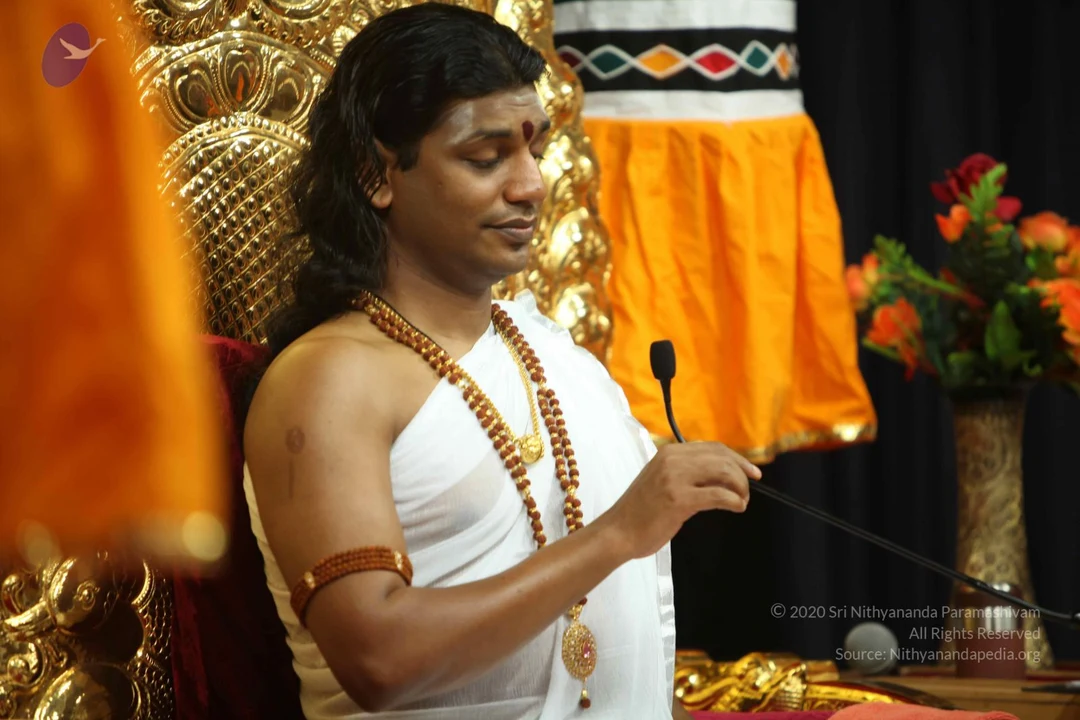
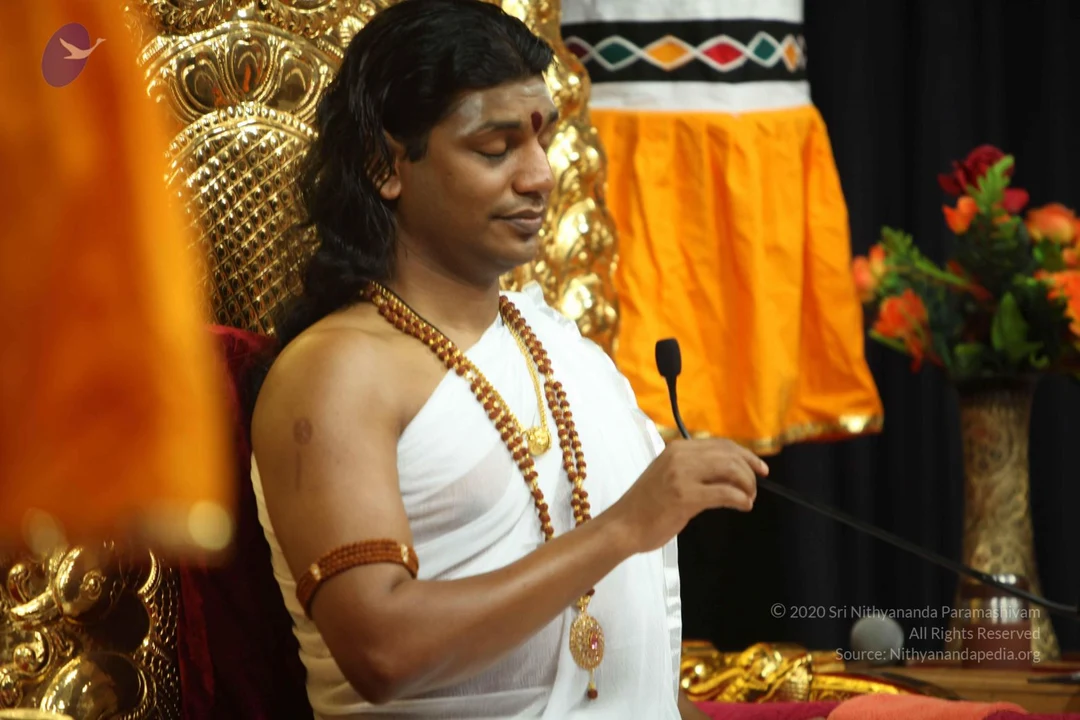
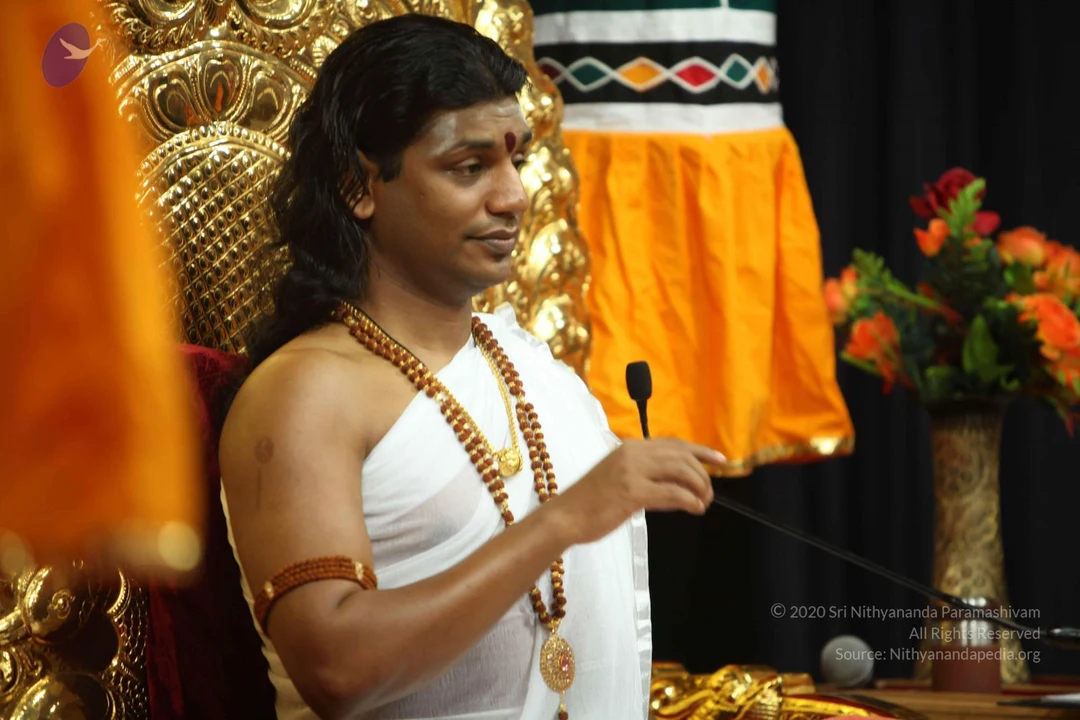
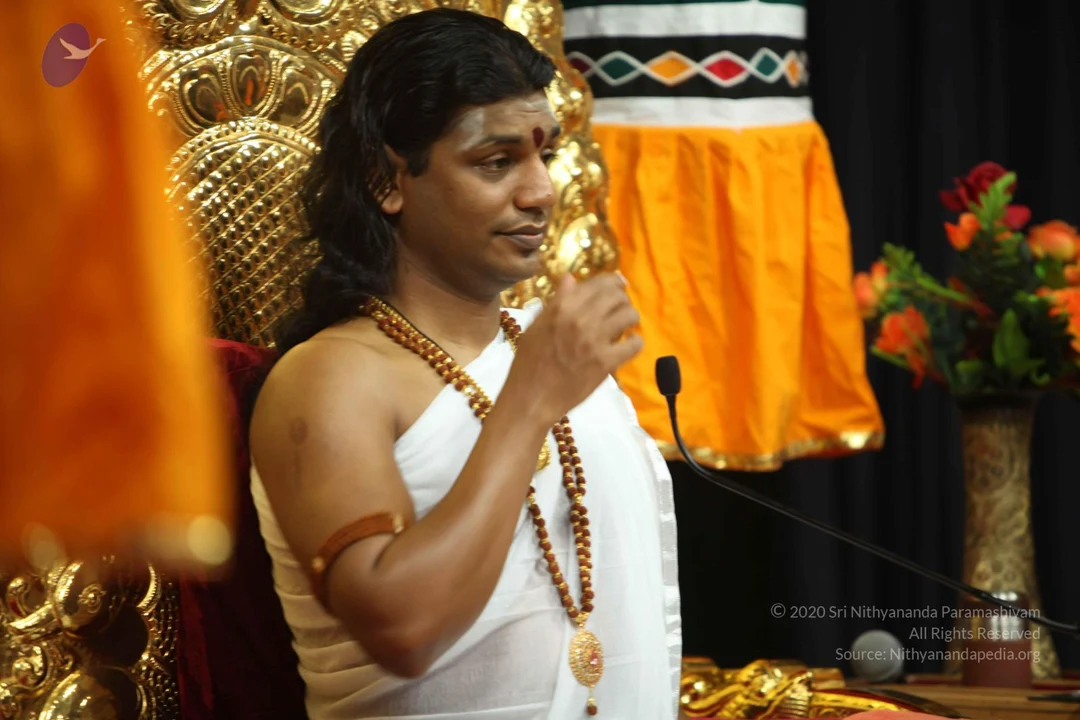
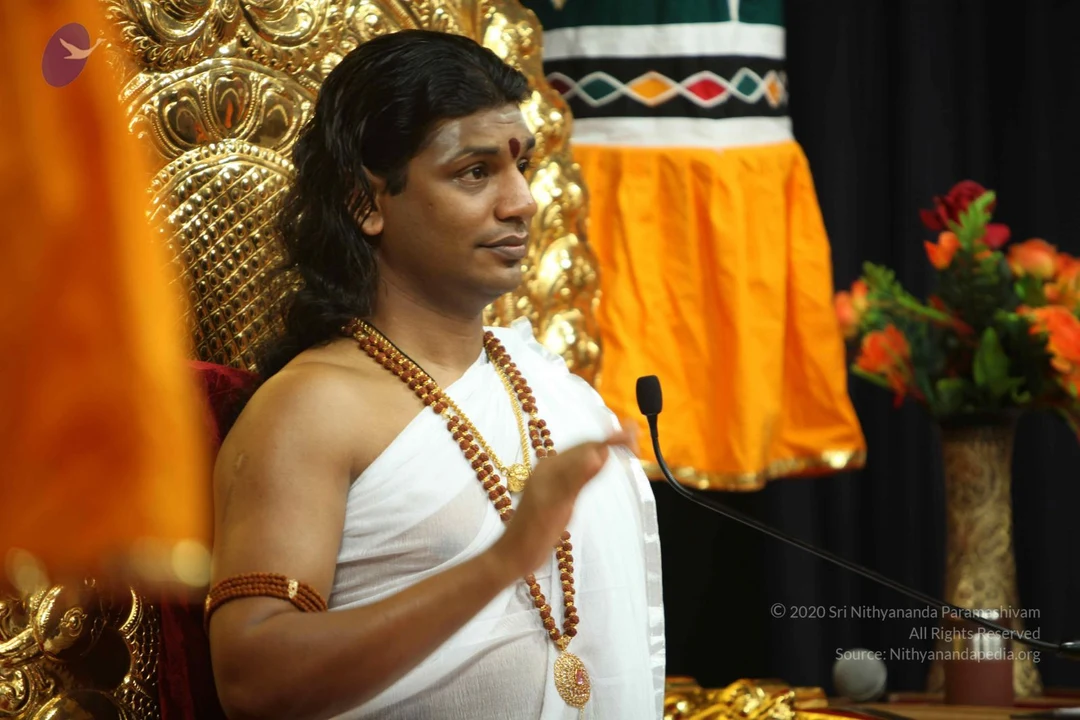
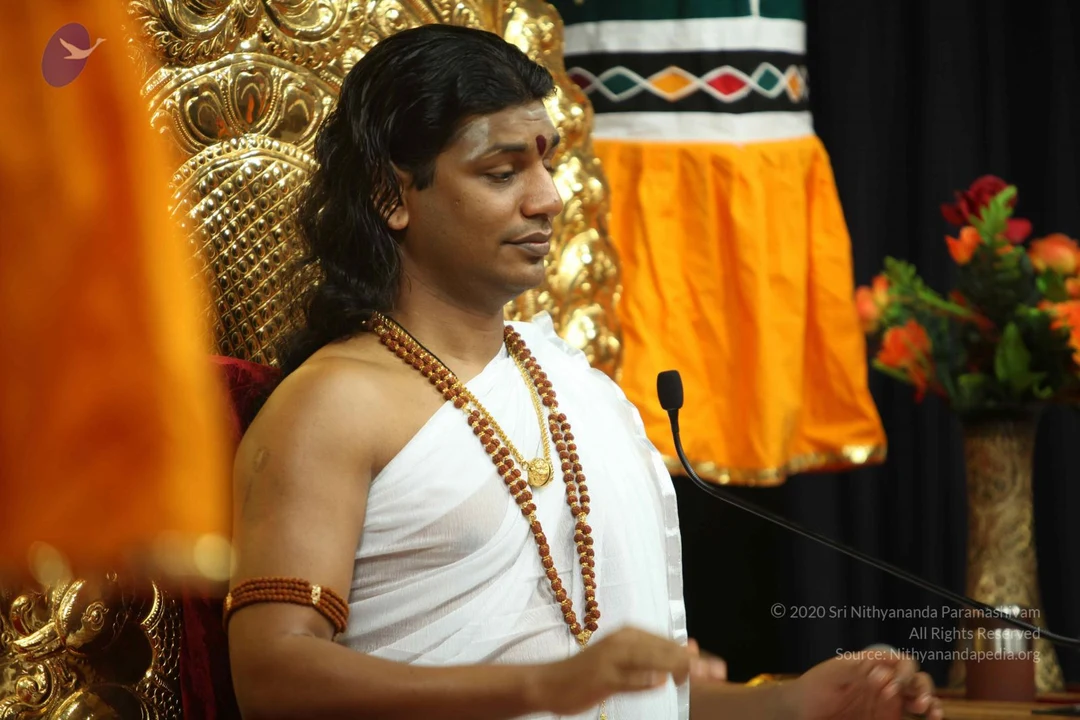
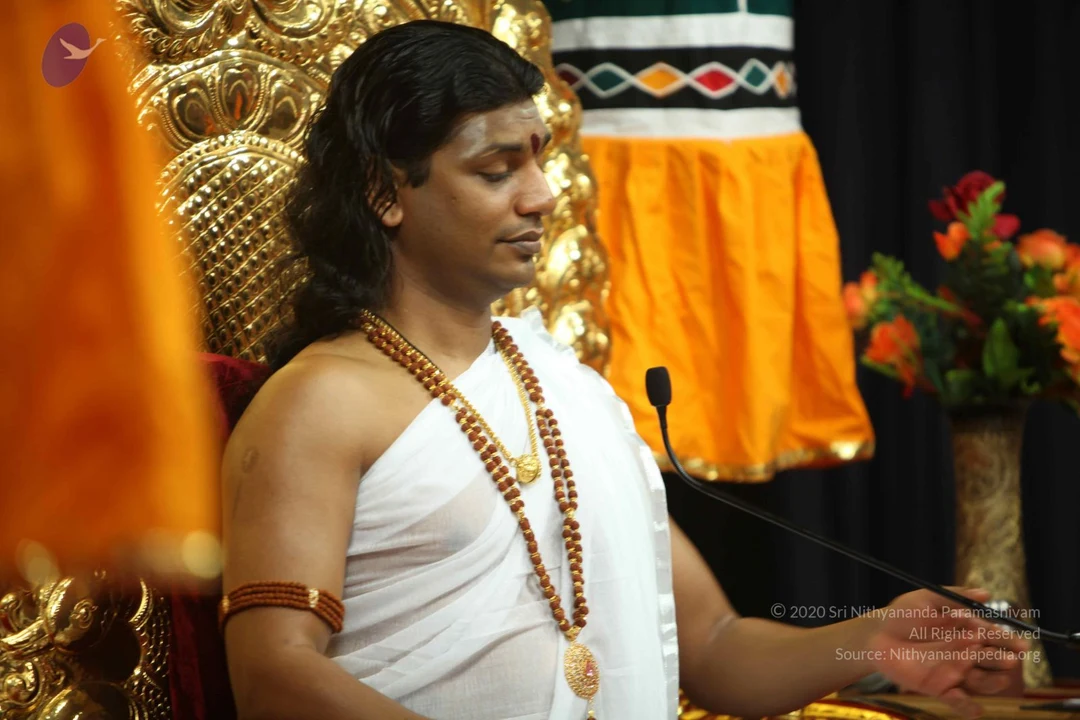
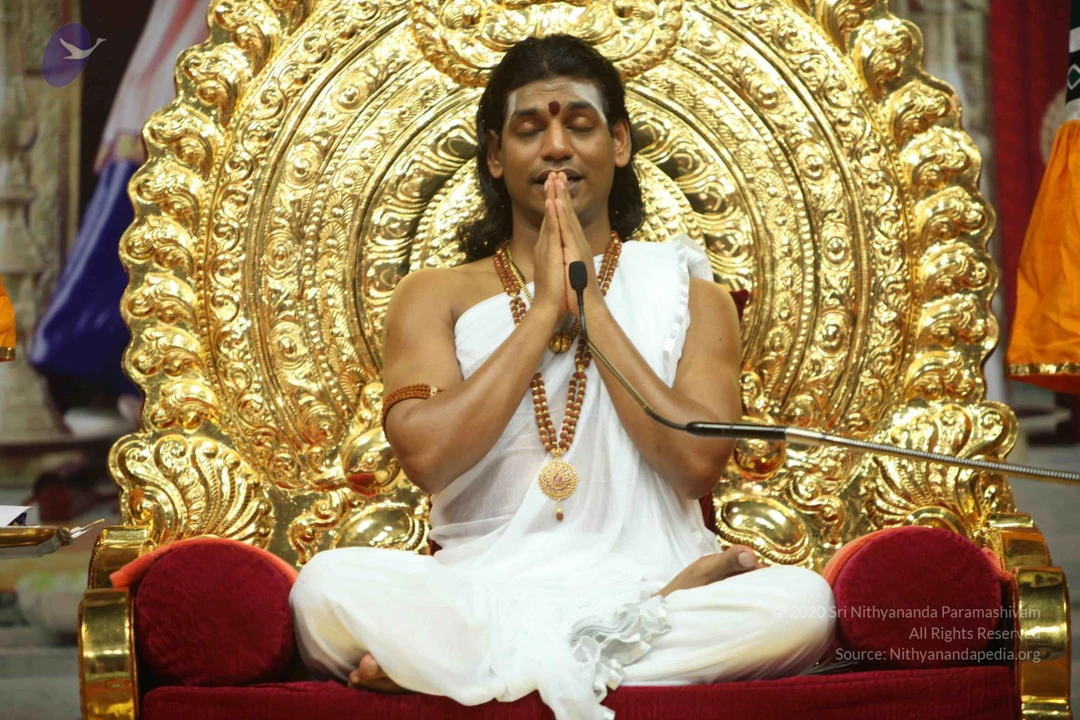
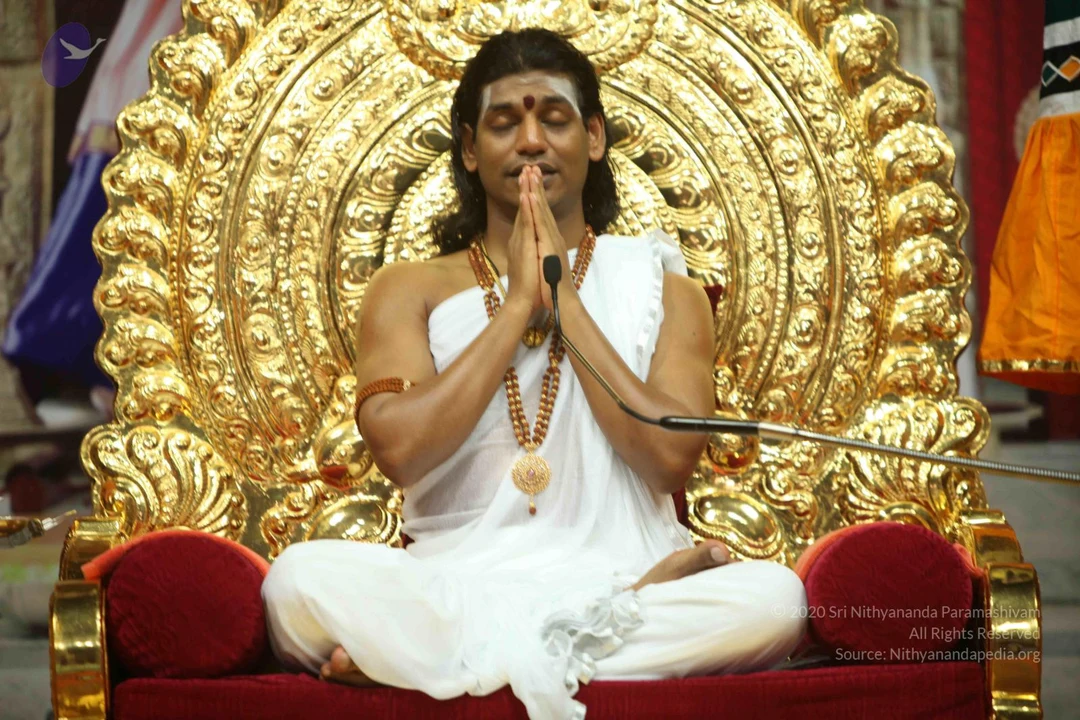
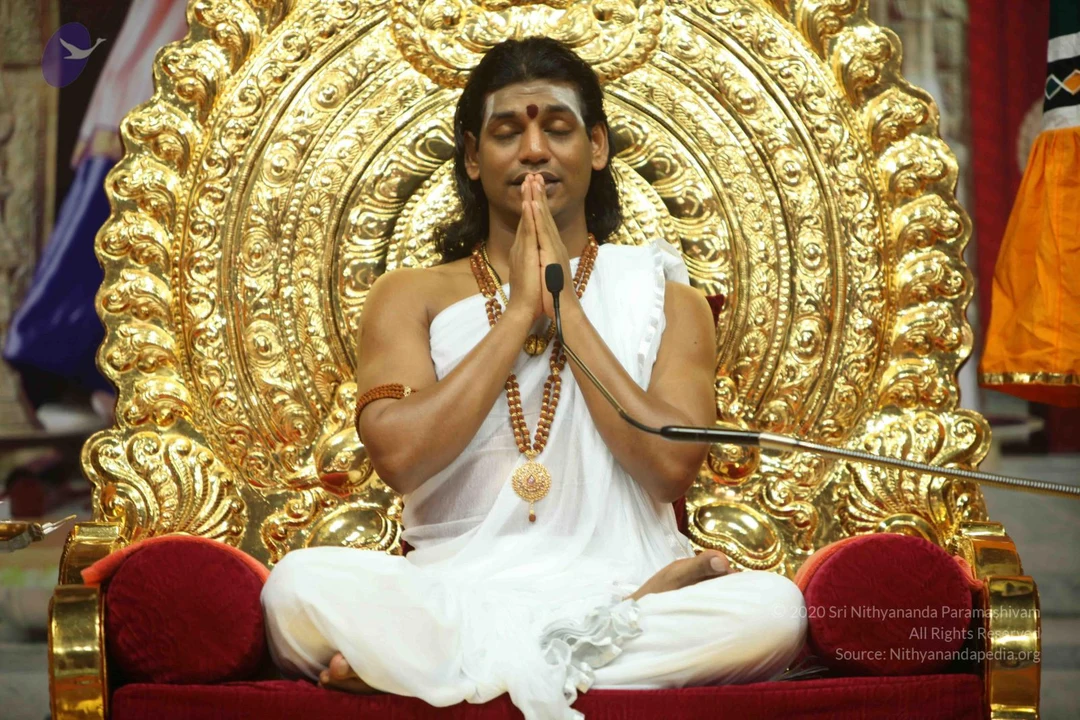
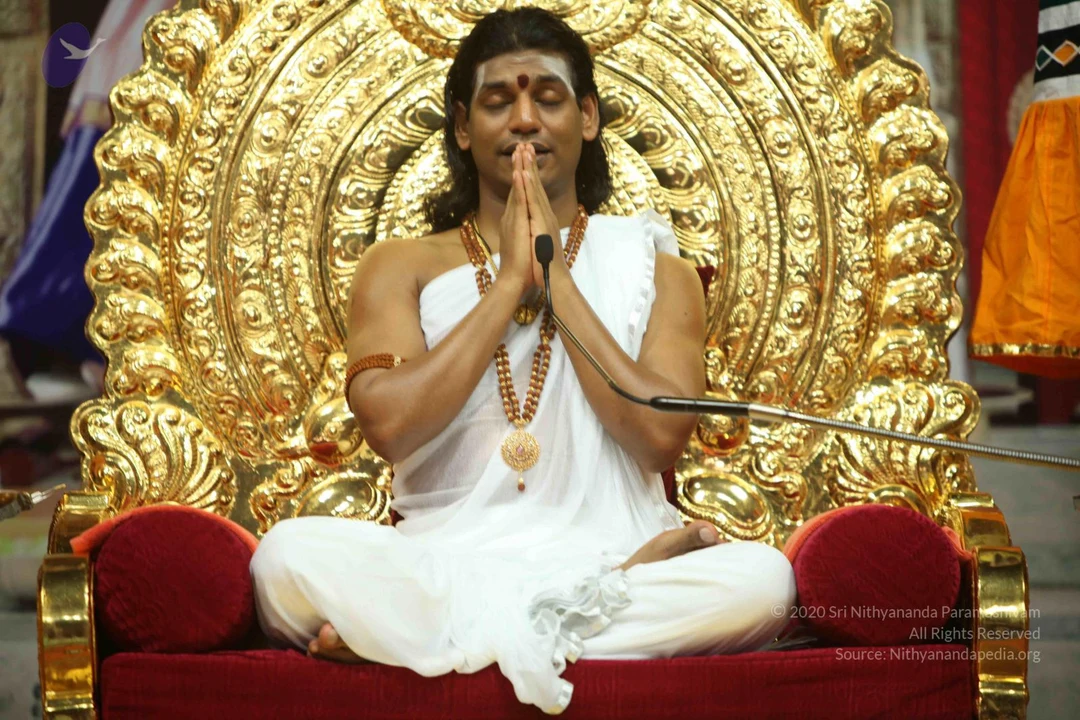
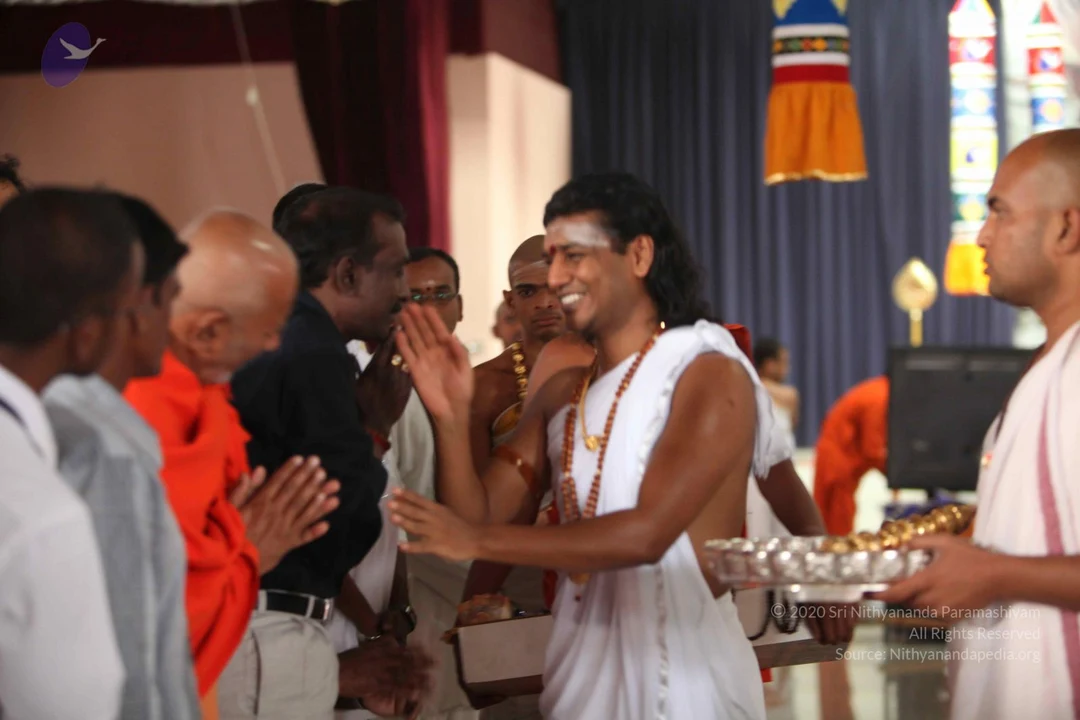
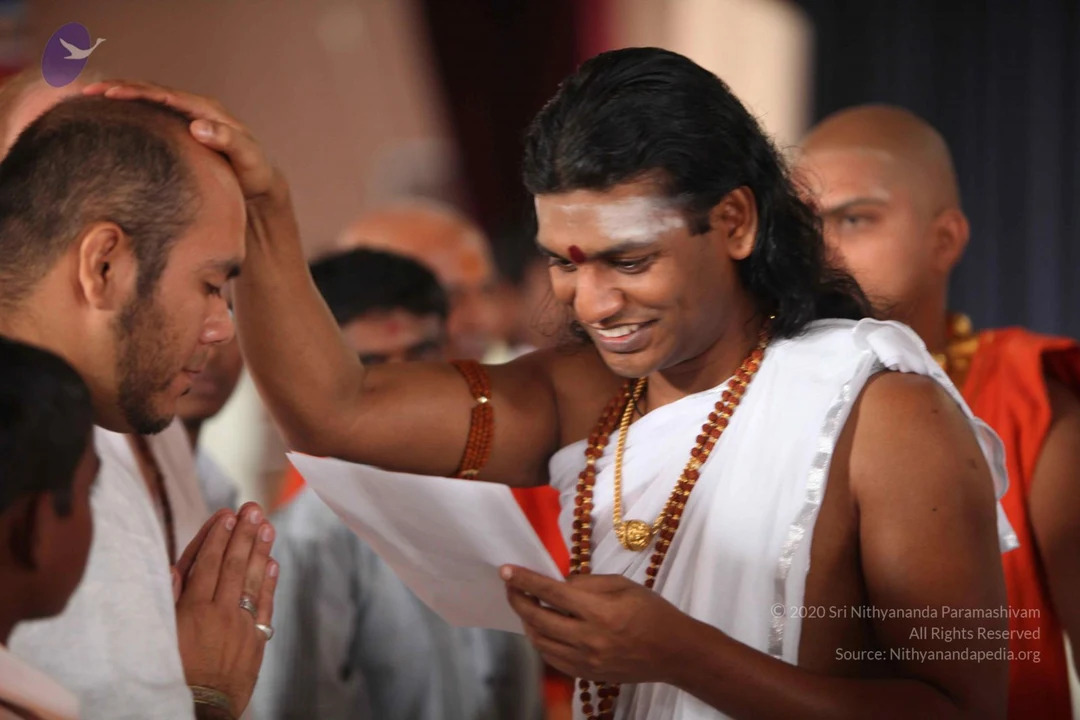
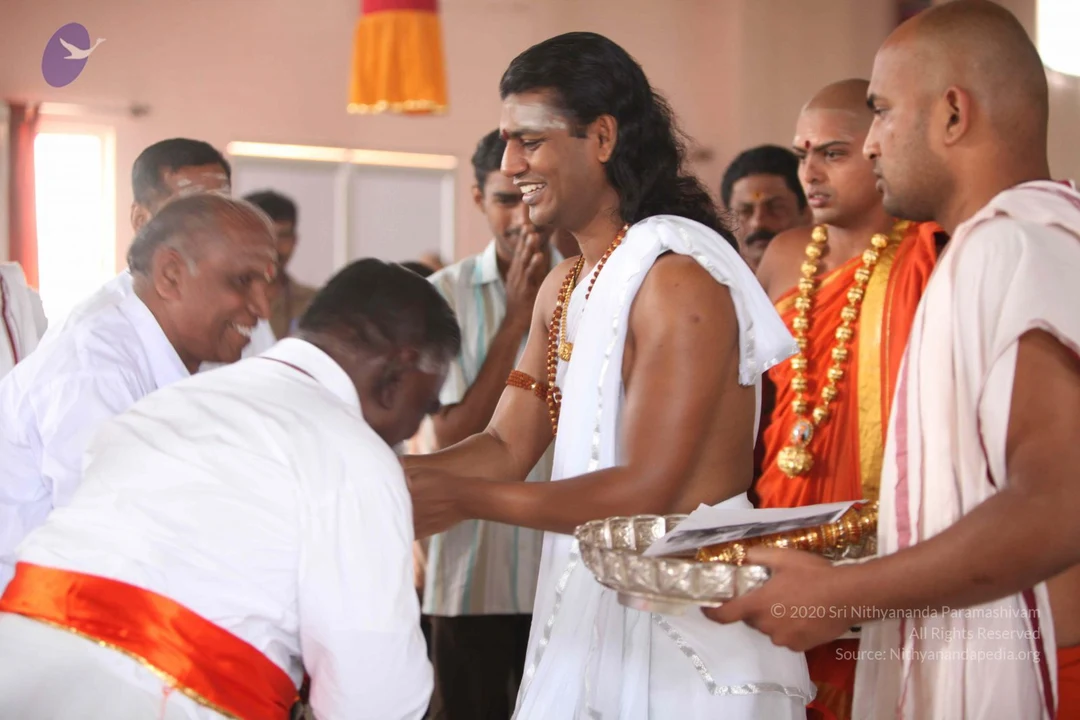
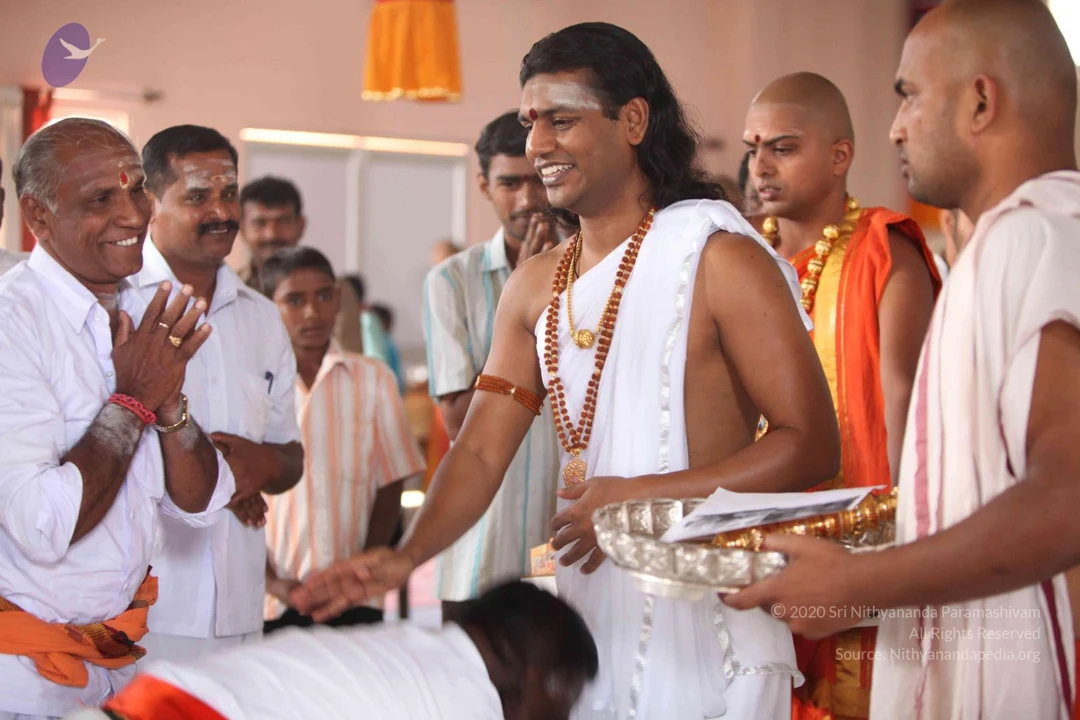
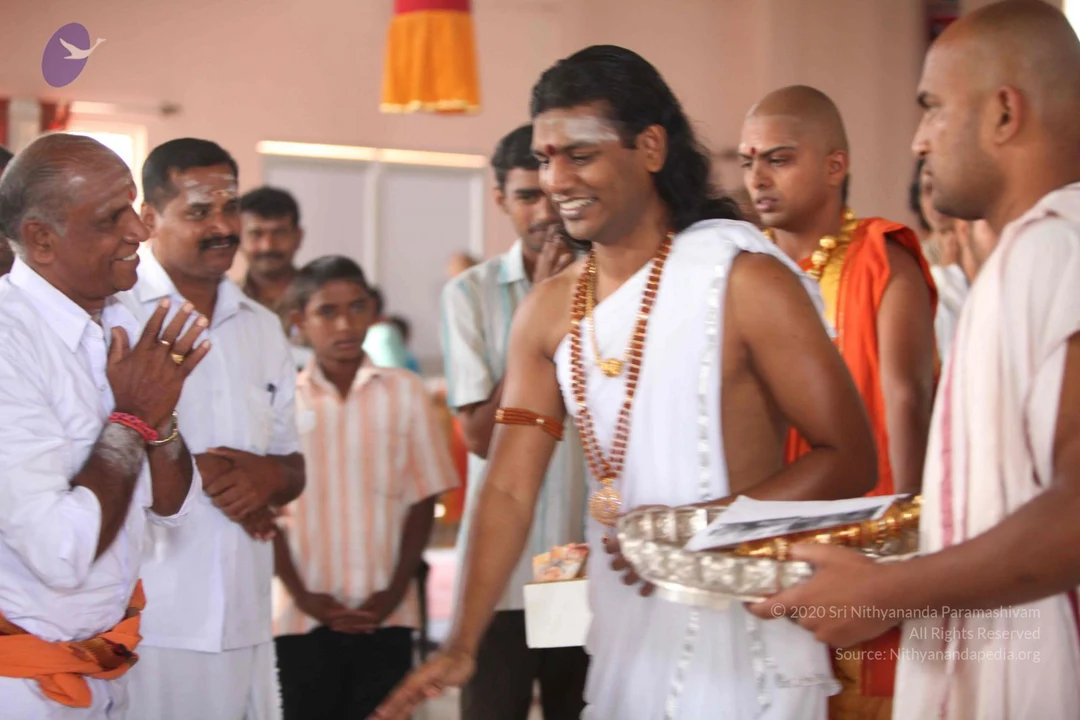
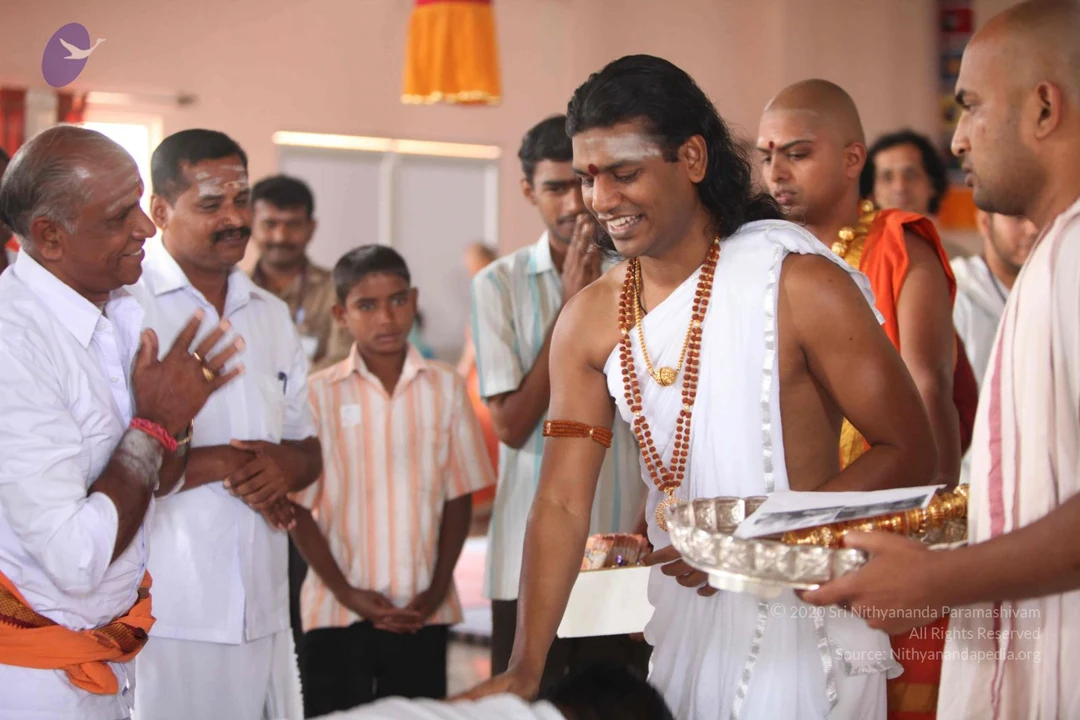
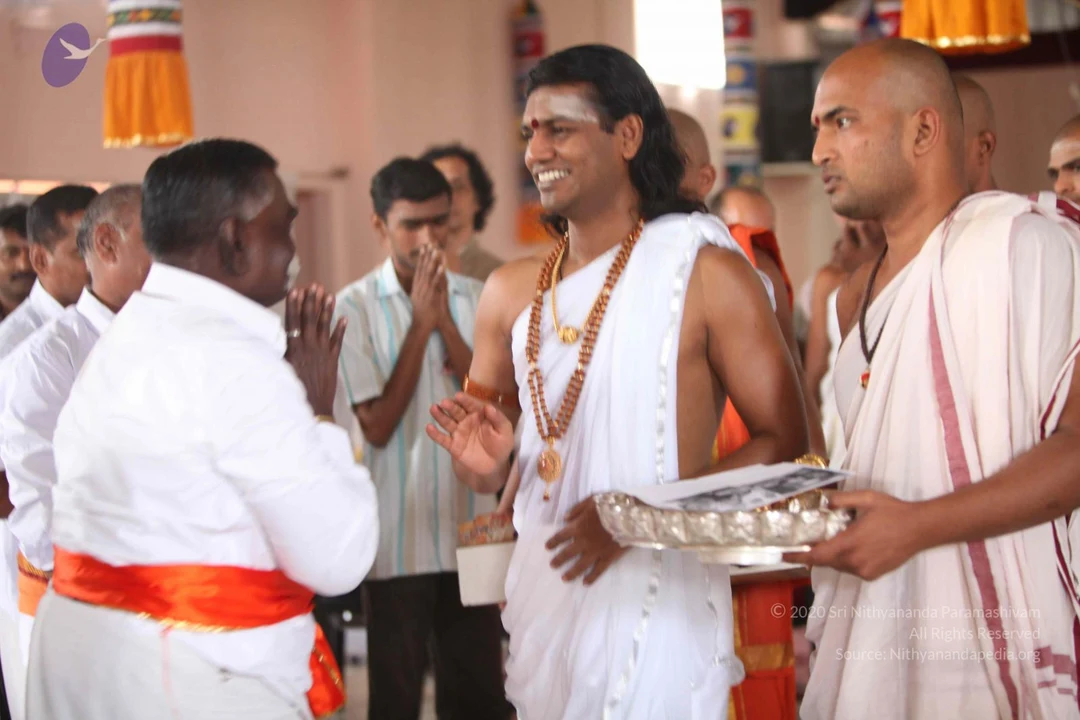
Padha Puja
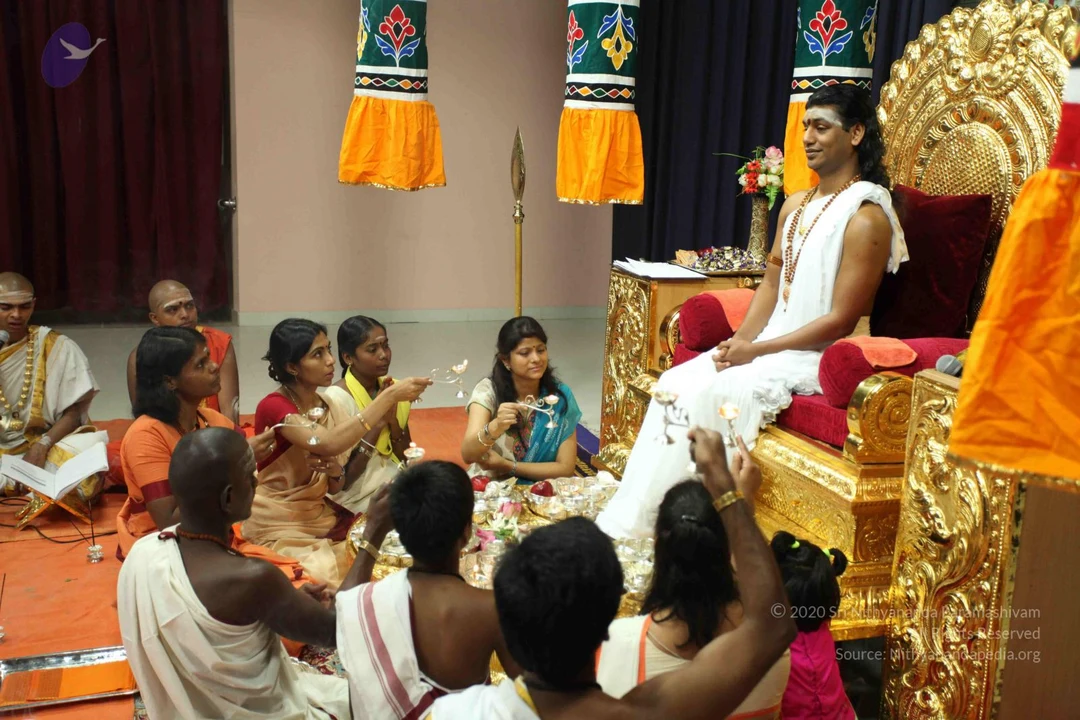
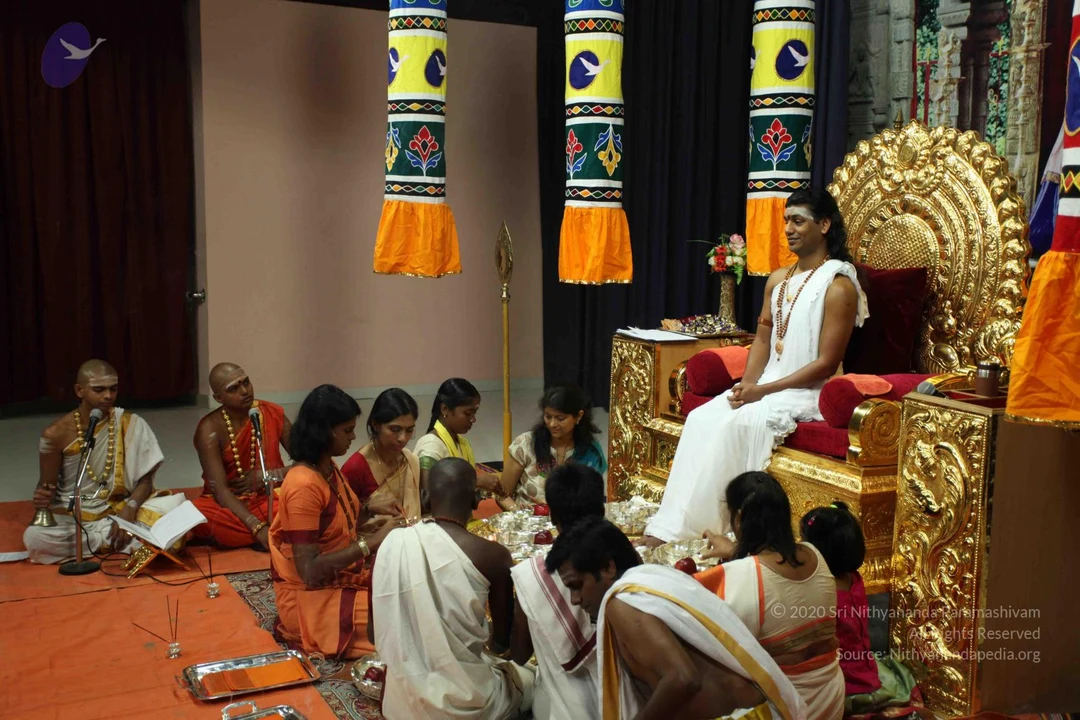
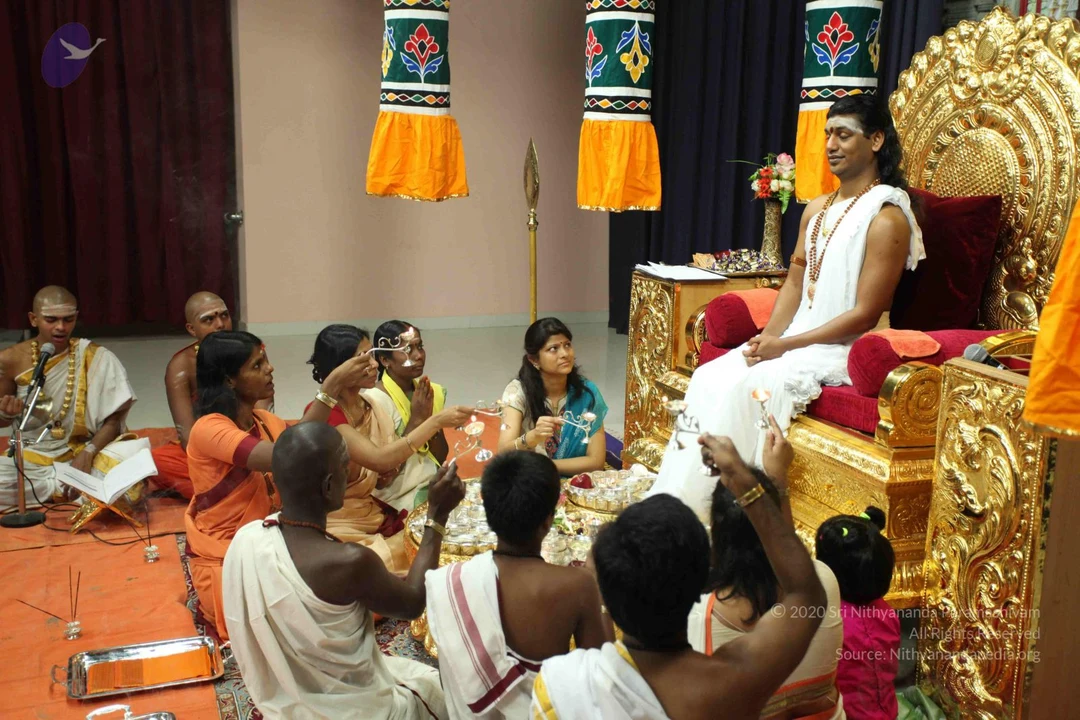
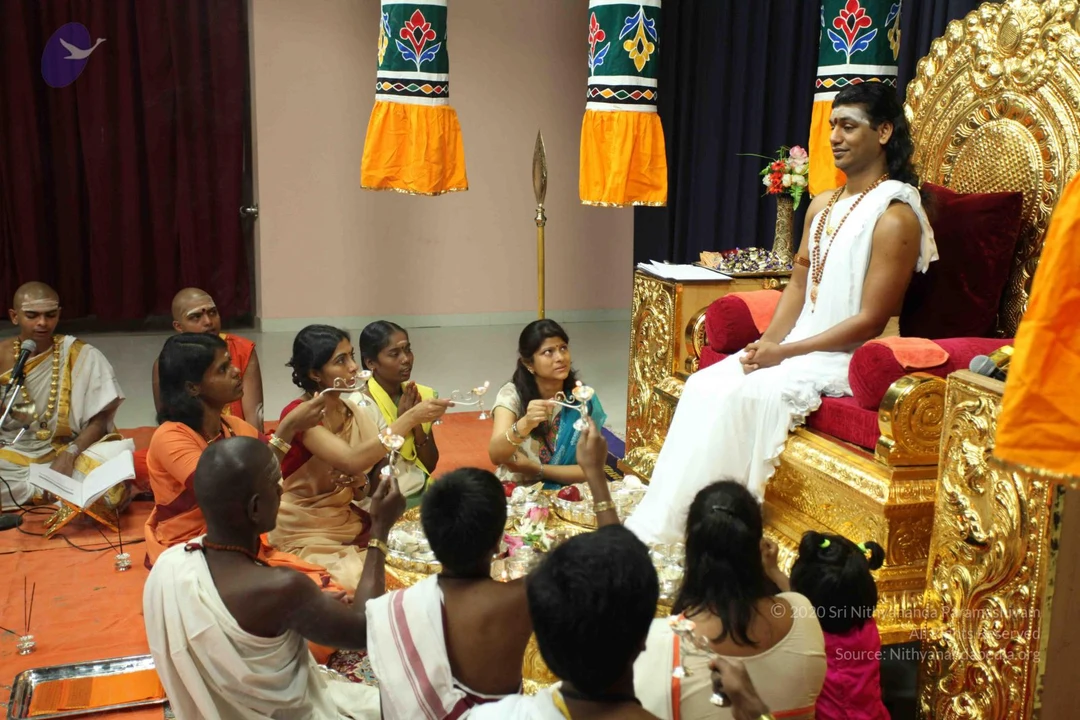
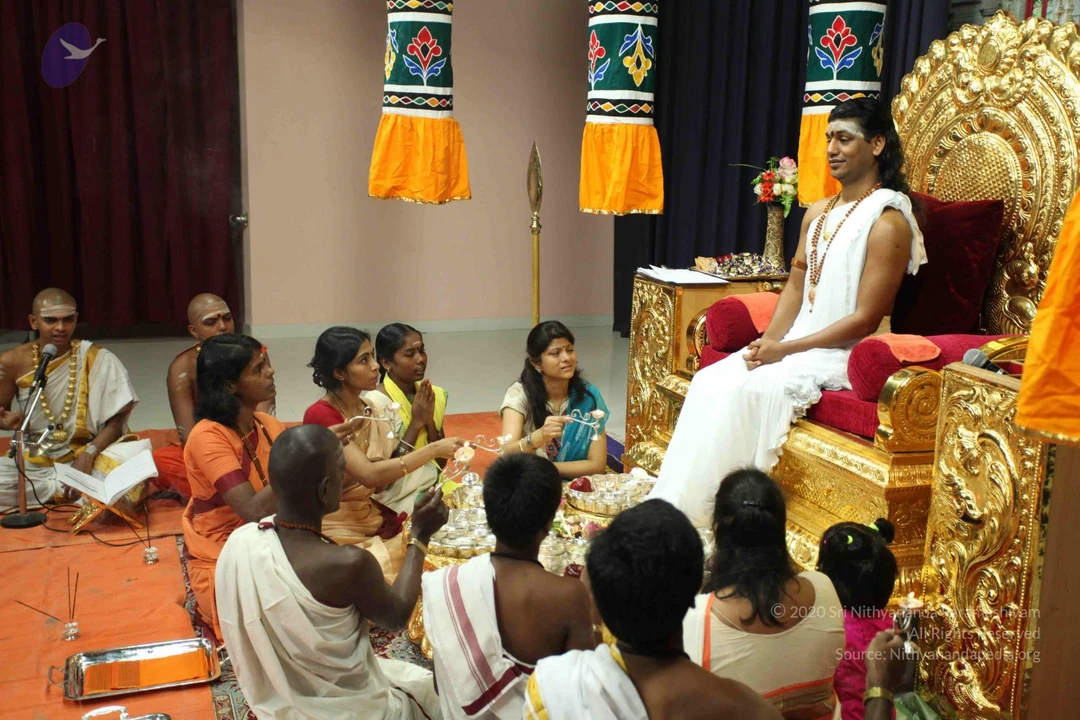
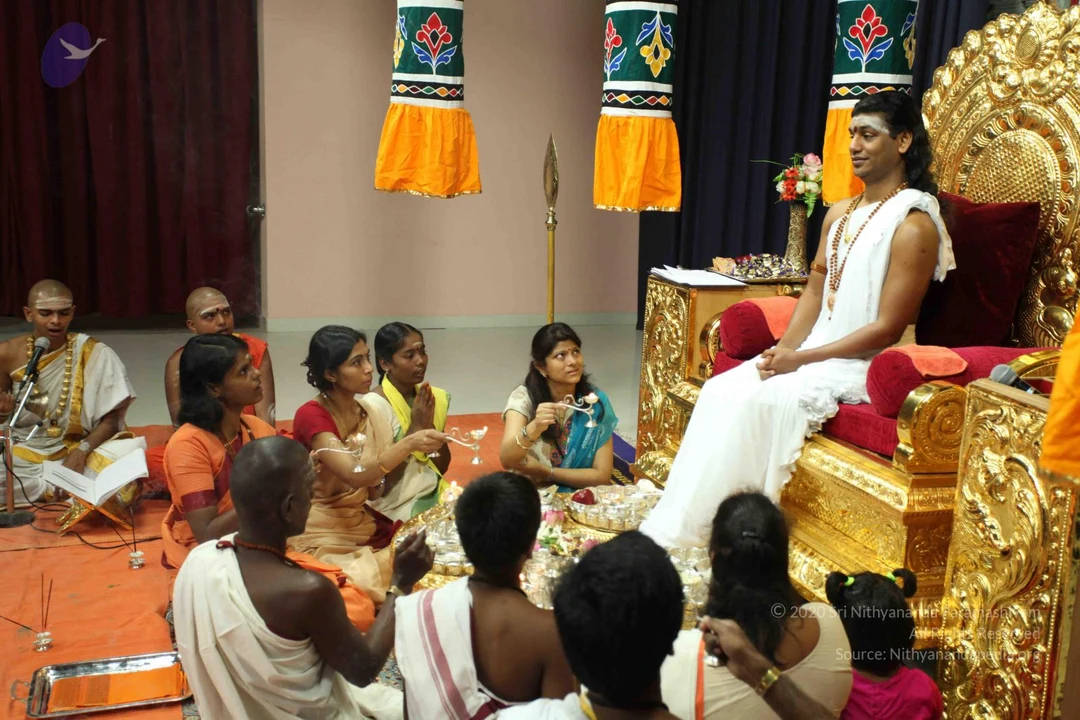
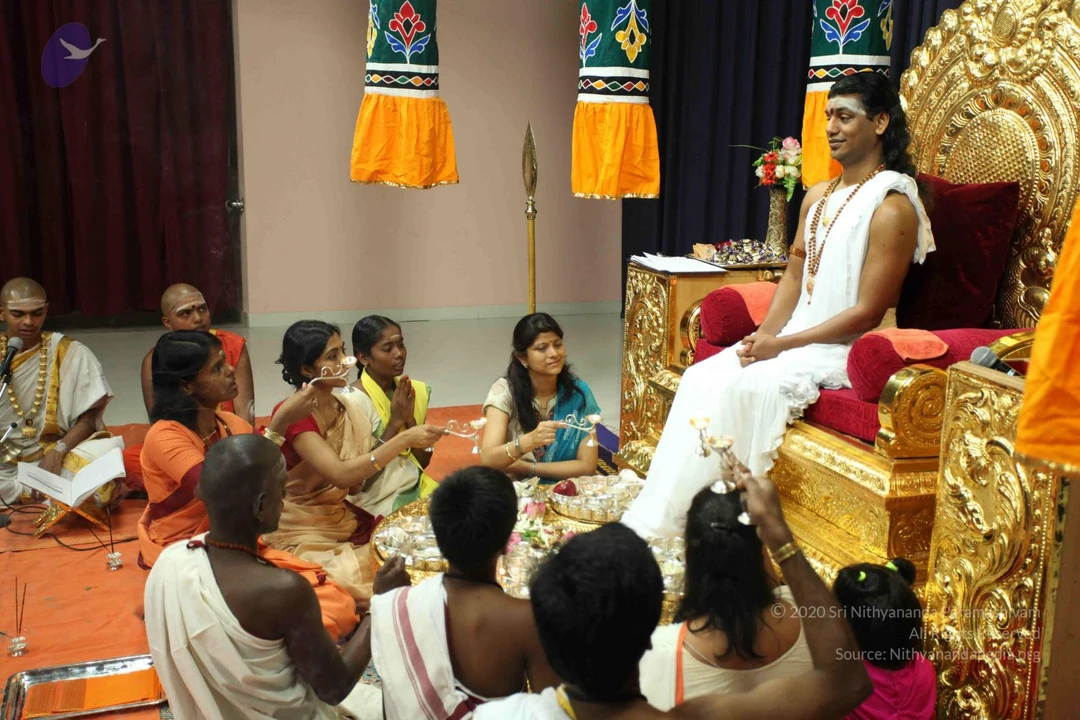
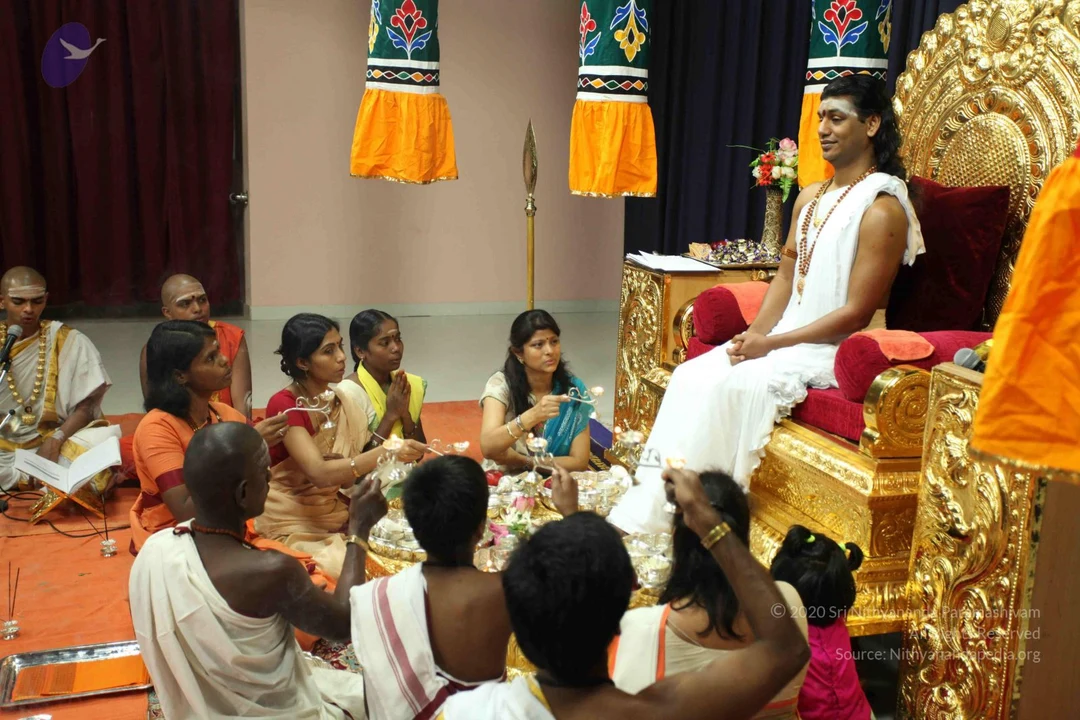
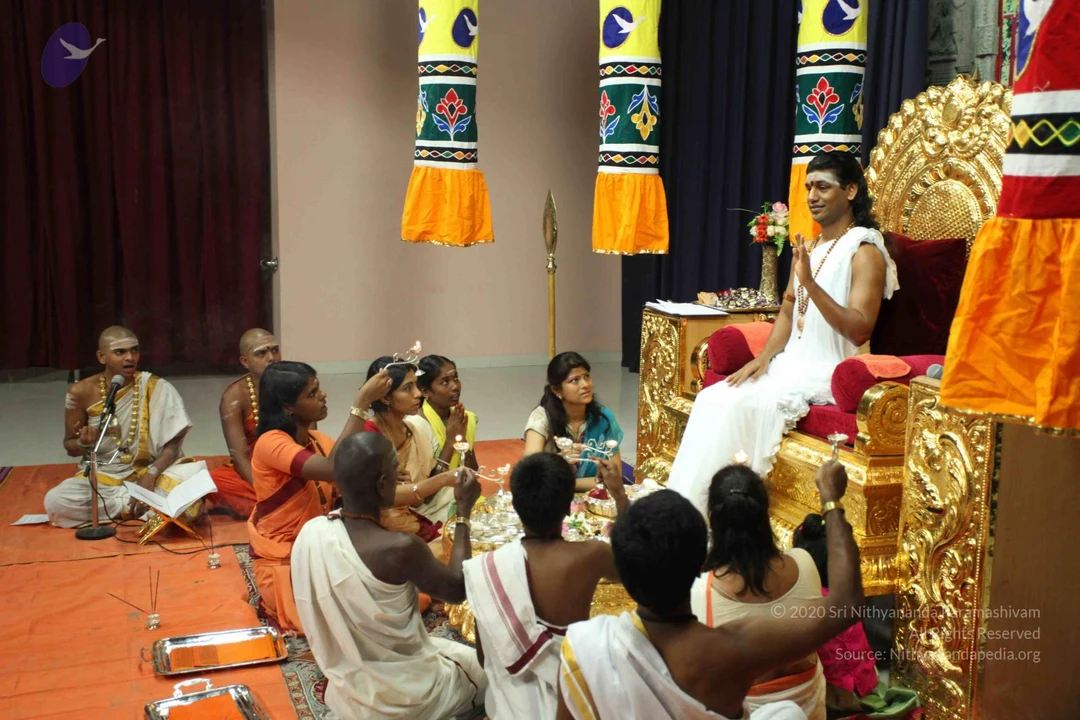
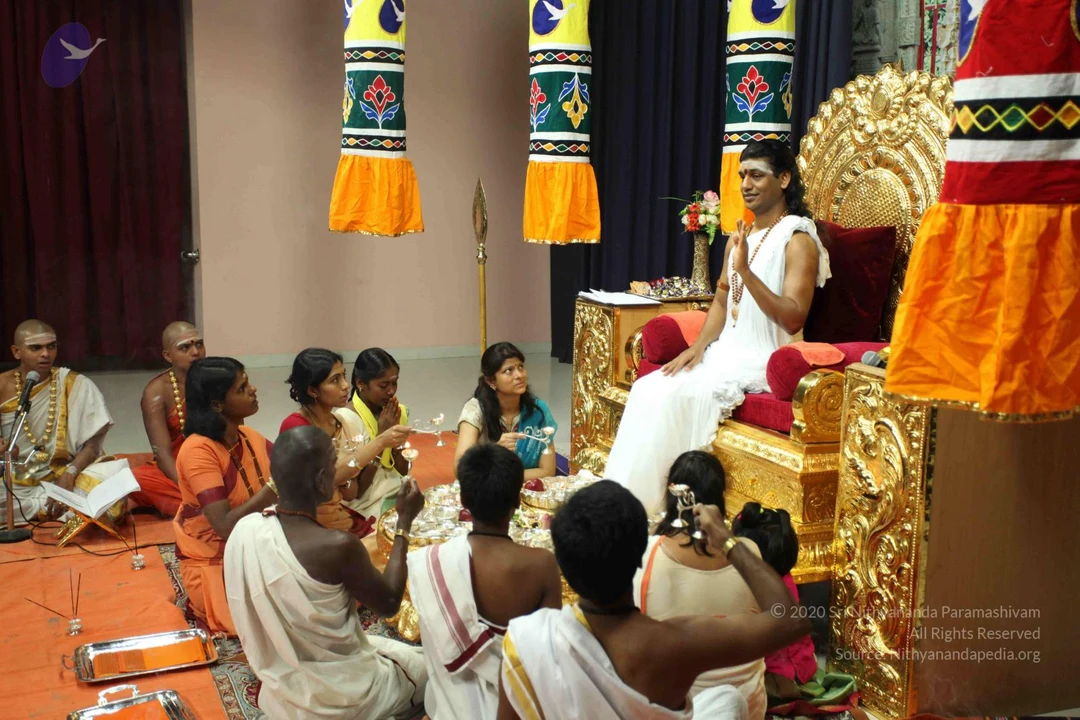
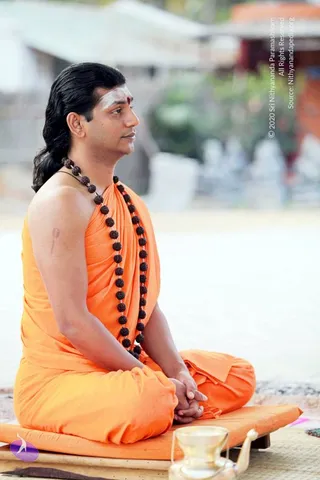
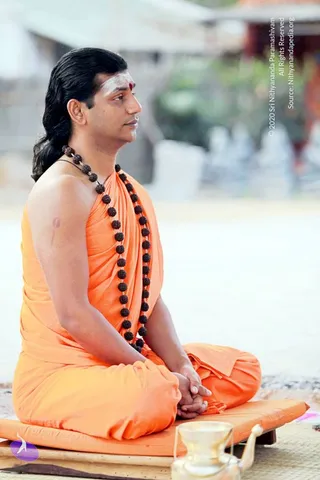
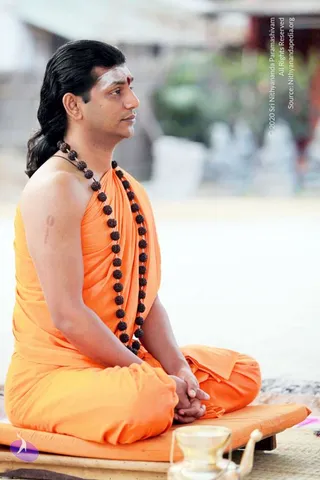
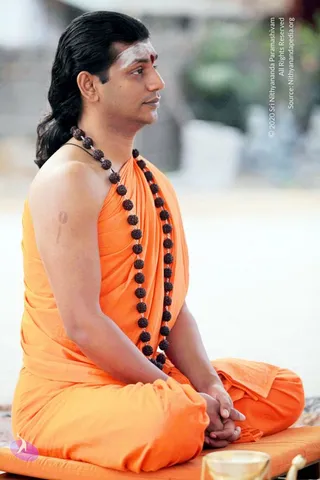
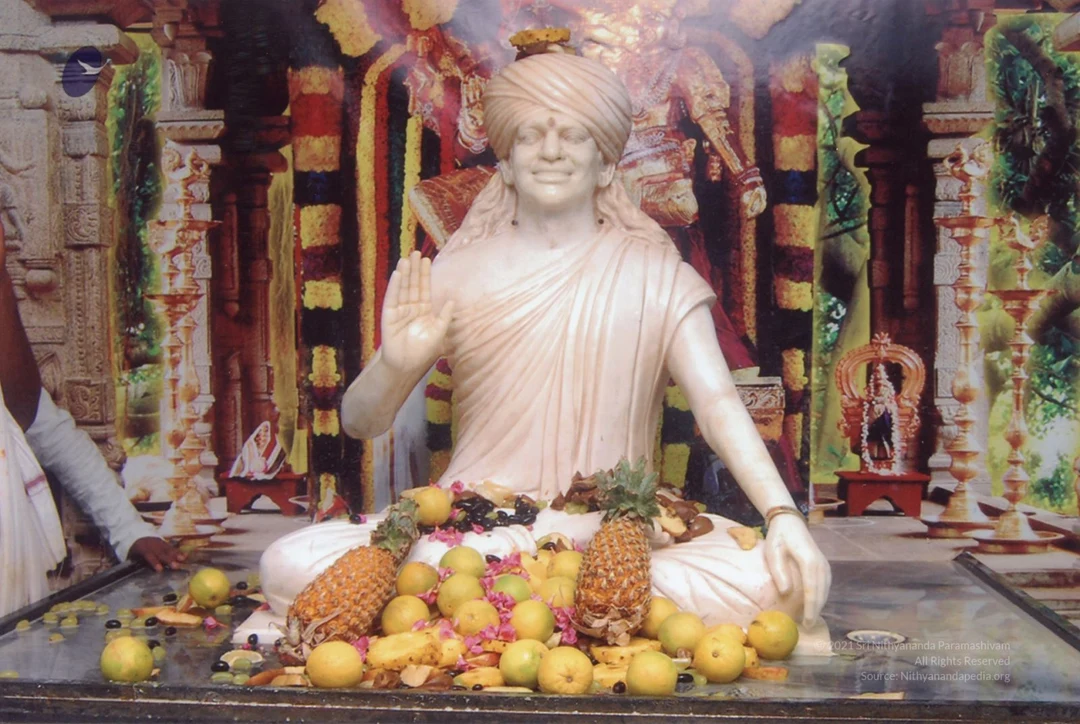
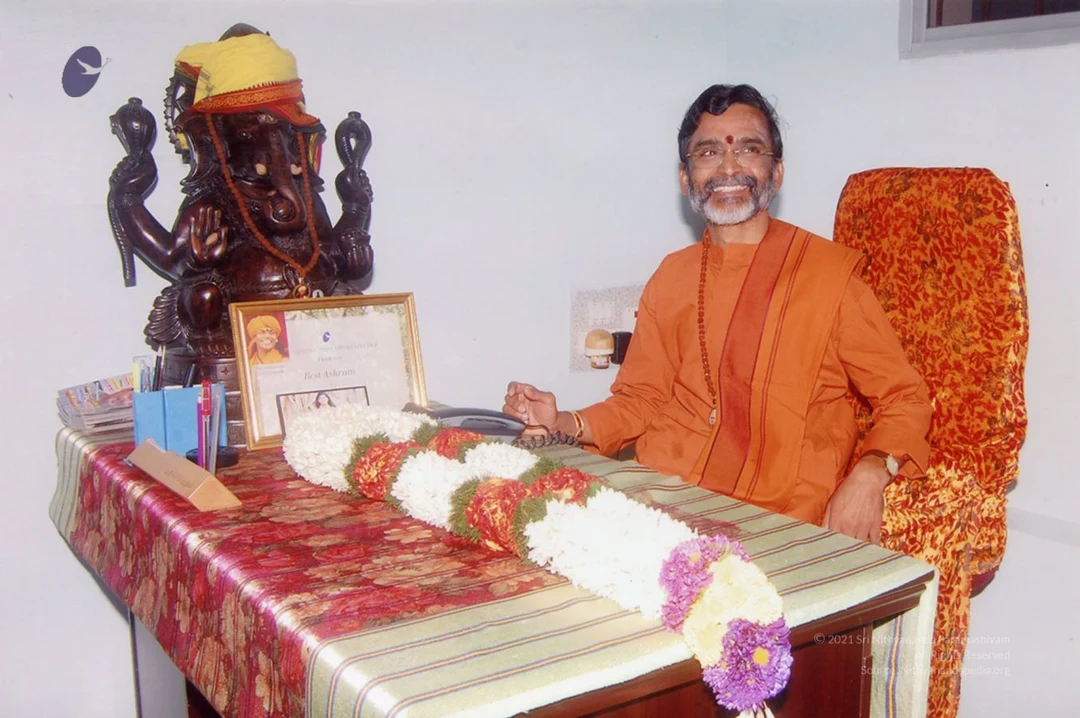
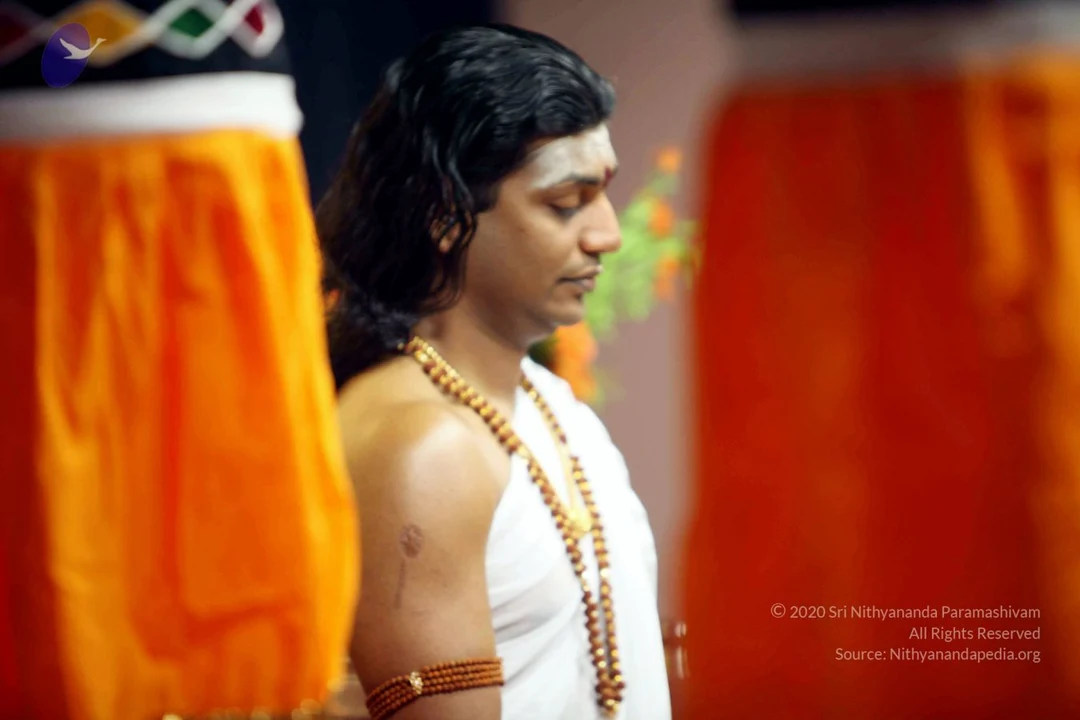
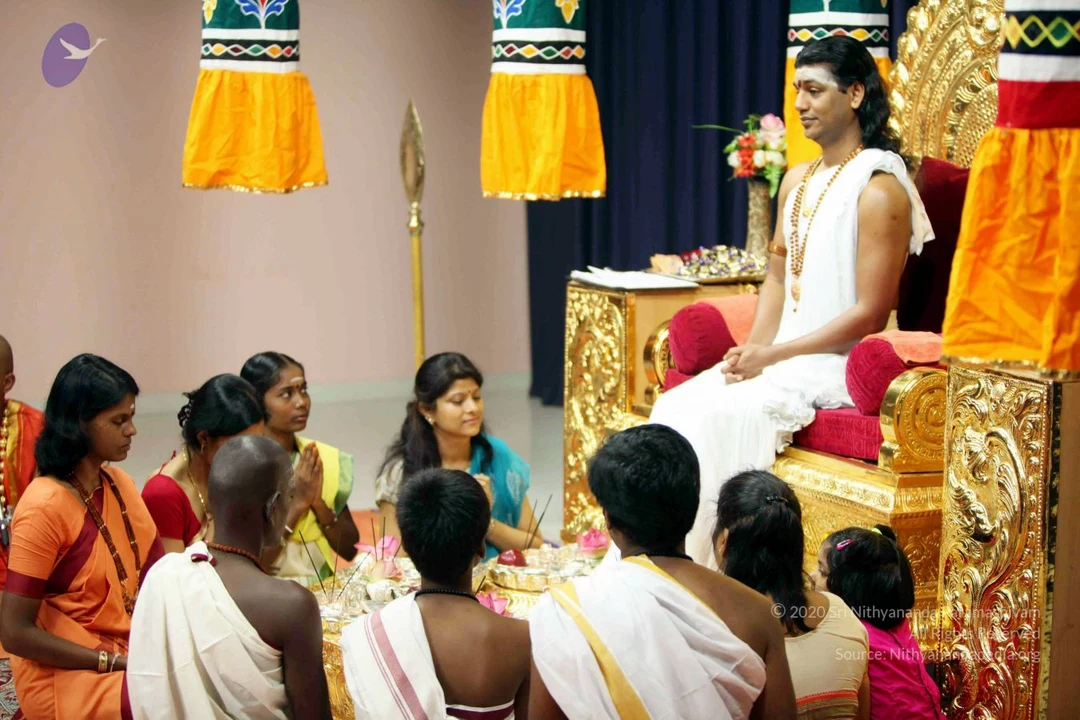
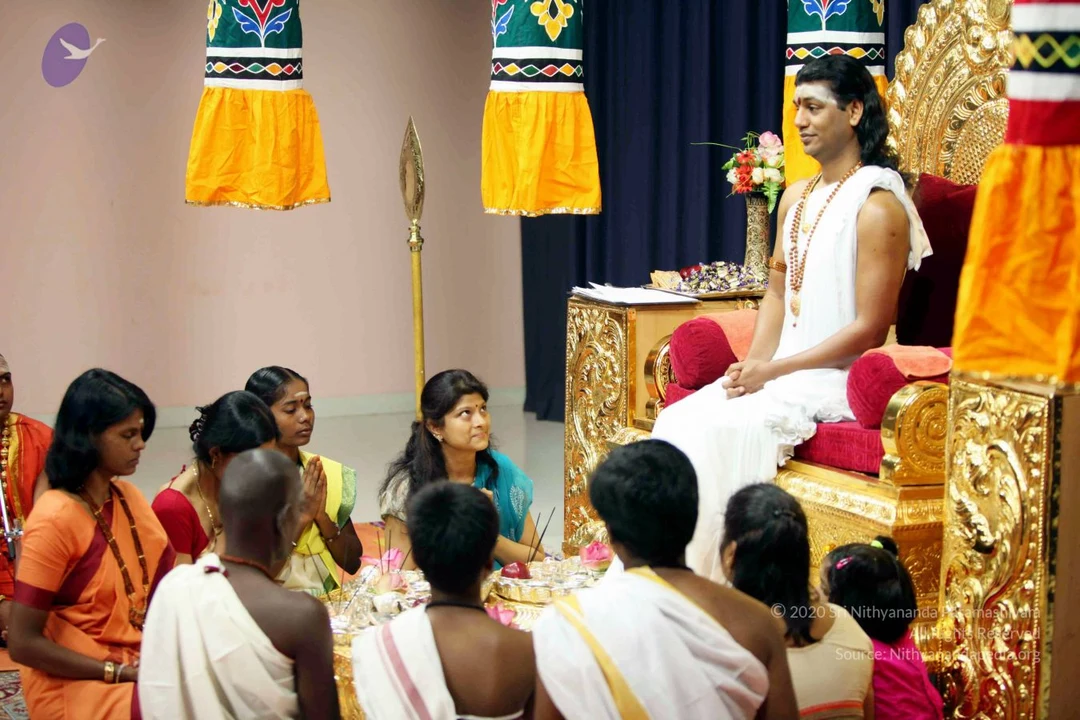
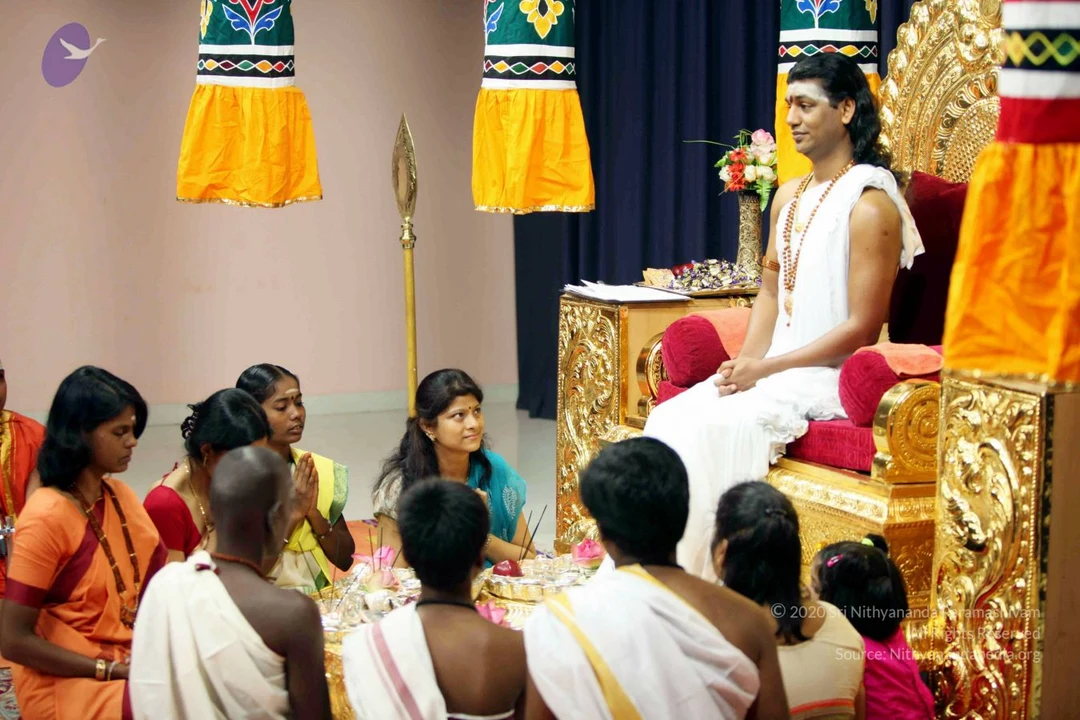
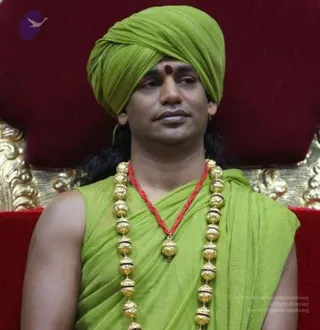
First anniversary celebrations of KAILASA in Seeragapadi
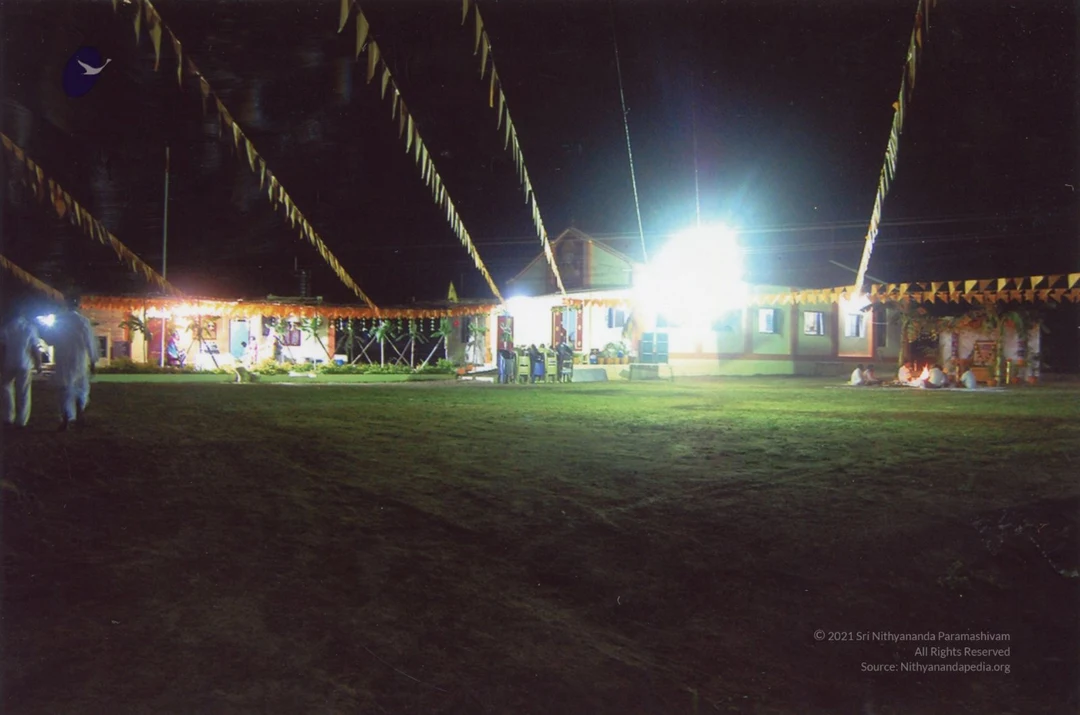
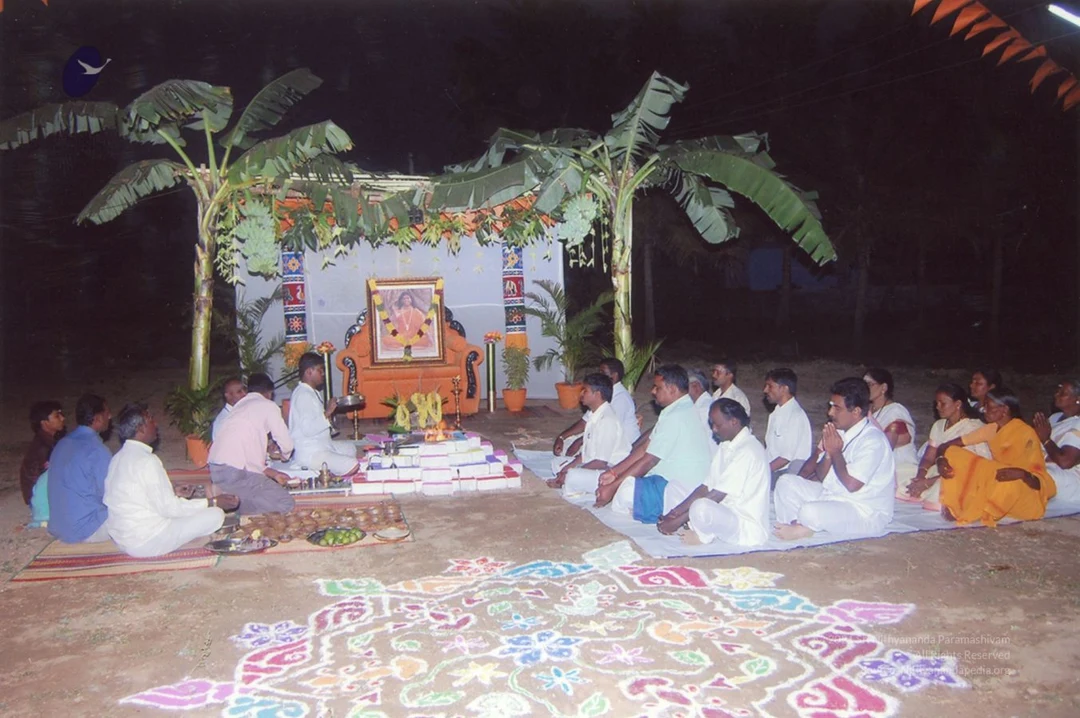

MORE PHOTOGRAPHS
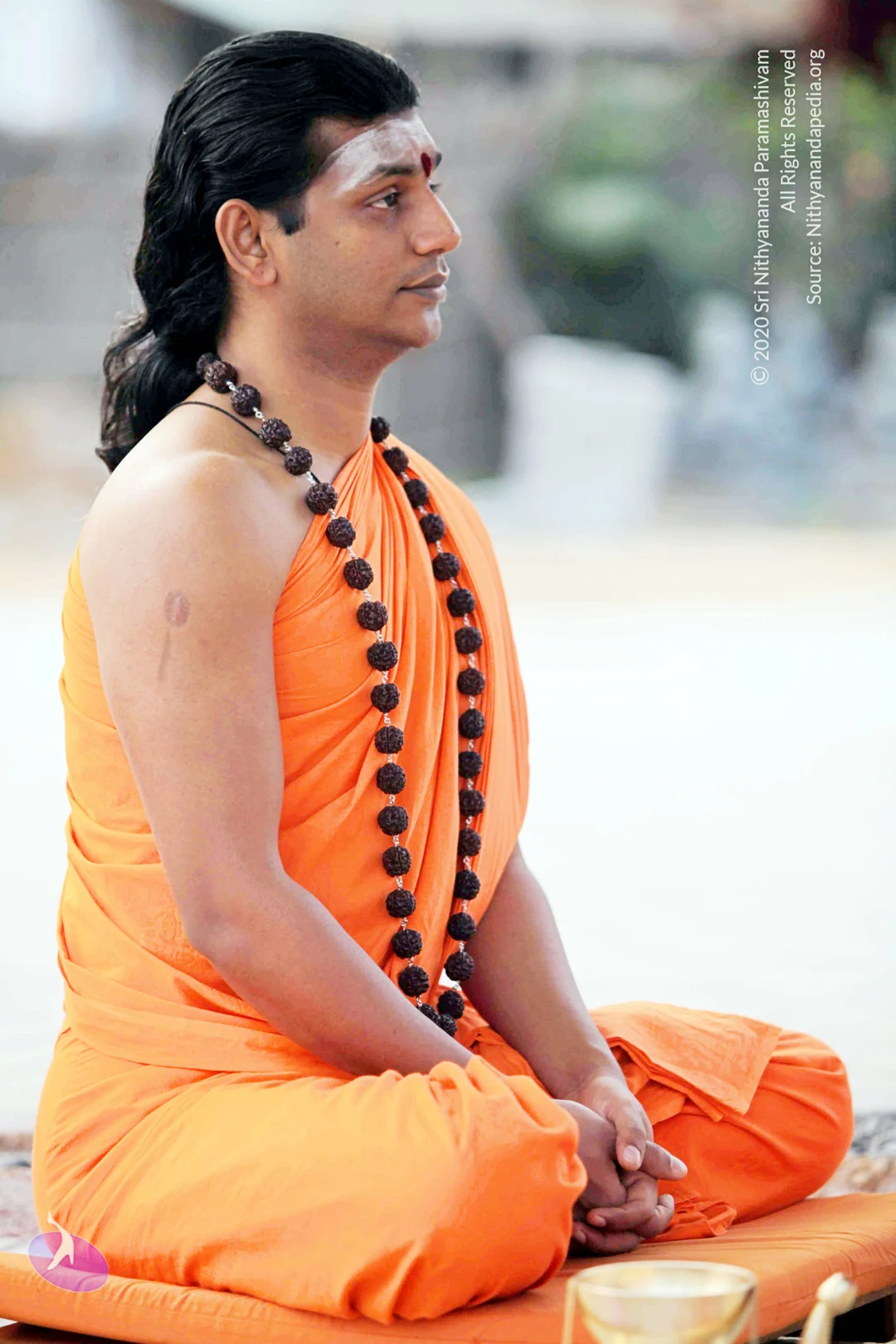
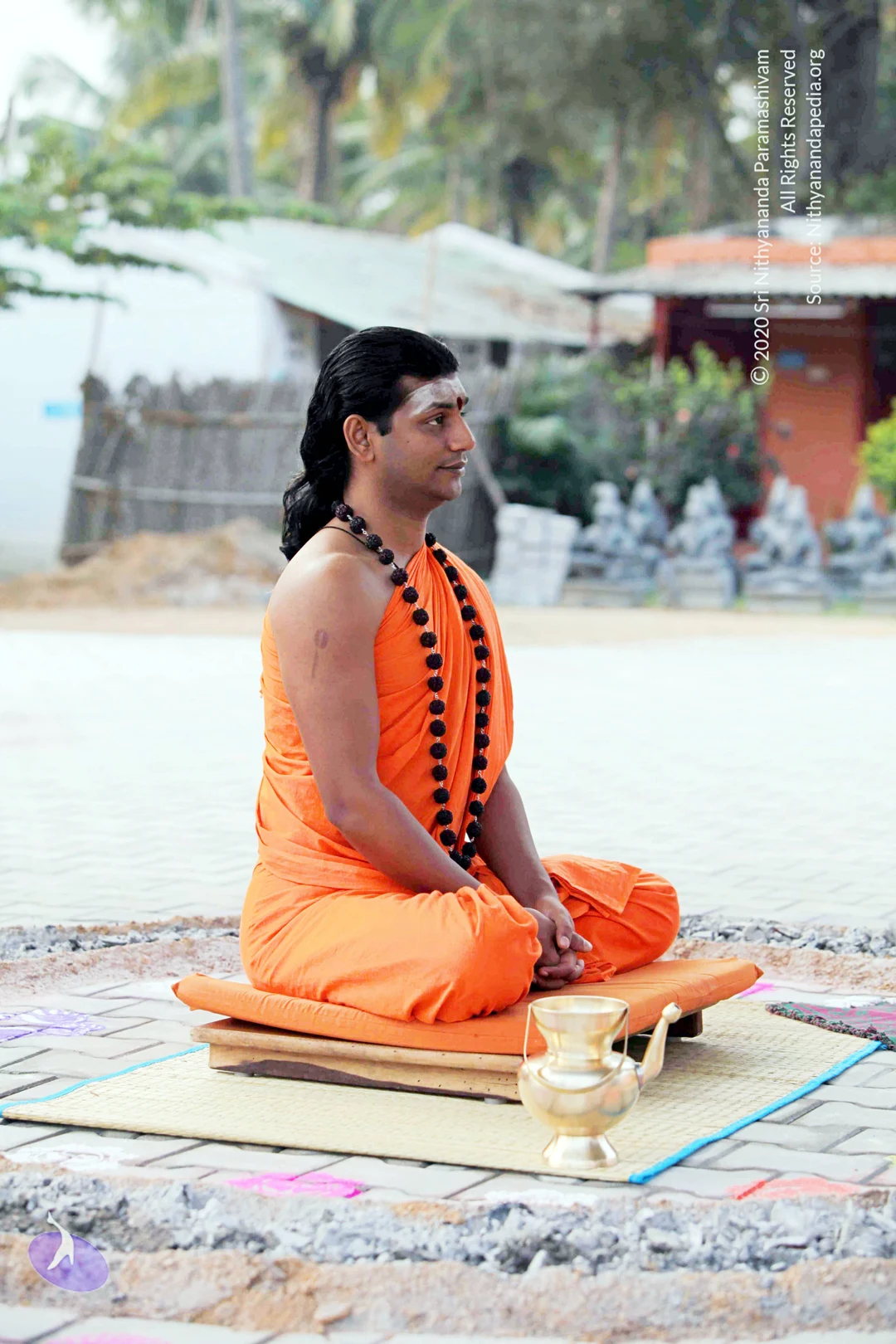
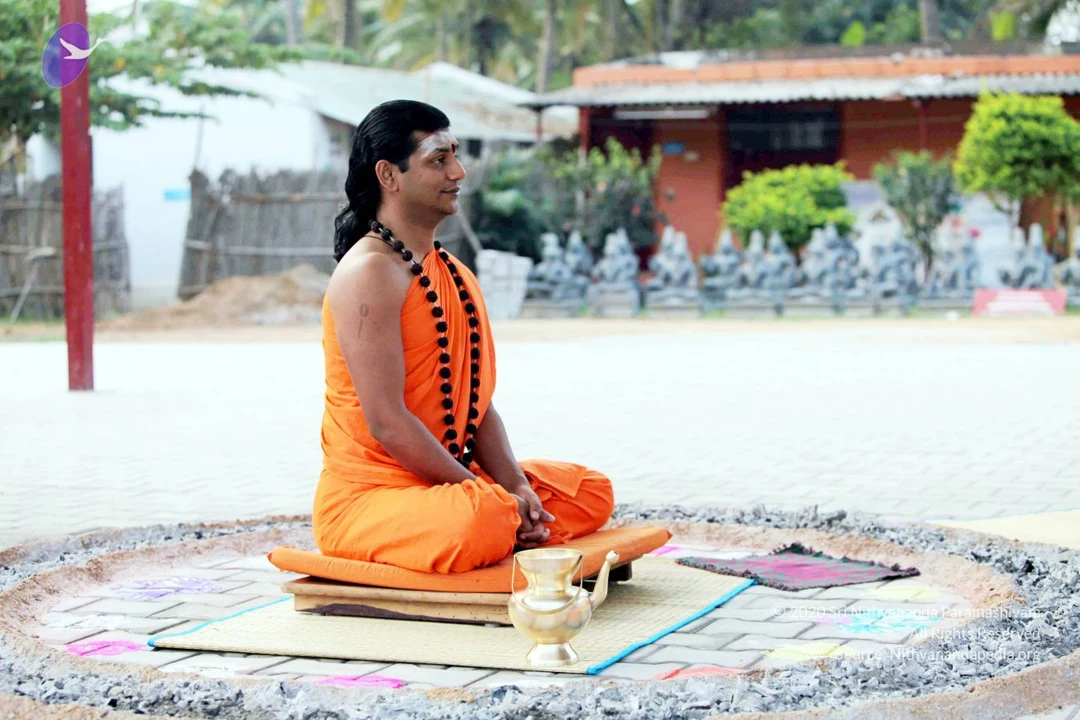
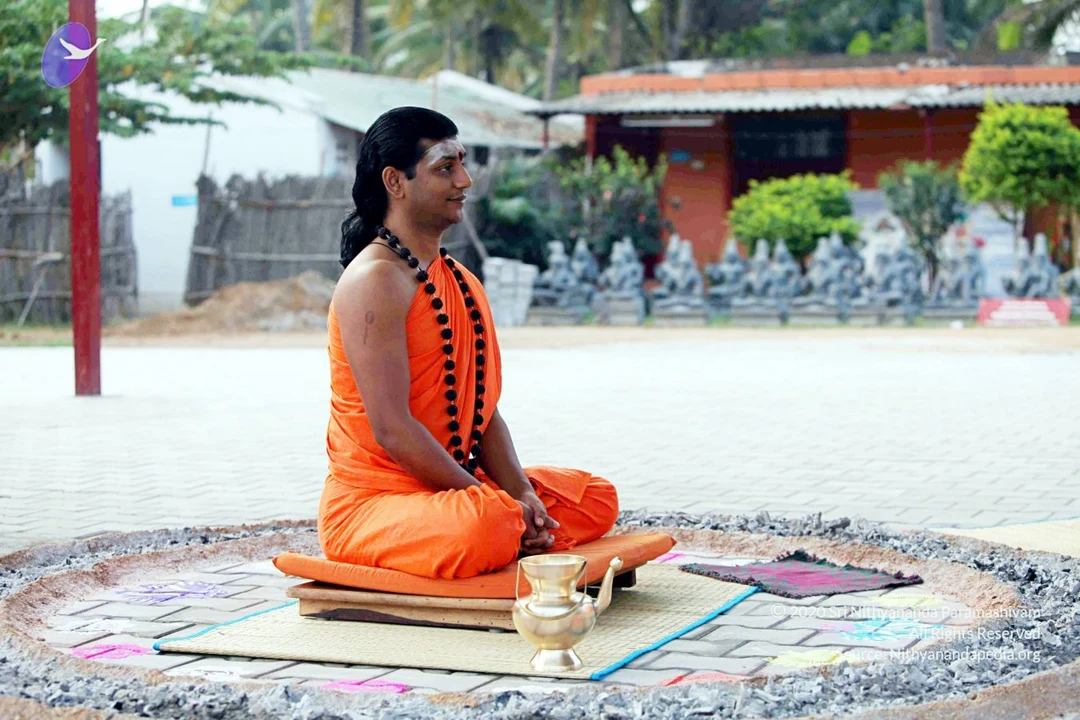
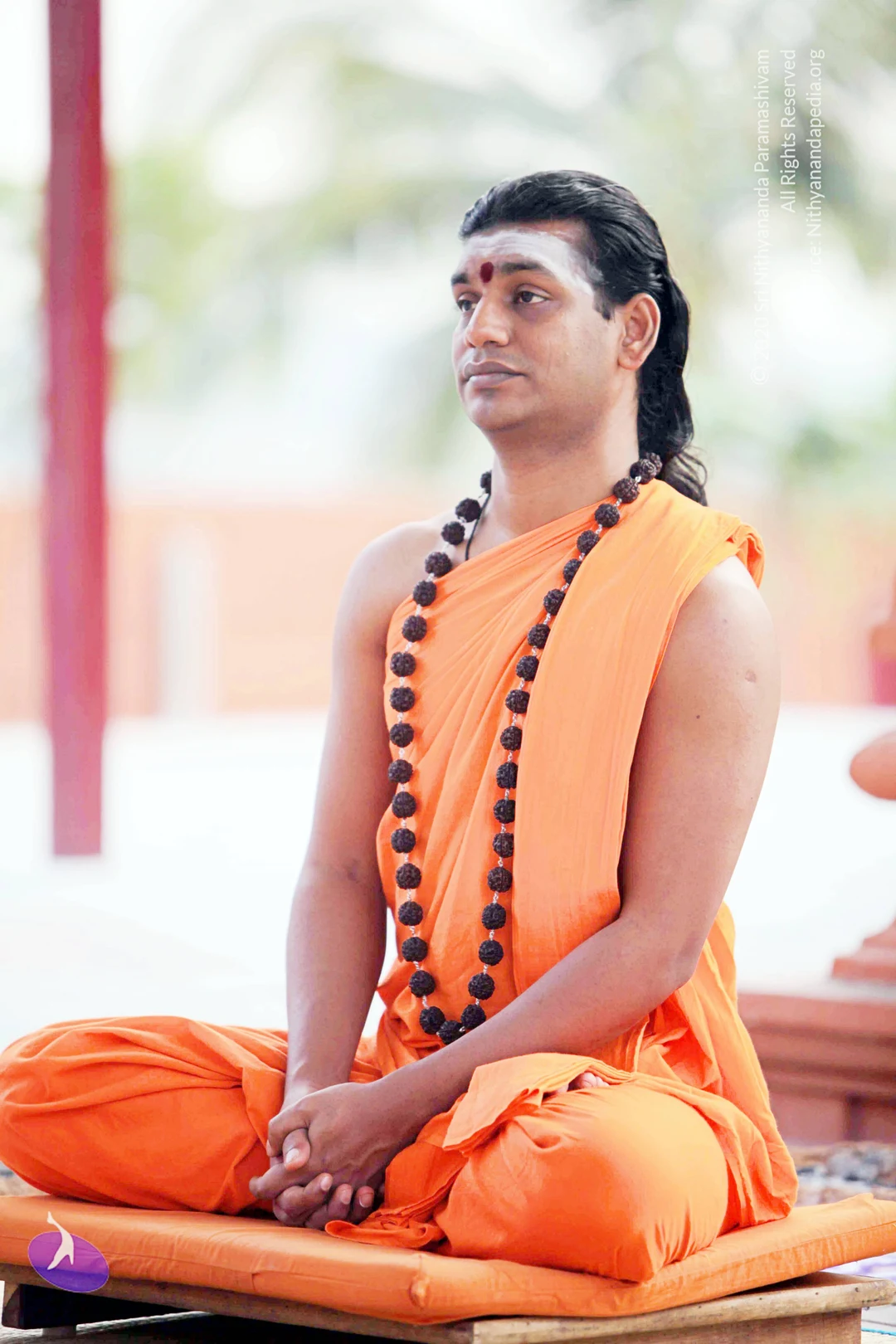
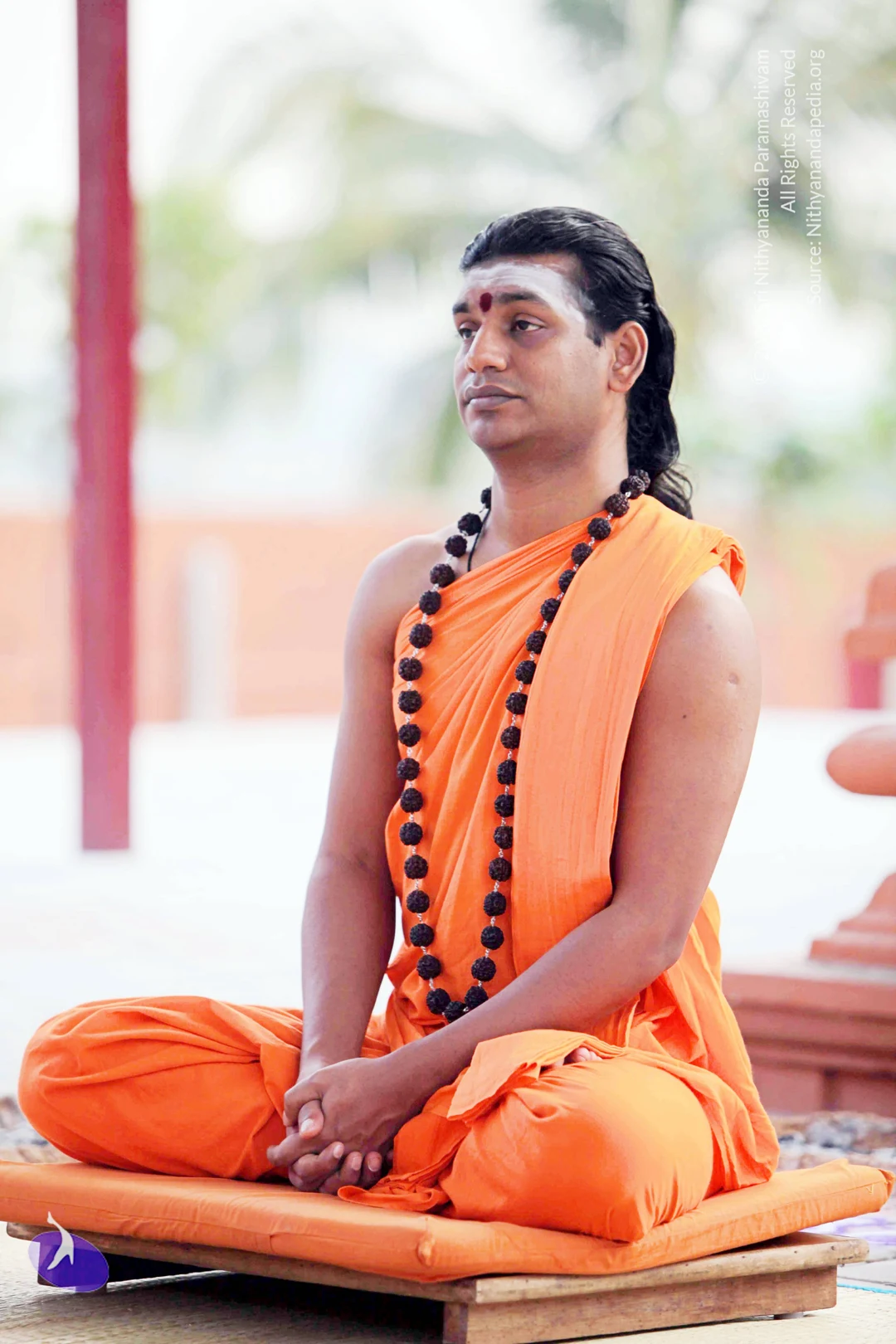
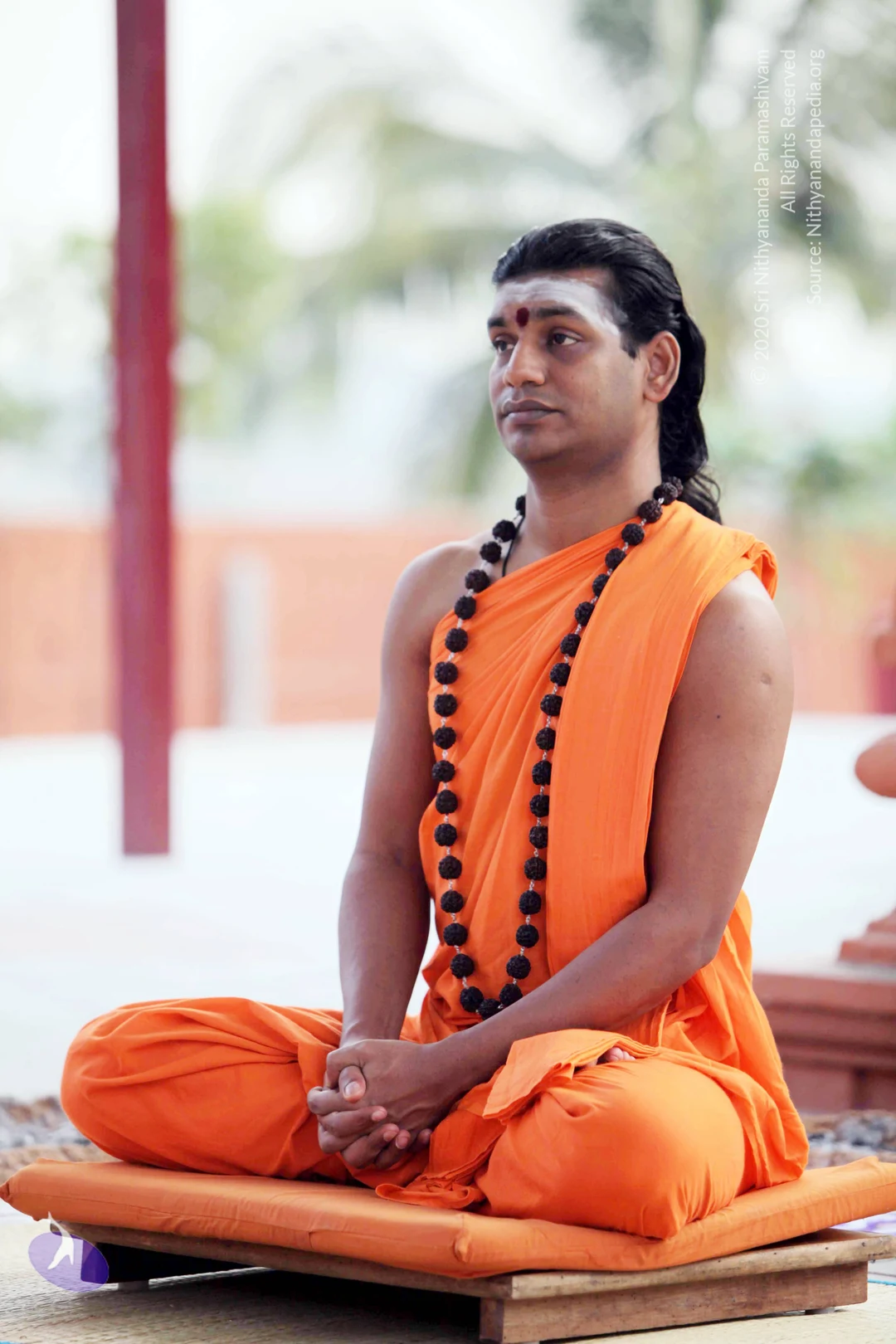
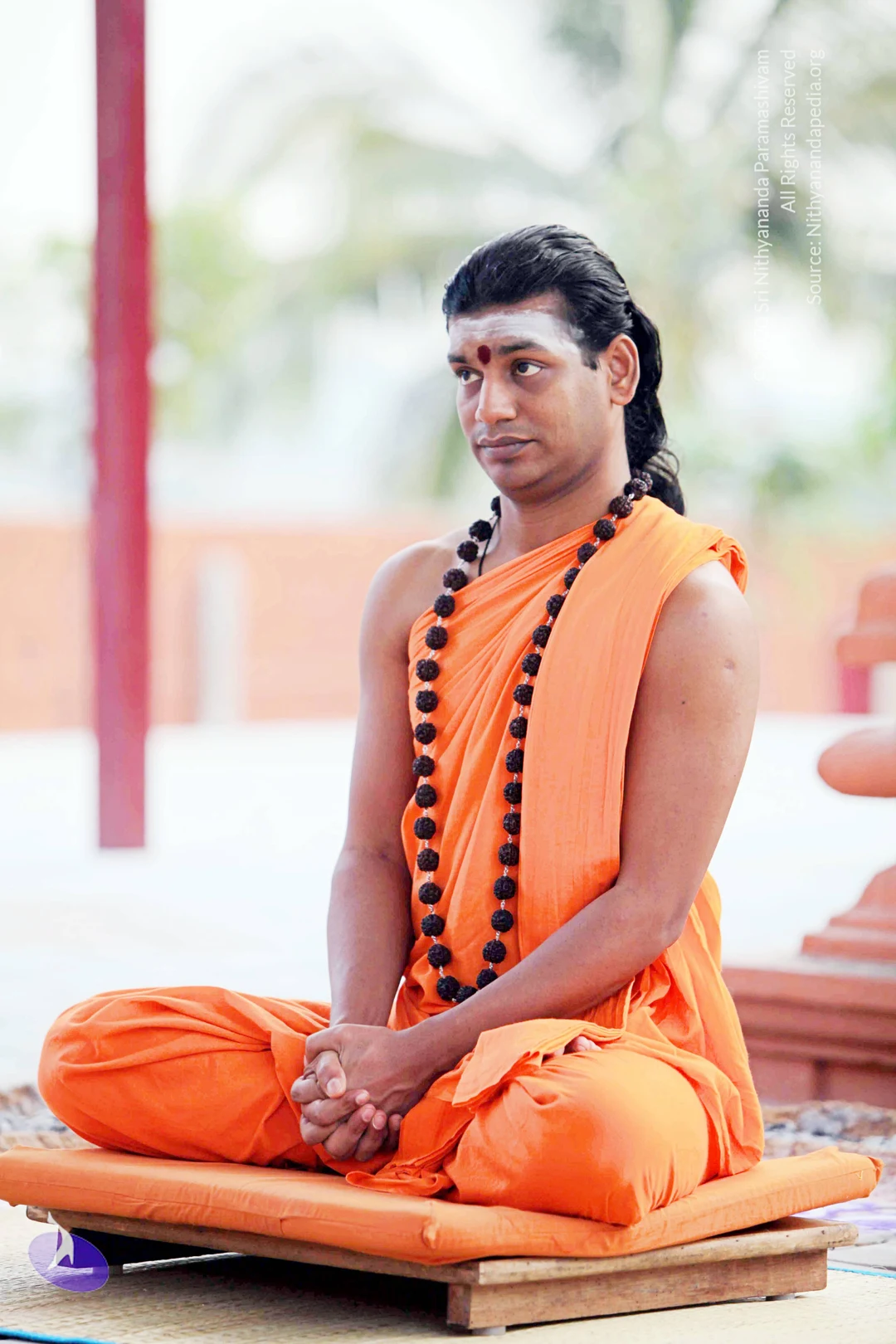
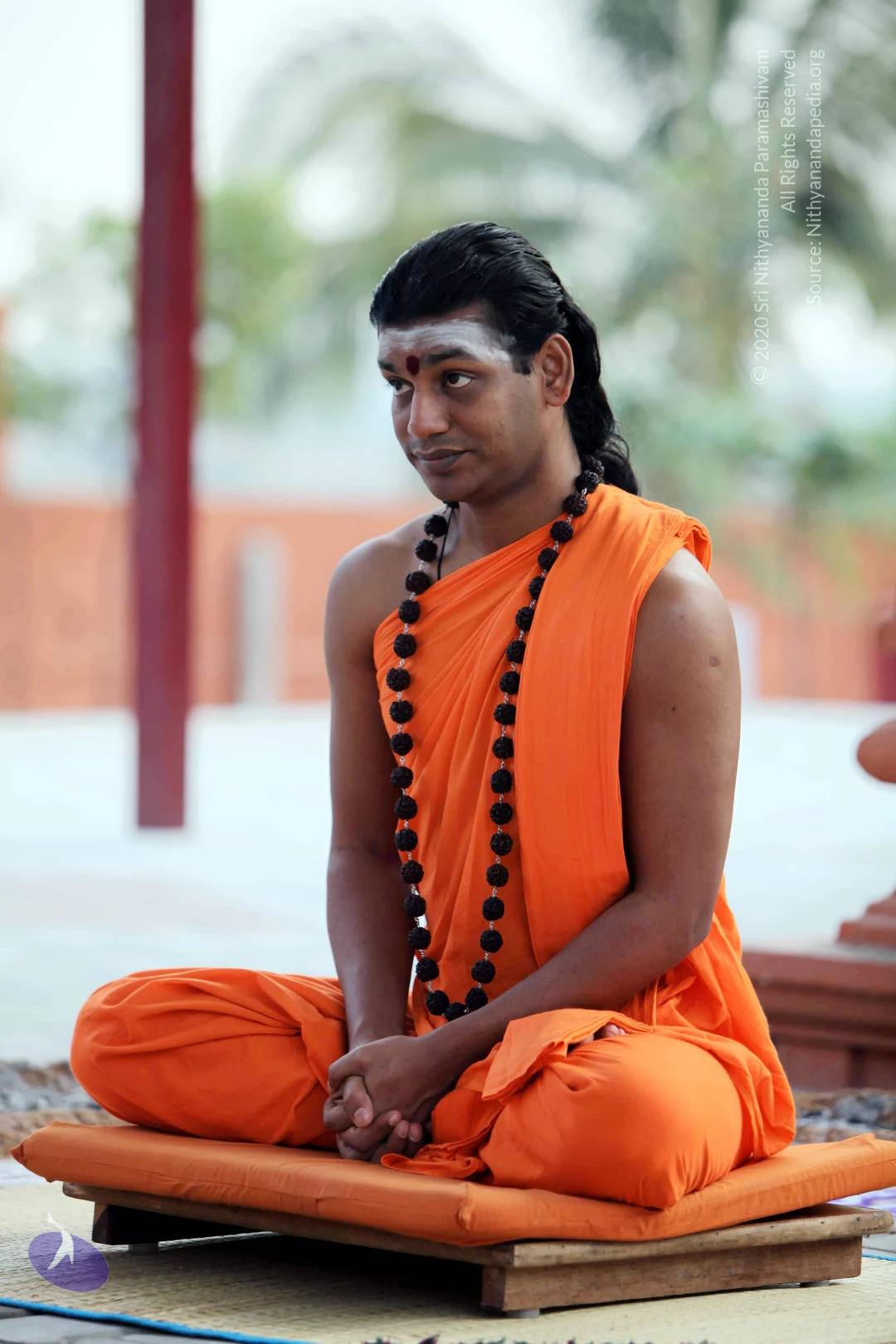
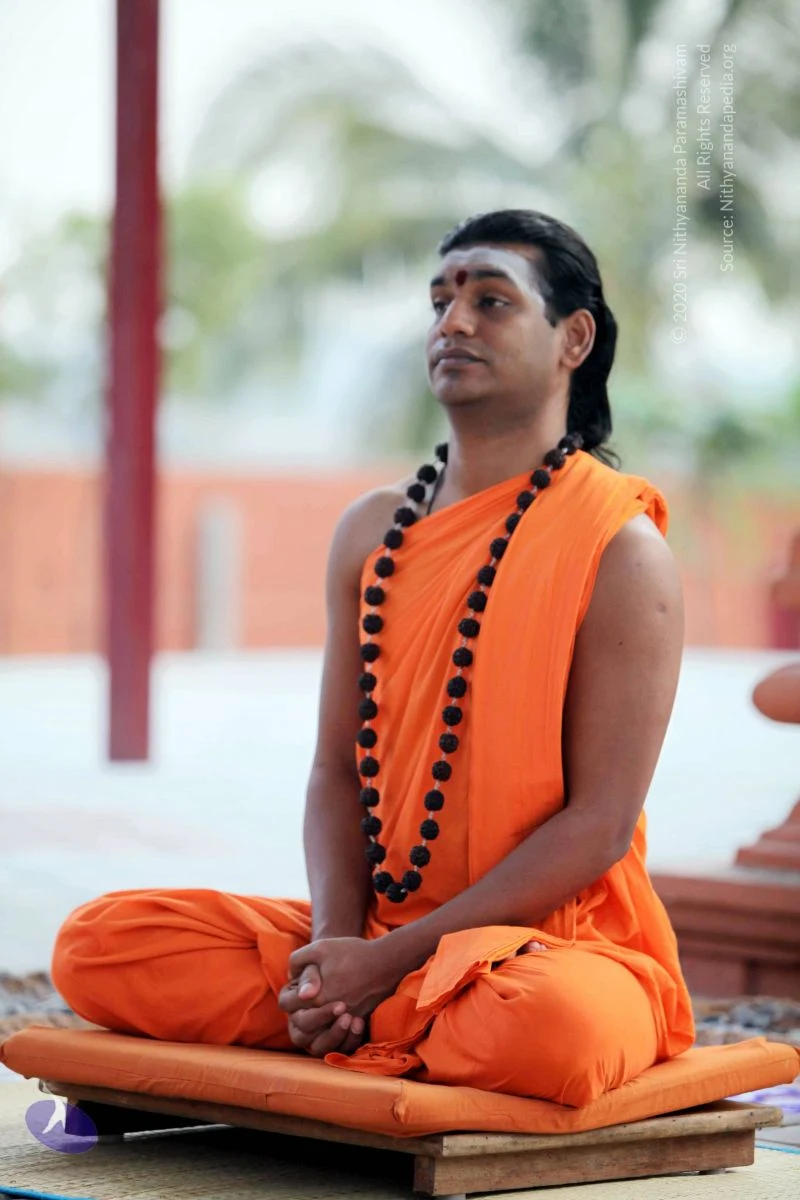
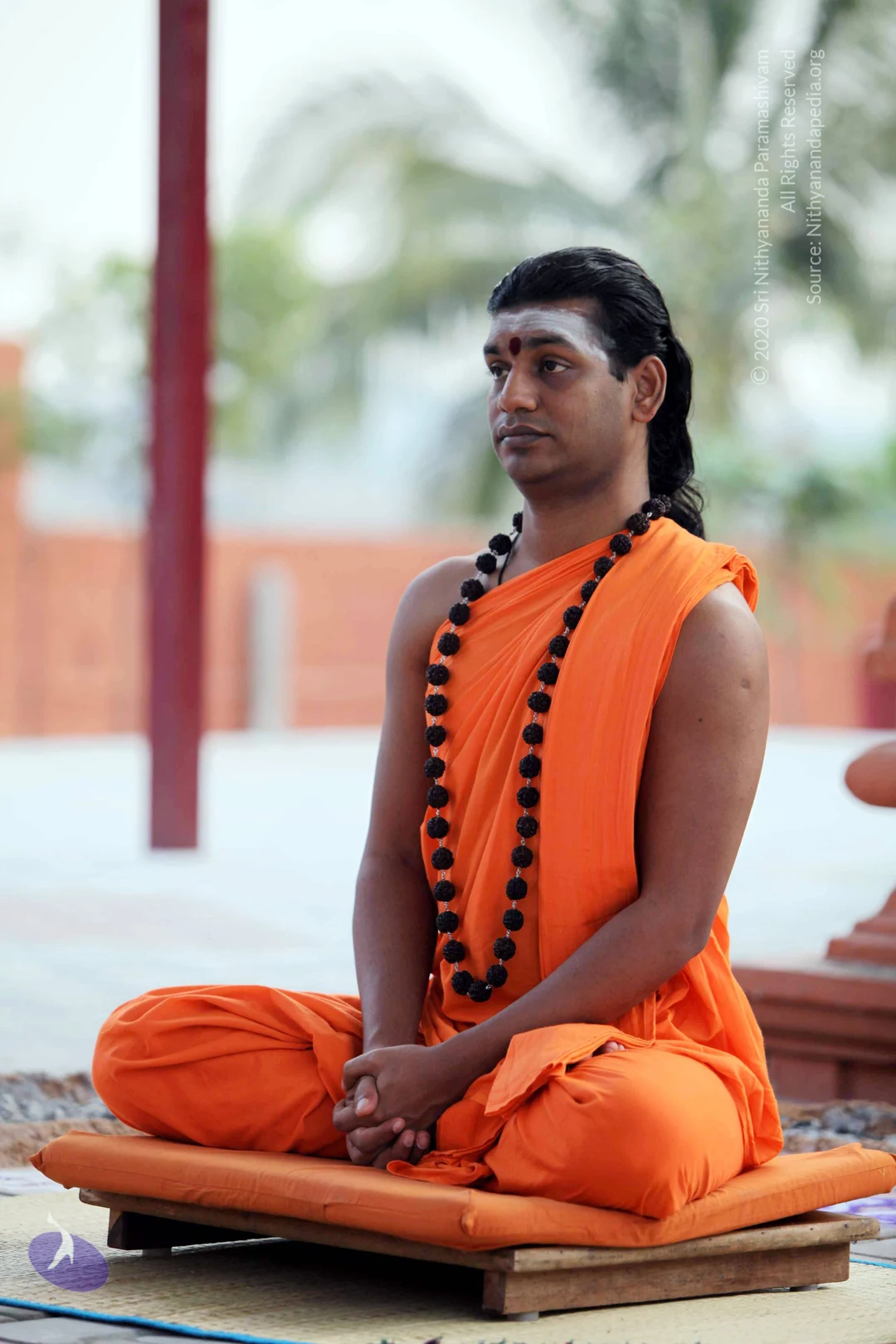
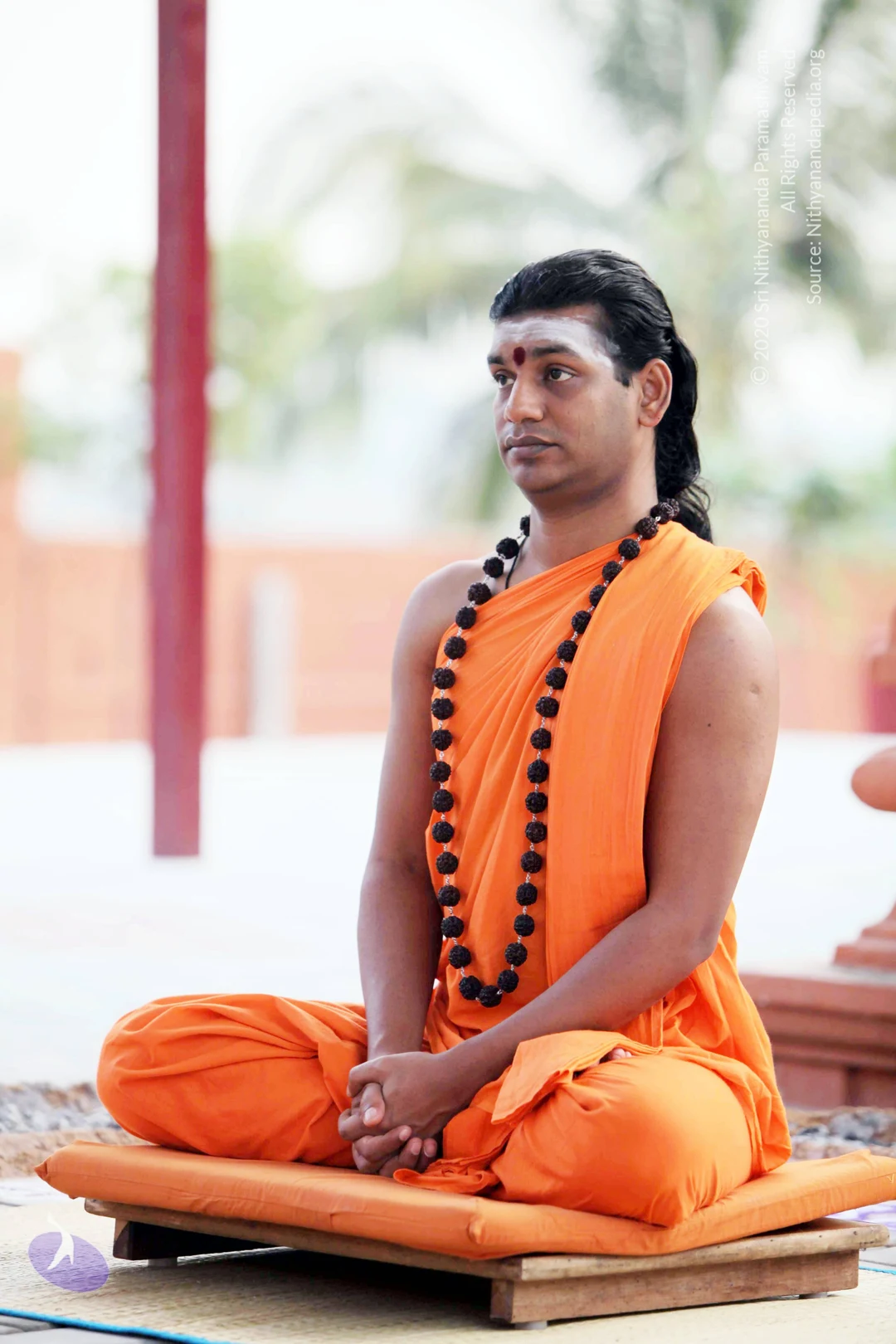
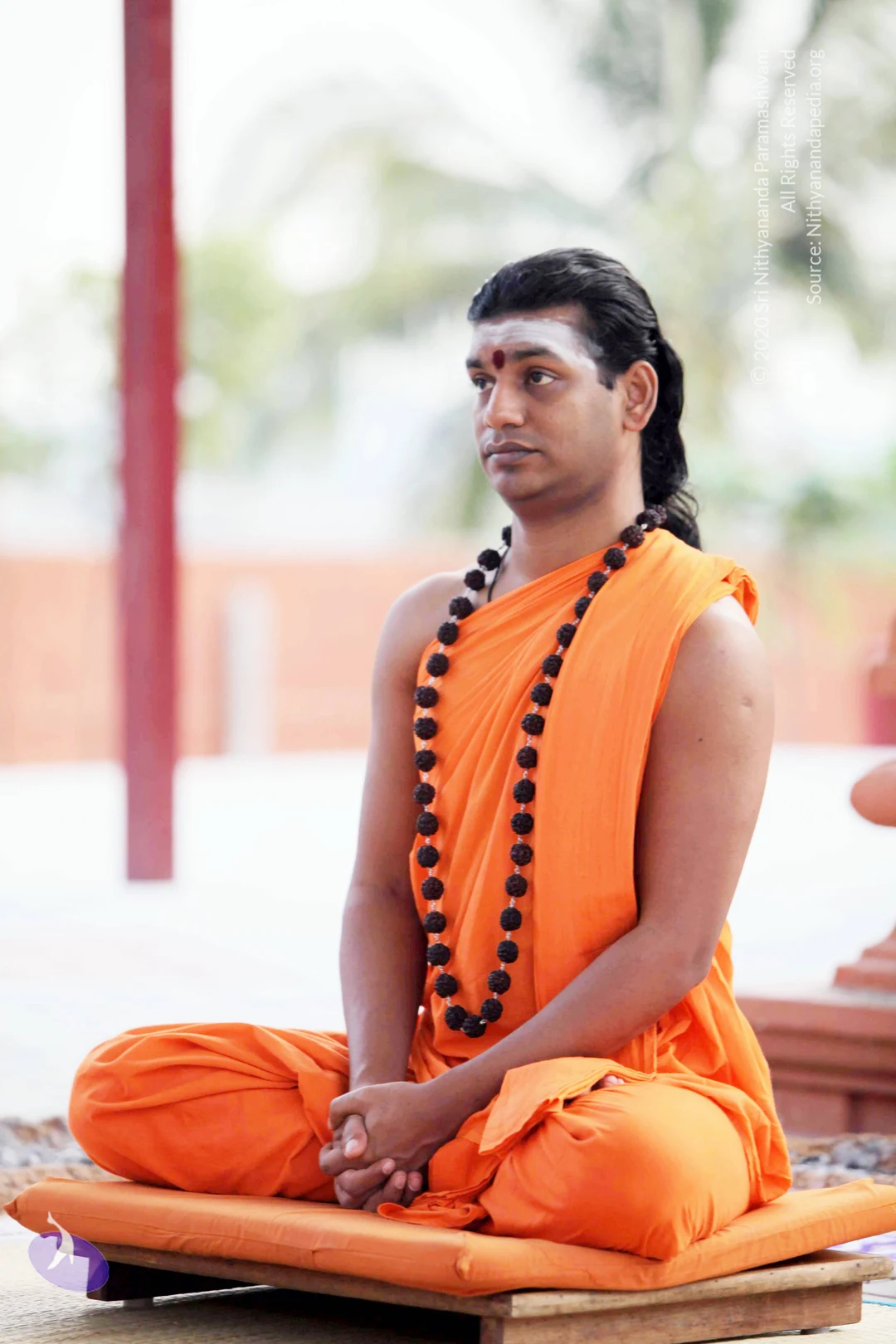
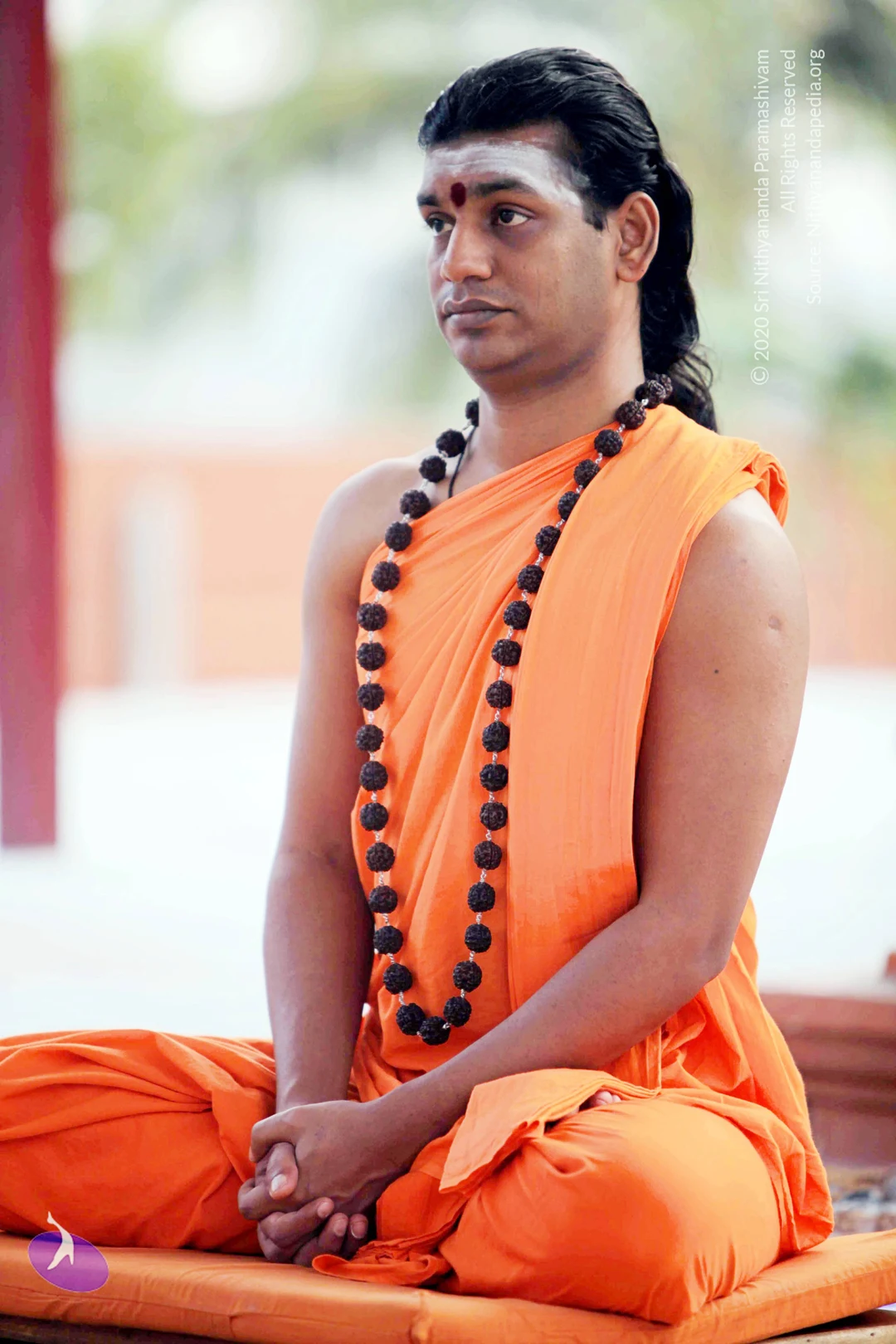
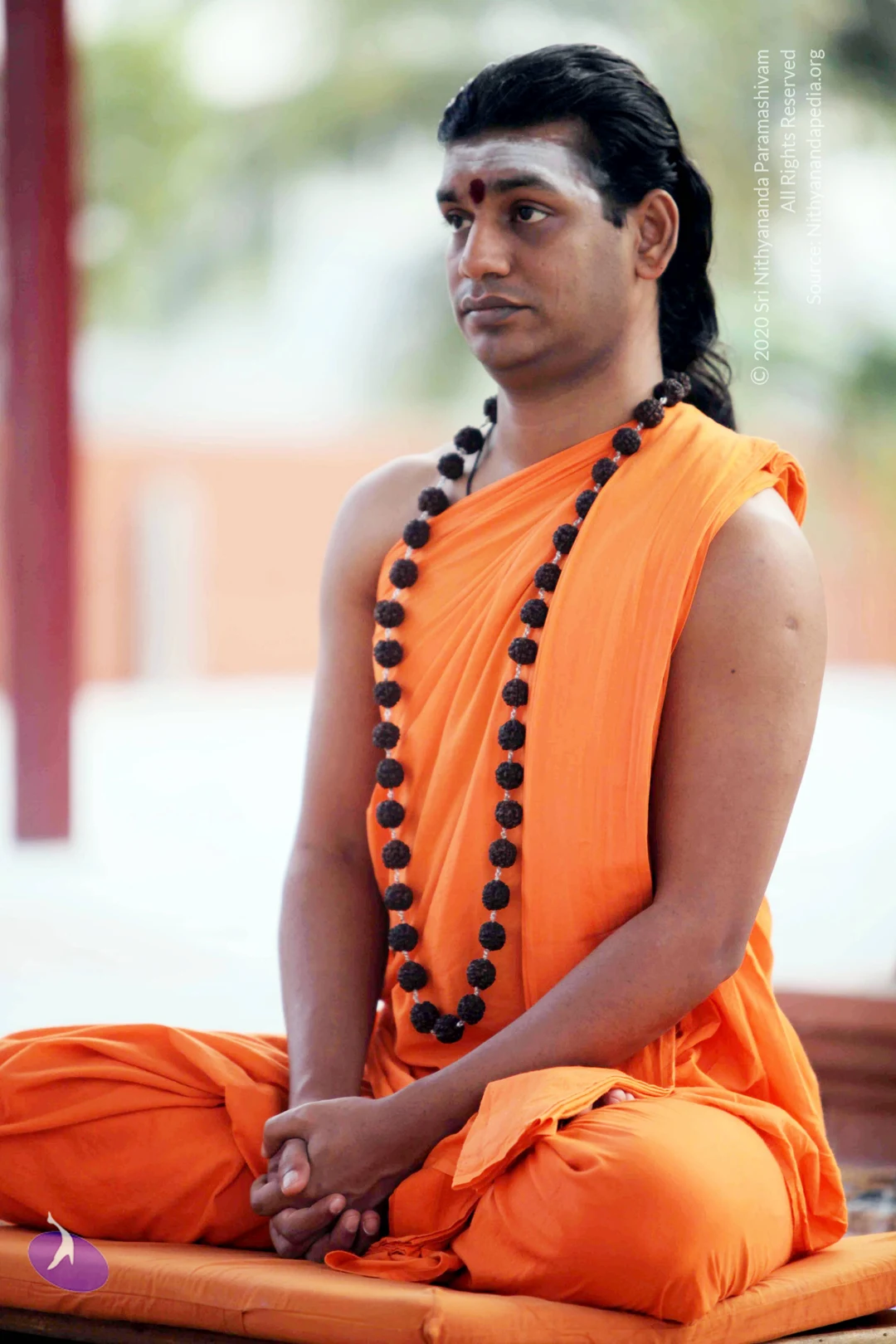
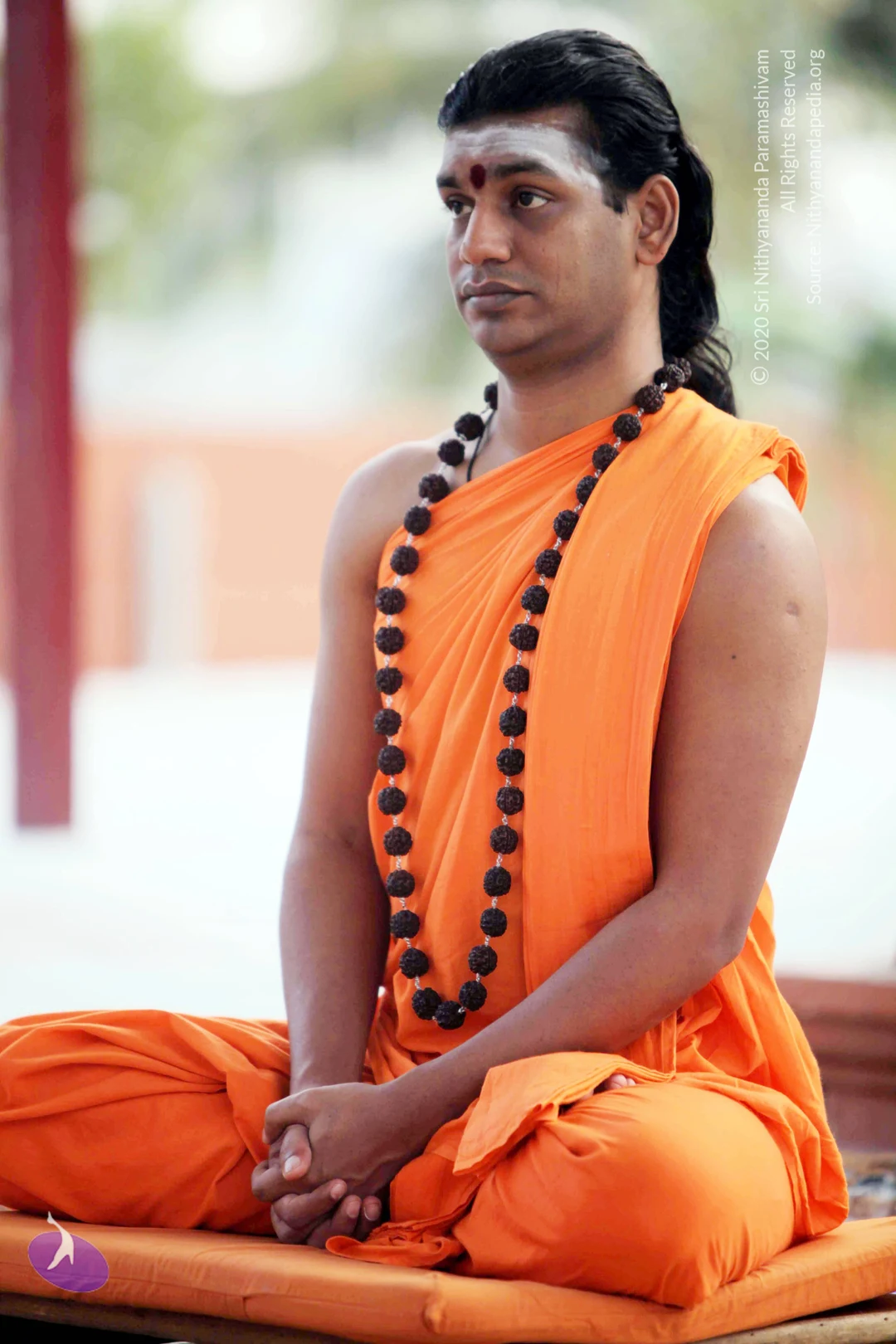
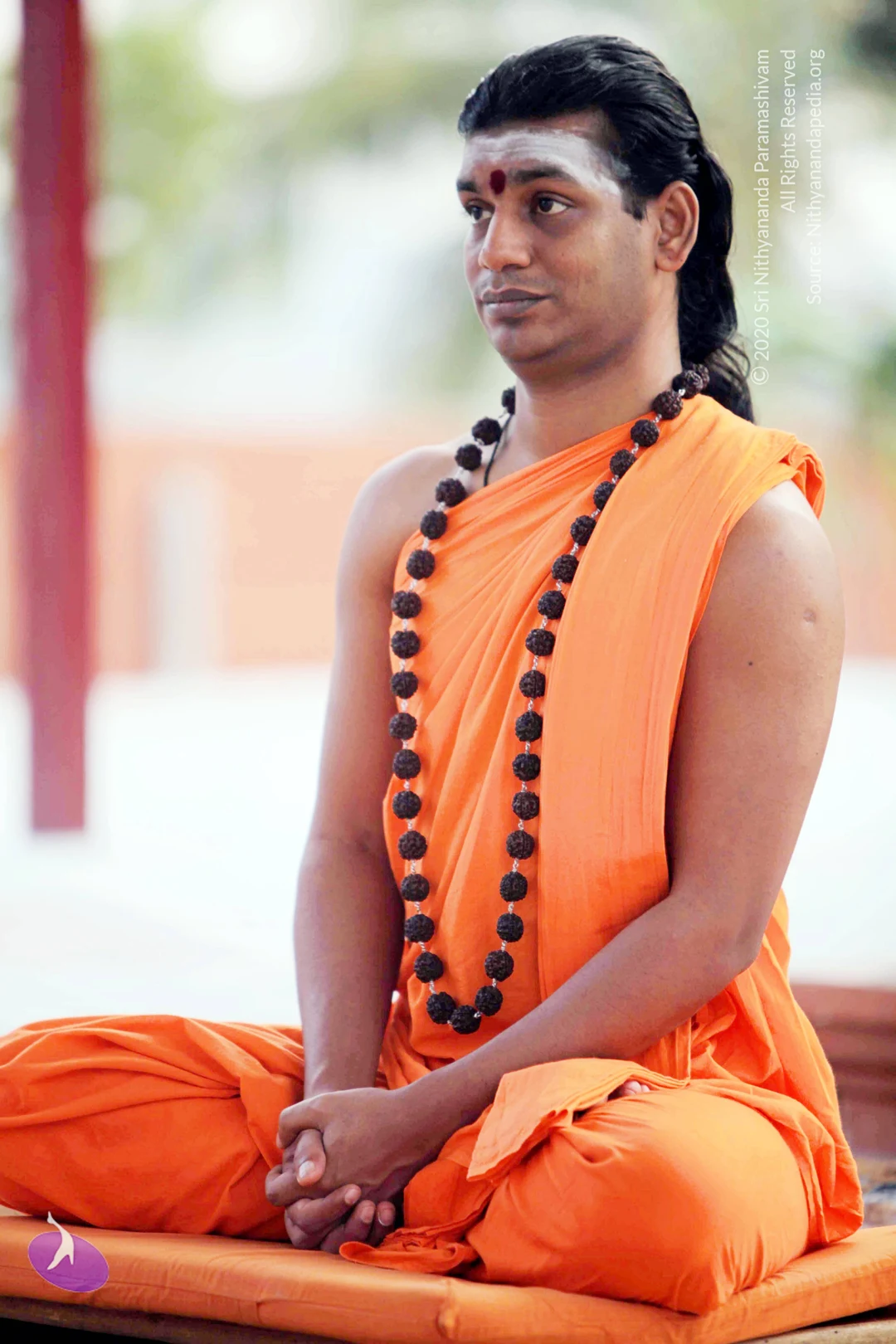
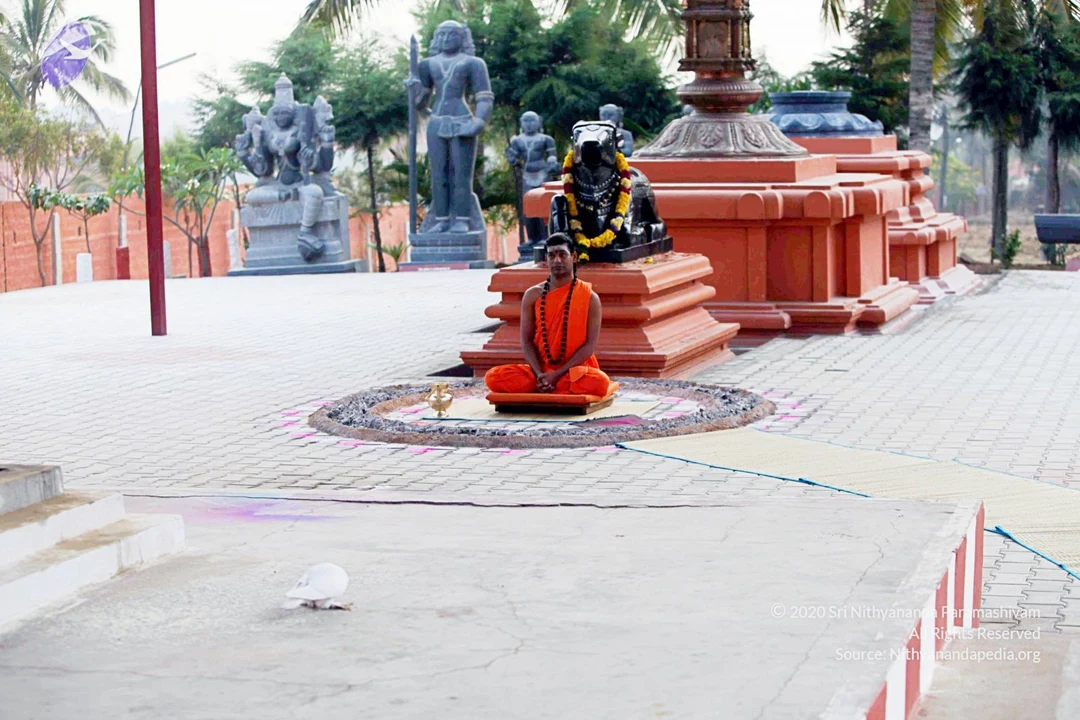
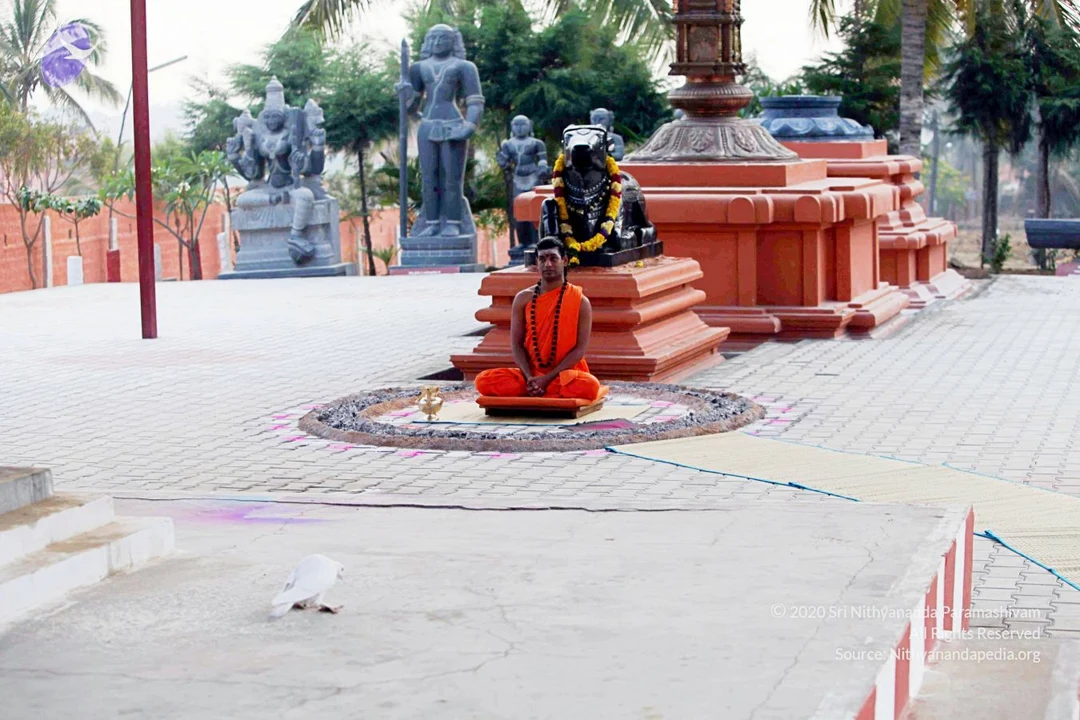
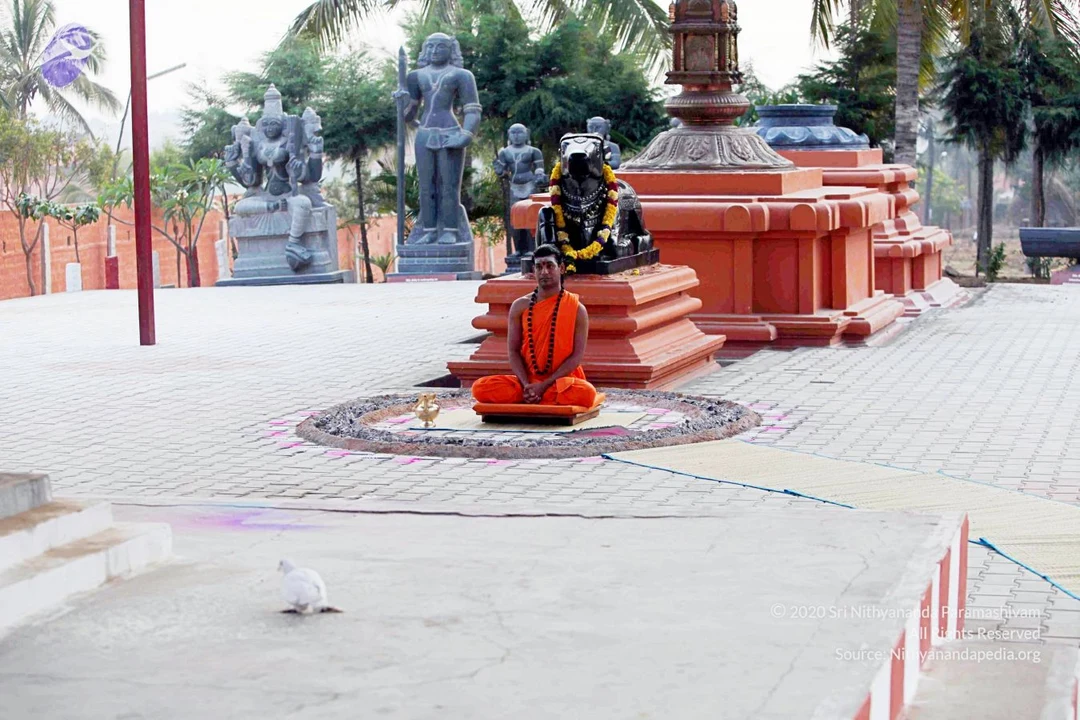
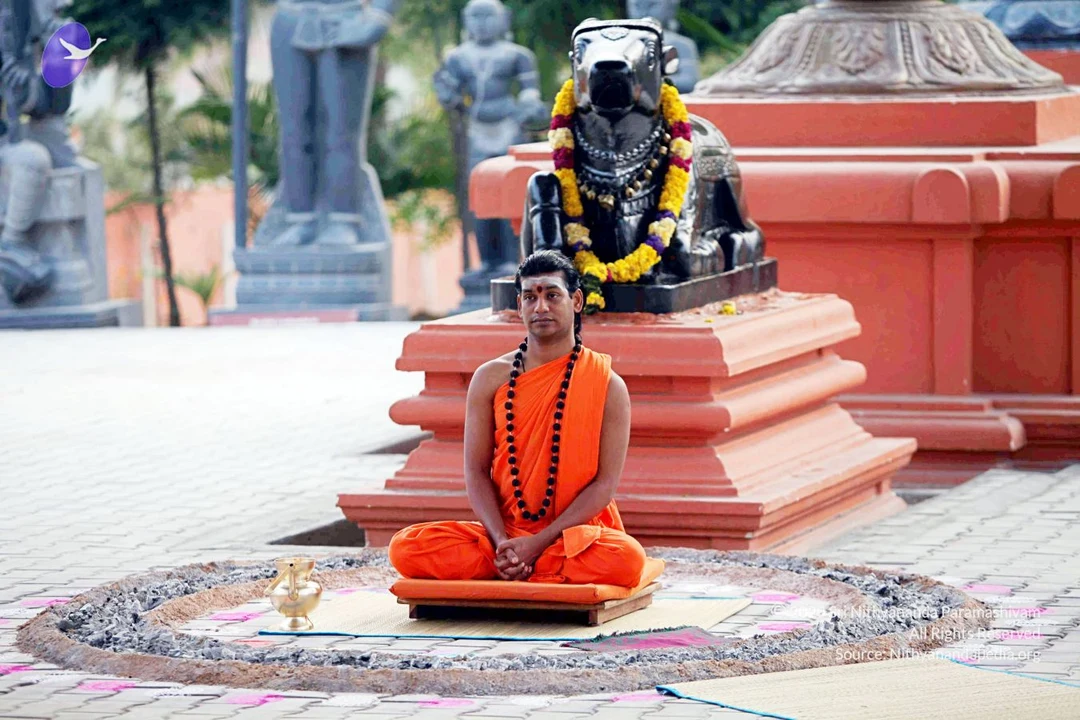
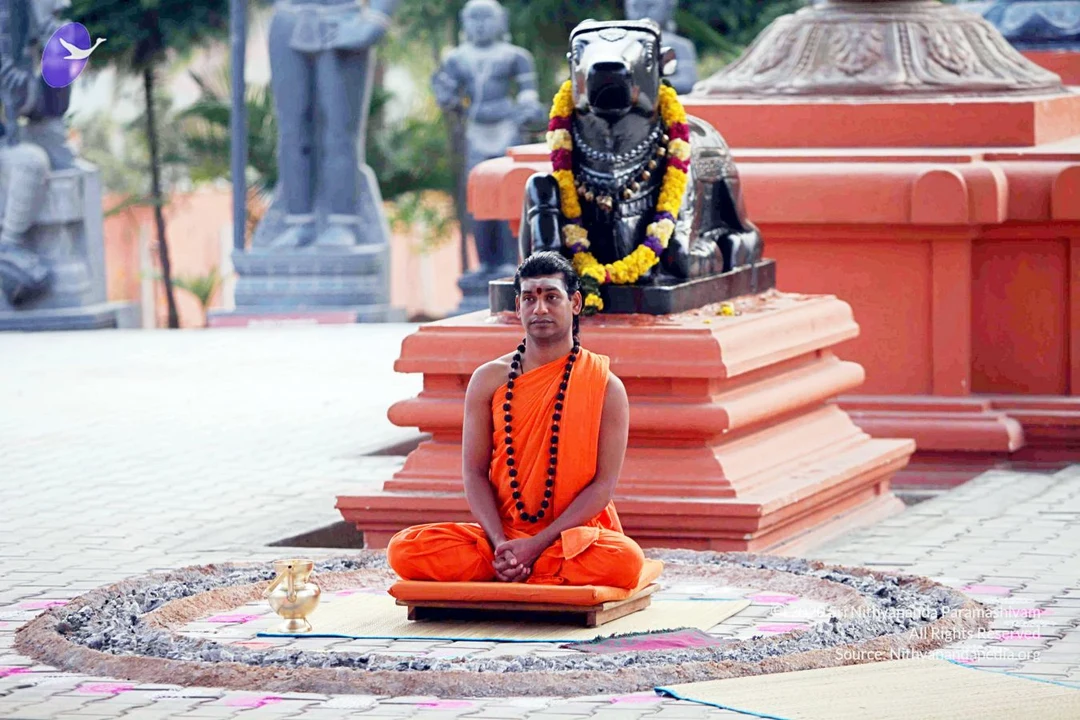
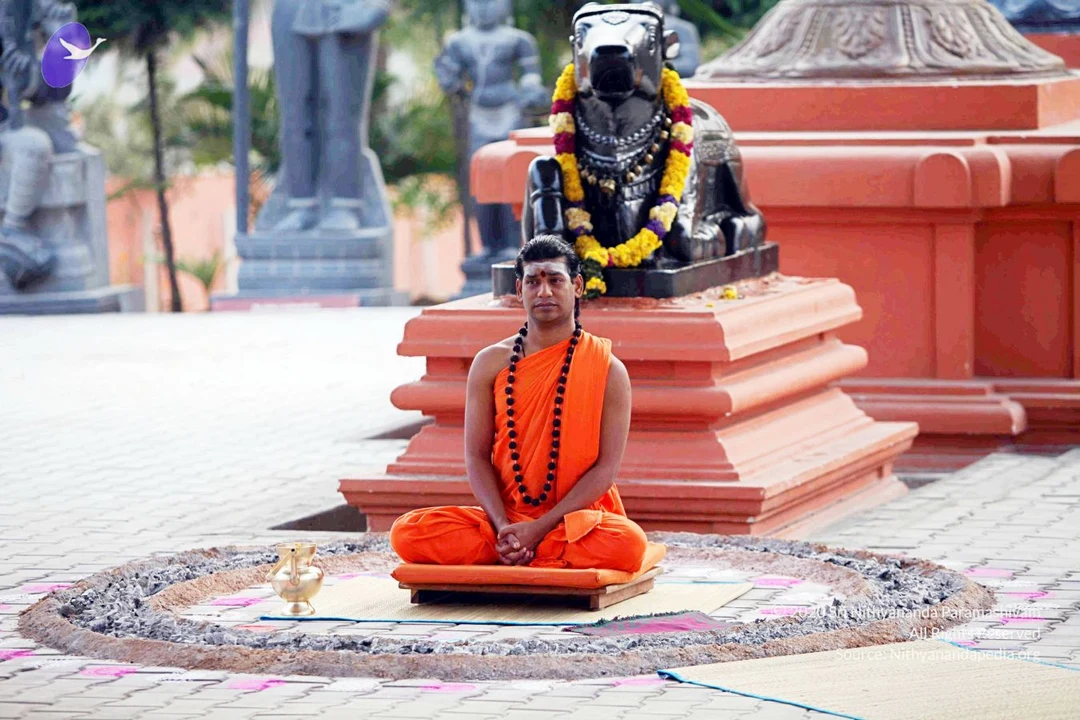
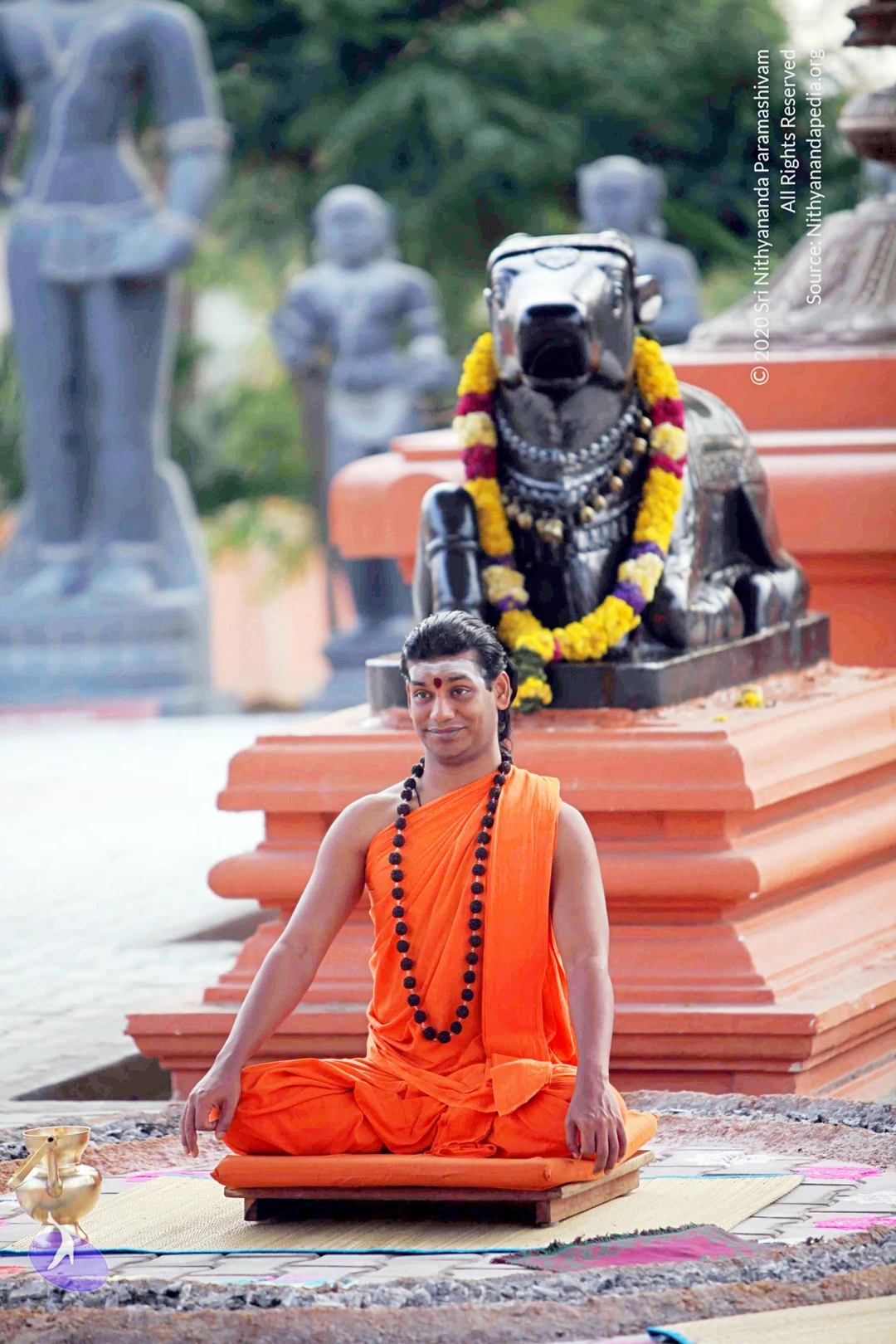
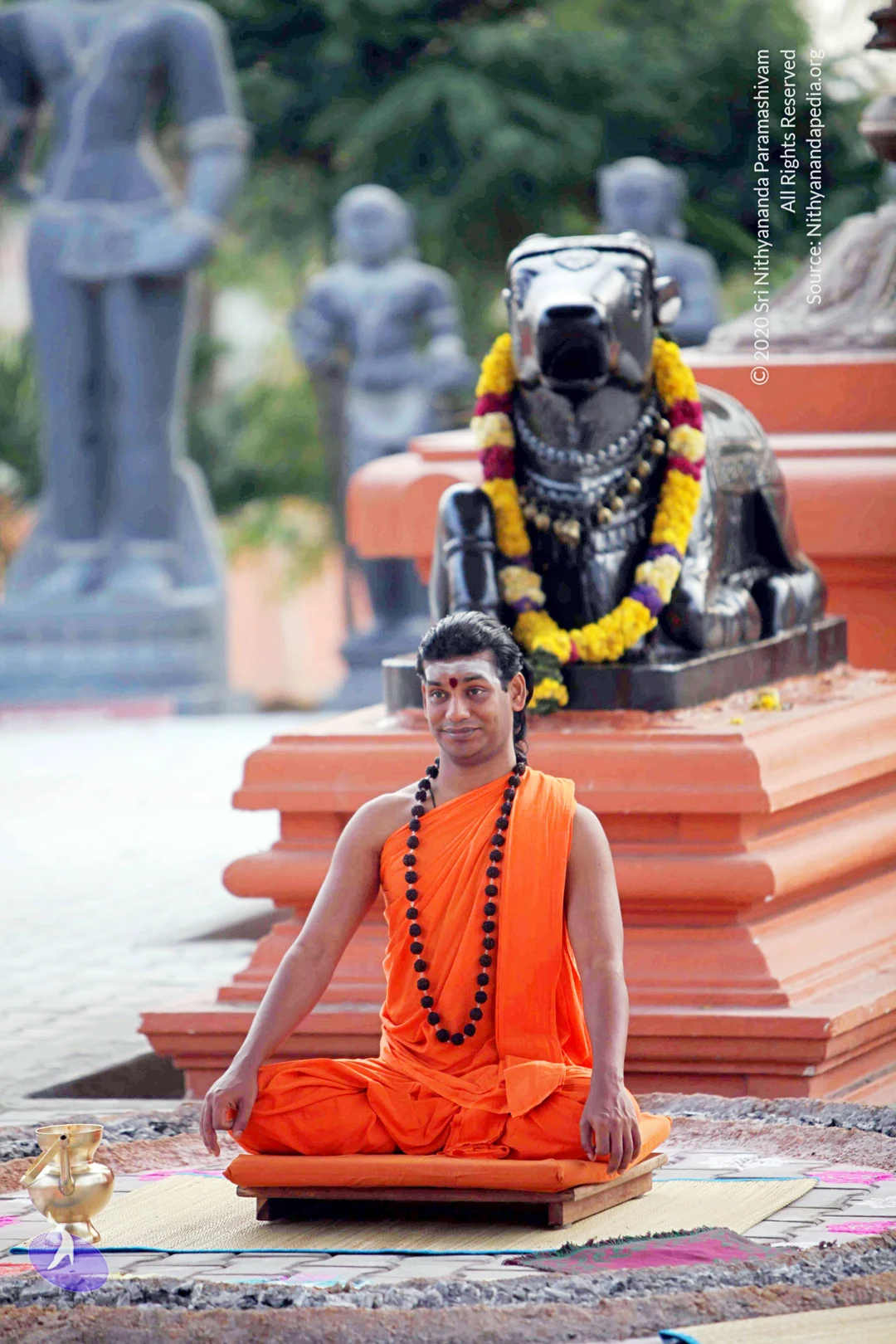
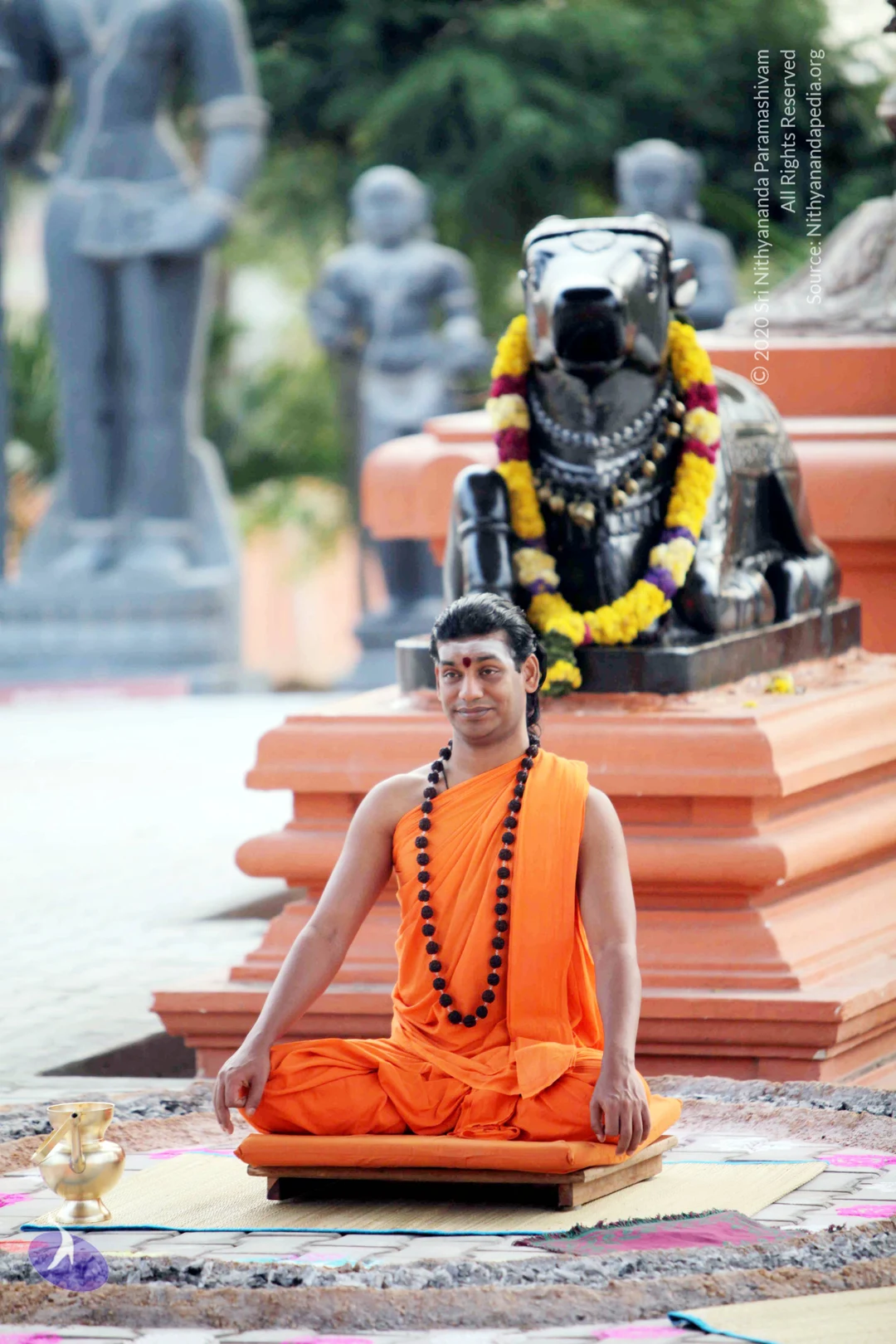
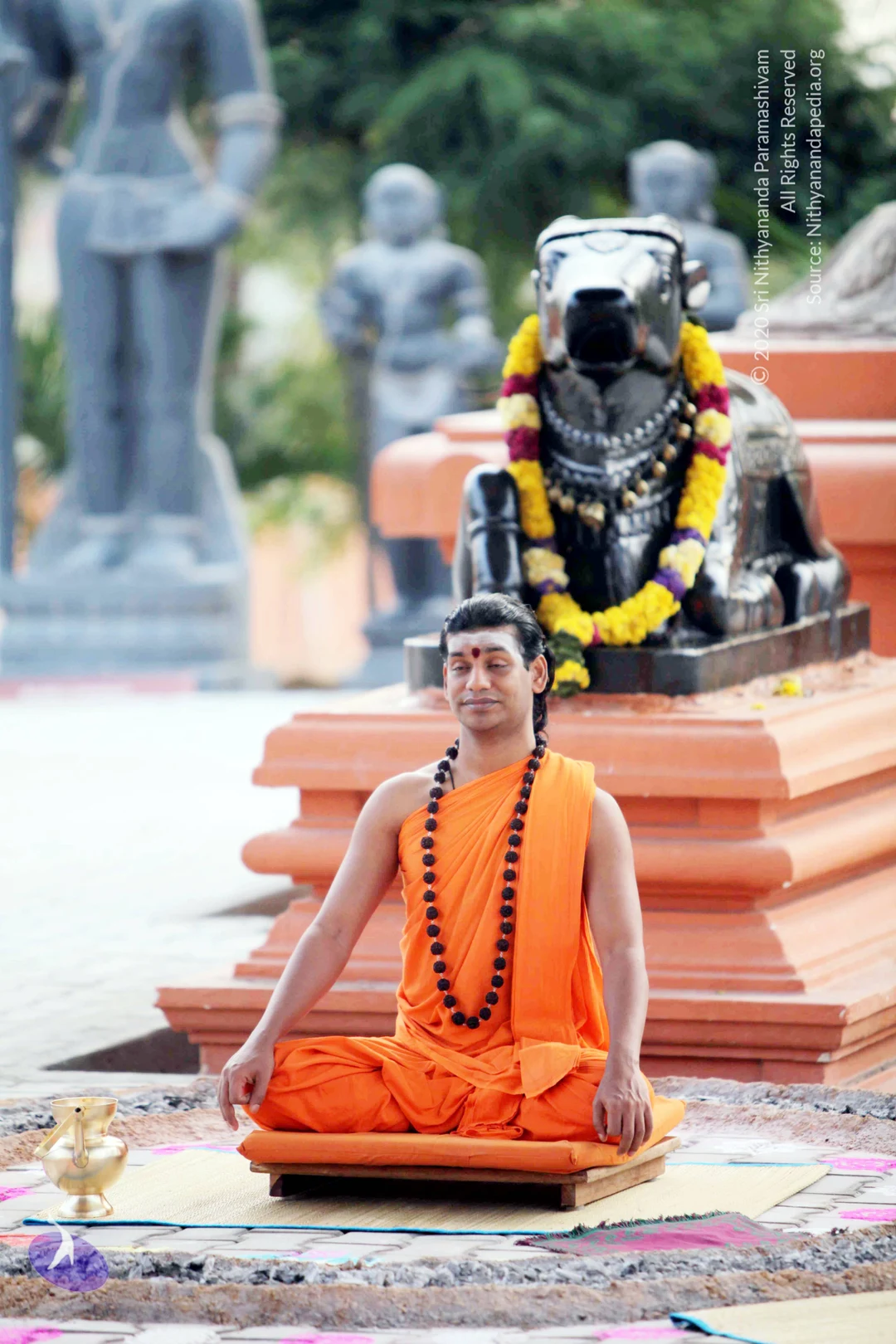
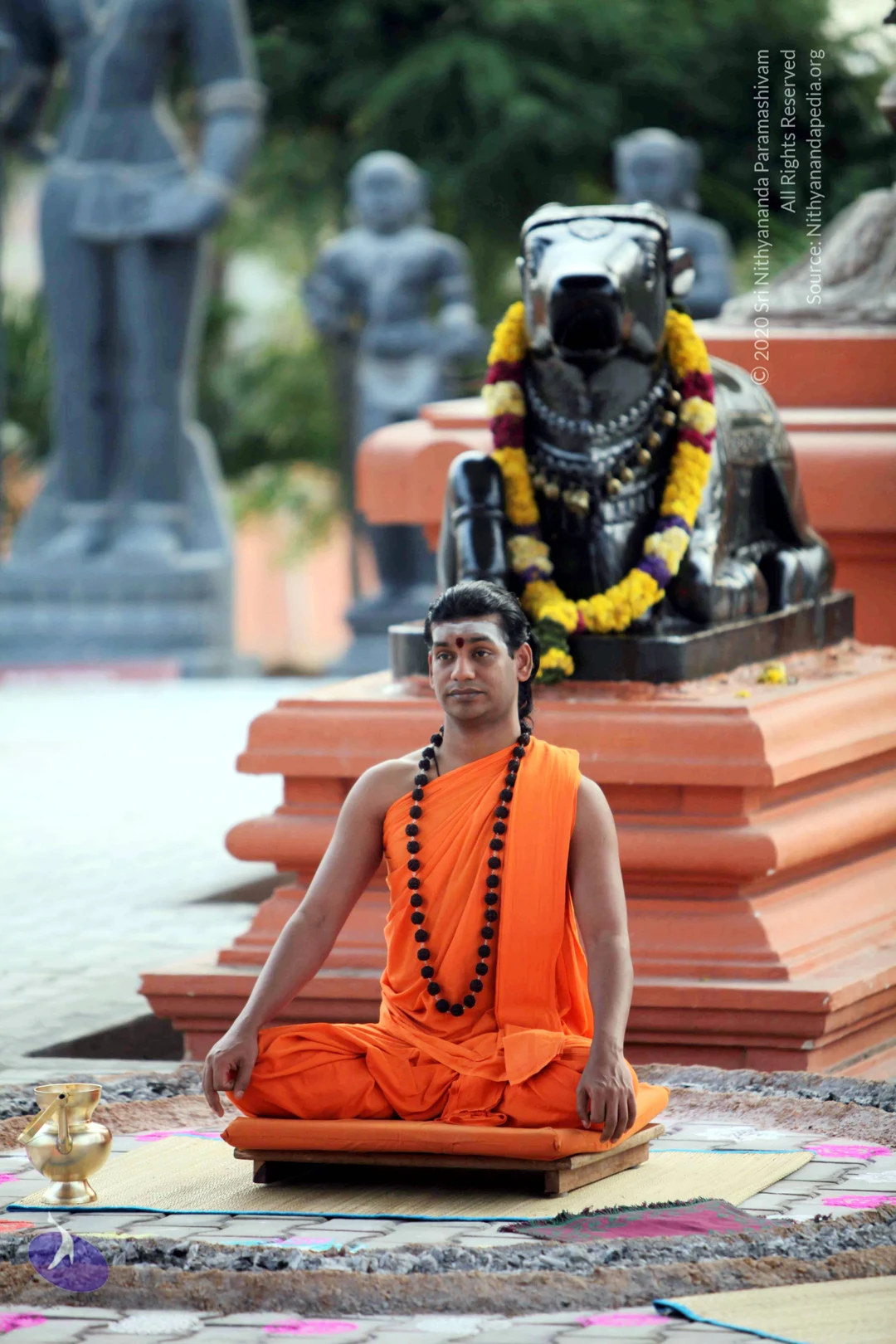
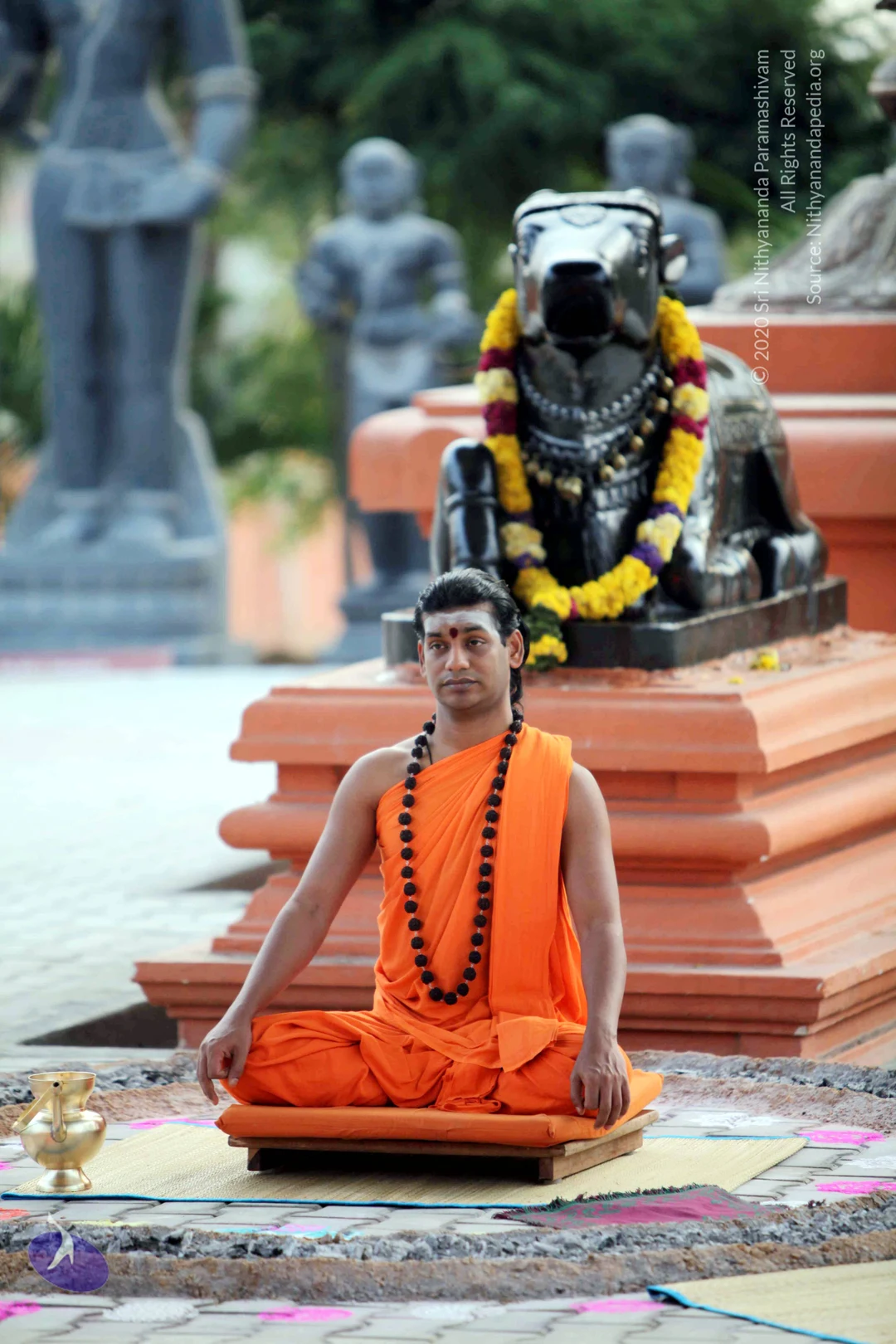
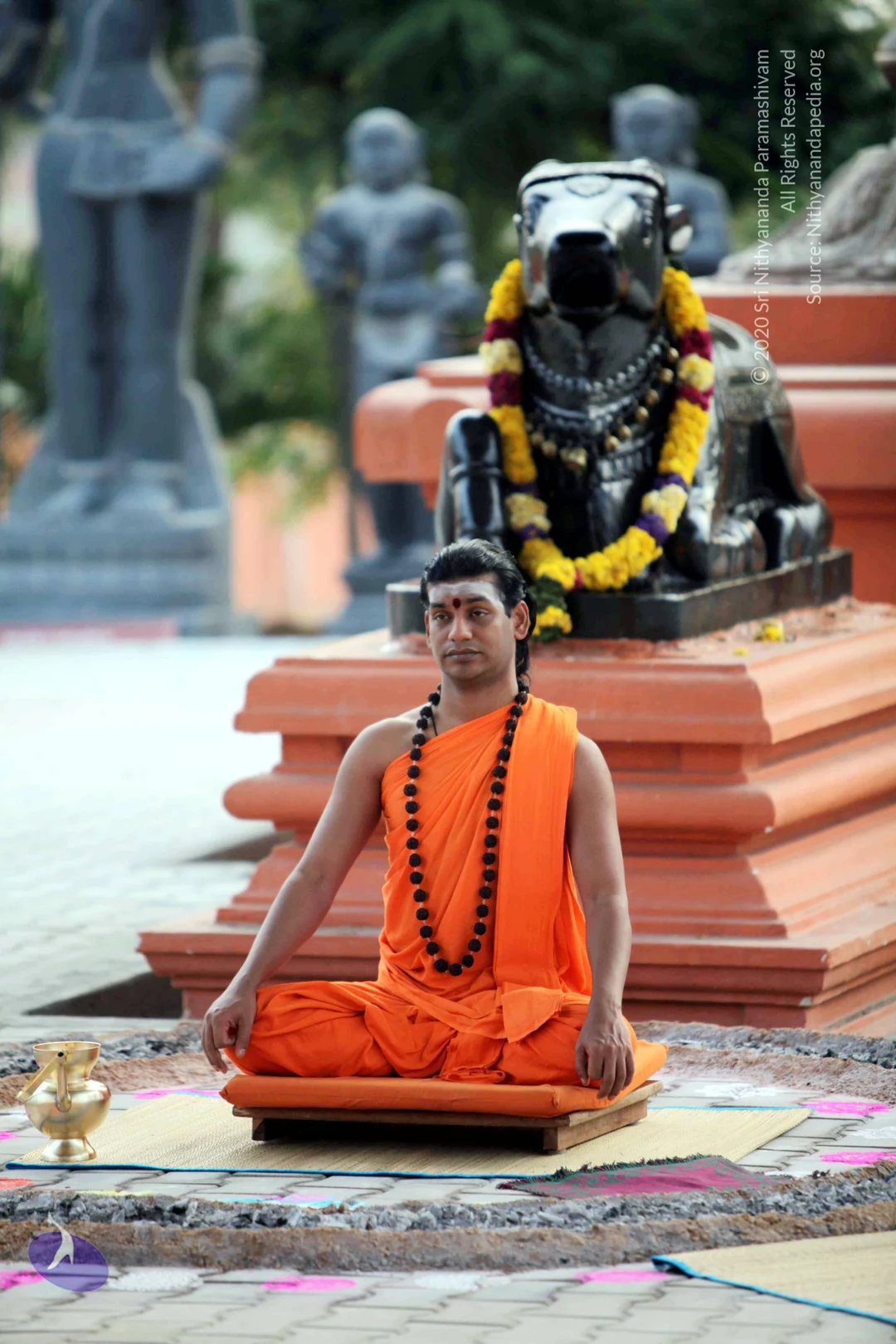
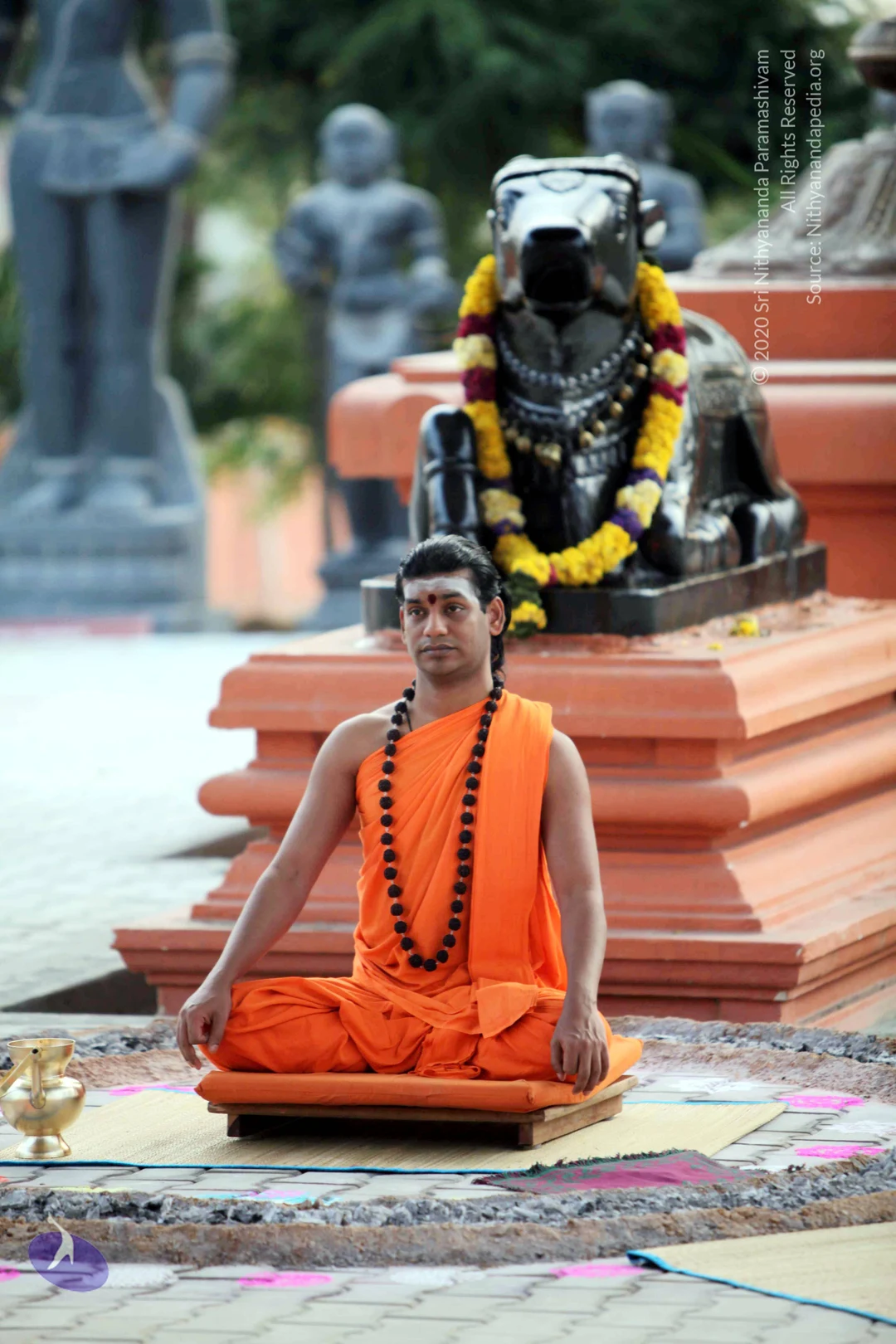
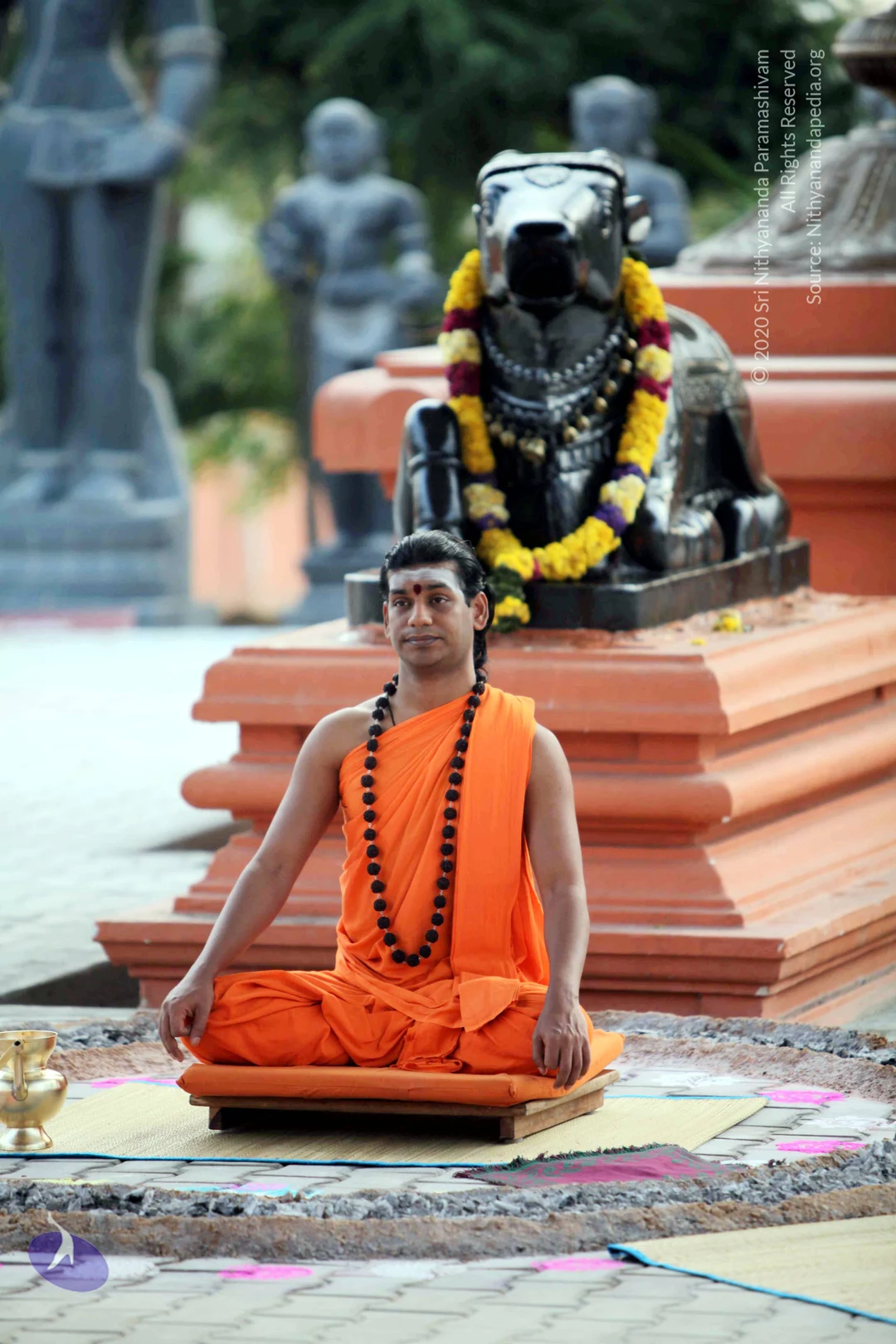
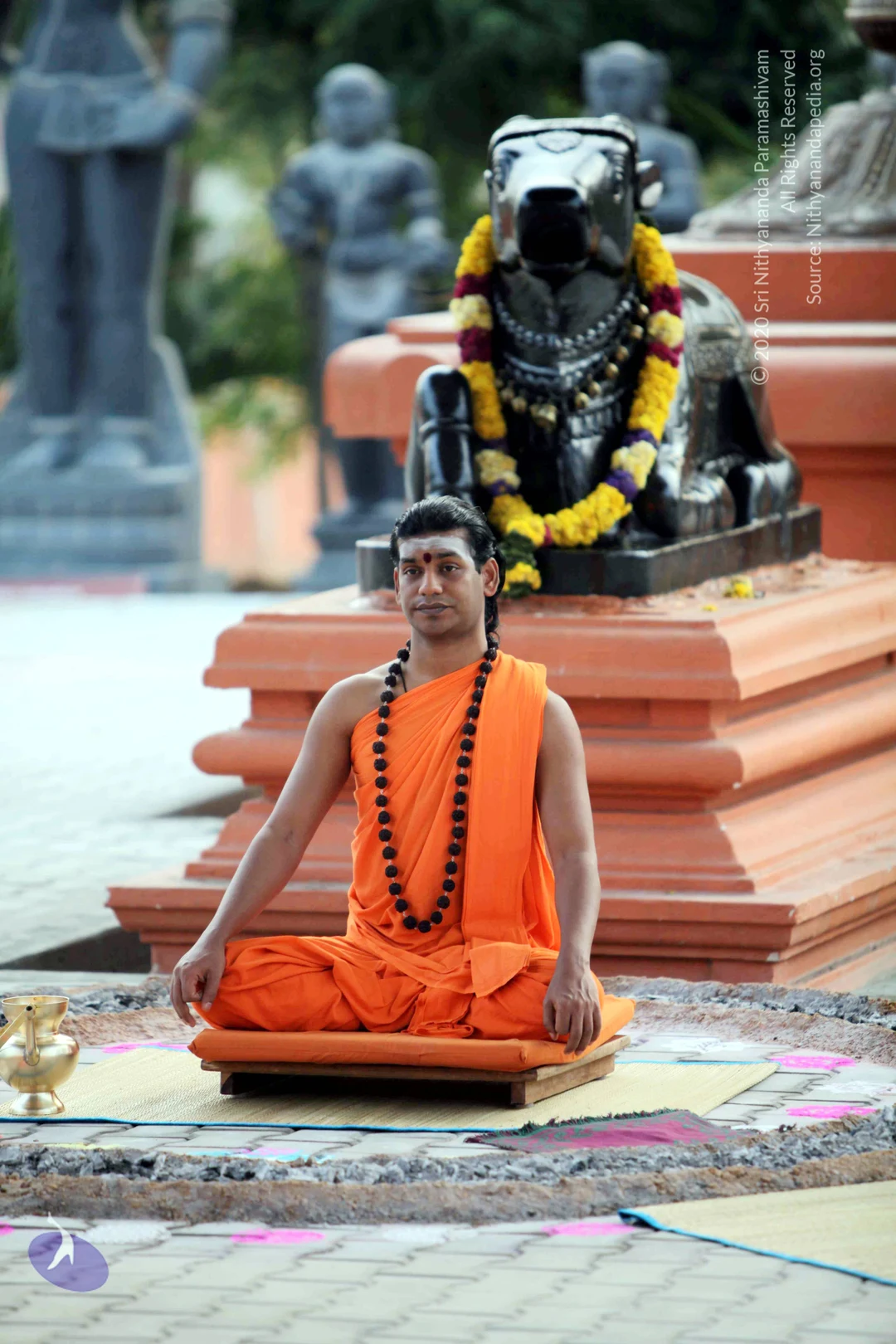
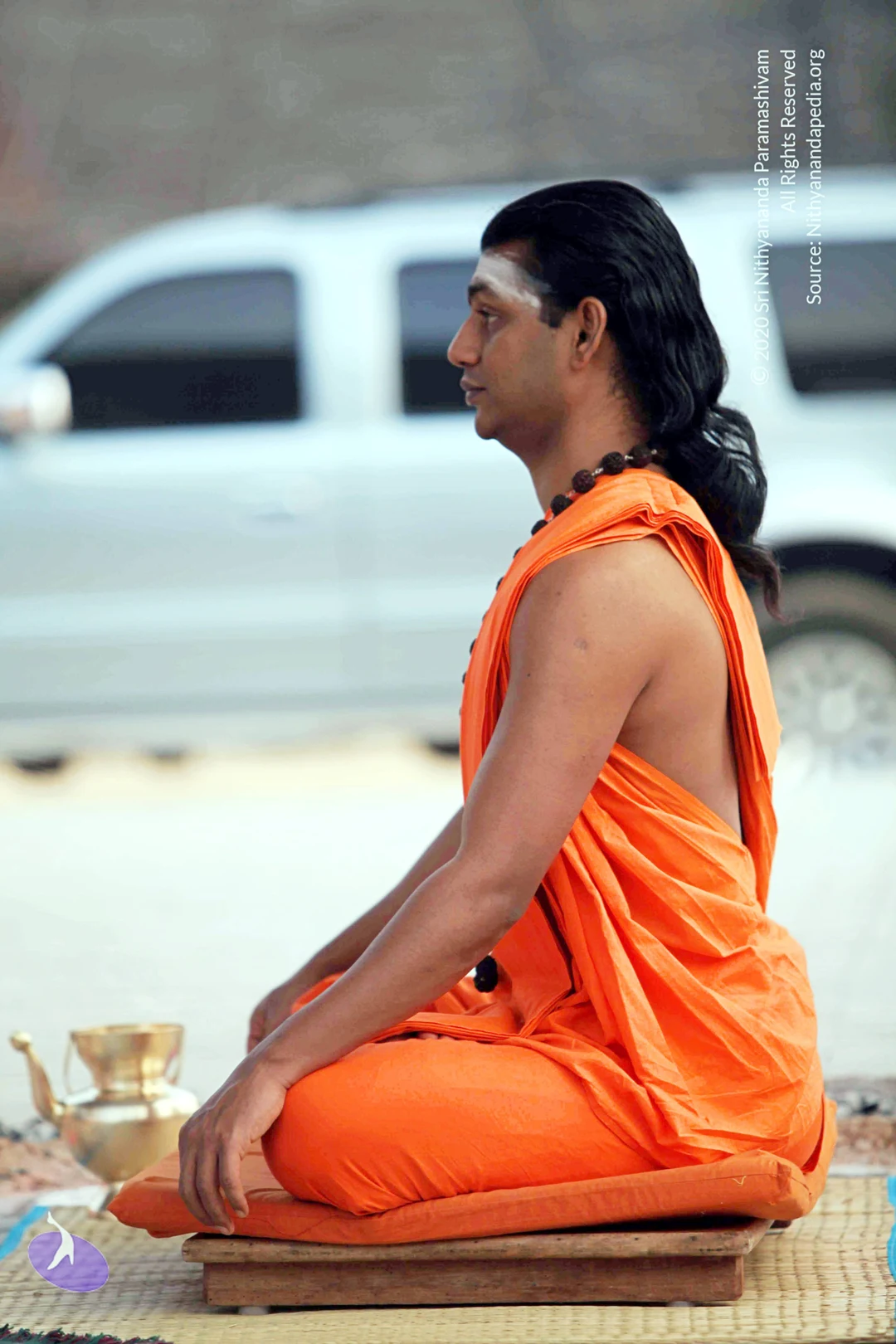
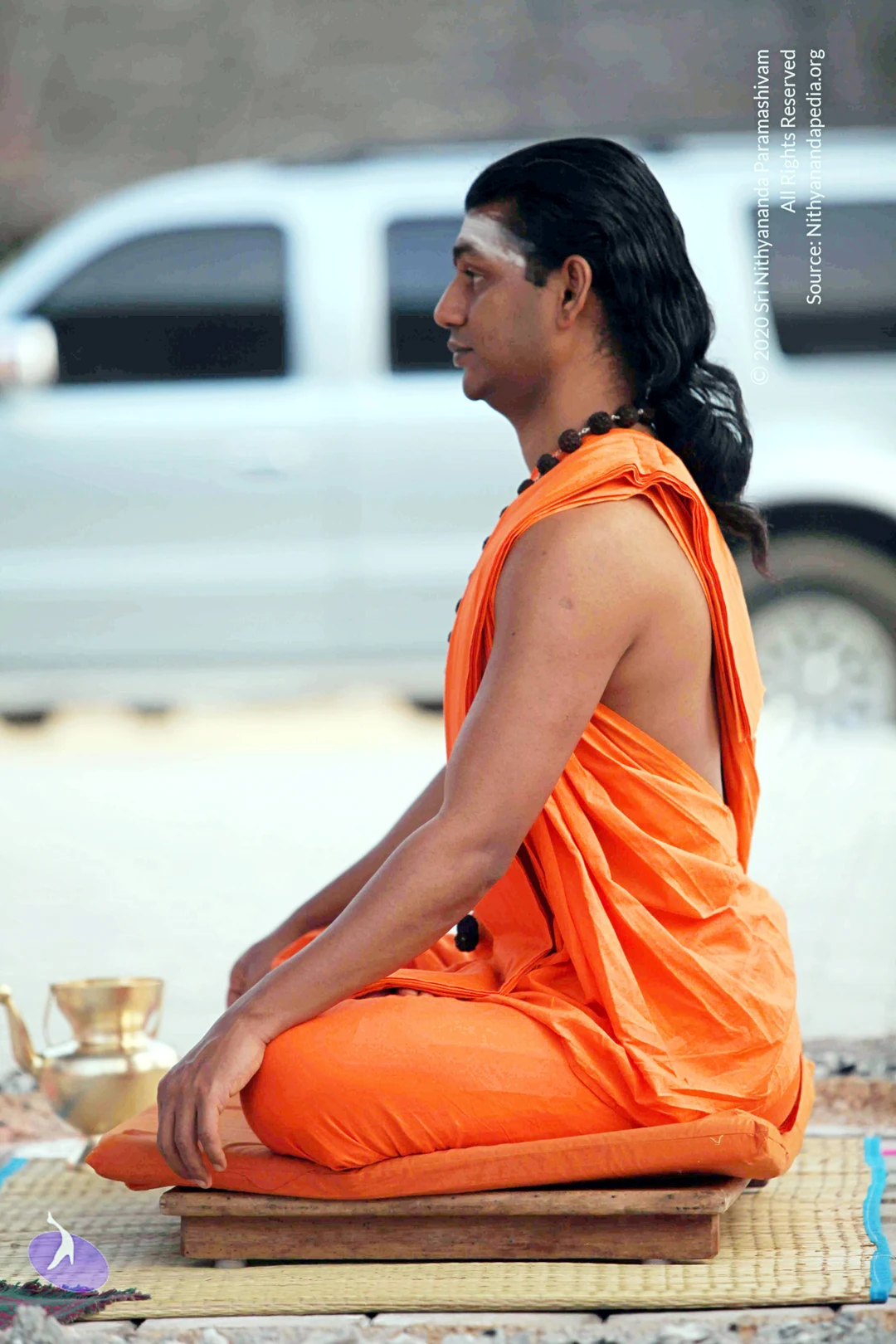
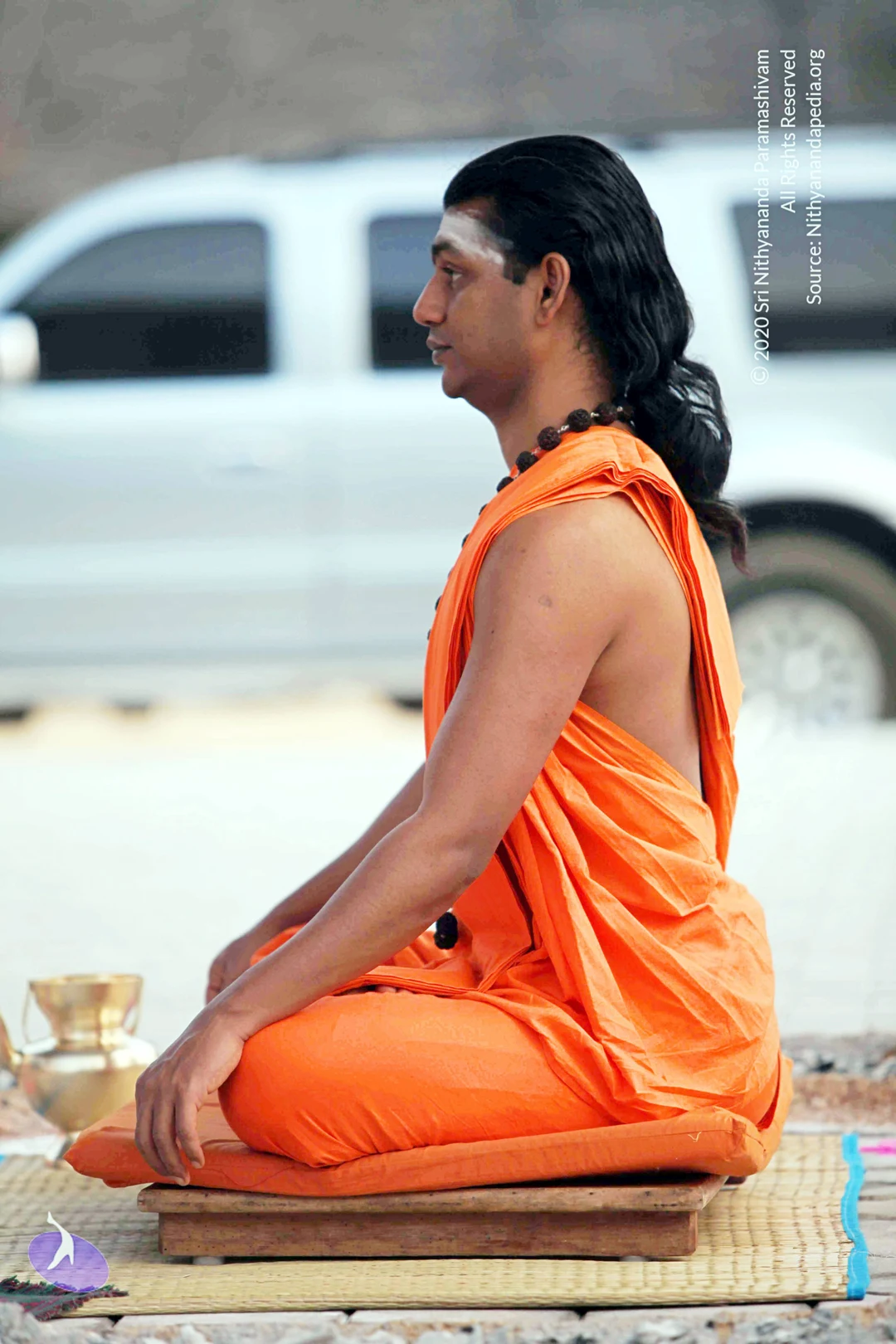
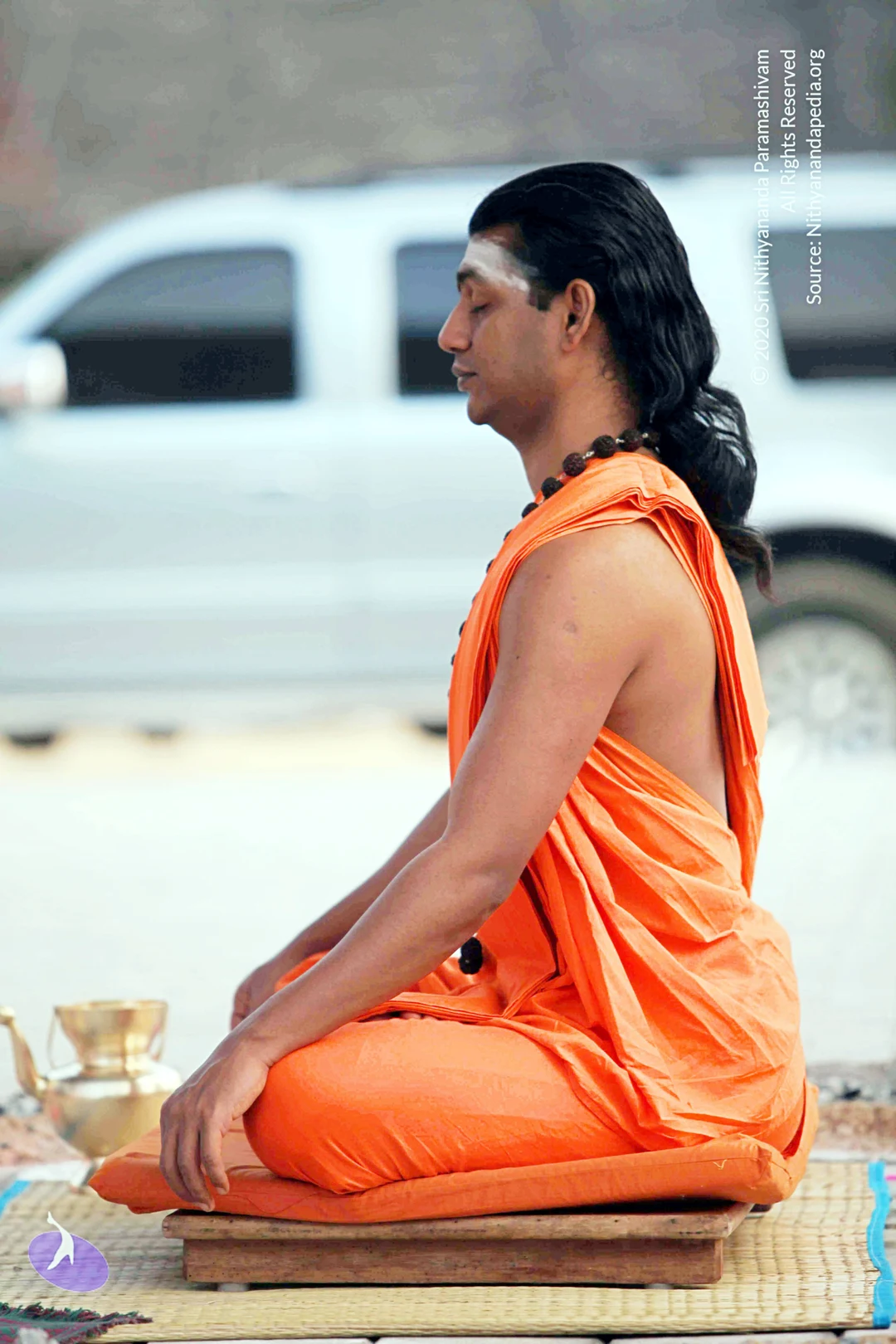
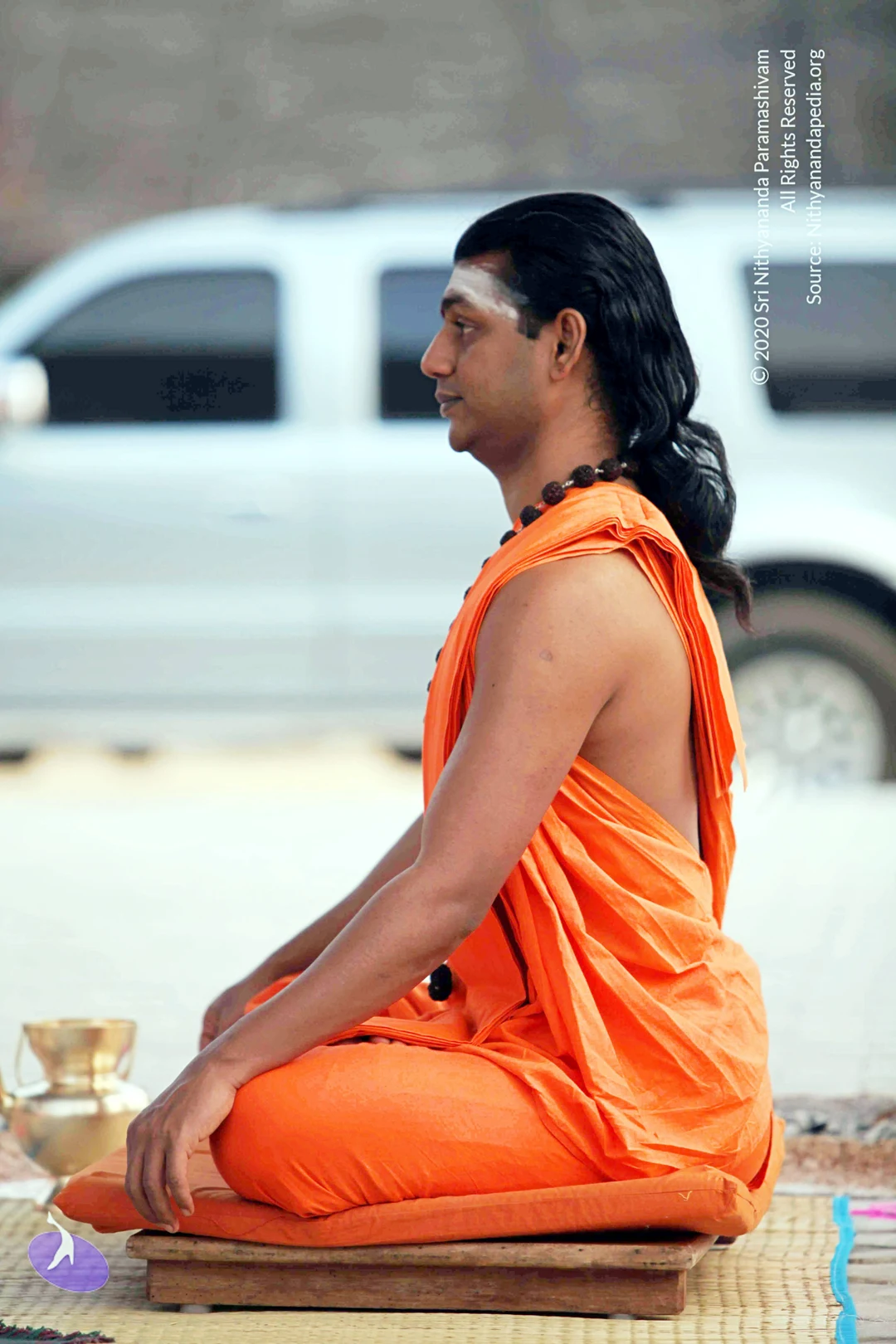
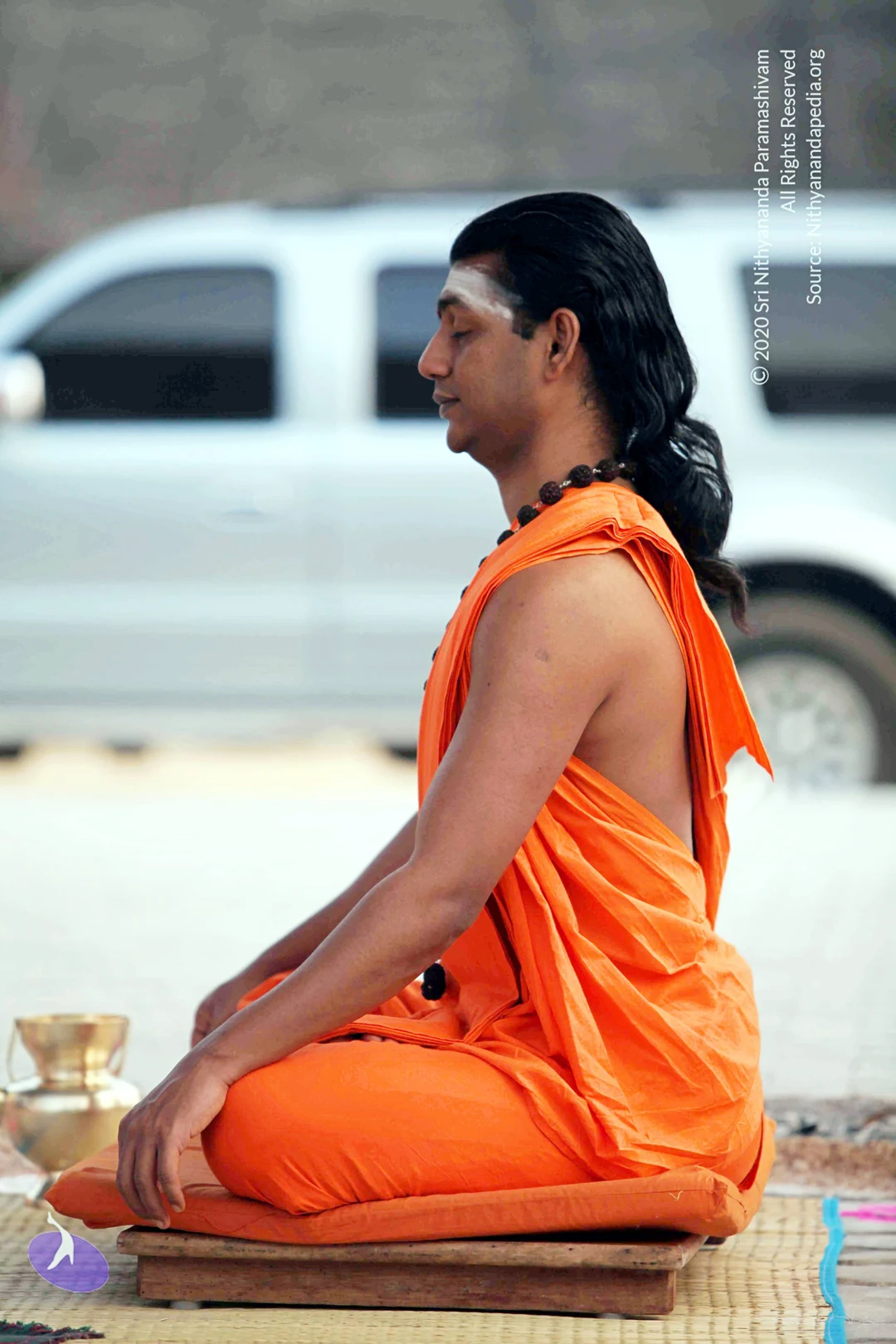
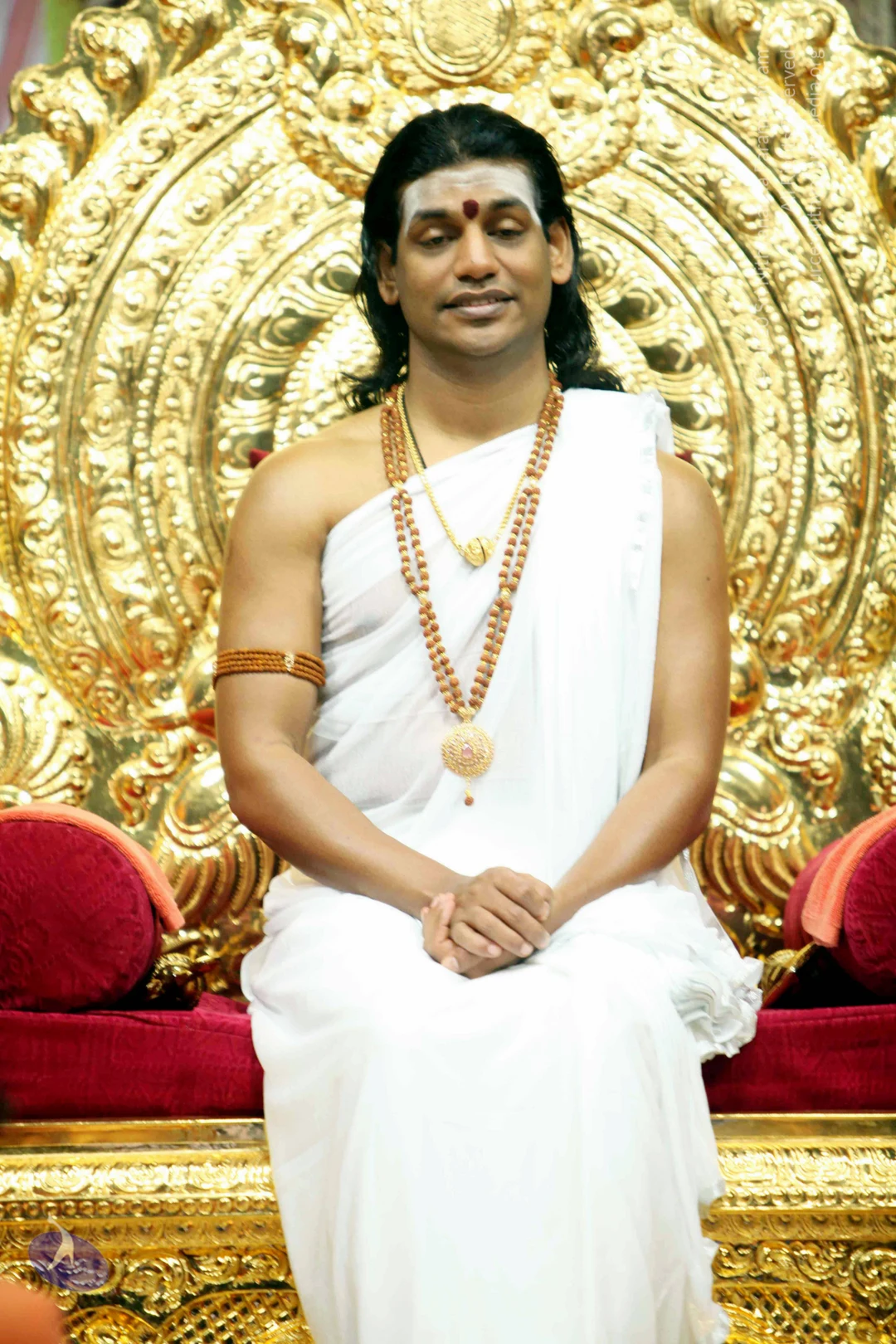























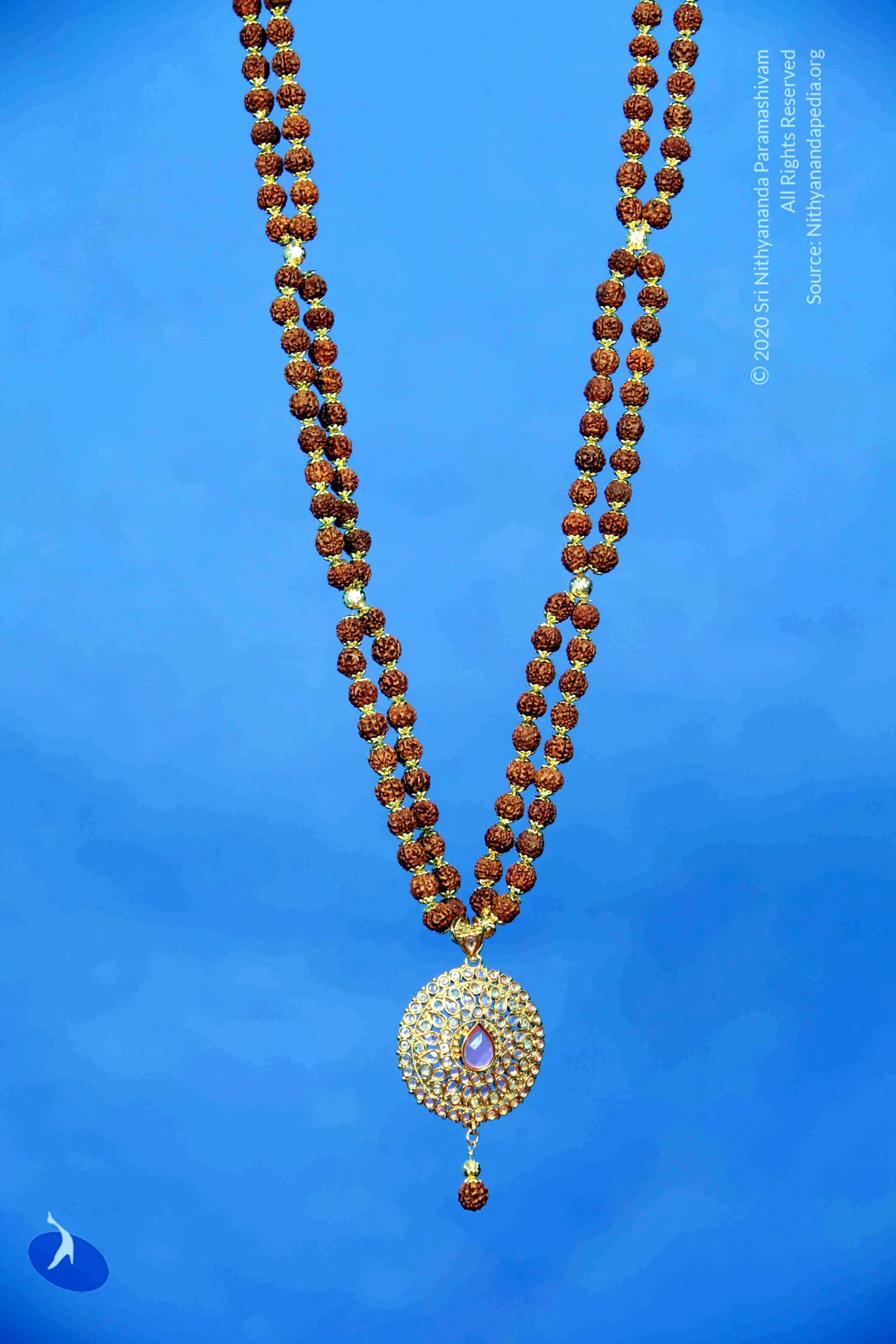
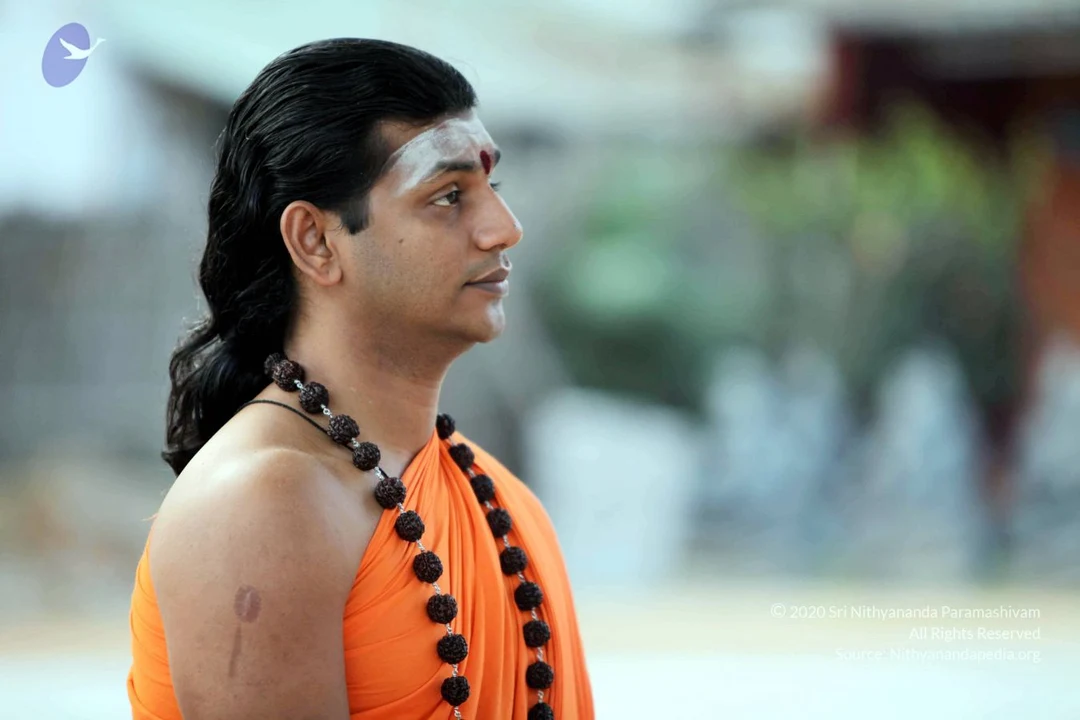
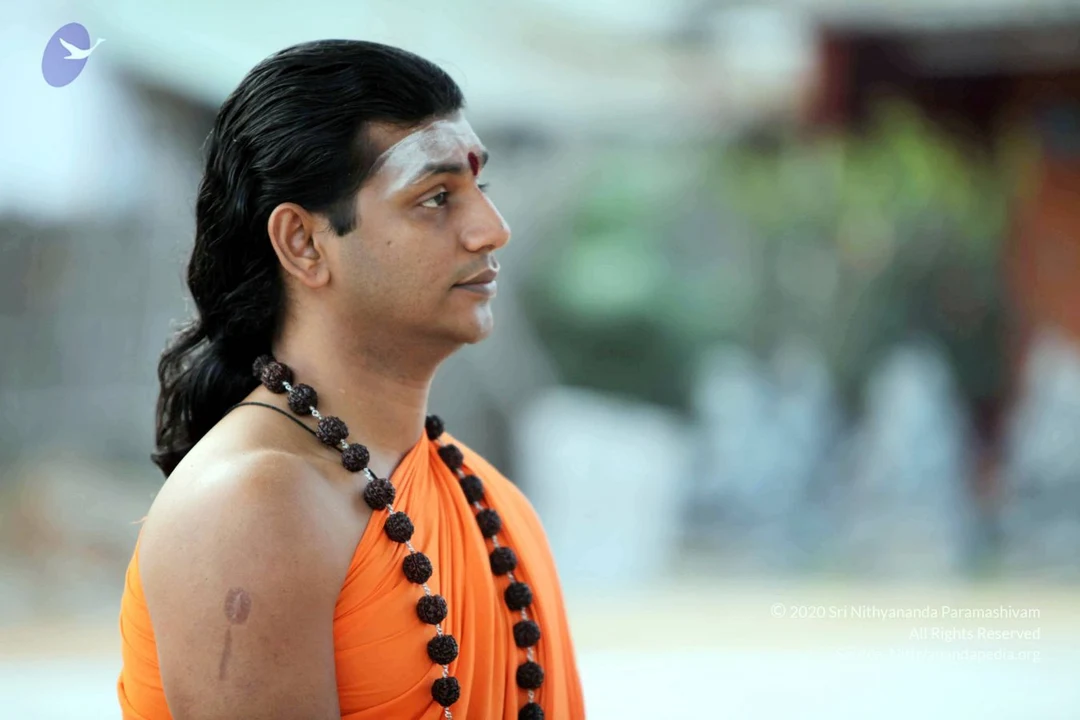
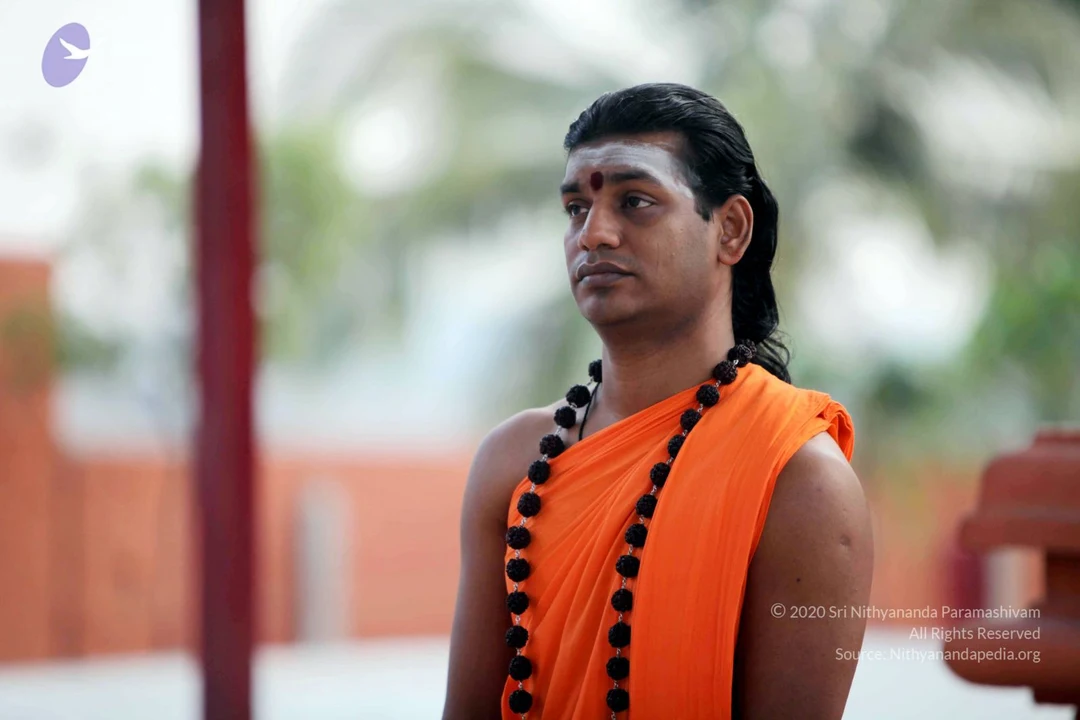
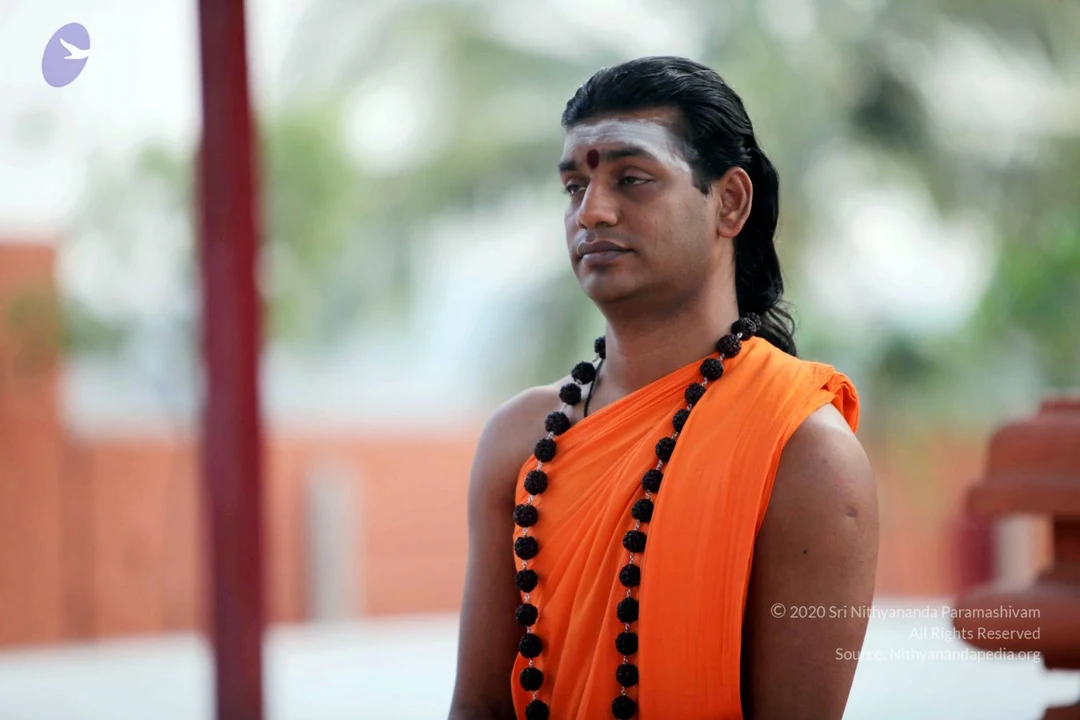
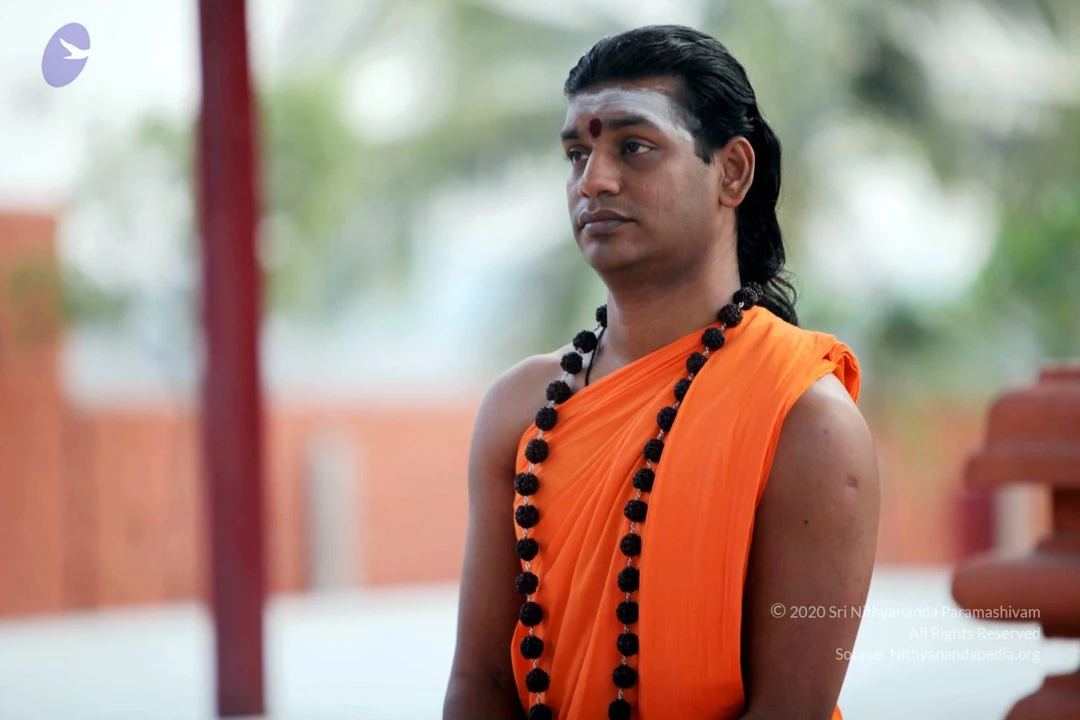
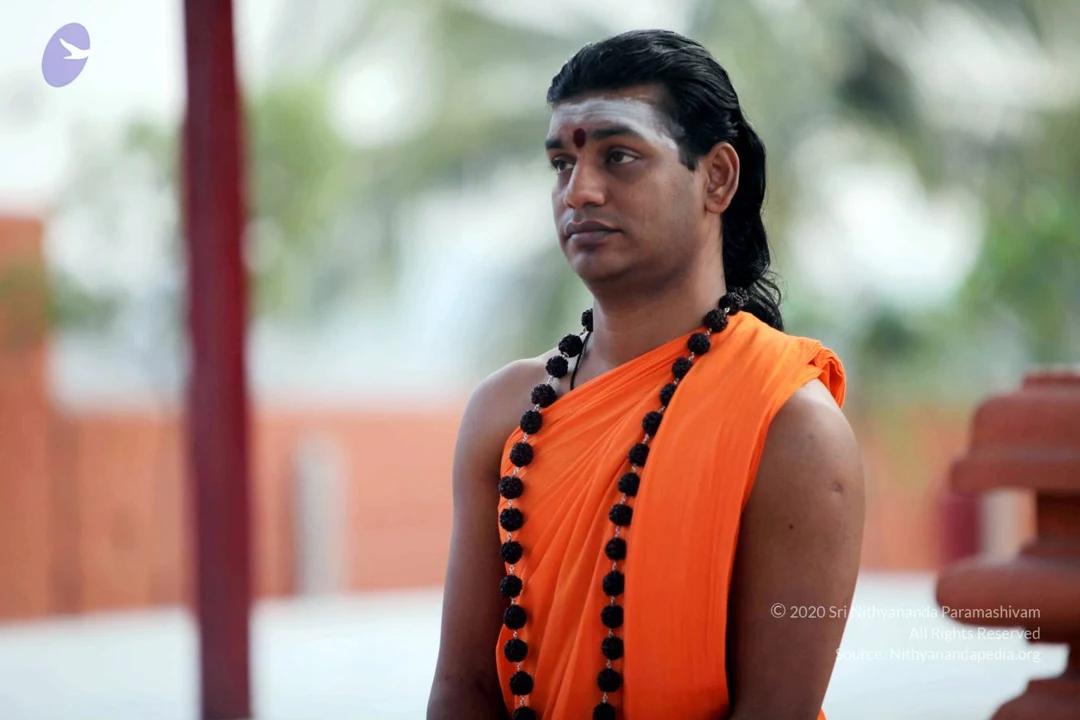
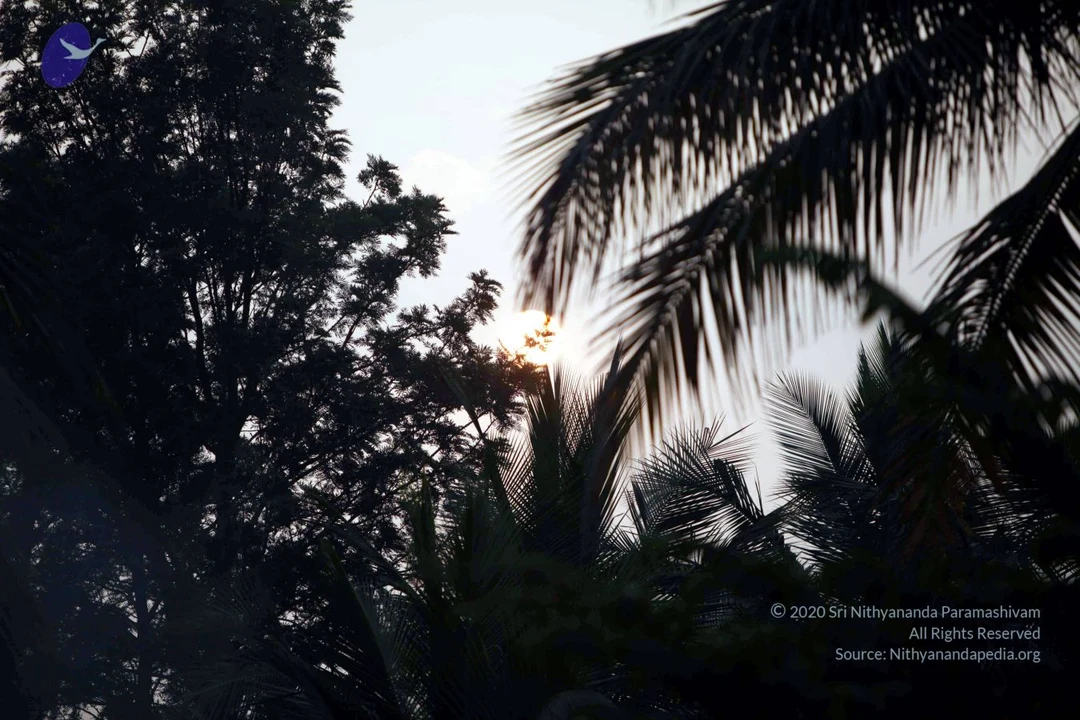
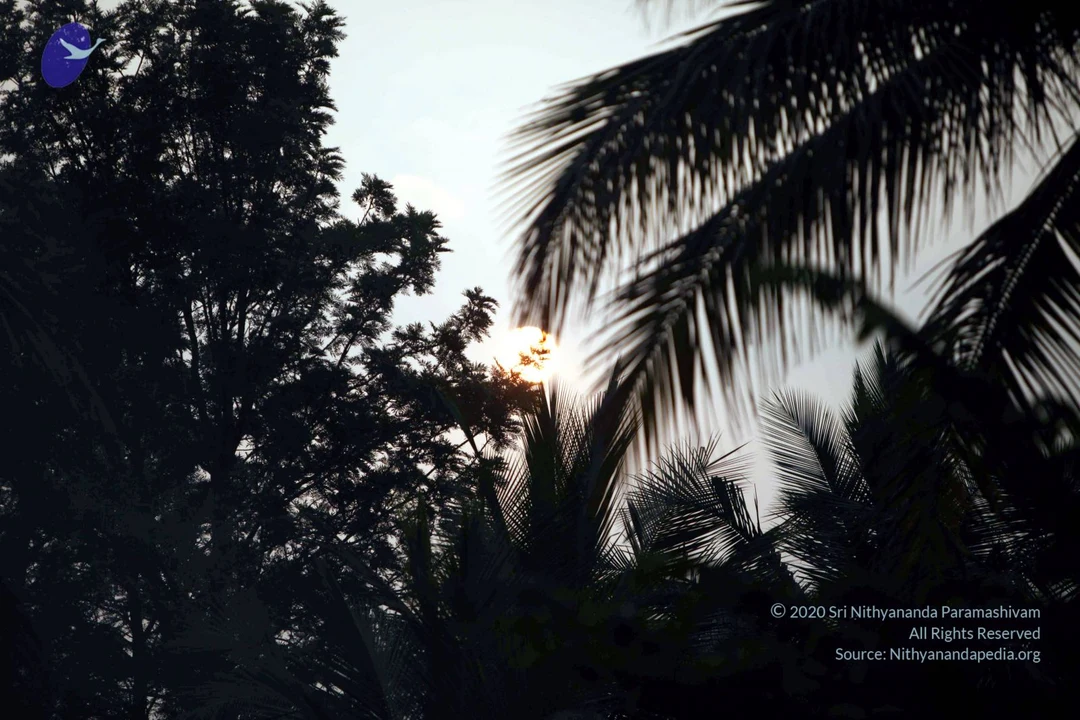
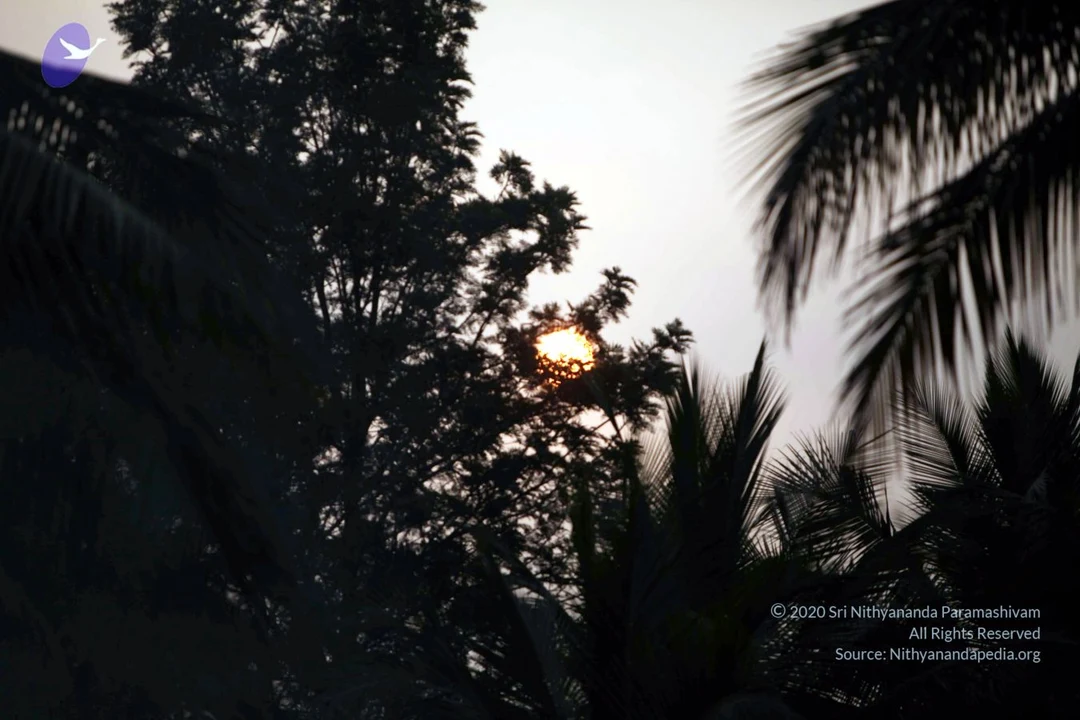
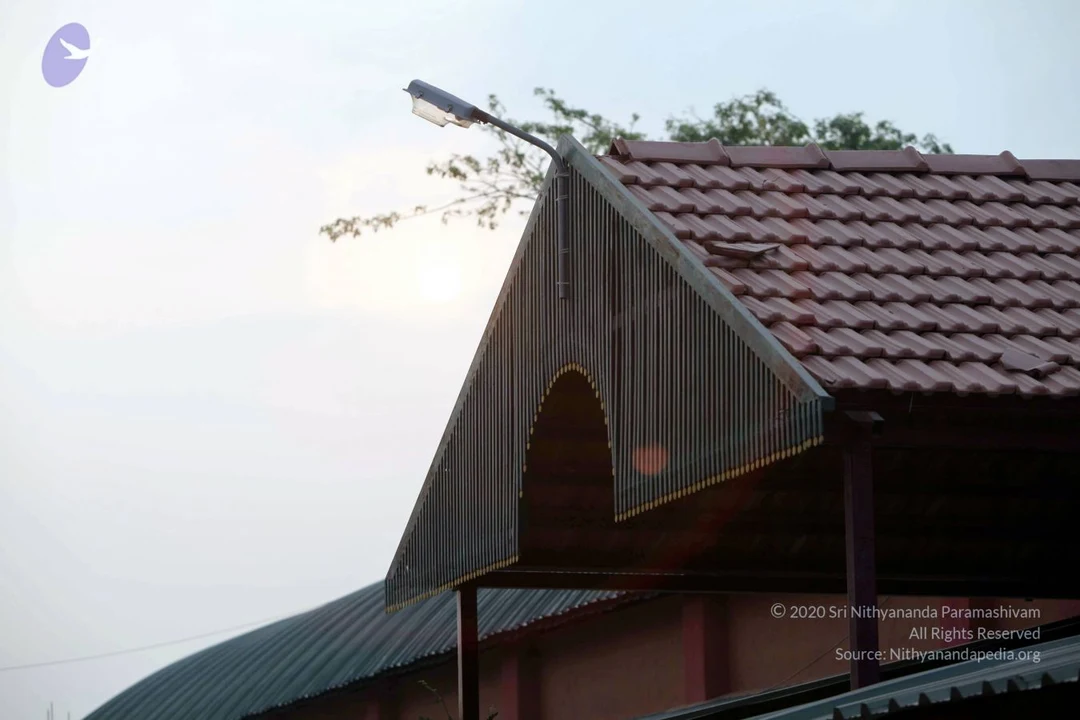
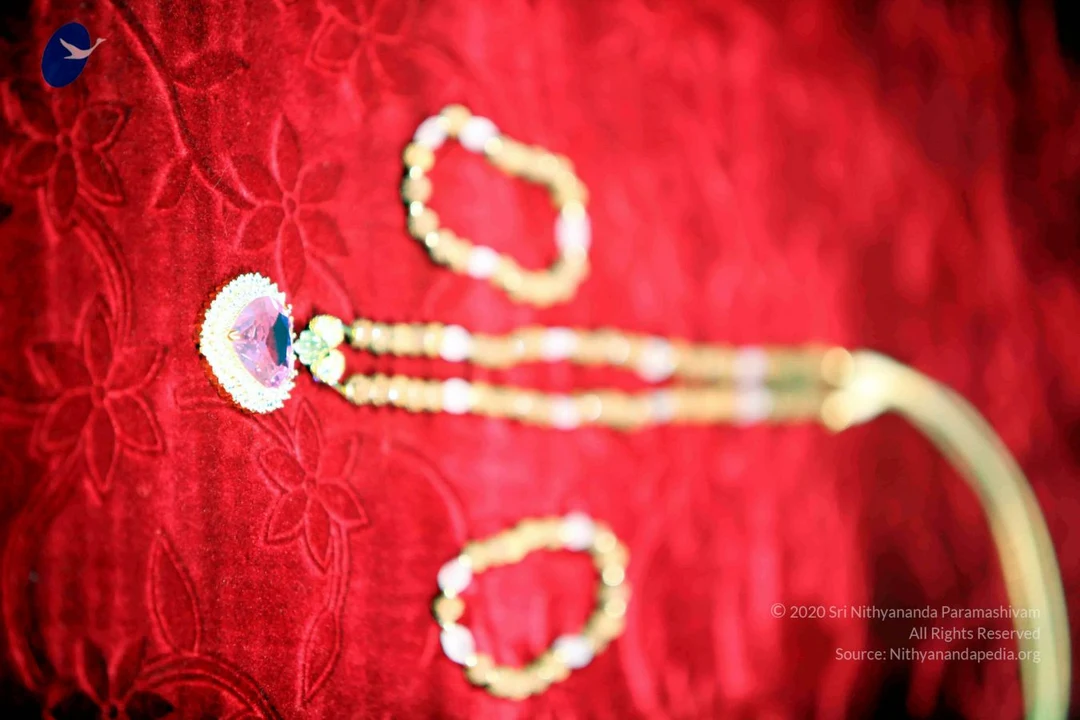
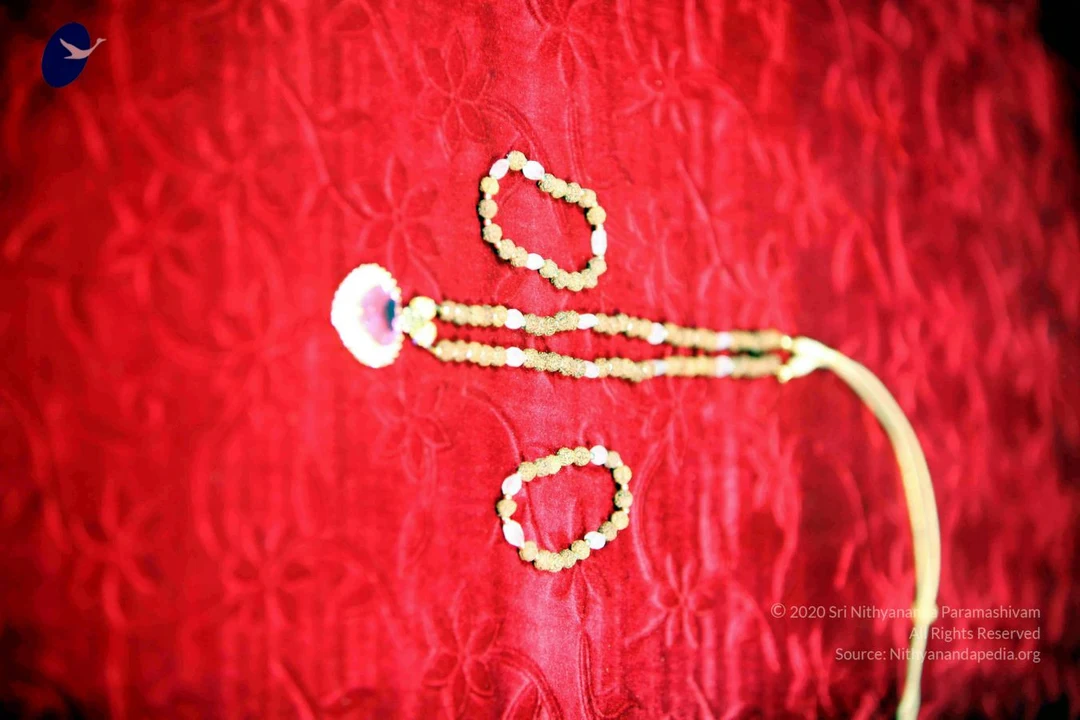
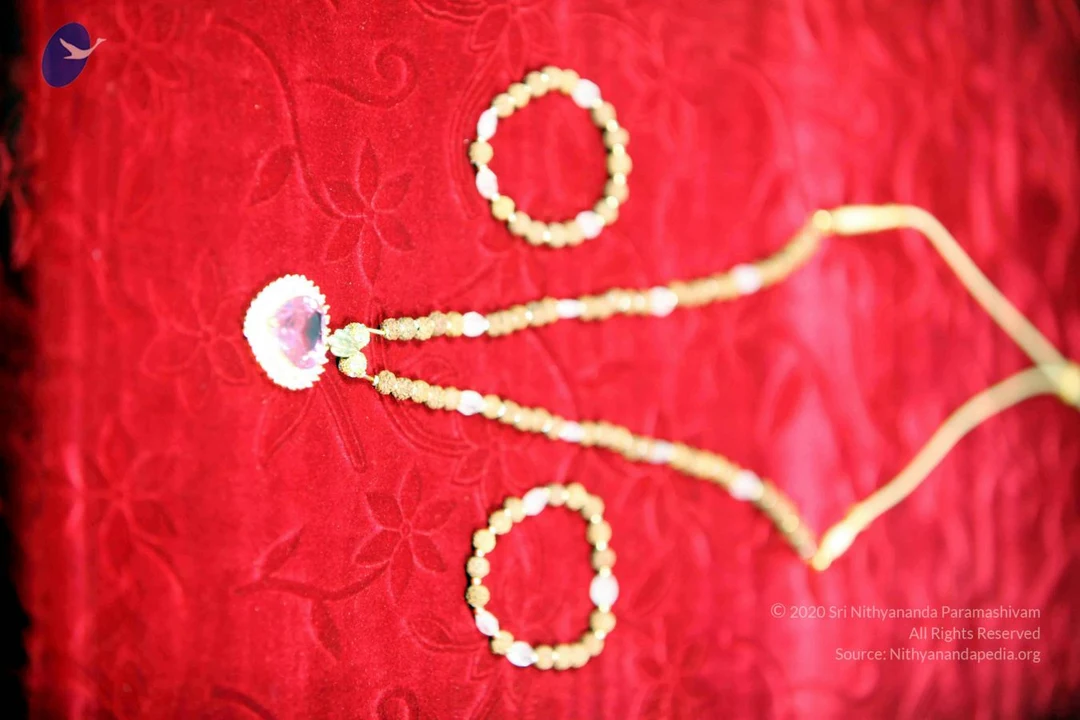
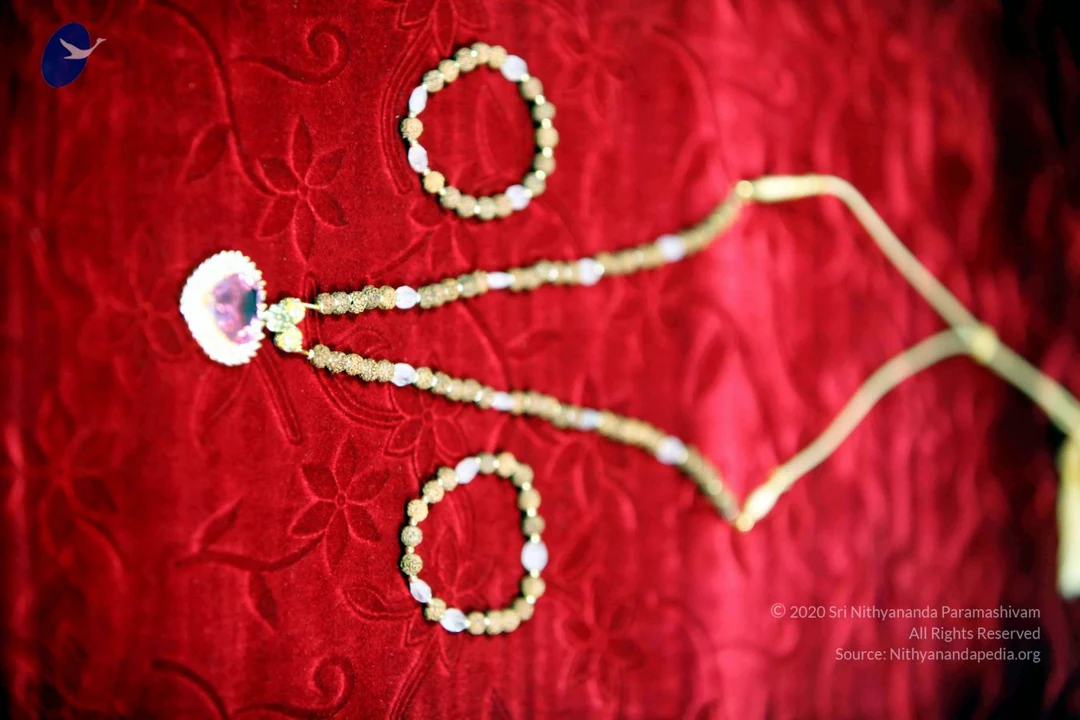
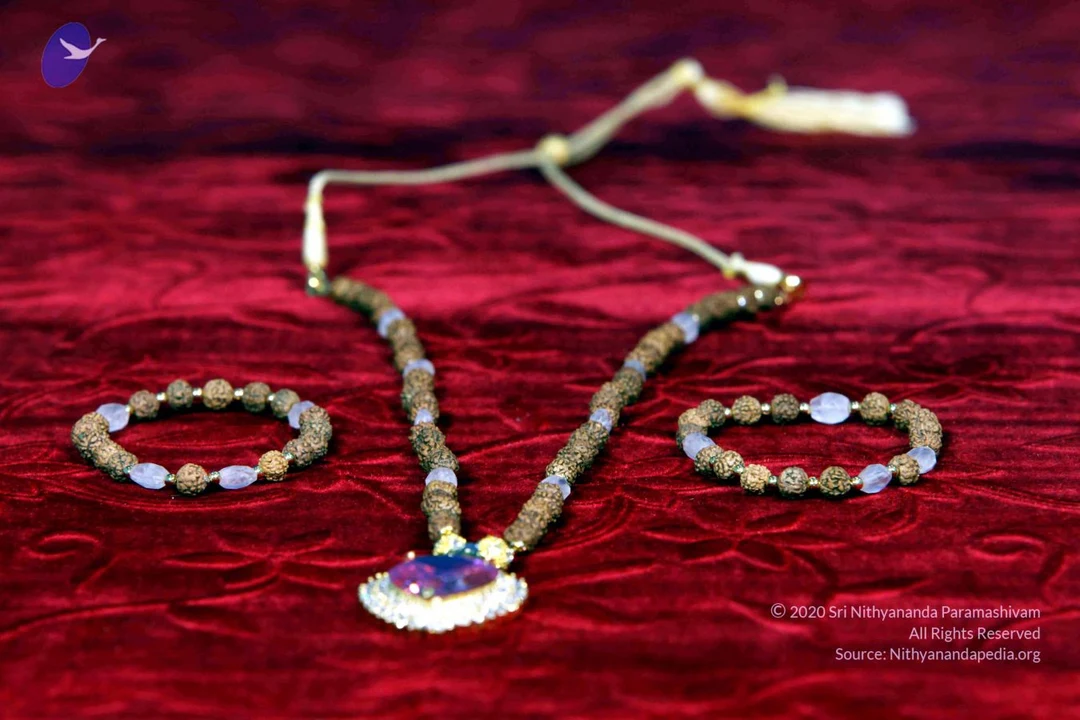
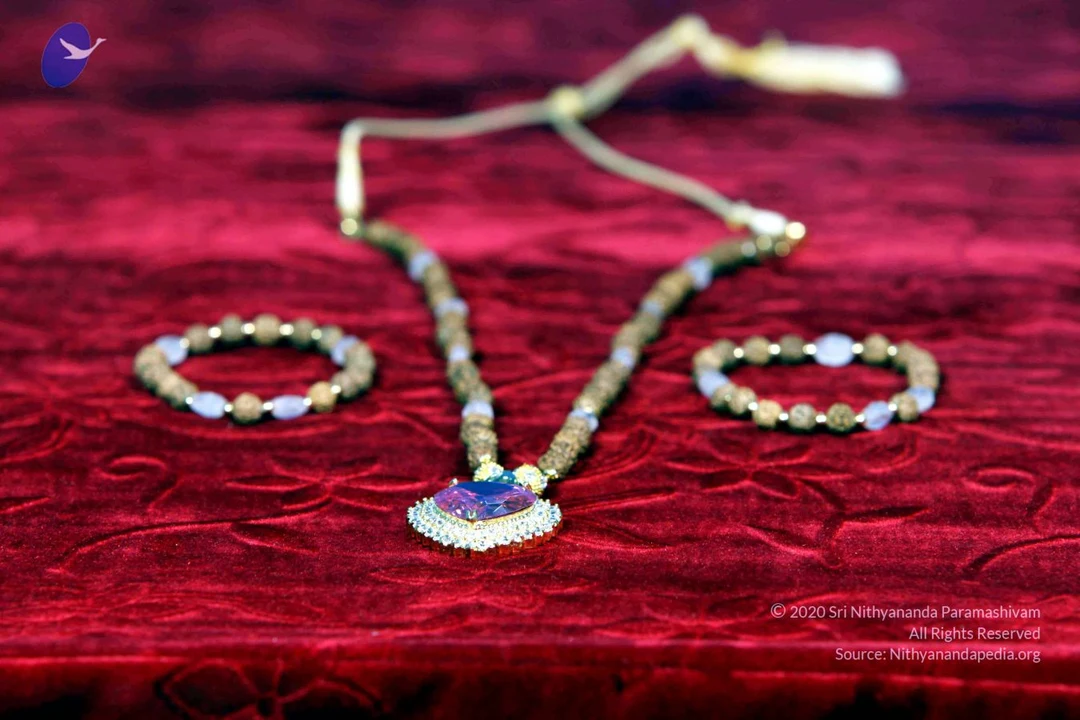
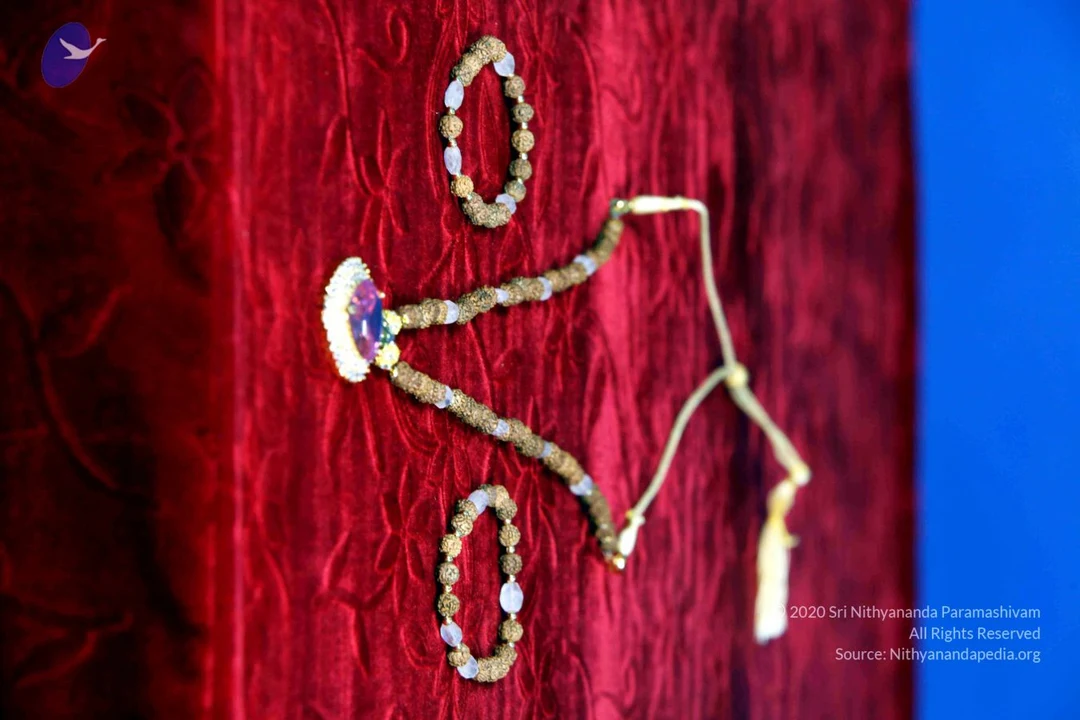
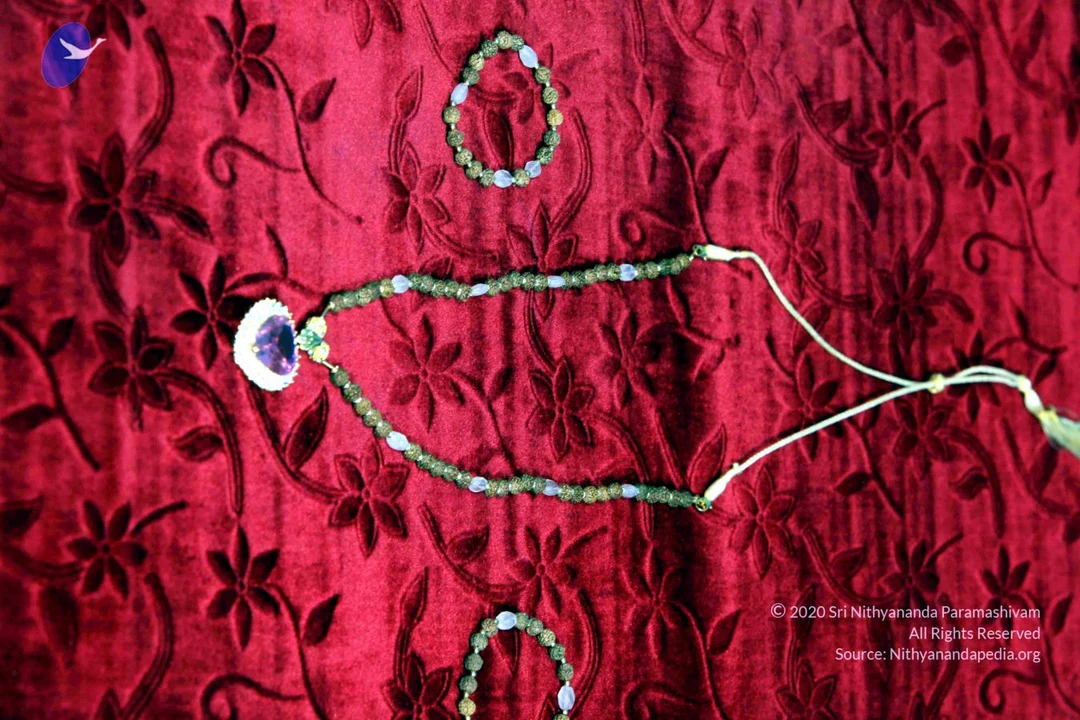
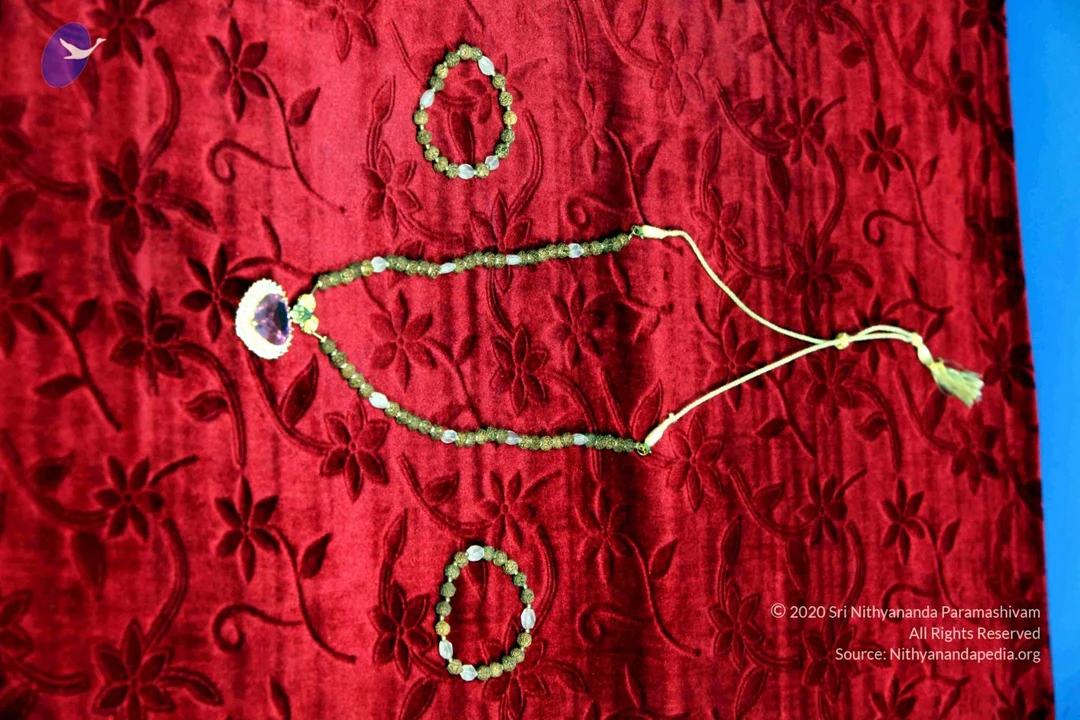
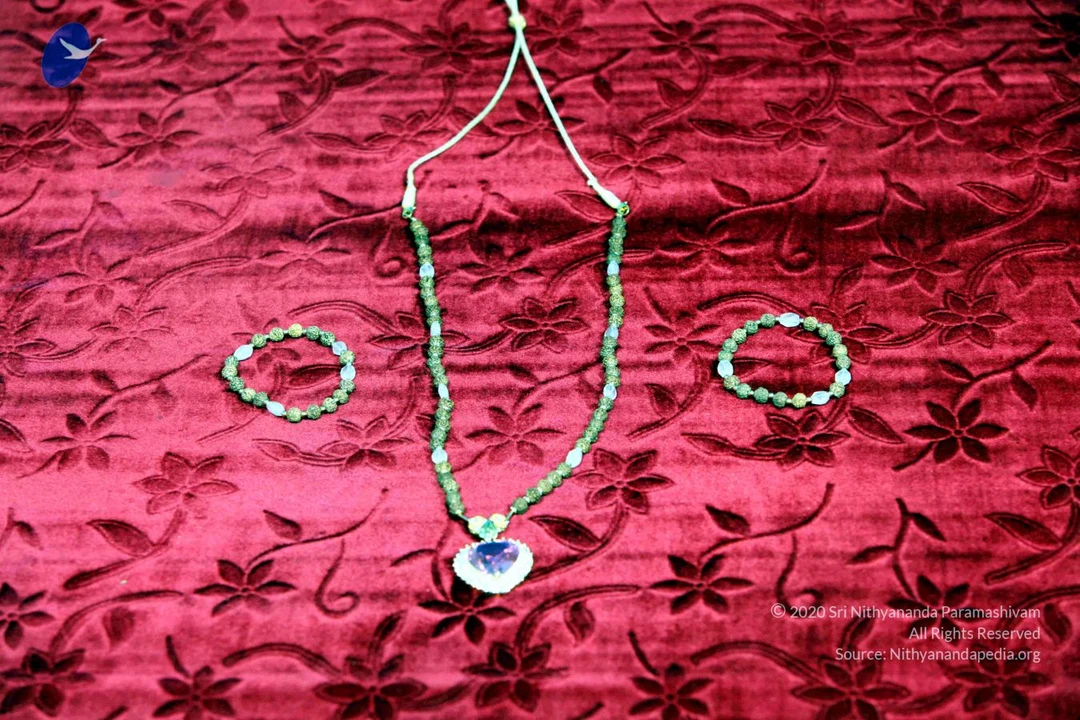
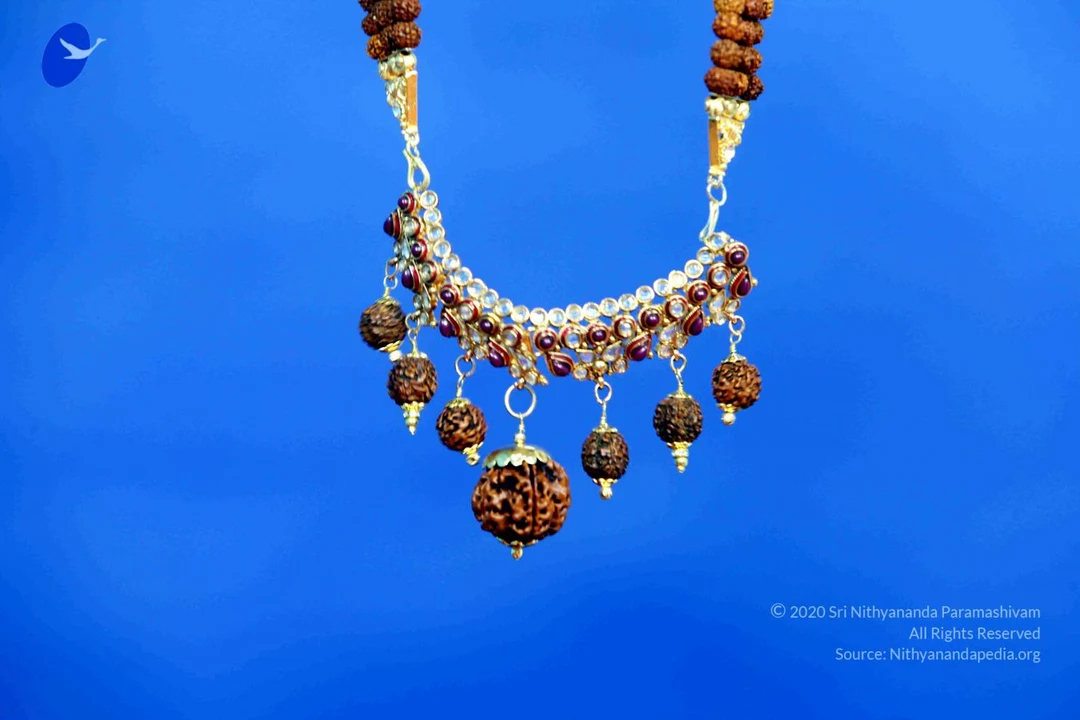






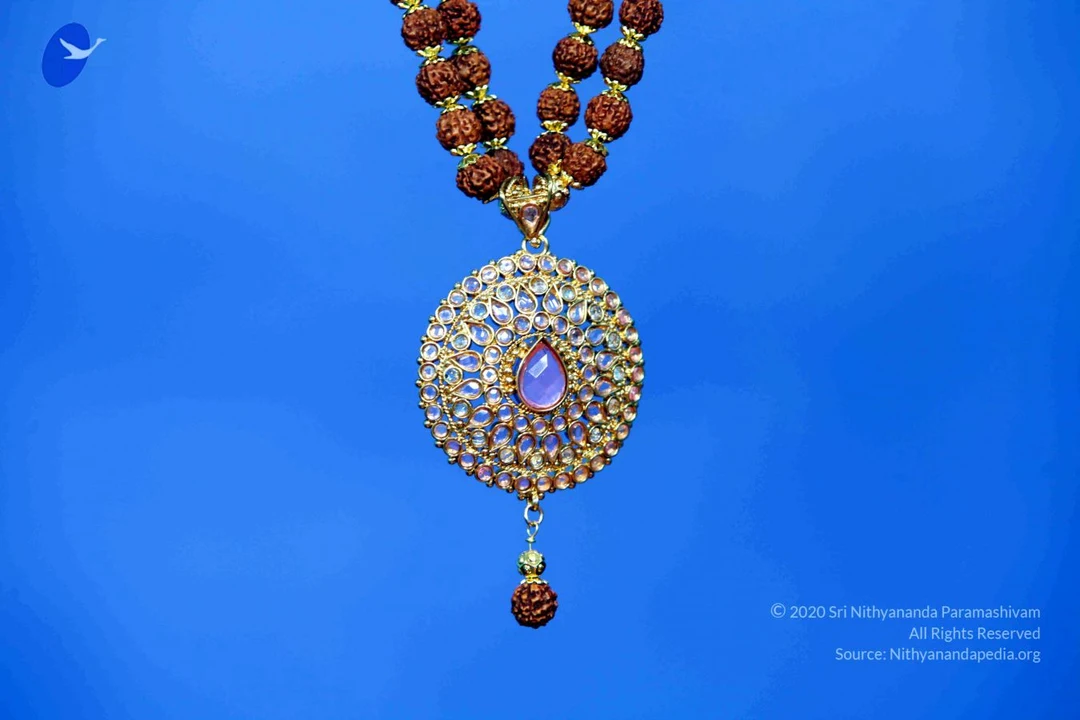
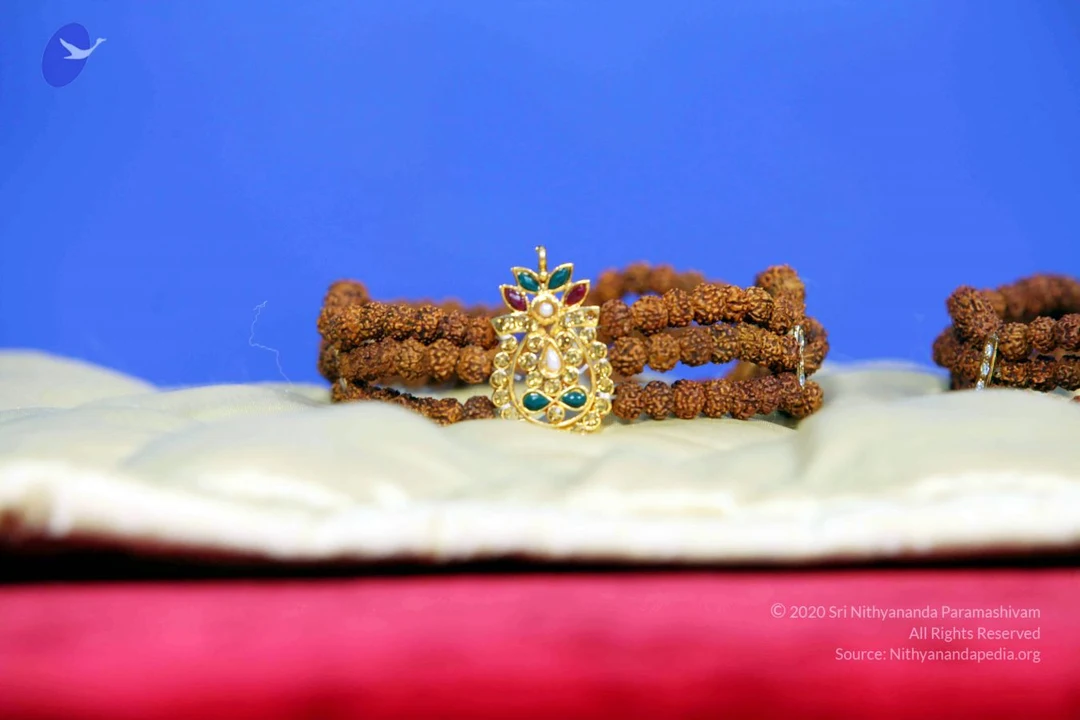
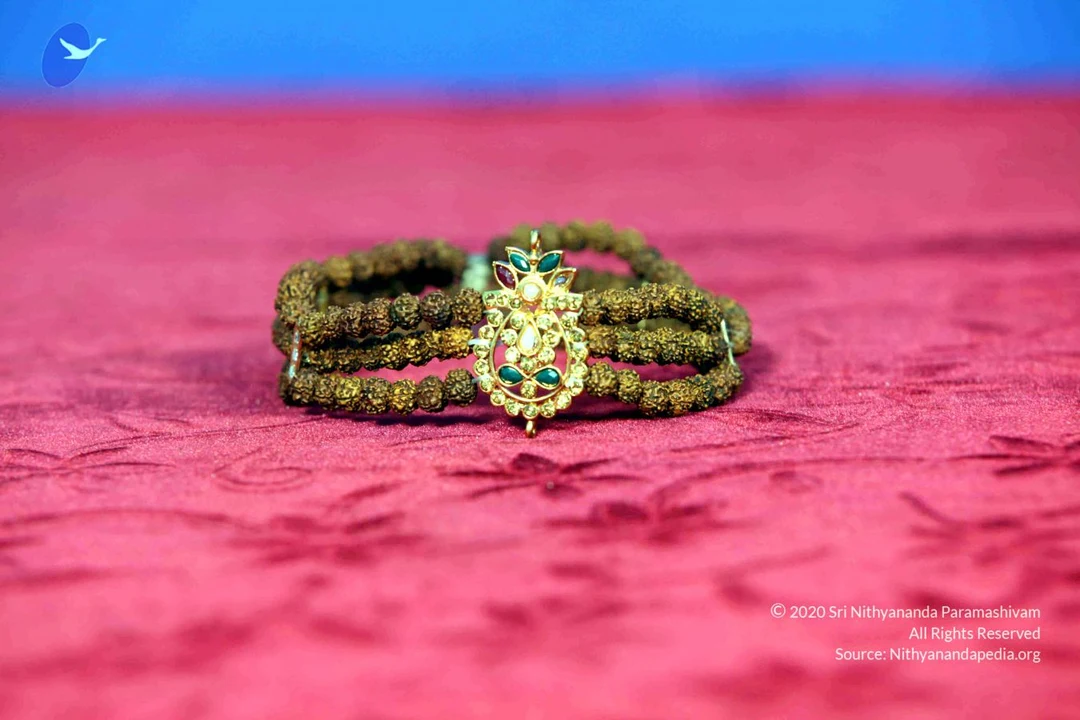
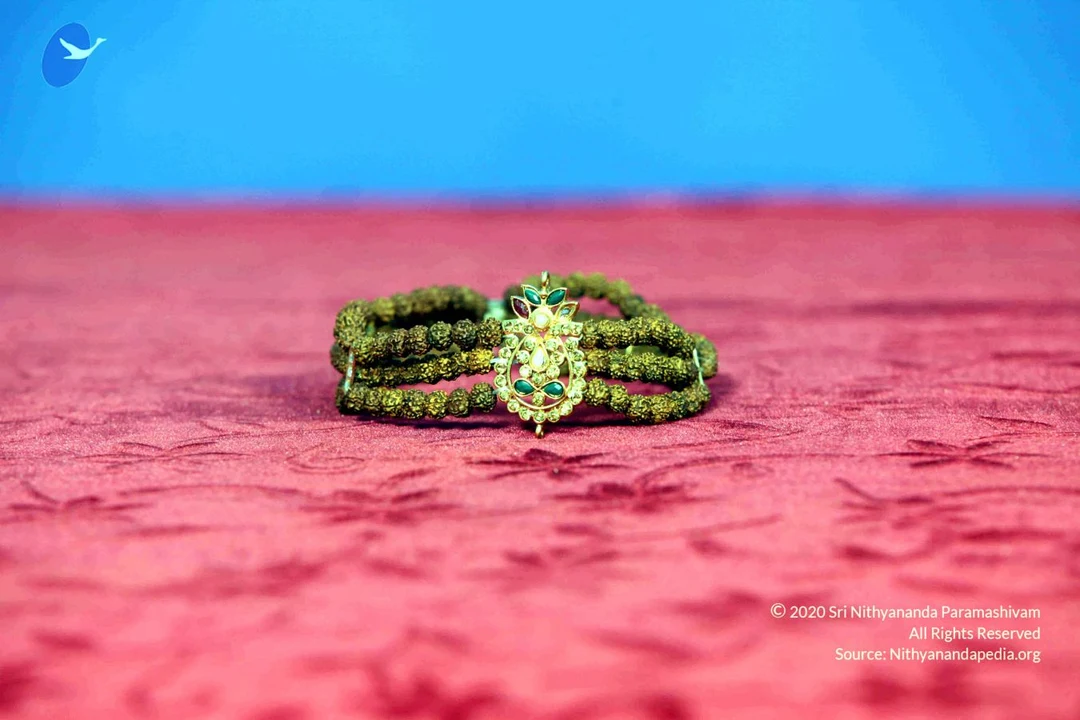
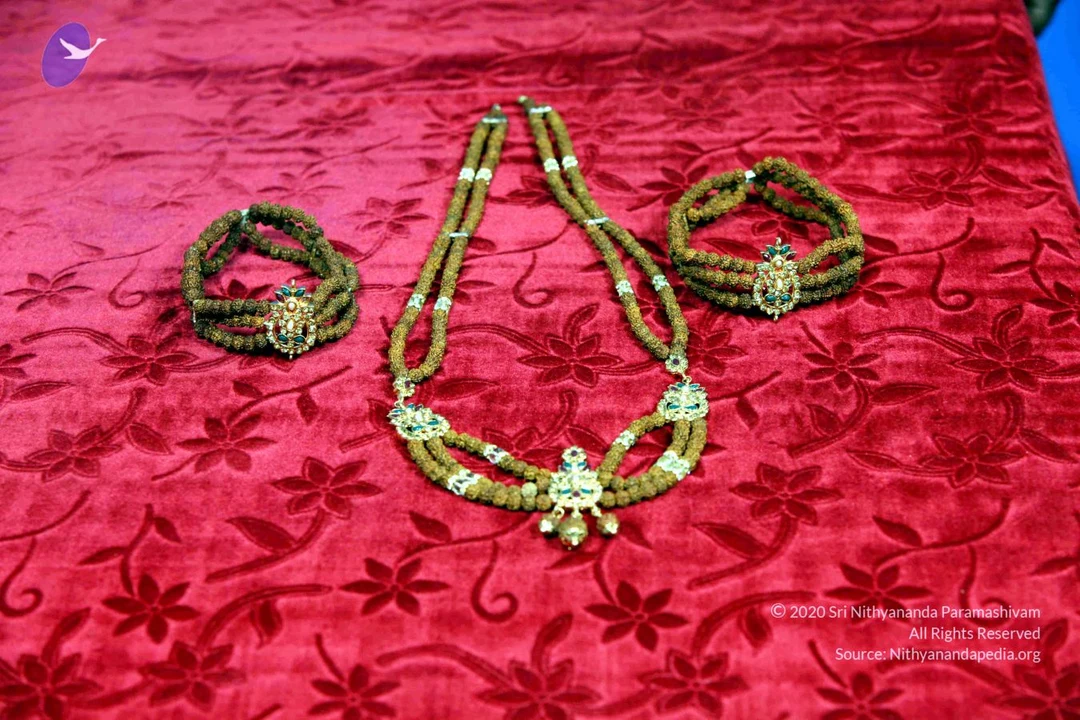

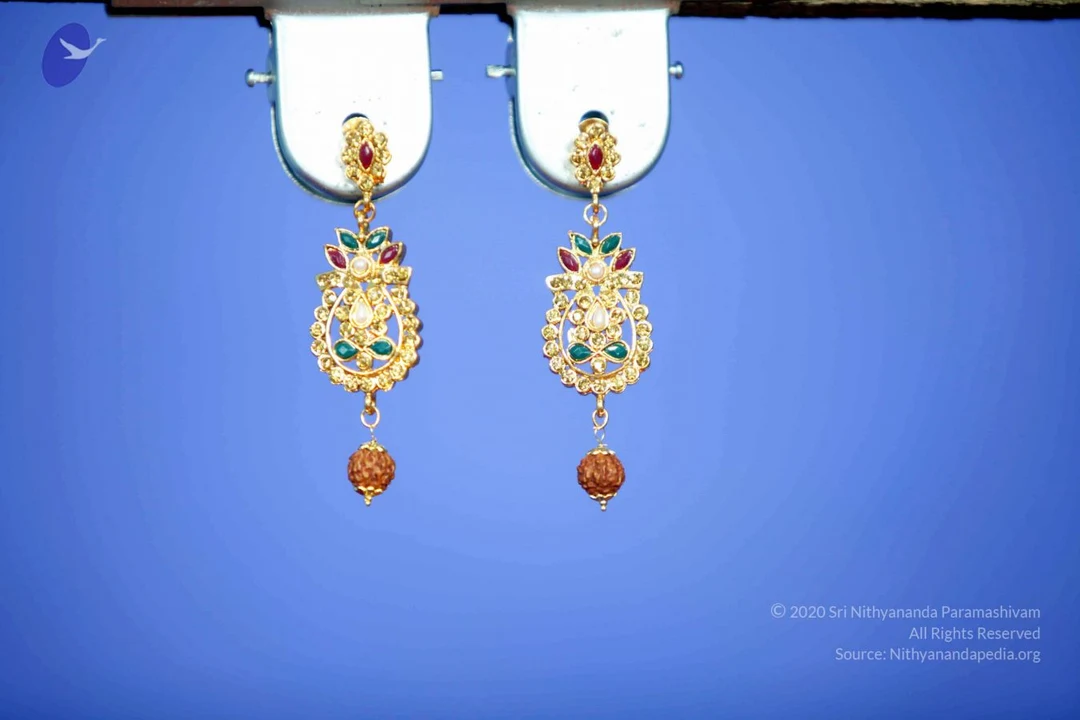
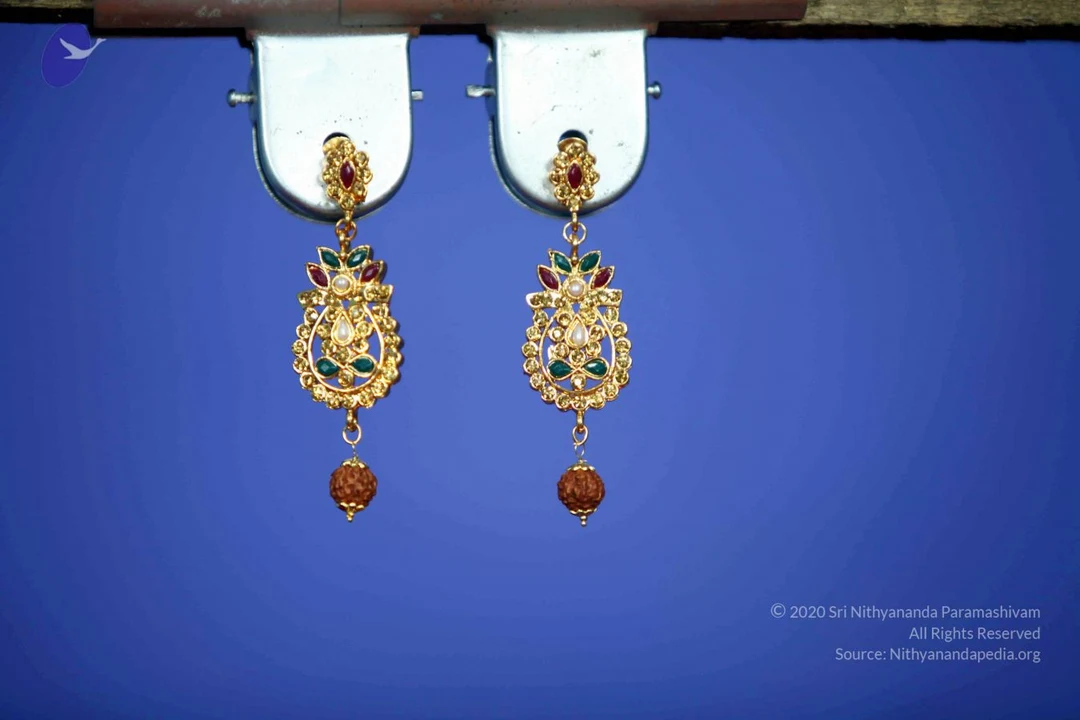

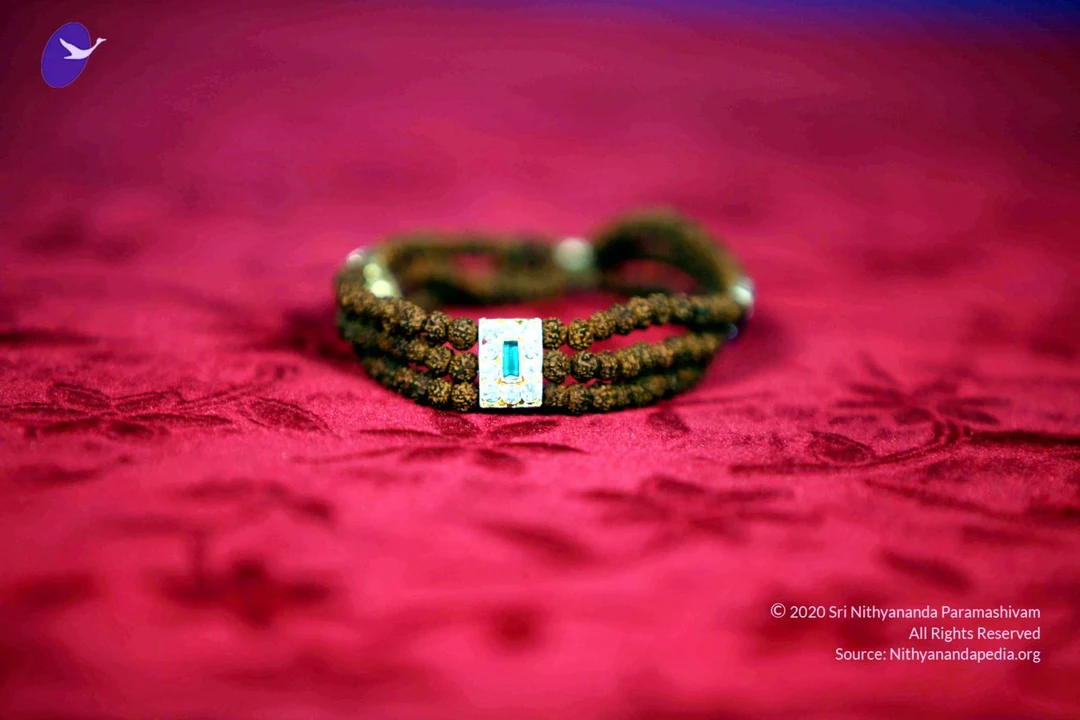
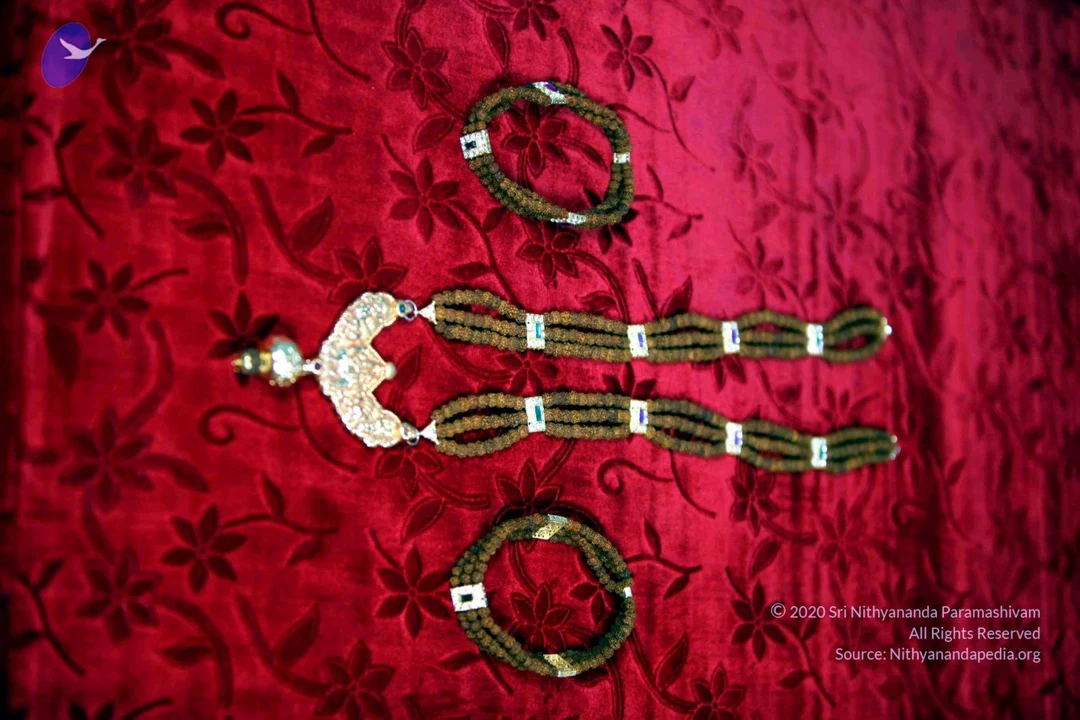
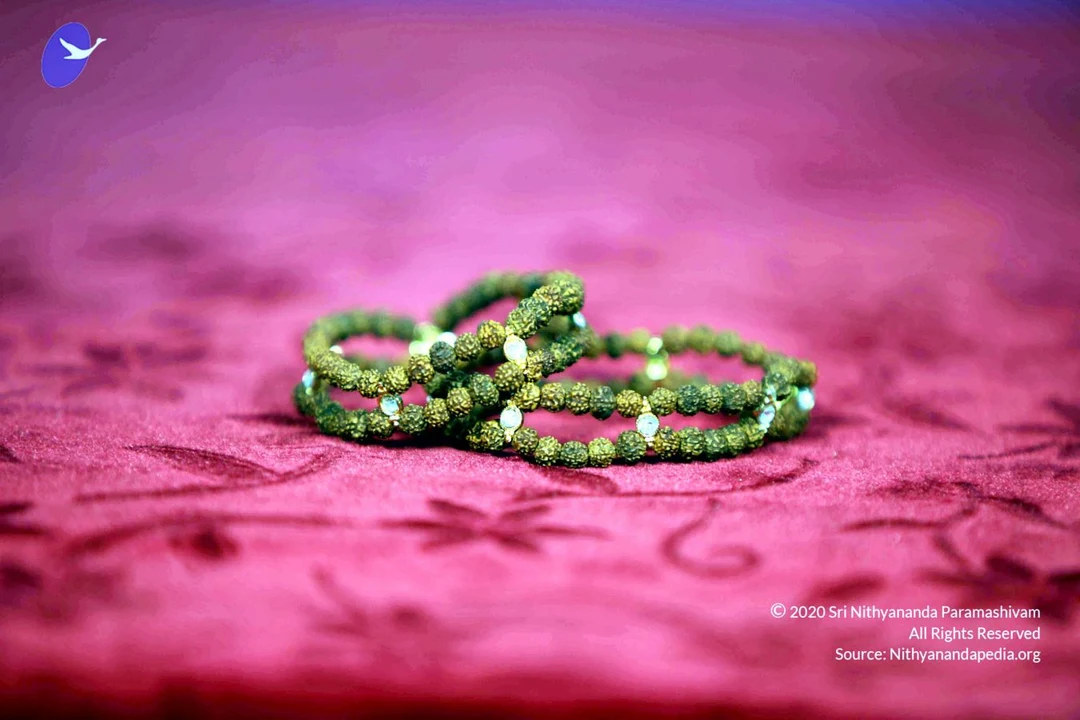
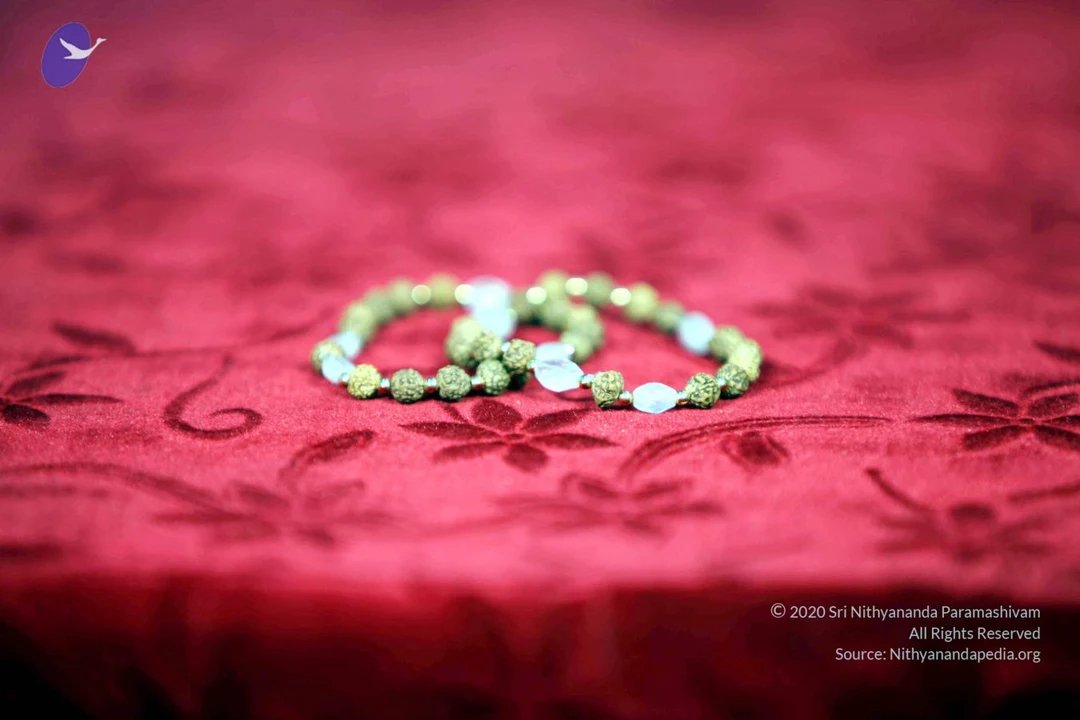
Photos Of The Day:
Photos from this day
View all 505 photosTemplevisit
17 photosSource gallery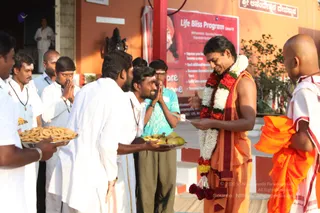
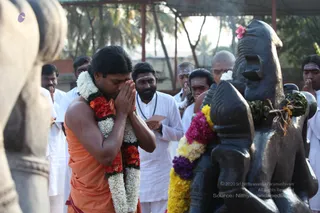
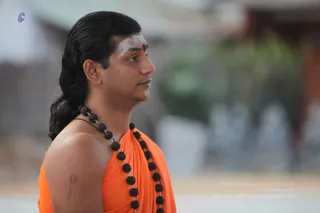
Paadapooja
9 photosSource gallery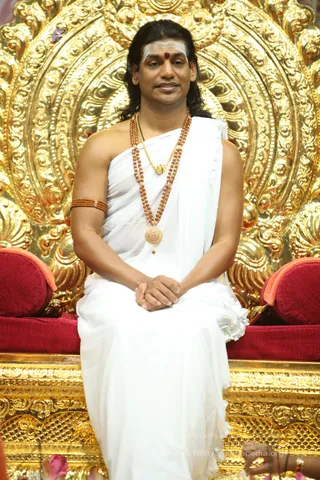
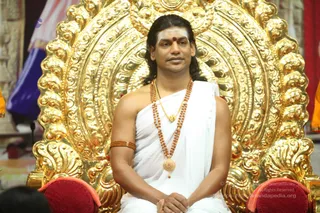
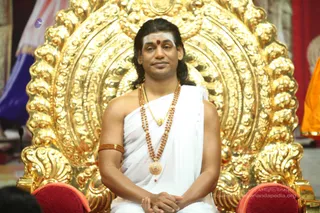
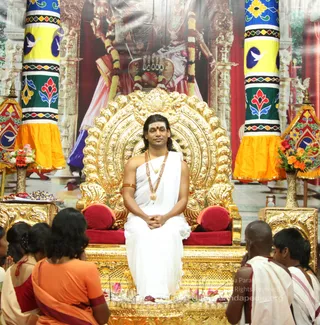
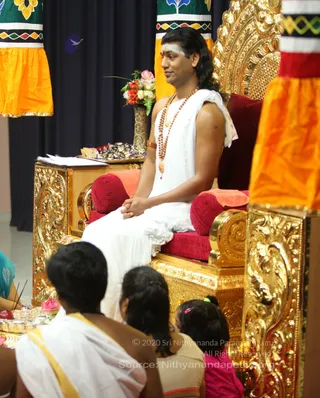
Nithyananda-Satsang
27 photosSource gallery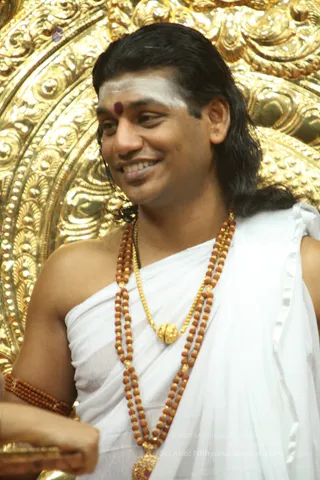
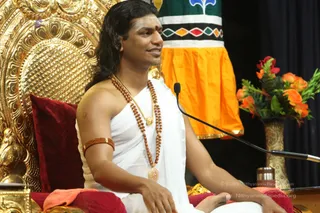
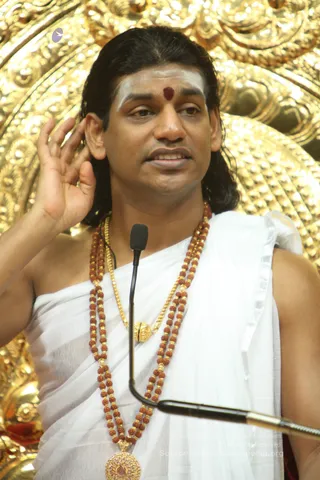
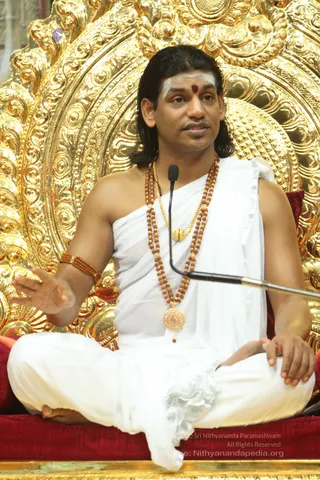
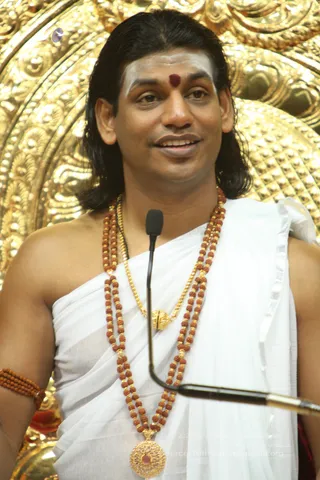
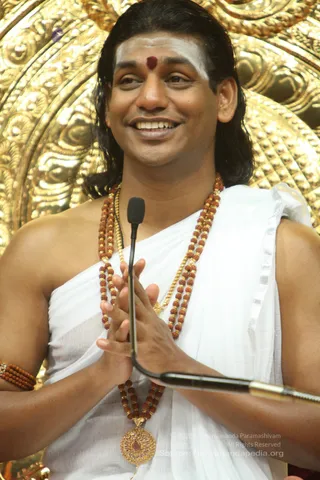
Sarvadarshan
1 photoSource gallery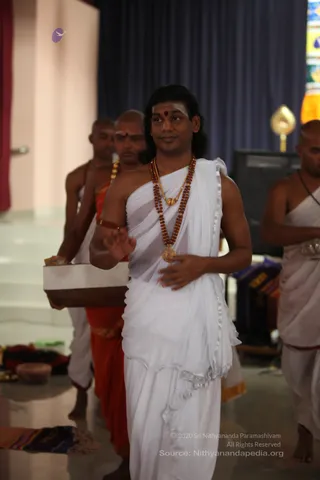
Seeragapadi Aadheenam First Anniversary
18 photosSource gallery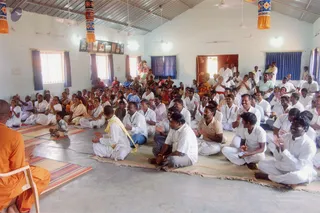
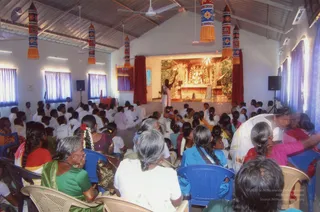
Nithya Satsang
224 photosSource gallery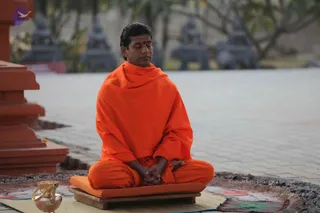
Padha Puja
21 photosSource gallery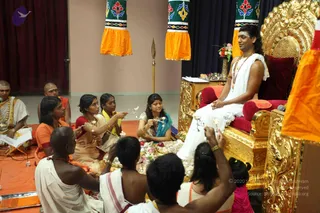
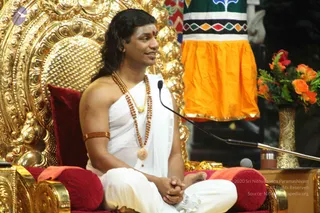
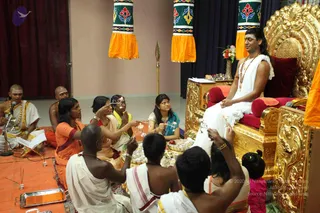
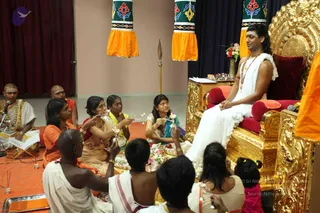
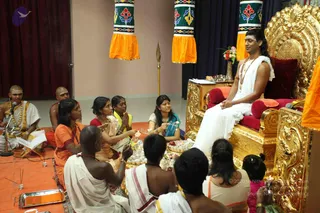
First anniversary celebrations of KAILASA in Seeragapadi
19 photosSource gallery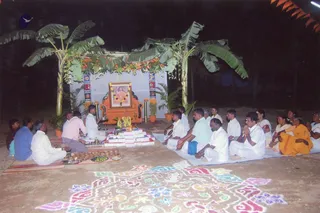
MORE PHOTOGRAPHS
175 photosSource gallery