Saturday
19 February 2011
Altered States of Consciousness - Part 4, Patanjali Yoga Sutras 119 (Nithyananda 19 Feb 2011)
- Dated photos
- 301
- Source pages
- 1
- Media
- 2
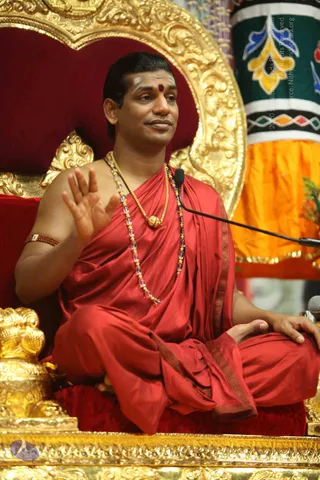
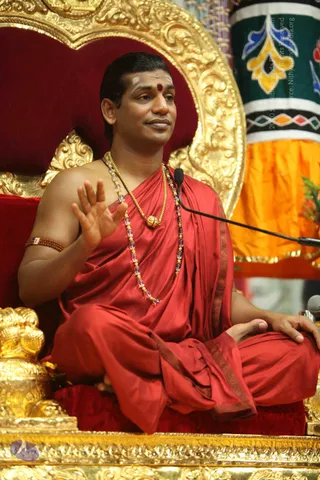
February 19 2011
Original wiki pageTitle:
Altered States of Consciousness - Part 4, Patanjali Yoga Sutras 119 (Nithyananda 19 Feb 2011)
Description:
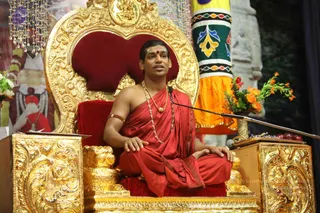
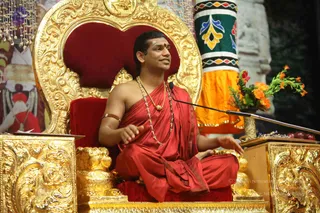
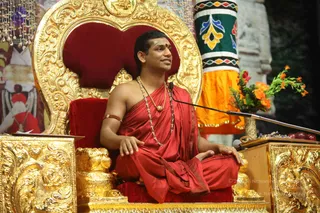
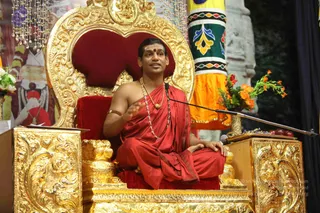
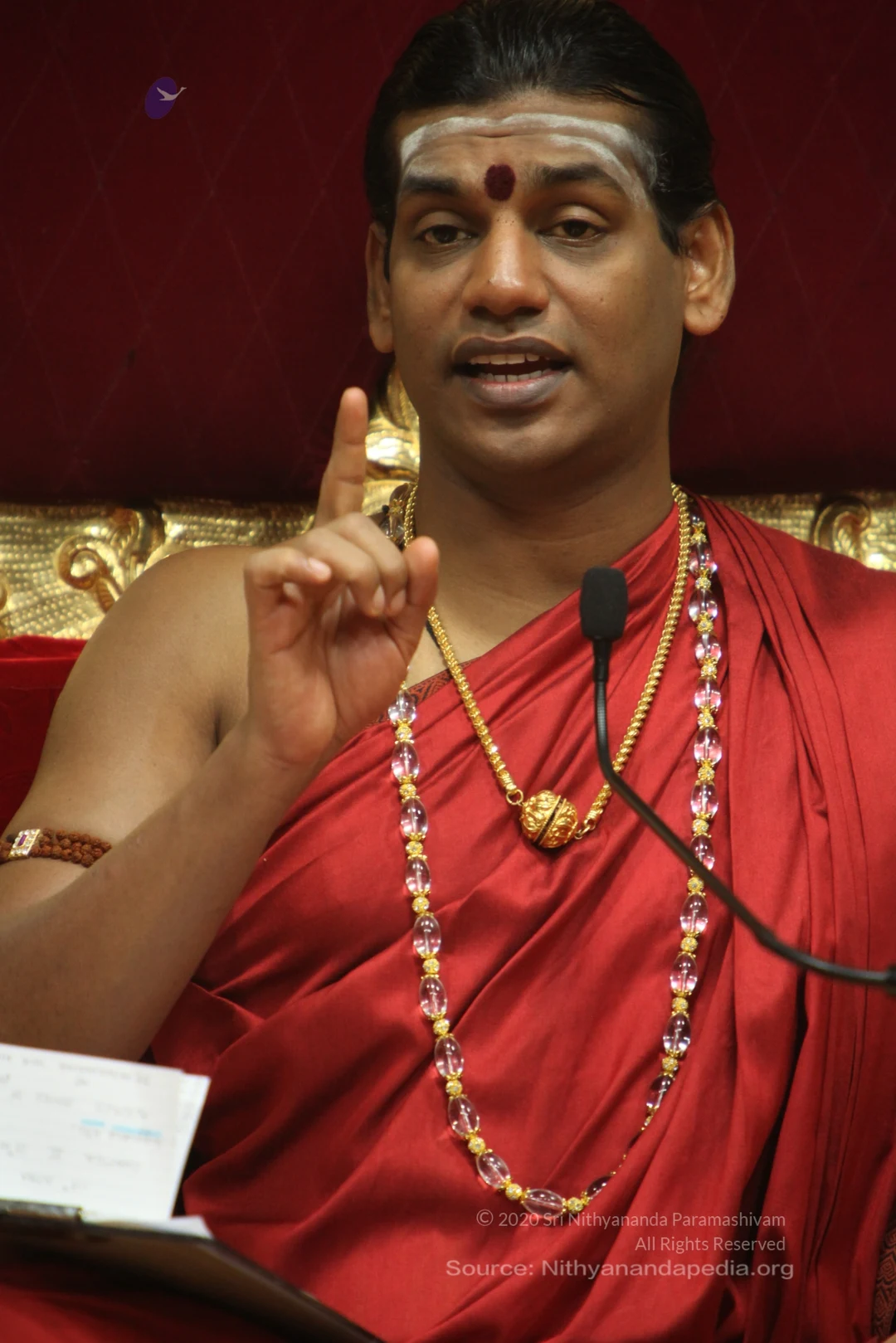
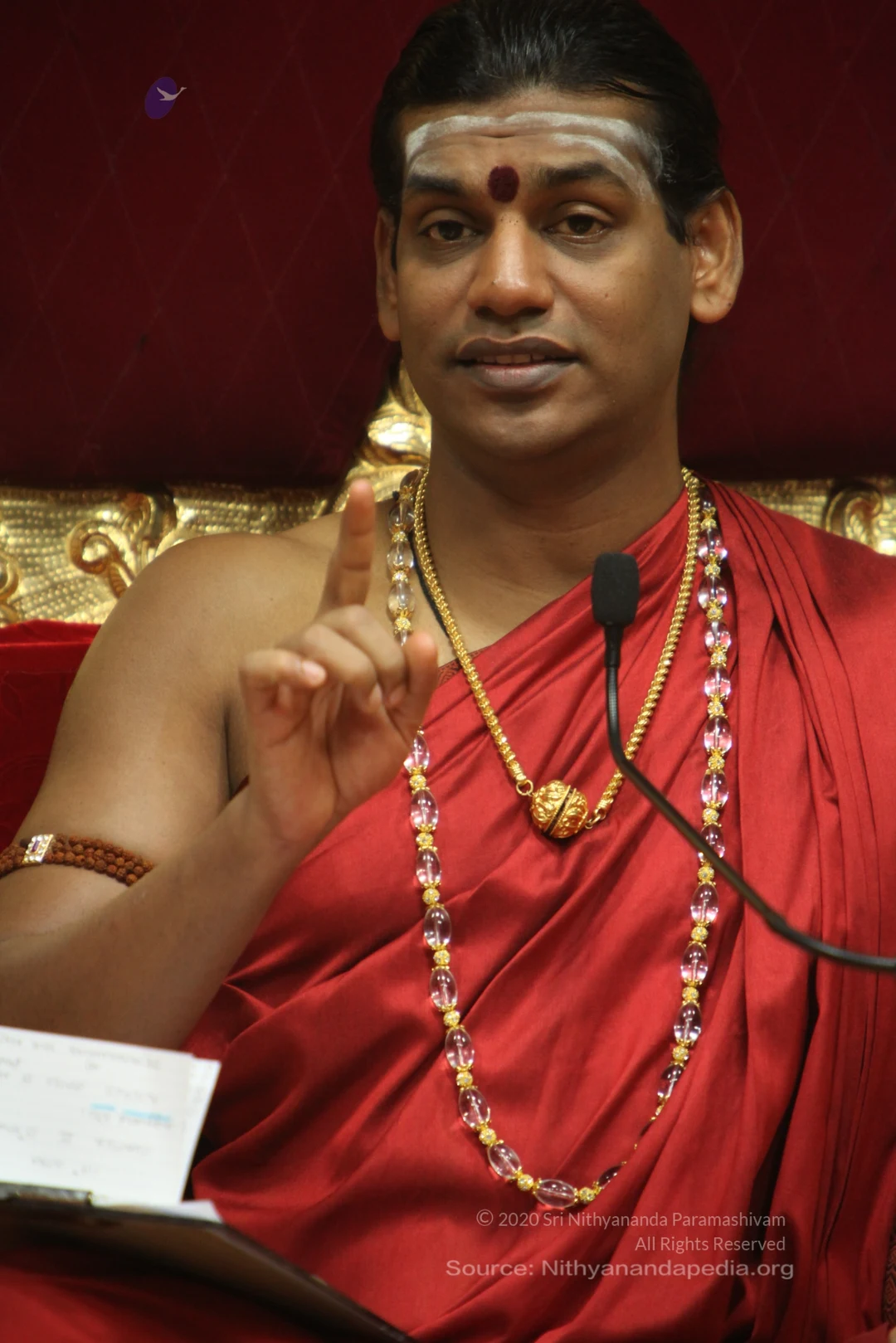
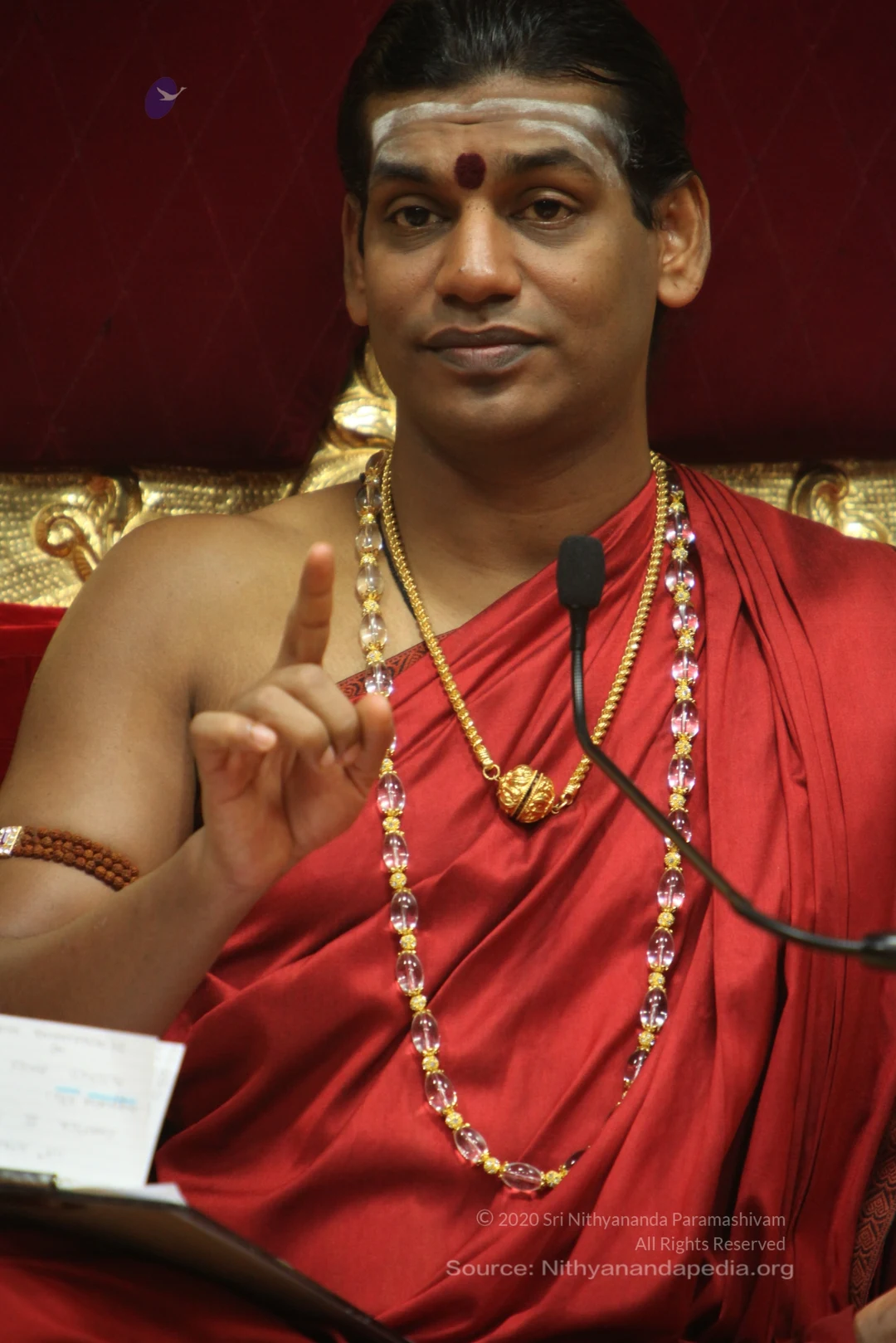
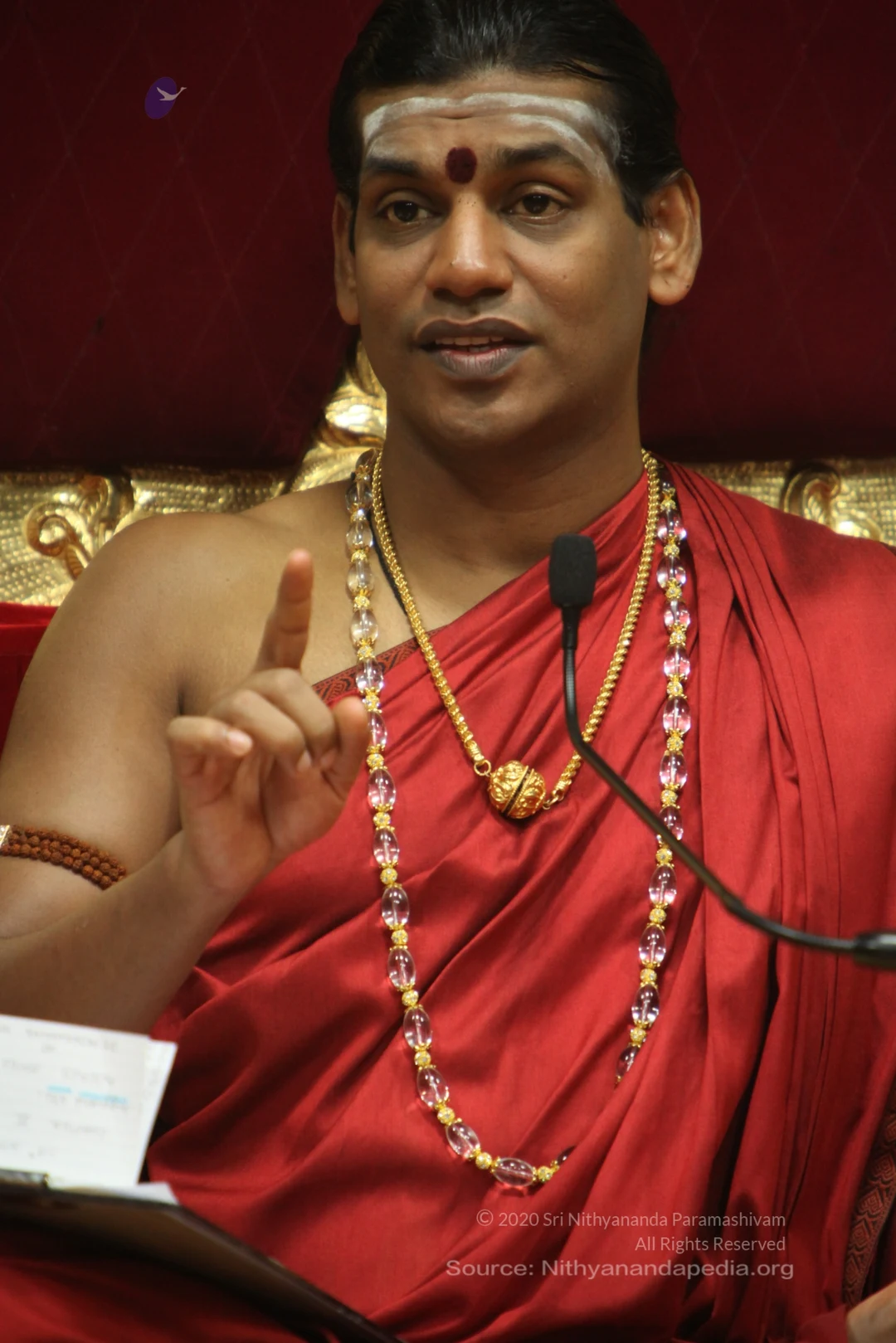
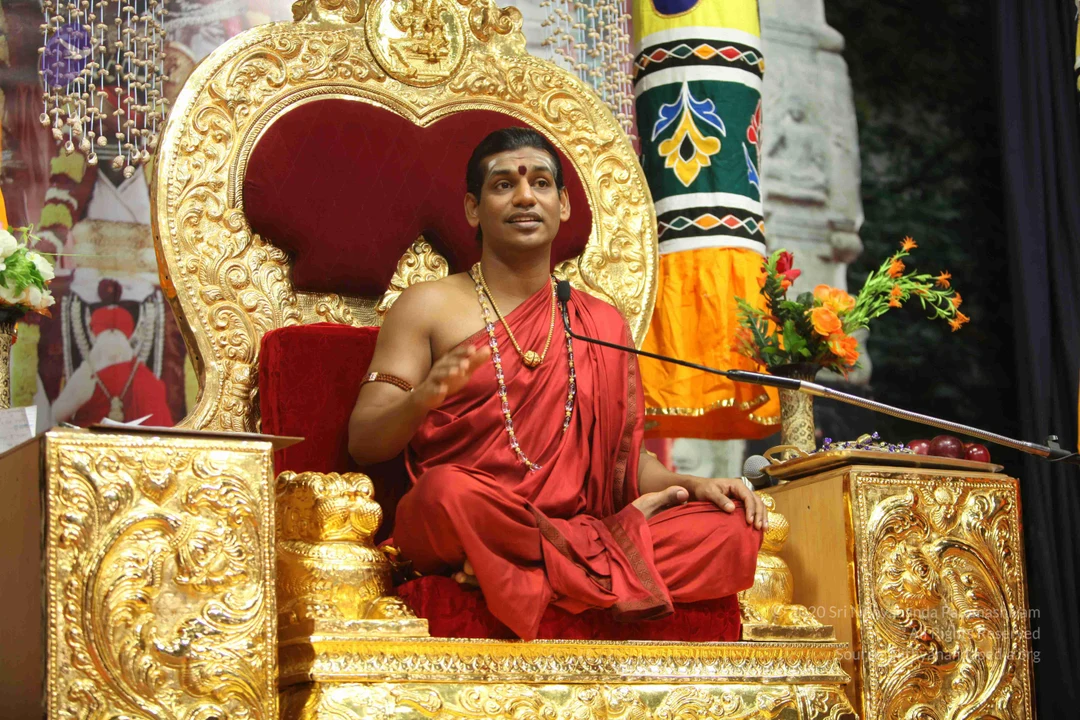
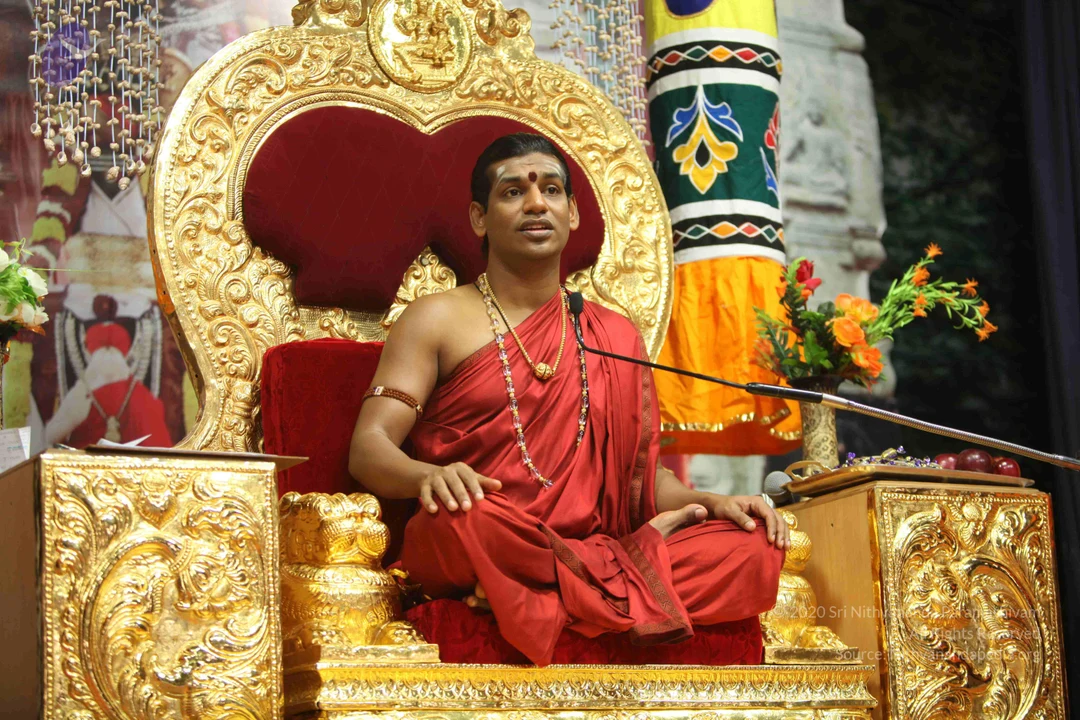
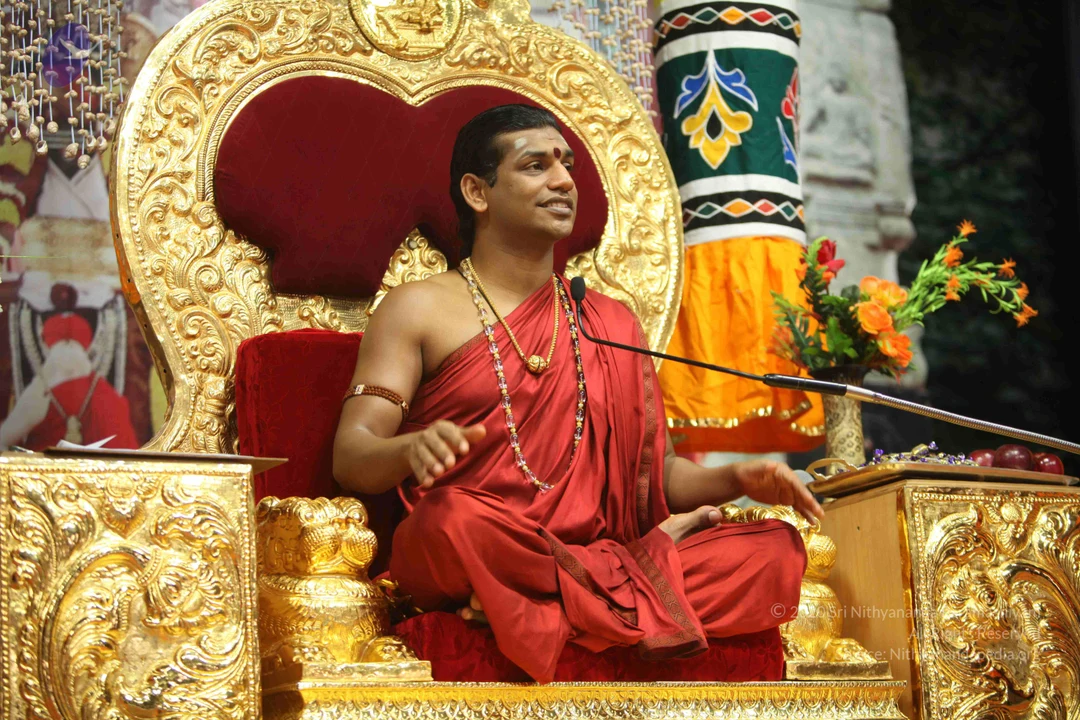
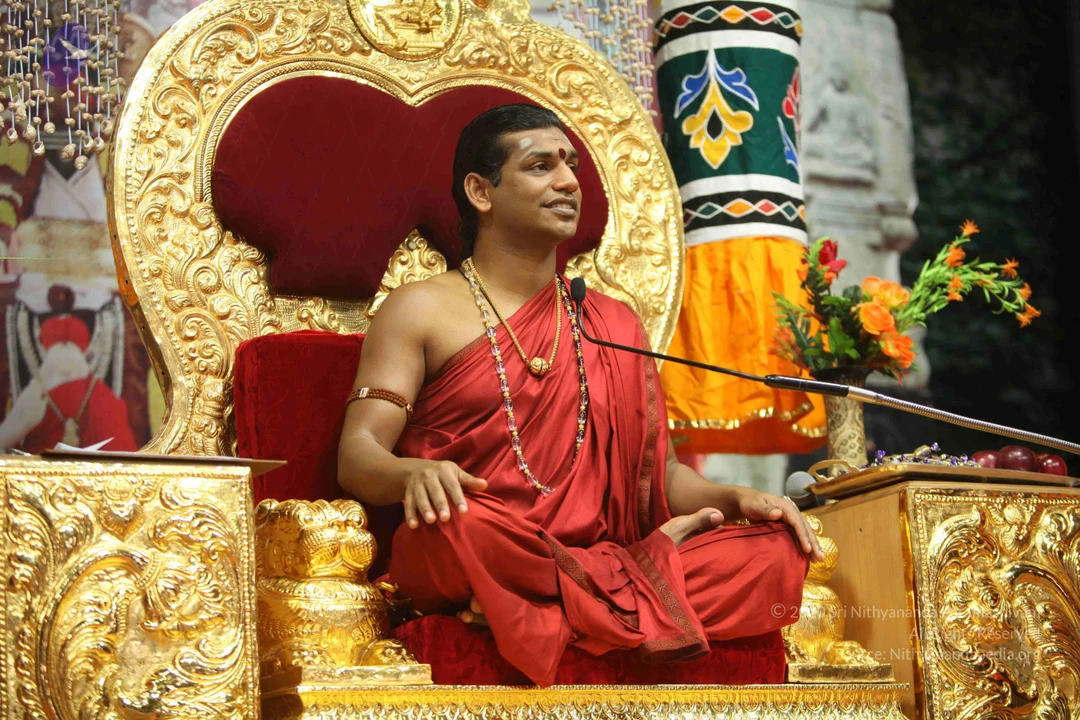
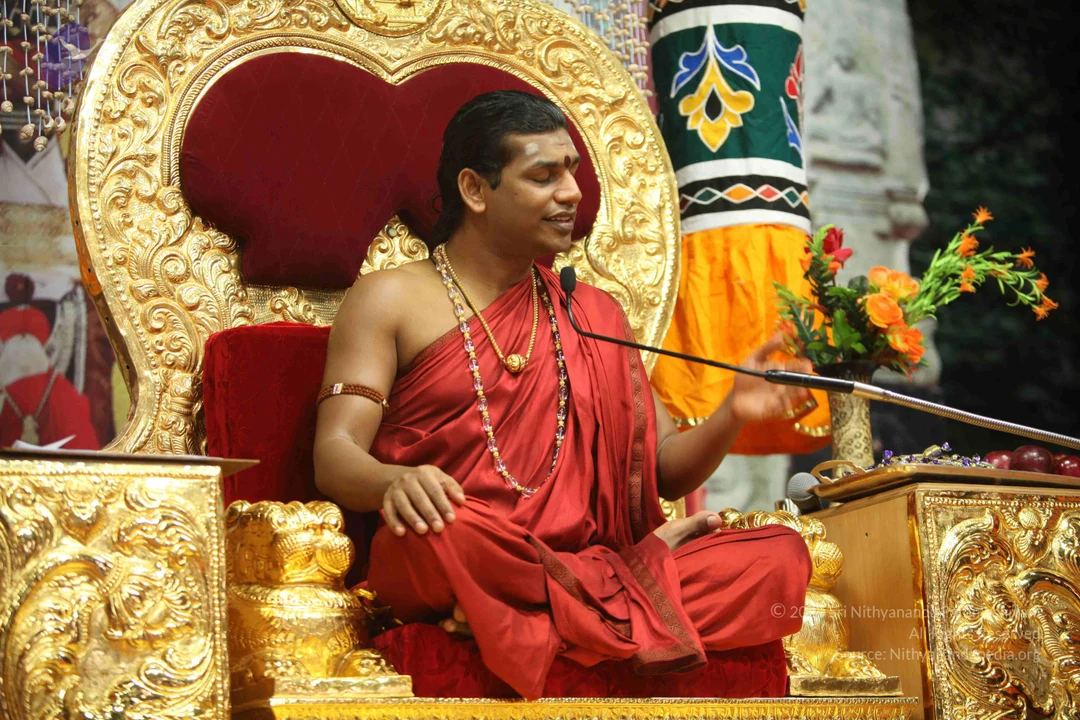
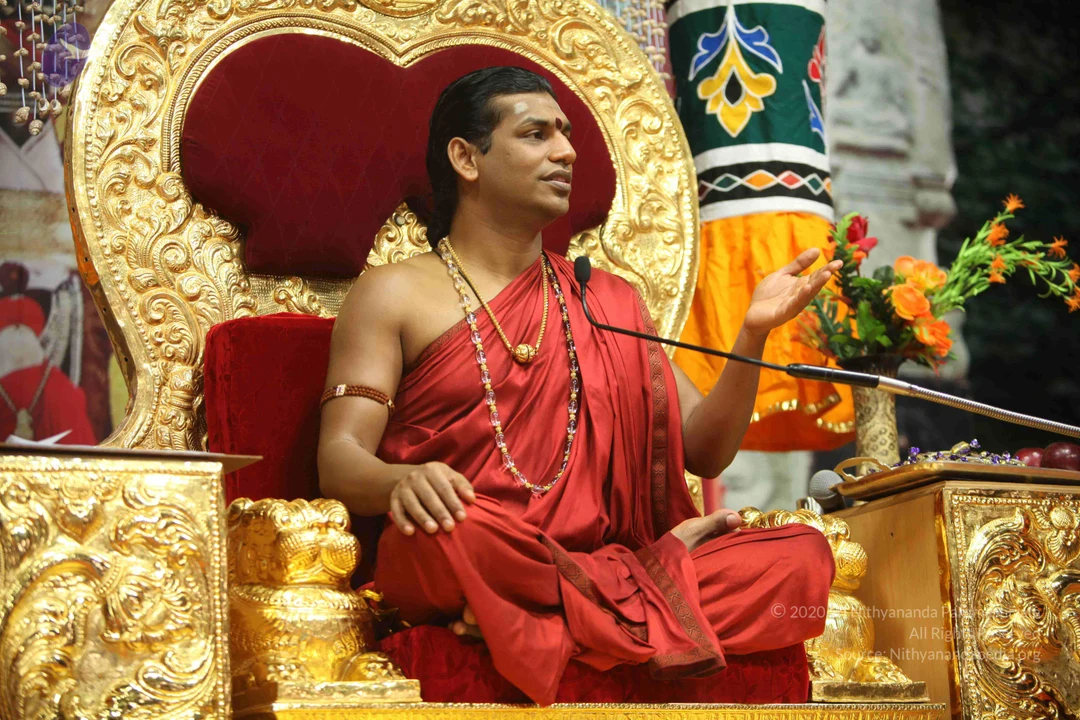
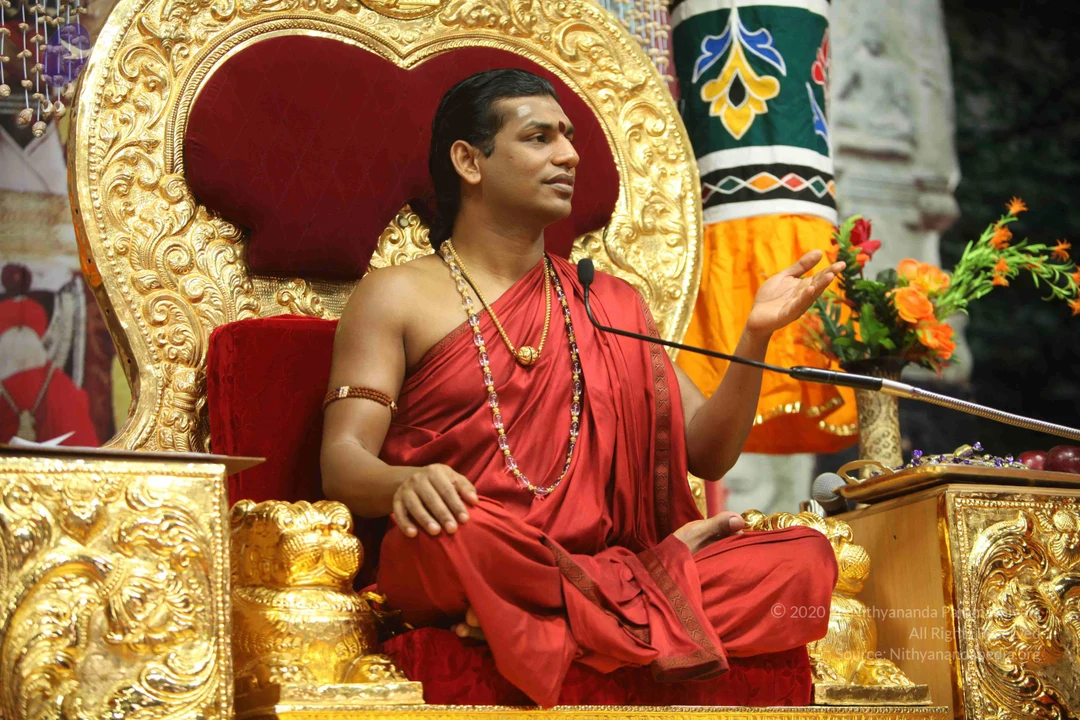
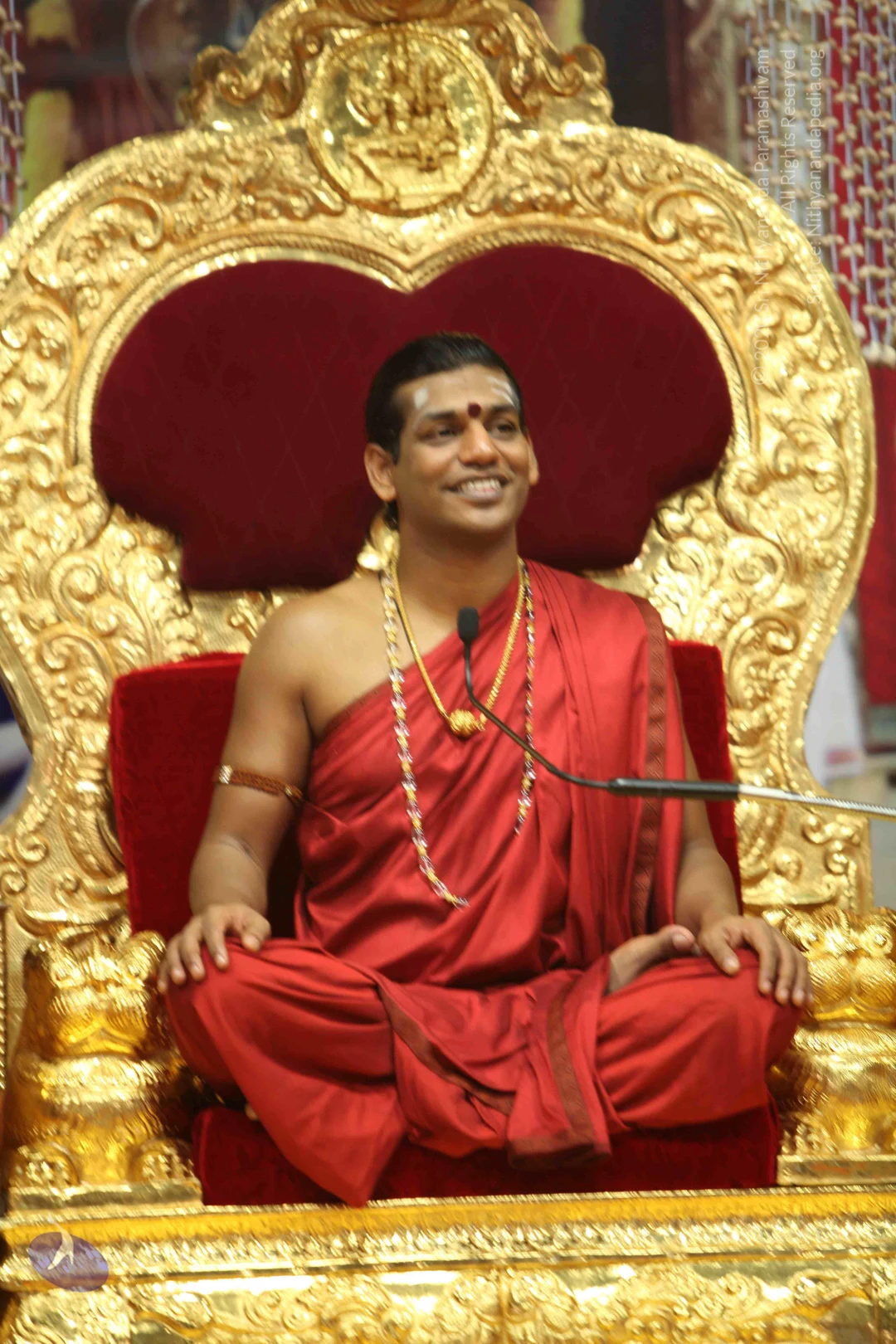
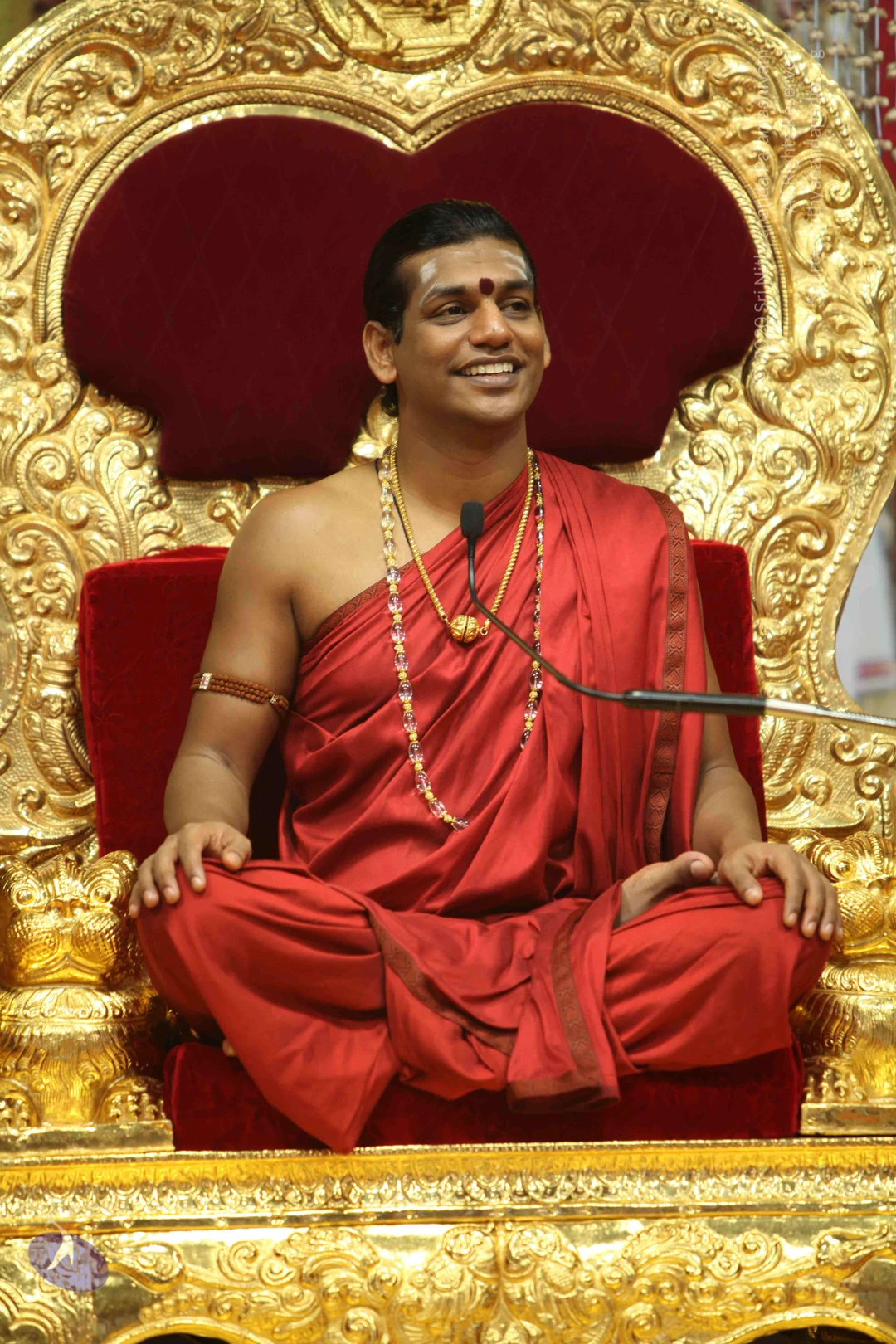
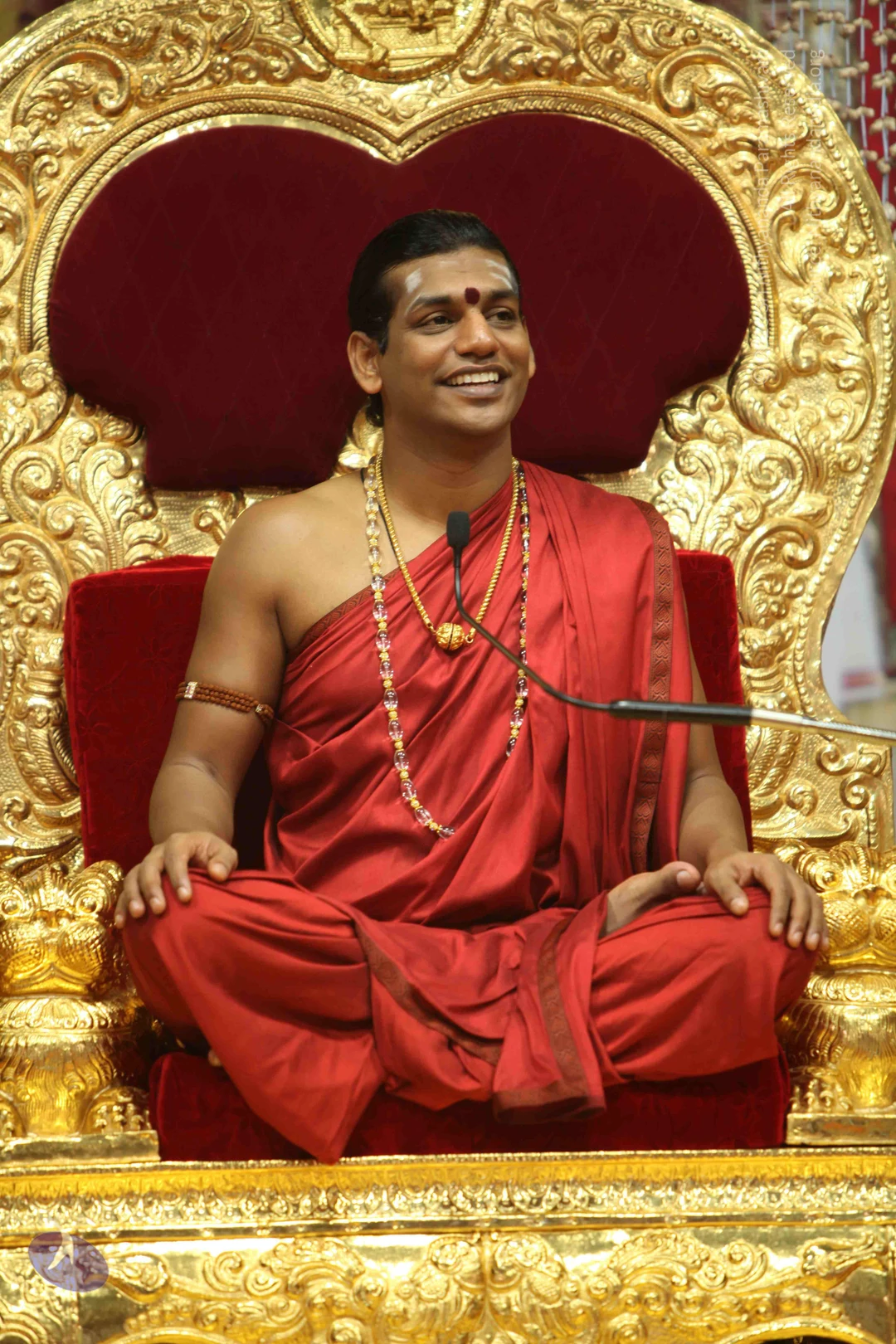
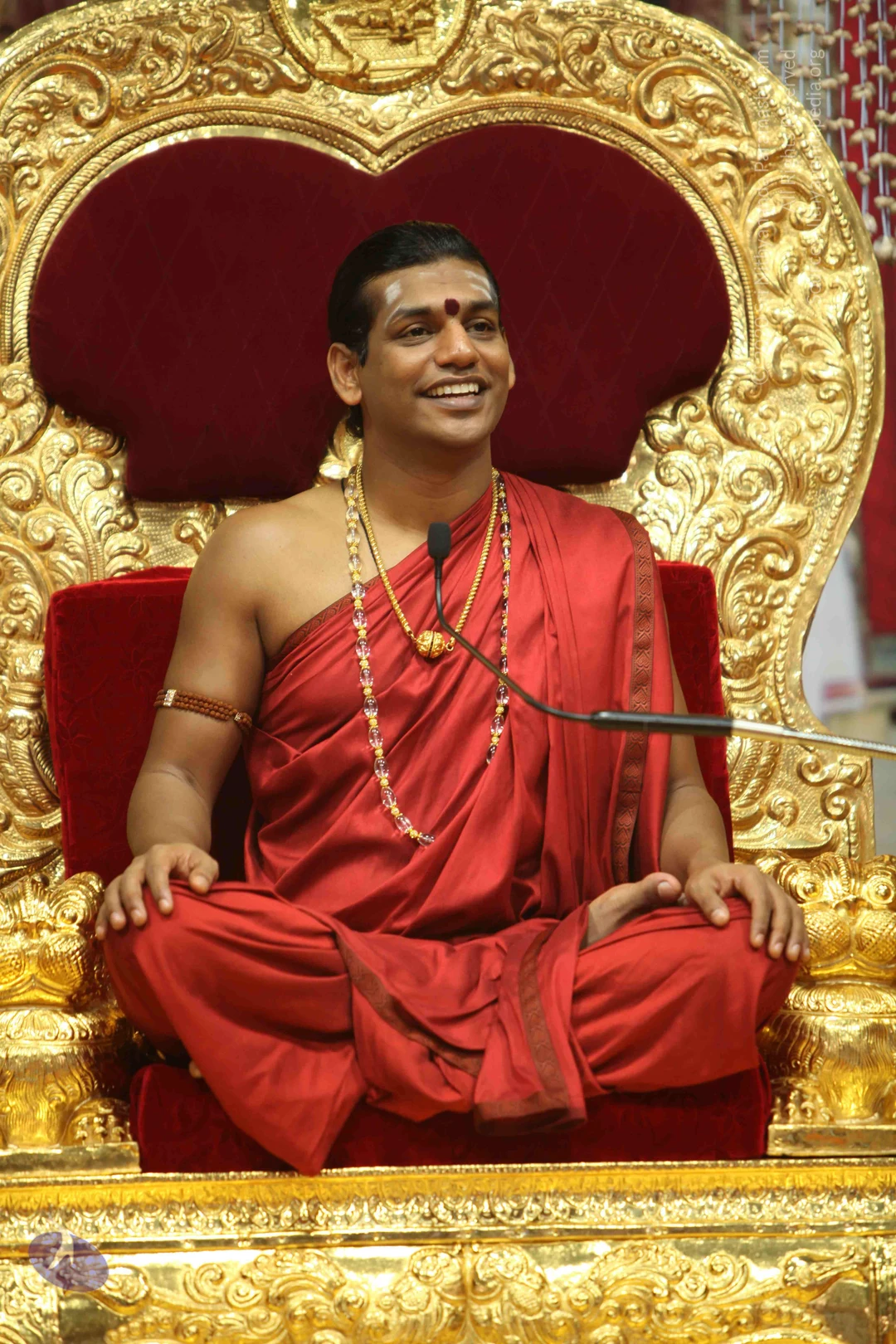
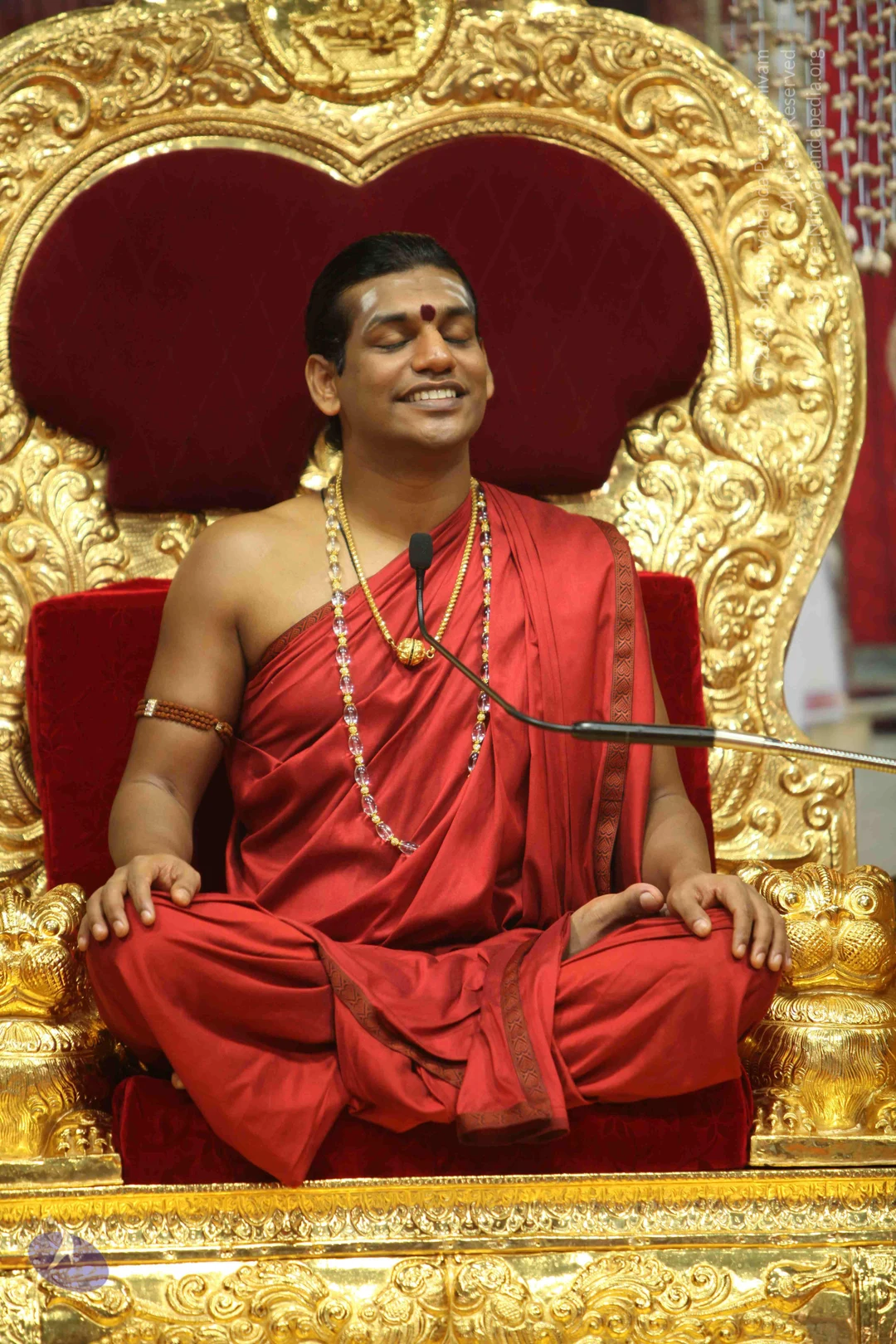
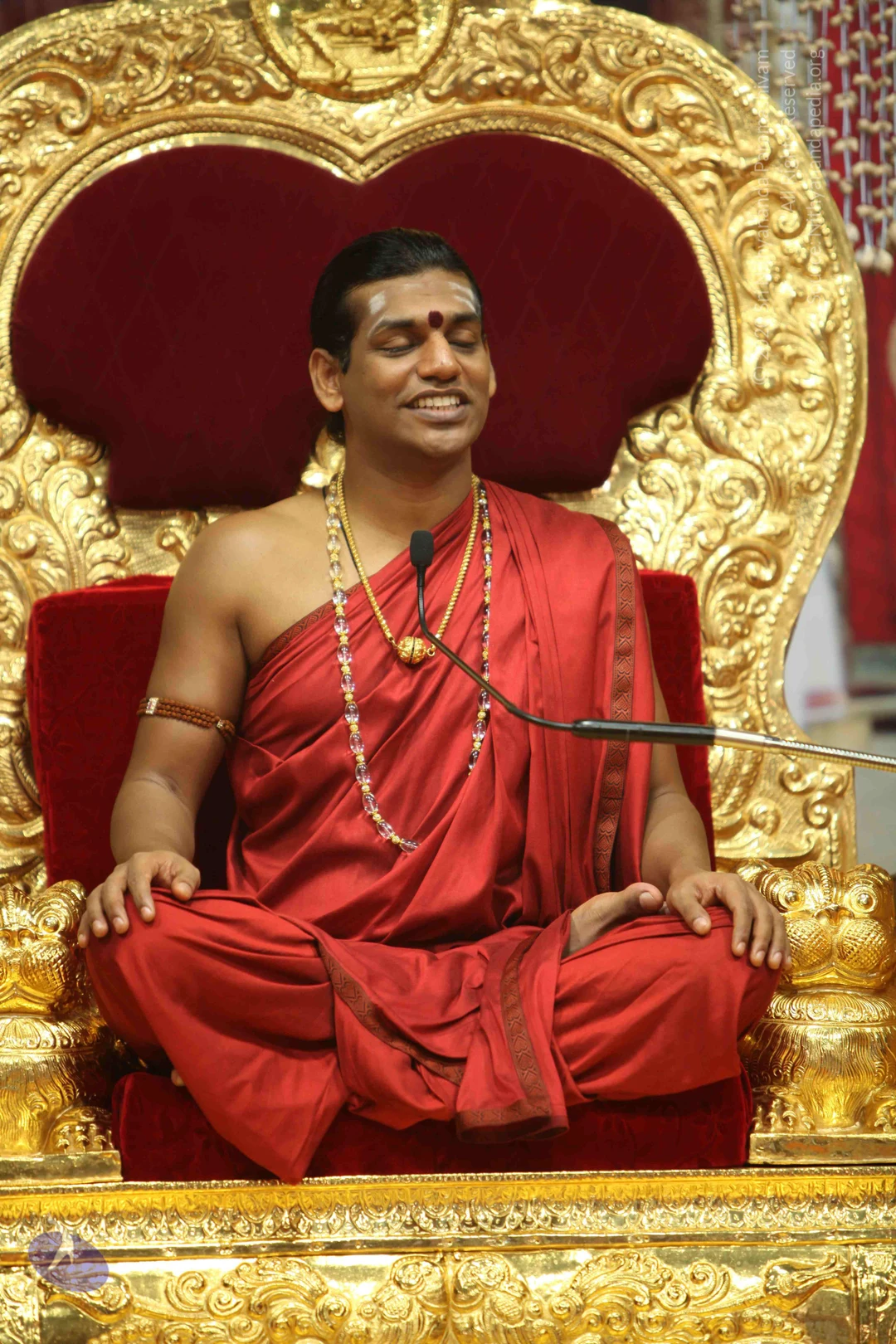
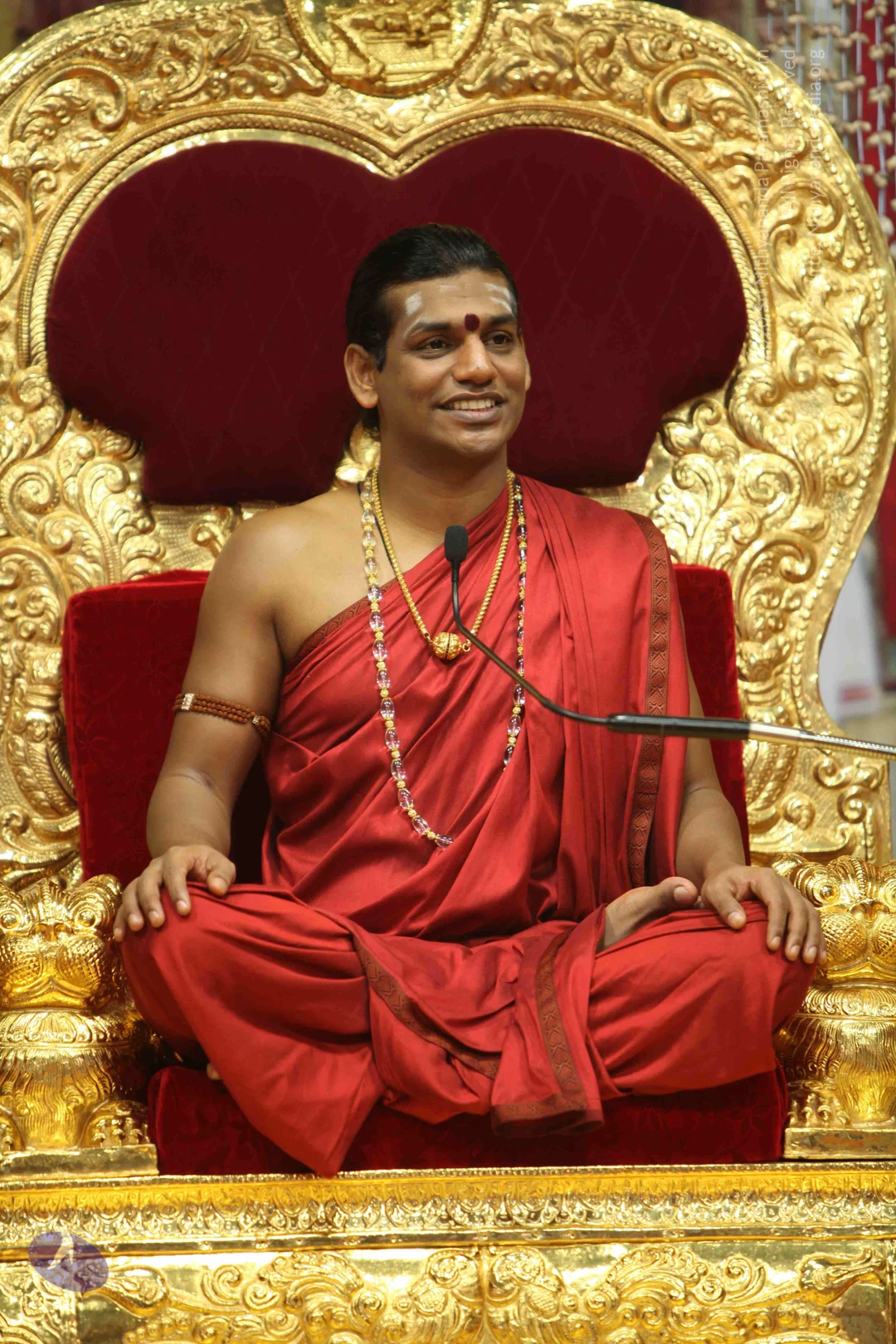
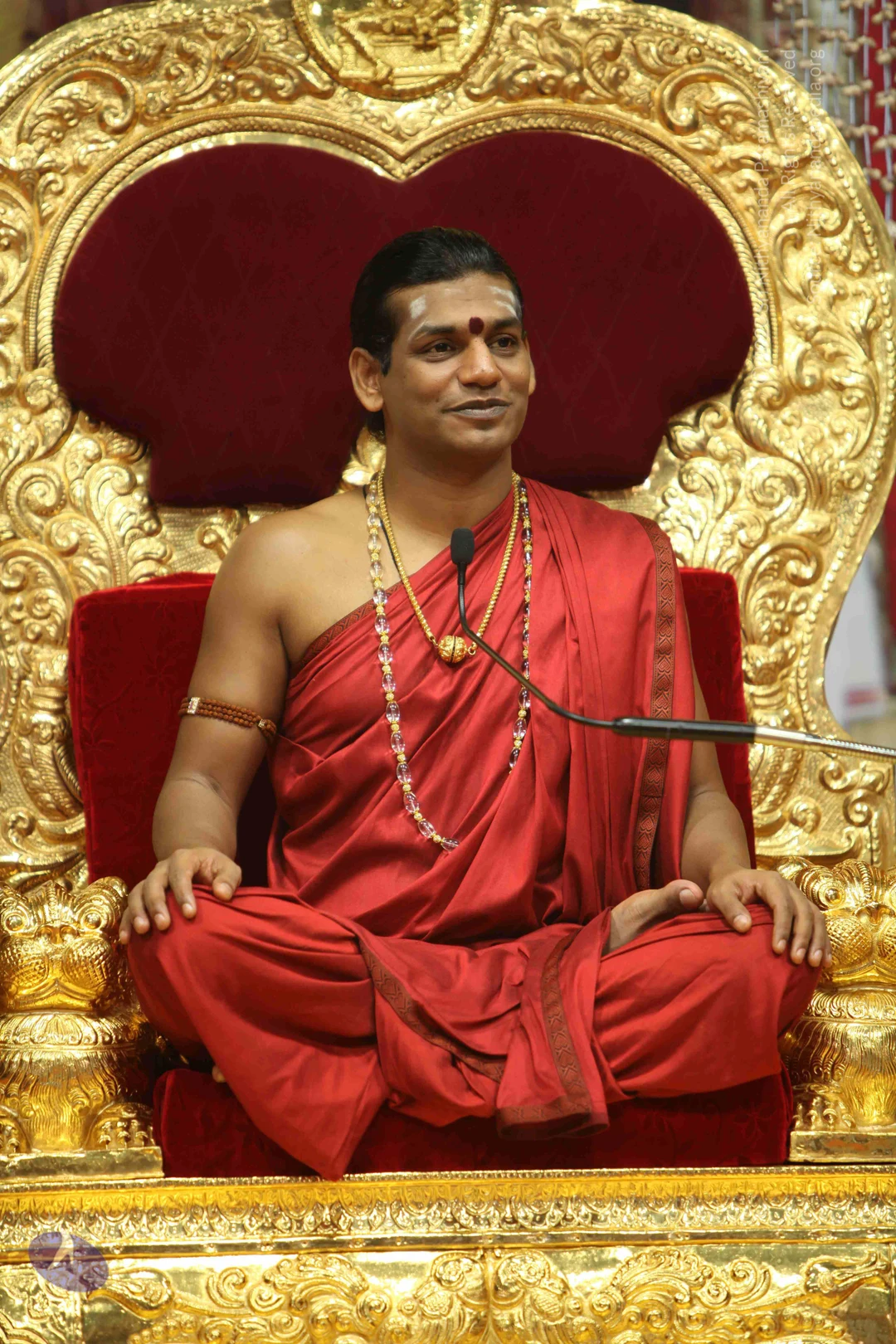
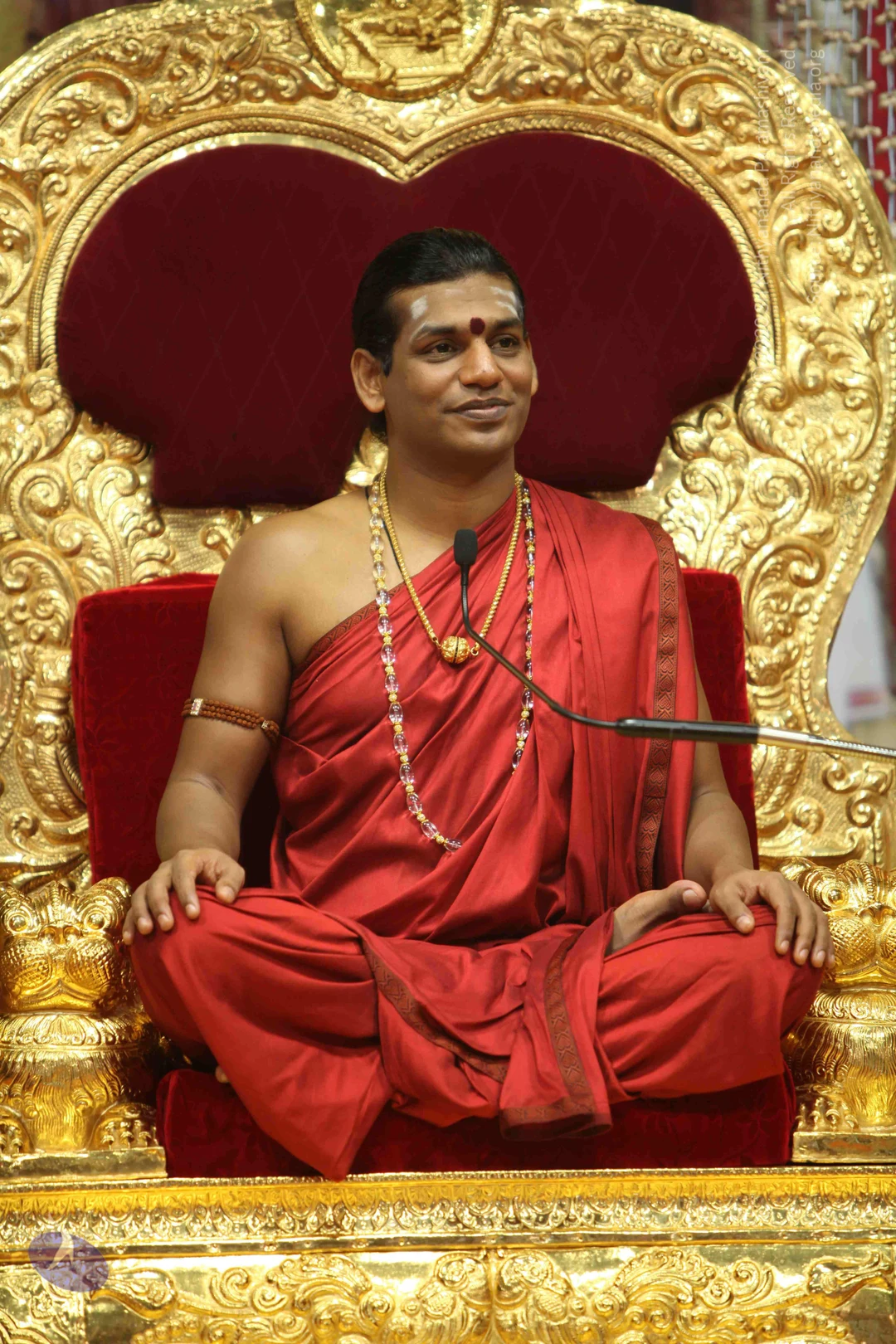
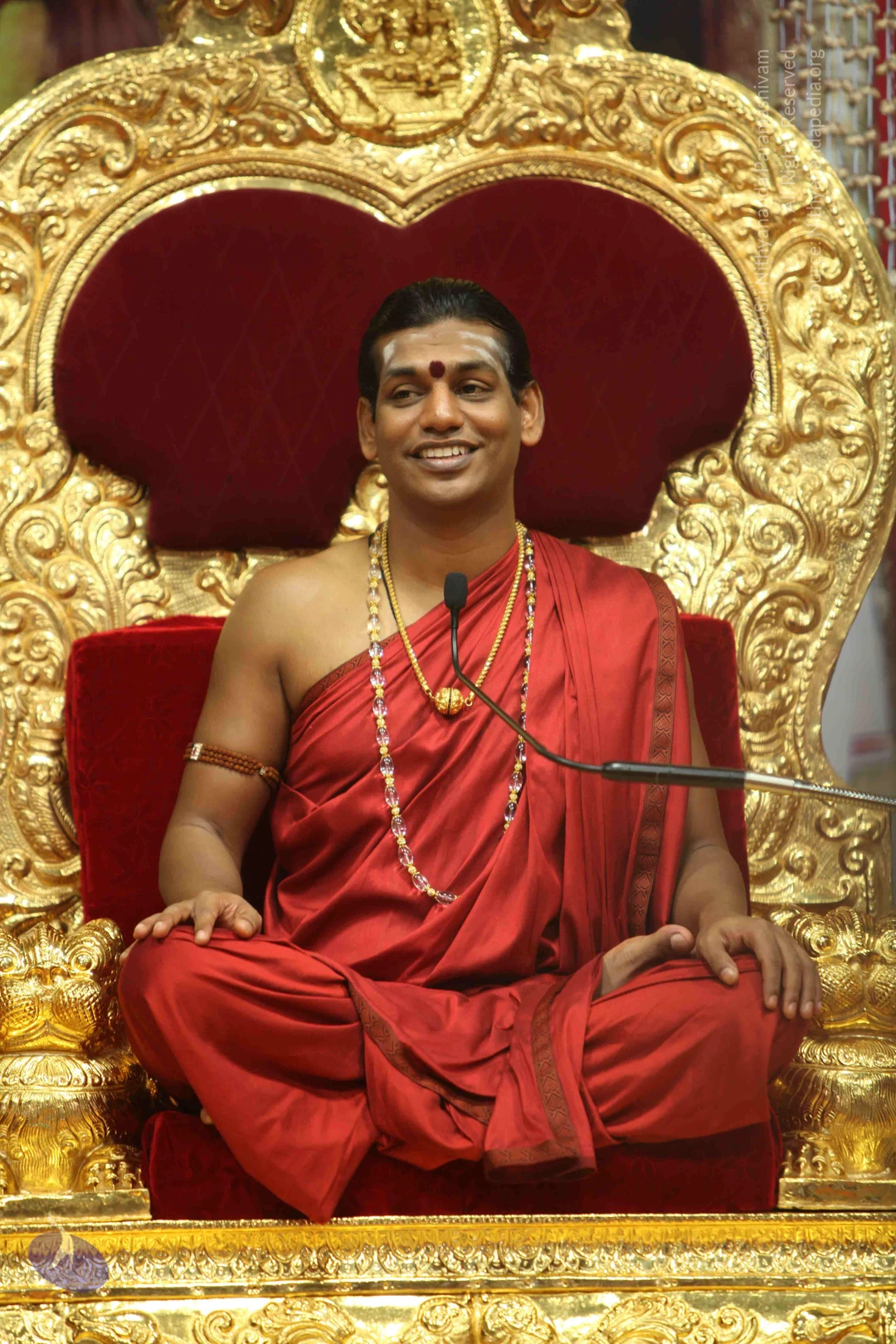
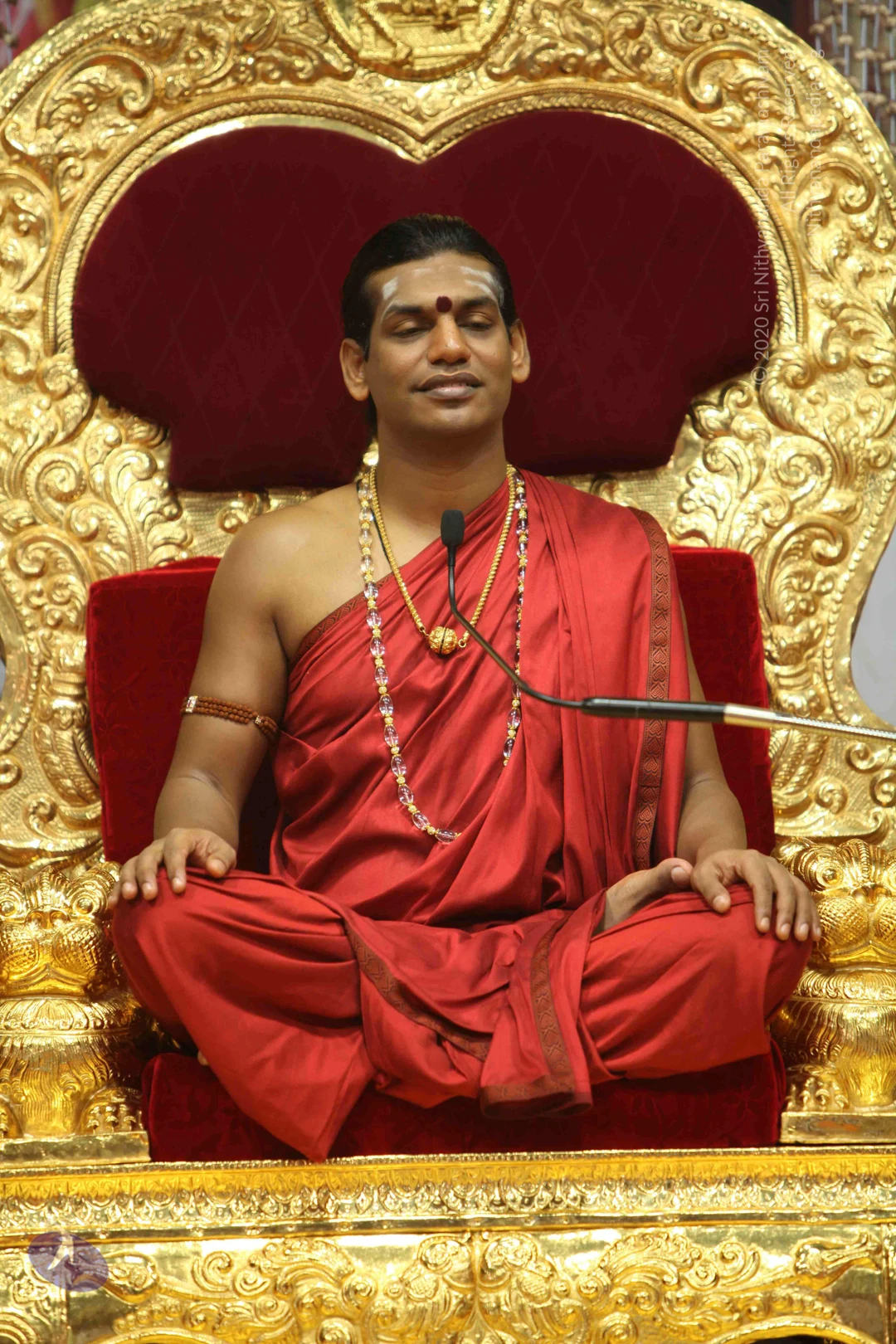
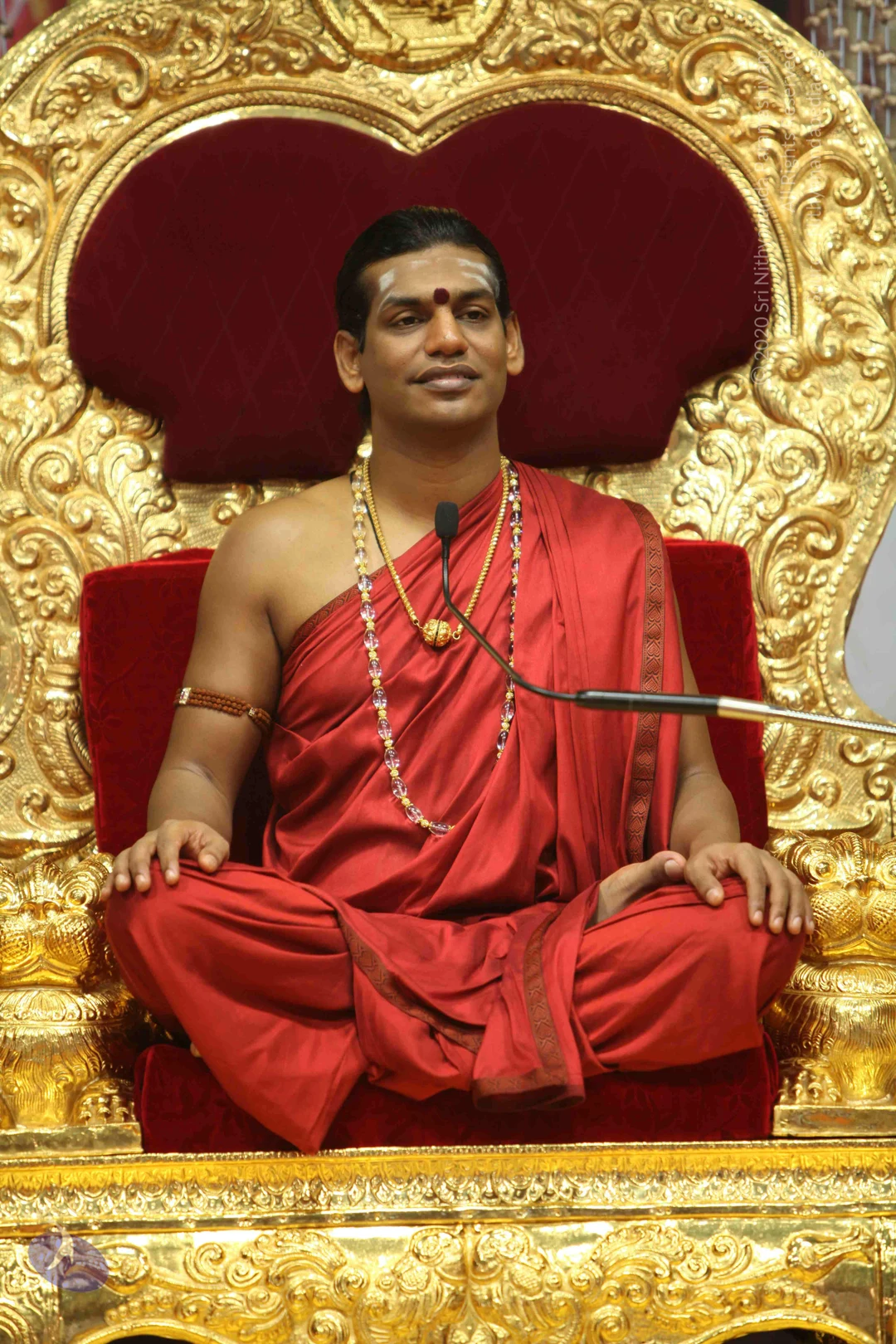
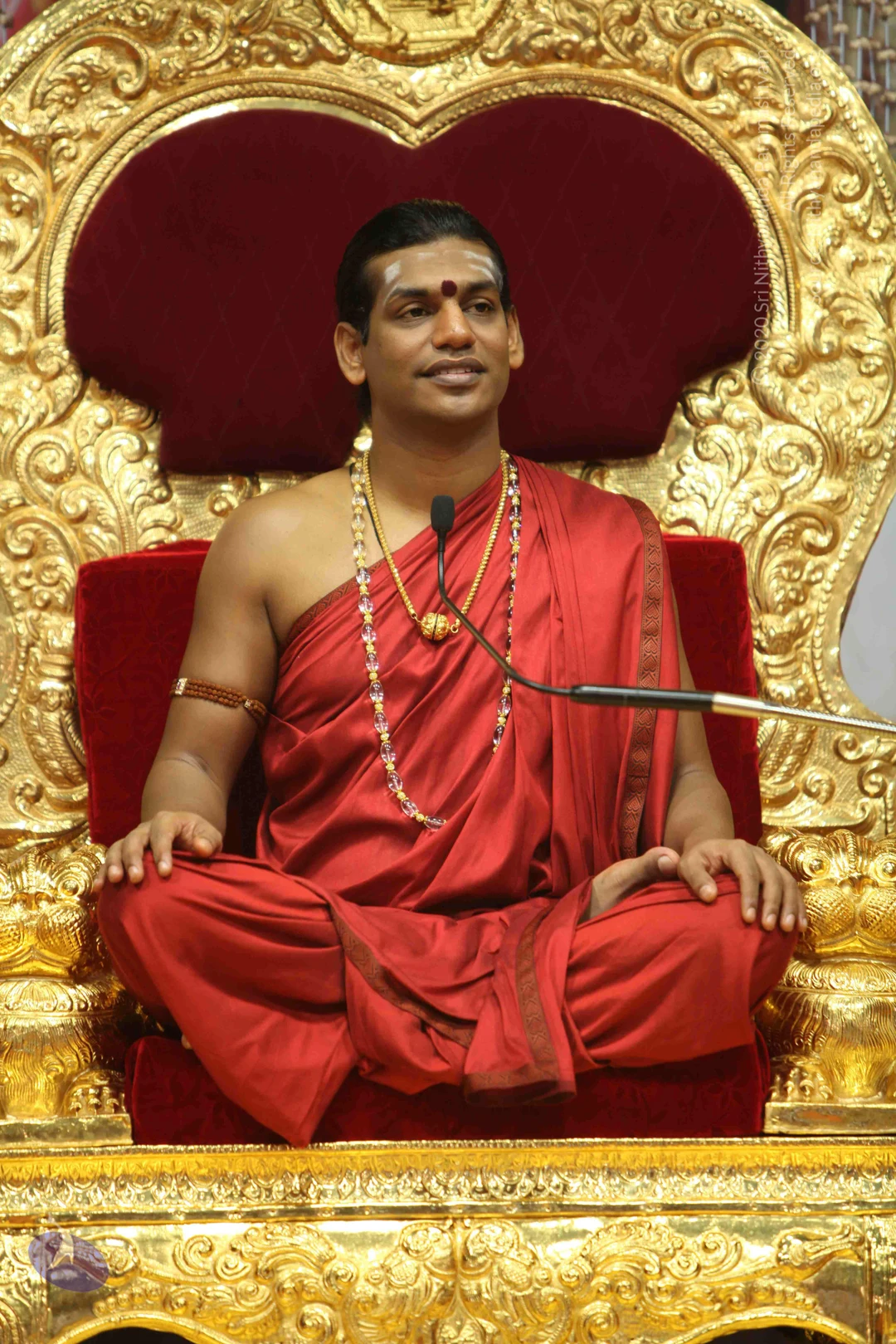
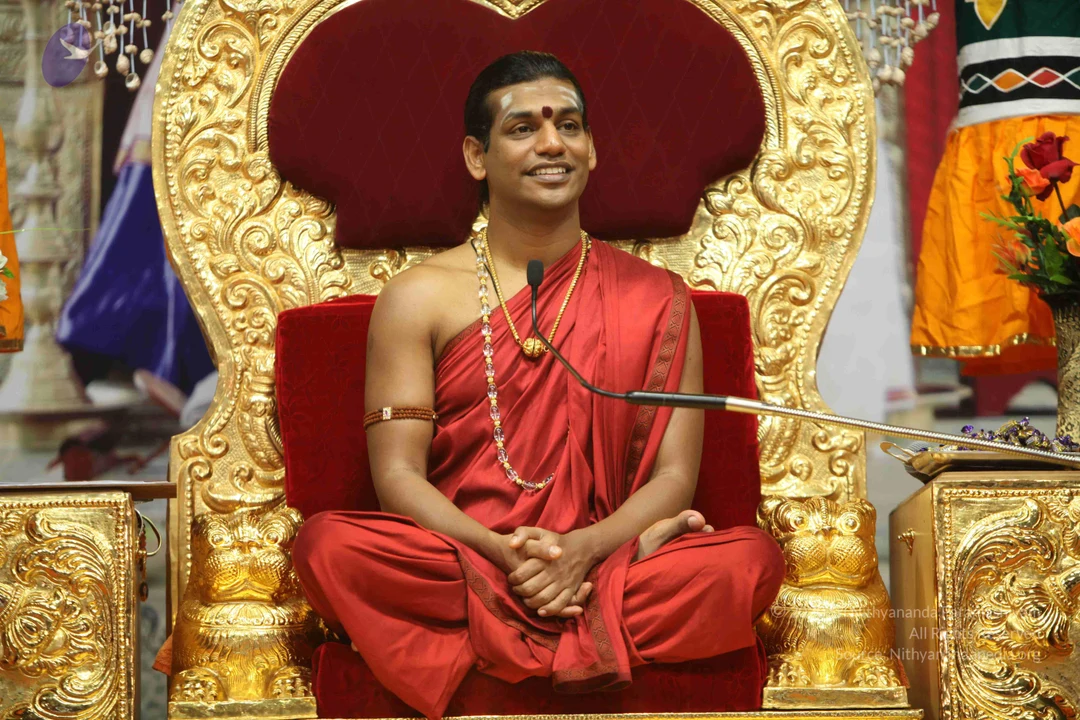
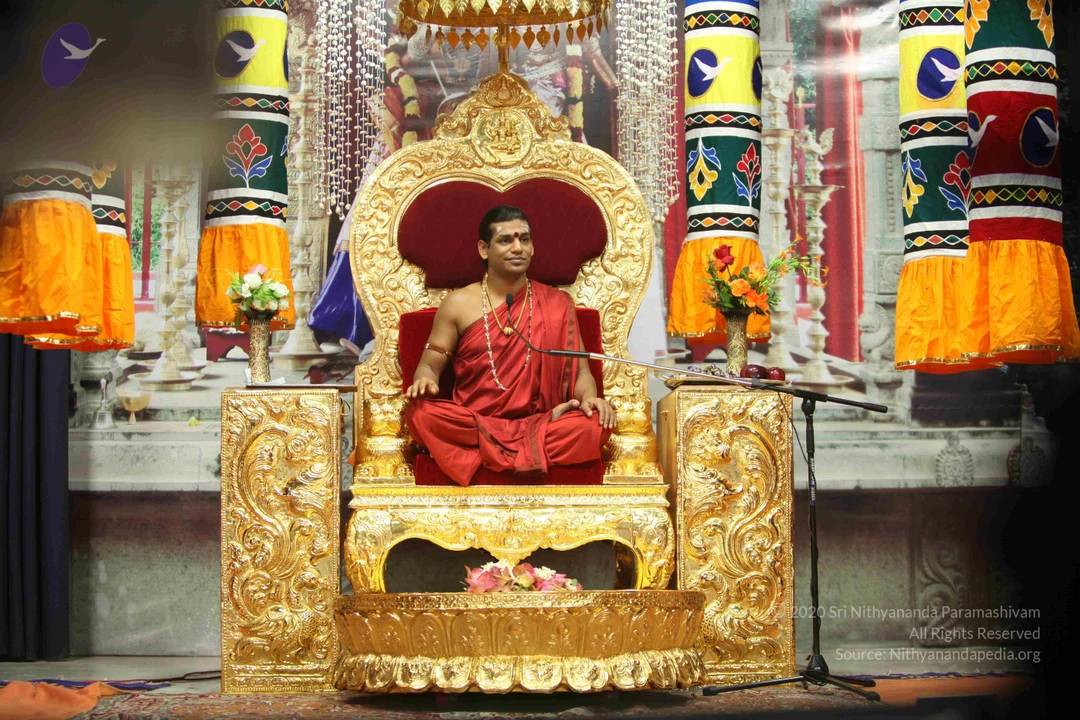
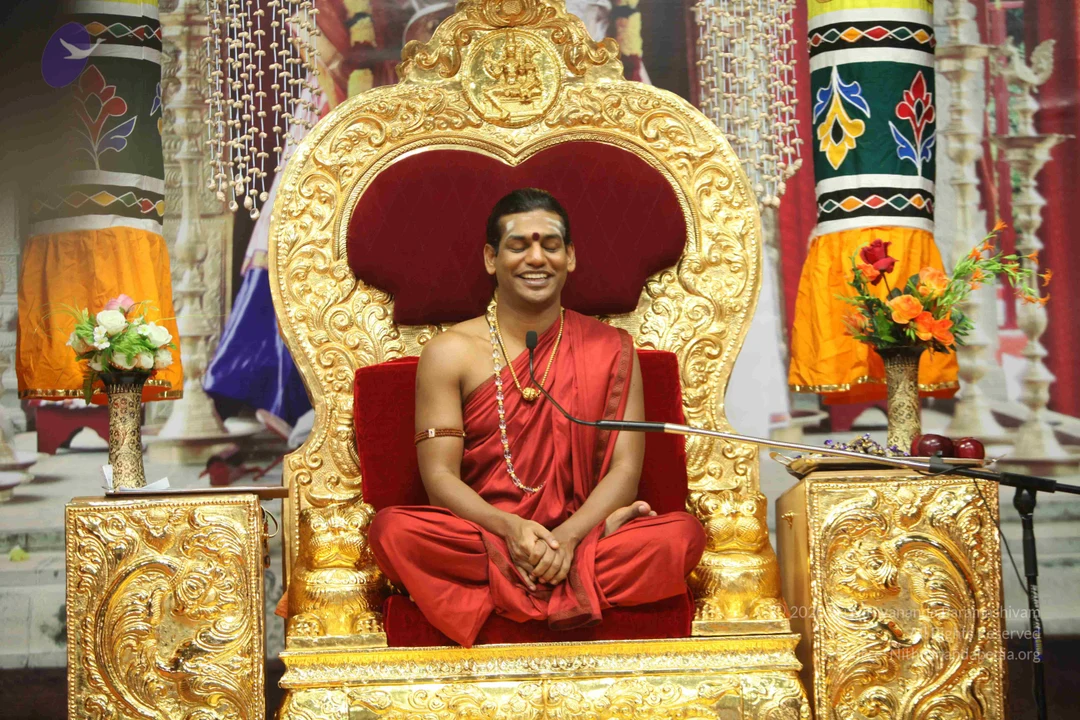
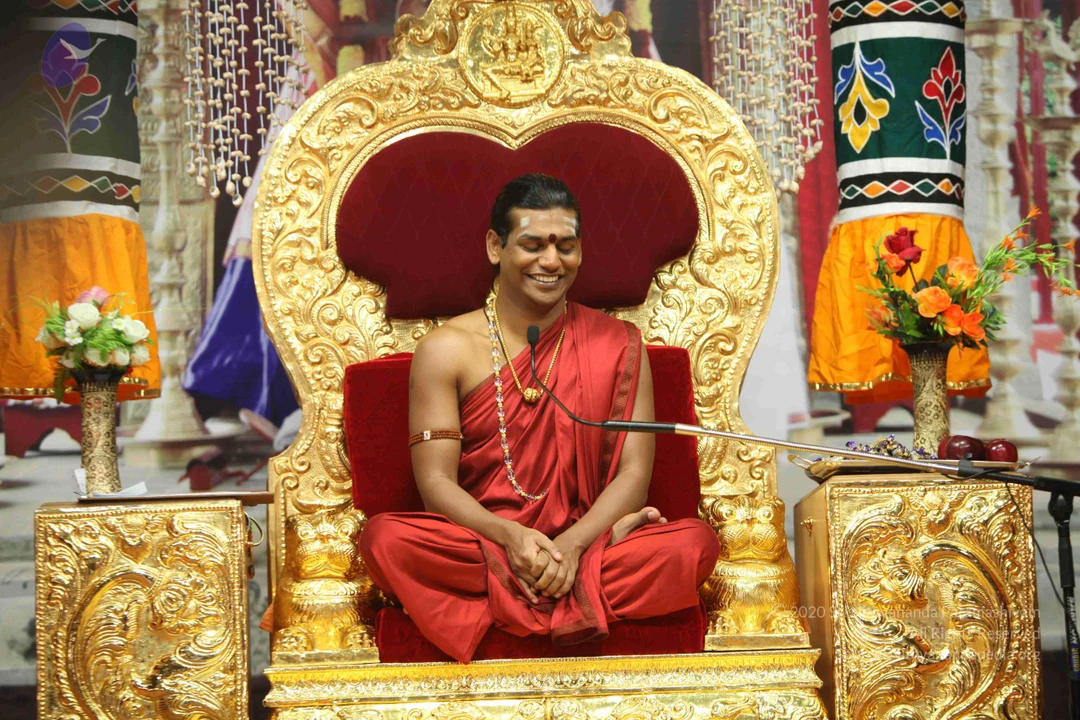
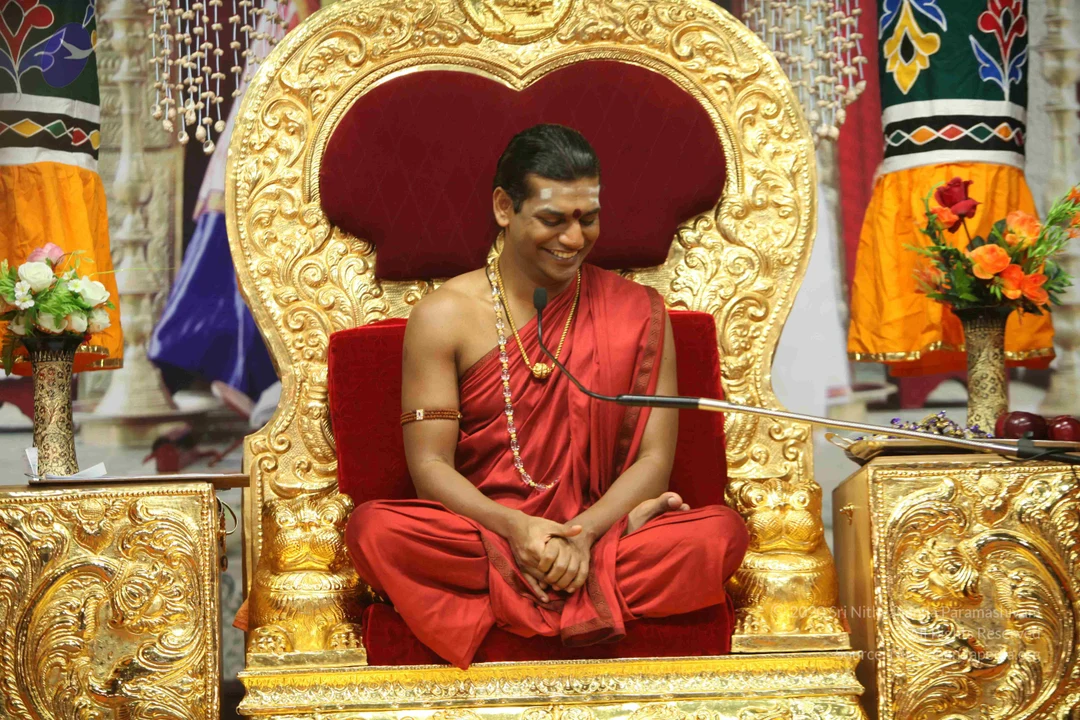
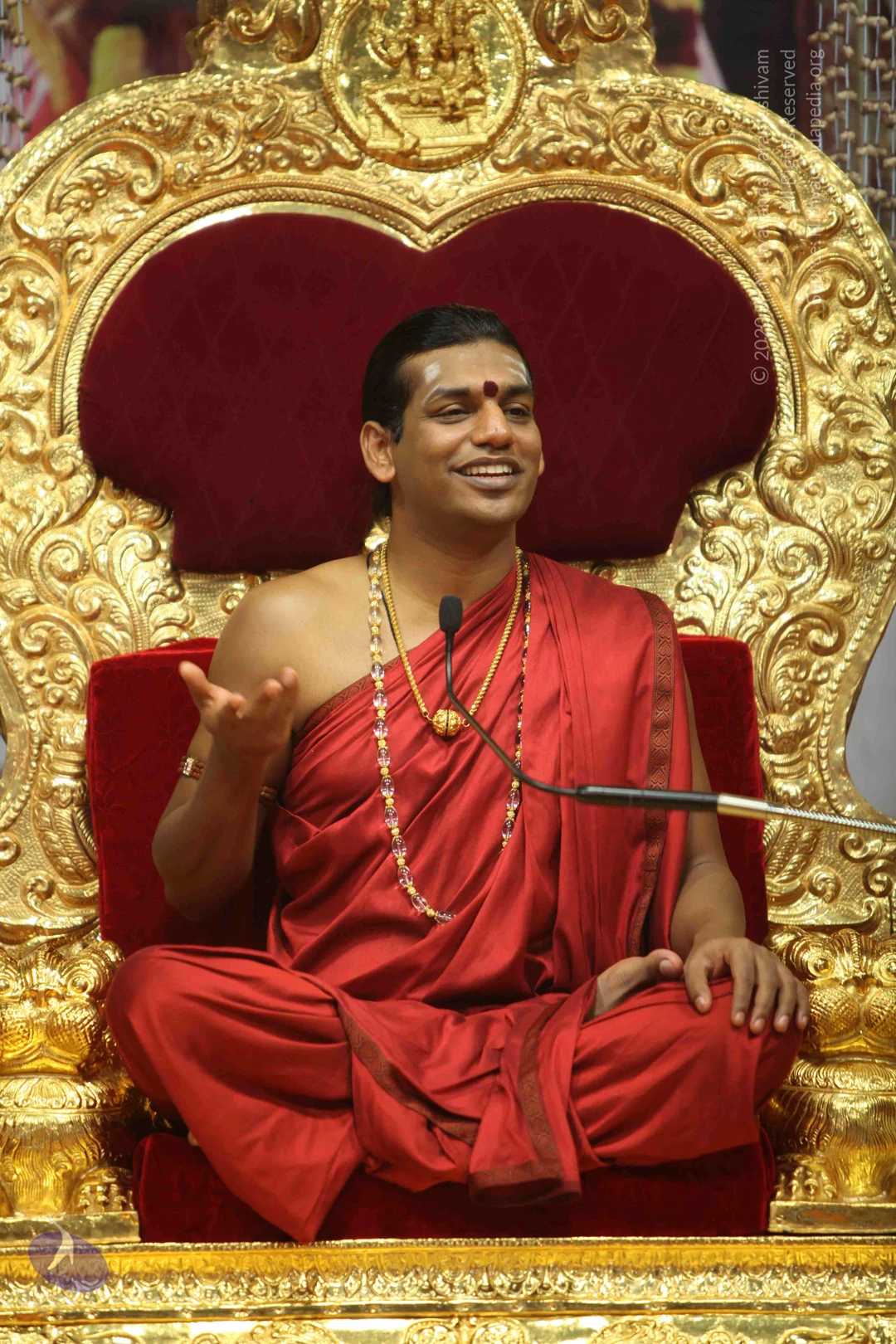
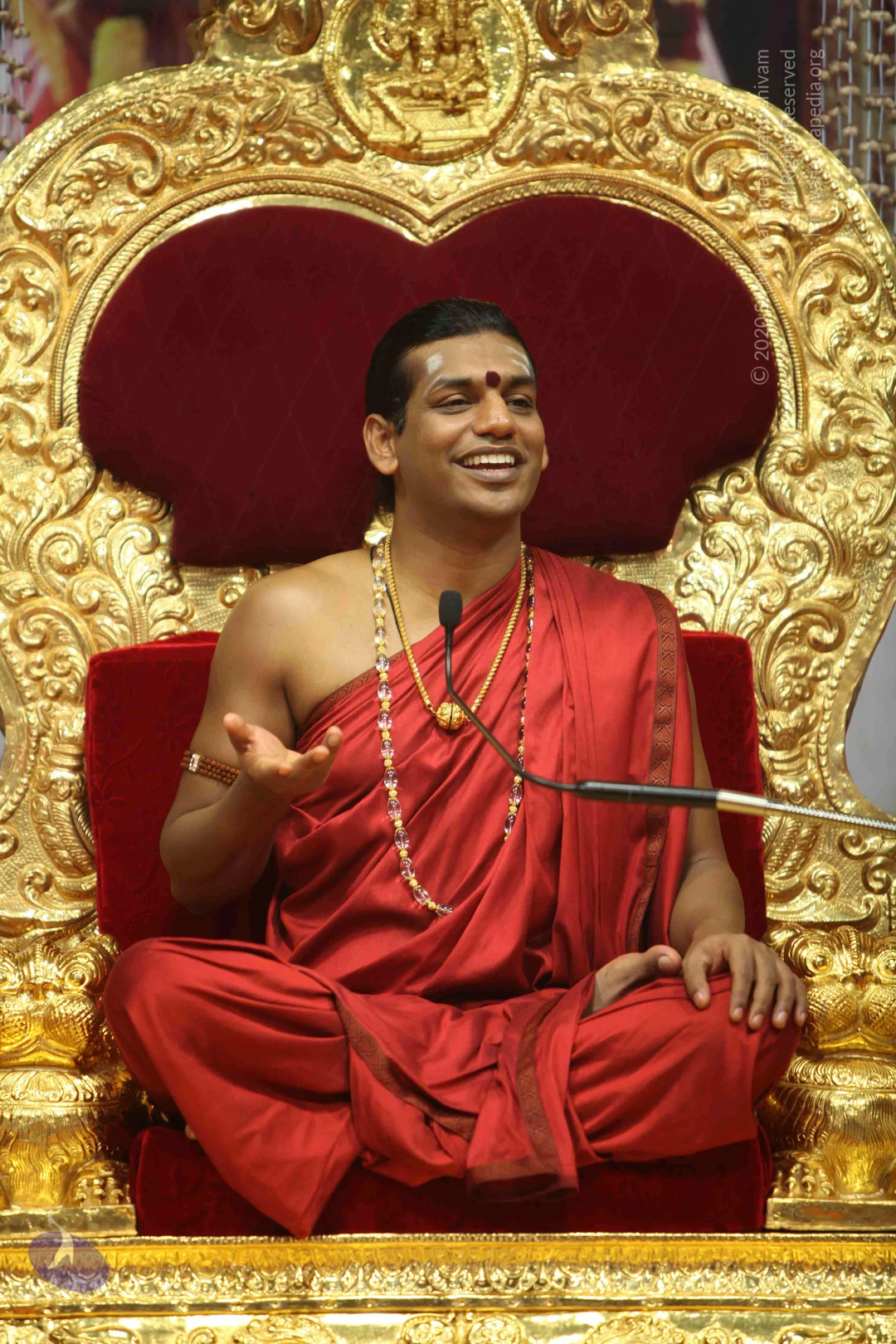
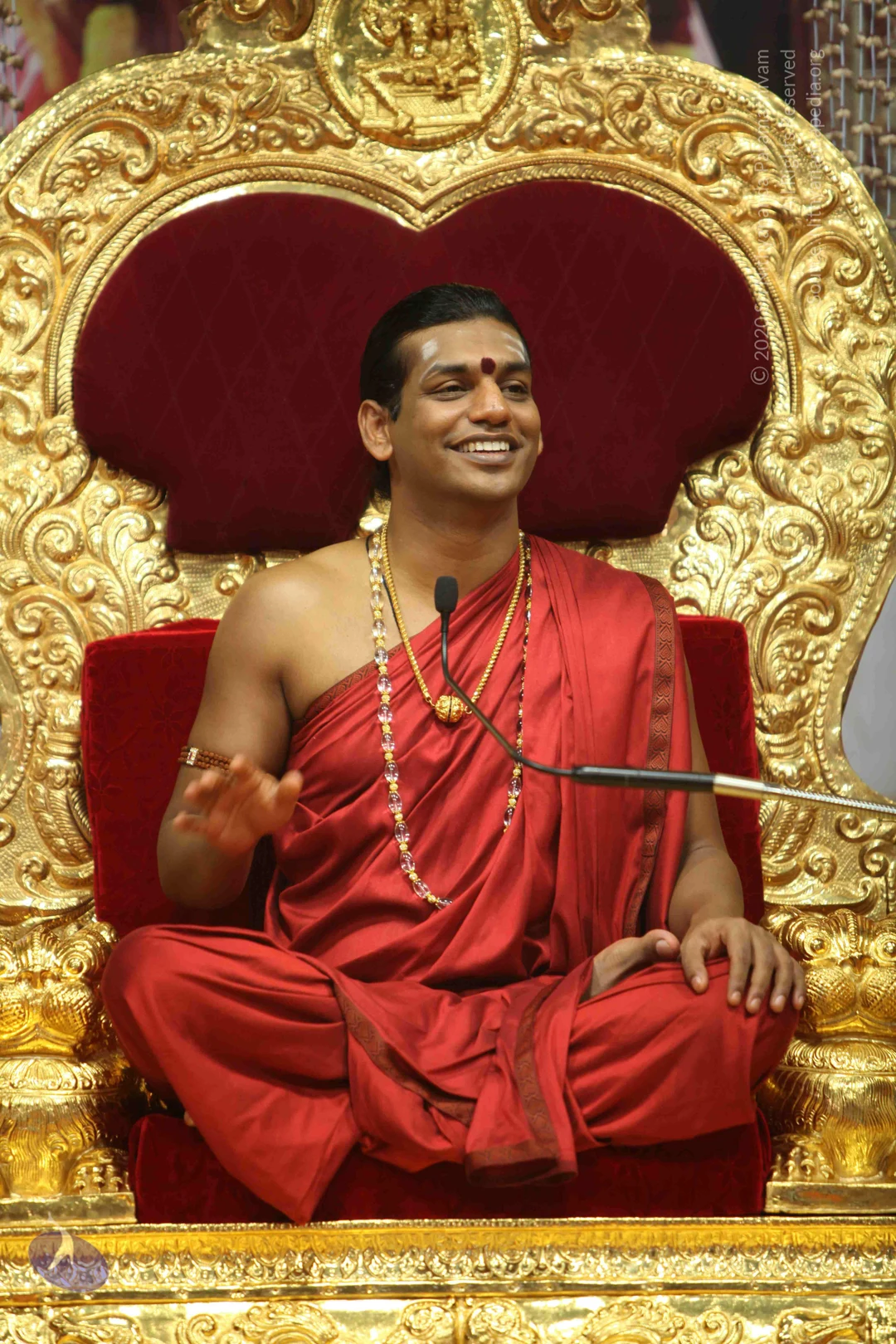
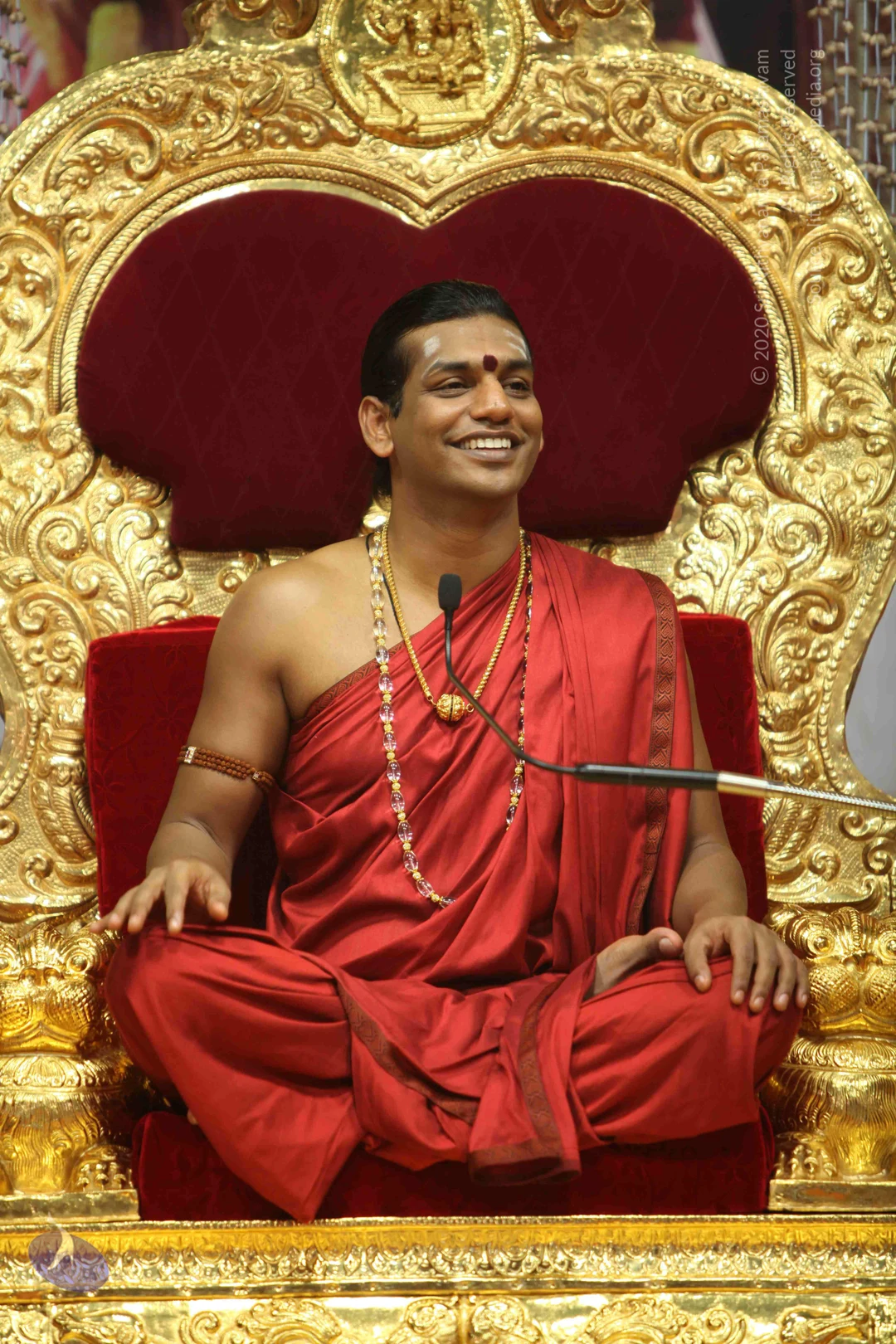
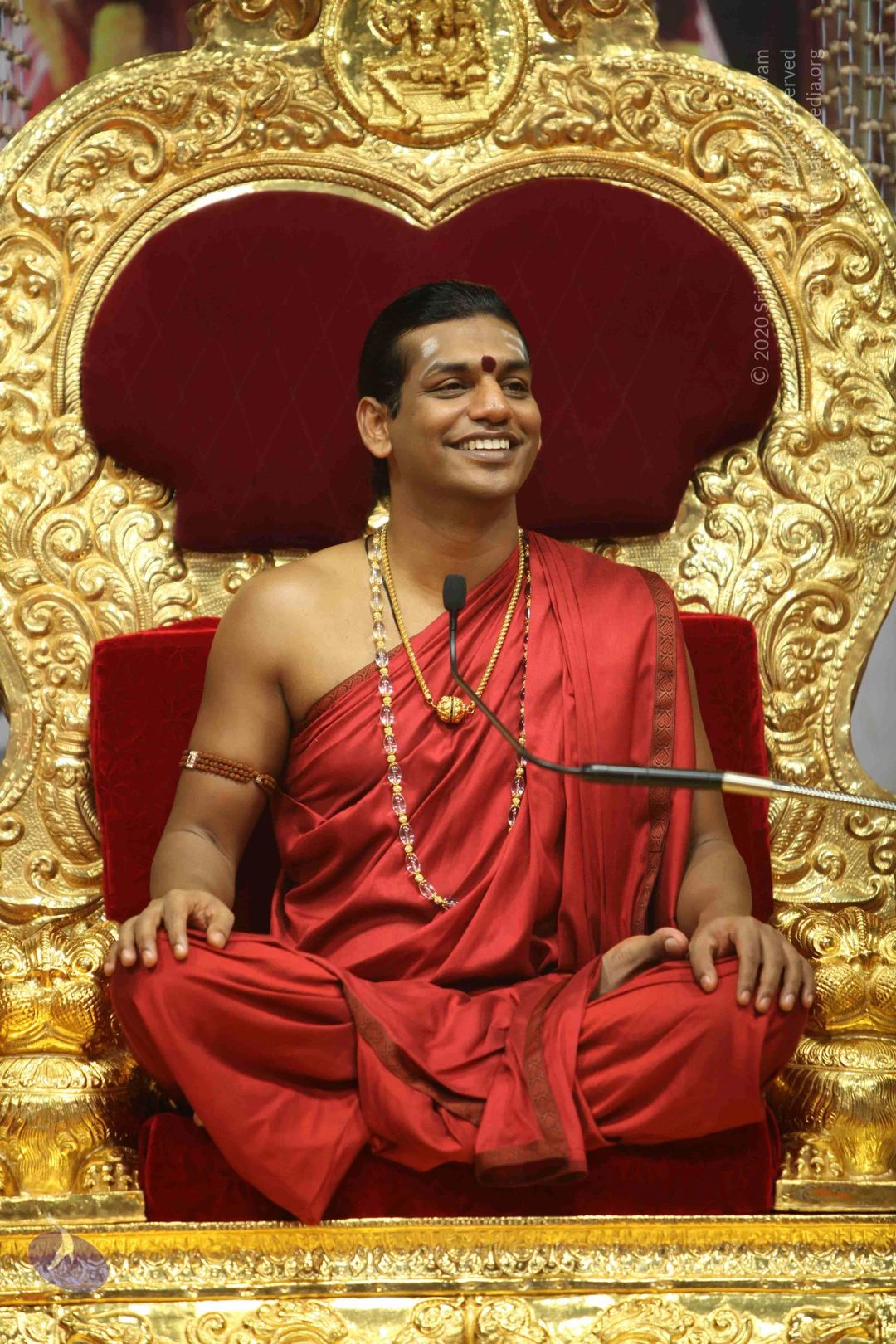
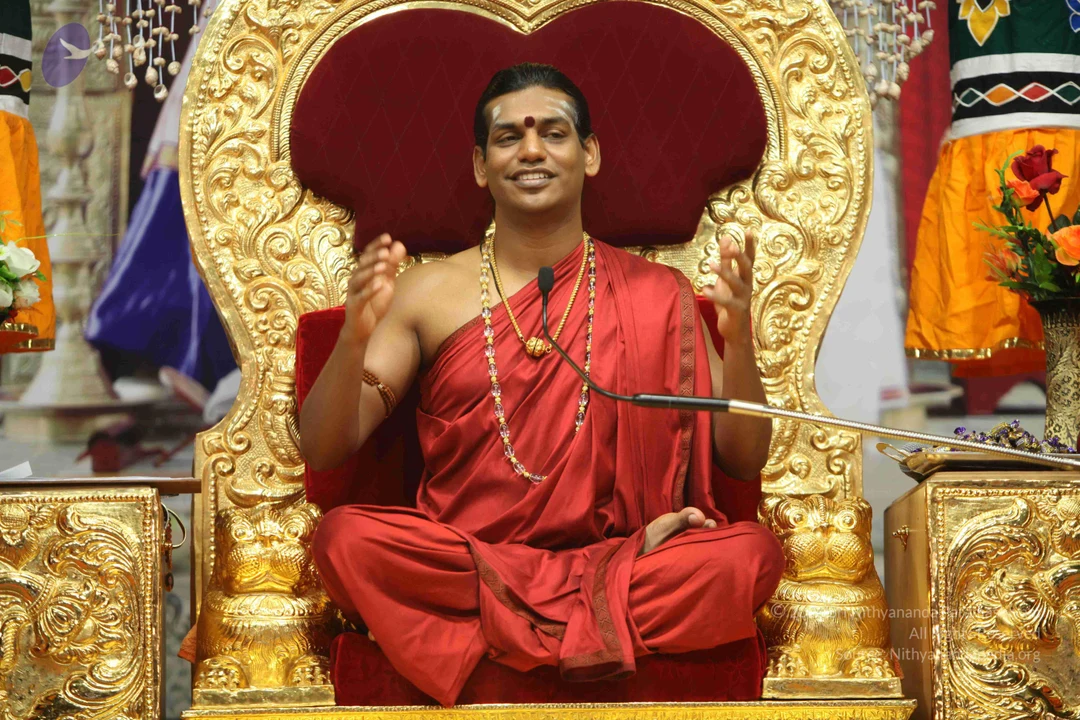
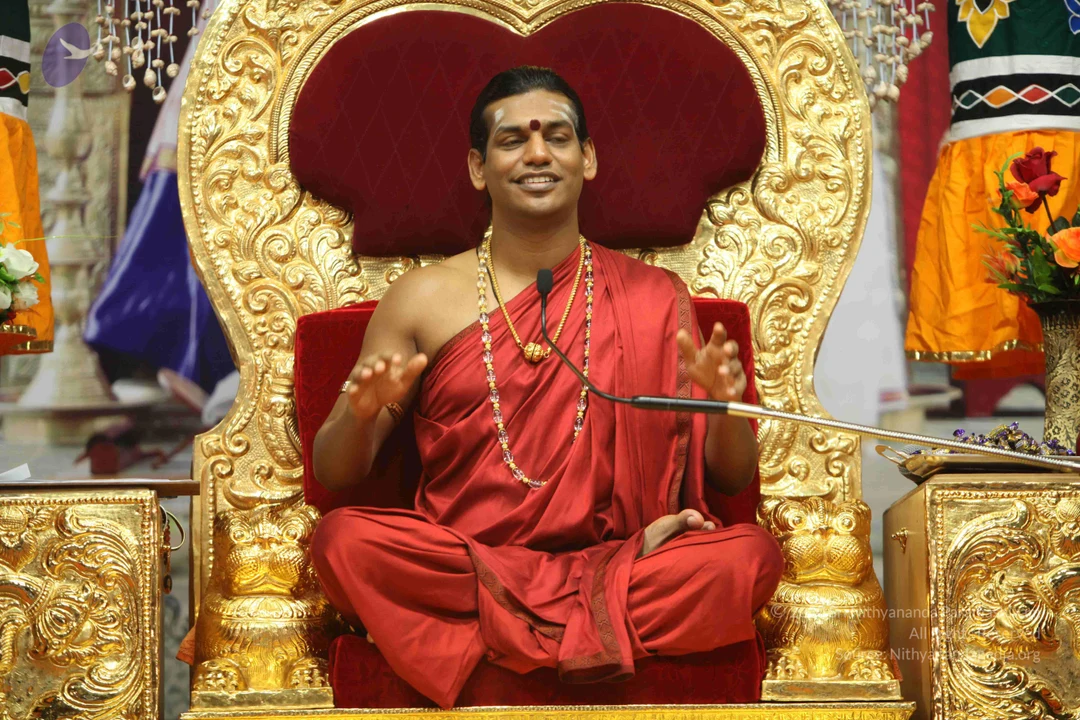
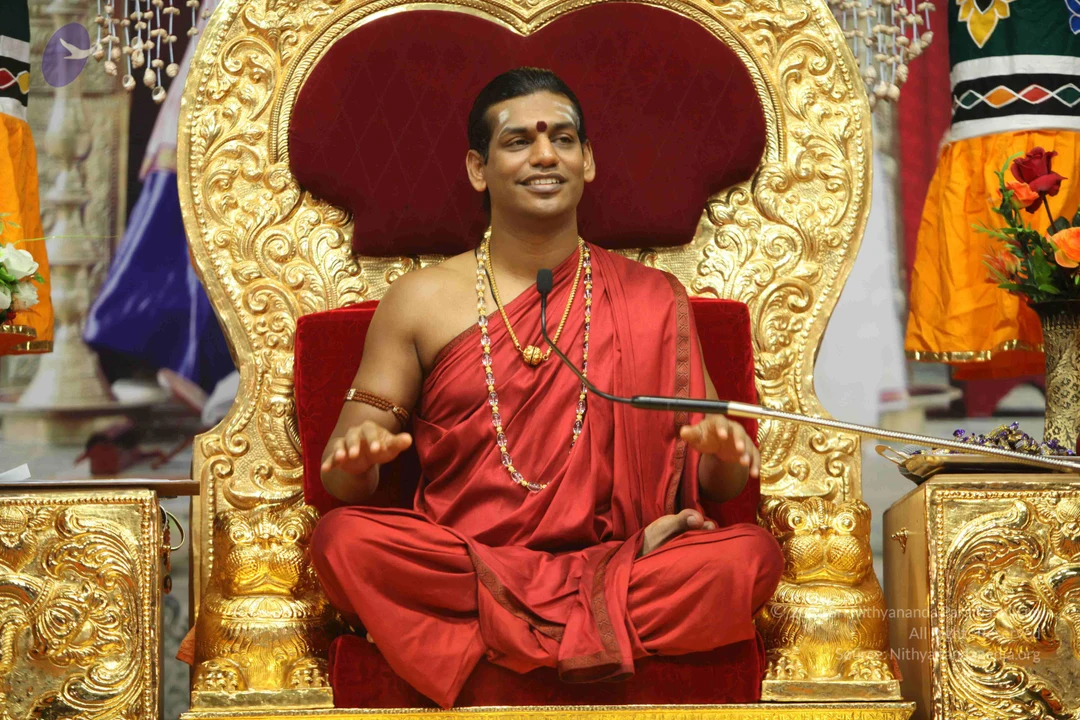
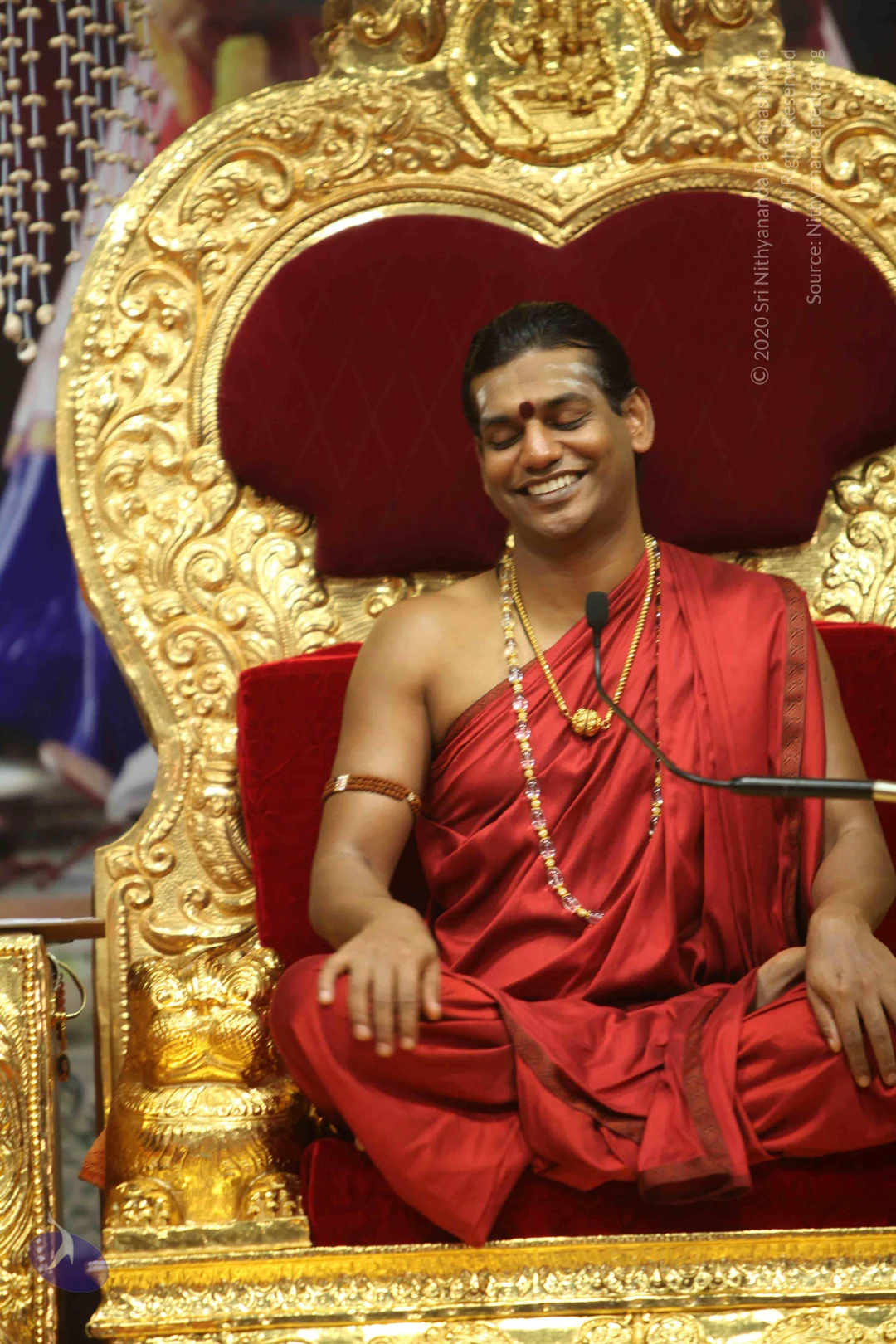
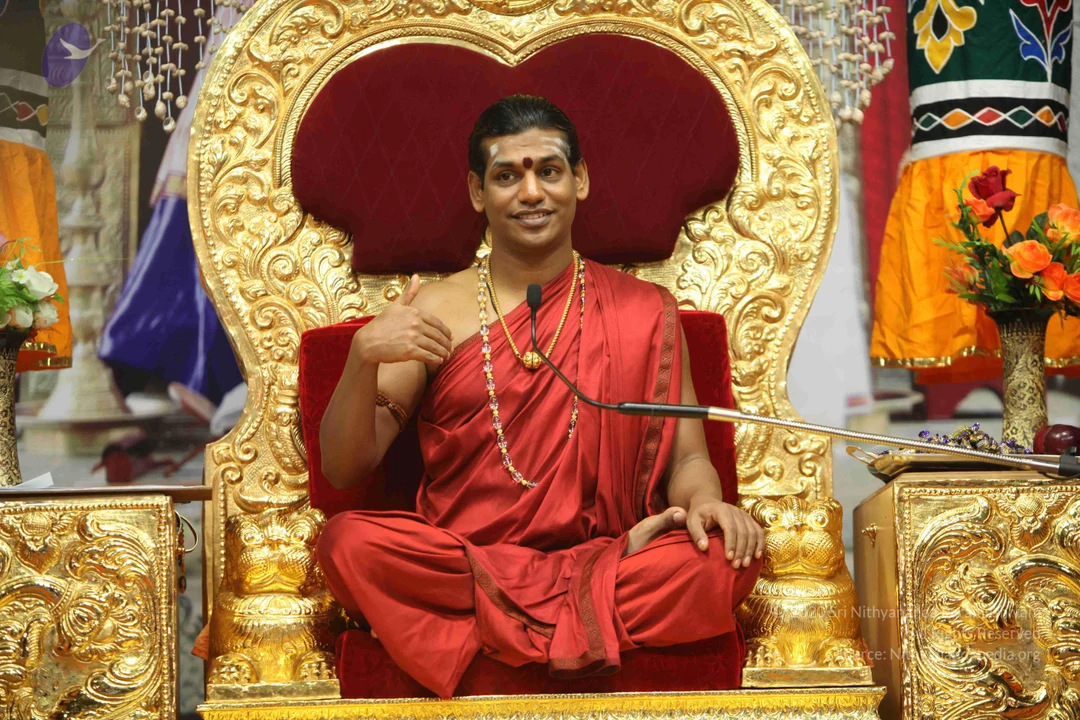
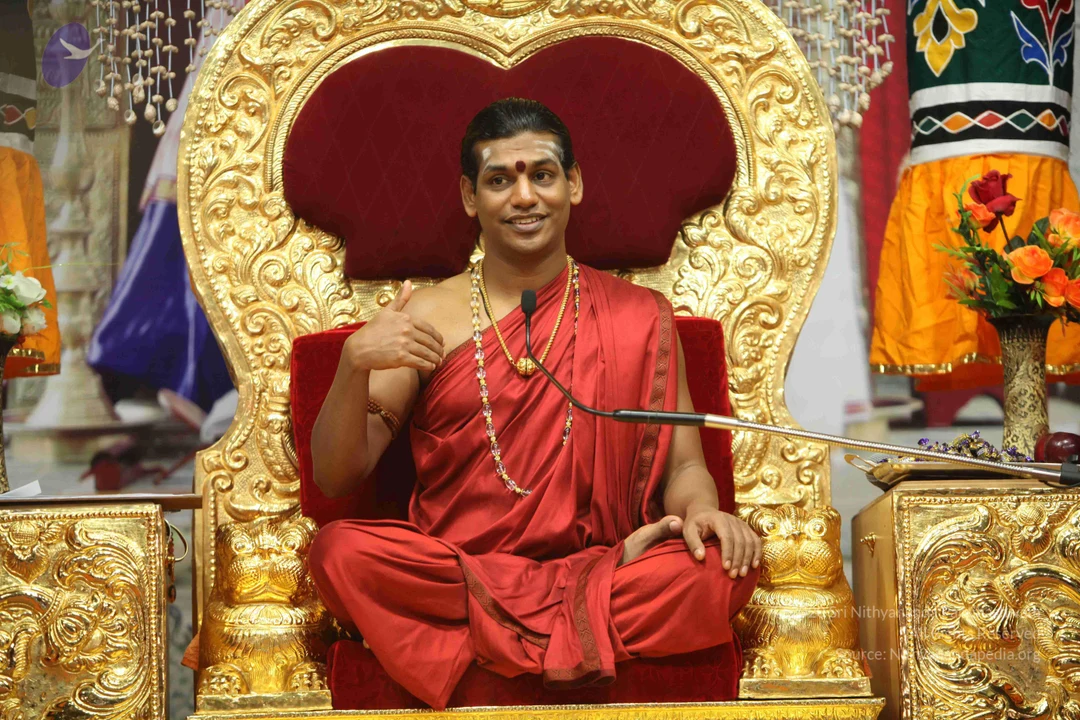
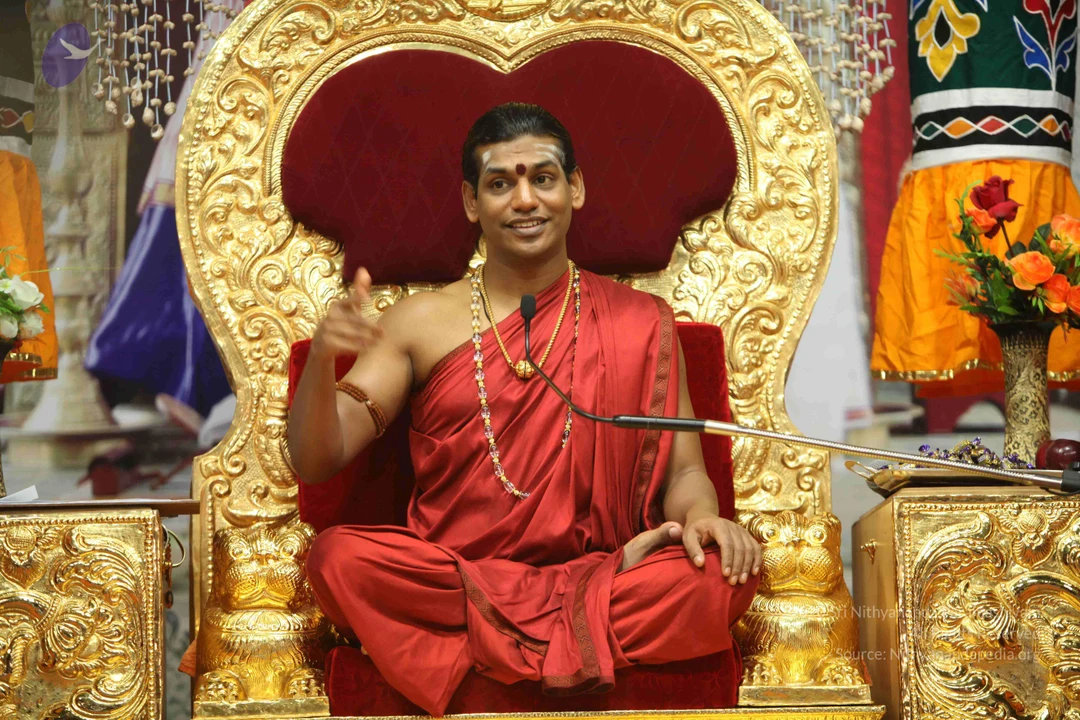
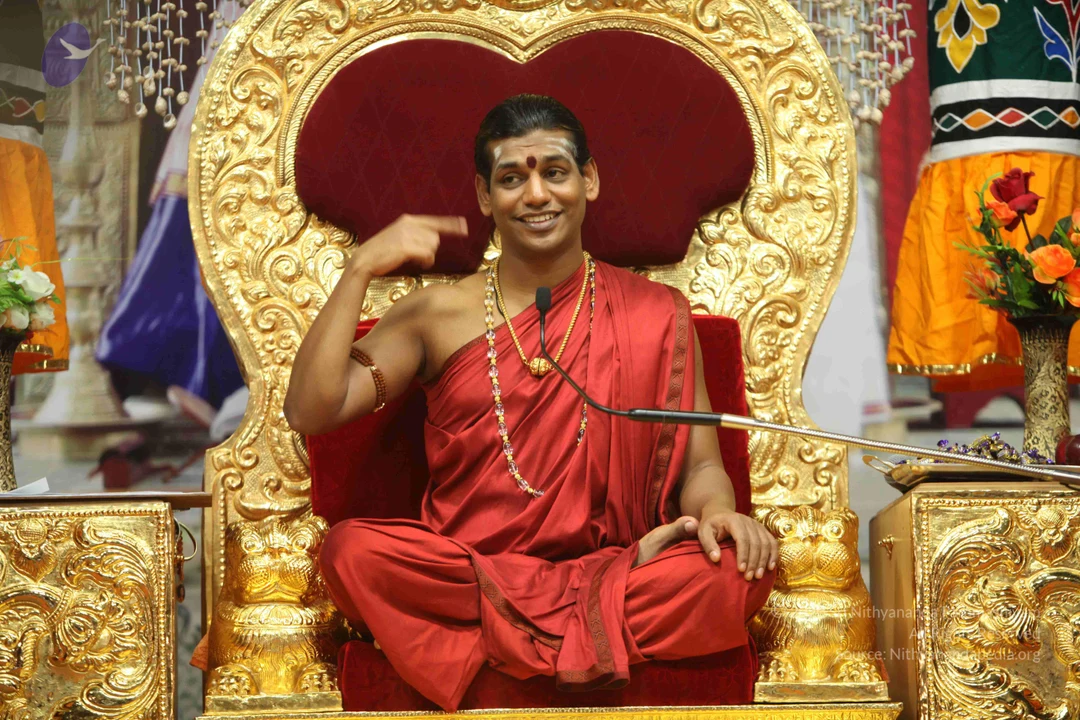
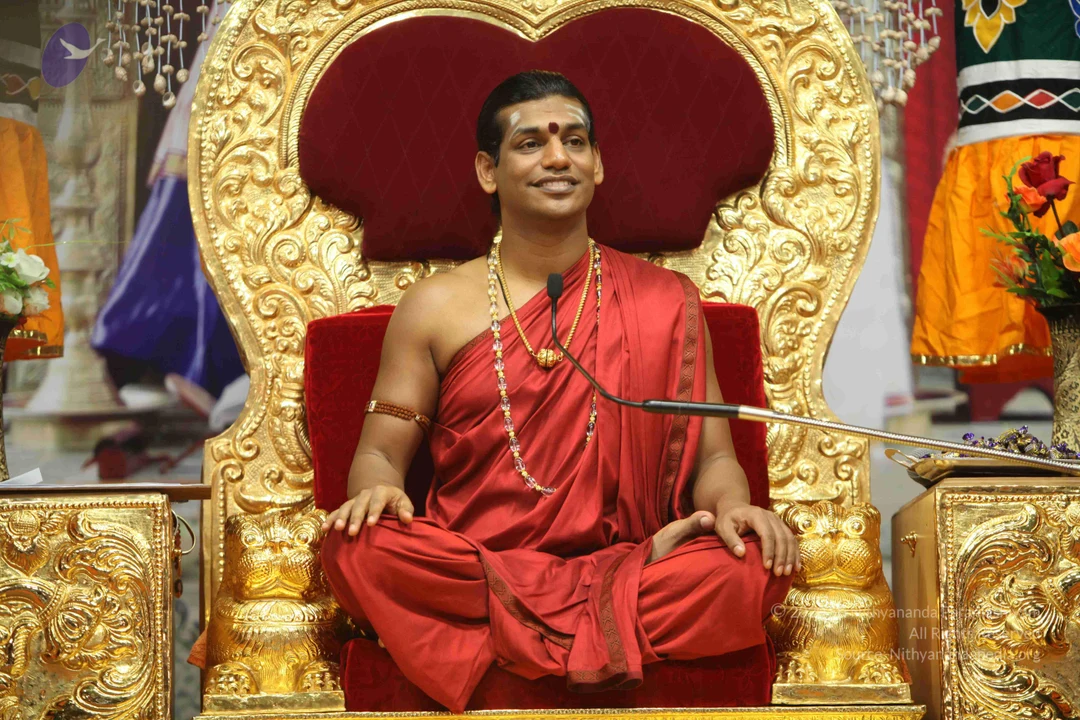
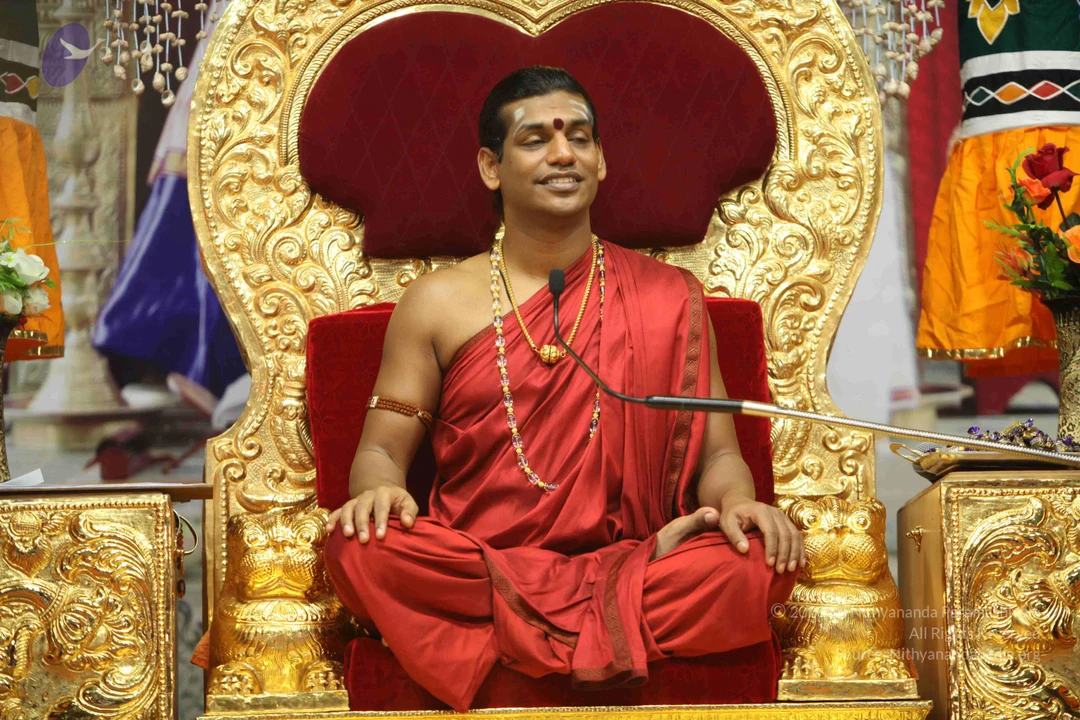
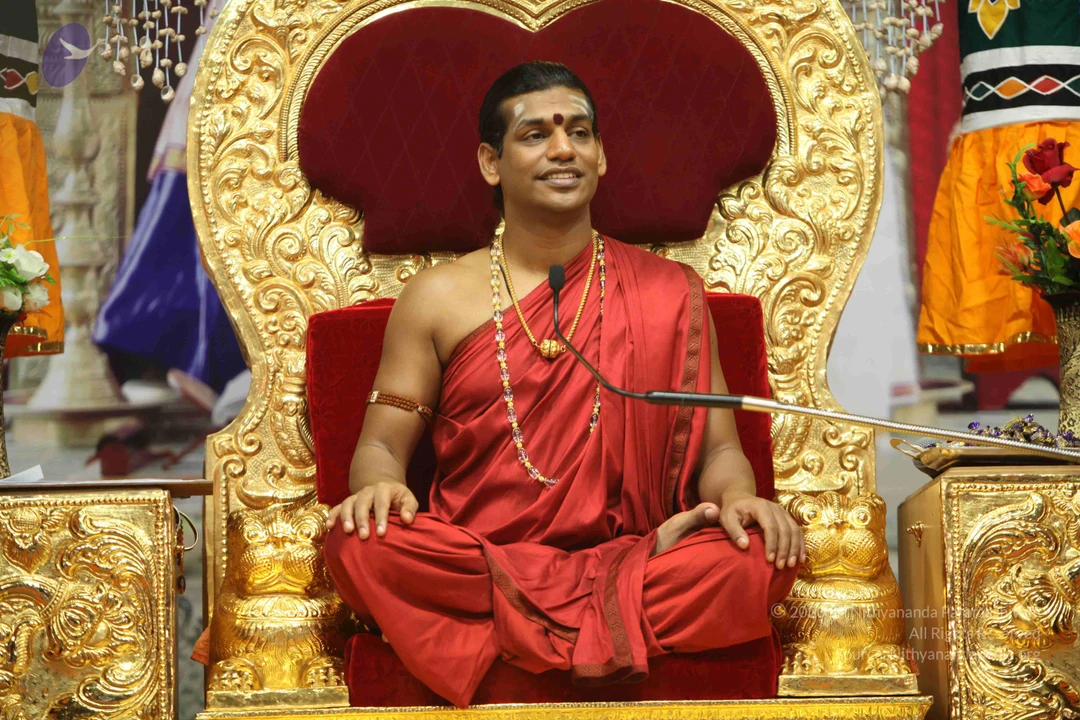
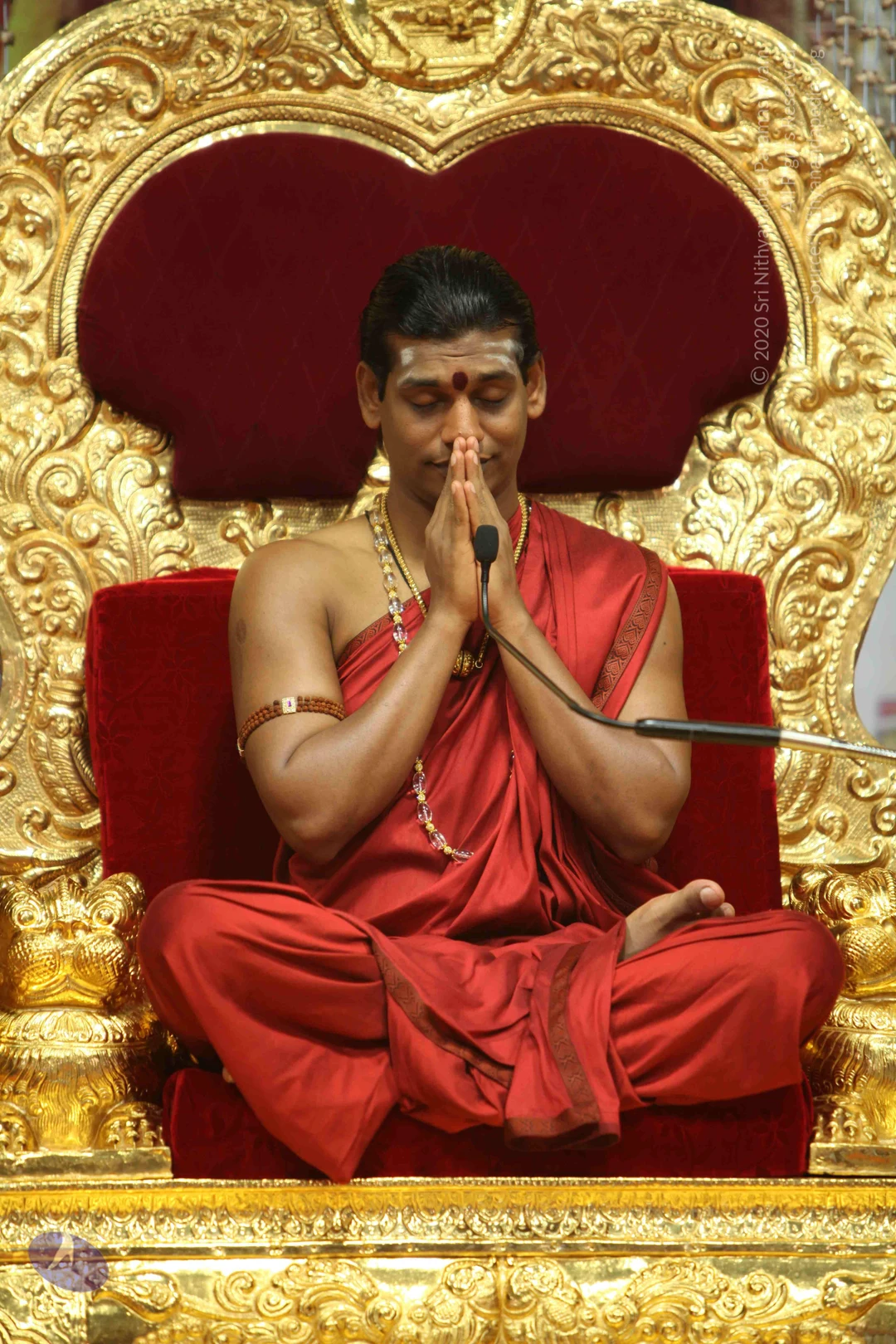
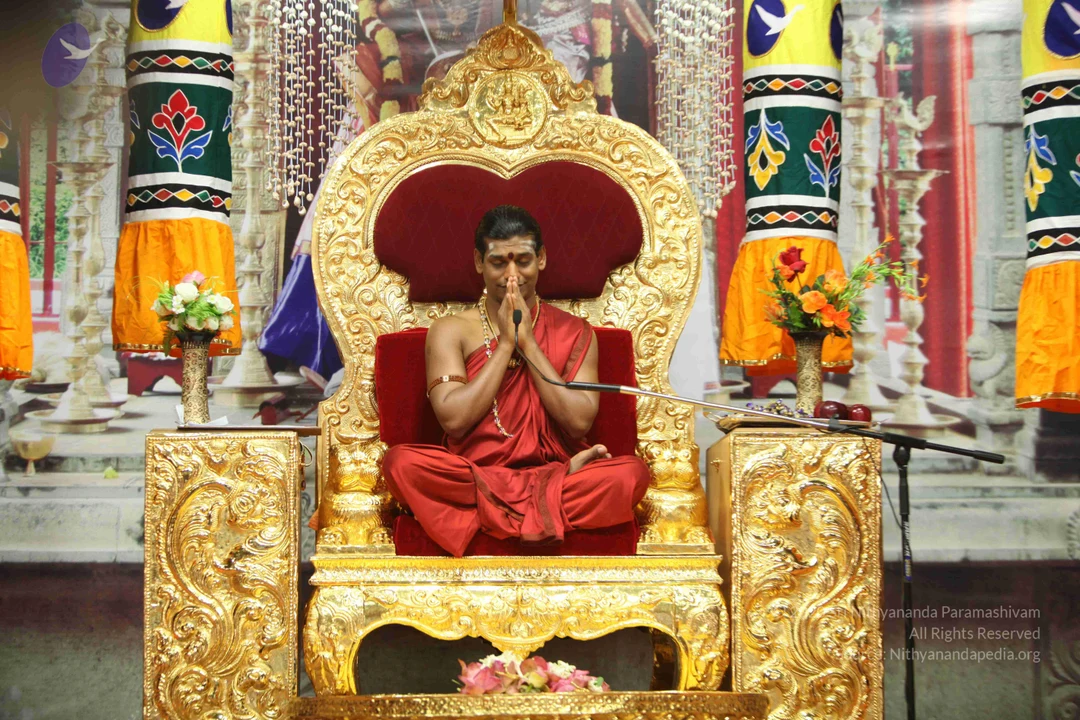
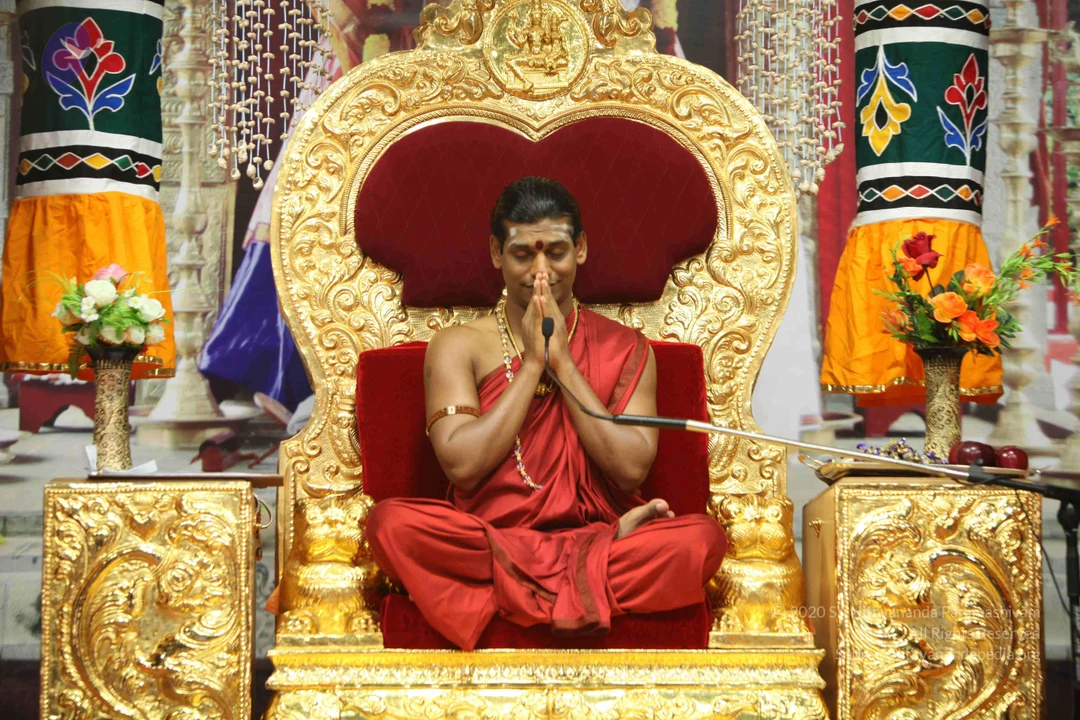
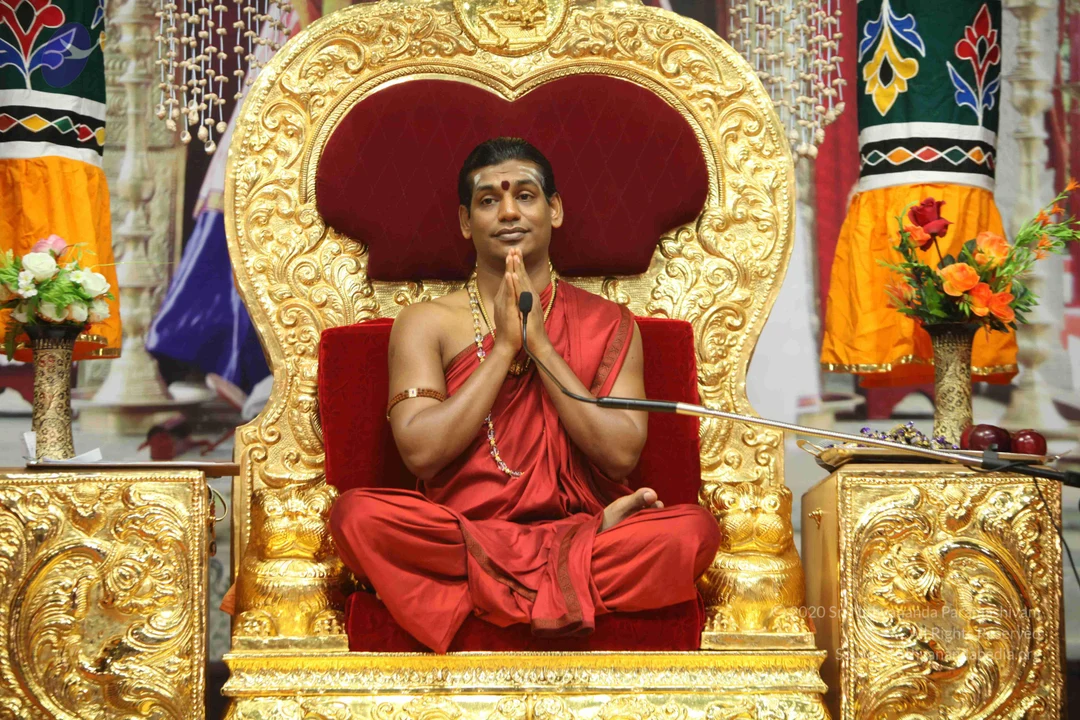
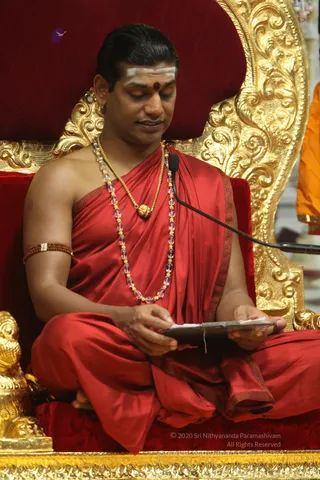
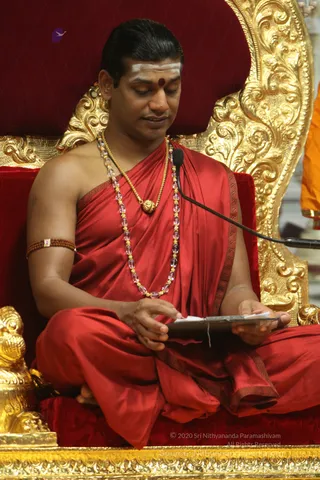
Today, Living Incarnation and Avatar Paramahamsa Nithyananda explained that the ability to play with all the 21 dimensions of your logic and the ability to rest from all of them; the ability to live with them and also to leave them, is Swadharma, innate intelligence. When the Kundalini is awakened, the media nadi is awakened. This allows you to play all dimensions of logic. It's an extraordinary power and strength.
He explained the 5 key terms in this Sutra. Then he emphasized the fact that "dharma, the innate nature when you flow with it, an innate intelligence in which your very system operates, based on which the cognition operates in your system gets awakened when the dharma becomes swadharma, when nature becomes your innate nature you become liberated. Understanding nature and making it your bio memory, the core in which you operate, makes you liberated."
Liberation is a basic sacred secret. The moment you realize it you feel completely relaxed. By nature every human being is inconsistent. In your brain, there are 21 independent logics functioning all the time, we call them Nadi. Unfortunately, when you try to be consistent, you accept only one or two logical systems and try to suppress and avoid the other part of you. To illustrate, Nithyananda described how in the morning, when he wakes up, he feels like falling at the feet of Anandeshwara. When he meditates, he feels he is Anandeshwara, yet later during the day, he feels like a teacher.
"The joy of bowing down, joy of relaxing, the joy of namaha, is one aspect of your brain, the power of asserting, the power of standing up, the power of proving your identity, is one aspect of your logic, and the identity you show to the outer world, how people should remember you, that is one aspect of logic, the identity which is really you is another dimension of logic."
You have 21 logics functioning in you, all the time, constantly in your system, but the problem starts when you expect consistency in the 21. When you understand the 21 can't be consistent, you only need to play intelligently with the 21. Liberation means being with restful awareness and knowing how to play with logic, not having or creating suffering.
He finished by giving everyone an instruction for the day: "Carry this one truth today and share with at least 5 people, discuss. When you listen from the master ¼ is understood, when you think, the 2nd quarter is understood, when you discuss the 3rd quarter is understood, and when you teach the 4th quarter is also understood."
Watch, share and like the videos and Subscribe to our channel to be notified of the next upload. click http://bit.ly/20j90wr to subscribe.
Link to Video:
| Video | Audio |
Transcription
Sadāshiva samārambām shankarācharya madhyamām Asmadācharya paryanthām vande guru paramparām.
[01:26]
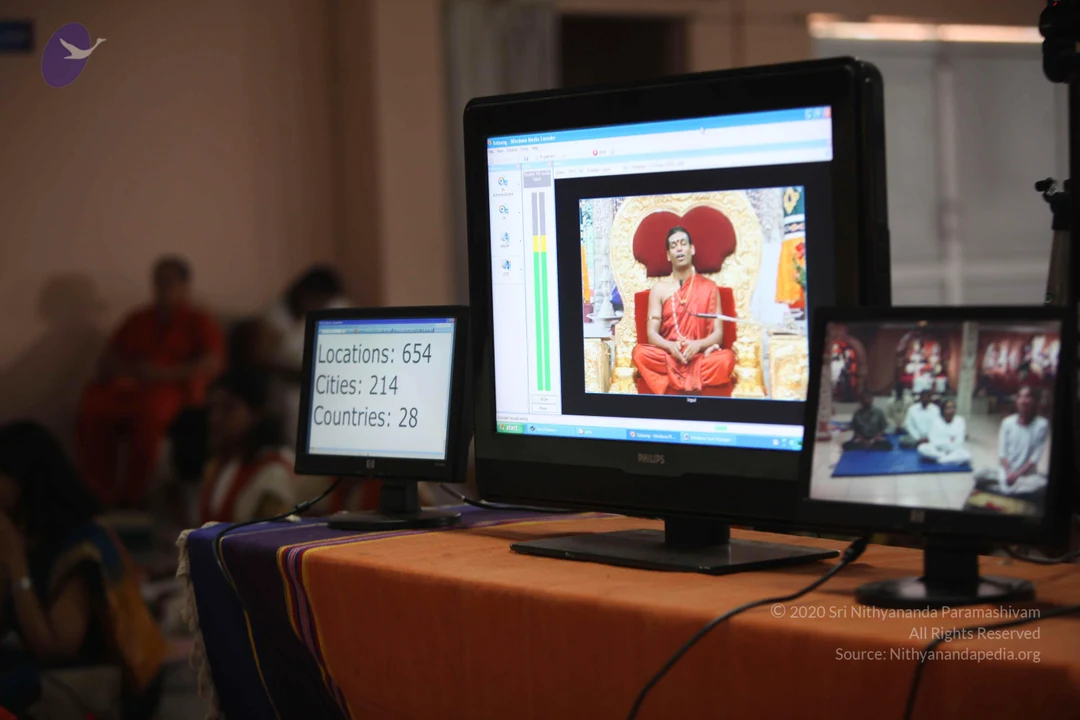
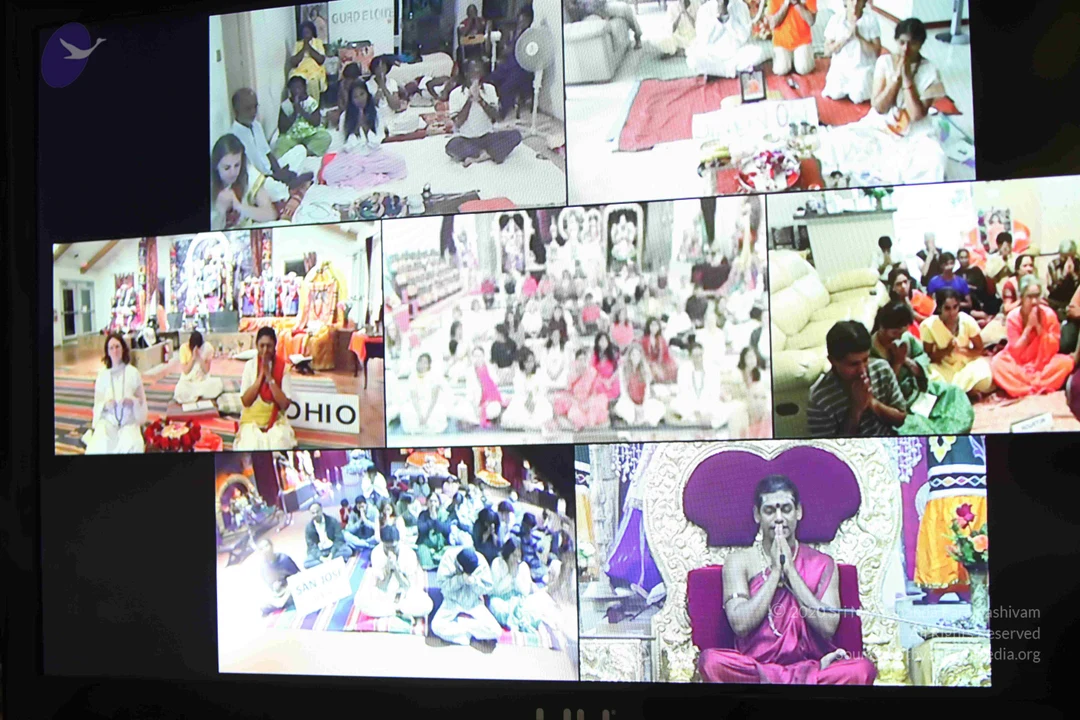
I welcome you all with My love and respects. I welcome all the devotees and disciples who are sitting around the world at this time in 486 places in 135 cities in 25 countries. Cities on two way connection with us which I am able to see are Los Angeles, San Hose, Ohio, Singapore, Seattle, Houston, Phoenix, Guadeloupe and Hyderabad. I welcome all the cities and all the devotees from those cities and I am able to see the Phoenix also.
[02:43]
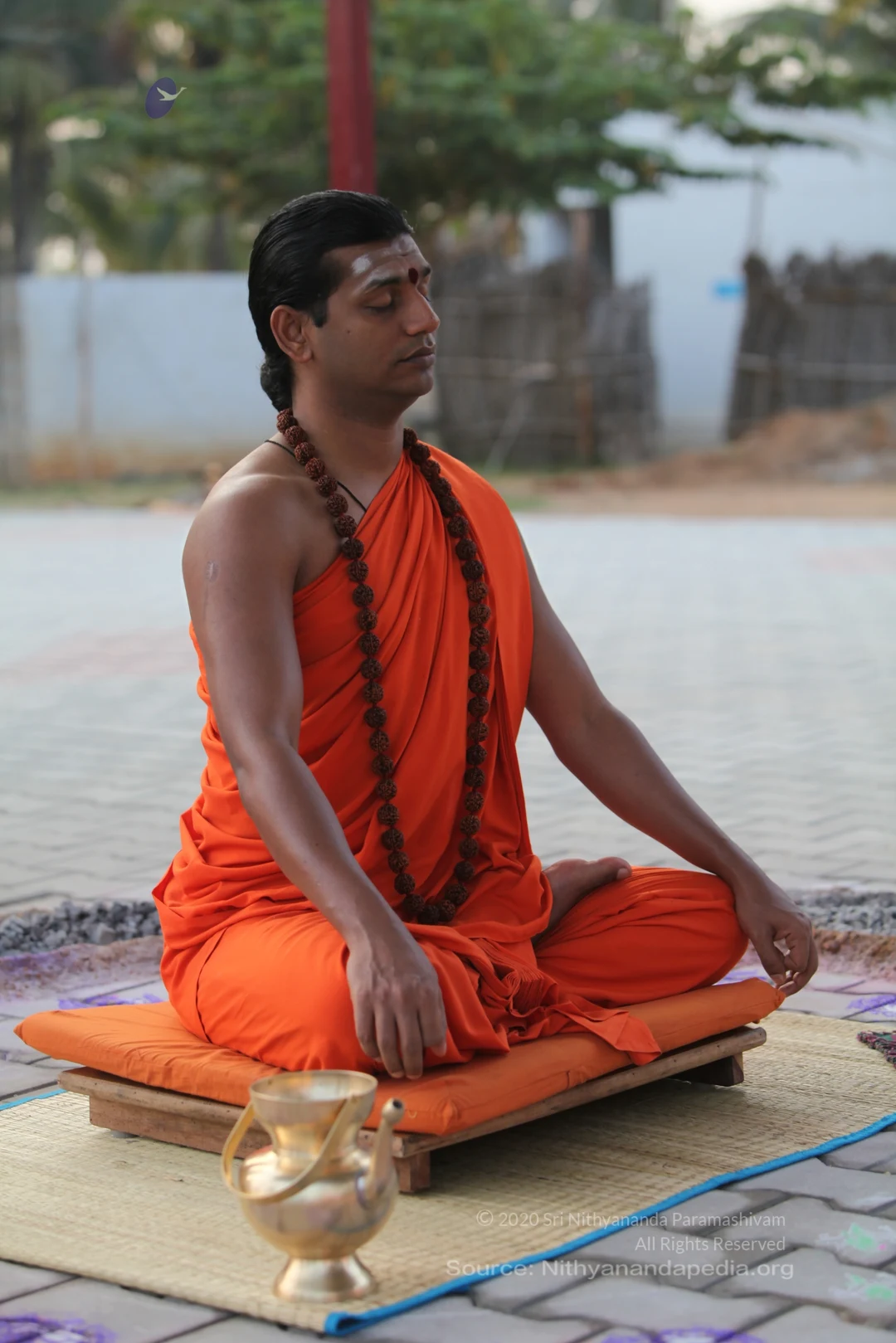
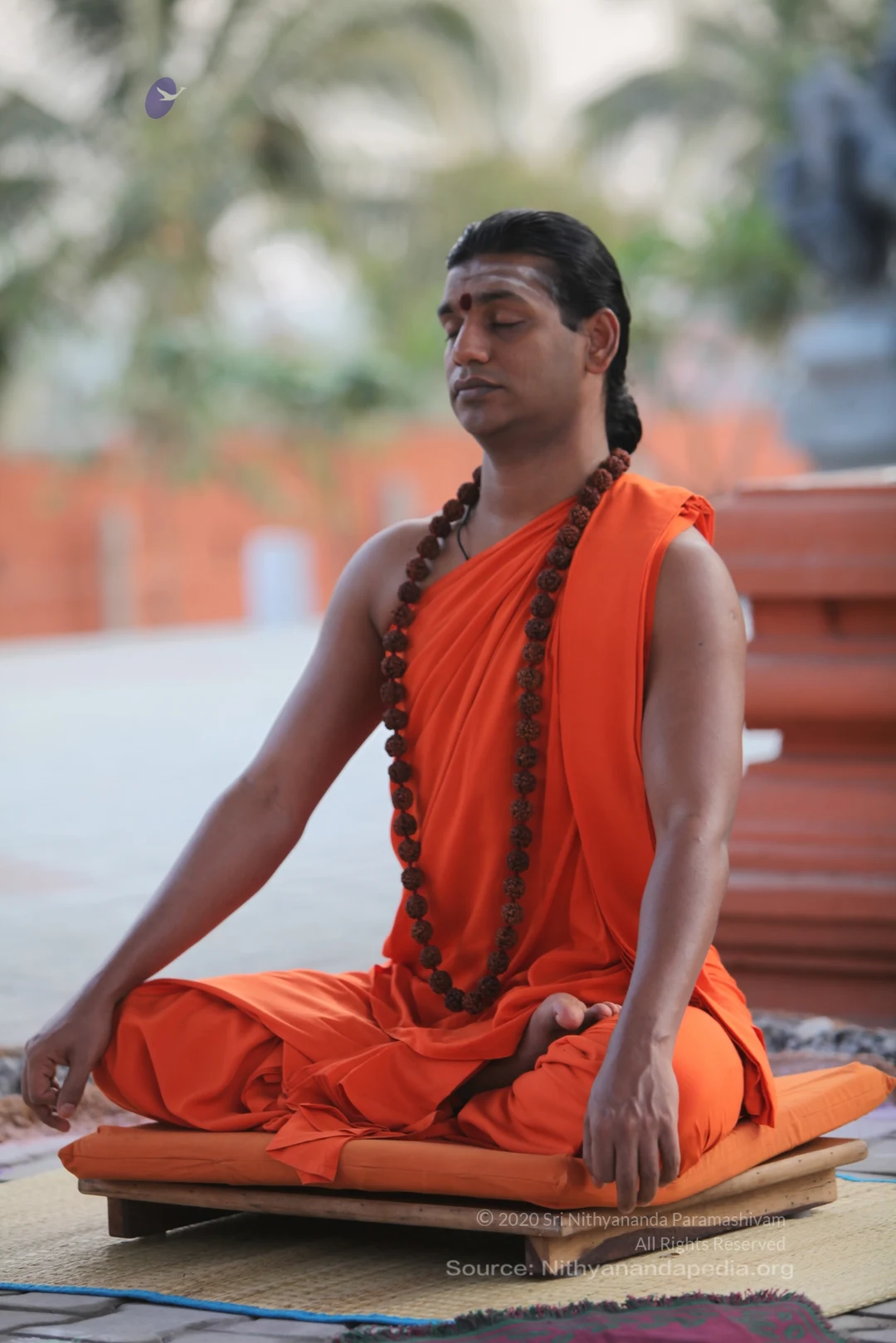
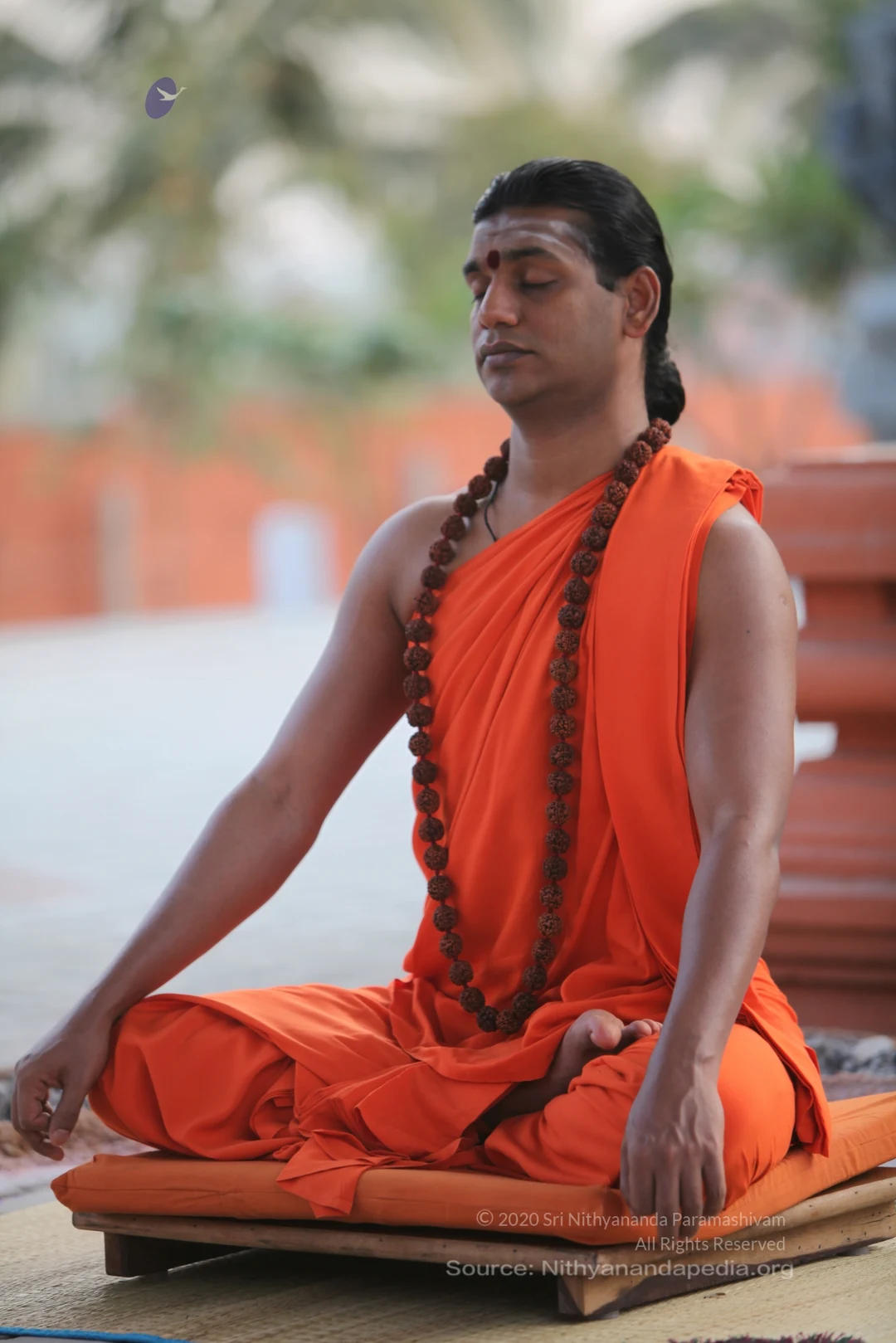
Before entering into the sutra I wanted to remind all of you to get back to padmasana and samana mudra. Today I am expanding on the same sutra 119th Patanjali’s yoga sutra in the 3rd chapter 13th verse. etena bhutendriyeshu dharma-lakshanavastha-parinama vyakhyatah From tomorrow, every day the sutra and the translation which I am going to speak will be uploaded in the, in our website two days ahead. So before you come, you can just have a look and come, so that you will understand the whole thing intensely and completely. It will really help you to grasp the whole subject.
[04:07]
So today I am going to speak on two key terms in this sutra. In this sutra there is five key terms bhoota indriyeshu dharma lakshana avastha; five key terms. I can say five methods for ultimate enlightenment. In that five key terms I already finished talking on three. Bhoota means elements. I already spoke on that. I can just give you the jist. When you look or think or feel, see beyond space, how free you feel, liberated you feel; but when you come to the normal so called reality how bound you feel. Even though we know that is a great reality, a greater reality than this normal reality, why we are not able to retain that constantly in our inner space and nervous system, in our bio memory? Ability to retain that free space....
[05:31]
For example if you see some two-three hours, some movie on the space or you are in the memory of the space, how you feel liberated and fulfilled, why we are not able to retain that in our bio memory. If we are able to retain that mood constantly in your bio memory we are liberated from elements; bhoota. Indriyeshu; When you really violently use any of your indriya and tired, those few moments you feel ‘Oh God! Enough! I think I should be out of My senses. I should stop falling prey to the senses.’ Especially if you committed some blunder for some sensual pleasures, ‘God, such a big blunder I committed just for the small sensual pleasure’. You will feel. The ability to retain the experience of being free from the senses in your system is enlightenment; indriyeshu. Lakshana; I have spoken on lakshana, means time. Yesterday very clearly I explained how the sun goes round the earth. So, be very clear, sun is going around the earth, not earth around the sun.
[07:23]
The time… you see I received a letter today “Swamiji whether sun goes round the earth or earth goes round the sun what is.....how is it useful for me?” Understand, if you understand the truth ‘the sun is going around the earth’ is much larger reality, using greater time, you will lose the idea, concept you have about the ordinary time concept you have. Losing the wrong ideas about time, understanding you are beyond time, will directly liberate you from many pressures created in you by time.
[08:14]
For example, I can give you one straight example. If you understand past, present, future, all three are in you at this moment, like this one example: Even if you are thinking about your past or worrying about your future, you are doing both in the present moment. Remember this, be in this awareness. Suddenly you will see the tremendous fight and struggle to be present moment is solved. You are free, you are liberated, you can be in restful awareness. Oh God you don’t need to now struggle to be in present moment. You don’t need to suffer to be in present moment. The suffering, struggle which you are having to be in present moment is gone. In this moment the rest, the relaxation and the restful awareness you feel will bring you out of many unnecessary sufferings and tortures you create for yourself and you suffer. So understand knowing whether sun is going around the earth or earth is going around the sun plays a major role in you.
[10:00]
Today I am going to talk on dharma and avastha. The essential nature what you think as nature if you broaden your understanding about nature straightaway. You will be liberated from the heart problems. Please understand I can save at least billions of dollars for Indians because Indians are the people who are suffering largest heart related problems in the world. Not only that, still heart attack is the largest killer in the world; not HIV, not depression, not any other diseases. Heart attack is the largest killer; not even wars. Heart attack is the largest killer. So heart attack is the war between you and the cosmos. Or I can say you and the swadharma, your innate nature.
[11:21]
So let us try to understand today dharma. I have so many, so many different, different experiences, letters. I have received today at least few hundred from all over the world about their different experience. Yesterday I went through, today I just wanted to express few things. Yes. Now I will explain the dharma and swadharma. Why I spent few minutes brushing these replies, because I will answer during the session itself all the questions you raised. Please understand, the word exactly means, the word dharma means the innate nature. When you flow with it, an innate intelligence in which your very system operates, based on which the cognition happens in your system, gets awakened.
[15:00]
Please understand when the dharma becomes swadharma, when the nature becomes your innate nature, you experience liberation. Understanding your nature making it as your bio memory, your muscle memory, making it as your very understanding, the core in which you operate, the space where the cognition happens, makes you liberated. I am giving you one example.
[15:41]
There was a question by Rishi Priyatmananda. “The broad understanding of the sense organs will reveal to us that it is not the external object that gives us pleasure but awareness from ananda gandha going towards the sense organ result in that. Now to liberate ourselves from the need of an external object for pleasure could you please tell us how to take the awareness to sense organs?” He is asking for a technique.
[16:14]
Please understand I will explain this concept step by step. Put your whole attention and awareness. I will not leave a single technical term unexplained. So catch all the technical terms. The first technical term is dharma, nature, second technical term swadharma, the nature becoming innate intelligence in you. Third is the liberation.
[17:05]
There was another one serious discussion yesterday. Rishi Priyatma was asking “Swamiji when I think and argue too many concepts in My head, one is fighting with the other. Who is arguing with the other? What is exactly happening?” I want all of you to know an important basic sacred secret. Please understand, sacred secret is something, the moment you realise you feel completely relaxed. Many fights which you are having will disappear. One of the major sacred secret is, by nature human being is inconsistent. Don’t try to be consistent.
[18:05]
Please understand. I will explain now. In your brain there are 21 independent logics functioning all the time. In… as per the yoga tradition we call them nadis. 21 different logics will be functioning independently all the time. Unfortunately when you try to be consistent you accept only one or two logical system and try to deny, depress, suppress, avoid the other logical parts of you. I will give you one example. Morning when I wake up I feel like going and falling at the feet of Anandeshwara in the temple. But when I sit in the meditation I feel I am the Anandeshwara, I am the cosmos, I am God. When I sit and talk to people, I feel like I am a teacher who experienced that, I should tell that to people in a very clear convincing way.
[19:27]
Please understand a logic which feels I should fall at the feet of Shiva and the logic which feels I am Shiva, the logic which feels I should convey this experience to people, are all independent different systems. The moment I start creating fight between this all, if I say ‘No I am only a devotee, I can never experience Godliness’, then the logic which gives Me the experience of Godliness I will go on be suppressing. Same way if I am stuck with only one idea ‘I am experiencing godliness’ then I will lose the joy of melting down in devotion. There is an extraordinary joy and juice in experiencing sacred sentiments, melting down in devotion, bowing down. Bowing down is a tremendous joy.
[20:34]
Who don’t know the joy of bowing down, I happen to see one of their old record, the website I was reading. They use a very abusive words to mention about Indians. These railway coolies, they fall in front of any and every stone. In those days when they made roads they used to put the yellow colour milestones. Milestones used to be painted in yellow. Our villagers you know, especially milestones look exactly like shivalinga. The moment they paint yellow stone our guys will put turmeric and cloth and put vibhooti kumkum and start a temple 😃 and the worship will start. Of course for a logical mind it looks superstitious. But they do not know the joy of bowing down.
[21:40]
We Indians, in our tradition we know the joy of bowing down. To which you bow down doesn’t matter. To what for you bow down doesn’t matter. Bowing down itself is a joy. Surrendering itself is a joy. Namaha not mine is a great relief. We know the relief brain experiences when you say not me, not mine, namaha. An arrogant, aggressive, always destroying civilizations, do not know the joy of relaxing, bowing down. In India we have the tombs of Ramana Maharishi, Ramakrishna, who healed millions of people. Our very backbone is different. You will not find the tomb of any king in India. Even if it is there nobody will bother to look at it. The kings tomb is the very recent ideas; not the Indian culture. See the huge temple built by Rajaraja still stands. I know for sure Rajaraja would have built his palace also with the same architects and the same technology. But nobody knows where it is. It is there somewhere.
[23:20]
One guy, this guy who killed millions, I think Alexander, came to India. He met a sadhu, the banks of Ganges. That sadhu was just lying happily. This guy said, “My master wants”, this Alexander said, “My teacher wants one Indian sadhu to come to My country. Please come”. This sadhu said, “No, I am not interested. You go”. “What? You are not interested! I am the king of the universe. Either come, follow Me or I will kill you”. The sadhu laughed, “ehh relax”. The complete relaxed mood of the sadhu has shaken the Alexander. Sadhu asked, “What for you are behaving like a dog? Going around and killing people?” “No, I want to conquer the world.” “After that what will you do?” “I will rest in peace.”
“Fool! That’s what I am already doing. Why don’t you understand that?”
An aggressive, violent, civilizations cannot understand the joy of bowing down, joy of resting.
[24:42]
I tell you, a man who has found his logic which is an experience of bowing down in you, many time that logic calls you to follow it. Whenever you fall in love, please understand, when I say falling in love, I am not saying only the devotion to God, Guru, not that. Even ordinary object; if you fall in love with some object or some person, even at those moments, part of your brain calls you to surrender. See, in love you cannot be arrogant, you cannot be violent. It is surrender, it is relaxation, it is restful awareness; namaha, not mine.
[25:47]
Unfortunately, the fellows who can never understand the joy of bowing down, joy of surrendering, joy of relaxation, will suppress that part of the logic in the life continuously. That is the source of atheism. Who do not know the joy of bowing down, joy of resting, joy of relaxing is atheist; a man who has never allowed the logic which rests, which bows down is atheist. A man who knows when to say I relax, I surrender and when to say I assert, I stand up is a theist. Atheism or theism has nothing to do with God being there or not. No. It is you having brain or not.
[27:06]
One day God calls Adam and says I have a good news for you and a bad news. Adam says please give Me the good news first. God says I am going to give you two things today; One: brain, another one: genital organs. With brain you can think, with genital organs you can have pleasure. Adam says this is great news. Then what other bad news you can give me? Come on, tell me. God says only one will work at a time. When you do not allow your brain which is ready to bow down to work, only the other organ will be working.
[27:54]
The joy of bowing down, joy of relaxing, joy of namaha, is one aspect of your brain. And the same way, power of asserting, power of standing up, the power of proving your identity, is one part of your logic or I can say one aspect of your logic. And the identity which you show to the outer world how people should remember you - that is one part of your logic, one aspect of your logic. The identity which you believe as you in you is one dimension of logic. Please understand the identity which you show to the world as you, how you want people should remember you - that is one identity. The identity which you believe as you in you which you may not show to the world but which you believe as you in you - that is one aspect of your logic. And the logic which bows down which feels the joy of restful awareness - that is one identity. The logic which asserts that is one identity.
[29:32]
You have 21 logics functioning in you all the time constantly in your system. But the problem starts when you expect consistency among this 21. Please understand, when you understand this 21 cannot be consistent, you only need to be intelligently playing with all the 21; it is called medha nadi - the innate intelligence. In Sanskrit we have a very beautiful word medha; medha means innate intelligence; person who can play with all this 21 logic, all the 21 aspects of your logic without expecting consistency among them. Don’t expect consistency.
[30:44]
At sometime you will feel like deeply devotional, sitting and chanting or singing or worshipping. At some time you will feel with logic ‘no I think if there is ultimate that is inside me. I want to experience that. I am that, there is nothing outside me.’ At sometime you will feel ‘I think there is nothing outside, nothing inside. Everything is bogus’. At sometime you will feel ‘no, life is nothing but sense pleasures’. At sometime you will feel ‘no, life is nothing but power’.
[31:37]
A man who makes decisions when he thinks life is power is a kshatriya. Man who makes decisions when he thinks life is all about money is a vaishya. Man who thinks life is all about enlightenment and makes decisions based on that, is brahmana. Please understand community is not based on the birth. It is based on which part of the brain makes you make decisions. A man who thinks life is nothing but just sense pleasures and makes decision is a ordinary worker. Which part of the logic plays a major role in your decision making decides what kind of person you are. And I wanted you to know, do not try to be consistent with one logic. You will be one sided. You will be mentally retarded. A man in whom only one or two of this 21 logic is awakened is mentally retarded. A man whose all 21 logic is awakened, not only will live beautifully among all the logics, all the 21 aspects, he will have something called extraordinary intelligence, innate intelligence, medha nadi. Please understand the essence of life is medha nadi means living with all aspects of your life beautifully.
[33:55]
The other day one devotee came to Me and said, "Swamiji My life is hell. I wanted to divorce My wife. Please bless me." I said "we bless only for marriage not for divorce. Why don’t you tell Me your problem. What is her profession” I asked. She is BA BL. I said “she goes to court regularly?” He said “No in the house itself she argues”. The problem is, the logic of arguing will be useful in the court. But that will not be useful in the house. Unfortunately when you bring your black coat to the bedroom, you are trying to be consistent. You are trying to use same logic in all aspects of your life.
[35:04]
Understand, consistency is not life. At one point you may need to use a kind of a logic. At one point you may need to use a different kind of a logic. But when you start suffering between these different aspects of your logic, create confusion; you are adharmi. You destroy your own life. When you are able to play beautifully with all the dimensions and logics... see actually when you encourage one and suppress all other, your whole life will be dull; your whole life will be dead. It will be just useless. You will not have the medha nadi. You will not have the life based on intelligence.
[36:12]
A man who thinks ‘money is power’, how he will think and make decisions you will know. You can attack him. A man who thinks ‘power is life’, you know how he will think and you can attack him and destroy him. But man who can play all dimensions of his logic, how will you catch him? Not only you can’t catch him or destroy him, you will so badly fail, understand, but I can catch you. Just by not doing anything I can put you in depression; which I am already successful 😃. In Zen martial arts there is a beautiful technique: they will make the enemy, they will aggravate him left and right just by the facial expression and that fellow will gather all the energy, courage, everything and jump. The master will just move; that’s all. 😃Go and hit on the wall. No ‘Zen martial arts’ is a powerful process. They don’t offend at all but the fellow who is coming to offend will be dead. I think we are successful in Zen martial arts.
[38:07]
Dharma means, you understanding you have 21 different logic functioning in you constantly. Swadharma means not trying to be consistent among them or trying to suppress one or two; having all of them and knowing when to use what and playing with them happily with restful awareness. Liberation means, because of this restful awareness and the knowledge of how to play with all this logic, not having any suffering and not creating suffering.
[39:00]
Please understand, going back to the three technical terms. Dharma: understanding you have 21 different dimensions of logic in you working constantly. Adharma means suppressing some of the logic and trying to be consistent only with one or two logic. Swadharma means understanding all this different dimensions need not be consistent with each other, and able to play when you need to play what, and able to surrender when you don’t need to play. Understand the ability to play with all the 21 dimensions of your logic and ability to rest from all of them, relax. Ability to live with them and leave them is what I call swadharma, innate intelligence. If you have the ability of that, you know your swadharma, you have innate intelligence, you have medha. This is exact meaning of the word medha. Innate intelligence is medha; medha nadi. When your kundalini energy awakens that medha nadi only gets awakened. So you will be able to play all the 21 dimensions. The medha nadi is an extraordinary strength, extraordinary power.
[41:32]
I tell you, not only.... see we all learned so much about ability to live but unfortunately we don’t understand the ability to leave is a great asset. We are not giving emphasis on ability to leave. Please understand in the whole world, I have travelled so many countries and I have studied so many countrie’s cultures; I tell you India is the best country to age gracefully; because in our tradition we beautifully taught the great science of leaving gracefully, but now I can’t use the same word because the modernised India has gone to dogs. They are no more India, they are no more India. The traditional Indian village where all these ideas are still alive is the best place to age gracefully.
[42:53]
I am telling all our devotees all over the world. If you have your family or friends in India, if you are above 70, come back. This is the country to live; villages not cities, Indian villages. Still in Indian villages aged person is respected. He does not need to compete with youngsters. Please understand, recently one devotee from US, she came and she was talking. She was telling about some skin problem she was having and wanted healing. I asked “Why don’t you stop your make up items then this skin disease will become all right. I think you are having allergy with your make up things. Why don’t you stop?” She just started having tears in her eyes. I said “why? Did I hurt you?” She said “No Swamiji, in our country we need to compete with youngsters. So in my profession, in my job, I need to have a complete makeup. So the look plays a major role. So I need to look young to be in my job.” I just felt oh God! You need to know she is 72.
[44:25]
In India we would have respected her for her age. Still in Indian villages you don’t need to compete with youngsters. If you are aged you are respected. At least I can tell from My pre monastic family; My grandfather till his last day… he died after 90, above 90. Till his last day he was the head of the family. He had all the wealth in his control. So he is aged but respected. He is not unwanted. He is not dumped in some old age home or he is not dumped as useless. Every day he is consulted. His opinions are taken. He is made to feel he is necessary. You are needed. In Indian culture, at least the traditional Vedic culture we had a system of aging gracefully and not only that the elders also know the science of leaving gracefully.
[45:48]
Now the aggression and the greed; neither this fellow has learnt the science of leaving gracefully nor the aging gracefully happens. When you know how to leave.... see even though My grandfather had all the wealth under his control, never he was using anything, never it was the power centric. It was respect centric. We had two major things in India. The moment he becomes old he knows how to retire gracefully, and same way our society knows how to make him feel he is needed. Now these fellows neither know the science of retiring gracefully nor the kids respect them; that’s all. The fight goes on; people live in the fight and die in the fight.
[47:01]
I tell you if you know the science of leaving you know how to age gracefully. You can go back to your Indian villages and ask, in every Indian village you will have at least two stories of either your grandmother or some old lady or old man fixing a date of his death and dying, or the moment the old man dies the lady also will die; not suicide, just natural death. You will listen this kind of stories, at least two story in every Indian village. Means what? They aged gracefully, retired gracefully, rested gracefully. The science of leaving, science of namaha - not mine is one of the important logic of your brain, science of leaving. Understand, when we do not know the science of leaving, you emphasize too much on living. So you try to be consistent.
[48:28]
Understand this three words, essence of this whole message: Dharma, Swadharma, Mukti - liberation. When you are free from the sufferings because of all the 21 nadis fully awakened and living joyfully, you are liberated. You are free. So carry this one truth today and share it at least with five people. Discuss… in Sanskrit we have very beautiful proverb. When you listen from a Master - one fourth is understood, when you think - the second quarter is understood, when you discuss - third quarter is understood. When you teach to others - fourth quarter is understood. So now you heard, think and discuss. Come back tomorrow. Send Me your questions when you discuss this truth. Send Me your answers when you discuss this truth. Send Me the experiences when you discuss this truth. So and bring the persons who understood this truth or who have not understood this truth to tomorrow’s satsang. So, bring all the four; your questions and questioners, your answers, the people who understood your answers. Bring all the four to tomorrow’s satsang. I will attend to it.
[50:33]
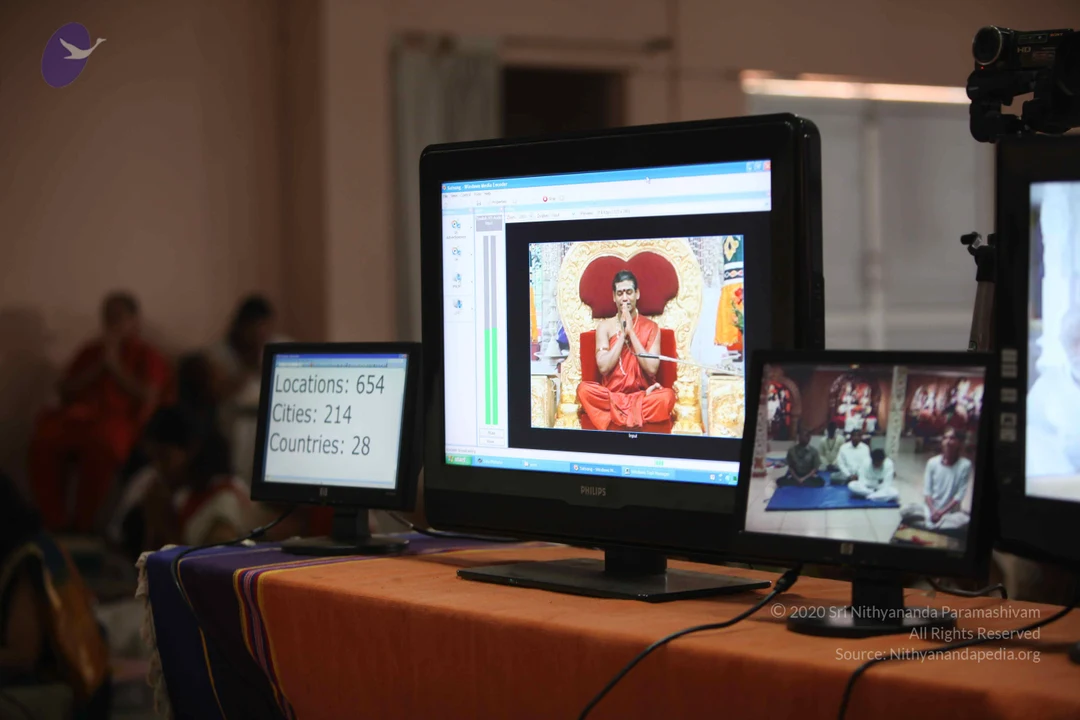
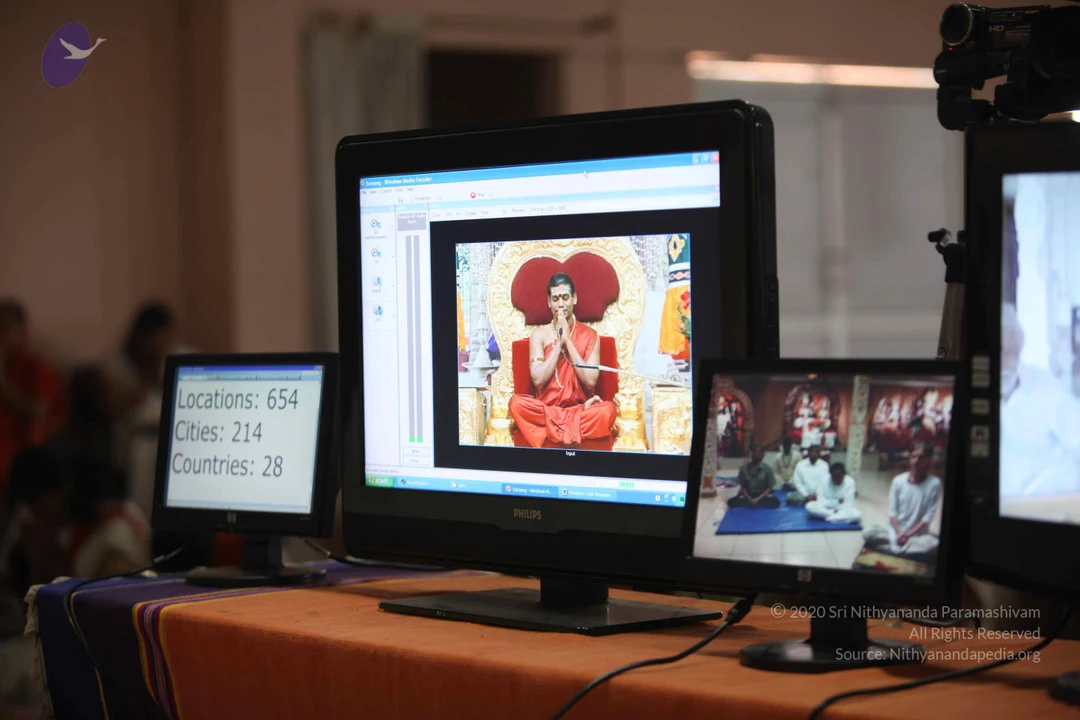
So I bless all of you at this moment who are sitting with us in 654 places, in 214 cities, in 28 countries. Let you all achieve, experience, live, radiate, express and share the eternal bliss, Nithyananda. Thank you.
[51:19]
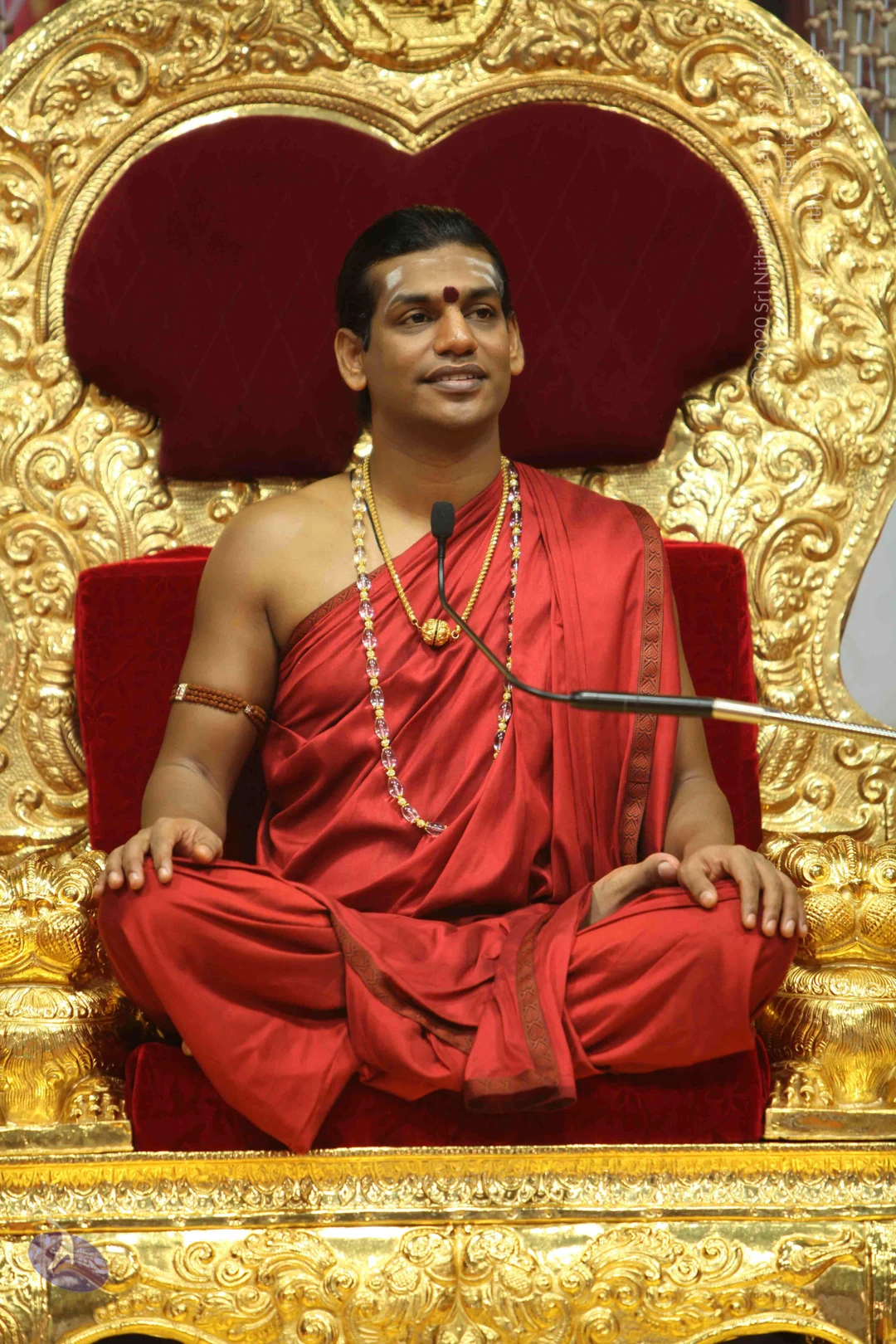
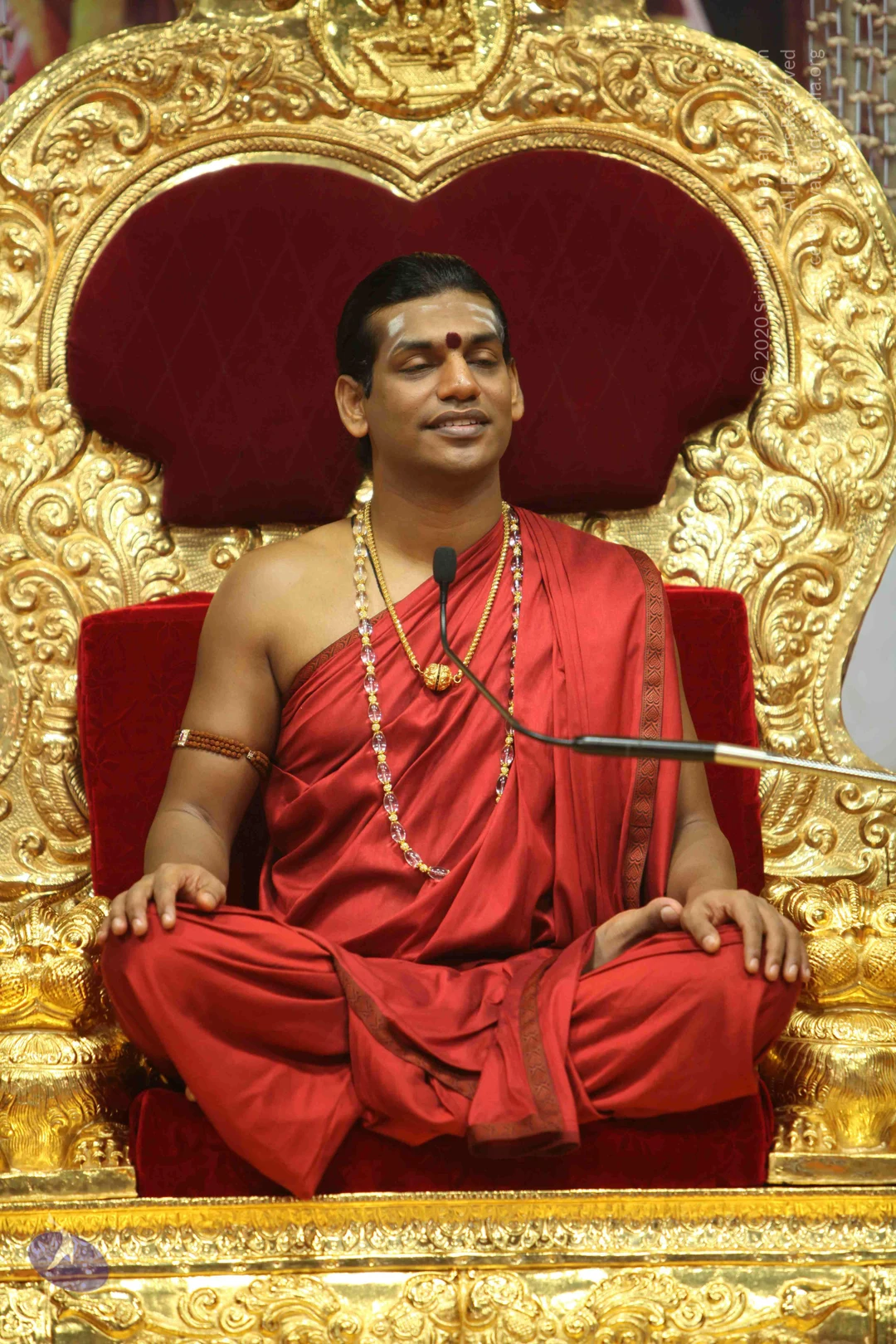
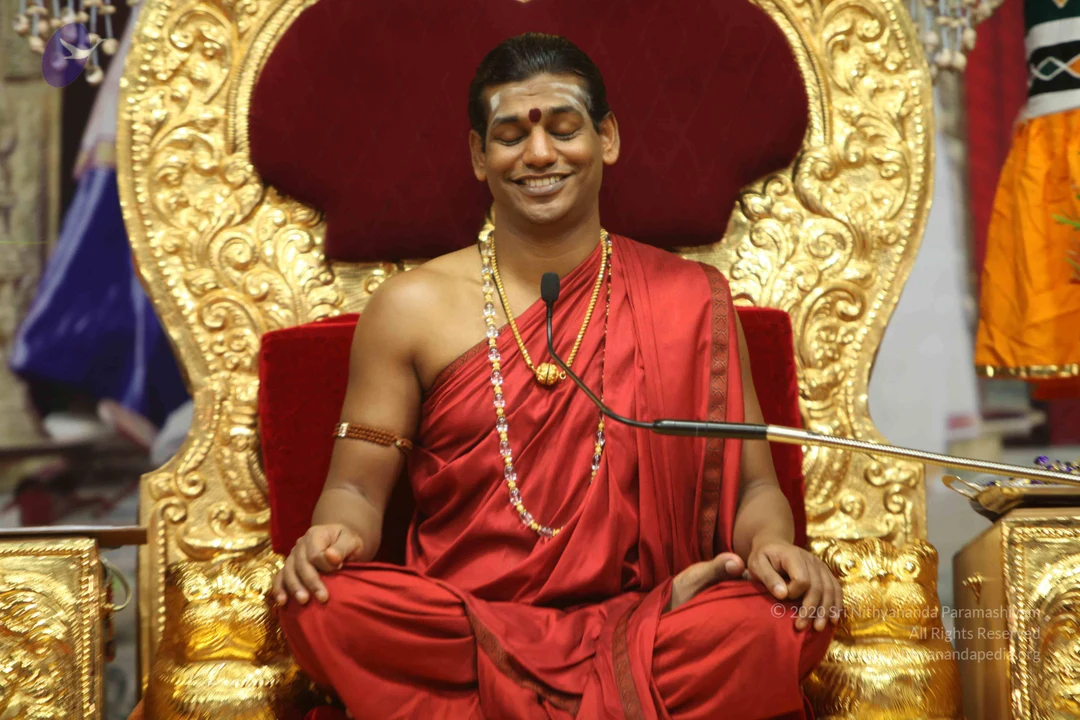
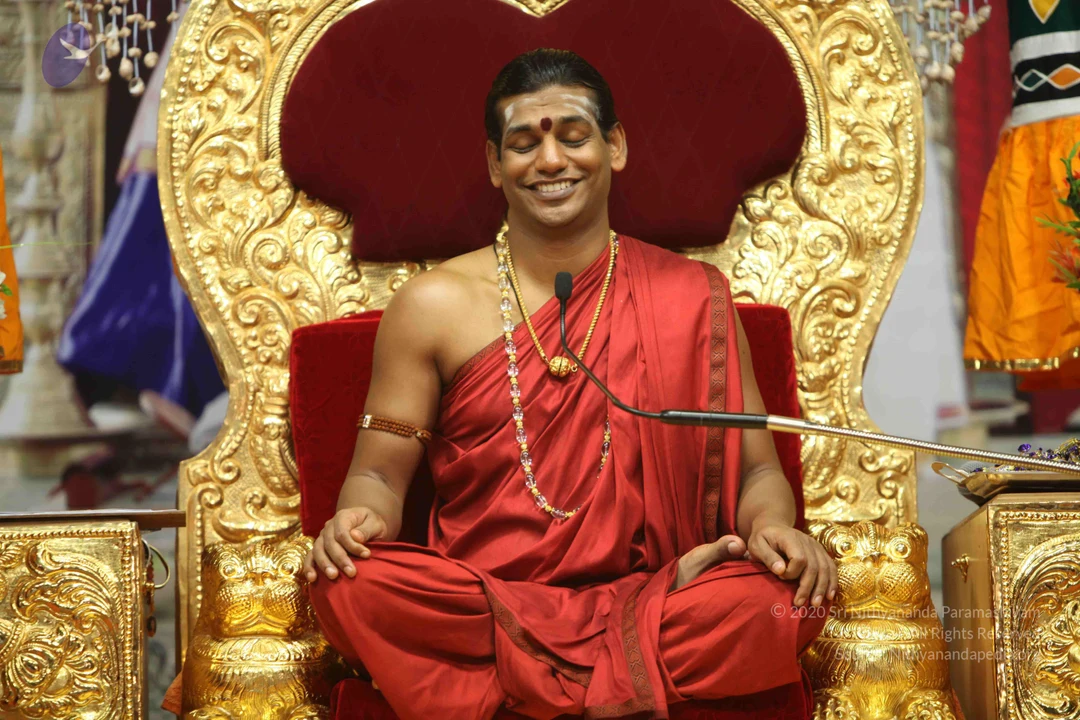
Photos
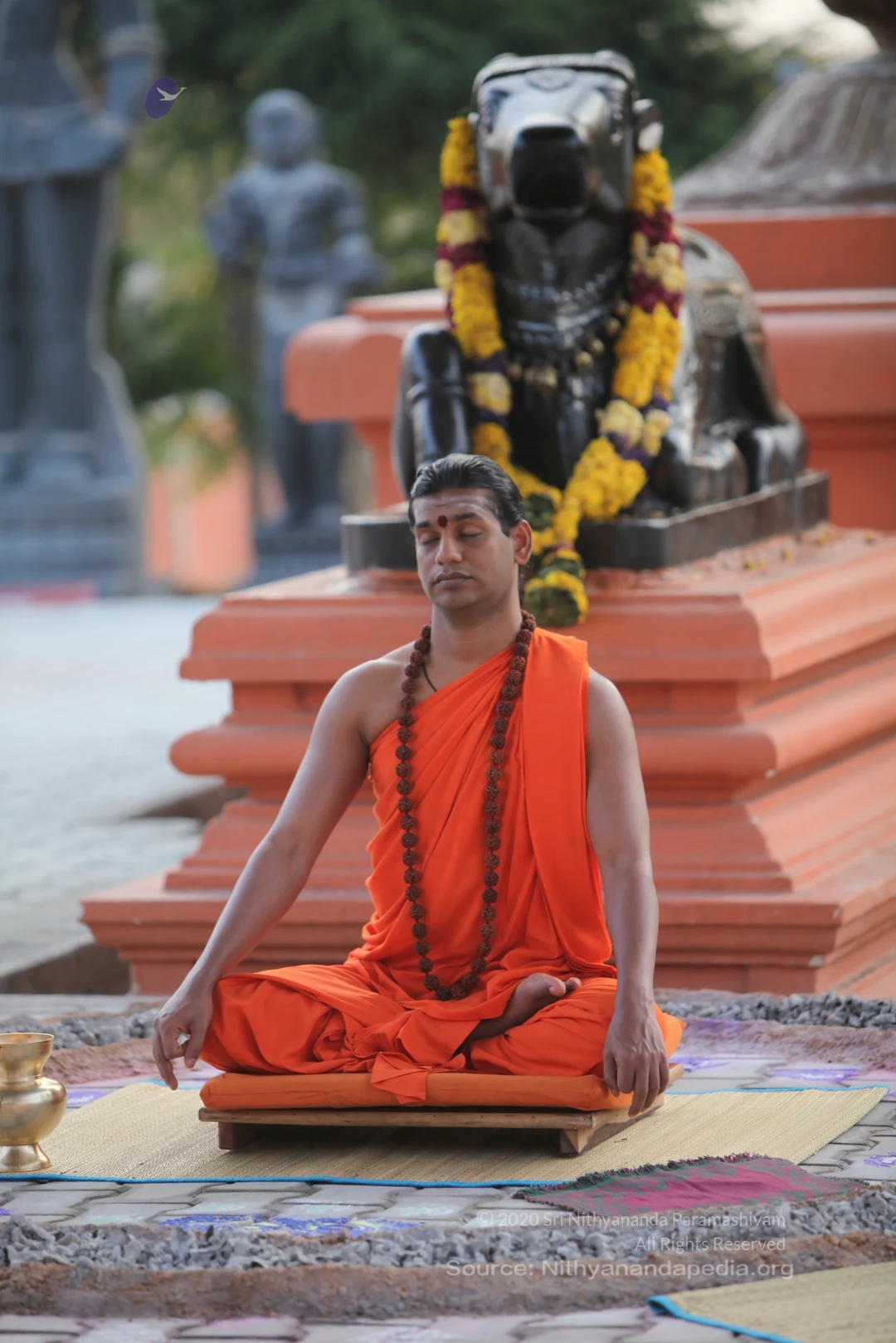
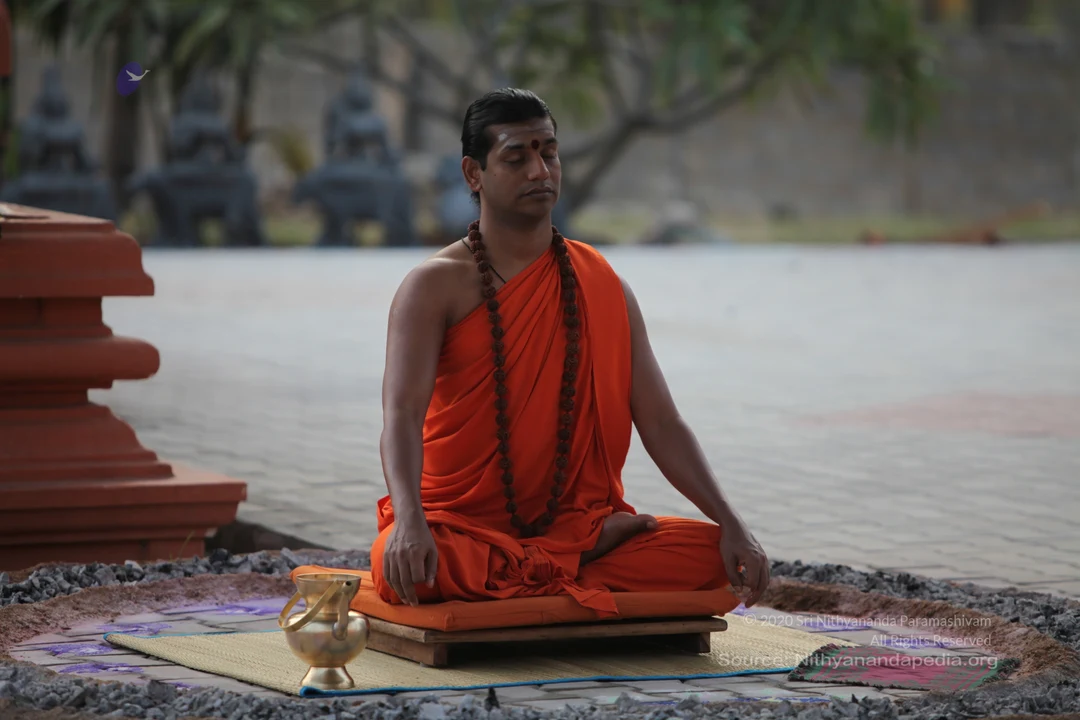
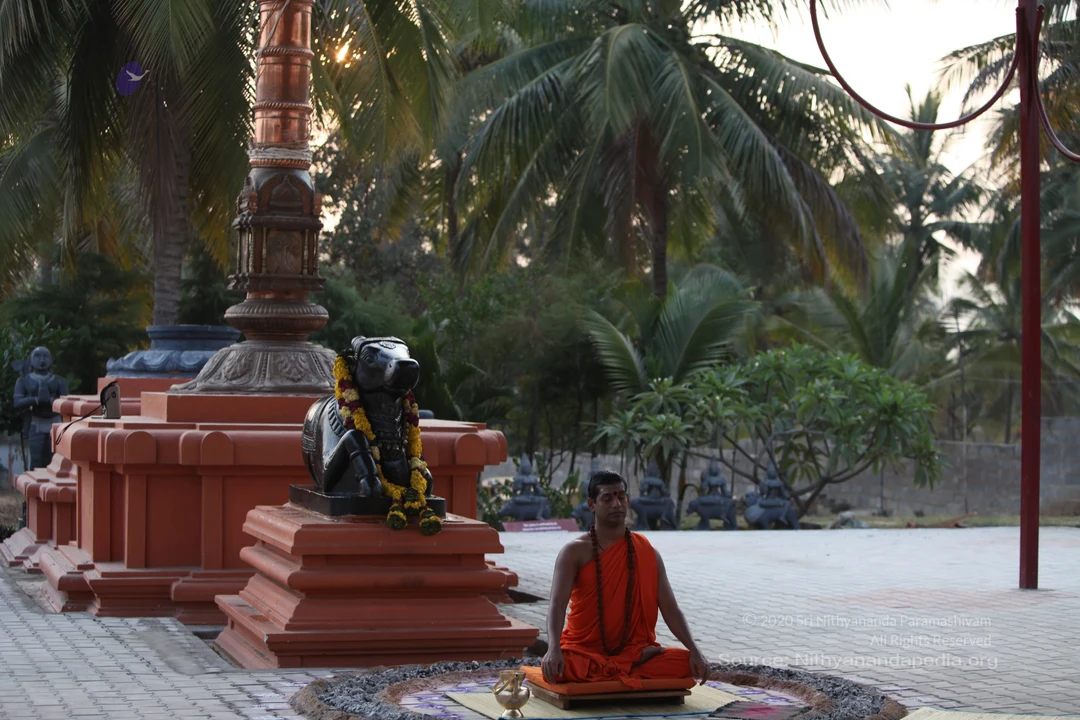
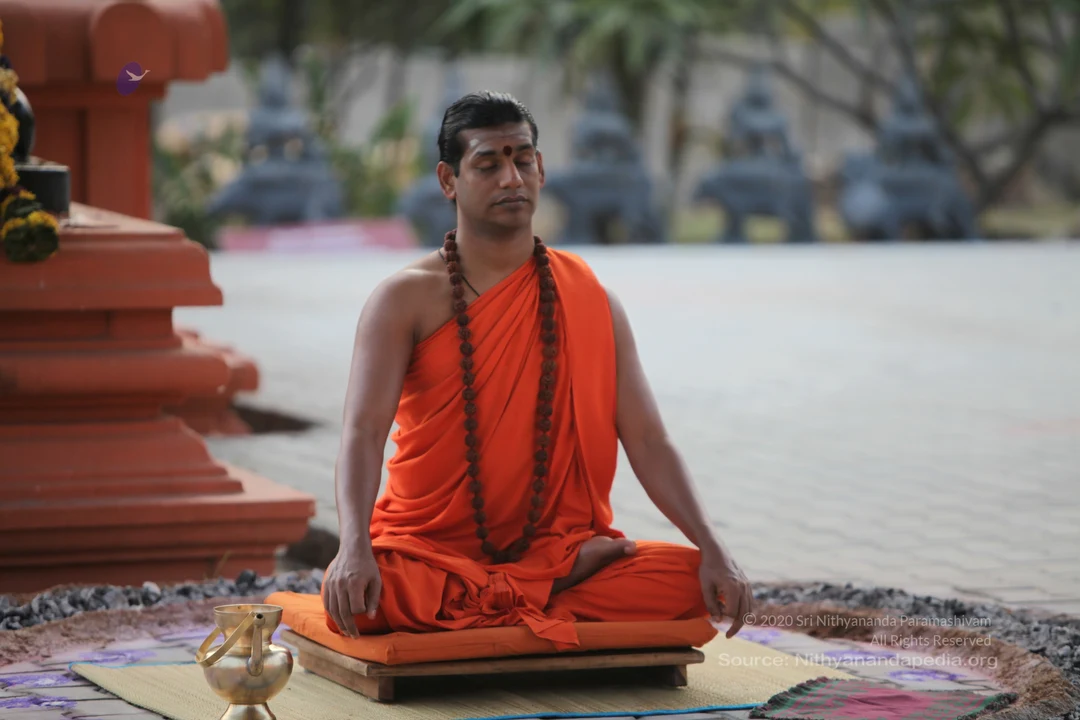
Photos For The Day
Panchatapas
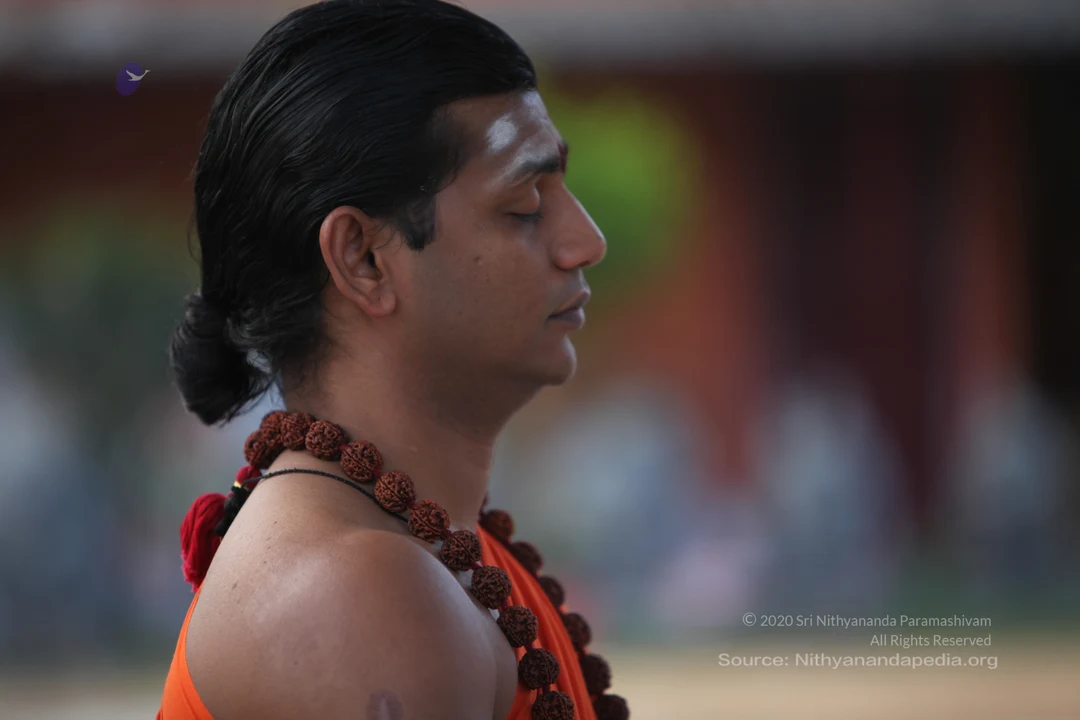
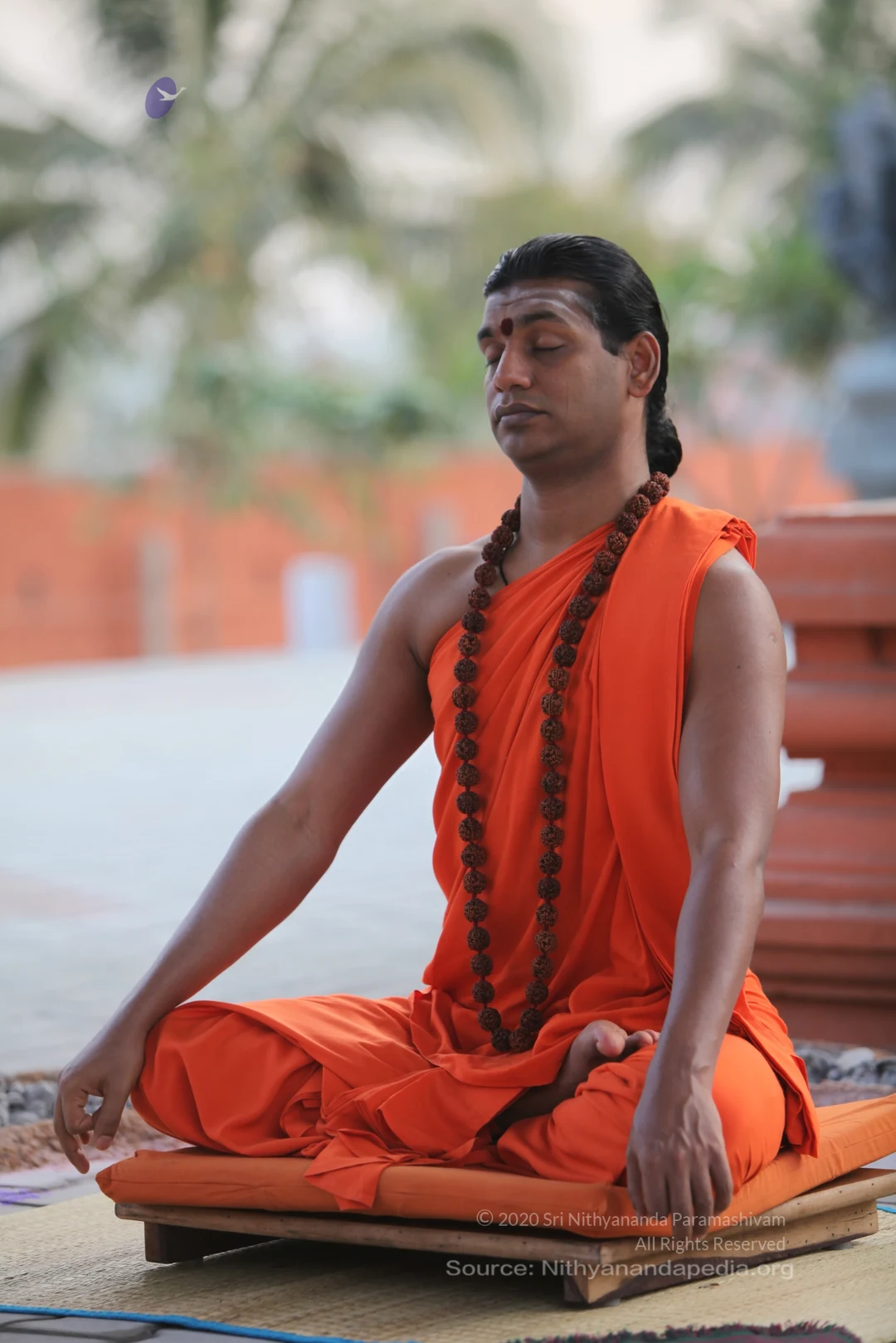
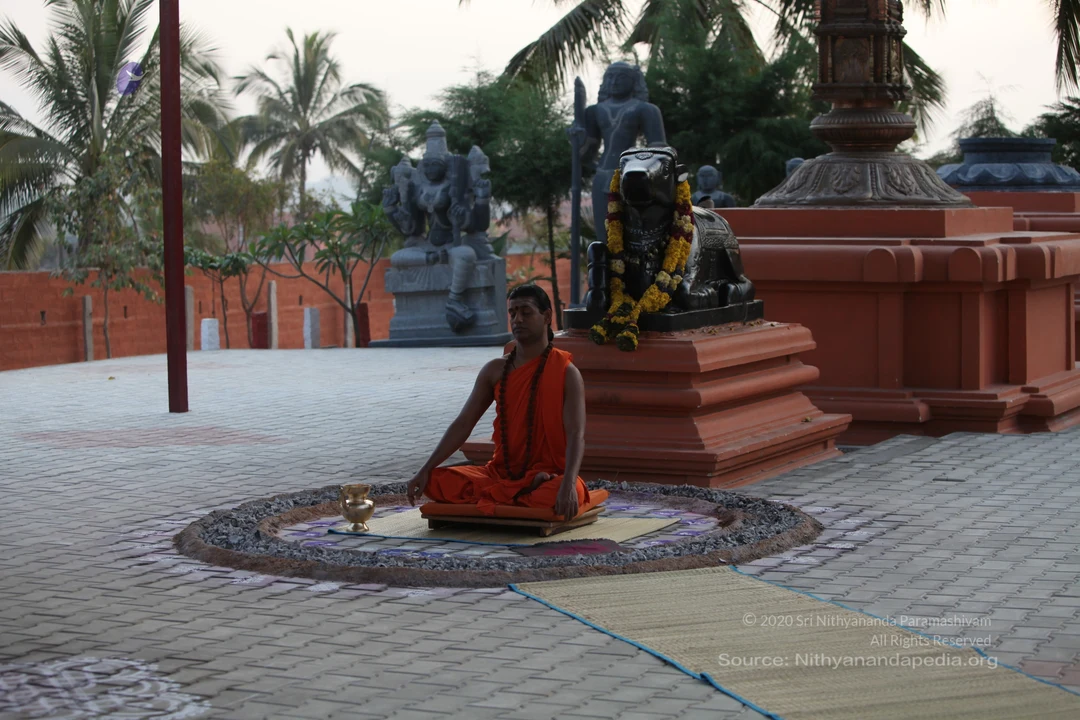
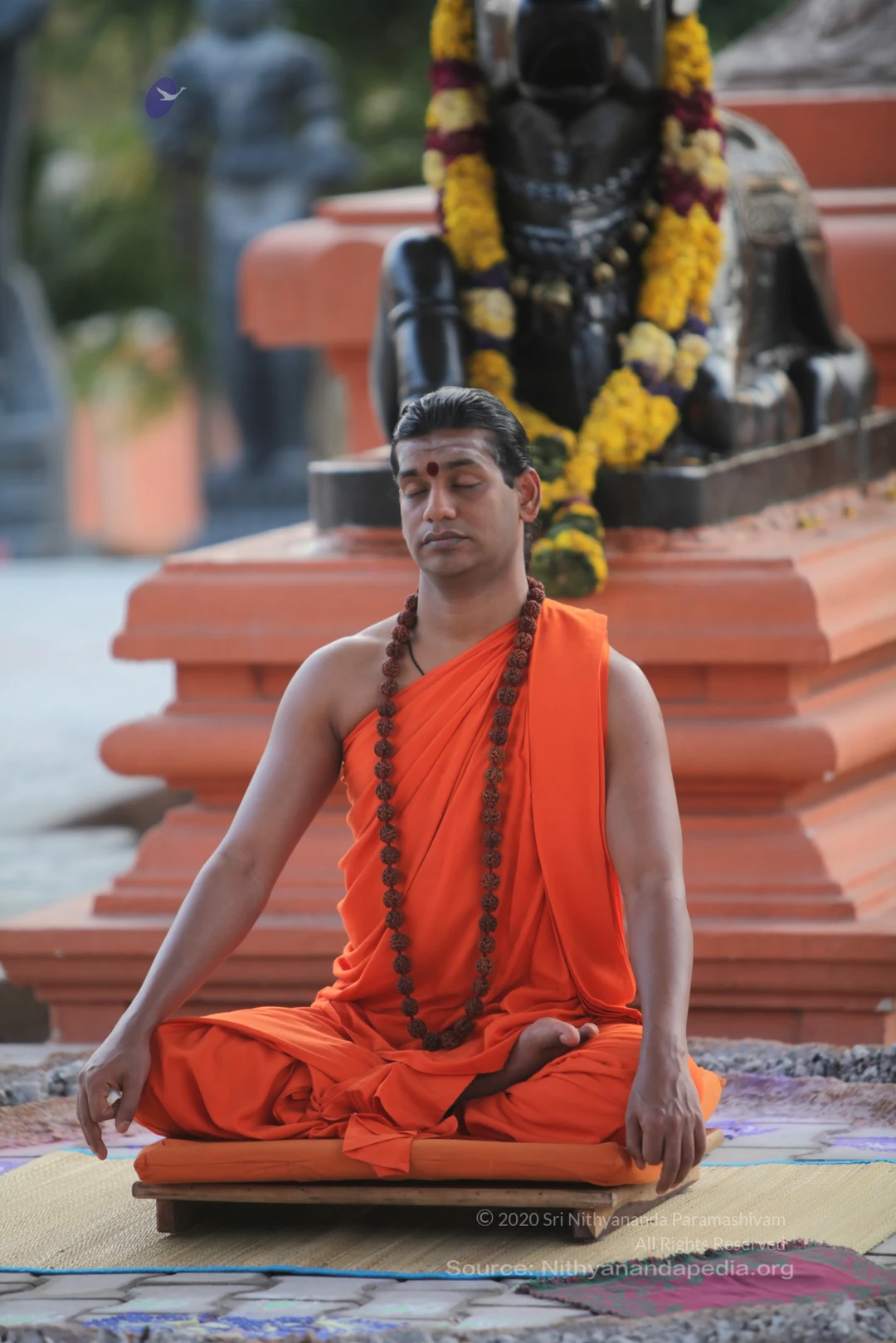
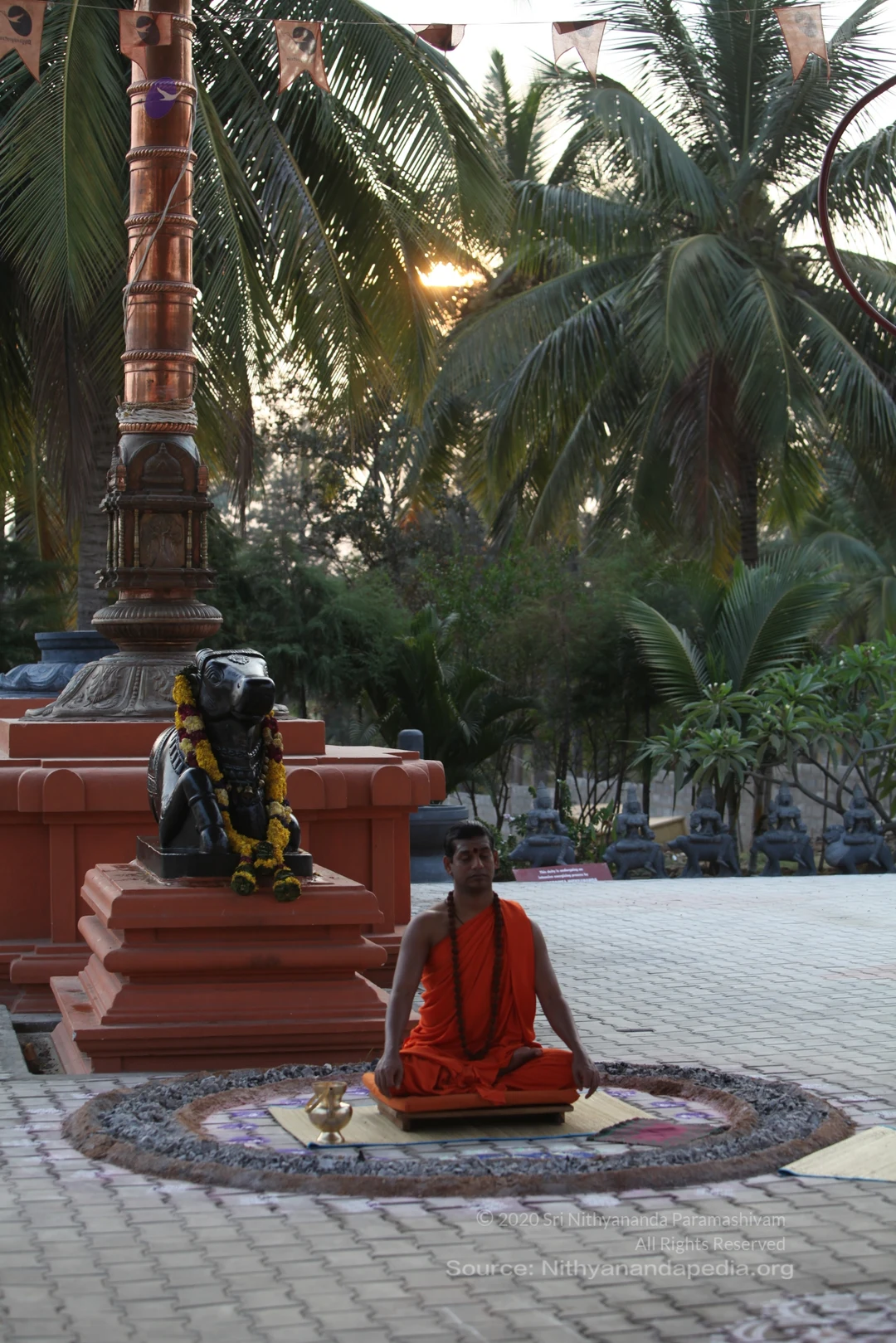
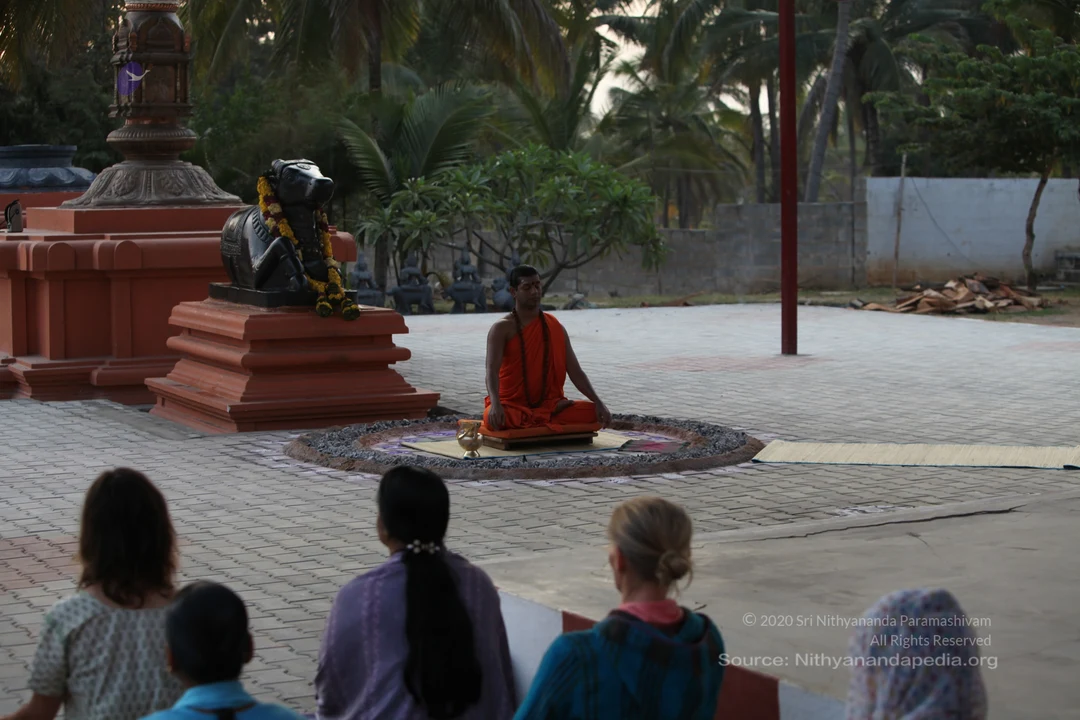
Paadapooja
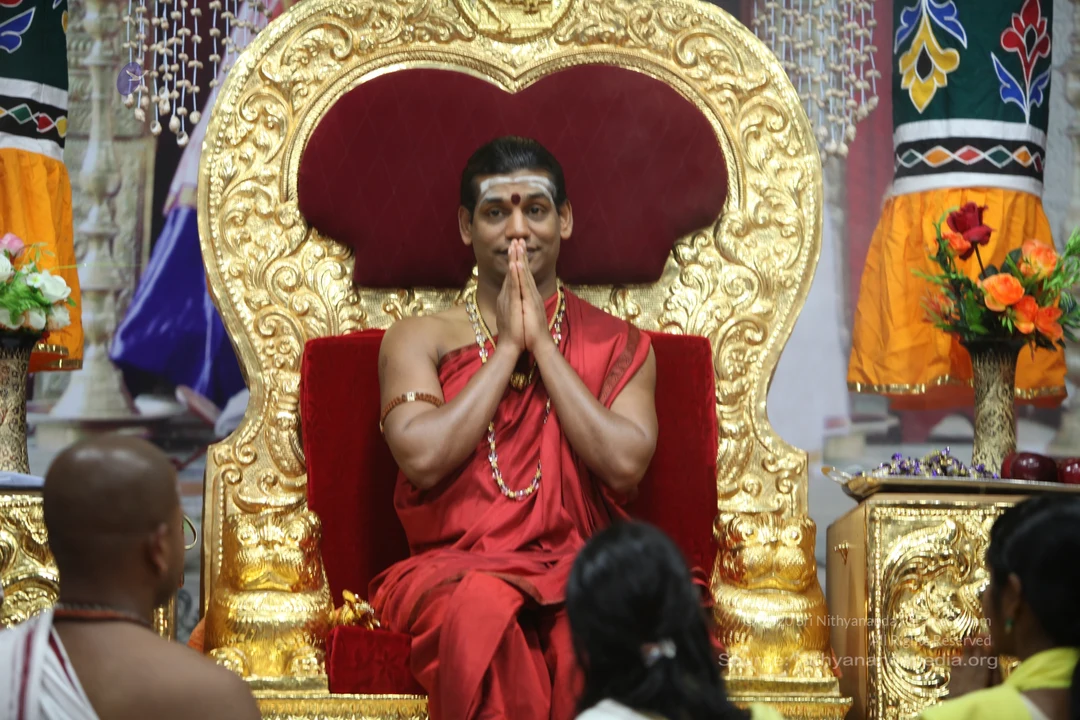
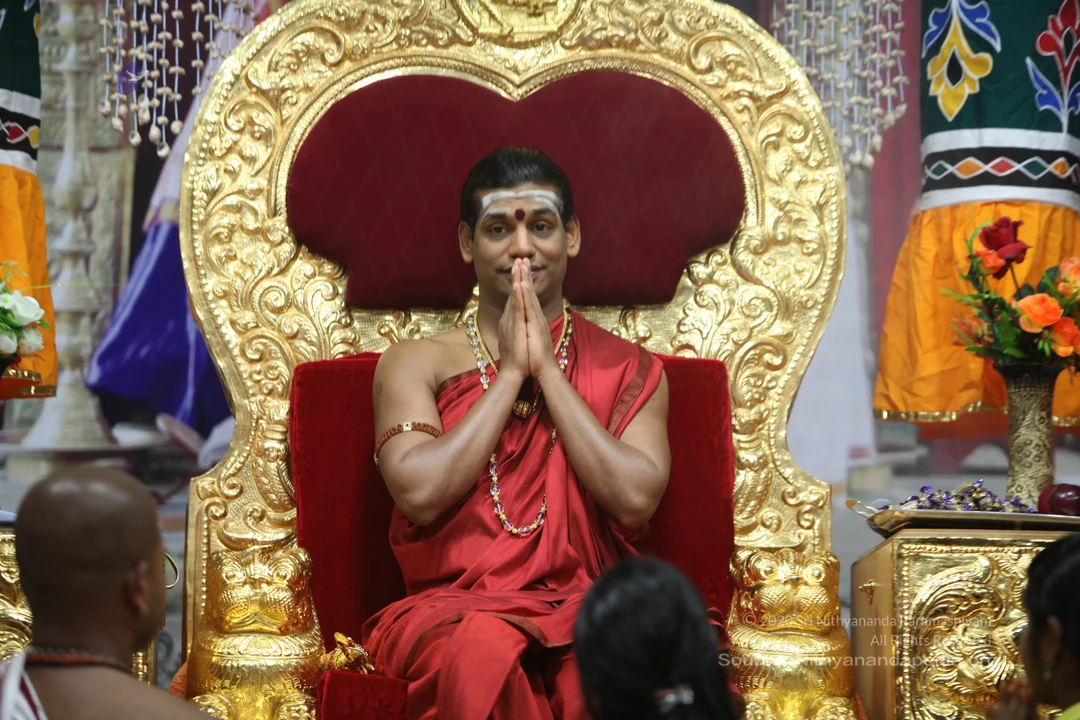
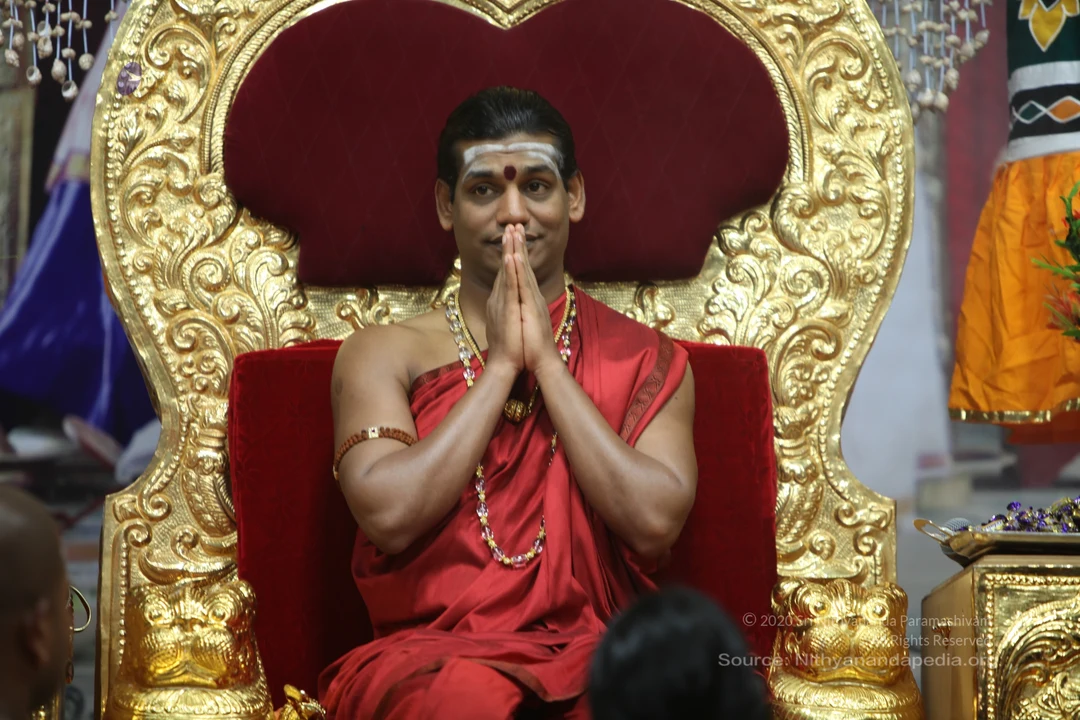
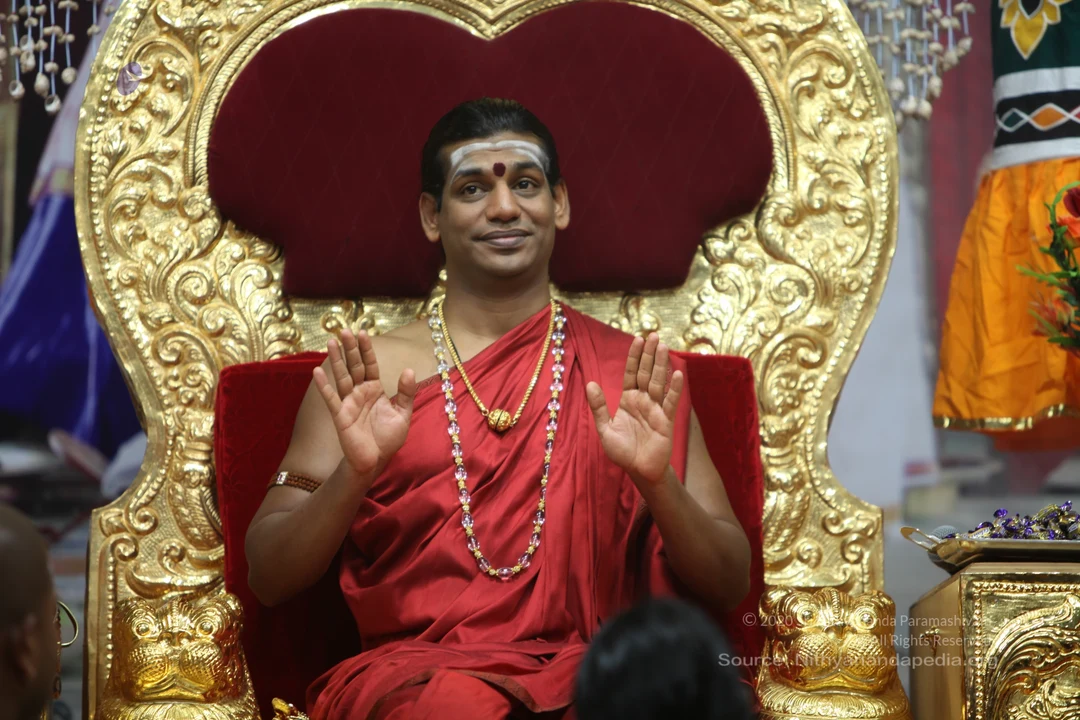
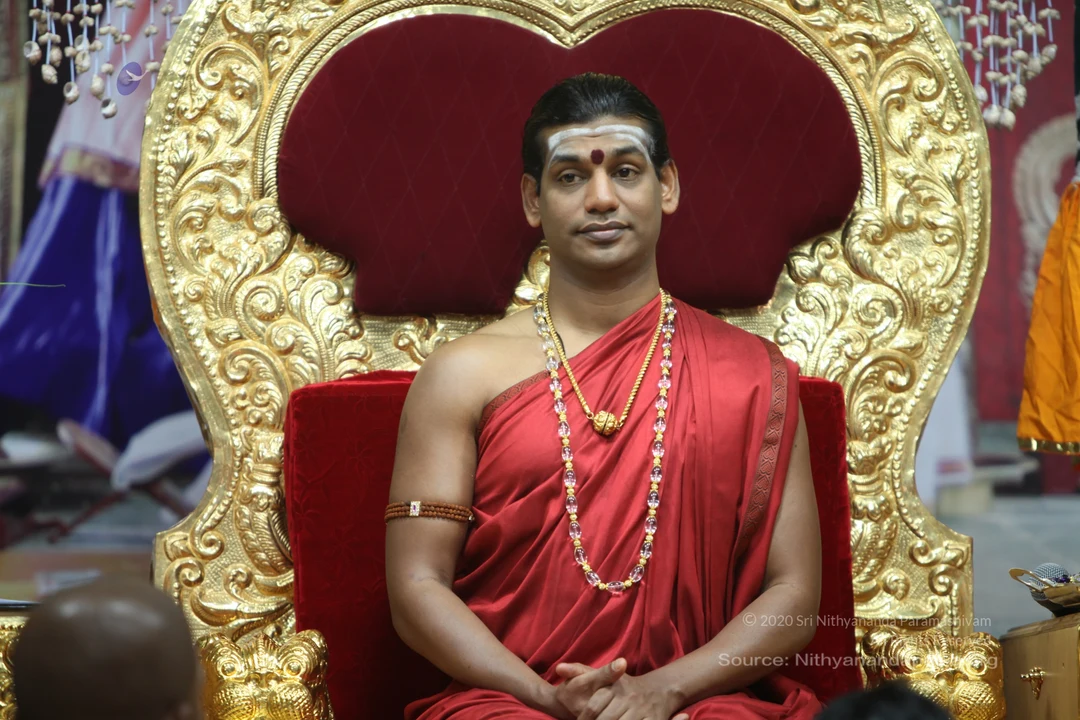
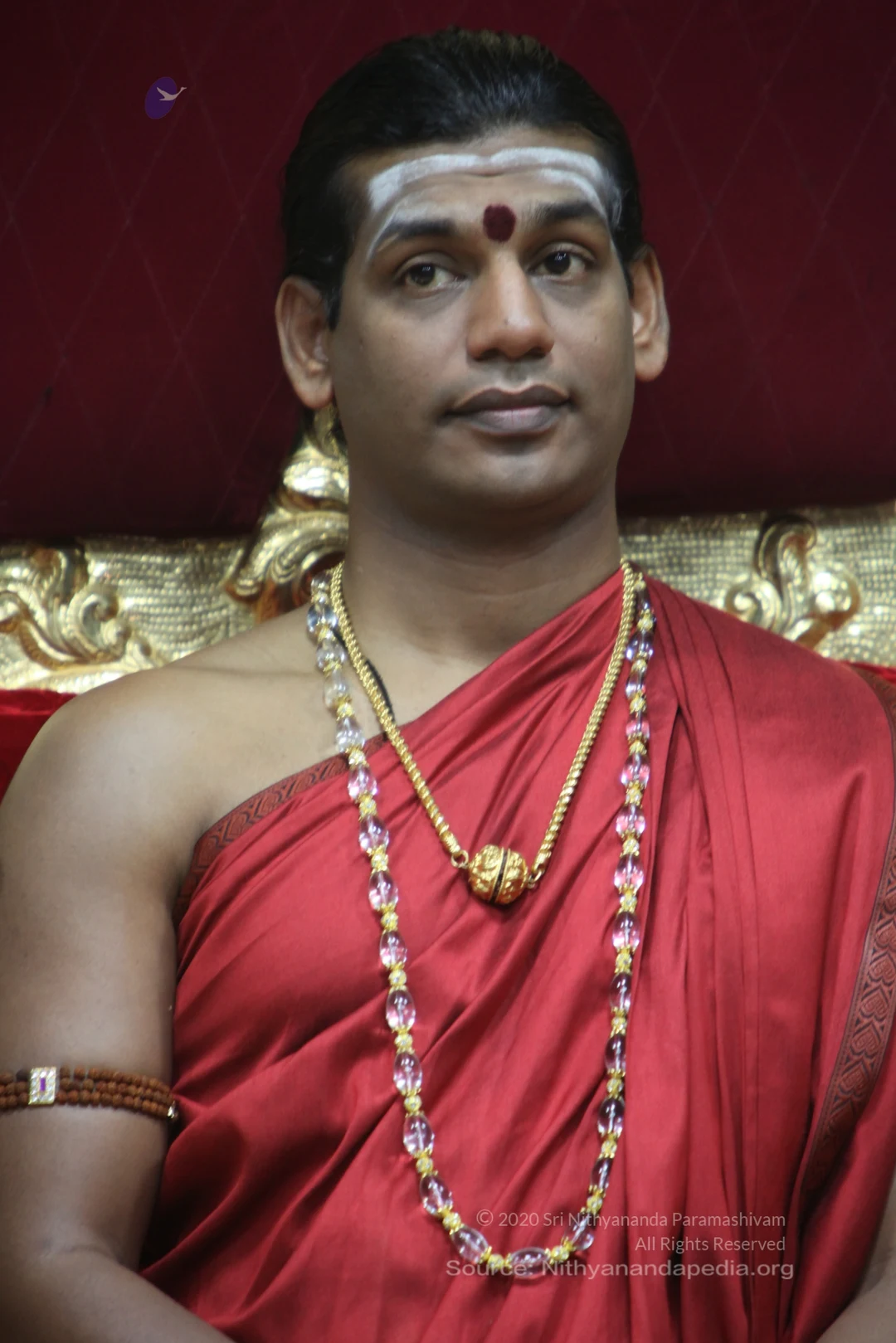
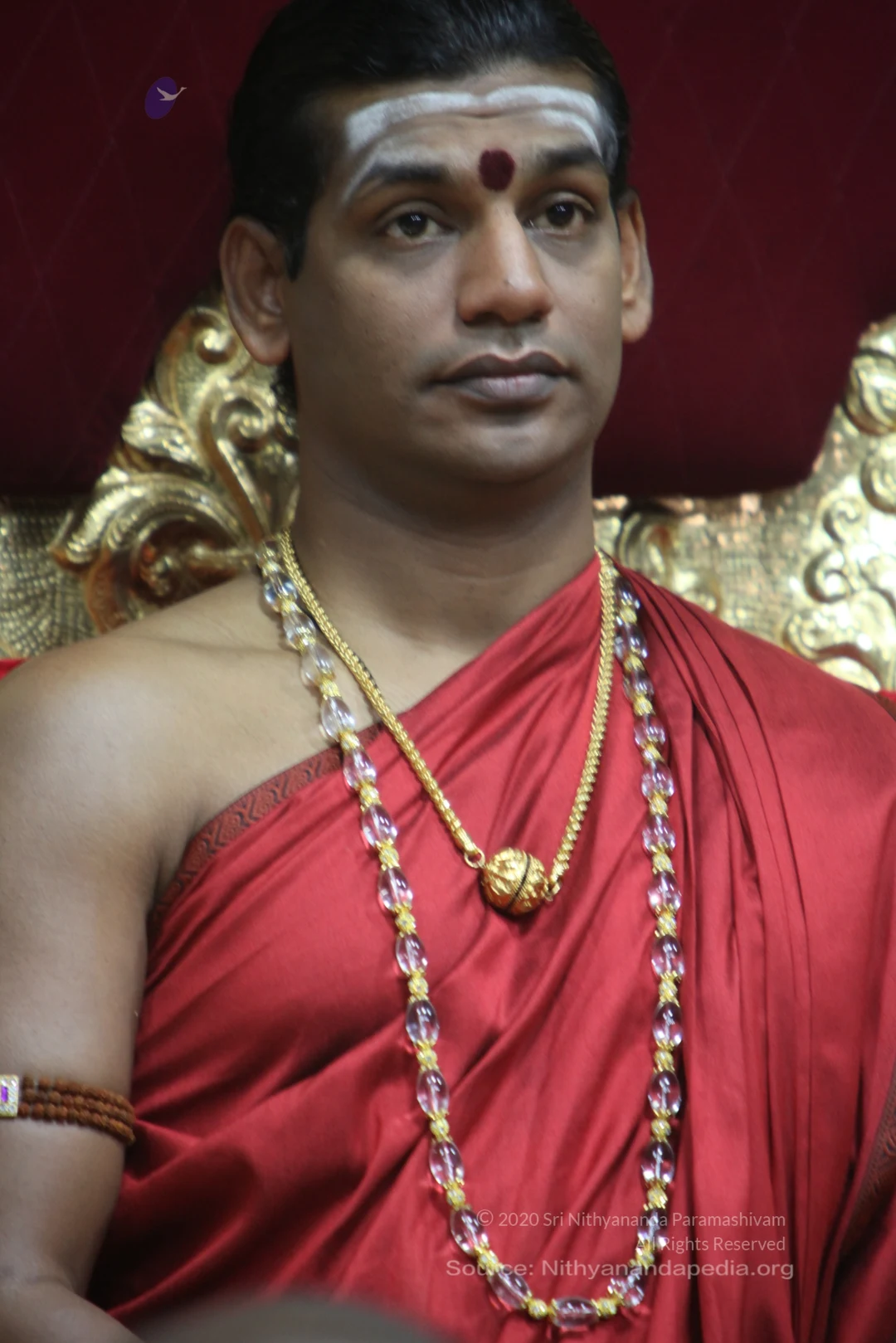
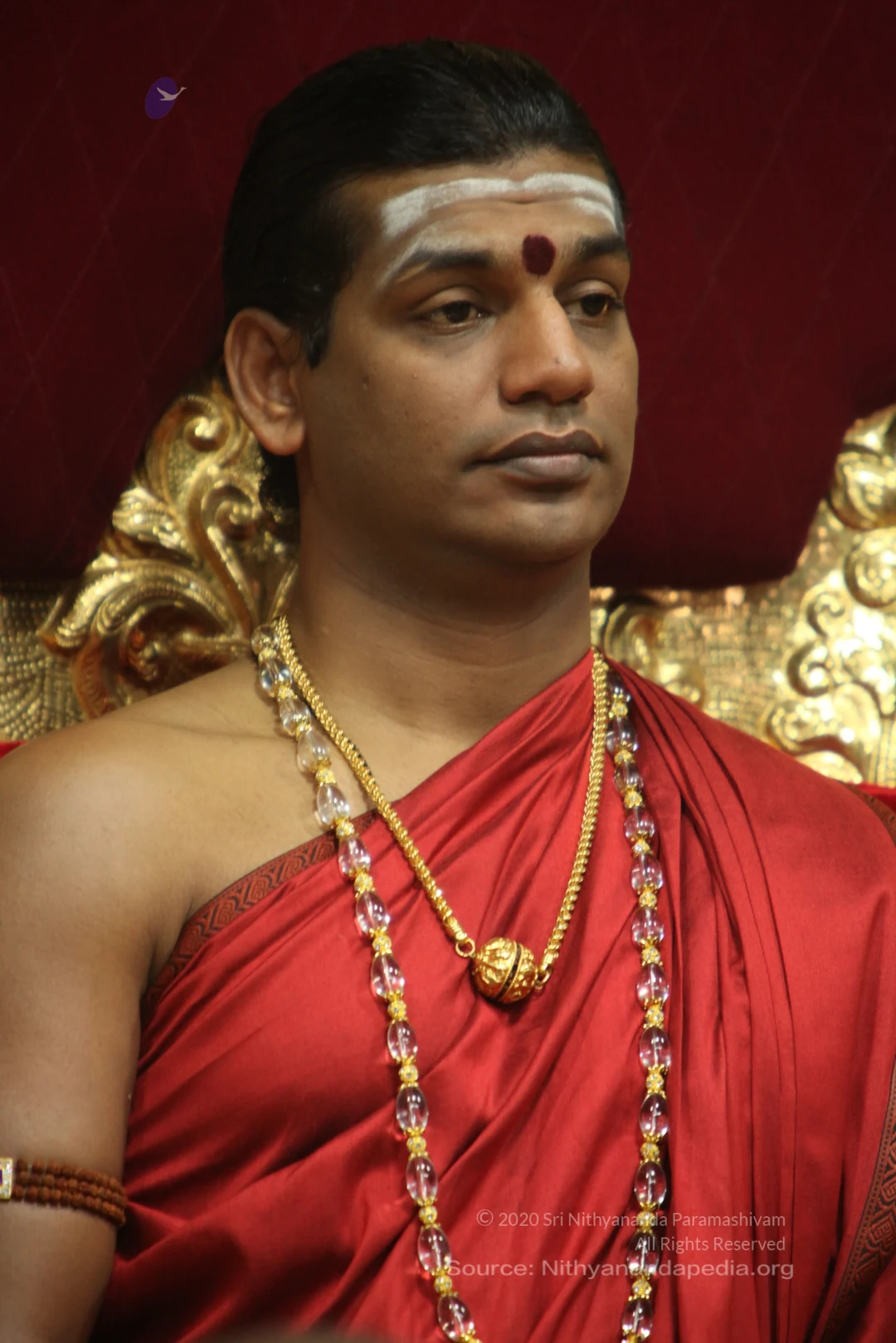
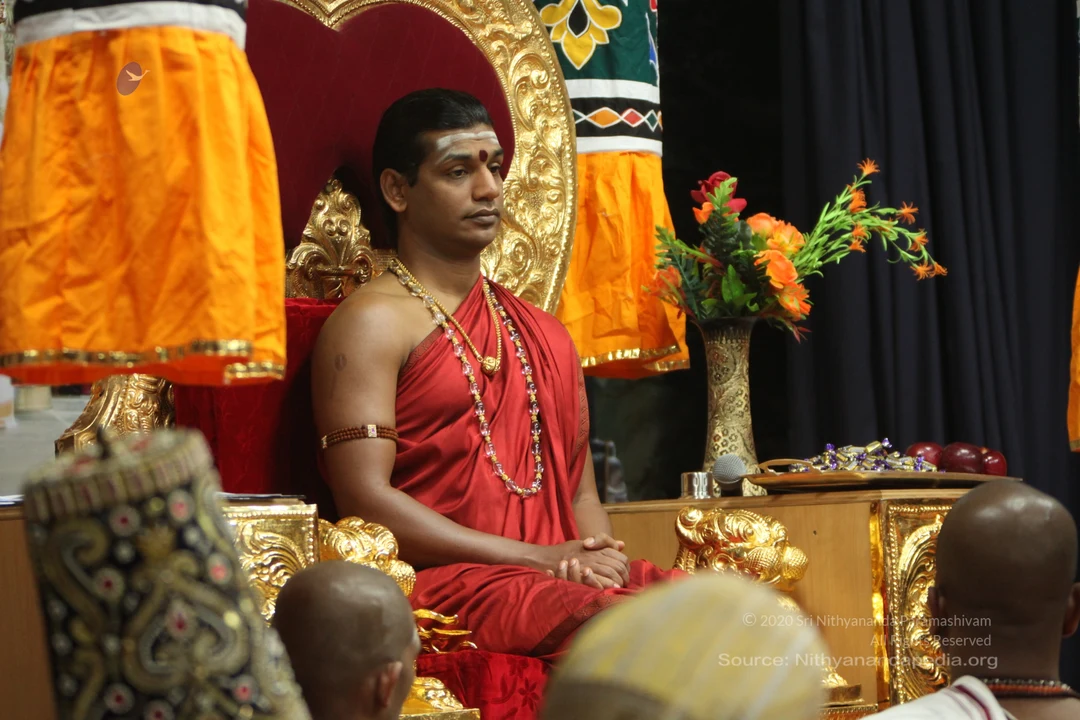
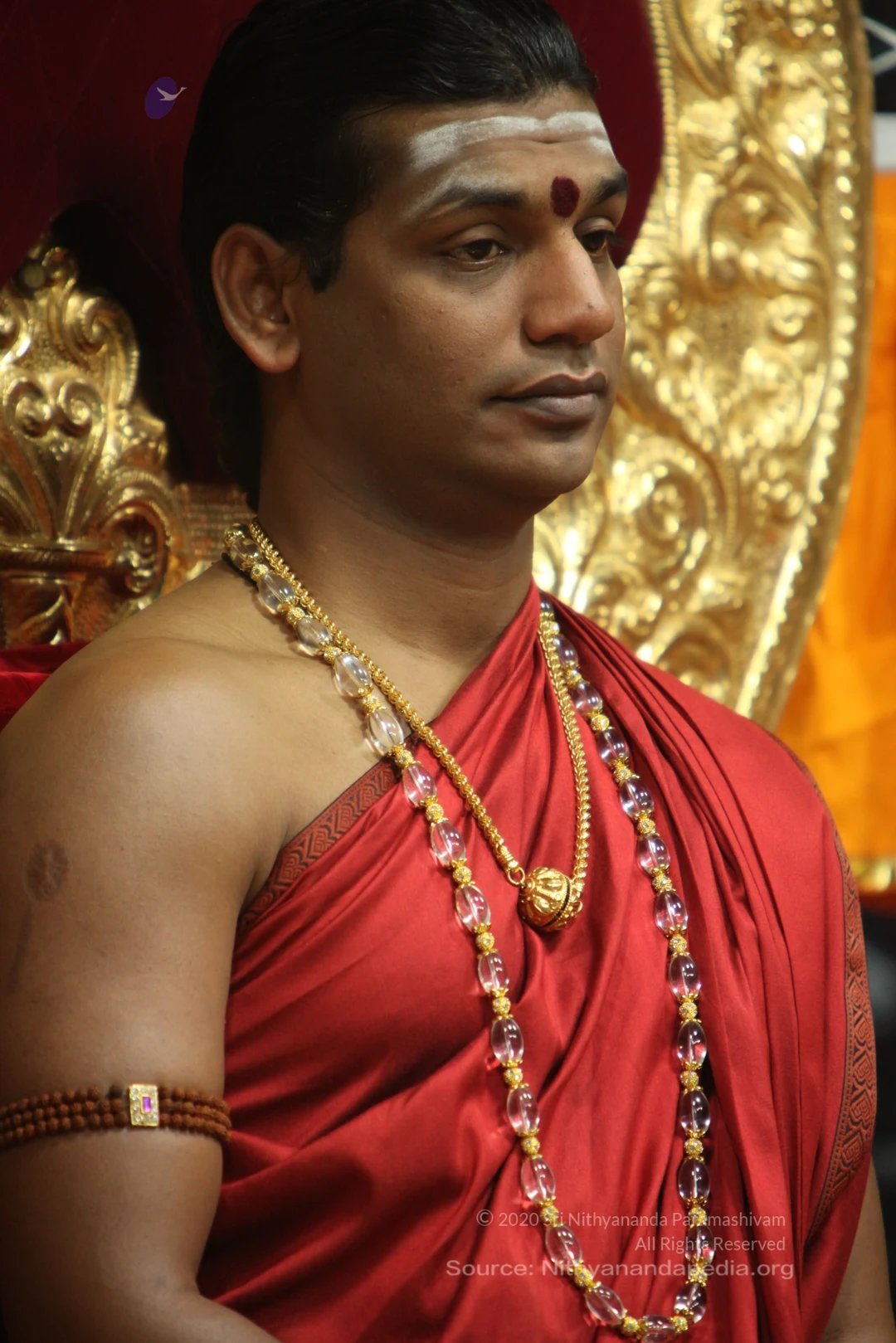
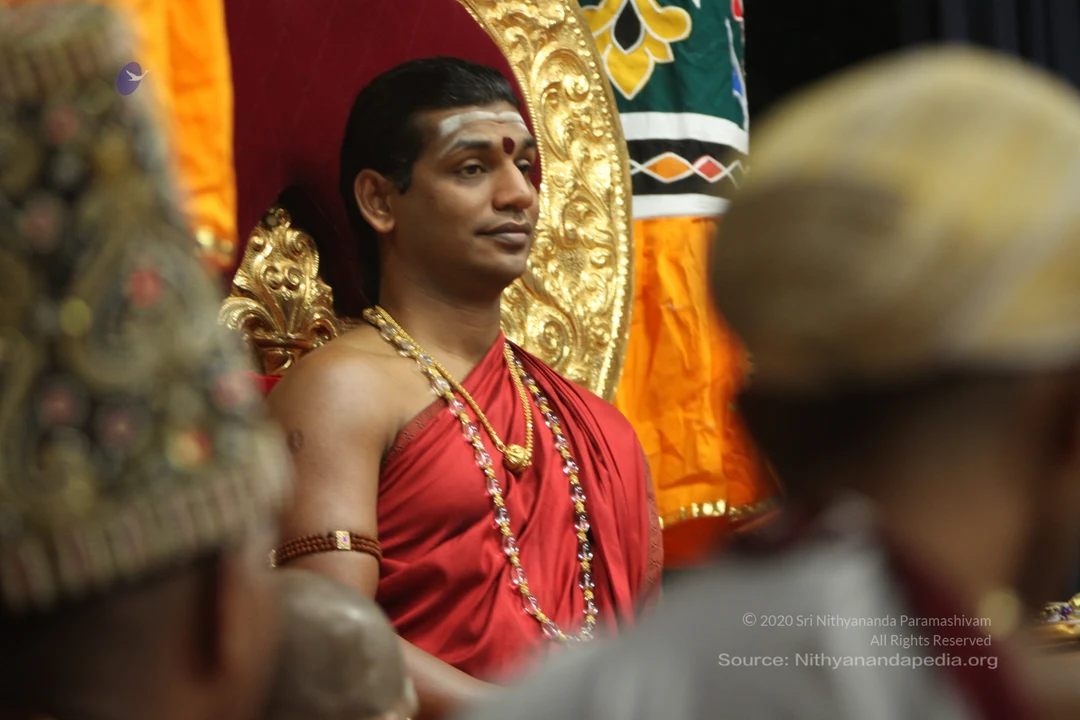
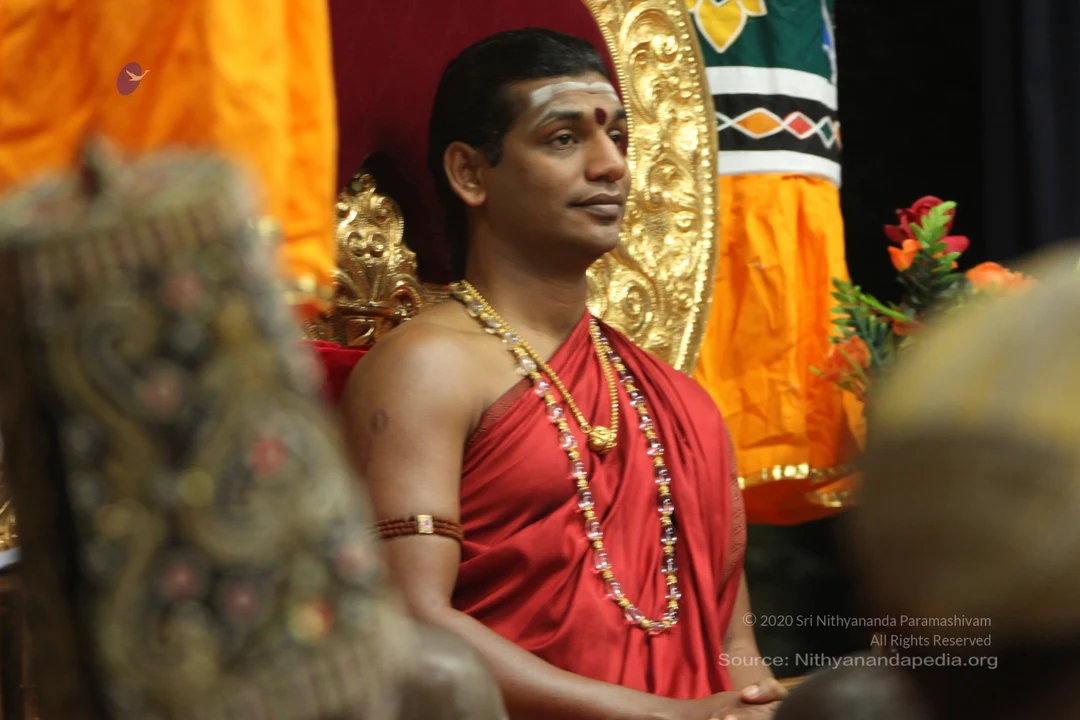
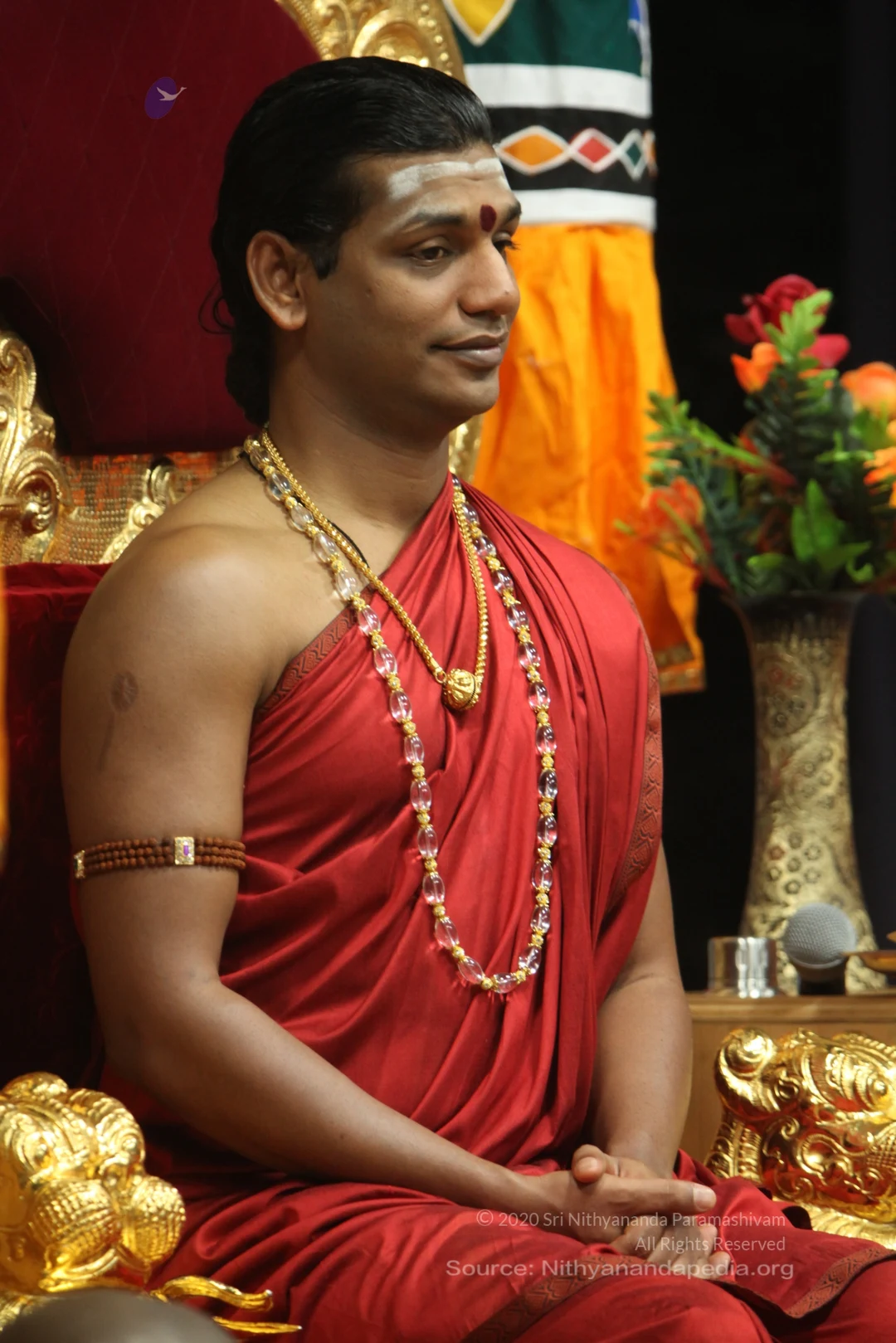
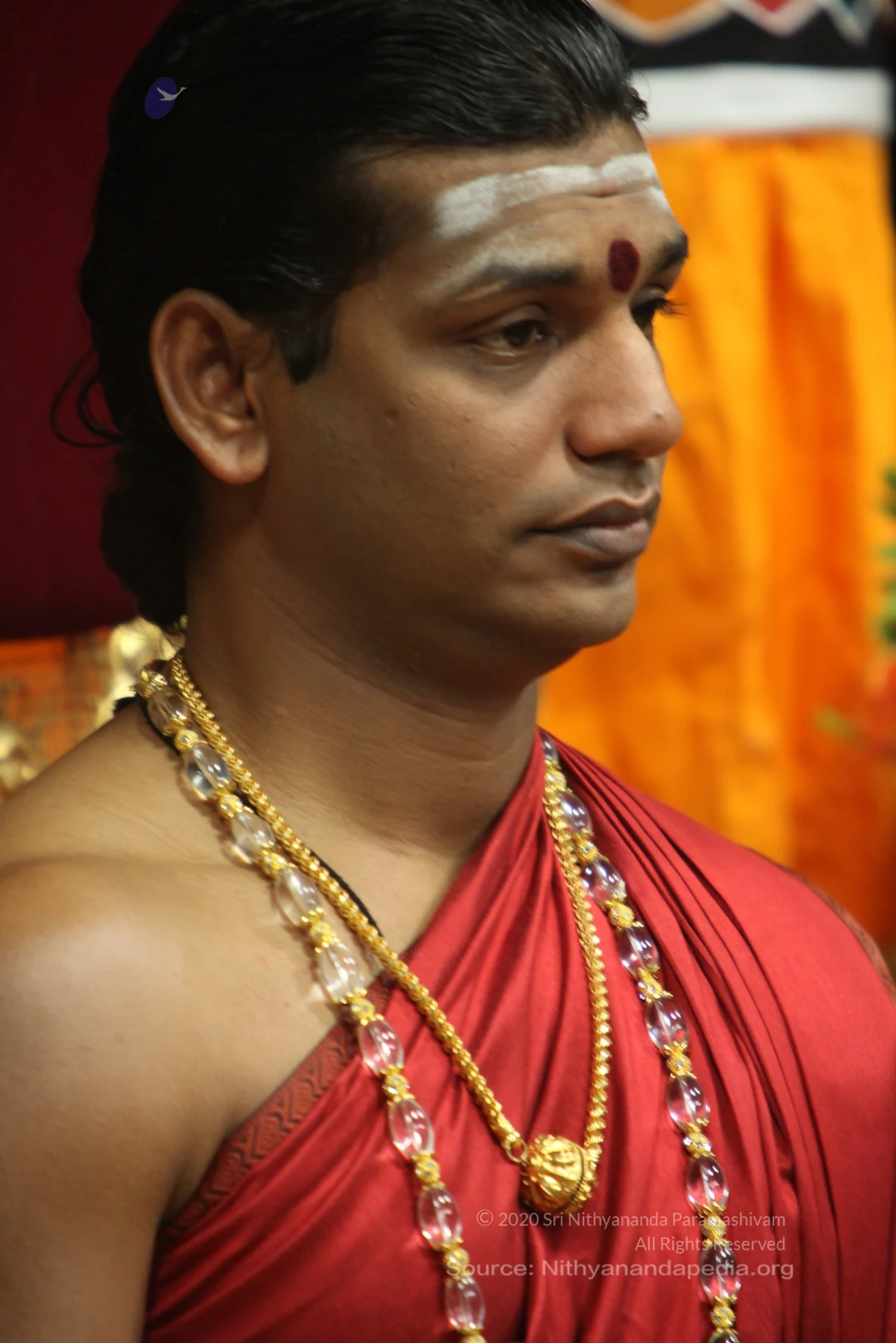
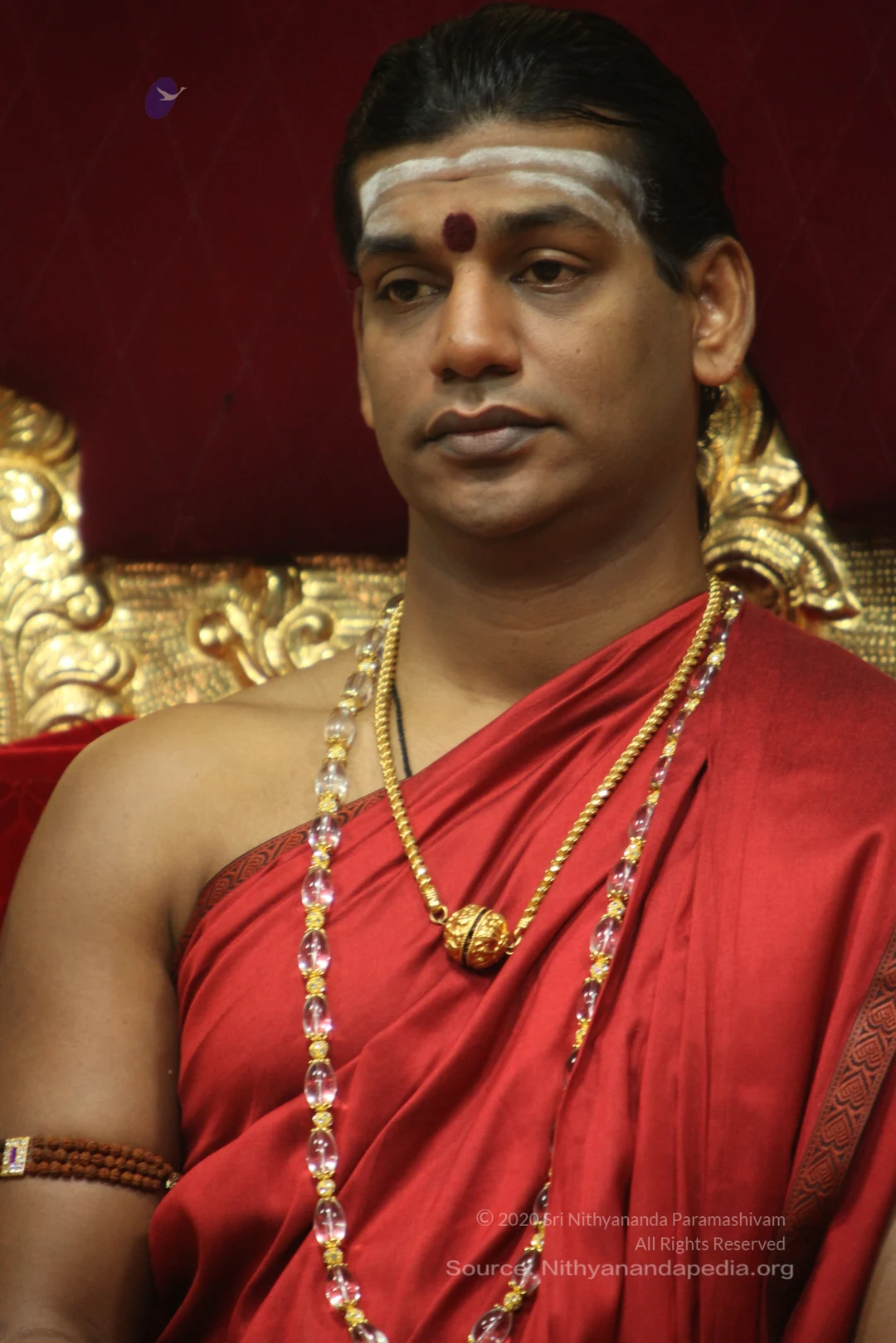
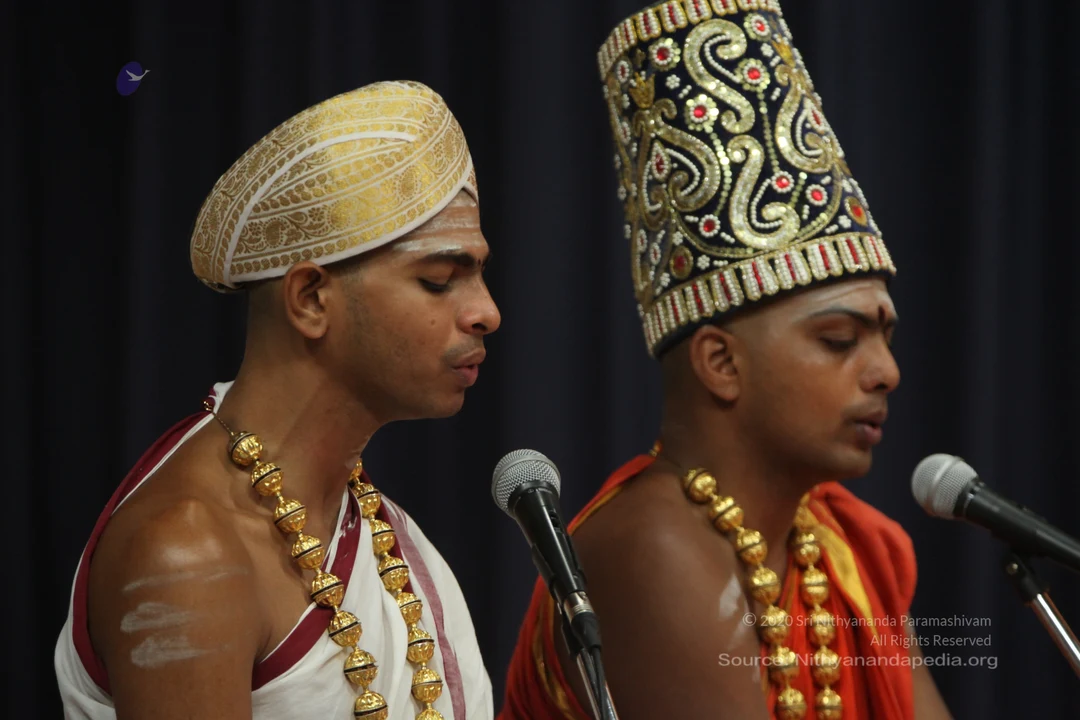
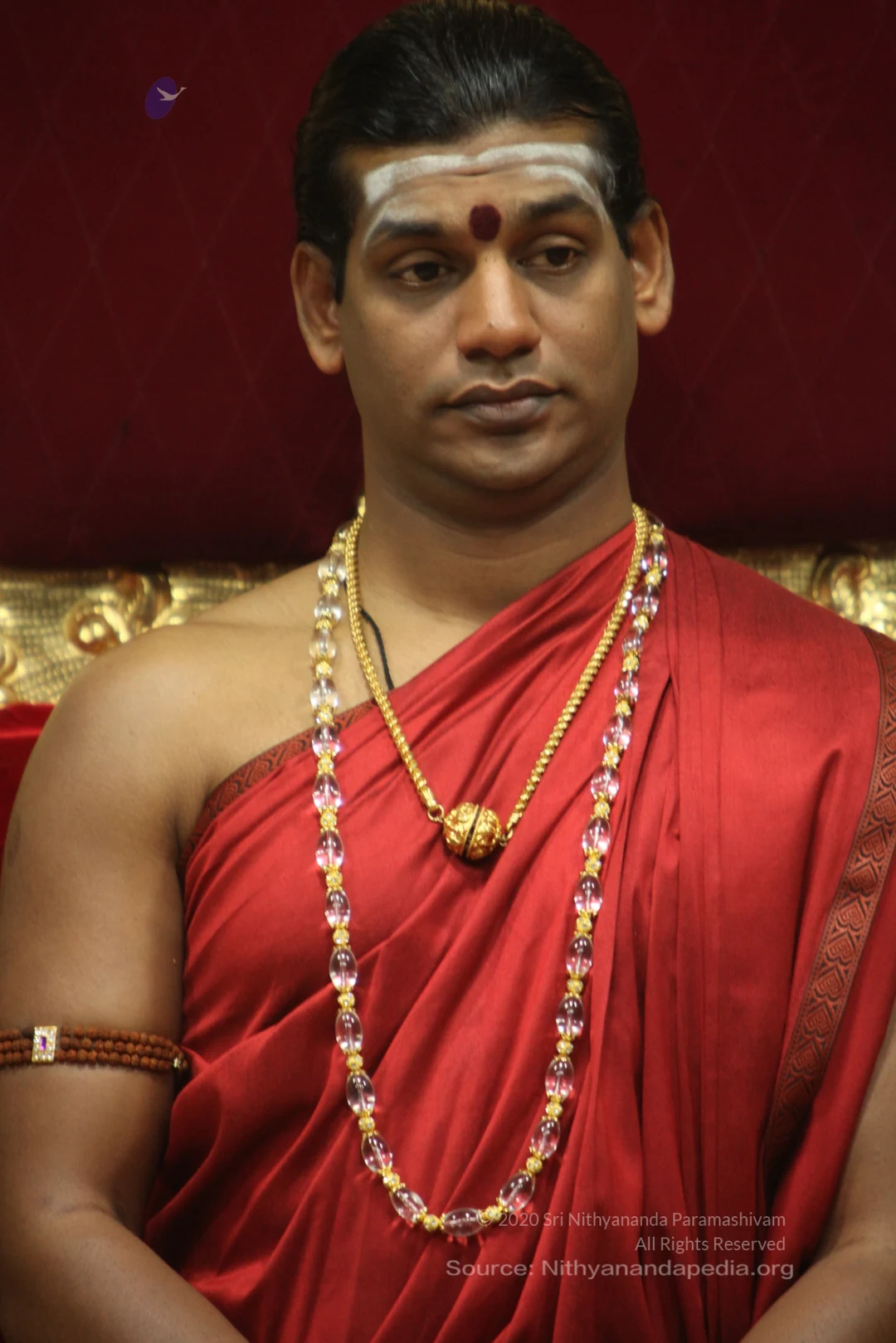
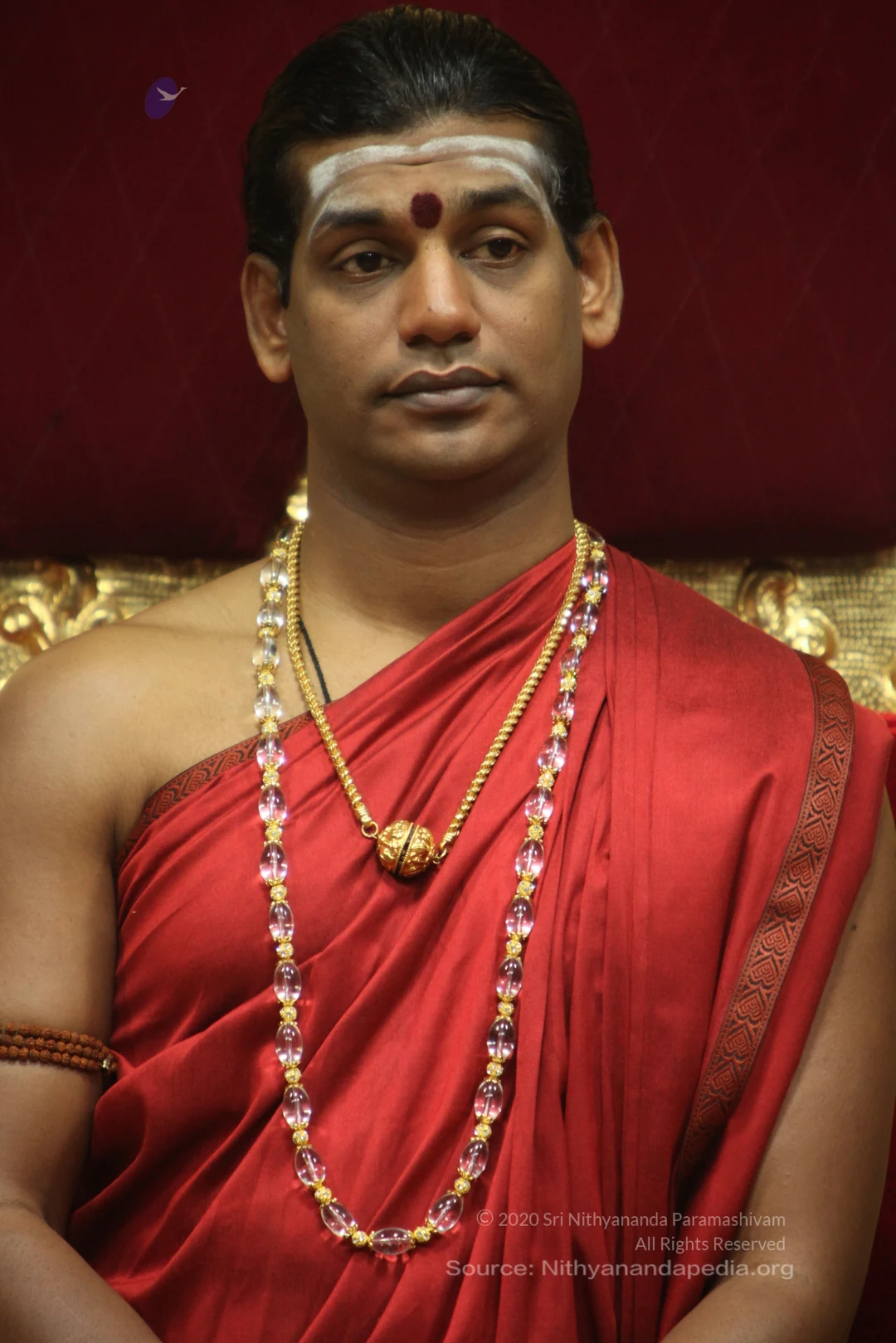
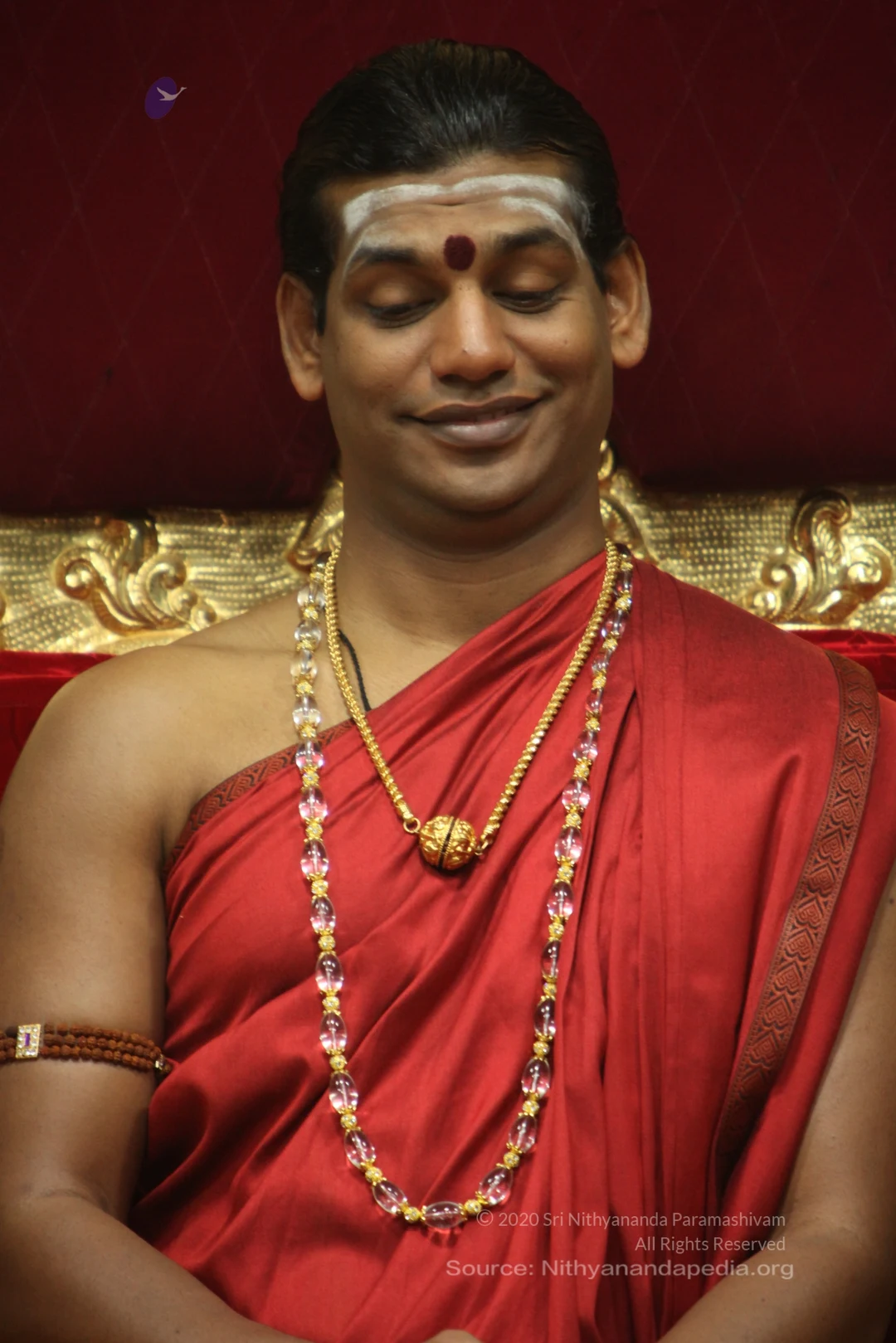
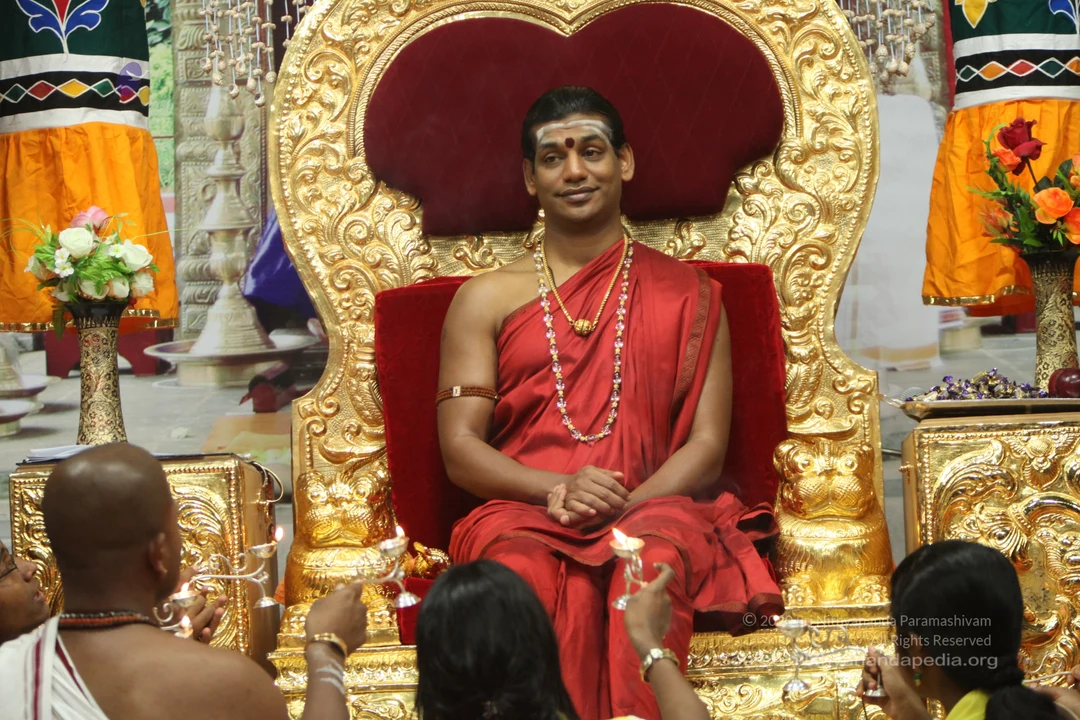
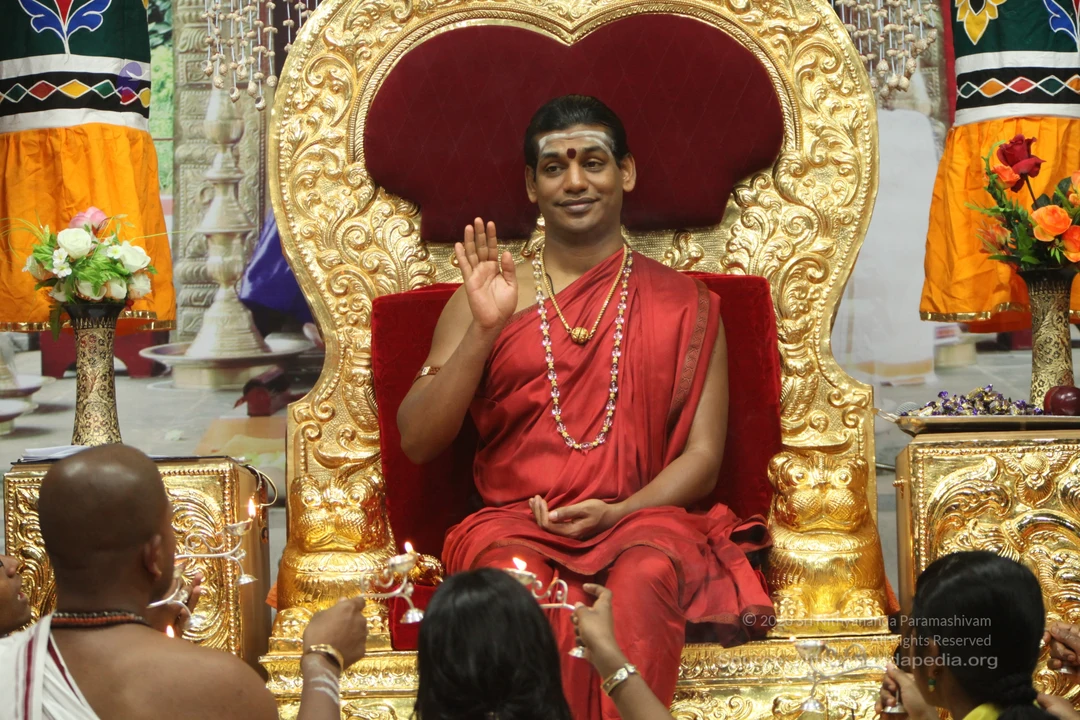
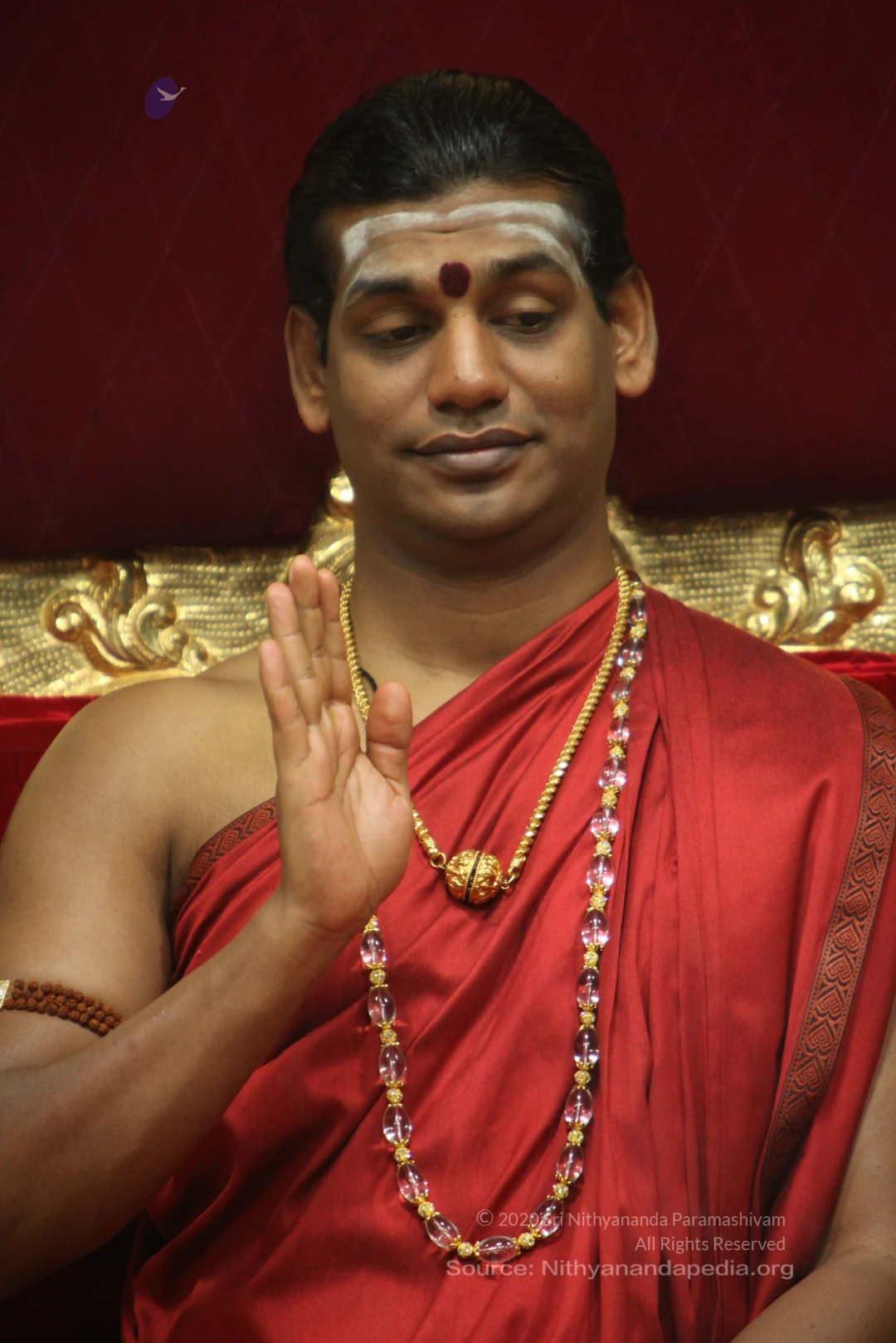
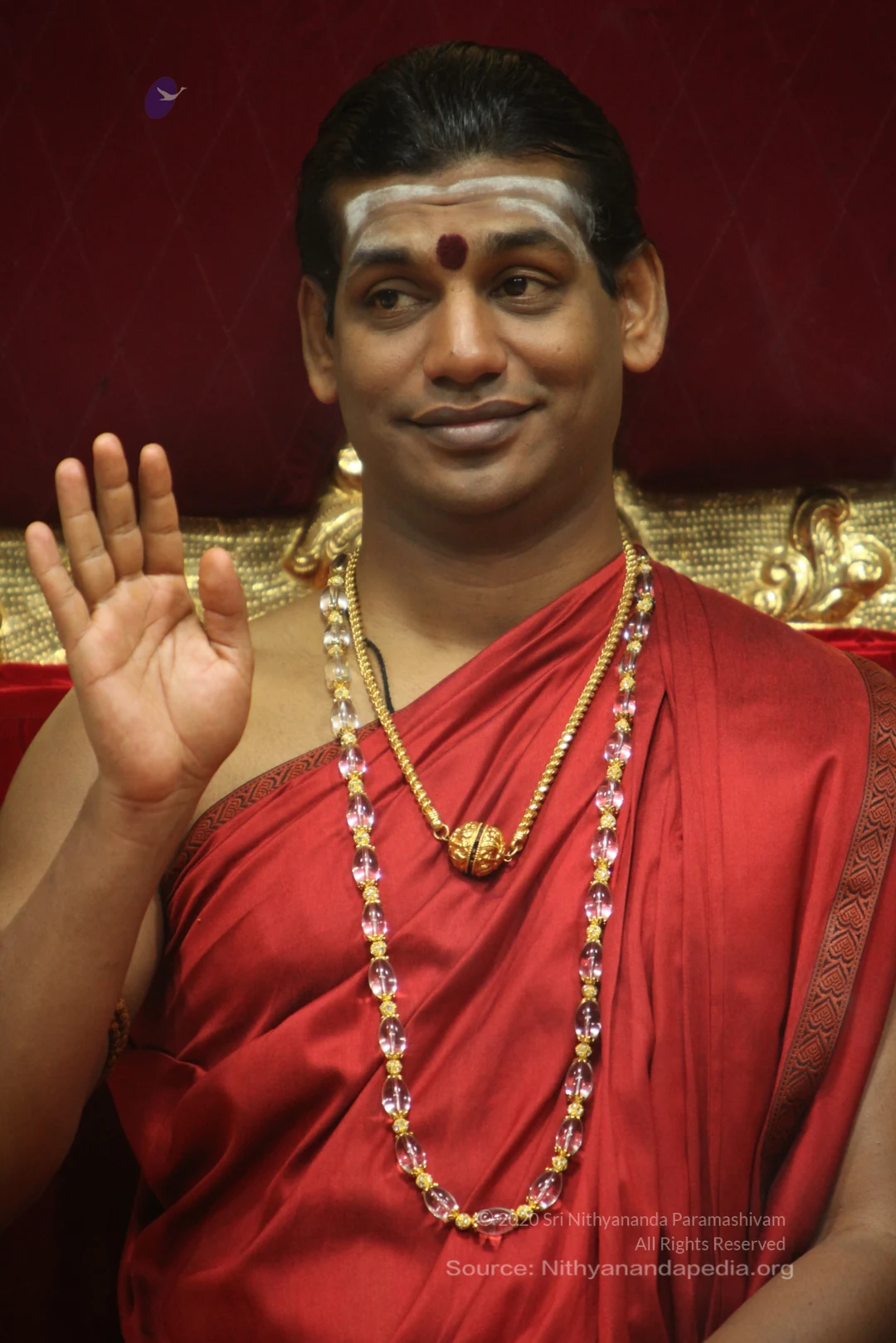
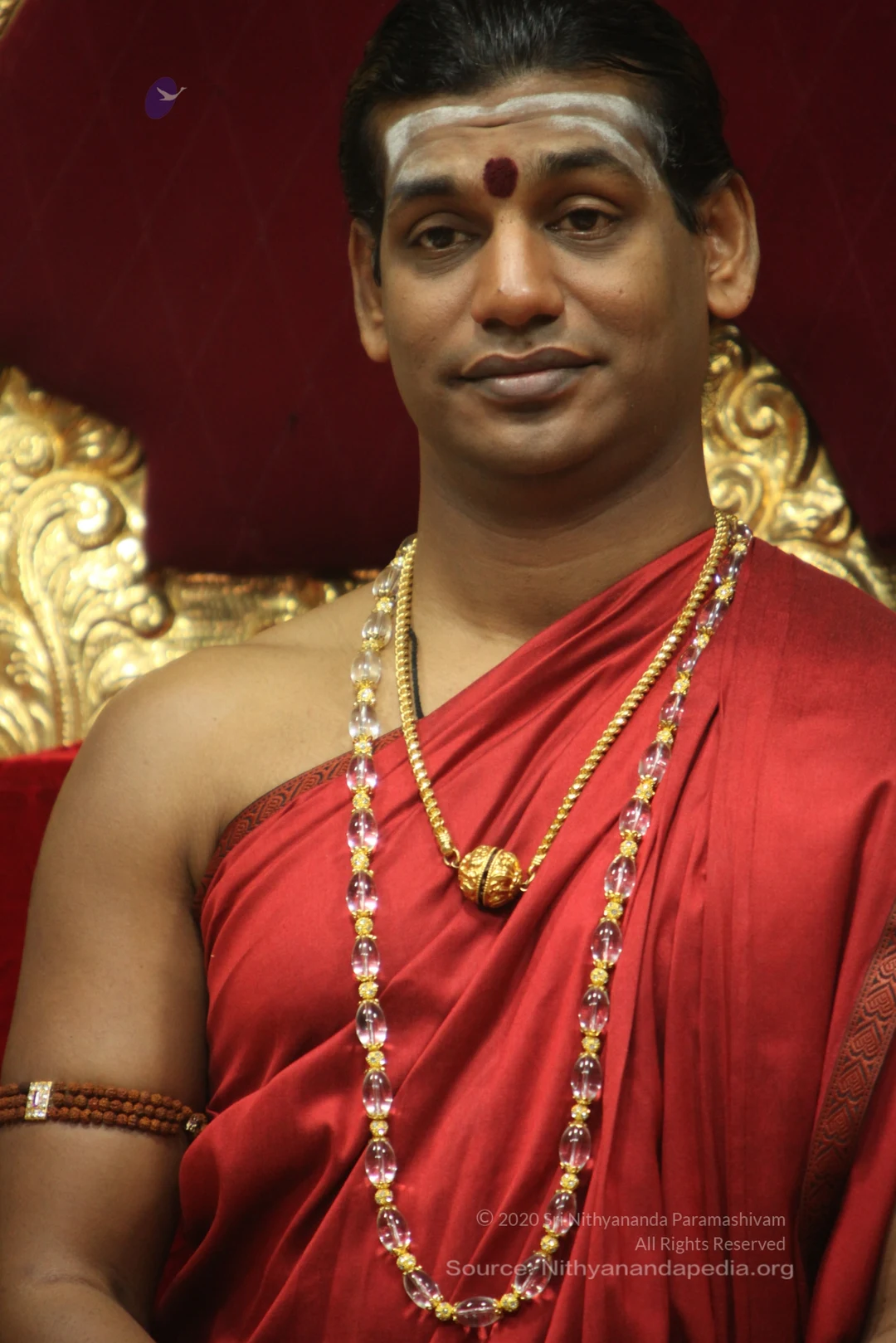
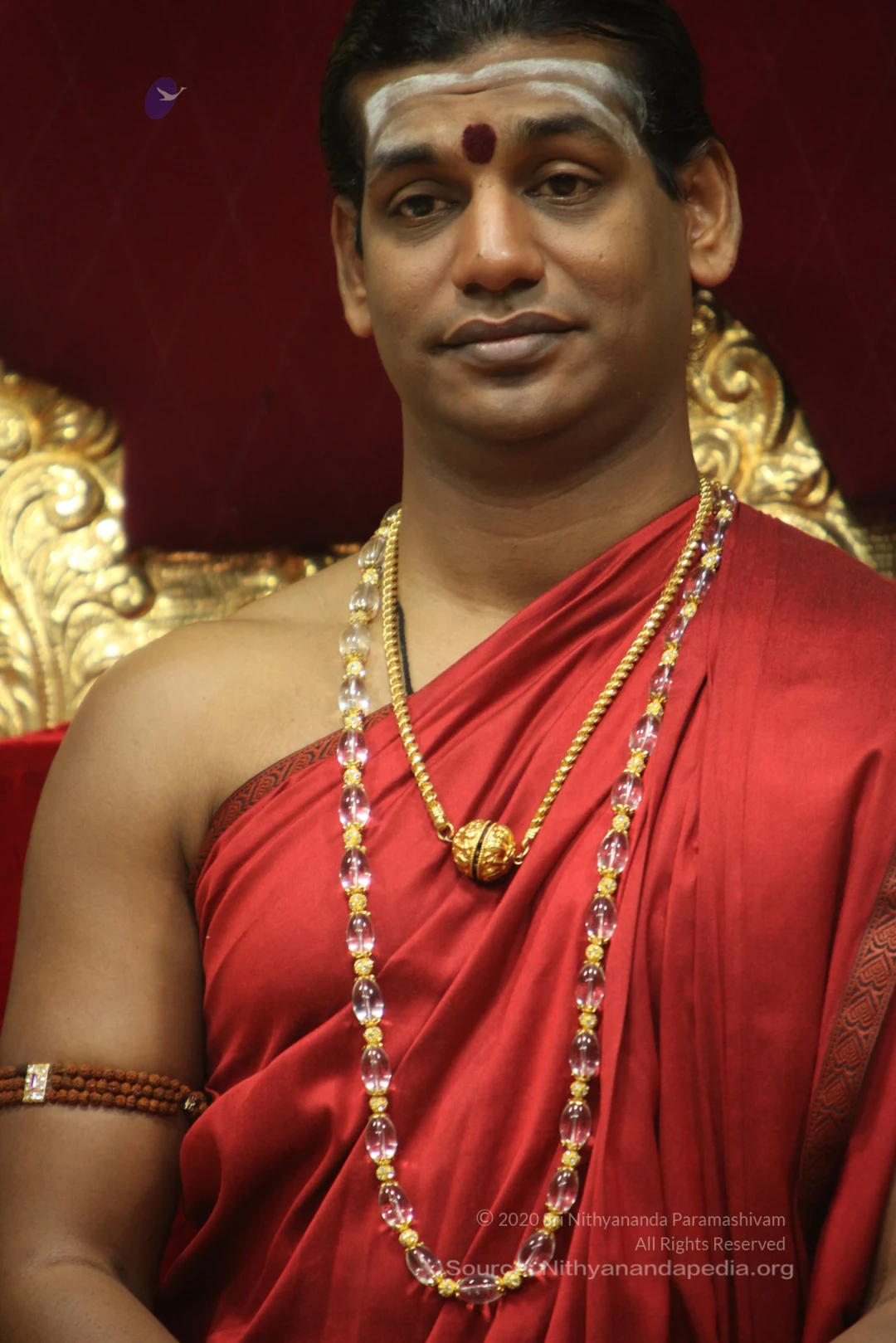
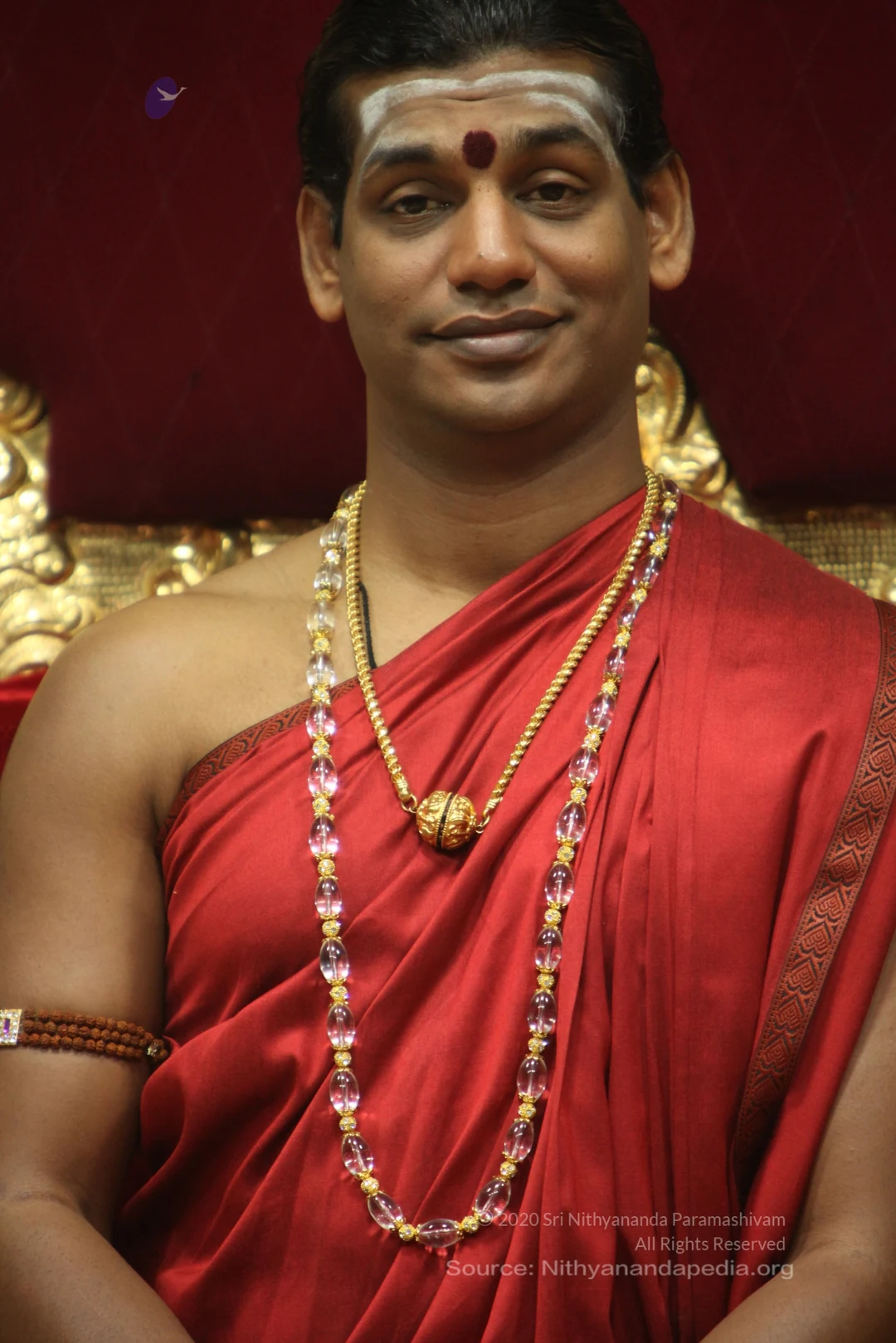
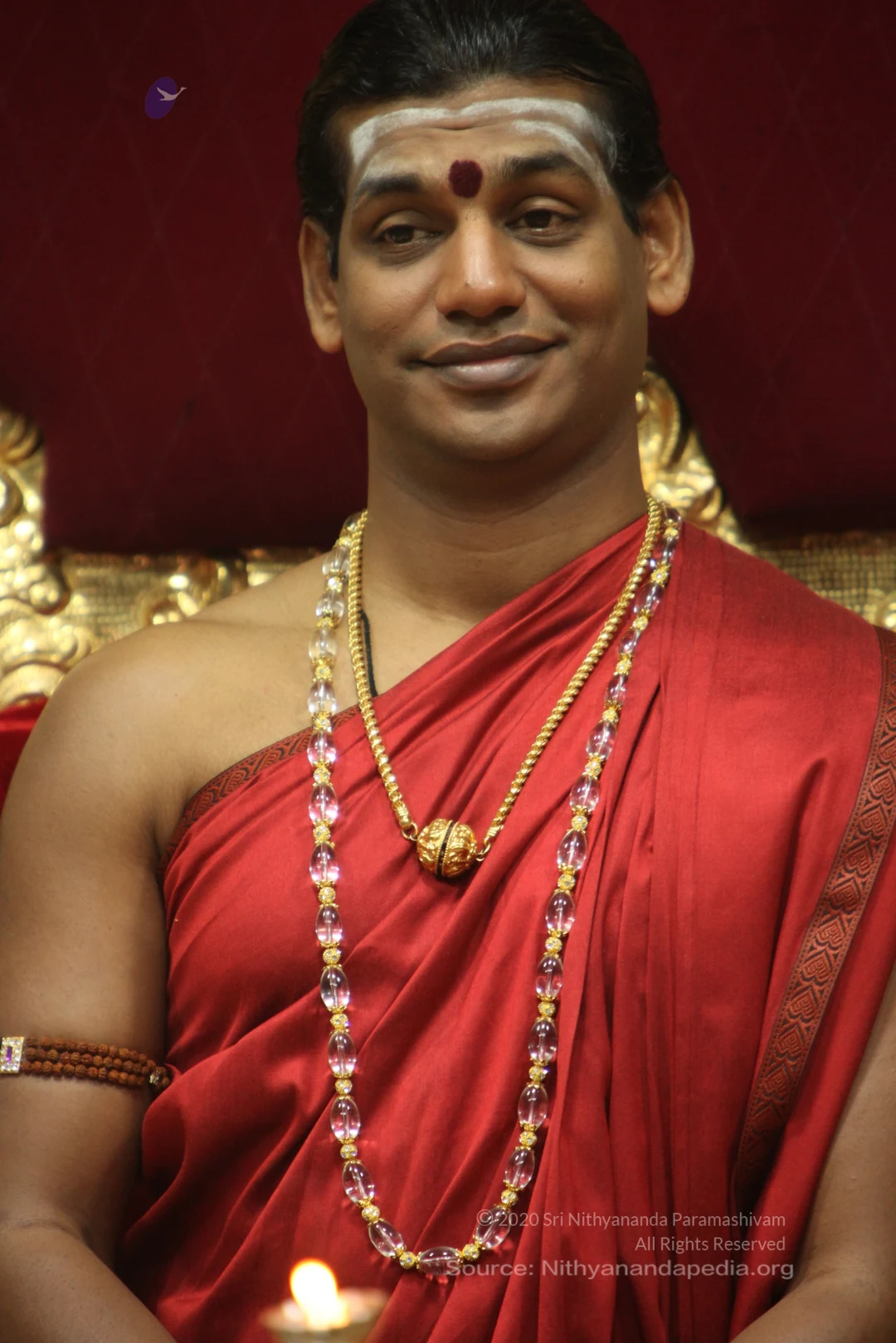
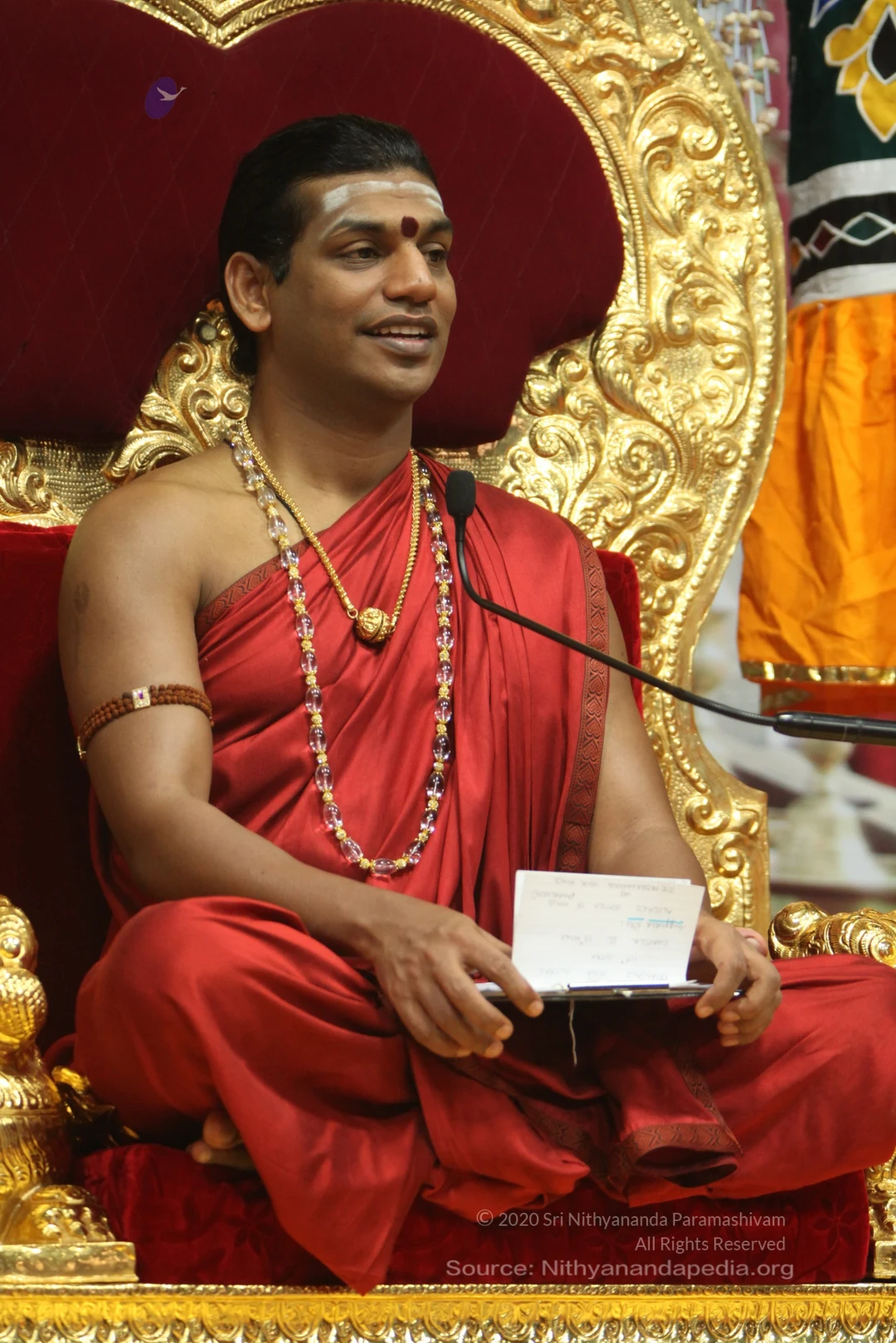
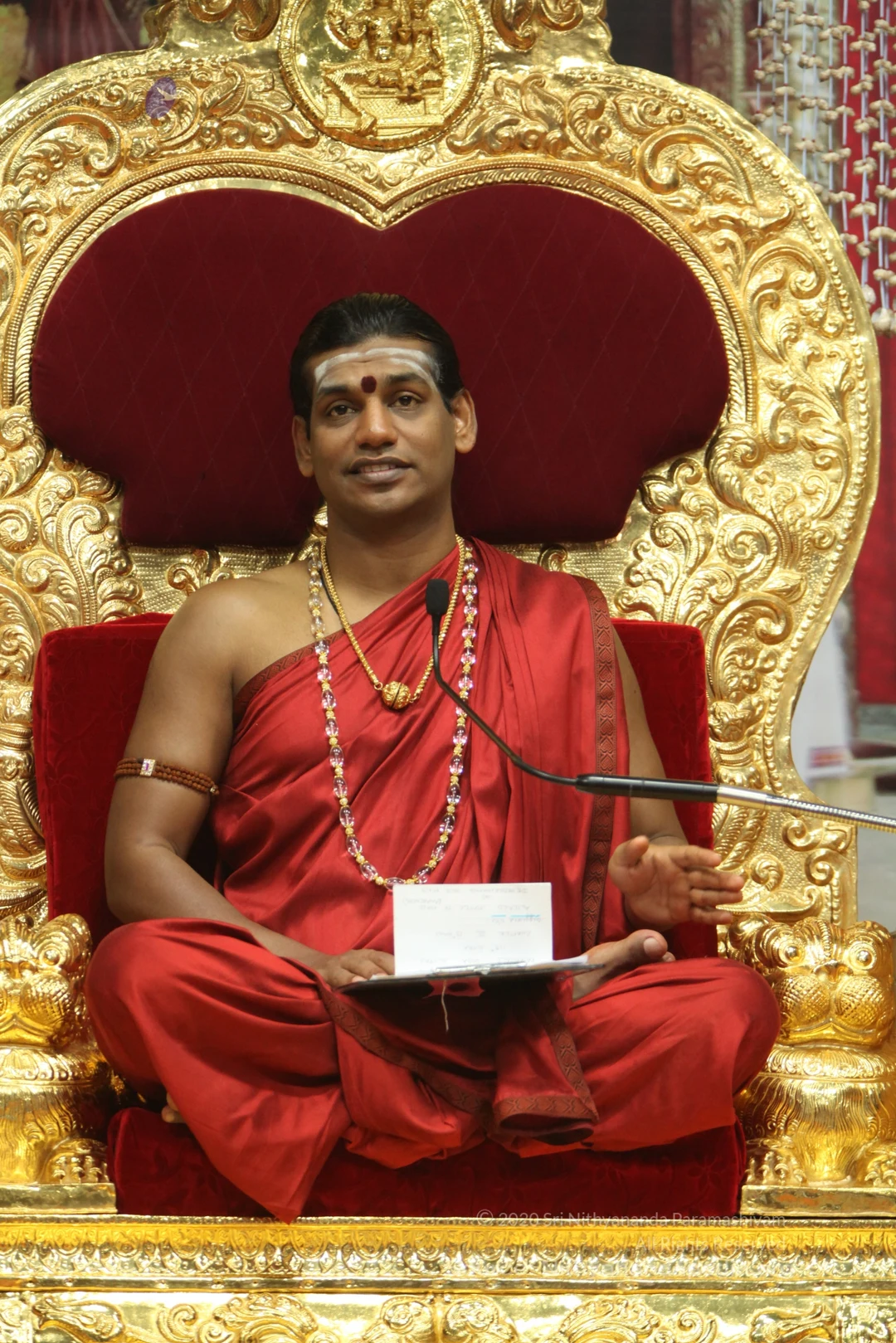
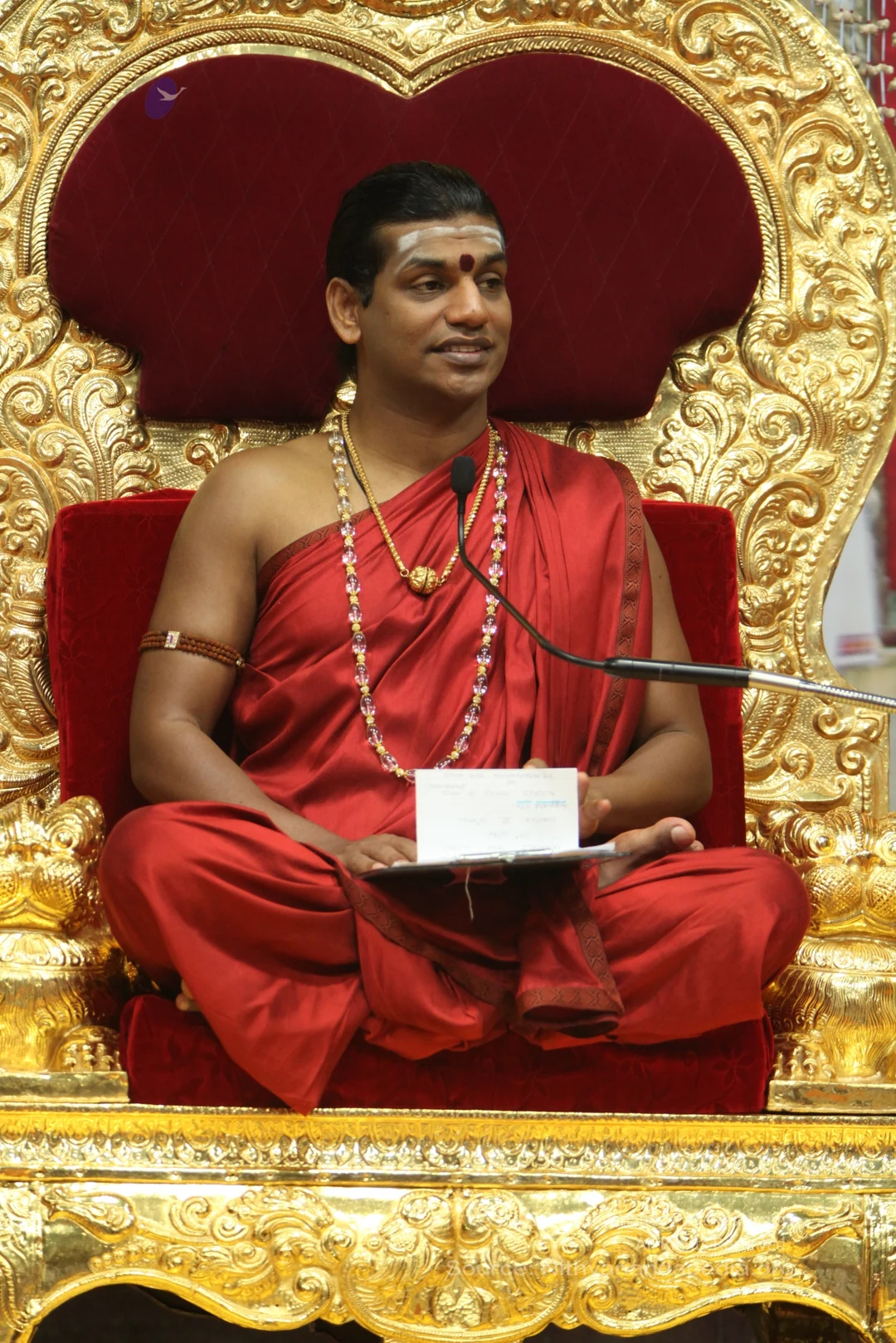
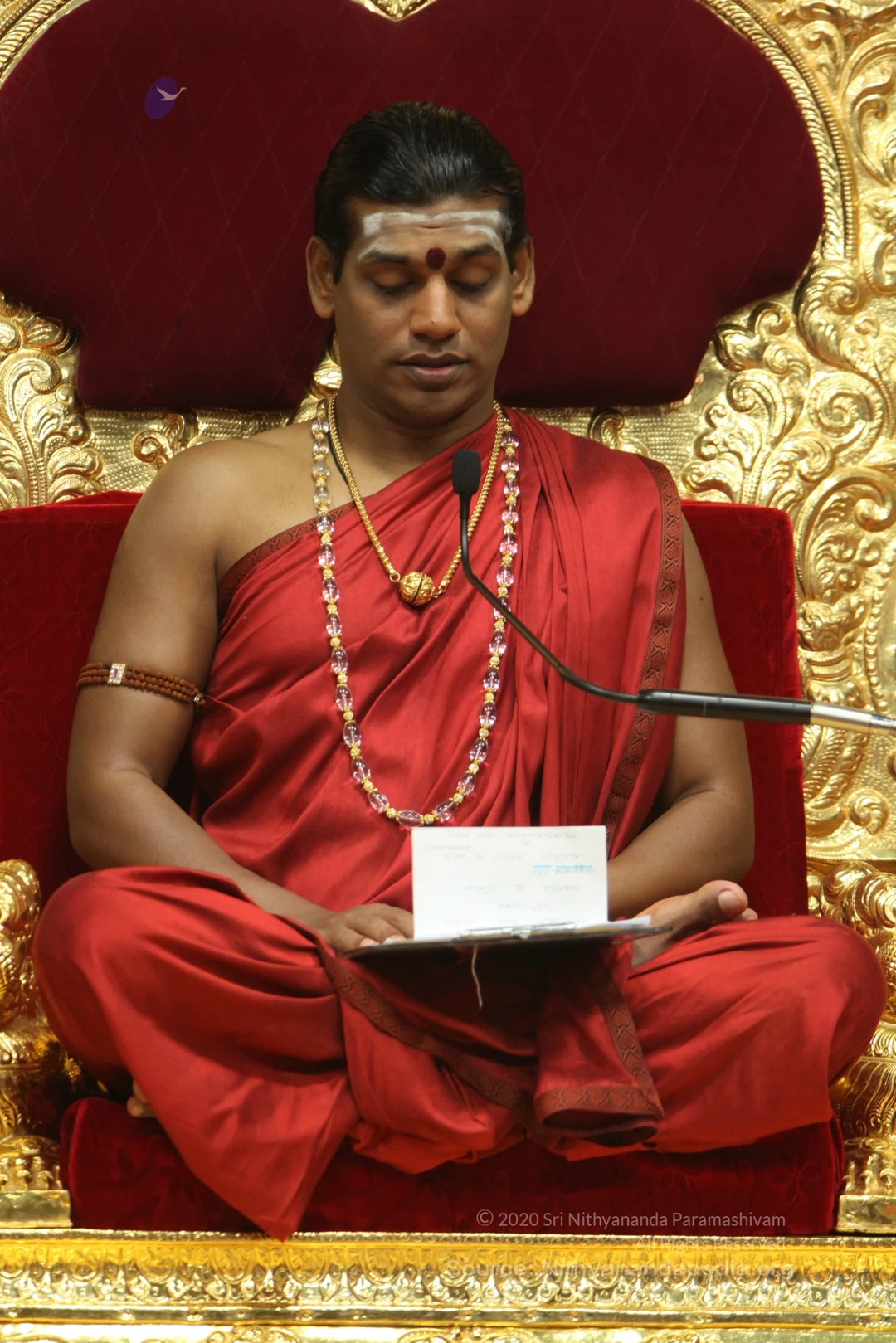
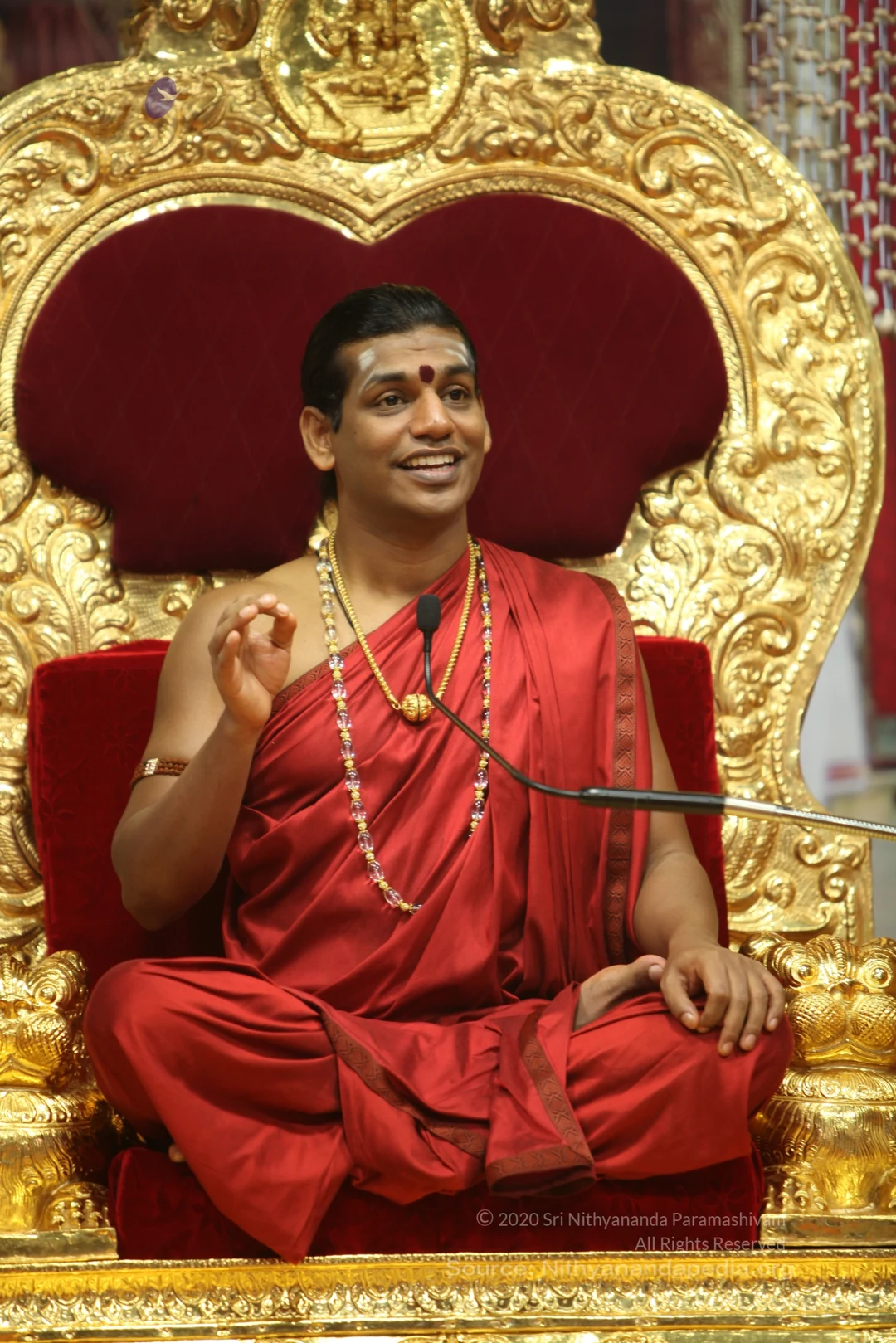
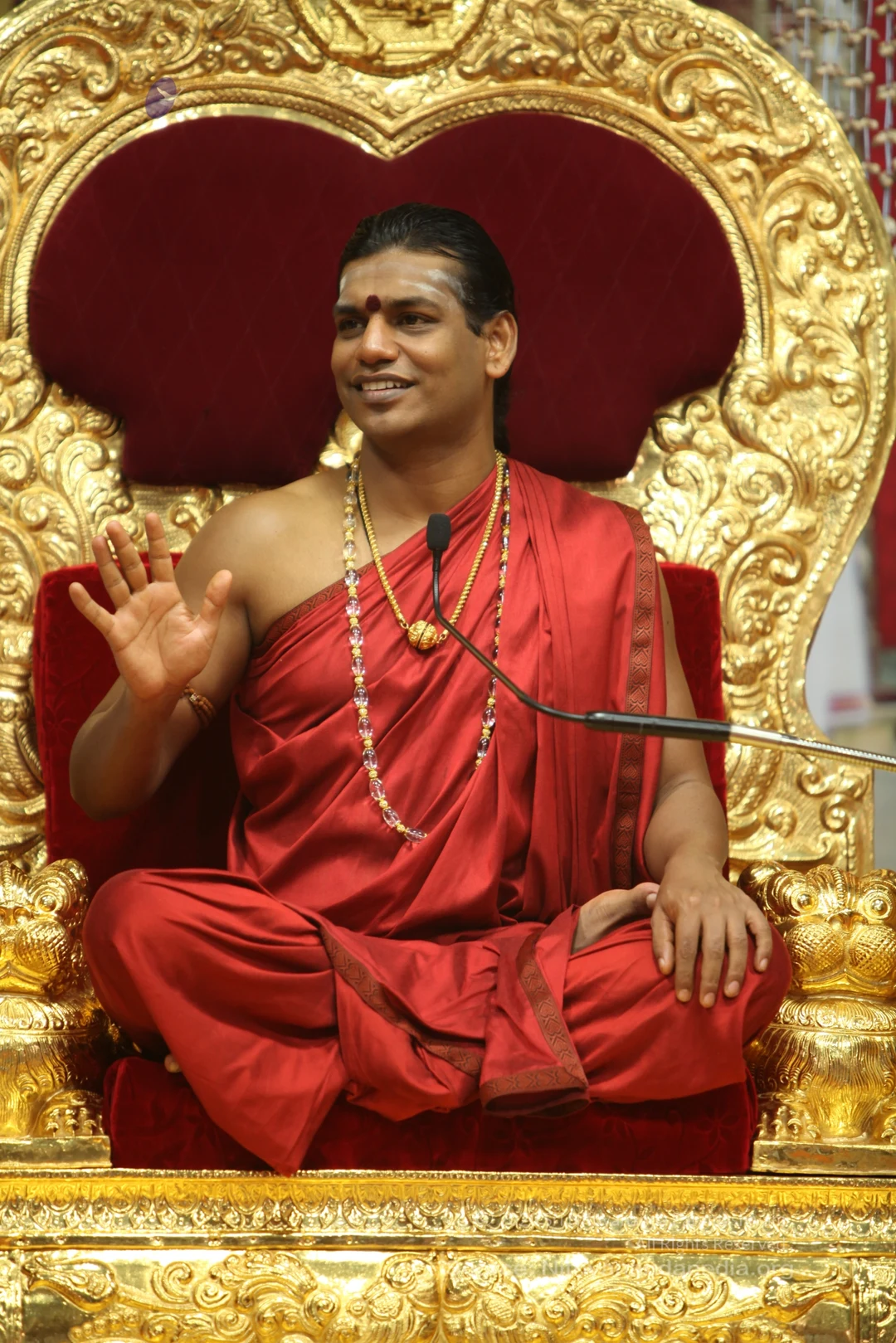
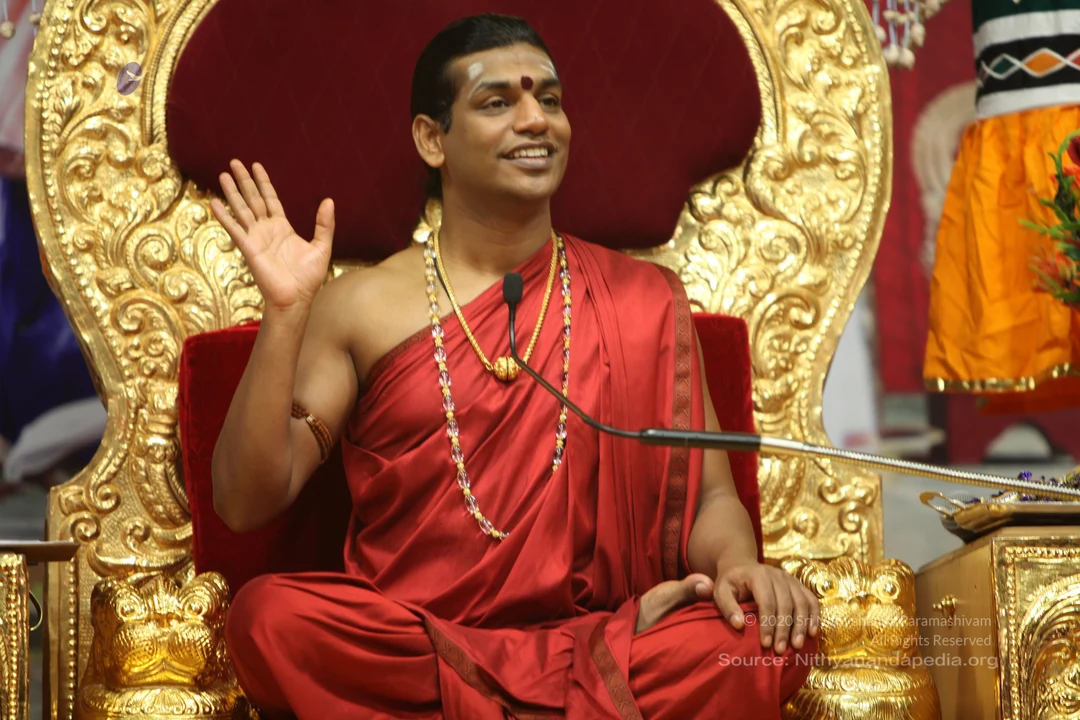
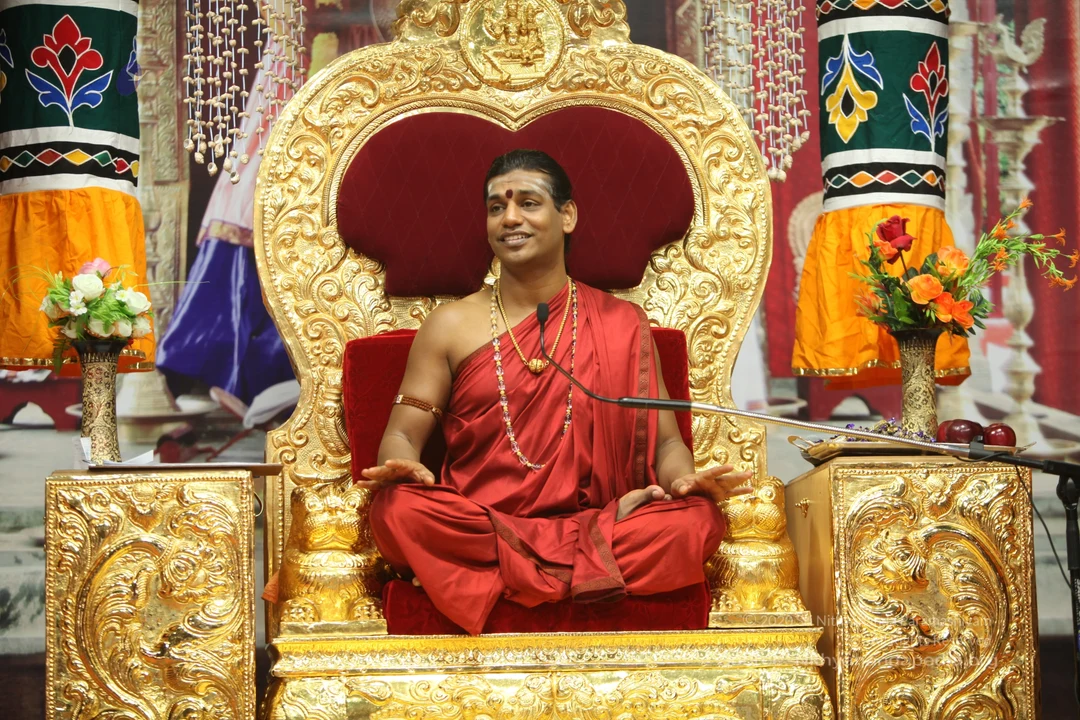
Nithyananda-Satsang
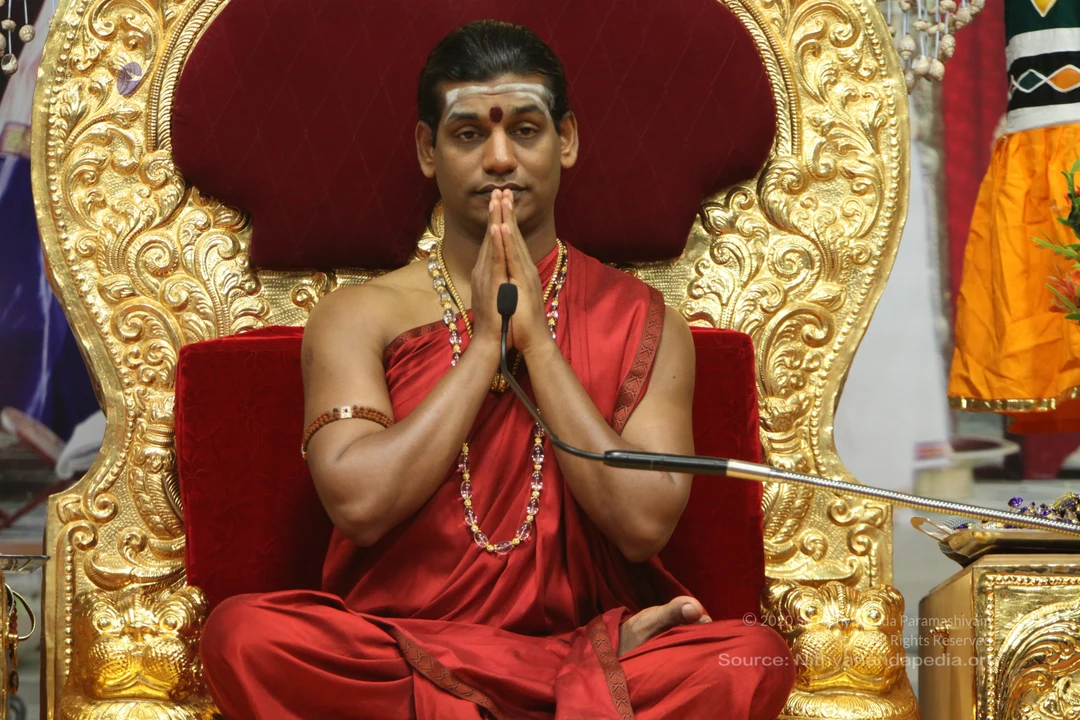
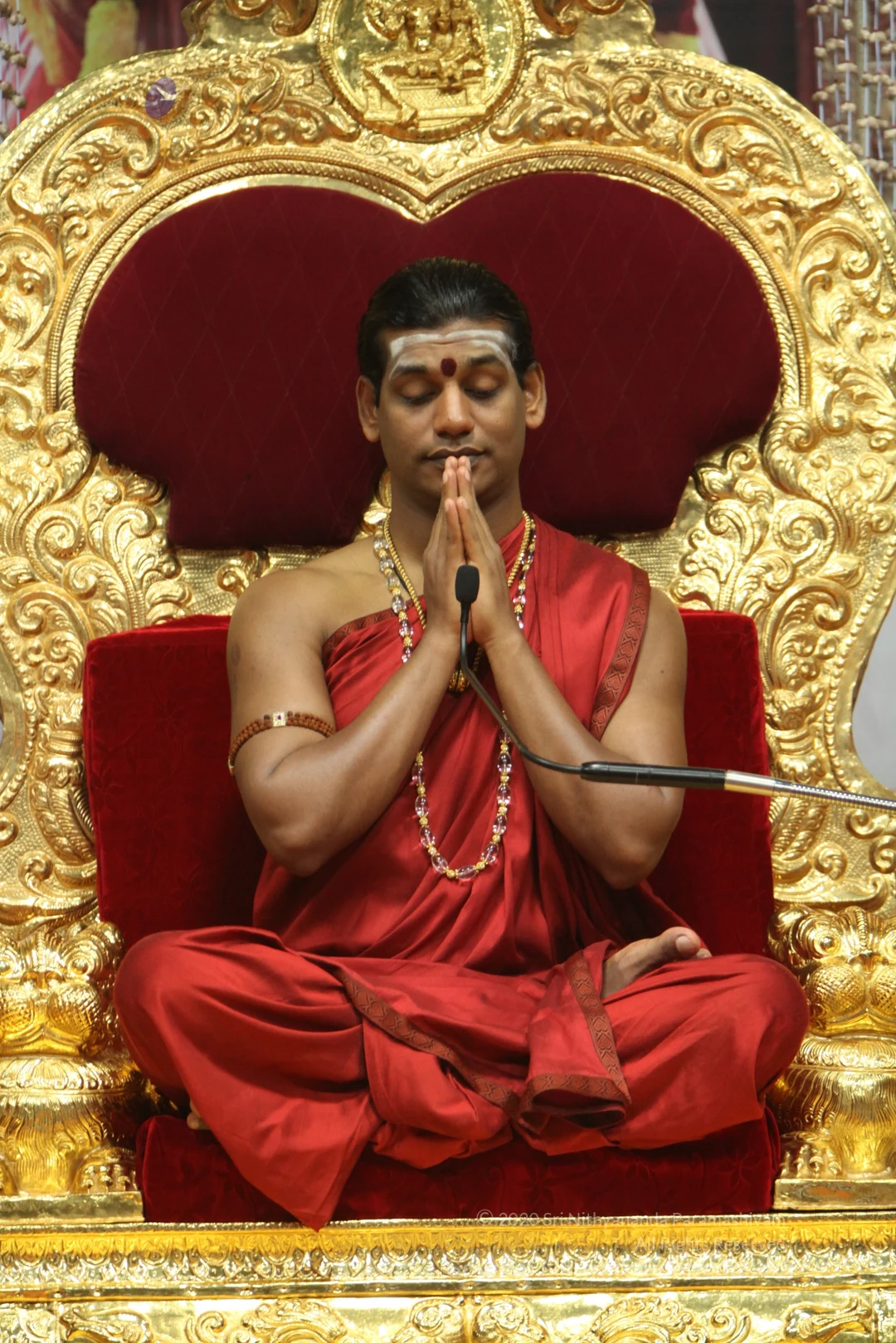
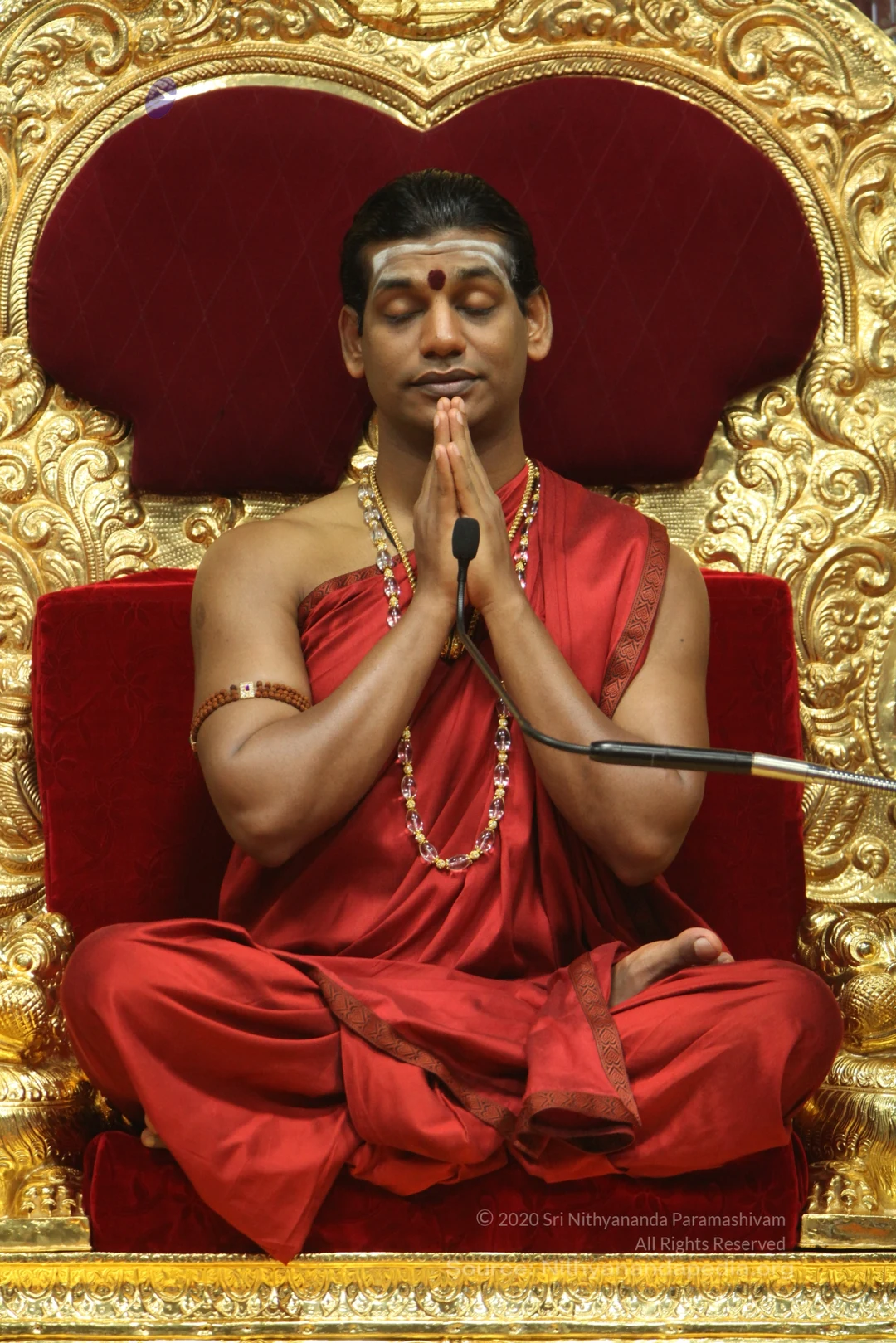
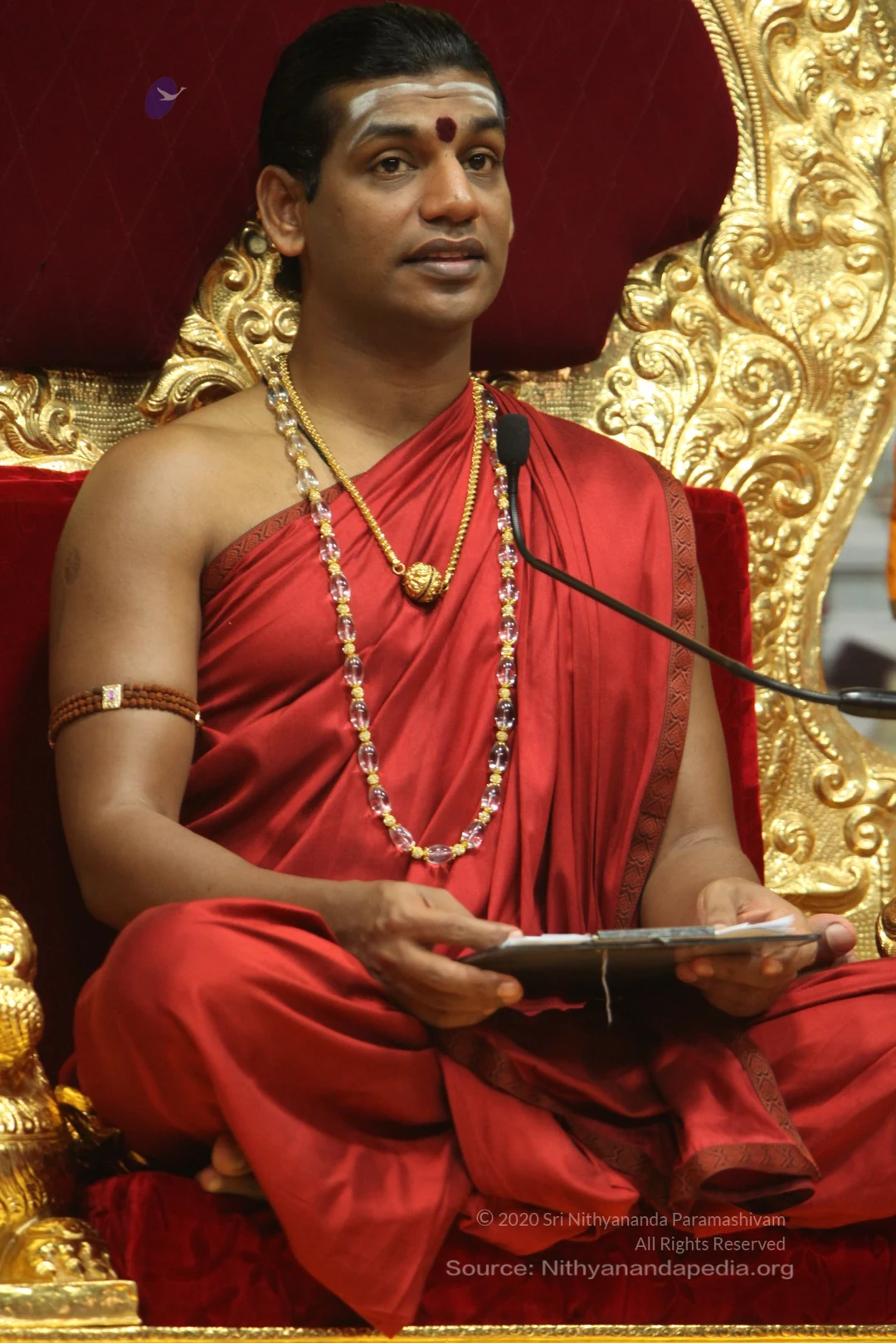
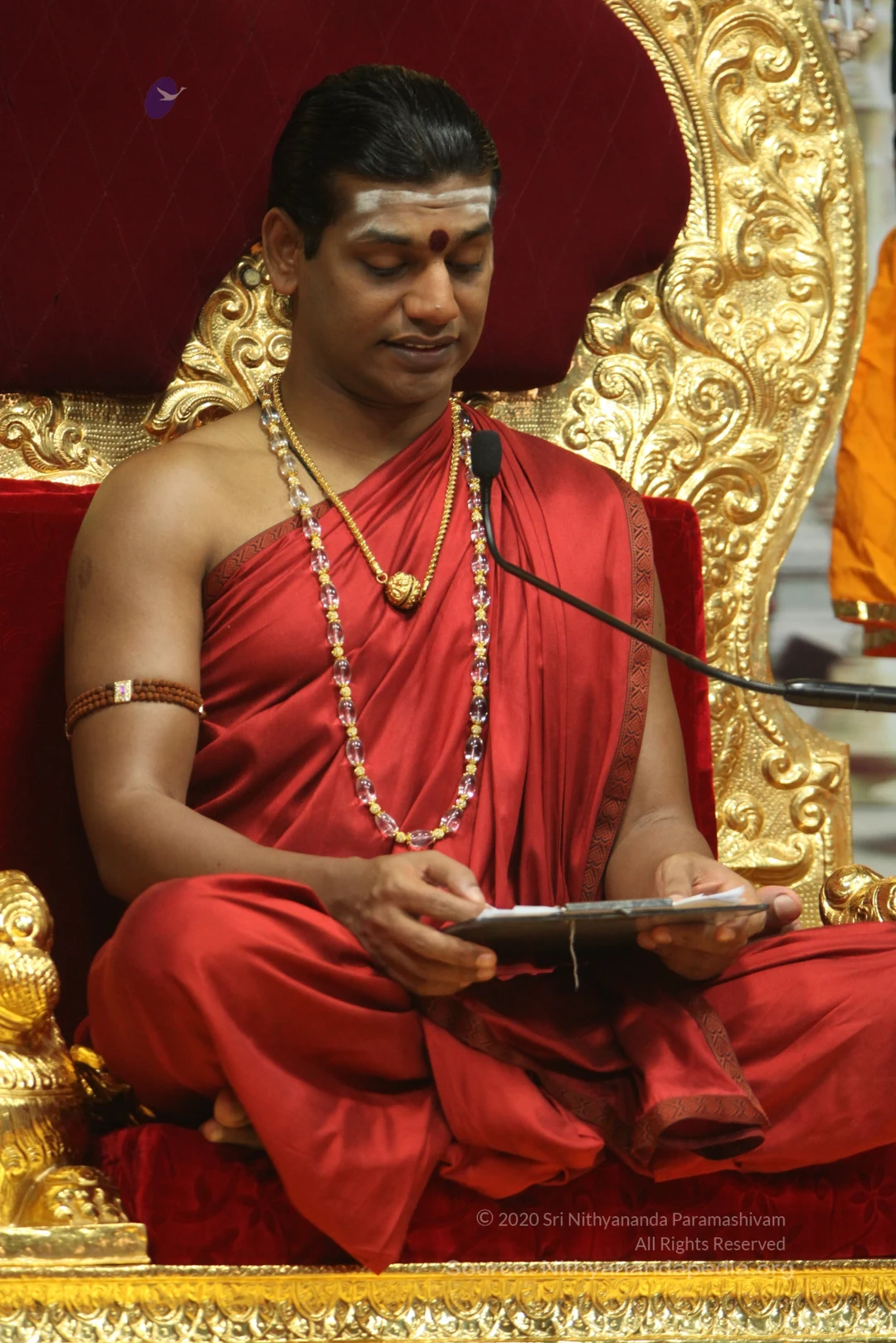
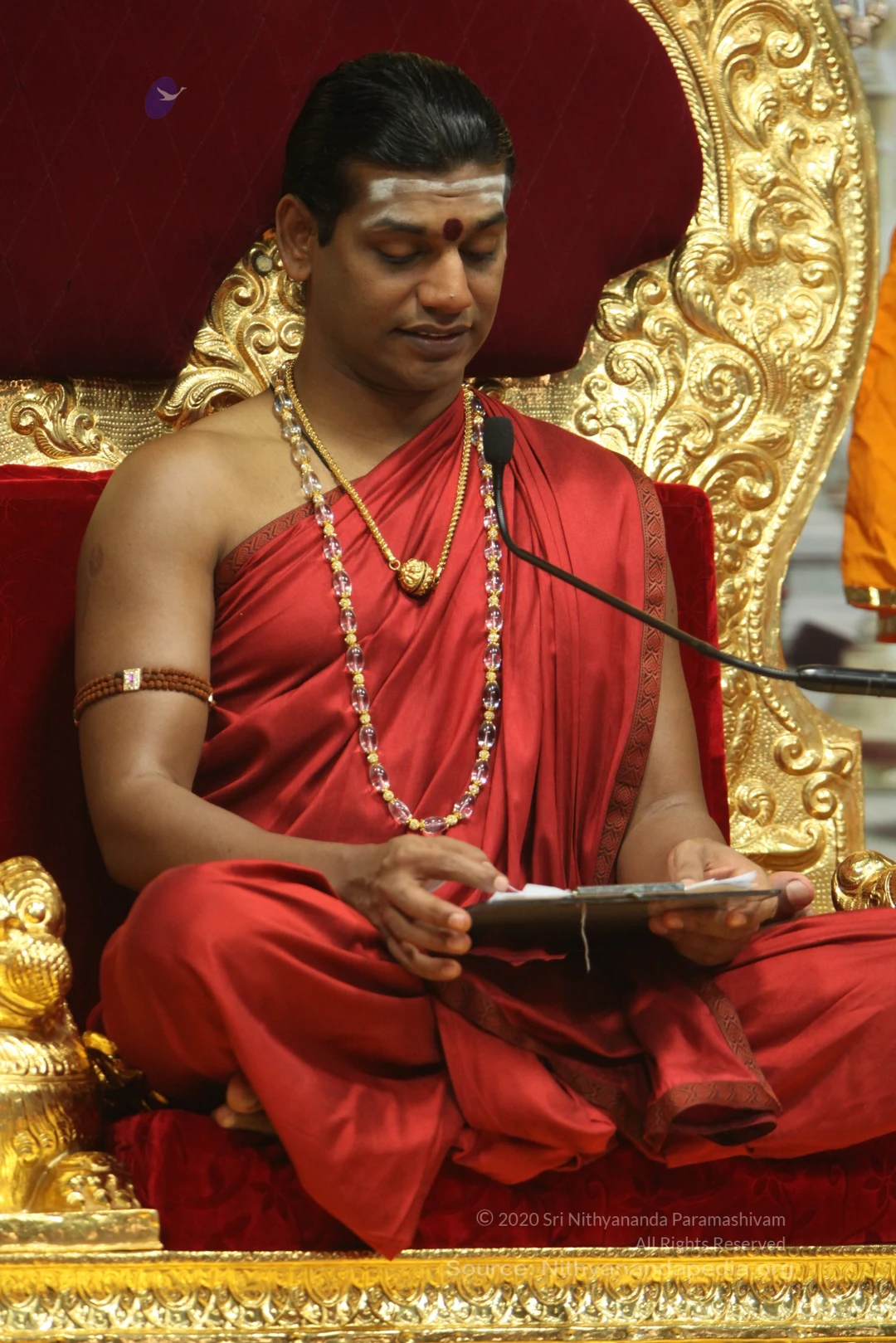
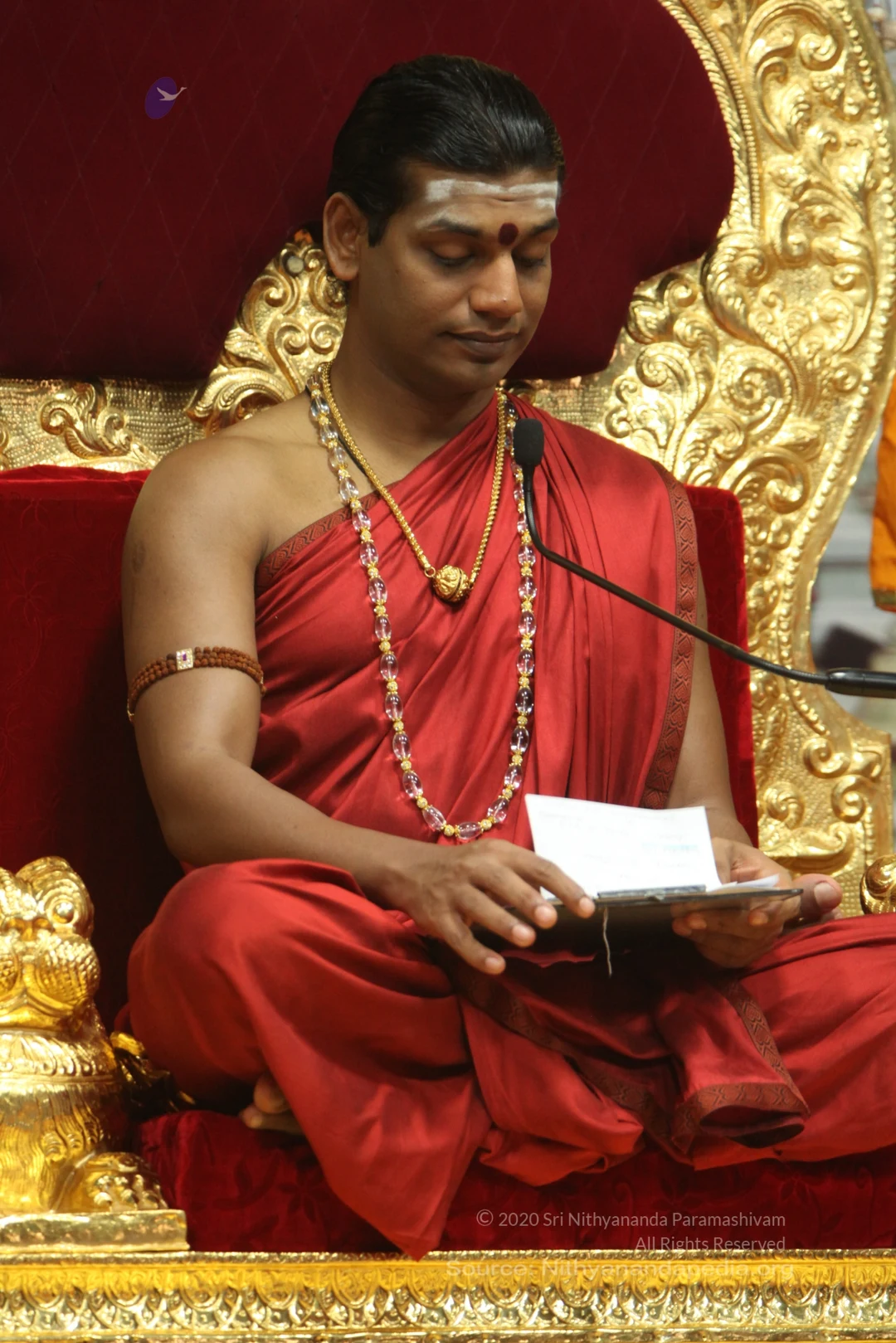
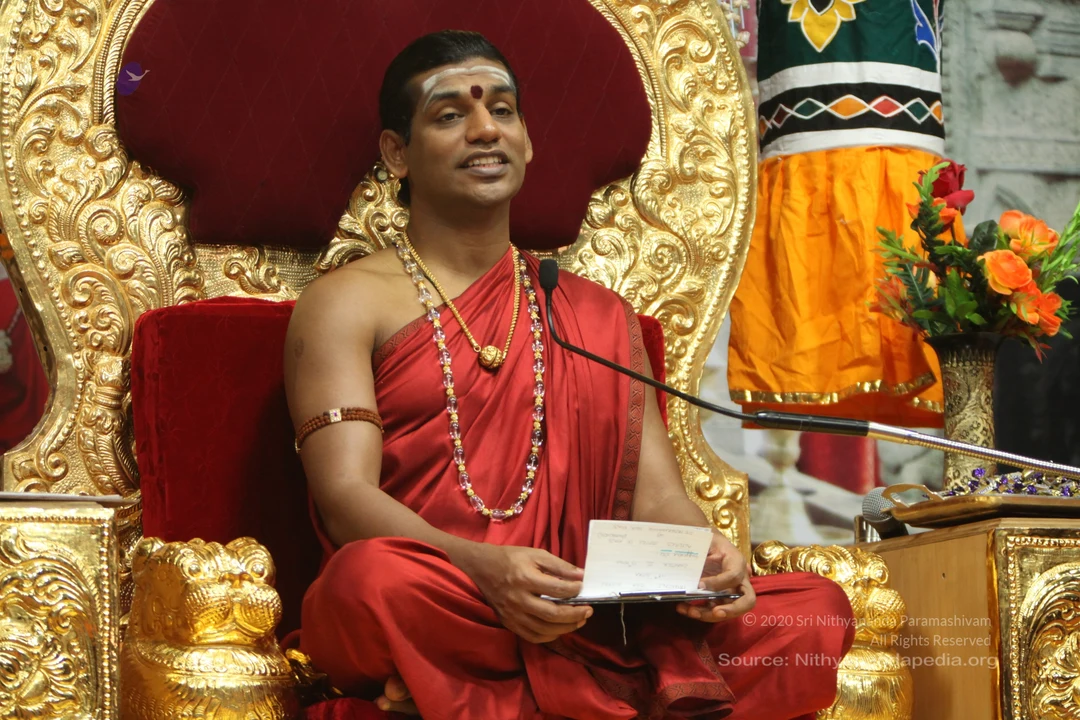
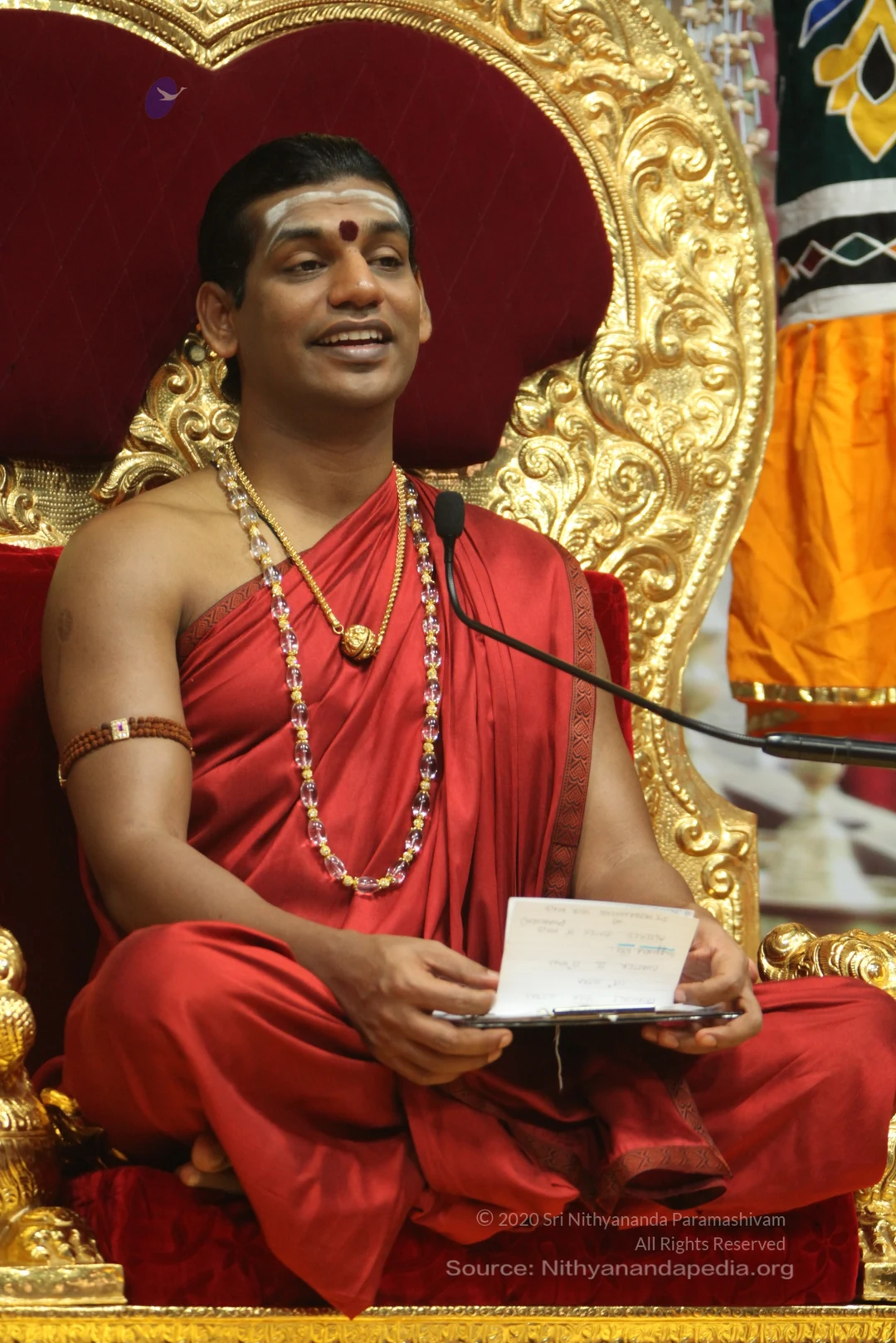
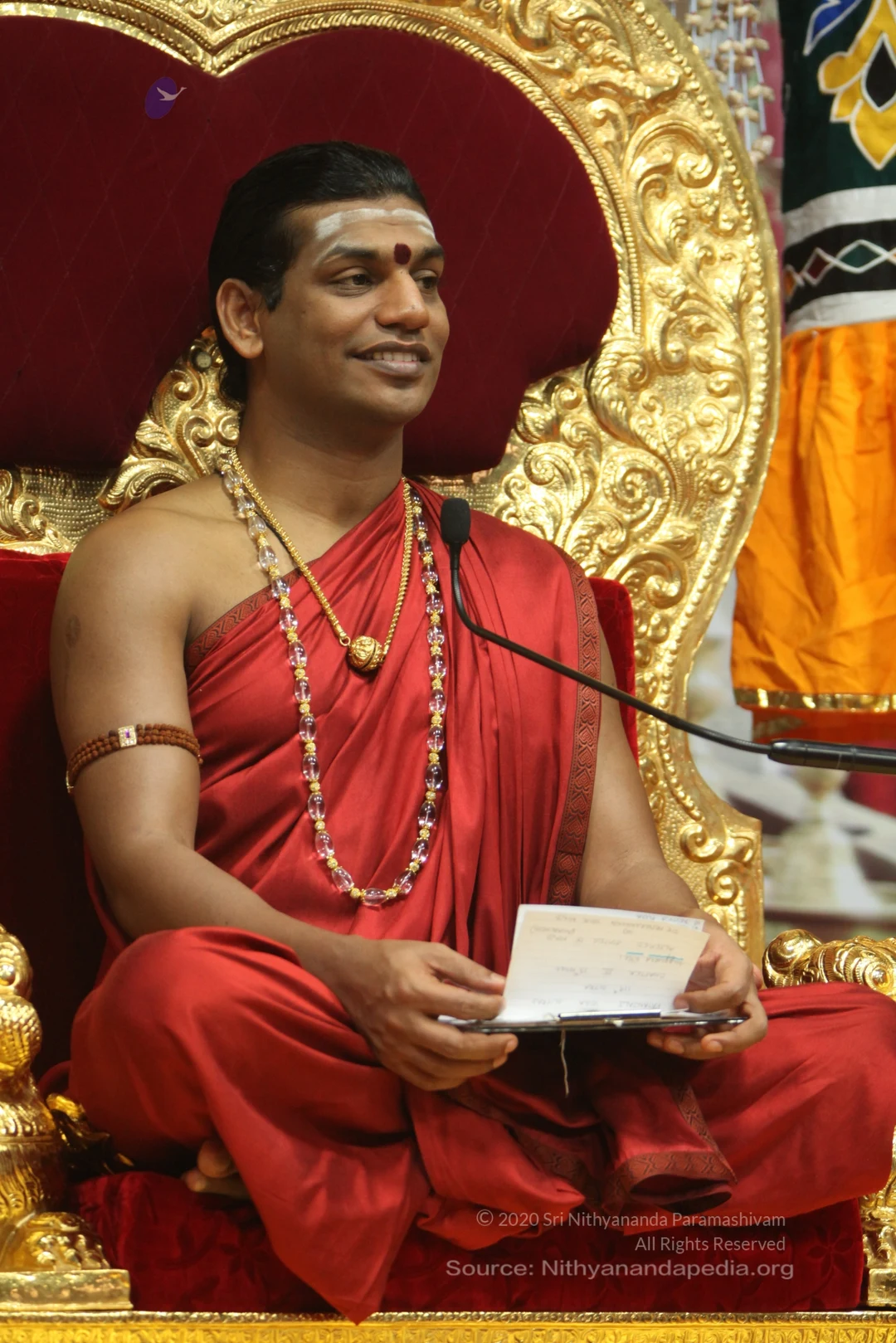
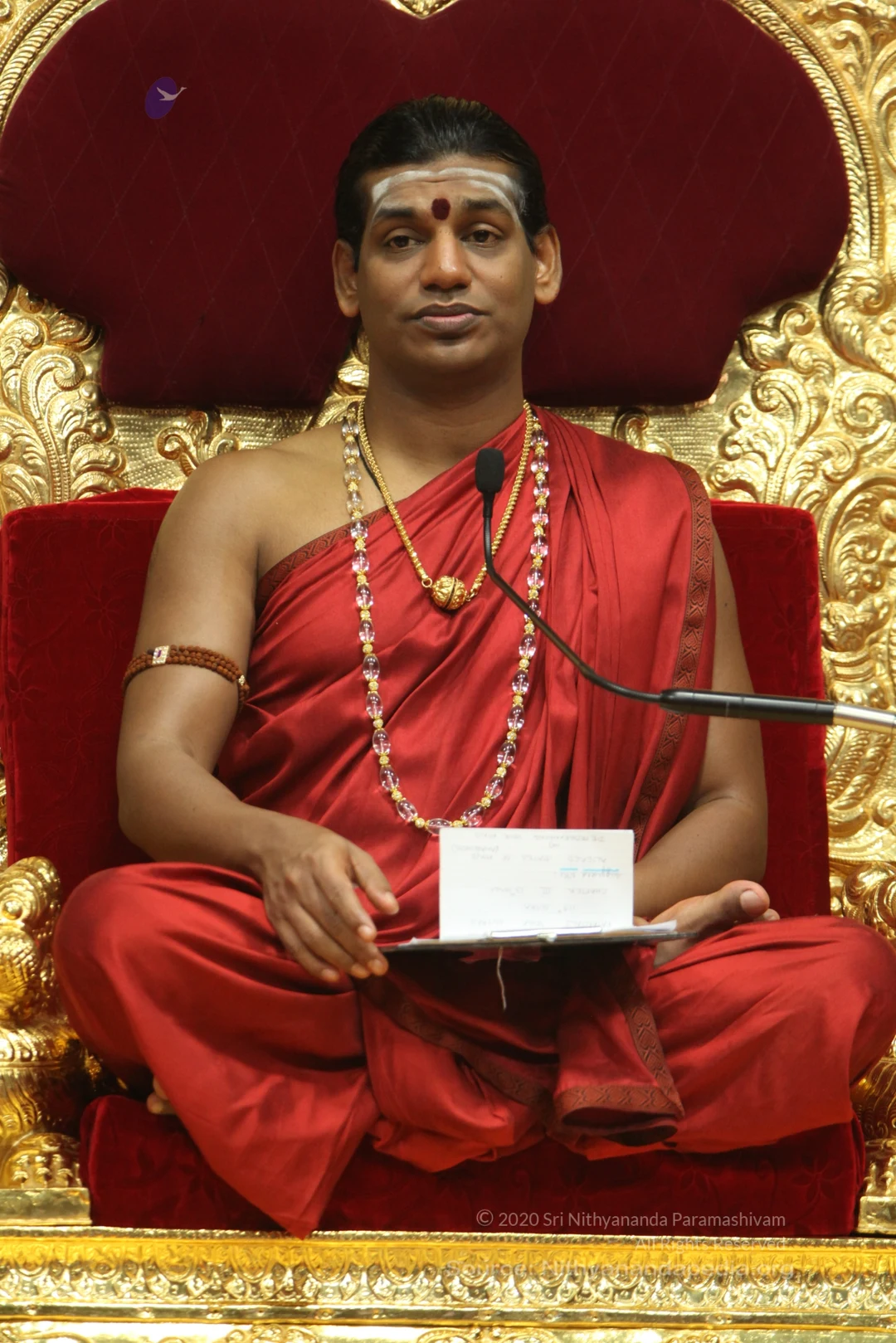
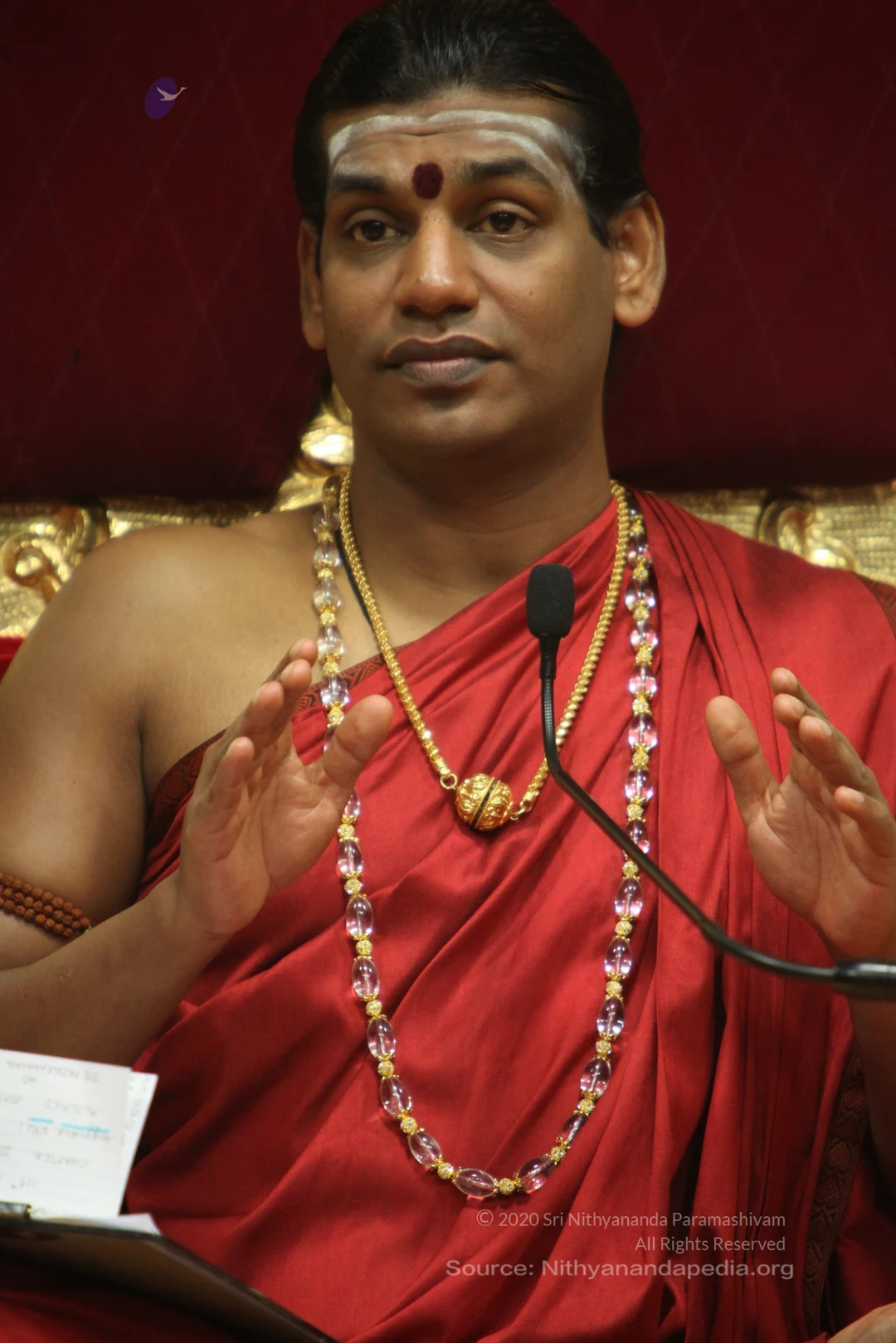
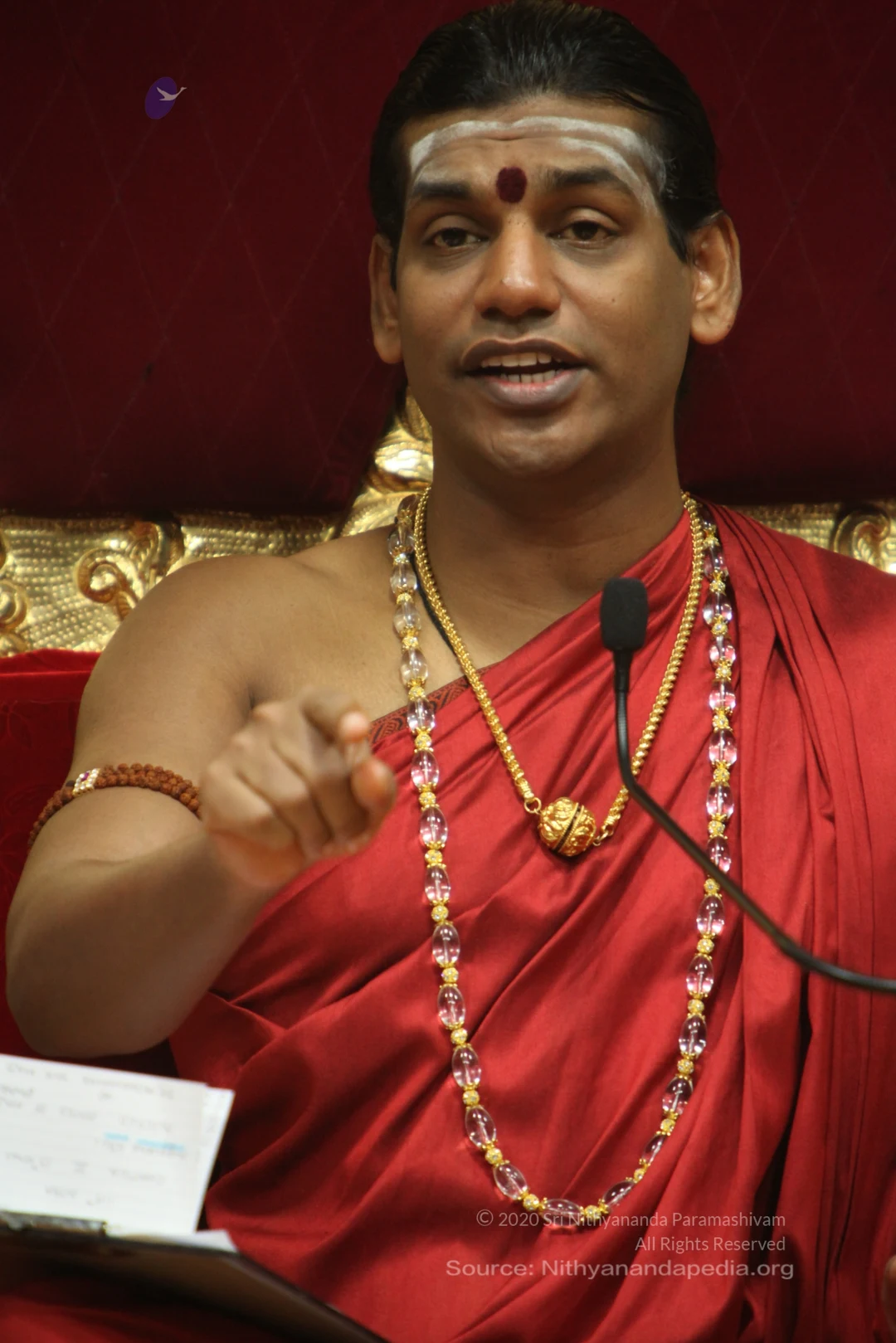
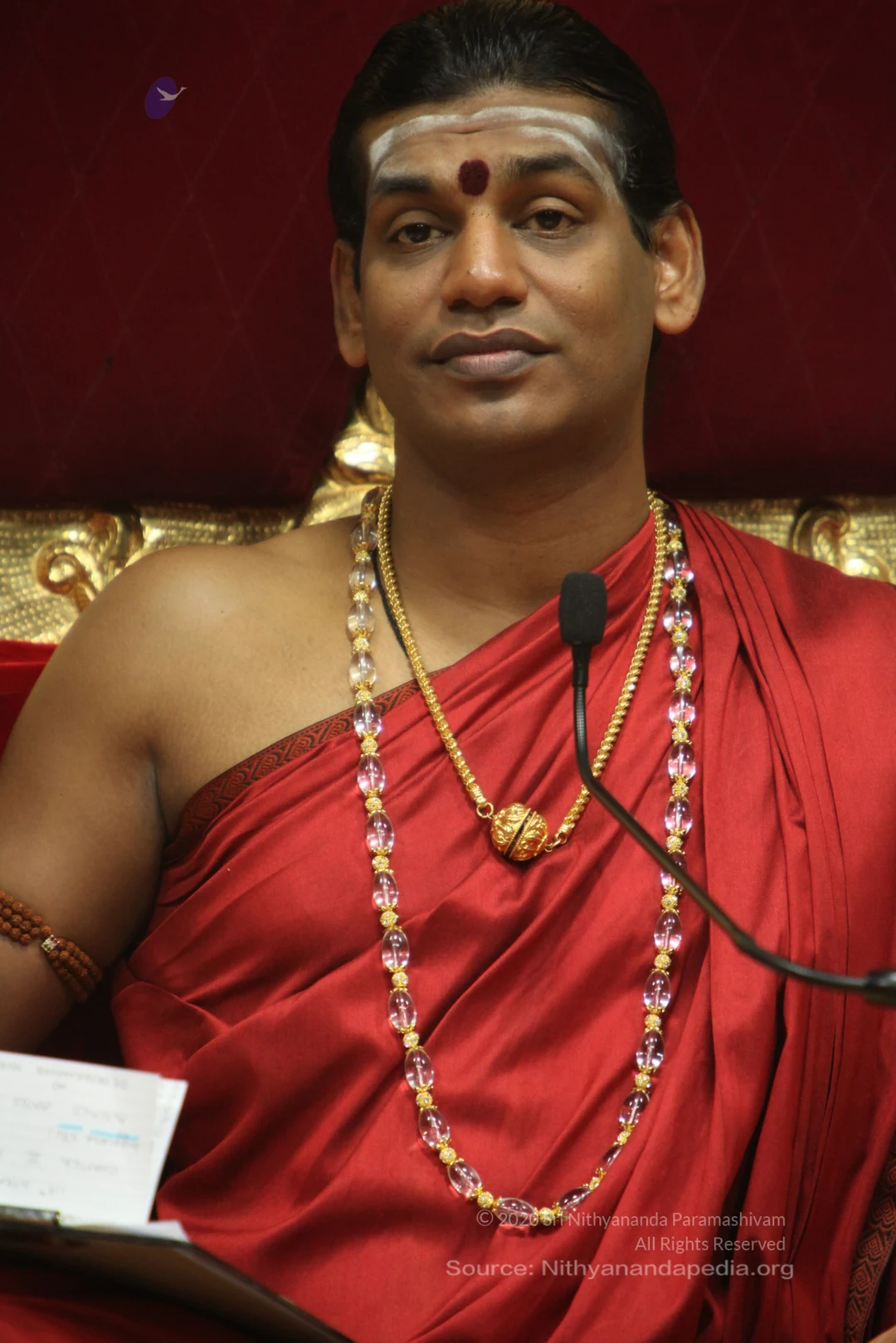
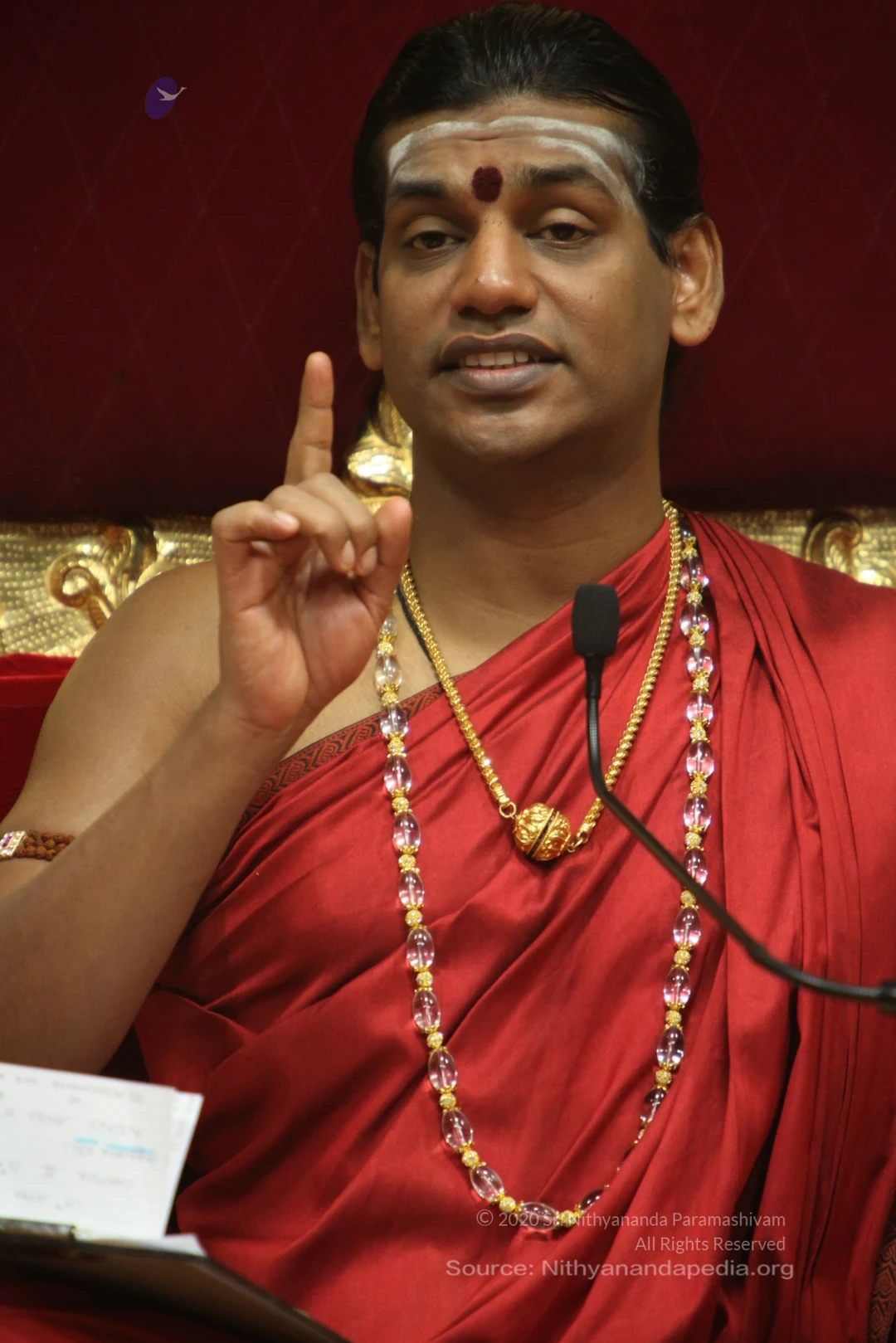
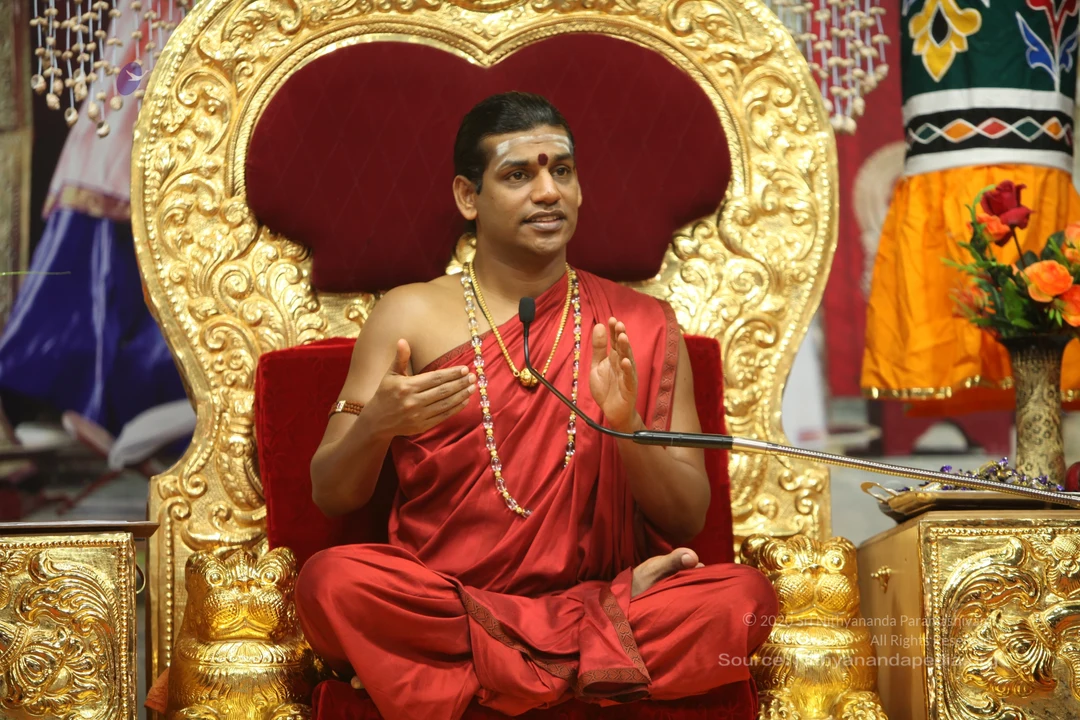
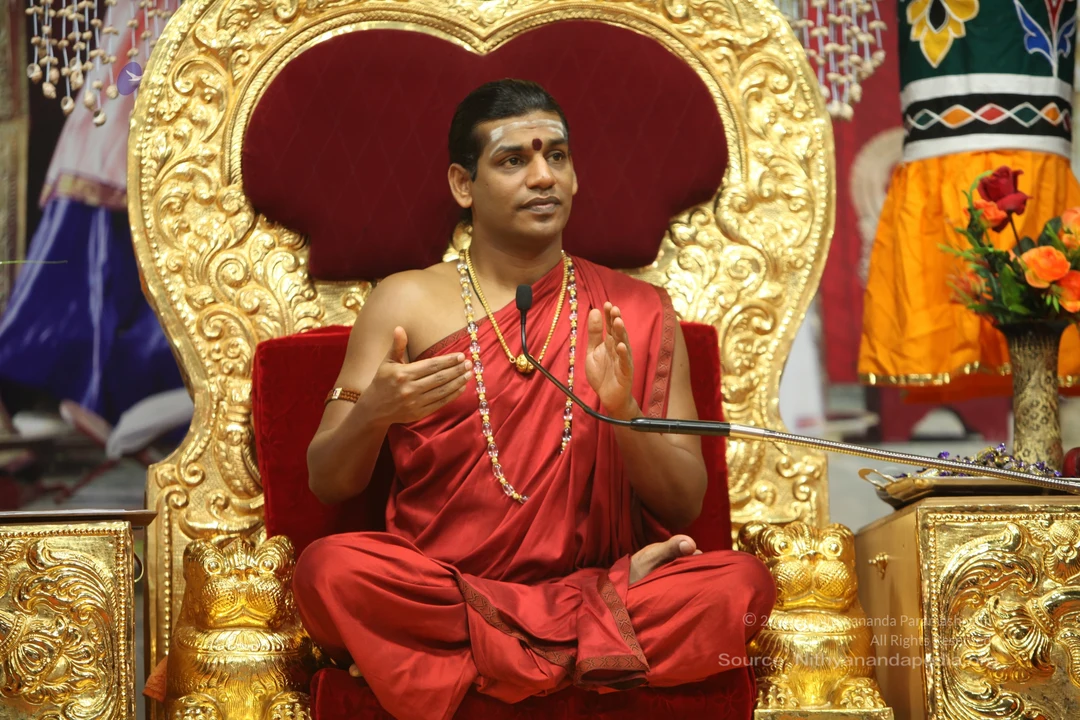
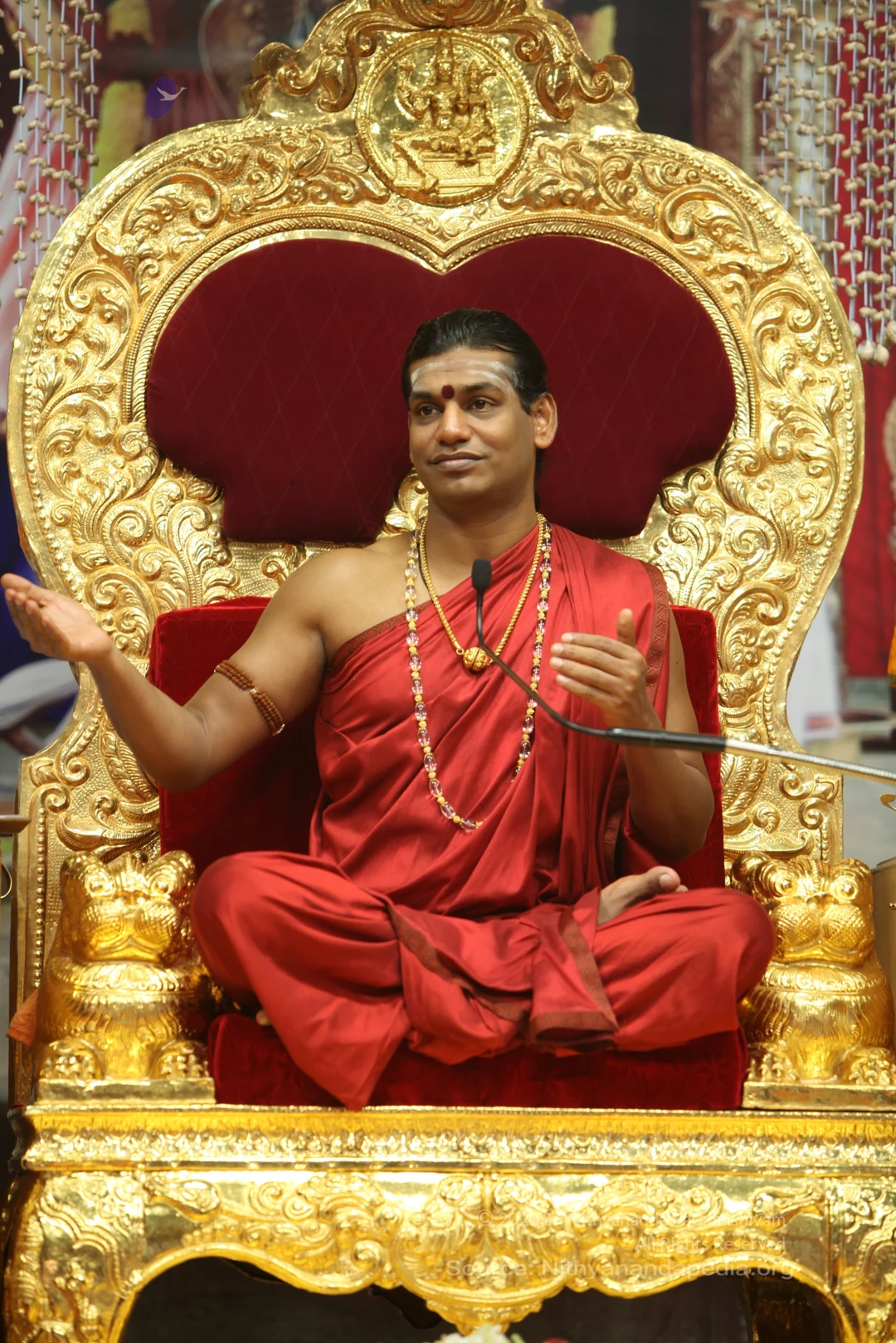
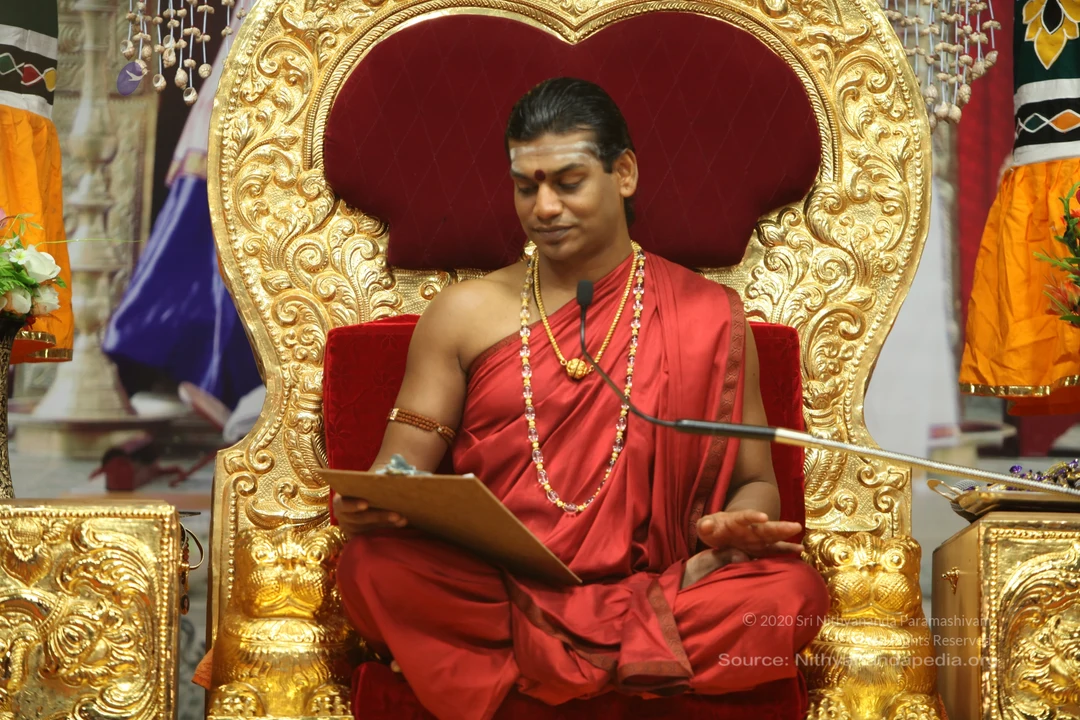
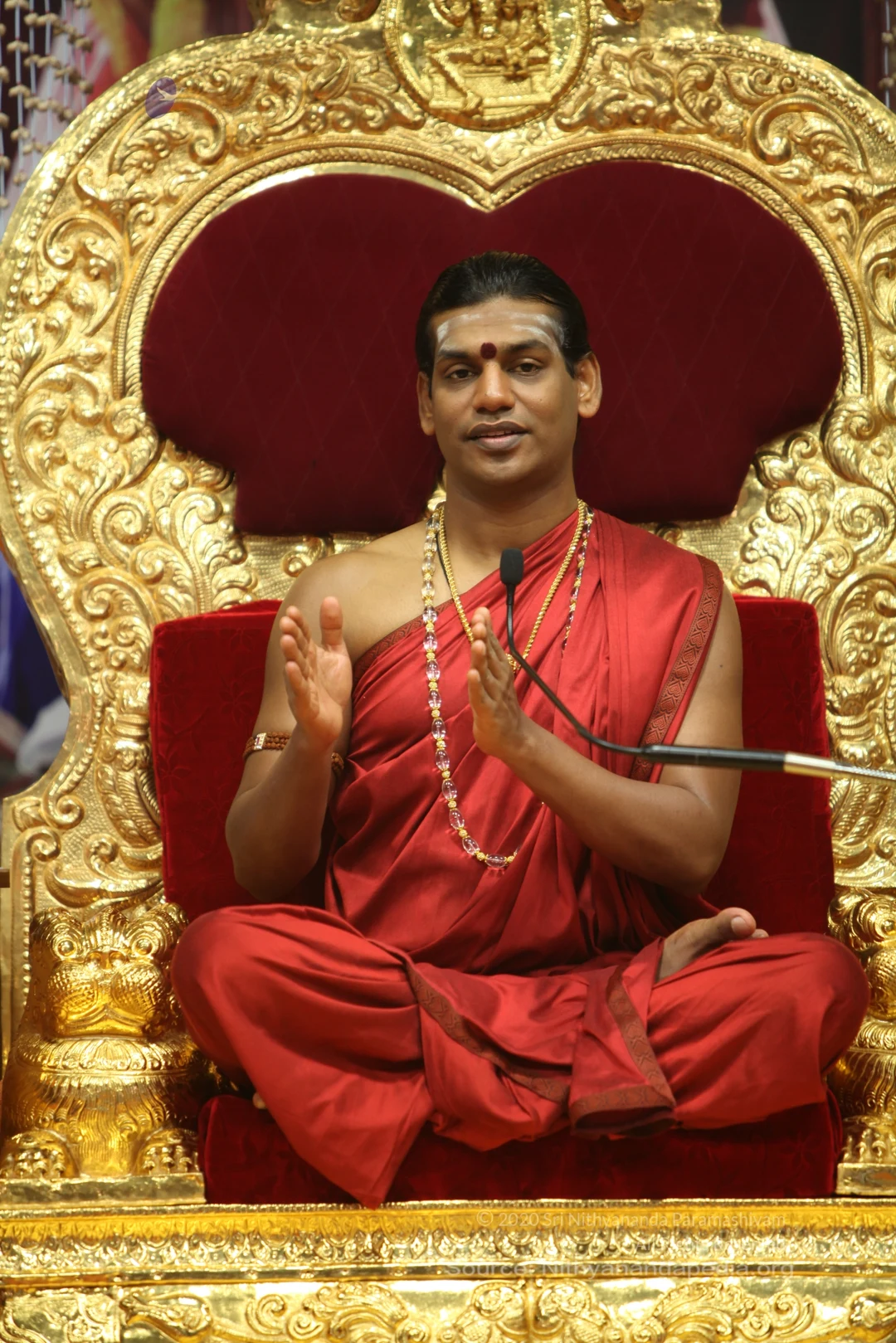
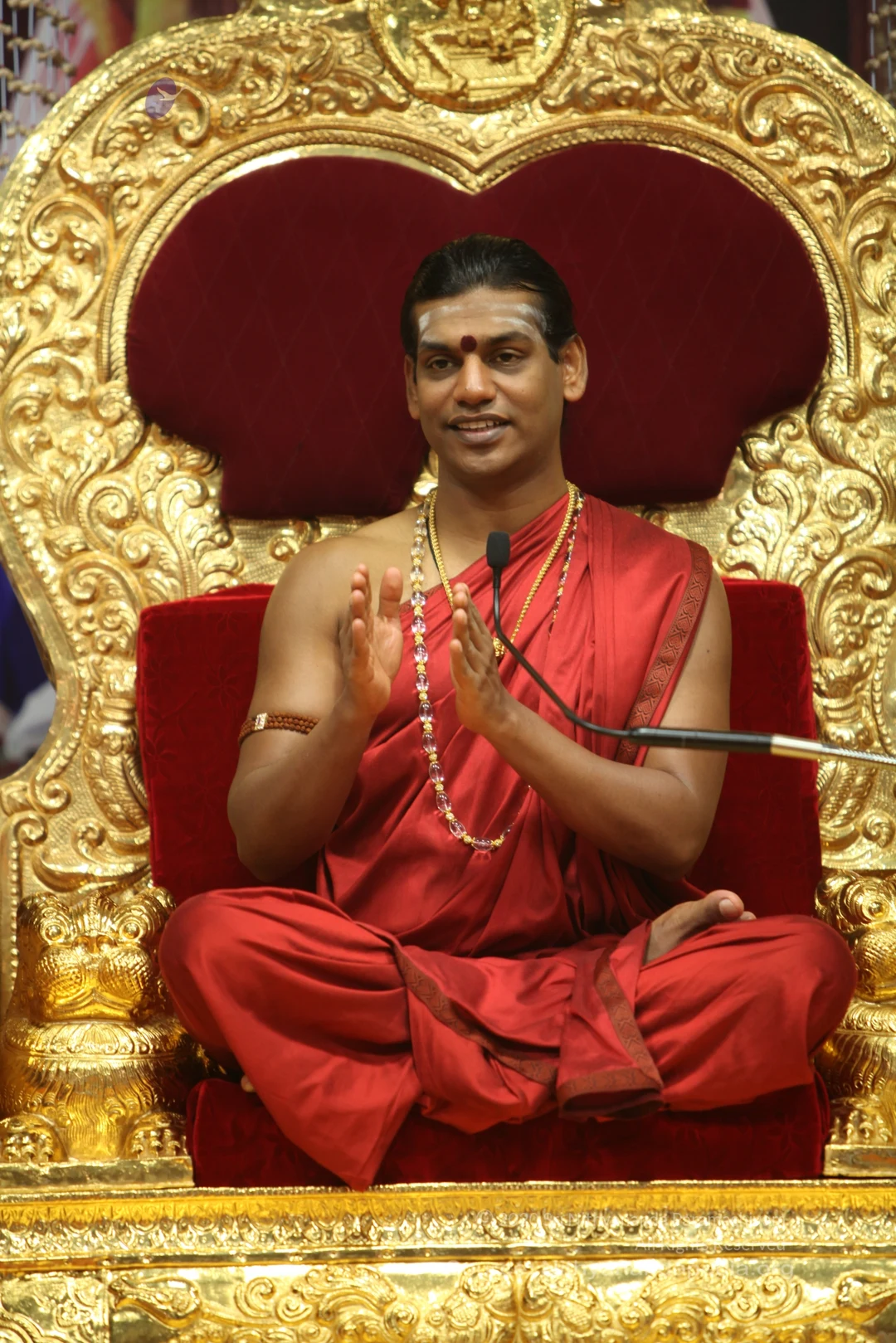
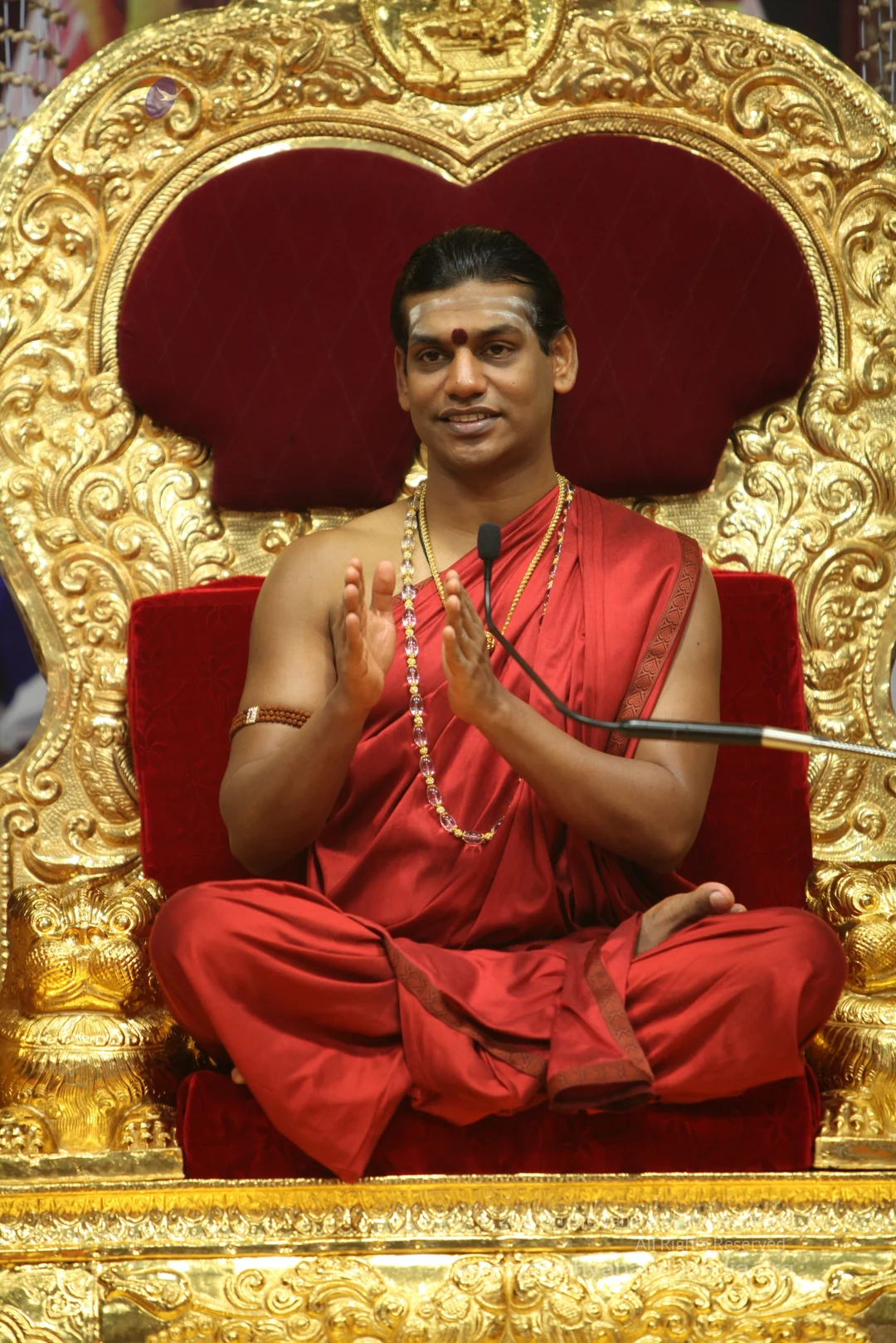
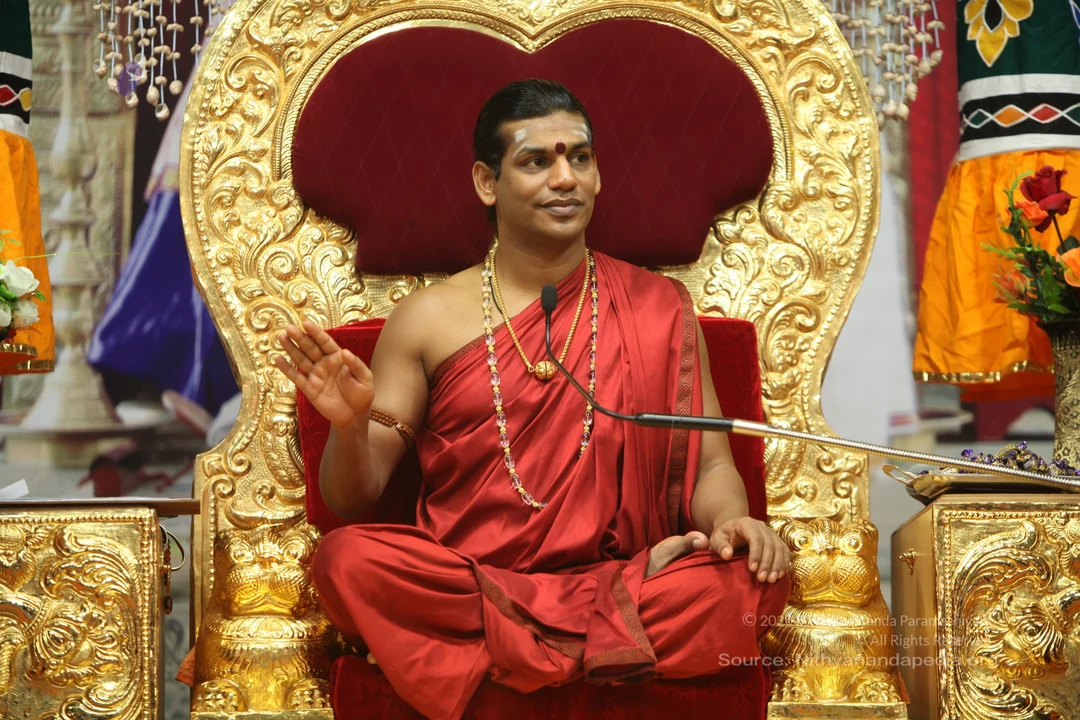
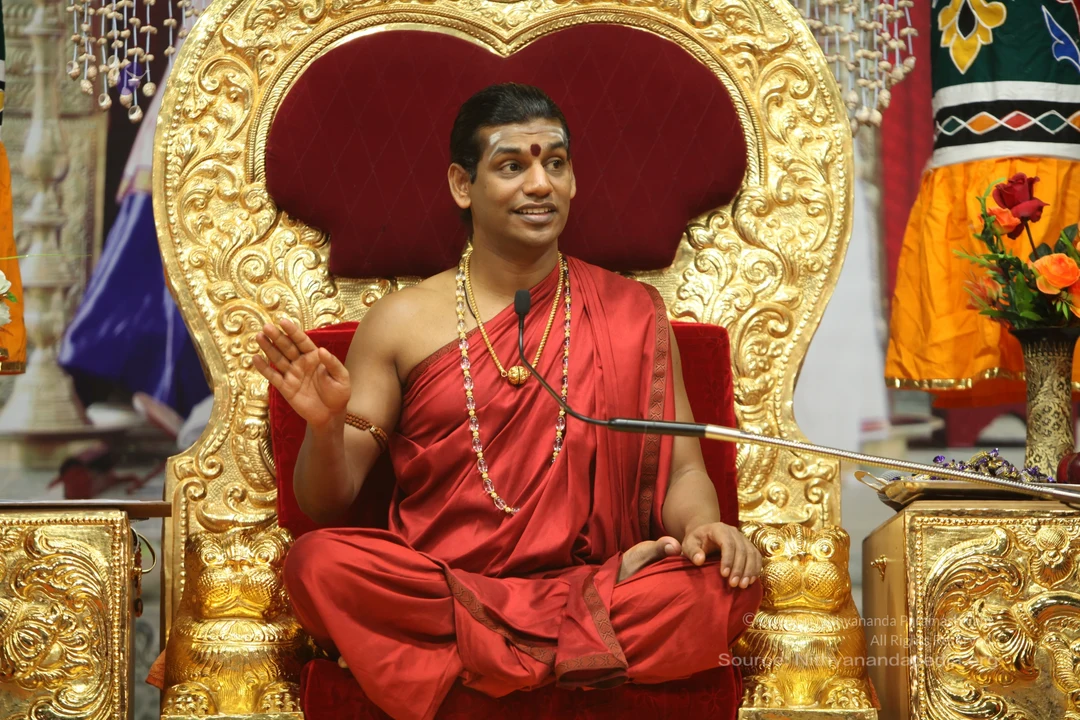
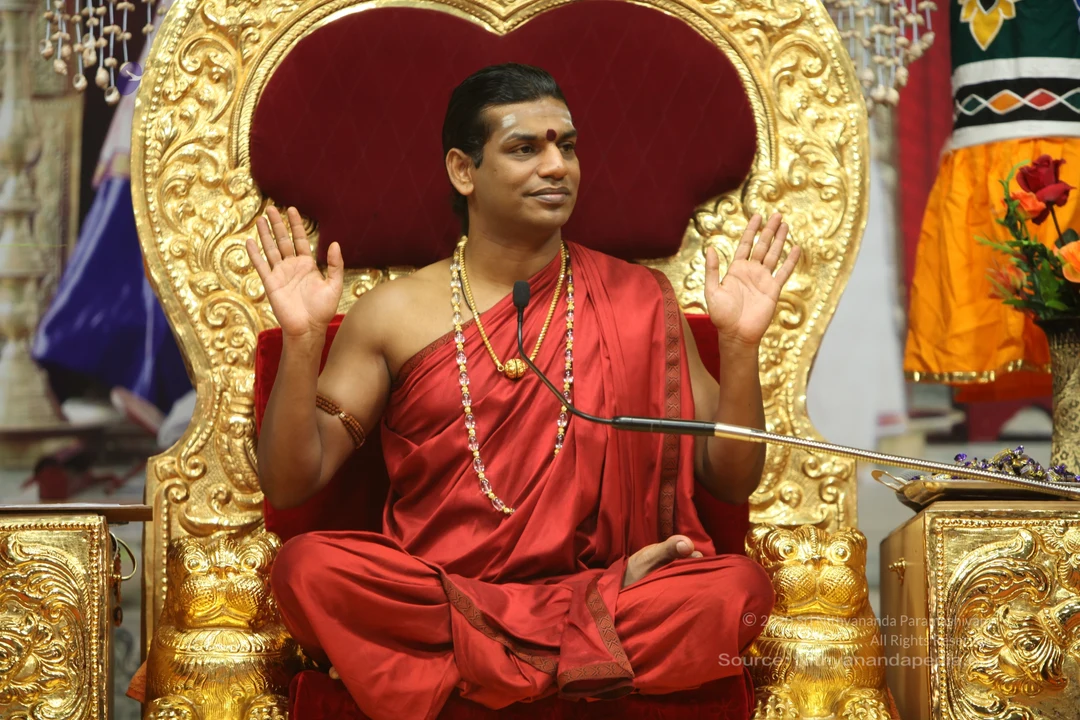
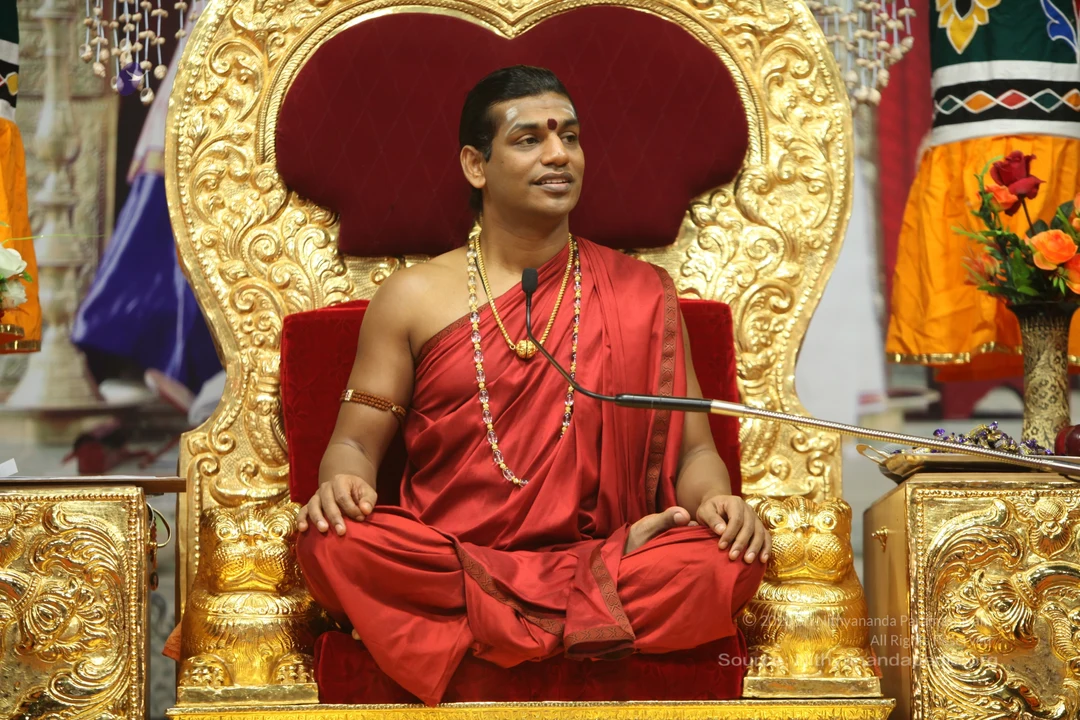
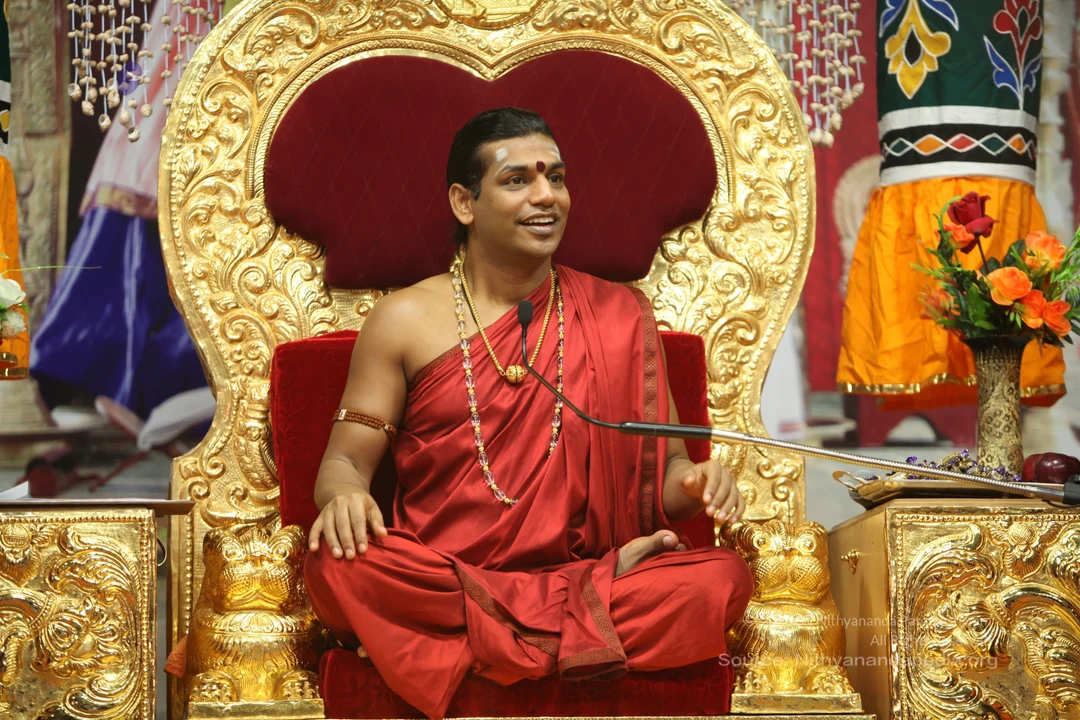
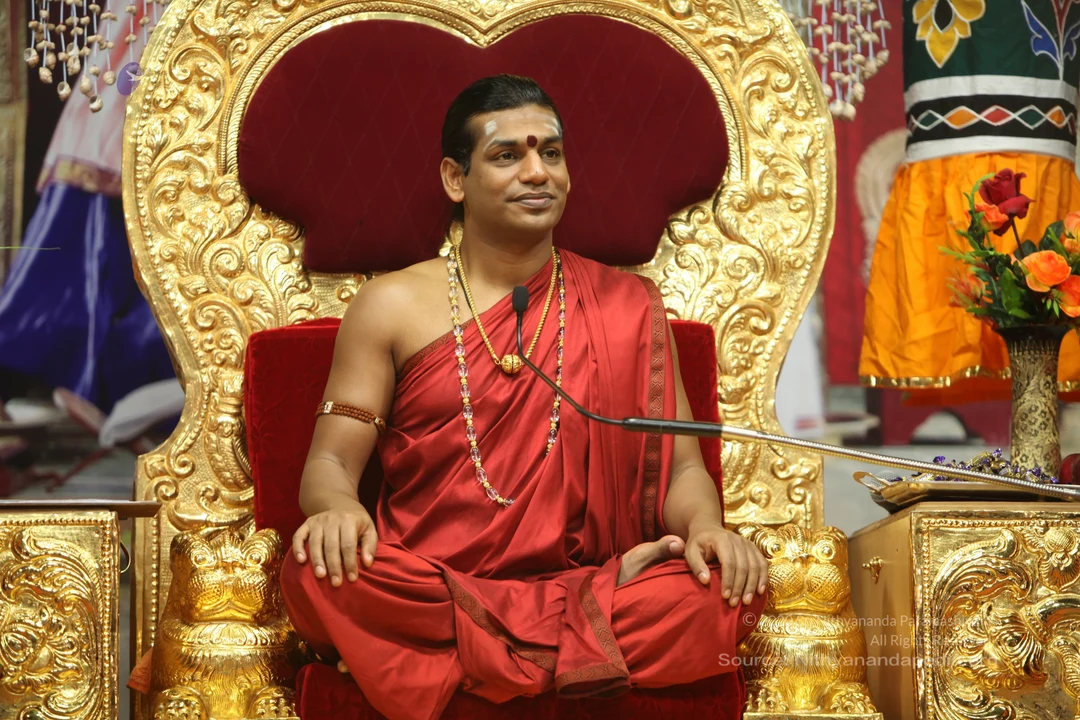
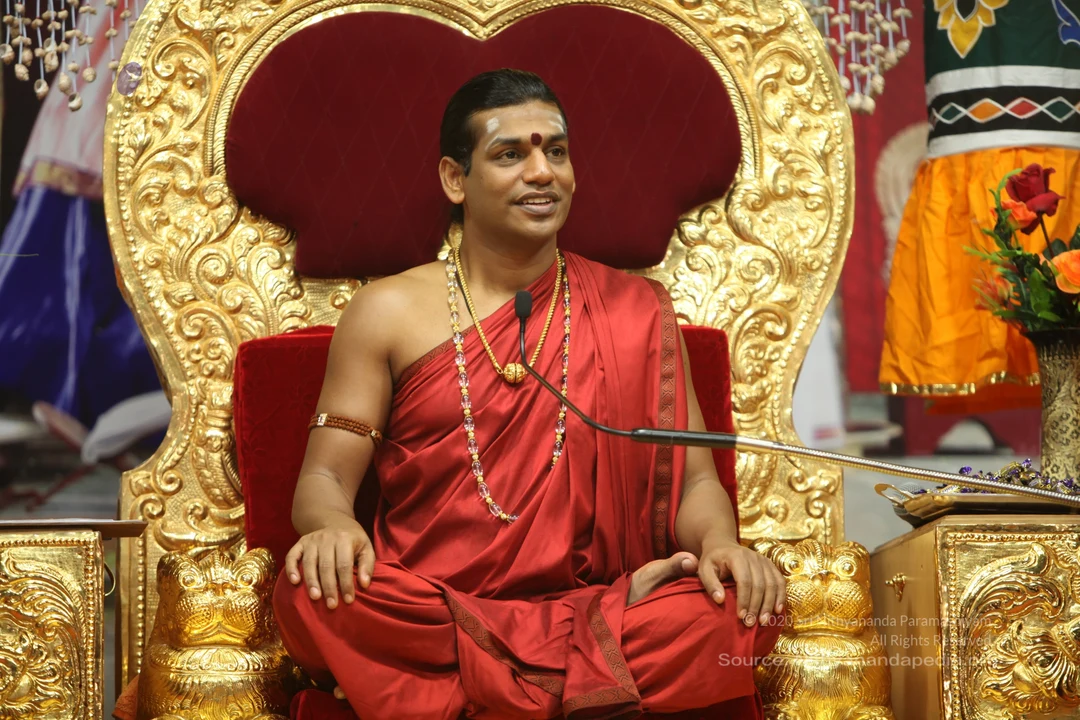
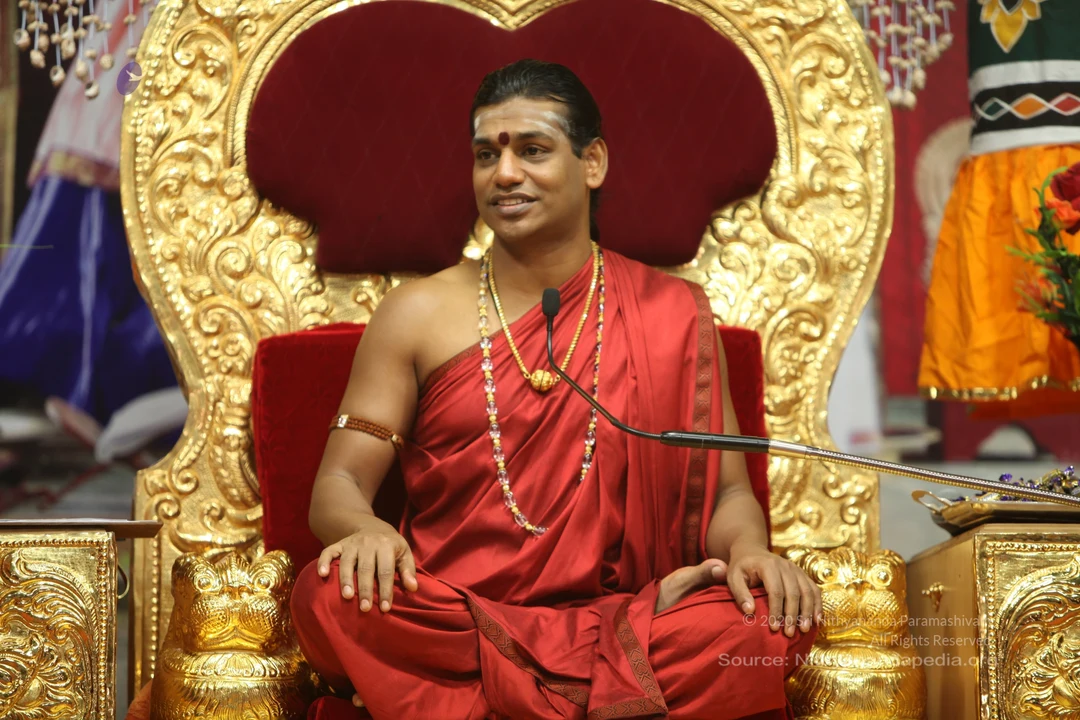
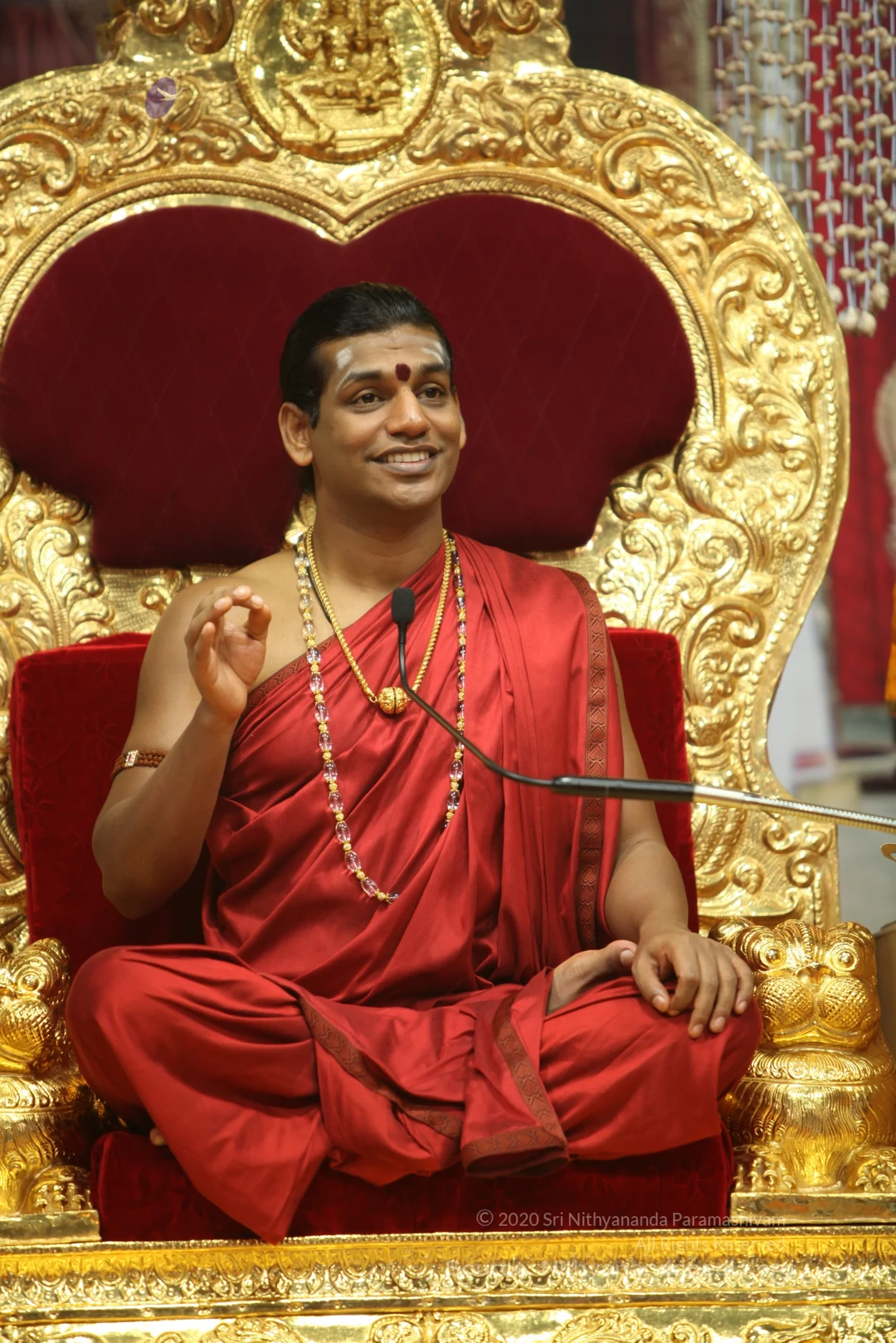
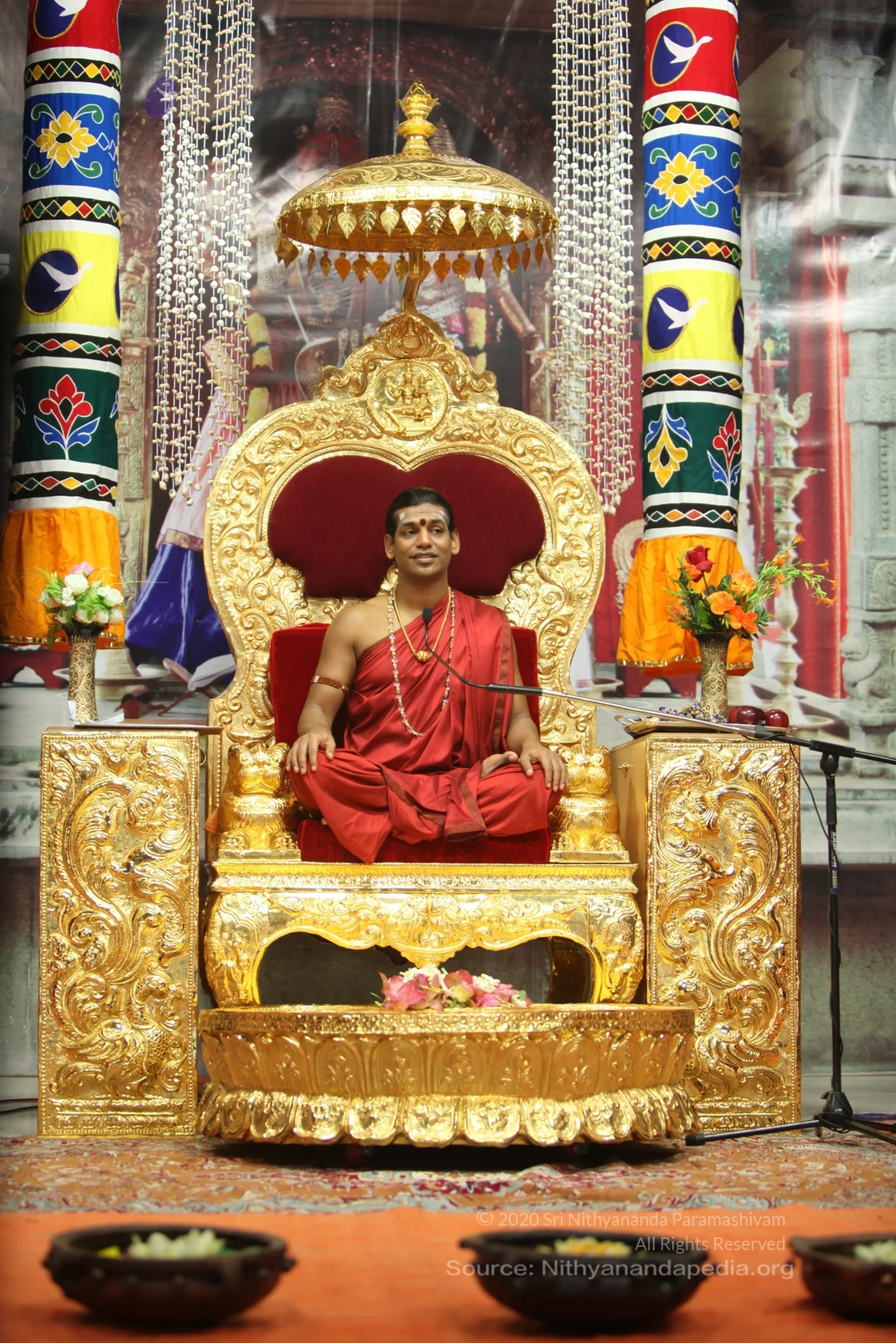
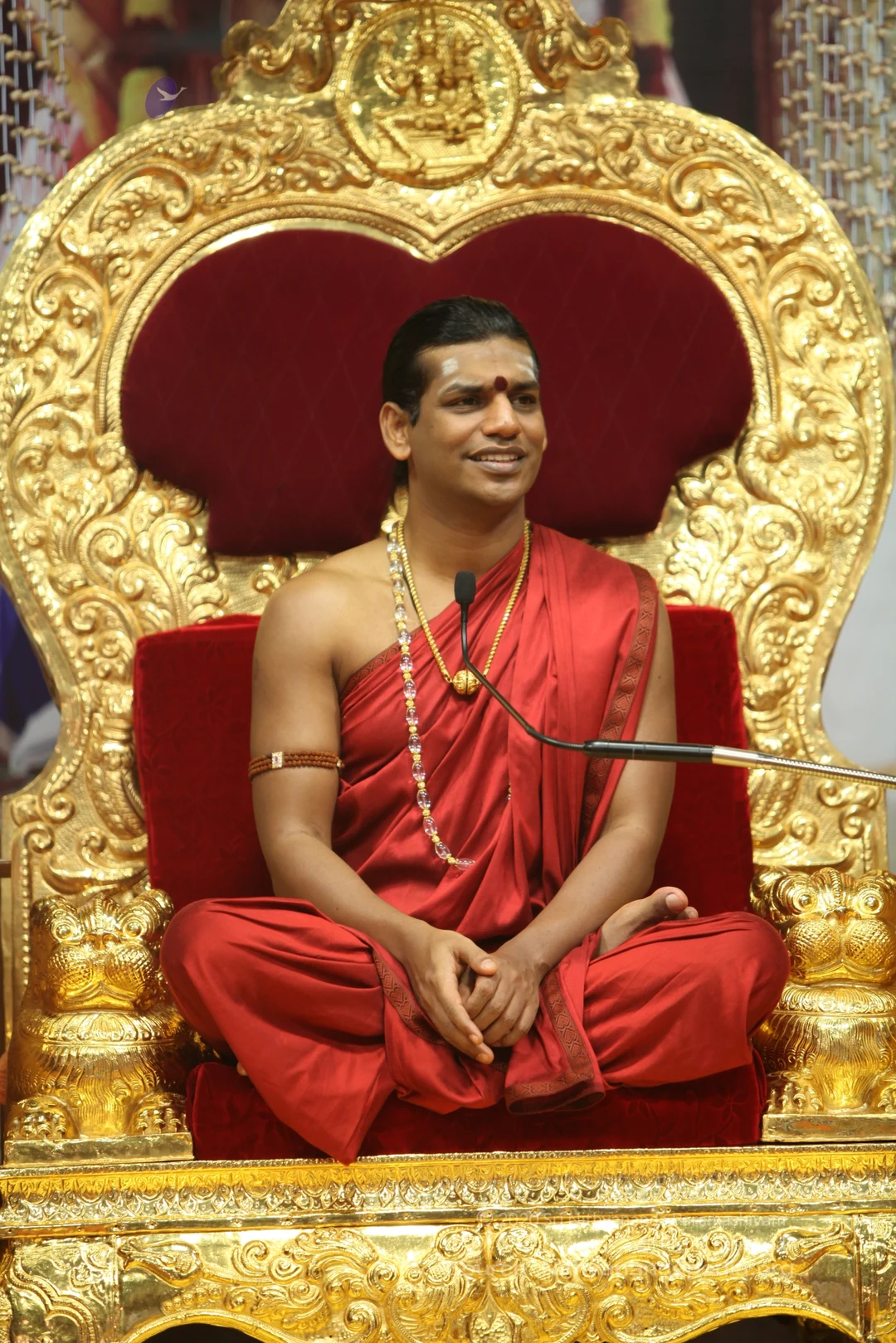
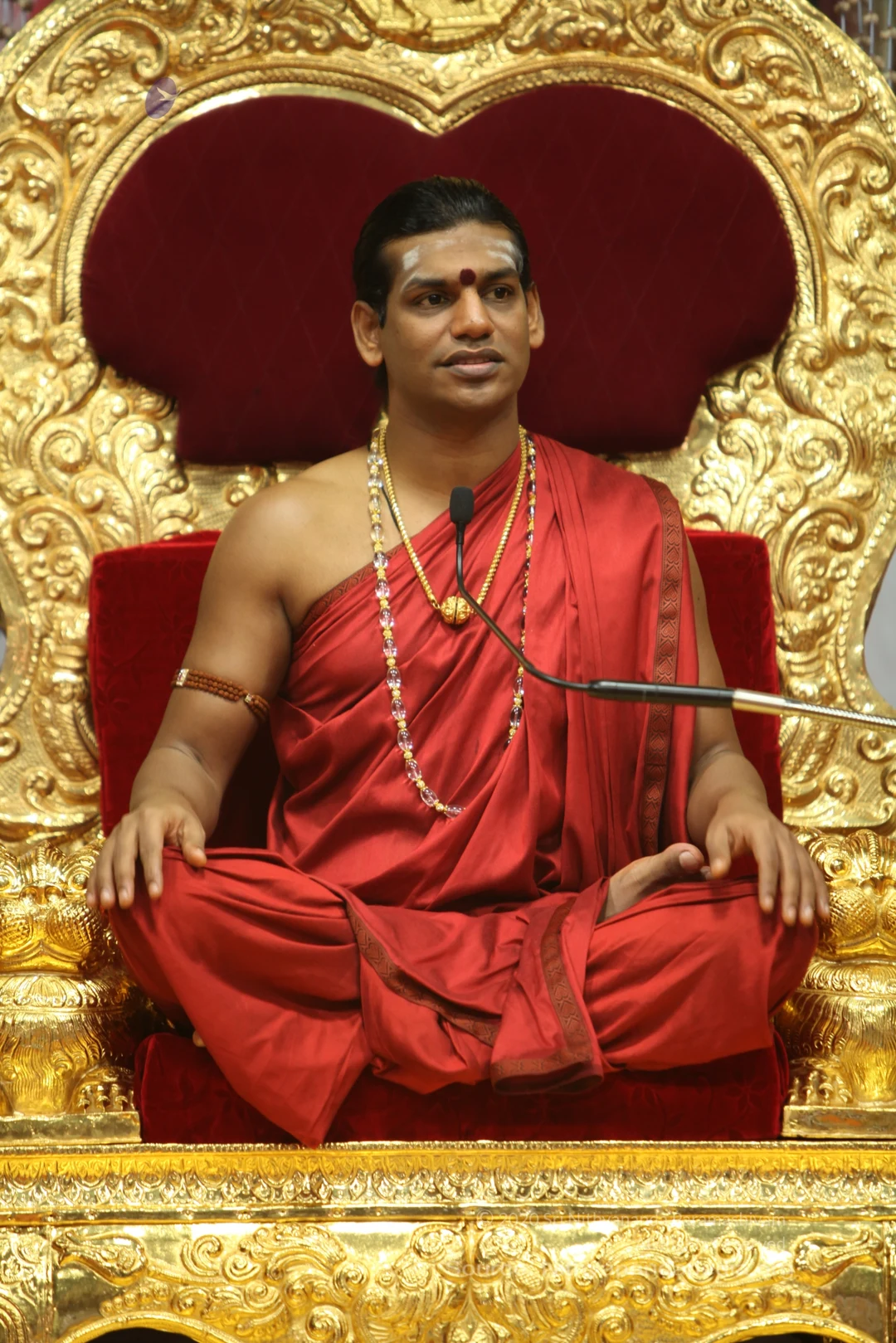
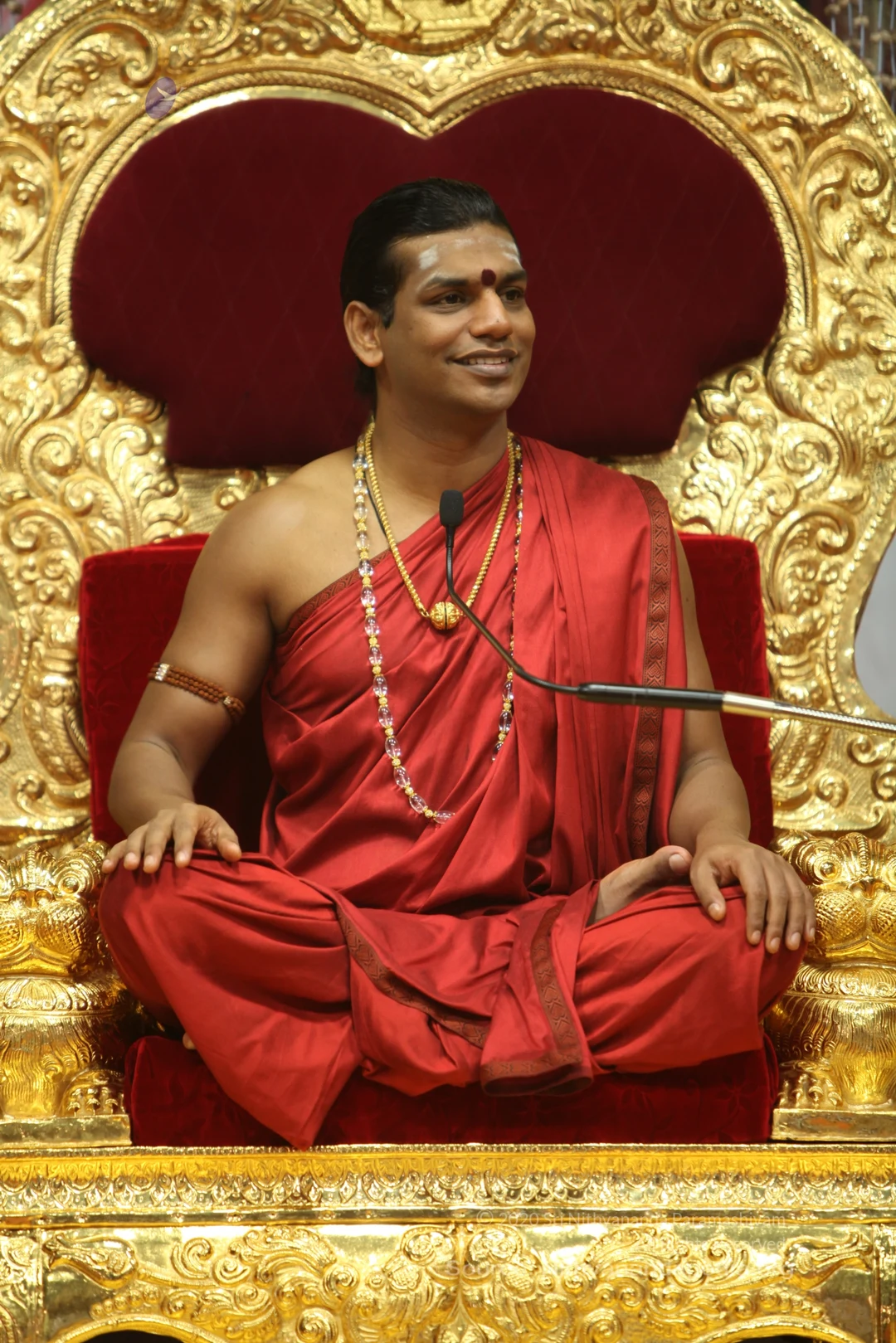
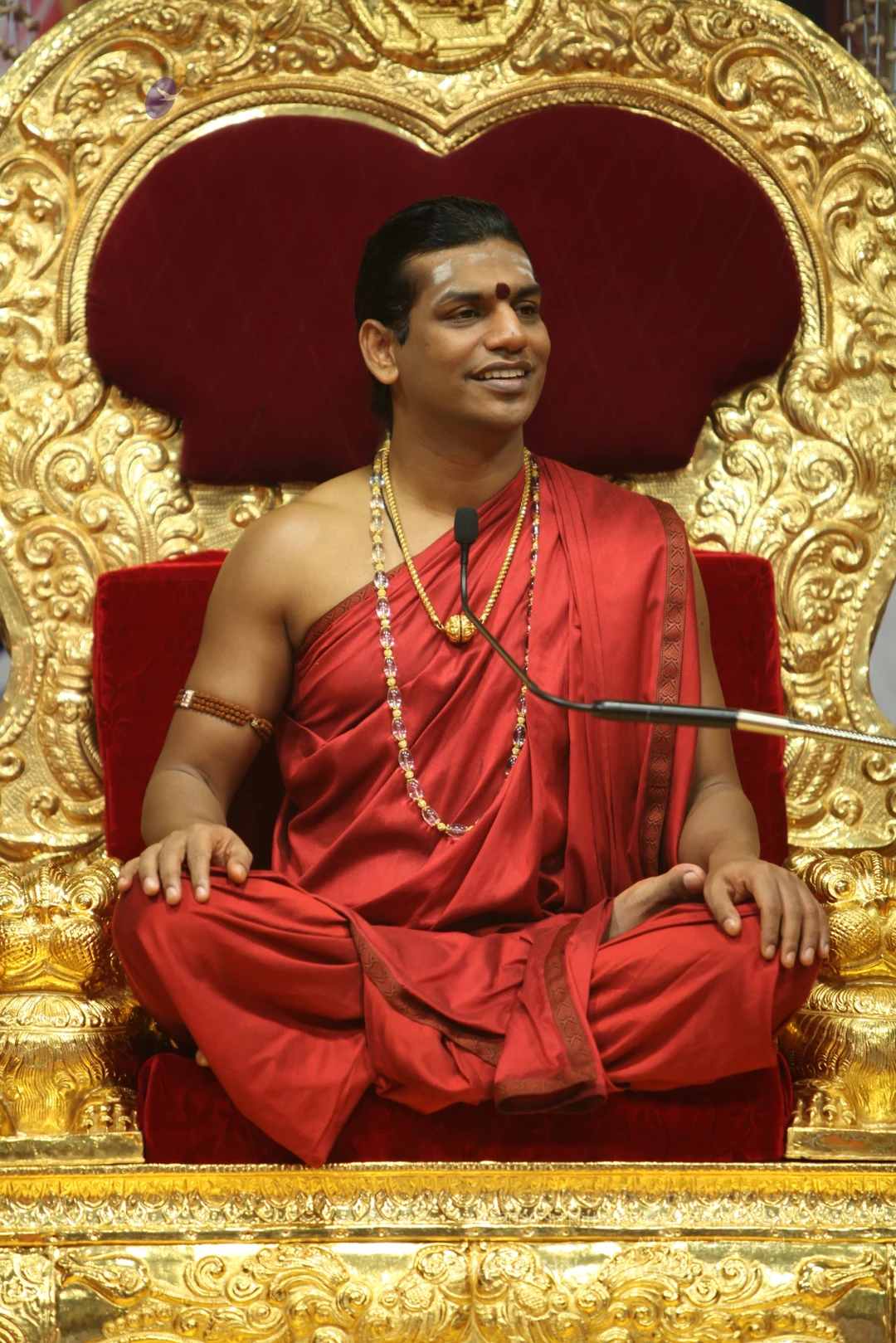
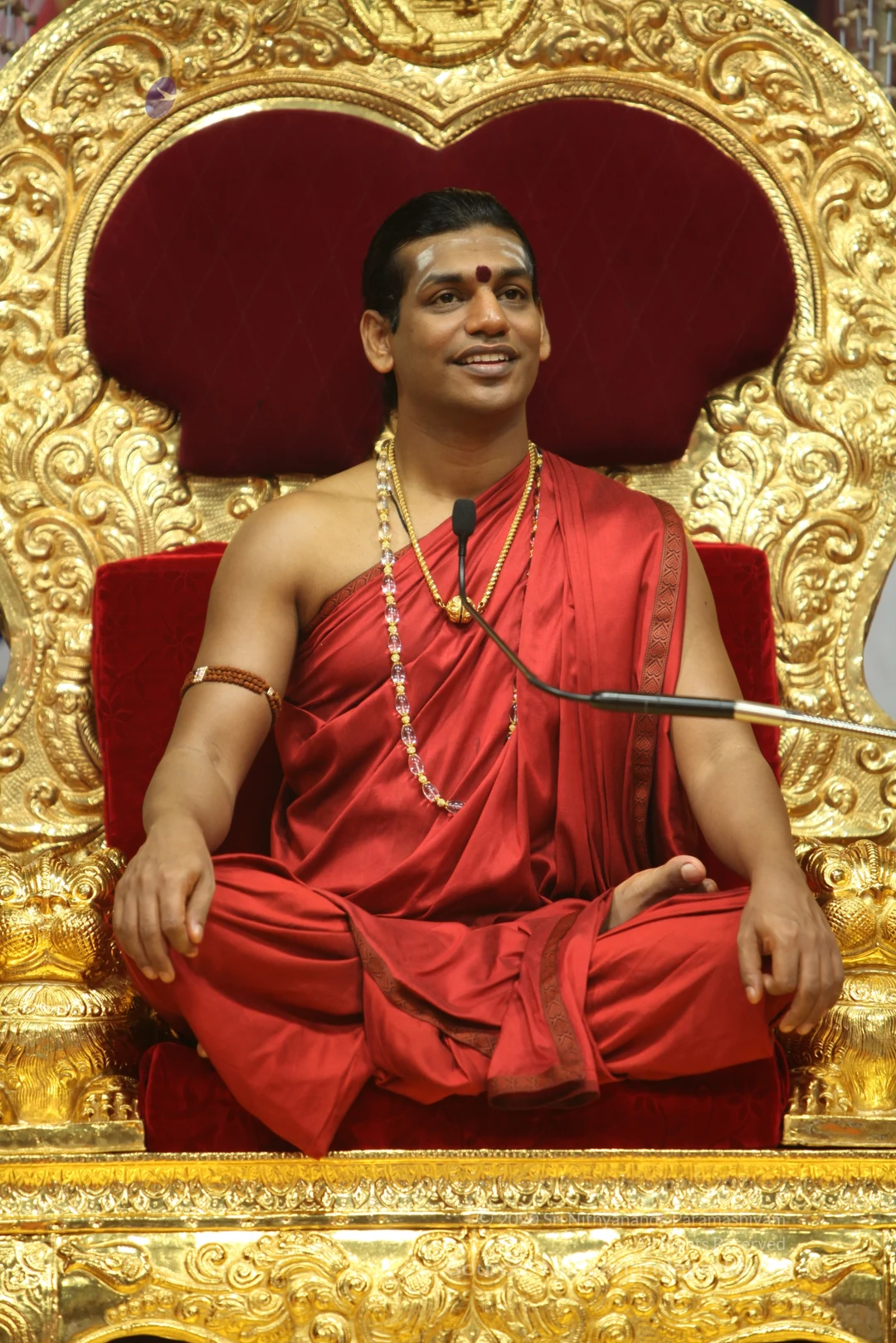
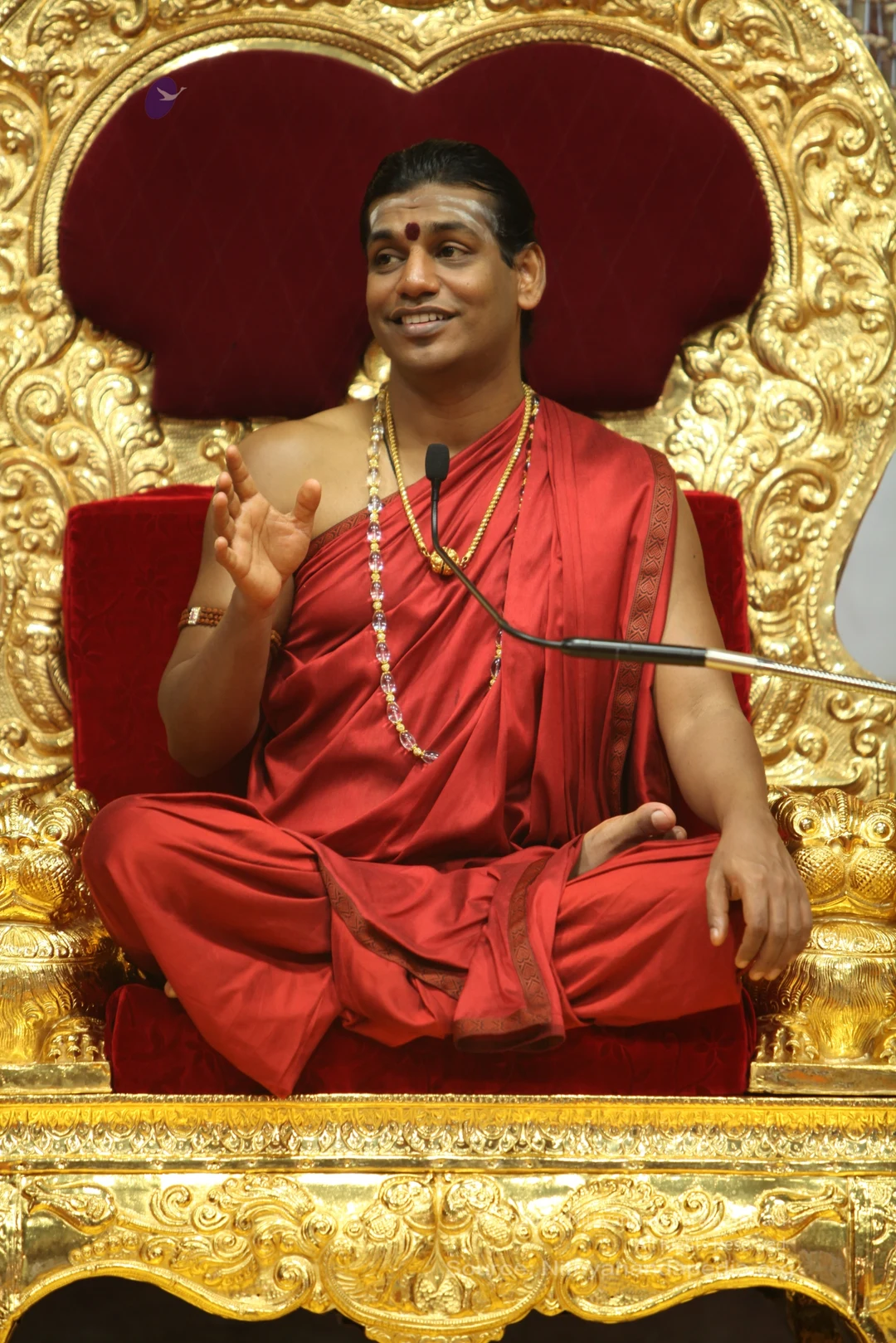
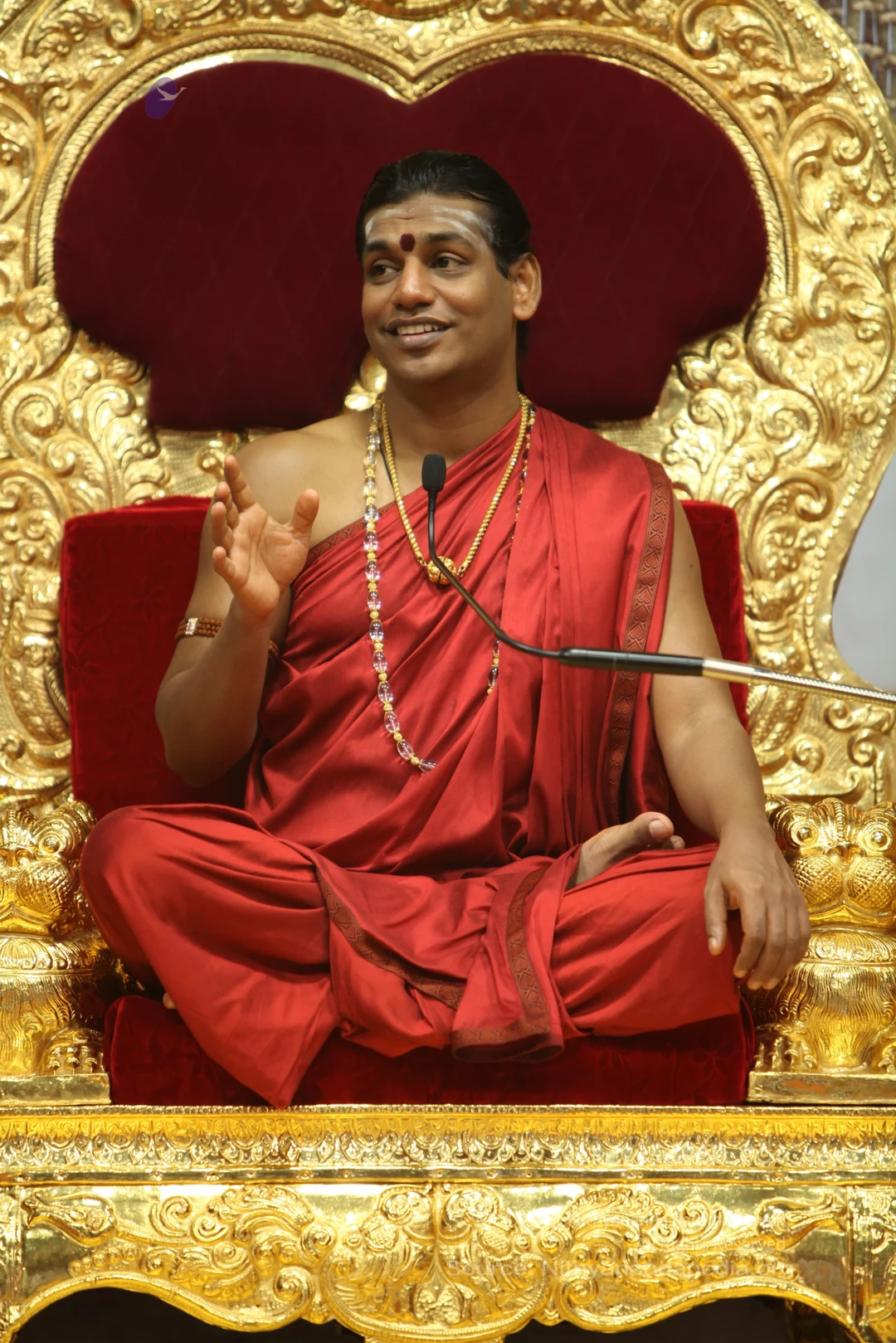
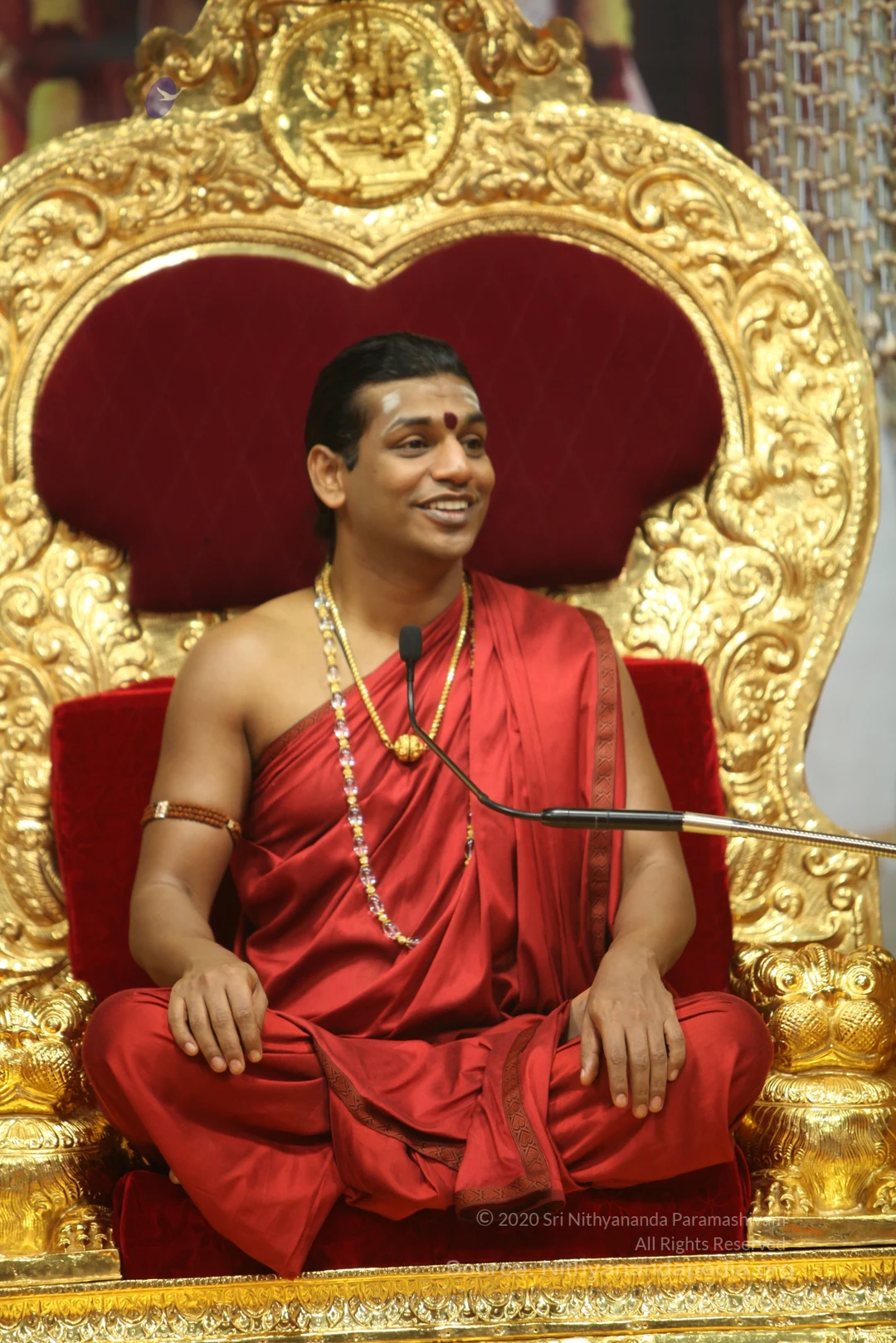
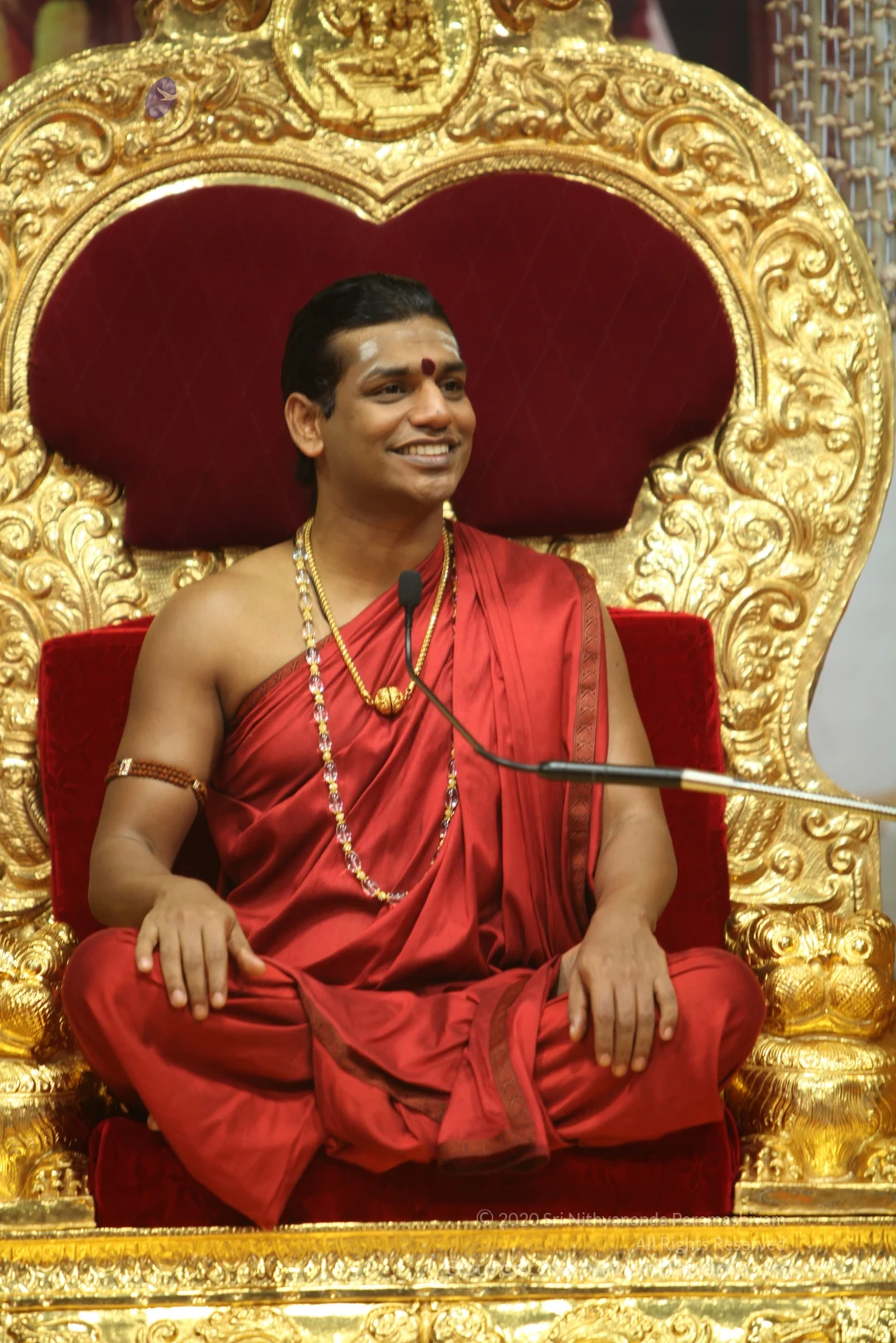
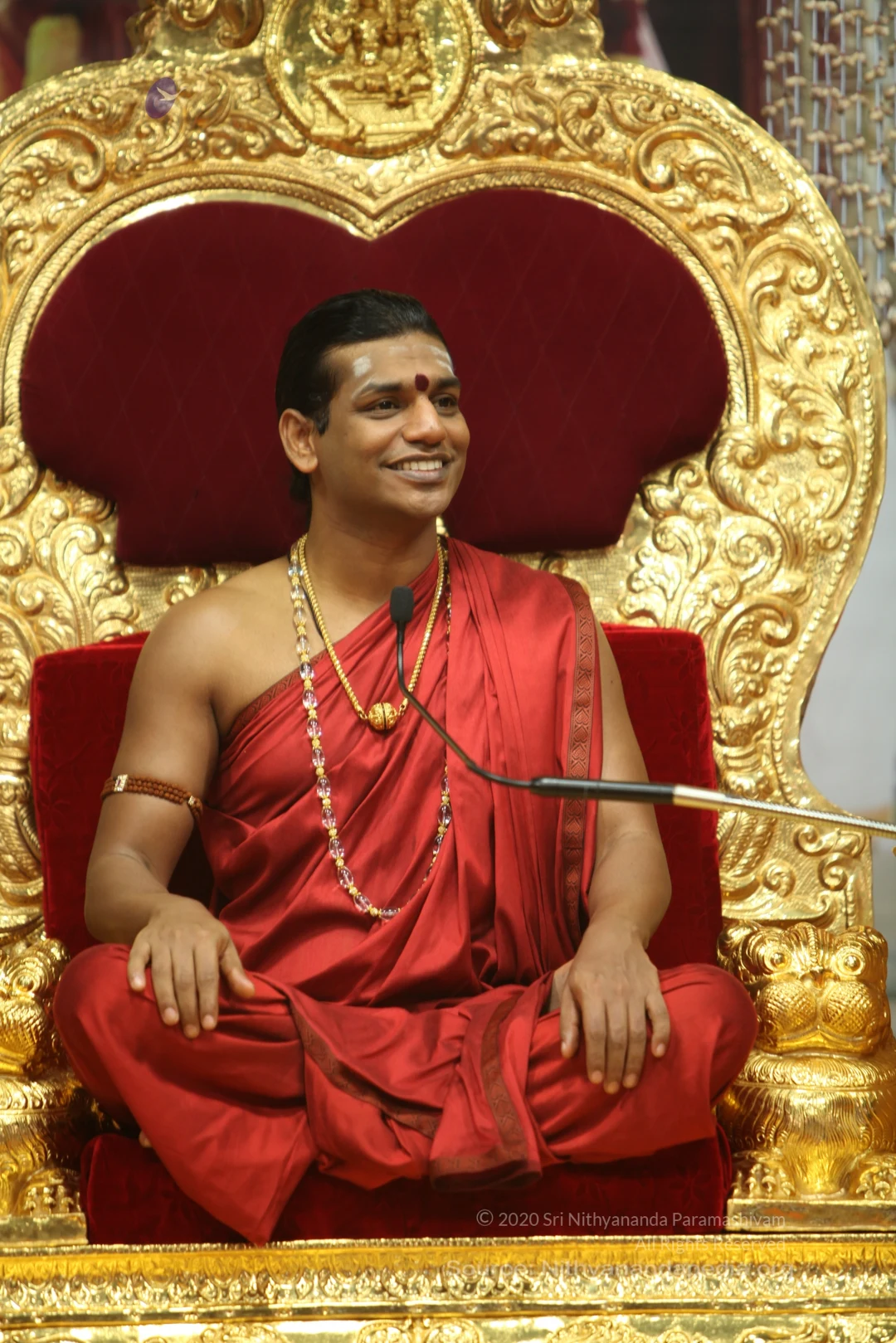
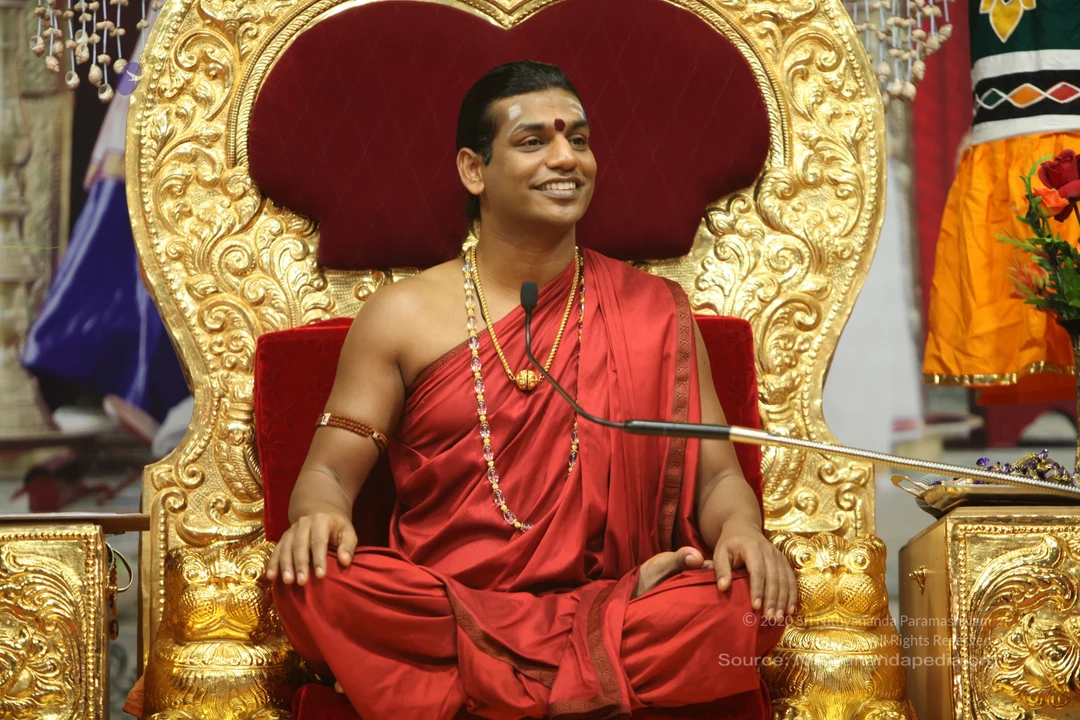
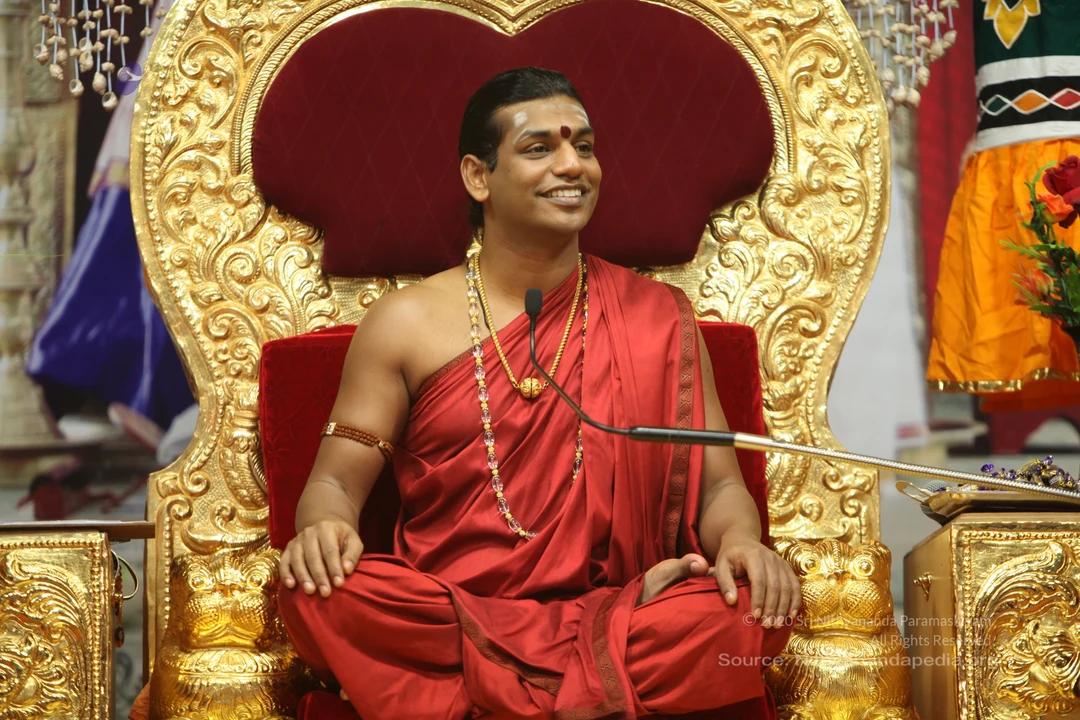
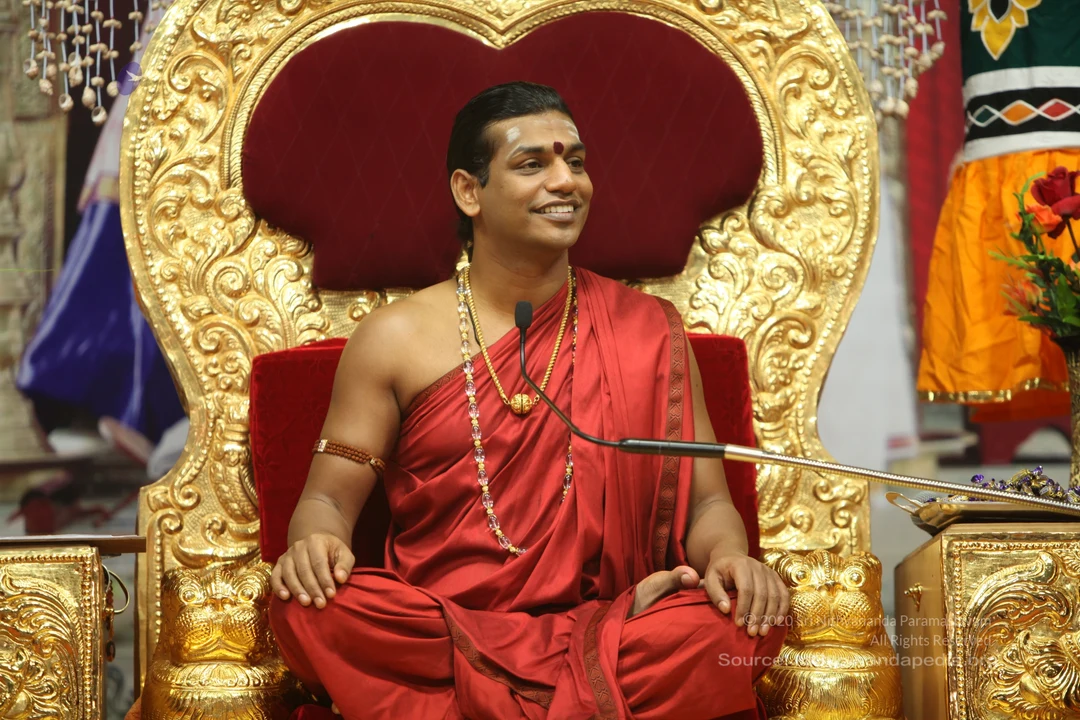
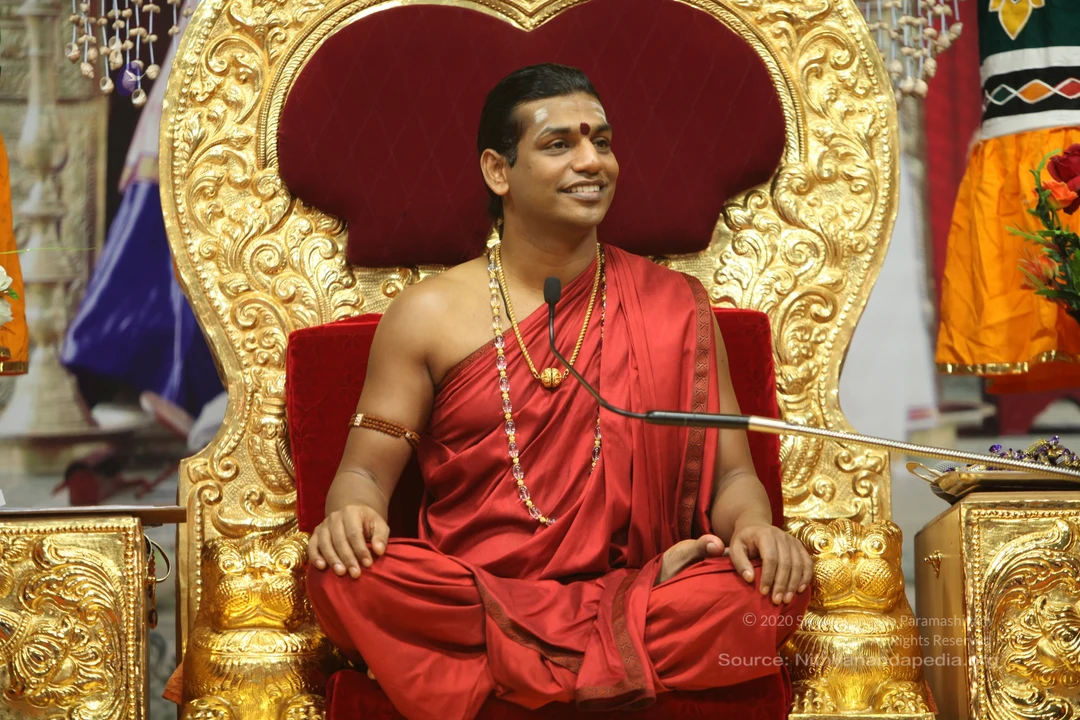
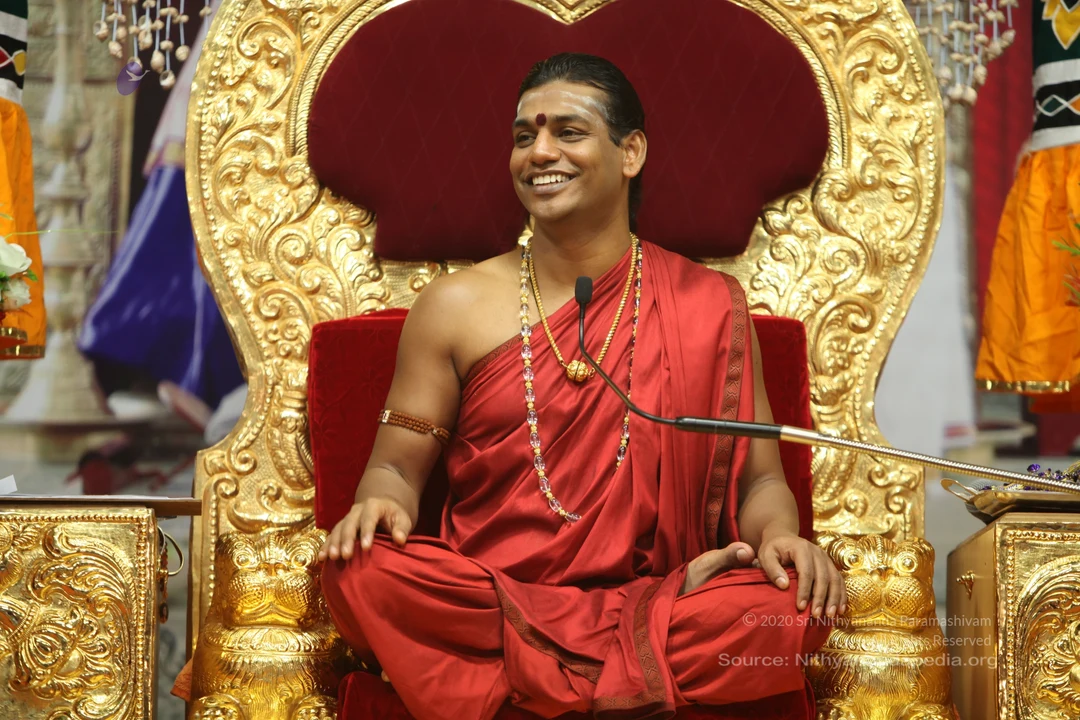
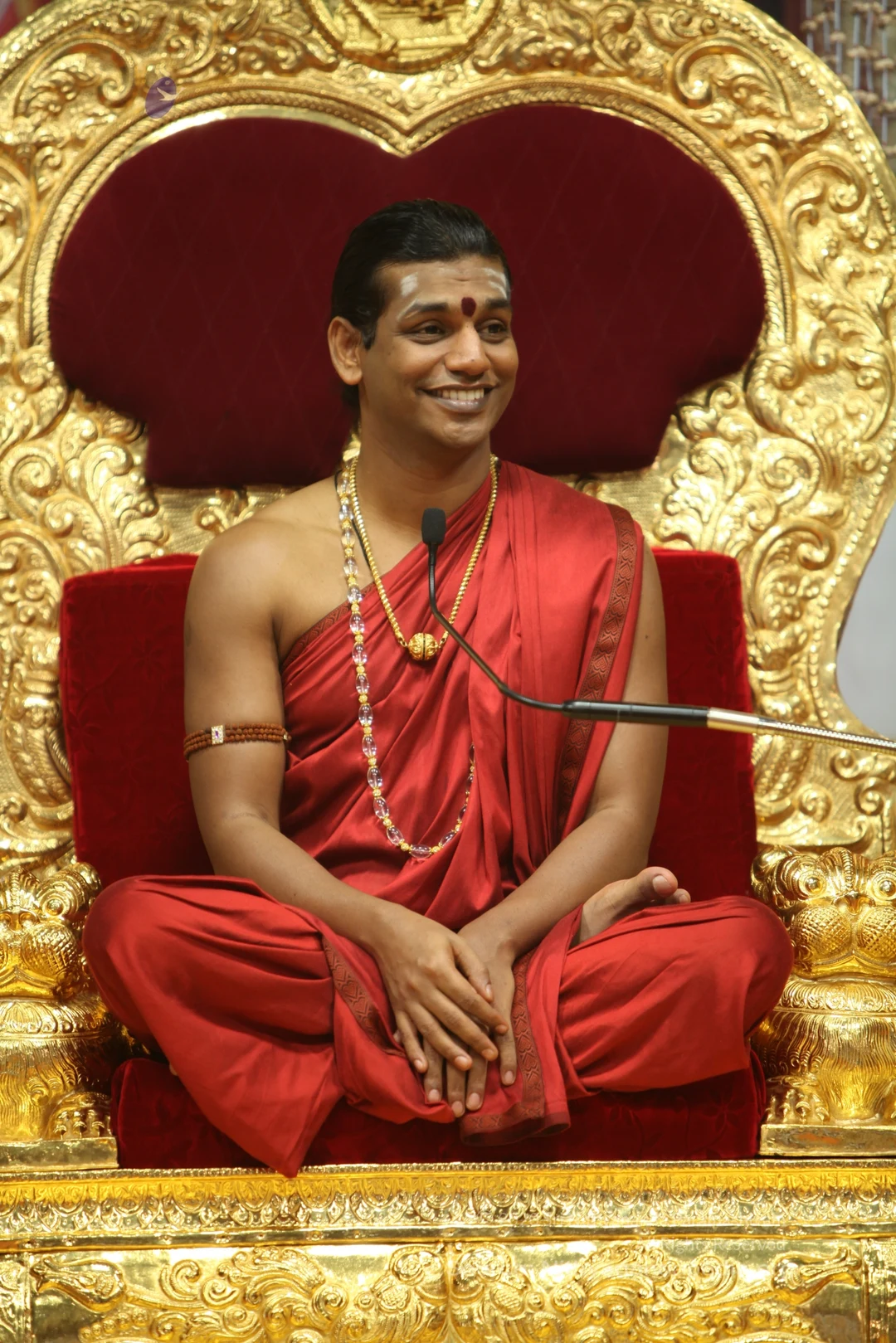
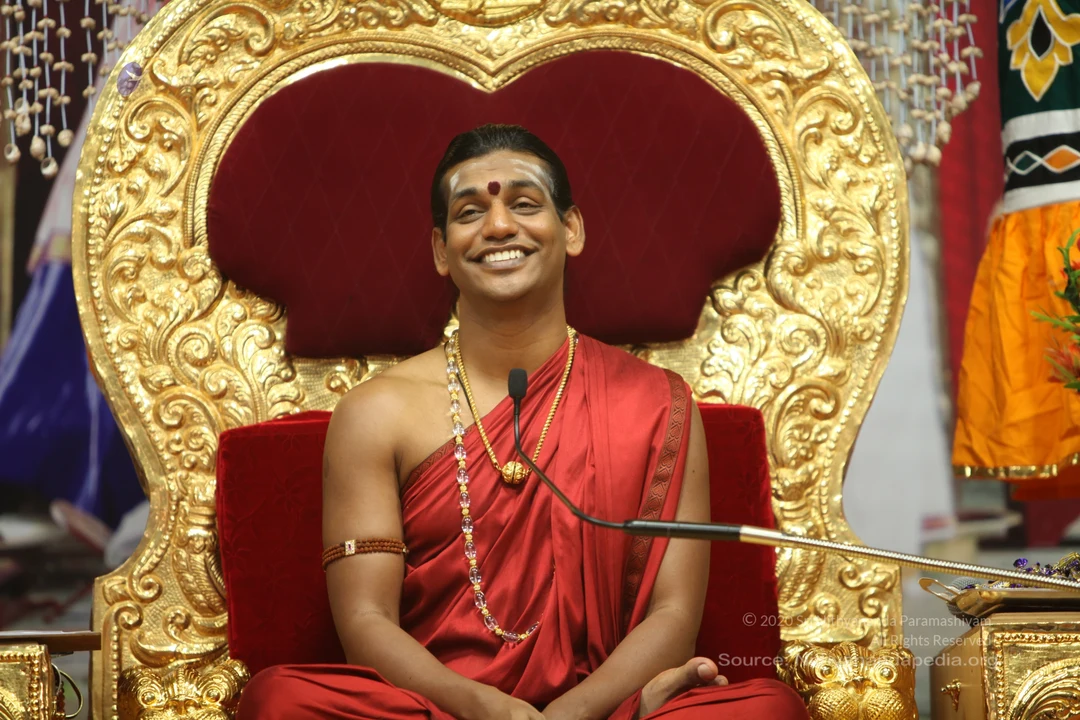
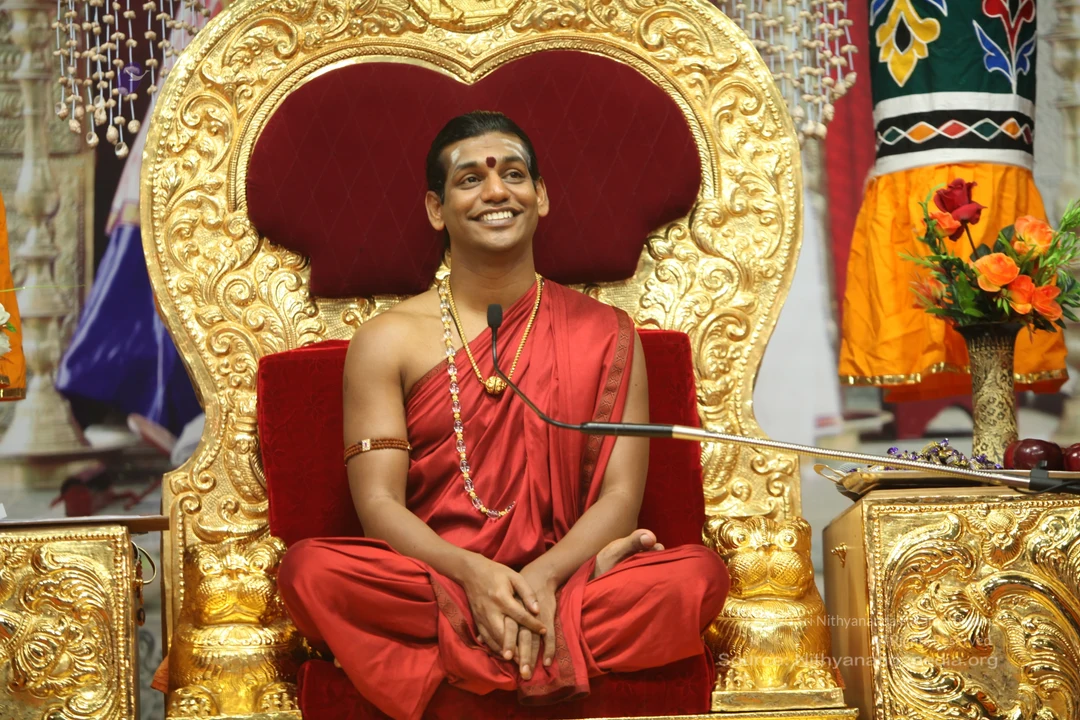
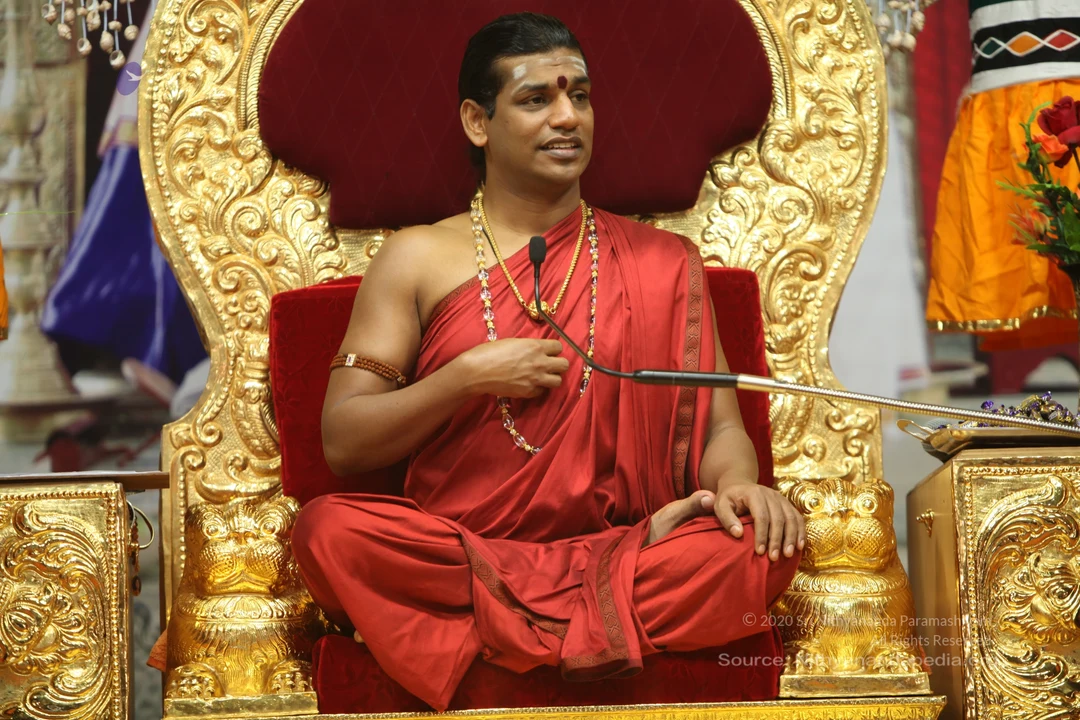
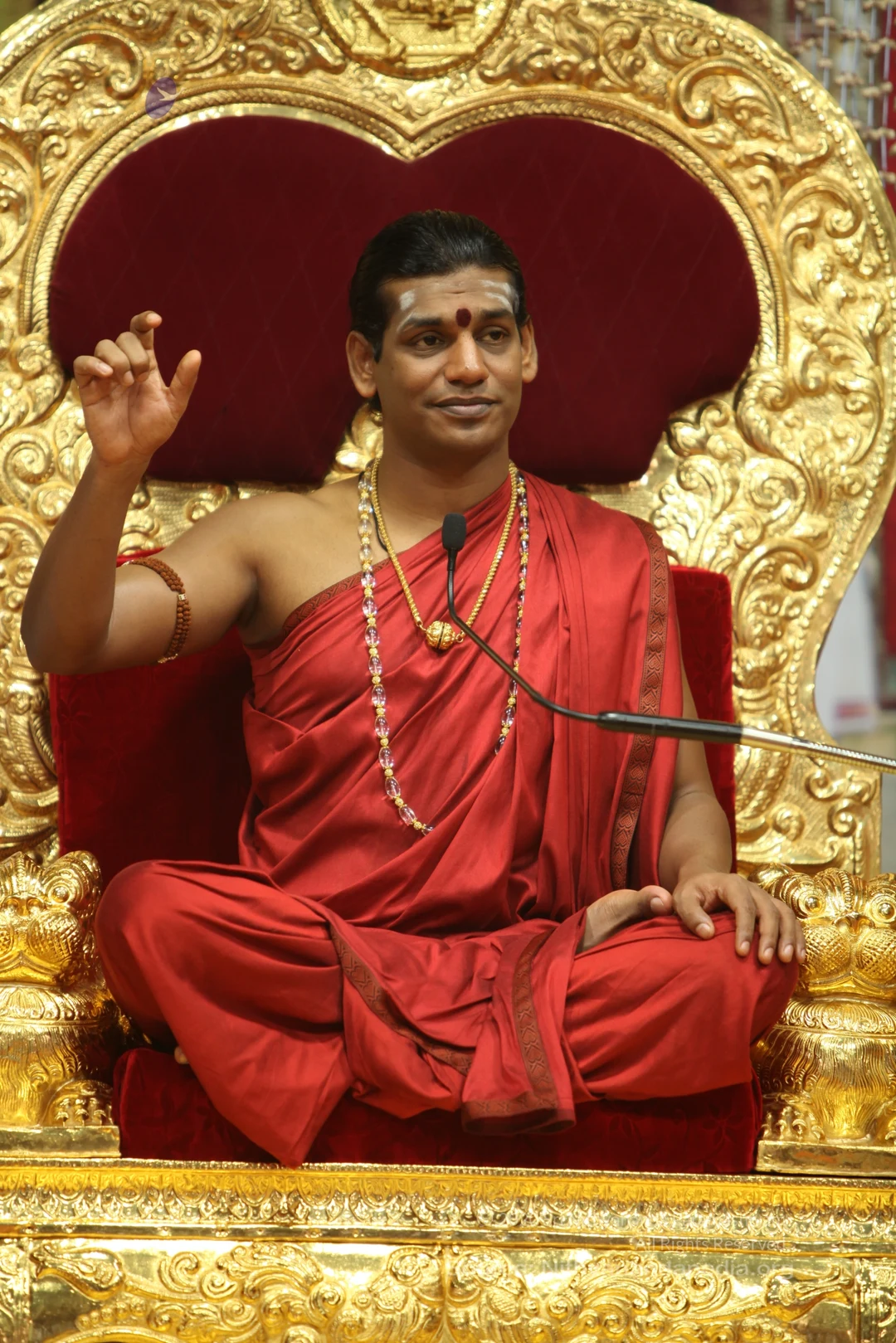
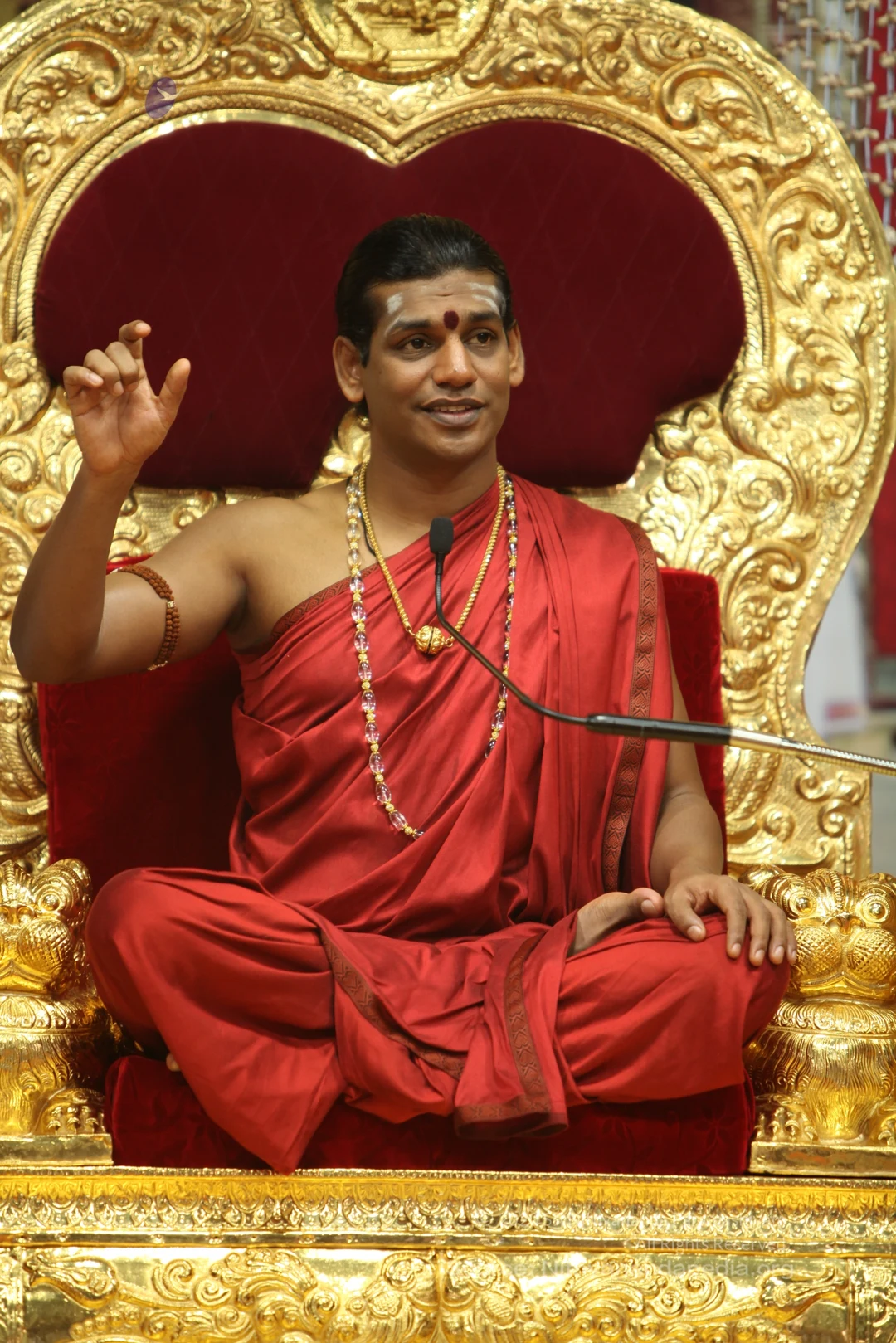
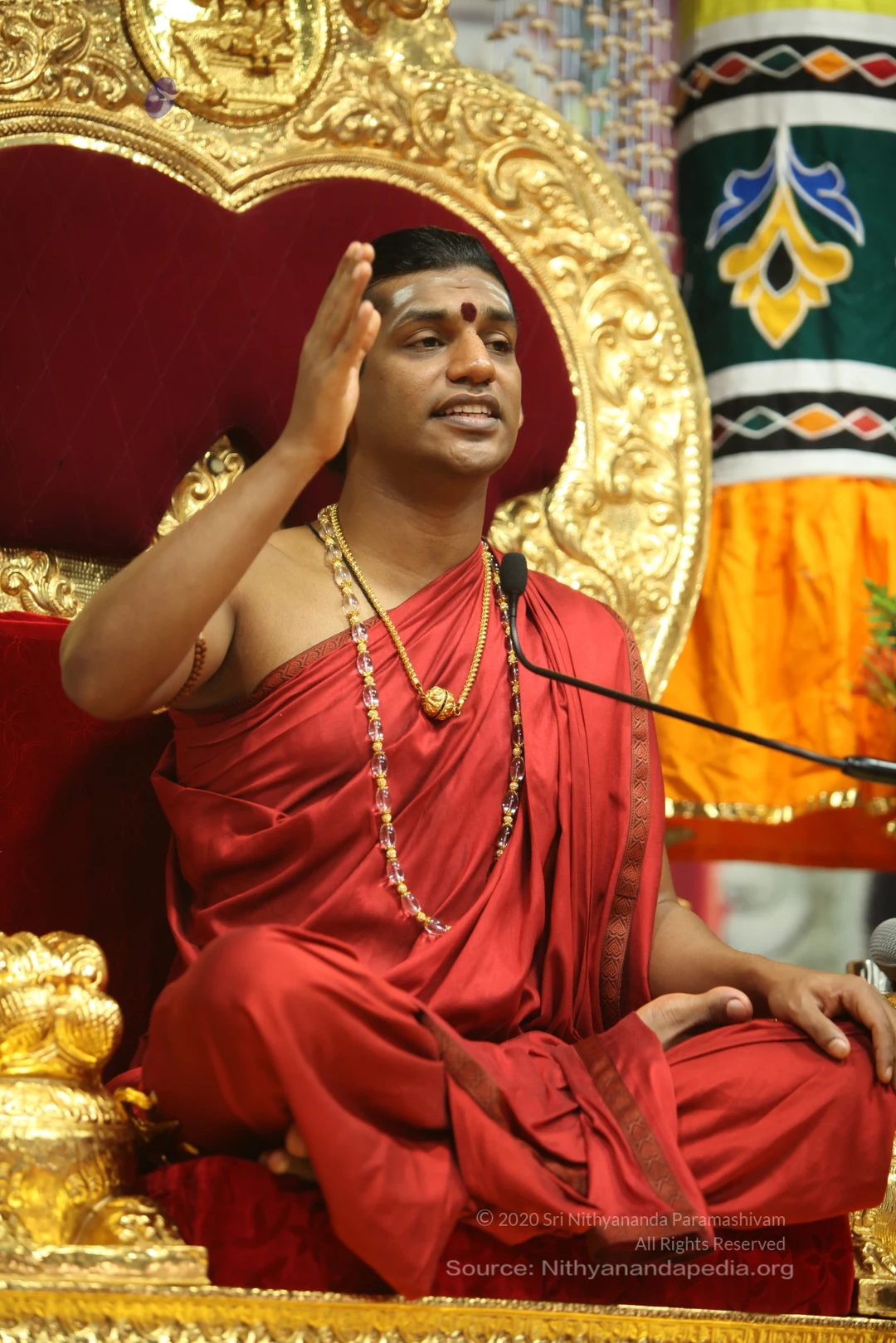
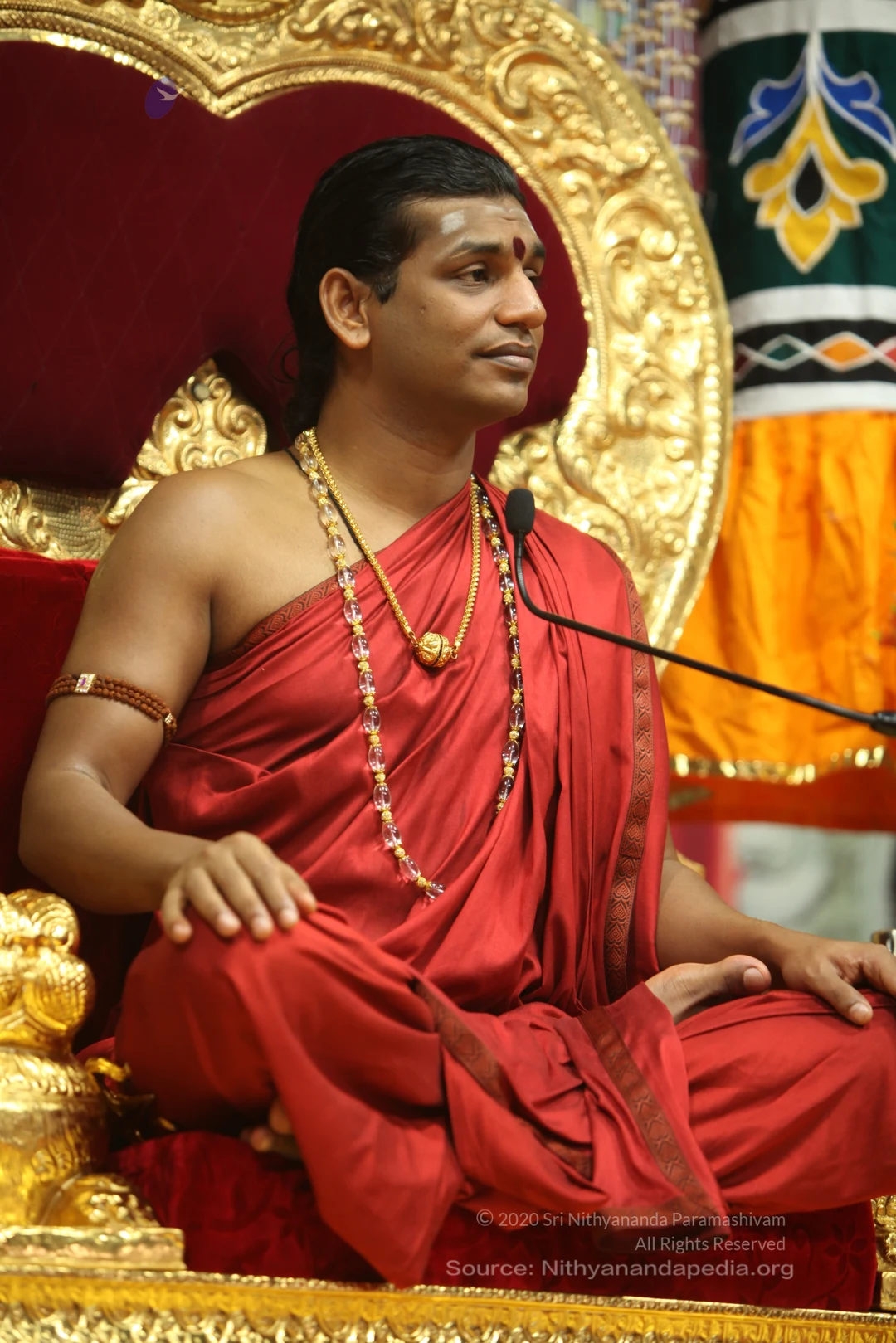
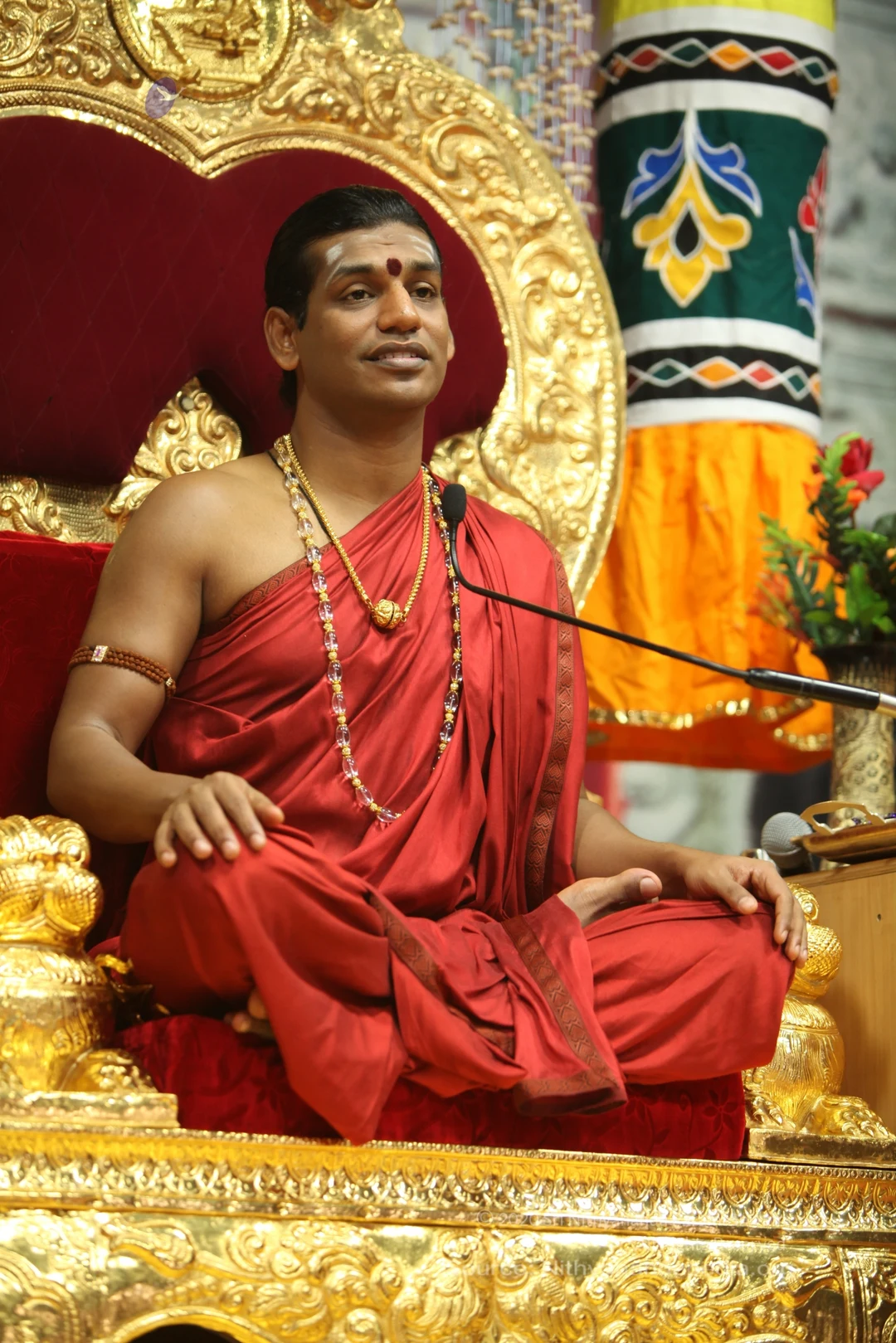
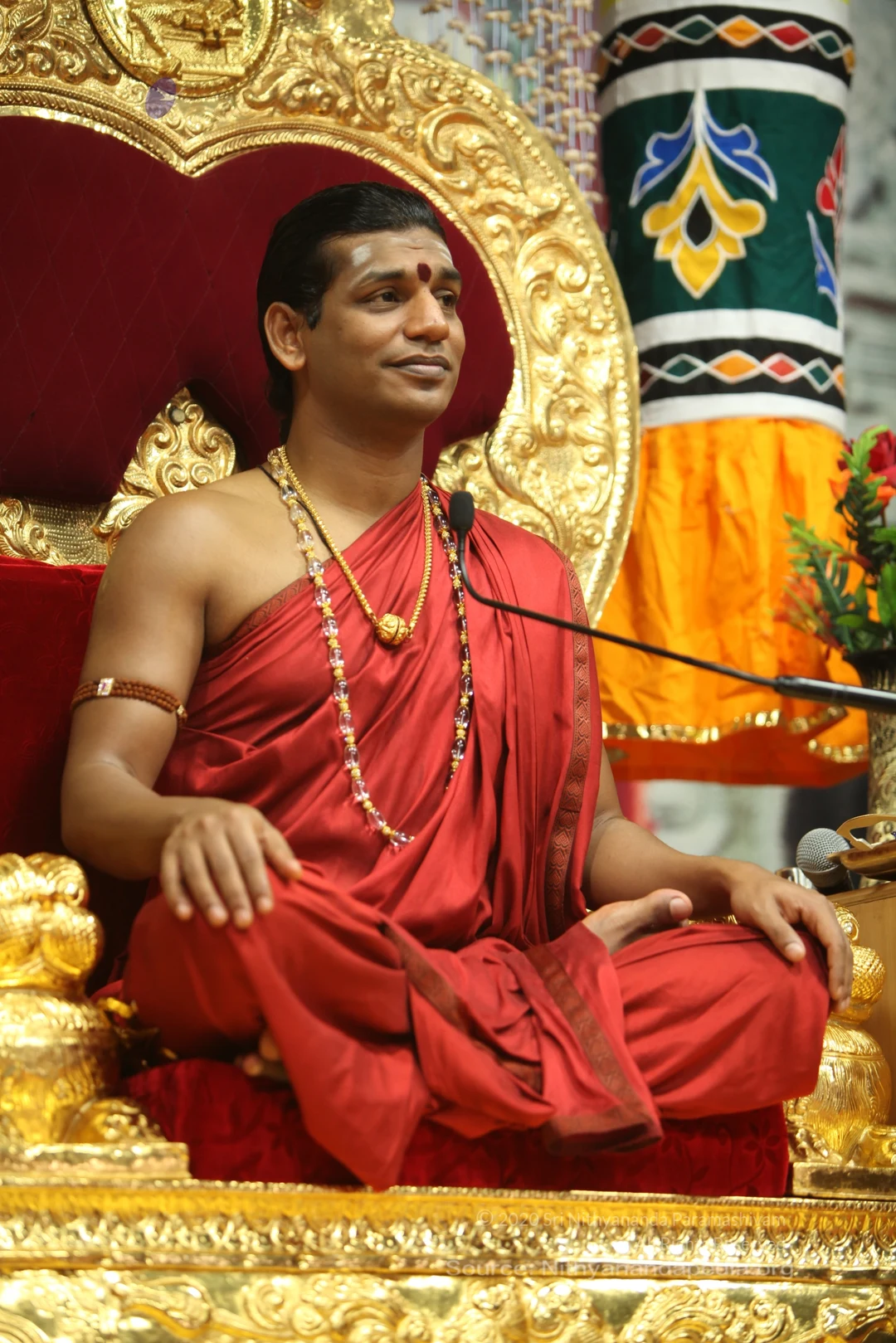
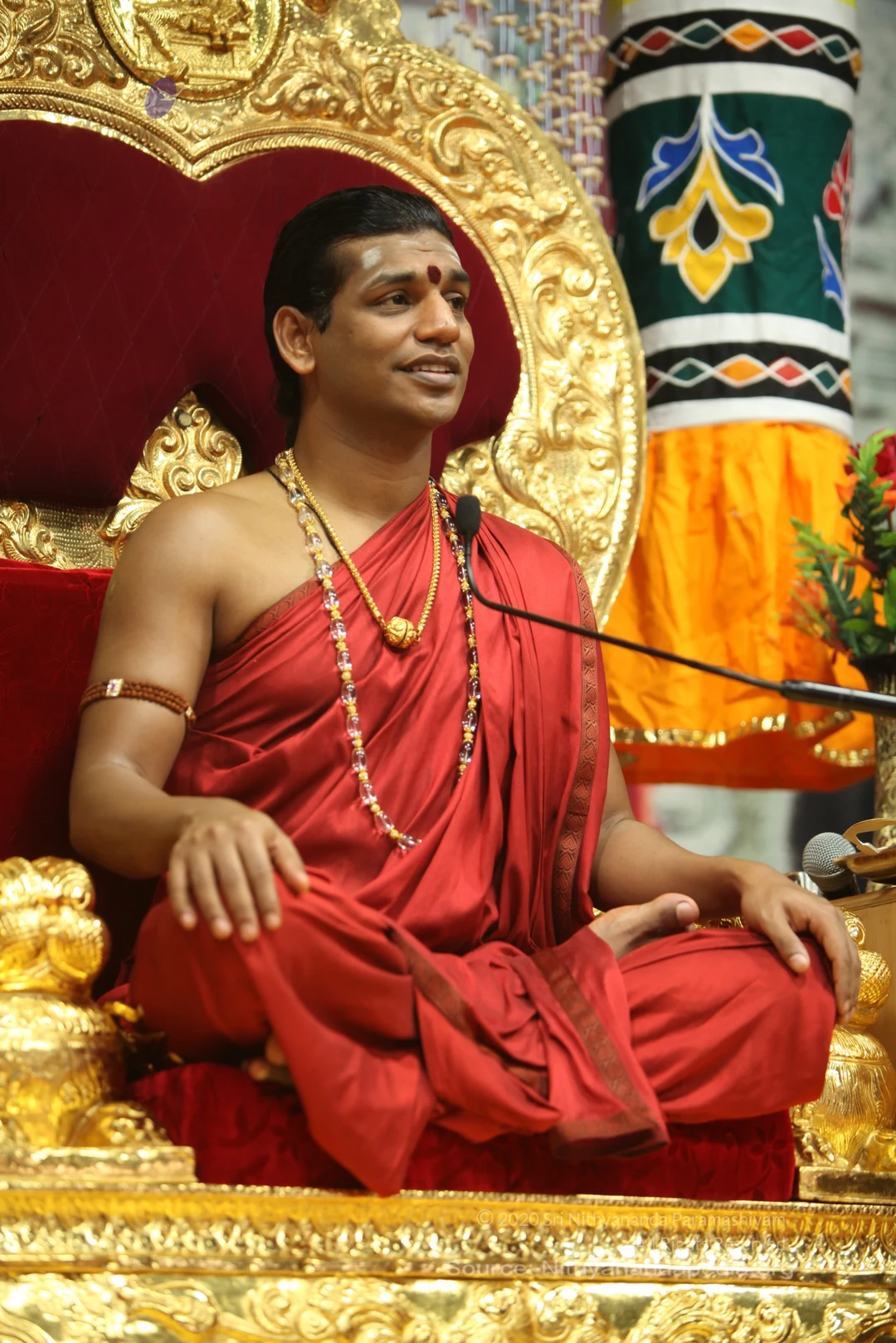
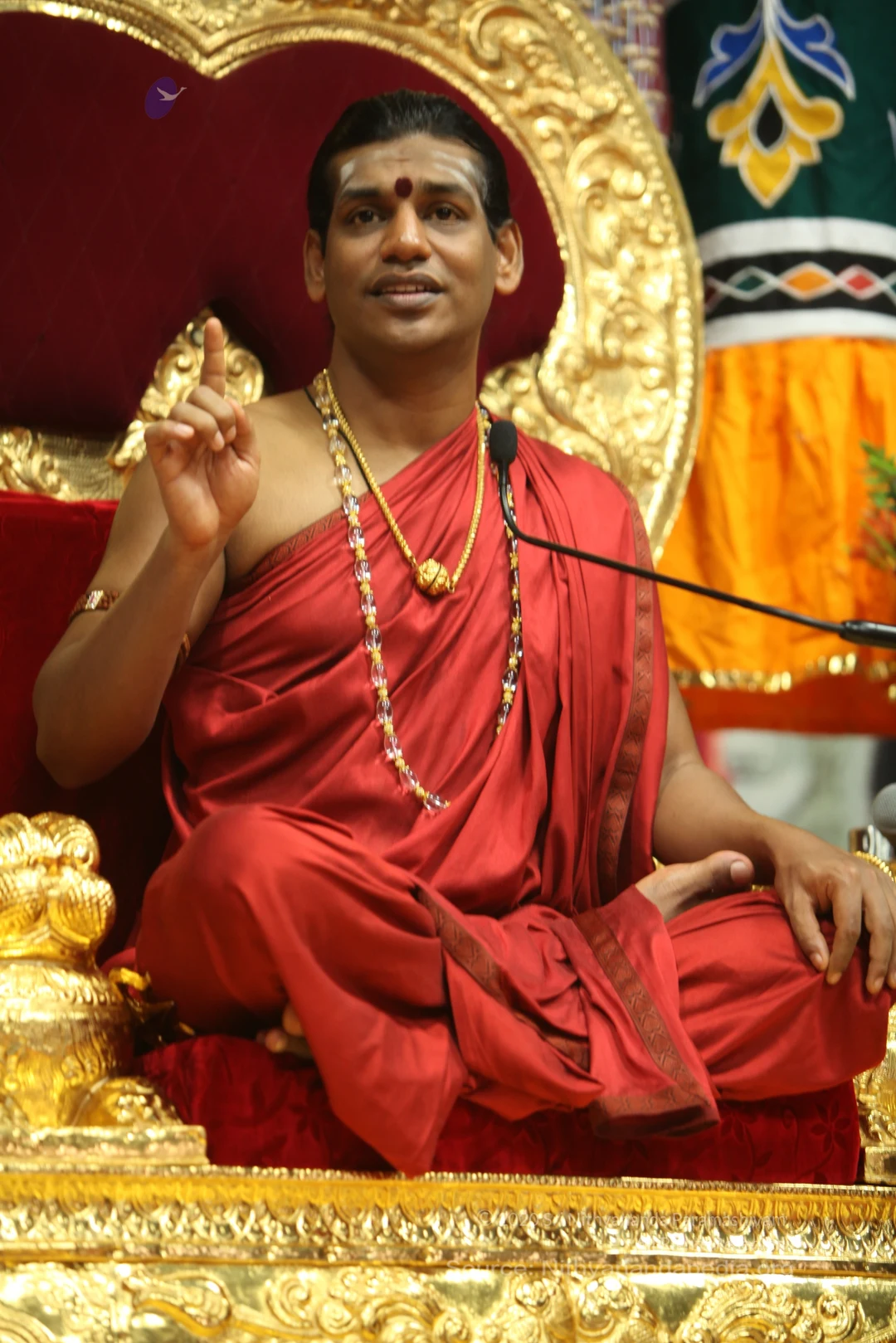
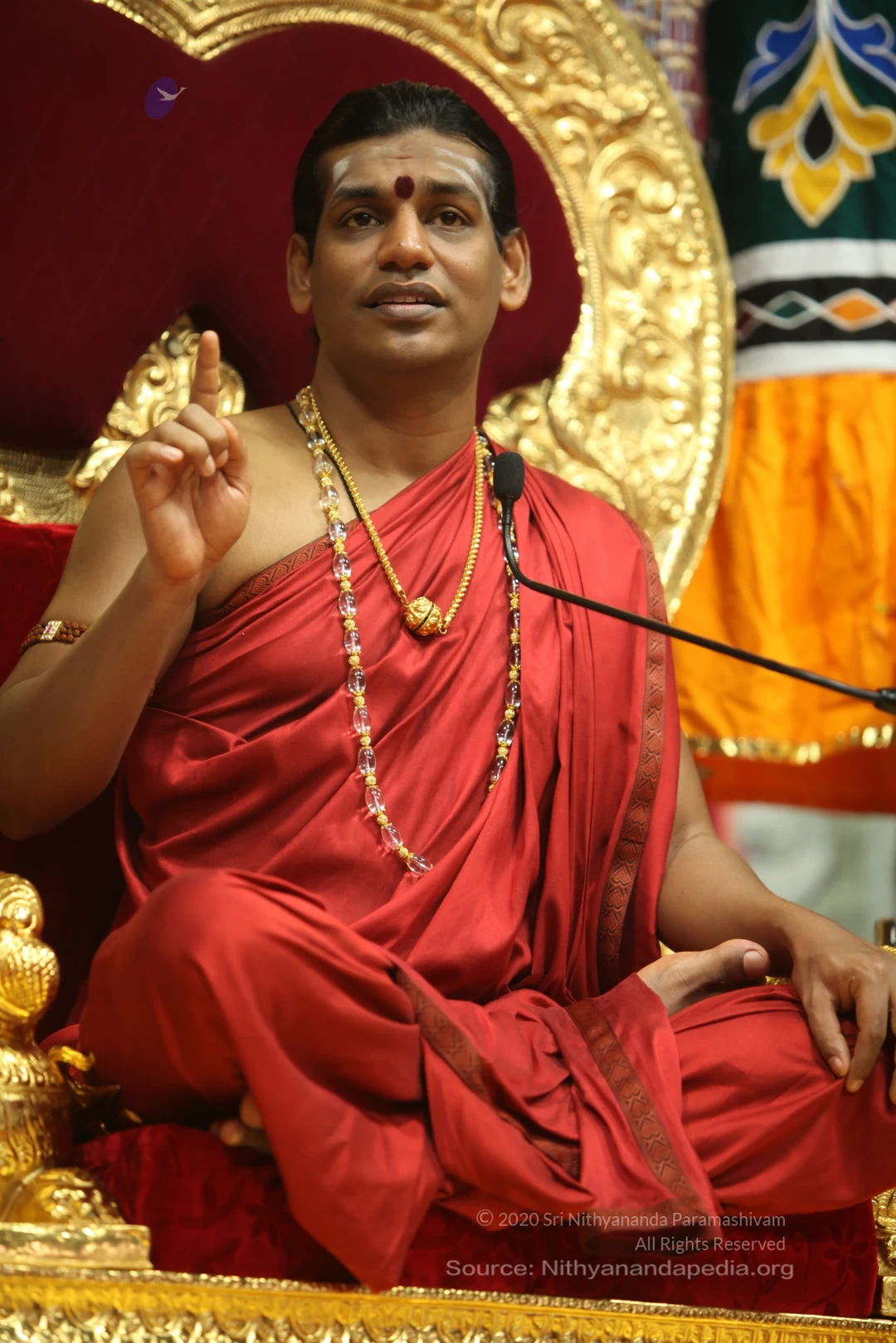
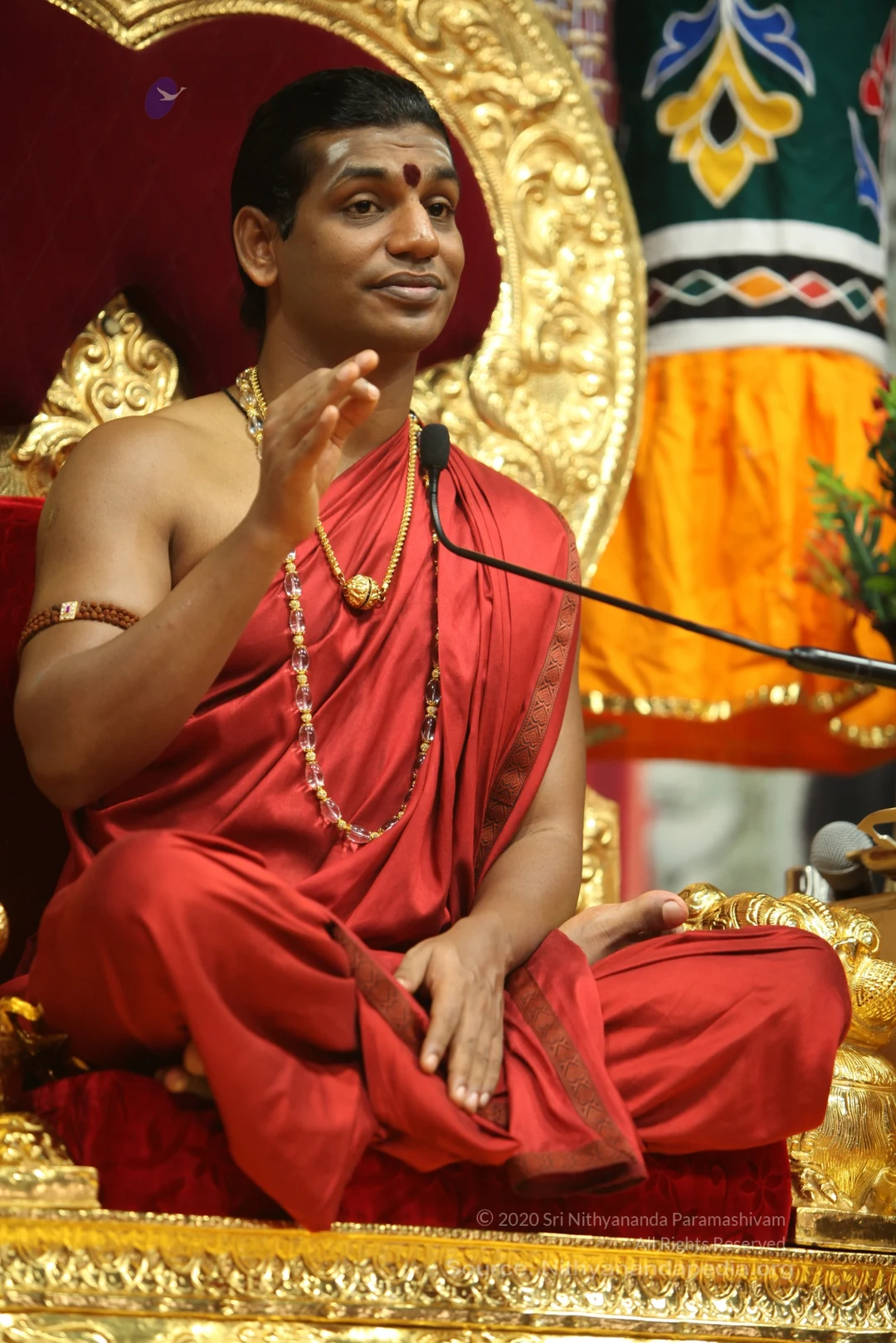
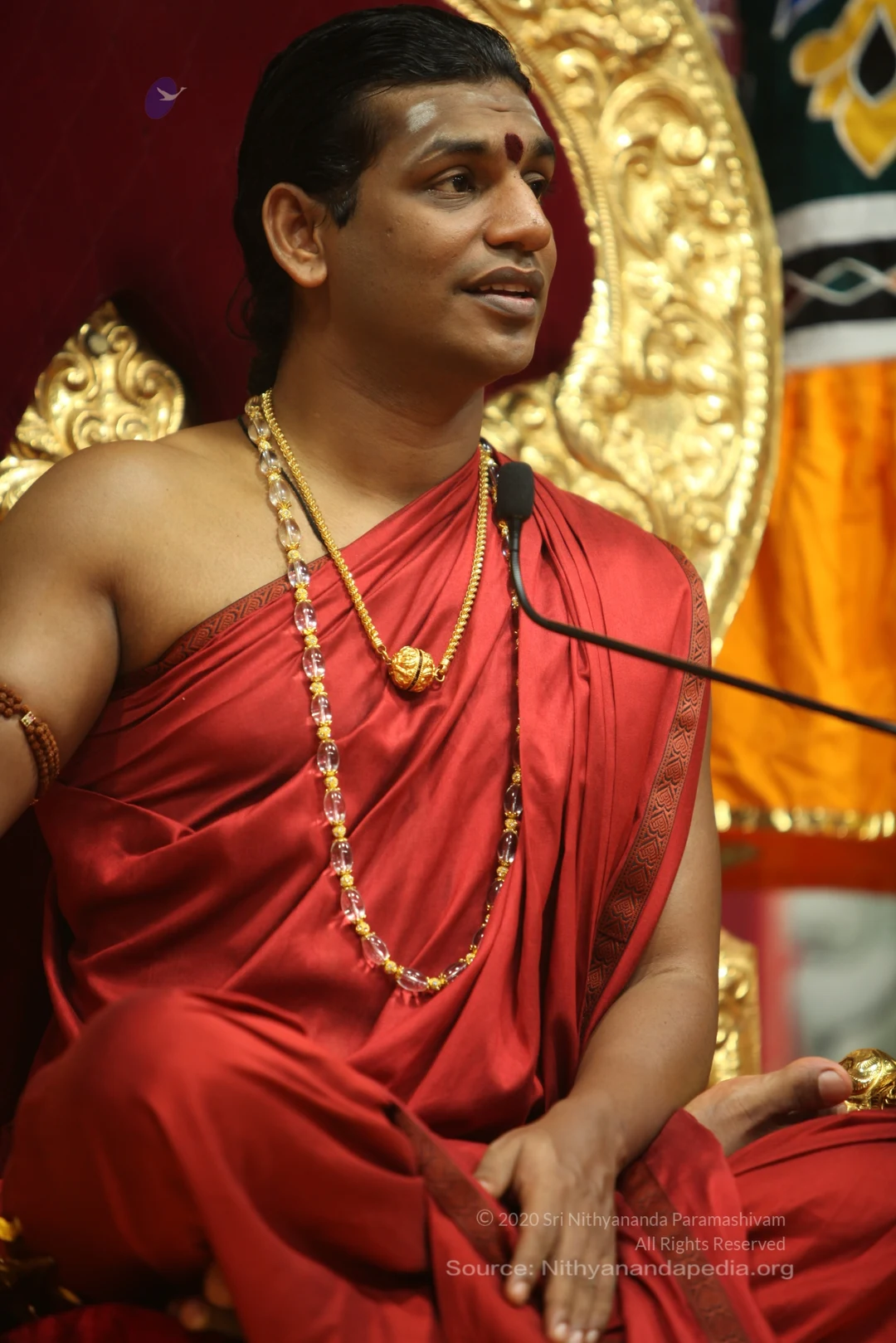
Photos Of The Day:
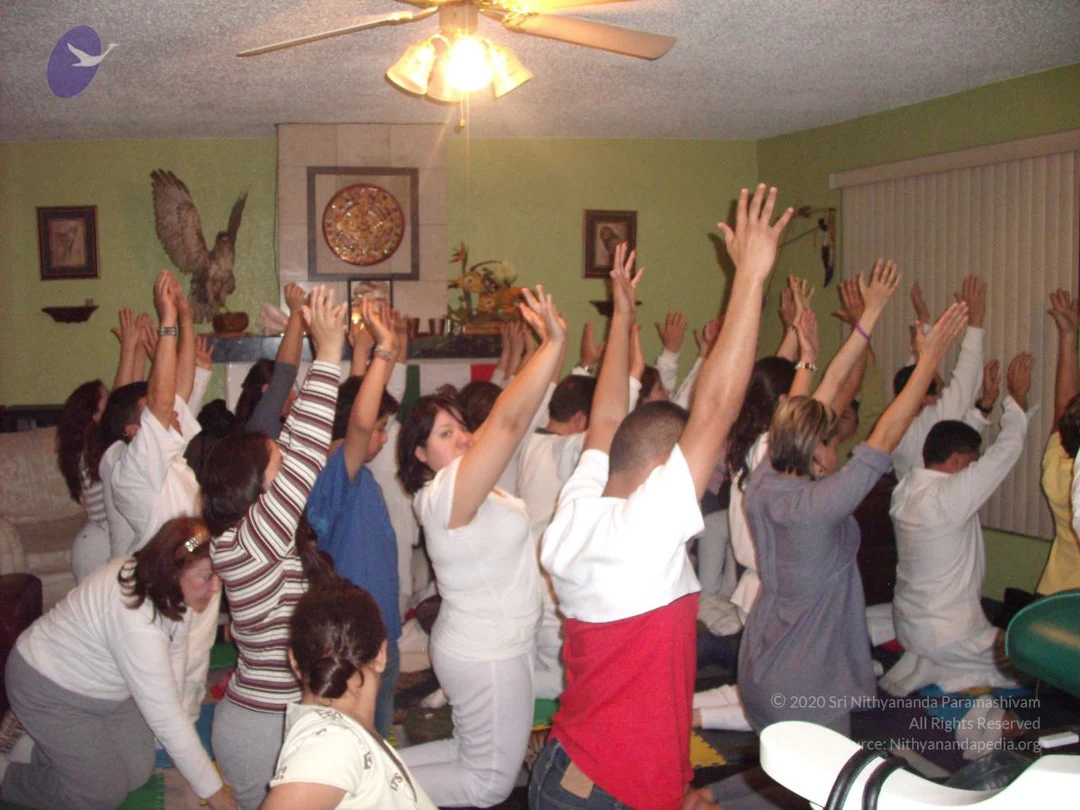
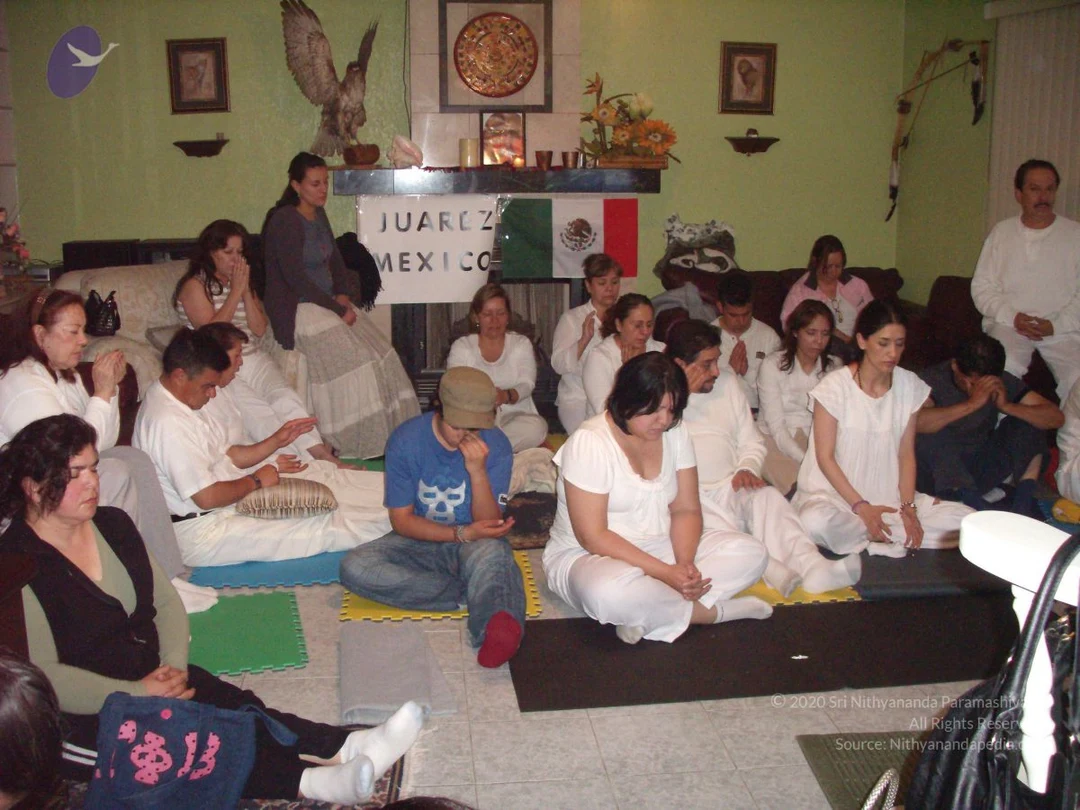
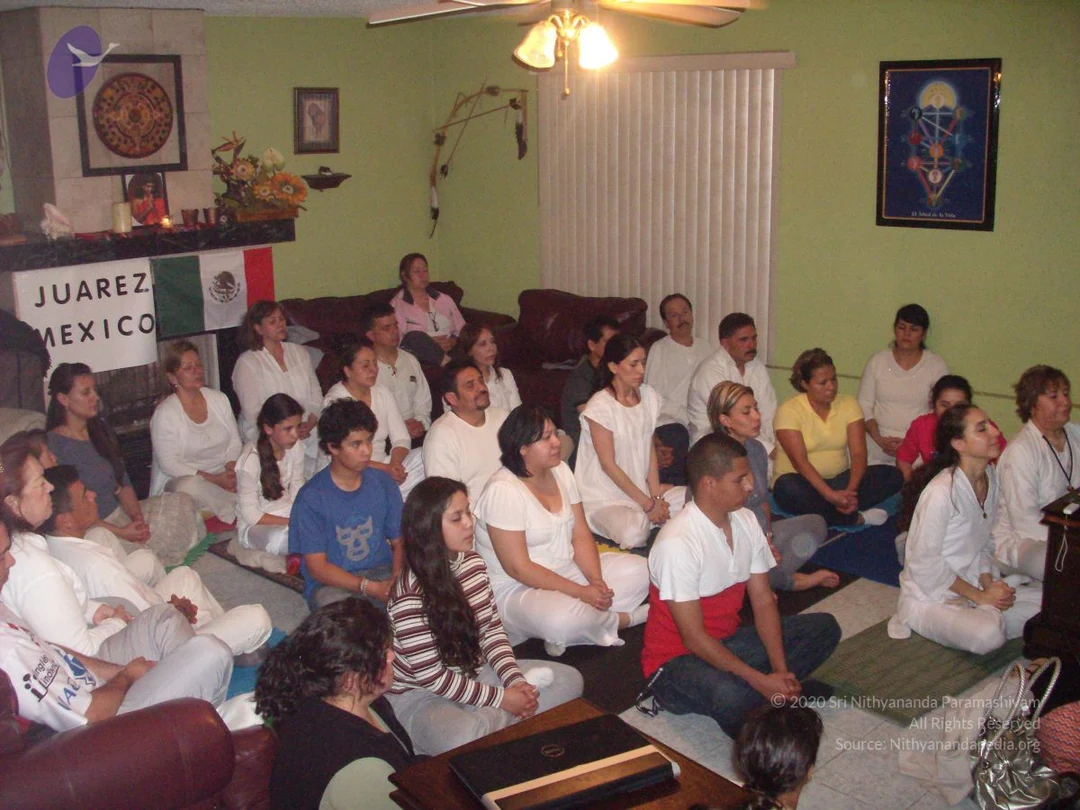
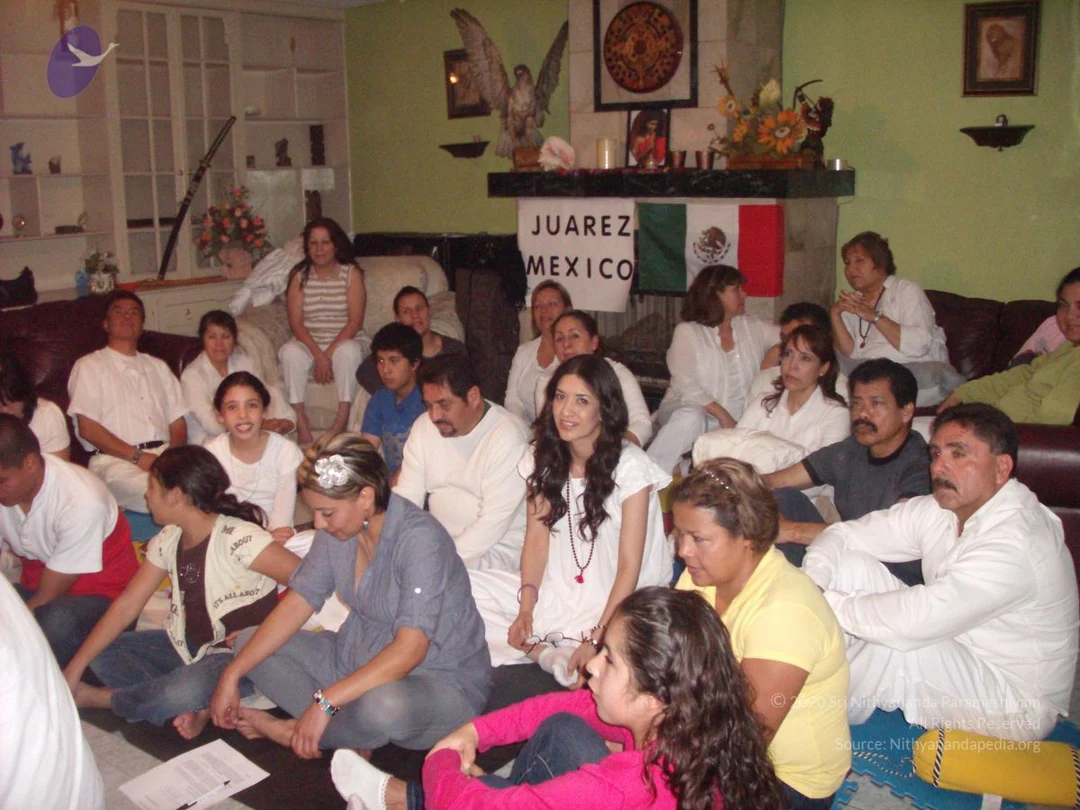
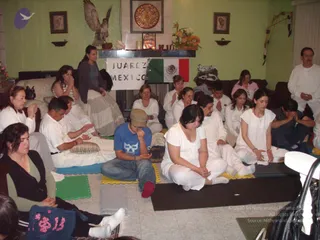
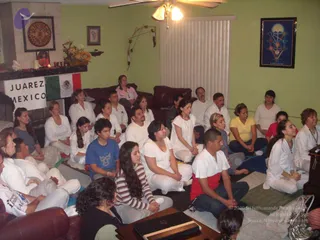
eN-Kriya-conducted-at-Mexico


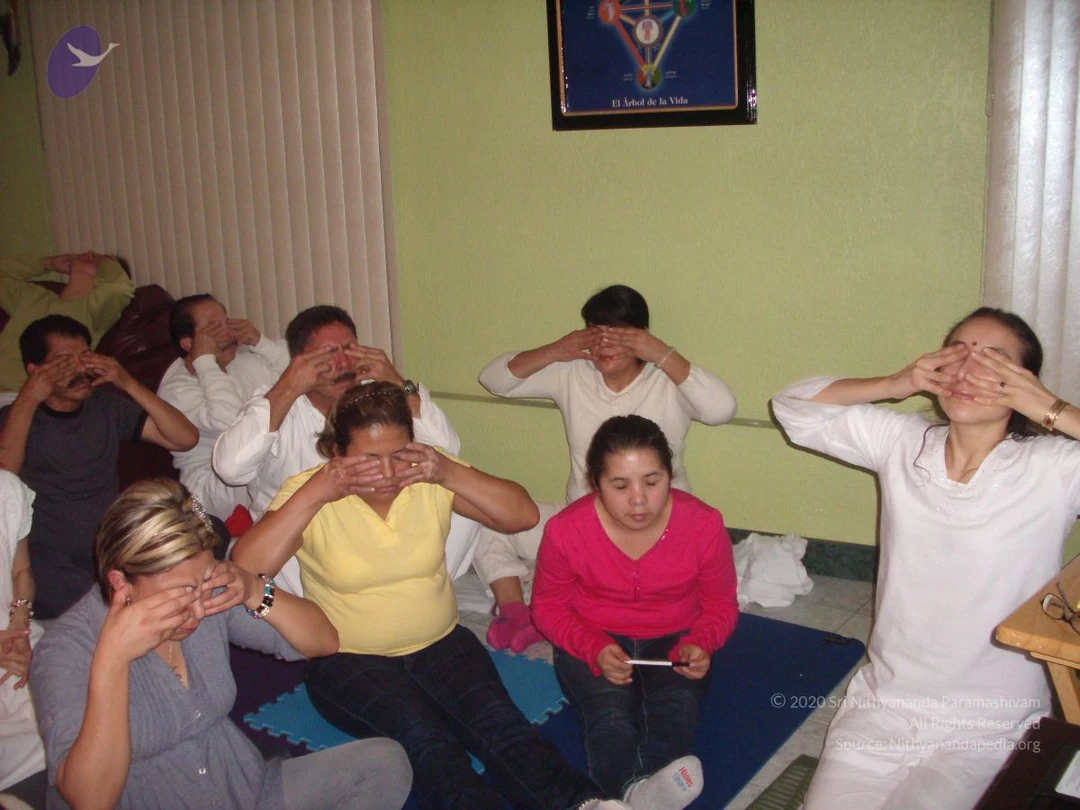
Photos Of The Day:
eN-Kriya-in -SanJose
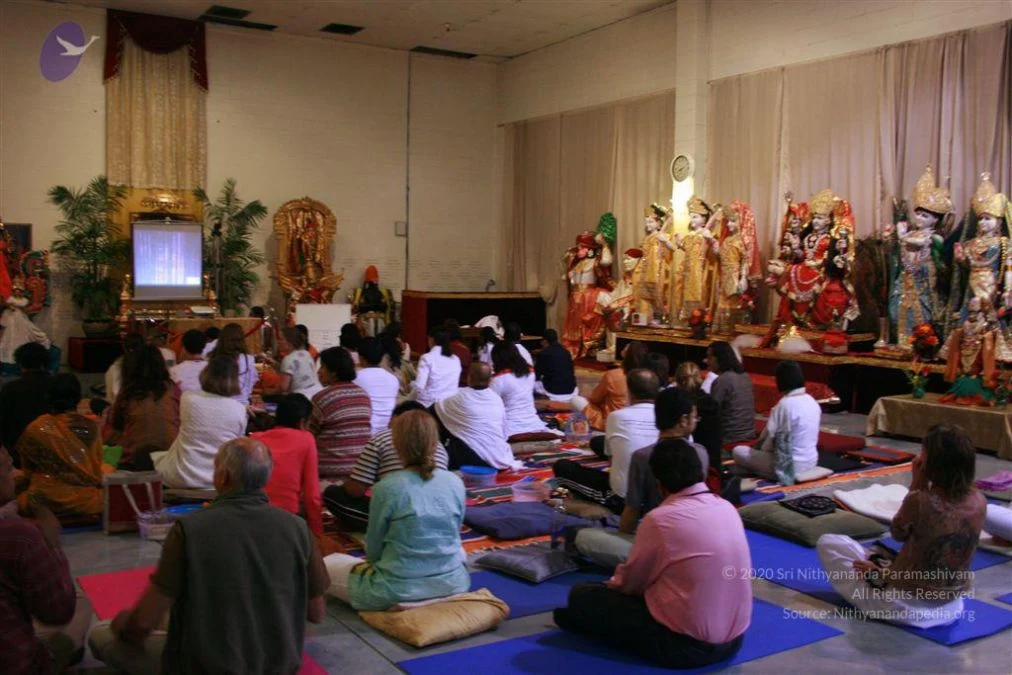
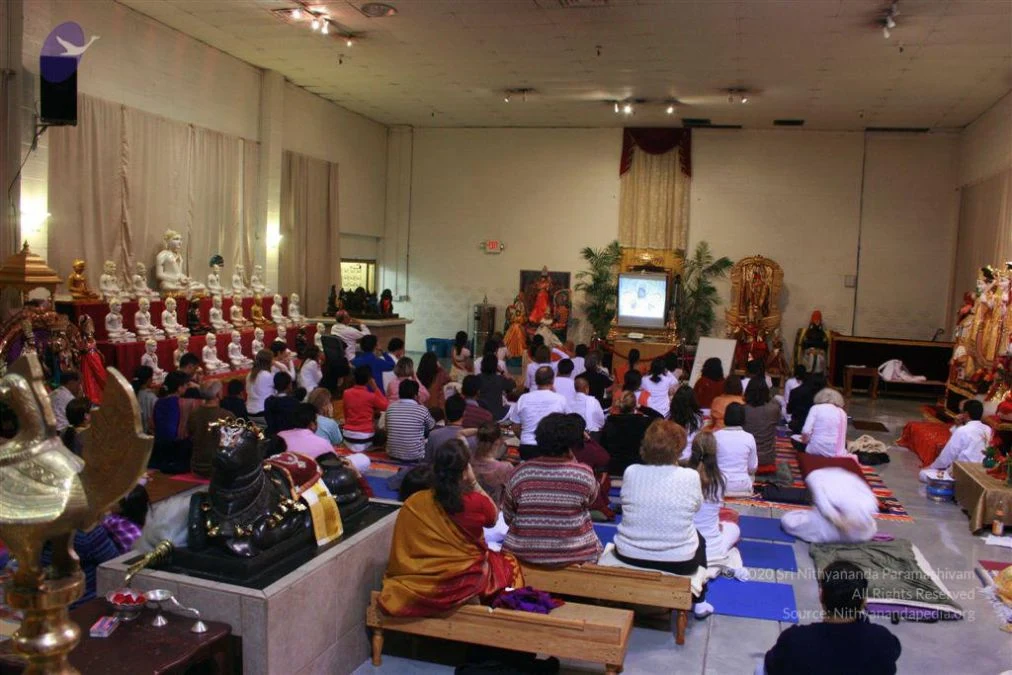
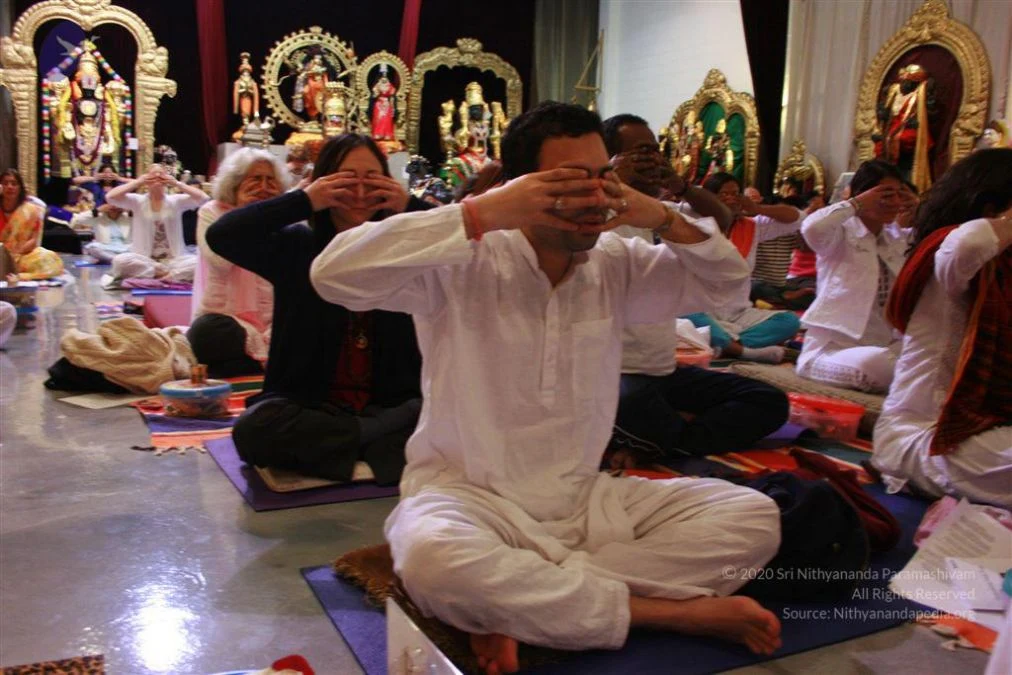
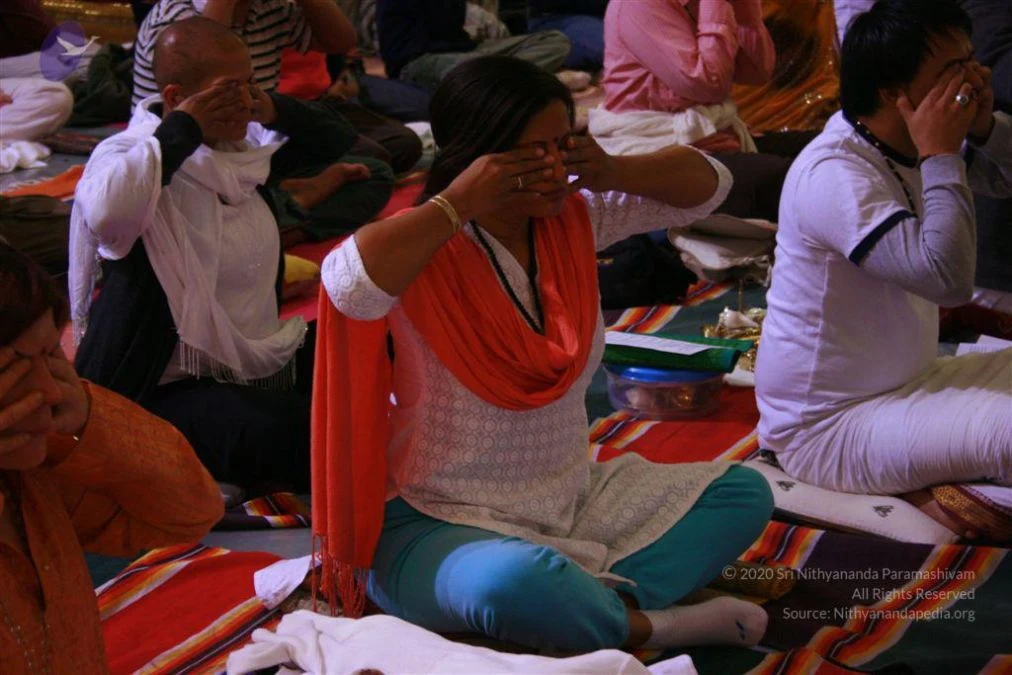
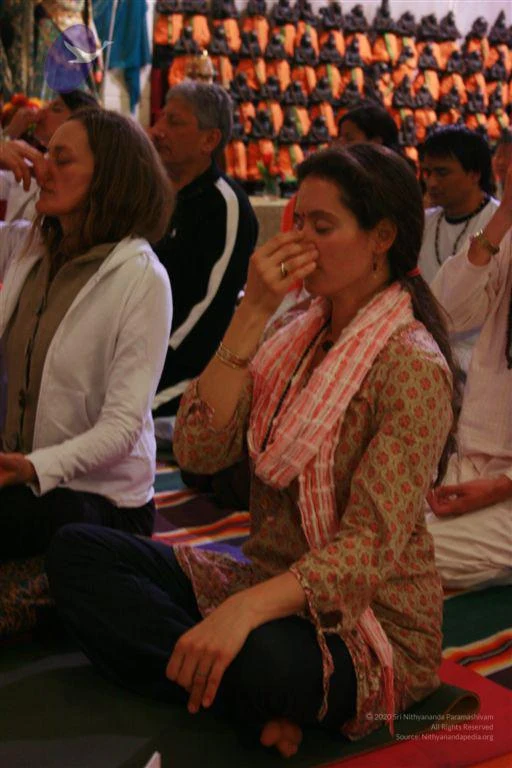
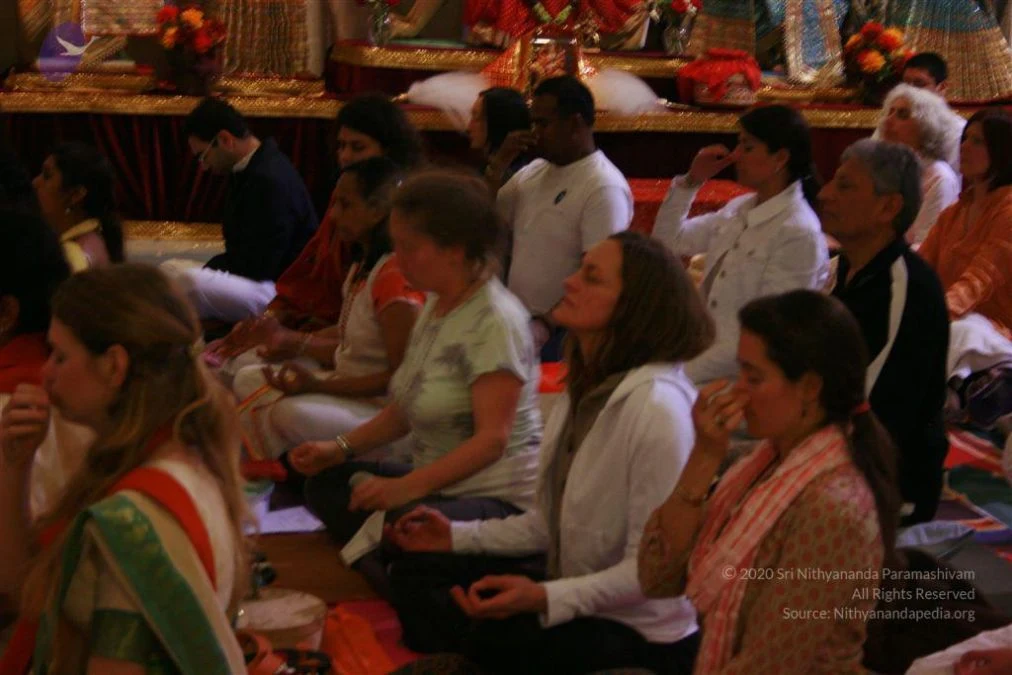
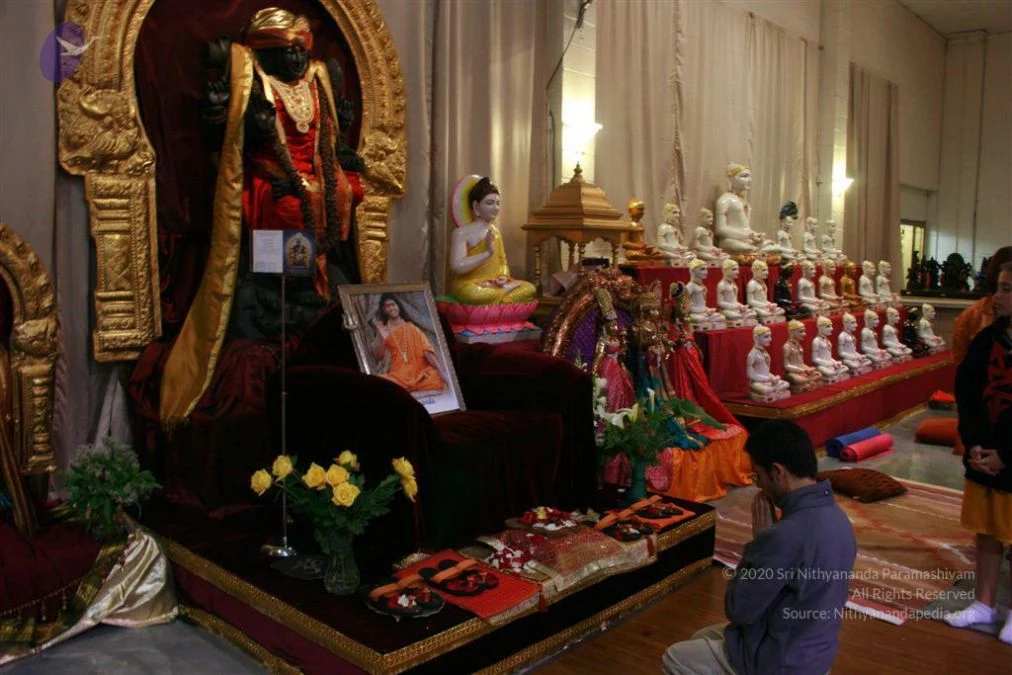
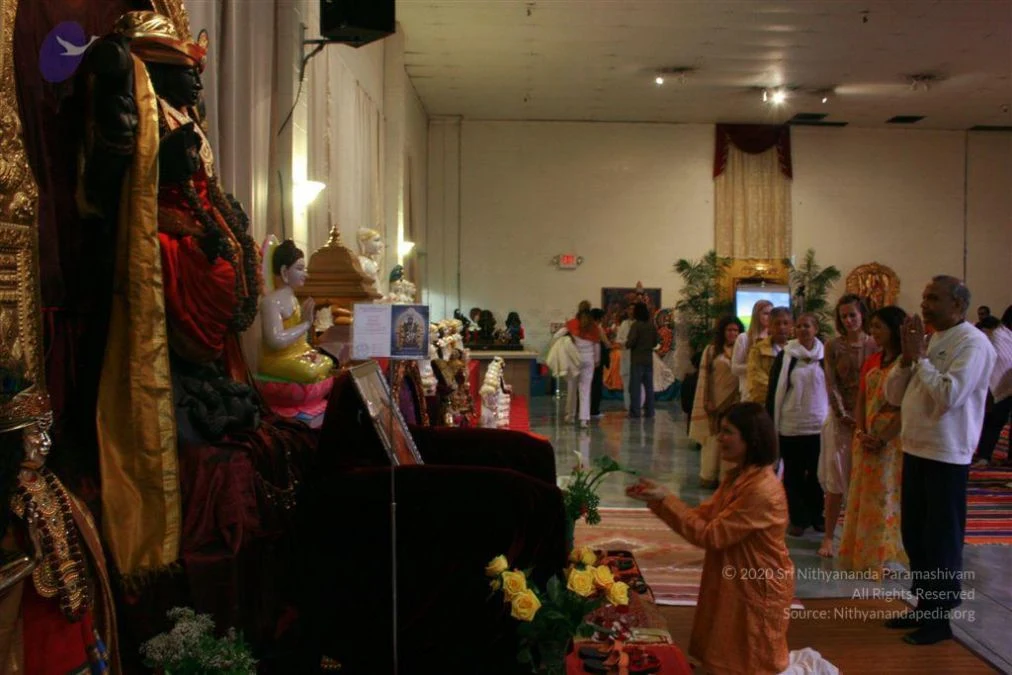
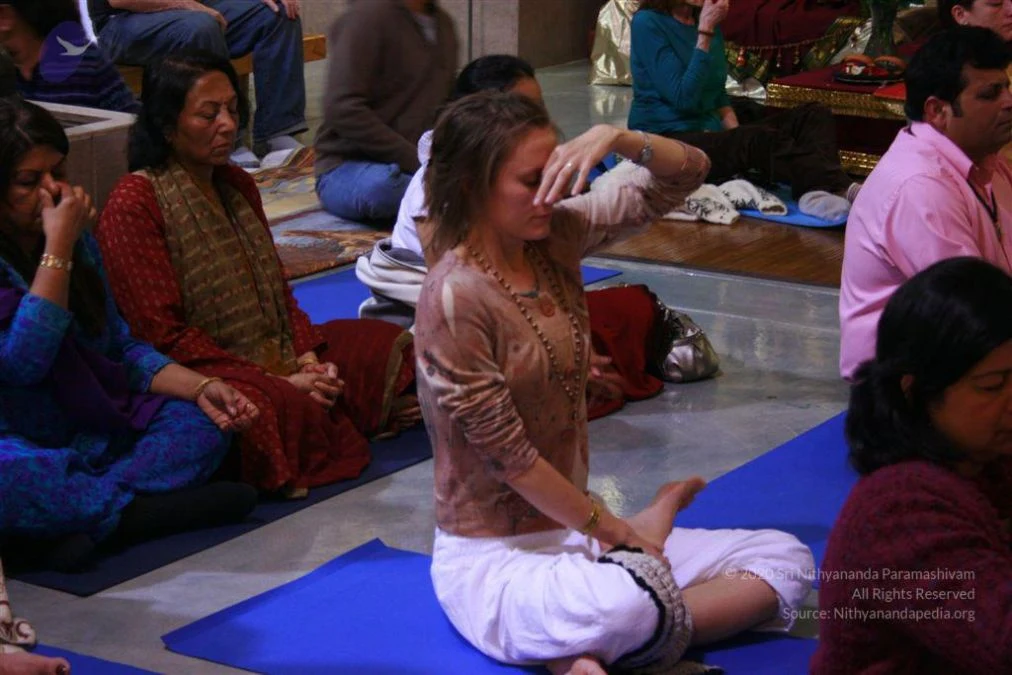
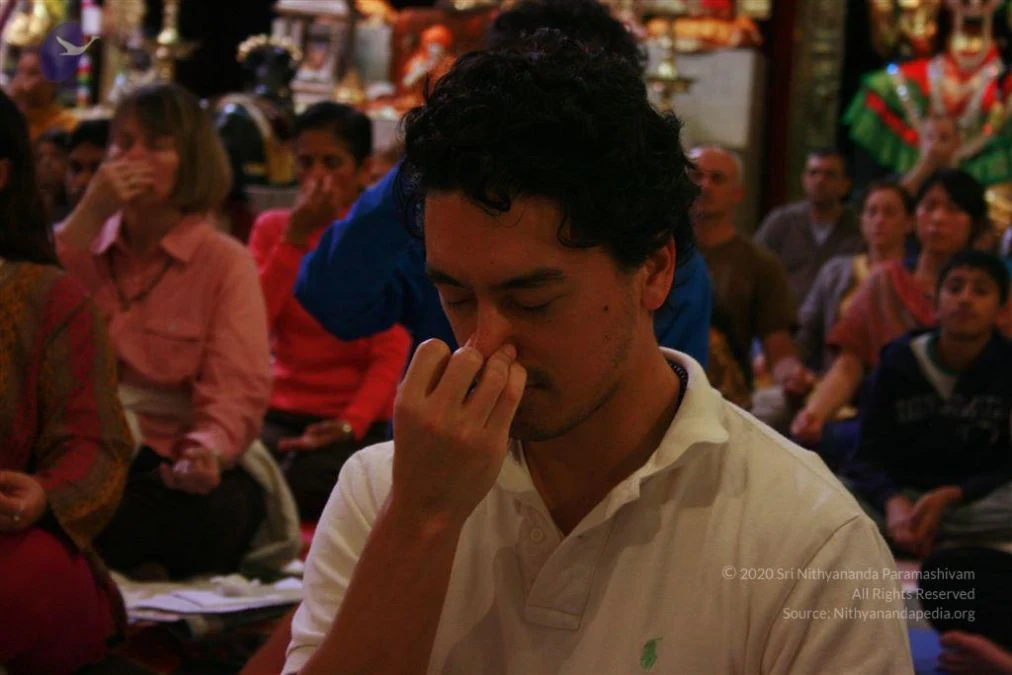
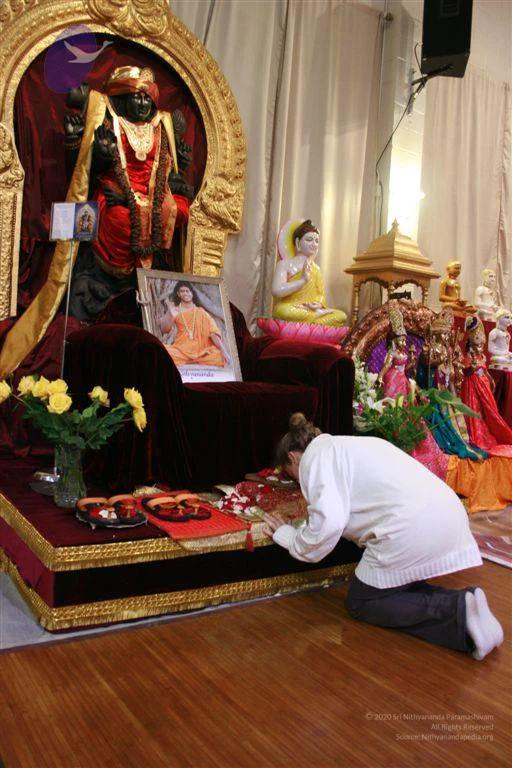
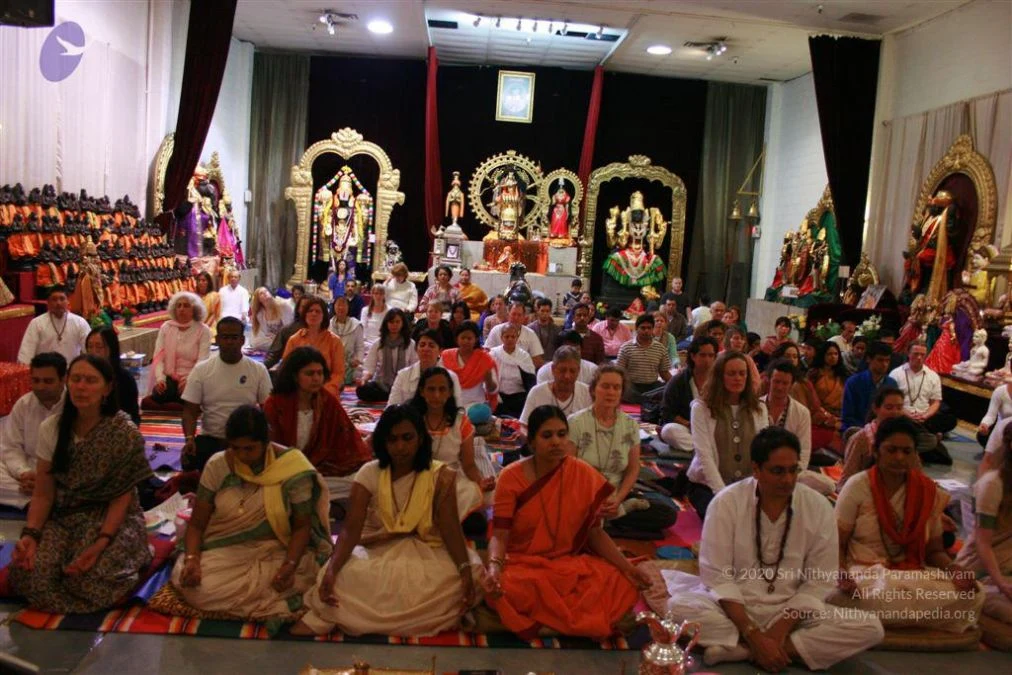
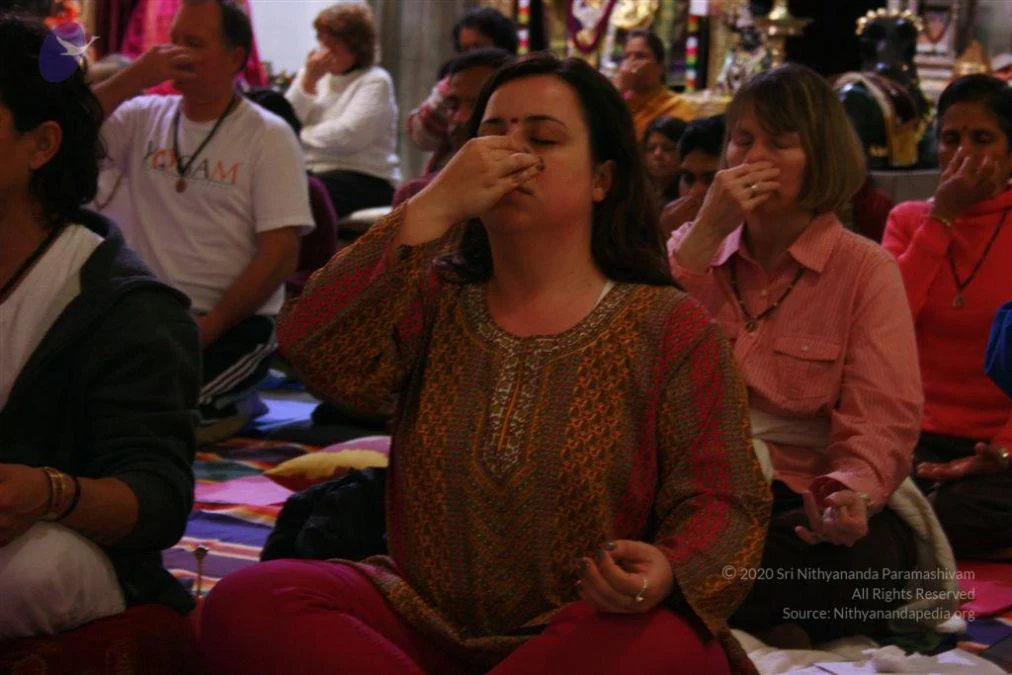
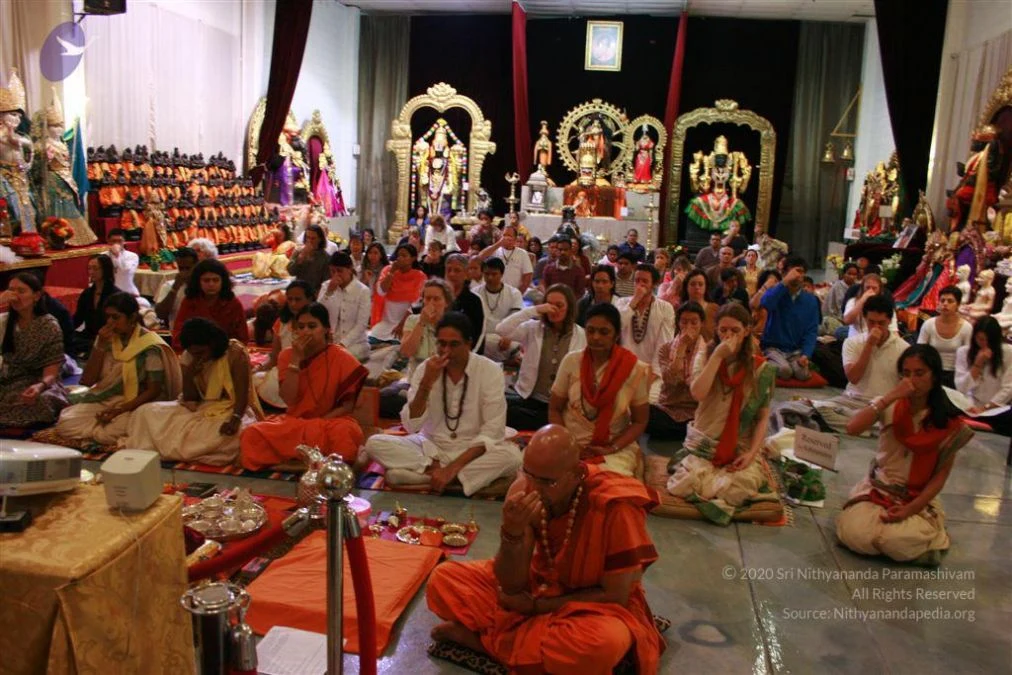
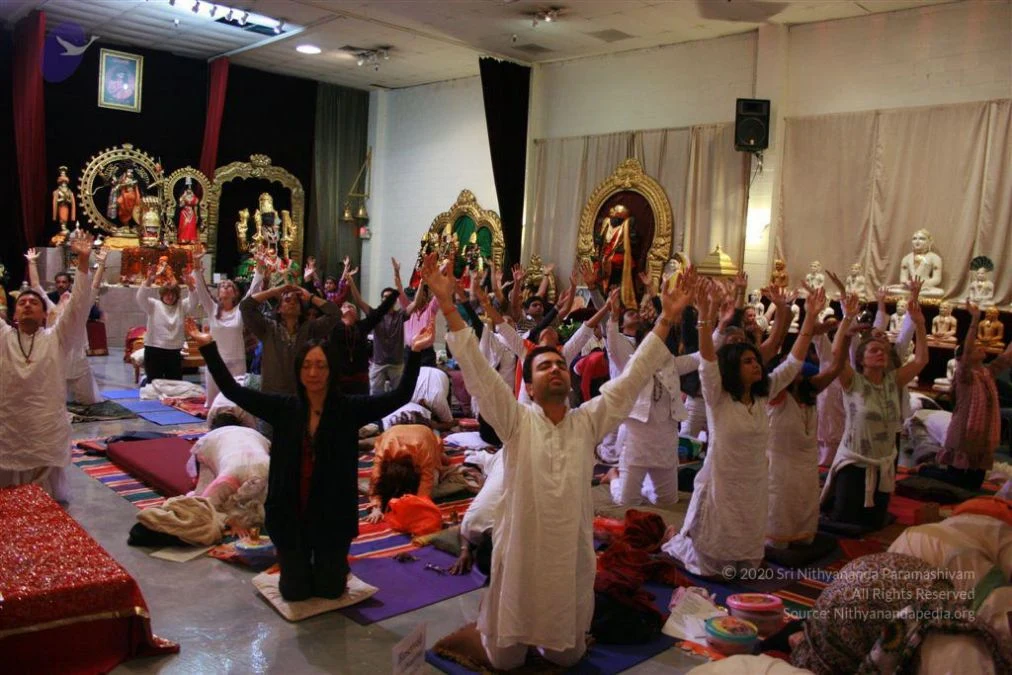
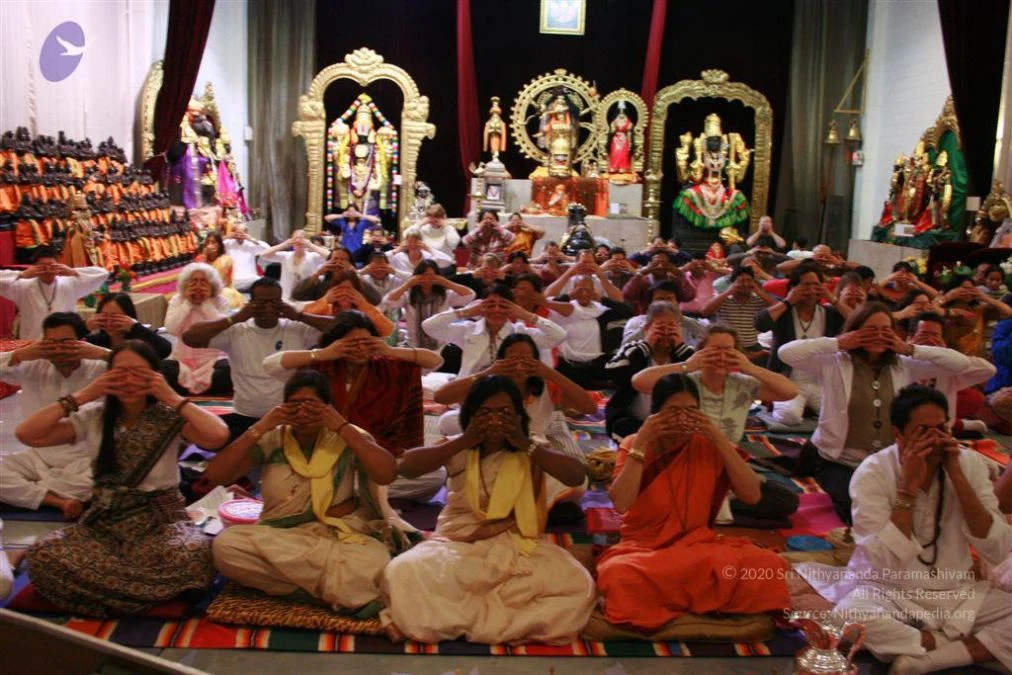
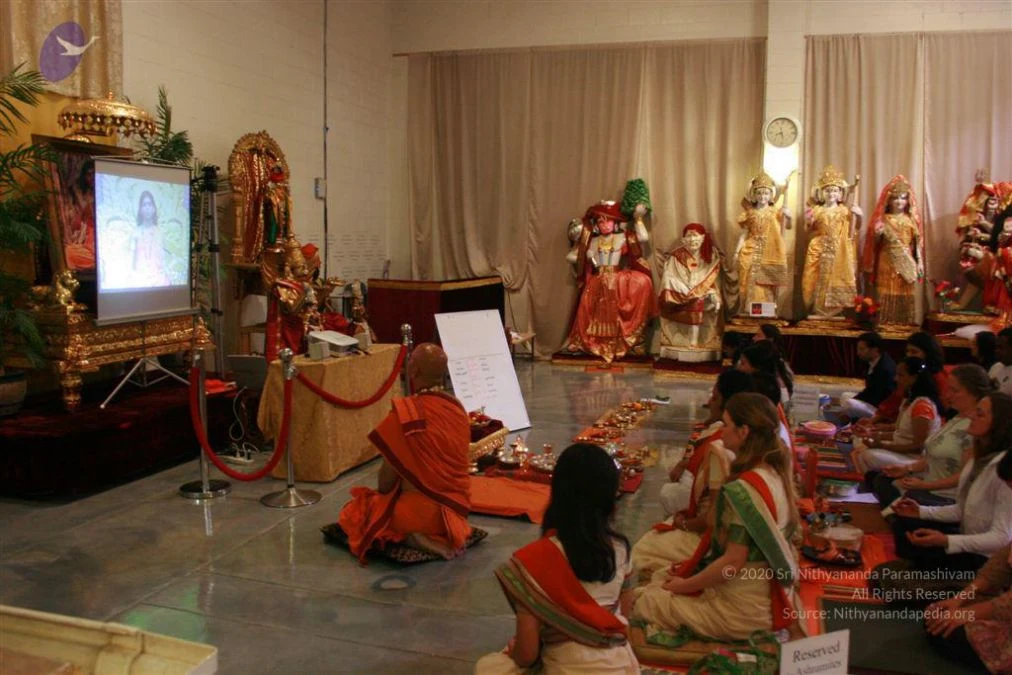
Photos Of The Day:
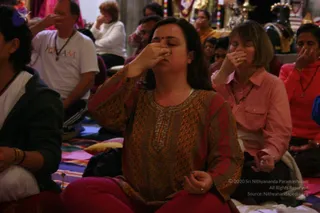
En-Kriya
Photos Of The Day:
En-Kriya
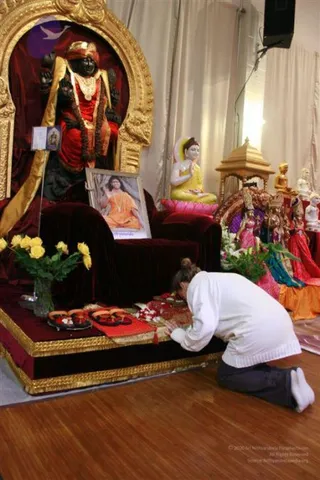
01-ADIKAILASA
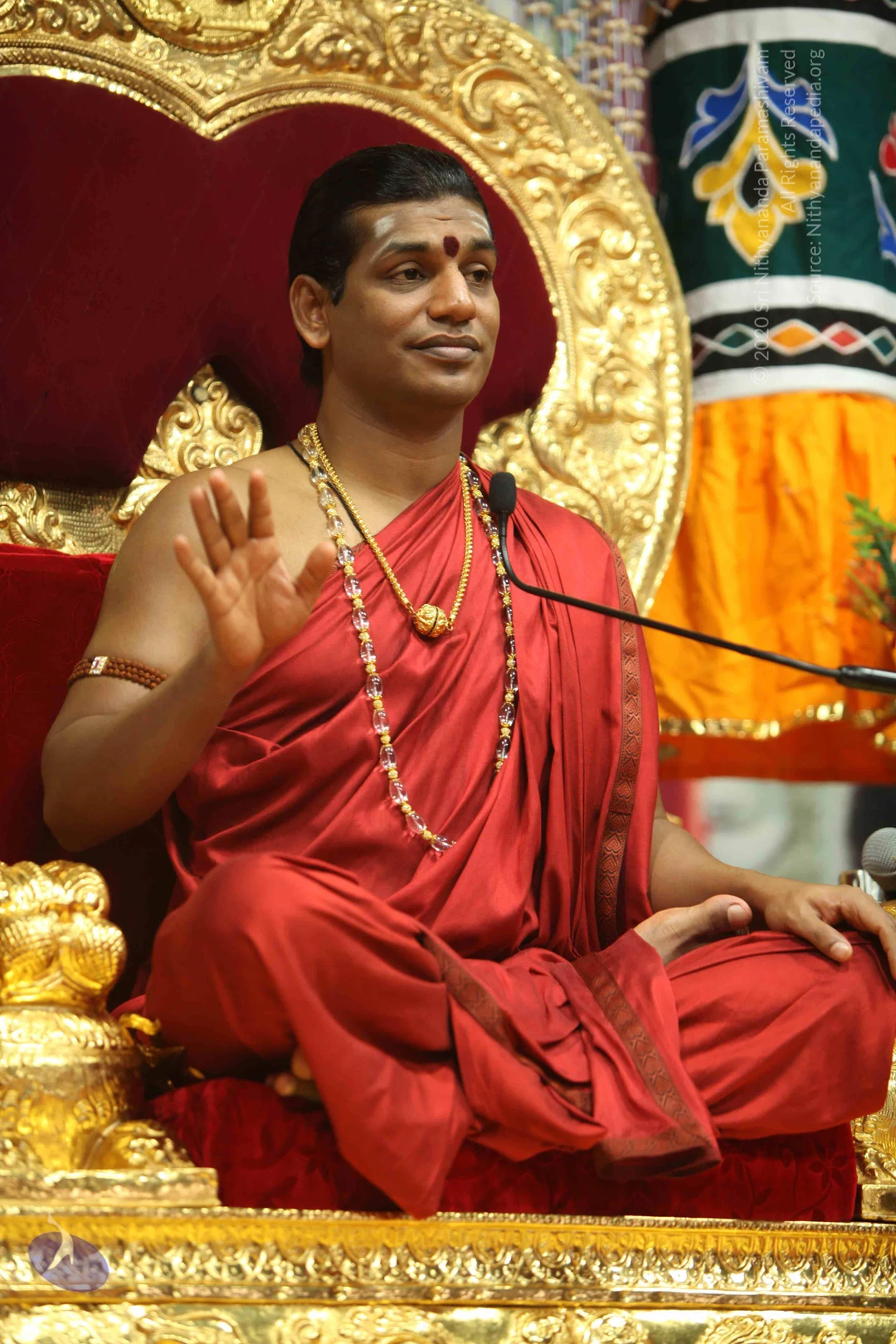
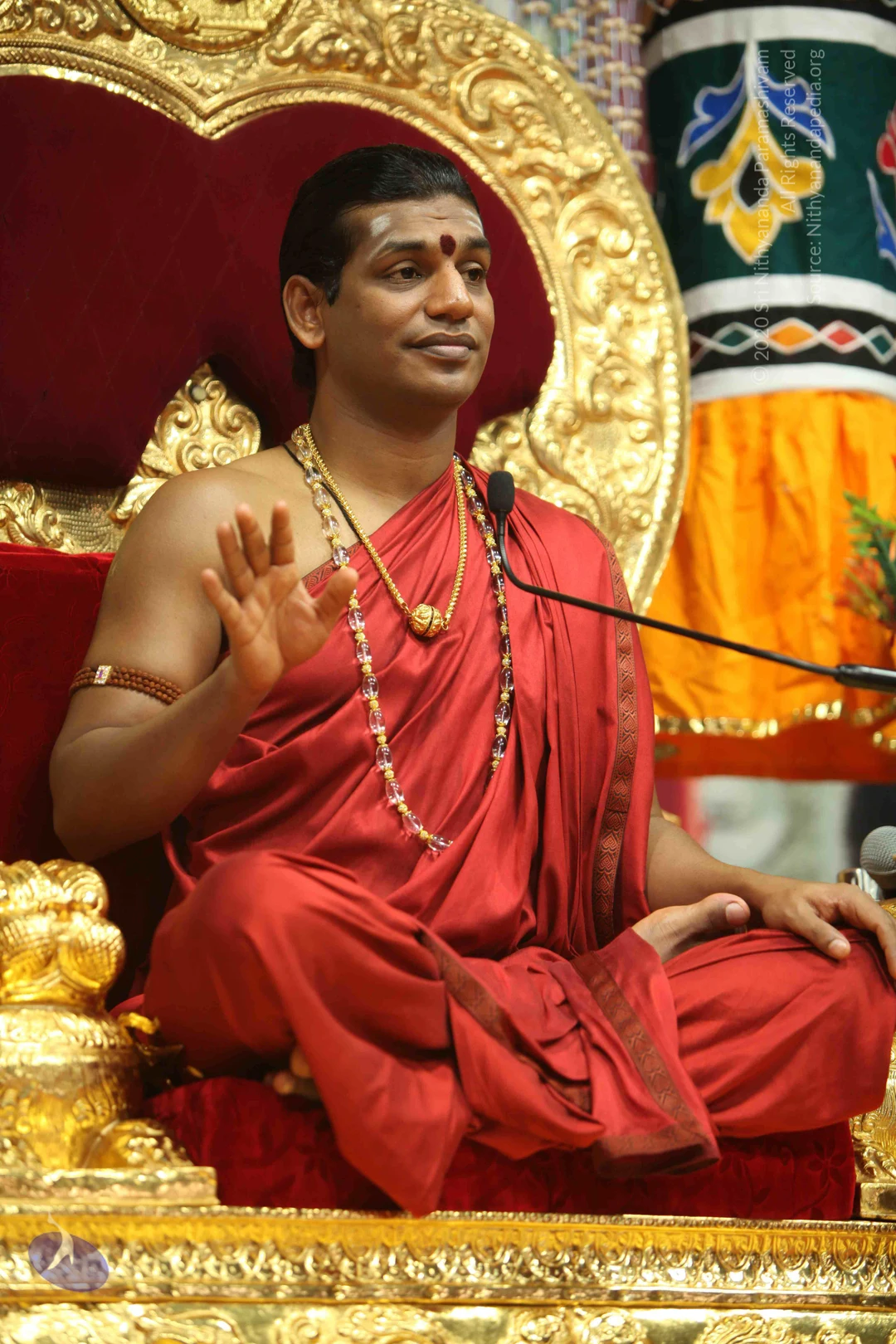
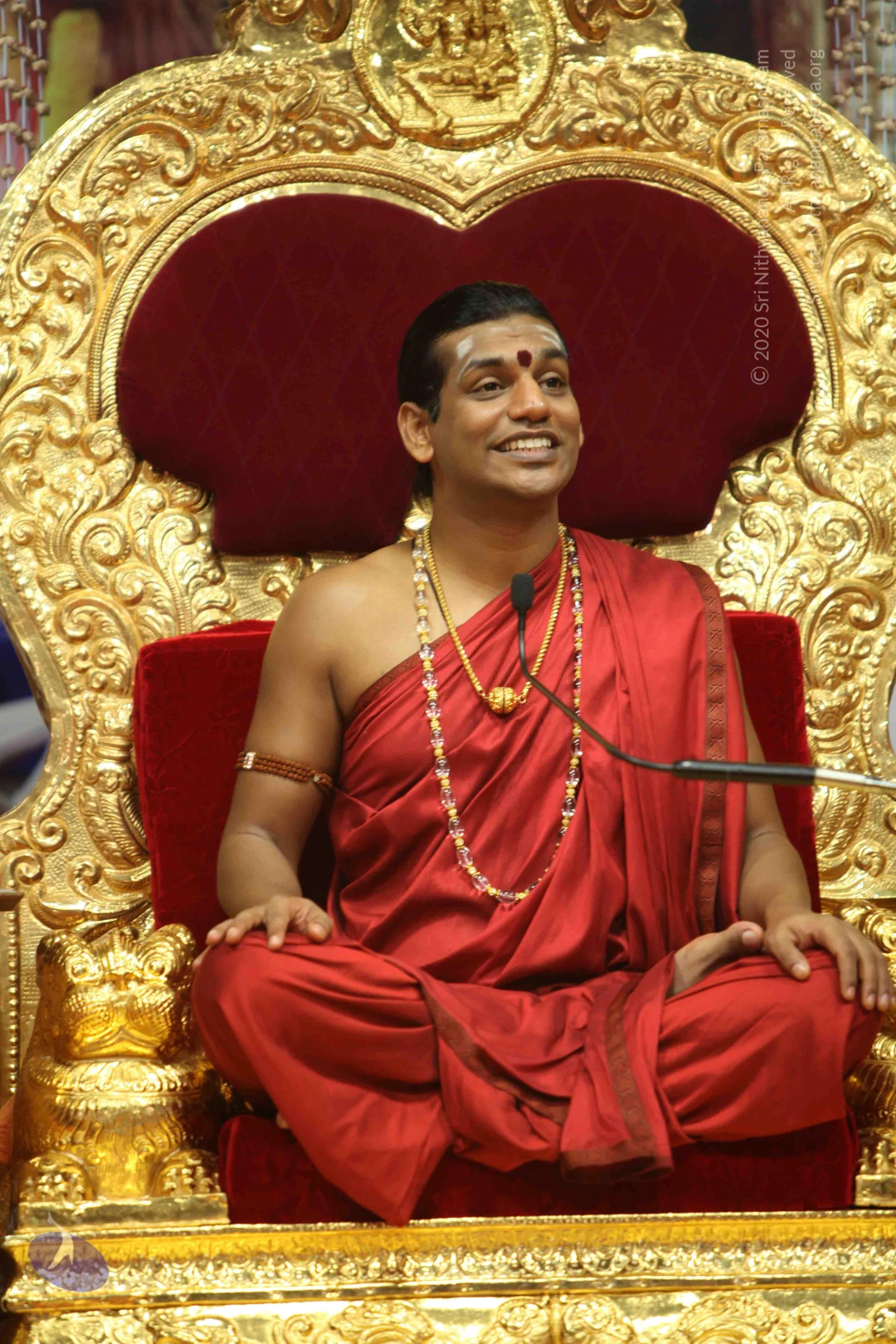
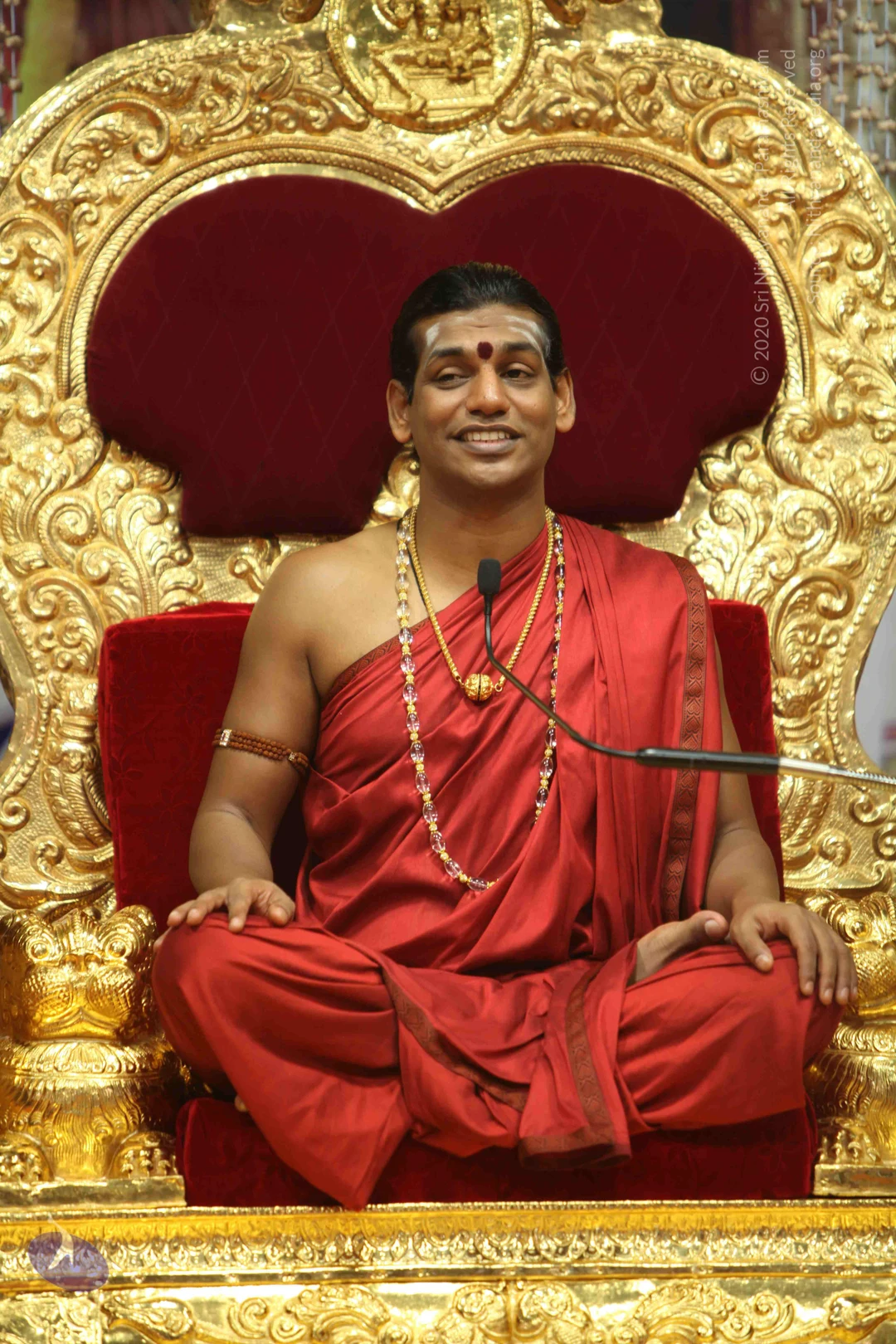
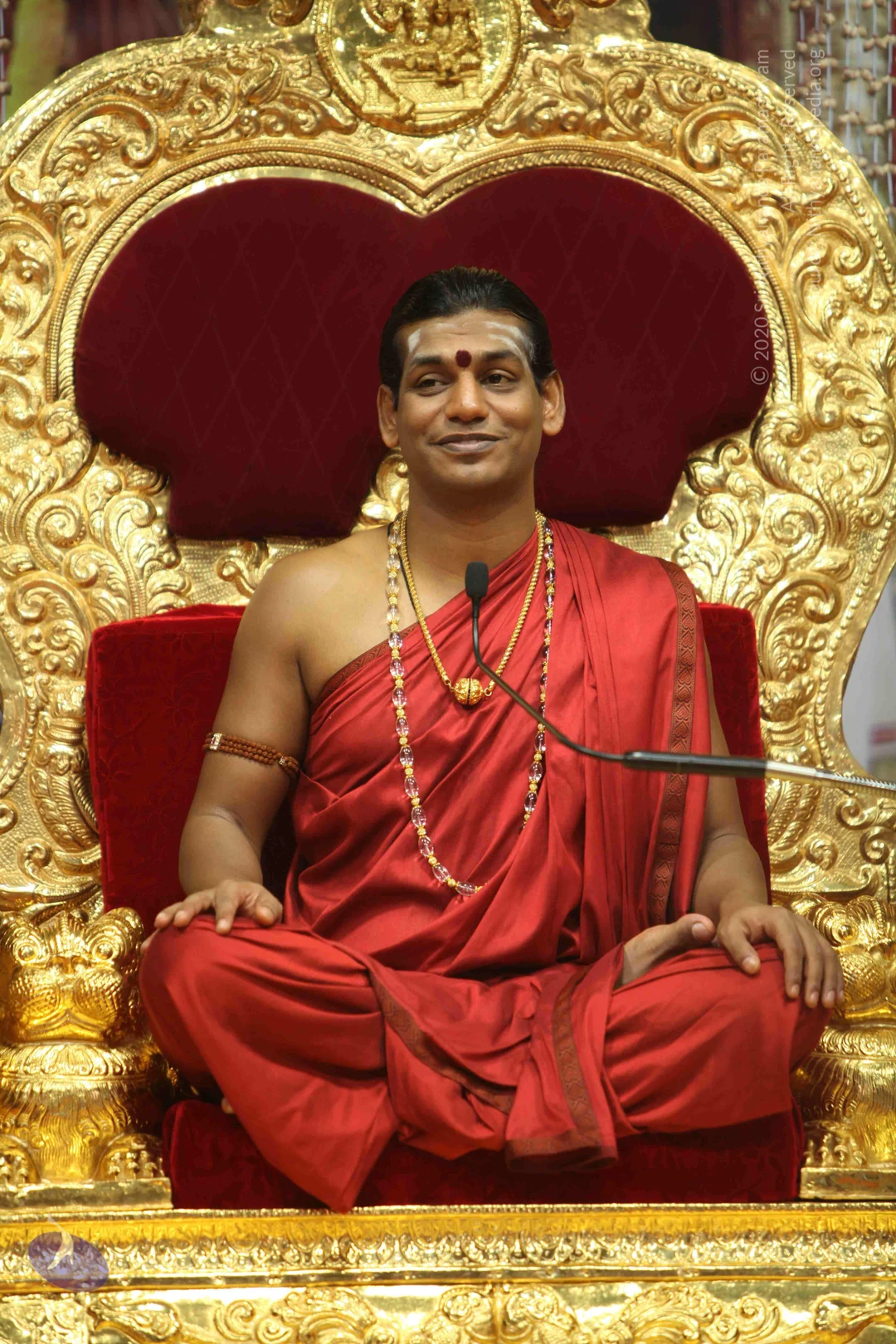
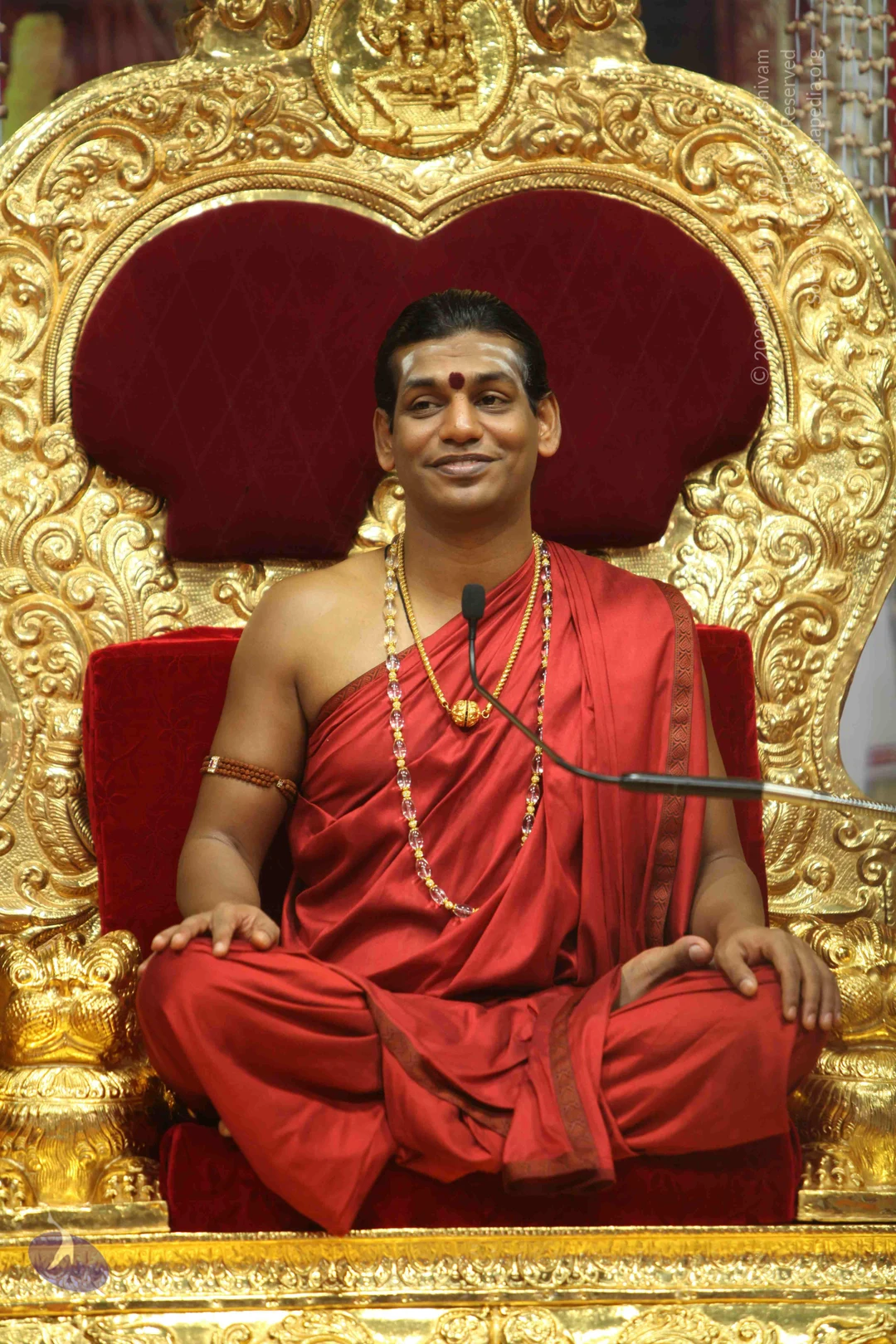
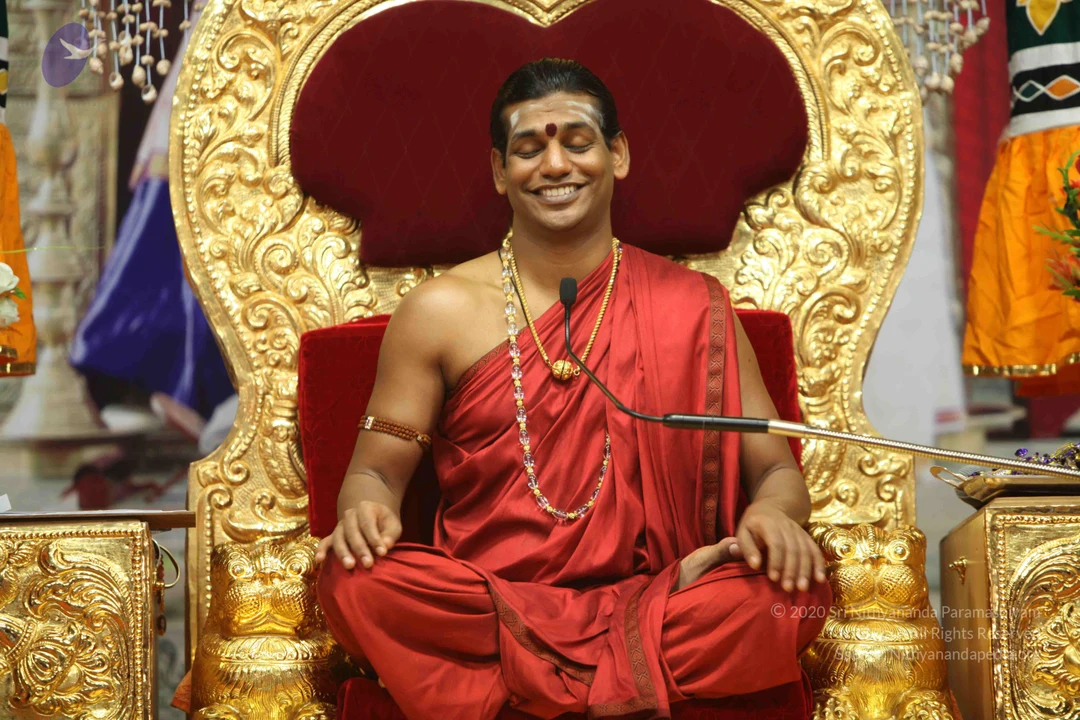
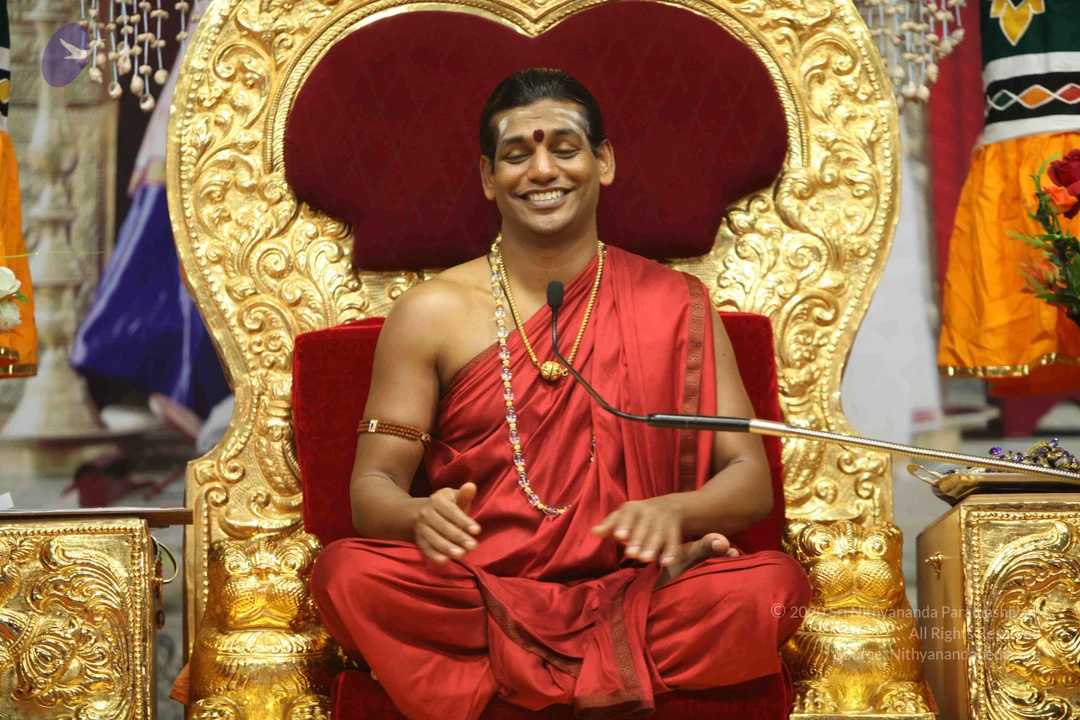
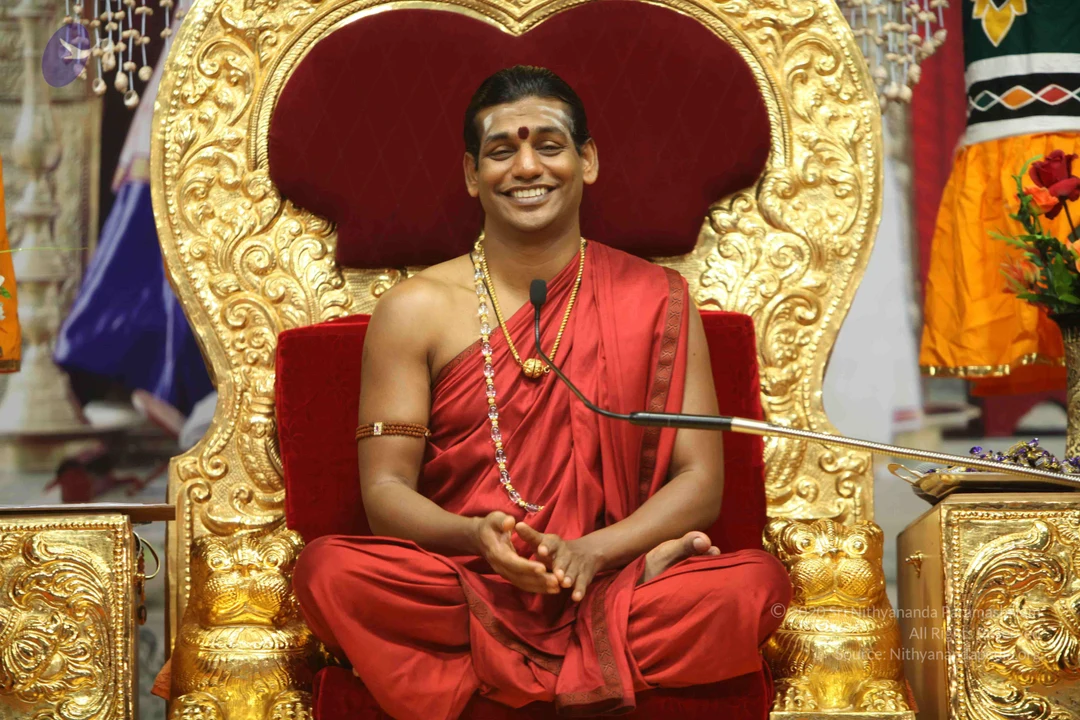
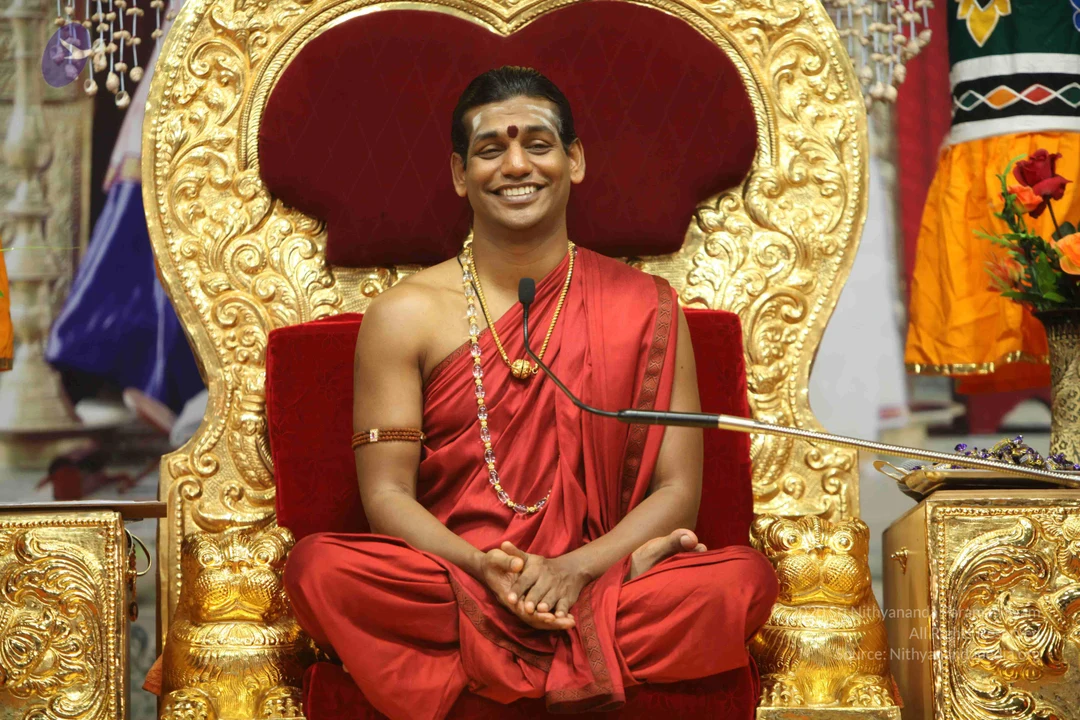
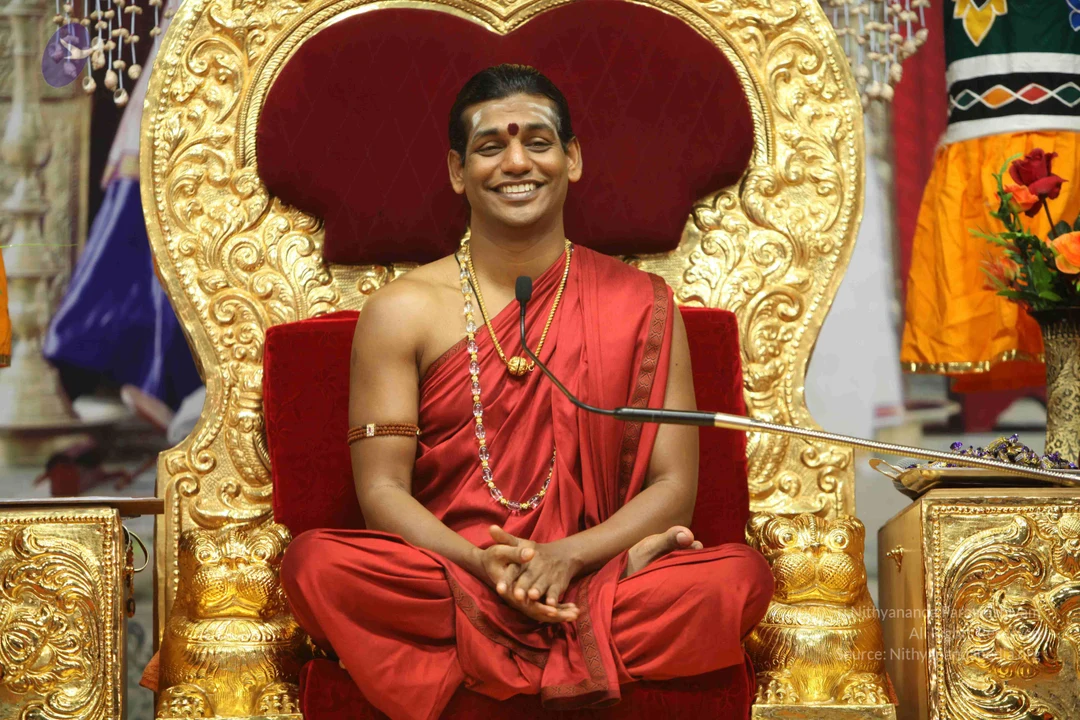
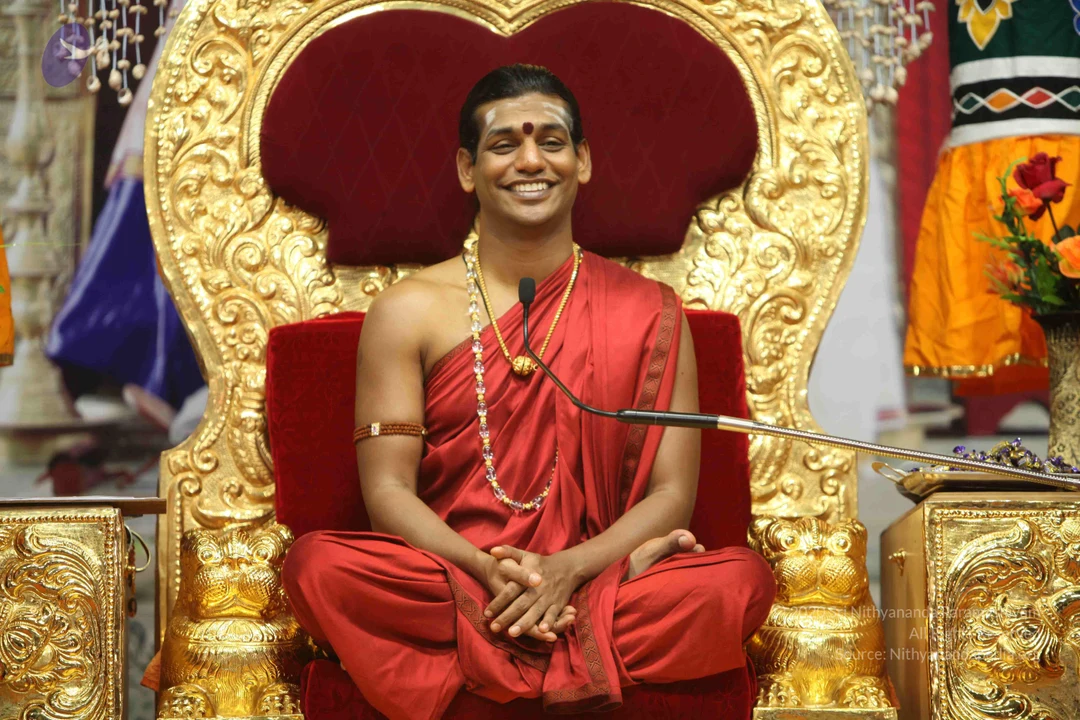
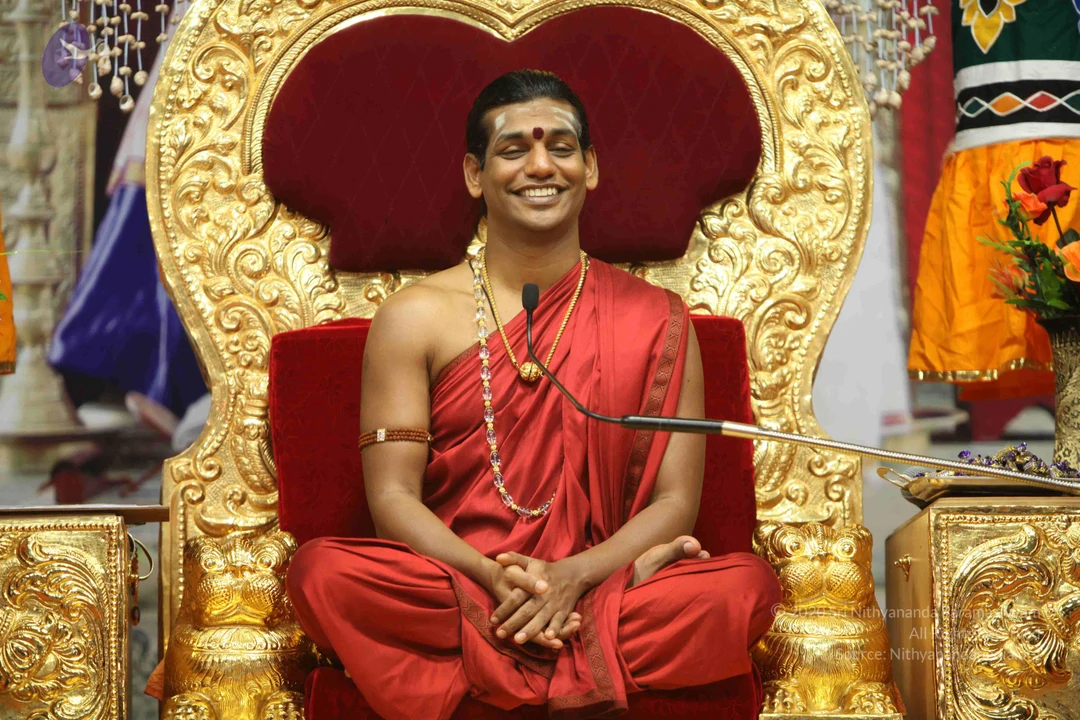
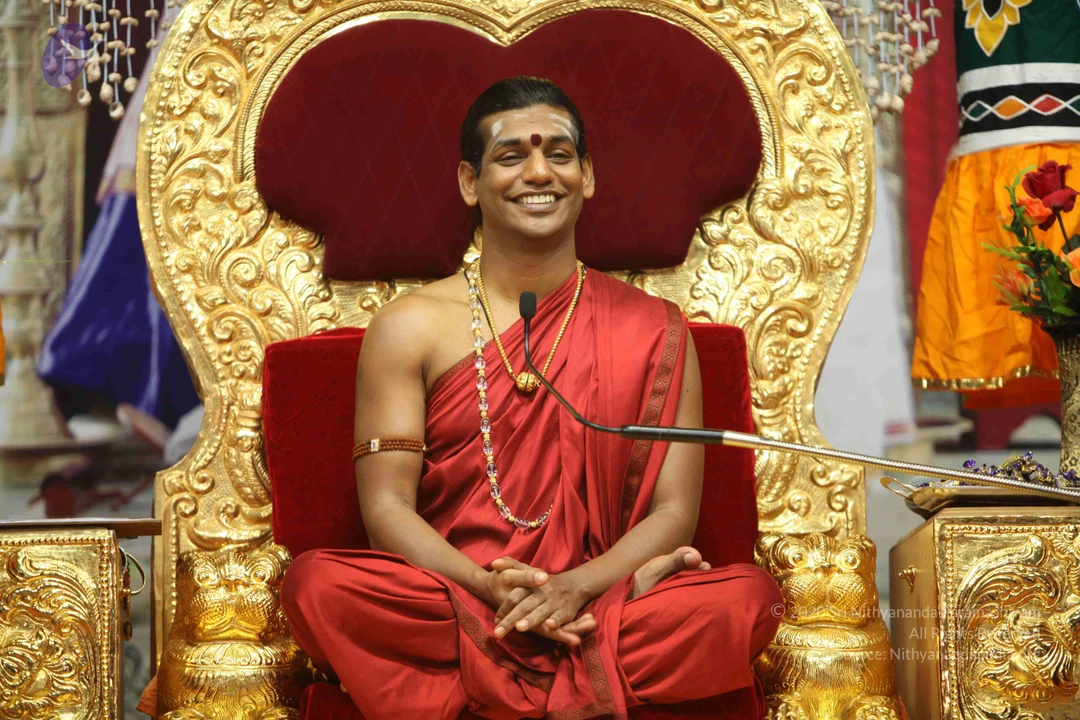
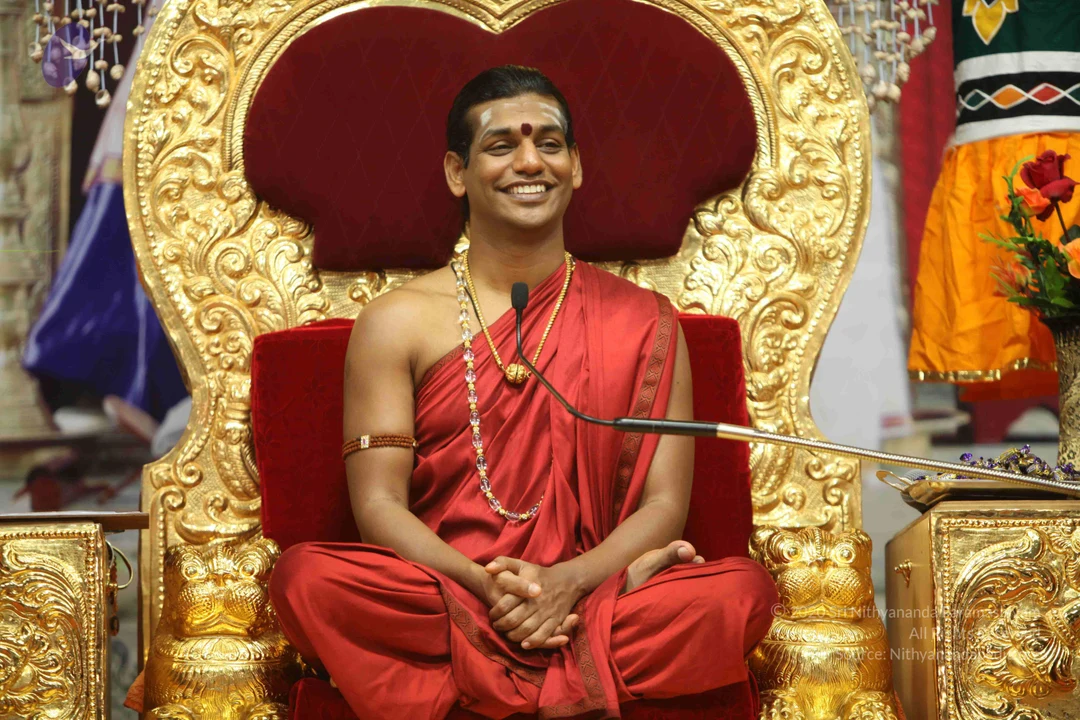
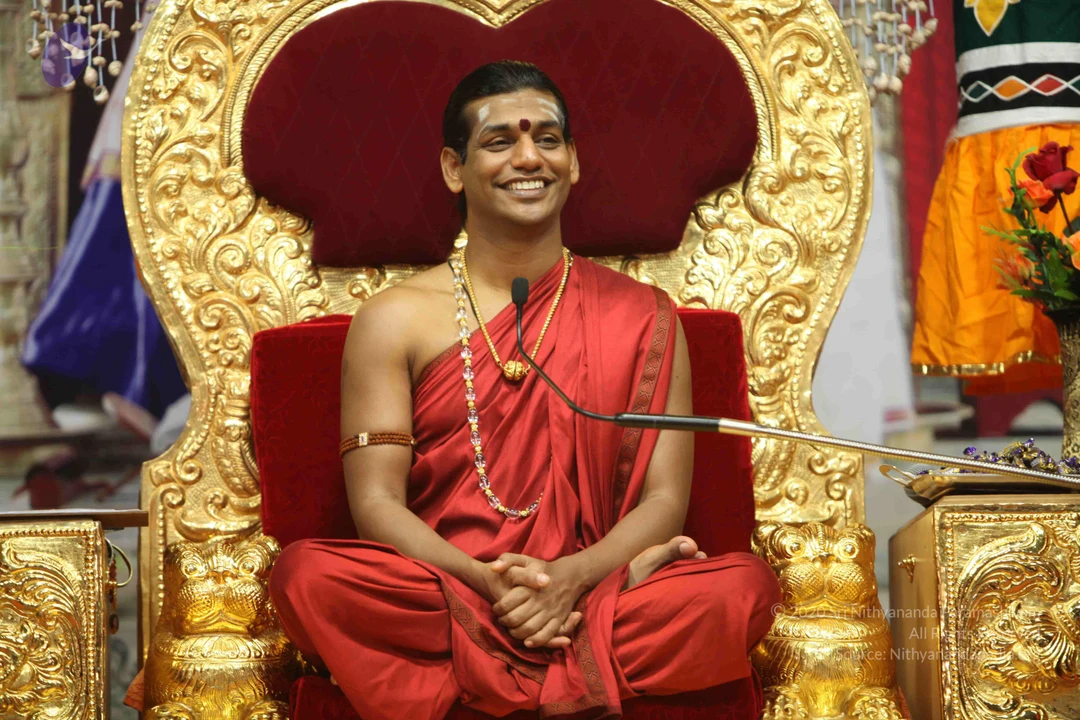
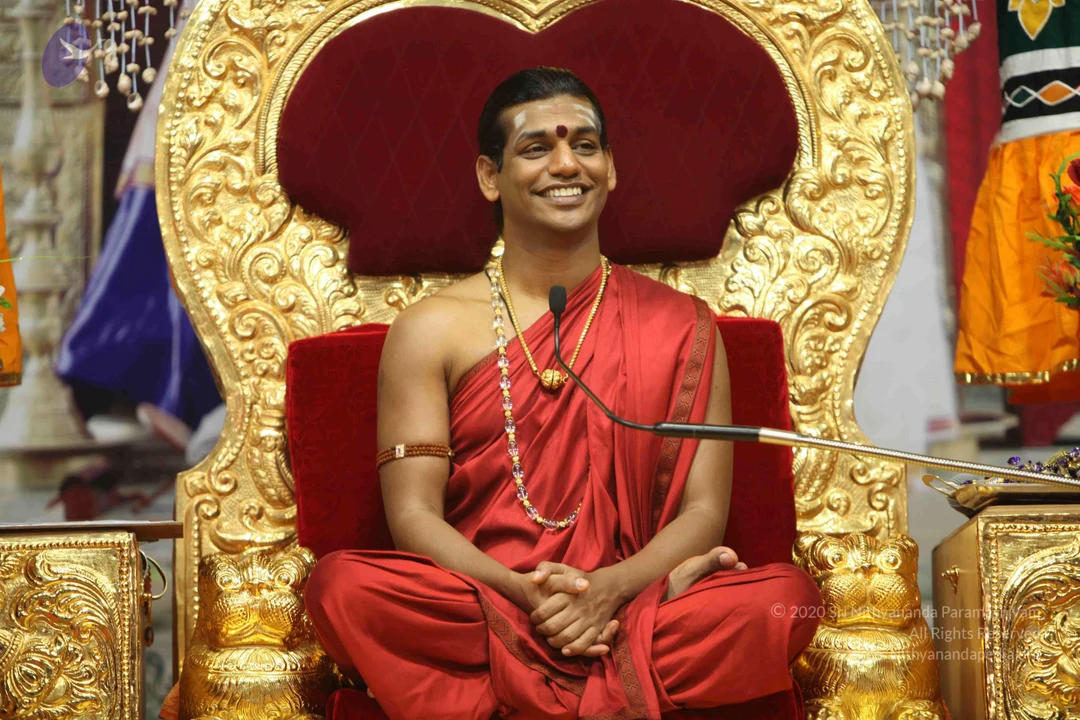
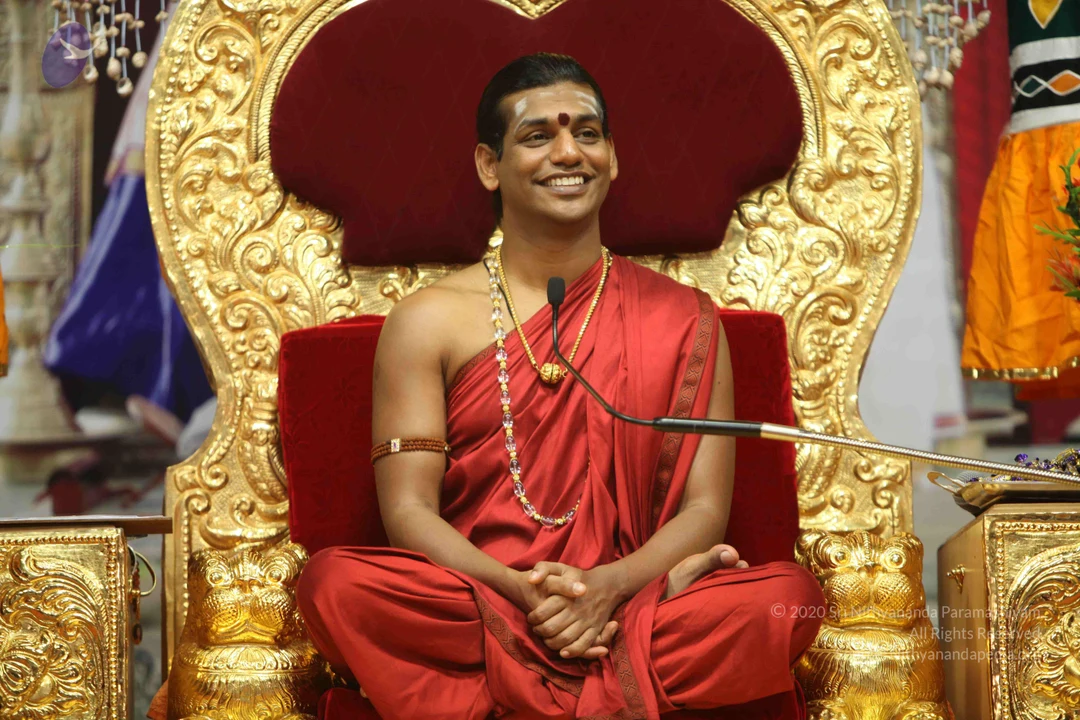
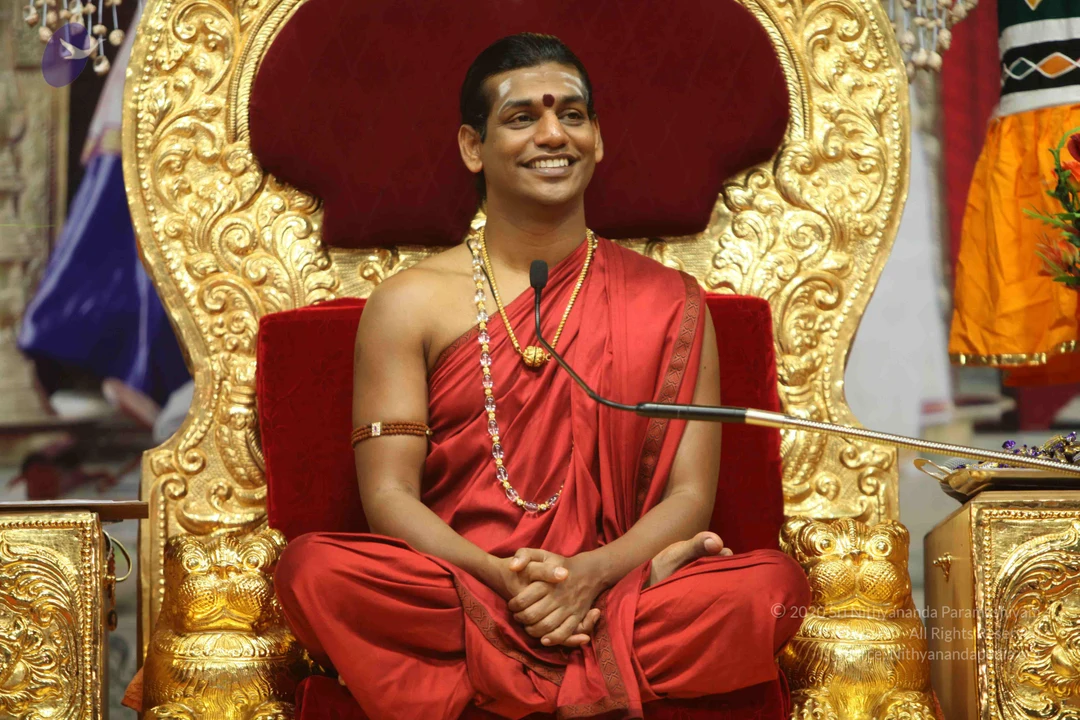
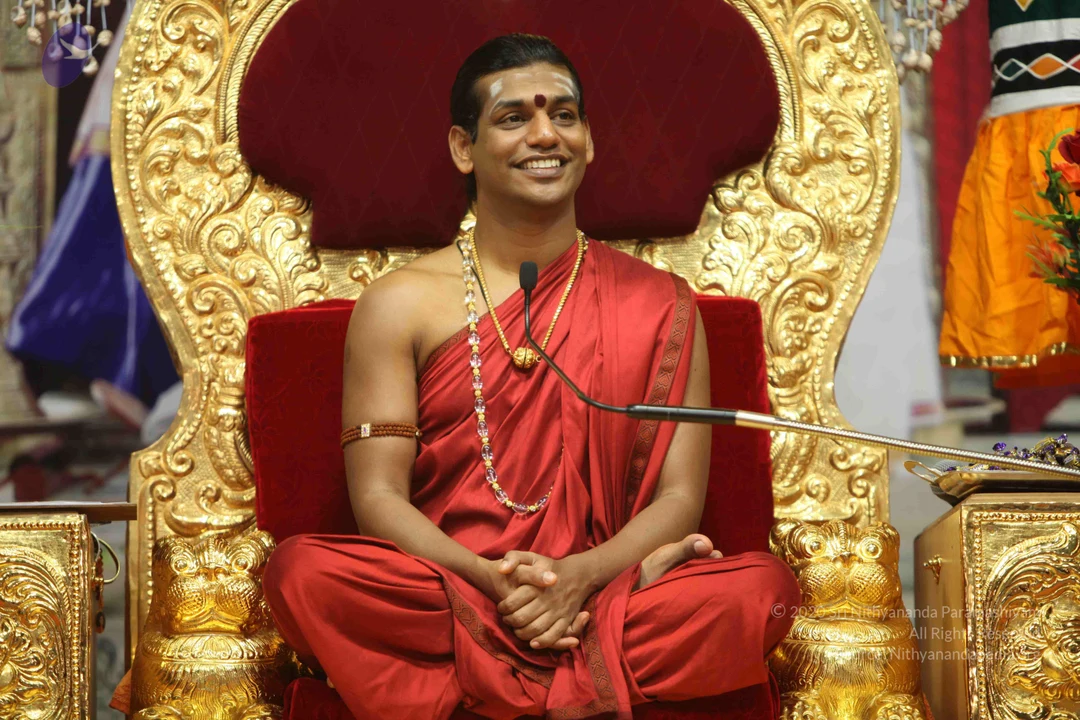
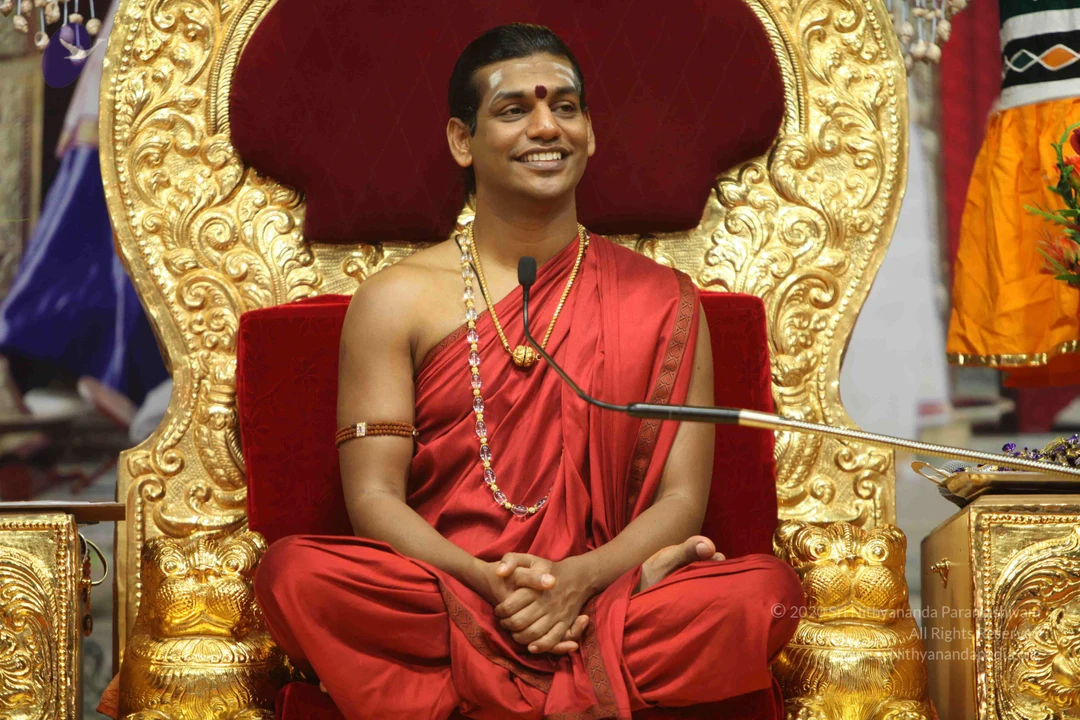
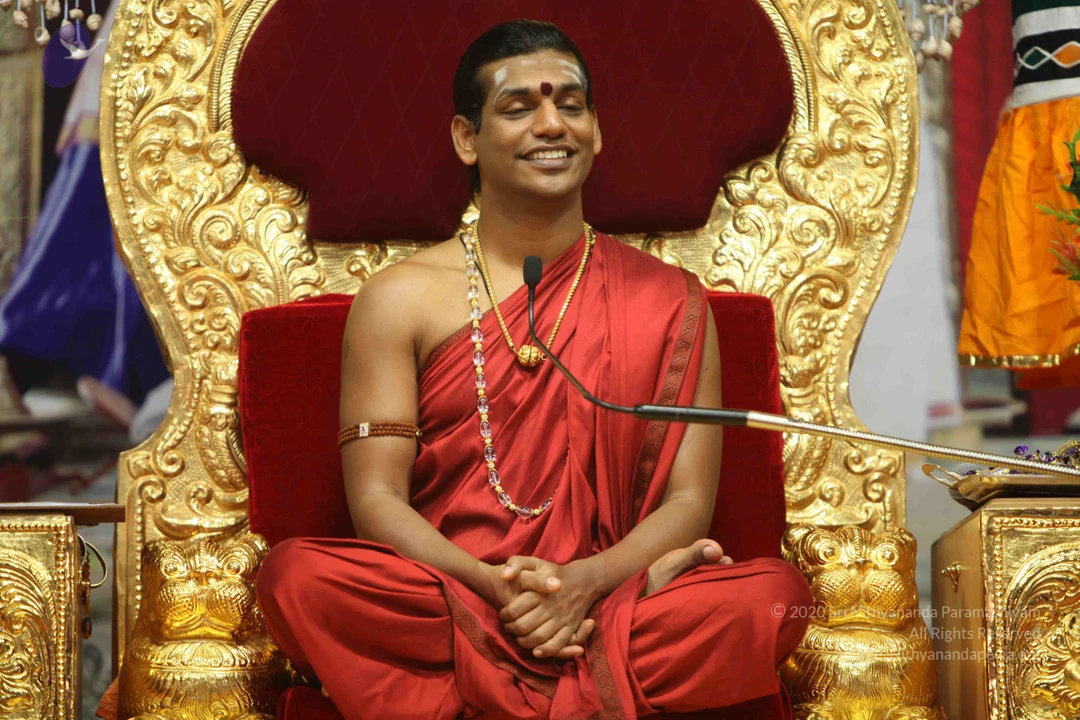
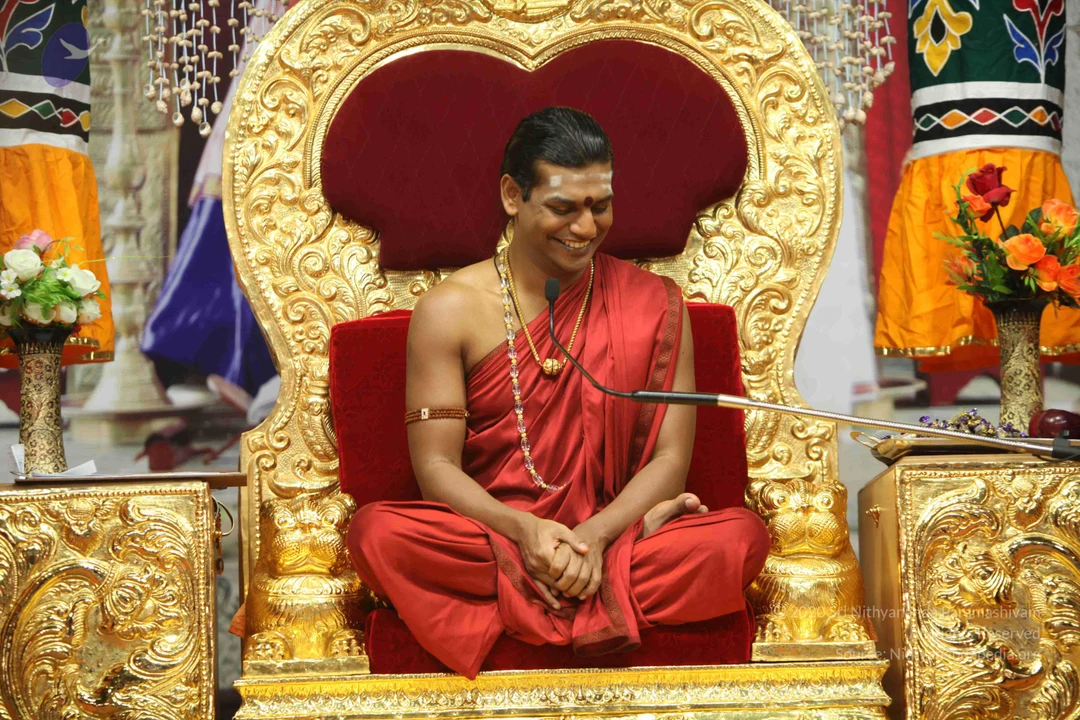
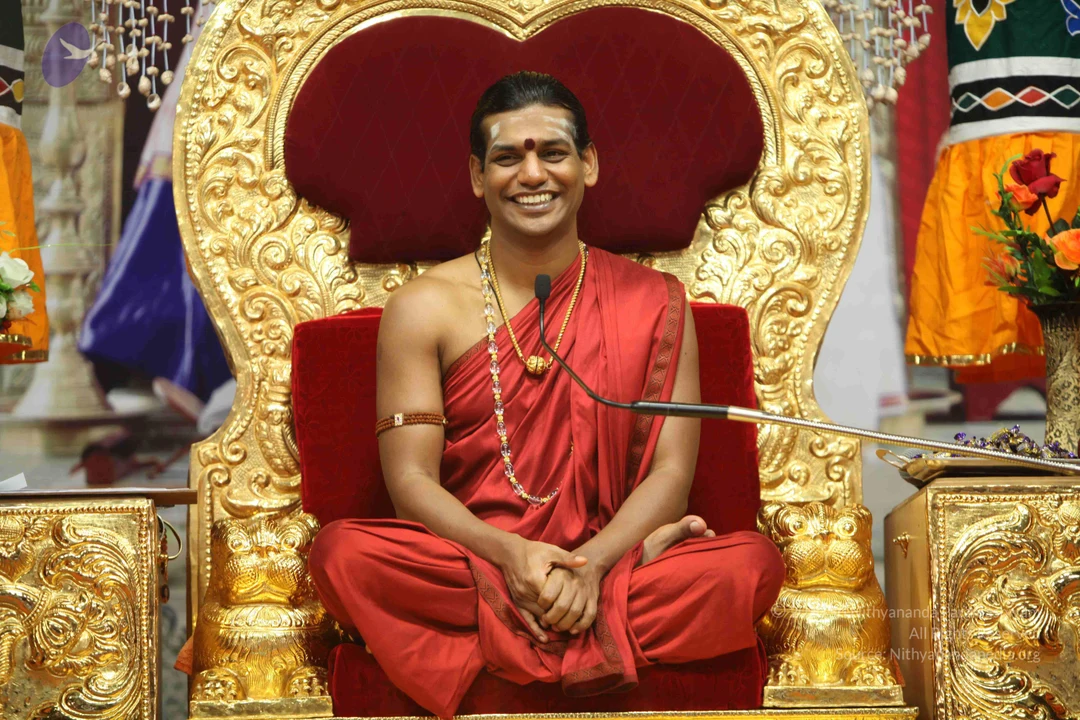
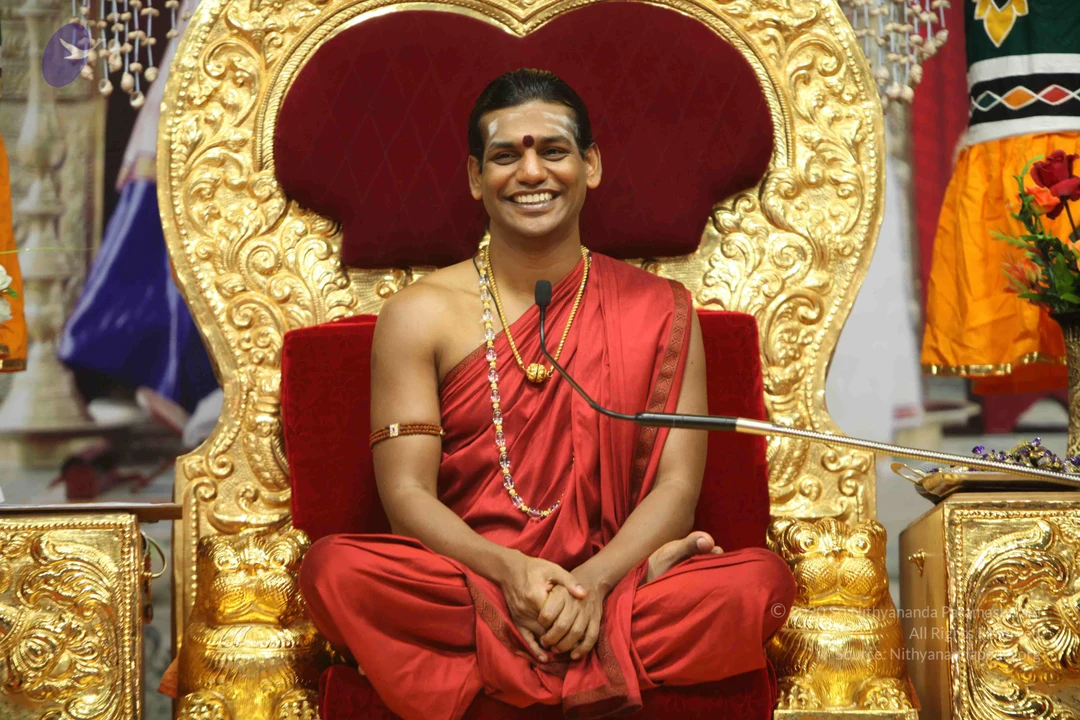
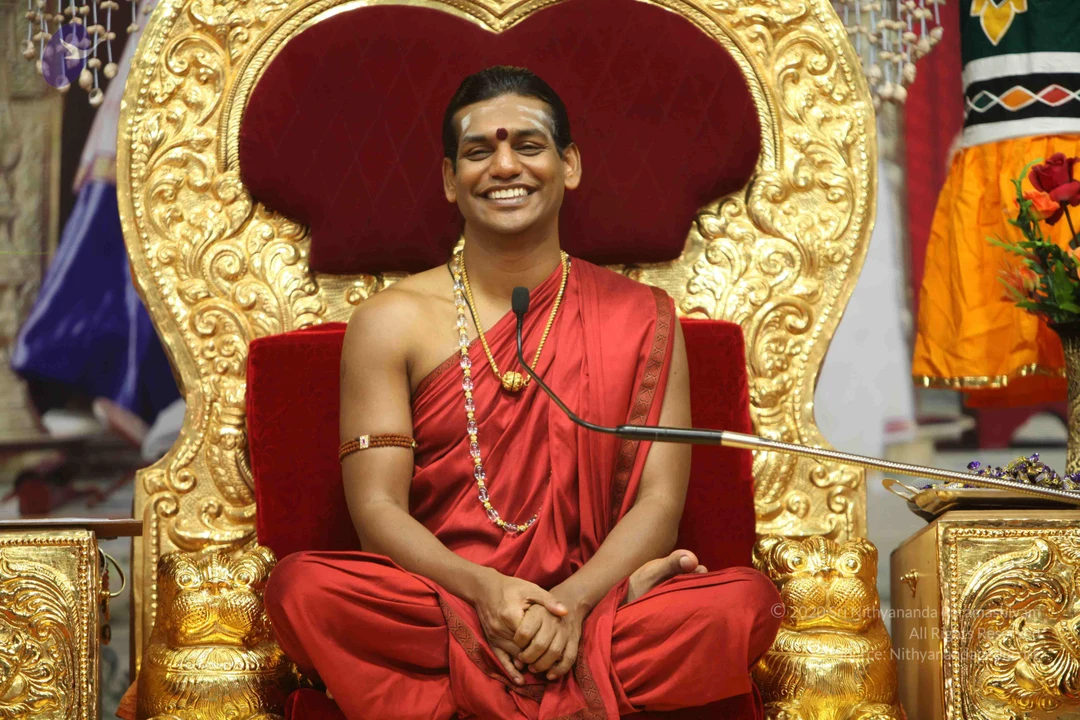
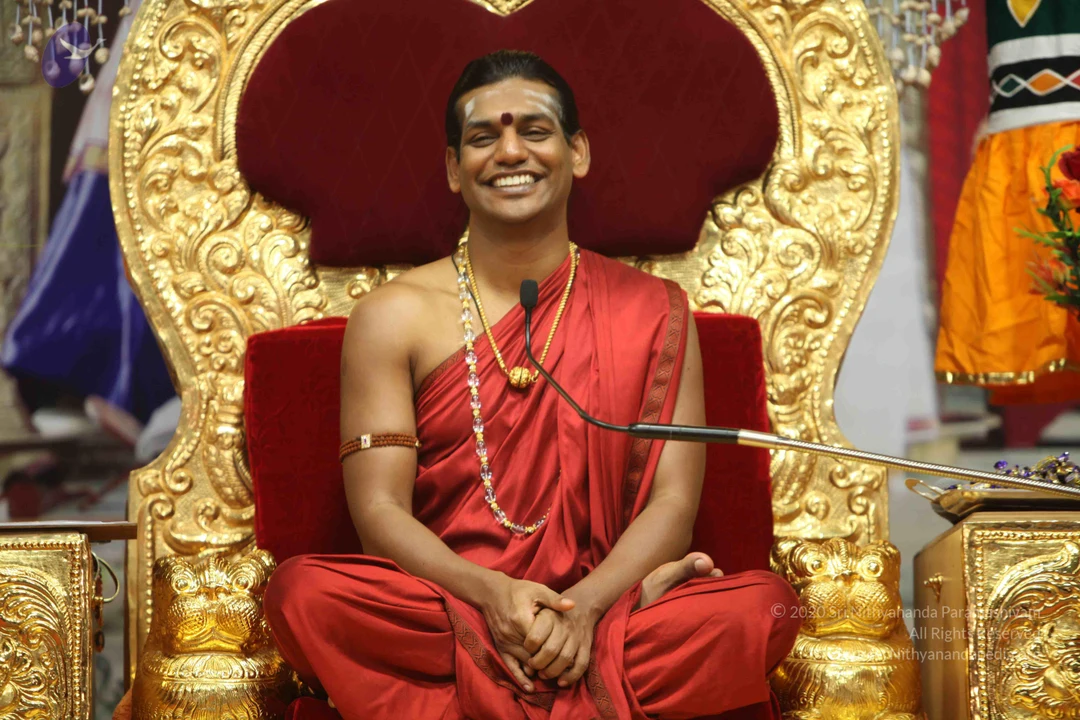
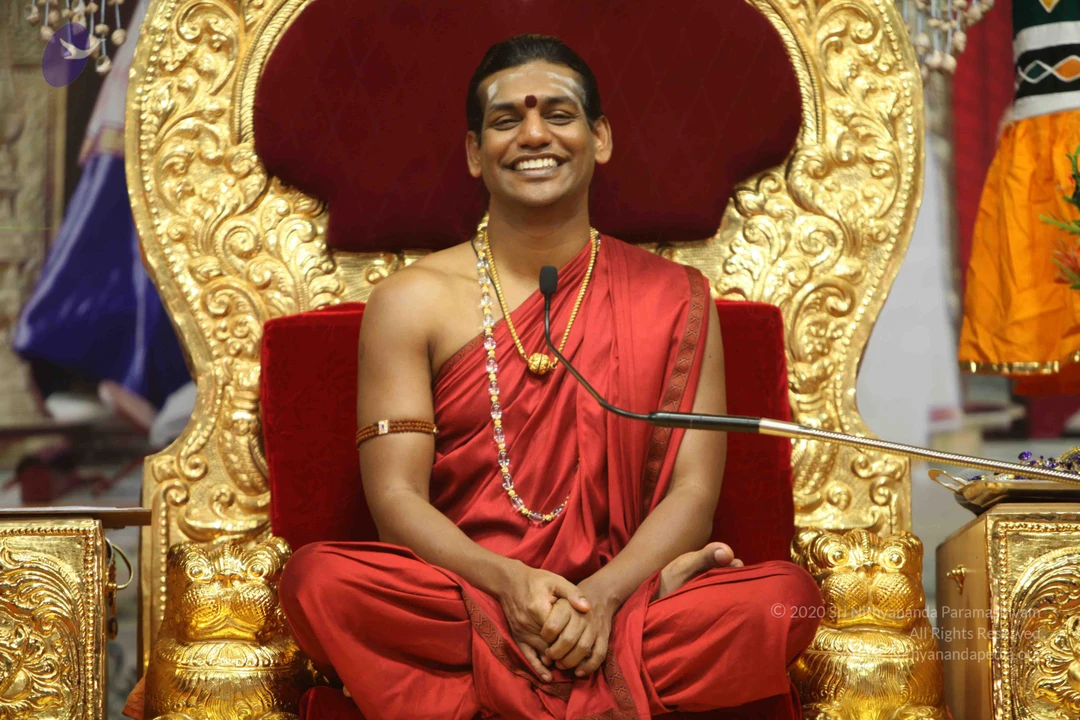
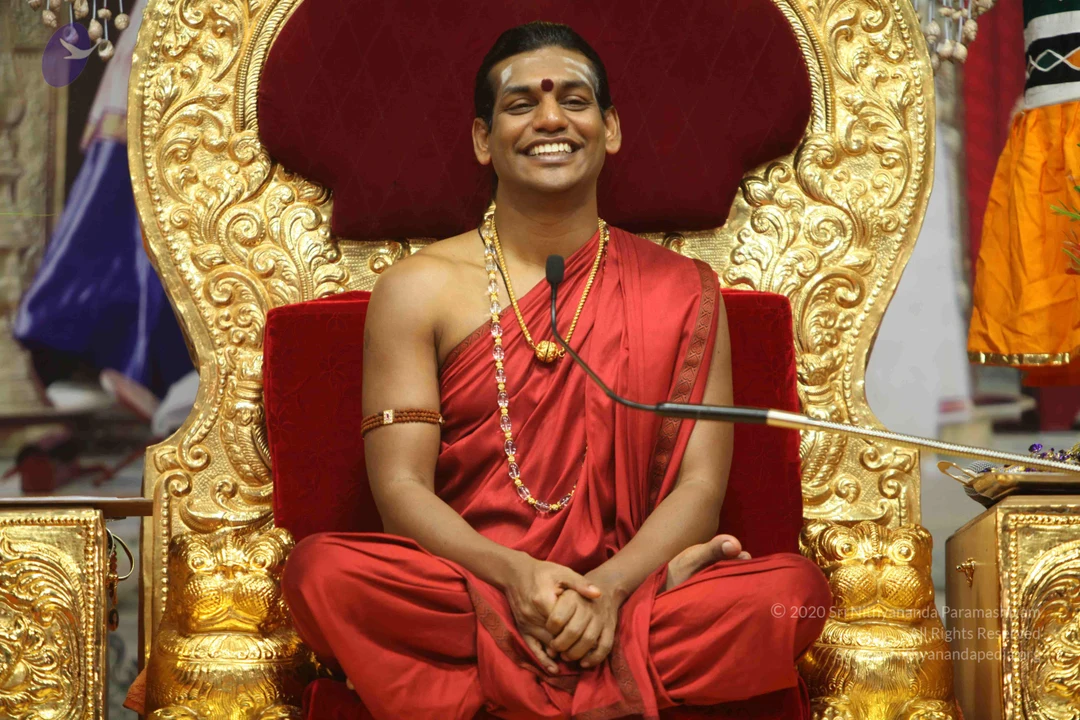
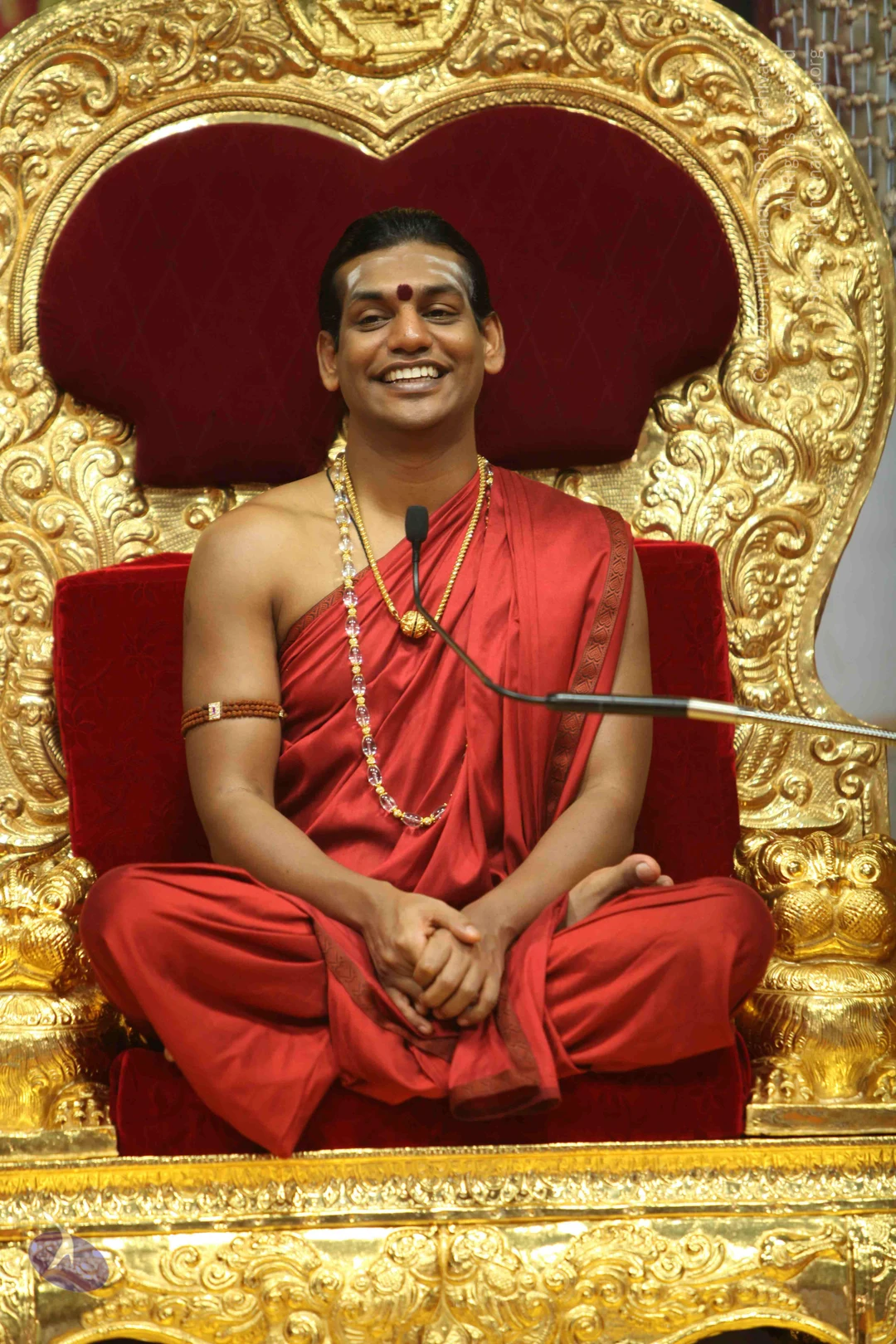
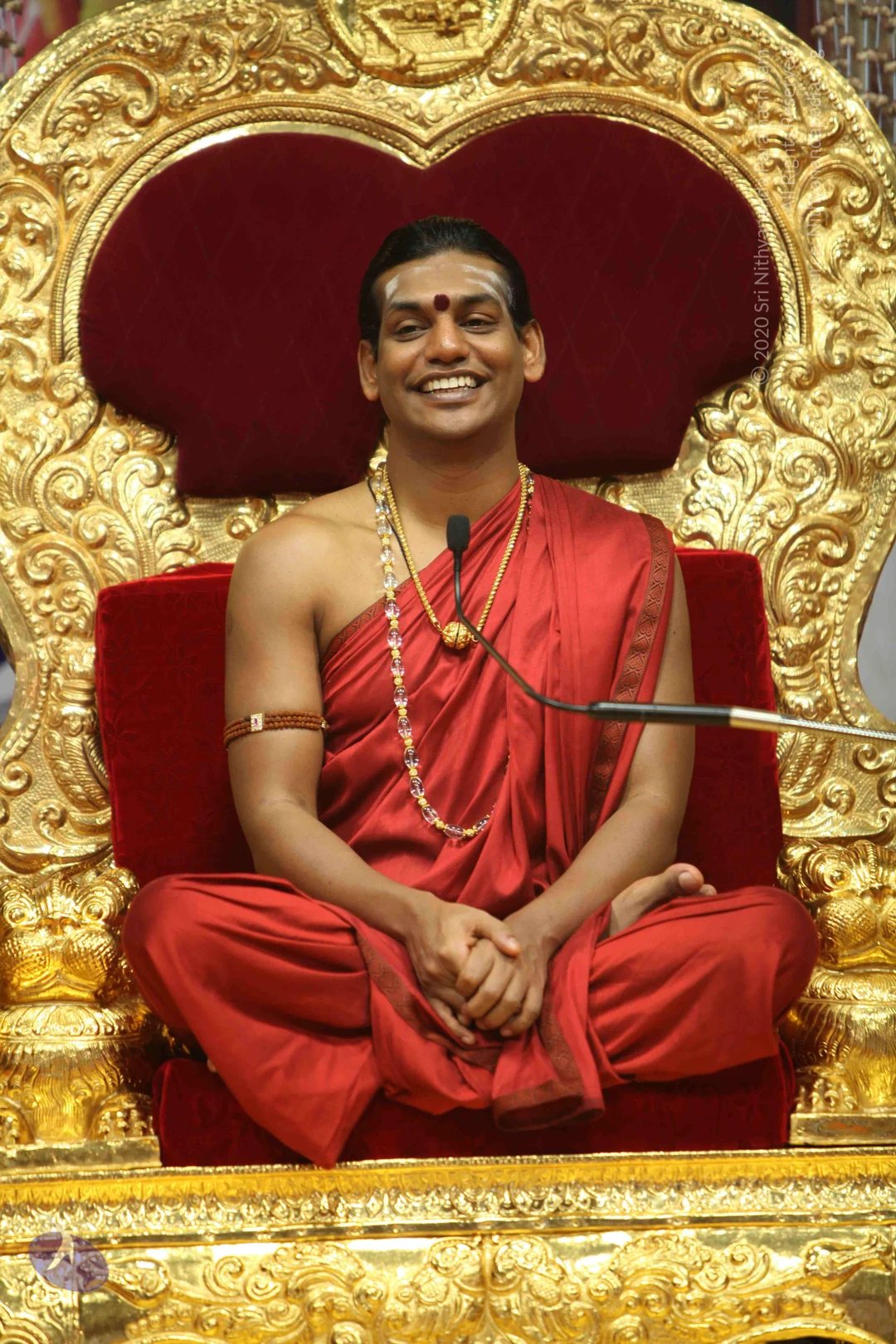
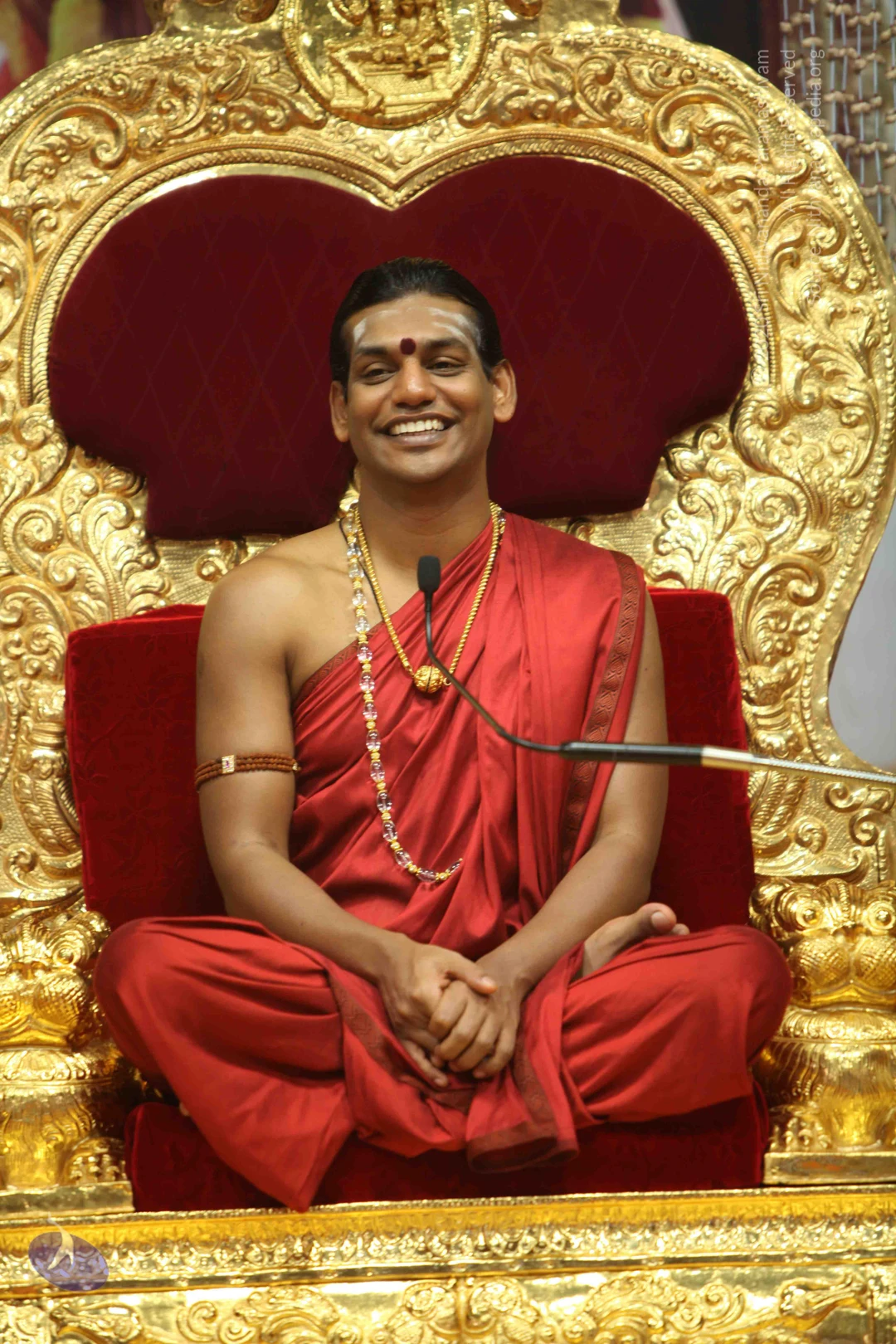
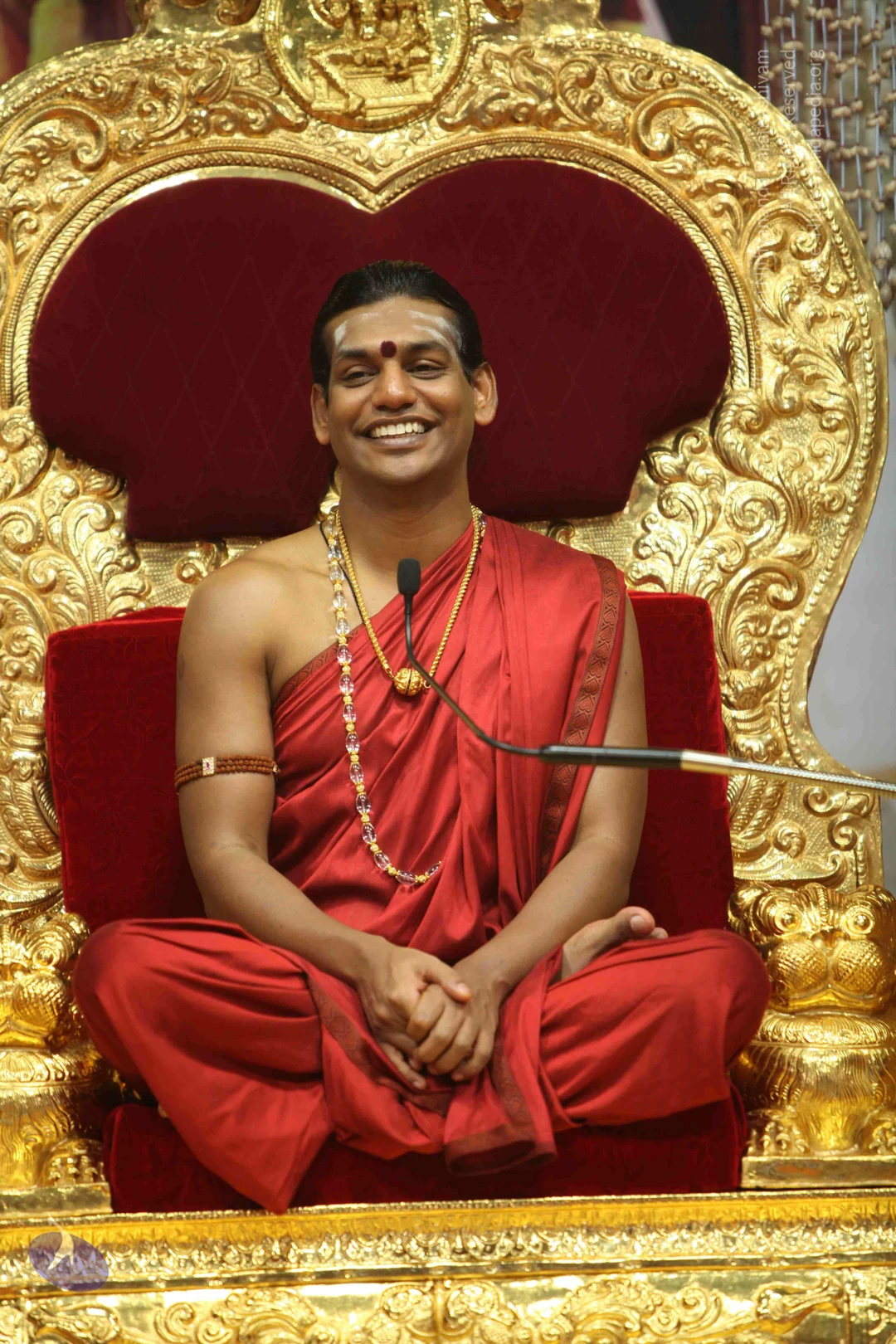
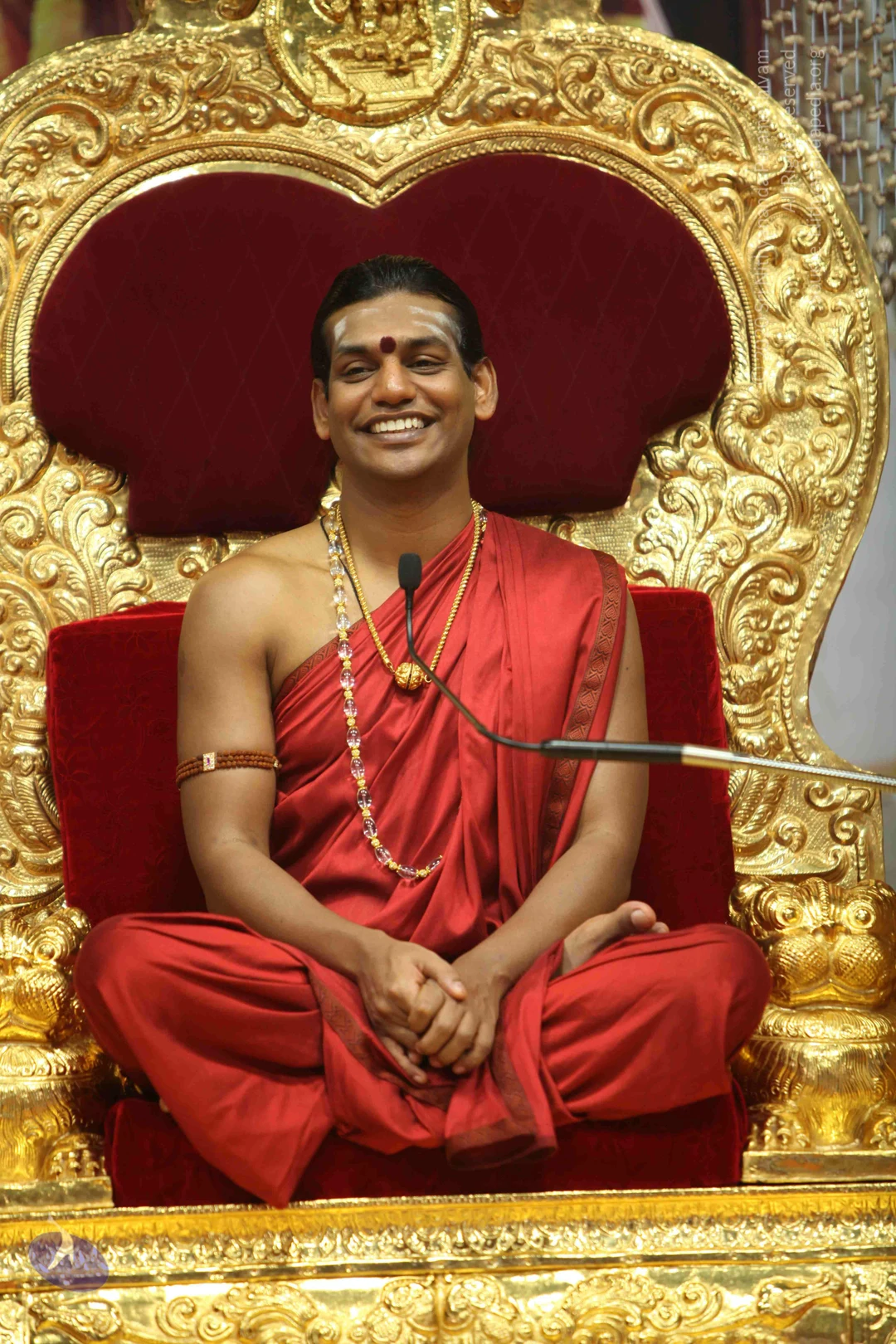
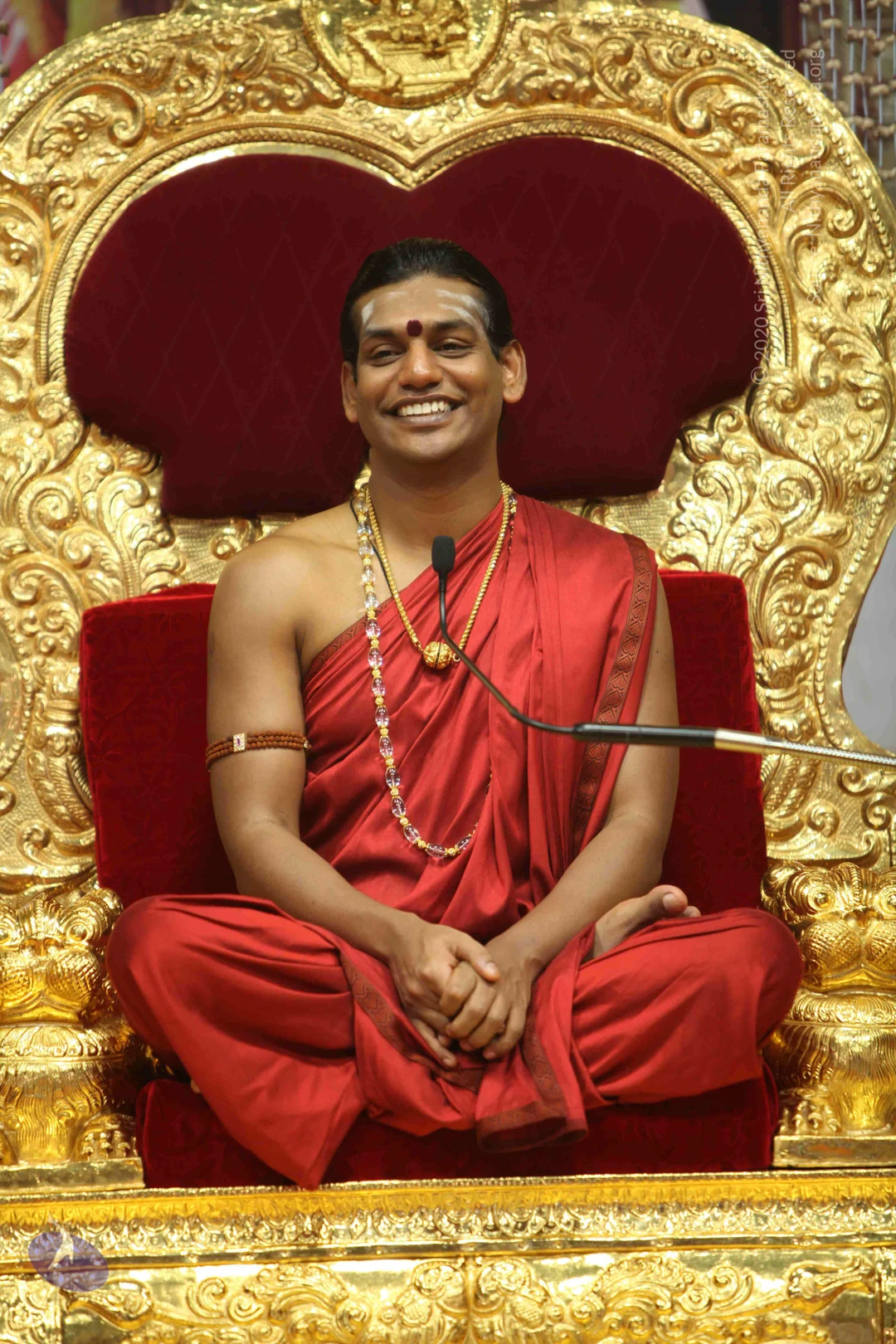
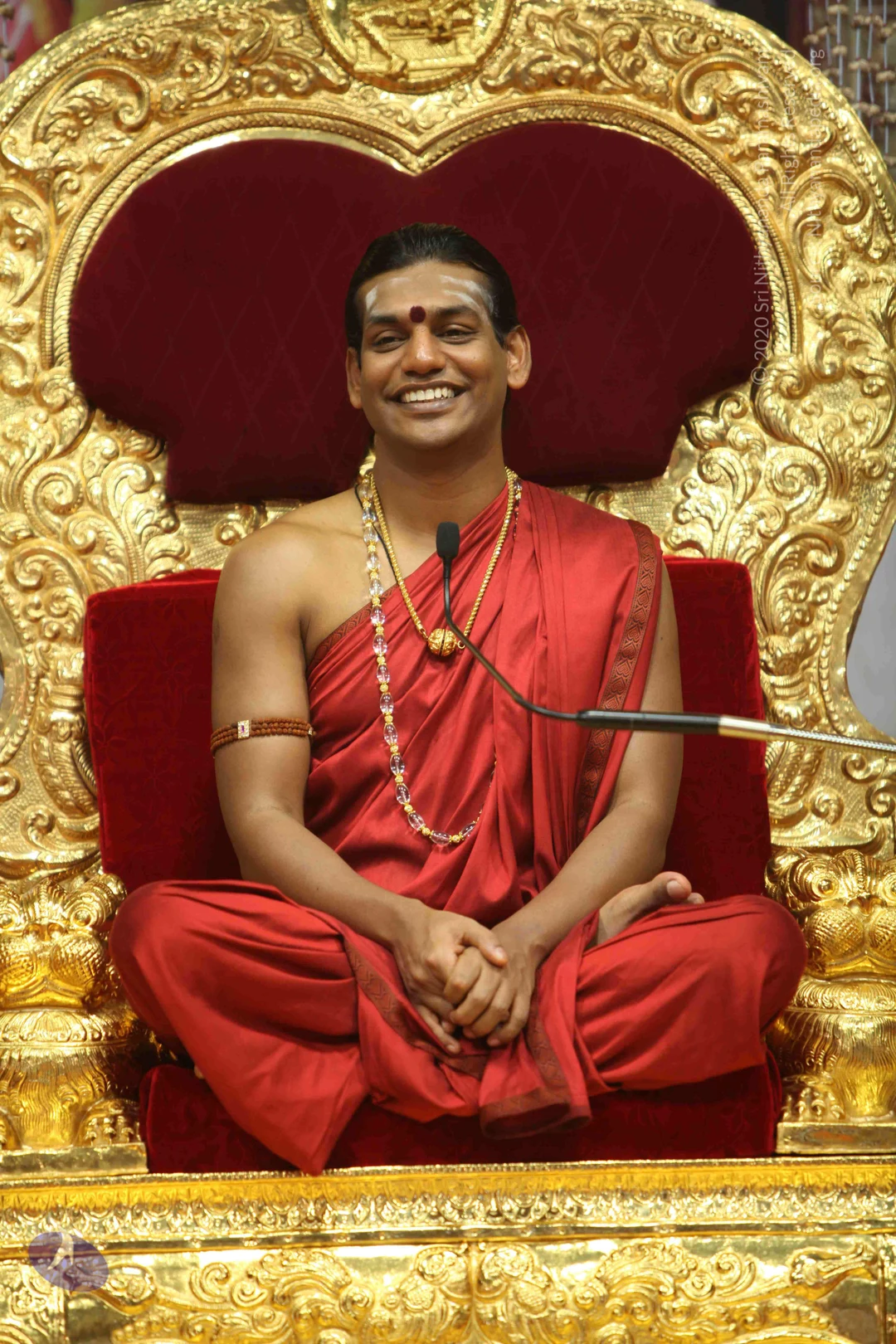
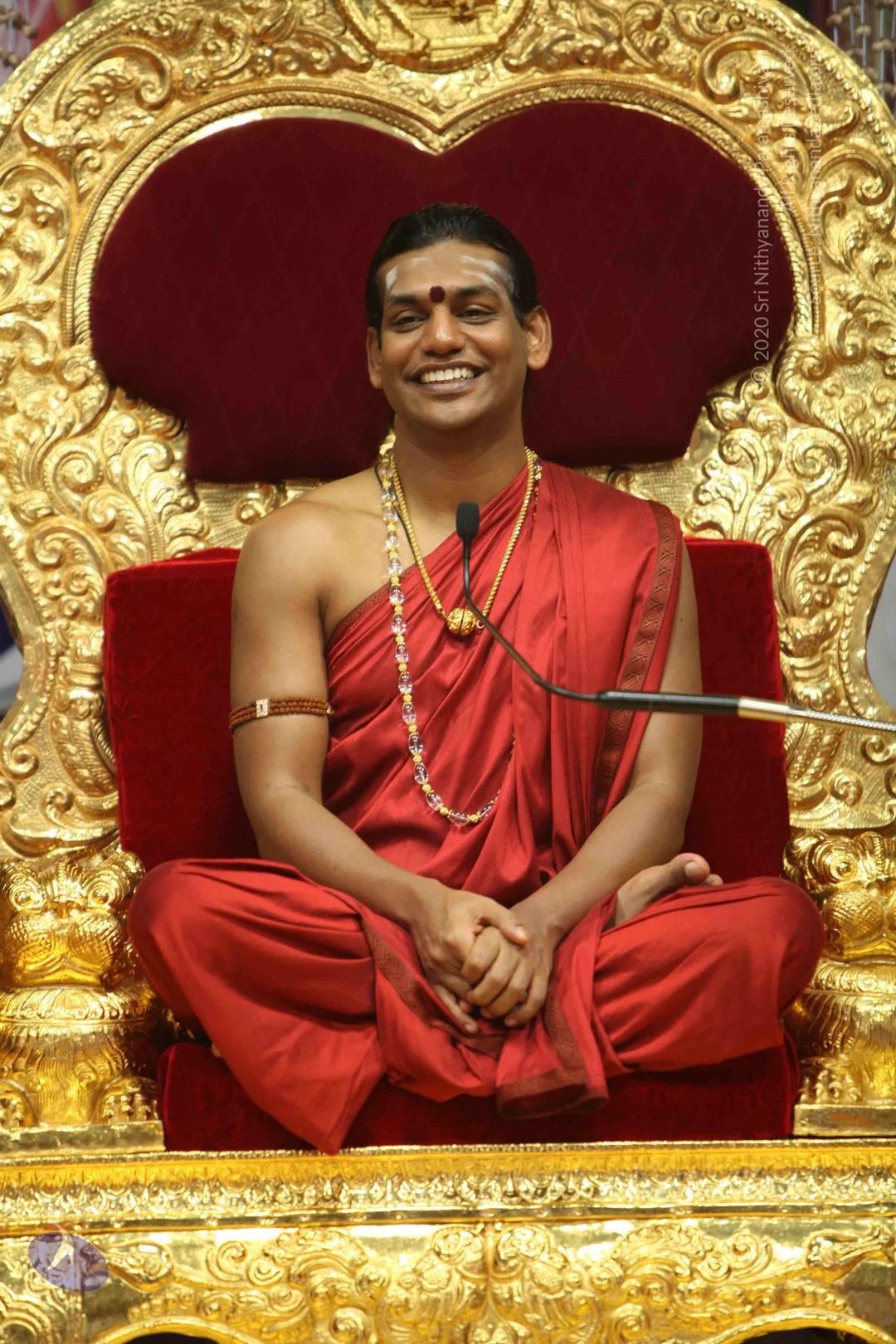
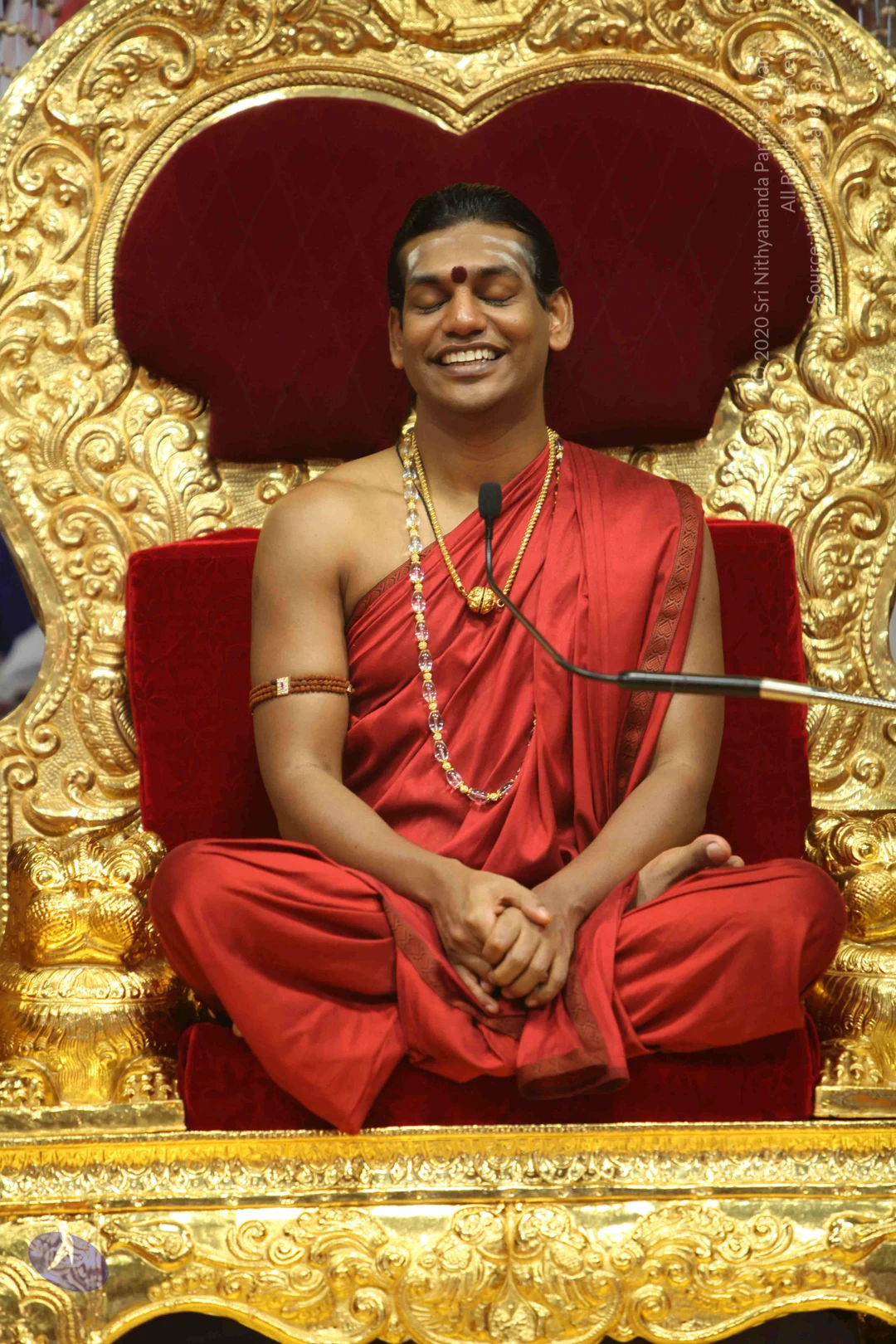
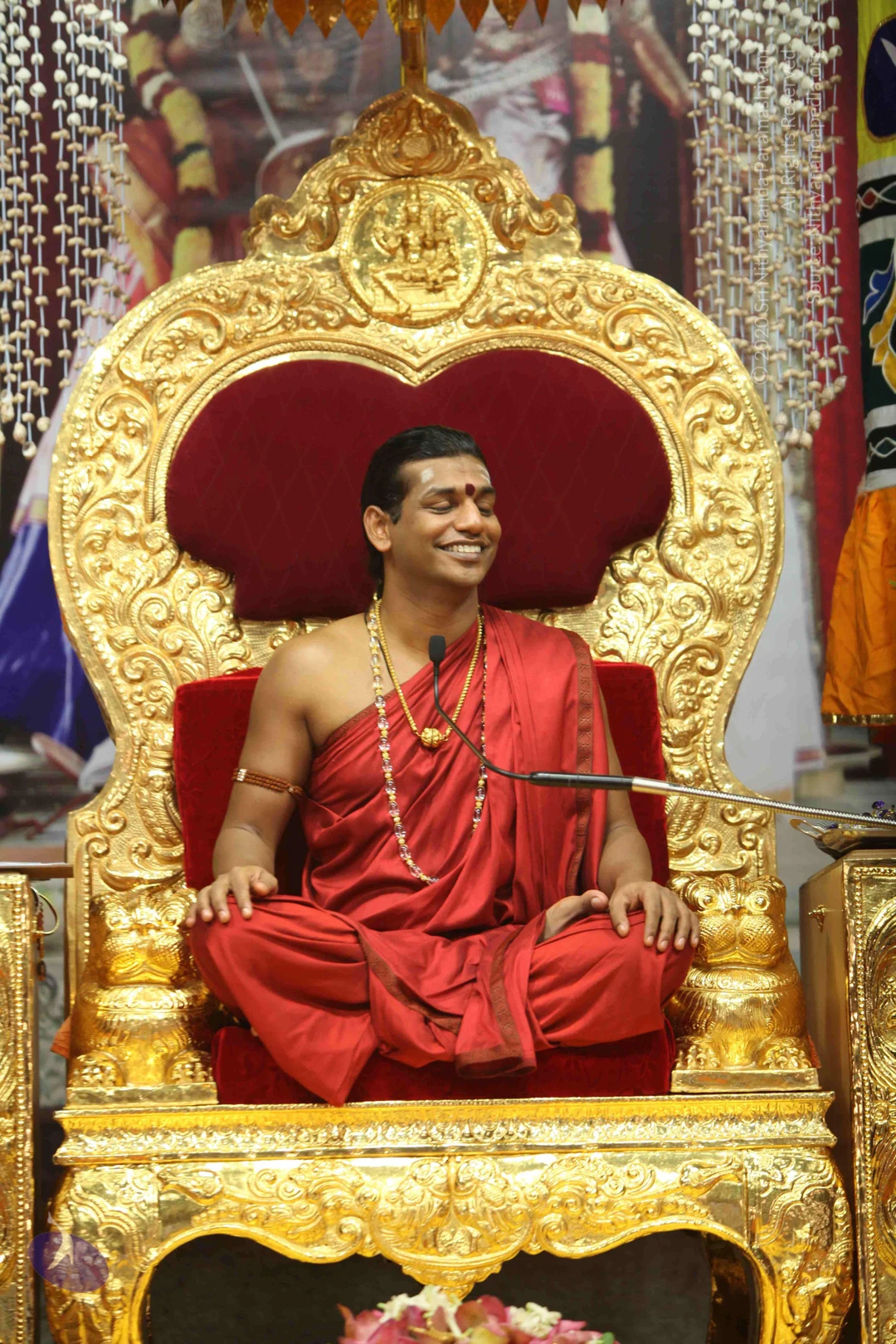
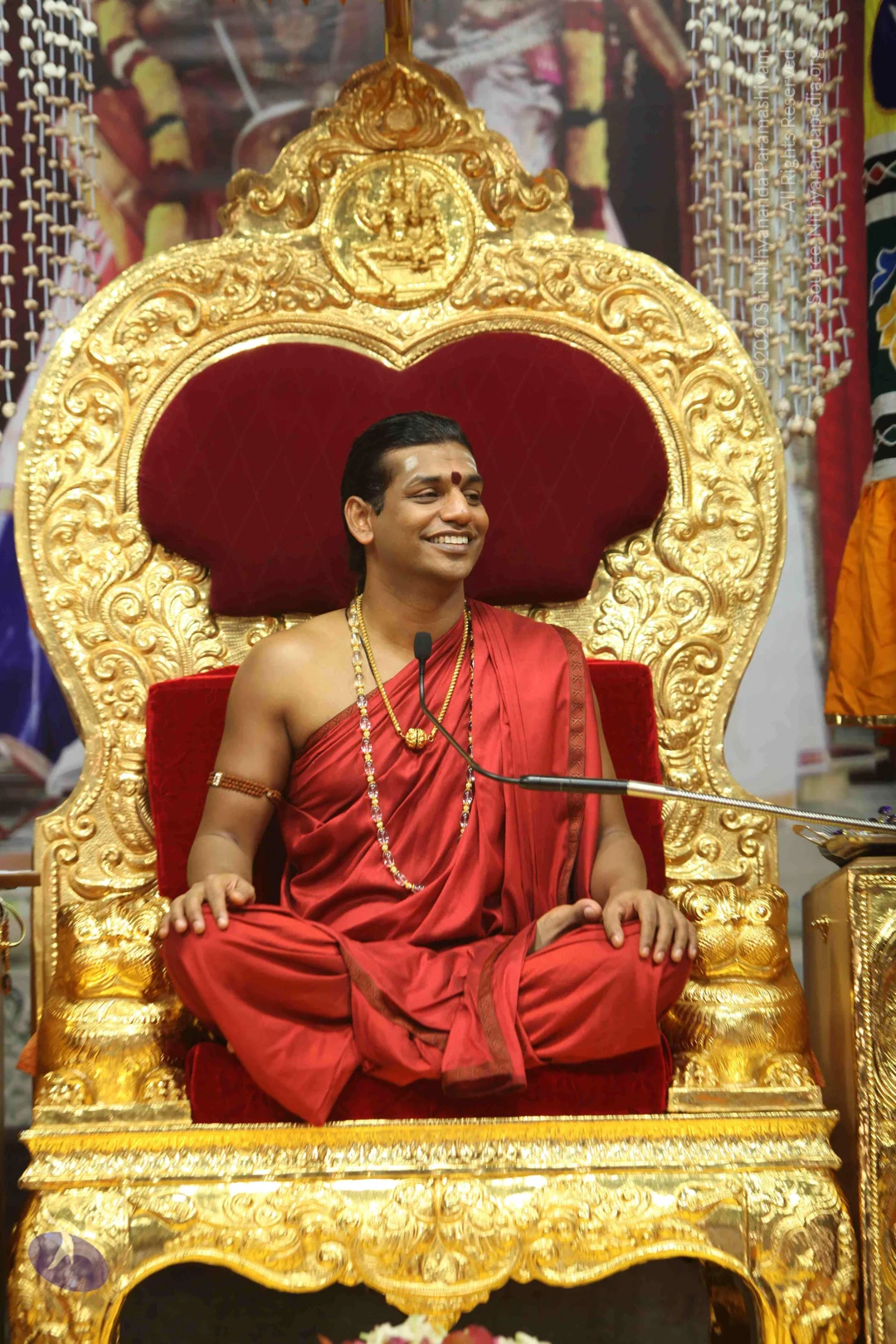
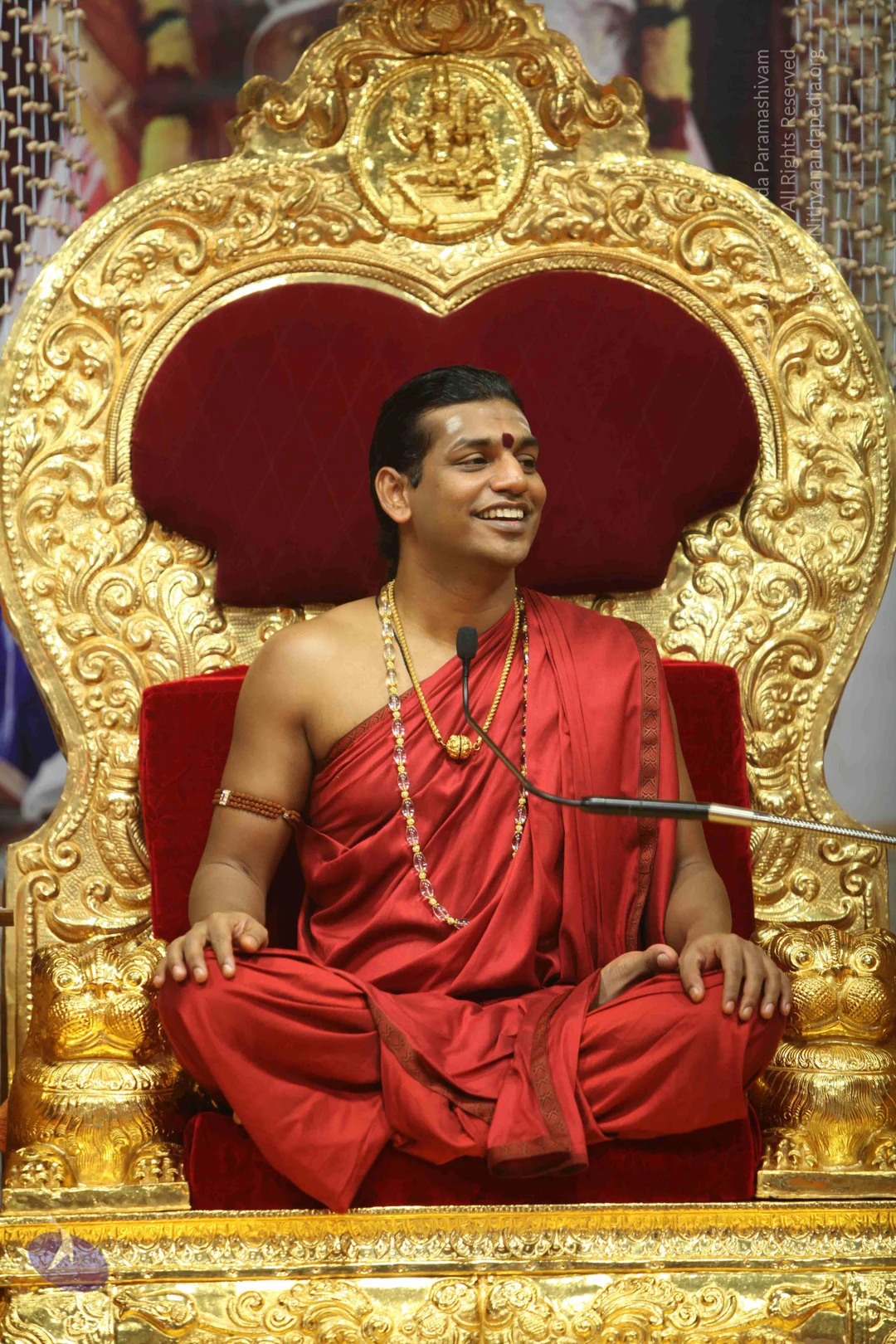
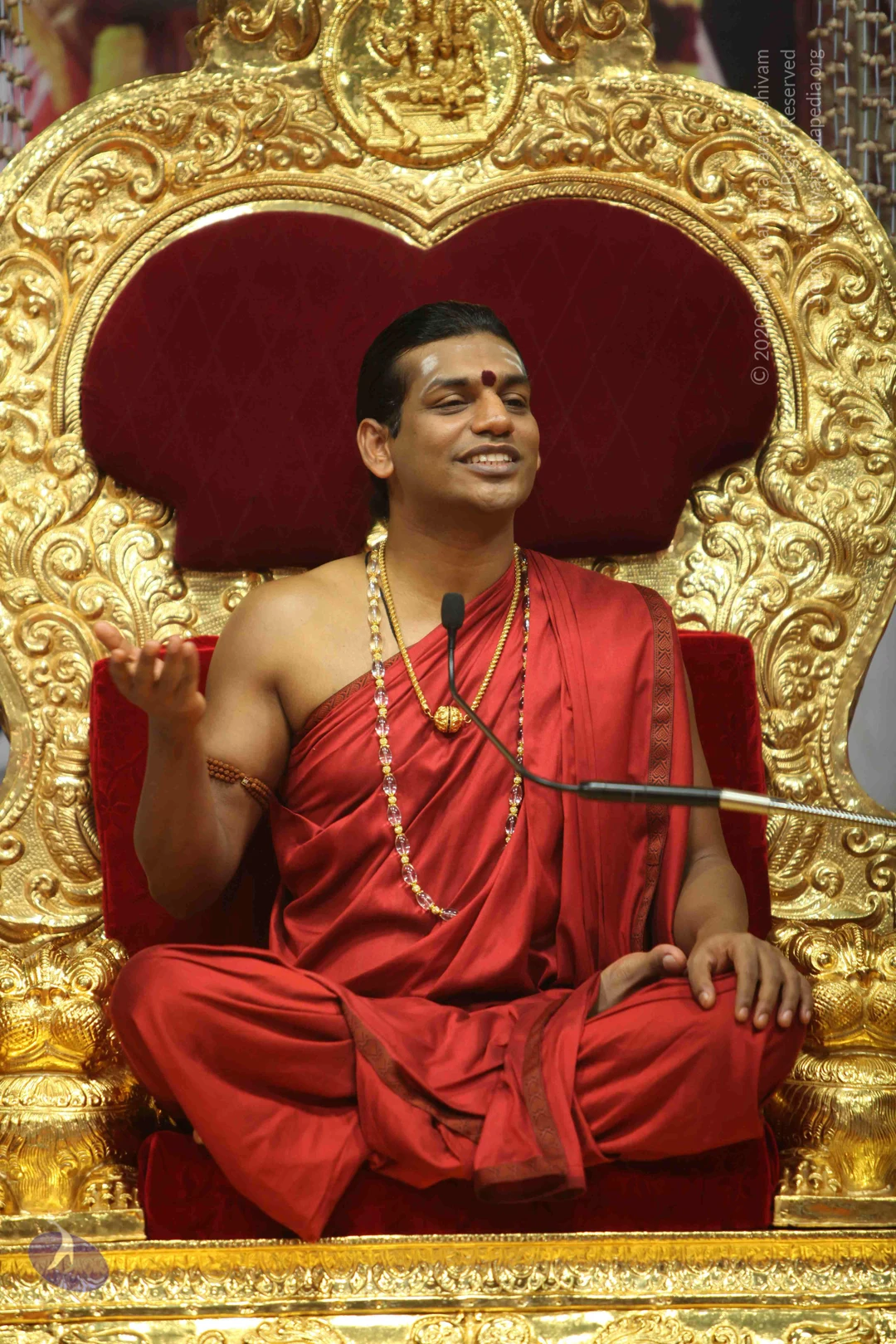
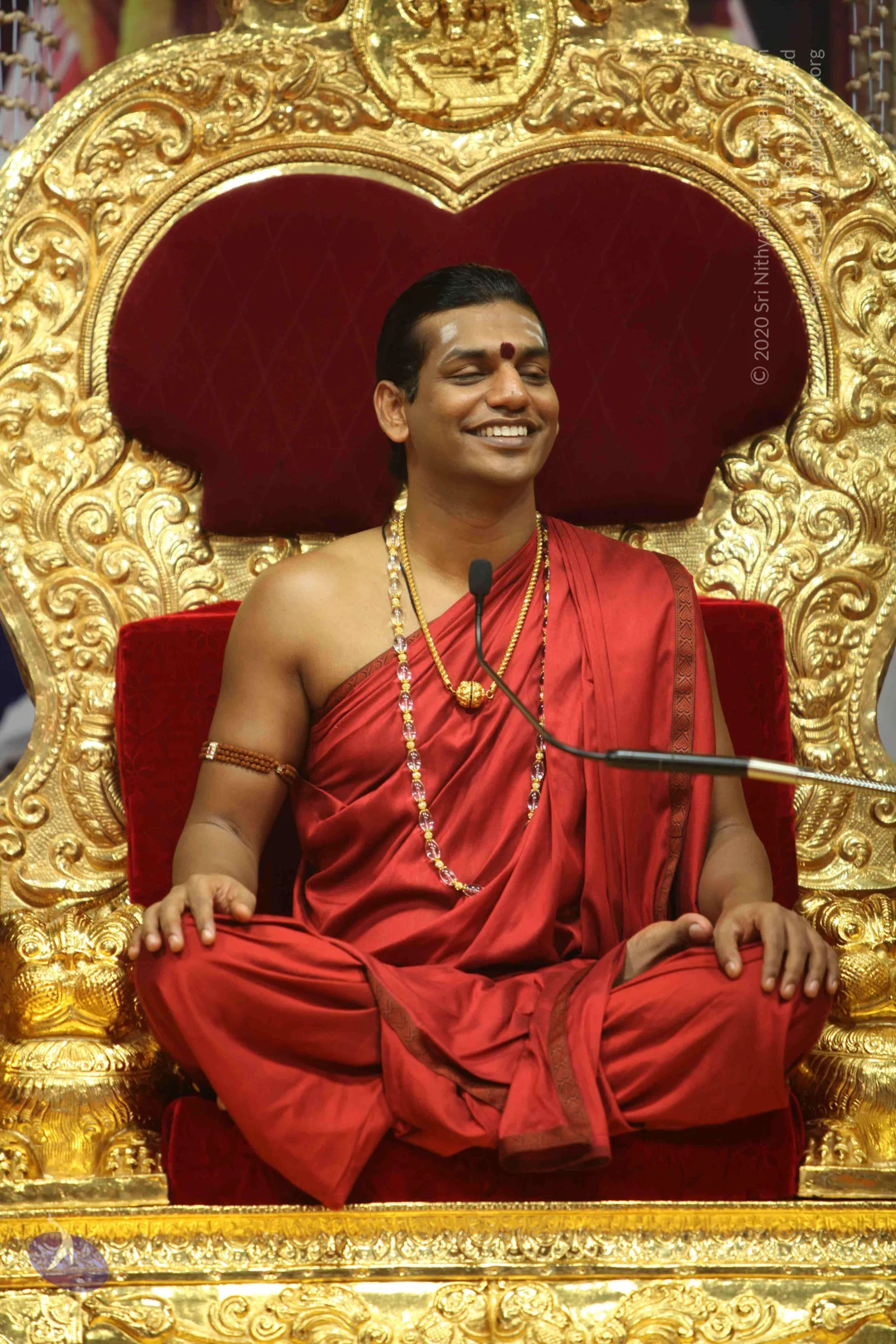
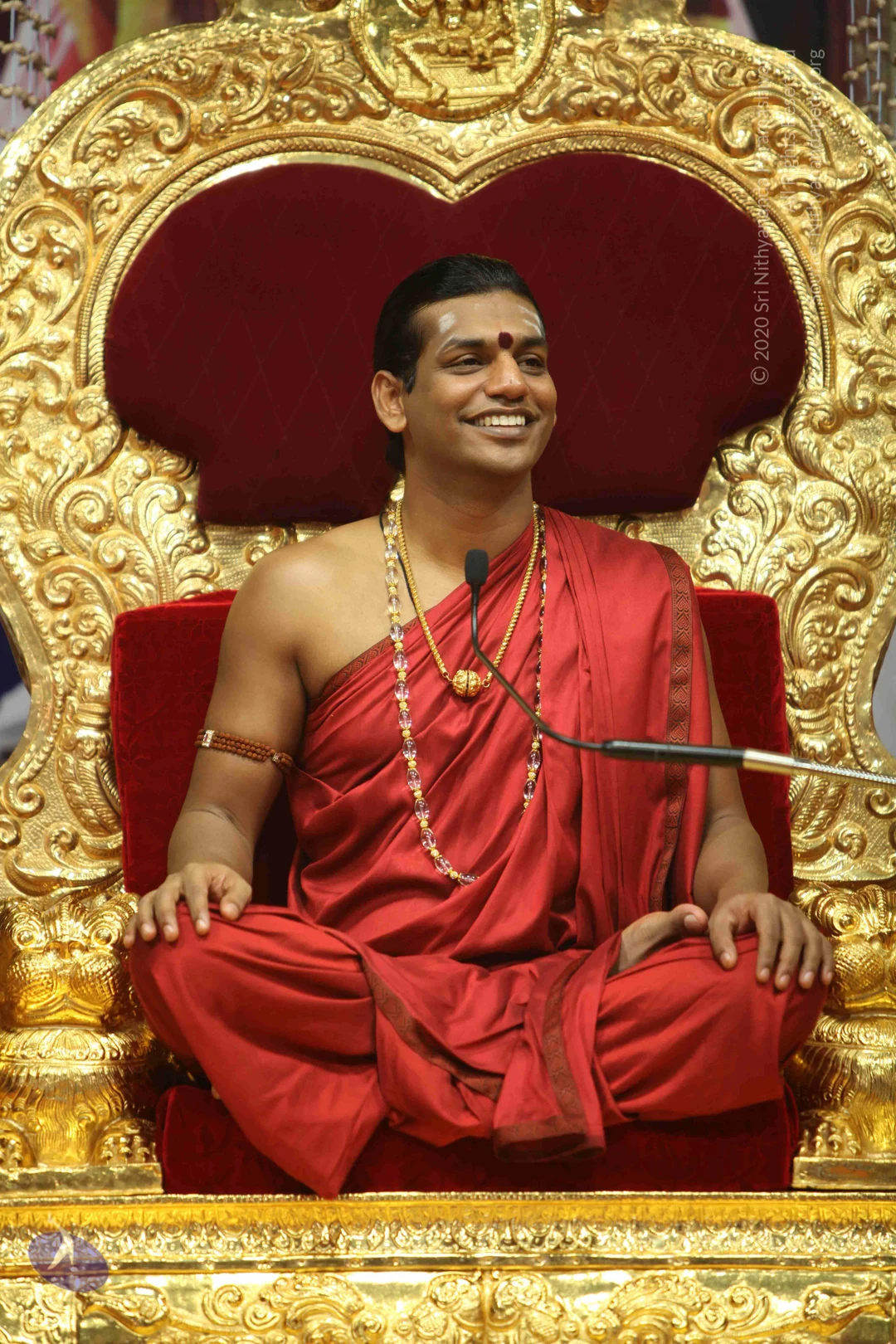
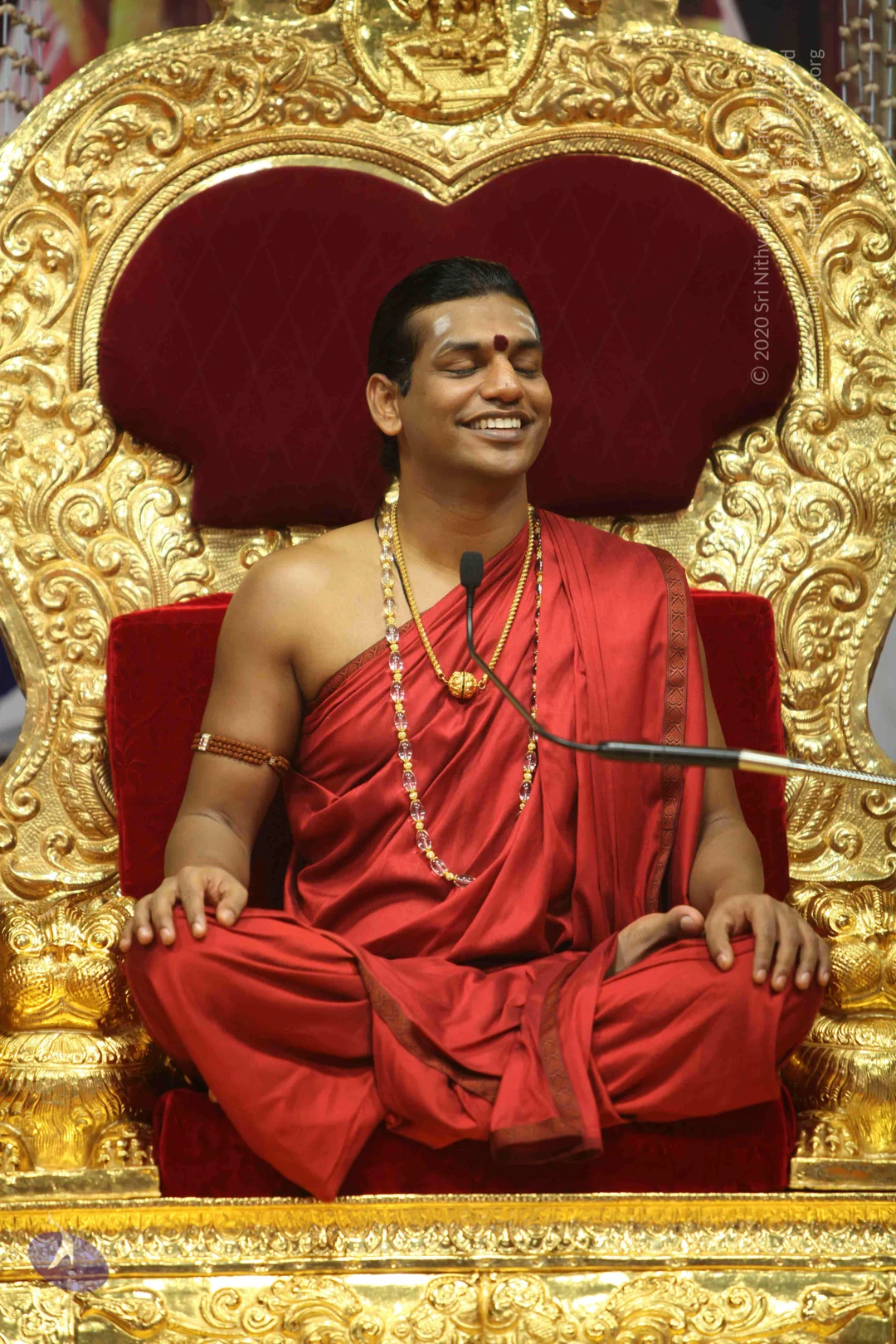
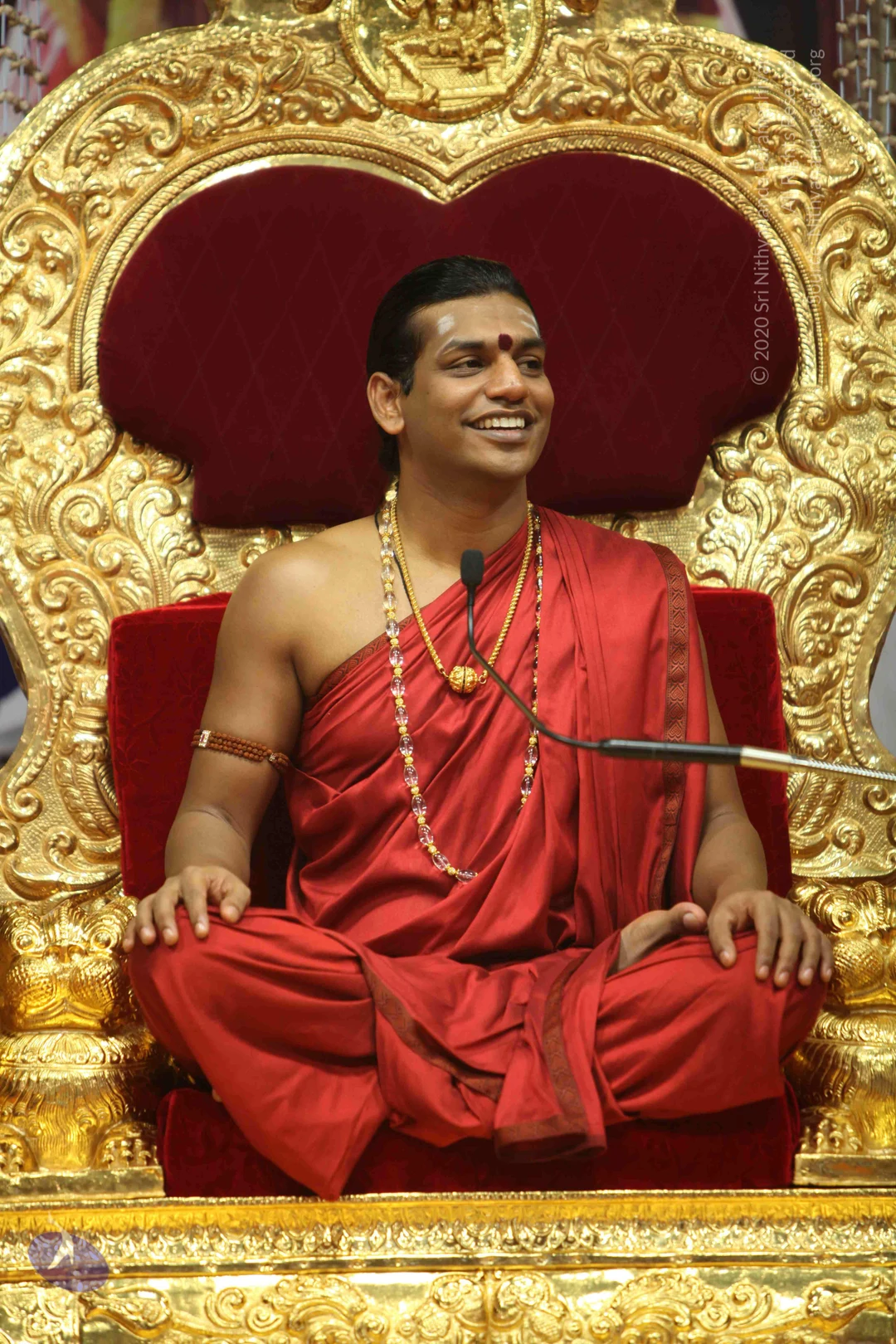
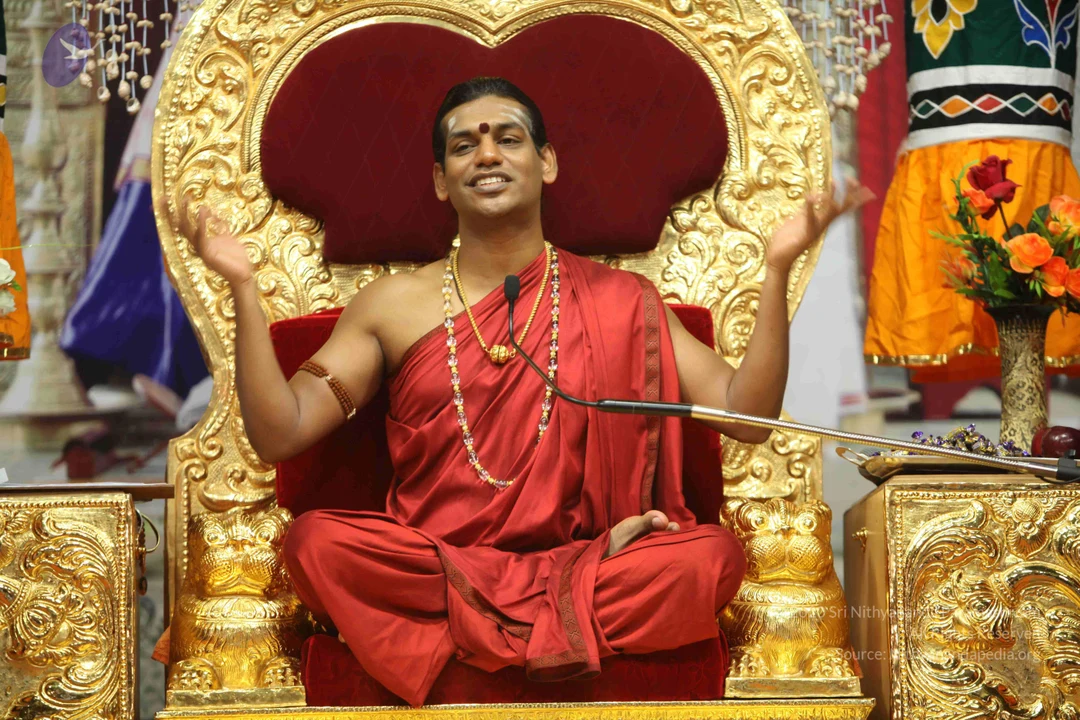
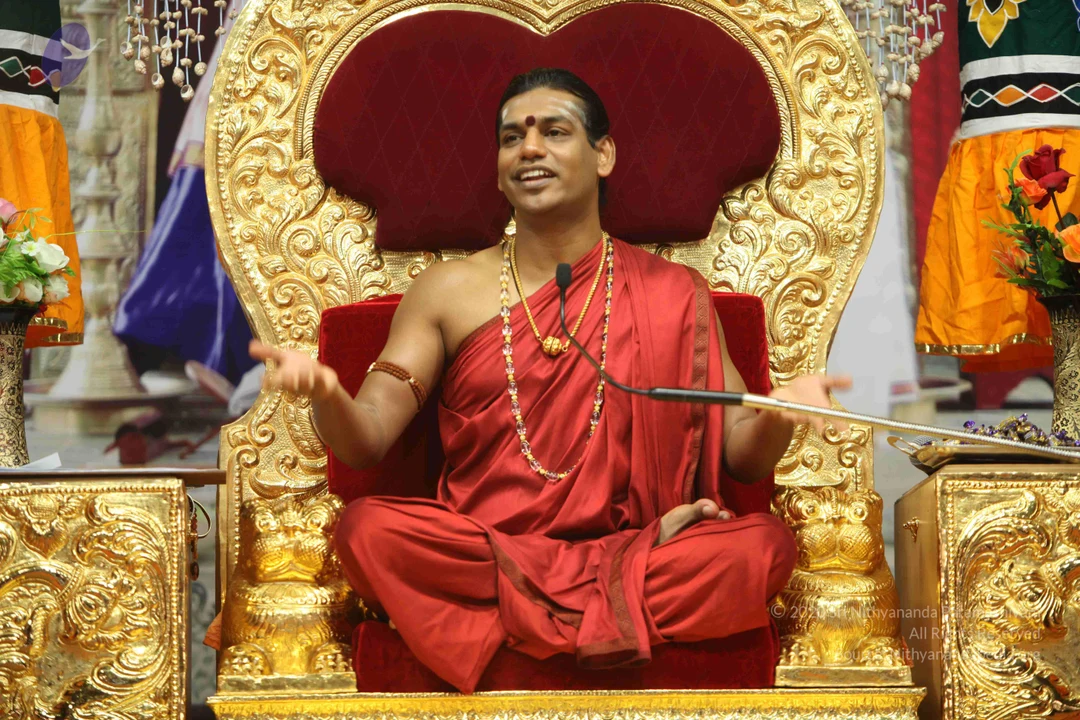
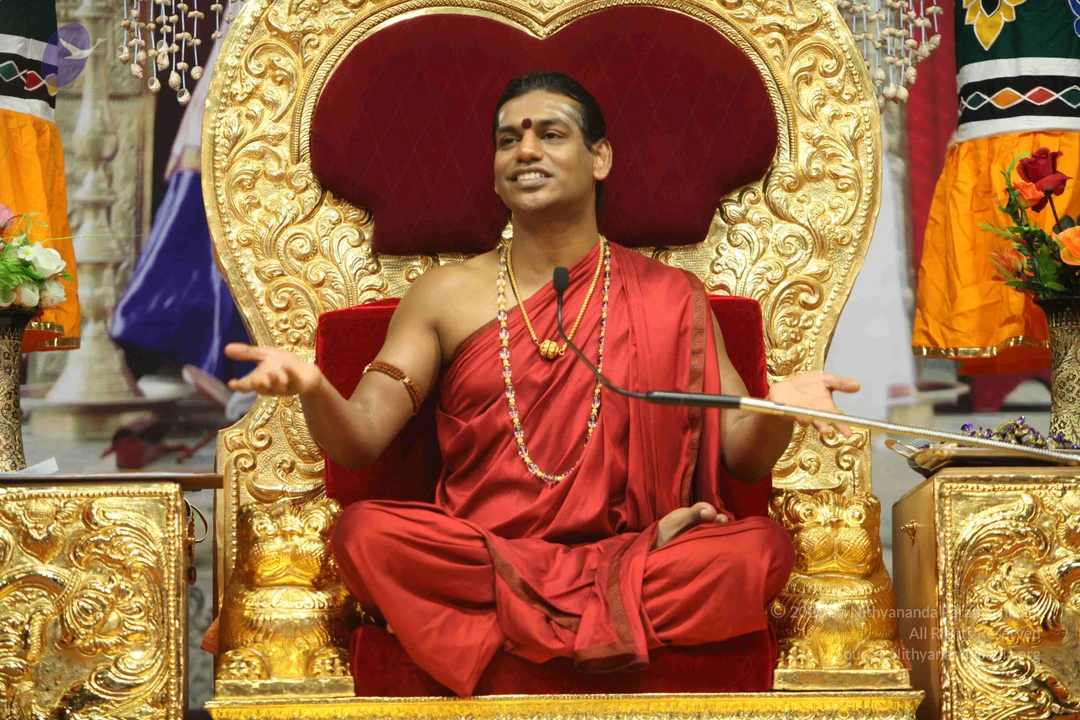
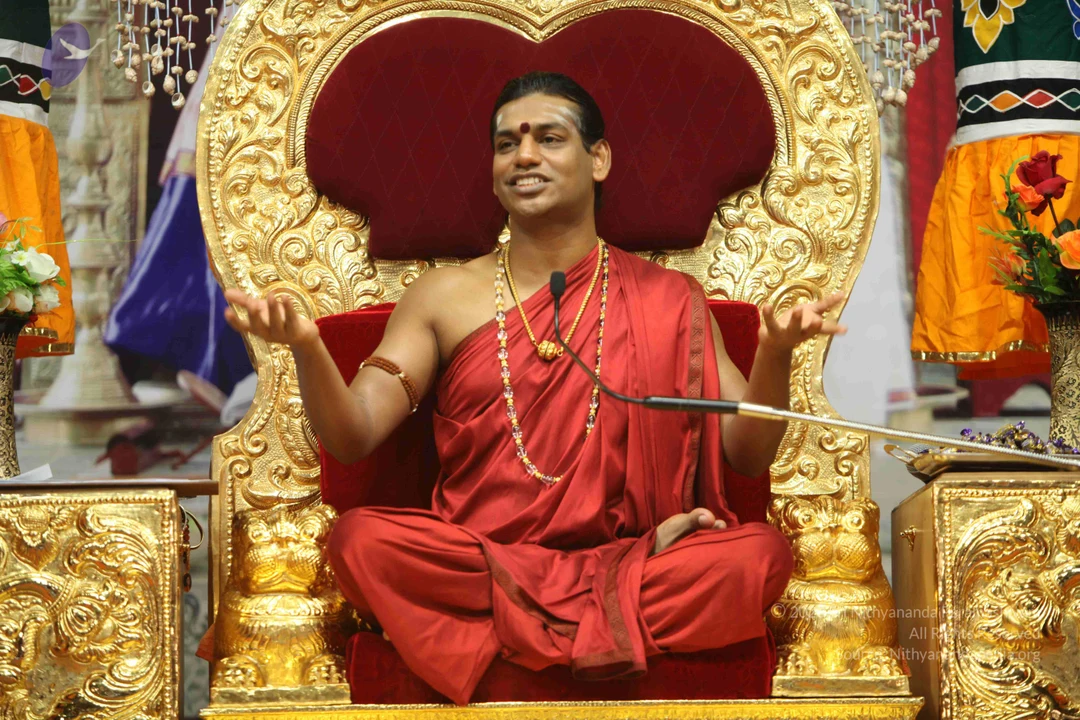
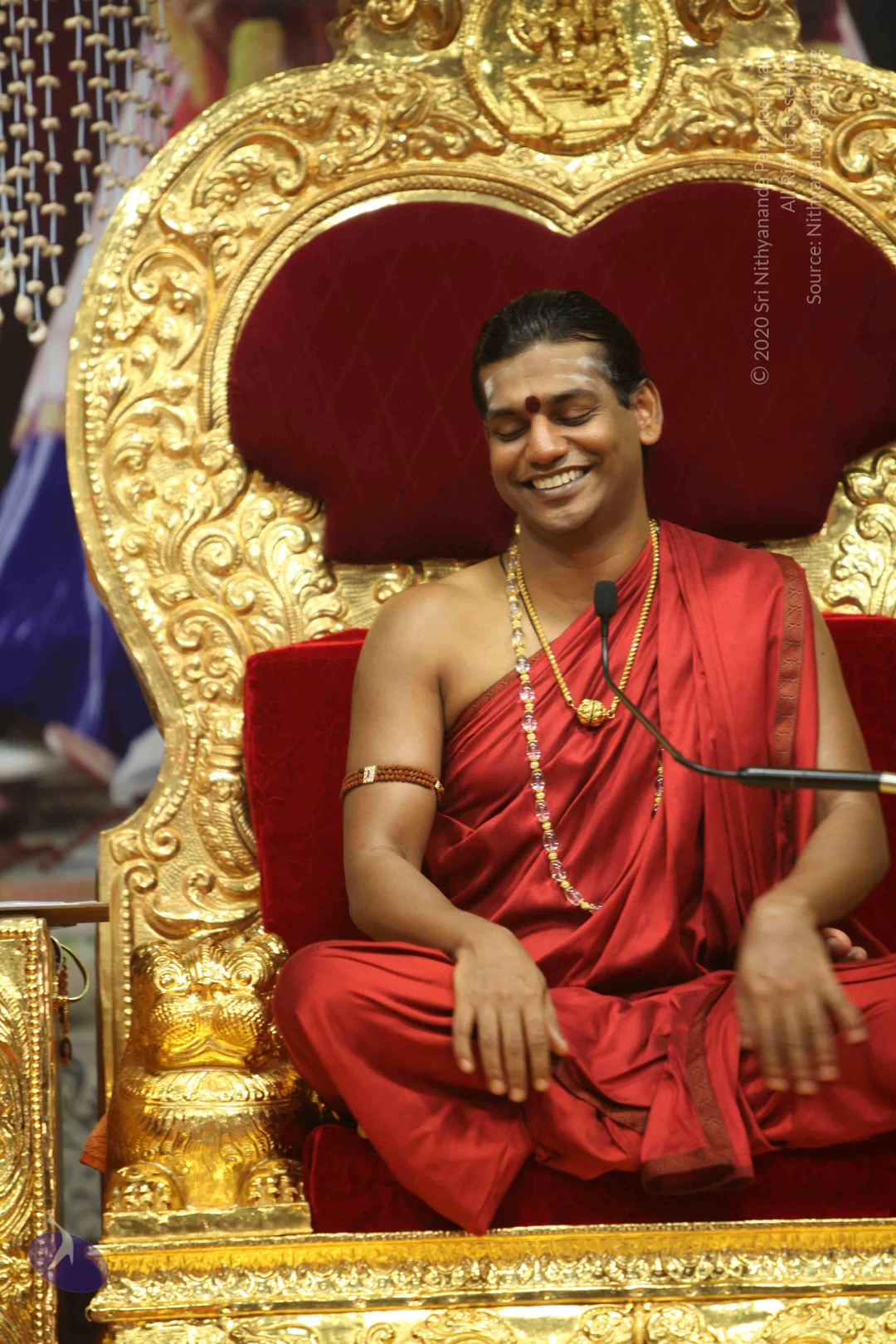
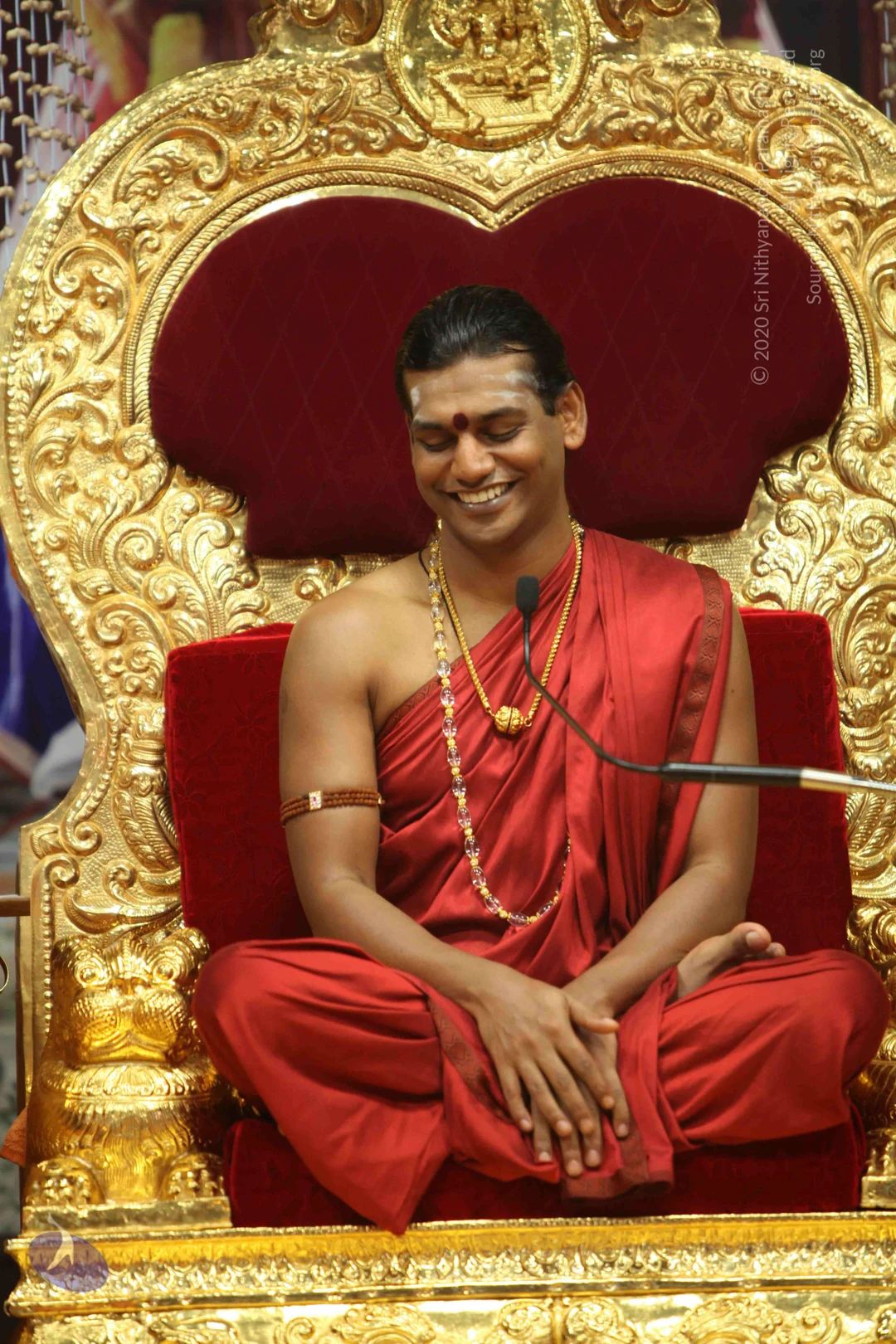
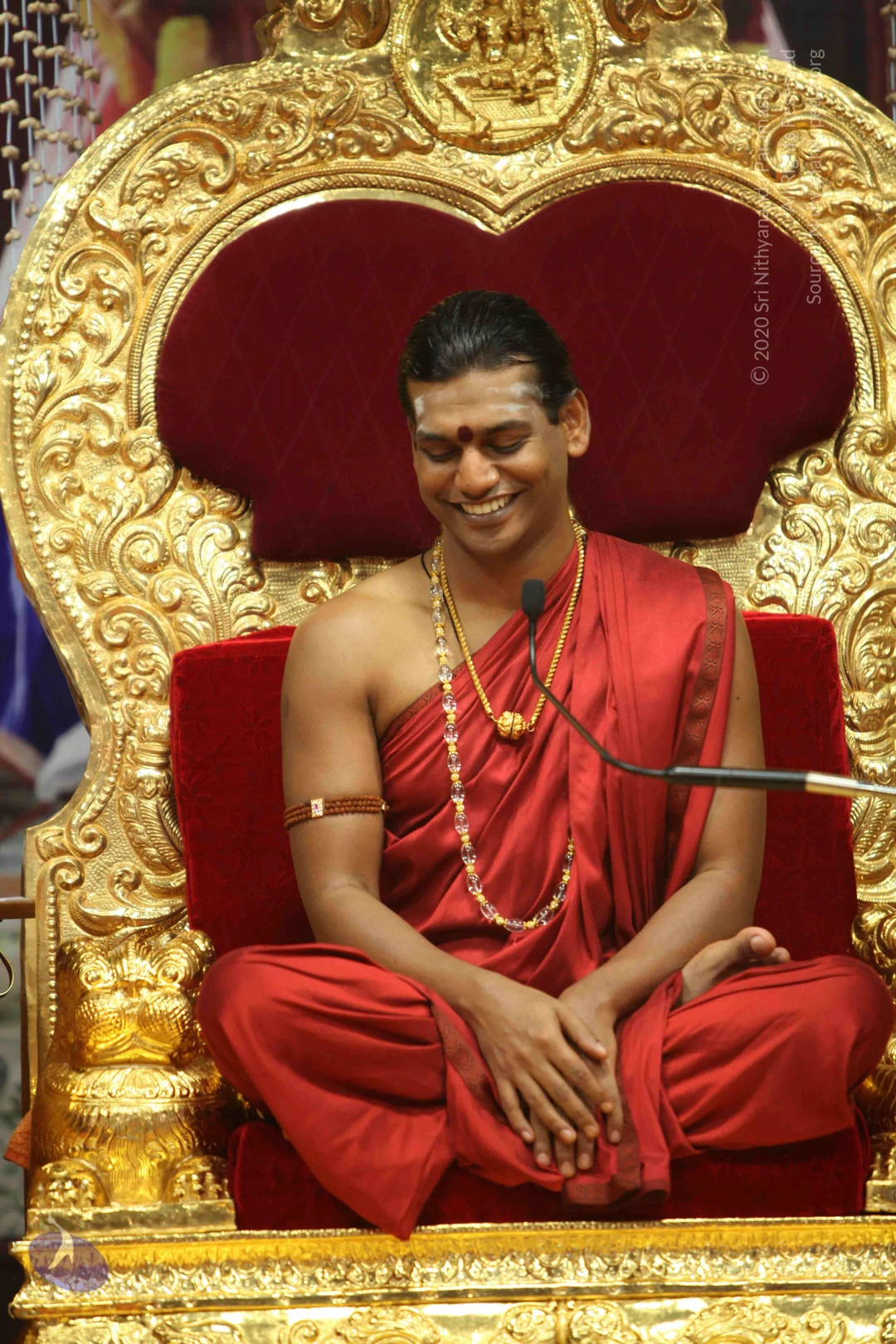
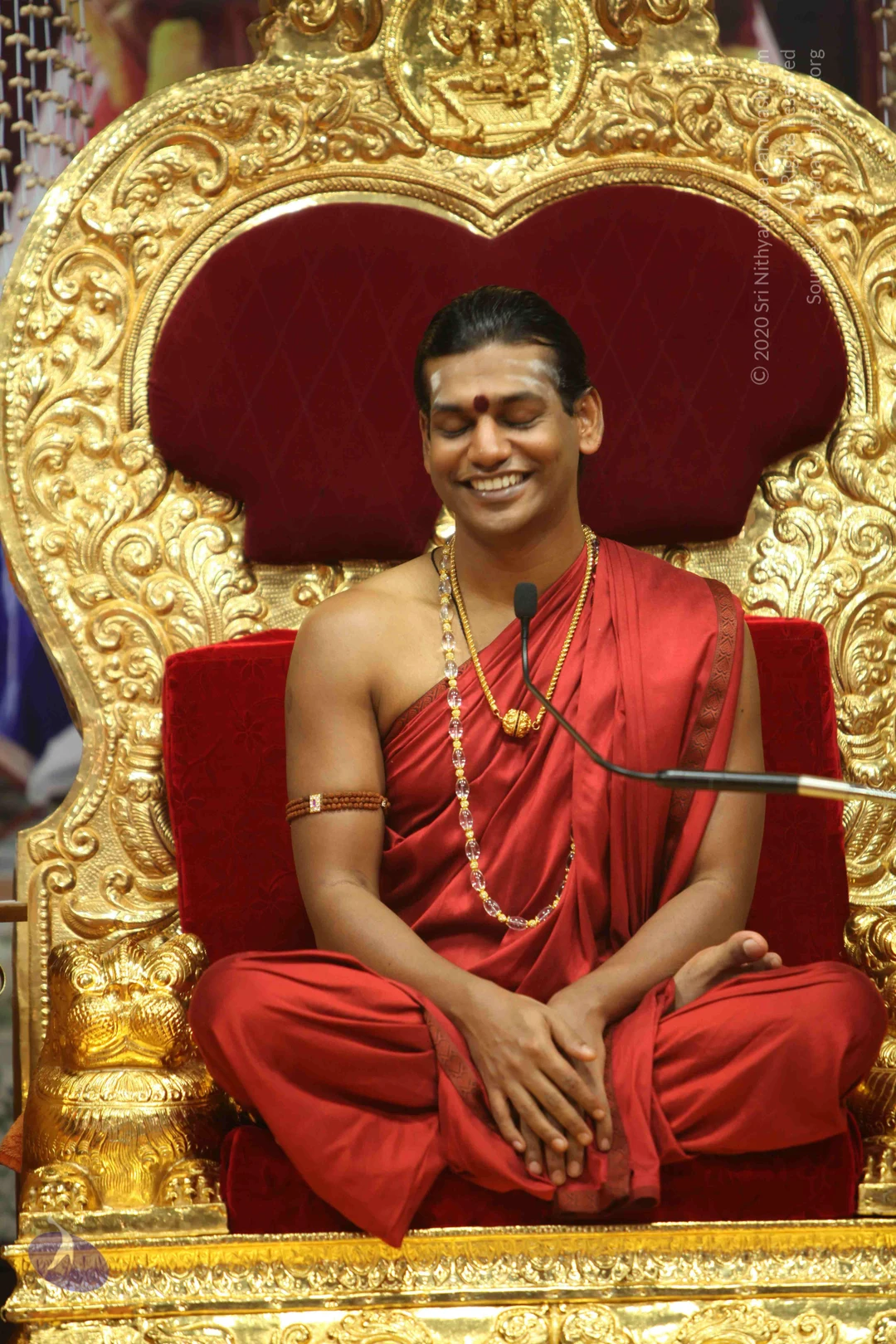
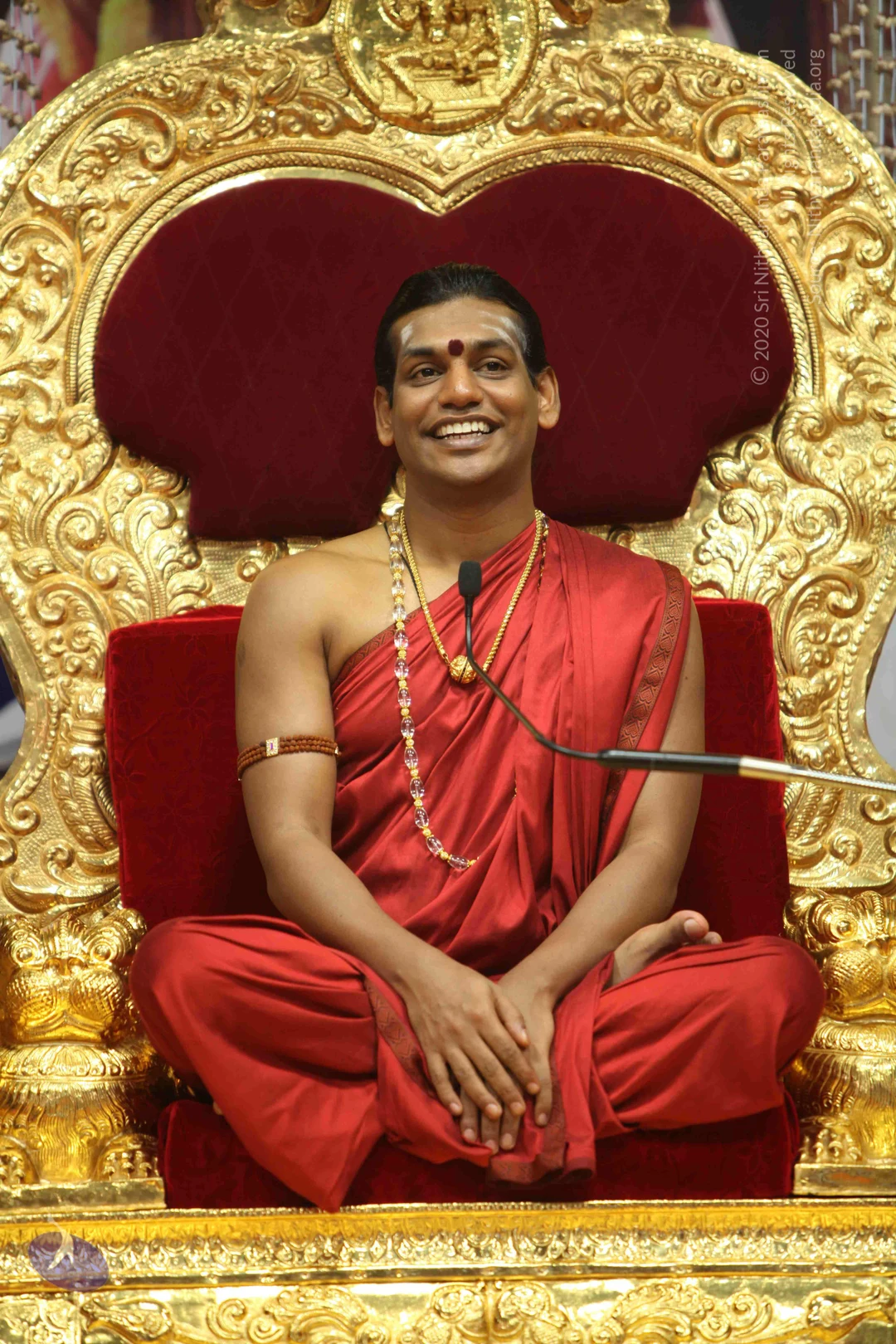
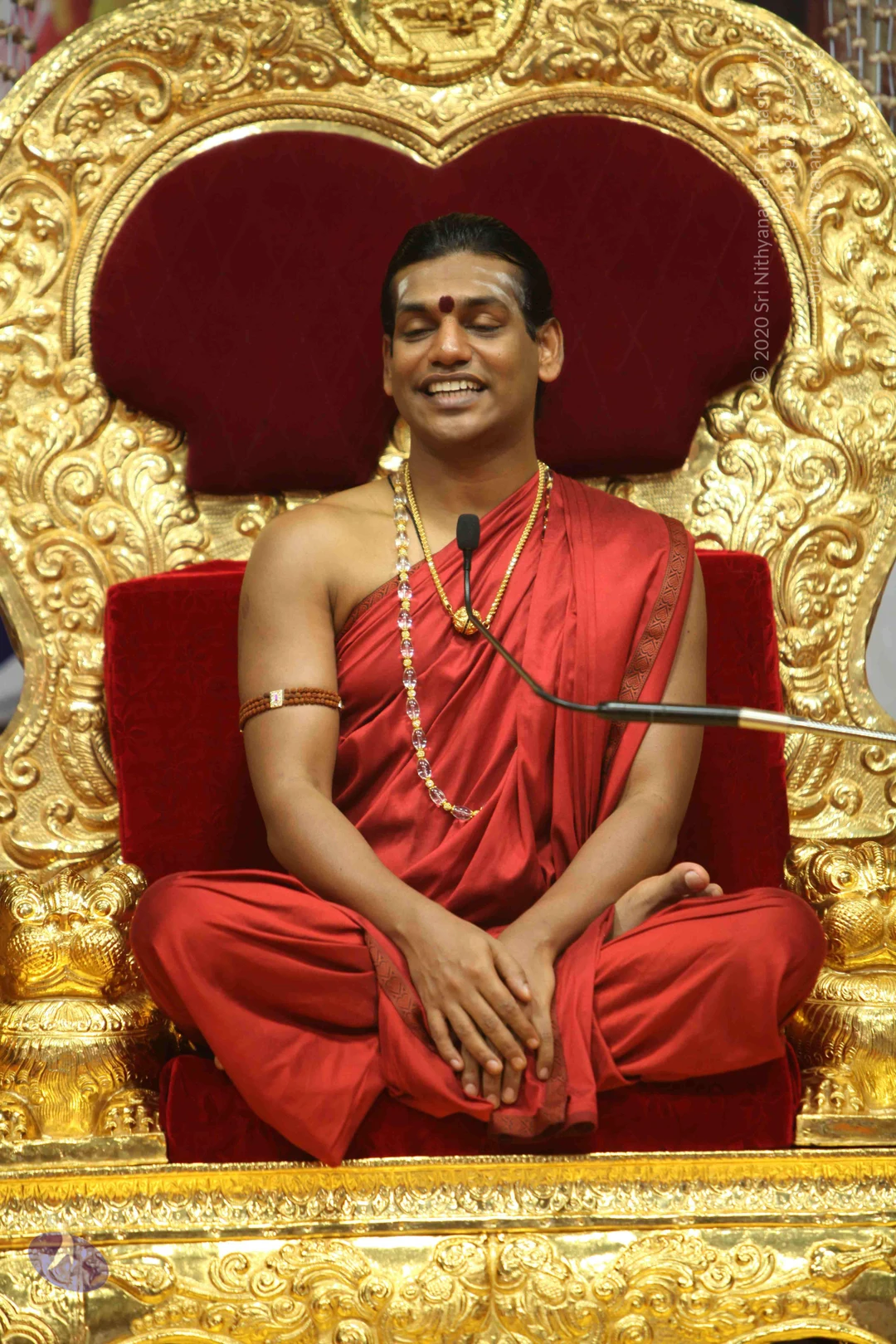
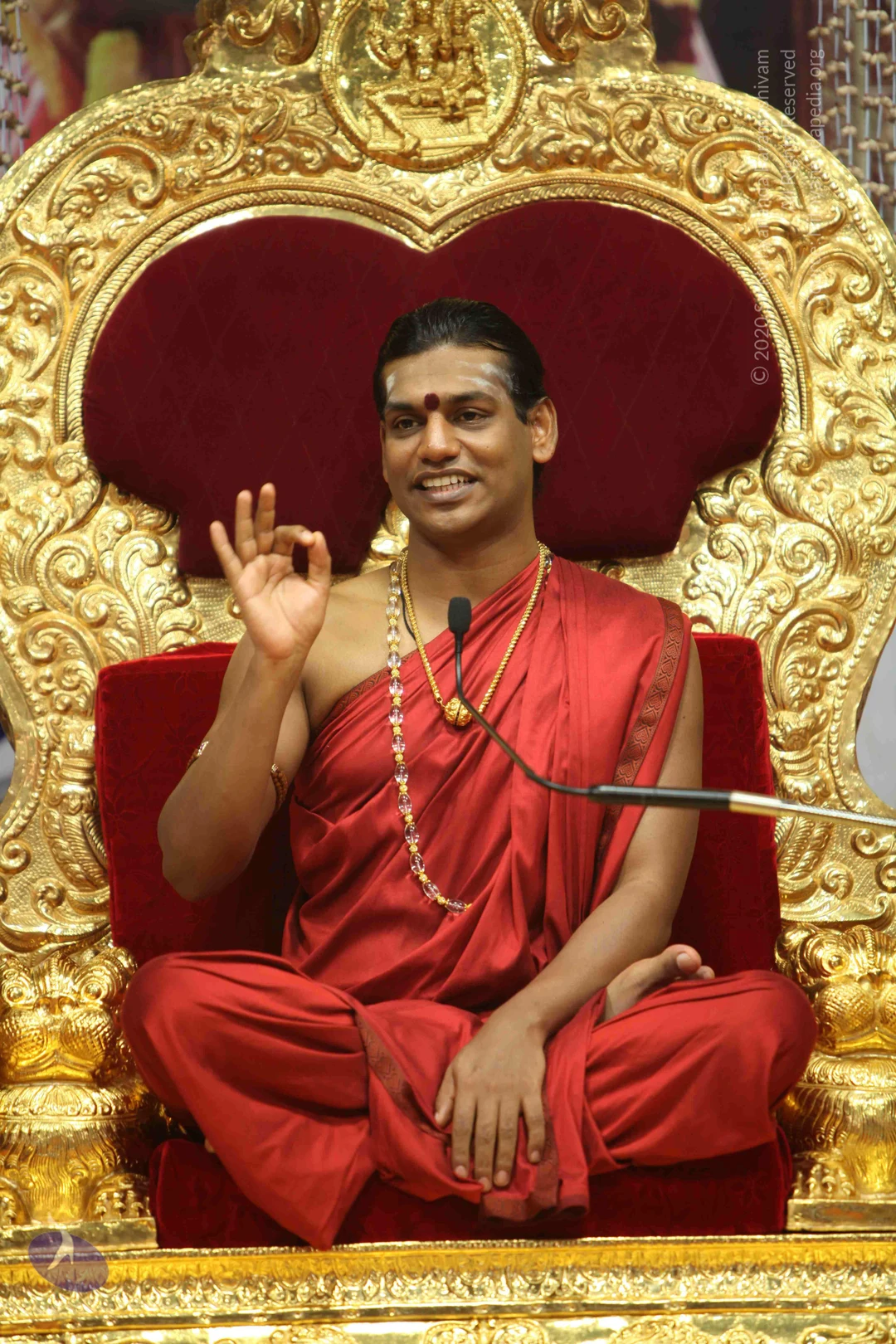
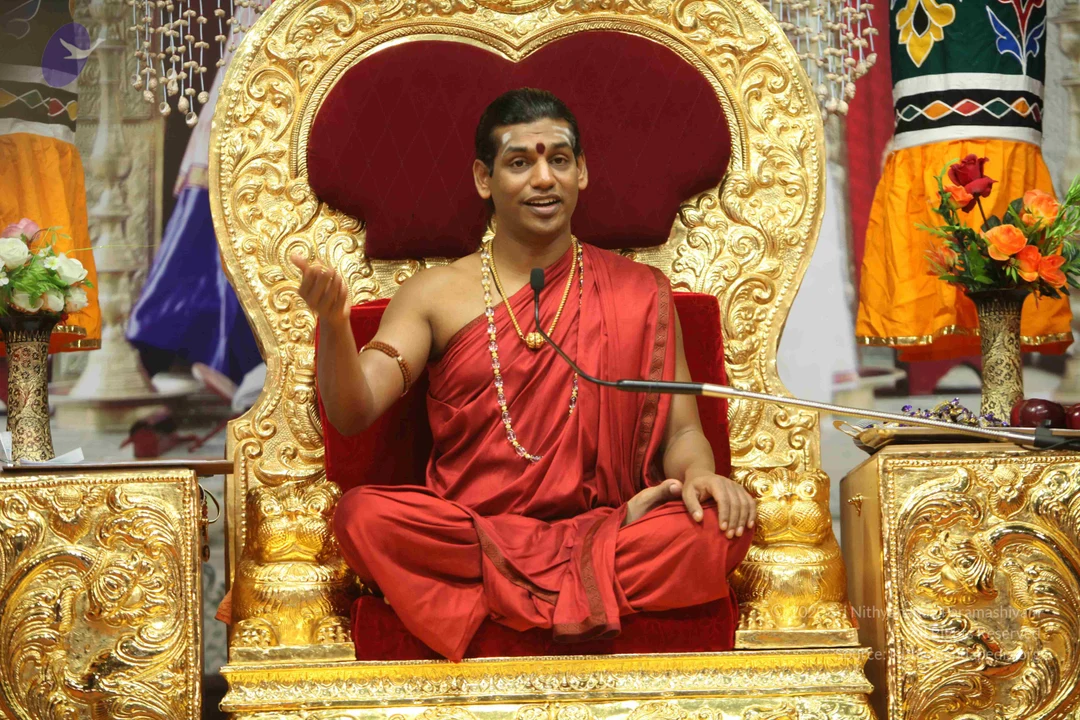
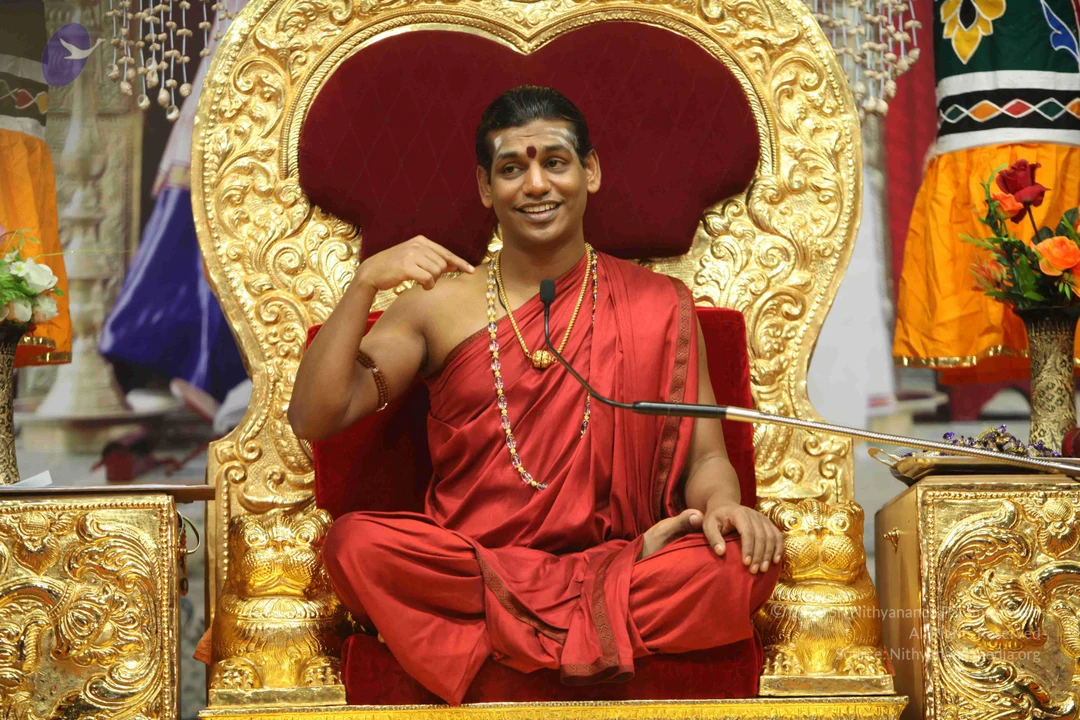
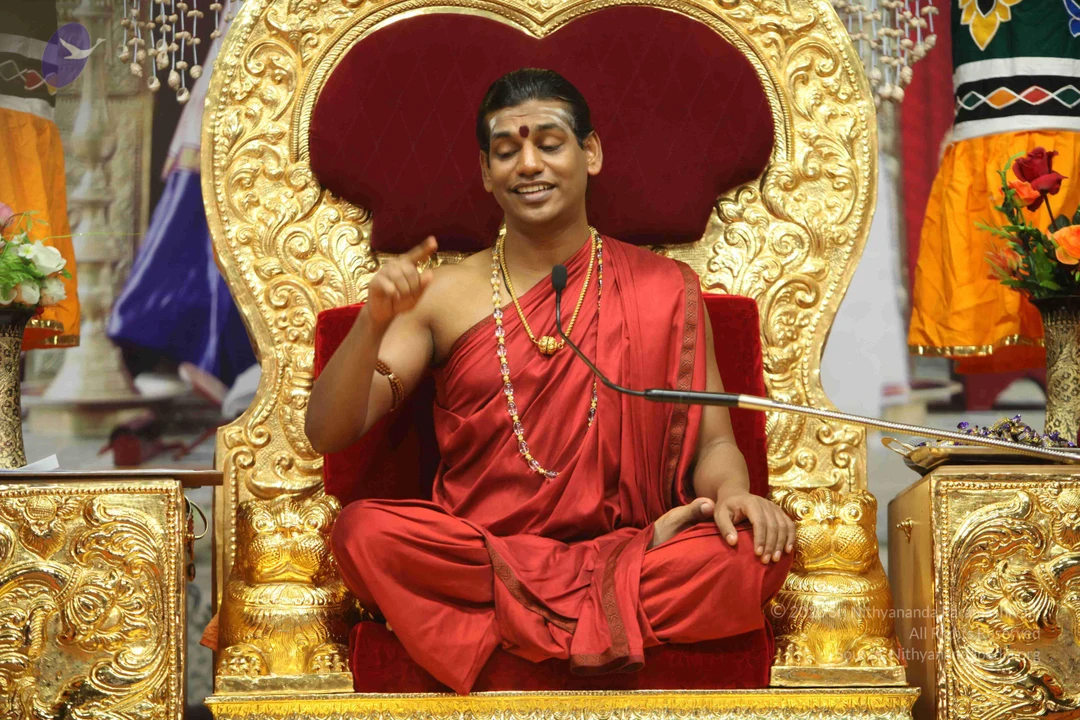
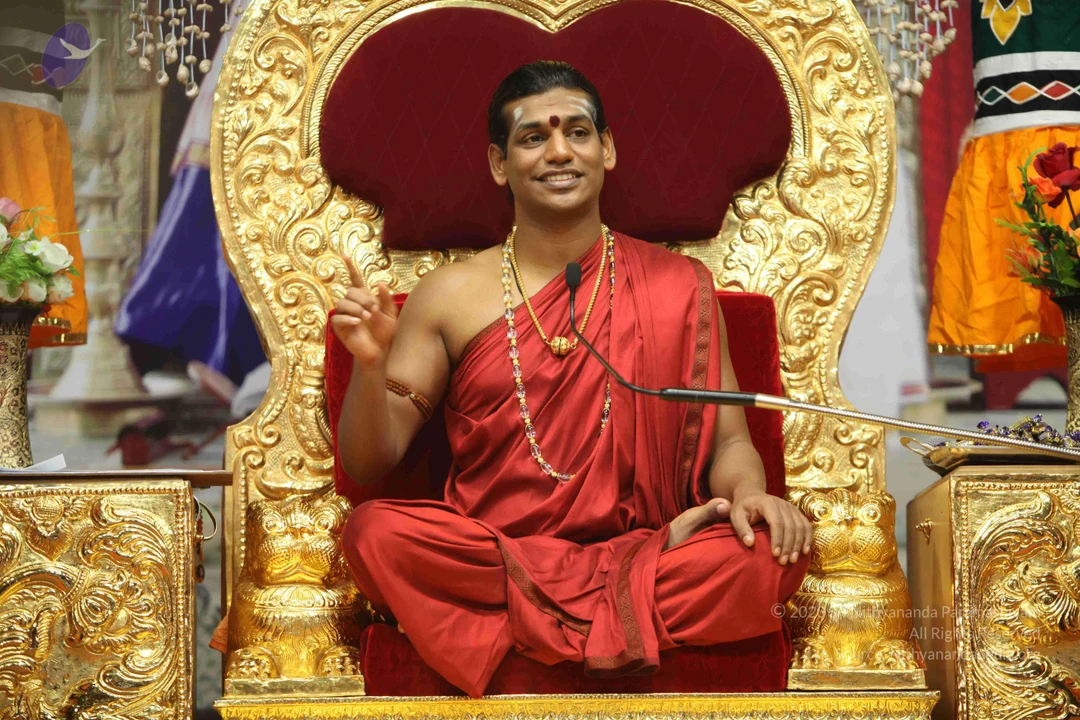
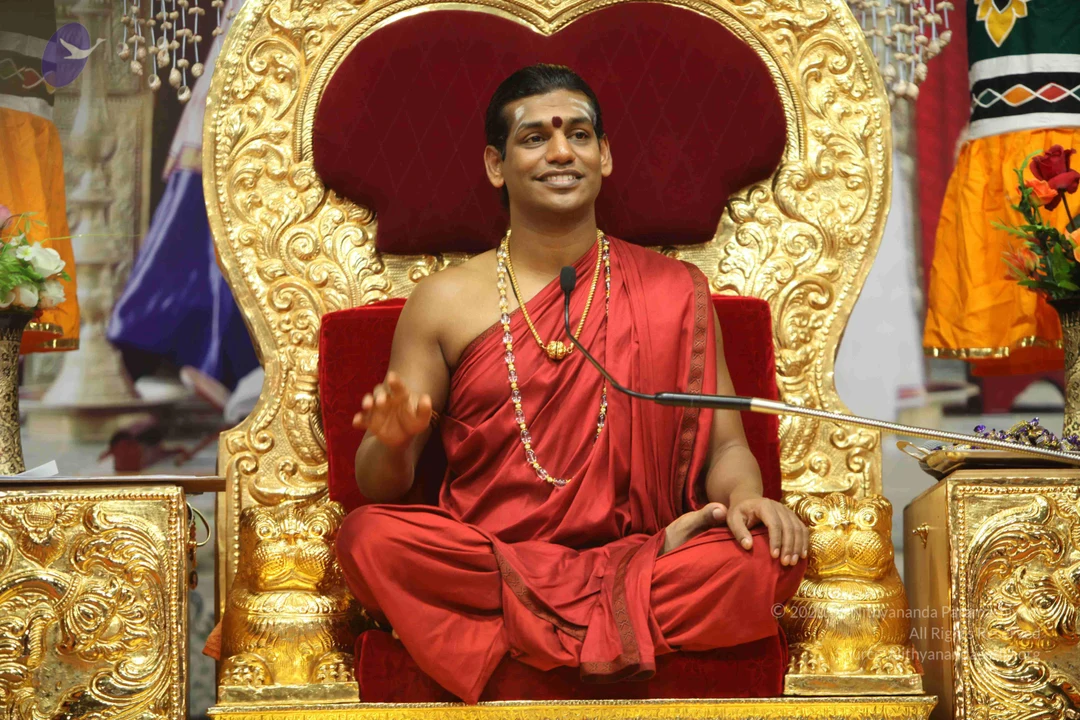
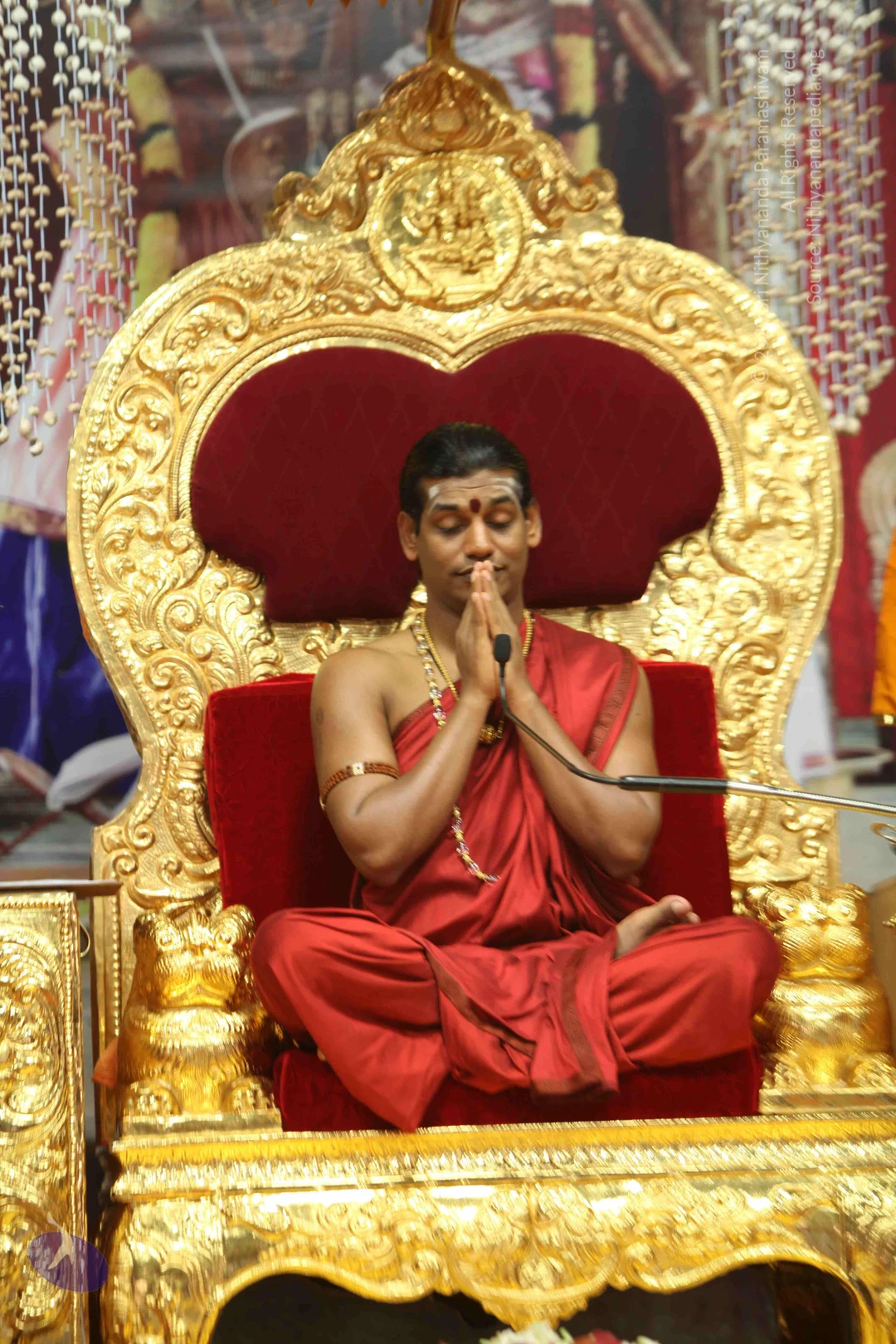
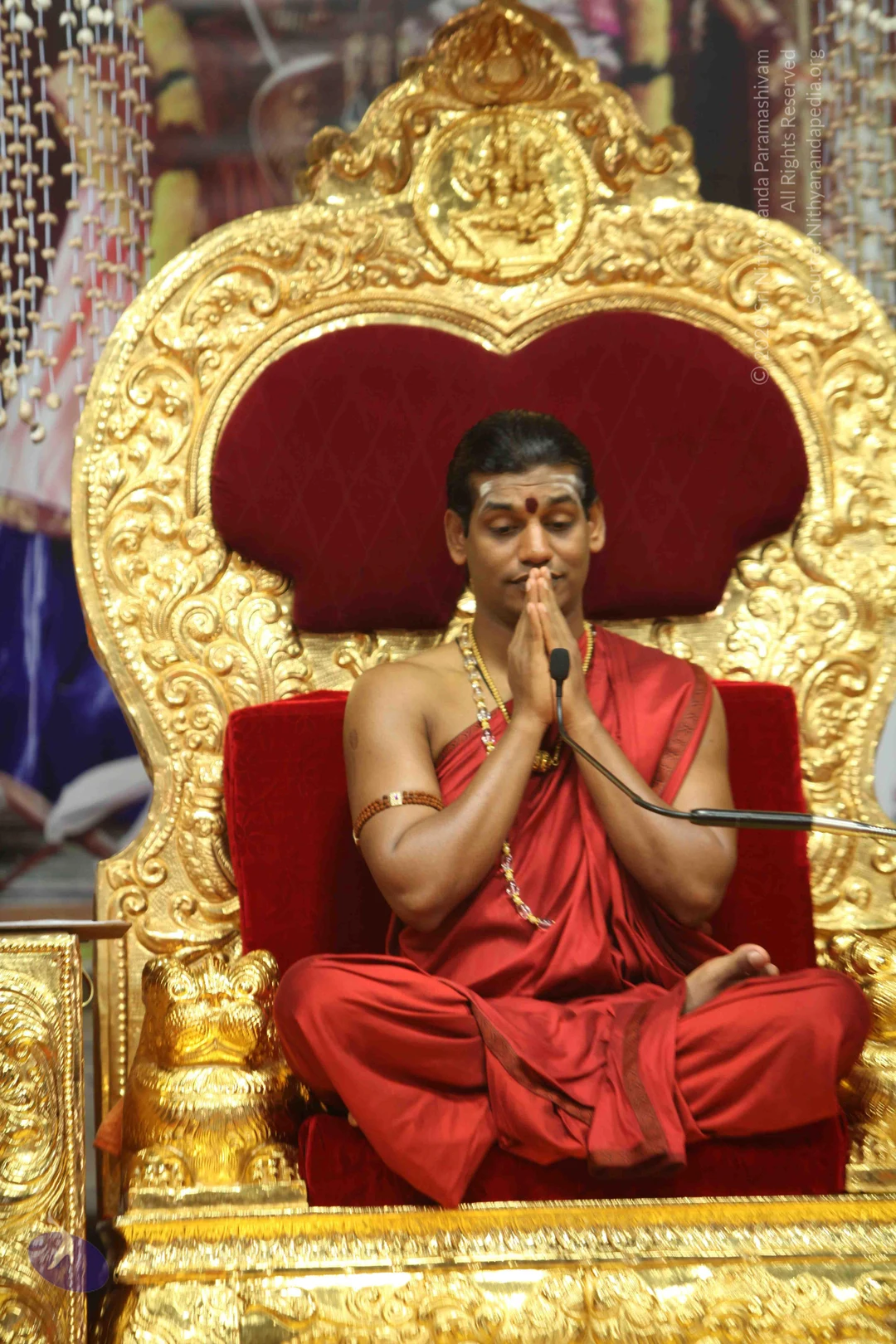
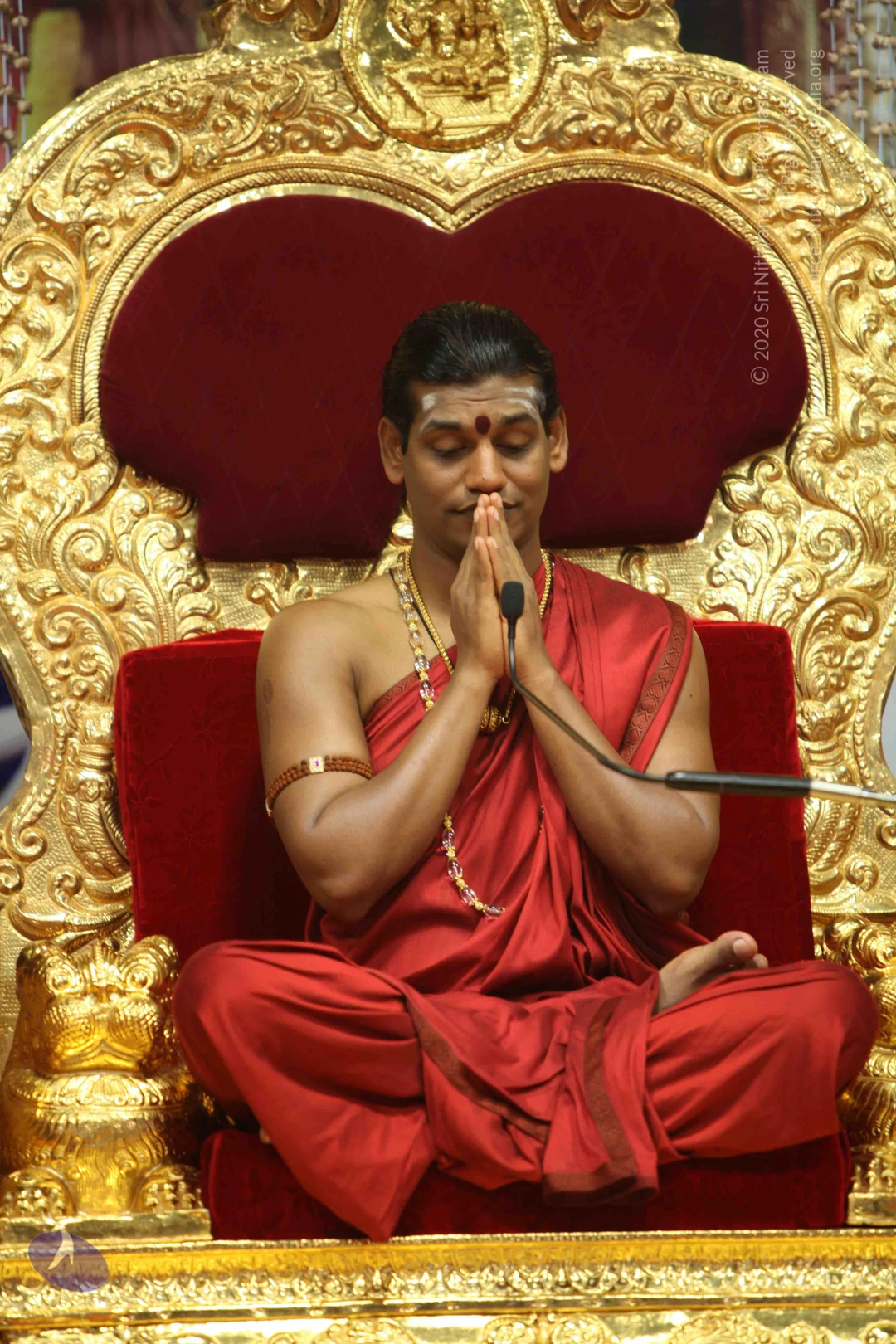
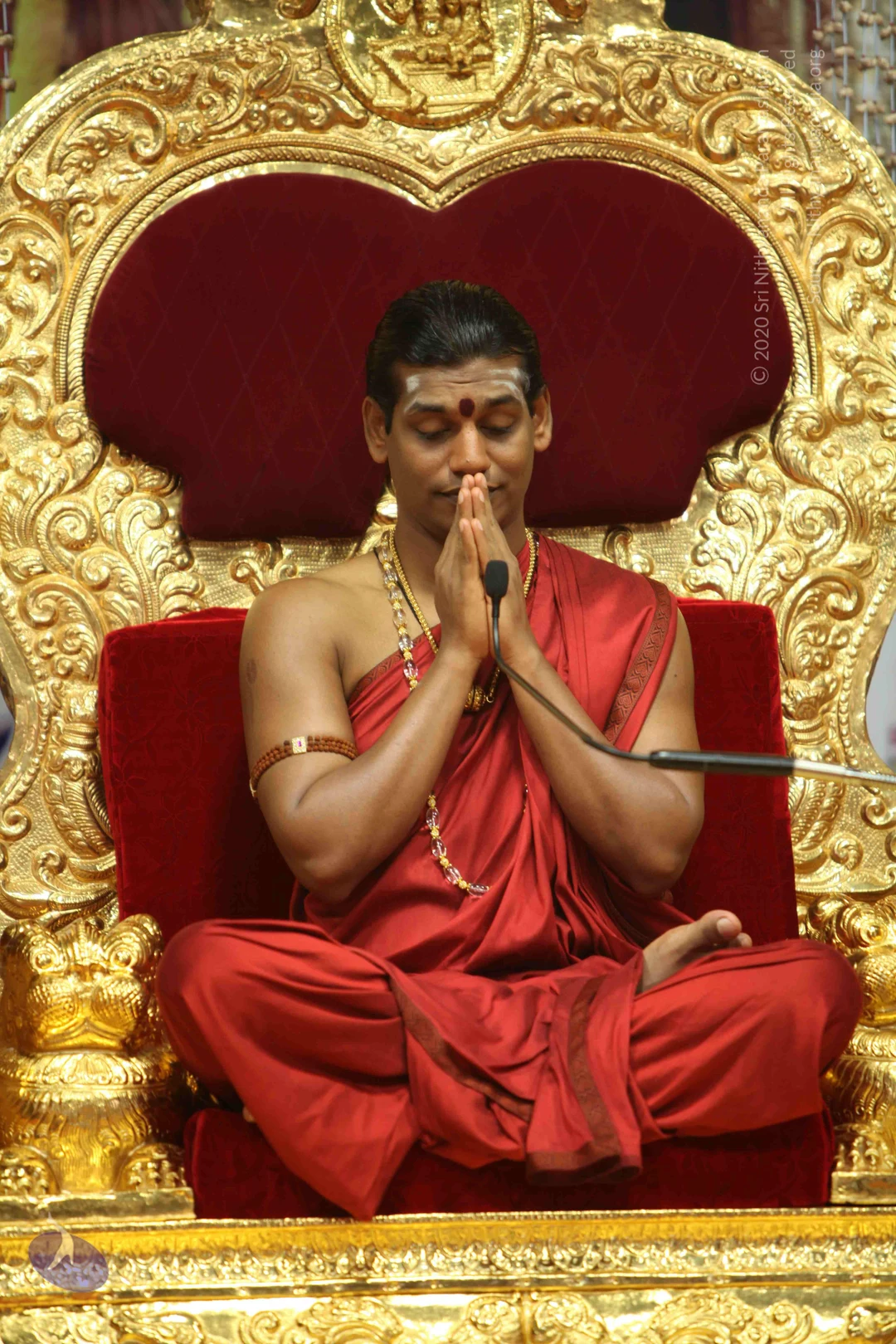
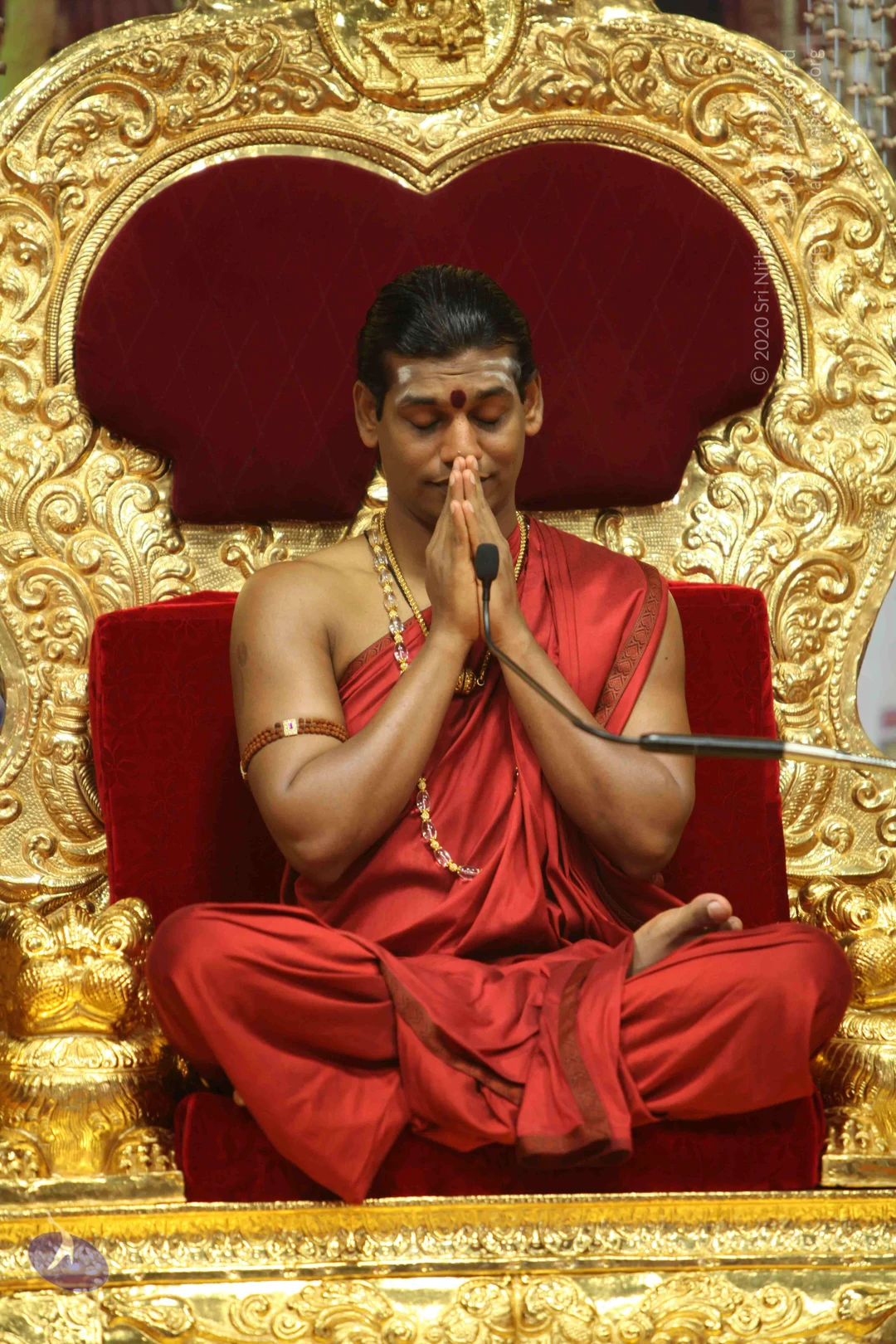
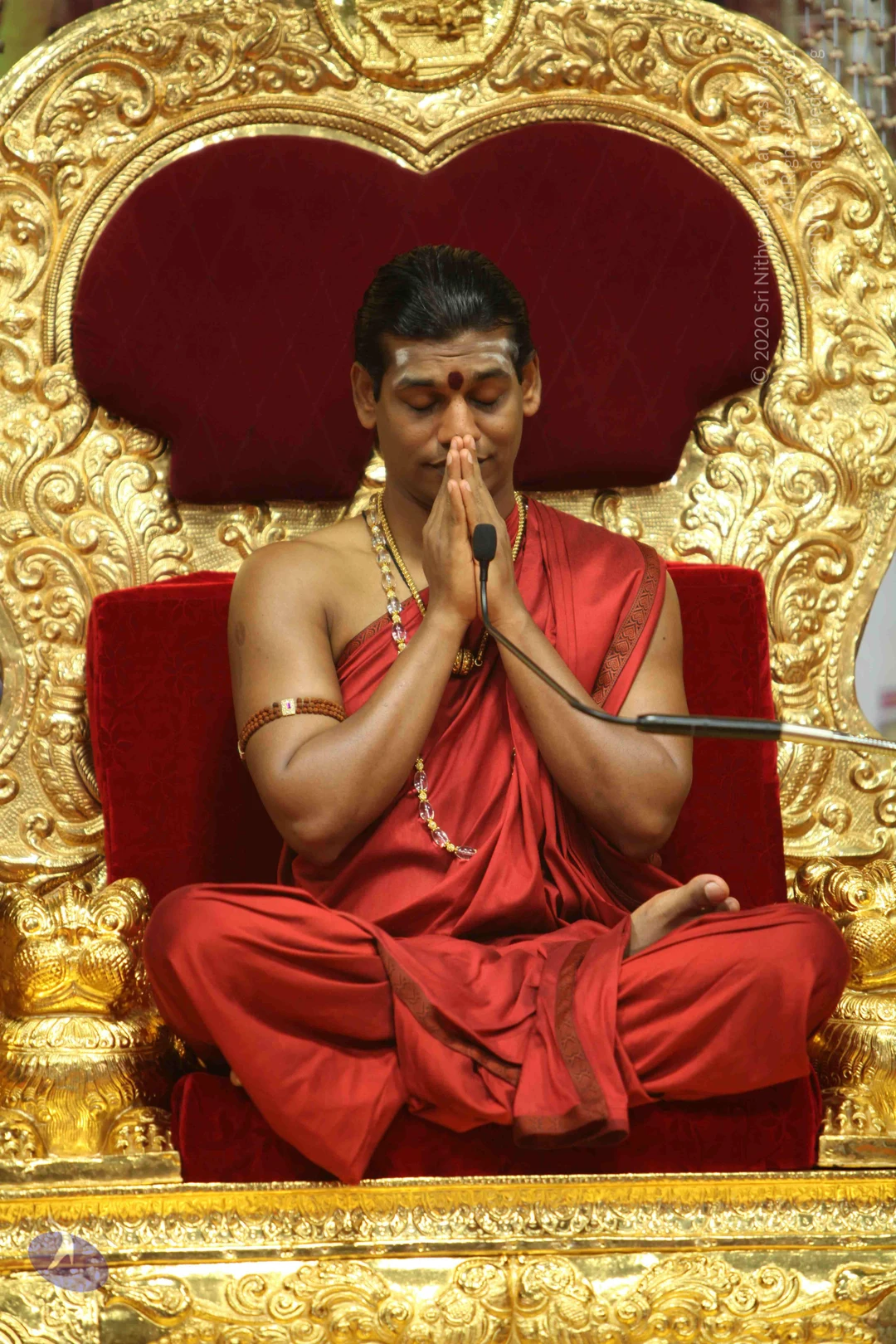
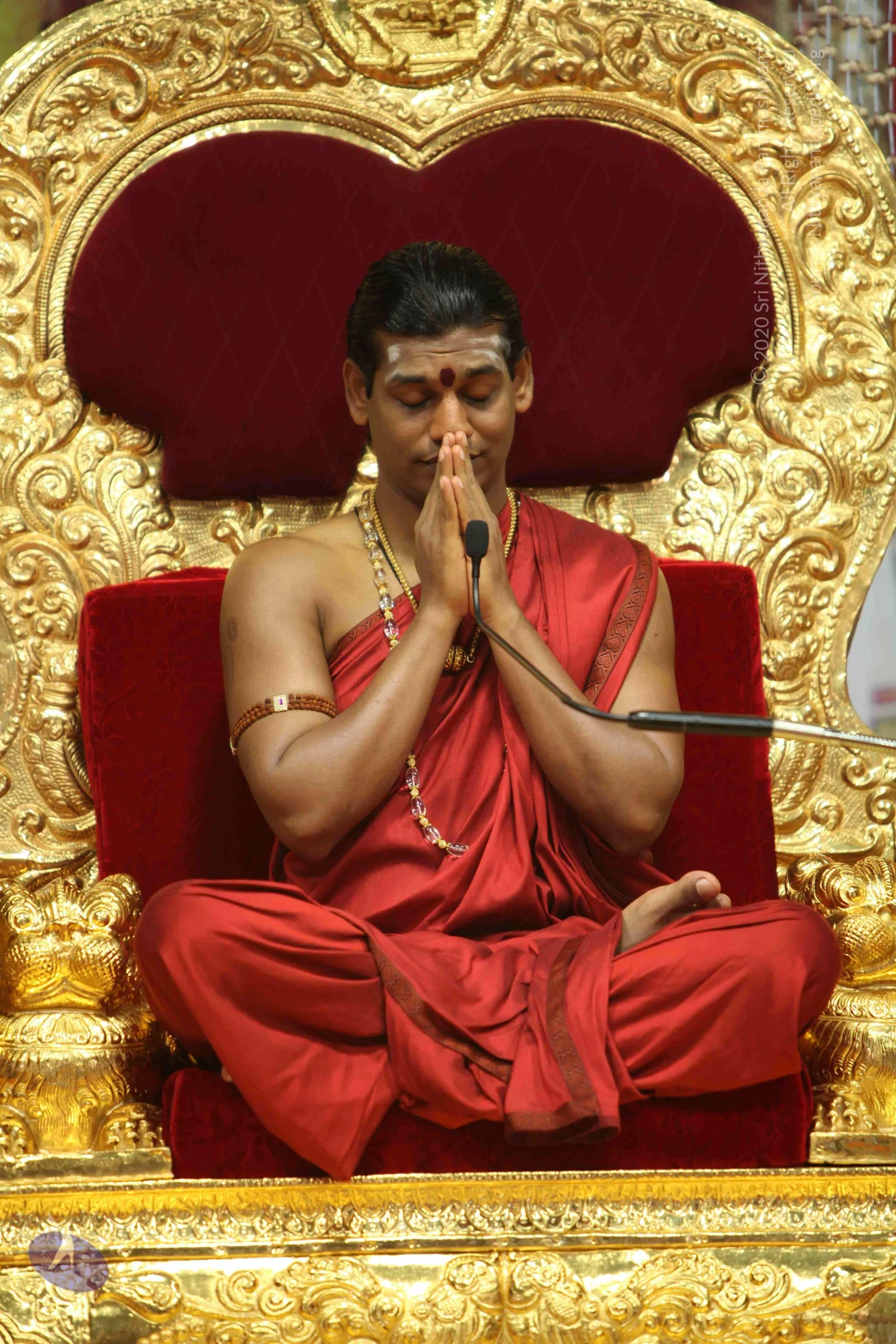
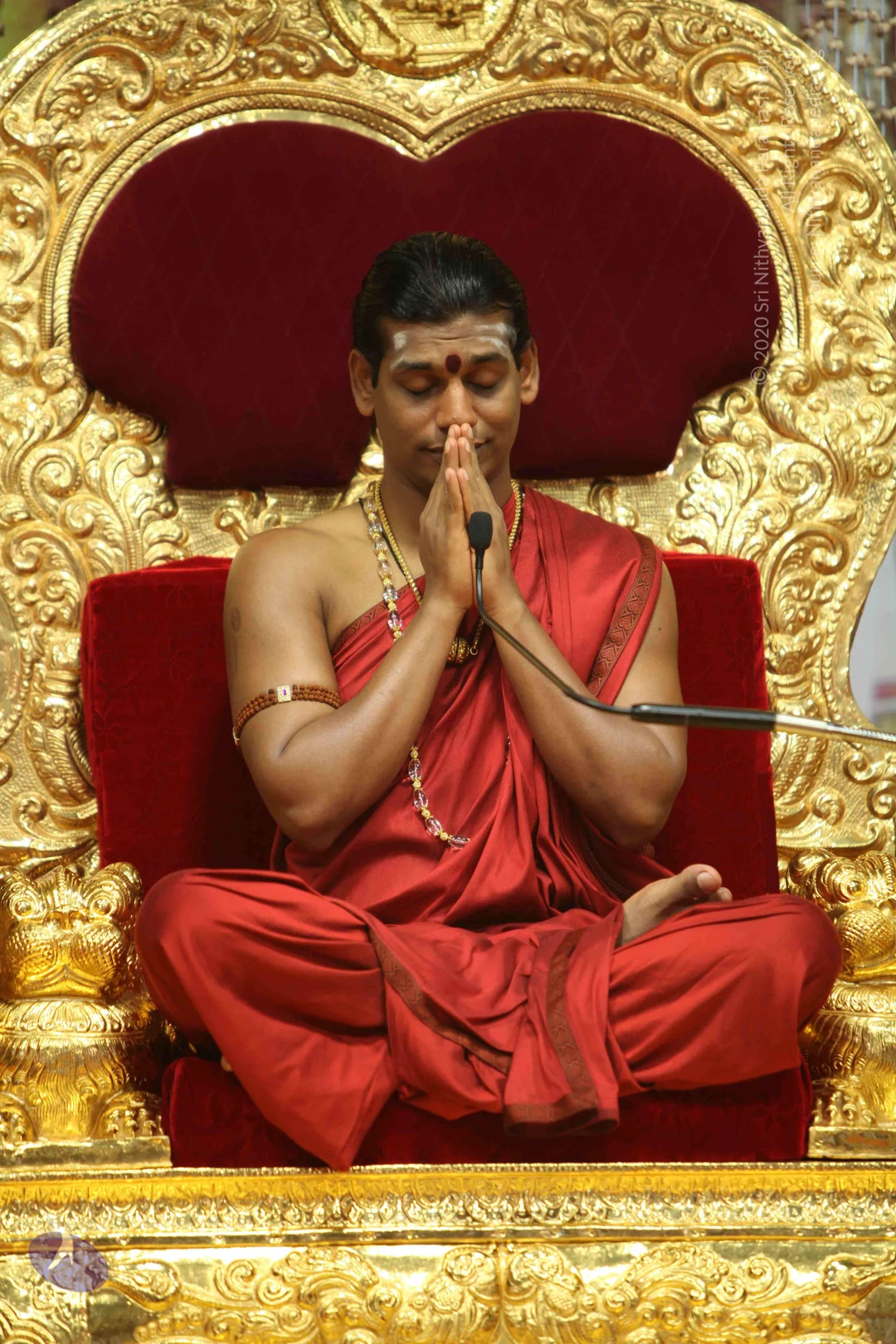
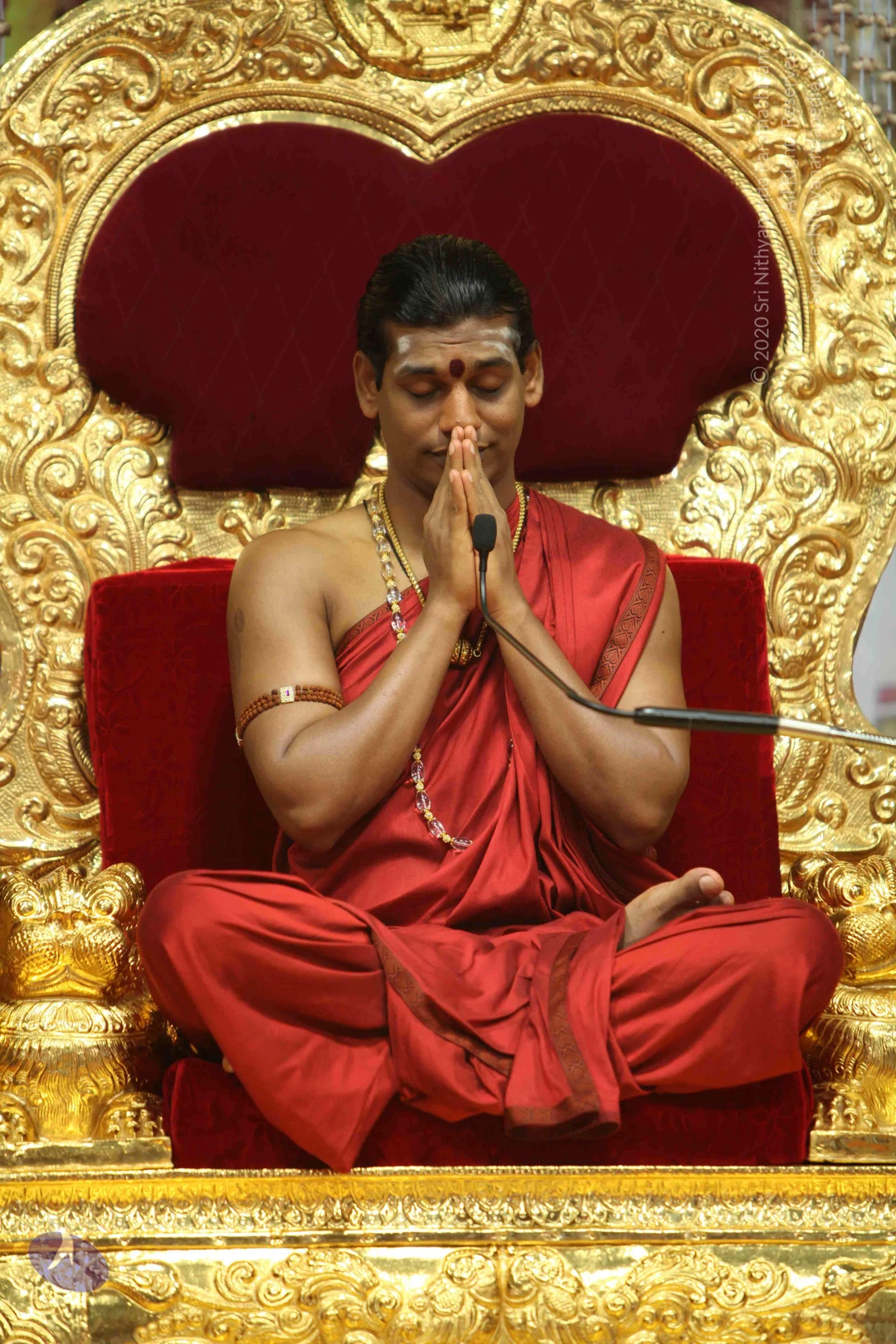
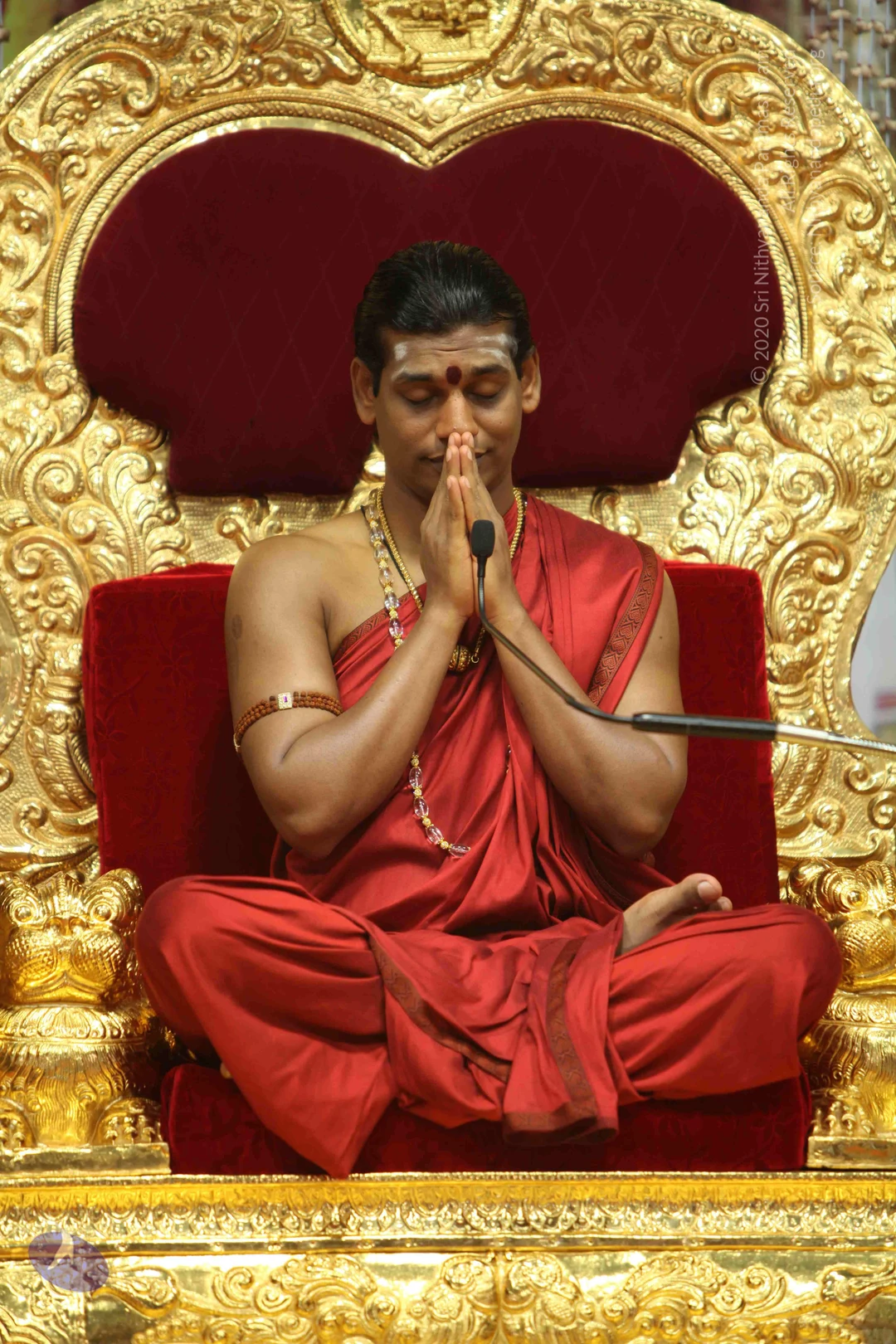
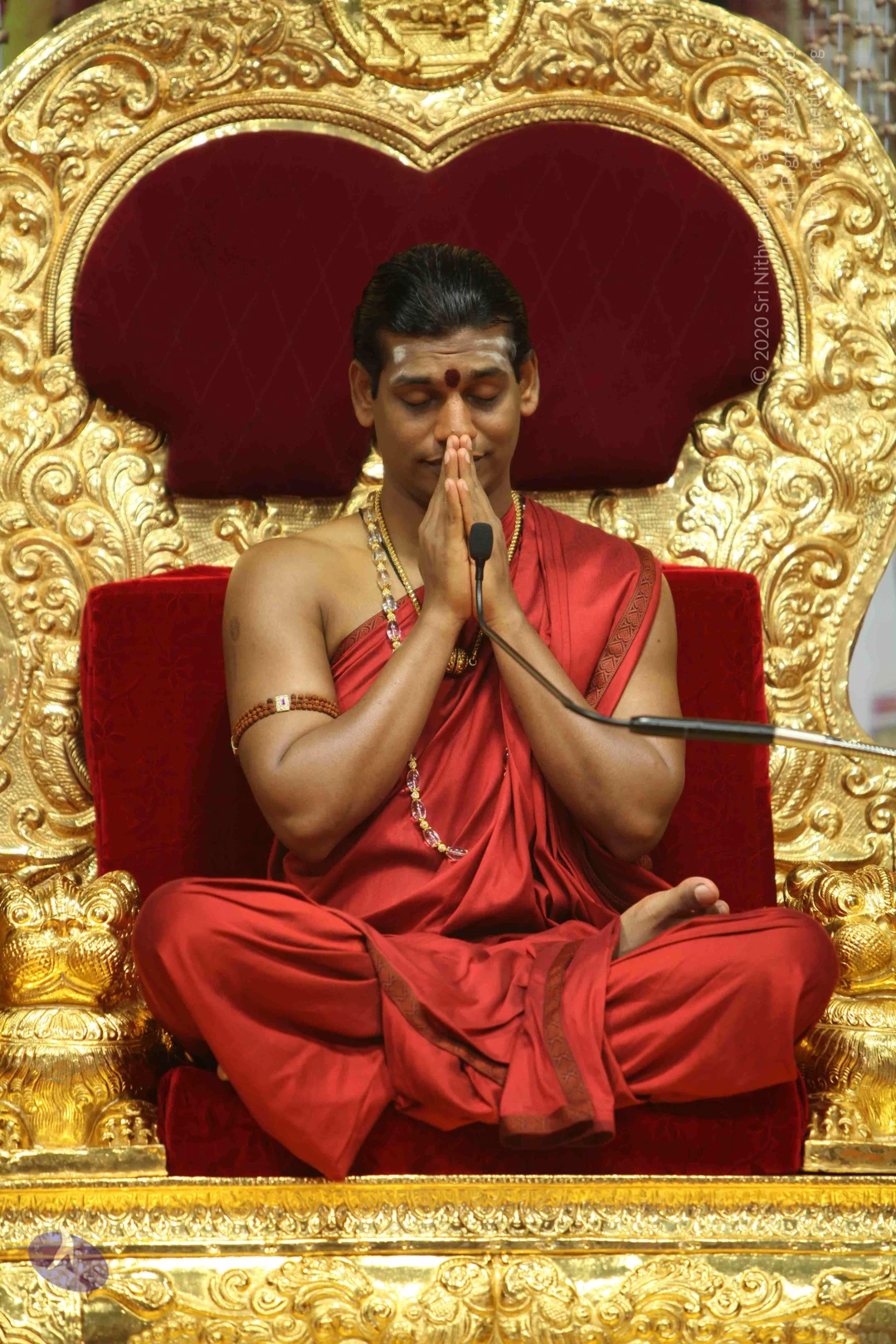
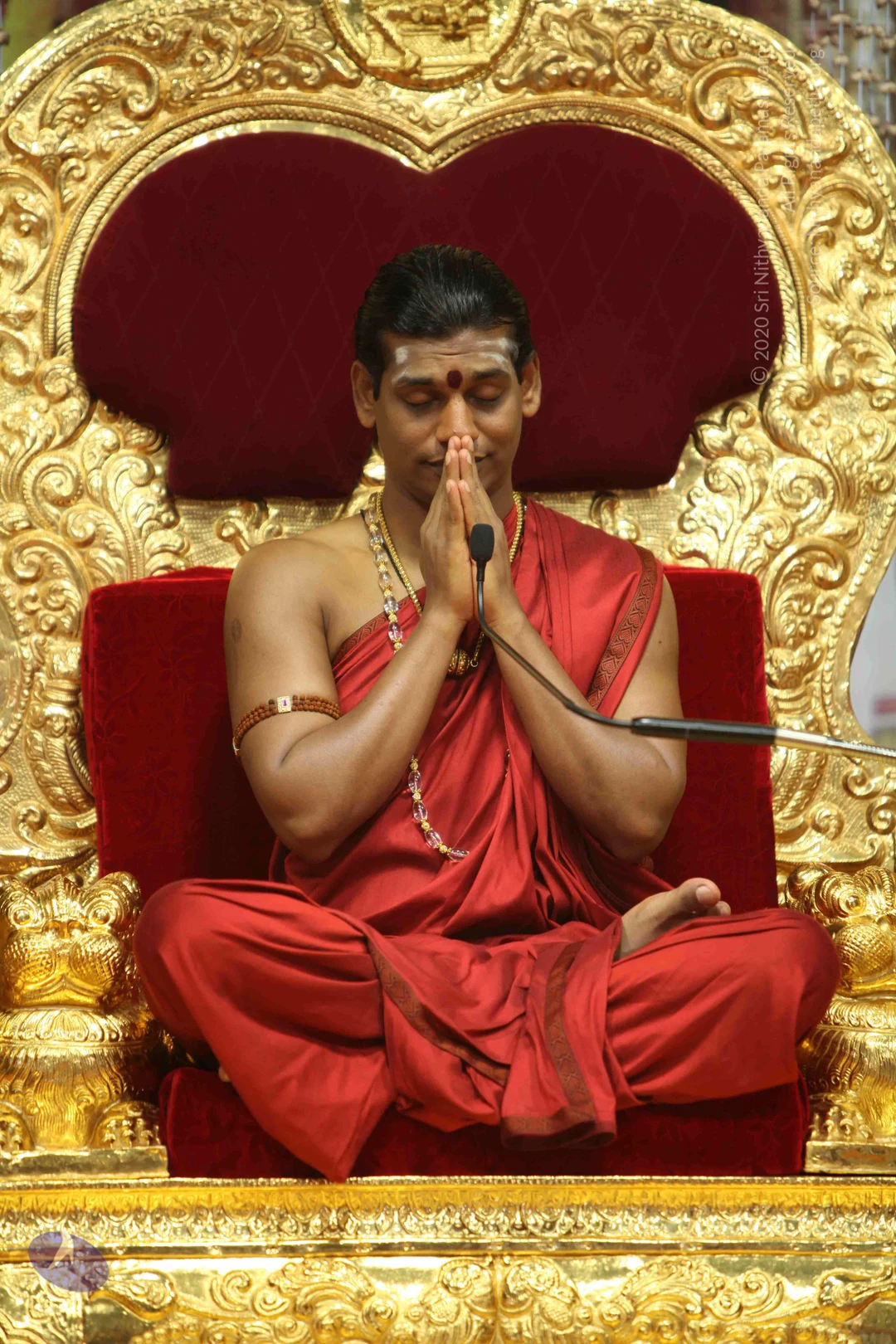
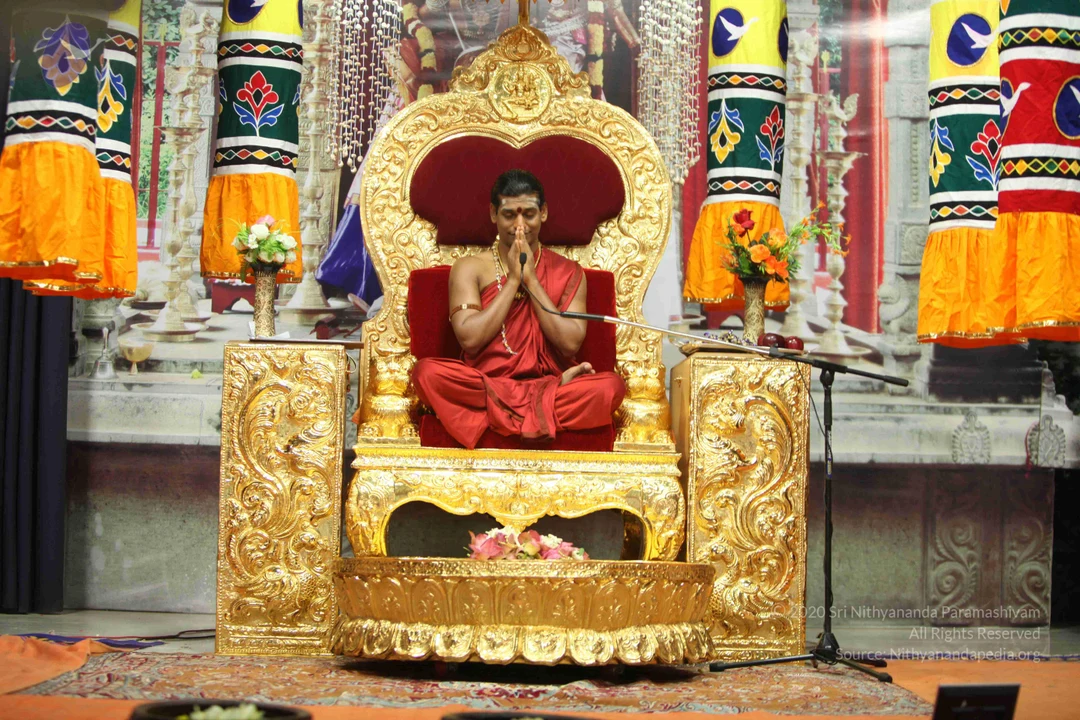
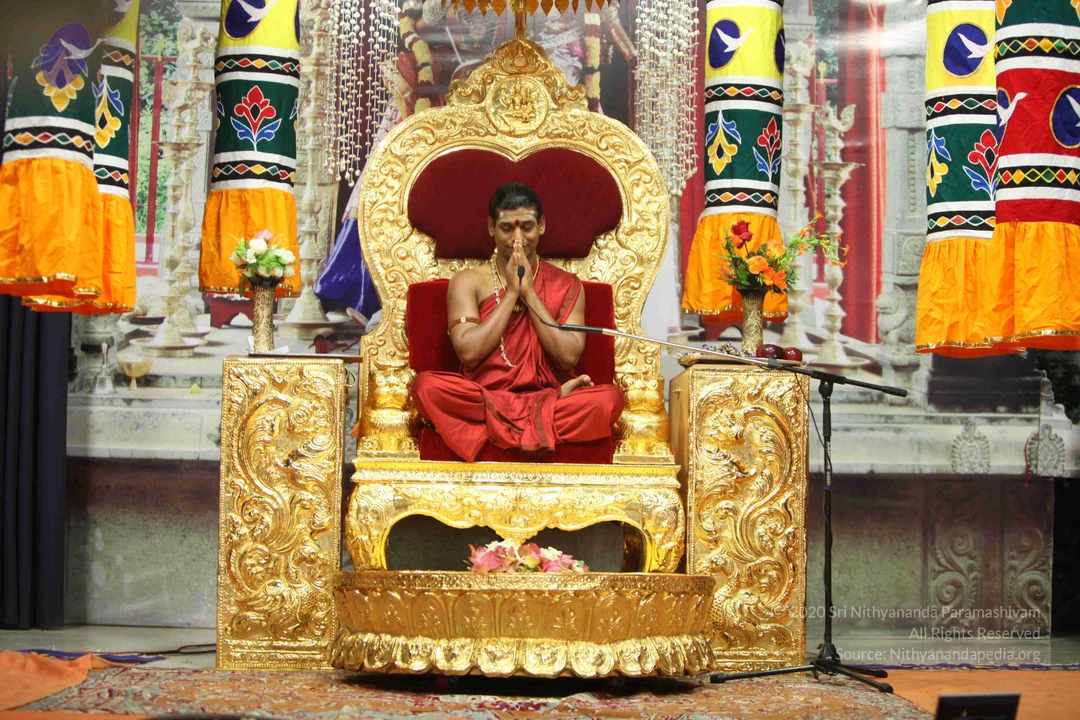
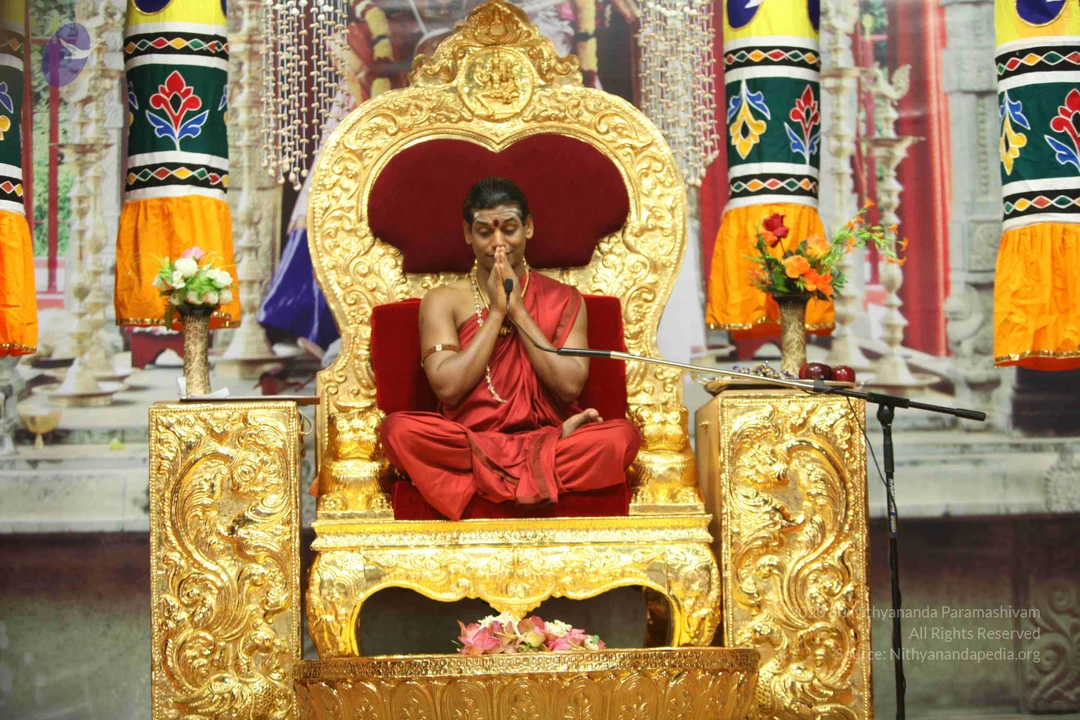
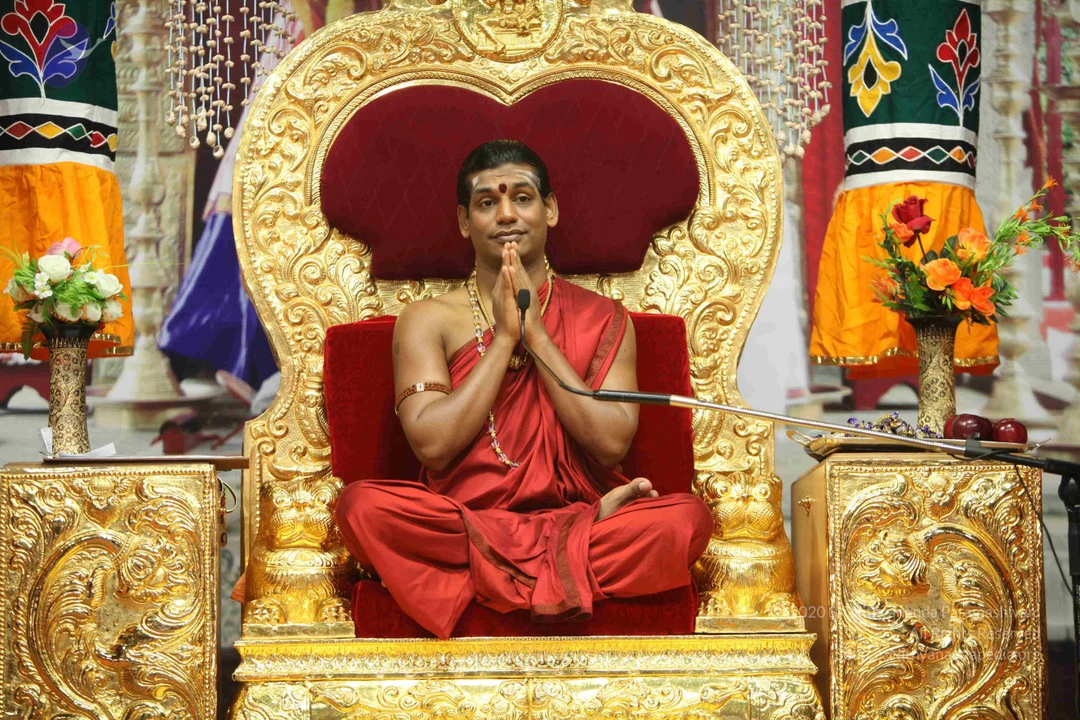
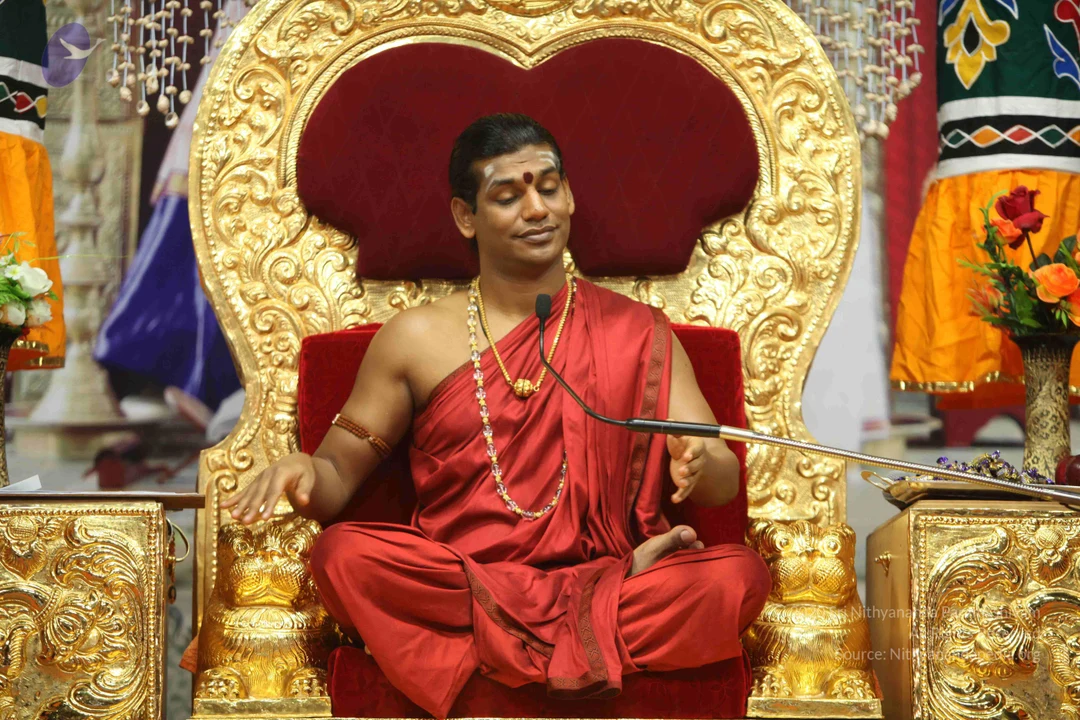
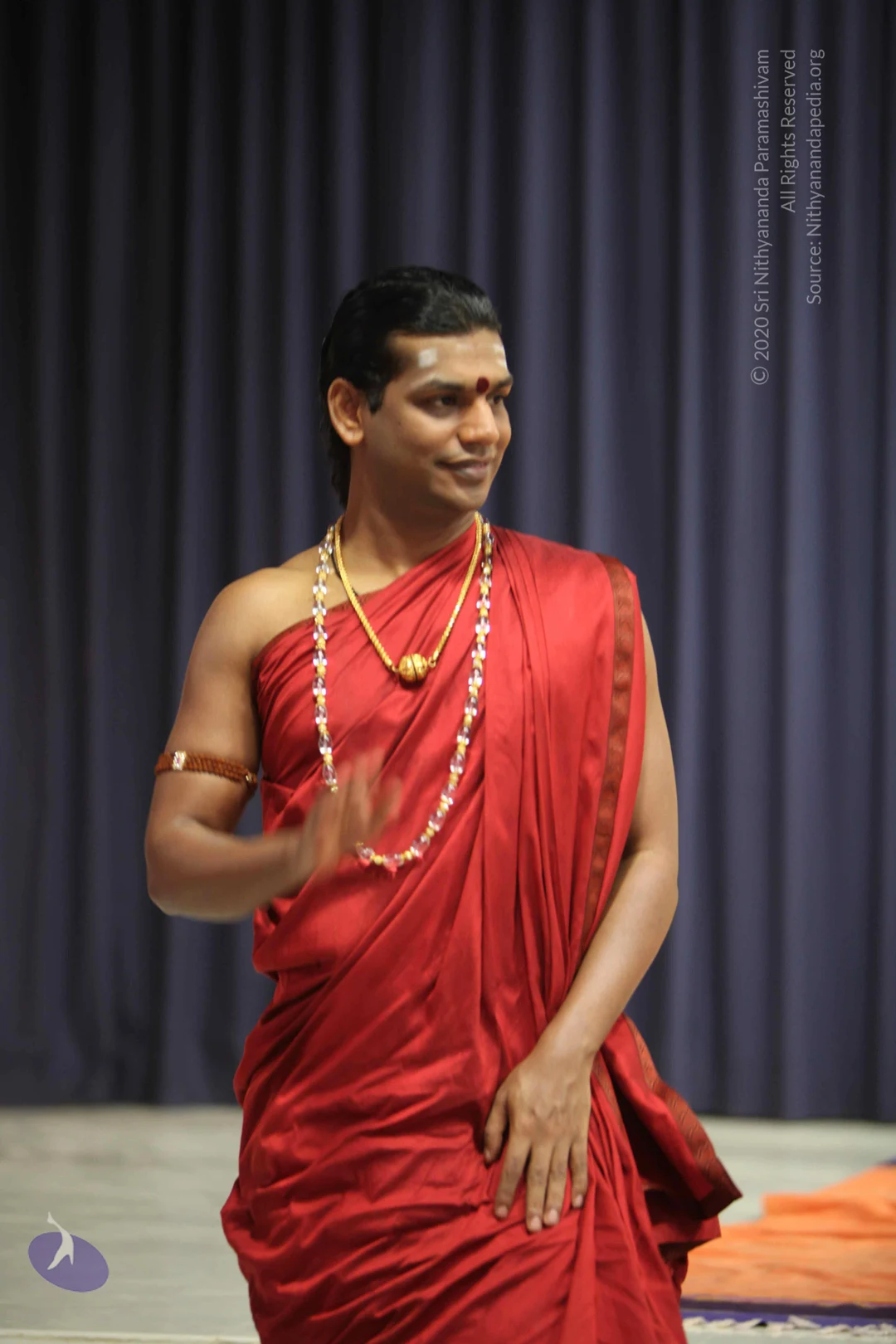
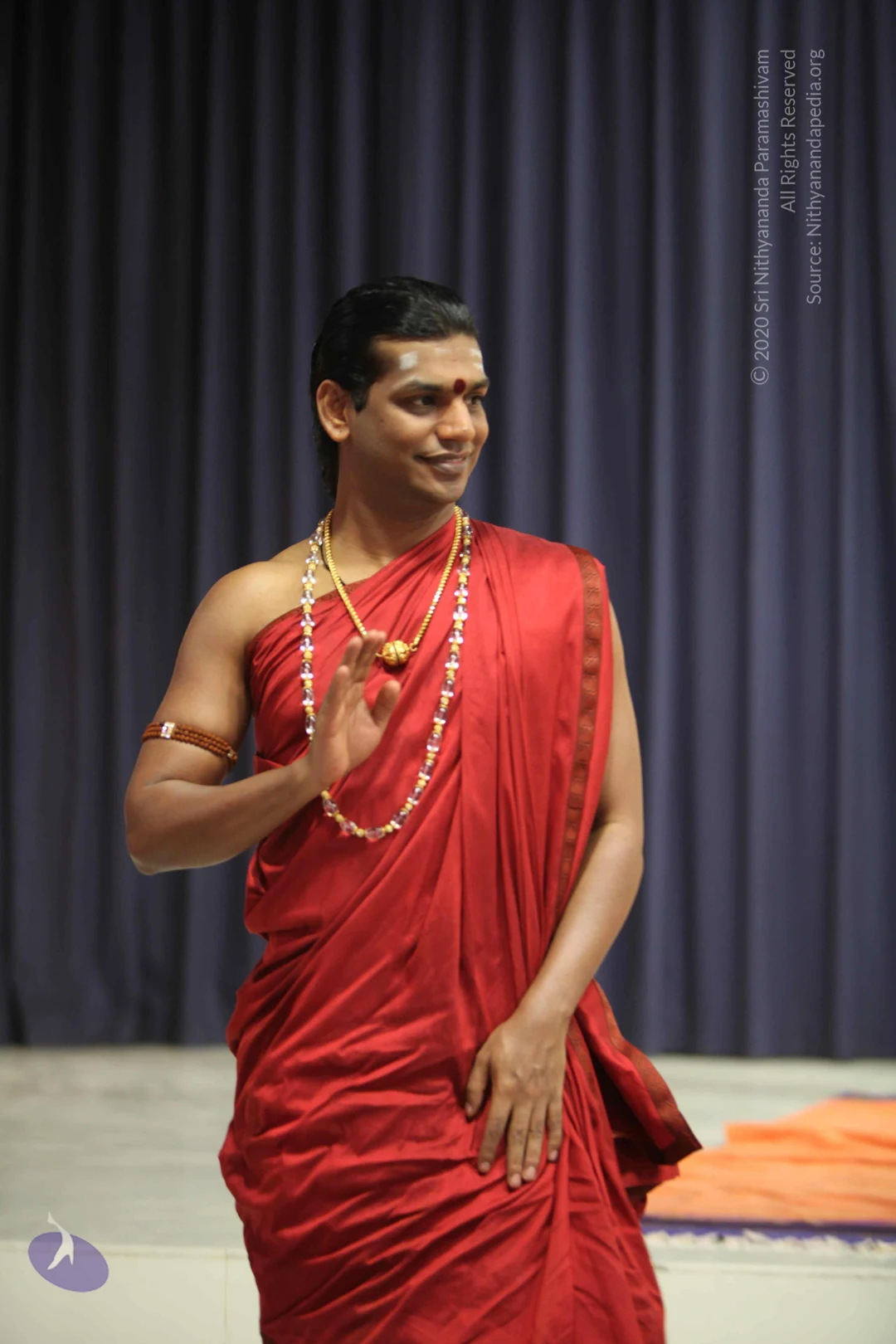
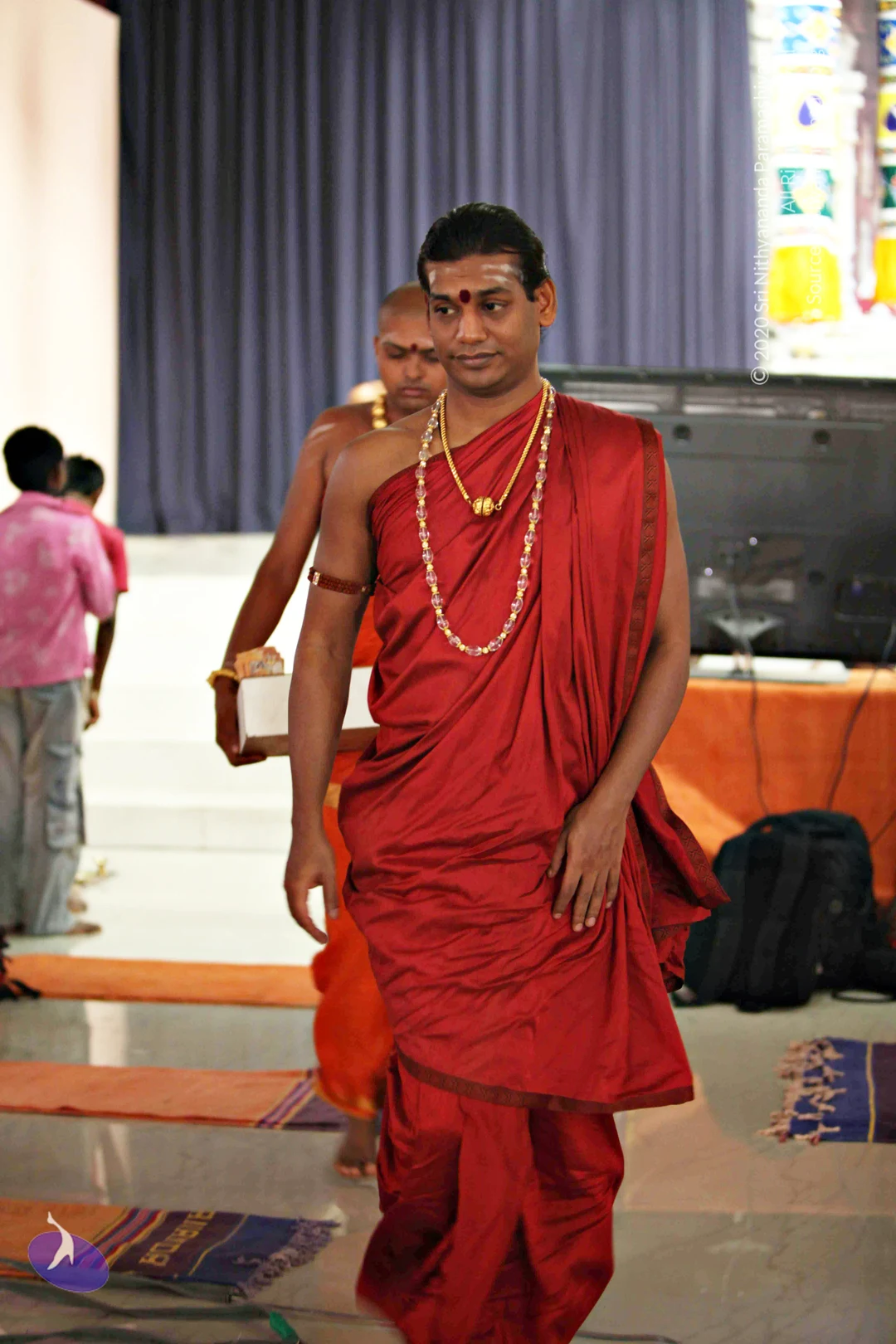
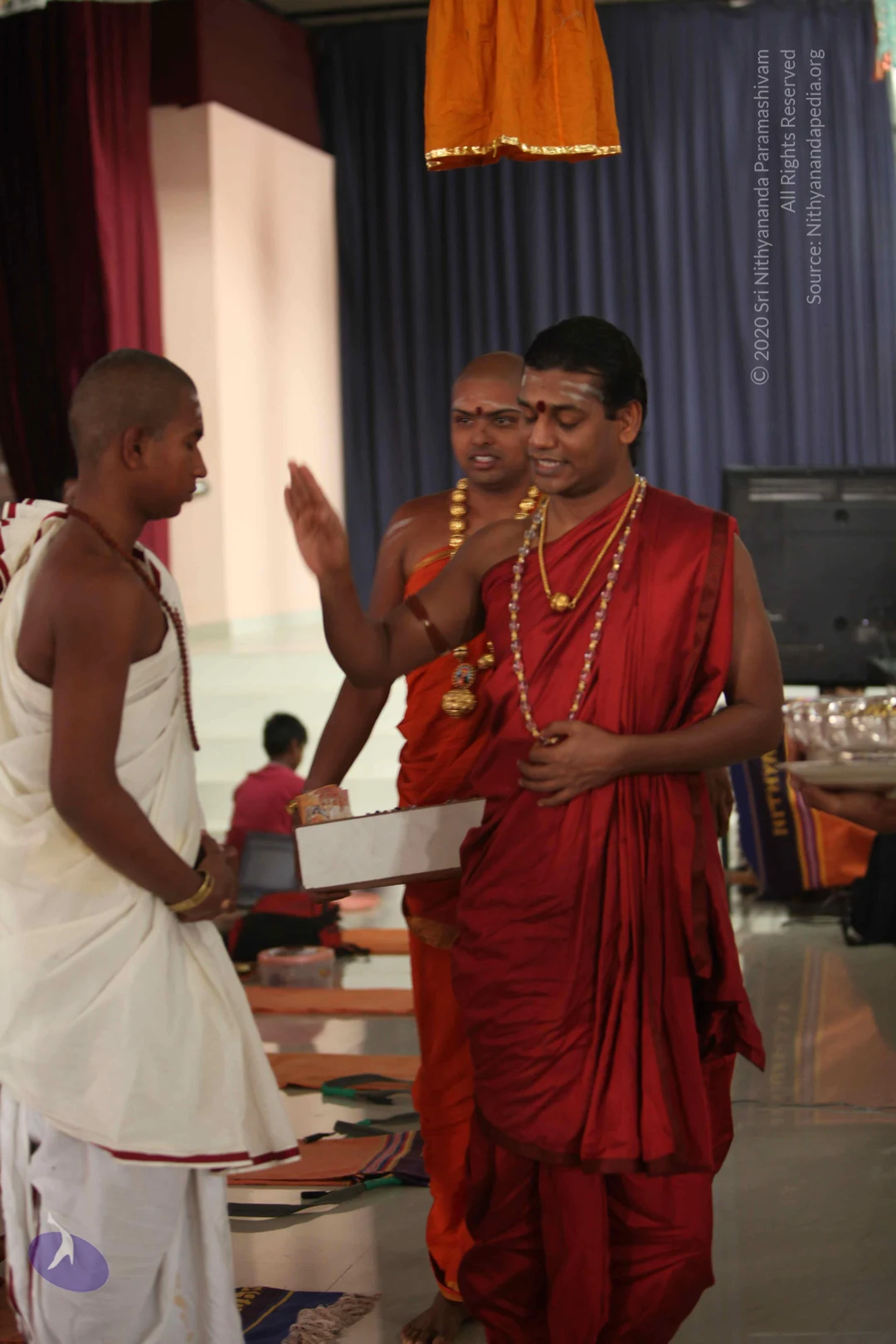
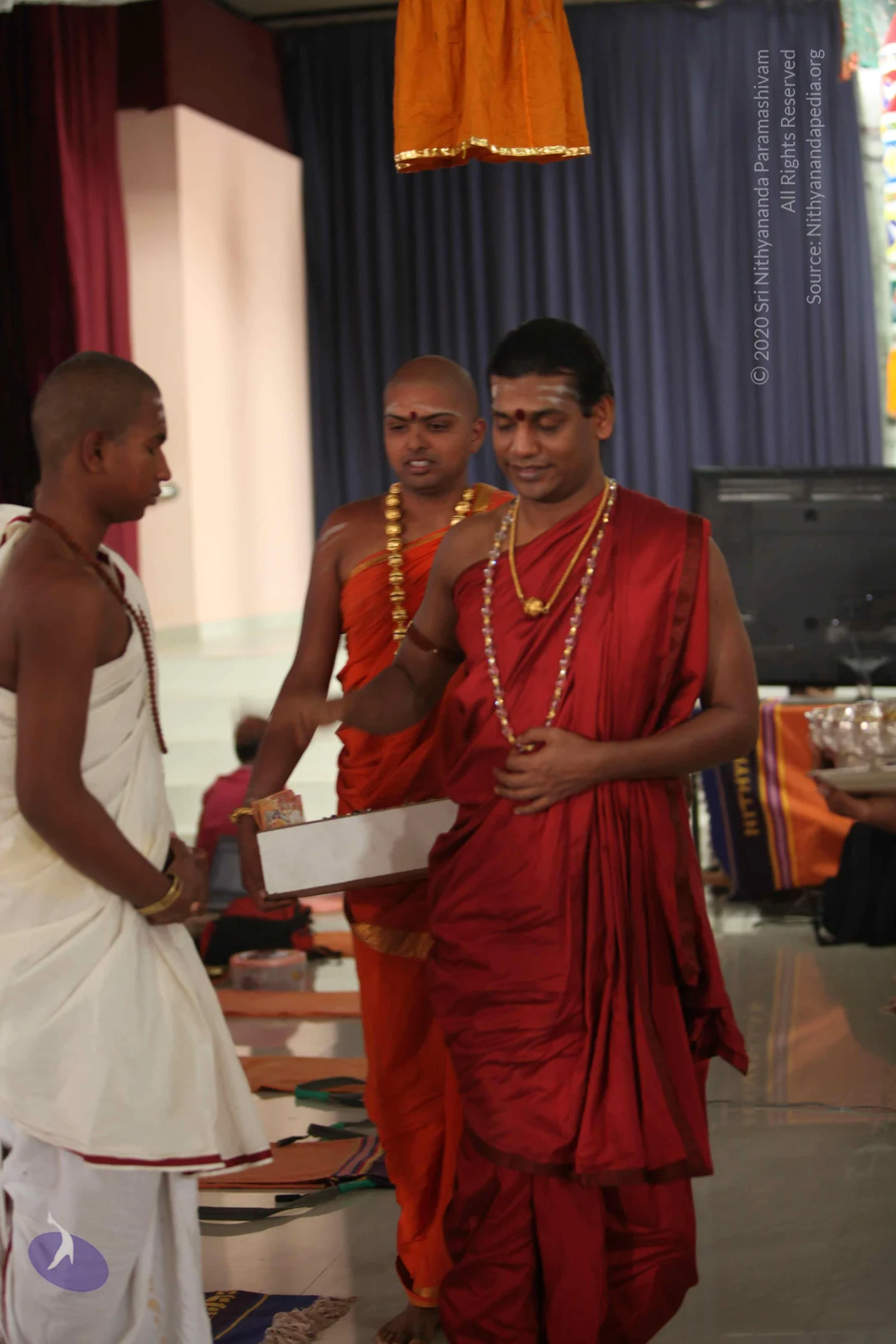
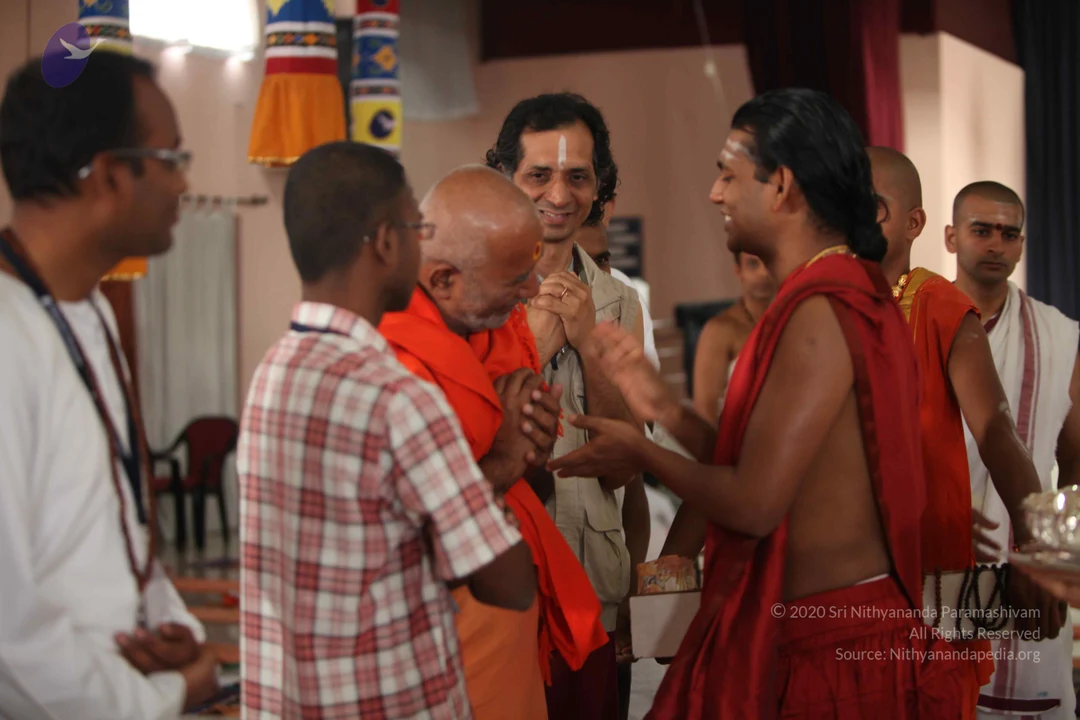
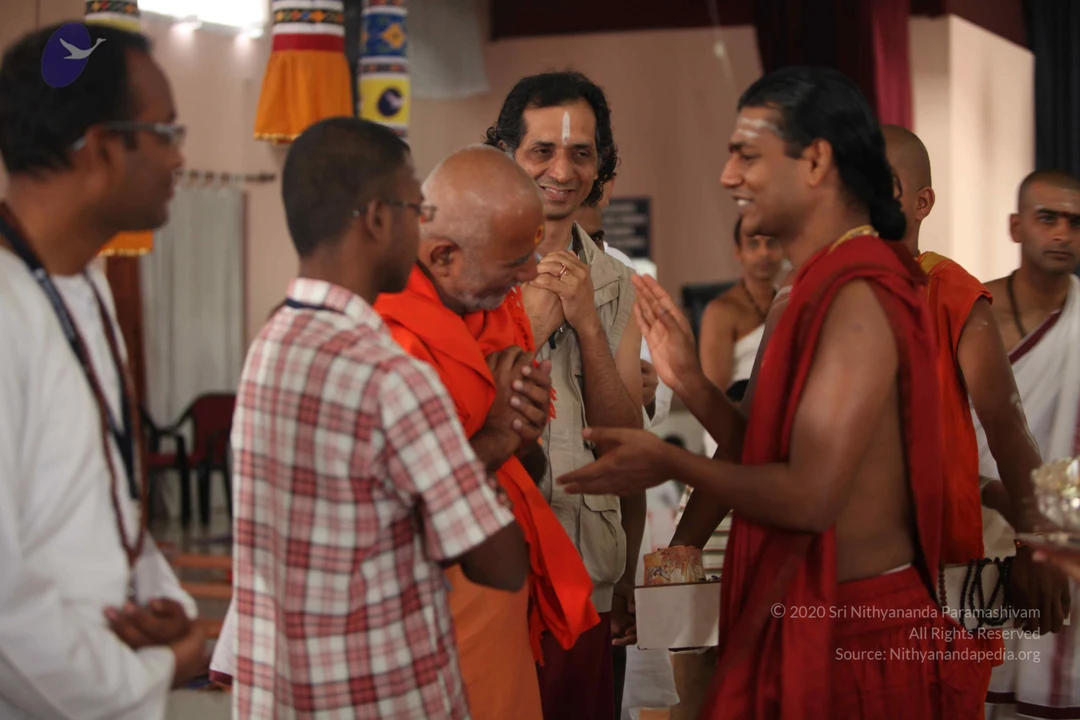
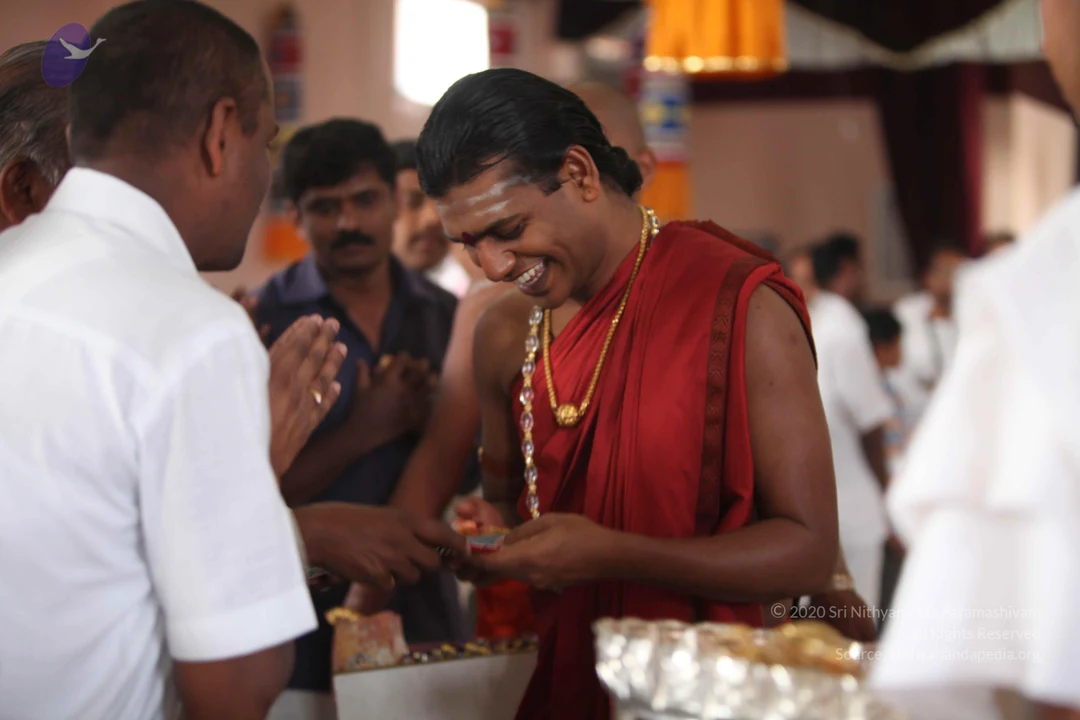
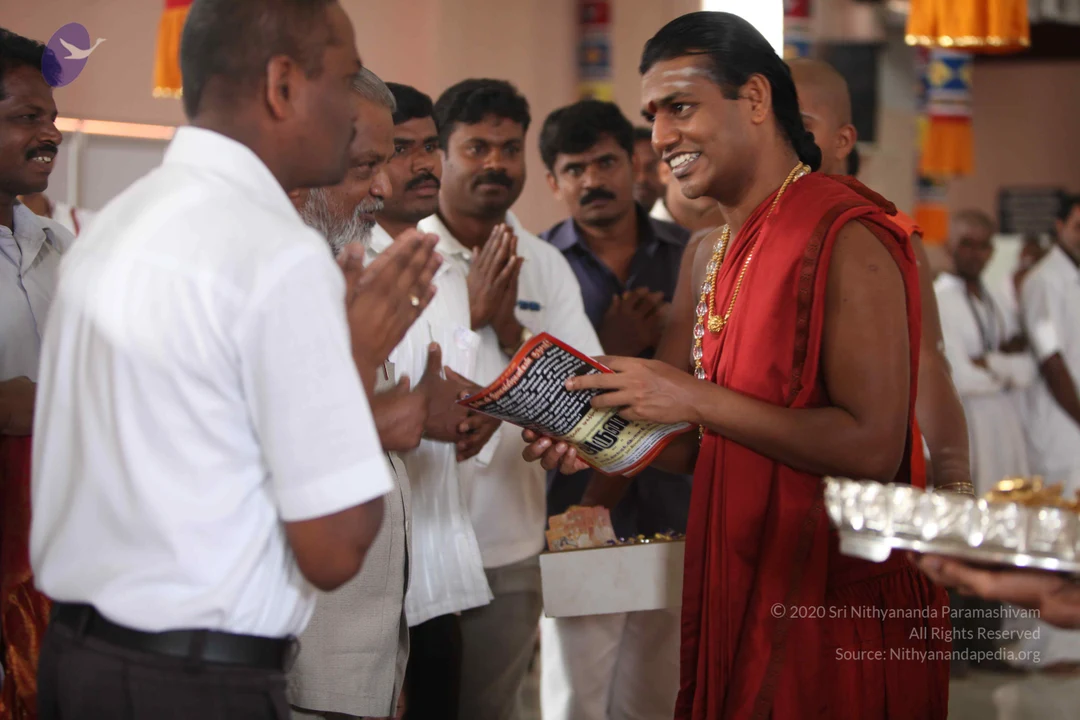
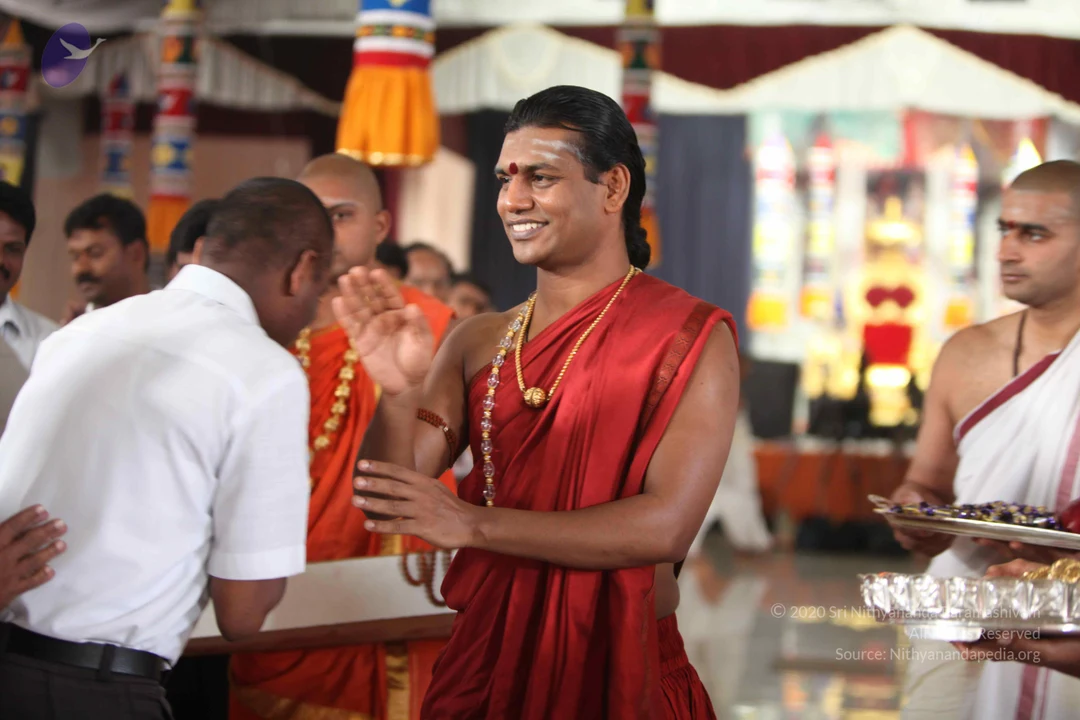
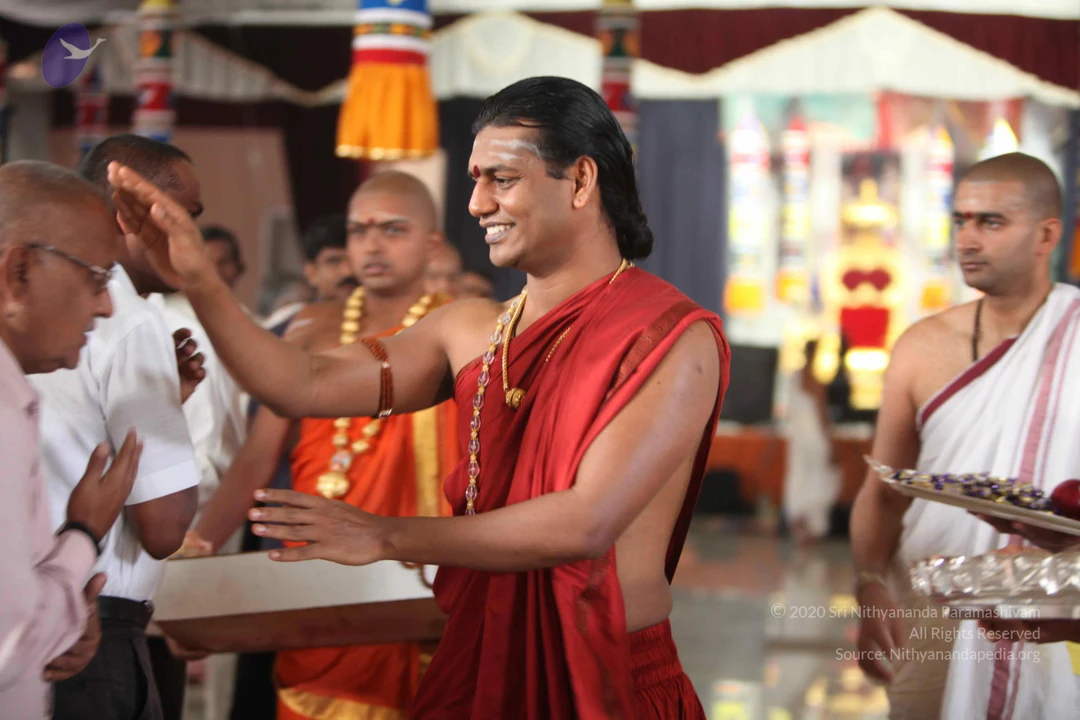
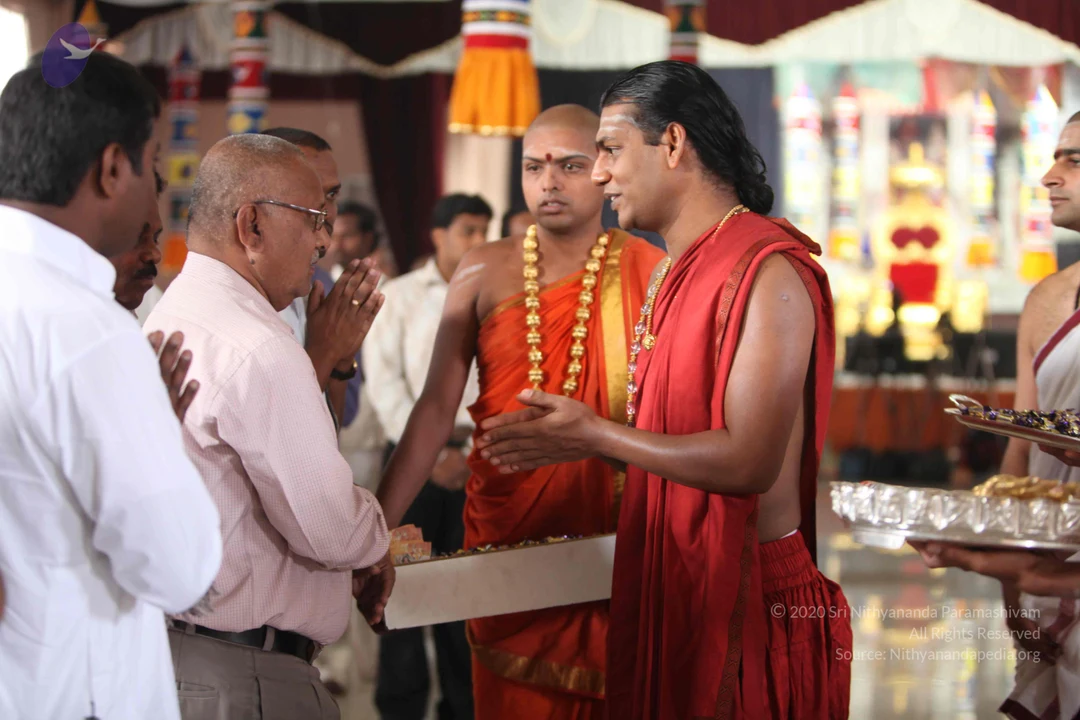
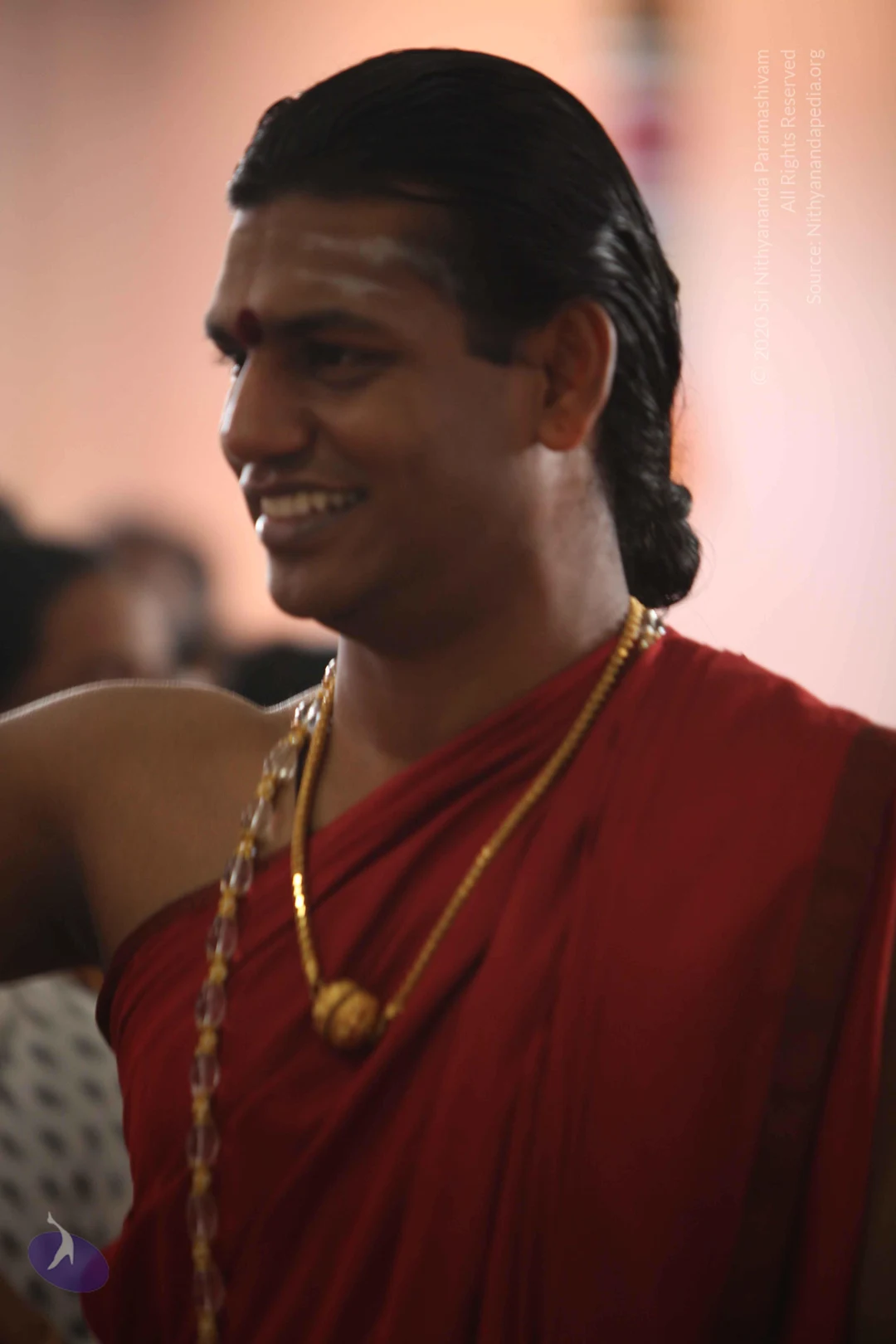
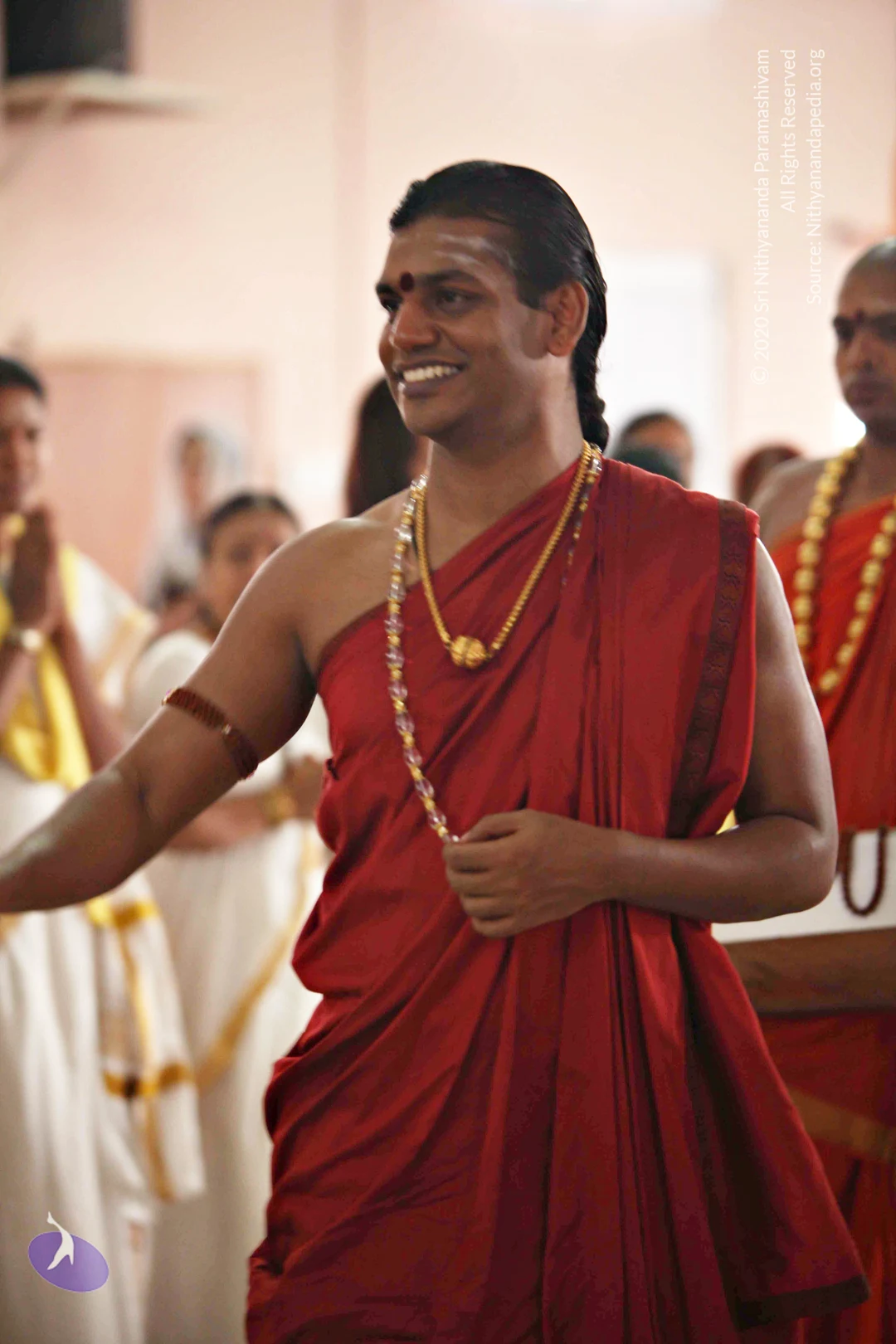
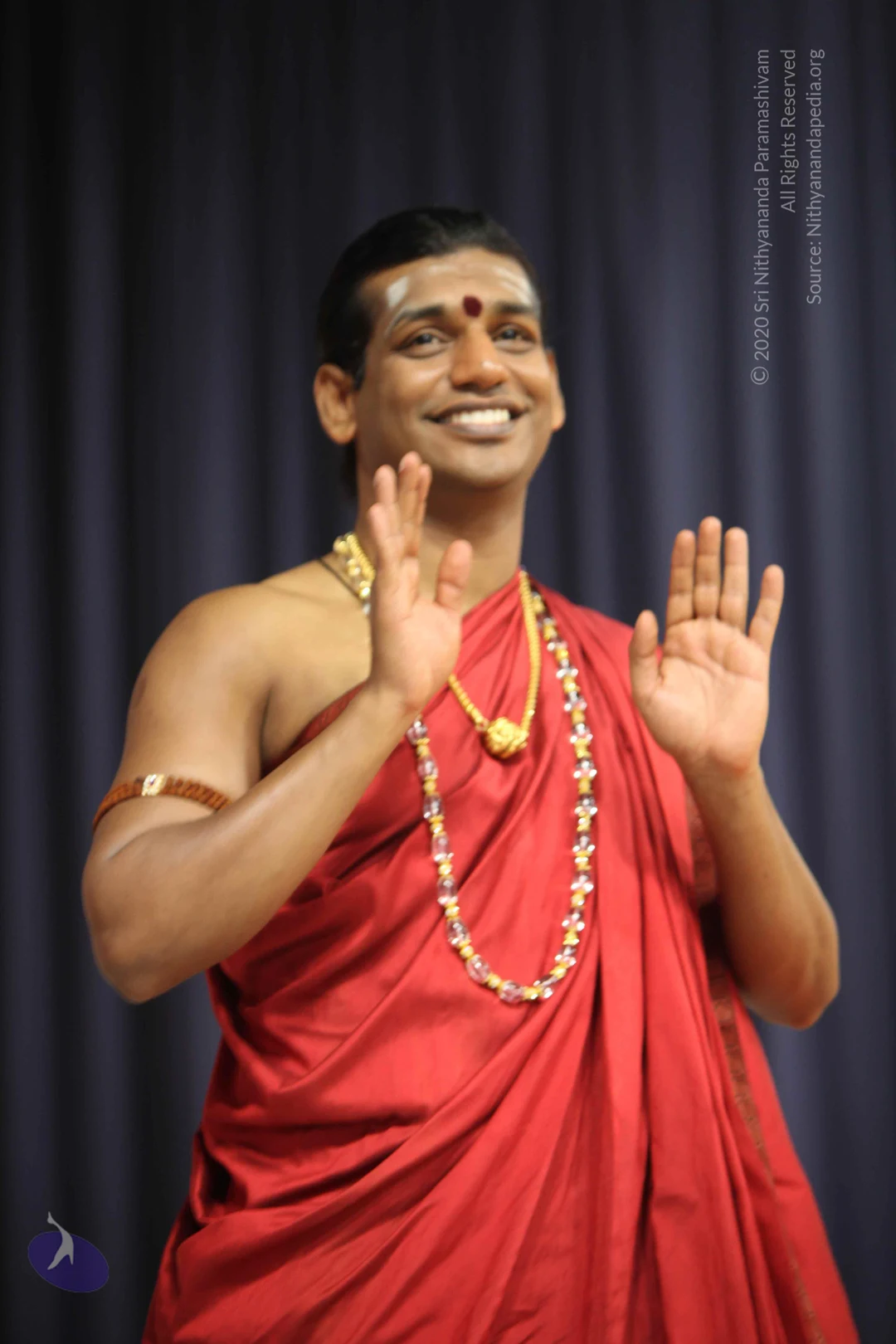
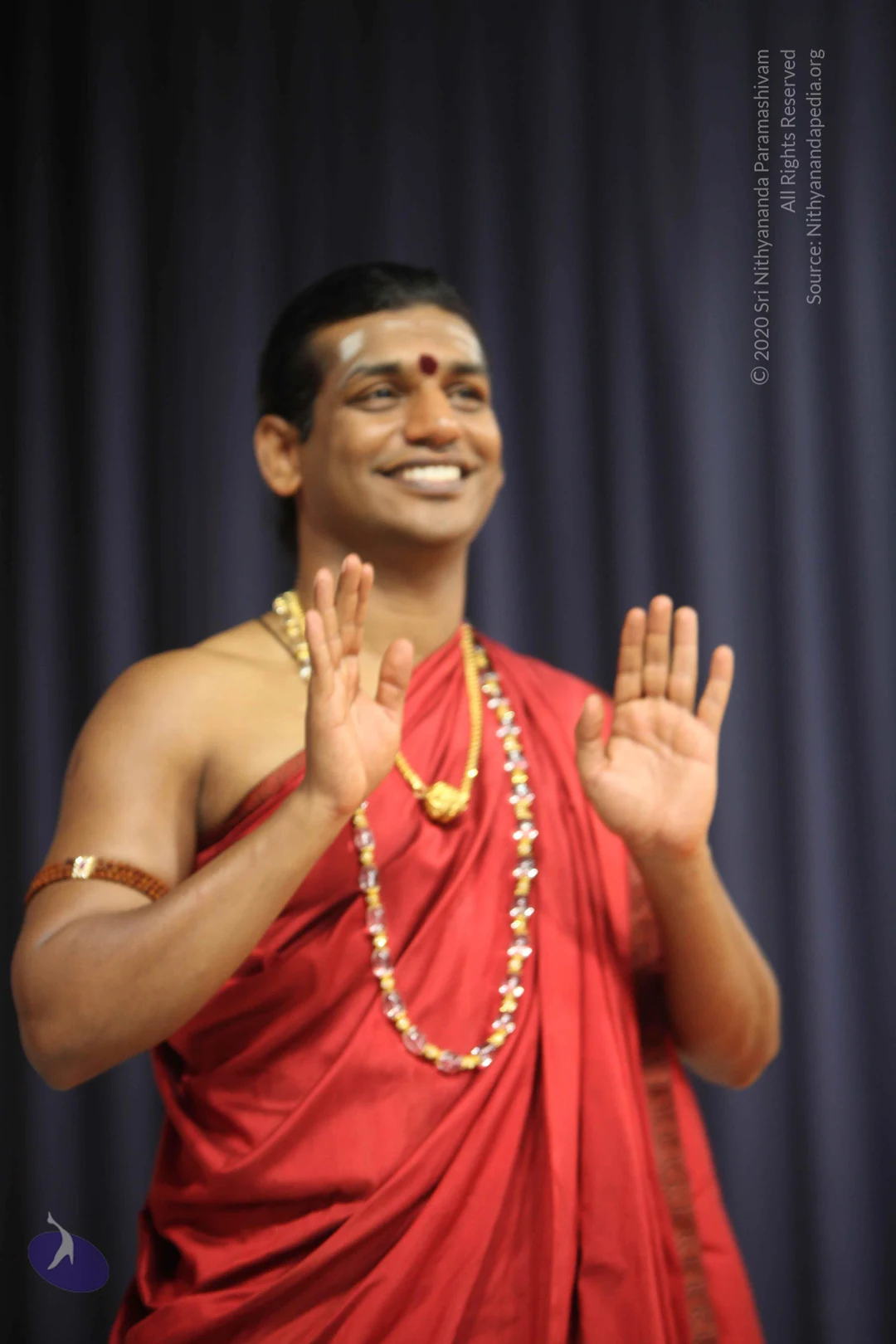
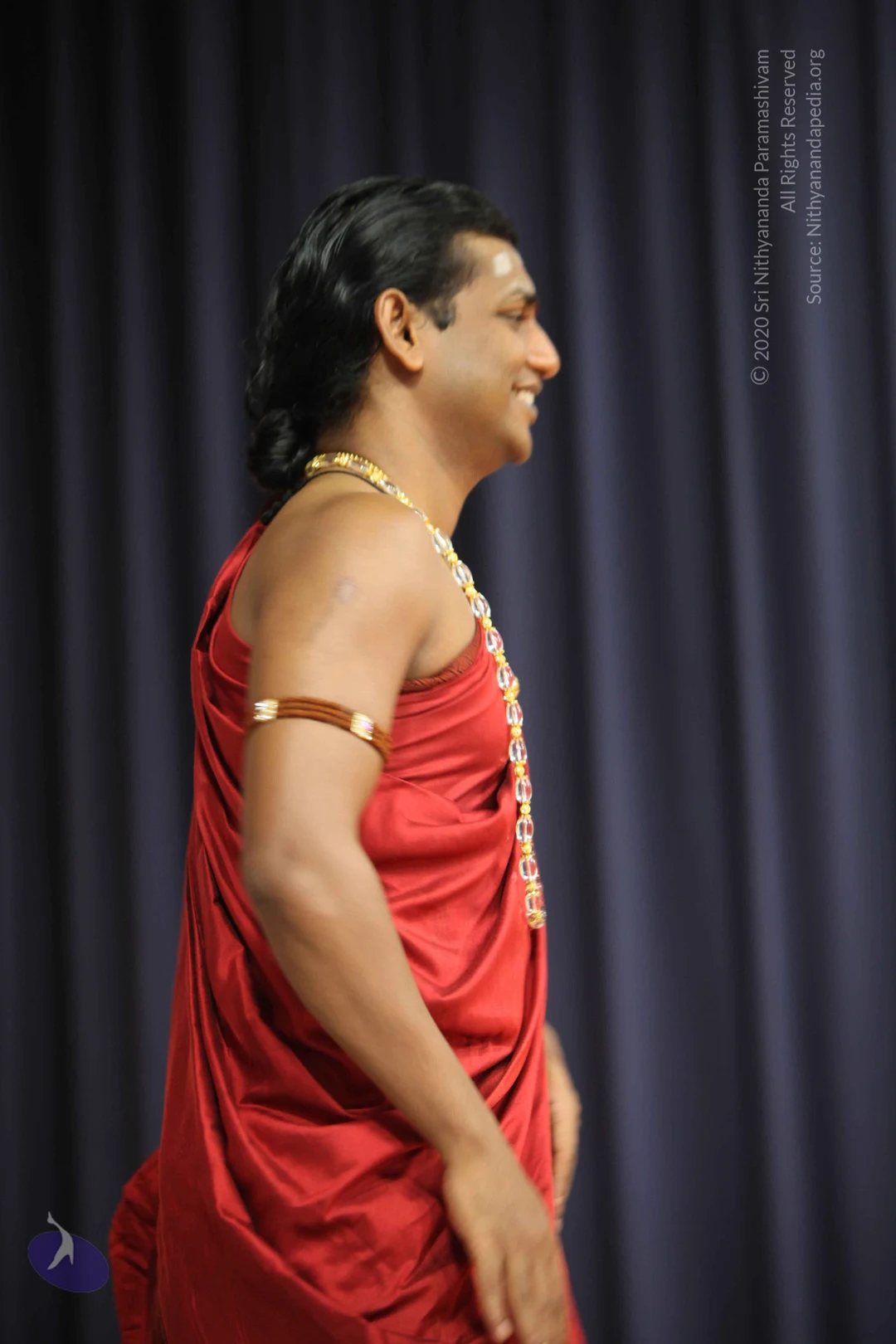
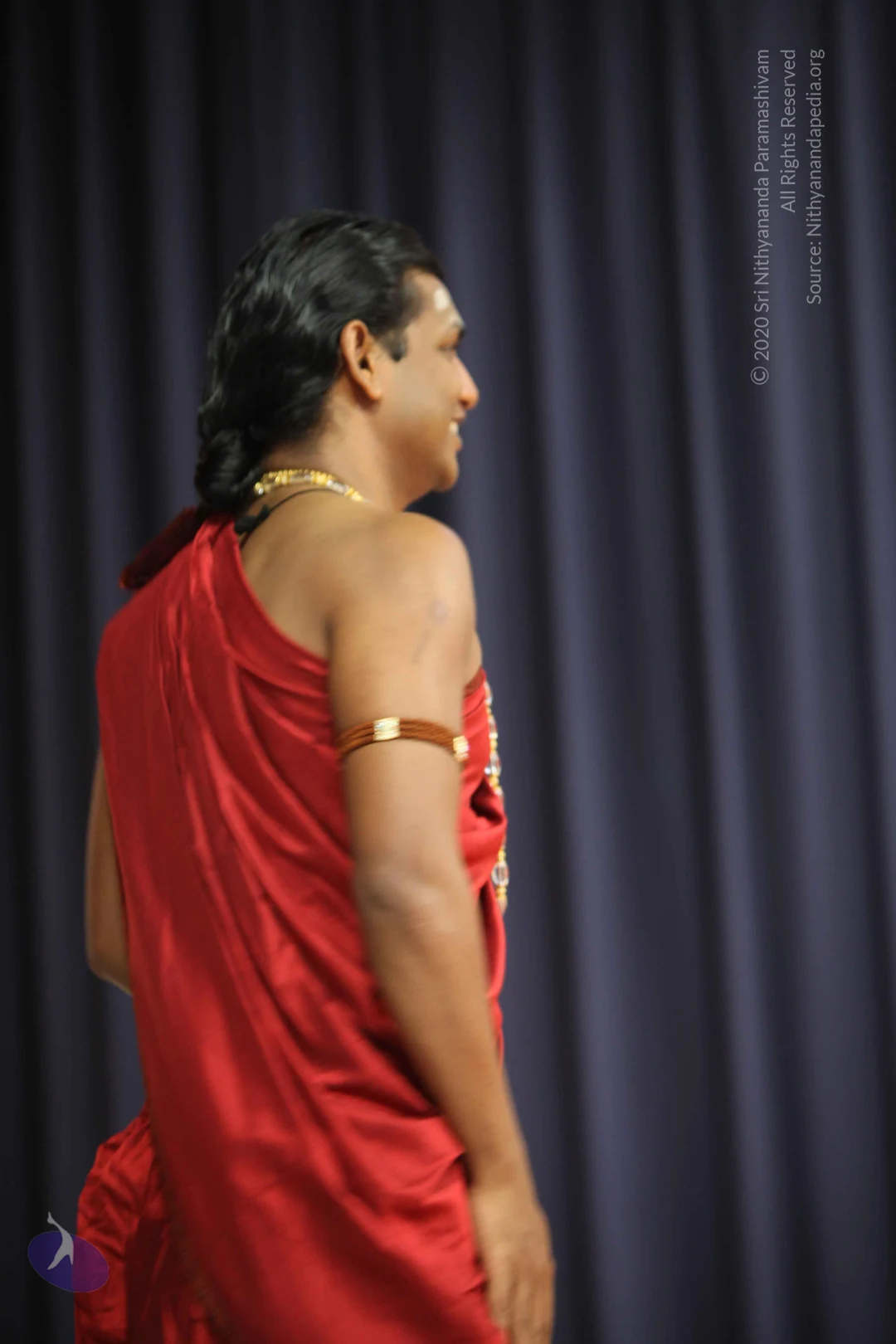
Photos from this day
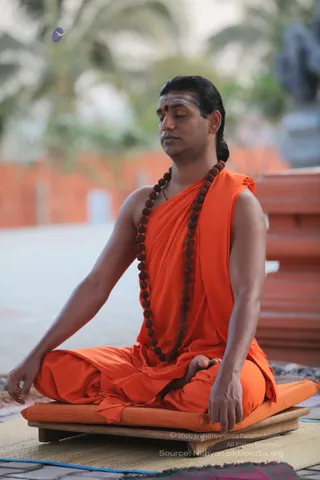
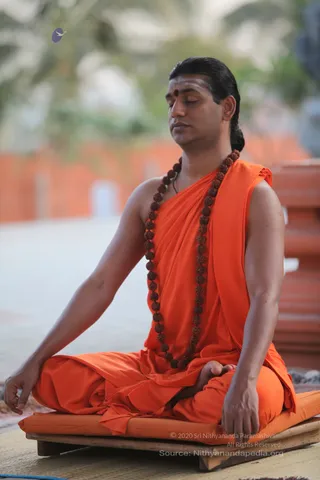
View all 301 photosPanchatapas
17 photosSource gallery
Paadapooja
27 photosSource gallery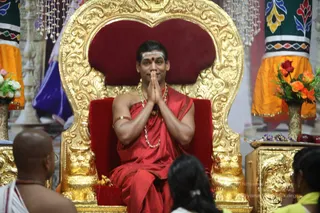
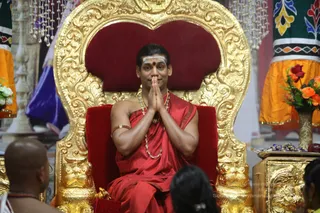
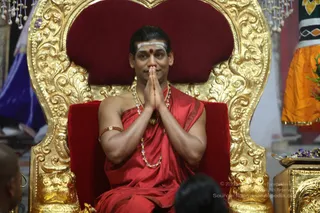
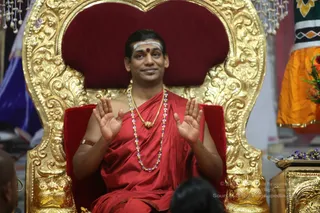
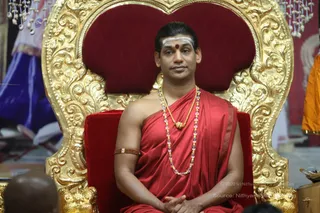
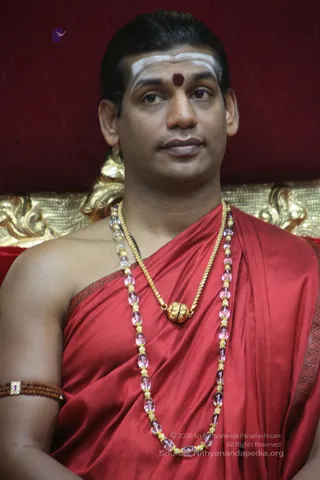
Nithyananda-Satsang
76 photosSource gallery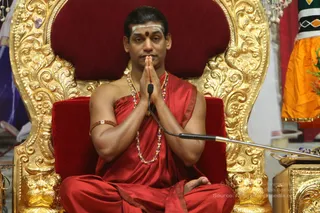
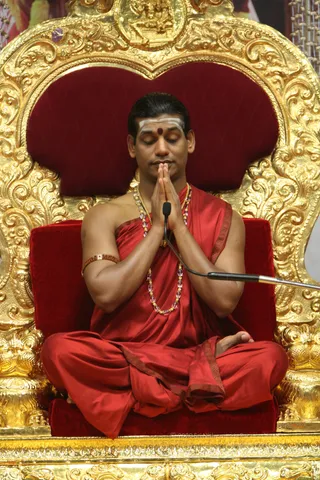
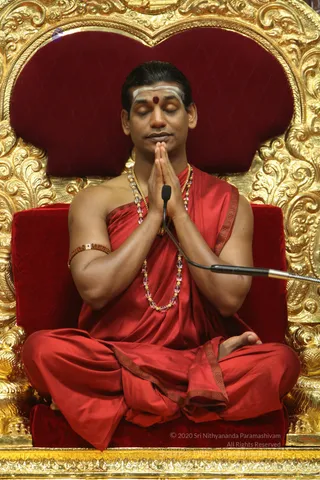
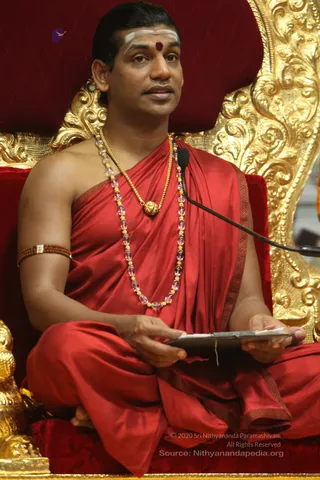
eN-Kriya-conducted-at-Mexico
7 photosSource gallery

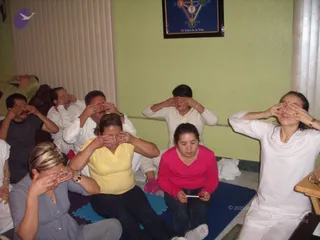
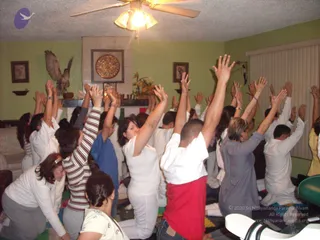
eN-Kriya-in -SanJose
18 photosSource gallery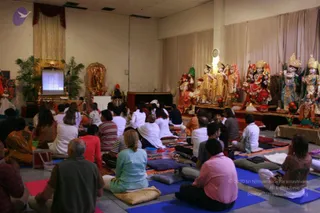
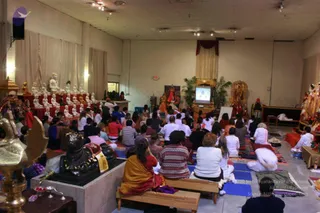
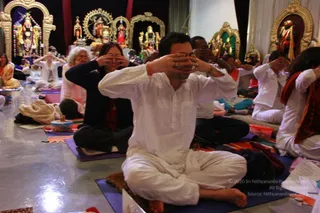
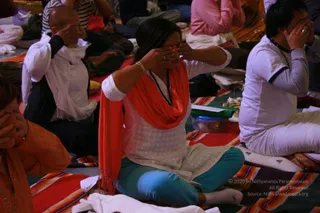
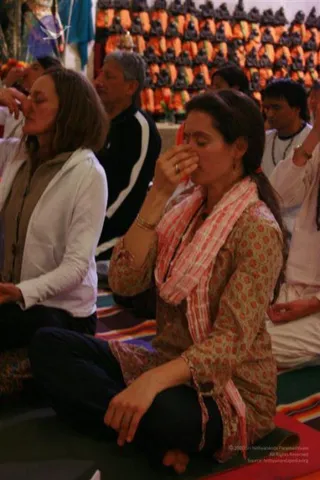
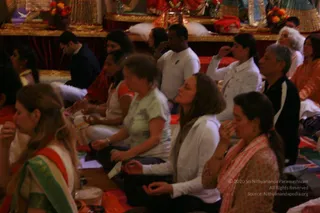
En-Kriya
7 photosSource galleryEn-Kriya
8 photosSource gallery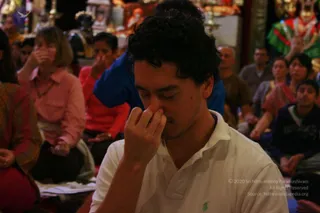
01-ADIKAILASA
156 photosSource gallery