23 September 2010
Photos of the day
111 distinct dated photos. Source gallery sets may overlap.
Himalaya-Yatra-Rishikesh
13 dated photos in previewSource gallery
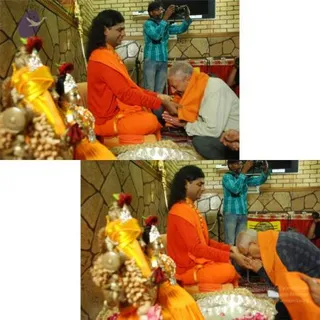
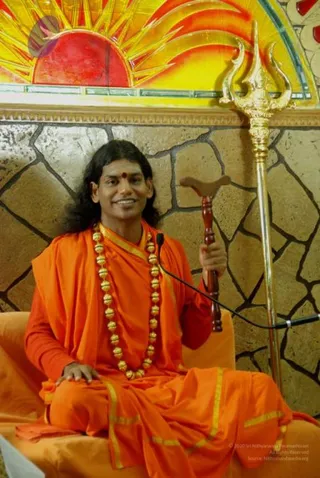
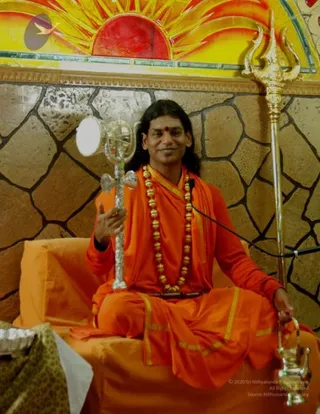
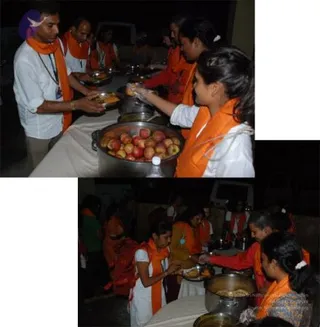

Paadapuja
7 dated photos in previewSource gallery

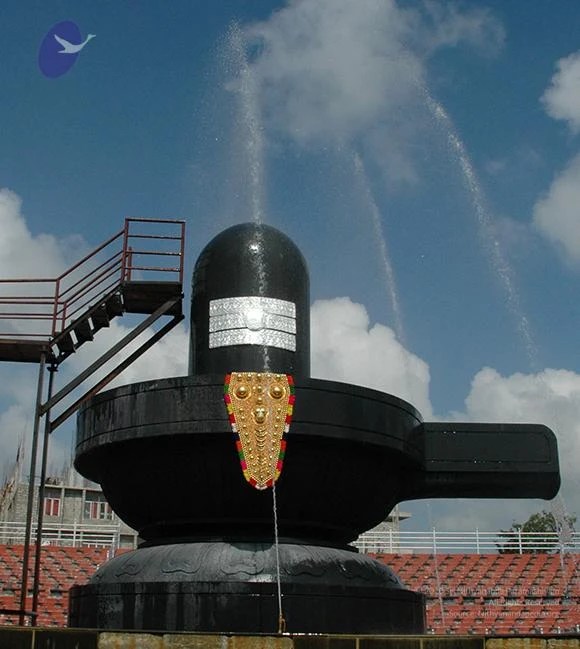
rudrabhishekam
15 dated photos in previewSource gallery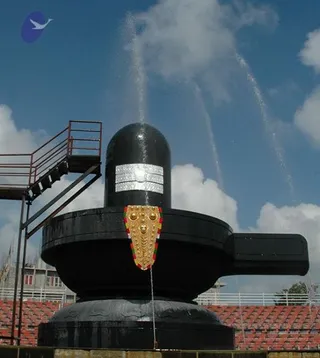





Rishikesh-Himalaya-Yatra
76 dated photos in previewSource gallery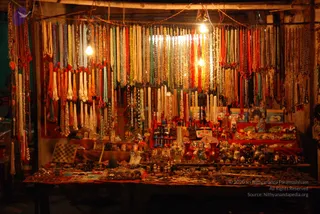
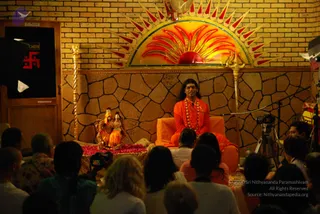
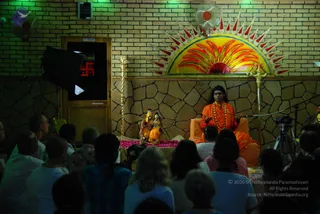
September 23 2010
Original wiki pageContents
Title
Narration
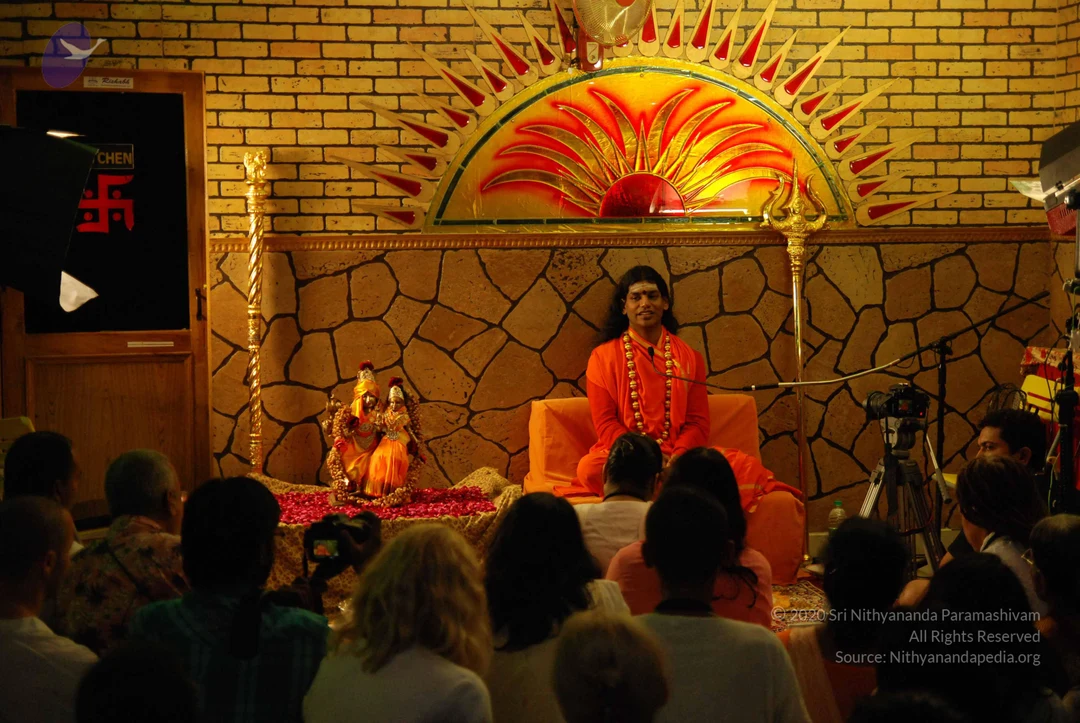
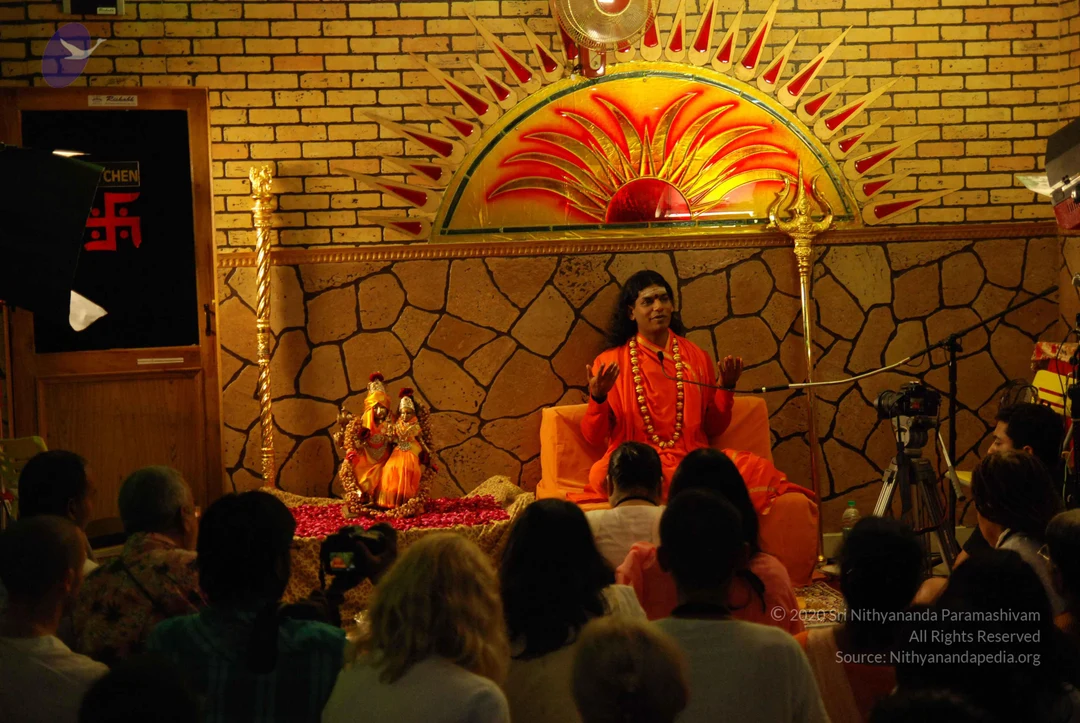
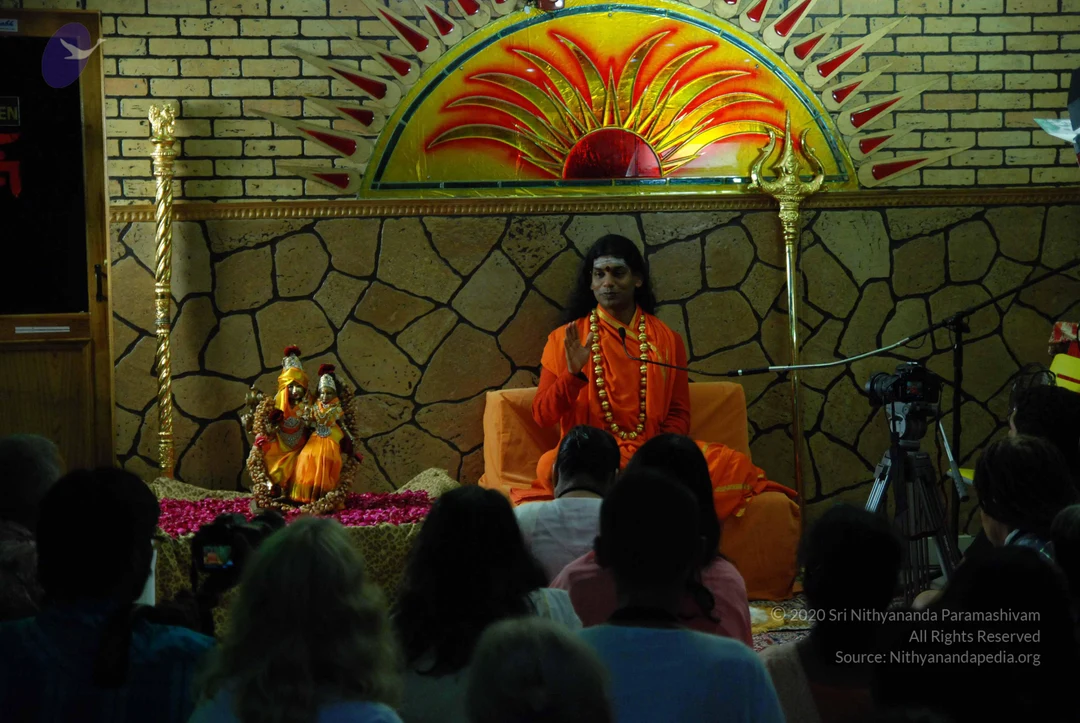
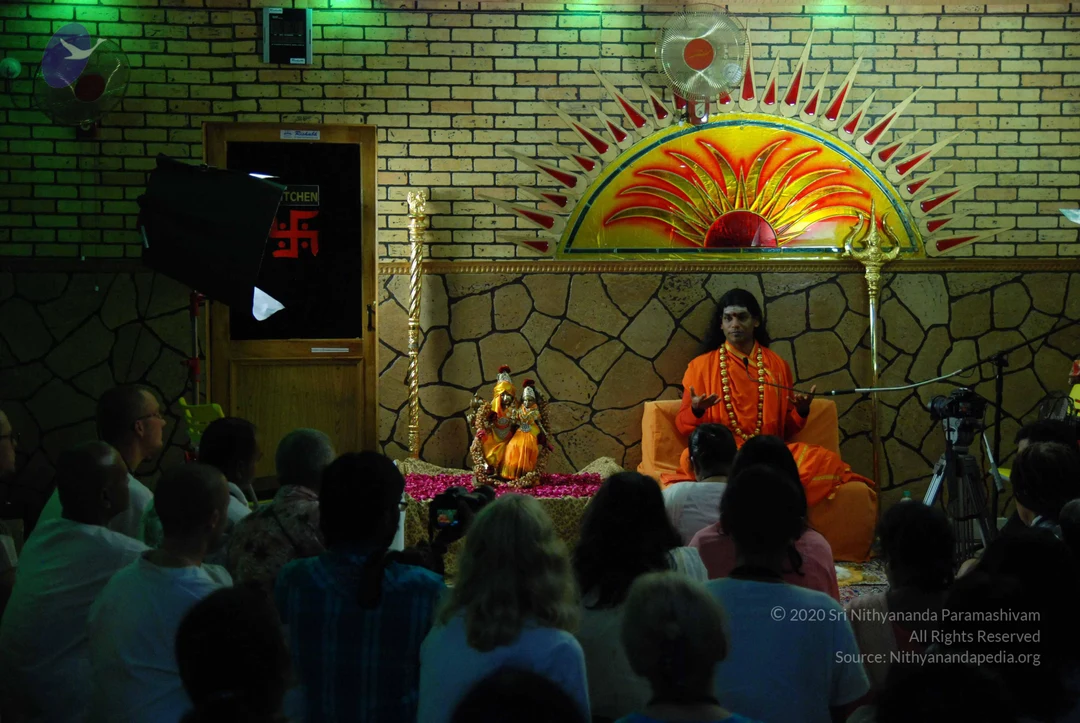
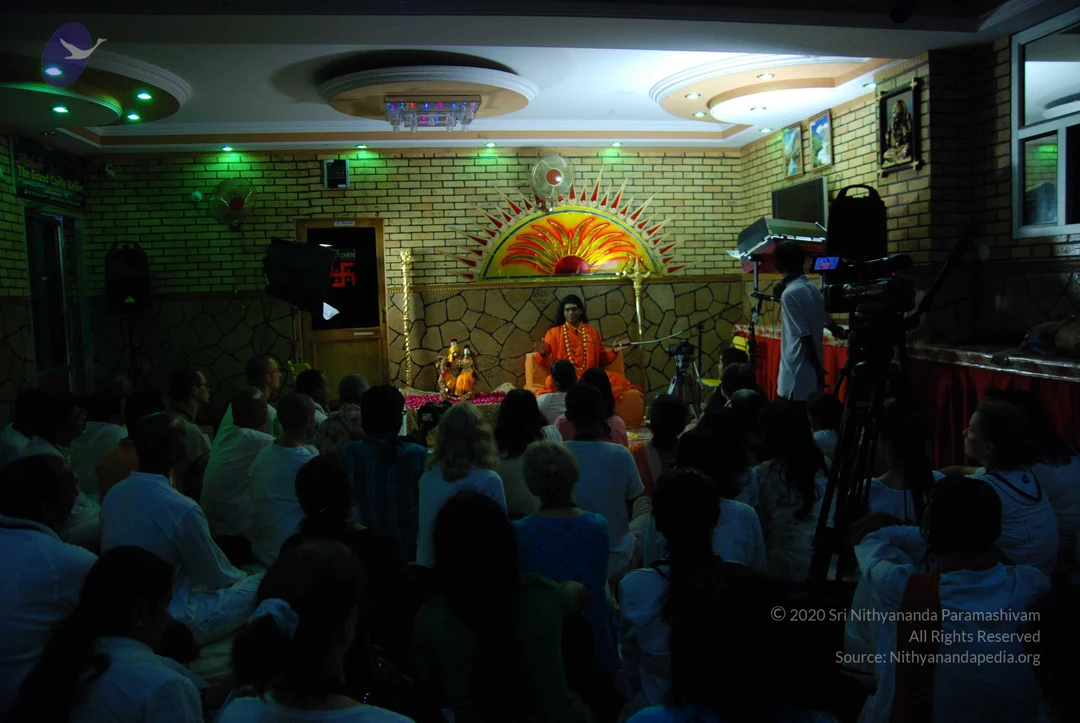
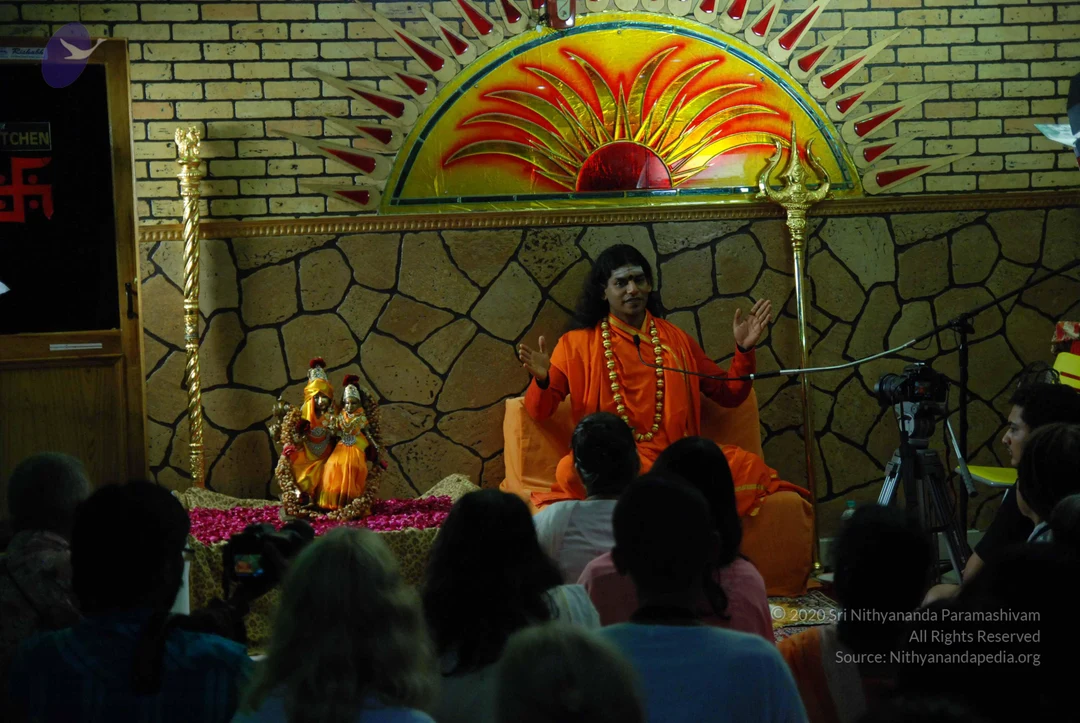
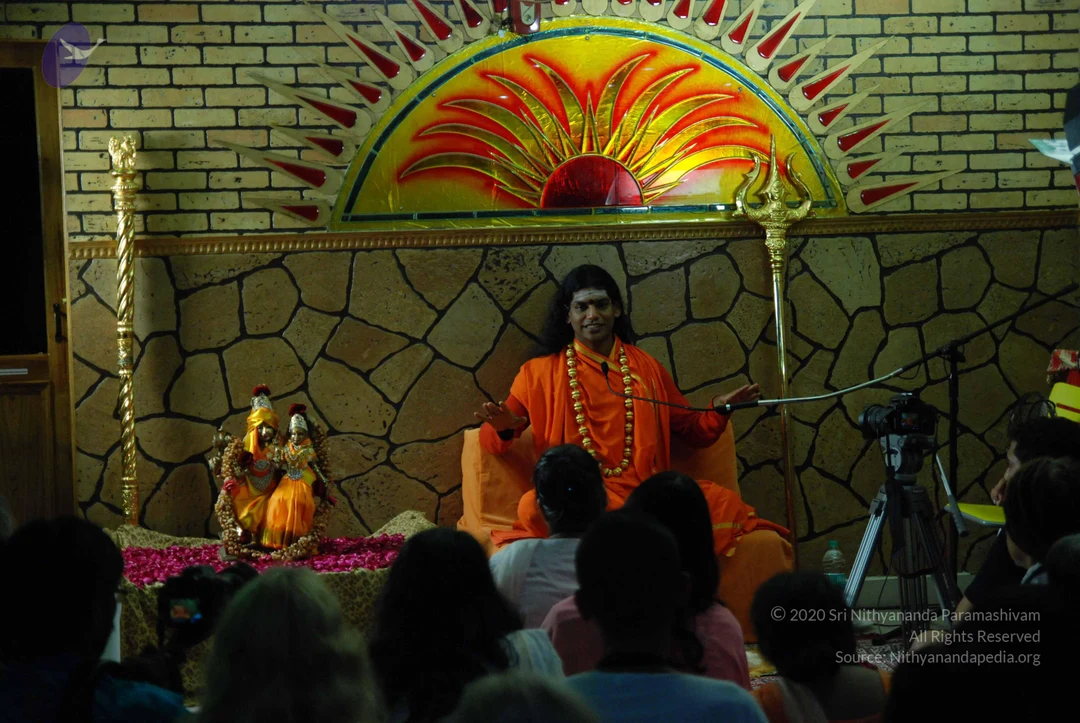
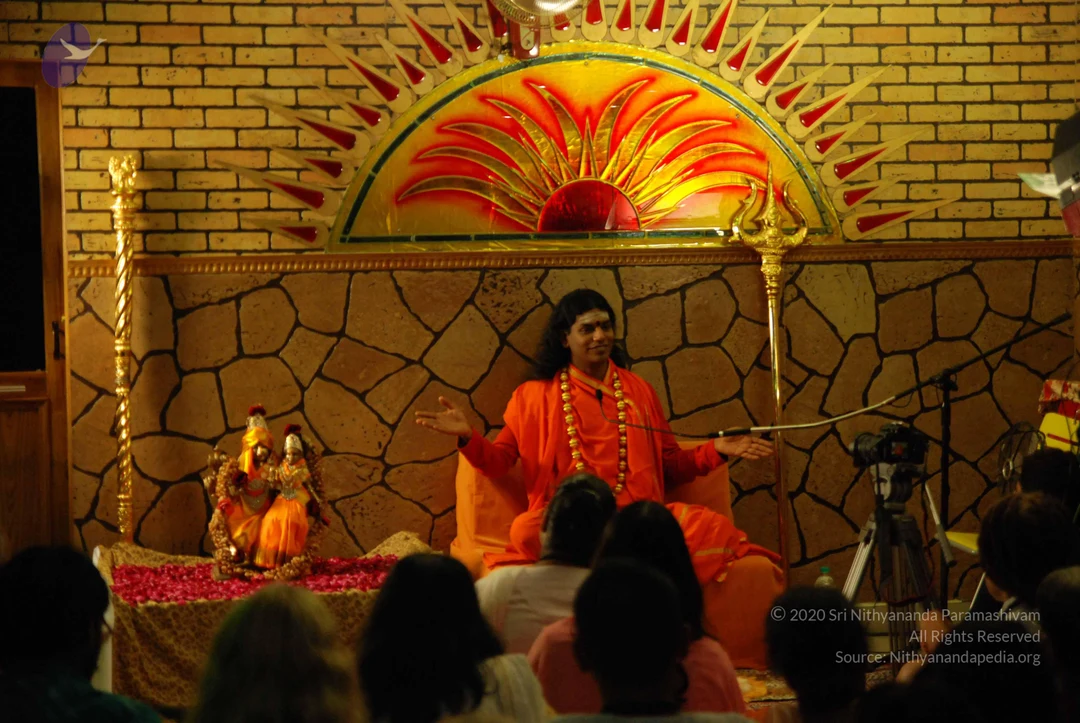
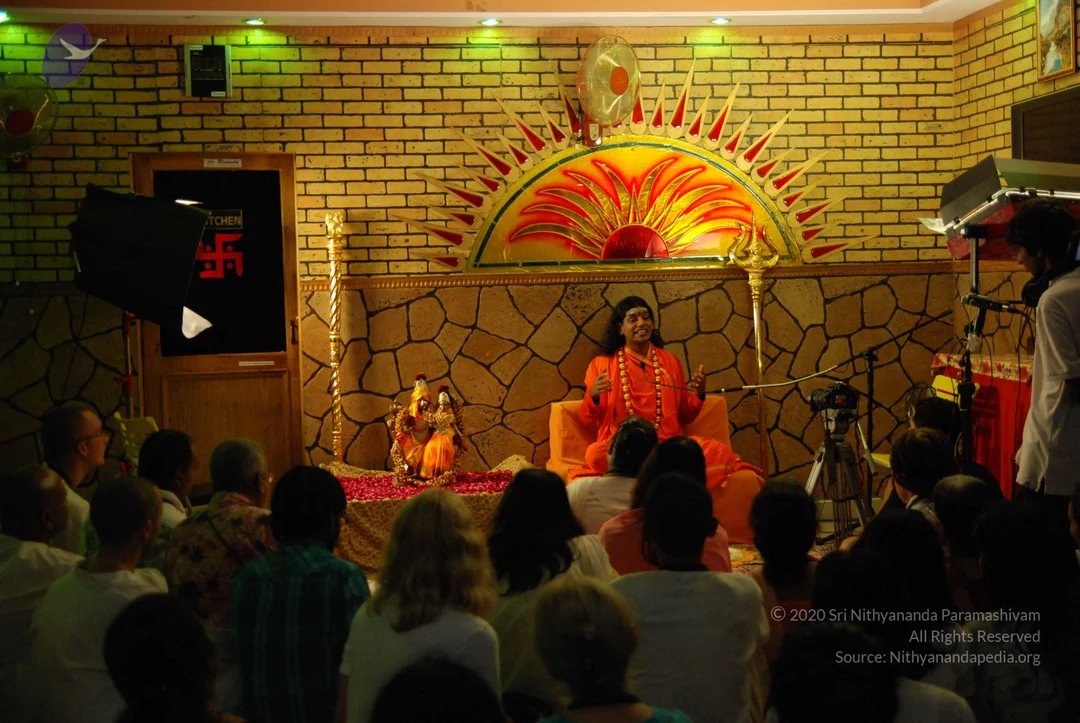
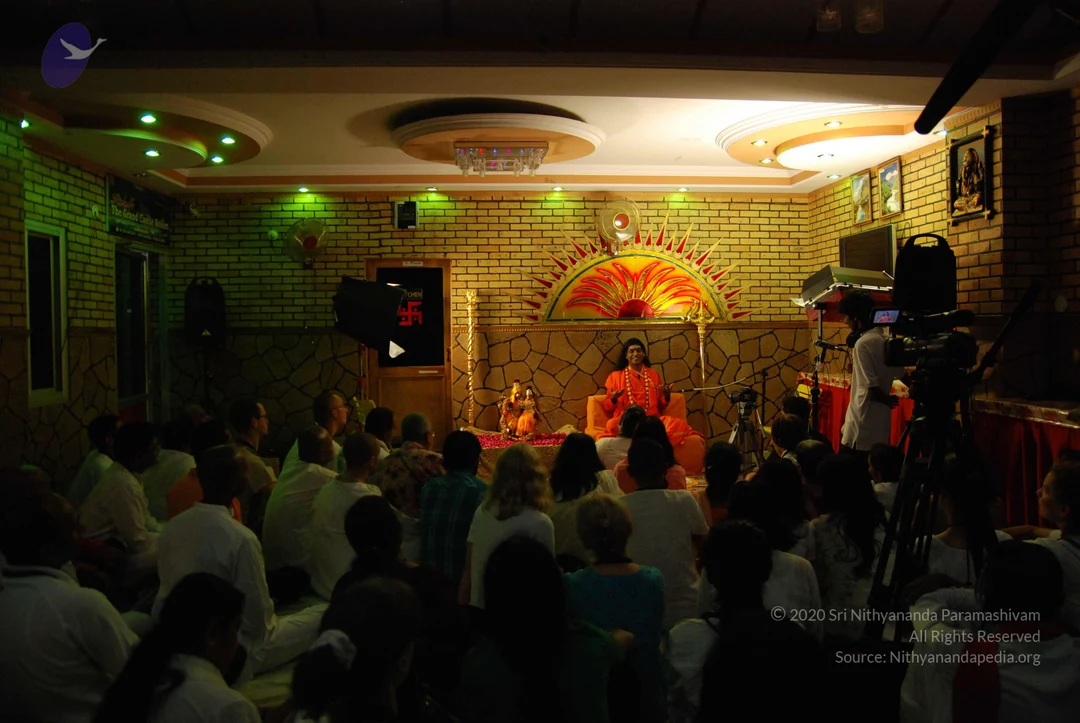
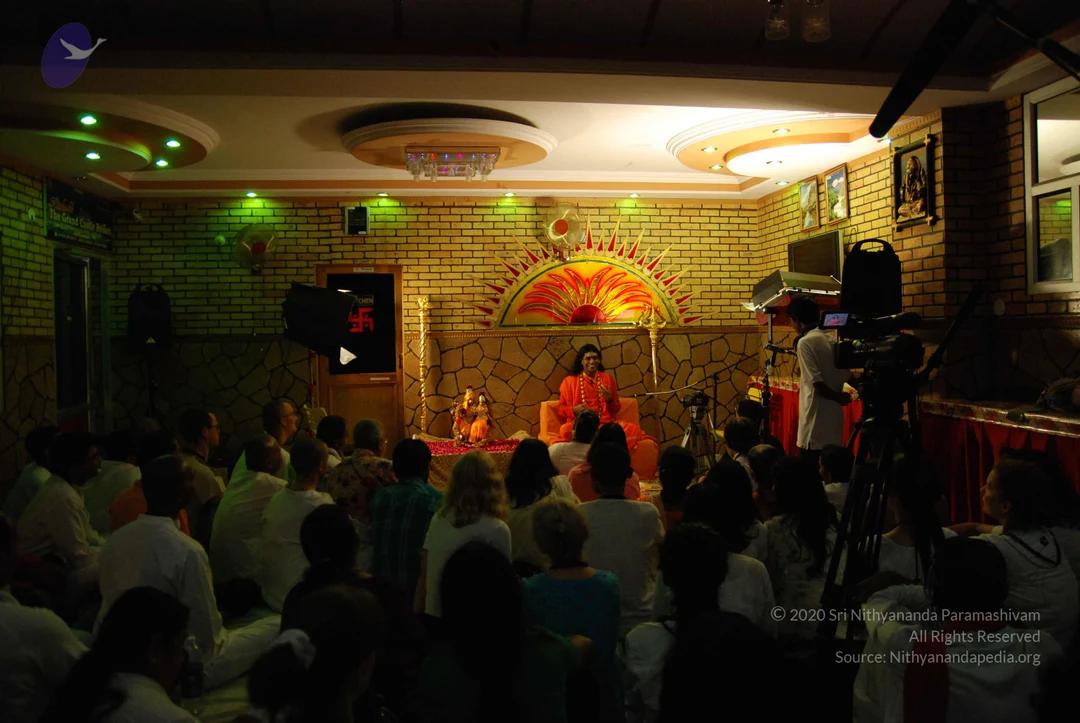
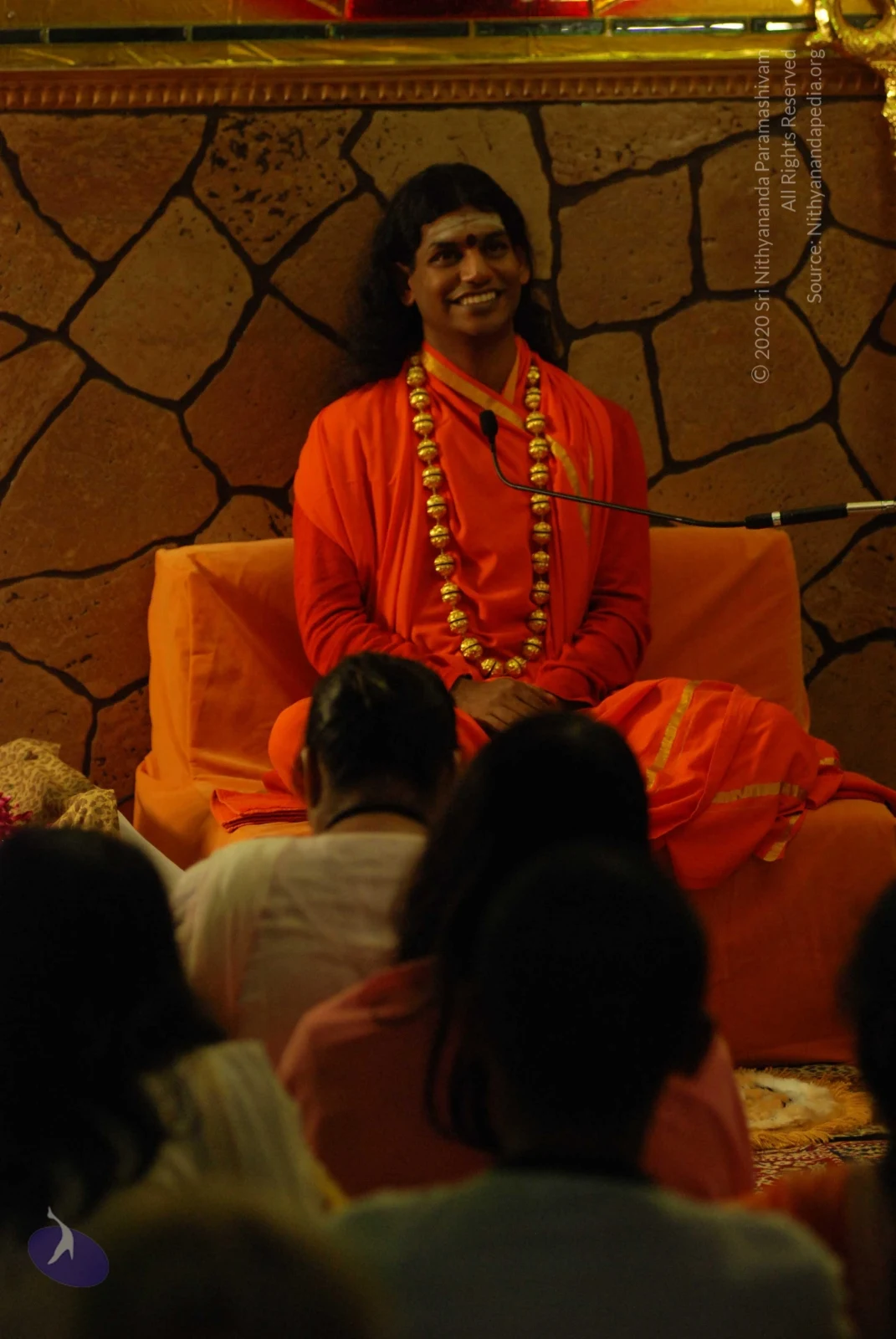
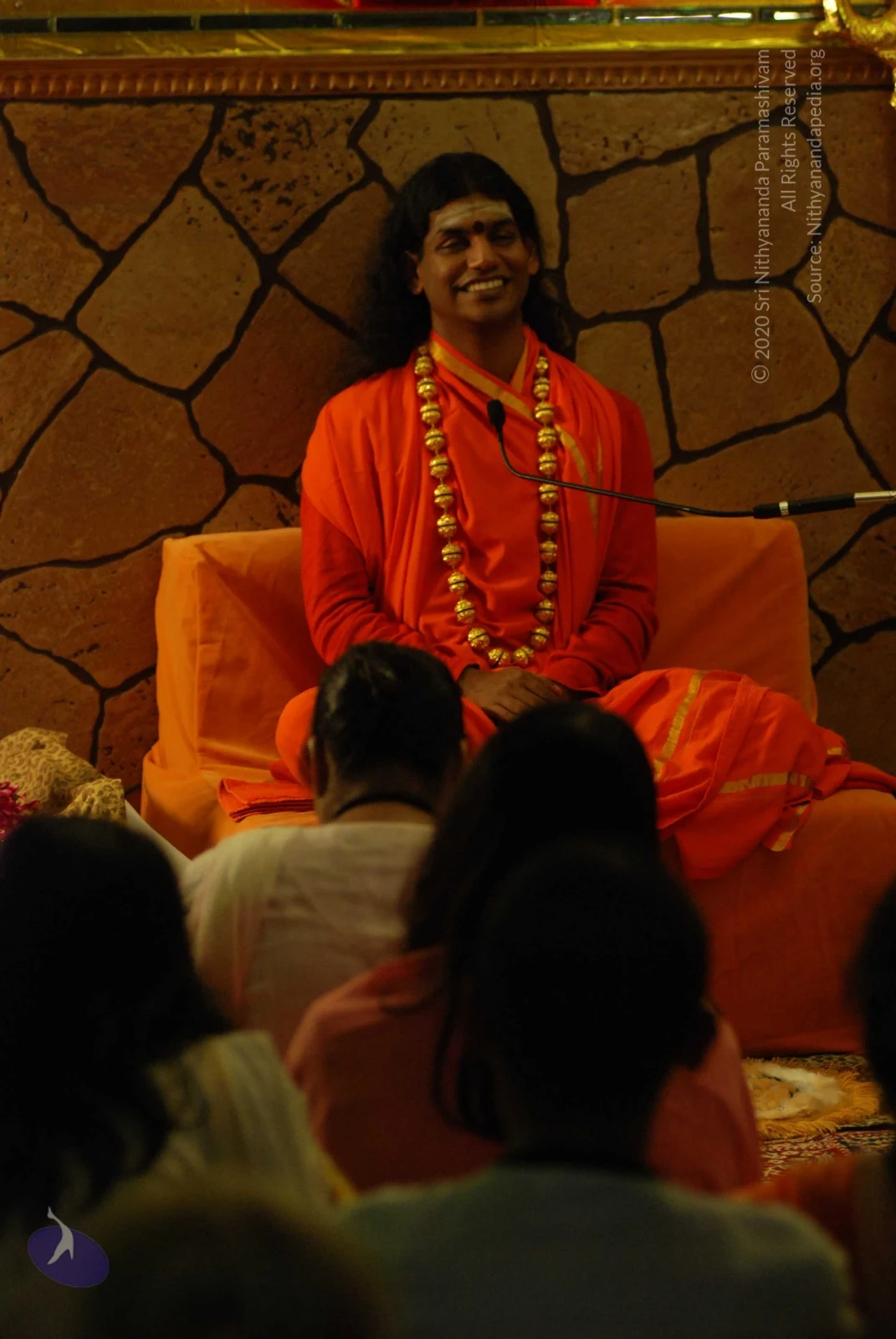
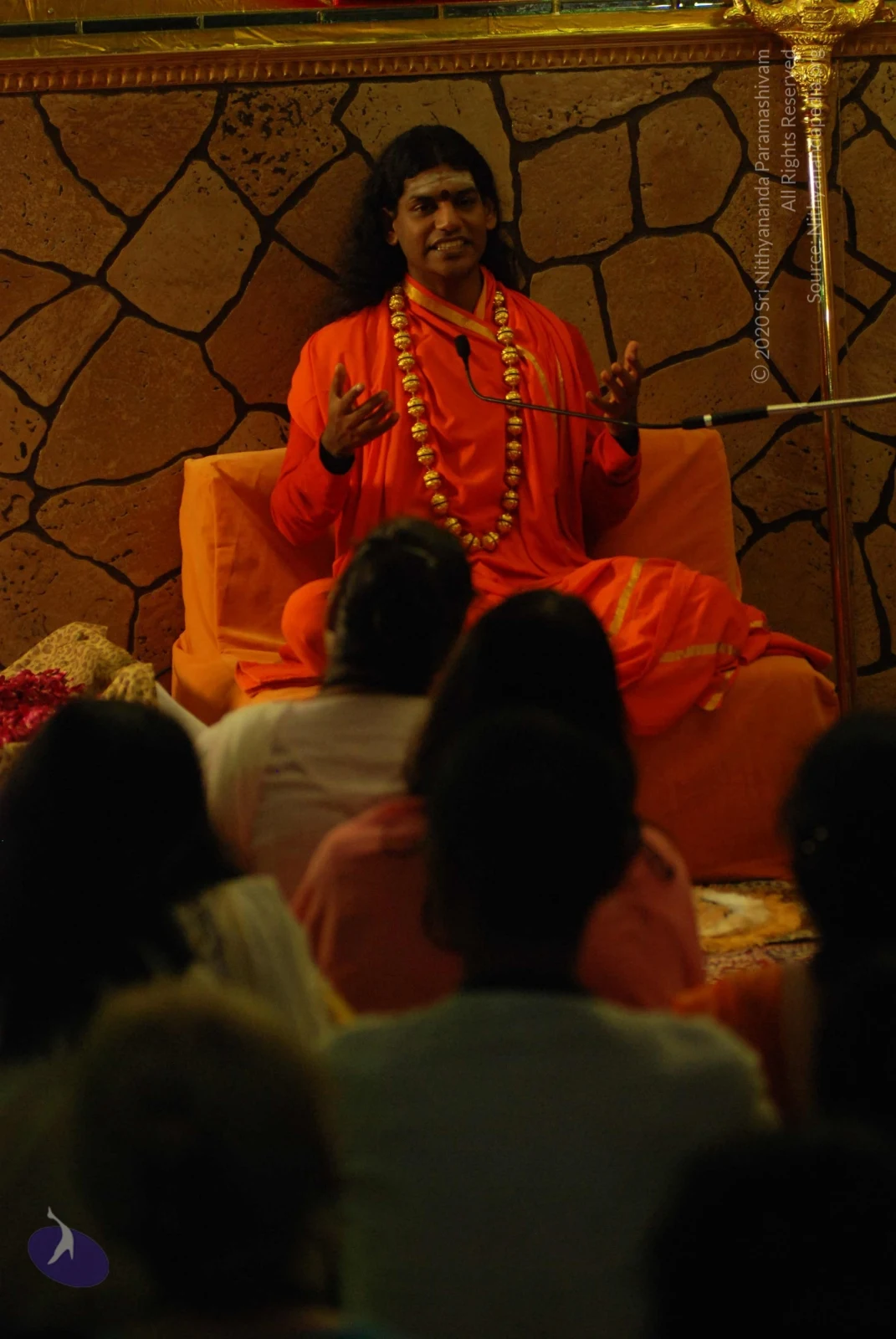
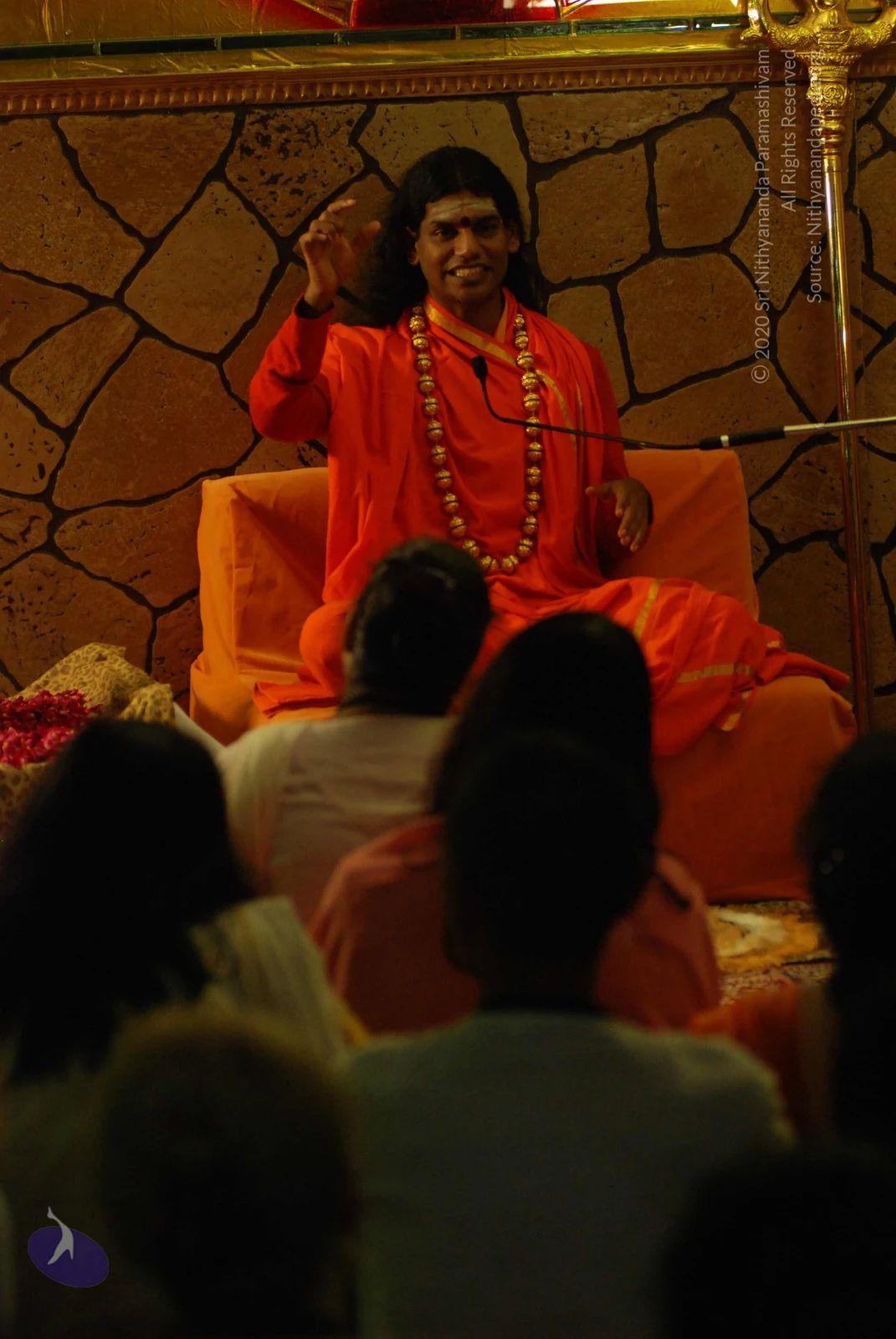
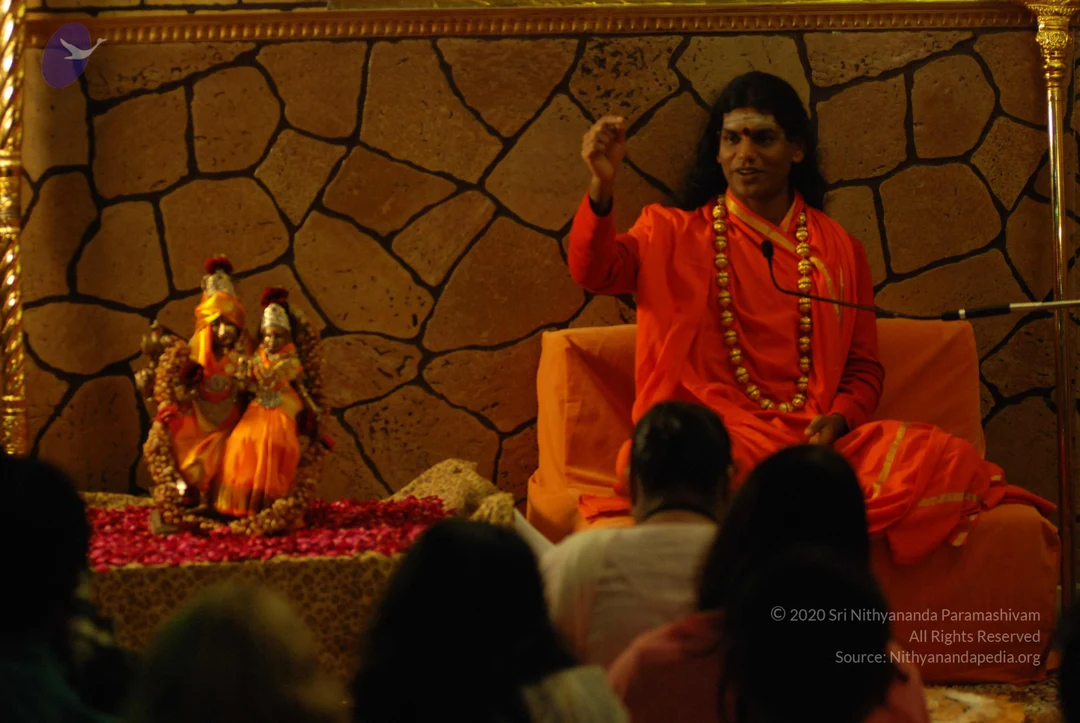
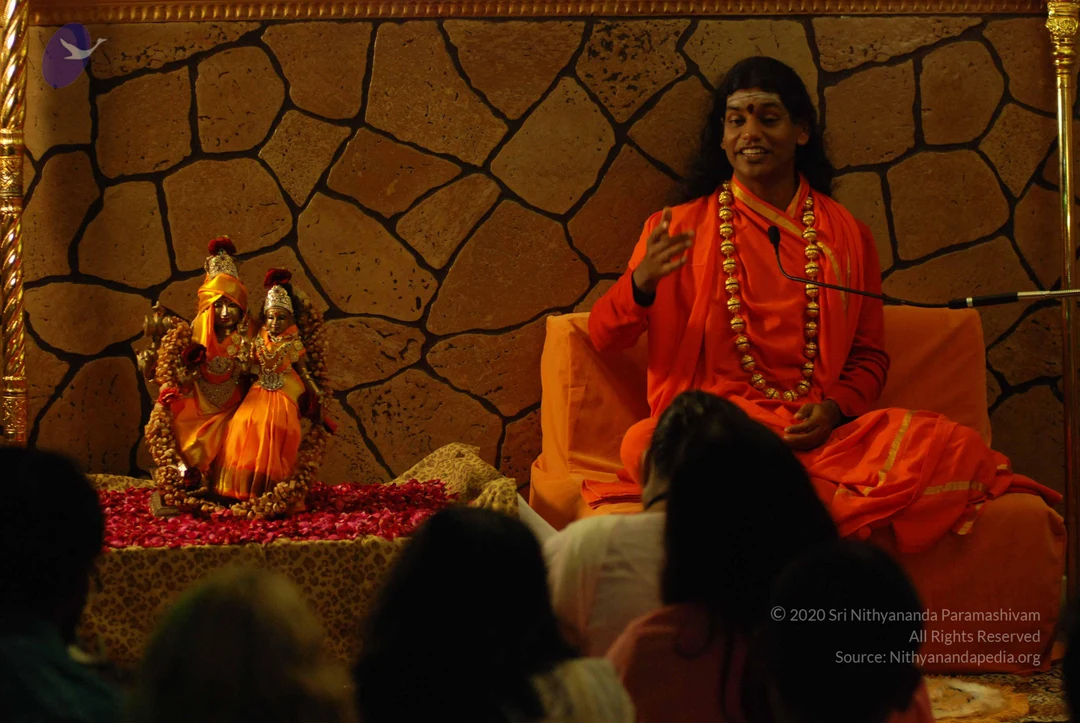
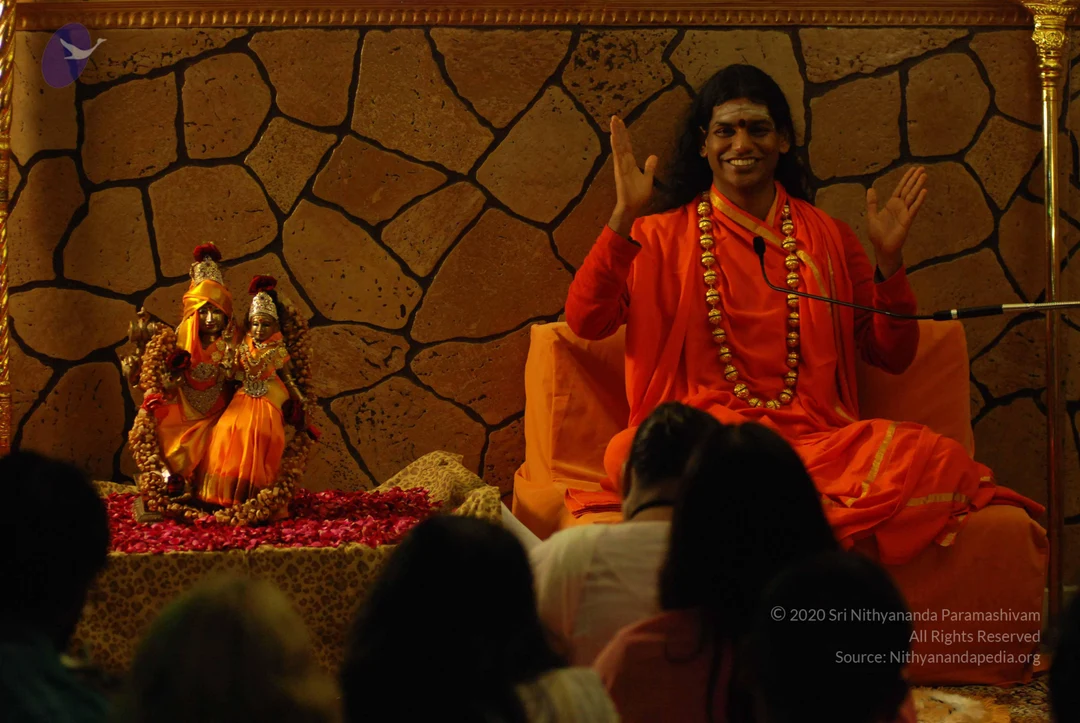
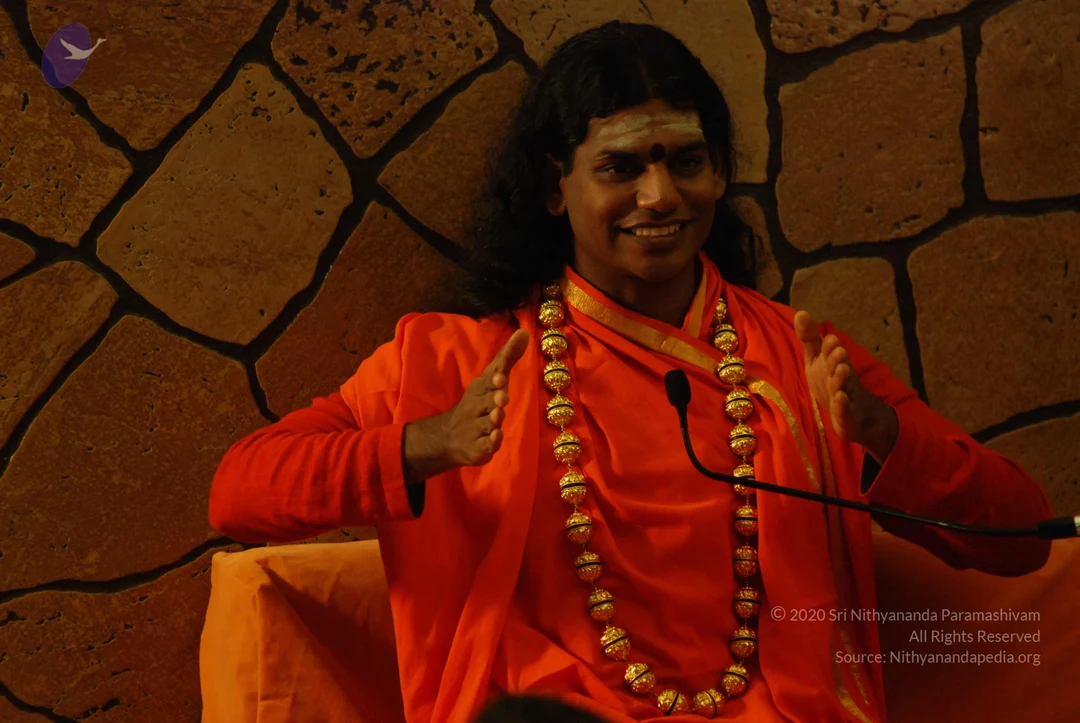
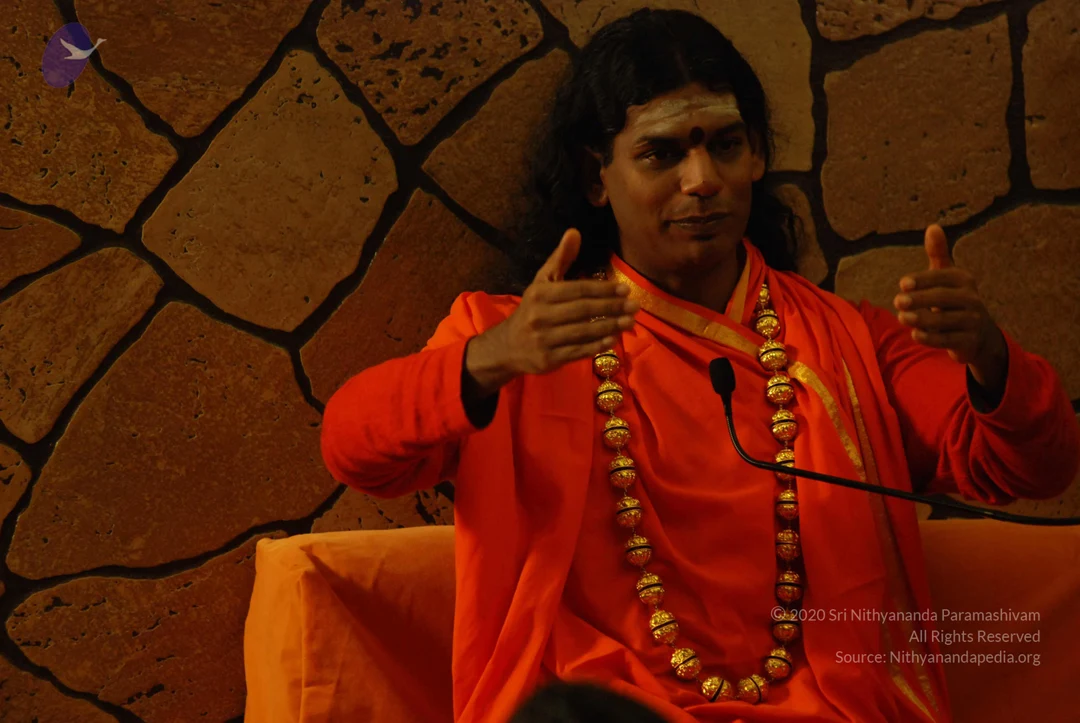
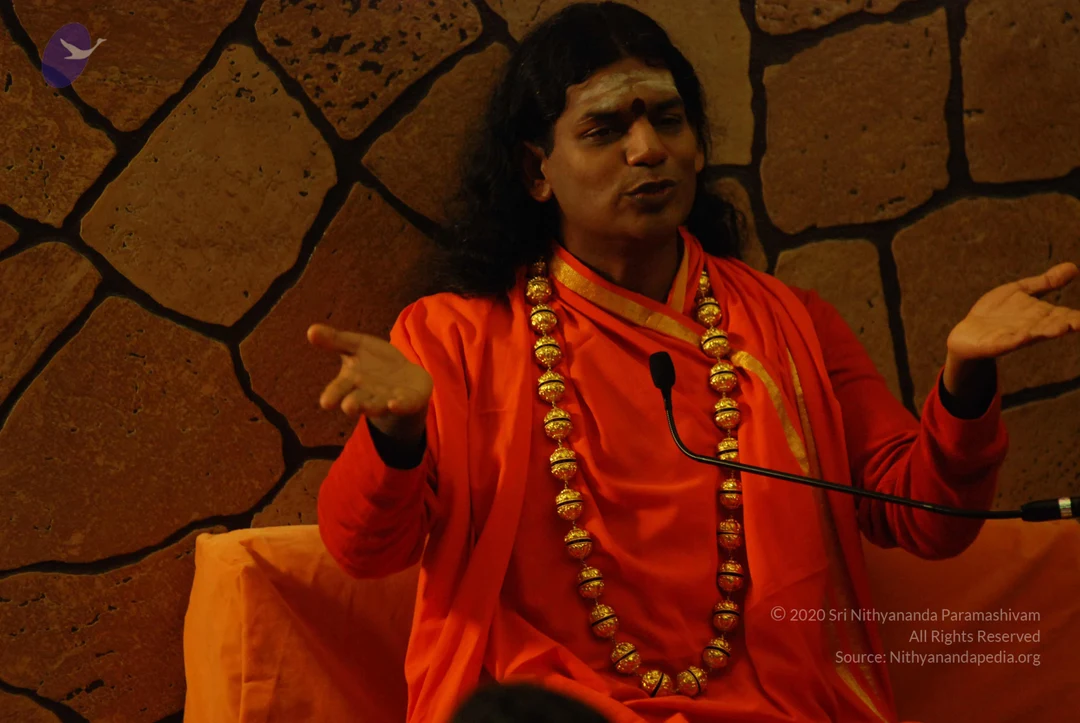
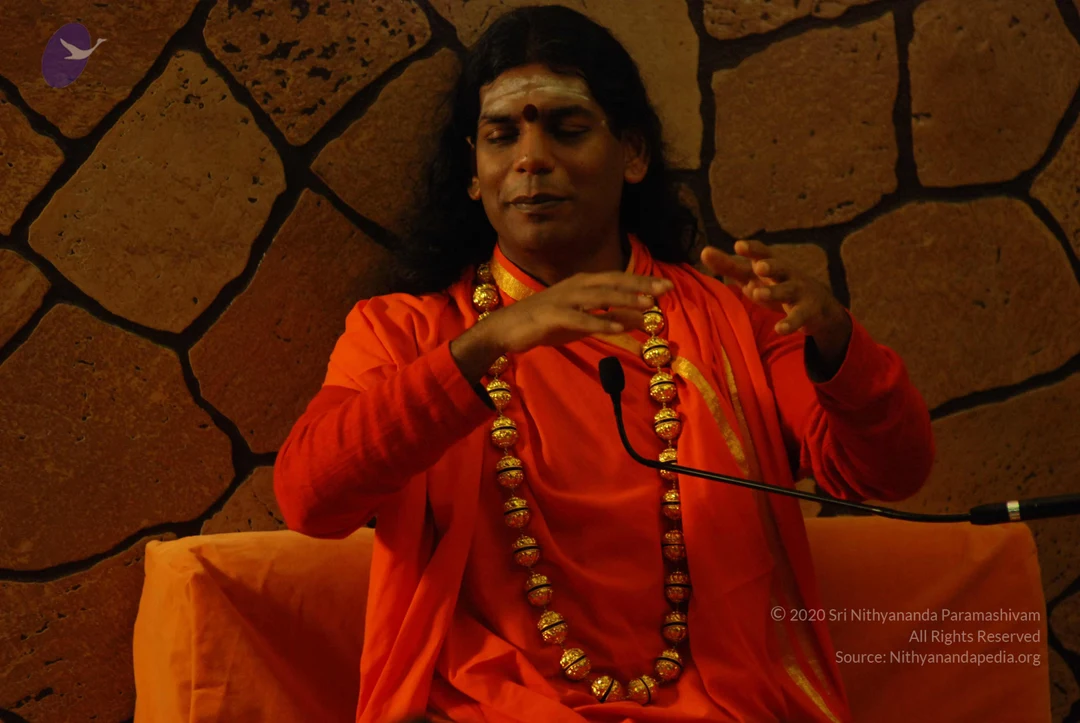
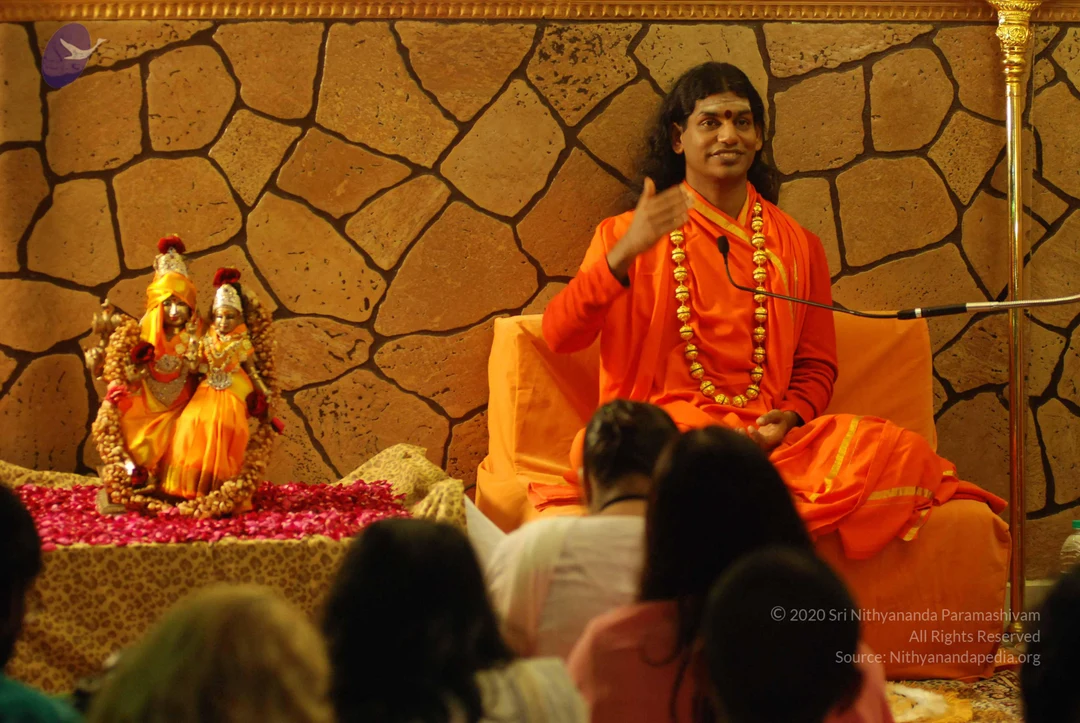
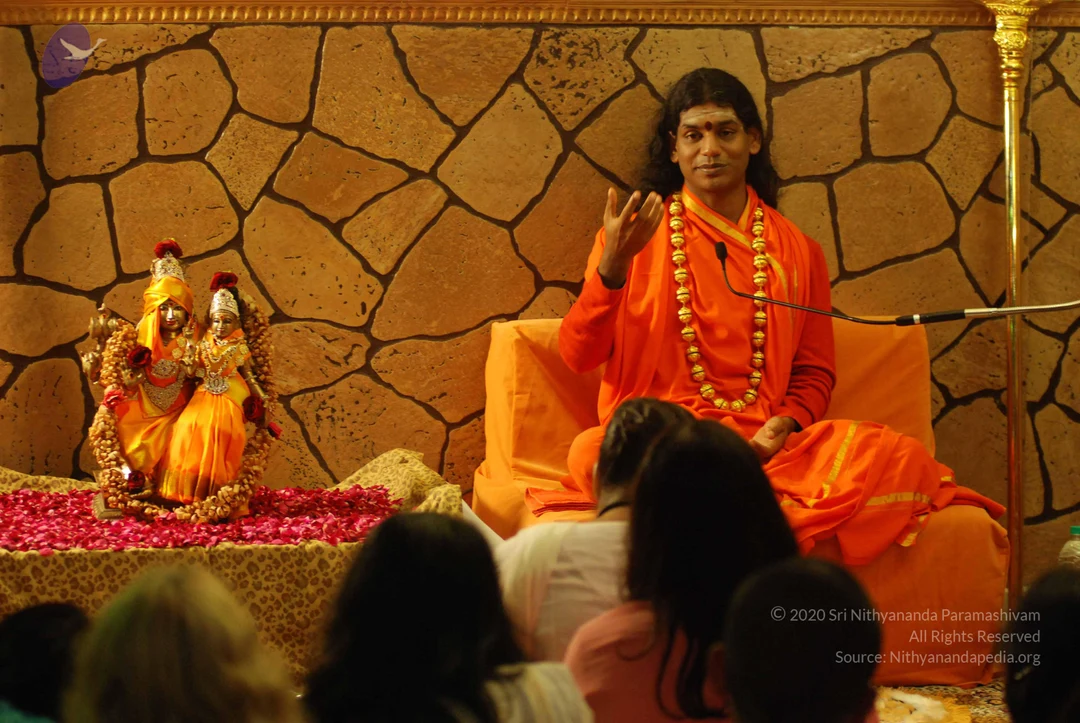
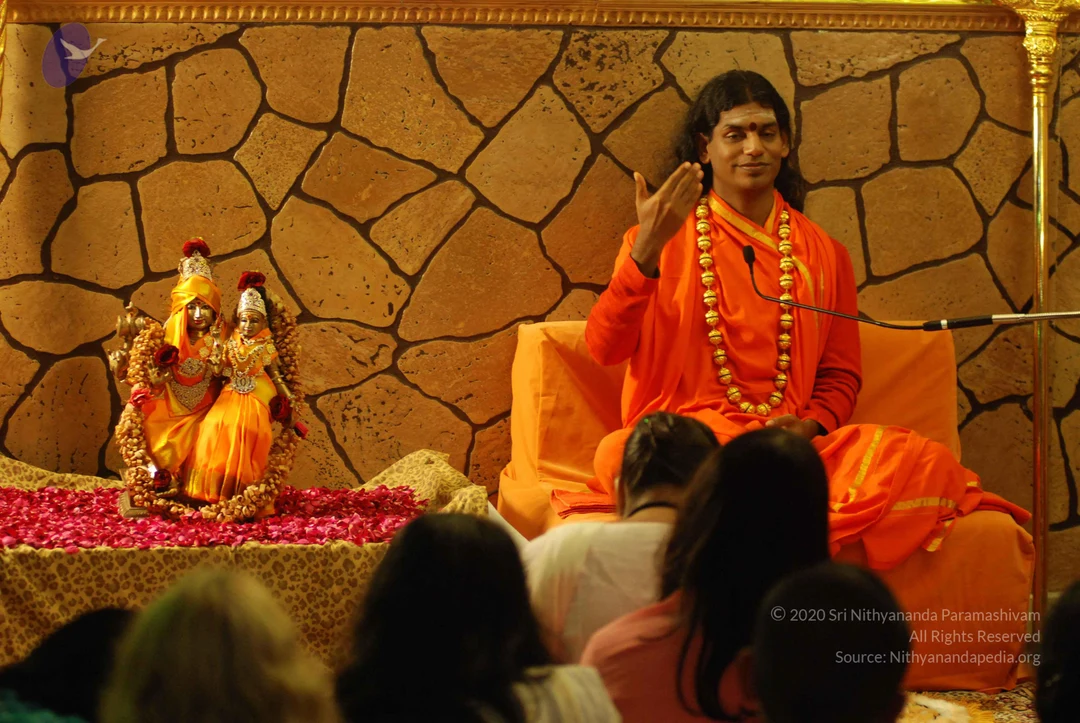
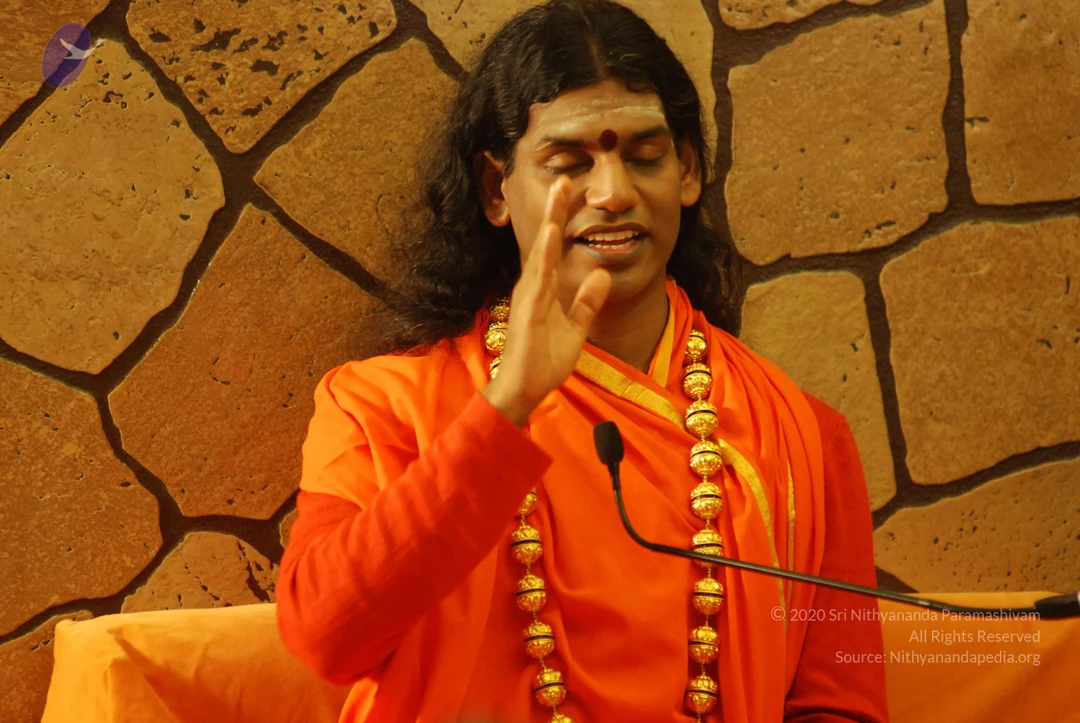
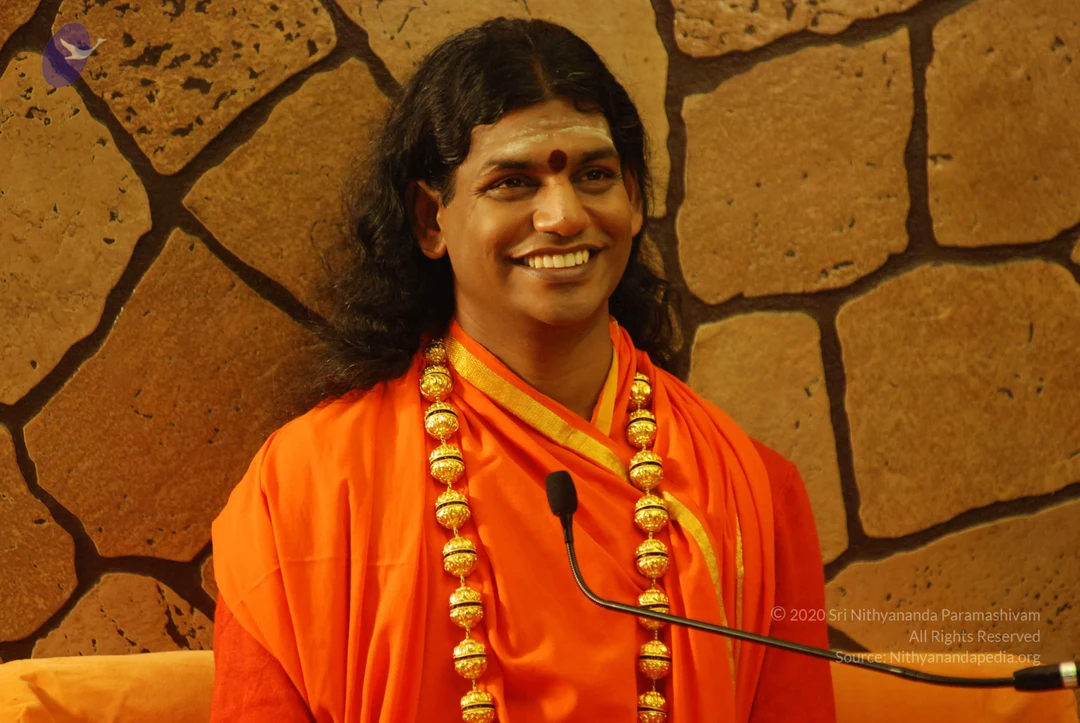
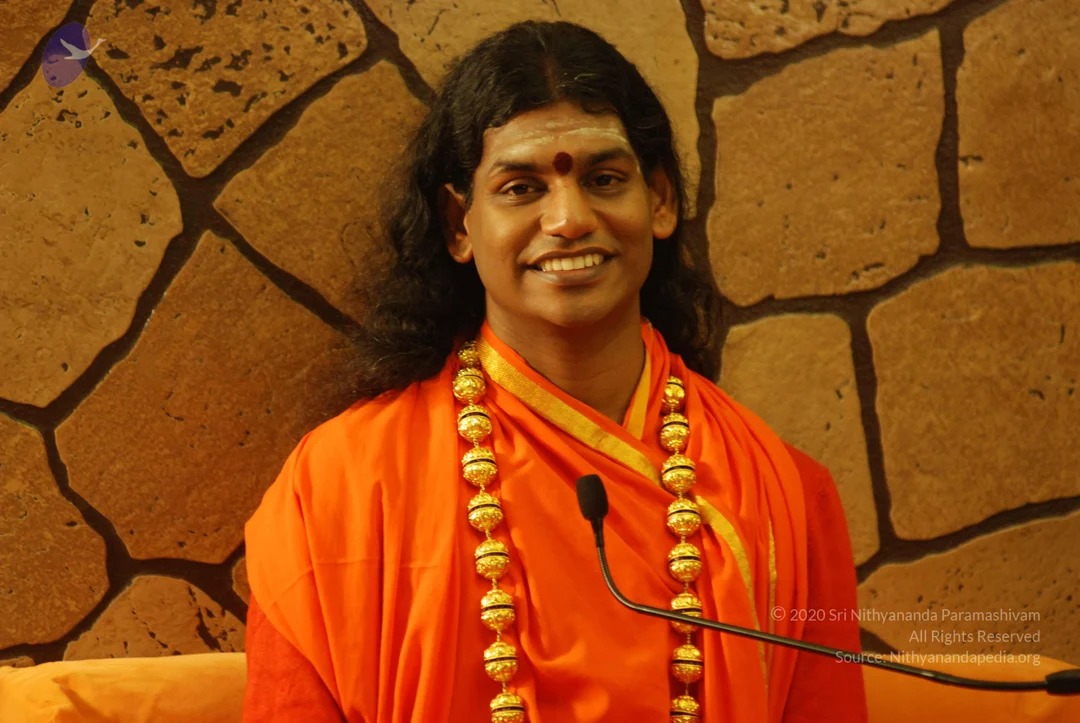
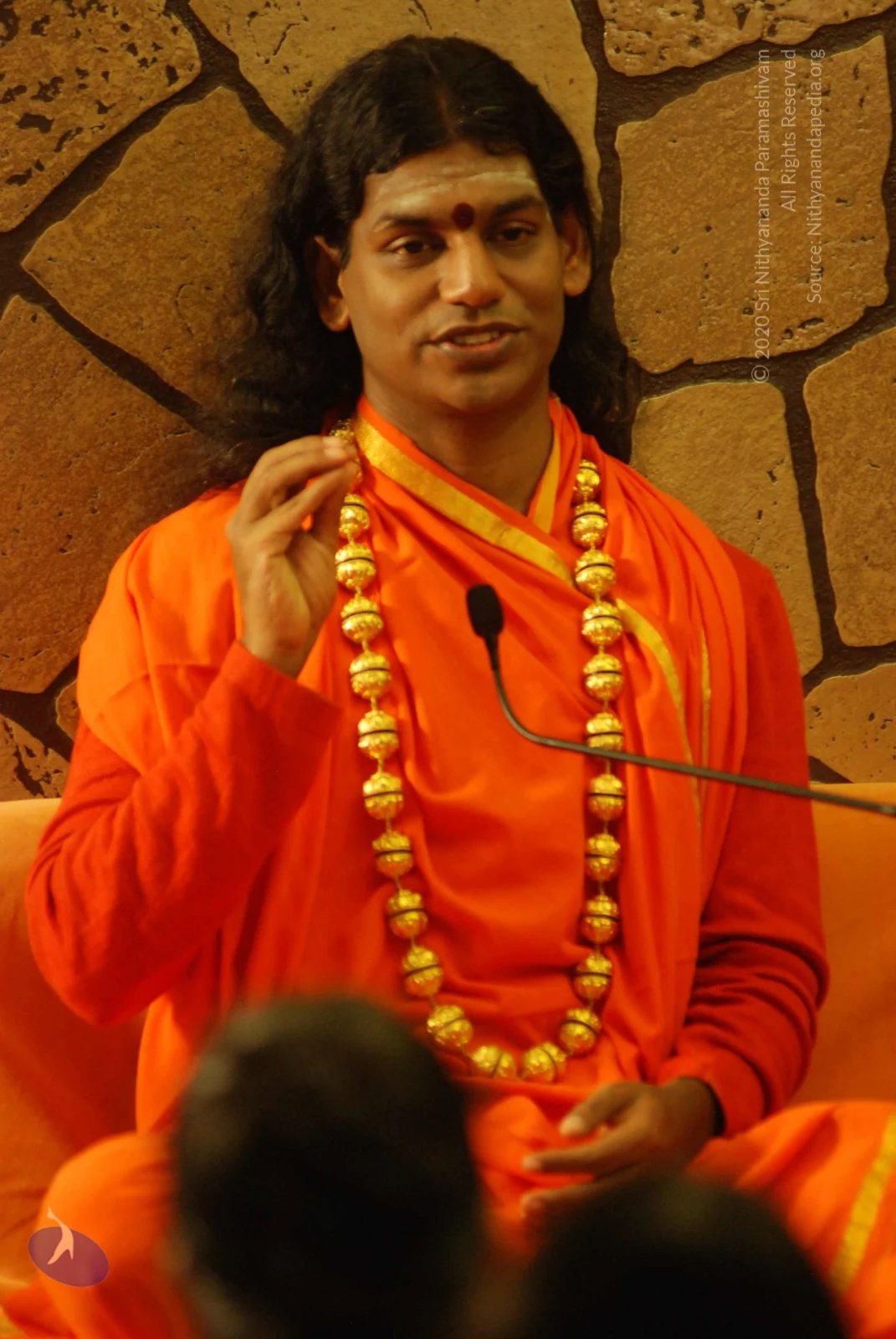
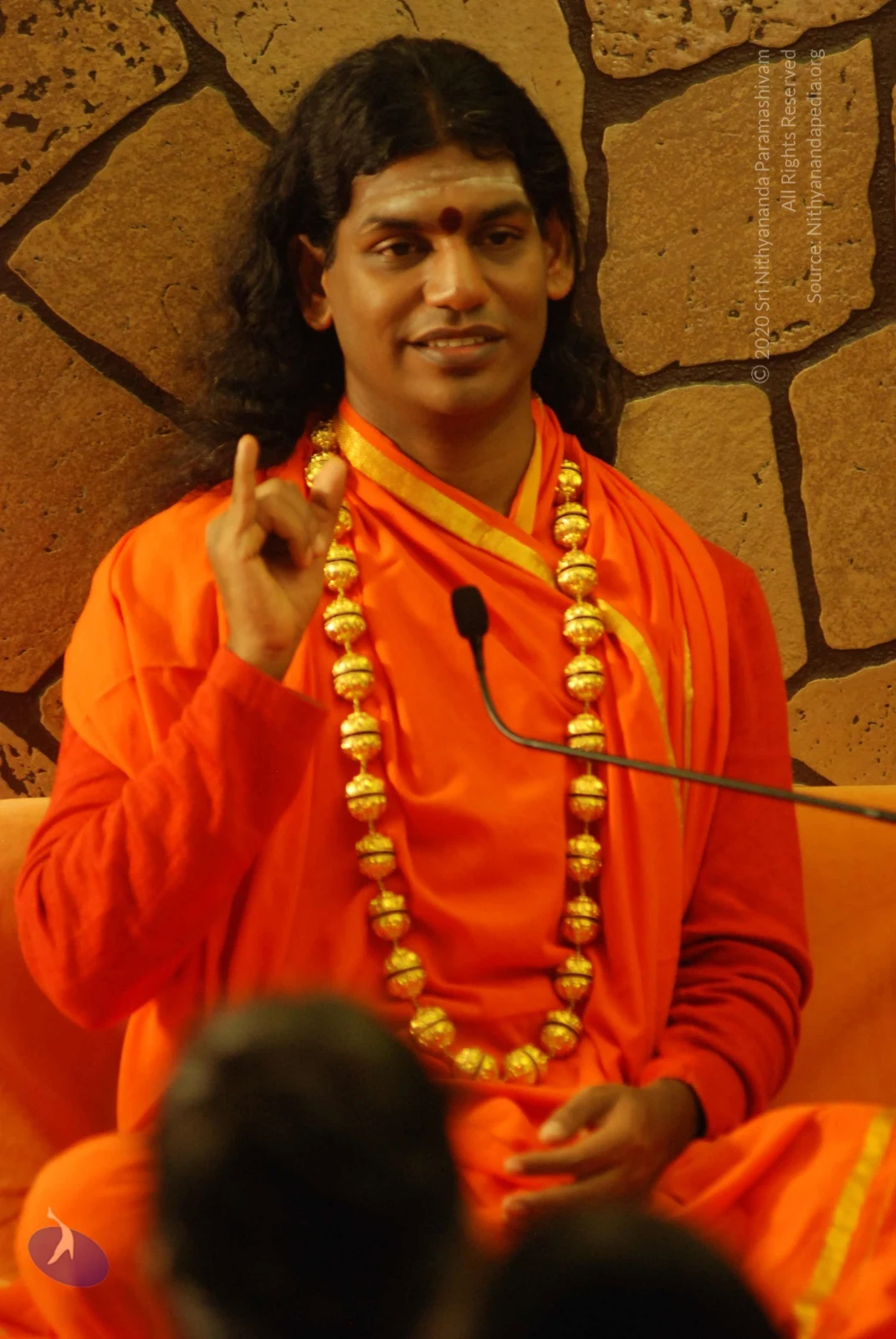
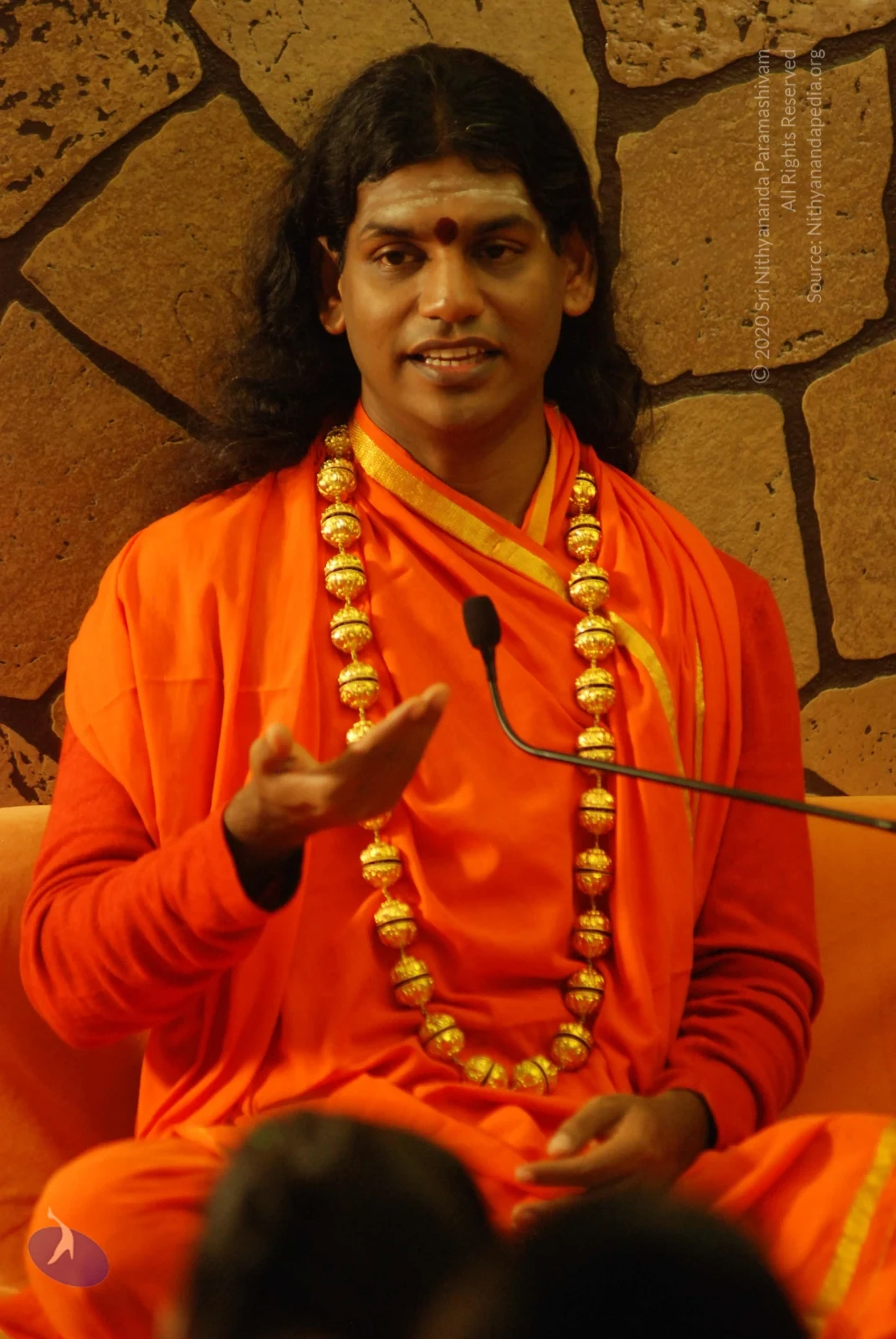
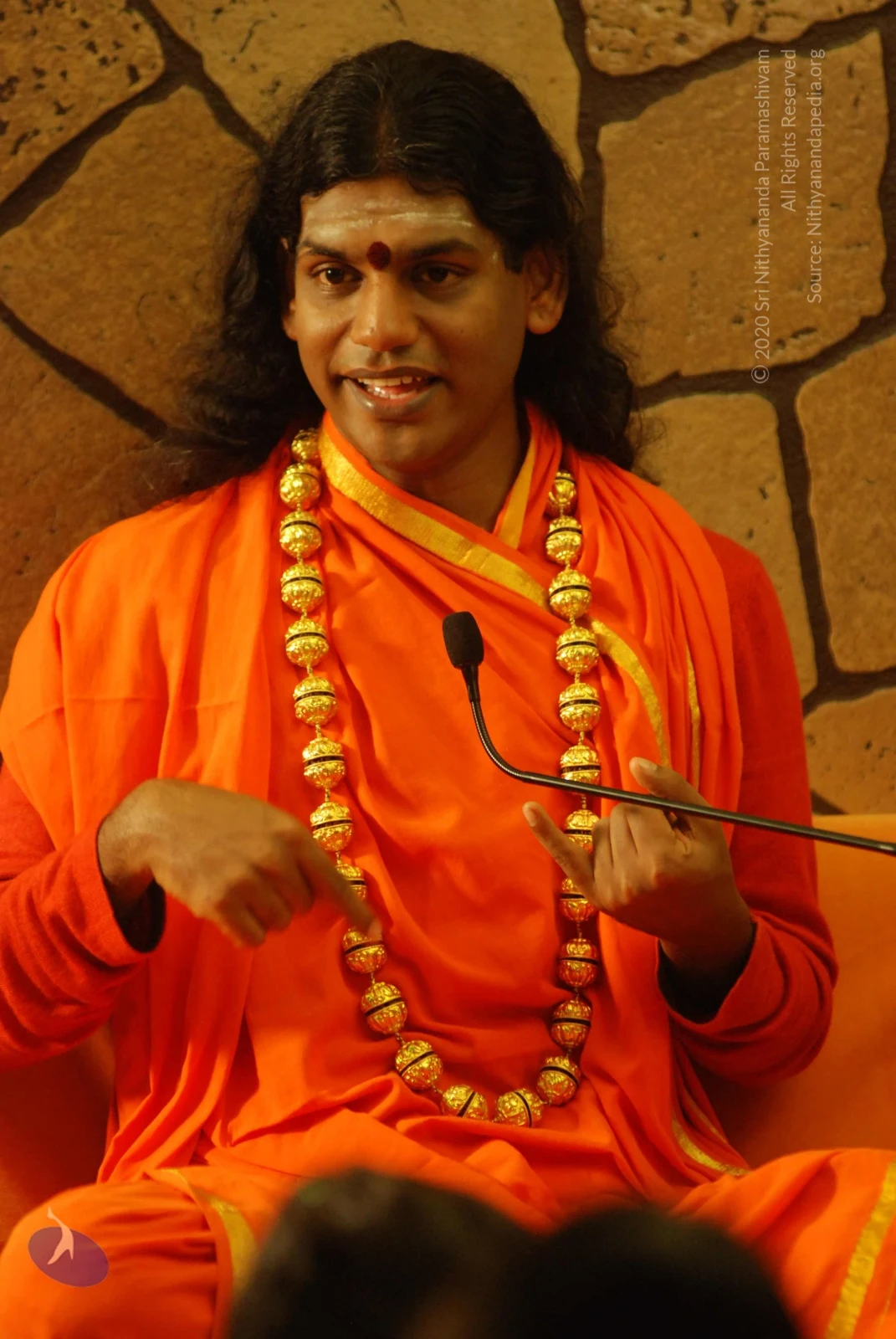
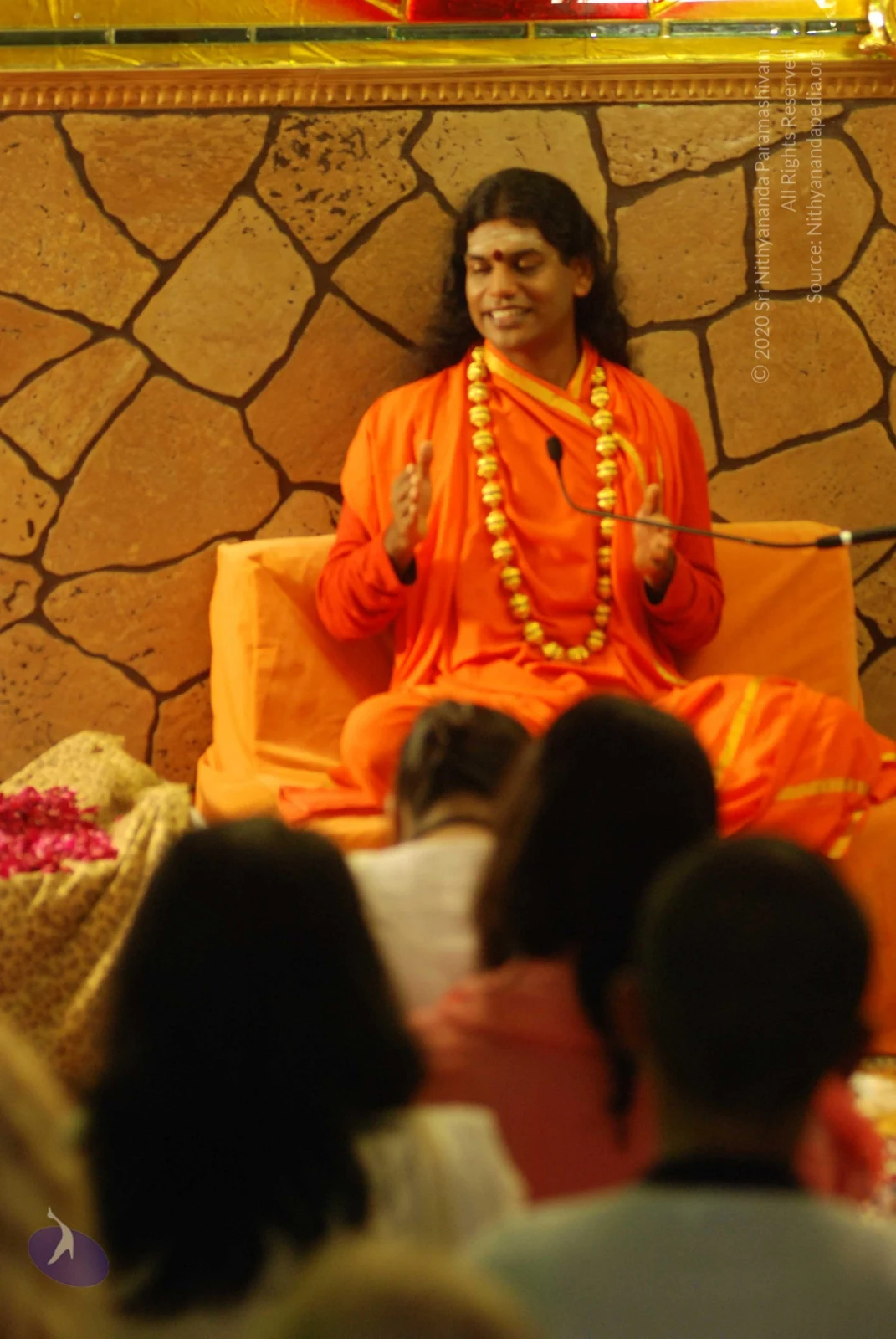
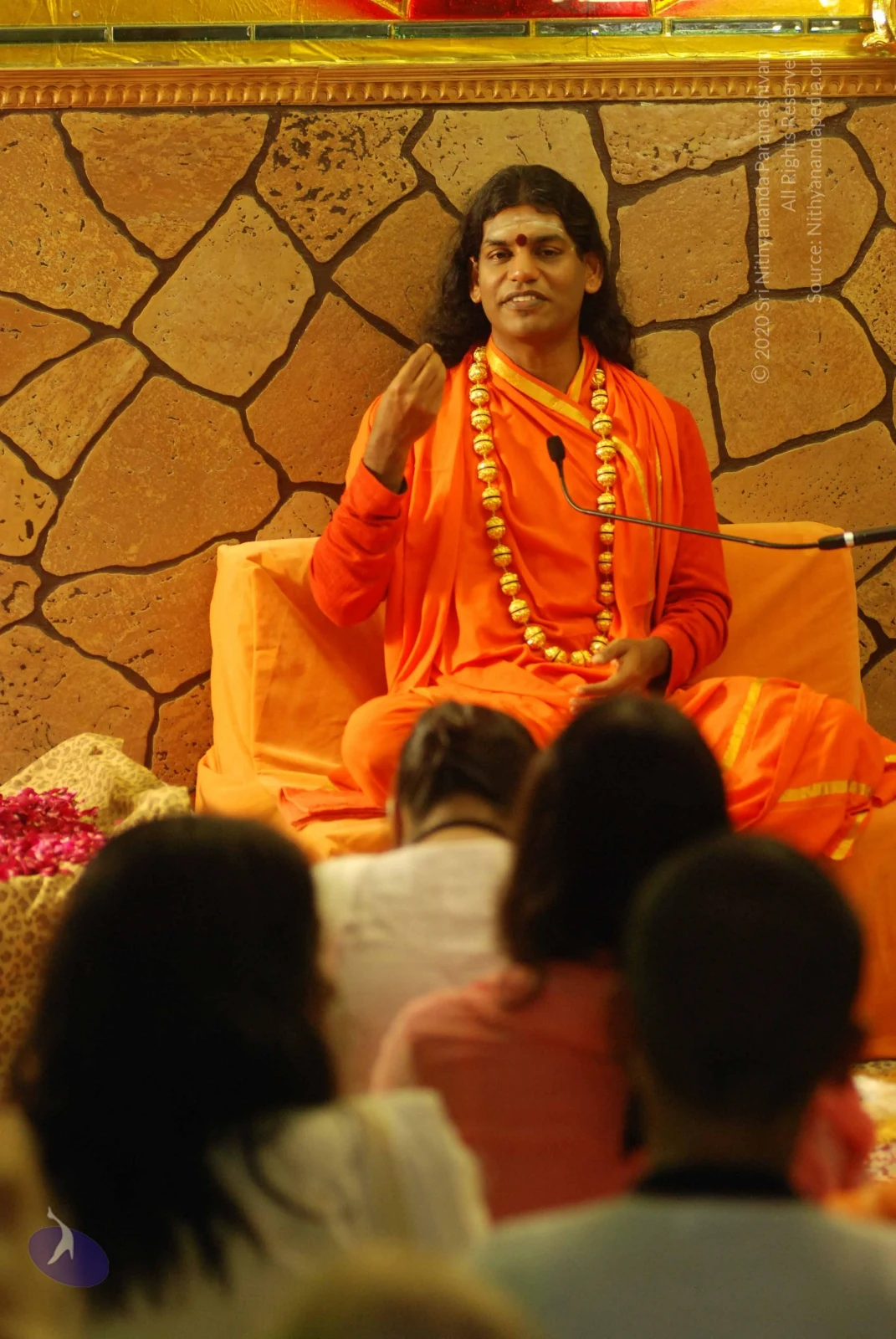
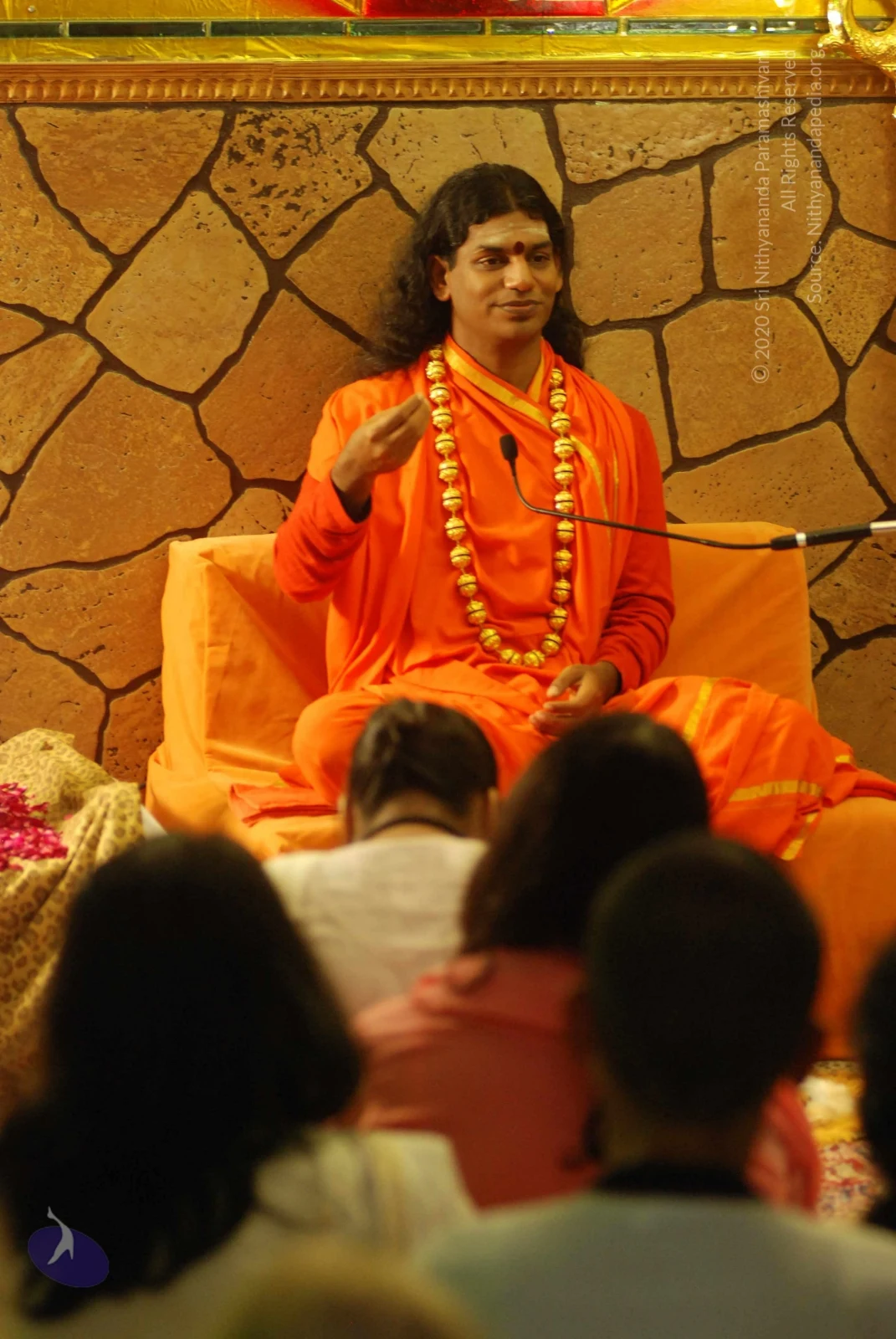
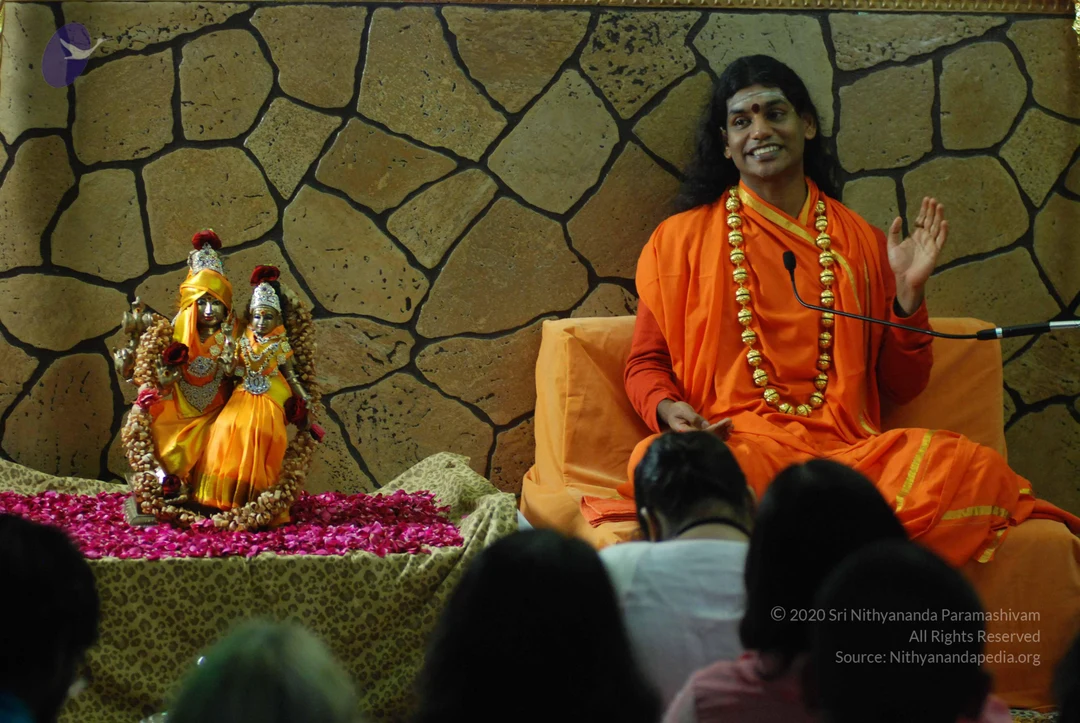
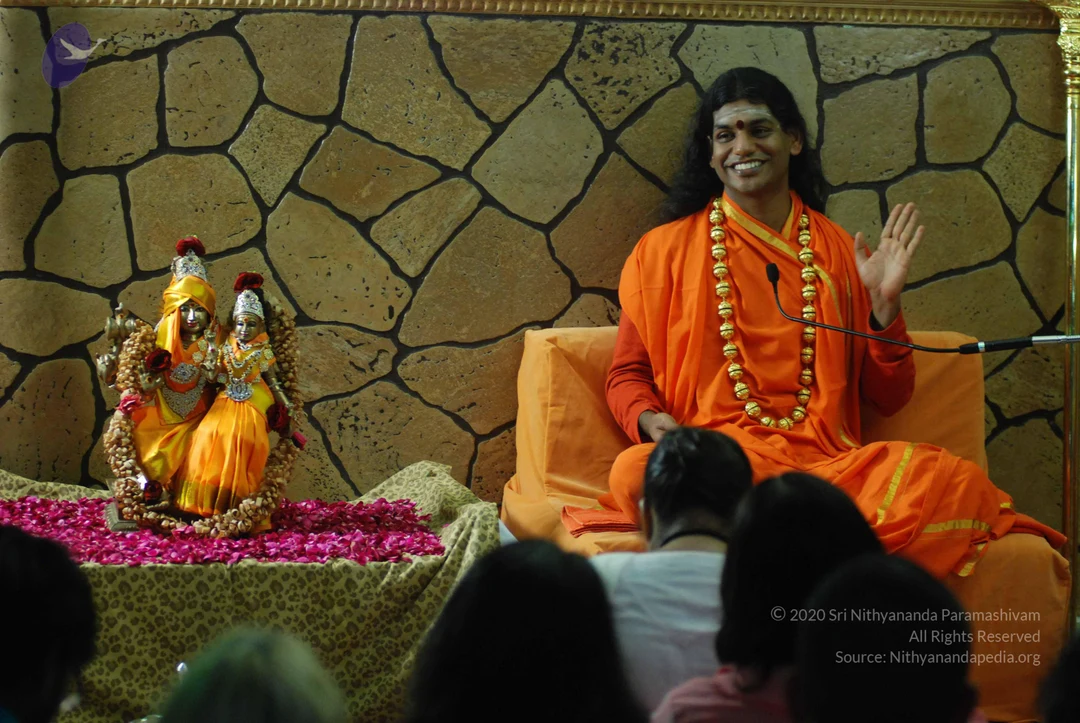
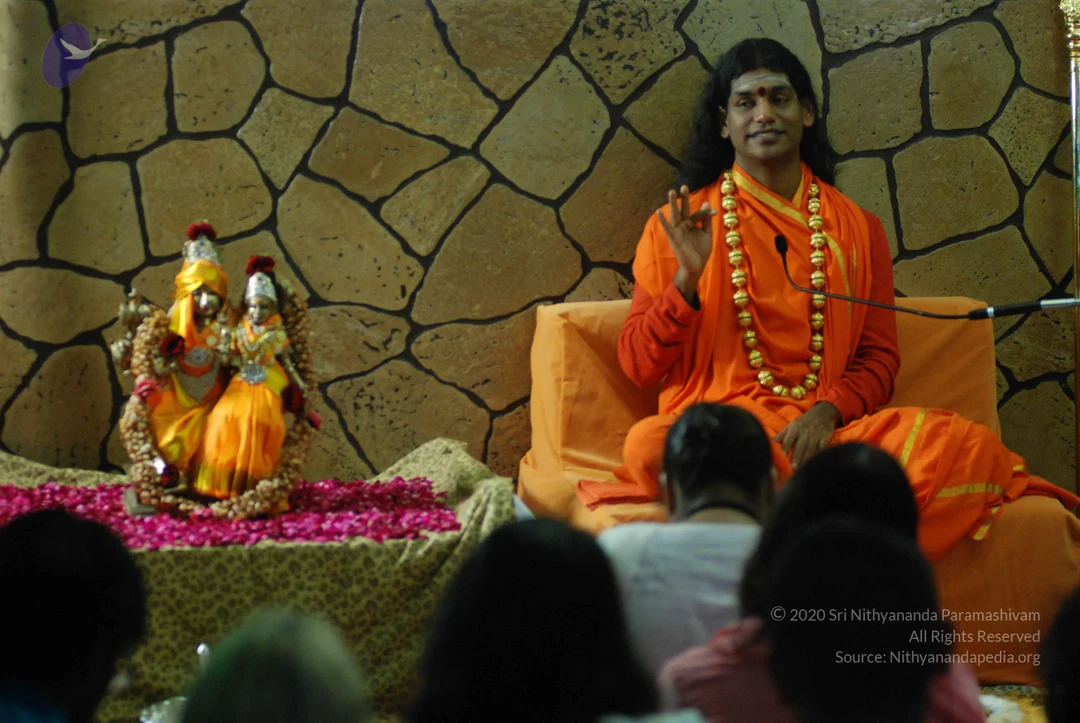
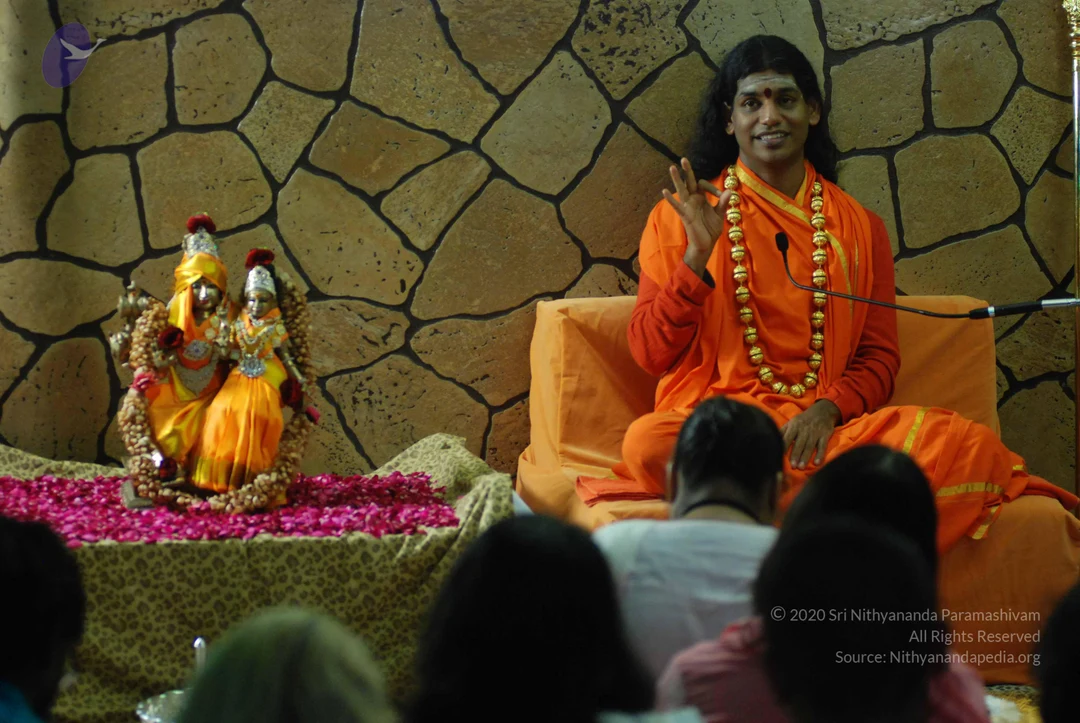
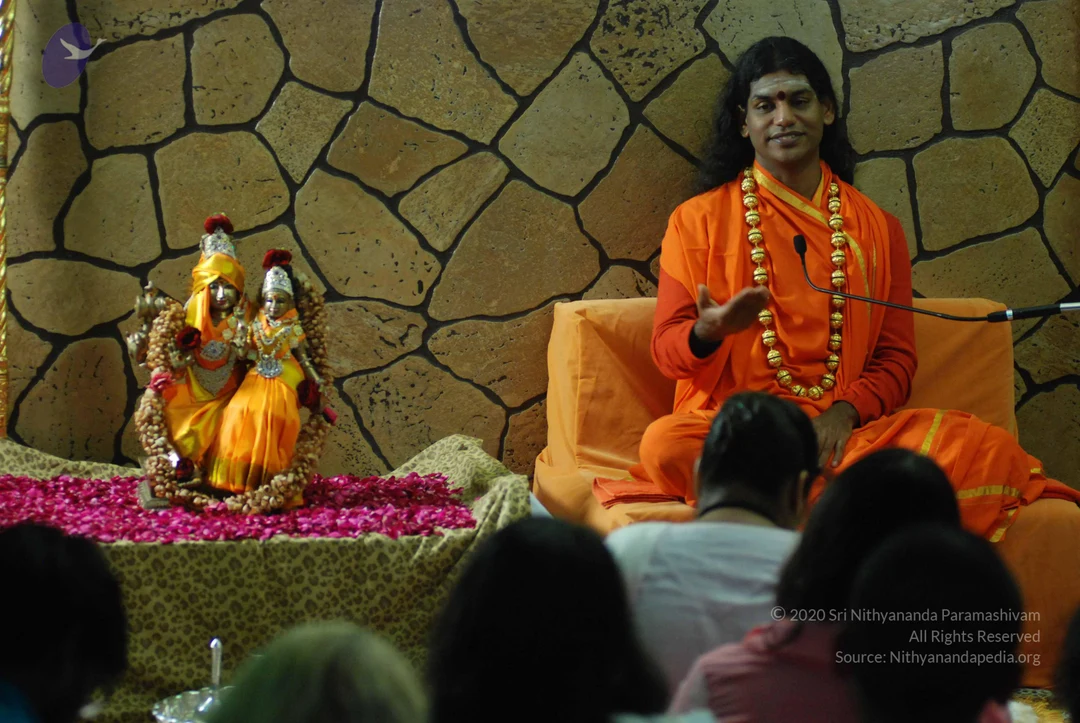
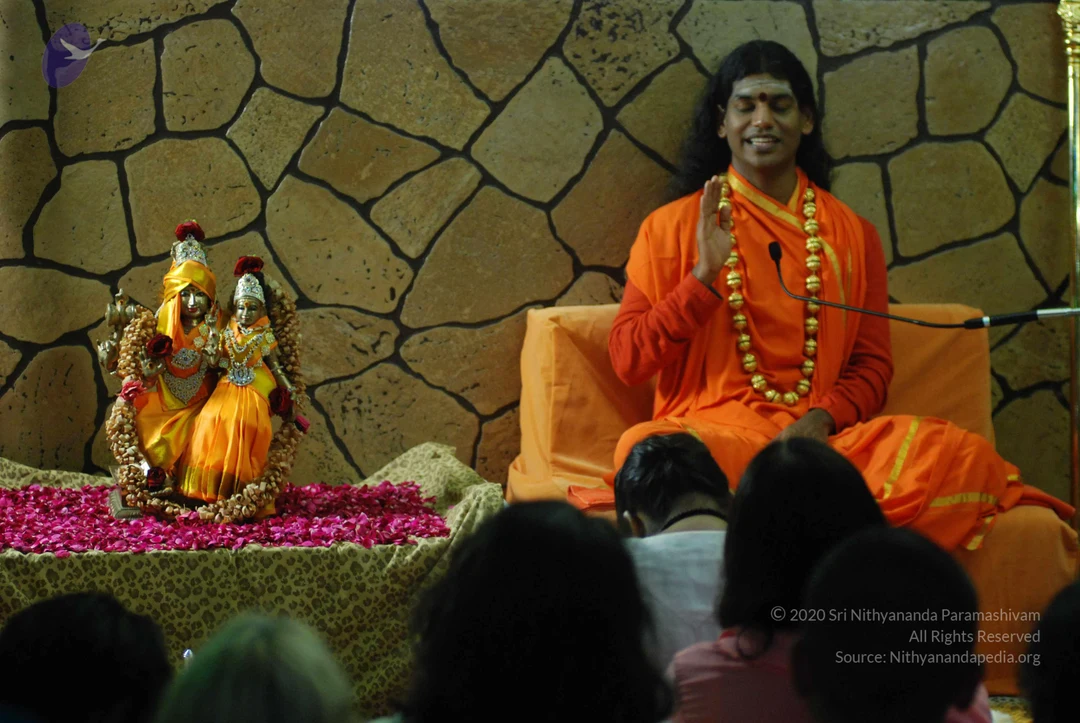
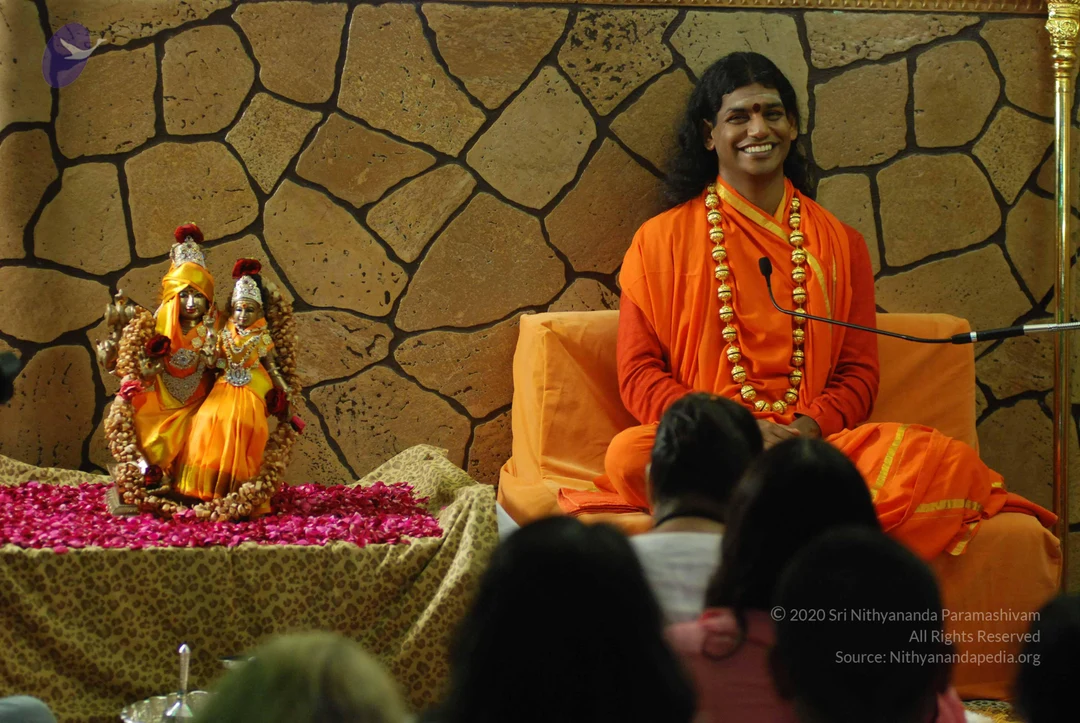
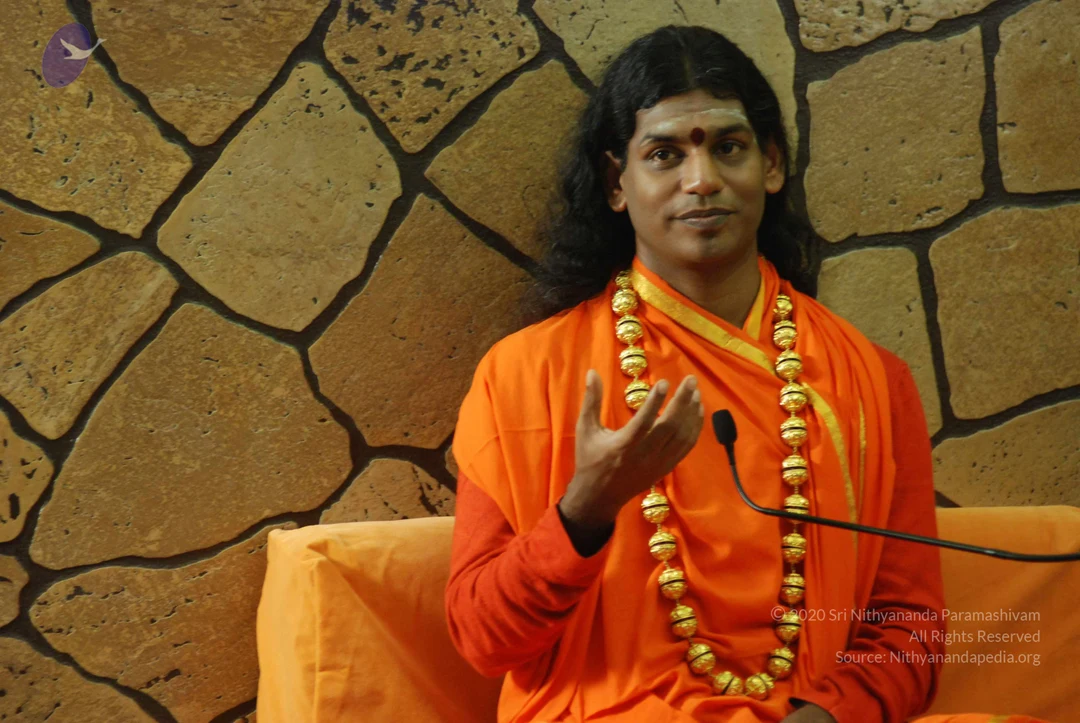
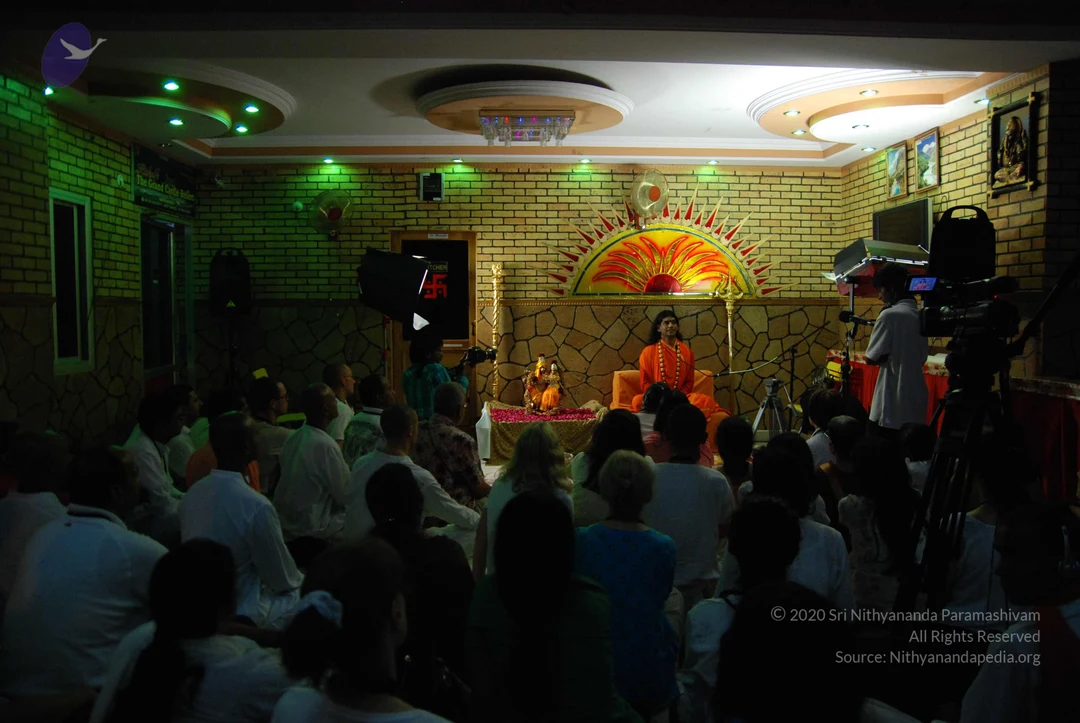
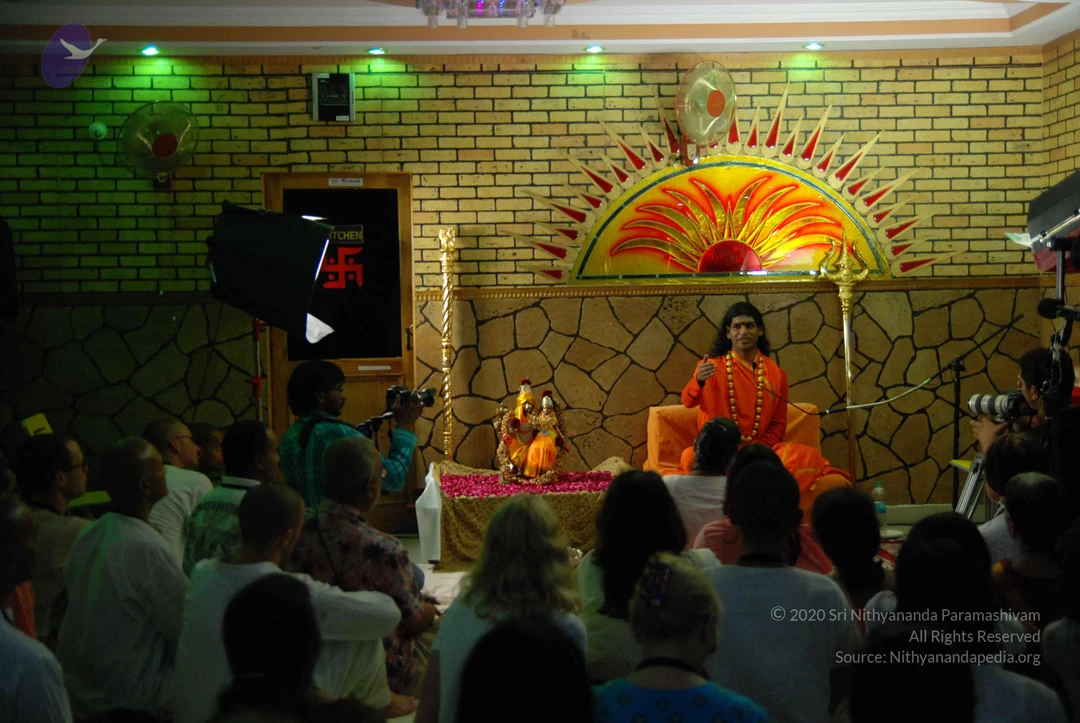
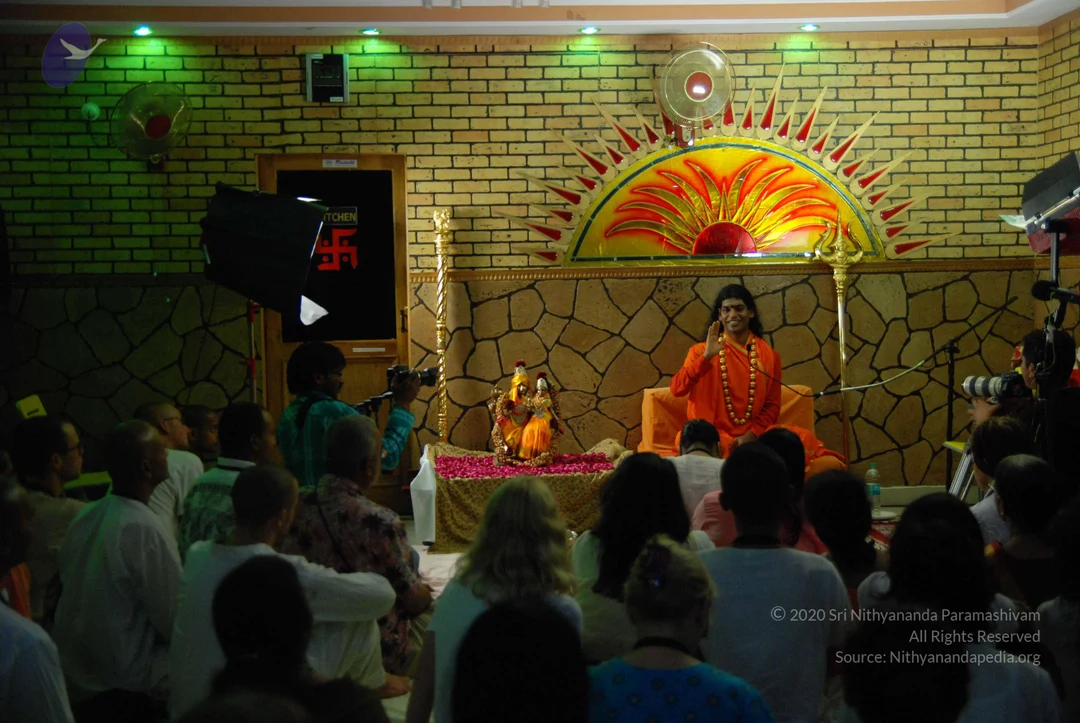
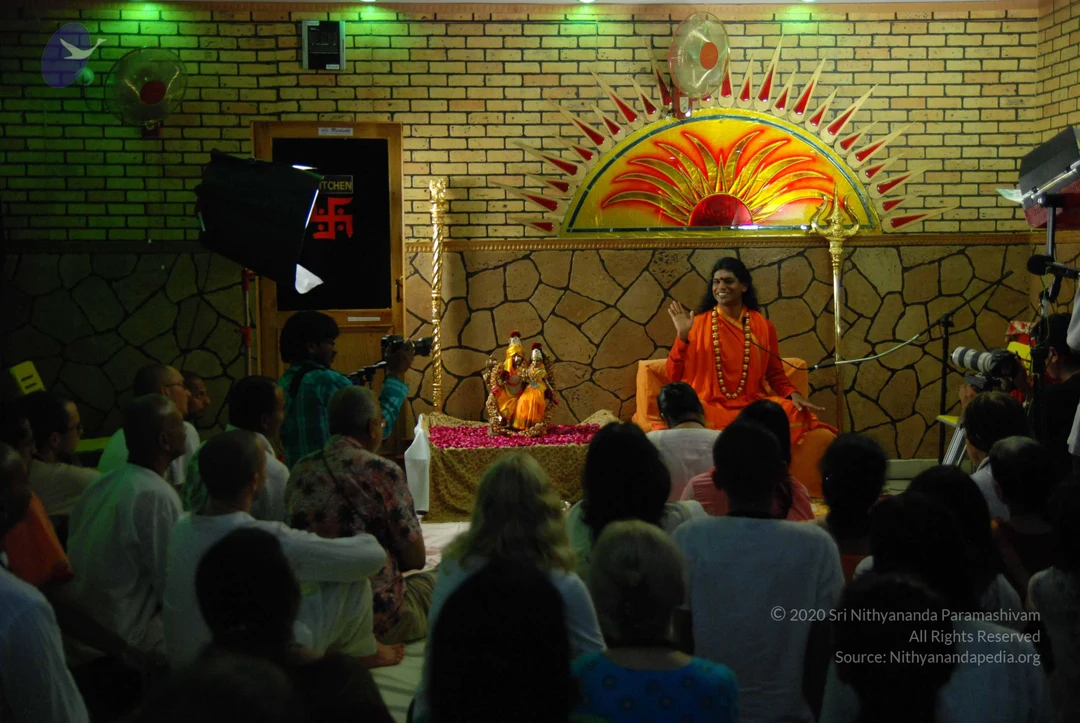
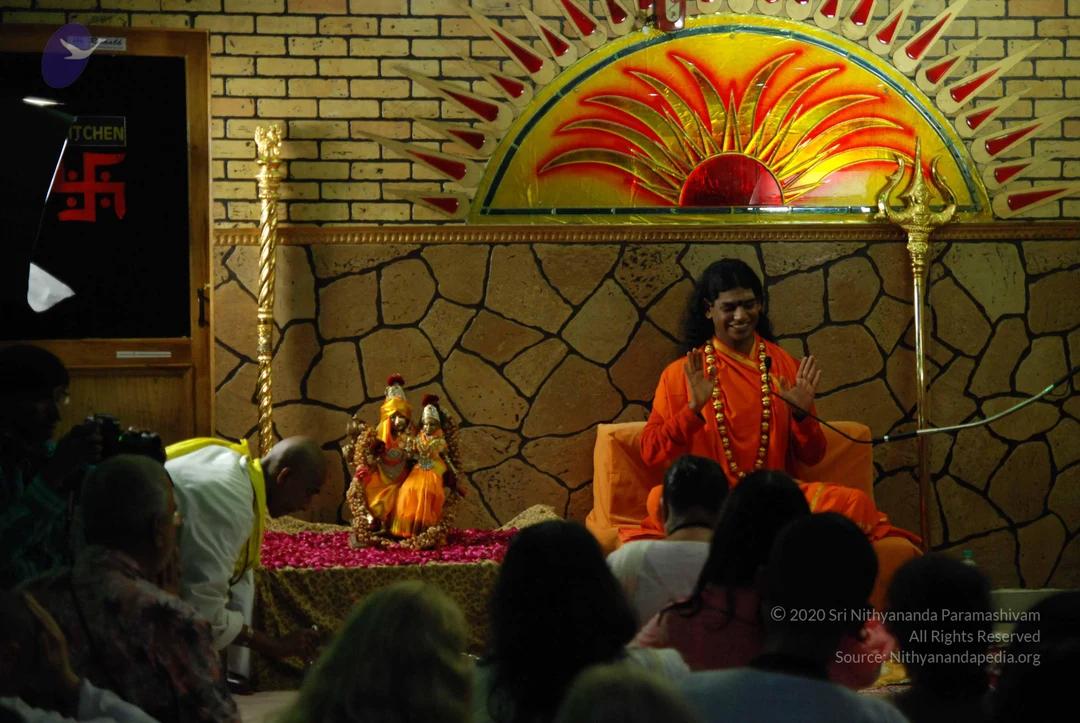
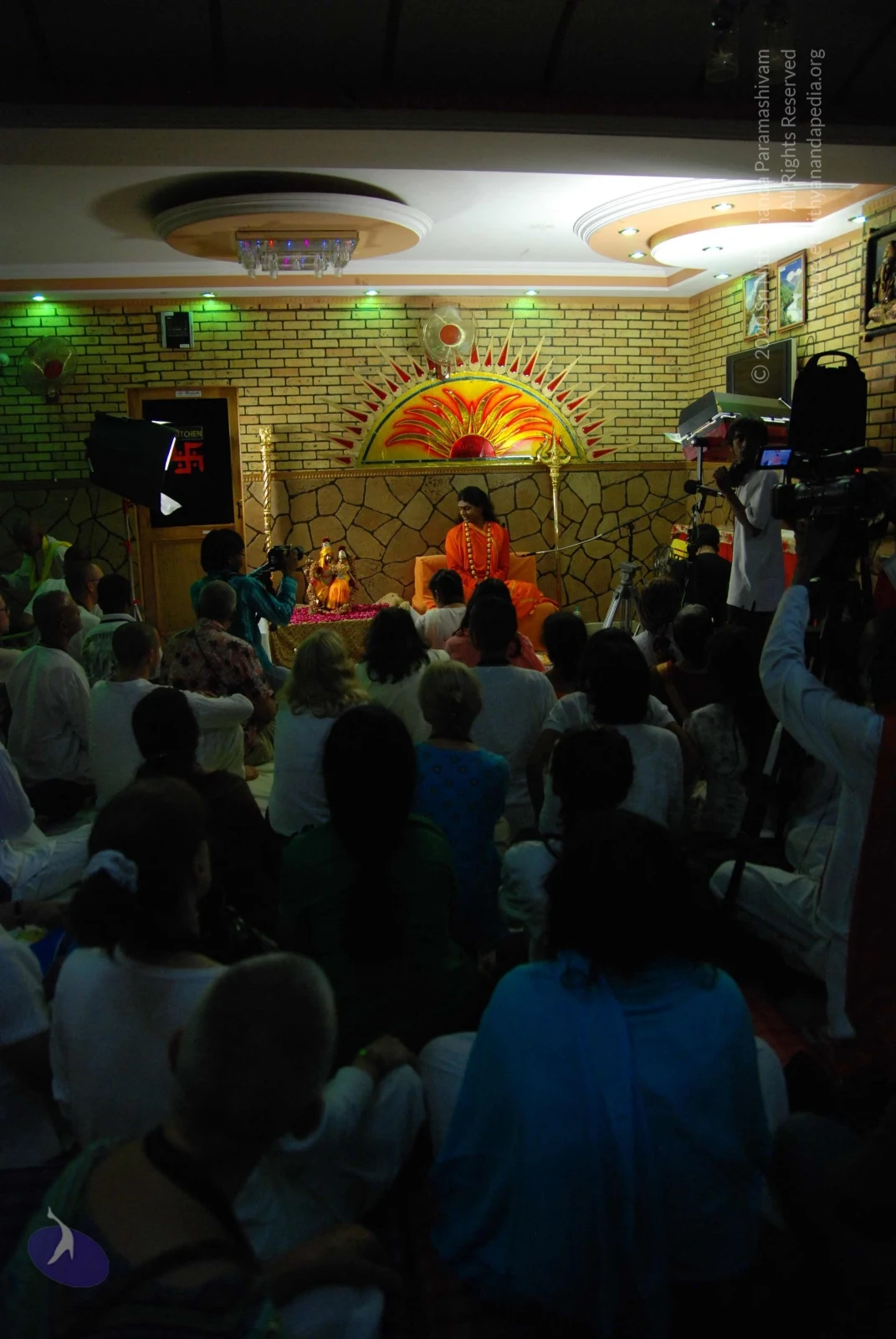
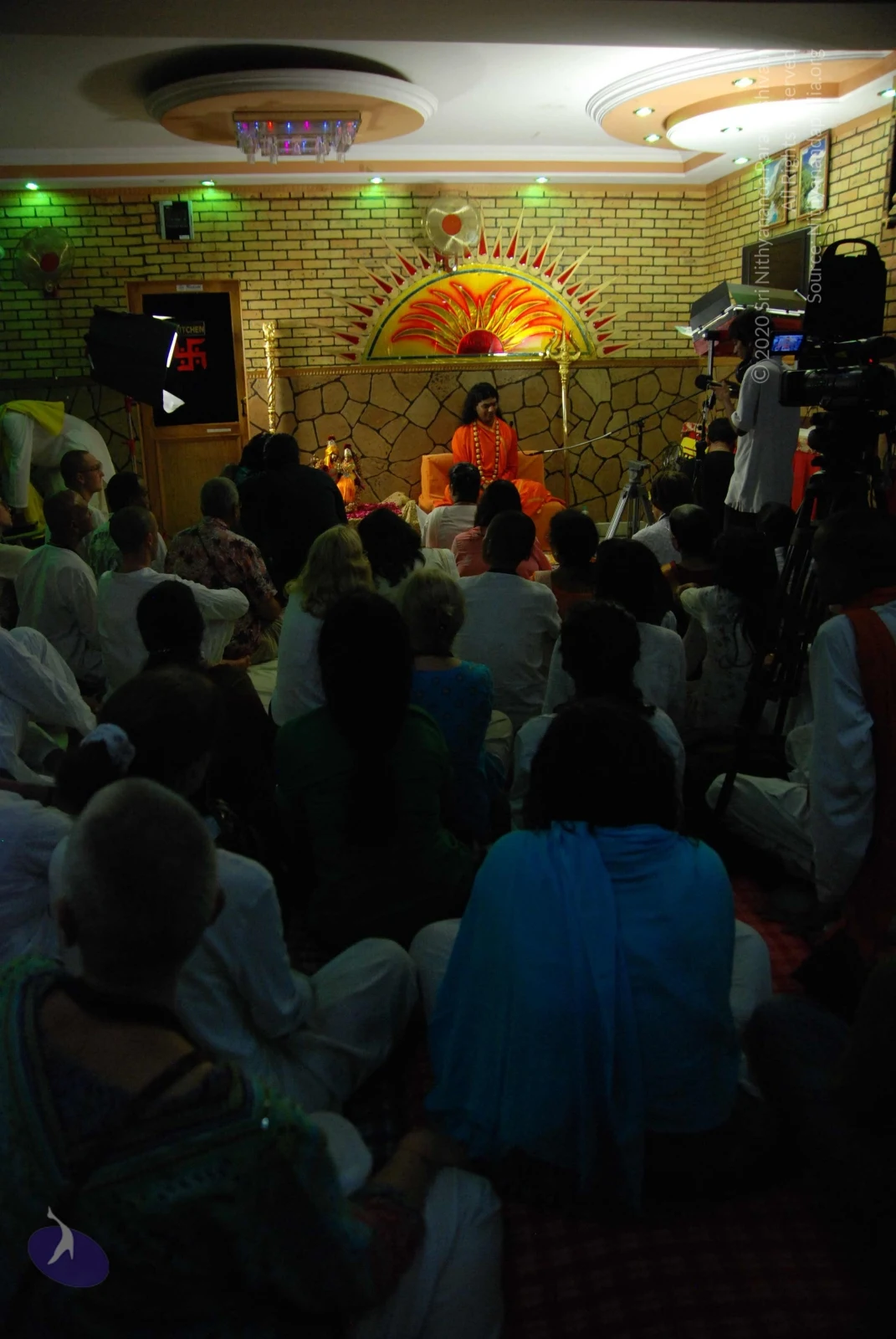
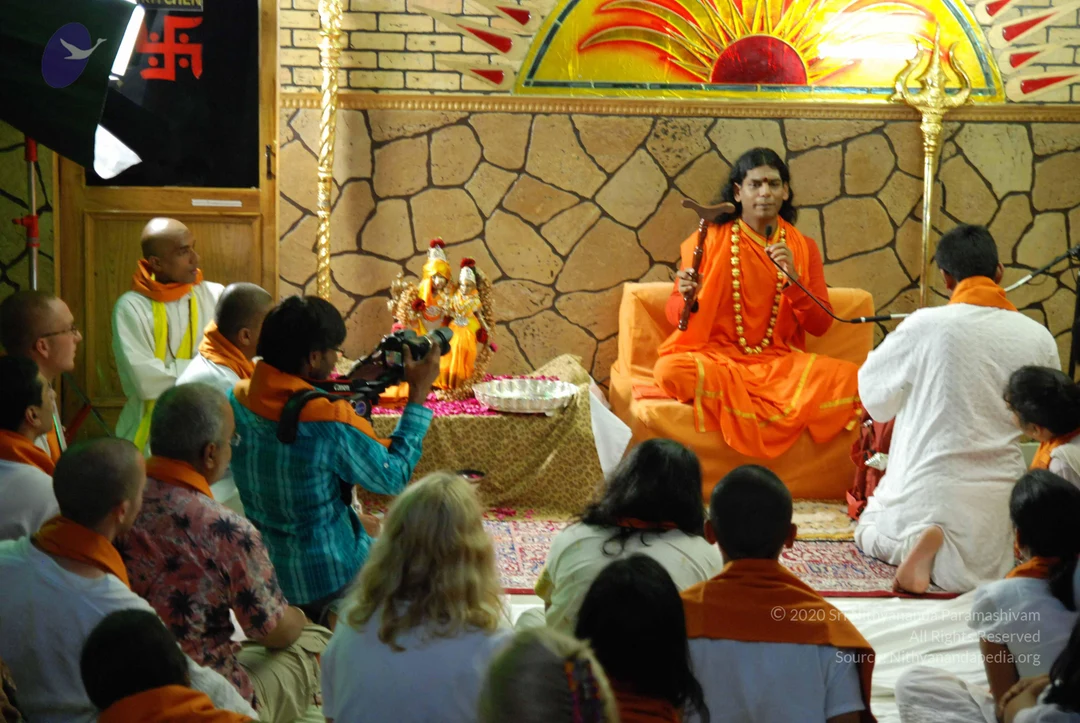
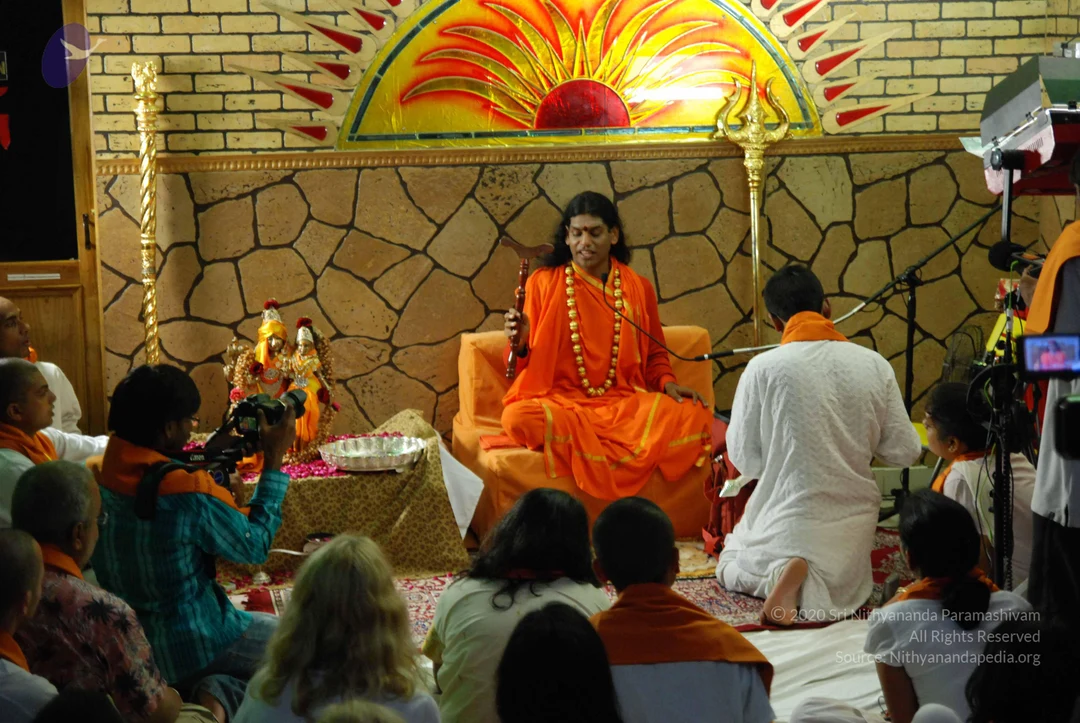
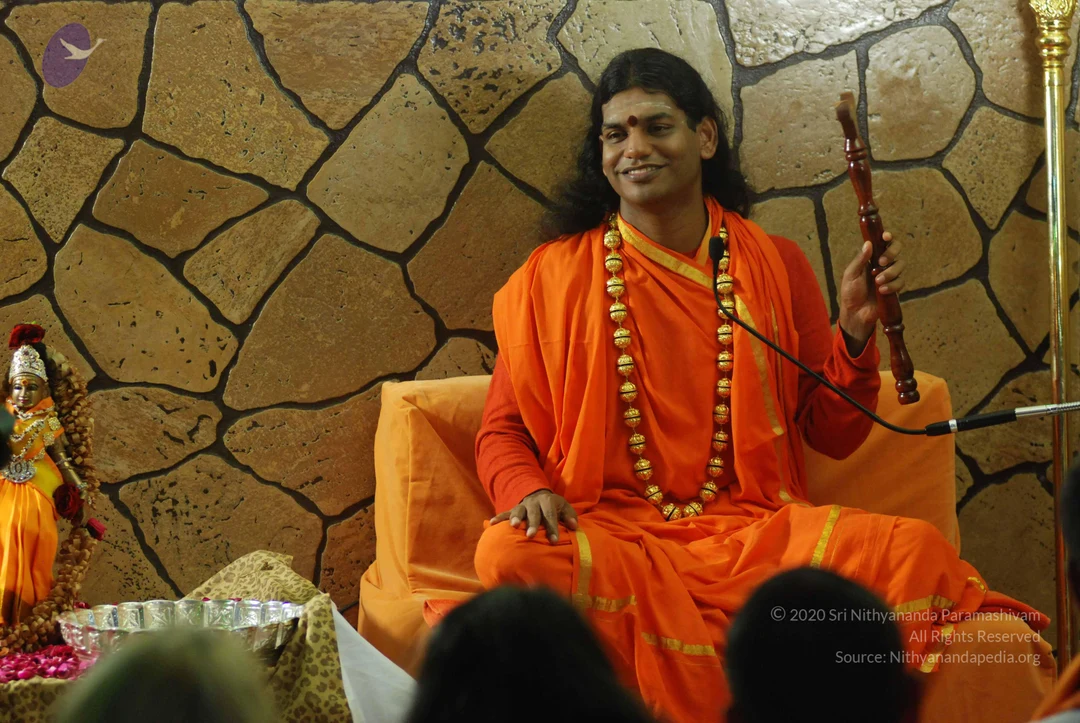
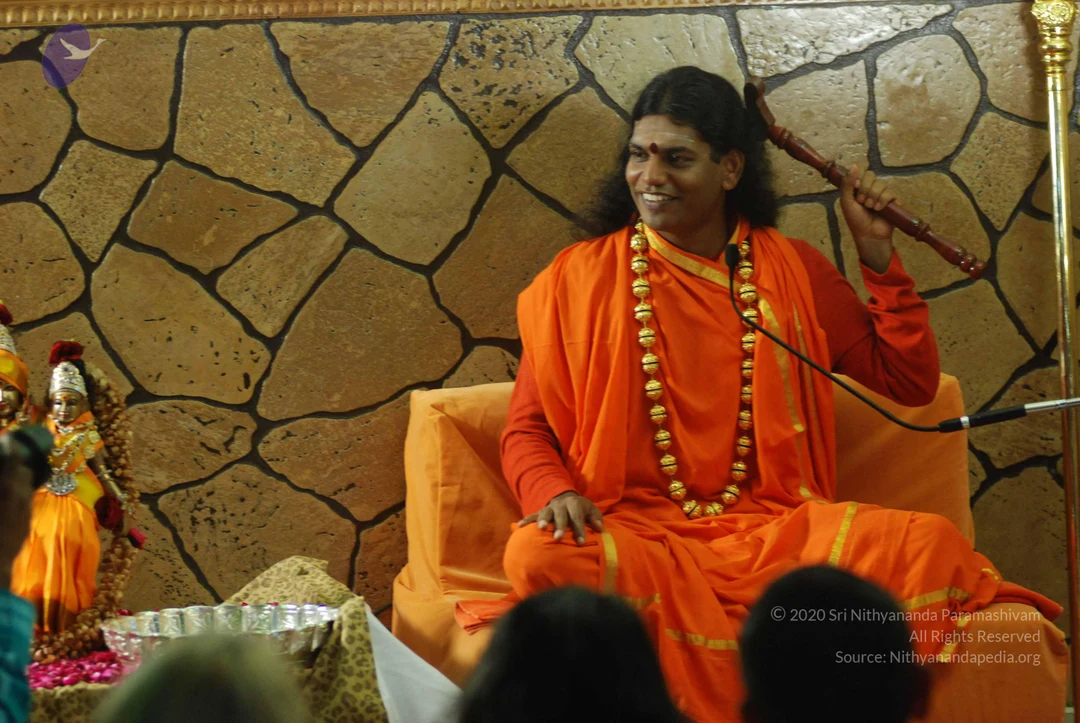
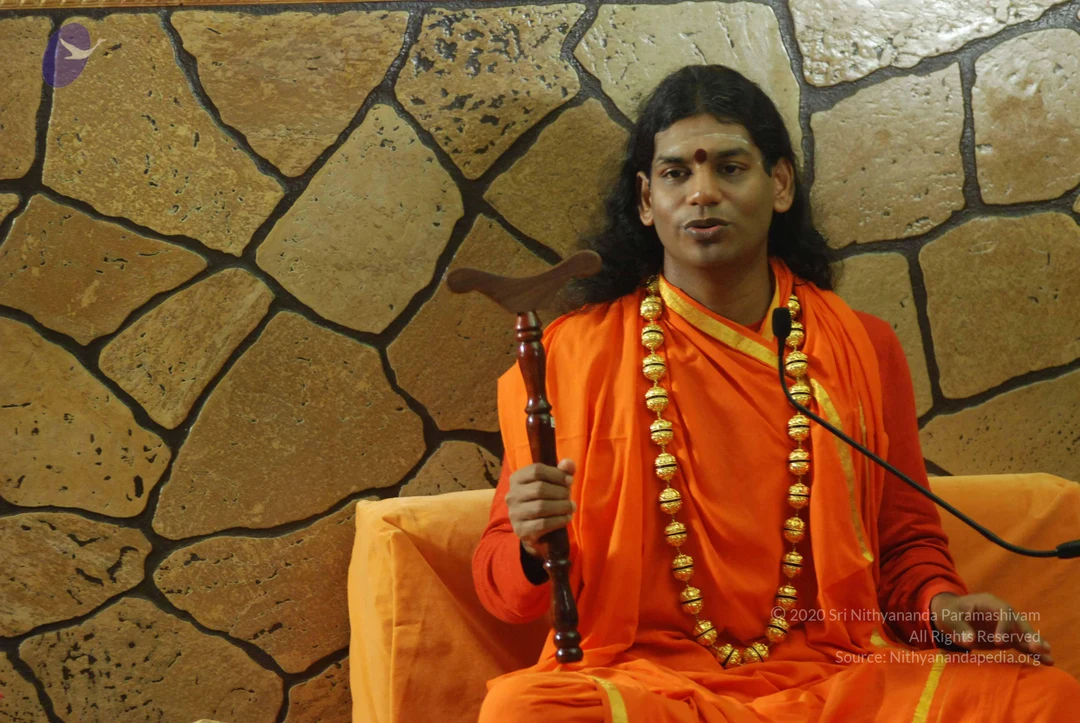
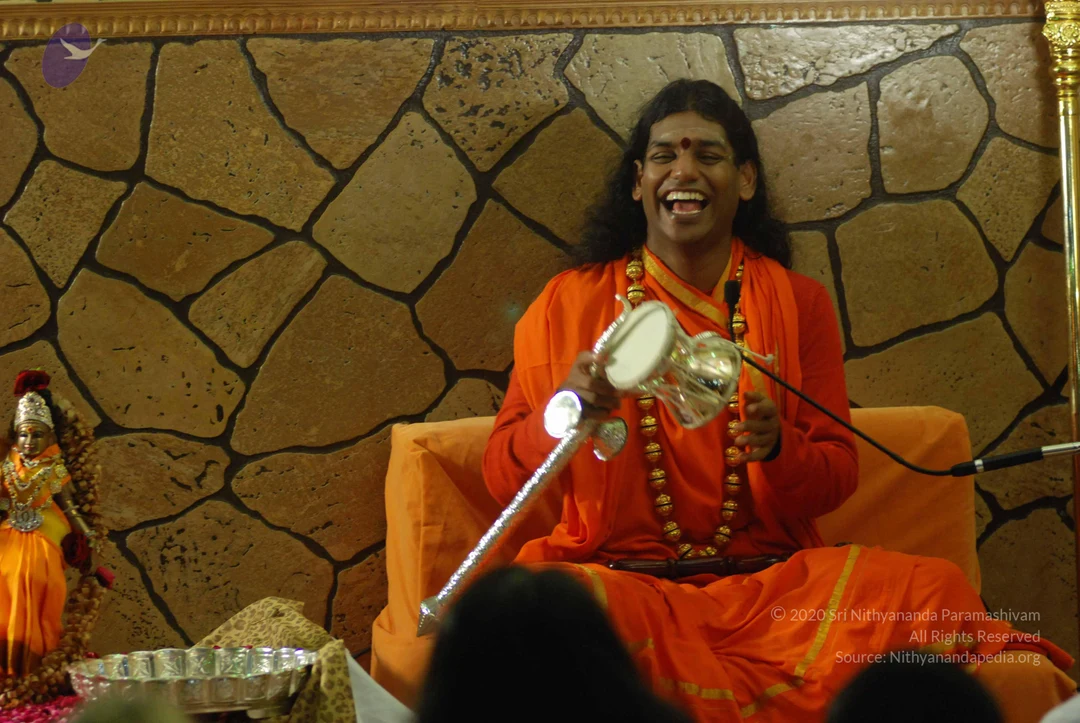
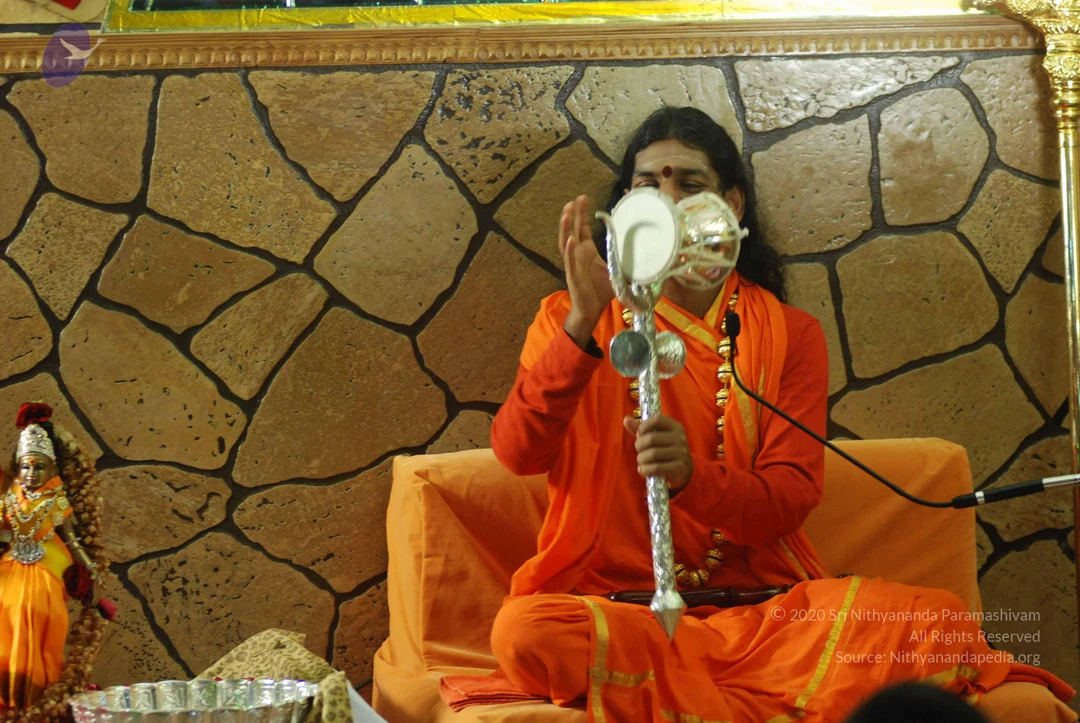
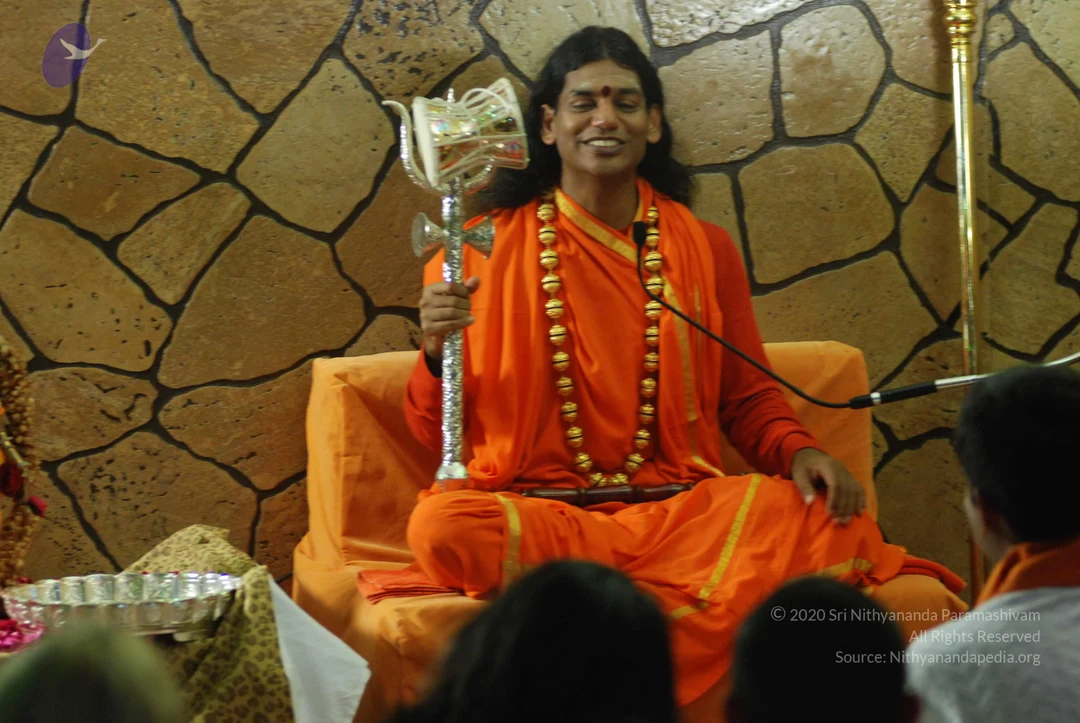
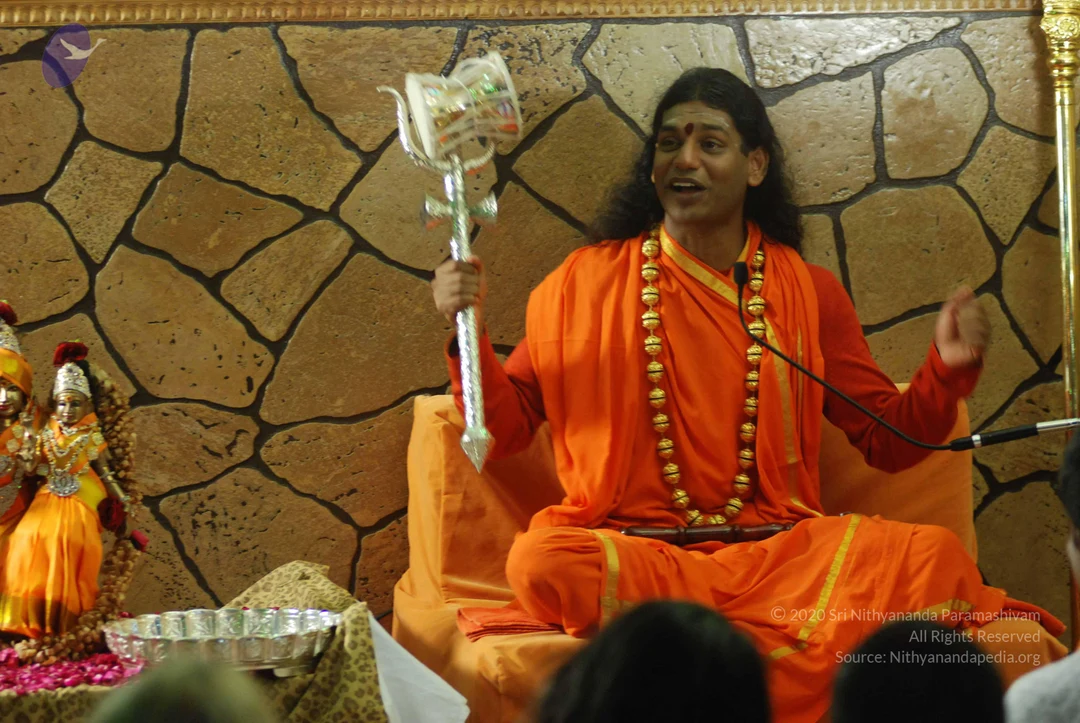
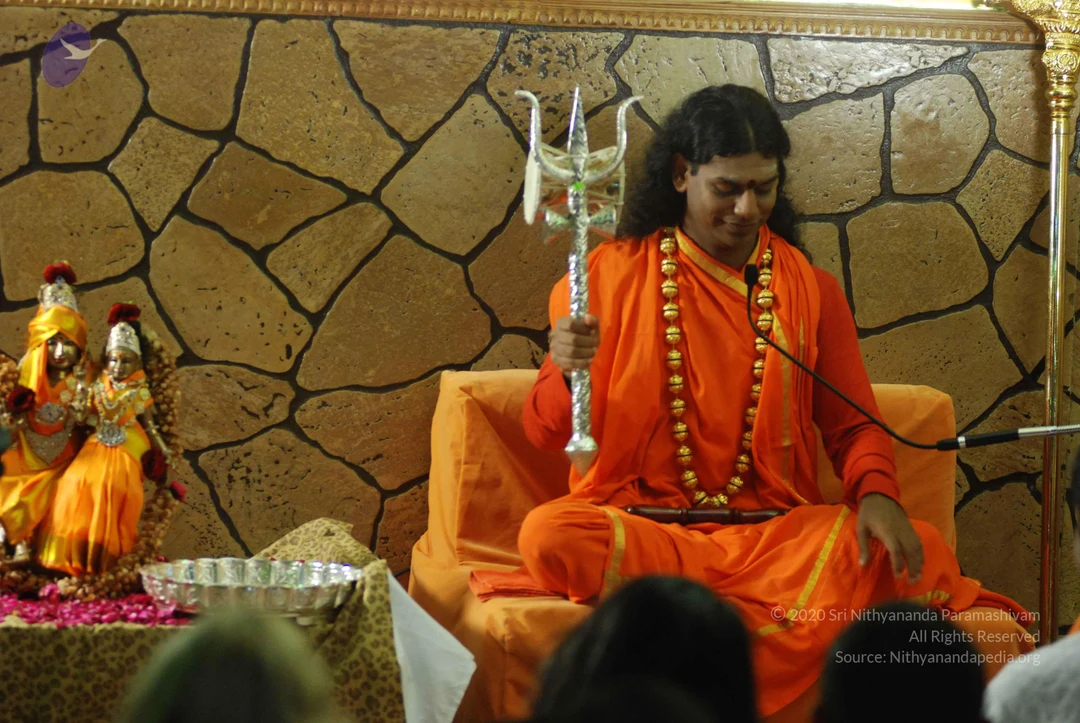
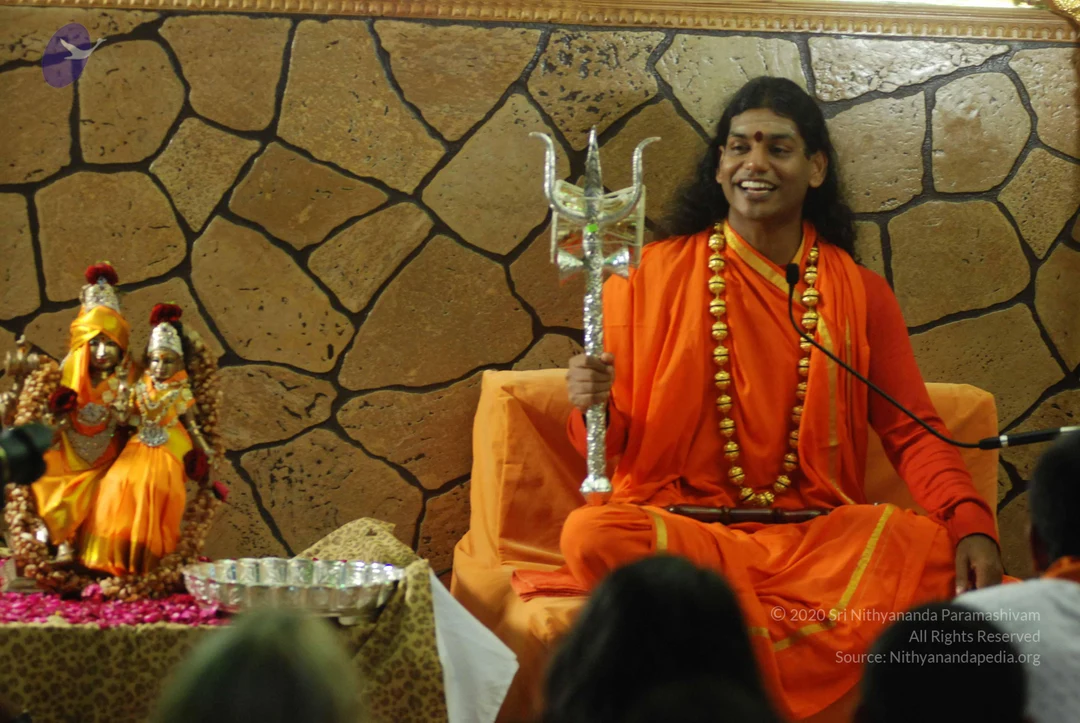
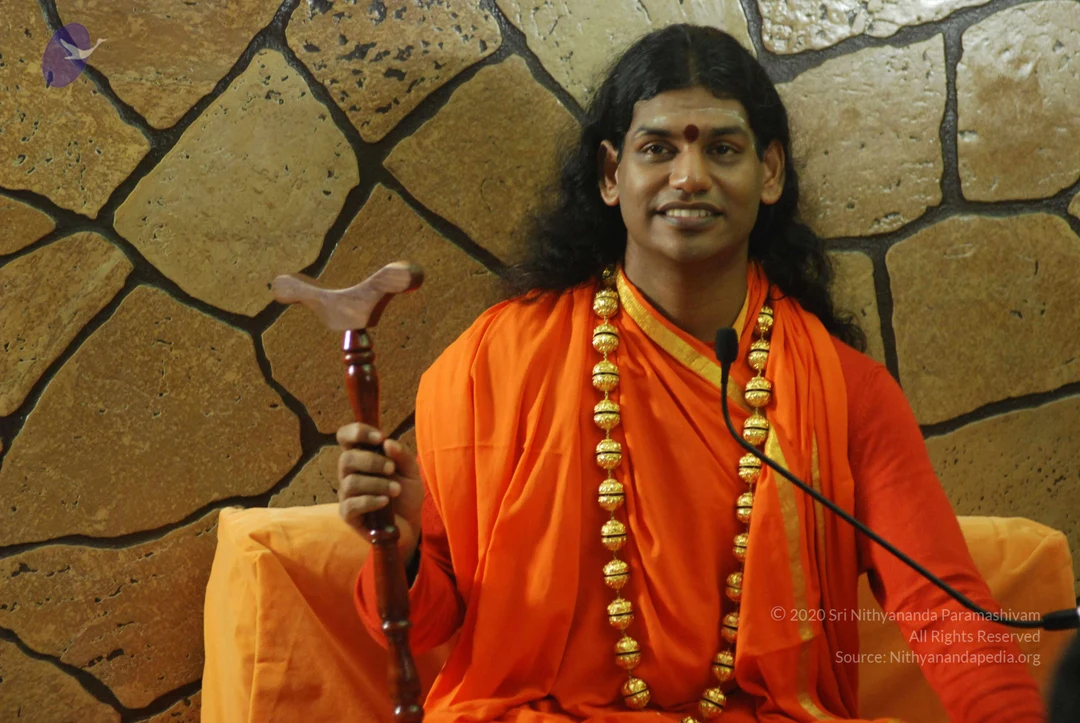
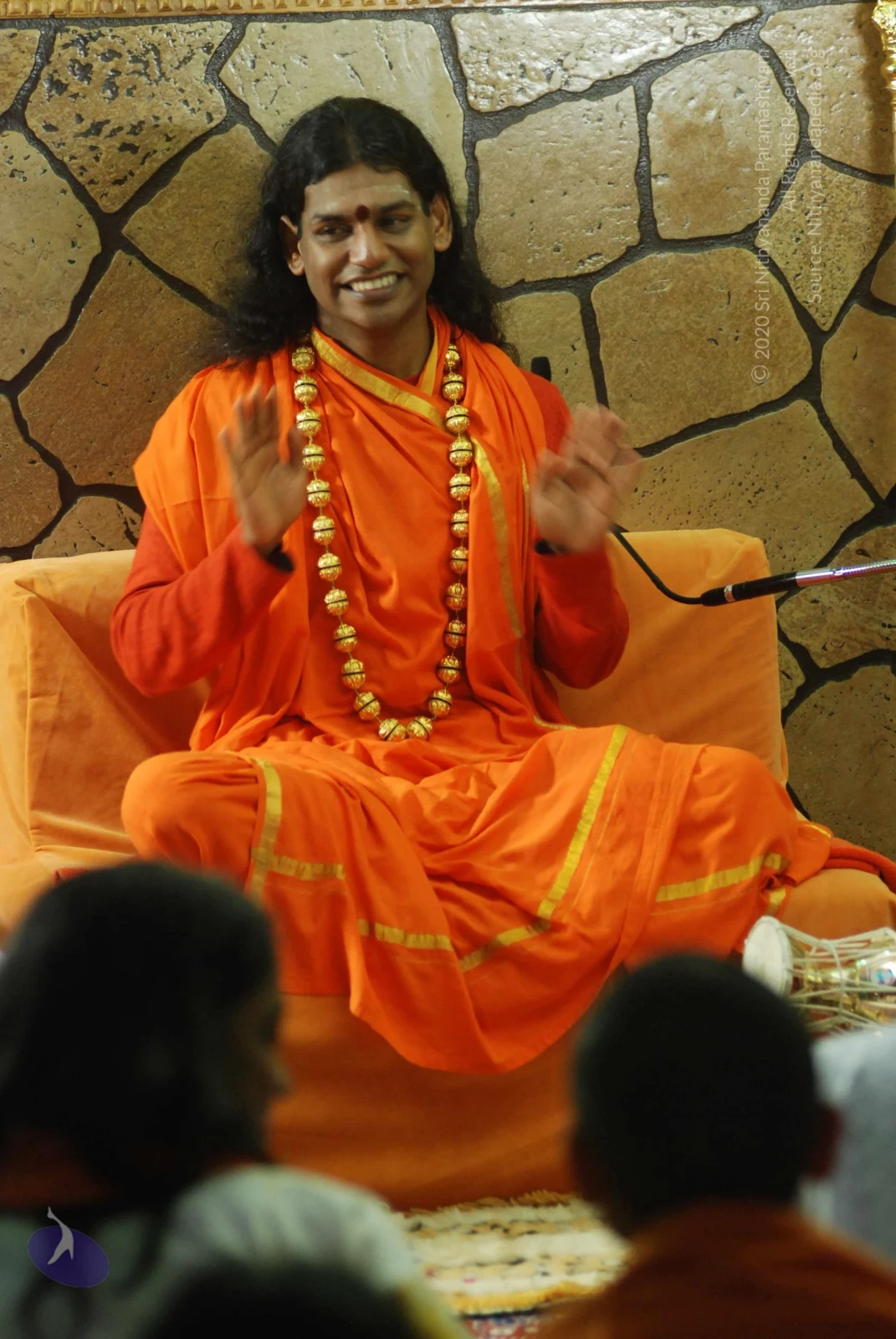
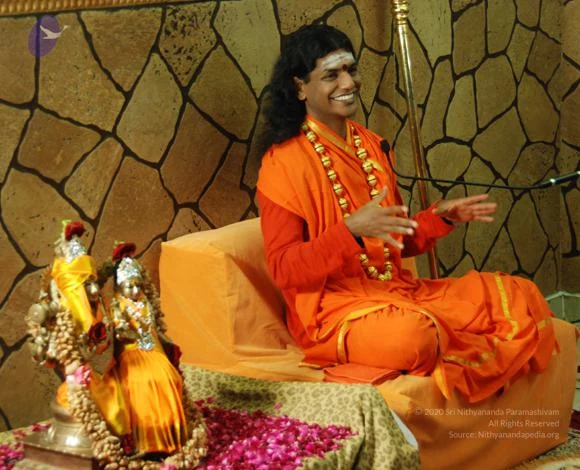
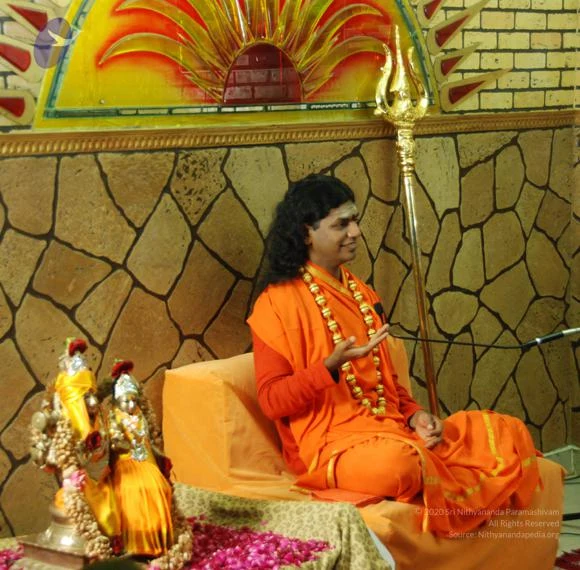
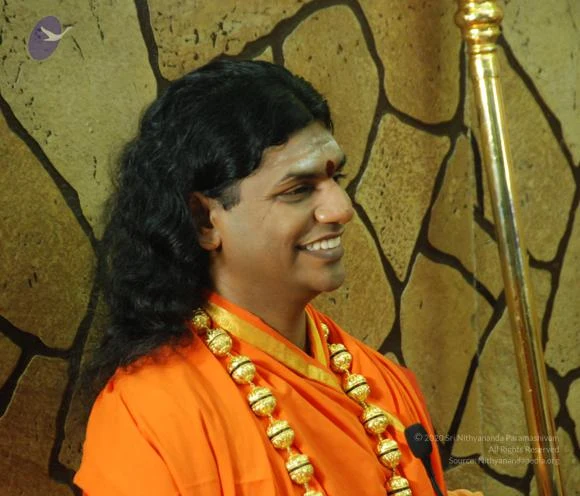
The Supreme Pontiff of Hinduism, Jagatguru Mahasannidhanam, His Divine Holiness, Bhagavan Nithyananda Paramashivam, on the first day of the Himalayan Yatra, expounded on the topic Himalayas-Everything Begins Here. The Supreme Pontiff of Hinduism shared that this land is an intense energy field where the greatest inner scientists and the greatest expression of the inner science happened. He explained that in the Himalayas the goal is not important, only the journey itself and that this land constantly reminds you that life is not under your control. His Divine Holiness shared that the Himalayas is a living hill responsible for the whole Enlightenment tradition and you are entering into God Itself. He invited all delegates to enjoy the journey and to live Himalayas.
Video and Audio
Himalayas - Everything Begins Here: Nithyananda
| Video | Audio |
Transcript
(0:05)
|| Sadāshiva samārambhām Shankarācāryā madhyamām | Asmat ācārya paryantām vande Guru Paramparām ||
(0.32)
I welcome you all with My love and respects. We are in the land where the great Science and the Scientists existed and continue to exist. The greatest Inner Scientists and the greatest expression of the Inner-Science both happened in this land. Even the hardest link in your mind can give way here. Even the hardest link can unclutch.
(1.49)
The whole Himalayas is an intense energy field. That is why, the entrance of the Himalayas is called Haridwar - ‘Entrance to God’. Haridwar means ‘Entrance to God’. So you are entering into God. Understand. Not the place where God resides, you are entering into God Itself. You can use the word Himself or whatever - God Itself. Headquarters of the spiritual traditions; Himalayas is responsible for the whole Enlightenment tradition because, thousand and one ways Himalayas teaches lessons.
(3:24)
It’s a living hill. Not only it continues to grow at least 5 mm per year it continues to change its landscape every hour. Even Our programs, please understand it’s a tentative program, the decision making authority is Himalayas; because it’s a living energy. Suddenly Ganga comes and creates a new path and Himalayas gives way and in the Winter the whole thing freezes. Slowly the Summer time, the huge ice rocks, slowly will start sliding. They will not slide just only ice, the rocks also will slide. In two days you will see Ganga will be completely blocked. The stream will be completely blocked. So what will happen? She is now very angry. It’ll get sto, water will get stored, stored, stored, like a dam. In 10-15 days when it breaks, She will not break only that area, She will be completely breaking and opening a new channel. So every stream is a living stream, every peak is a living peak. Every road is a living road, because it changes; it changes.
(5.00)
Of course always, whenever We came We were able to have darshan of all the four temples. We will have, darshan of all the four temples. Here every stone is deity, every drop water is Ganga, every person, walks with the idea of Enlightenment. You will not find a single man here who does not have that idea of Enlightenment, because every street you will see hundreds of sadhus. Naturally you ask, why are they become sadhus? Thousands striving, thousands achieve, many radiating in silence and in expression. So many wonderful amazing things only in Himalayas.
(6.16)
All kinds of sadhus, sanyasis, Enlightened Beings, mainly Guru Parampara. Here Guru Parampara is not persons; I can say, thick stream; just like Ganga. See when I use the word Guru Parampara, it’s comes like a one, two, three, four, five, like a water bubbles in the fish tank. But in Himalayas, Guru Parampara is not like water bubbles in the fish tank; it’s like a Ganges, just millions of living stream. Please understand. It’s not one guru, one disciple, disciple, disciple, disciple. No. Millions - gurus, disciples, disciples, disciples. It becomes so overlapping and merging; it is a intense Ganga, just like Ganga. See if I say, how many fish tanks, streams put together is Ganga; so that many Guru Paramparas put together is Himalaya’s Guru Parampara. You can’t even use ordinary word of Guru-Shishya Parampara; here this is a lifestyle. Here it is just a lifestyle.
(8.38)
Himalayas constantly reminds you, life is not under our control. Himalayas constantly reminds you, the flow of life and naturally when the altitude goes up, your mind goes up, because the number of thoughts comes down. Your nervous system...The gravitation comes down, the weight on your nervous system comes down; so less number of thoughts, more Consciousness. That is why living in the Himalayas itself is considered as a sadhana, or a big support to sadhana.
(9:40)
We have at least next twelve days. So I will be initiating all of you into a yatra kaavi. Means the, for the sake of the pilgrimage, taking the vows. So decide, next twelve days, the only goal - Enlightenment and experiencing Himalayas; living Himalayas. It does something; Himalayas, does really something. I don’t know how many millions of Enlightened Beings walked this land and blessed it, and left their body and energized it. So let’s have these five vows. Satya; constantly you will feel, talk and remember; remembrance, feeling, talking, acting, the one truth, the ultimate truth - I am God; I am divine. Understand?
(11:44)
Now I am initiating all of you into Satya. Satya means, not just talking the facts. That is not Satya. The ultimate Satya is - you are God. So feel, remember, talk, and behave; behave like a God. Live like God; graceful, compassionate, loving, fulfilling; behave like God. Whatever energy you have, with that behave like God.
(12.22)
Second, Aparigraha. Even though we made all best arrangements, in your personal things try to have minimum; living with as less as possible - Aparigraha. Try; of course don’t spoil your health. Because you are coming directly from society, you can’t handle a big shock, big change, but try. Try to have that smell of Aparigraha in every action you do; Aparigraha.
(12.58)
Third, Asteya. Of course, you may think I am not going...Asteya means in Sanskrit stealing, non-stealing. We are not going to steal. Of course you are not going to steal anybody’s property. You are not supposed to steal anything from Himalayas; no question of moving rocks, plucking leaves. No question of stealing things from Himalayas, disturbing it and no question of taking away the purity of Himalayas by leaving all the plastic bags and everything. So, don’t steal things or the purity from Himalayas. Non-stealing - Asteya - not only not taking other’s properties; not taking the properties of Himalayas; maintain, retaining, the sanctity of Himalayas, sacredness of Himalayas.
(13:57)
And Ahimsa and Brahmacharya - be nonviolent to yourself and to all the lives. Be nonviolent to yourself and to all the lives. Brahmacharya - not just physical celibacy, just constantly remembering and living like God; as I said in the first Satya itself. When Satya becomes lifestyle, it is Brahmacharya. So with these five Vratas, take the yatra kaavi. When We come back to uh Rishikesh, We’ll complete the Vrata. So for next twelve days, till We reach the plains back, We will live these Vratas intensely.
(15.27)
As I said, Guru Parampara is not a living stream here - living river, flood. How here water is available in all forms, in the form of water and ice everywhere; same way Gurus. People who radiate Enlightenment are like Ganges; people who are Enlightened, living Enlightenment are like a frozen ice - Mystics and Masters. Mystics are like frozen ice; still; enjoying the Himalayas. The Masters are like Ganges - flowing to the plains and serving the whole world. Either they are Mystics or Masters. Understand. Himalayas is filled with three things - sand, water and Masters.
(17.16)
It’s not just geography, it is personification of sentiments of billion people - the religion which has billion followers. All auspicious things in the world are born out of Himalayas; whether it is the greatest Inner-Science, Metaphysics, Architecture, the system of clothes, Language, Art, Dance, Poetry, Music; name it. All great things are born out of Himalayas; it’s not just the science of Enlightenment, everything; everything is born out of Himalayas. In Himalayas, goal is not important; the journey. So the goal is not that important but the journey itself. Enjoy the journey. Let’s live Himalayas.
(20.33)
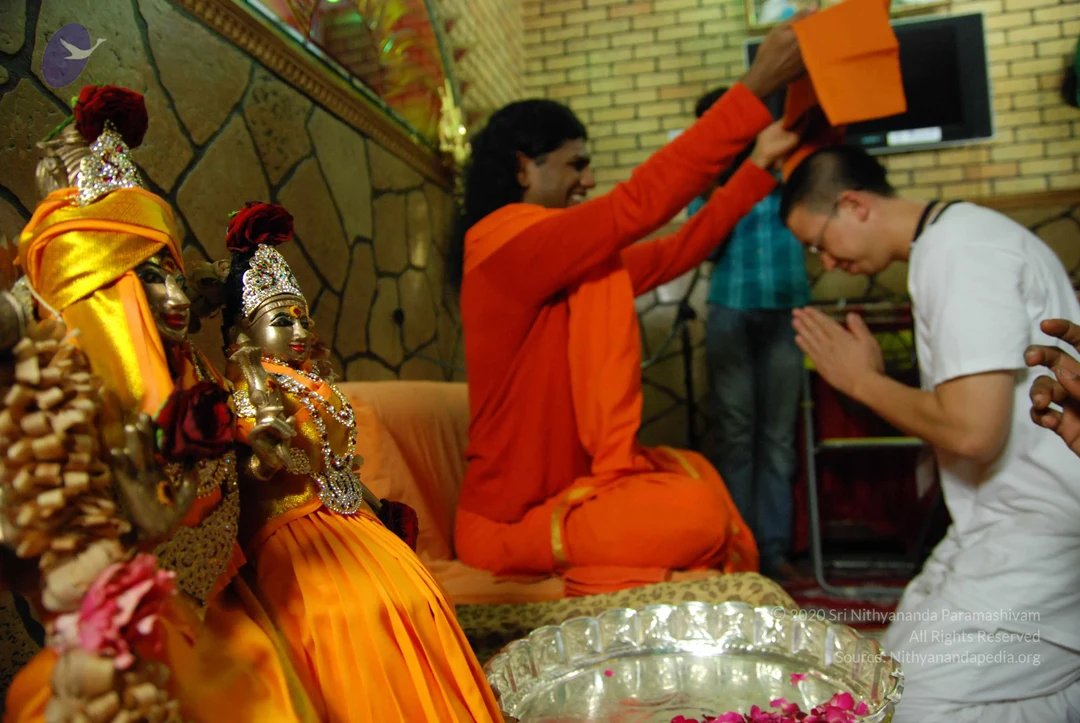
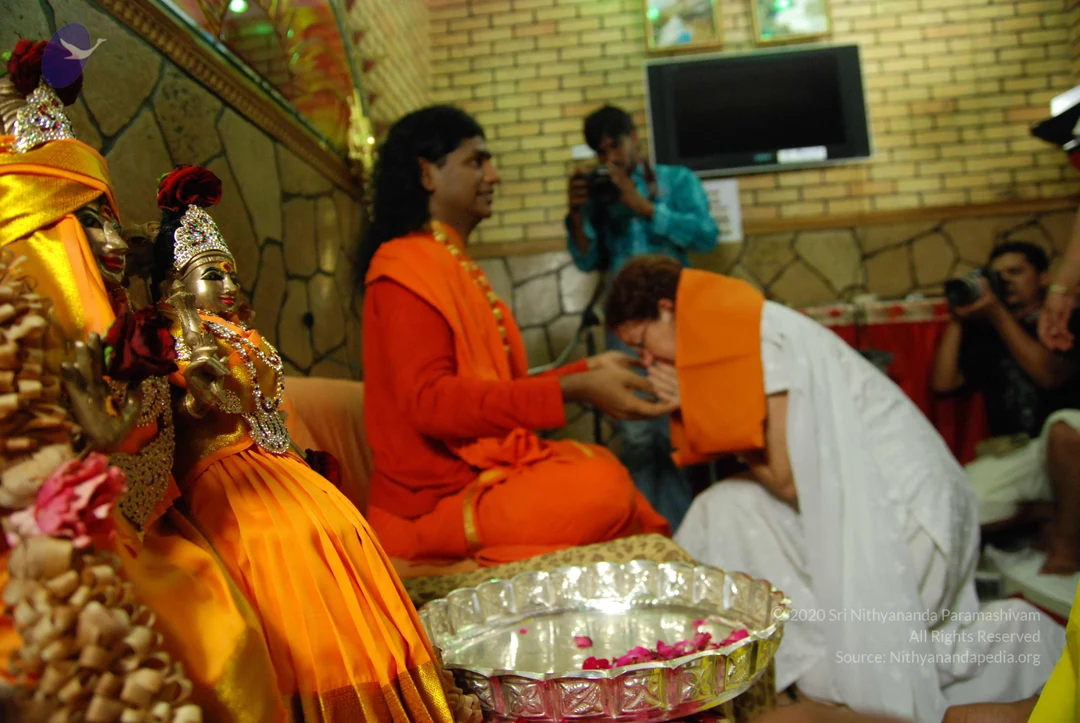
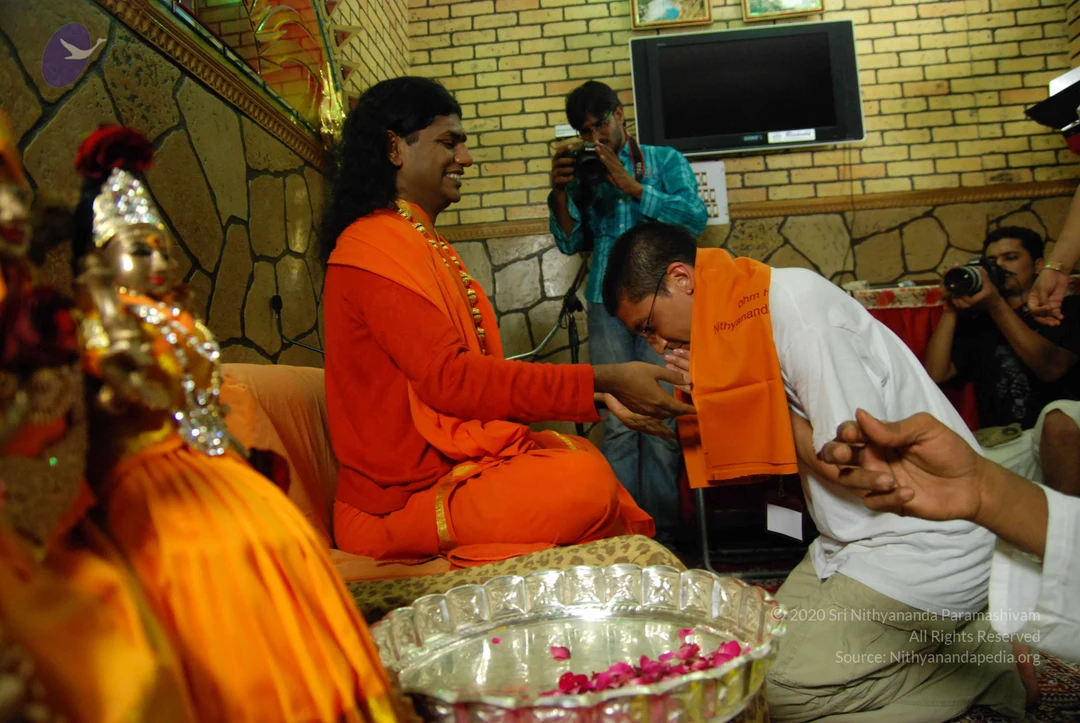
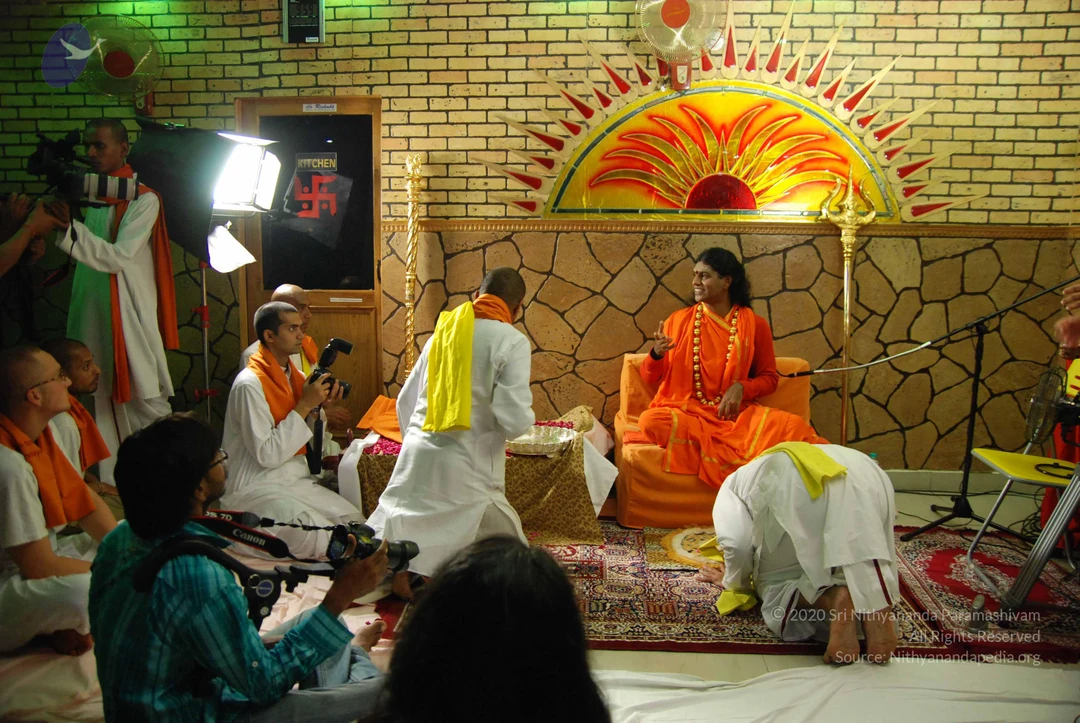
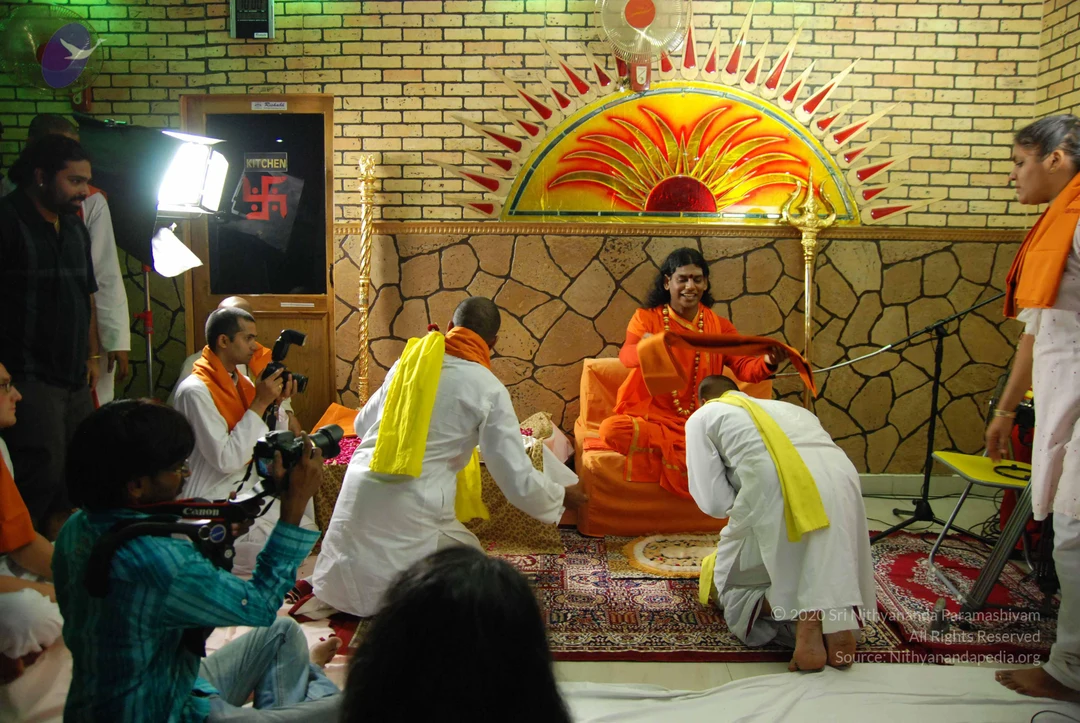
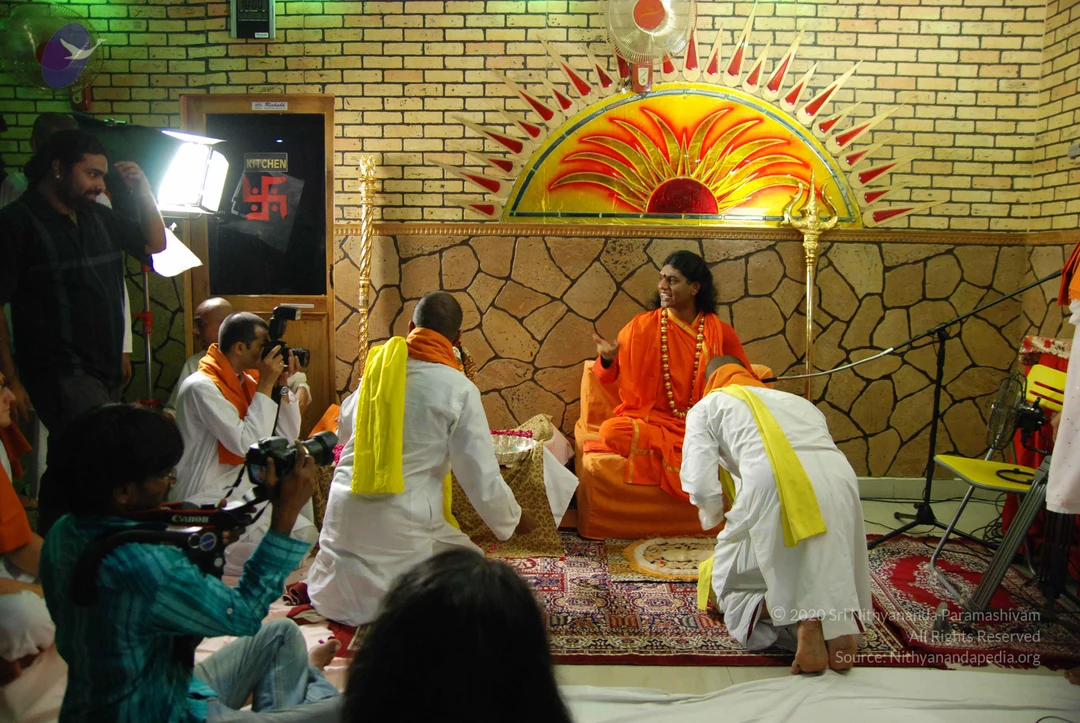
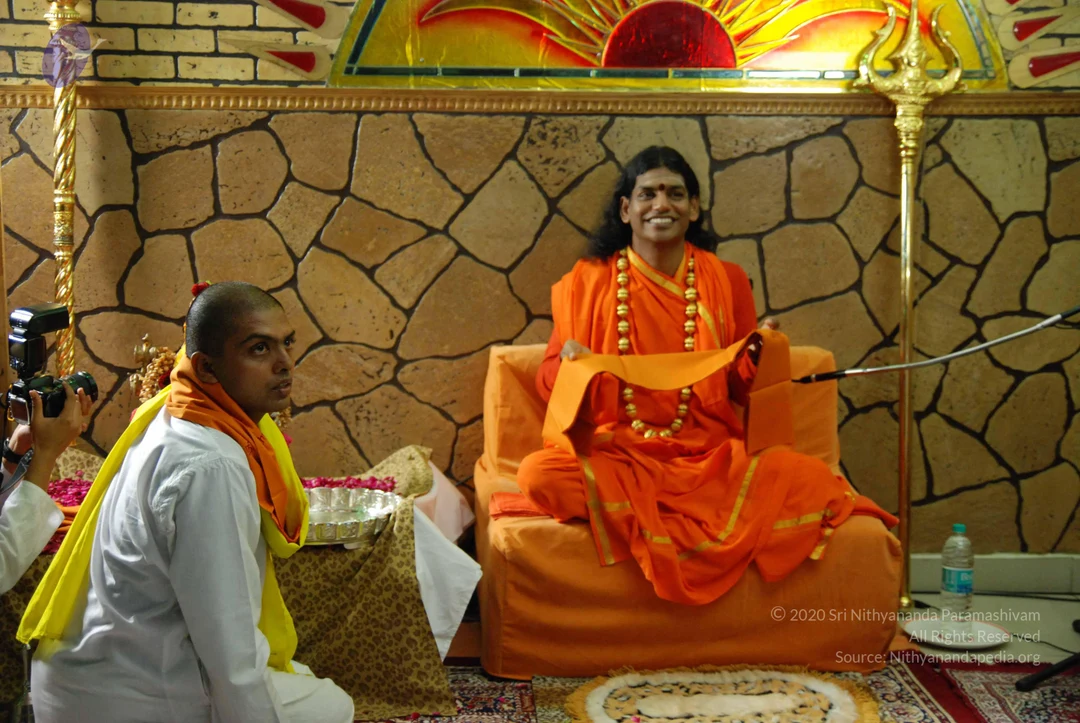
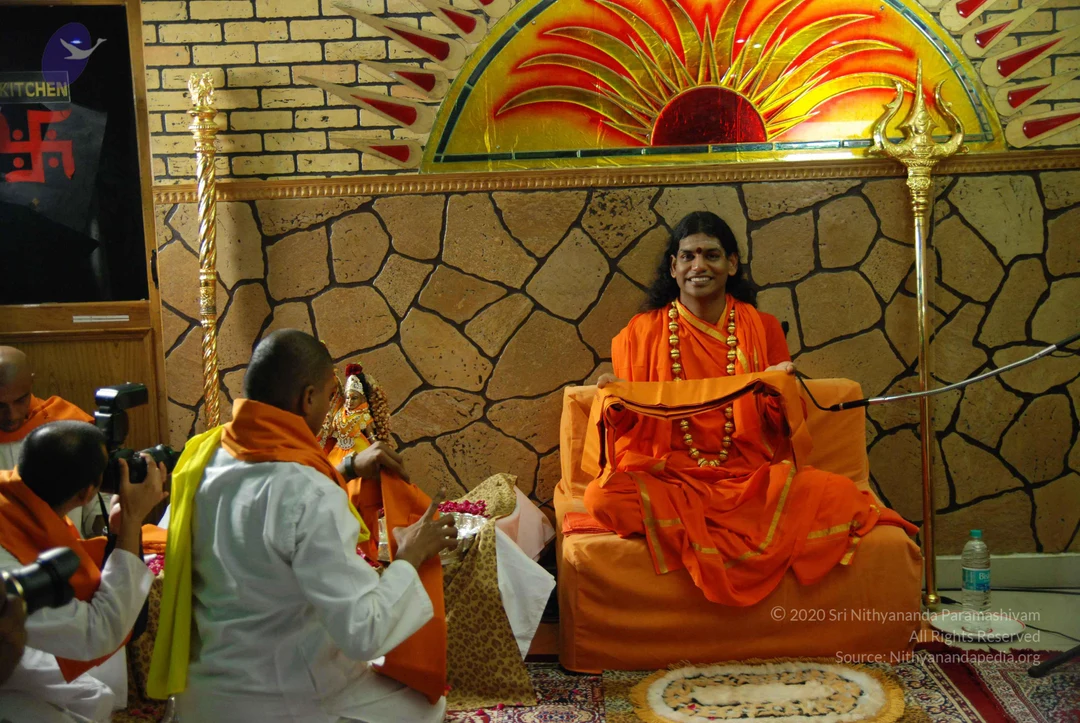
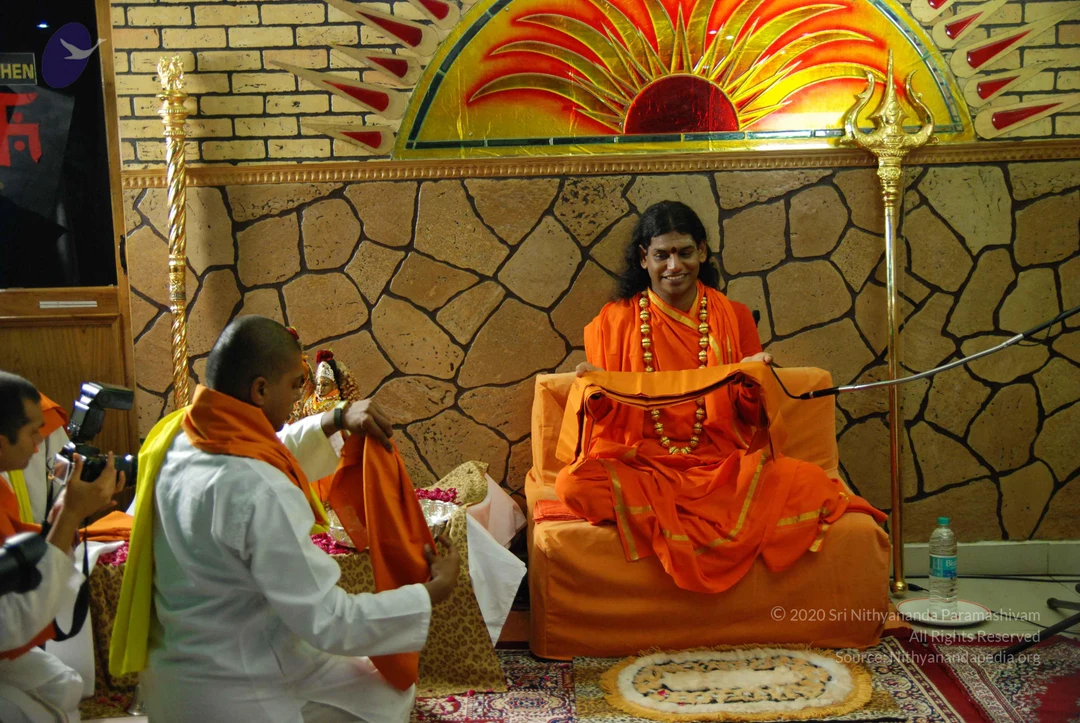
We’ll try to maintain the programs as much as possible. But there are some programs, one or two, we may have to change as per the nature - some landslide, road slide and all that. All of you can have yatra kaavi one-by-one, please come. So hereby officially we start our Himalaya yatra. We start the spiritual journey; the journey into the inner space.
(21.38)
Photos Of The Day:
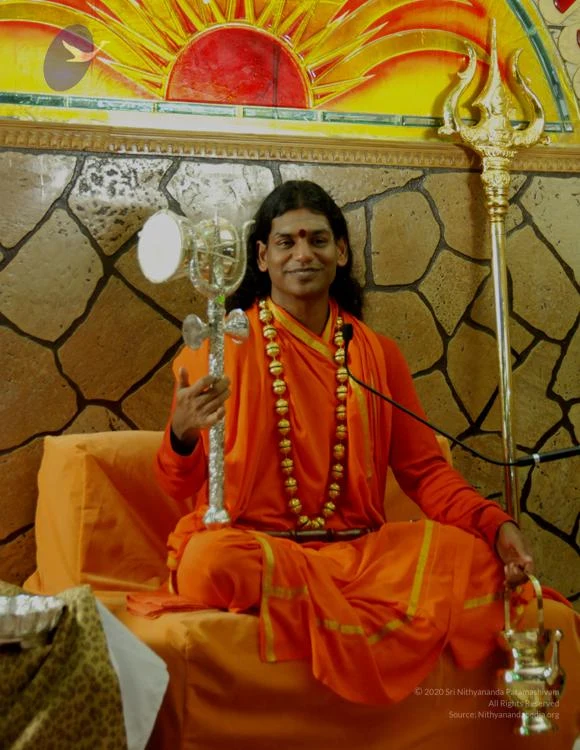
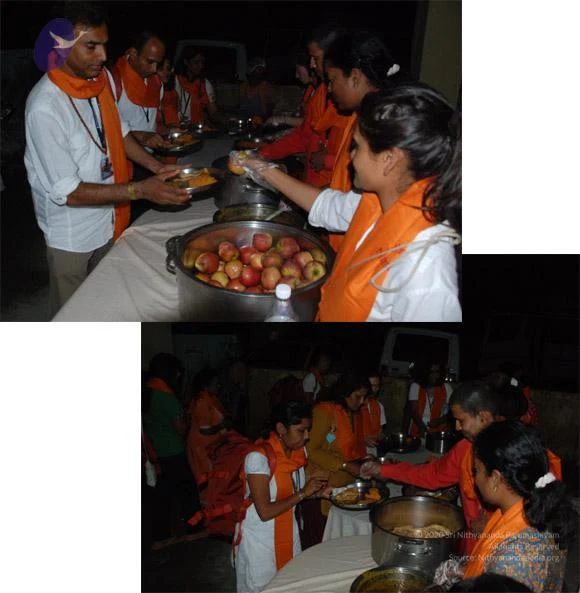
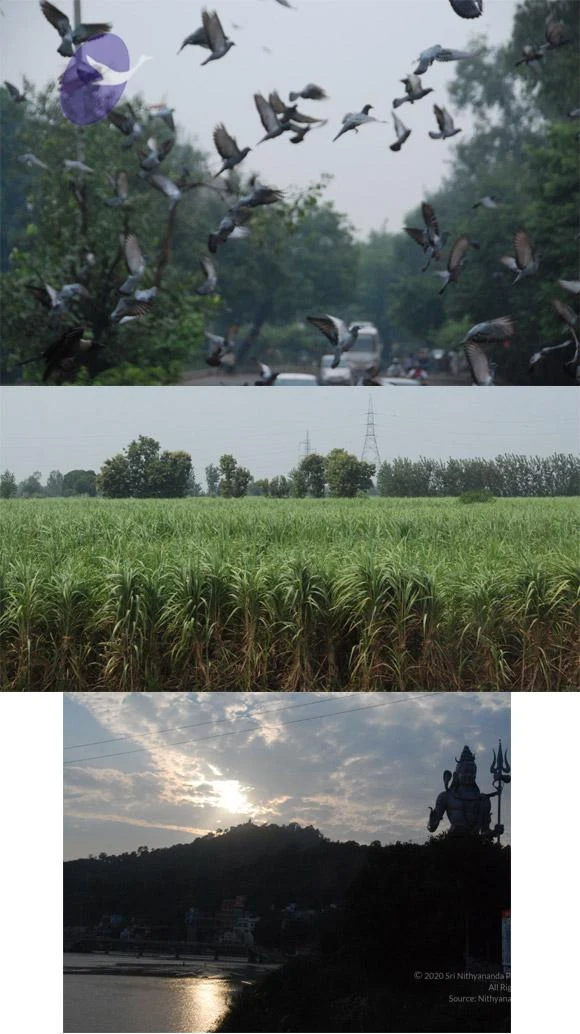
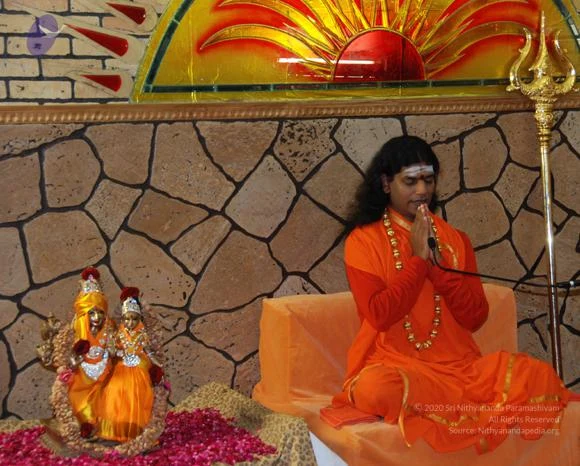
Himalaya-Yatra-Rishikesh
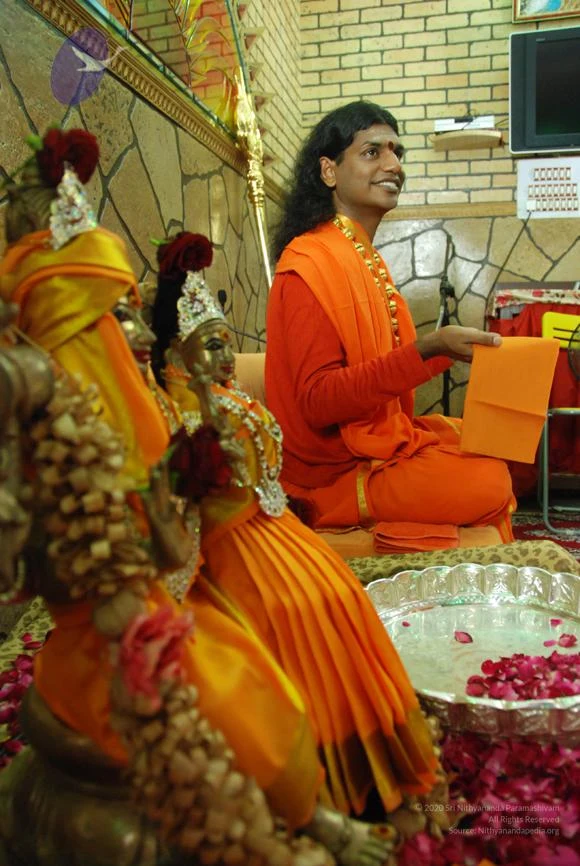
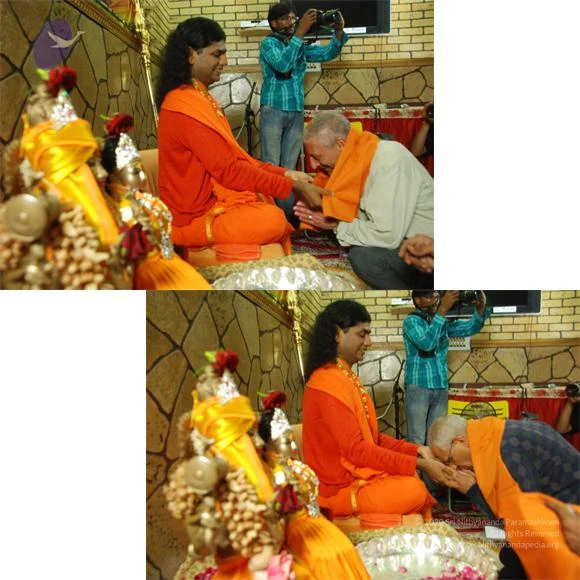
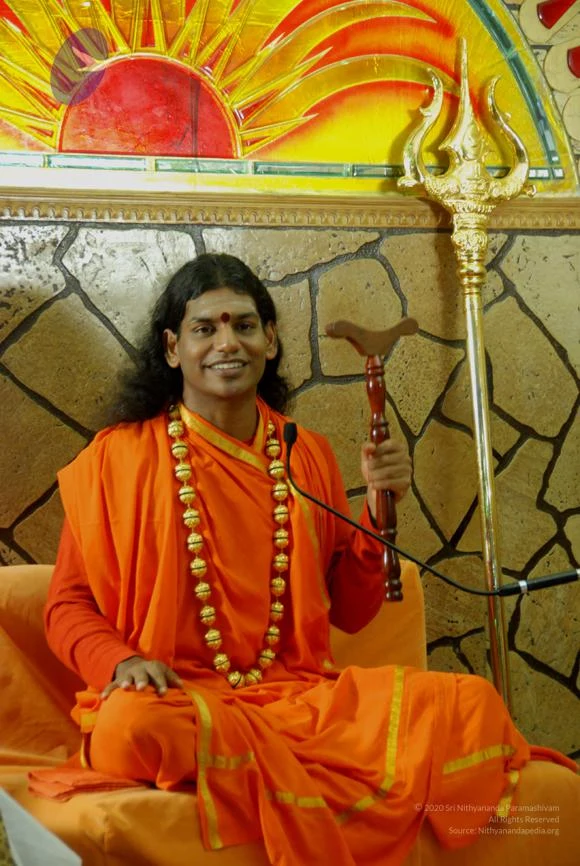

Photos Of The Day:
Paadapuja
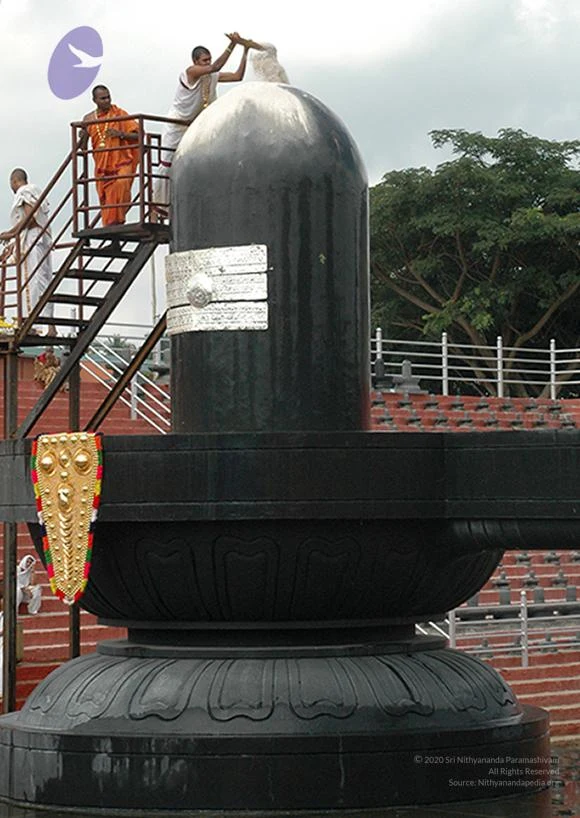
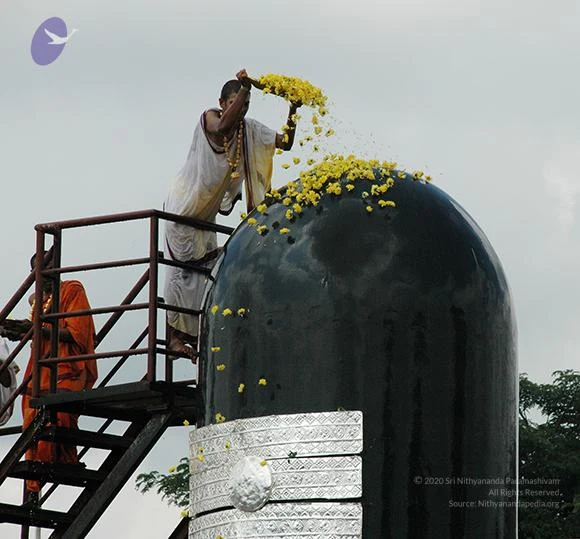
rudrabhishekam




Rishikesh-Himalaya-Yatra