Wednesday
1 September 2010
Conflict Free Living and Decision Making - Nithyananda Speaks
- Dated photos
- 194
- Source pages
- 1
- Media
- 6
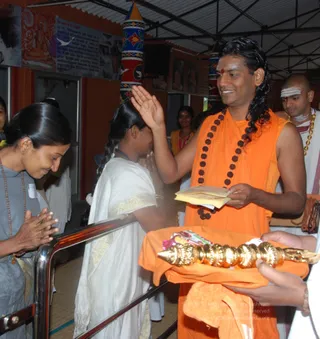
September 01 2010
Original wiki pageTitle
Conflict Free Living and Decision Making - Nithyananda Speaks
Description
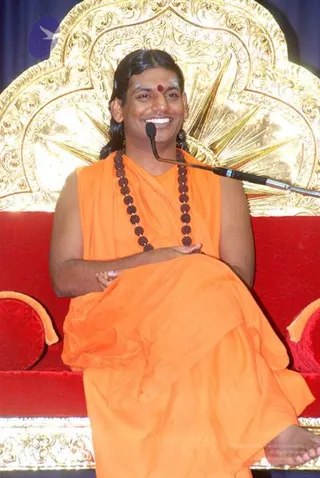
In this discourse, Paramahamsa Nithyananda speaks on conflict-free living and decision making. He elaborates on the concept of time - psychological and chronological and how they are directly related to decision making and conflict-free living. Paramahamsa Nithyananda describes mathematically the entire decision-making process based on time.
Video and Audio
Conflict Free Living and Decision Making - Nithyananda Speaks
| Video | Audio |
Transcript
(0:22)
|| Sadāshiva samārambhām Shankarācāryā madhyamām | Asmat ācārya paryantām vande Guru Paramparām ||
I welcome you all with My love and respects. Today’s subject, ‘Conflict free life - way of right decision making’. Again, the subject opens some of the deep important truths on decision making. What is right decision making? Seeing the past as past, future as future, present as present and deciding, is right decision making. Right decision making means, seeing the past as past, future as future, present as present without infusing the past into future or future into past.
(2:09)
Many time, what you want in the future, you start dreaming you had it in the past. We go on dreaming, we had a golden childhood. Every individual, again and again and again goes on dreaming. If he is in the old-age, he feels his middle-age was great, golden. If he is in the middle-age he feels his youth was great and golden. If he is young now, he thinks his childhood was gold and great, golden and great. Understand, this is one of the biggest illusion we have. Not only you project your past into future, you project your future into past.
(3:06)
Understand, there was never any golden childhood. If the childhood was golden, out of that whatever comes out...You see, out of your childhood, youth came, out of your youth, middle-age came, out of your middle age, old-age came. So if your childhood was golden, then youth would have been golden, or diamond. If your youth was golden, then your middle-age should have been diamond, or platinum at least. If your middle-age was golden, then at least your old-age should be platinum.
(3:48)
Understand, not only we project our future, sorry our past into future, we go on imagining our past was what we want in the future. We miss this important truth. We projecting our future into the past - we always feel, ask anybody they’ll say, “Oh my childhood was great, golden childhood”. No! You had all fears, all insecurity, all greed, all troubles; actually it all started there only. It all originated there only. So right decision making means, seeing the past as it happened; seeing the future as it is without projecting your past into the future and deciding in the present. One important thing, many time you don’t decide in the present. You just execute what you decided in the past. You don’t wake up for the great changes happened, the different situations.
(5:18)
One actress goes to the court, judge asks, “What’s your age?” “Twenty-seven”. “Last year also you said the same thing” She says, “No I don’t change my words”. Many time, you don’t change your mind. You forget you are in a different situation. You need to decide being in the present, not go on executing the decision you made in the past. Yesterday, if you have observed, they put My seat in the campfire, exactly in the place where the smoke will go on My face. I asked that Brahmachari, “Arey you saw how the wind is blowing, then why did you put here? You could have put the other side.” He said, “No Swamiji last time we put here only.” During last Inner Awakening the wind was blowing in a different way! And he says he went and consulted a senior Brahmachari and did a thorough research, where My seat should be put and put My seat. What to do? He doesn’t change his words, and he doesn’t change his mind.
(6:59)
We forget, that you need to be in the present to make decisions. Do not be a worker executing your past decisions. Be a leader deciding every moment. All your suffering is because you are not deciding. You are a slave executing the decisions made in your past, some time by mistake. Some time you make some decision by mistake, you sit and think pros and cons, make one decision, over. After that you forget that you have a component in you which has capacity to decide; and go on executing that past decision. By the time you are executing 50% the whole situation is different. But you are not sensitive for the present. You are just executing, executing, executing.
(8:18)
So the right decision making means these two thing - not projecting what you want in the future as, as you had it in the past. This is one of the biggest illusion we all have. “How do you want your relationship to be?” “Mmcha how it was, three years before.” Look! Three years before also, you had enough suffering. Unfortunately you forget. Because you forgot does not mean it was not there. So, seeing the past as past, seeing the future as future, making decisions from the present is what I call, ‘Right Decision-making’.
(9:28)
I’ll expand little more on these truths of time - Kala, so that you will be able to understand this truth of ‘Right Decision-making’ - the psychological time and chronological time. Chronological time means, that clock clicking. That is chronological time. Psychological time means, your mind moving. Your mind moving to and fro or back and forth, whatever way it moves. Gap between one thought and the other thought is one unit of time, in psychological field. In the field of inner space (psychology), the gap between one thought and the other thought, is one unit of time (kshana).
(11:01)
In the physical field, all of you know, there is so many definition of one second. One unit of time, there are so many definitions in the physical field - that you all know I don’t need to define. But in the psychological field, gap between one thought and the other thought is one unit of time. When there is more gap - means less number of thoughts - when there is more gap, each unit of time, will be more clear, more available, more spacious so all your five senses can perceive it.
(11:57)
Please understand, if the psychological one unit of time is four times more than physical one unit of time; your senses will be purified; because your senses will have sensitivity to perceive. If your psychological time unit is five times more, than the physical unit of time, you will enter into the Divine Space - means the extraordinary smell, extraordinary taste, extraordinary hearing, extraordinary touch will start happening. Understand, till...This equation you need to understand, the physical unit, one time, one unit time and psychological one unit time. If the psychological unit is at least four unit of physical uh physical unit - means like a four second is gap between one thought and the other thought - means your body will get the sensitivity to sense things peacefully. Till then, any decision you make, you directly go to hell, no round-about way.
(13:51)
Please understand. Basic need of a human being is four unit of physical time as one unit of psychological time. This is the basic need of a human being. Only then you are a human being. Only then you have a right to handle your brain. This is owner’s manual for brain. If you have not learnt how to make four unit of physical time as one unit of psychological time, you are sitting and driving a vehicle which has no brake. This should be the basic lesson taught to all the beings which has an independent, intelligent brain.
(14:49)
When a child is able to think independently, the first lesson he need to learn is, how to make four unit of physical time, into one unit of his psychological time. Then, simply he knows how to run his life, how to run his life. When you are able to make five unit of physical time (physical unit) into one psychological unit (time); means five second gap between one thought and the other thought; then you will start experiencing the Divine, I can say that intense smell -what you go through in the Energy Darshan - the intense sound, the intense touch, the intense taste in the tongue, all this starts happening.
(16:09)
Another one important truth is, if your psychological unit is less than physical unit, one second; your time is not solid experience. It is as kind of a air, just disappears, disappears, disappears. That is what is called Pralaya - Black Hole - everything being sucked into it and nothing is delivered. That is what is Black Hole. Please understand. If your psychological time is less than one second, the thought between, the gap between one thought and the other thought is less than one second, that thought acts as a Black Hole in you. That is what is death in you continuously. Continuously it sucks everything for no reason, destroys everything for no reason, the ageing gets quickened. Any decision you make, you directly go to hell.
(17:41)
And, when more unit of physical time become psychological unit; your future becomes very solid, solid - which you can perceive, use. I can say, if your psychological time unit (the gap between one thought and the other thought (kshana), is more than four second, the future - which is a solid material - will be given to you; out of which you can make as you want. It’s like a wax, hand over to you. You have freedom to do what you want with it. That is the material out of which your dream and waking state is made.
(18:46)
Now, whatever you perceive - the persons who are next sitting next to you, the person who is sitting opposite to you, the place in which you are sitting, or in imagination the places you are able to remember - all that as are made out of wax, which is called time, which is called time. If you have a deep insecurity of melting this wax; you will hold on, hold on, hold on; even if this wax is torturing you, even if the structure you created is binding you. But if you do not have the fear, to melt this wax building you created, wax world you created out of you; you are called Kalabhairava. Bhairava means, ‘Bhaya Tramyate Iti Bhairavaha’ - who can flirt with fear is Bhairava. Understand, that’s a exact translation - who can just flirt with fear. Means, if the fear happens, “Come on sit, let’s have little fun.” You can very comfortably, very beautifully spend time with fear. Bhairava - who can just have the Ramya, very romantic space with Bhairav with Bhaya.
(20:58)
Person whose psychological unit of time (kshana), is more than four second; not only will have freedom to carve, create his future, he will have healed emotion. Means, he will just have a deep, complete centering on emotion. He can play it as he wants. He can put it on something or somebody and take it out immediately within a second. Living without getting attached, renouncing without having hangover - the complete conflict free inner space. So, work on seeing your past as past, future as future, present as present. Any decision you make in the present, will be the present to you by the Presence.
(22:27)
Let you all live and radiate Enlightenment, live and radiate the Eternal Bliss, Nithyananda. Thank You. (22:35)
Title
Leave Your Pain Alone Stare Death in the Face PYS 59 Nithyananda on Patanjali Yoga Sutra
Video and Audio
Leave Your Pain Alone Stare Death in the Face PYS 59 Nithyananda on Patanjali Yoga Sutra
| Video | Audio |
Transcript
|| Sadashiva samarambham, Shankaracharya madhyamam asmad acharya paryantam vande Guru paramparam ||
I welcome you all with My love and respects. In today's Sutra Patanjali explains, the great truth about our deep craving for suffering. Please understand, constantly we crave for sufferings. So many reasons, one: when suffering happens to you, you get lot of attention from others. Many kids fall sick just to get mother's attention. Otherwise mother is too busy. By and by your unconsciousness learns the habit, if you fall sick you will have attention. The next step is, not only to get others attention, even to get your own attention you fall sick. You think if you don't fall sick you are not attending yourself, you are too busy, and society demands you to attend too many things.
(02:13)
Body and mind says, "No, fall sick, that is the best thing." Falling sick is almost kind of a holding, so that you will give attention to yourself. And unfortunately by and by mind learns this technique and permanently falls sick; makes yourself handicapped. That is what is some inferiority complex about your body structure. Some inferiority complex about your mental structure. Some inferiority about you- whether you are beautiful or not! Some inferiority about which you don't have, can never have! This idea of some inferiority which you don't, can never have become such a strong sickness. You go on giving attention to you just because of this one reason. Suffering gives you a kind of a heaviness, shape, identity, feeling of existence, boundary.
(03:39)
Joy always gives you the boundary-less feeling. You can see, people who are levitating, the first thing I see in them is the joy in their face. Extraordinary joy and the laughter. Just yesterday, one devotee from Bangalore came and told Me, "Swamiji, I saw that three-minute video and tried and broke my back." I said don't try. She was trying to jump, it's not that she is heavy, she is medium weight only; but try to jump it seems and nothing worked and the more she tried and she only fell and broke the back. Means joy permeates your backbone, permeates your bio-memory. You become first psychologically light and physically light. As I was telling this is the science, under the every hair pore there is a airbag, which can hold the subtlest form of Prana; which is Samana. When the airbags get filled like a balloon body starts floating.
(05:02)
The first thing will happen when the airbag gets filled is joy. Even when you work out physically, if you bring joyful memories that airbag will get filled. Never have violent memories, violent thoughts when you work out. When you move your body and put weight on your body, start working out; don't have violent thoughts. Let it be more romantic and pleasant. Have photographs of the people or memory of the people who create romance and pleasant feeling in you, not violent, aggressive. If you have that pleasantness, romance, the Samana will get filled. The unconscious hanging, unconscious craving for pain is one of the worst engram with which humanity is suffering.
(06:39)
Somehow the hypocrisy based society always has a deep craving for pain. See, Krishna was worshipped in all Enlightenment based parts of Indian society. Indian society has two major parts, the Enlightenment based part and hypocrisy based part. That's what they call morality. The social morality, you see. Understand, the social understanding of morality is just hypocrisy, it's not morality. It's like a weapon used to pull somebody when you don't have any other weapon, any other way. Like this says society, civilization that part of India worships Krishna. But for Enlightenment you cannot feel attracted to Krishna. And this hypocrisy...hypocrisy based civilization; they go on worshipping suffering.
(08:35)
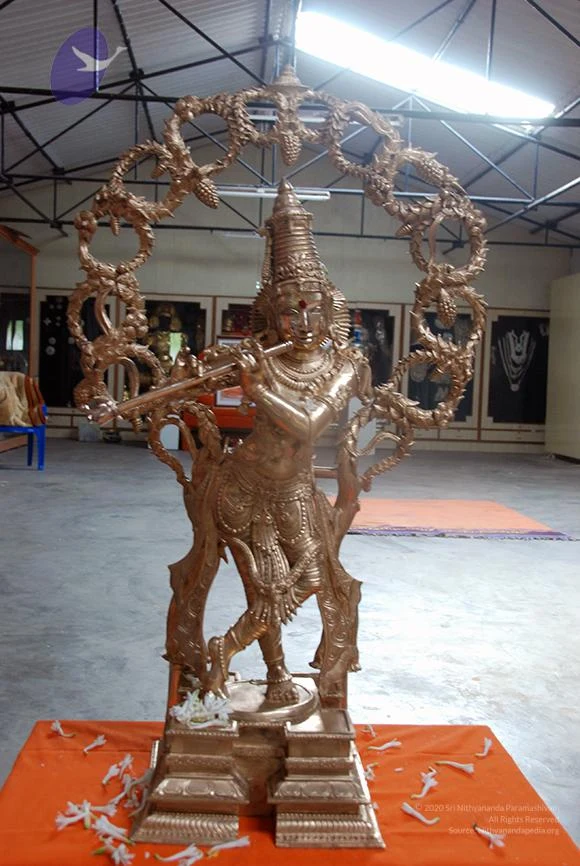
The Krishna's Consciousness, such a extraordinary joy. I wanted you to know some of the details. Krishna lived with gopikas only till the age of 11, 11 years only. Afterwards He was out, but always Krishna is portrayed with gopikas. As if He spent His whole life with gopikas. Because He is symbol of joy. Same way, He lost and ran away from one war and got killed by a hunter. Can you- I think many of you may not even know this story. Krishna was murdered, He was killed by a hunter, with poison arrow. You would have never even heard this story. You will never see a photograph or a statue of Krishna being killed. Because He is representation of joy and you will always see Krishna victoriously standing and giving Vishwaroopa Darshan to Arjuna or winning the Mahabharata war.
(10:04)
You do not know, 17-time He was defeated by Jarasandha. 17-time, Jarasandha came back as Gajini Muhammad and destroyed Dwarka and Somnath. Jarasandha and Krishna ran away from the war field. Ranki chhod Rai, they call in Gujarat, Ranki chhod Rai; ran away from the warfield. But nowhere it will be represented because He is embodiment of joy. Even running away was such a romantic experience for Him. No where the pain is painted. Because the pain was never painted in His inner space it was- it could never be painted in His biography, in His history. Unless something gets painted in your inner space it can never be painted in your history.
(11:14)
If something is painted in your history, how much you try to change, it will be painted in the biography. In your inner space anything is painted will come out in biography; in history. Because the incidence shows. Krishna lived only till the age of 11 with gopikas. And you will be surprised, the love affair between Radha and Krishna was only one and half years. Really, only totally one and half years of love affair only is recorded. The romance was only one and half years. Before they were kids and they did not have chance to spend time together. They spend time together only one and half years. But if you see, they are shown as a eternally together. Anywhere you see Radha will be there. Where Krishna is there Radha will be there. Whether it is a temple or painting or statue or anything. But one funny thing, Sita was away from Rama only six months, only six months.
(12:37)
But always the Ramayana is painted, portrayed as if they suffered a long separation. Chronologically, it is just six-months. 13 and half years they had a such a funny, romantic life in forest. Really, 14 years of forest life, 13 and half years they had a very grateful- great, sorry, very graceful and great romantic life. 13 and half years because they were living with seven Rishis. Only the seven of them know Rama is Incarnation. Nobody else knows He is an Incarnation. So He was taken care by seven people who knows He is an Incarnation. He had a great fun, only six months chronologically they were separate. But the six month series shown as three Kanada: Aranya Kanda, Sundara Kanda, Yuddha Kanda. Three cantors for six months.
(13:52)
Here, it's only one and half years of romance and it is shown as a whole life. So the idea they represent. Krishna represents the joy and ability to shed all the sufferings. I tell you, joy is the only way where the way to wither away your Will. Will, your Will can never wither away by pain. With more pain your Will will become more stronger on you. With joy it will just wither away. It will just be an ecstasy. I tell you My whole wandering was such an ecstasy, Will got withered away. There was no Will. It was such a joy, the Will got withered away. There was no Will, that is why the Parivrajaka was possible, Parivrajaka was possible. Parivrajaka happened because of the joy, the Will got withered away.
(15:45)
Patanjali gives us an understanding about pain. And how to go beyond pain, so that the Will can wither away. See understand, this is the highest clarity. Will withering away, your will withering away. Like a leaf falling from the tree Will just falling from your body.
Let's enter into the Sutra: duḥkha-anuśayī dveṣaḥ. I will give you the translation of Swami Vivekananda: aversion is that which dwells on pain. Swami Dvivedi translates as: that which dwells on pain is aversion- aversion. Purohit translates as: aversion is recalling from pain. Satchitananda translates as: averse...aversion is that, which follows the identification with pain...painful experiences. Every Sutra I read of Patanjali, I understand His extraordinary genius, intelligence.
(17:43)
As I said, each Sutra is one skyscraper of Indian internal infrastructure. If I am given the chance I will name at least one Indian city in the name of Patanjali, who contributed so much. Patanjali, Swatmarama, Gorakhnatha, Matsyendranatha all of them should be honored. At least some cities should be named after them. Matsyendranatha and Gorakhnatha are the predecessors of Swatmarama, on whose Sutras everyday we are working. Patanjali, the Hatha Yoga Sutras, every day morning process we are doing is...is Sutra. Today what we did, the four type of process: the Kumbhaka, antar, bahir and Sankalpa. That is from Swatmarama, the basic principle. The Sutra says duḥkha-anuśayī dveṣaḥ, duḥkha-anuśayī dveṣaḥ.
(19:20)
The word anuśayī is translated by Shearer as clinging, Taimni as repulsion. That is the power of that word. Understand, anuśayī is translated by one translate- clinging, the other translator as recoiling. But both makes meaning, that is the fun of- that is the beauty of Sanskrit. Whether you cling or recoil, I can translate that word anuśayī as responding. It's like a, when you have the staring fight, stare don't blink. The moment you blink your...you lost. Same way when you face pain, don't blink, don't respond. Responding is anuśayī. This is a very critical word in this Sutra. Duḥkha is dwelling upon pain or clinging to pain, or recoiling from pain. That center word anuśayī is translated as clinging or recoiling. But both will make meaning.
(21:01)
If you respond you are caught. When it comes to the question of pain don't respond. Whenever people bring their problems to Me, if it is out of pain, I just postpone. Nothing else is needed, just postpone. It will become alright. But the ego is such it will say, "No, even if you postpone it is not going to go now." Then I tell them, “suffer.” What to do? Do not try to find solution when suffering is there. Don't blink, don't respond. Any response you give when suffering is there will be a weapon; you lost. Understand, you would have created some strong intellectual ideas to get you out of suffering. But when the pain is actually present in your inner-space, don't use them. Don't use those weapons, because even if you use the pain won't go. You will lose confidence over the power of the weapon. And what has actually happened you know you lost the weapon also, that's all. Not only the pain won't go, you lost the weapon also.
(22:37)
The only way you need- only thing you need to do during the pain is don't blink. What can be done, it is there. Don't try to solve, don't try to cling, don't try to recoil. Recoiling or holding both are going to create trouble, both are going to create trouble. Many time I see, how for no reason people suffer. Just for no reason people suffer. Say, oh God what an unconscious foolish mind, which attracts so much suffering for no reason, just no reason. Very funny mental setup.
Another one worst thing is, all your effort to recoil will hold. Holding will create more. The word, "anusayi" is a powerful word. I can say the exact meaning of the word anuśayī is shadow. Shadow is neither holding not recoiling. The science of shadow is if you go on in your life that will follow you. If you try to catch you will never be able to catch.
(24:44)
If you carry with your life, pain will be your slave. If you try to hold or respond, correct, alter; try to bury your shadow. Nothing can be done. Surya, Sun God has two wives. Wife means feminine energy, his expression. One, Usha- is light, radiance. Another one Chhaya, the shadow. Two are His wives, his energies. The Usha has a positive existence. Chhaya has only negative existence.
Understand all of you need to know the Yama Dharma and Shani, both of them are Chhaya's daugh...uh kids. Lord of death, Yama Dharma and Shanishwara, lord of suffering; both of them are Chayya's sons. It means what they do not have positive existence. They are like shadow. Death and suffering has no existence, it’s a shadow. All you need is don't blink, that's all. Don't respond, whatever response you make, you are in trouble.
(27:19)
Shani and Yama, both concepts if you don't blink they will become auspicious to you. The moment you blink, over! Anuśayī, response to your pain, hatred or aversion is response to your pain. Any response it can be. The moment you respond it is hatred. Whether you want it or don't want it. Any response you do for pain is going to be hatred. See if you want pain then it is hatred, suffering. If you don't want, again this hatred, suffering. So you are in a big soup. So not responding is the best way to handle pain, to handle suffering. There is one more beautiful Sutra, continuity of this sutra. If you understand that also, then we will be able to have the process done.
(28:55)
svarasa vāhī viduṣaḥ apitathā rūḍha abhiniveśaḥ ||
Vivekananda translates as abiding in its own nature due to the past experience of death and established even in the learned is the clinging to life. Fear of death is a spontaneous feeling deeply rooted in us all, no matter how learned we may be. This is the translation of Shira. Prabhavananda translates as the desire to cling to life is inherent, both in the ignorant and in the learned. This is because the mind retains impression of death experience from many previous Incarnations. The strong desire for life is seen even in the learned and ever sustained by its own force is attachment, Dvivedi says. Satchidananda translates as clinging to life, following by its own potency due to past experience; exist even in the vice. As I said, Patanjali tries to explain the suffering and death in these two Sutras, two sons of shadow - Surya's wives...Surya's wife.
(30:39)
For suffering, Shani, He gives from one Sutra. For Yama, He gives one Sutra. The next Sutra is on Yama. If you understand both, the solution is there. He says in the next Sutra: because your mind records your past death experiences and the pain happens during those death experiences; clinging to life; which I was talking yesterday - the attachment, the constant search for security happens in you. What is the way then? At least once if you go through the death consciously, means without creating pain engram in you. Suddenly you will see you are released not only from death fear, the continuous insecurity and necessity for security, attachment. That whole engram will disappear, the whole thing will be destroyed.
(31:56)
When He says even in the learned the fear continues to exist. I know one Swami, who has mastered Katho Upanishad, means the science of death. 35 years he has studied but I really feel sympathy towards him, when I remember him now. He has not experienced death. One NSP will do so much good for him, but his ego will not allow him. I Myself learned Katho Upanishad from him, one NSP can just make whatever he learnt as a science...as an experience for him. Because it has not become experience, the moment I remember this Sloka, even learned, has cling...clinging to a life, attachment life; I remember him only. Shankara says in Bhaja Govindam, very beautifully,"Nahi nahi rakshati dukrumkarane," means the learning, knowledge, grammar will not protect you when Yama comes.
(33:12)
Bhaja Govindam, Bhaja Govindam Govindam Bhaja Moodamathe Sampraapte sannihite kaale Nahi nahi rakshati dukrumkarane
Technical information cannot solve your problem, when the real problem happens. Especially the important big problems like death, marriage! You might have read manuals, hundreds of books. Might have even got hundreds of people married. Might have maybe conducting courses for happy relationship, like Dale Carnegie. But when you face- Nahi nahi rakshati dukrumkarane. Nahi nahi rakshati dukrumkarane. Very beautiful line, the grammar and the technical information you get will not protect you. It’s truth, technical information is only to inspire you into experience. By itself, stand alone it will not protect you. It's like a reading menu card in the hotel is not going to satisfy your hunger. Only ordering and eating is going to satisfy your hunger.
(35:15)
So the technical information won't satisfy. Now the technical information is these three Sutra: Attachment, idea about attachment, idea about hatred, idea about the death. This is technical information. You need to go through this as an experience at least once. Means, you should stare at pain when it happens to you; without responding or trying to solve. Stare, don't blink. If you blink you lost the game. Second, go through the death Consciously at least once. It's like a, there is a big rope with which branches, the small ropes are taken and many cows are tied. Due to some reason that main rope got burnt. But these foolish cows do not know this rope is already burnt. Because even after burning that looks like a rope. If they just move their body they can run away. But these guys don't understand that rope is burnt, it is no more a rope, it cannot bind them anymore.
(37:11)
But if you move their body they will understand, they will escape. Same way when you go into the death Consciously, all the rope that binds you will be burnt. Then you will see your simple moment will liberate you. Key of this whole Sutra, solution for this whole thing is not responding. That is what is the key, anuśayī. When Shani happens to you or Yama happens to you don't blink, just stare. Don't respond, just be. That is what is anuśayī. So I bless you all. Let you all experience, live and radiate Enlightenment. Let you all live and radiate the Eternal Bliss. Nithyananda. Thank you. (38:57)
Title
Art of Levitation Unleashed by Nithyananda
Description
This video "Art of Levitation" is the second video in the series of levitation videos. In the recently started Living Enlightenment Process, delegates are witnessing deep meditative states and mighty yogic powers like levitation in the presence of Paramahamsa Nithyananda. In this second video on levitation, Paramahamsa Nithyananda describes briefly on the transfer of bio-memory to the delegates, many of whom have not had any kind of levitation experience. Also, Paramahamsa Nithyananda says, "Levitation is just a by-product of the Samana process". Samana process is a yogic process (kriya) which helps to distribute air throughout the body. More than 50 delegates (out of 150) have experienced physical levitation as a side-effect of the Samana balancing process. And more than 50% of the delegates have experienced psychological levitation and meditative expansion states.
In the next video, Paramahamsa Nithyananda describes vividly what exactly is the secret science of Levitation. Please sign up at www.dhyanapeetam.org/signup-levitation-video.aspx to get exclusive "first rights" to view the video, which is going to be released soon.
At an early age, Paramahamsa Nithyananda learned levitation from his yoga guru, who had many such powers, including breaking metal chains by breathing, cracking rocks with sound and calling snakes at will.
Paramahamsa Nithyananda has gone on to teach millions of people around the world the science of meditation, produce hundreds of books and become the most popular spiritual teacher on YouTube.com.
Video and Audio
Art of Levitation Unleashed by Nithyananda
| Video | Audio |
Photos
Panchatapas
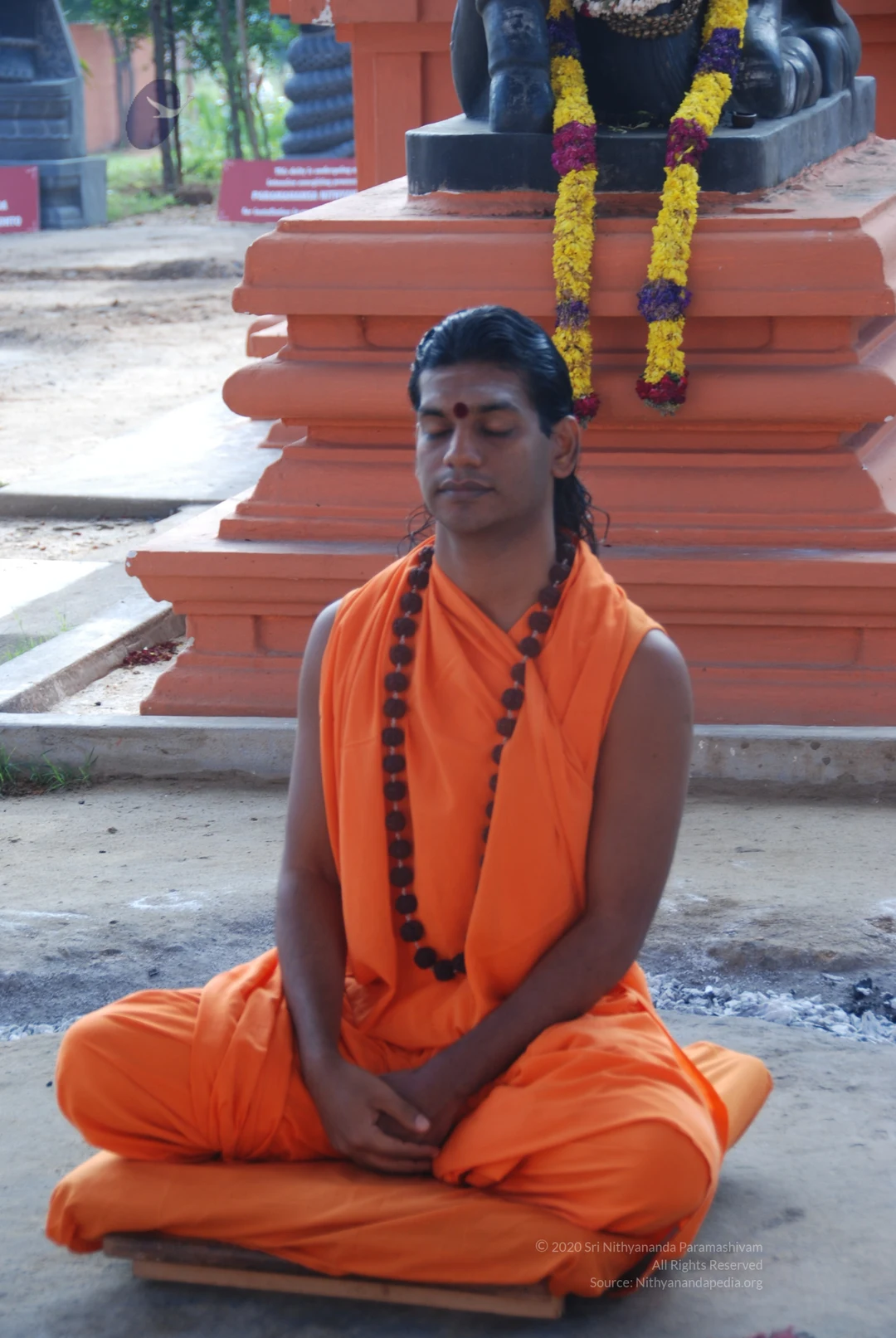
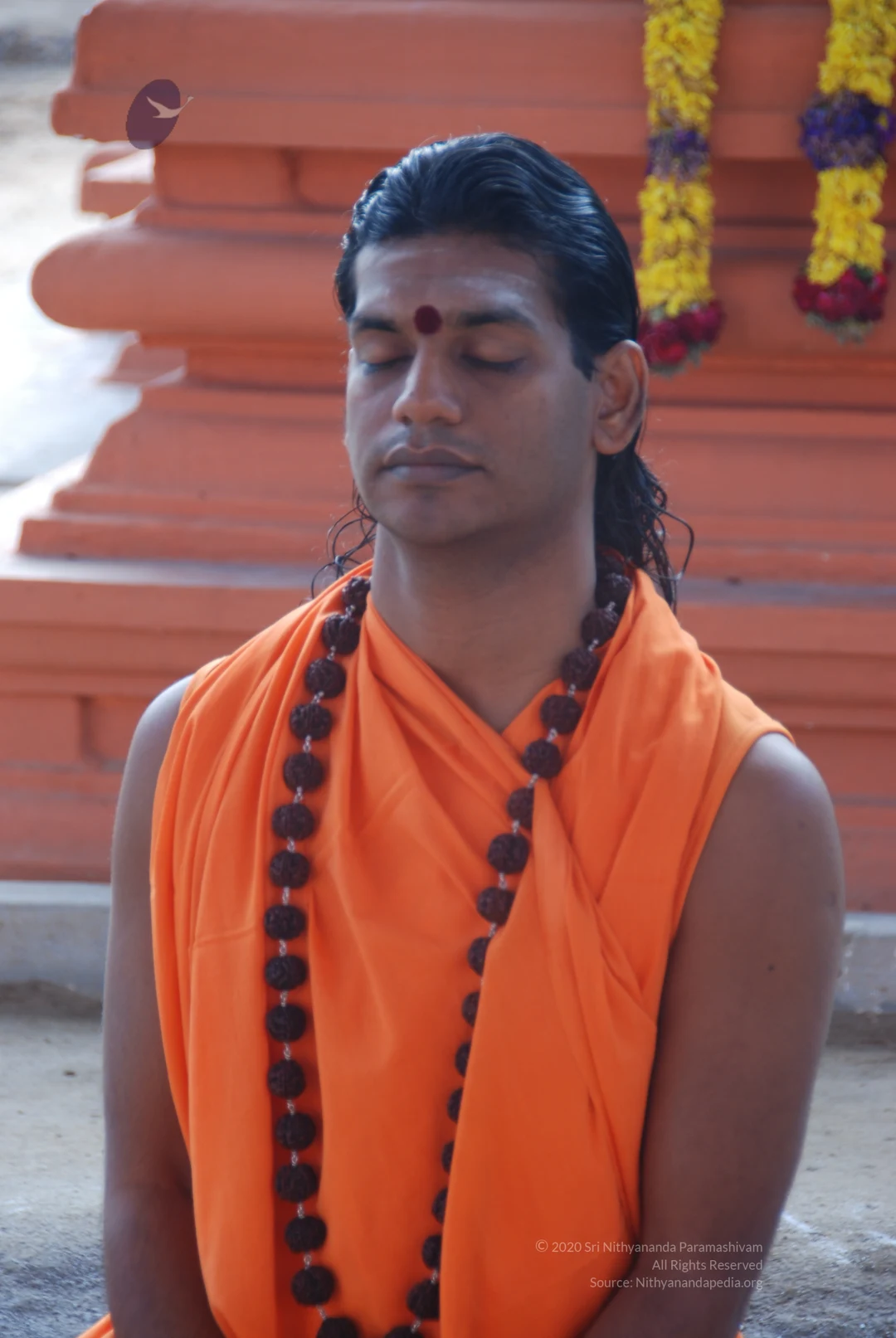
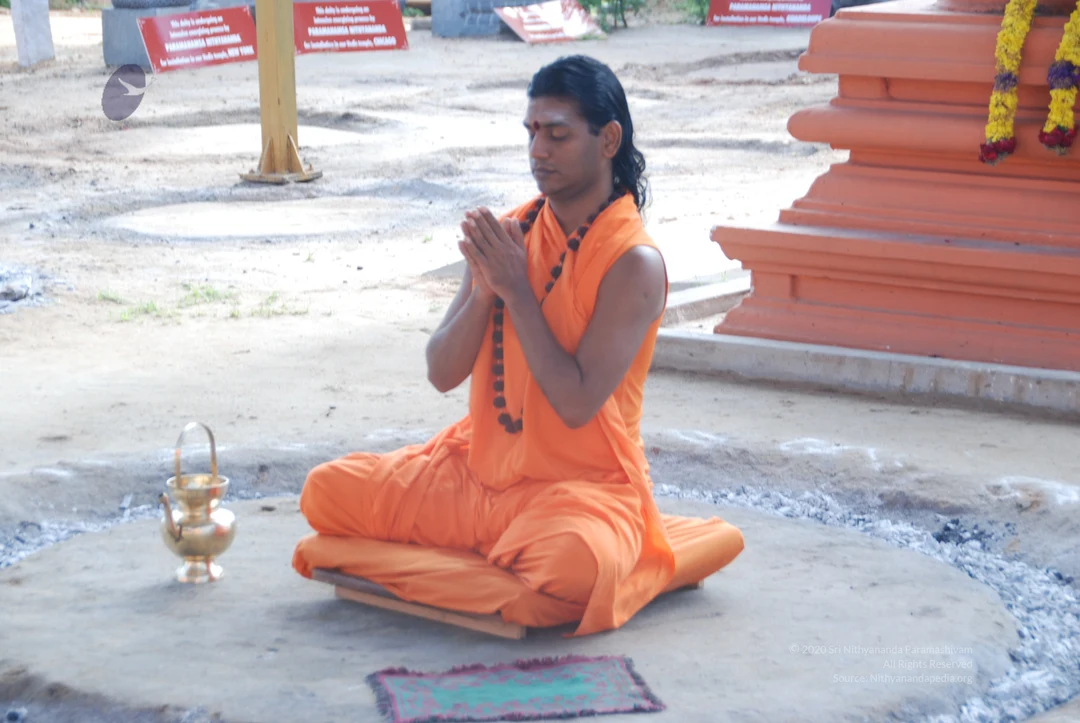
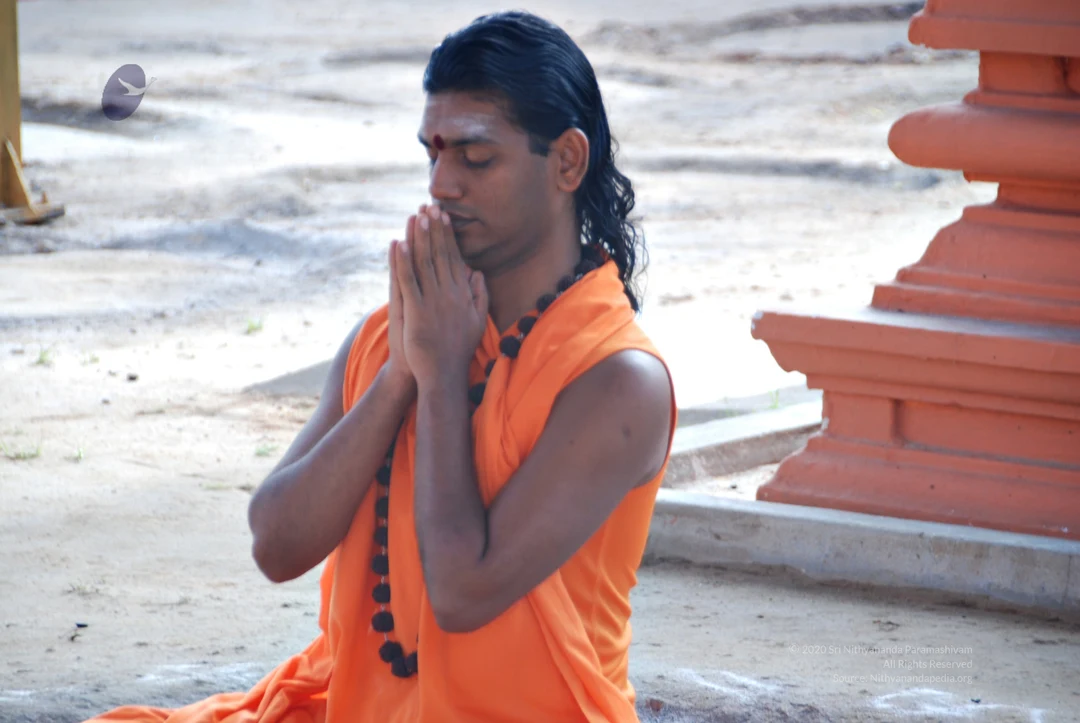
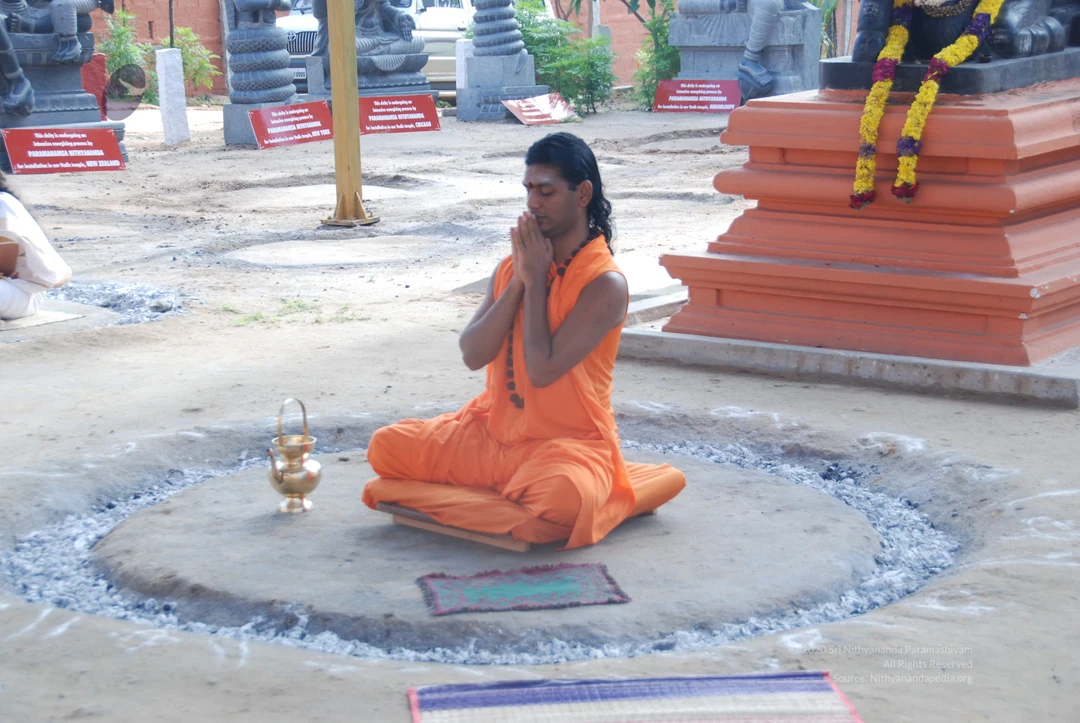
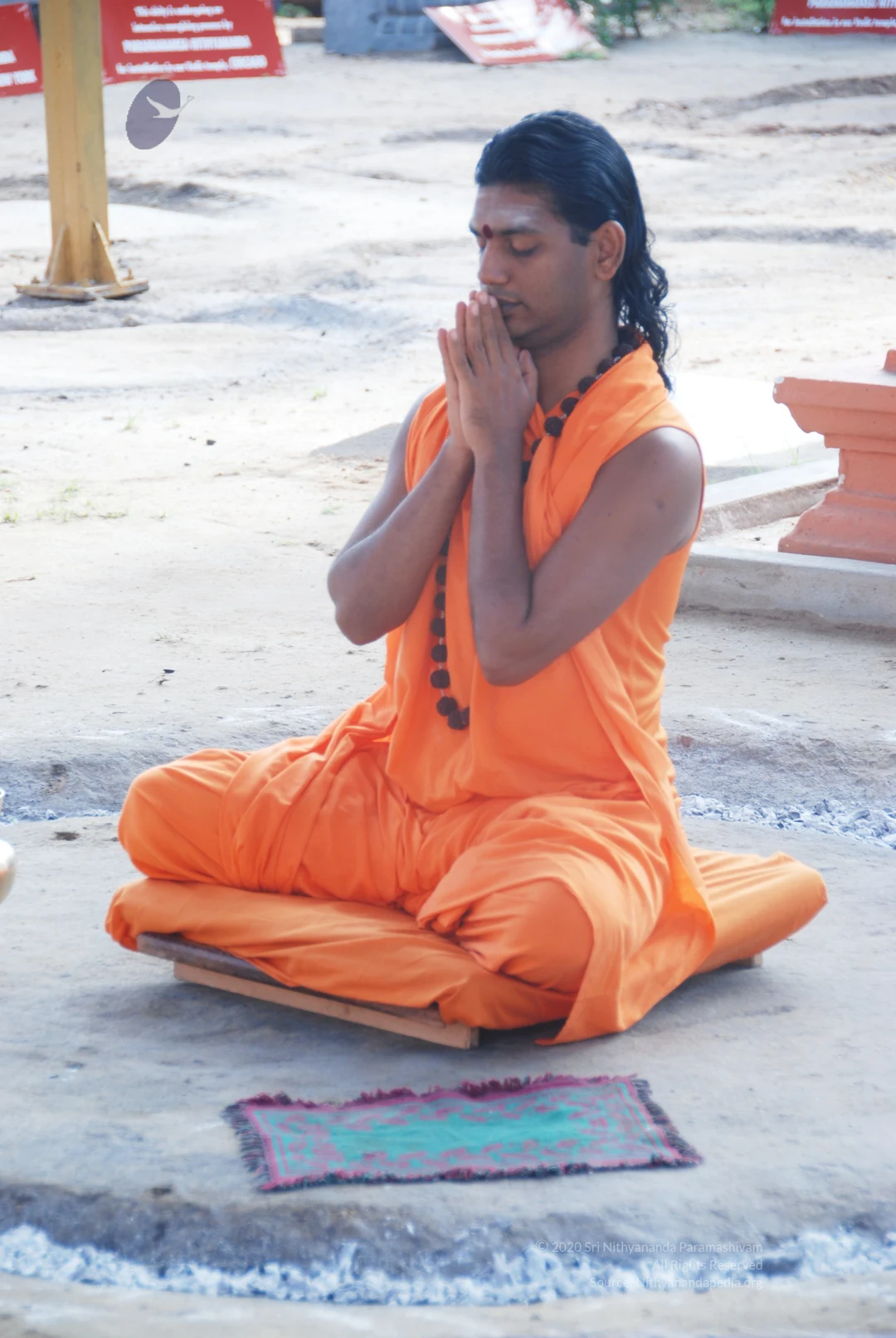
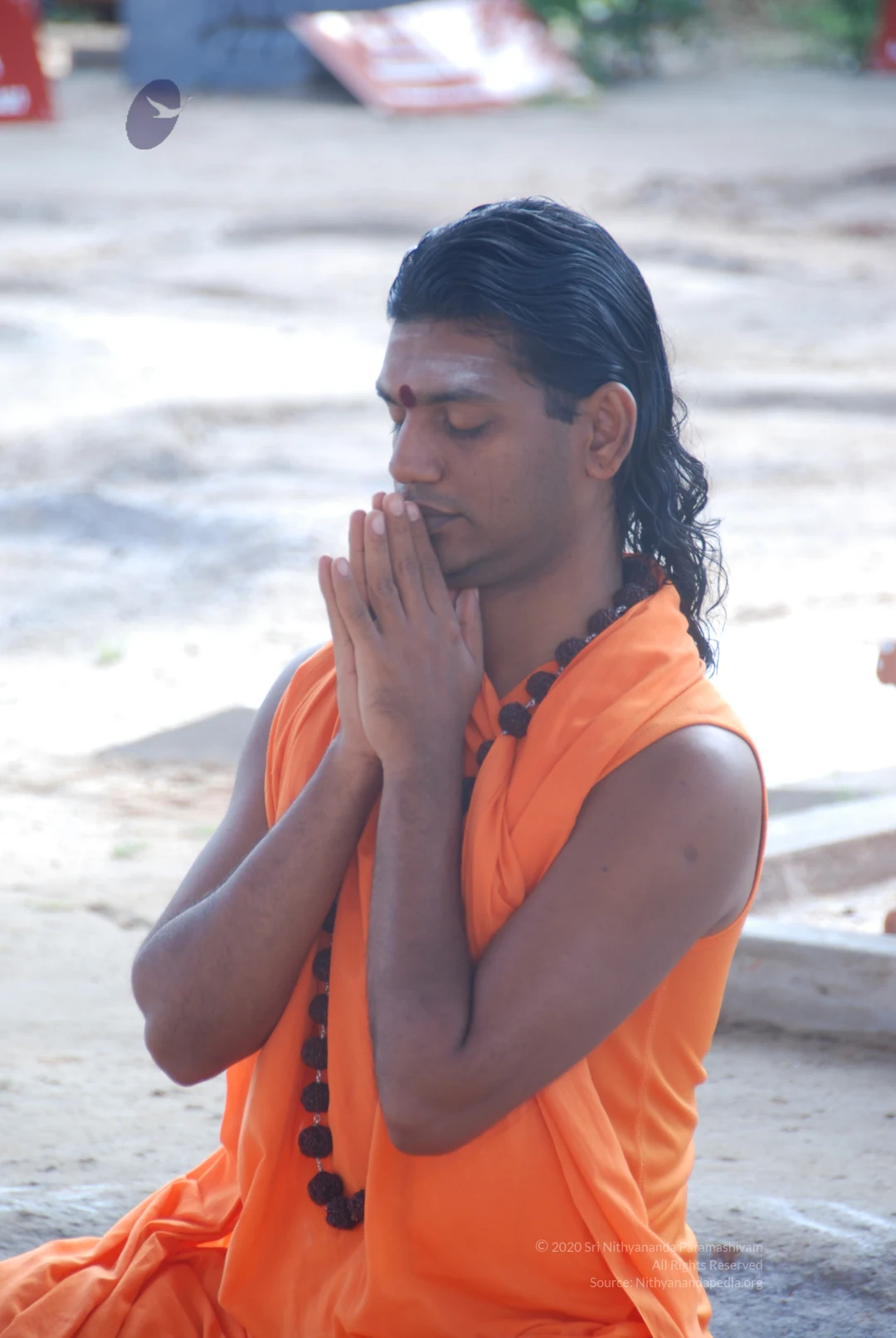
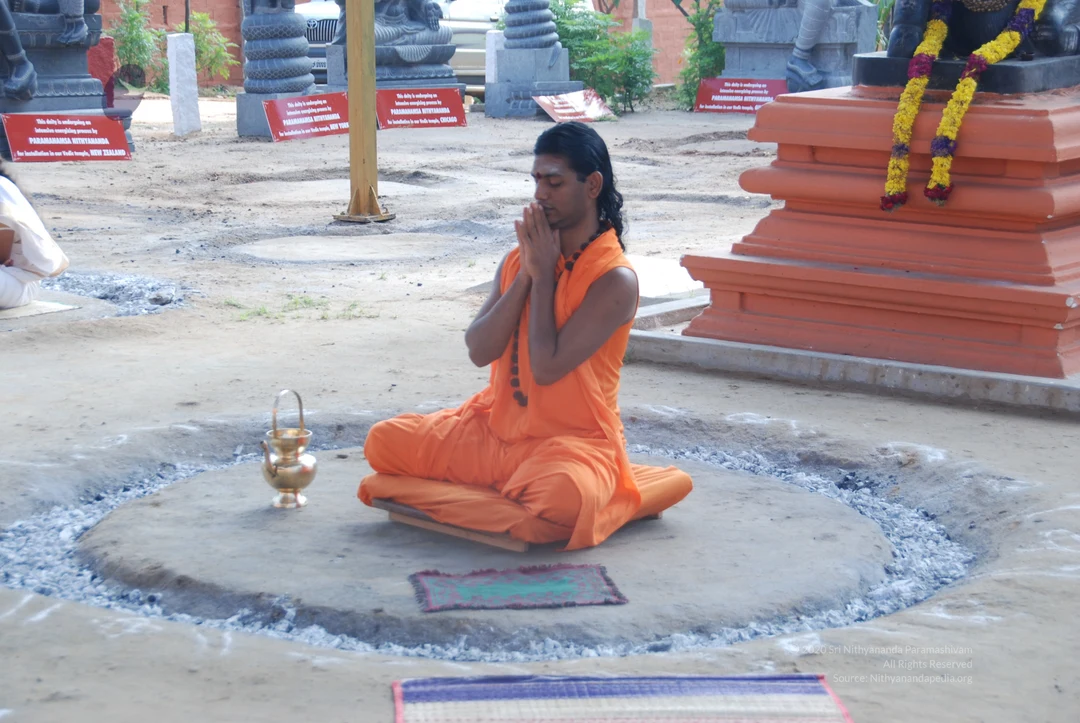
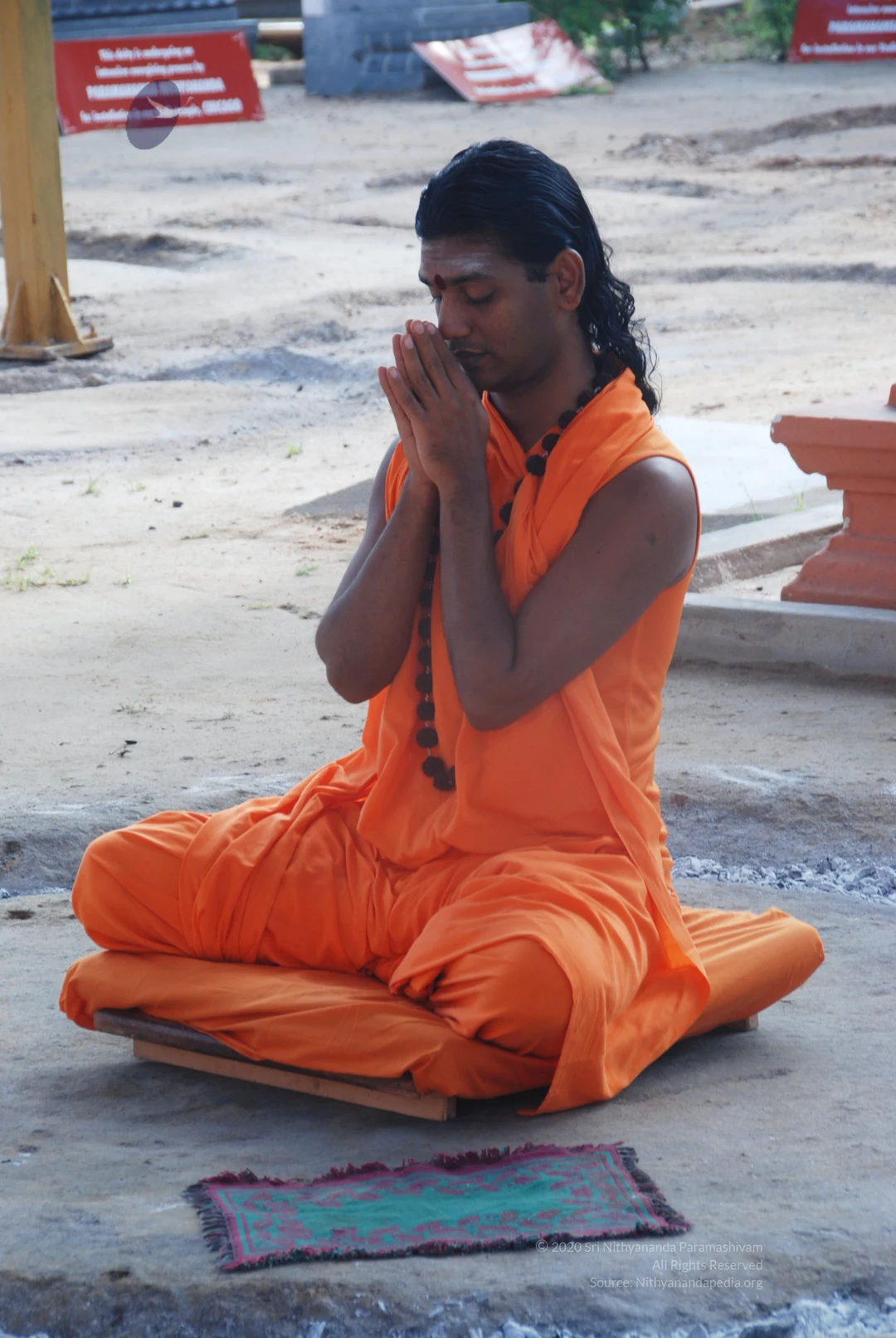
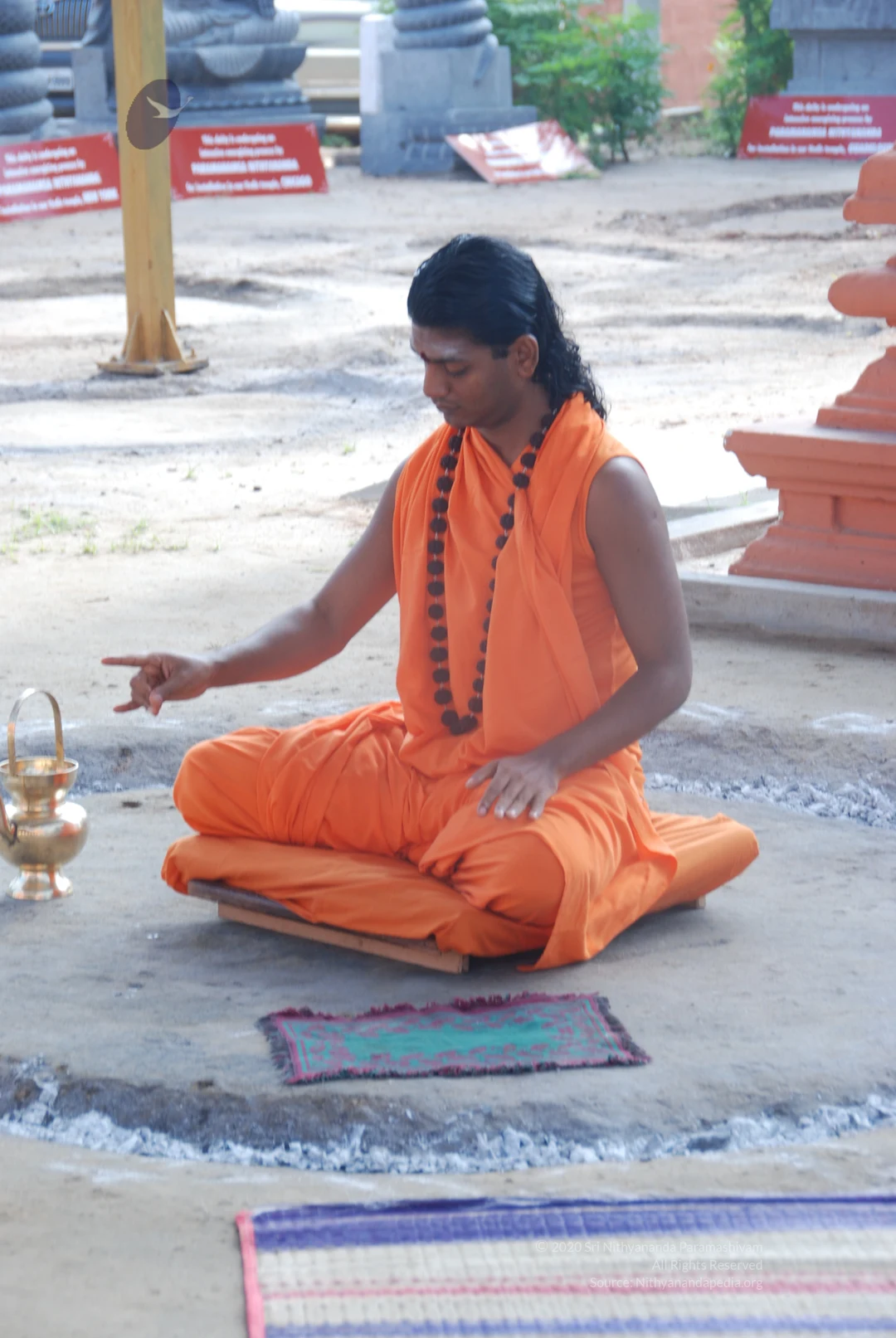
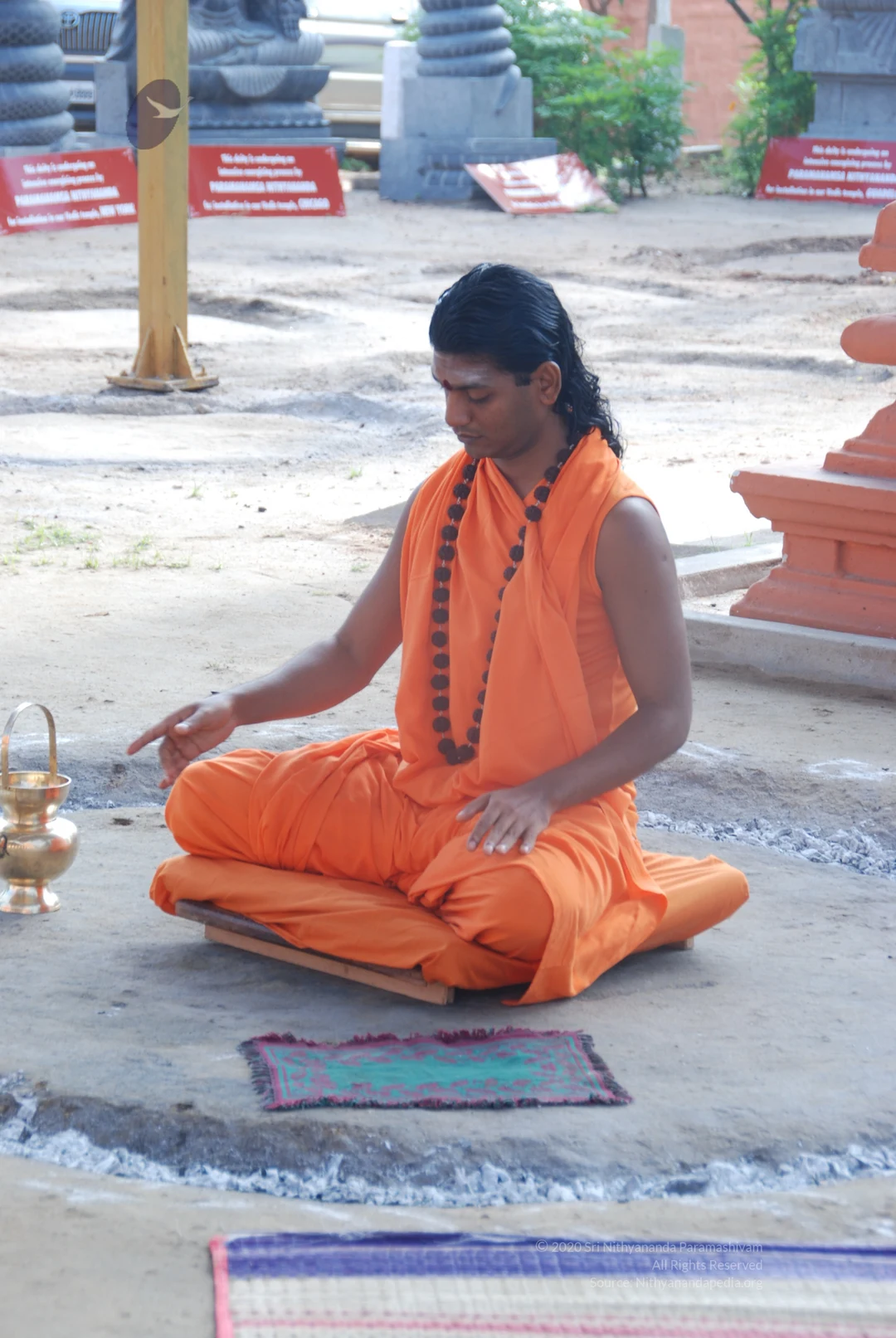
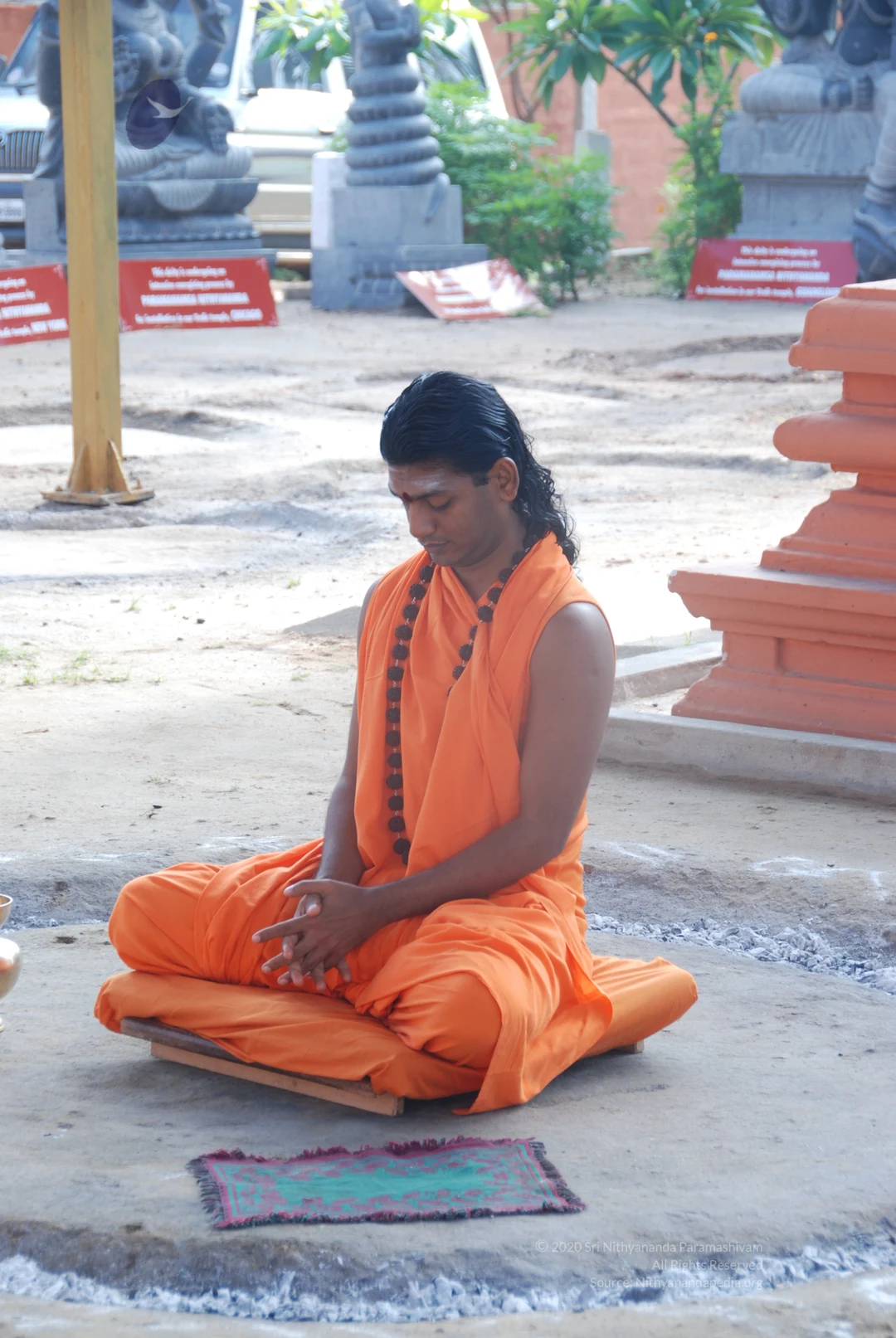
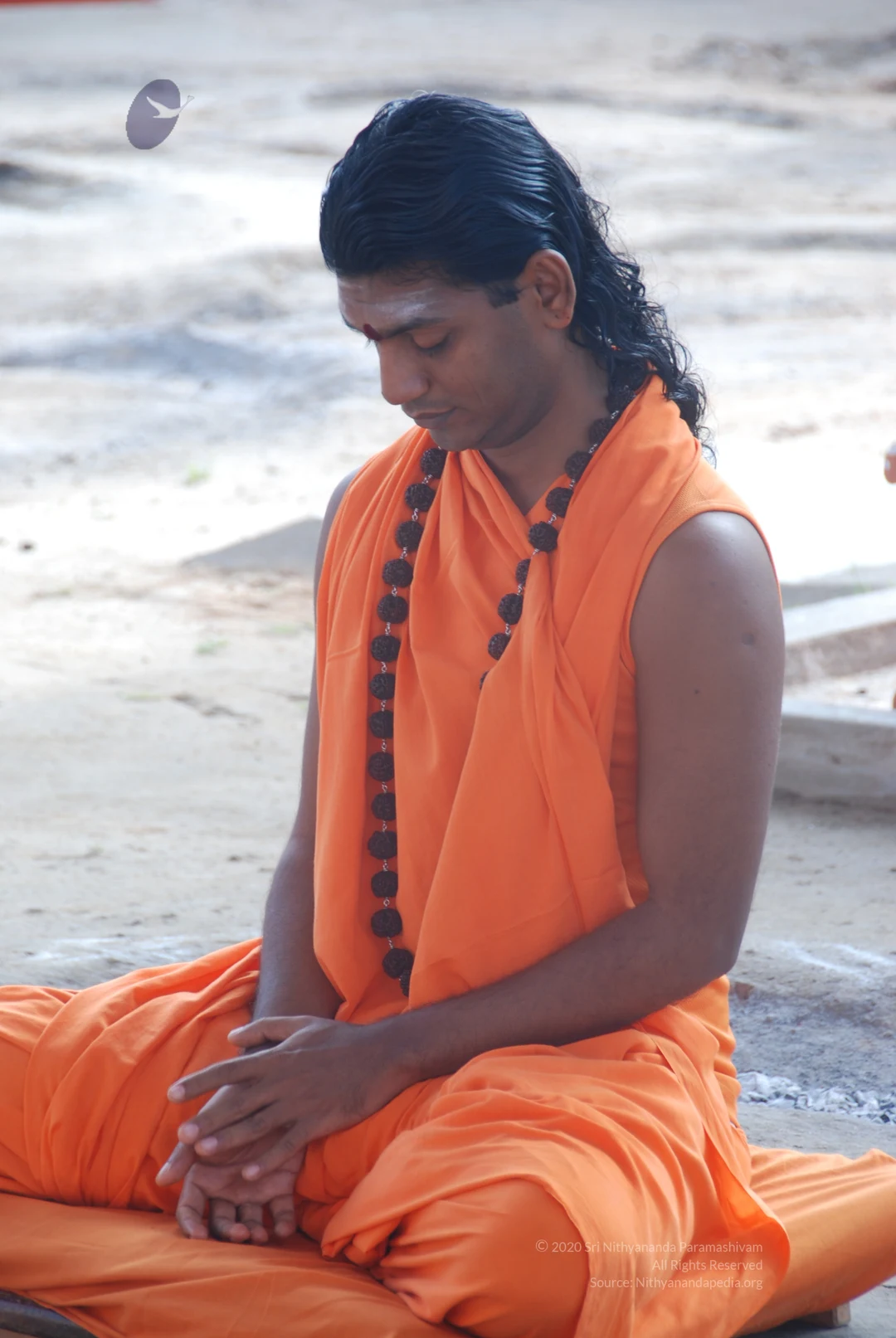
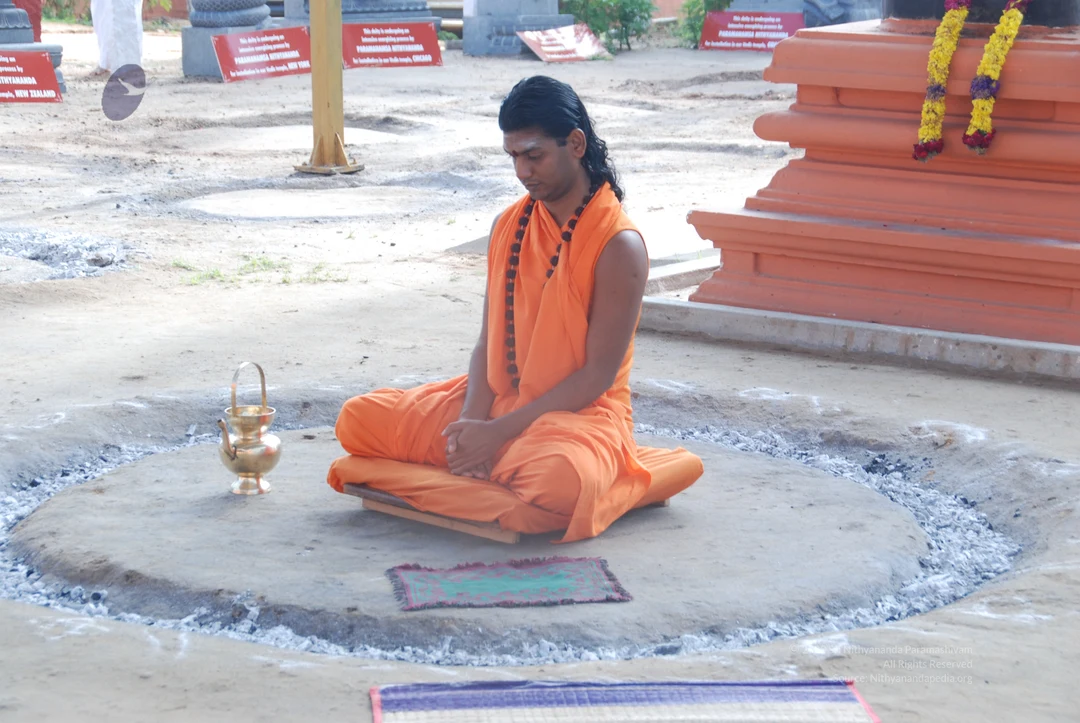
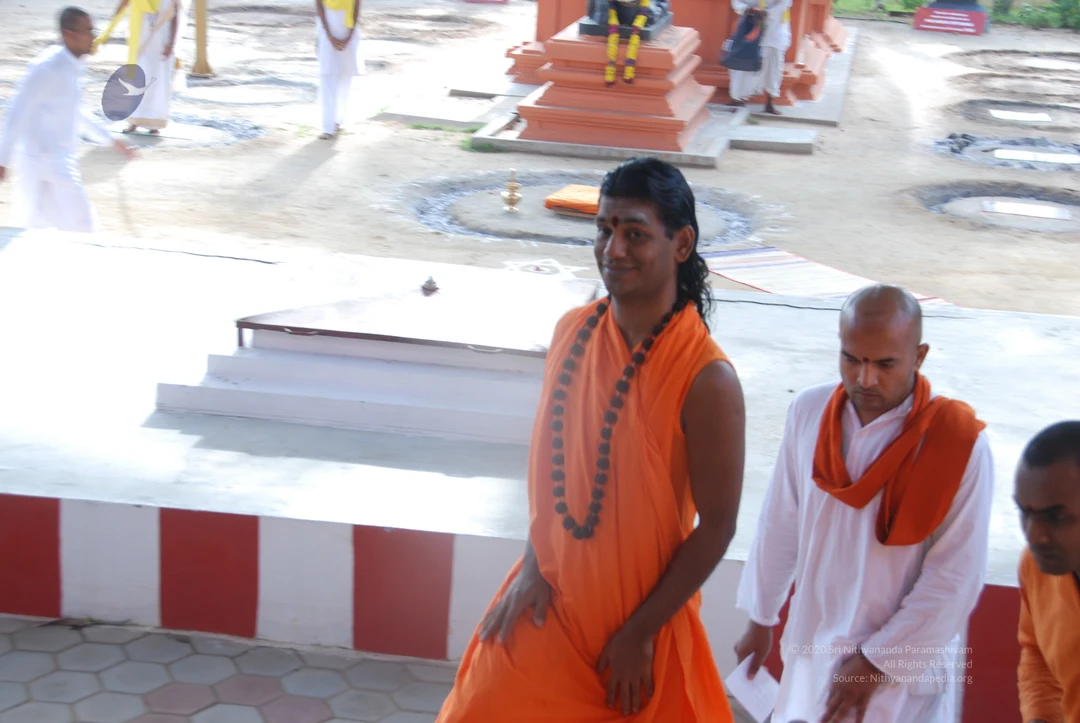
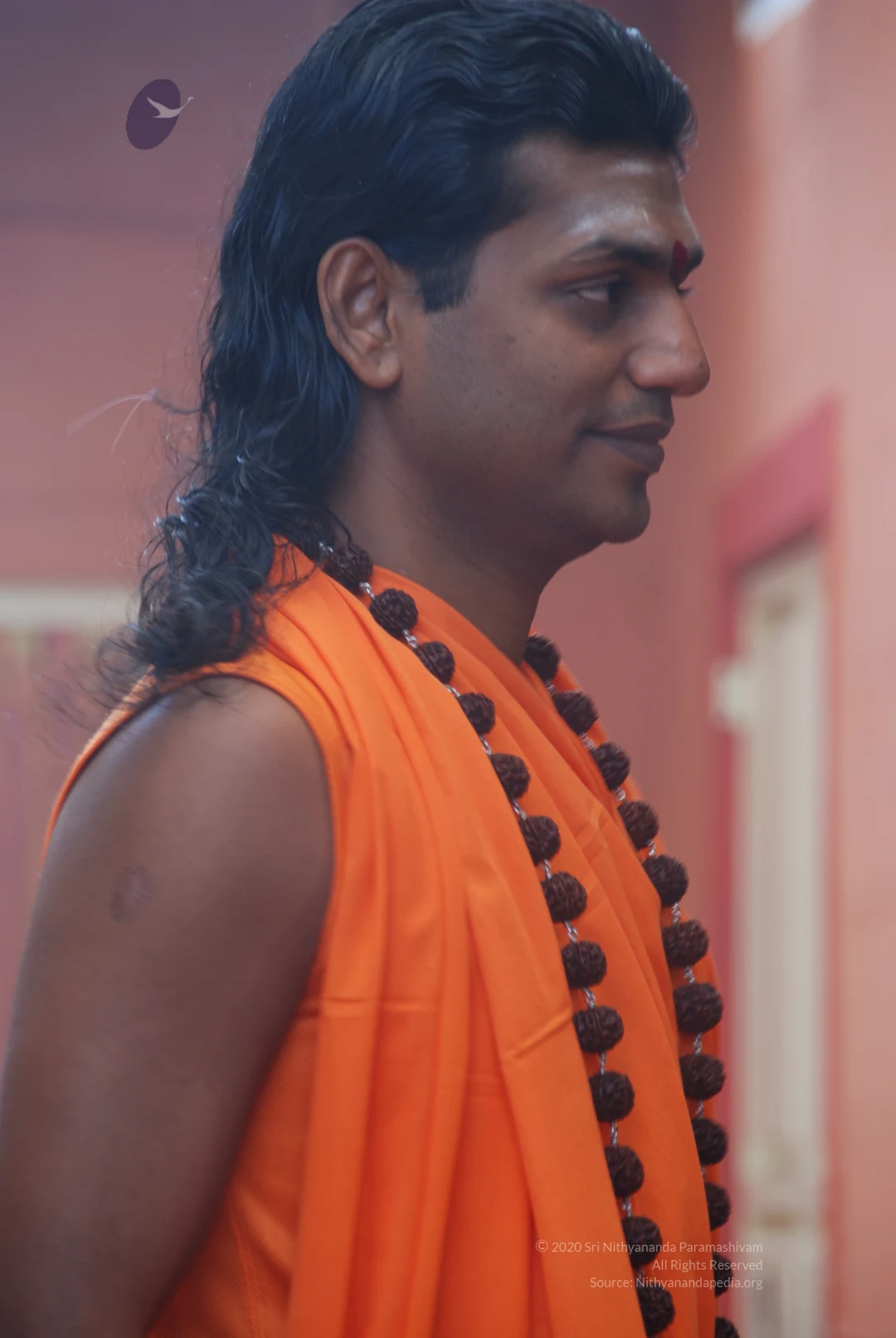
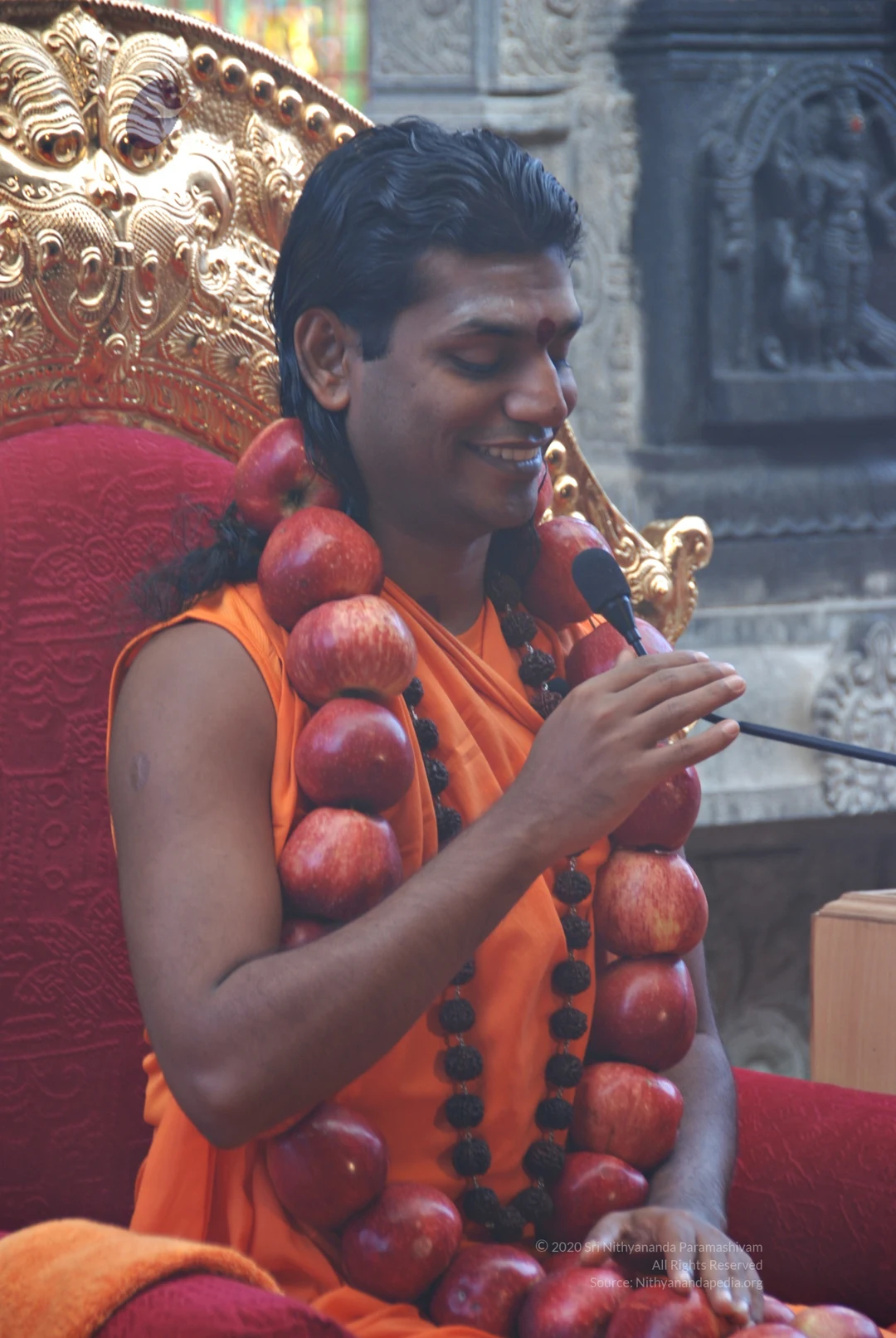
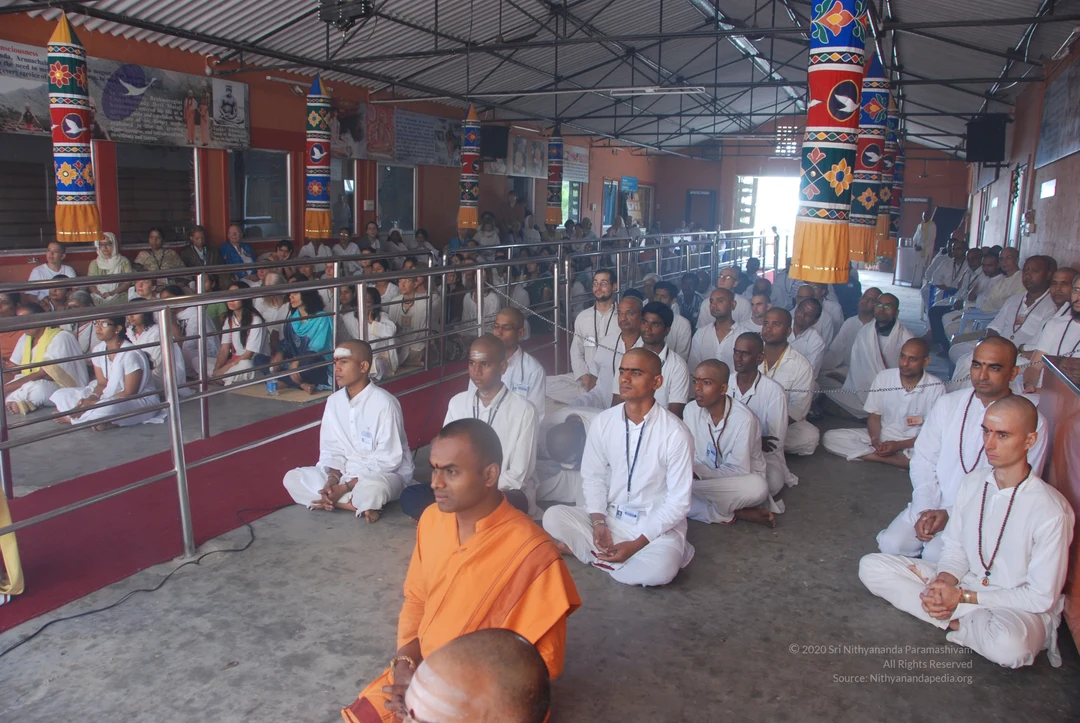
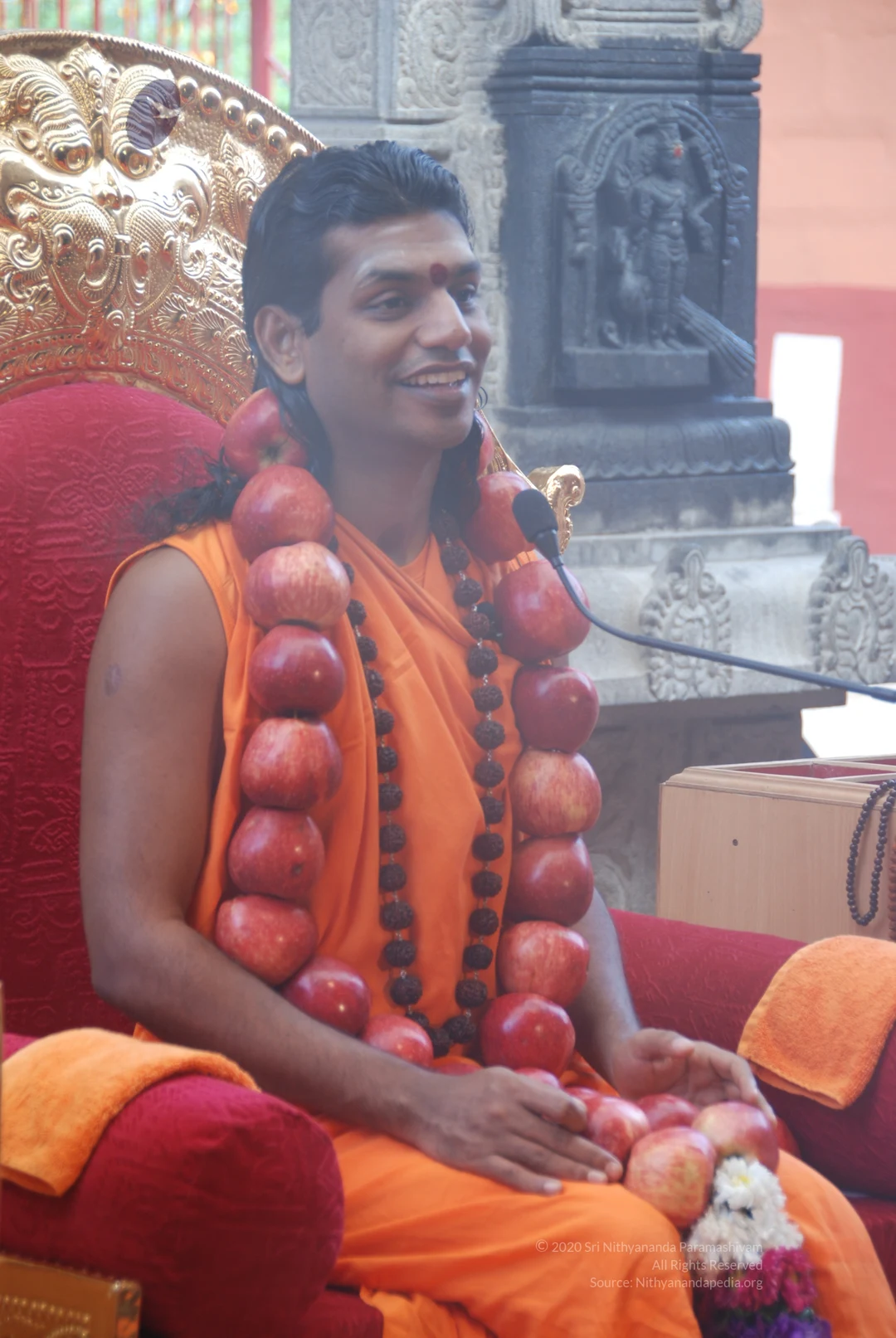
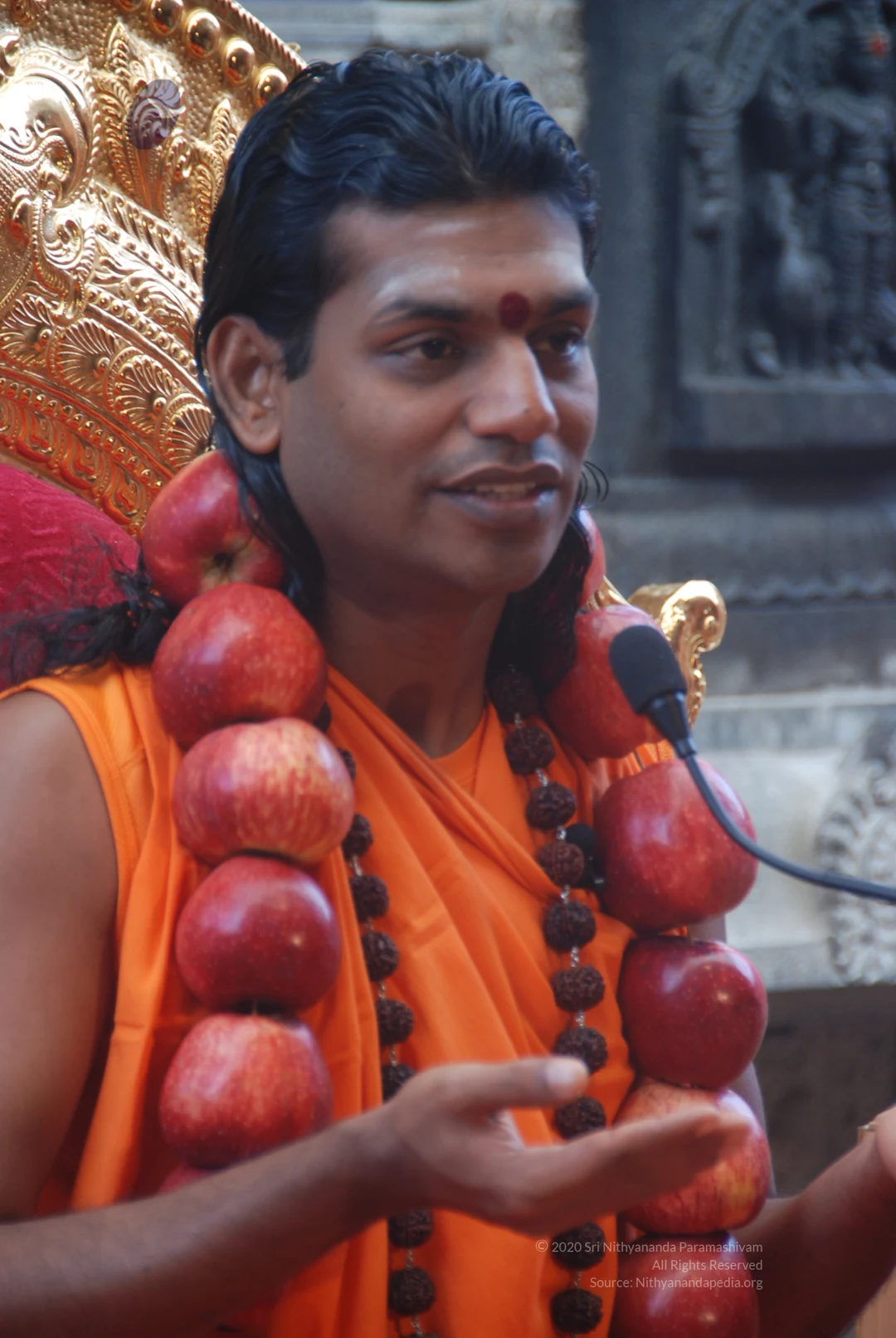
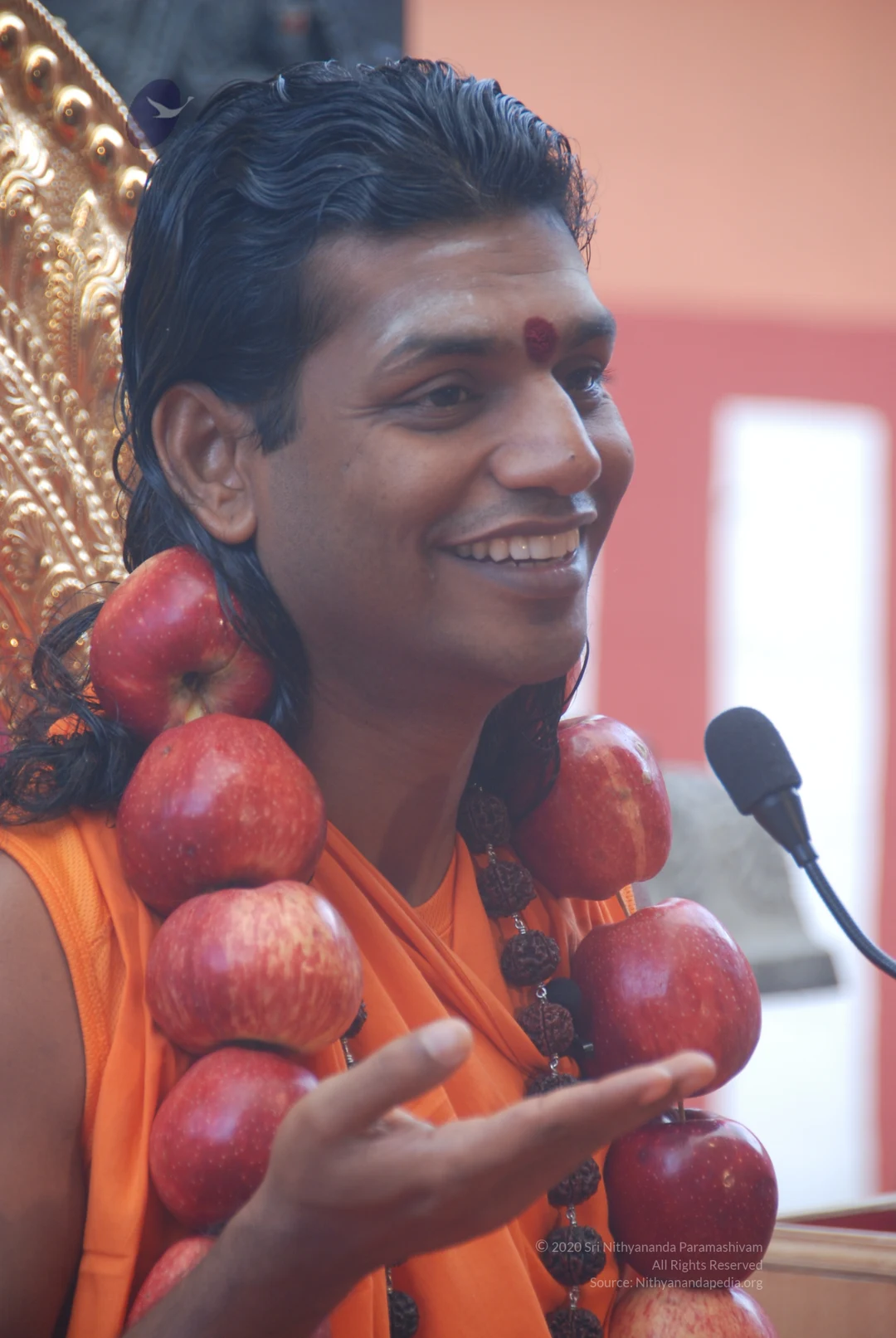
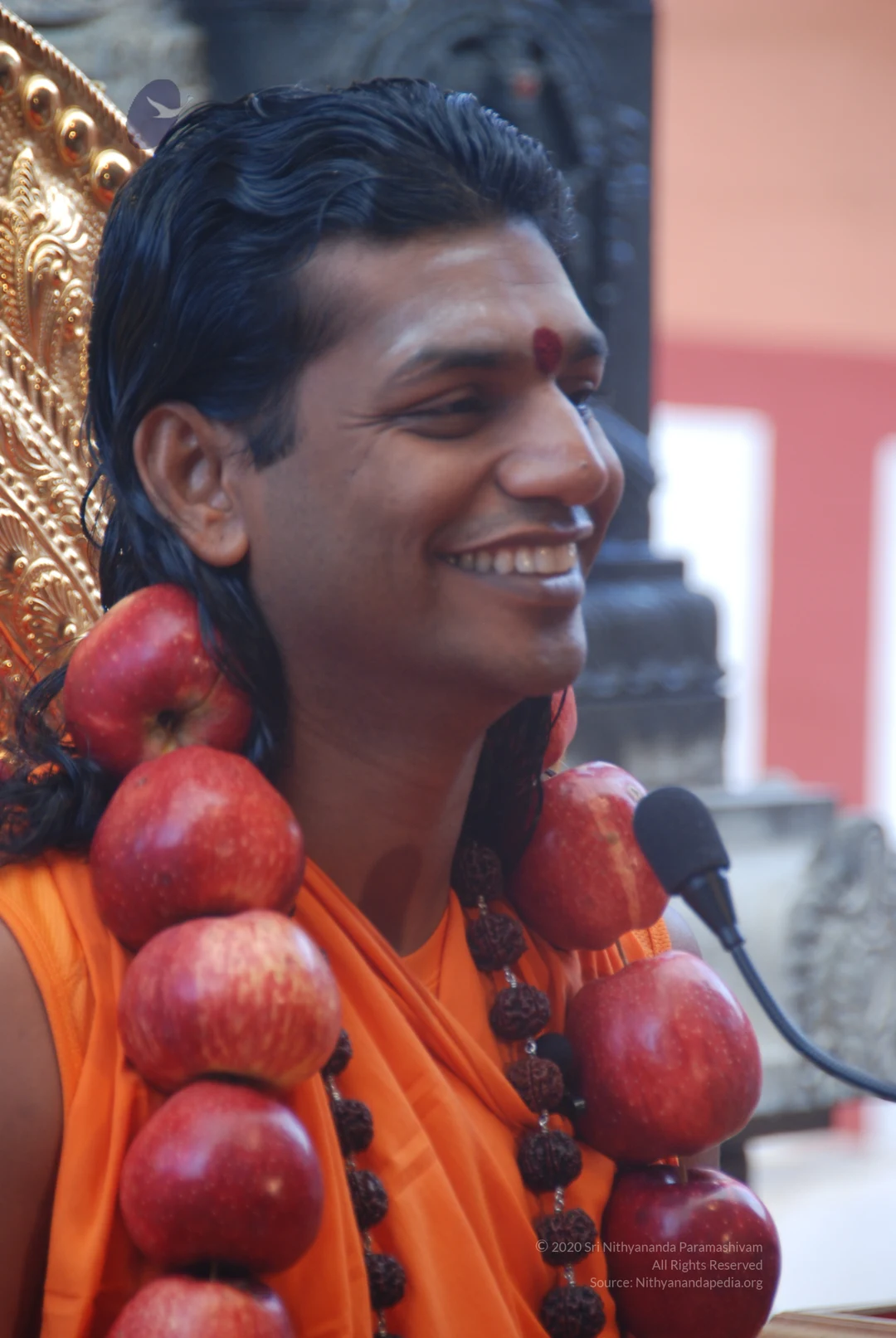
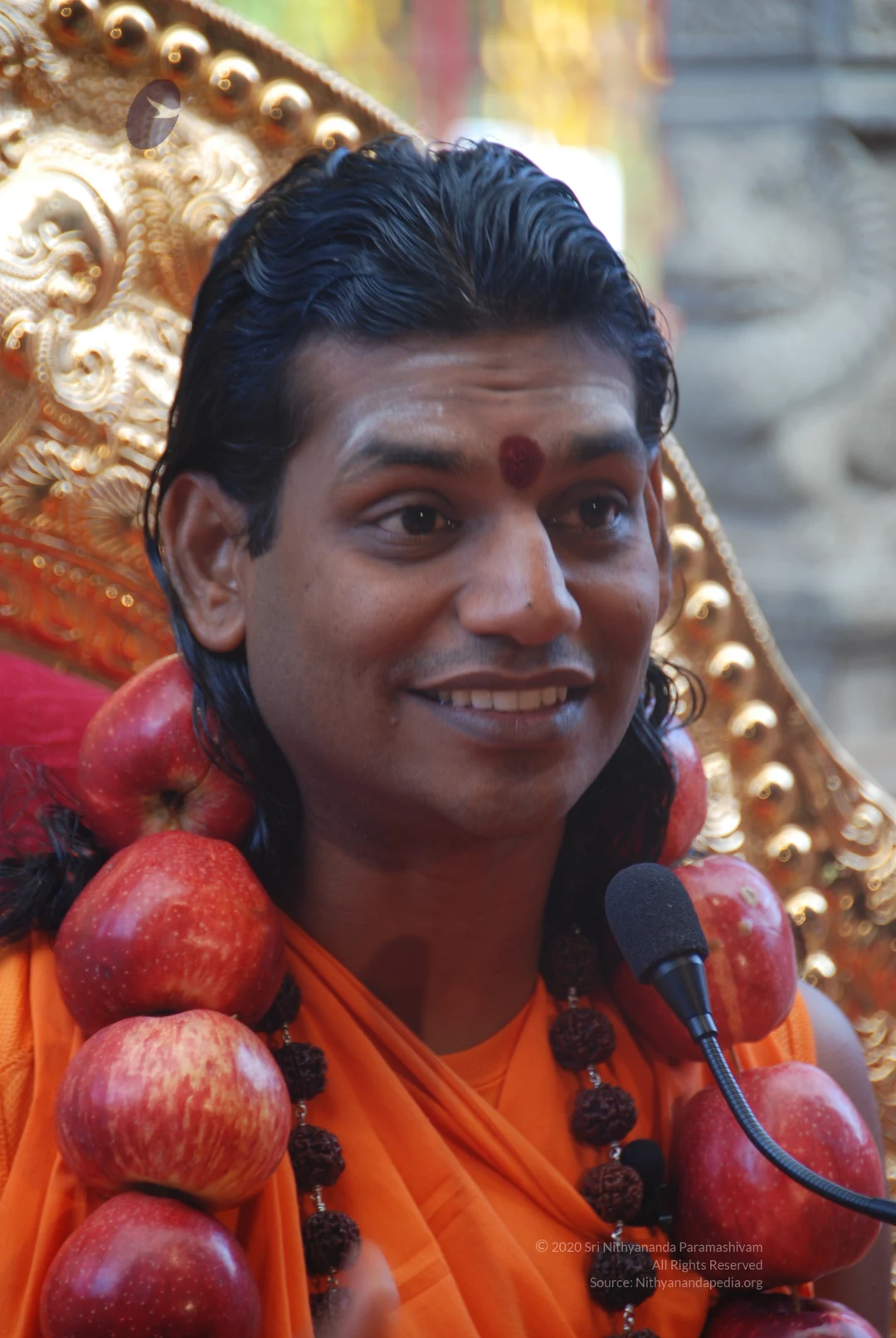
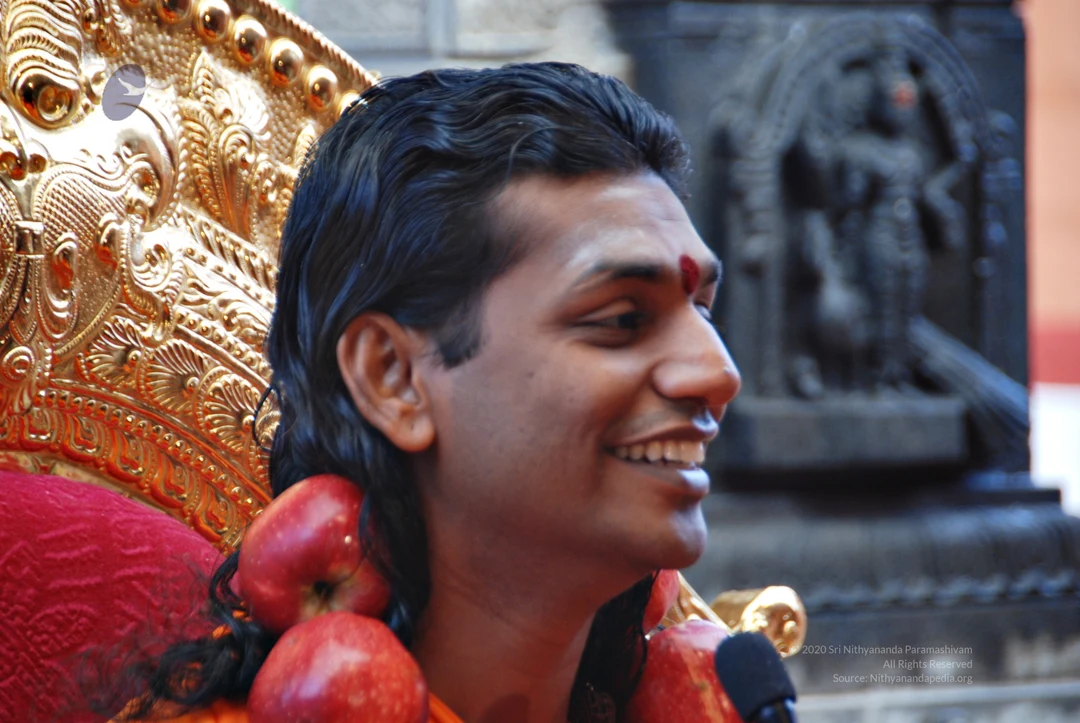
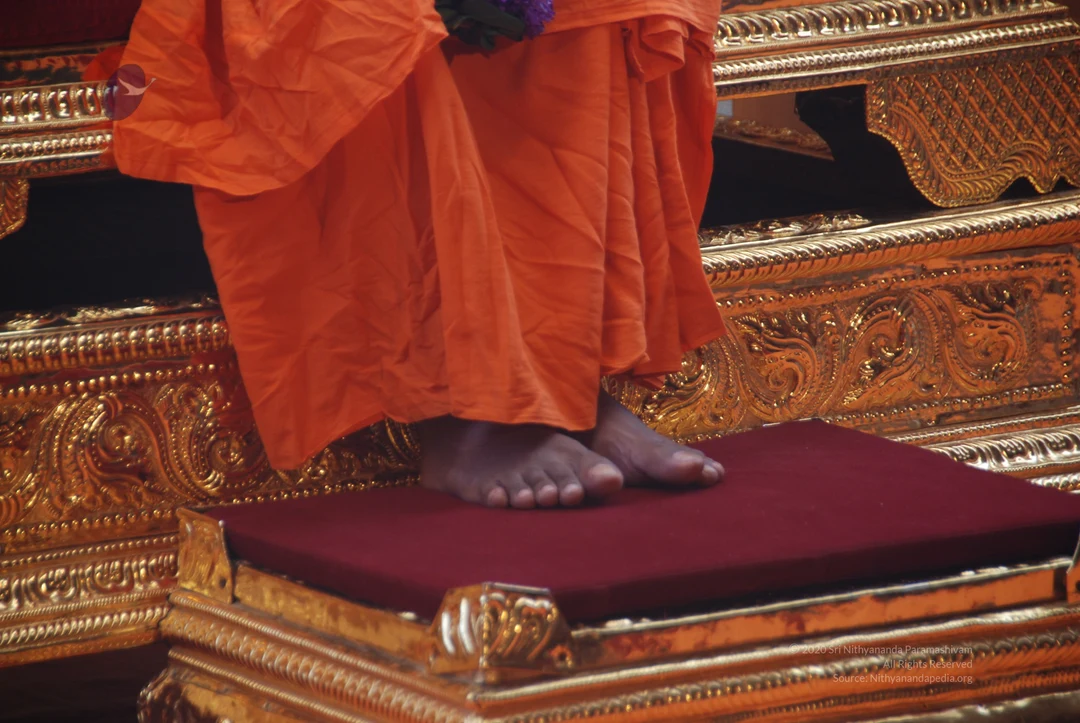
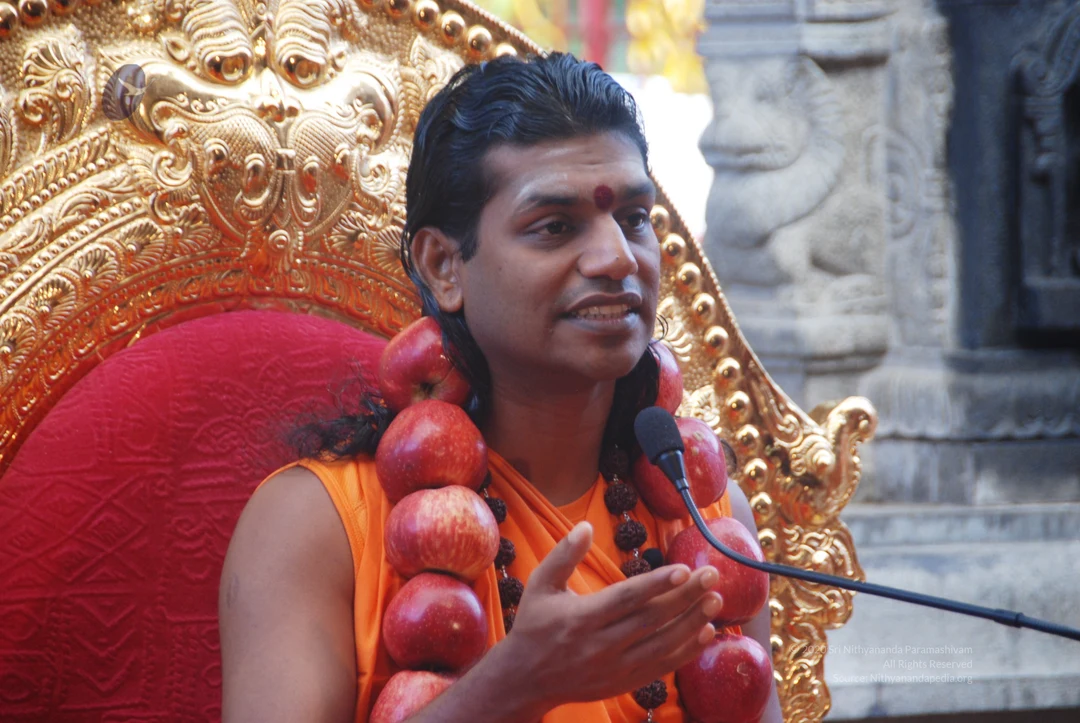
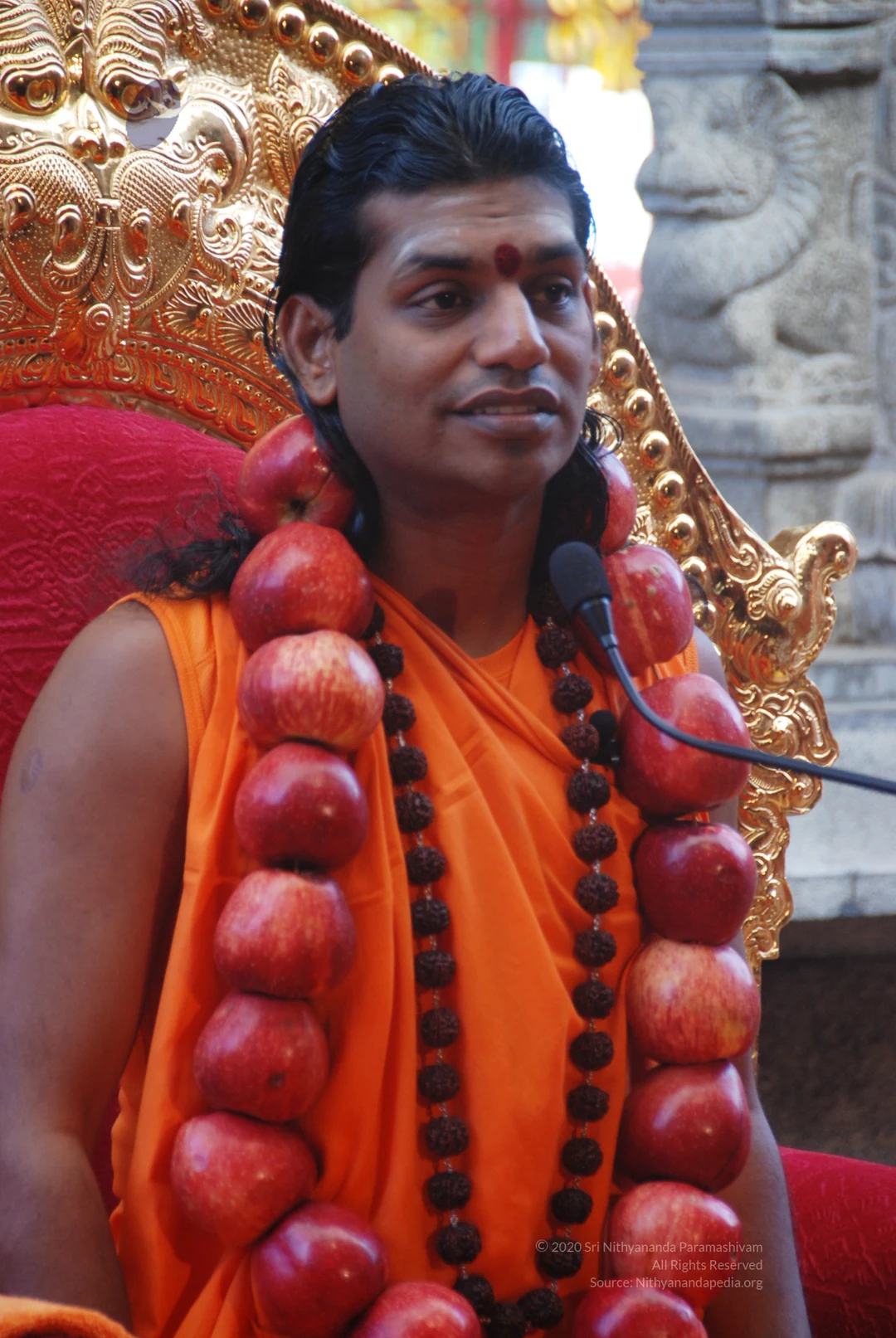
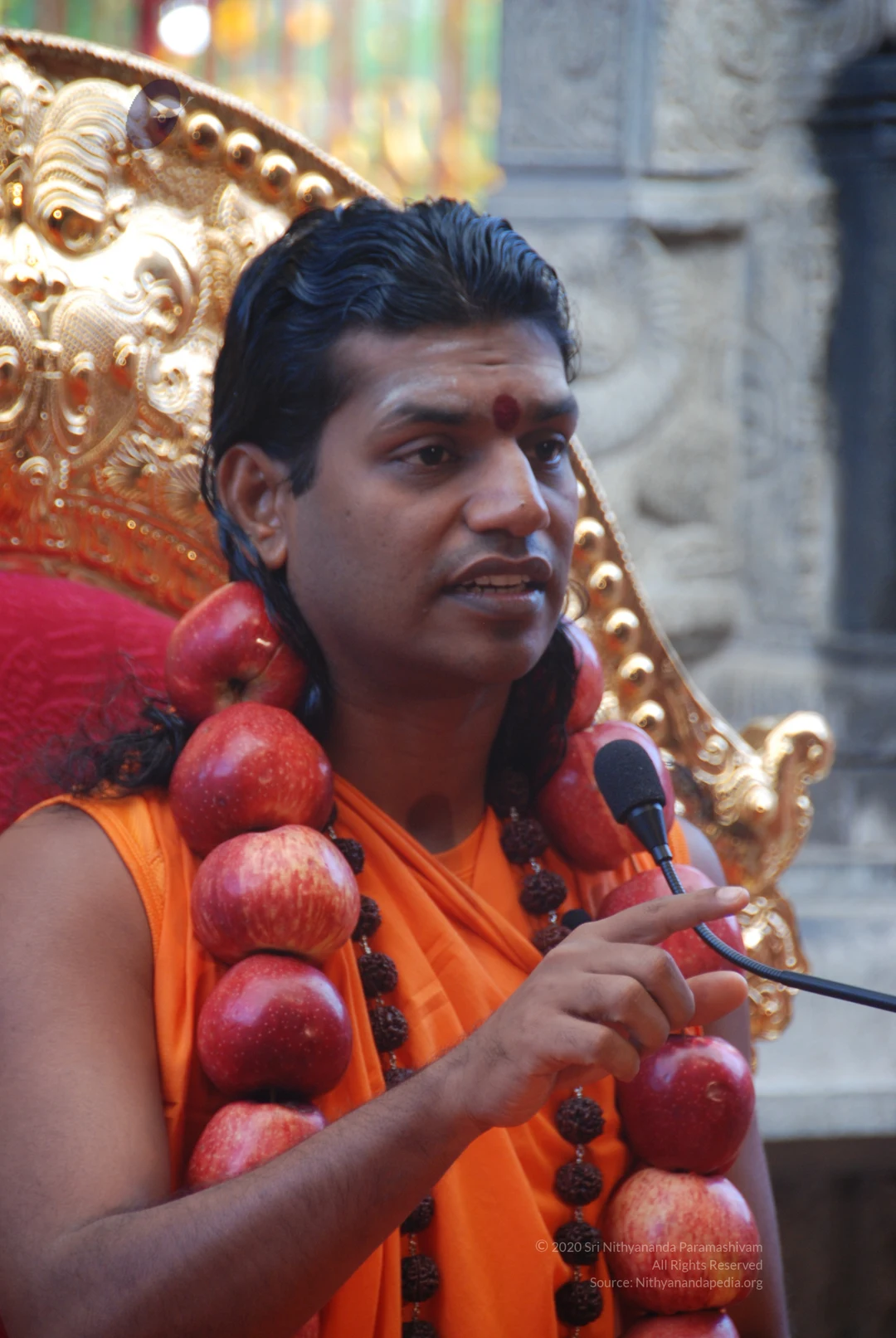
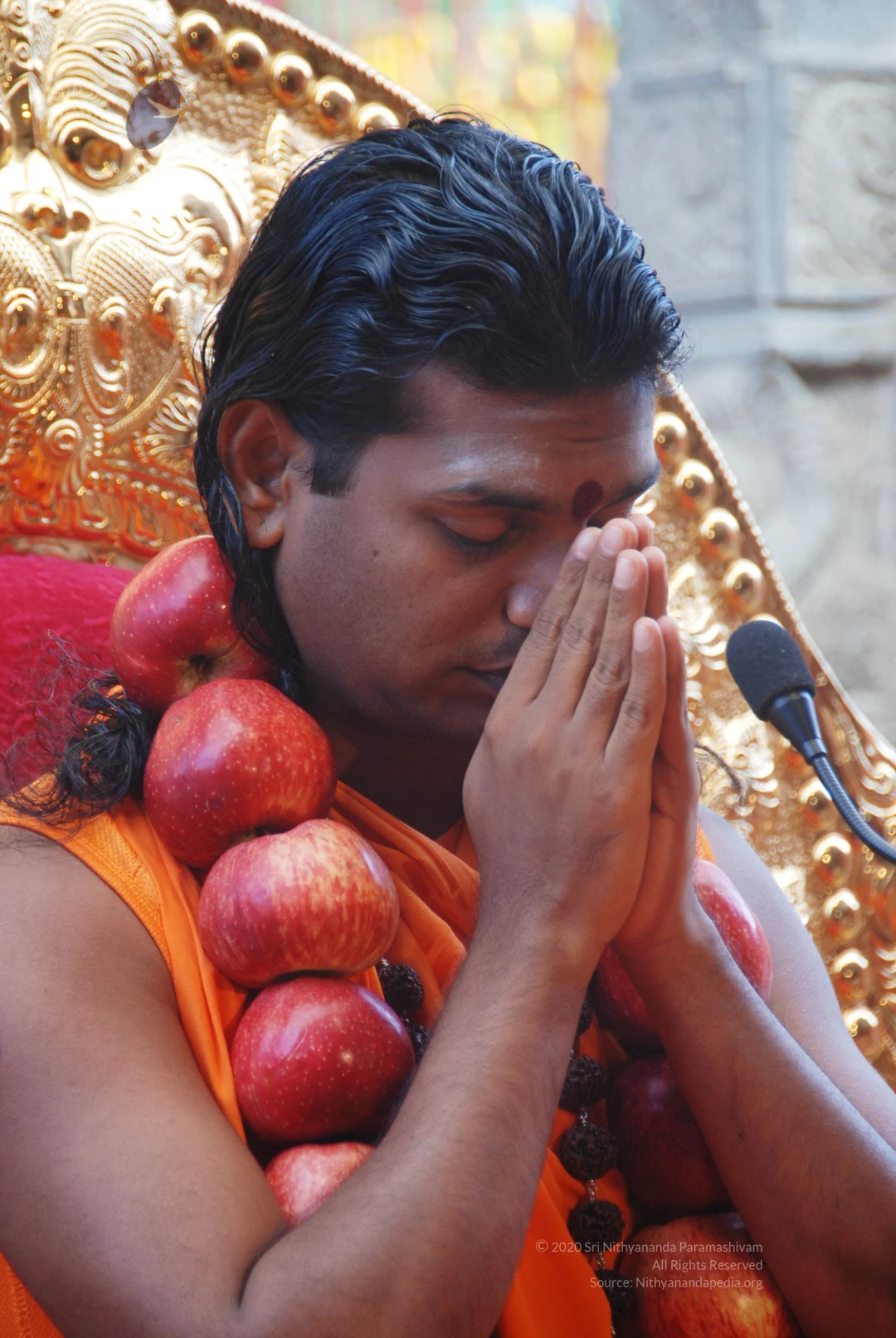
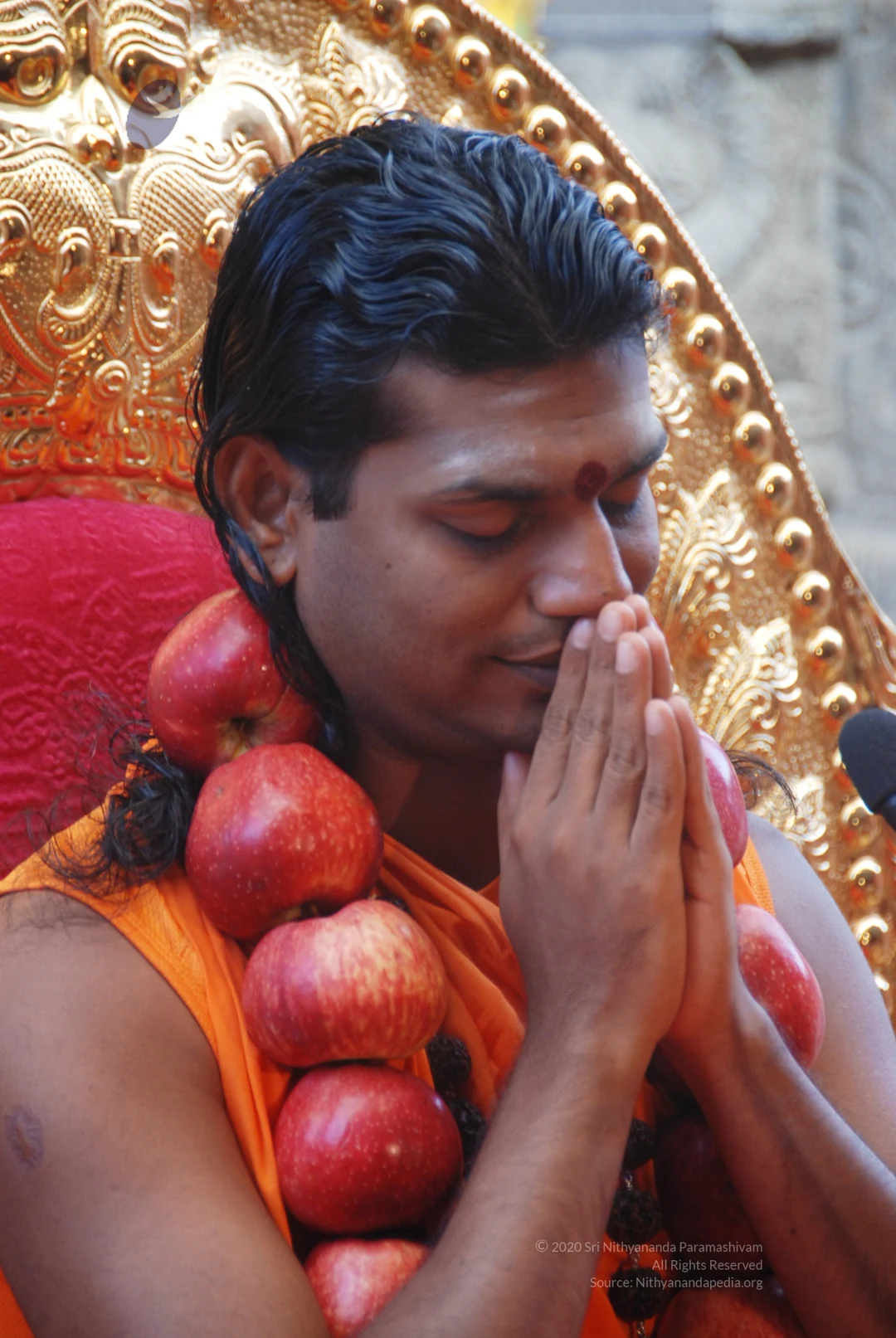
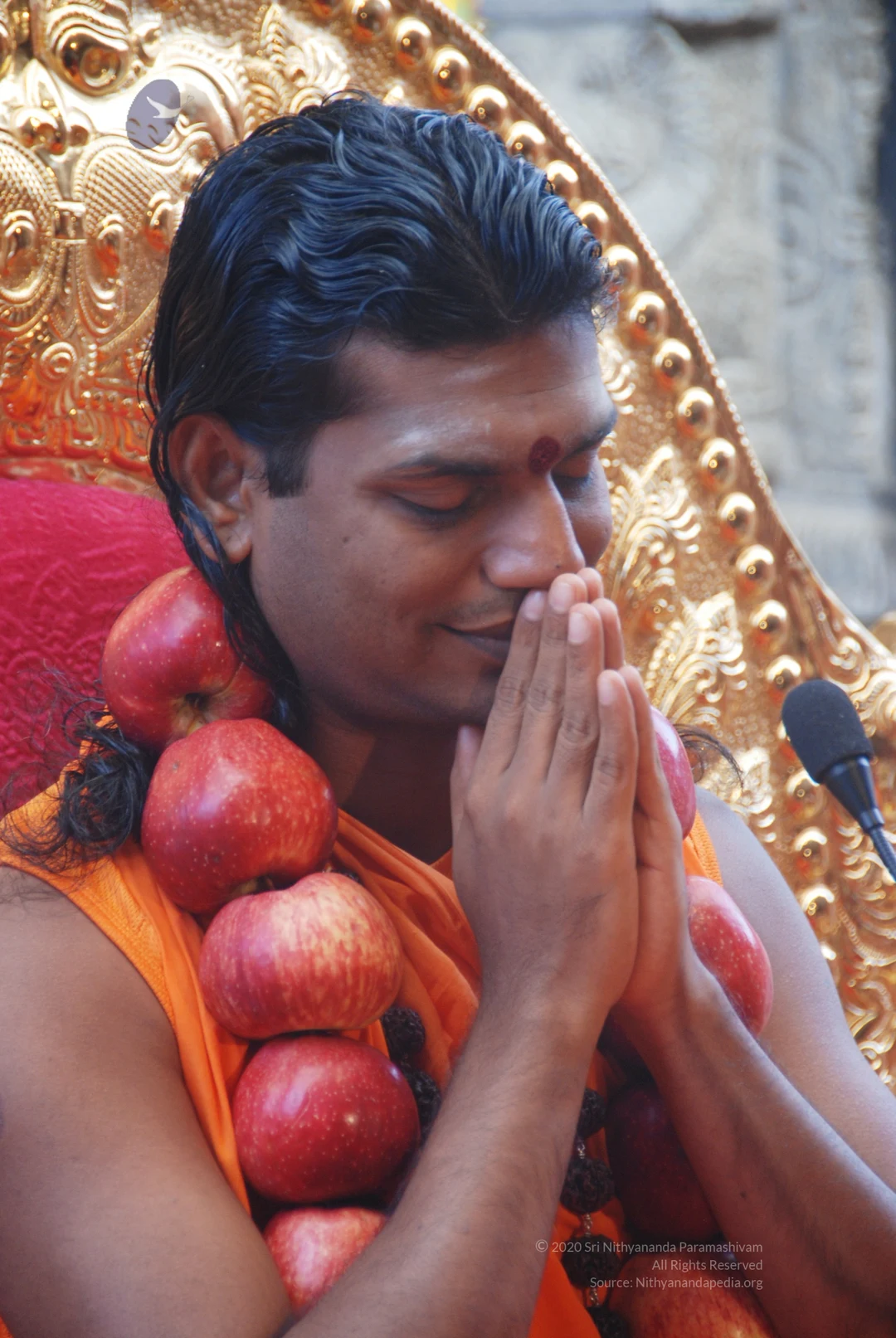
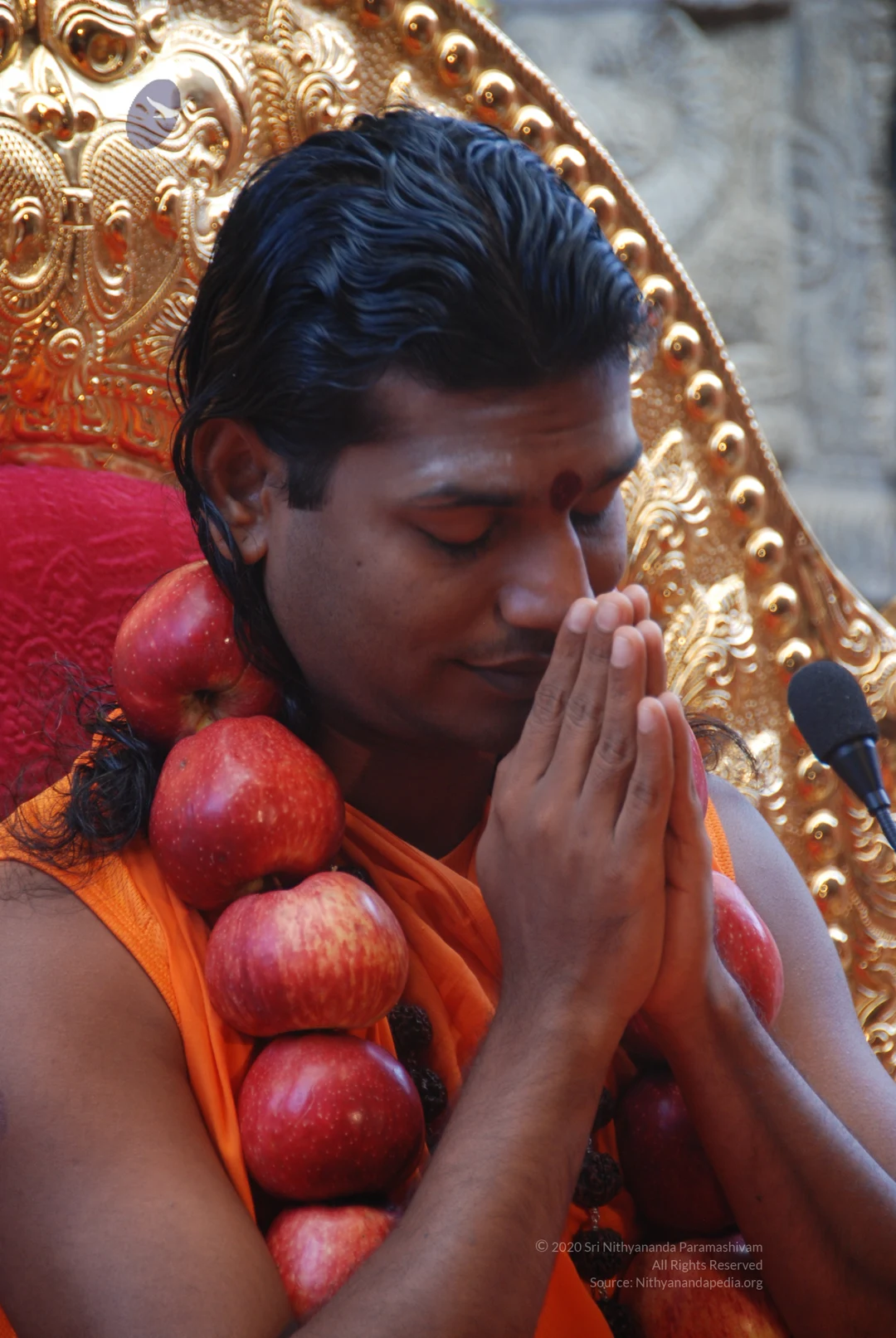
Morning-Satsang
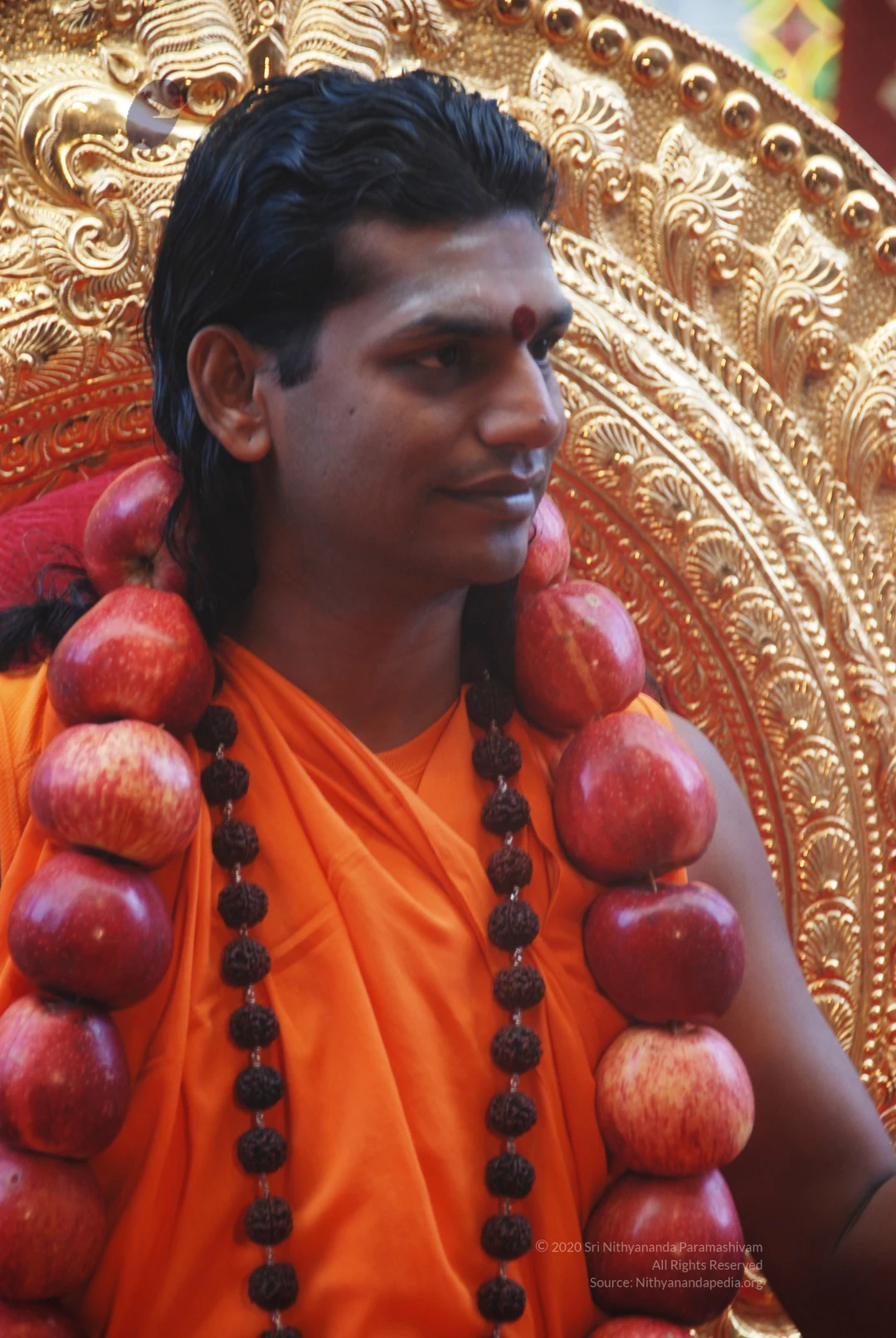
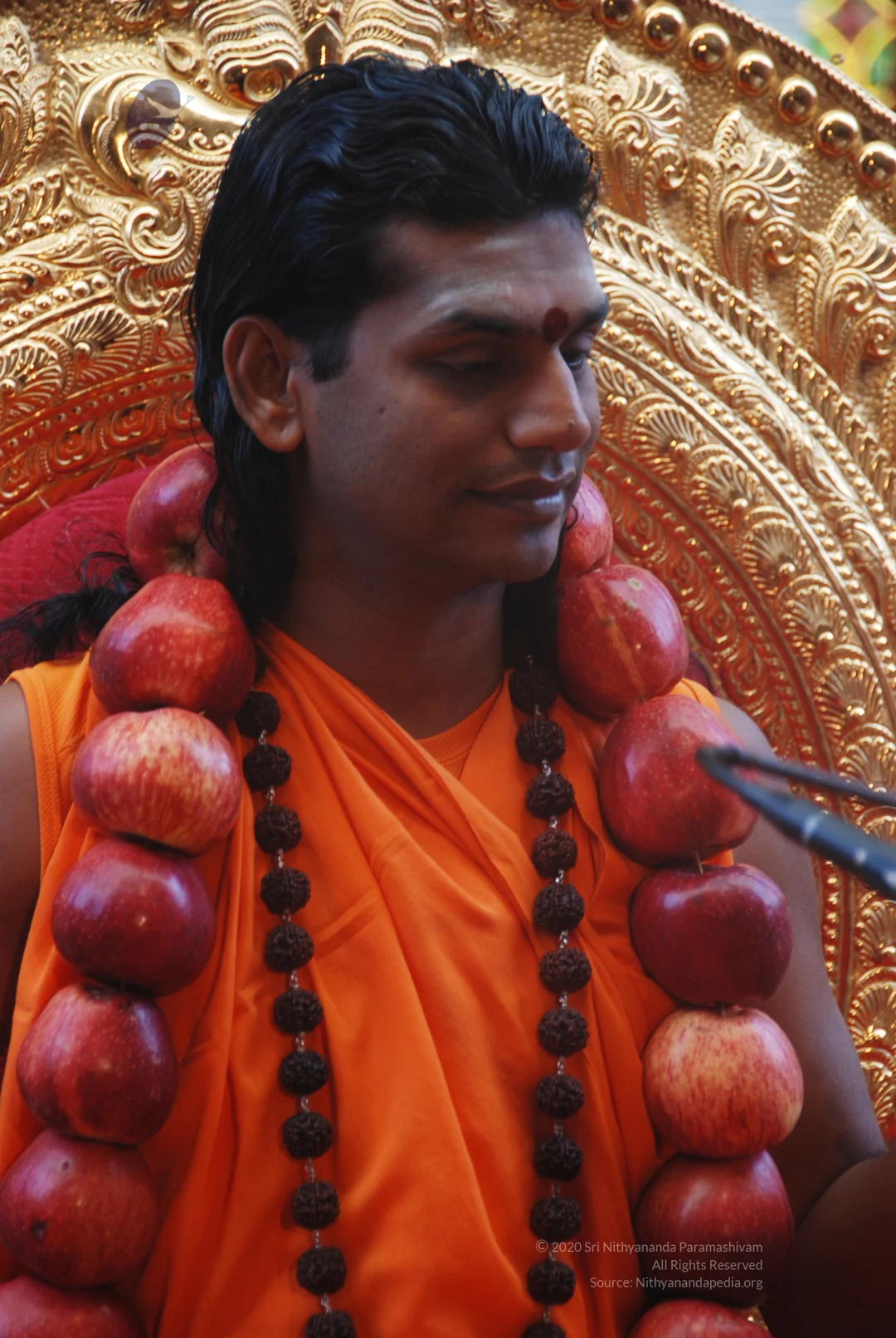
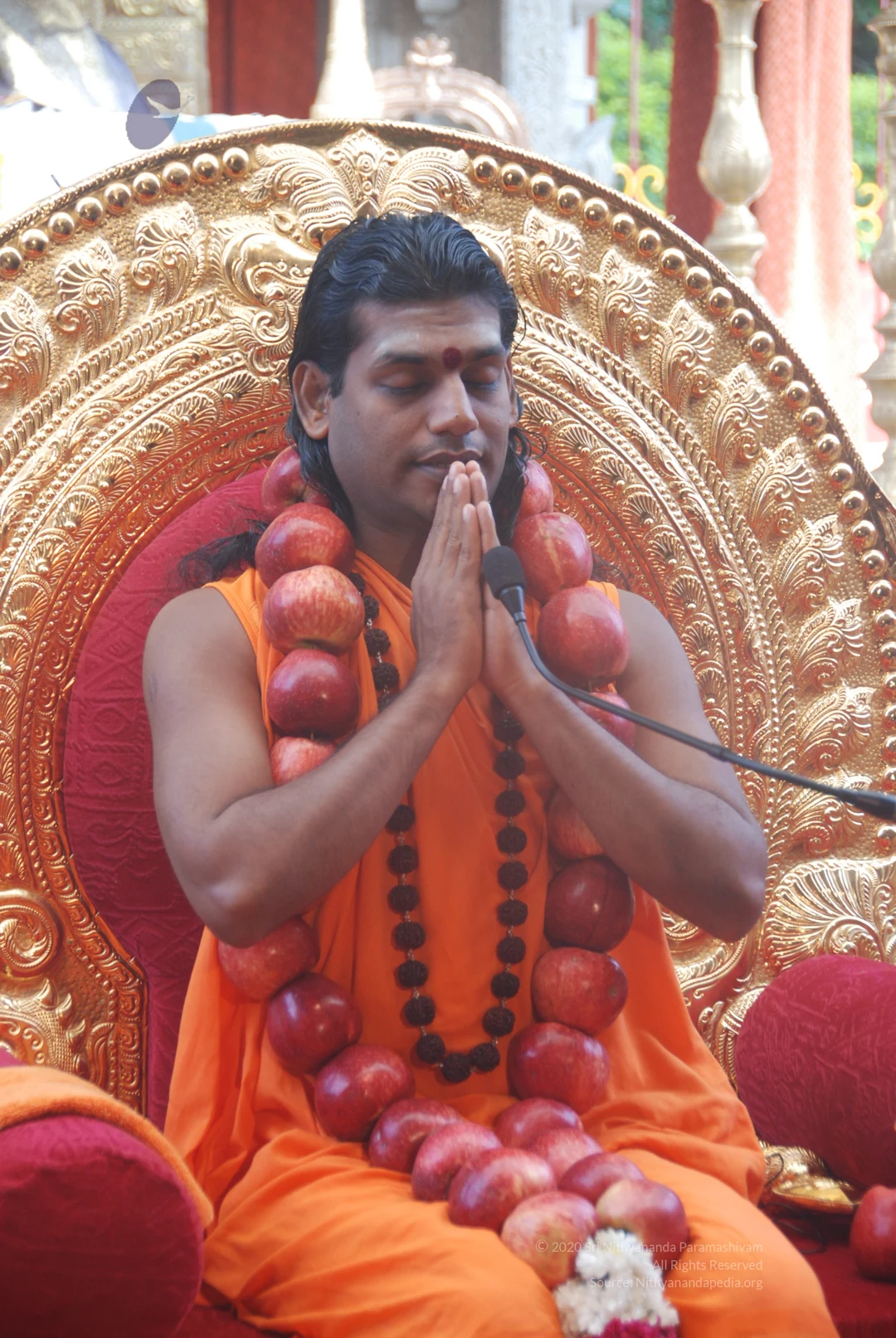
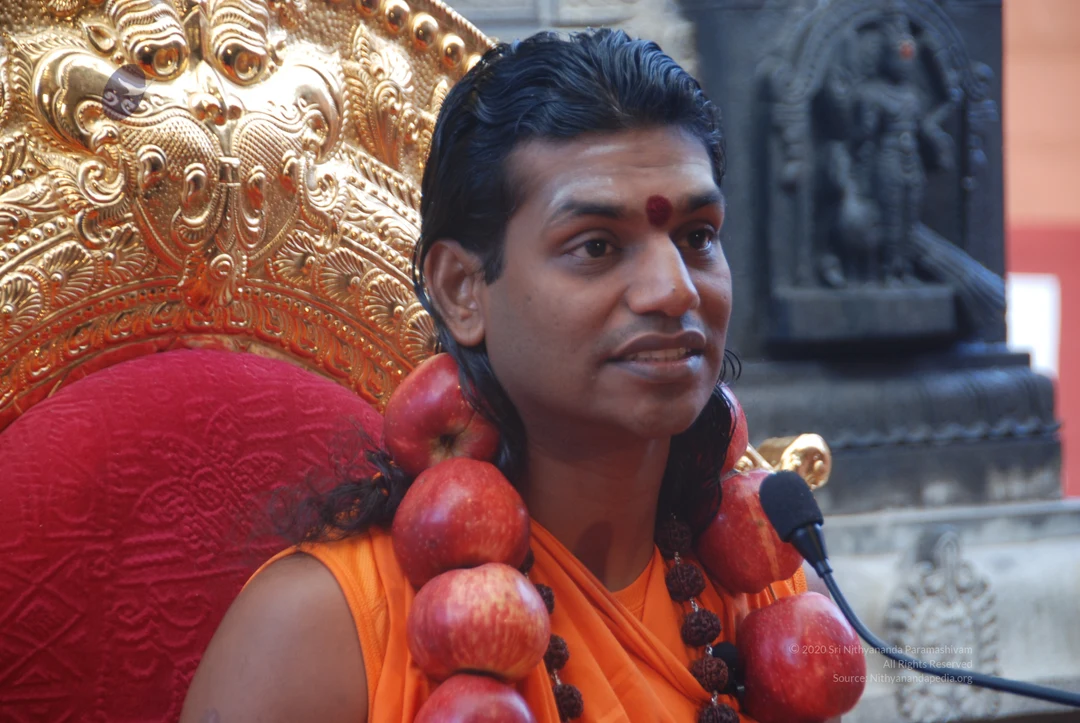
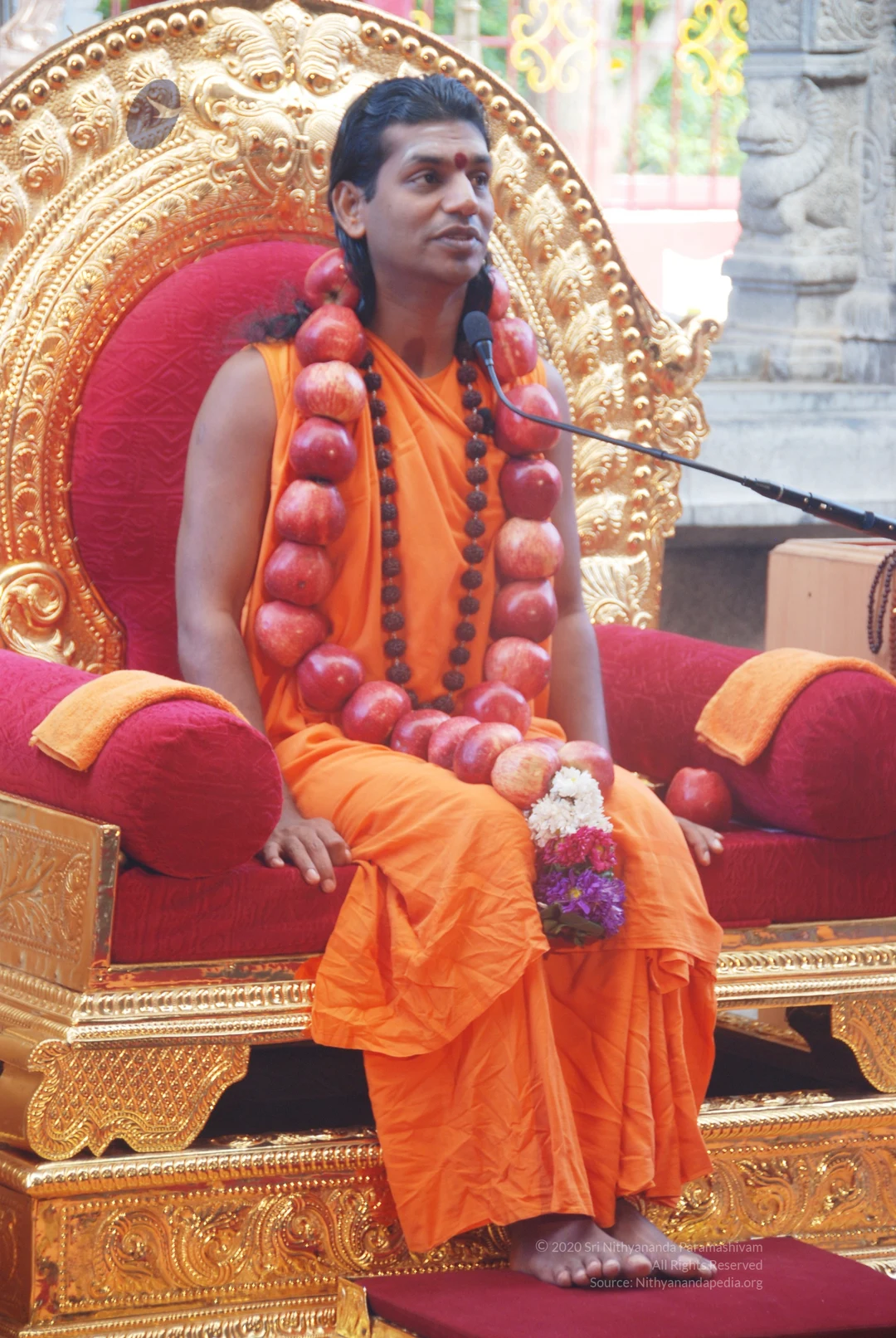
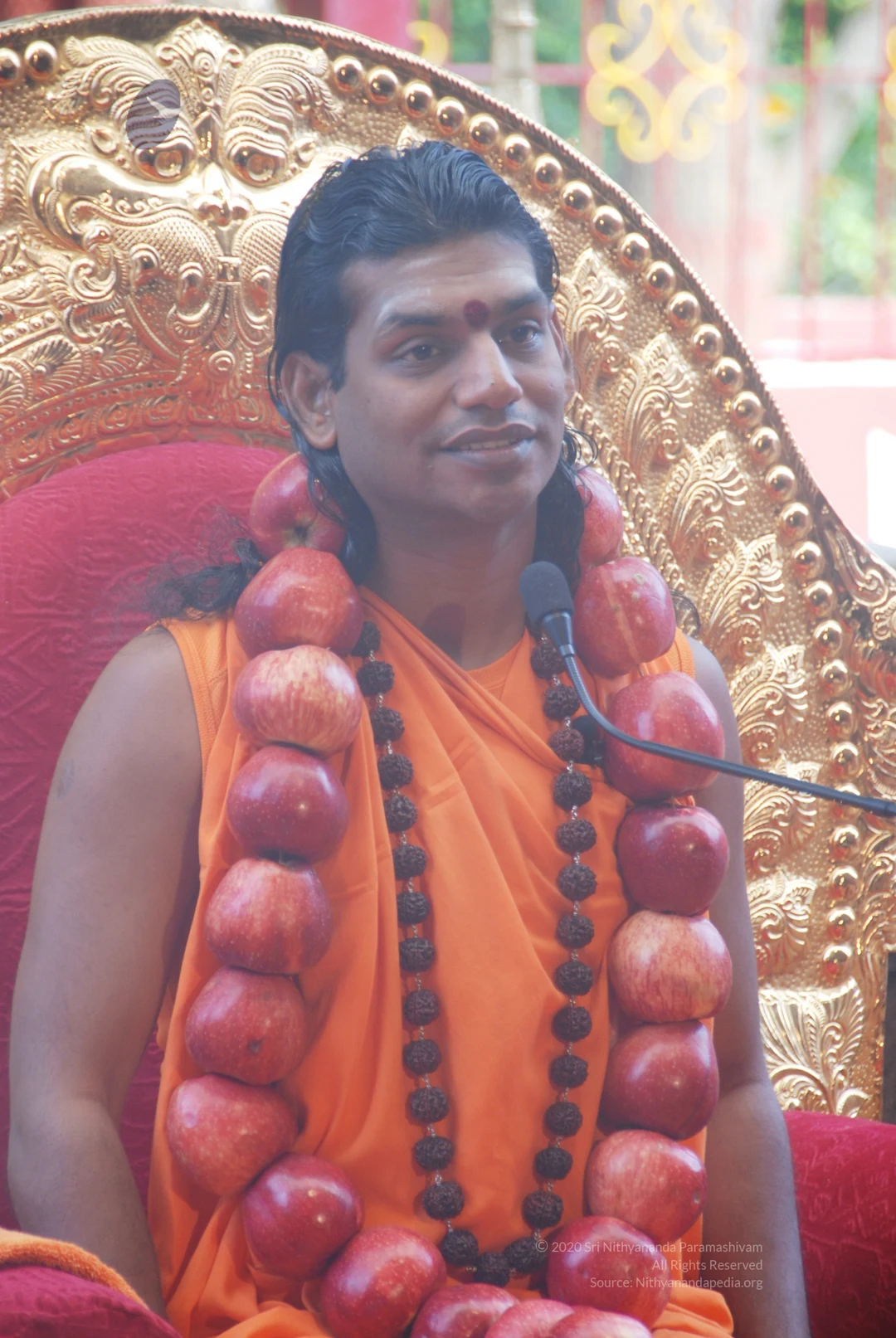
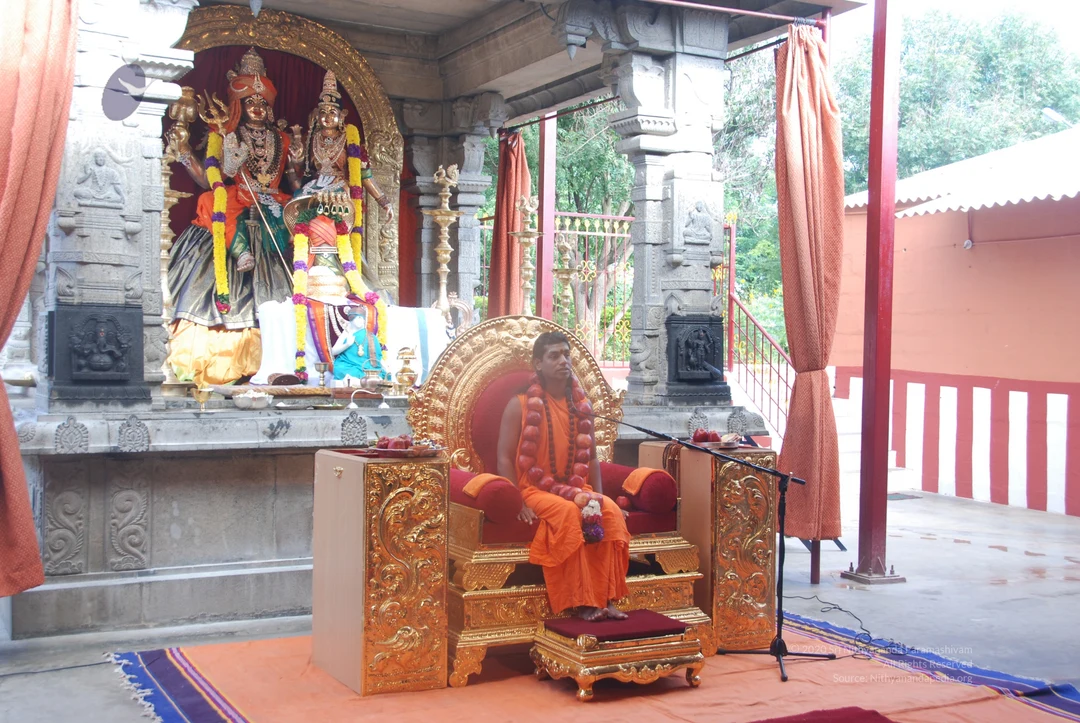
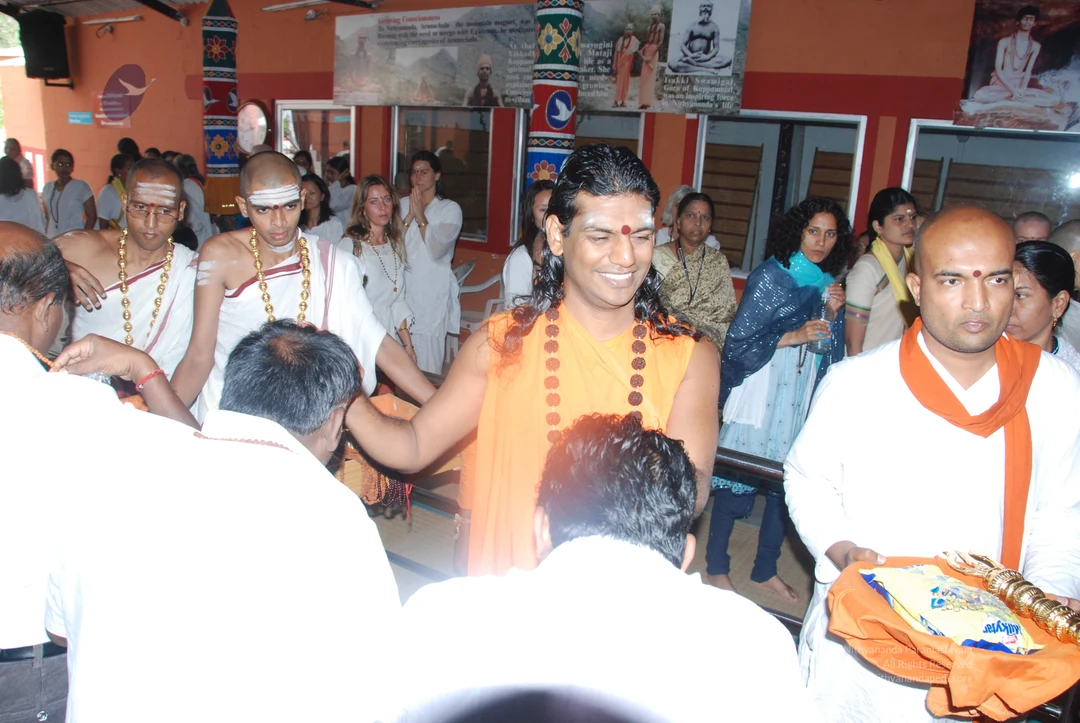
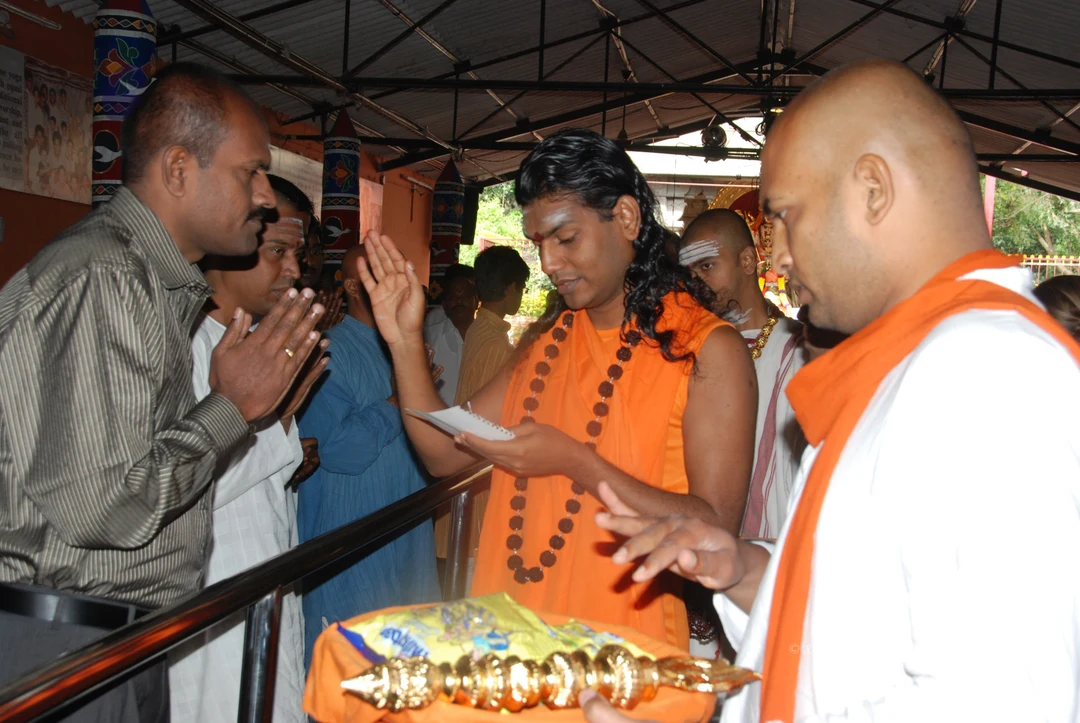
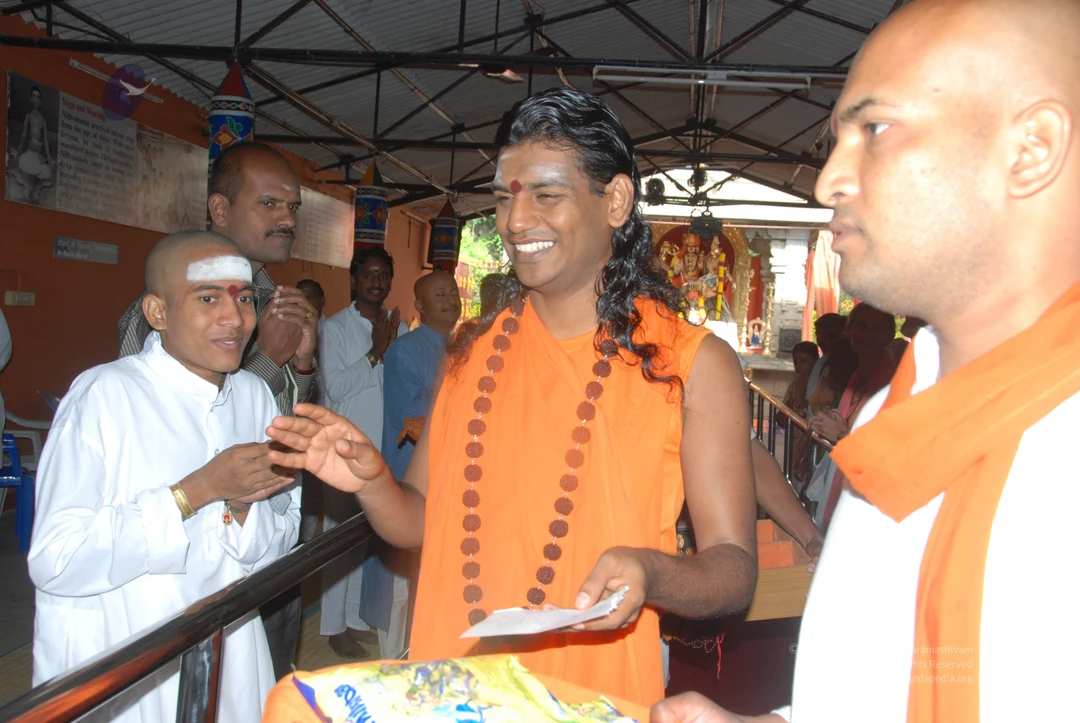
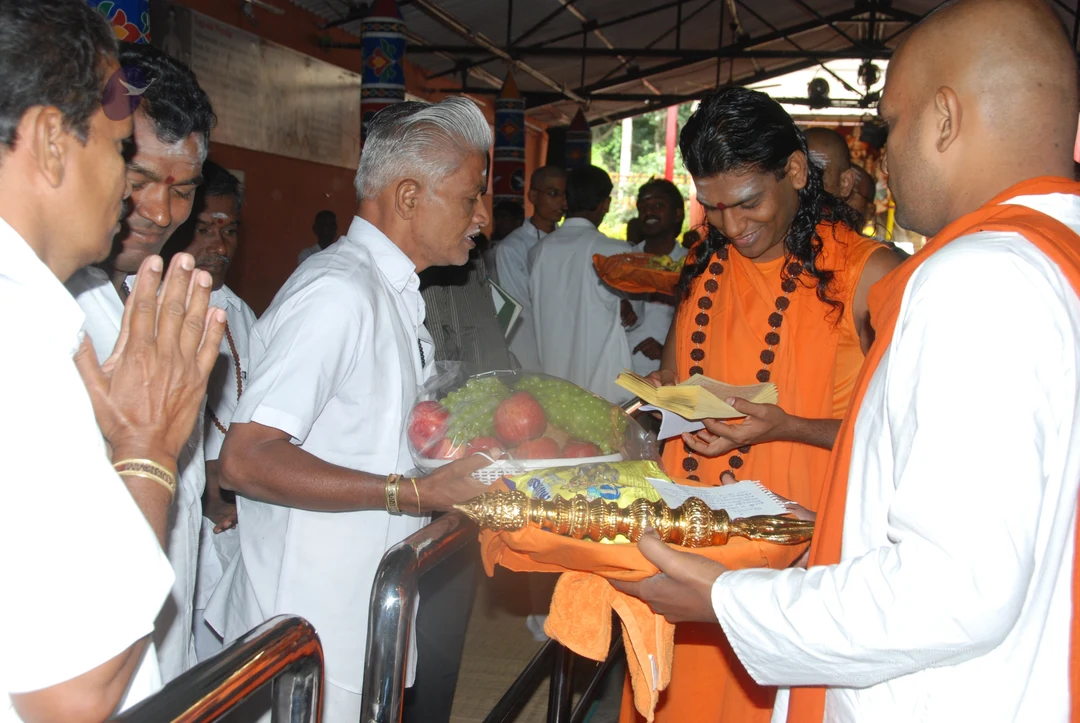
Sarvadarshan
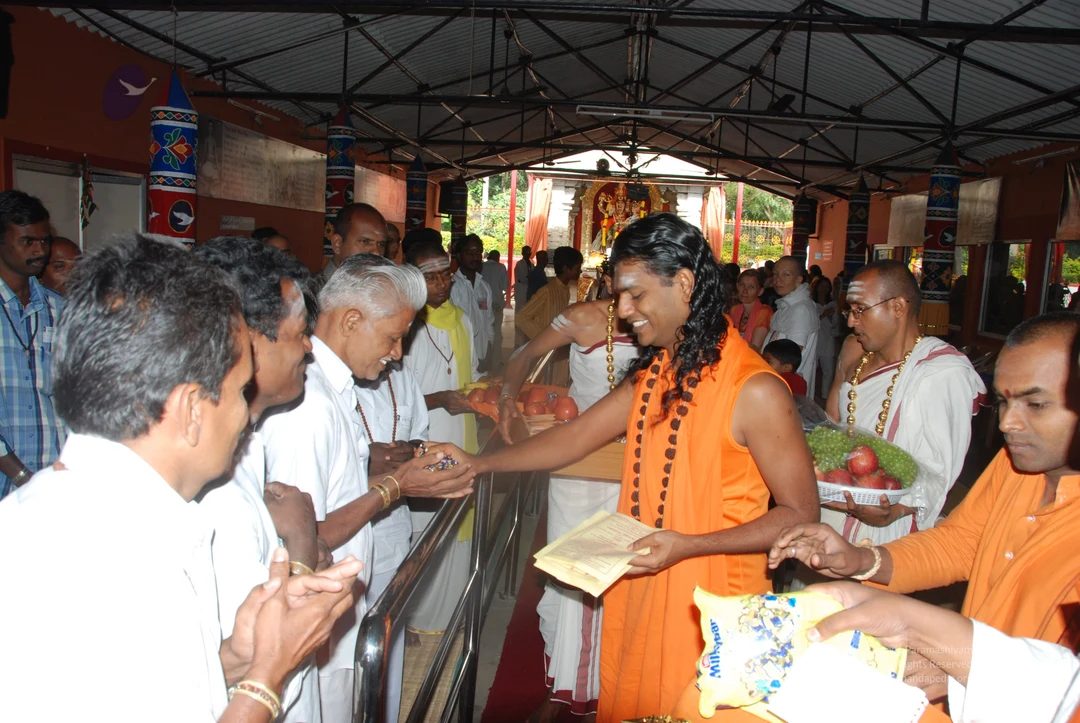
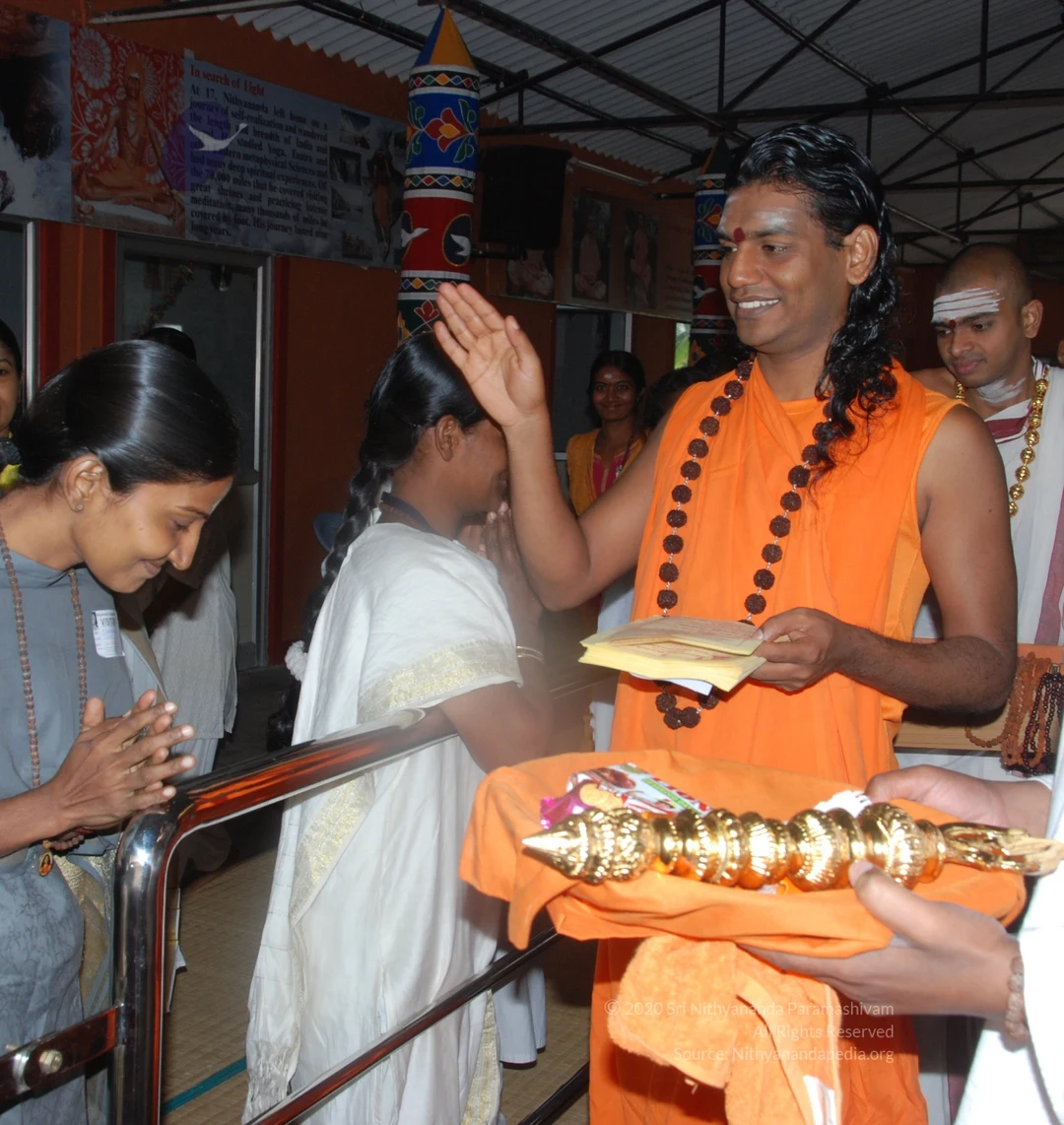
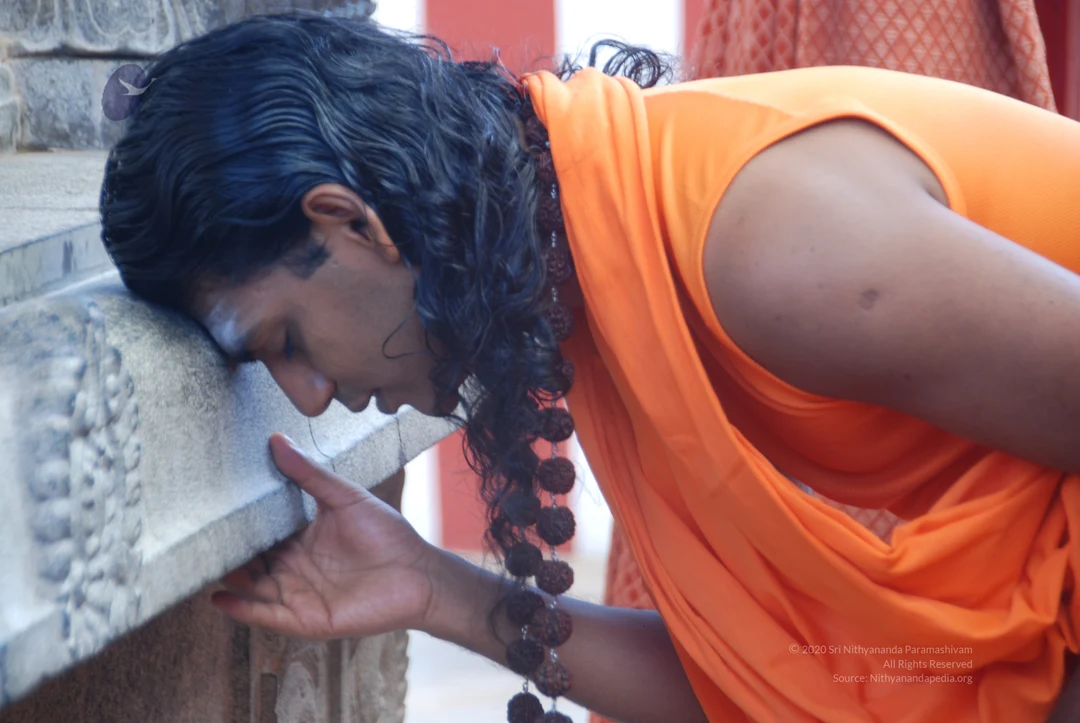
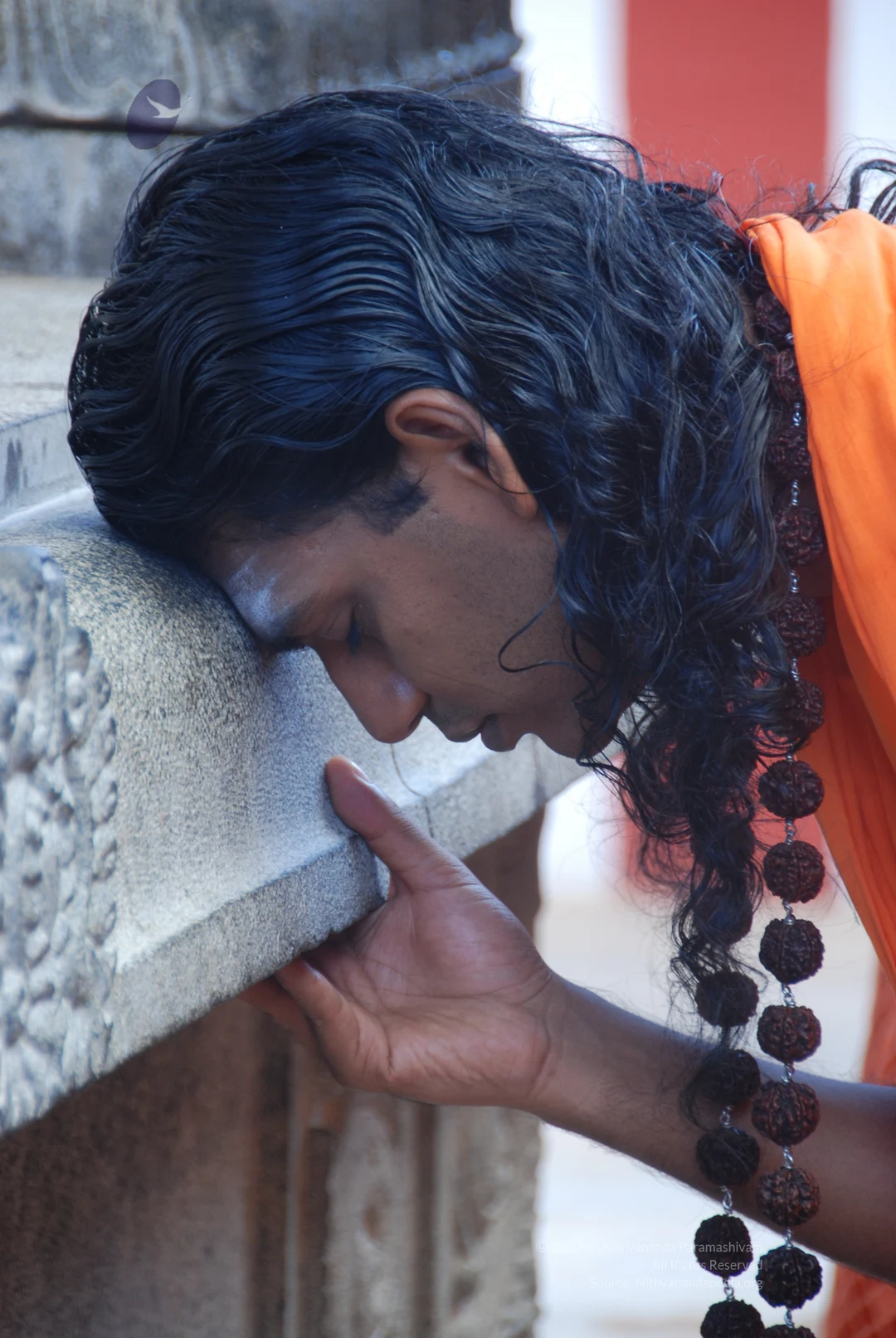
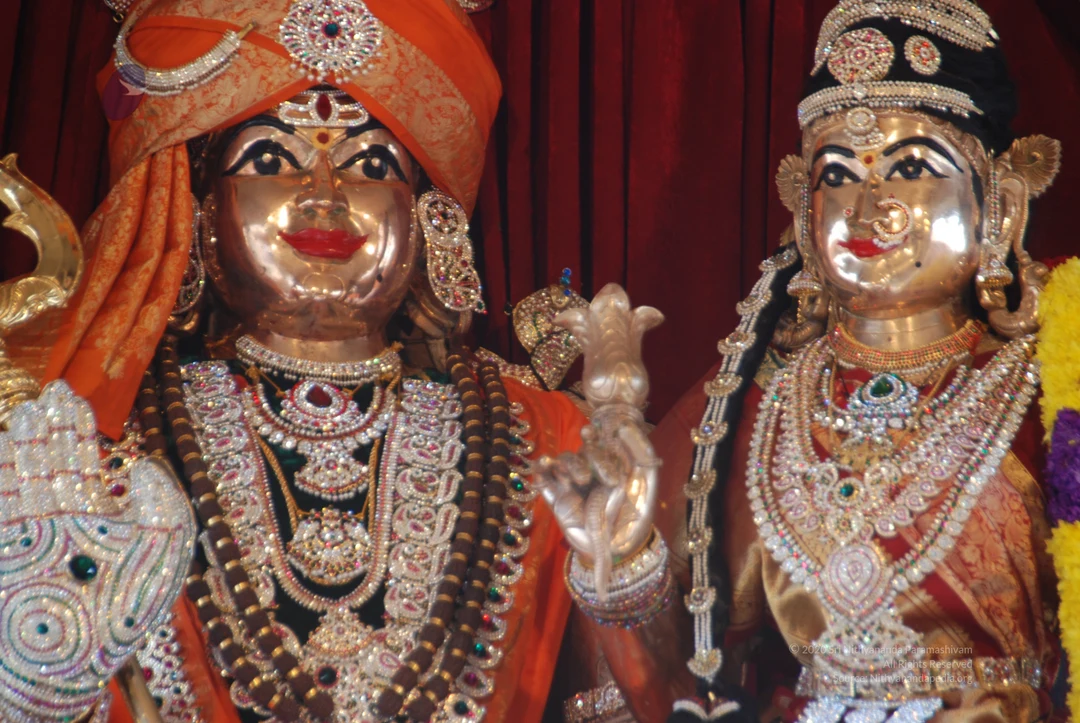
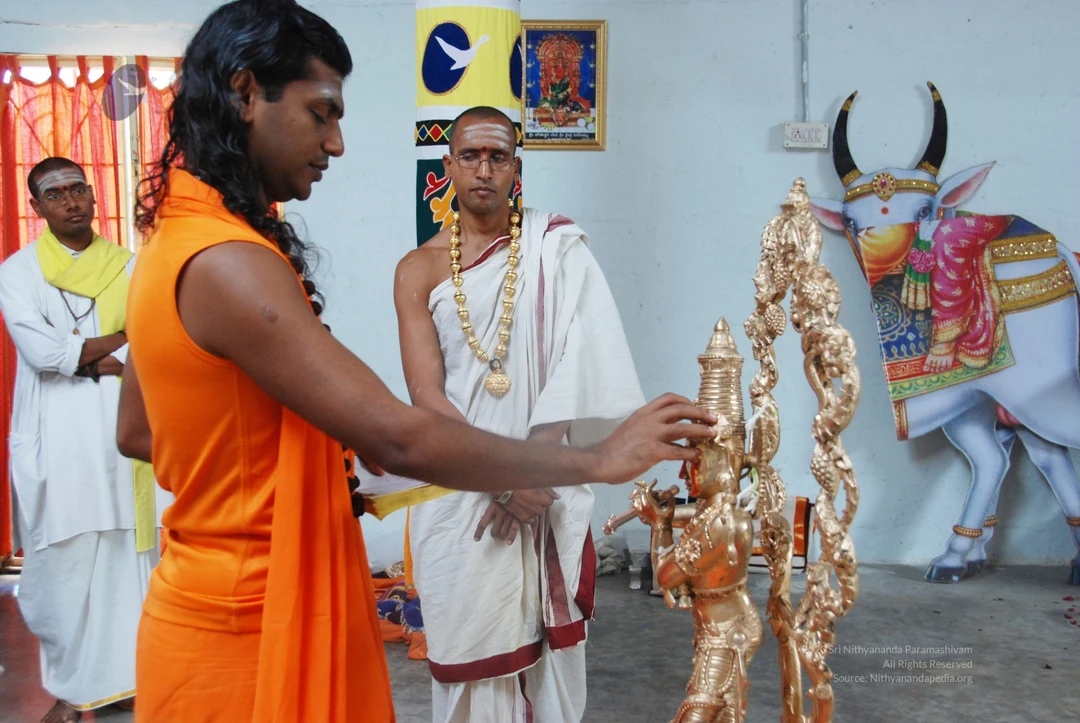
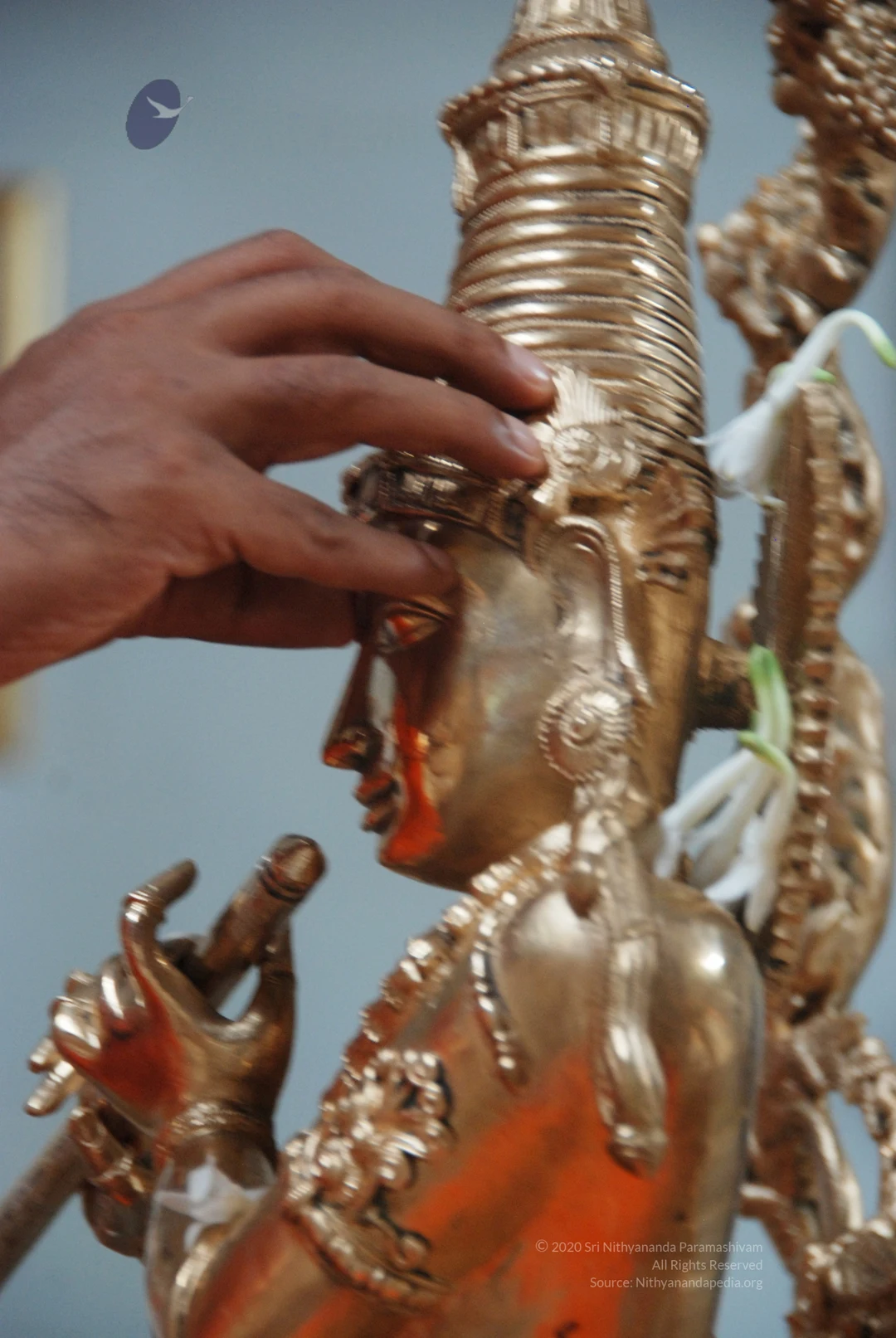
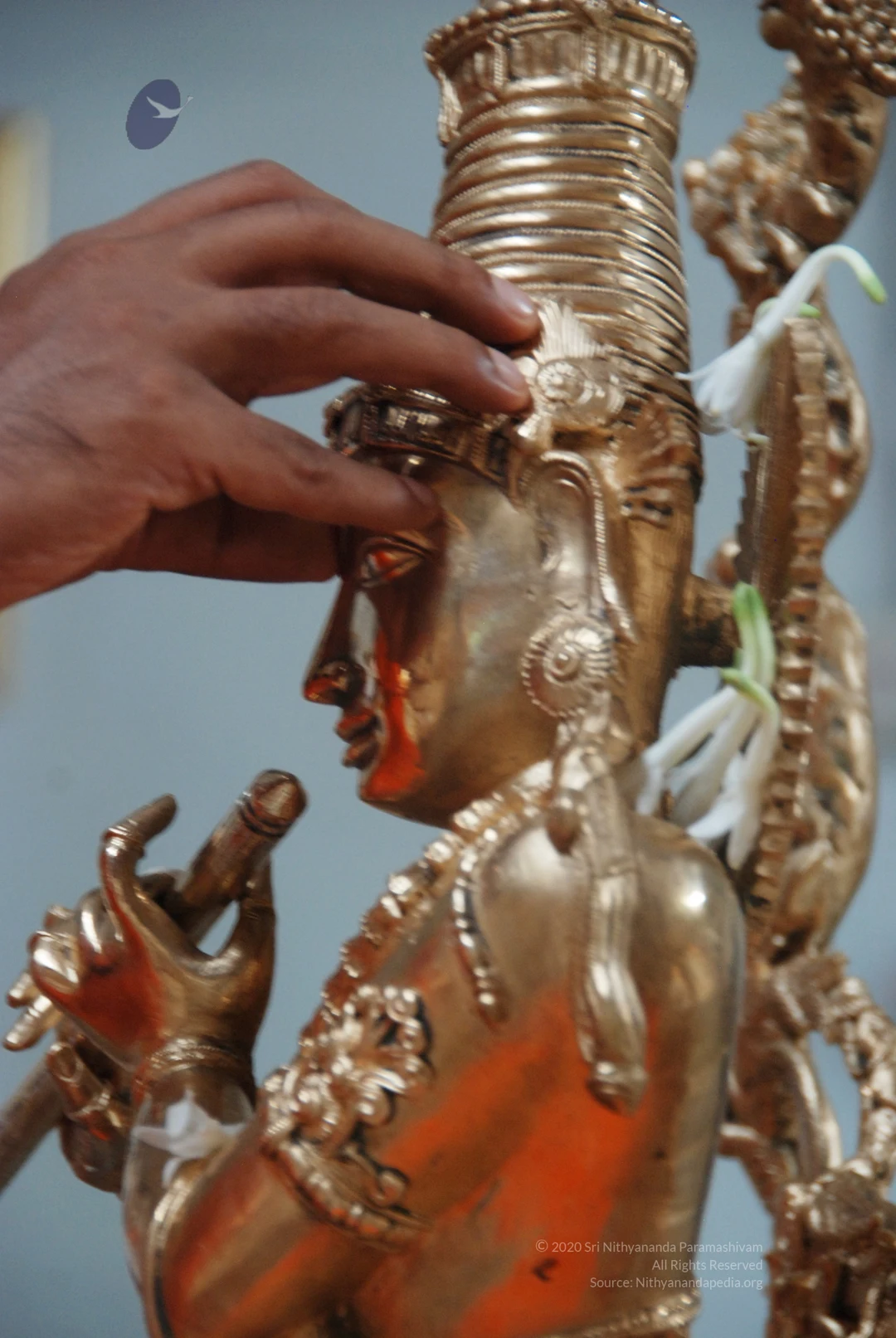
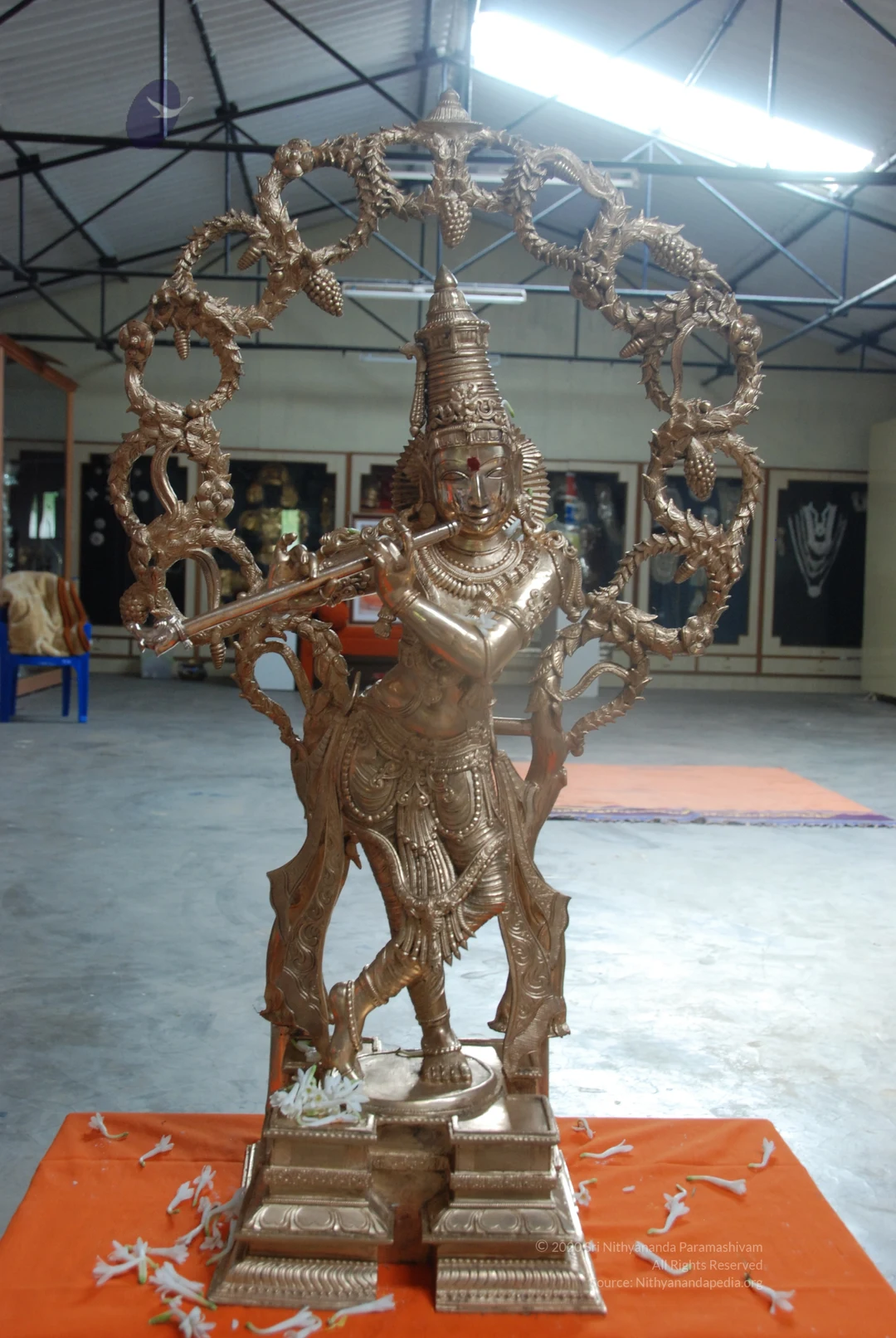
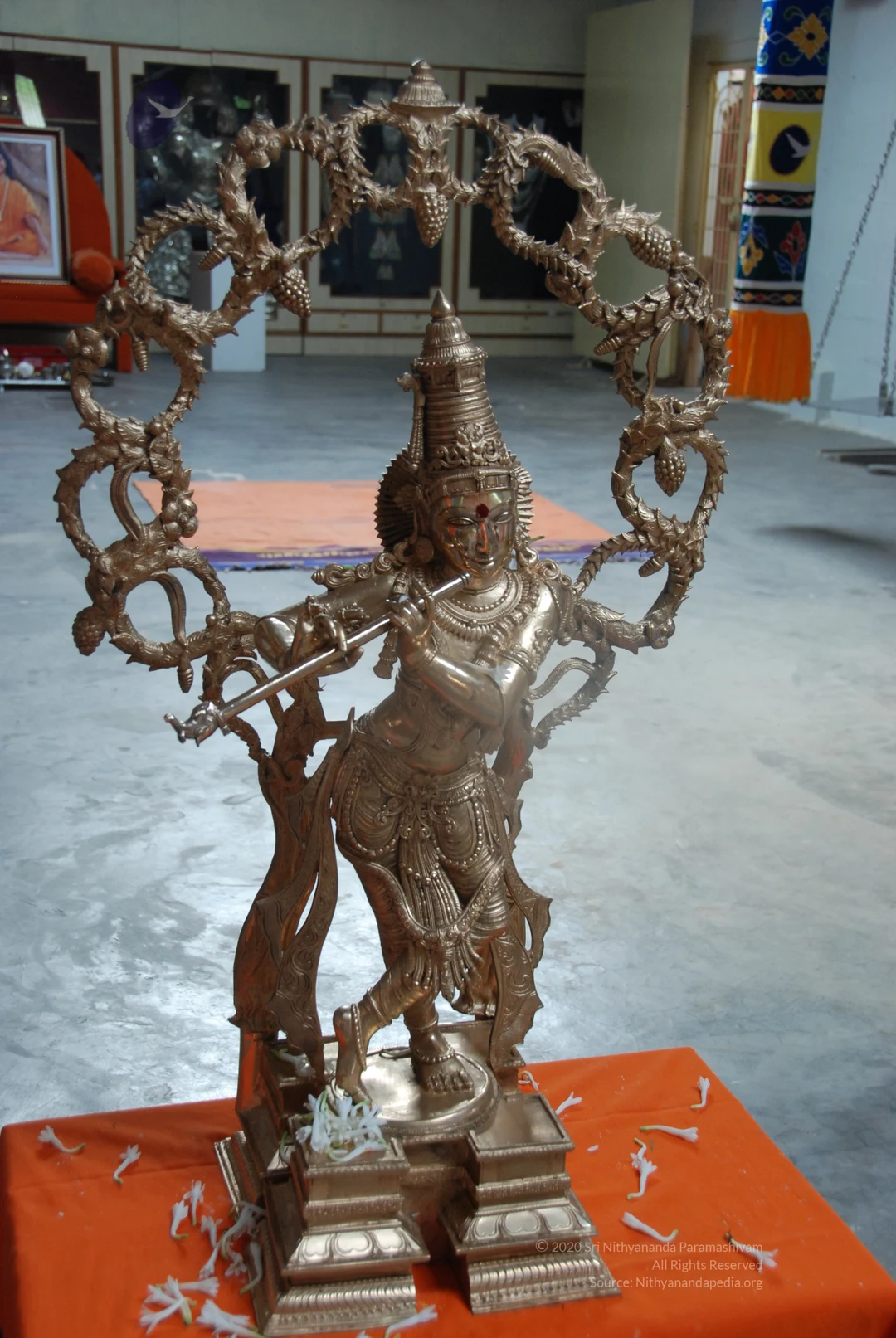
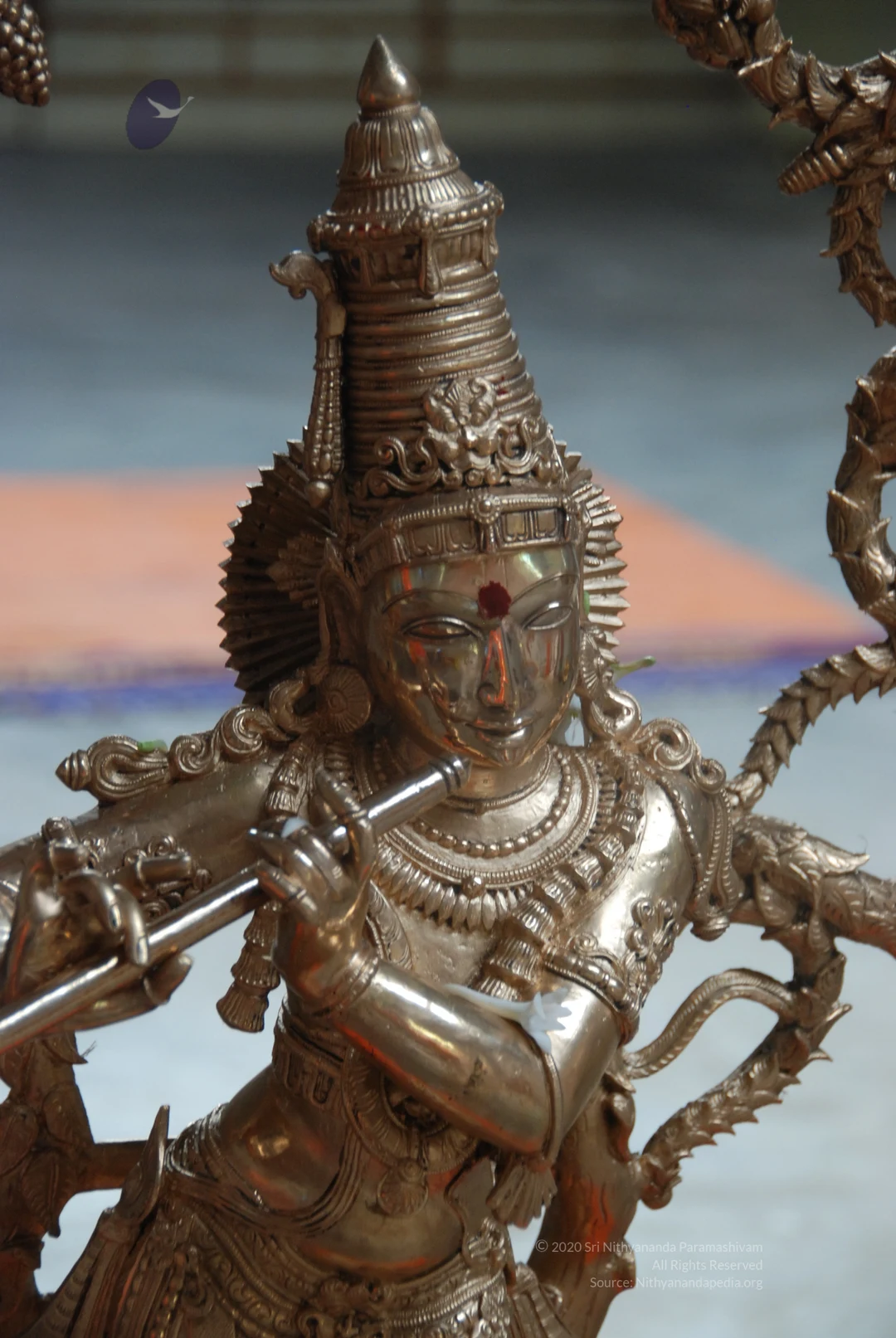
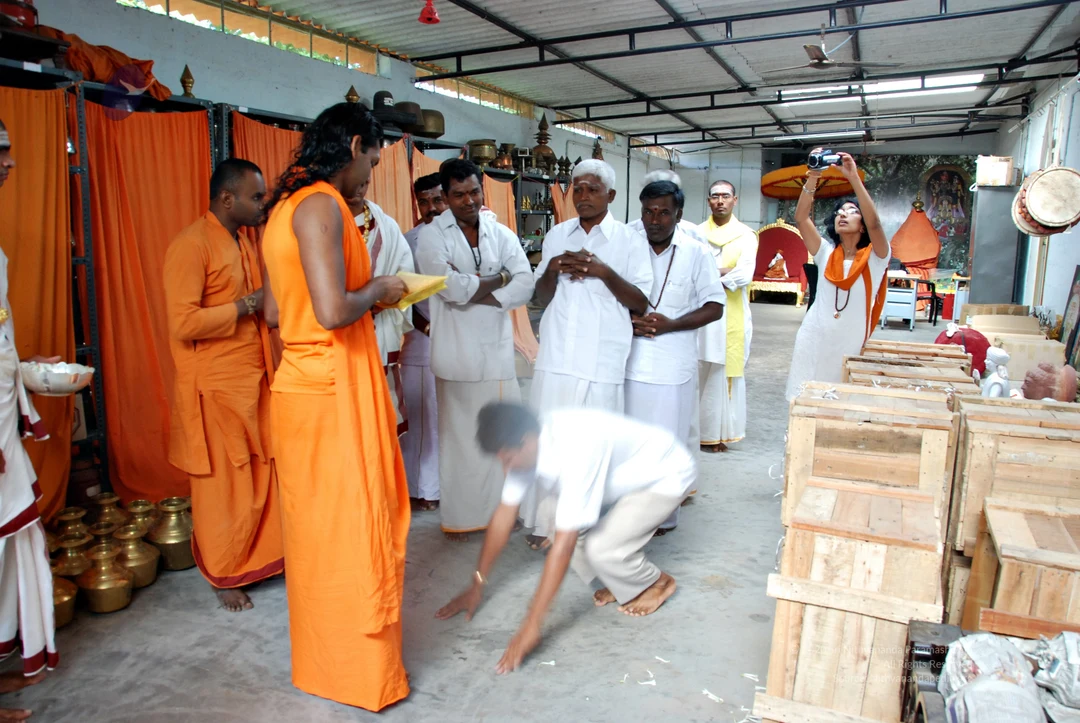
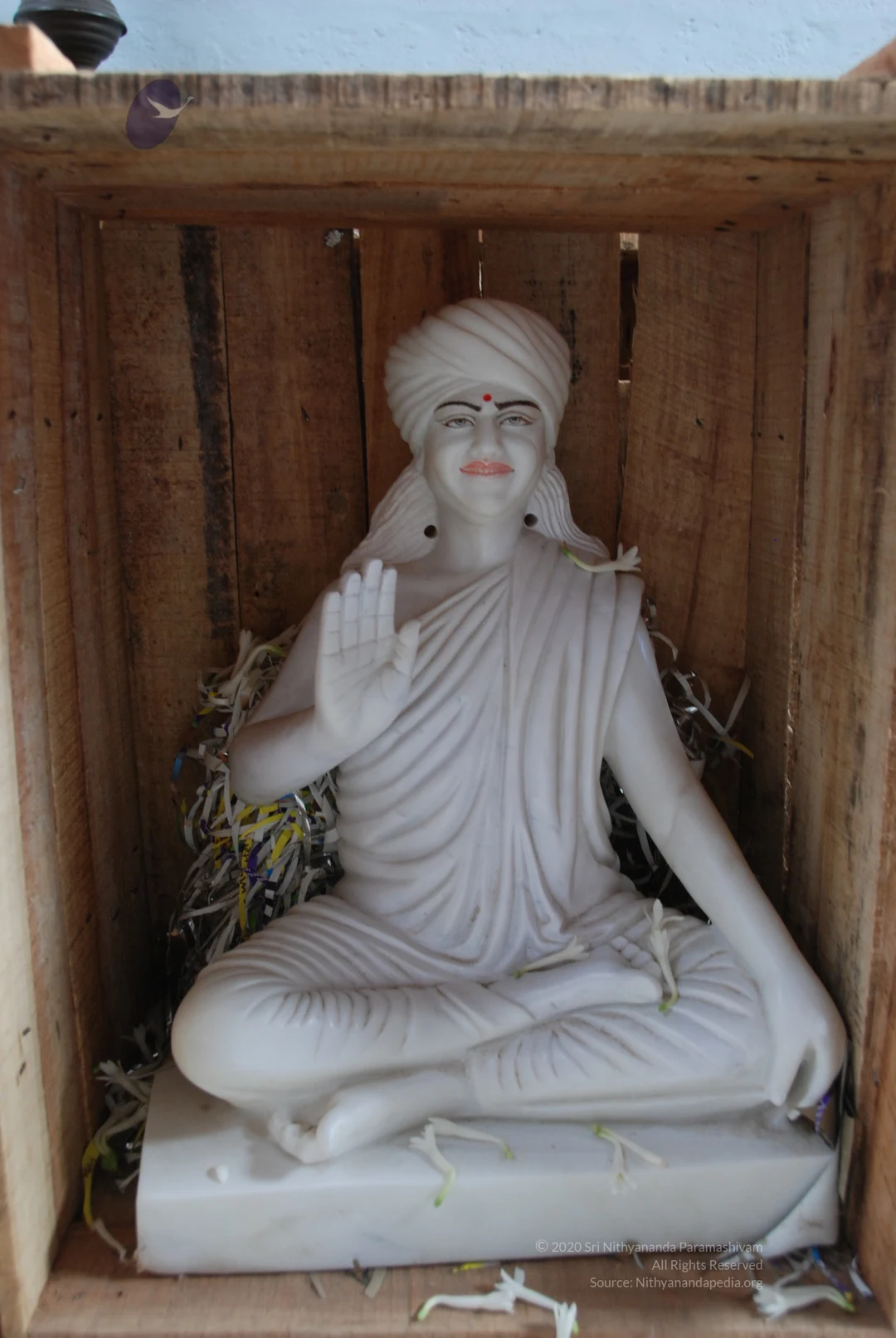
Swamiji-Doing-Pranaprathistha-To-Deities
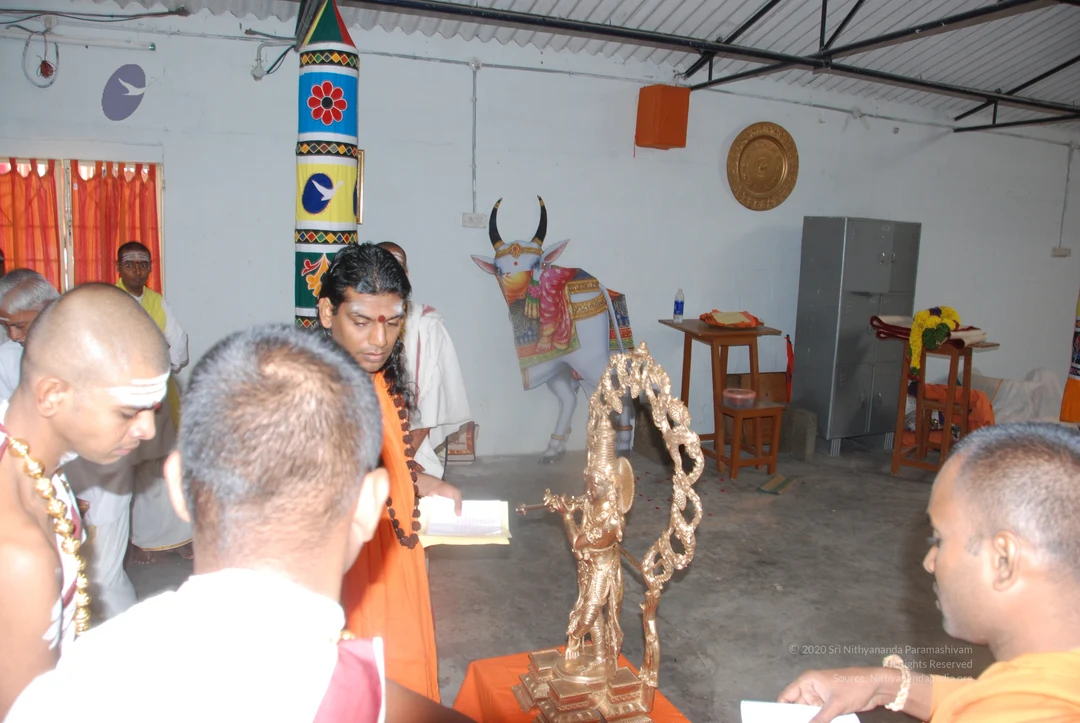
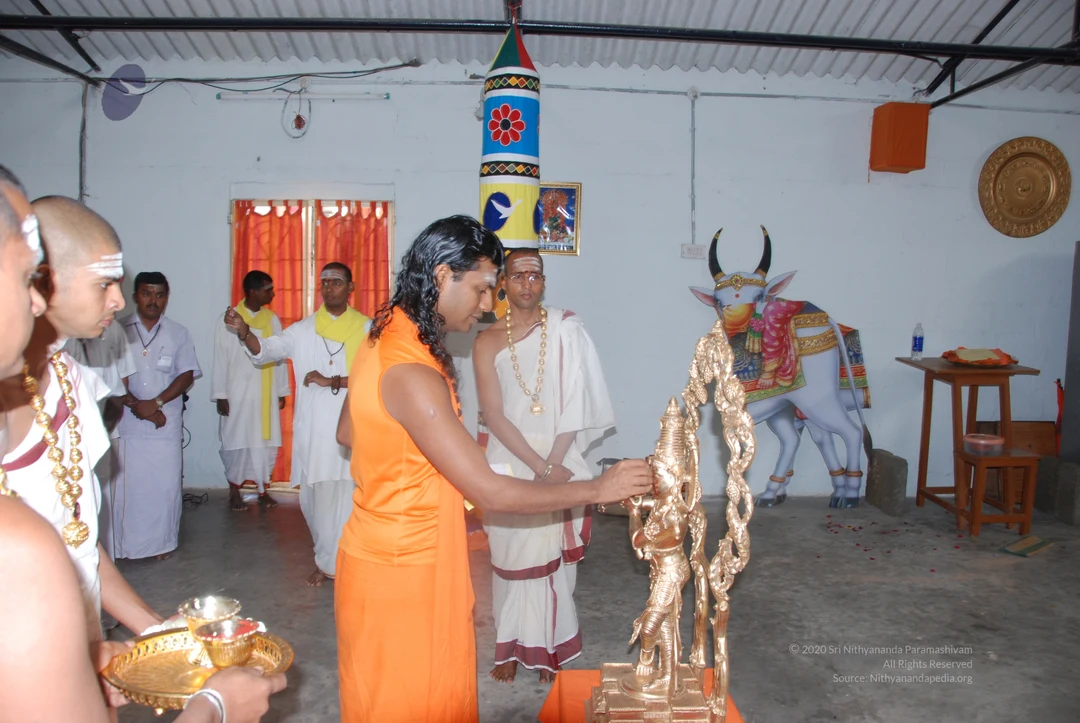
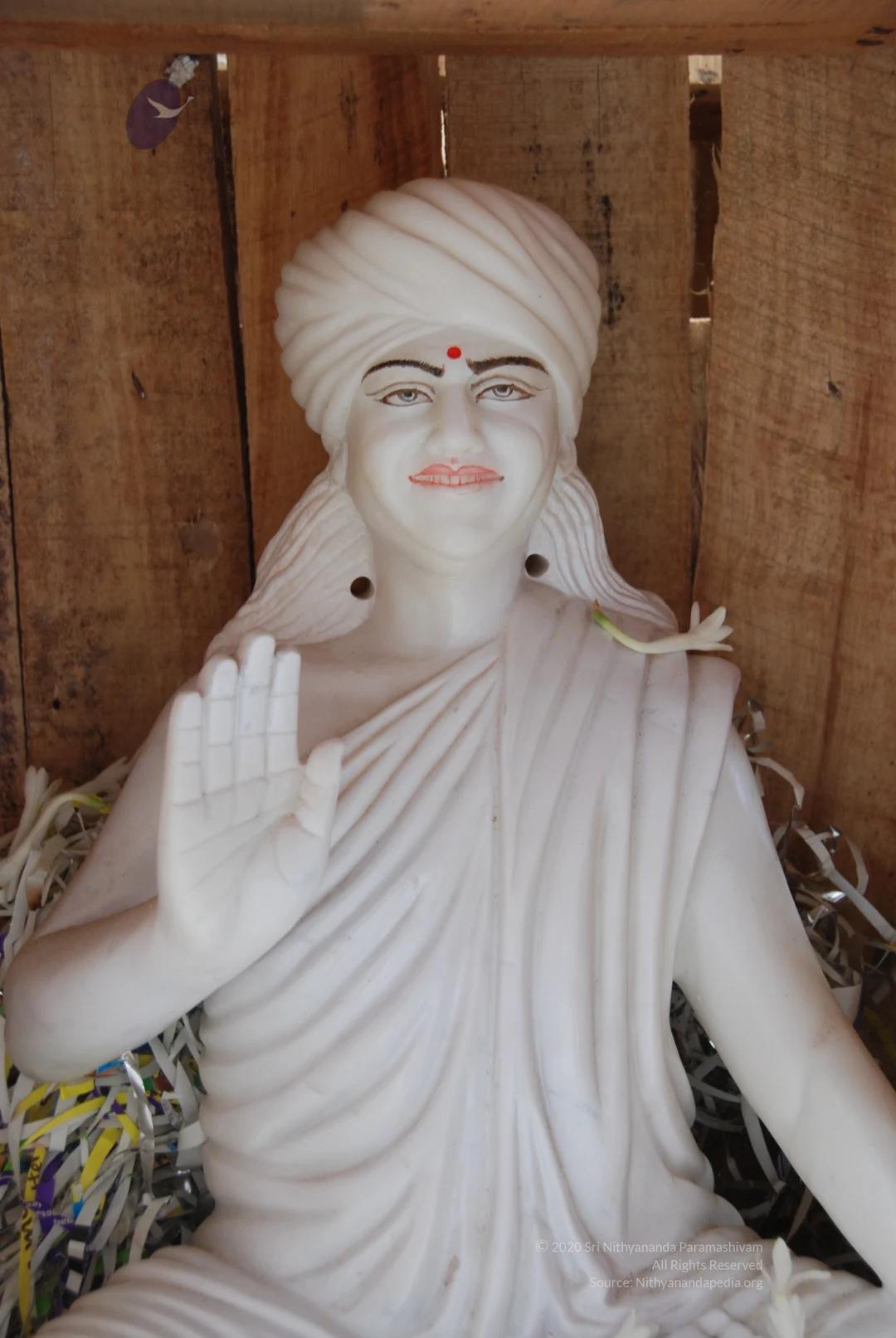
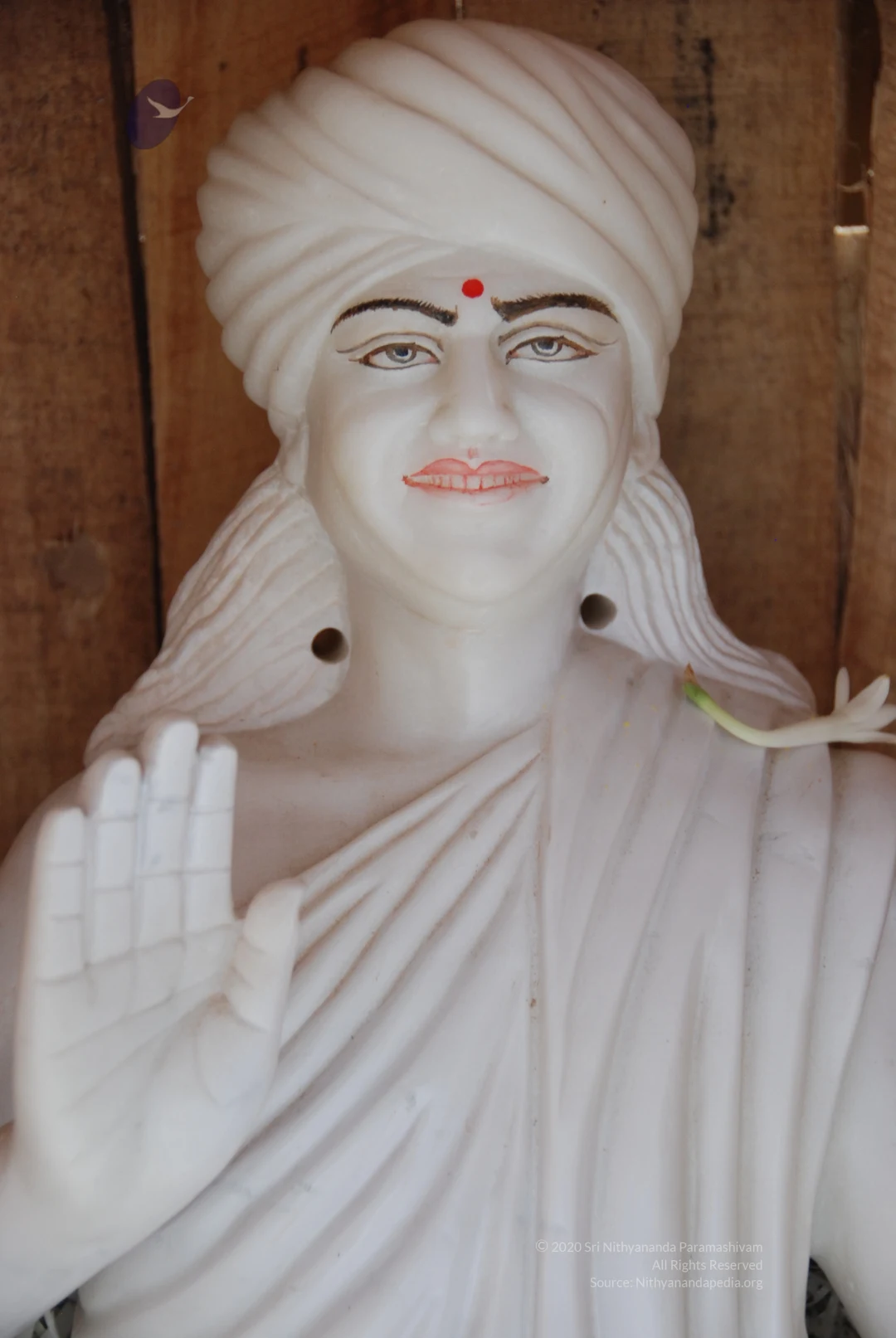
Lep-Morning-Session-With-Swamiji
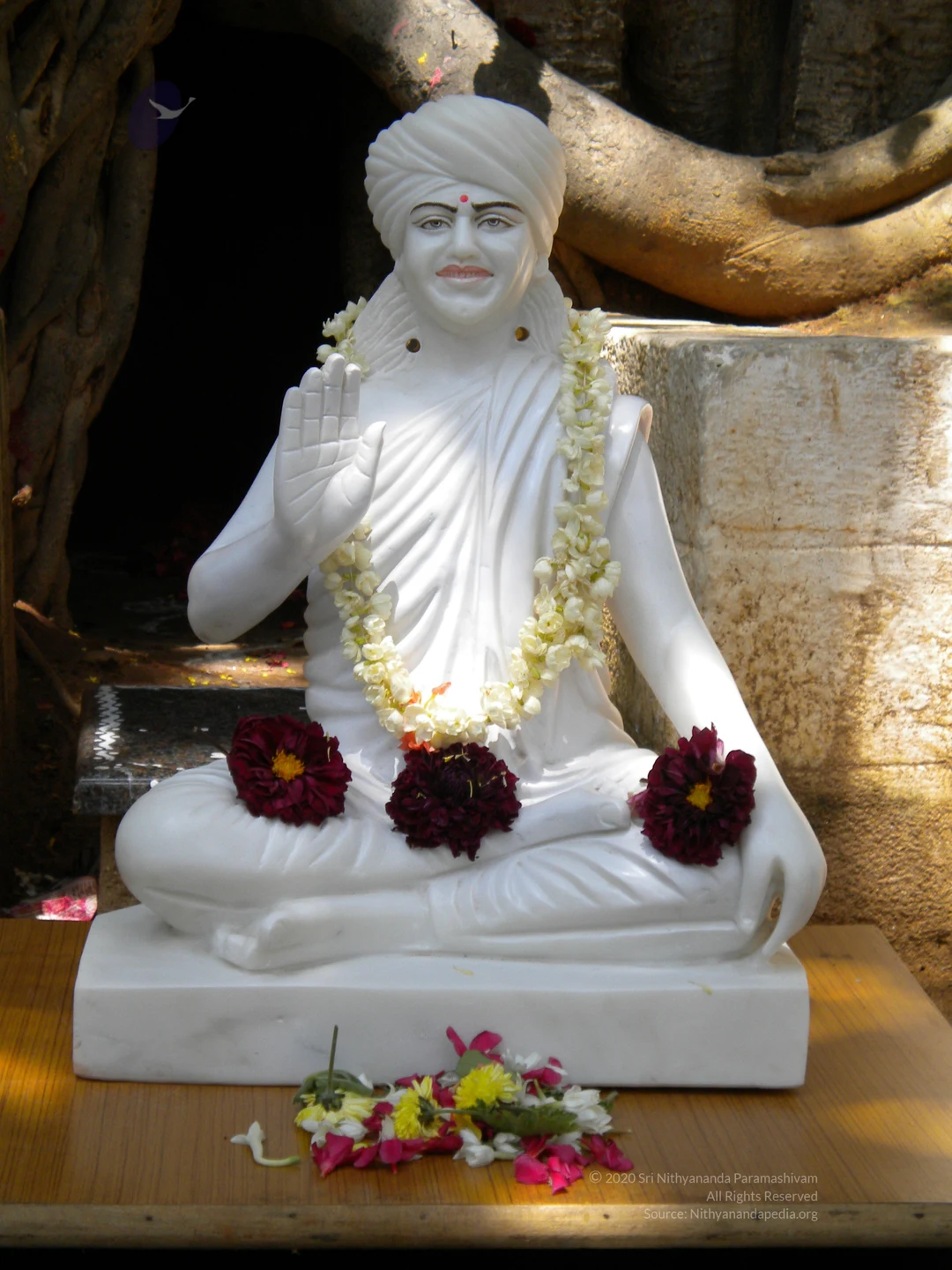
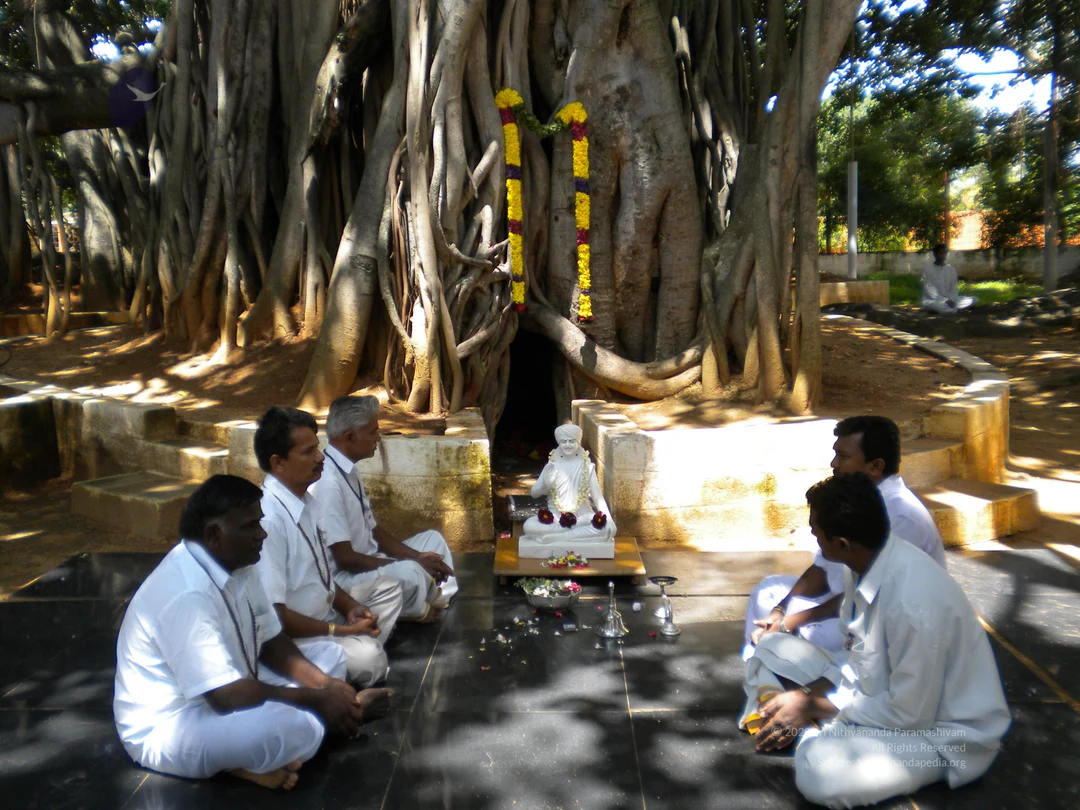
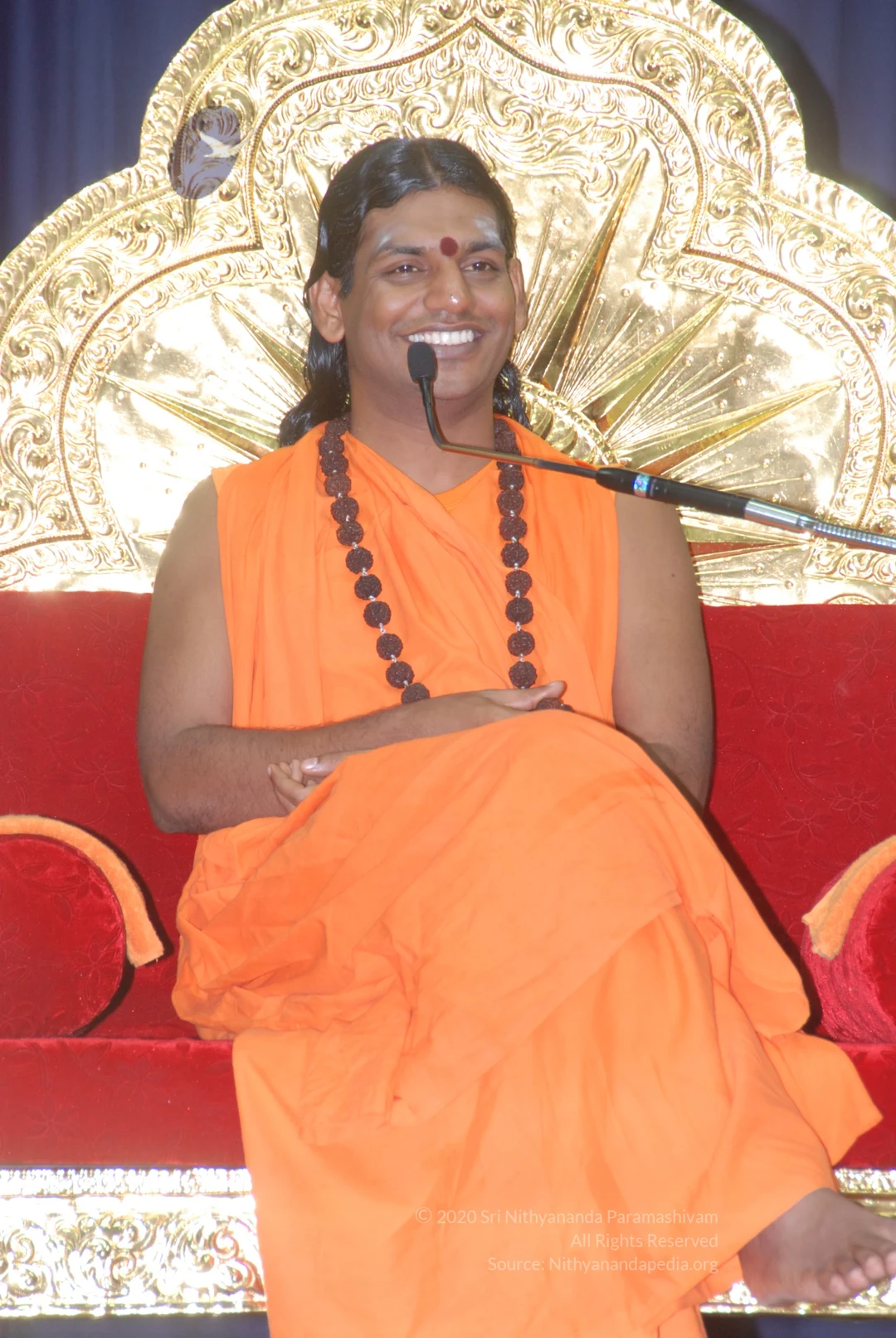
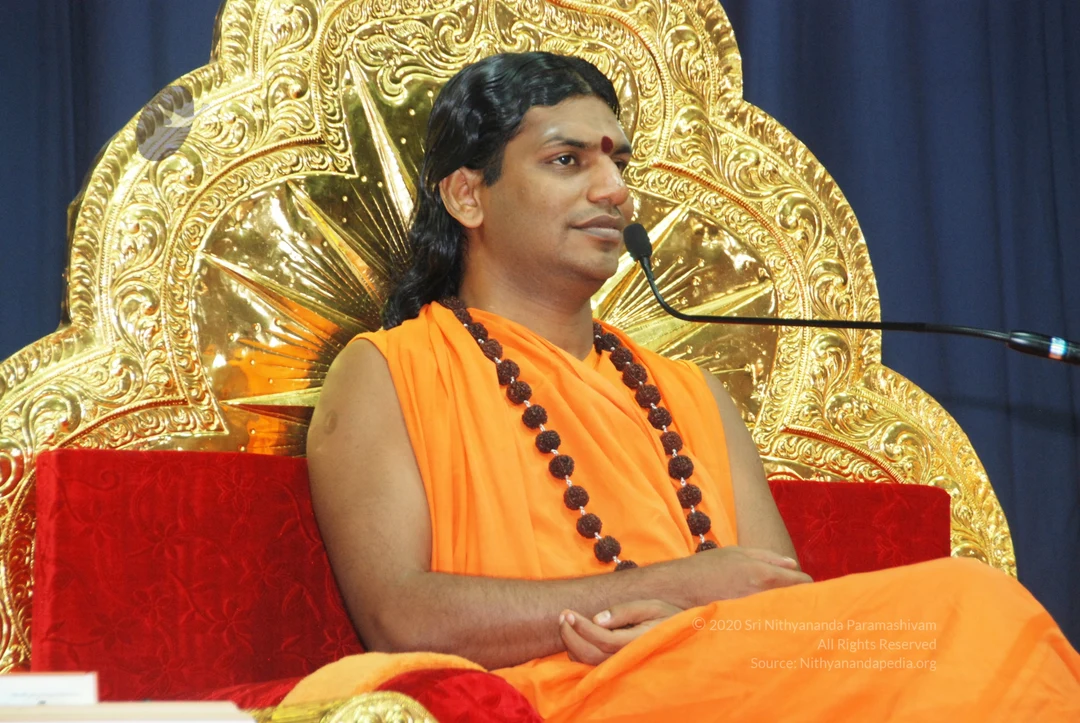
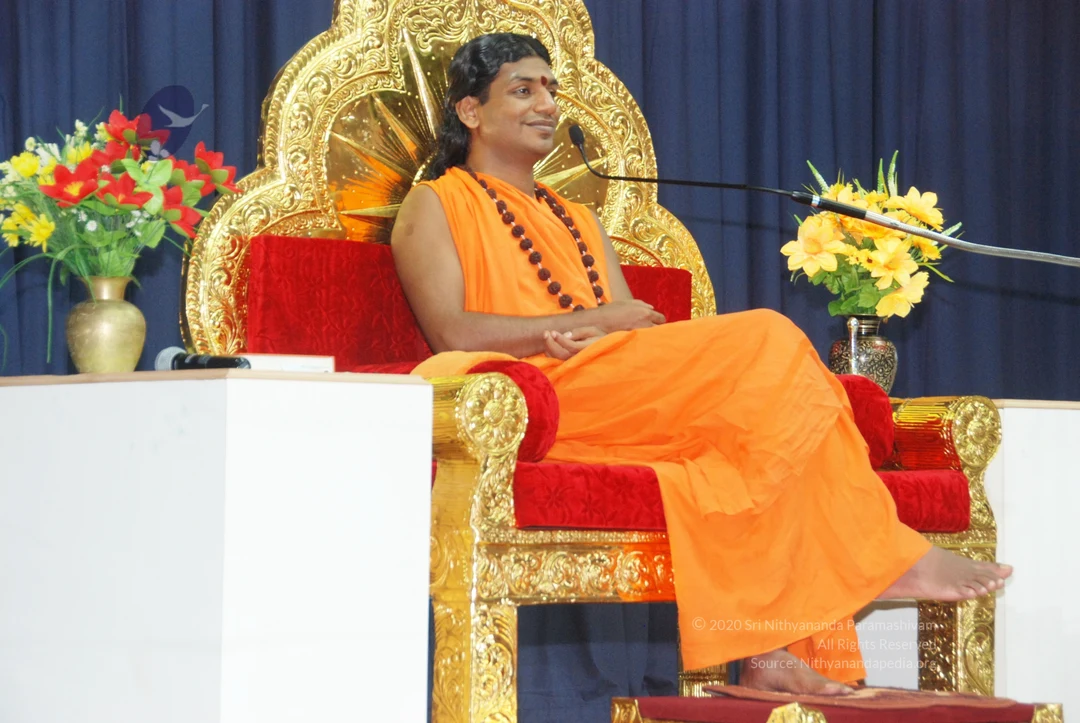
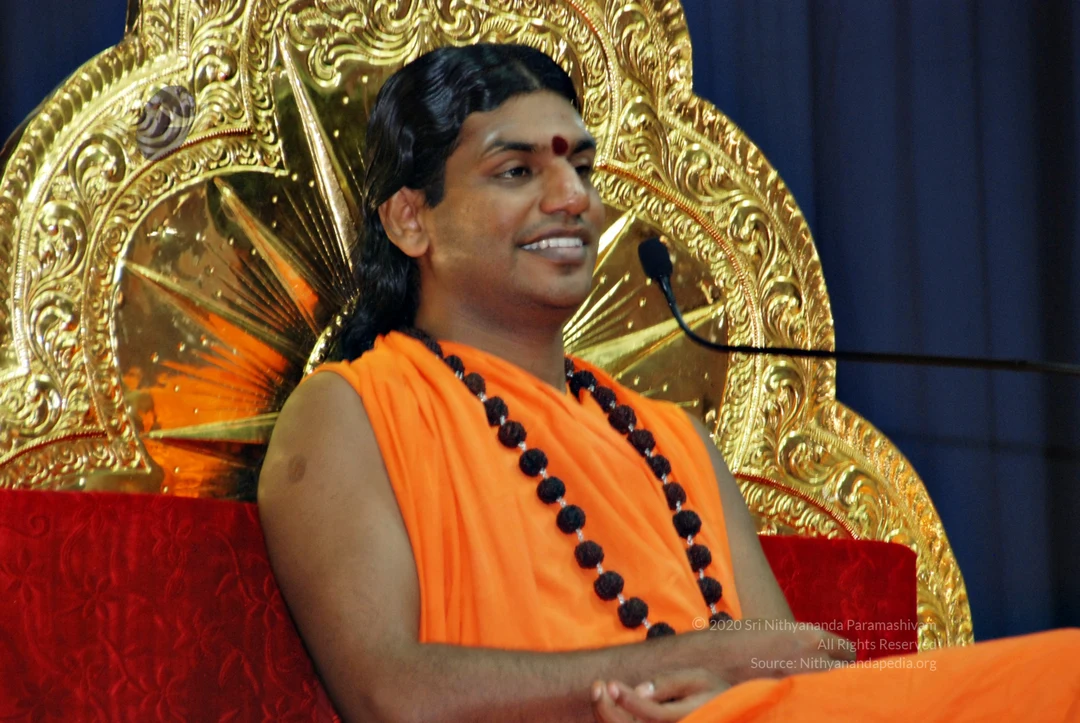
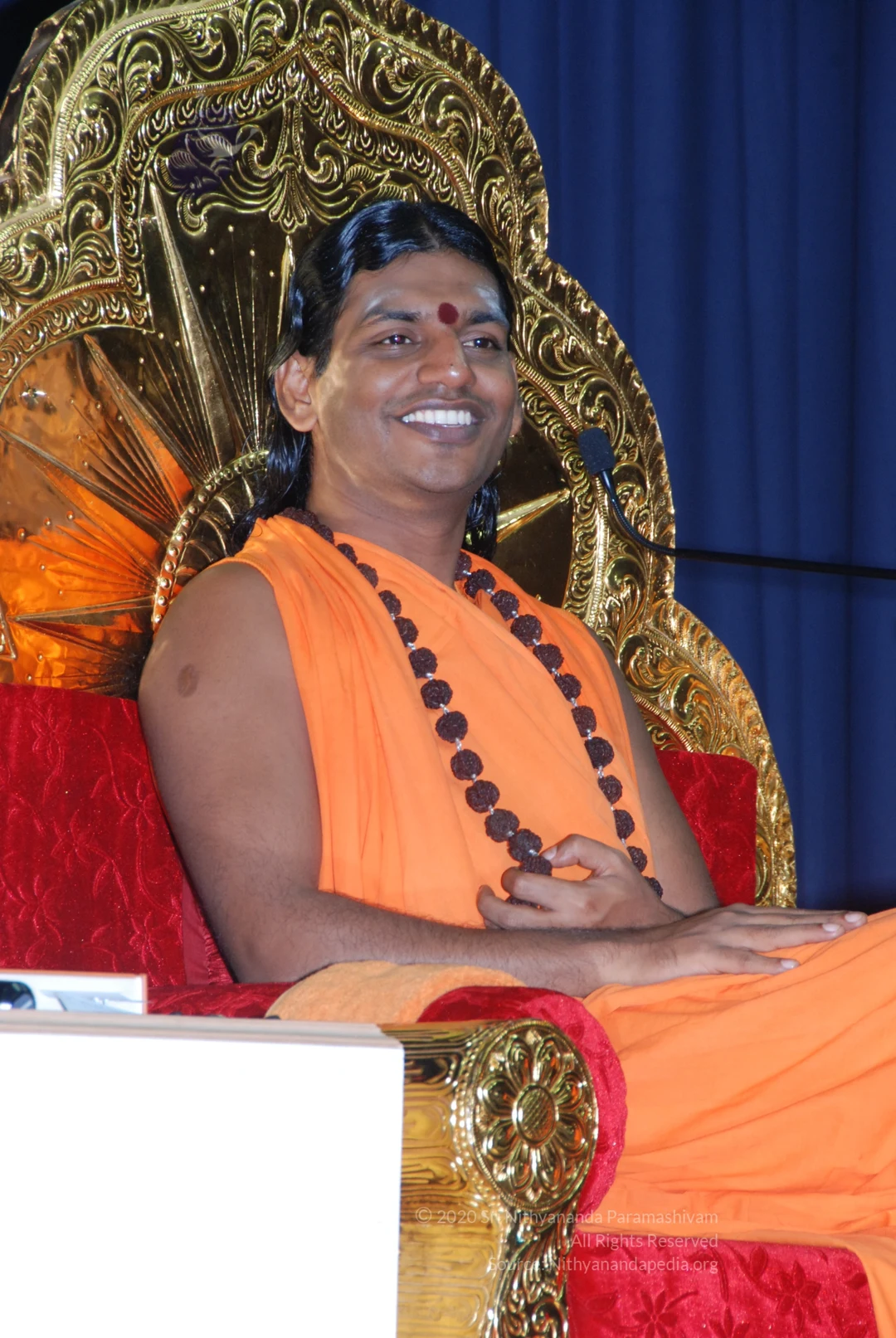
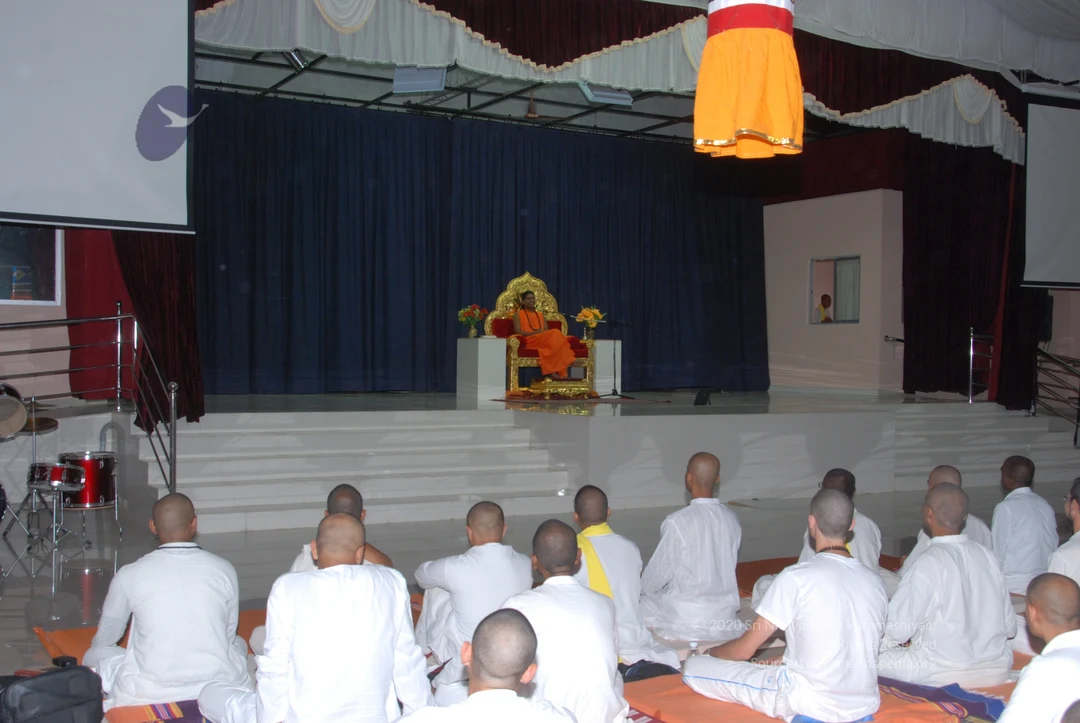
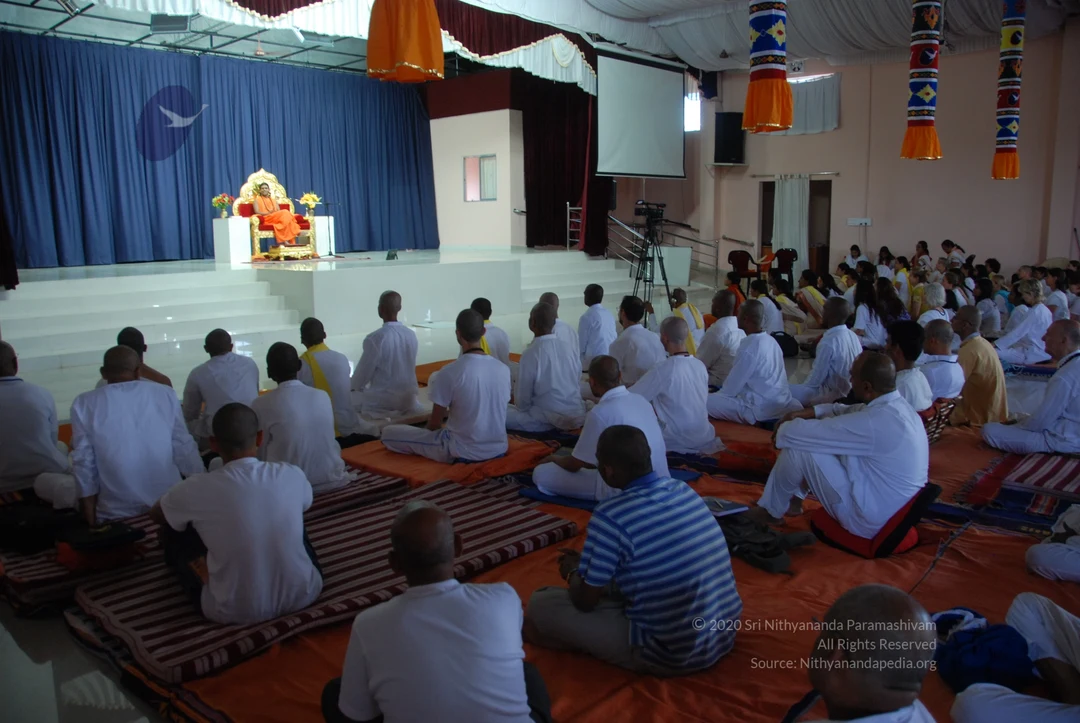
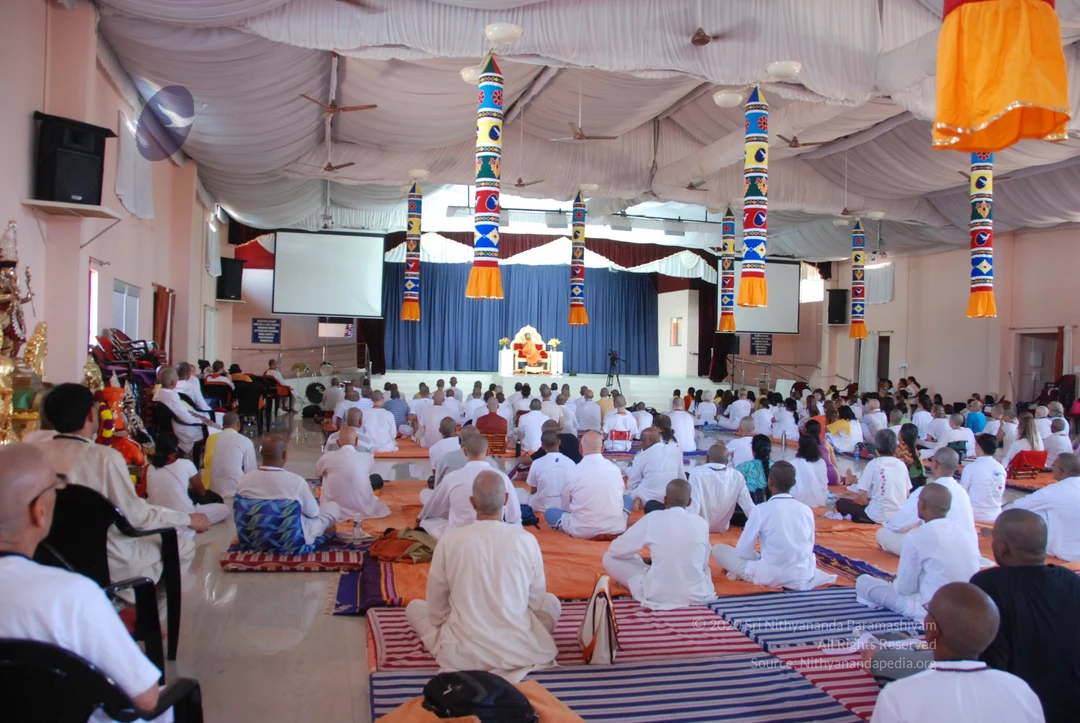
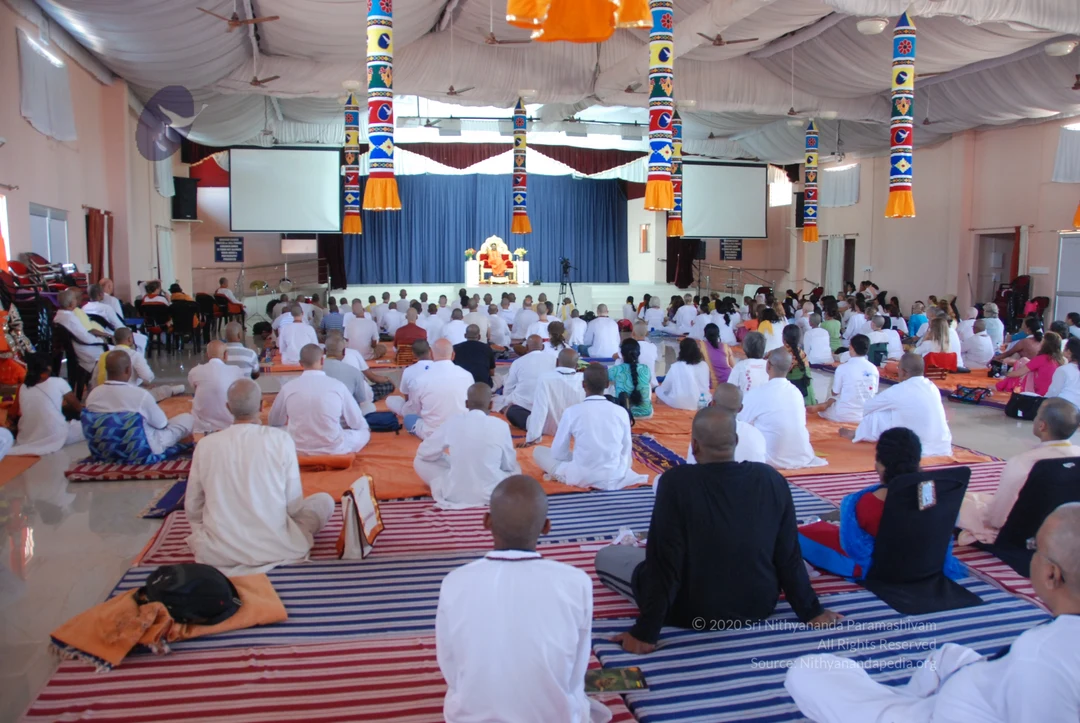
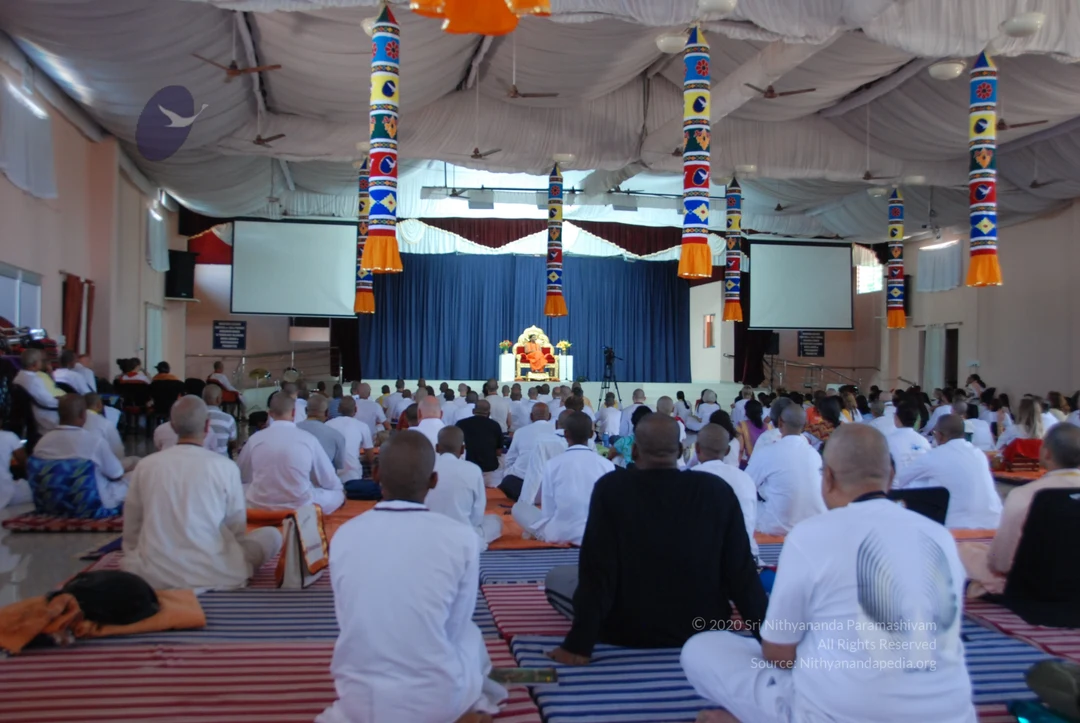
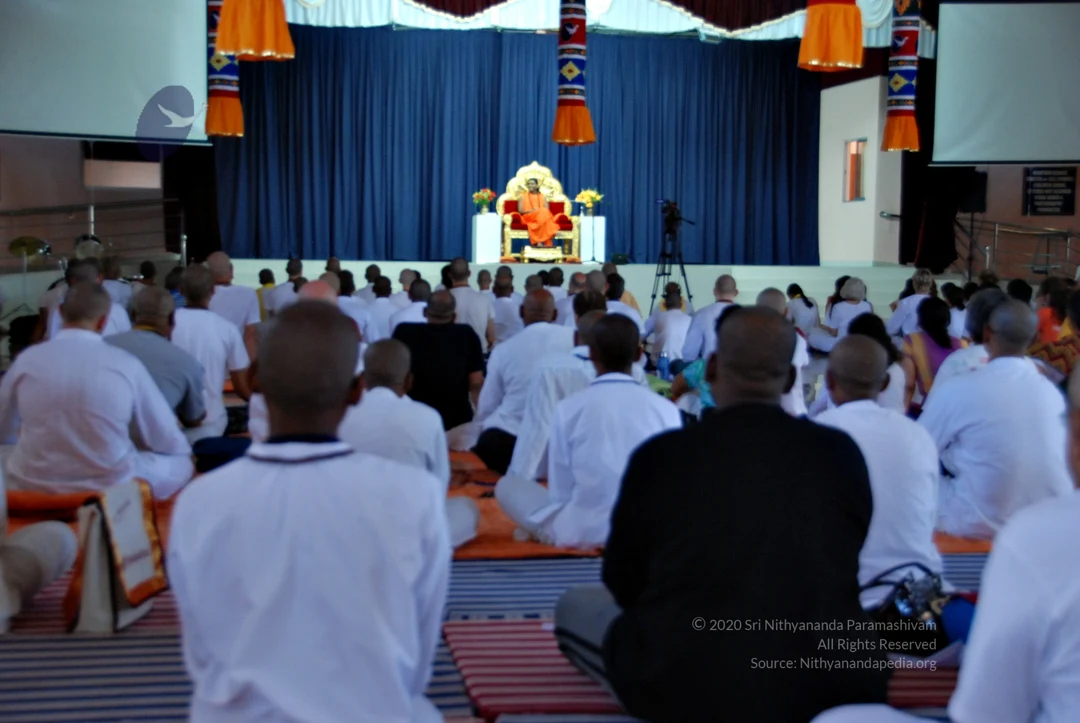
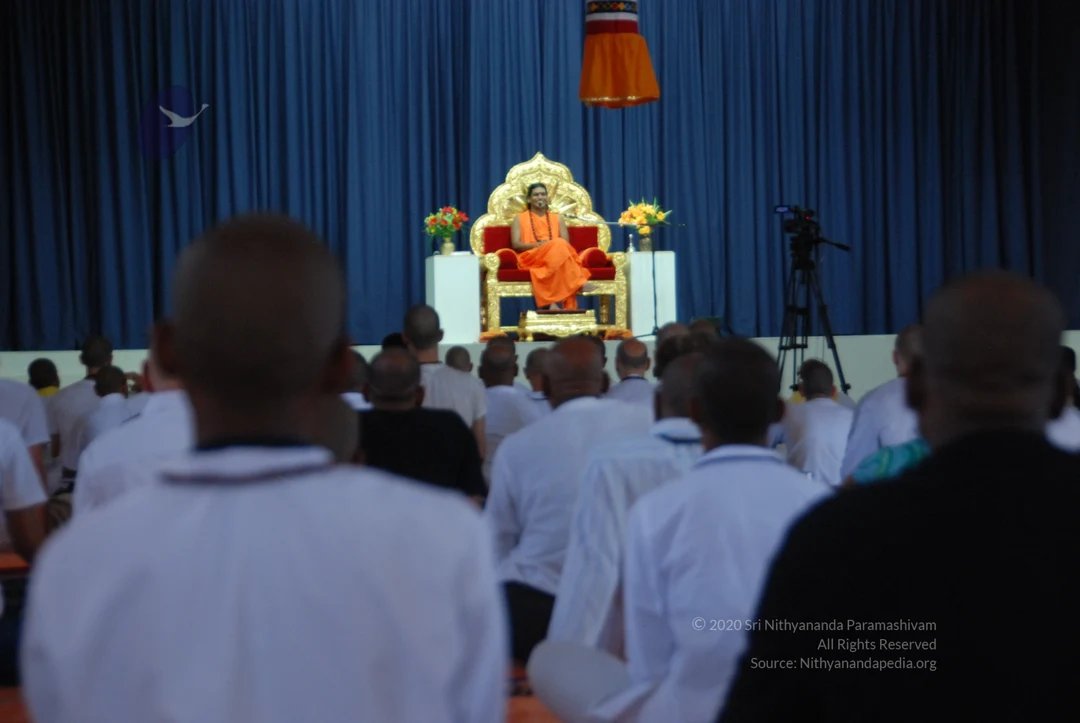
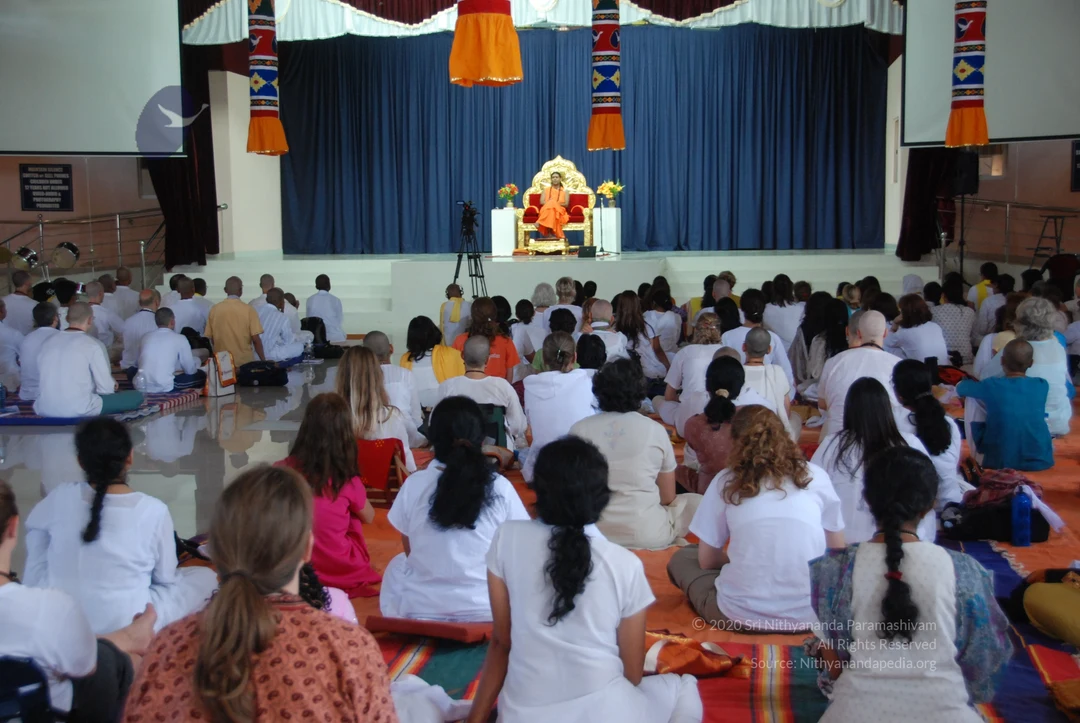
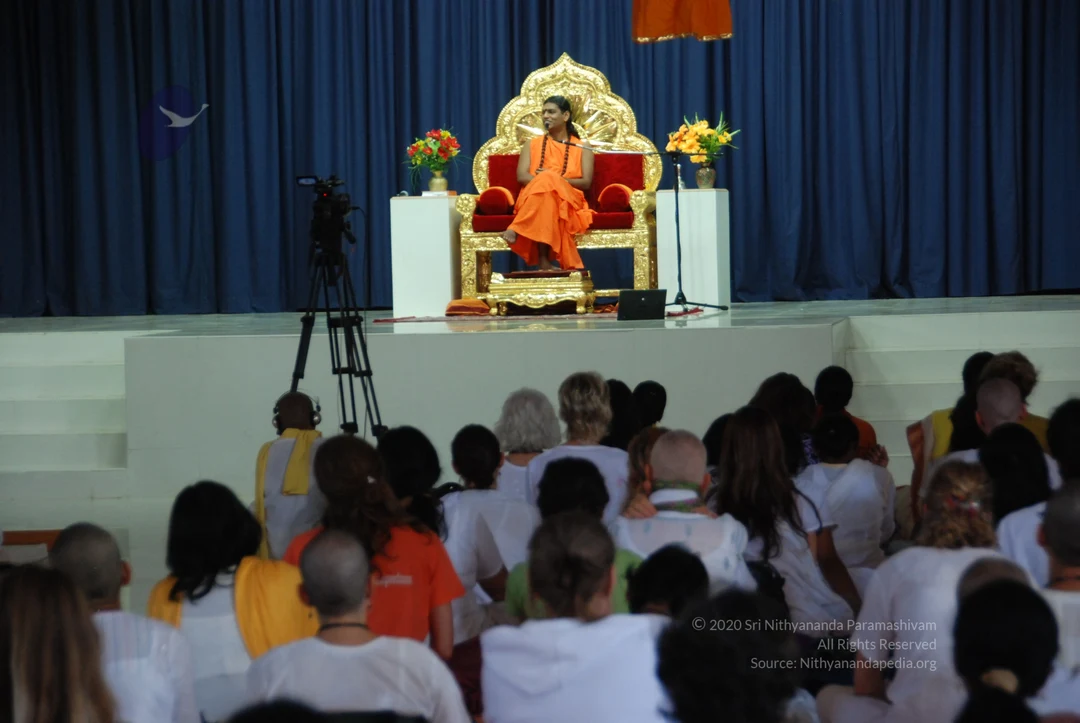
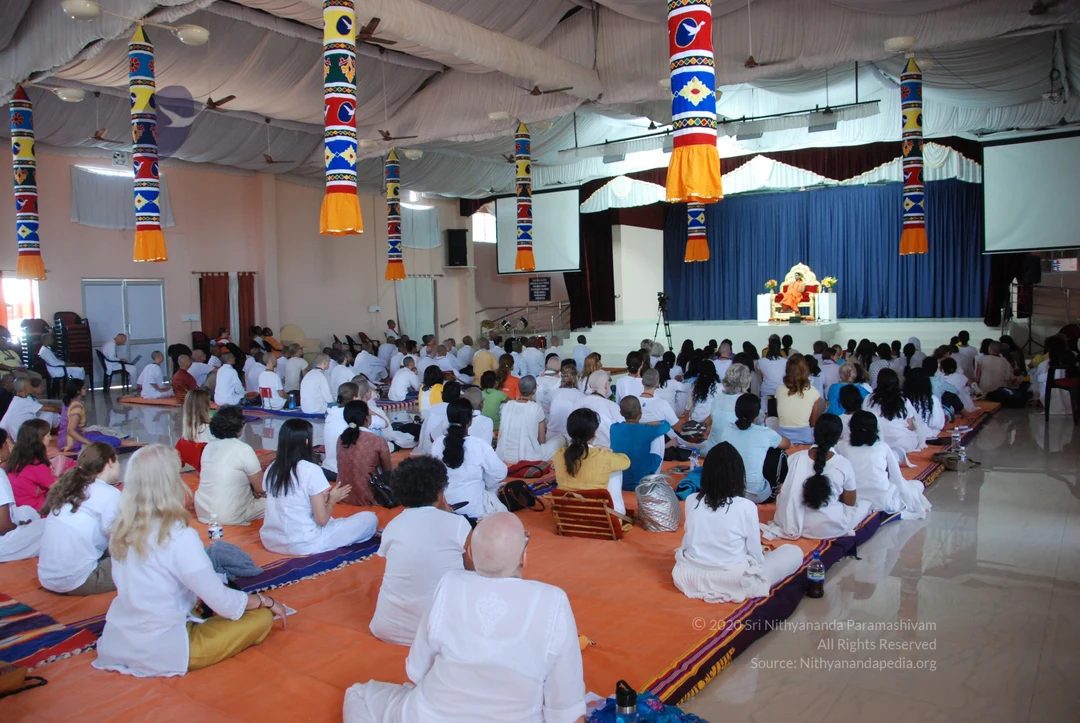
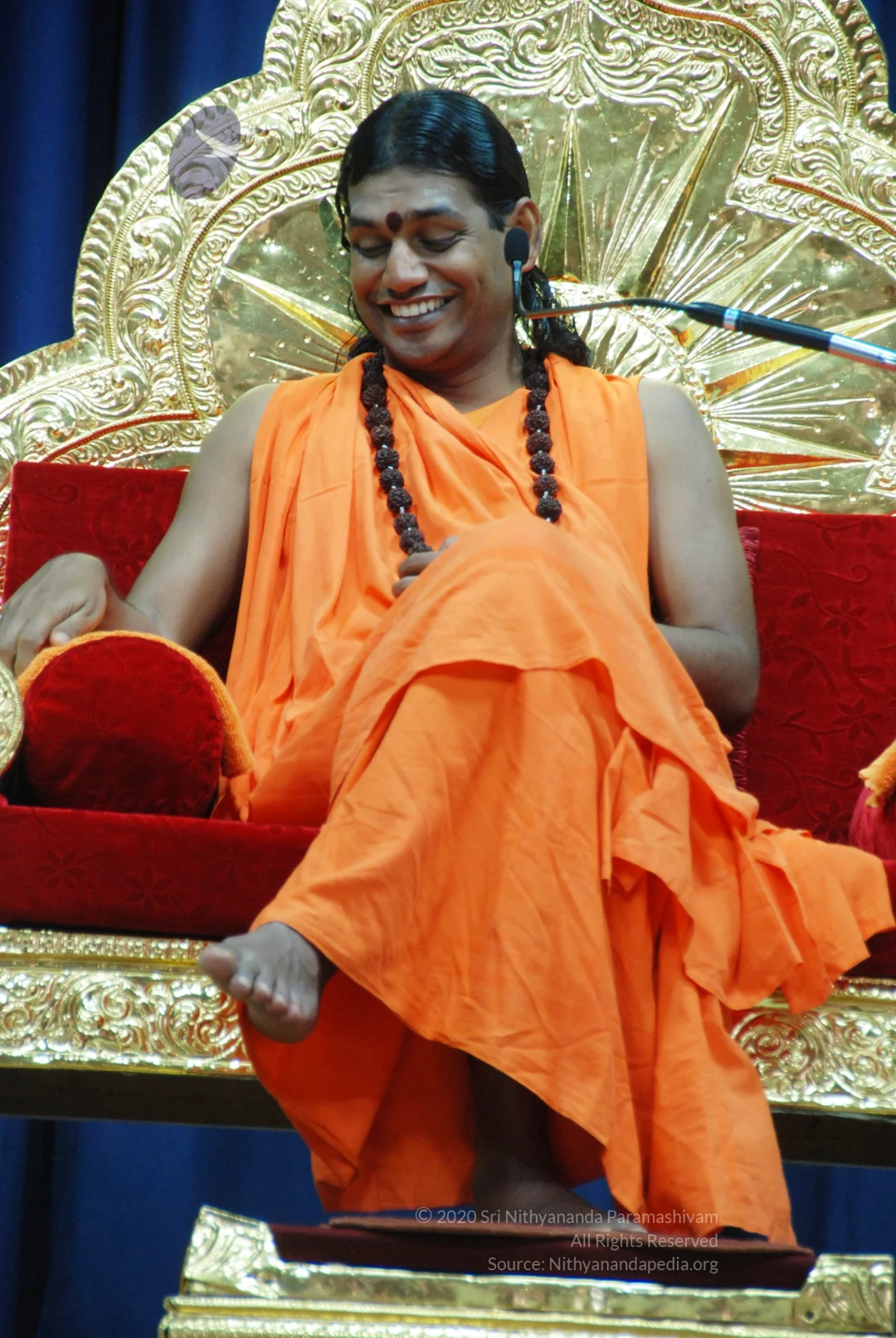
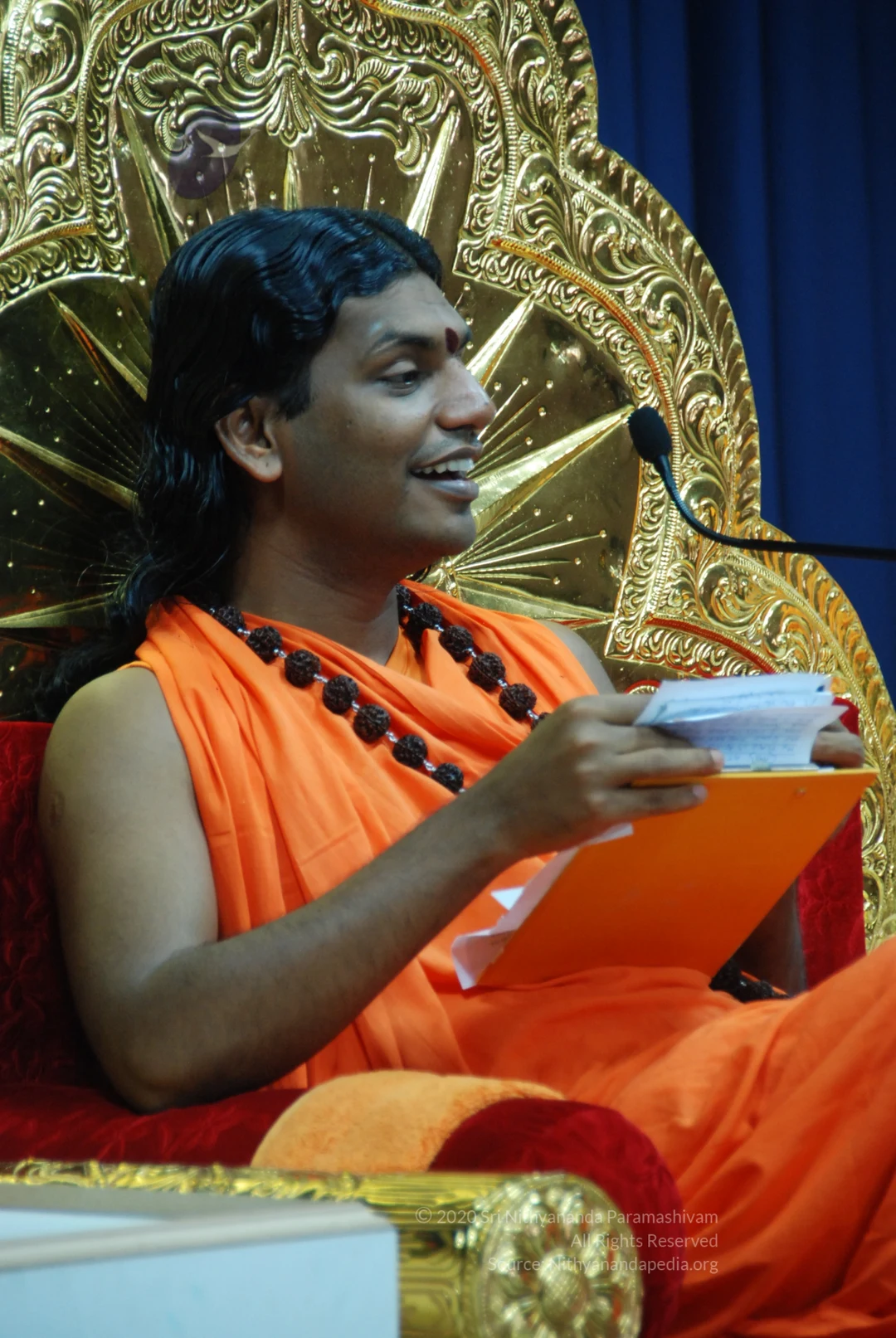
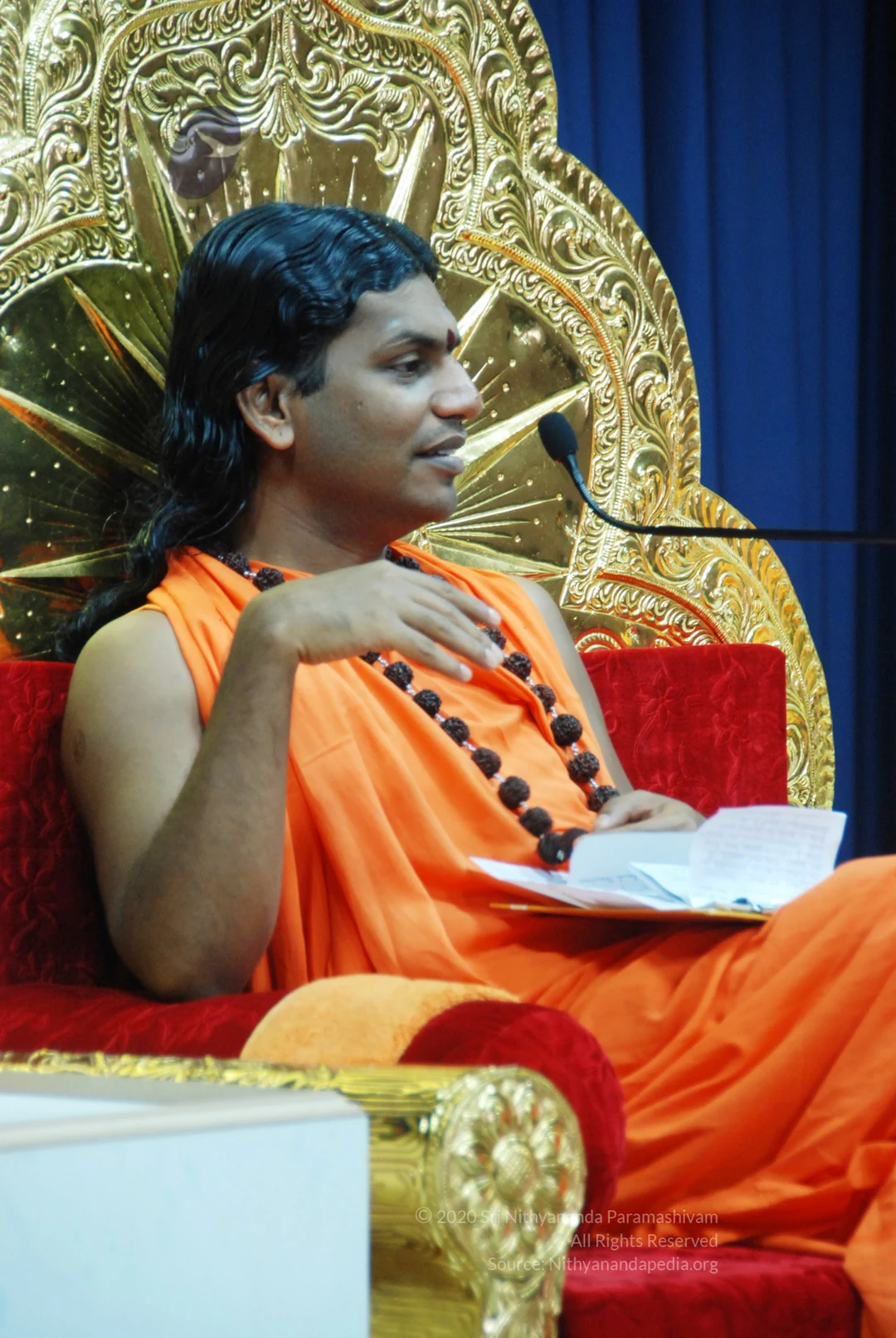
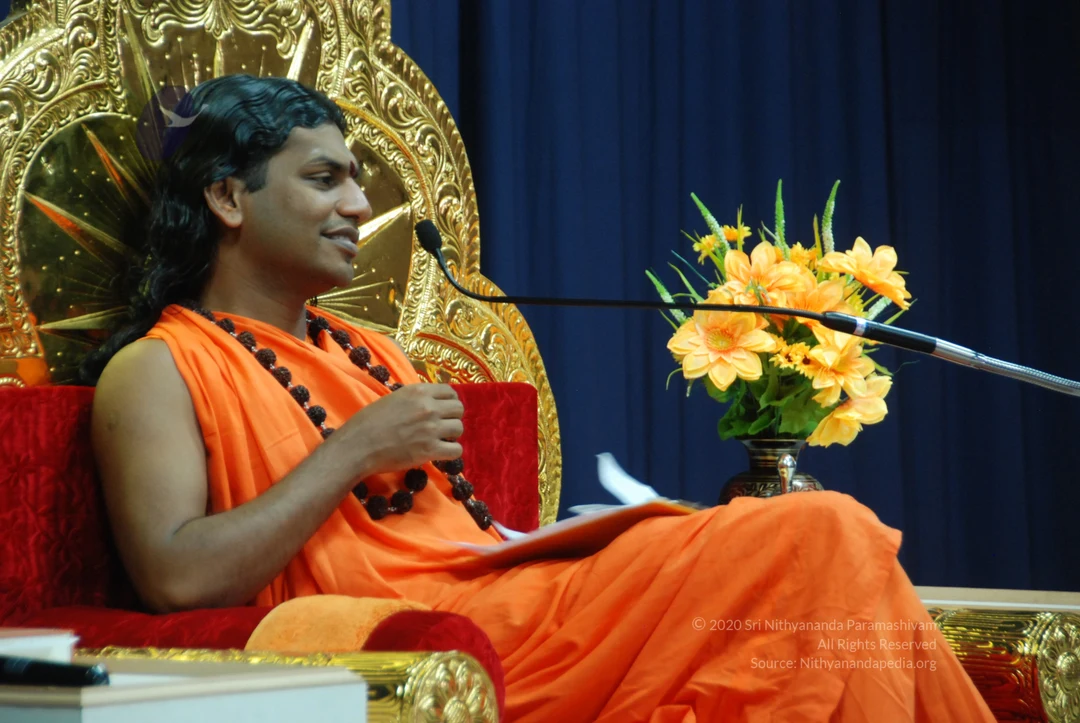
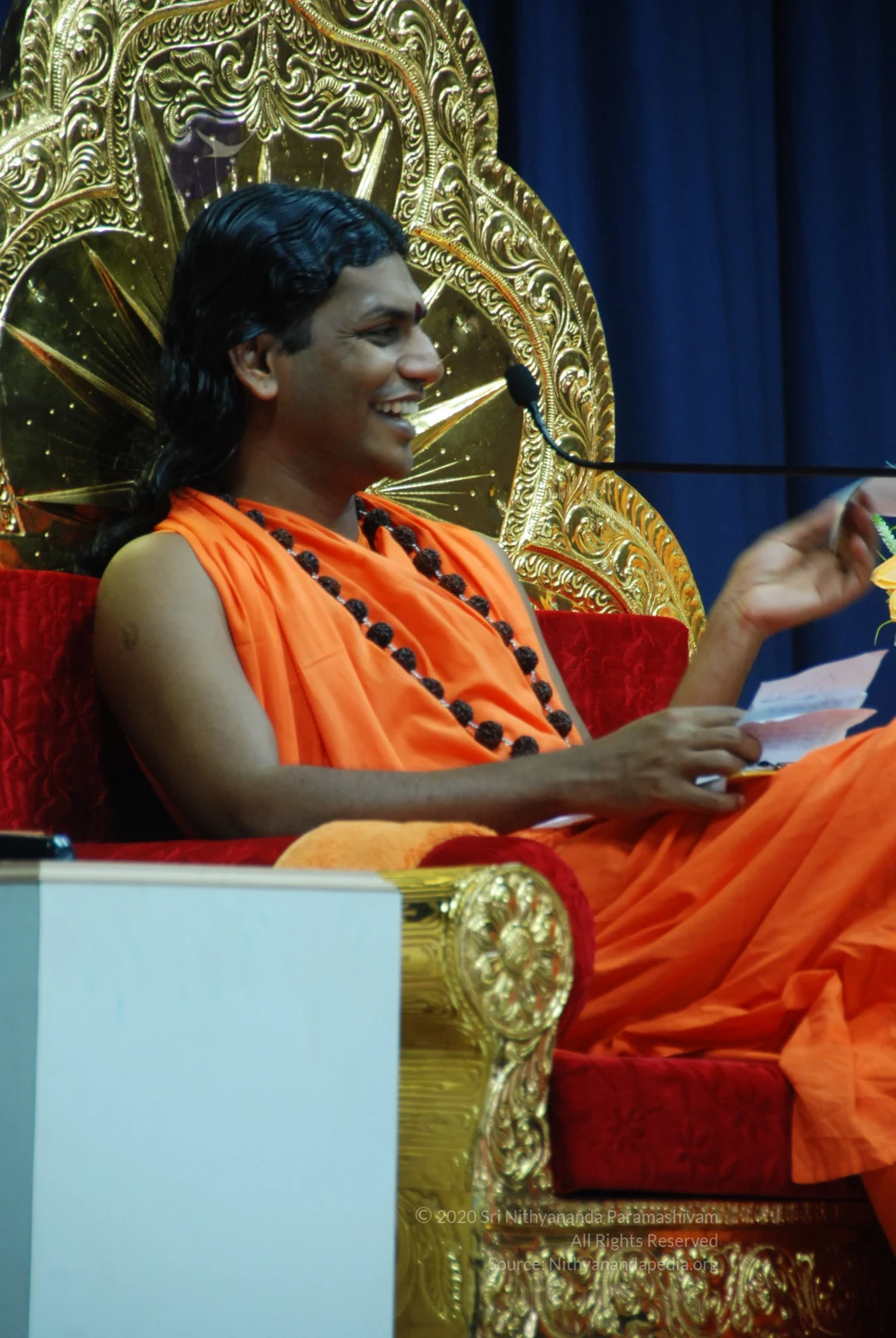
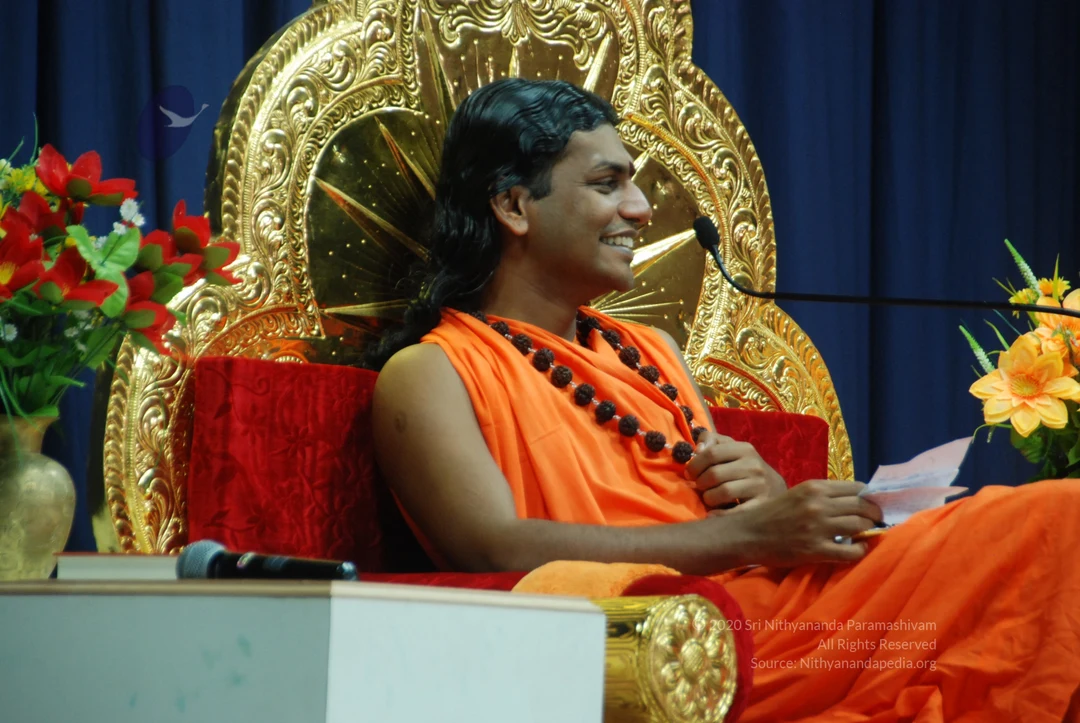
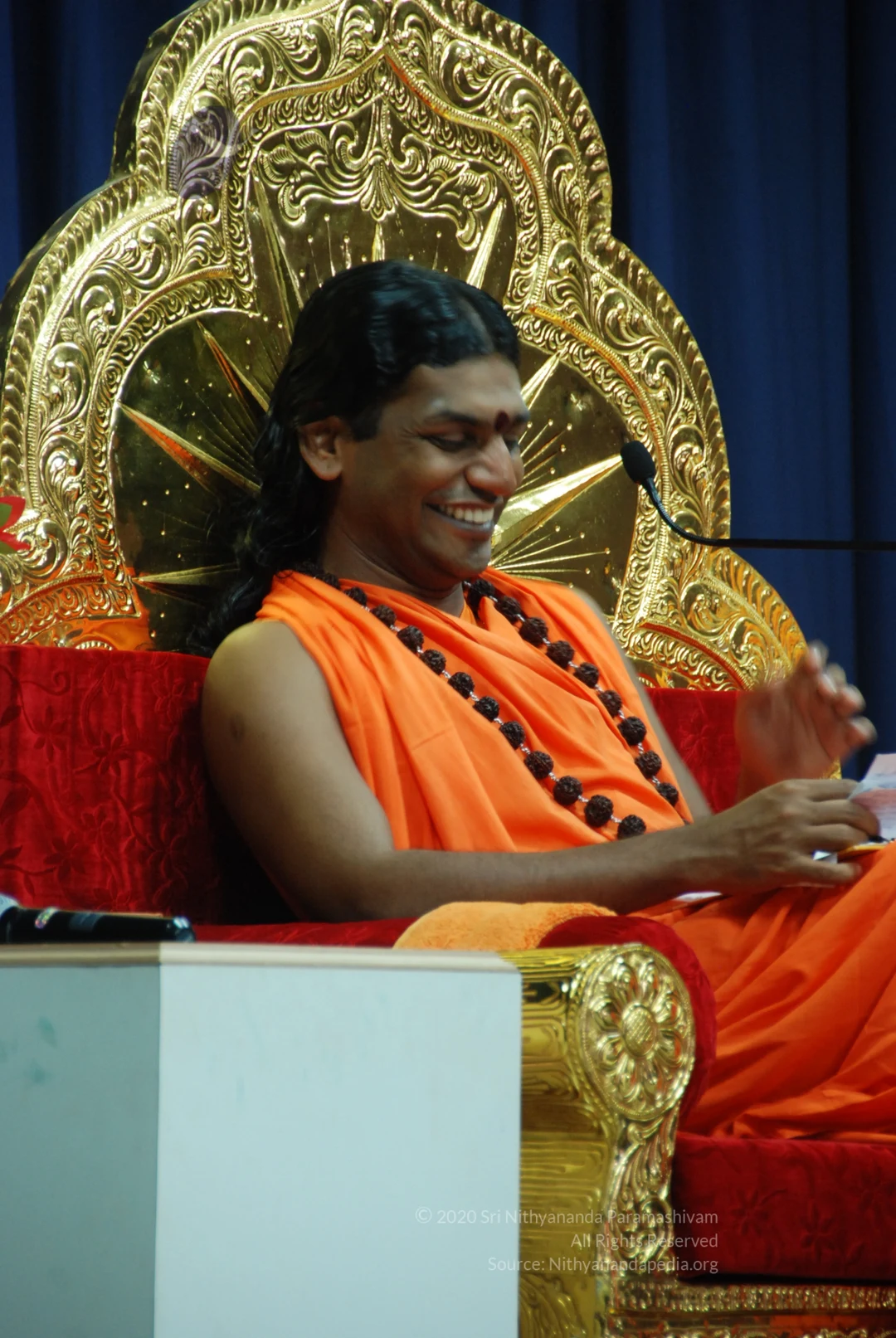
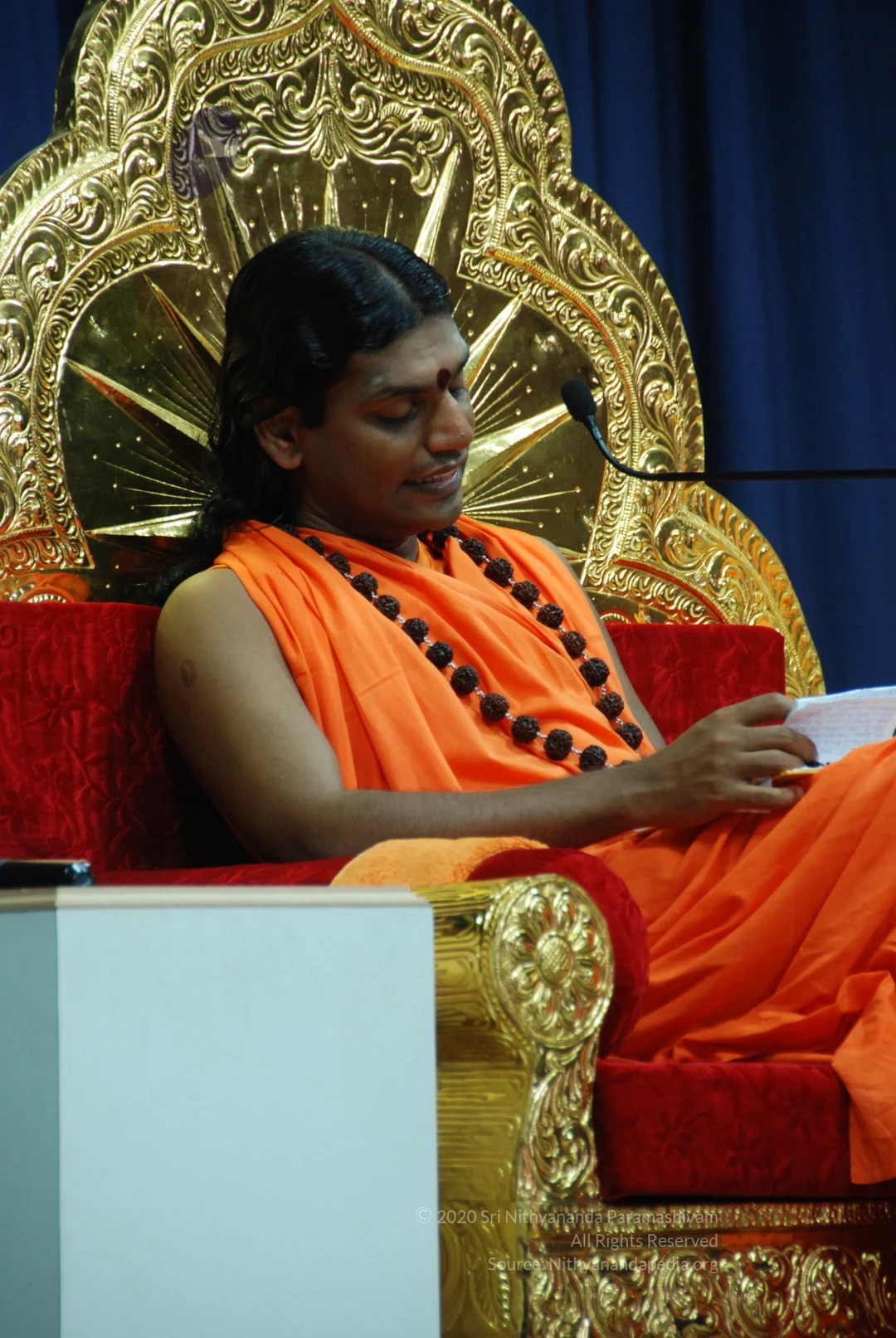
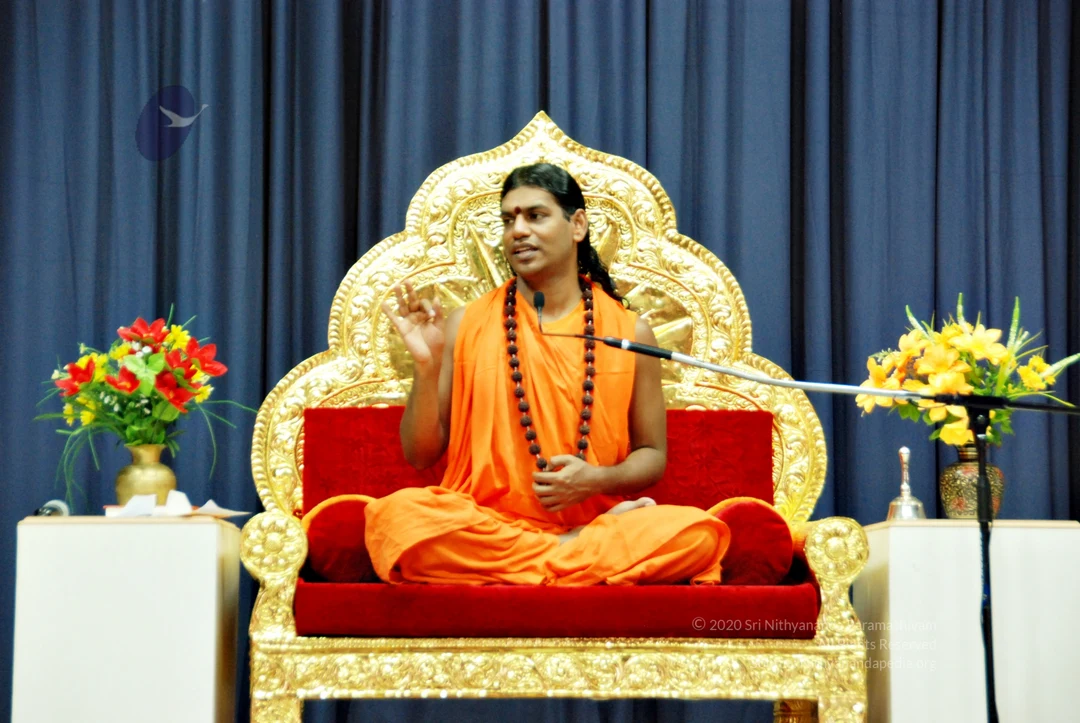
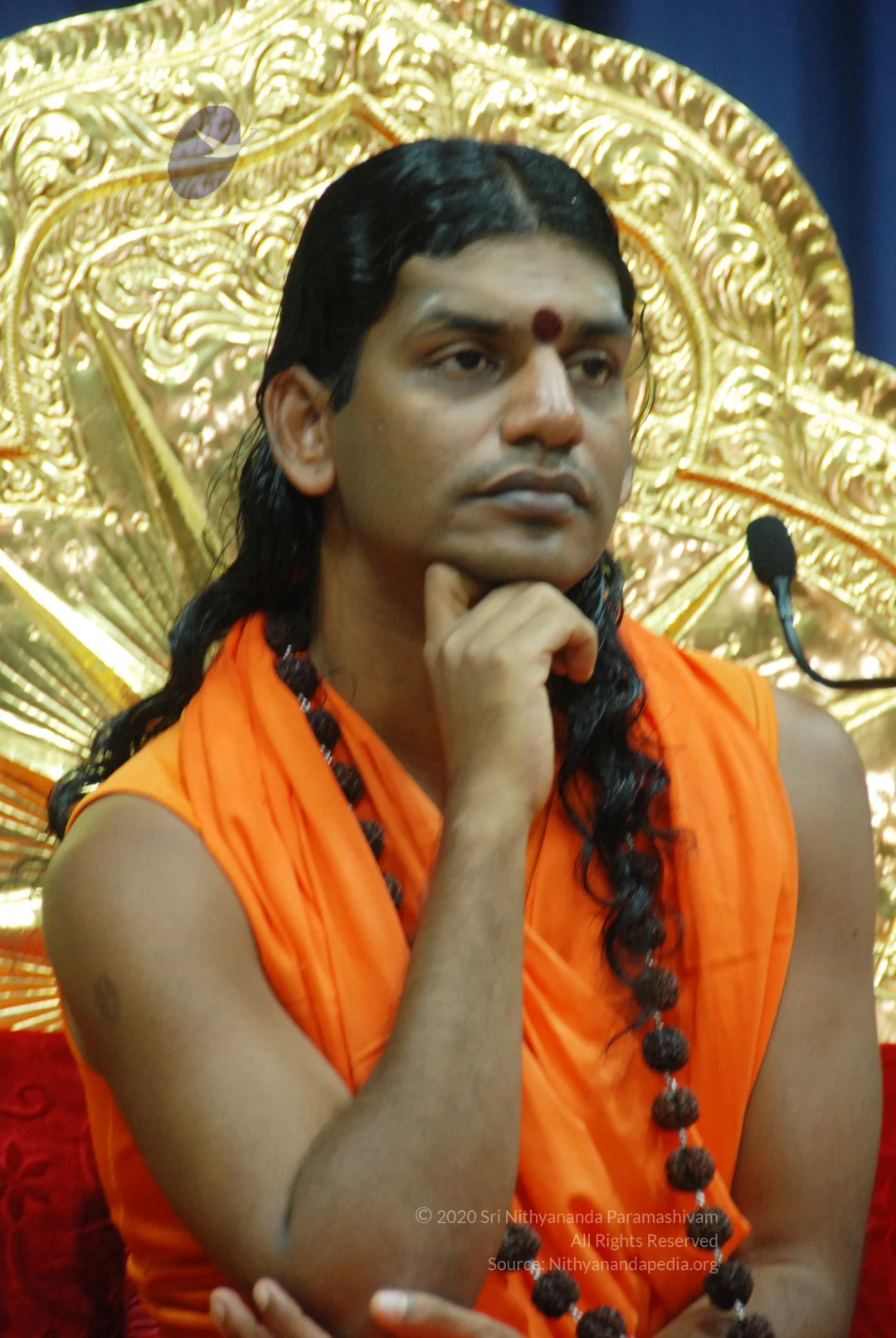
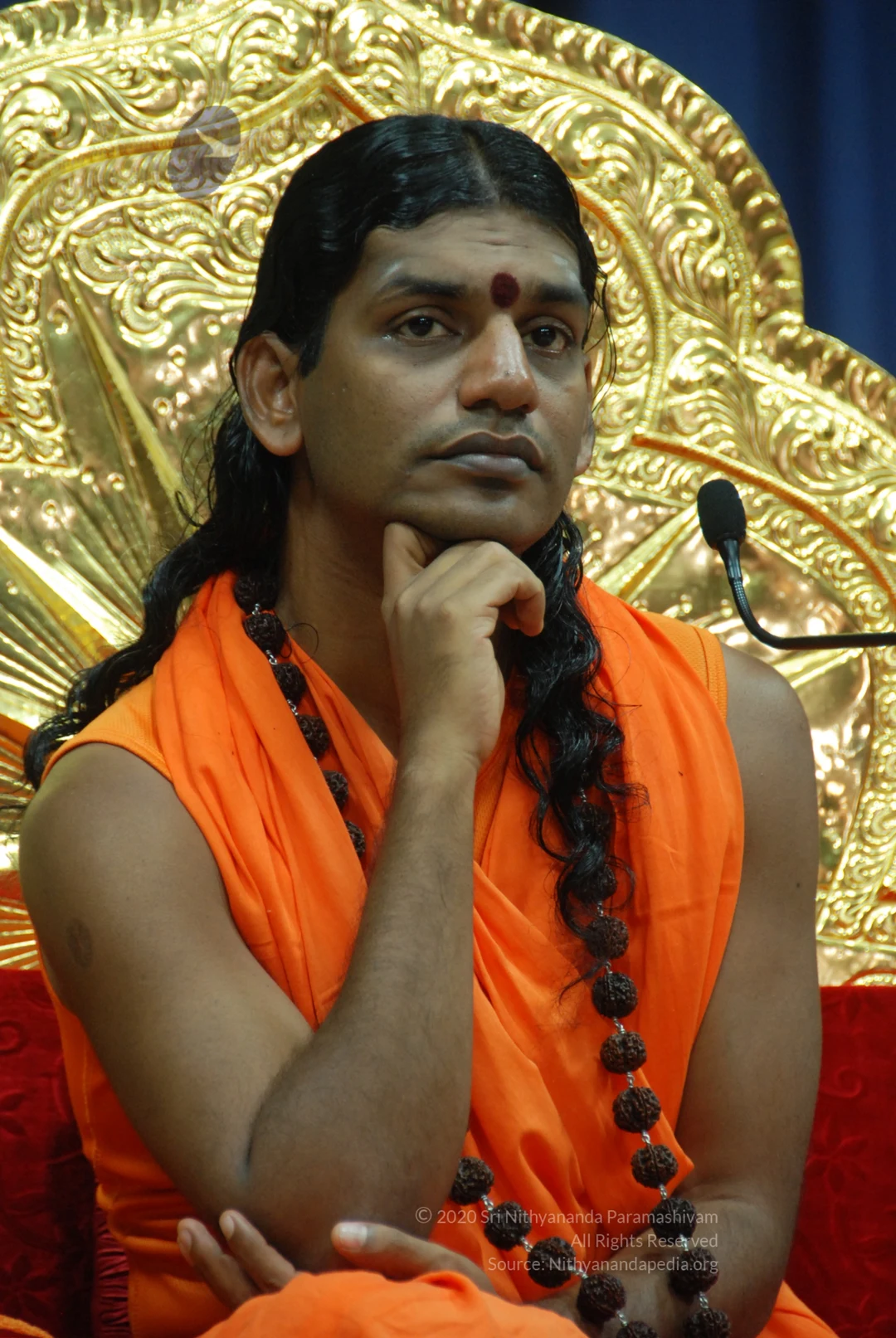
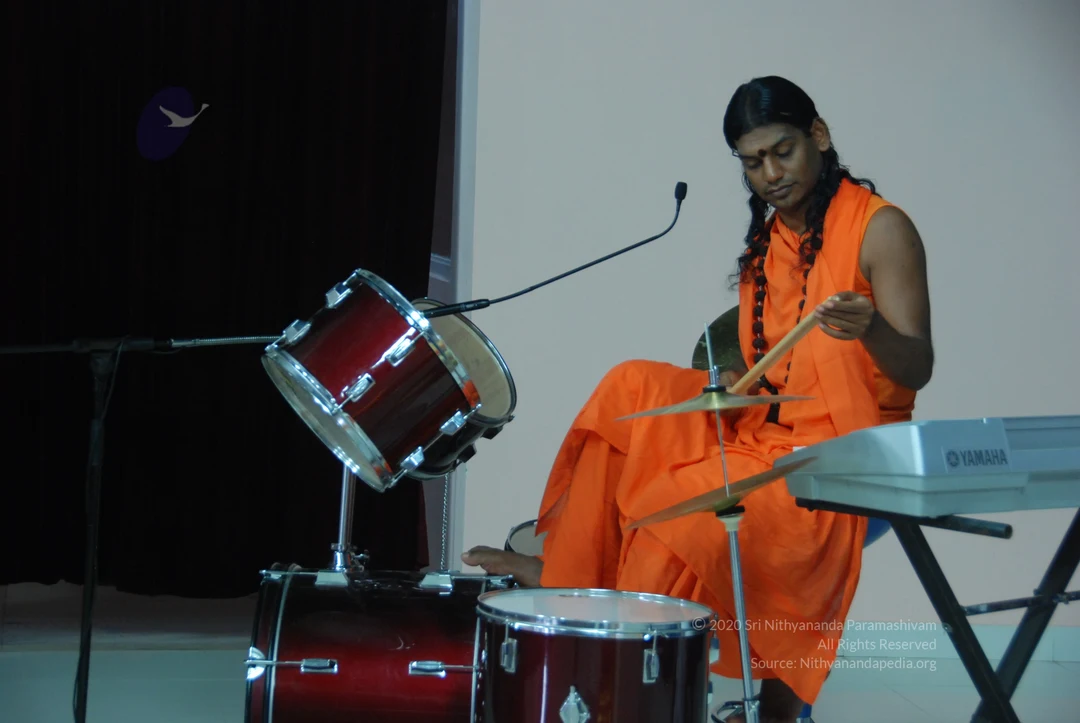
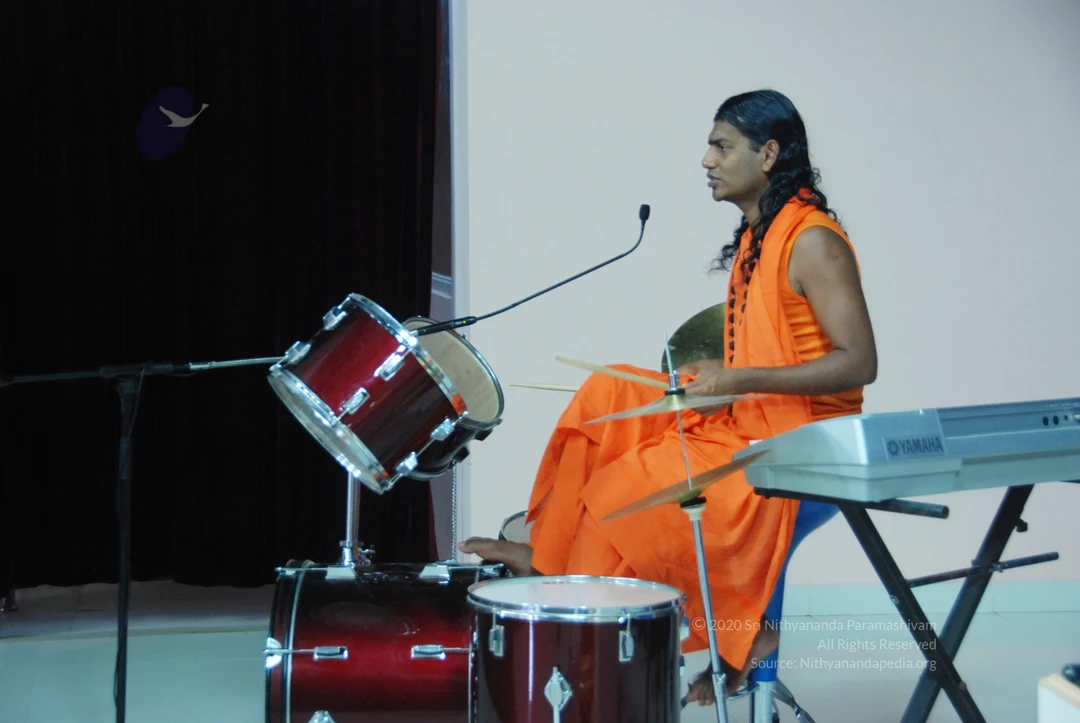
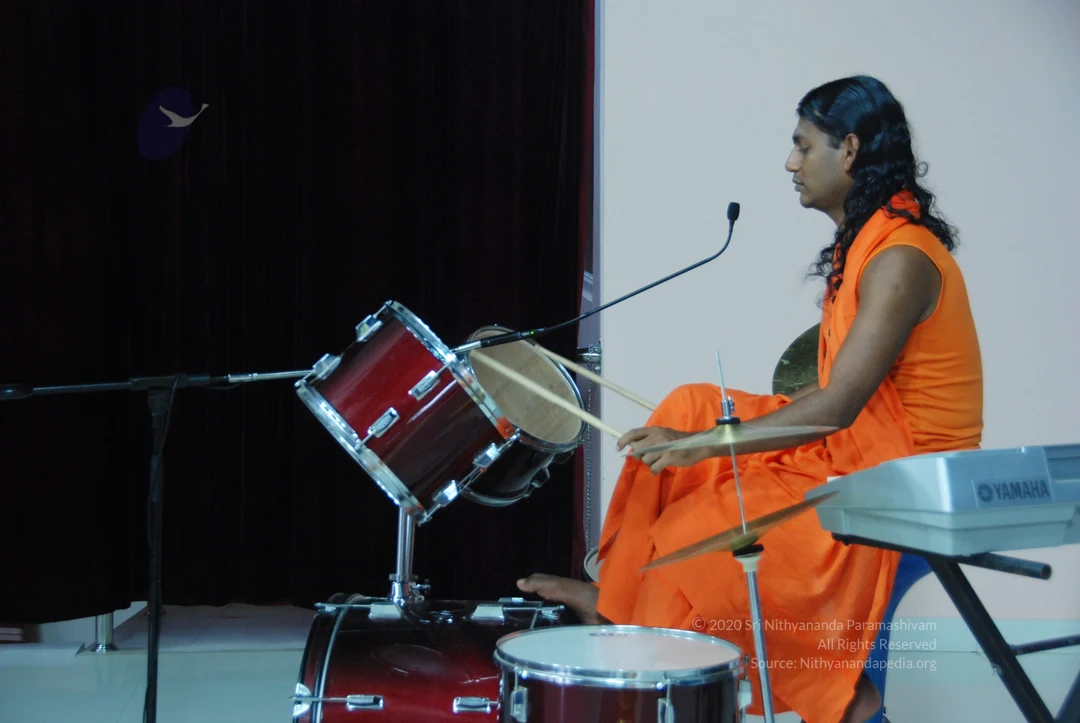
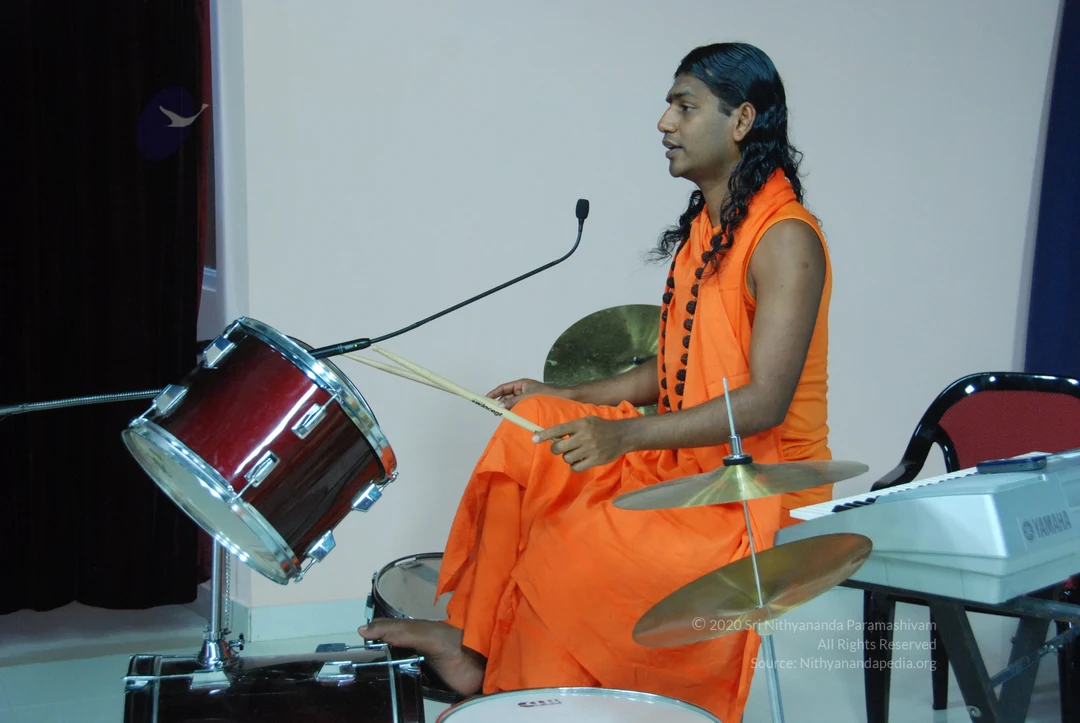
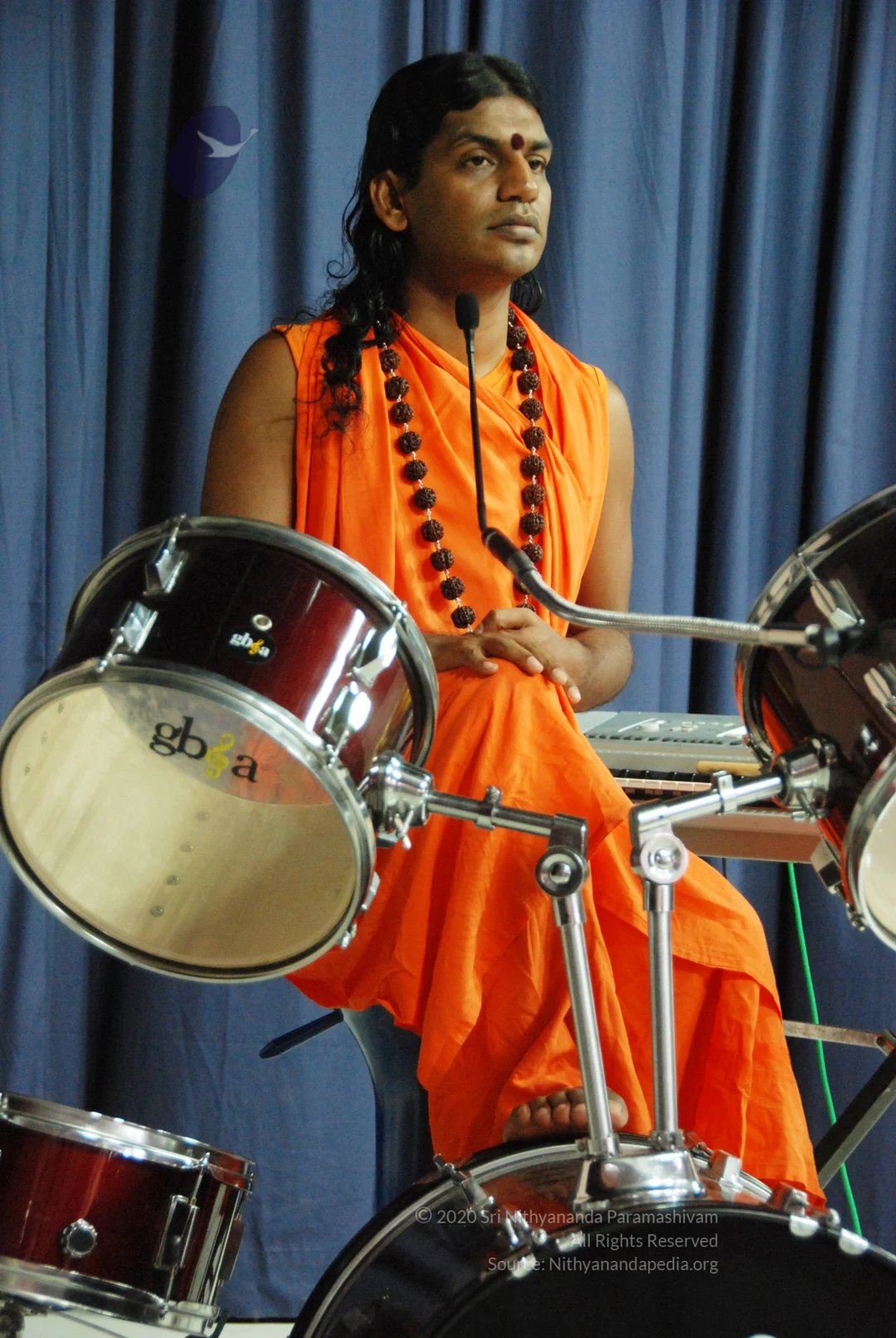
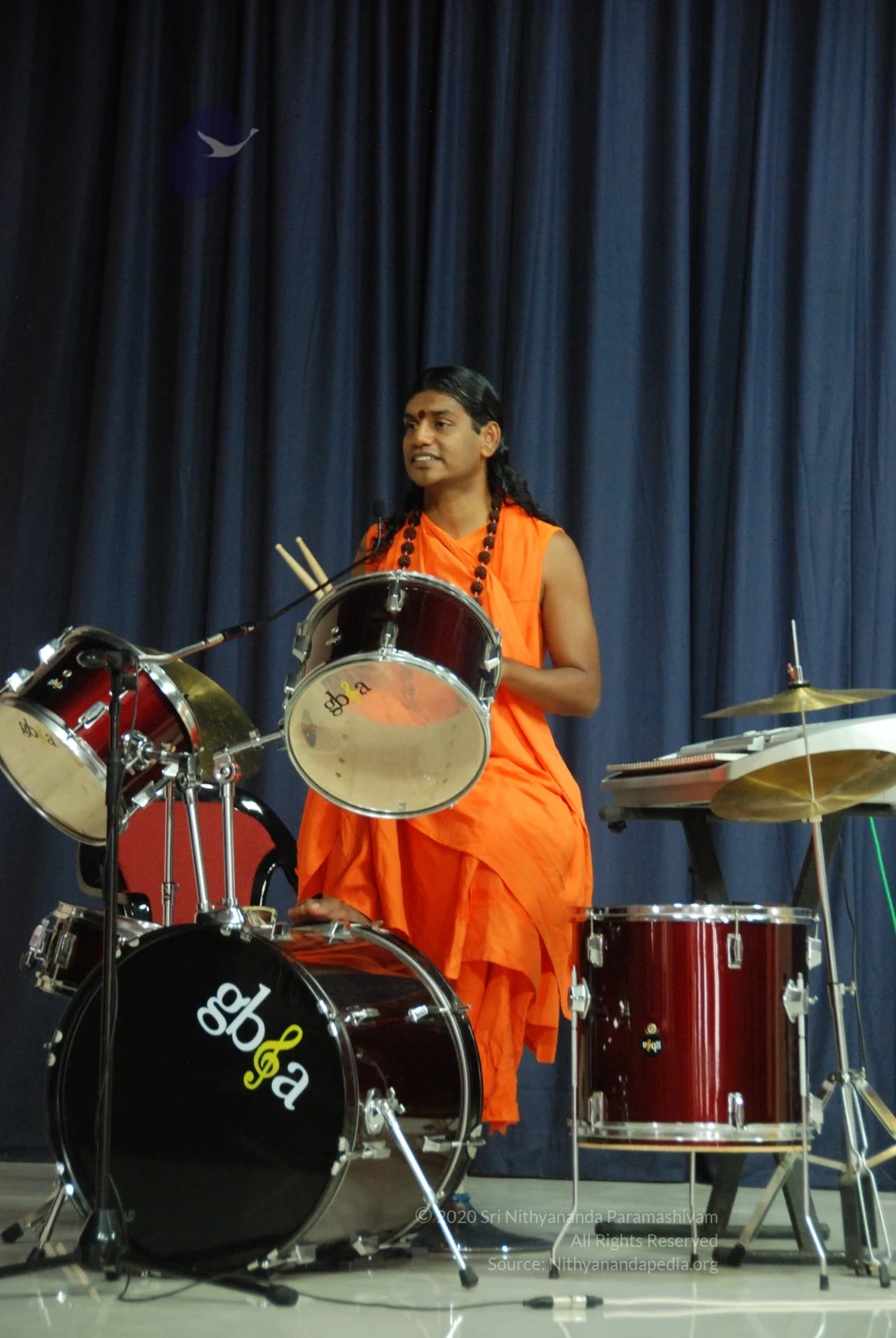
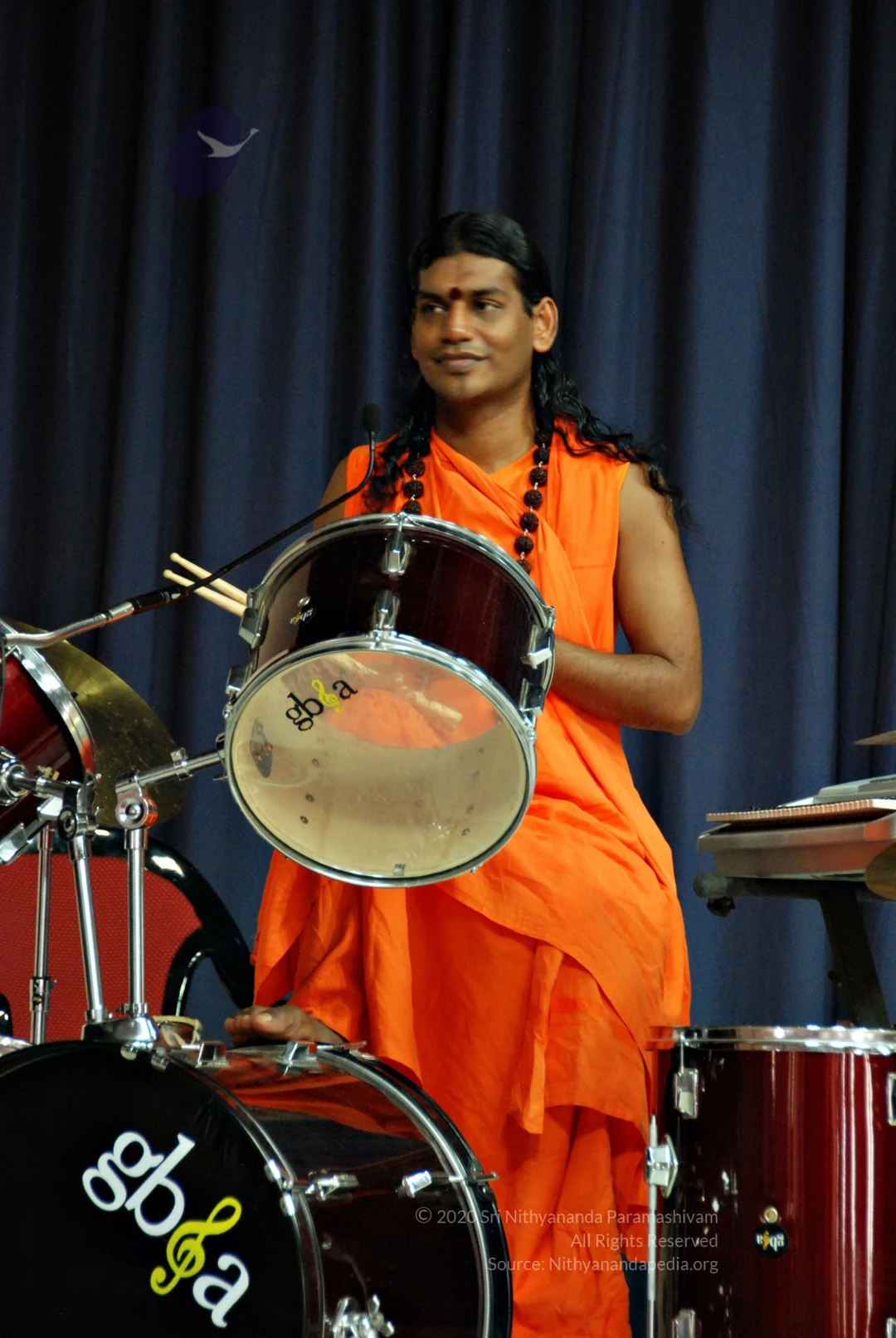
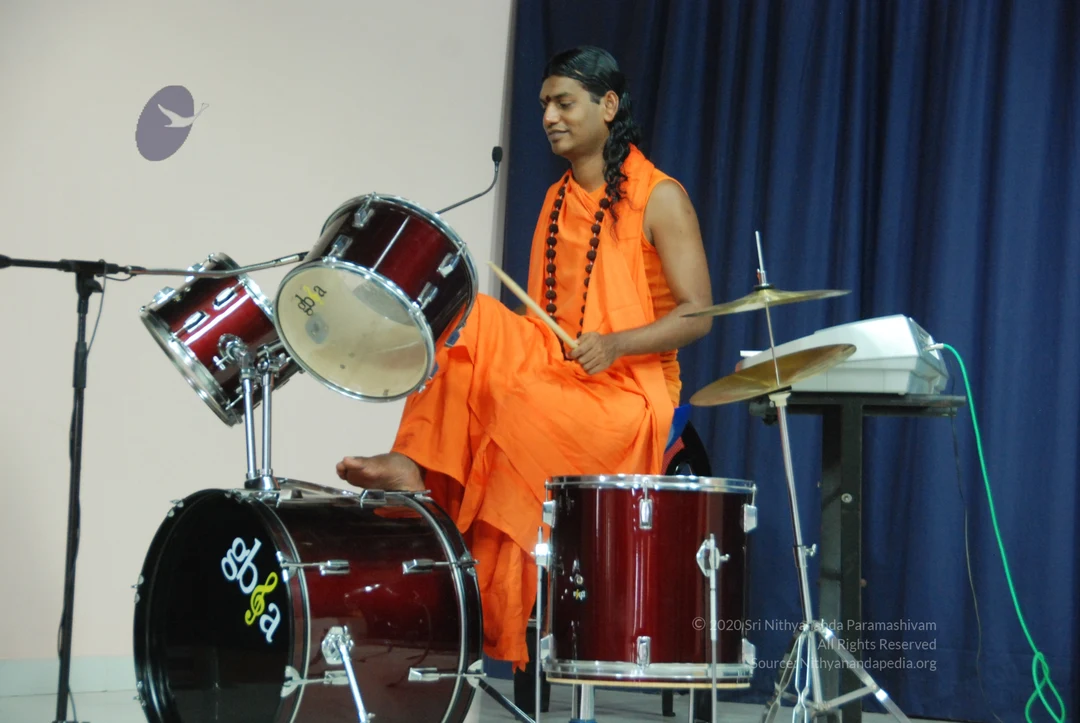
Lep-Afternoon-Session-With-Swamiji
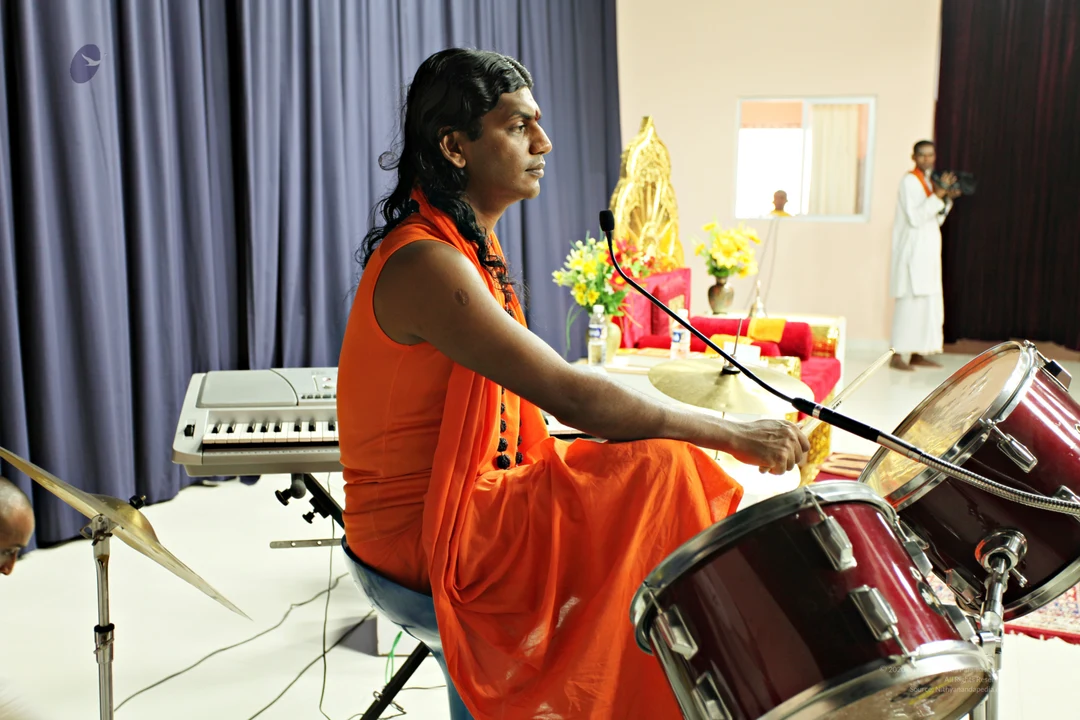
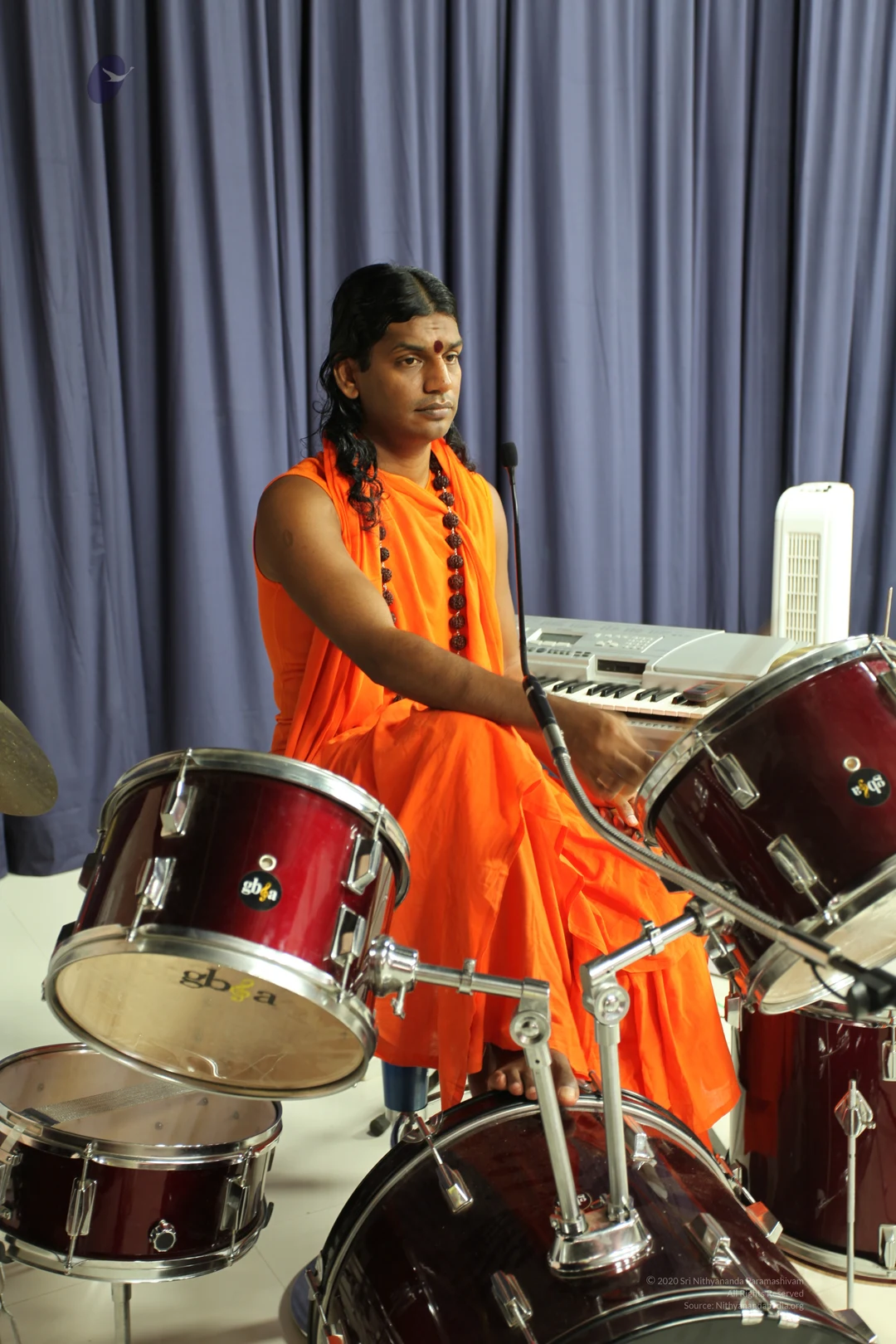
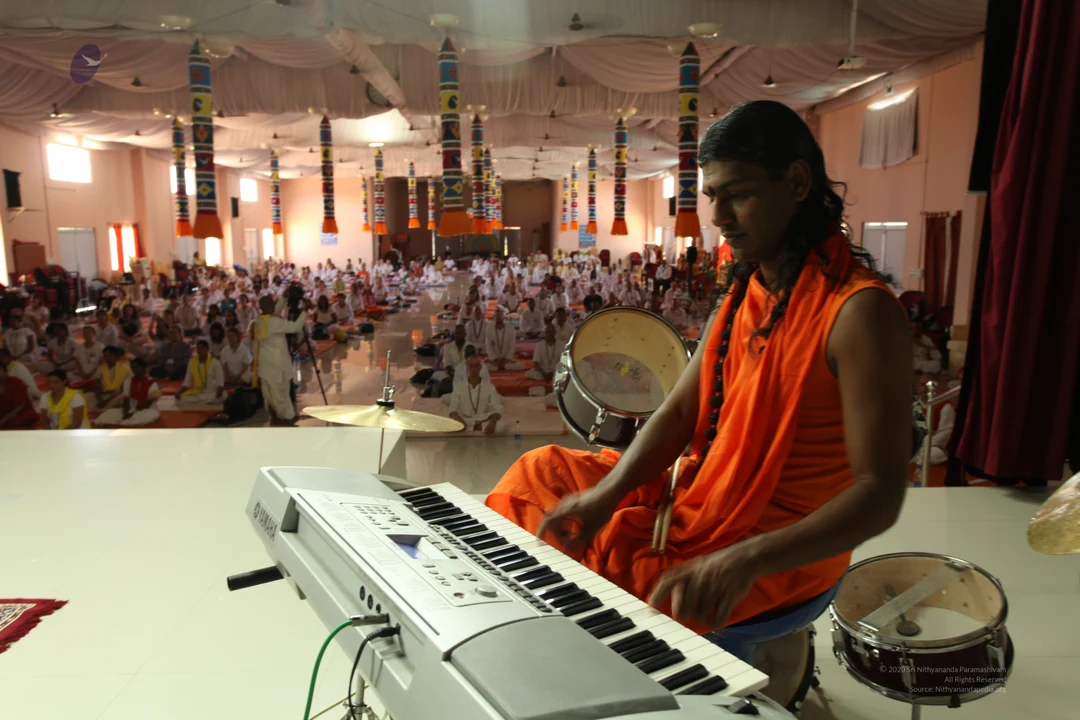
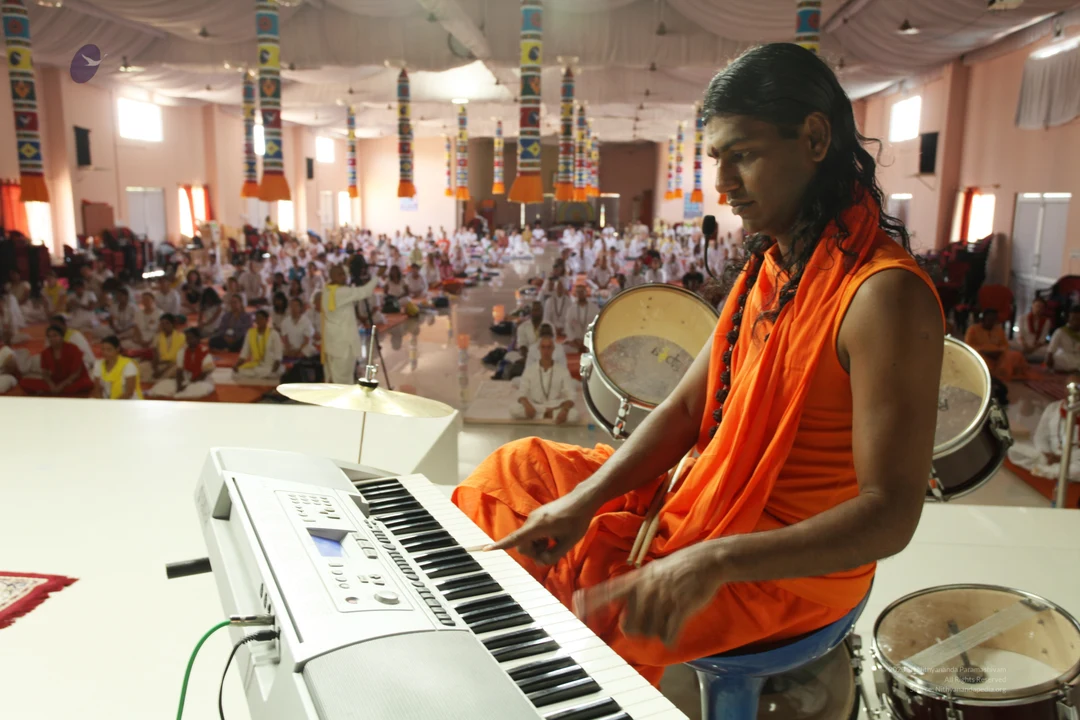
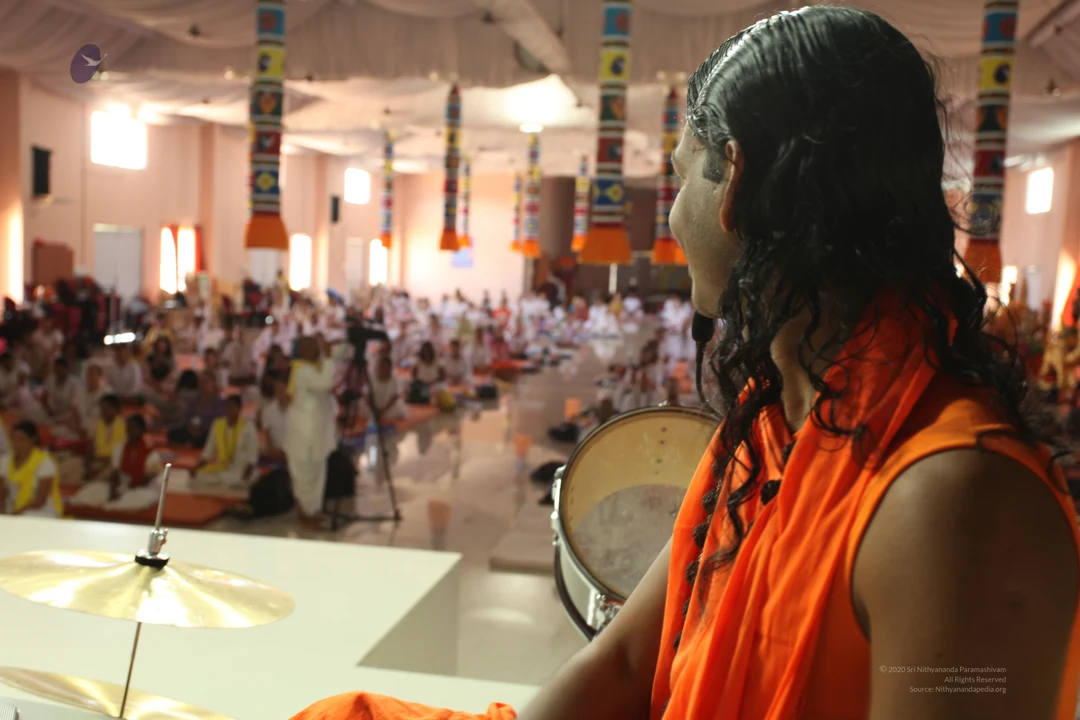
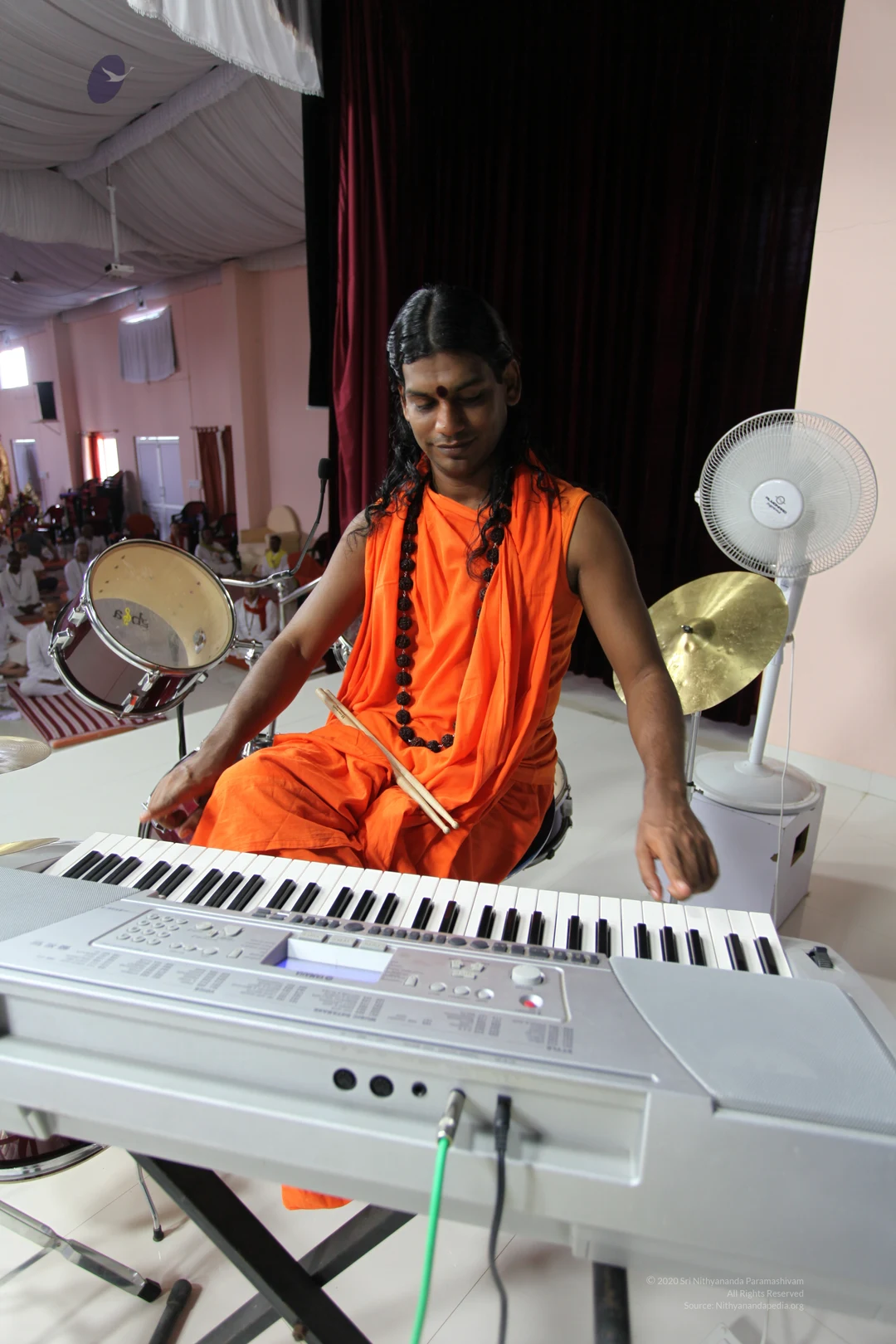
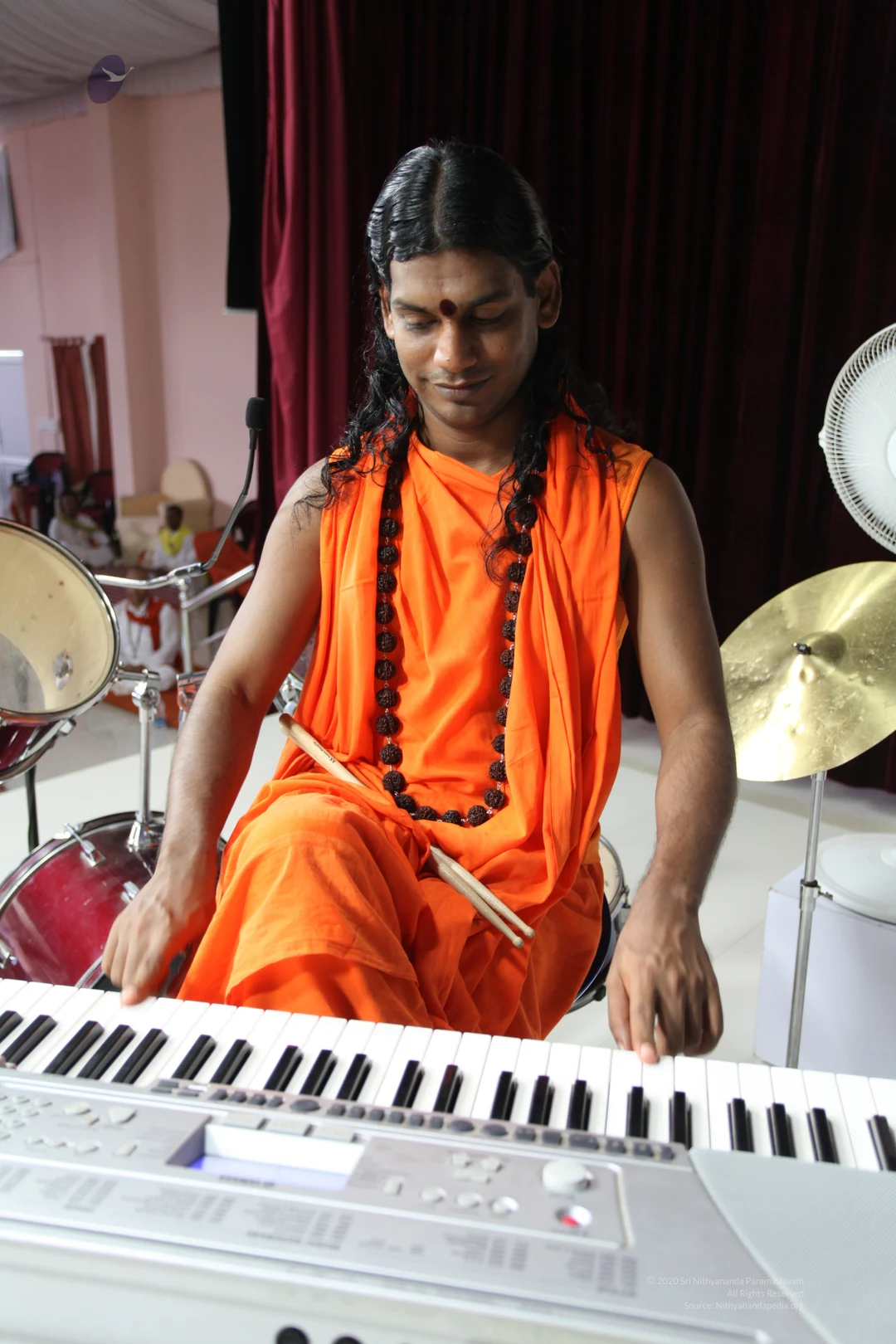
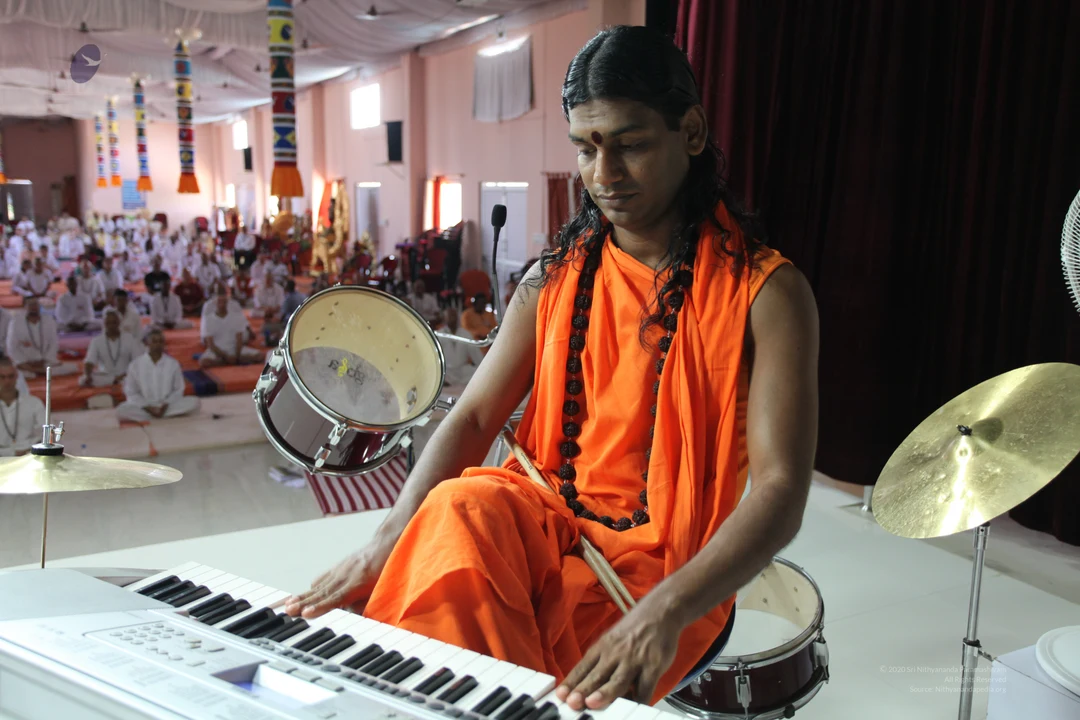
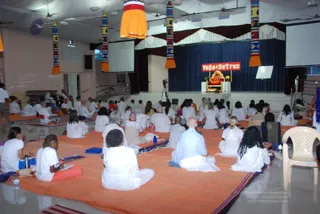
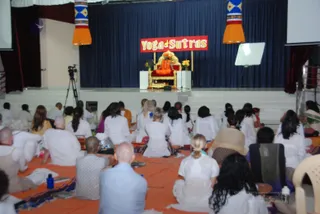
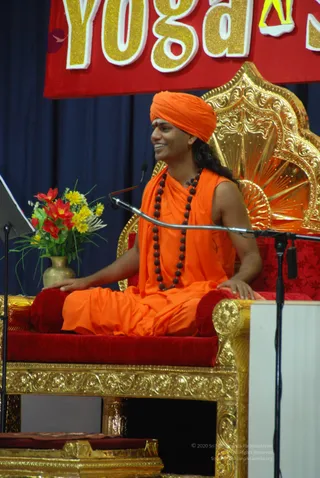
Yoga-Sutras-And-Evening-Lep-Session-With-Swamiji
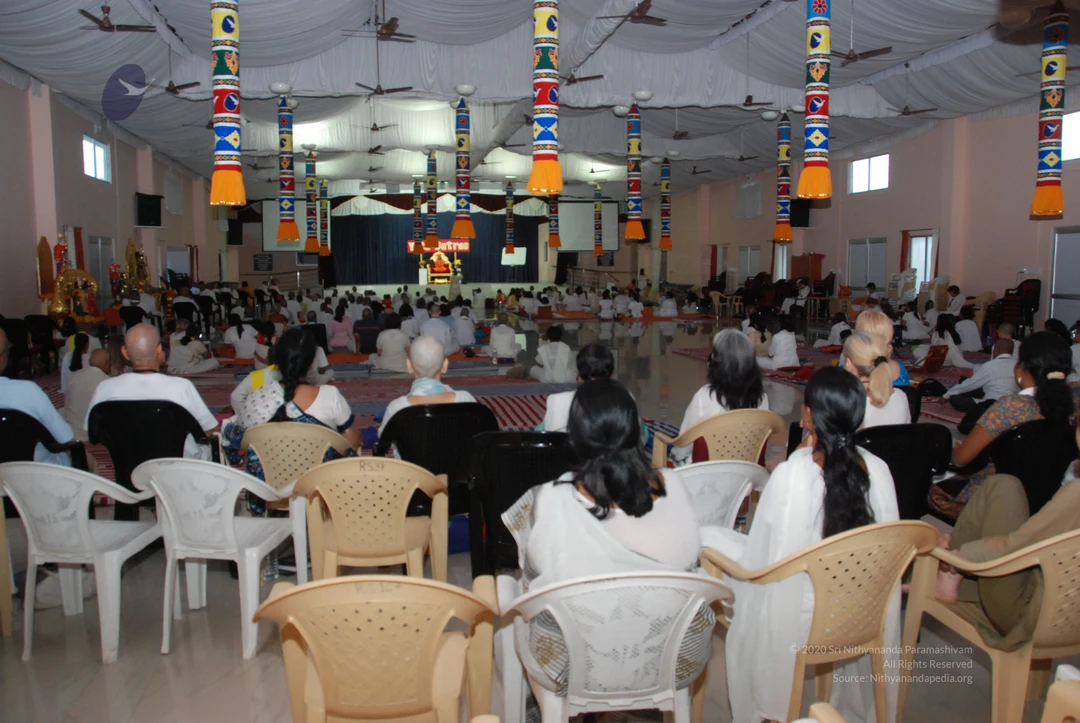
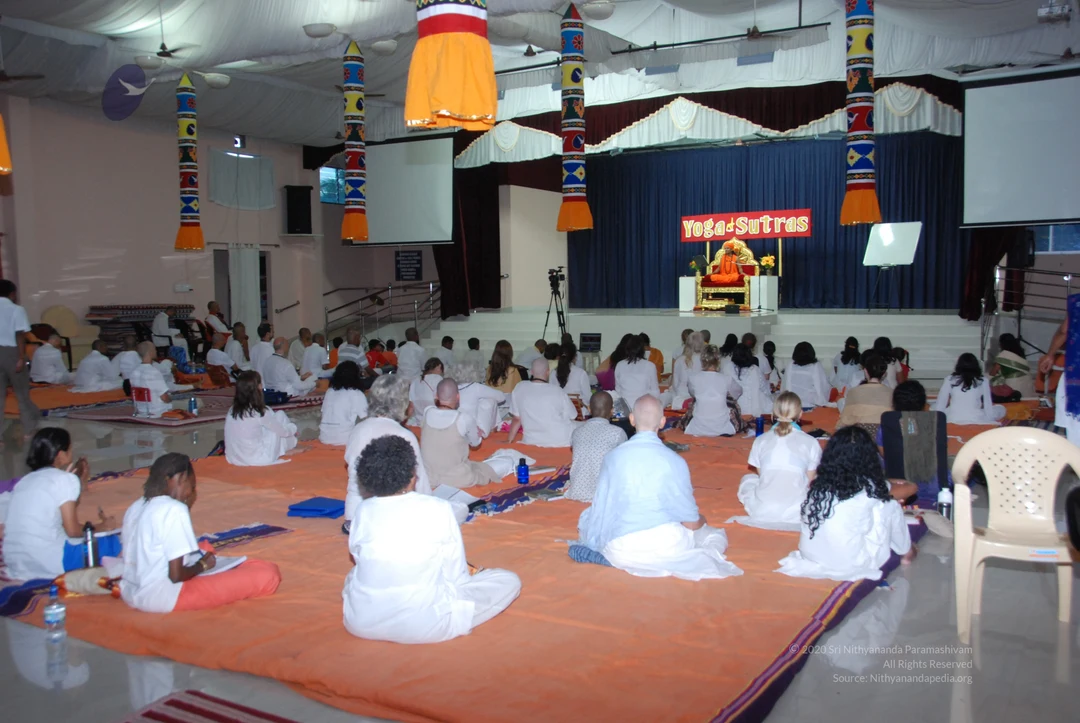
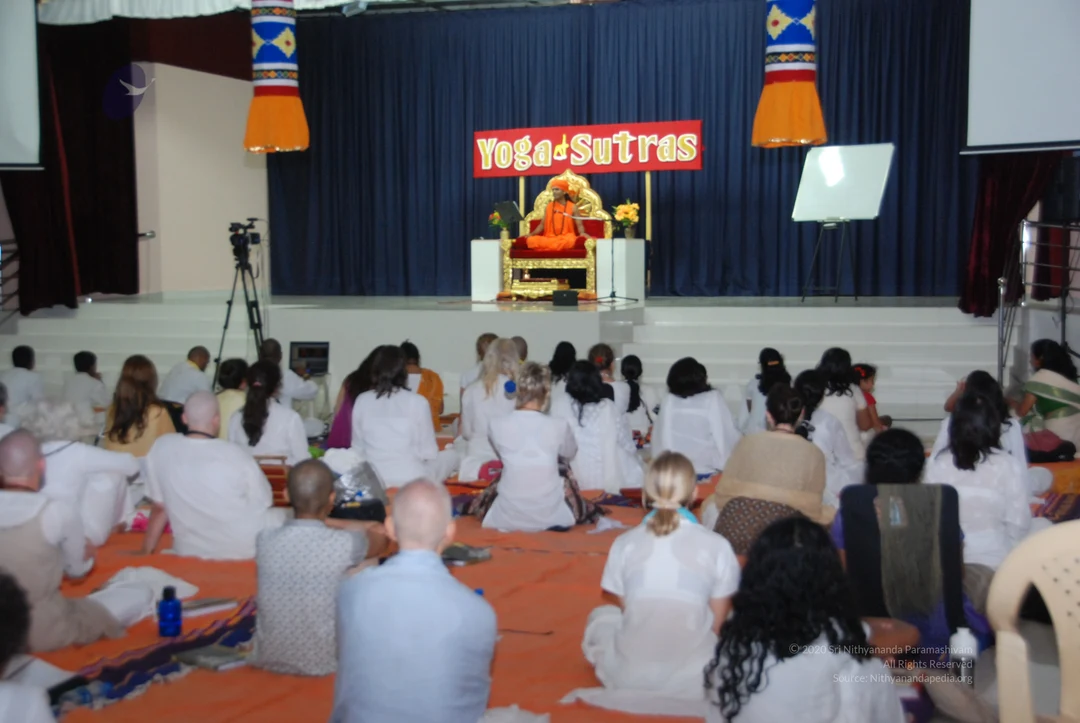
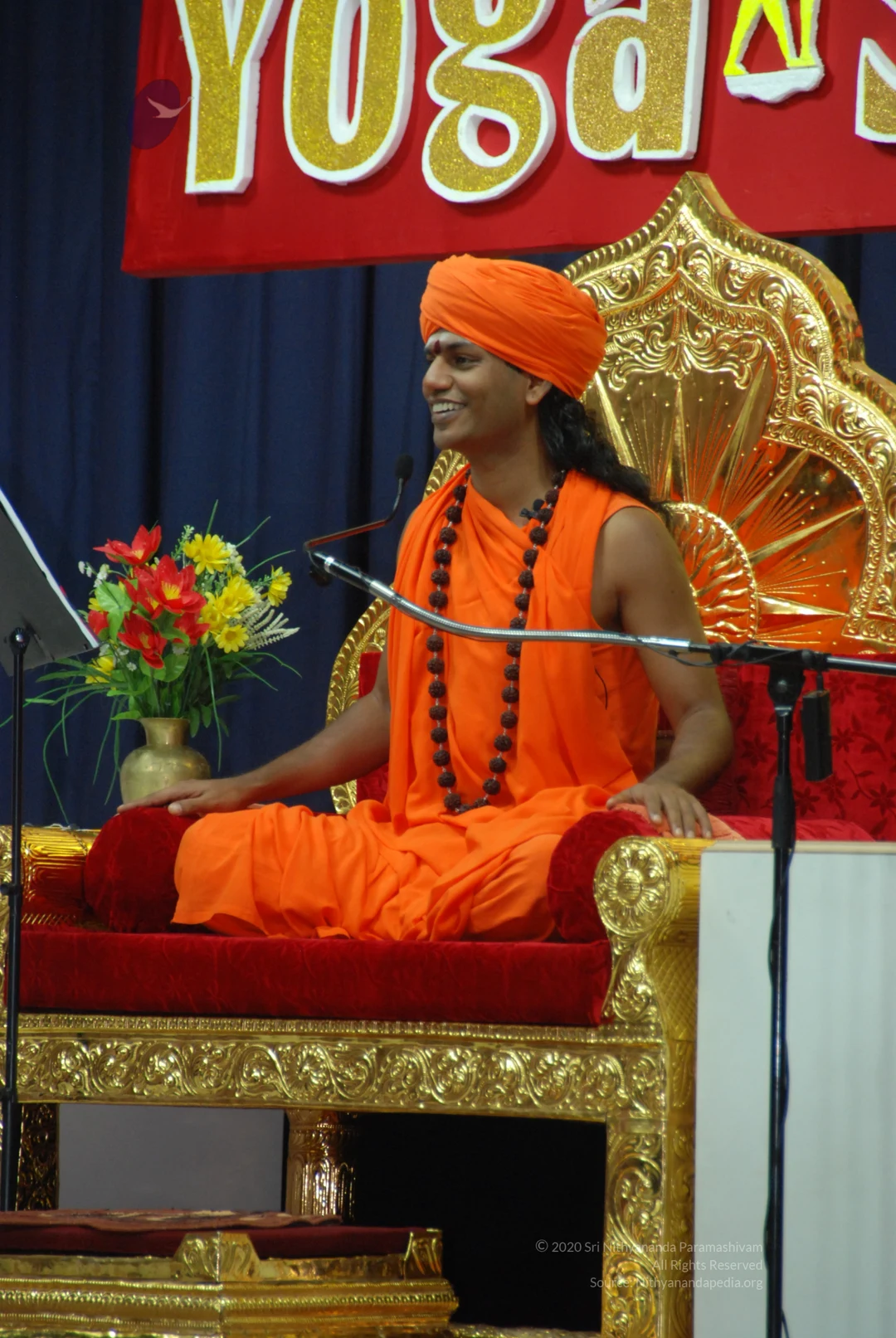
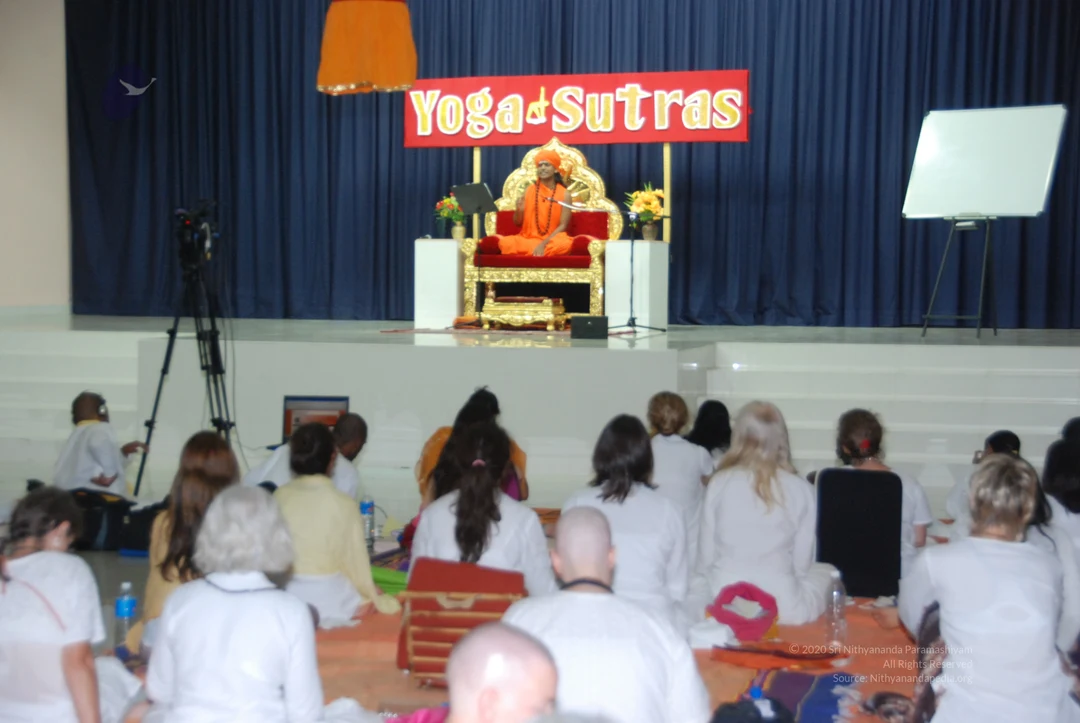
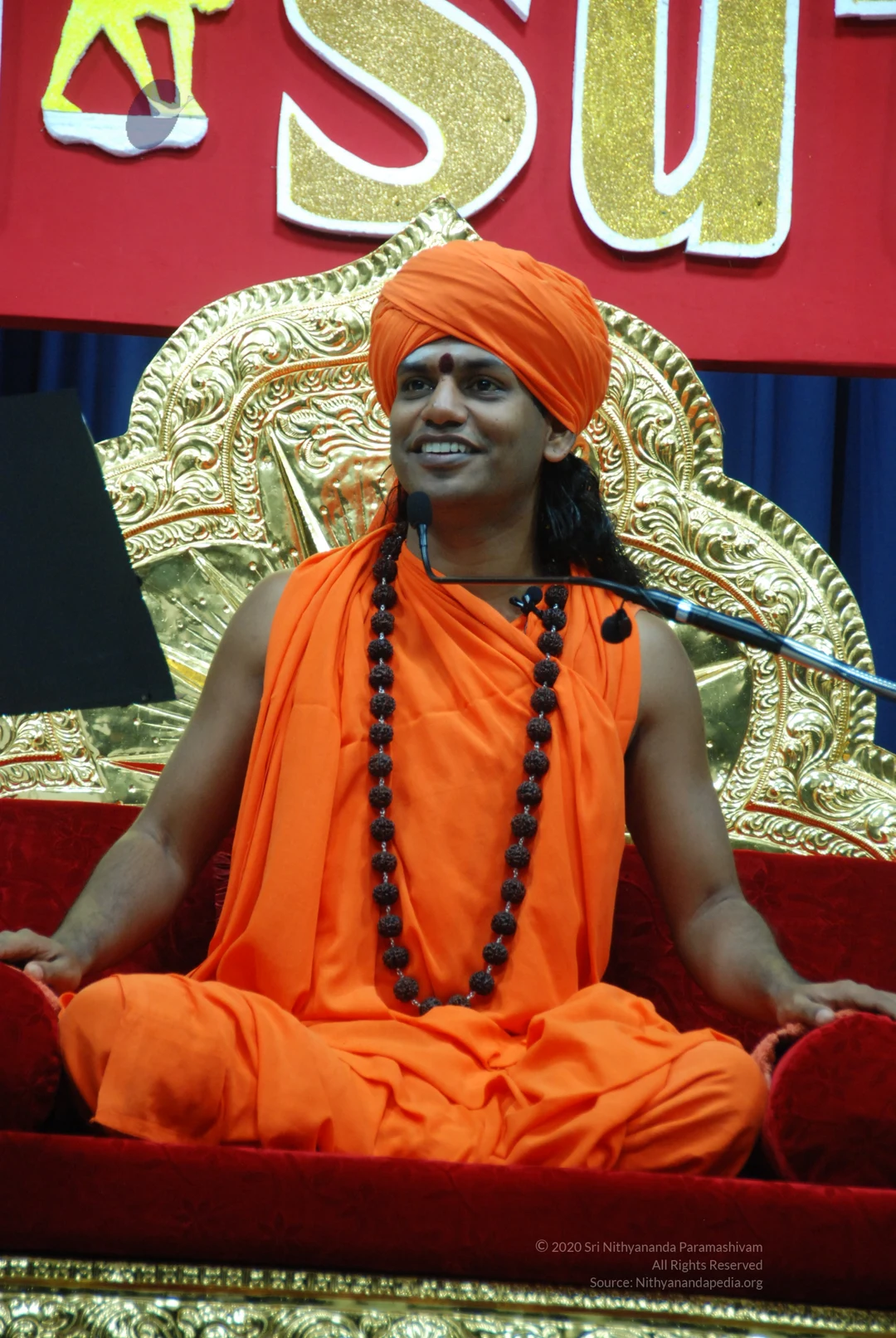
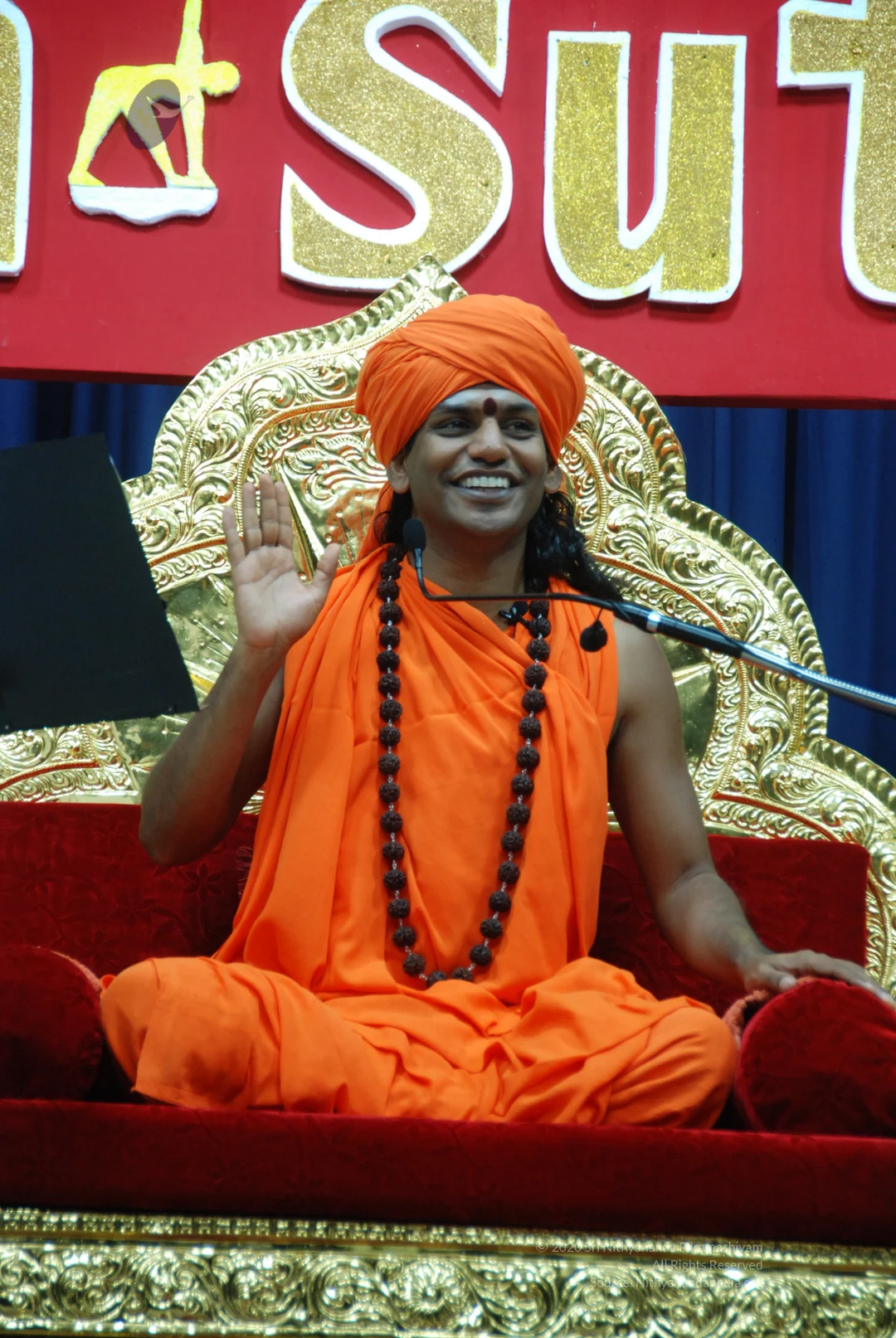
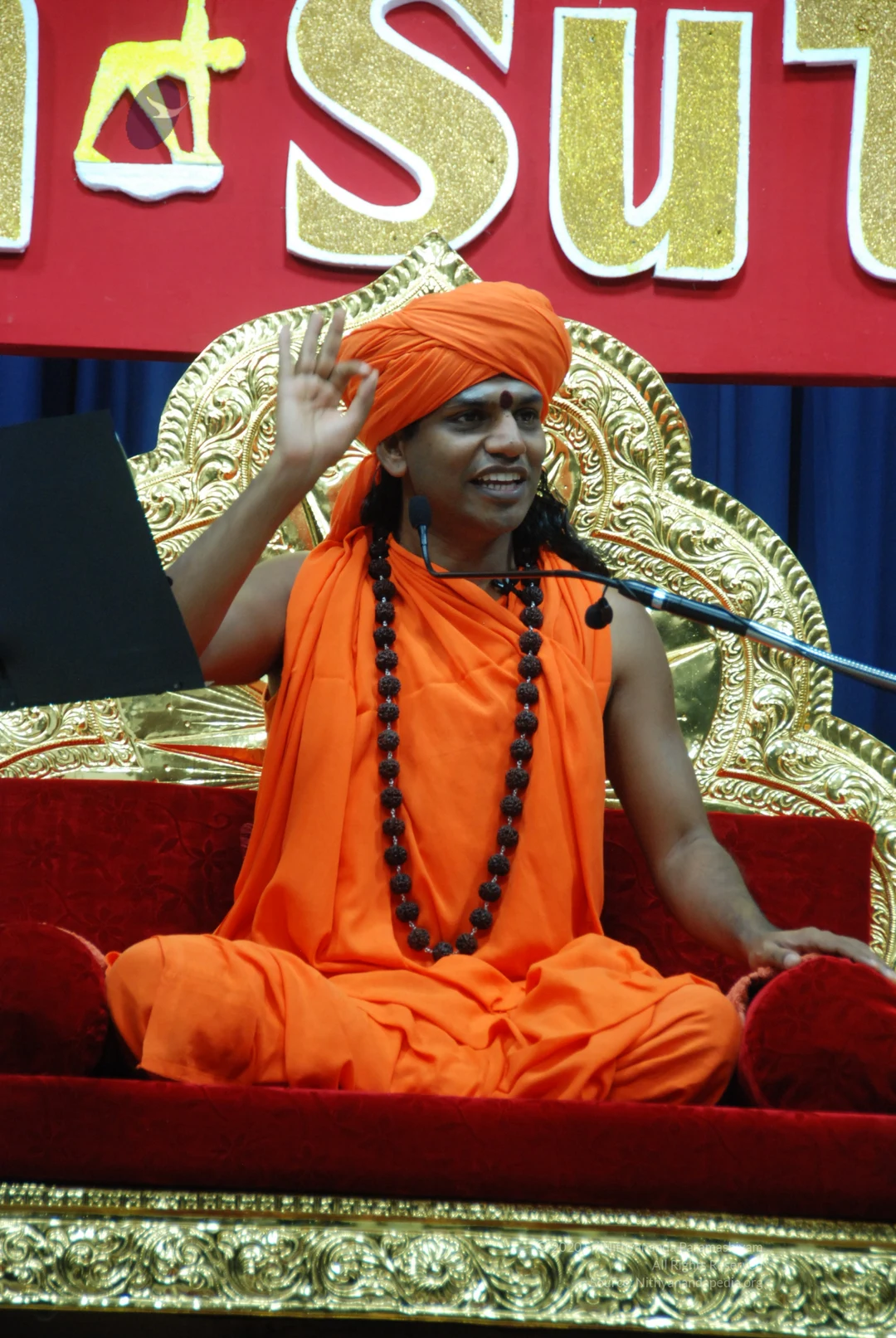
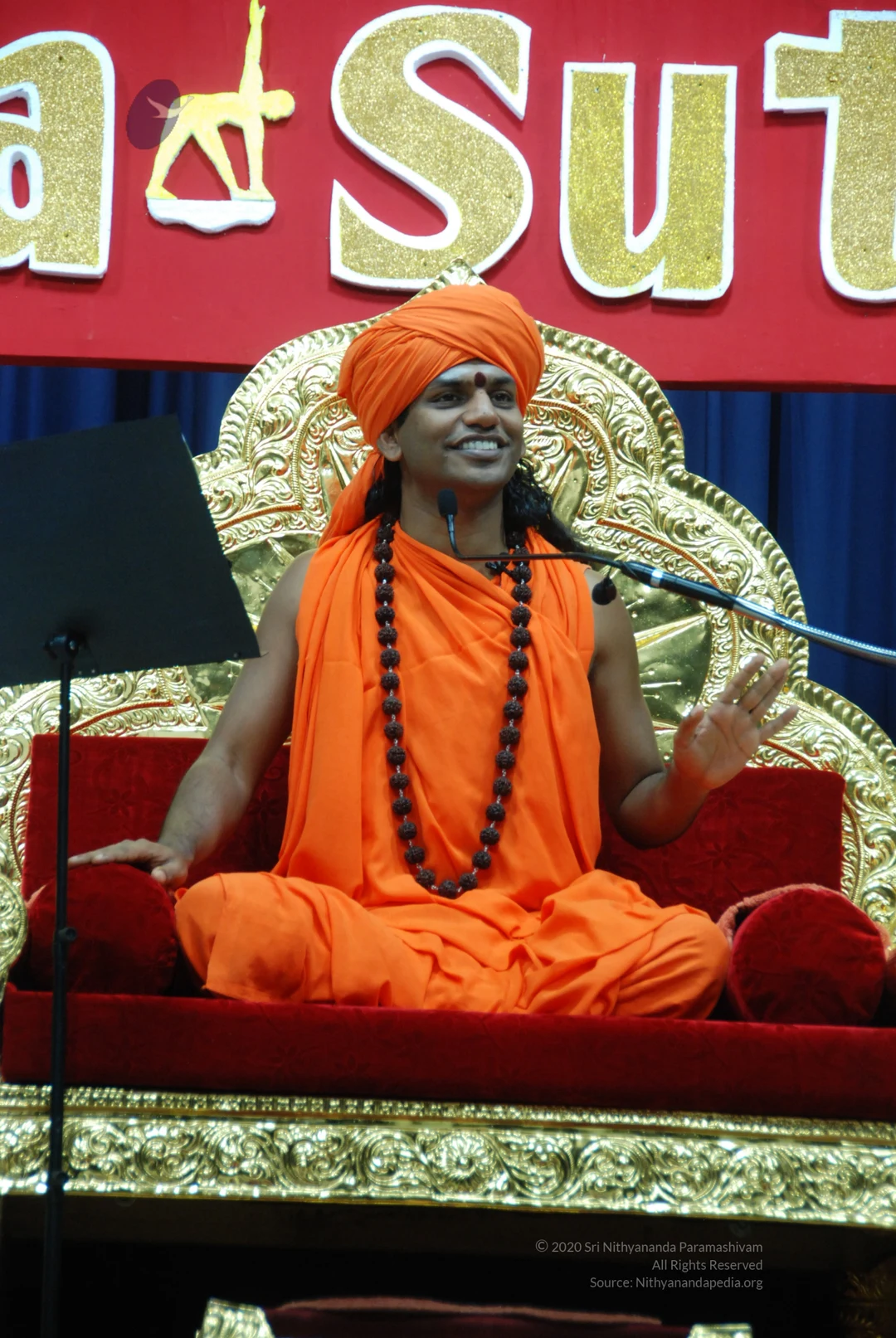
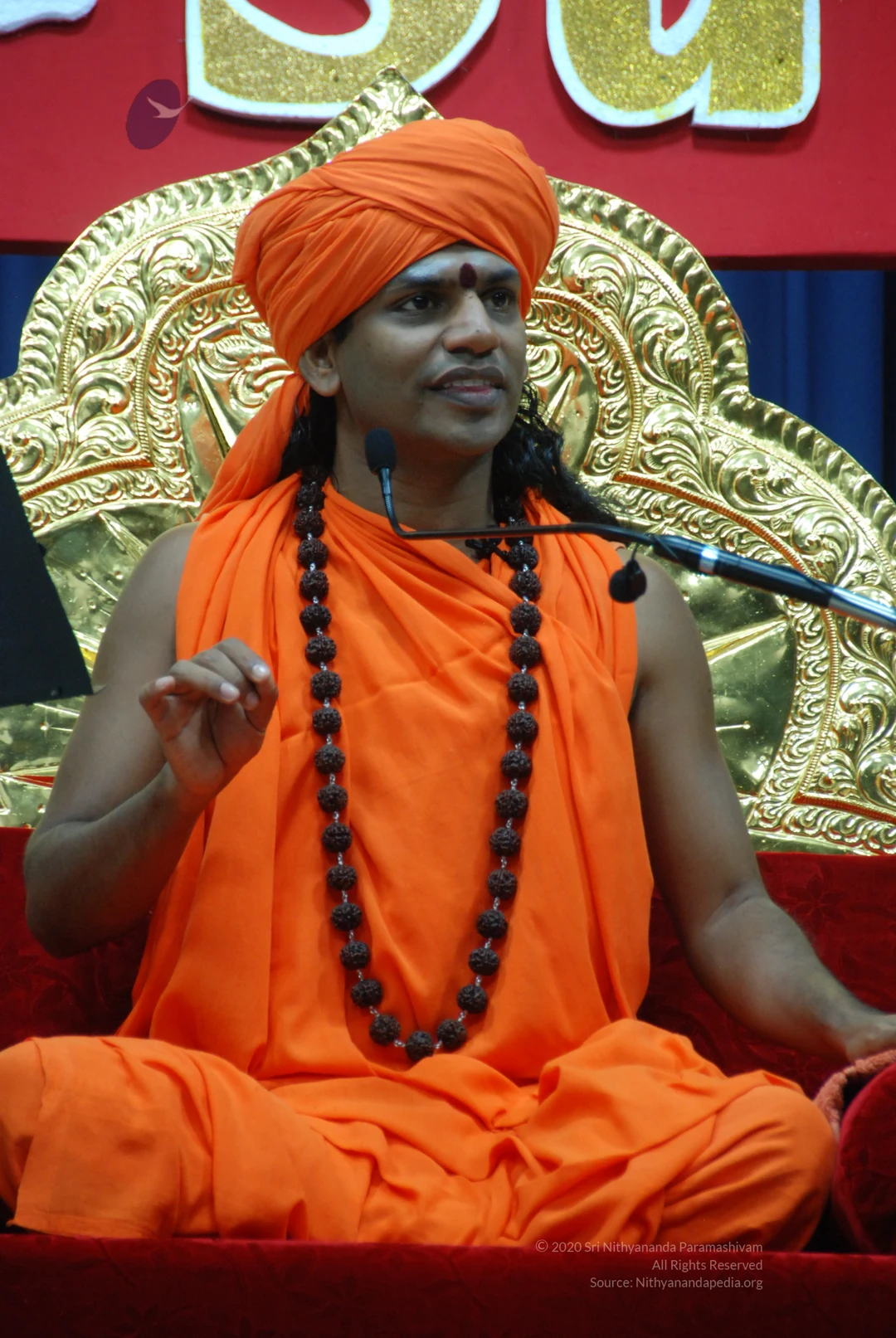
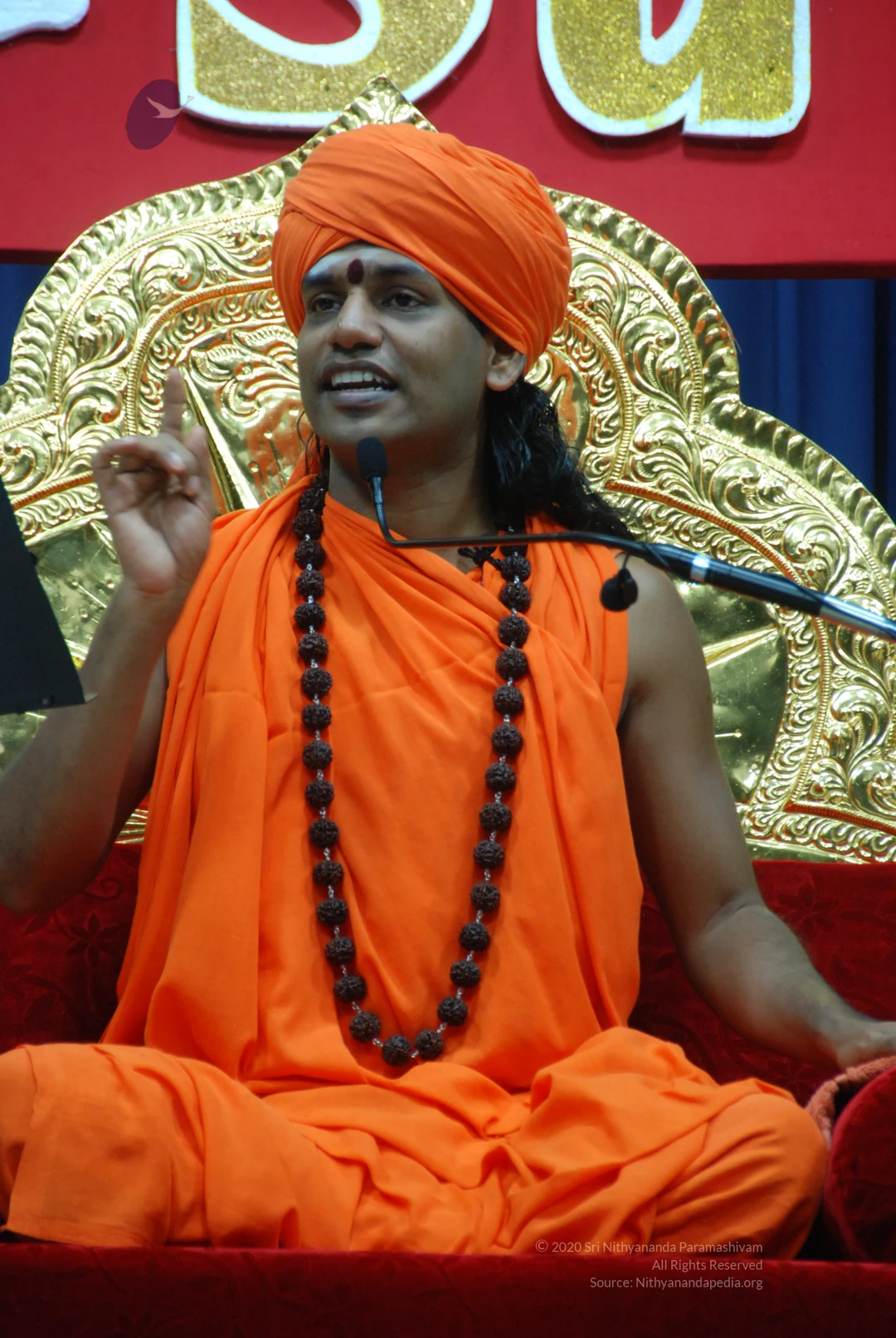
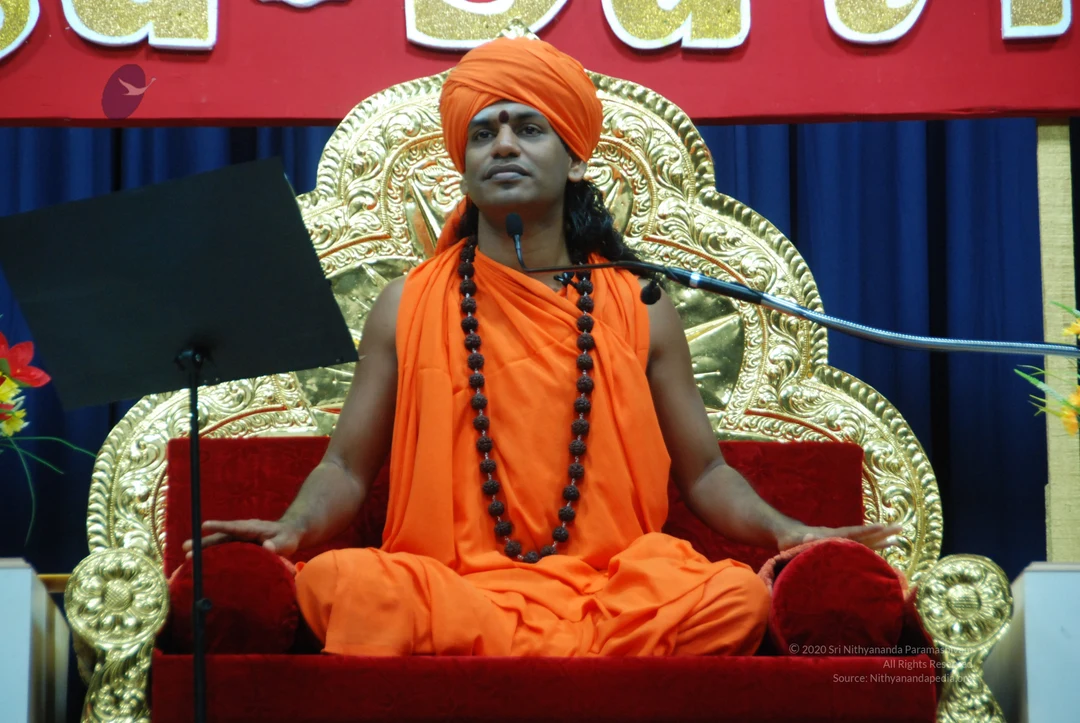
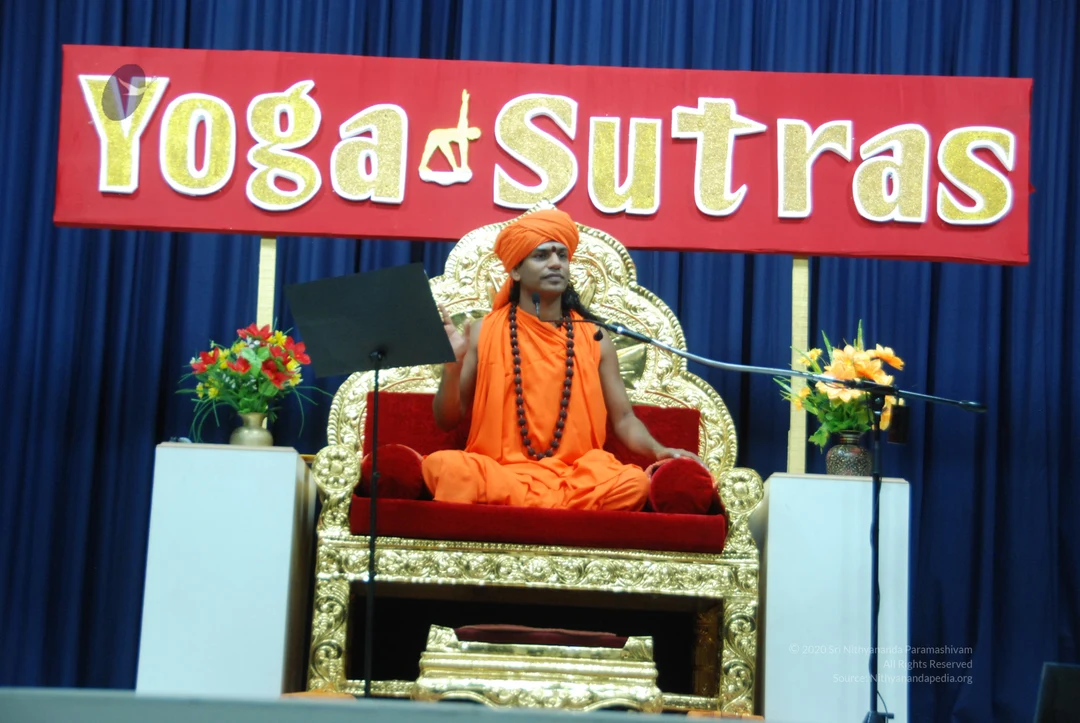
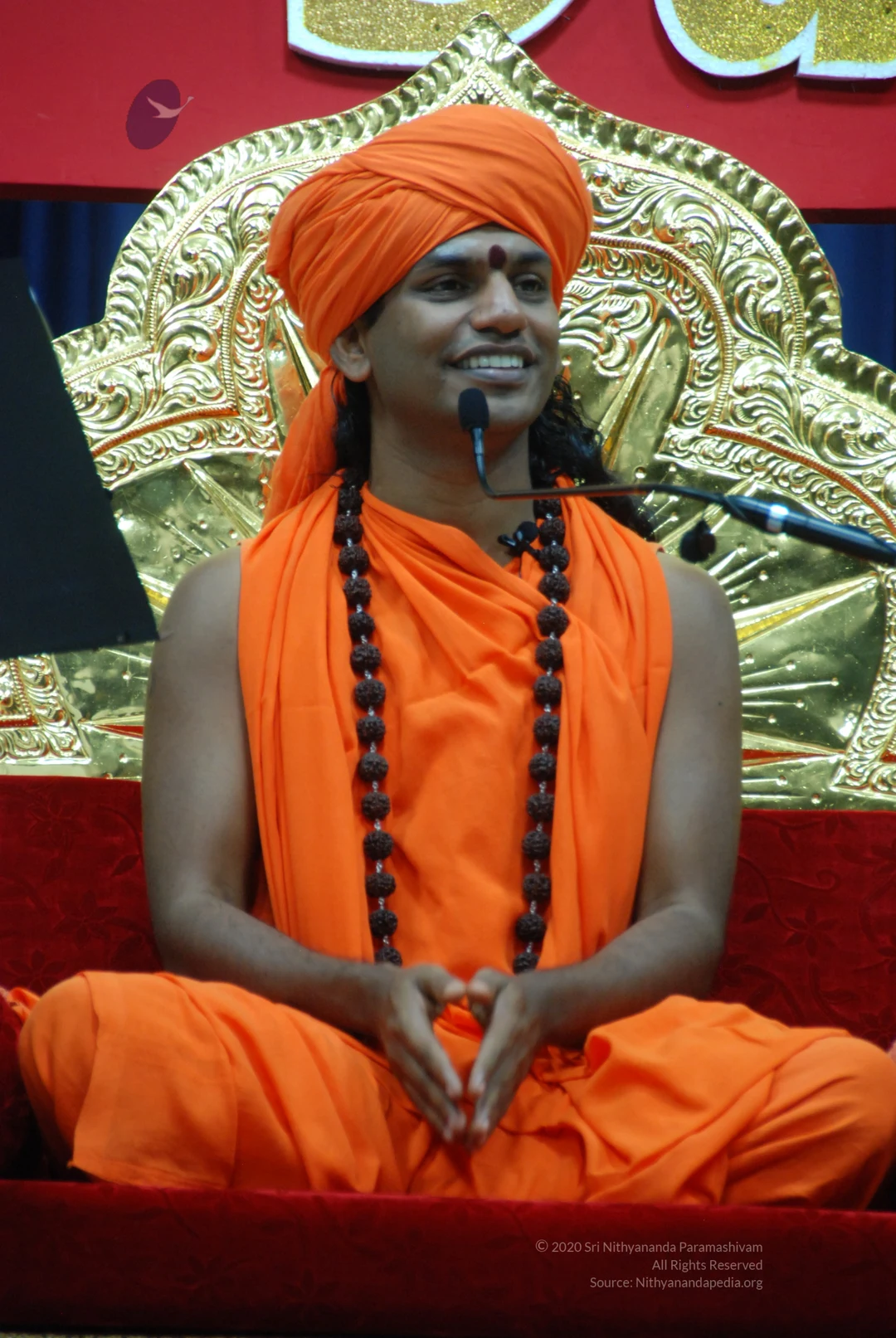
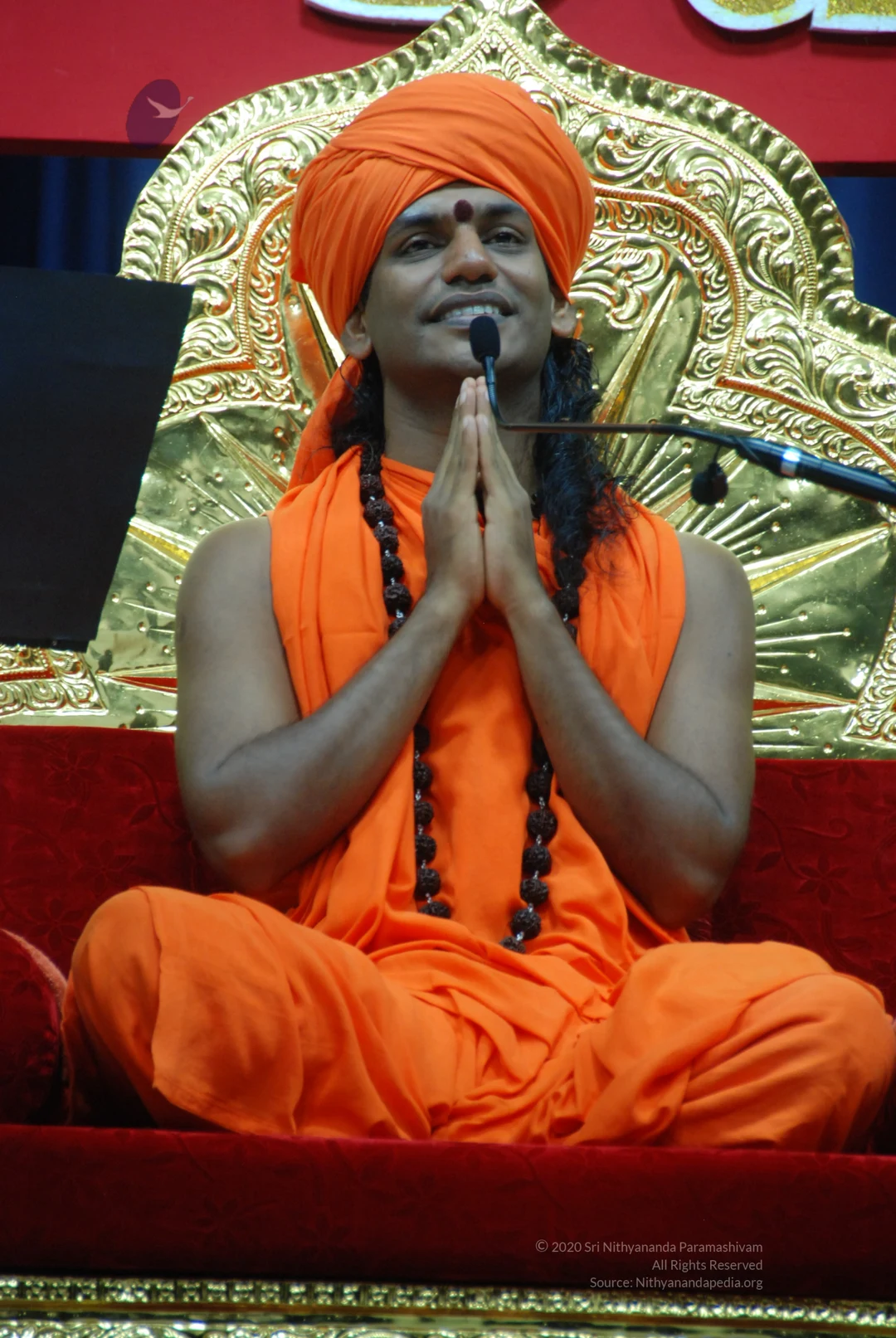
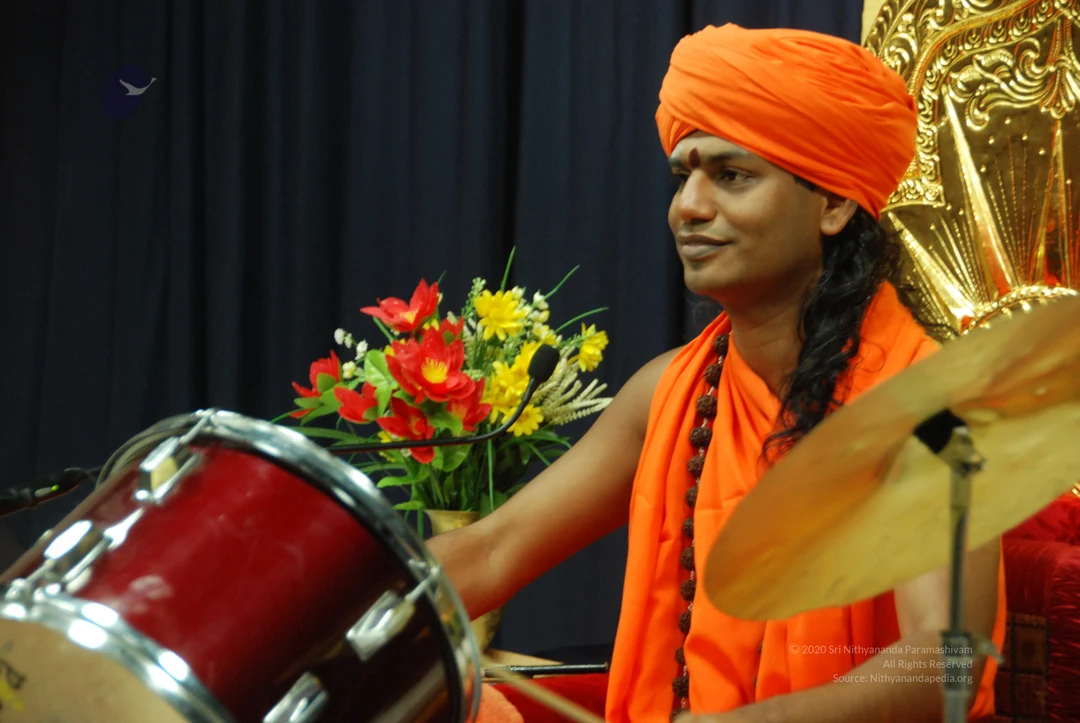
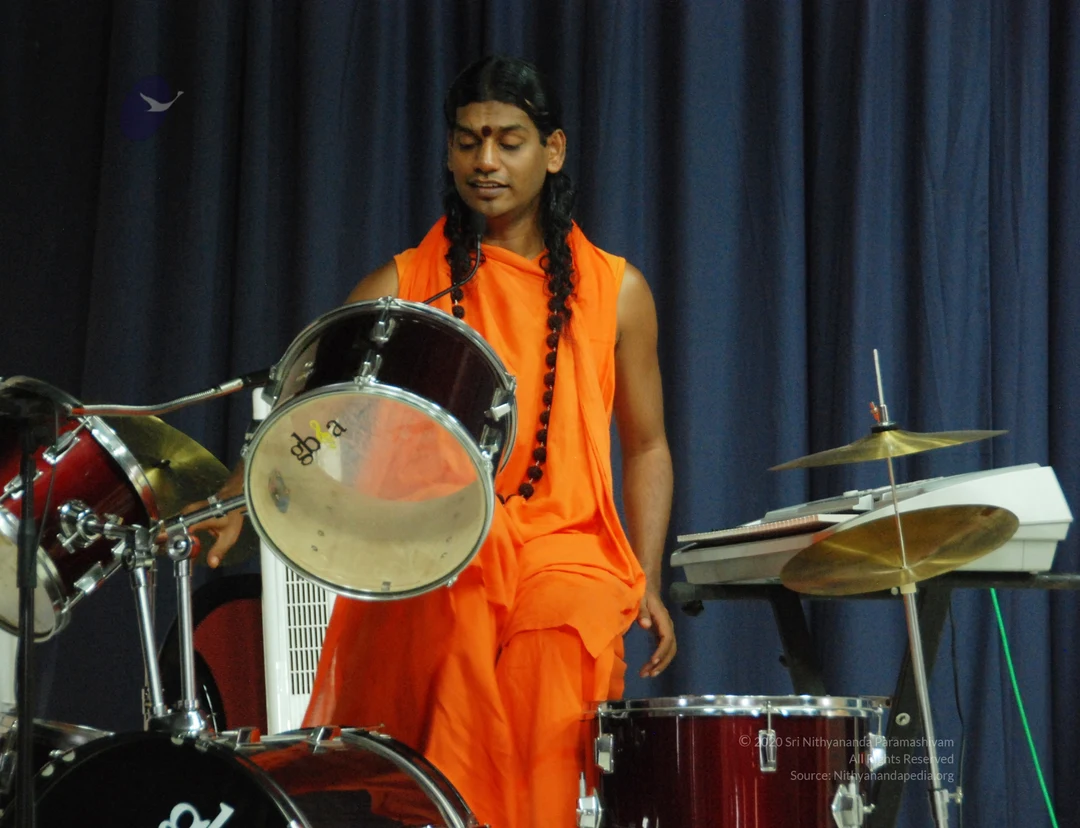
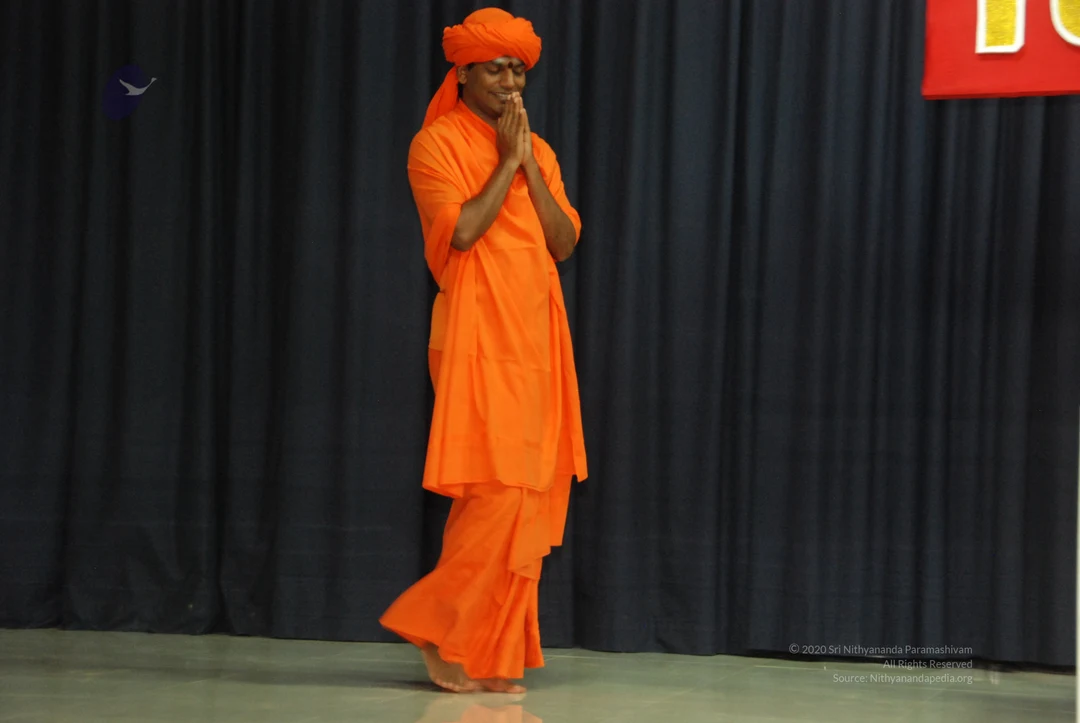
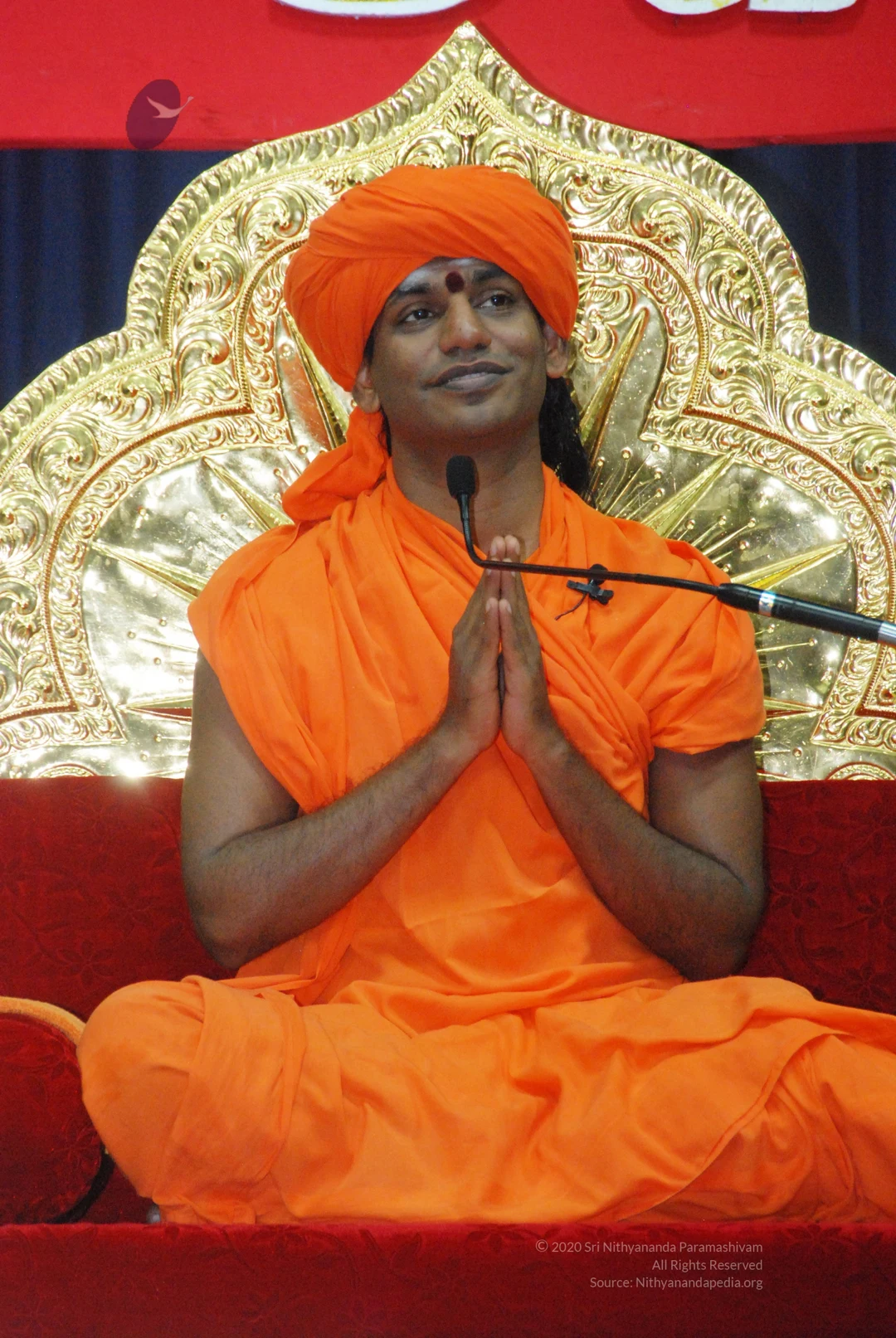
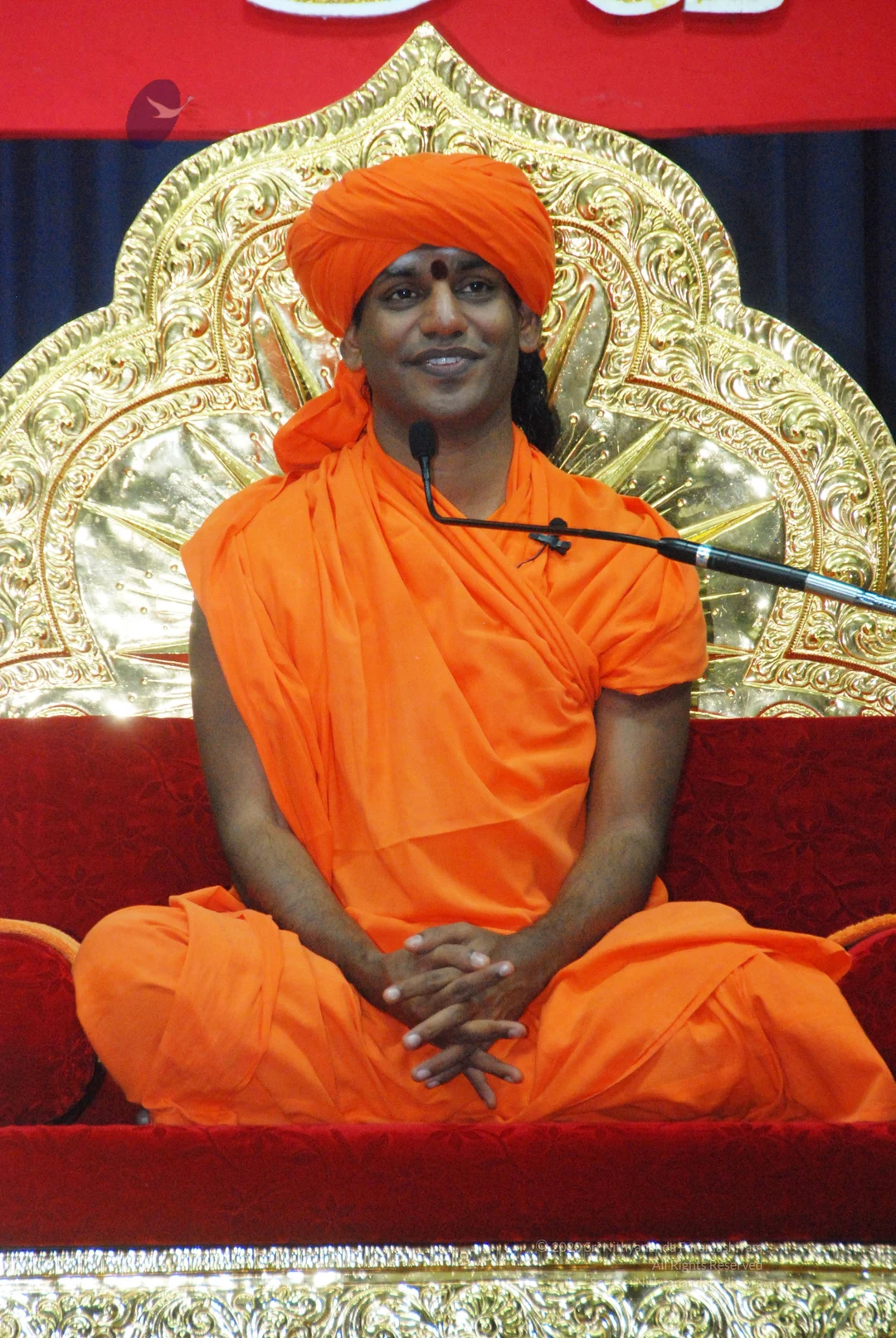
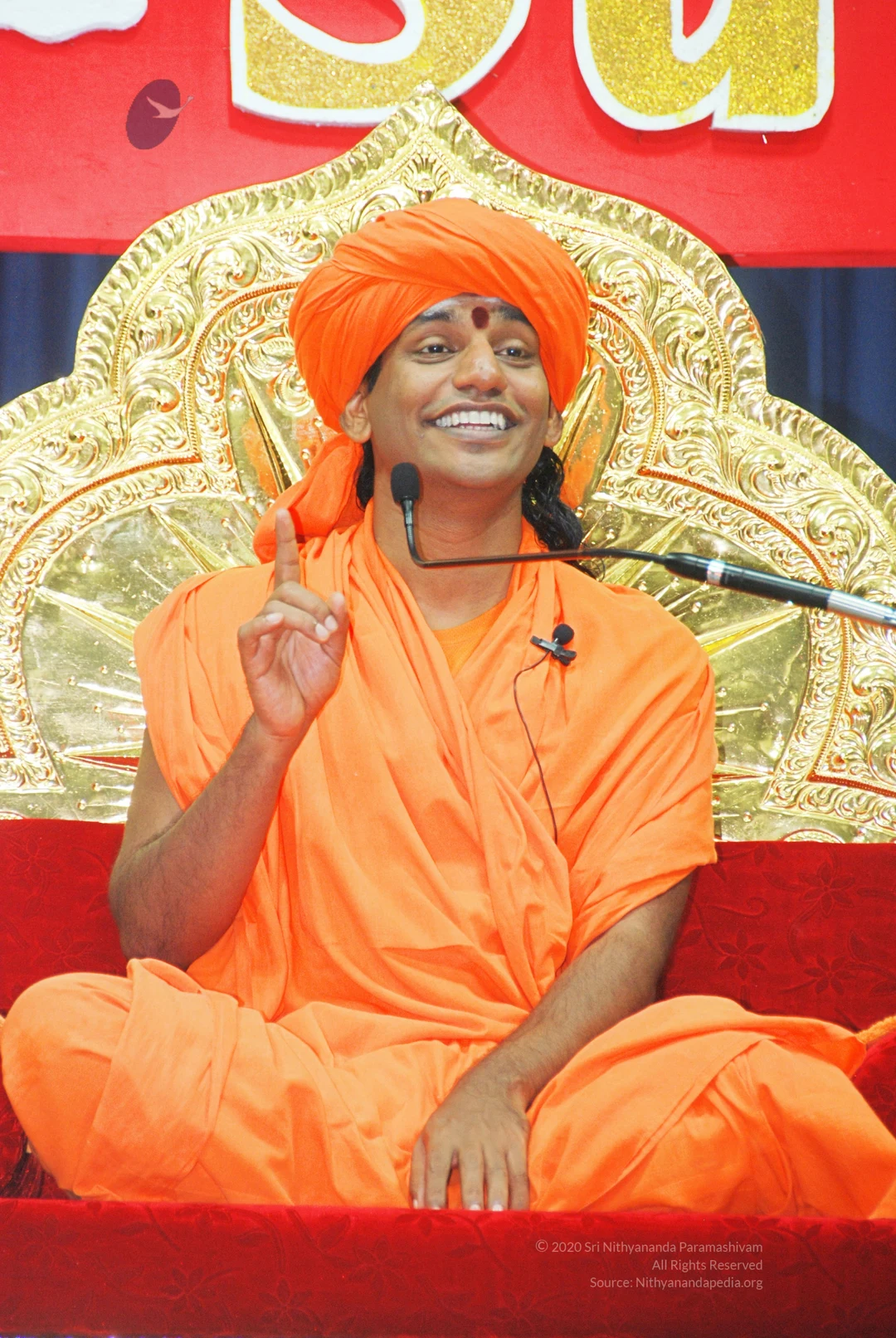
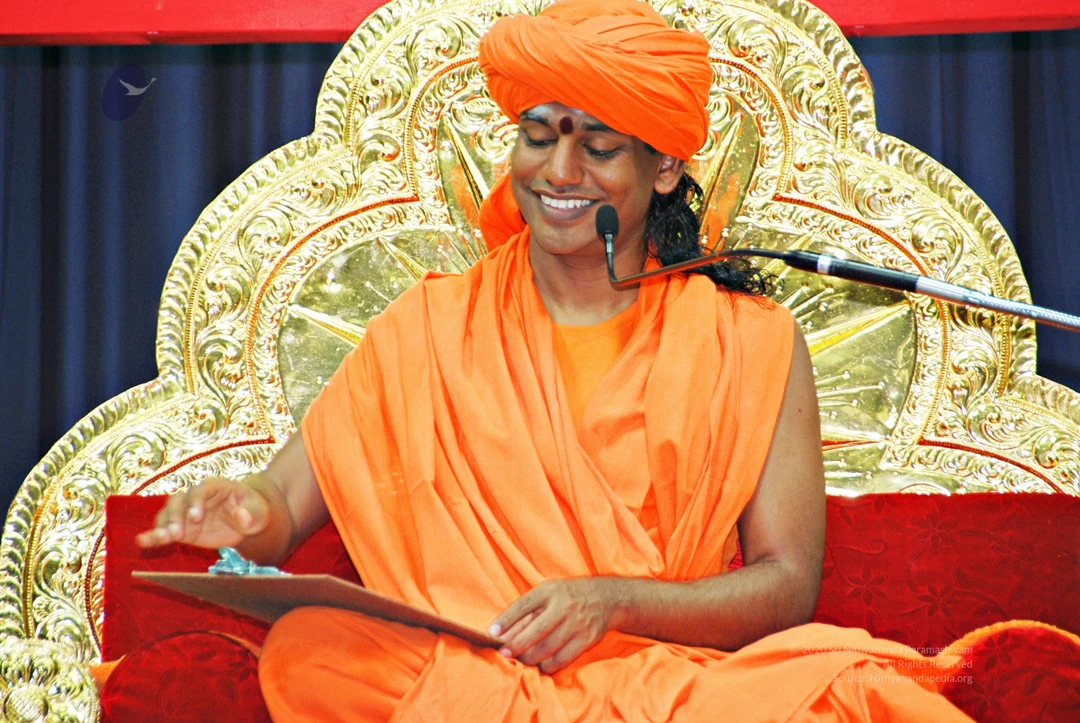
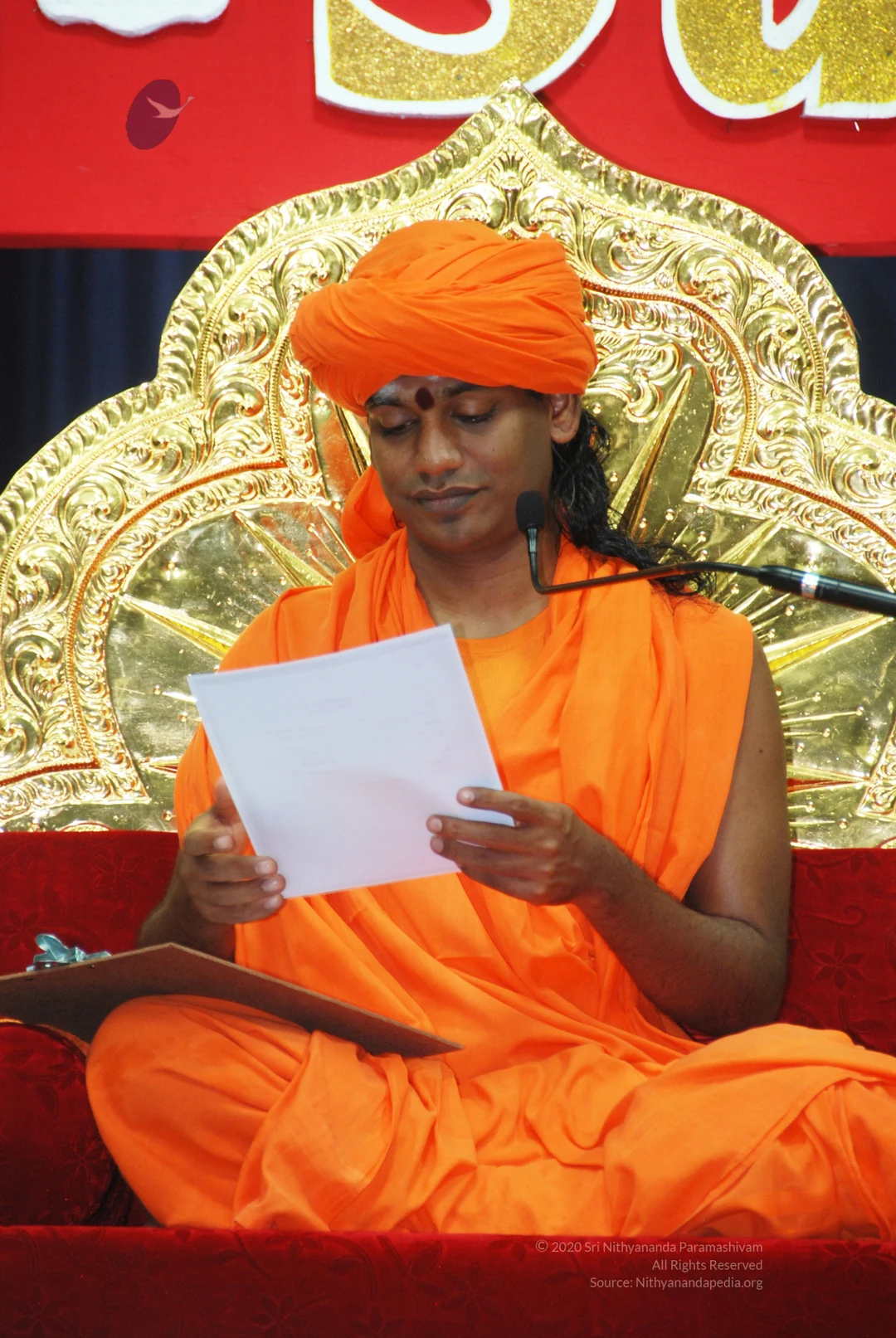
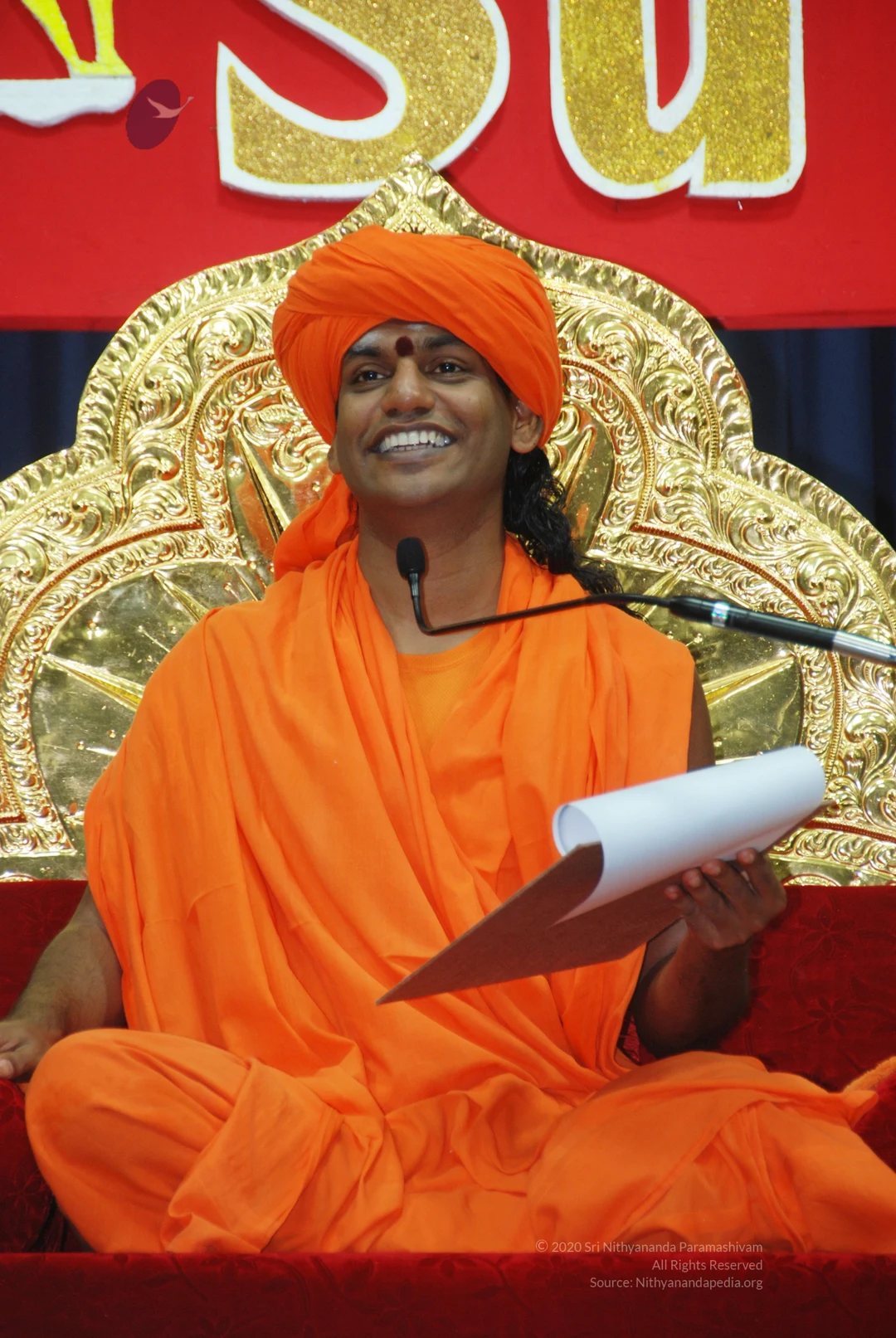
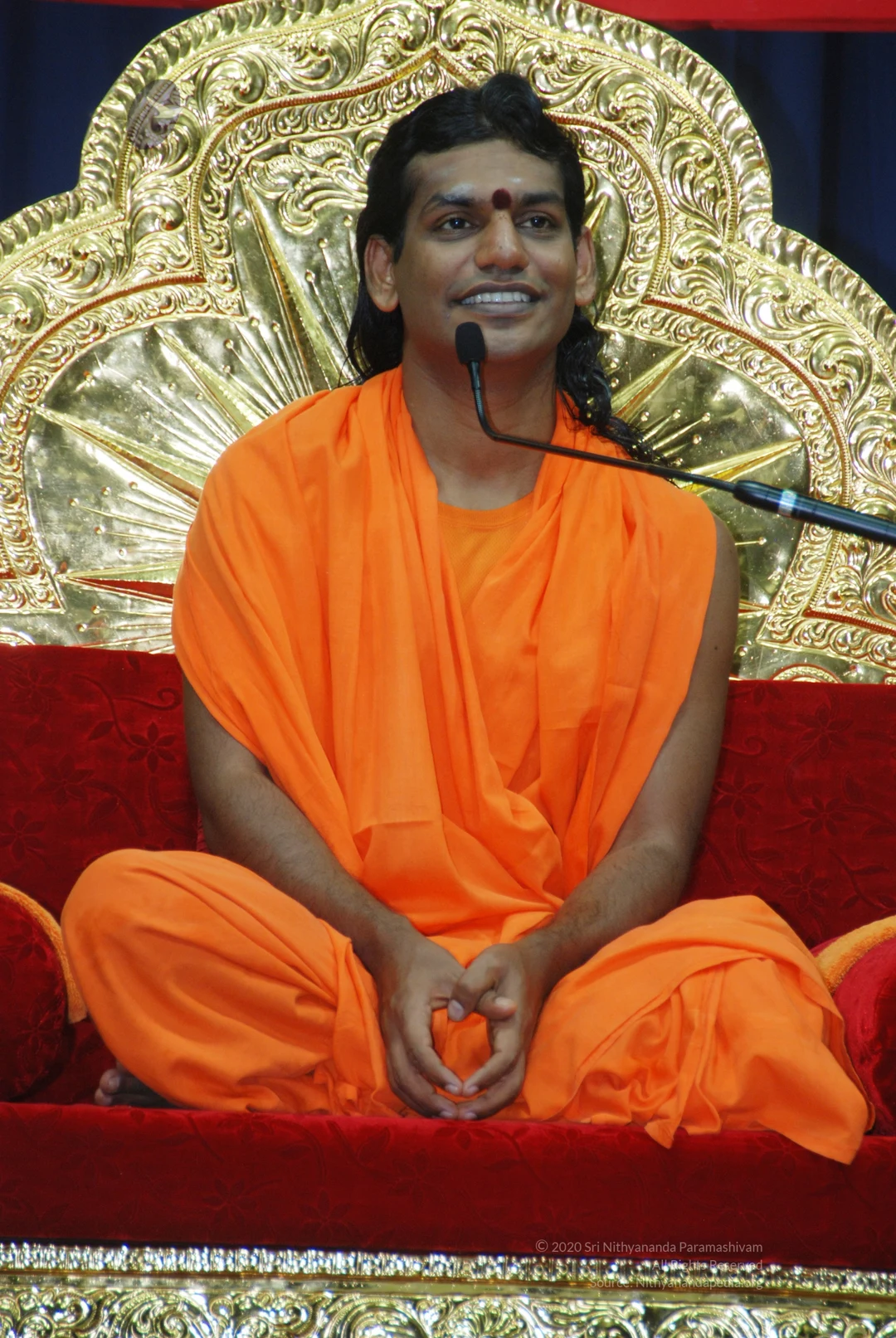
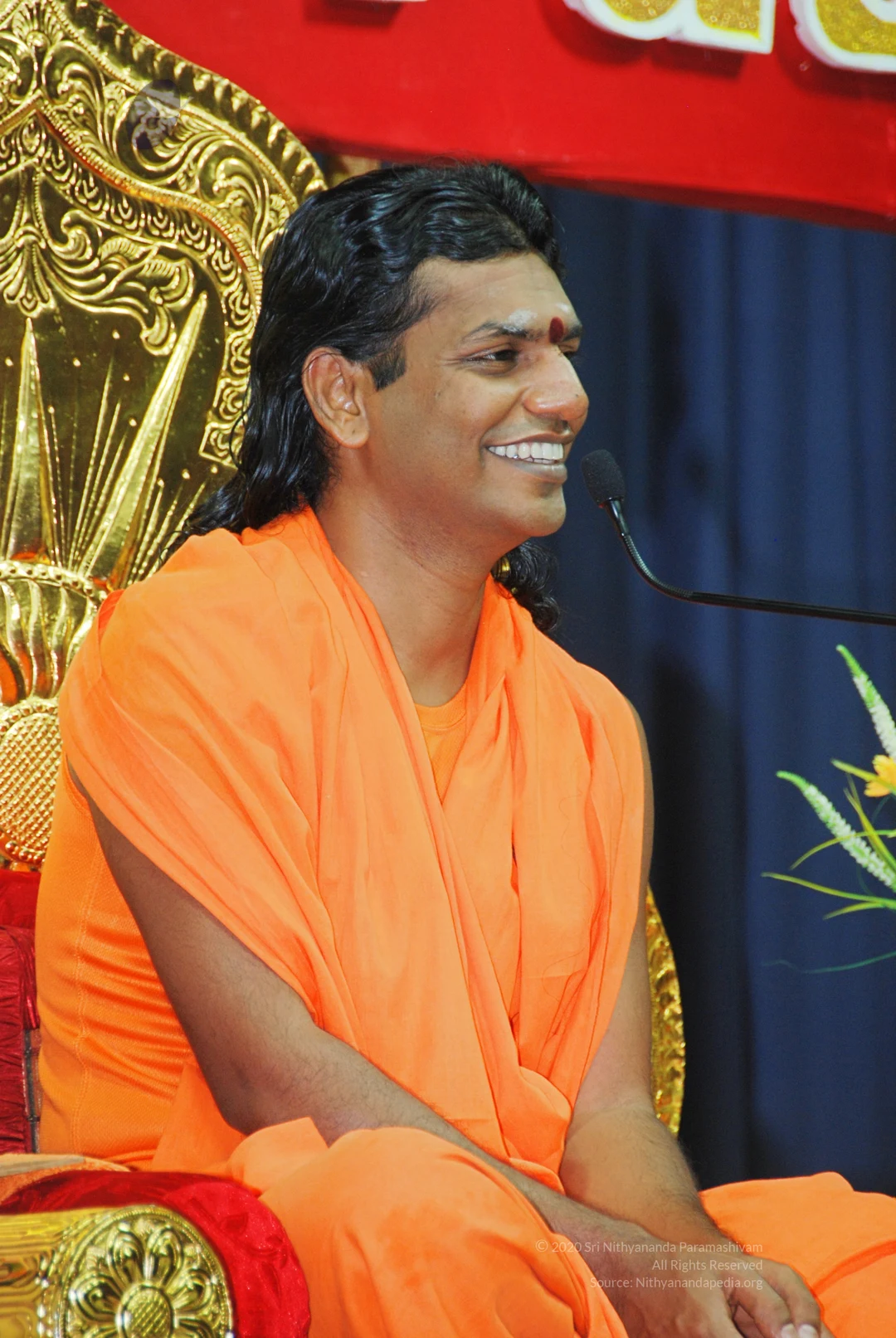
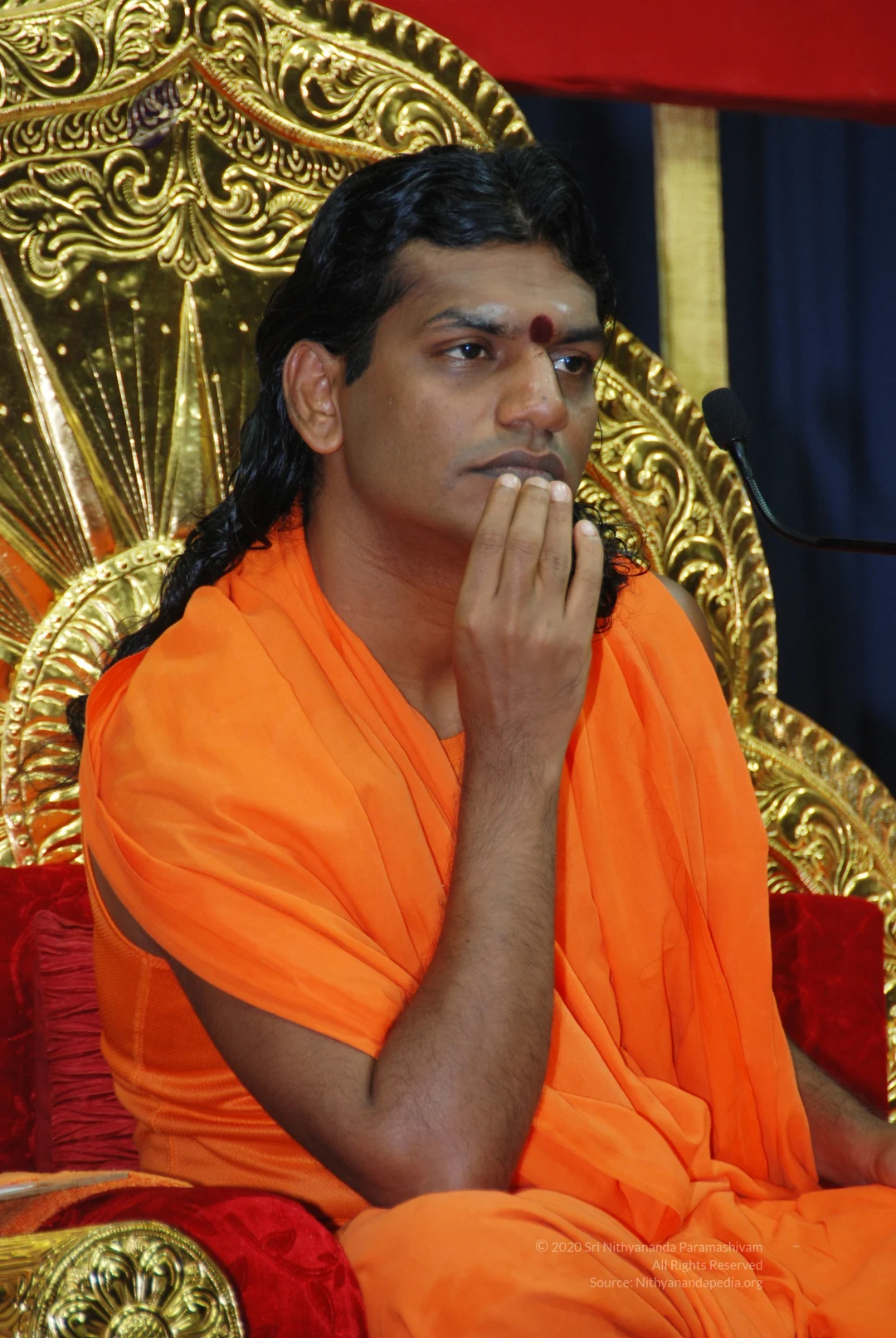
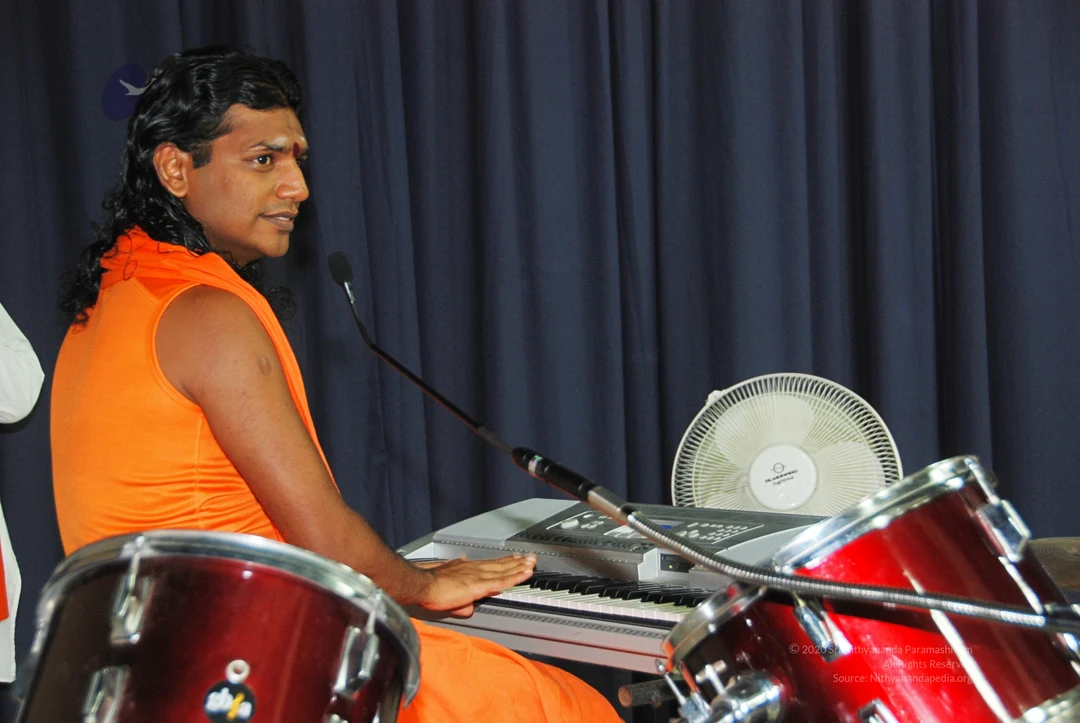
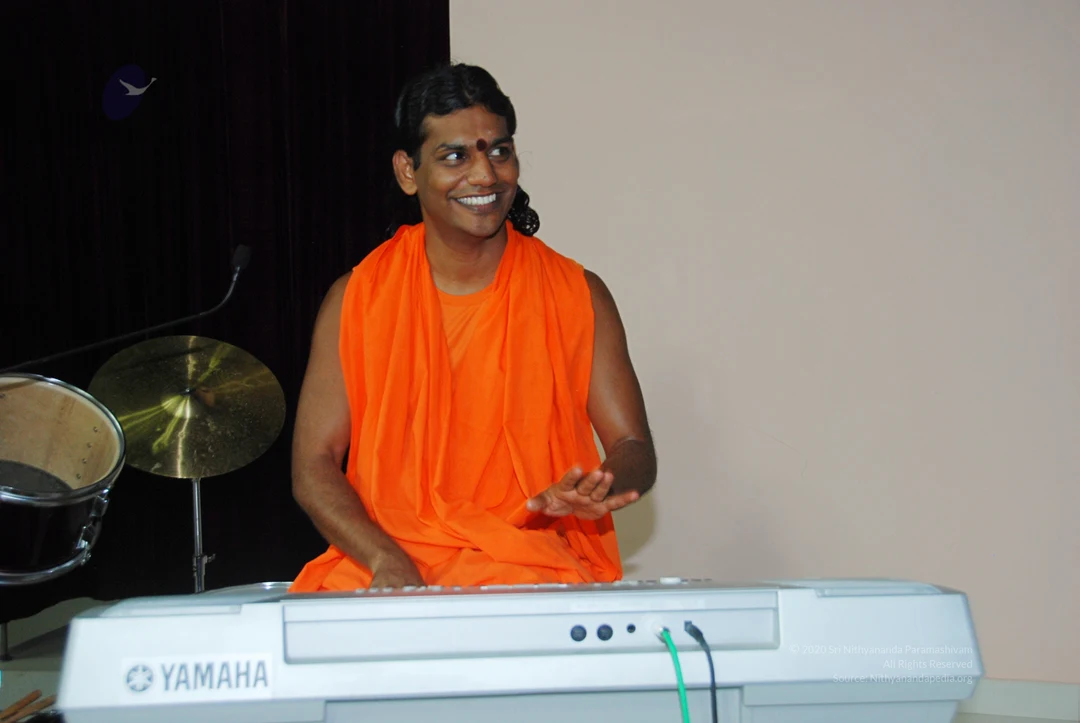
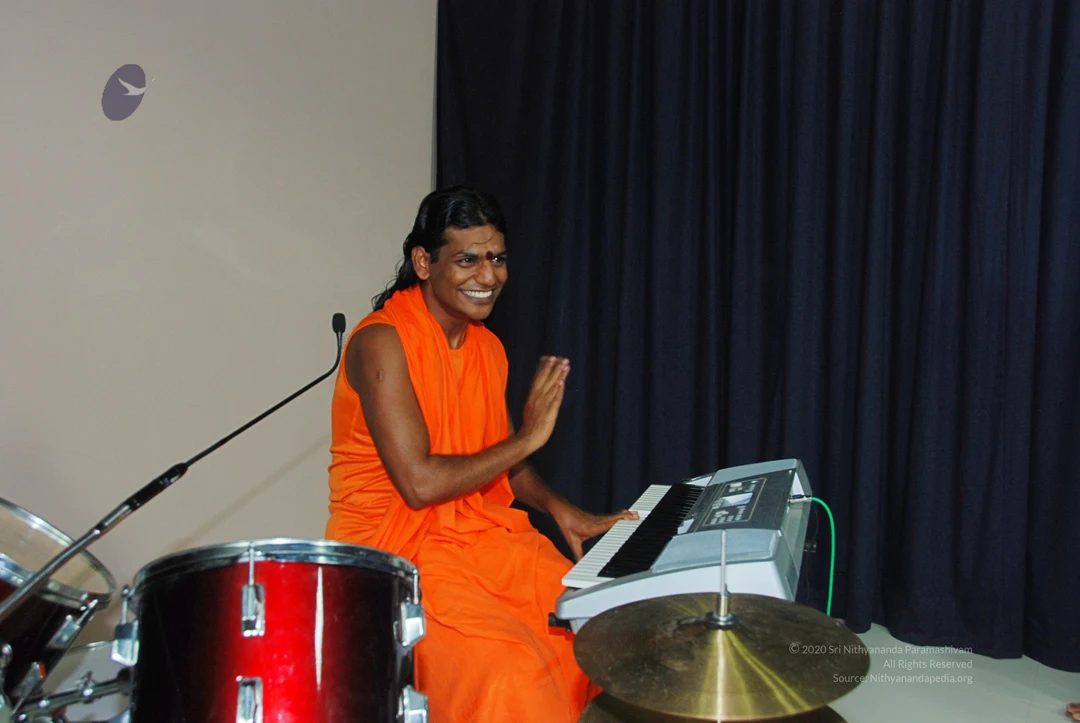
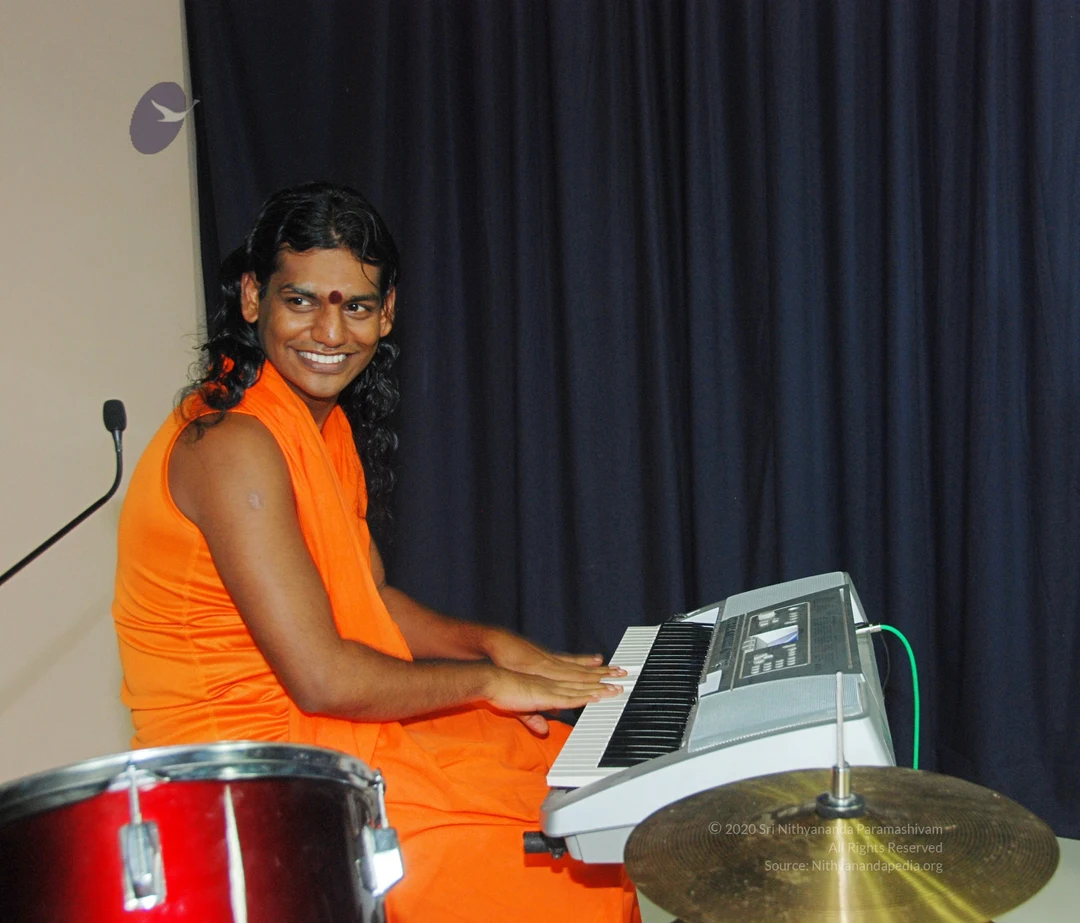
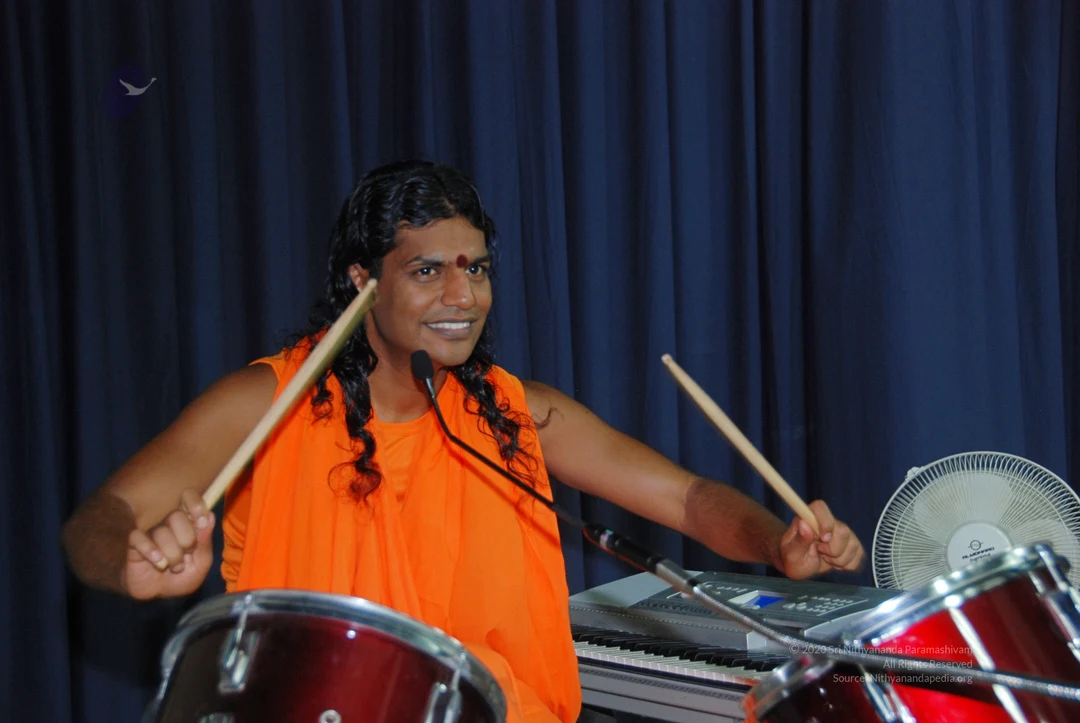
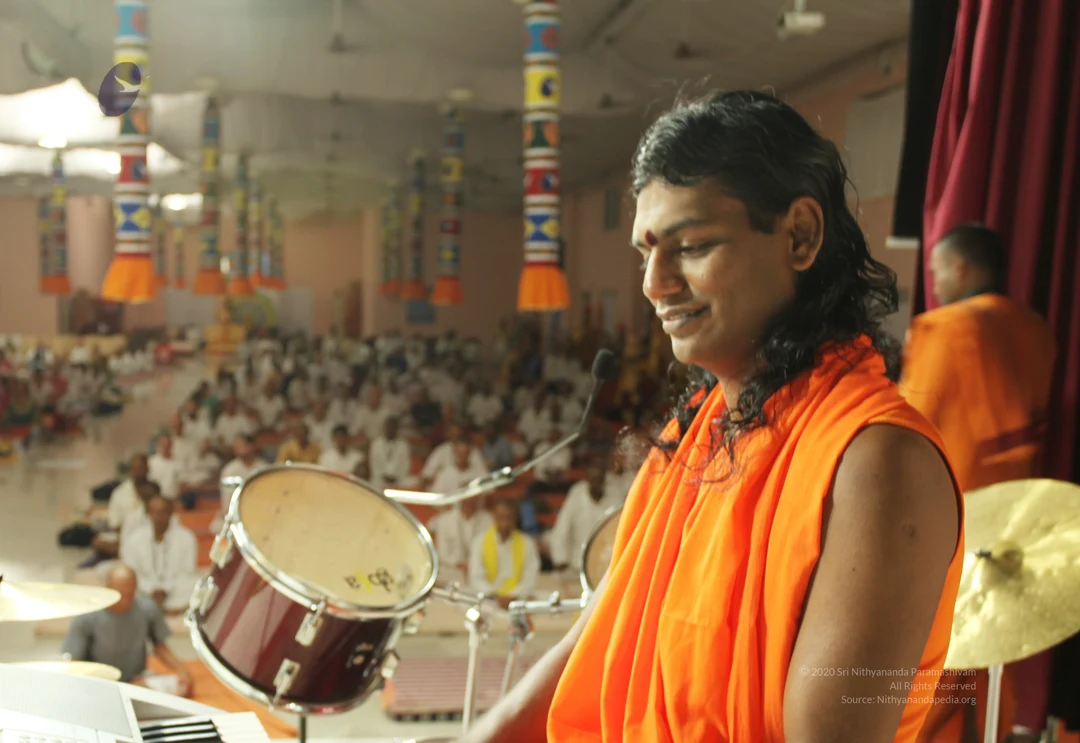
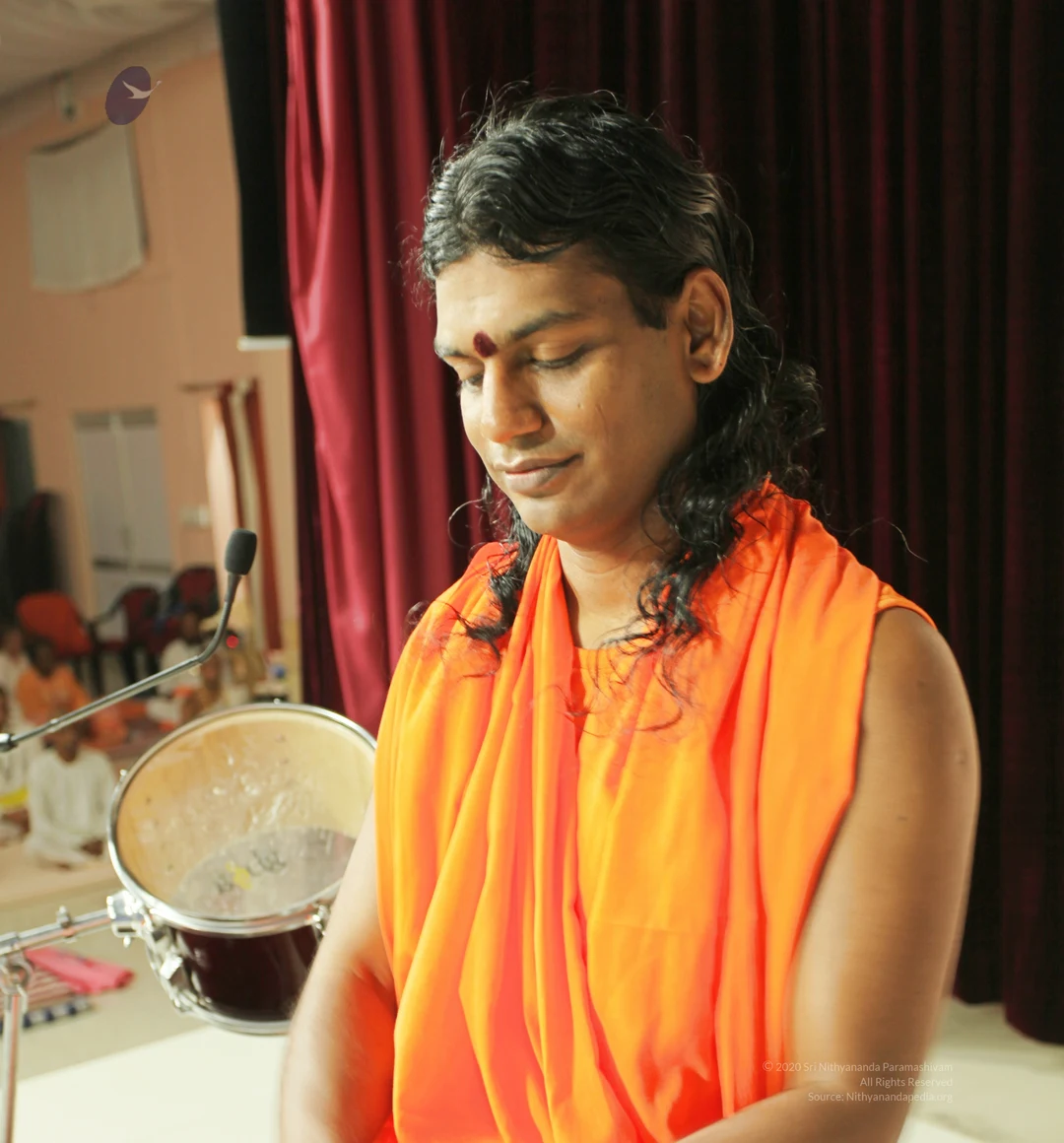
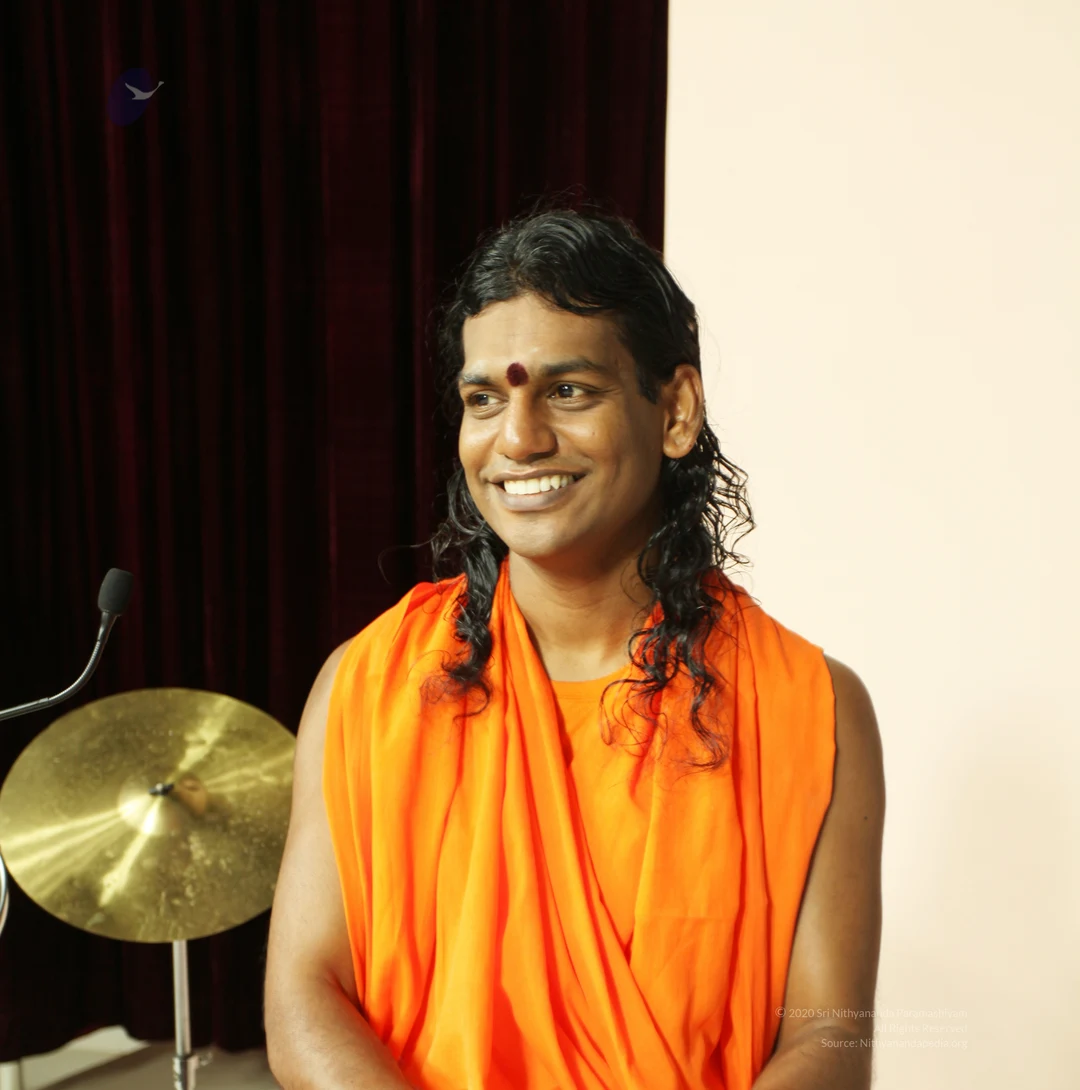
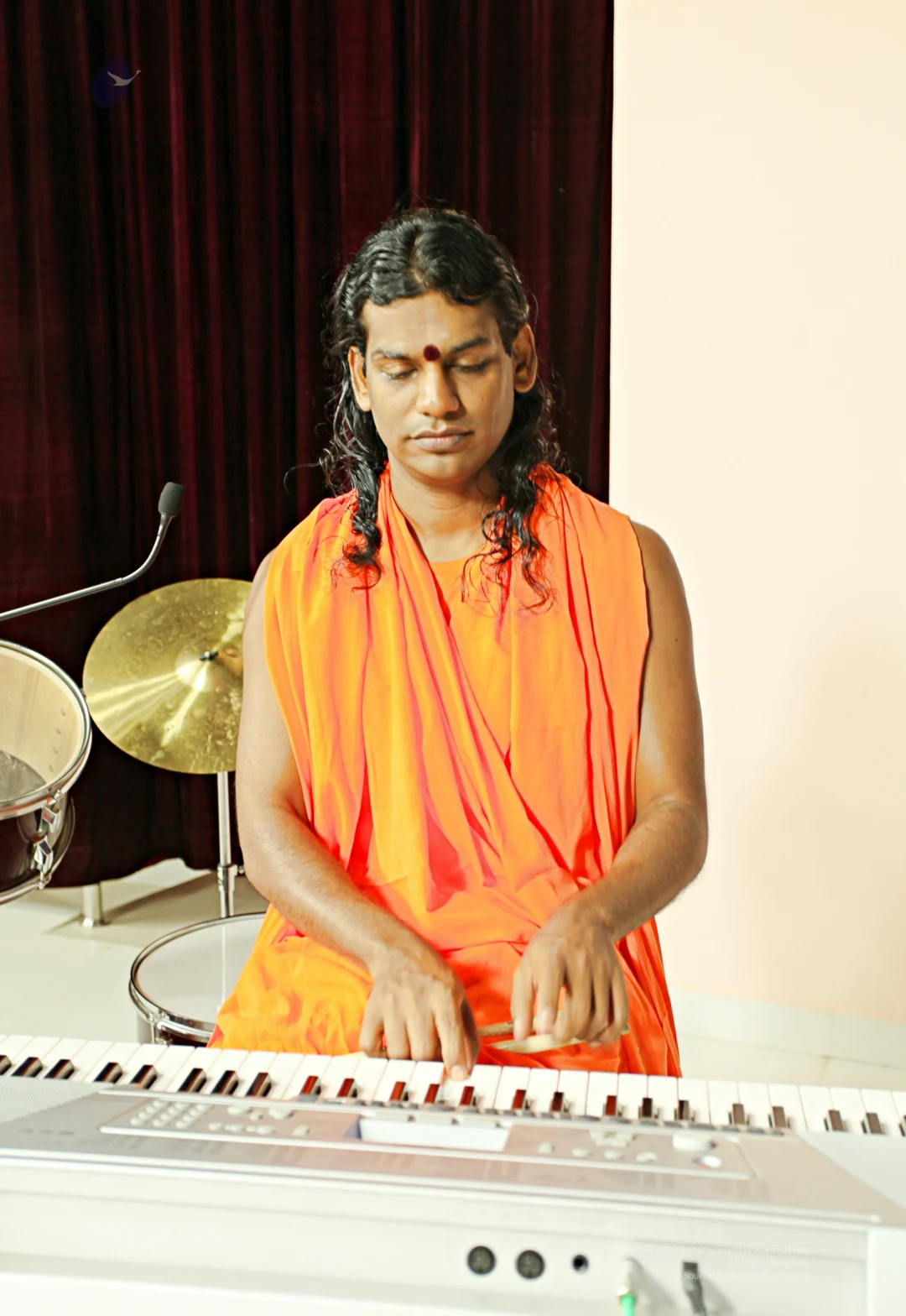
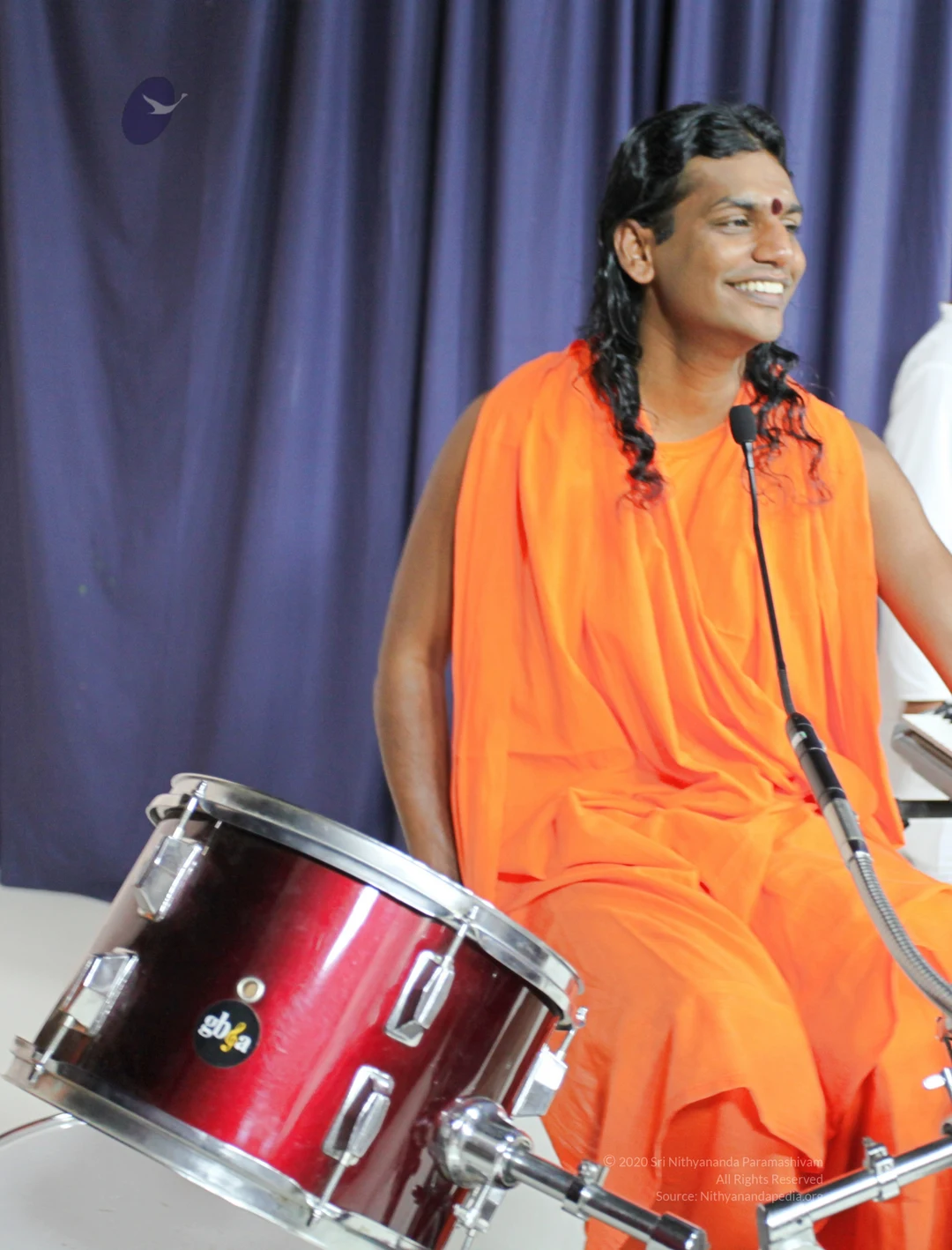
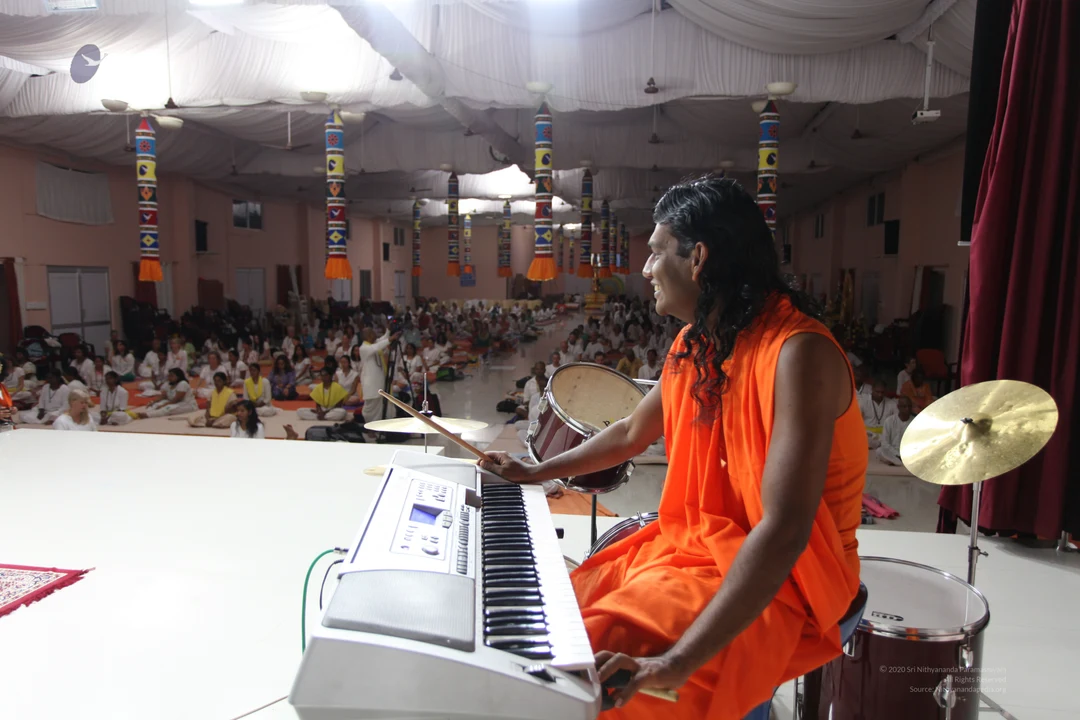
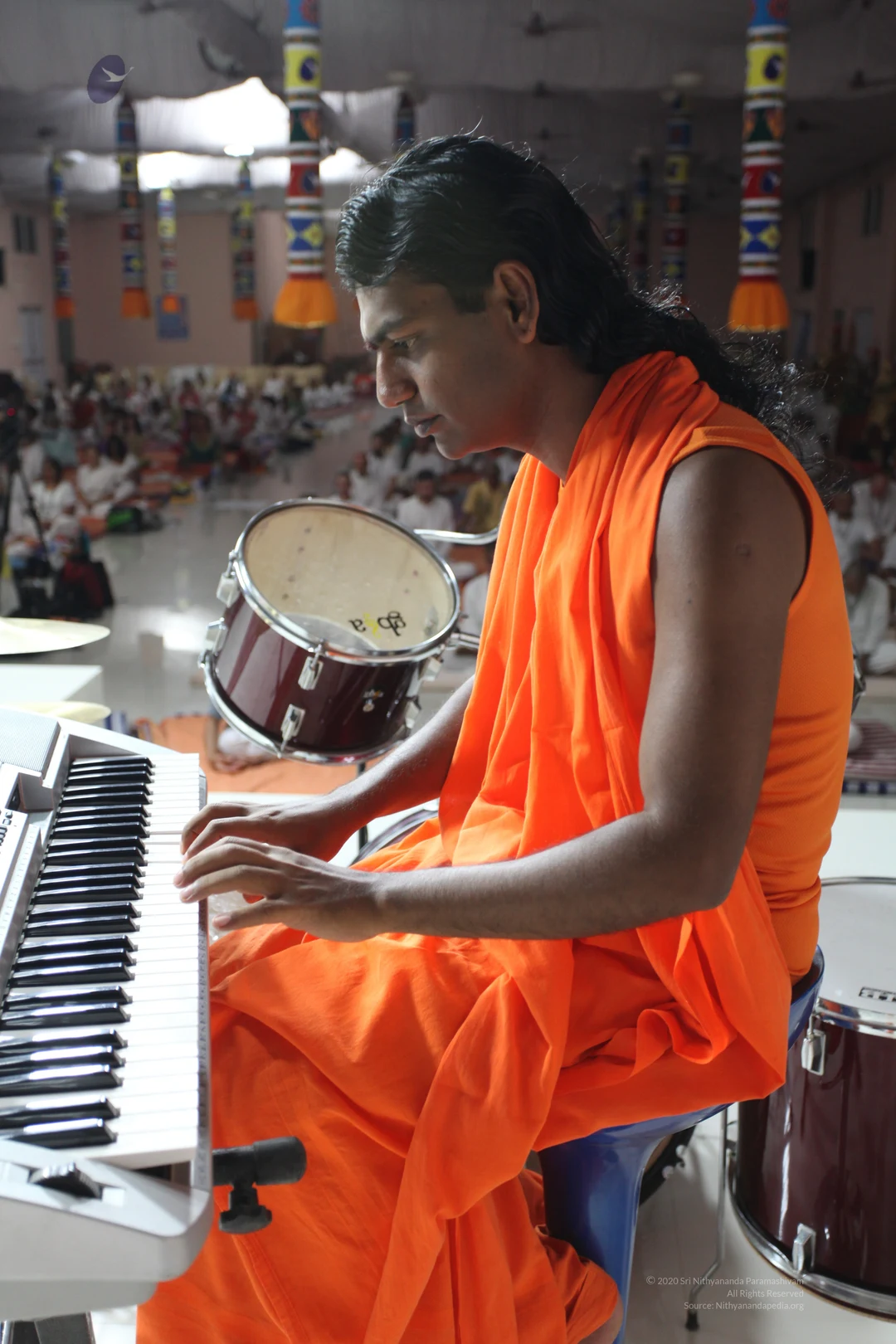
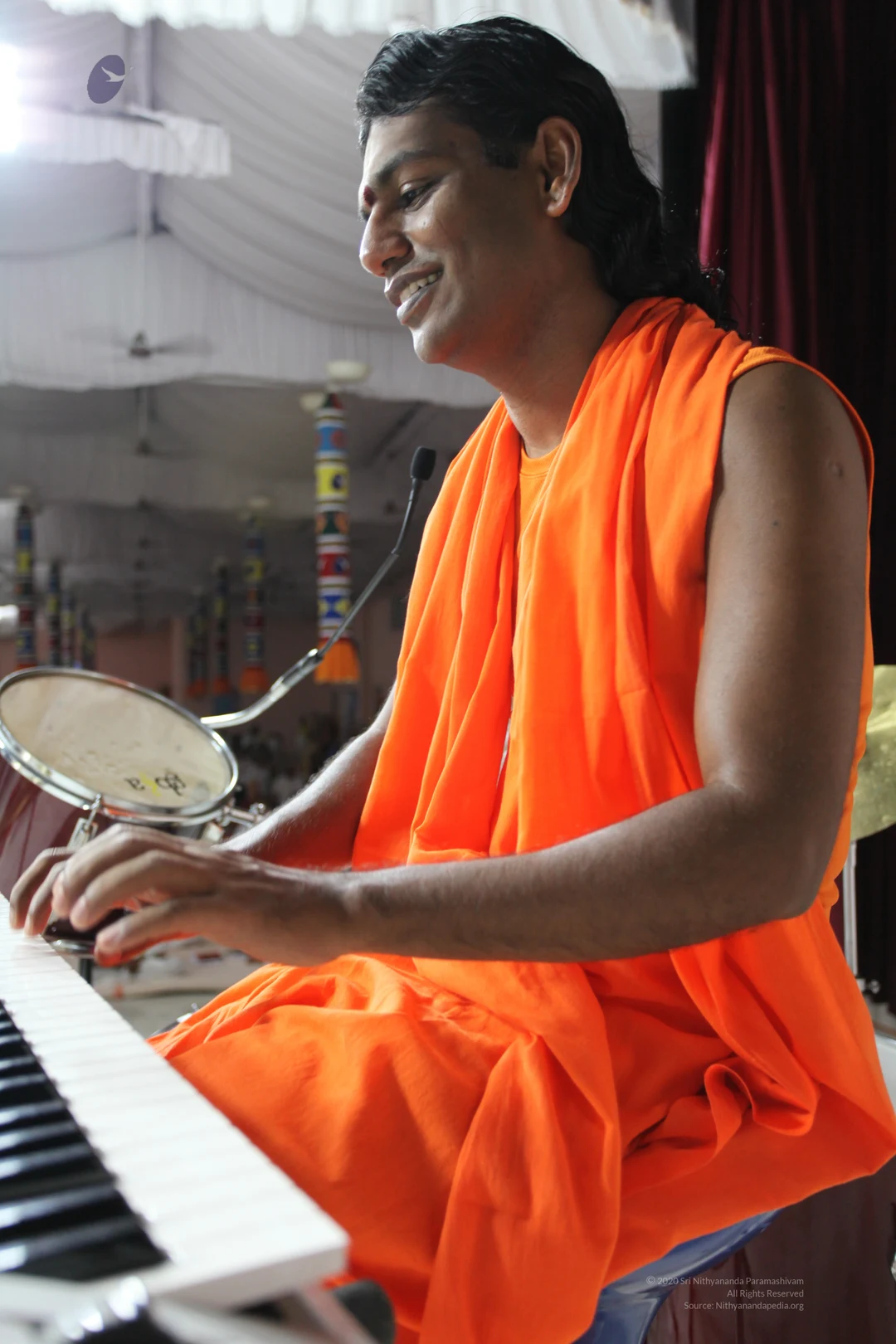
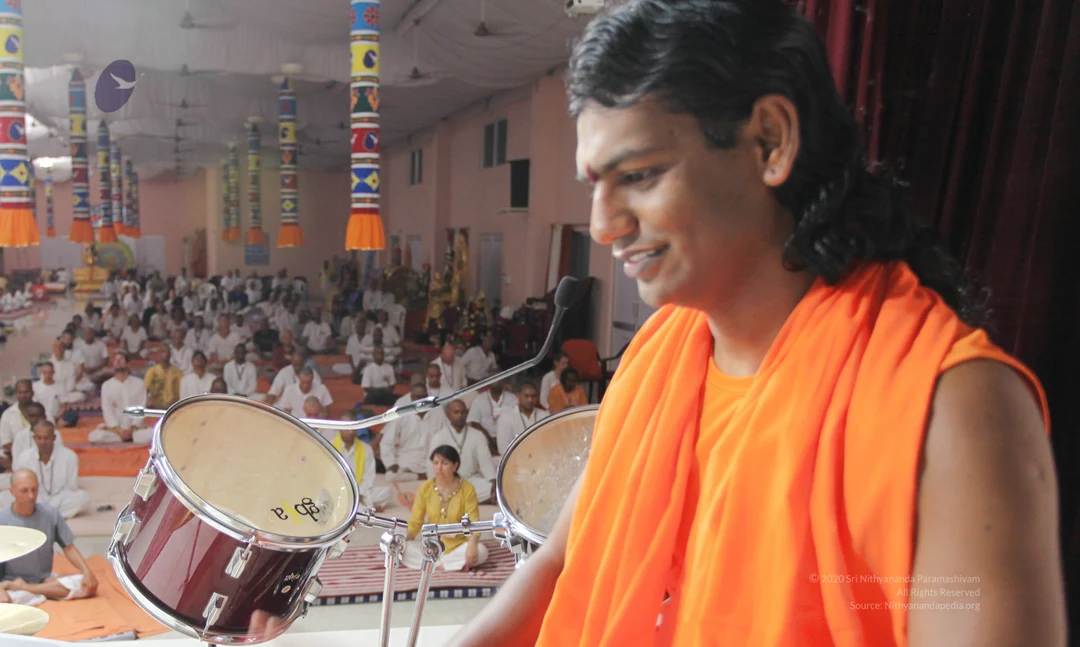
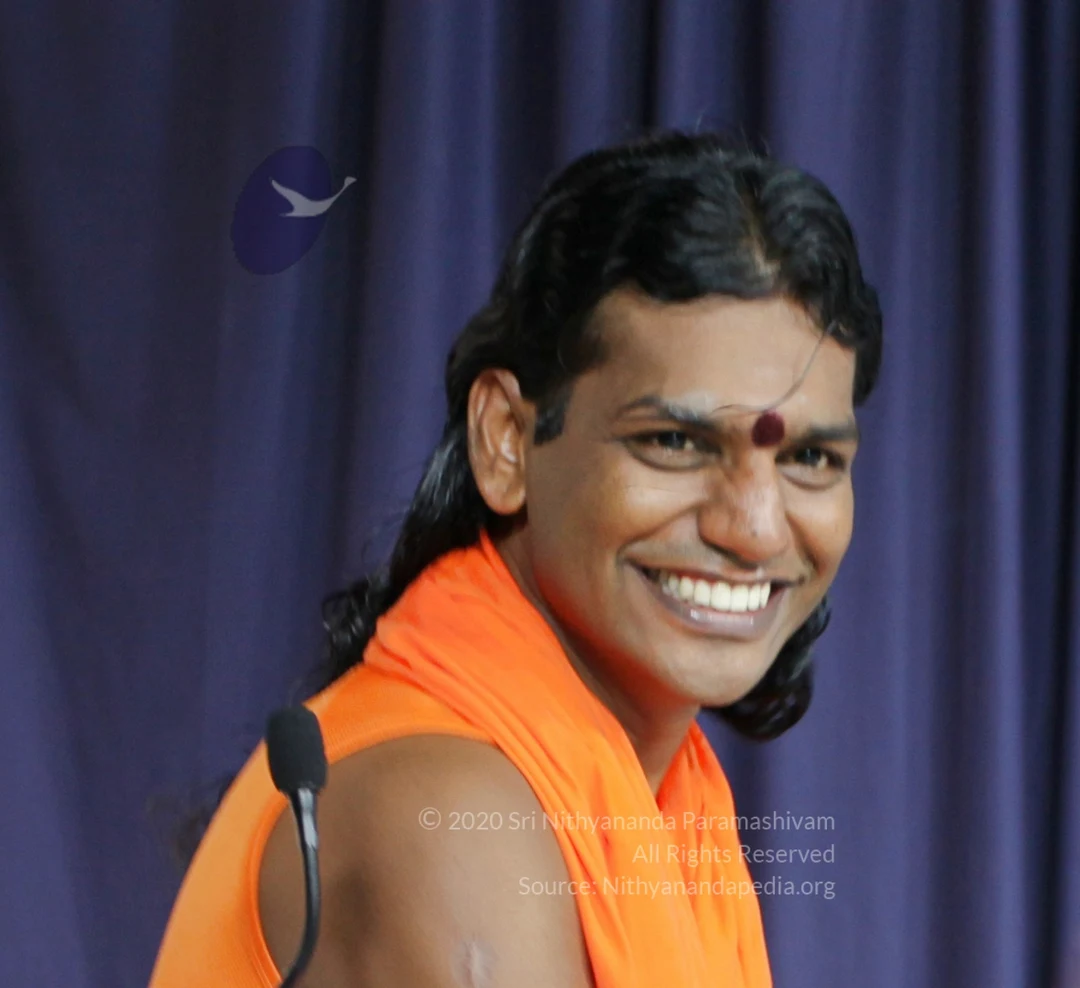
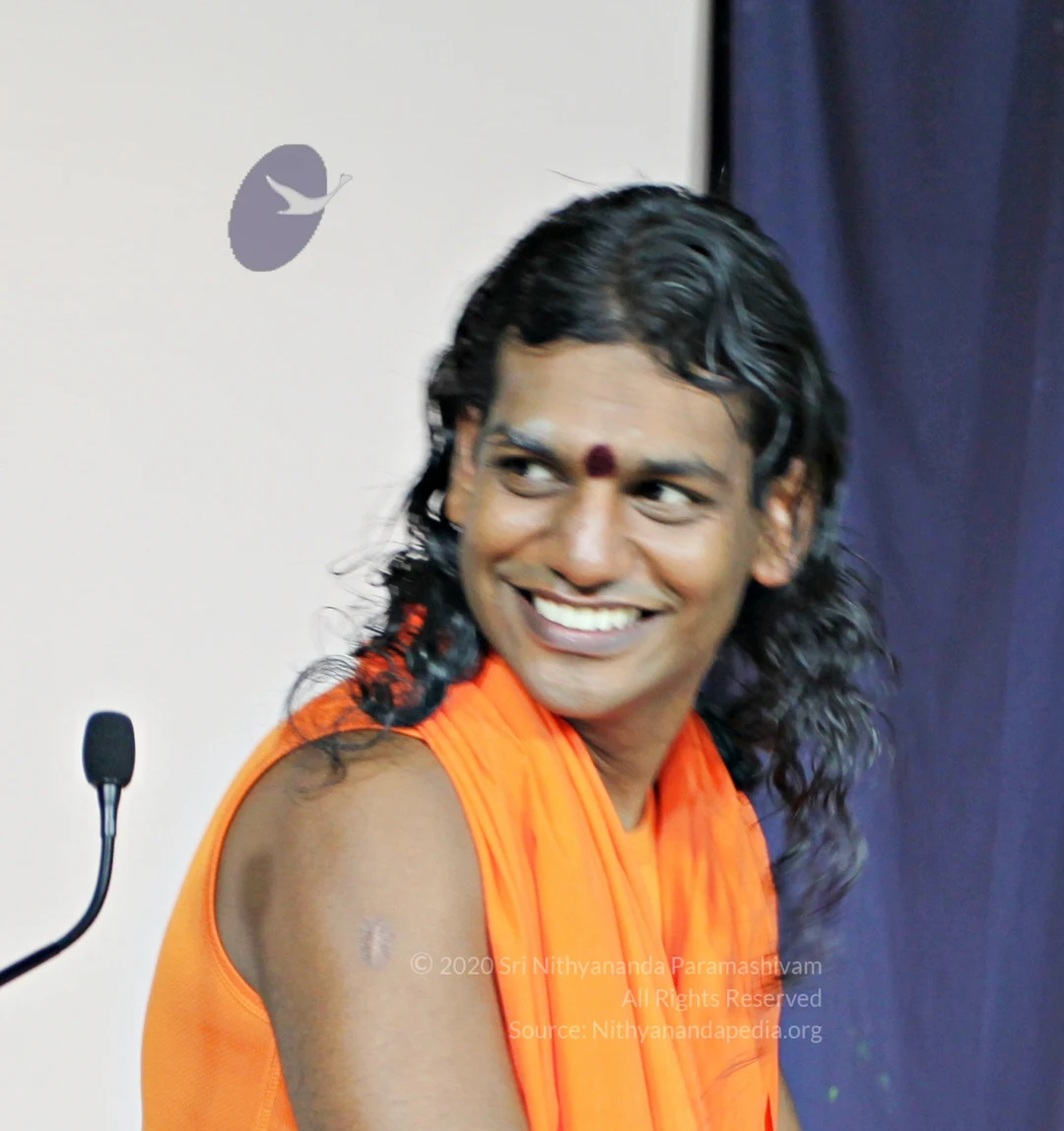
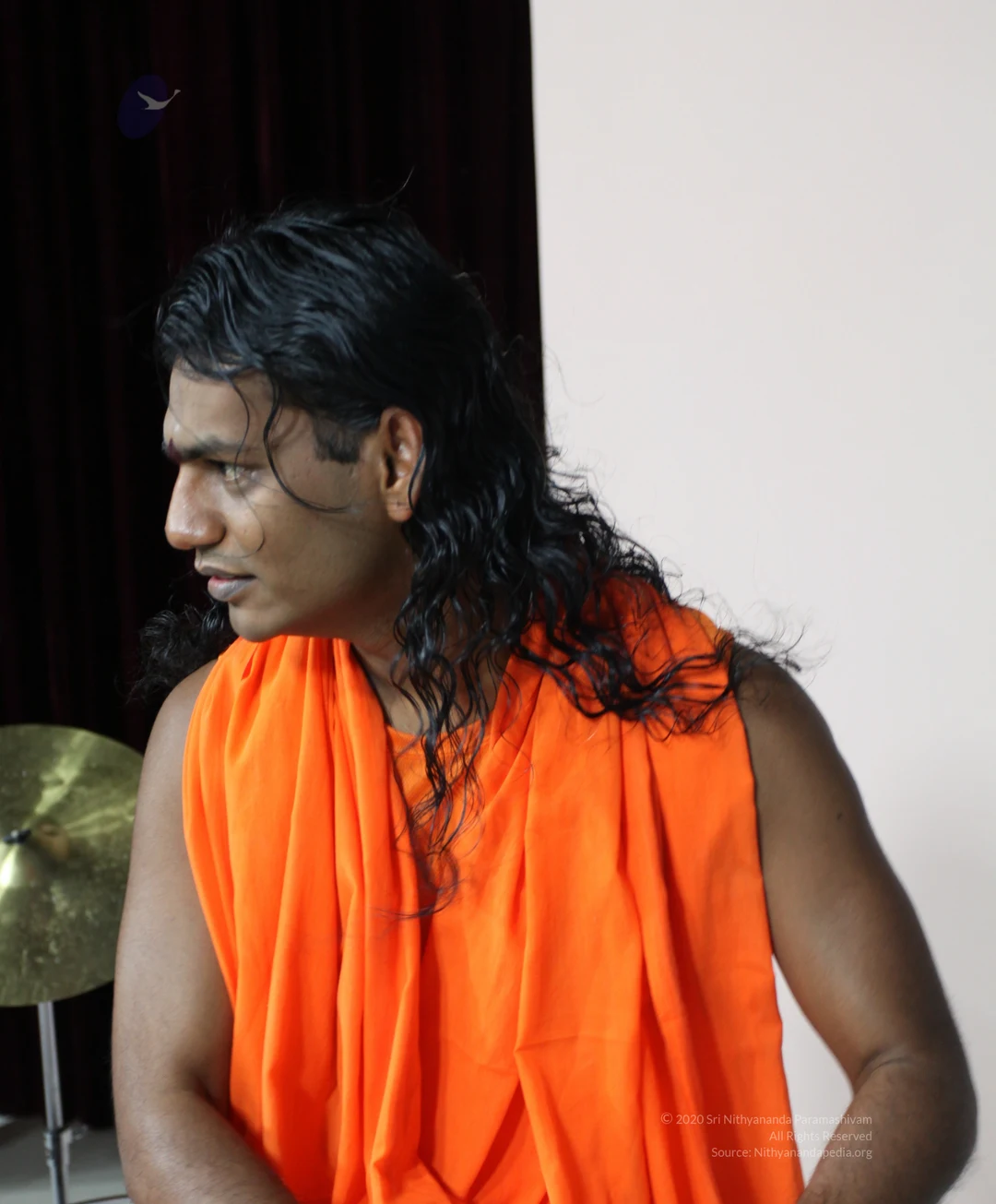
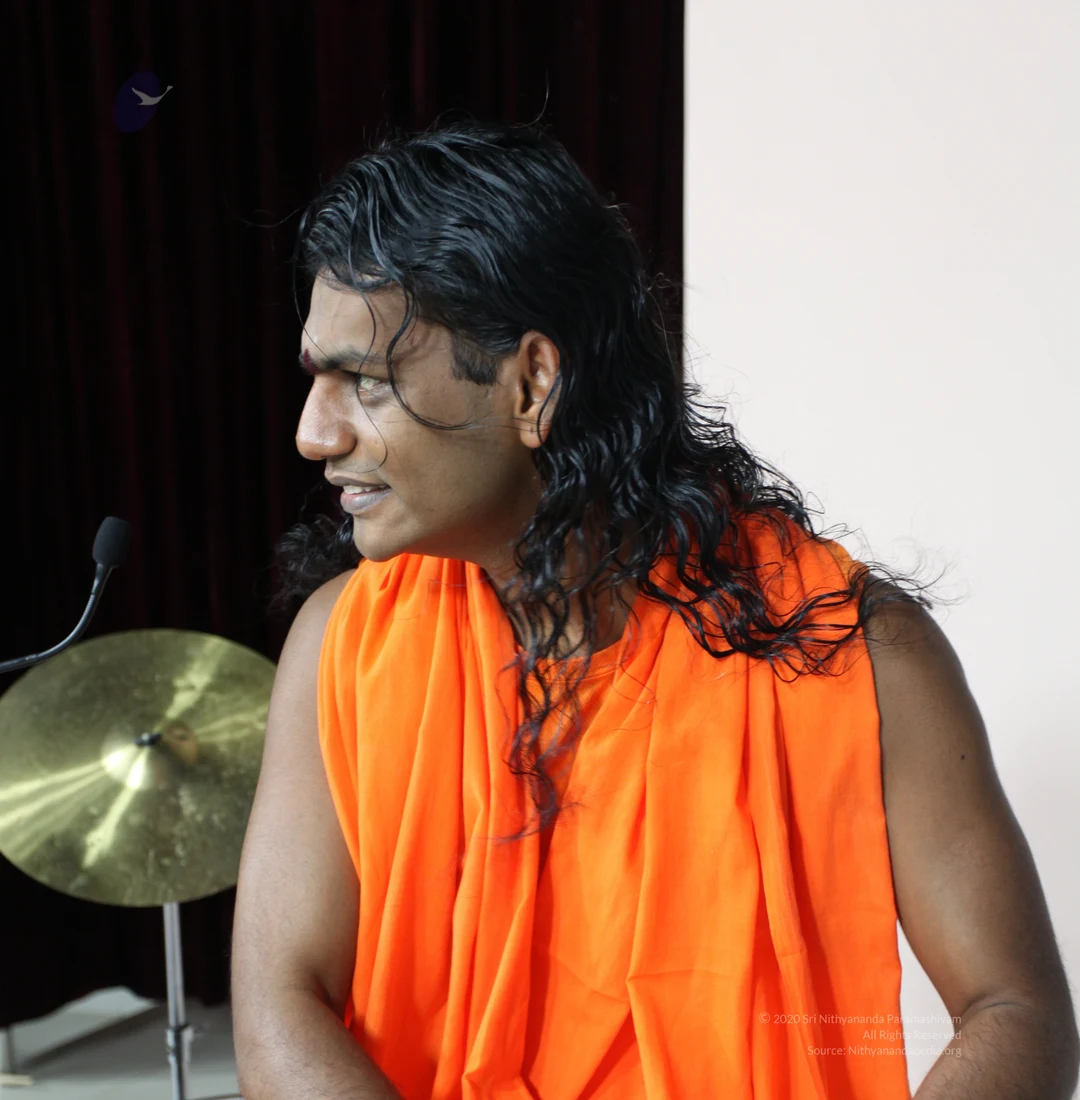
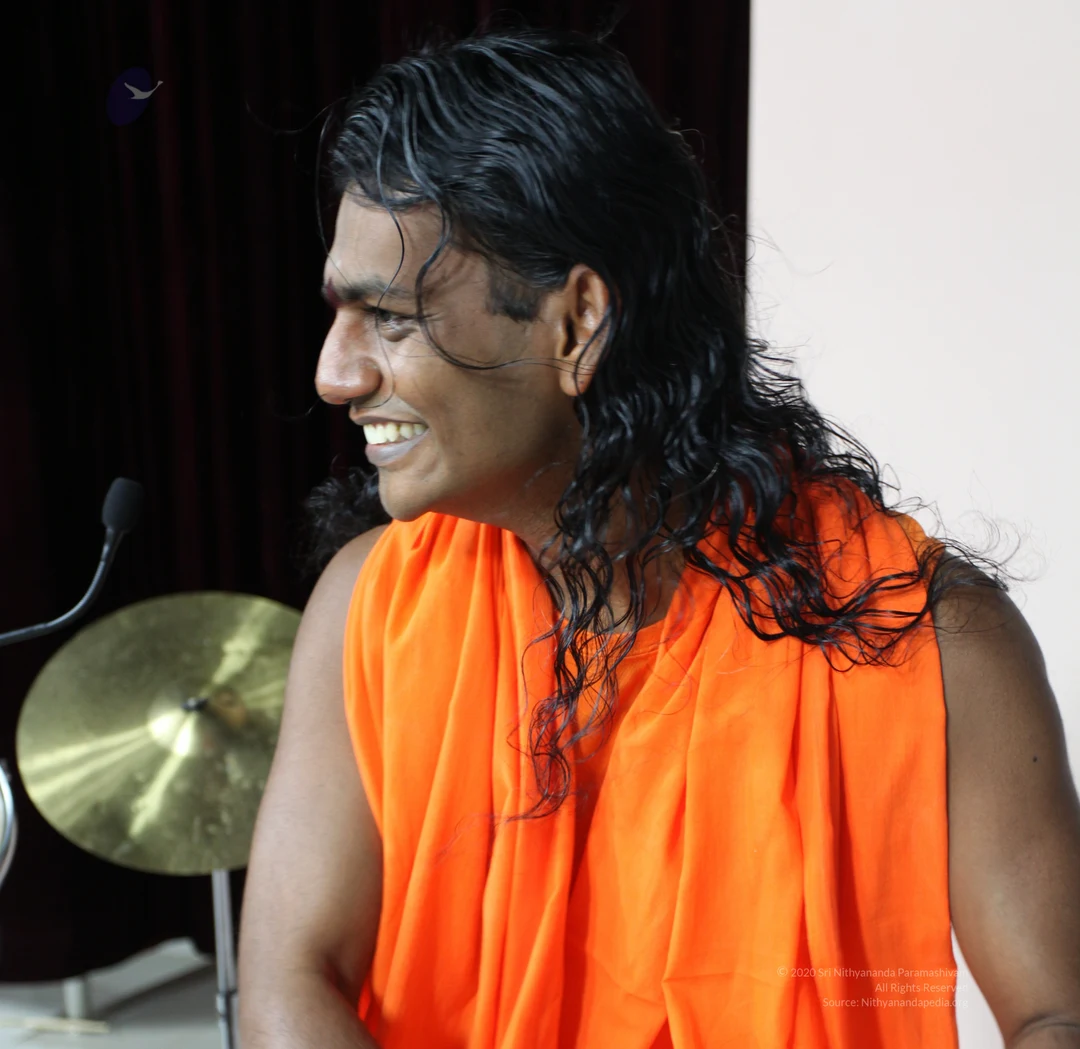
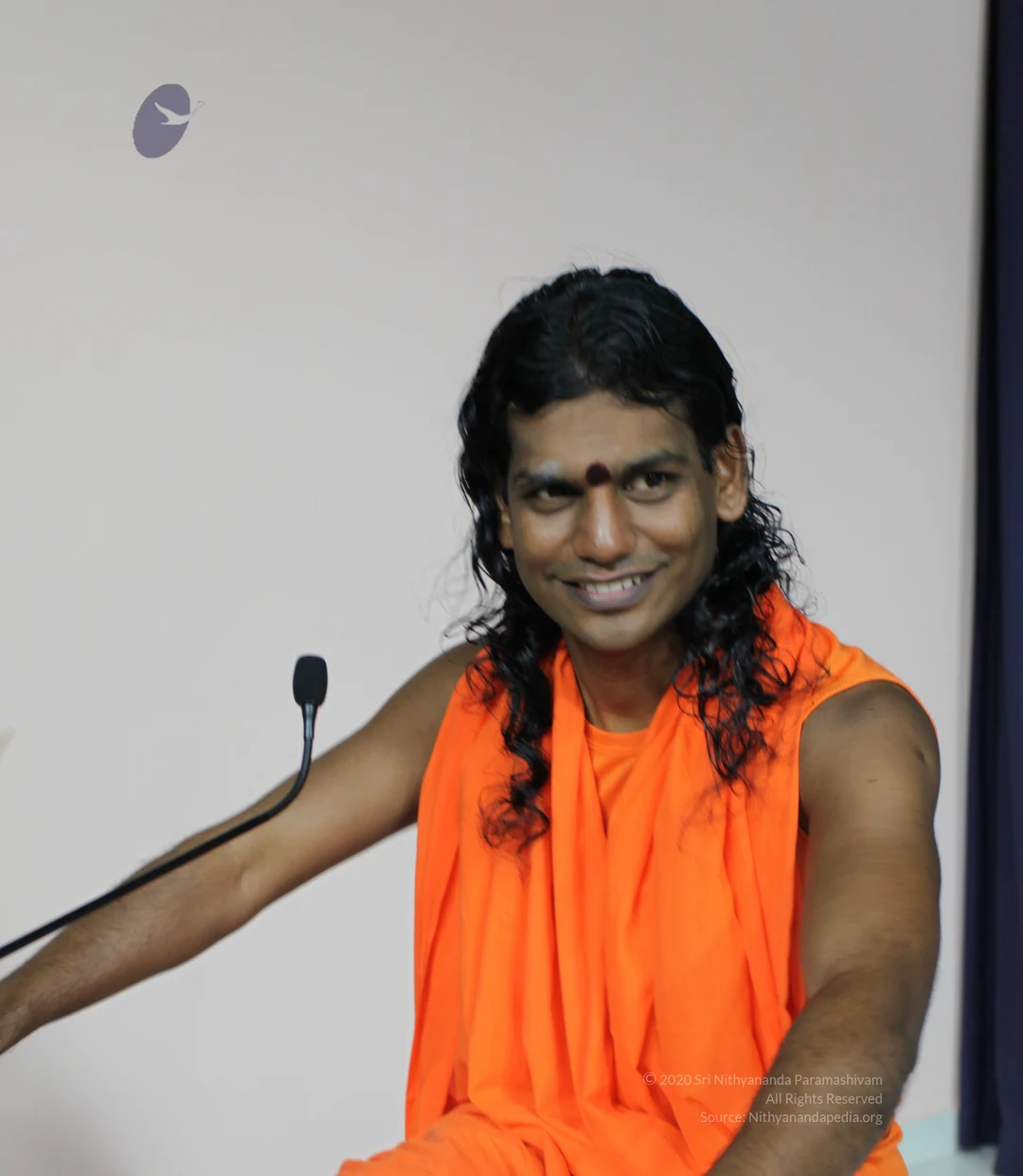
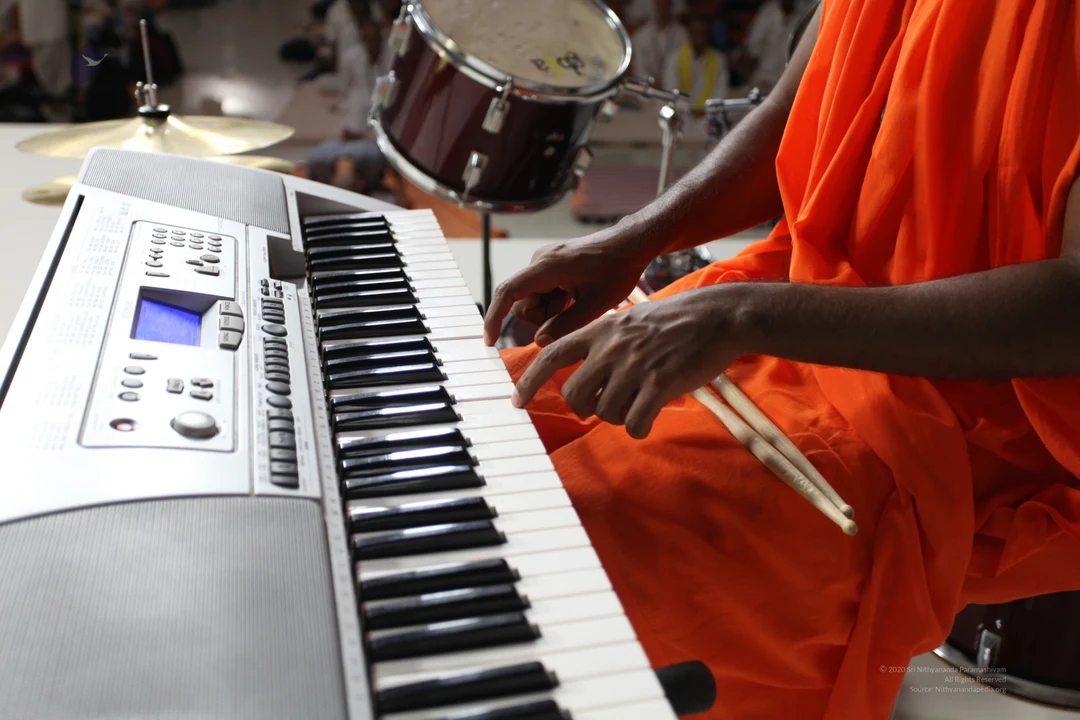
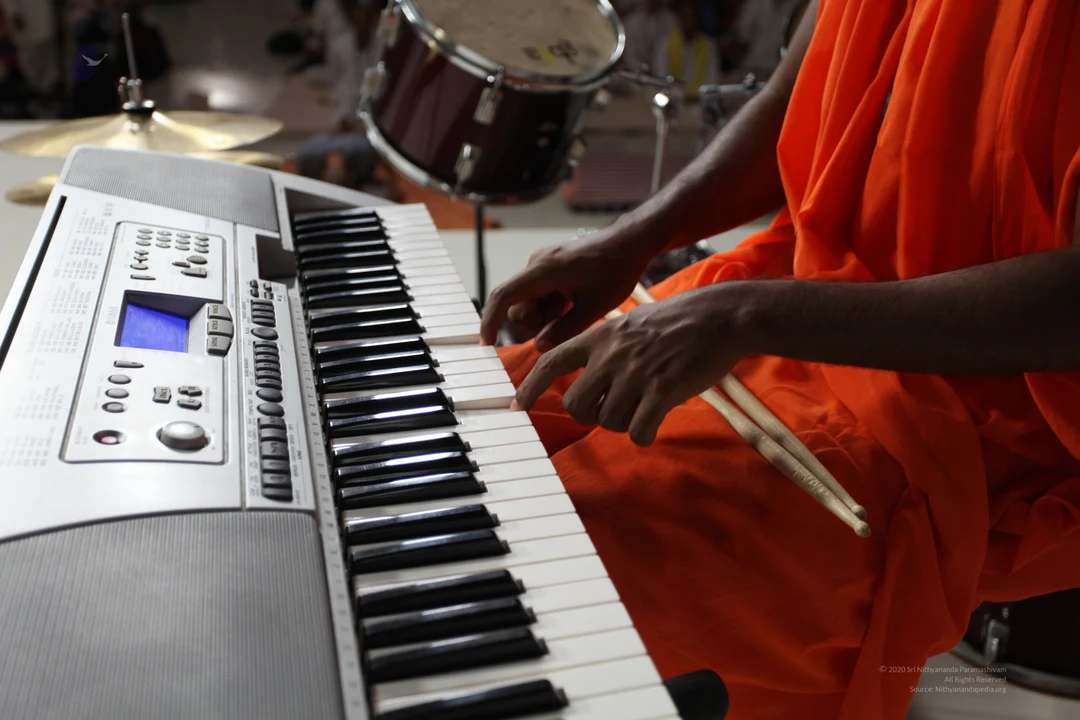
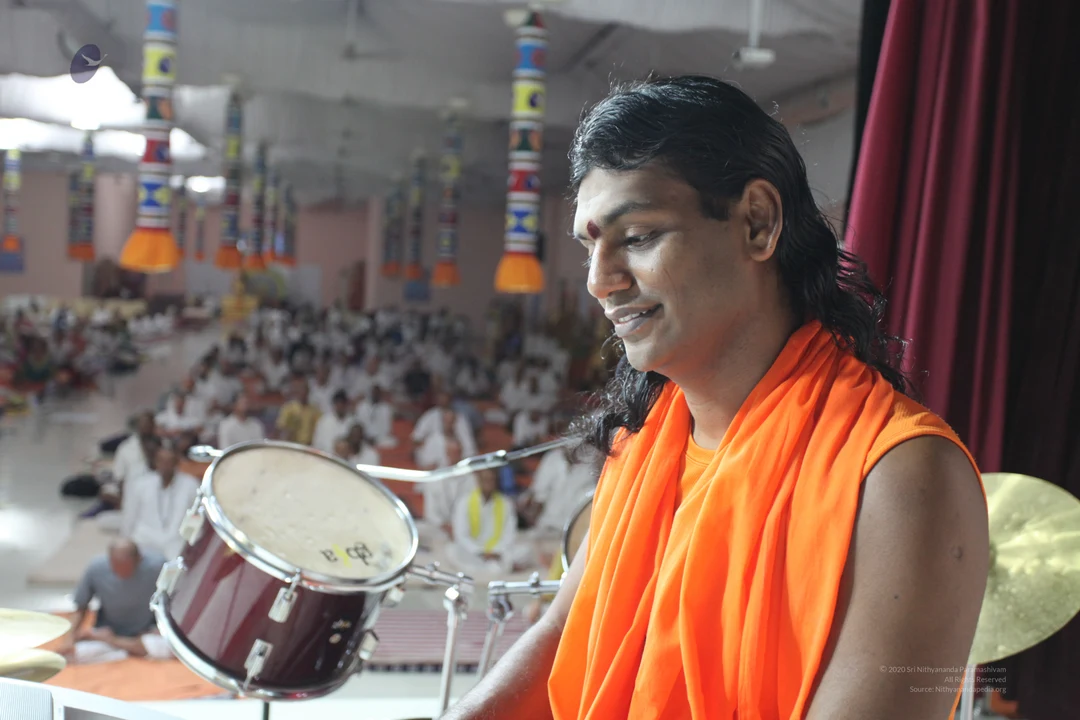
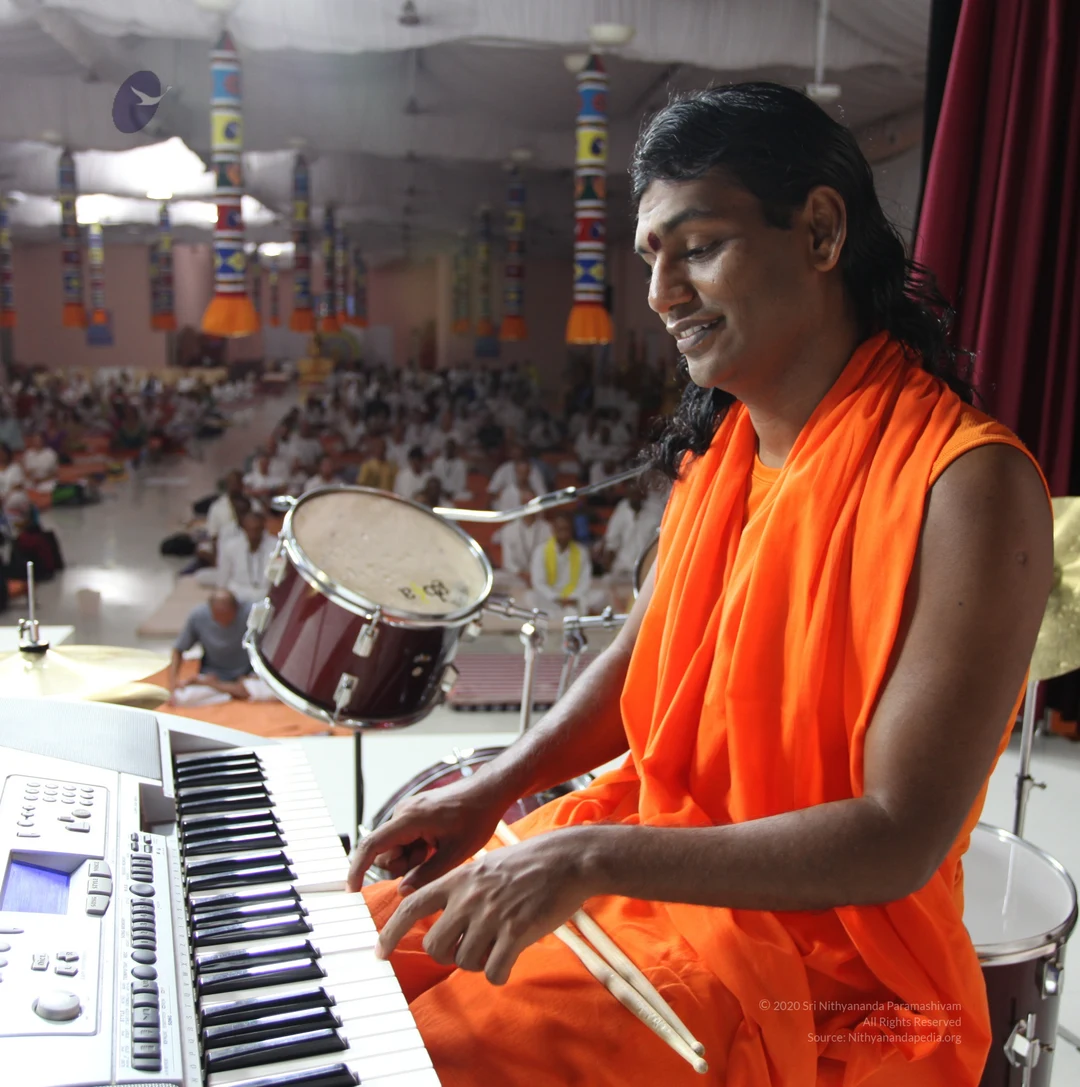
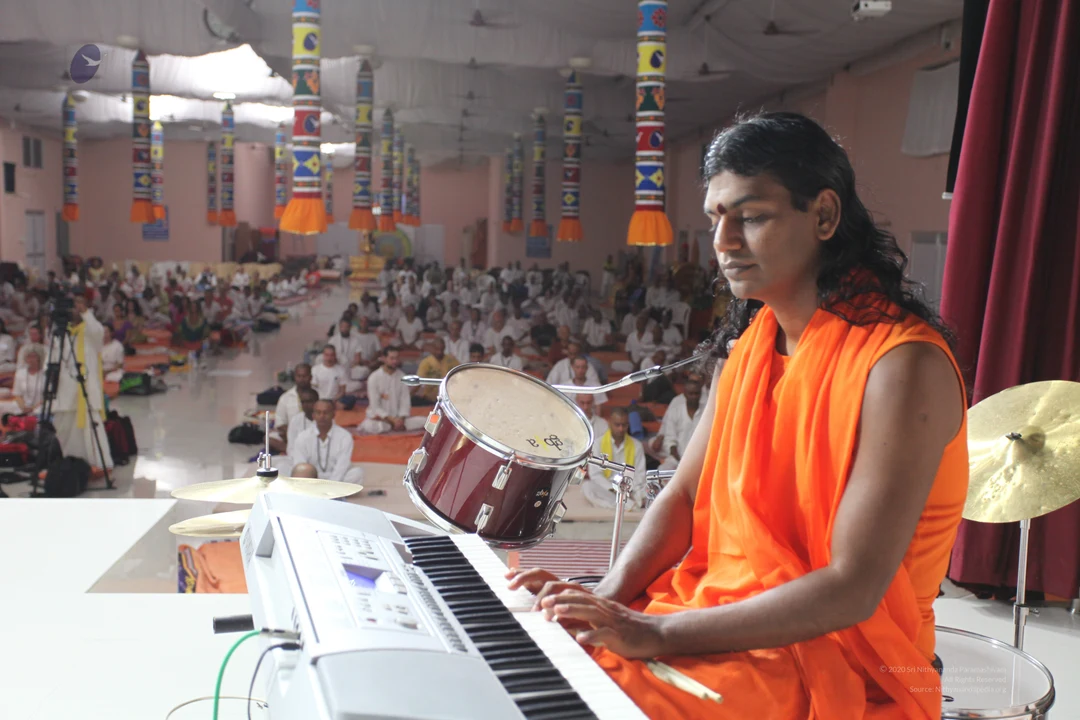
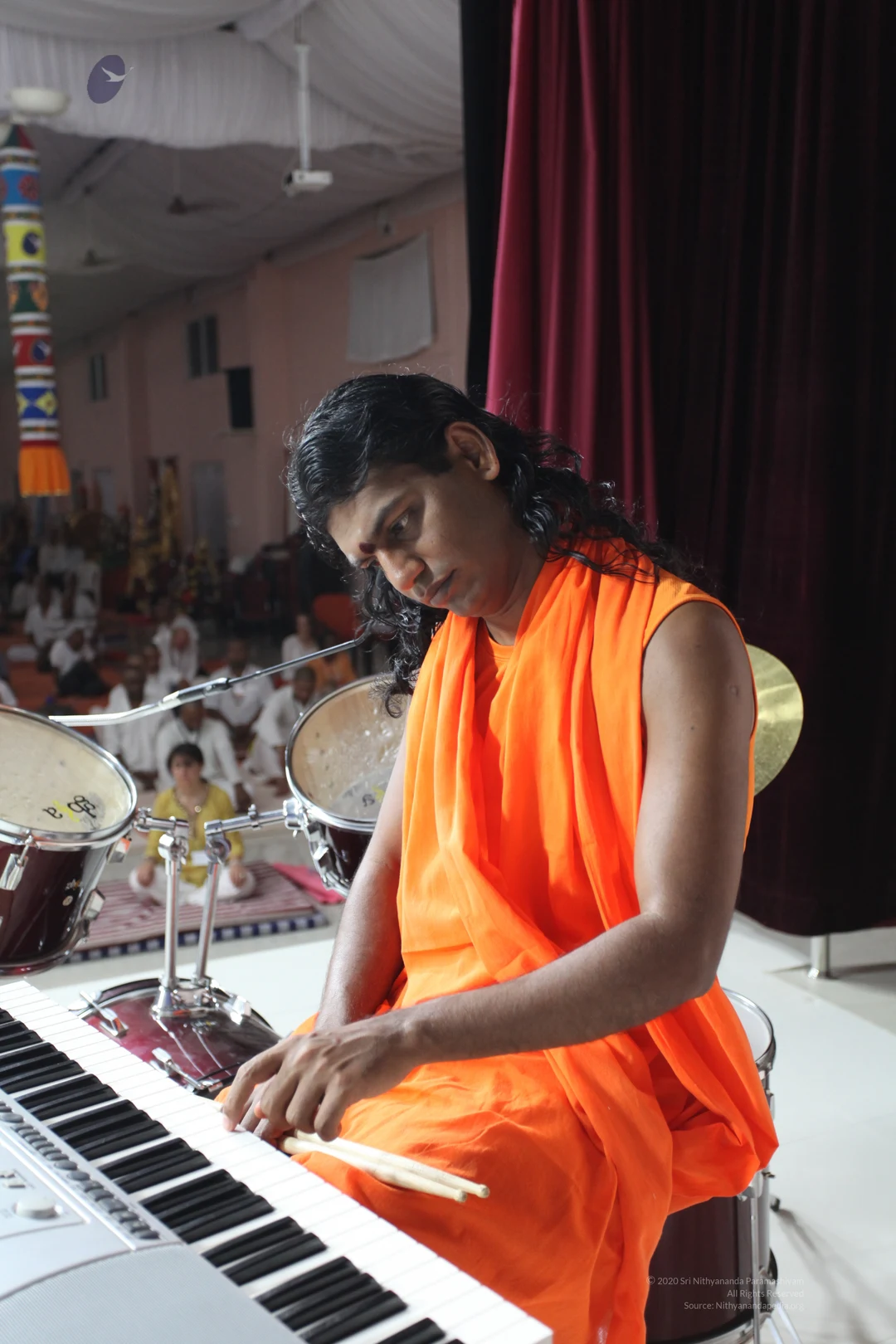
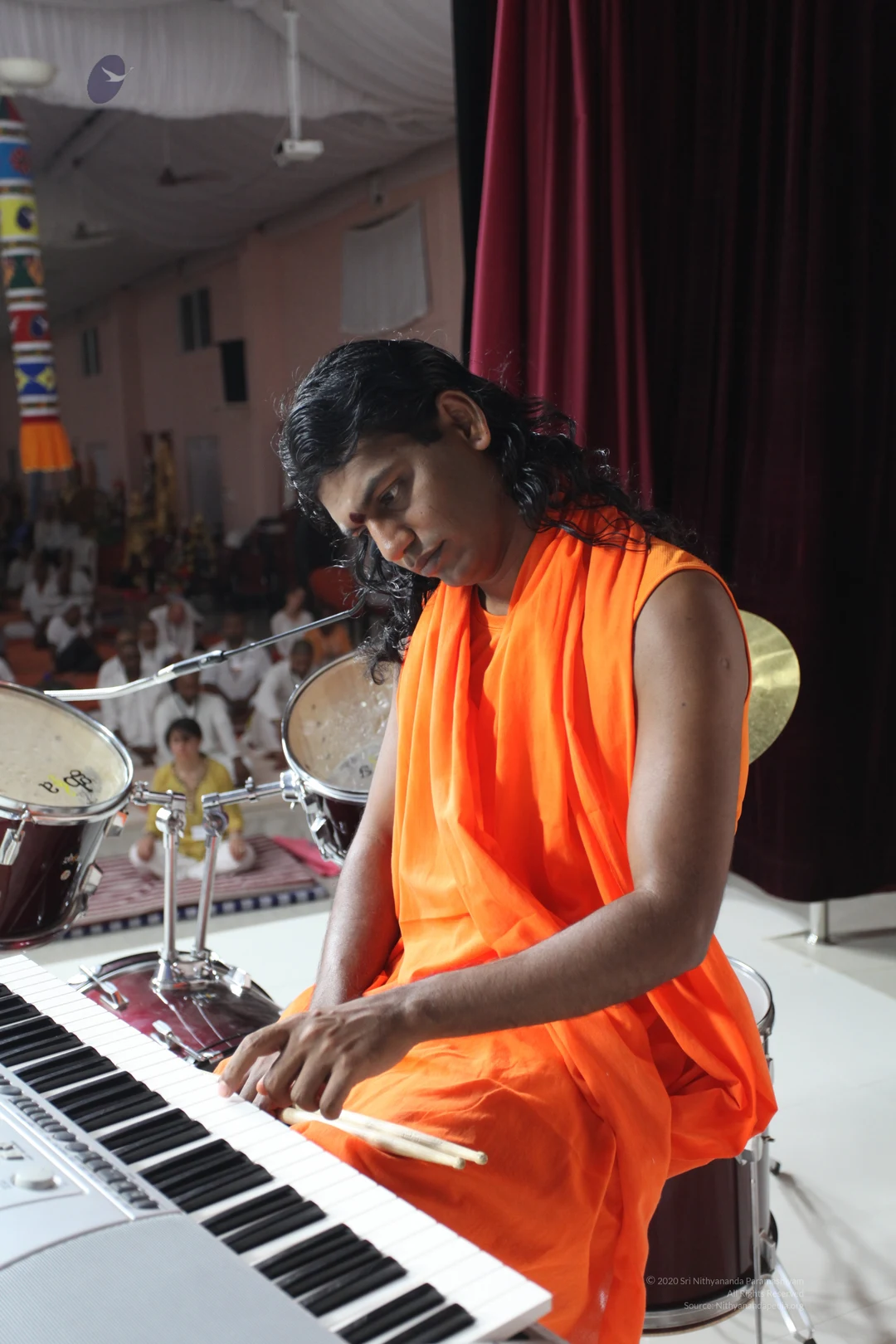
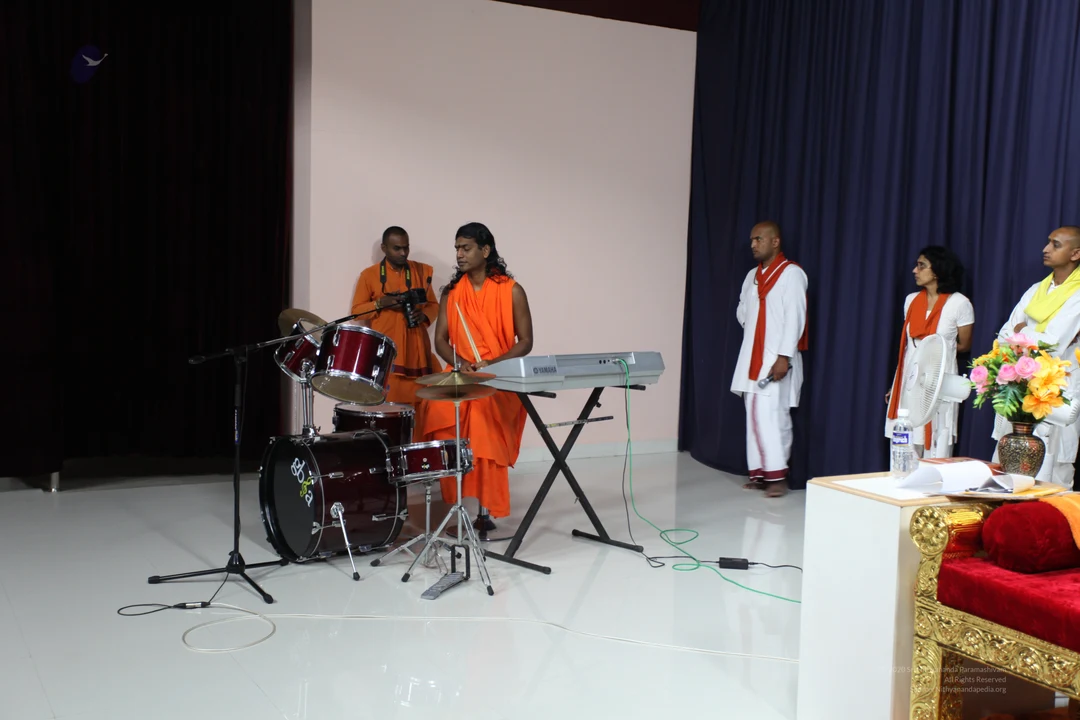
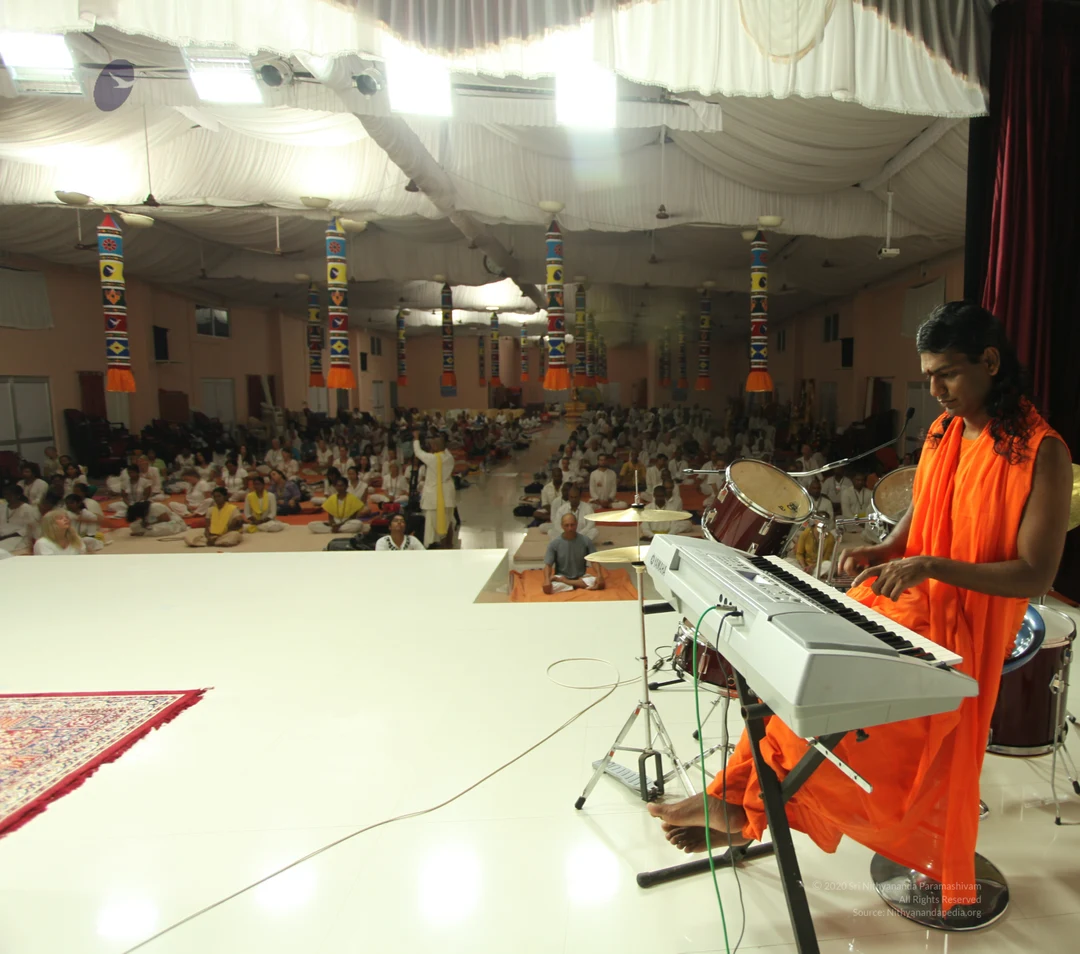
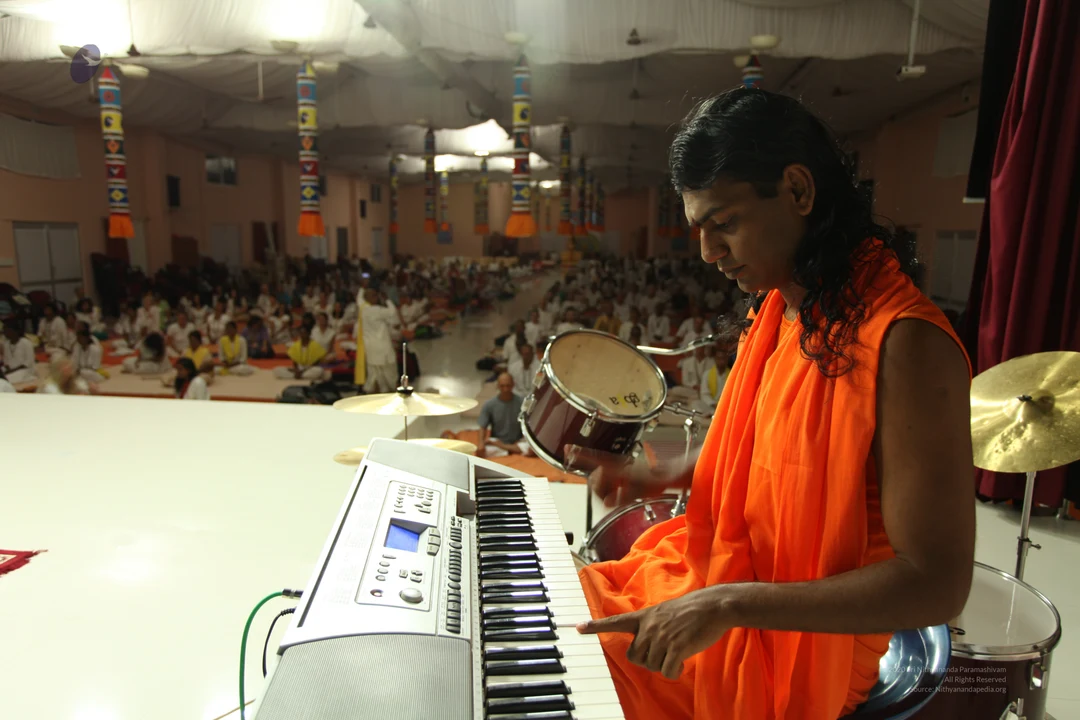
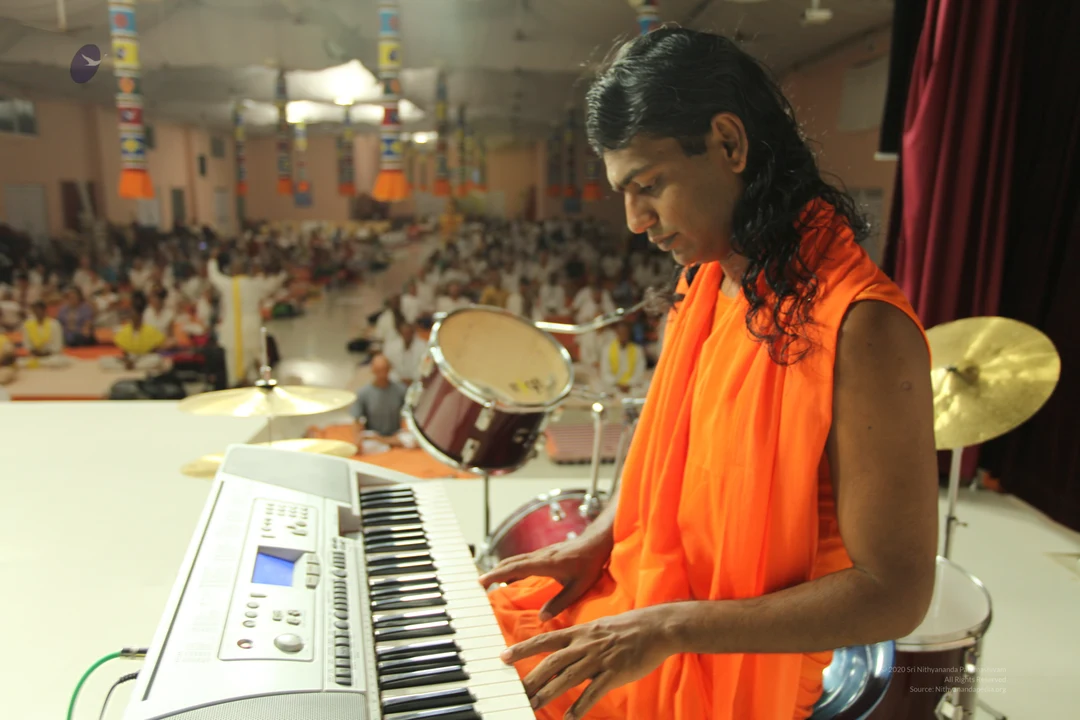
Photos Of The Day:
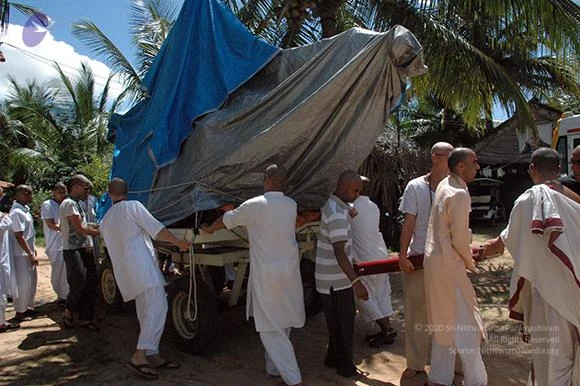
PANCHA-TAPAS
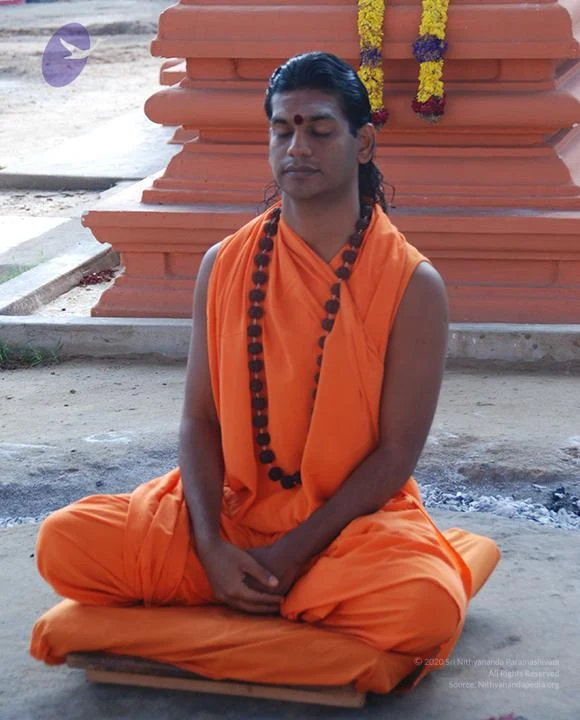
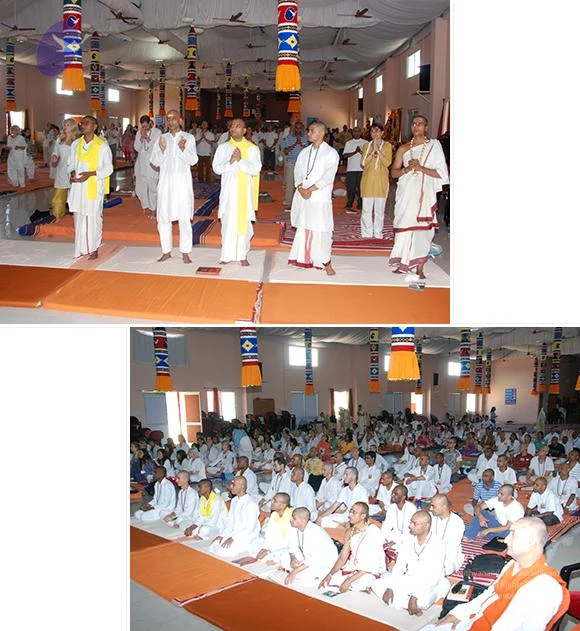
NITHYA-SATSANG
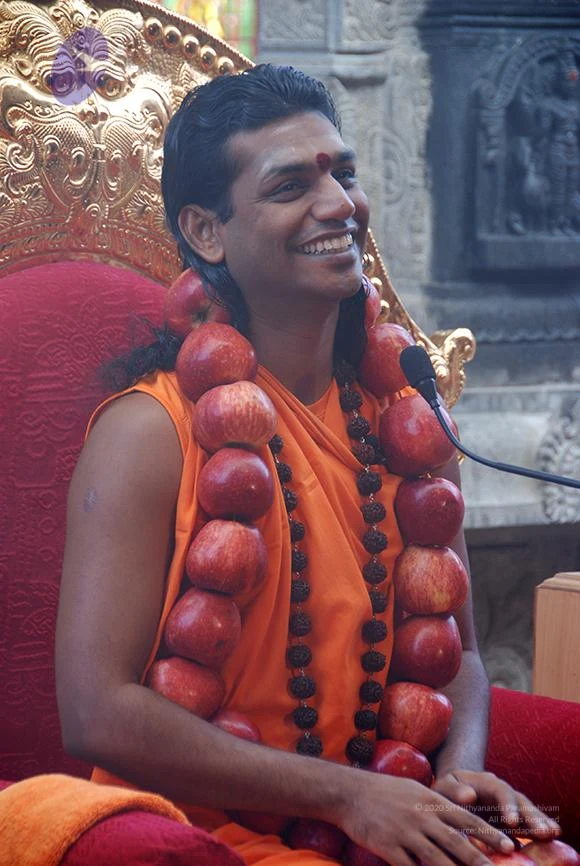
SARVA-DARSHAN
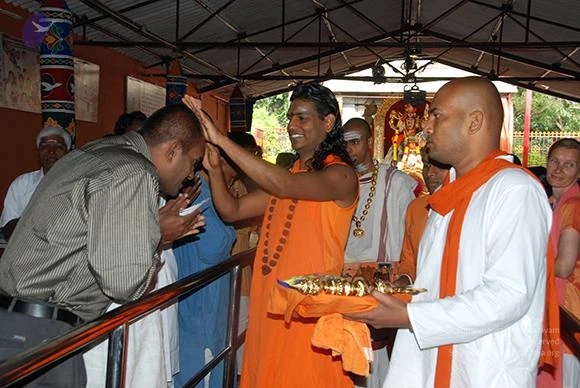
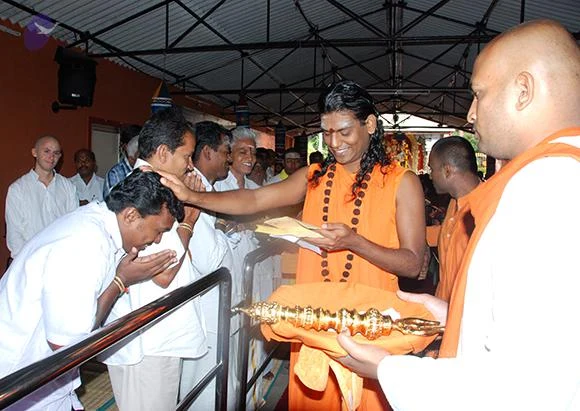
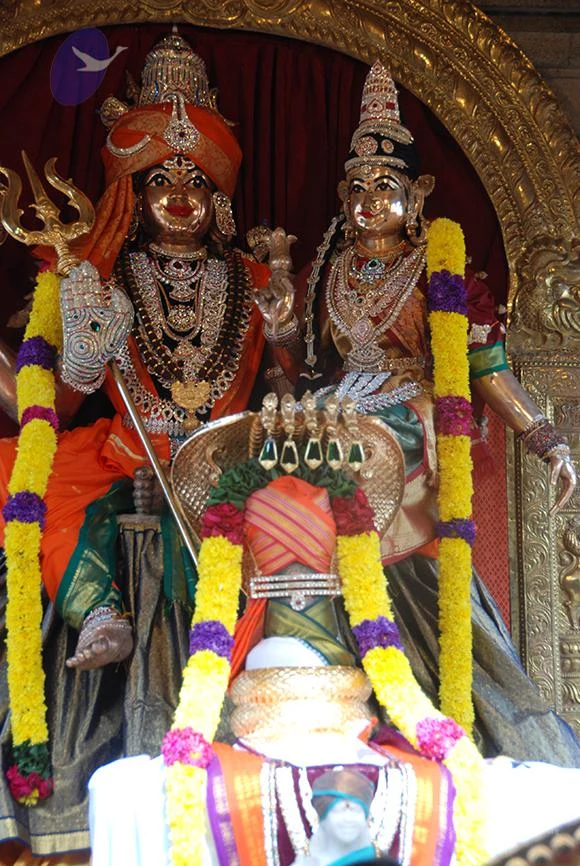
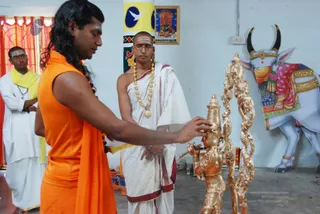
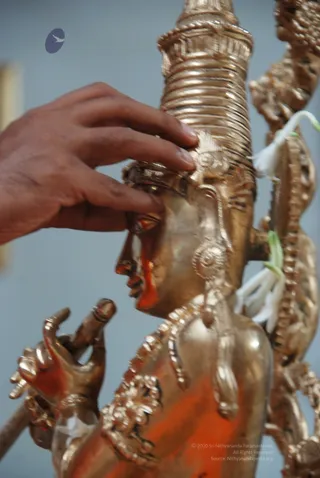
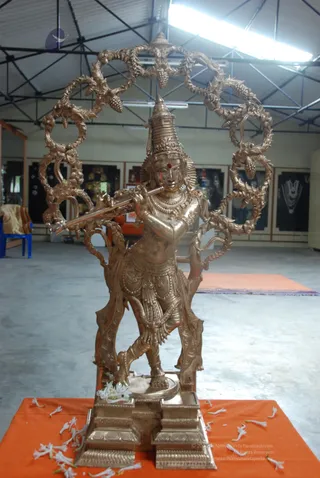
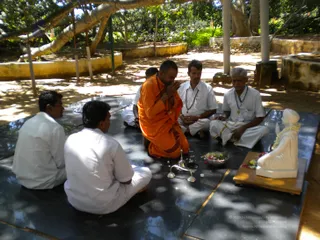
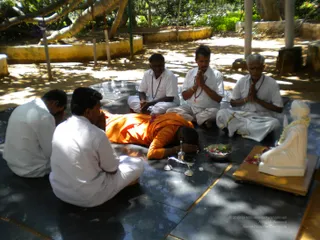
HDH-ENERGIZING-DEITIS-IN-TEMPLE
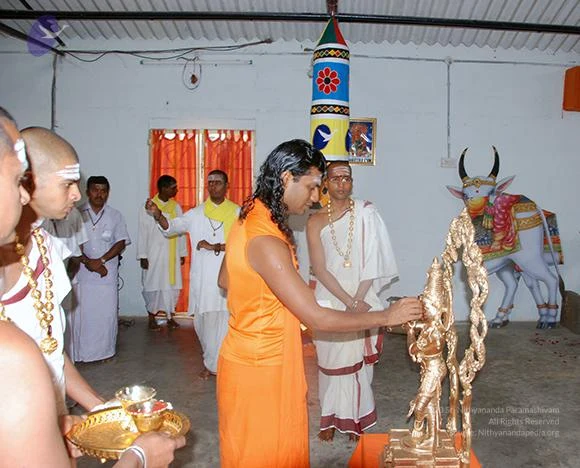
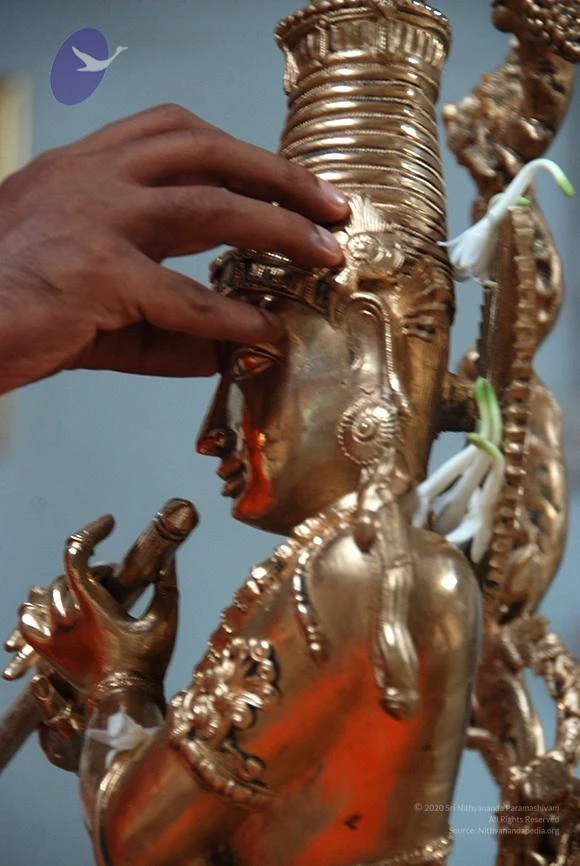
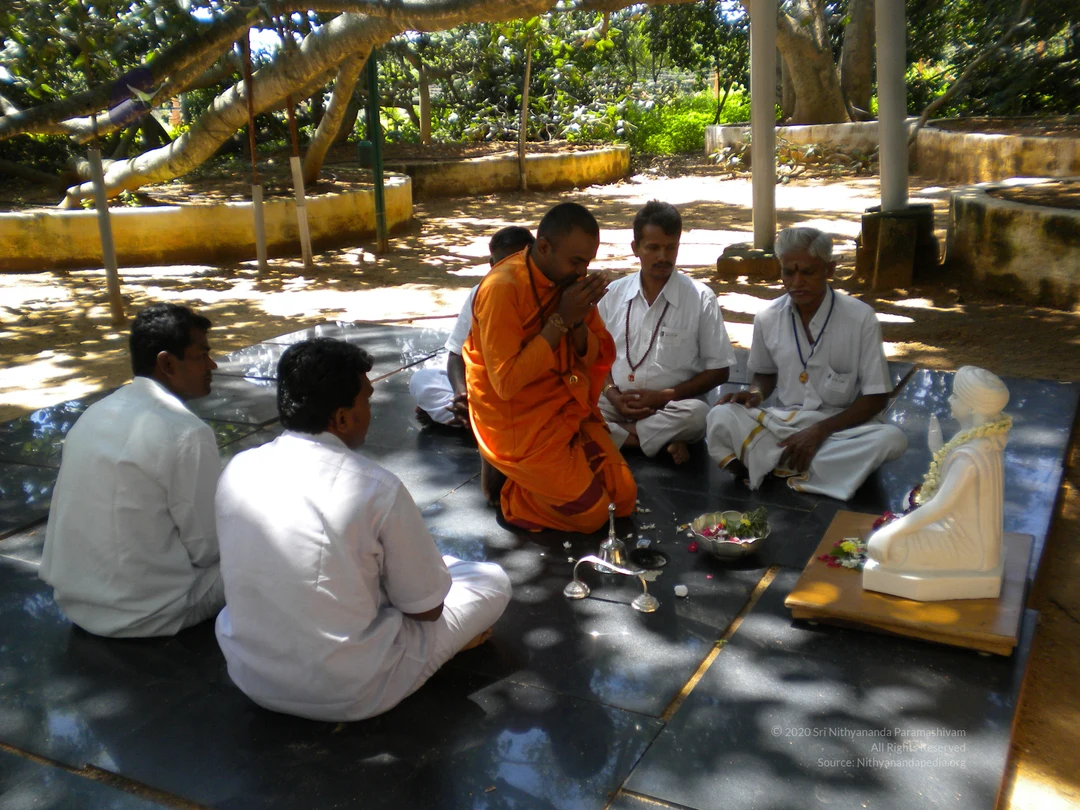
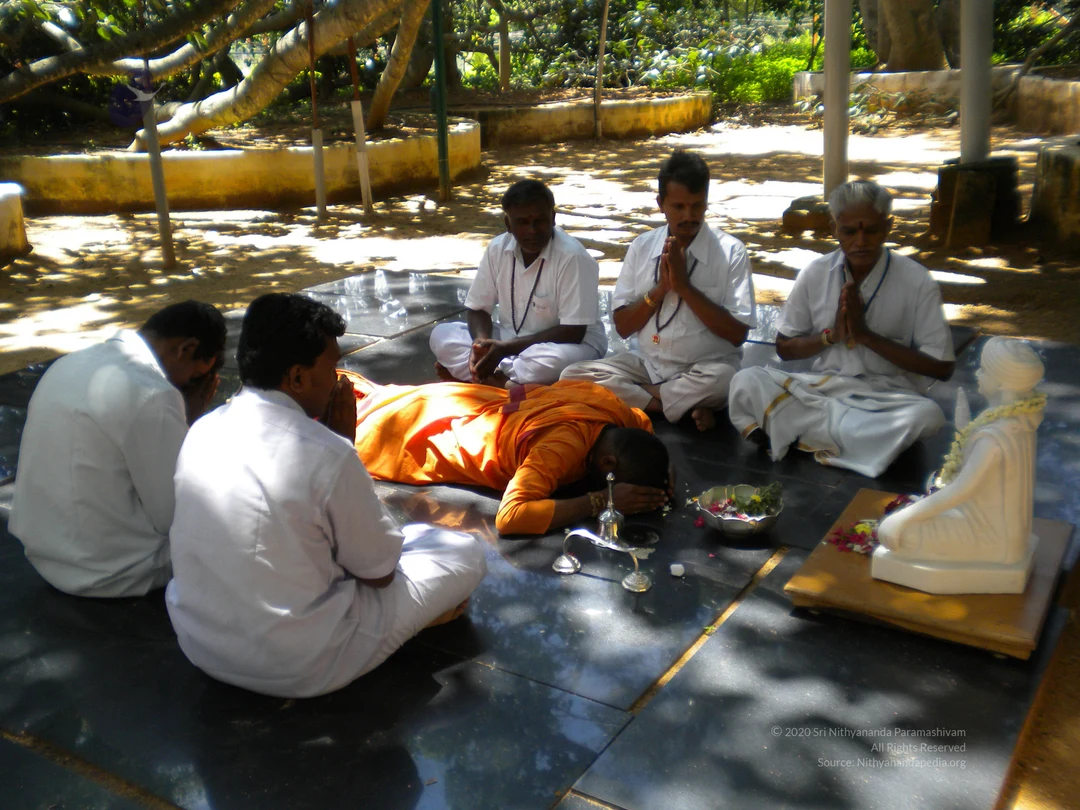
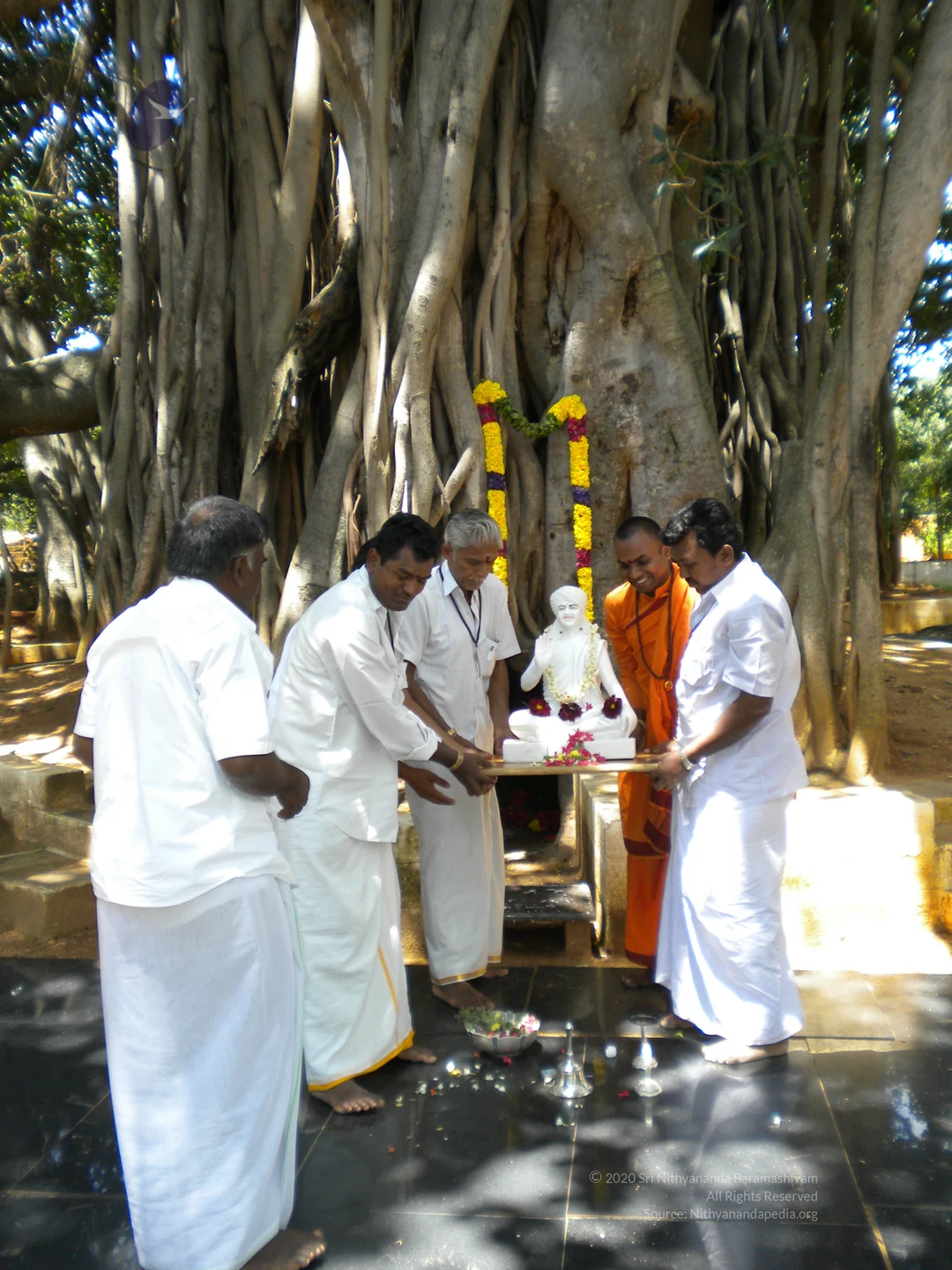
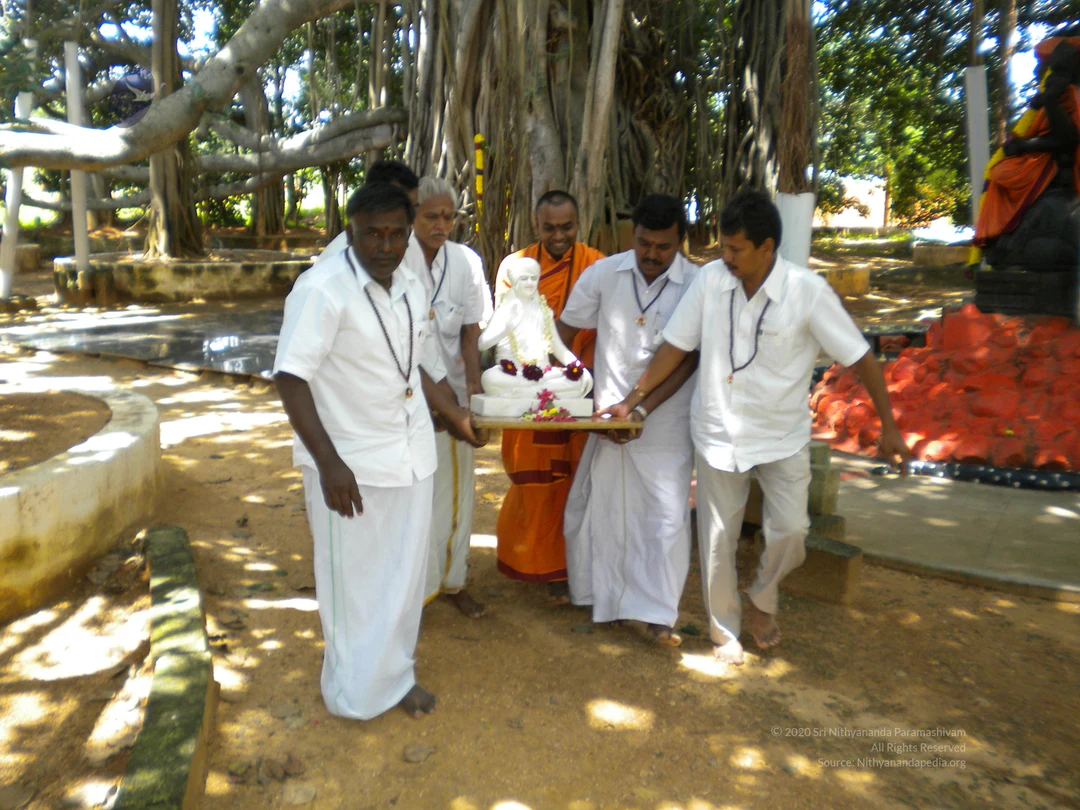
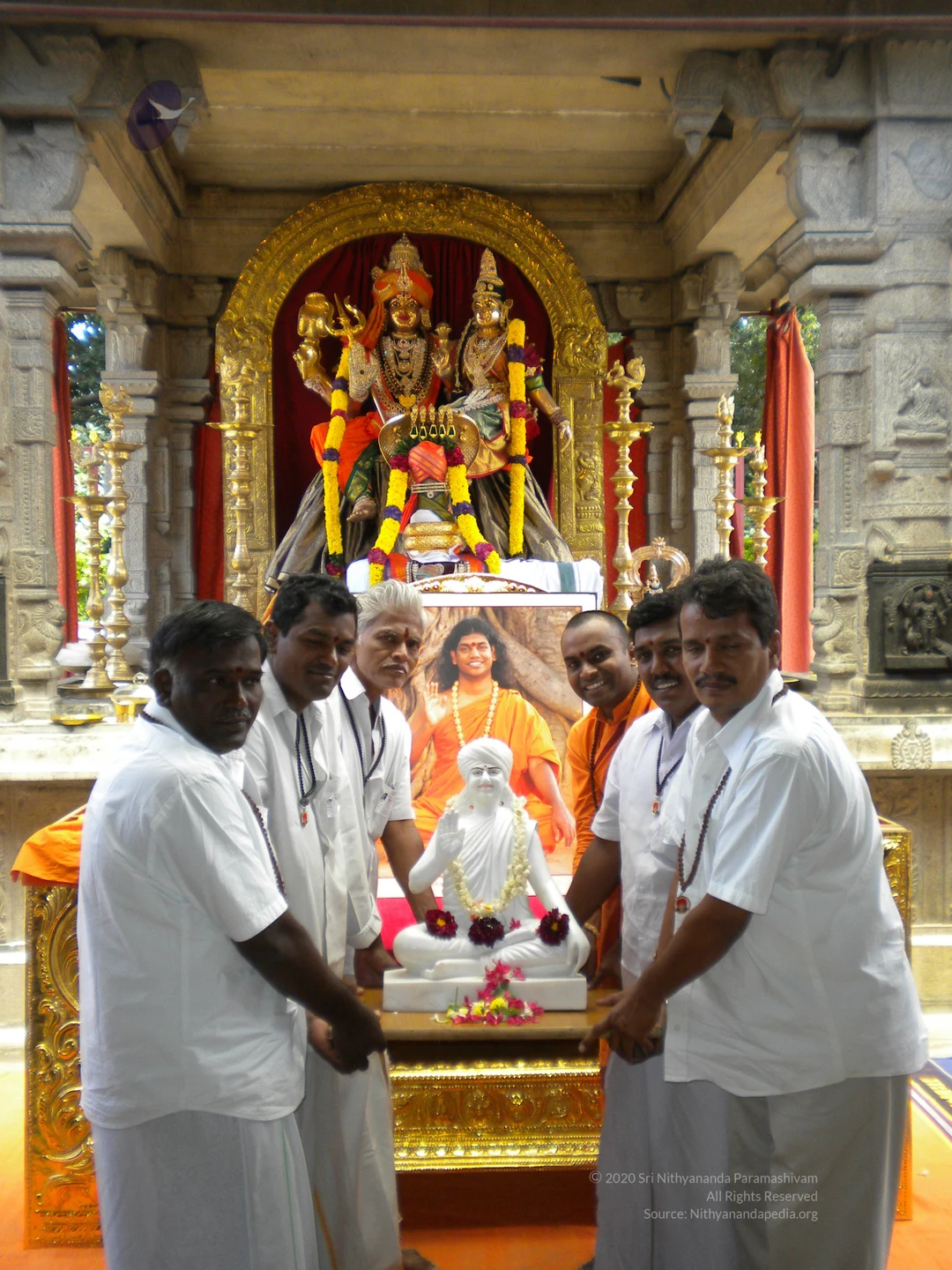
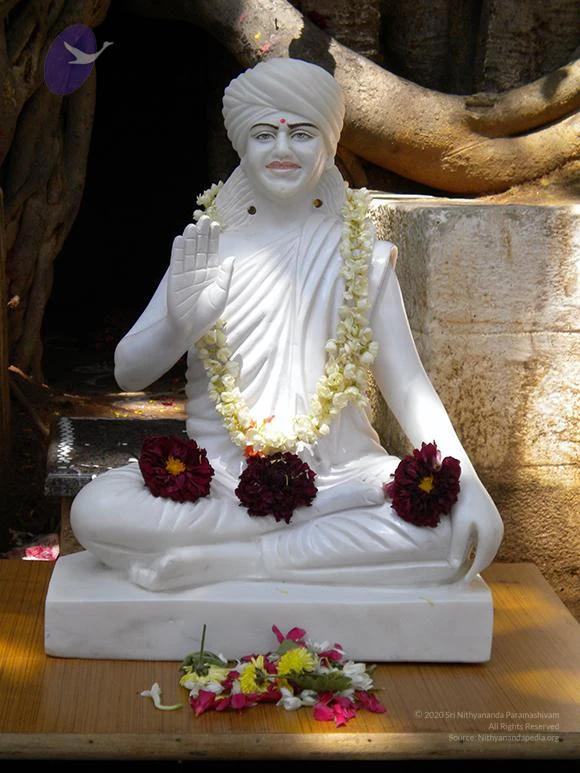
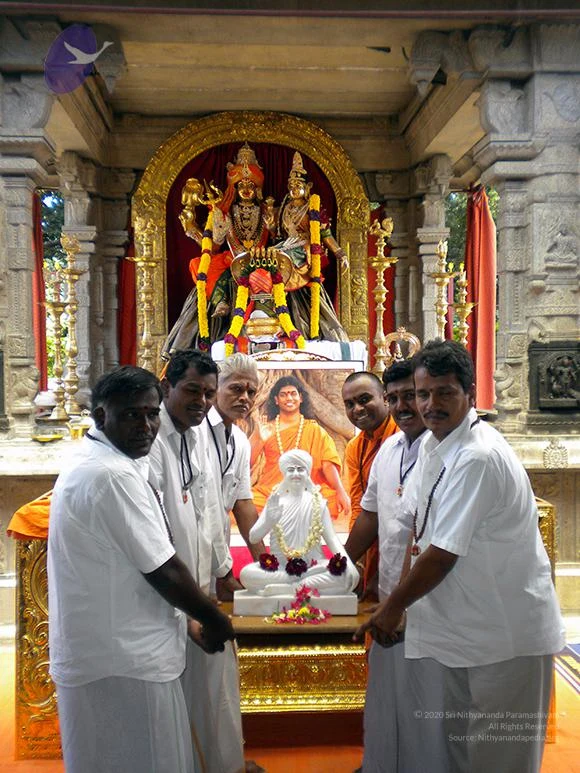
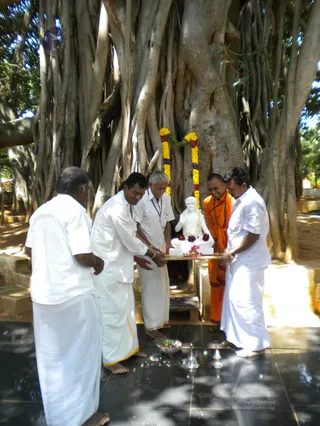
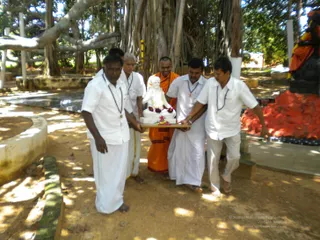
GURU-MURTHY-BEING-WORSHIPPED-AND-GIVEN-TO -ORGANISERS

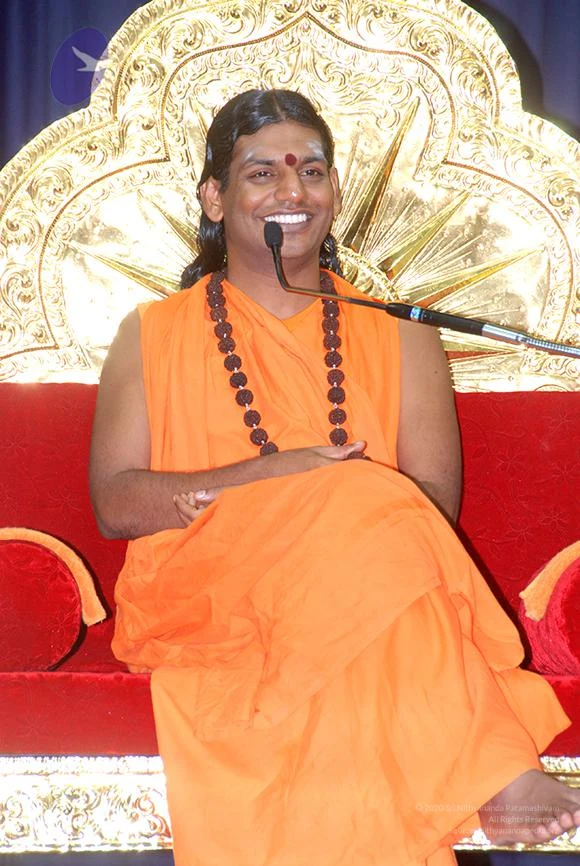
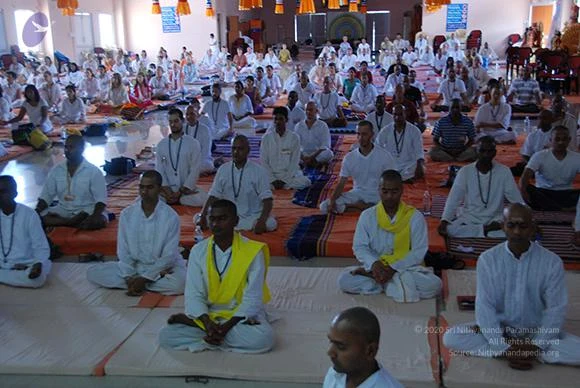
LIVING-ENLIGHTENMENT-PROGRAM
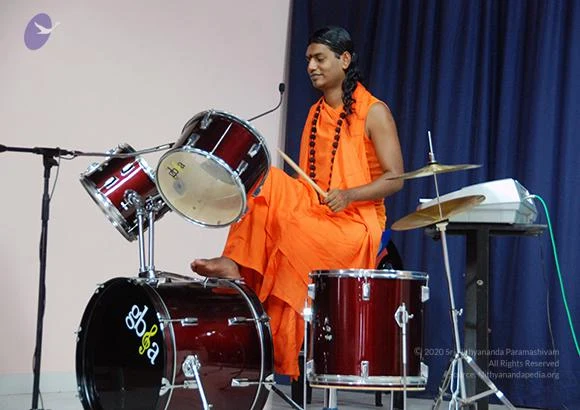
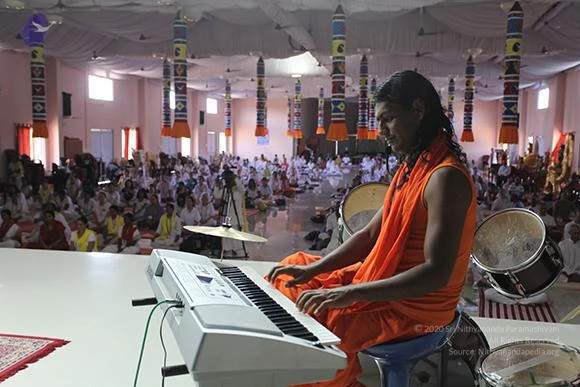
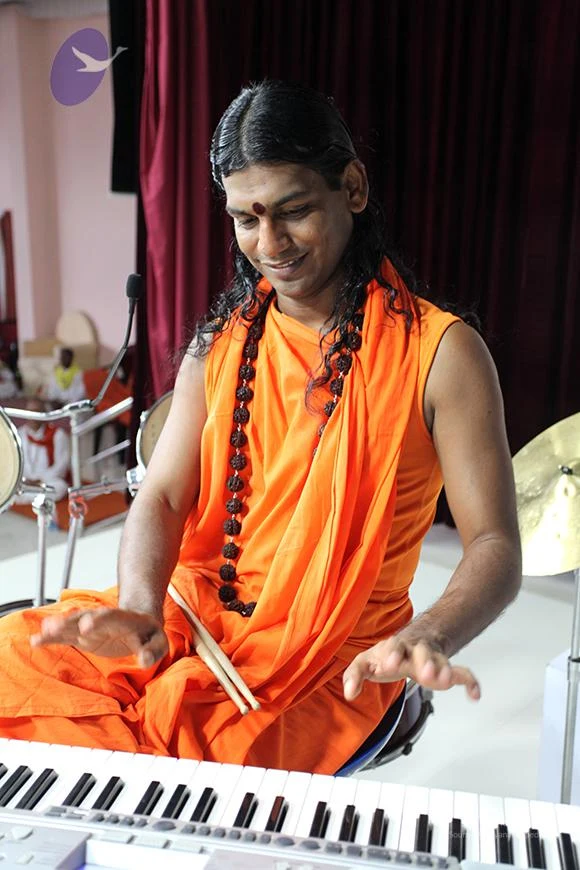
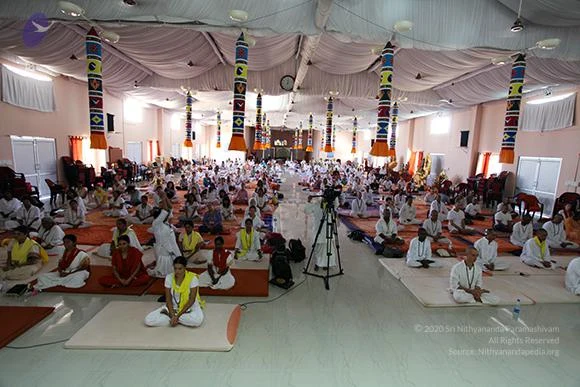
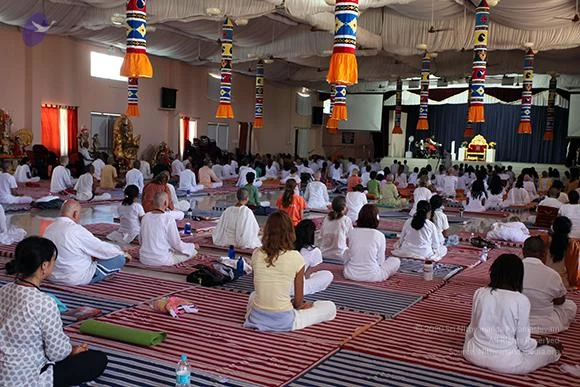
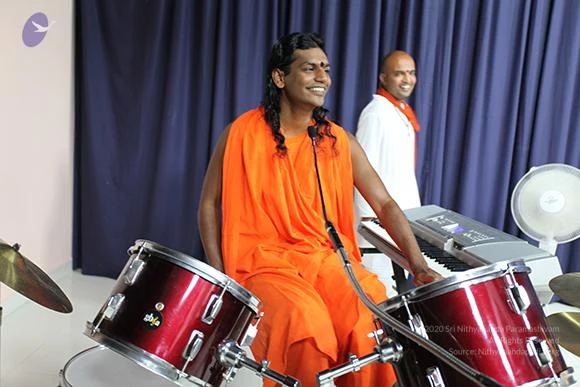
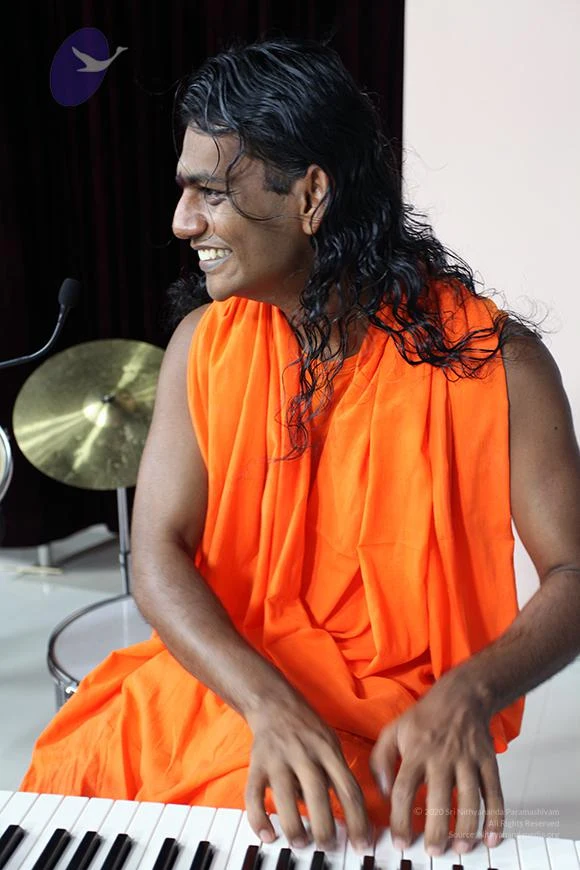
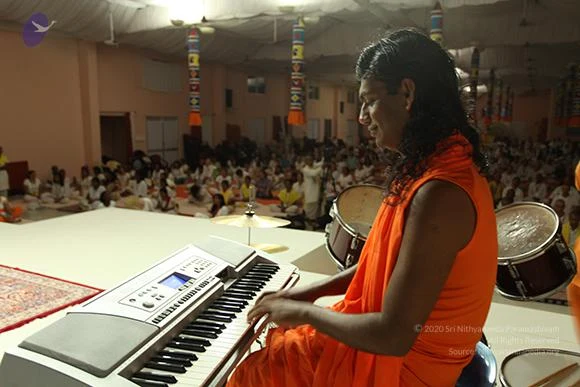
Photos Of The Day:
Photos from this day
View all 194 photosPanchatapas
16 photosSource gallery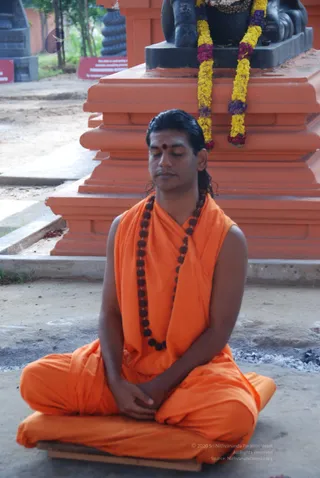
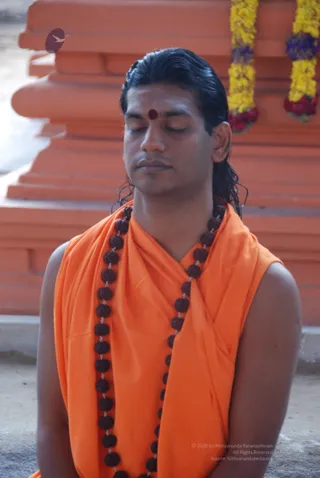
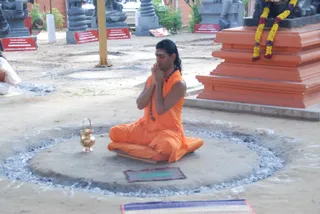
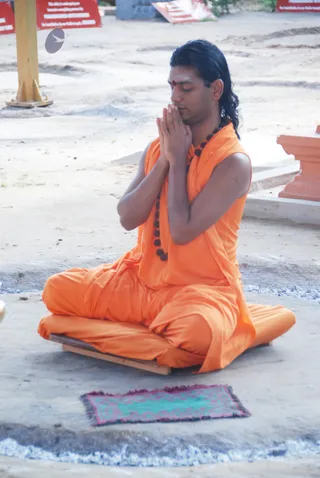
Morning-Satsang
27 photosSource gallery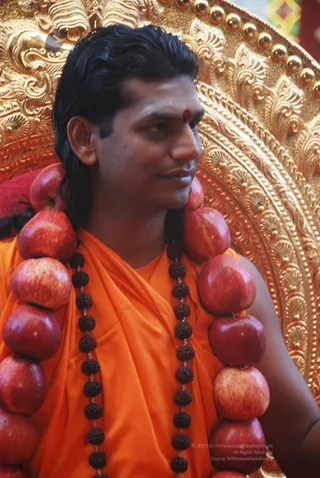
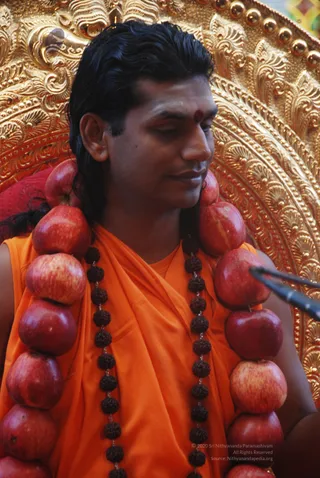
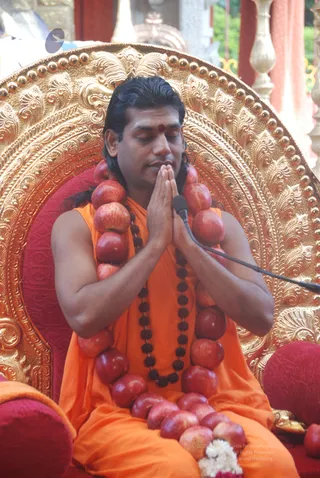
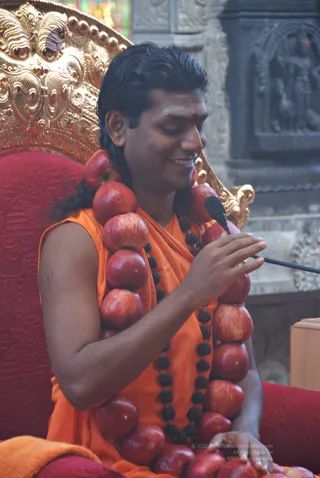
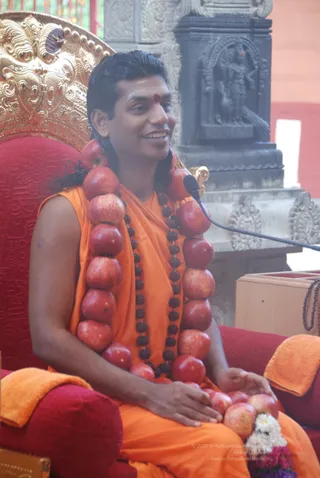
Sarvadarshan
9 photosSource gallery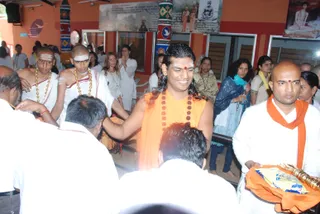
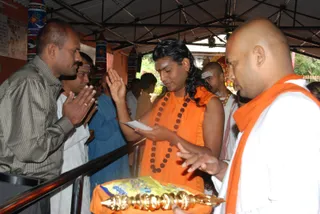
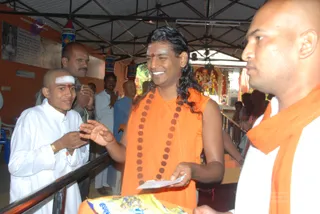
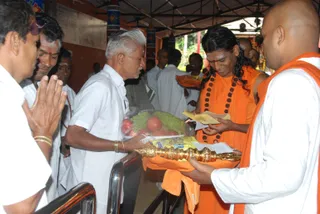
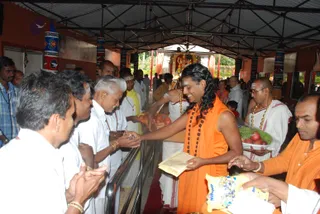
Swamiji-Doing-Pranaprathistha-To-Deities
12 photosSource gallery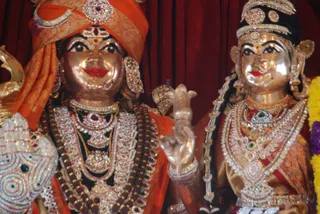
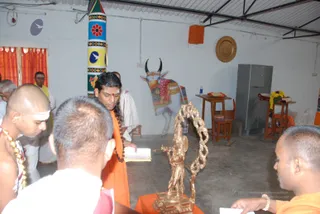
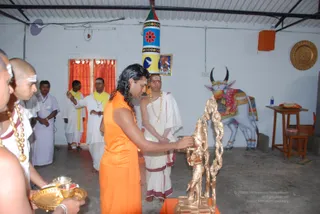
Lep-Morning-Session-With-Swamiji
39 photosSource gallery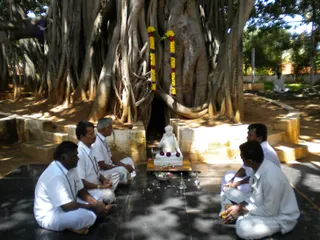
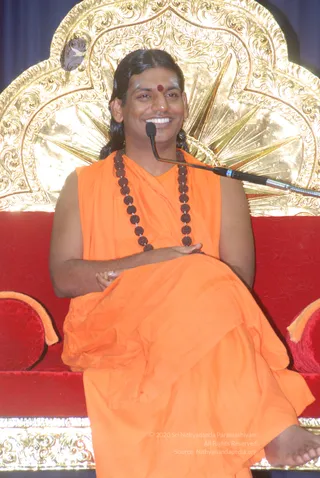
Lep-Afternoon-Session-With-Swamiji
8 photosSource gallery
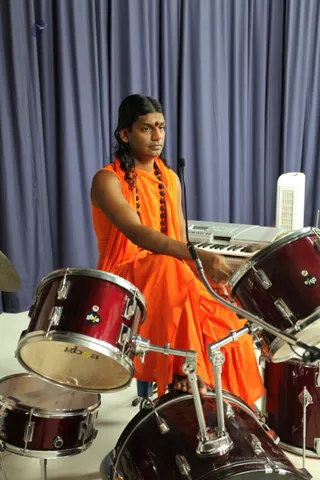
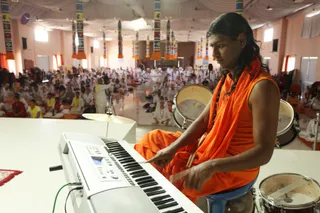
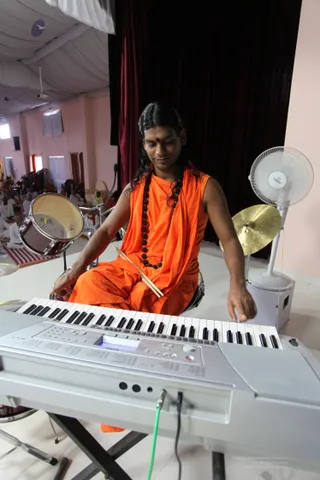
Yoga-Sutras-And-Evening-Lep-Session-With-Swamiji
58 photosSource gallery
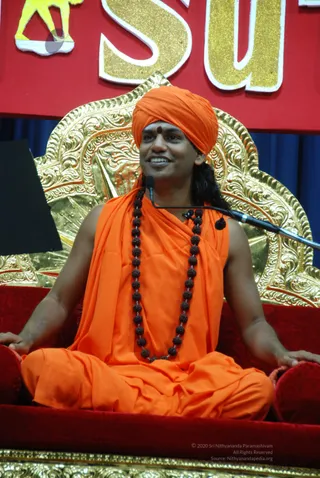
PANCHA-TAPAS
2 photosSource gallery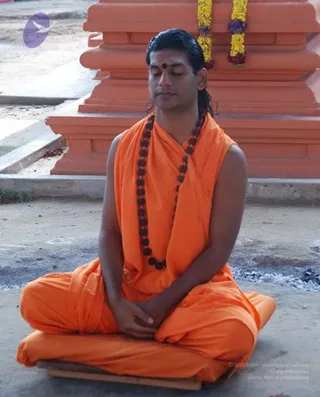
NITHYA-SATSANG
1 photoSource gallery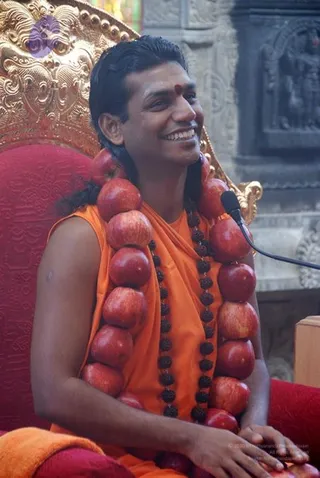
SARVA-DARSHAN
2 photosSource gallery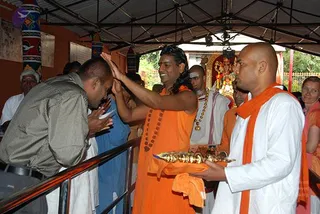
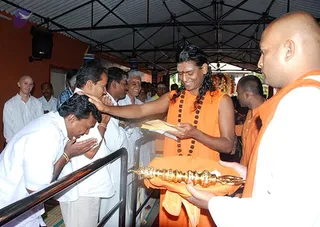
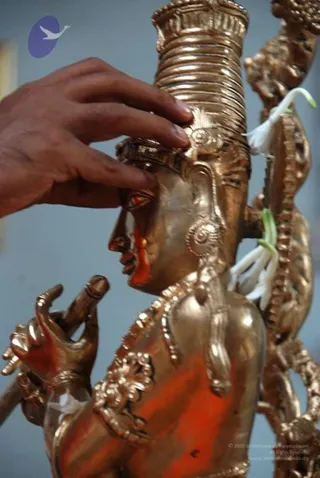
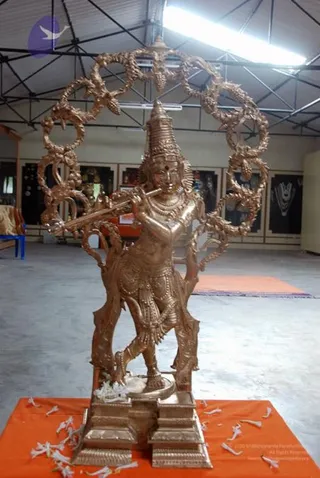
HDH-ENERGIZING-DEITIS-IN-TEMPLE
4 photosSource gallery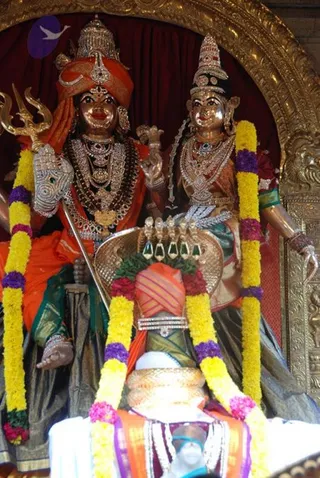
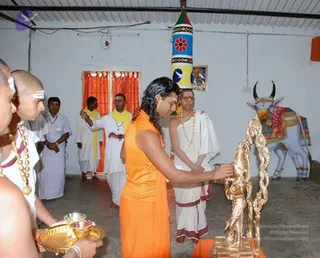
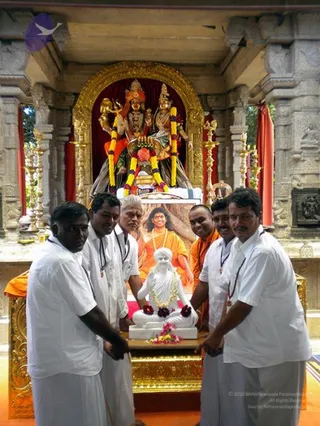
GURU-MURTHY-BEING-WORSHIPPED-AND-GIVEN-TO -ORGANISERS
2 photosSource gallery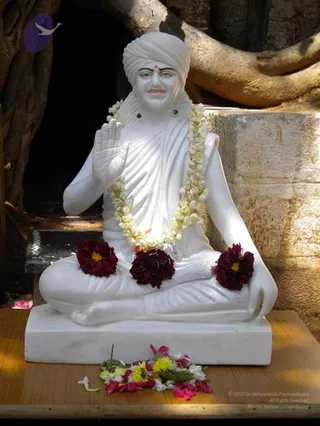
LIVING-ENLIGHTENMENT-PROGRAM
14 photosSource gallery