Monday
30 August 2010
Depression and Conflict Free Living
- Dated photos
- 853
- Source pages
- 1
- Media
- 10
August 30 2010
Original wiki pageTitle
Depression and Conflict Free Living
Narration
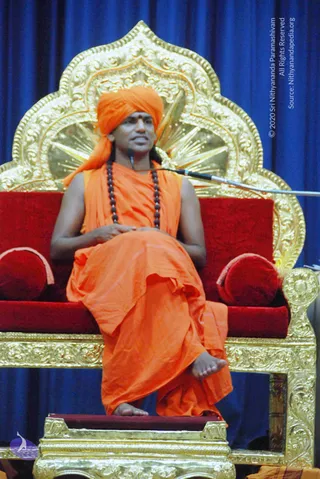
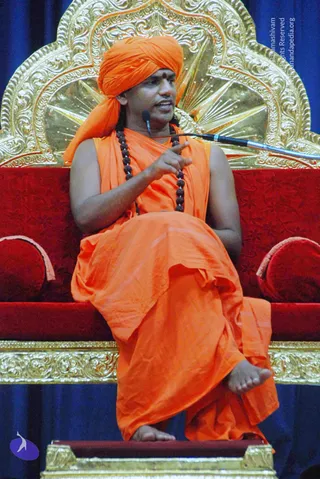
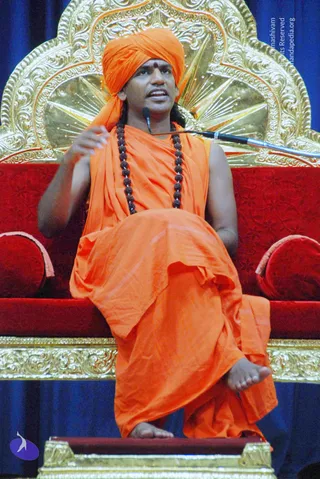
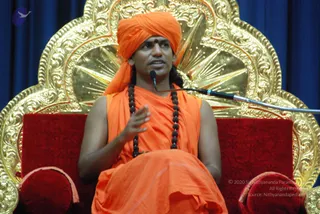
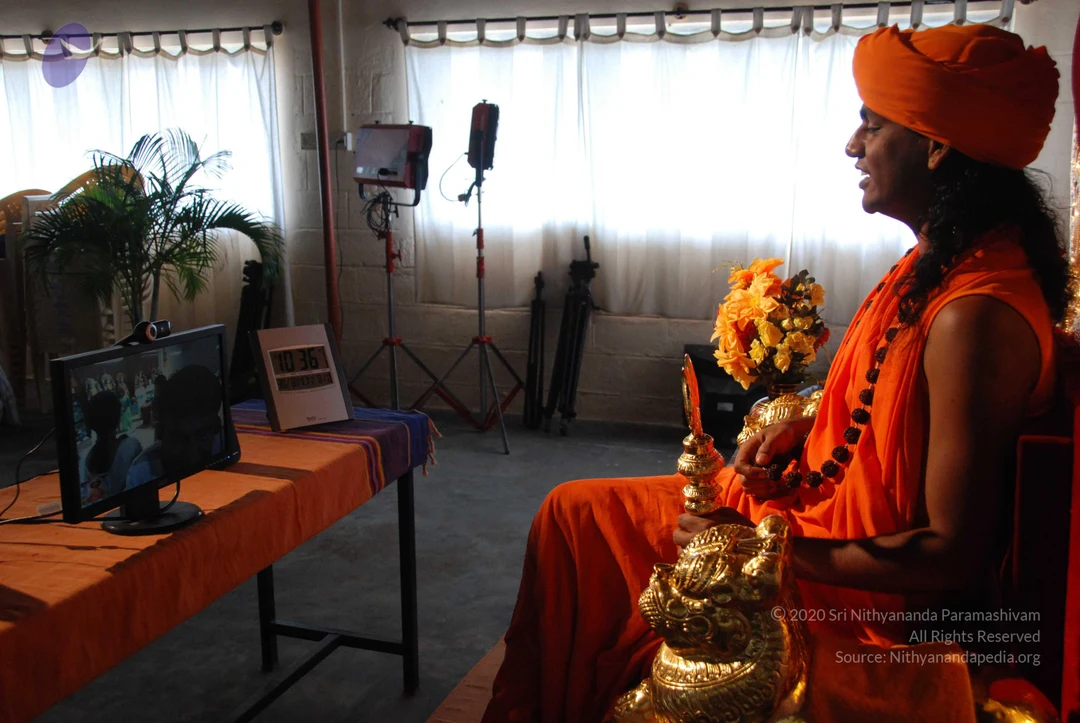
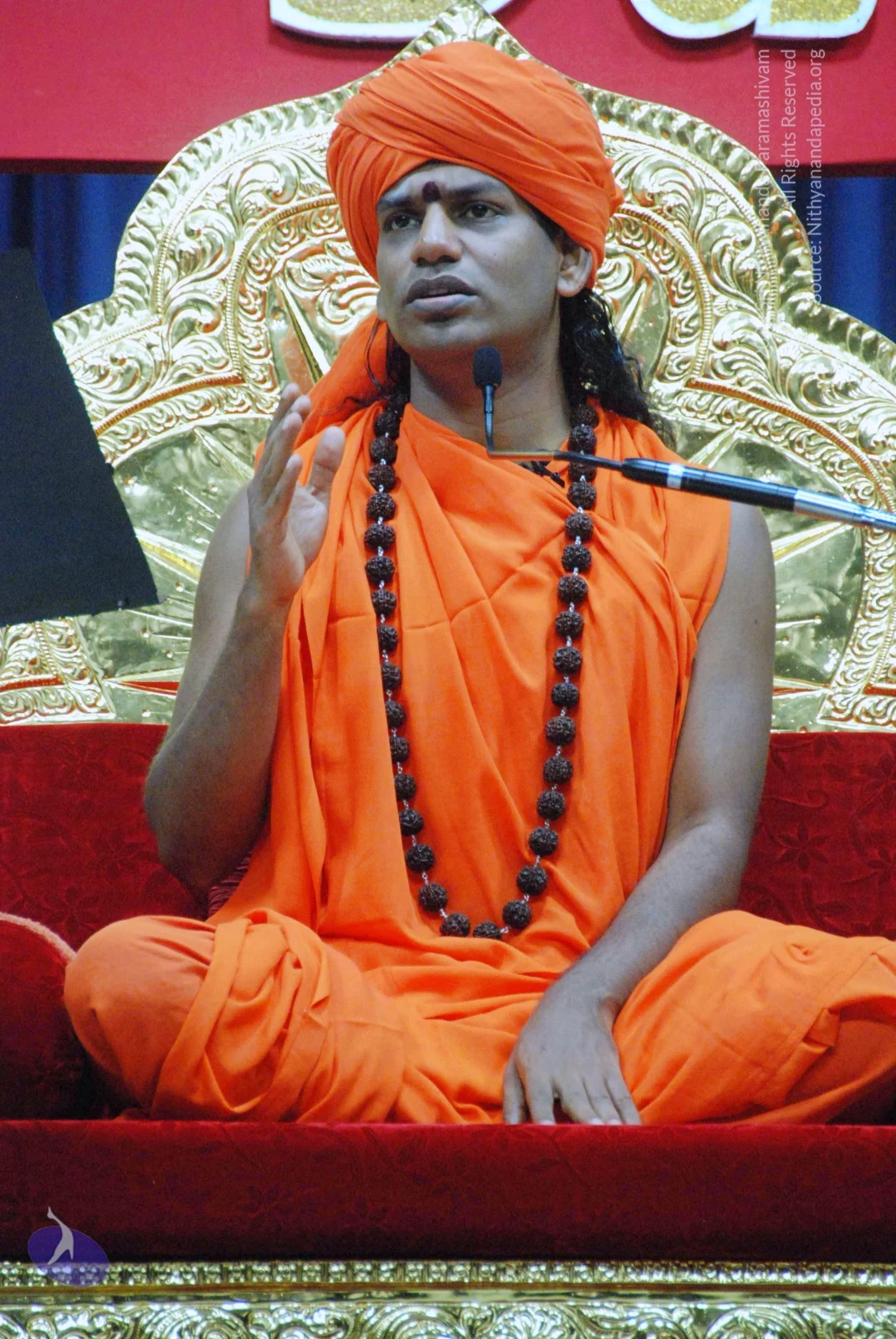
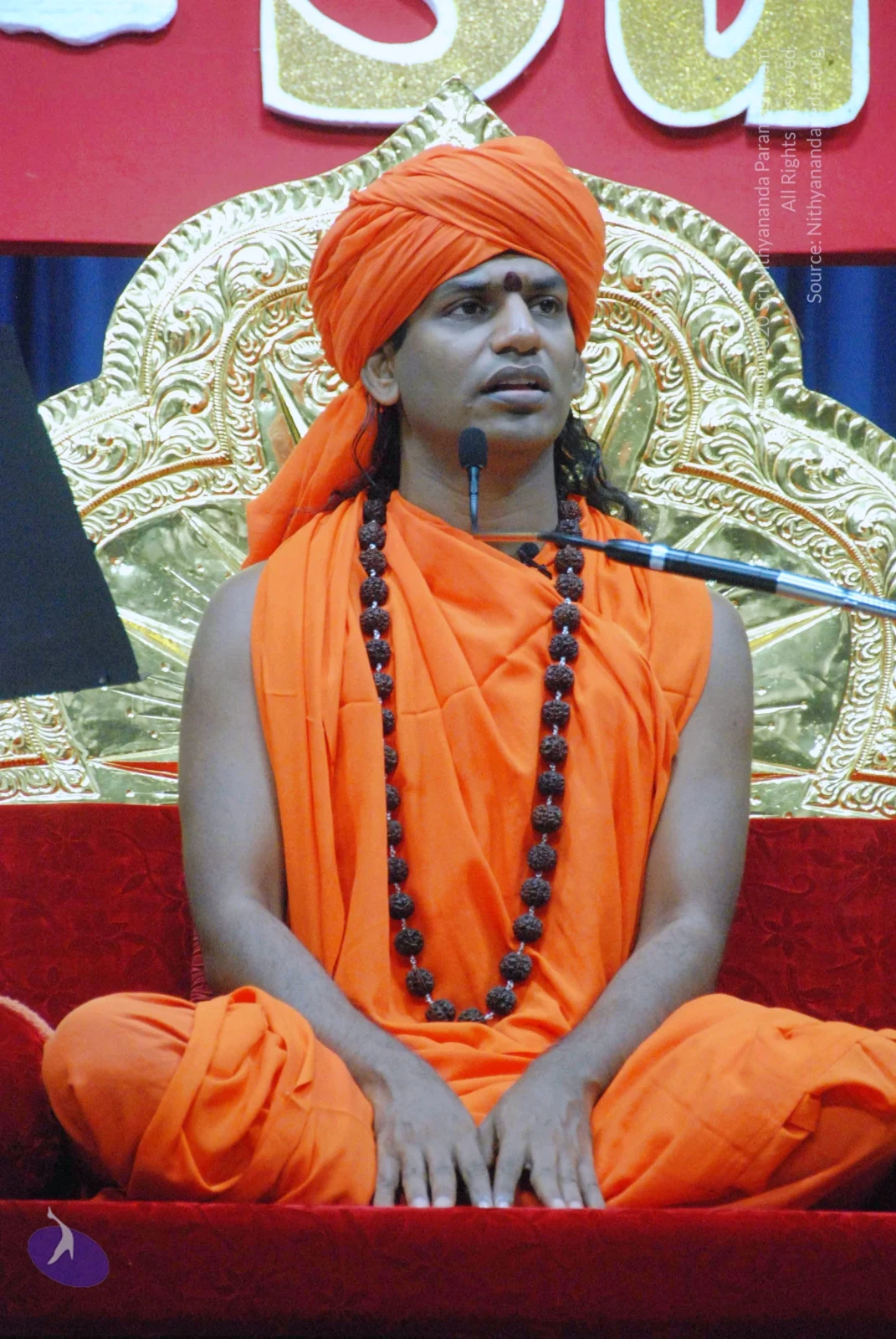
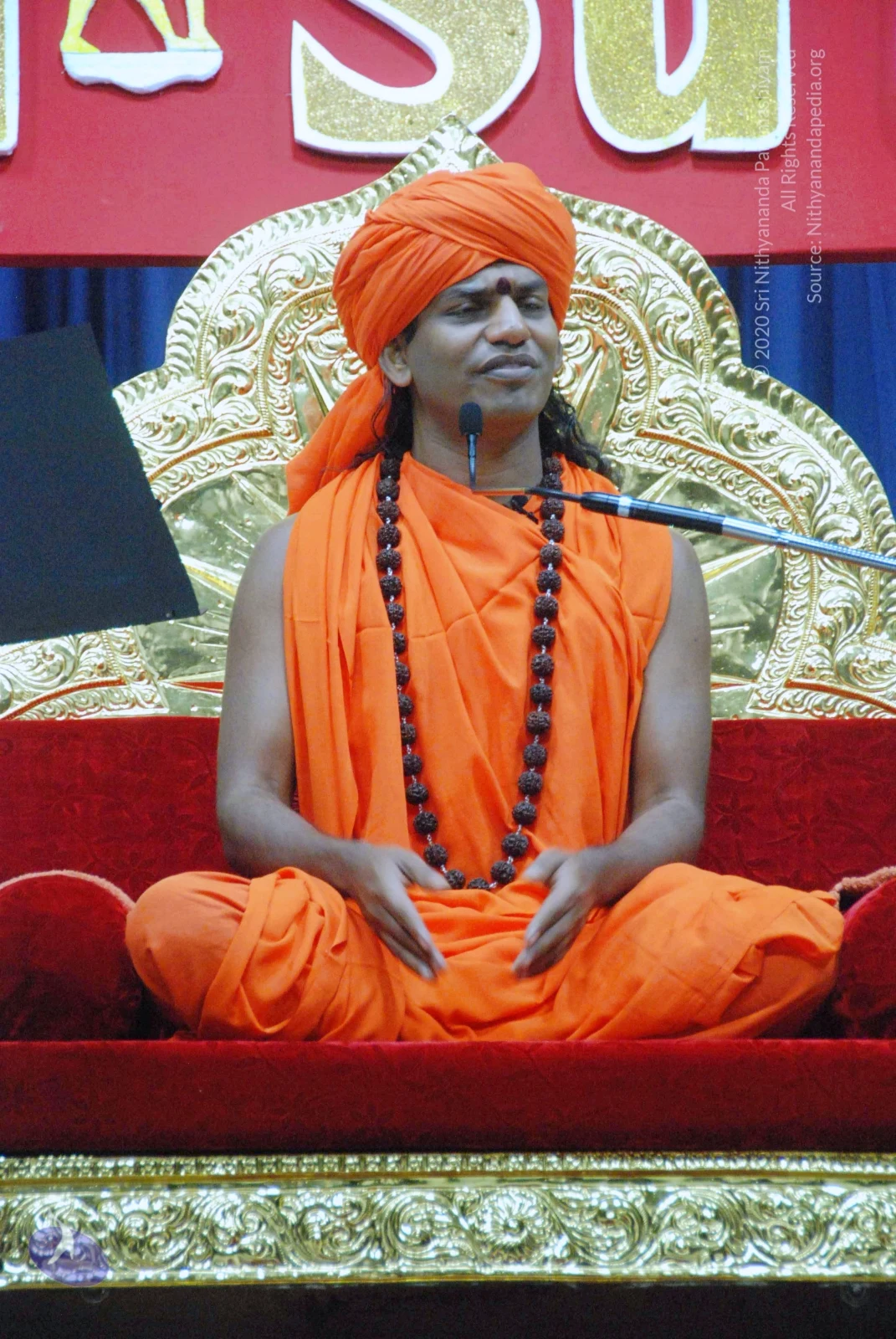
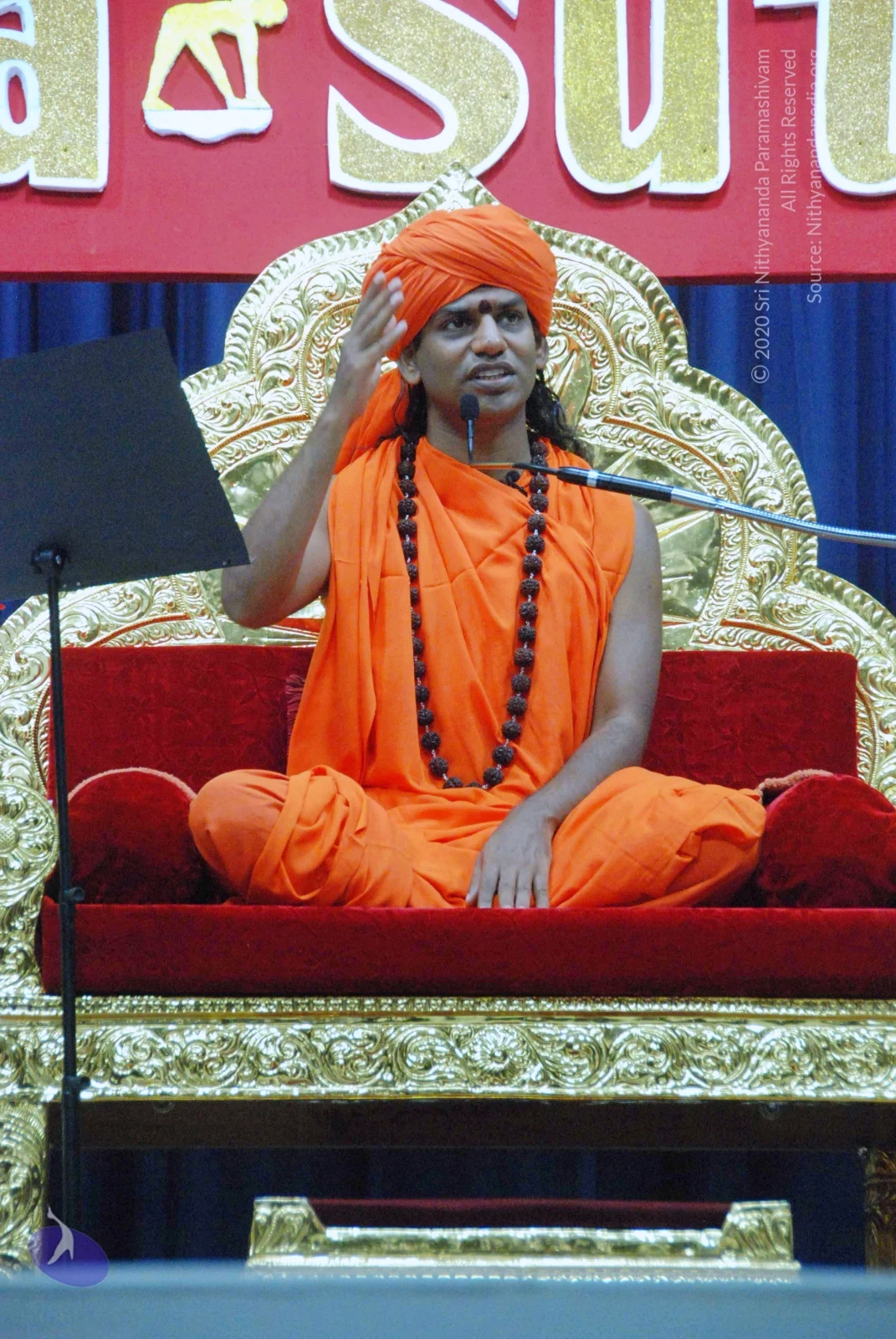
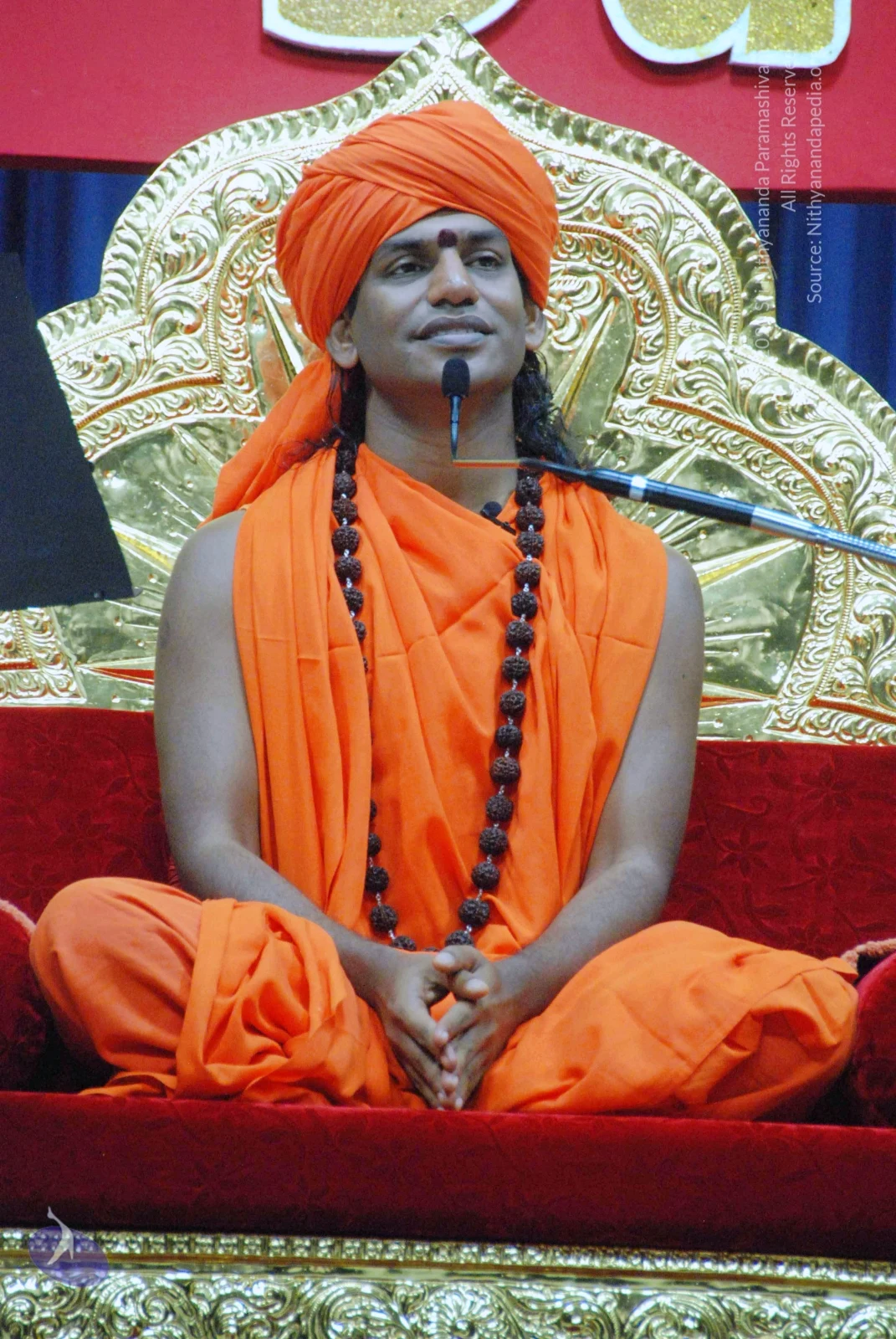
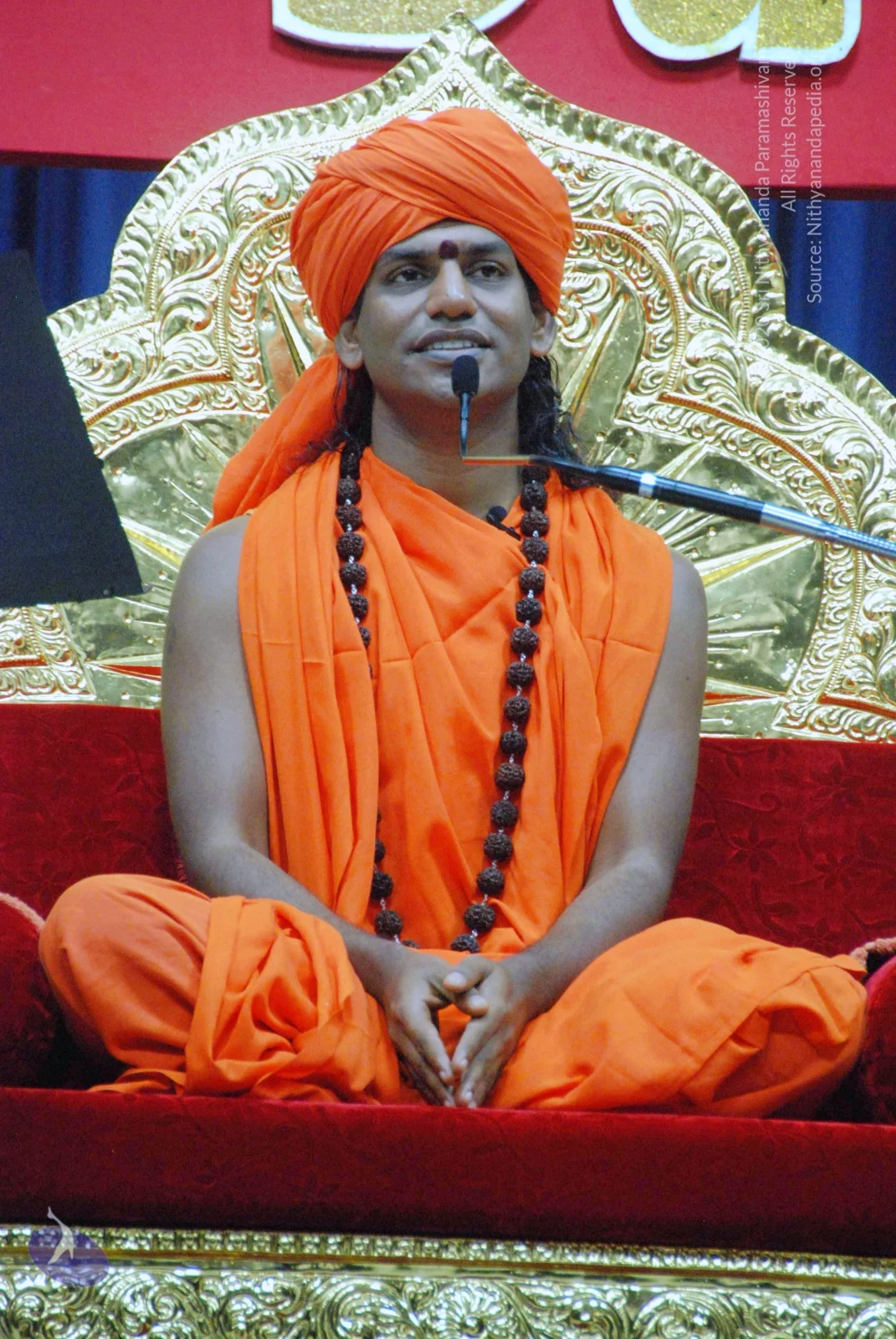
In this video, Paramahamsa Nithyananda describes conflict free living as a solution for depression. He describes prana prathista (infusing life energy) in this video wherein one can infuse life into anything that is infront of you. By being optimistic, one can add life energy to every situation in life and that can lead to conflict free living and hence a solution for depression.
Video and Audio
Depression and Conflict Free Living: Nithyananda Morning Message
| Video | Audio |
Transcript
(0:20) Sadāshiva samārambam shankarācharyamadhyamām Asmat āchārya paryantām vande guru paramparām.
(0:47) I welcome you all with my love and respects. Today’s subject, conflict free life, the only way out of depression. Again, because these guys are just enchanted with this title! Every day they are giving me the same title. Conflict free life, the only way out of depression. (1:27) Learn the art of prana pratishta. Learn the art of prana pratishta; giving life to what you want. Then you will just live in conflict free life. Understand it is a very simple truth. I think I would have explained, this villager with whom I had a very strange experience. During my wandering, I was resting in the noon time under a tree putting my head on a small stone which had turmeric,all that, little puja was done on that. But I did not expect that it is worshipped by someone as God. I thought maybe some, in village, every stone, every tree is worshipped. (2:22) In India, that is why when British put the milestones, first it was all painted in yellow, suddenly they saw in one week, all milestones have a fully dressed, decked with flowers and people have started worshipping and everything has become temple. So they have to change the colour. No, British had really tough time stopping the villagers worshipping the milestones and it is perfectly shaped like a shivalinga. That is why I just bow down to this civilization. How many thousands of mistakes this civilization may have, how much backward it may be, but just worshipping everything. Whether it is a stone or a tree, the ability to worship everything, it’s not a joke, understand. The ability to bow down to everything, the ability to surrender to everything, the ability to trust everything! (3:37) One of the greatest gift from the Ganges civilization to the whole cosmos is the ability to surrender, the ability to worship, the ability to trust, ability to dissolve. It’s the greatest gift from the Ganges civilization. It is not a joke, when you feel an individuality, the ability to just relax, trust, ability to trust more than your boundary. There are some many, many peculiar diseases only the ego based civilizations suffer. One is osteoporosis. They don’t trust their own bone structure. Many of the diseases the ego based civilizations suffer does not even exist, because these guys just knows how to bow down to anything. (5:00) Go to village. Whether it is small kids or the officer going to an office or anybody, when they walk on the road, see, every street will have 20 temple, small or big. They will bow down in front of every temple and go. And they will bow down in front of every temple very sincerely. Even in my school days, if school starts at 8:30, I’ll start from my house by 6:30. And the school is only maybe 2km, not more than that. Because I’ll have to bow down in every temple, every deity. On the way, at least 25 temples are there. So I need five minutes in every temple. But I’ll always be late for the class, if at all I reach the class! (6:00) So I had an agreement with my maths teacher. I will make one more round for you, you give attendance for me. Usually maths will be the first class, first usually because the kids will be more aware at that first session, maths will be the first session and I keep my promise and he keeps his promise. Usually in Indian village schools, they don’t take attendance for every period. Morning they mark the attendance, then that’s all the whole day. So majority of the days, I will be going around the temple for him and he will be giving attendance for me. (6:48) I put my head on this stone, I should not say stone, deity for somebody. Once it is deity for somebody, it should be deity for everybody. Hmmm? But foolish unfortunate civilizations do the other way. Once if somebody is accused for somebody, it is accused for the whole world. That should not be the case. If he is deity for somebody, deity for everybody! And if he is accused for somebody, he is accused only for that person. And we do completely opposite. So I put my head by mistake without knowing the deity, on deity. Usually when there is a turmeric powder smeared, snakes will not come there. That is why in the snake holes before worshipping they will put the turmeric powder. Snakes won’t come. So I thought maybe that is the area where snakes are too much. So somebody, before resting they have put turmeric powder, they rested. So I put my head. Maybe in one hour, some villager from two- three kilometers away, he was running towards me shouting. (8:23) When he came near me he just said, ‘Because you are a sadhu, I am leaving you. Otherwise I would have broken your head. How dare you put your head on my Shiva?’ He had a telepathy connection with that deity. He was sleeping in the house, noon. Noon usually villagers rest. See morning they work before the sunrise like around 5 o’clock to 8 o’clock, 9 o’clock they work in their field. Then once it becomes very hot, especially Madhya Pradesh, too hot. They rest in the noon time. Evening again they come back and work in the field till, maybe around 4 o’clock they will start and till 7 o’clock, till it becomes completely dark they will work. So this guy was sleeping in his house and he ran and came. And he said, ‘I saw in my dream somebody is disrespecting my deity, my Shiva. So anyhow, you are a Sadhu I am leaving you, don’t do this anymore.’ I really felt bad that I had abused somebody’s deity. So I apologized to him, but I was so happy that somebody could have a telepathy connection just with a stone. When you worship as a deity, he’s so strong with his feeling connection, he was able to just connect with that deity just with the trust. So I apologized and I moved. (10:08) There was a small temple in that village, I stayed in that village, in that temple and I was talking about this incident to few people. Some foreigner came to that village as a tourist. His guide who can speak little English, little Hindi. Hnglish or Eindi. That guy was taking around that foreigner and he wanted to show that foreigner some Indian sadhu. So he brought that foreigner to me and he was telling him about Indian sadhus, few things. And I also tried, those days I can’t speak fluent English. I can manage but not fluently. Neither Hindi nor English but somehow I managed my wandering. But broken Hindi words are enough. For sadhu, you don’t need to speak much. (11:09) No, in north India they will give you food and take care of you; great people. It’s a very beautiful civilization in the north, so much of respect and love for the sadhus and for the tradition. So I was explaining that like this happened, I put my head on the deity and that guy came running, he had a telepathic experience with that deity, that he felt like he should protect it, that somebody is abusing it. Then he came running, I apologized, I told the whole story. This foreigner was really, got the curiosity. Wow! He wants to meet that villager. (12:07) So anyhow, this local guide said, ‘I will get that villager, don’t worry’ because I described how that villager looks and this guide took that Westerner to that villager. I also wanted to see the fun, I went there. I also went. And during the conversation, that westerner, he asked that villager, what happened and all that and that villager described, ‘mmm like this I had a vision that my Shiva is being abused by somebody. I ran and I saw this sadhu was putting his head on that Shiva and I drove him out.’ He described all the story and then that foreigner asked, that Westerner asked, ‘how did you feel this, how can this happen?’ He said, ‘No, I feel it is Shiva for me so through this deity, Shiva responds to me.’ (13:06) That foreigner I don’t know whether he wants to test that villager or really offered. He said, ‘if I give money, will you give this? I’ll give you $5000.’ Means, now two and a half lakh. I don’t know at that time what value, at least few lakh, hmm? Few lakh is not a small money, that villager maybe his whole property will only be that much worthy. Whatever property he has, his house or little land, whatever he has, the whole thing only will be $5000 worth. And I thought really that villager was going to jump on that foreigner and finish him off. Shout at him or abuse him and drive him off, saying how dare you bargain, fix a price for my God! For my Shiva? I thought there was going to be a ruckus, chaos, big scene. I was just keeping quiet. I was really surprised, that villager just very simply said, ‘please take it.’ He gave it away! He said, ‘please take it. Give the money and take the deity.’ And that Westerner really wanted to carry that as a souvenir. So he gave the money and took it. I think he gave it in Indian rupee and took it. That guide, he also made little commission in the fixing the bargain. Everything was done, I was very shocked. (14:44) Then after that Westerner went away, I caught hold of that guide and caught that villager and asked, ‘how dare you sell your God?’ He was very cool and I tell you honestly he had a telepathy experience with that deity. It was not lie. It was truth. He was very cool and he told me very cool way, ‘Swamiji I did not sell my God I just sold a stone which I thought as worshipped as God. I’ll put another one stone and not only that, with this money, I’ll build a temple for that stone.’ You see, and he was very clear. ‘I will put another one stone and do prana pratishta and that will become God. Now I did two thing. One,satisfied a Westerner and inspiring him in the tradition. You see, he will carry this, it will be a God for him. So in a way I am responsible for spreading Vedic tradition to one person. True! He said, naturally he is going to carry it and worship and I know the science of doing prana pratishta. I’ll put another one stone and worship as a God and this new stone is going to do the same work for me as the old stone was doing. So I have the ability to do prana pratishta.’ (16:19) I was really shocked. Understand, see, especially when you have some extraordinary experience with that stone, it is not an easy joke to retain that clarity. ‘I put energy into it, even though it speaks to me, it is my own trust. It is my ability to do prana pratishta.’ This is what I call, even if you have the Daiva bhakti, you should ultimately know the truth it is Atma bhakti. Your own atman you are seeing it as God outside. So the daiva bhakti should lead you to the depth of atma bhakti. I was shocked a villager can have so much of clarity. And that guy really did not spend that money on himself and he put another one small deity as Shiva, and built a small temple, not big but small temple he built with that money. Still that temple is there. (17:26) Ability to do prana pratishta.The clarity to have prana pratishta. Understand now in your life also, because you gave life to the conflict, conflict appears as reality and you really perceive it. Because you perceive it, you forget you gave power to it. Don’t forget, even if you perceive it as reality you gave power to it. That villager, even if he is able to experience that stone as a God, he did not forget the truth he gave power to it. He did prana pratishta to it. But in your life even though you gave power to all the conflicts, after you start perceiving it, you forget you gave power to those conflicts. Remember, retain the ability to do prana pratishta. When you gave power, when you perceive conflict, take the power back, put the power on life. It is you who is going to decide, whether to give power to conflict or life. Again life has no conflict, conflict has no life. Life has no conflict, conflict has no life. It’s the truth. (18:58) So, yesterday I received a question from one LE participant, ‘Swamiji sometime the conflicts are so real, if I go on feeling it is not true, it is not true, is it not like cheating myself? Where is the line?’ Understand, he was asking where is the line for the optimism? Be extreme optimistic. There is no line. There is no line. You cannot be more optimistic in more worse situations than me. Understand? Be extreme optimistic. There is no such thing as borderline for optimism. I tell you, give power to life continuously! Don’t even a moment slag and give power to conflict. Optimism means giving power to life. Doing prana pratishta to life. So there is no extreme in optimism. (20:18) Learn how that villager, he was able to put God in a stone. Immediately he was able to put another one stone and put God in it. Same way, have the ability to move life. If you have given life to conflict, if it is hurting you, just move it to the life! That’s all, nothing else. See what has happened, even though these guys have tried so much, all possible conspiracy, abusal, scandal, finally imprisoning. What has happened 53 days, I prepared my body and mind so thoroughly and downloaded all the techniques. When I come out, here people are levitating. And I am telling you honestly, that 53 days, I made use so thoroughly, so perfectly, I downloaded a new science. Means actually I added something more to me and for my life and for the field in which I am. (21:40) Just this year, beginning of this year, we were sitting and discussing. Some of the corporate people were sitting and discussing. They were telling, ‘Swamiji, any organization, whether it is a spiritual or corporate or business or for profit or non-profit, by 7 or 8 year, usually they say the end of the seventh year, they call it stagnant curve. That graph will become stagnant. It’s a usual trend in all organizations. That is the crucial year either you are going to give a big breakthrough so that it is going to take off or die down. This is the trend Swamiji. And you are facing that crucial time this year. How are you going to give a breakthrough for take-off? For flying?’ (22:39) I just made a simple statement, very casually, I think we have video record, I said, ‘Alright I’ll make everybody fly! We’ll take off!’ And now we know! Now we have a break, big, great breakthrough. A new science has landed in the body, new science is expressing. Of course, I know when the samana balancing happens, this levitation or floating on the water or different siddhis starts expressing. But visibly now it is getting reproduced in anybody and everybody! Any bio memory sits in the front and ready to go through the process, simple readiness, willingness, the initiation is happening and too fast, really I tell you. (23:49) For Raghupati Yogi, it took six years for him to make me levitate. Six years it took for him. And I think we have not even completed six days of LE process. Already fifty people at least have experienced. 50% have experienced at least psychological and physical levitation. Fifty people have experienced at least the physical levitation. And it is not easy joke, you cannot cheat. See especially in padmasana and samana mudra, try to push your body, nothing will happen, you can push only your hand. Your body can never be lifted. Only when it is really getting lifted by samana balance, it can happen. Now I saw the stagnant graph is broken. Now, we have taken off, literally taken off! Never to land anymore. No more landing on planet earth. If at all there is a landing it is only in Nithyanandaloka. Hmmm? So be extremely optimistic. (25:37) Even in the last moment of what you think as the worst crisis, life can take over, understand. Trust the life, it has the ability to create miracles. Trust life, it has possibility of miracles. Trust life, every moment is pregnant with the possibility of miracles. Every second can express miracles. Understand? Whatever small miracles what masters express is just to remind you life is miracles. Life is miraculous. Understand, this is just like visiting card. Just to remind you, life is miraculous. So have the extreme optimism. Even in the last moment, what you call as life and death situation, even at that moment, life can just take over and tell you I am here and create miracles. (26:57) So have the ability to do prana pratishta continuously for life. See whenever you have a conflict, one- conflict, life, two are there in you. Give power to life, not to conflict. Give more attention to life, not to the conflict. Reduce your attention, and time, thinking process which you supply for conflict. Add more life, more power, more intelligence, more time to life. Spend more time thinking about life. Spend more energy thinking about life. Give more life to life. Give more prana to life. Do more prana pratishta to life. Don’t spend too much time in thinking conflicts. Don’t spend too much energy in conflicts. Give more life to life. That is what I call doing prana pratishta to life. So worship life. Do prana pratishta to life. That’s the only way to be out of depression. So again, conflict free life, the only way to be out of depression. (28:22) So let you all live the conflict free life, experience and radiate enlightenment, live and radiate the eternal bliss, Nithyananda. Thank You. (28:38)
Title
Meditation to Achieve Tathaata : A Space Beyond All Senses , LEP , 30 Aug 2010
Narration
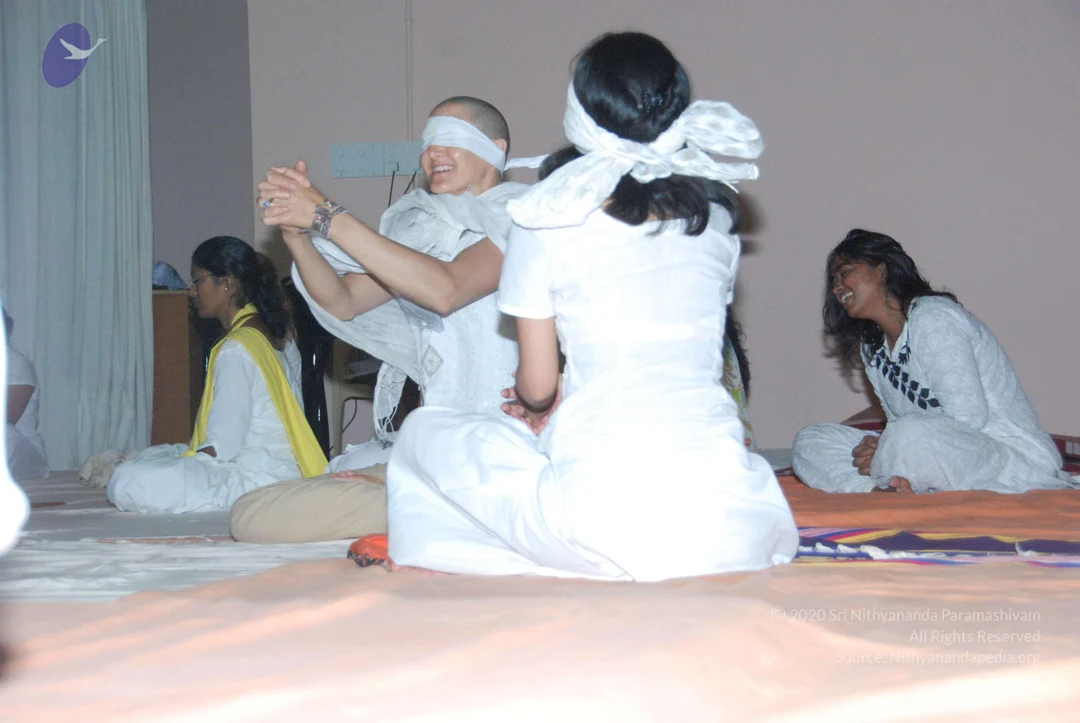
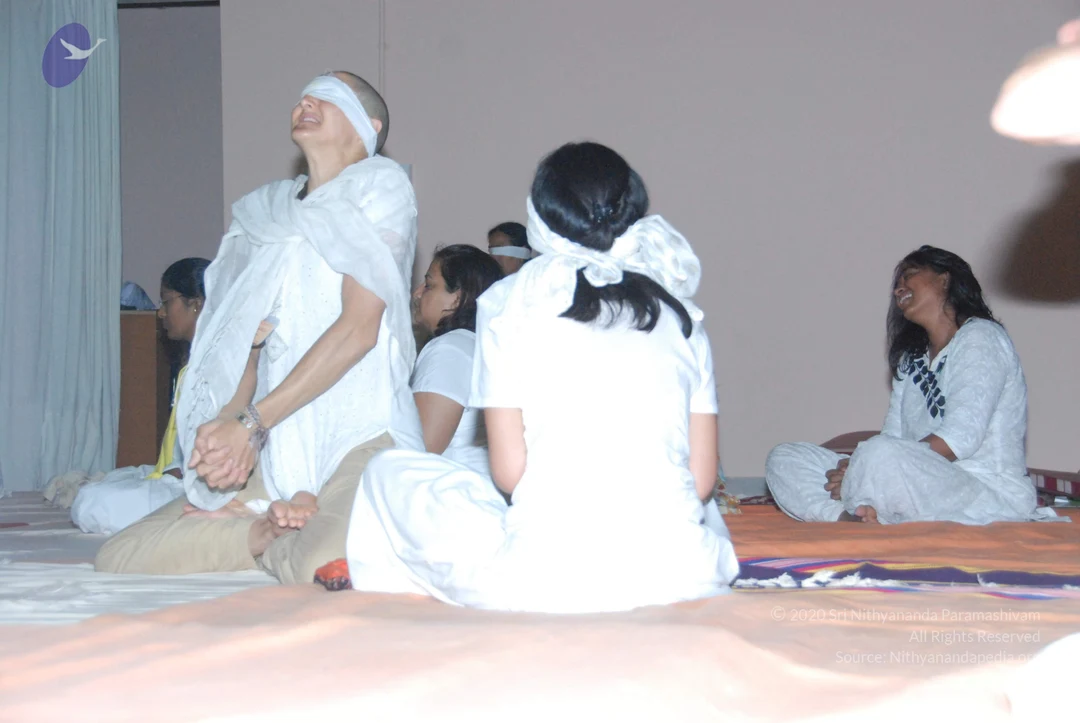
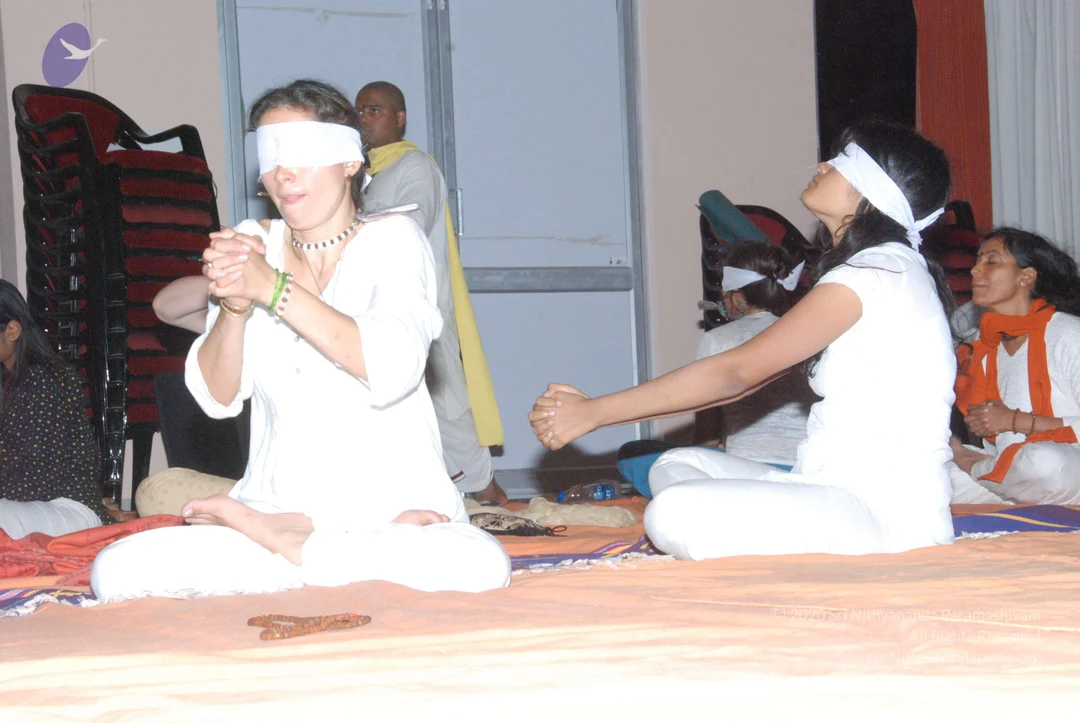
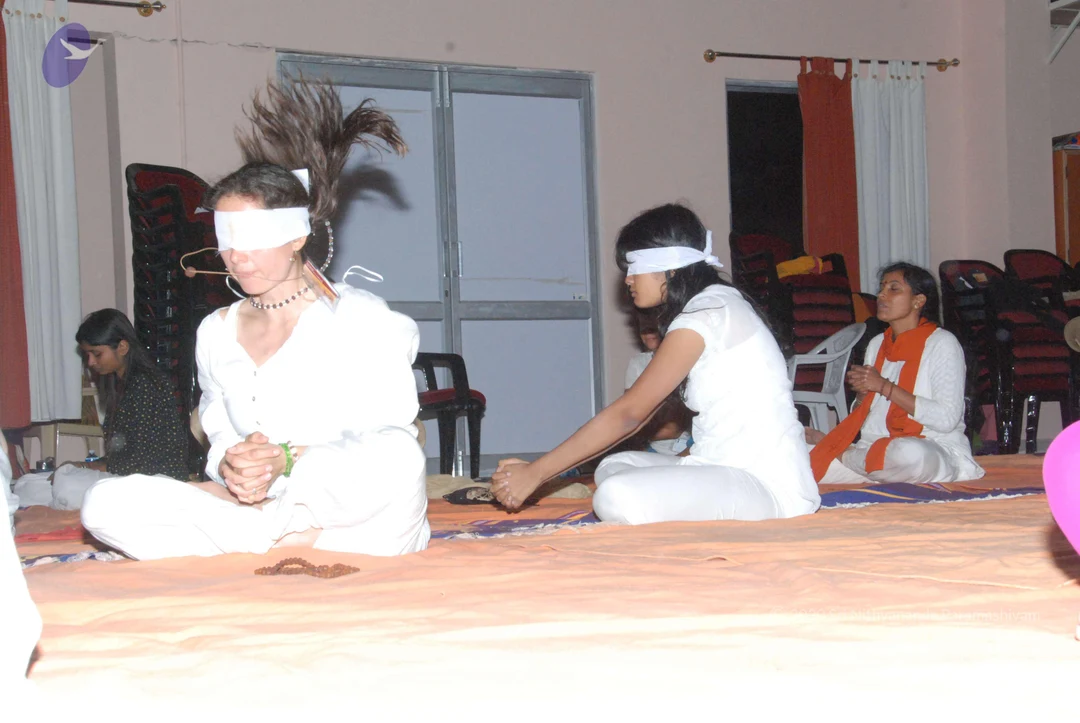
In this session of the Living Enlightenment Process(Day 2) Swamiji answers:what is sathya, and what is ahimsa? First Swamiji poses the question for us to answer: “What are we? Who are you? How do you define yourself?” Then, He explains that “You are atman, and you are cosmos. You are not body you are the soul.” “ The first initiation is sathya: telling you who you are, which is, the soul”. Then Swamiji asks us to imagine the highest version possible of ourselves, and says that this is the real version of who we are.
Video and Audio
Meditation to Achieve Tathaata : A Space Beyond All Senses , LEP , 30 Aug 2010
| Video | Audio |
Title
Awareness is the Key PYS 57 Patanjali Yoga Sutra by Nithyananda 2010August30
Narration
From the works of Paramahamsa Nithyananda, talks from Patanjali Yoga Sutras on Awareness
Video and Audio
Awareness is the Key PYS 57 Patanjali Yoga Sutra by Nithyananda 2010August30
| Video | Audio |
Title
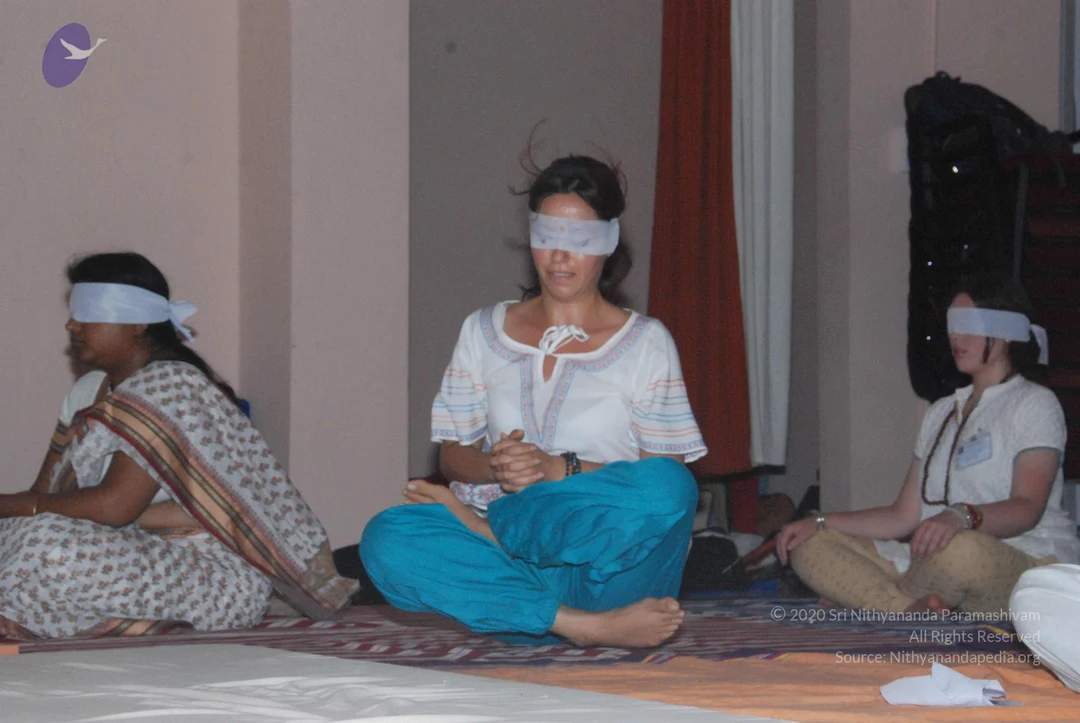
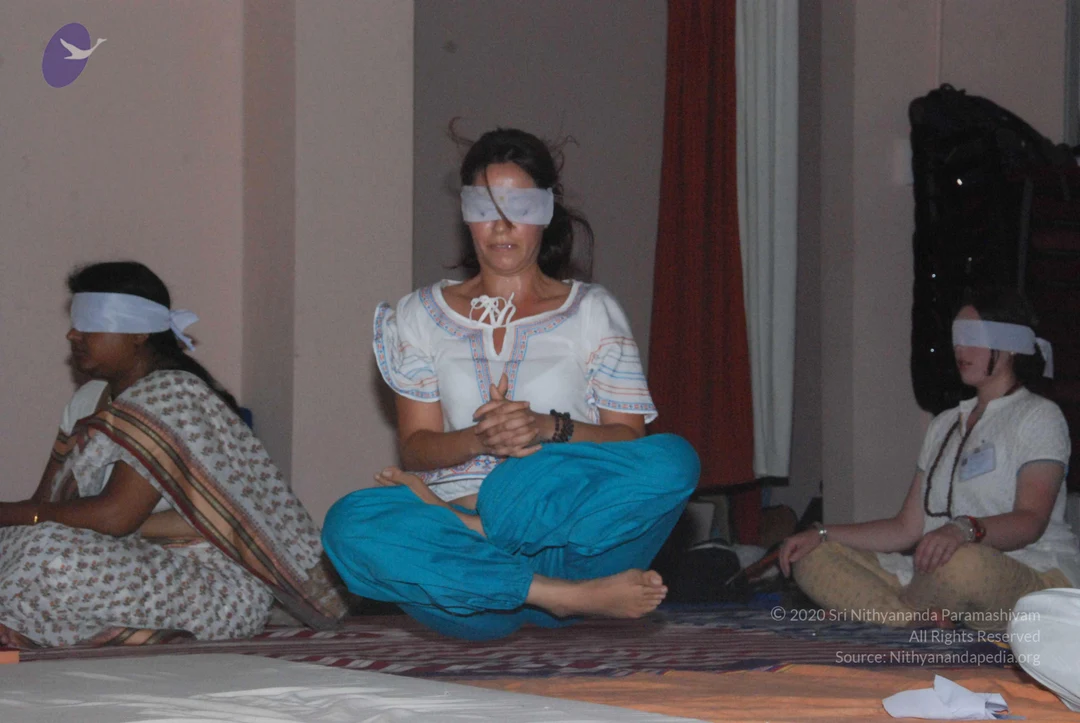
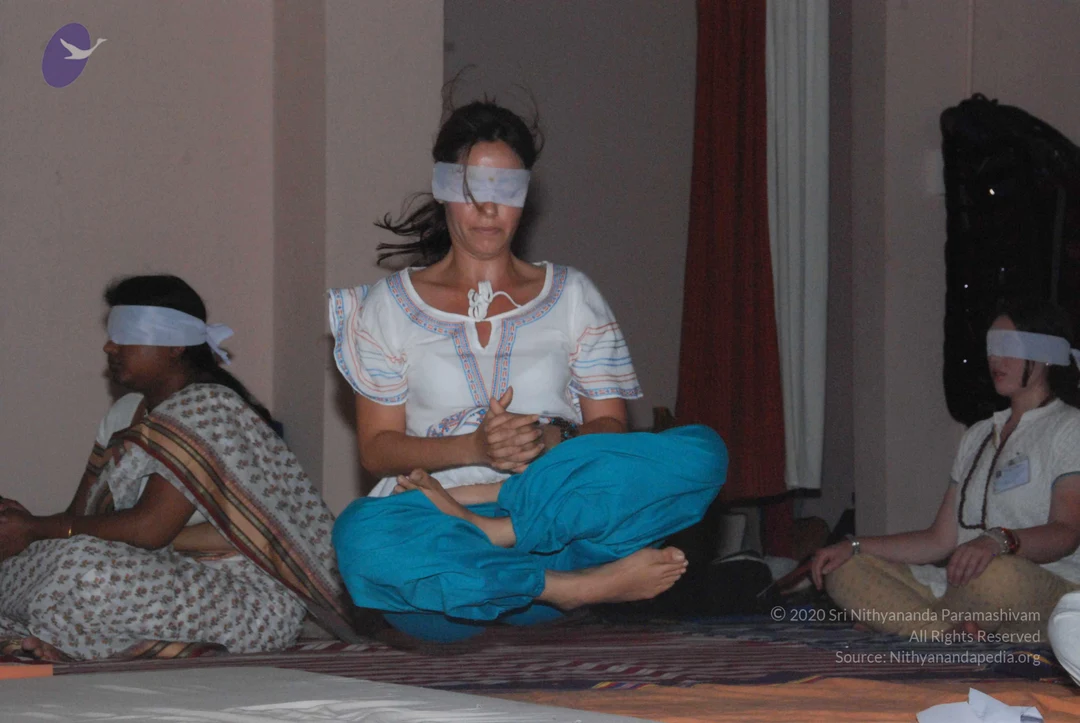
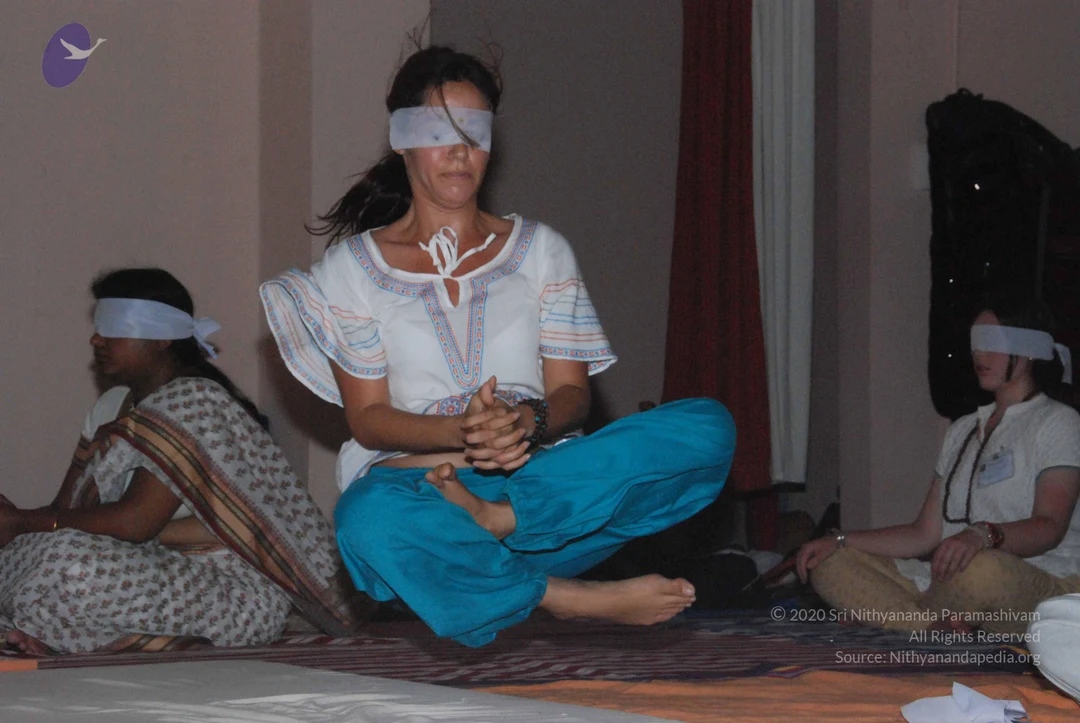
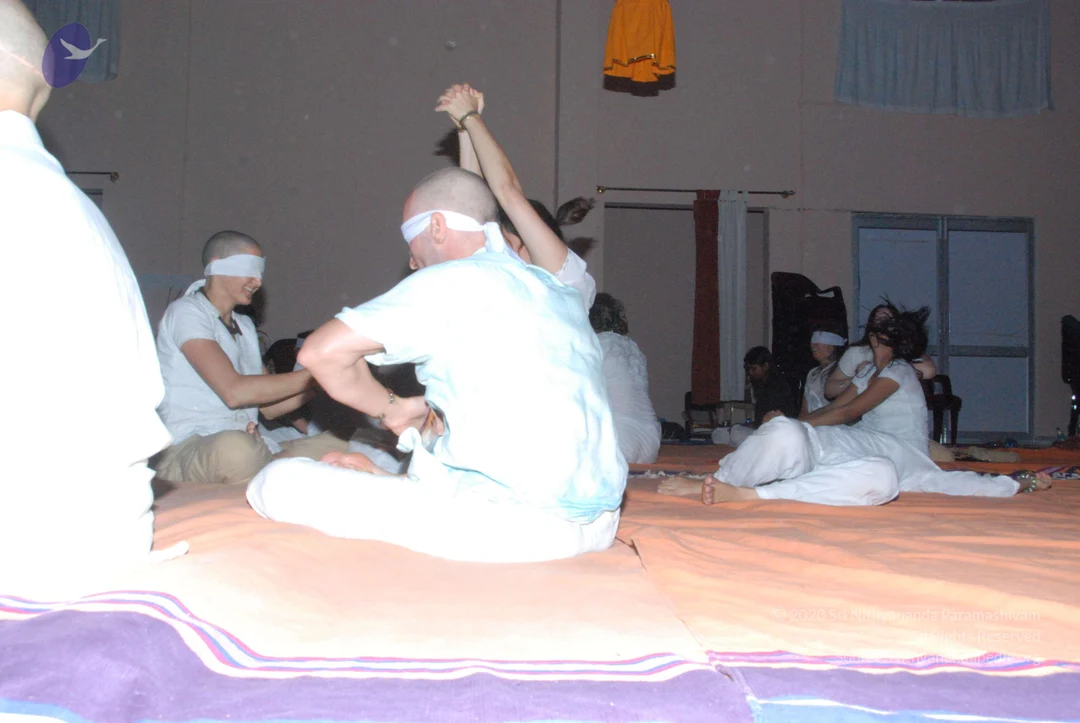
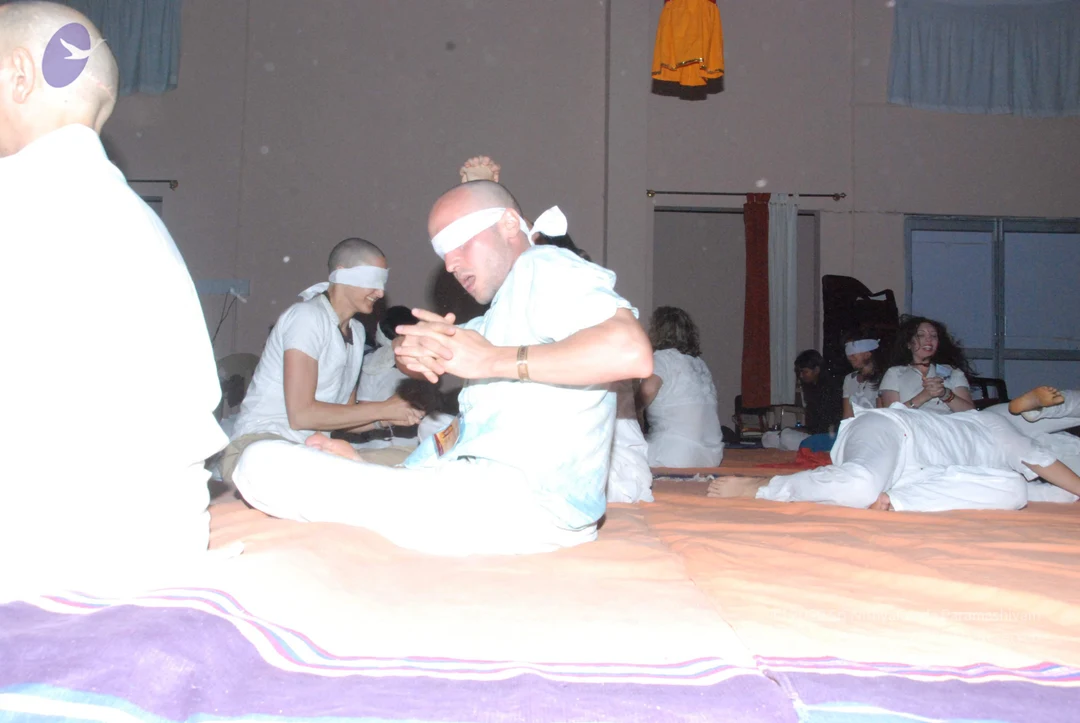
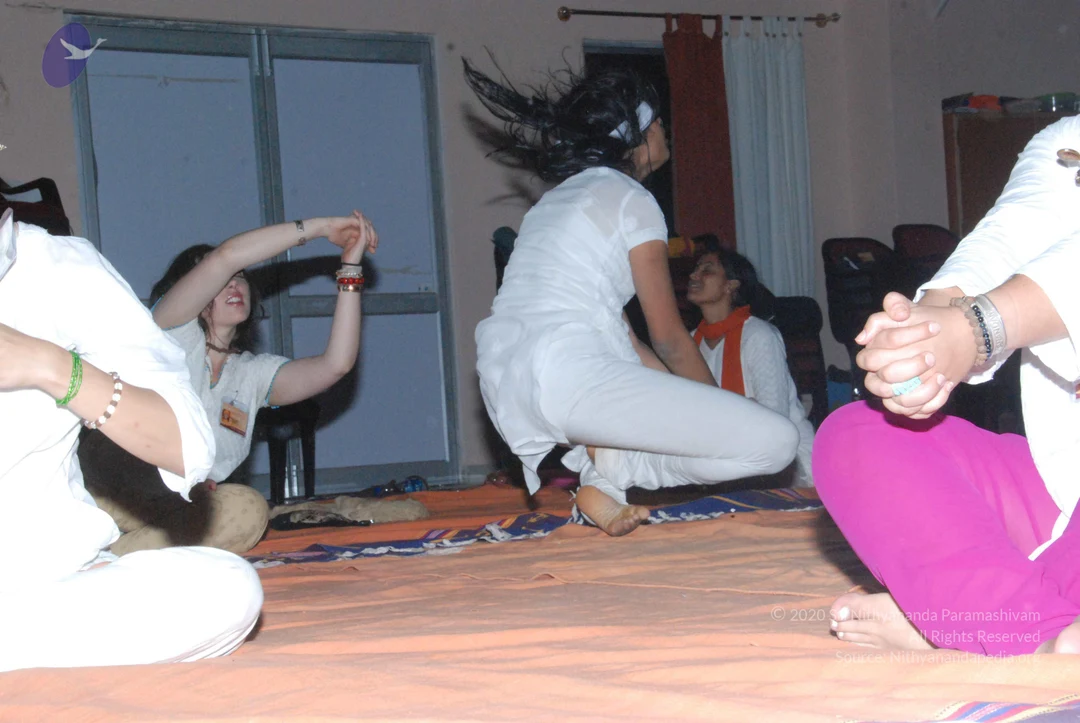
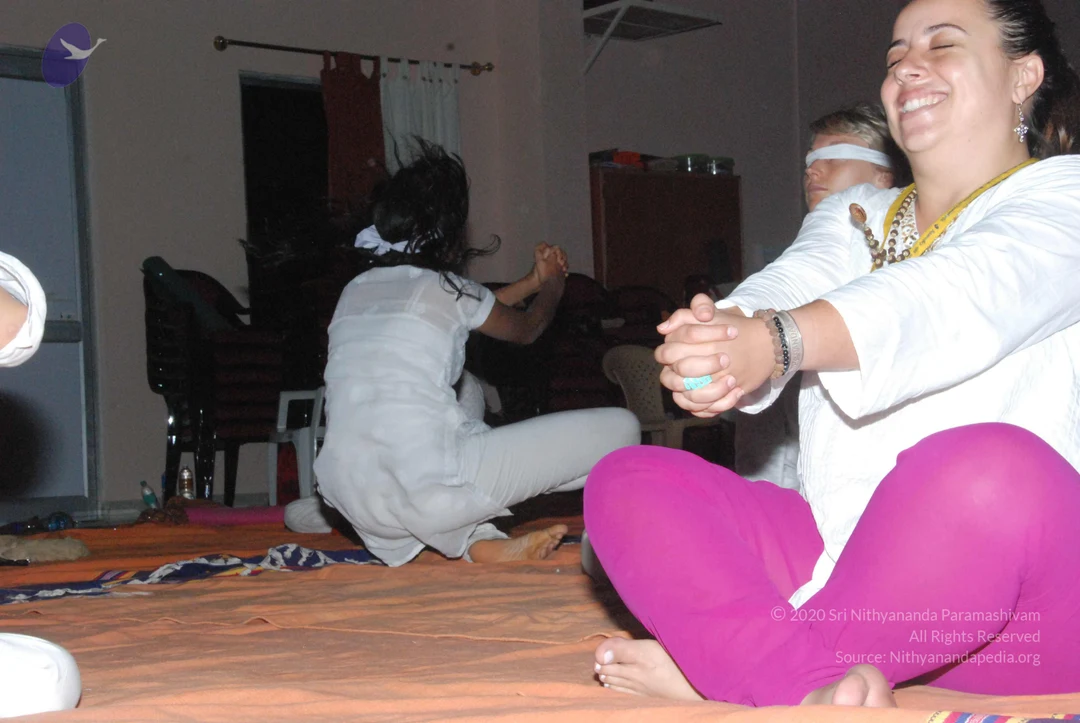
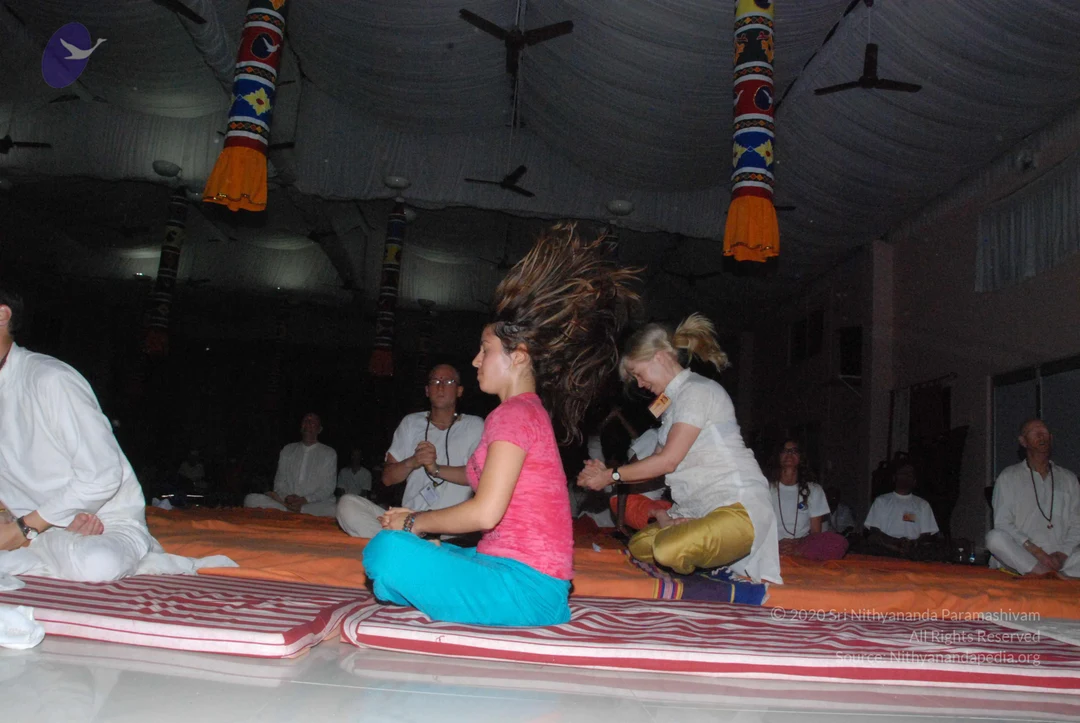
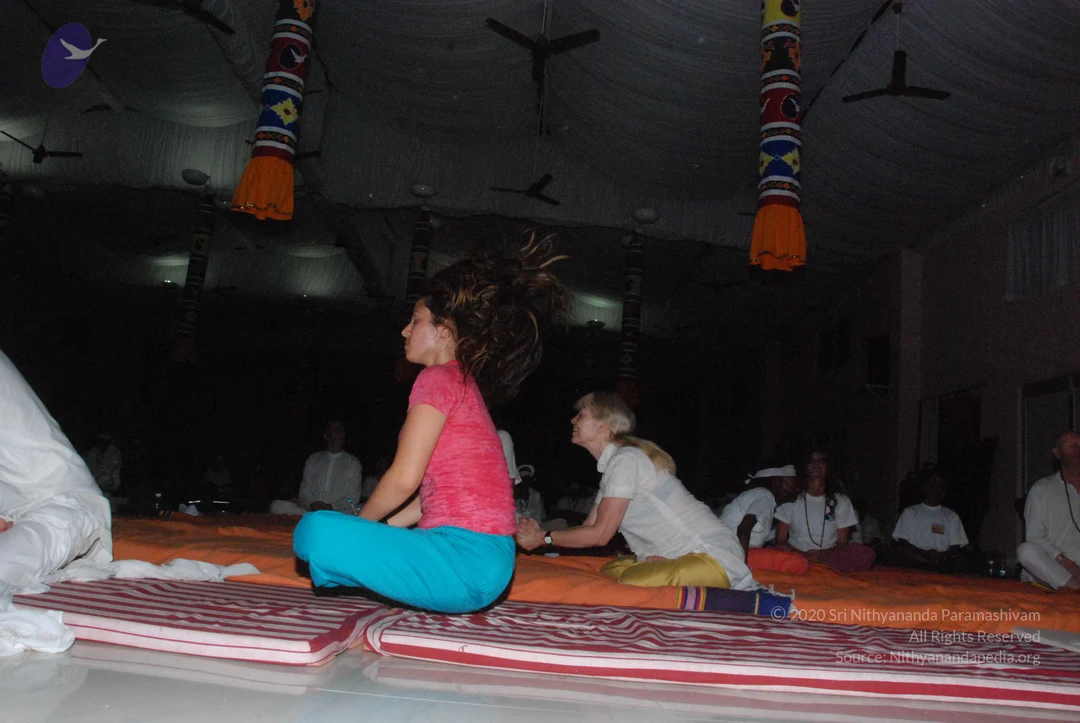
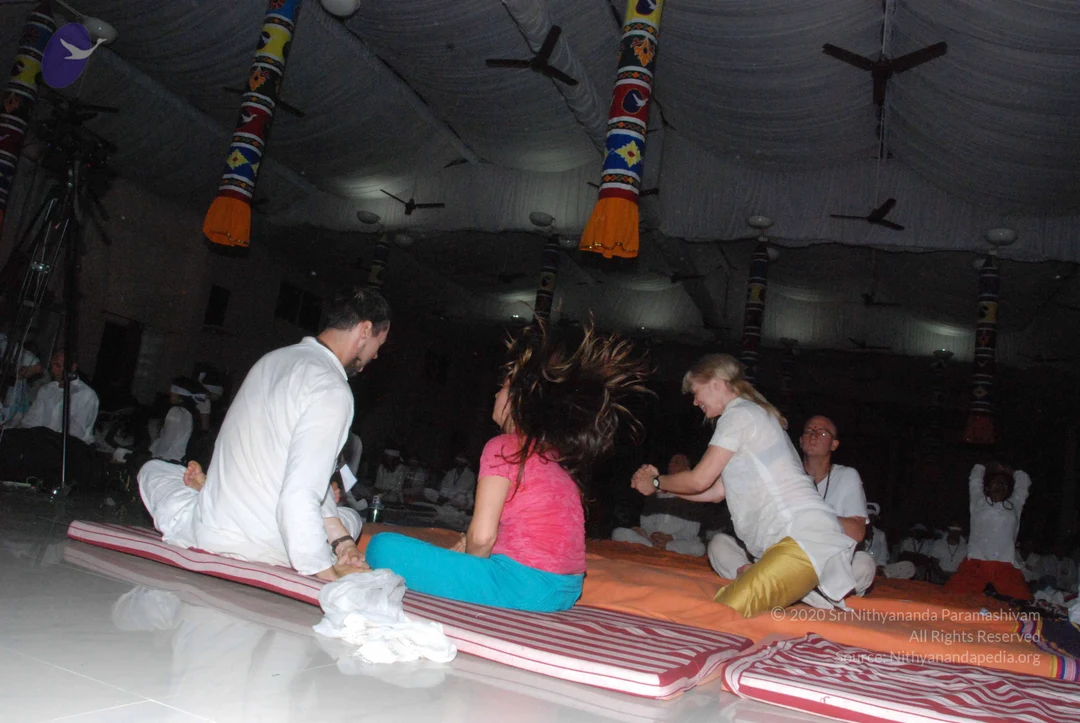
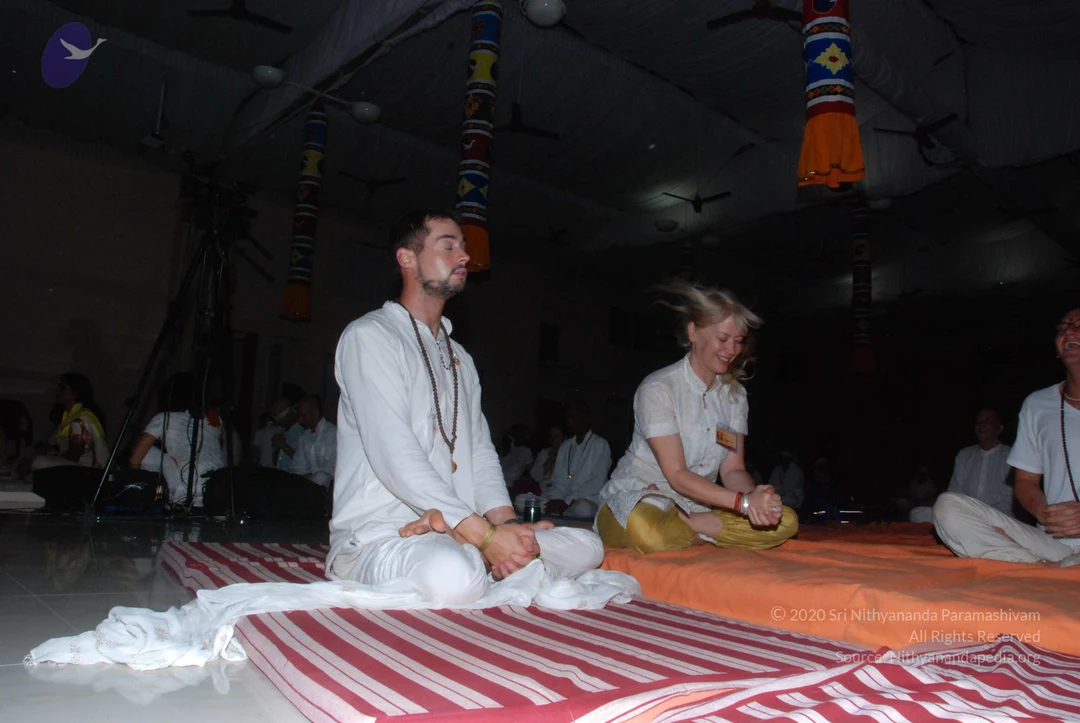
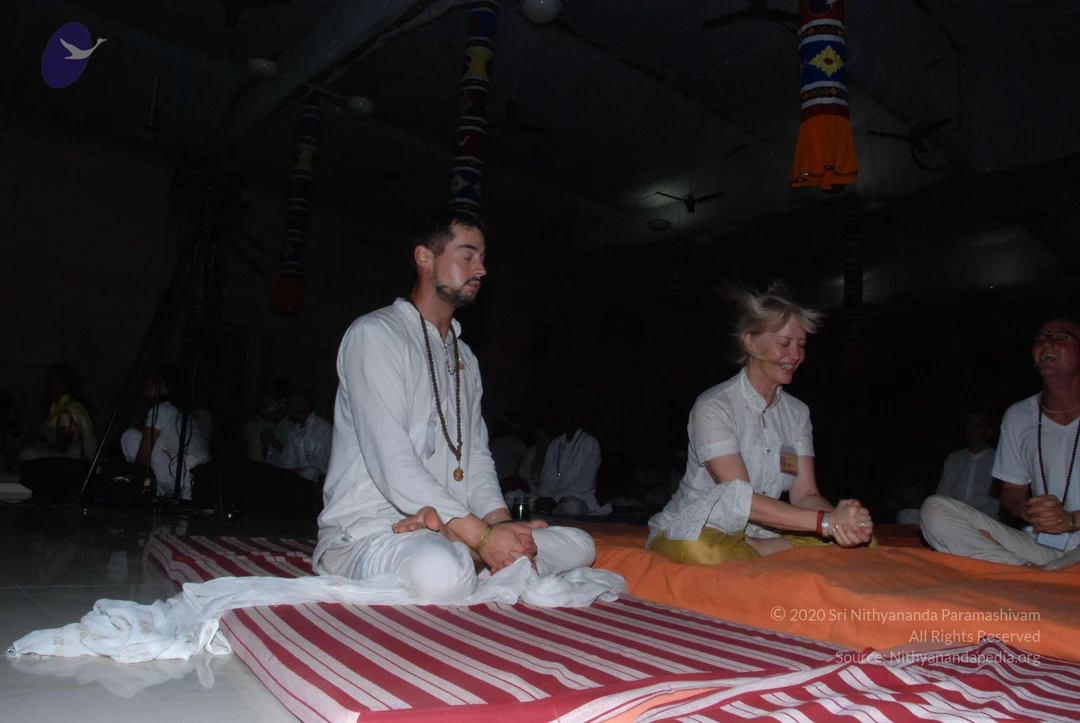
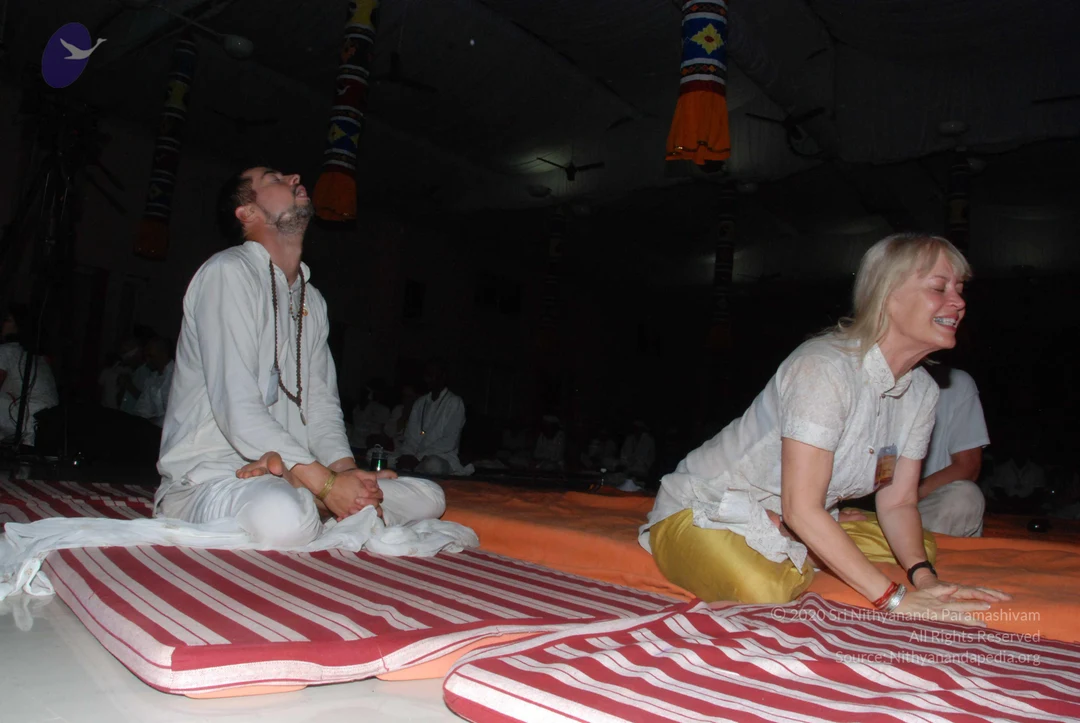
Levitación en presencia de Nithyananda durante el retiro Living Enlightenment Process
Narration
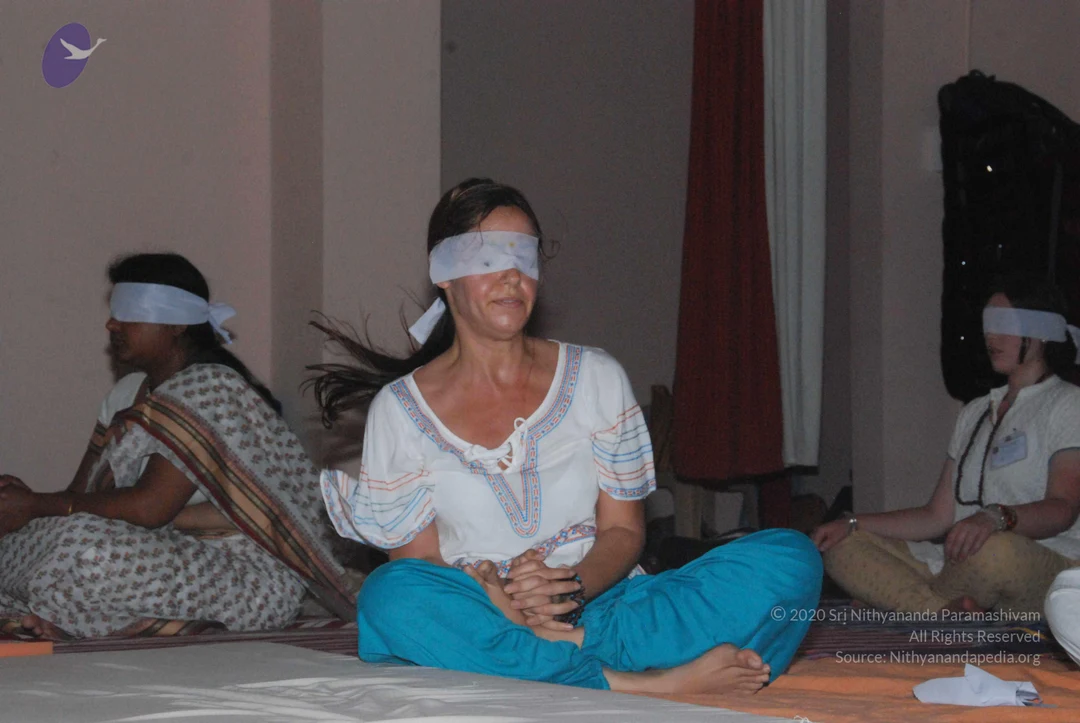
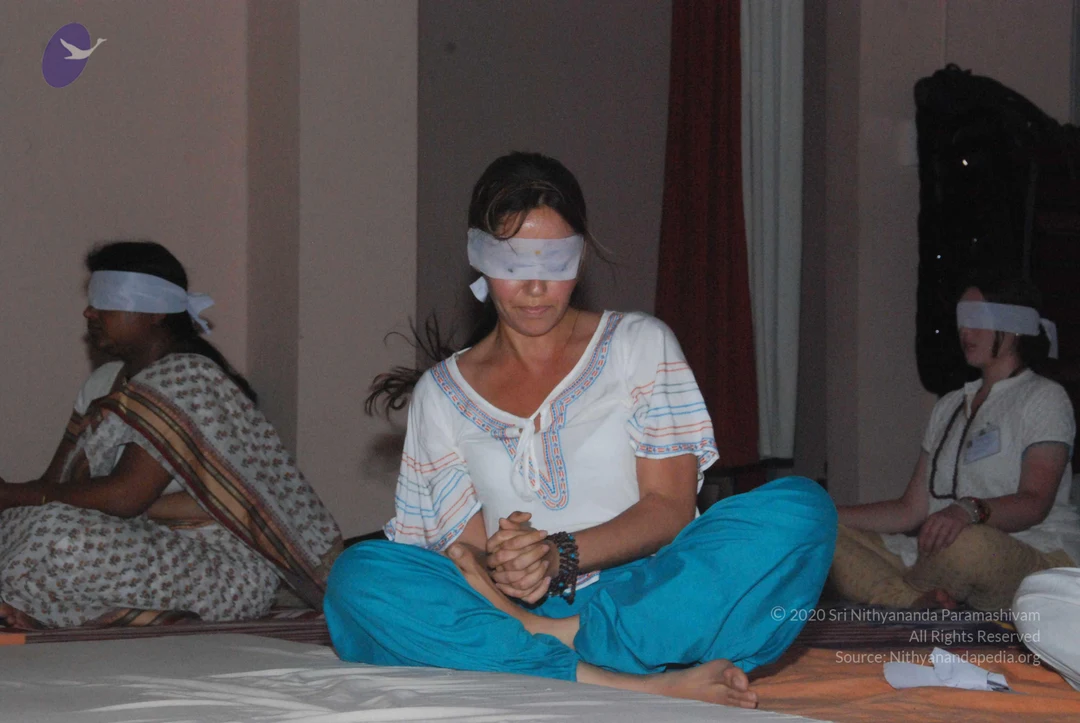
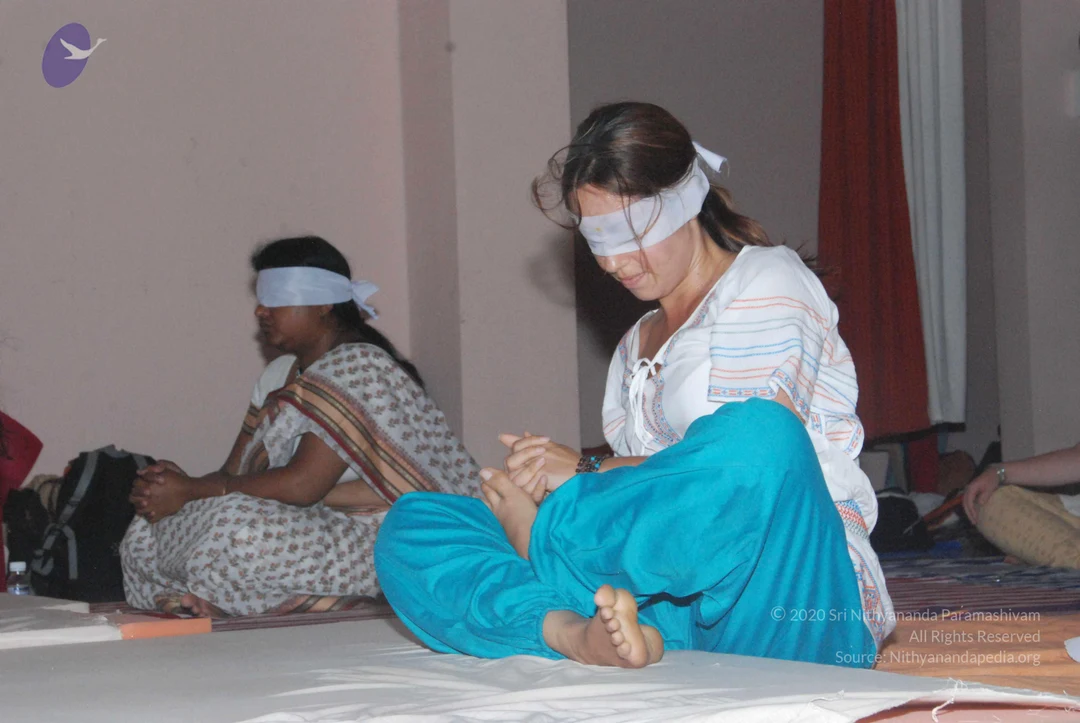
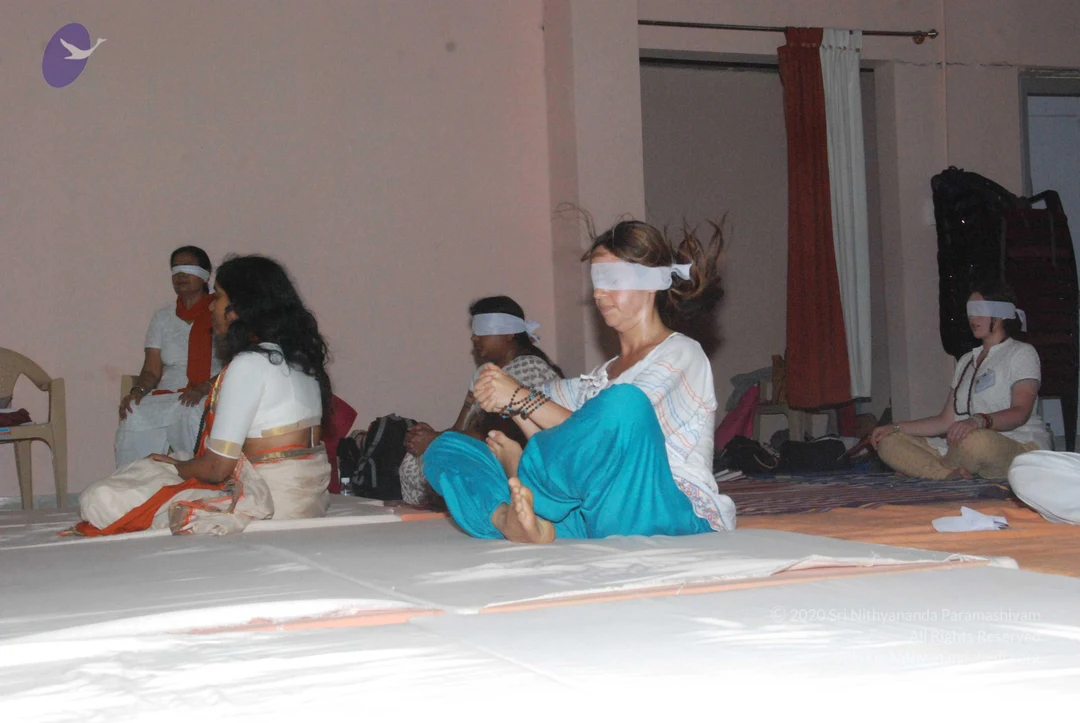
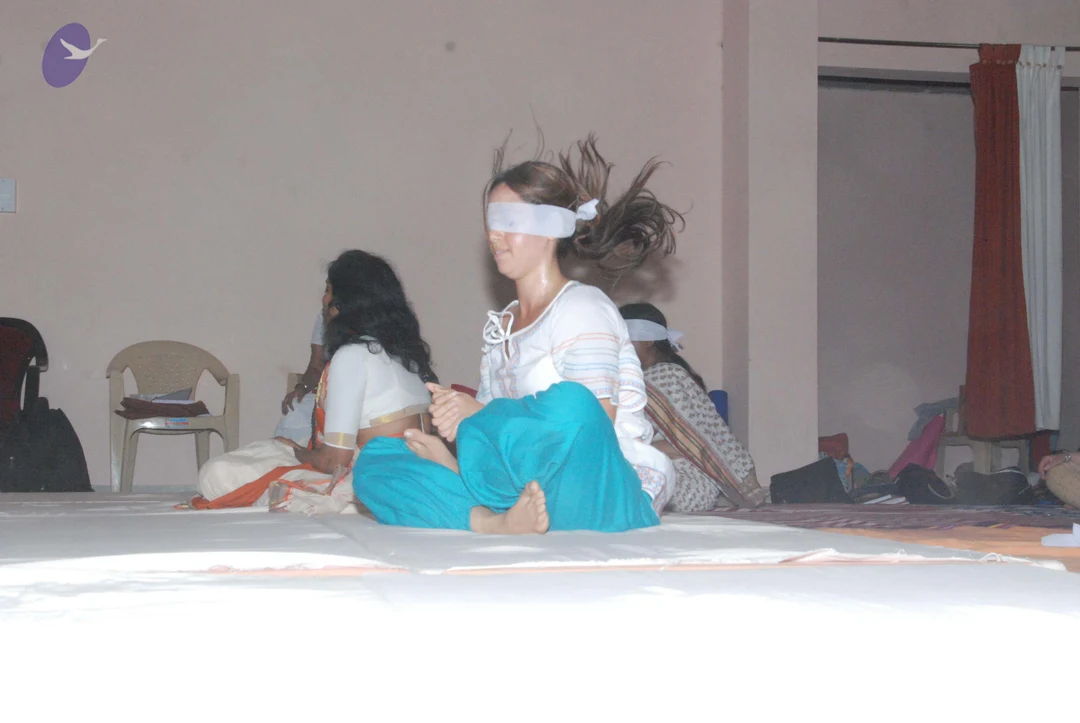
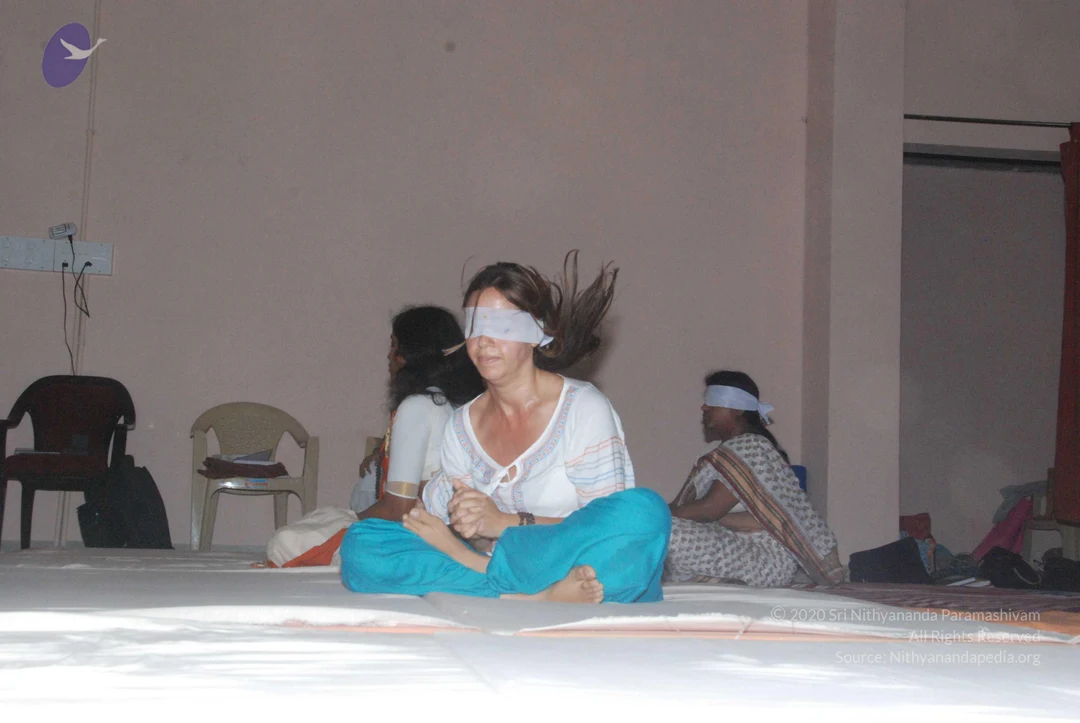
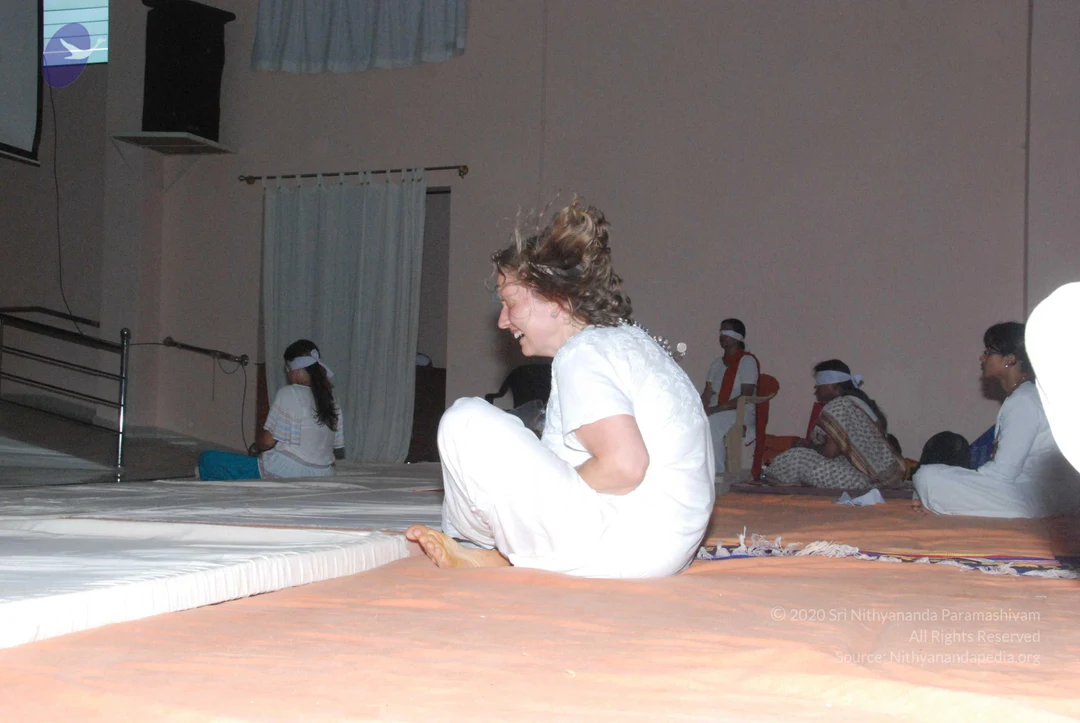
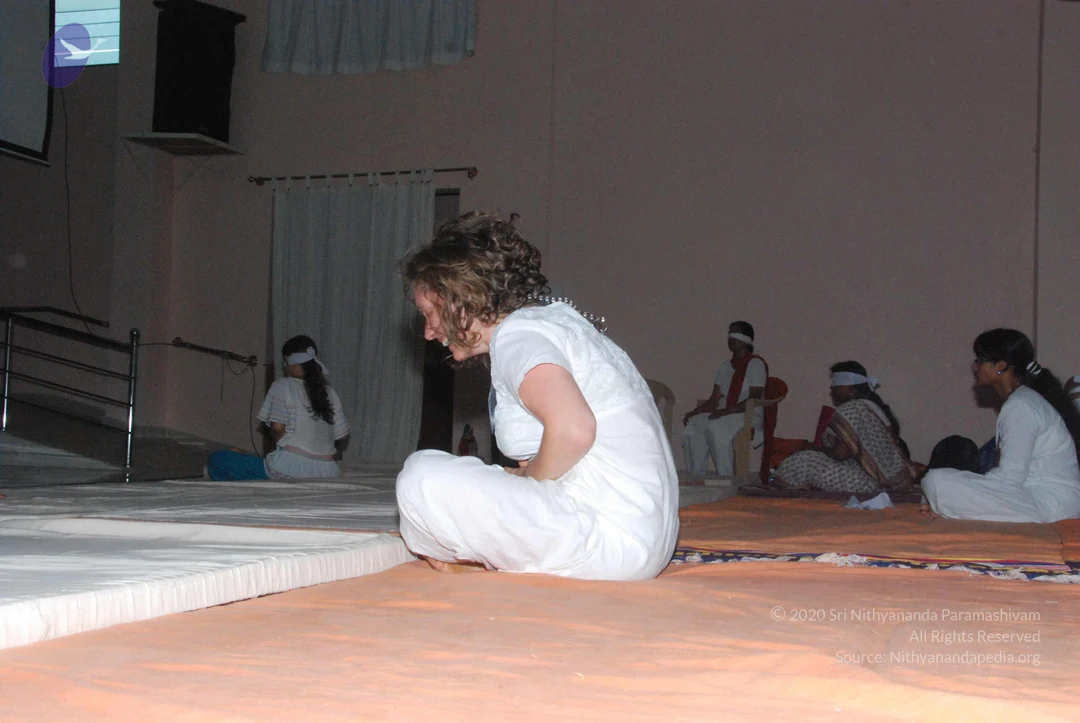
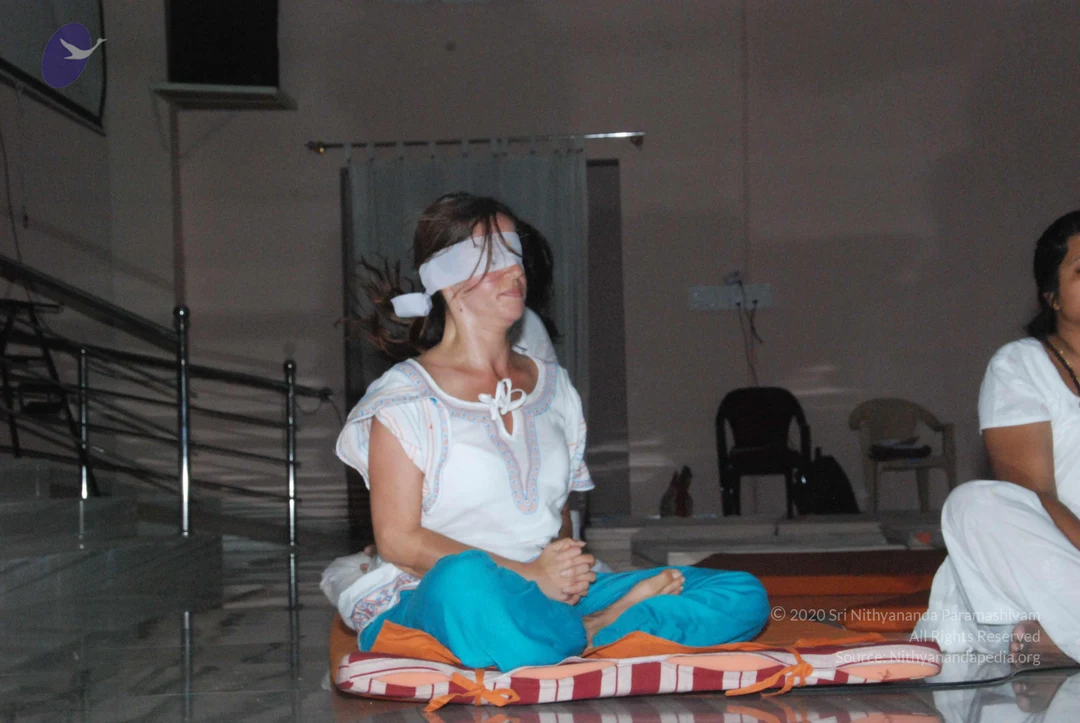
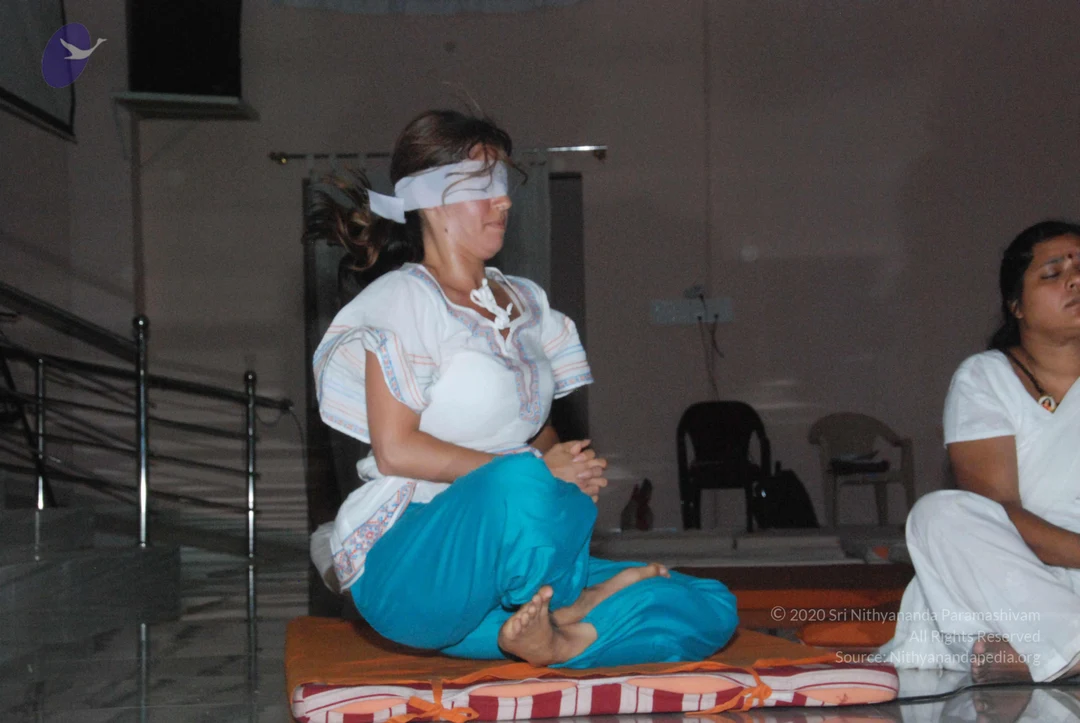
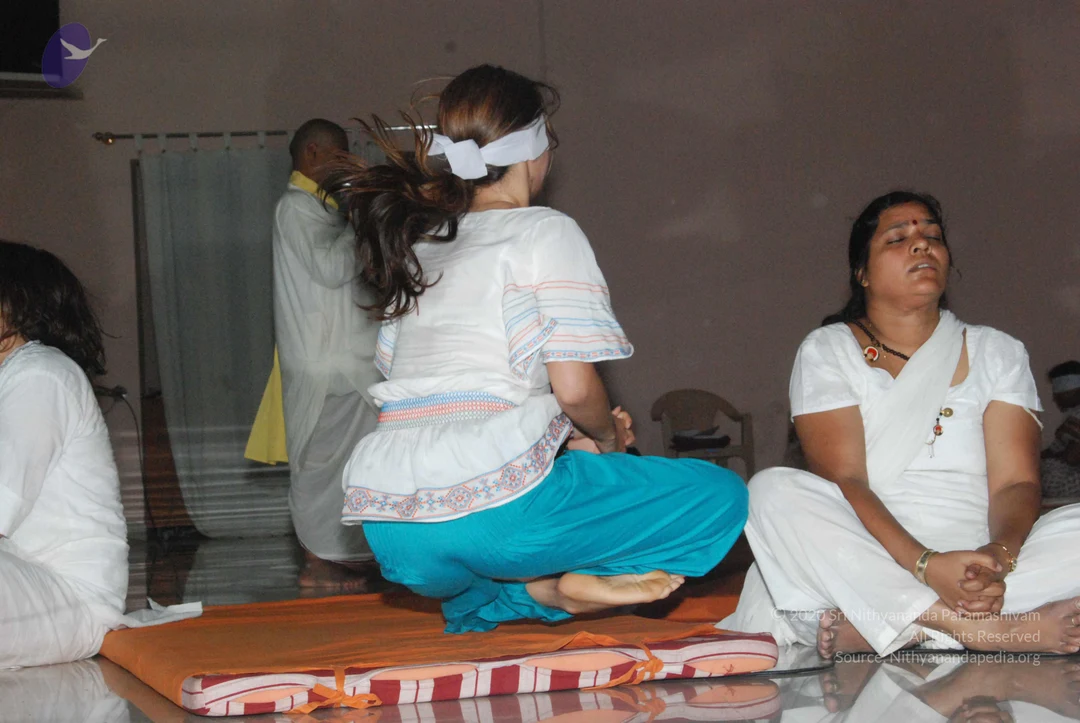
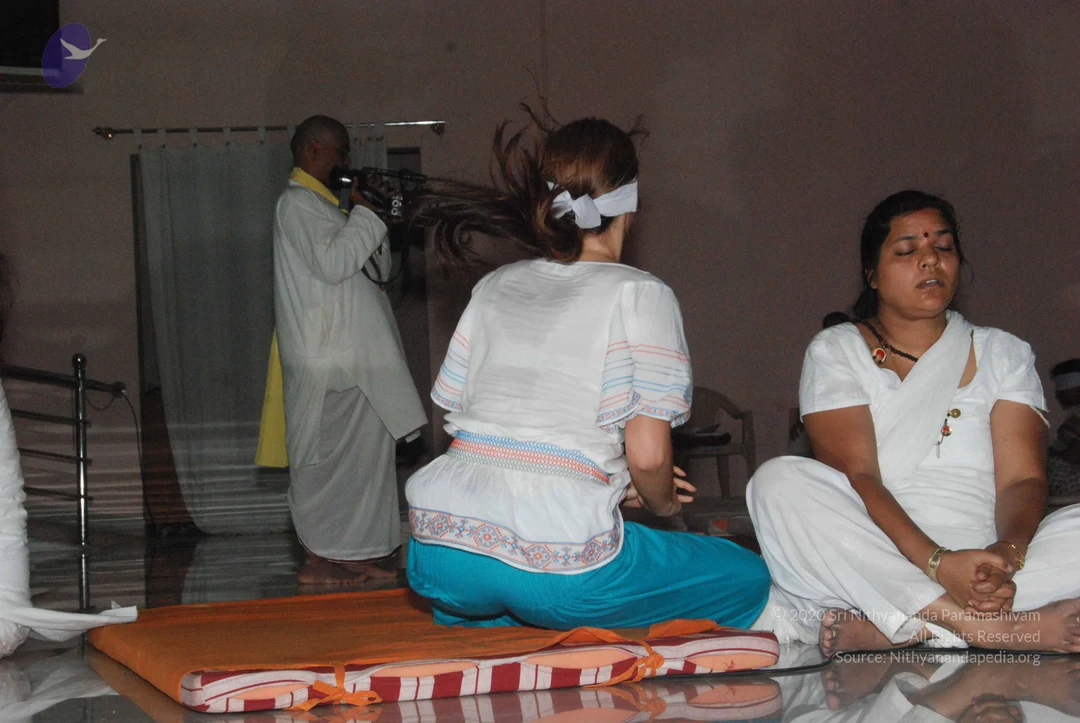
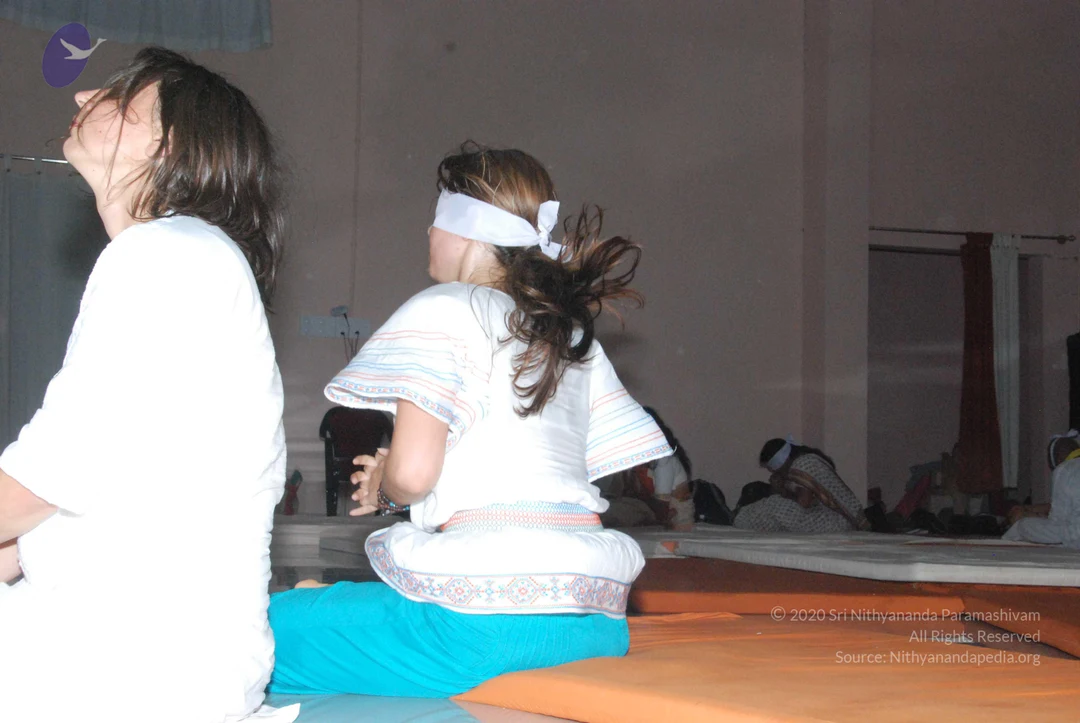
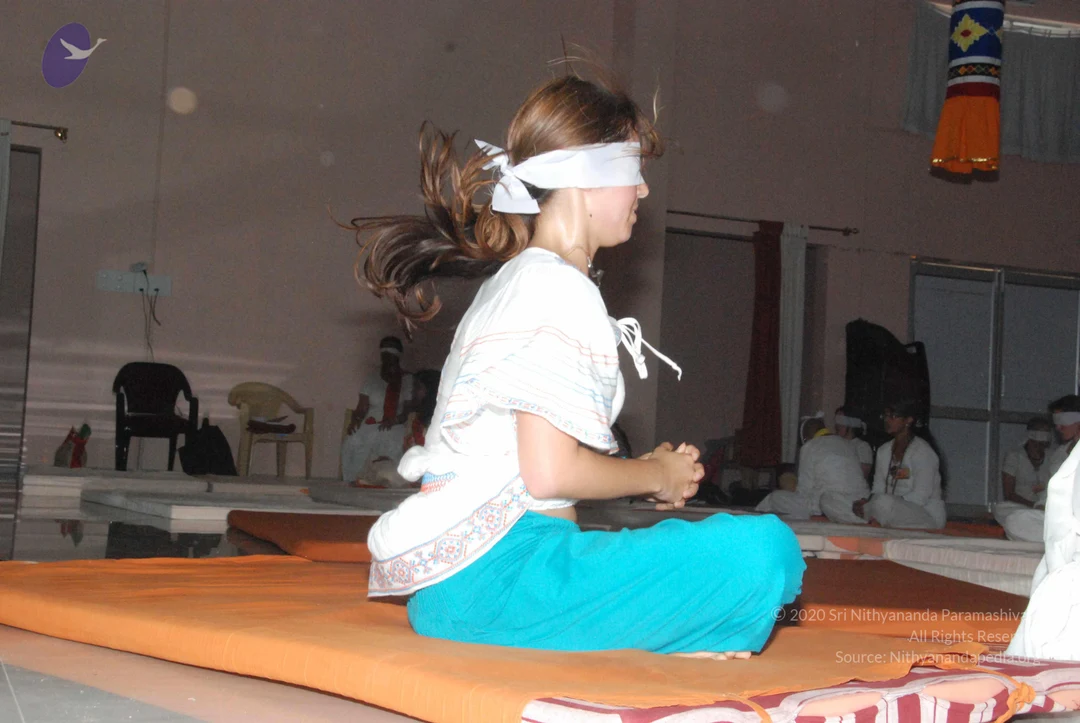
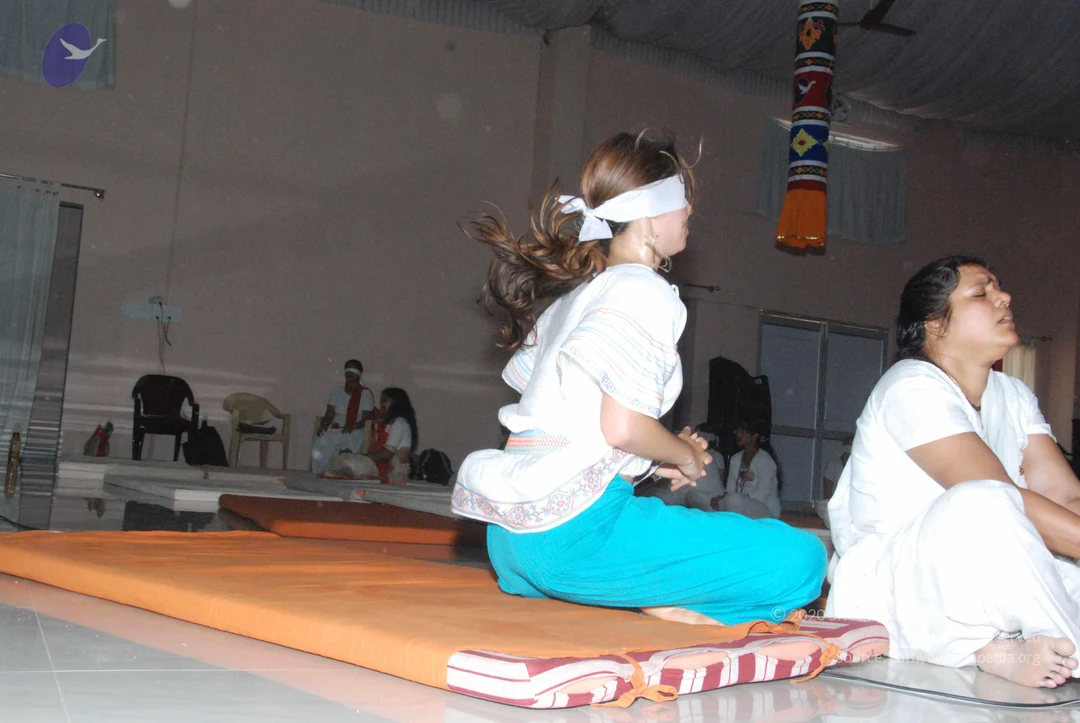
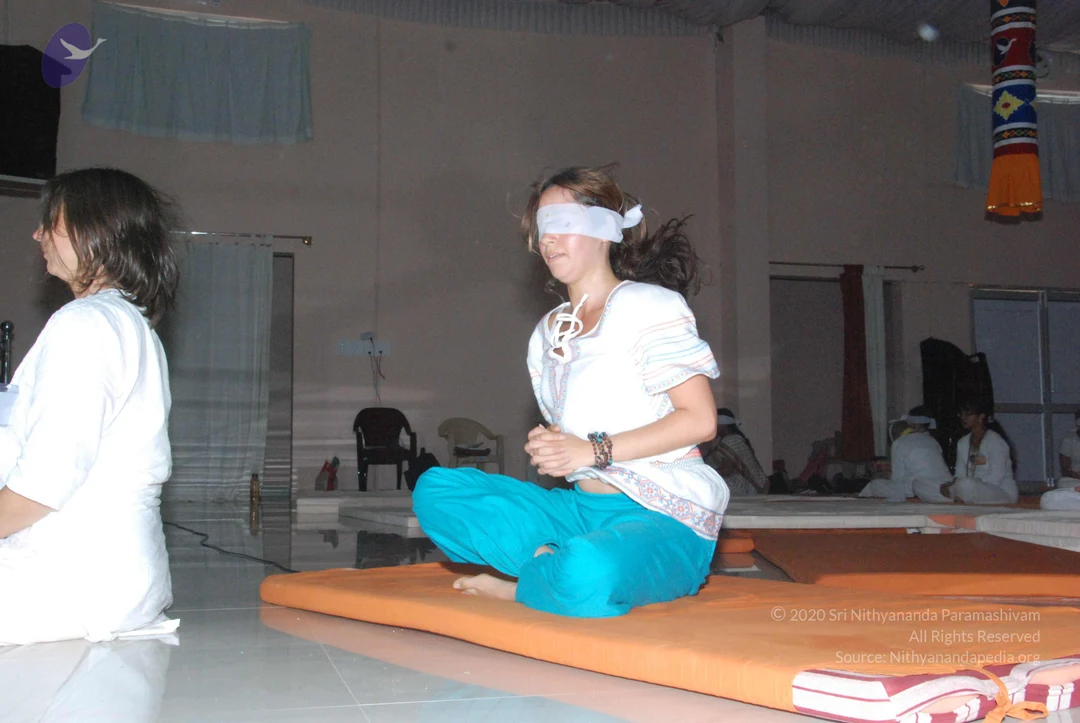
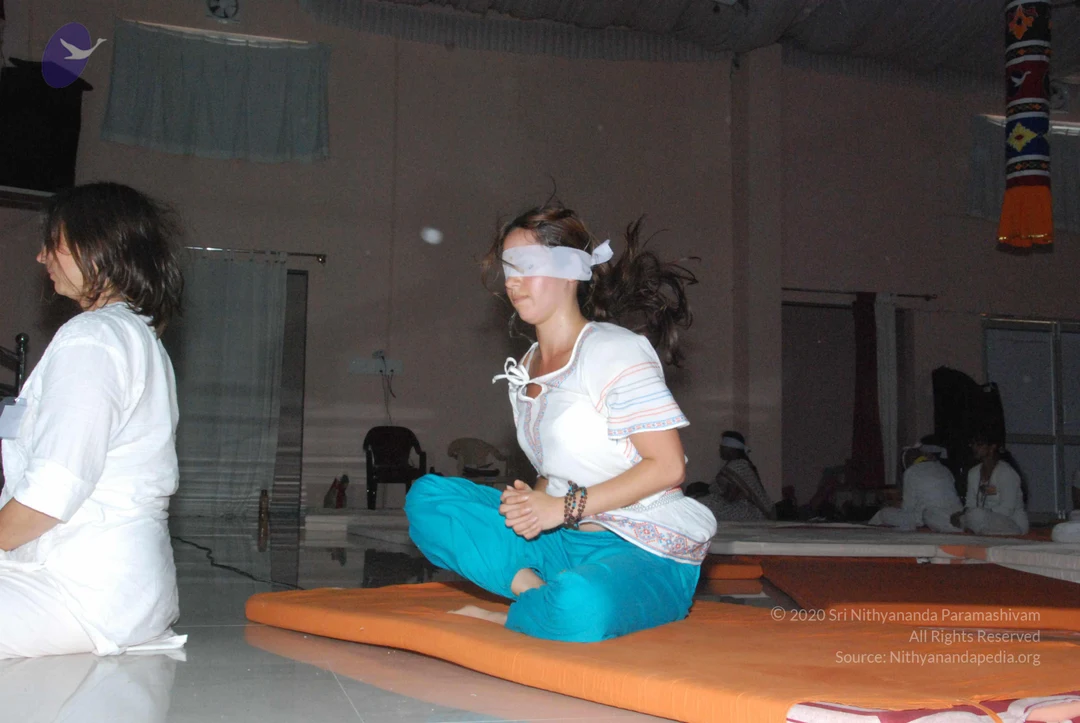
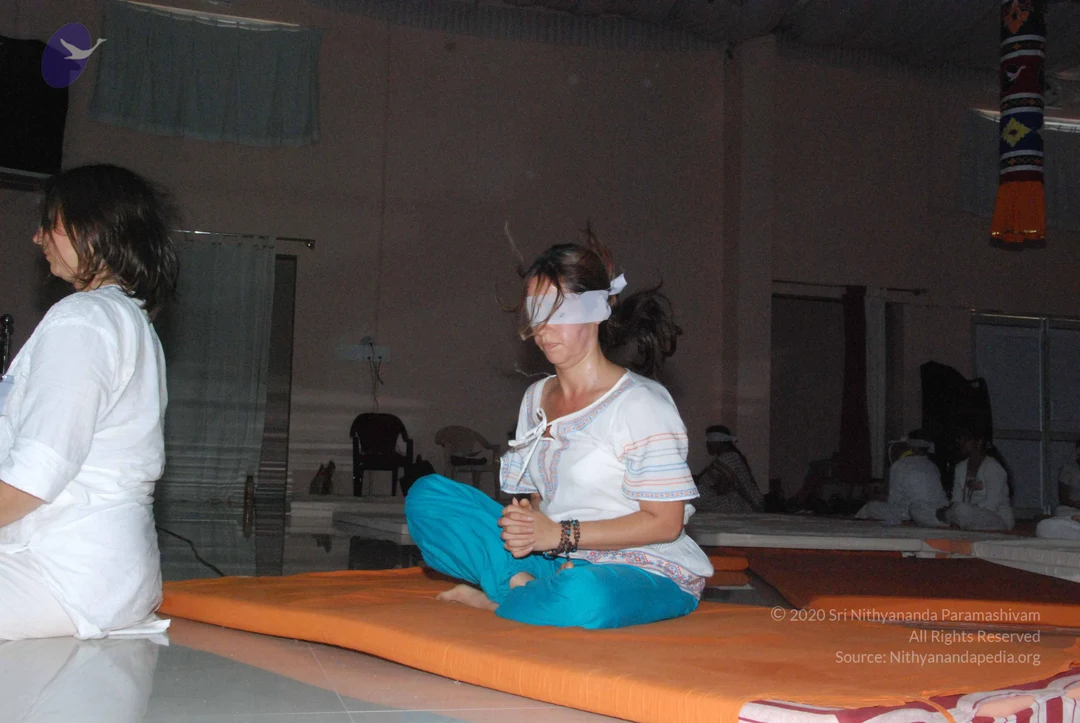
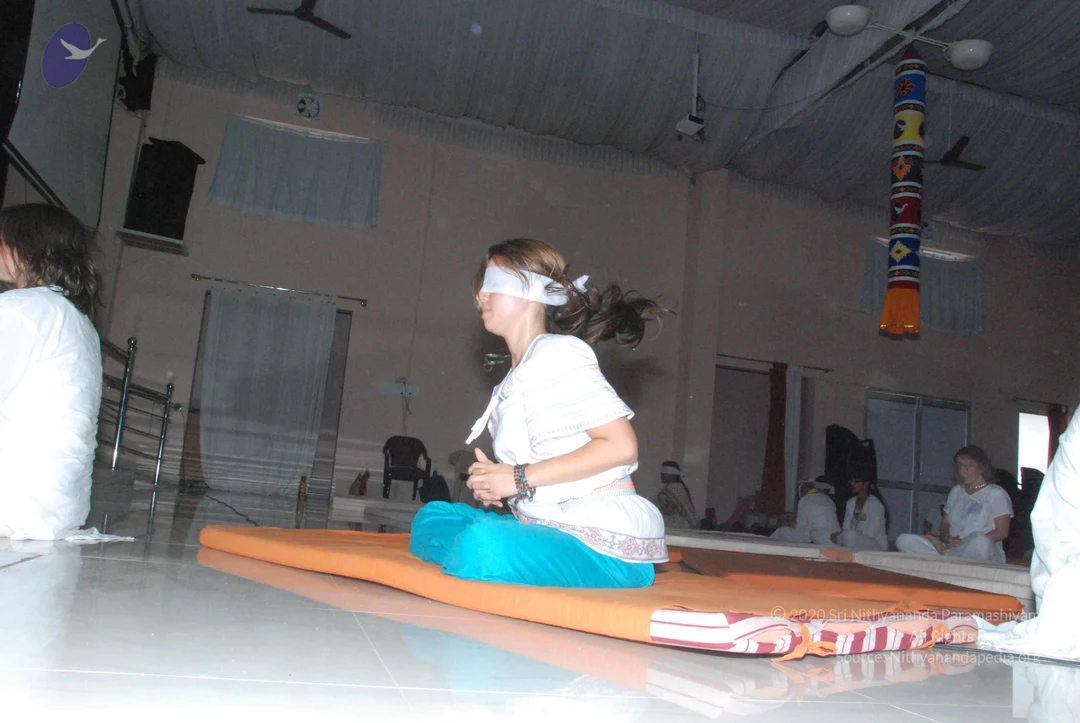
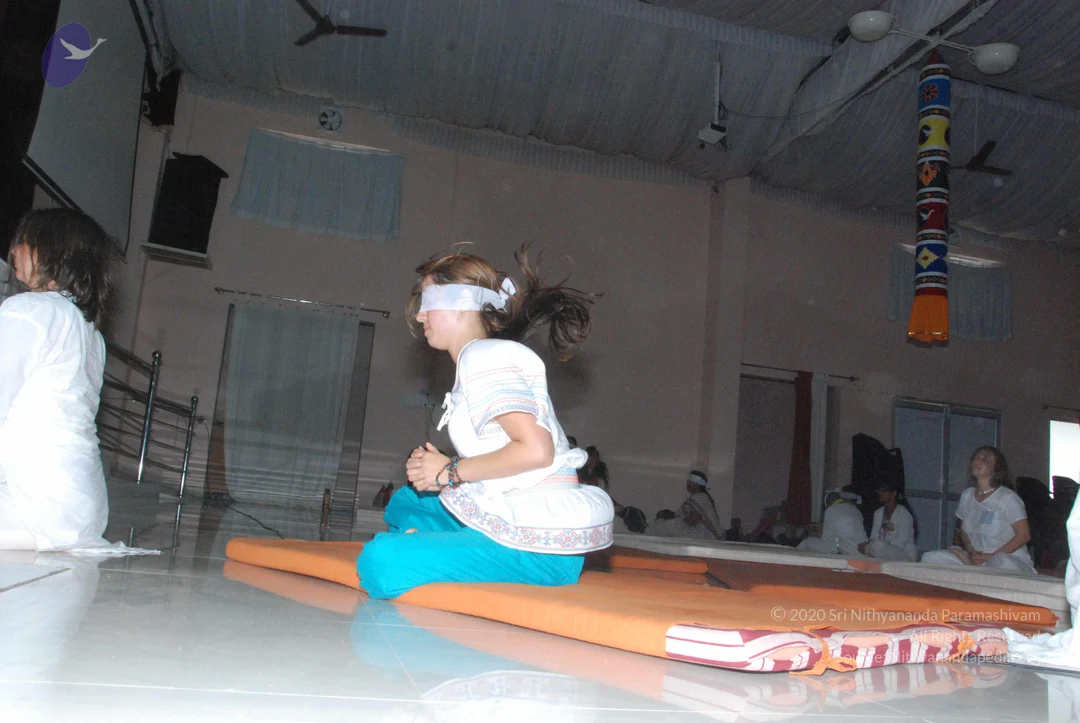
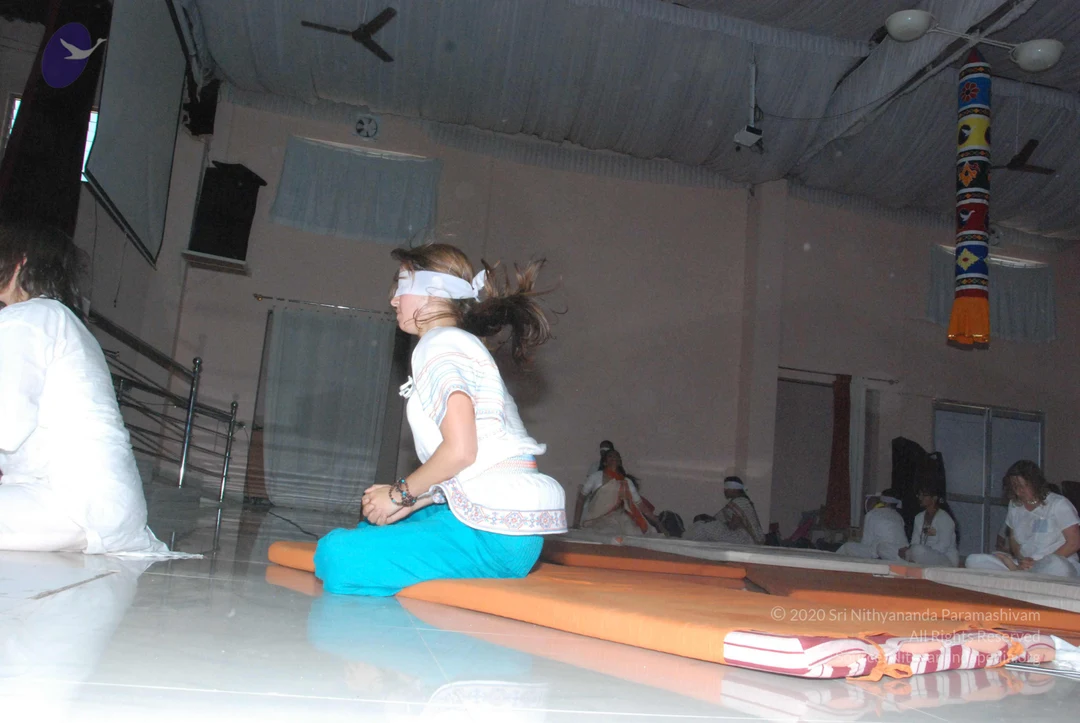
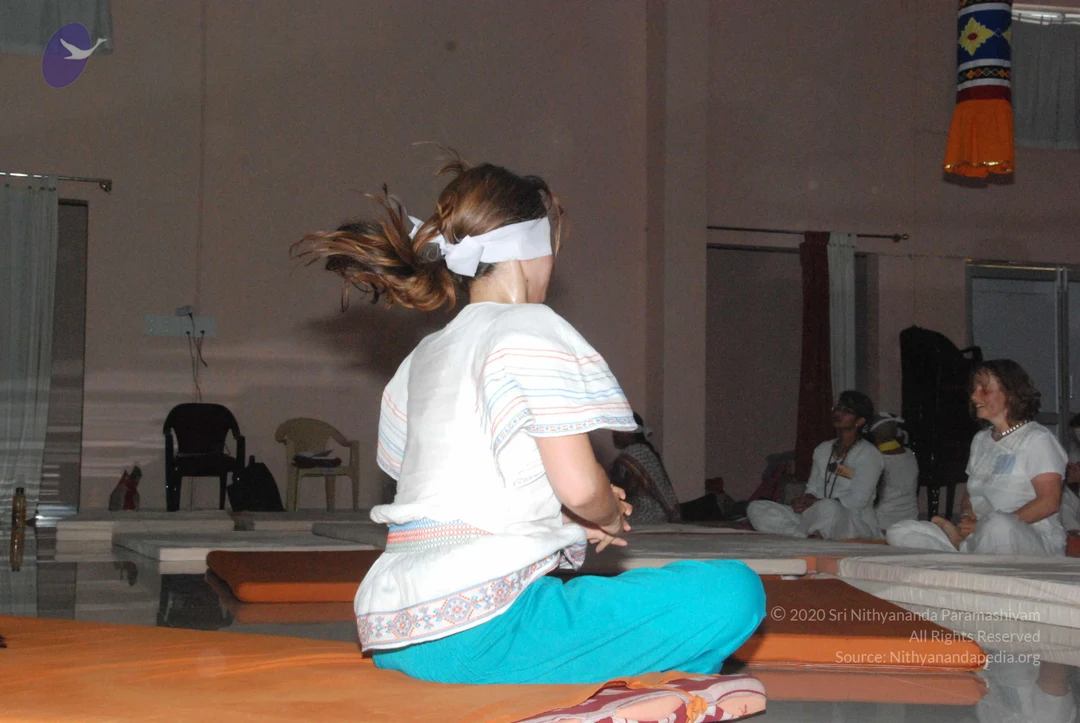
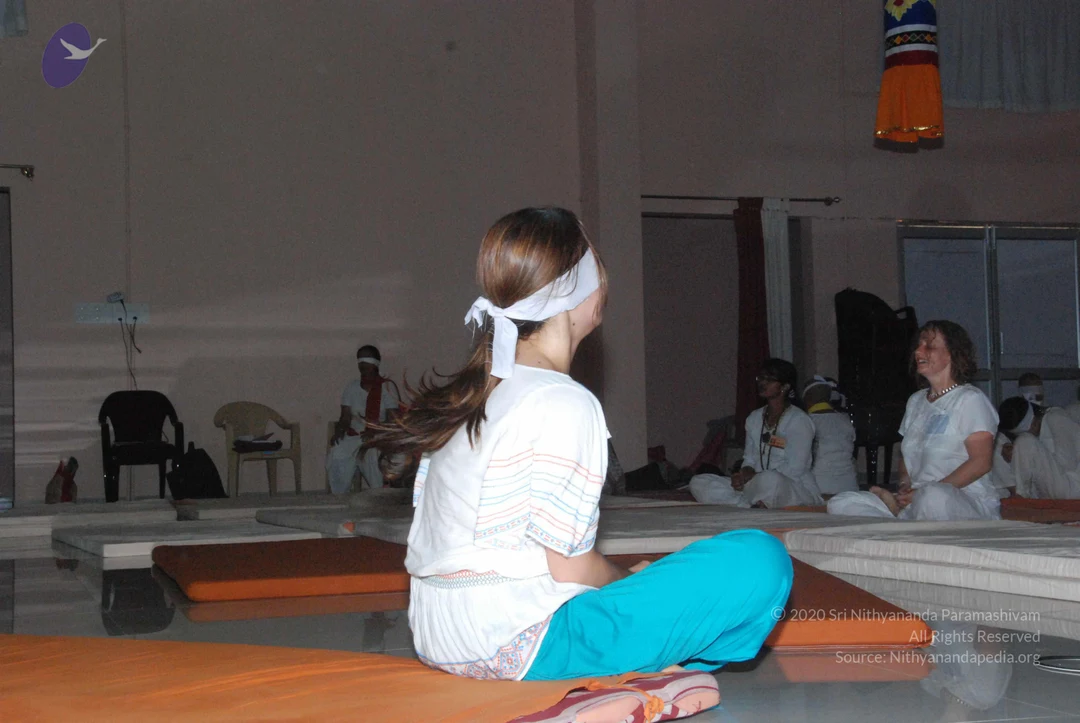
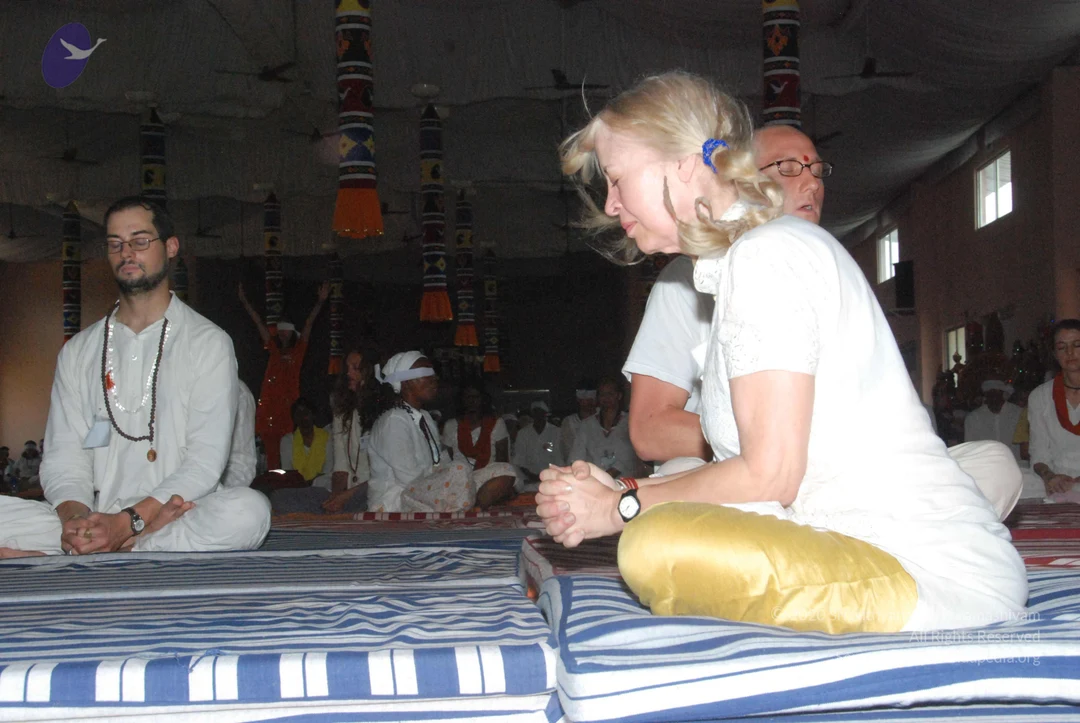
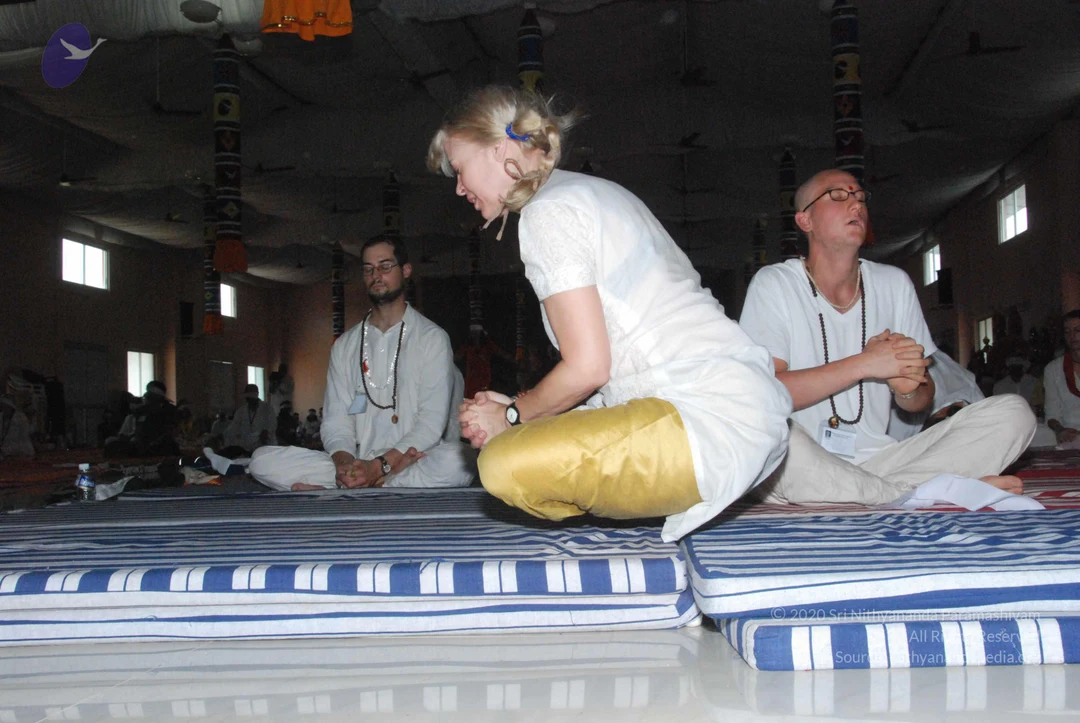
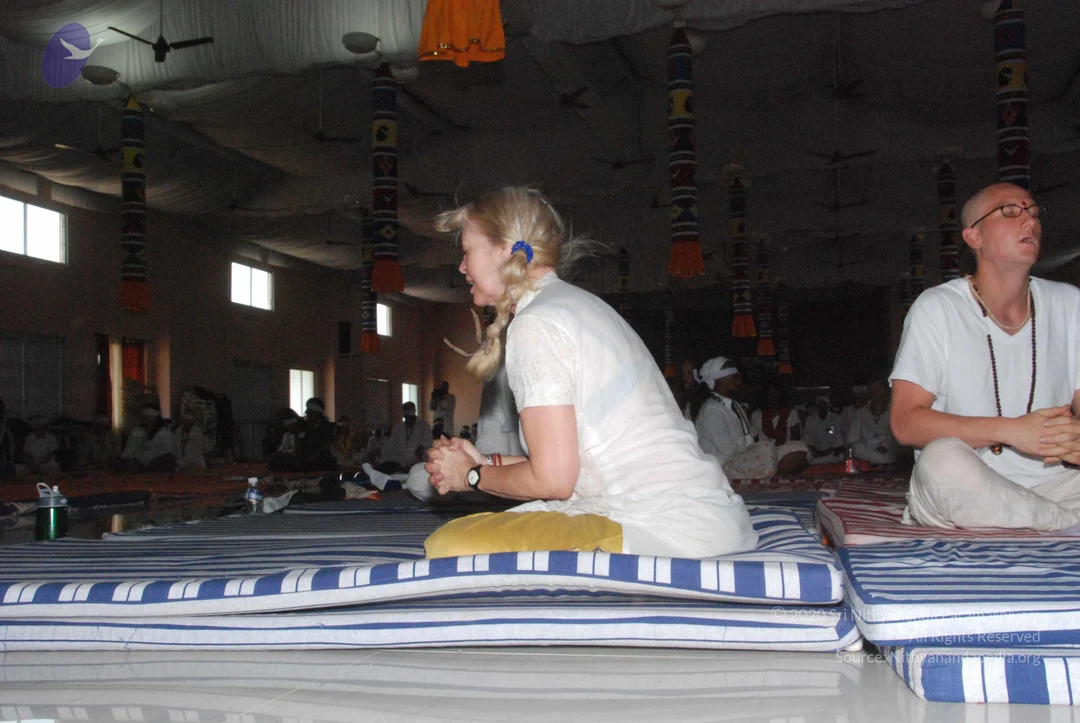
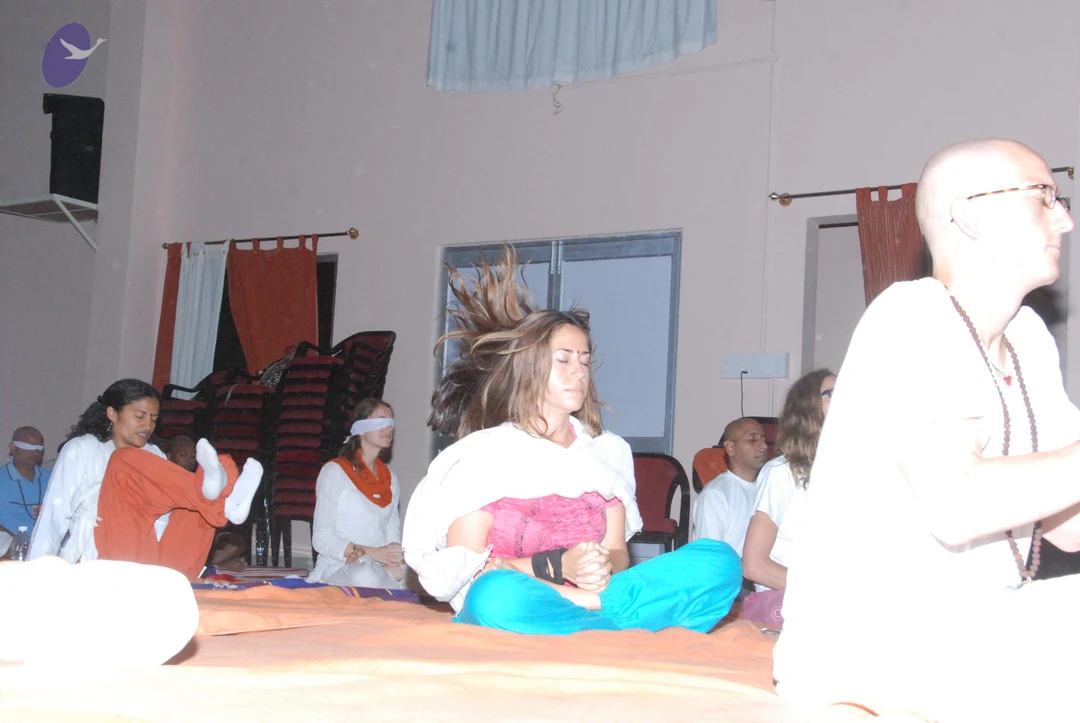
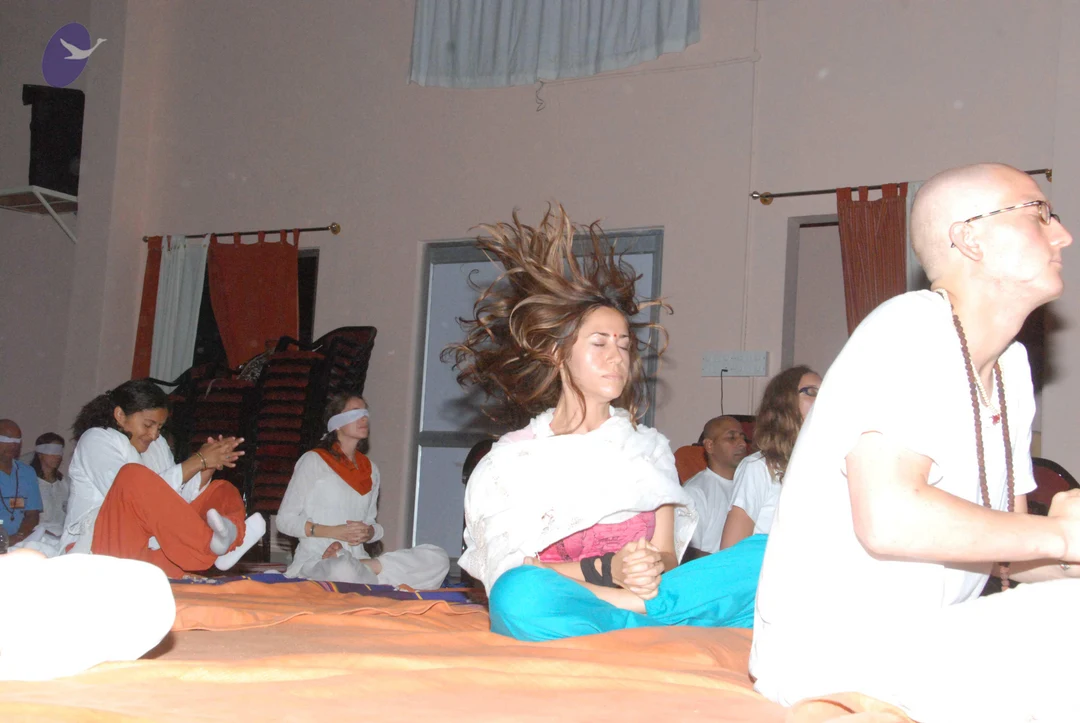
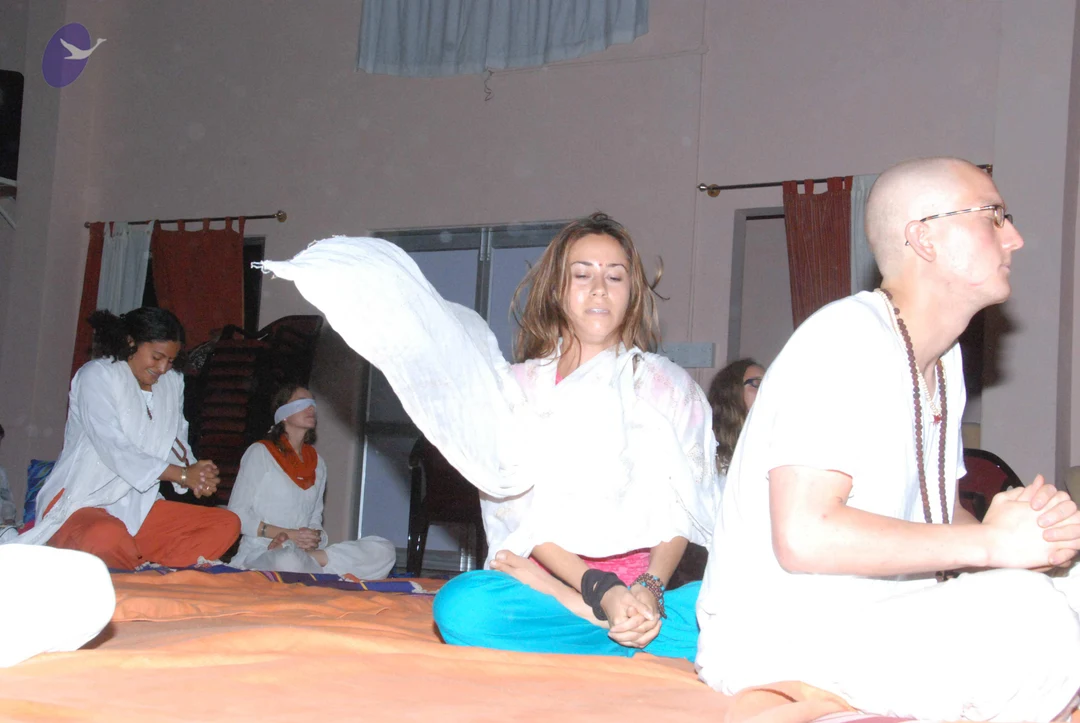
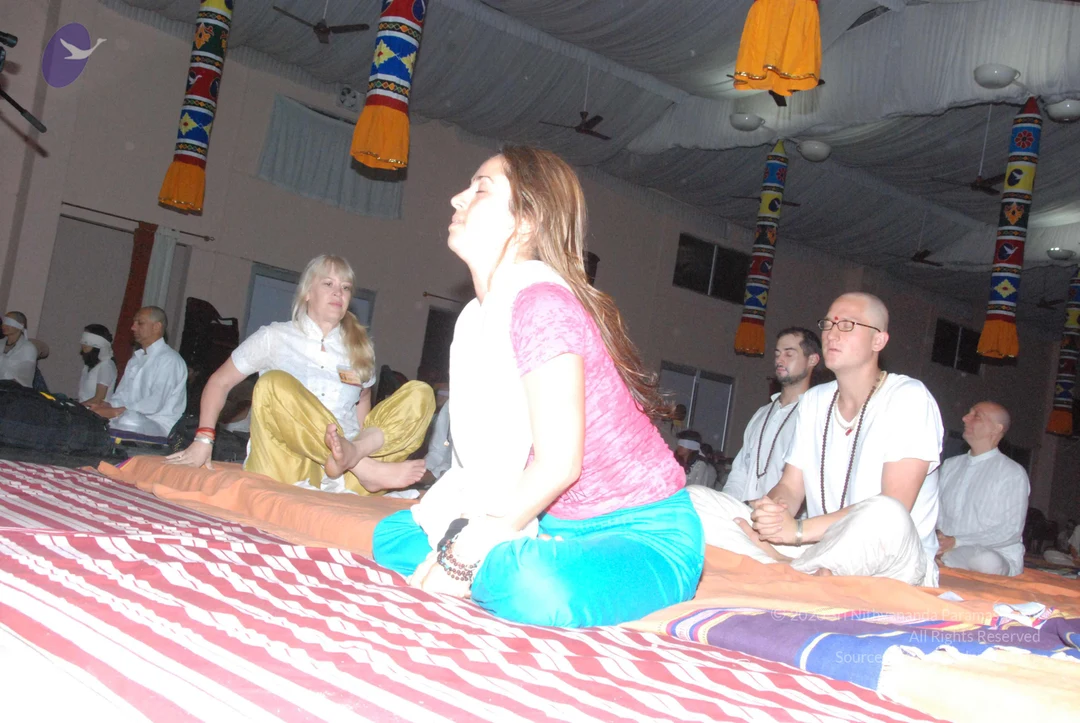
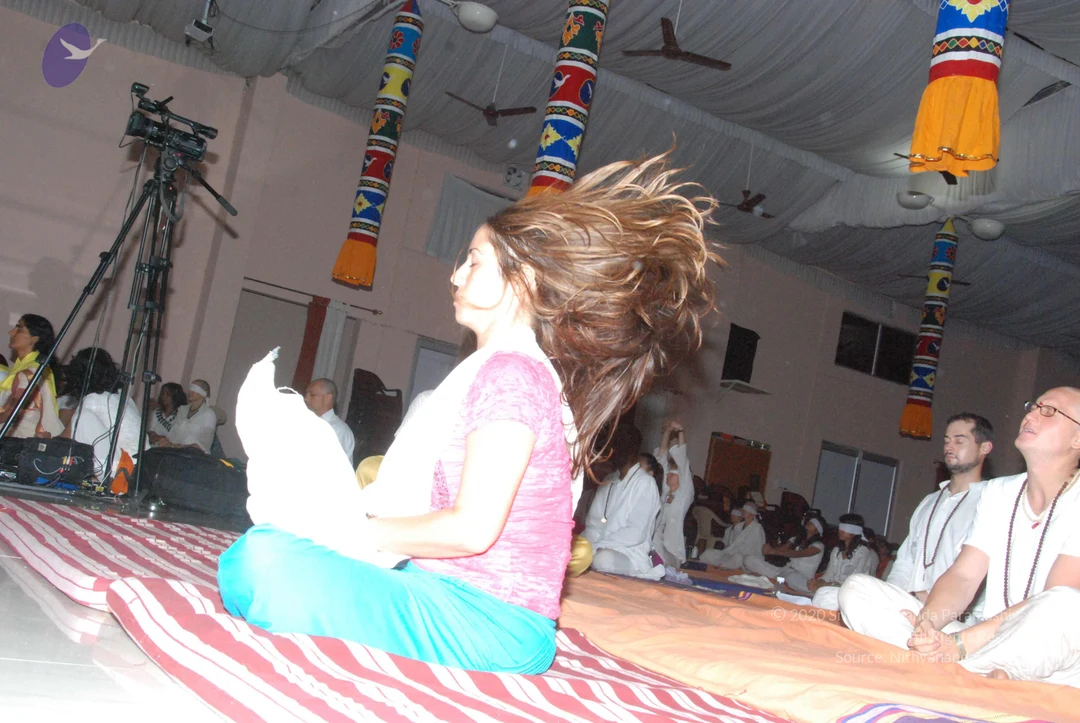
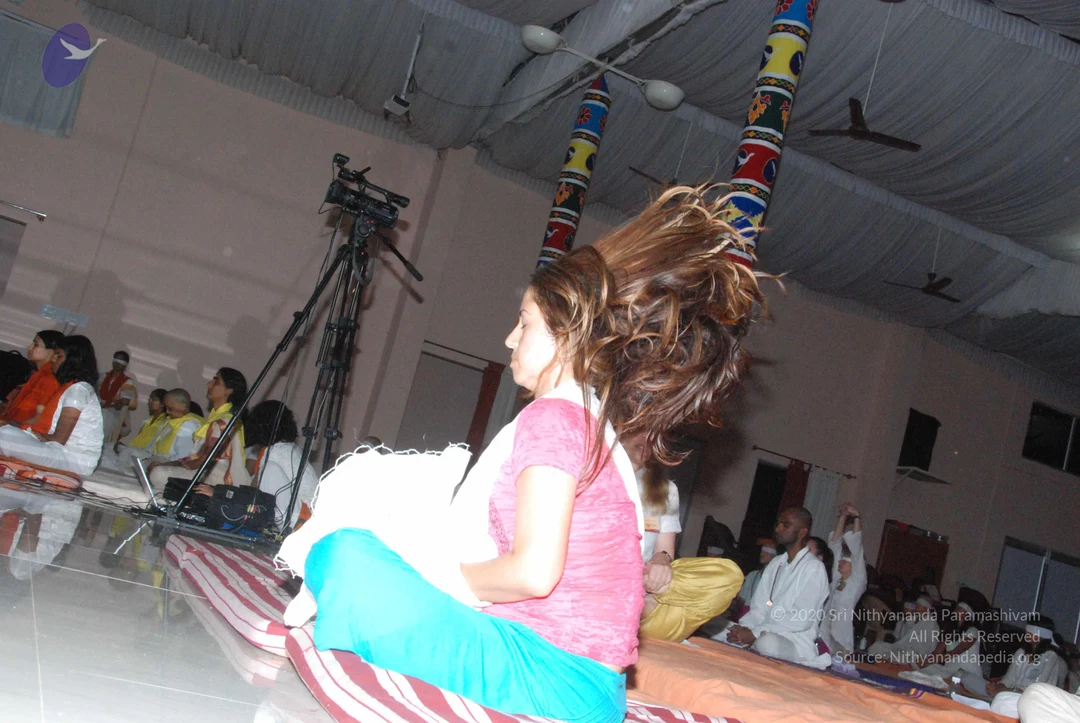
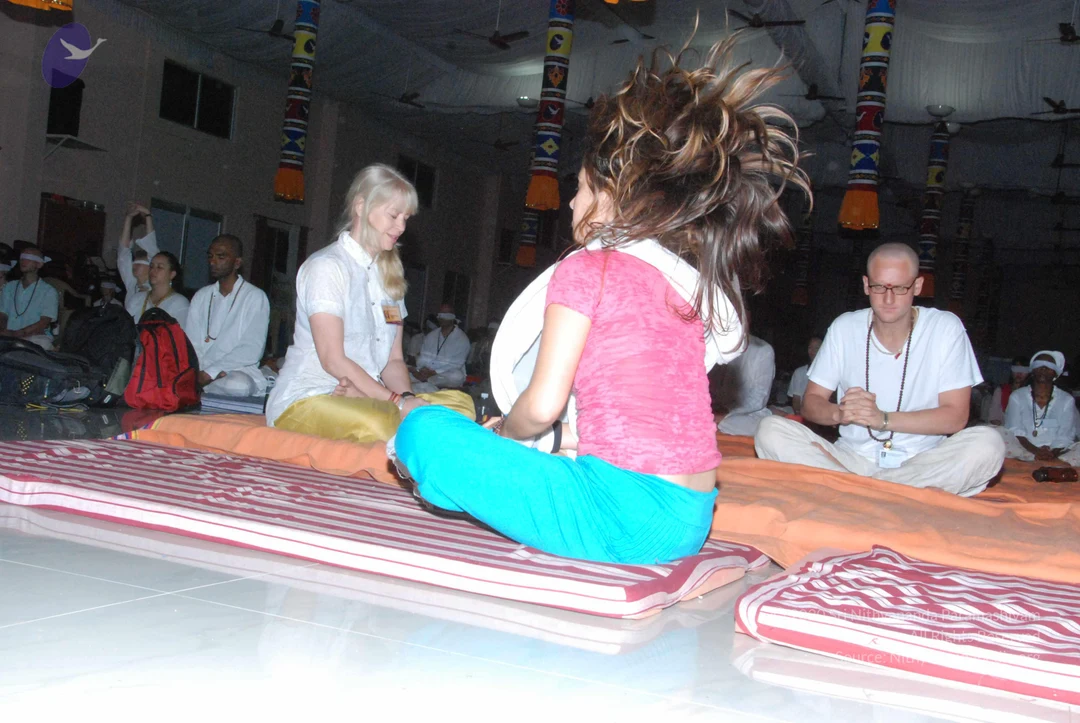
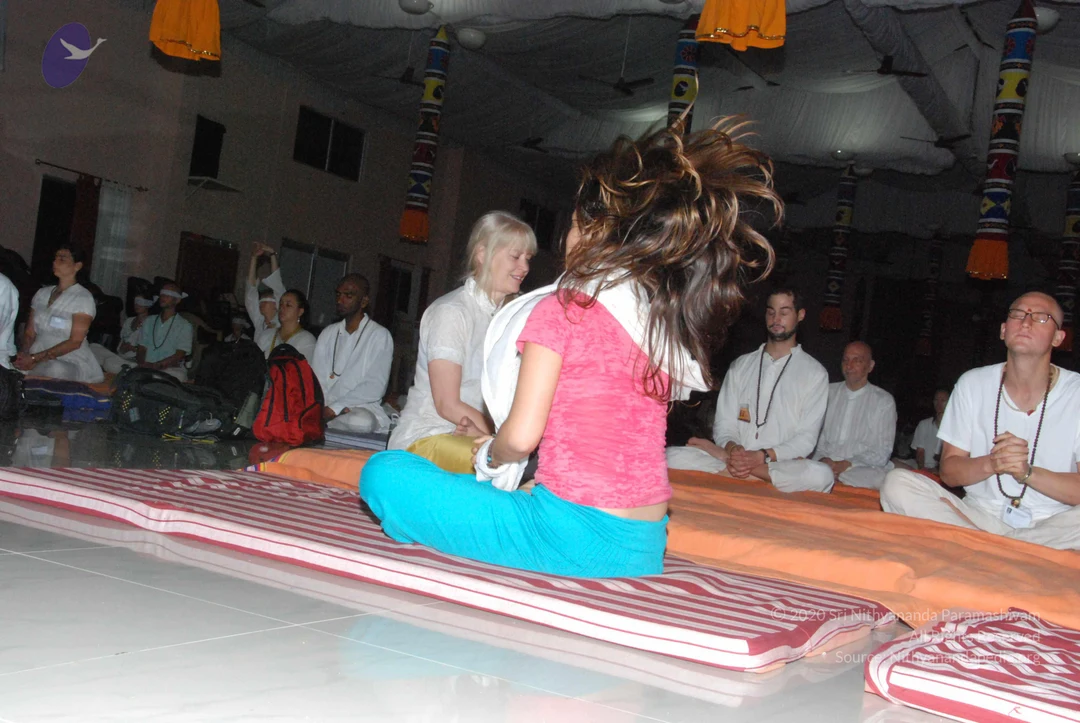
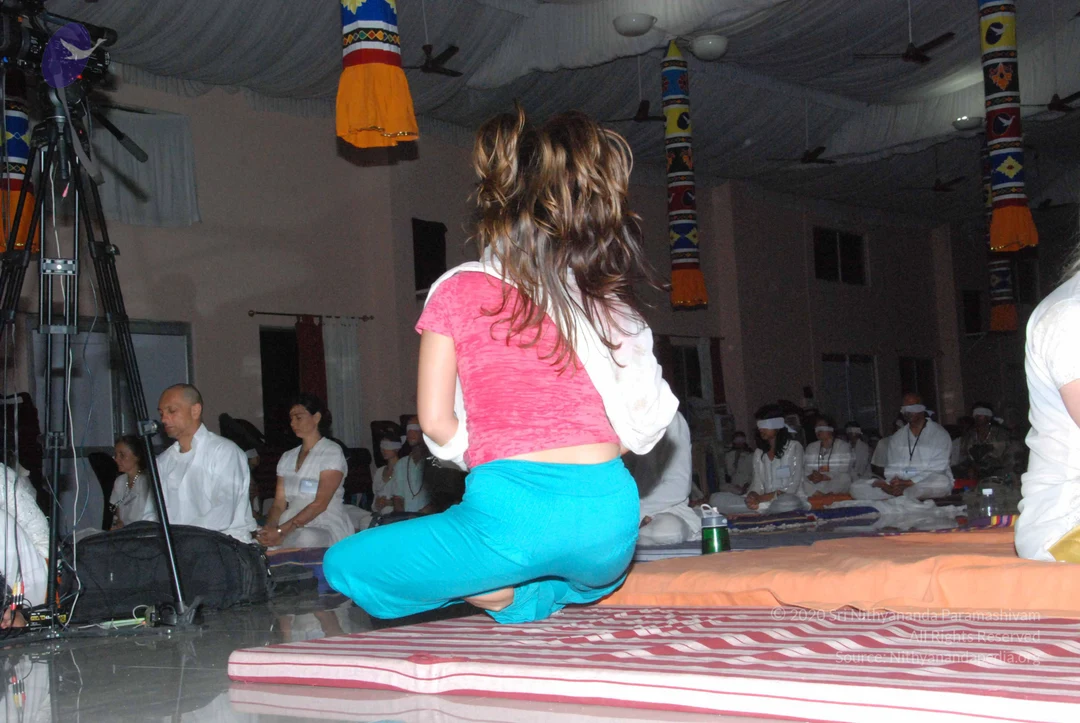
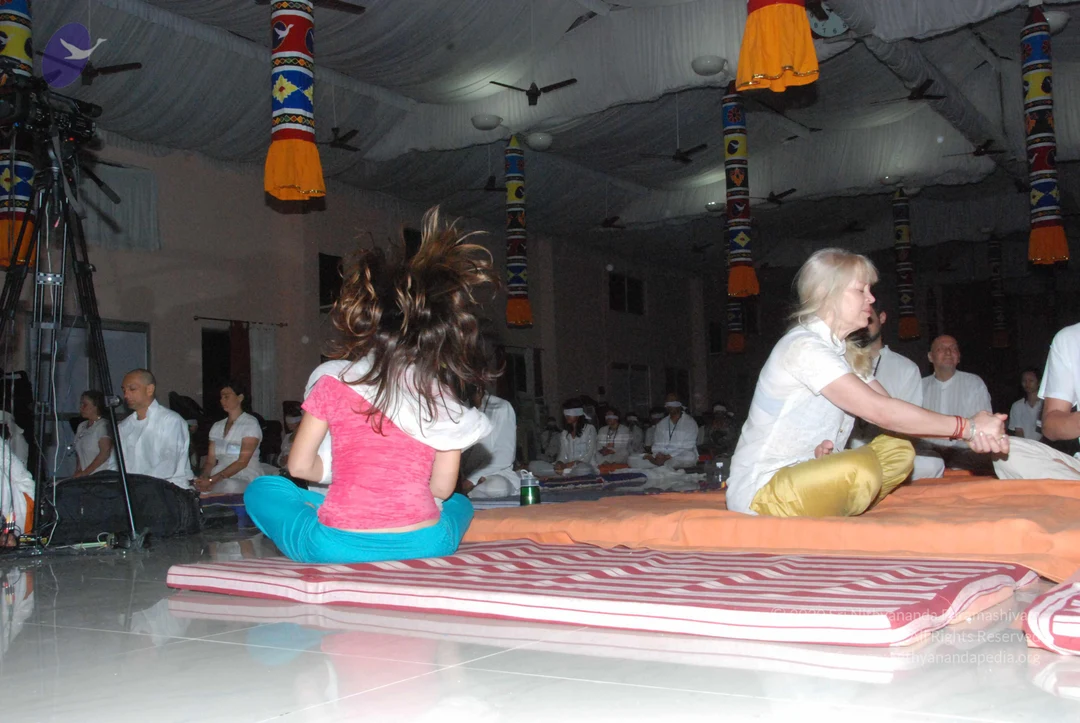
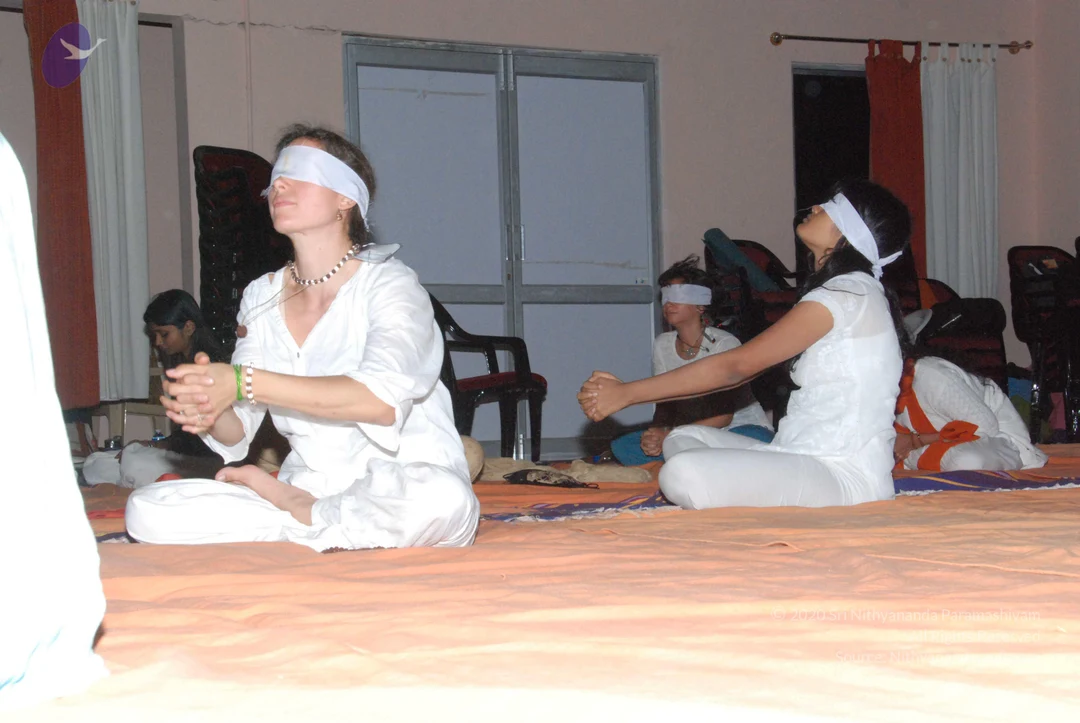
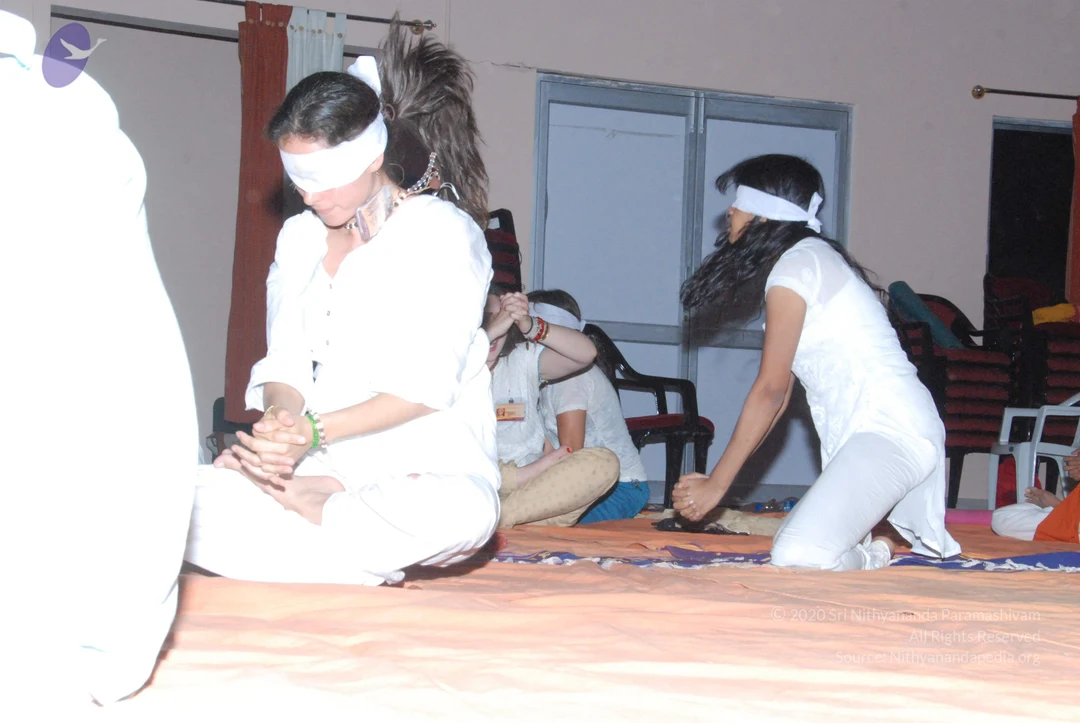
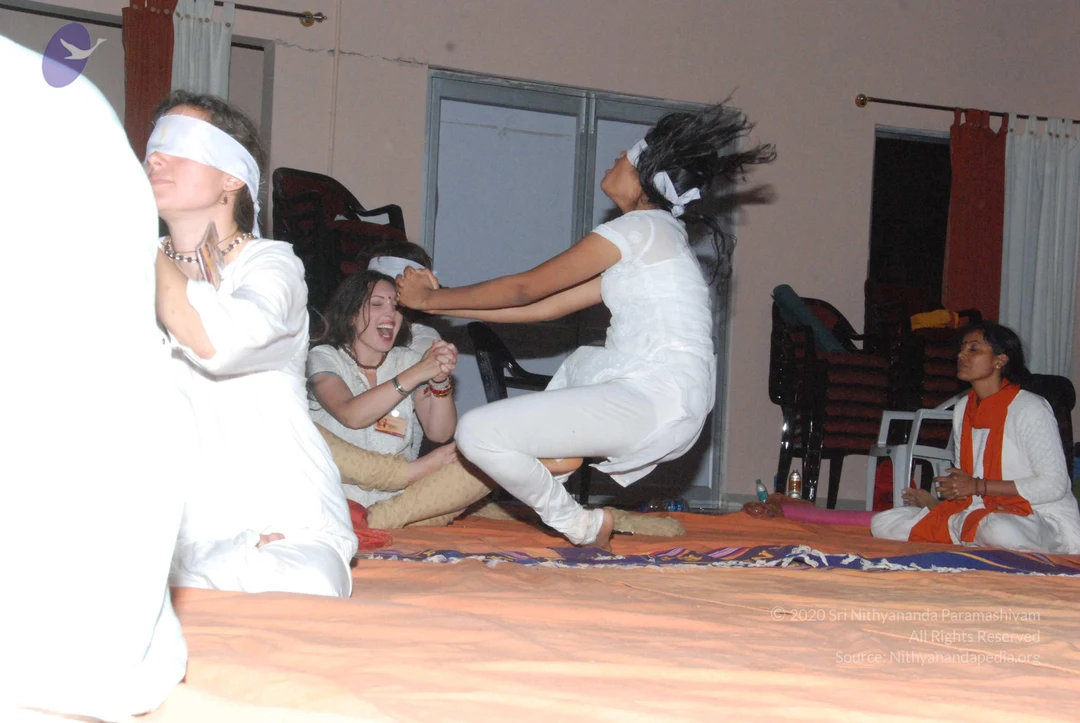
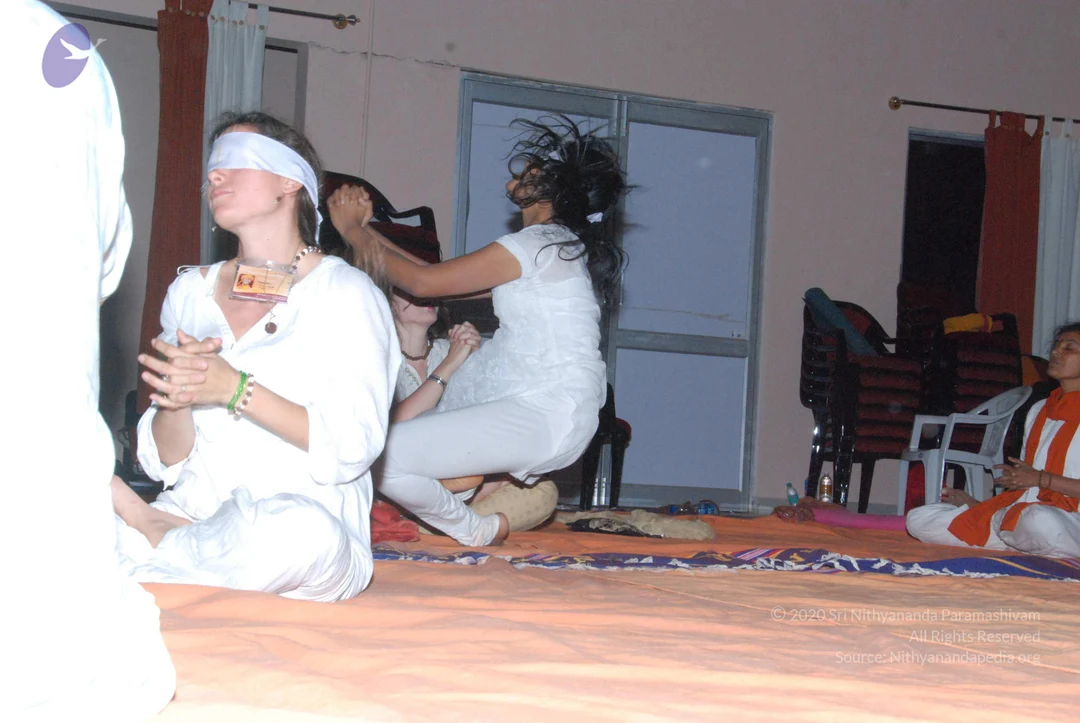
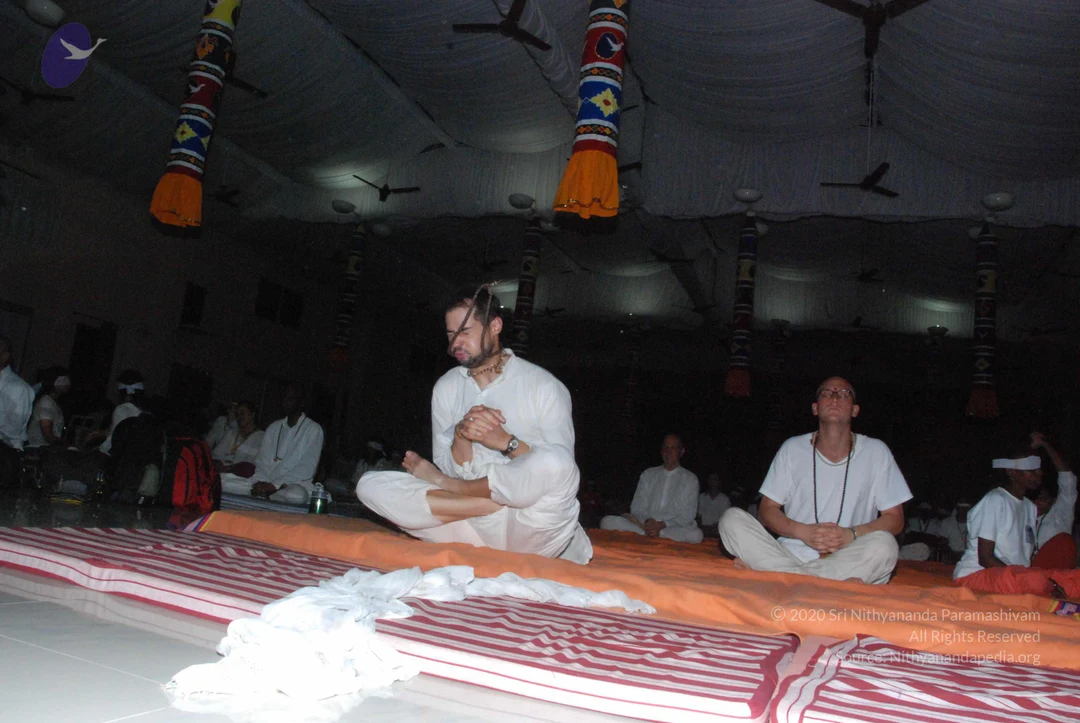
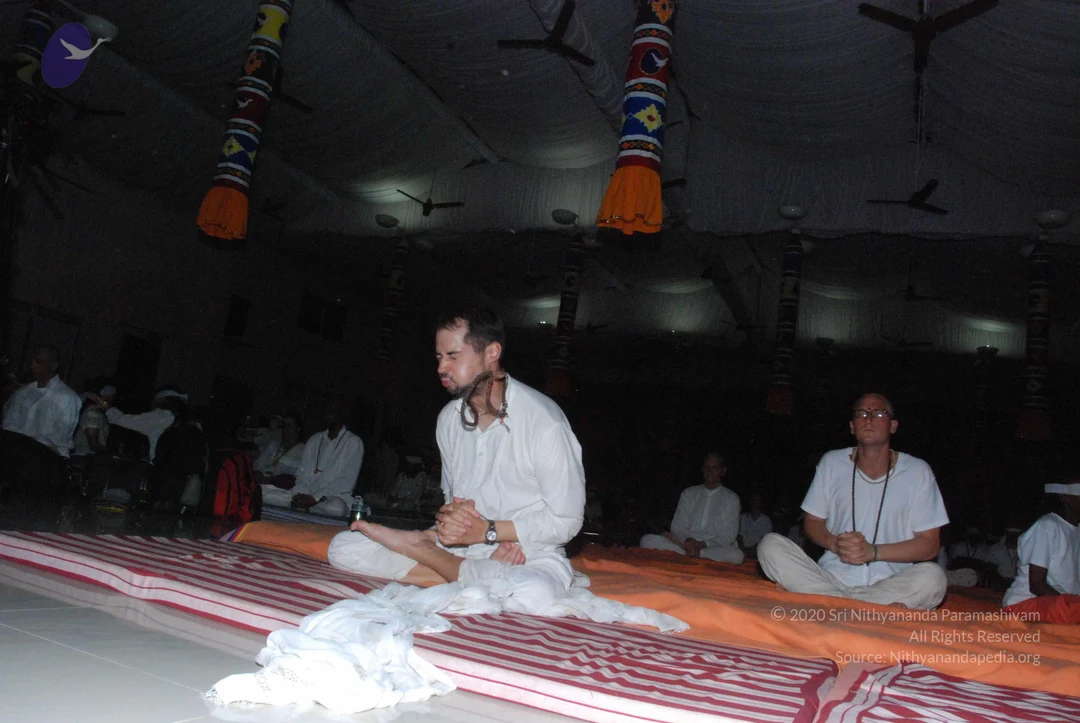
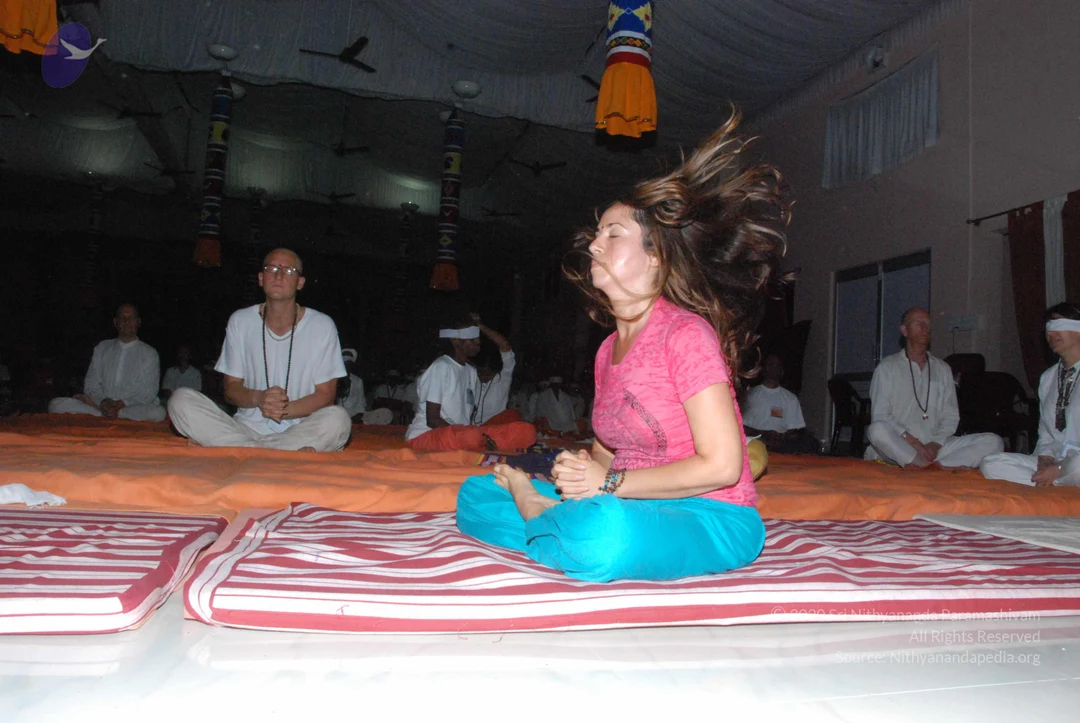
El Samana, es un cierto proceso de respiración, que es responsable de mover el aire a través de todo el cuerpo. Tenemos 21 puntos, los 10 dedos de los pies, los 10 dedos -de las manos, y la coronilla, el sahasrara.
El aire circulando por estos 21 puntos se llama Samana. Si el samana está equilibrado, unos poderes extraordinarios empezarán a expresarse en tu cuerpo. Como sentirte muy ligero, o sentirte muy pesado, sentirte expandido, o sentirte contraido. Primero sucederá psicologicamente, después se volverá físico. Te sentirás un poco más de lo que eres, primero, psicologicamente, después, empezará a suceder incluso físicamente.
Si has levitado físicamente, tienes un samana sano. Si tienes levitación psicologica, no tienes herida en el samana. Pero si no levitas, ni psicologica ni físicamente, entonces tu samana tiene que ser sanado.
Video and Audio
Levitación en presencia de Nithyananda durante el retiro Living Enlightenment Process
| Video | Audio |
Title
In Hindi: Inner Awakening by Nithyananda
Narration
In this short talk, Paramahamsa Nithyananda invites all Hindi speaking devotees for the 21-day enlightenment intensive Inner Awakening and experience Jeevan Mukthi (Living Enlightenment)
Video
In Hindi: Inner Awakening by Nithyananda
| Video | Audio |
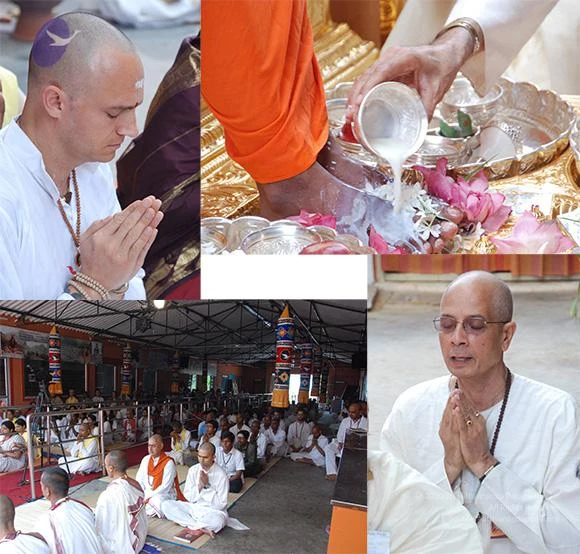
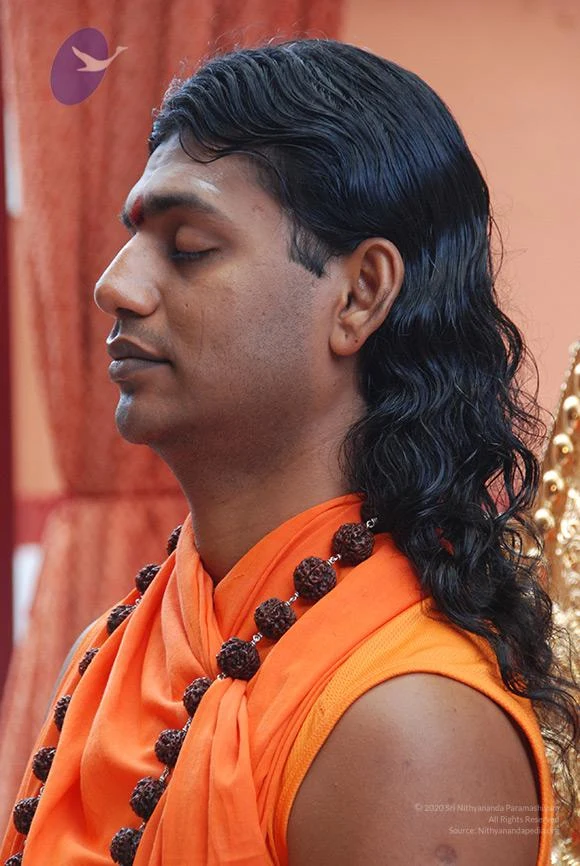
Photos Of The Day:
LEP
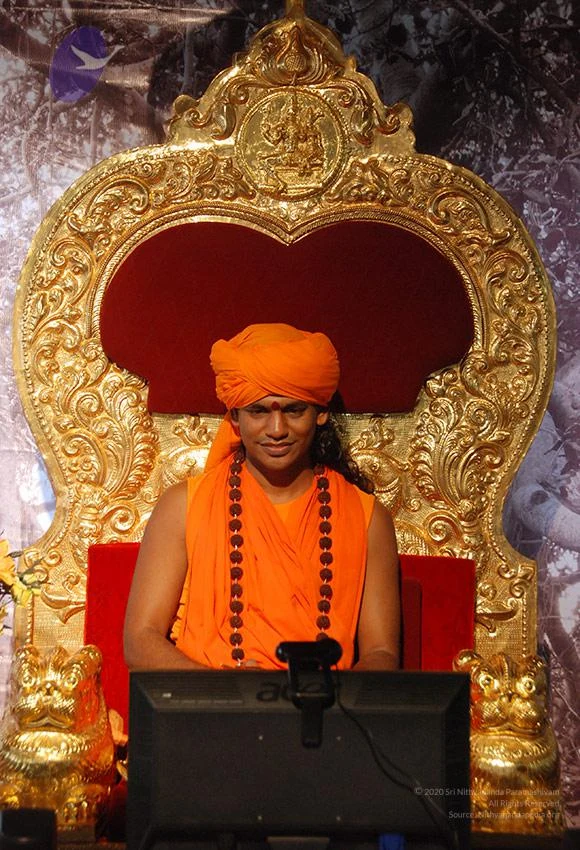
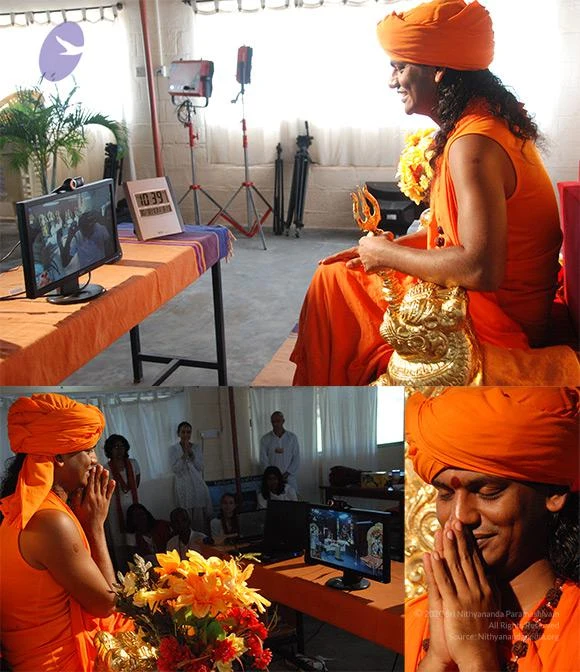


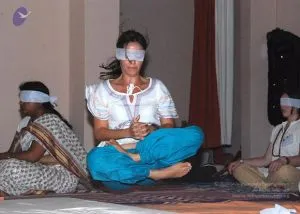
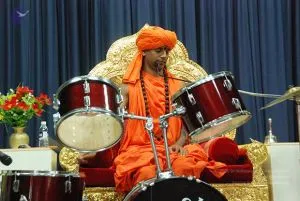
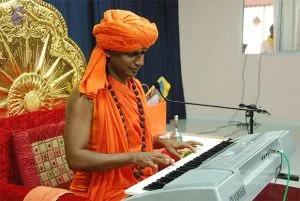

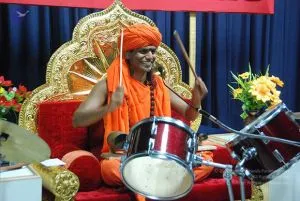
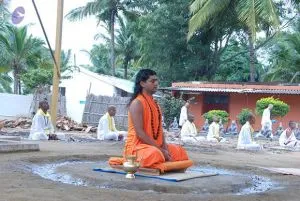
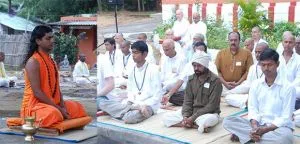
Panchatapas
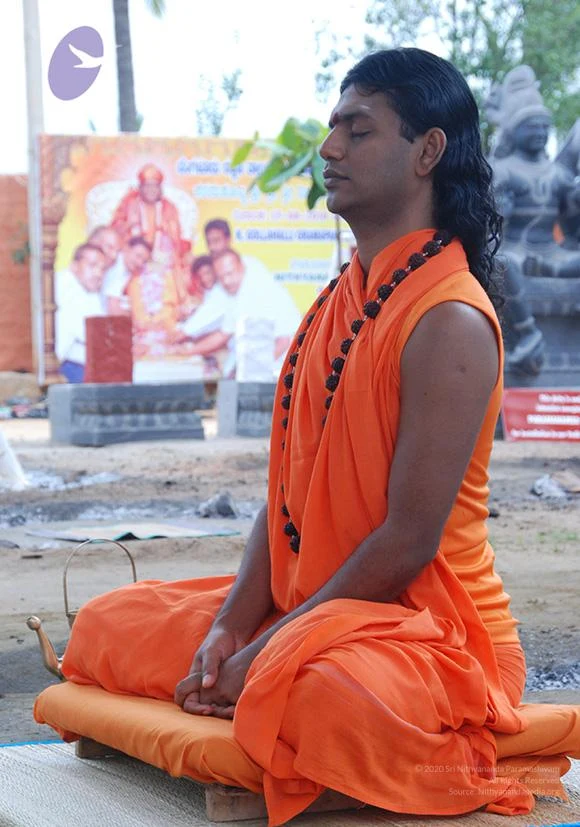
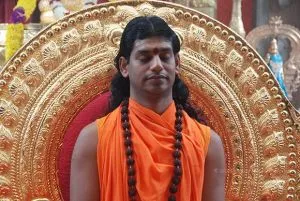
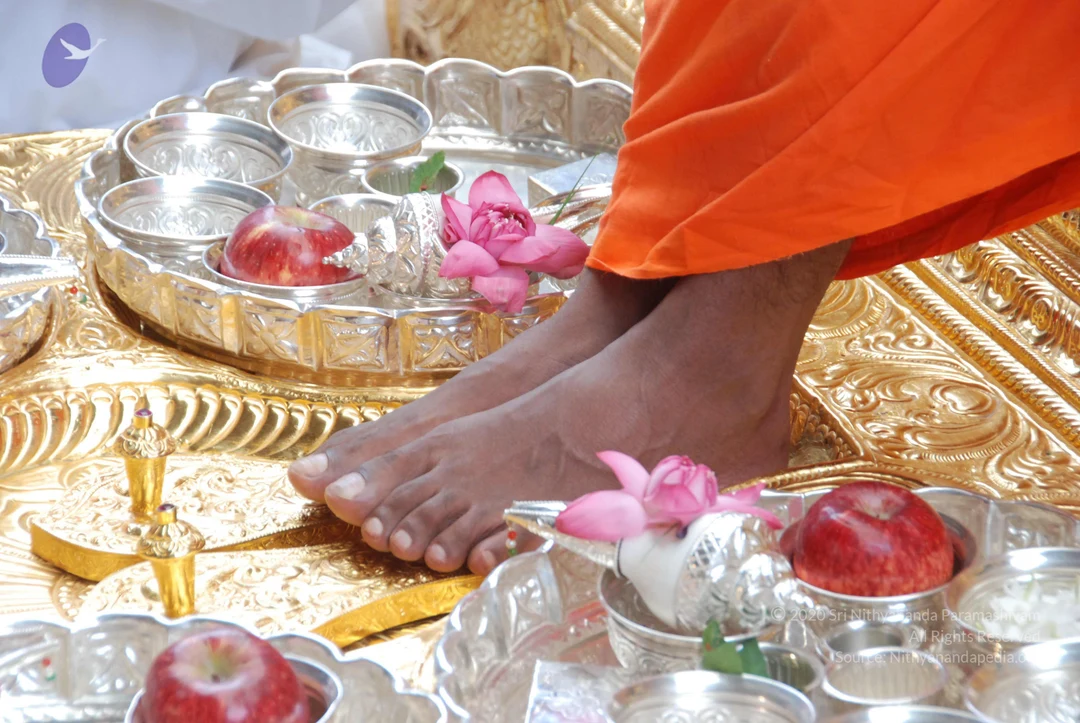
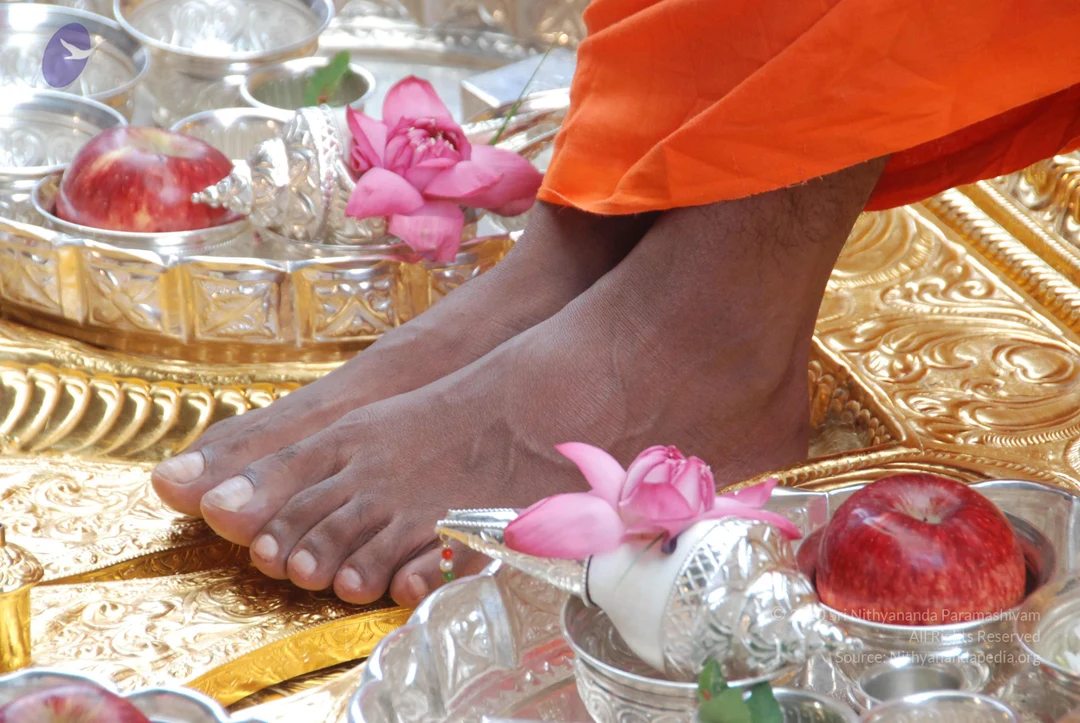
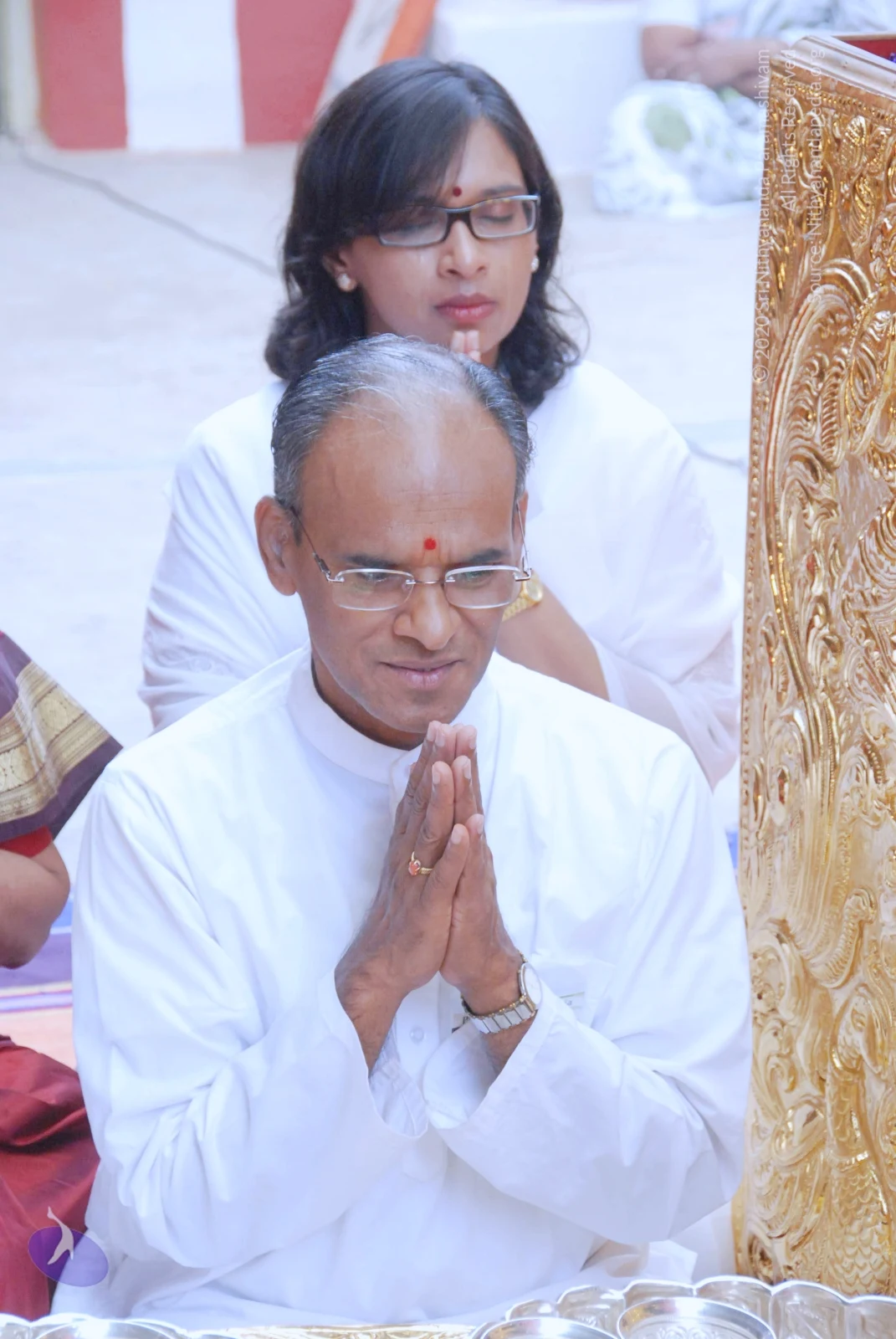
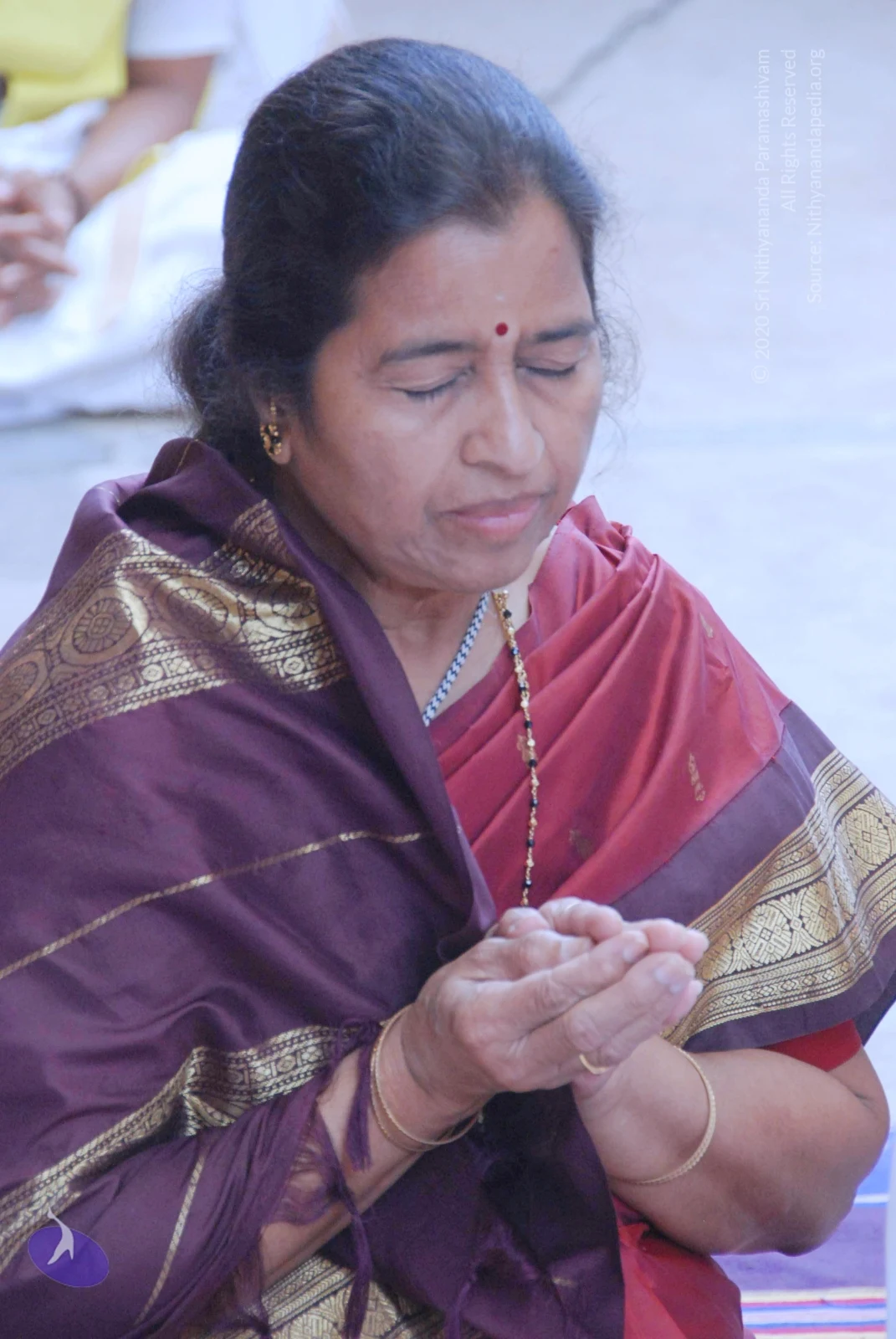
Paadapuja
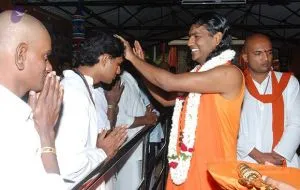
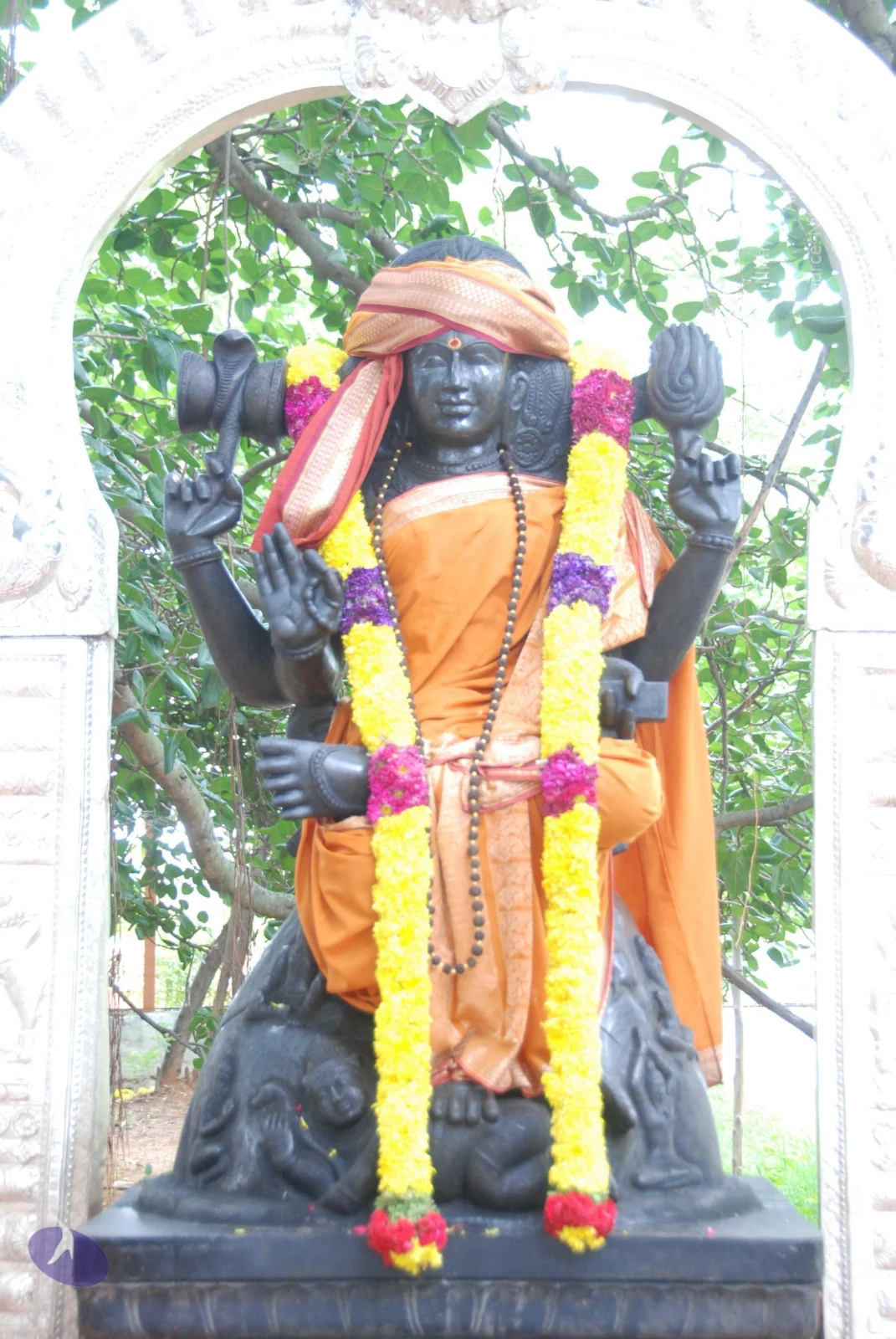
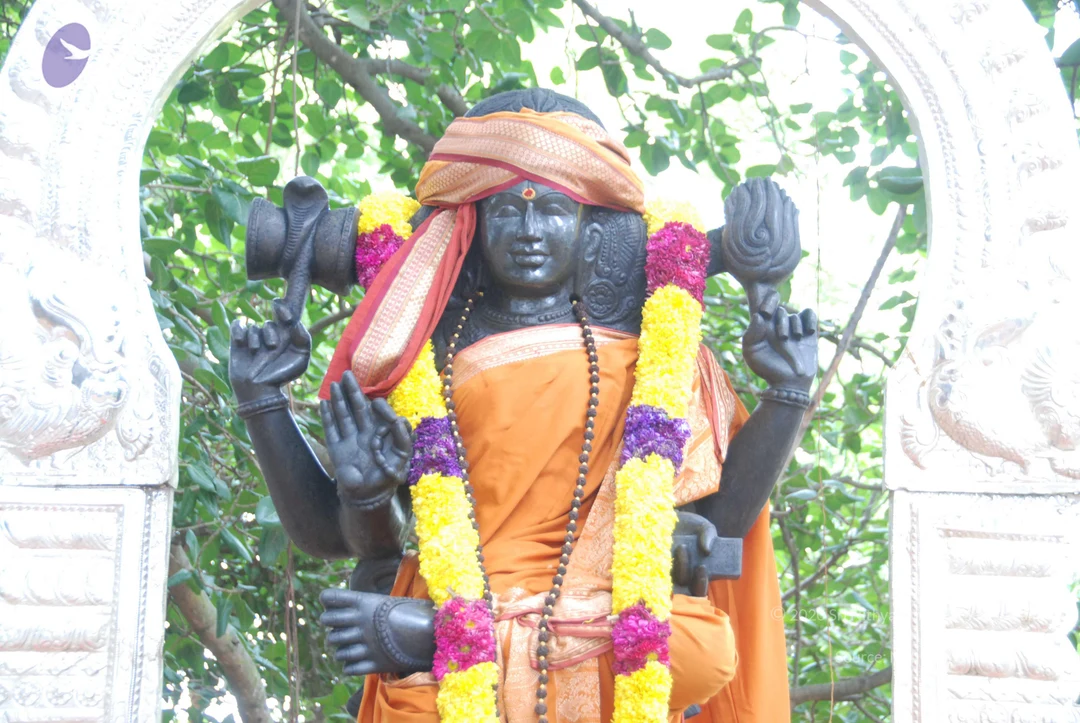
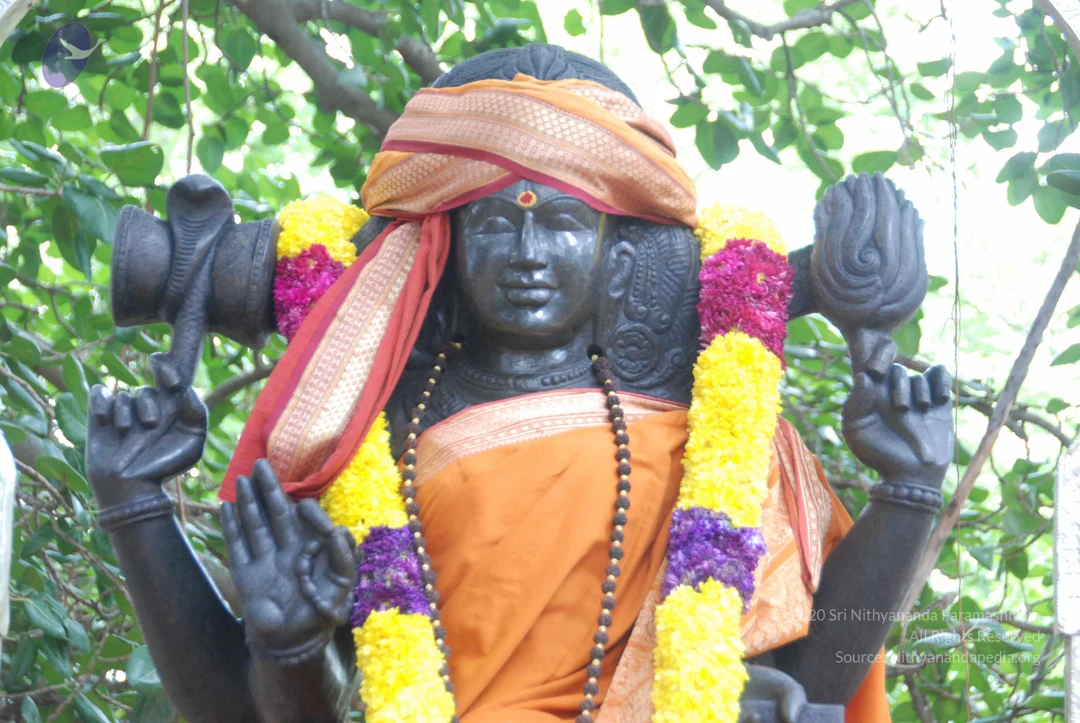
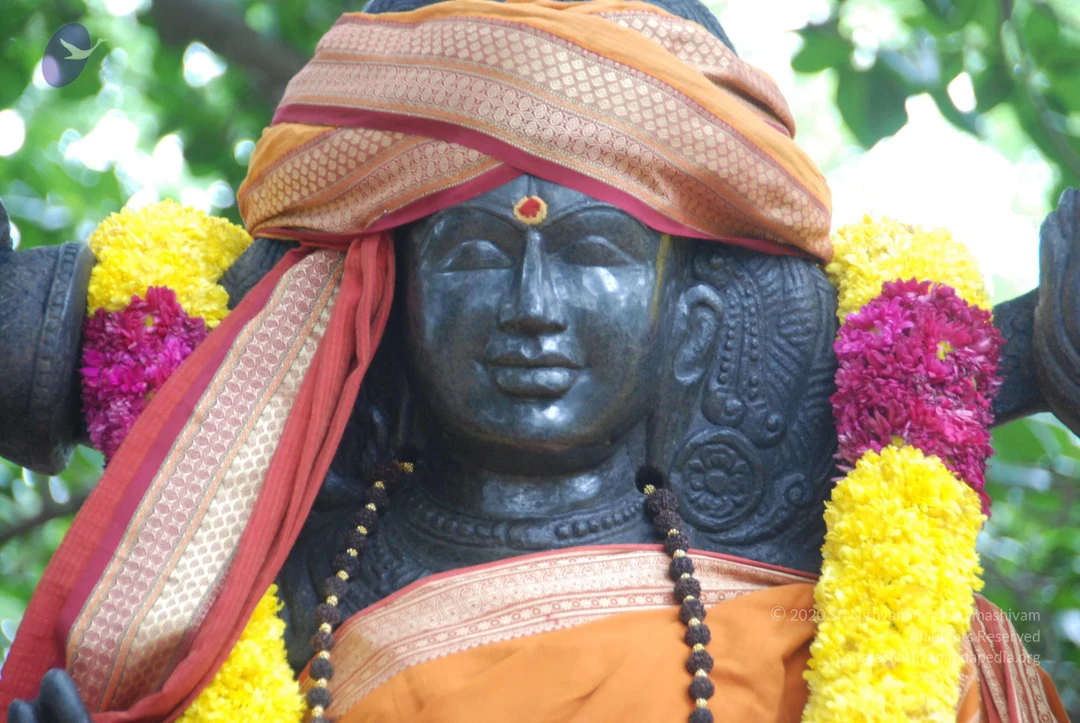
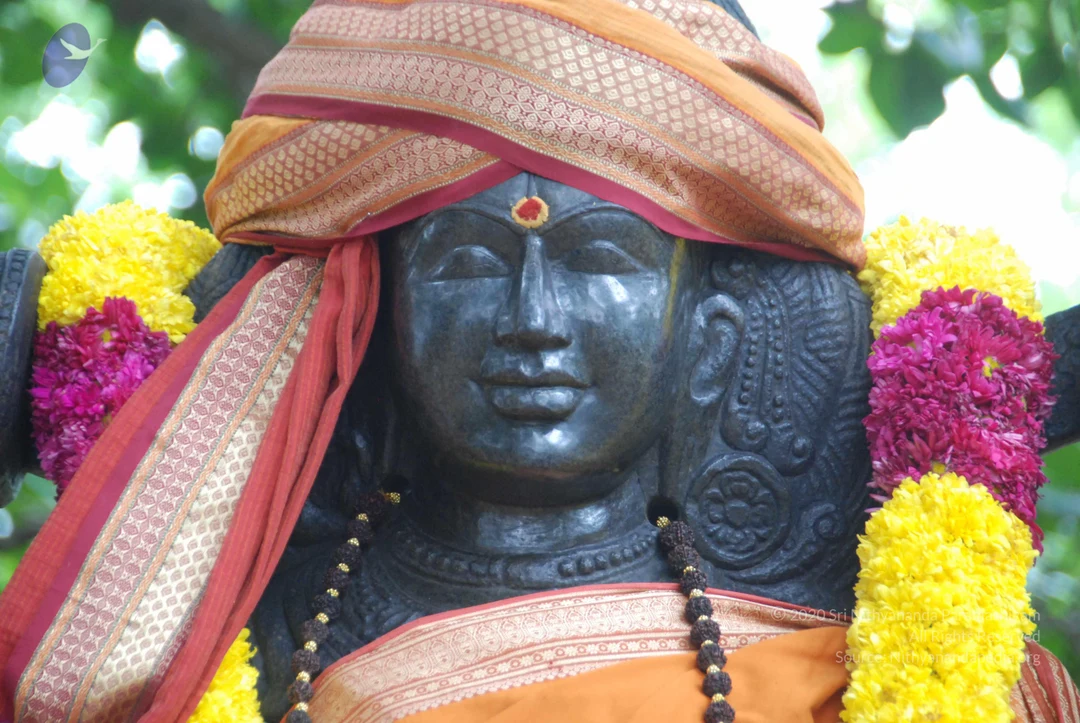
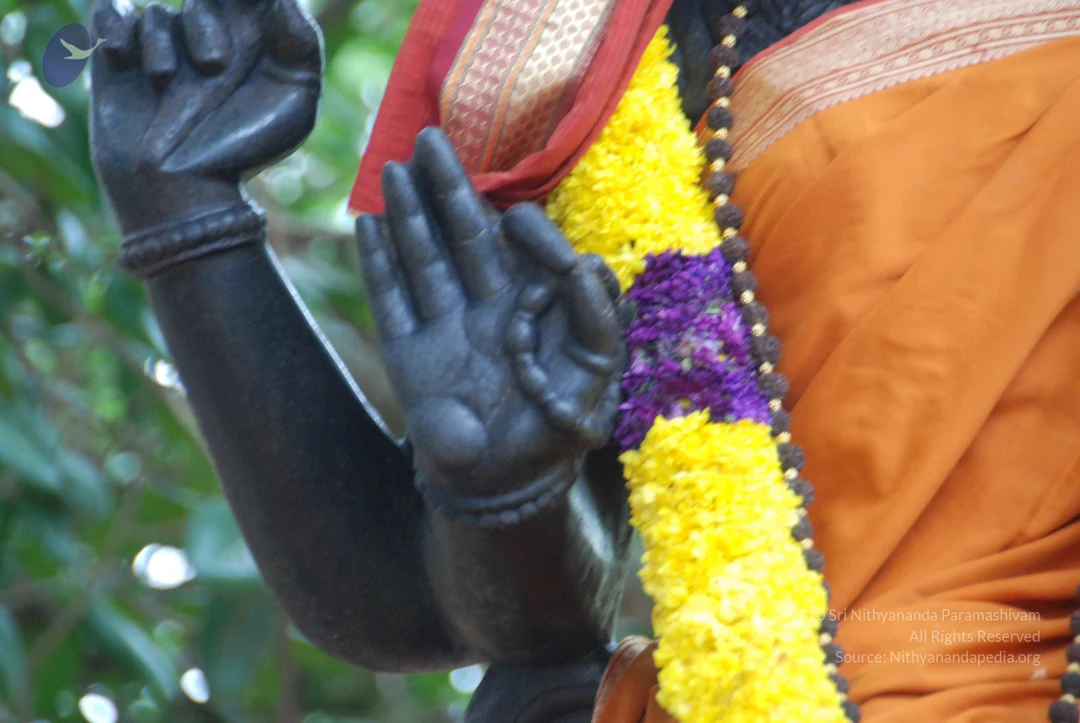
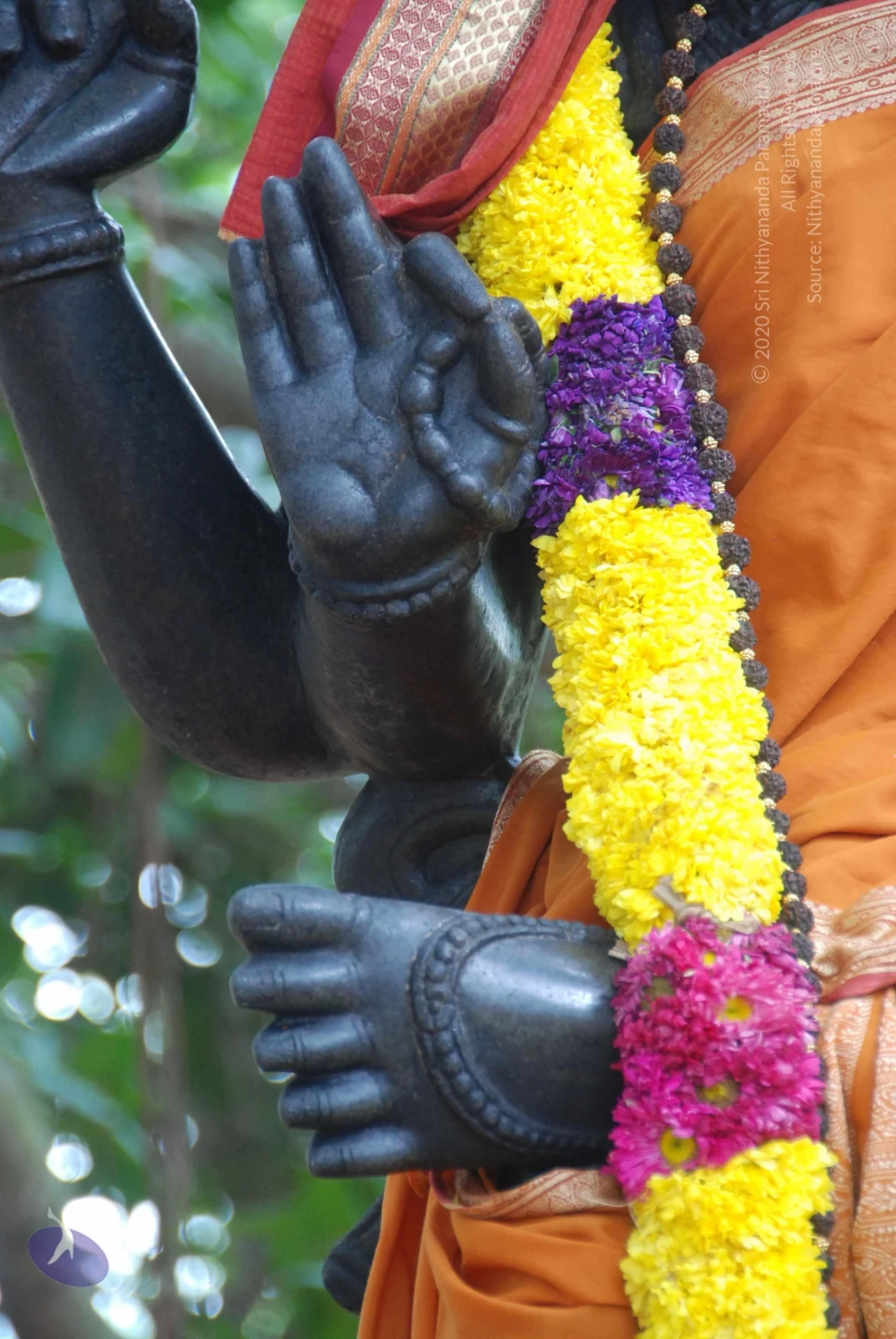
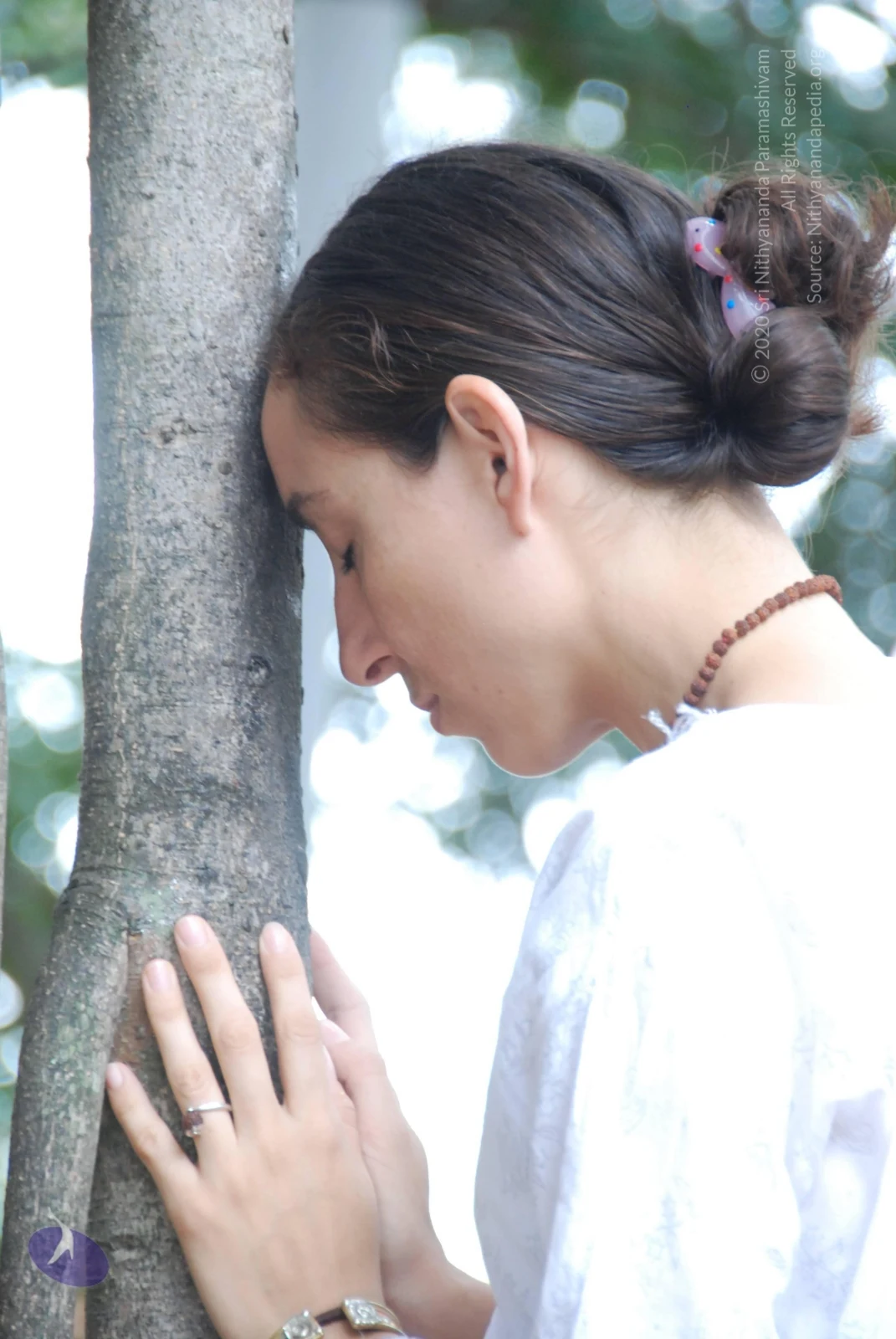
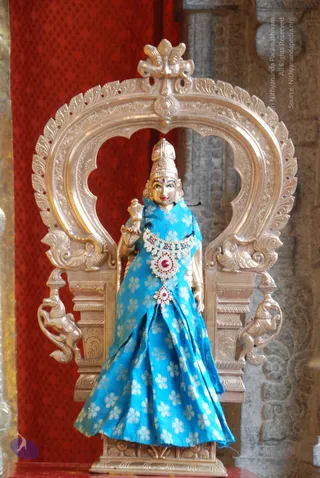
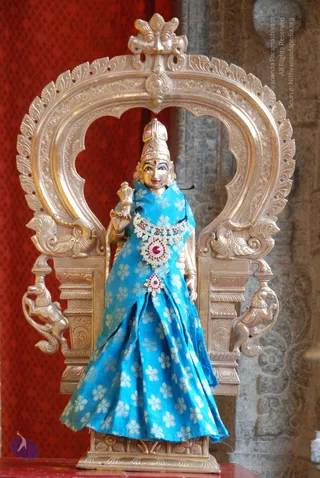
01-Temple
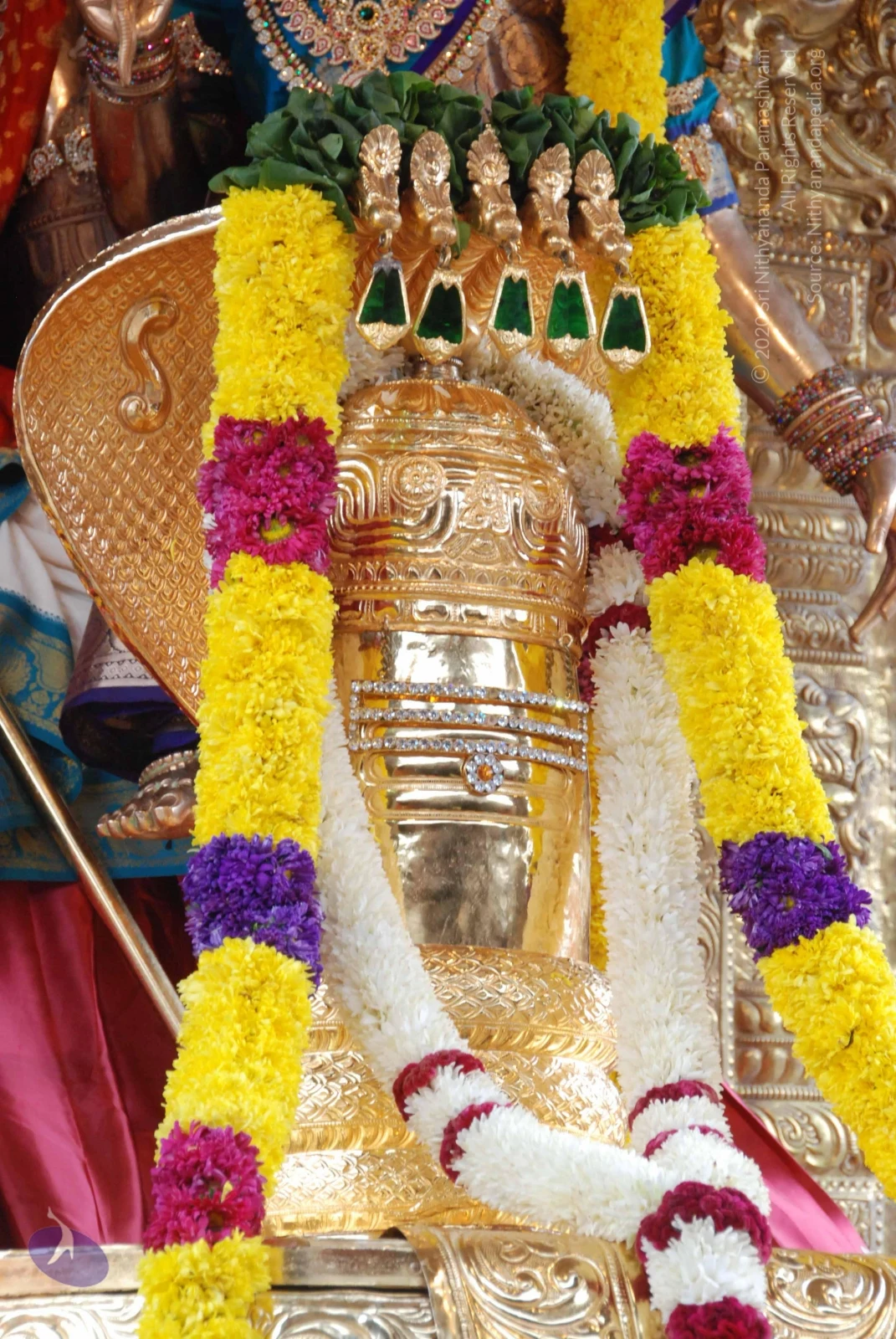
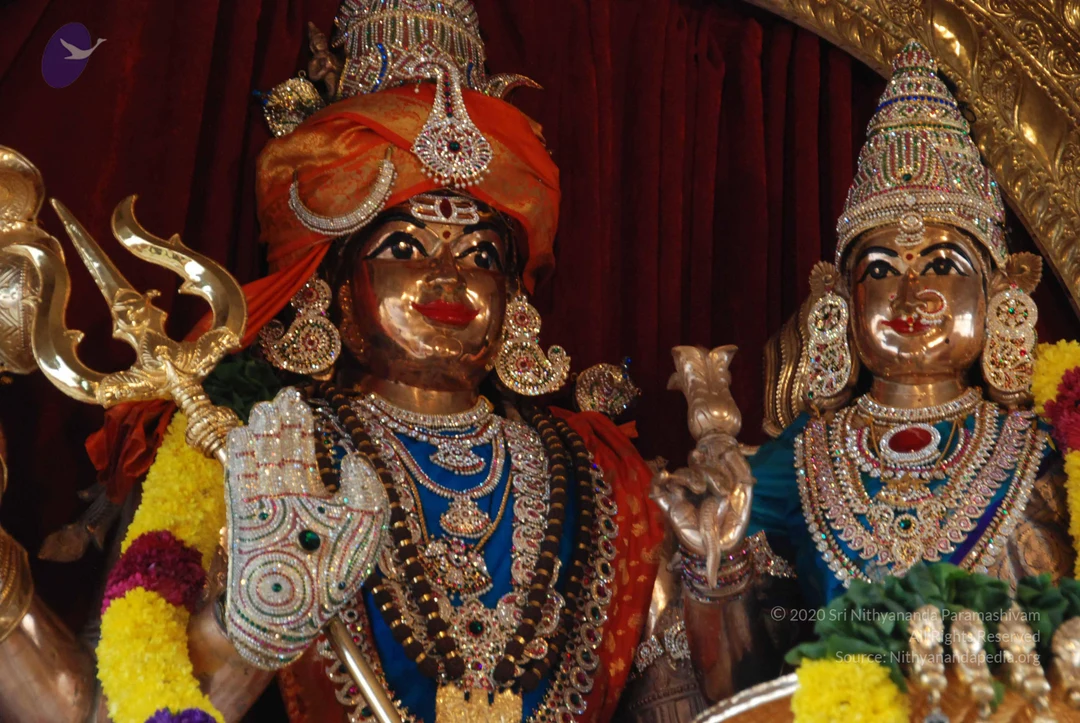
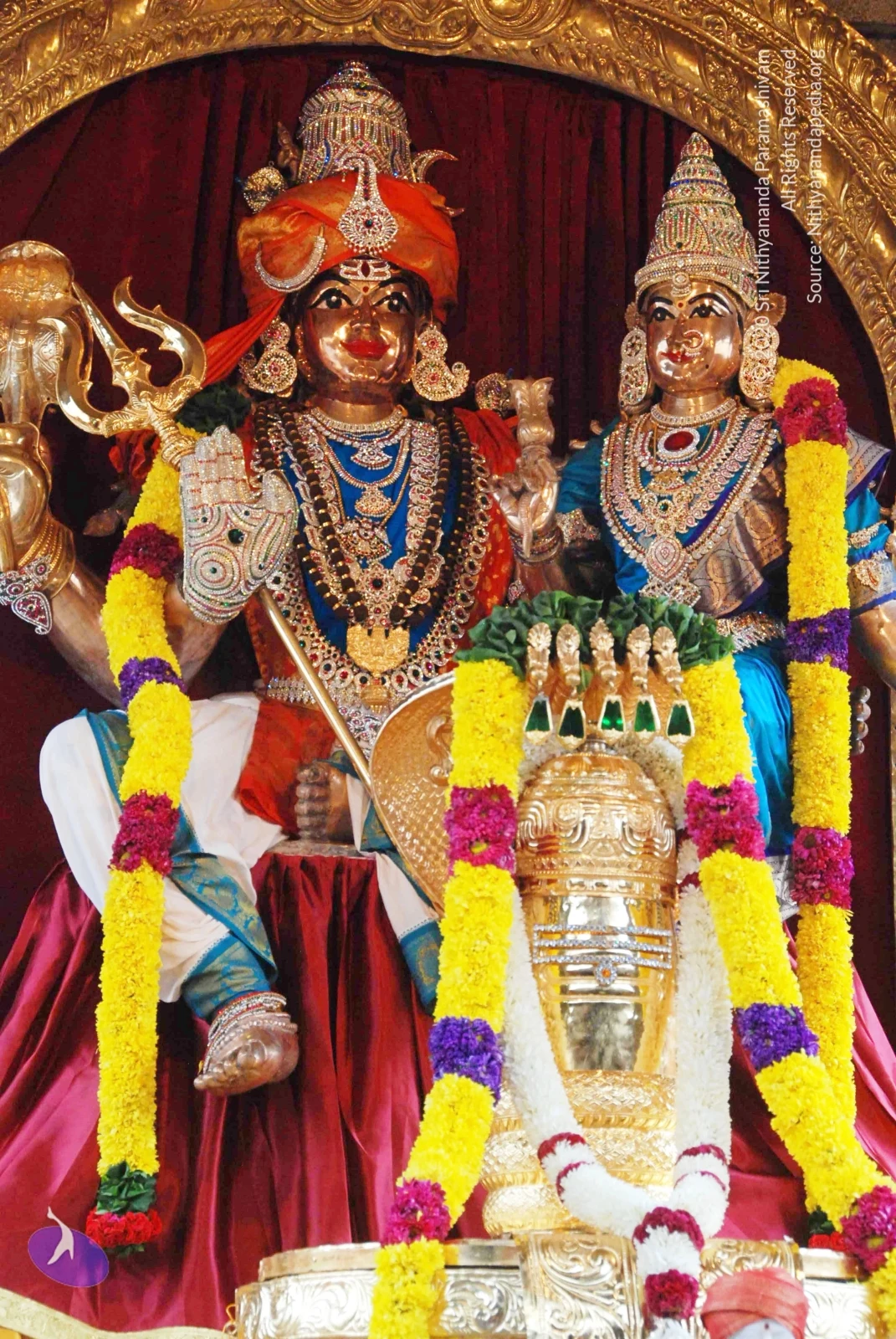
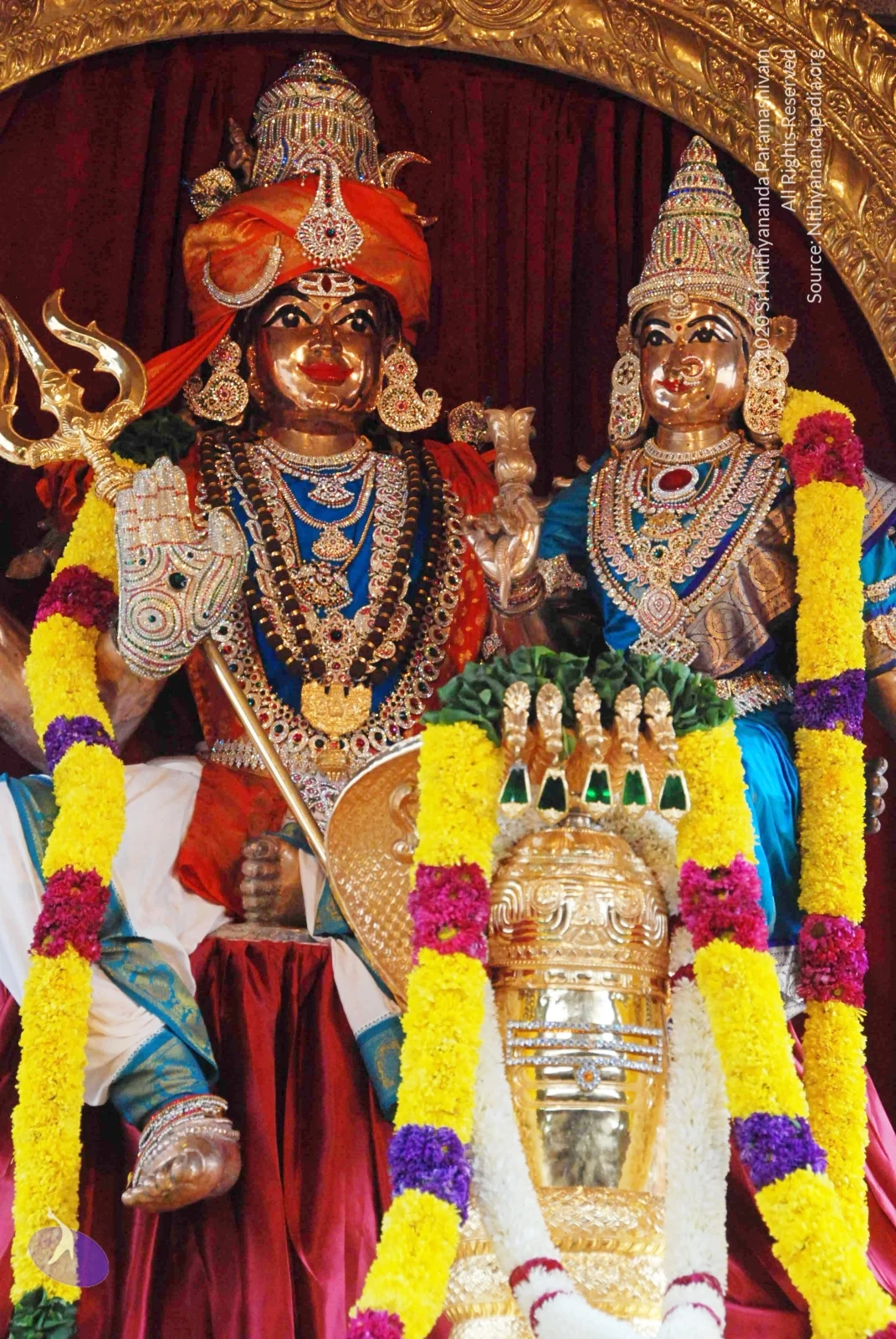
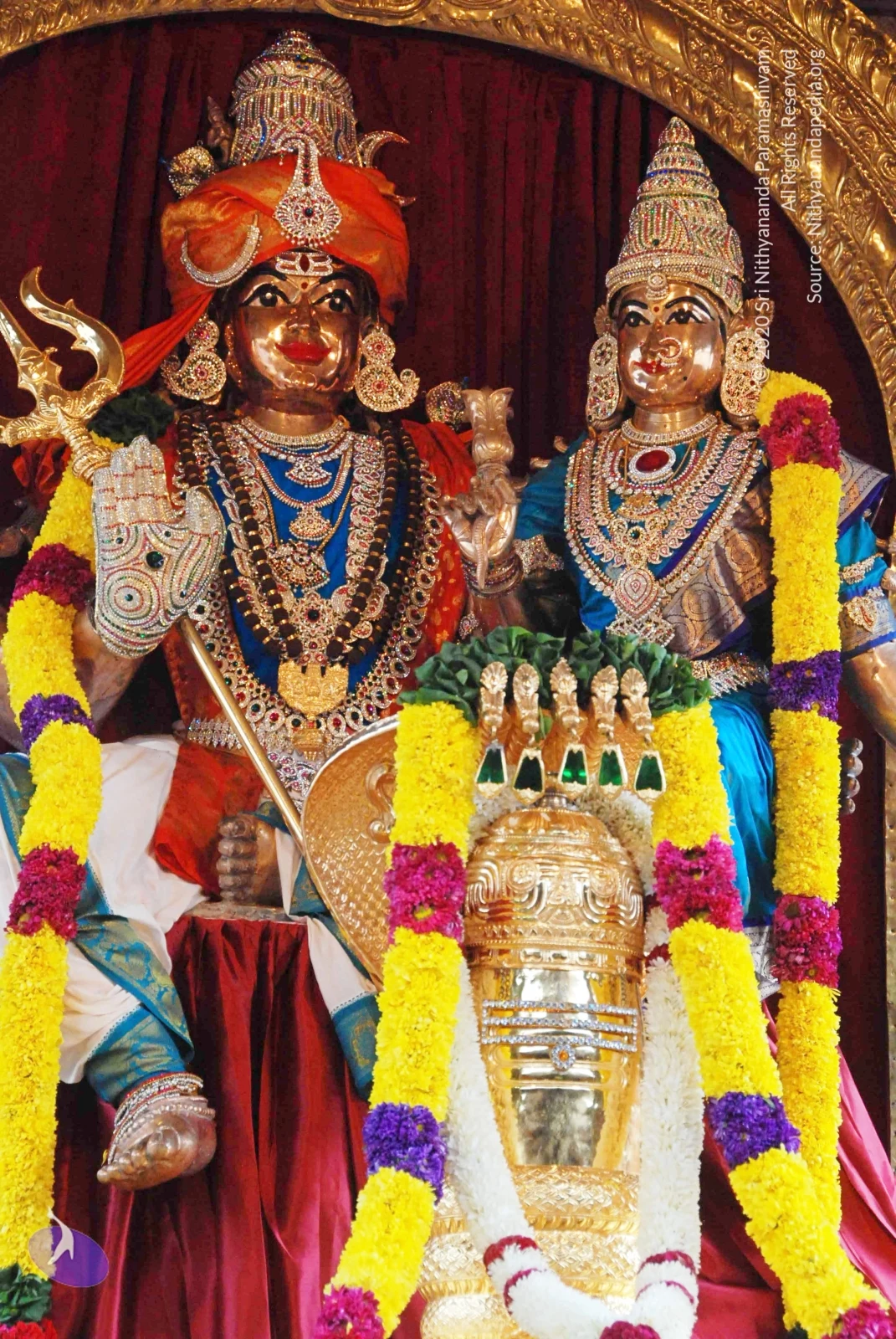
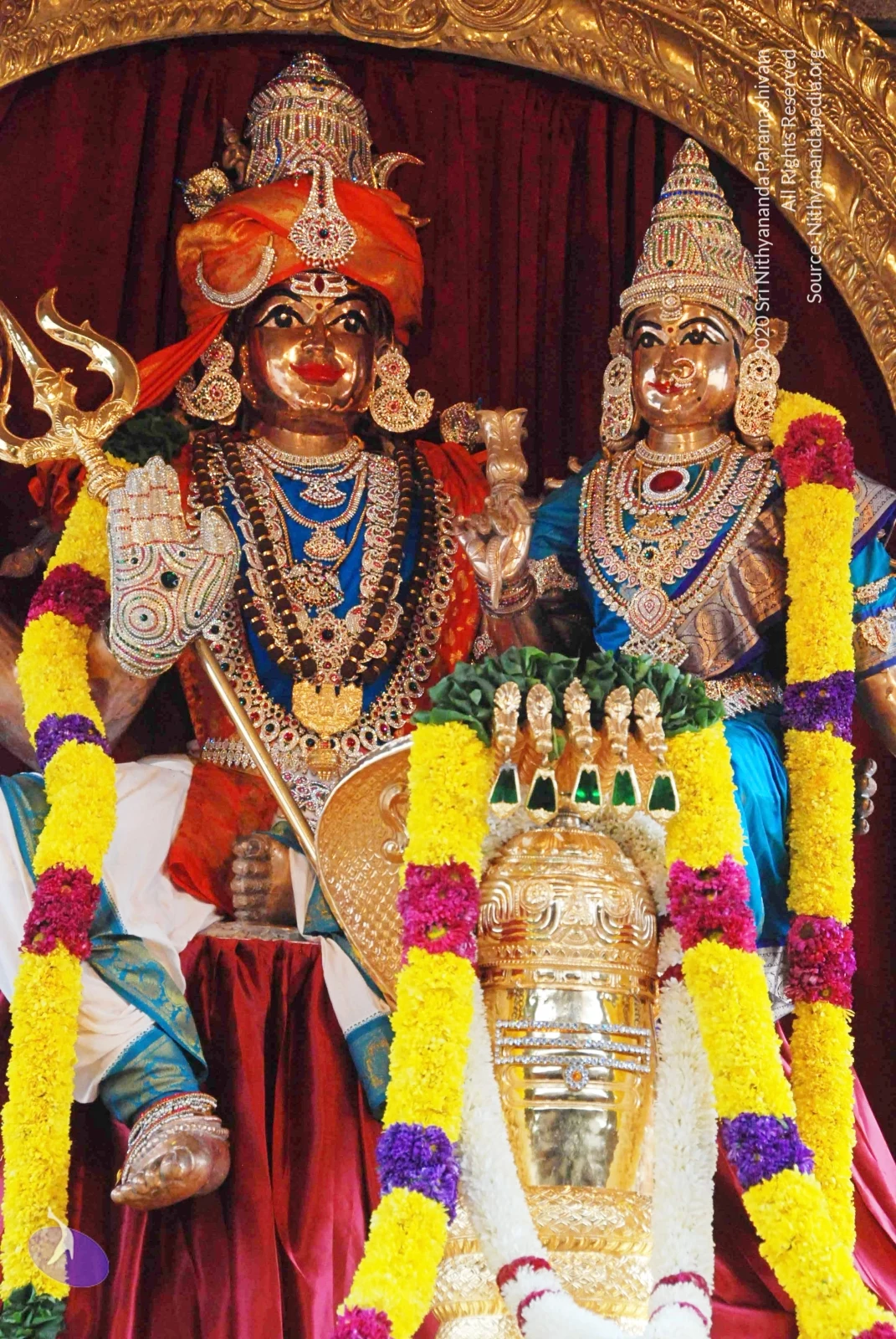
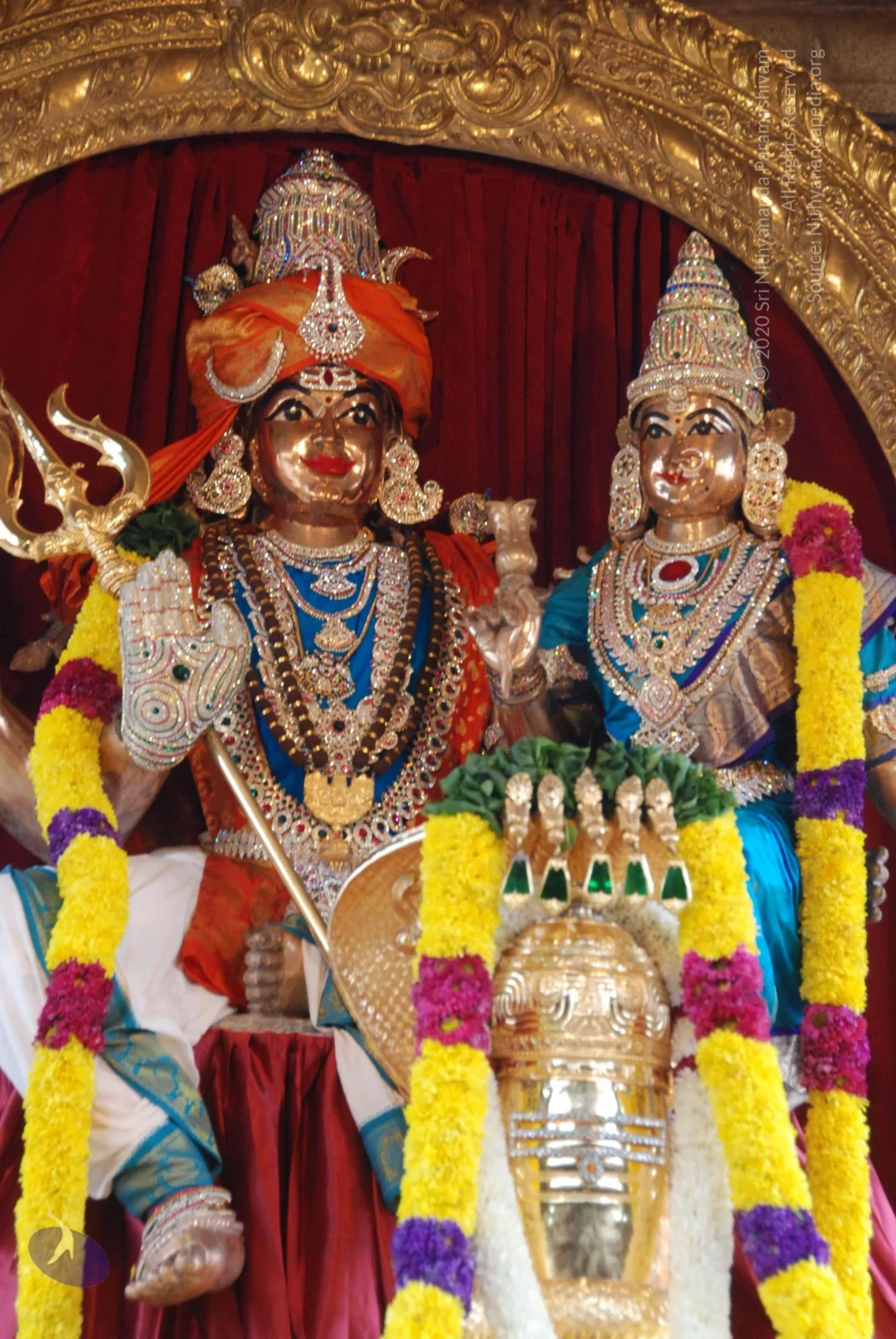
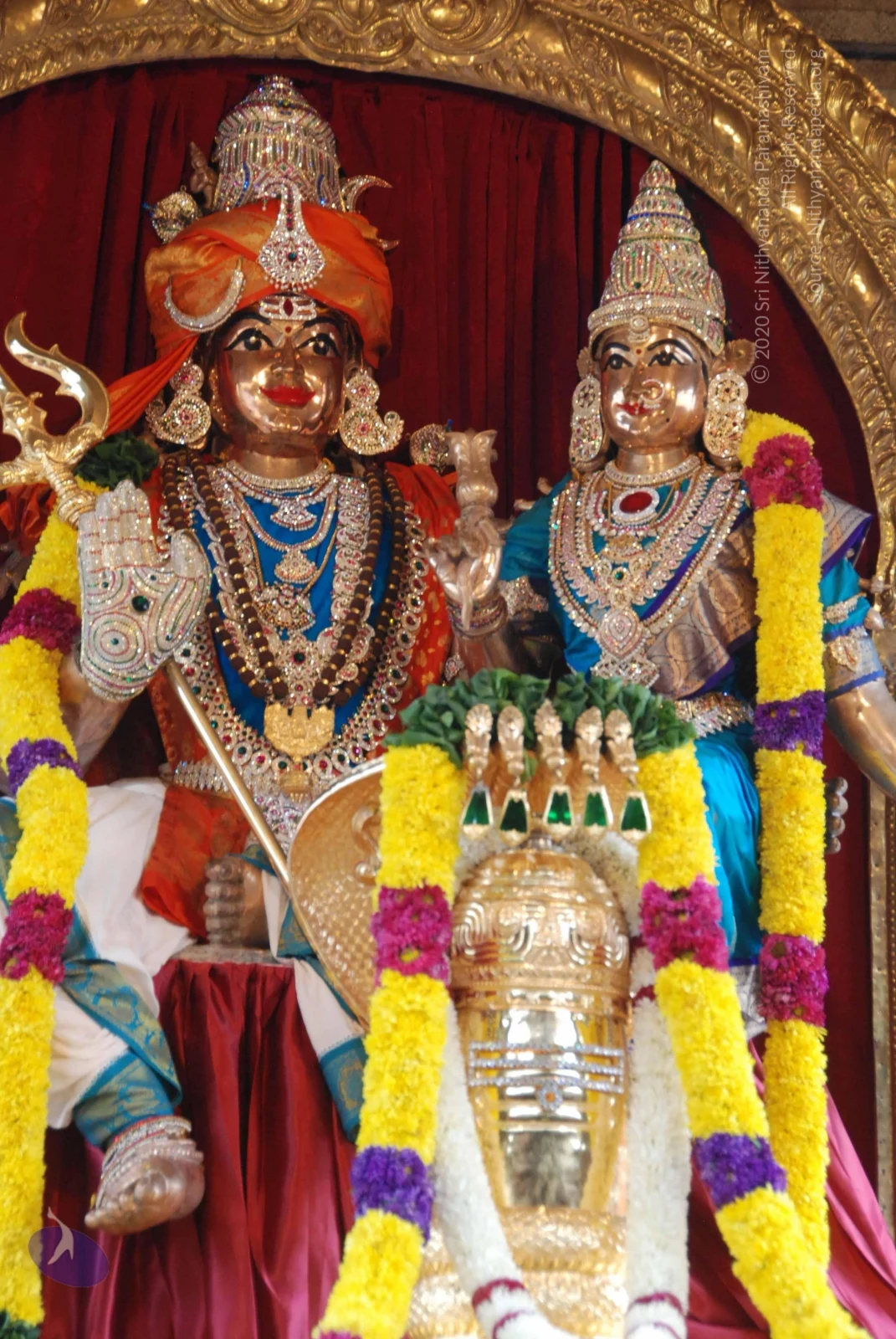
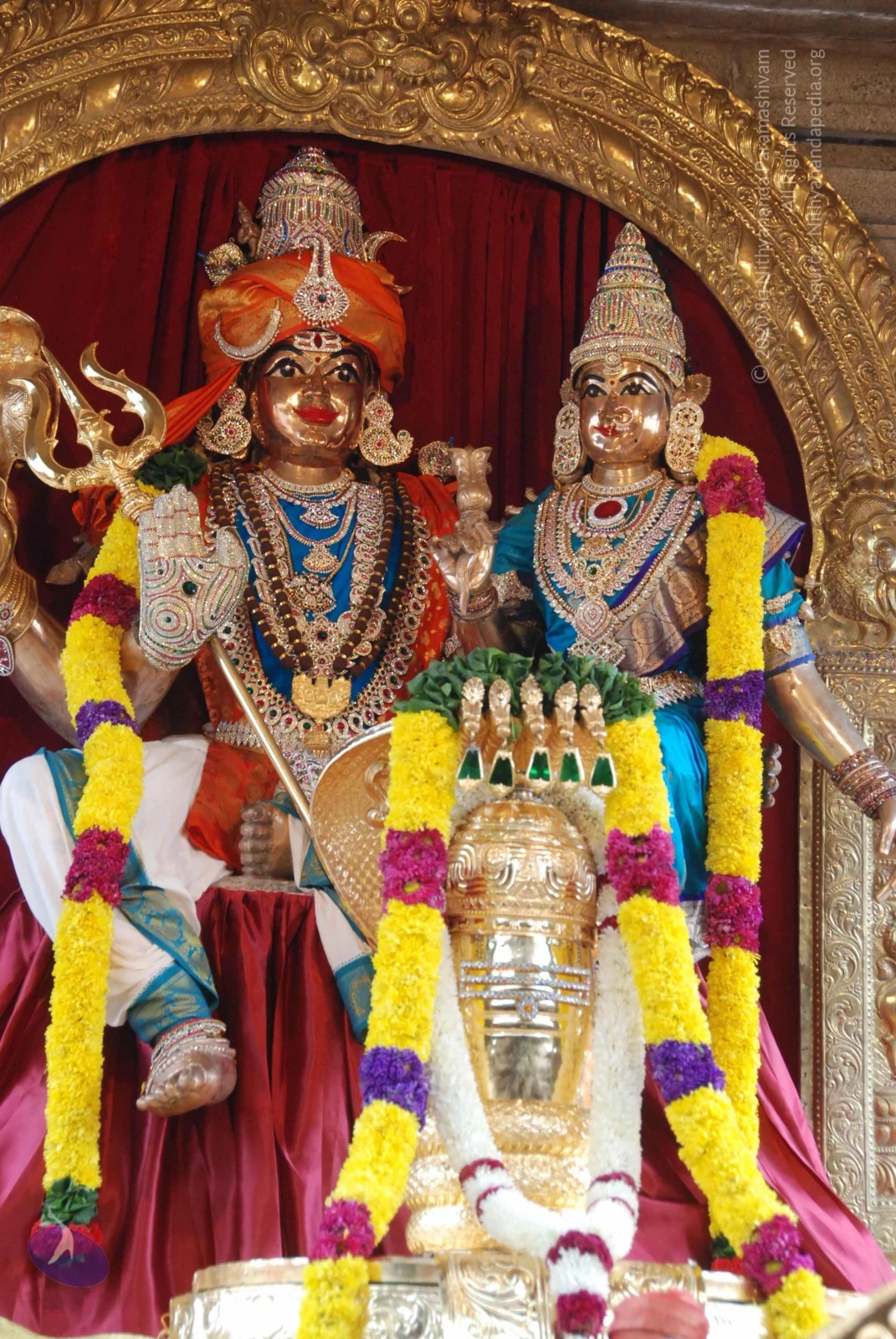
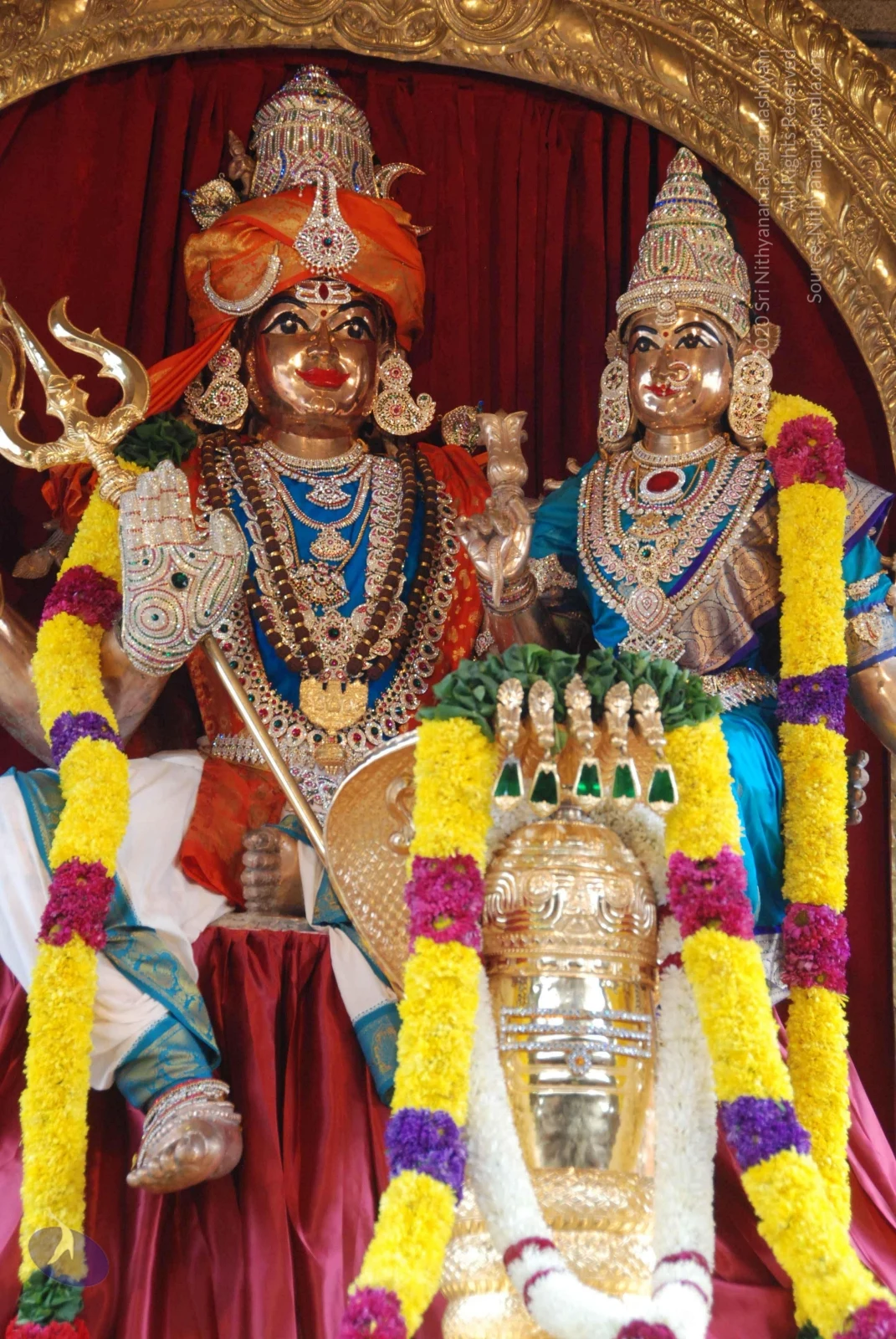
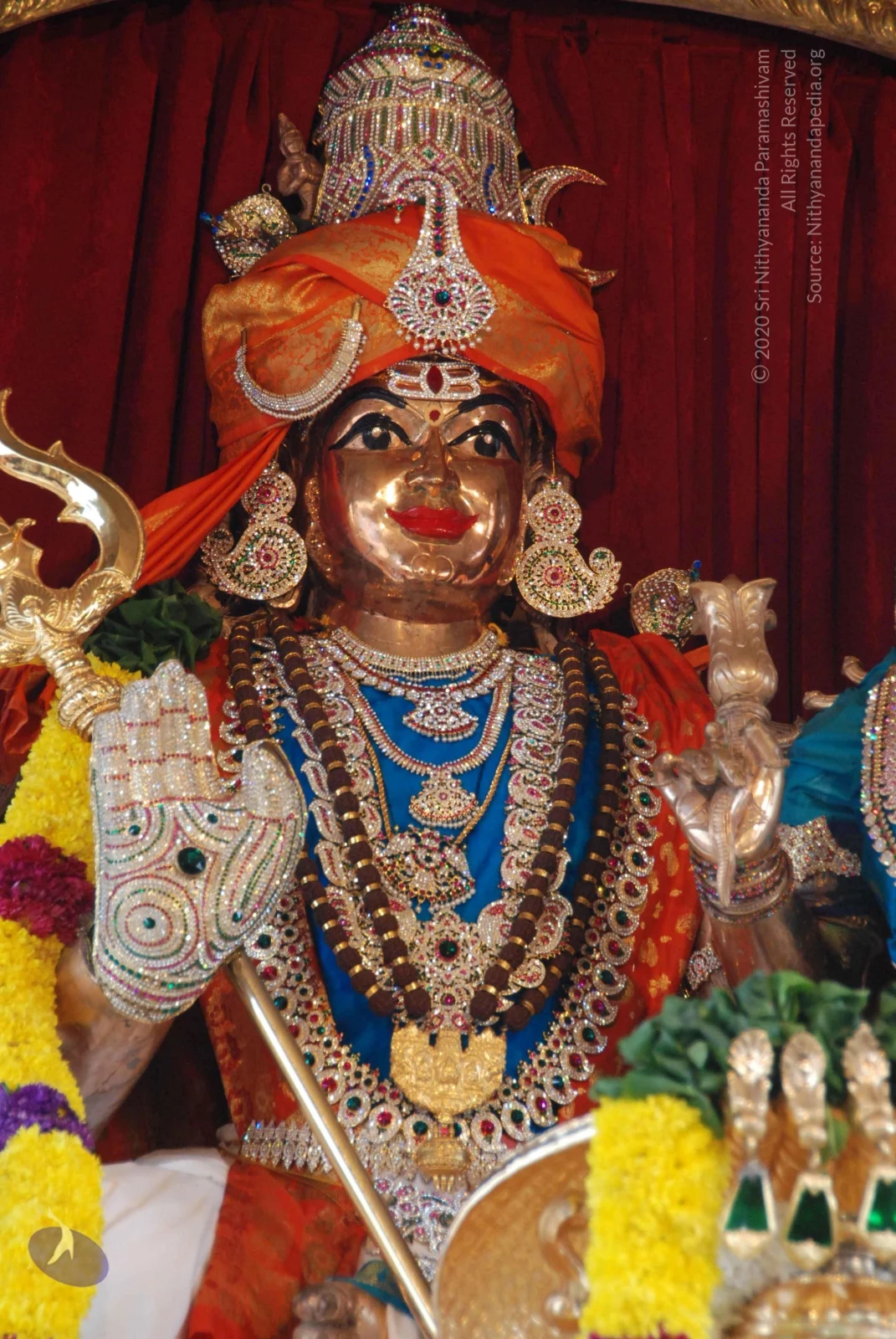
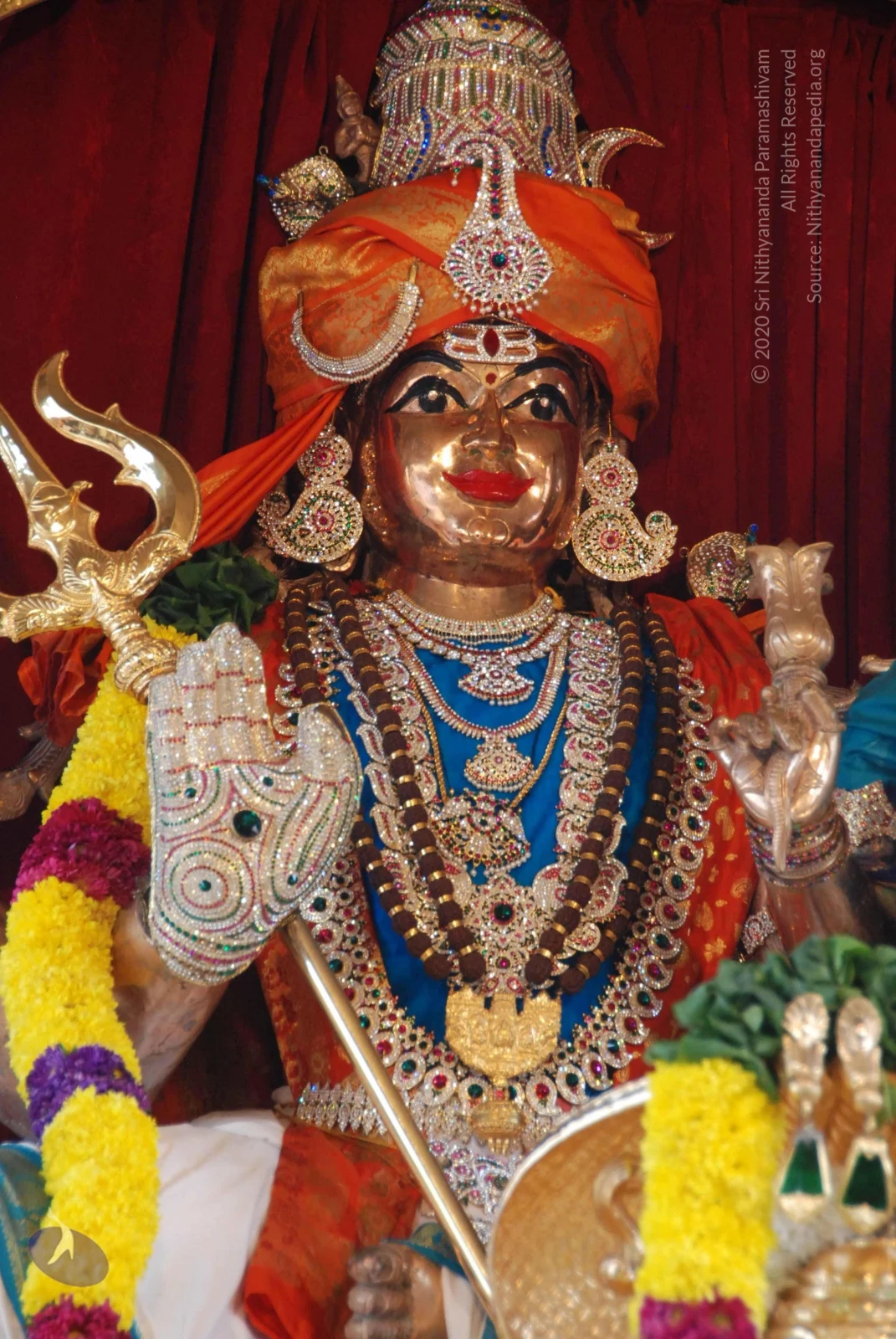
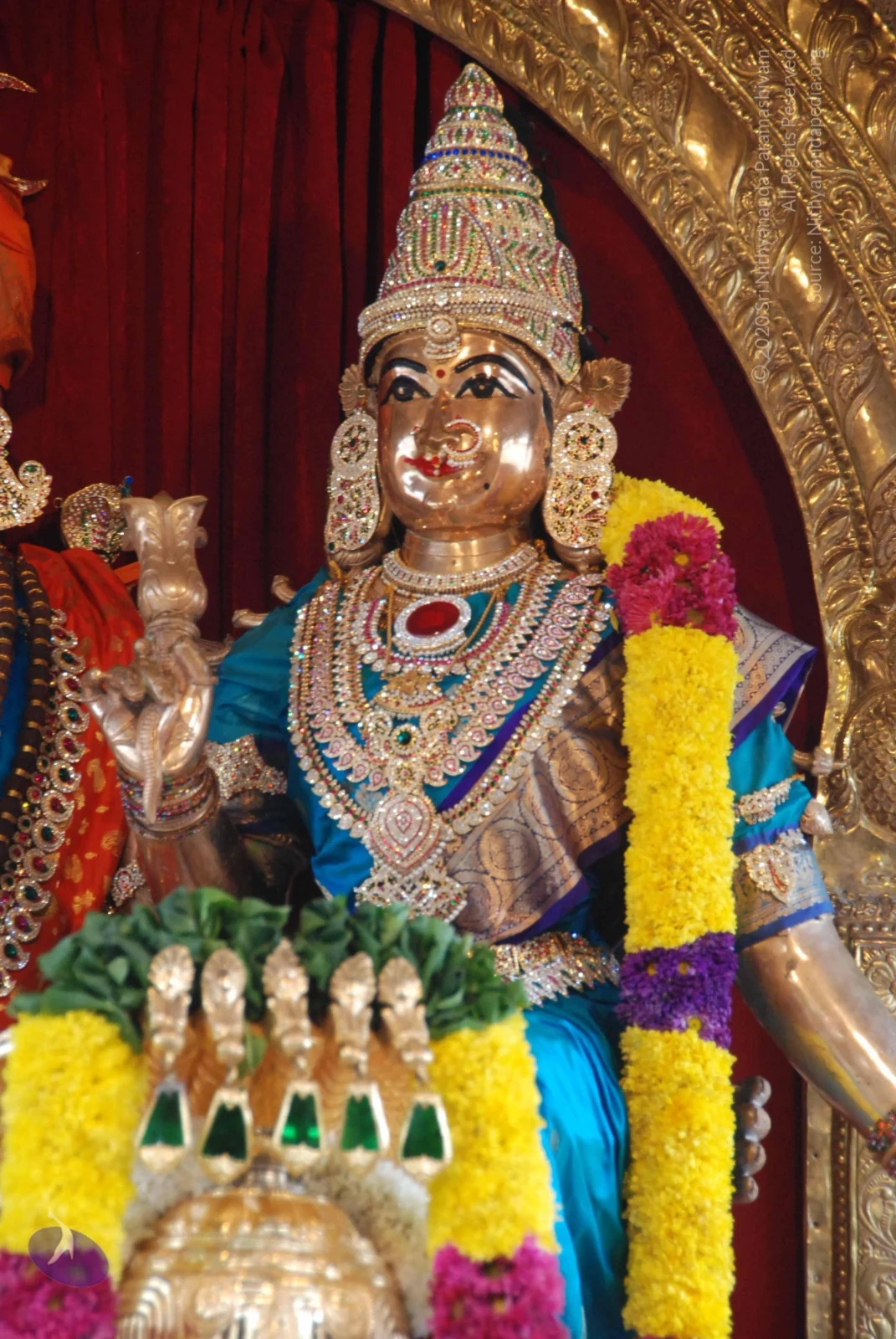
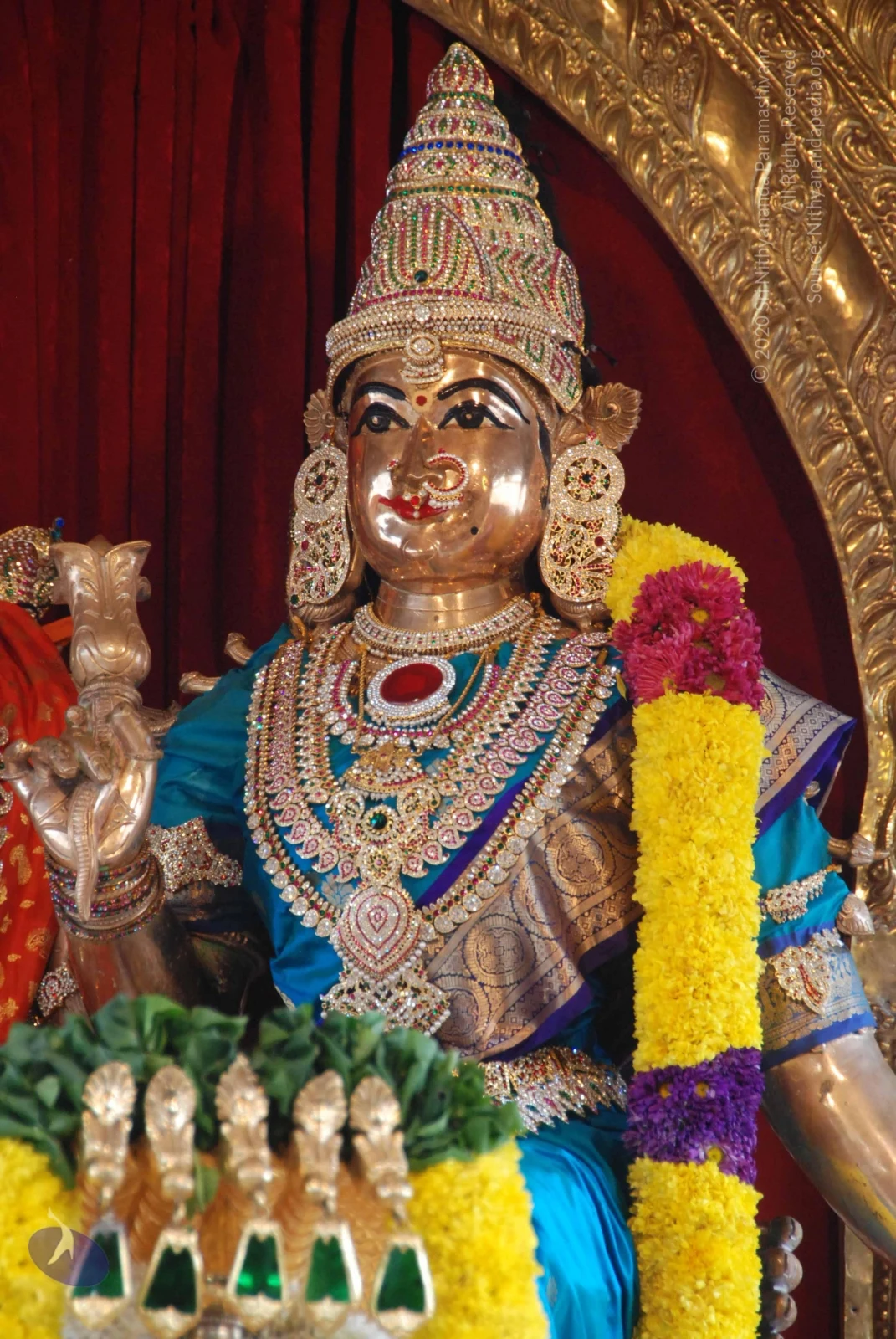
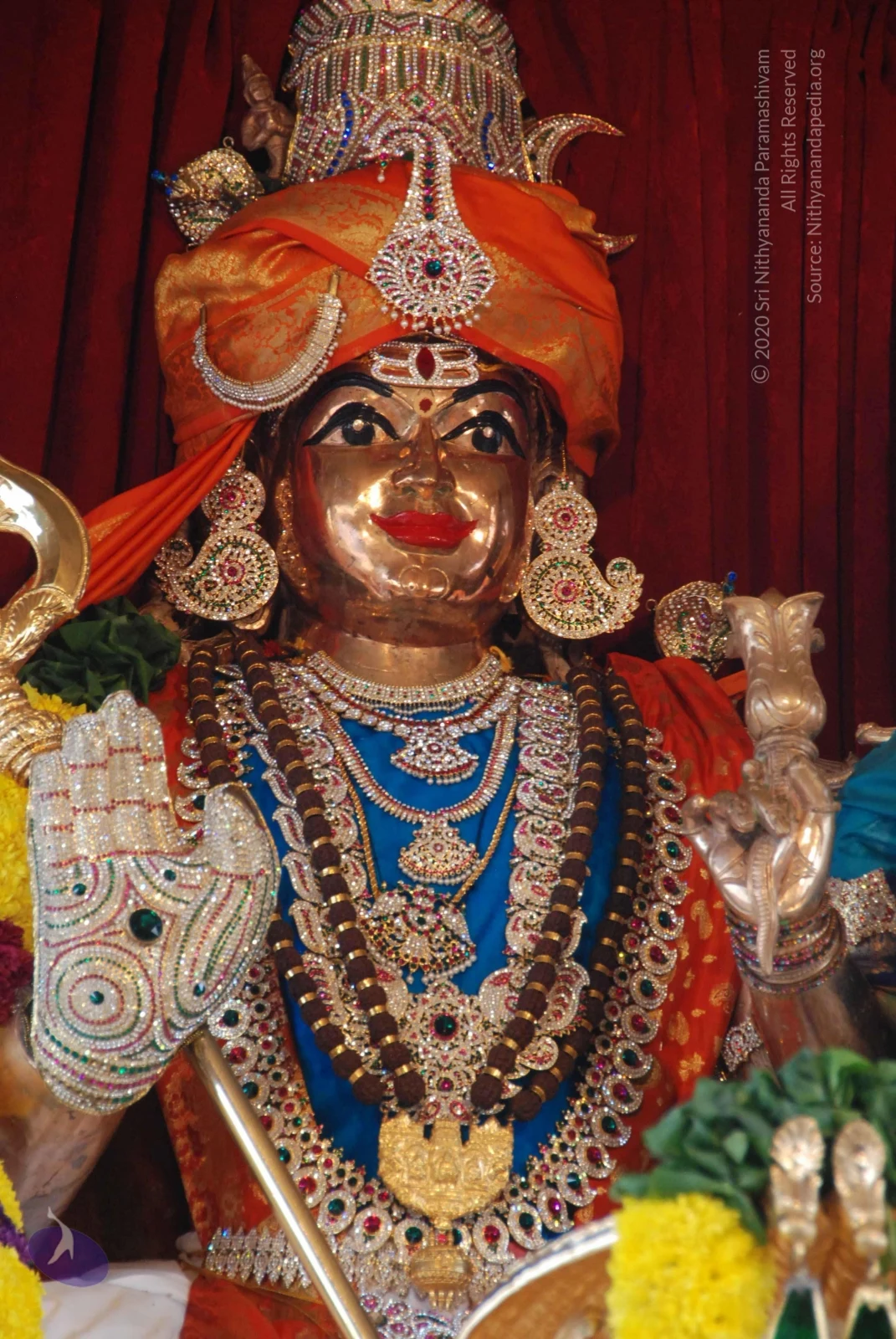
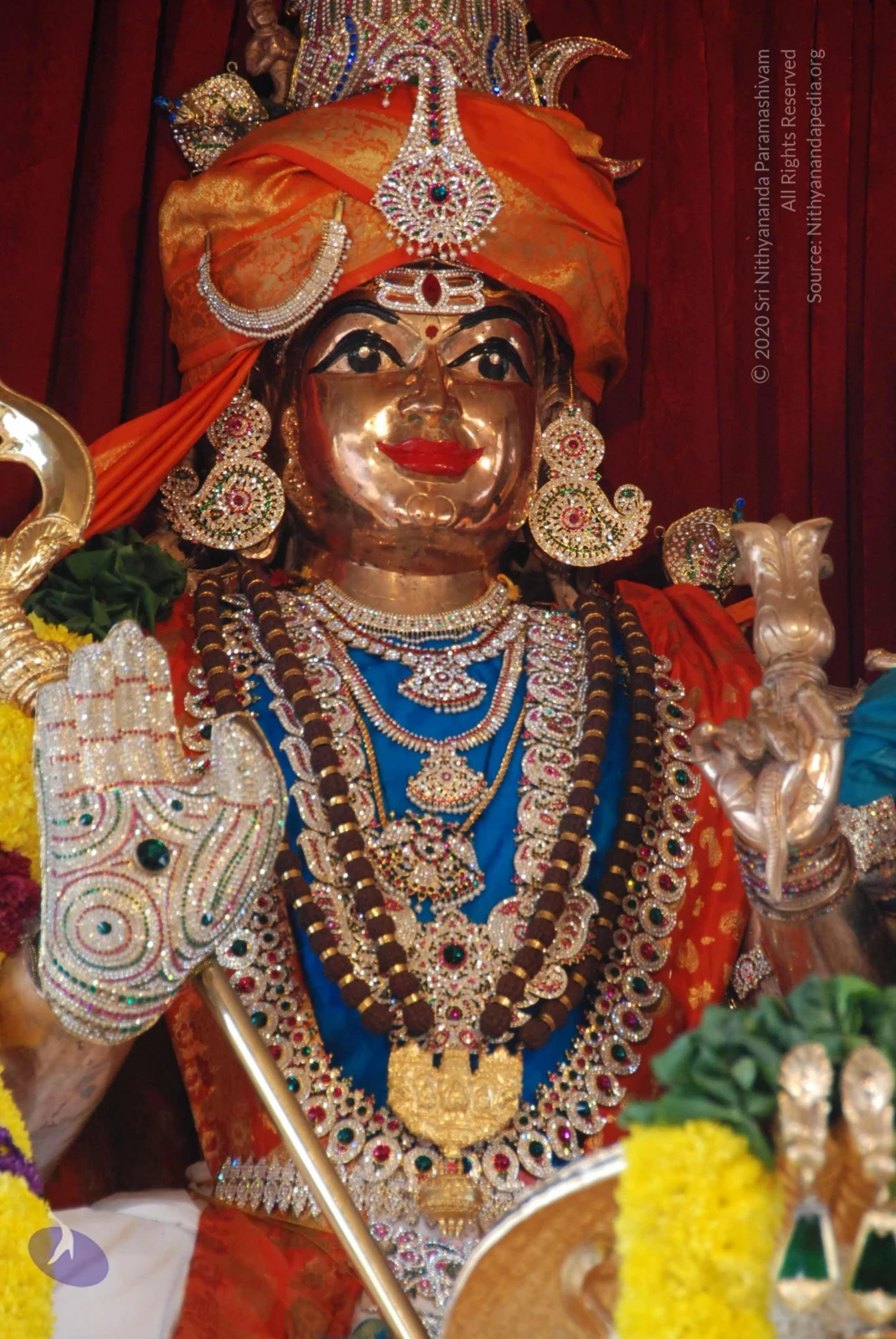
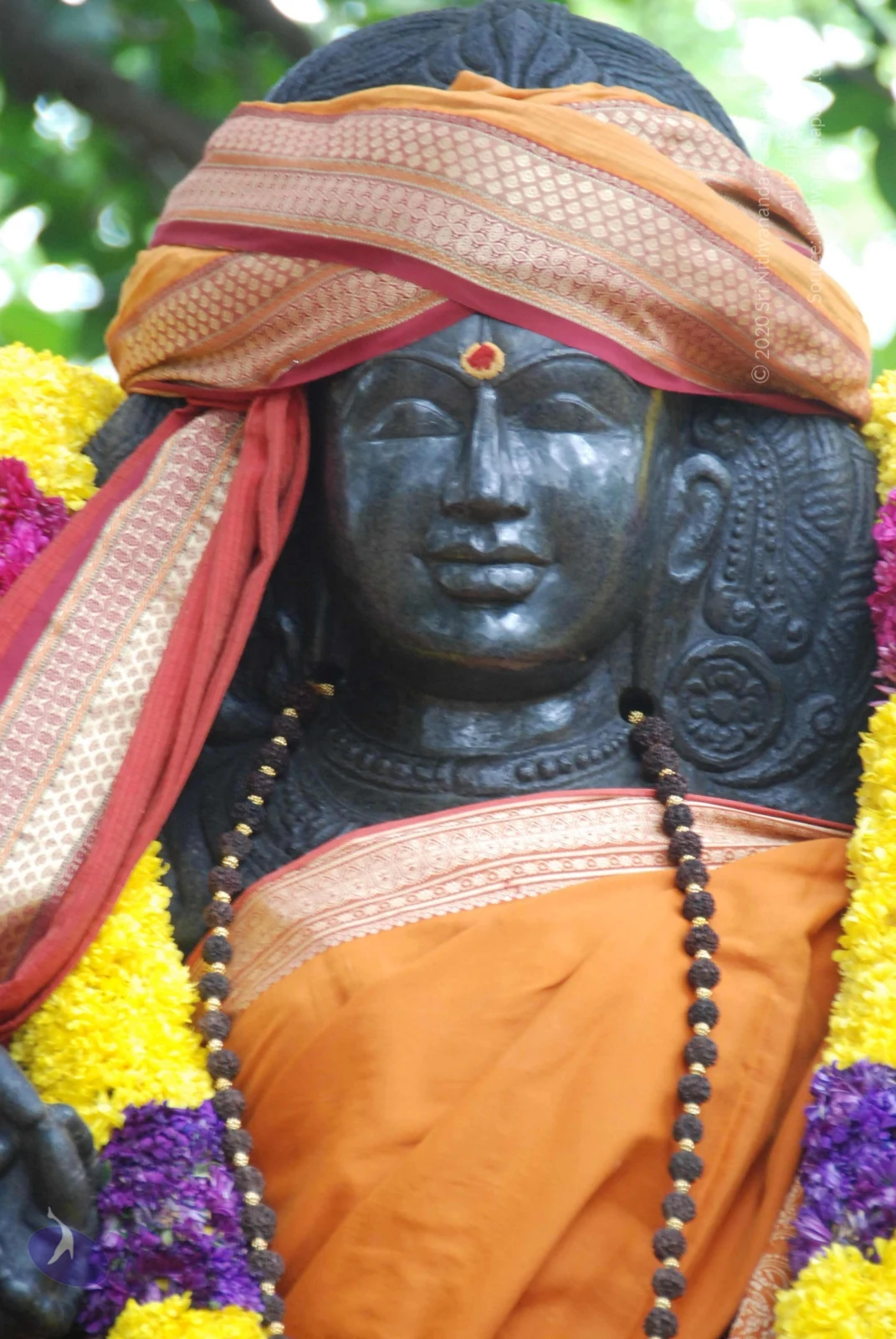
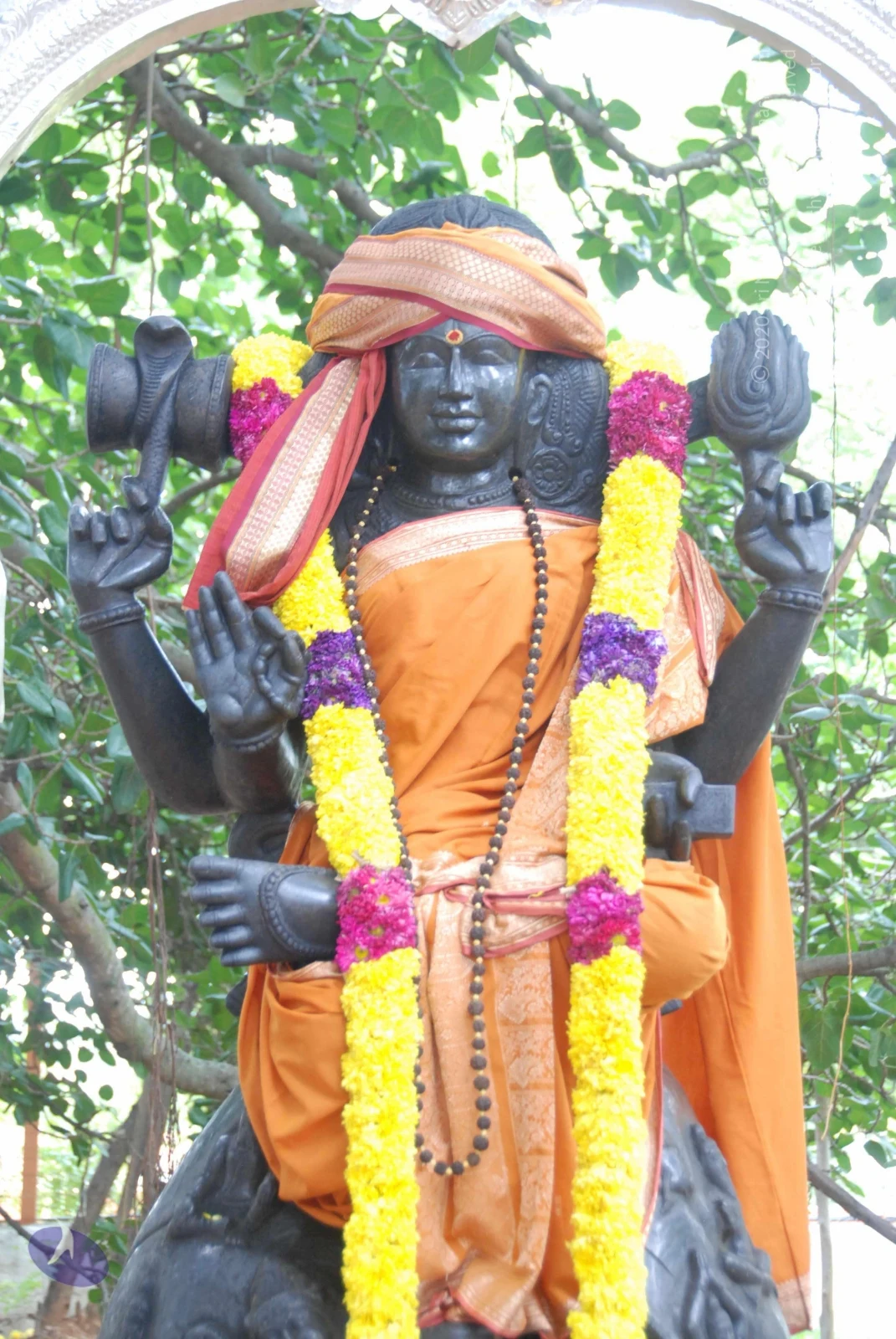
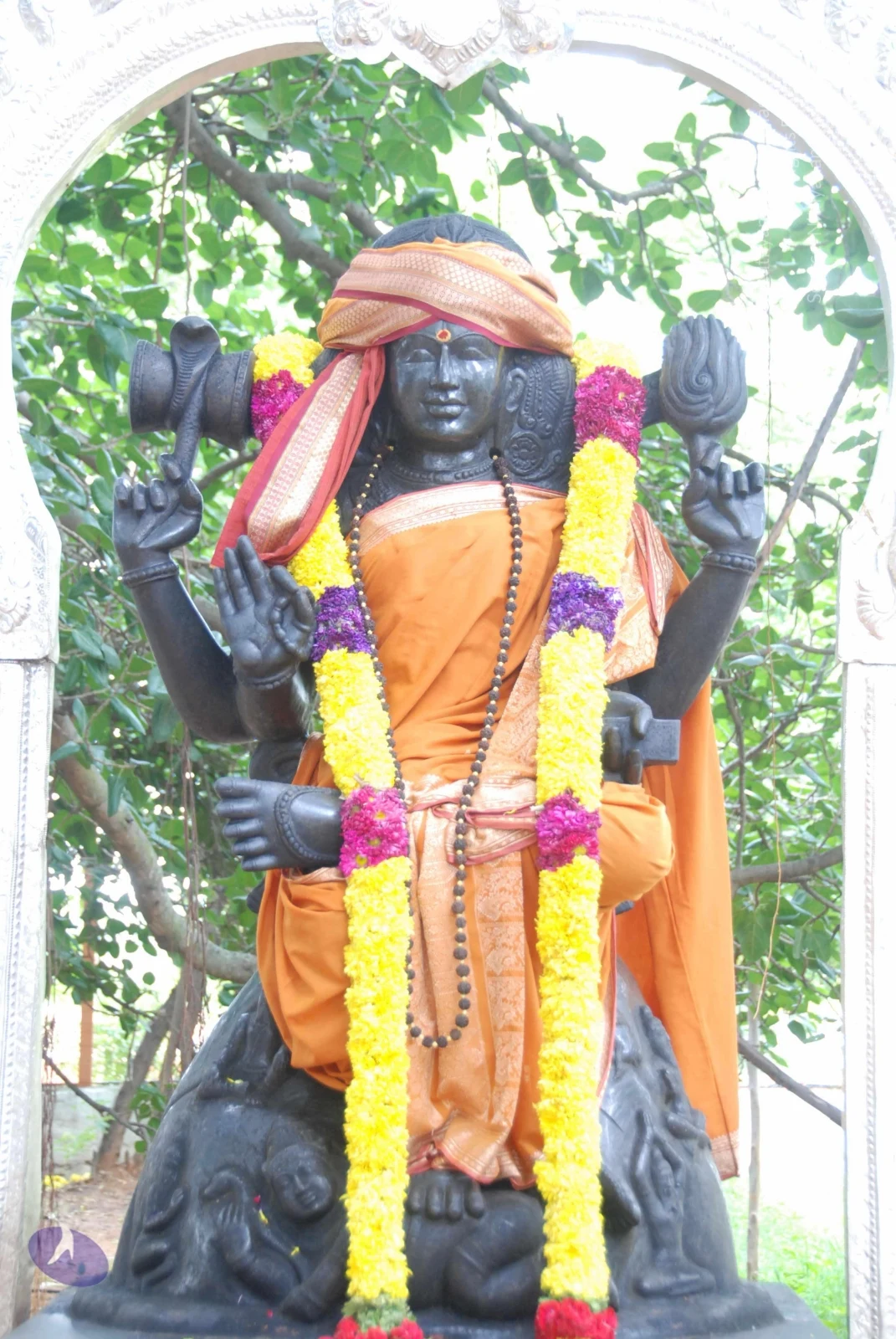
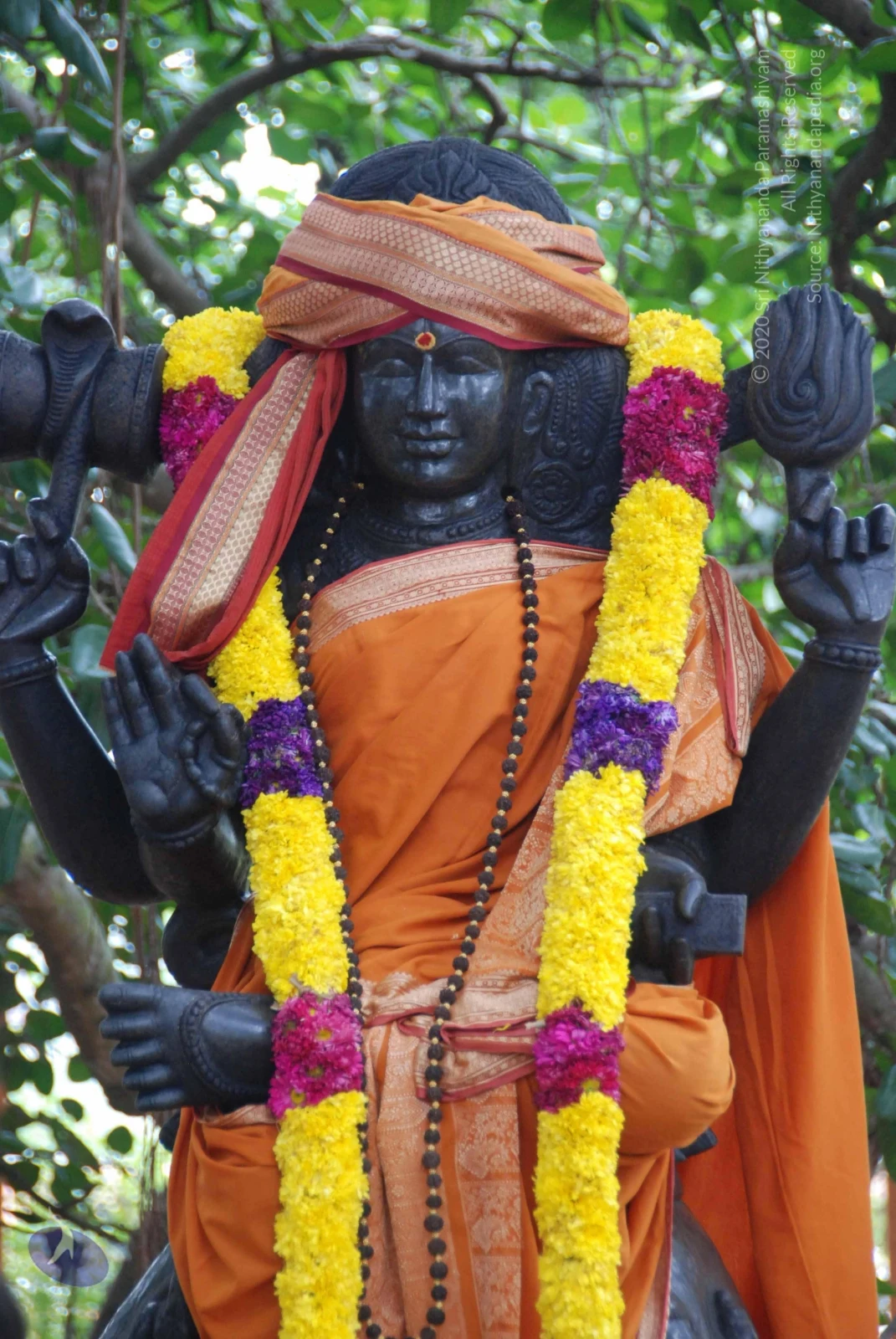
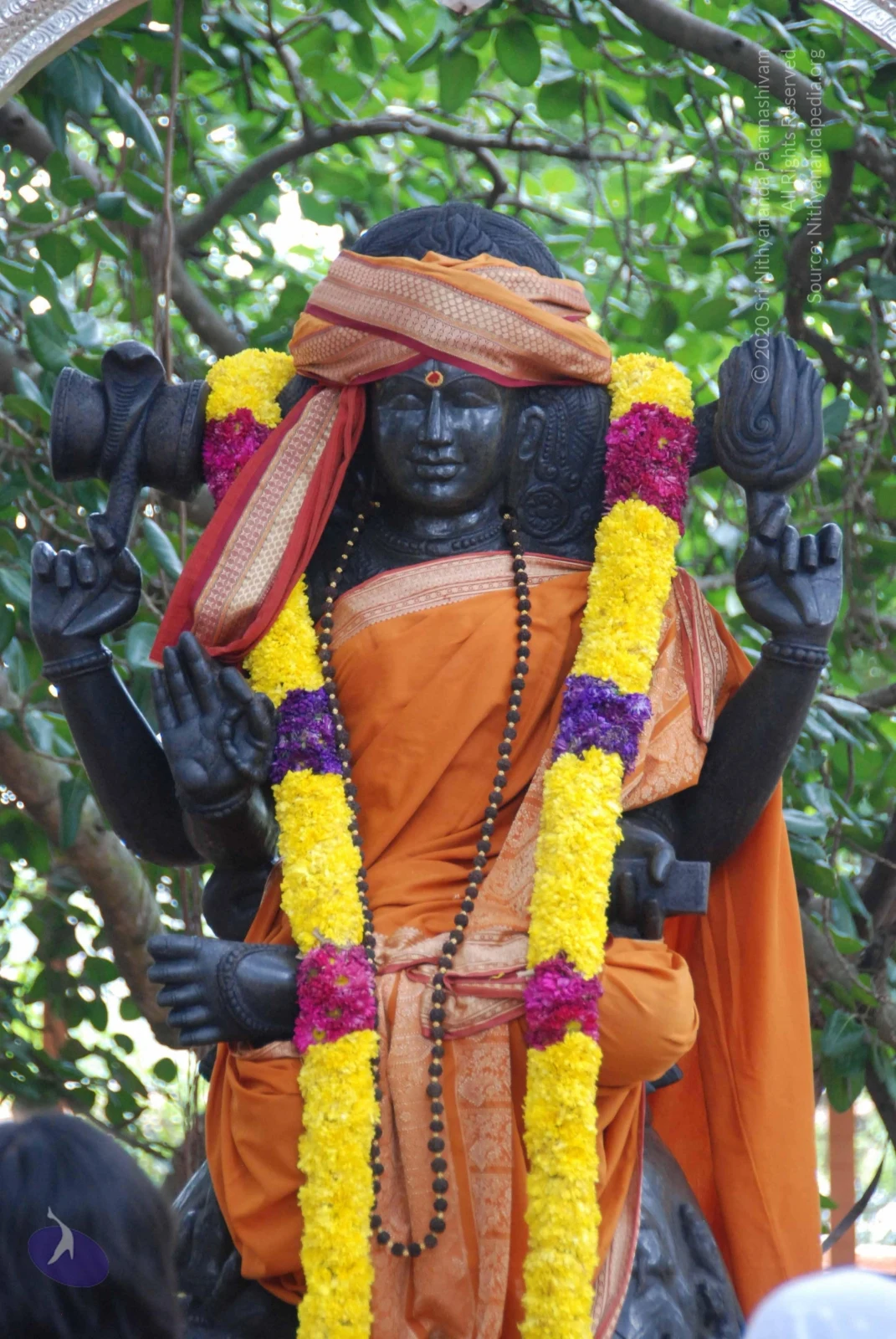
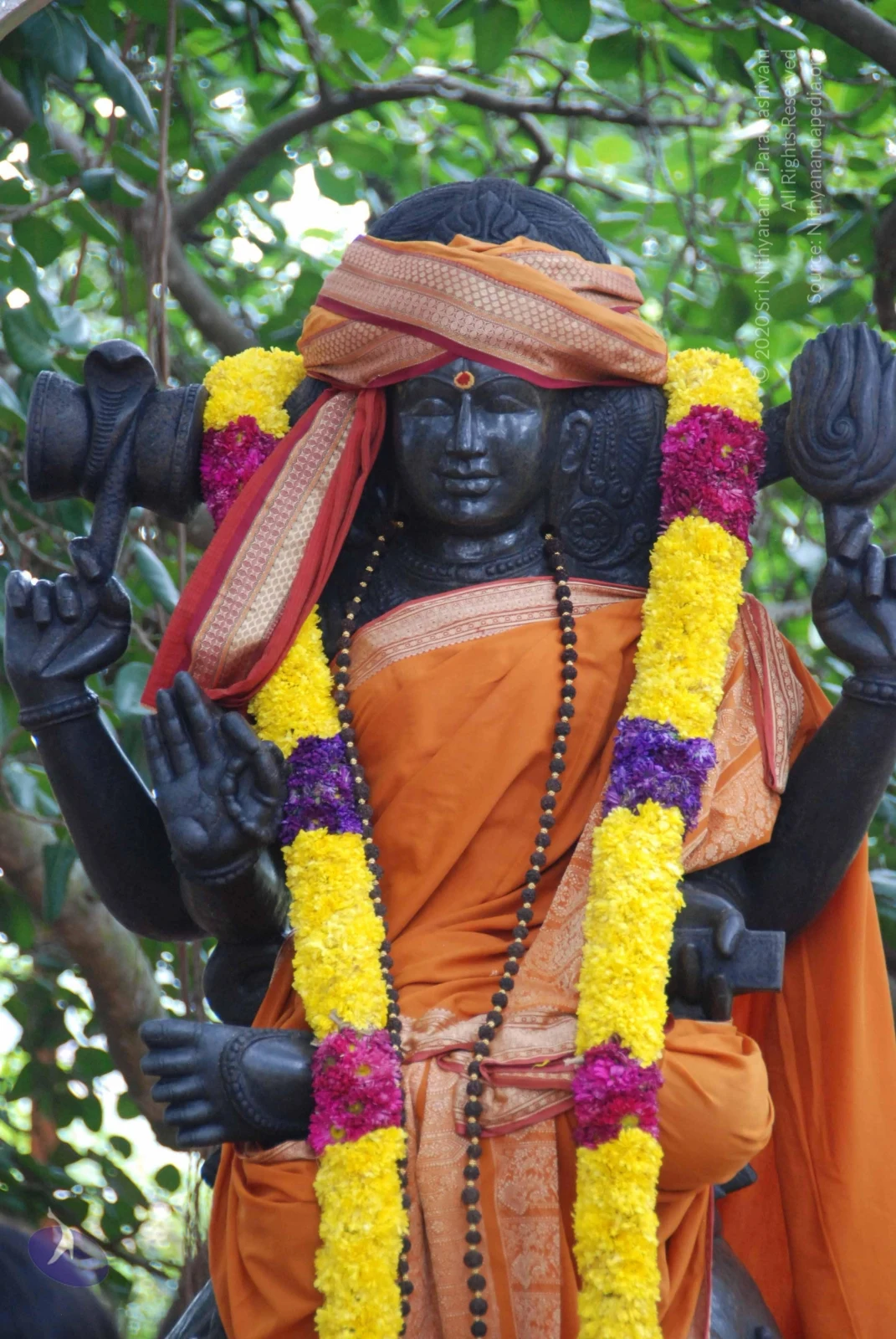
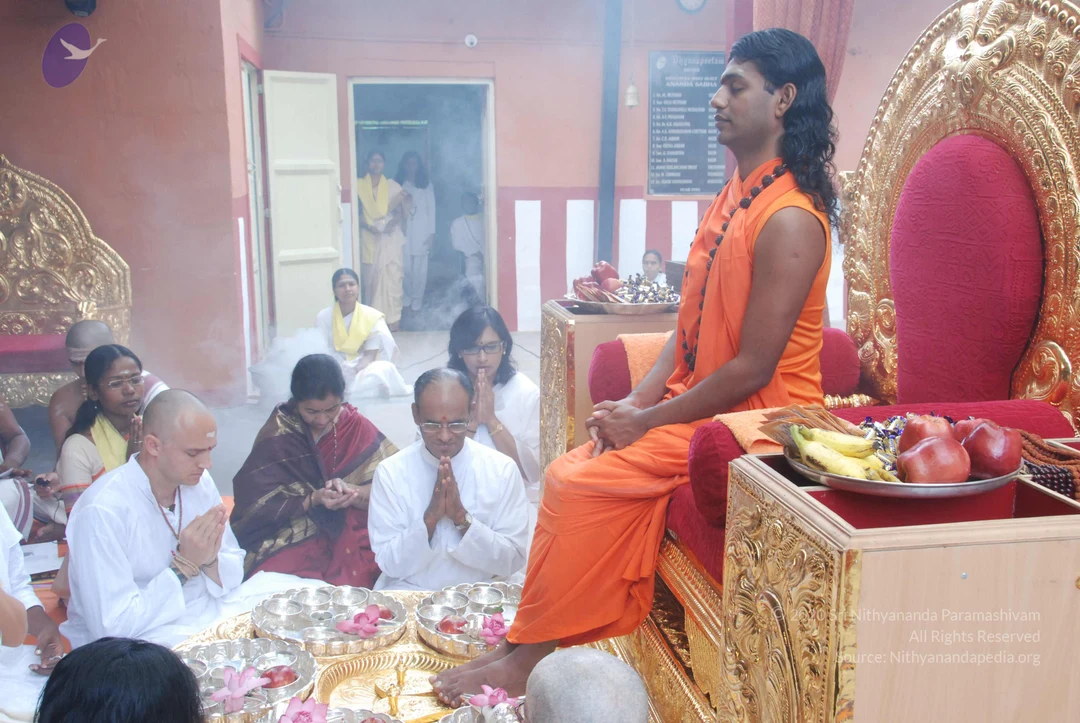
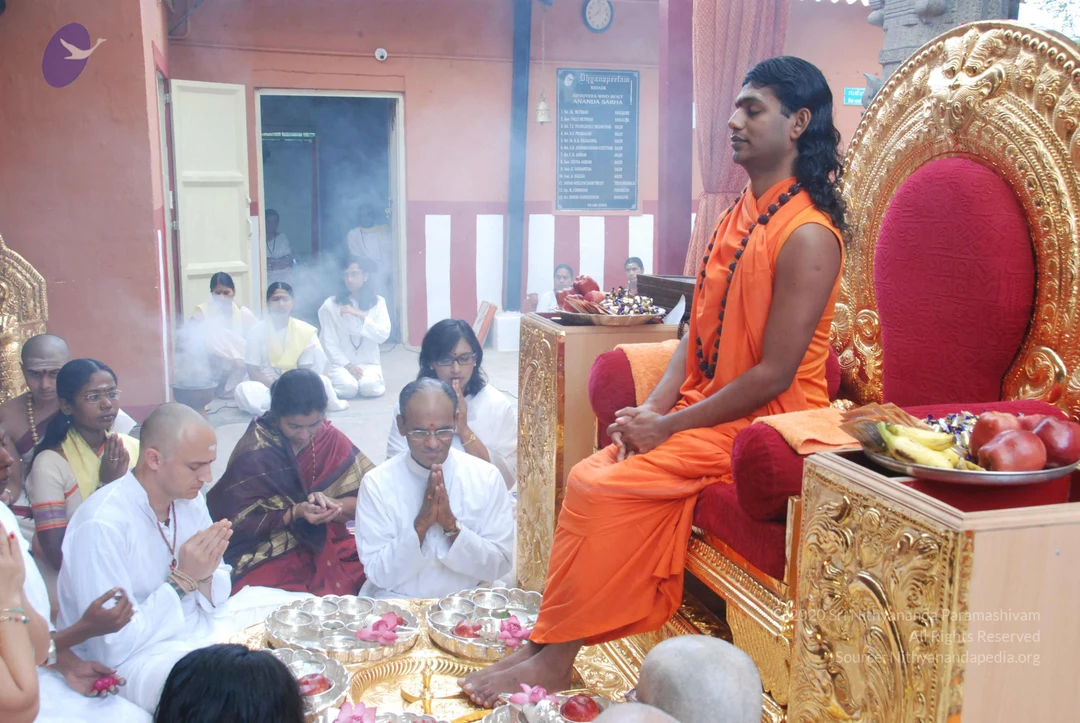
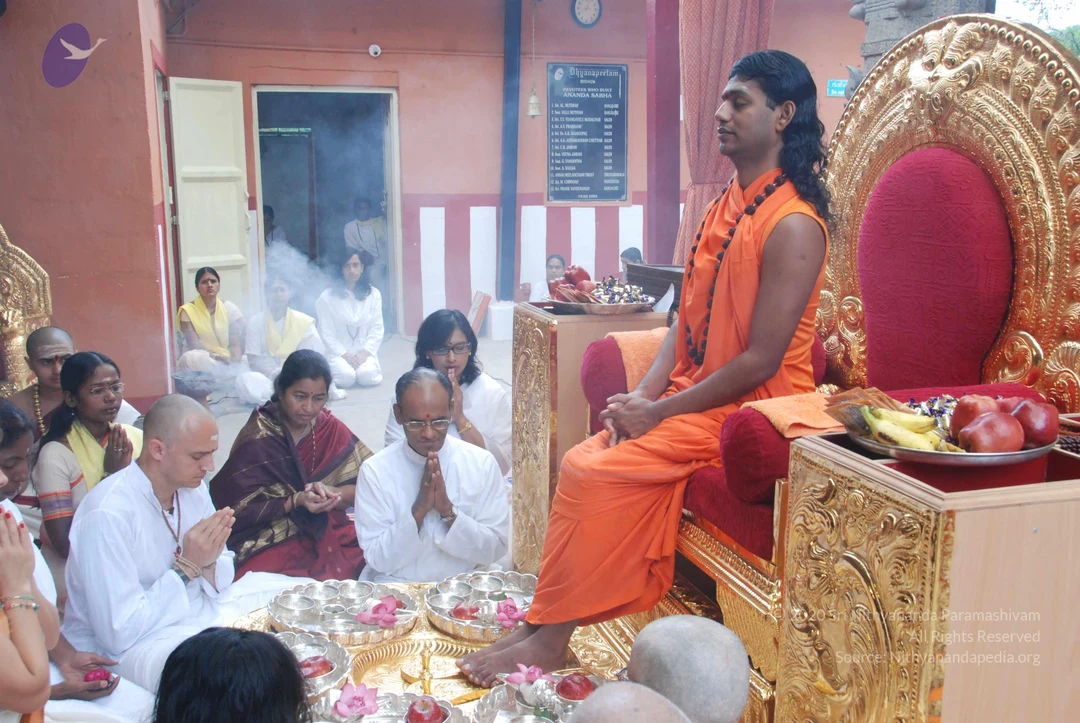
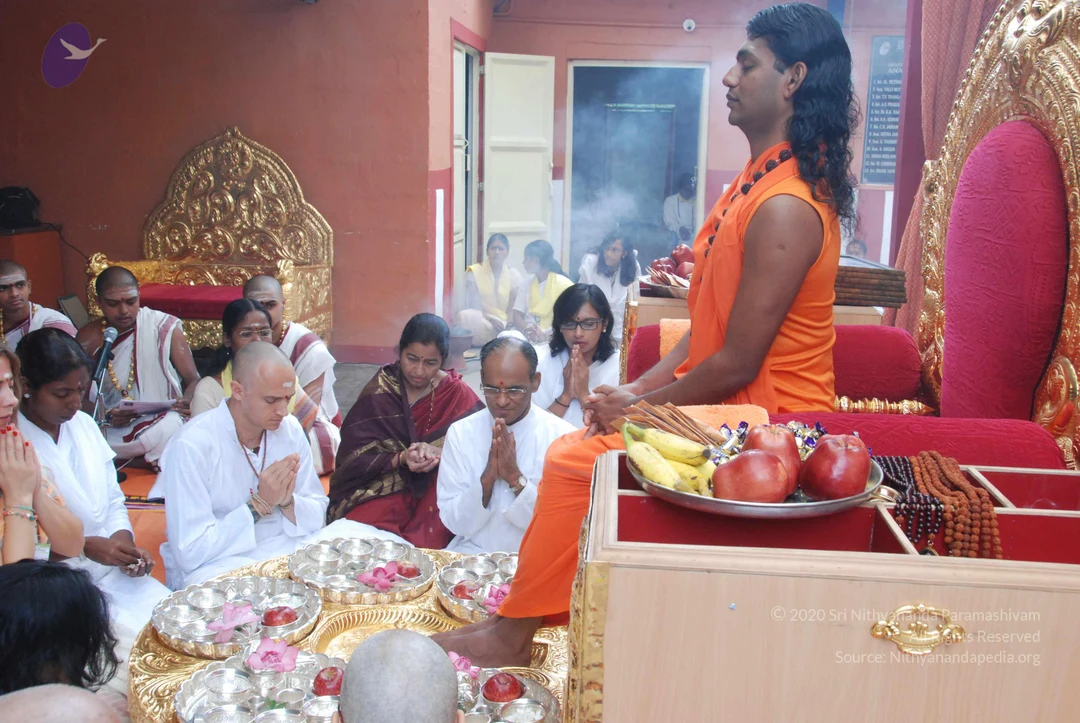
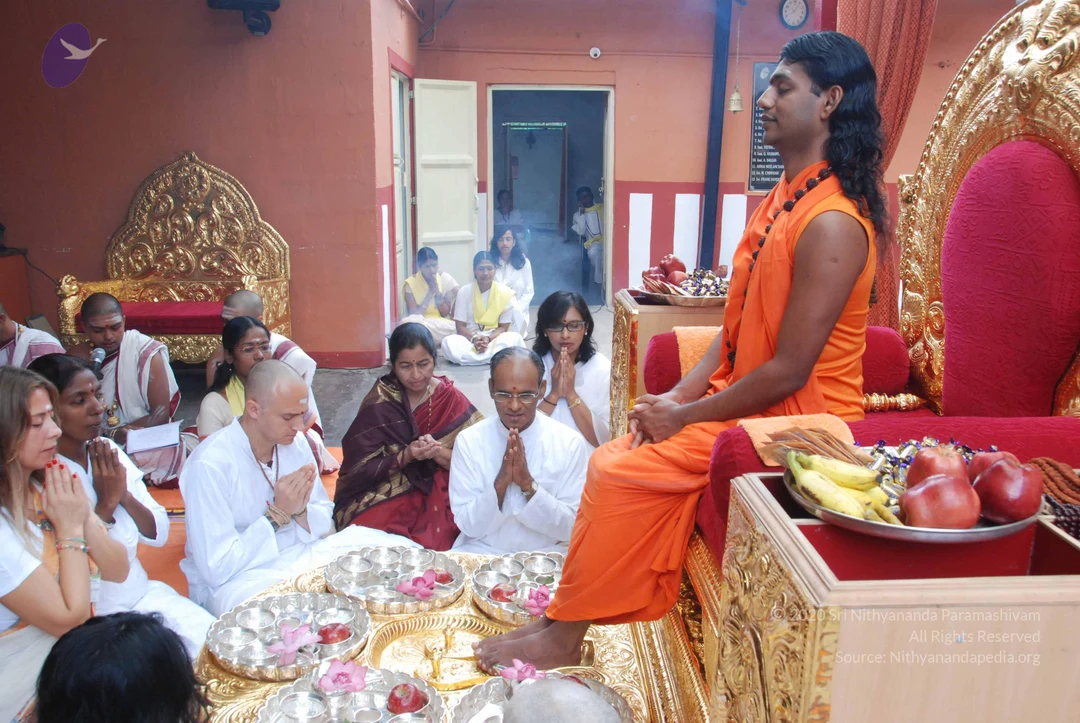
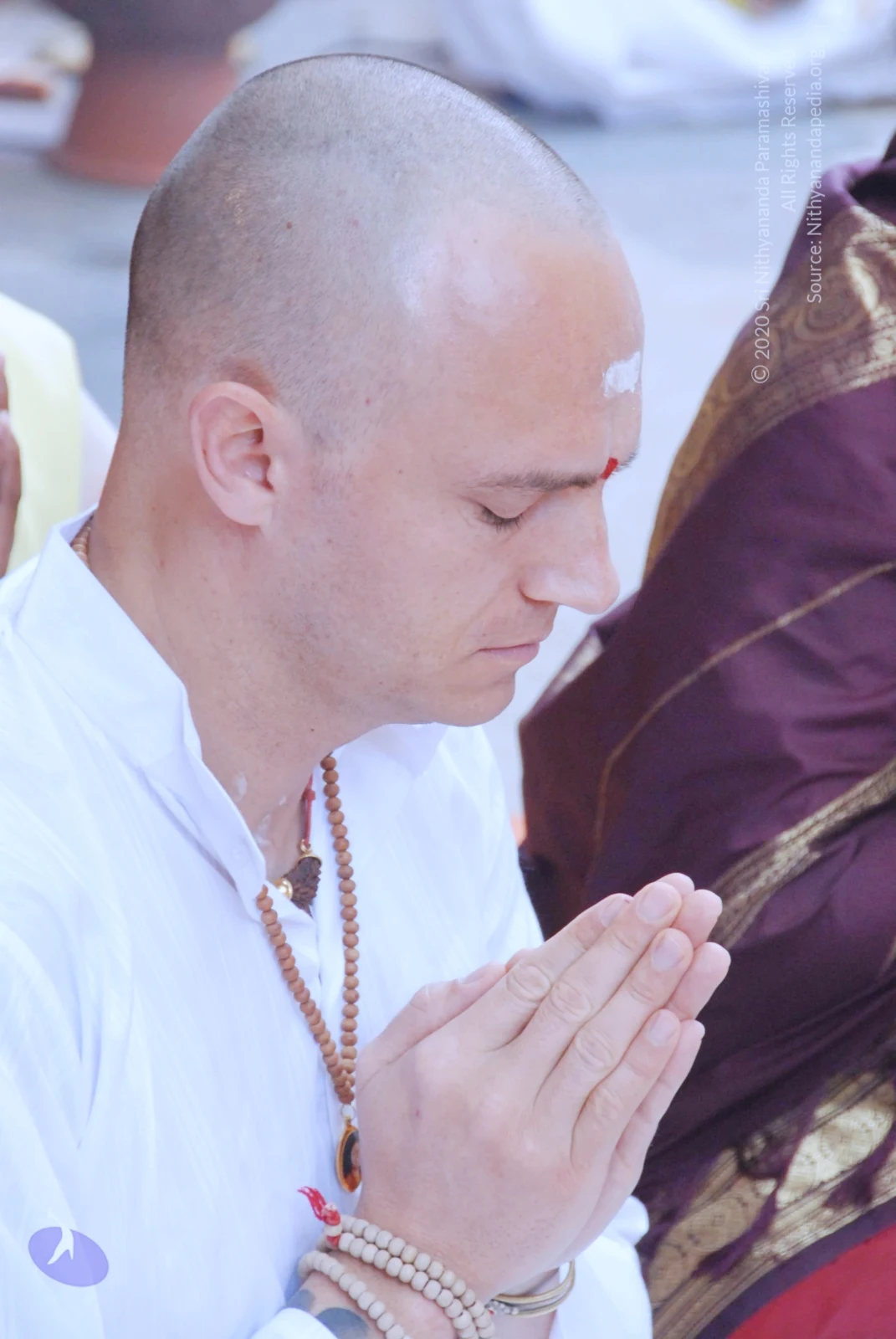
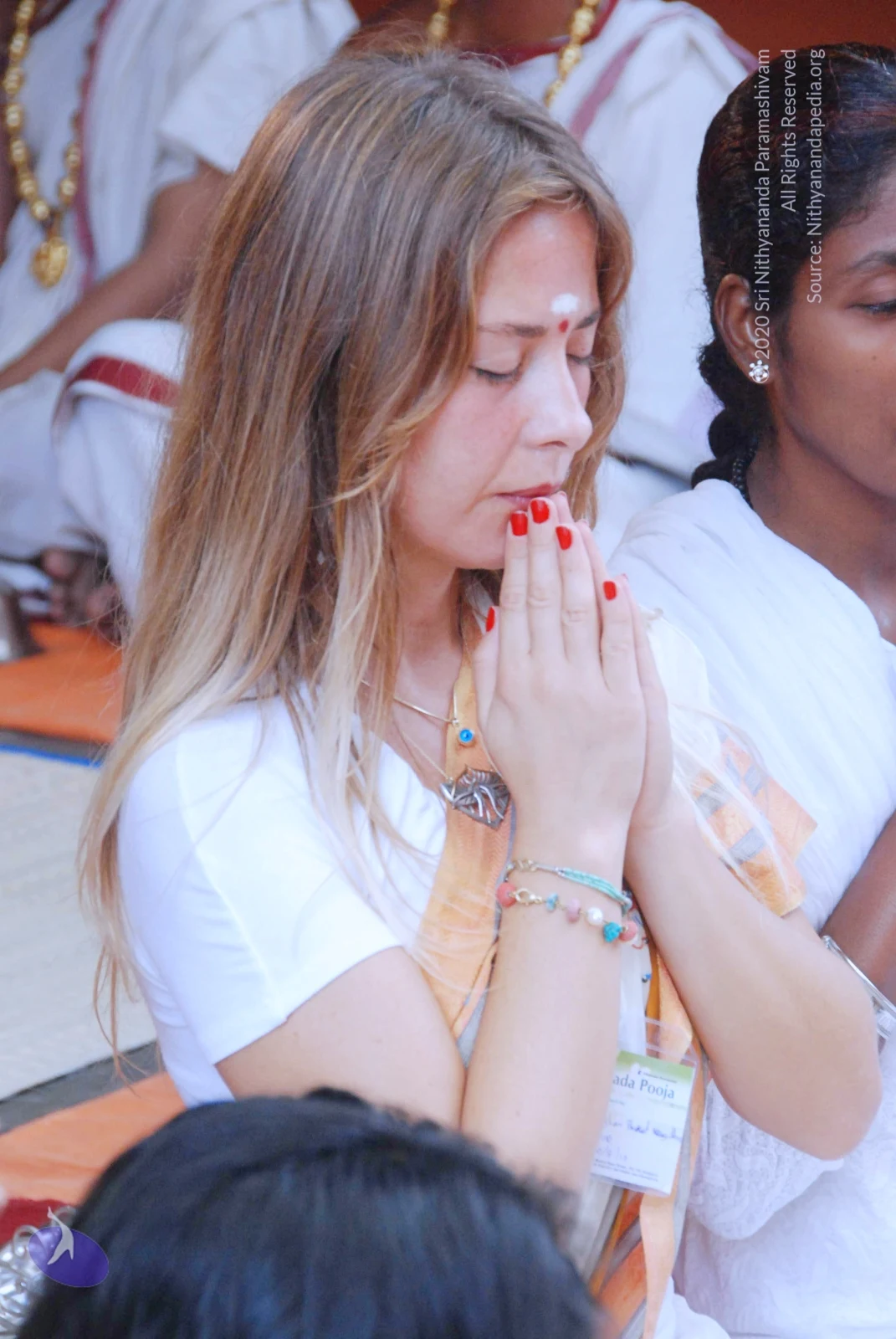
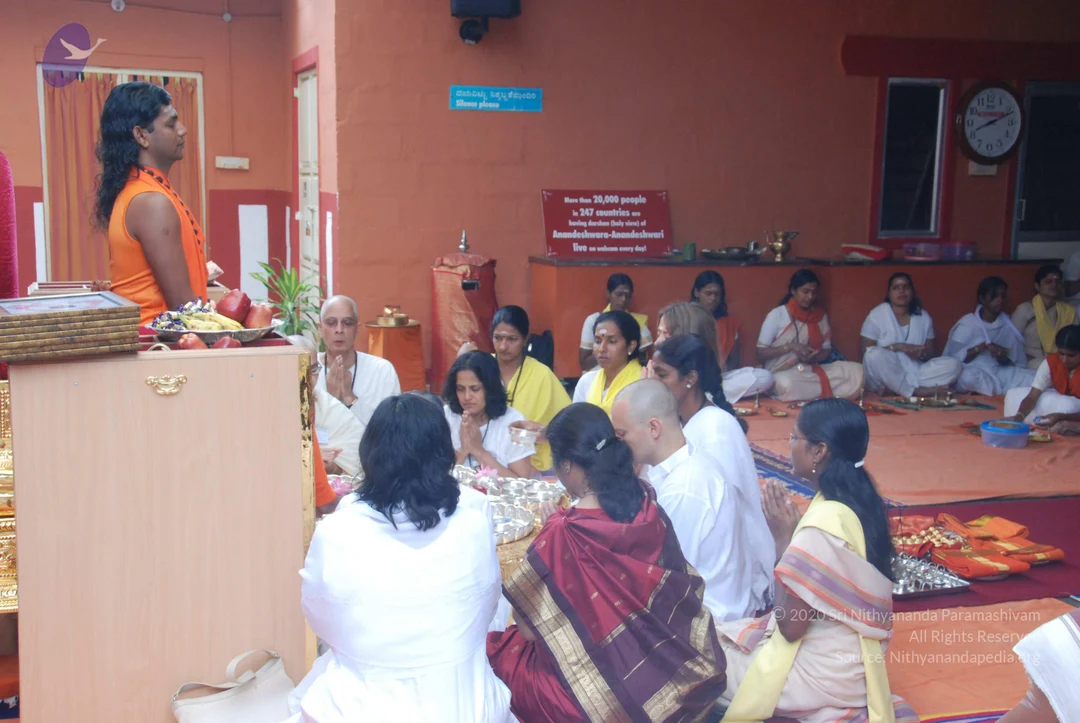
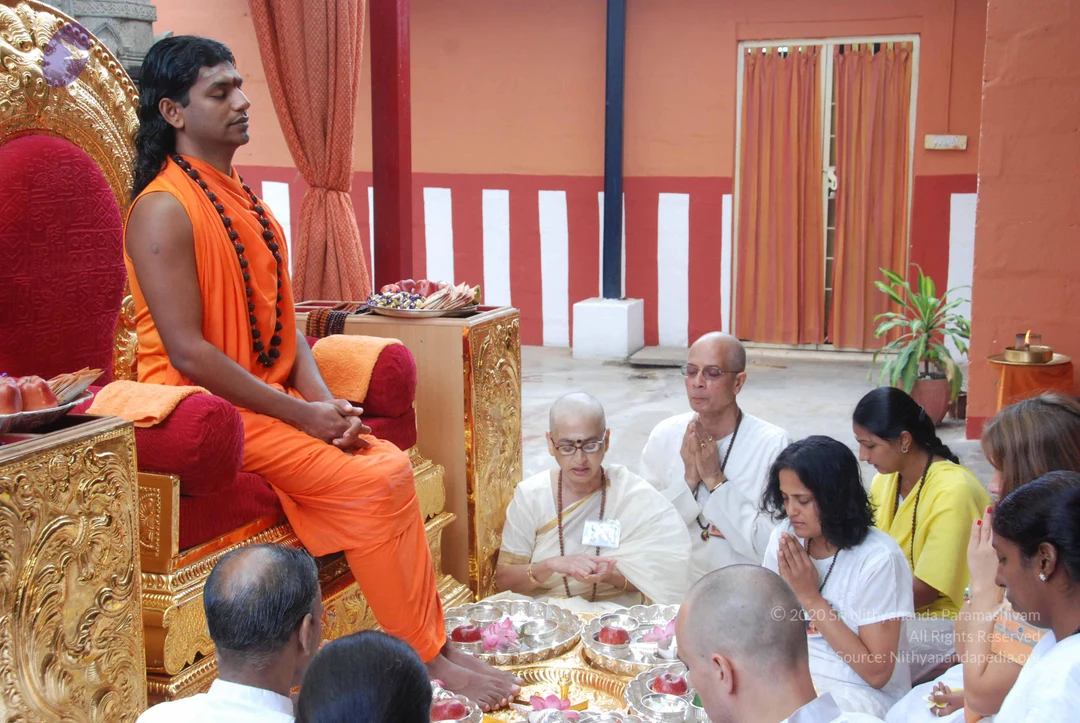
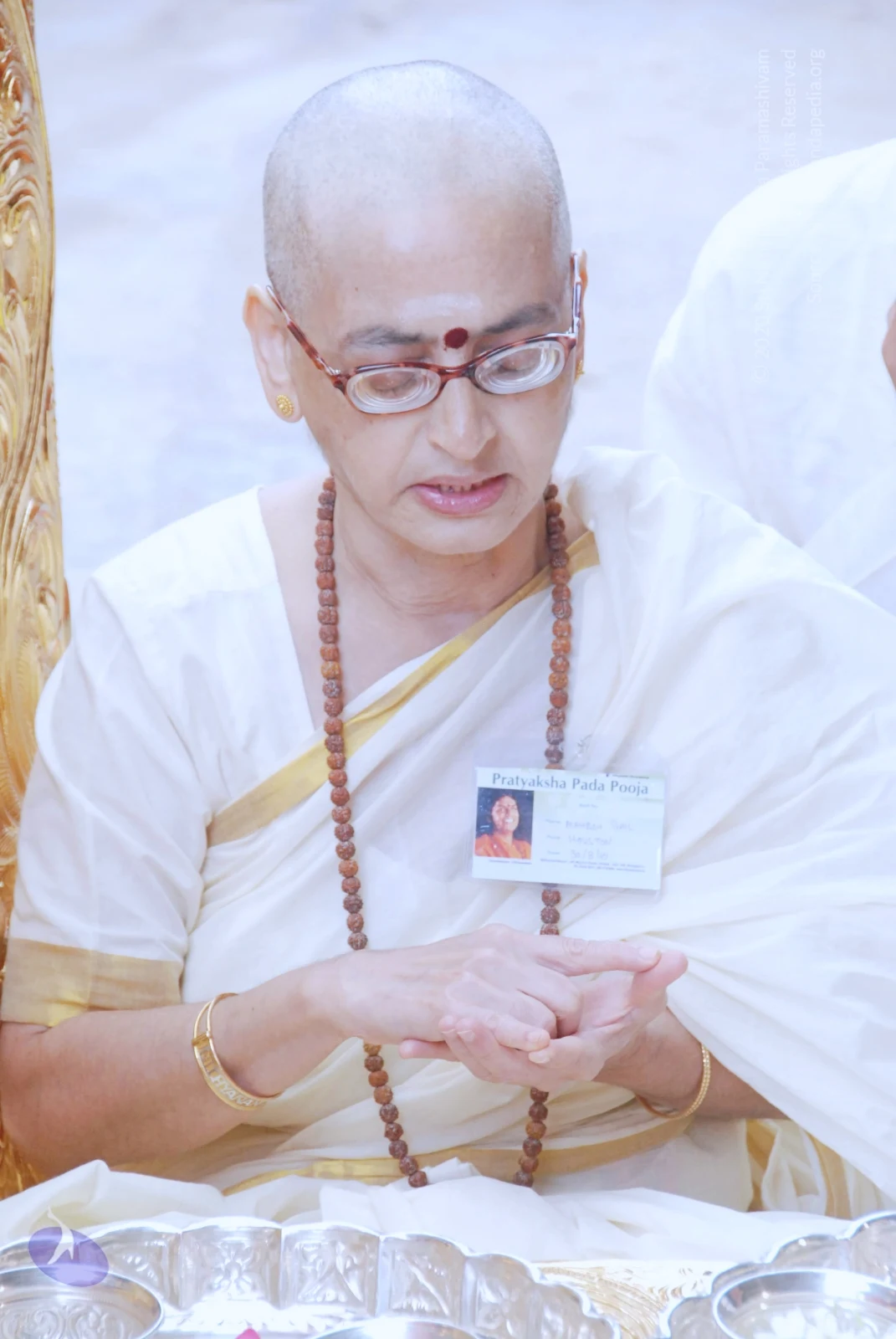
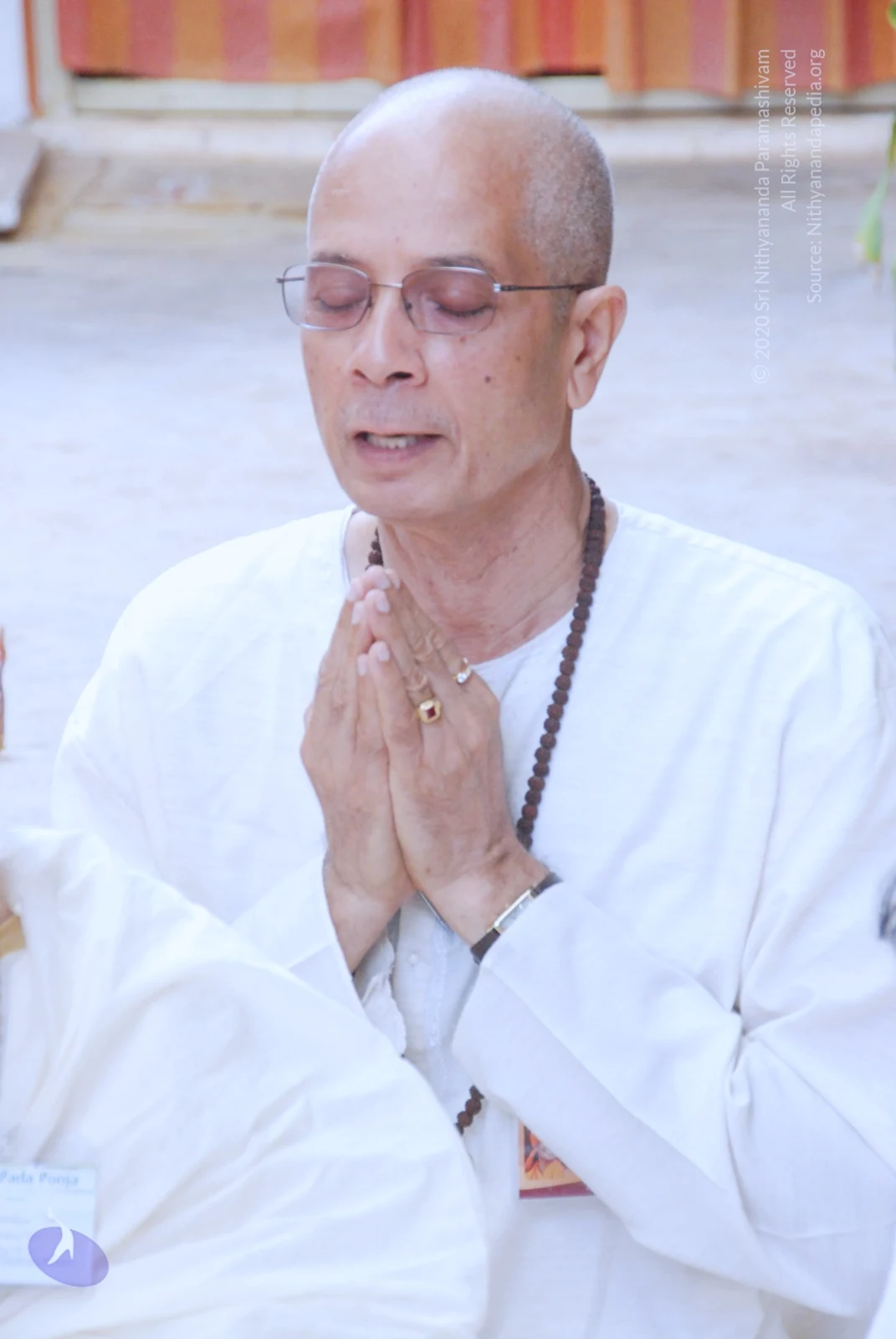
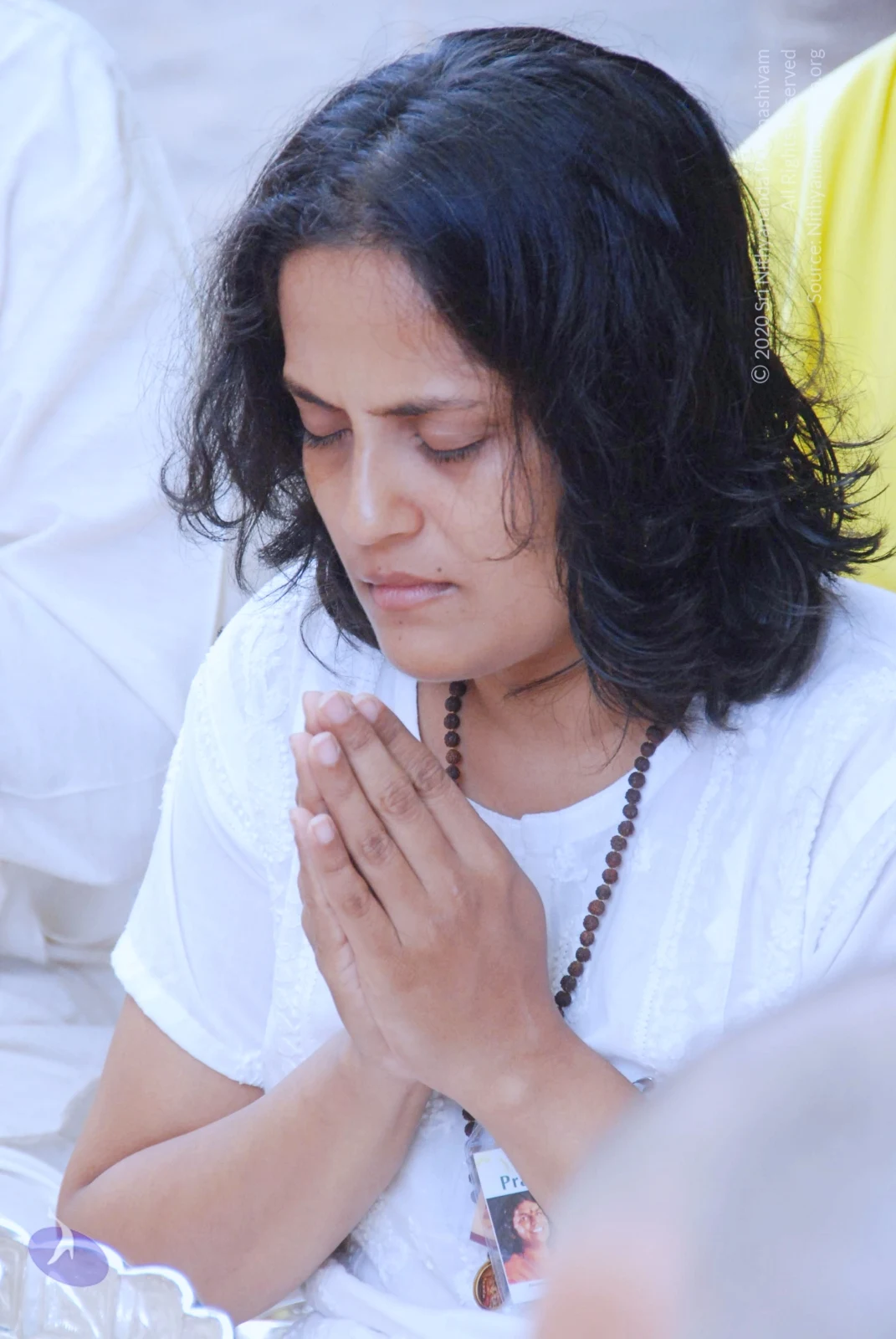
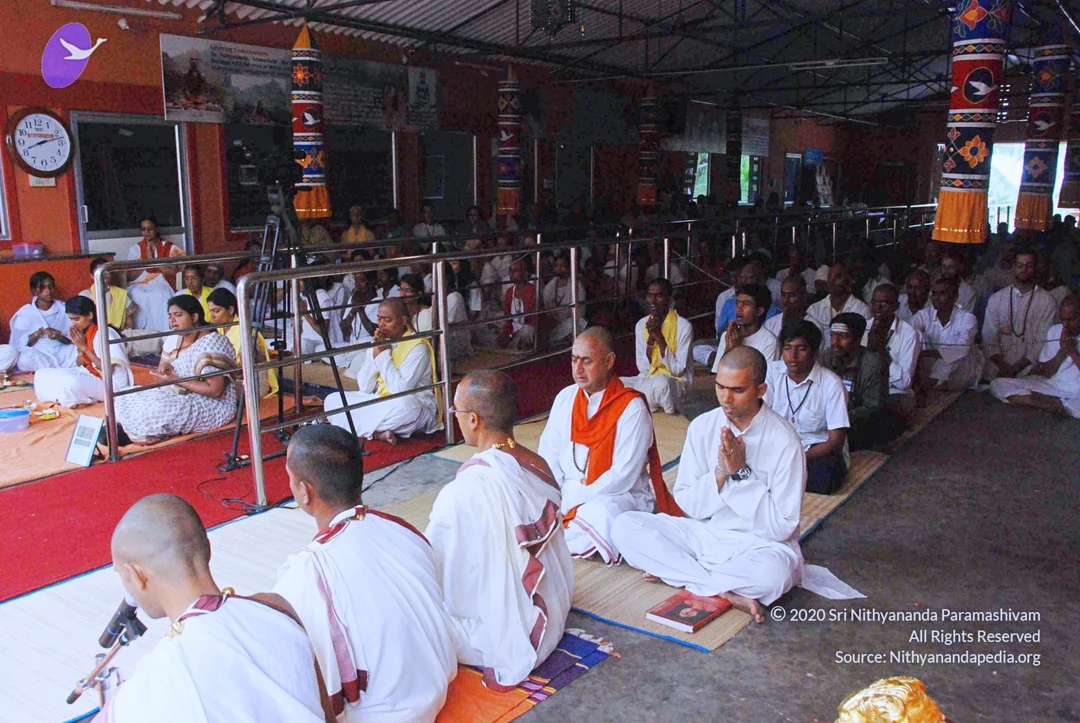
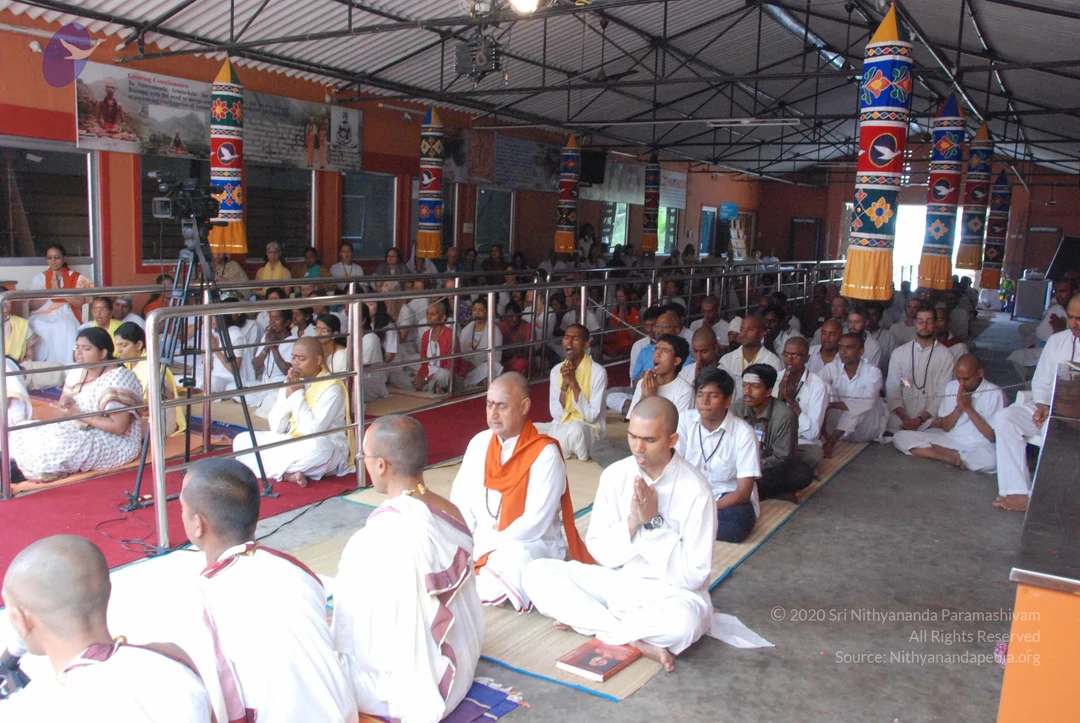
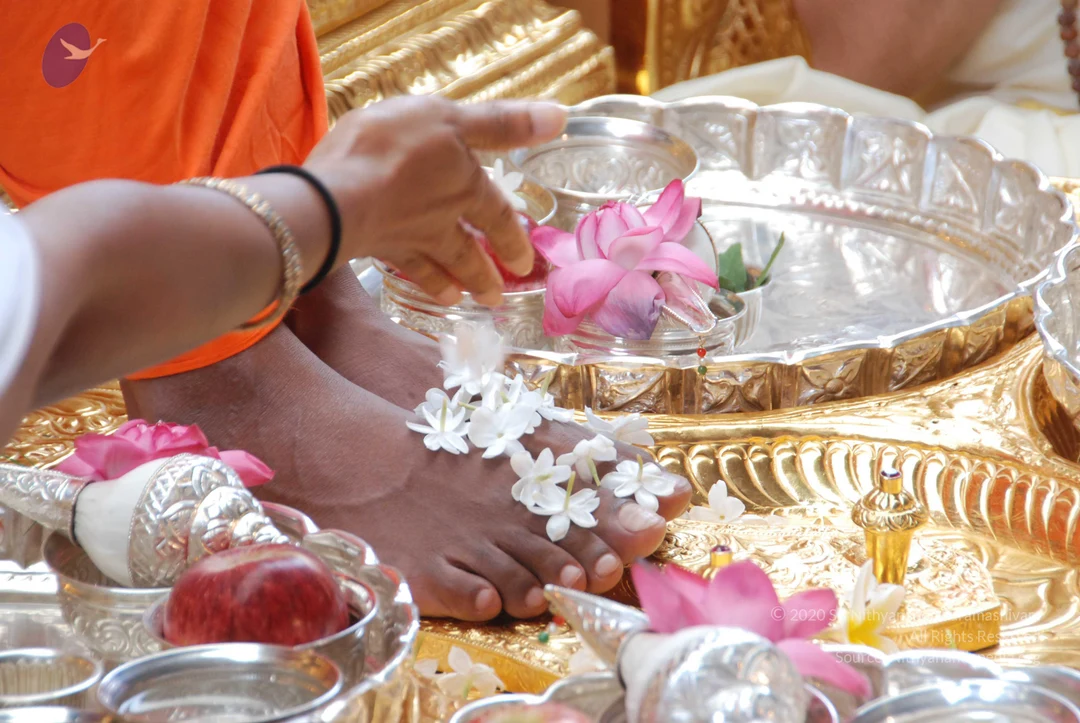
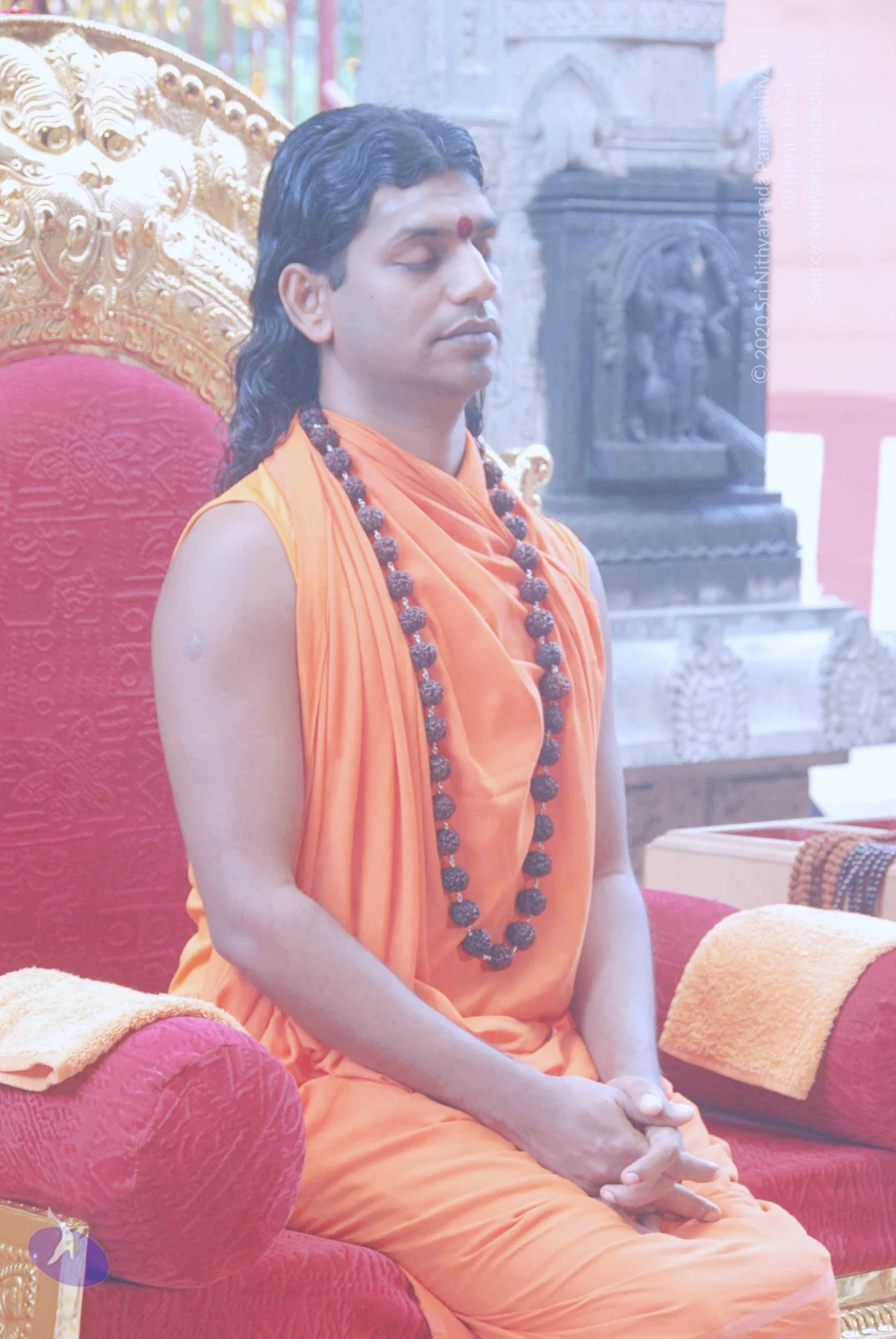
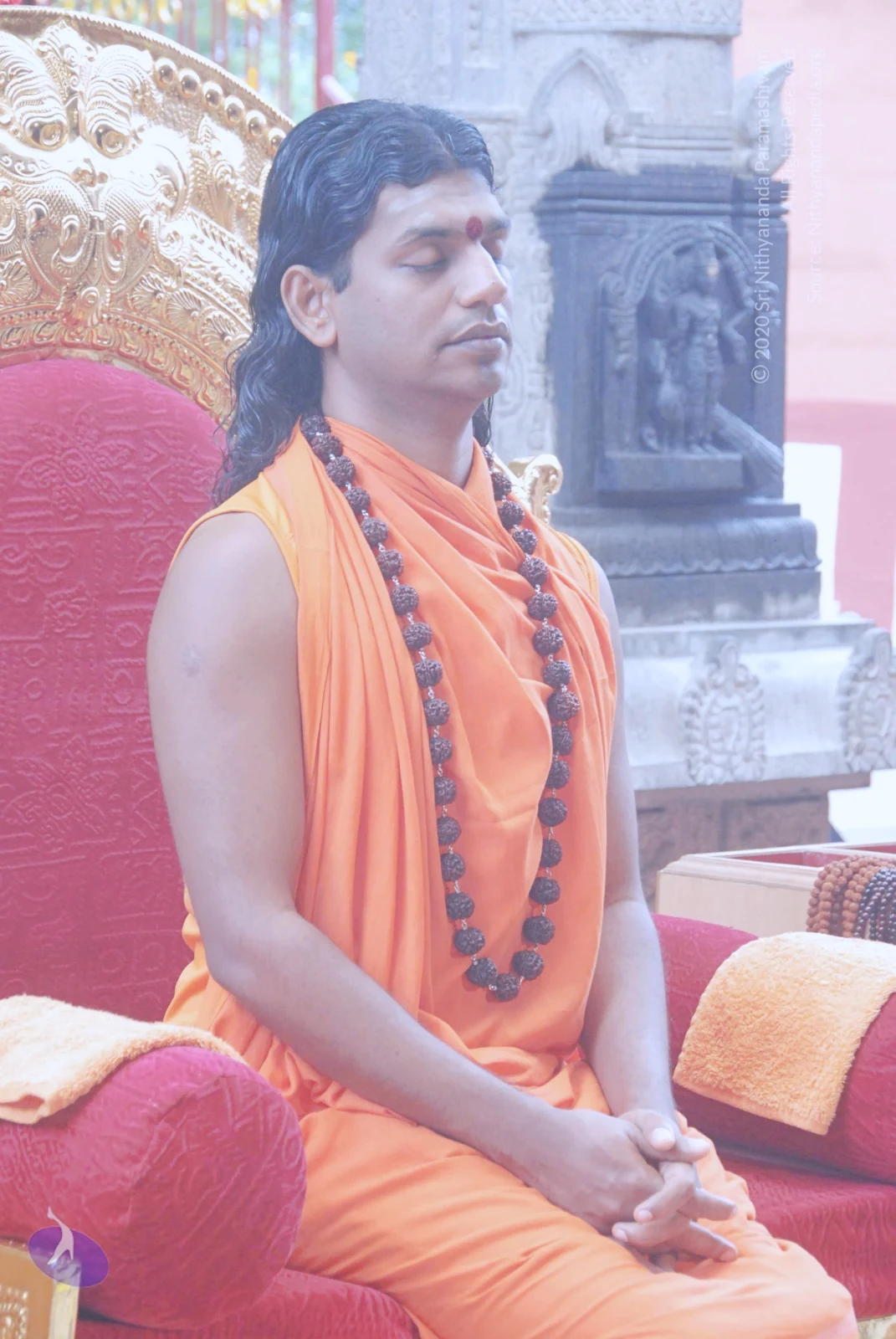
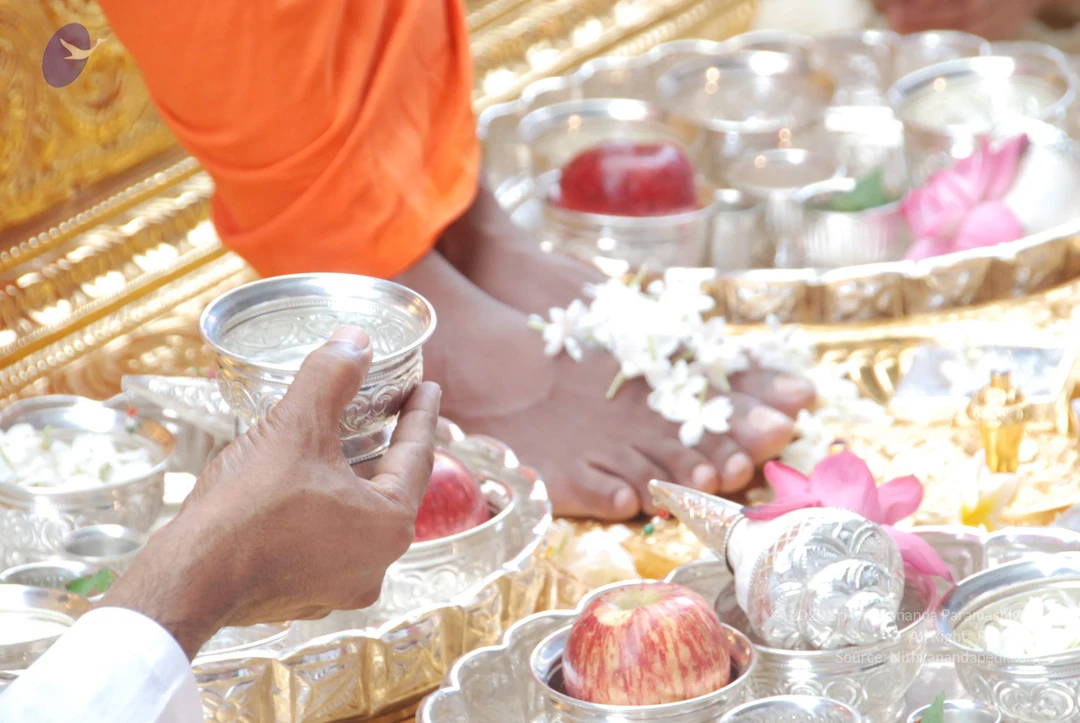
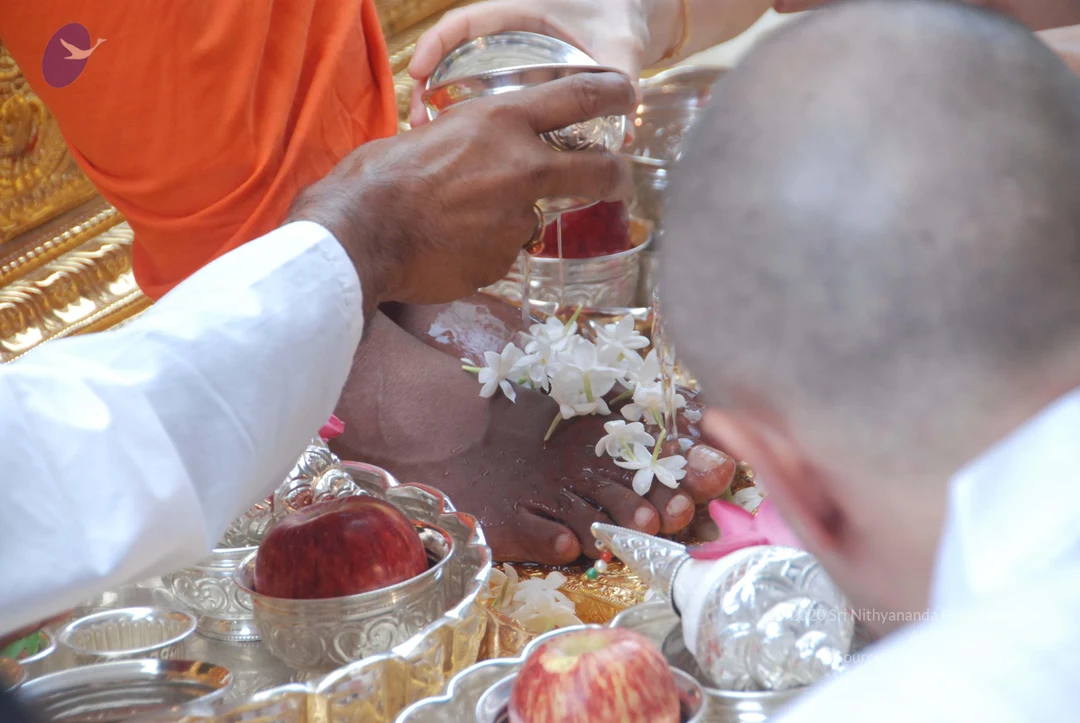
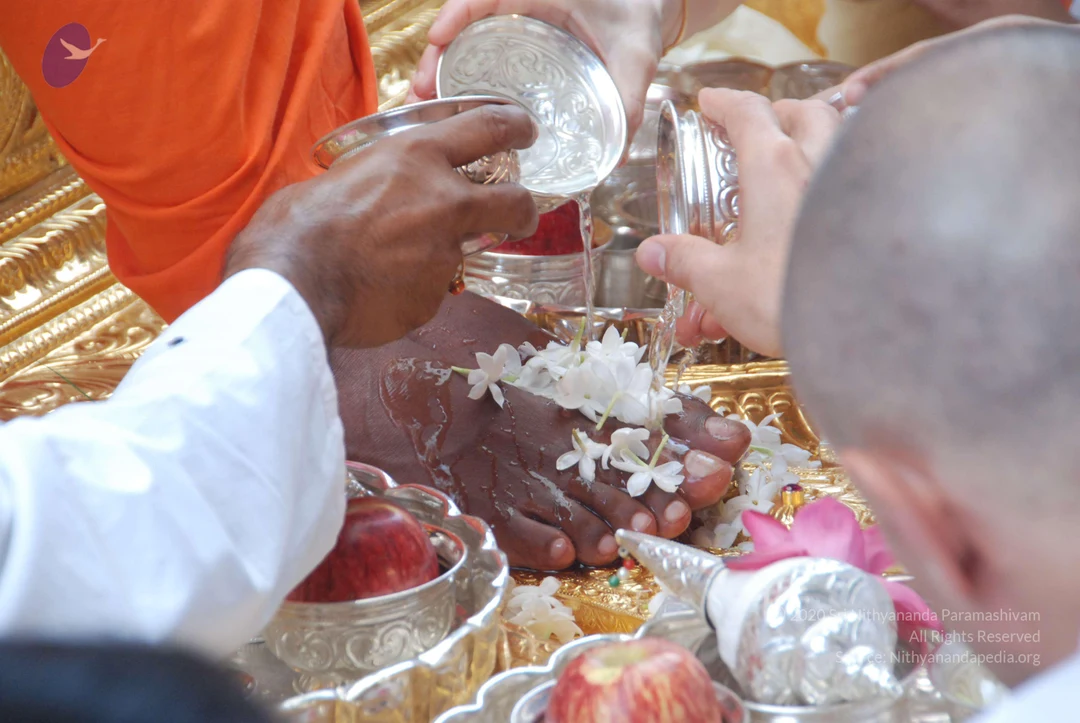
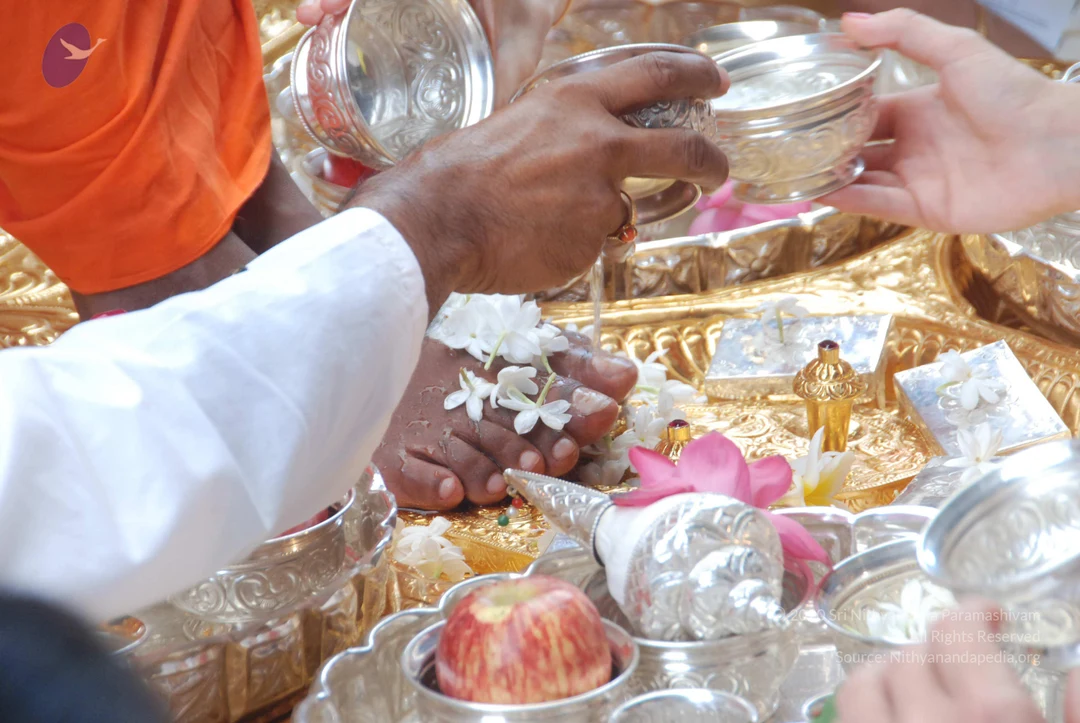
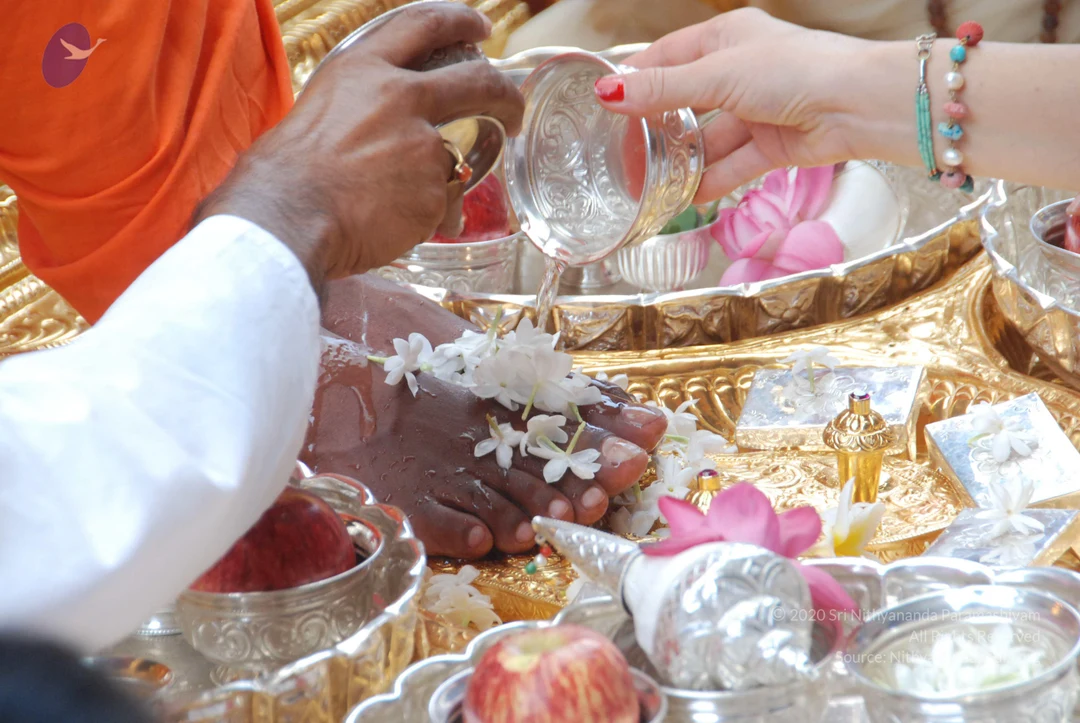
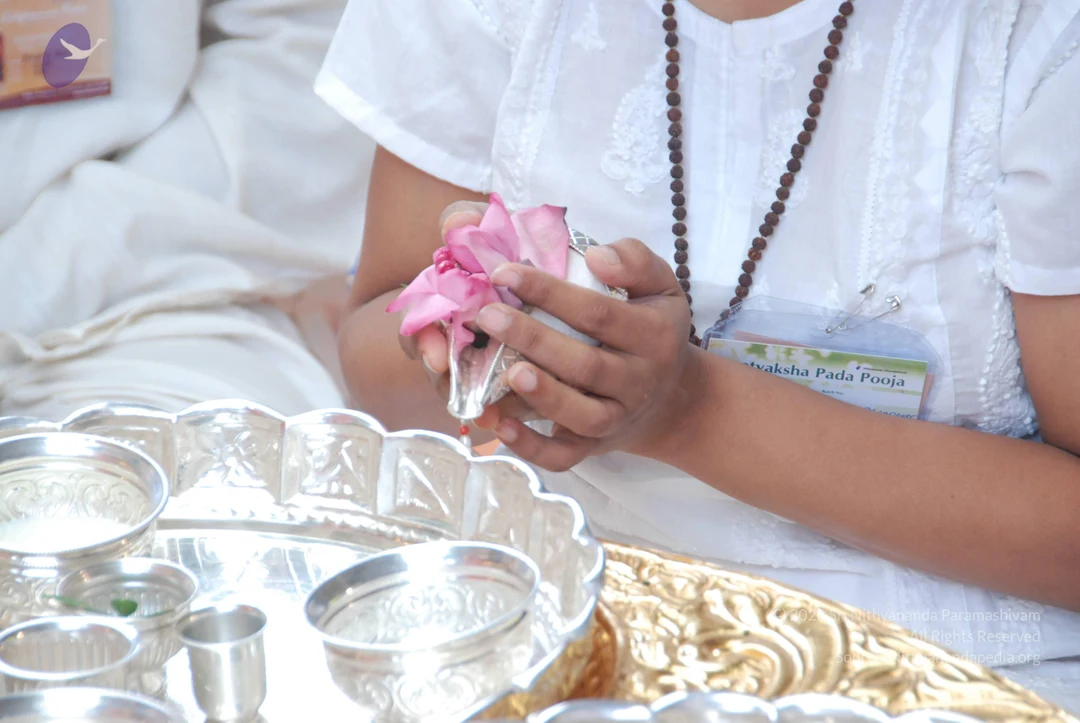
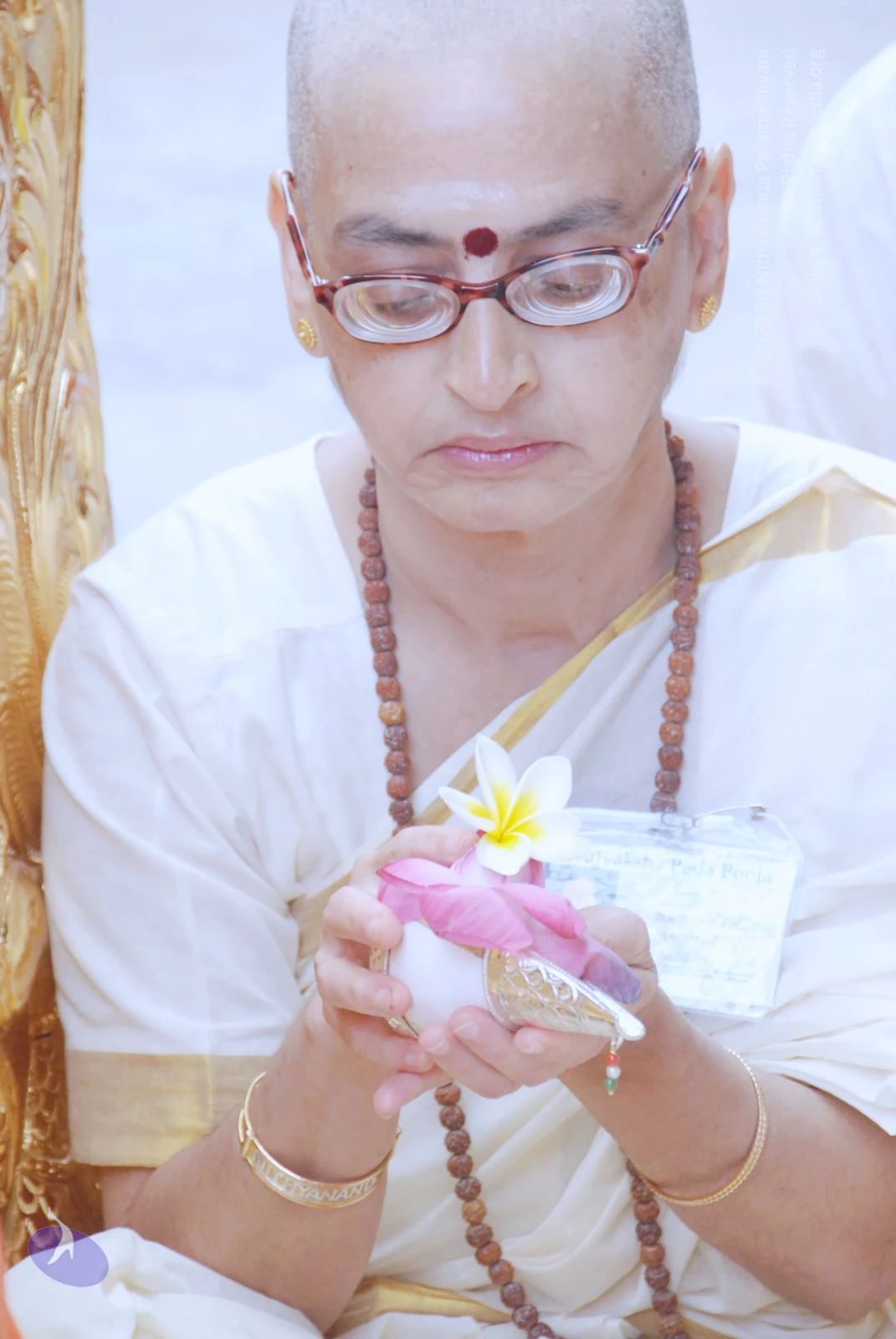
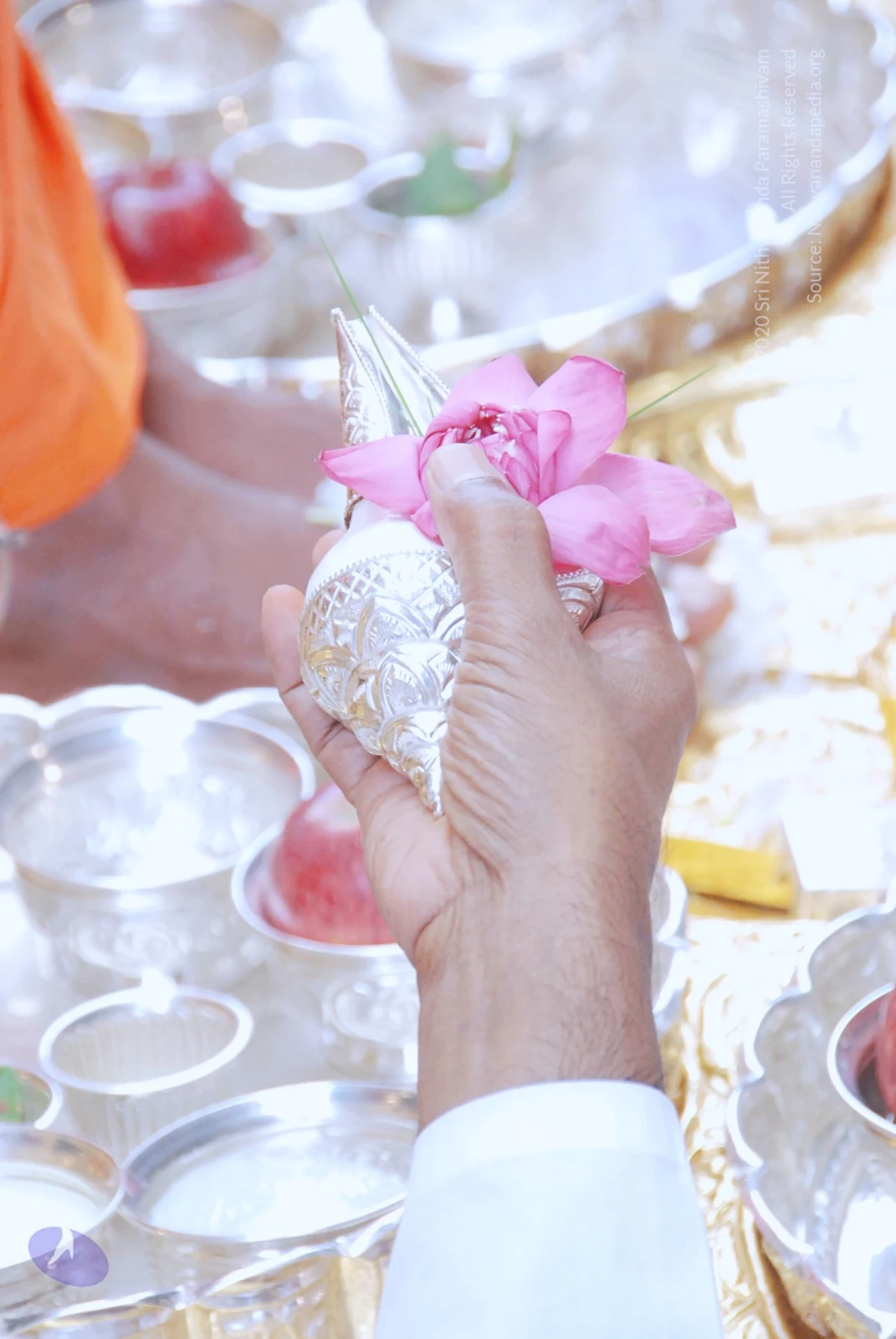
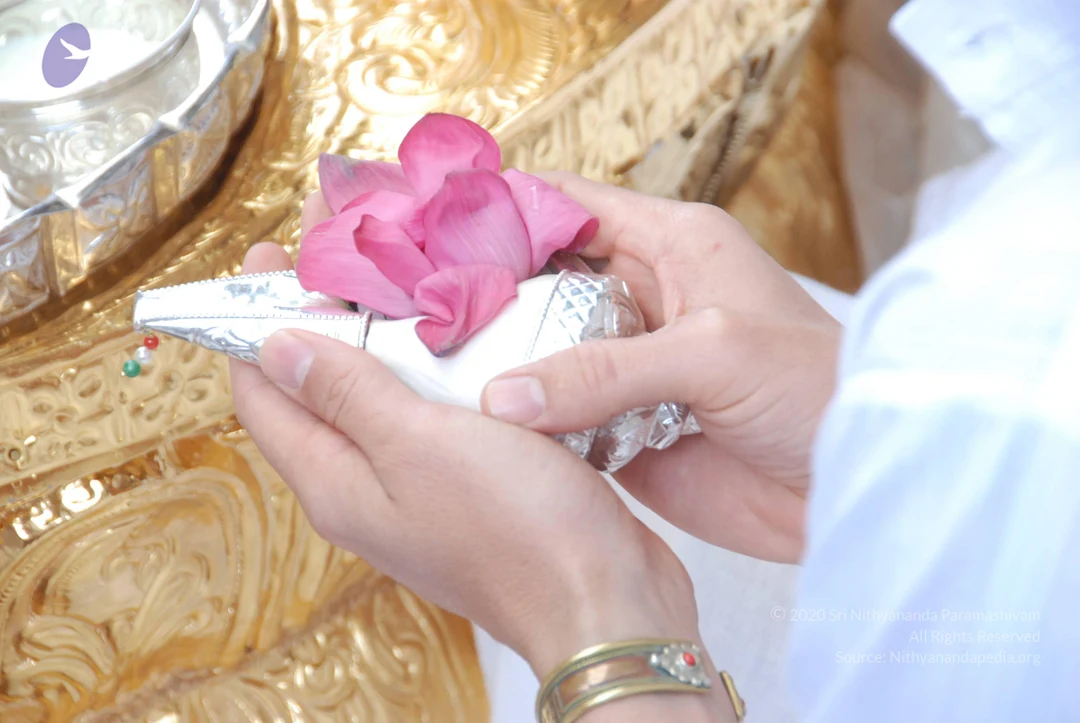
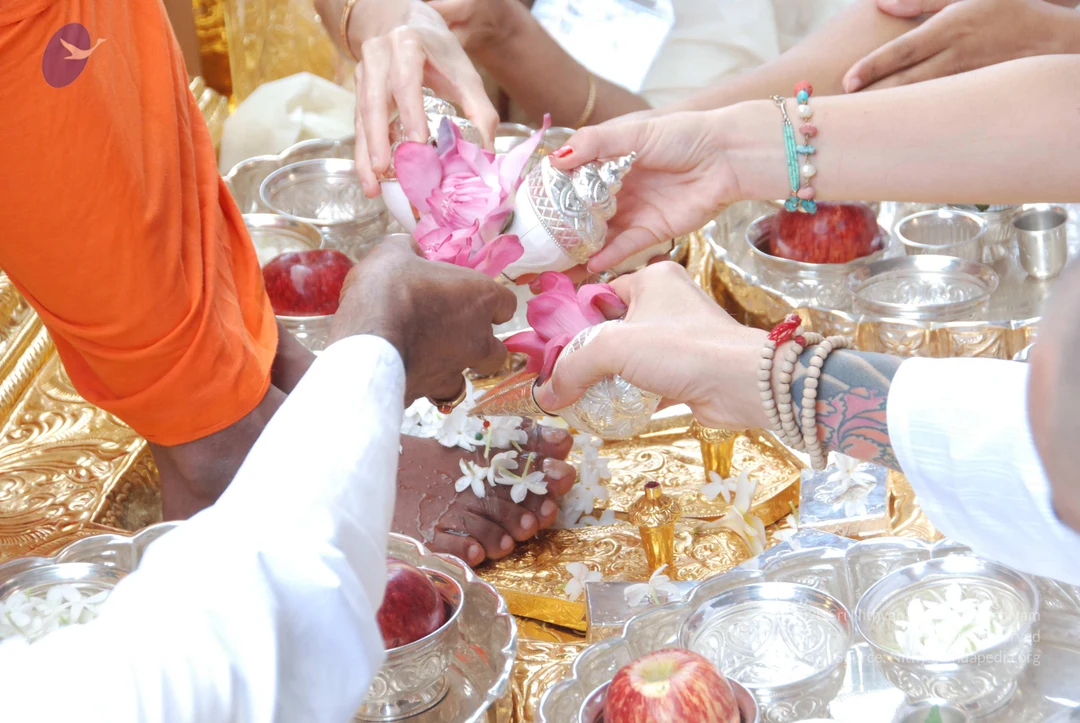
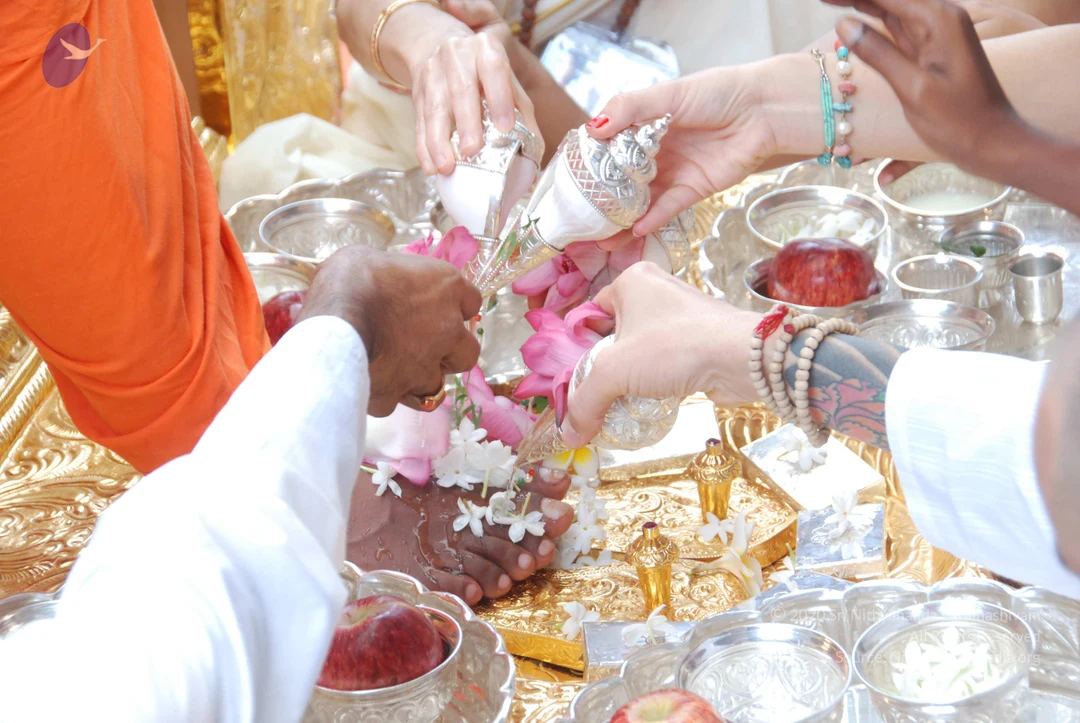
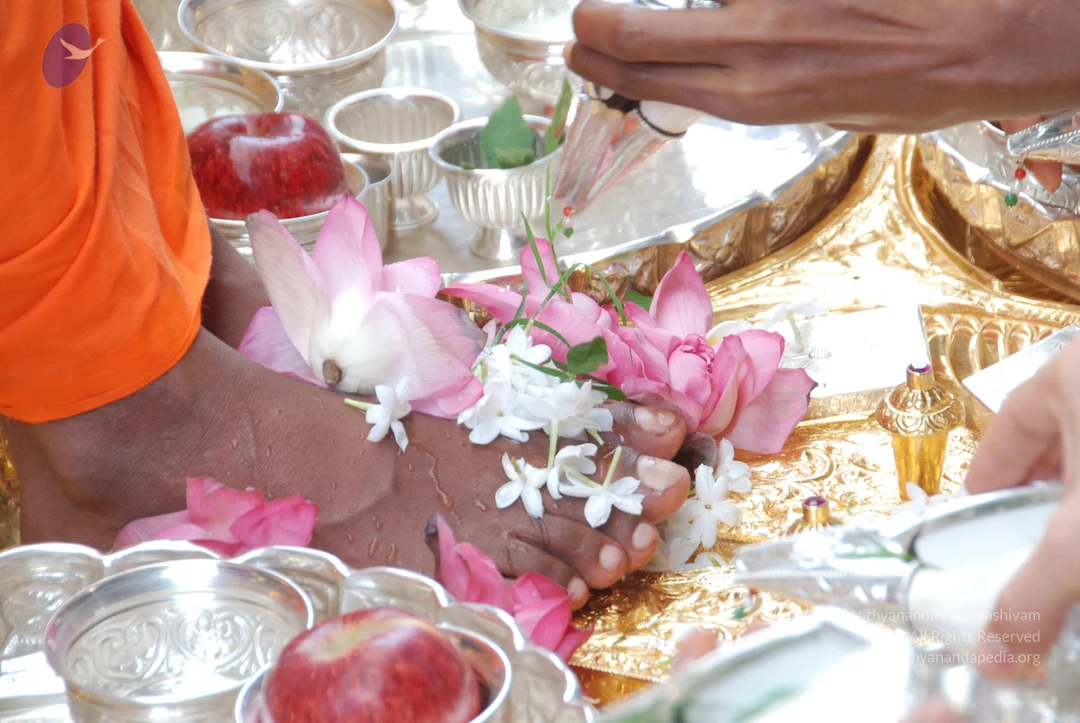
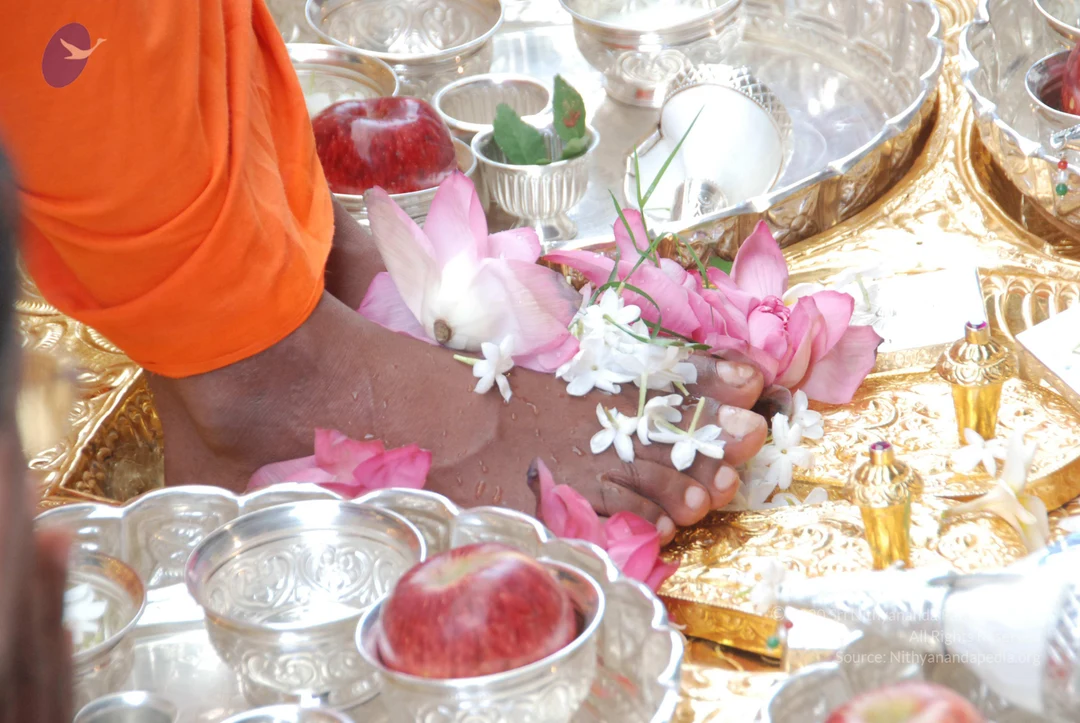
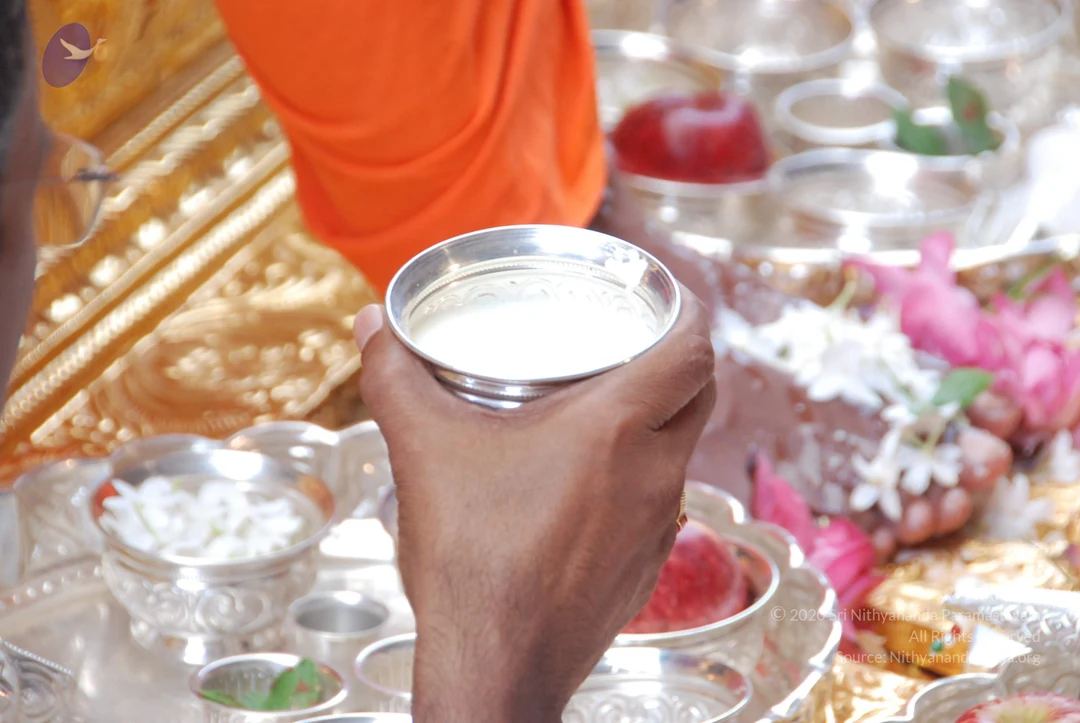
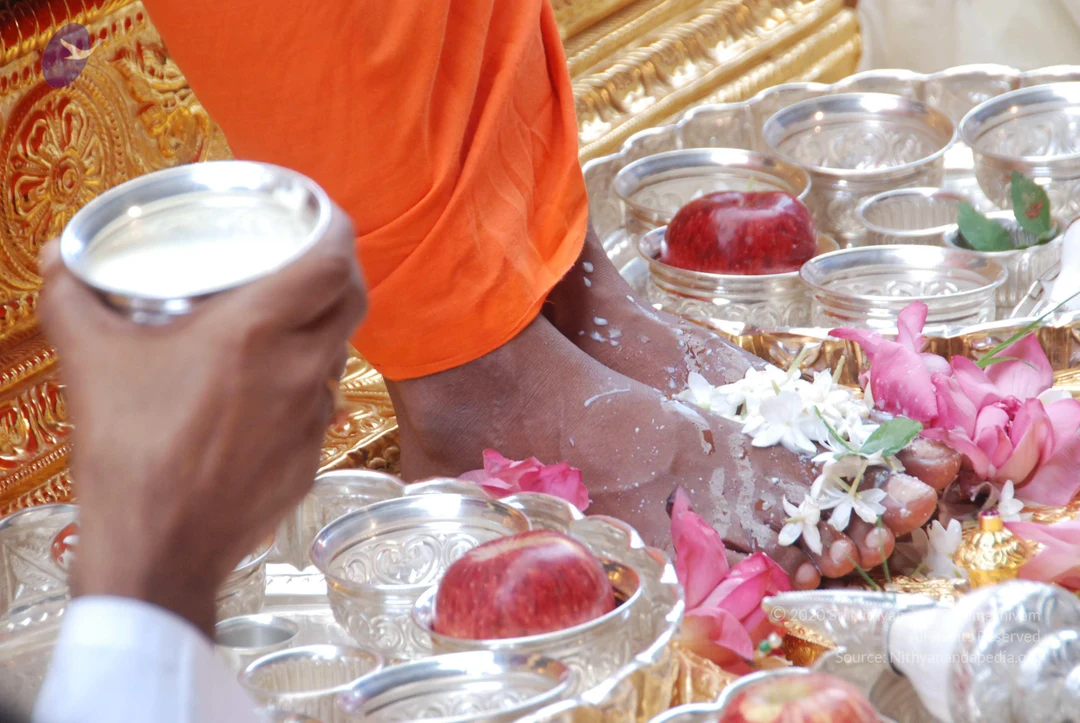
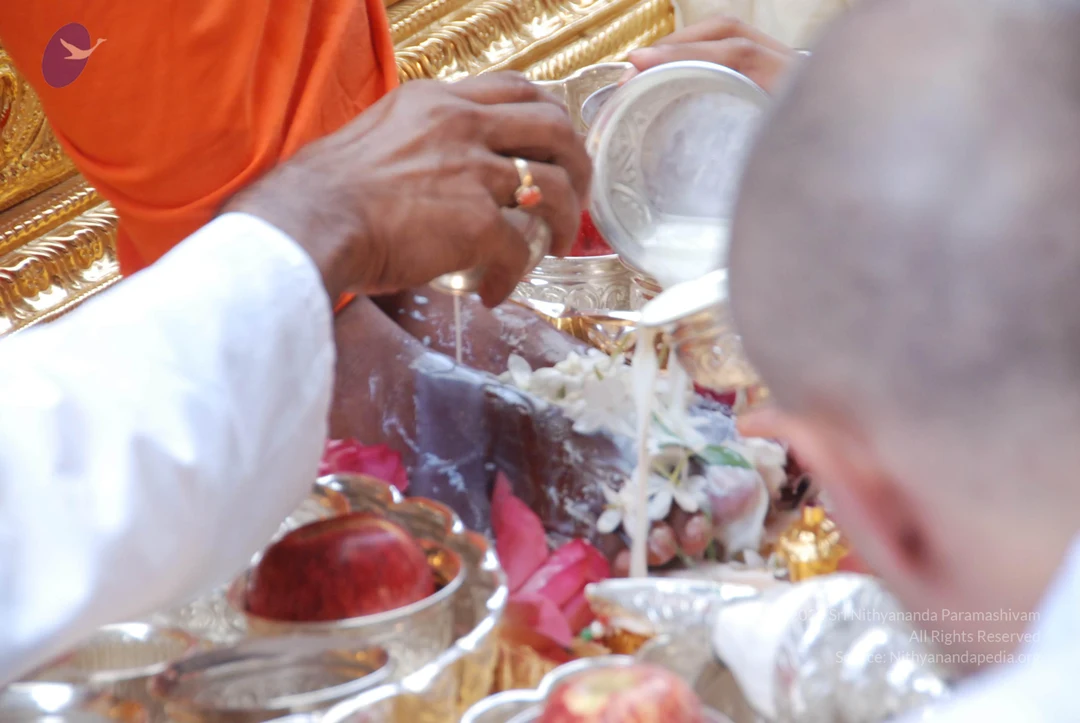
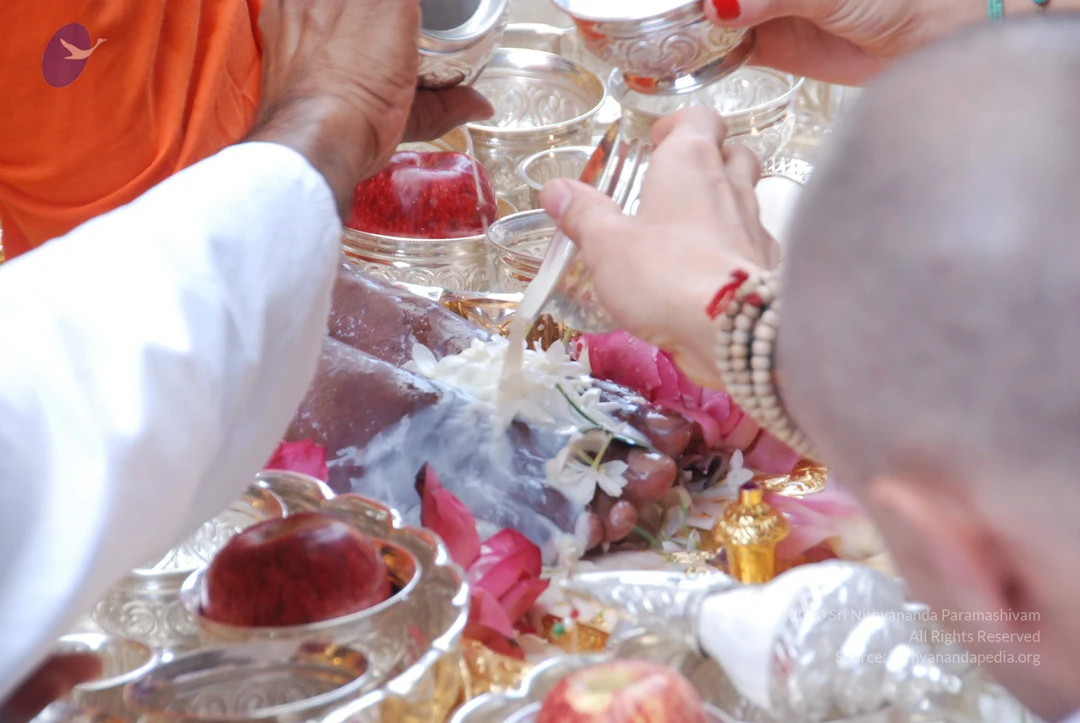
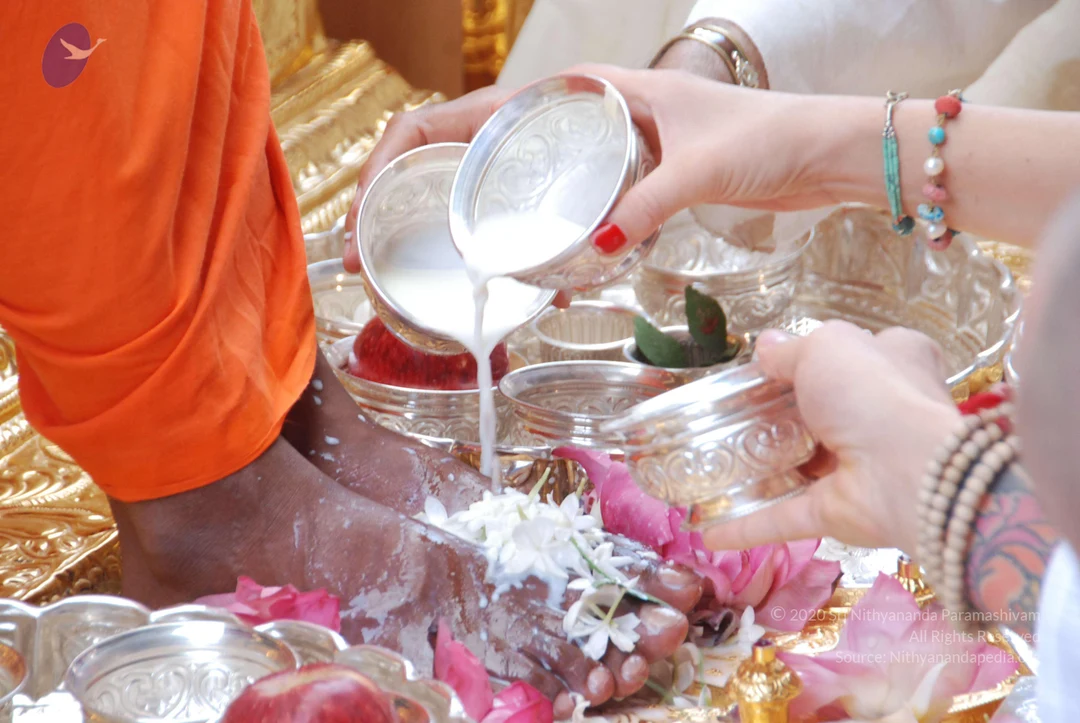
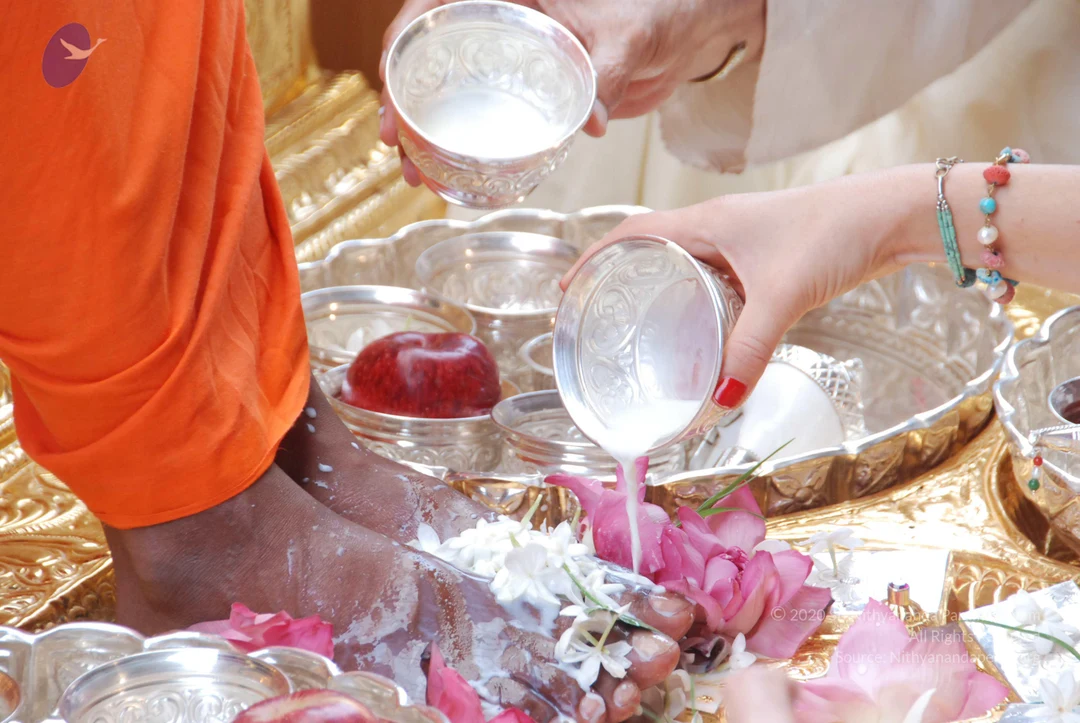
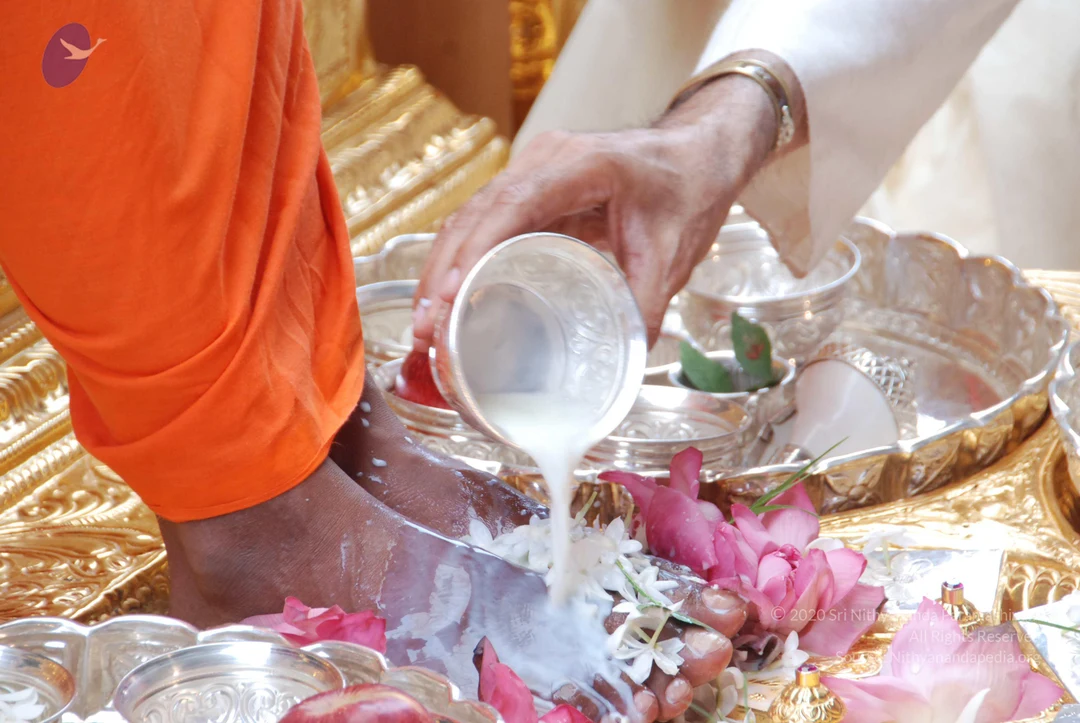
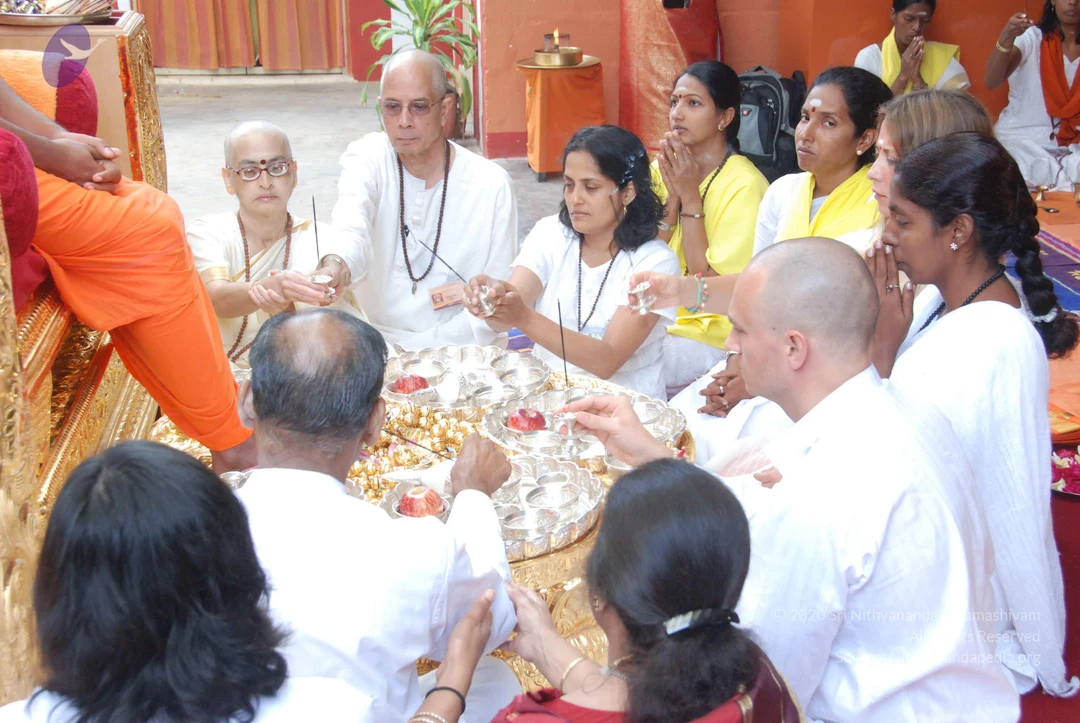
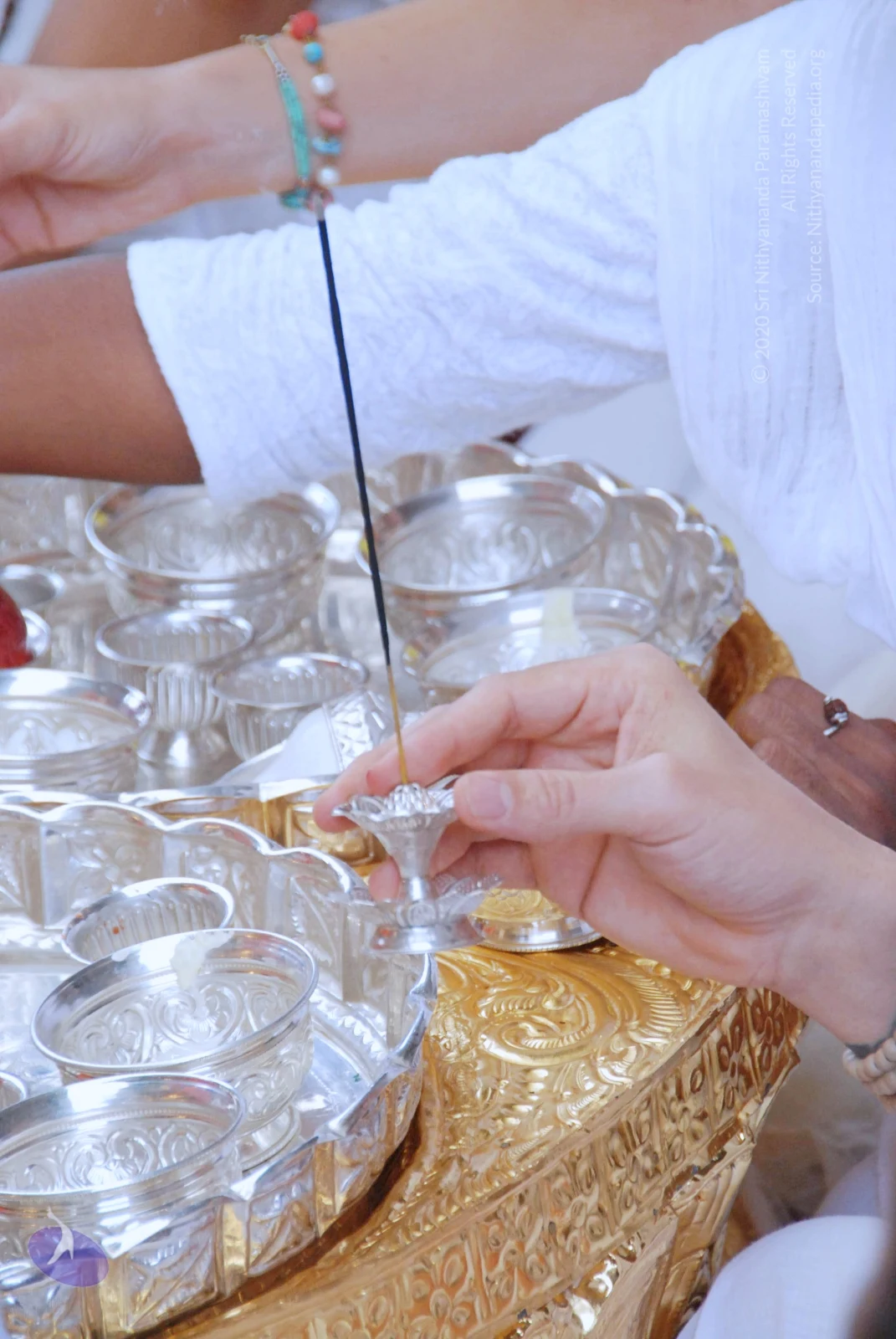
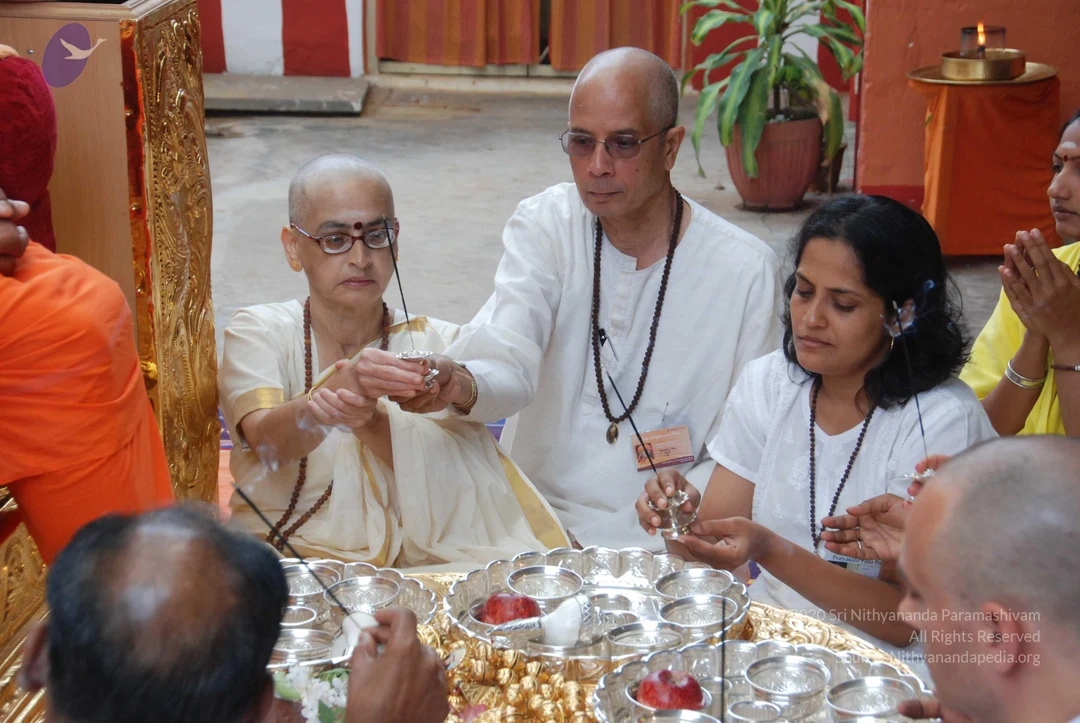
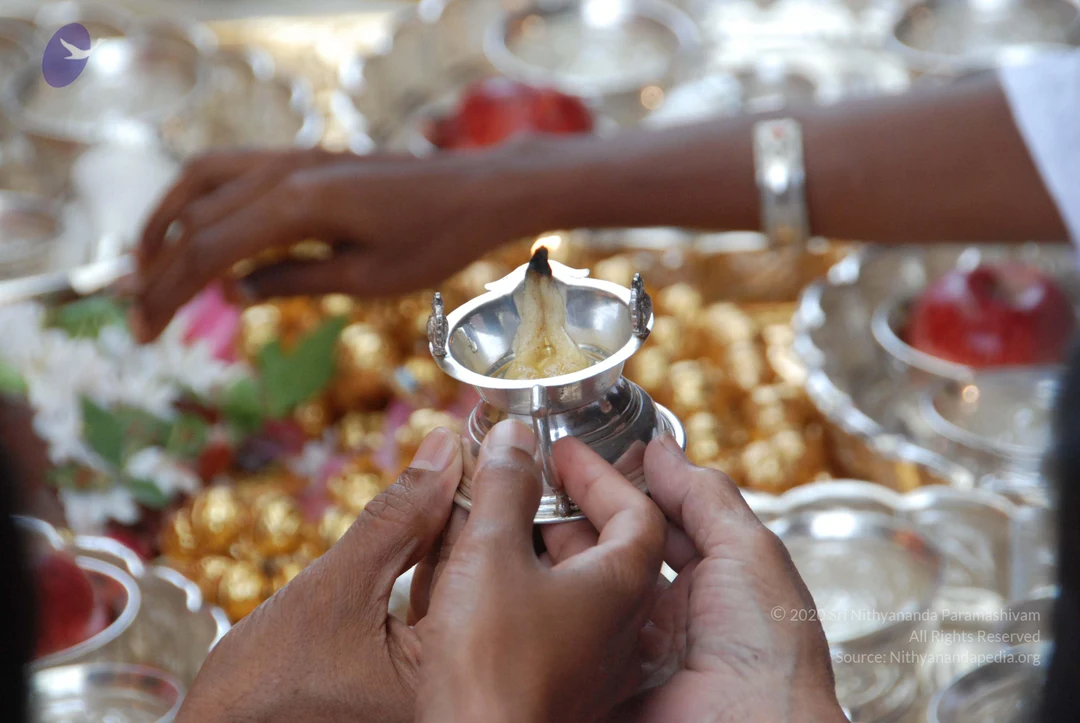
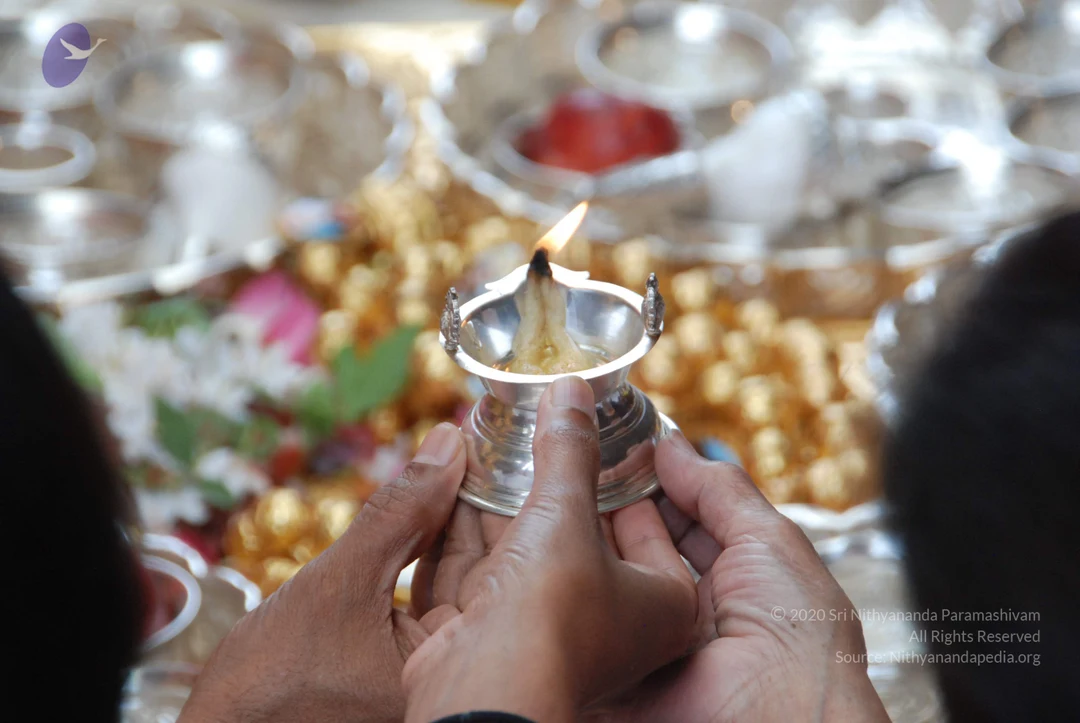
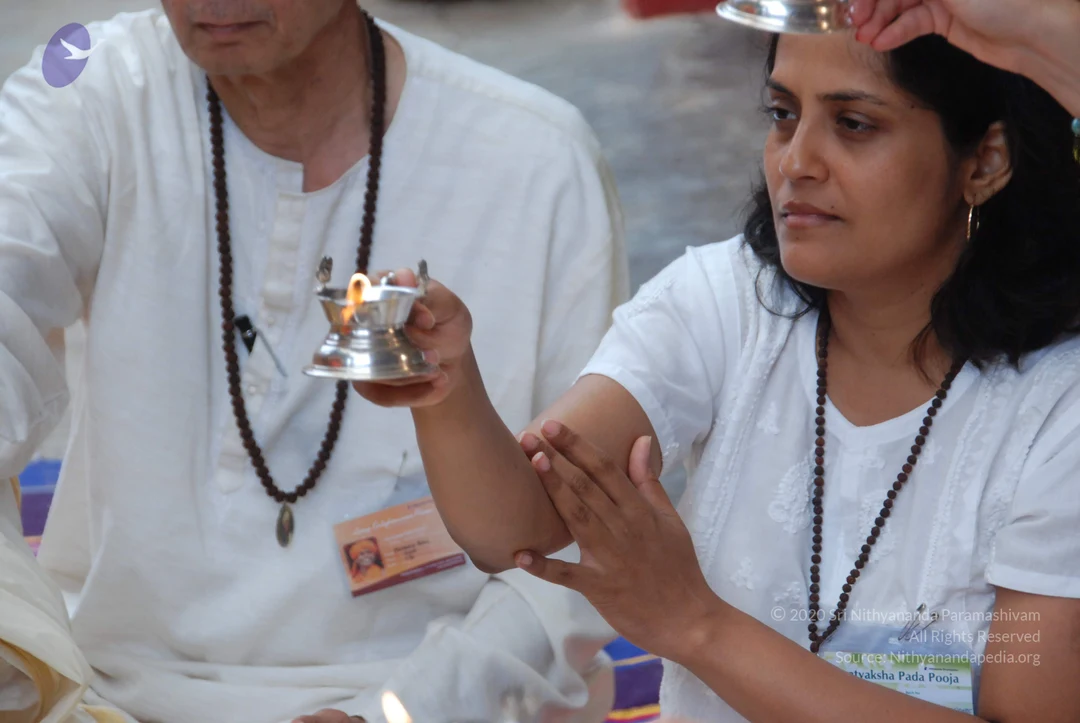
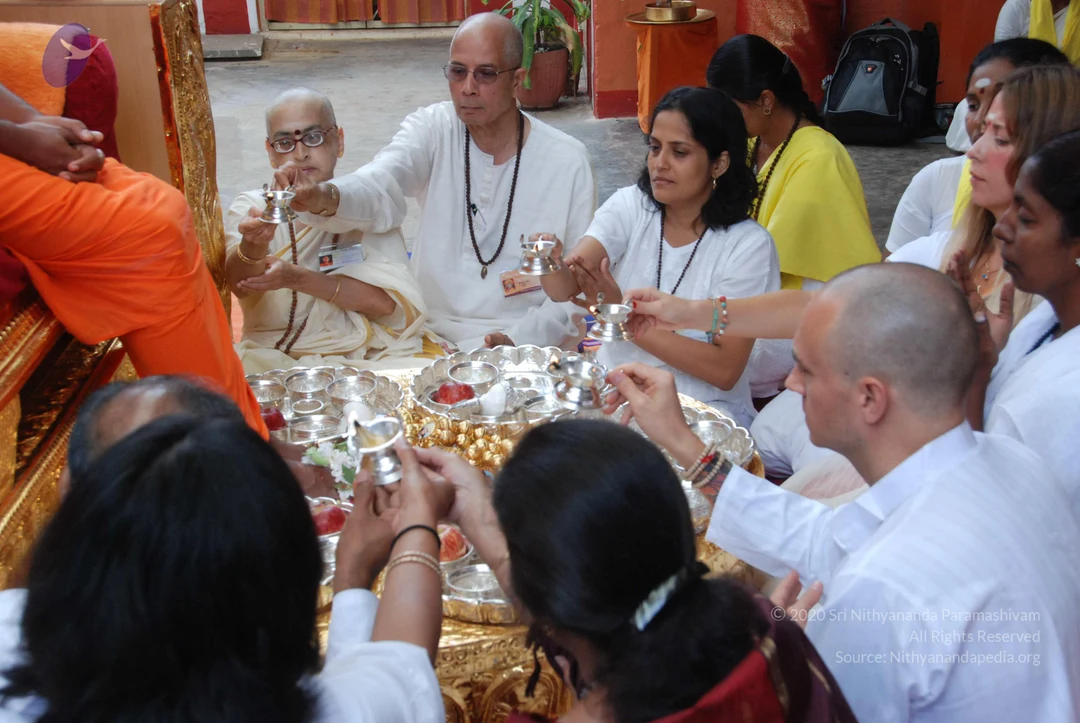
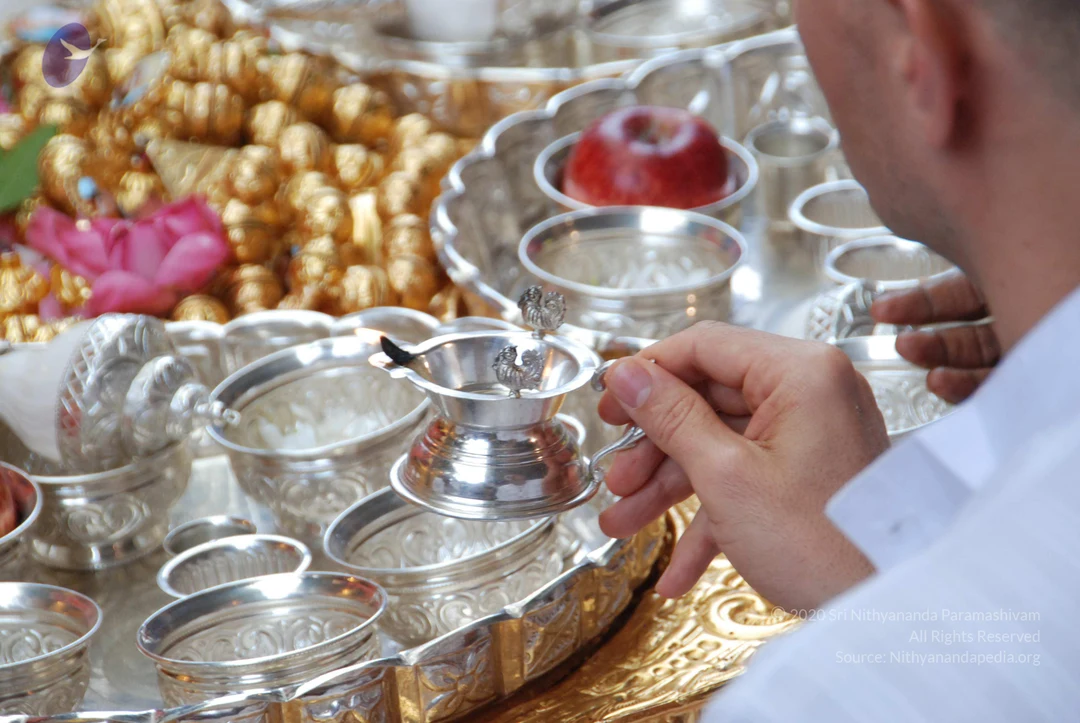
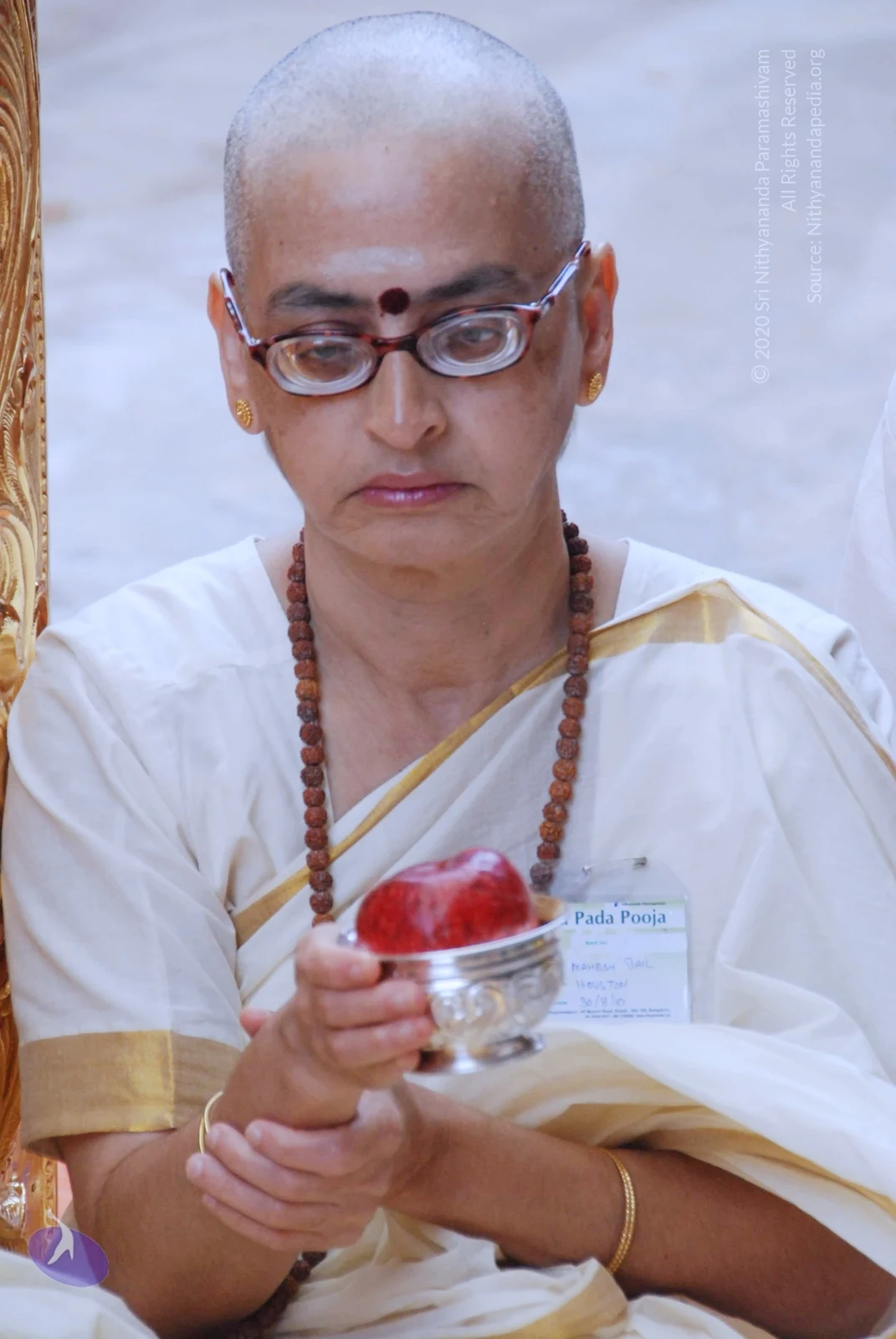
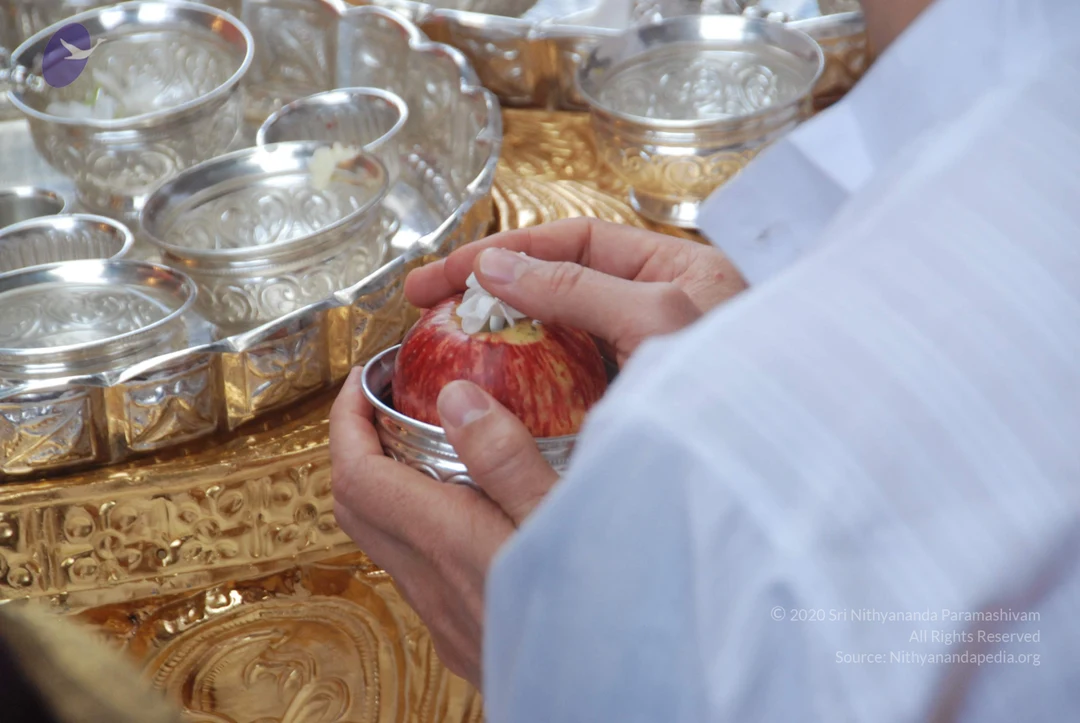
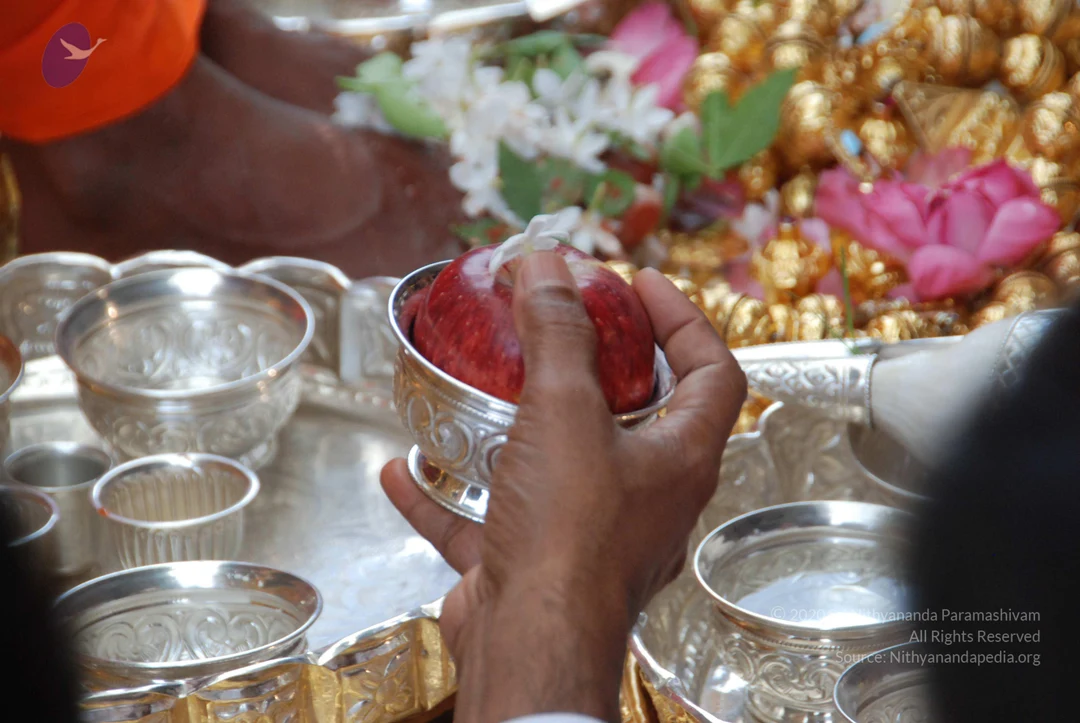
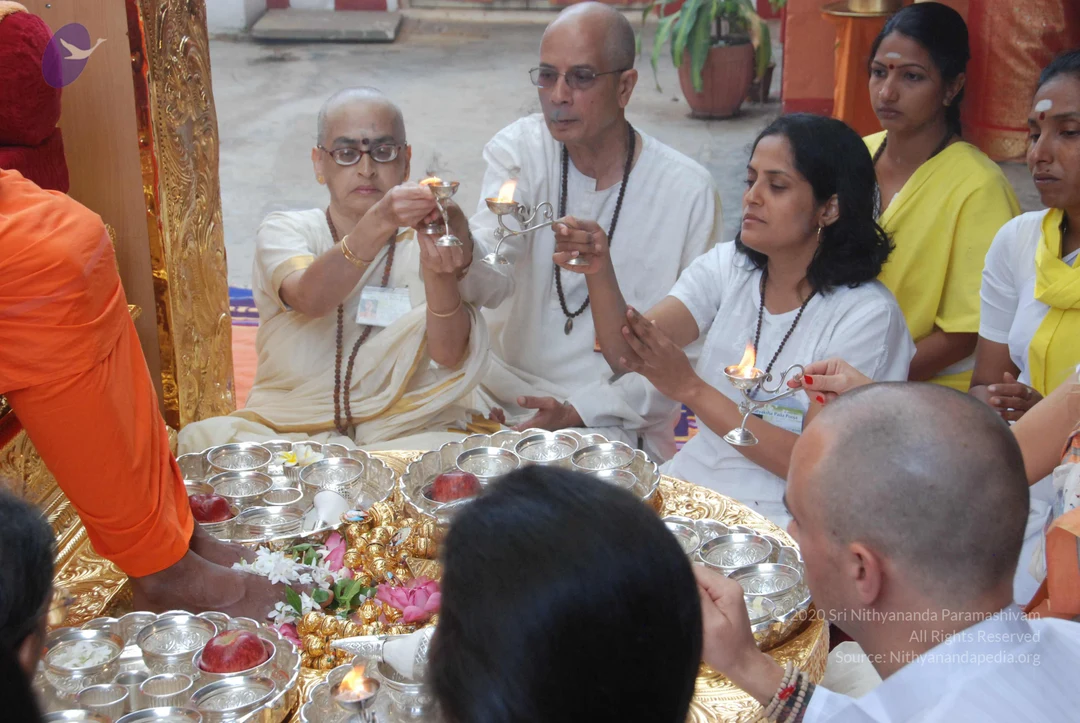
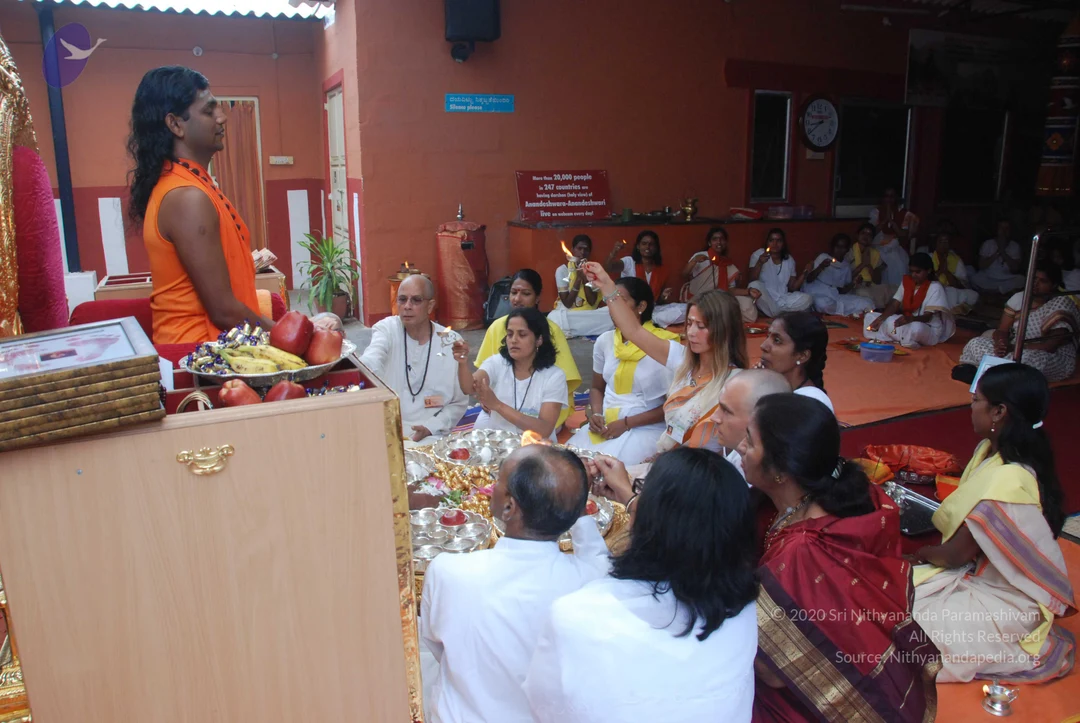
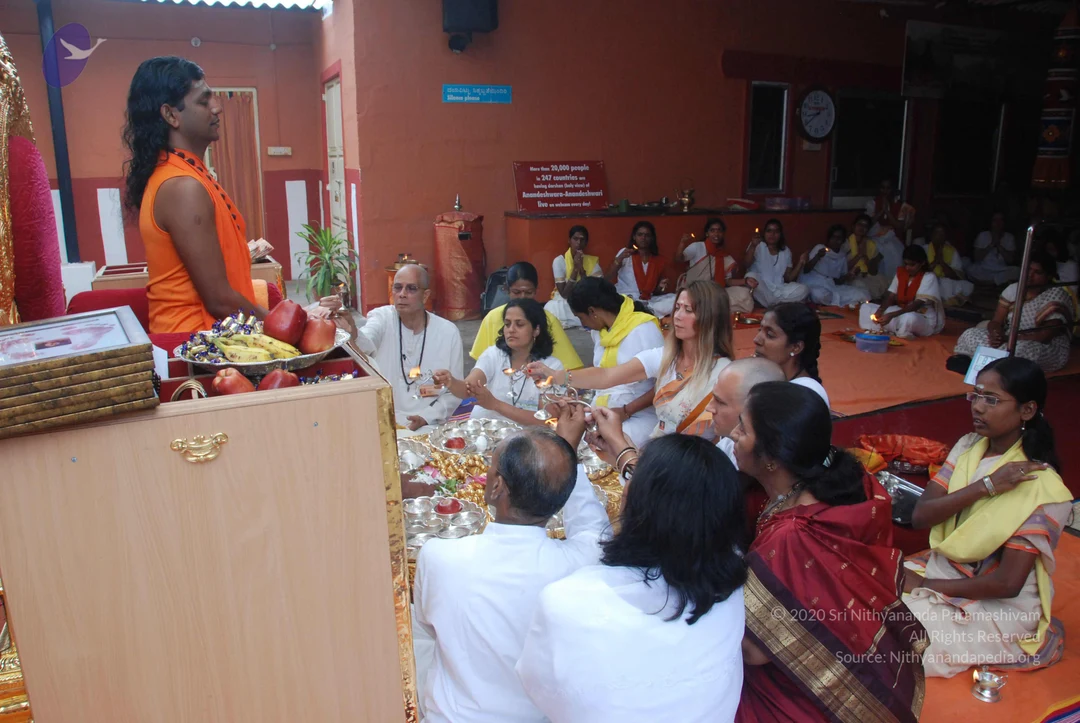
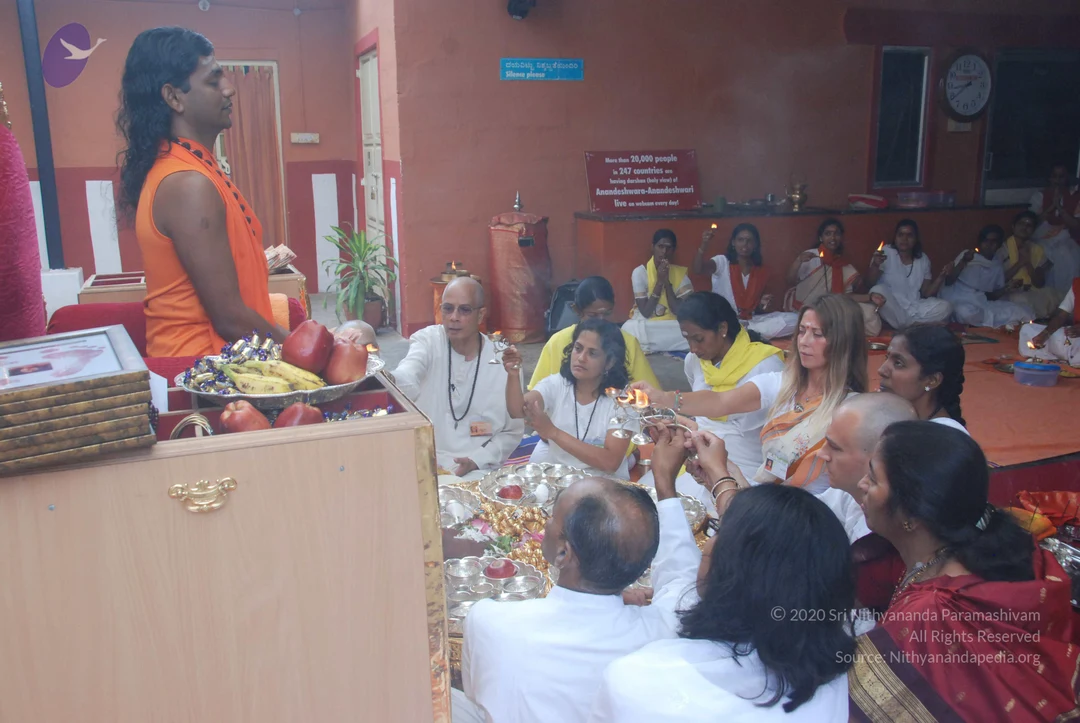
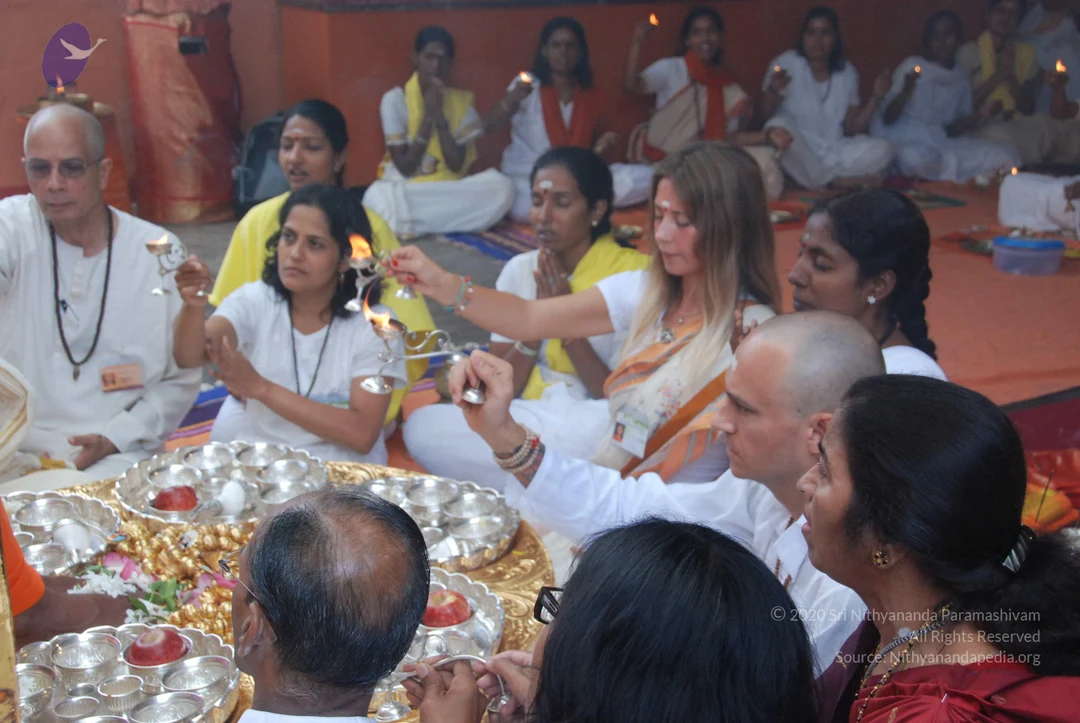
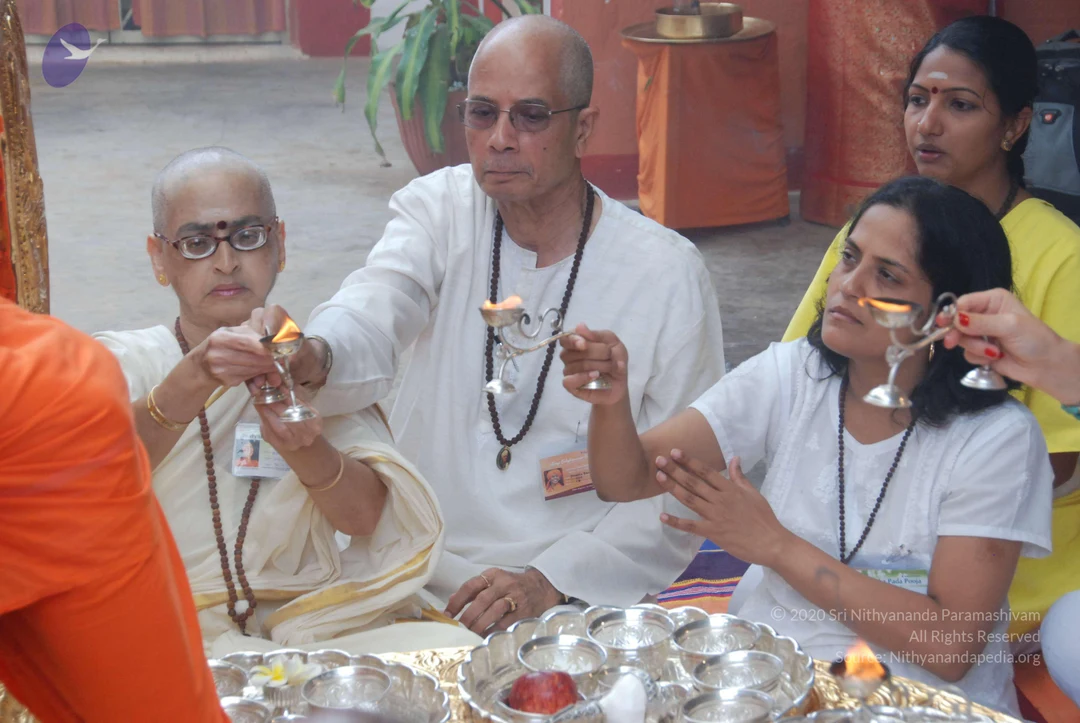
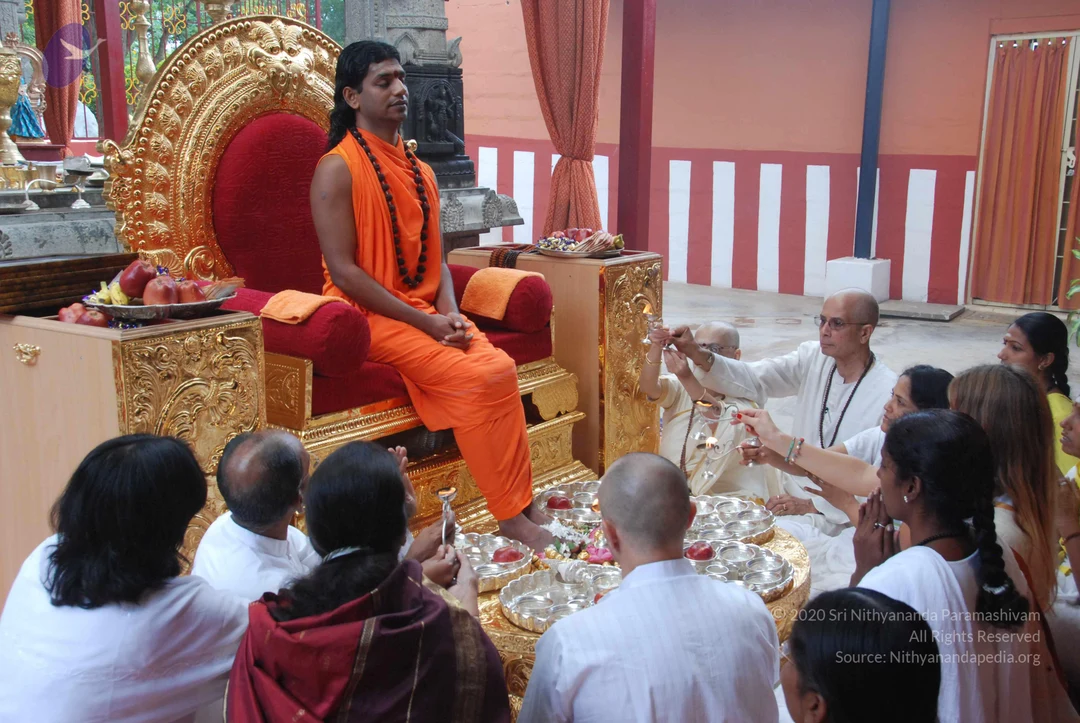
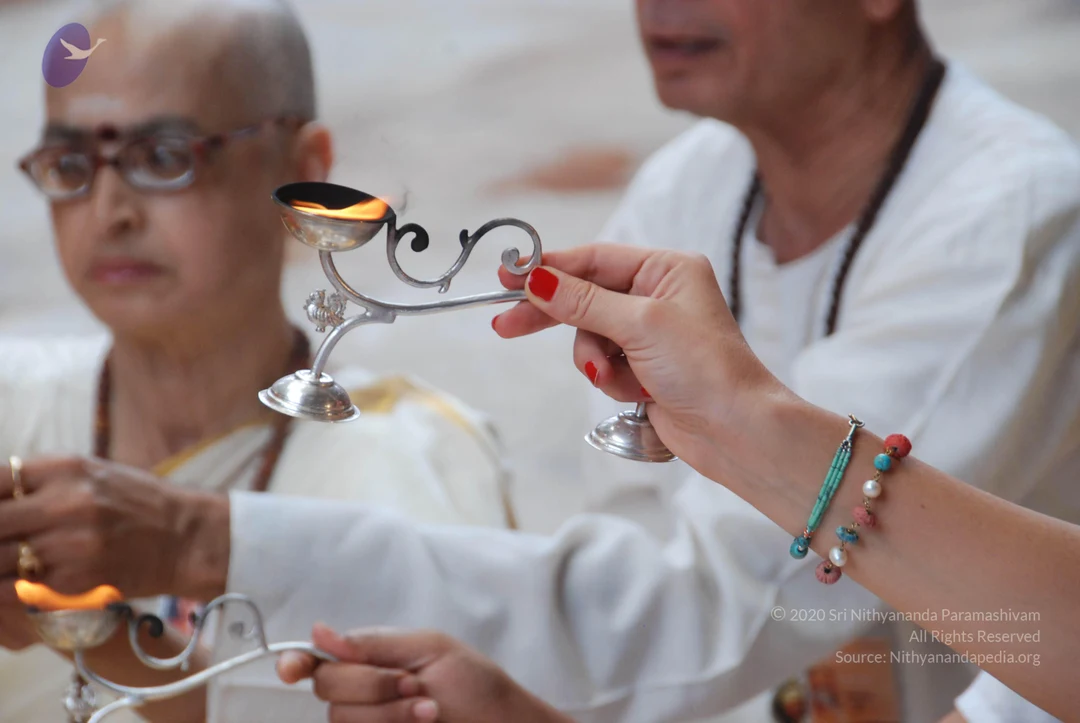
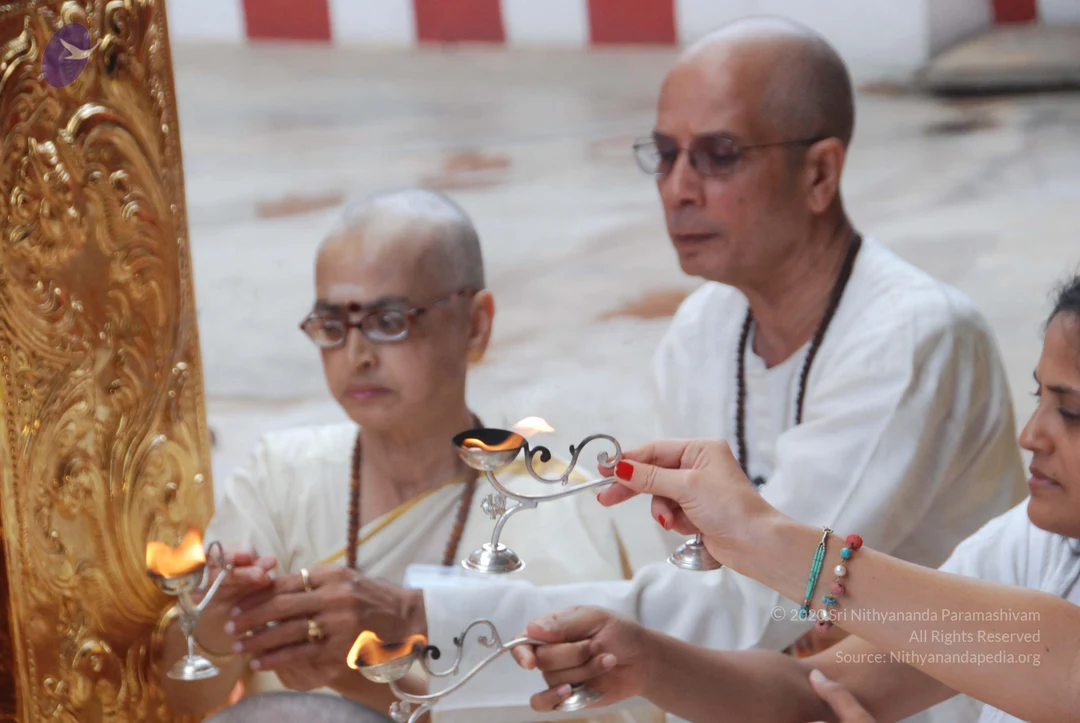
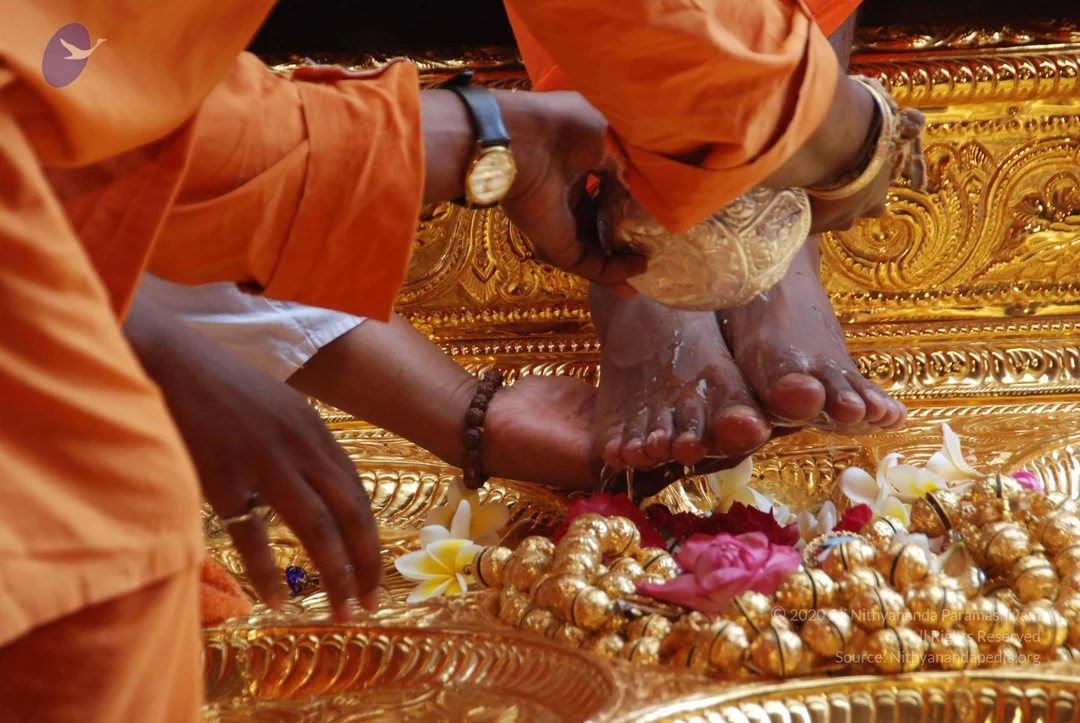
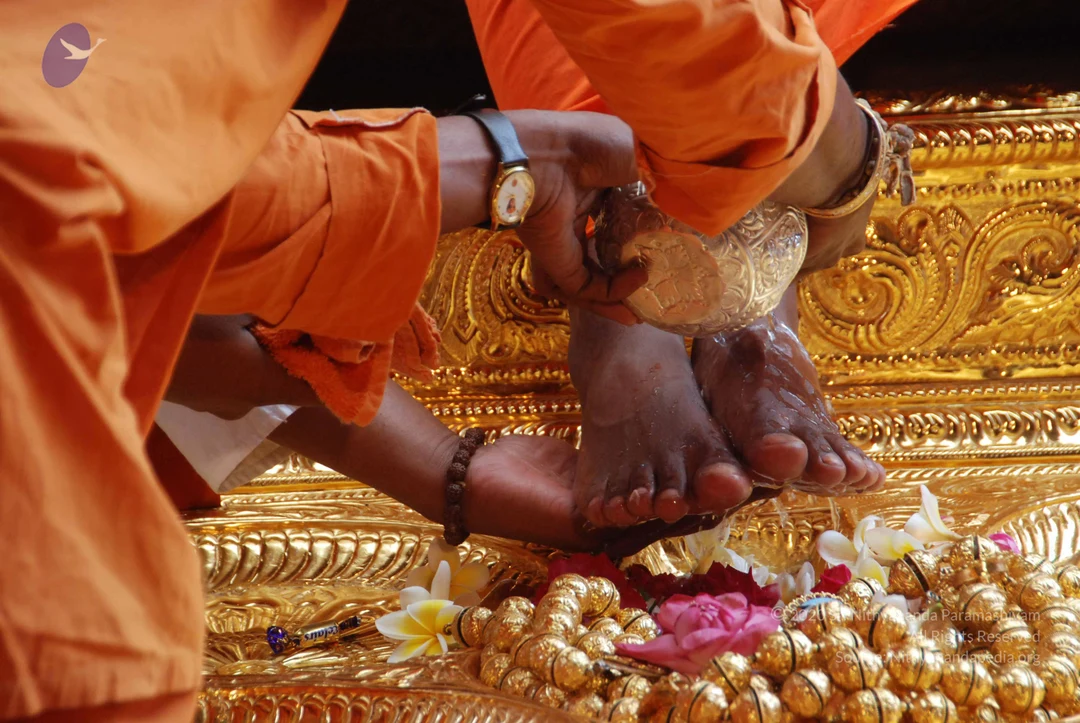
02-PadaPuja
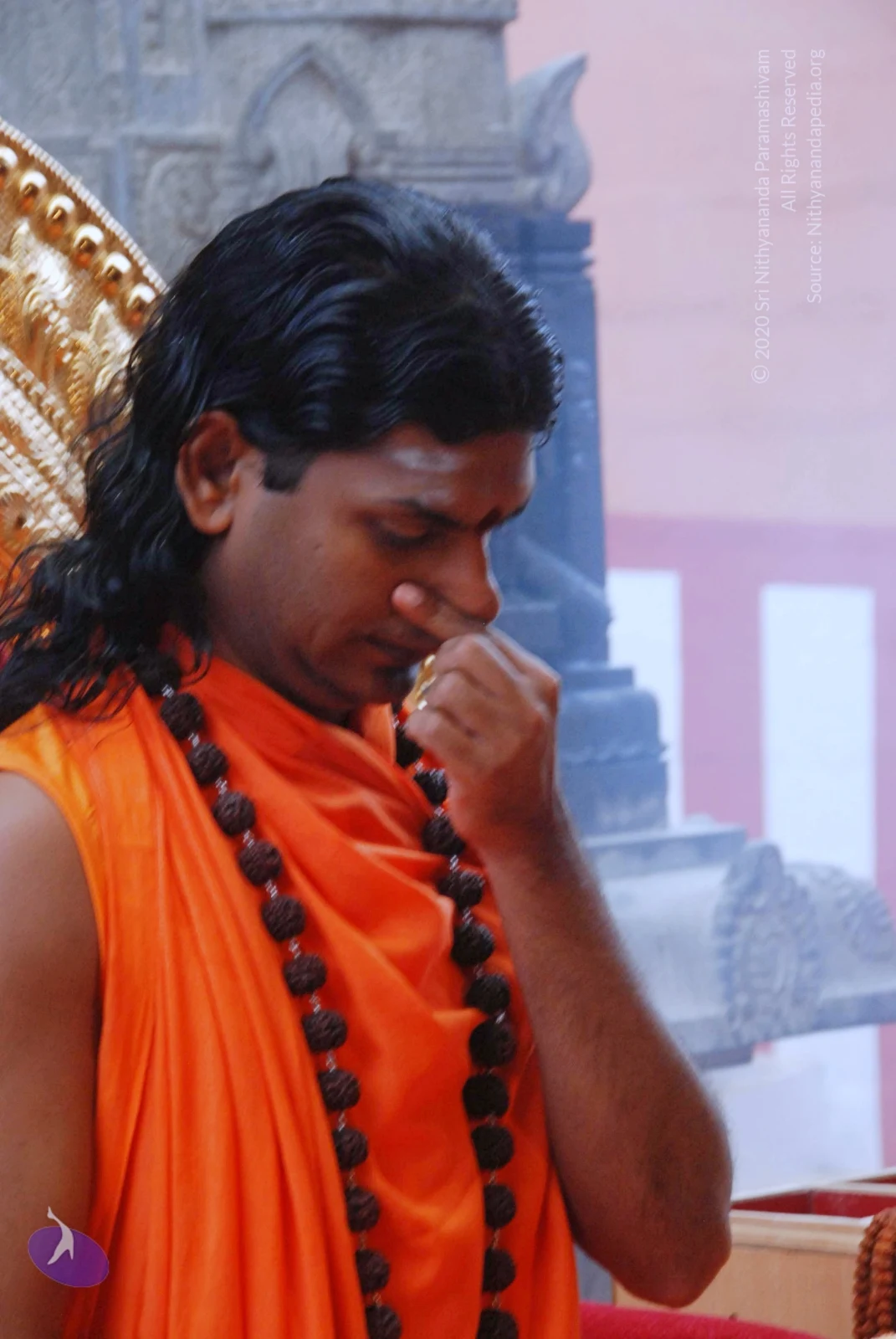
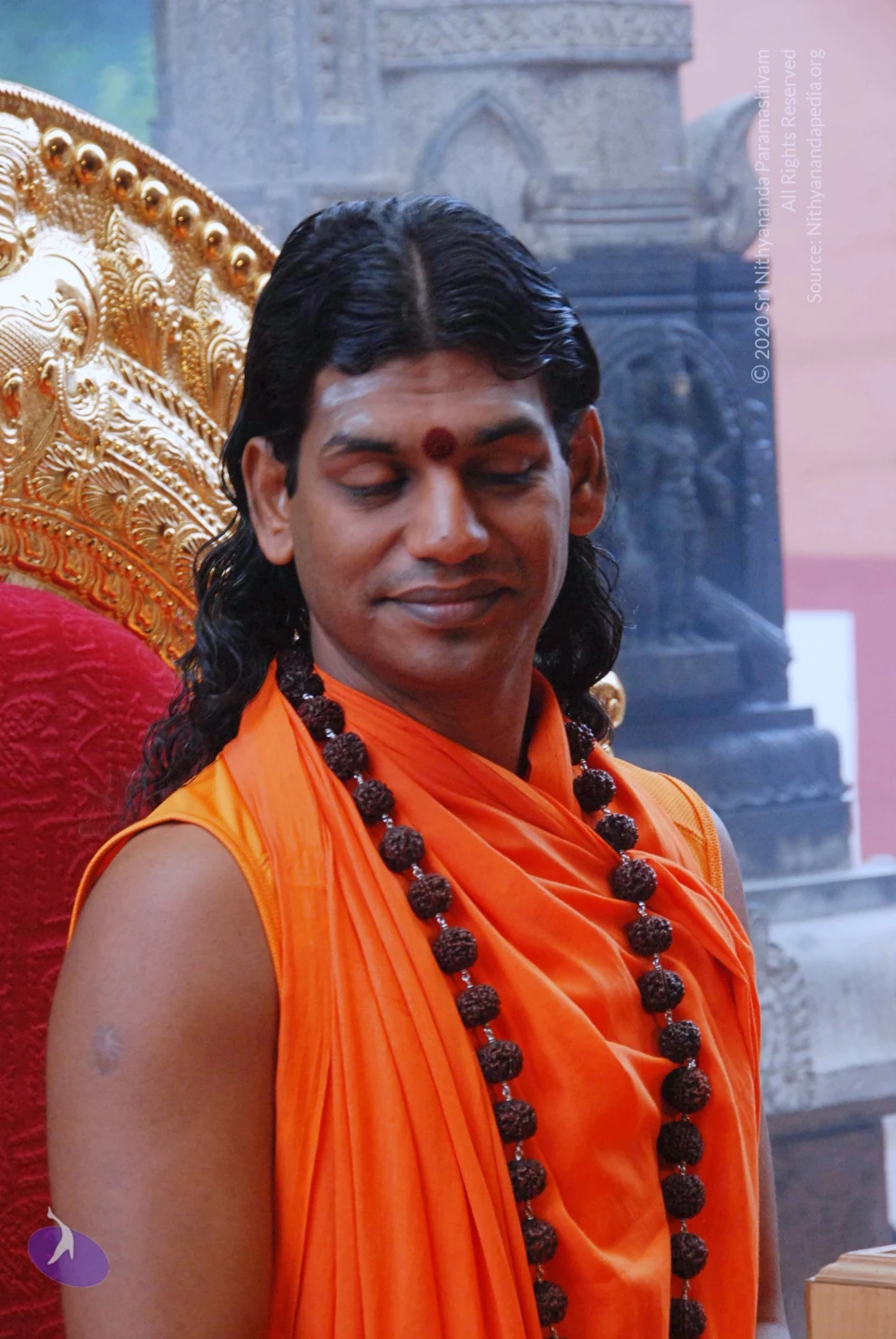
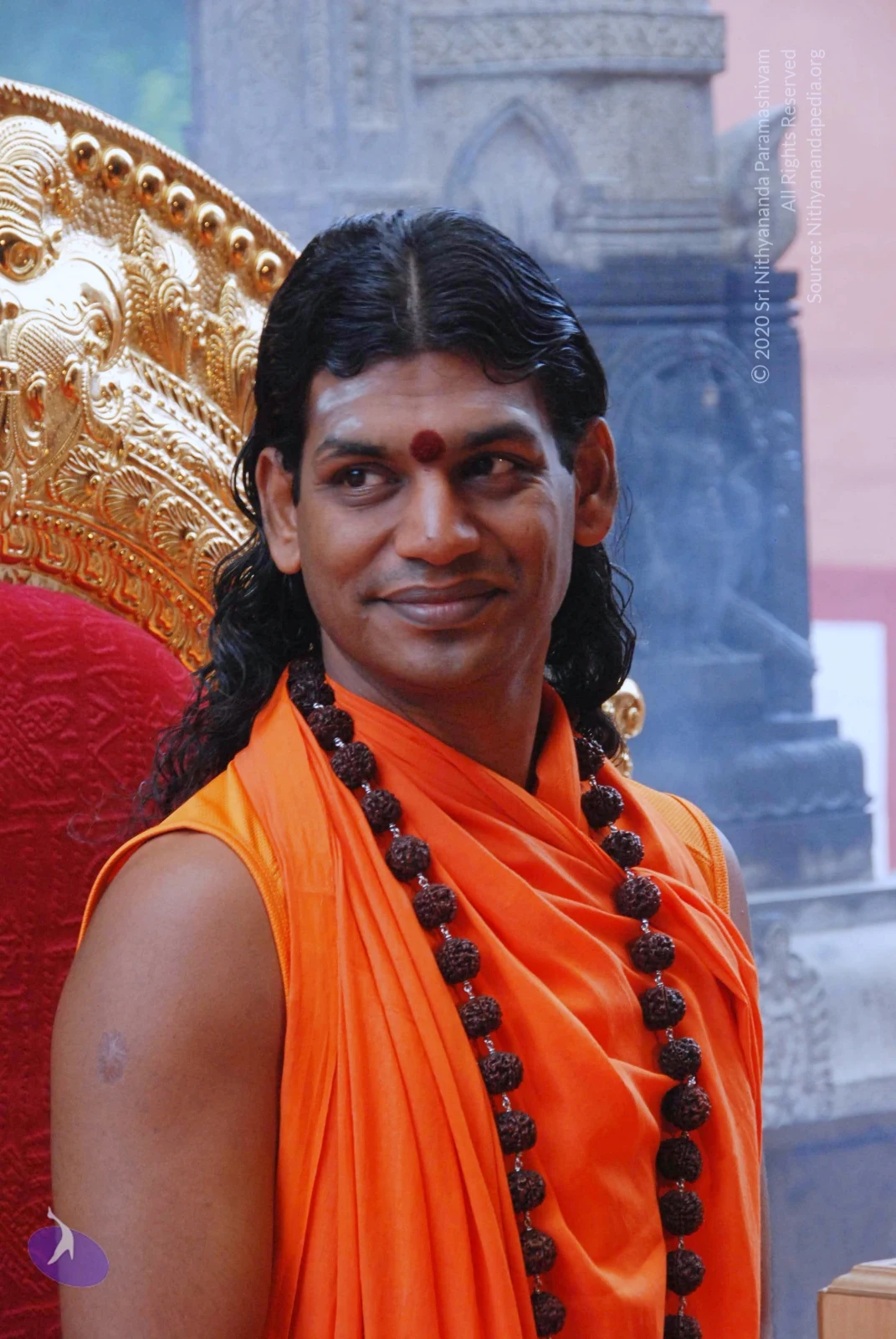
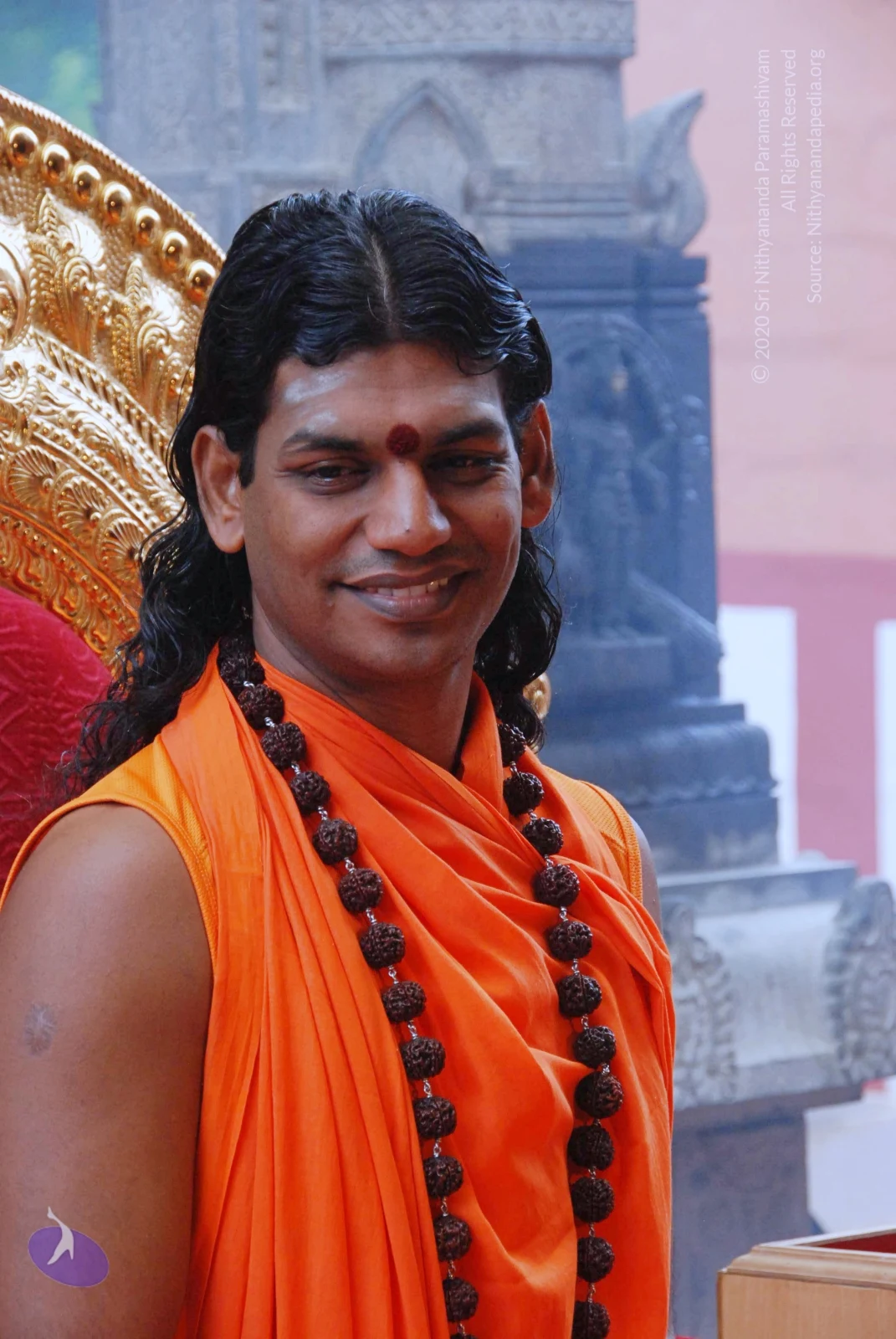
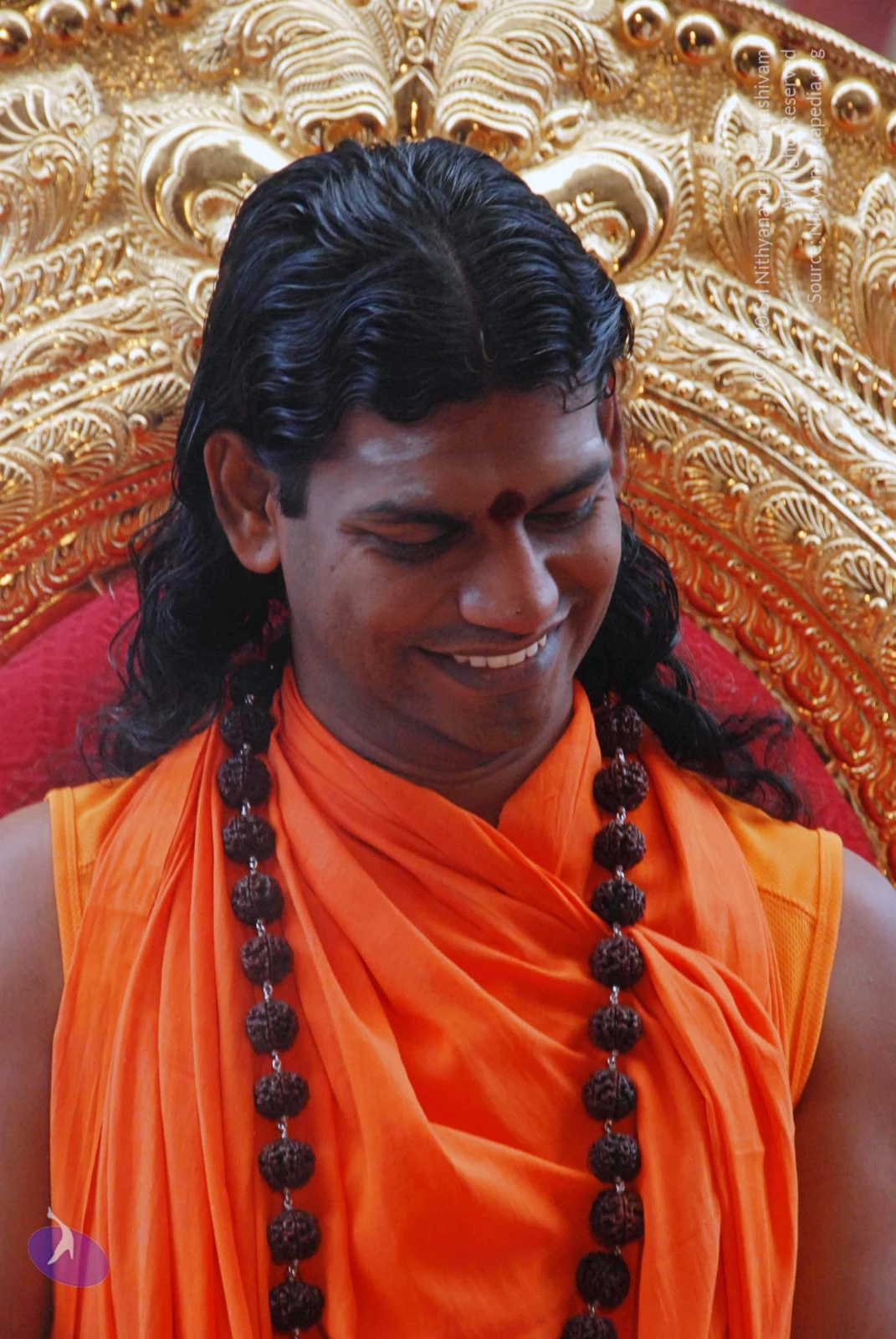
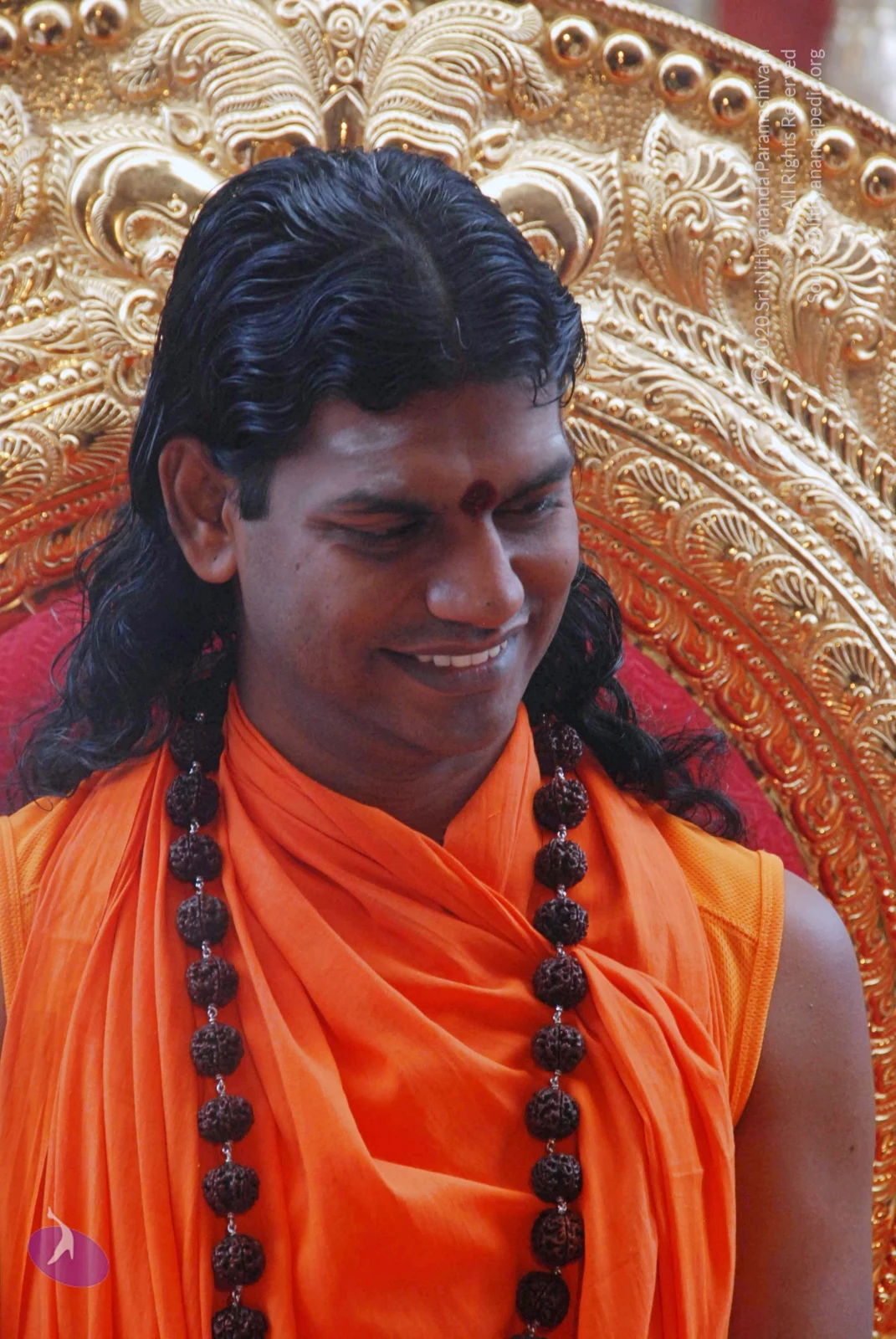
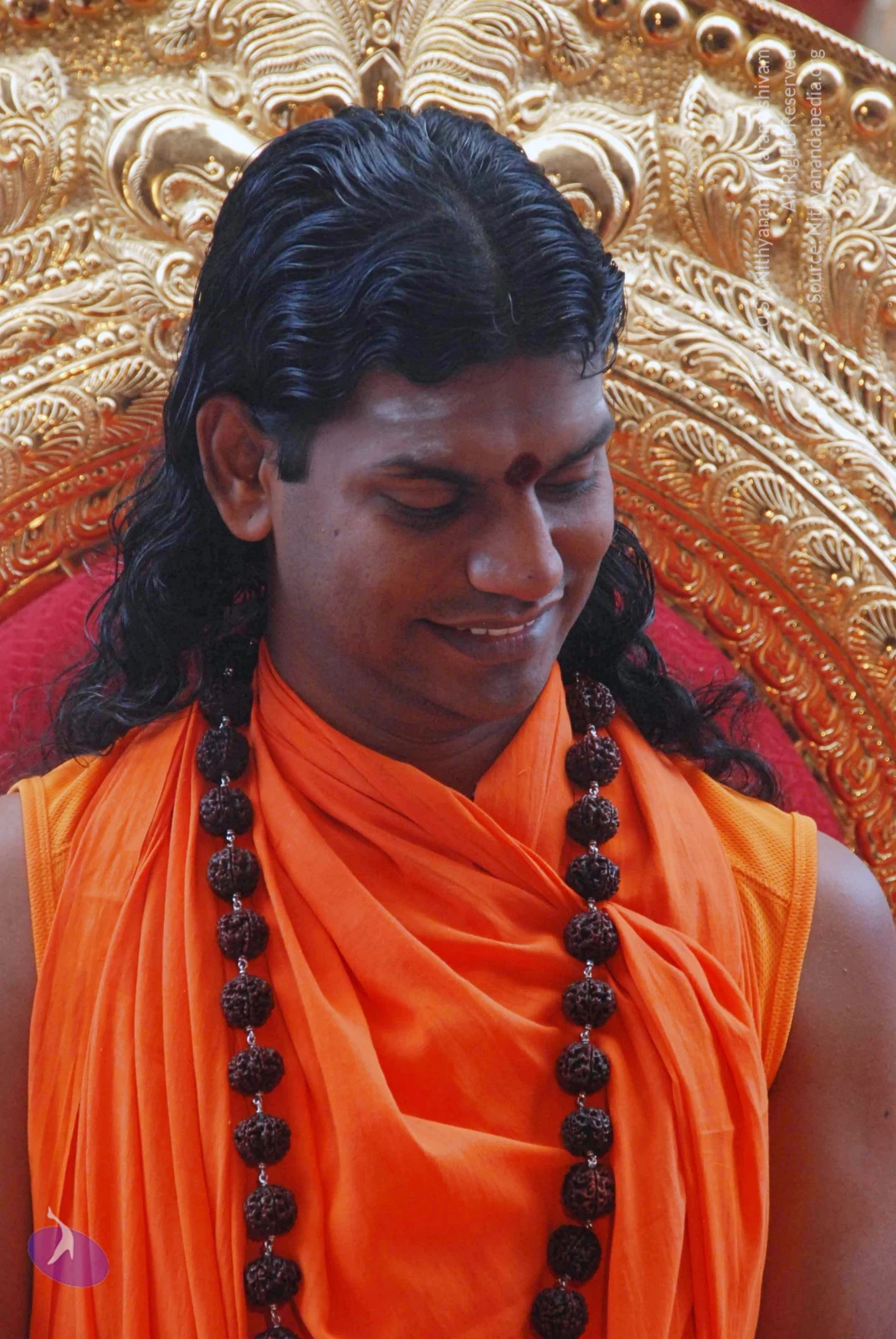
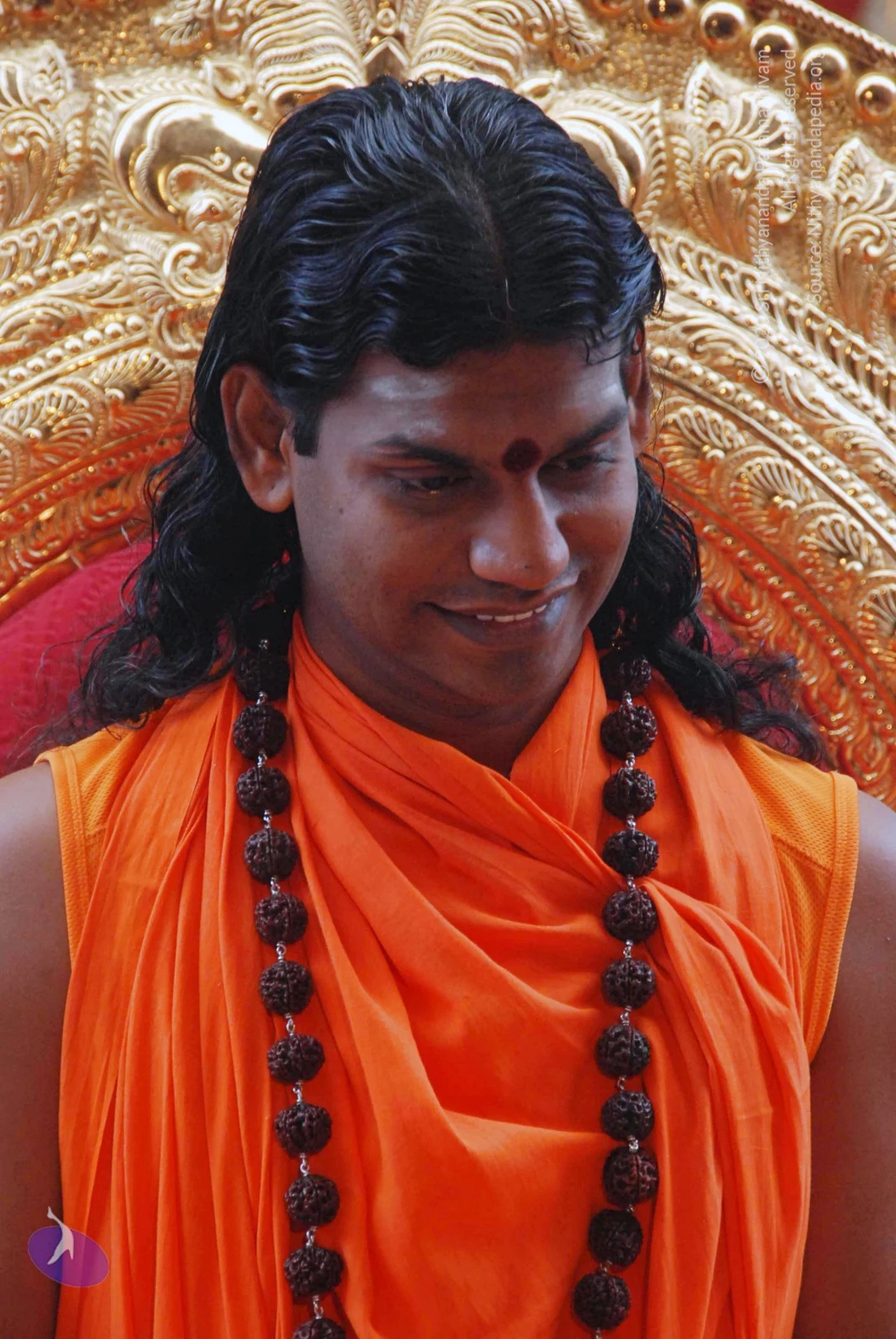
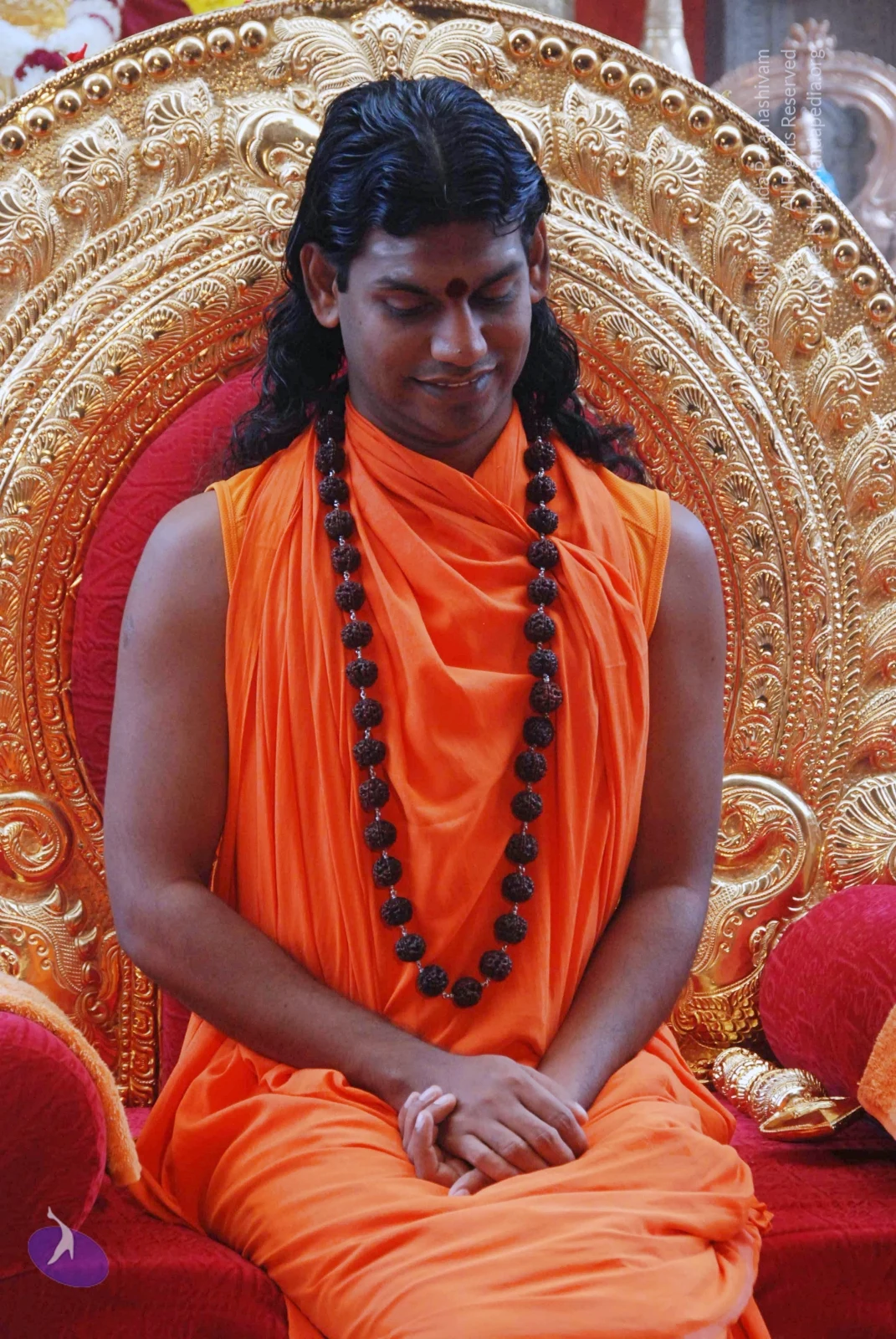
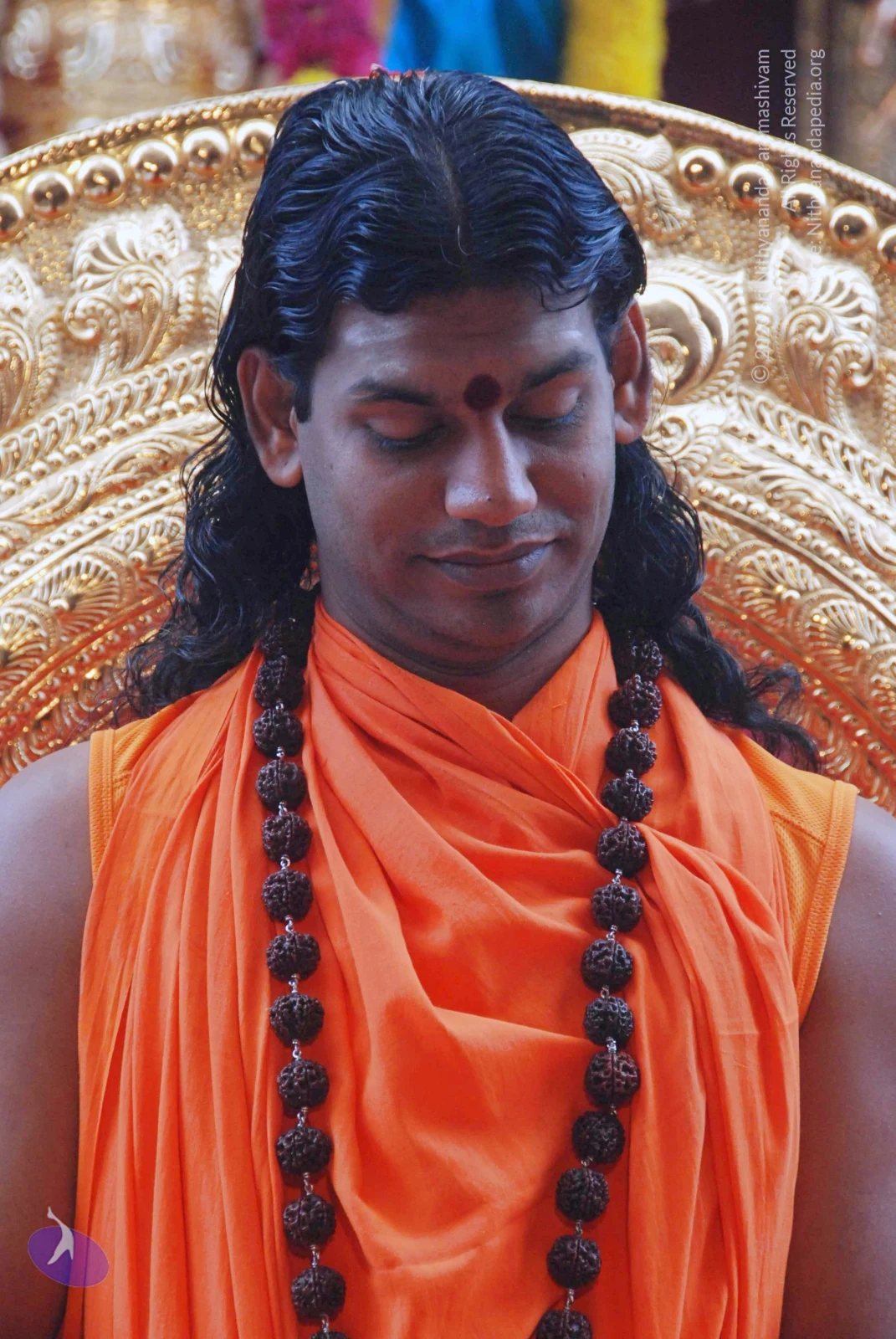
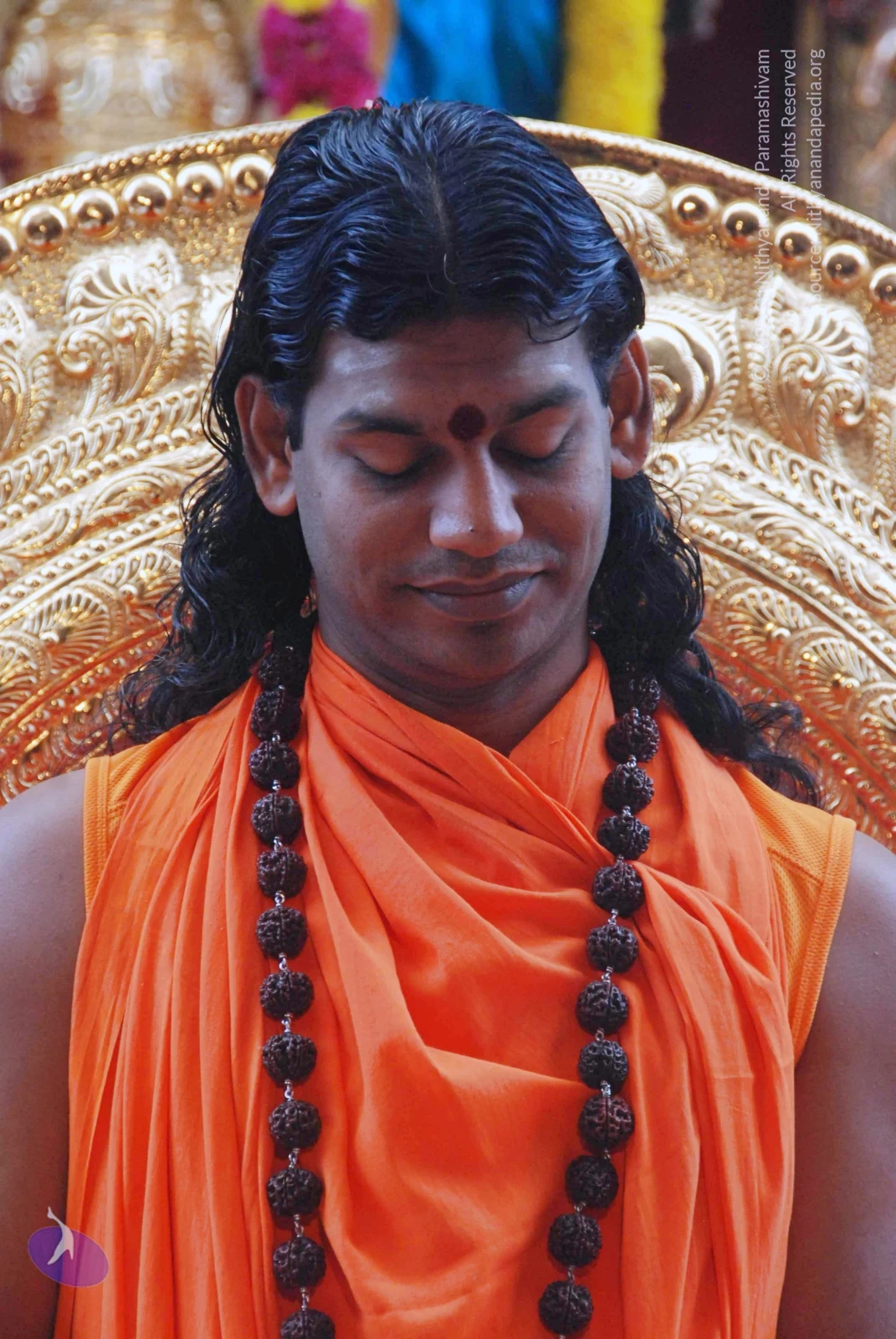
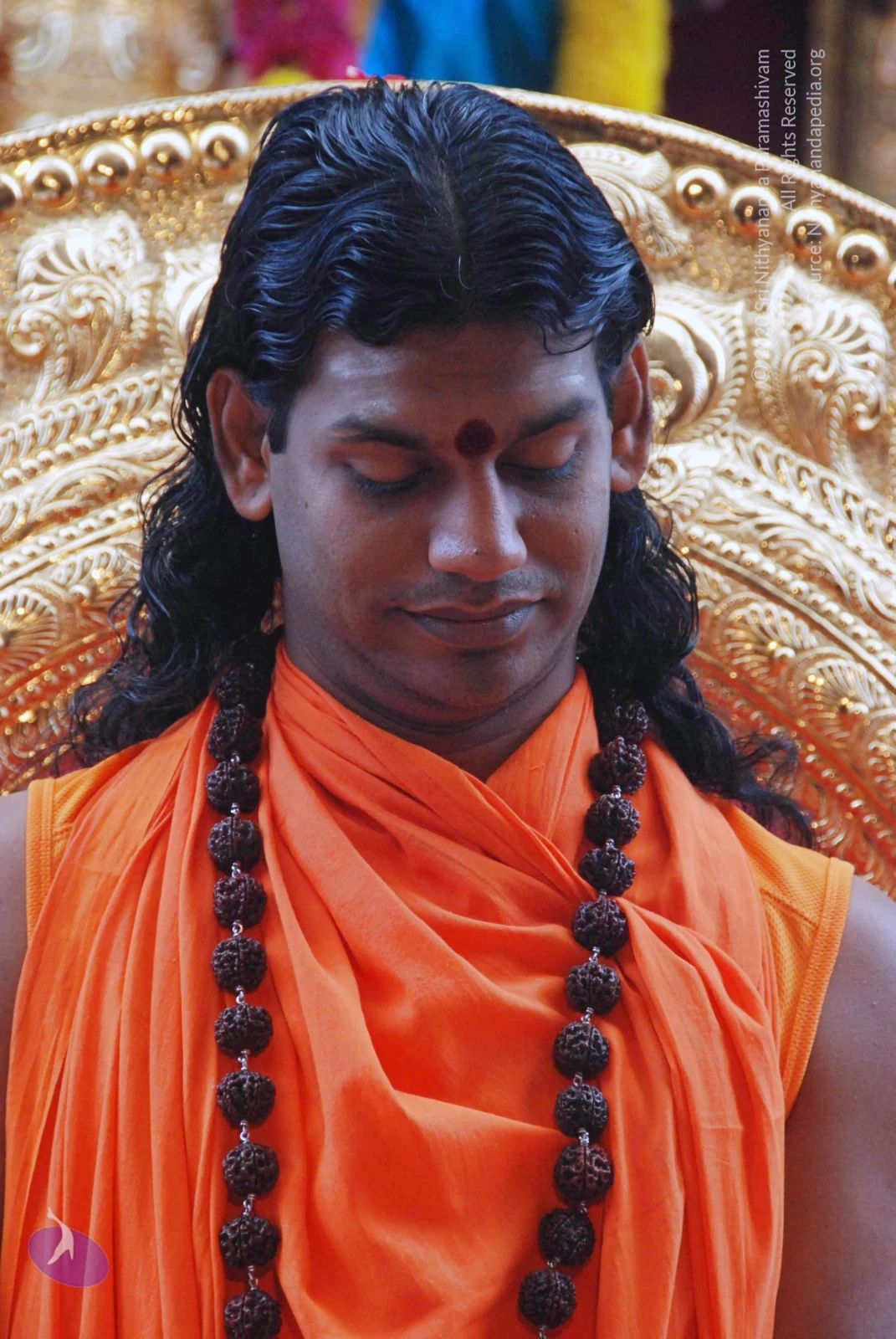
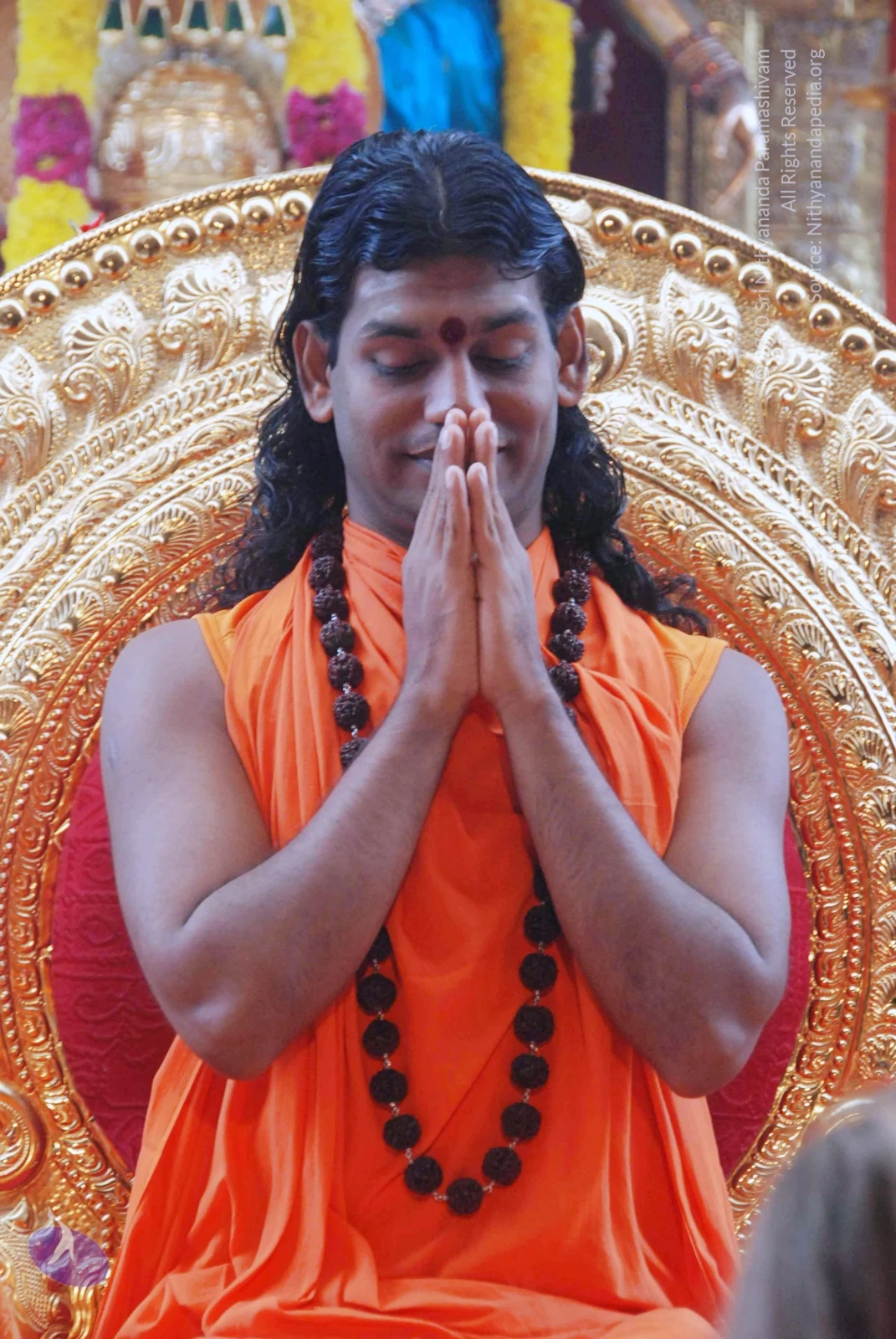
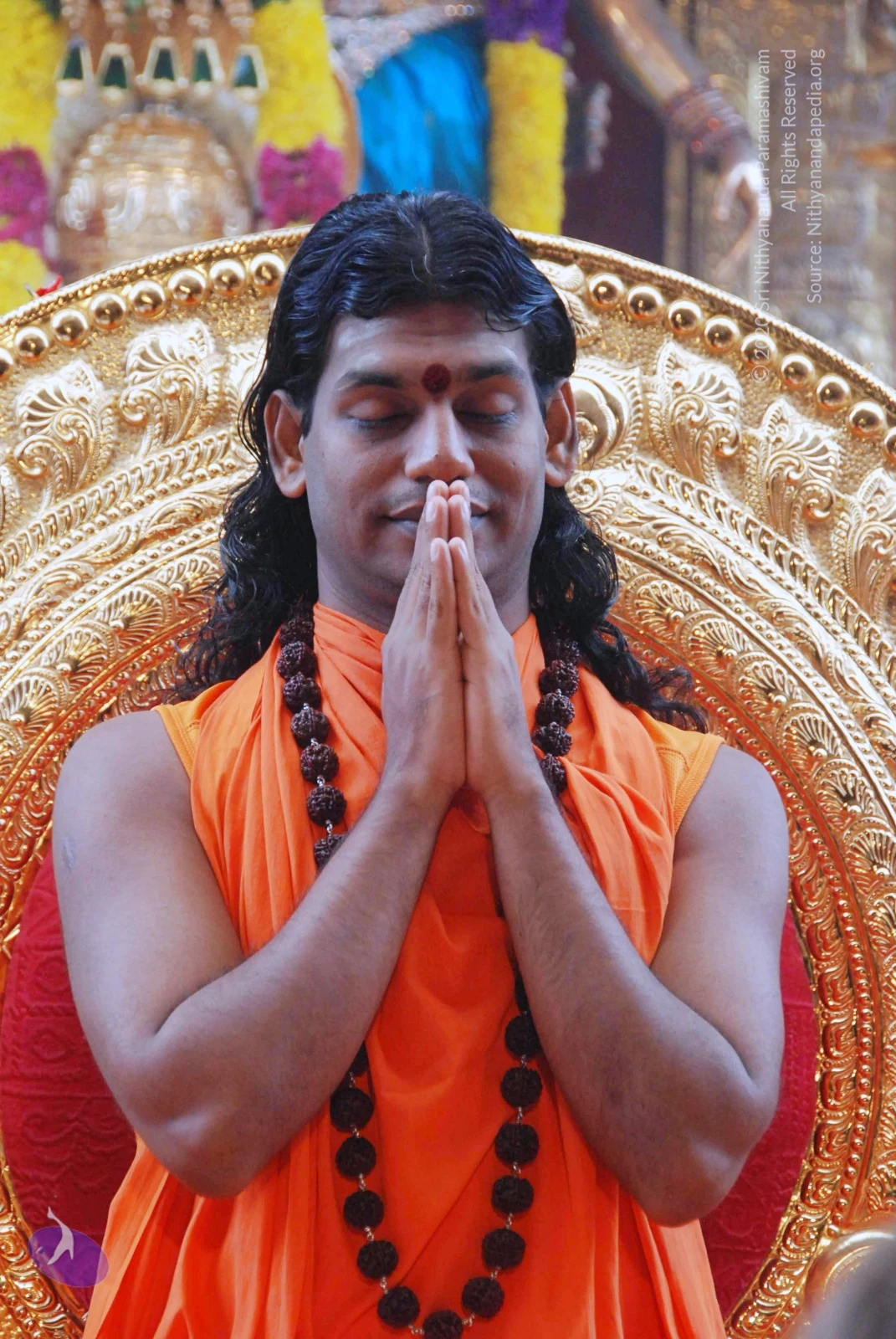
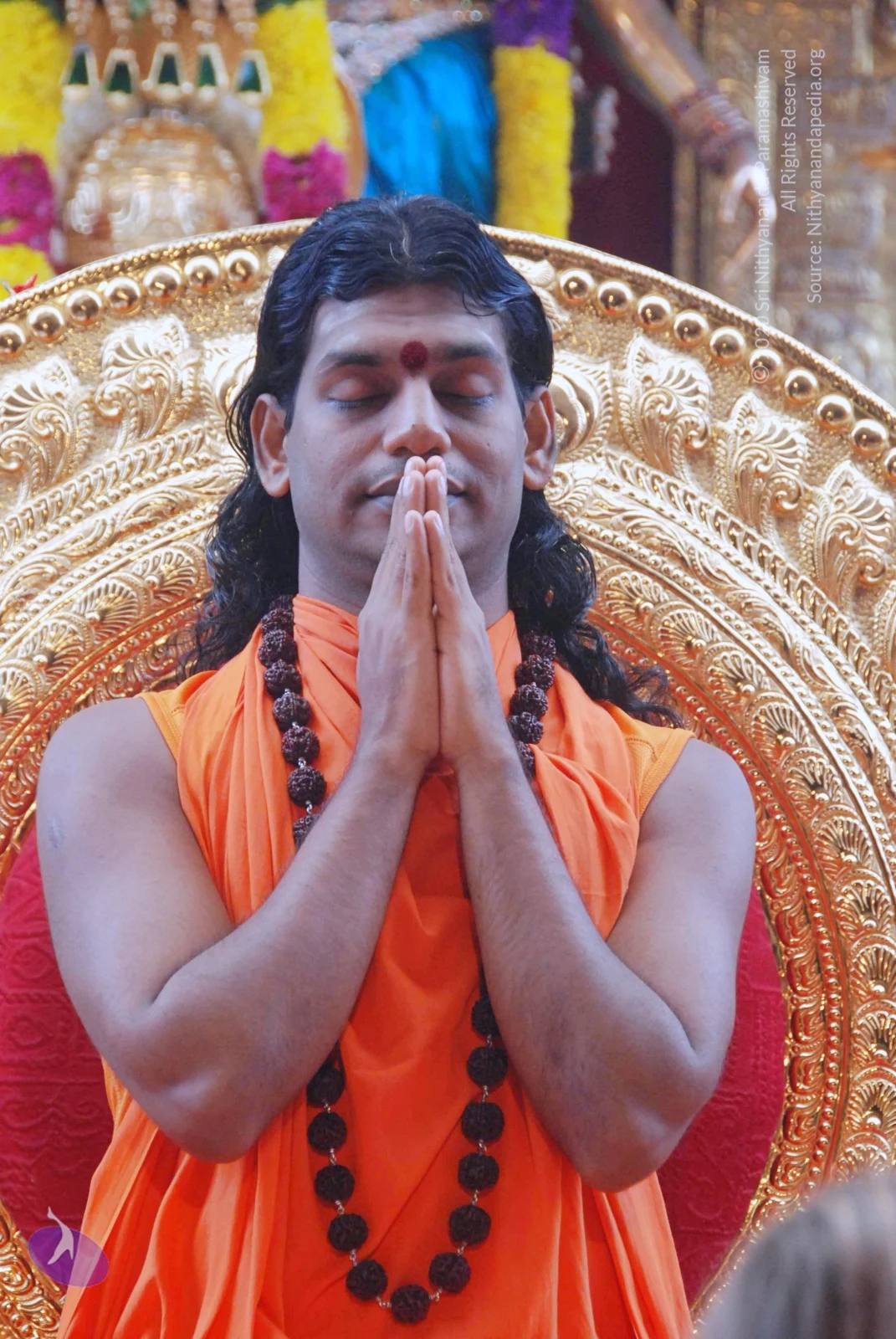
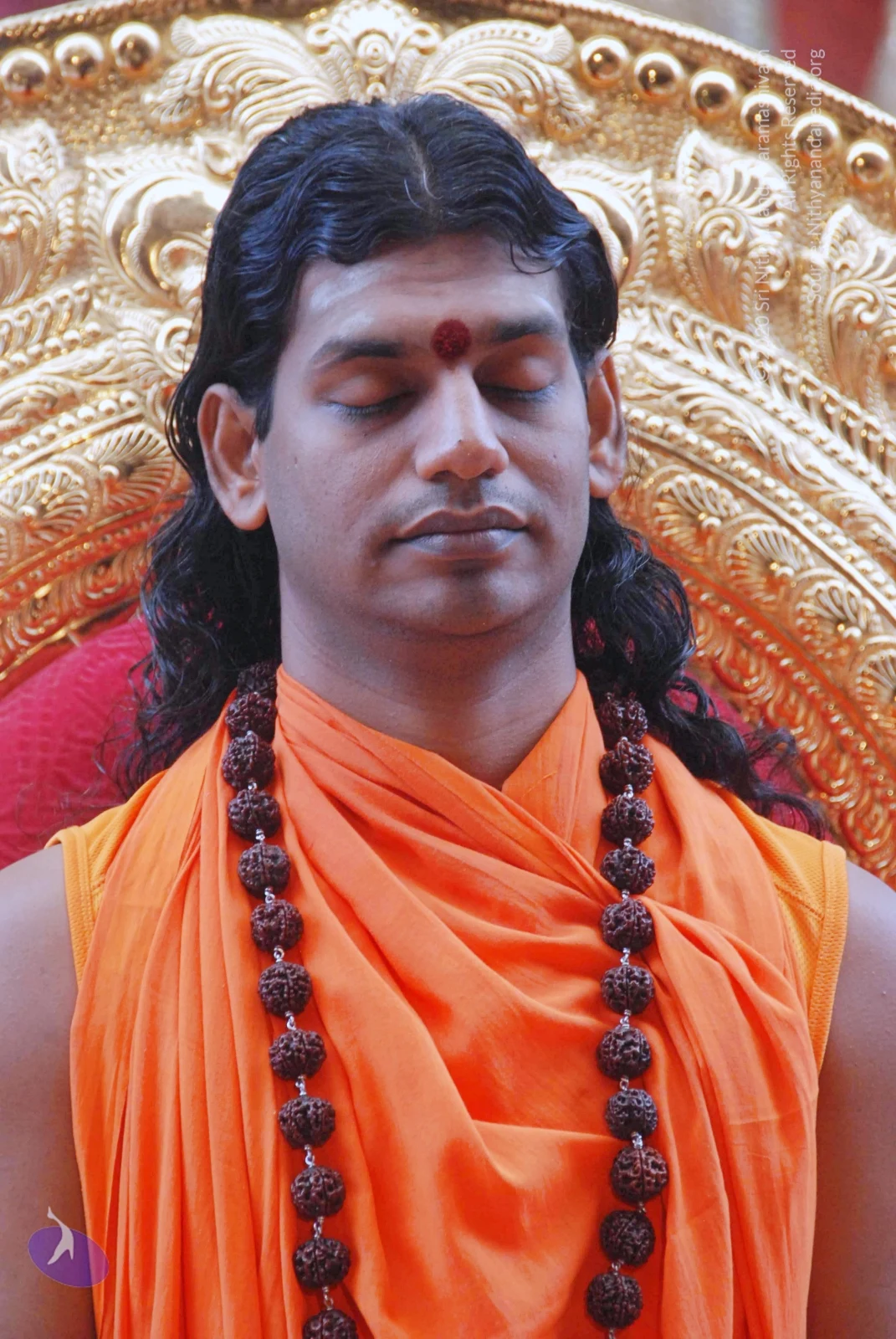
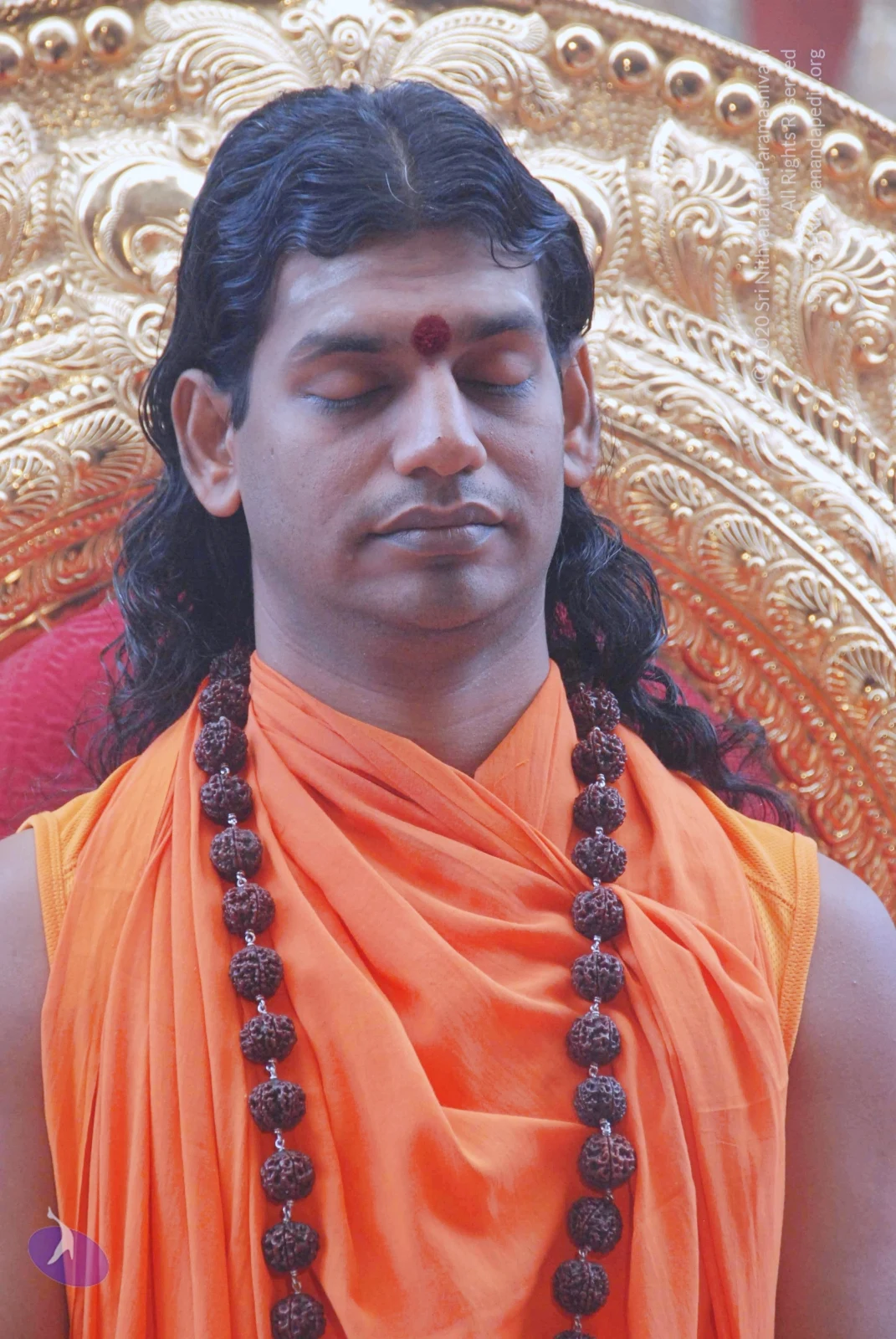
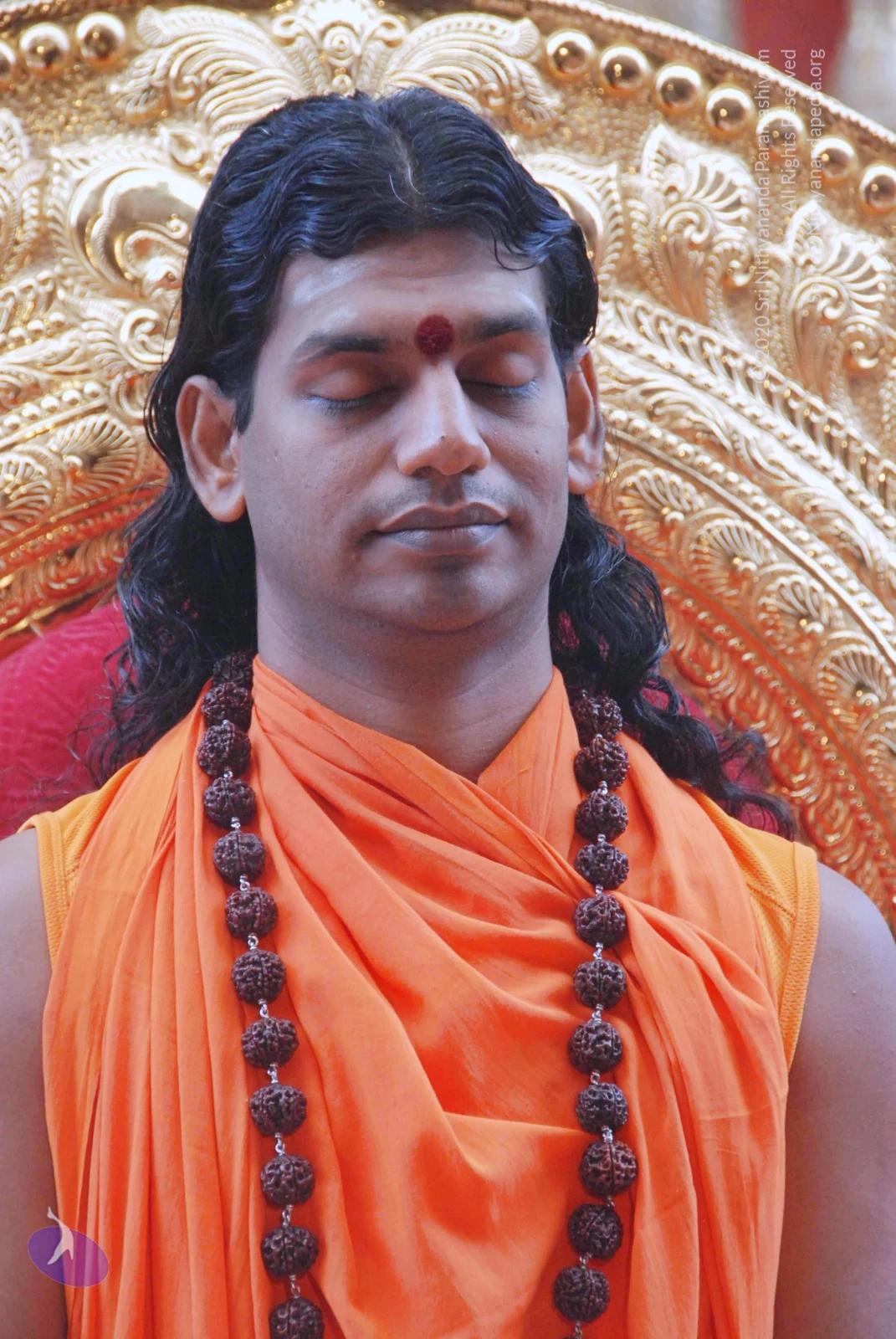
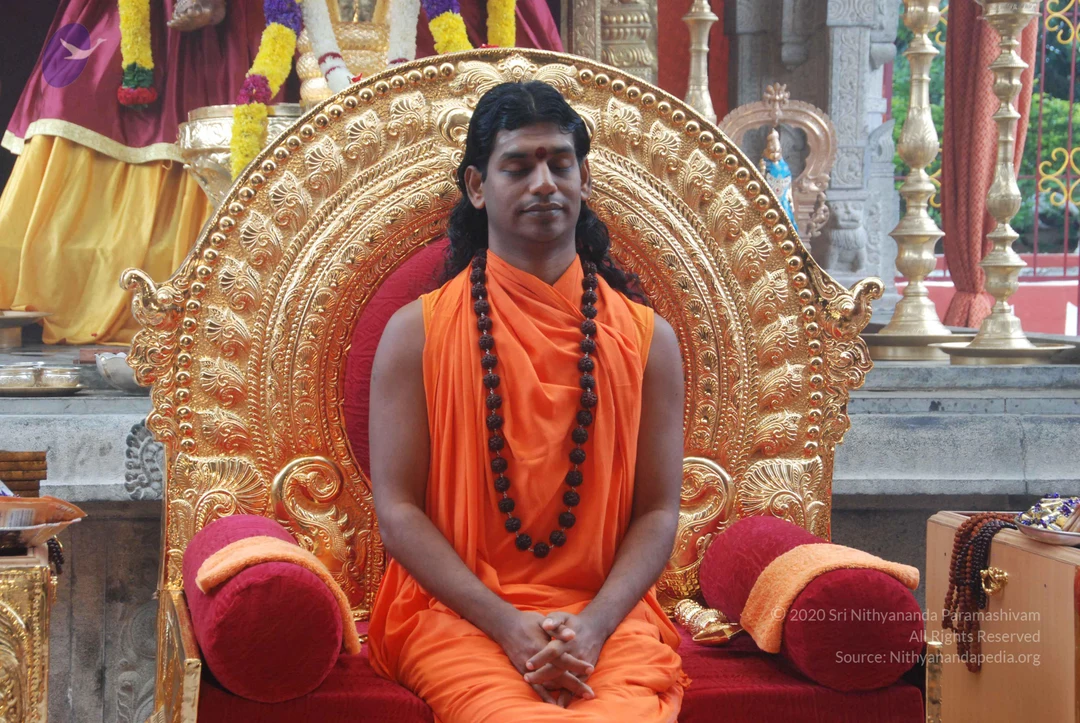
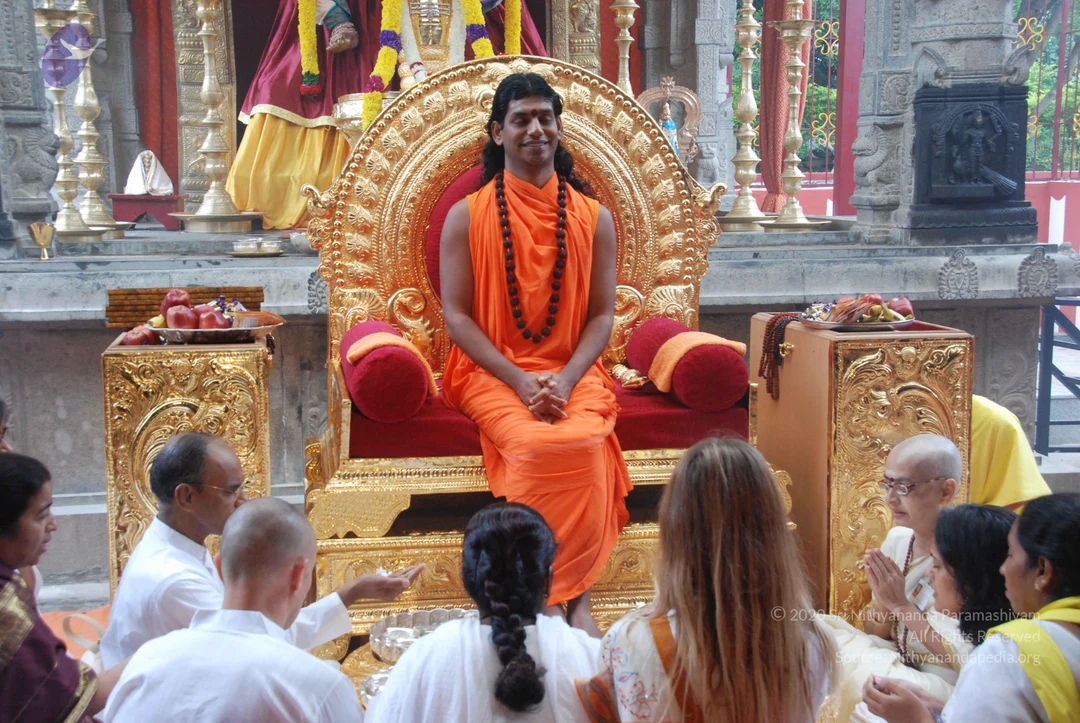
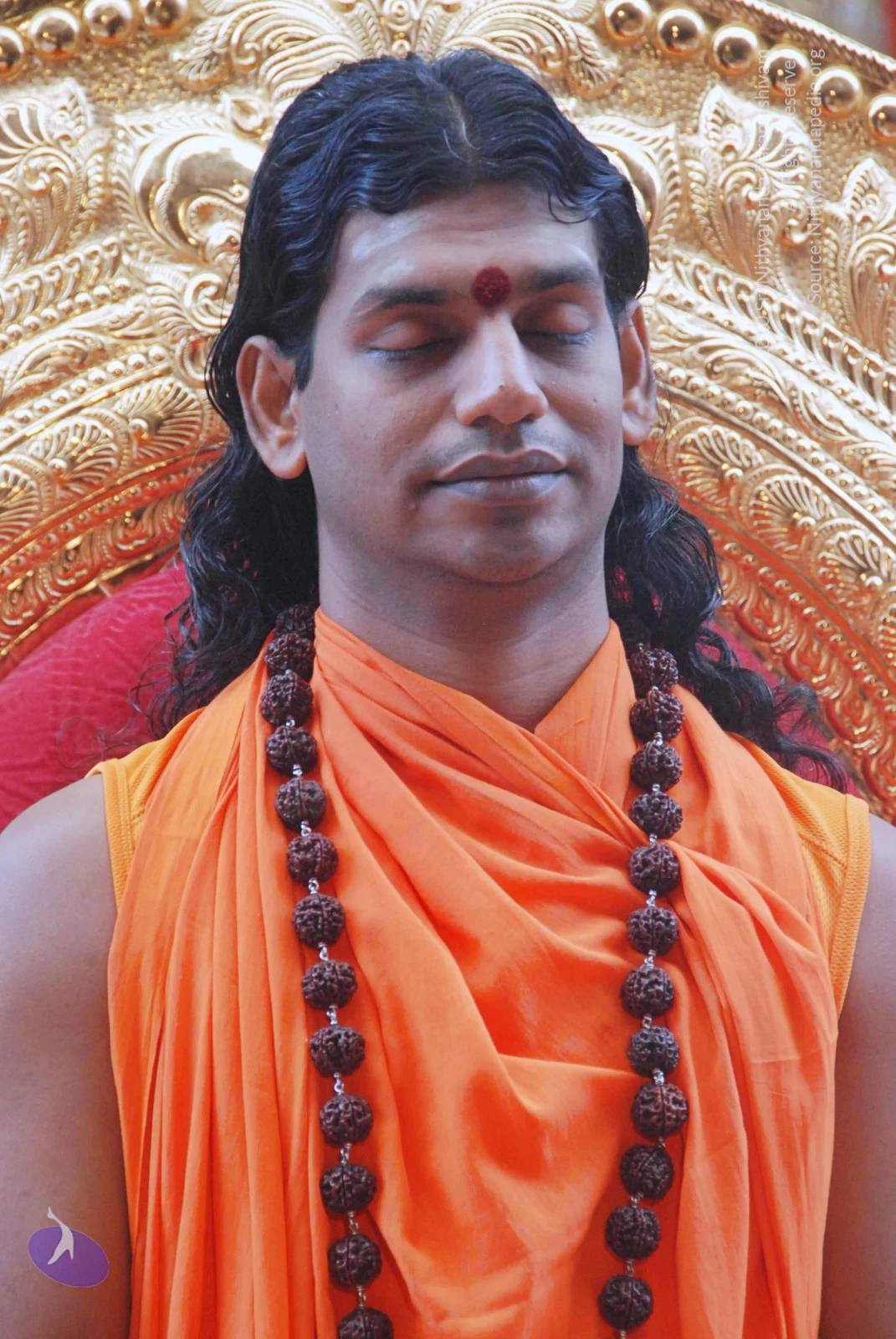
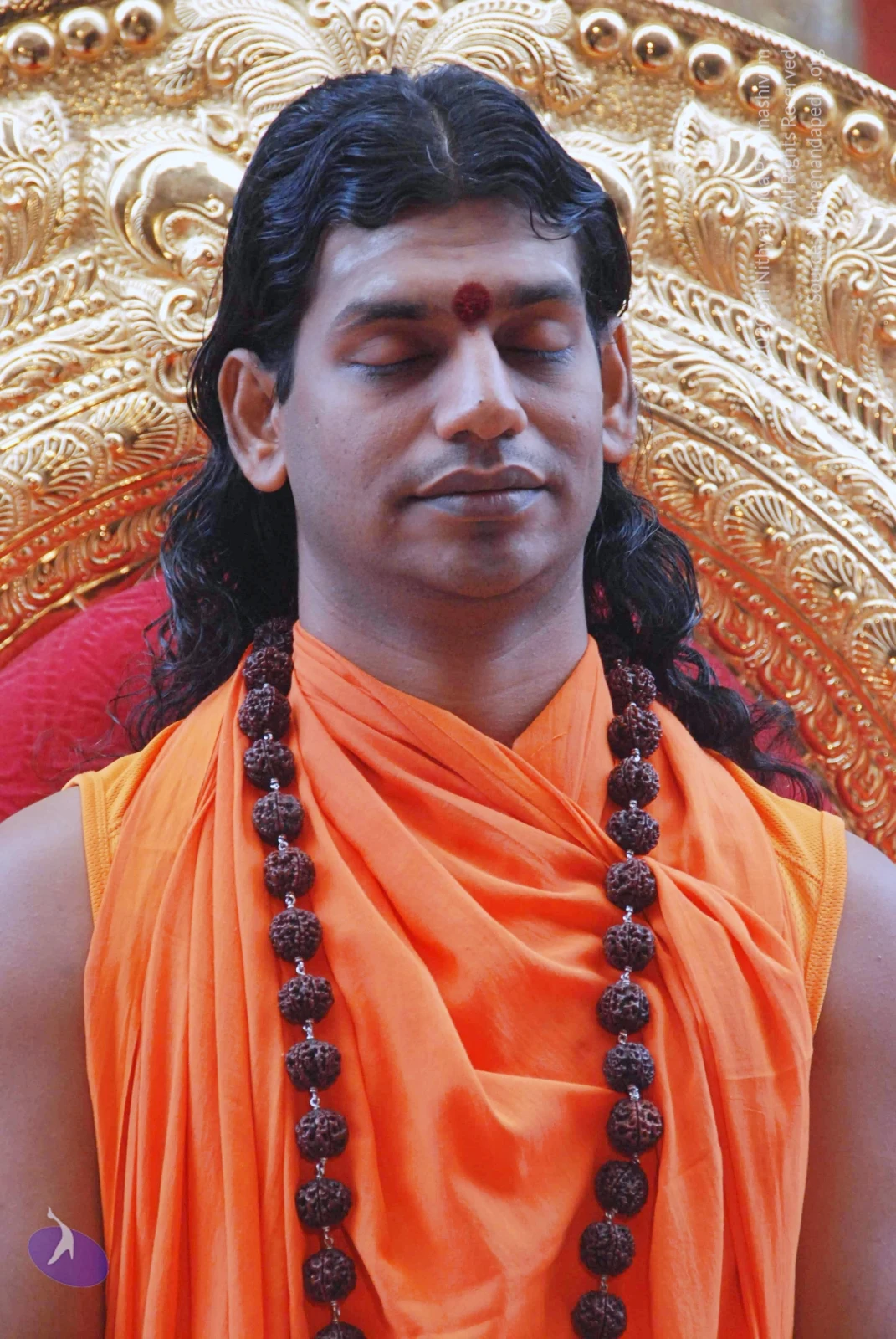
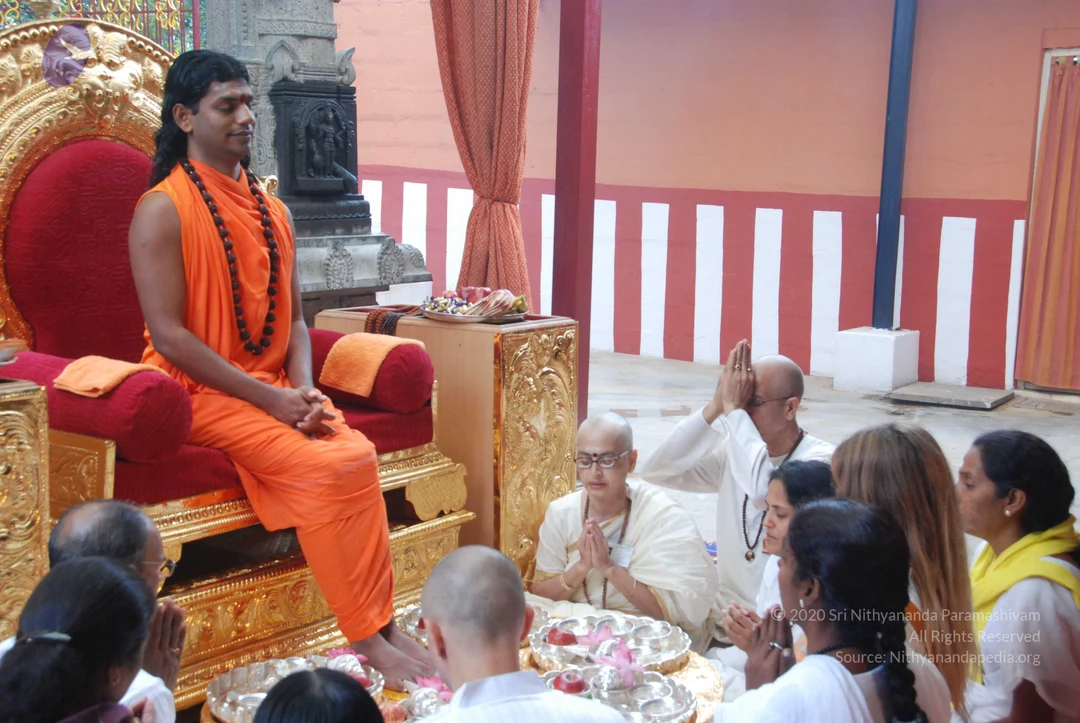
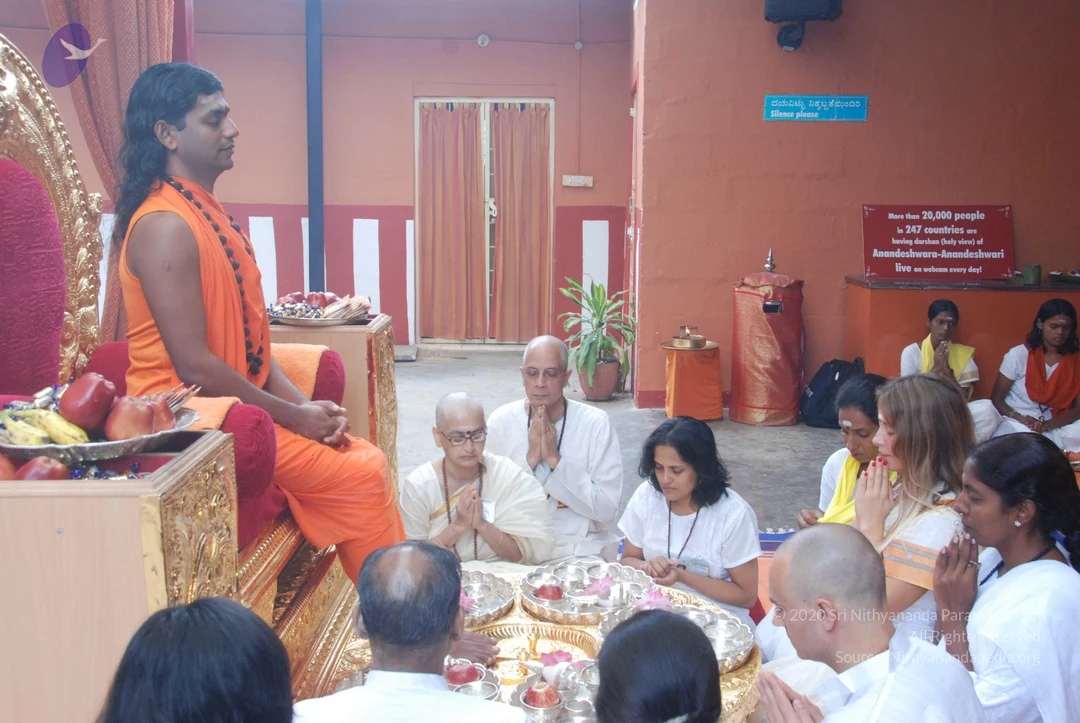
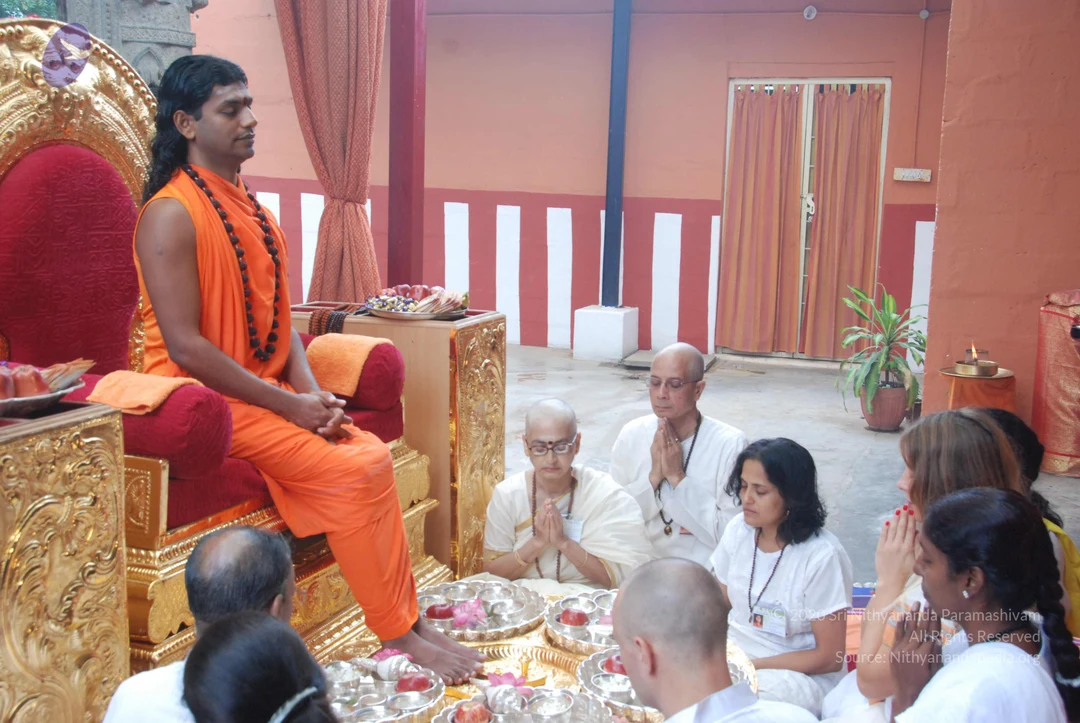
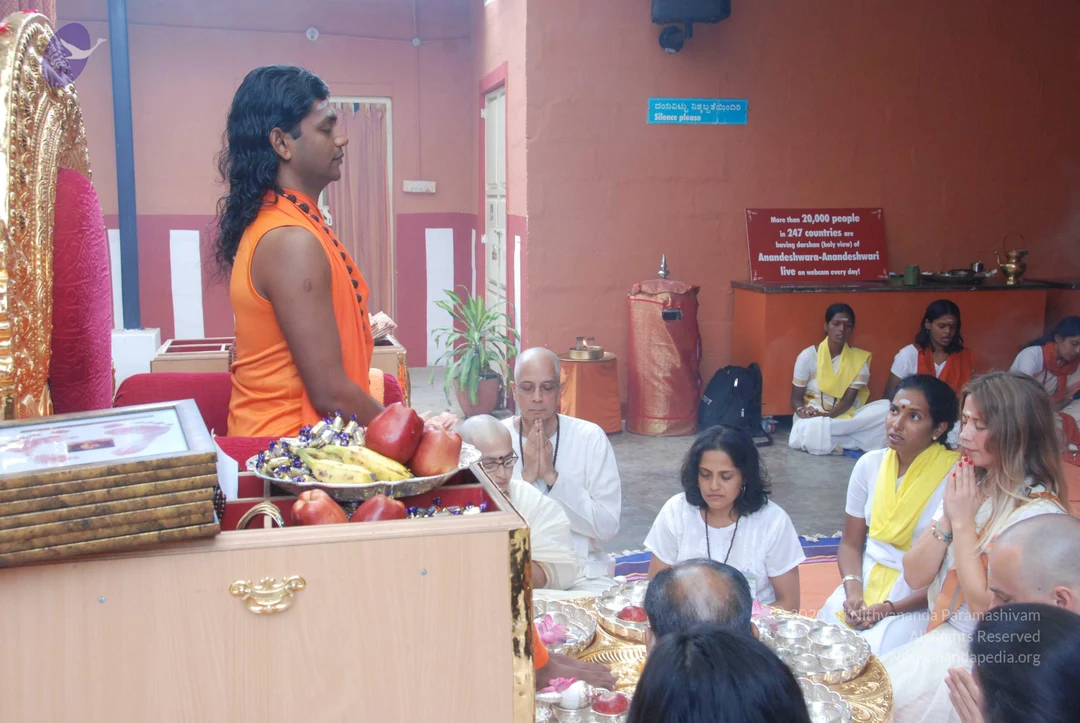
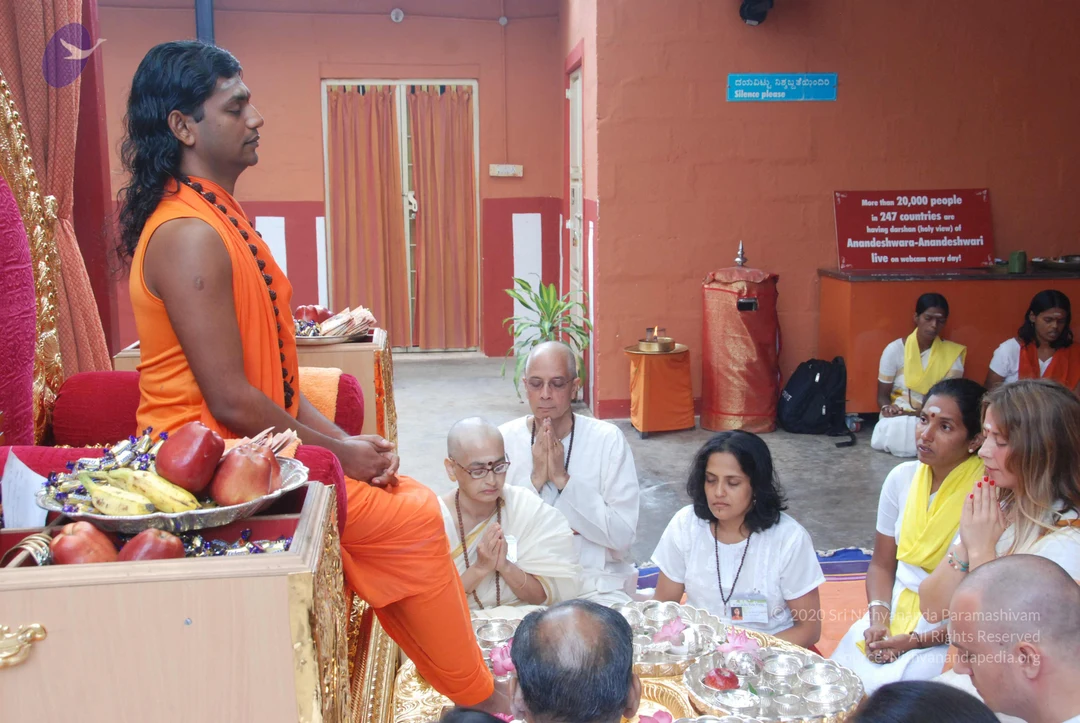
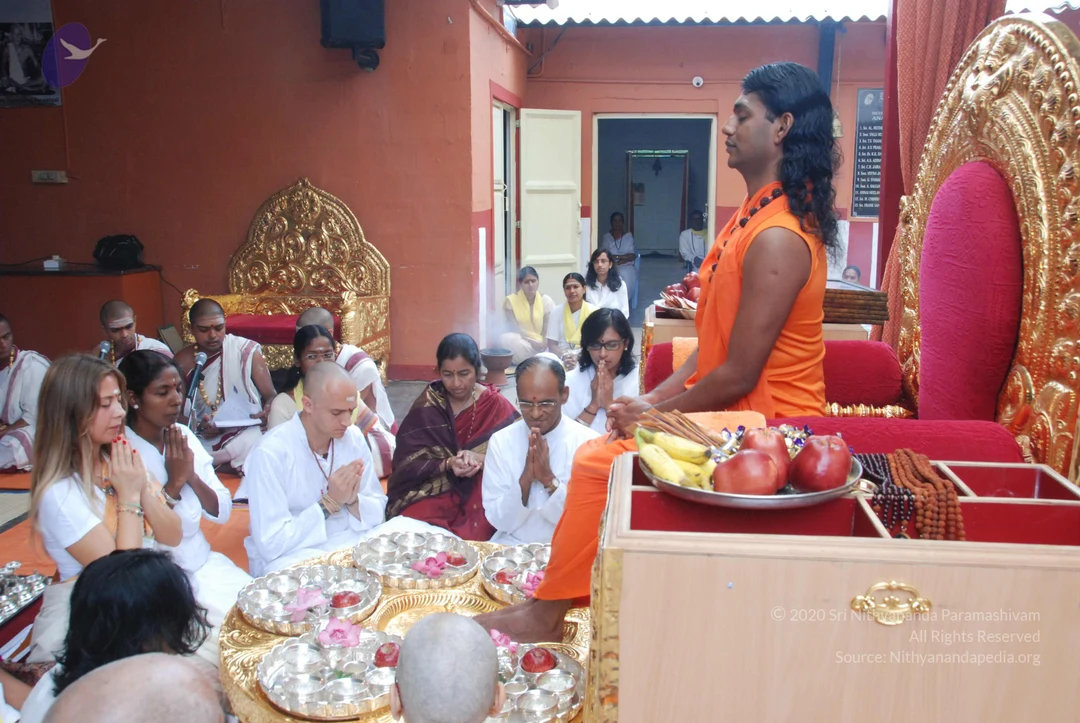
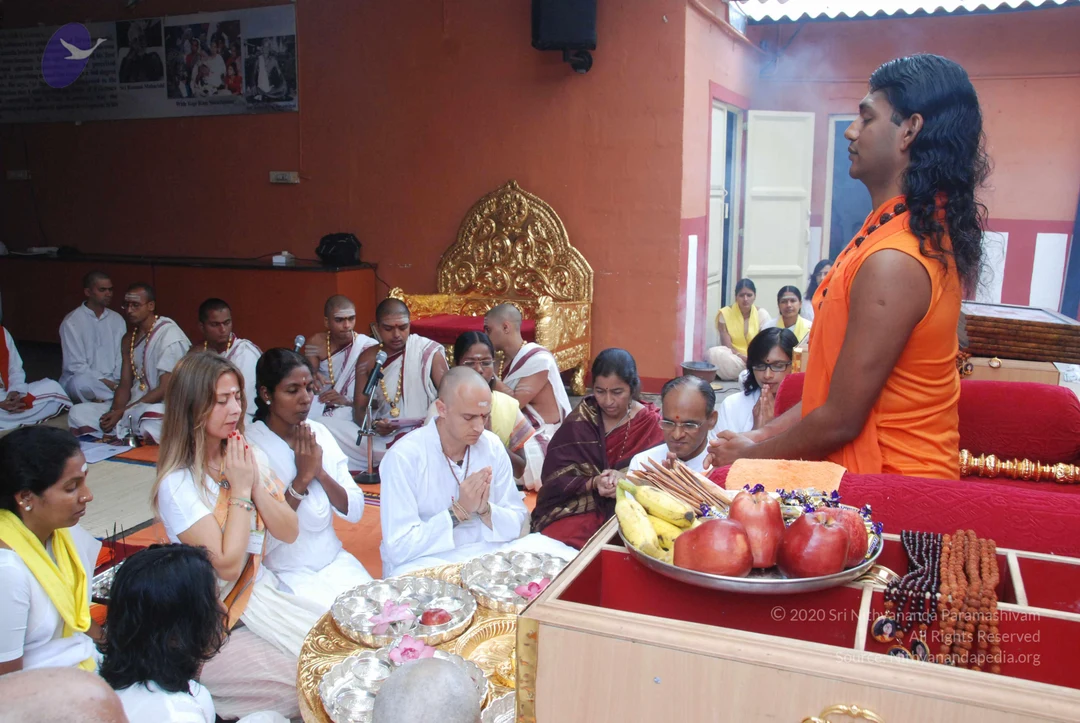
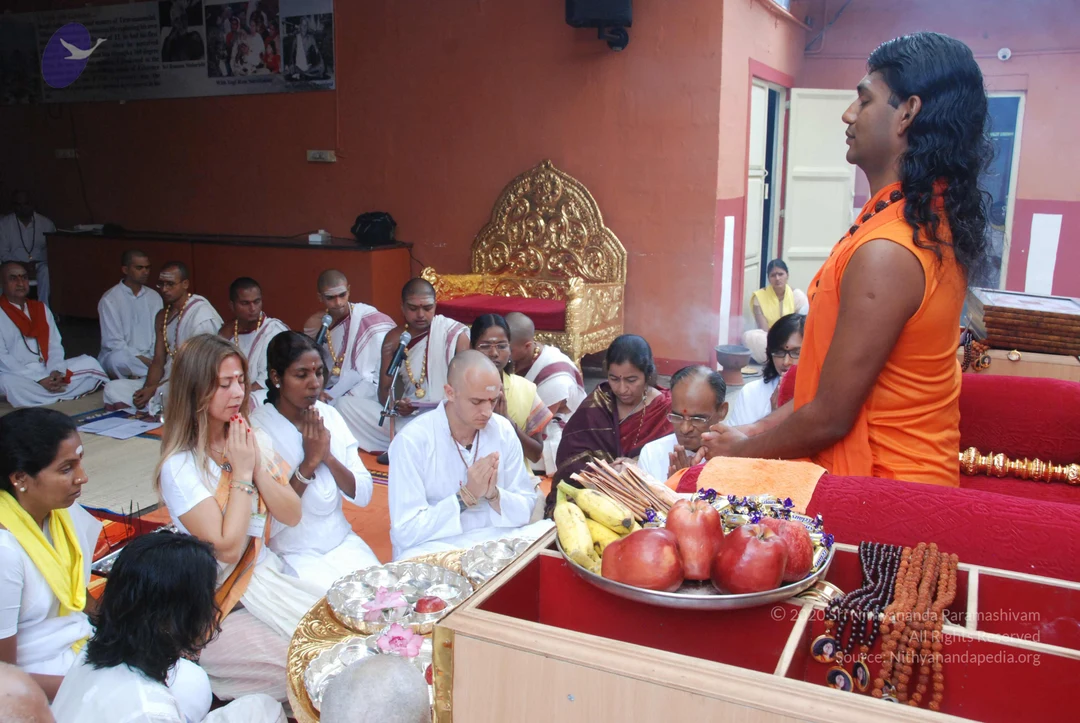
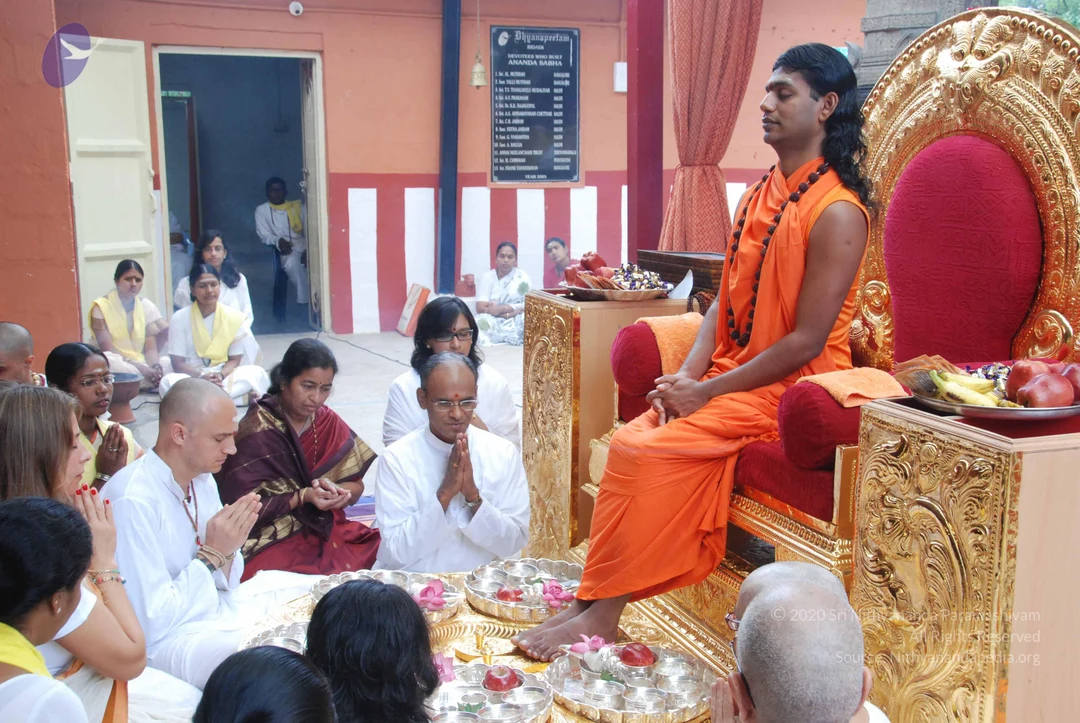
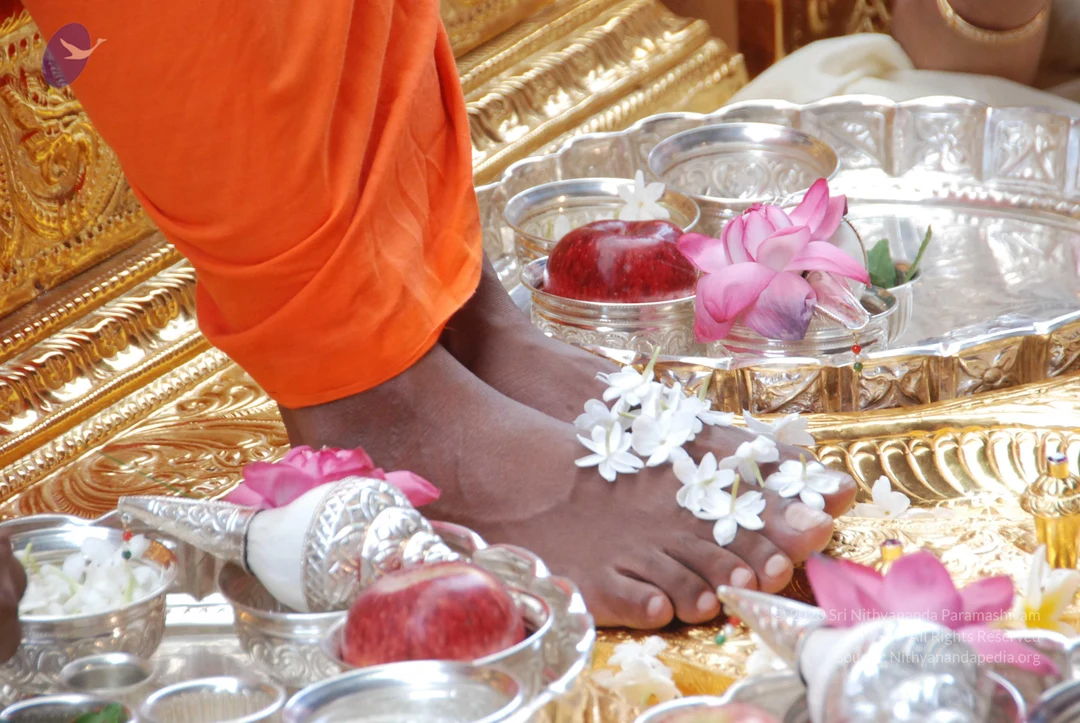
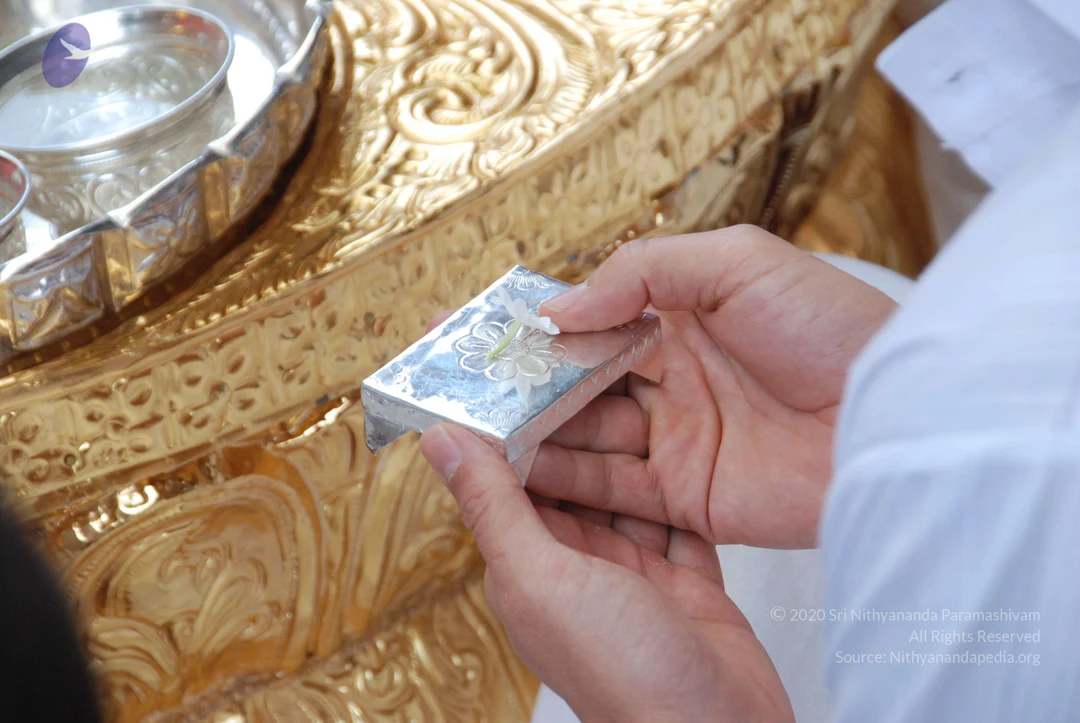
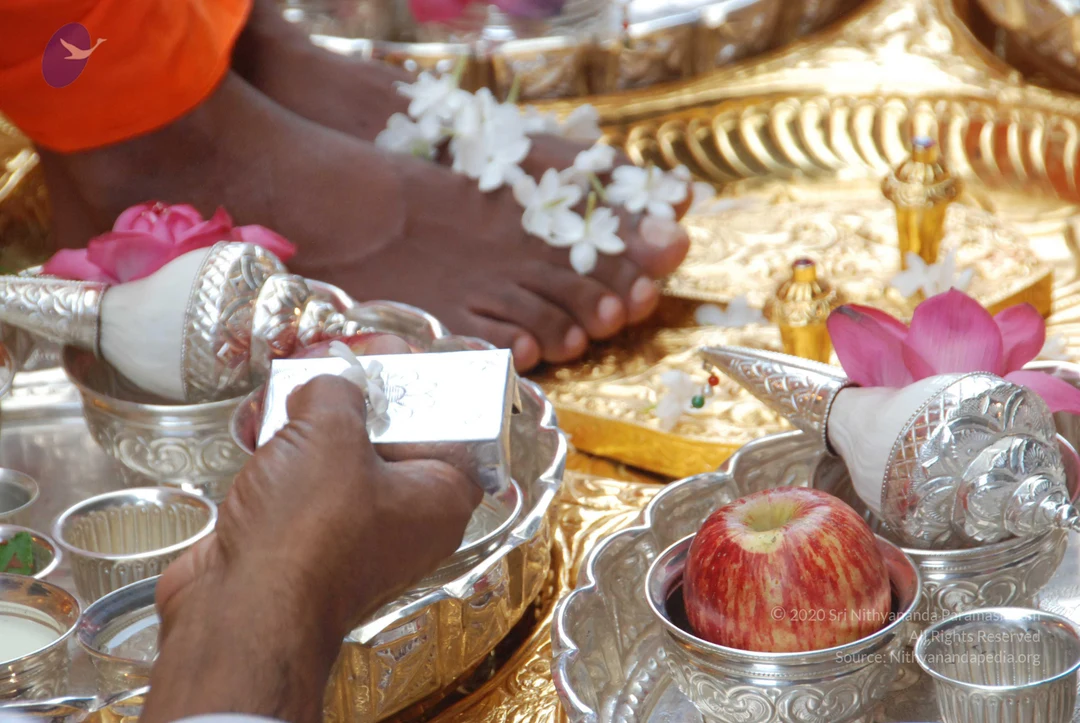
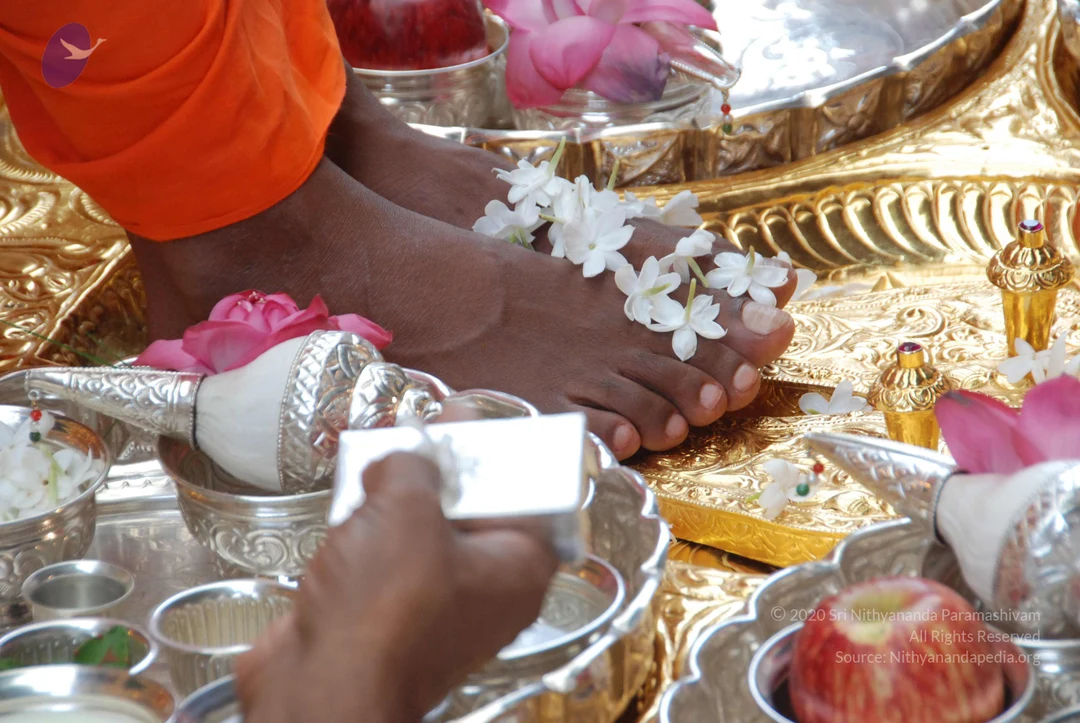
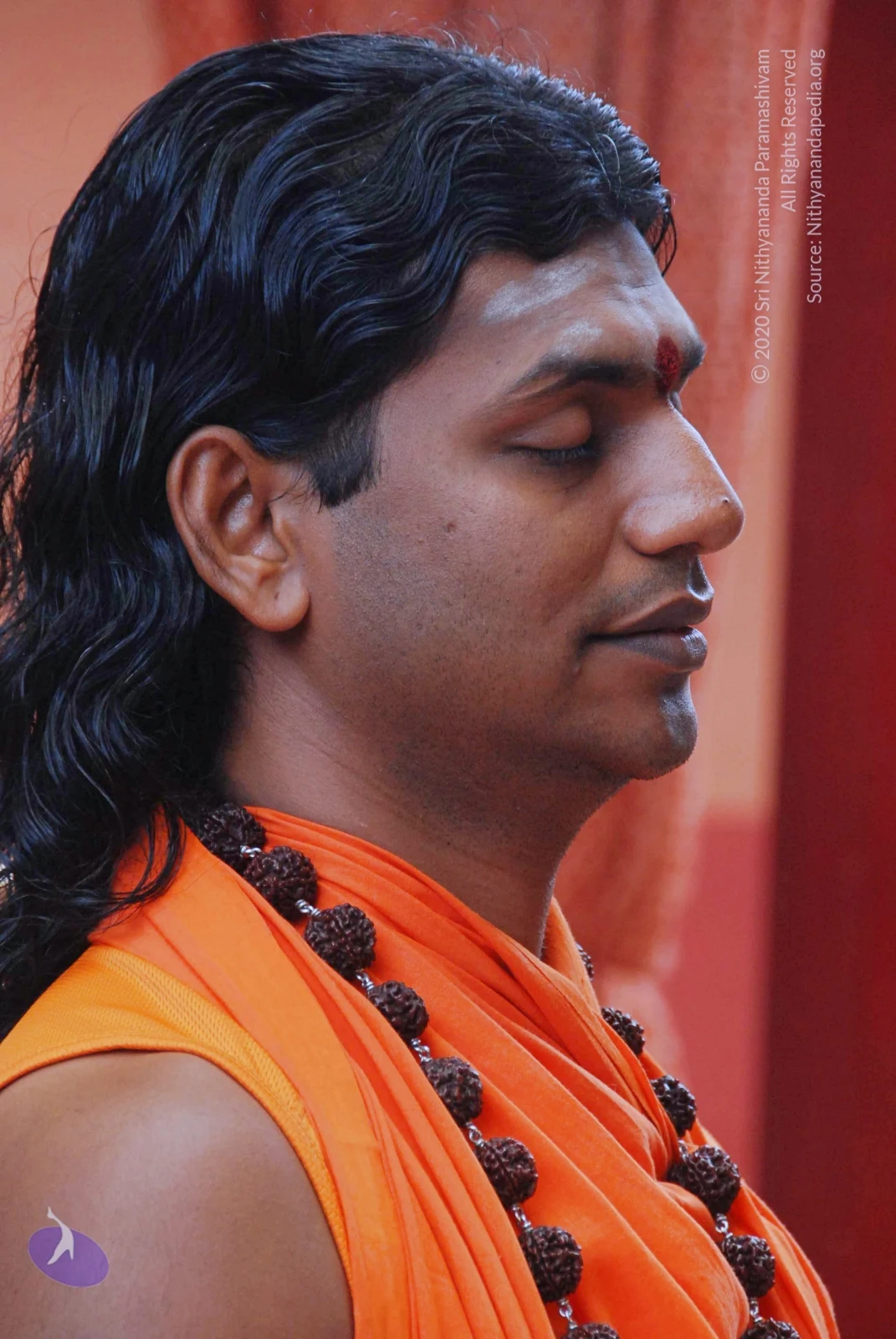
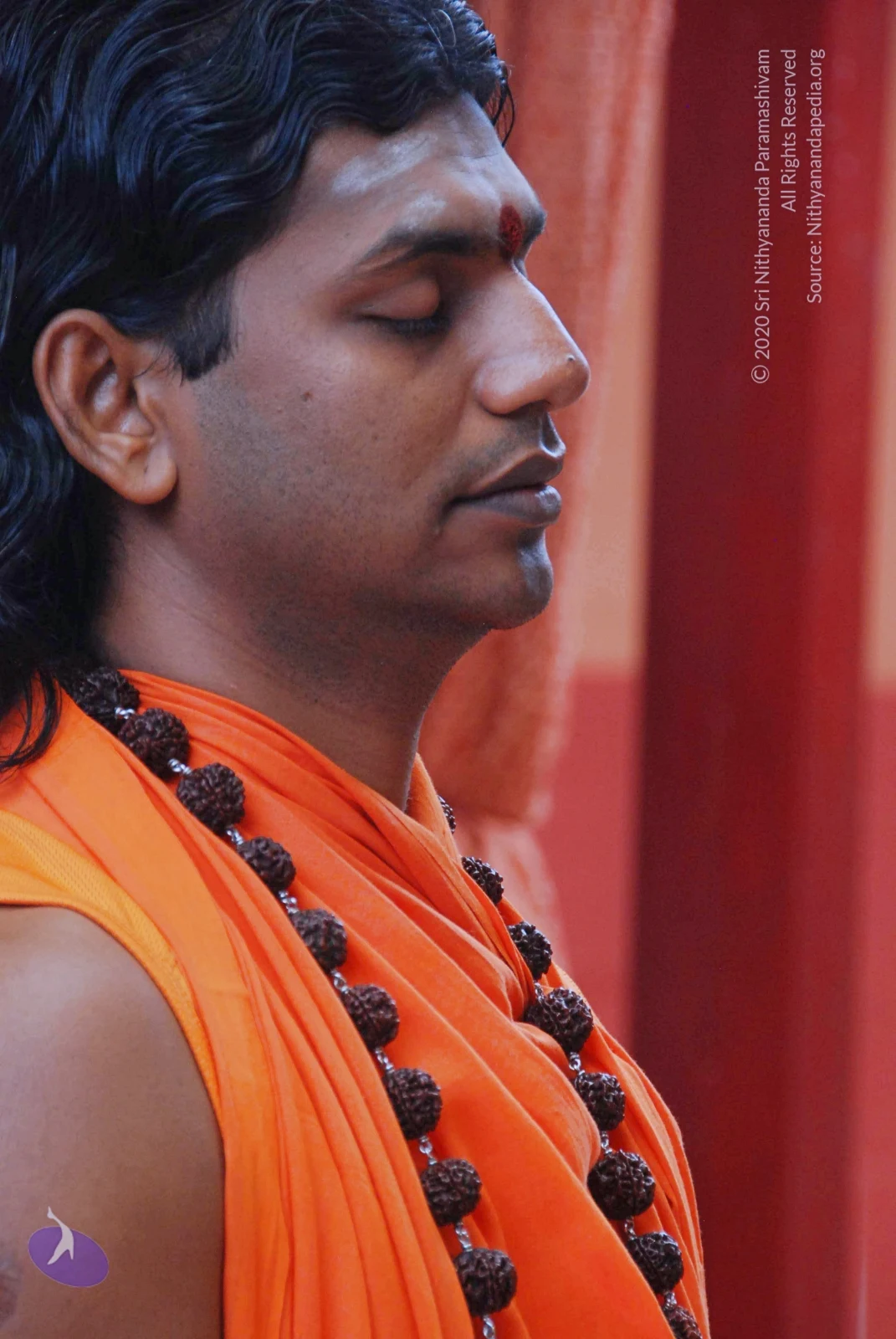
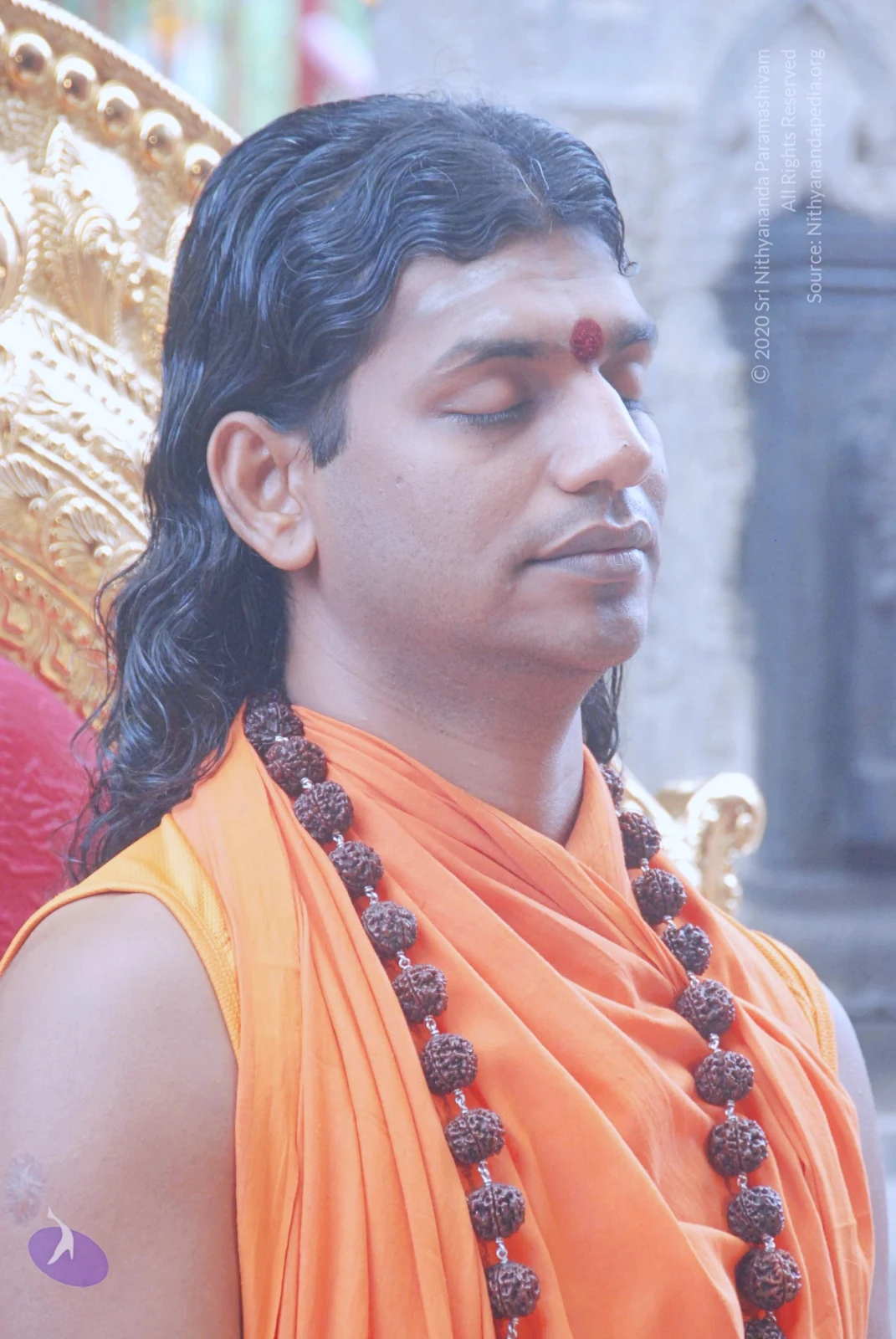
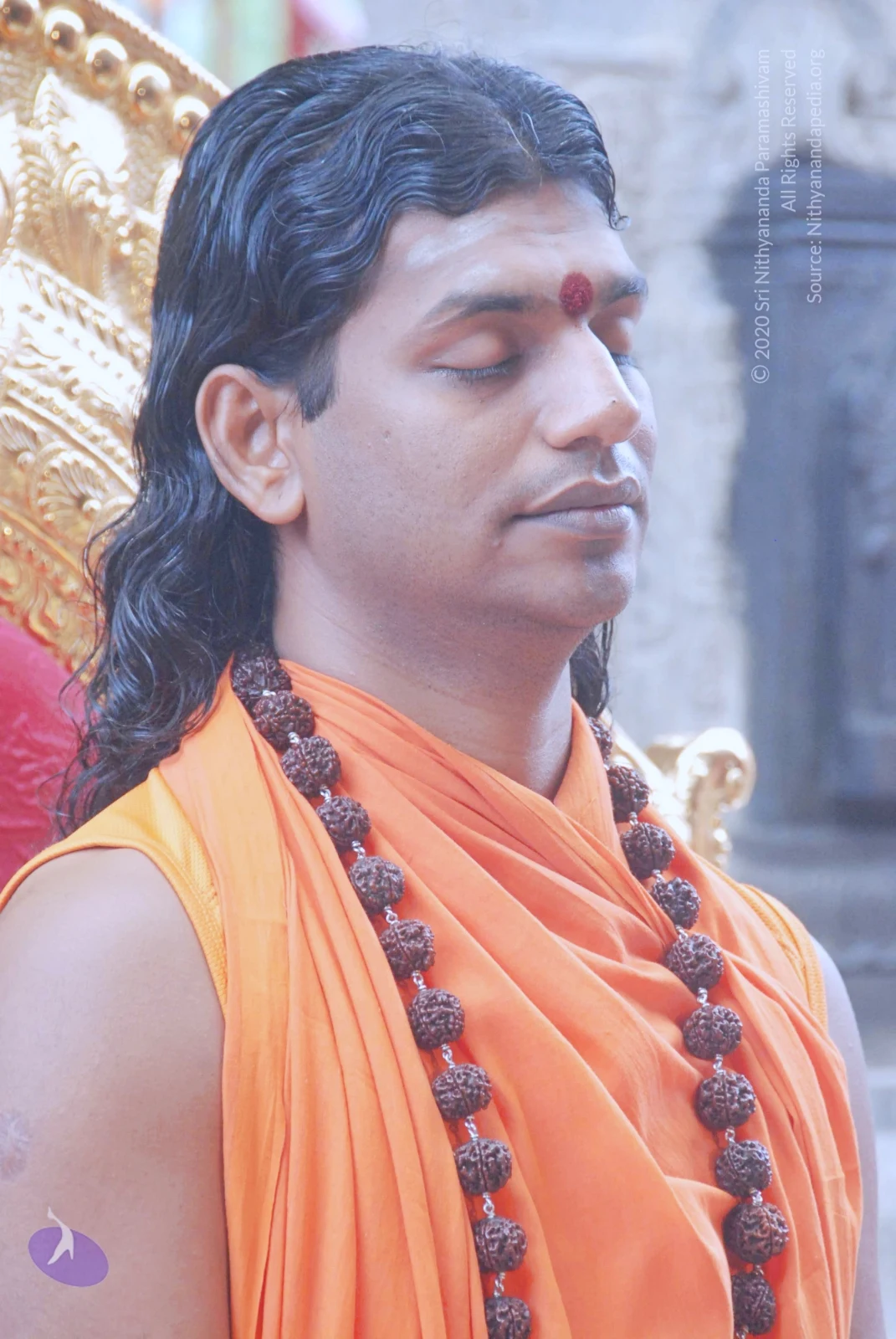
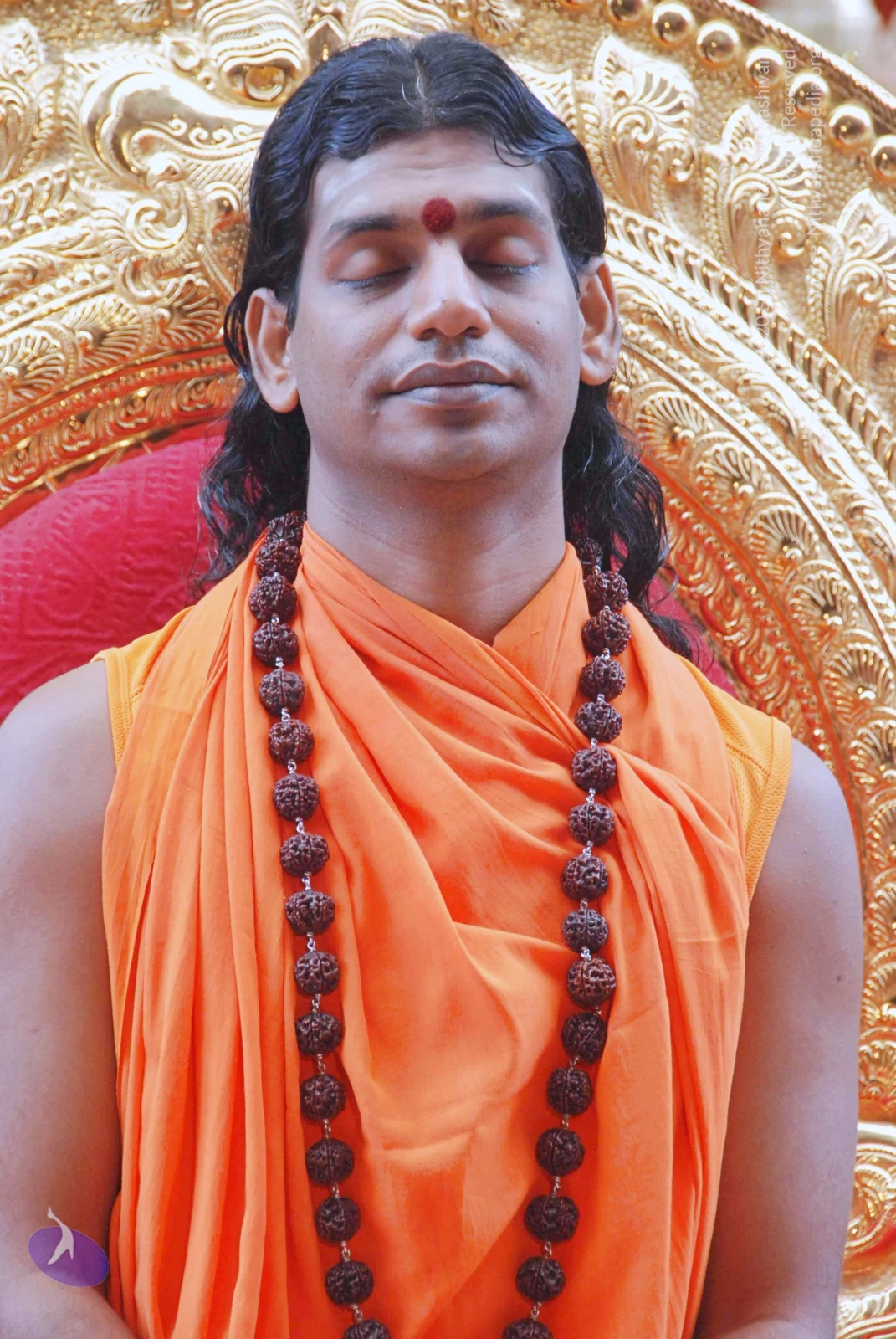
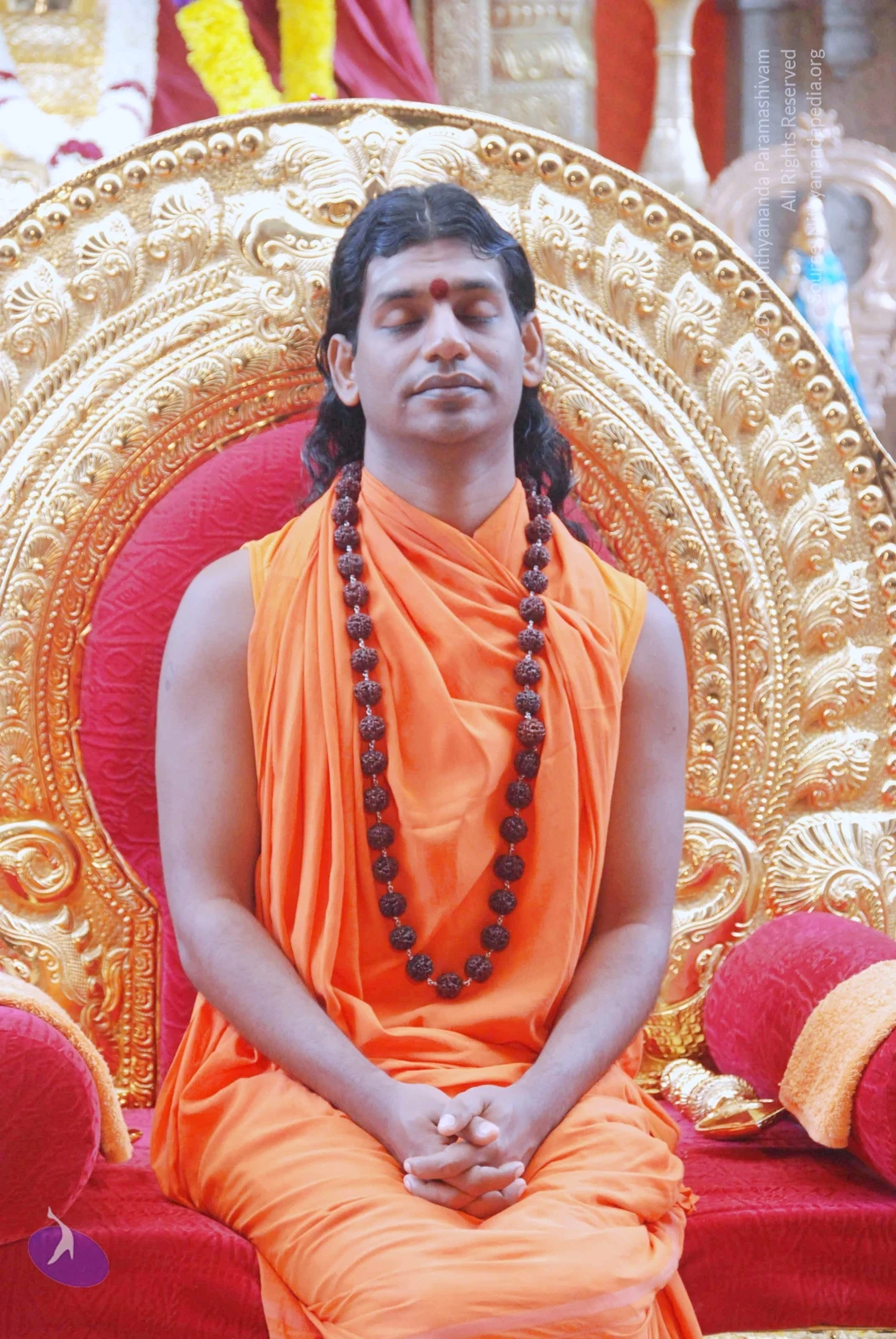
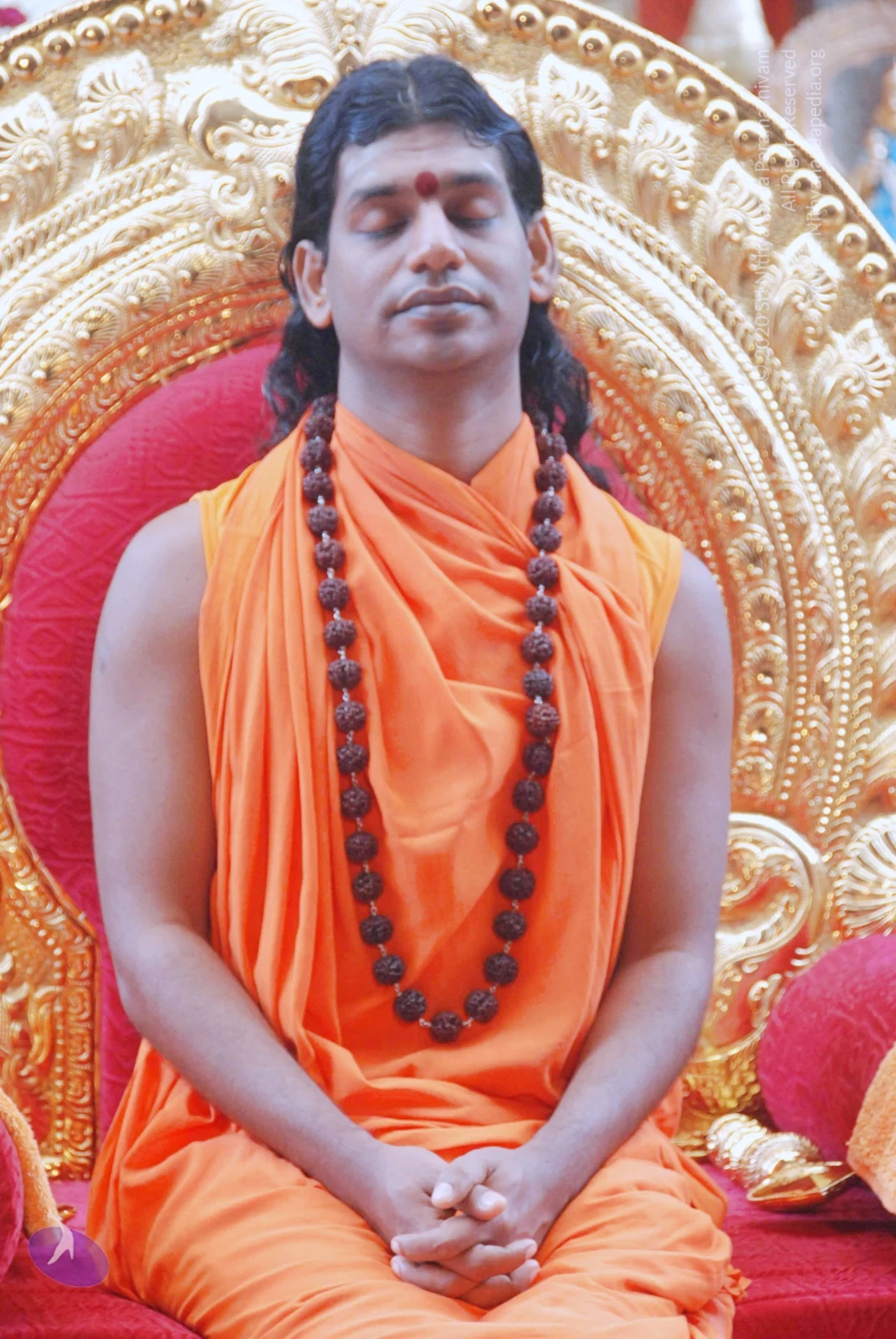
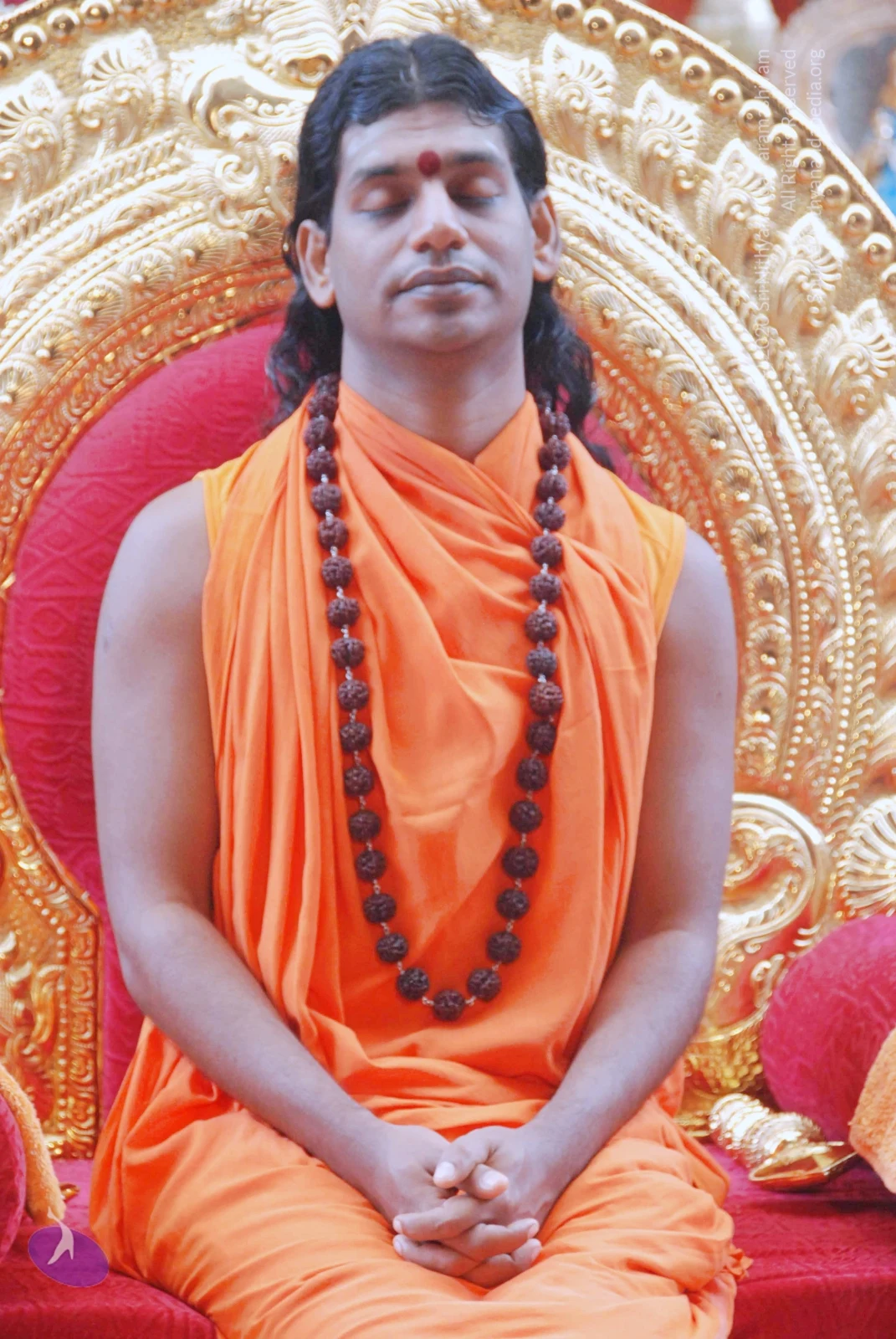
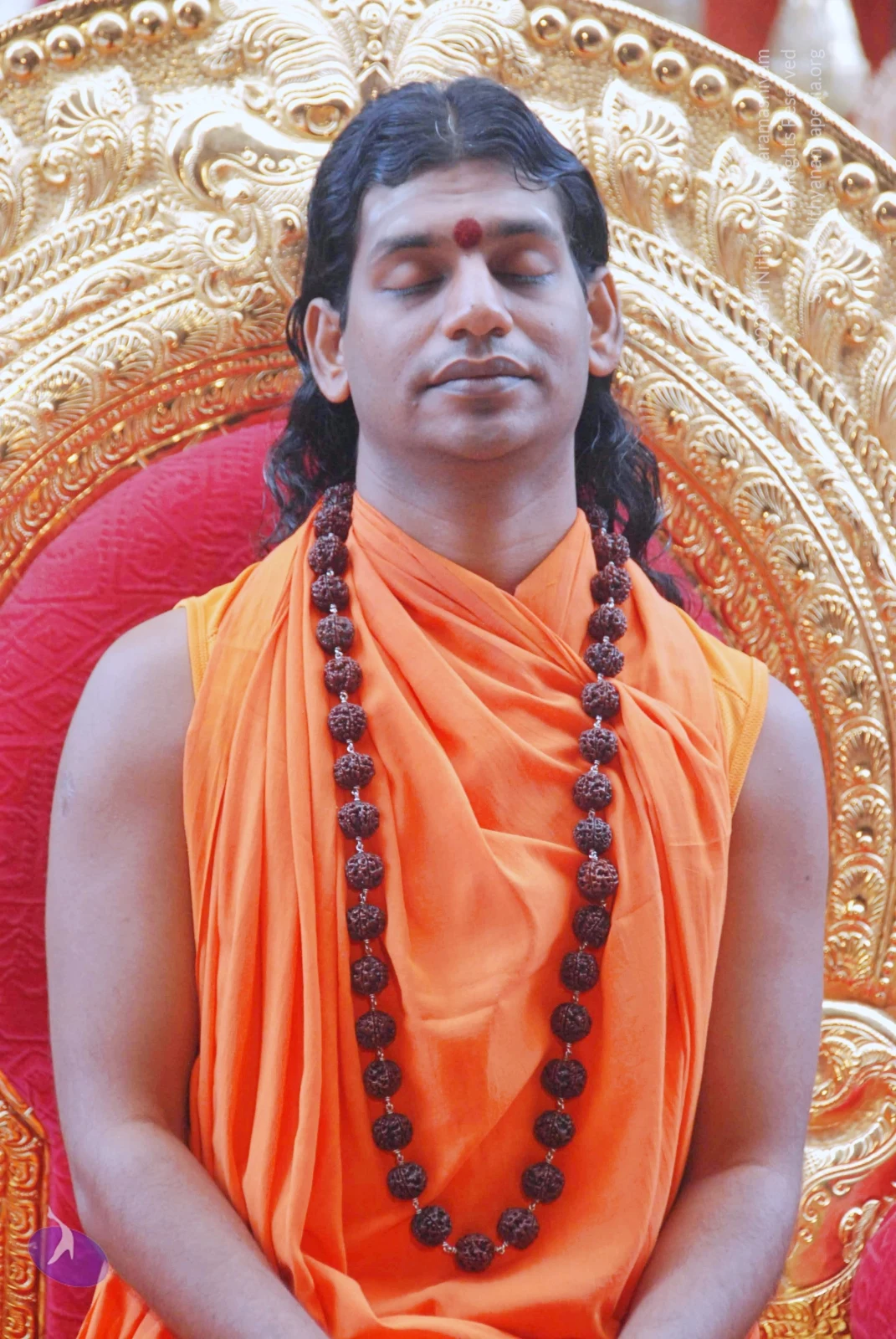
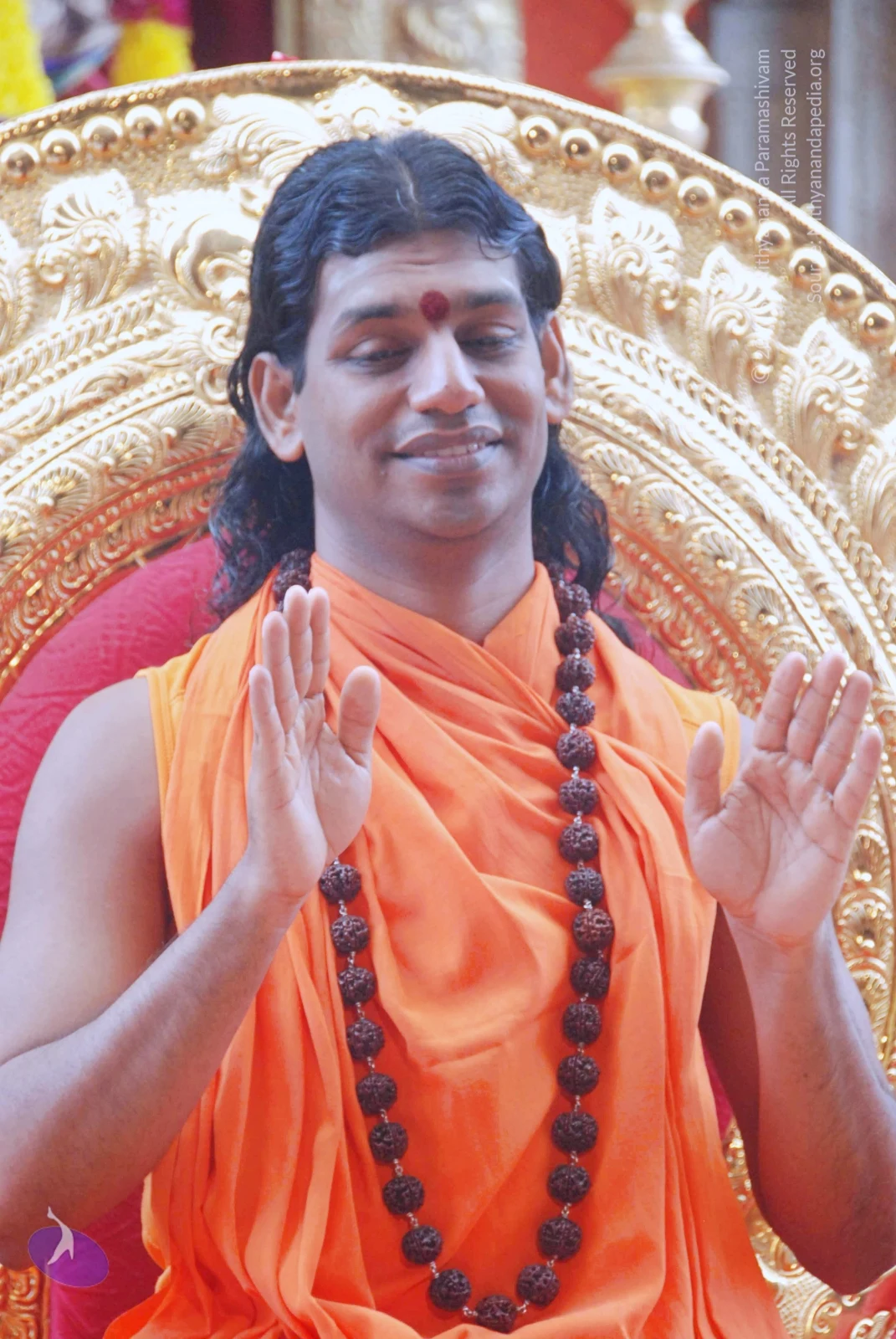
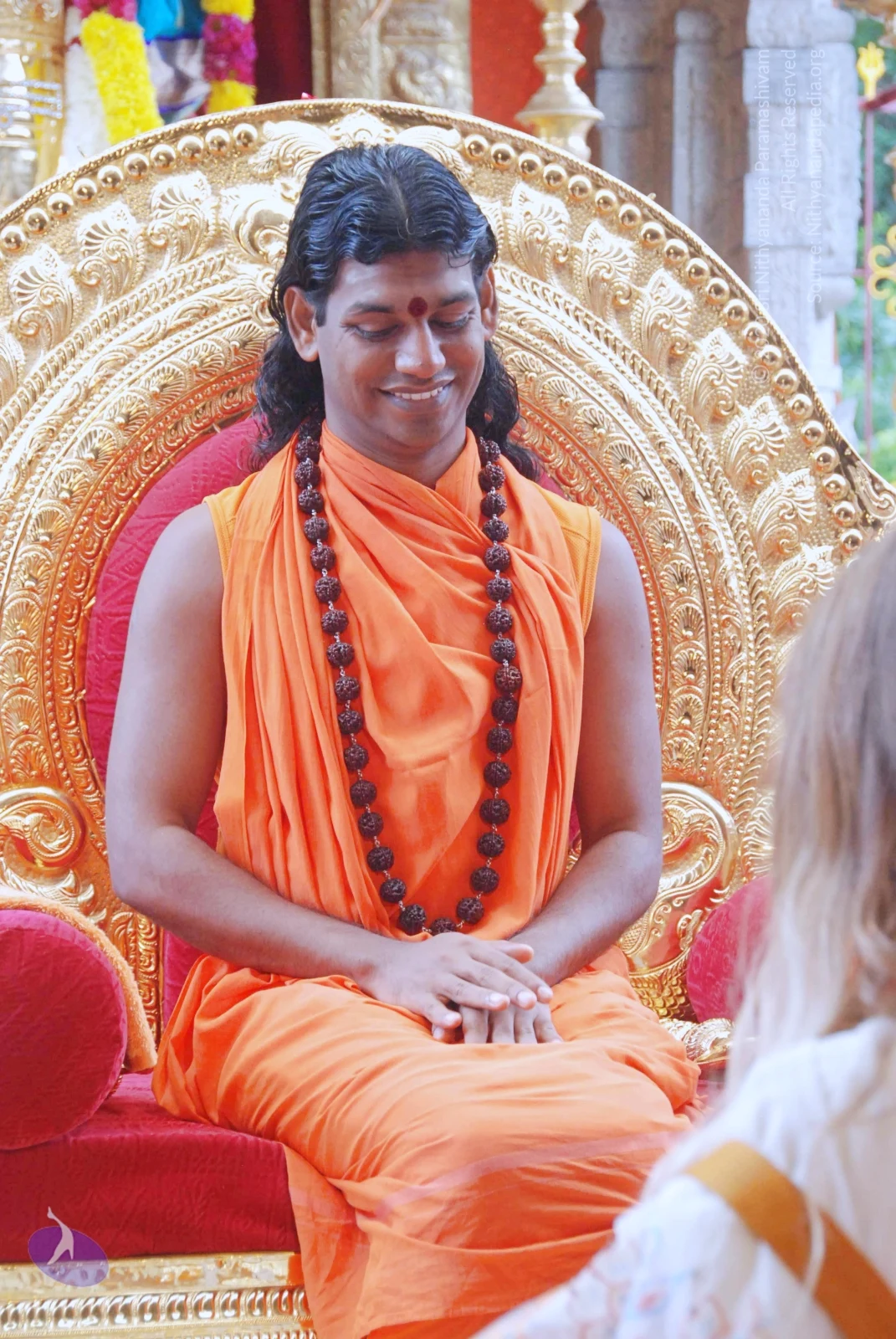
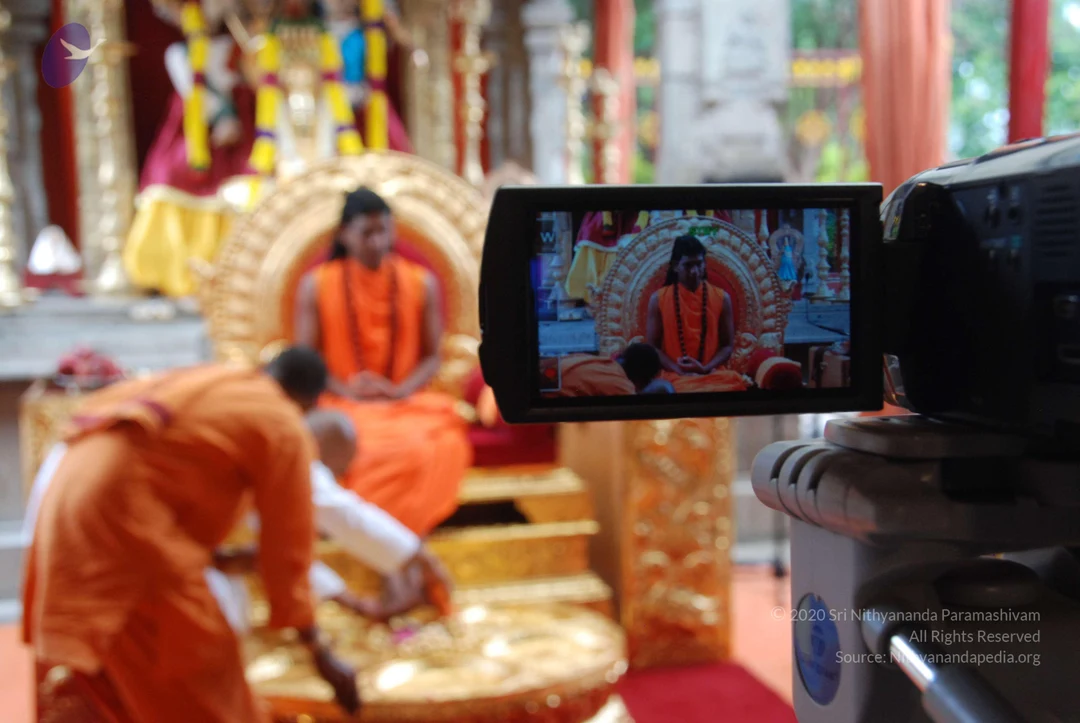
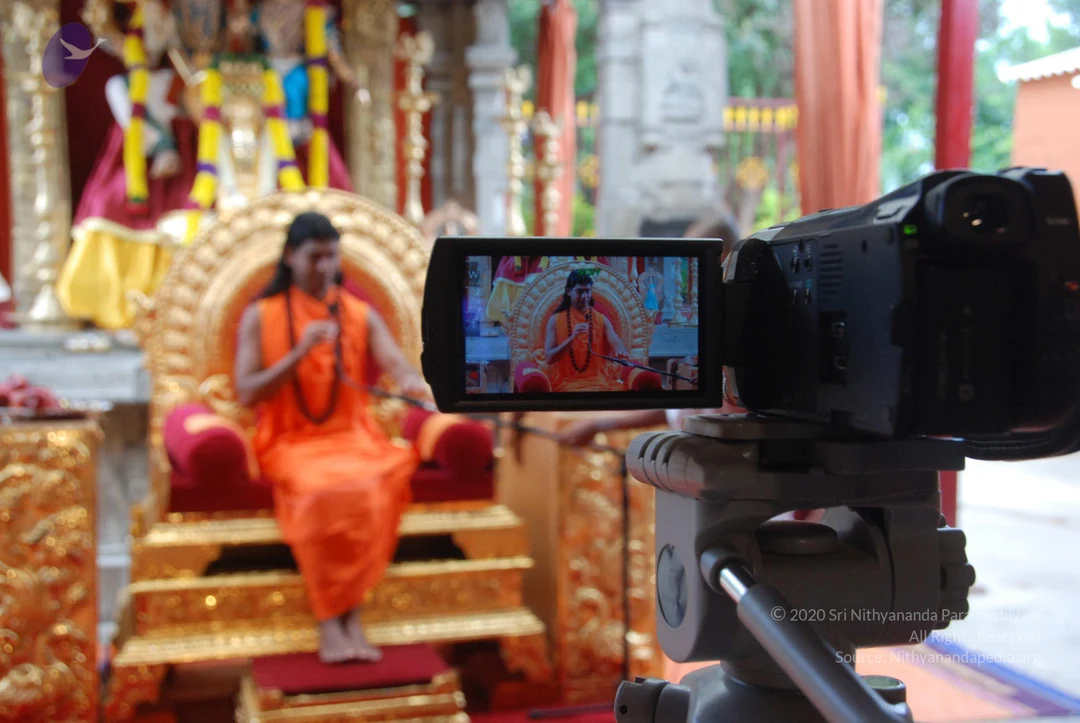
03-Satsang
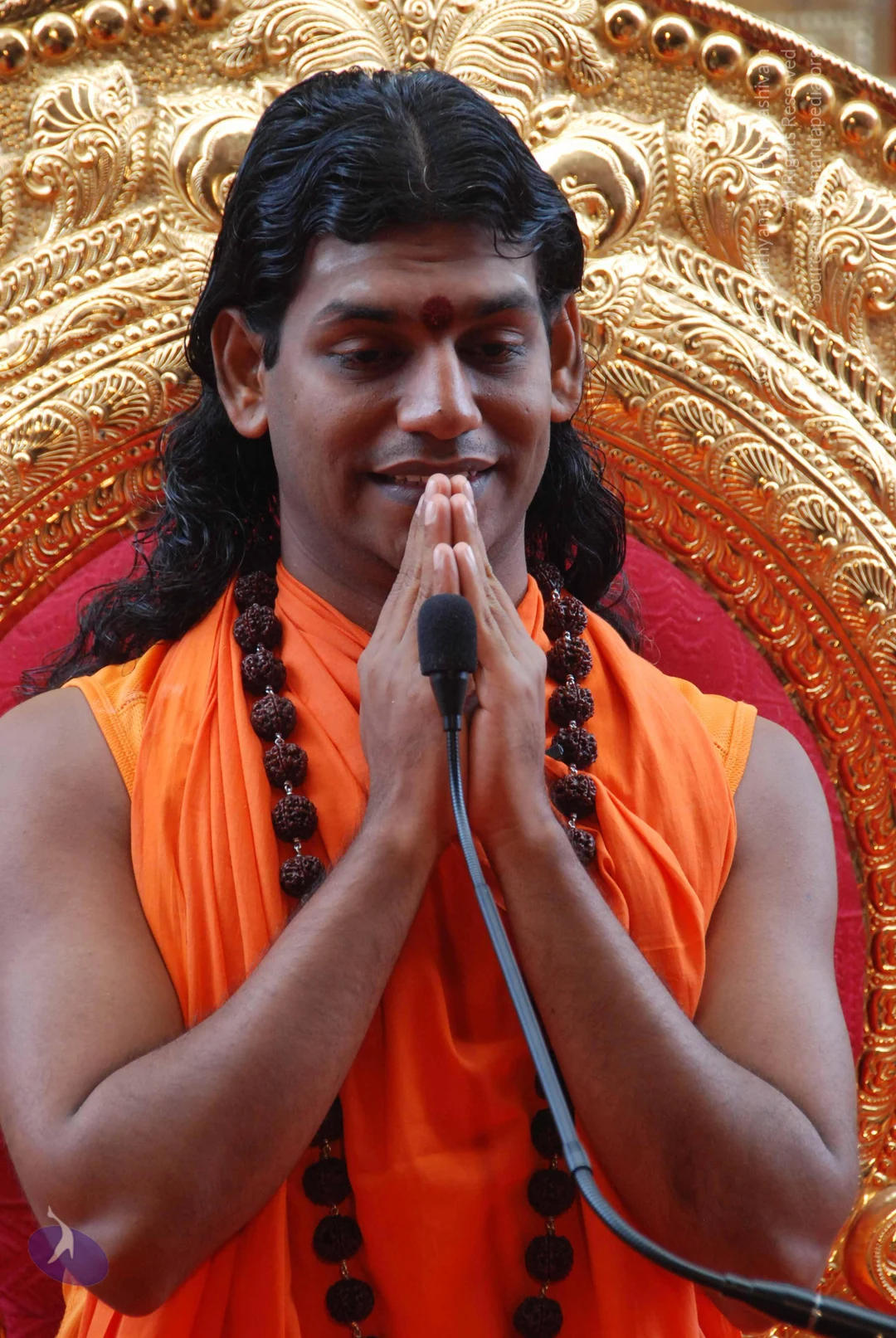
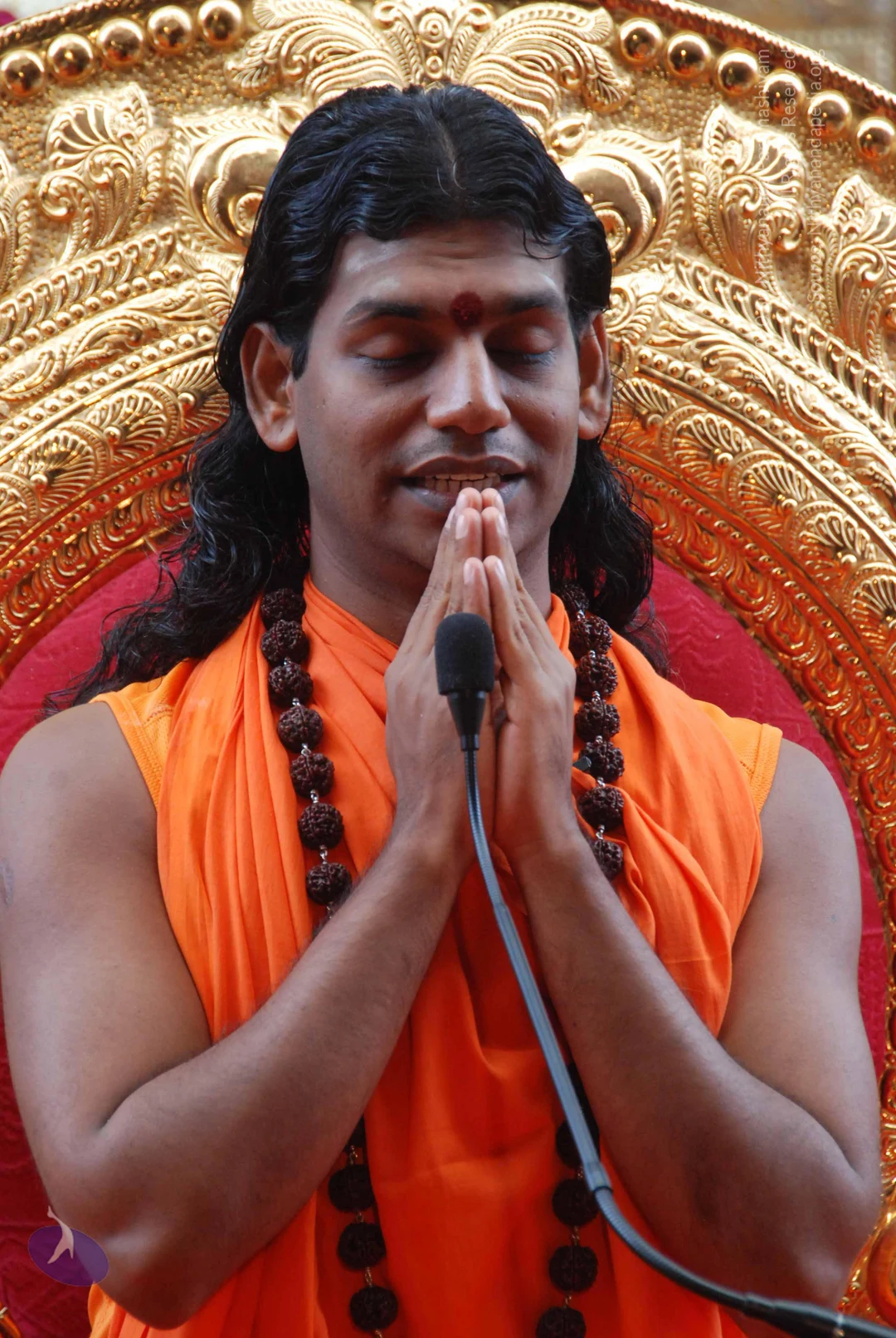
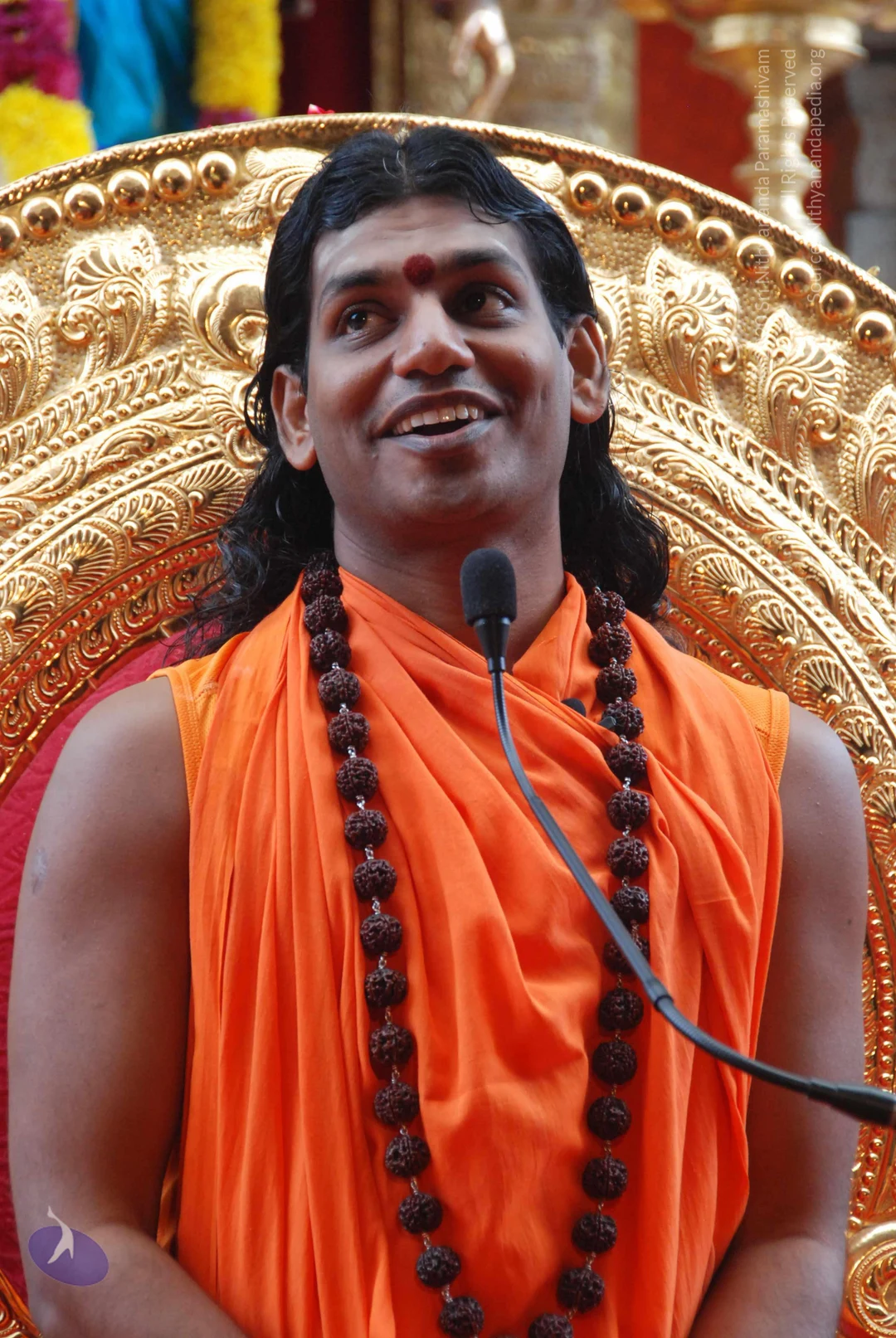
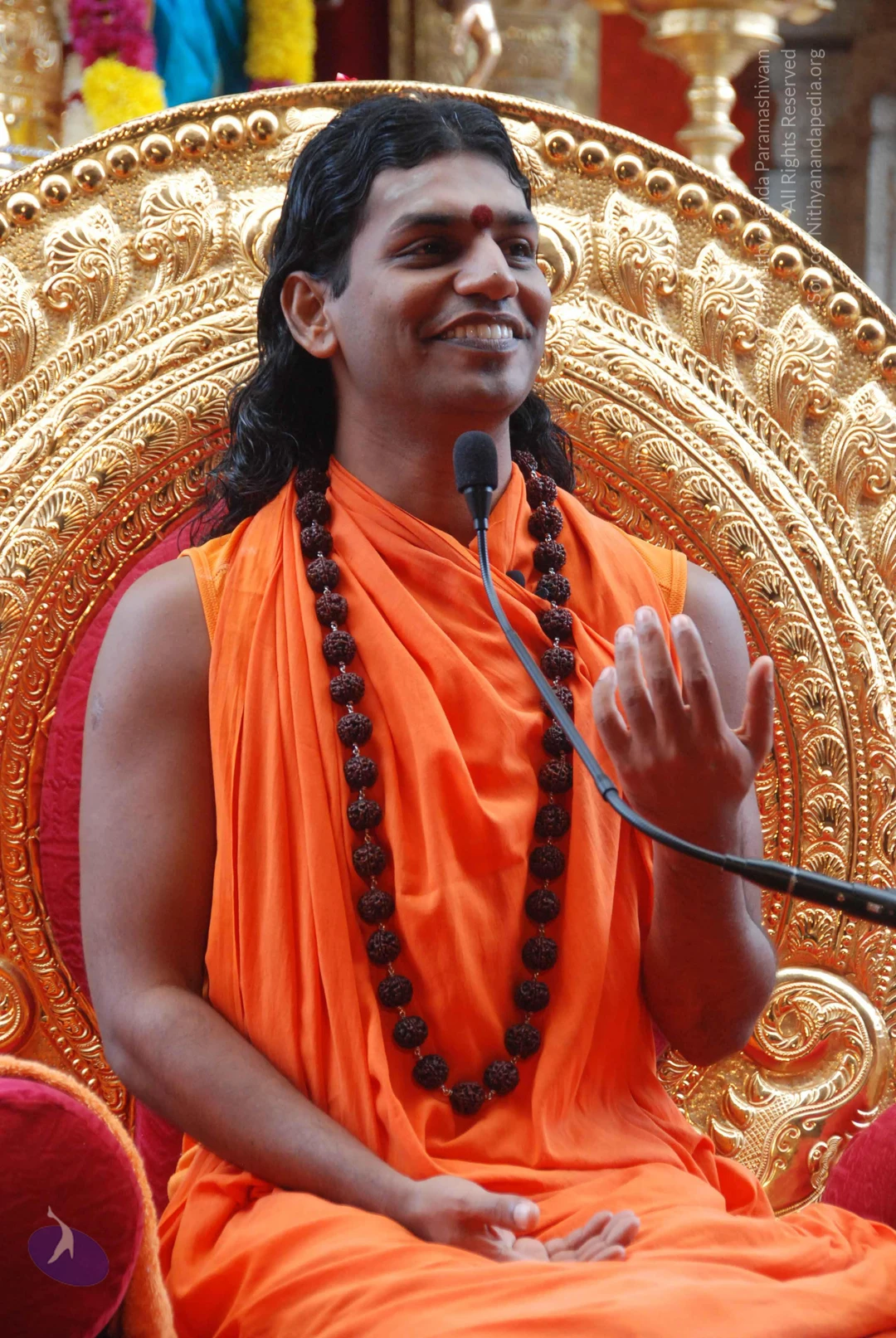
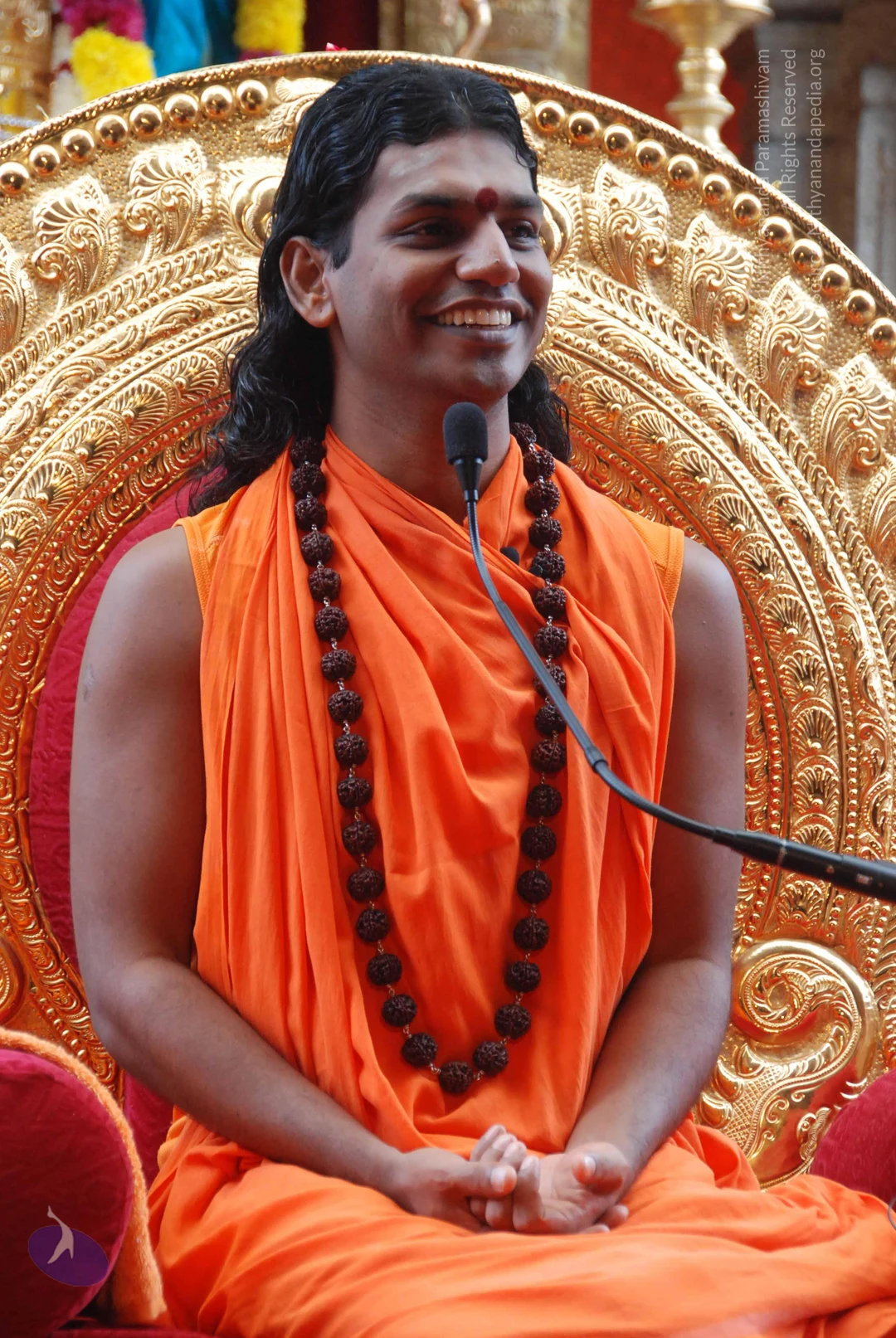
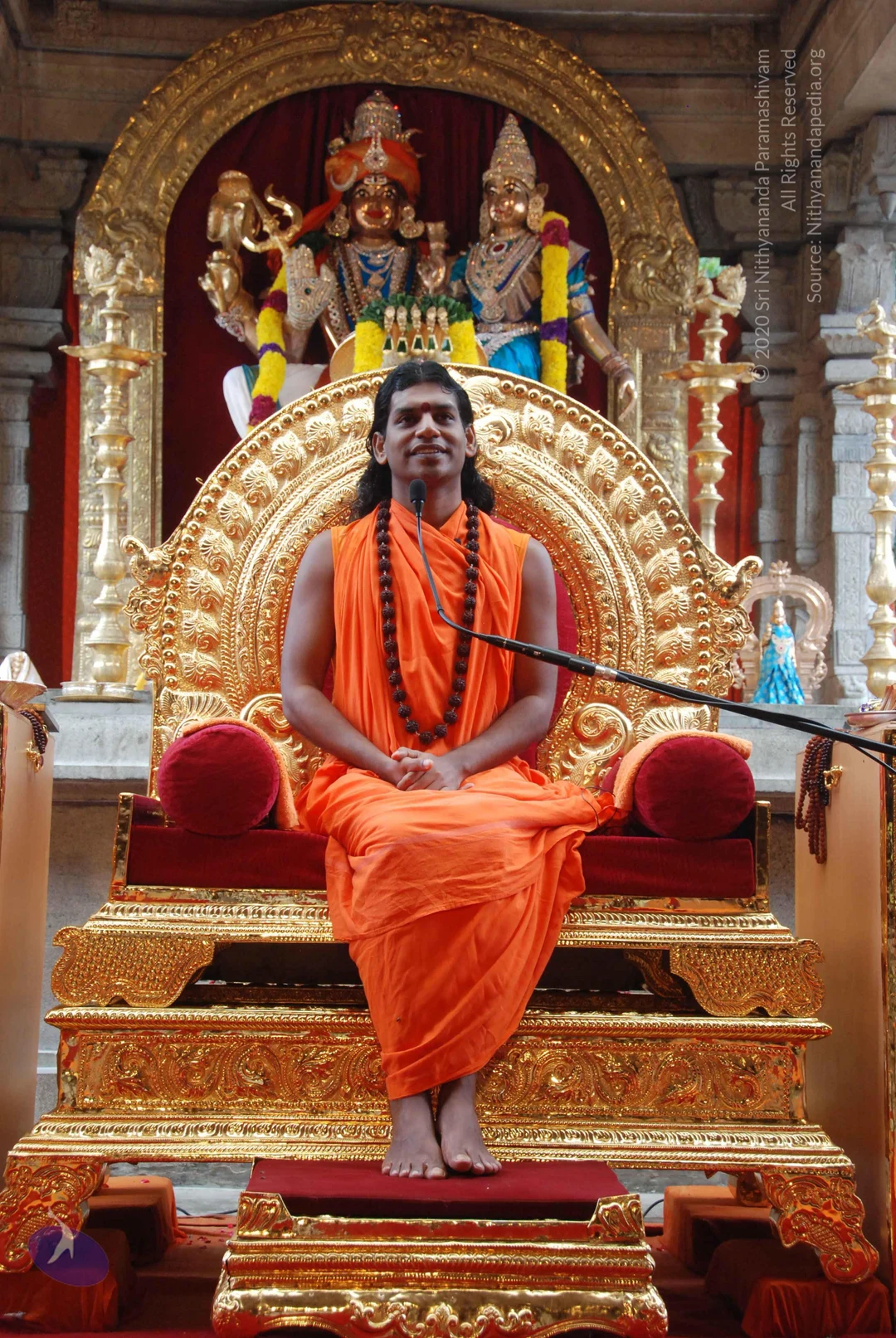
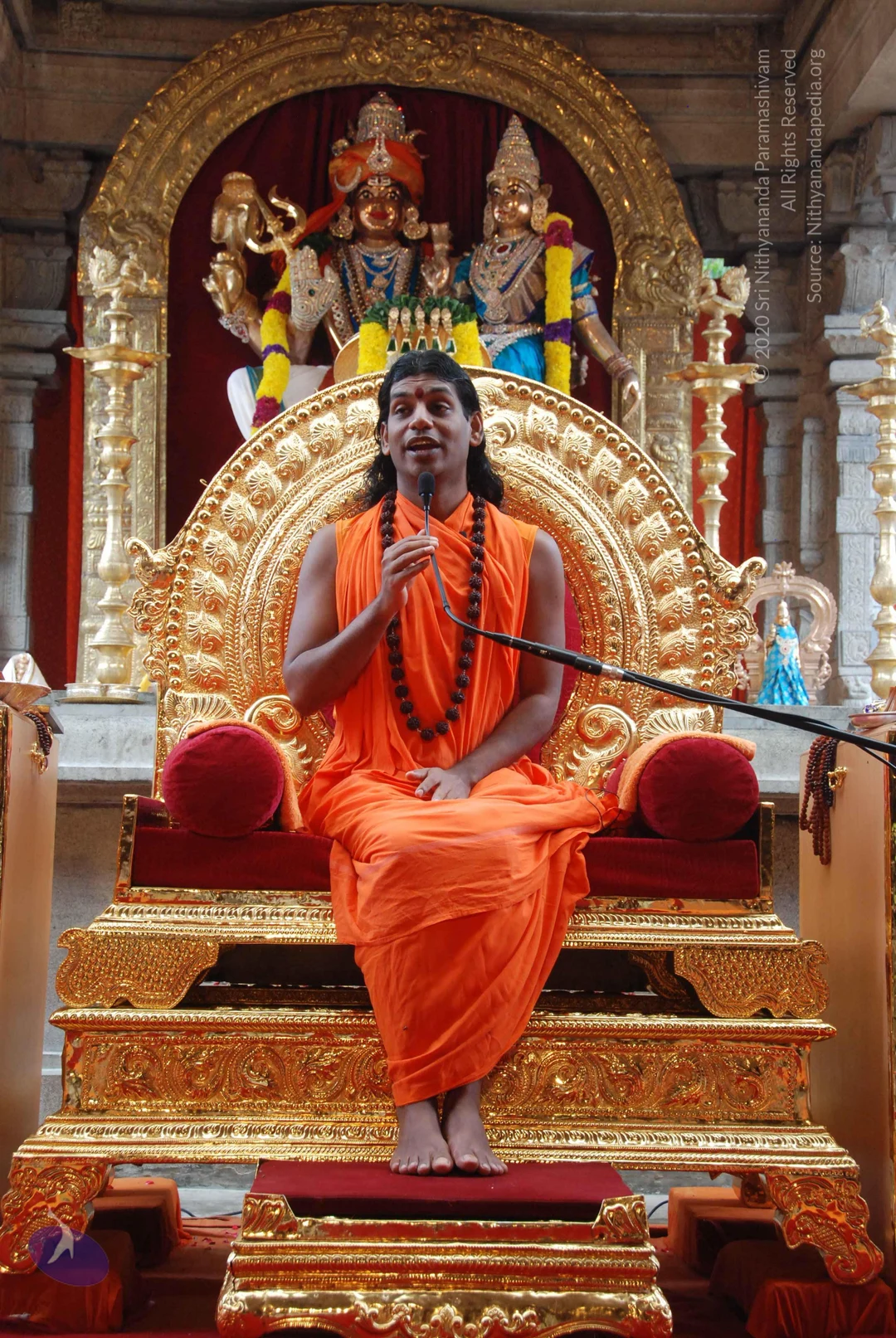
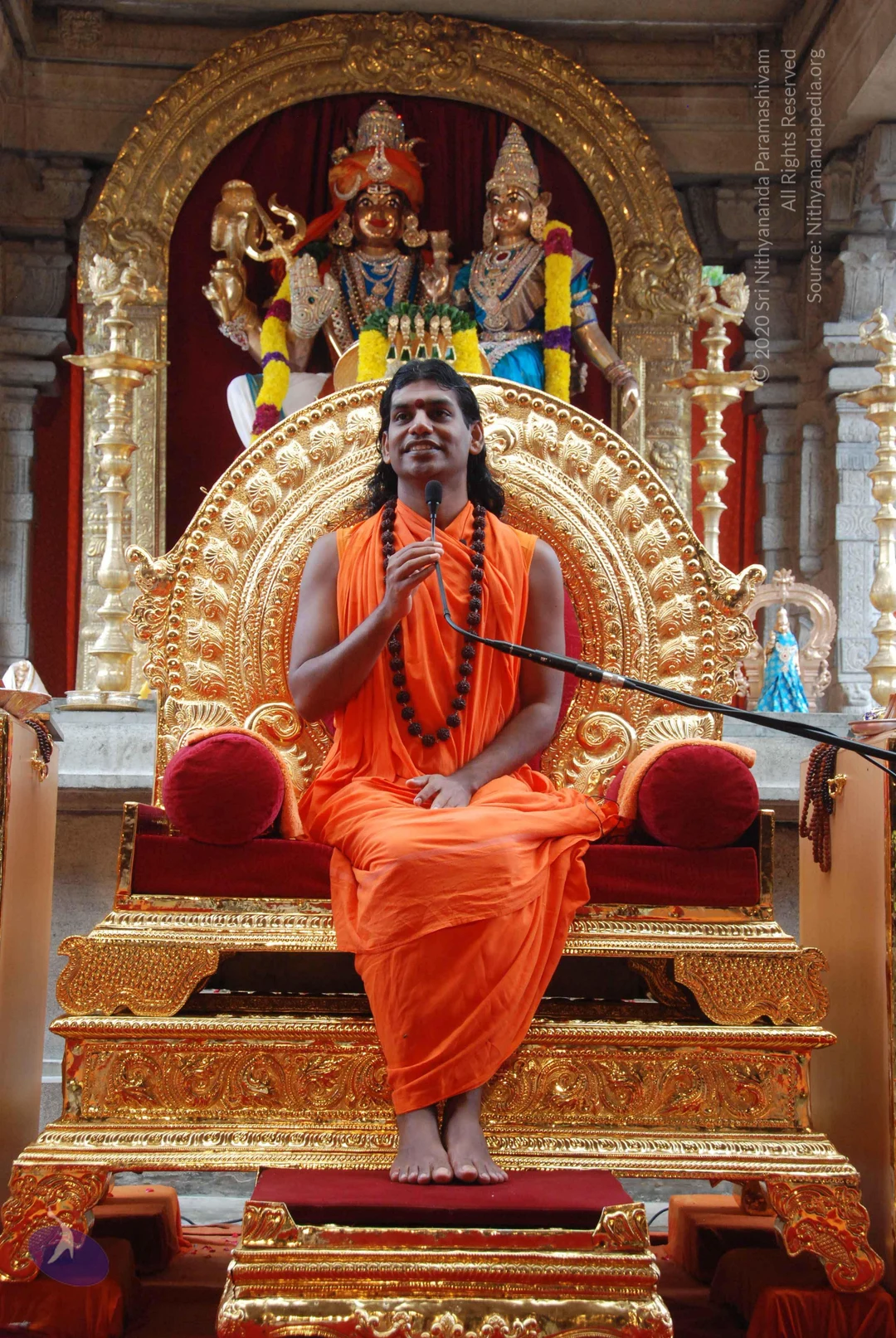
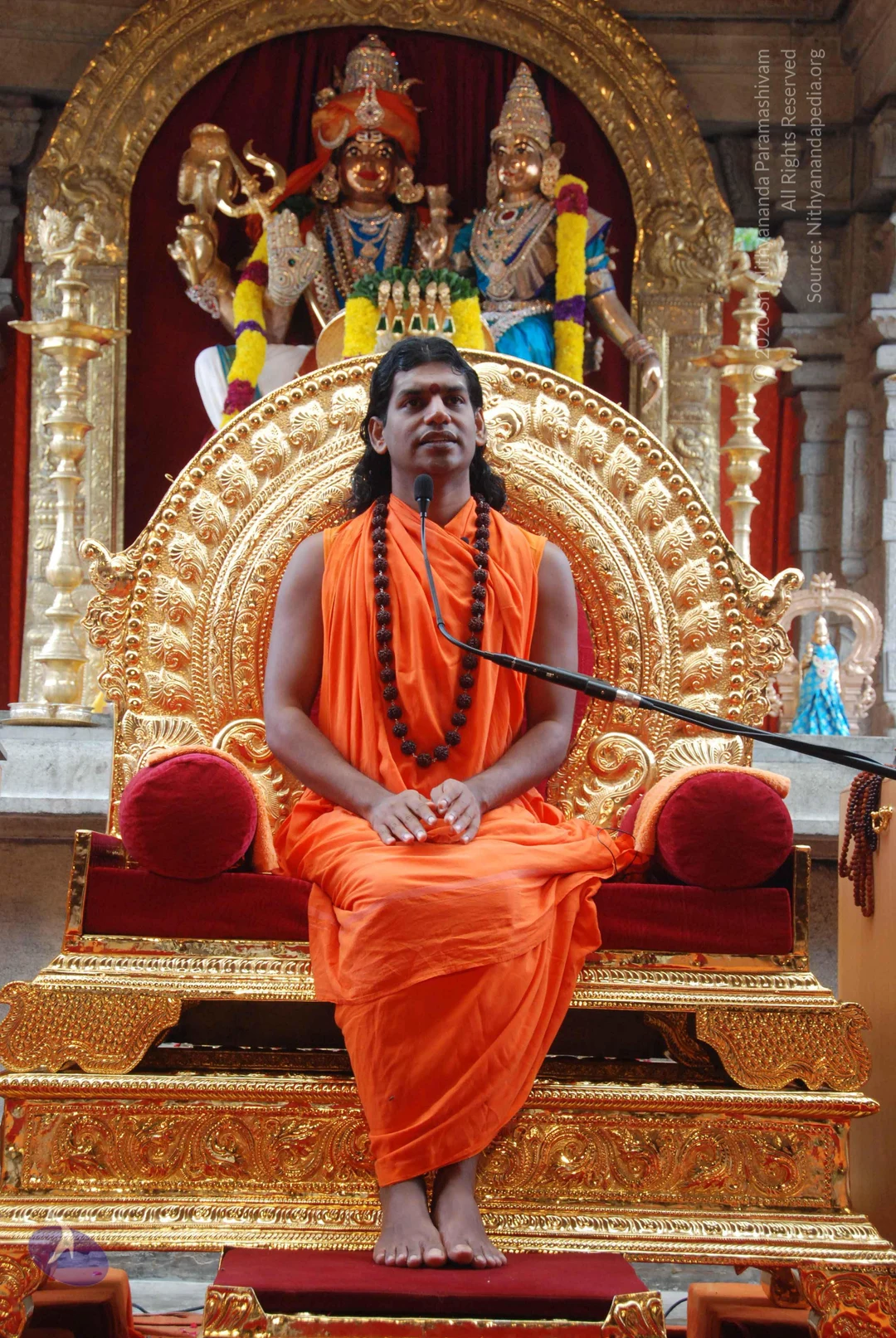
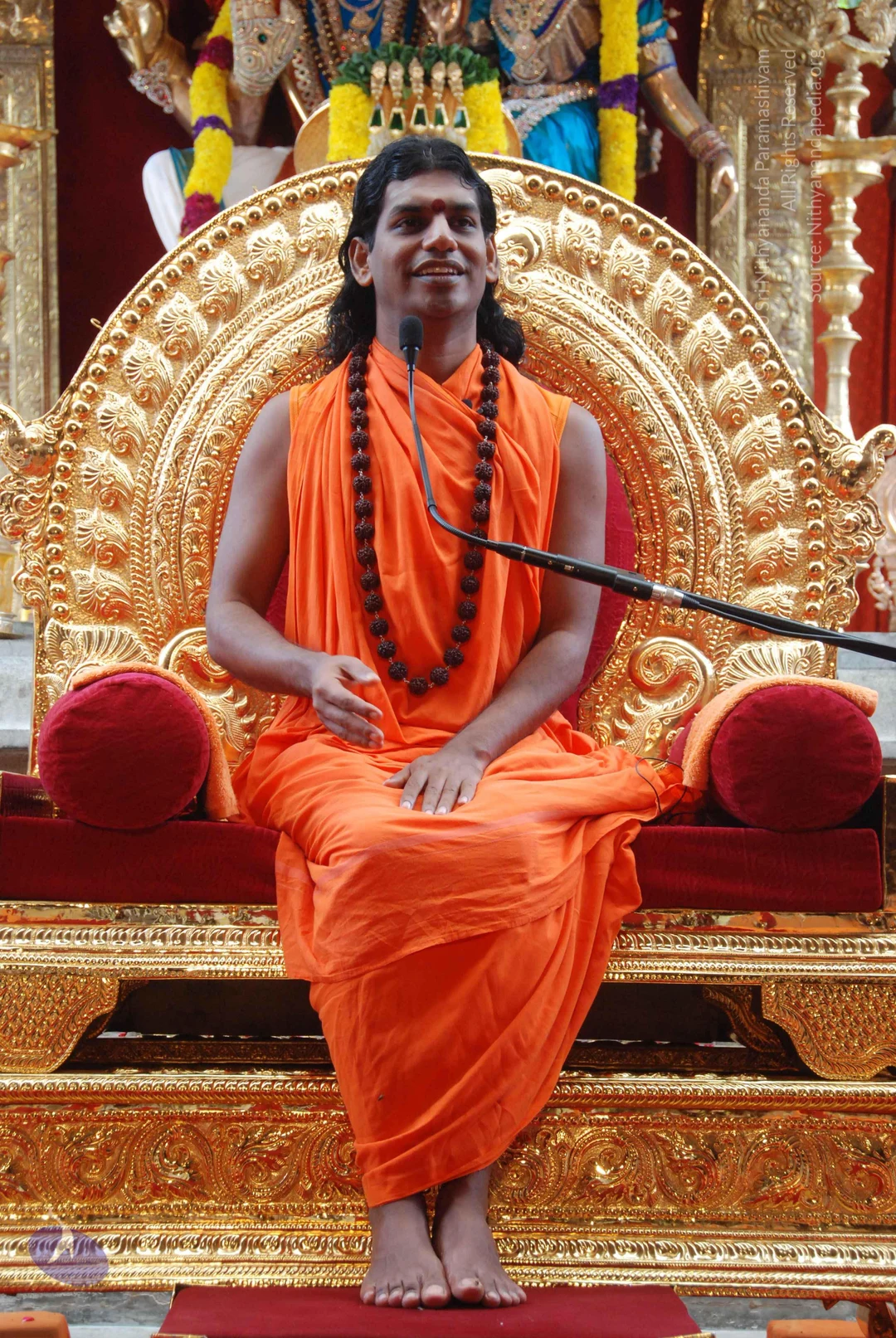
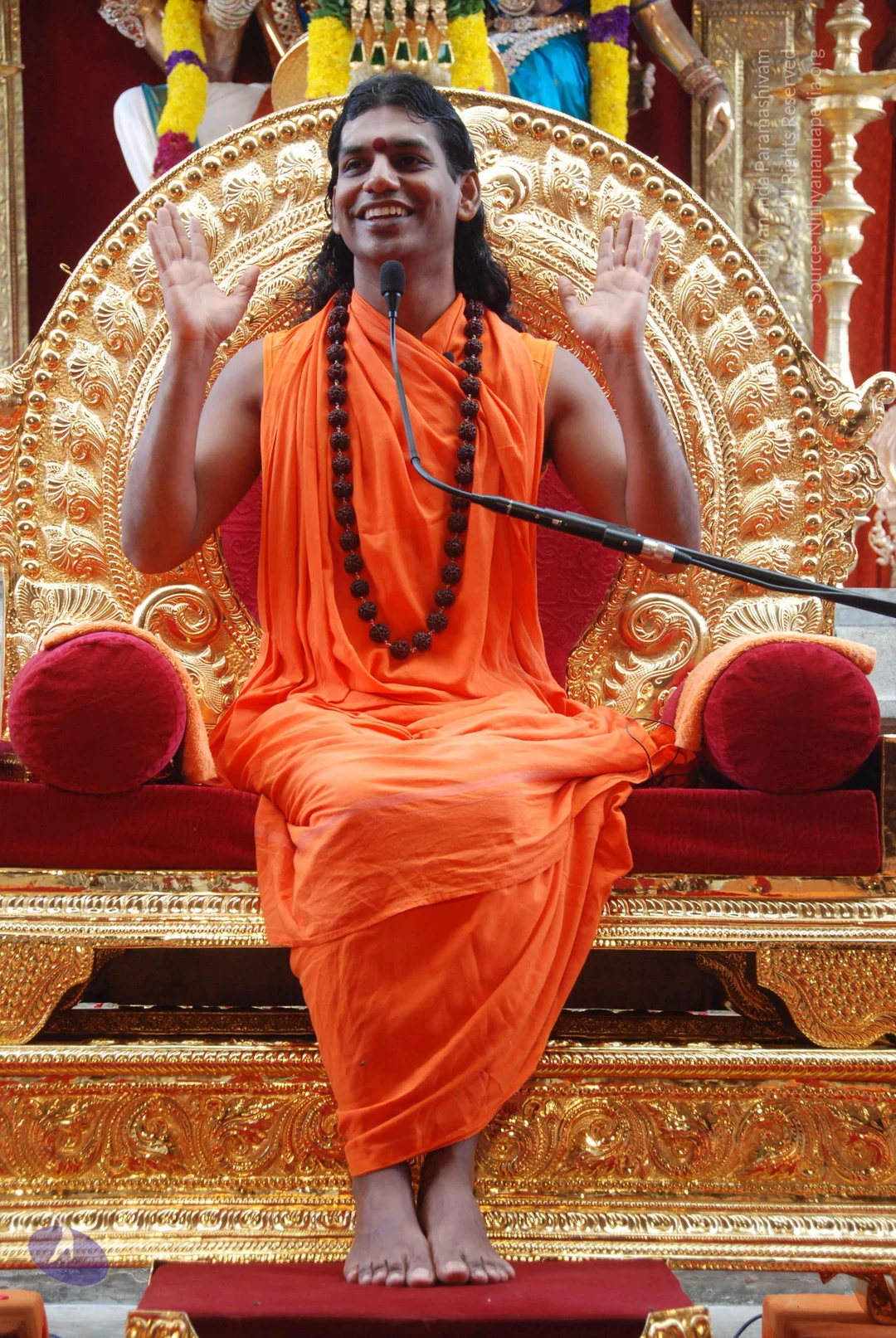
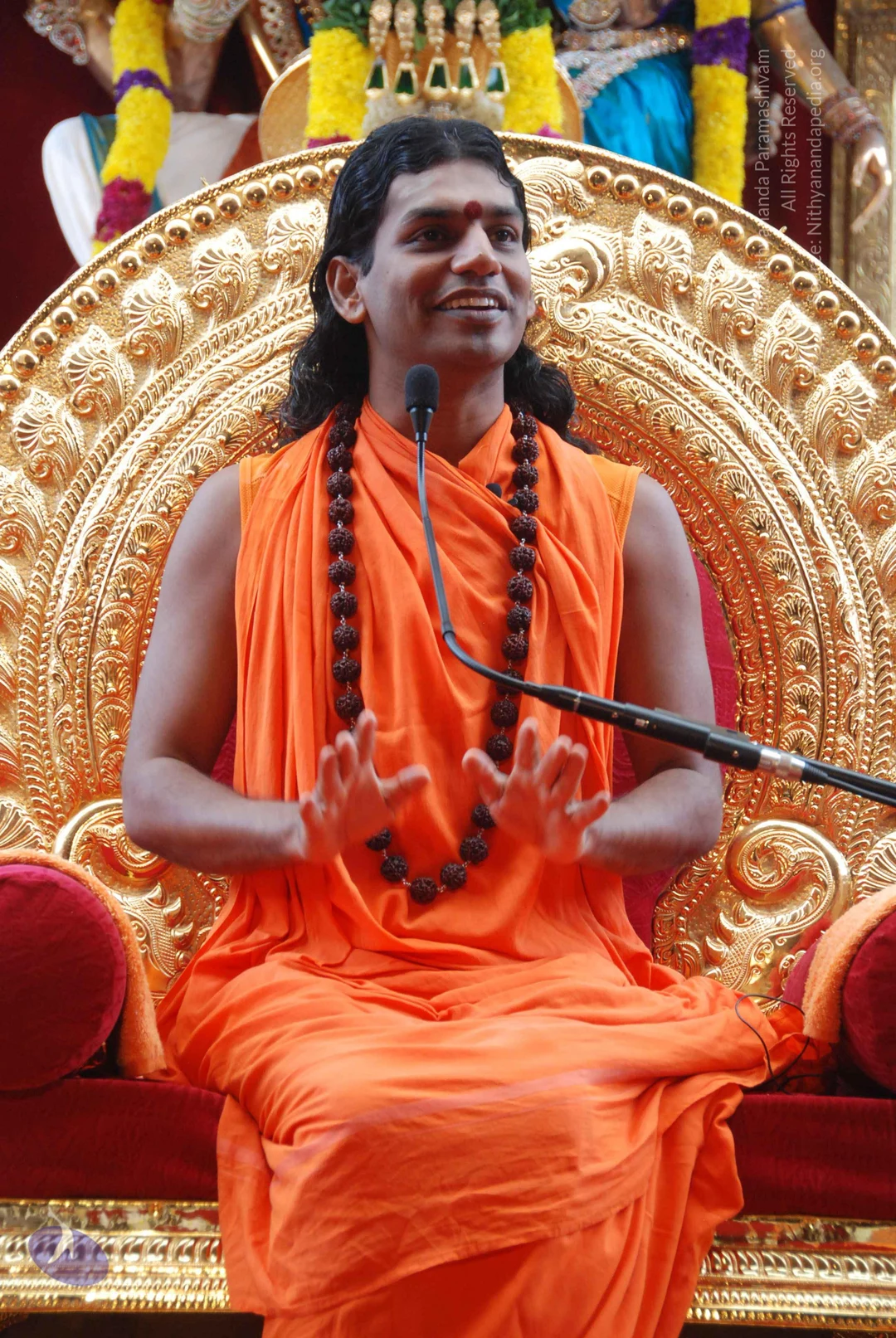
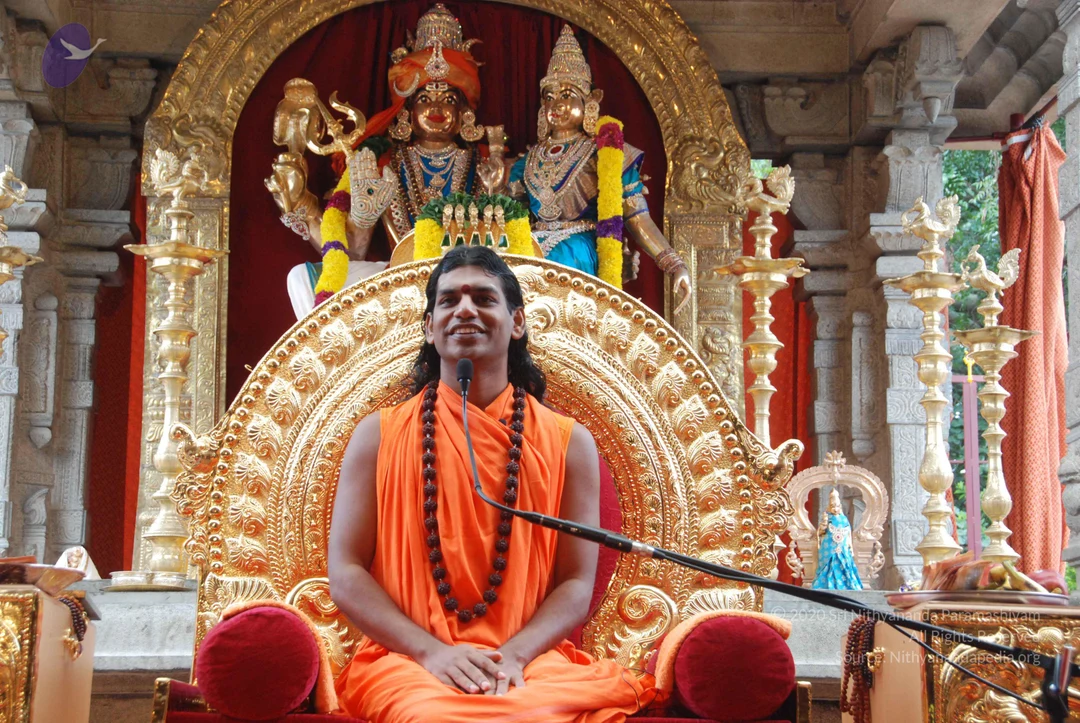
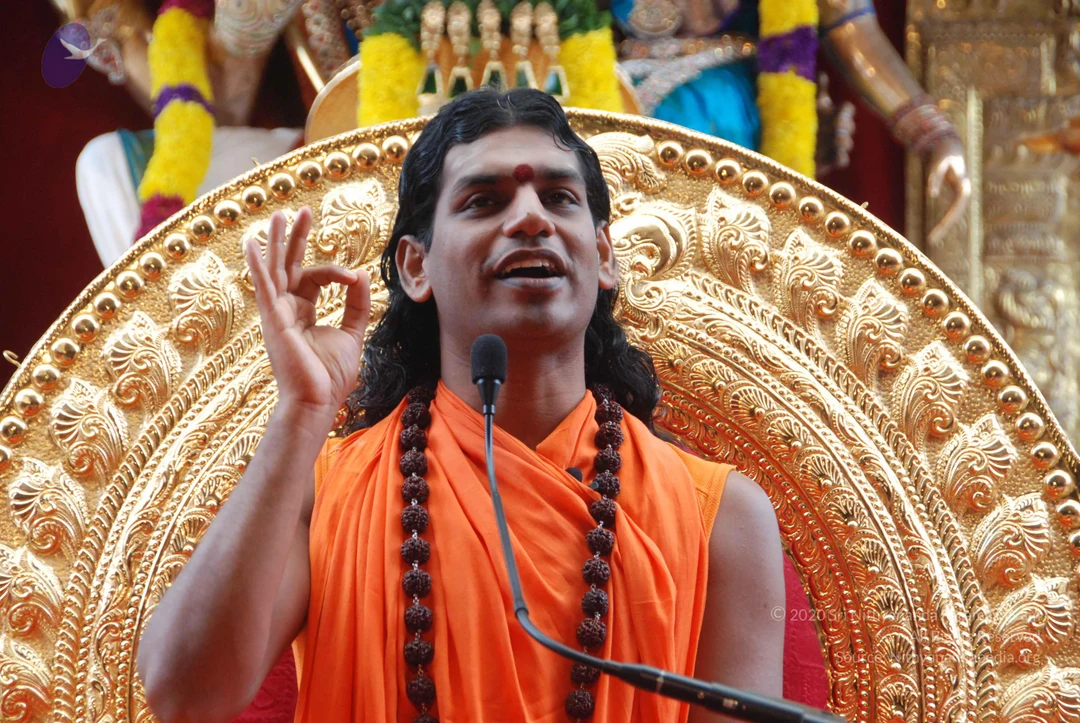
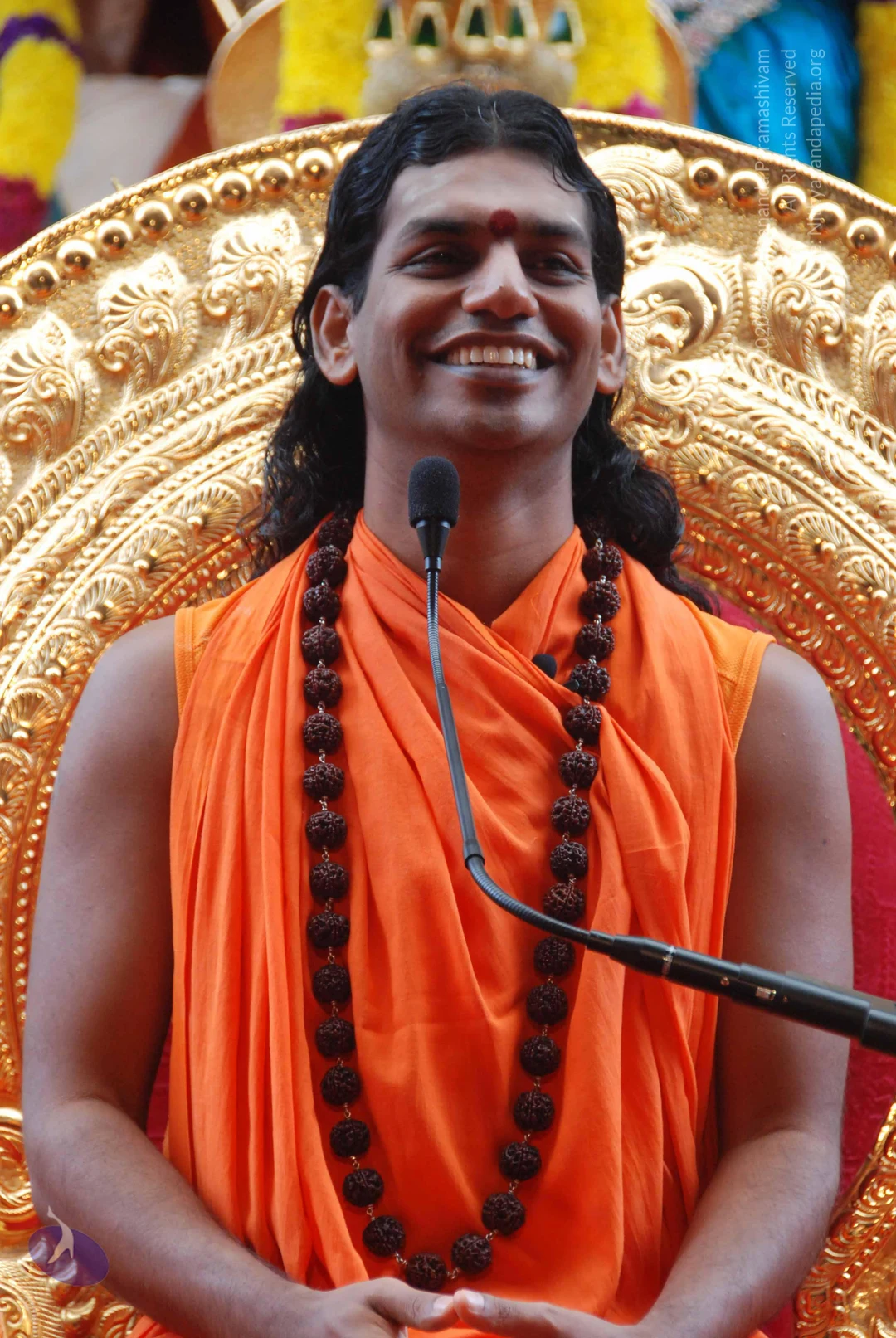
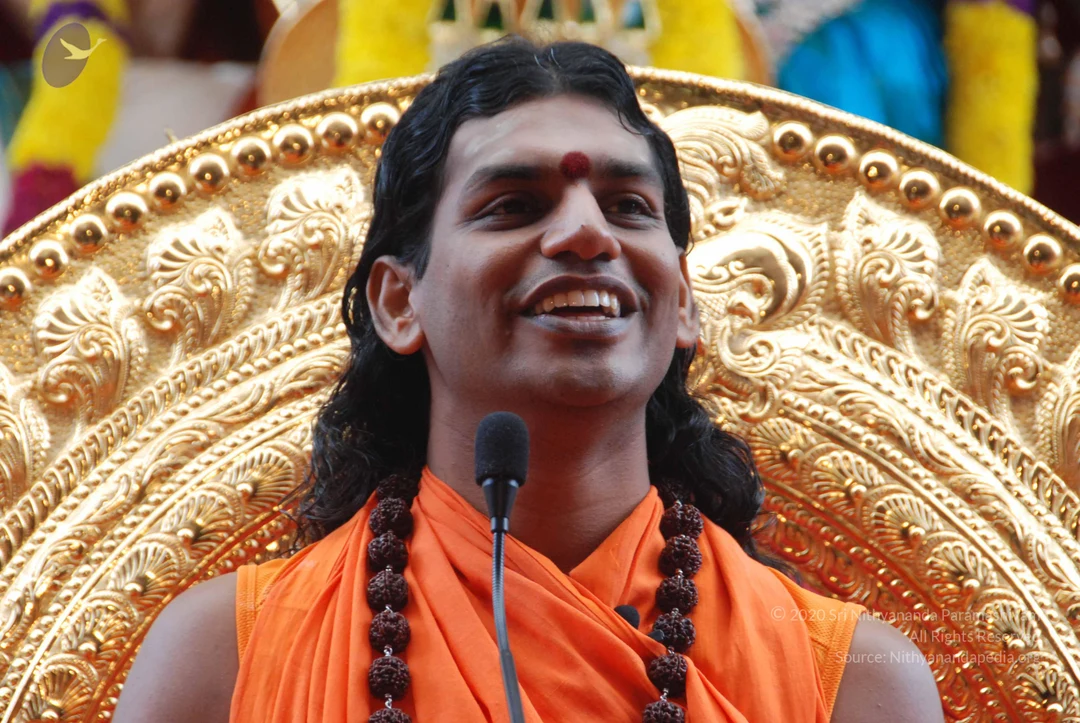
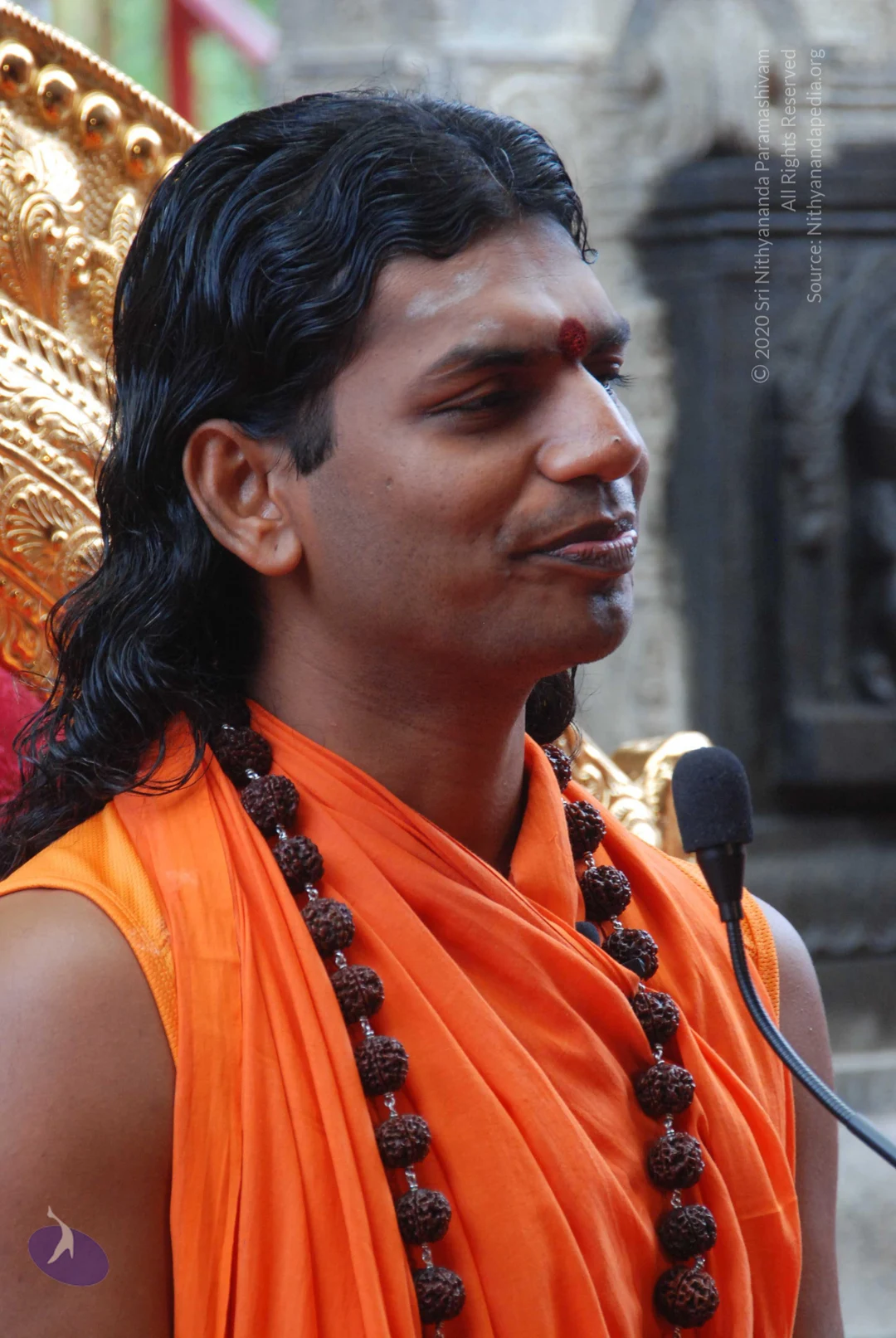
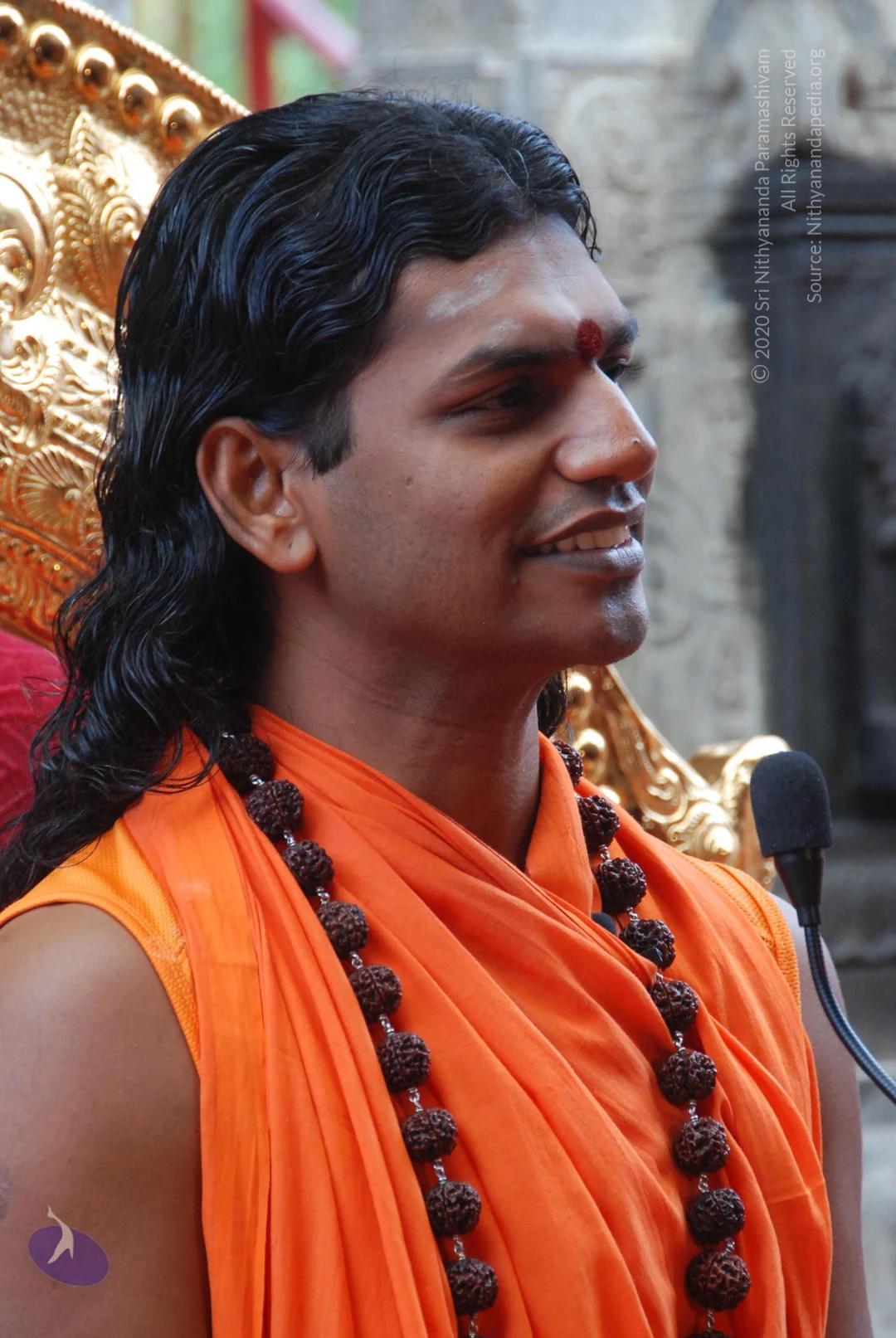
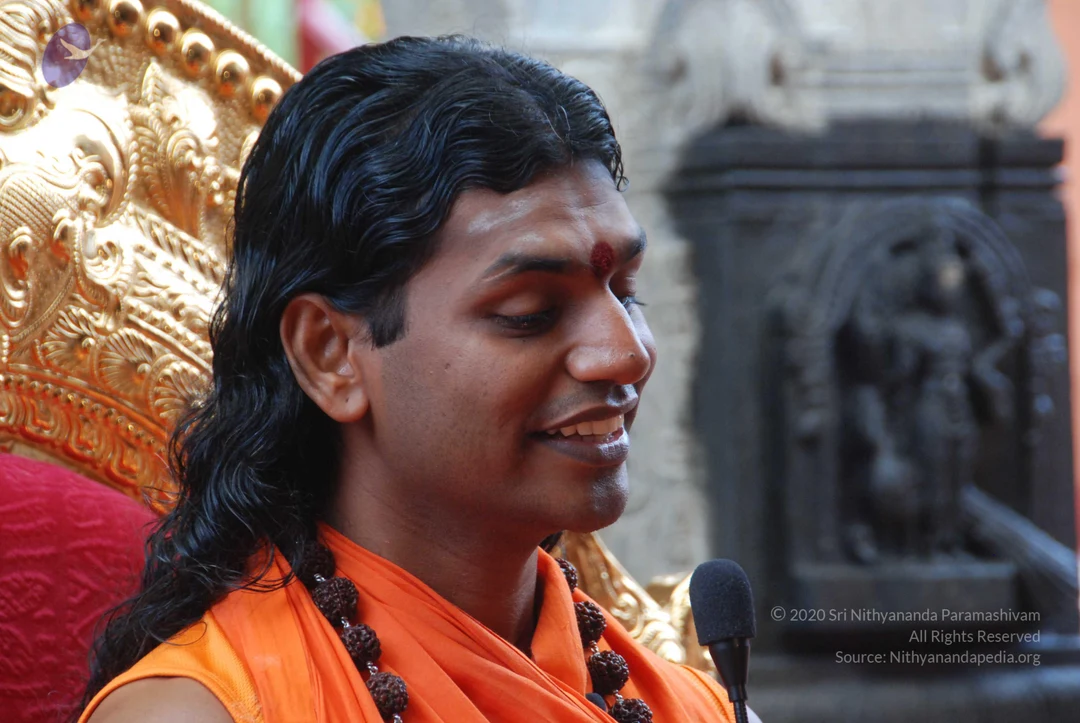
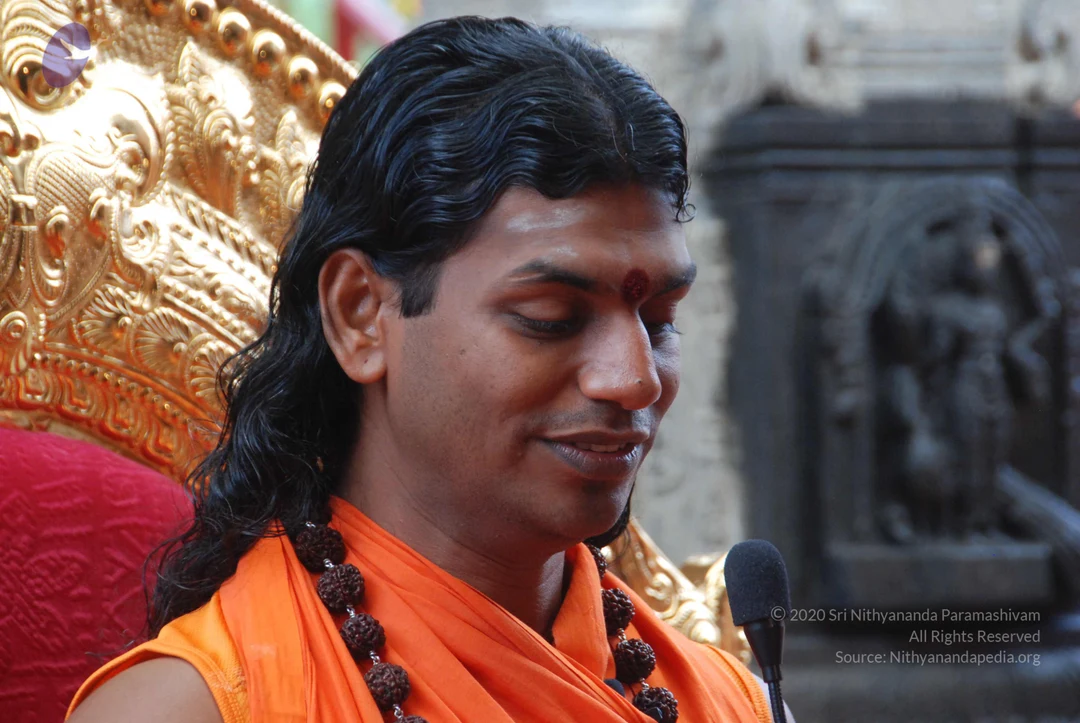
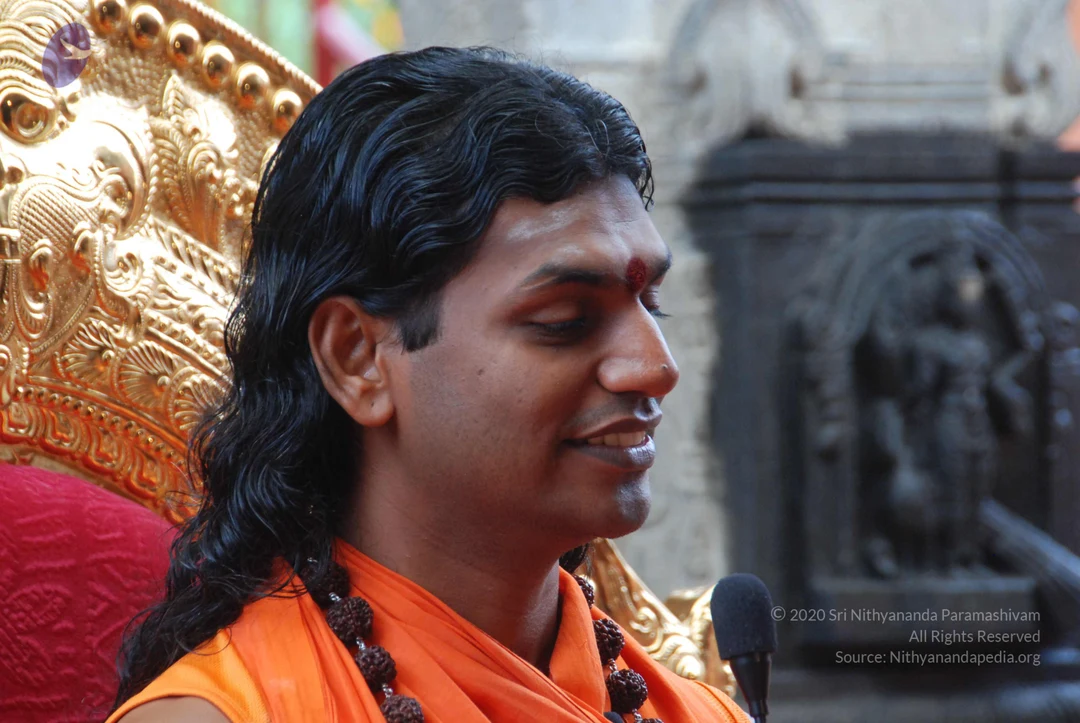
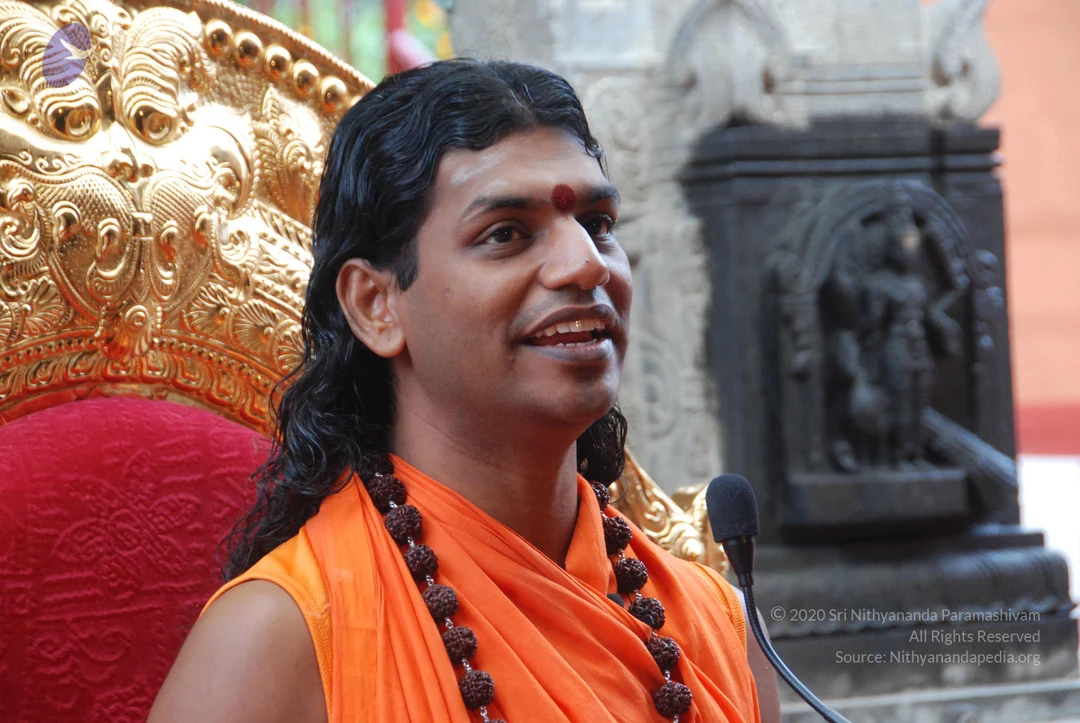
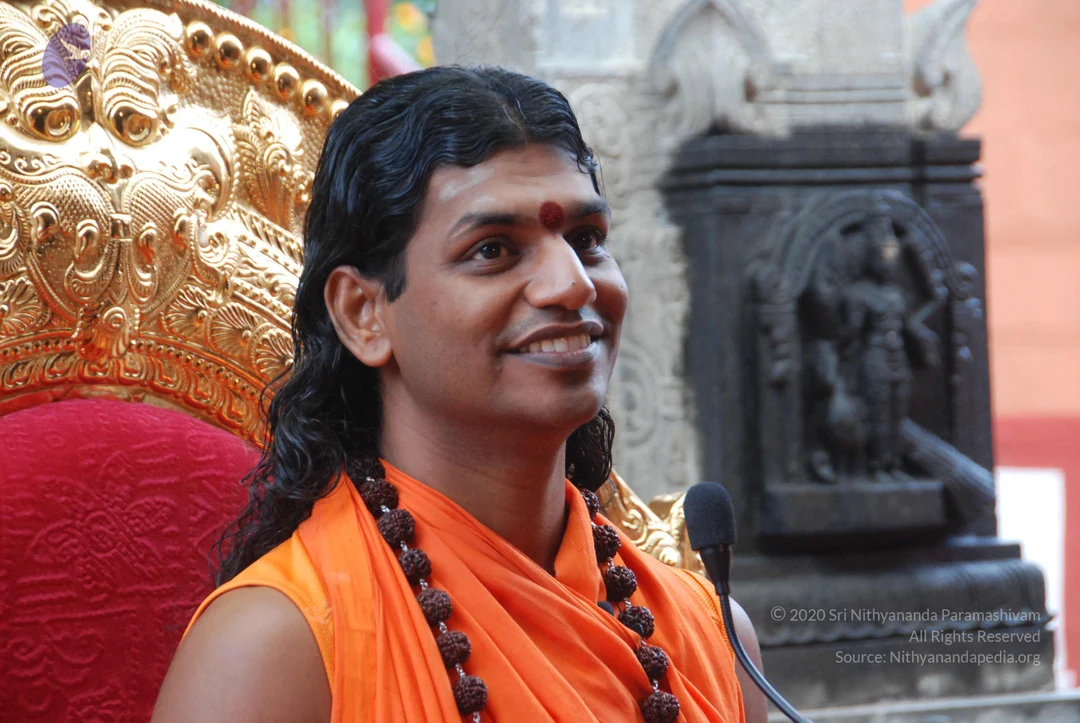
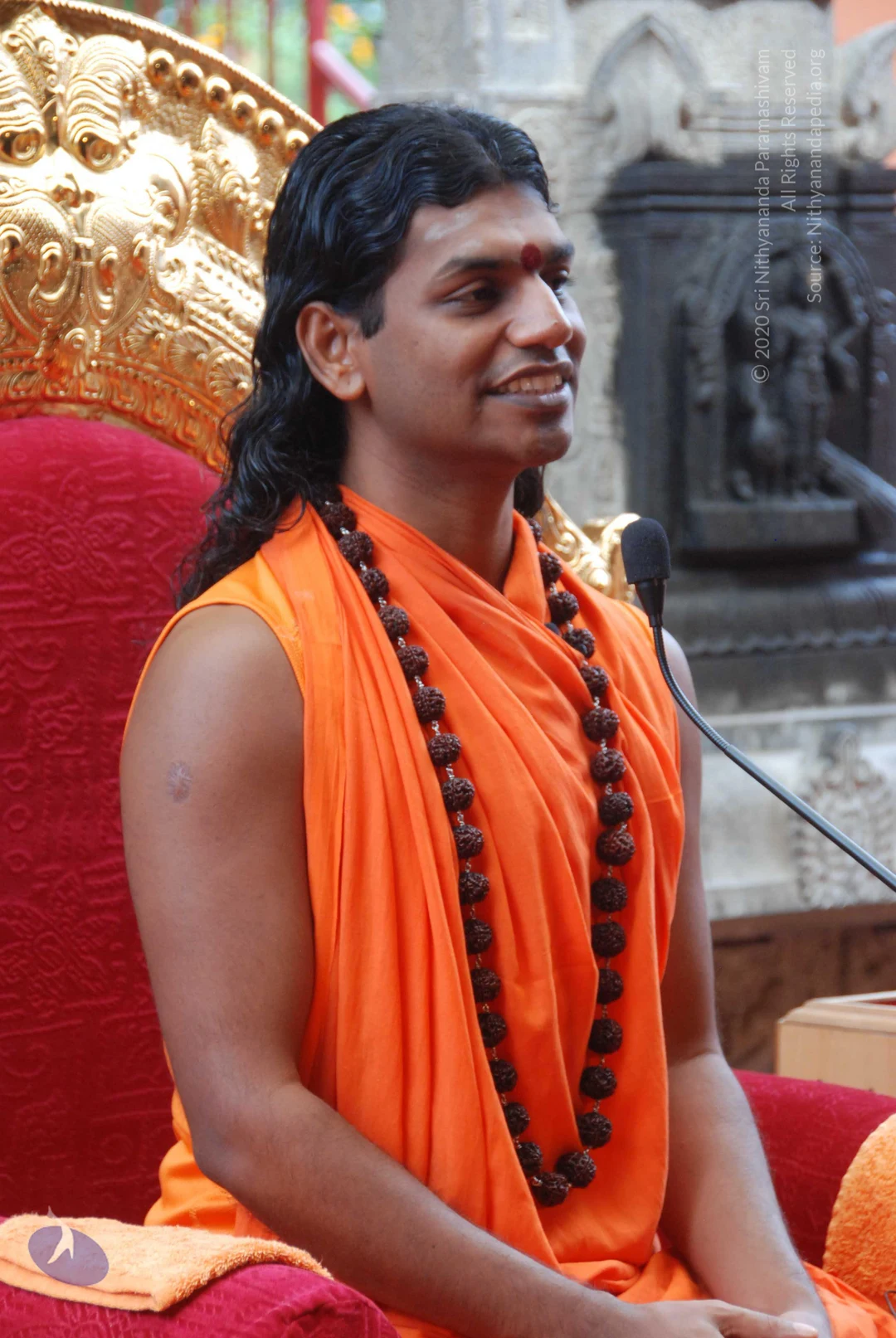
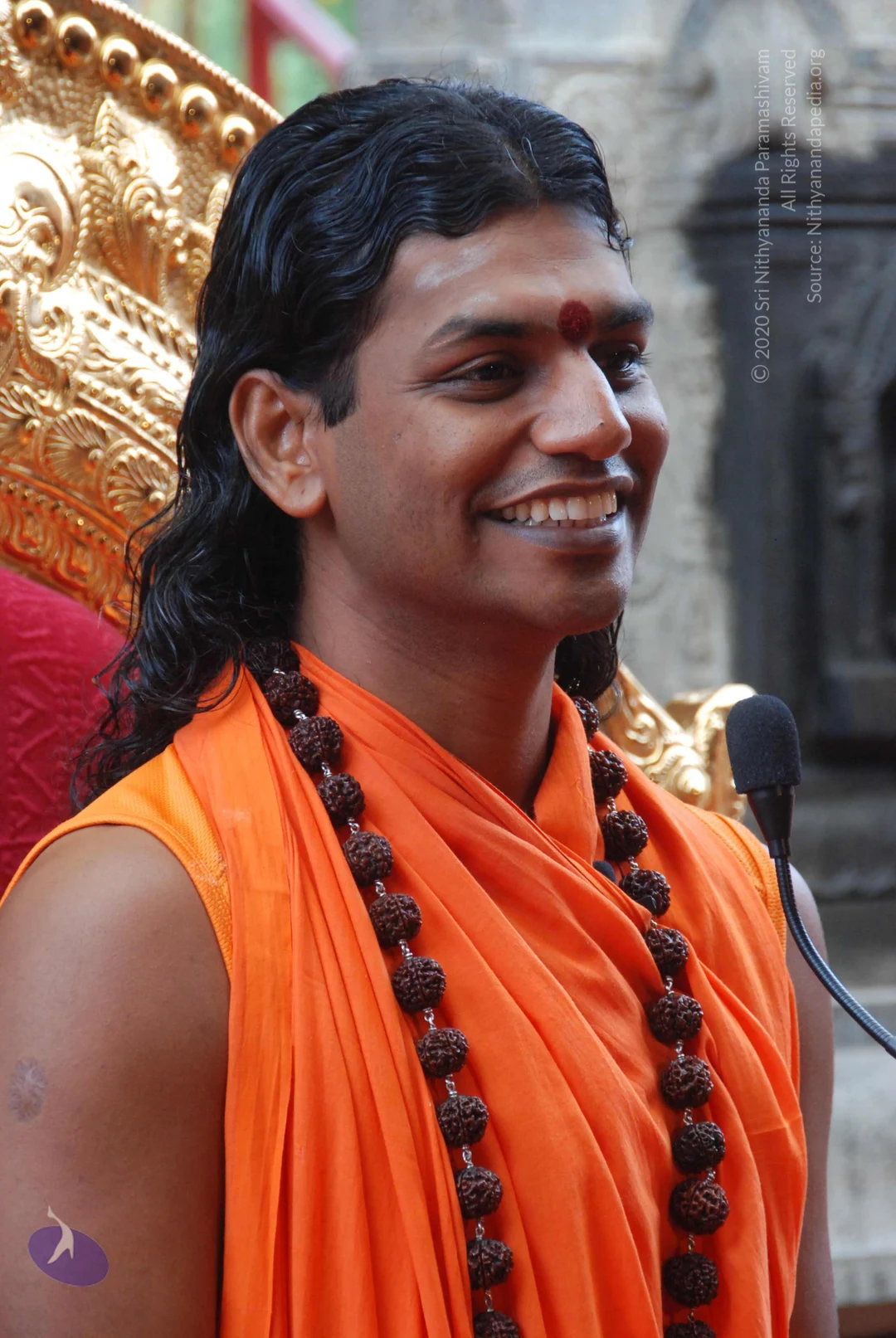
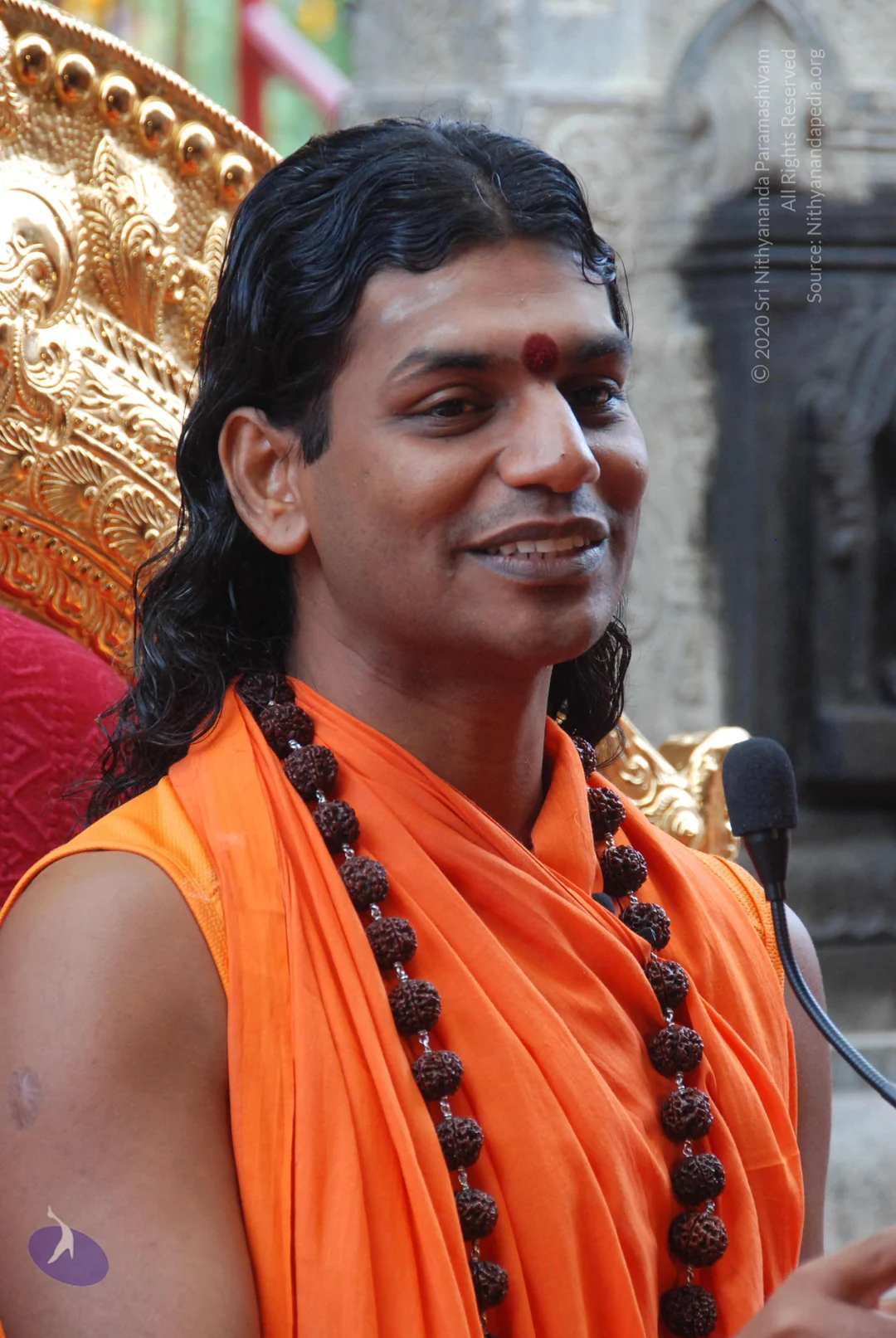
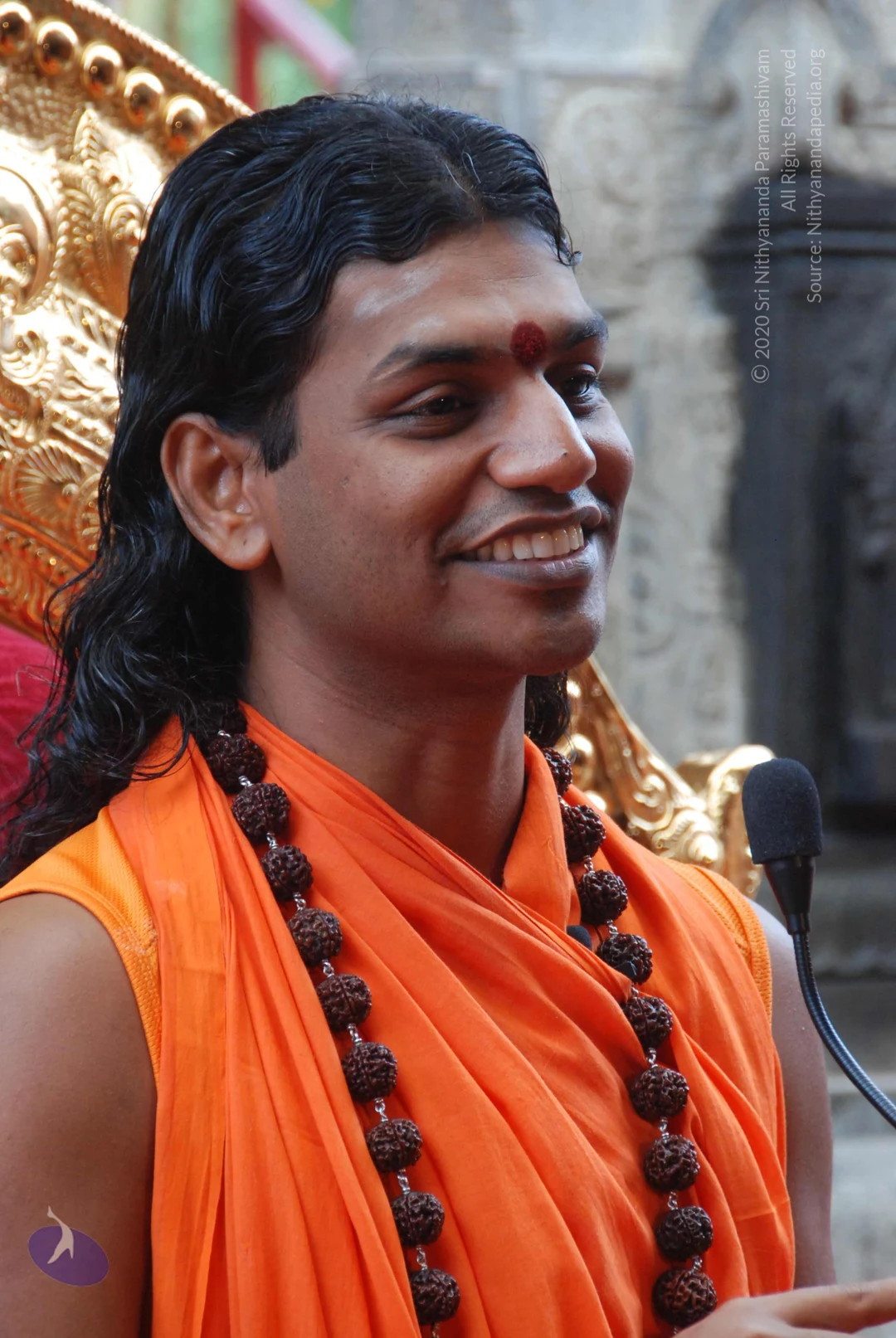
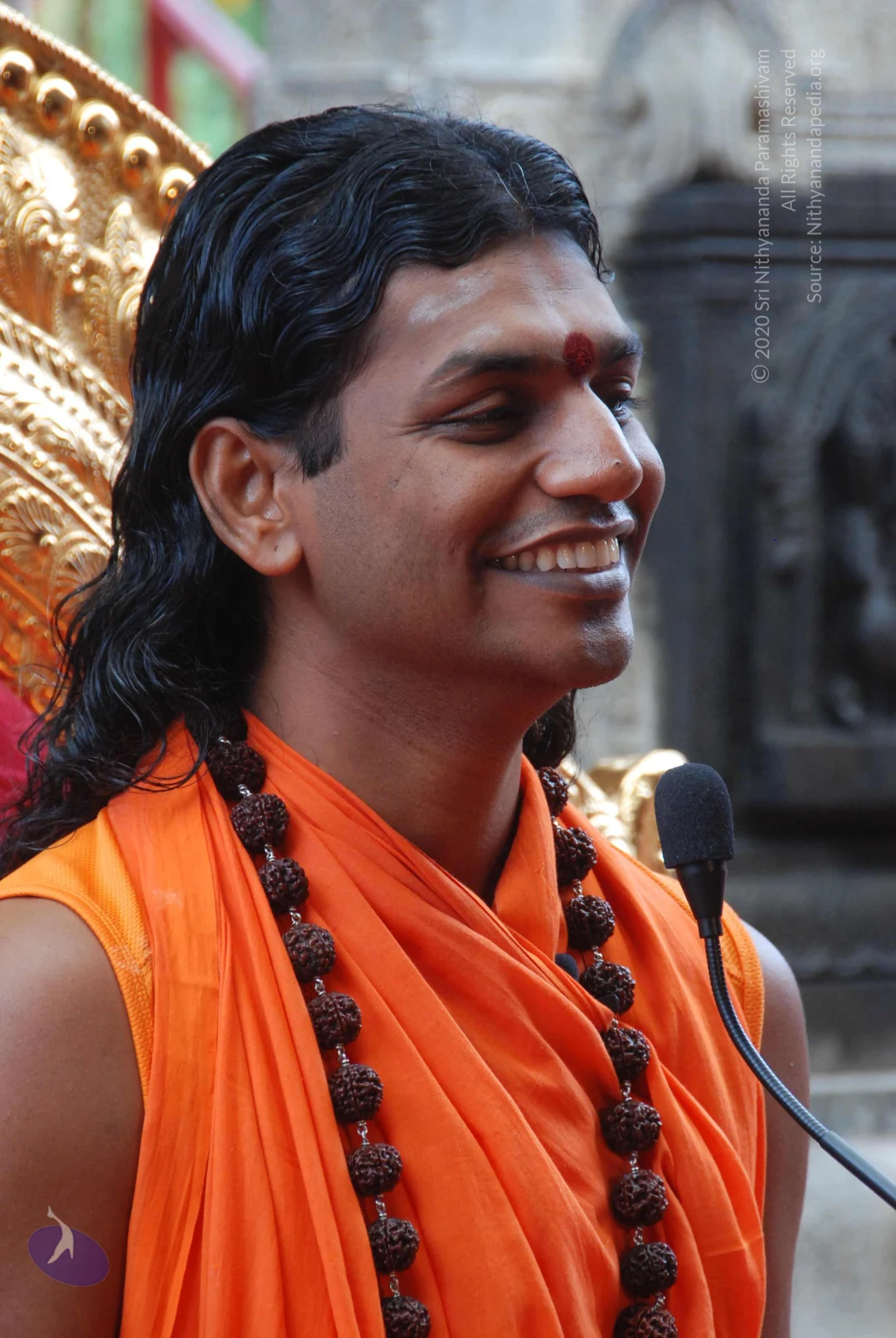
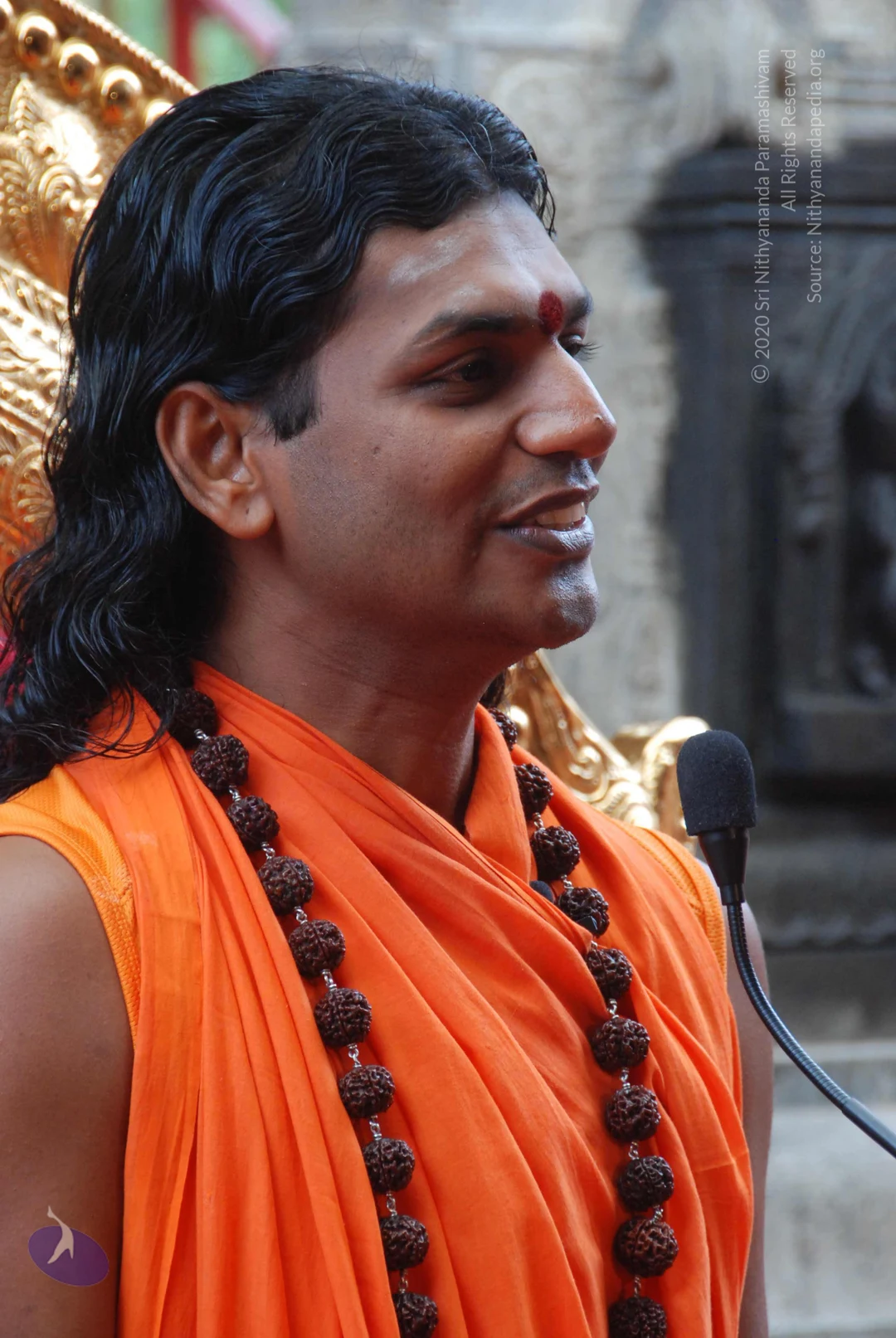
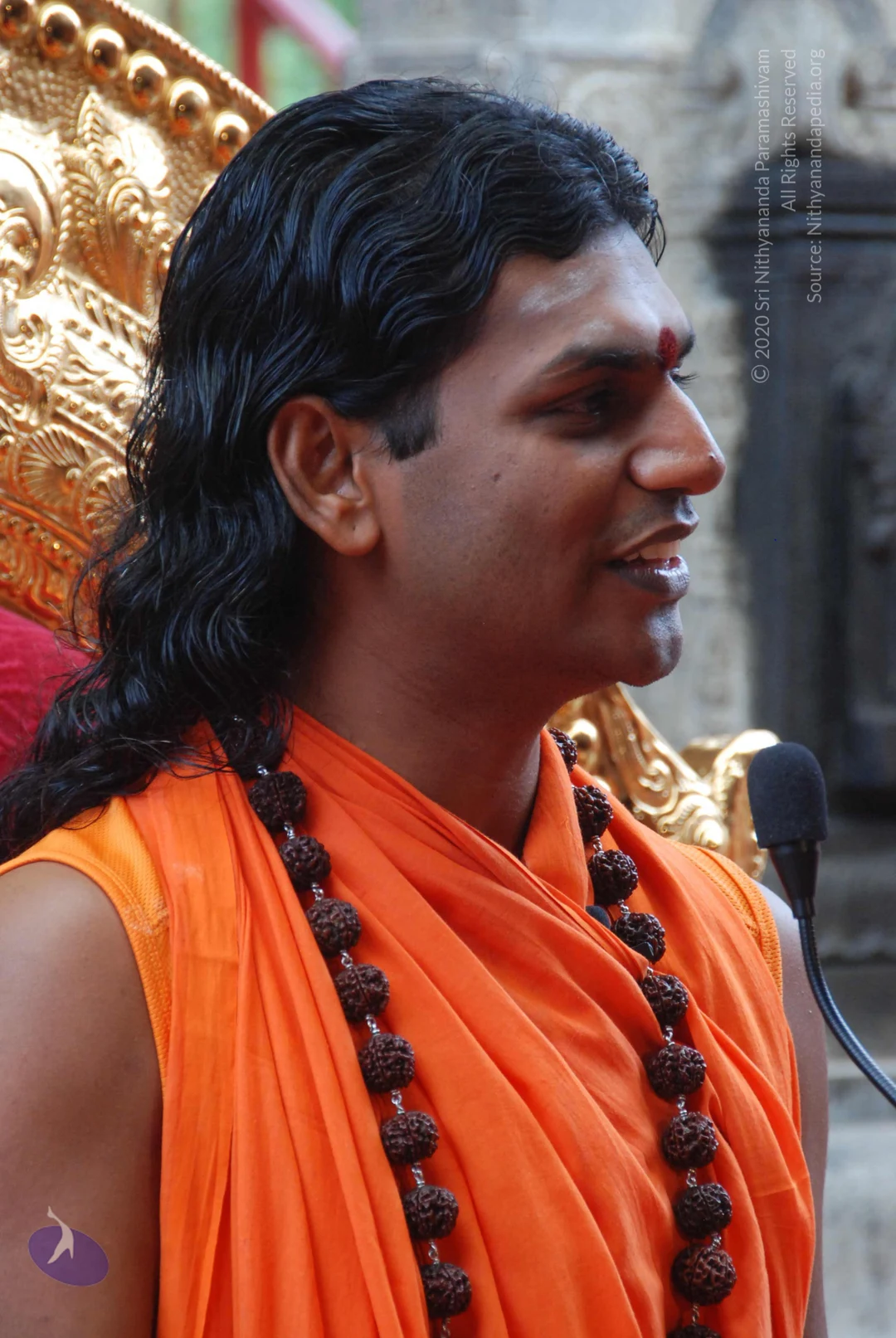
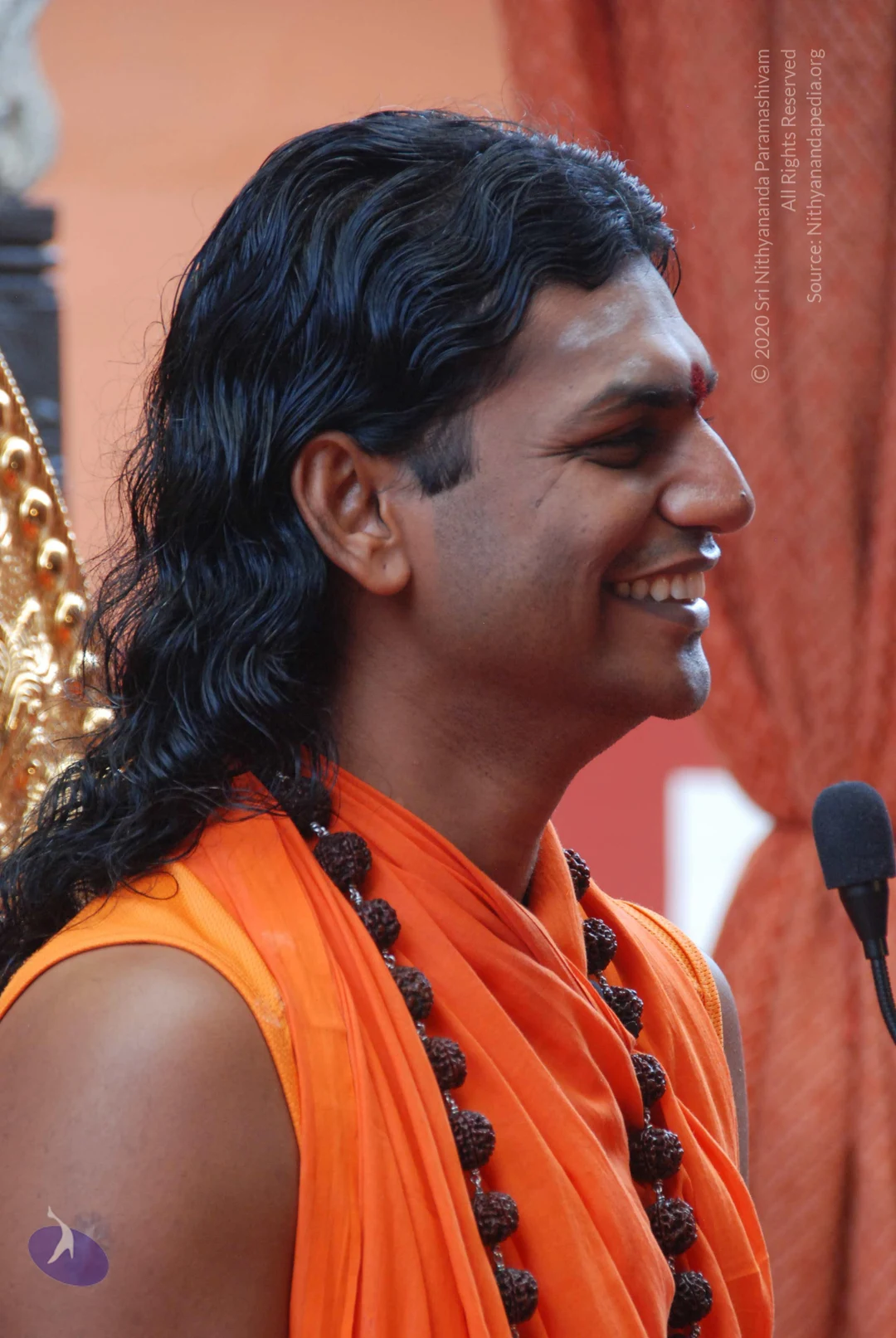
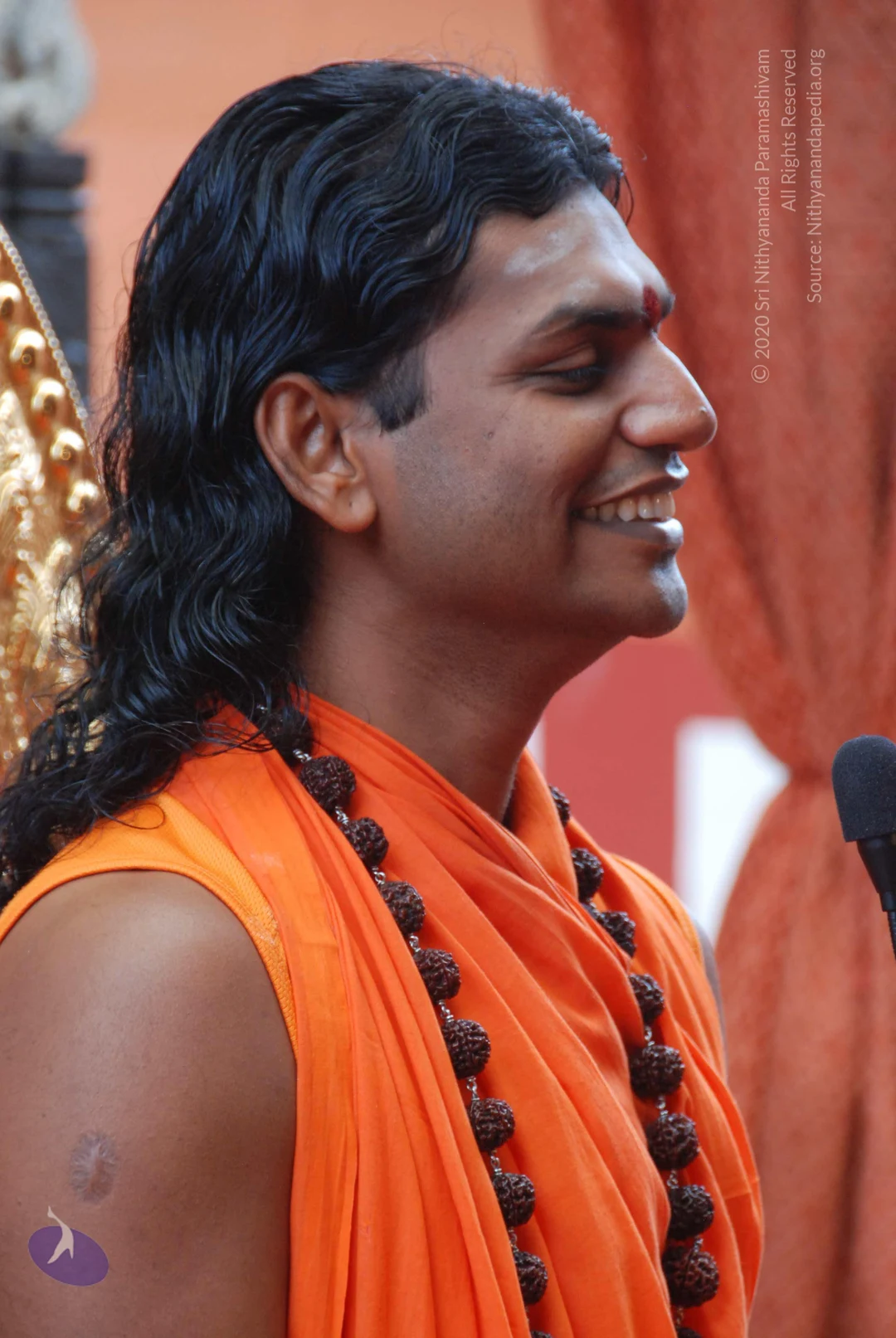
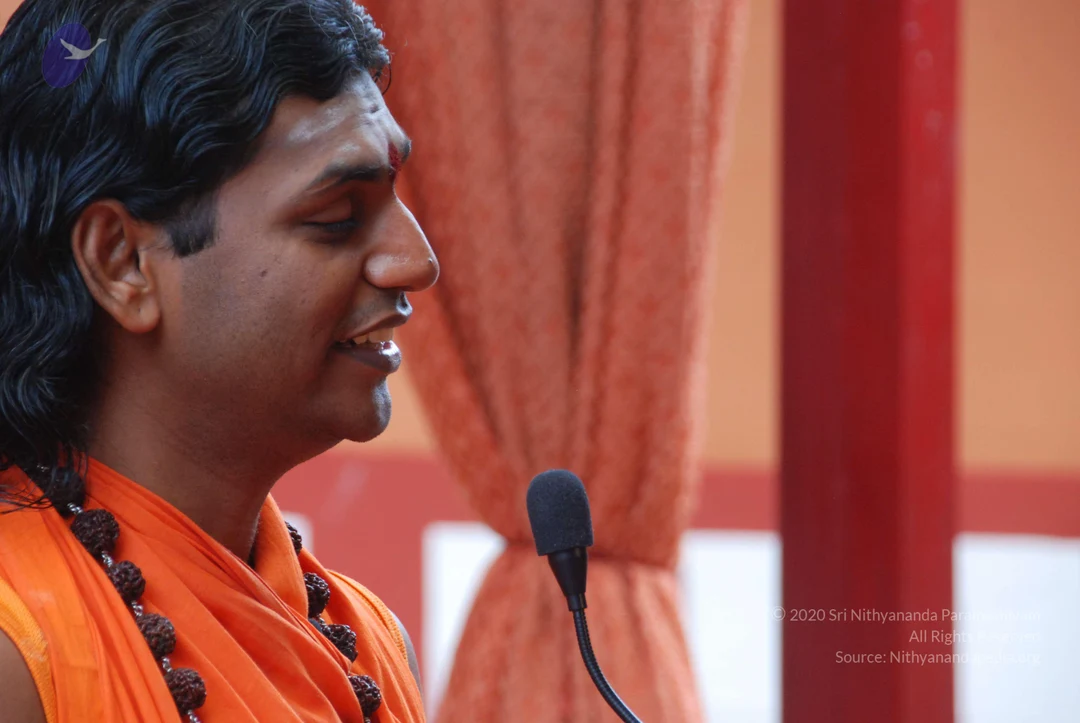
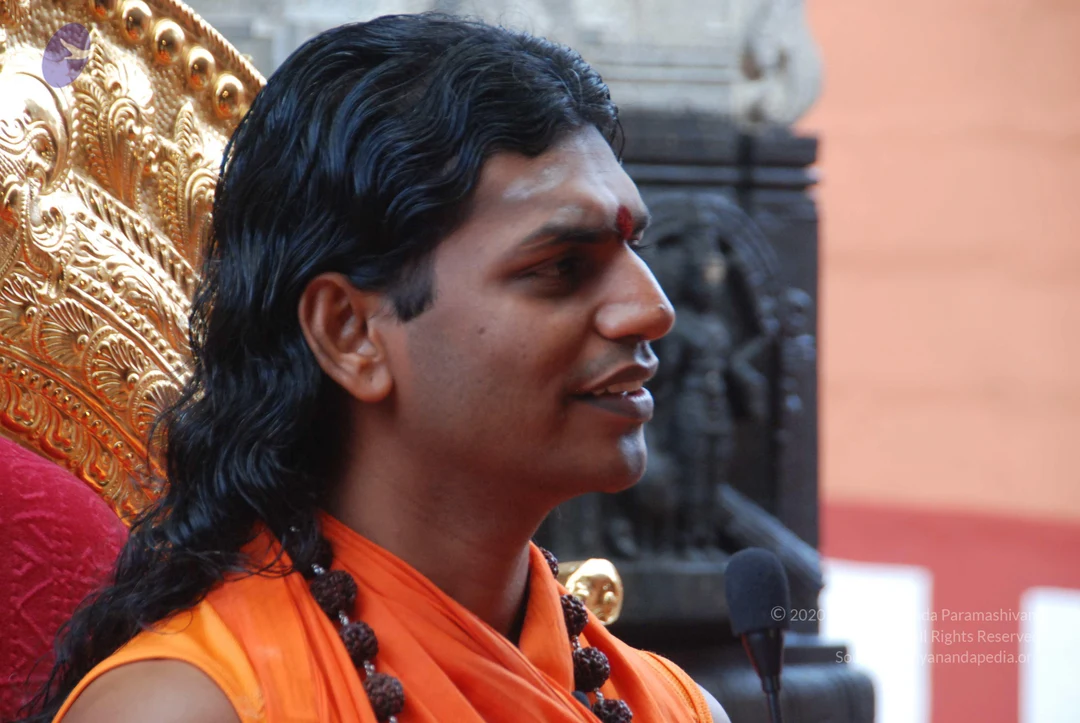
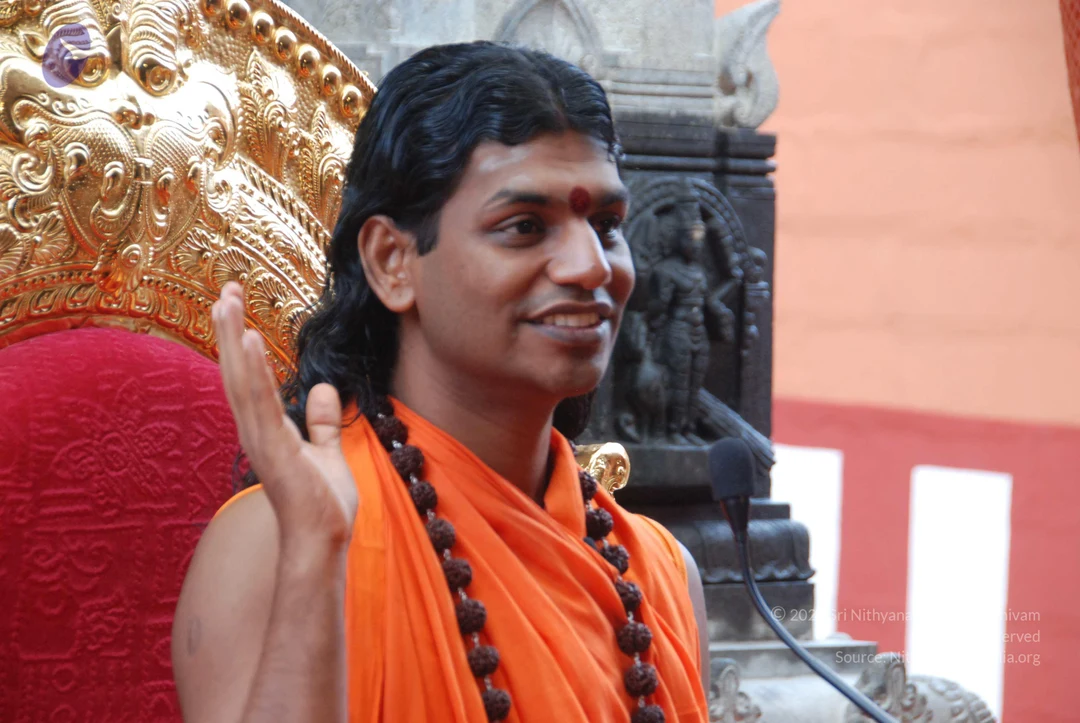
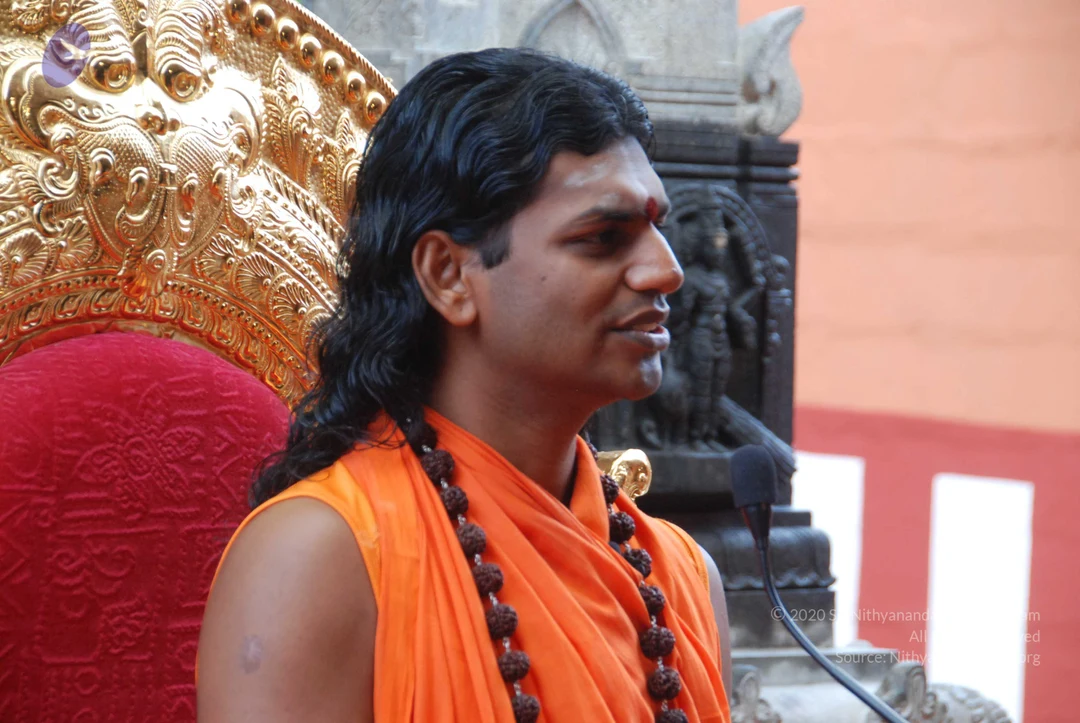
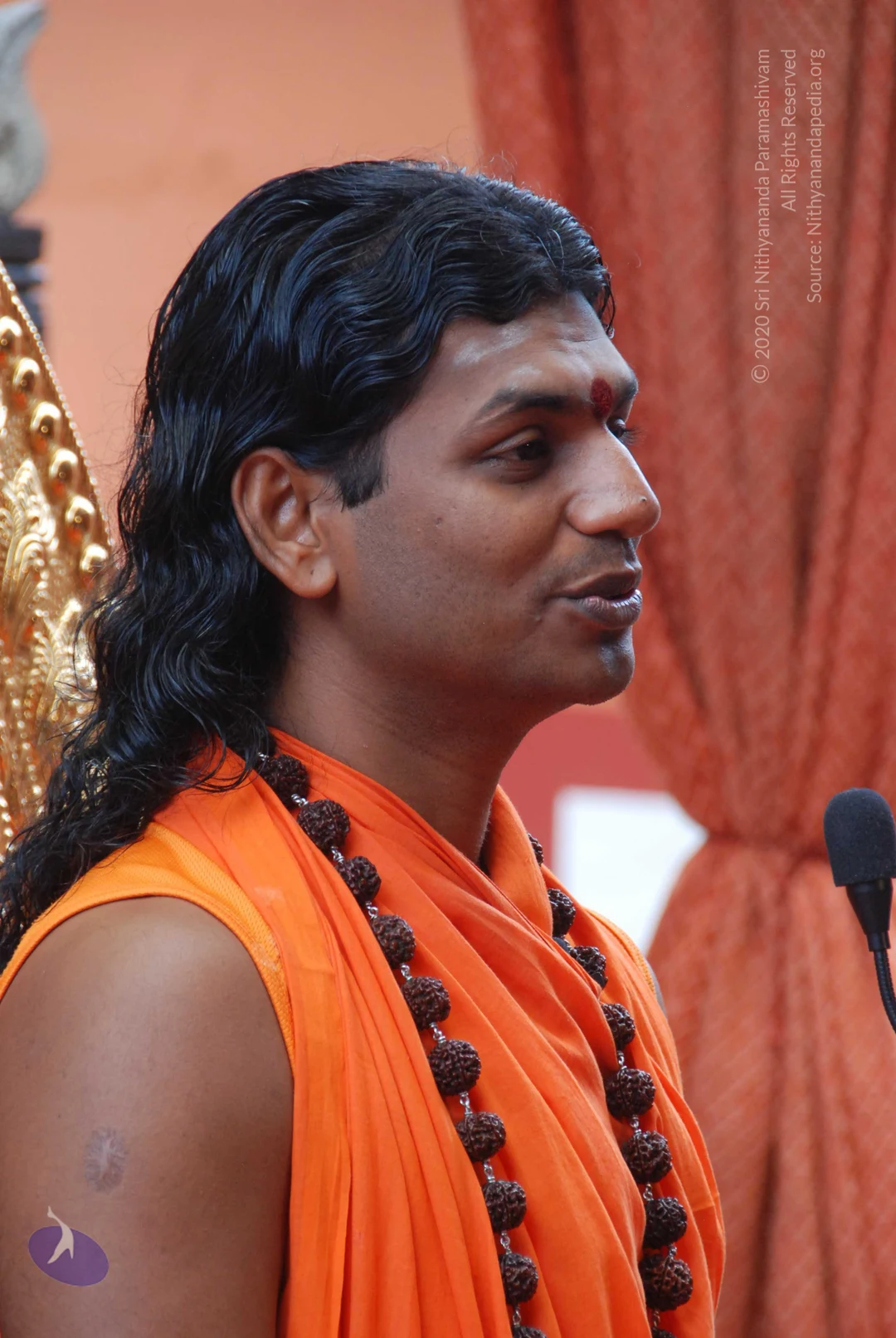
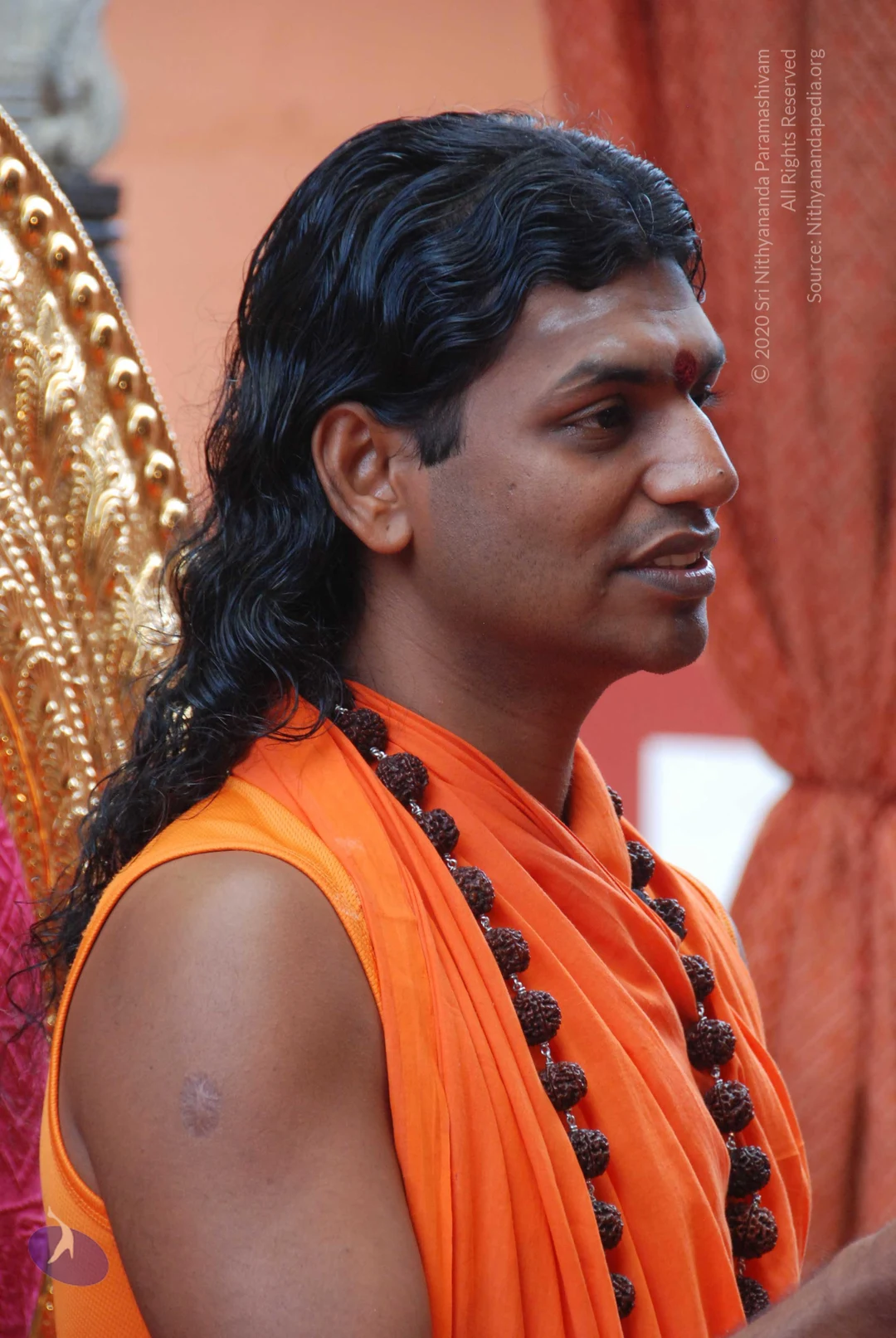
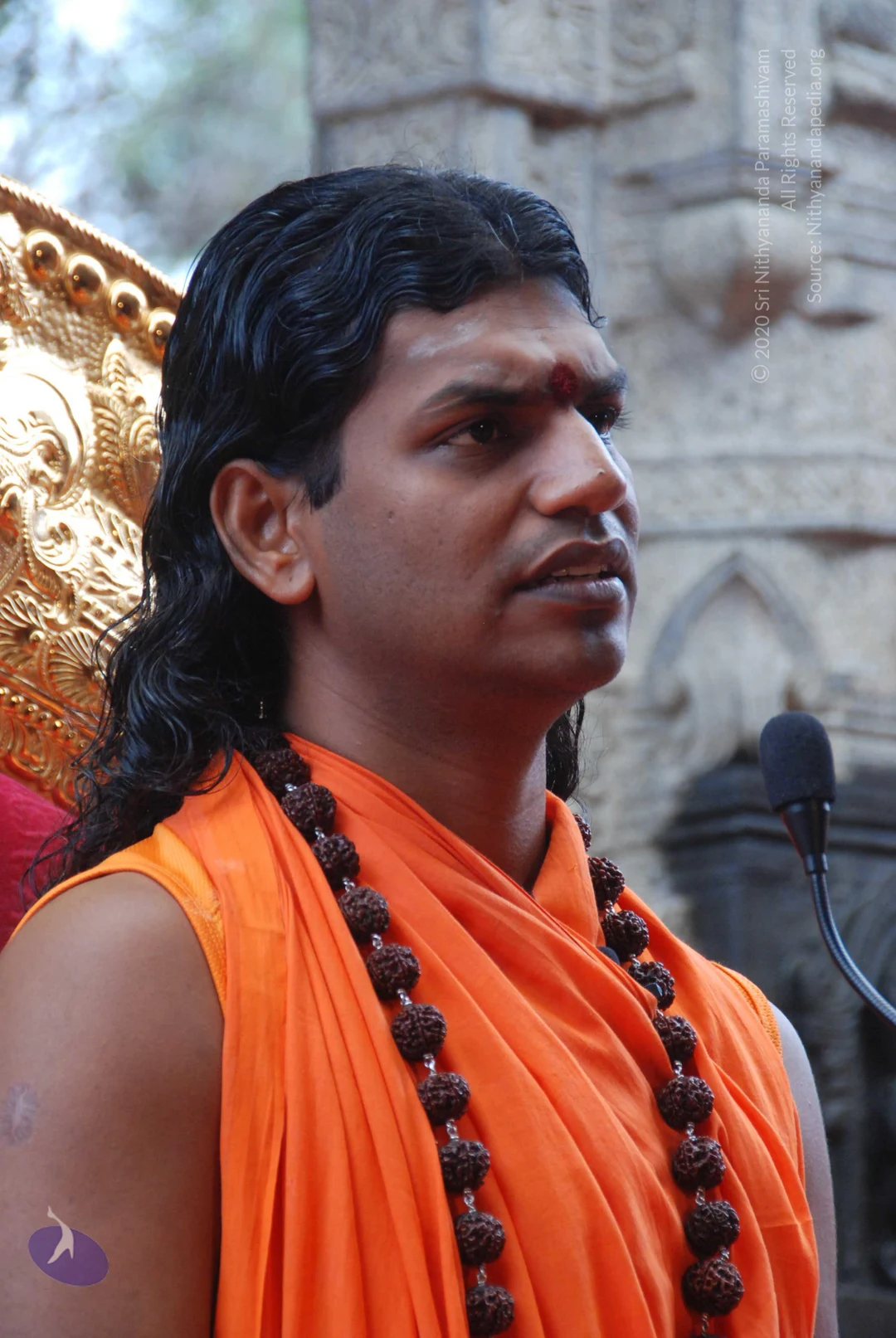
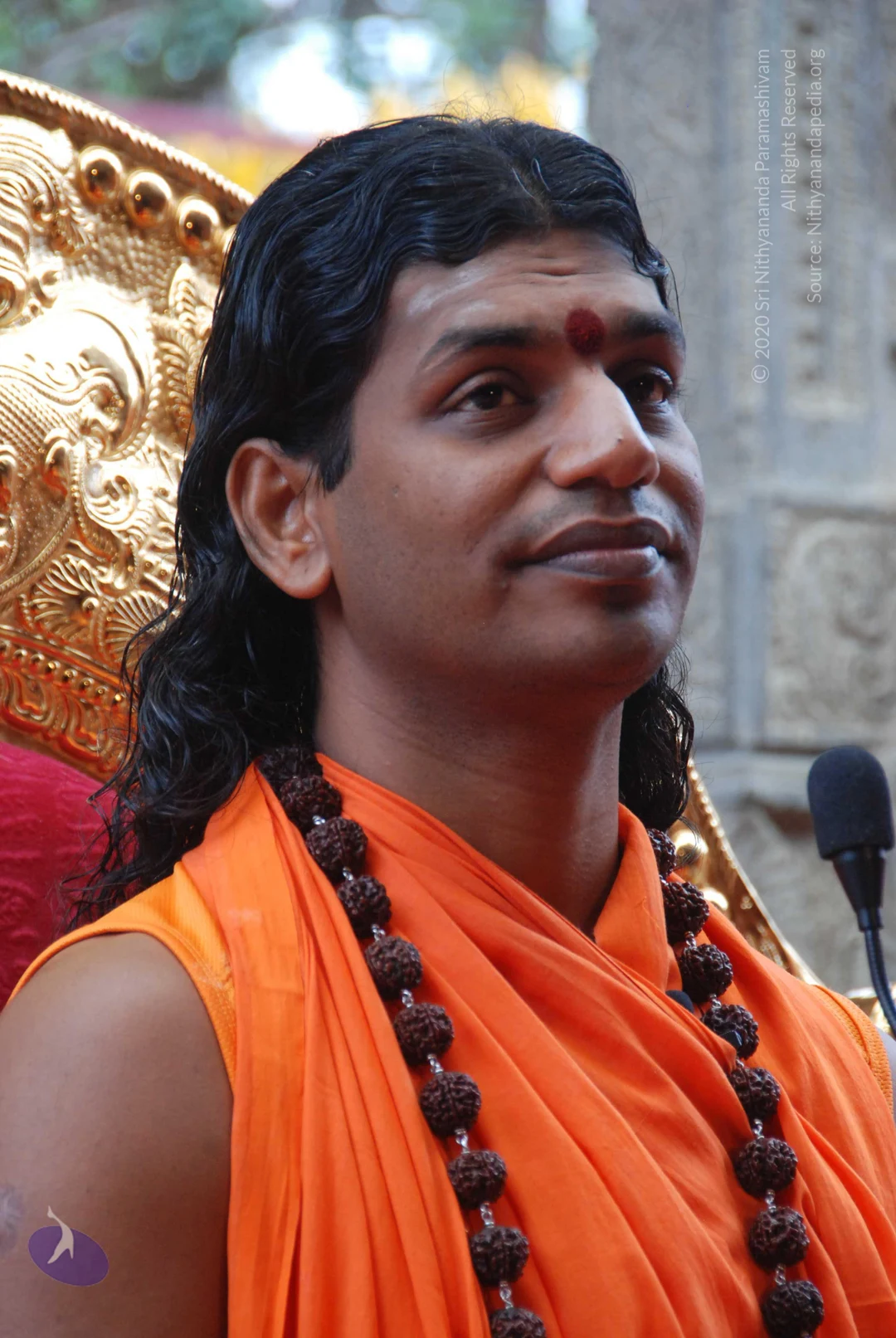
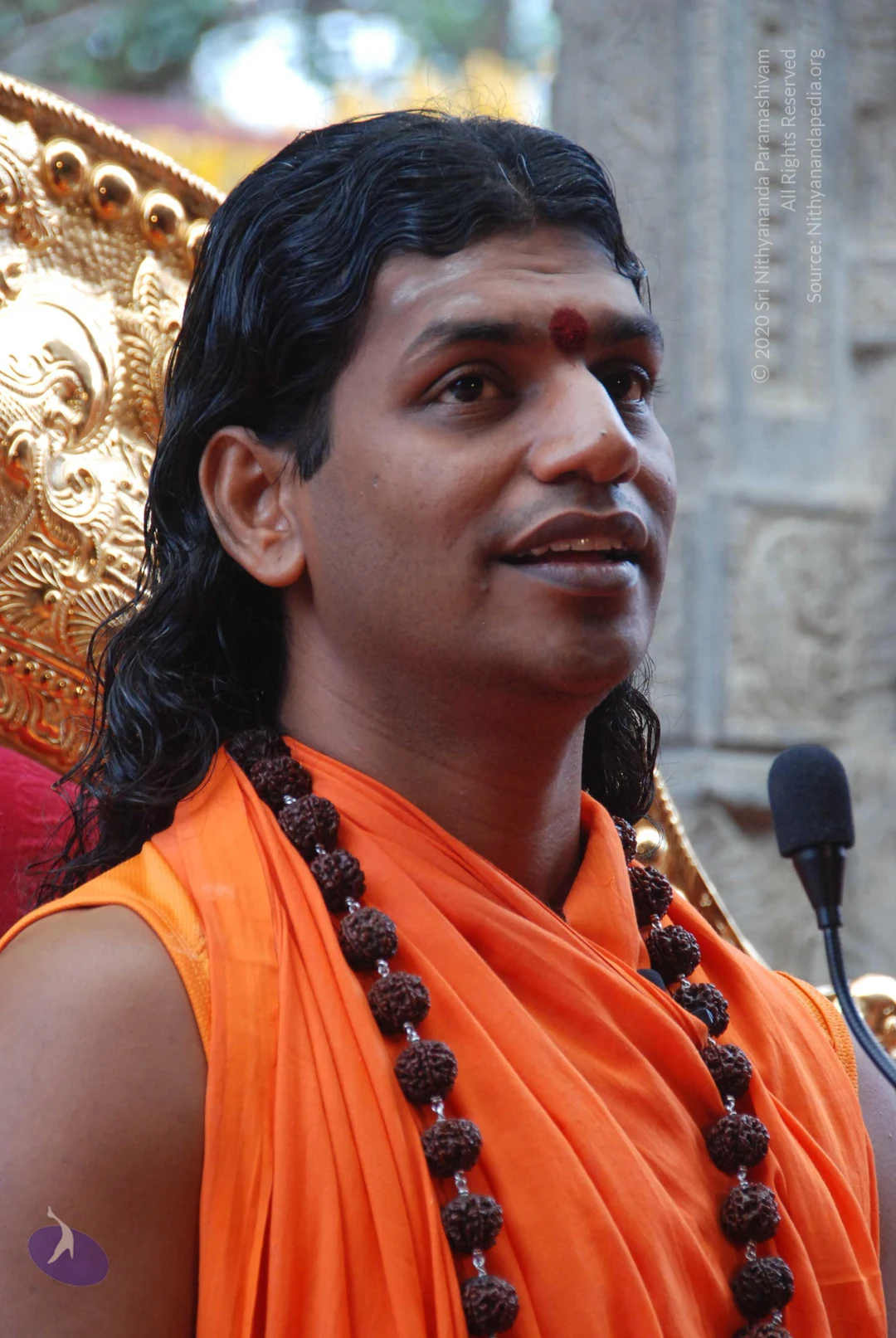
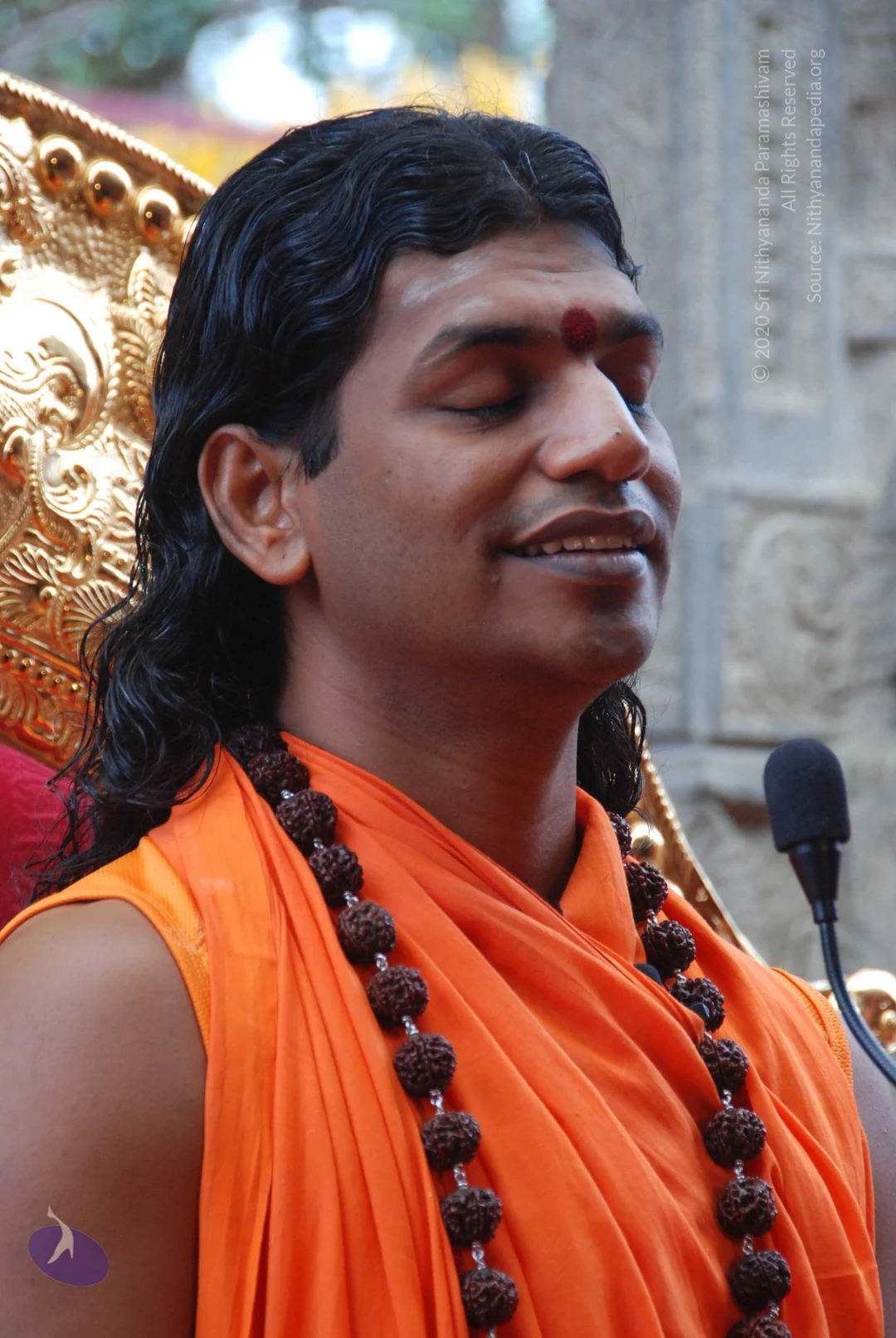
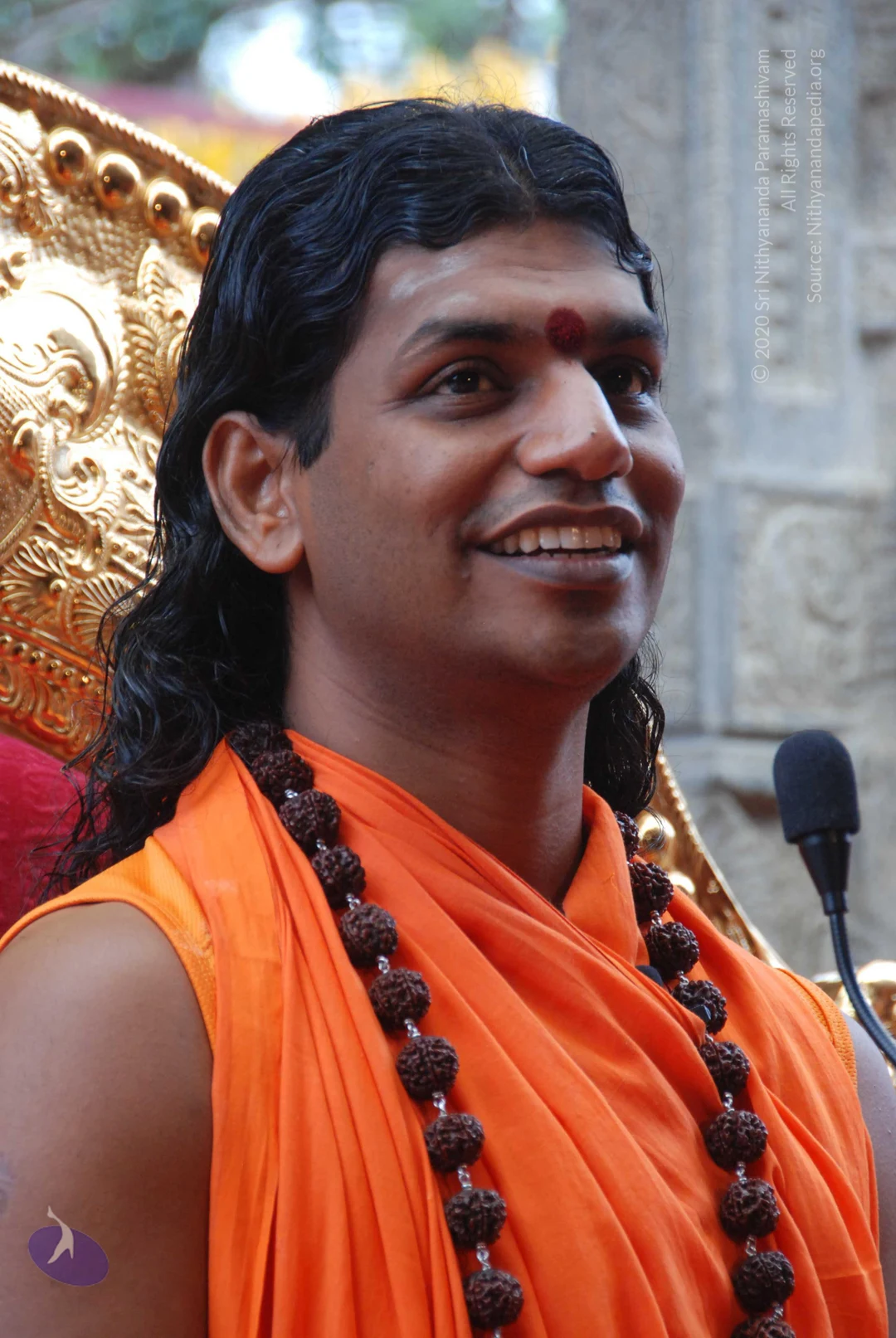
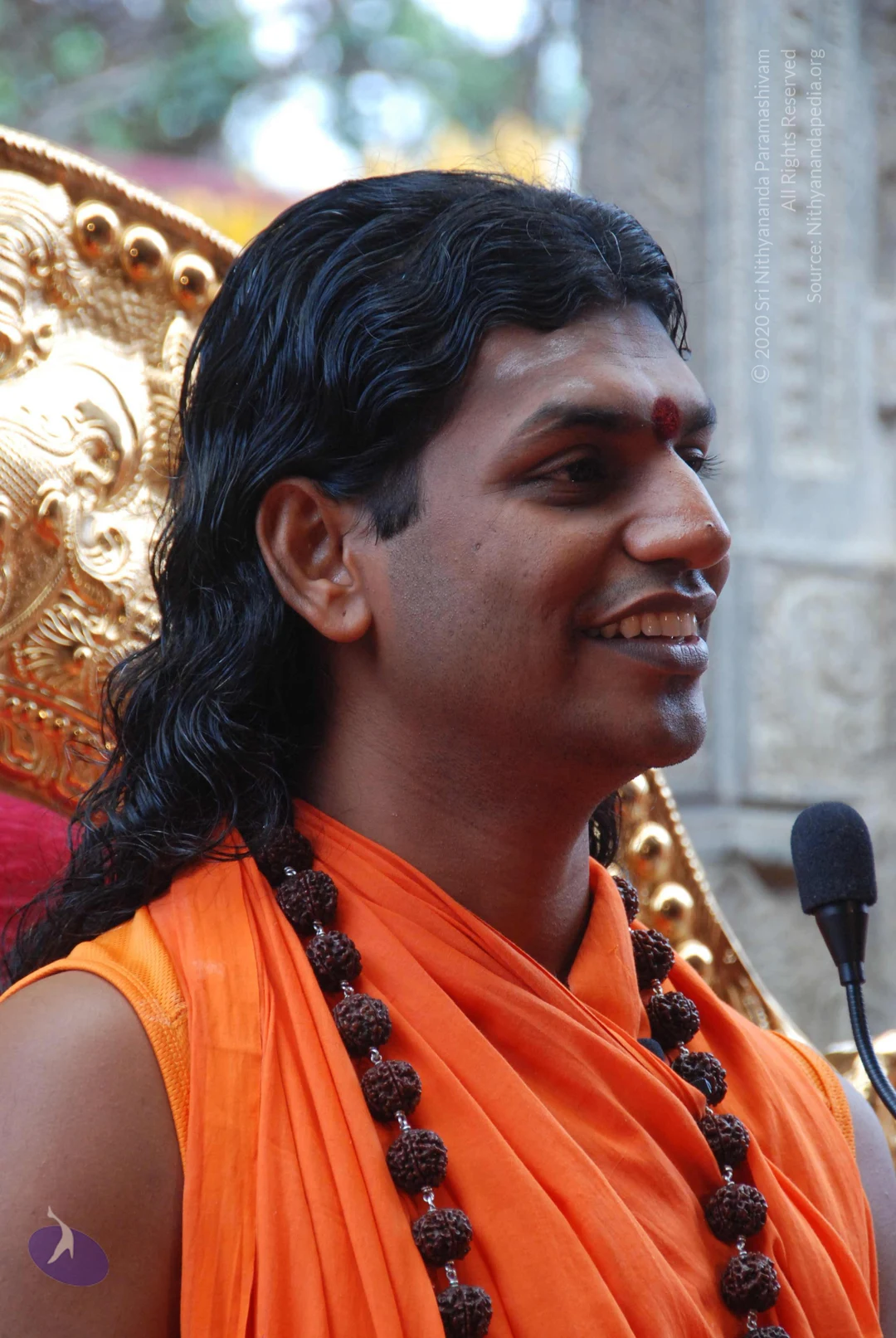
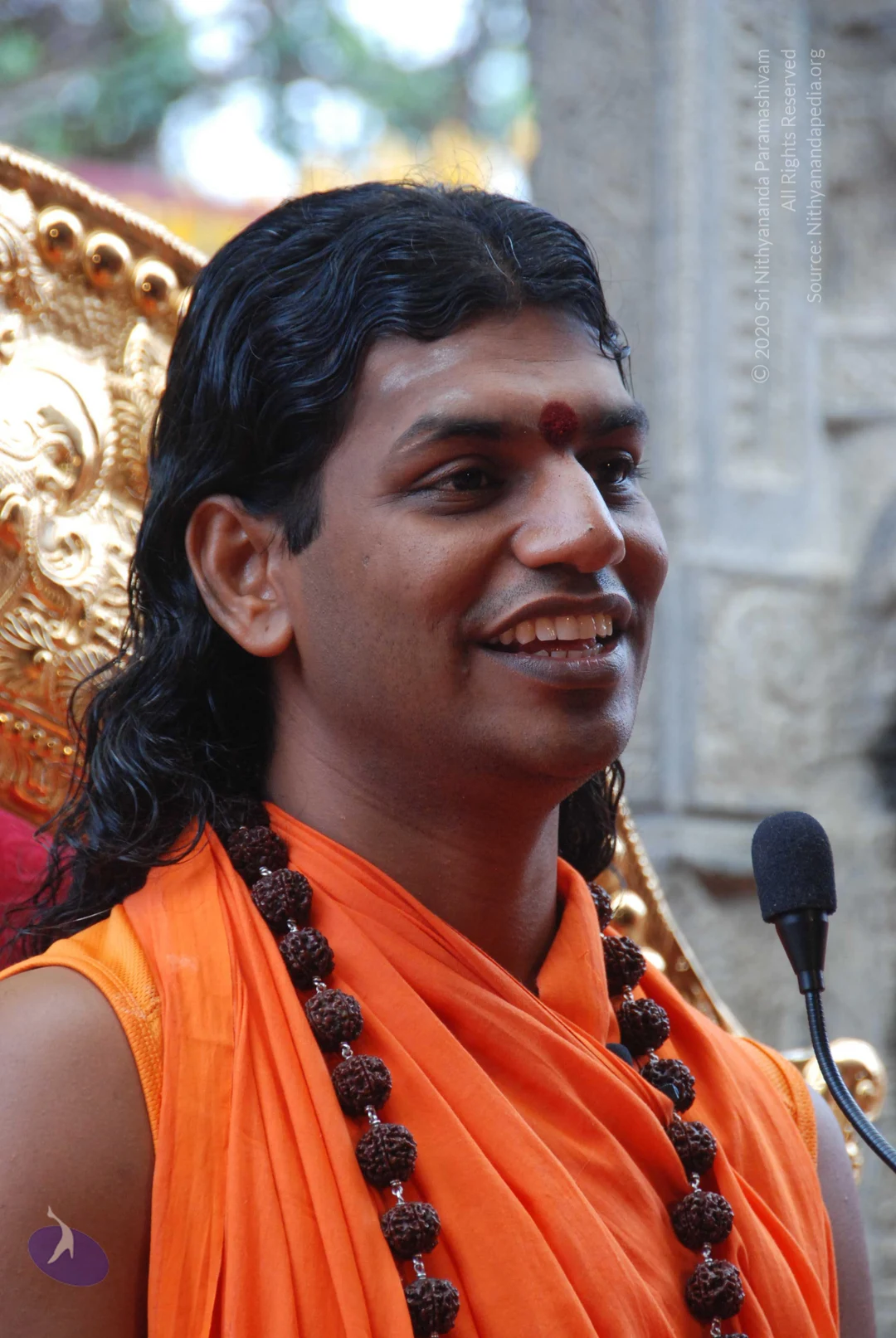
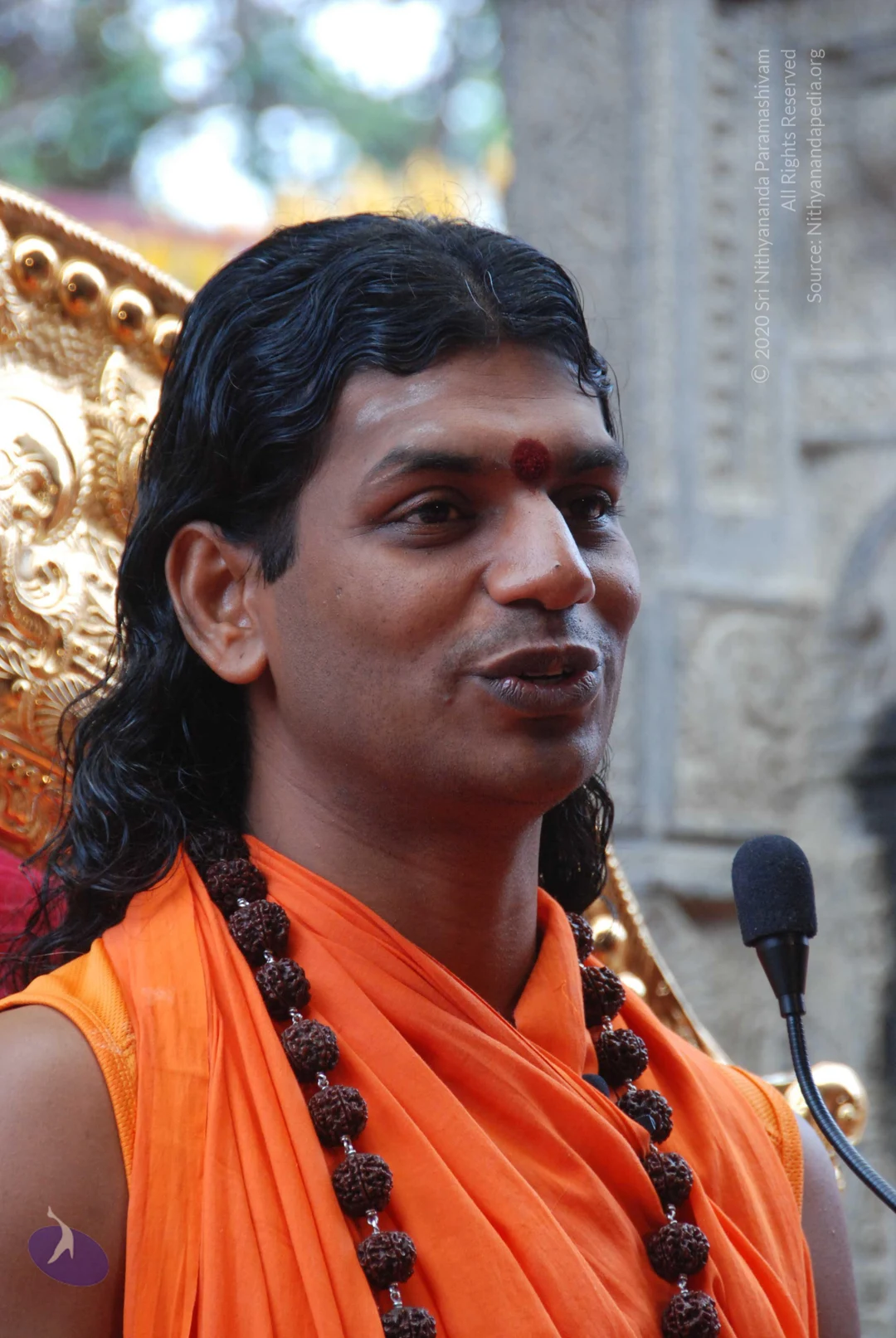
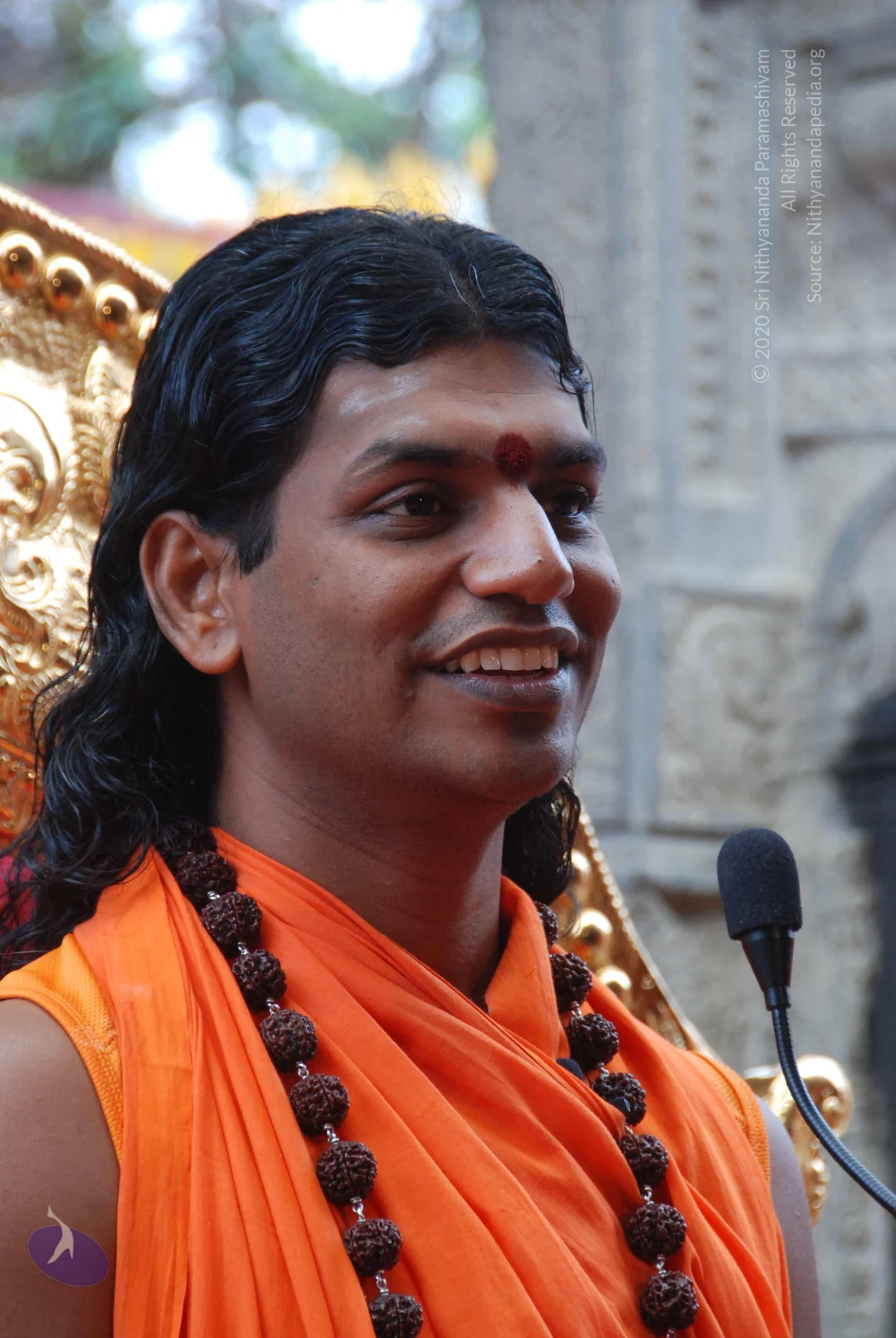
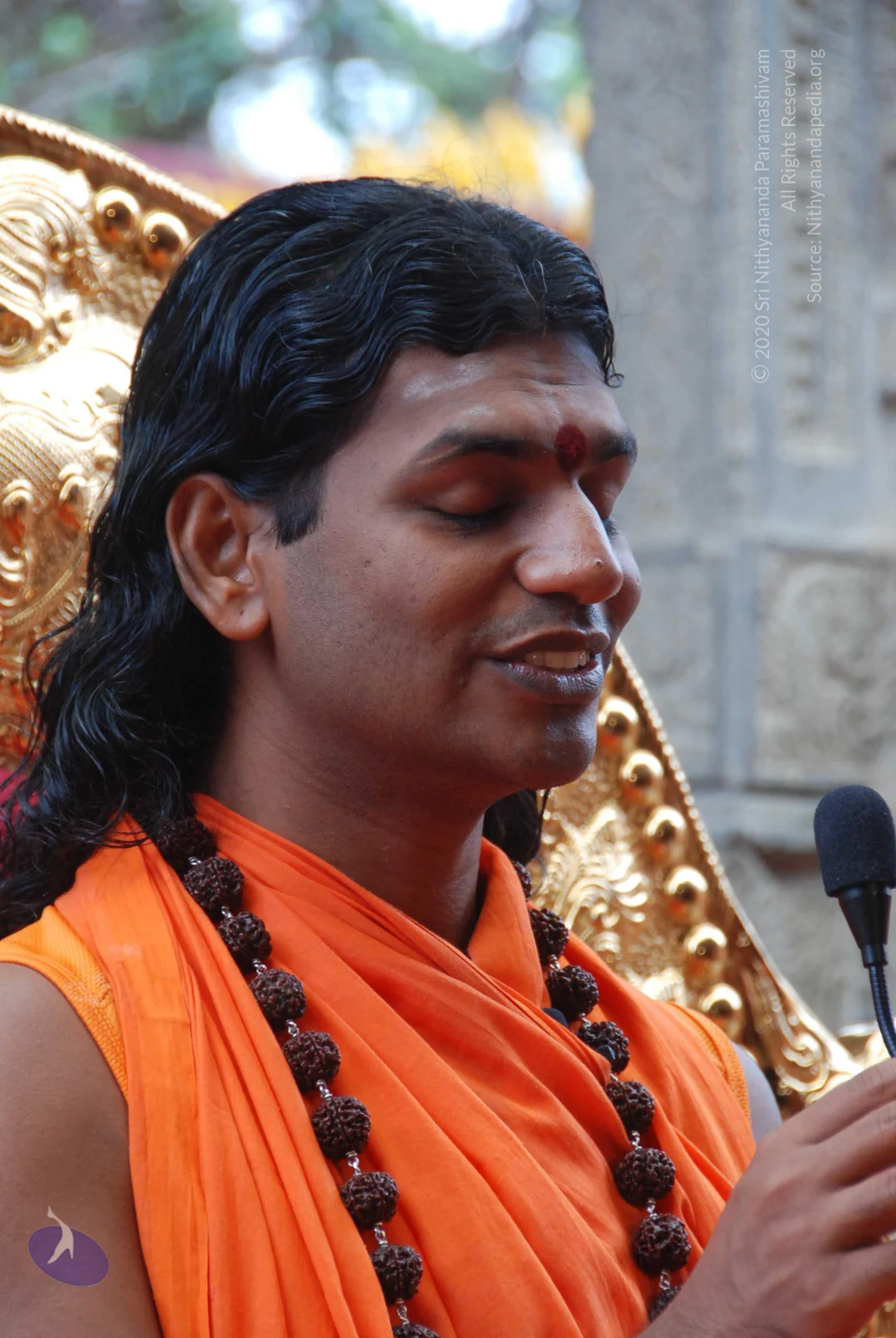
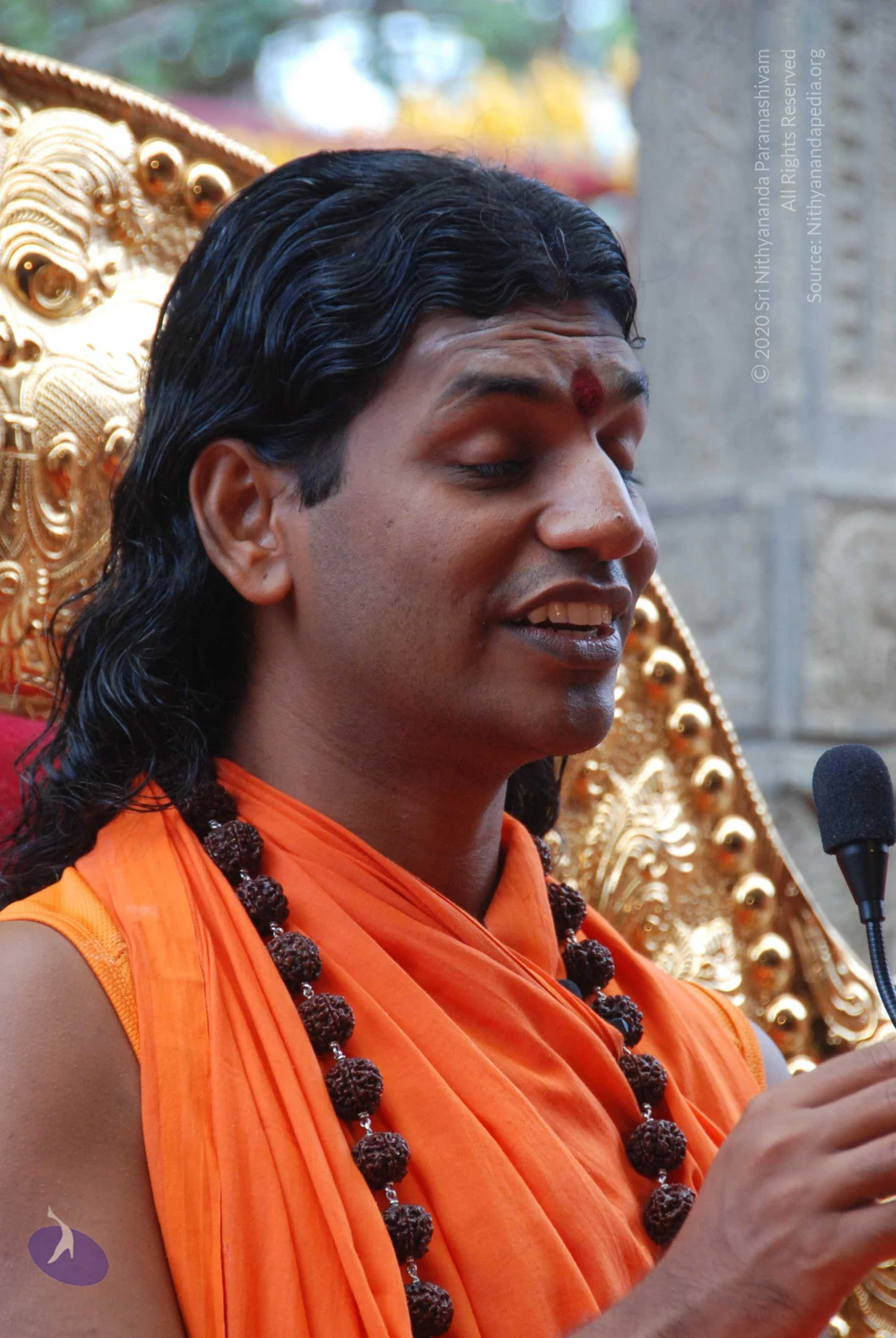
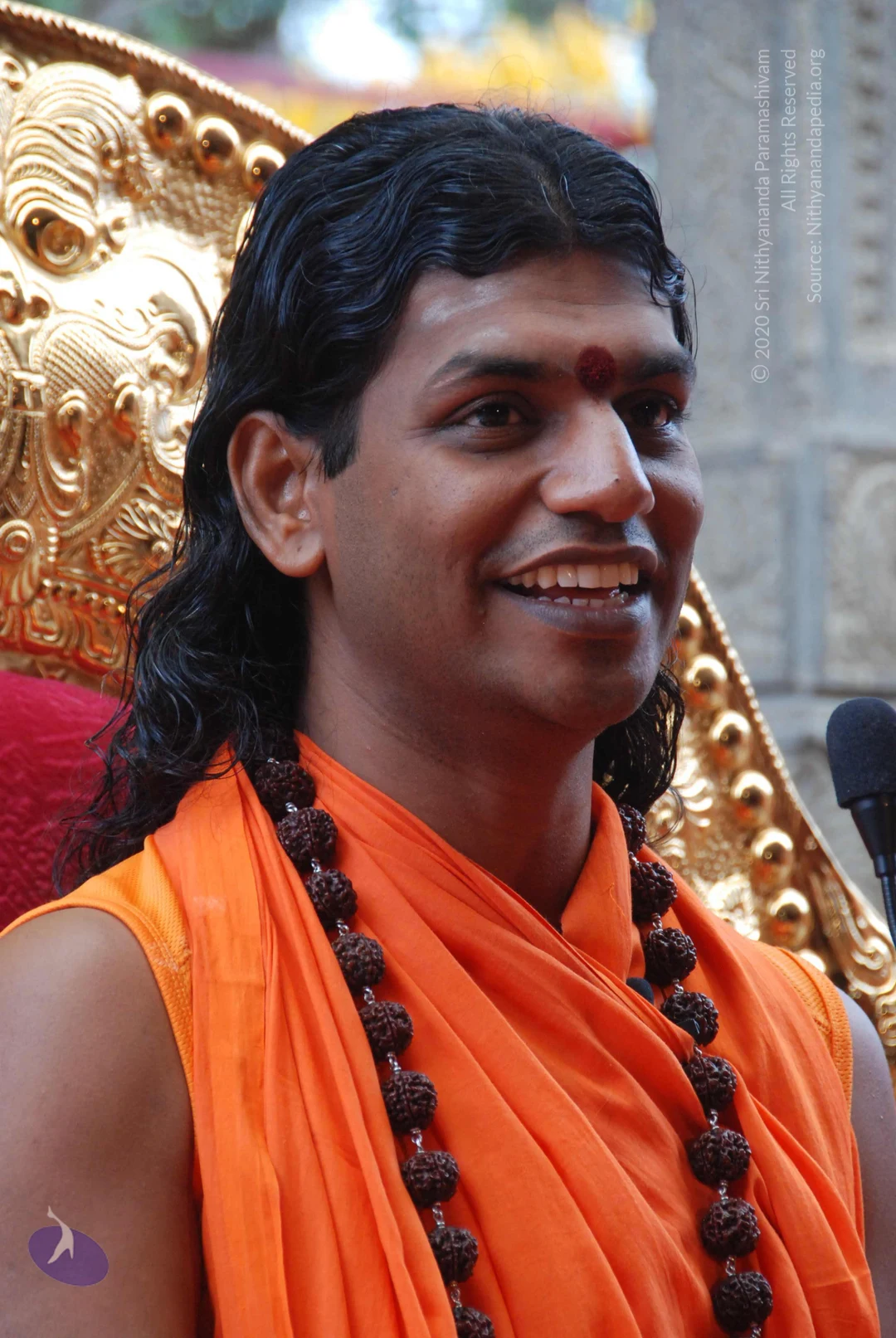
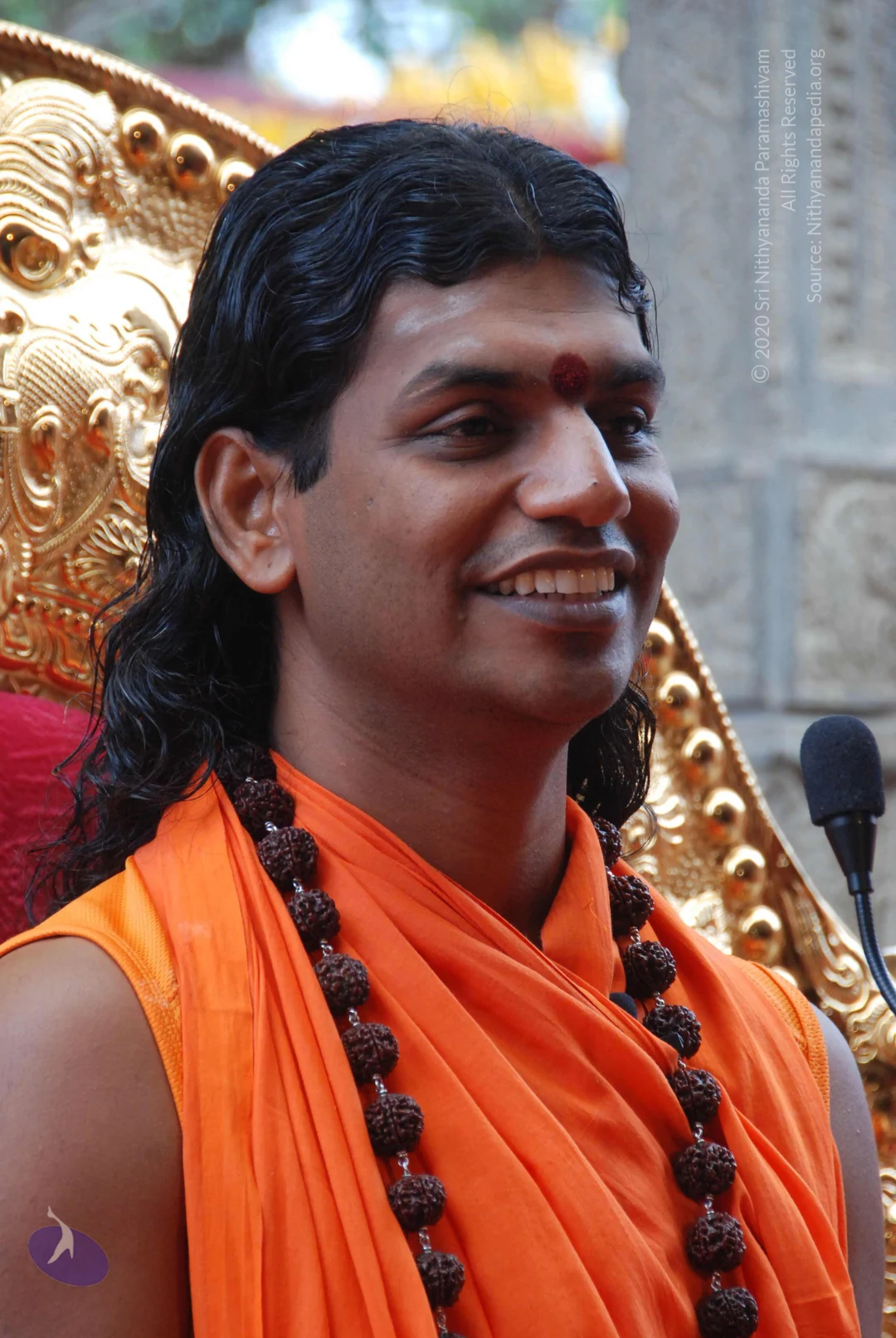
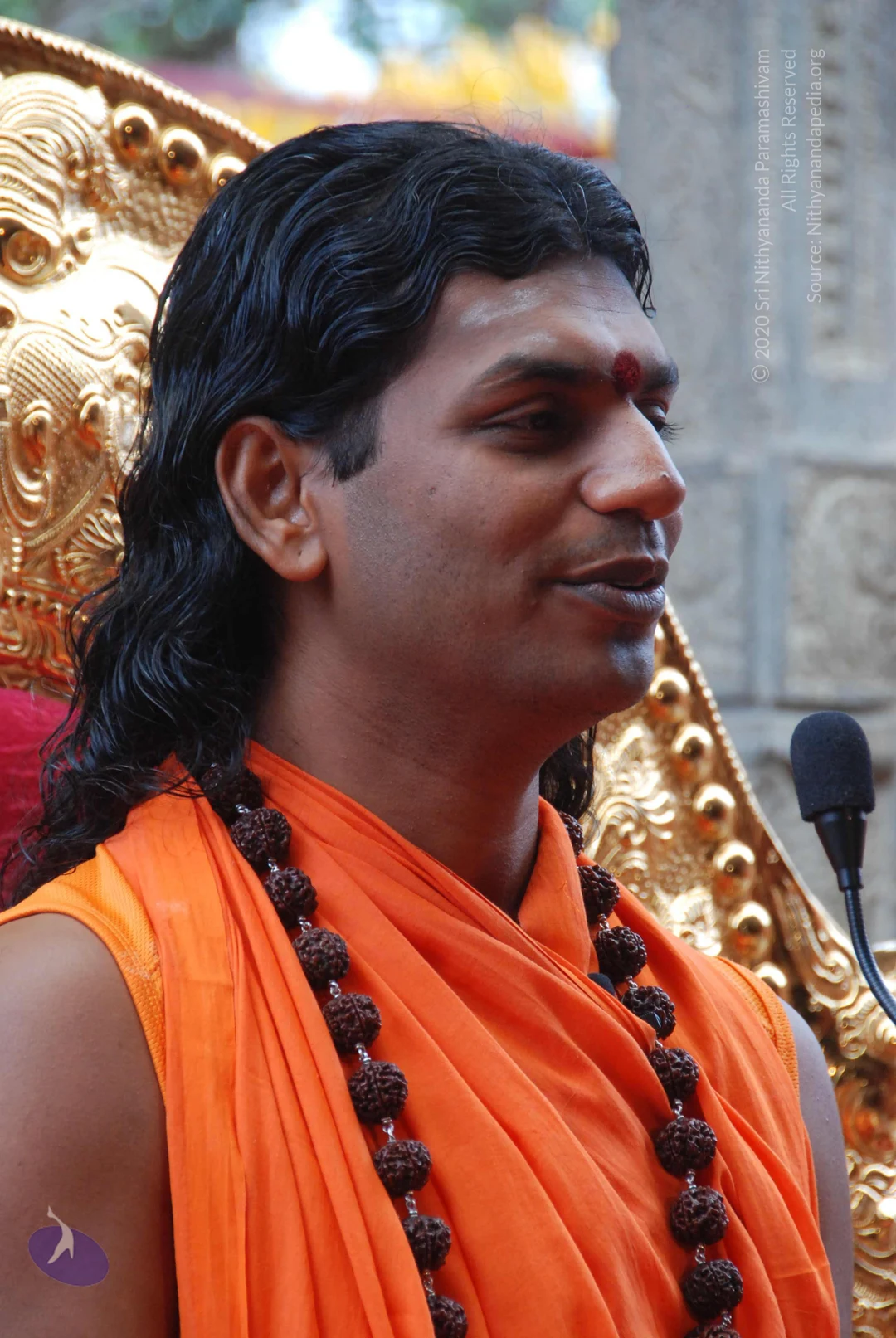
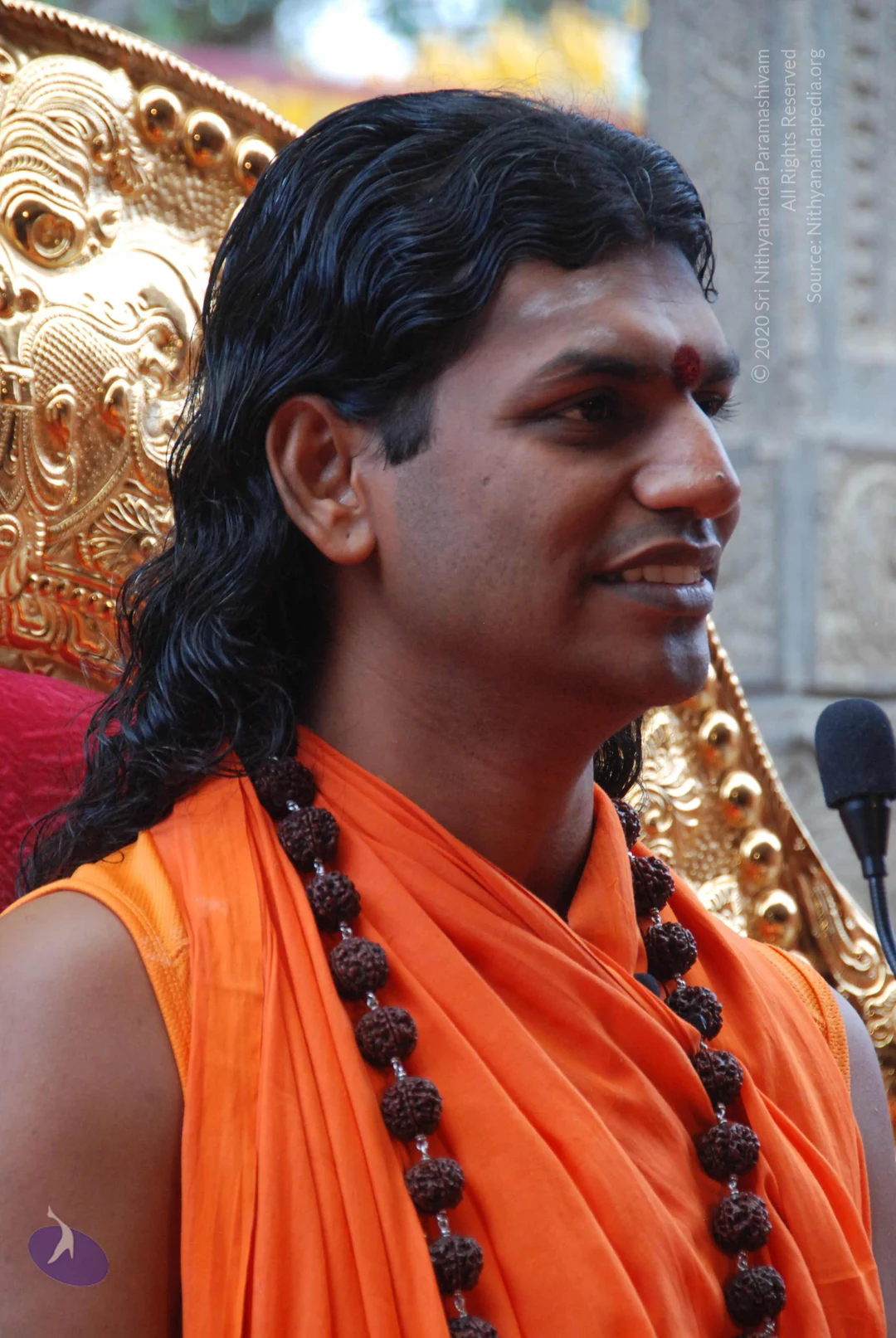
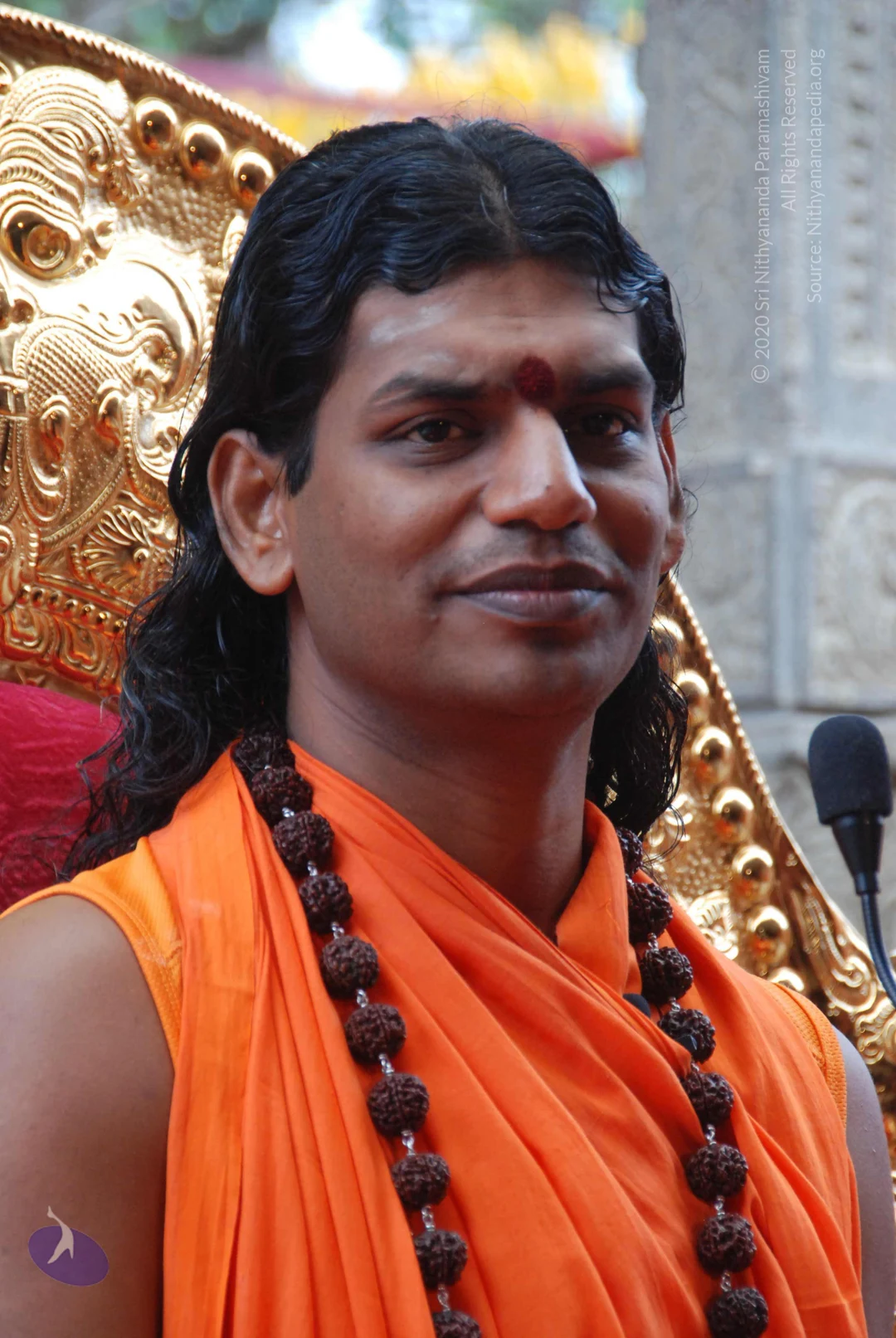
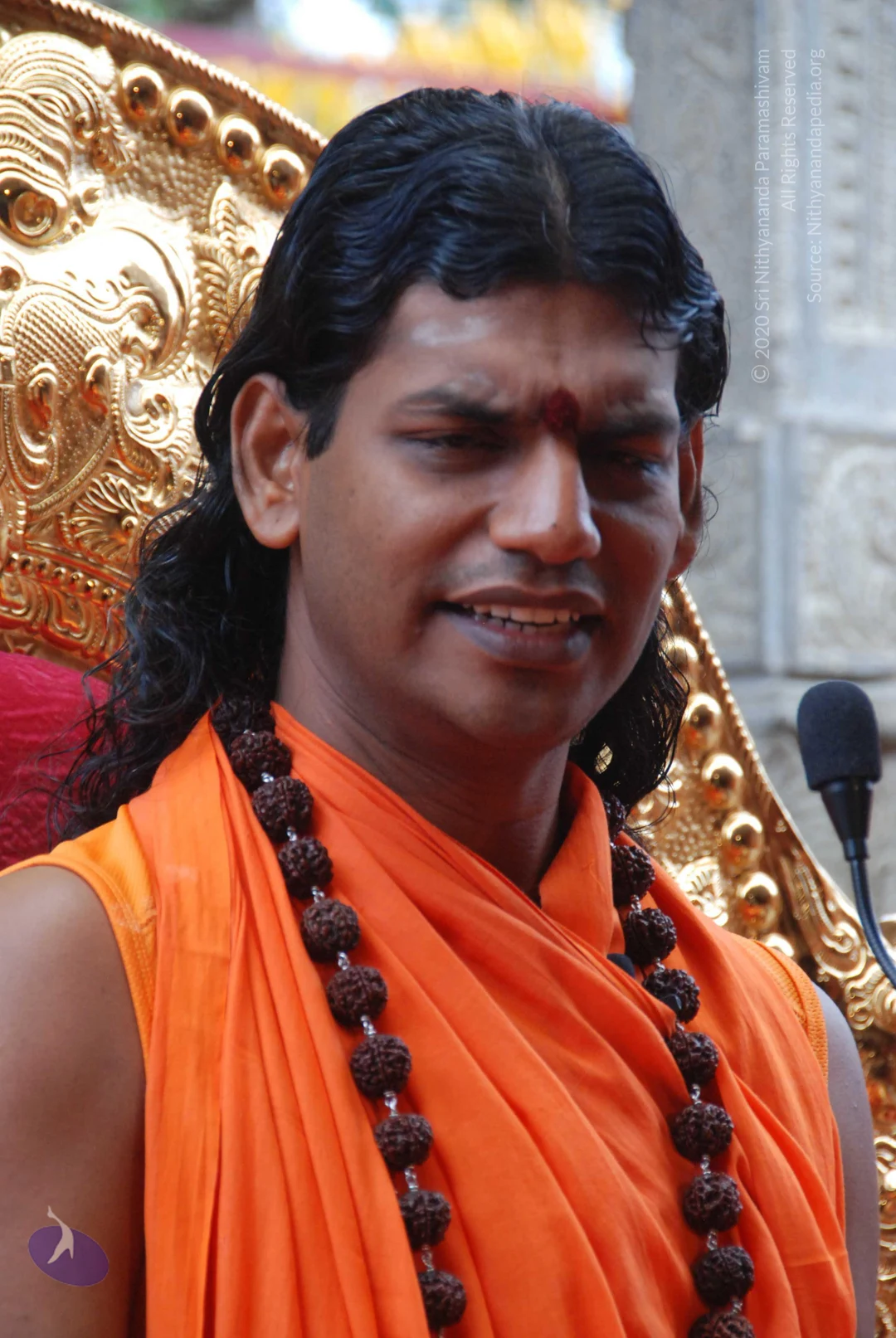
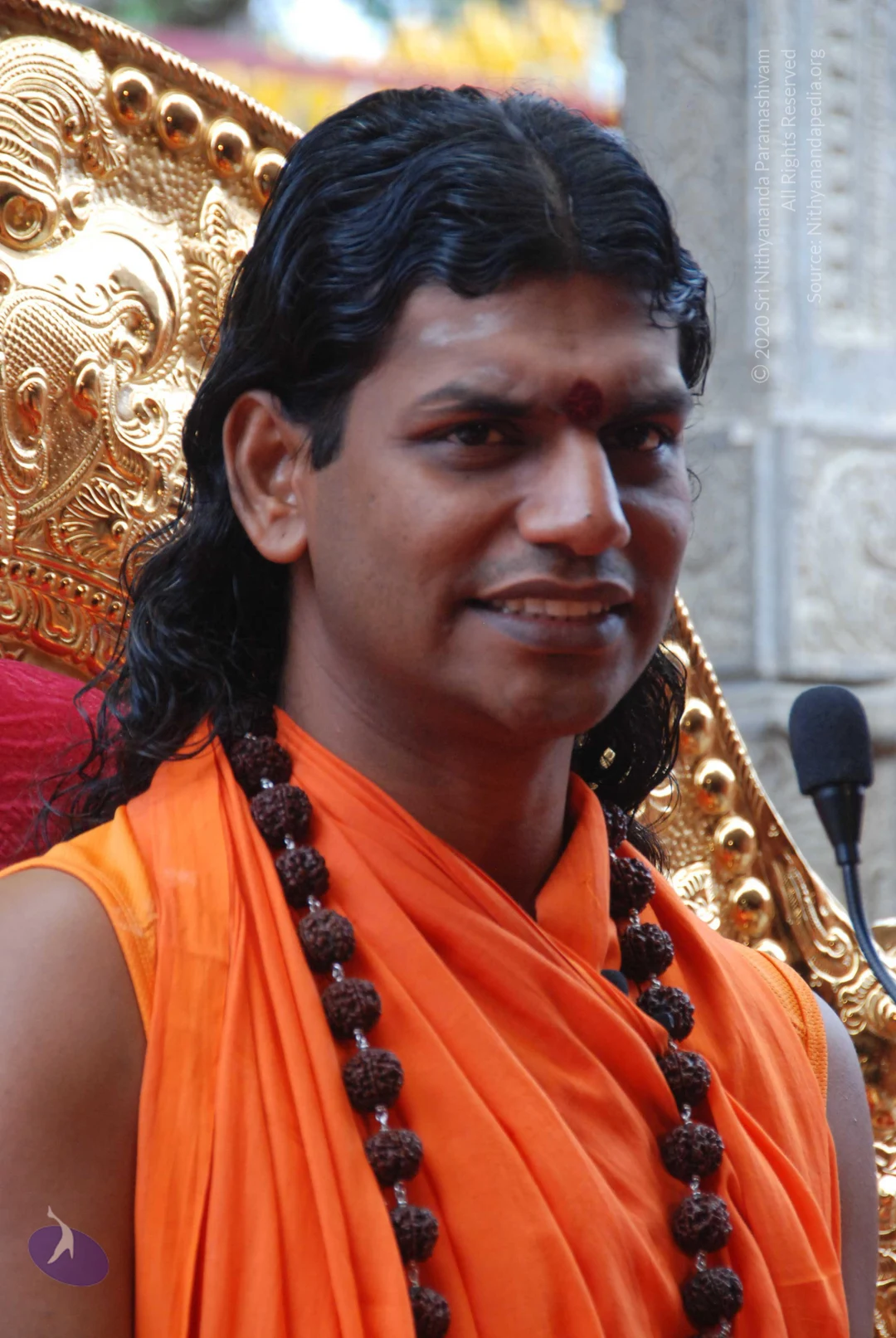
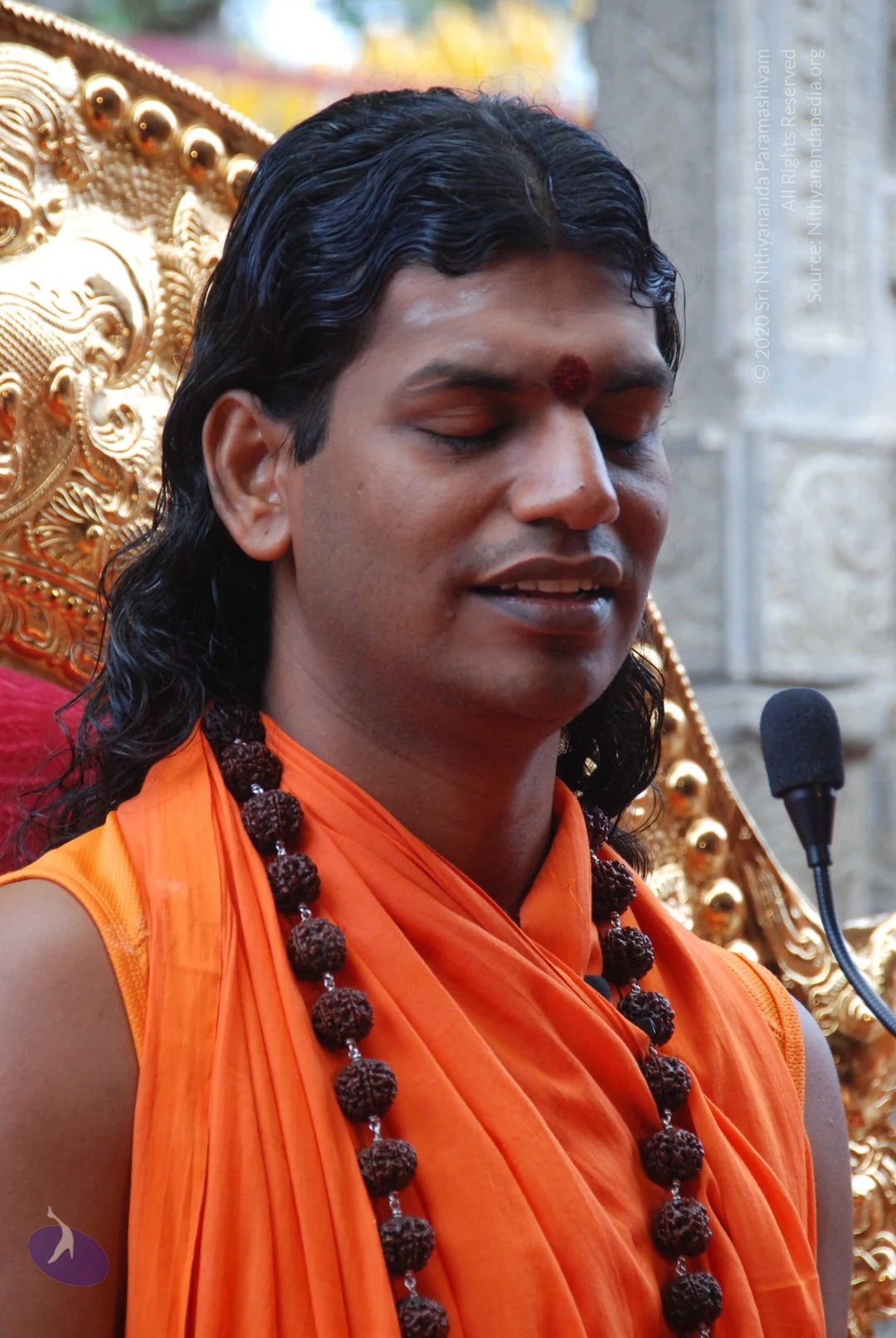
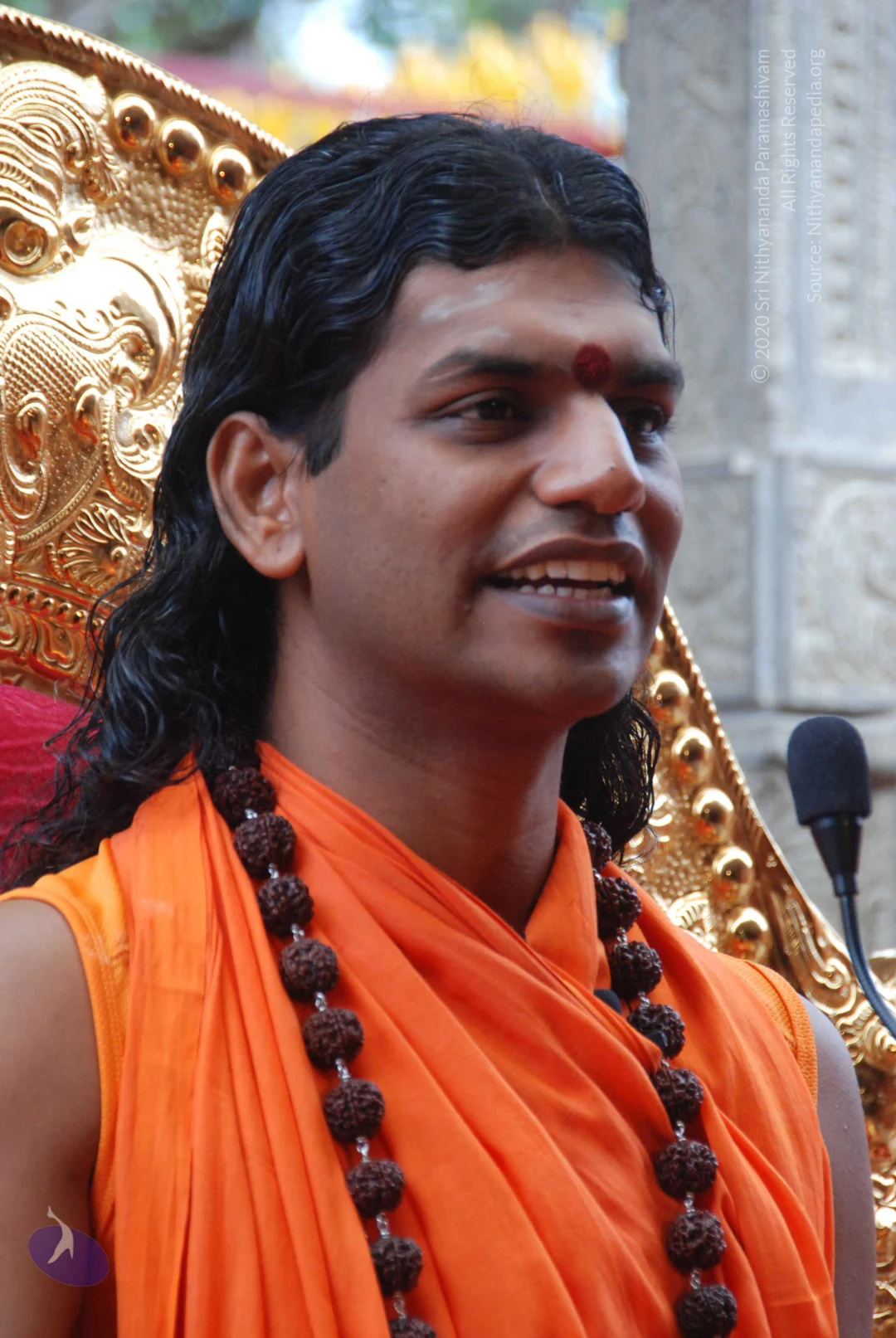
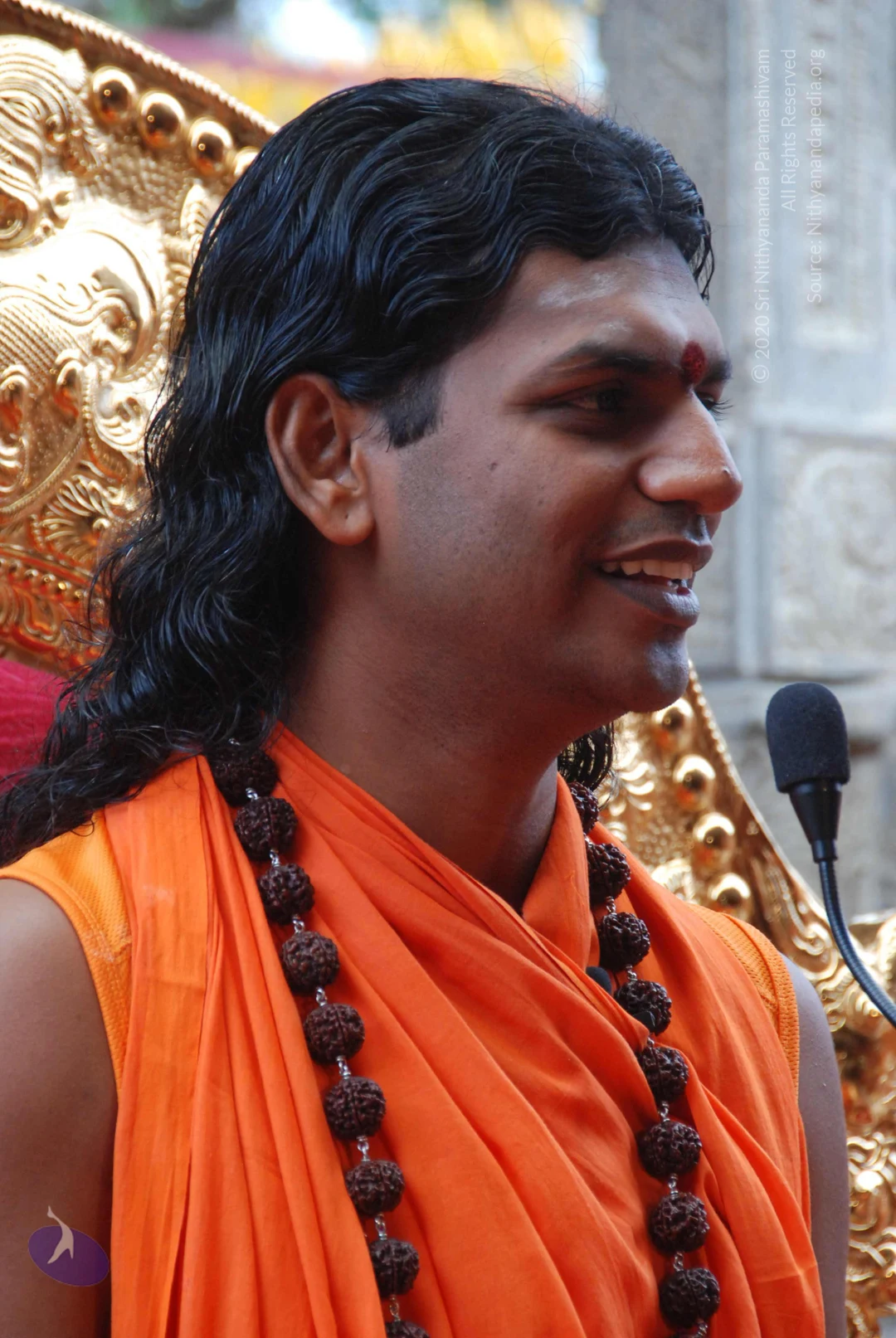
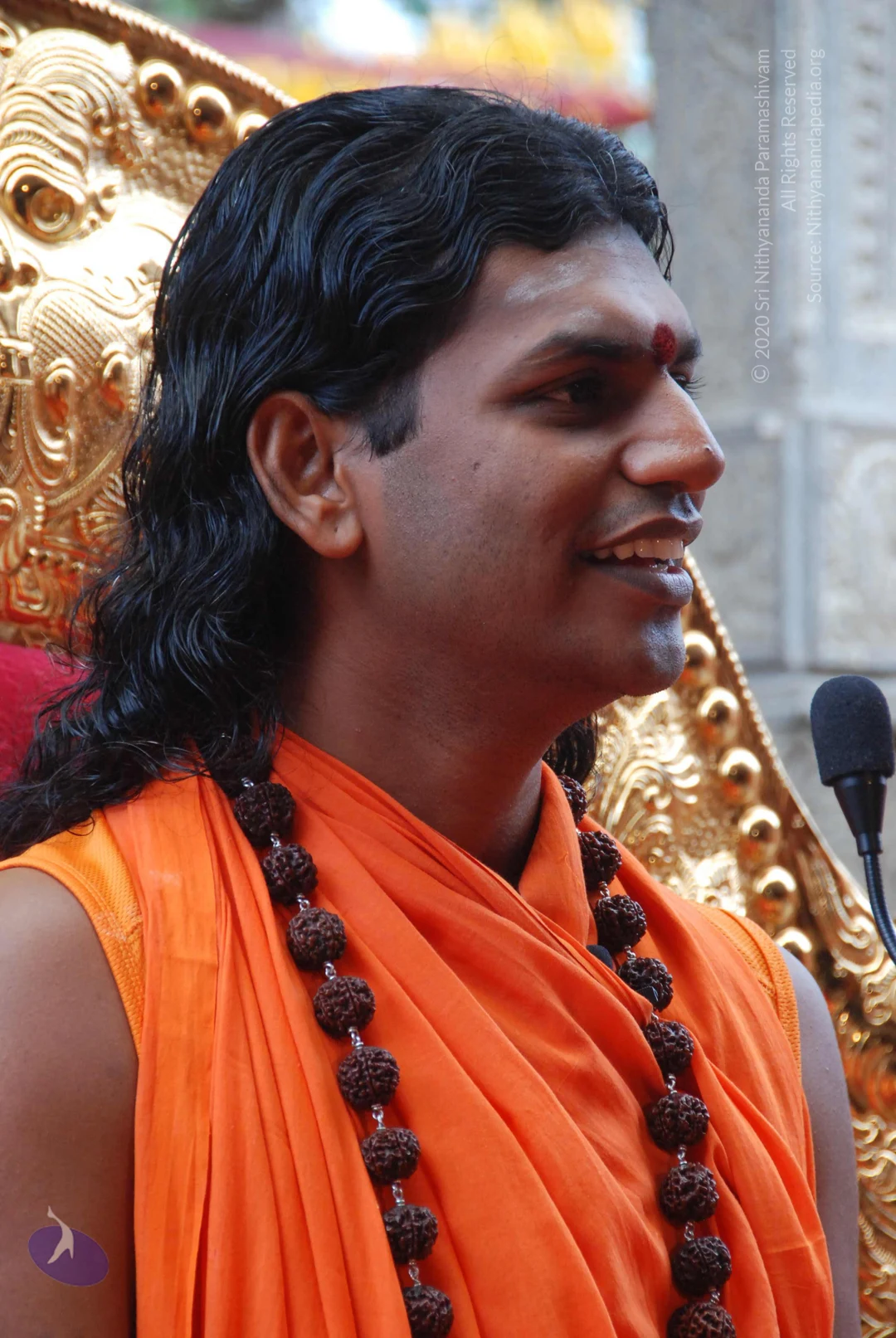
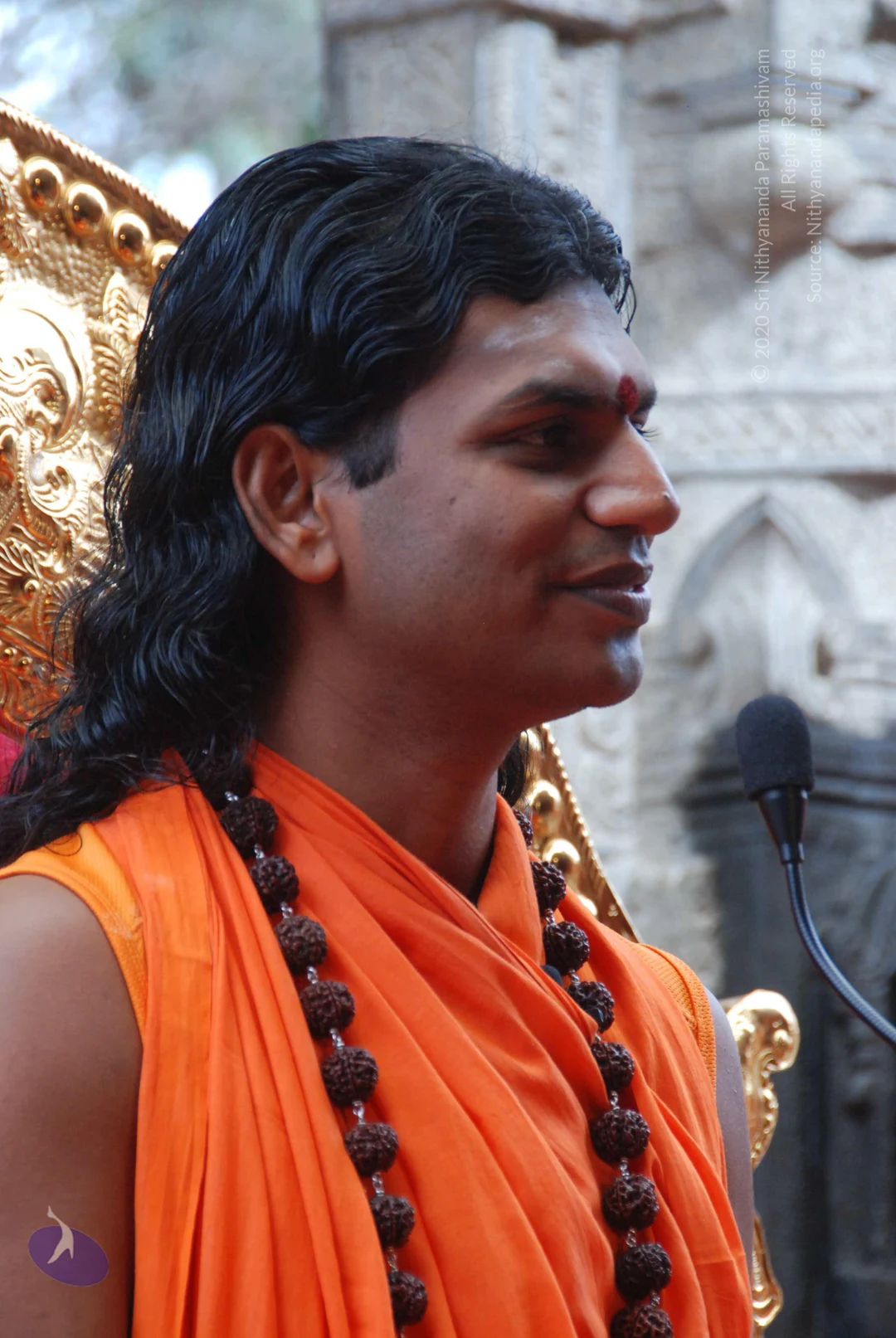
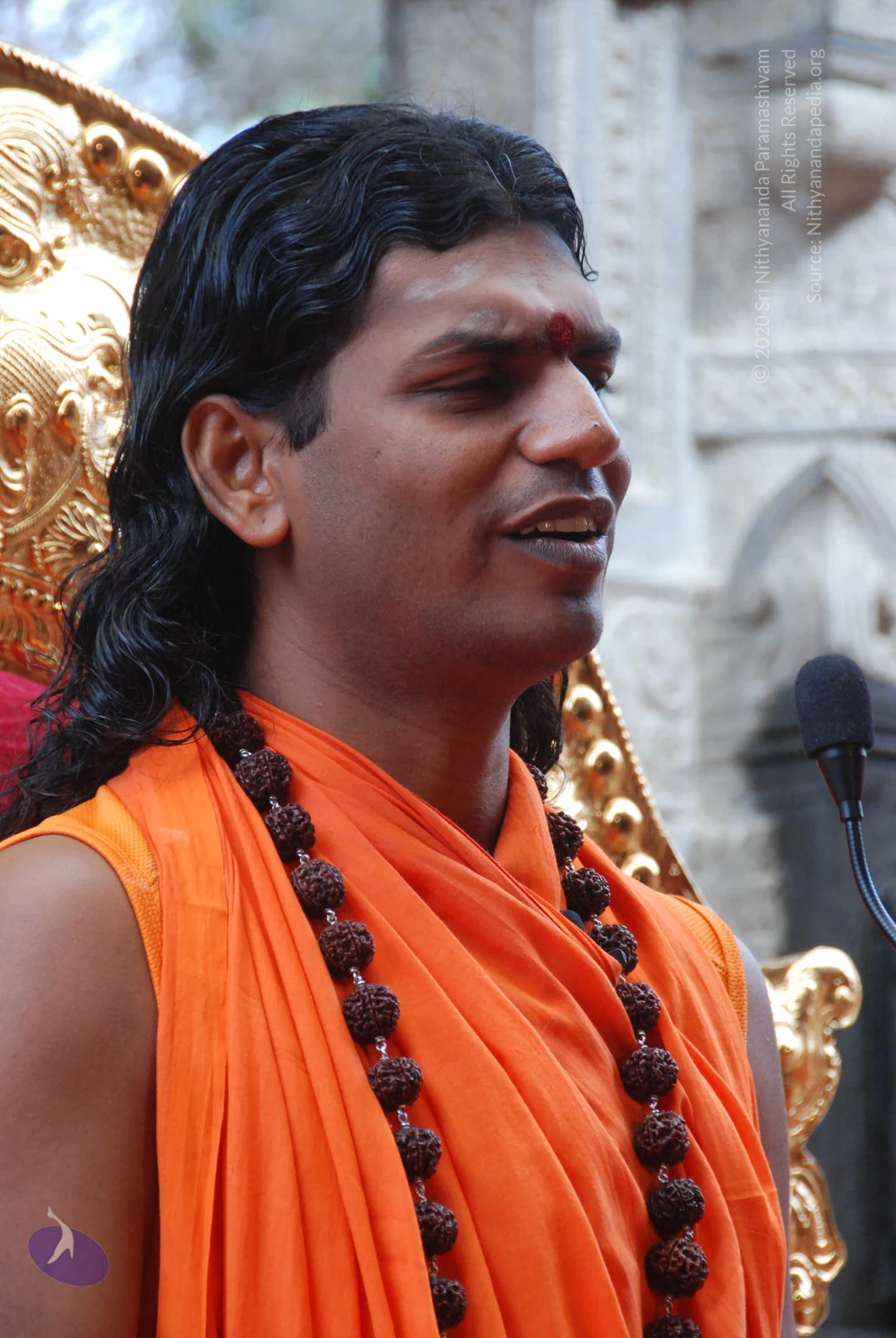
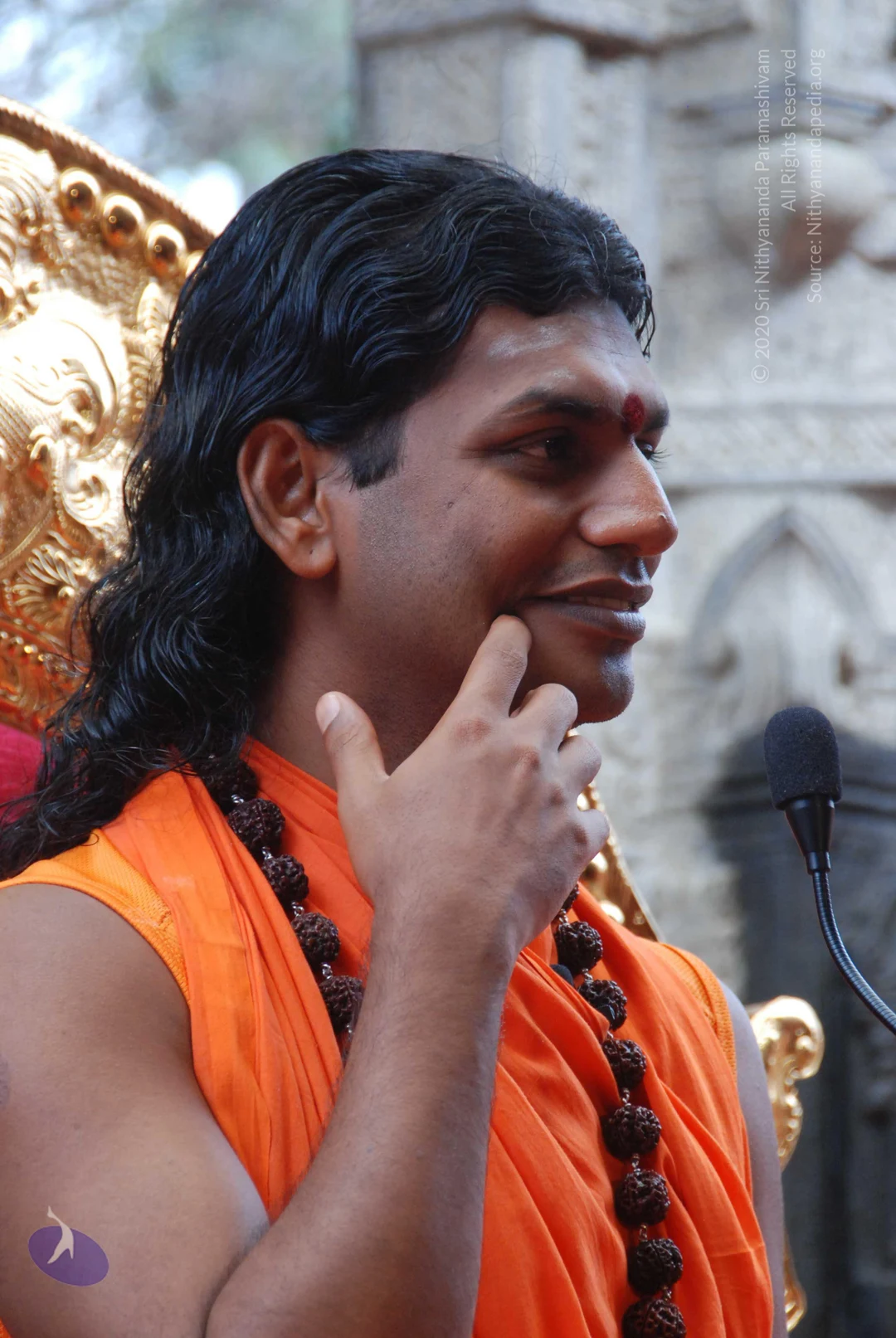
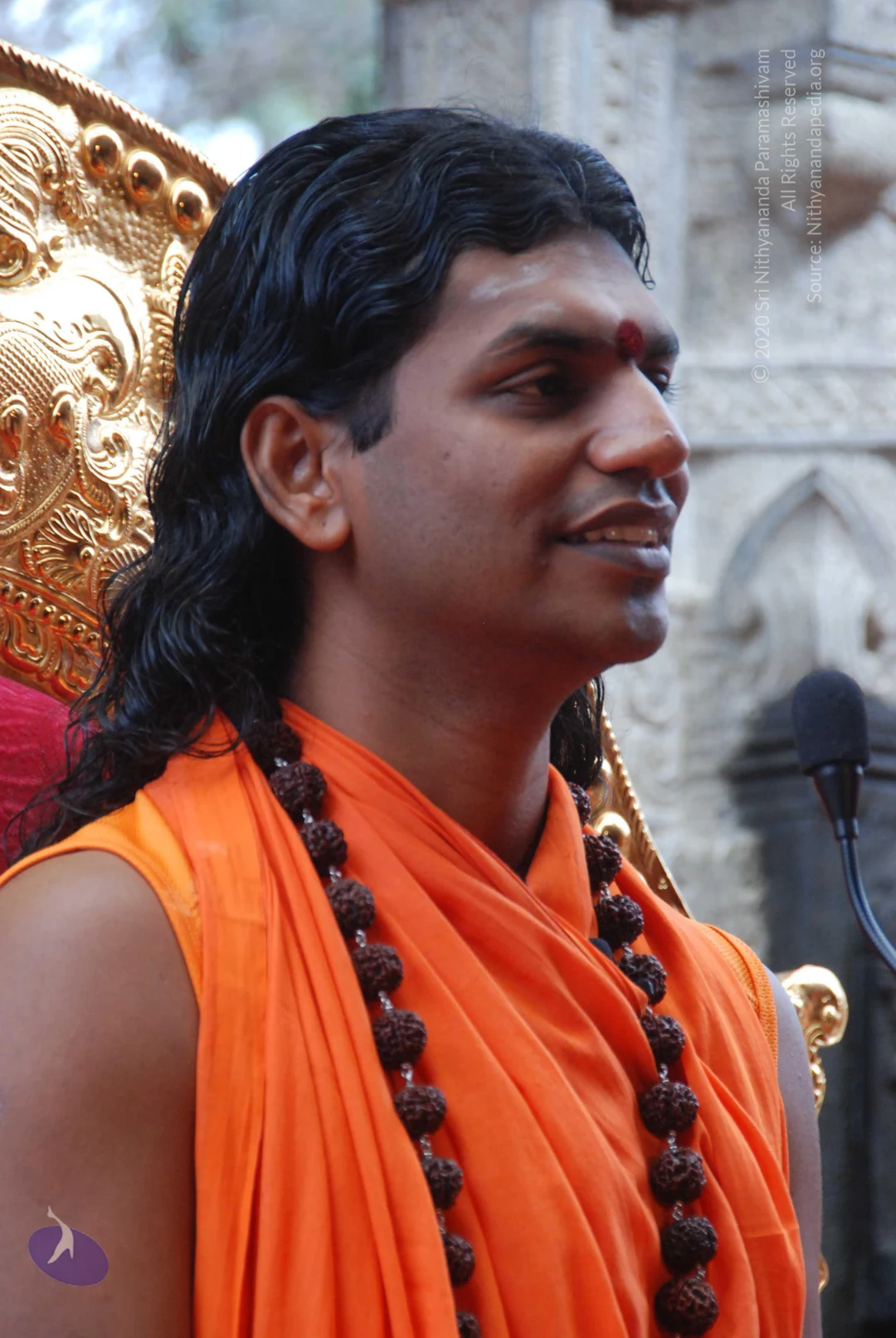
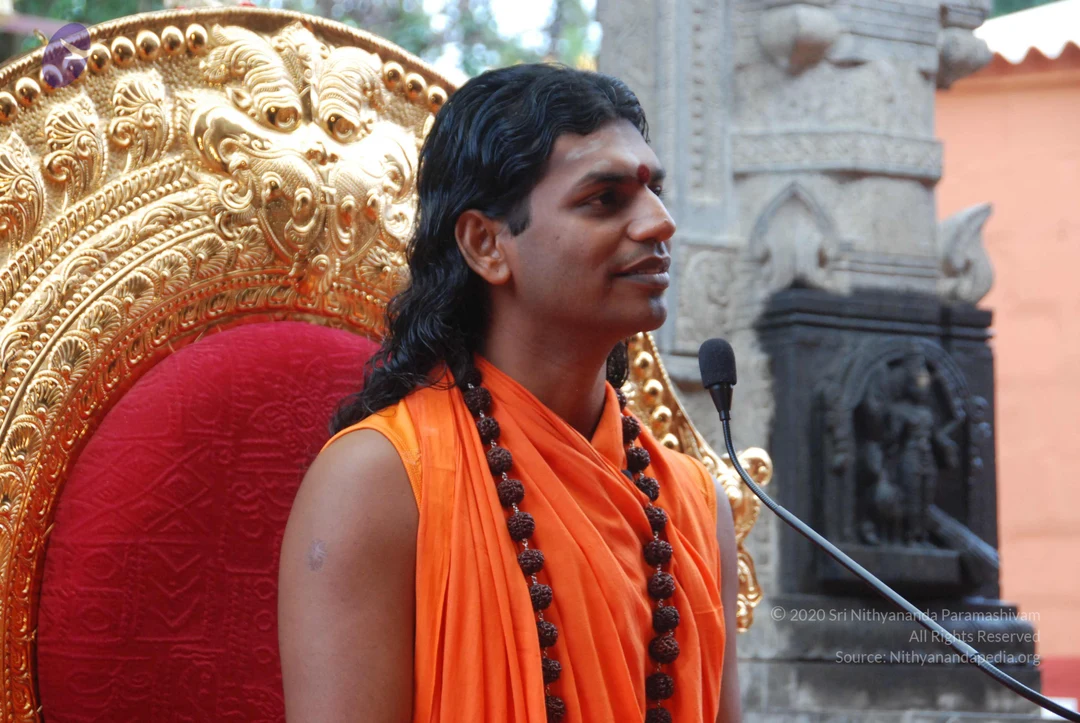
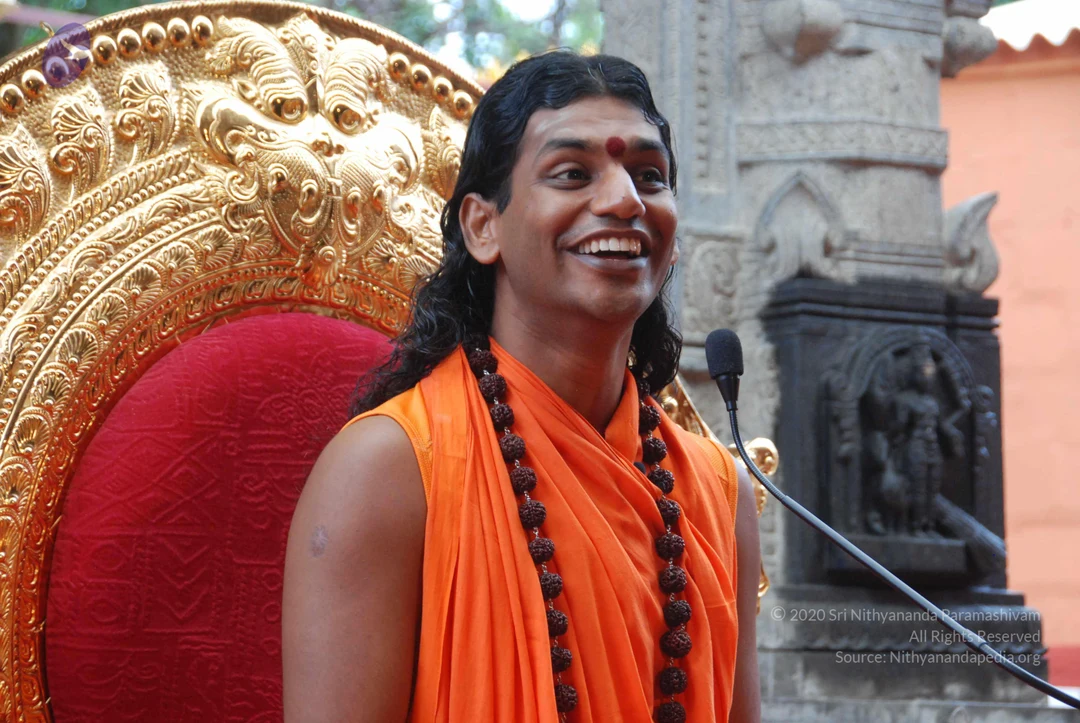
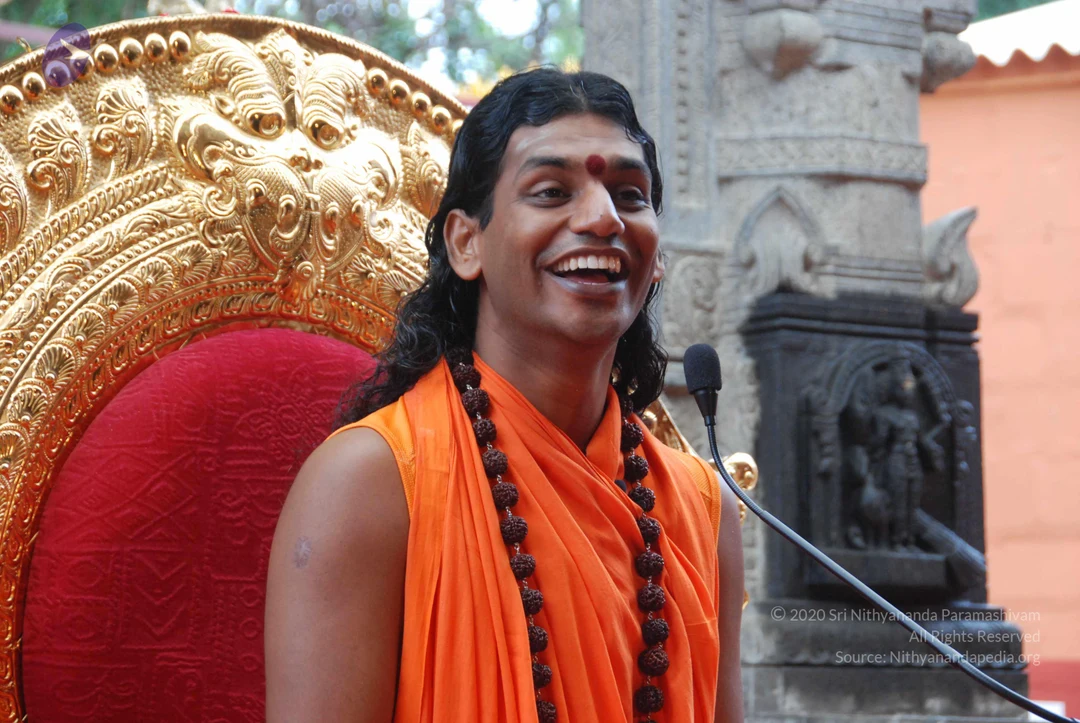
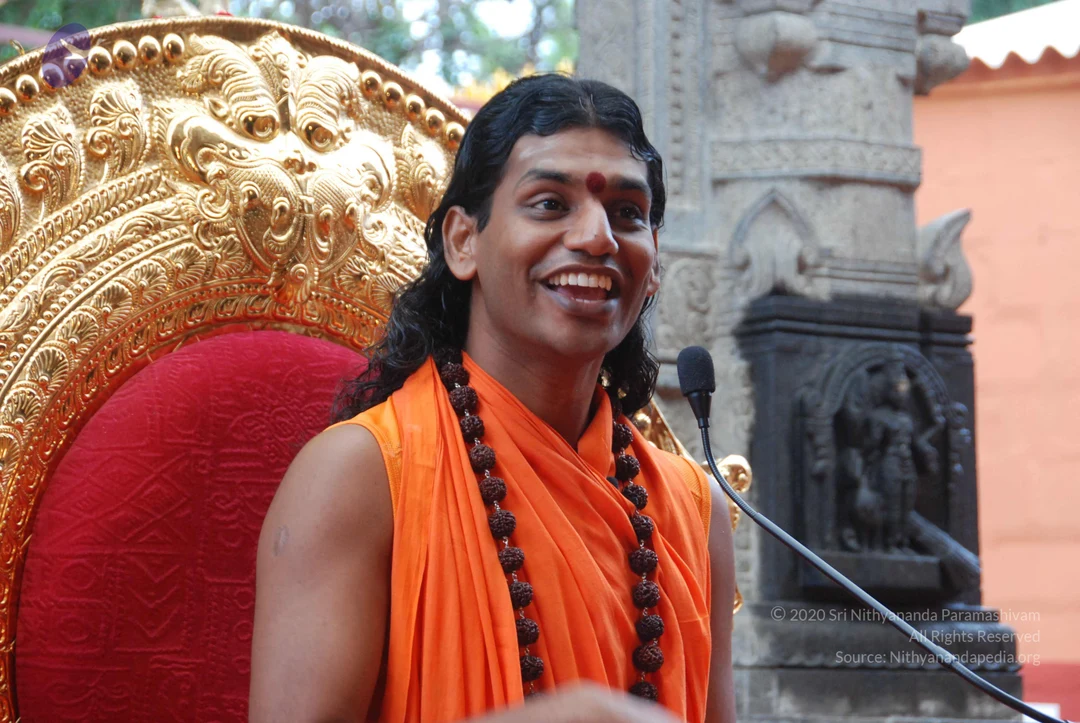
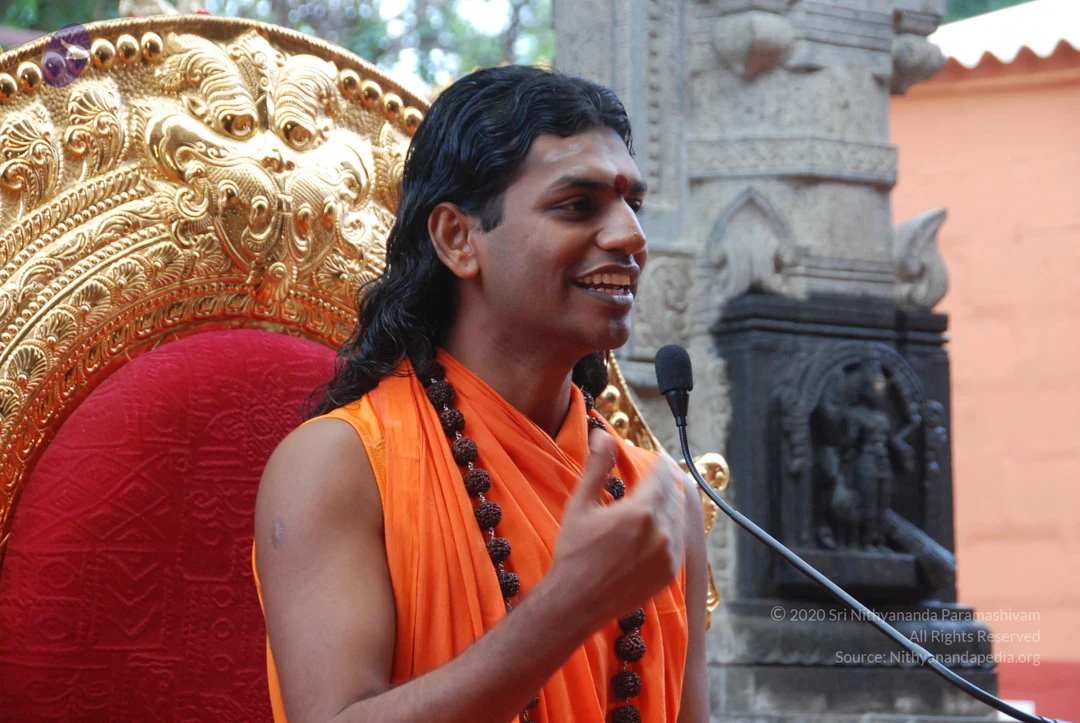
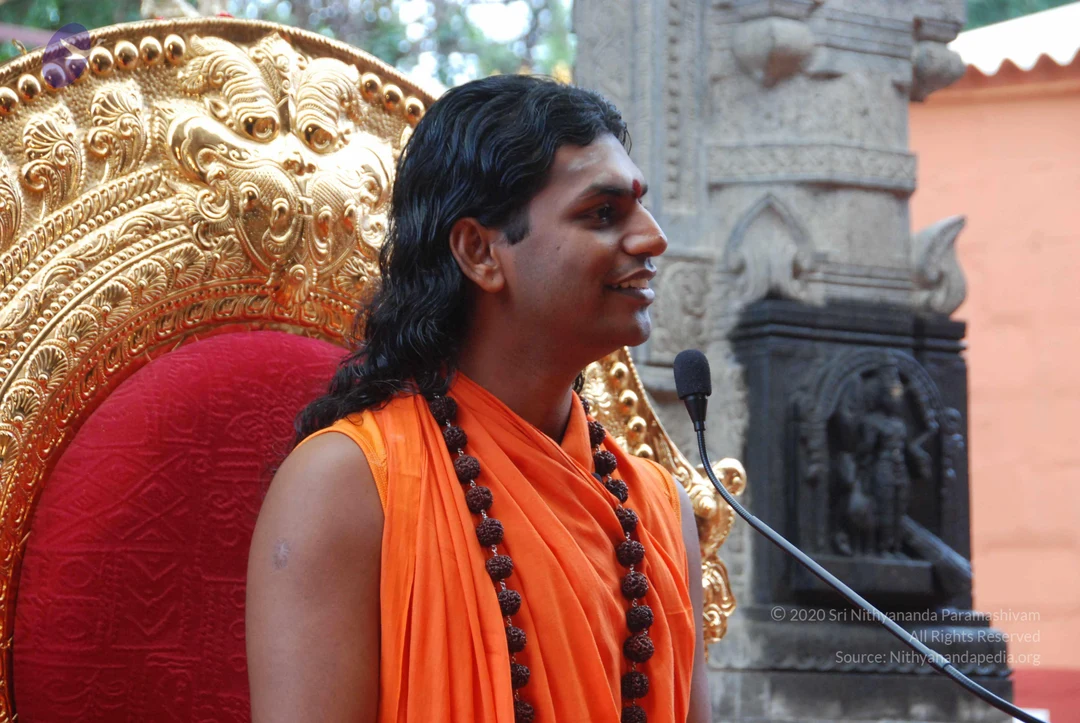
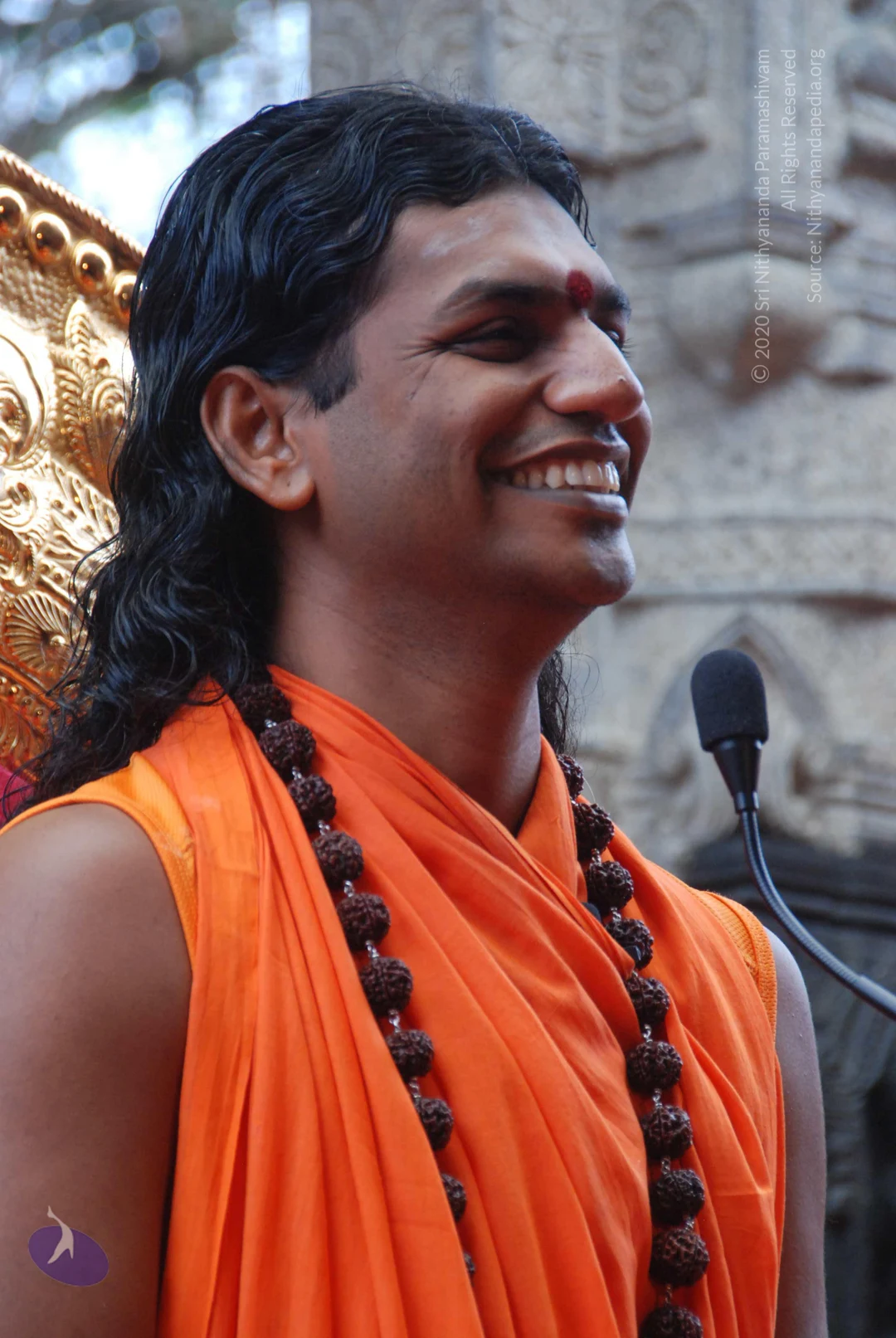
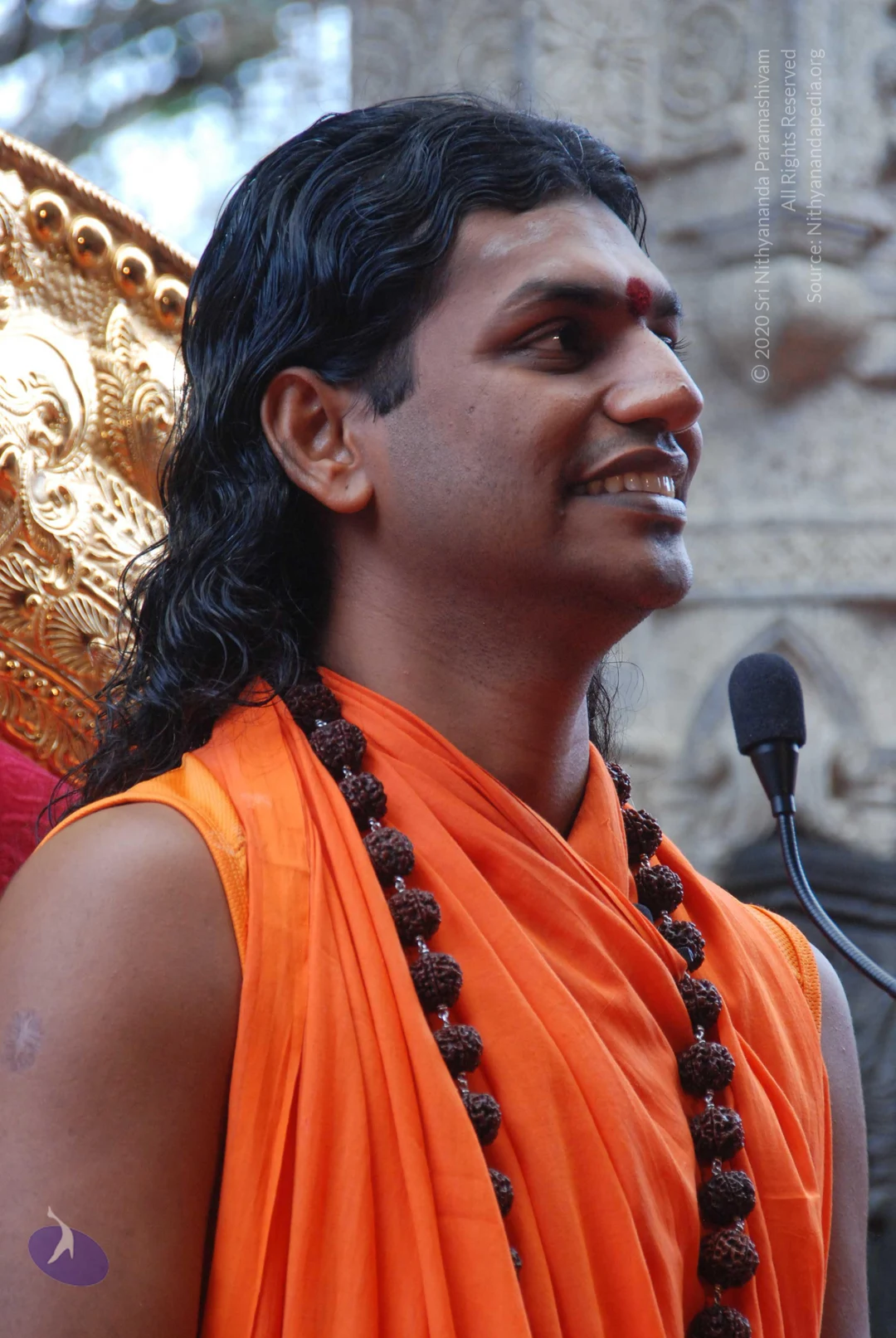
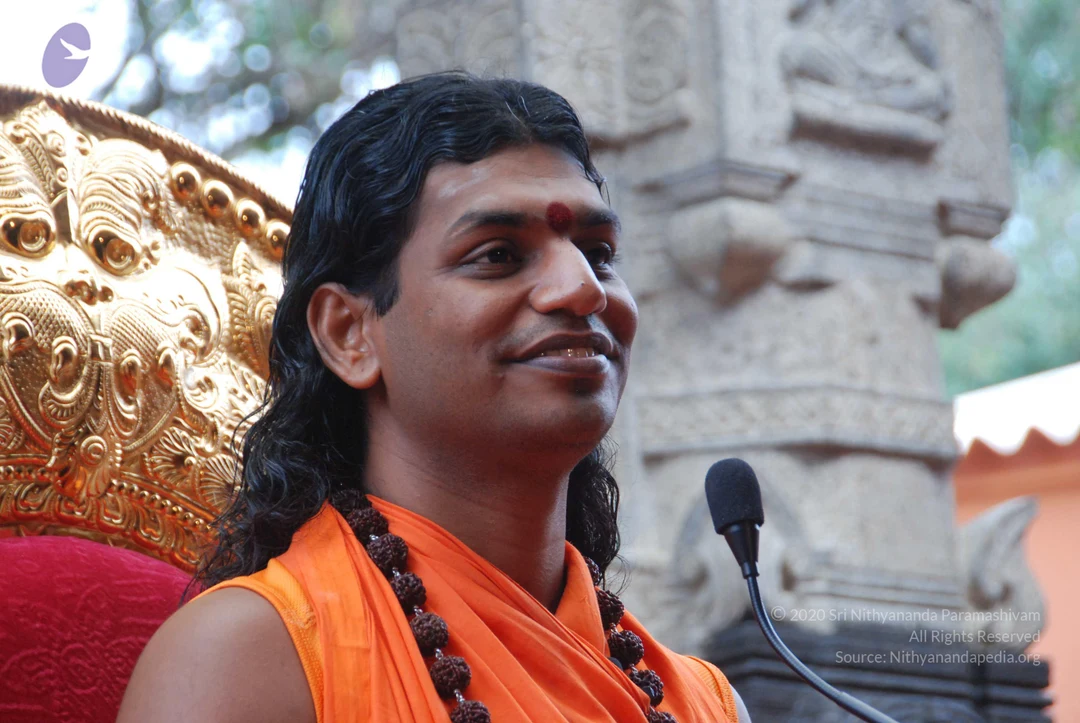
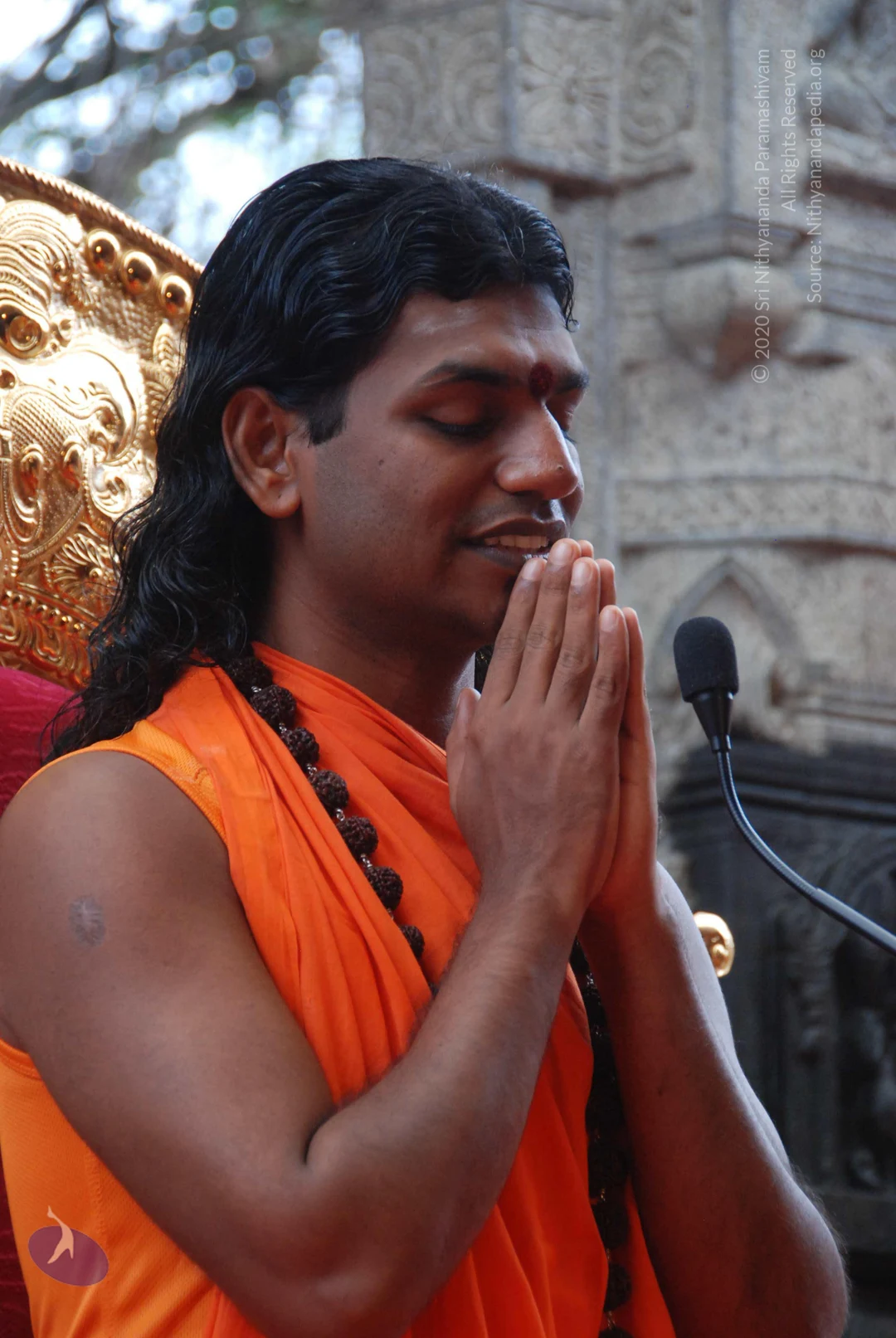
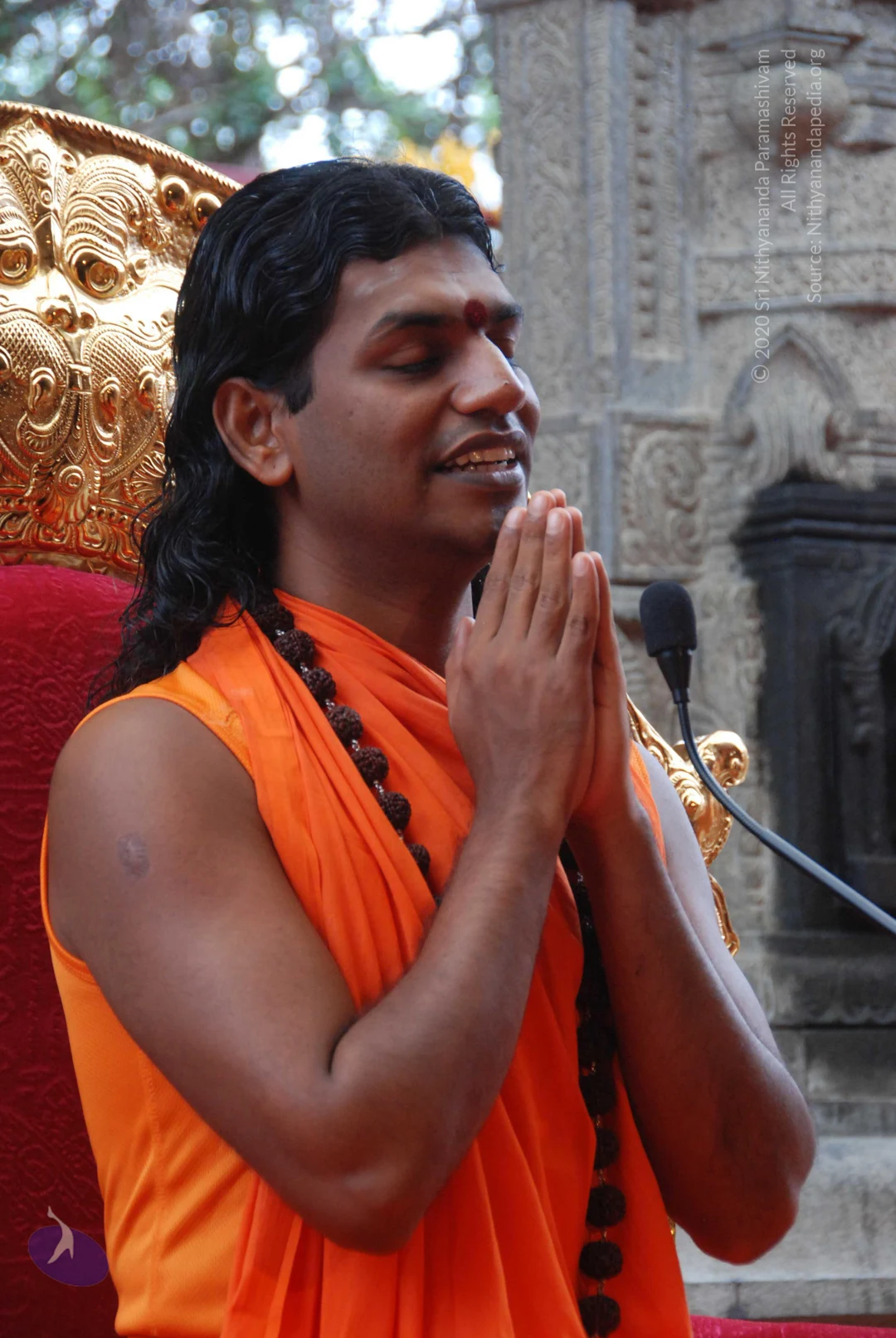
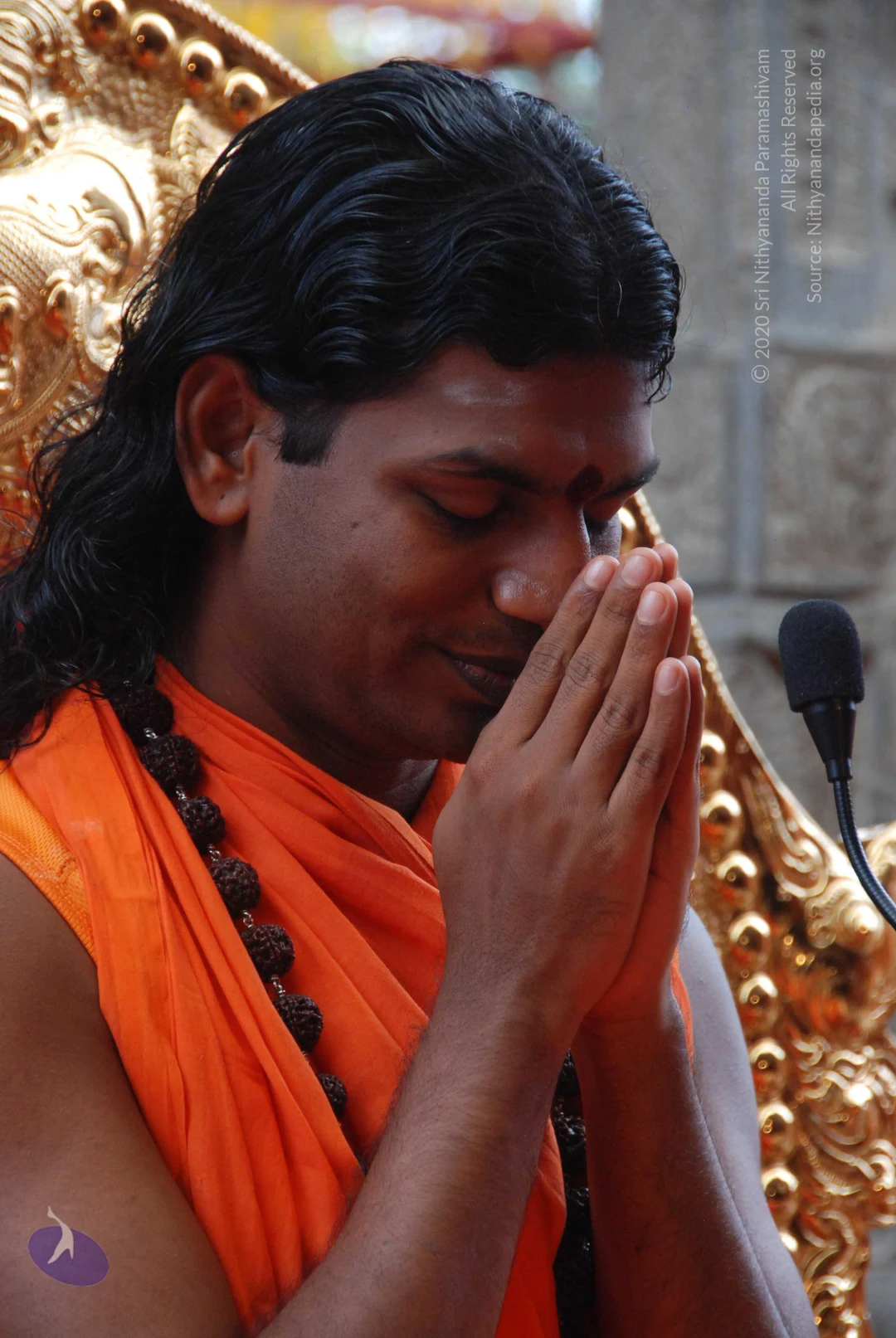
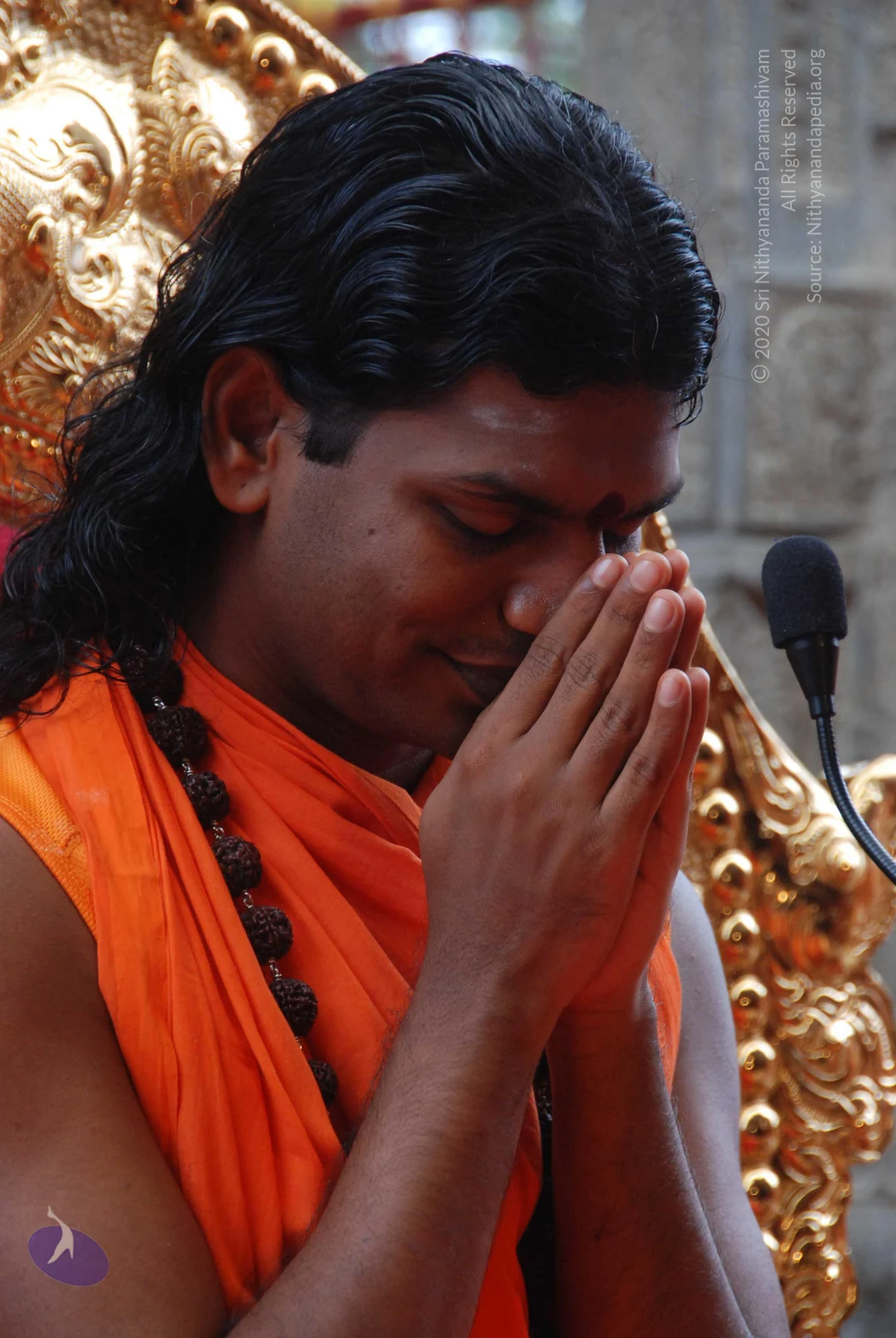
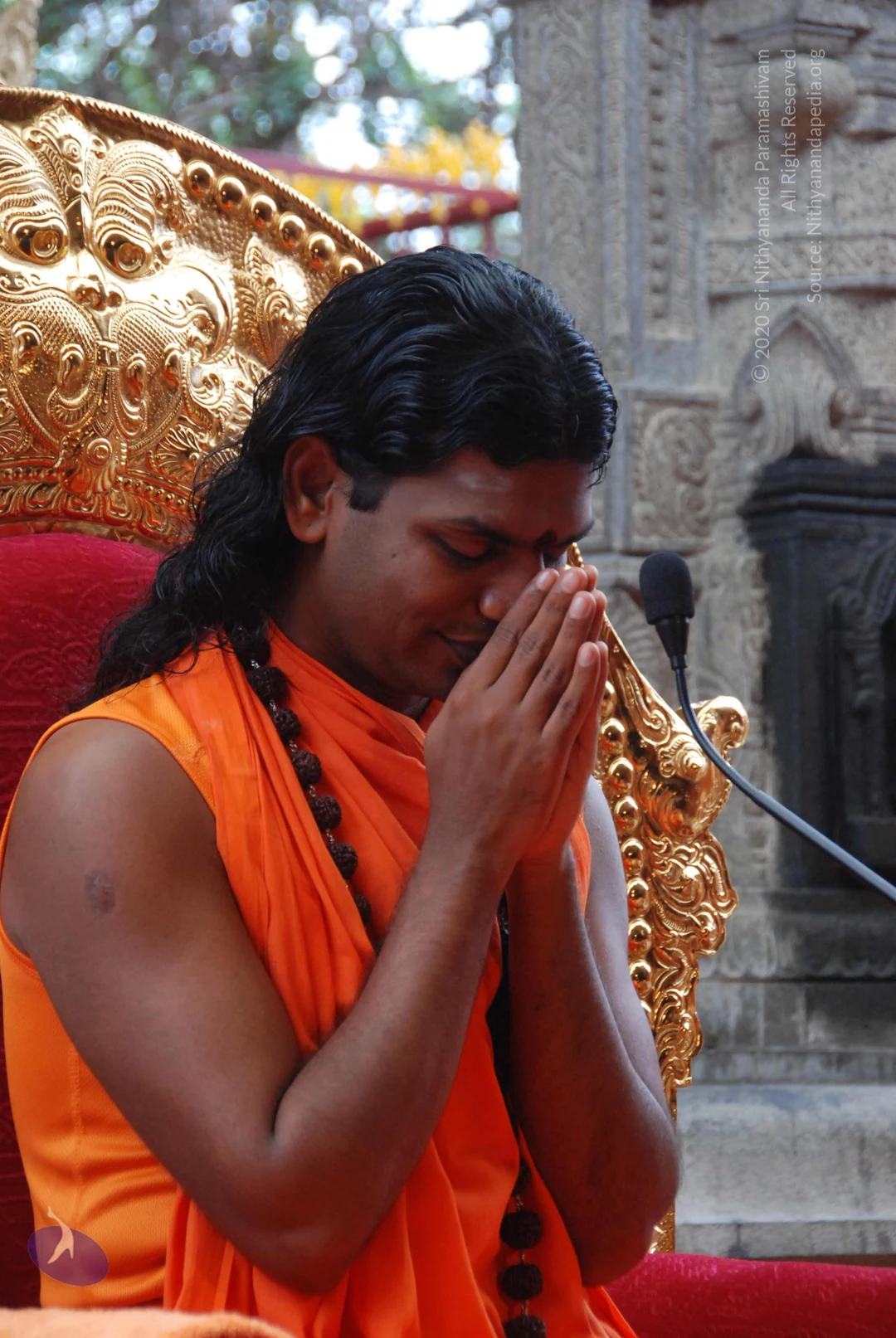
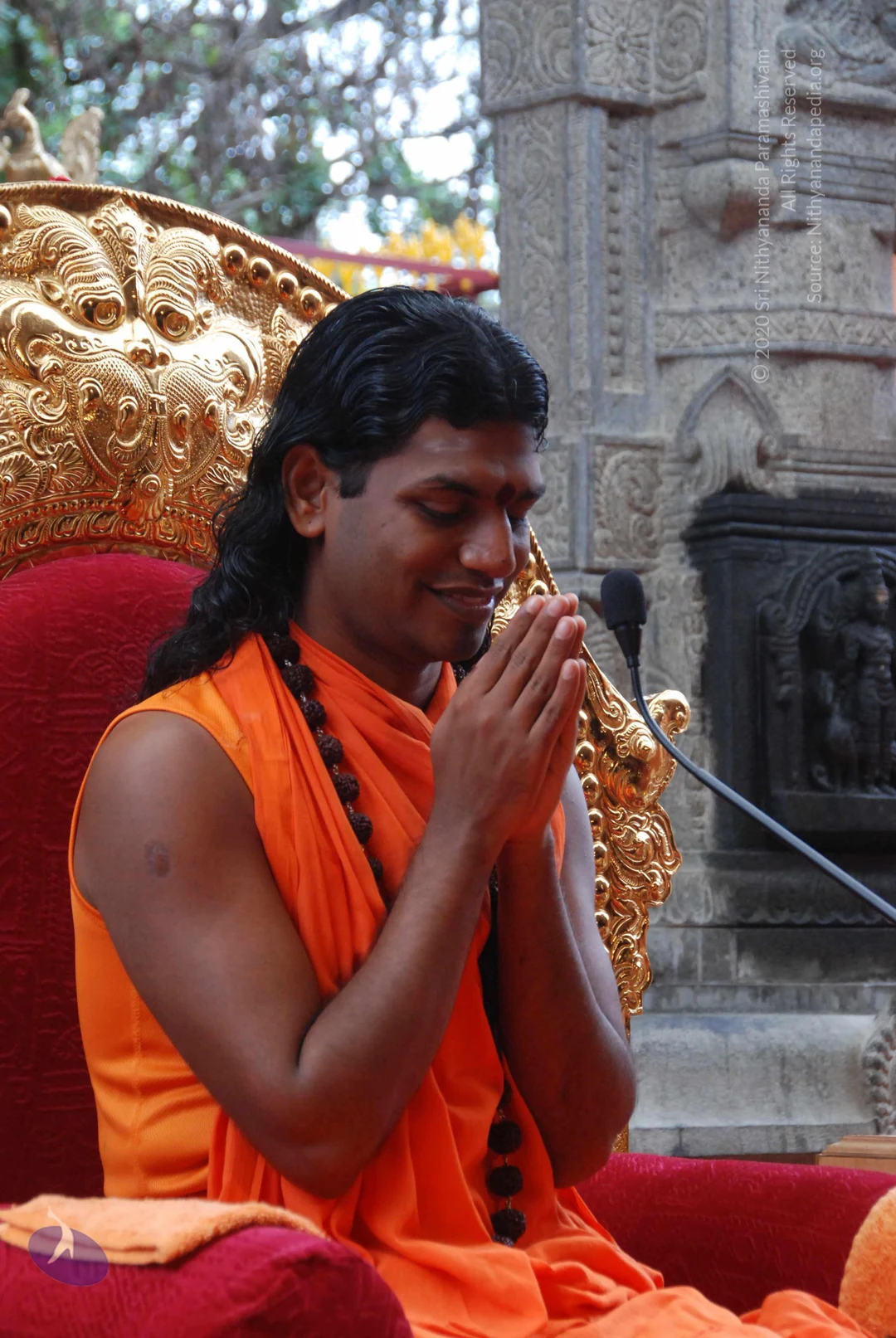
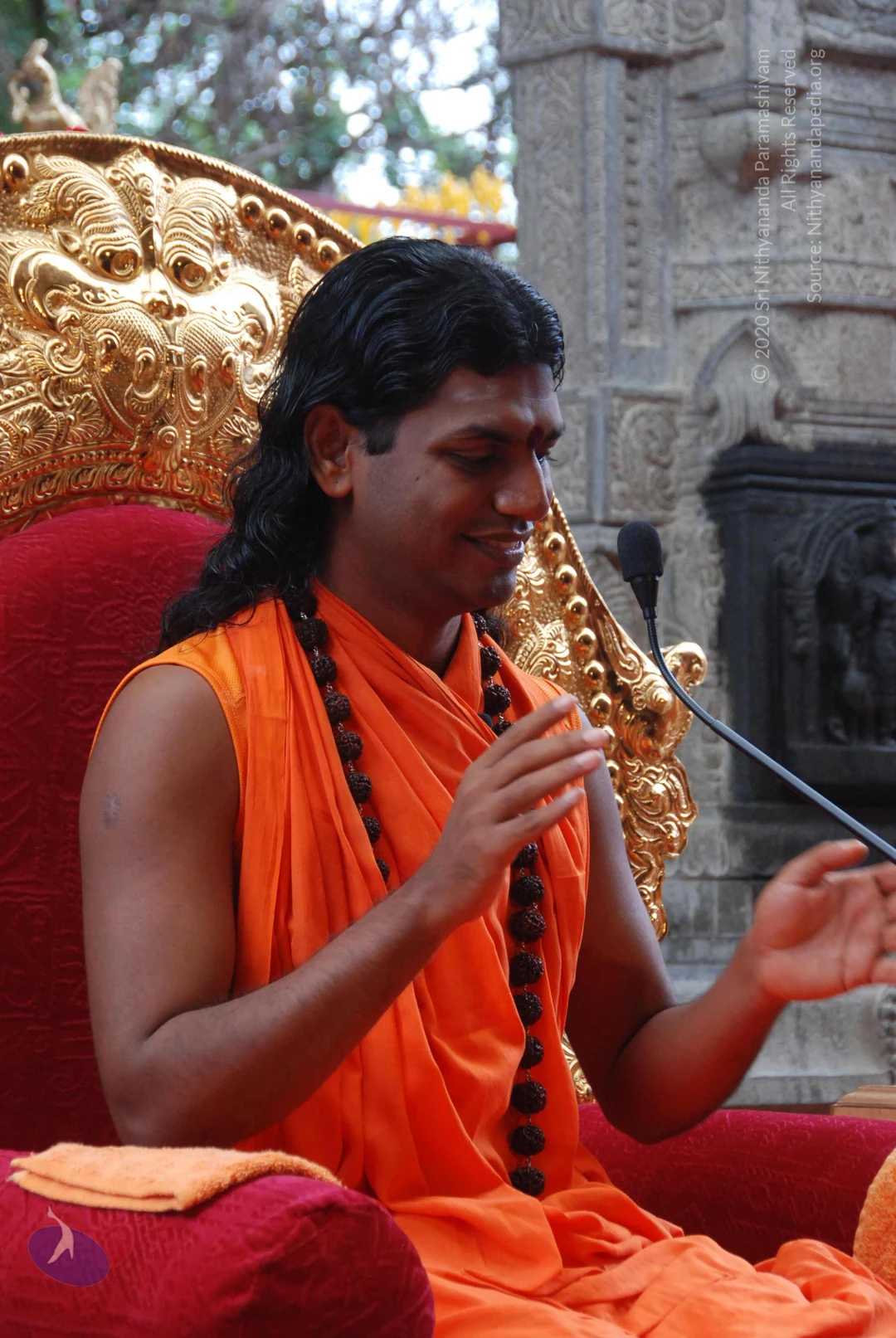
04-SarvaDarshan
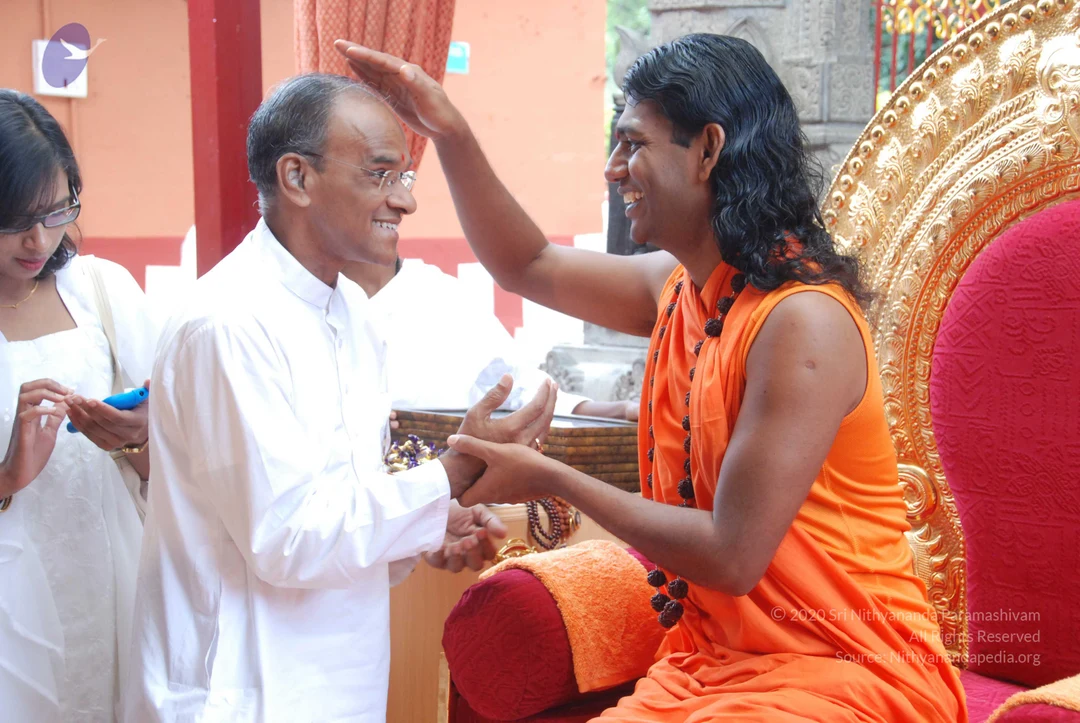
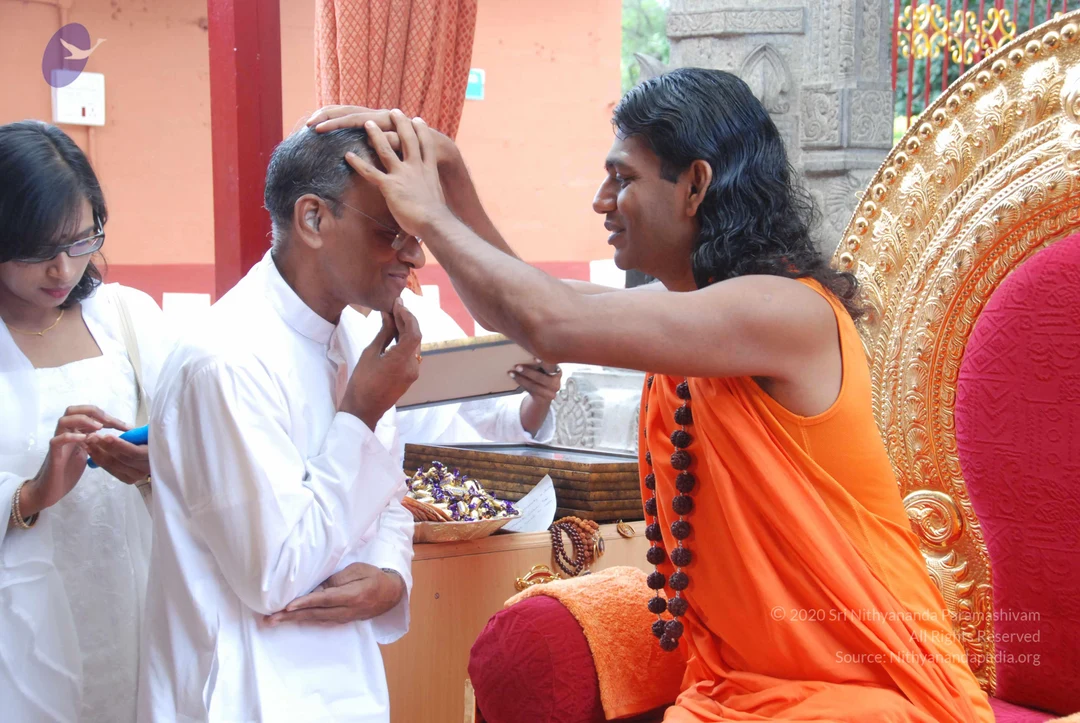
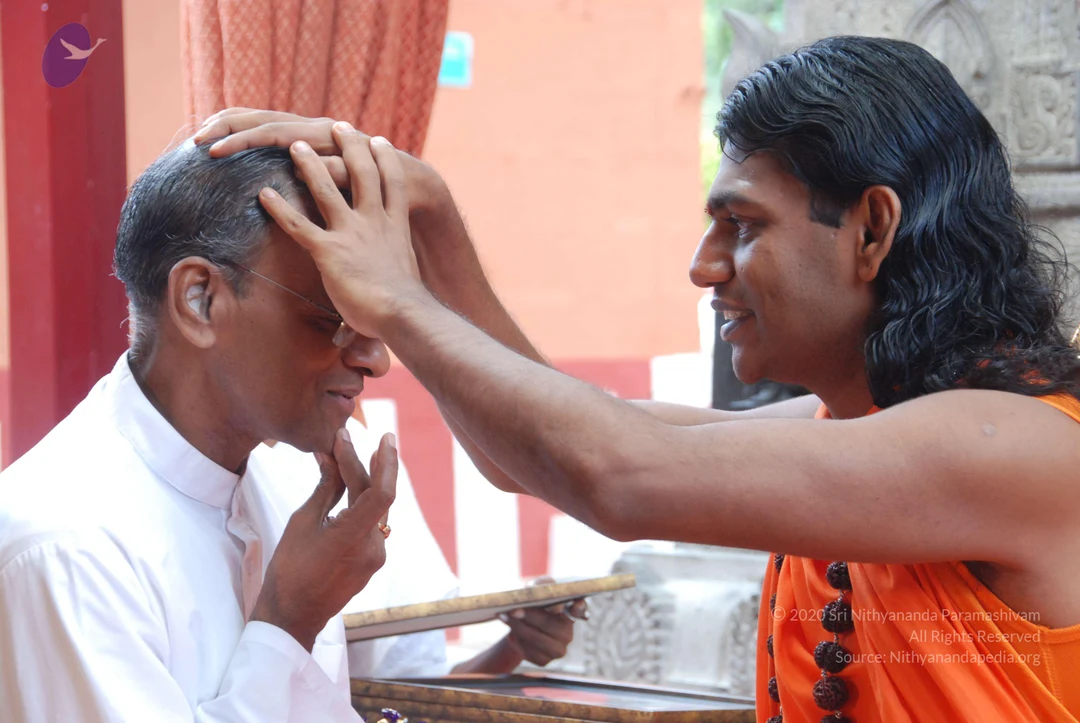
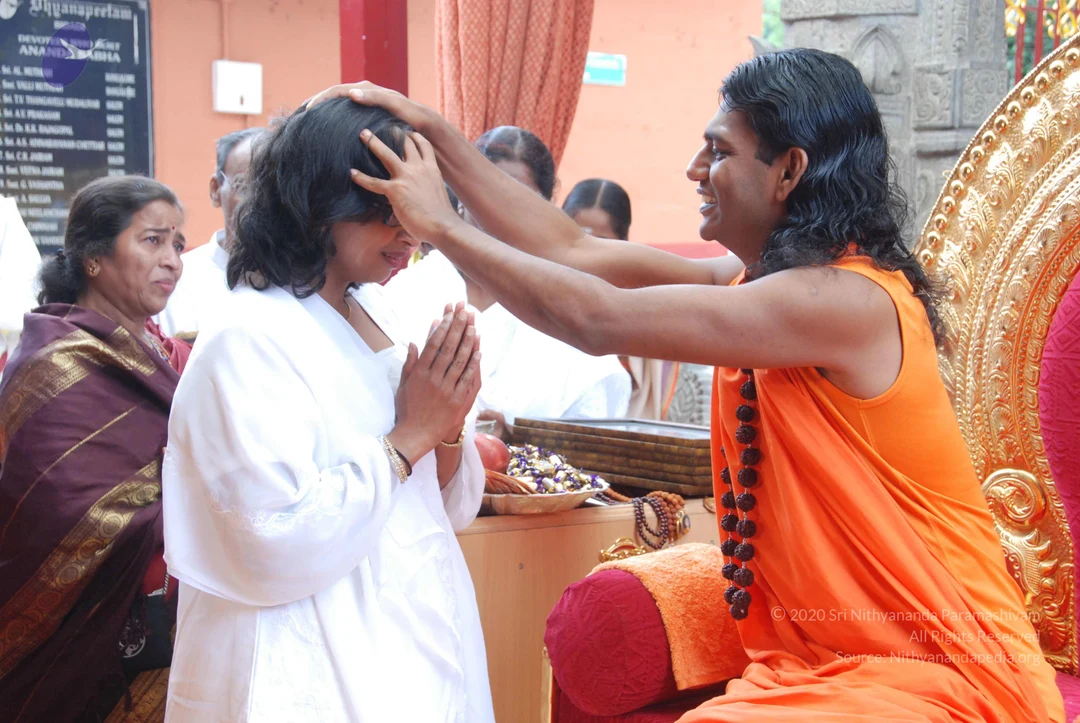
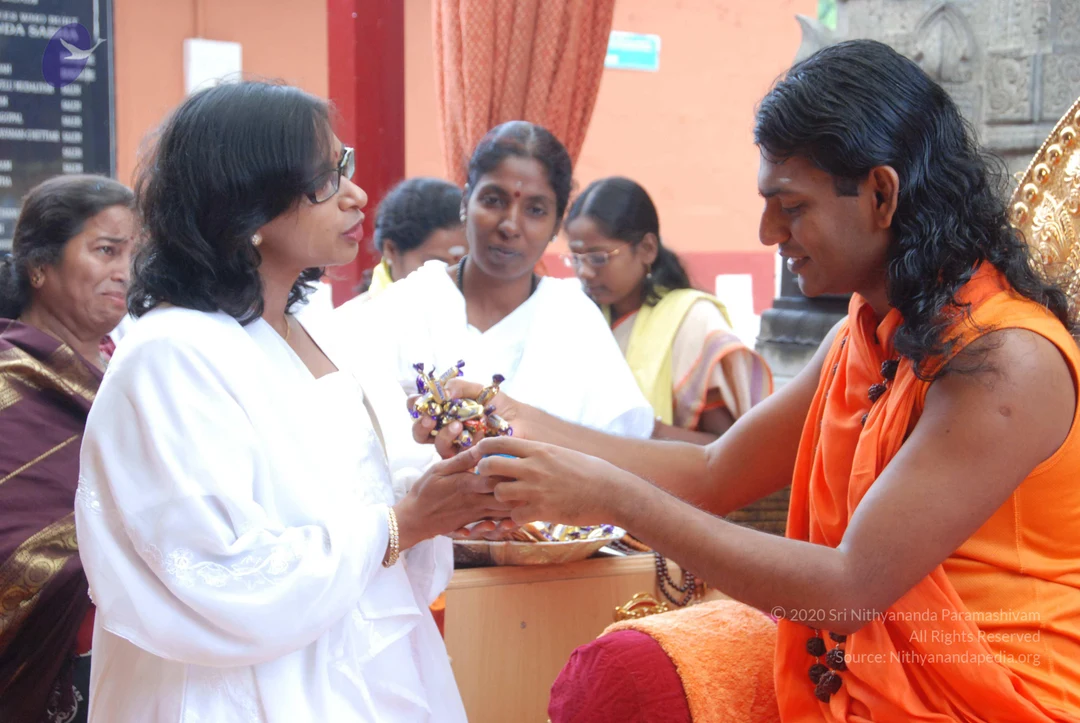
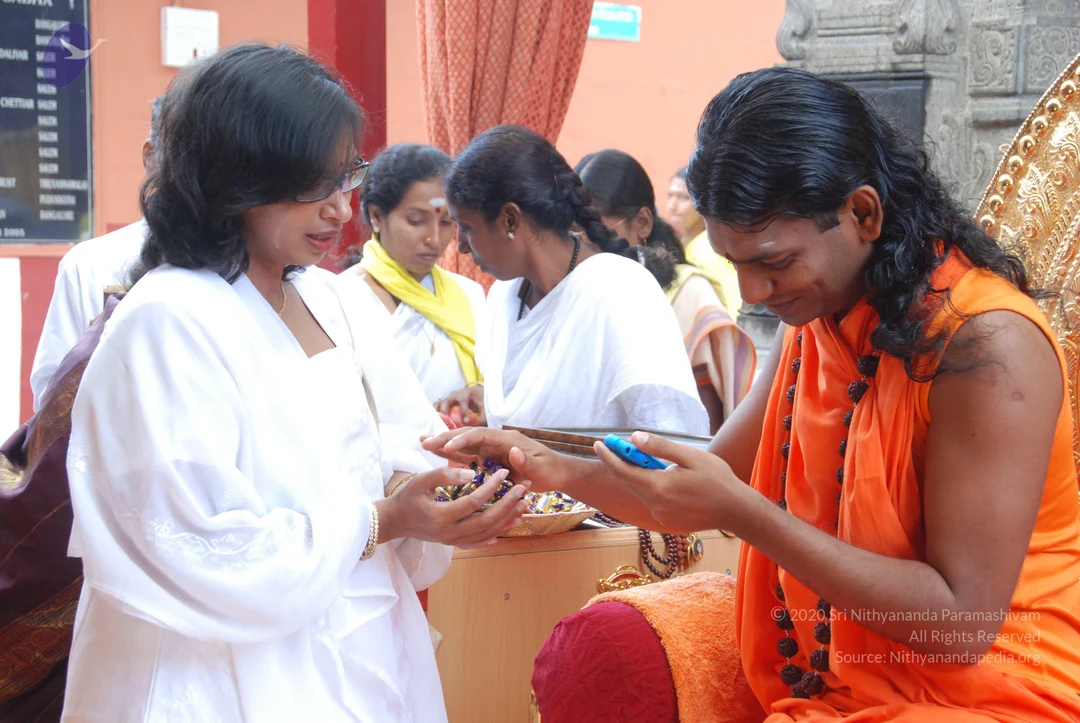
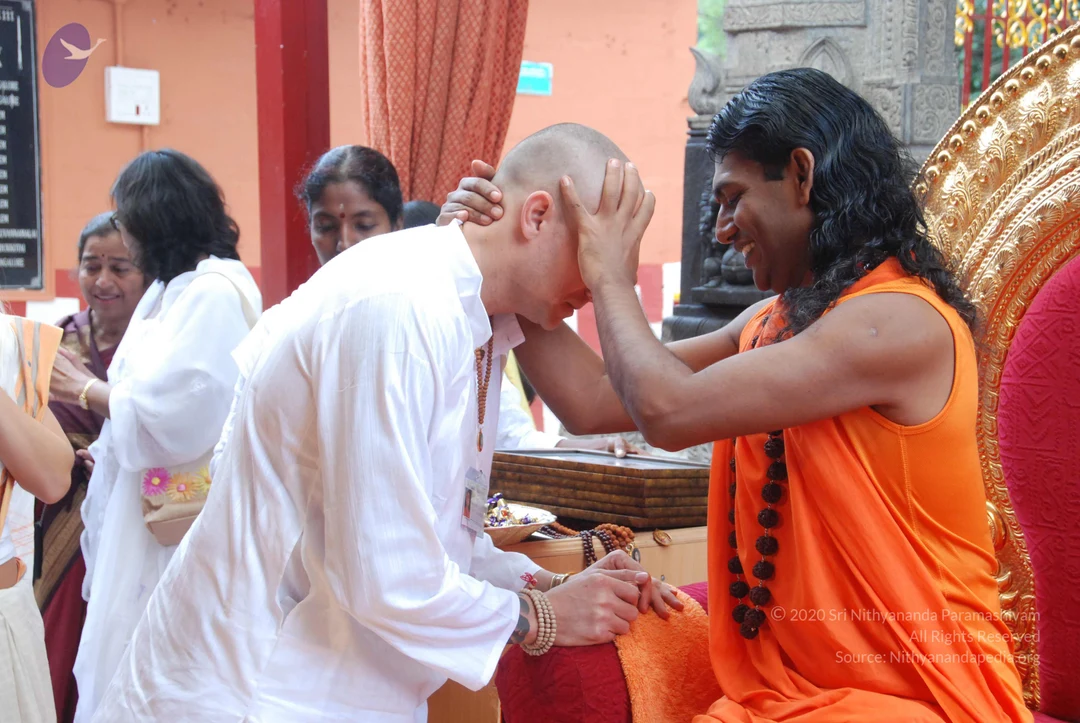
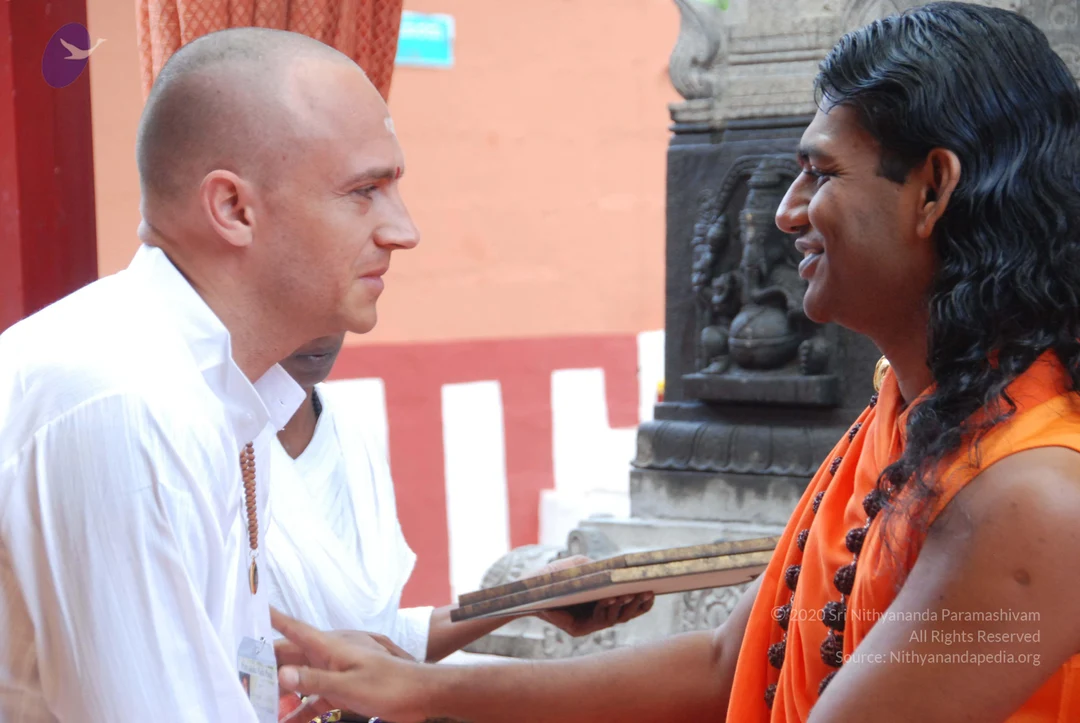
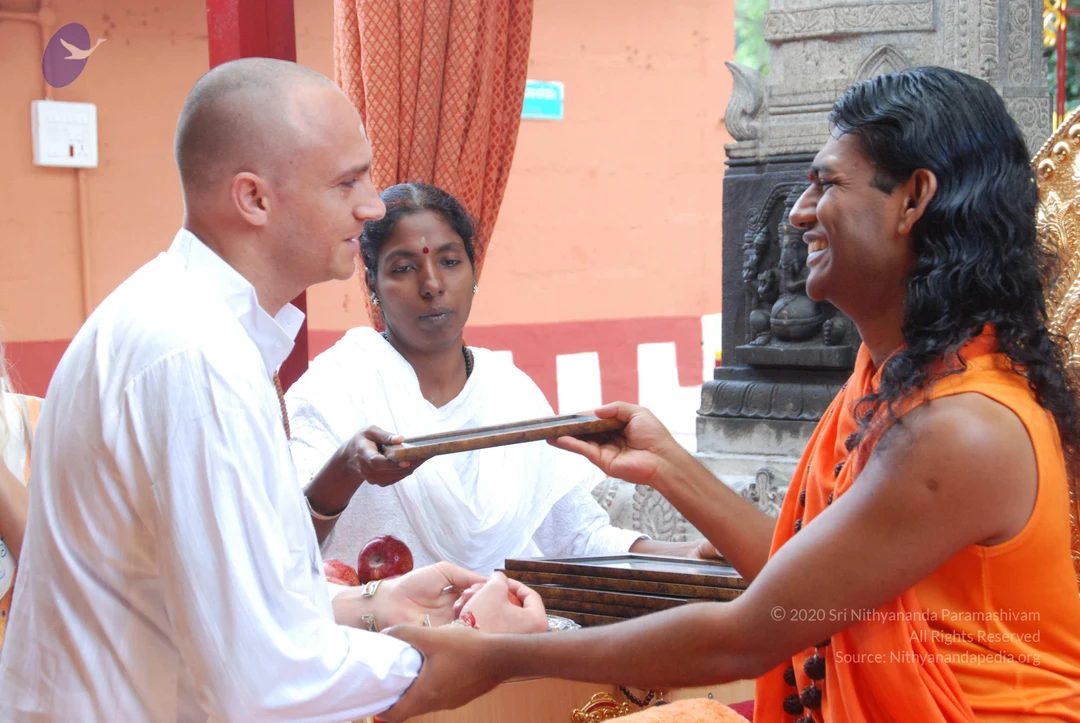
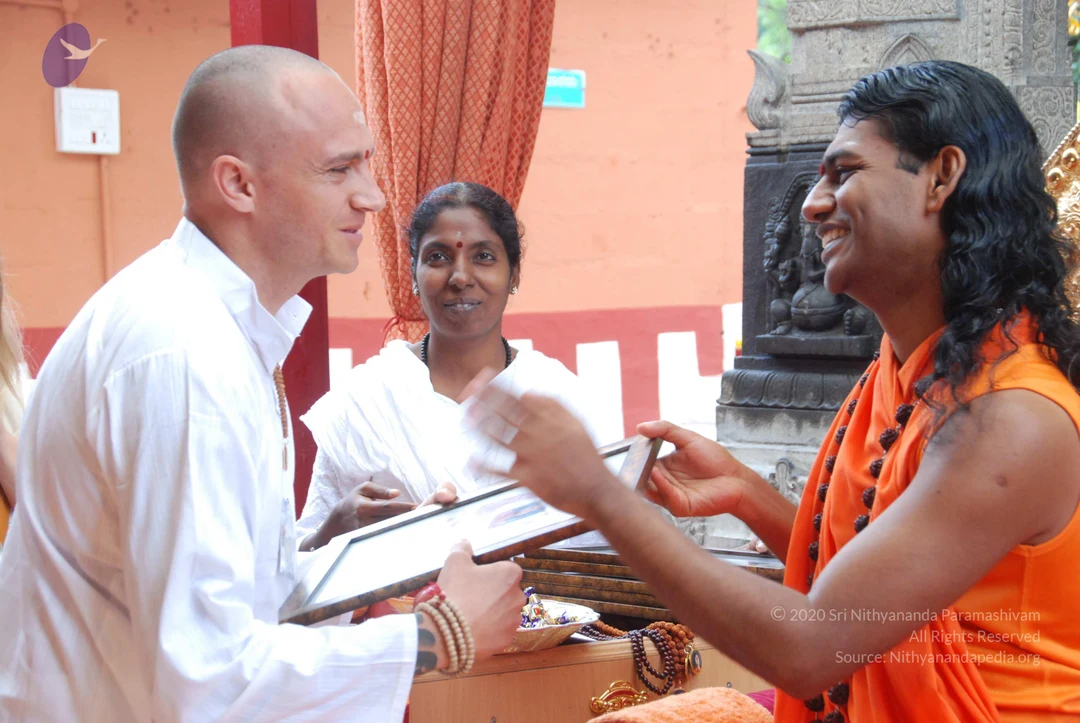
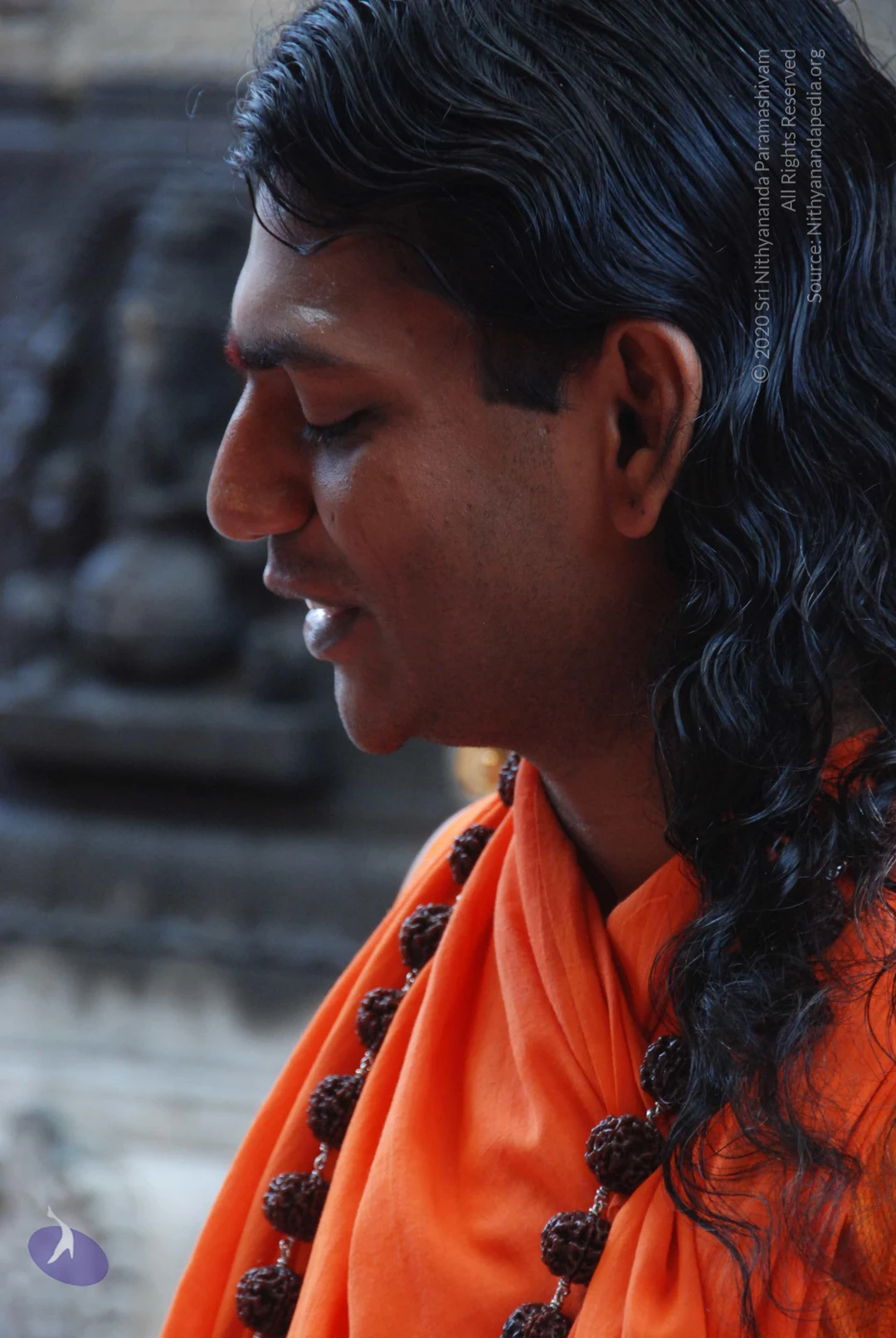
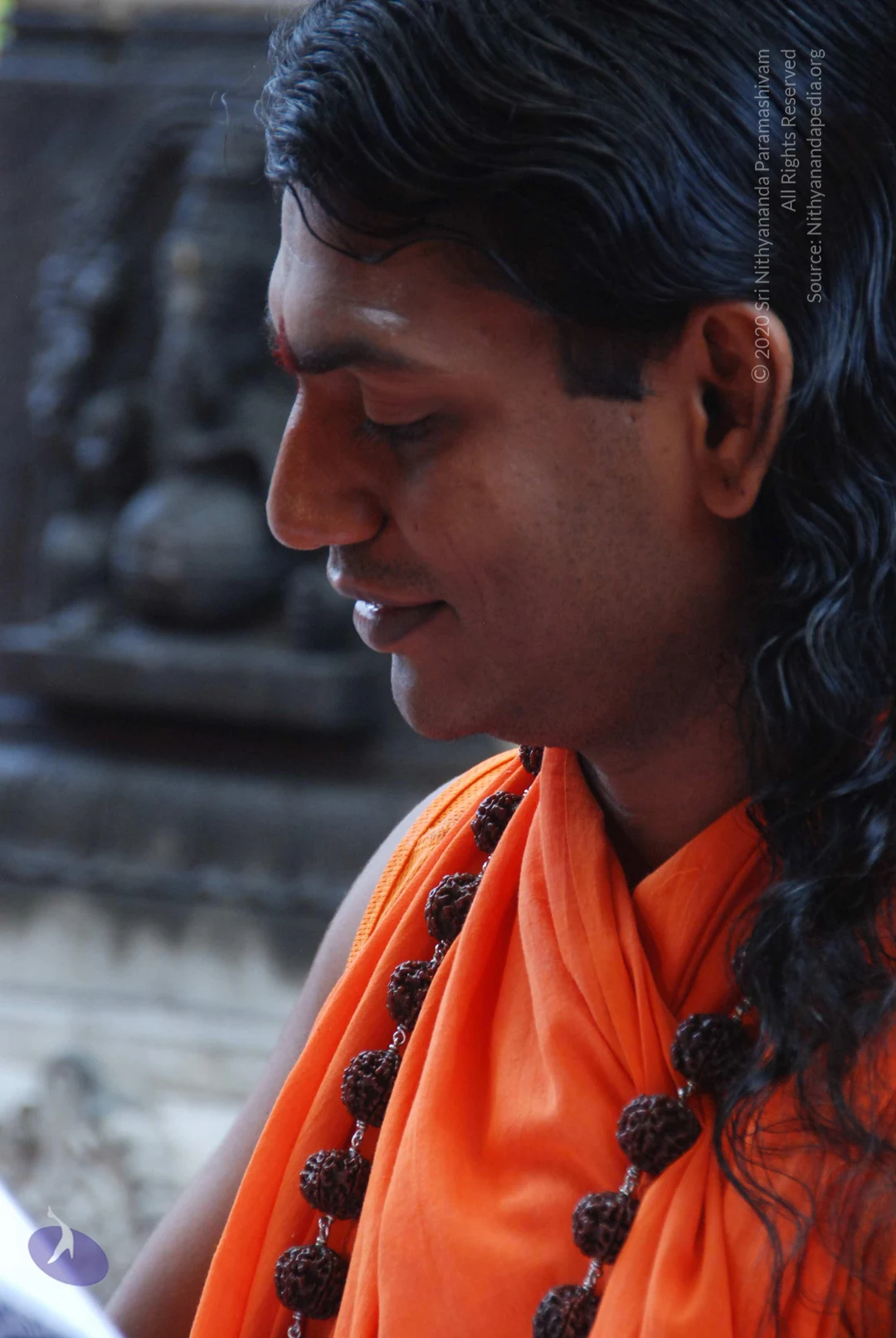
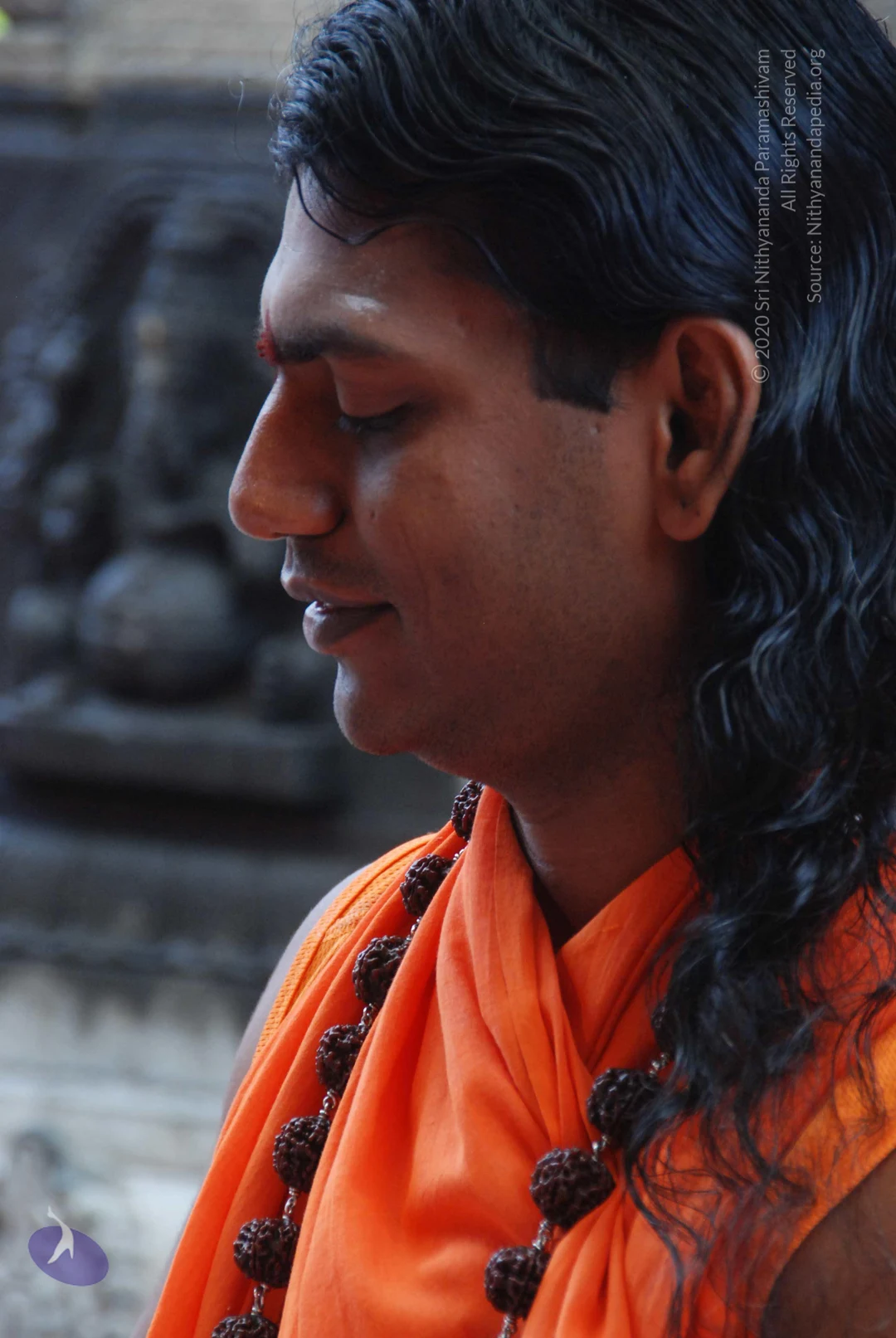
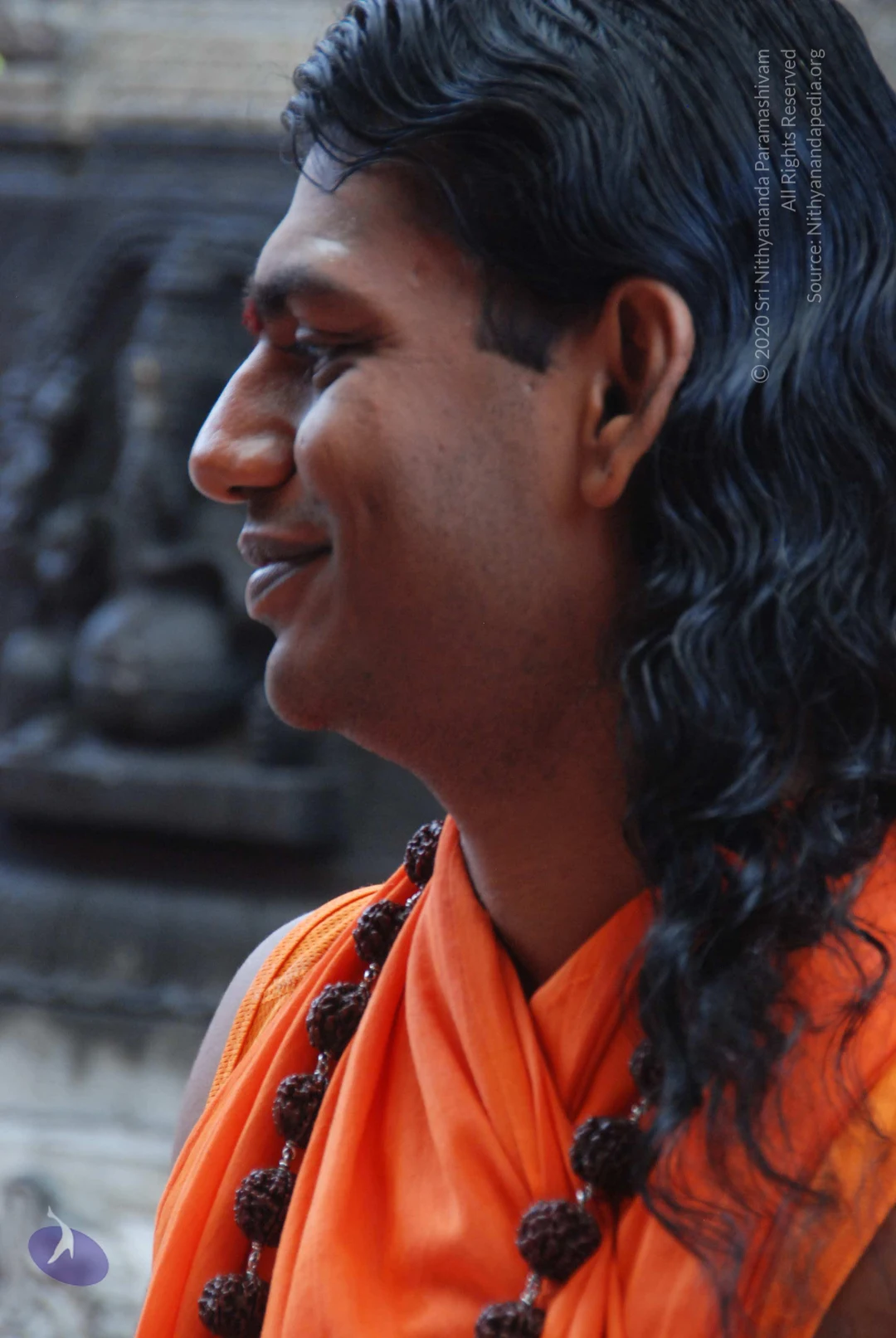
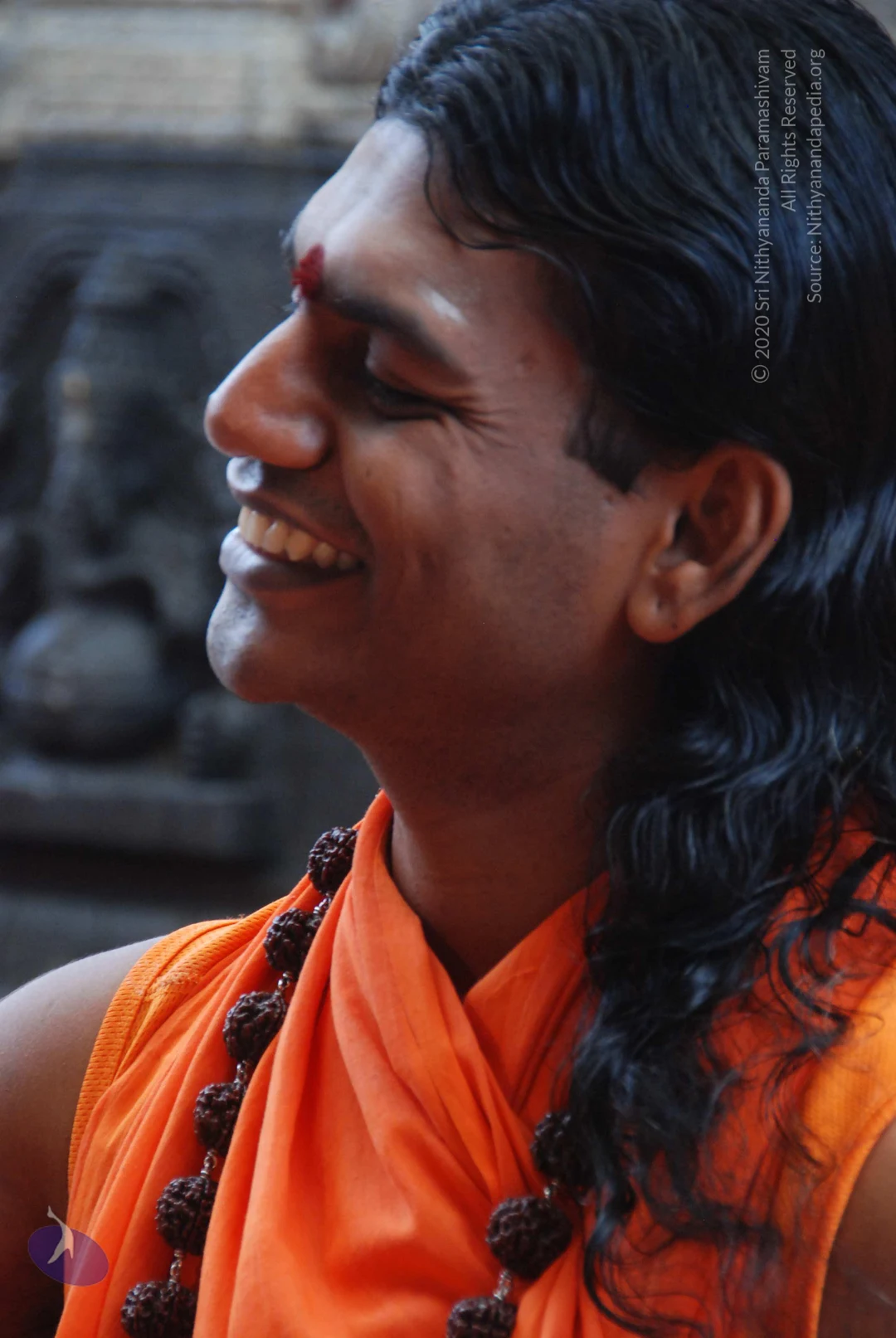
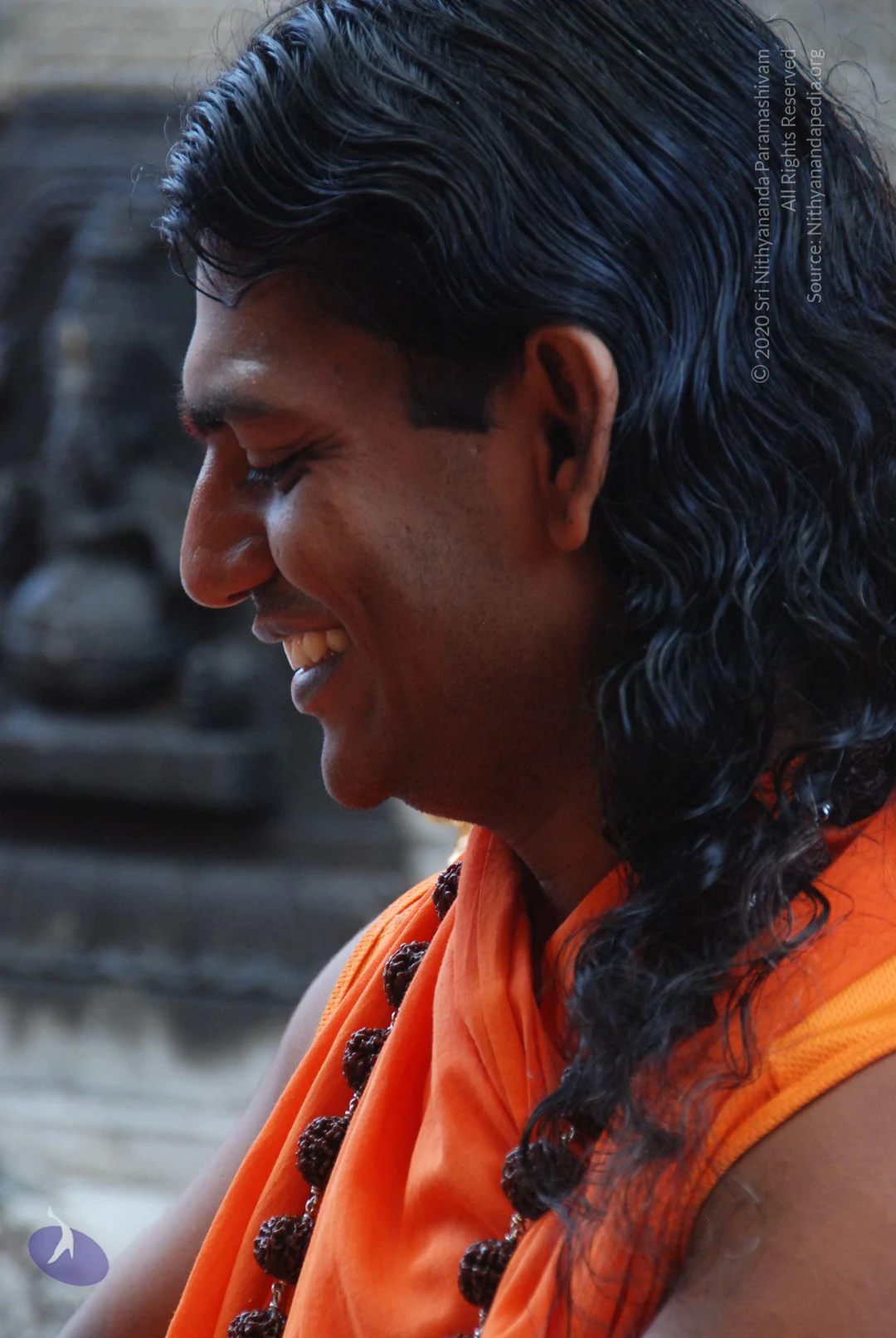
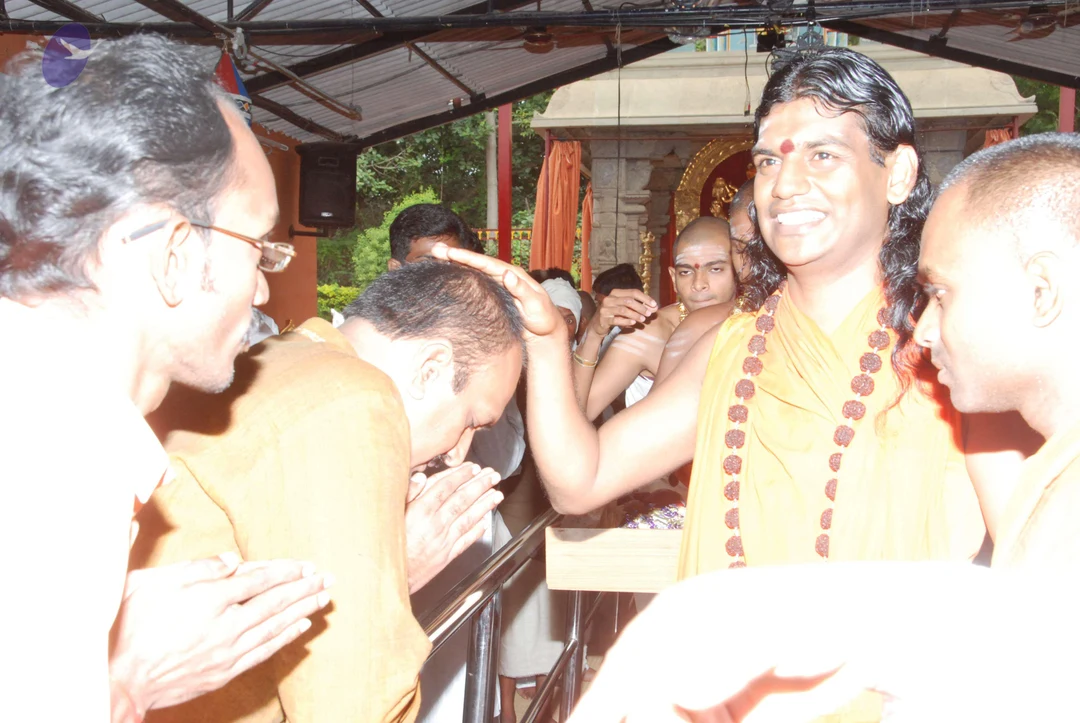
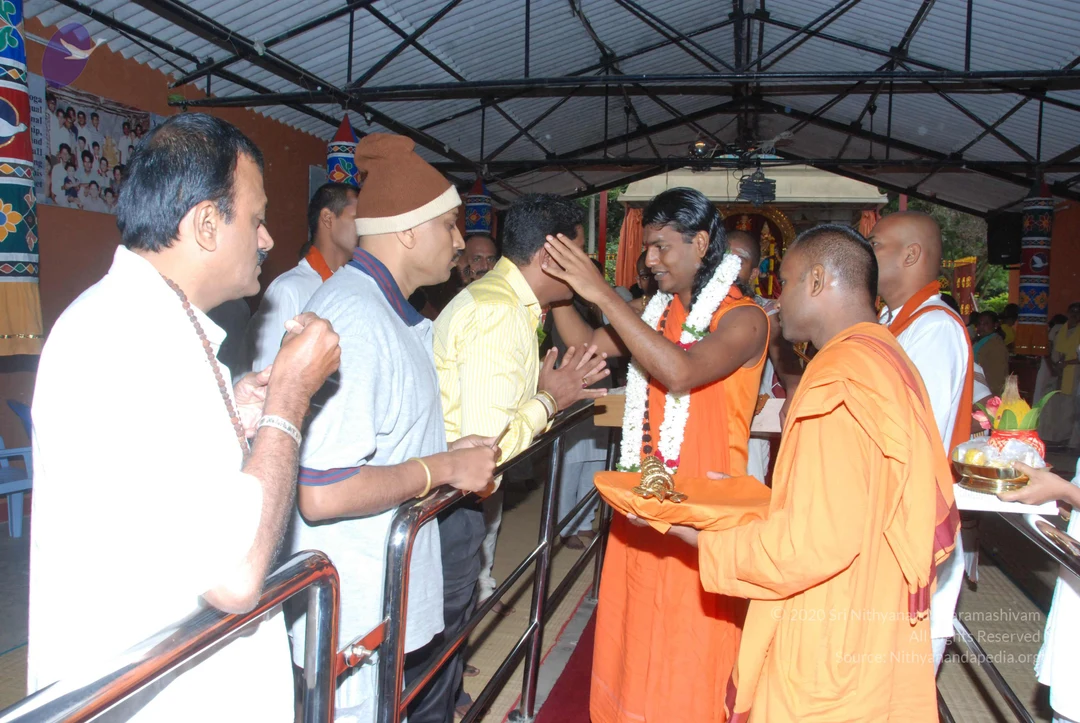
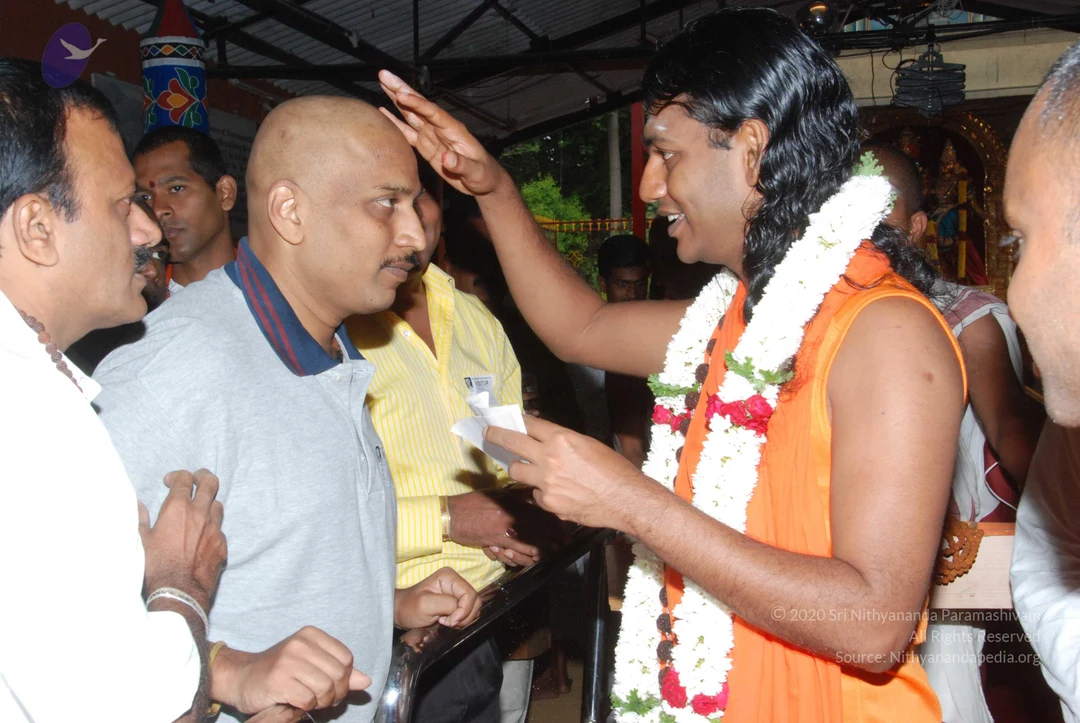
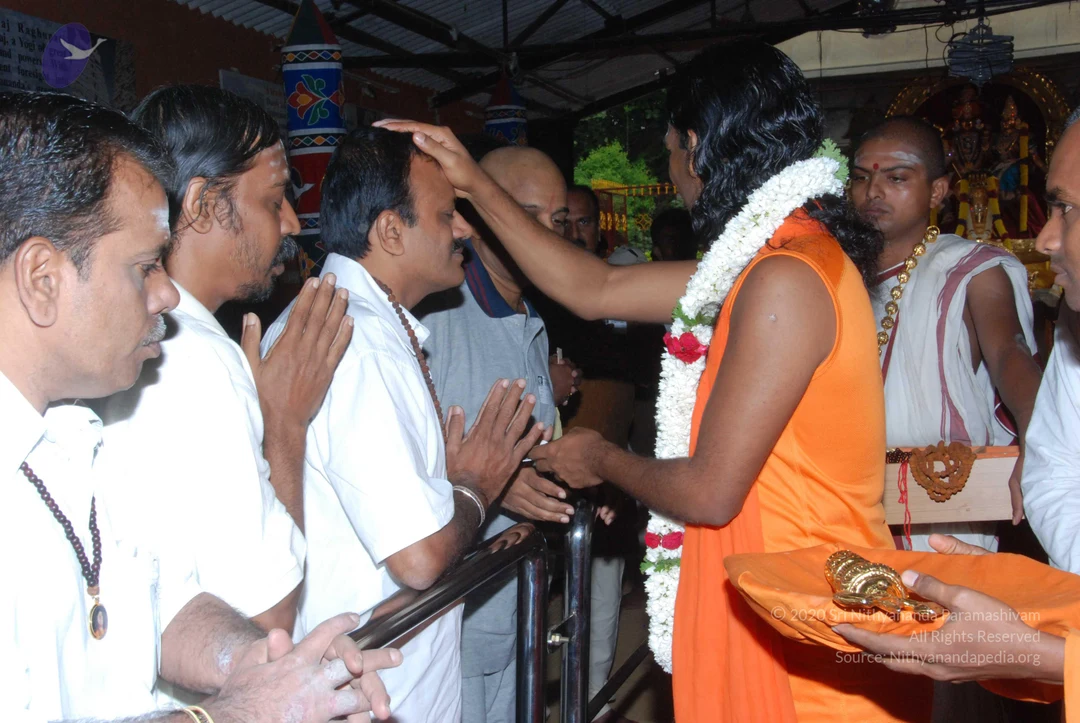
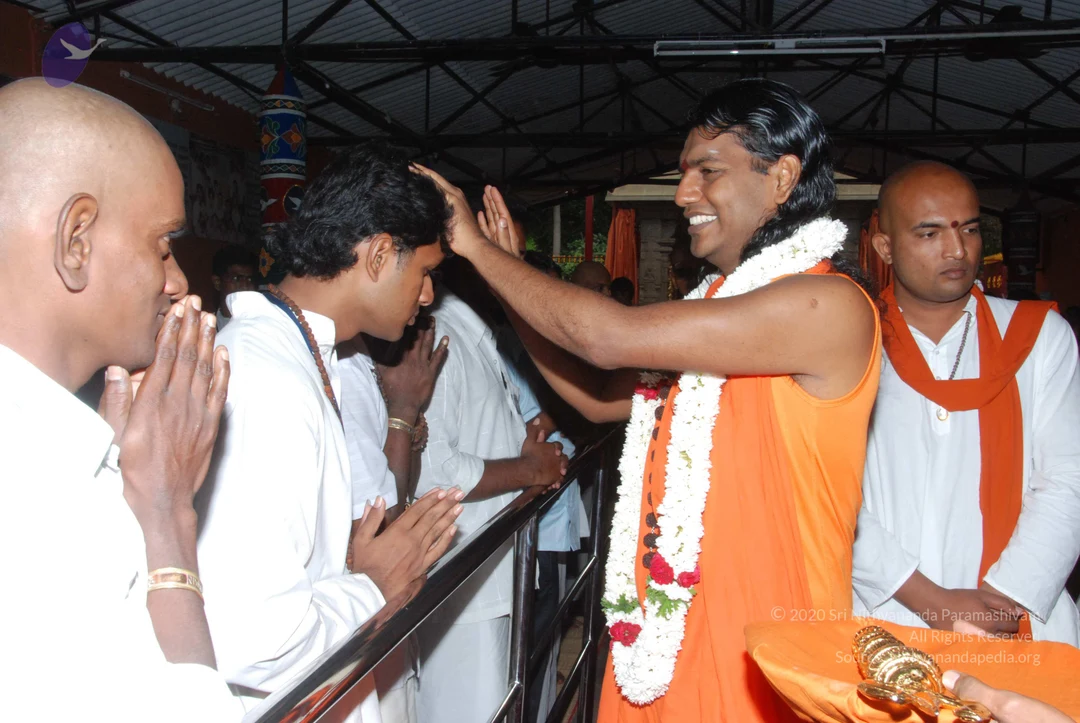
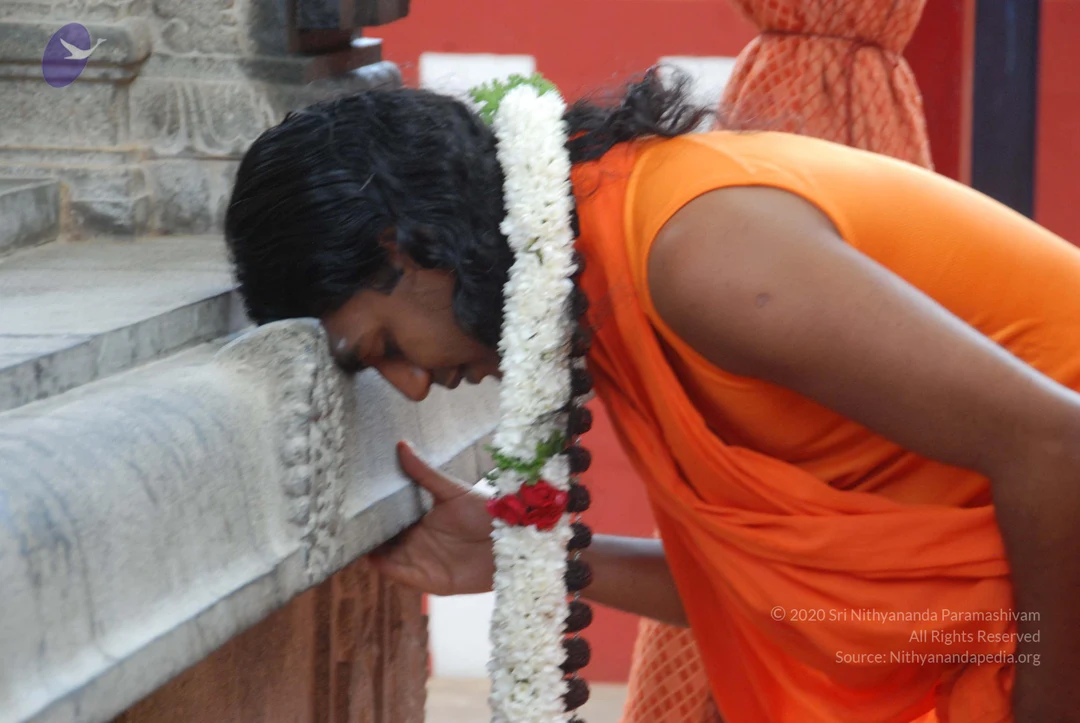
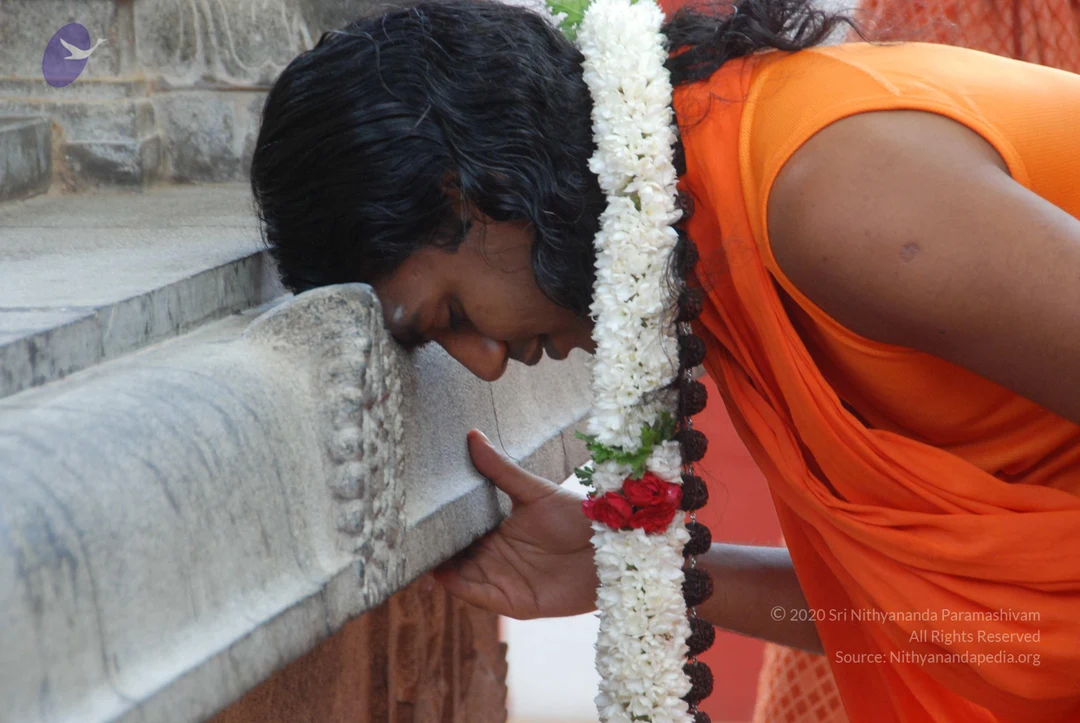
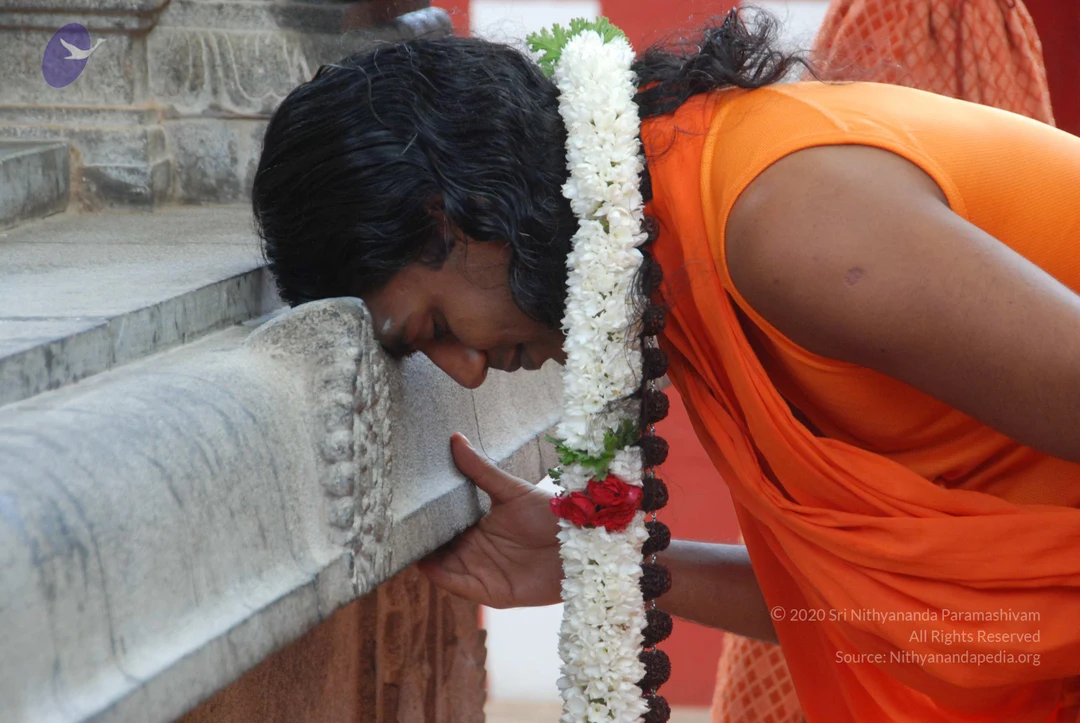
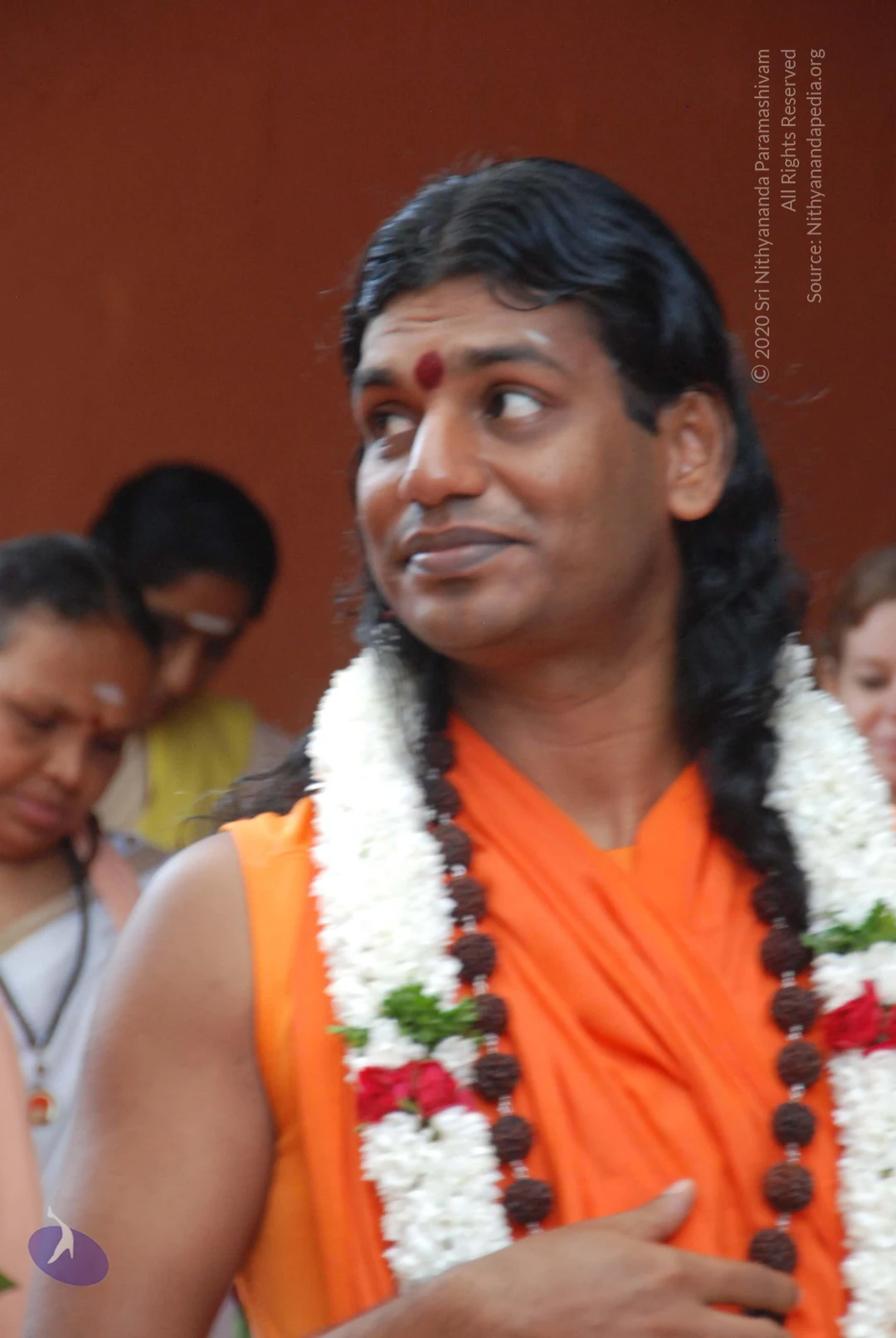
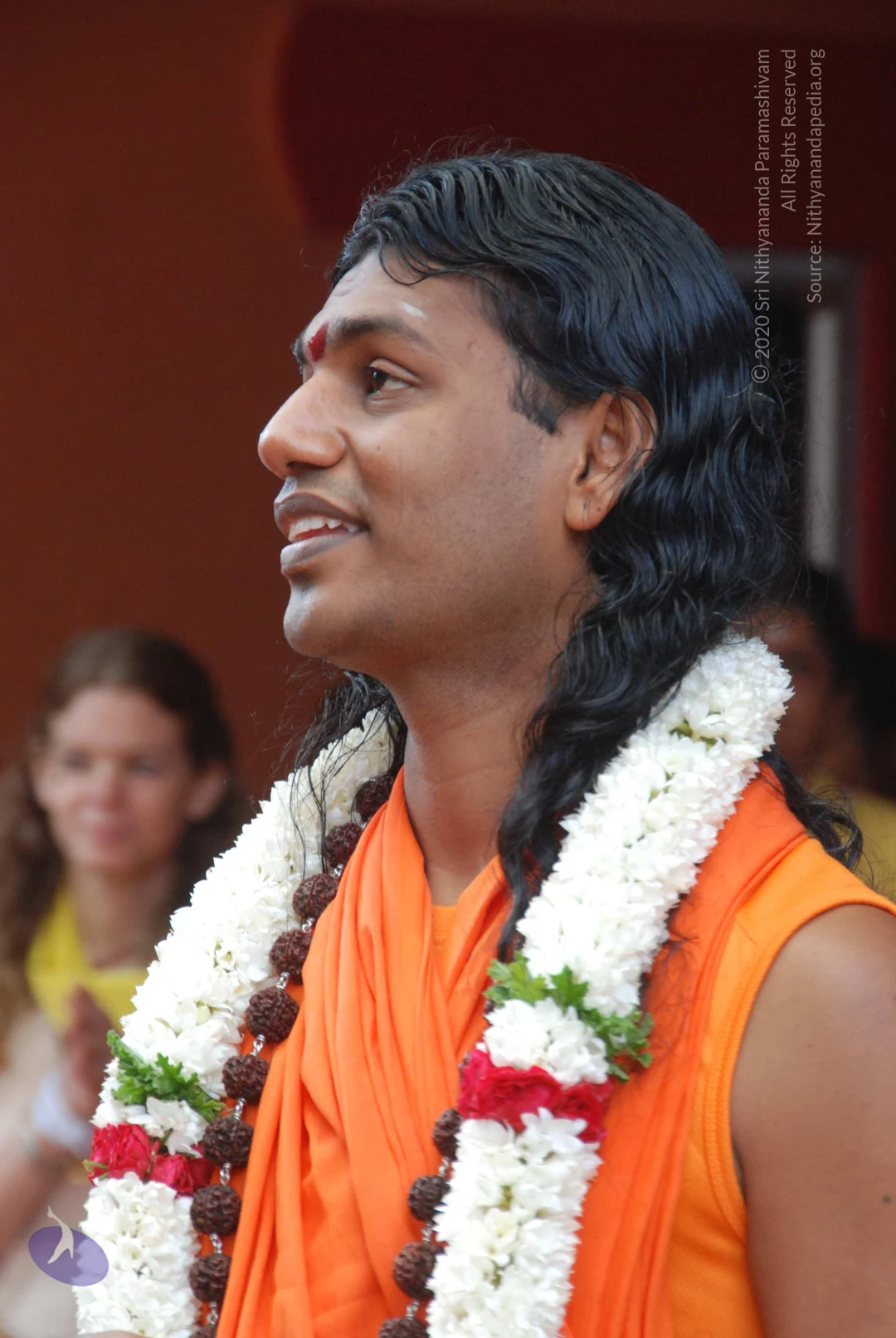
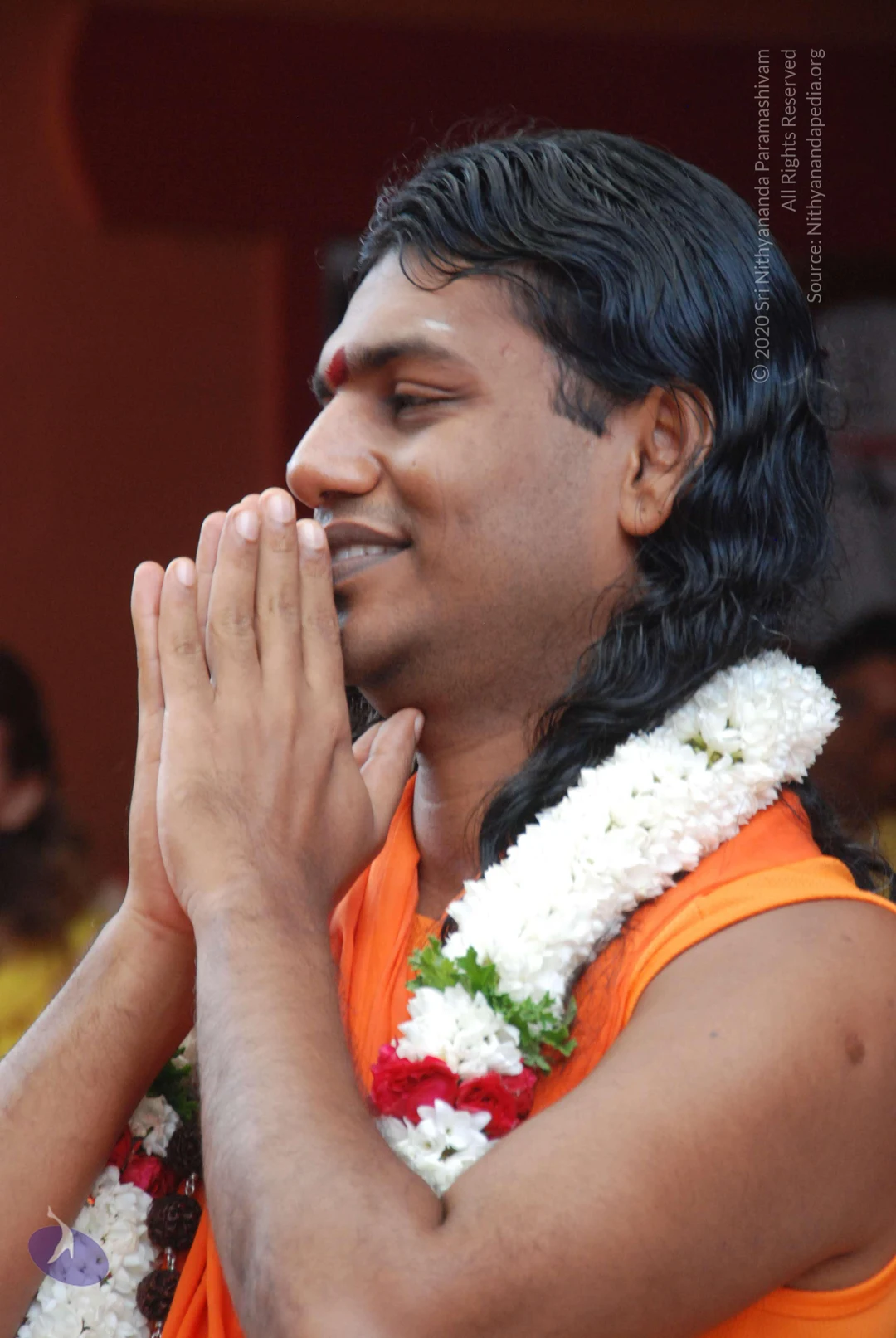
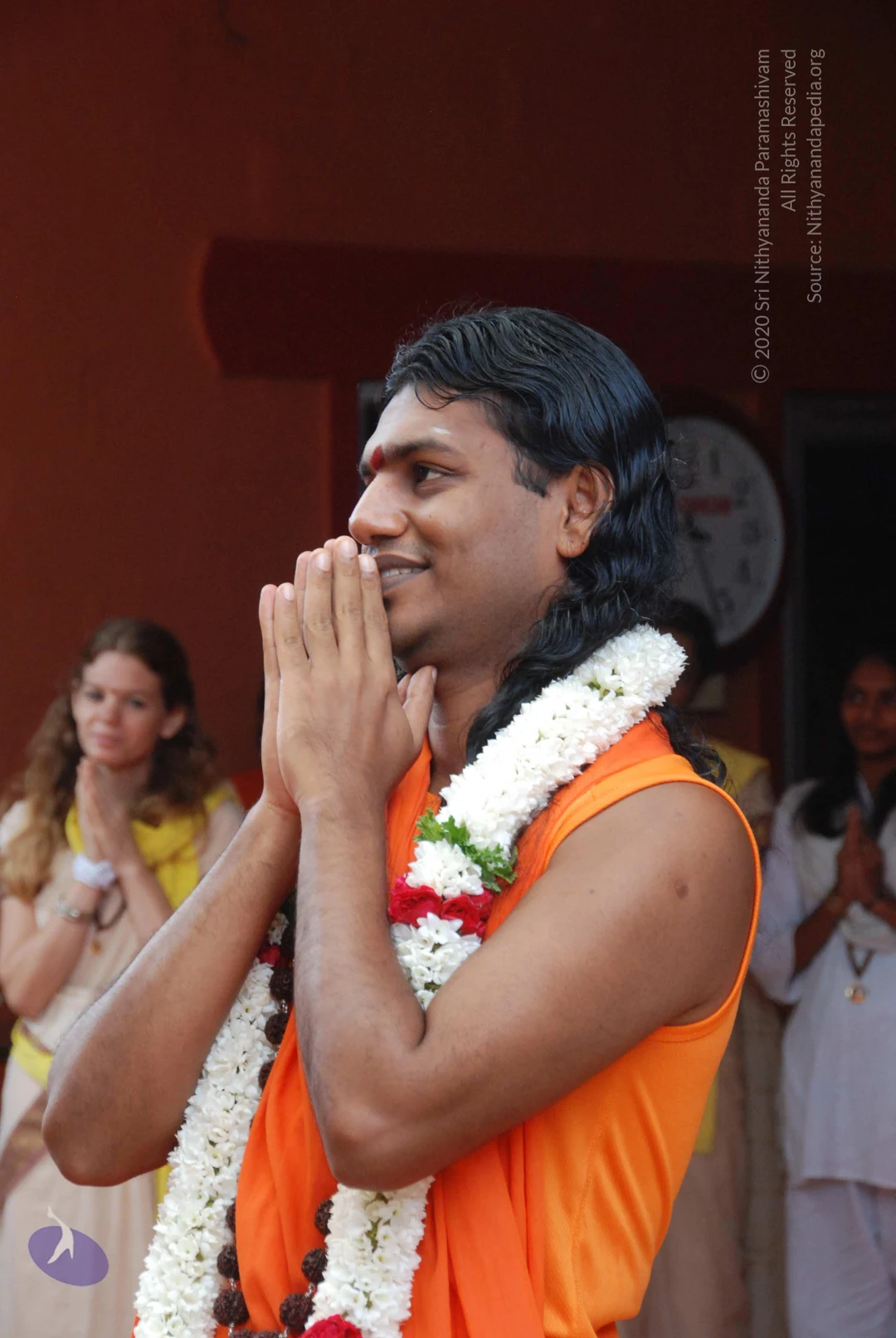
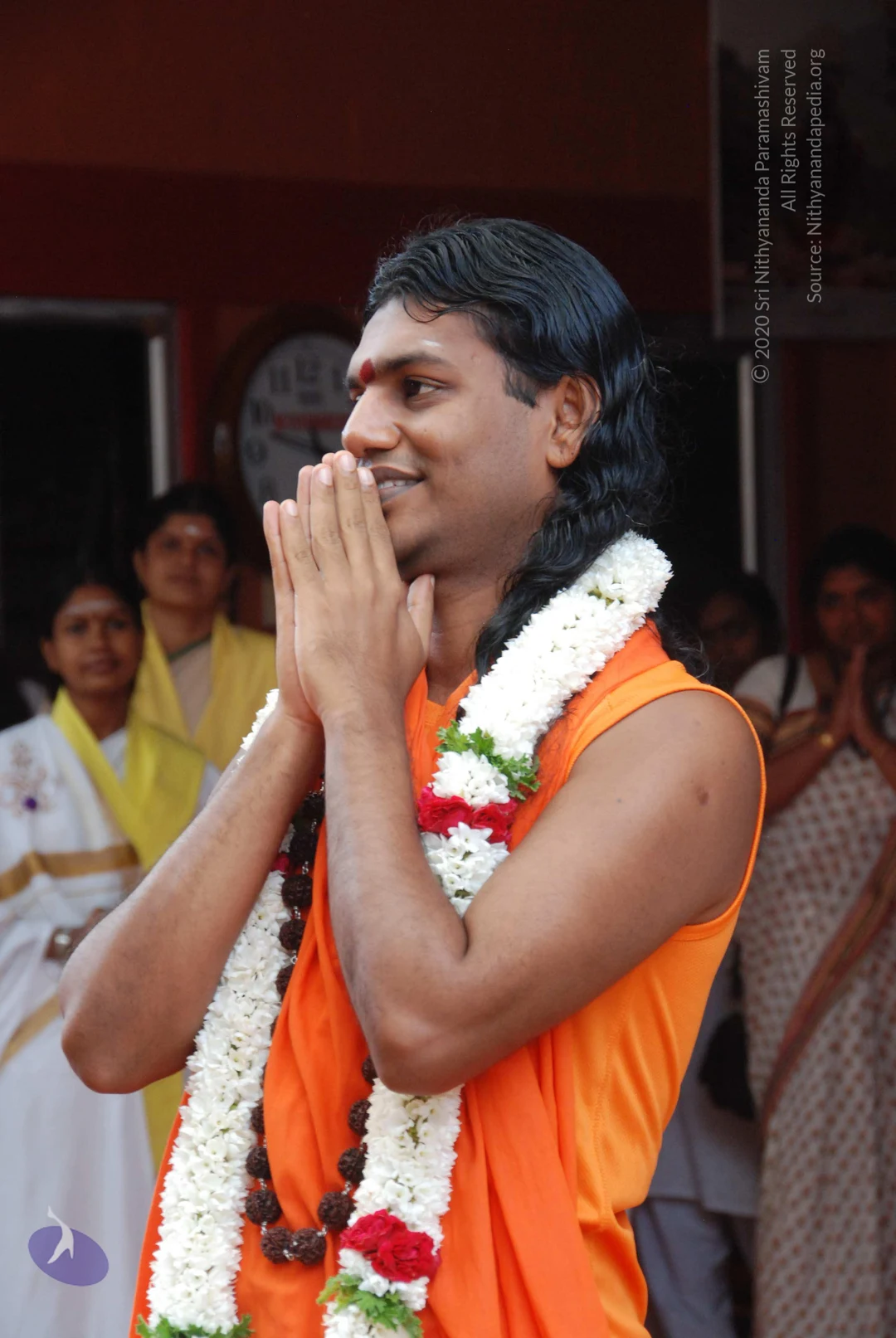
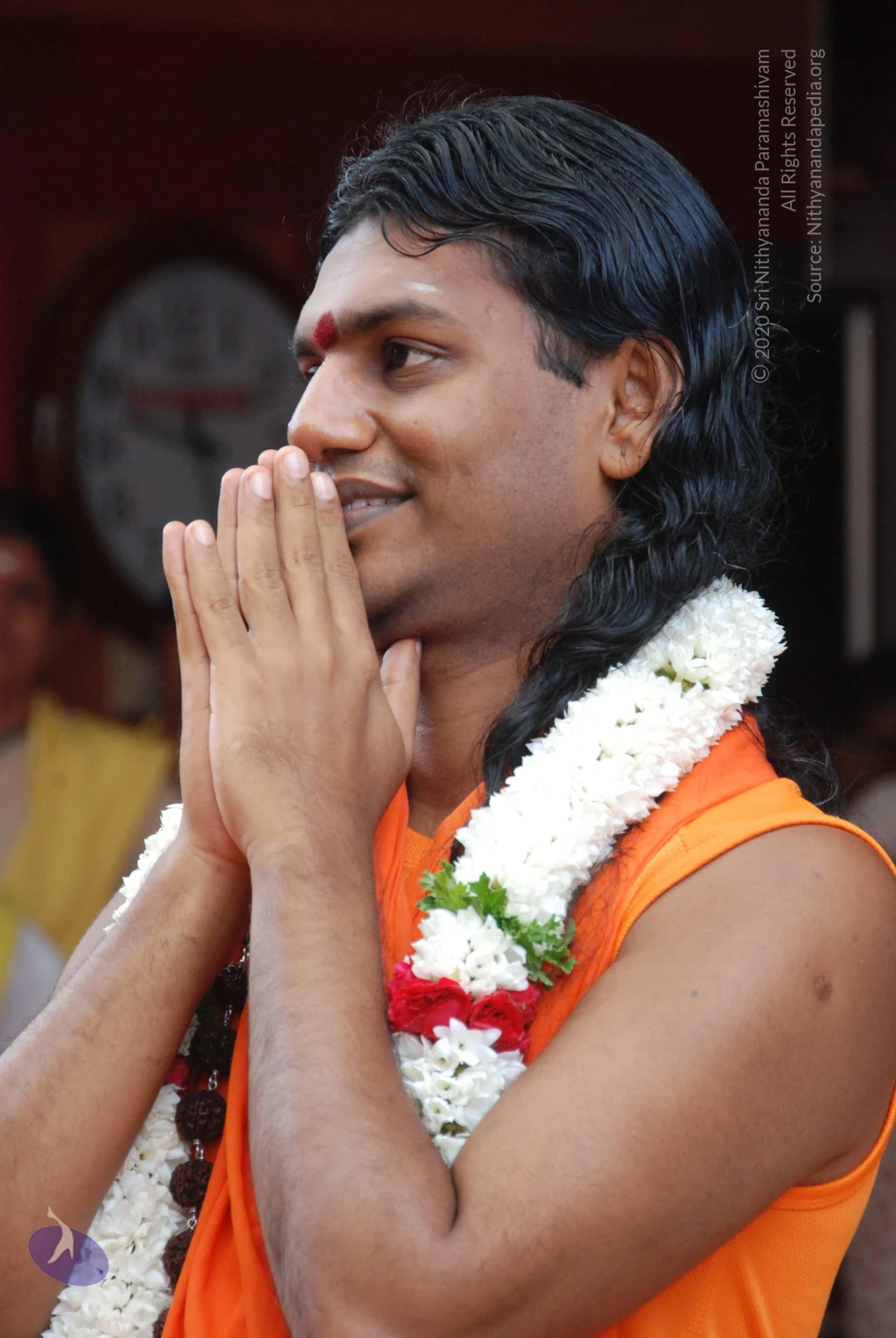
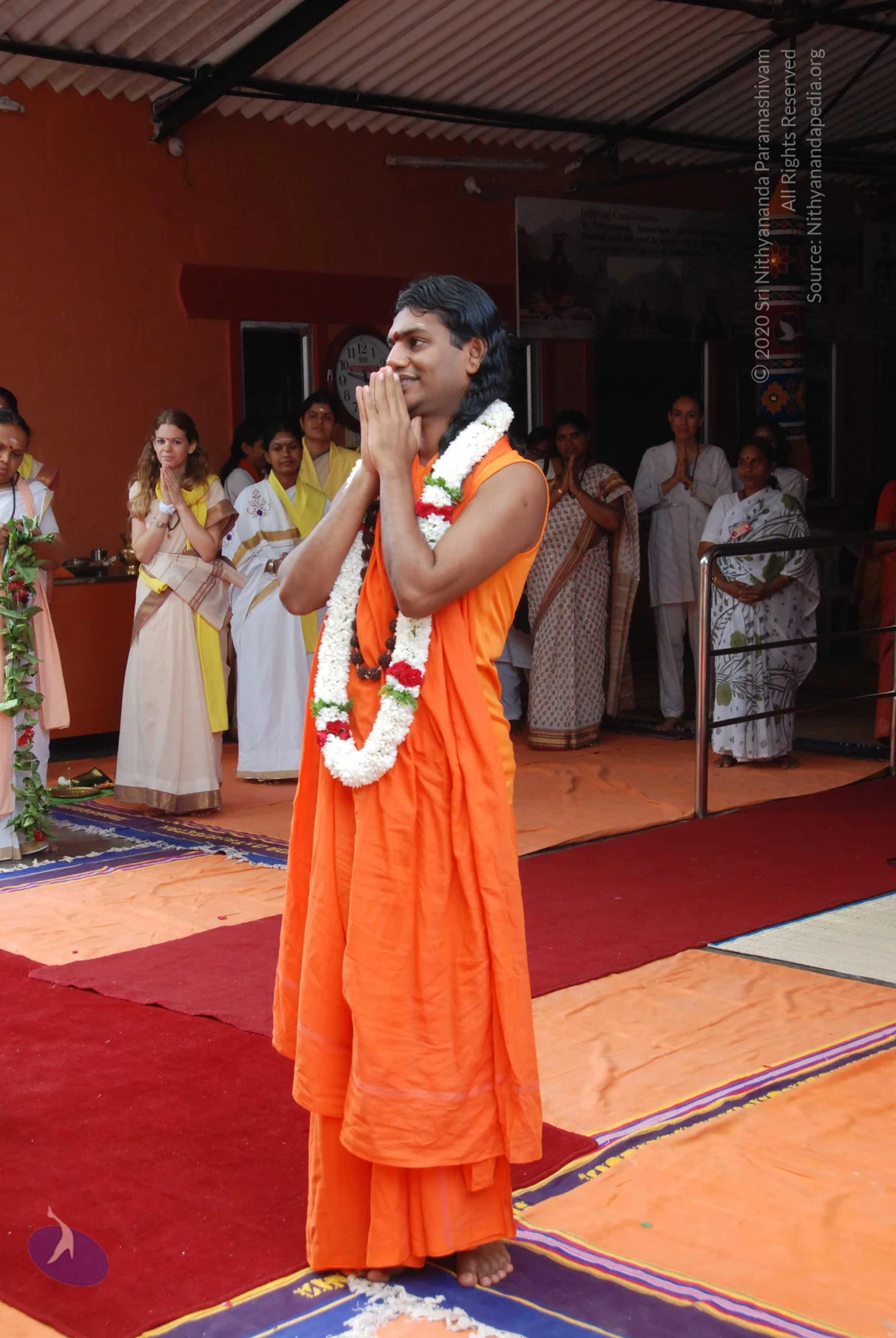
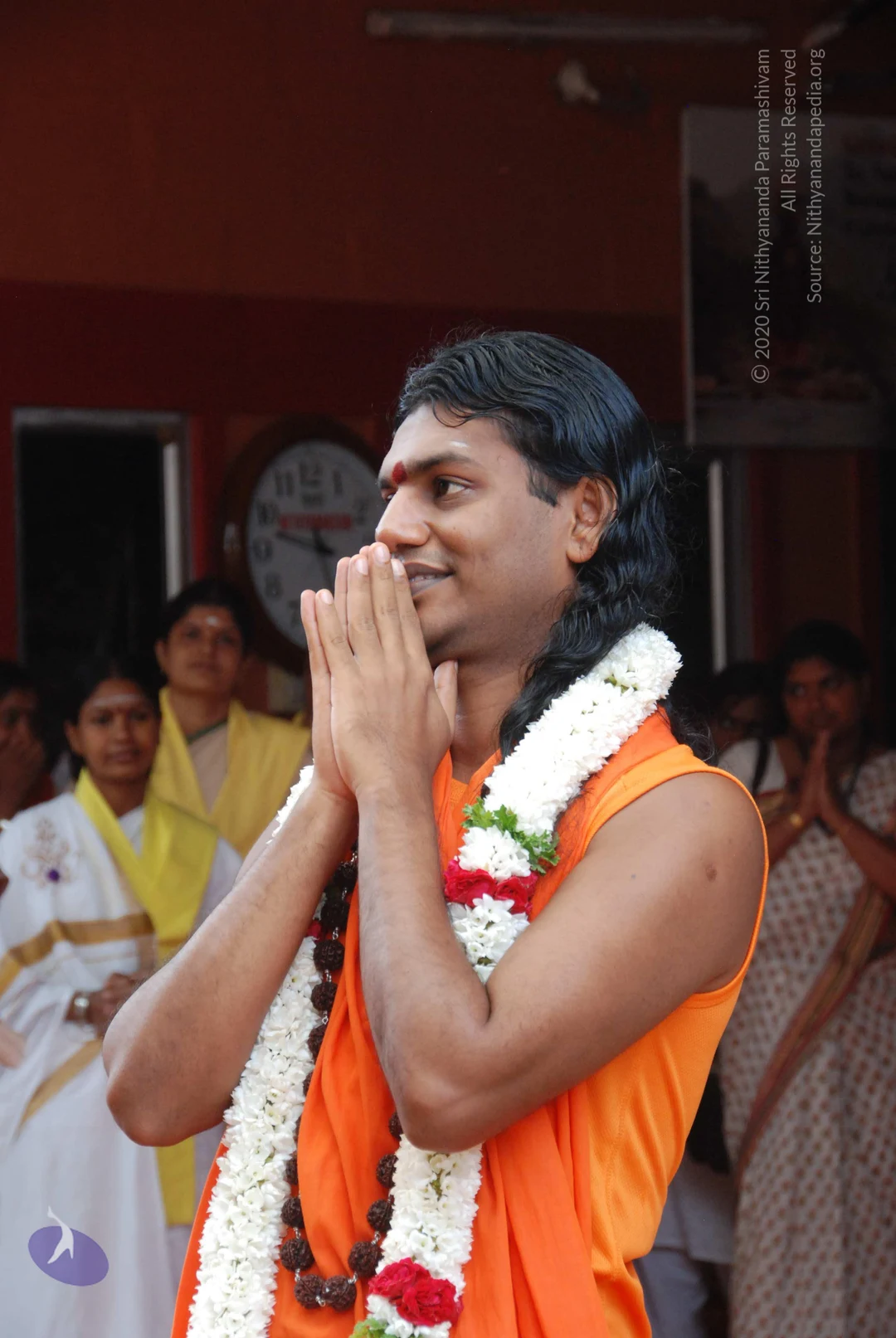
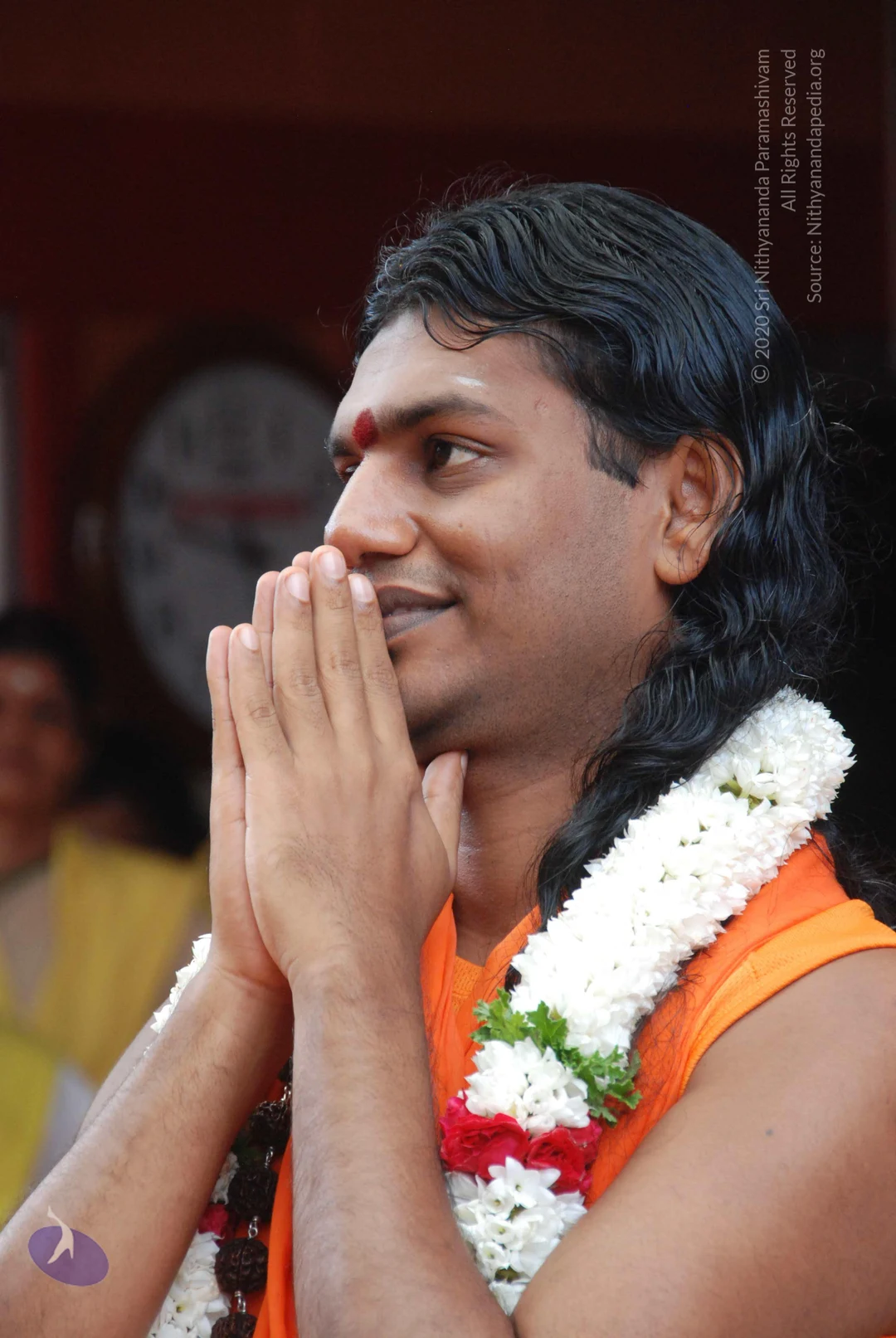
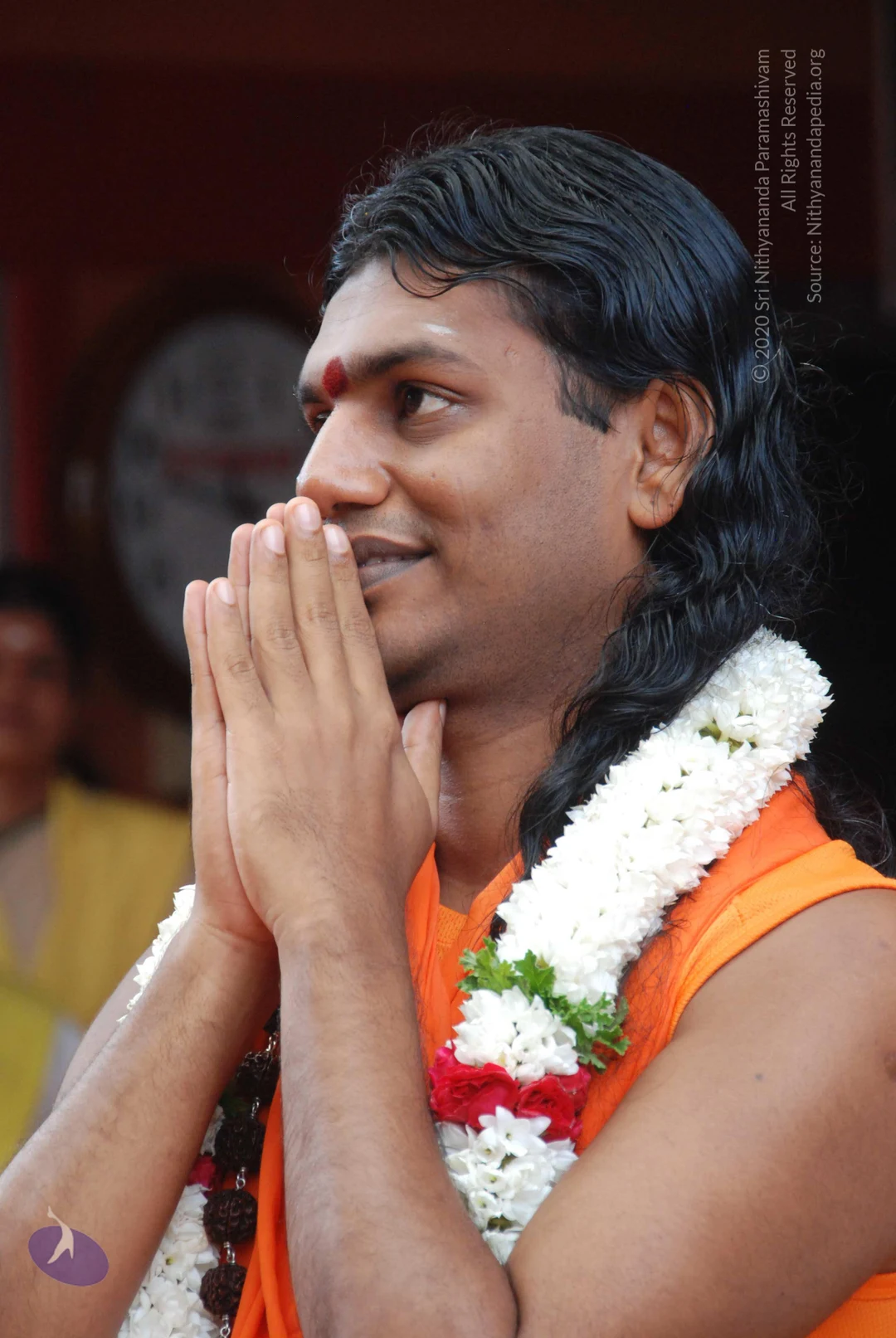
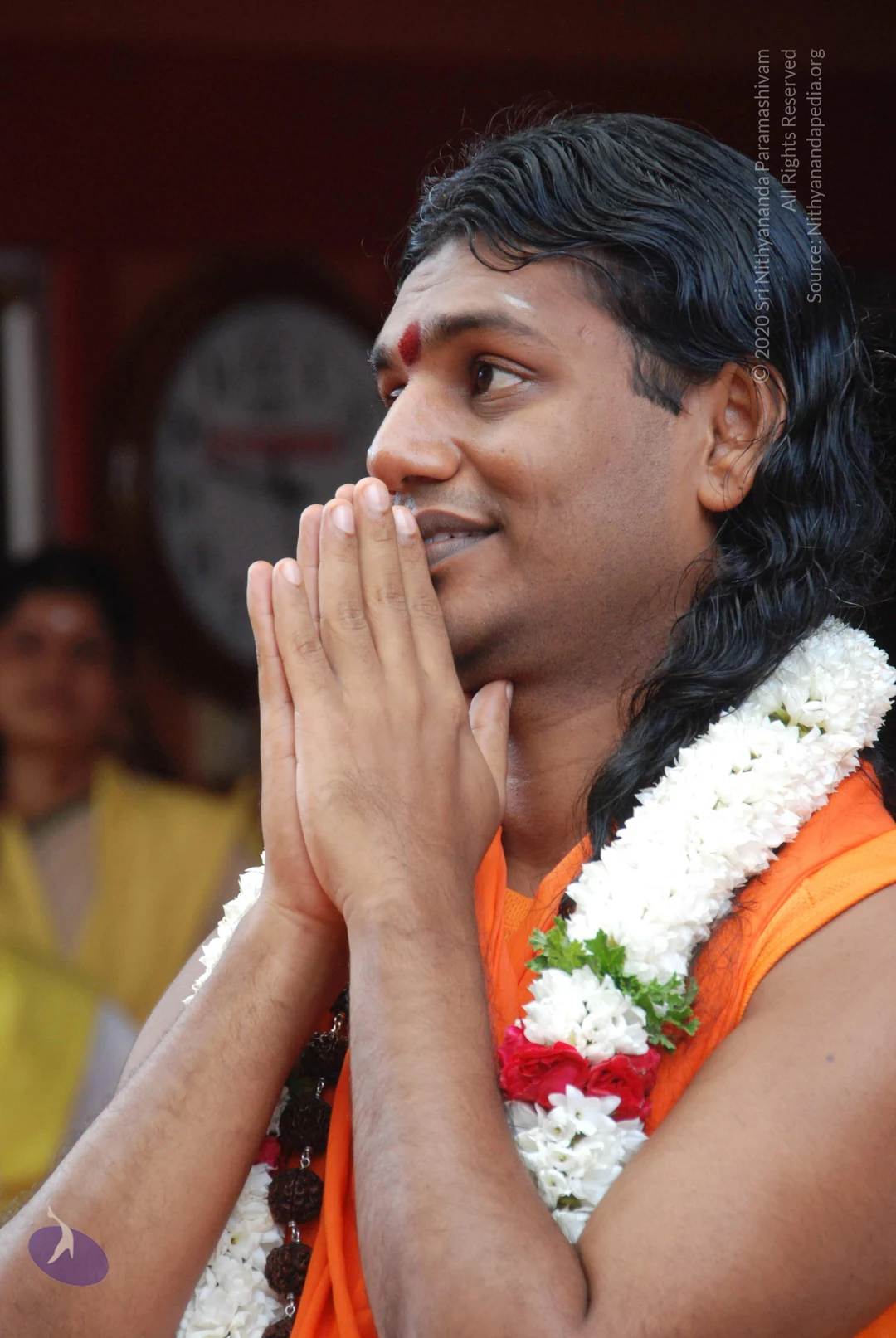
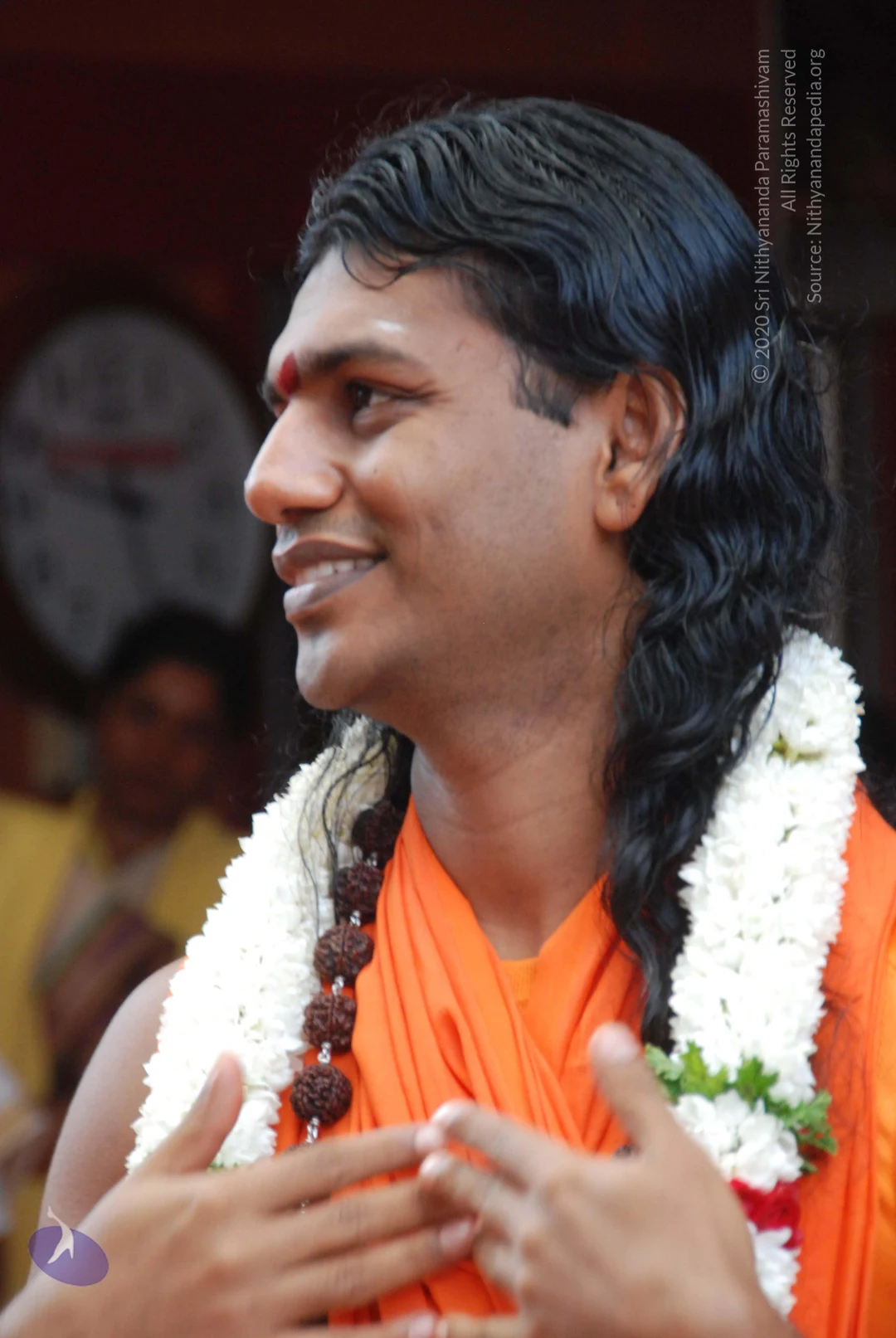
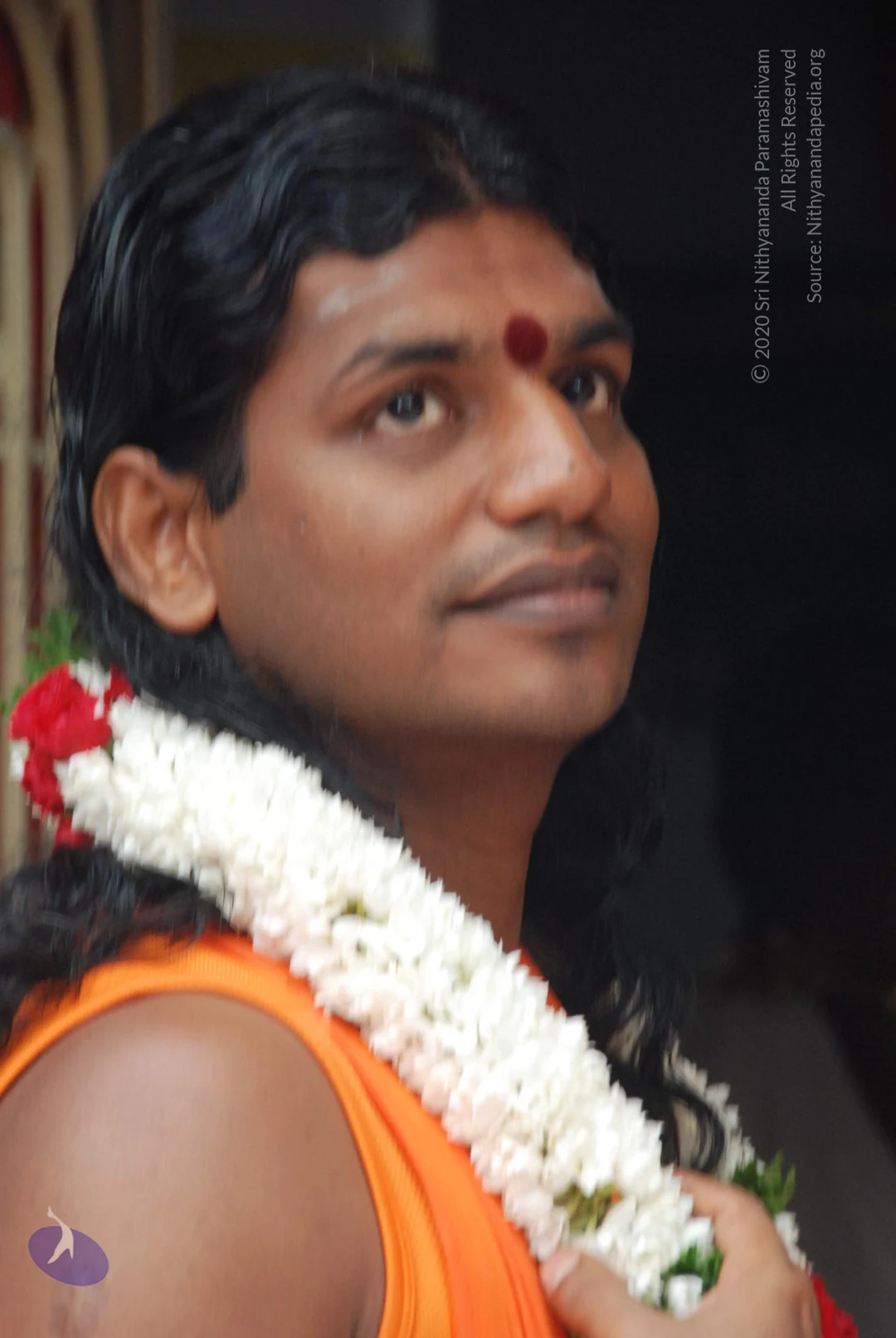
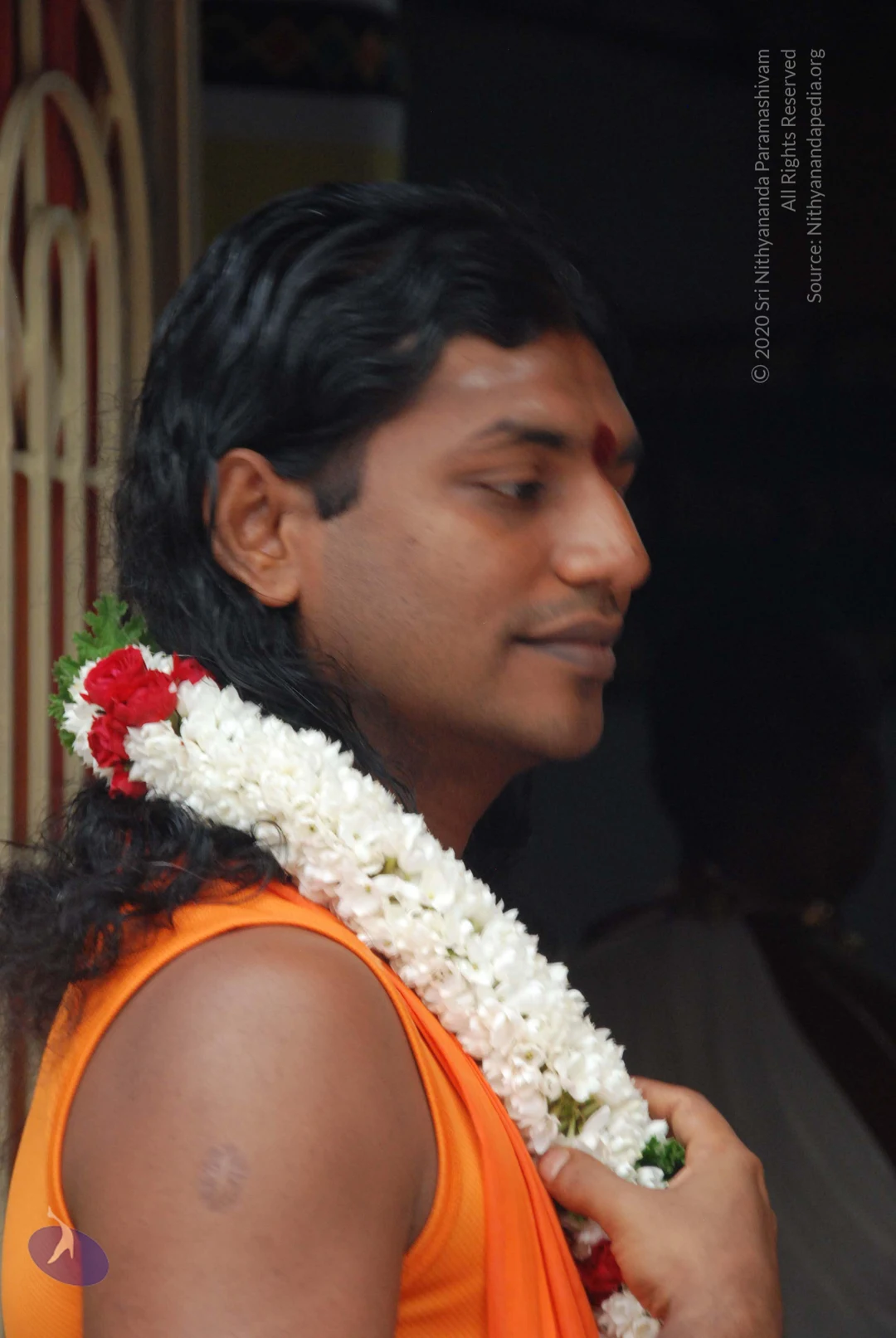
05-E-Kalpataru-Morning-session
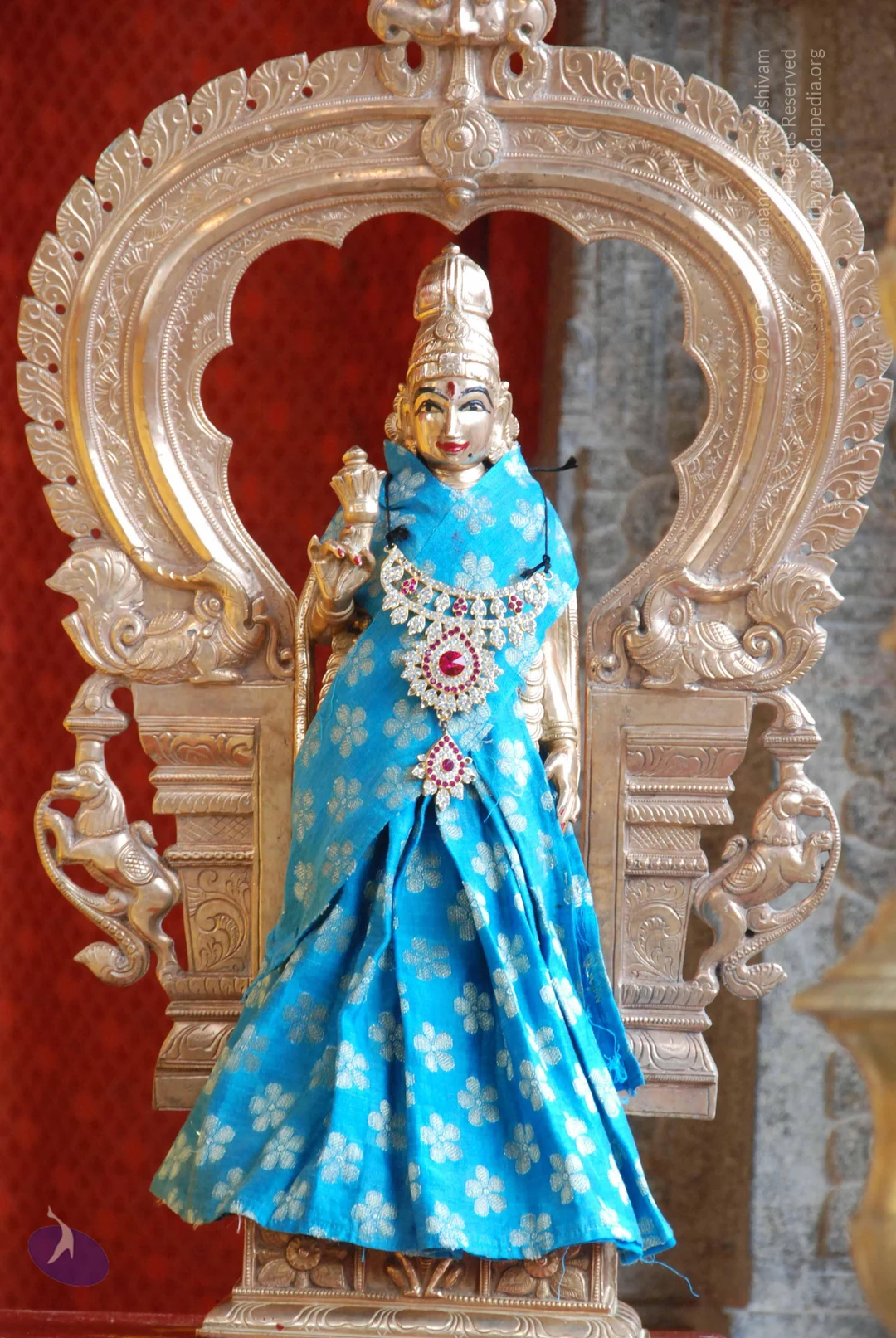
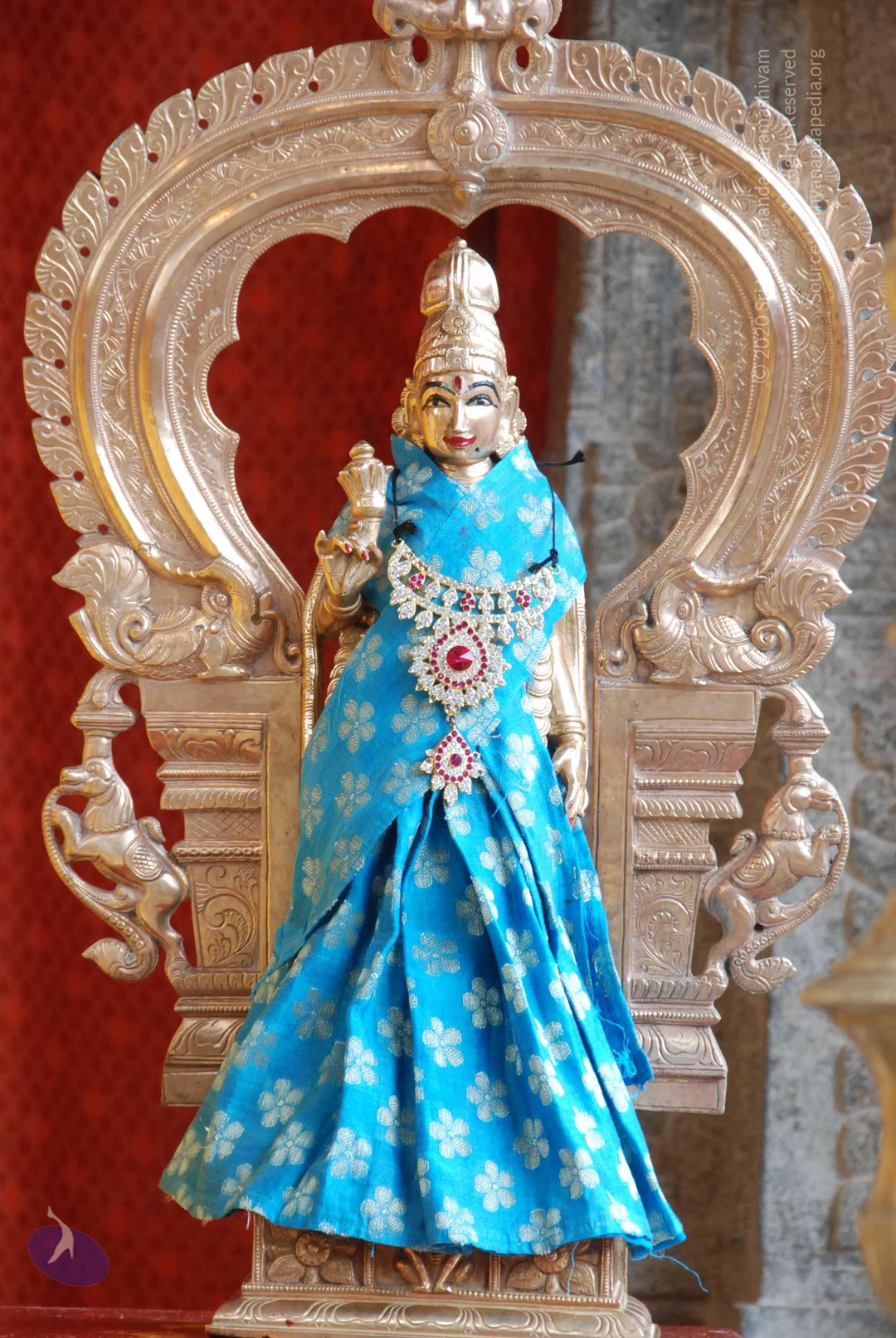
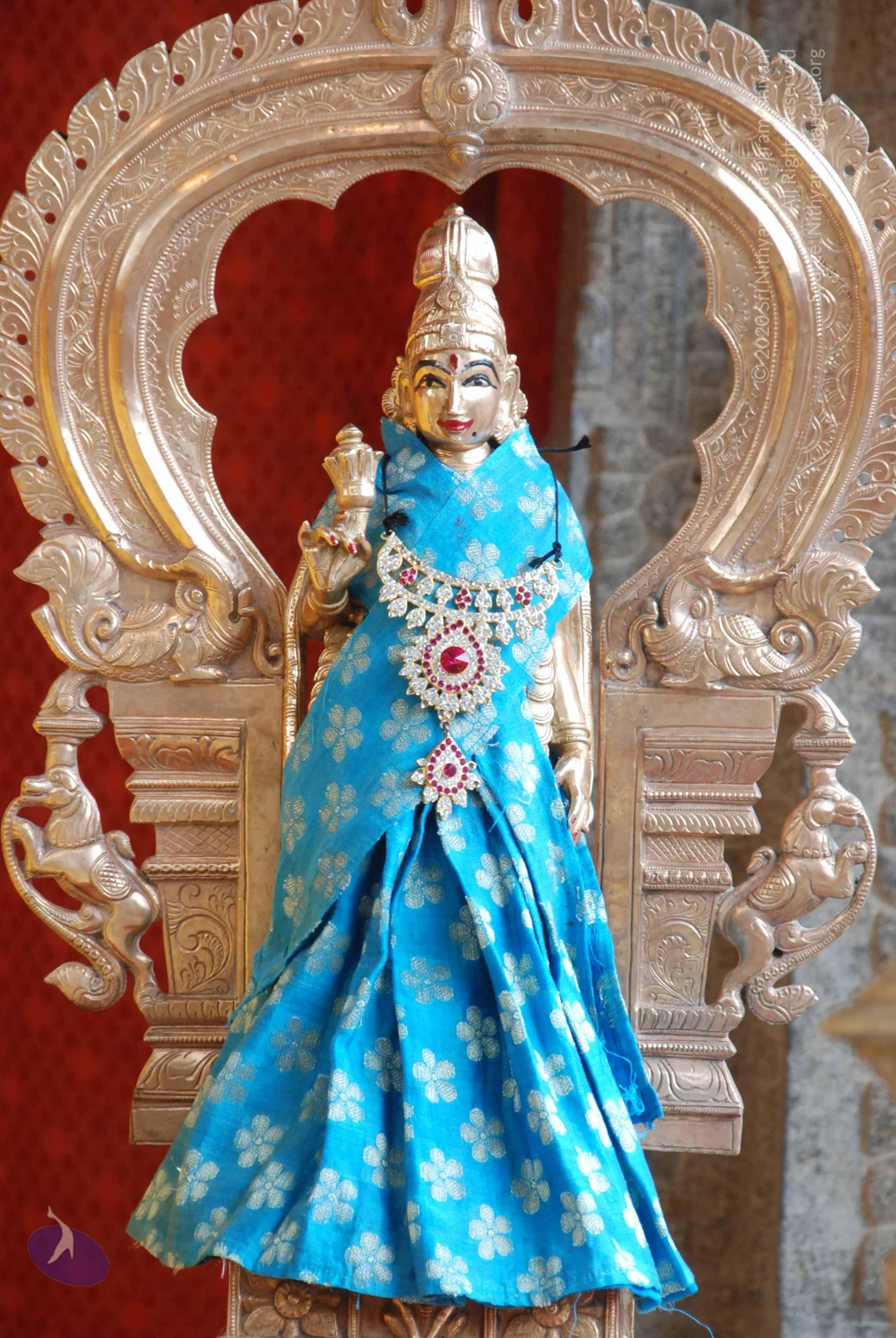
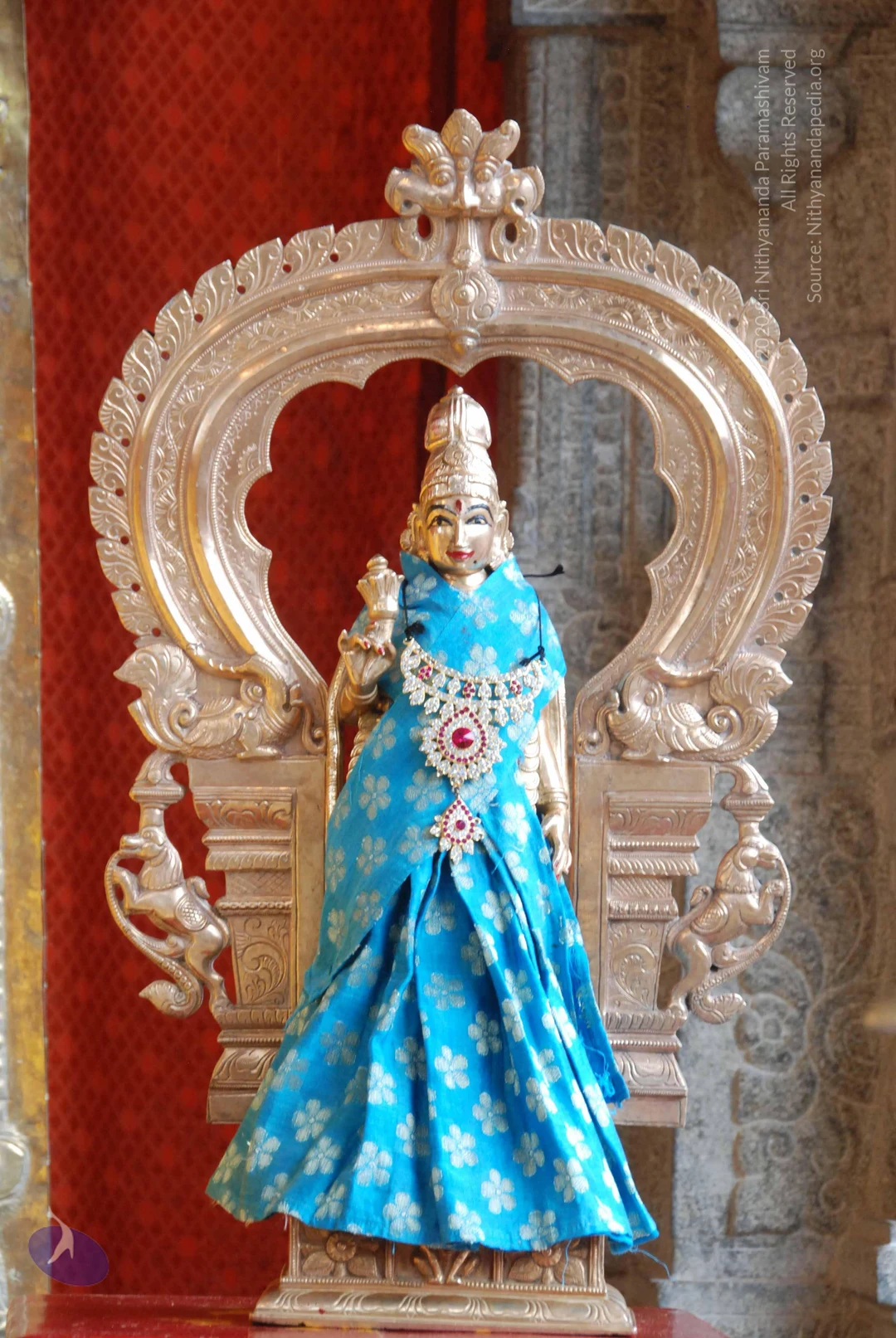
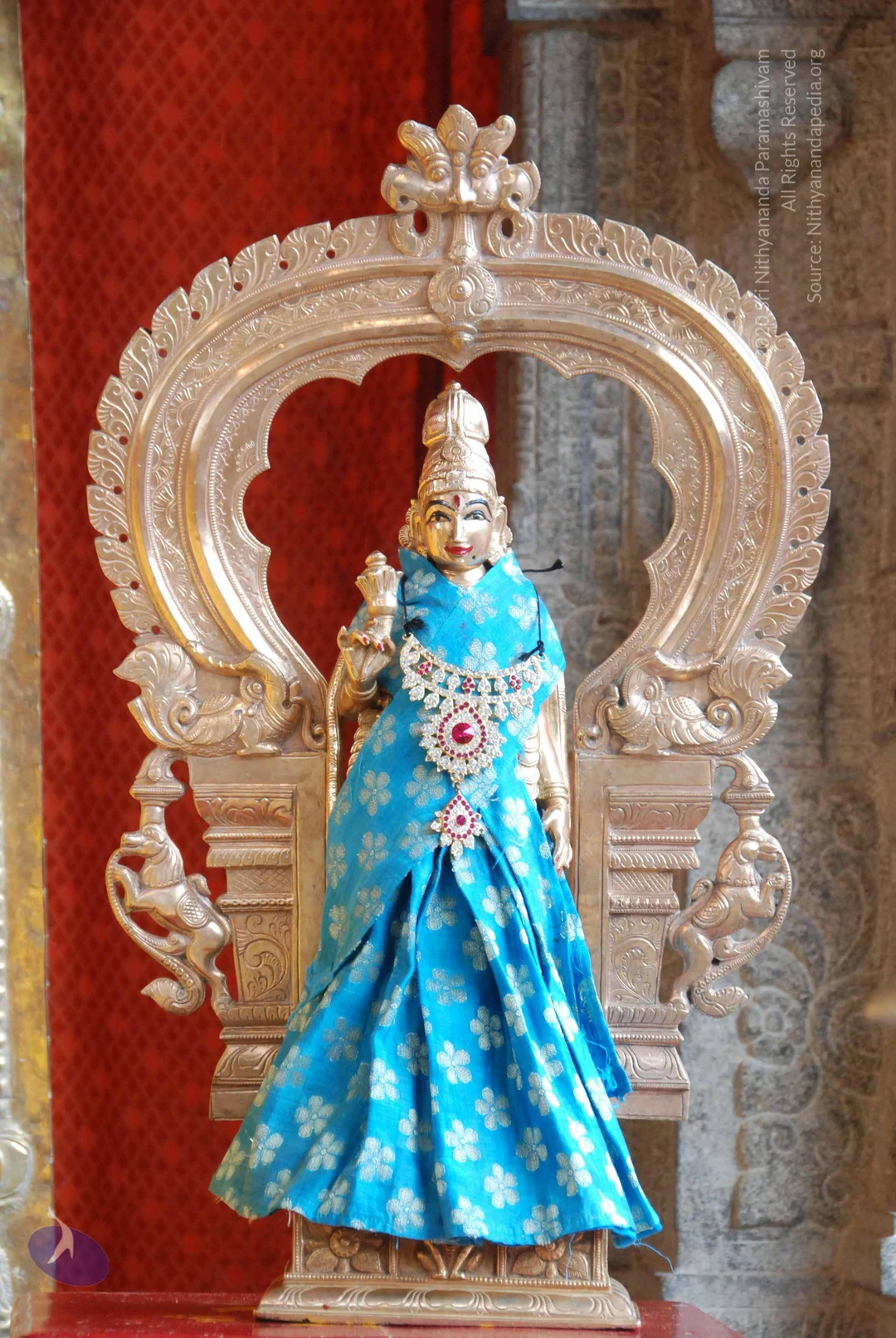
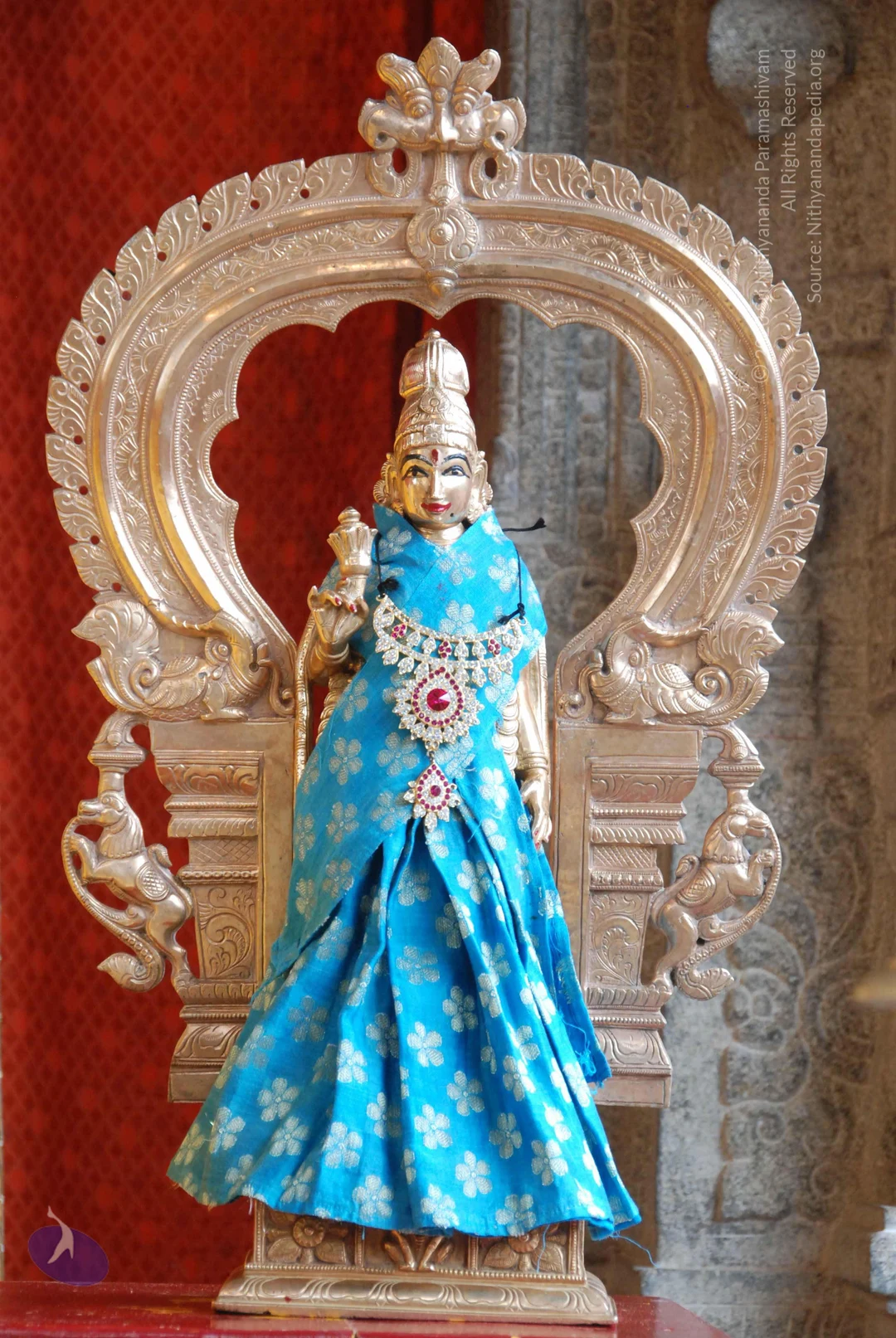
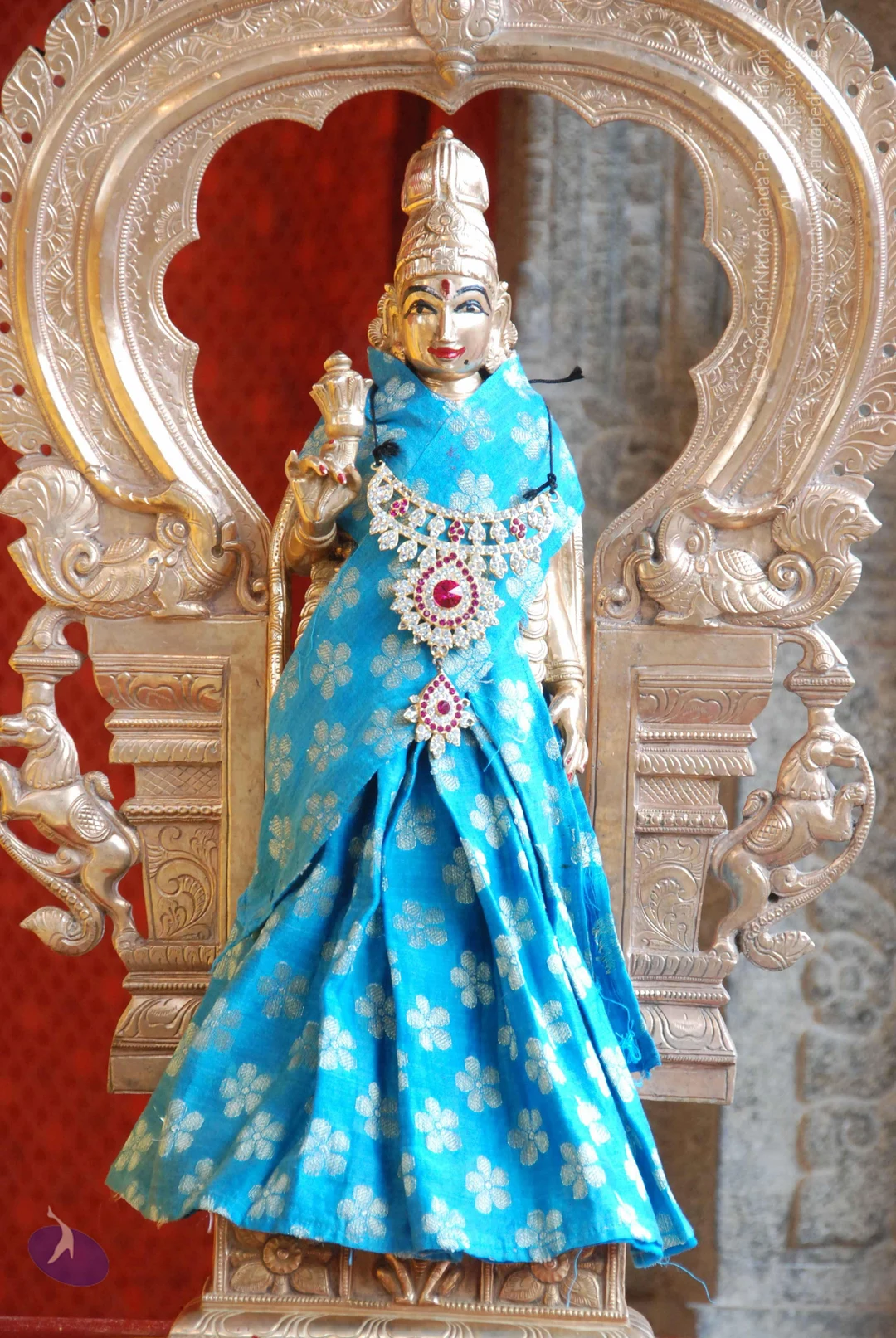
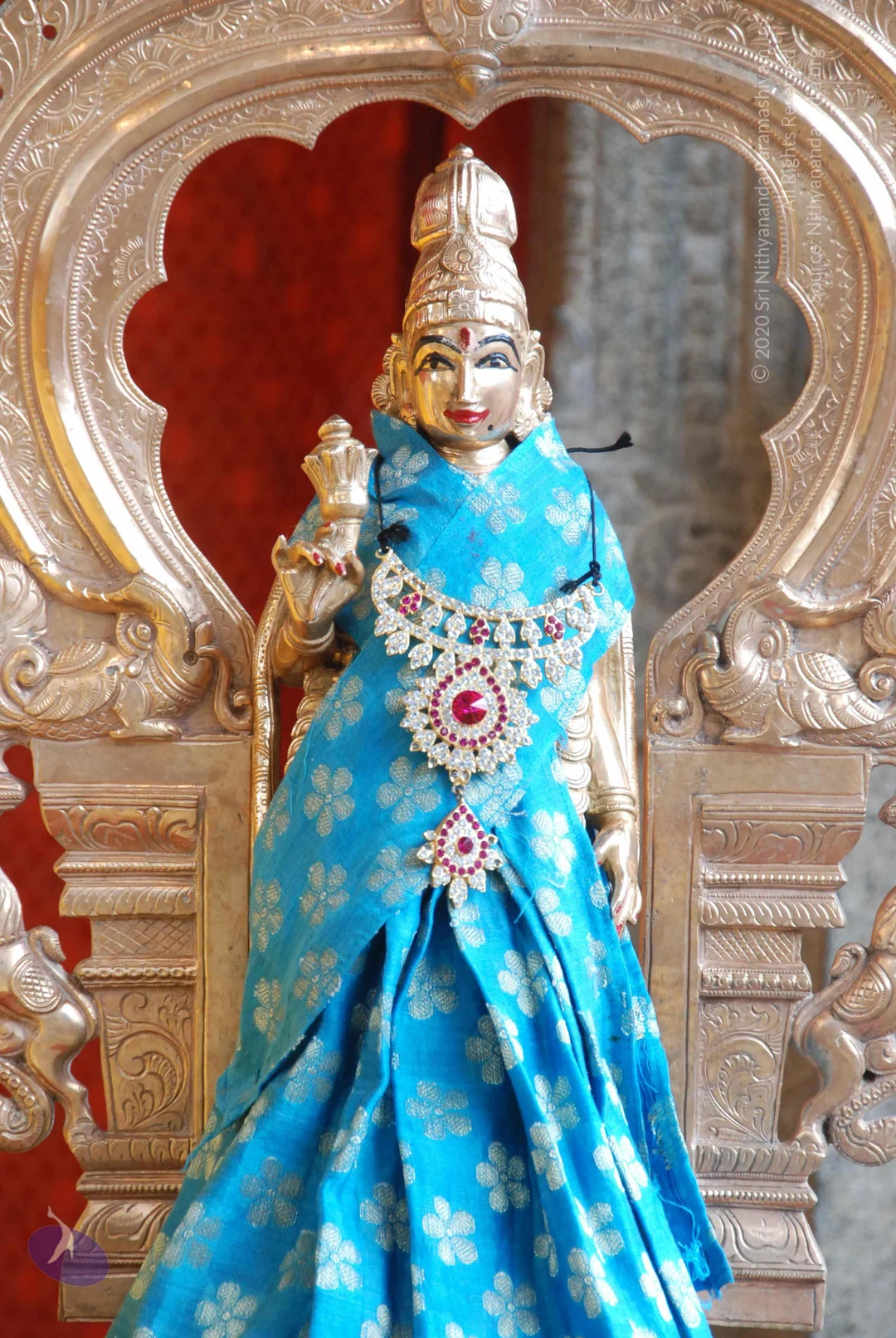
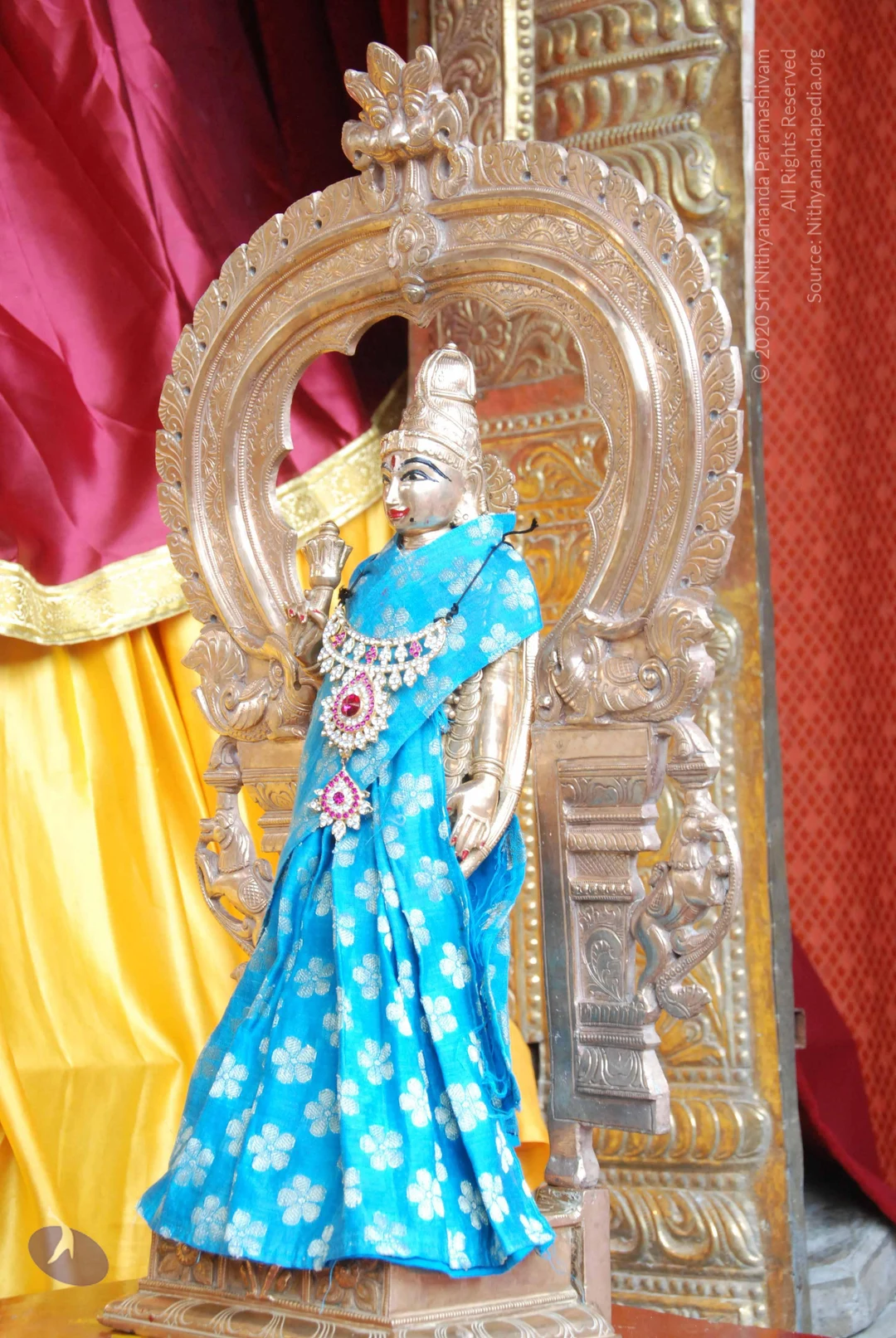
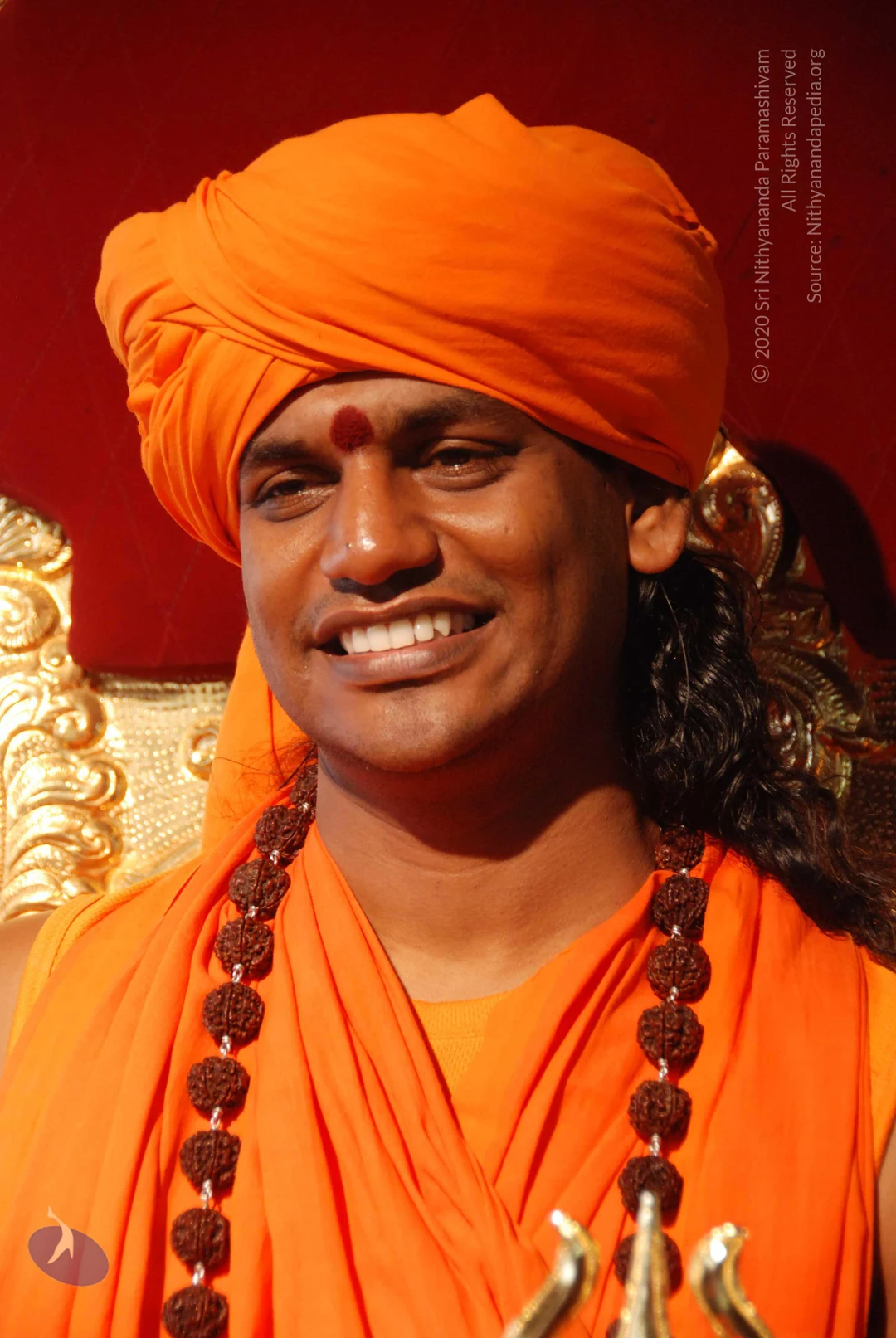
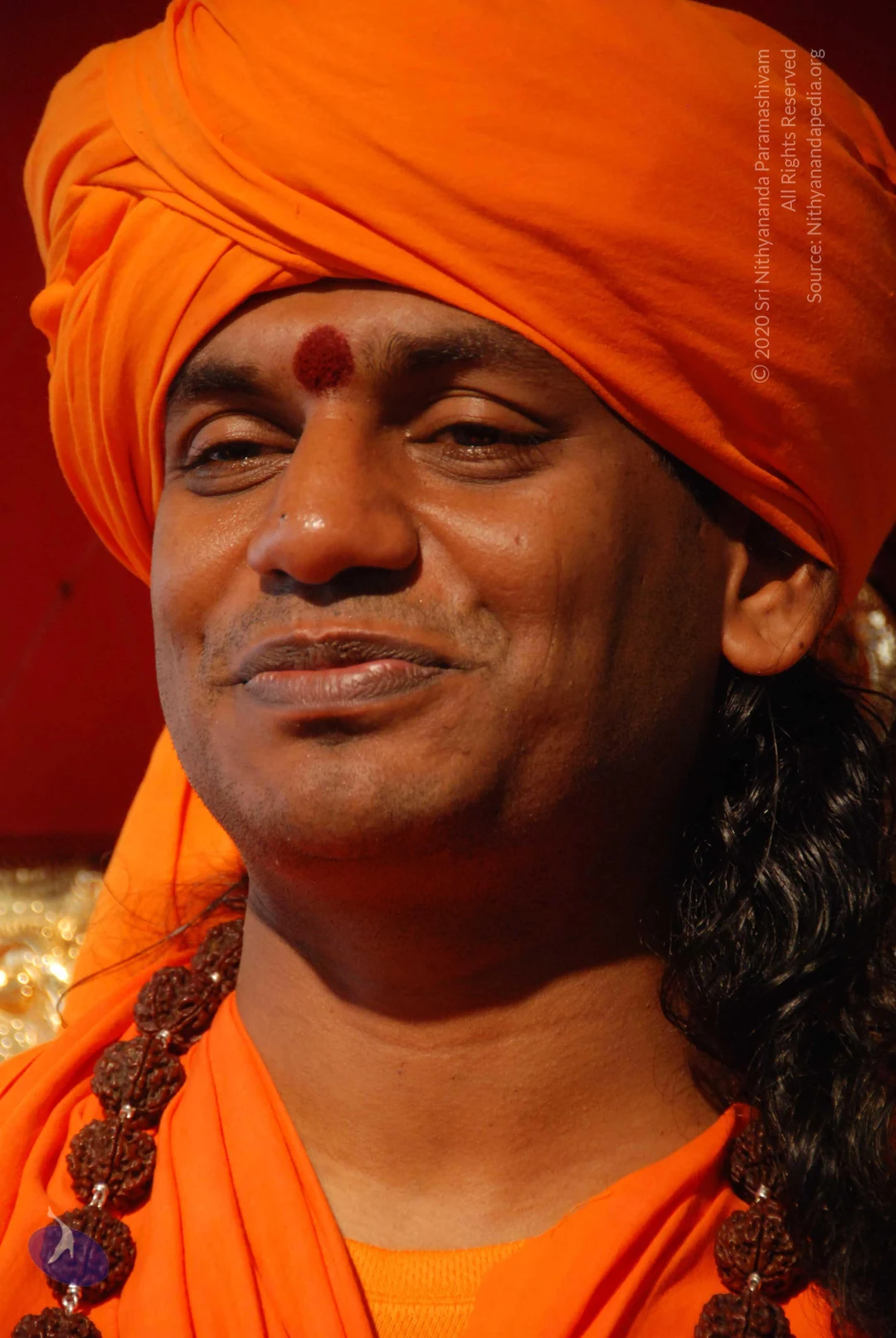
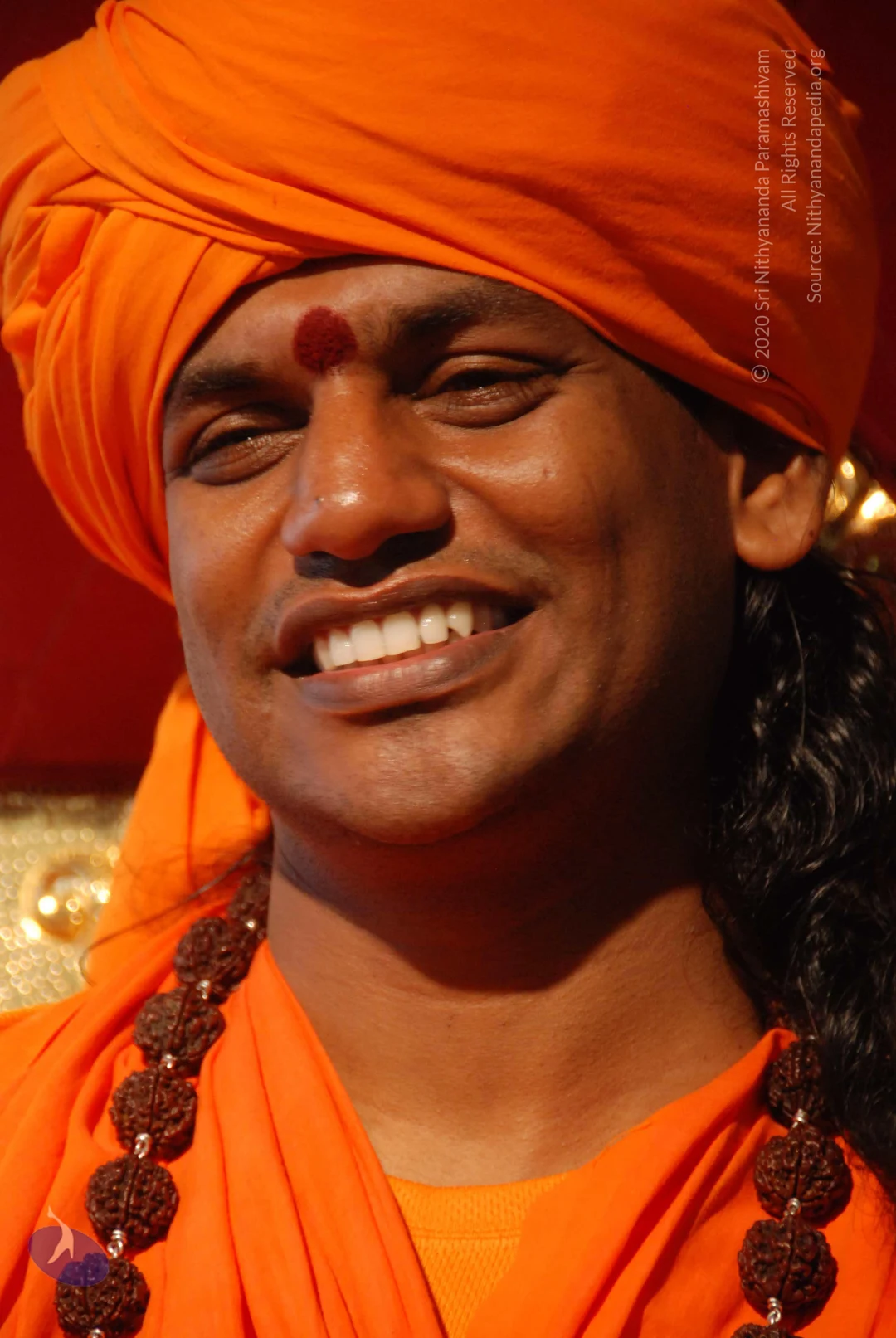
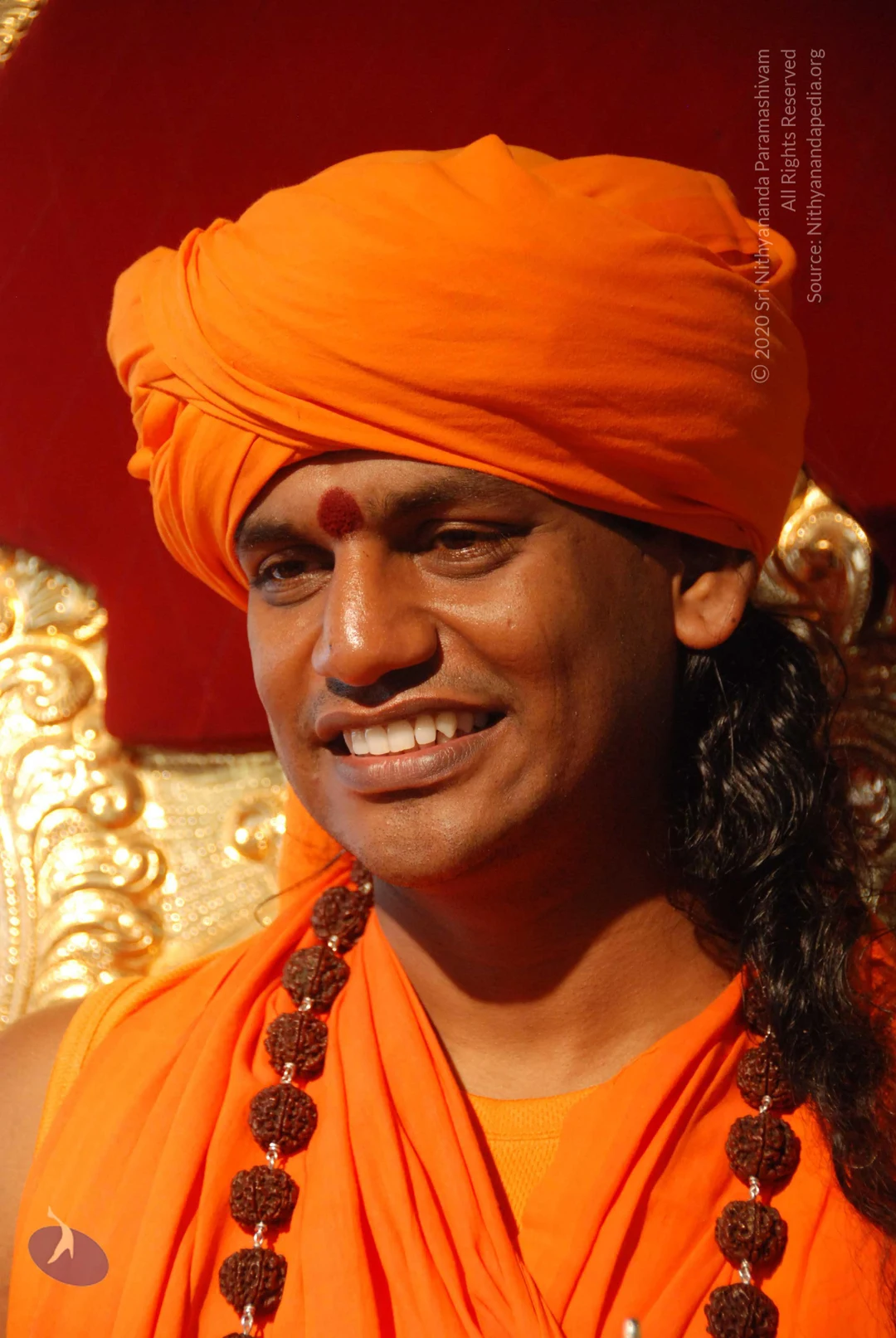
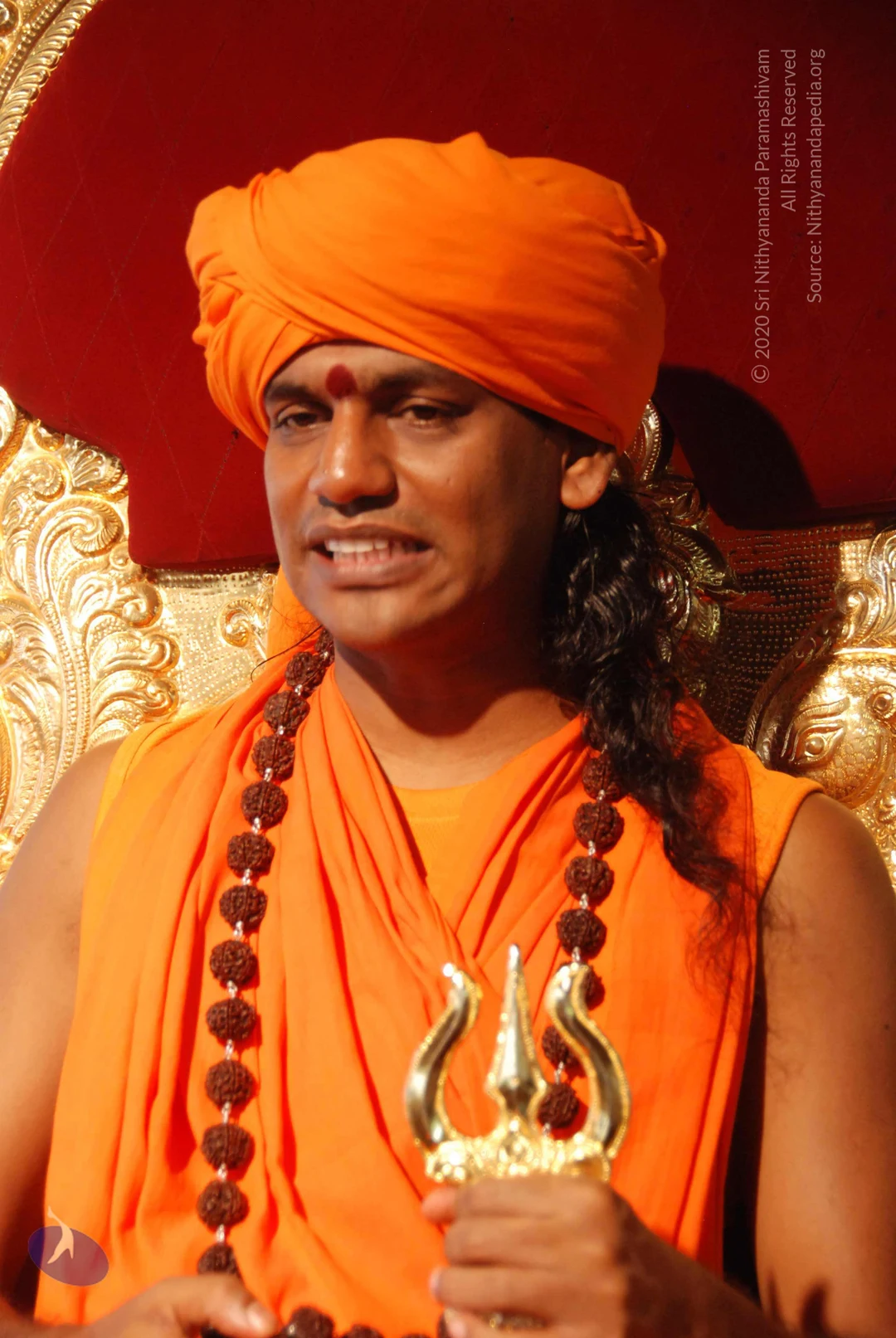
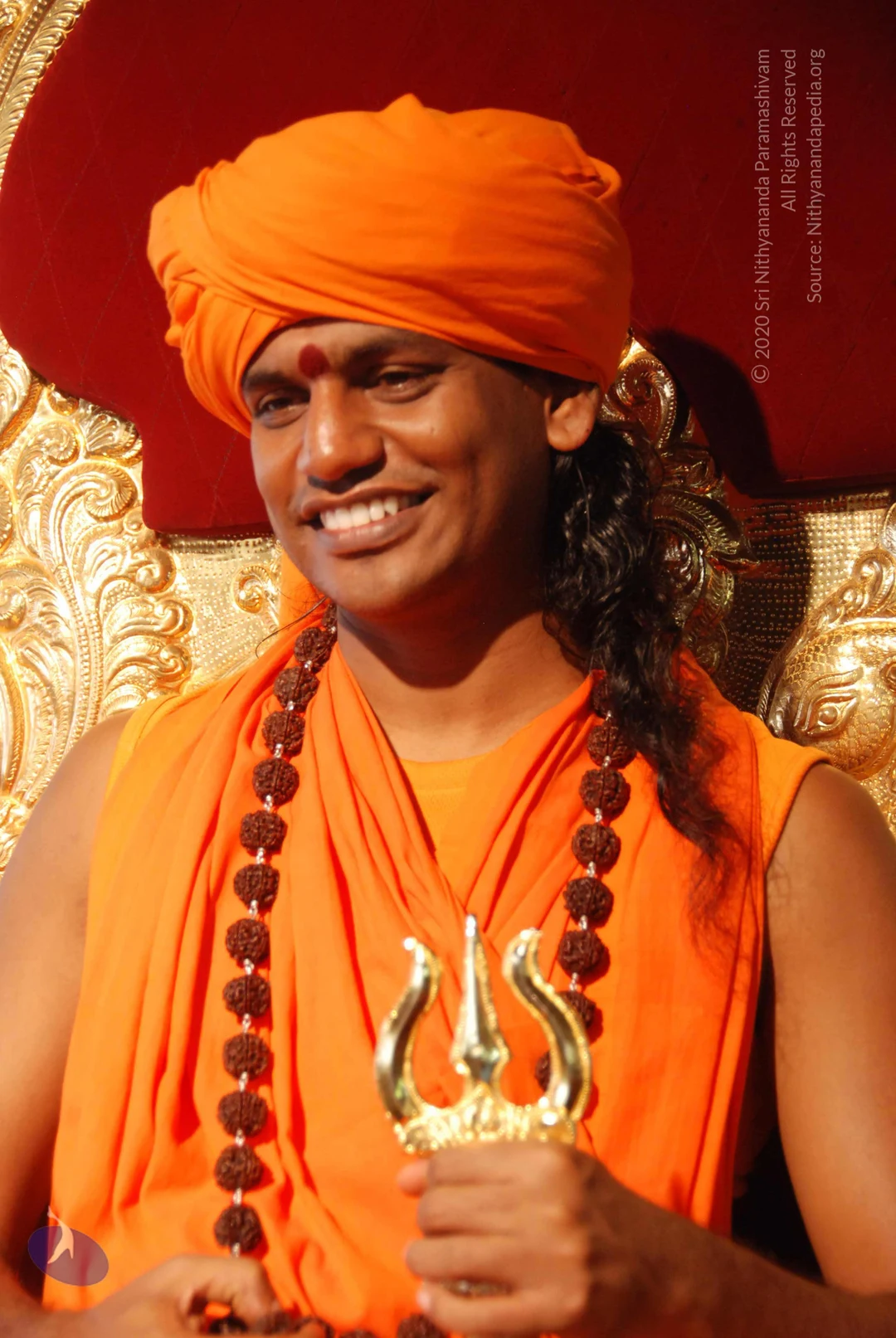
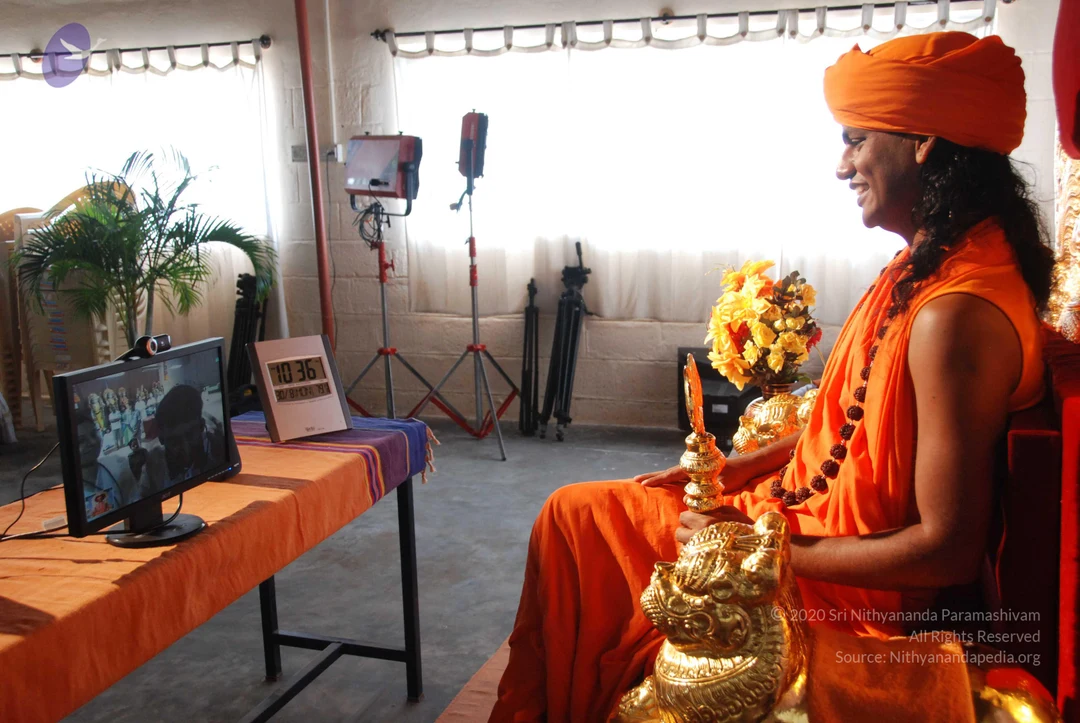
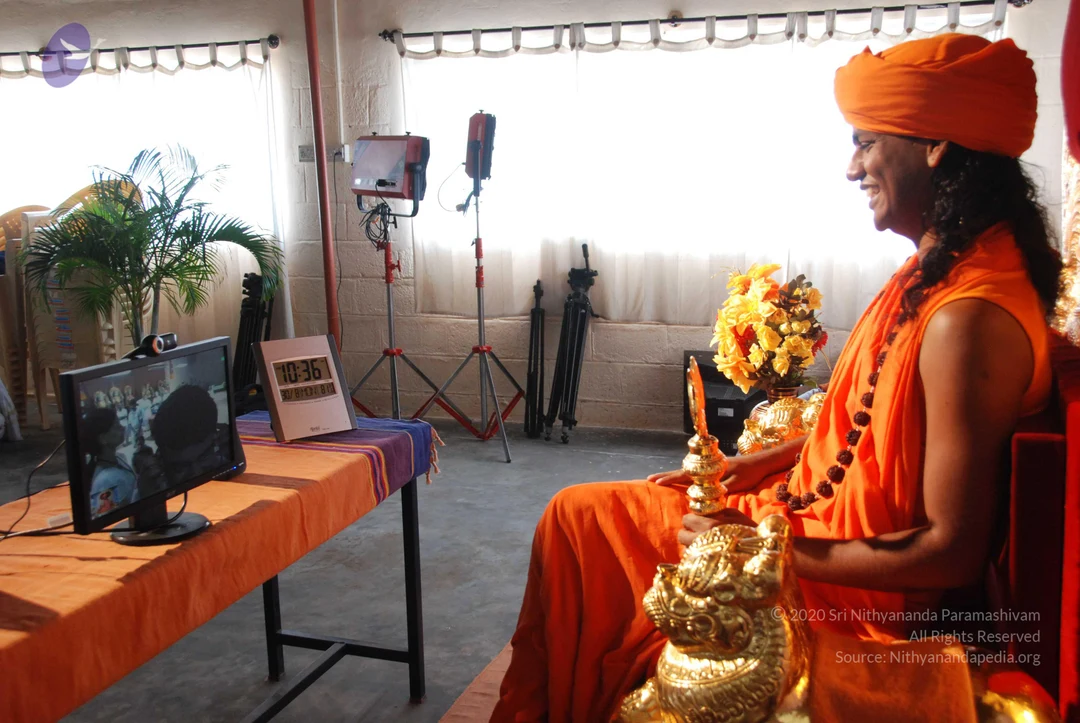
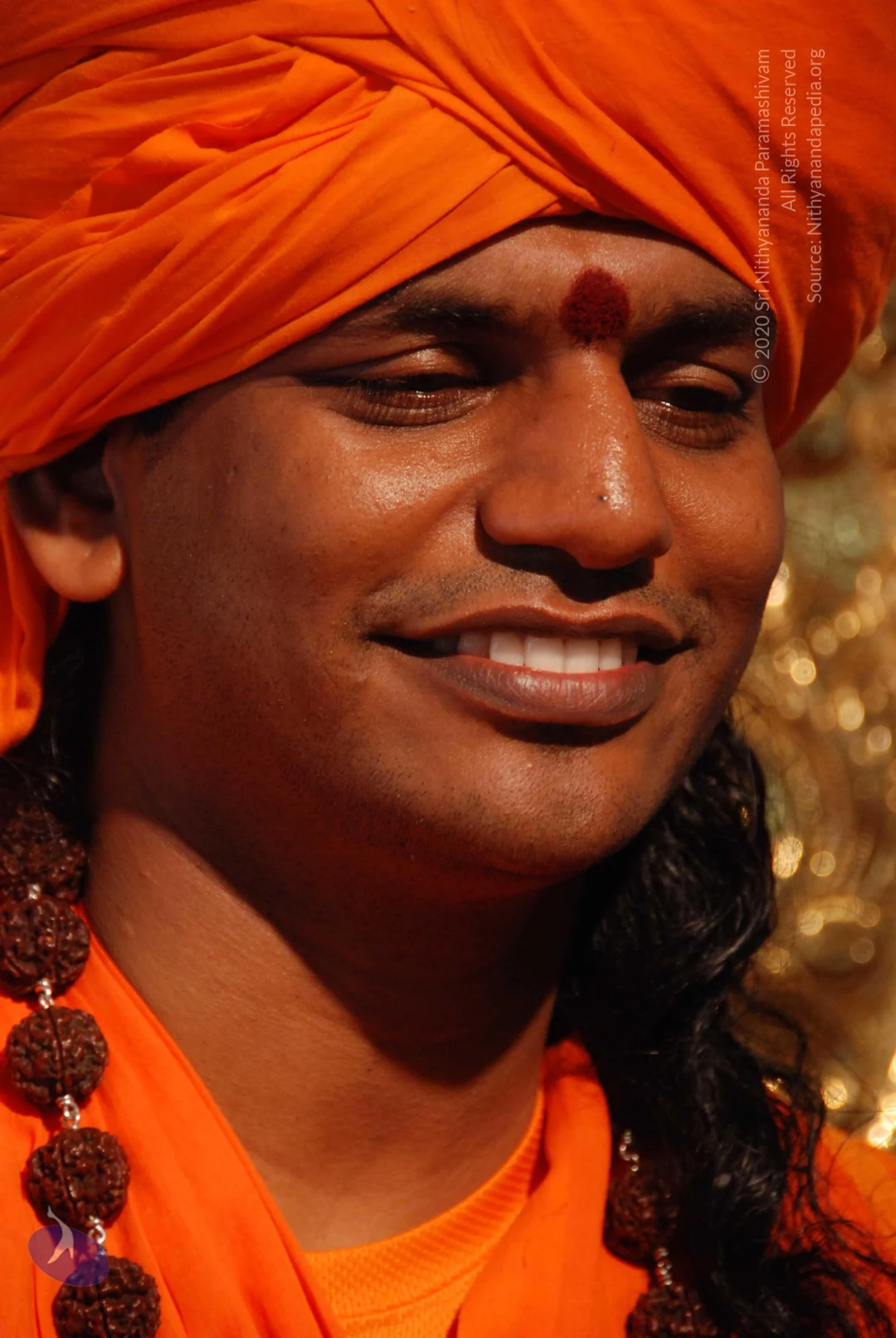
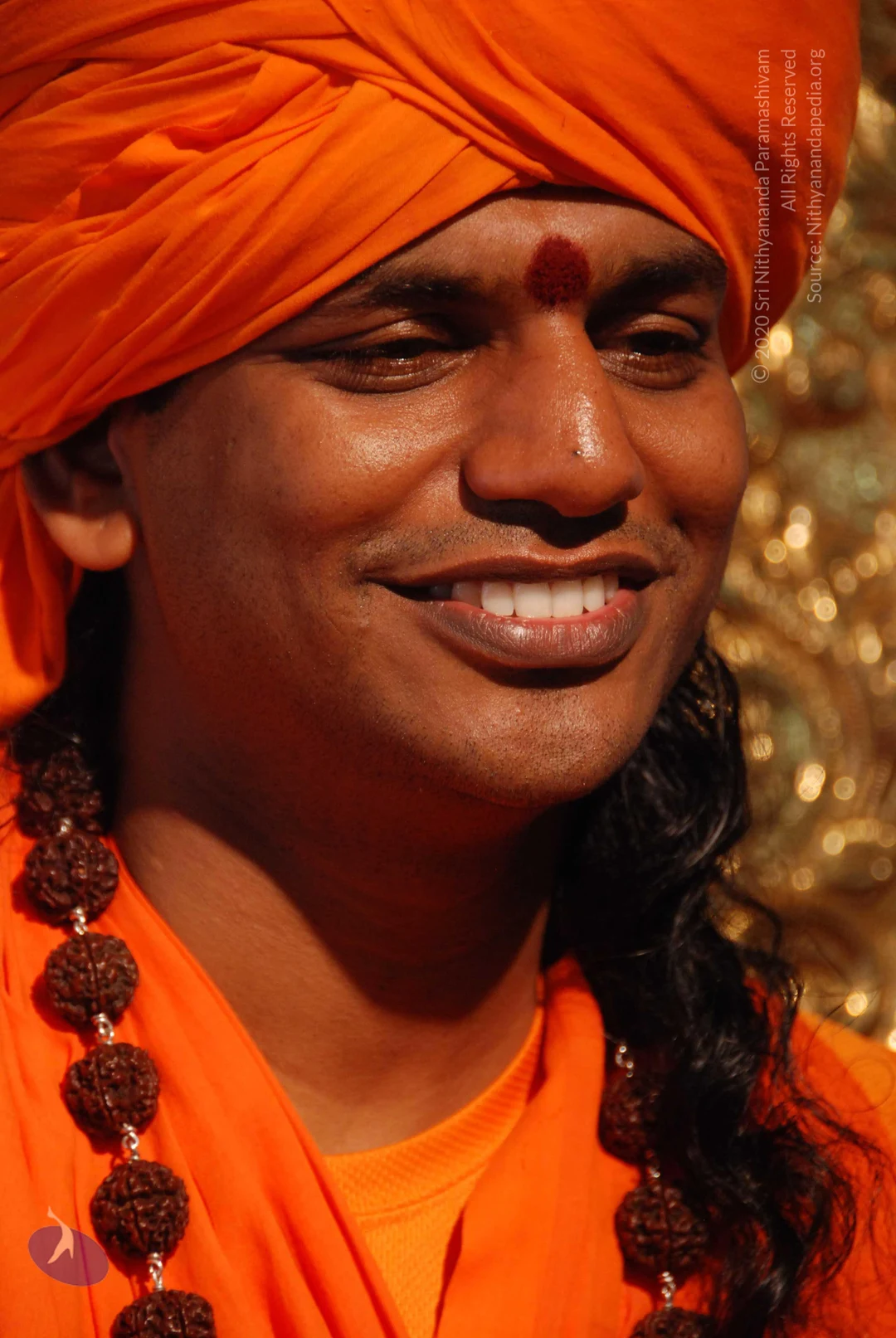
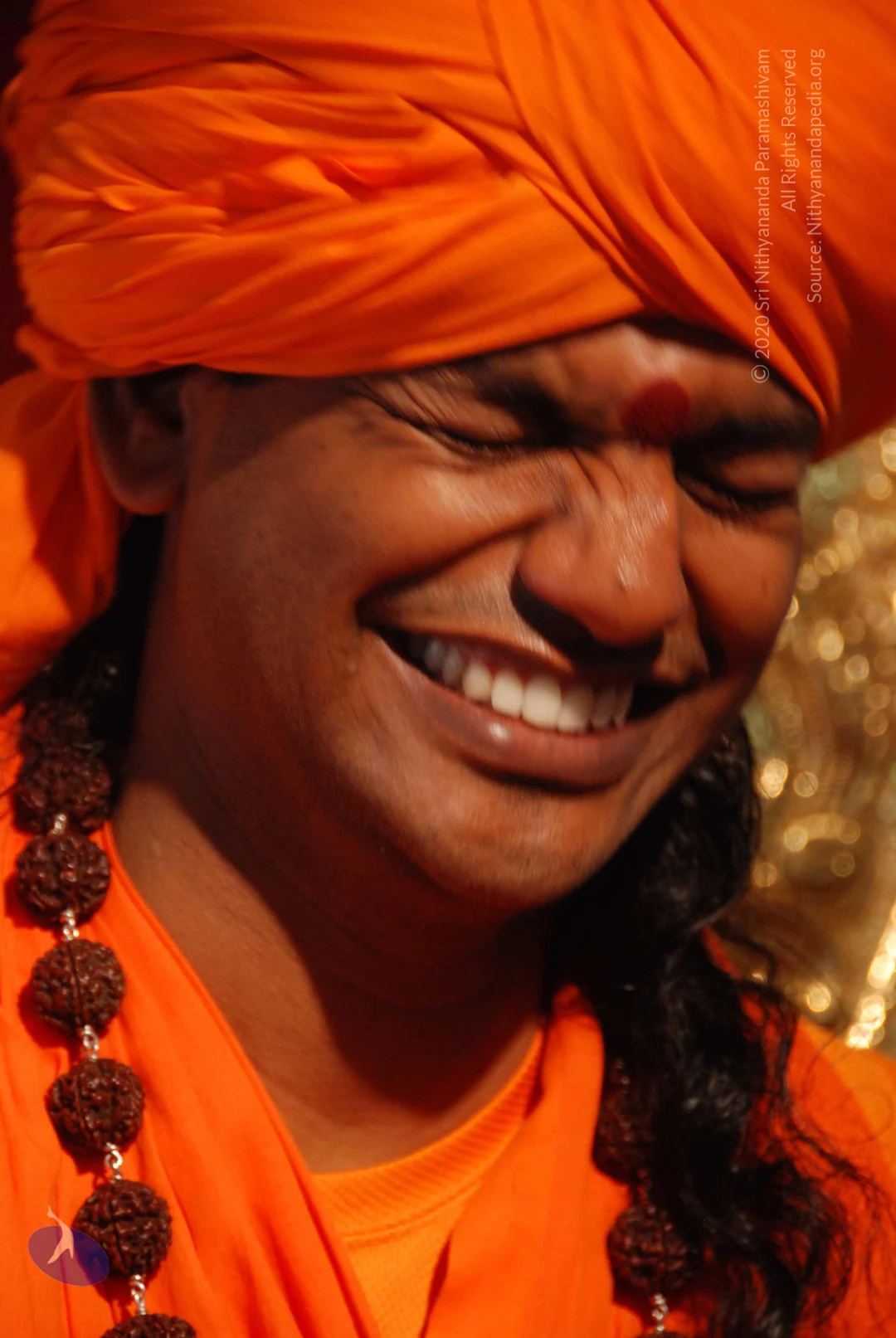
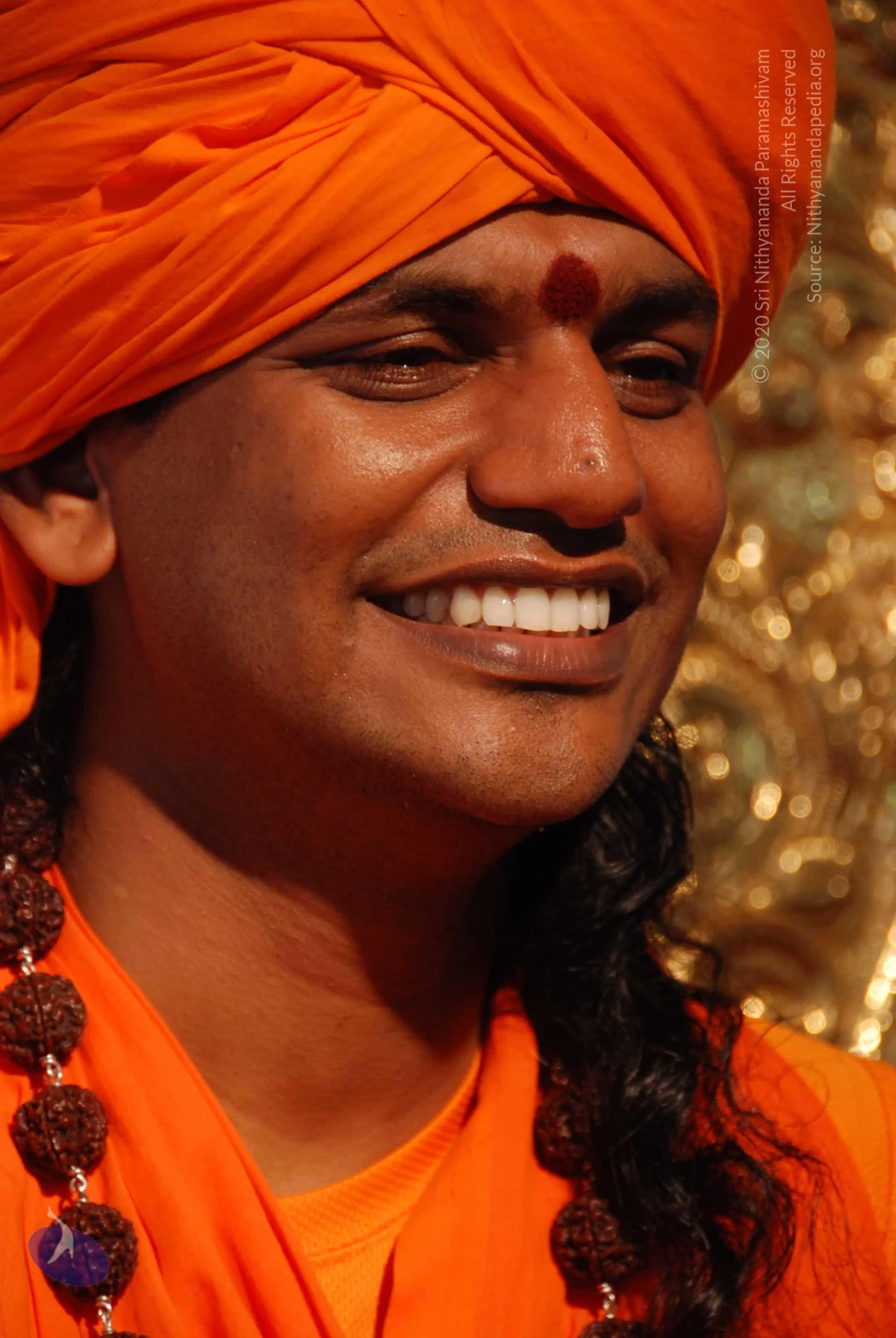
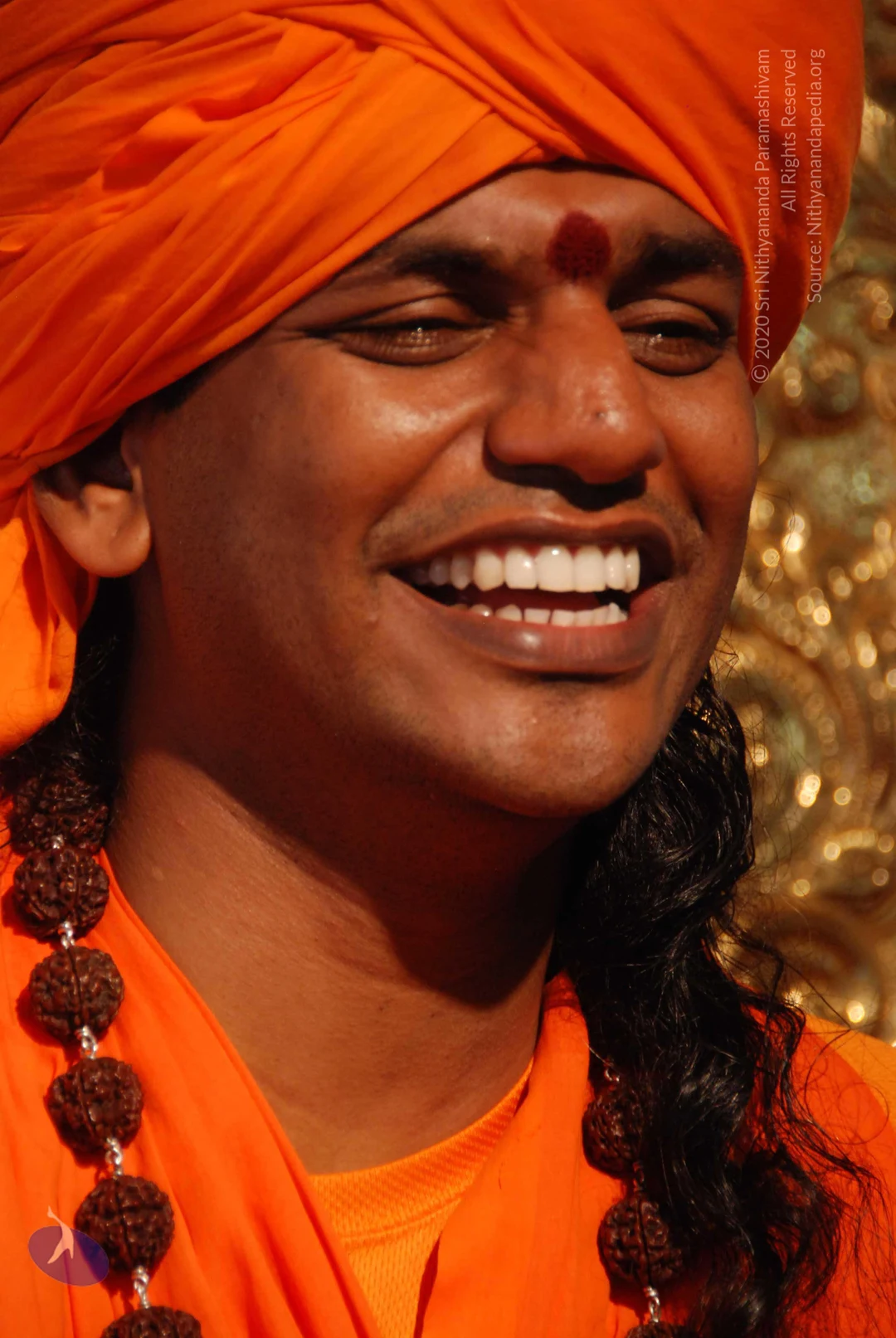
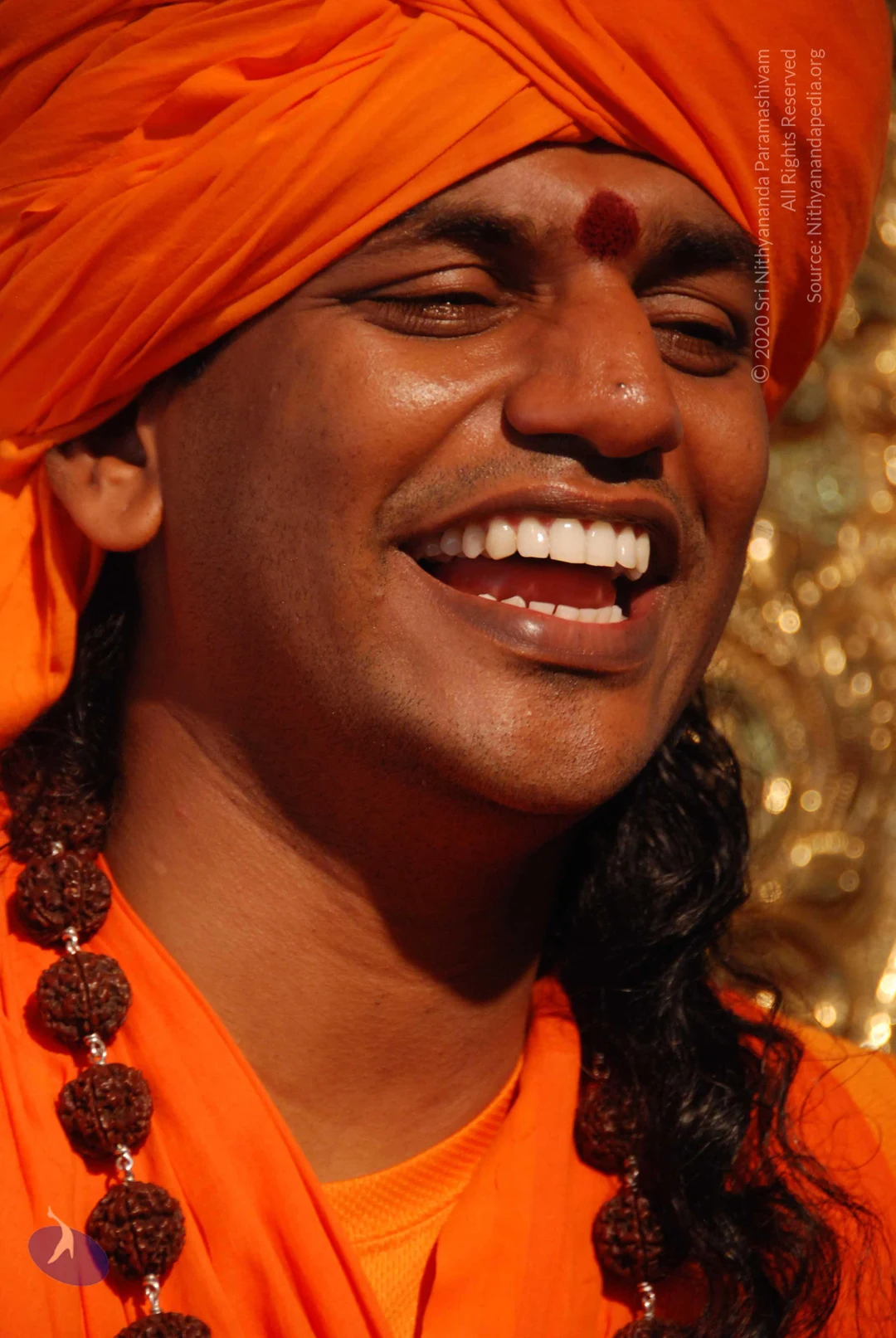
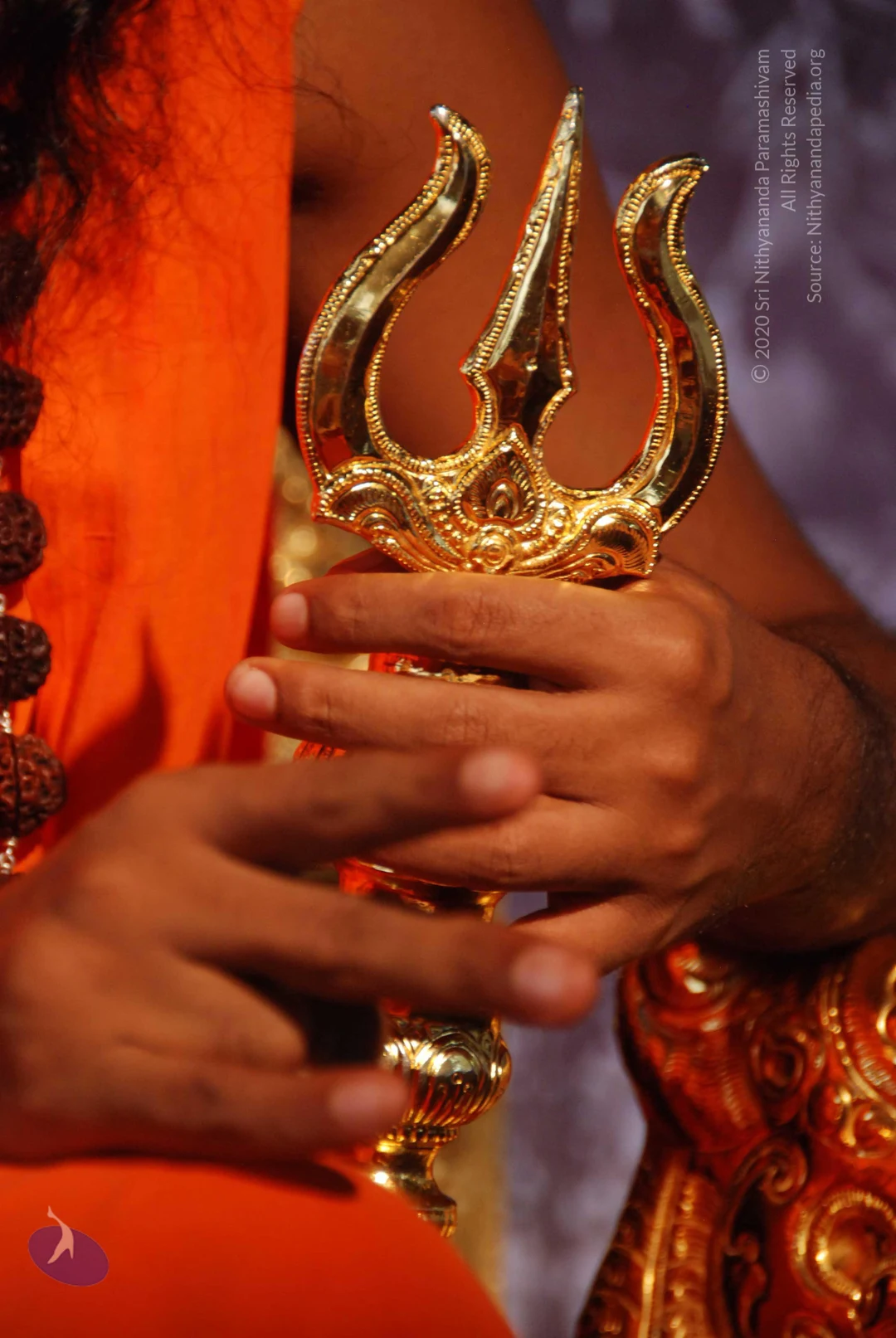
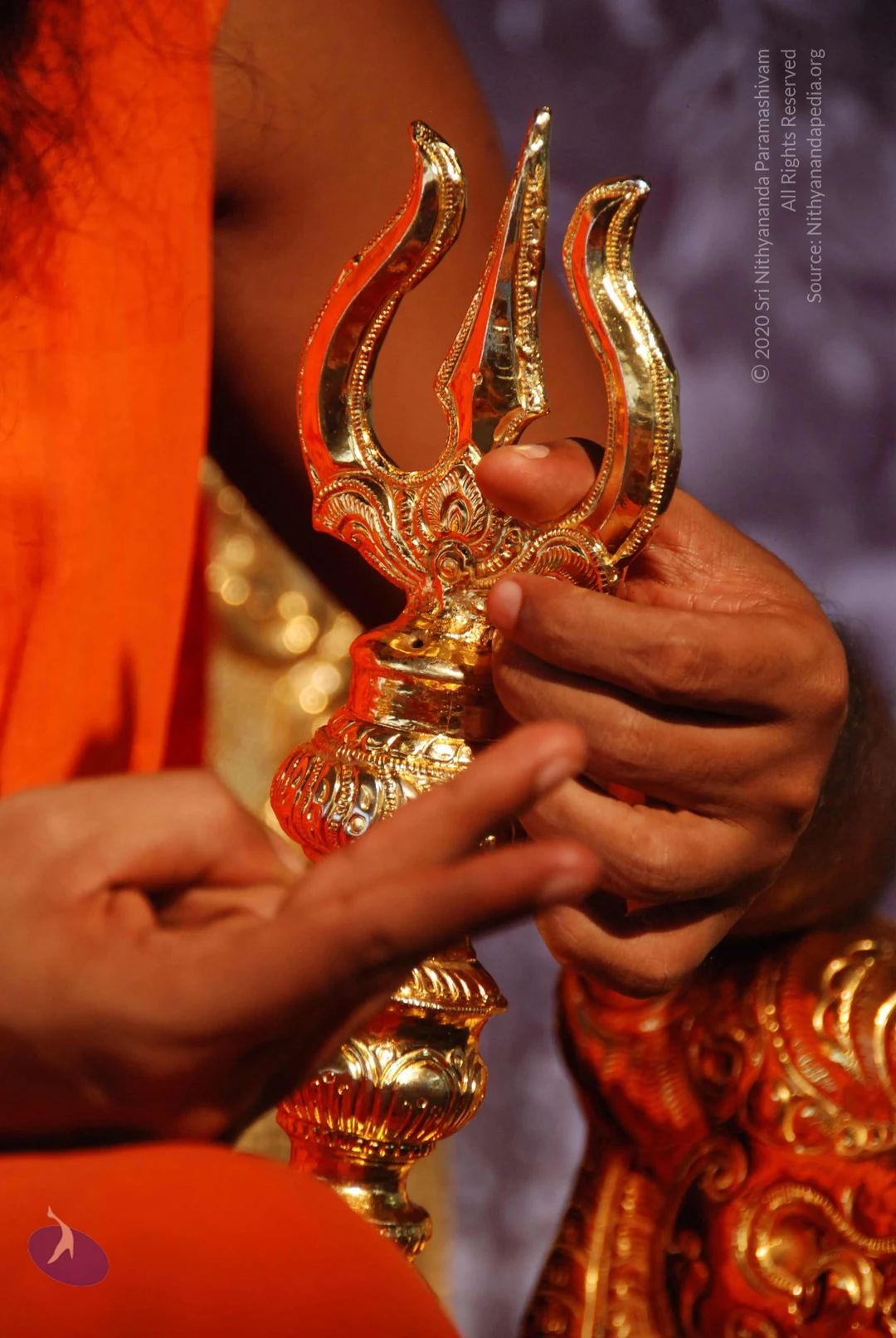
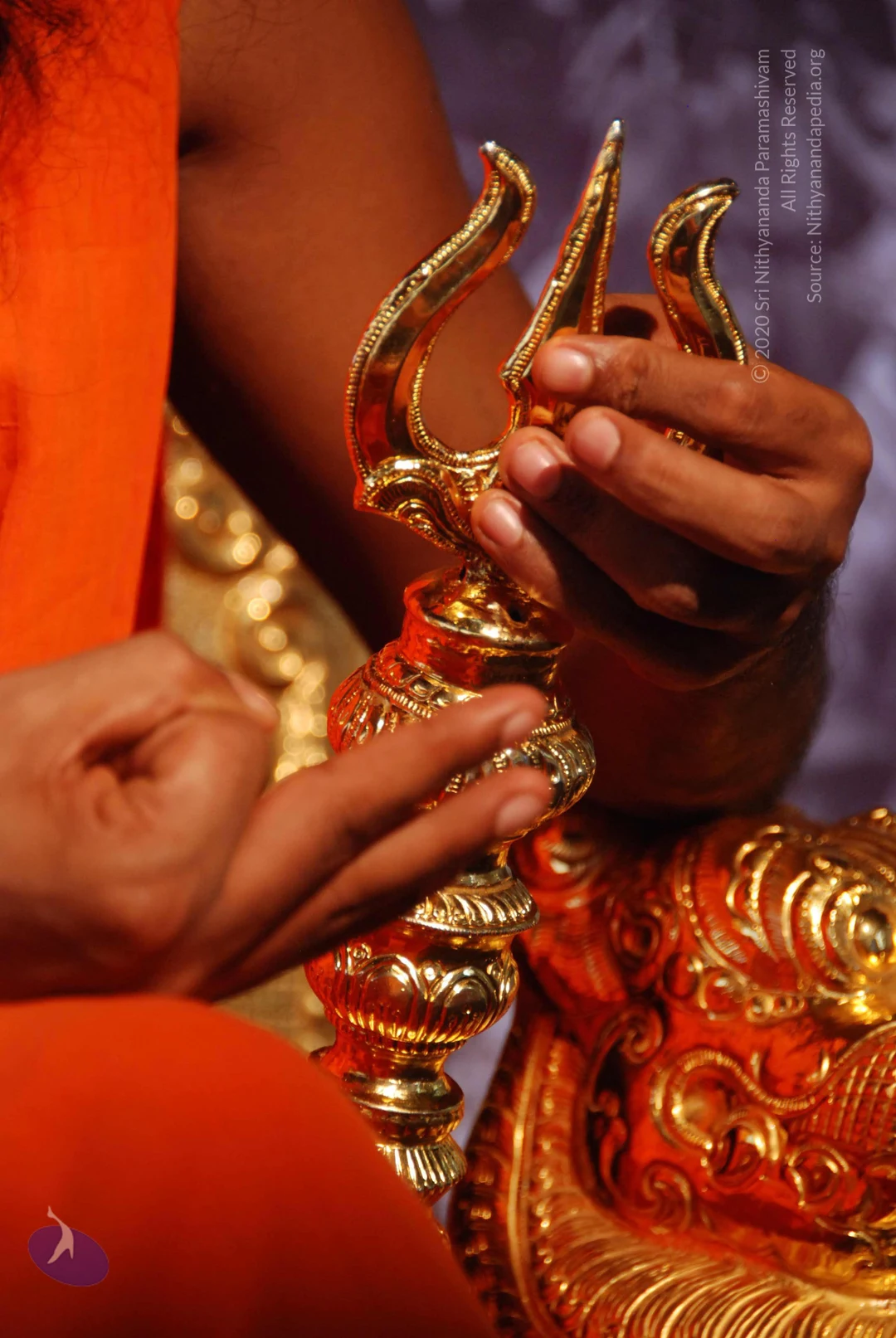
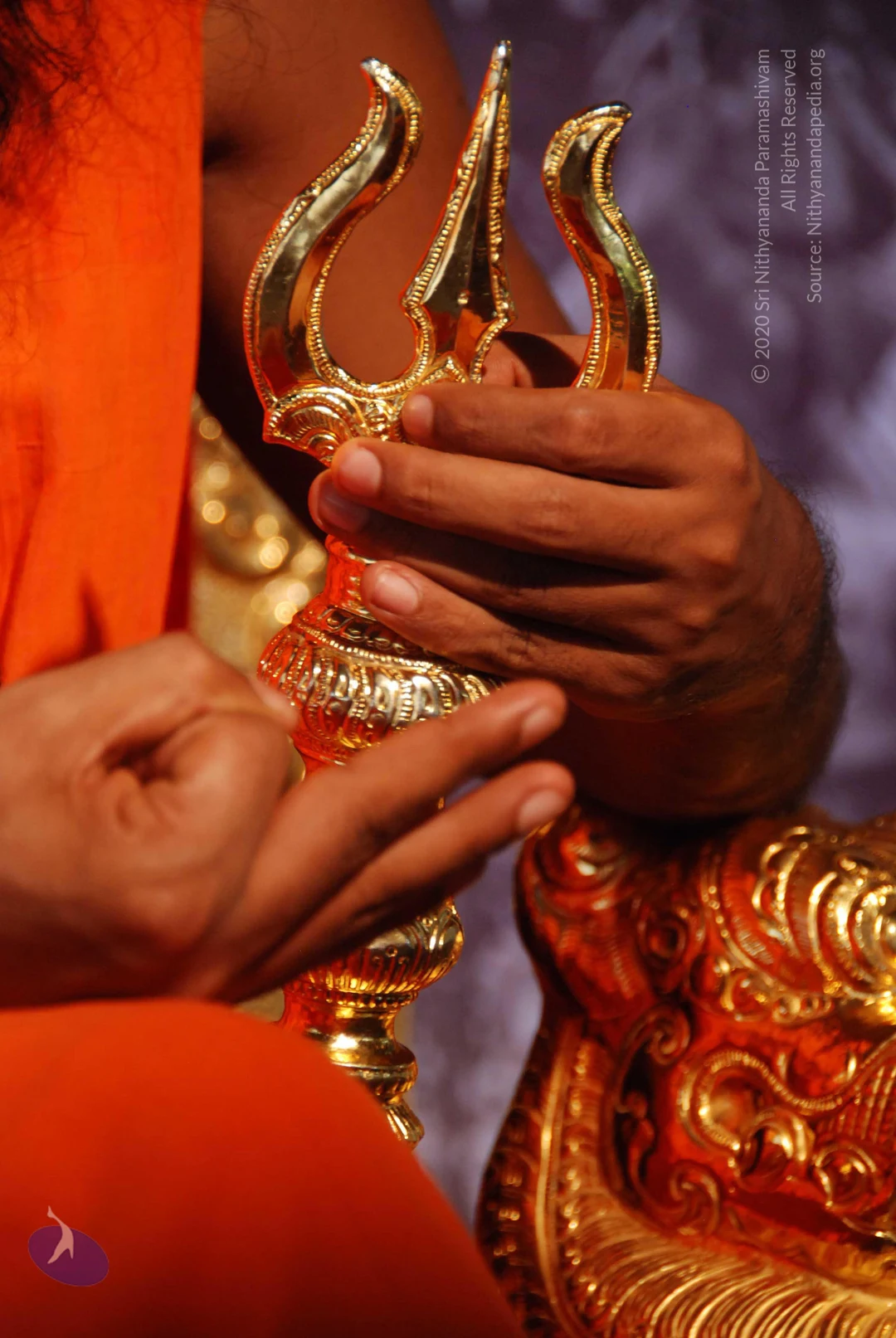
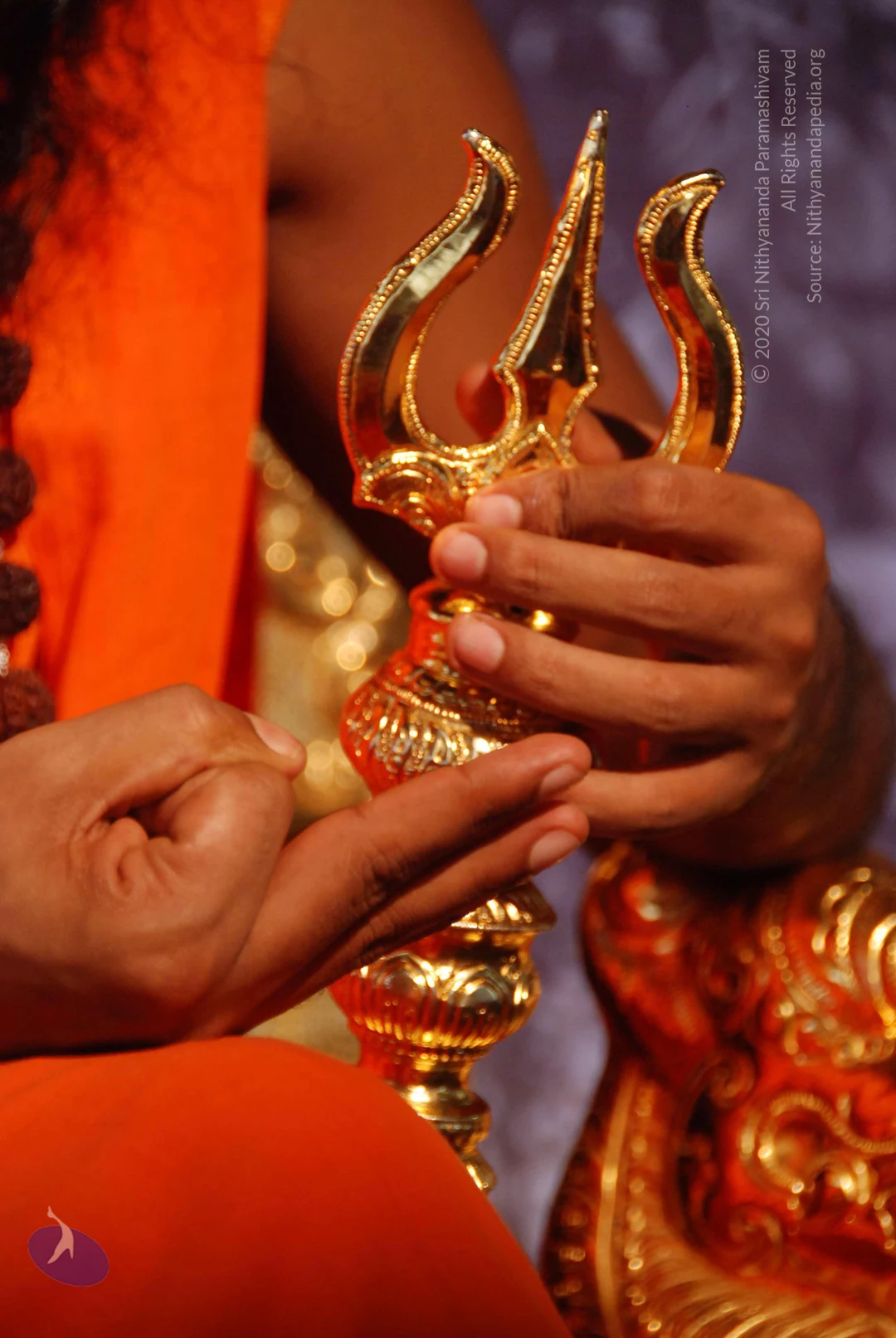
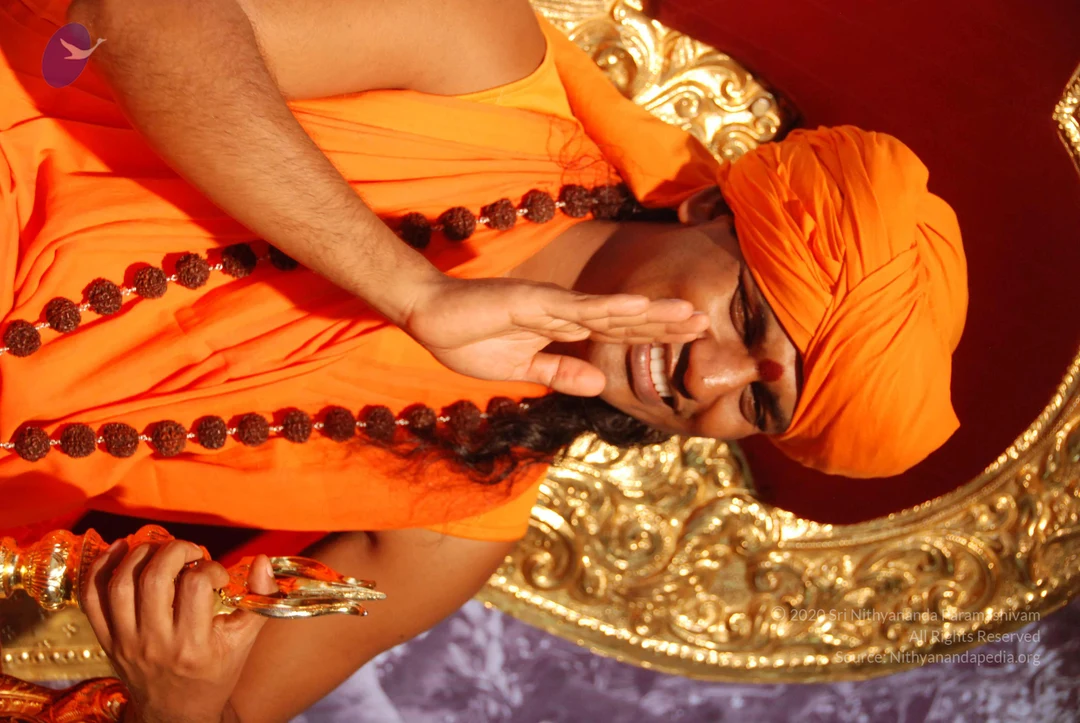
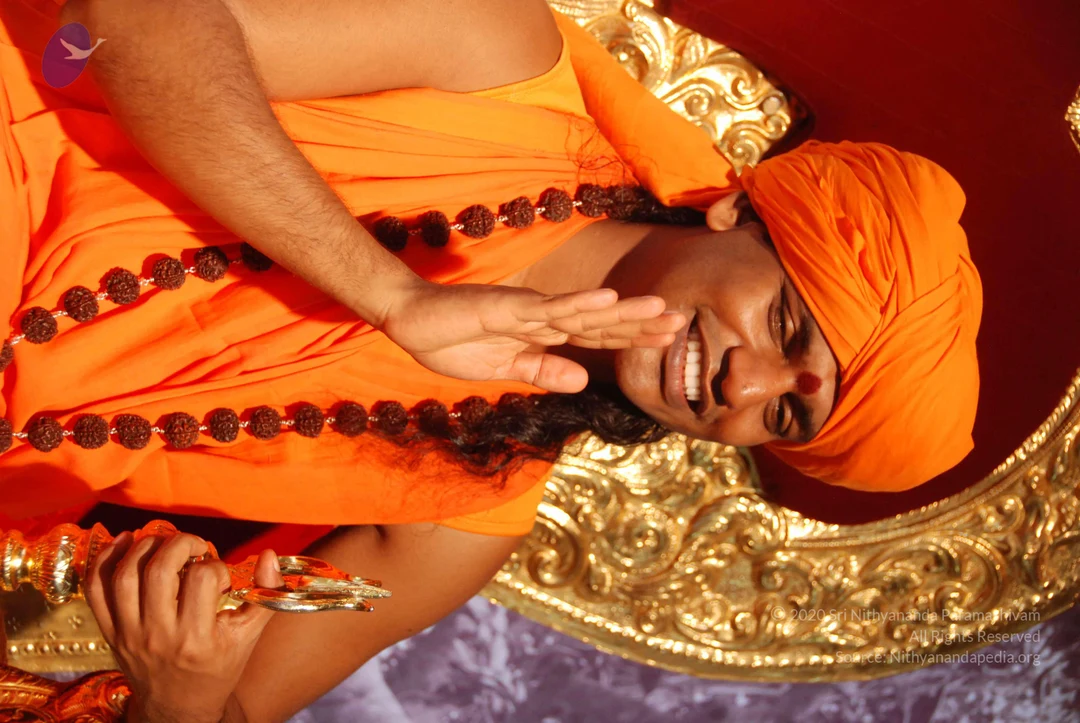
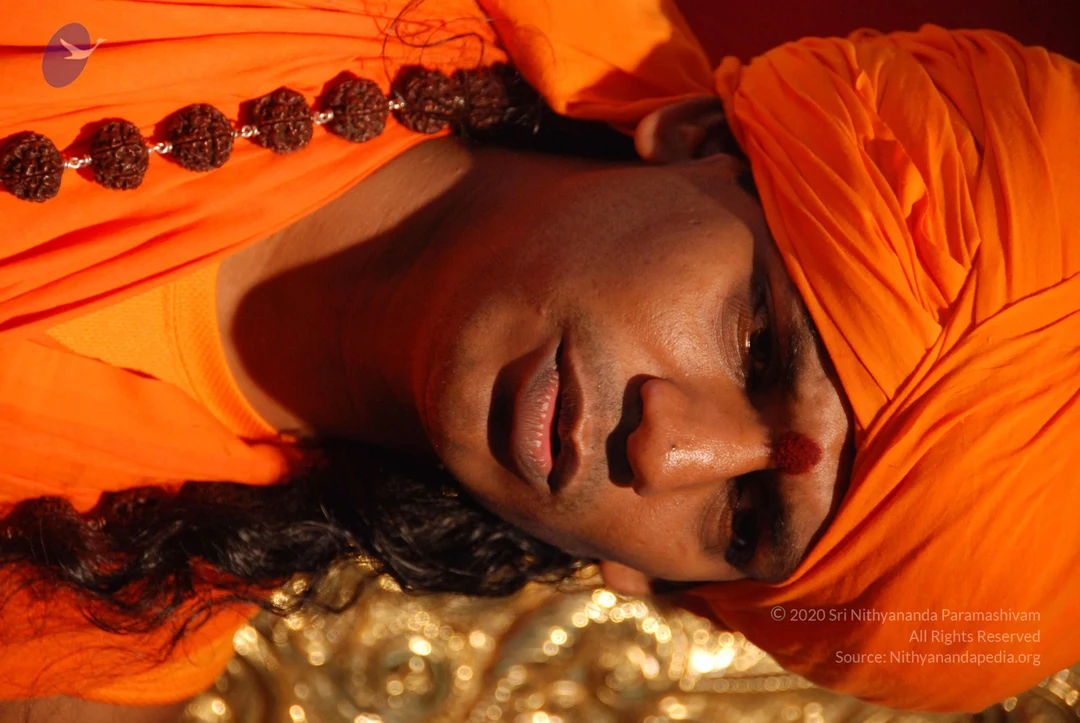
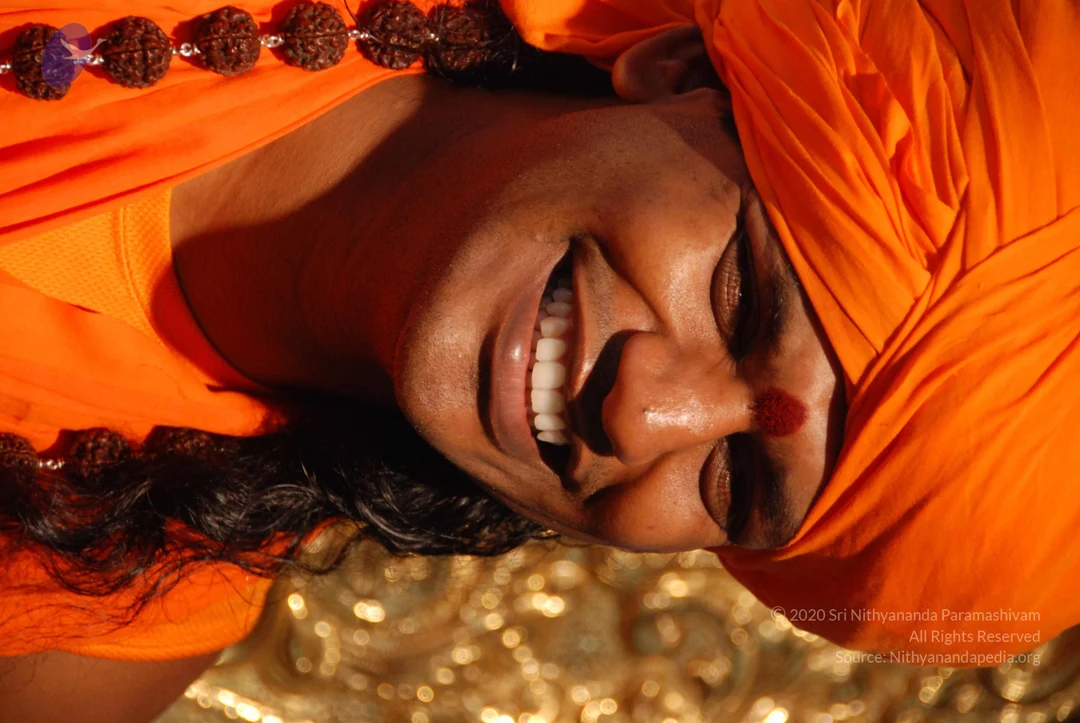
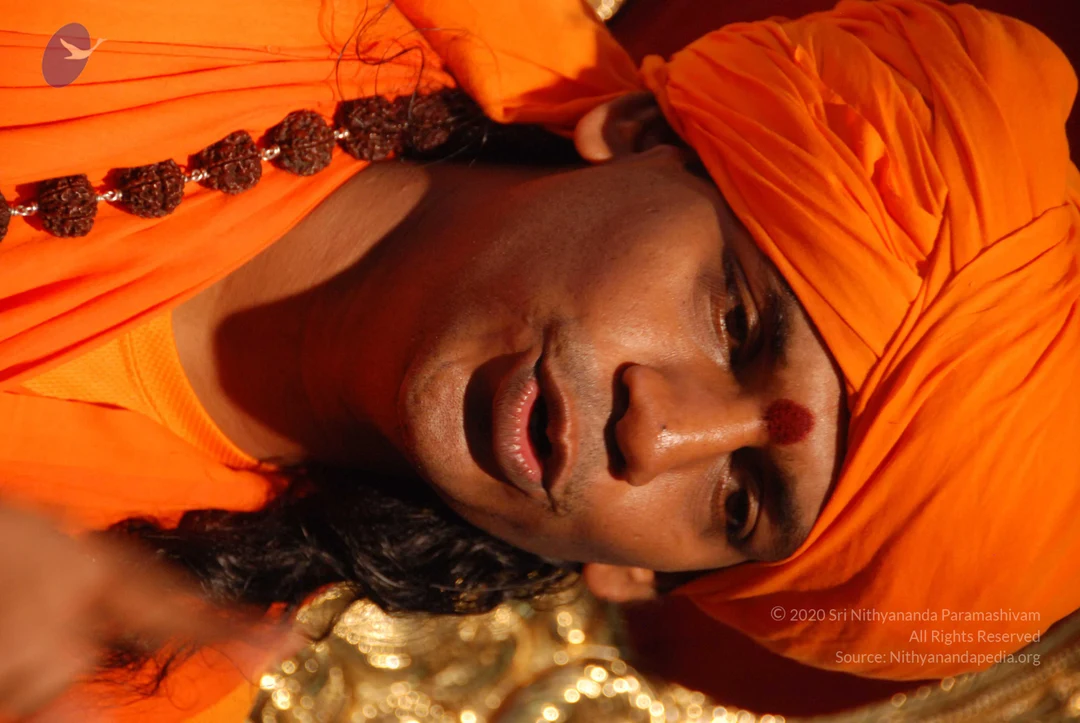
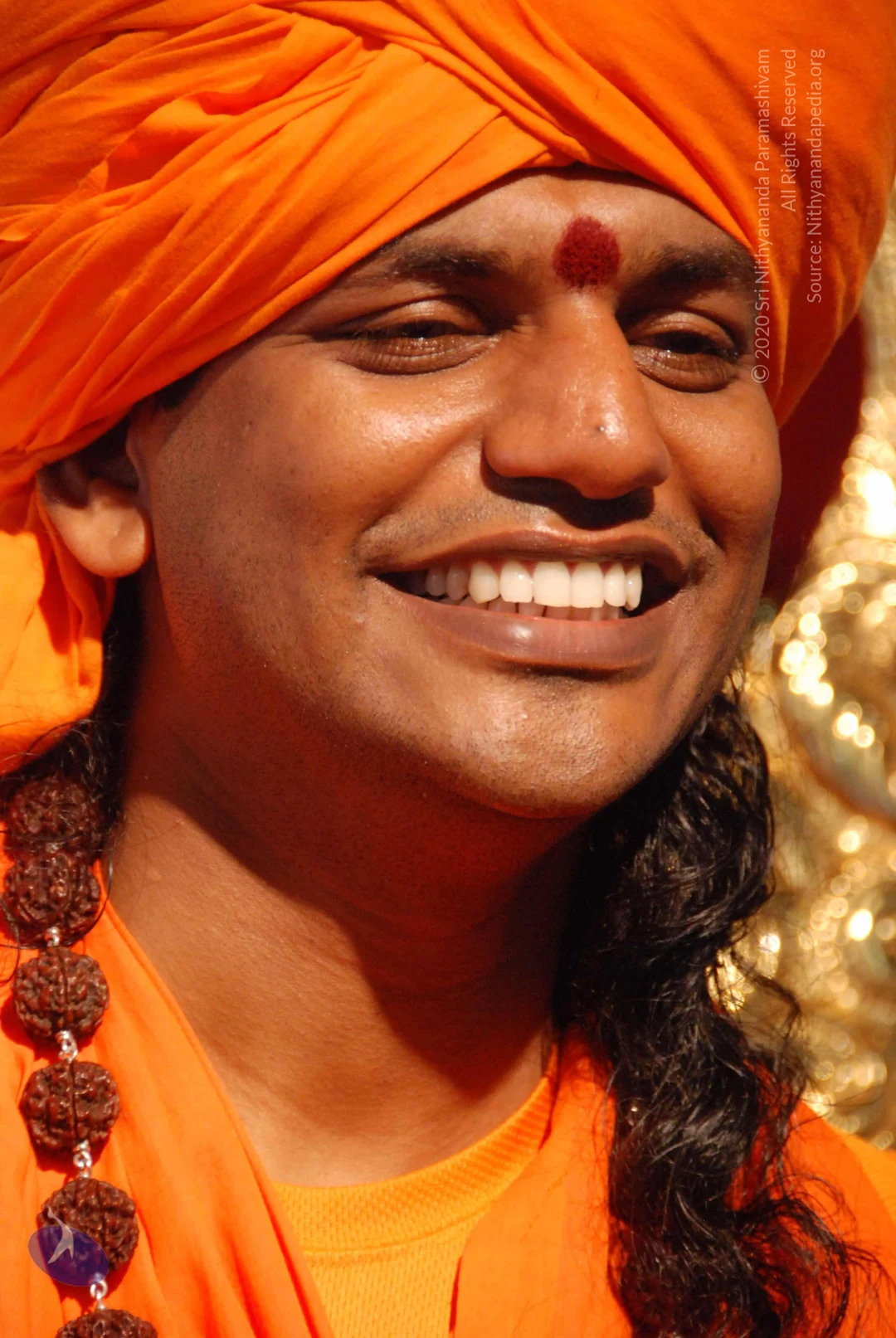
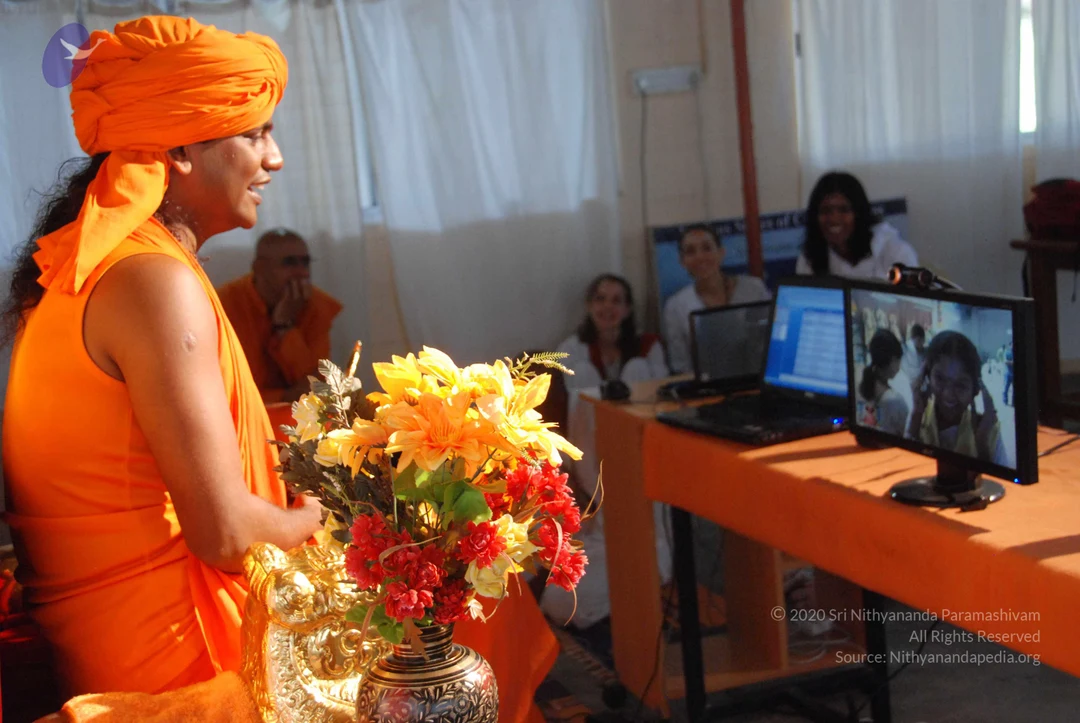
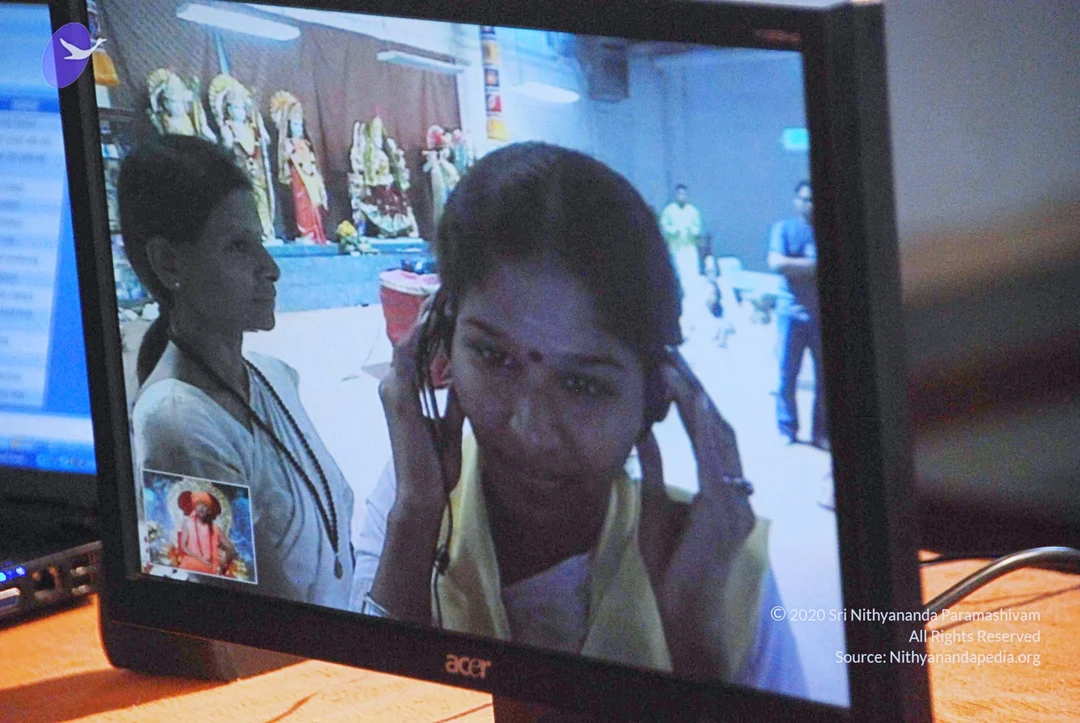
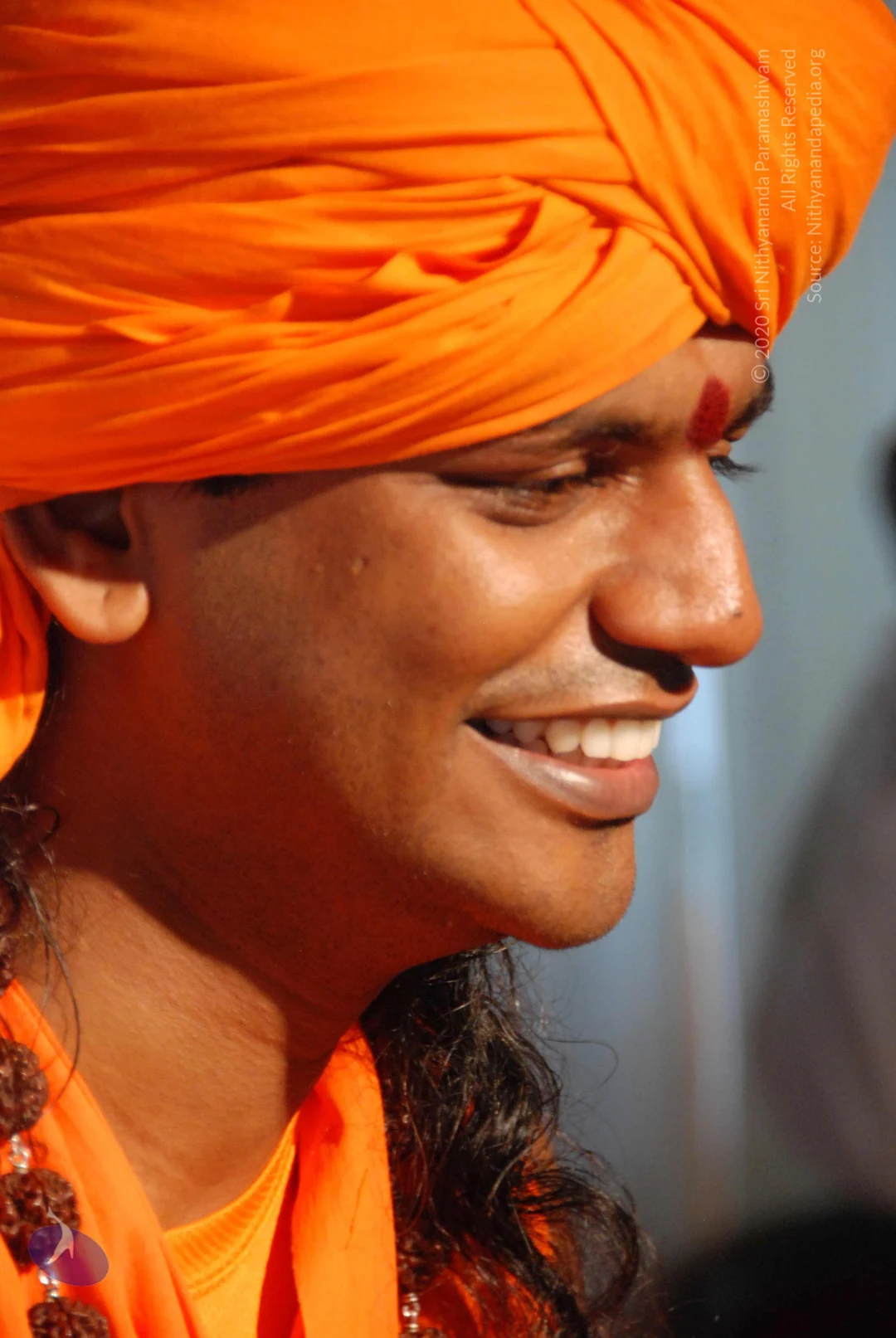
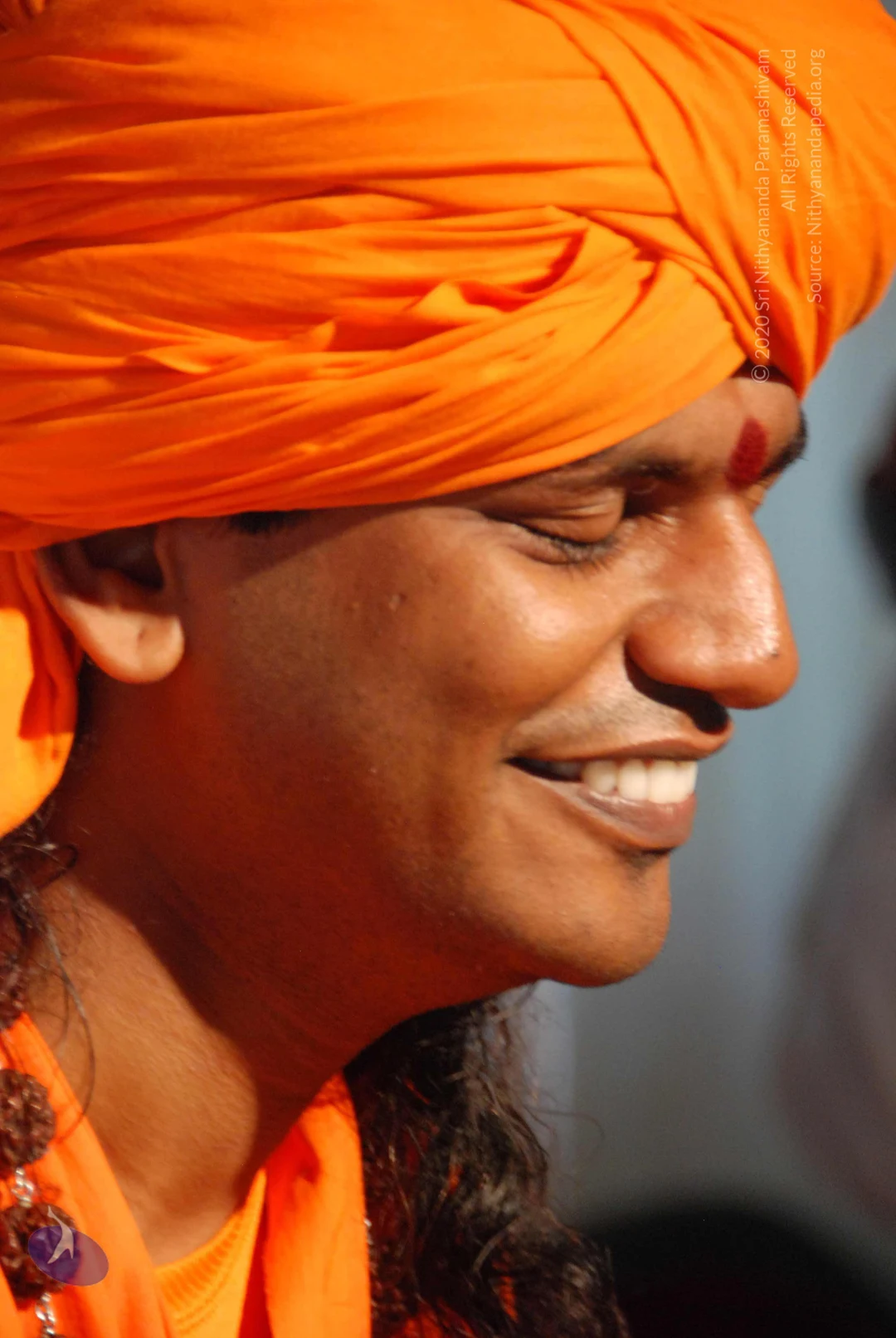
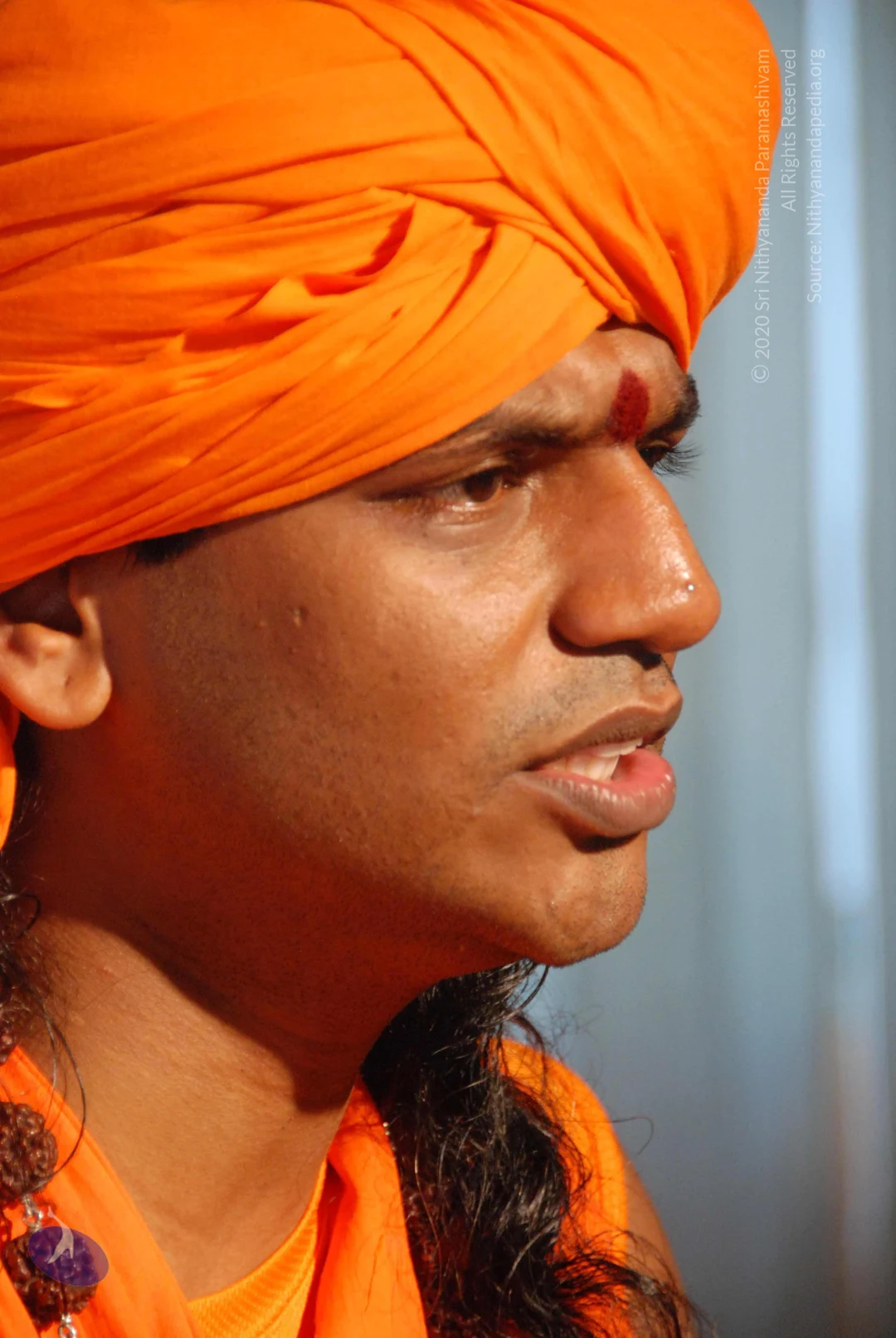
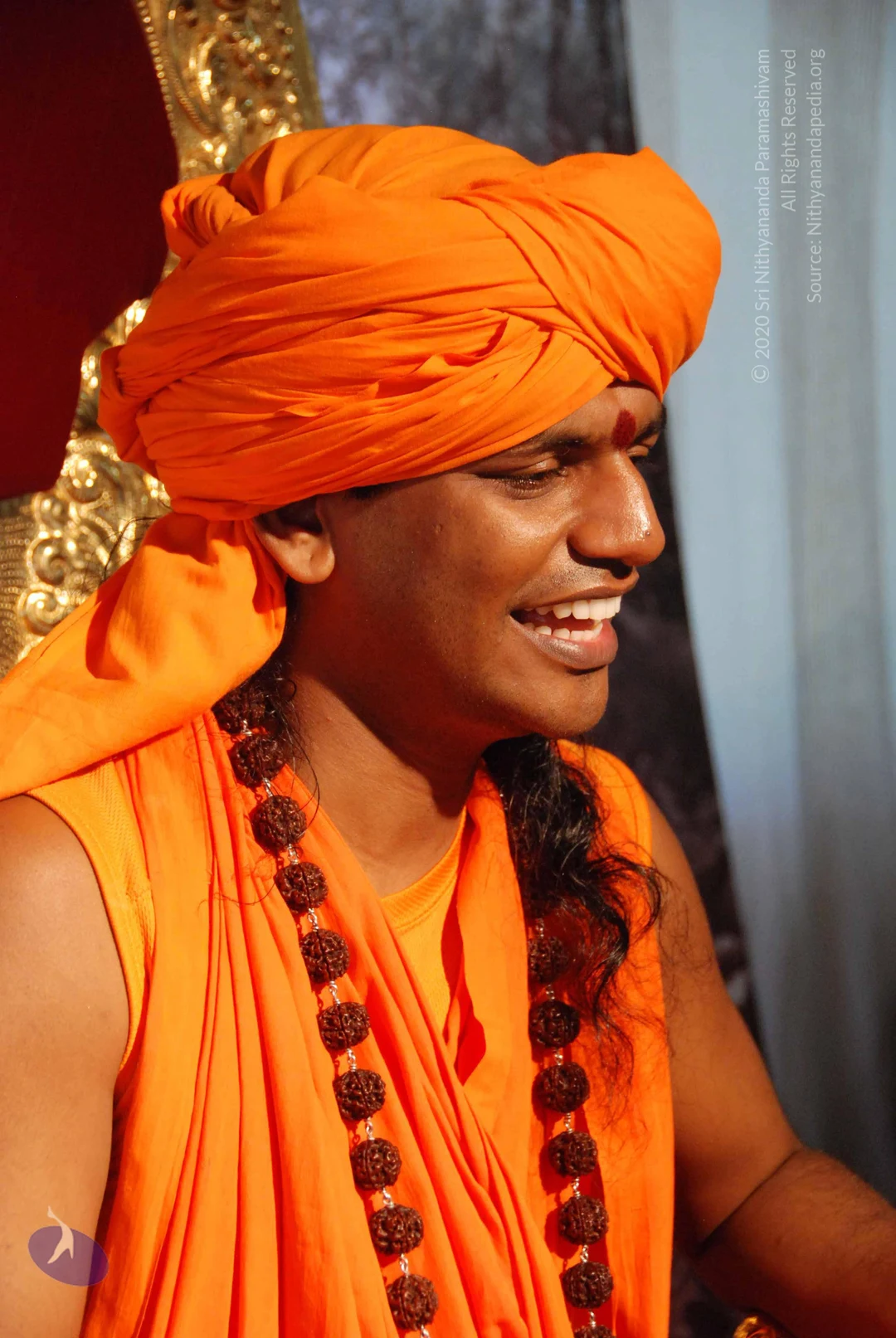
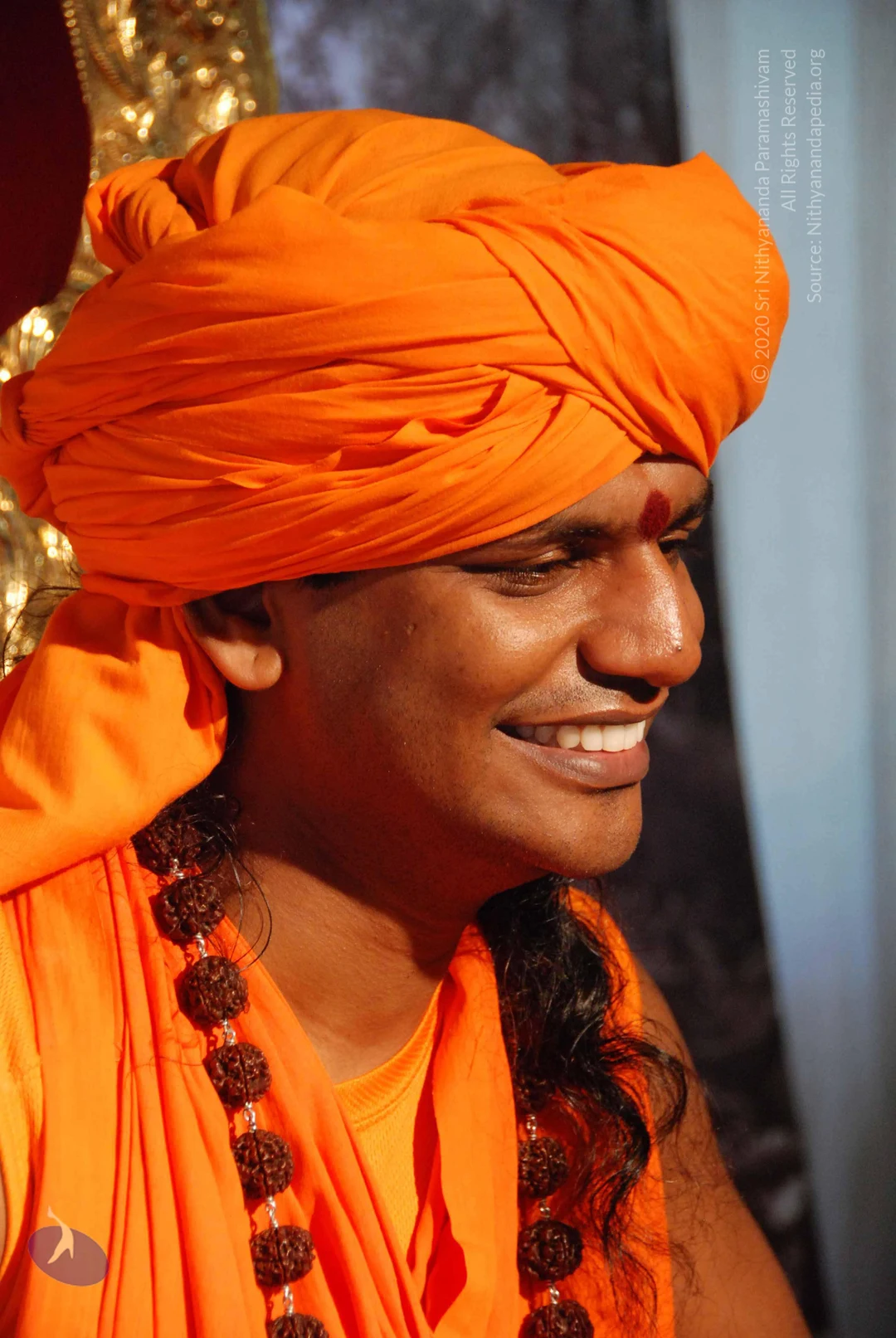
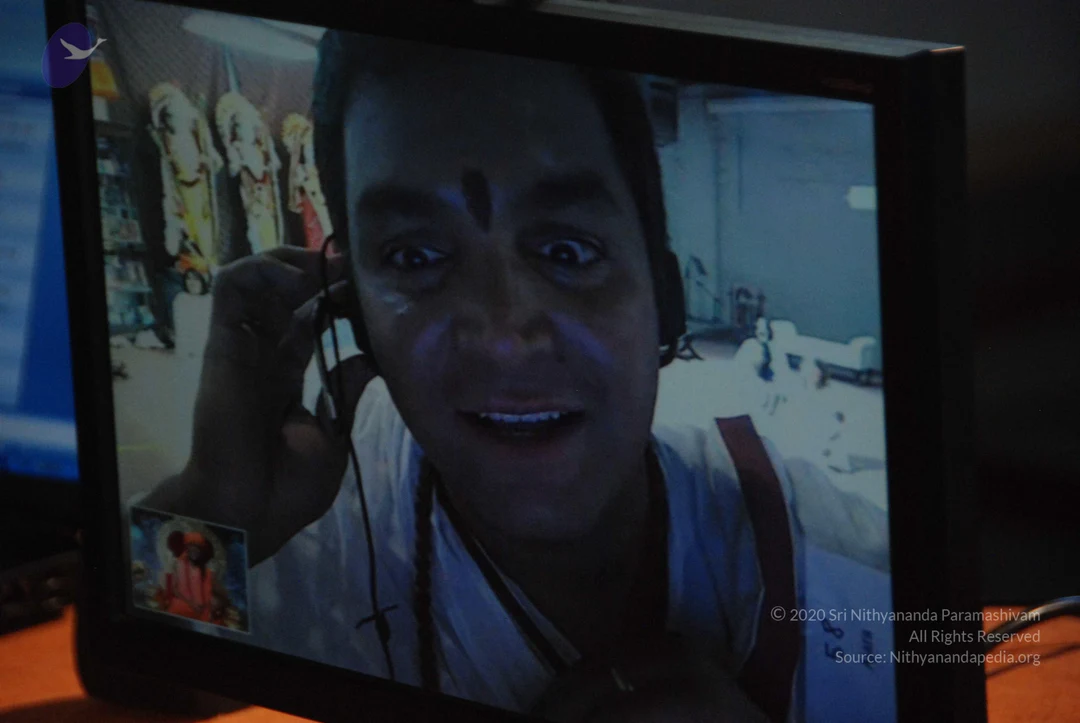
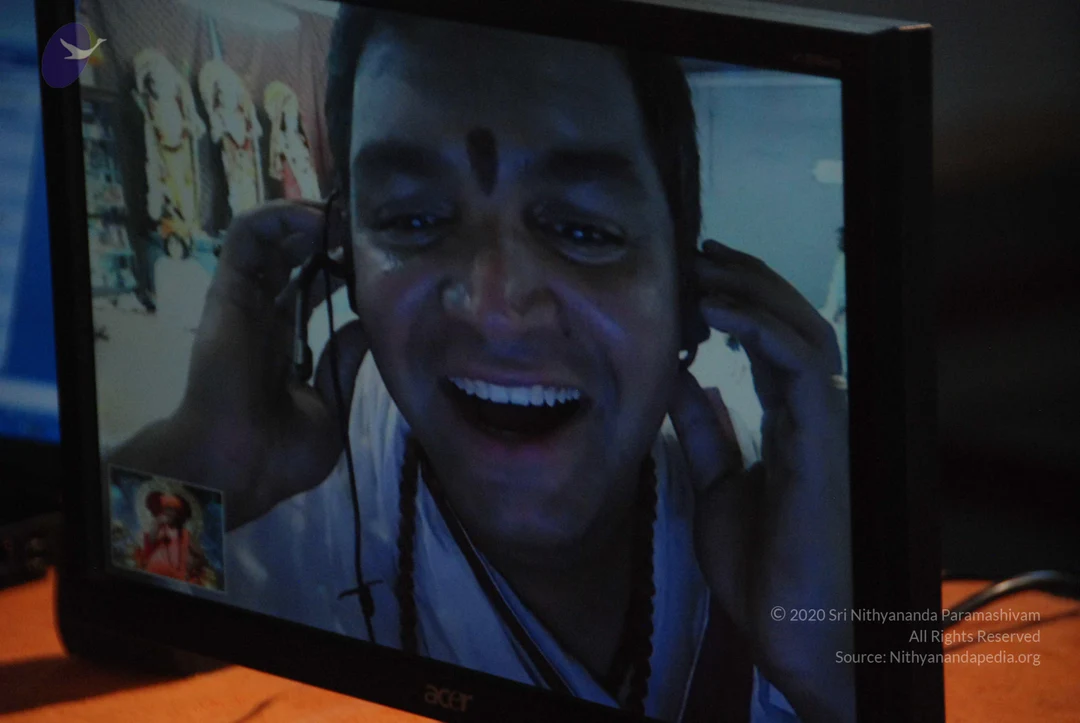
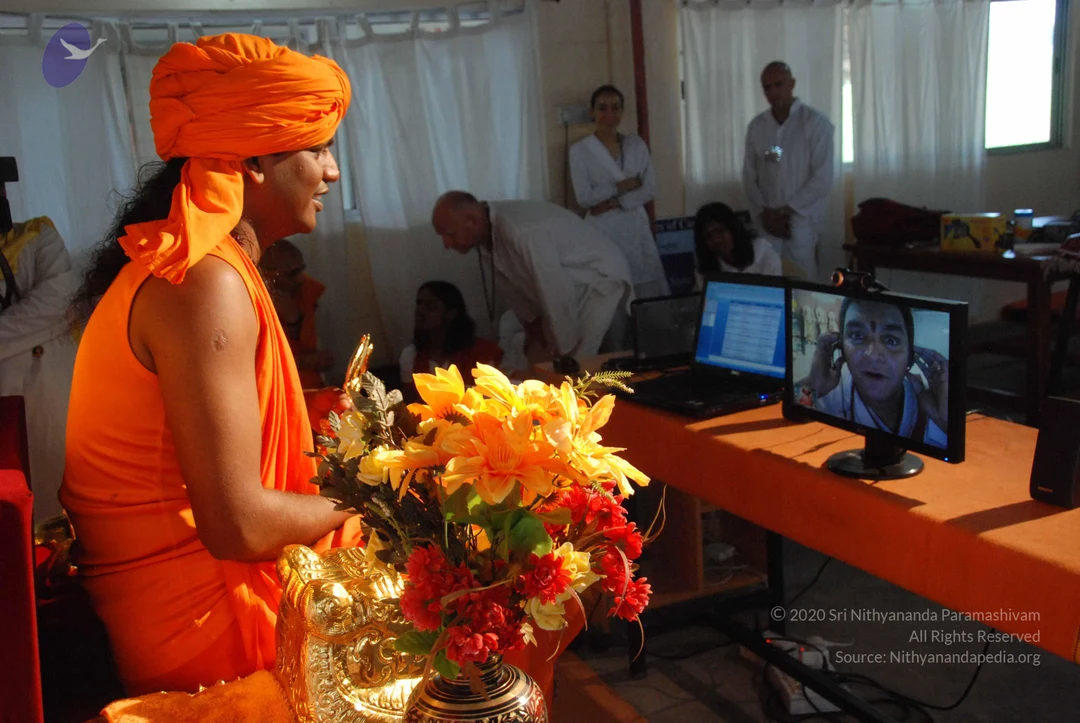
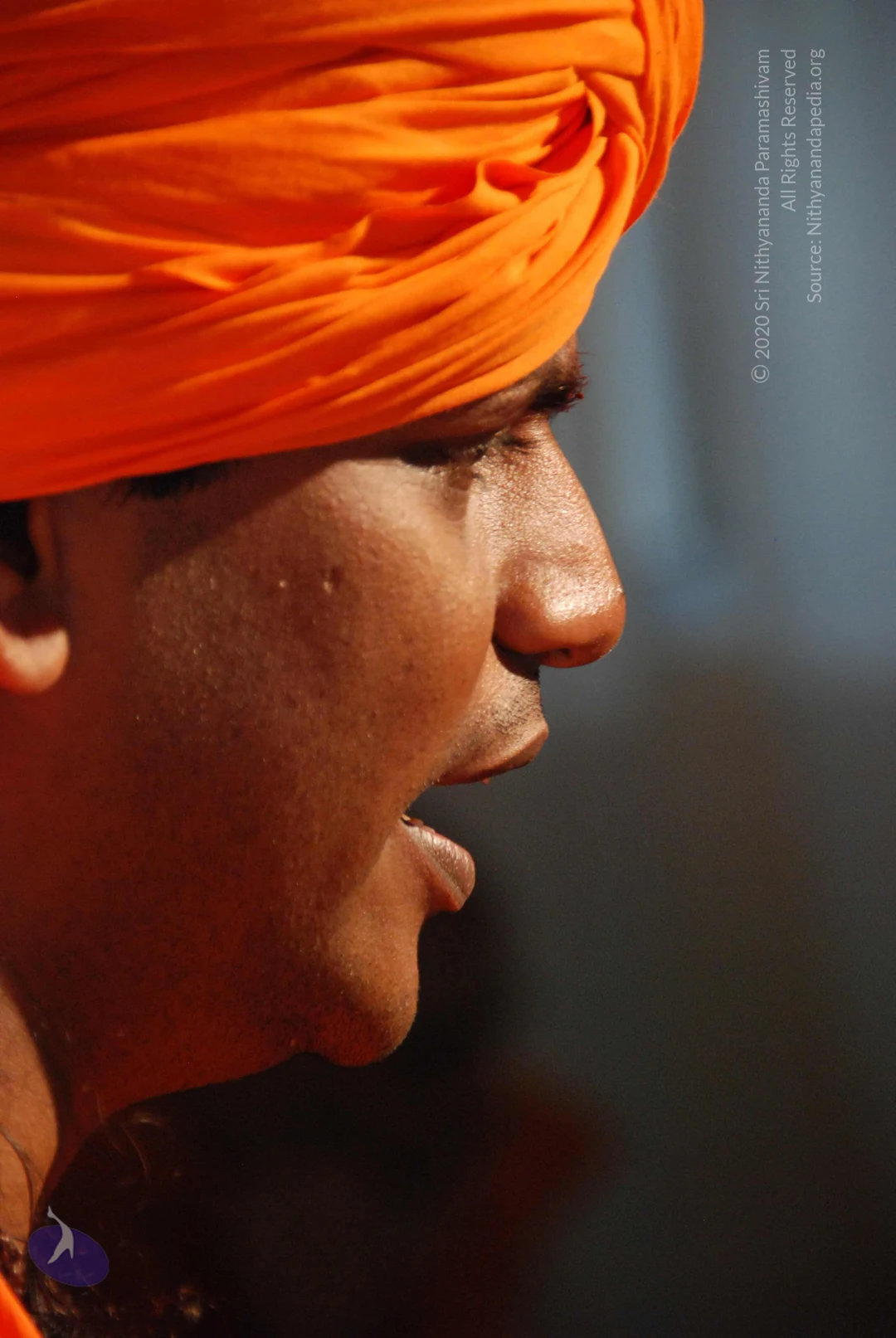
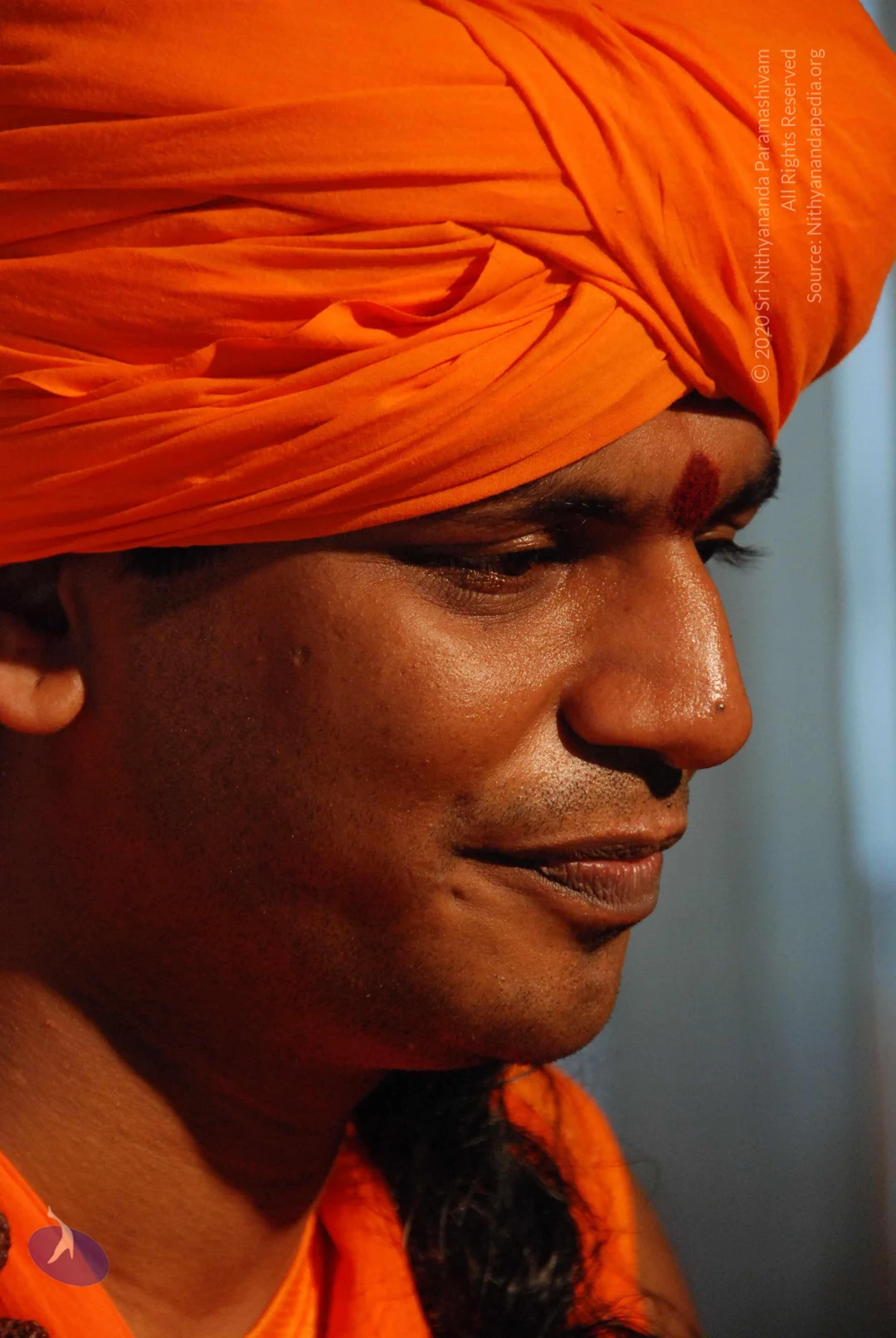
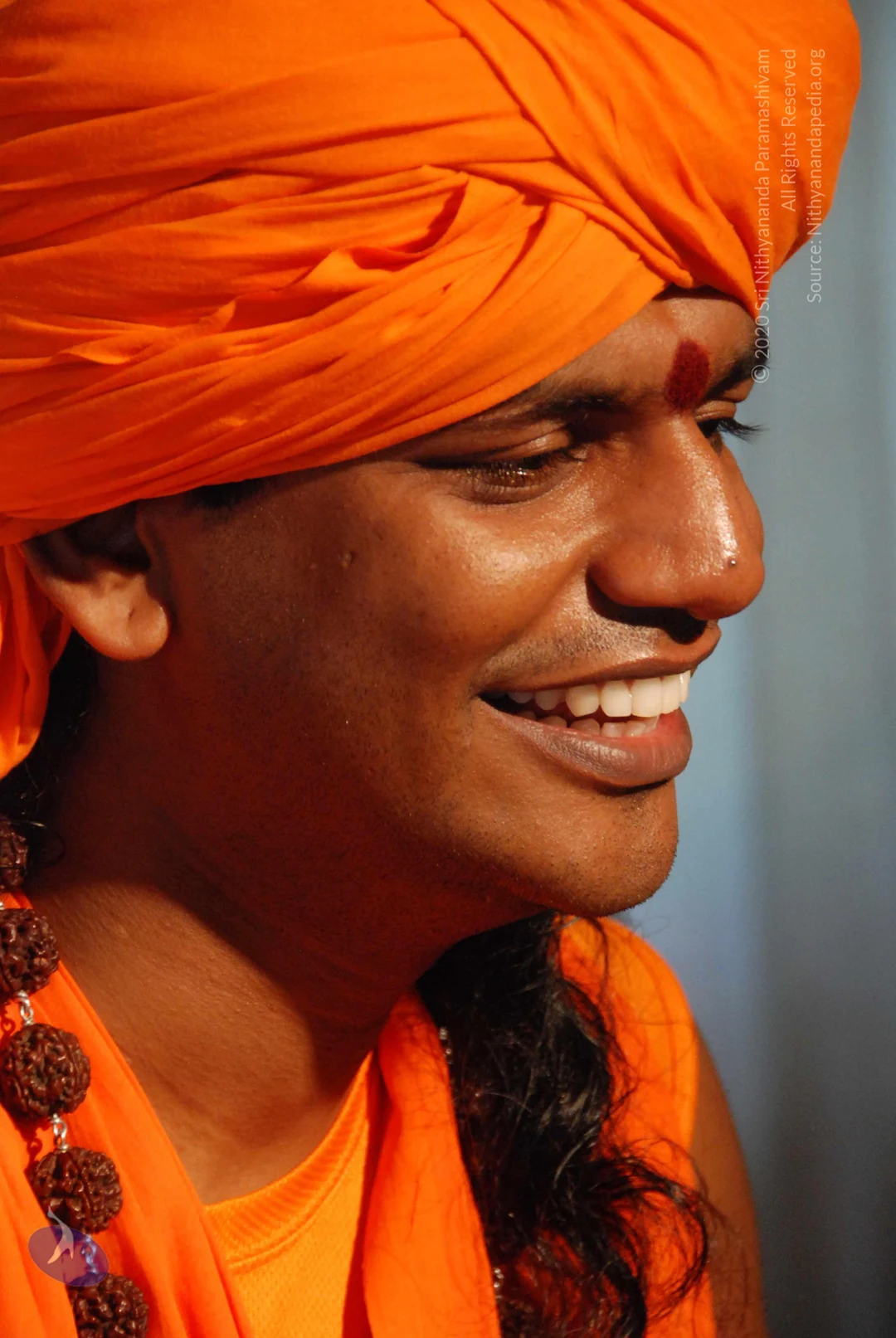
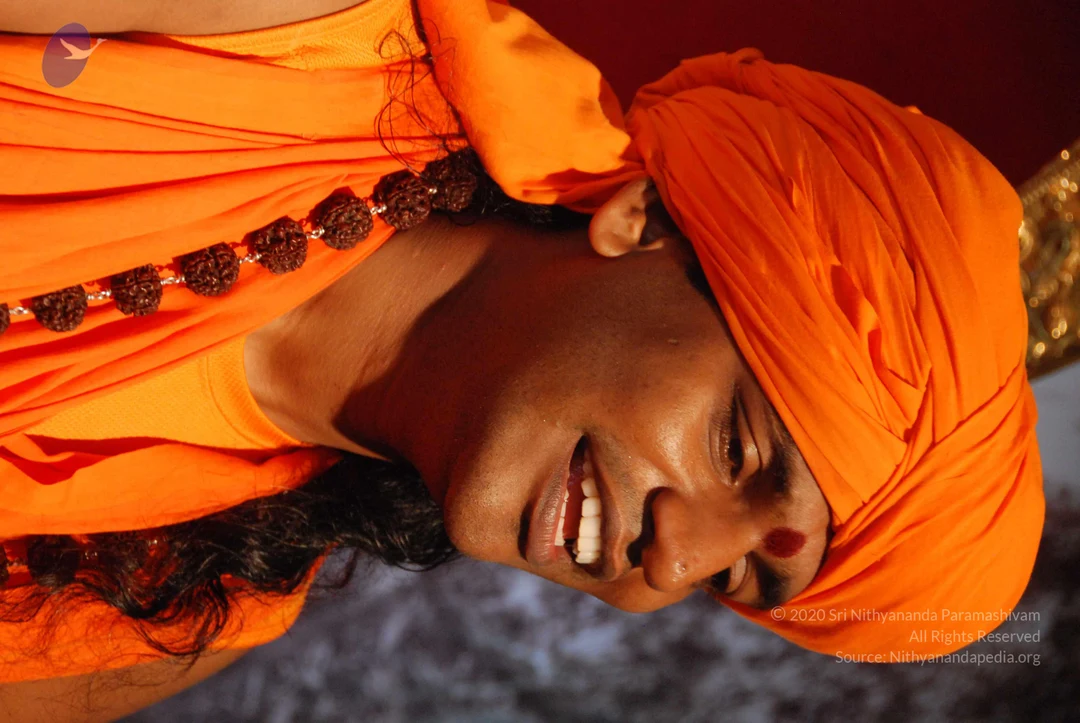
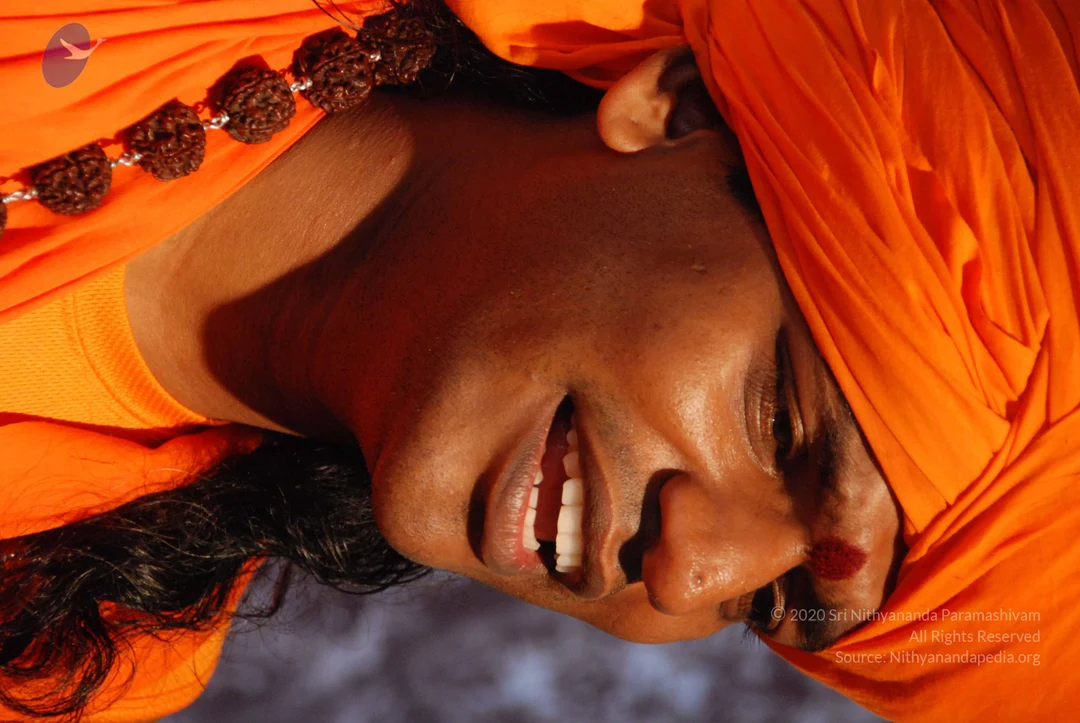
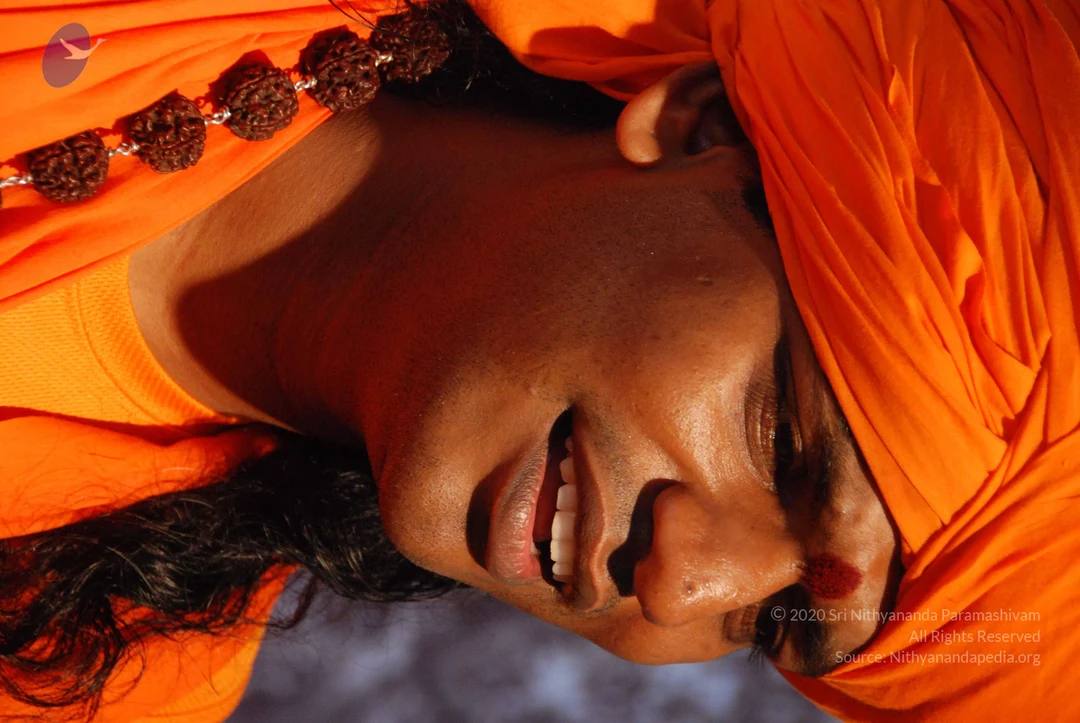
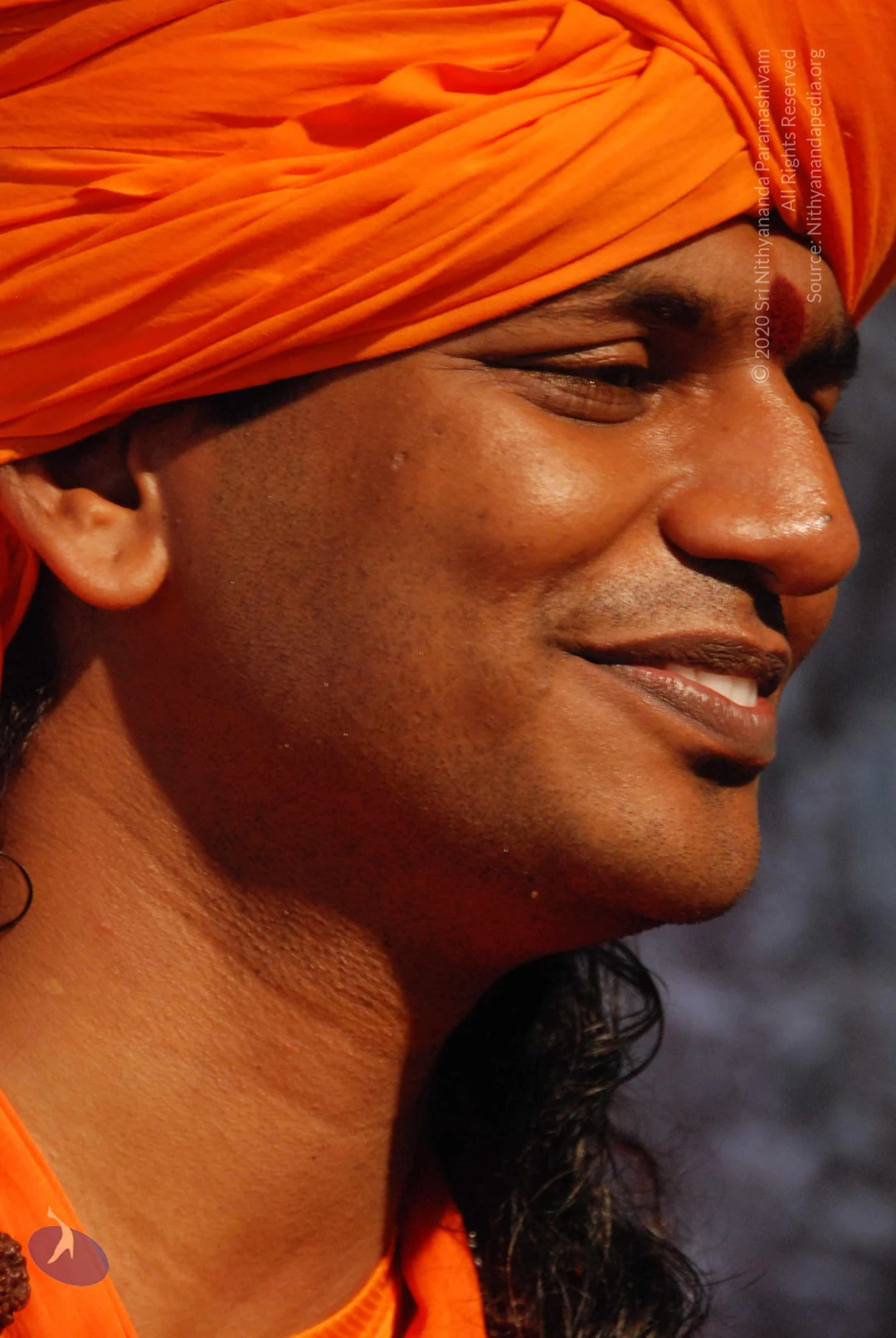
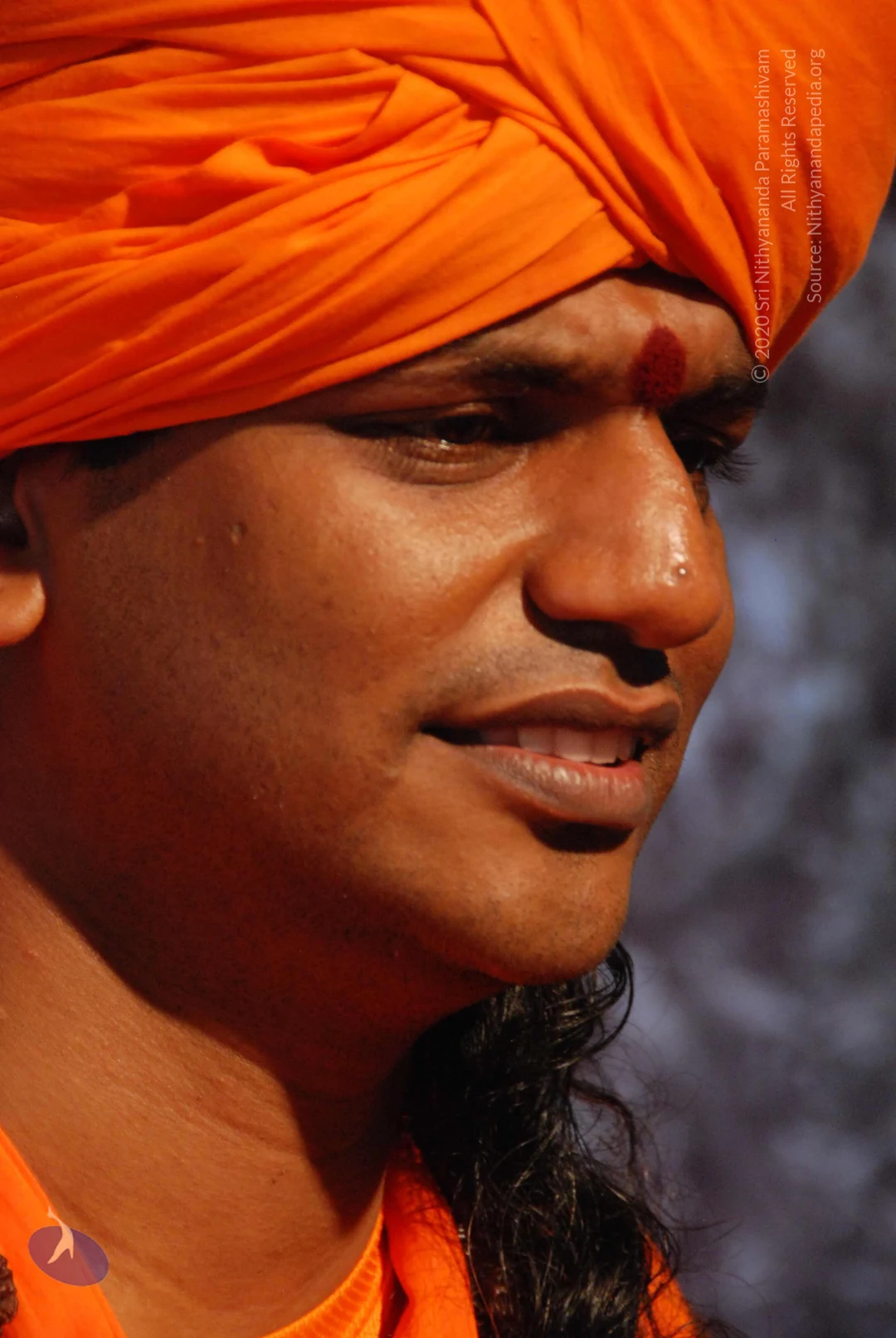
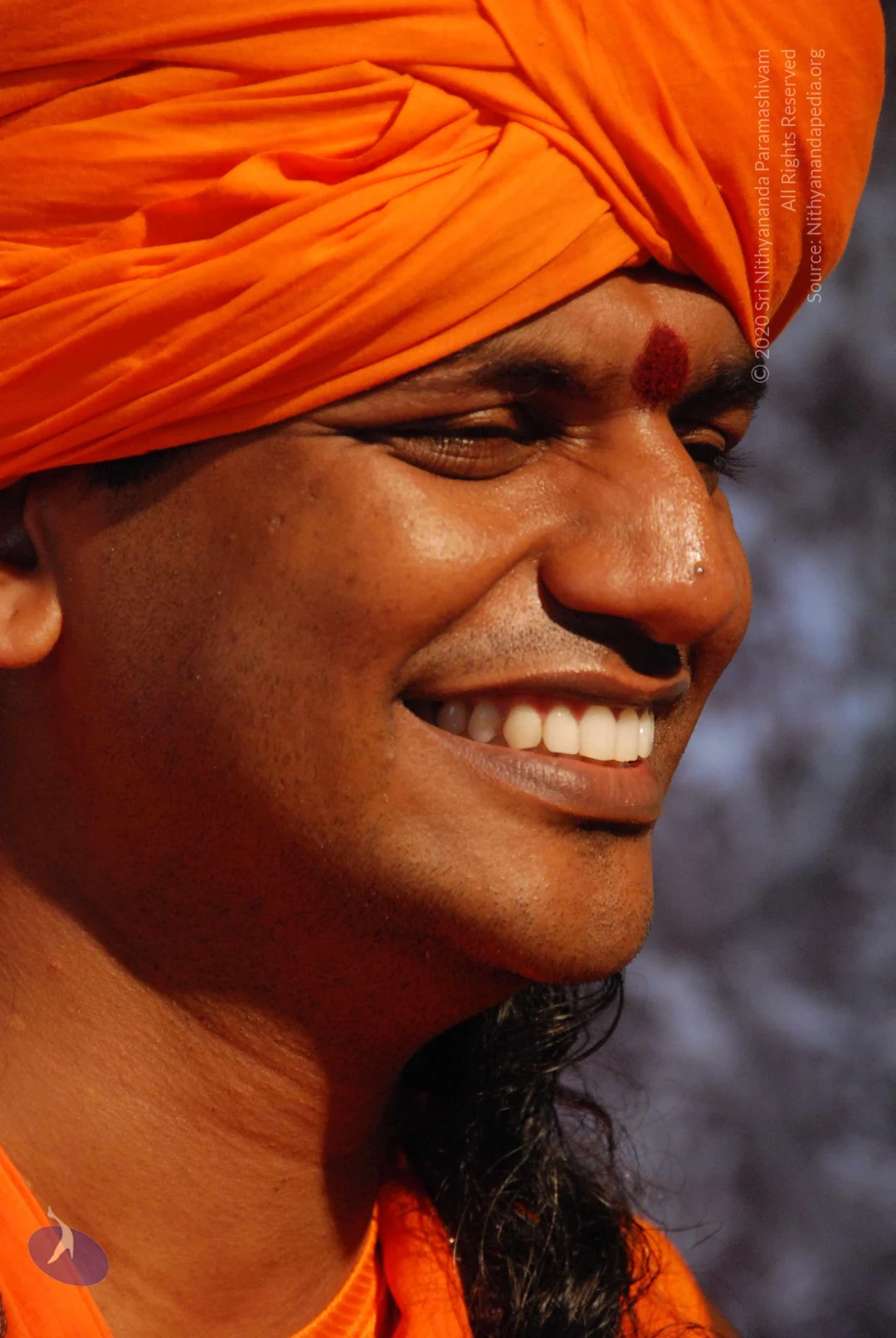
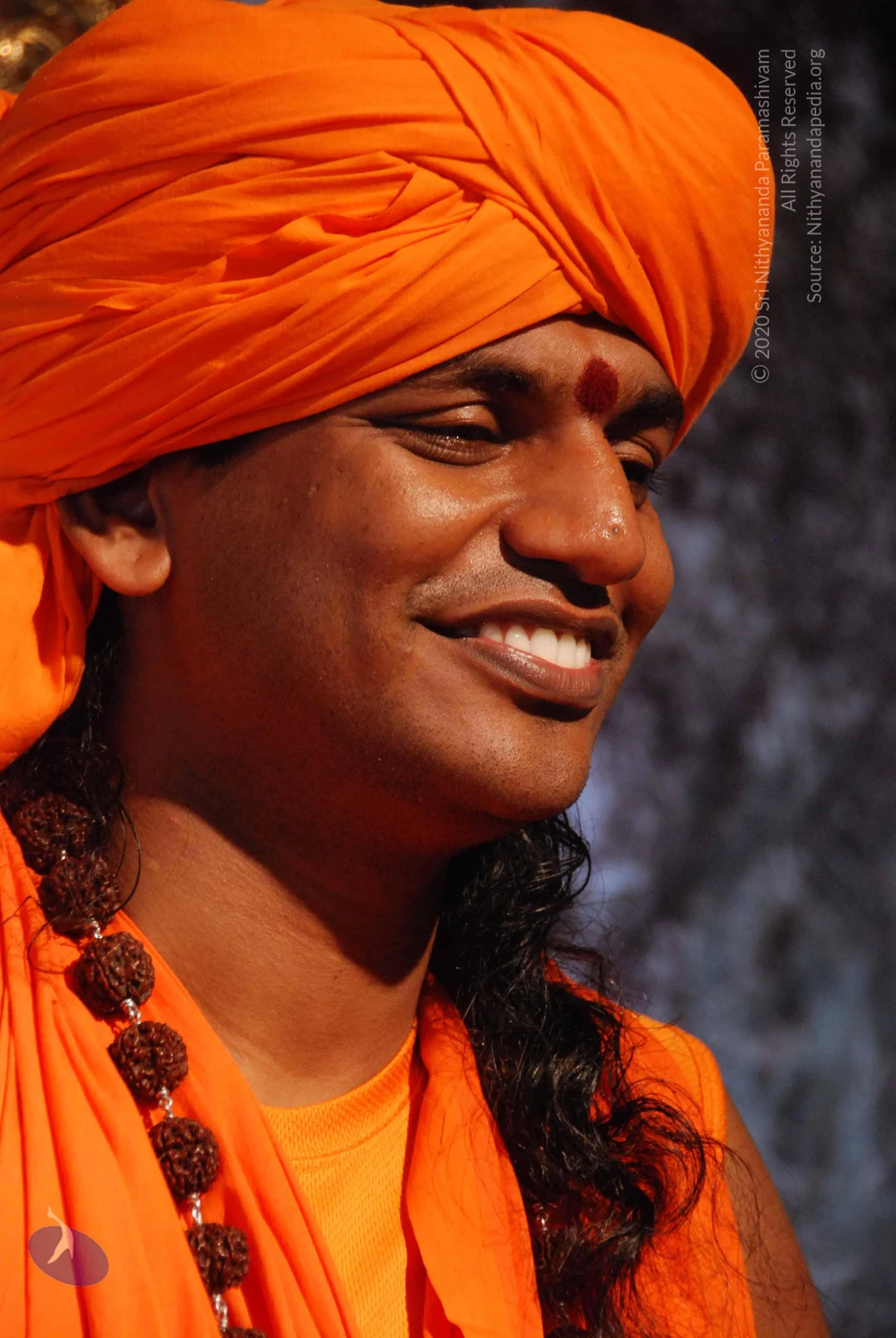
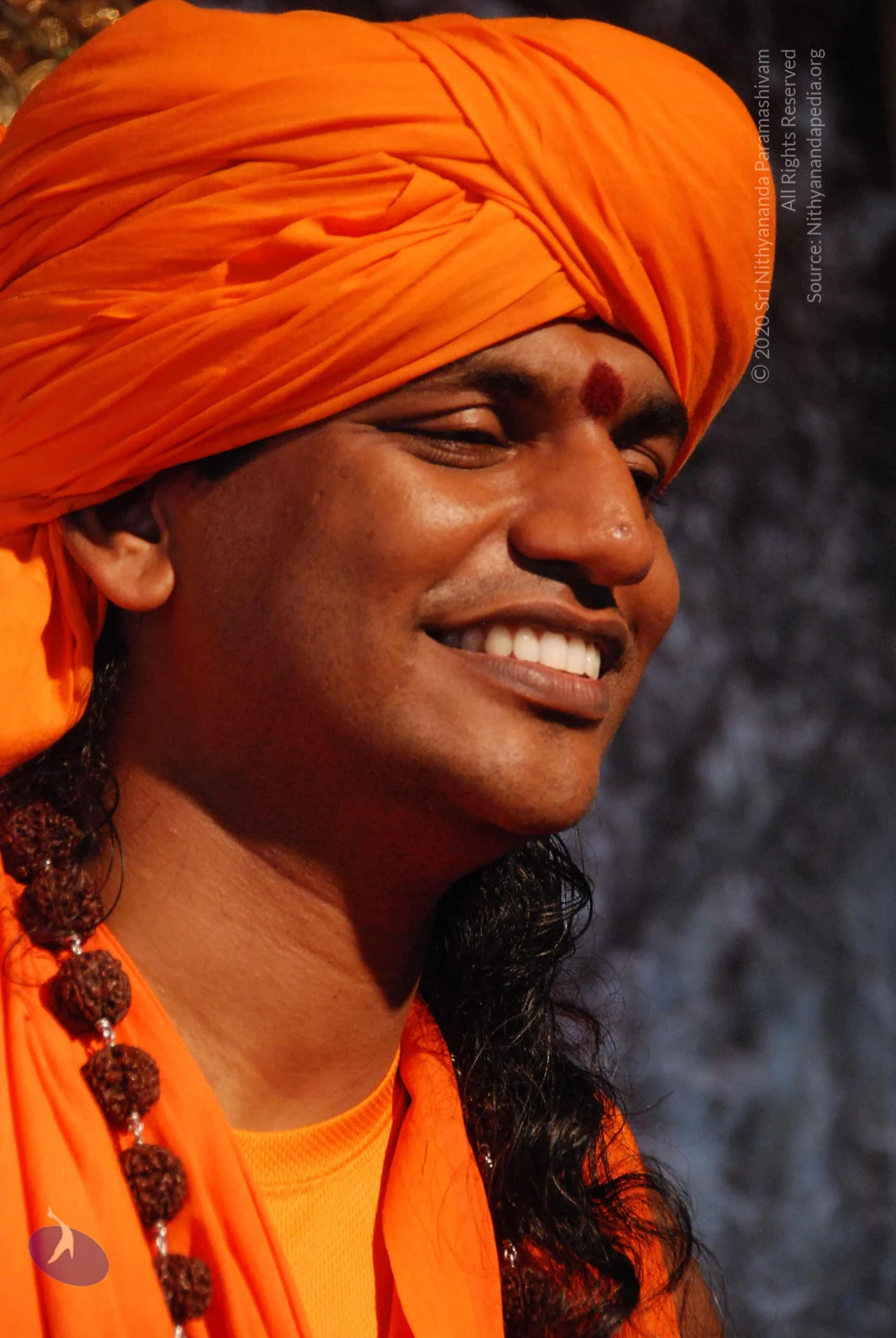
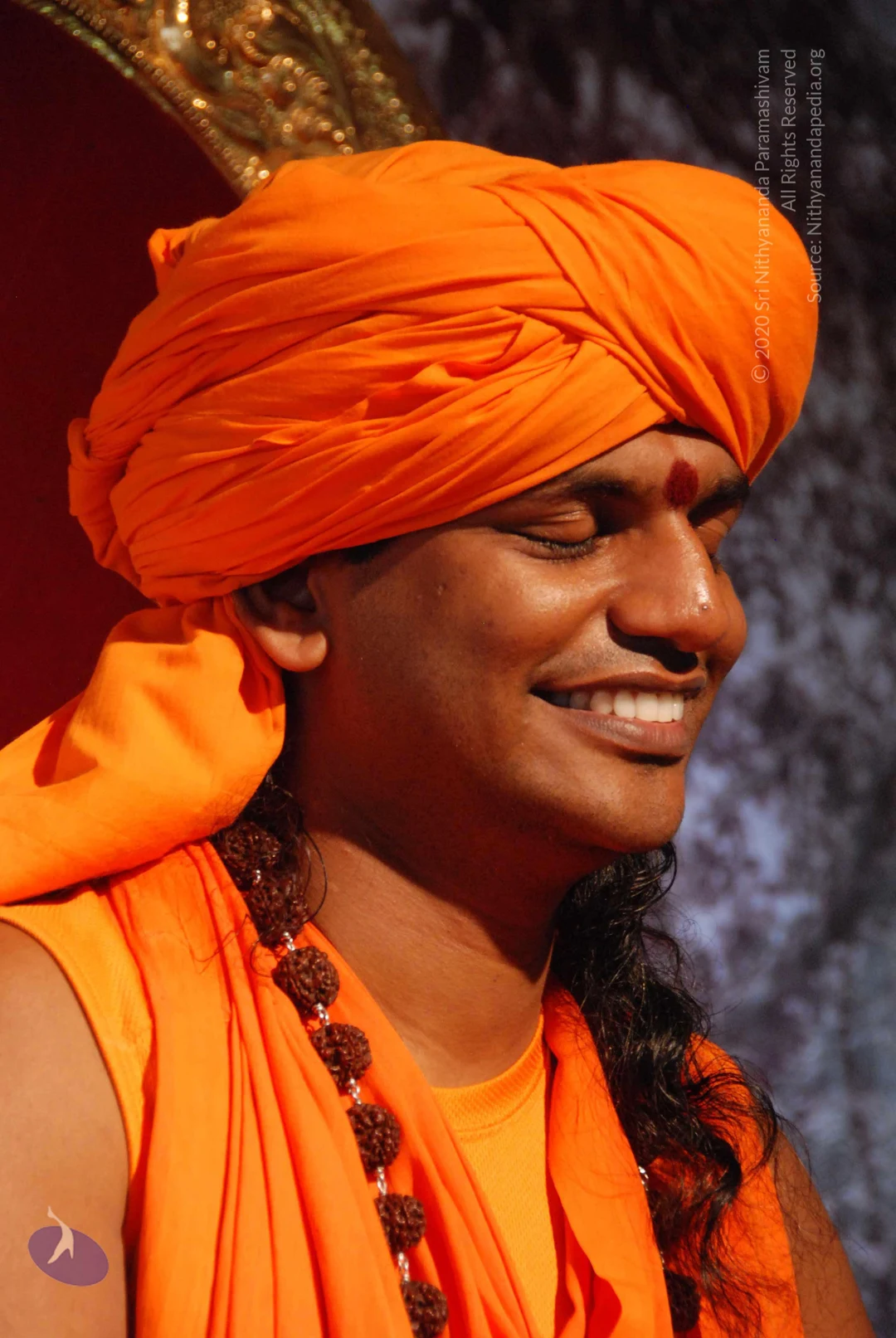
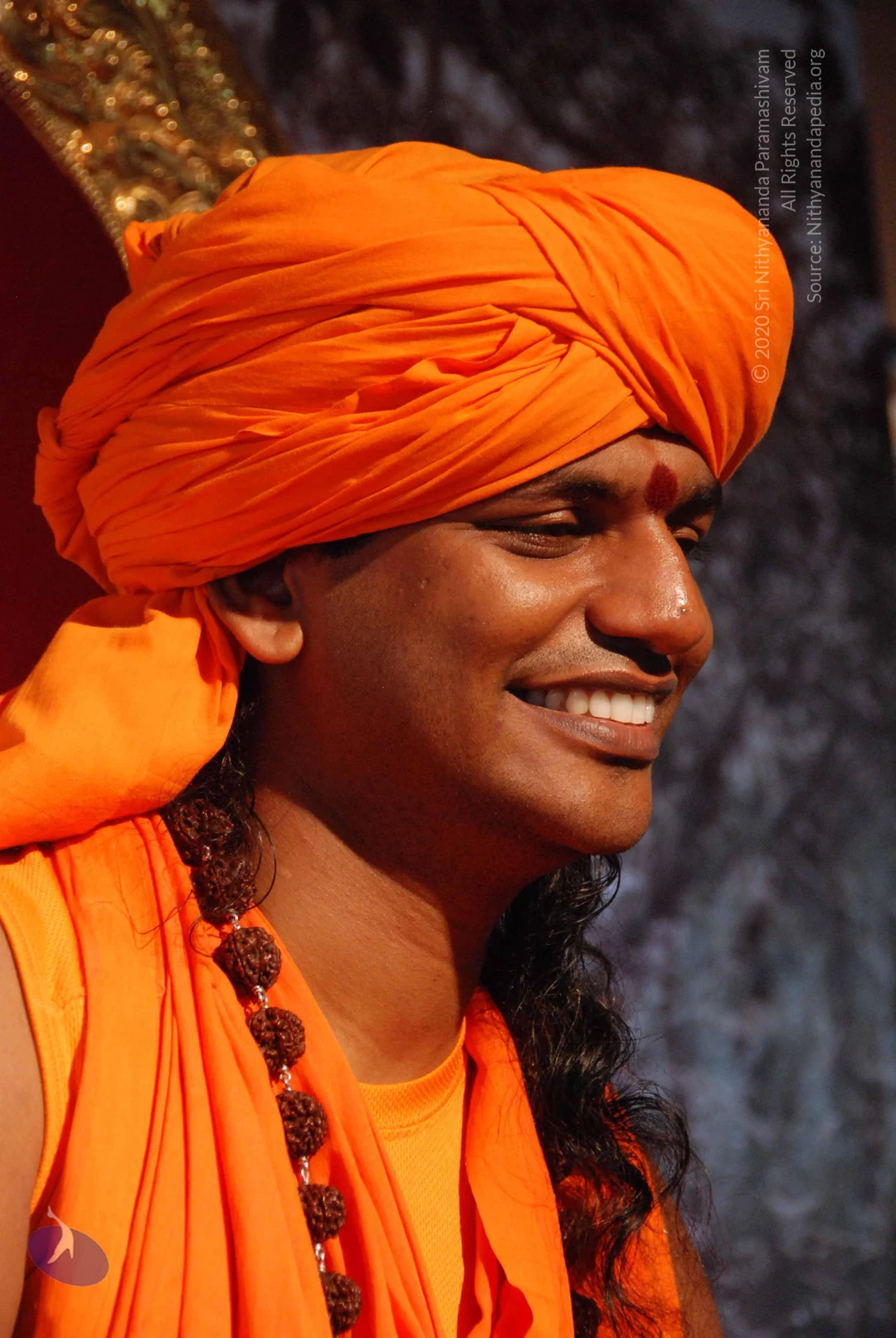
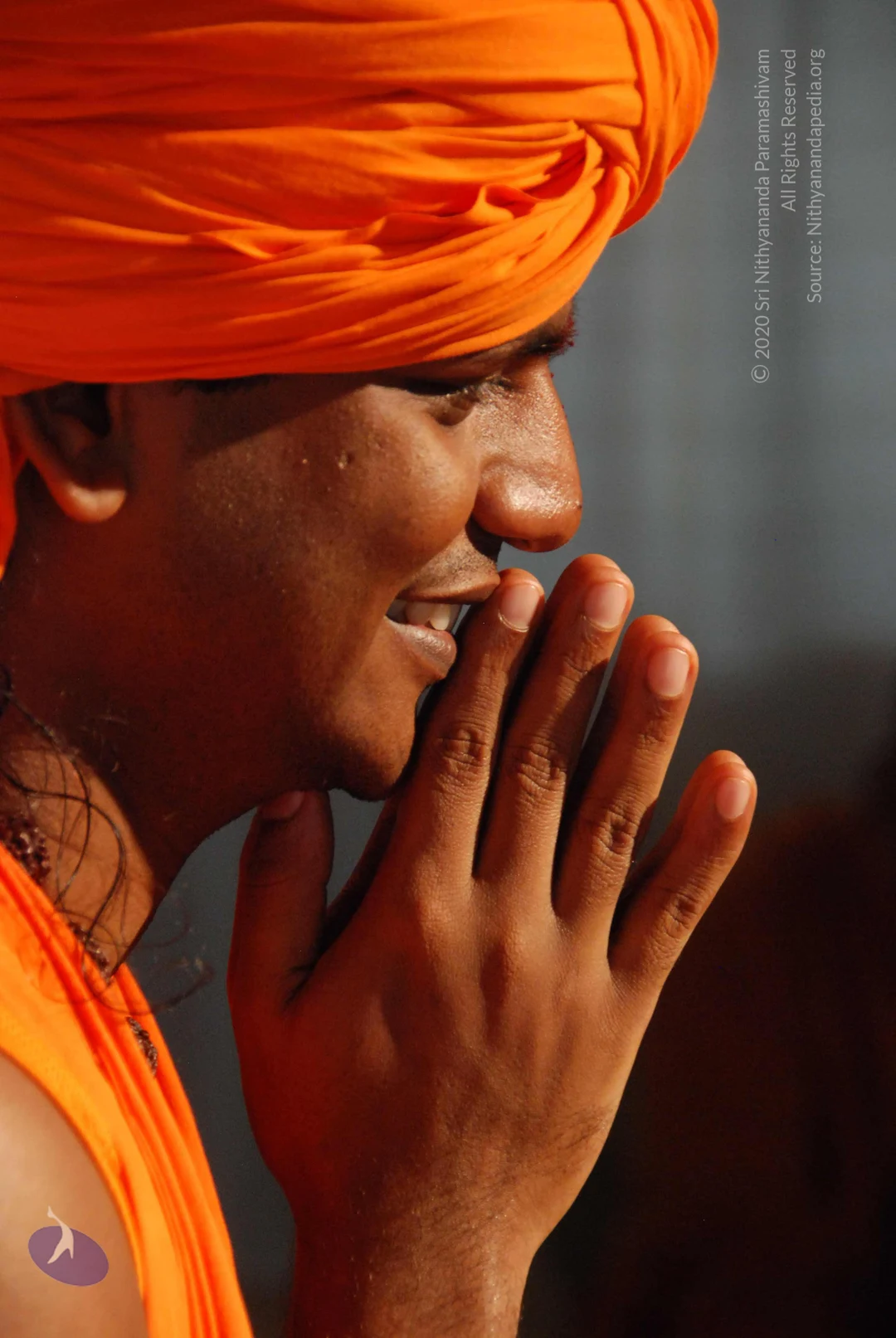
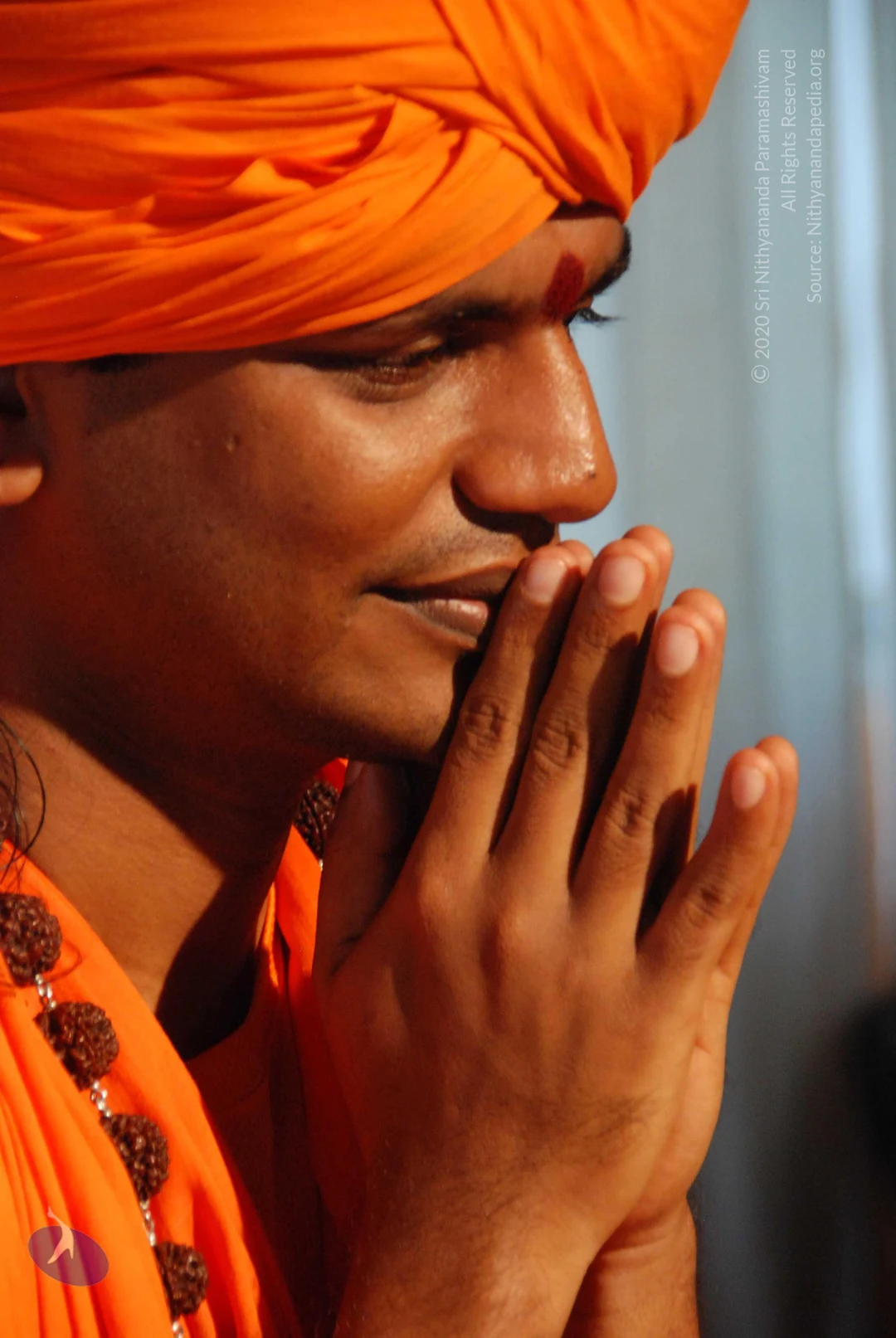
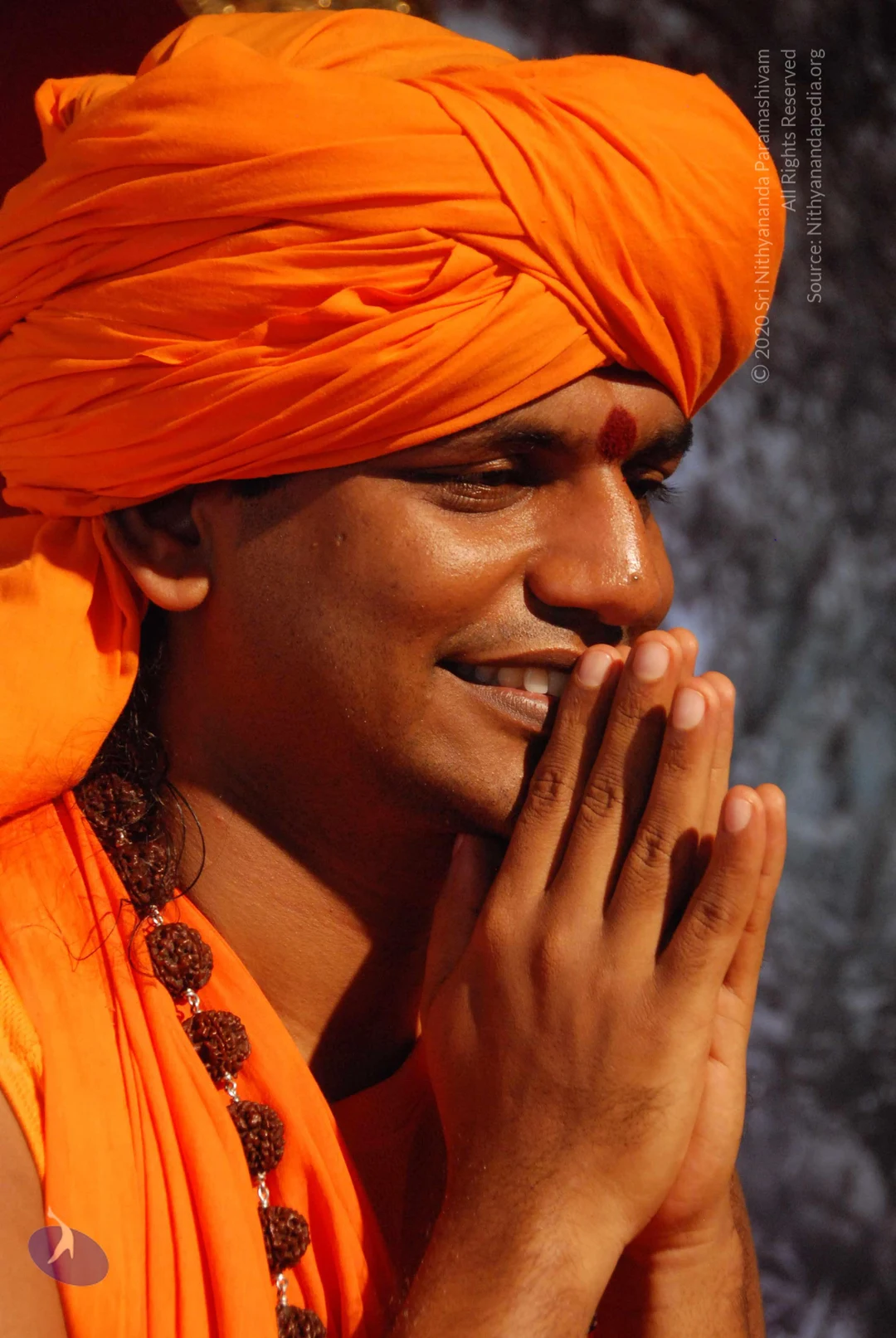
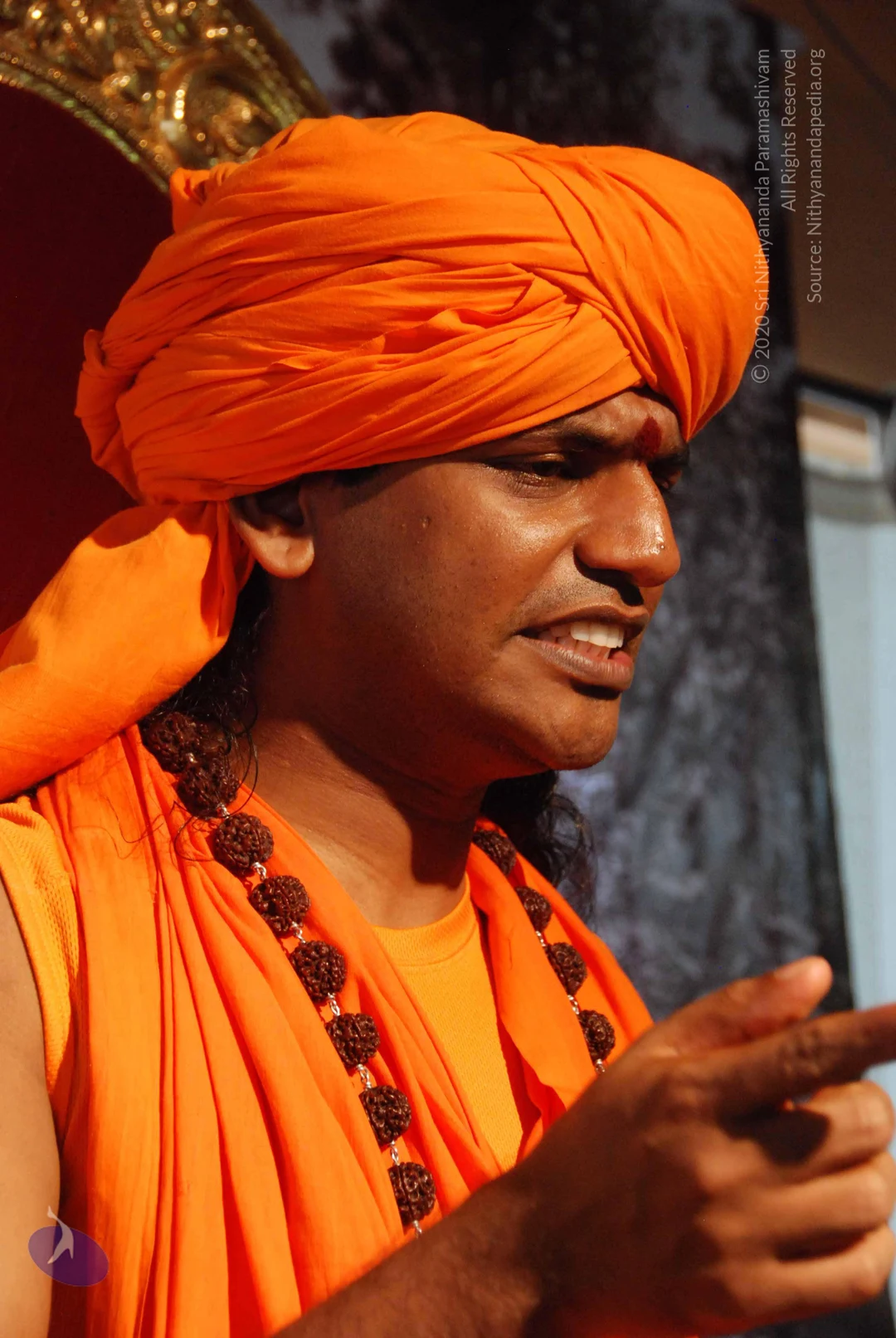
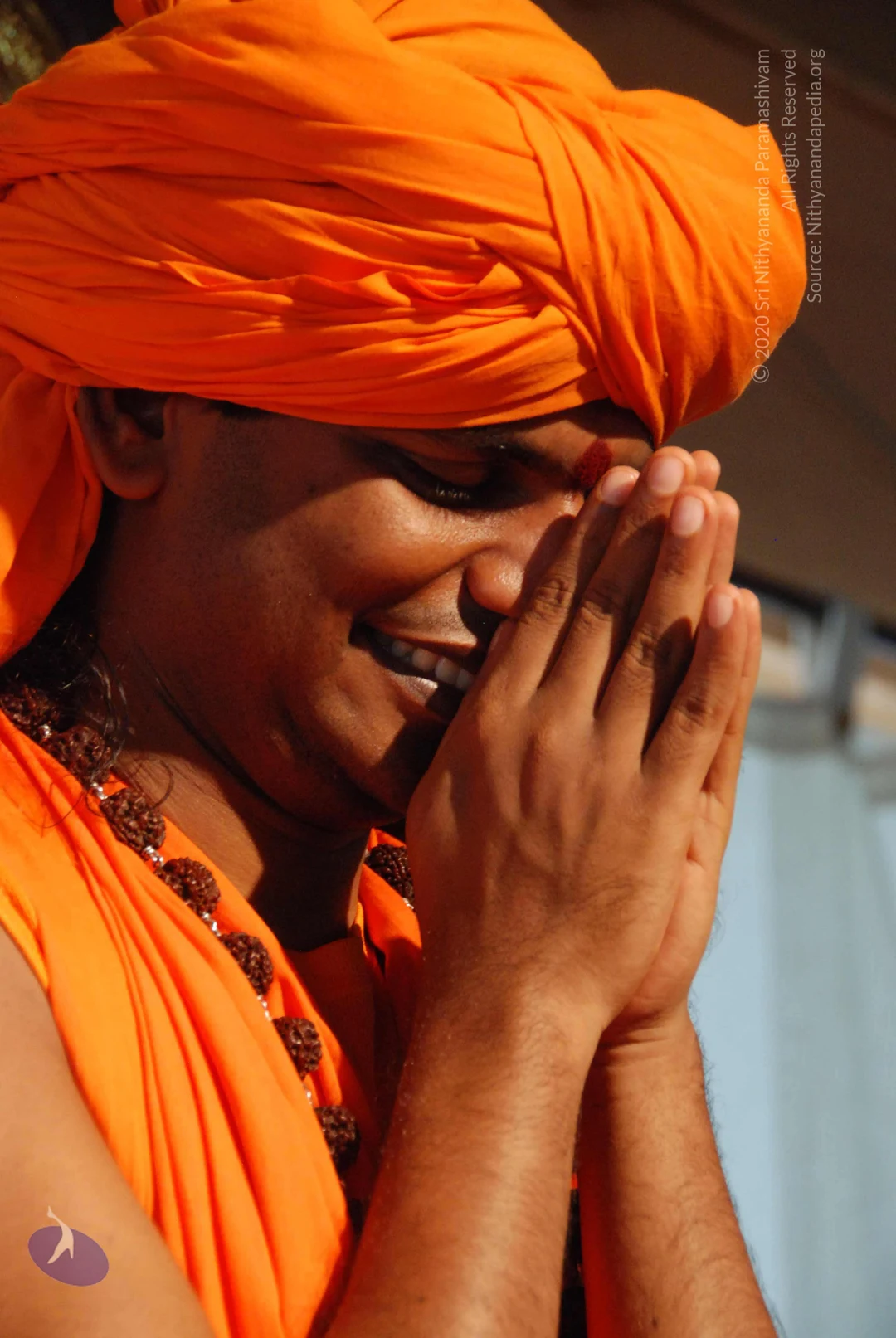
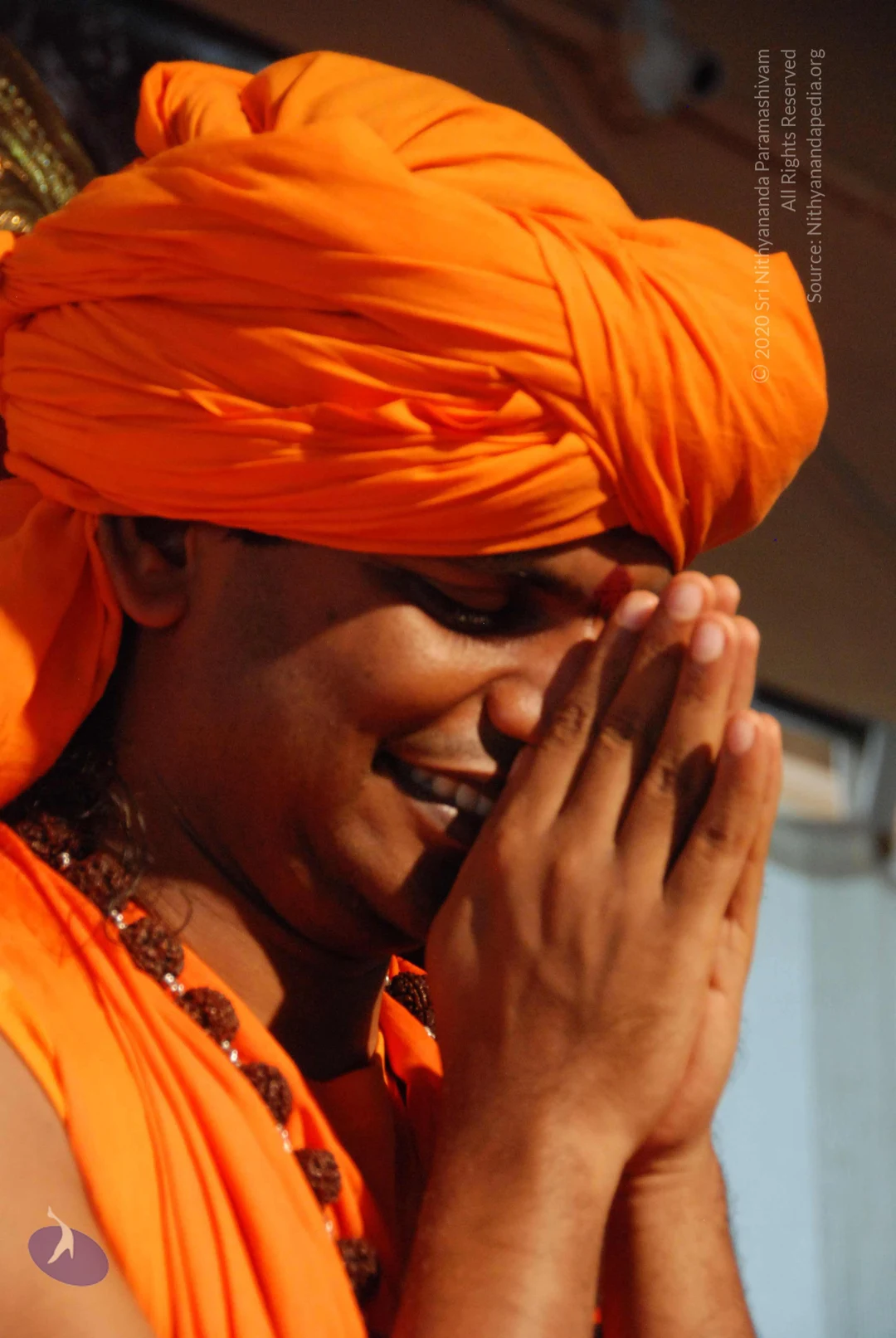
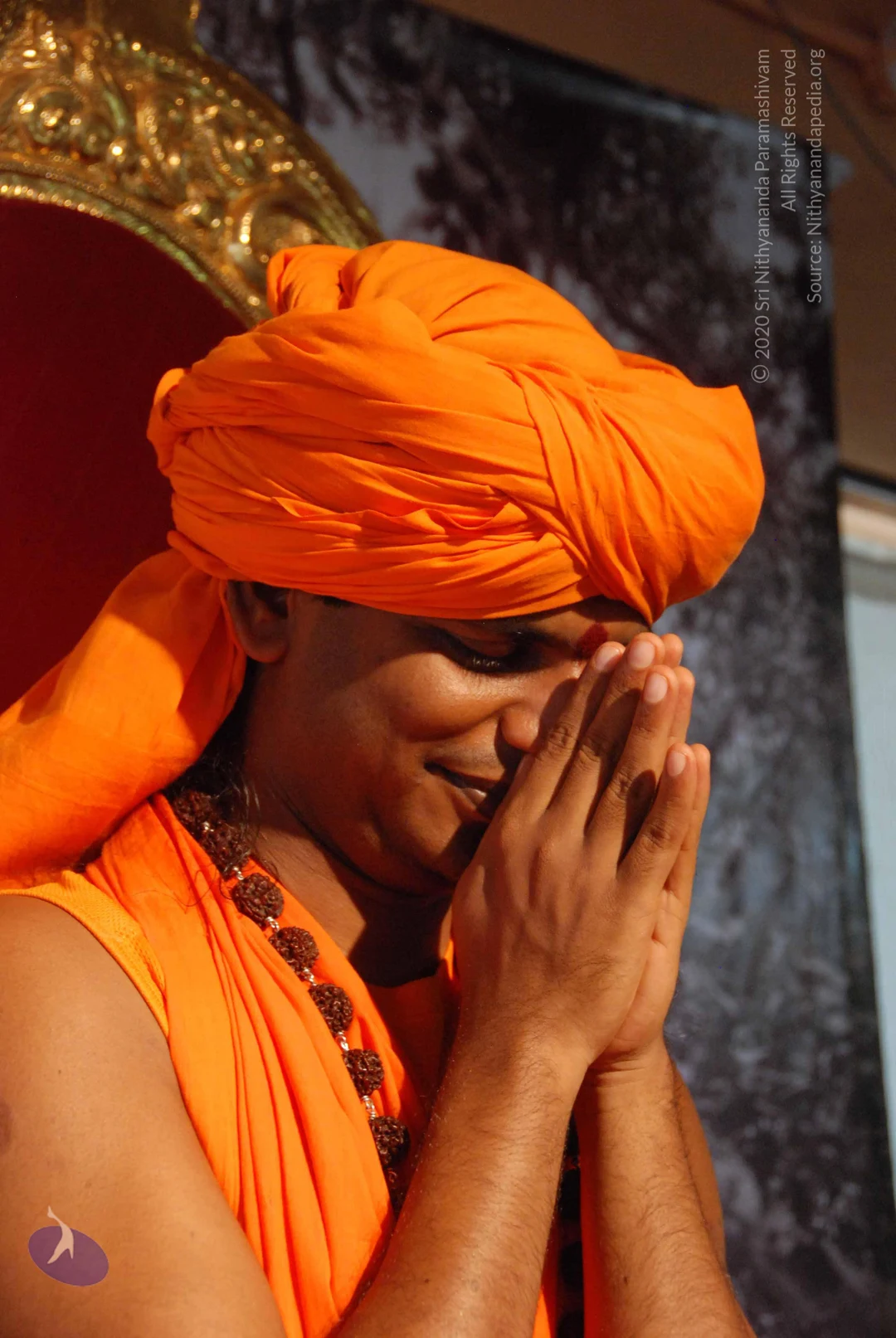
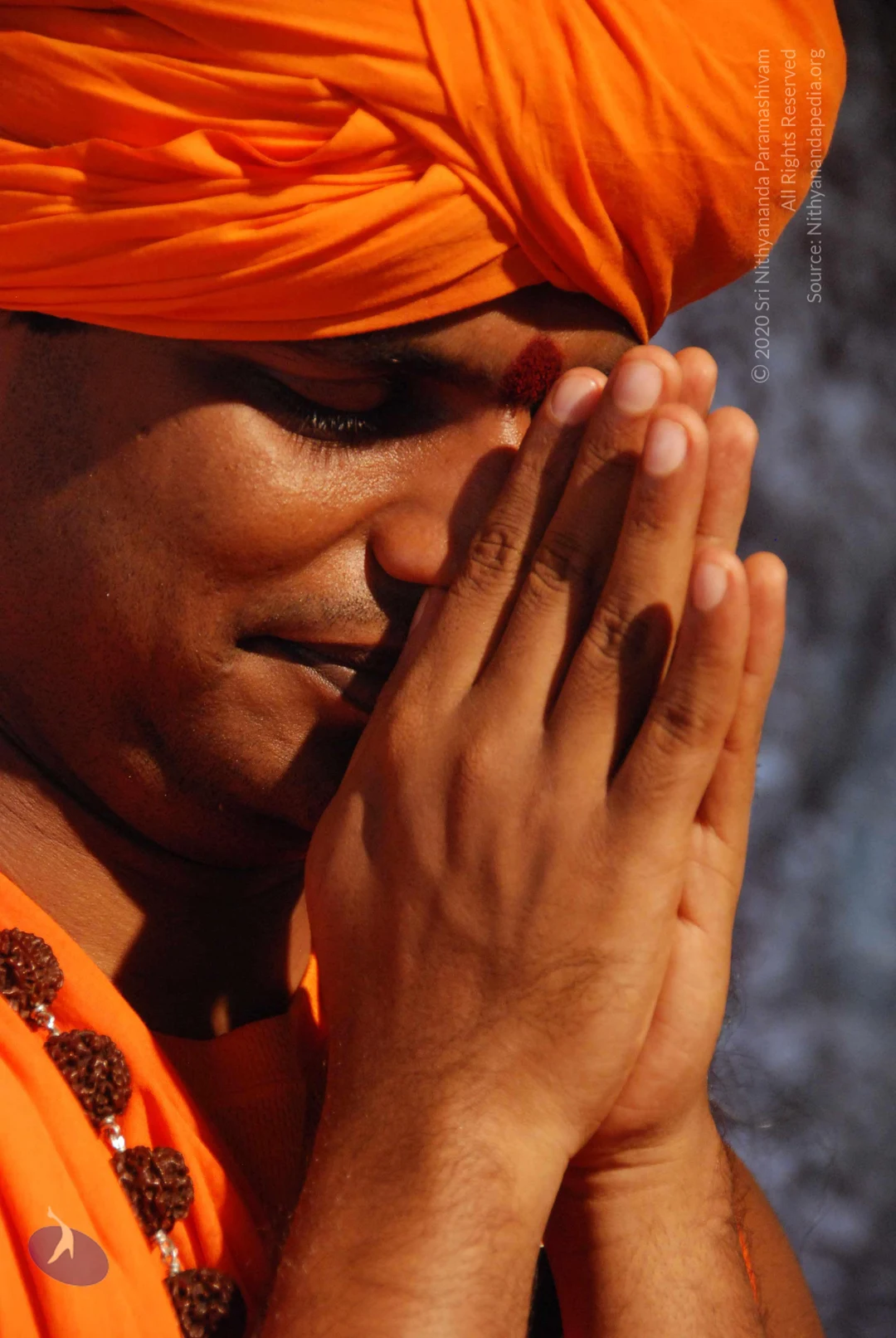
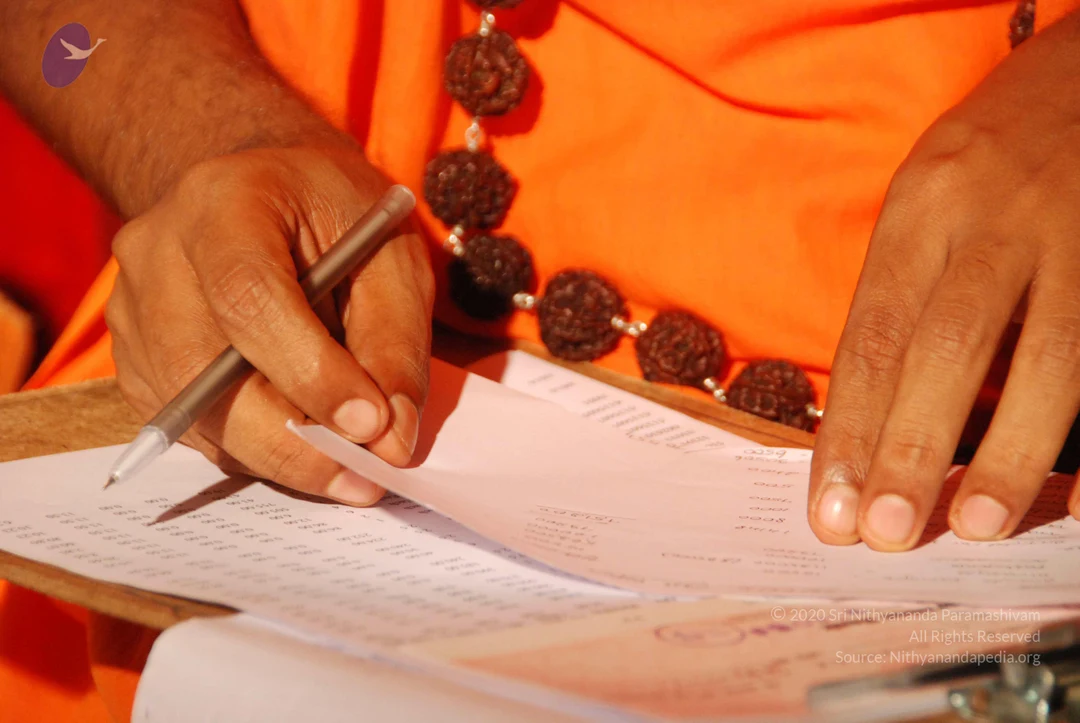
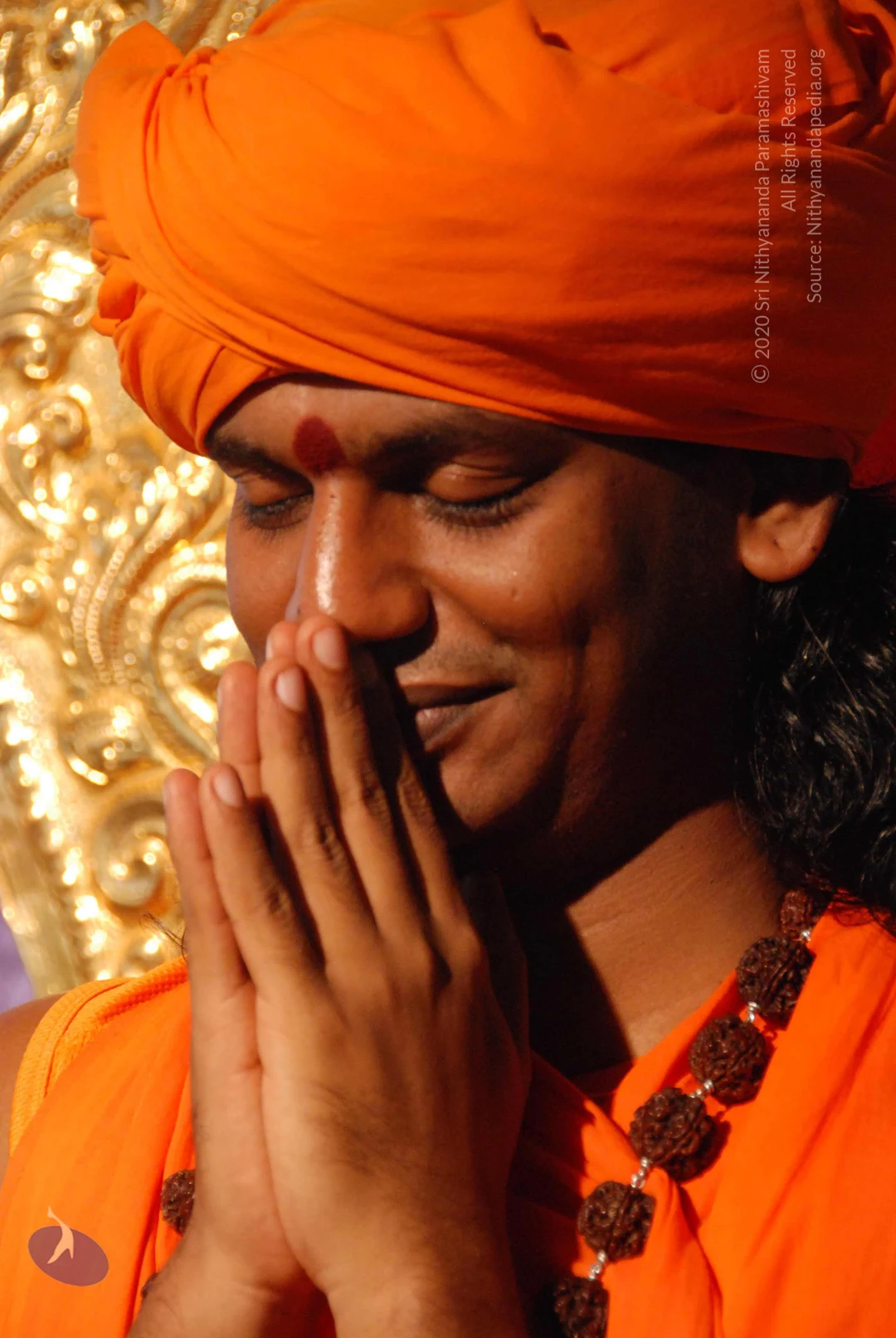
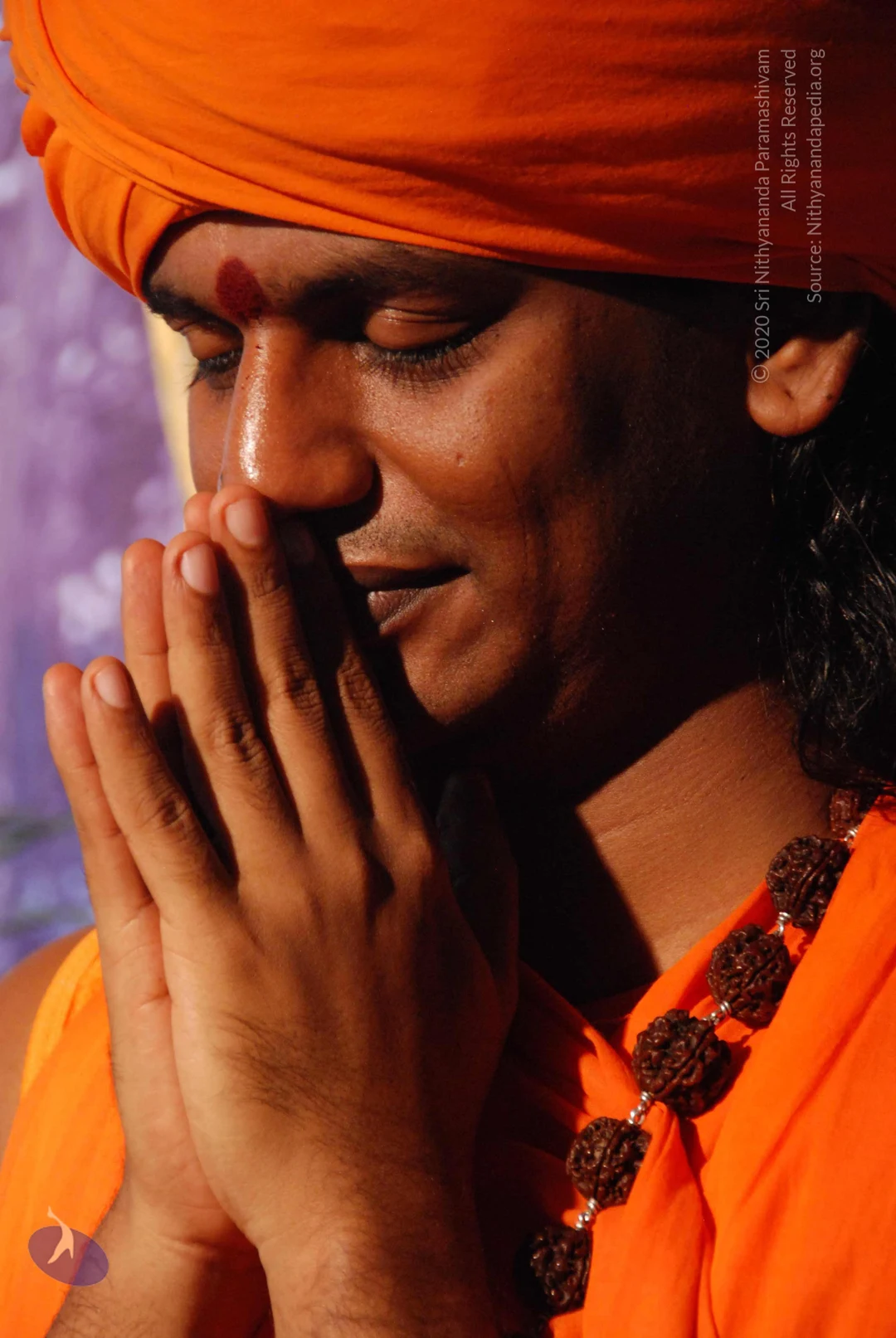
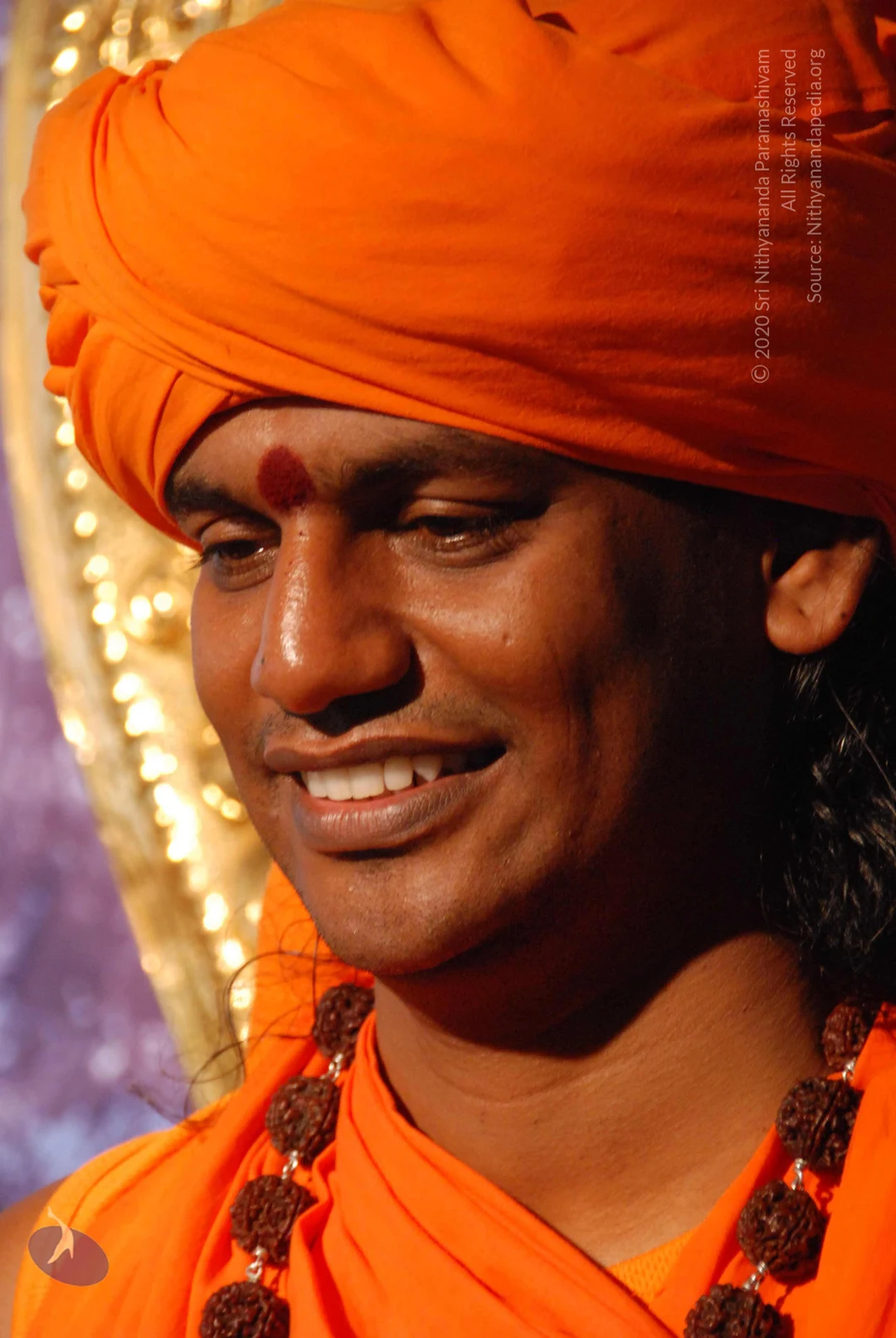
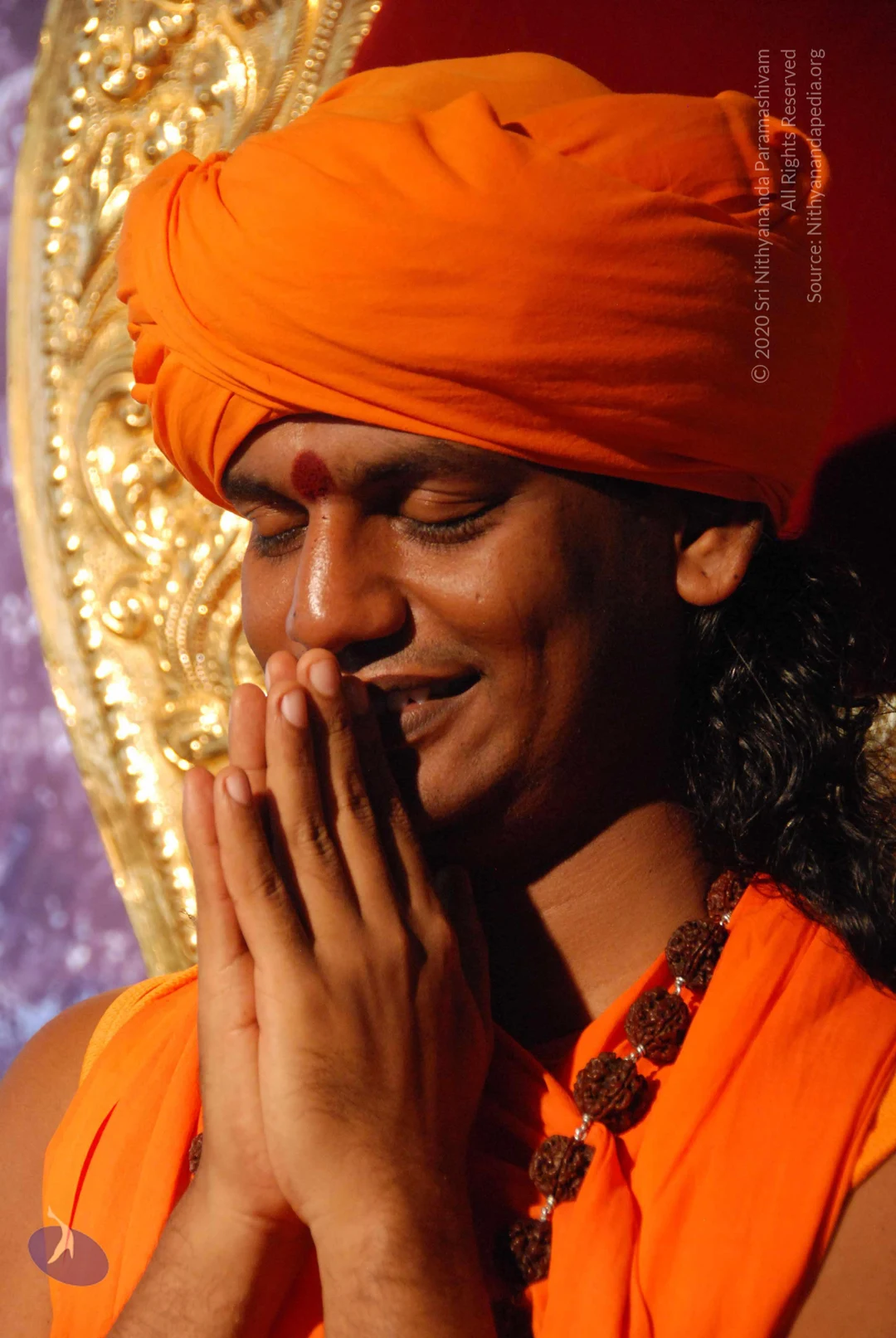
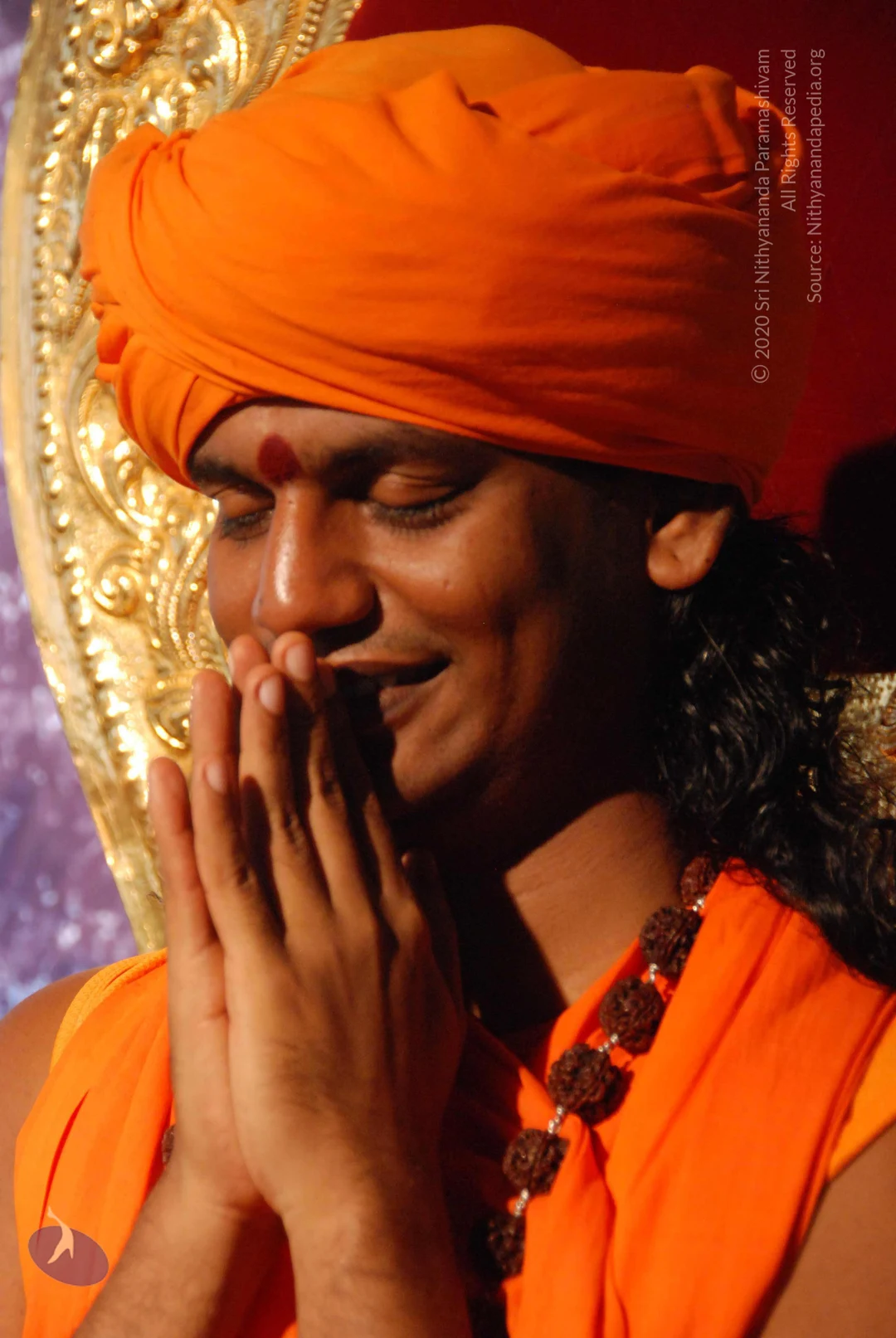
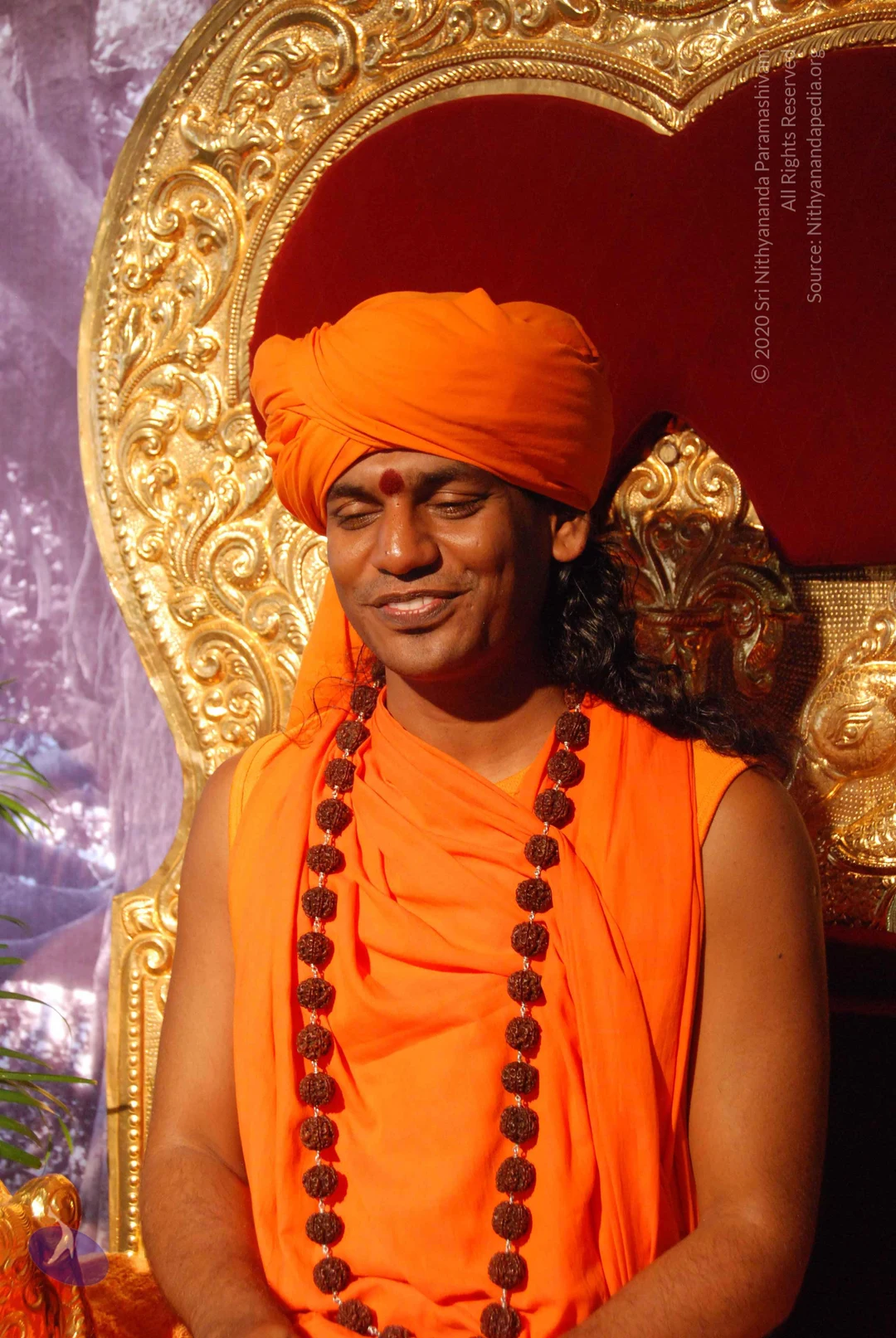
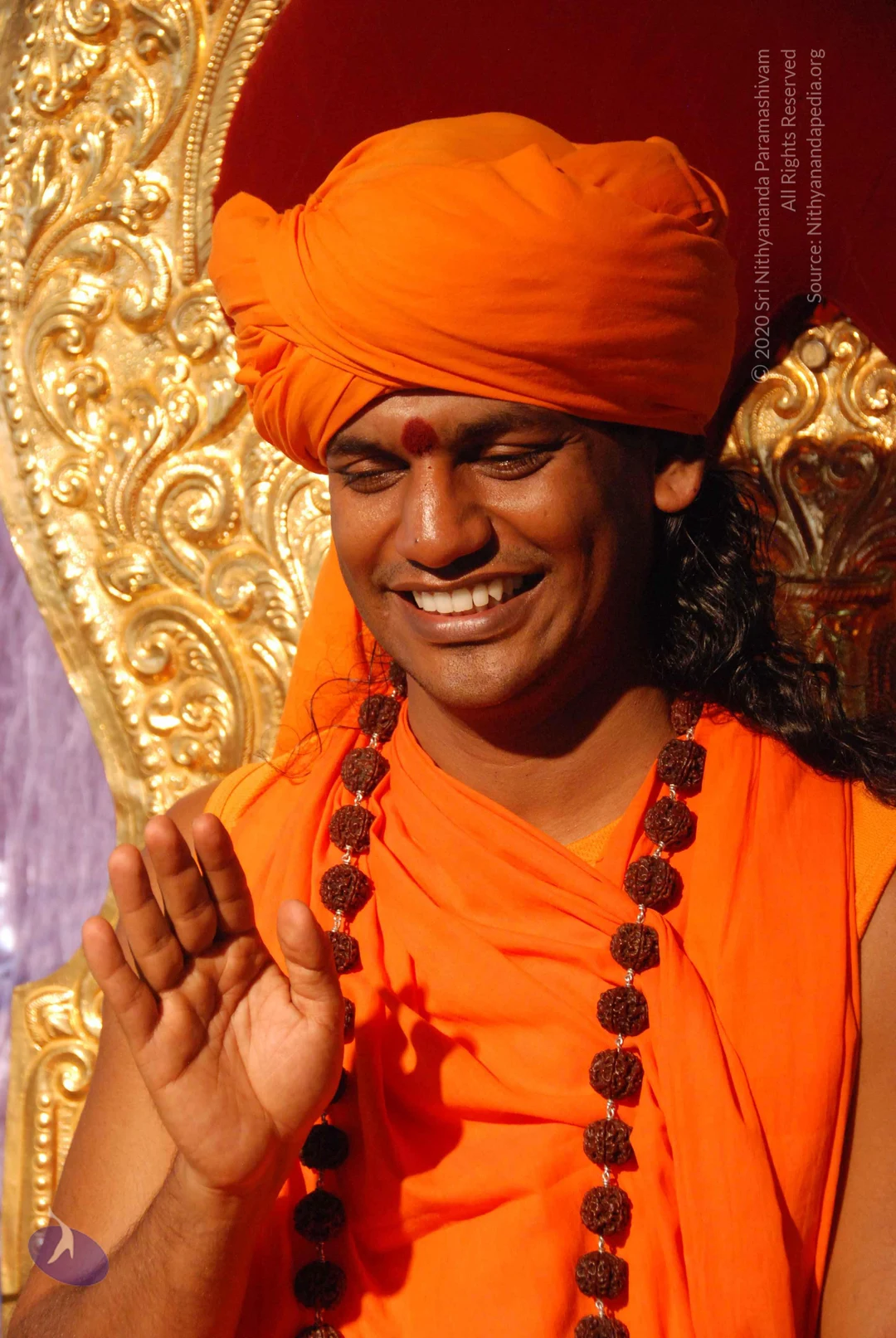
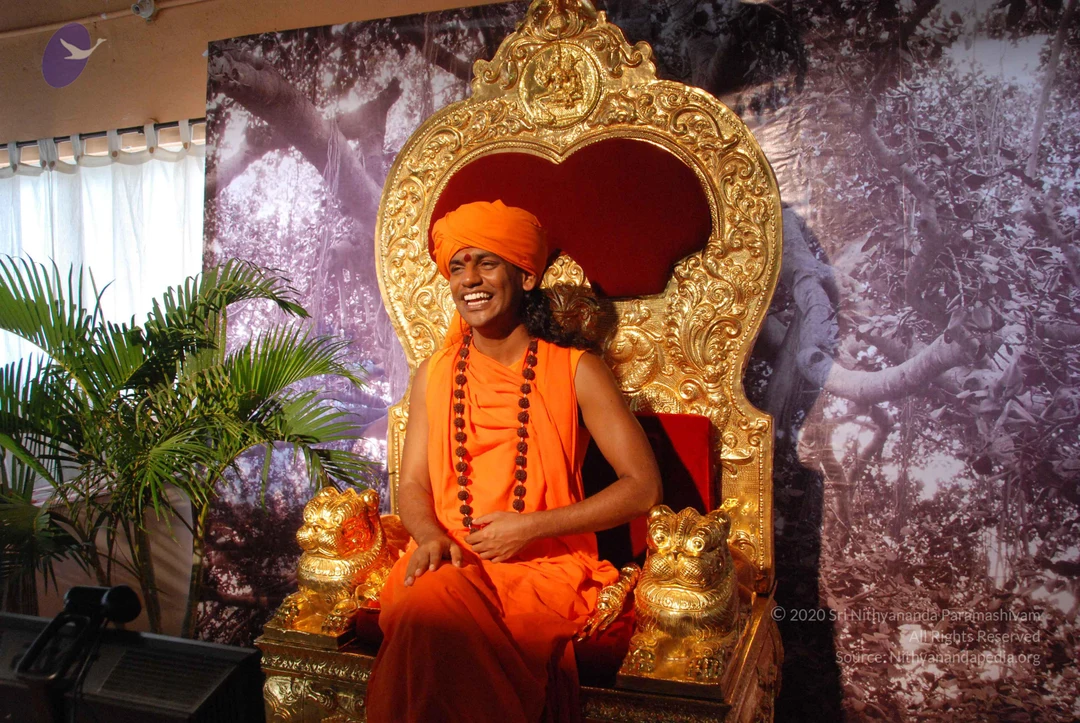
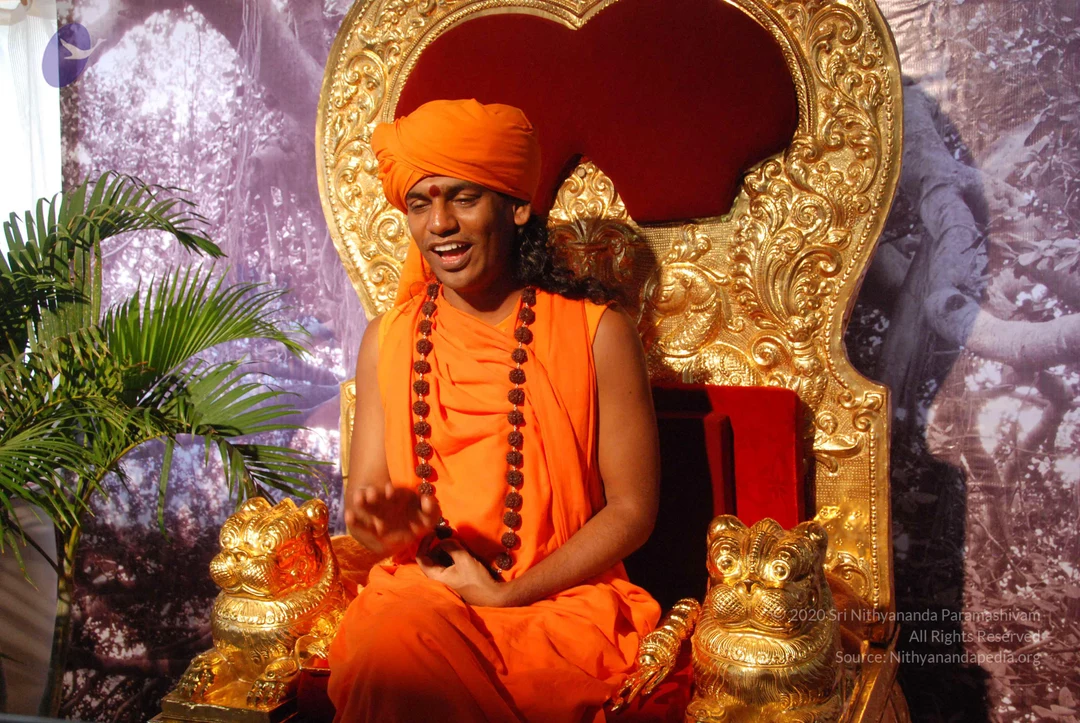
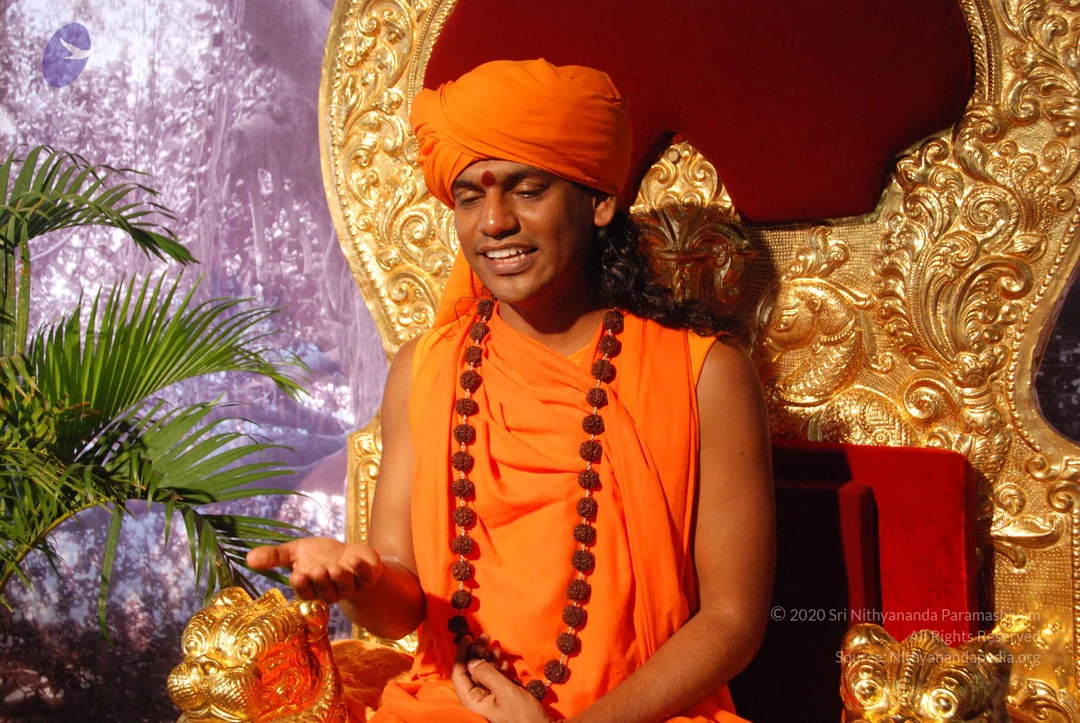
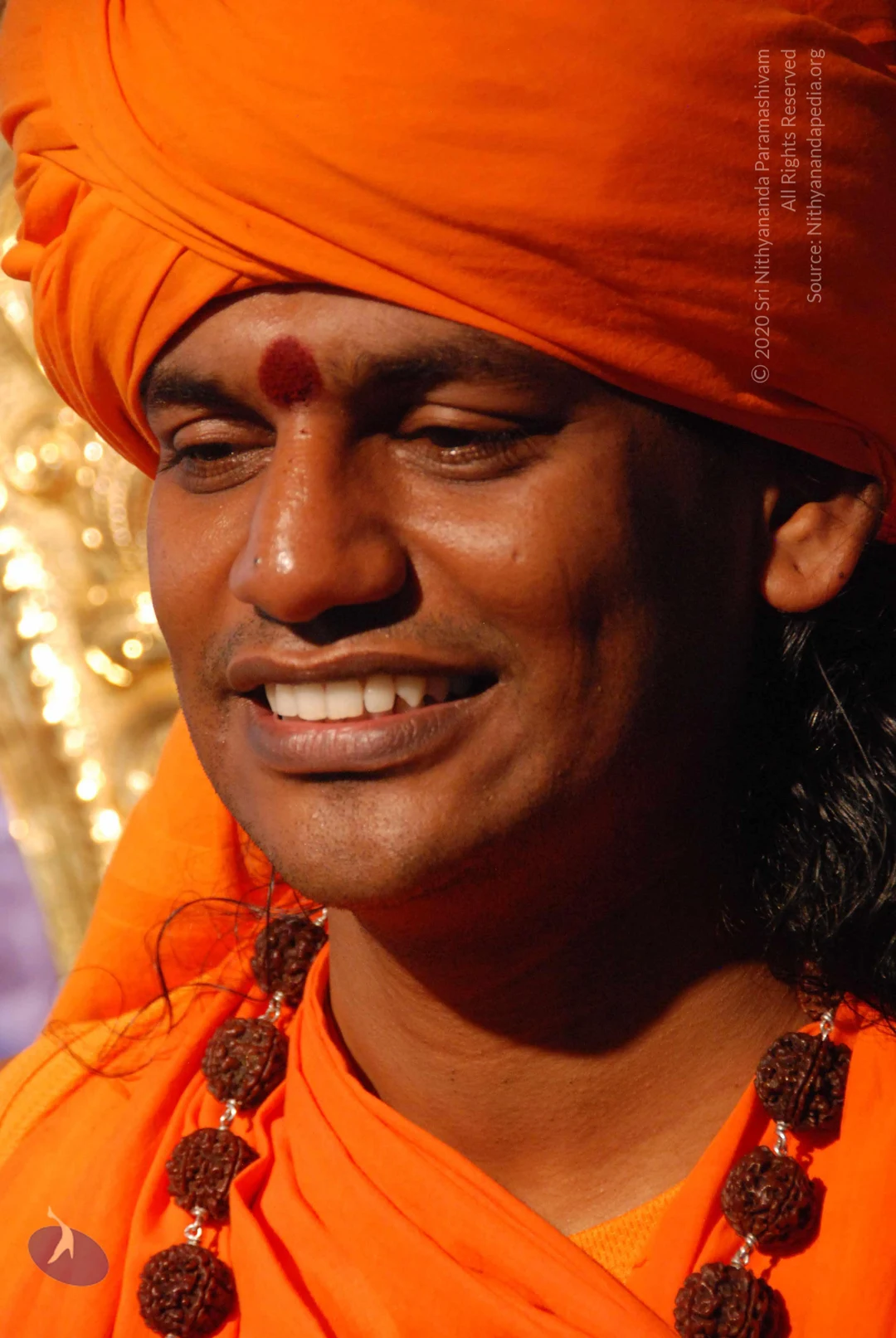
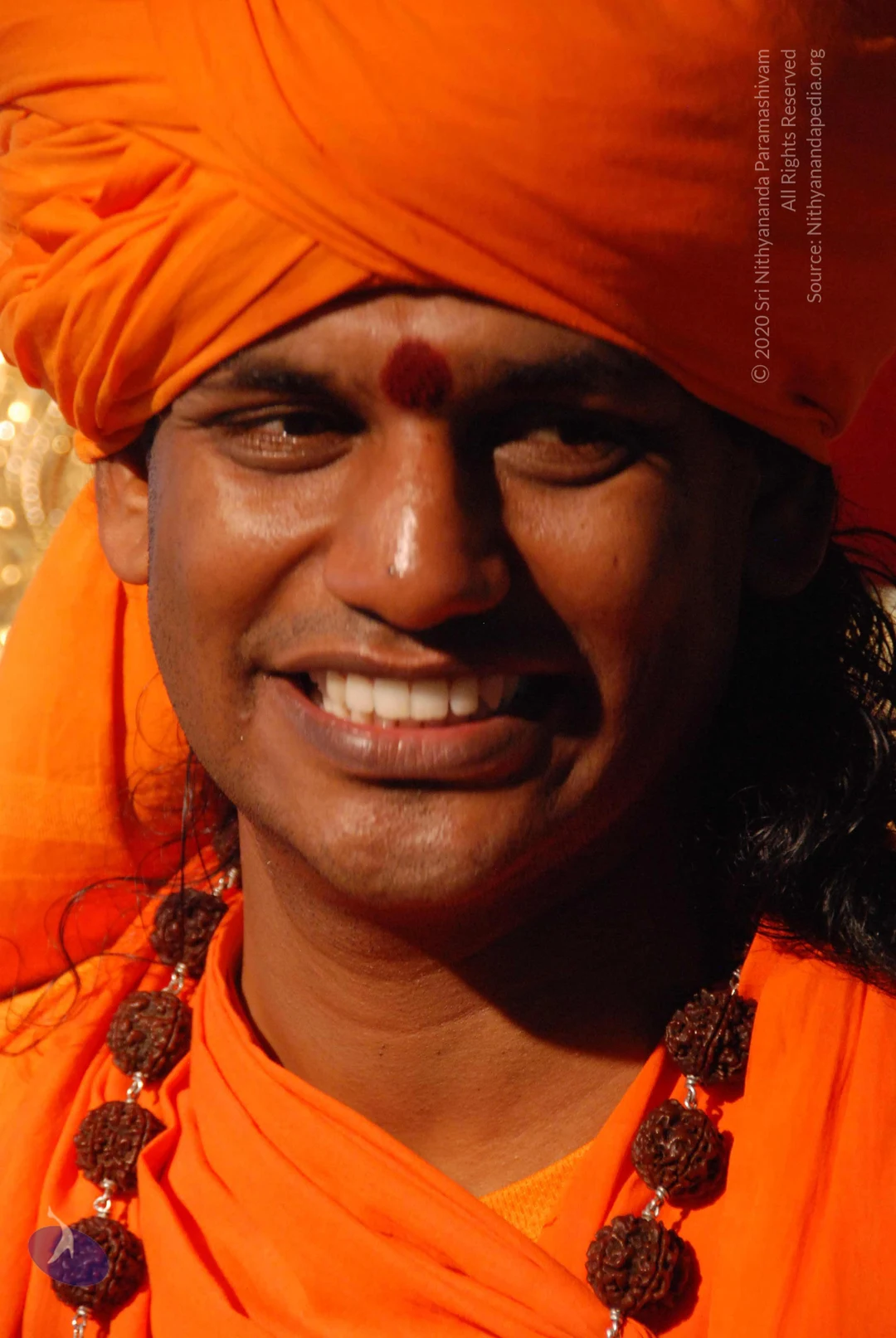
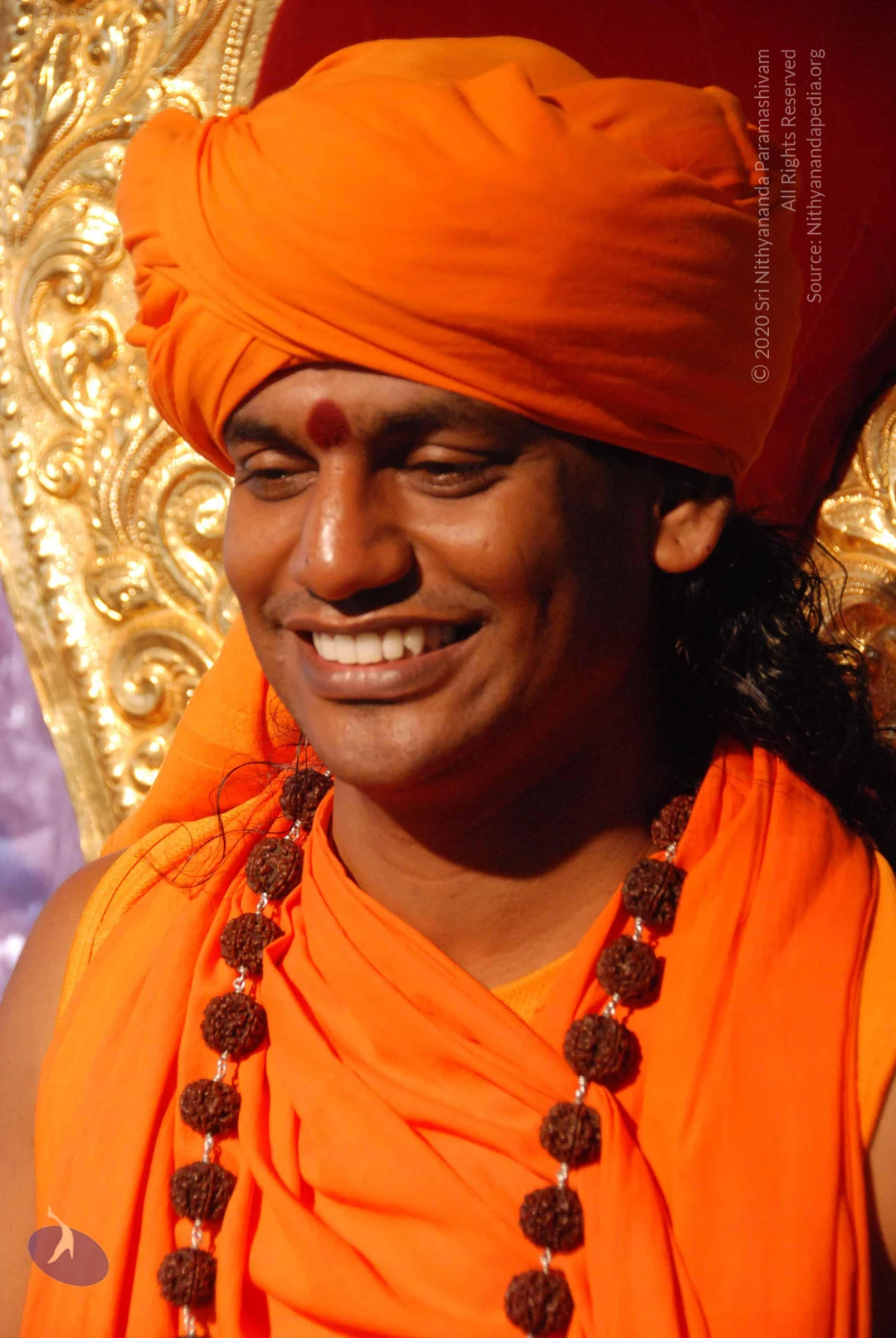
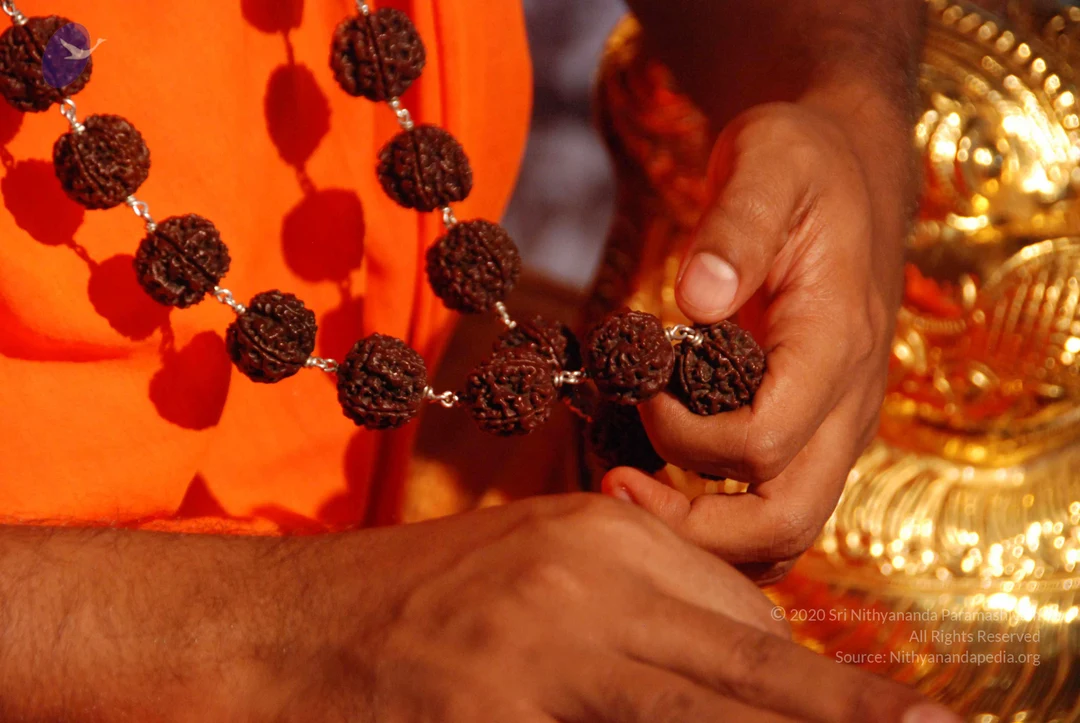
06-Pancha-Tapas
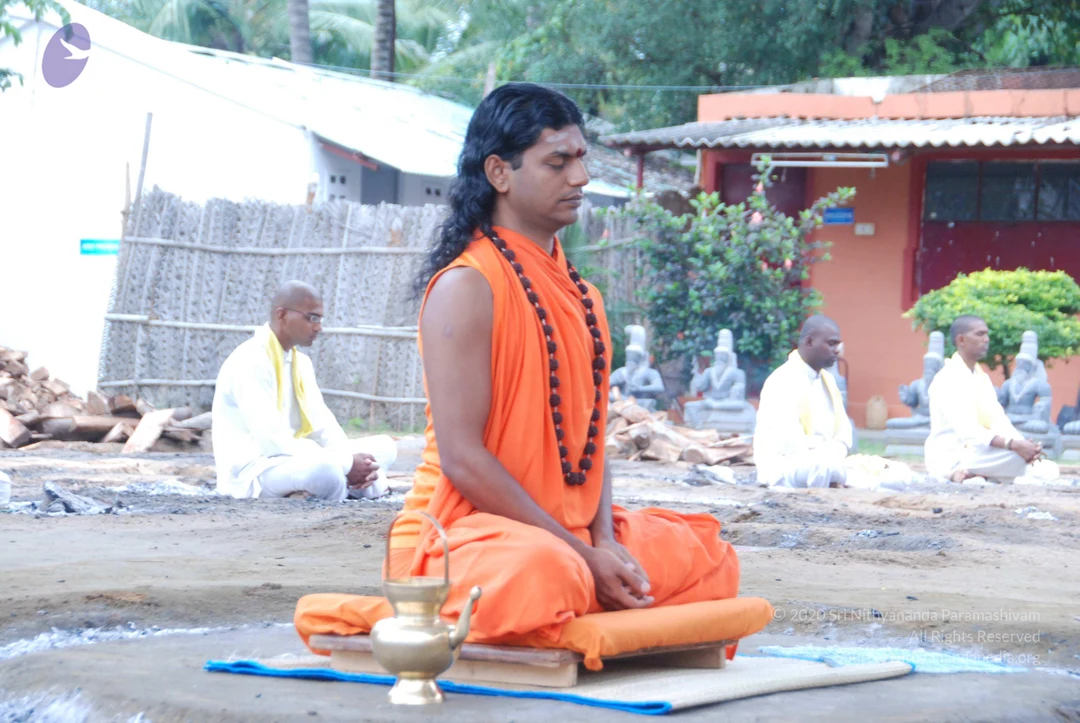
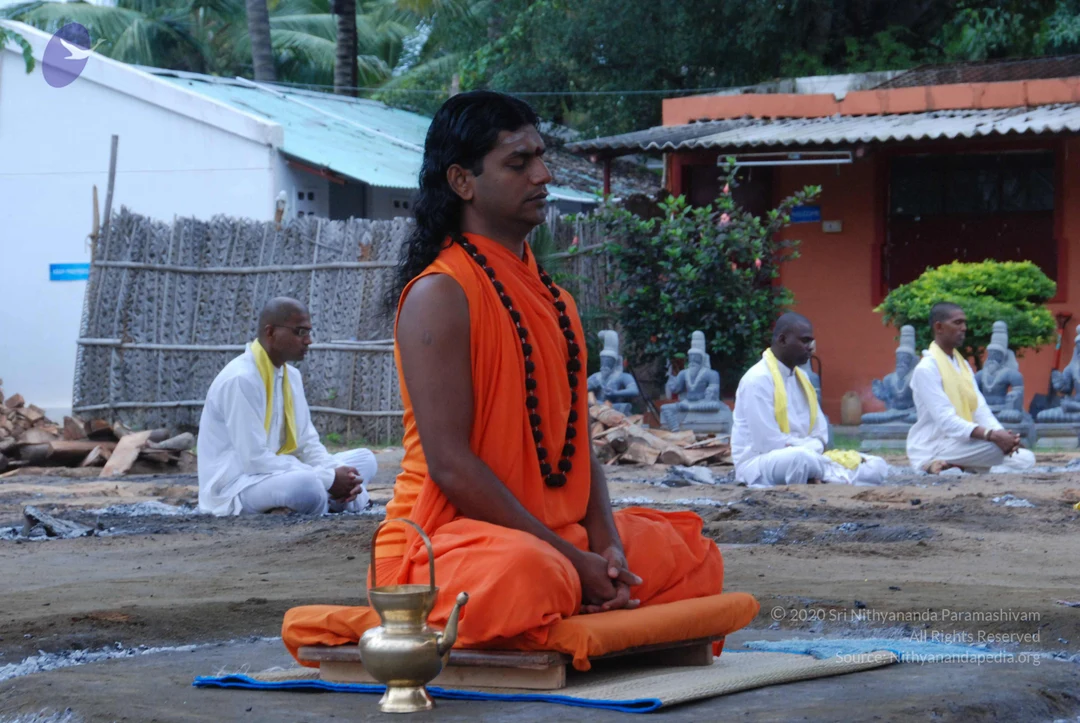
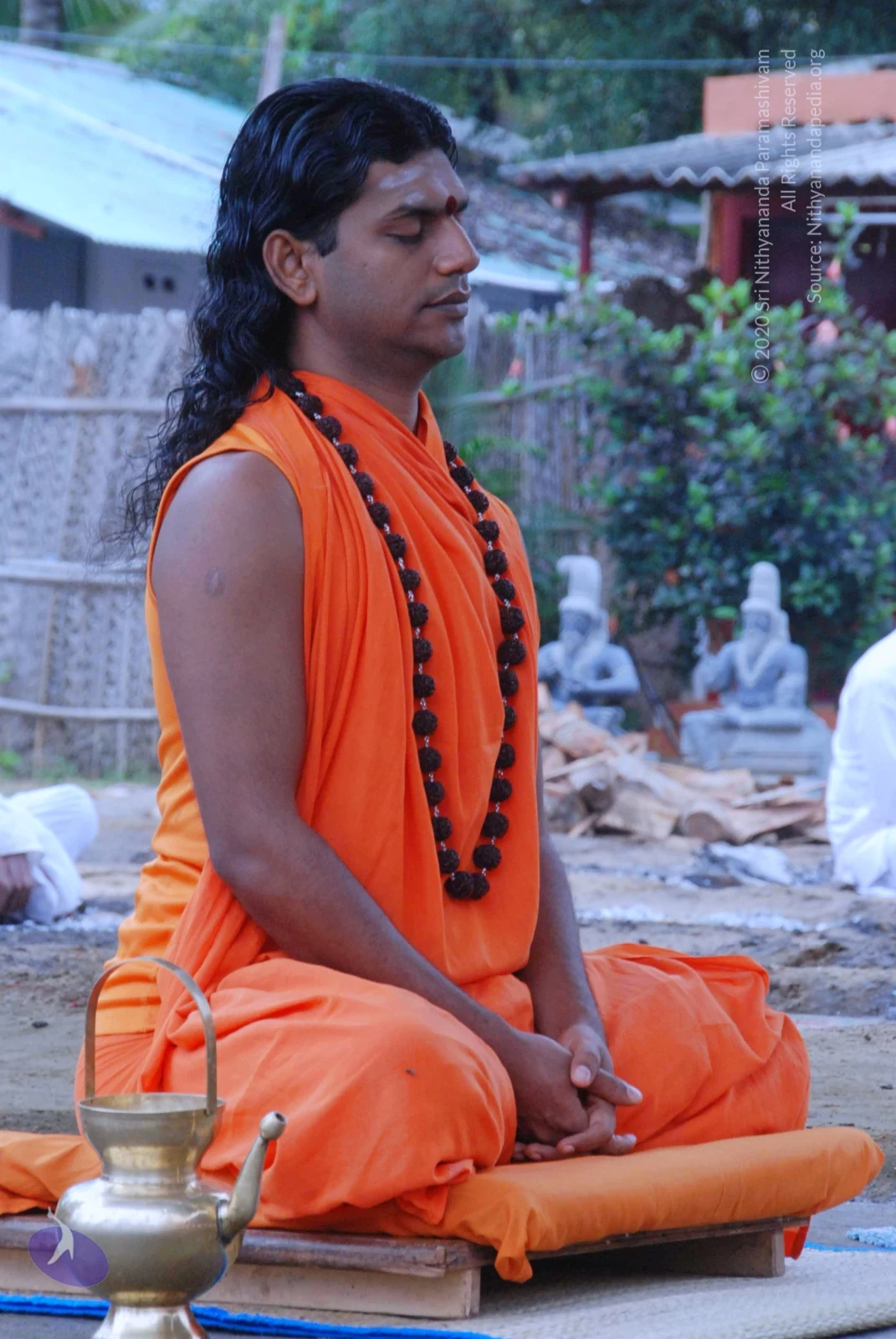
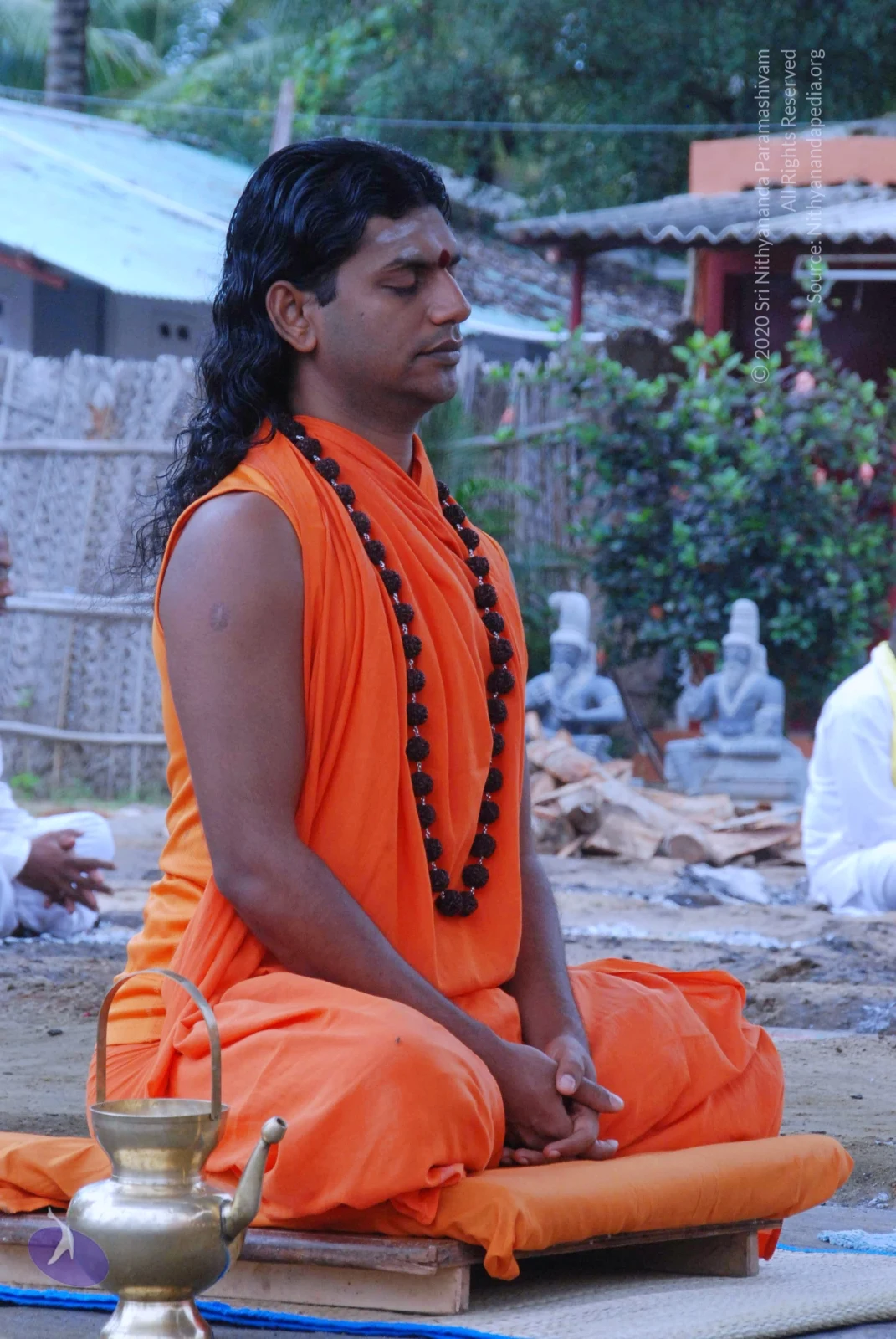
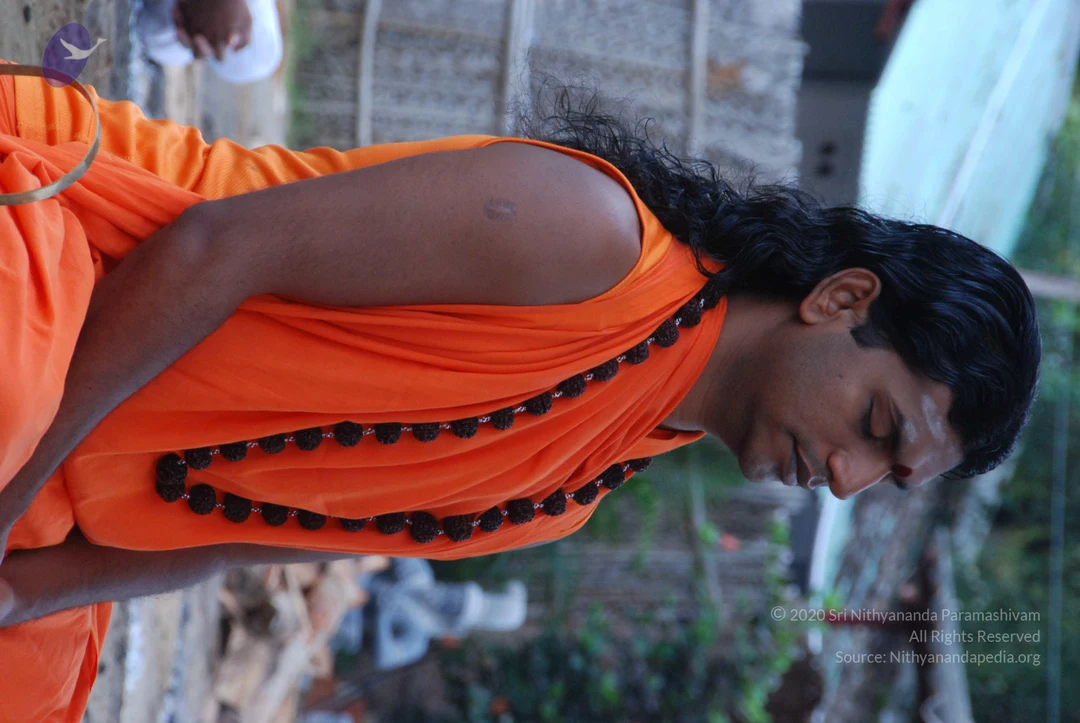
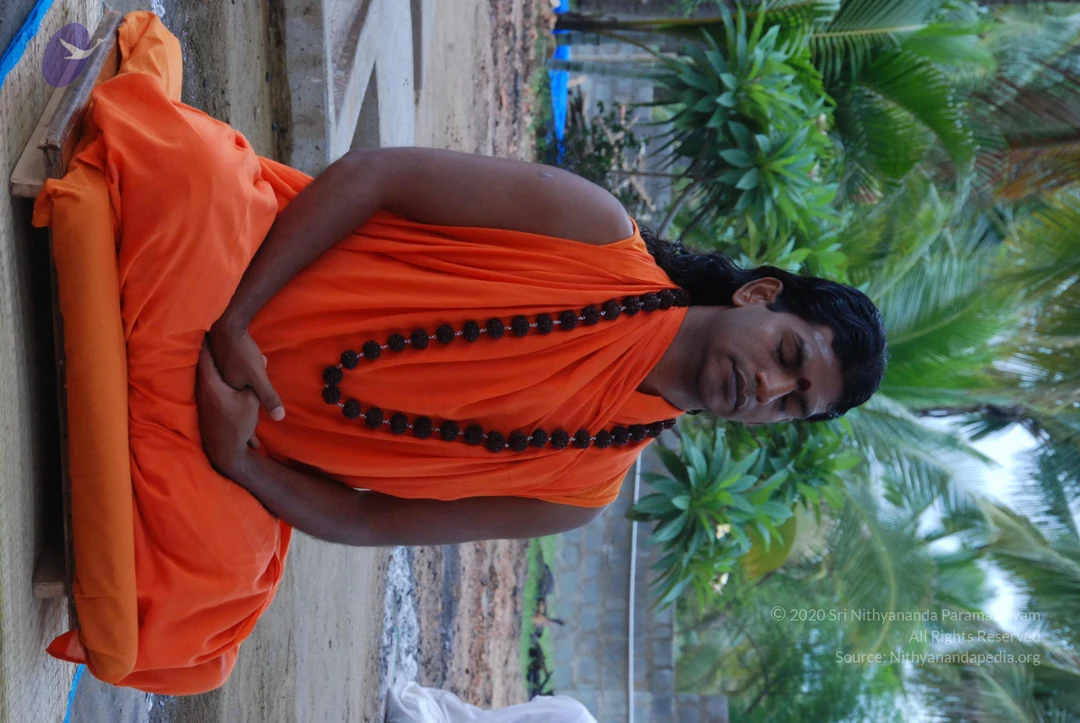
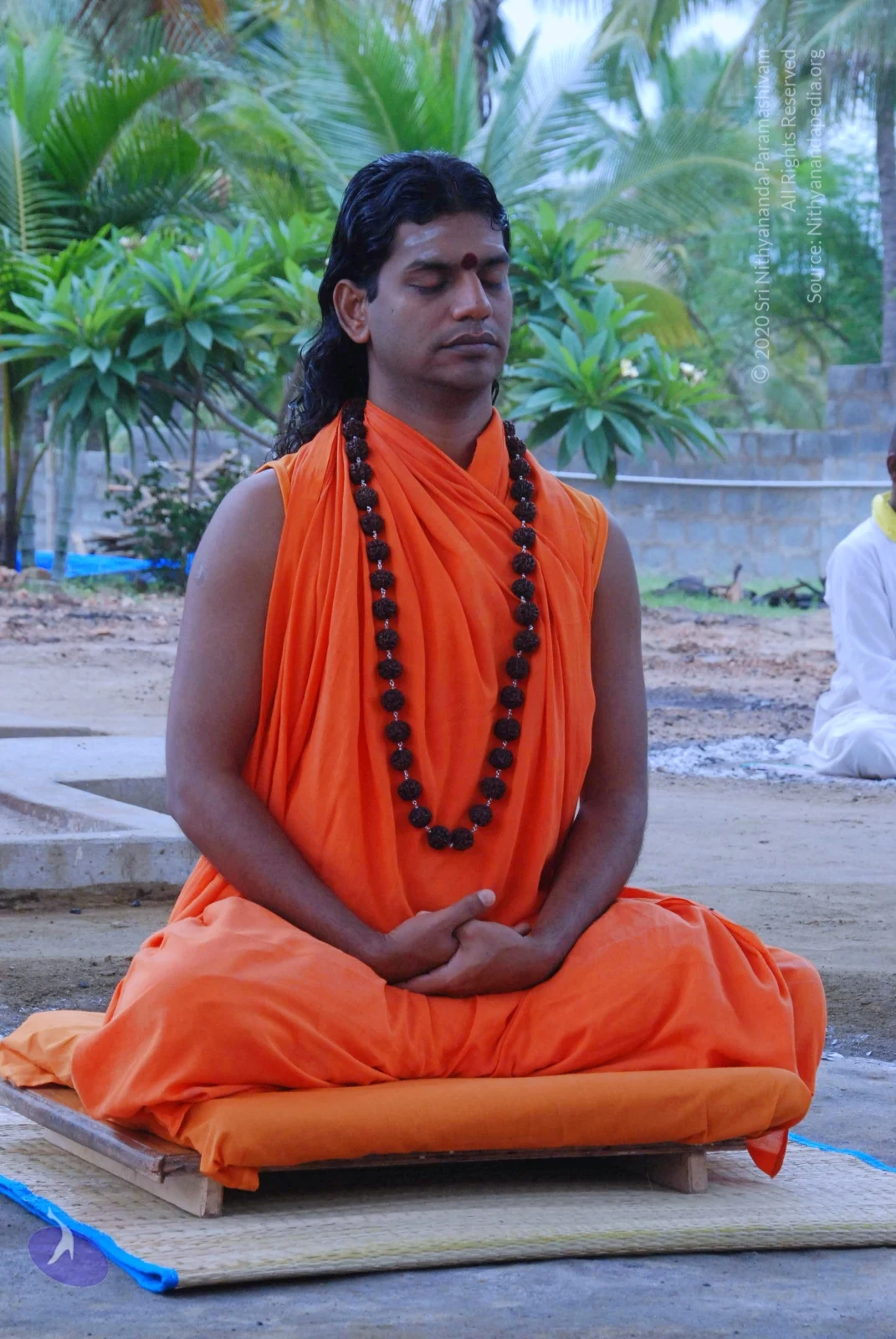
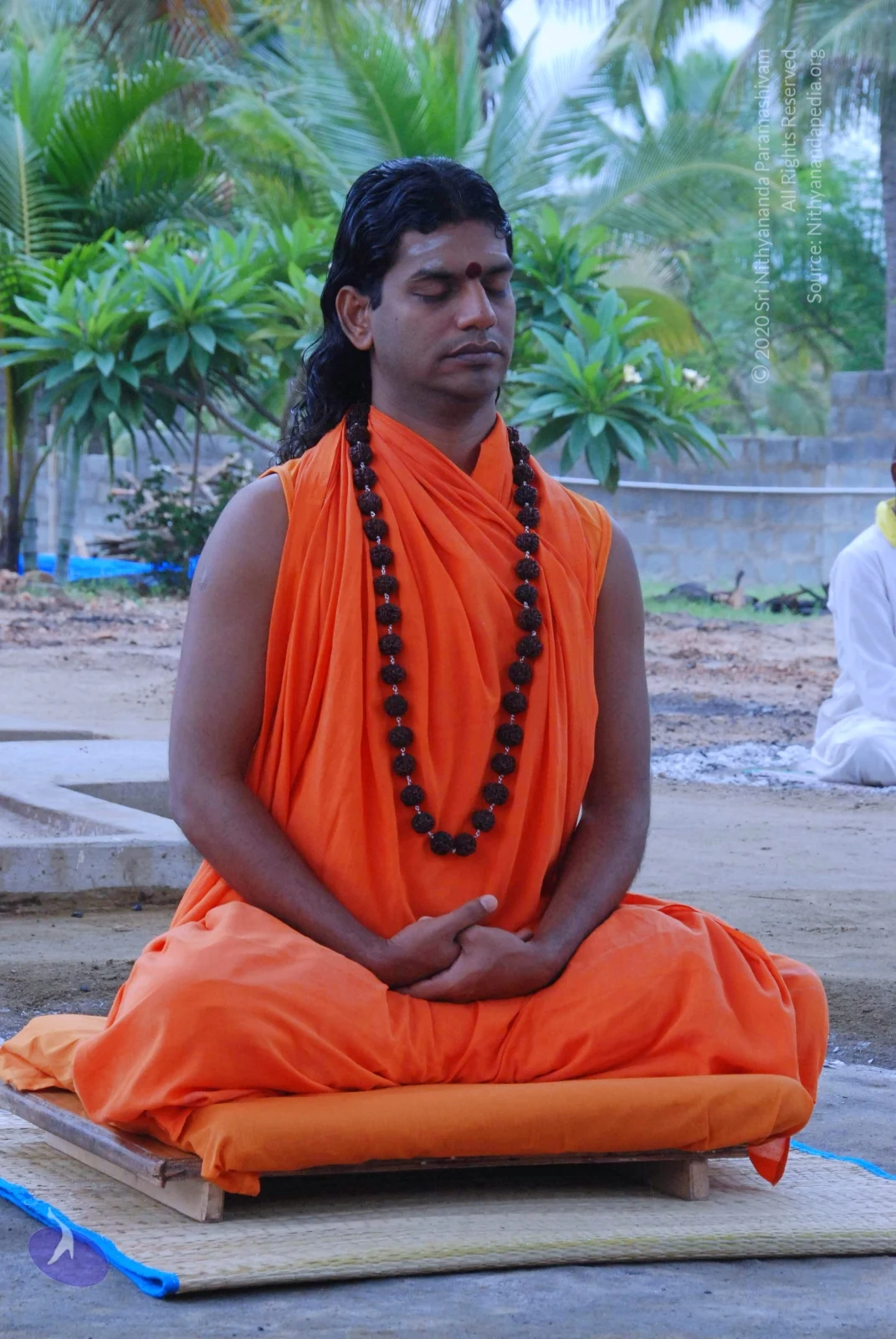
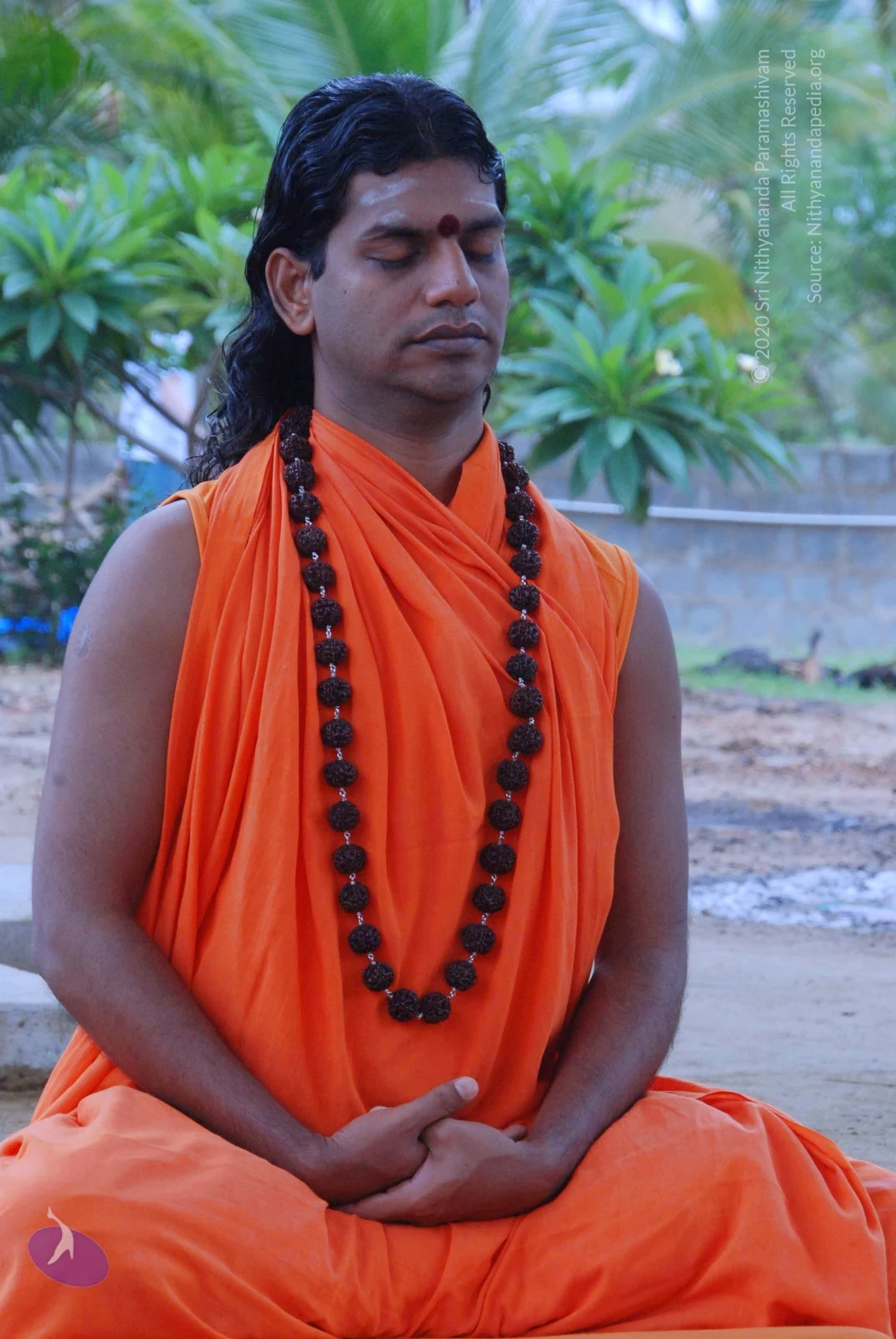
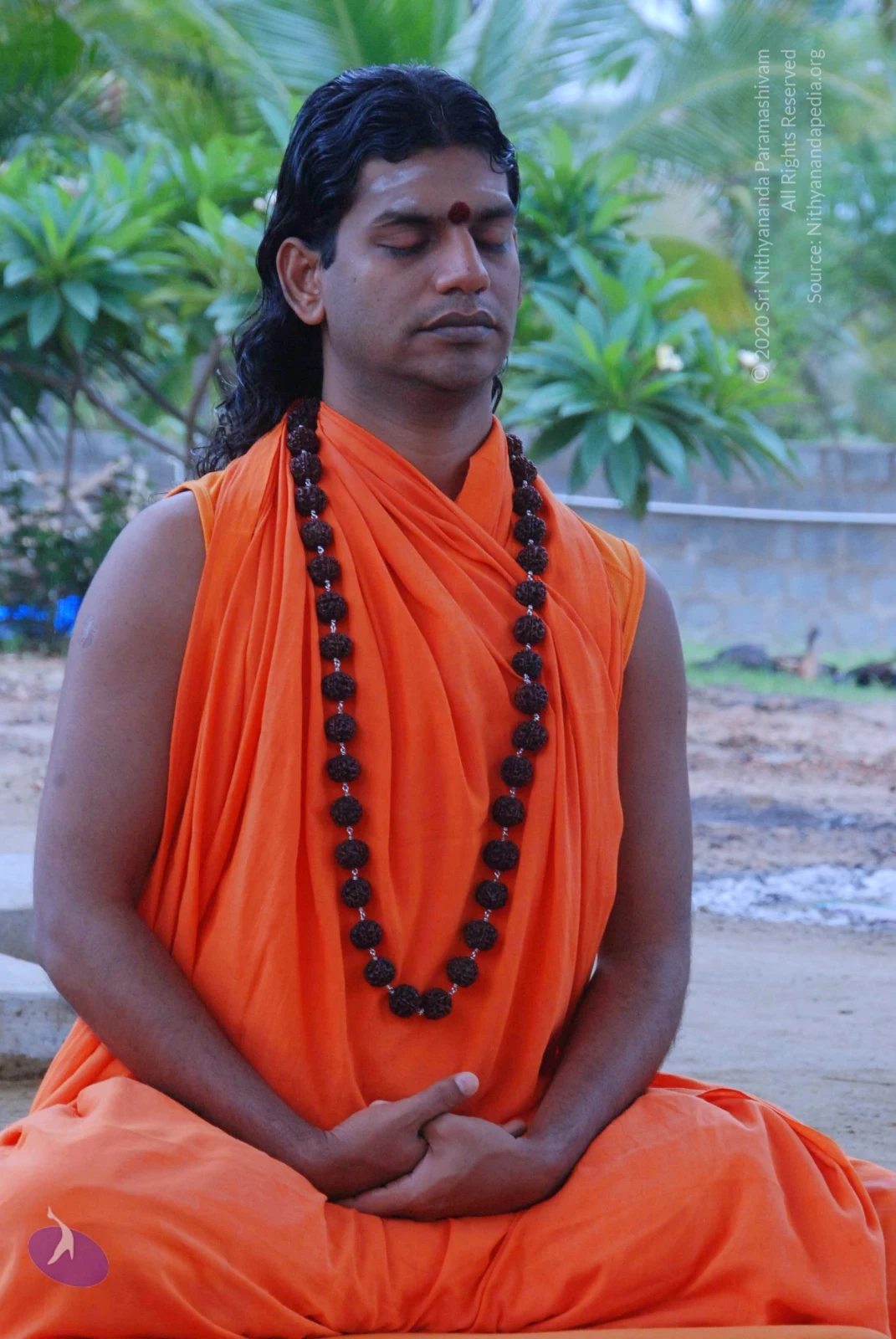
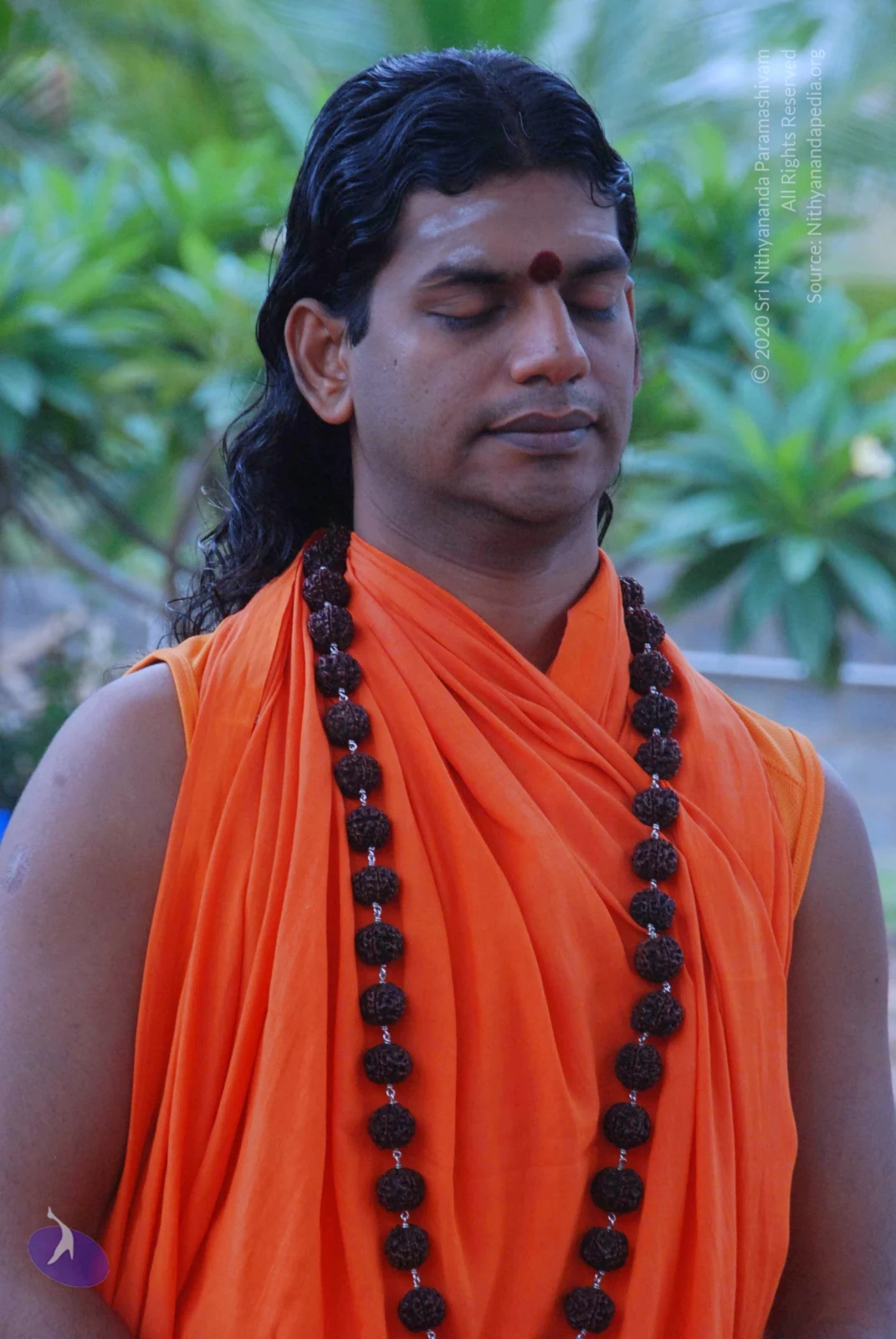
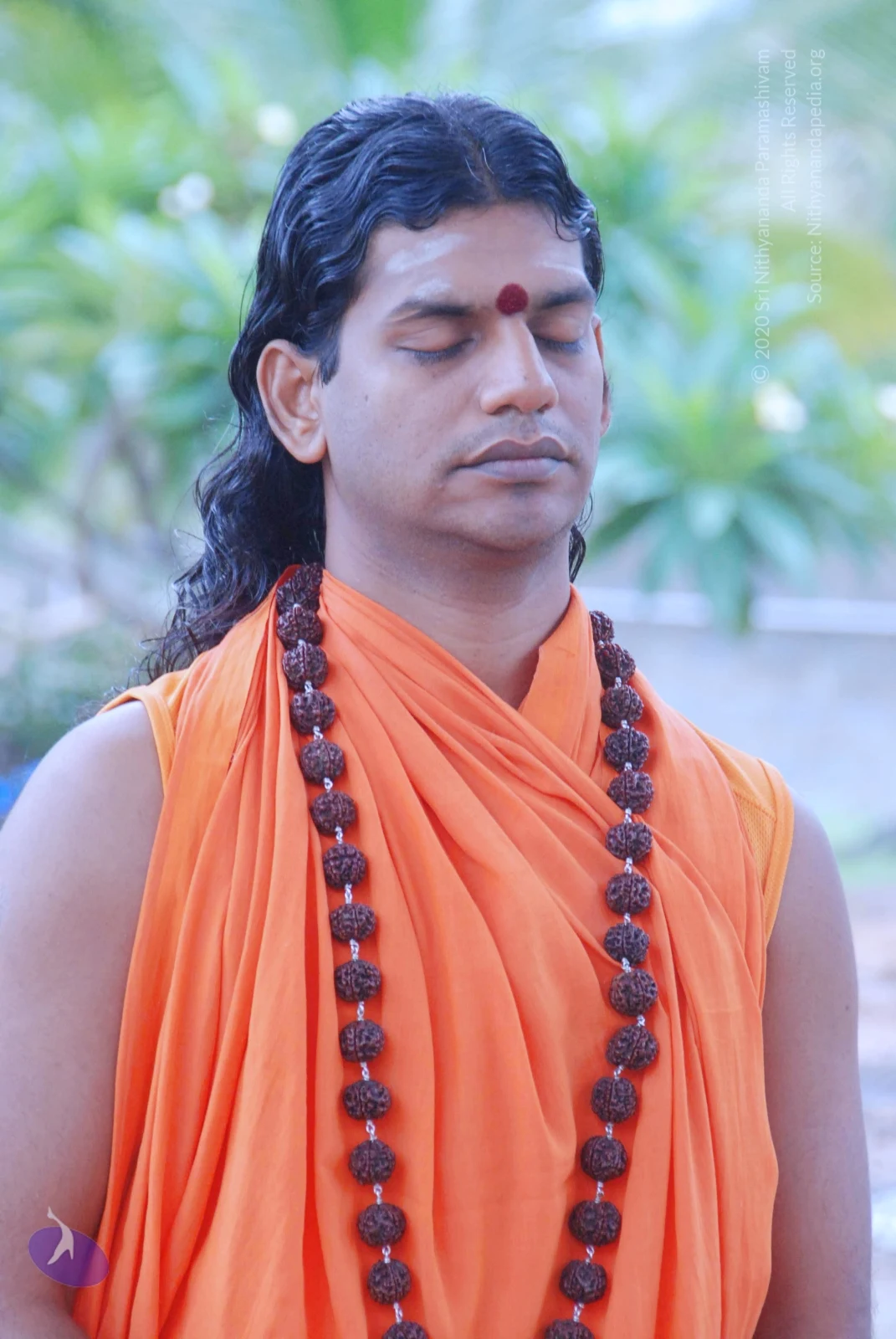
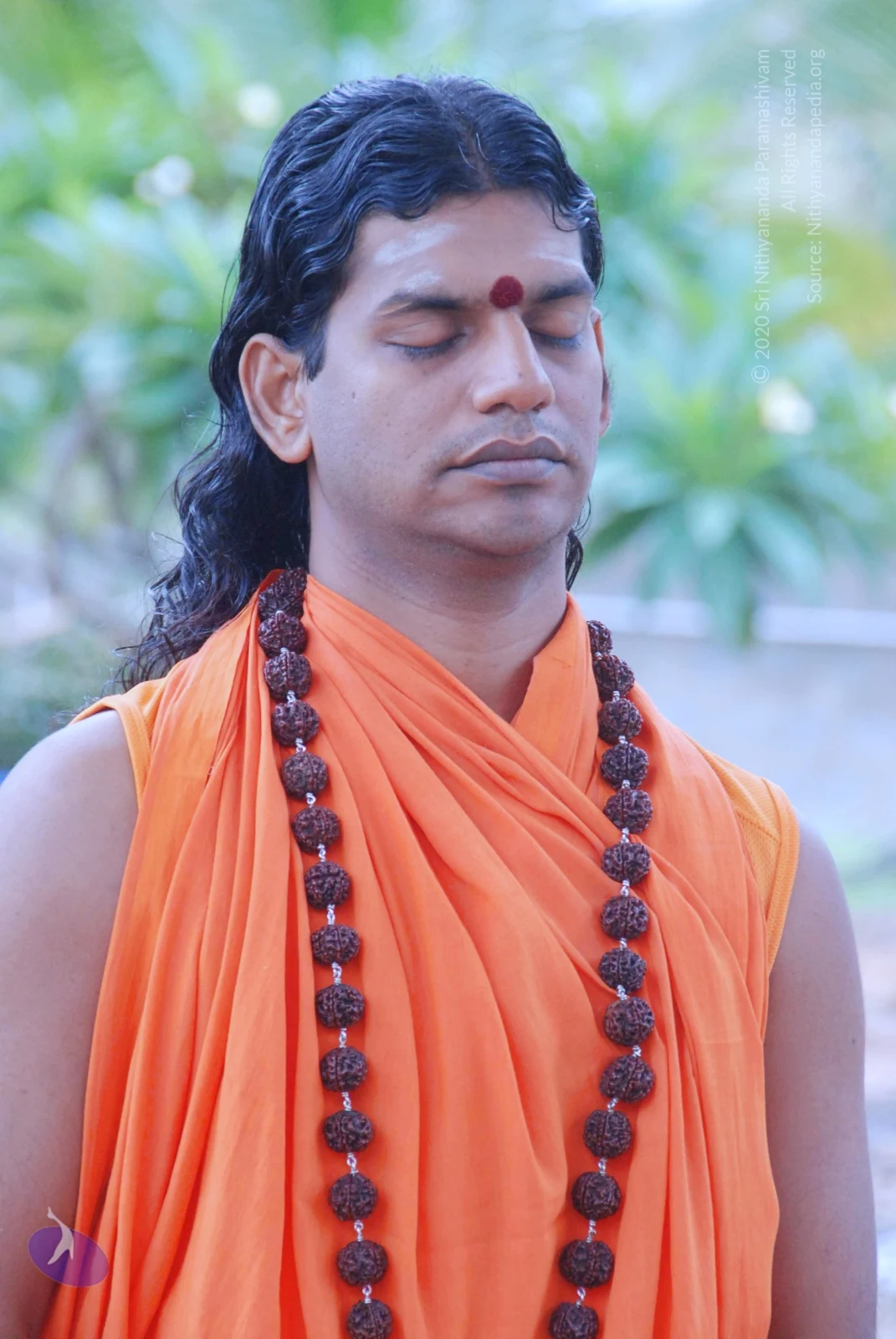
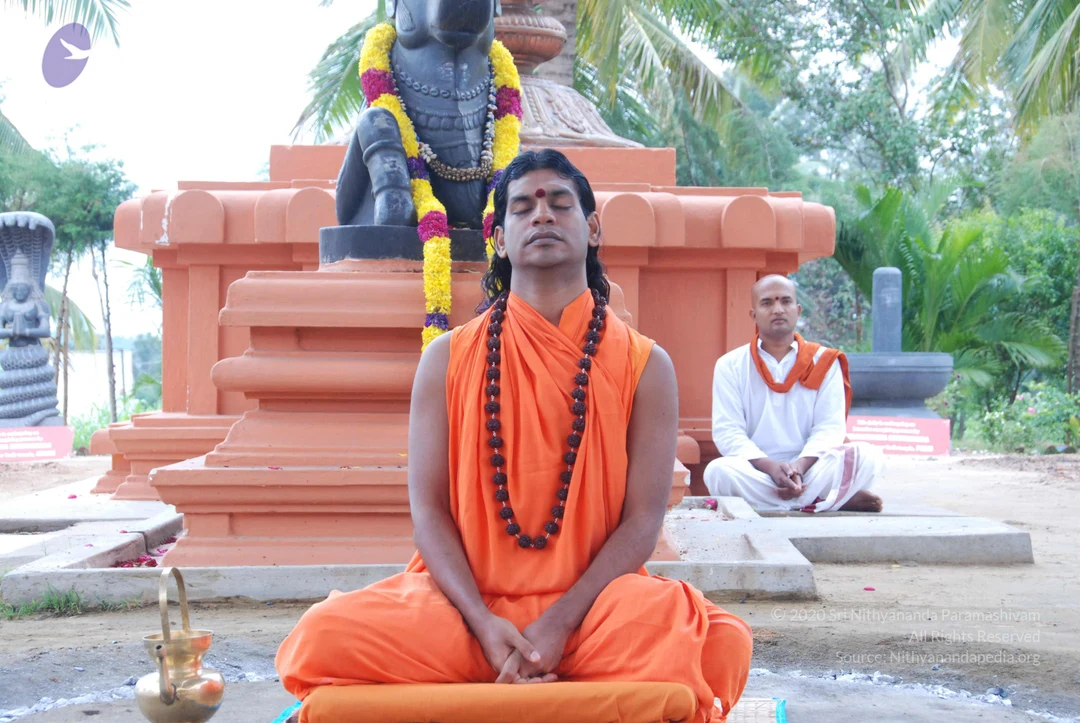
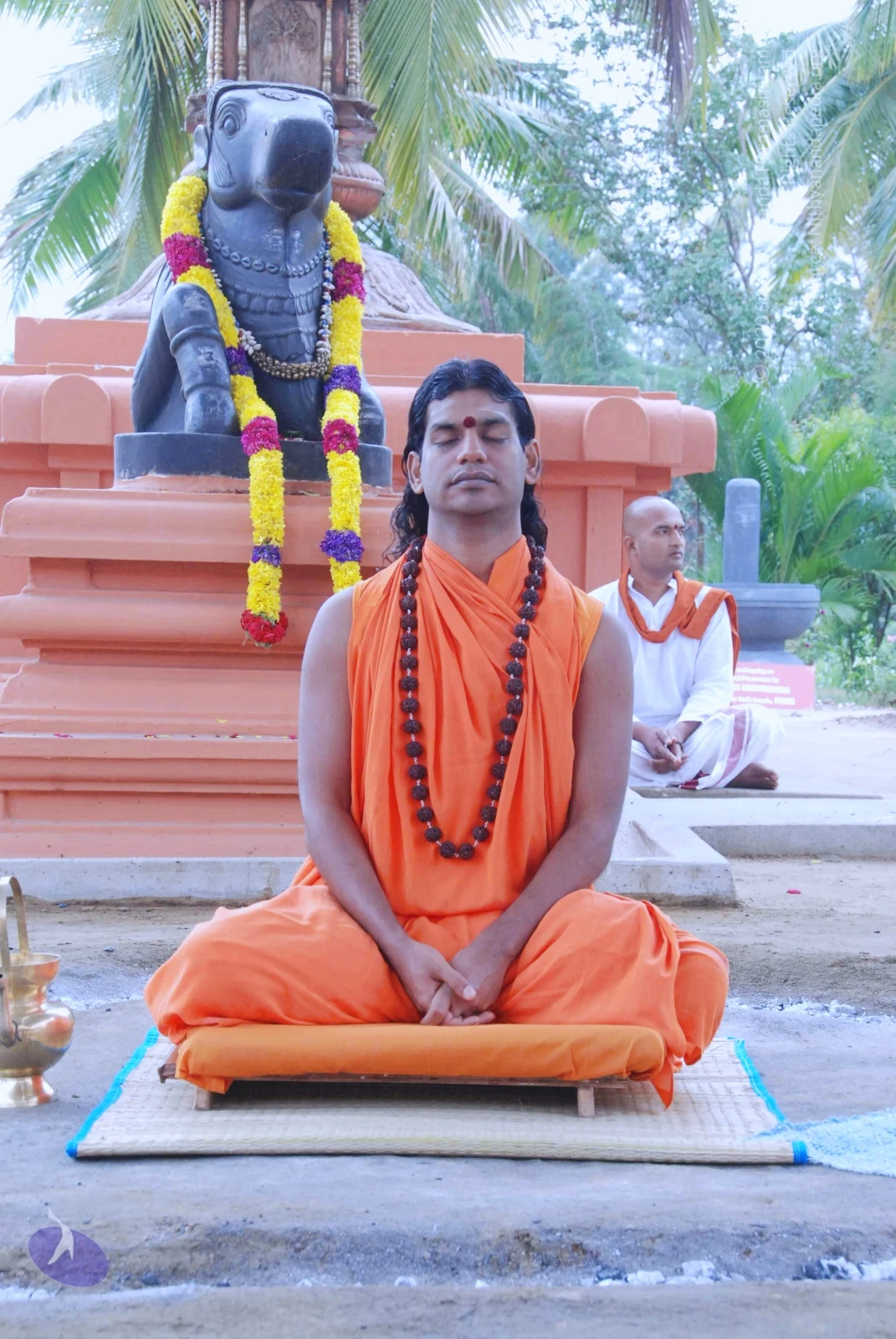
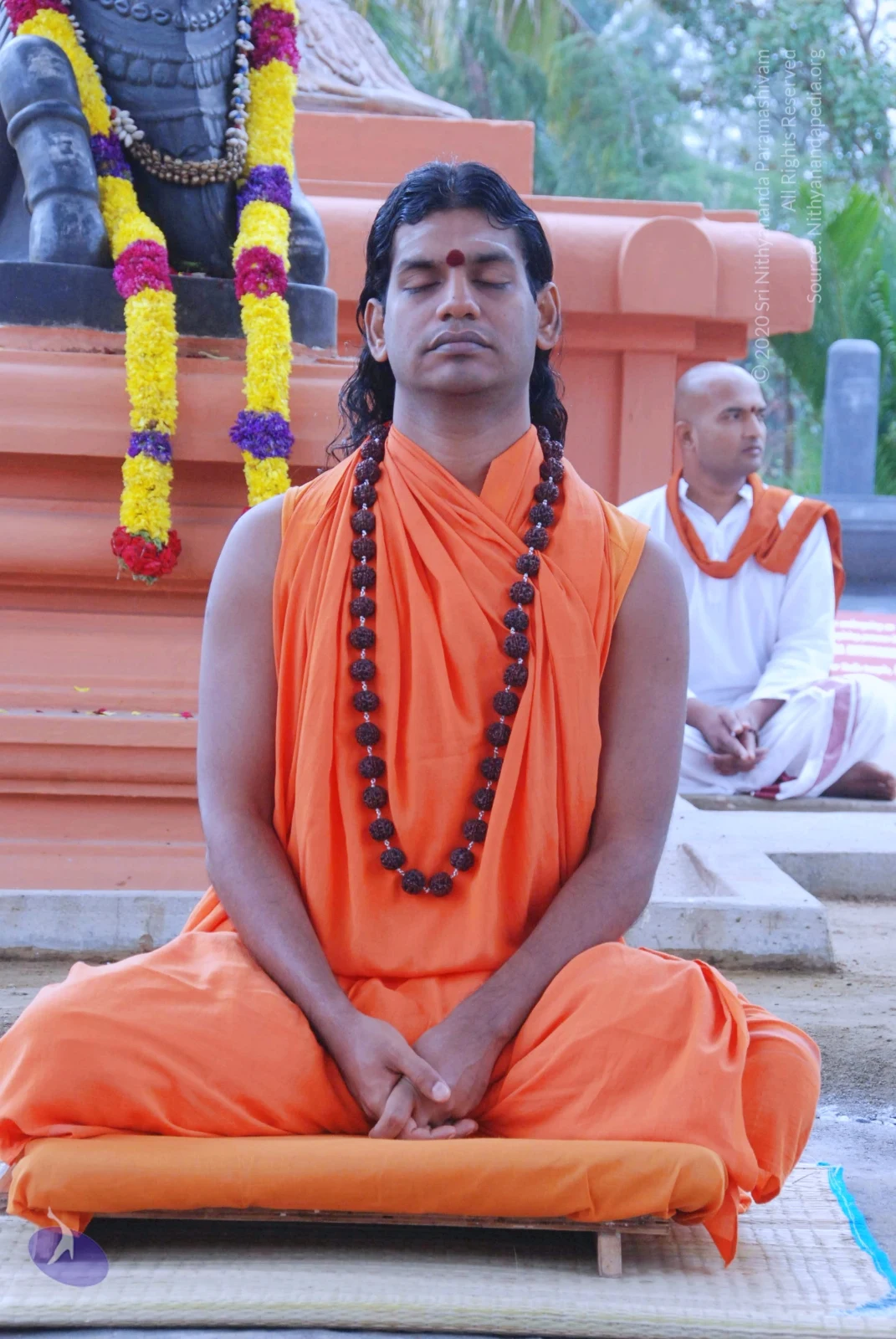
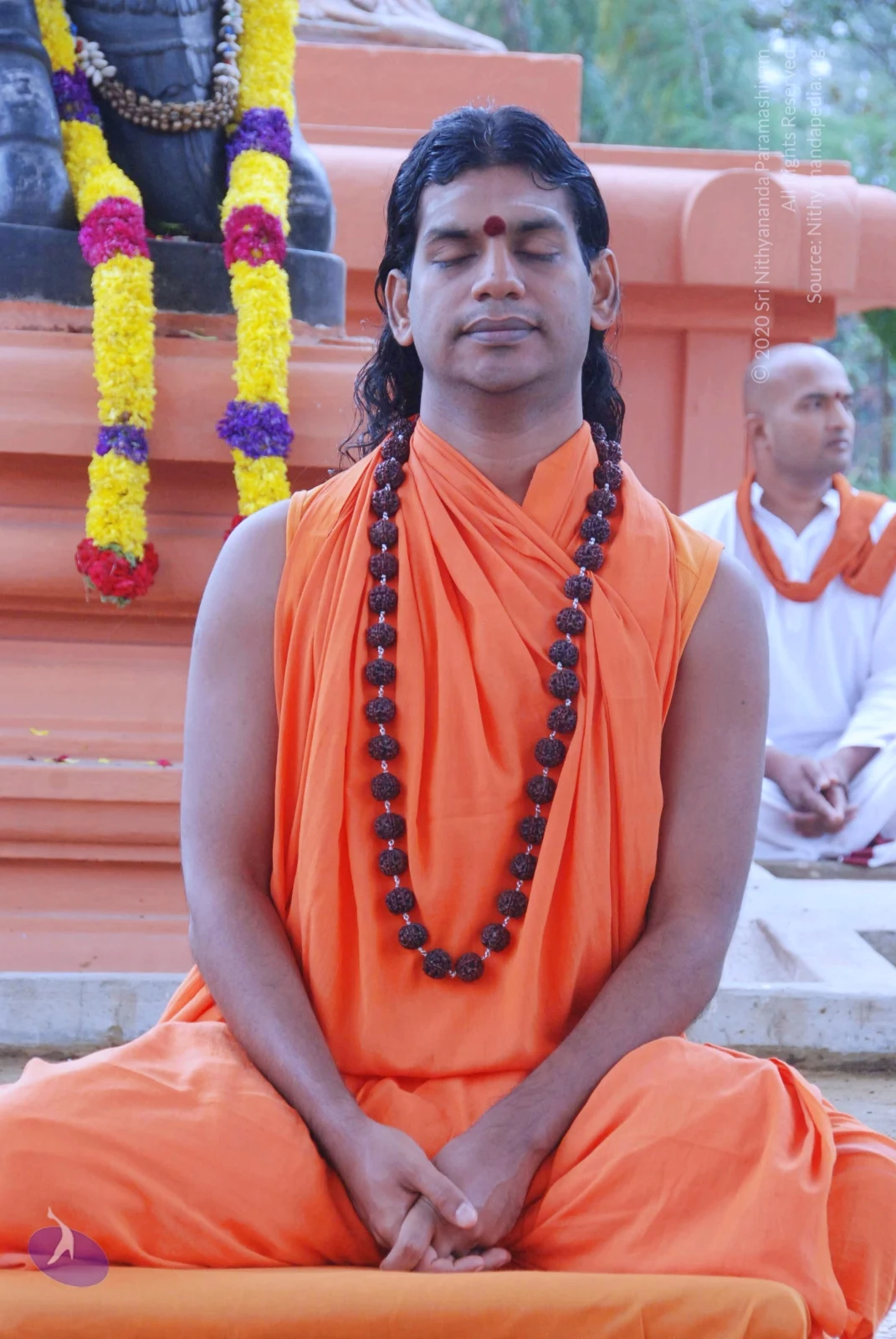
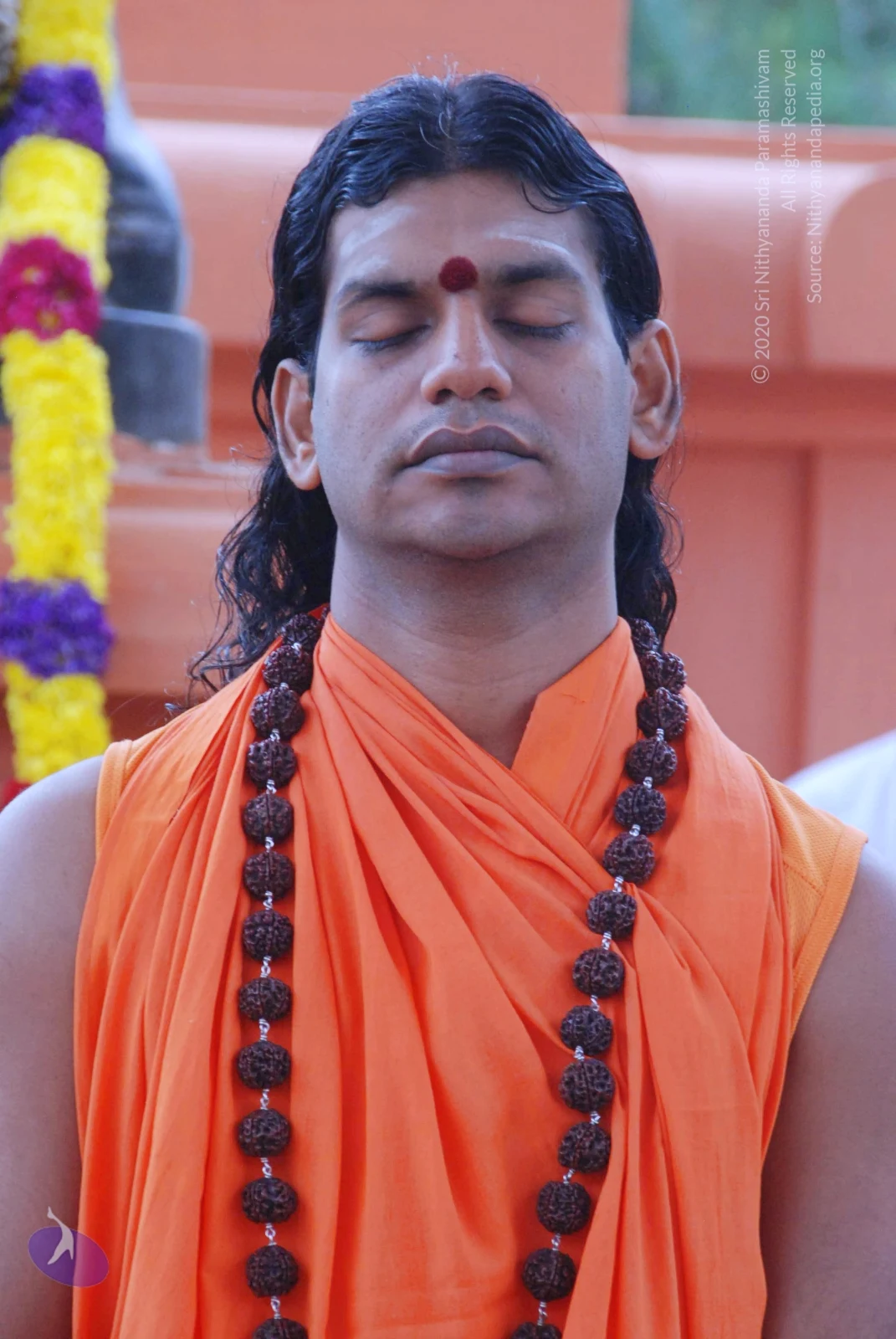
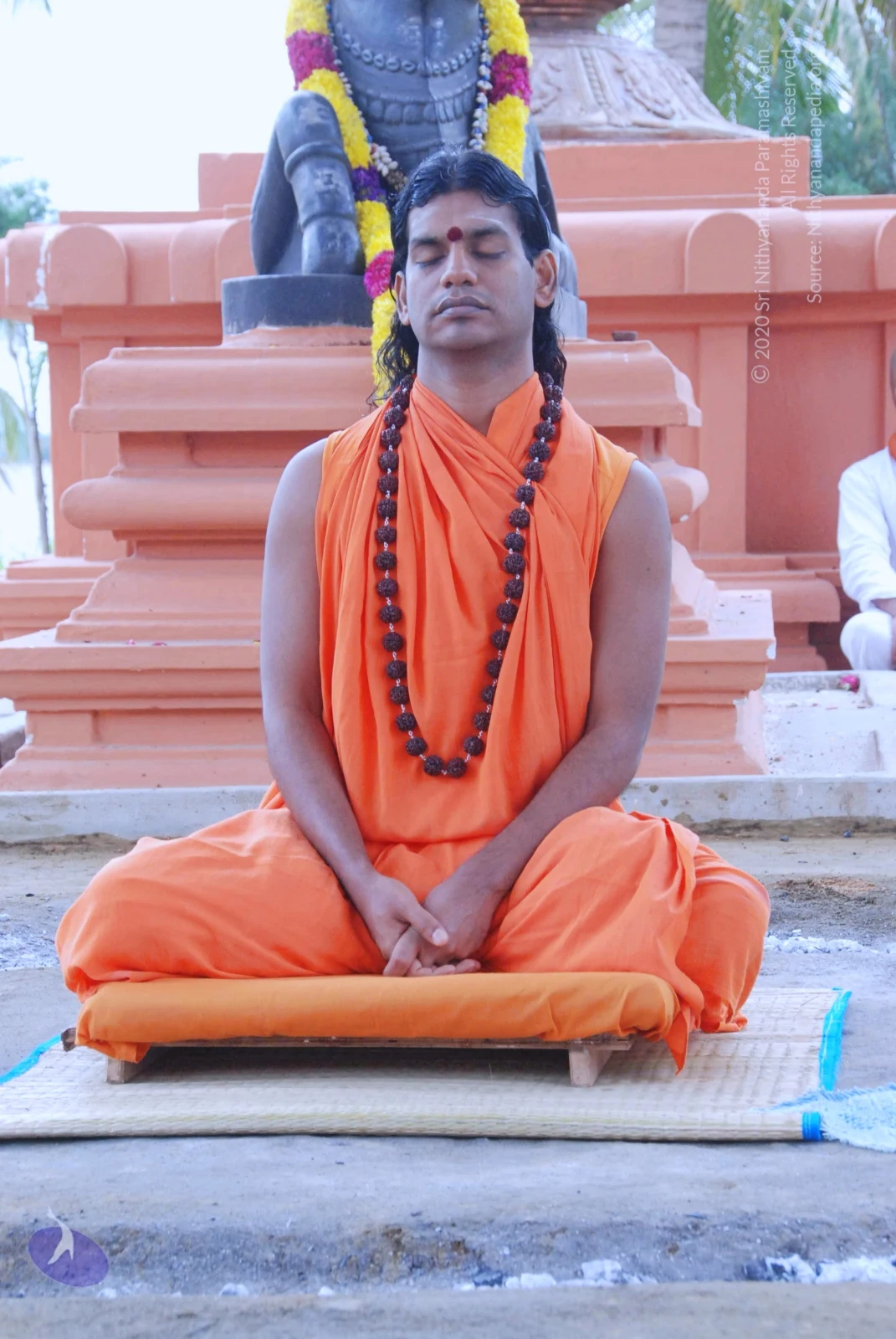
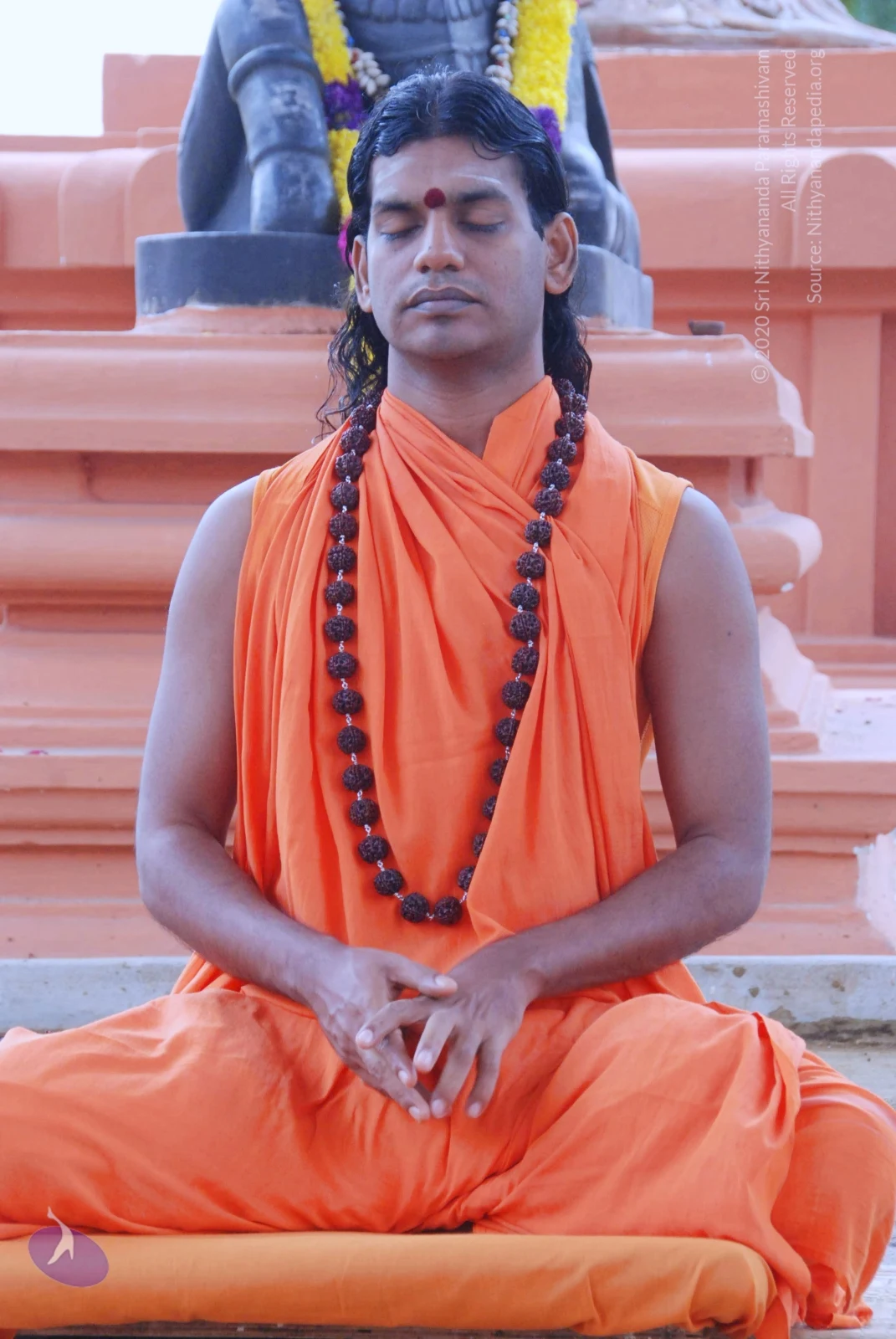
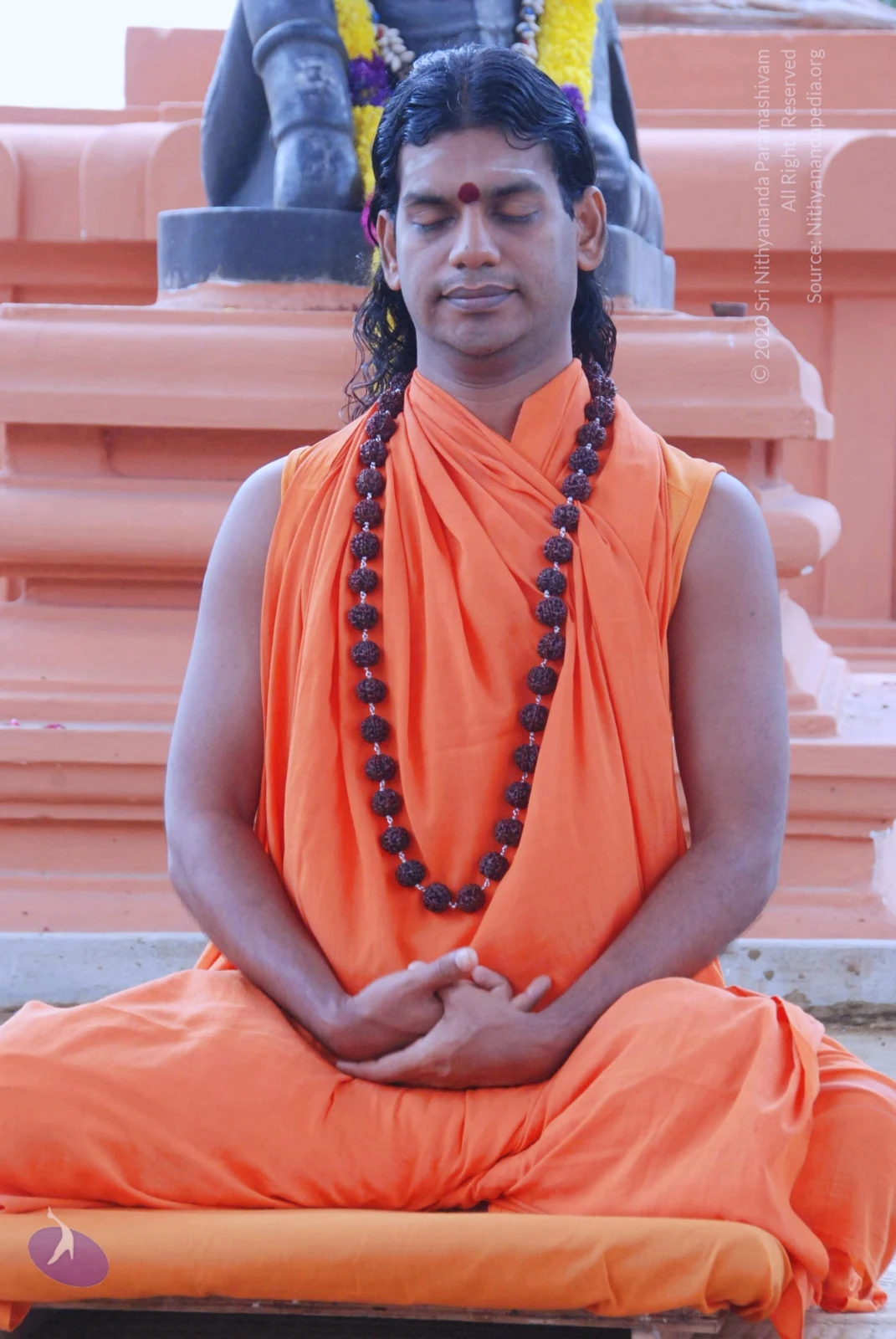
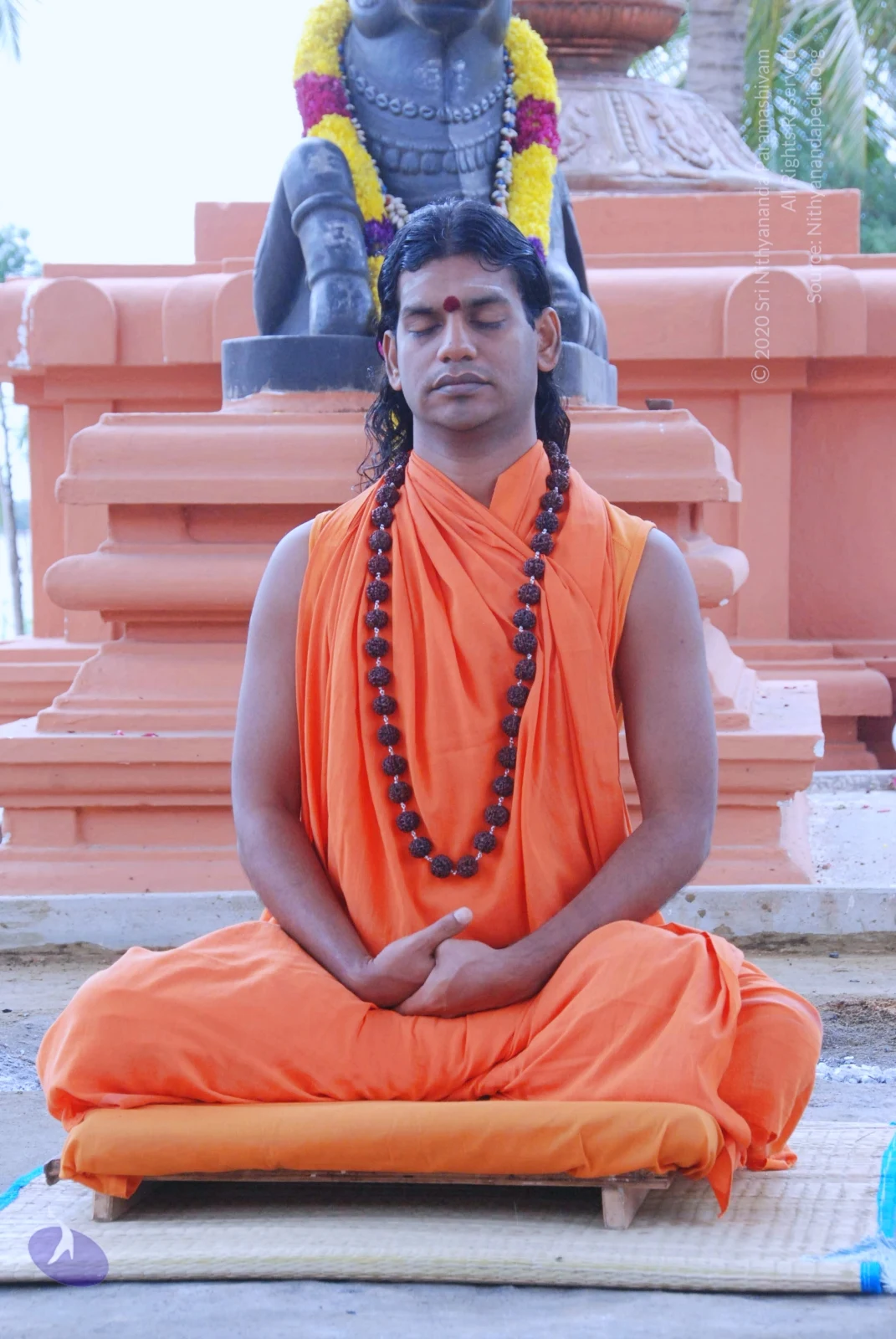
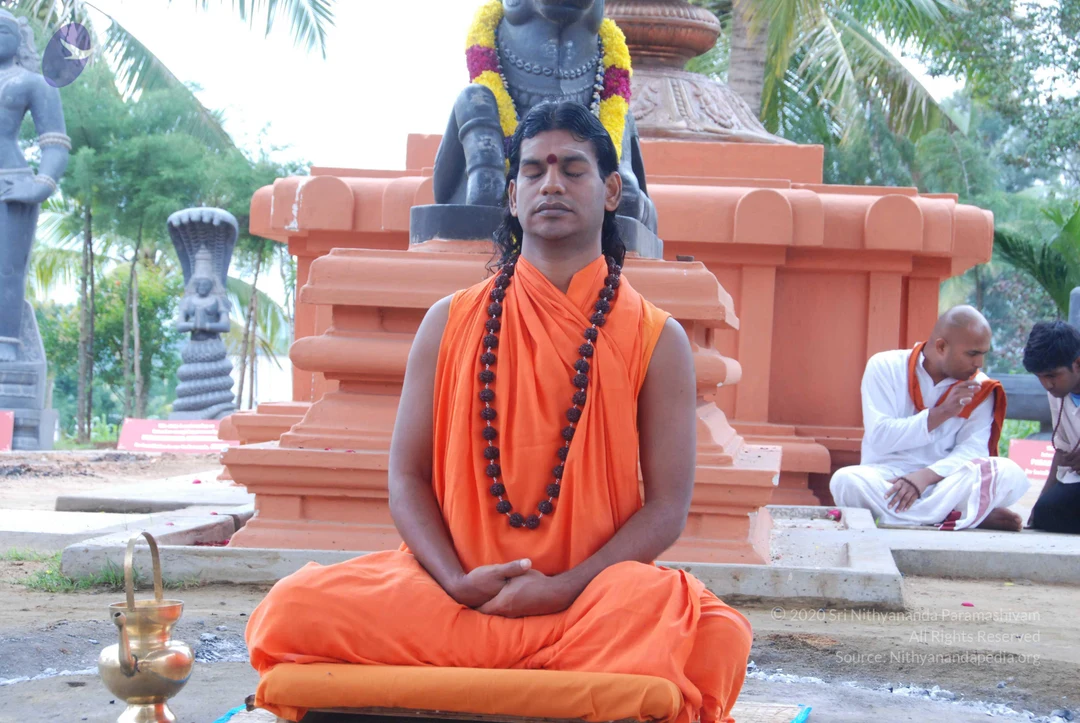
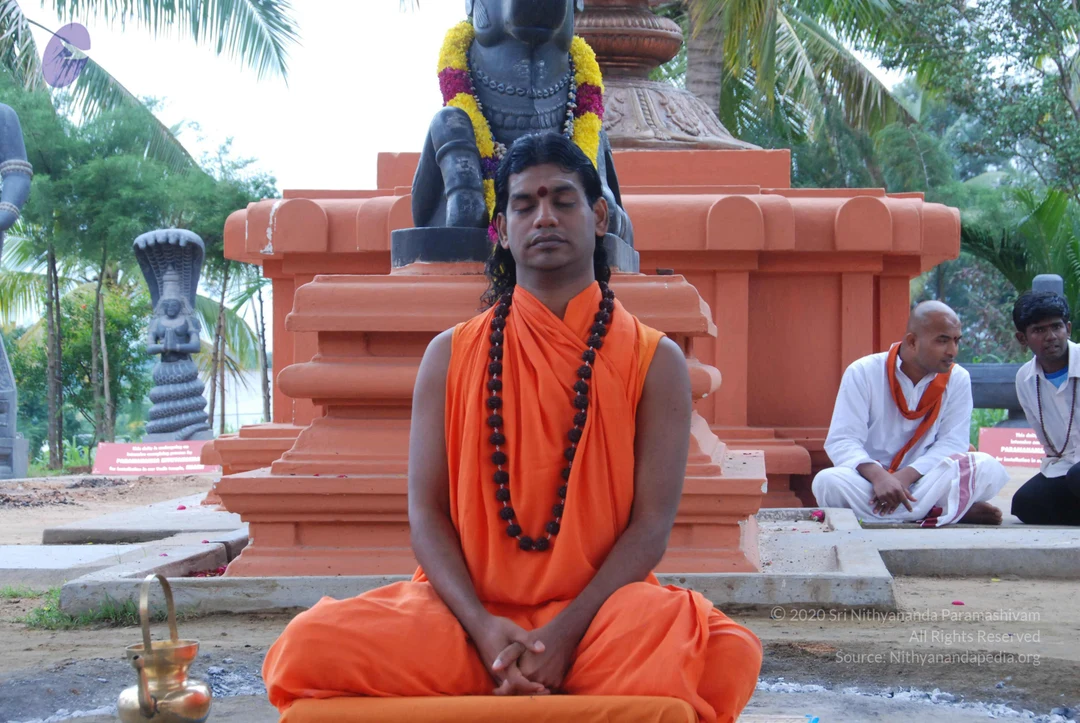
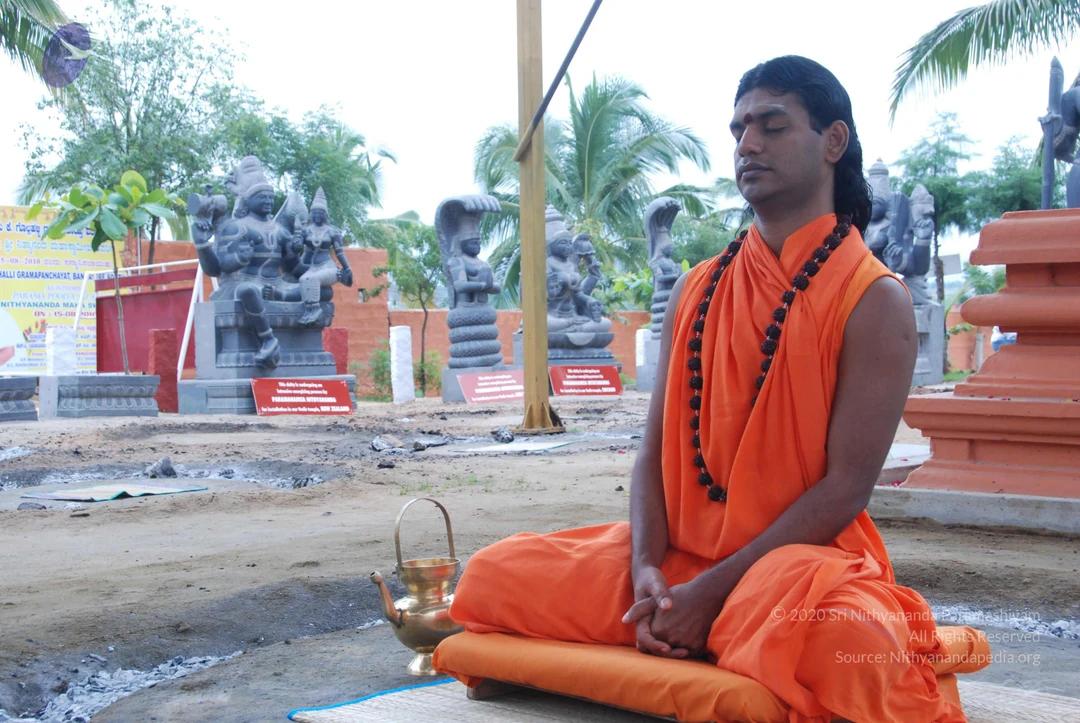
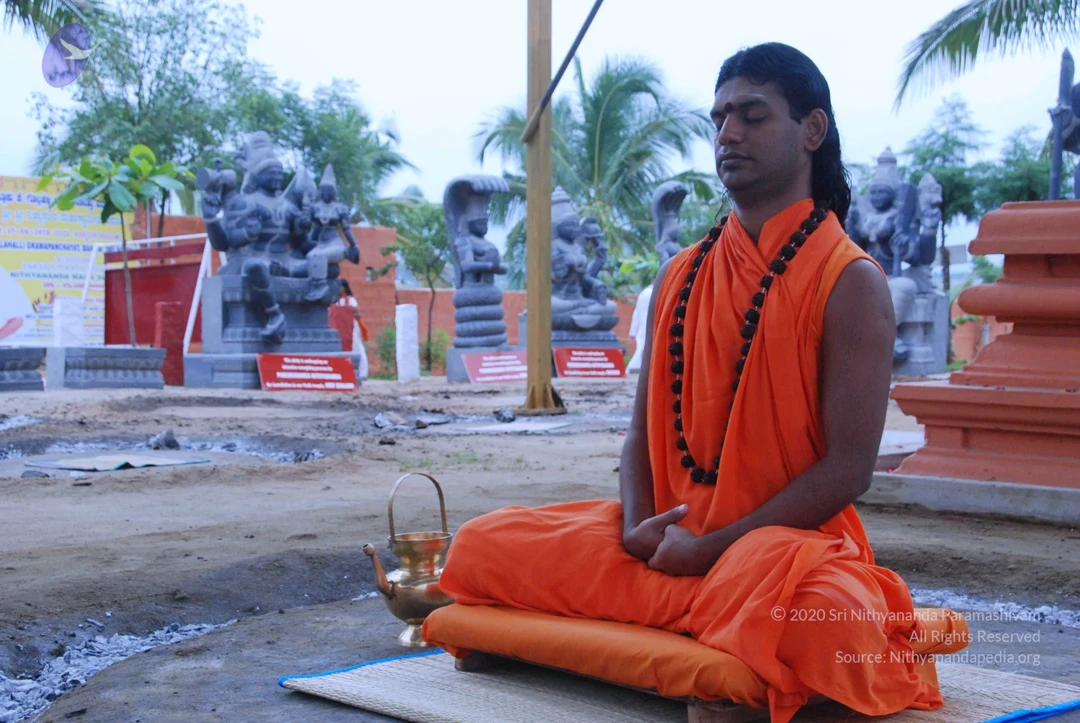
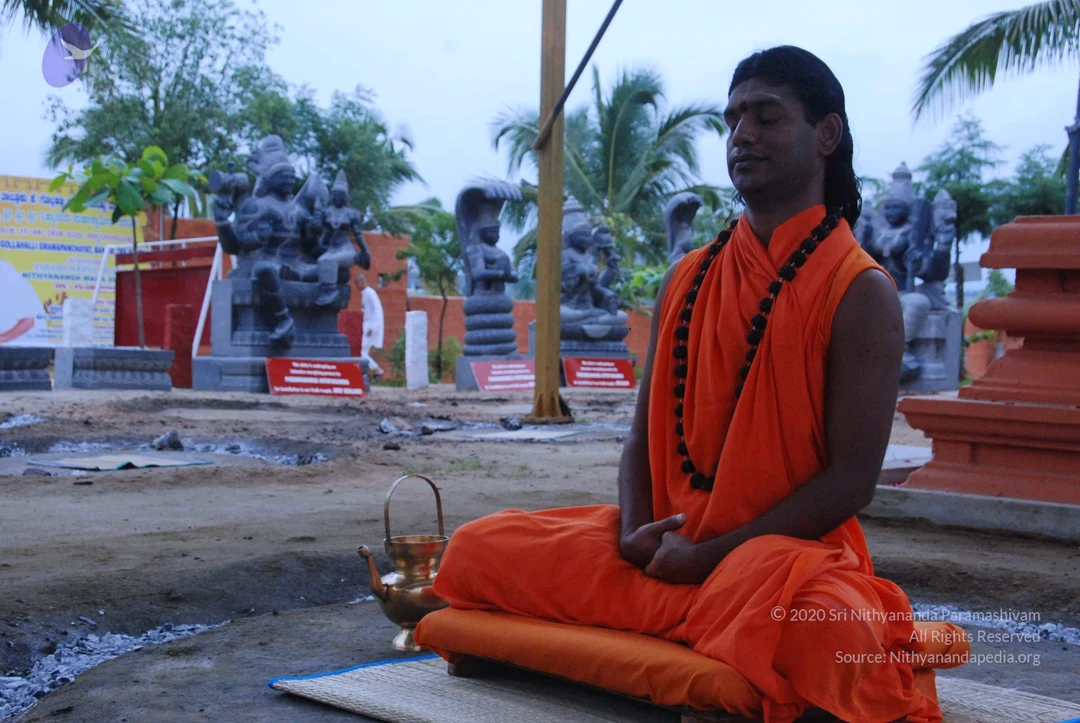
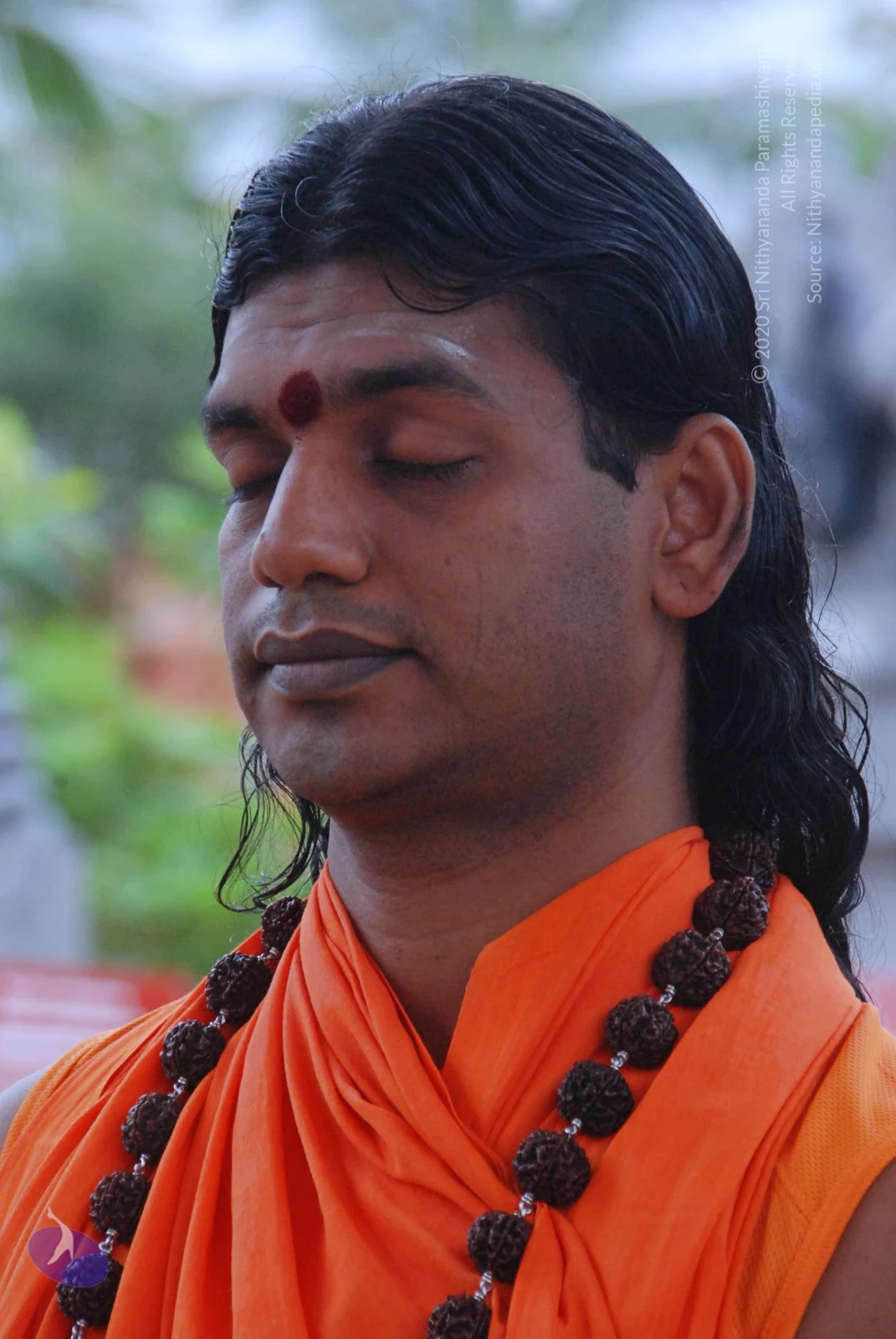
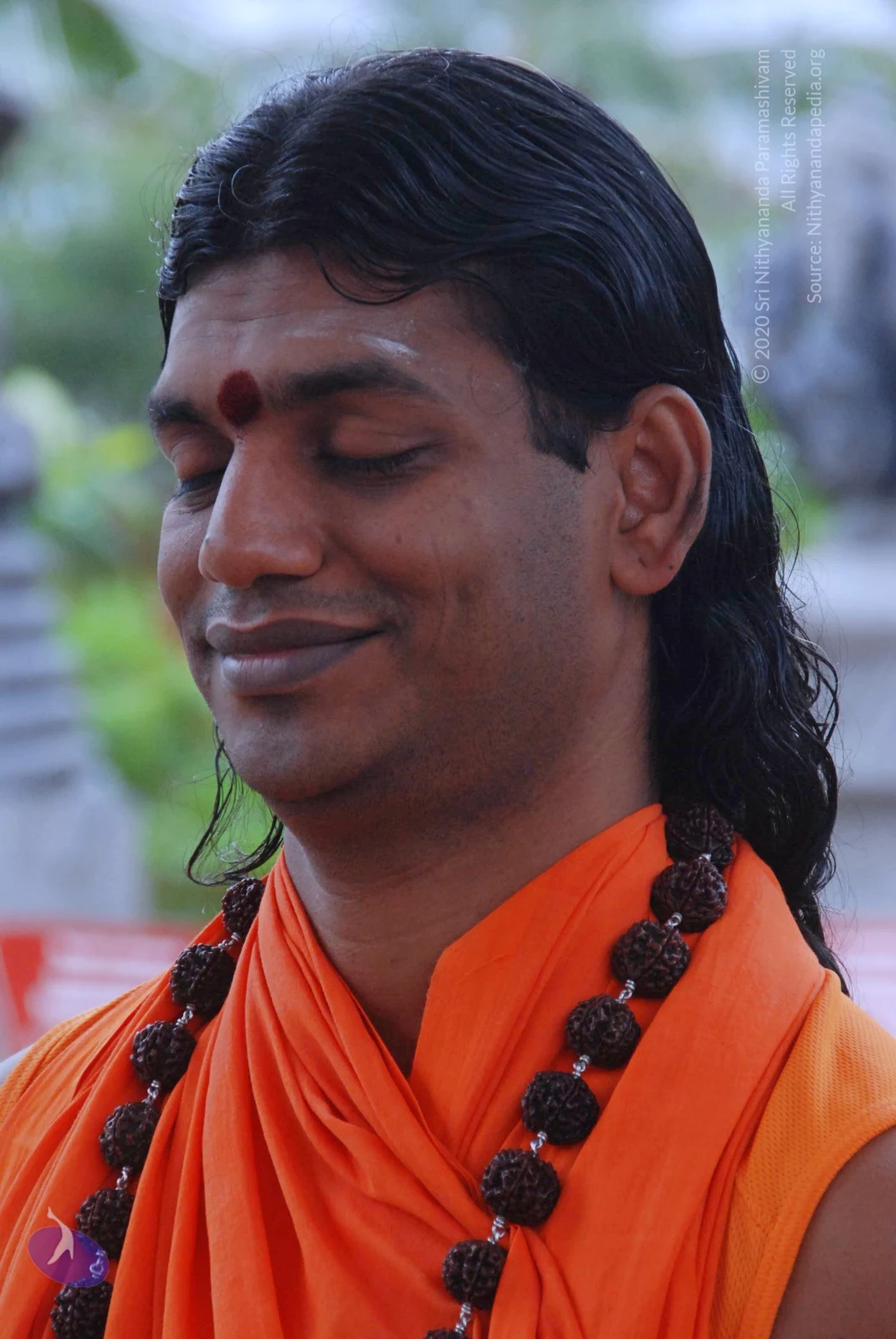
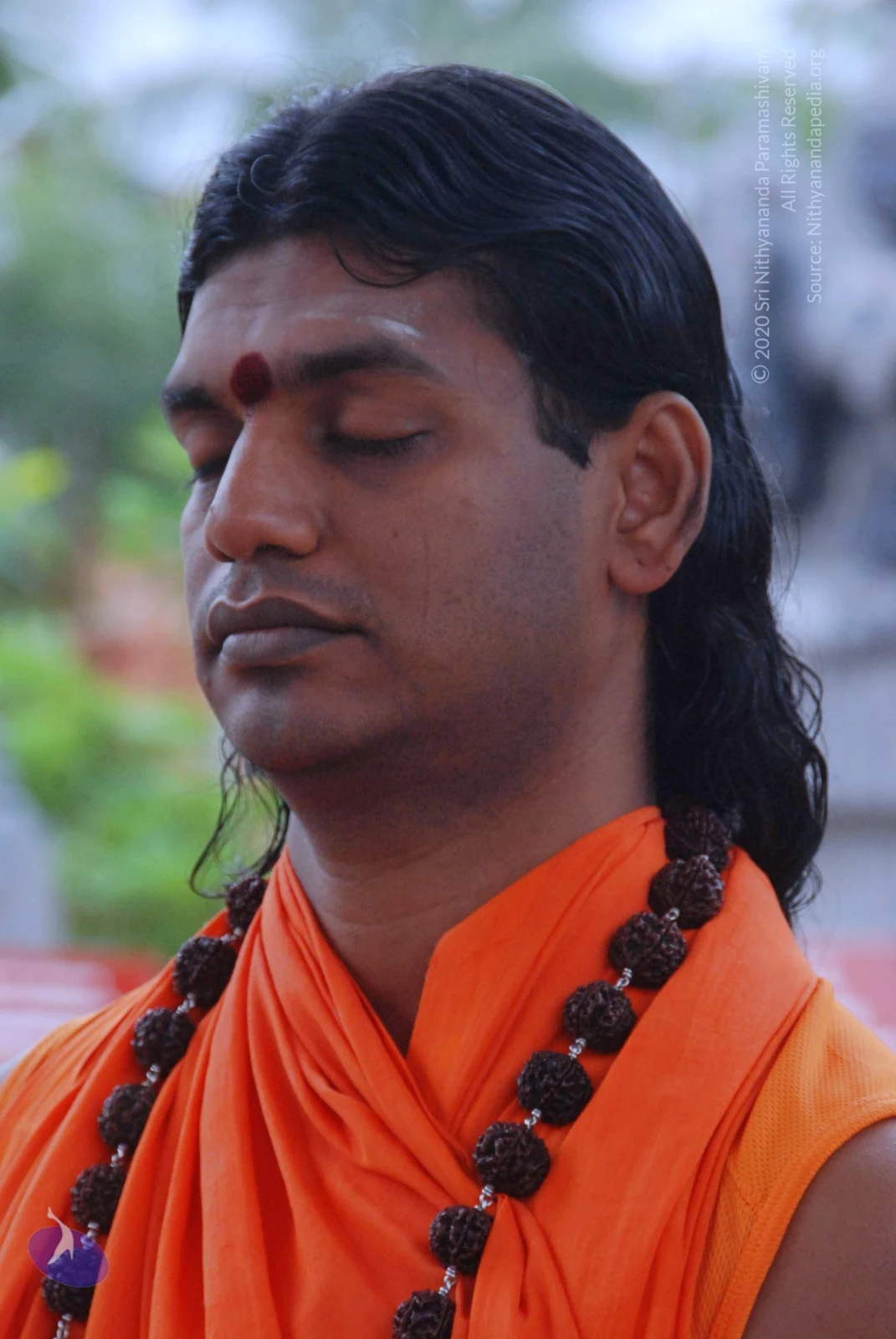
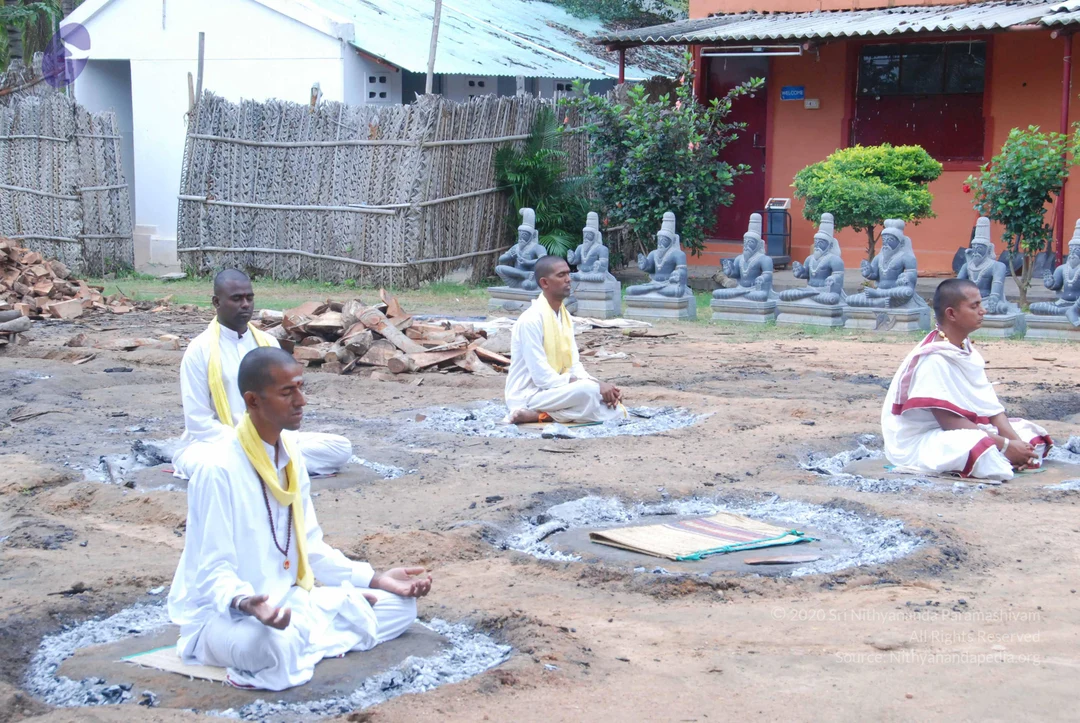
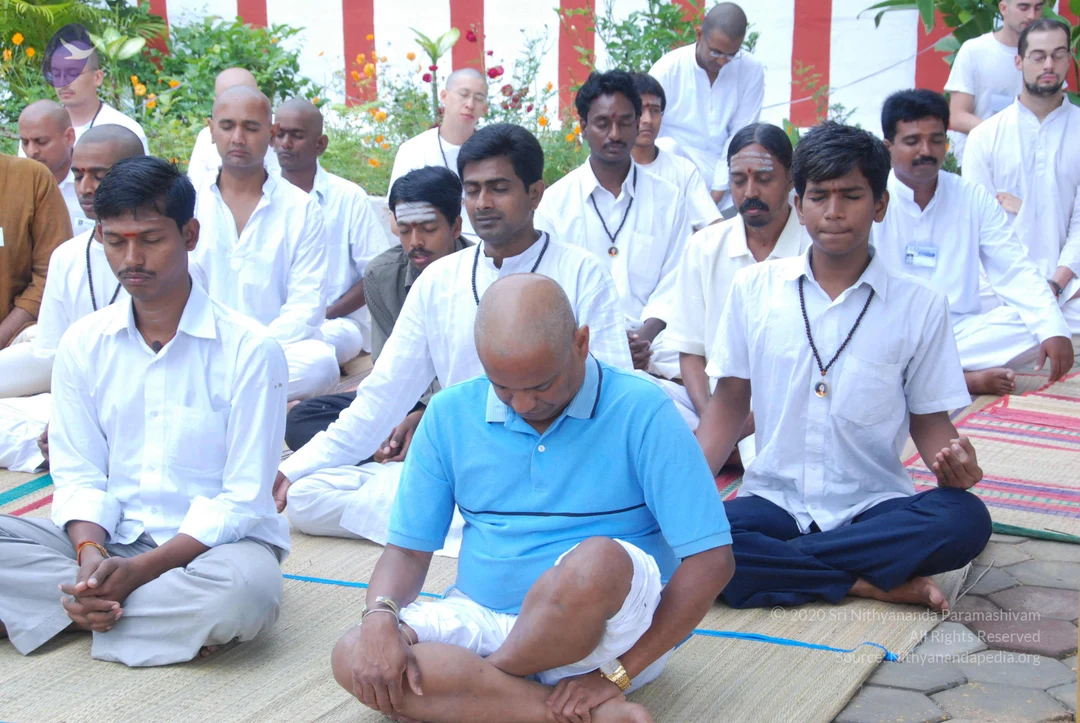
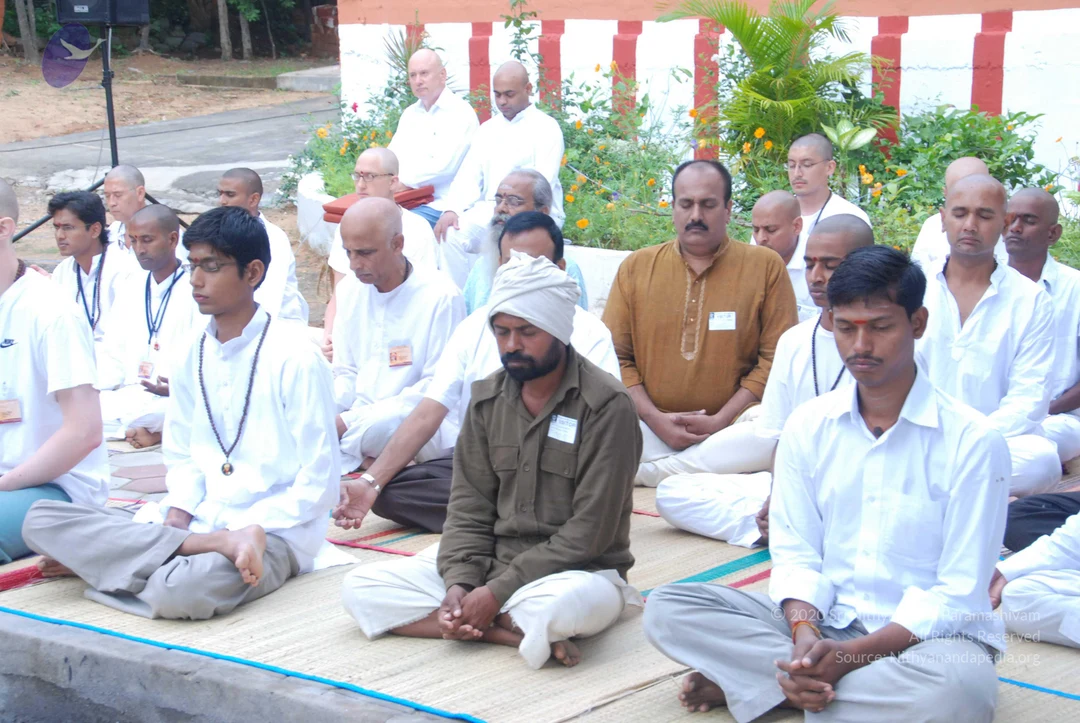
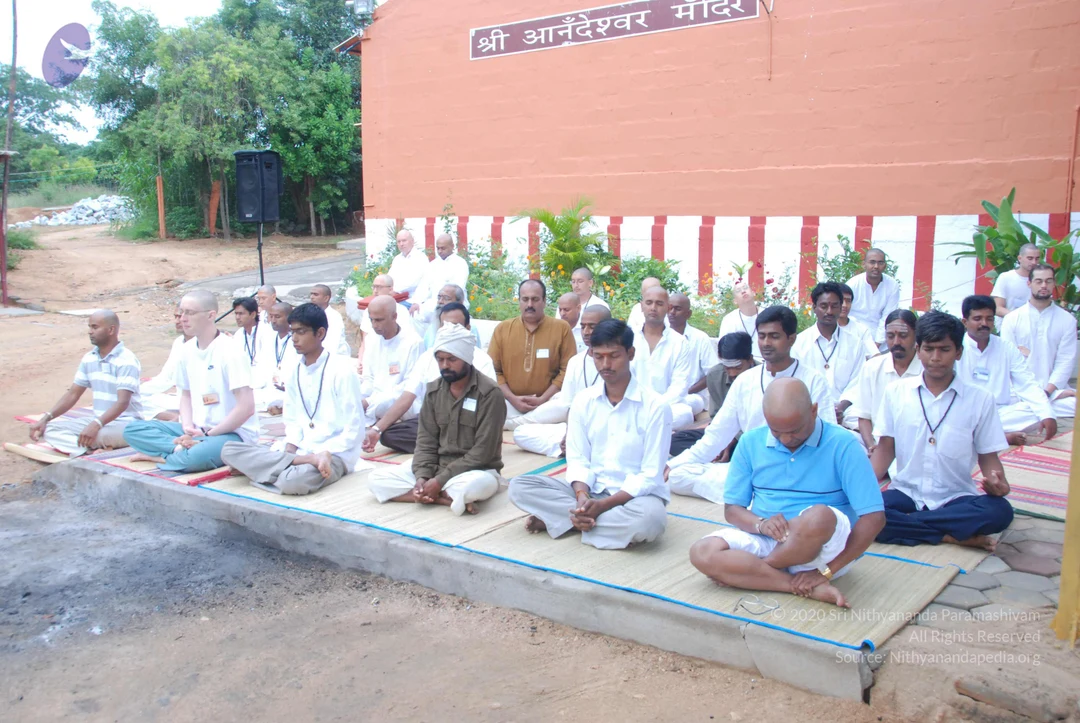
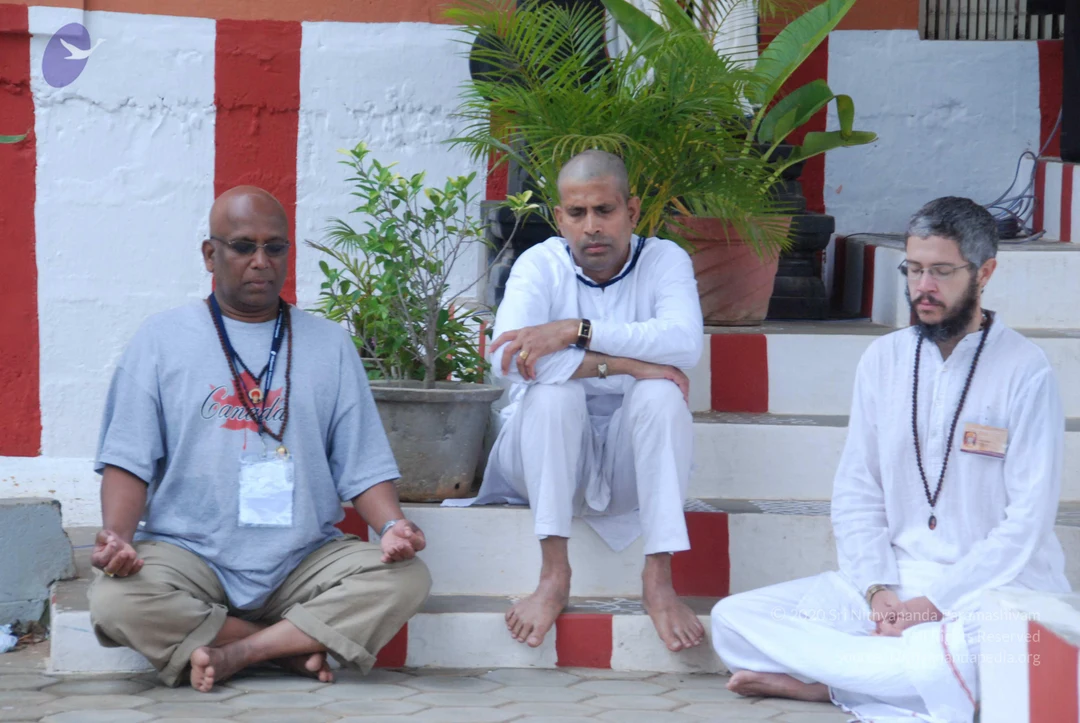
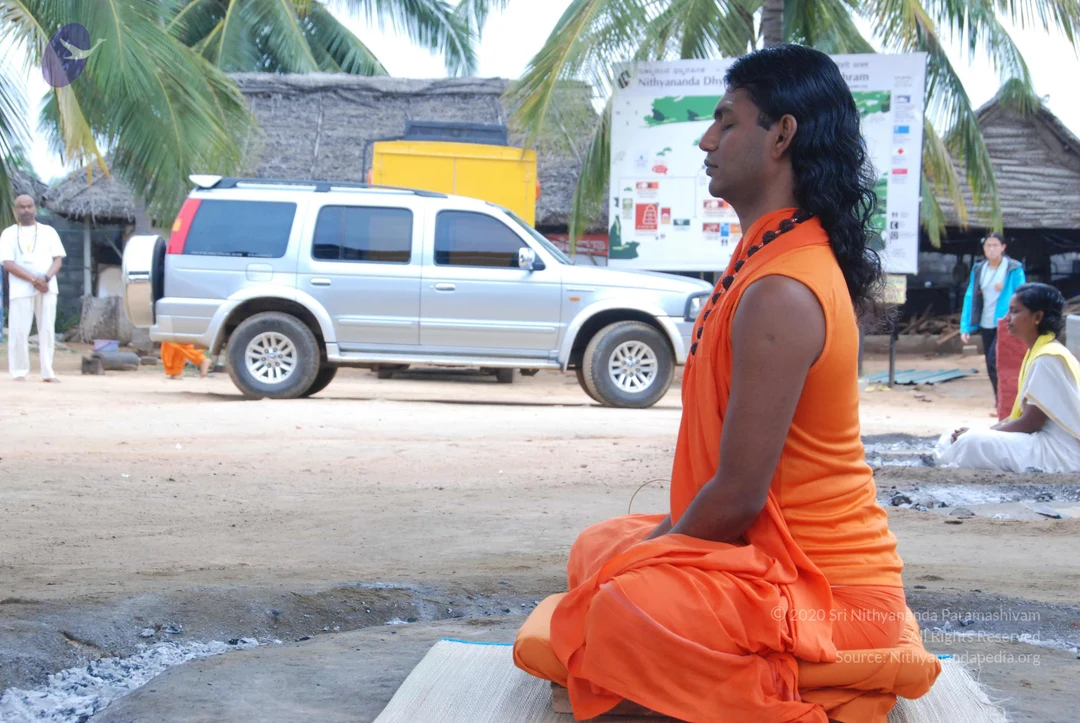
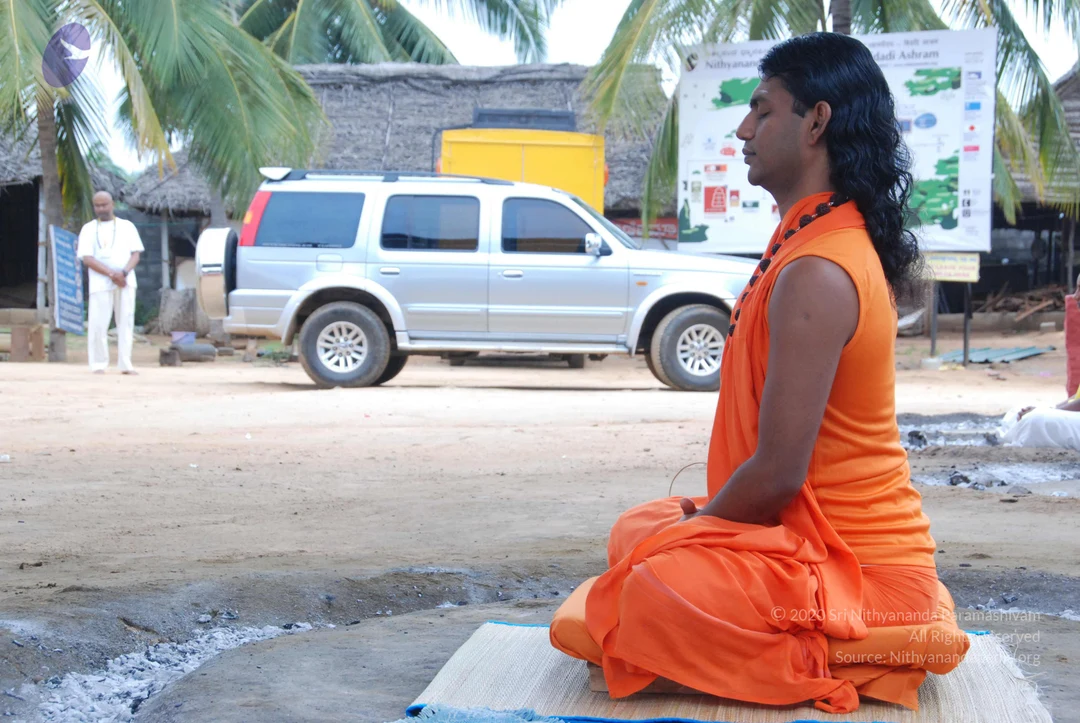
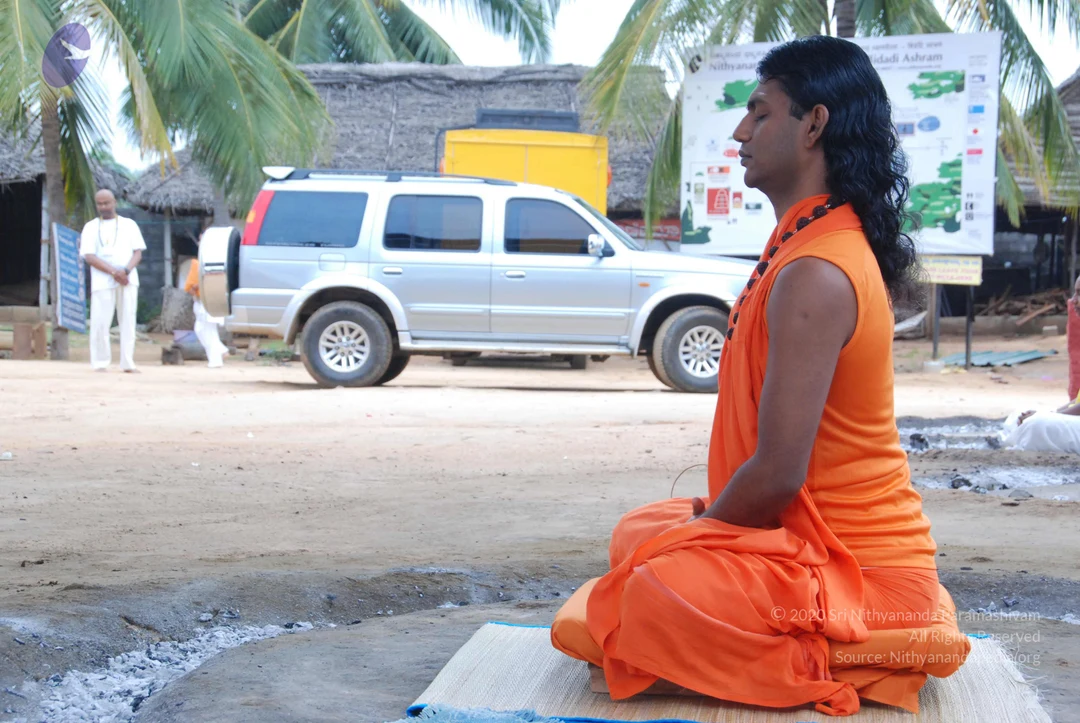
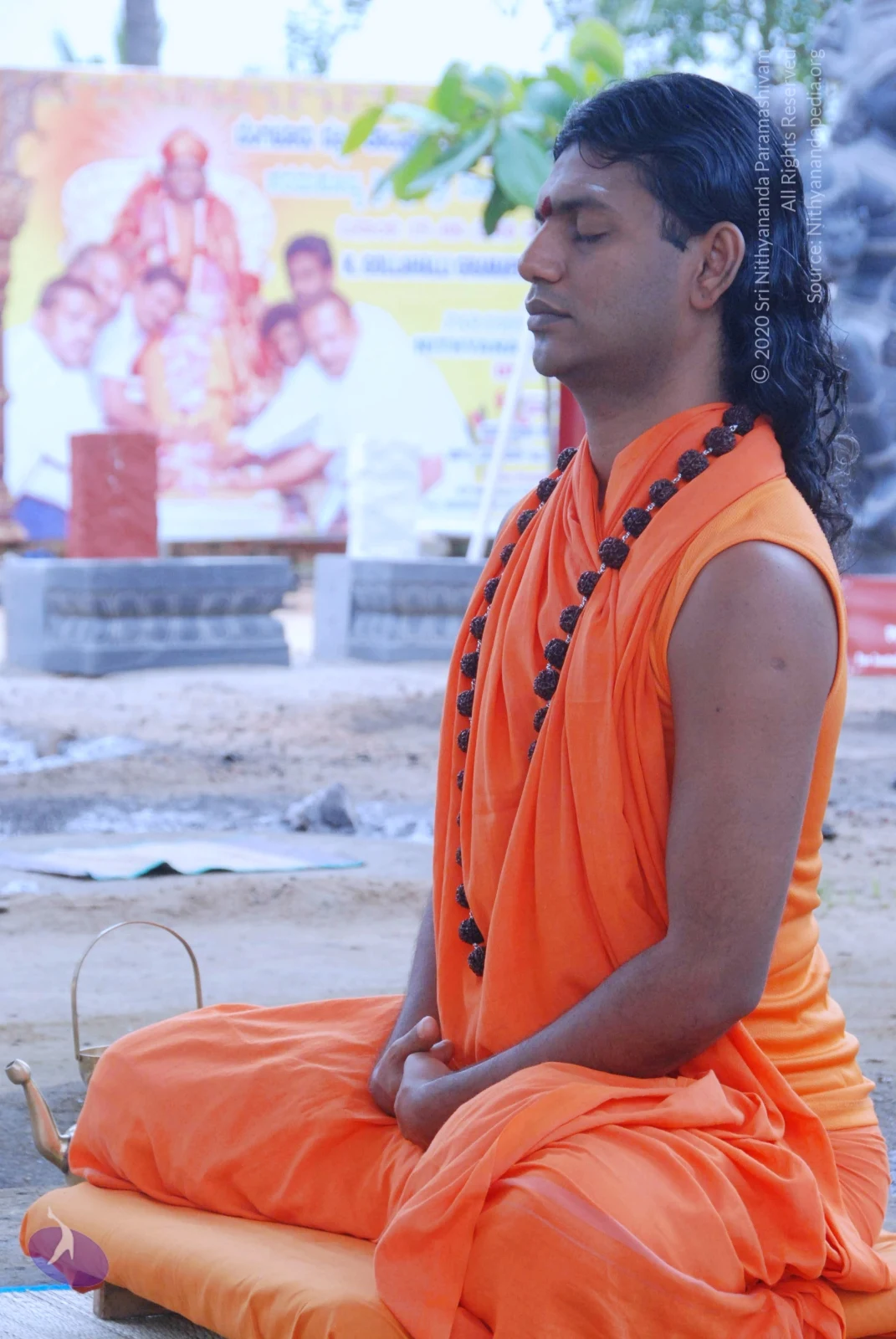
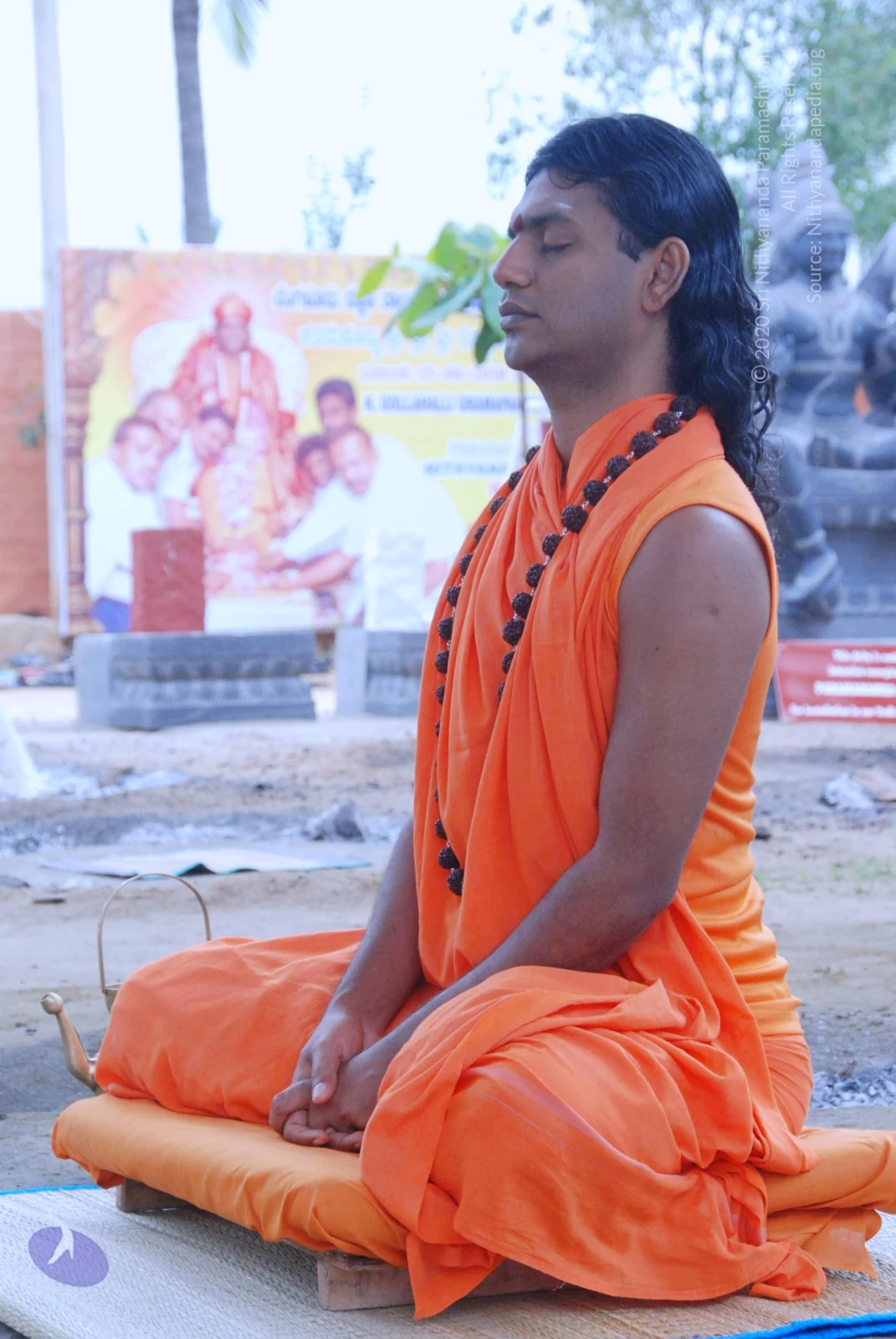
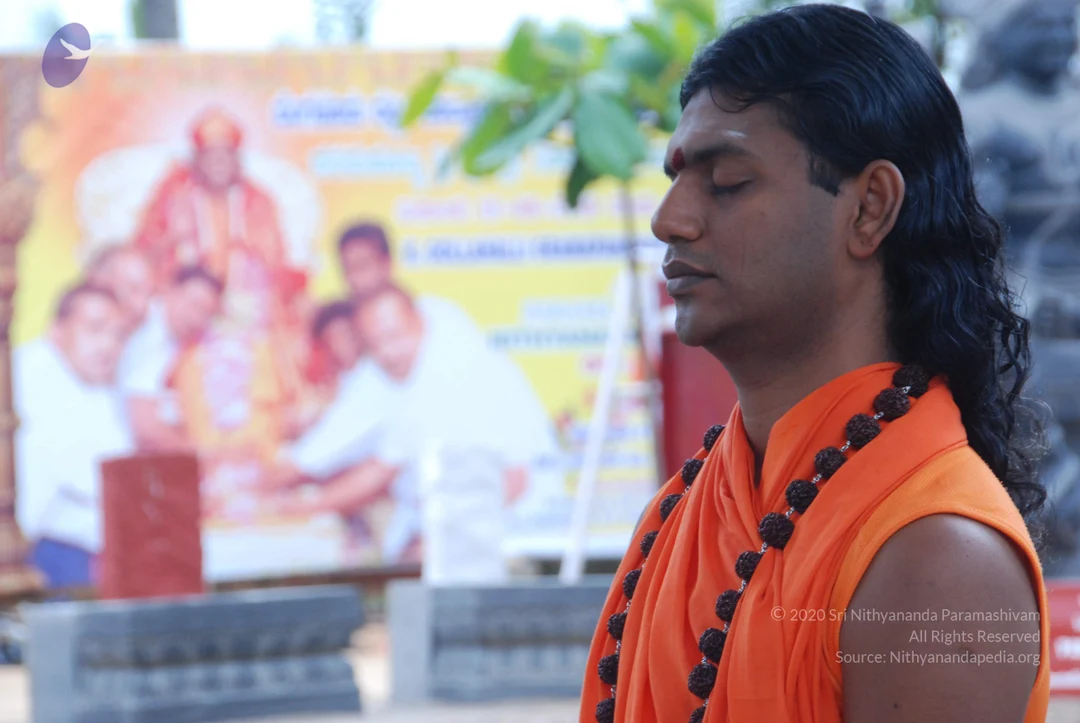
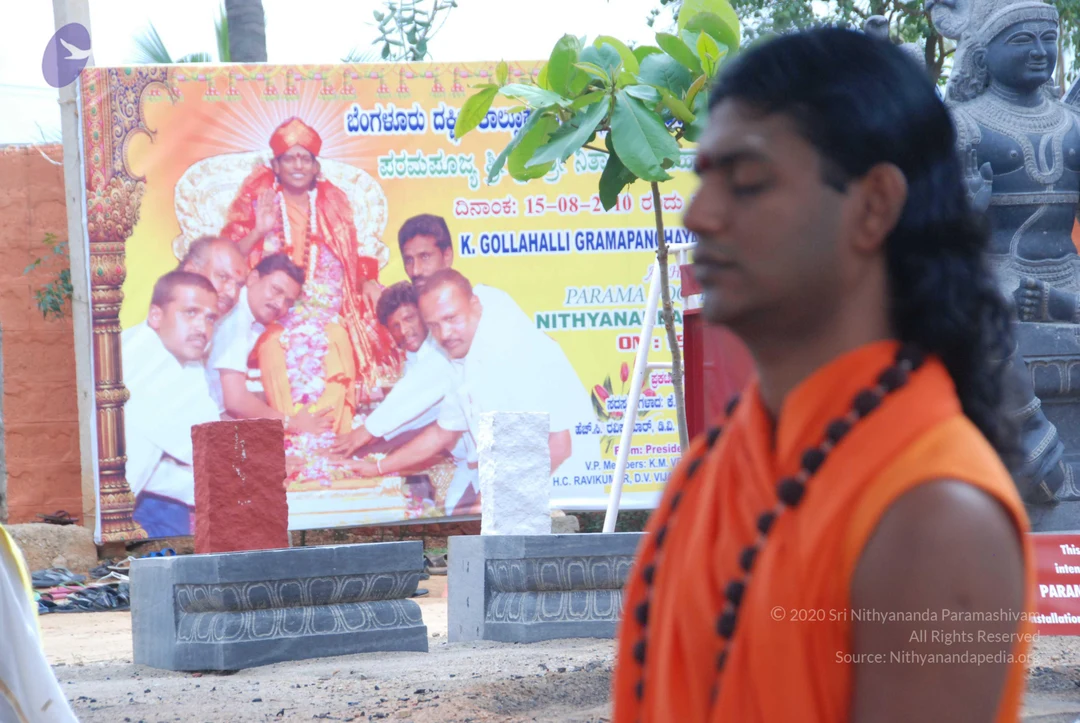
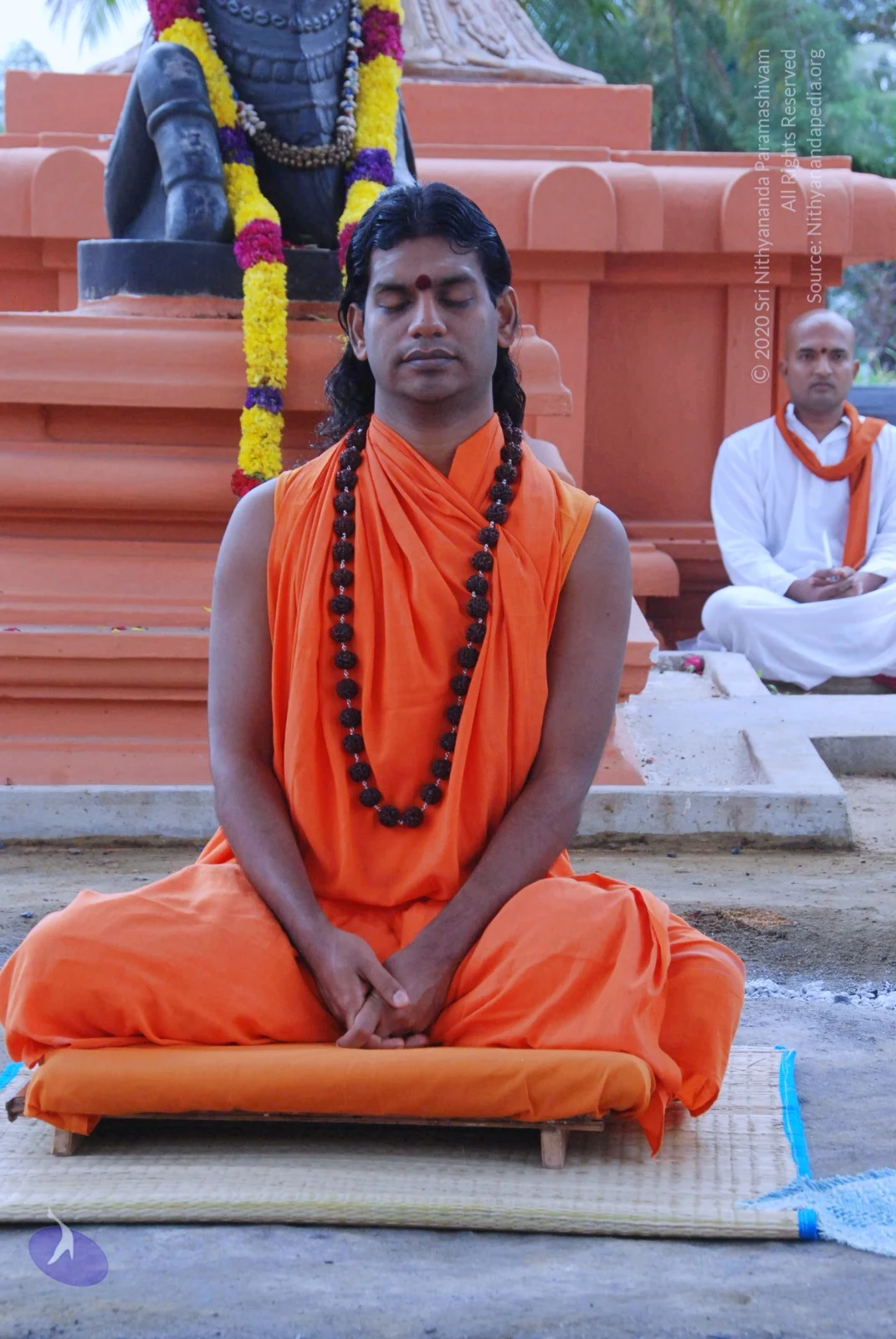
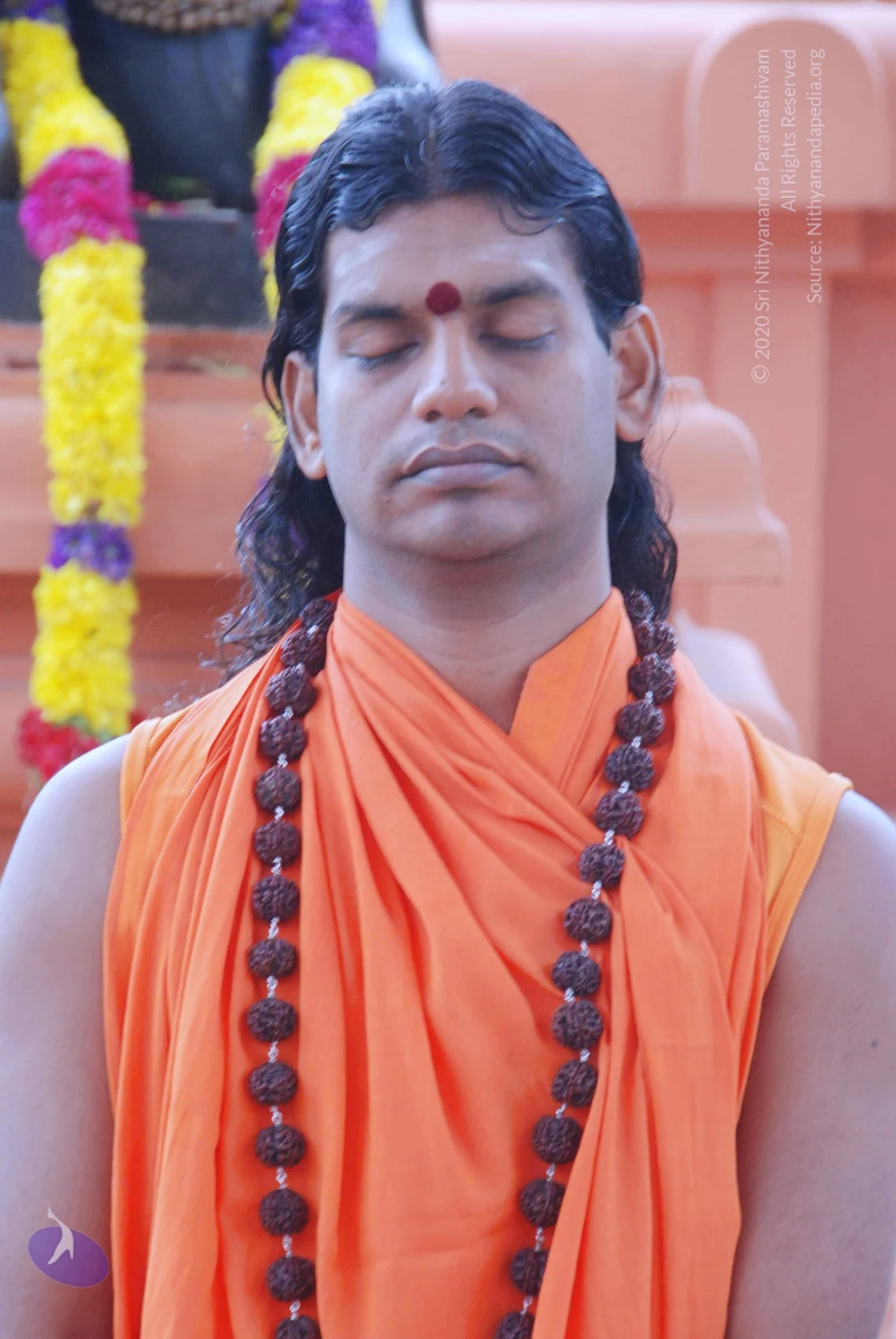
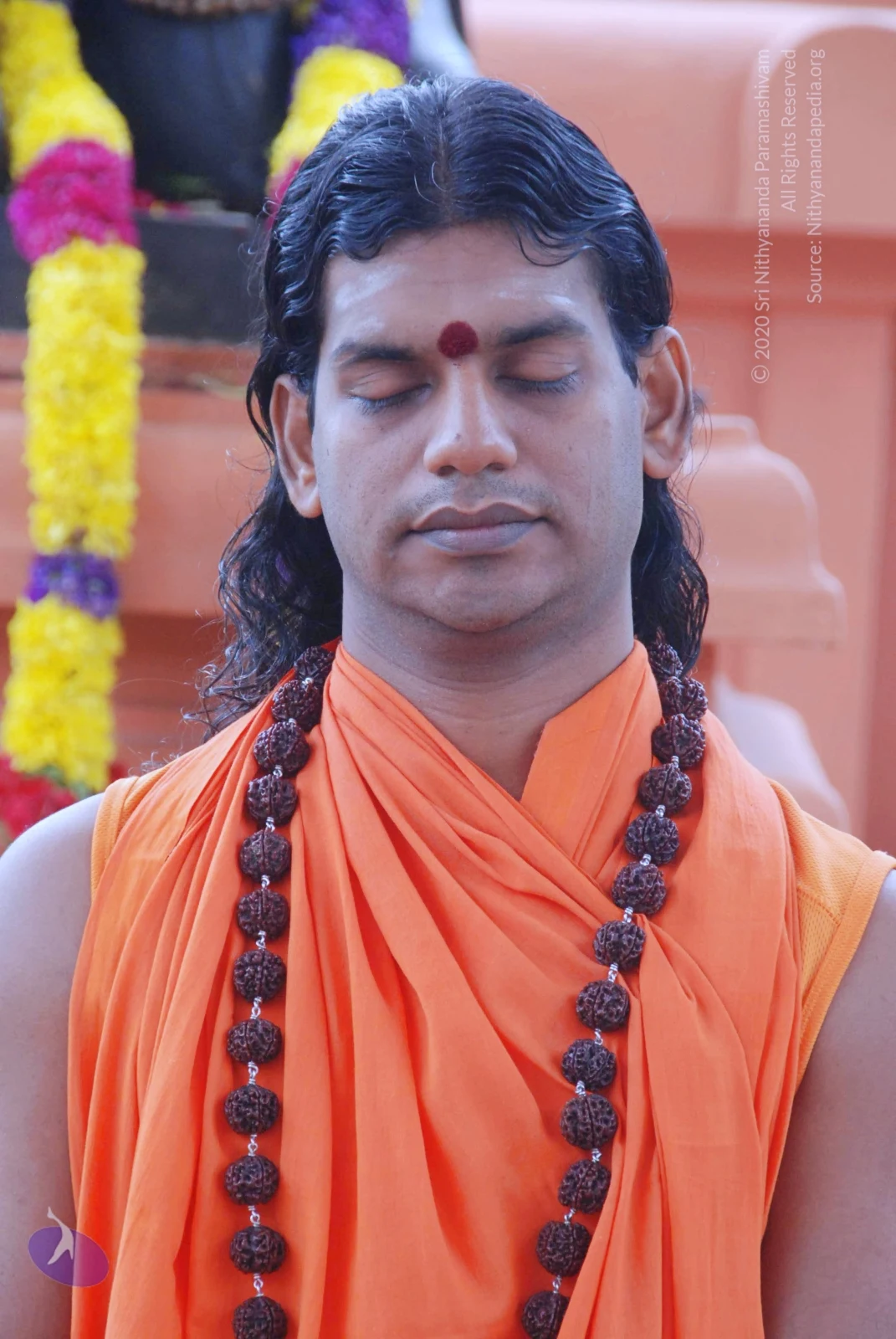
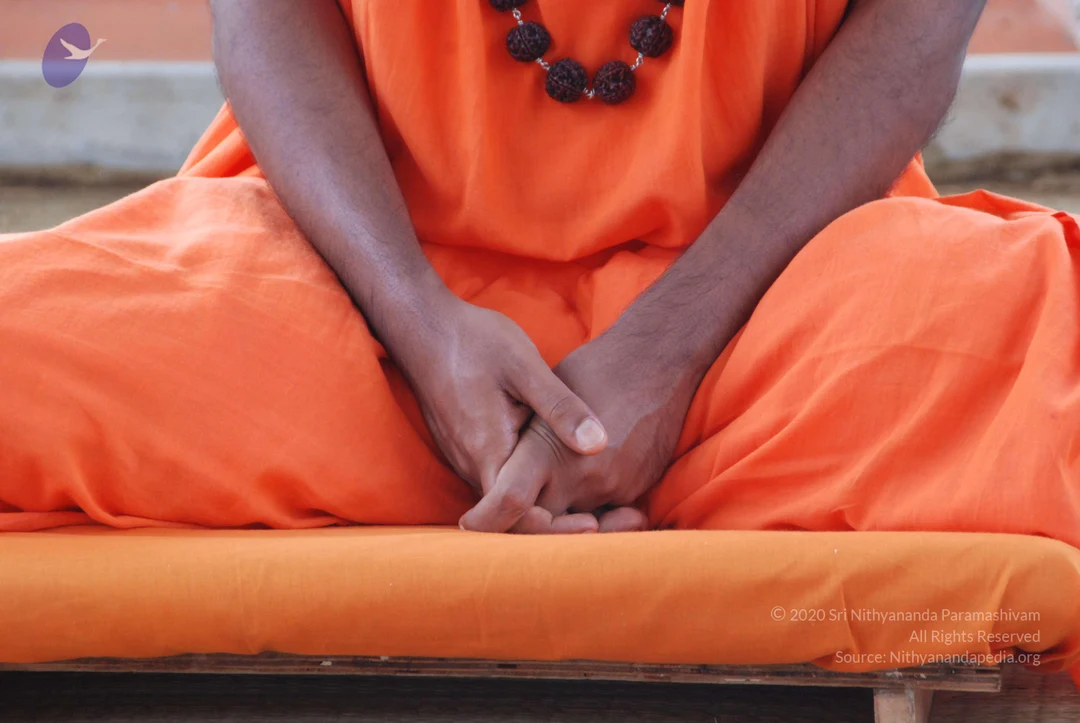
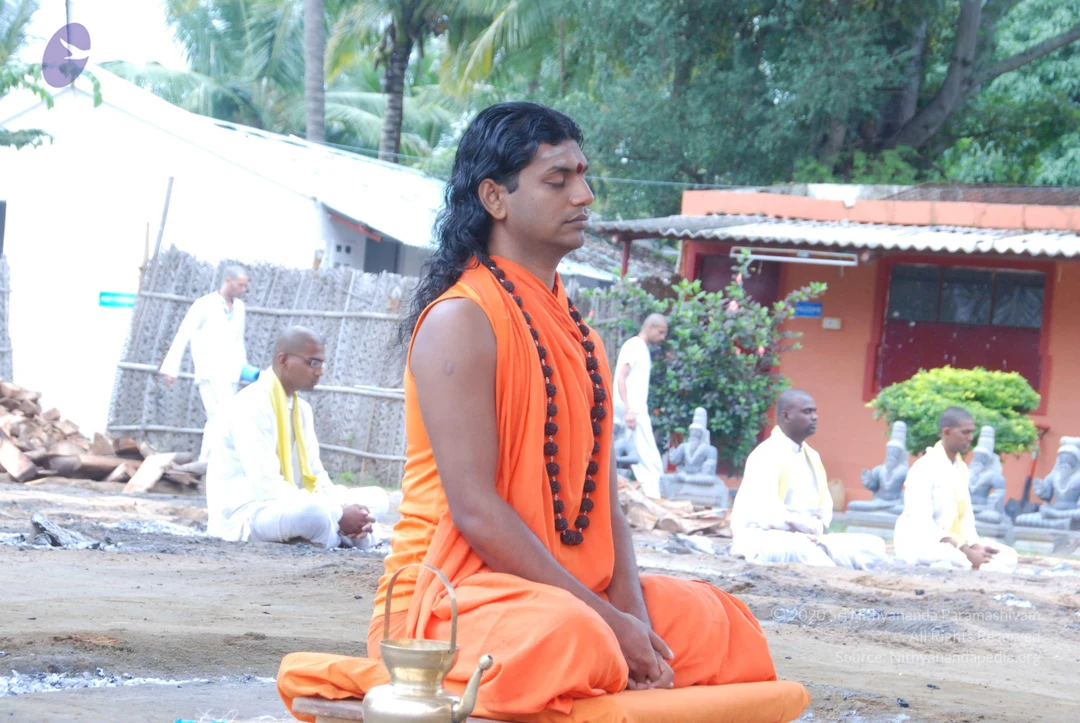
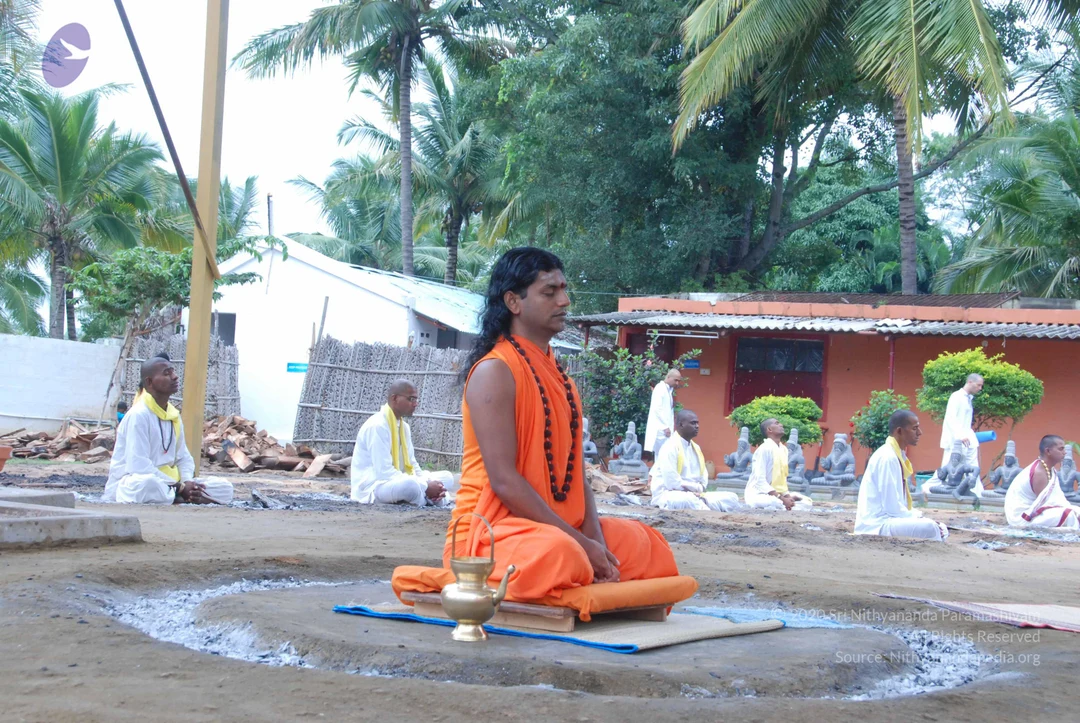
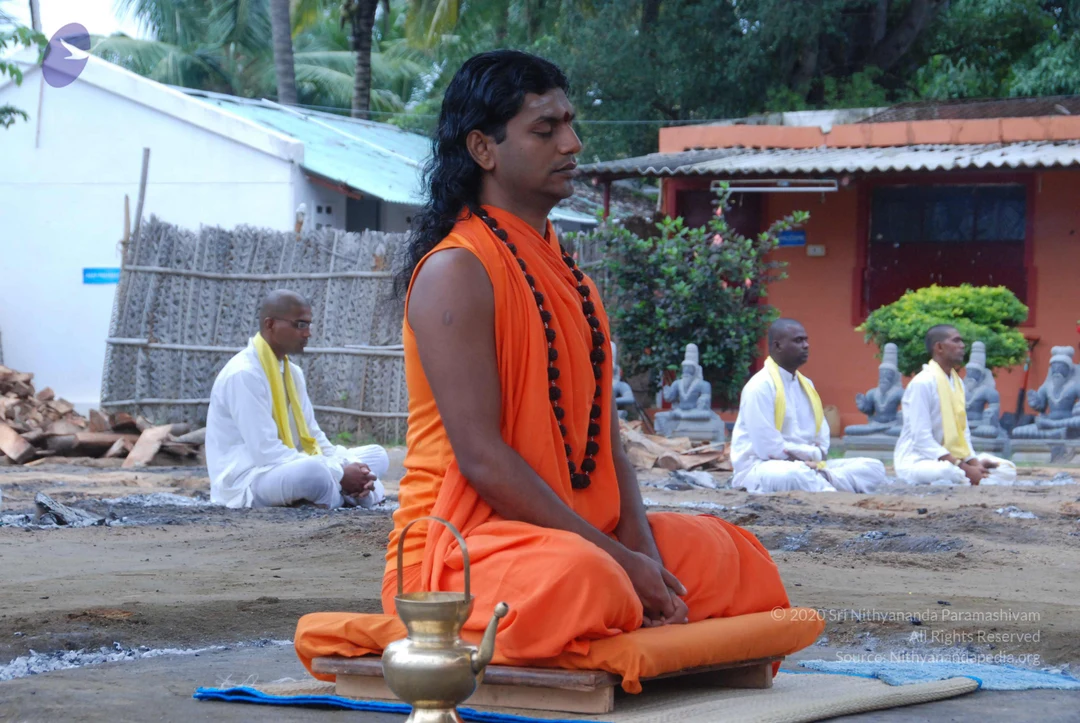
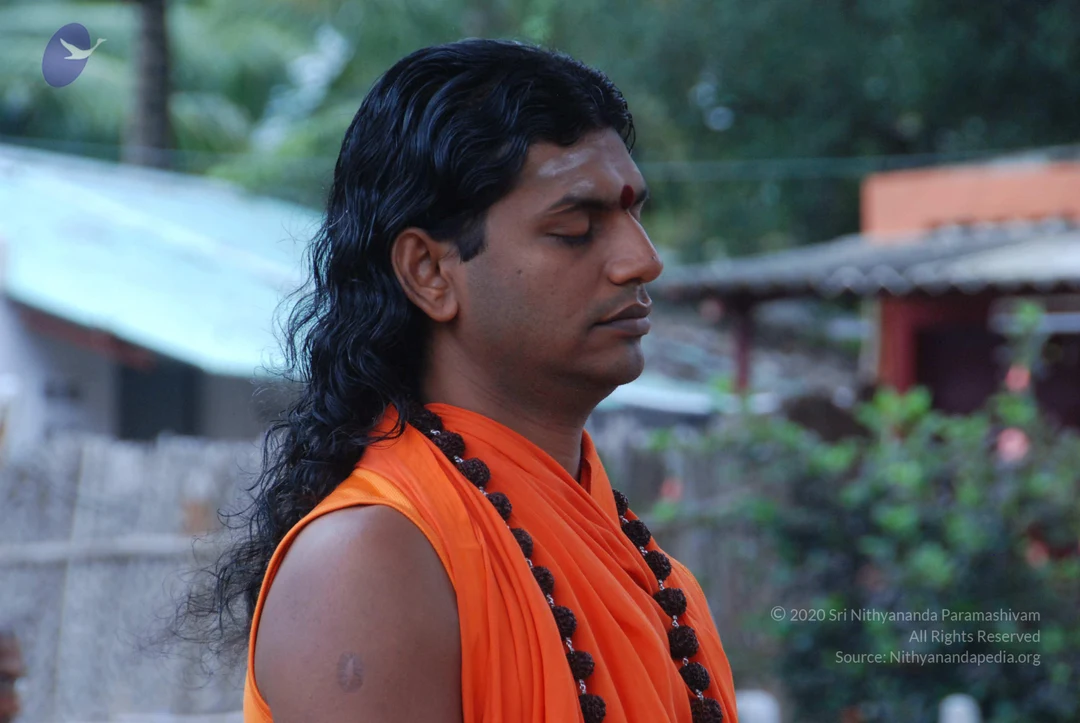
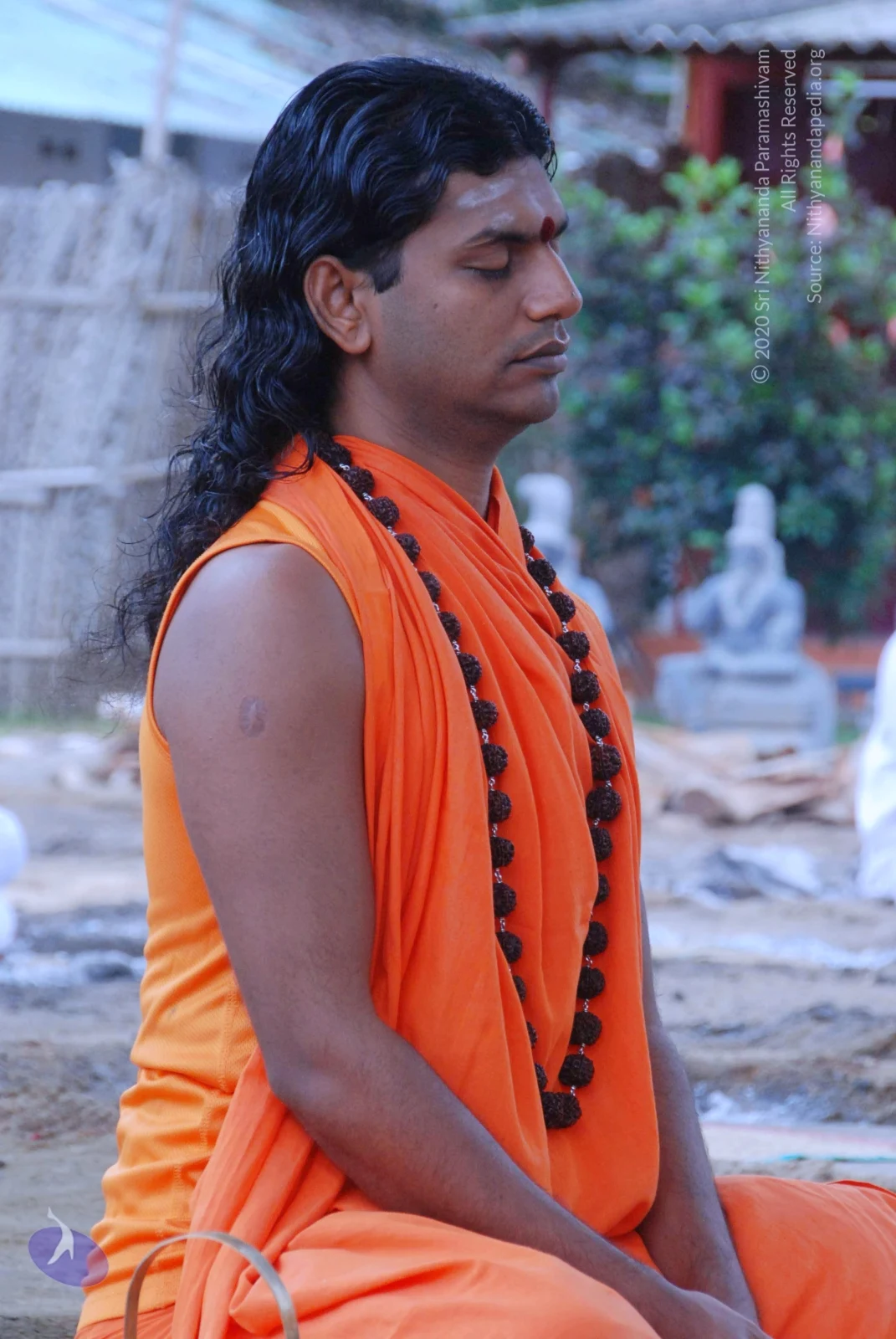
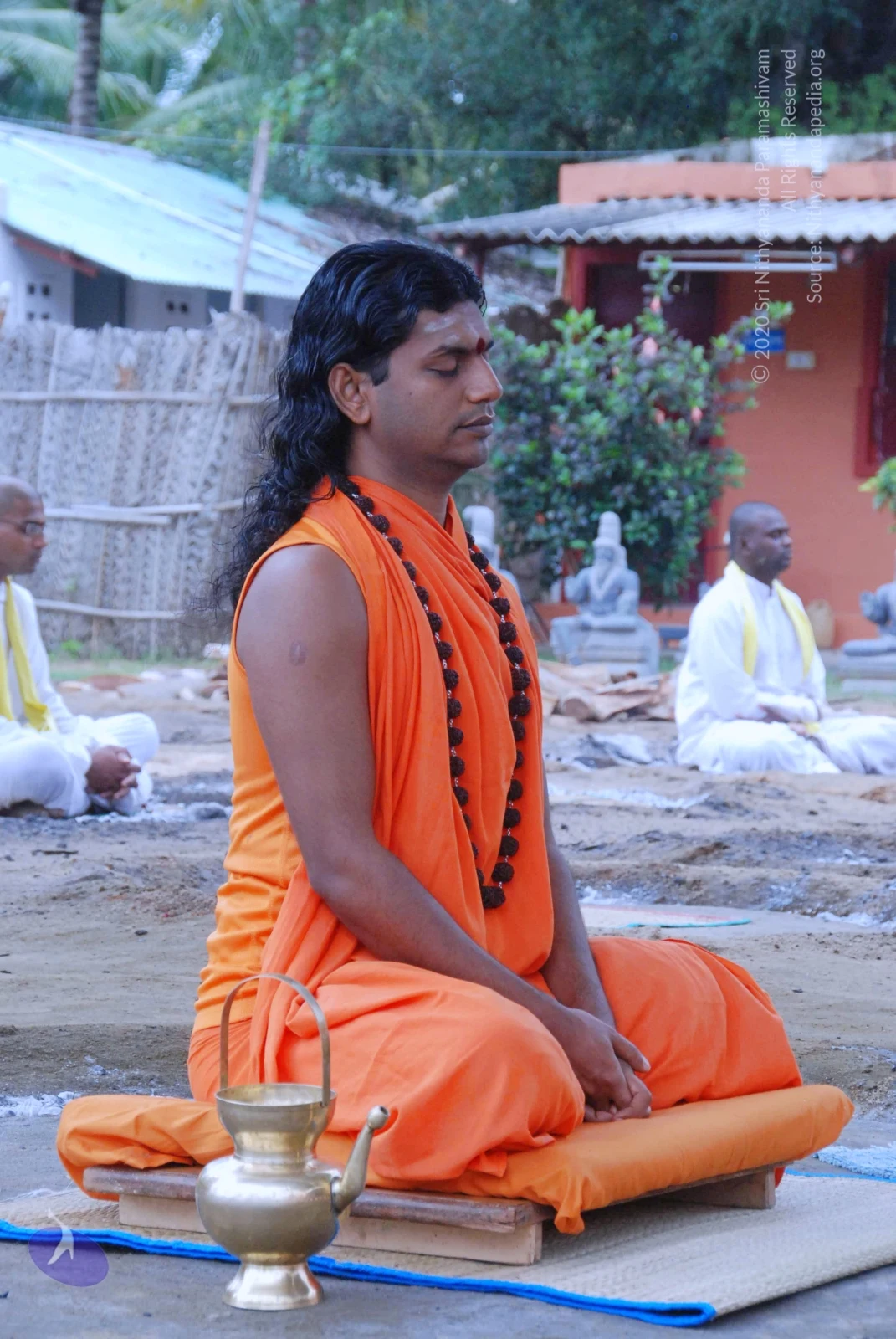
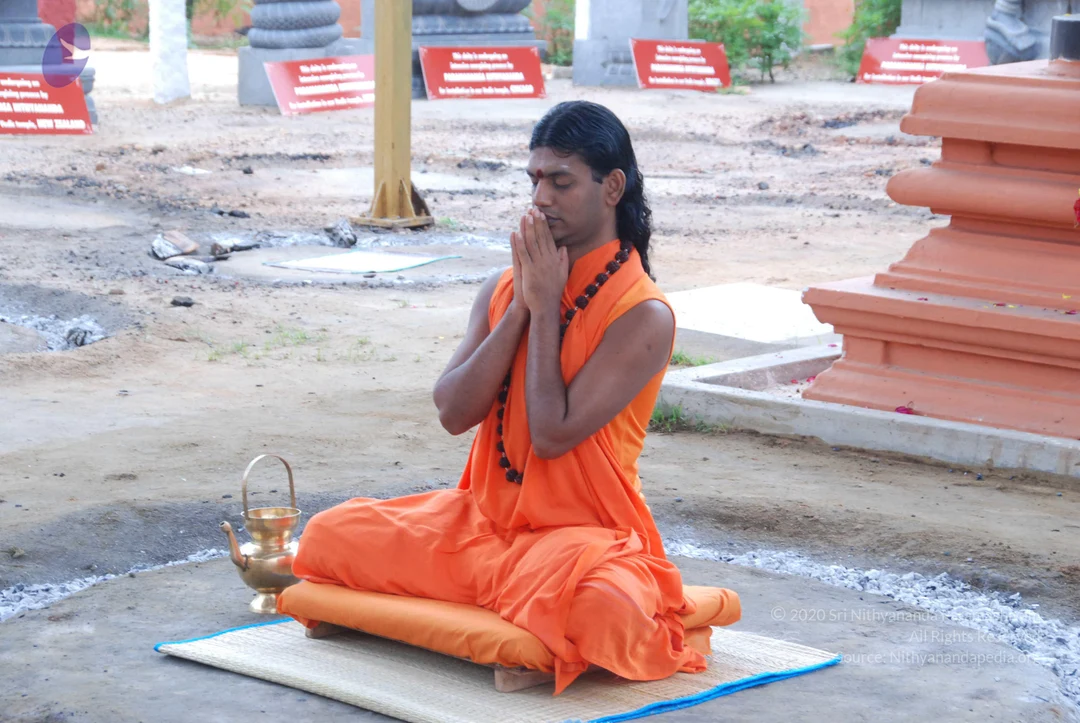
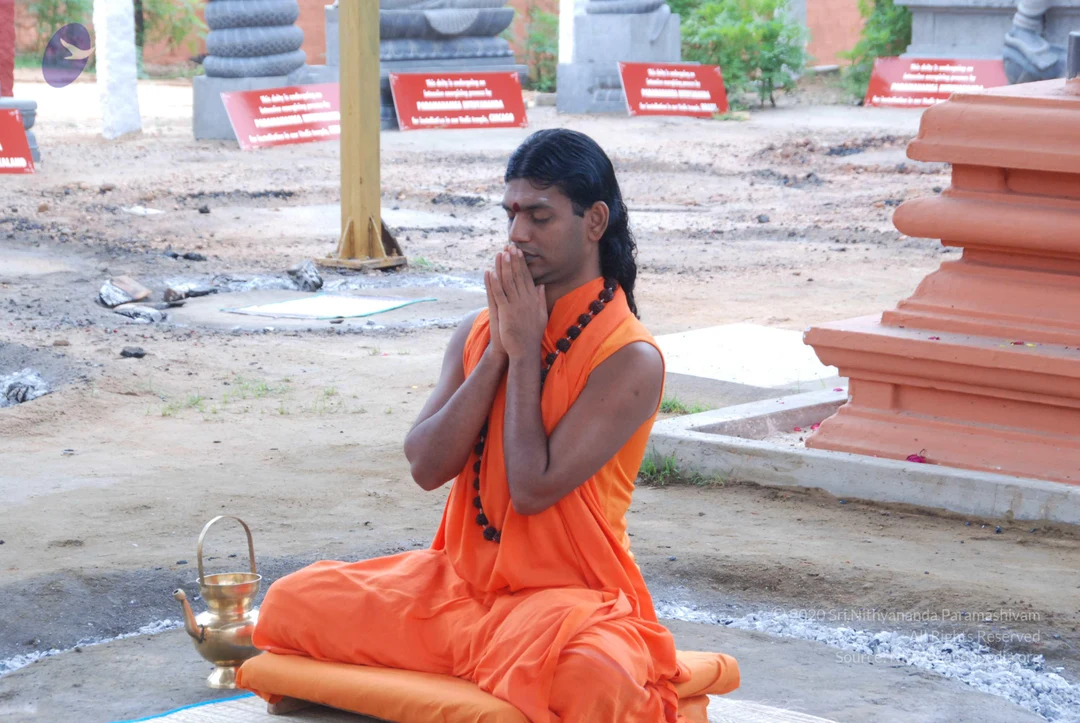
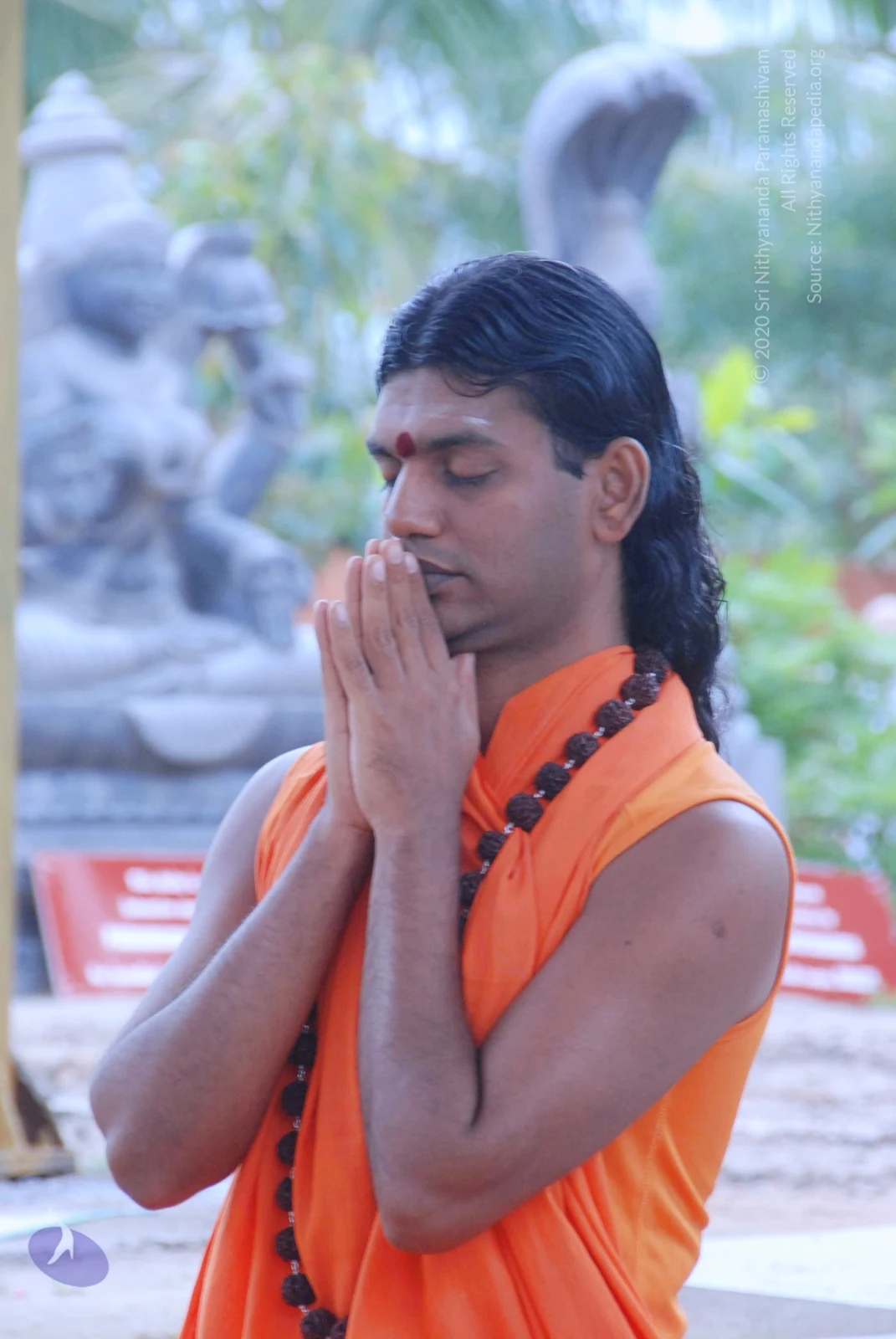
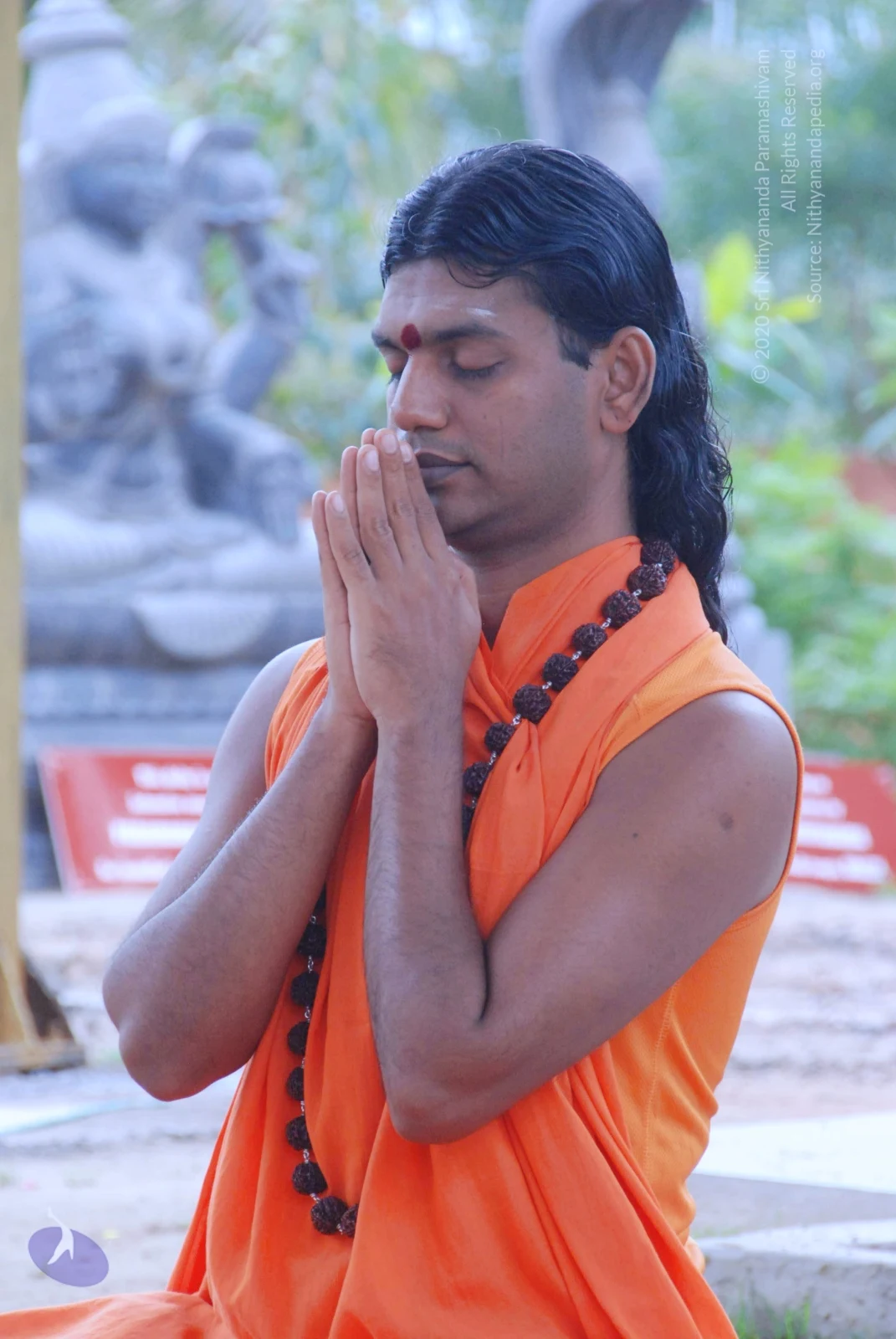
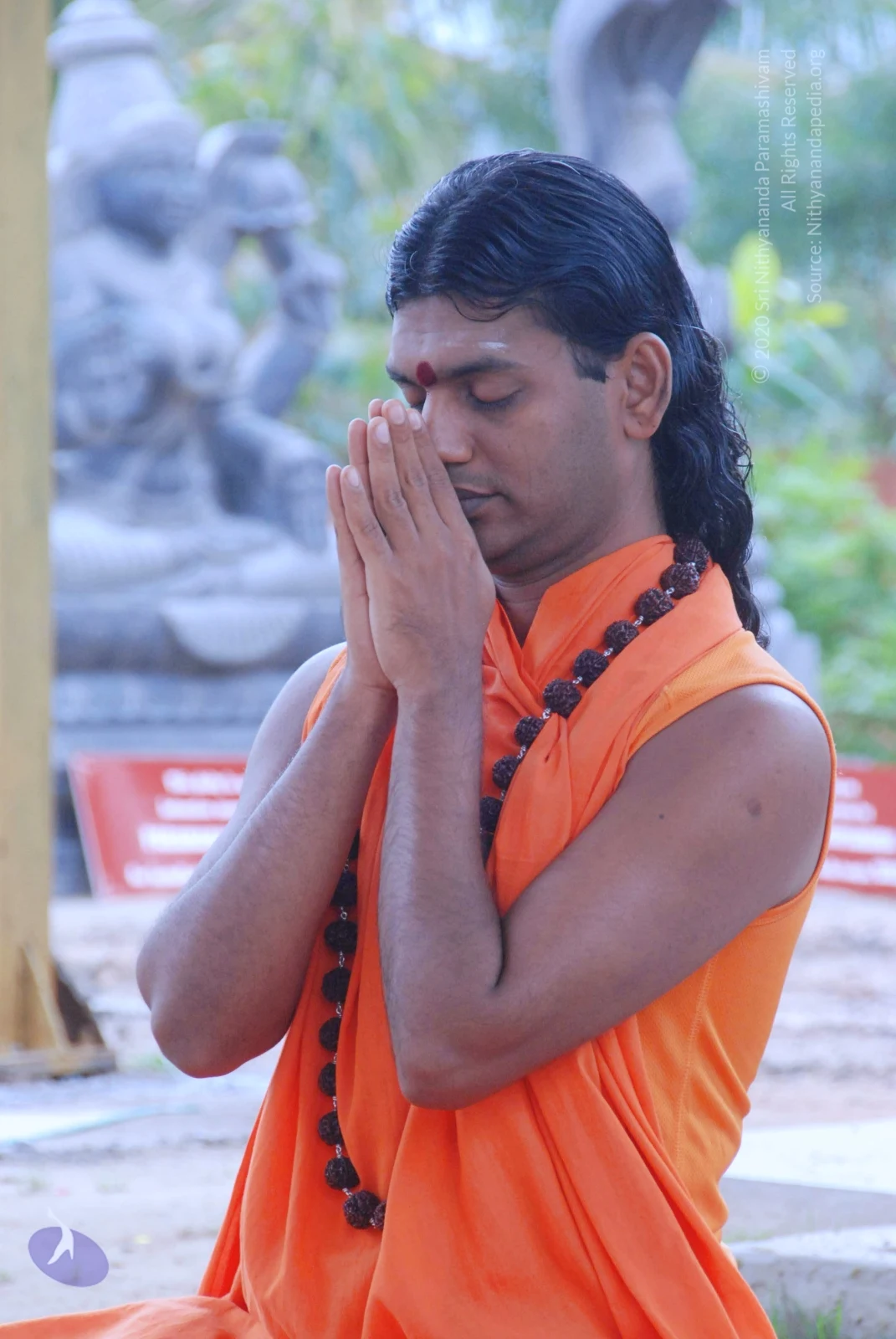
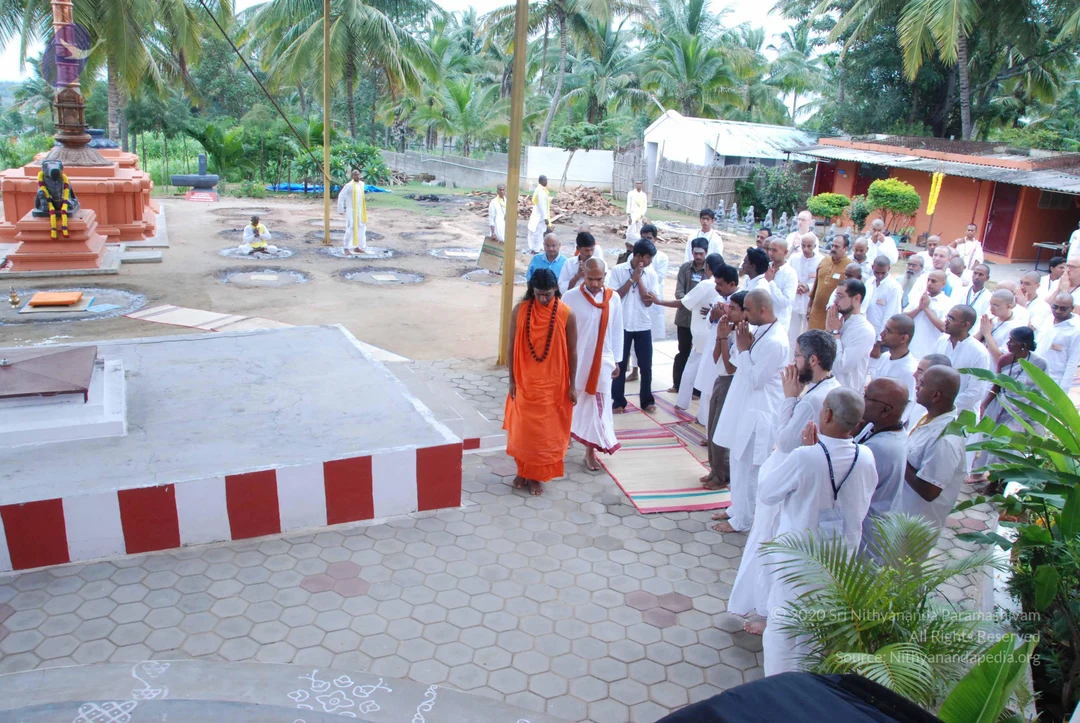
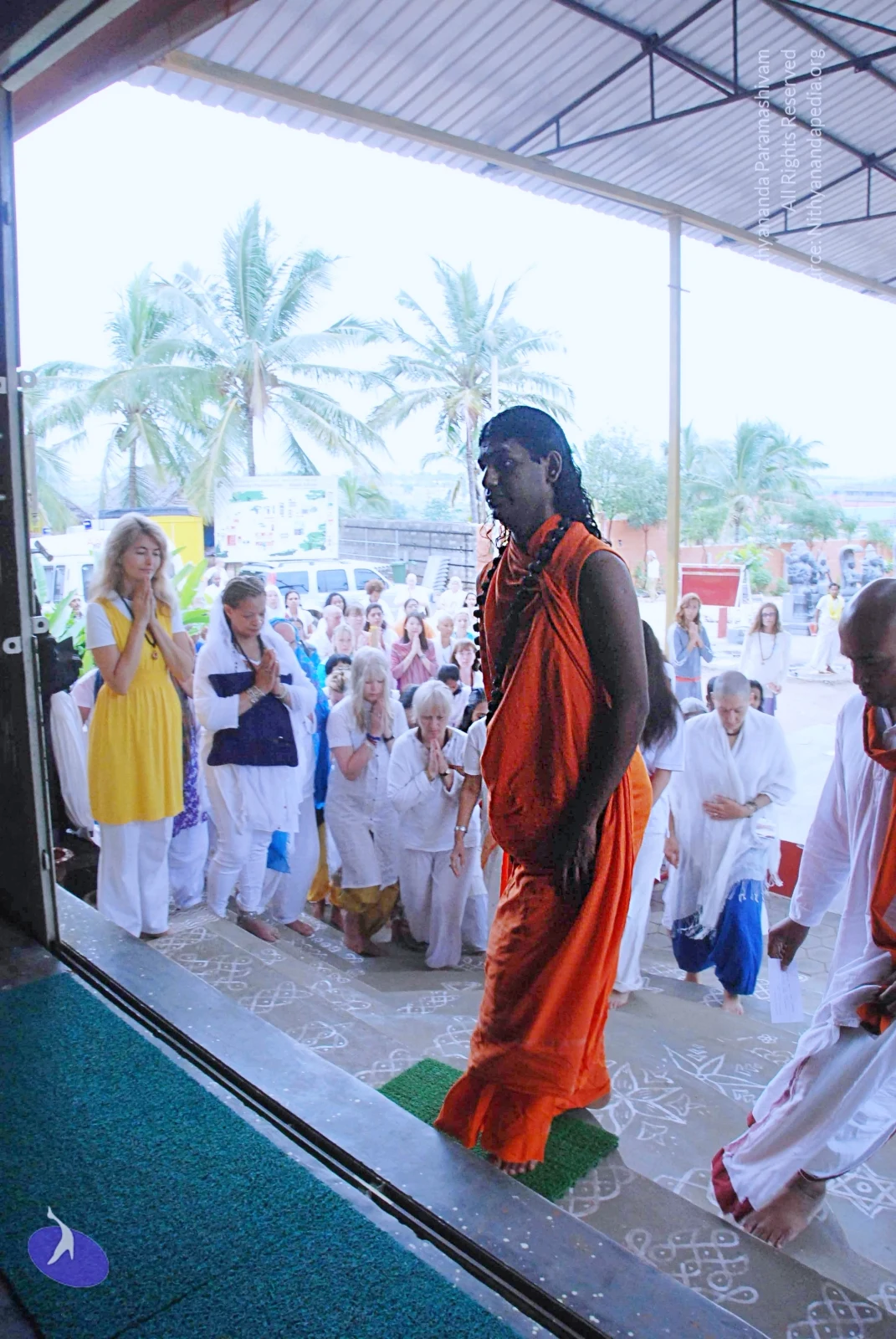
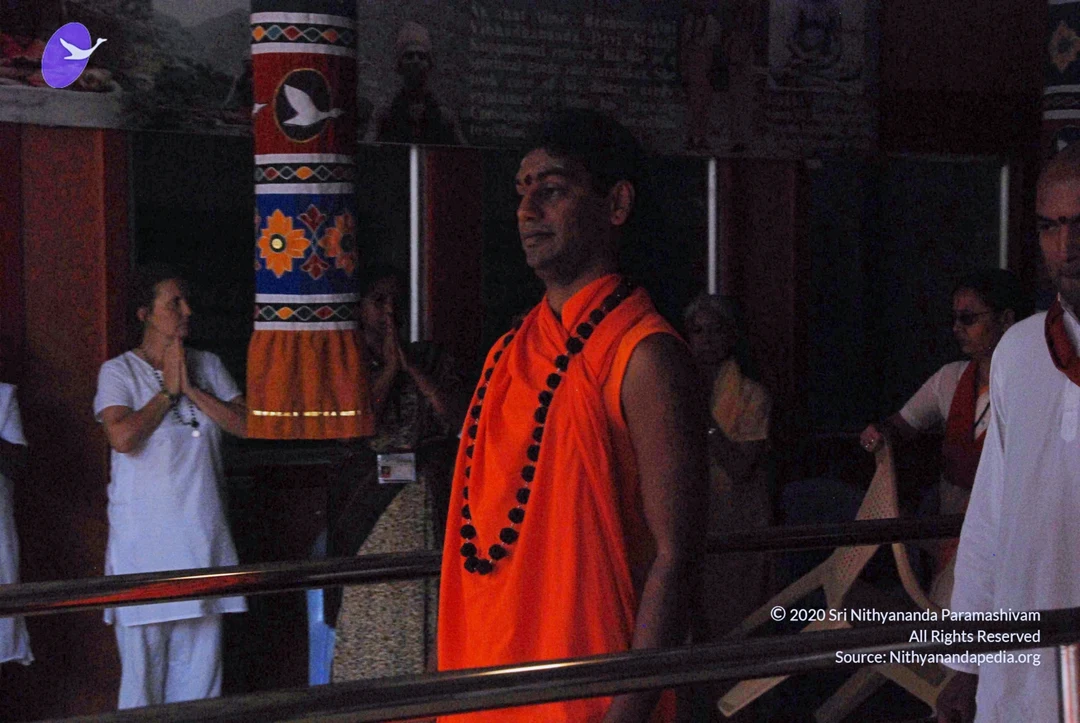
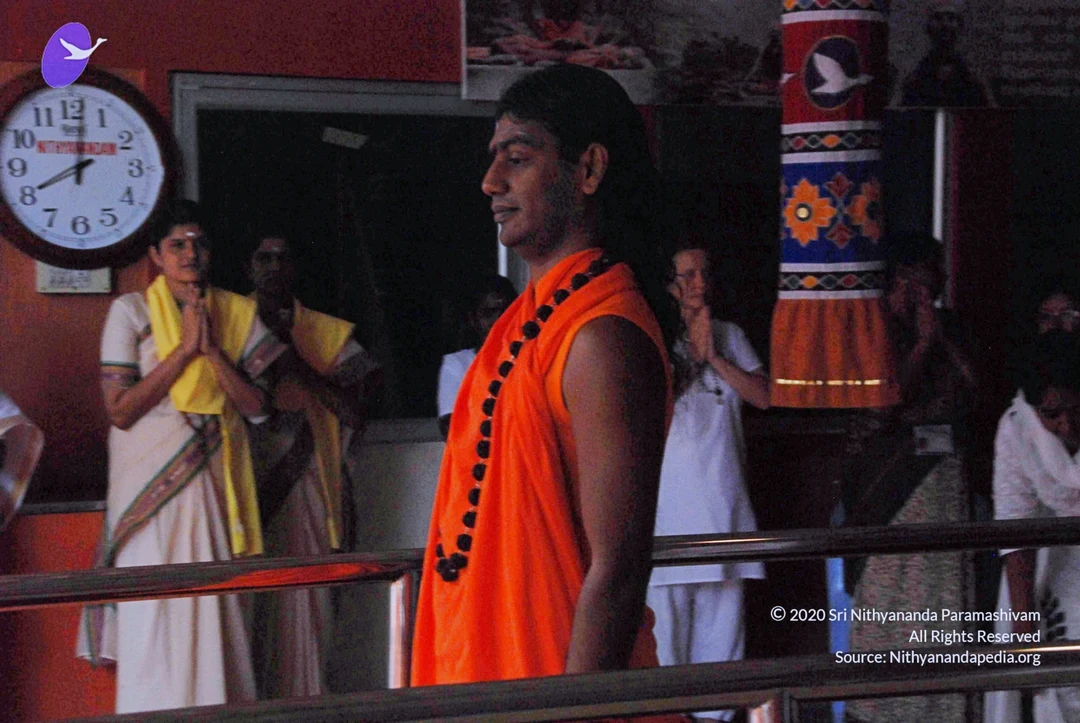
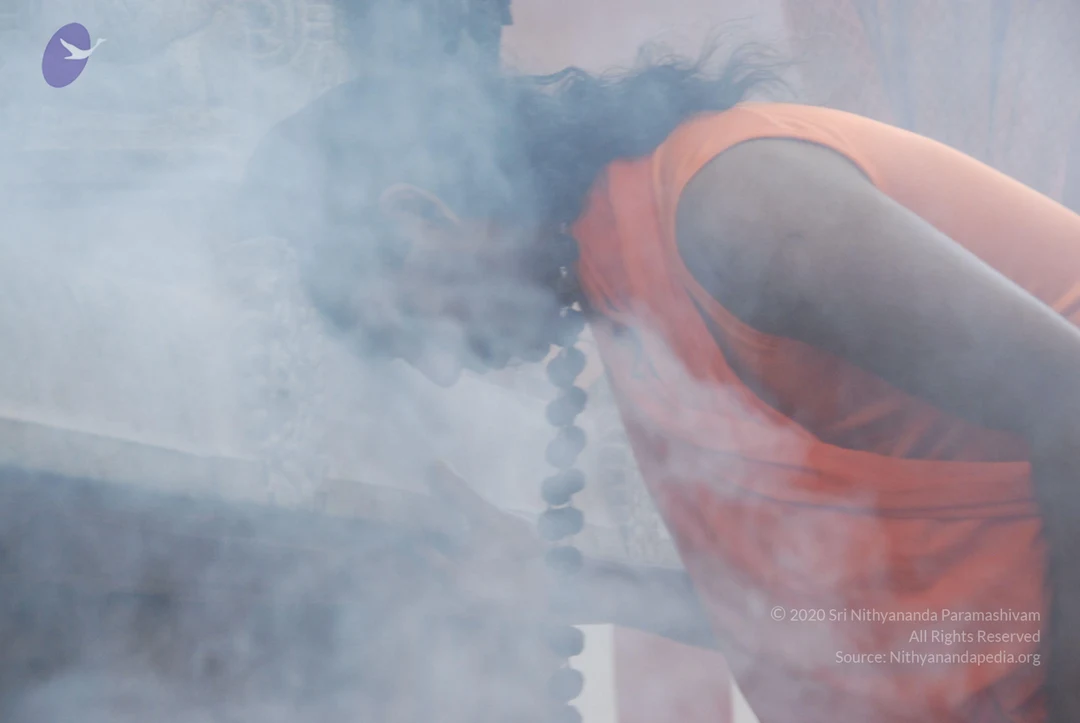
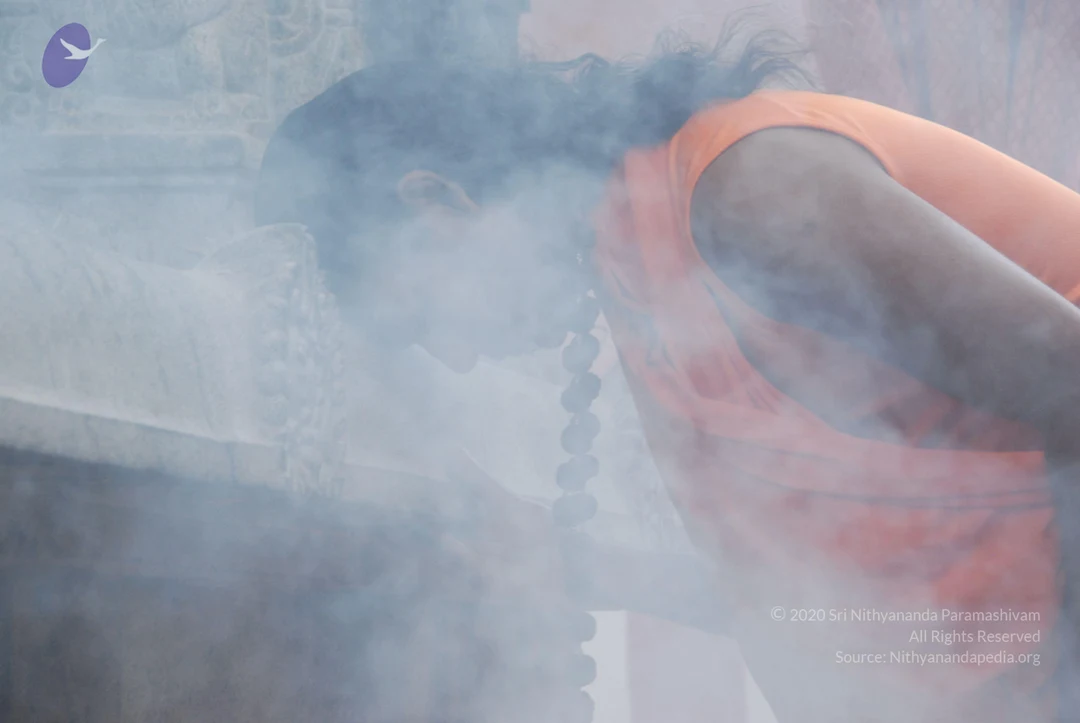
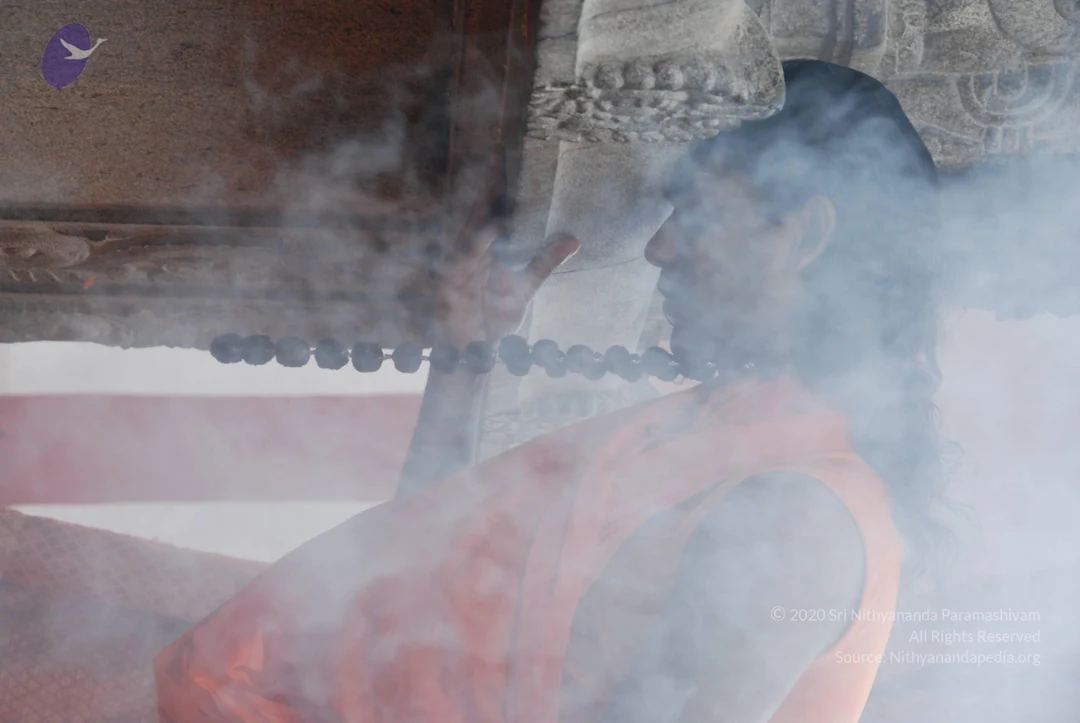
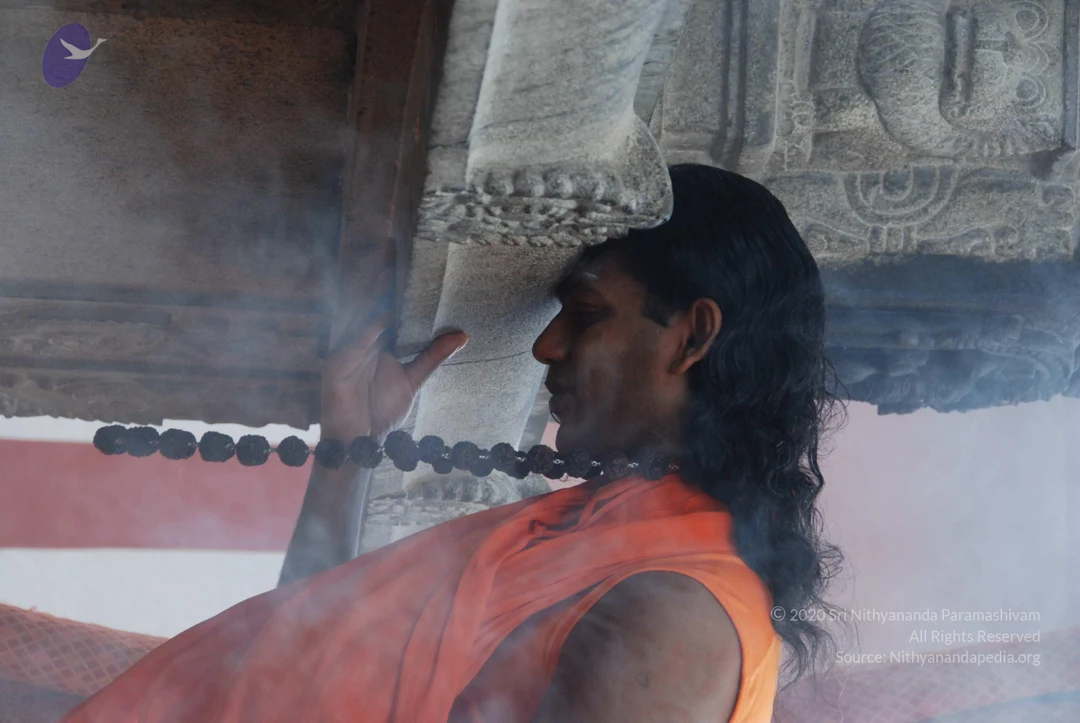
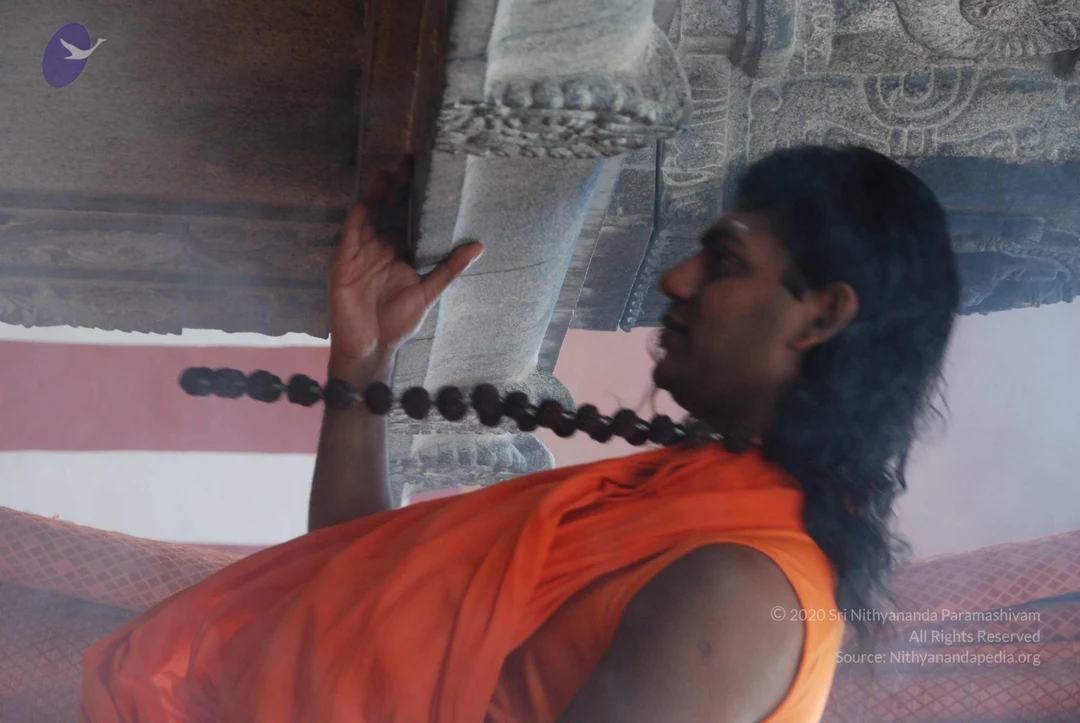
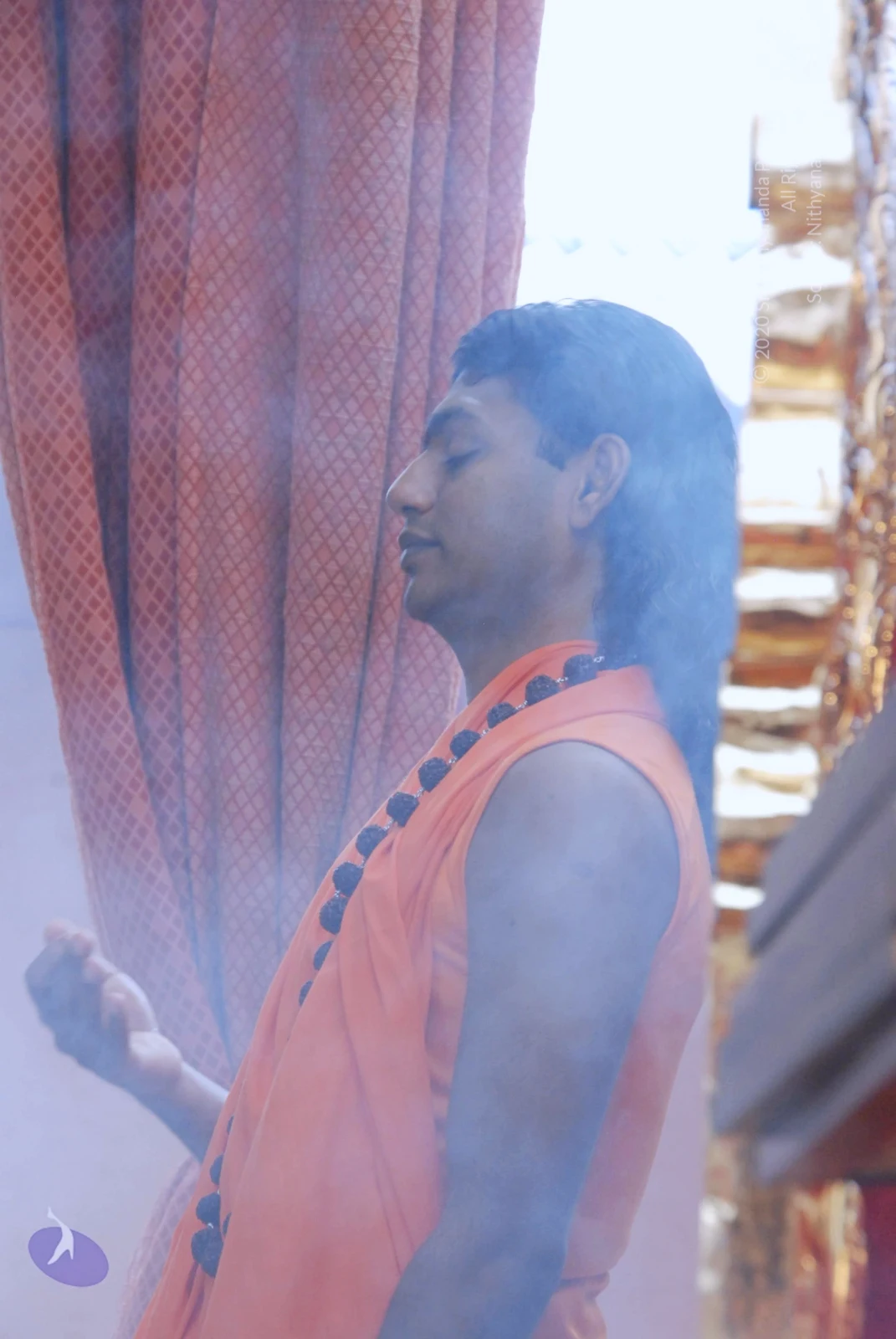
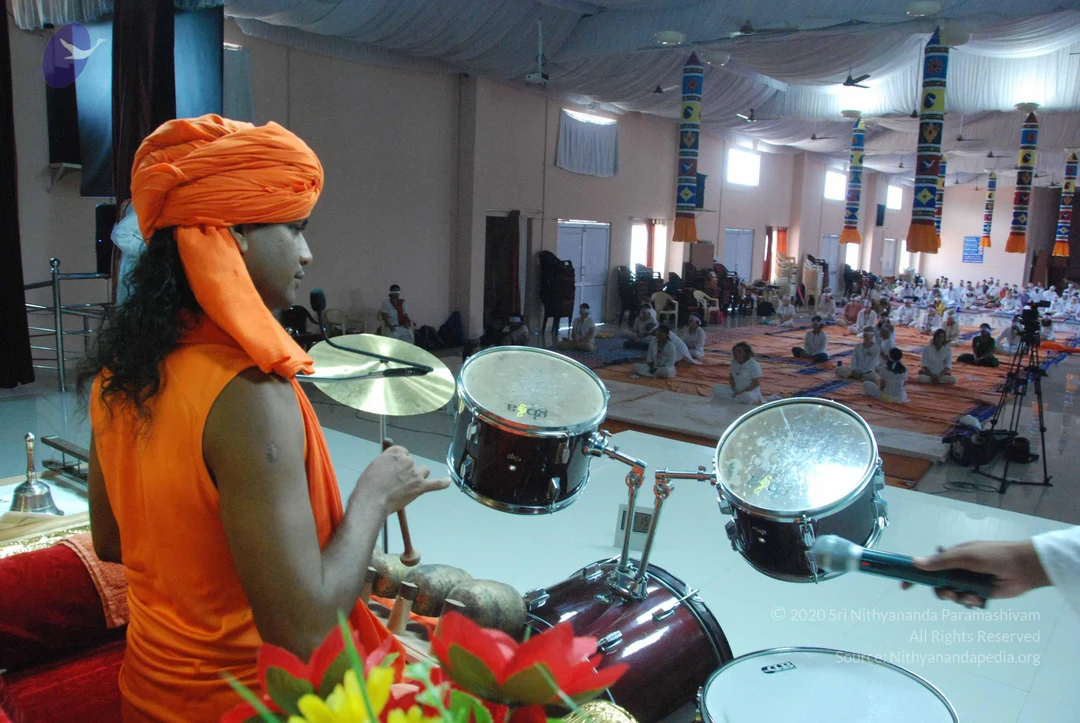
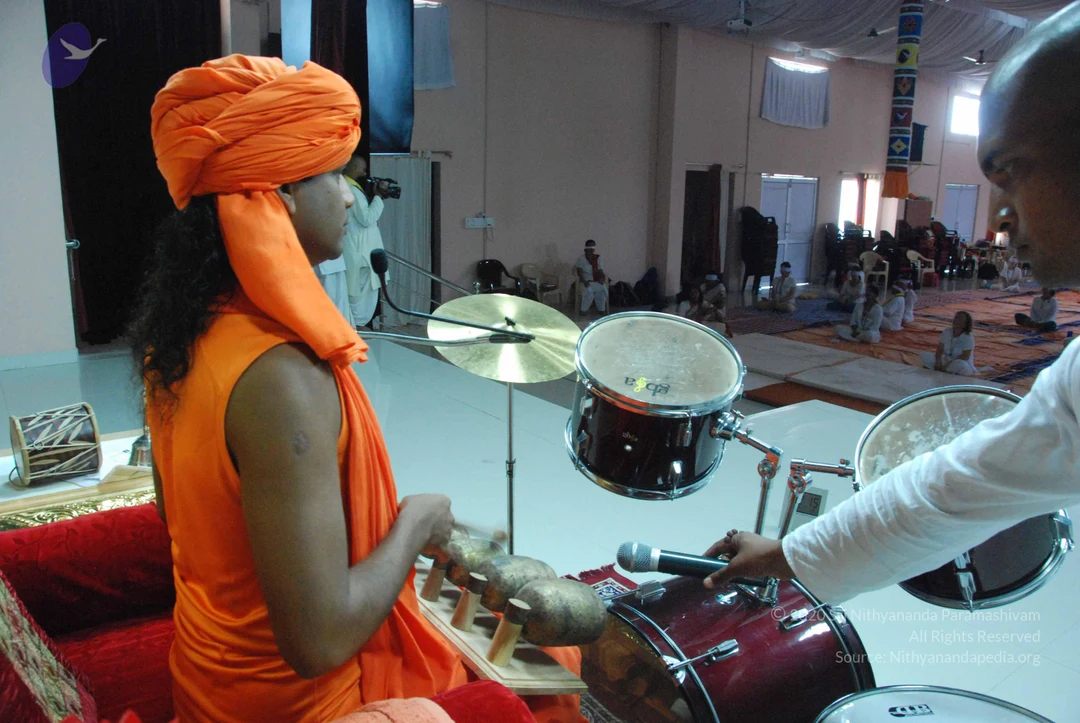
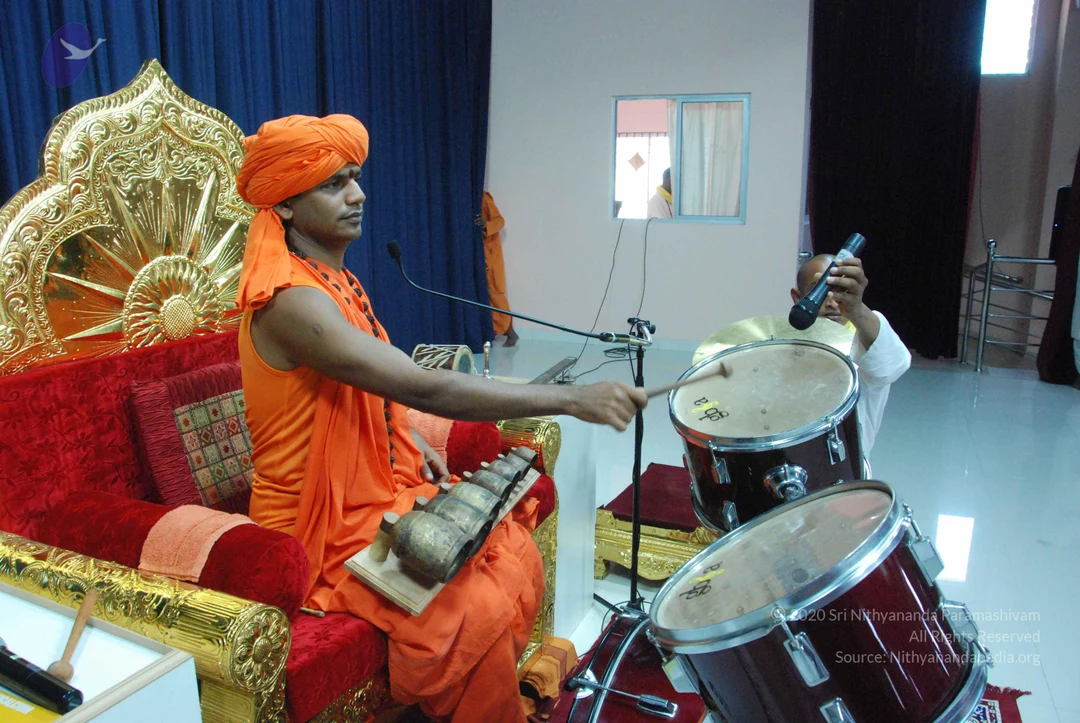
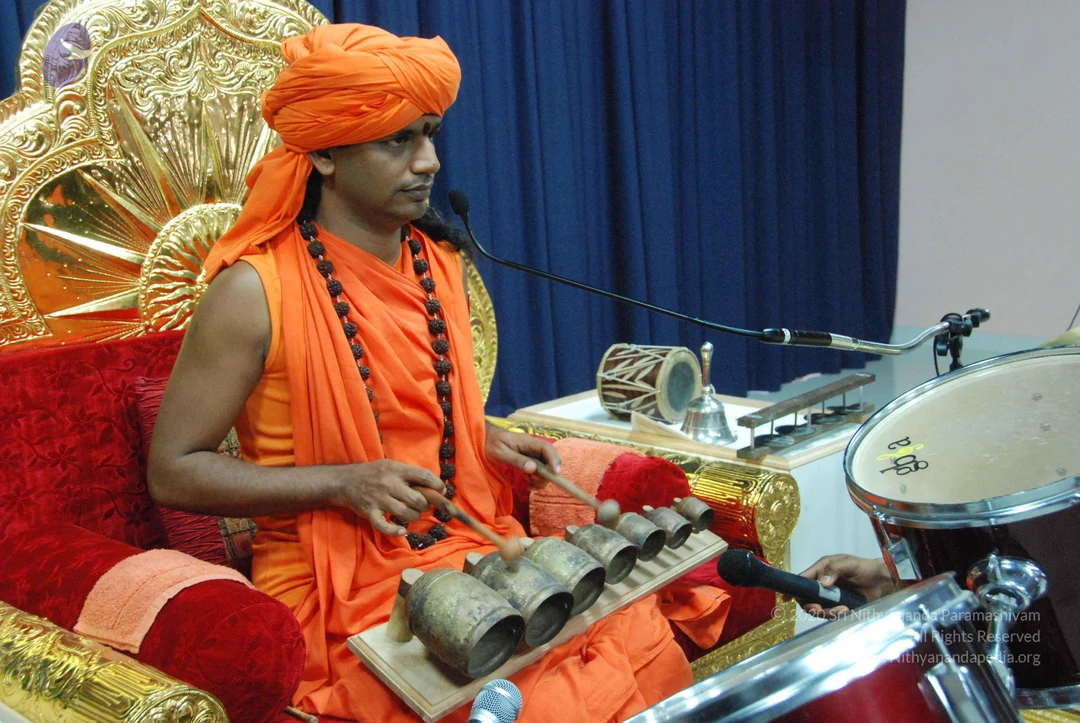
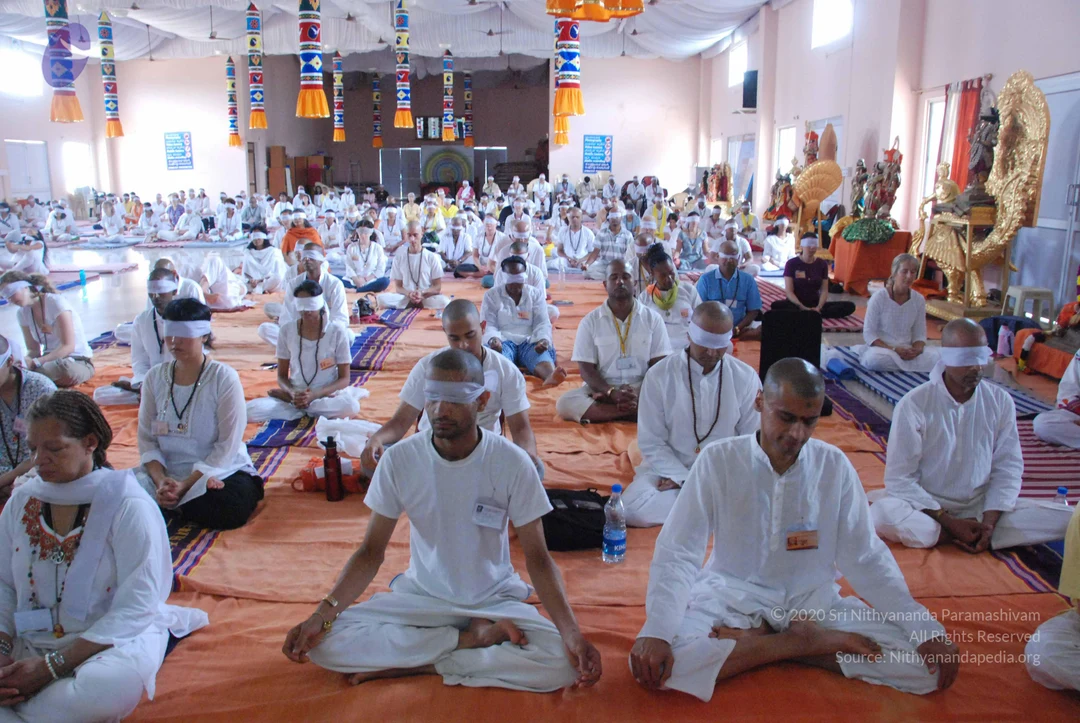
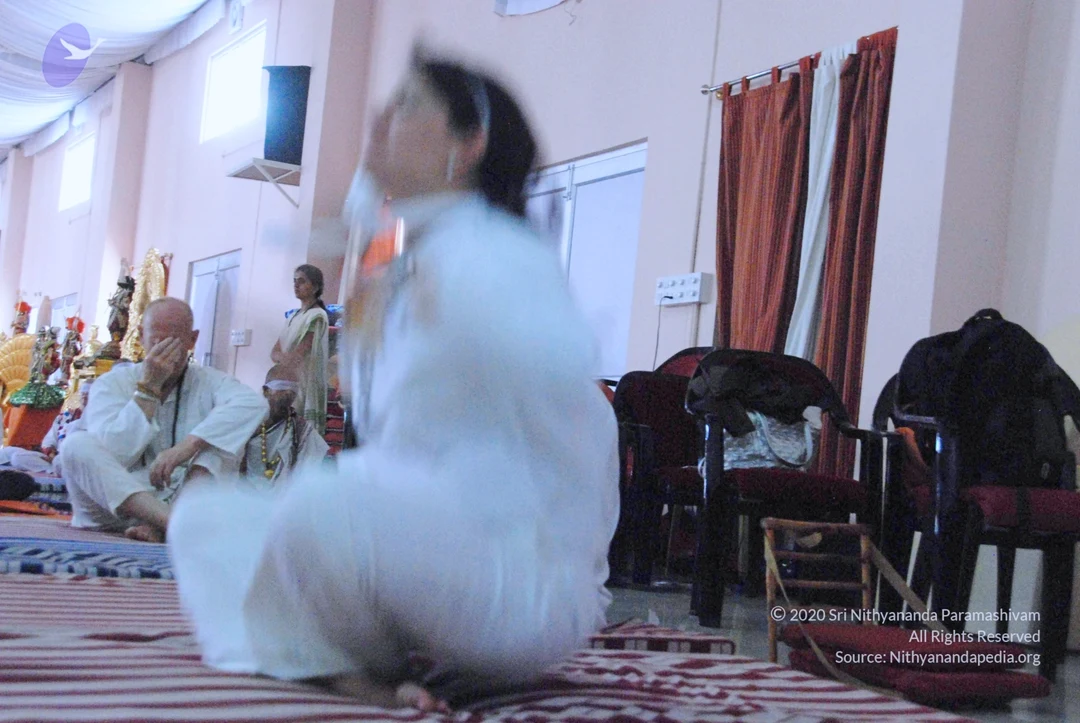
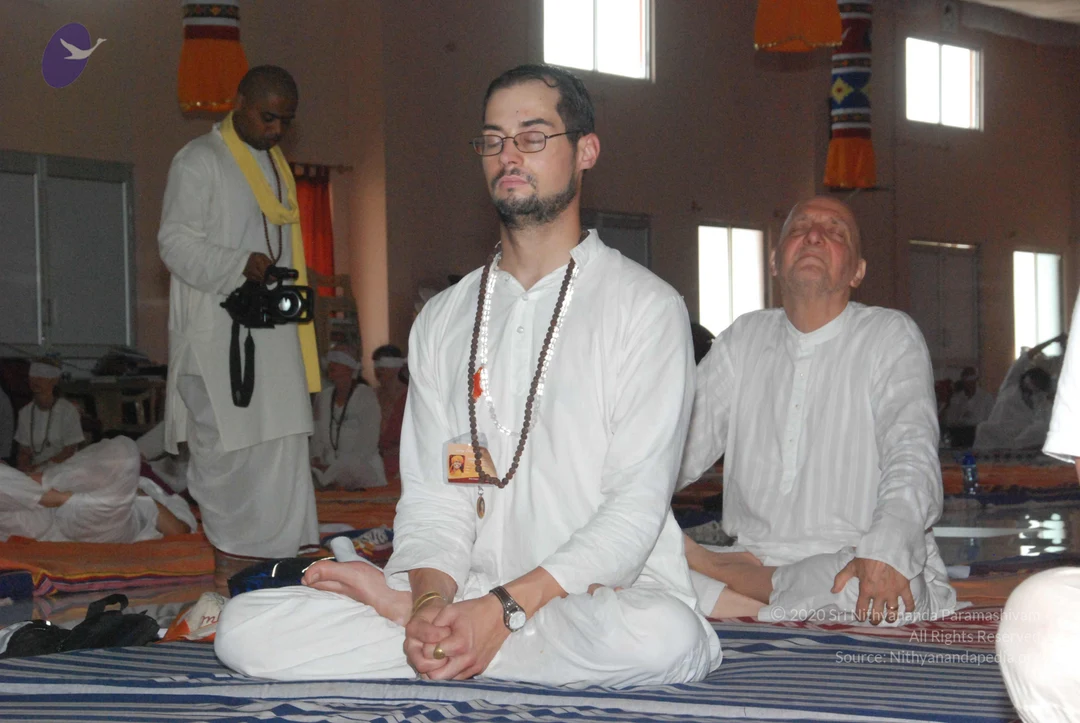
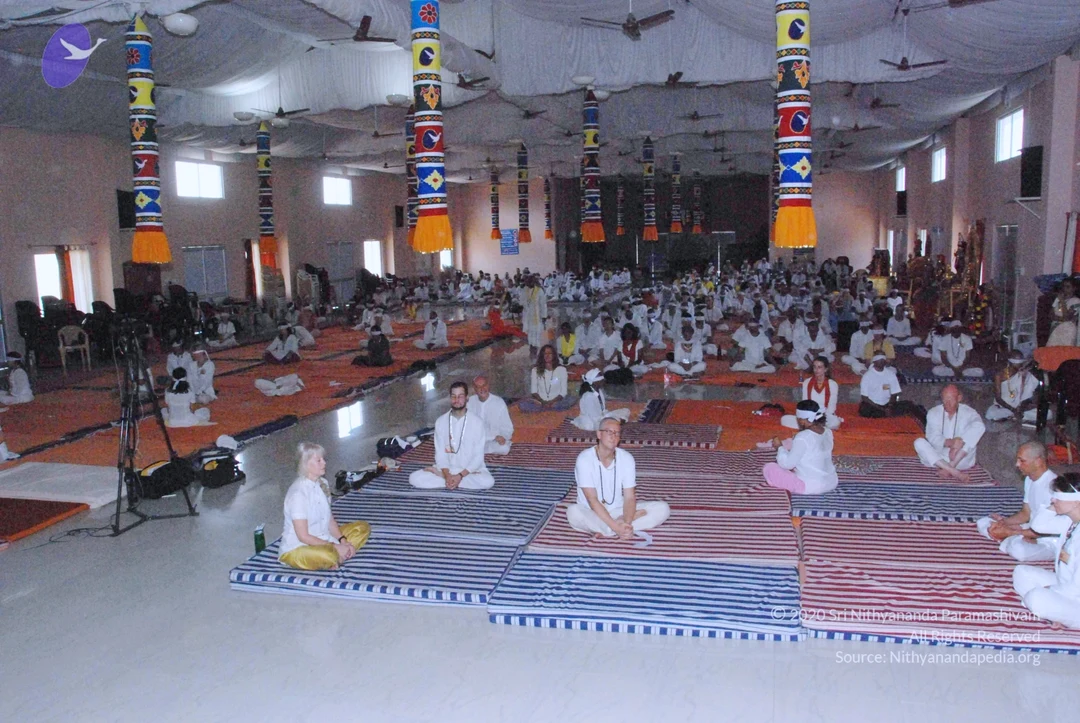
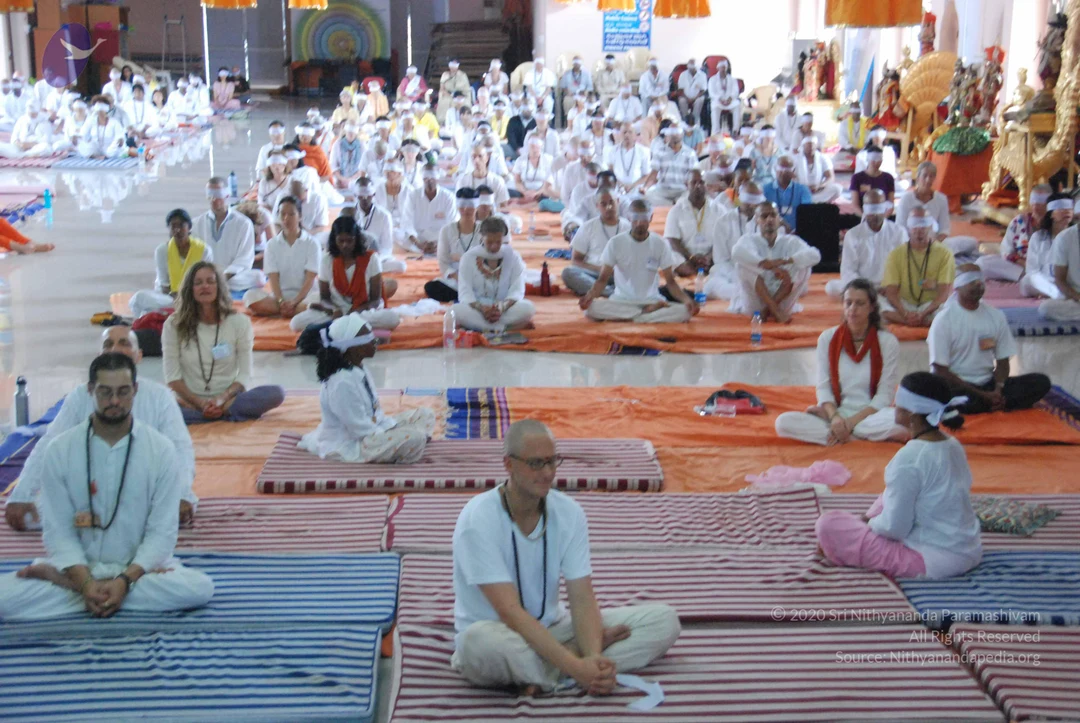
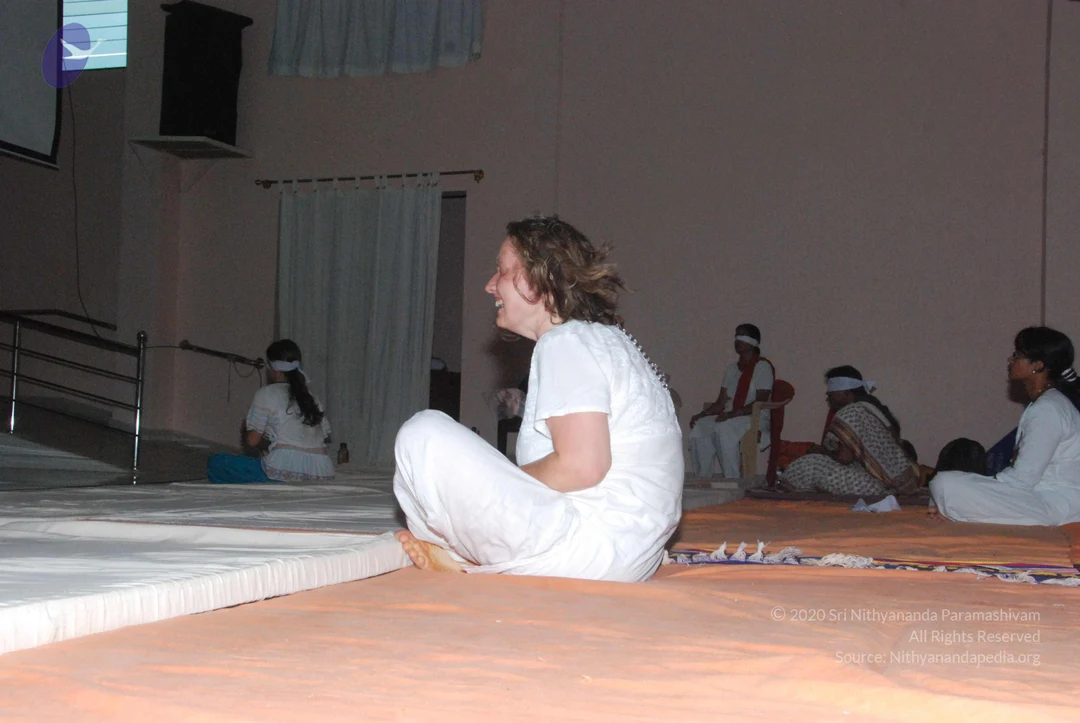
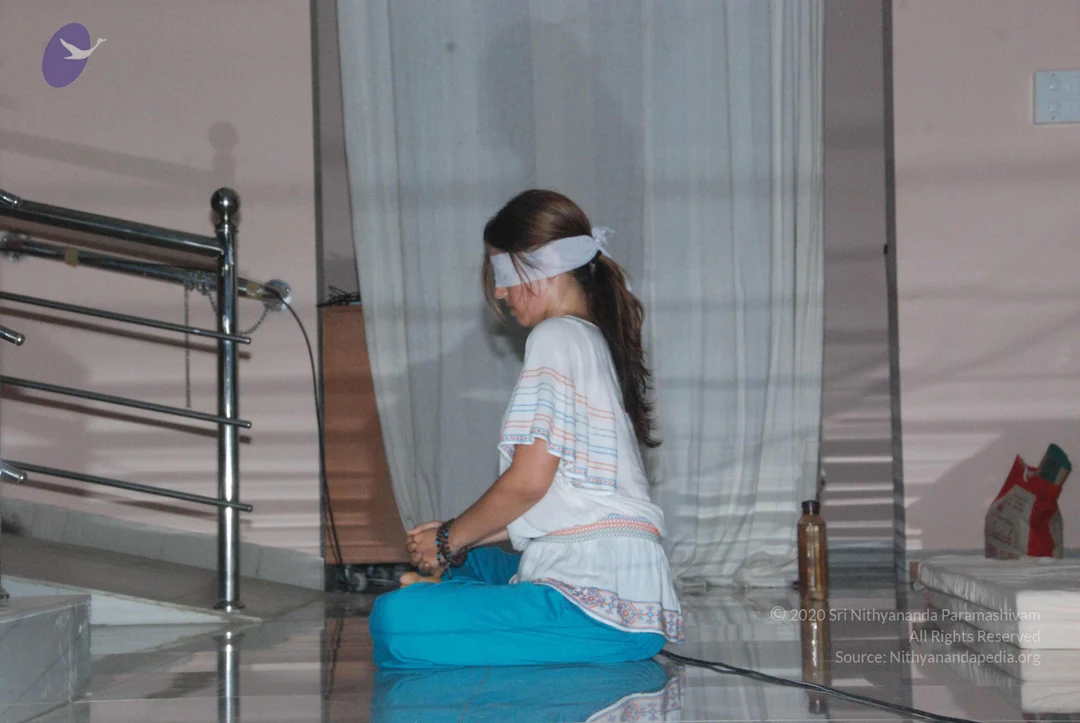
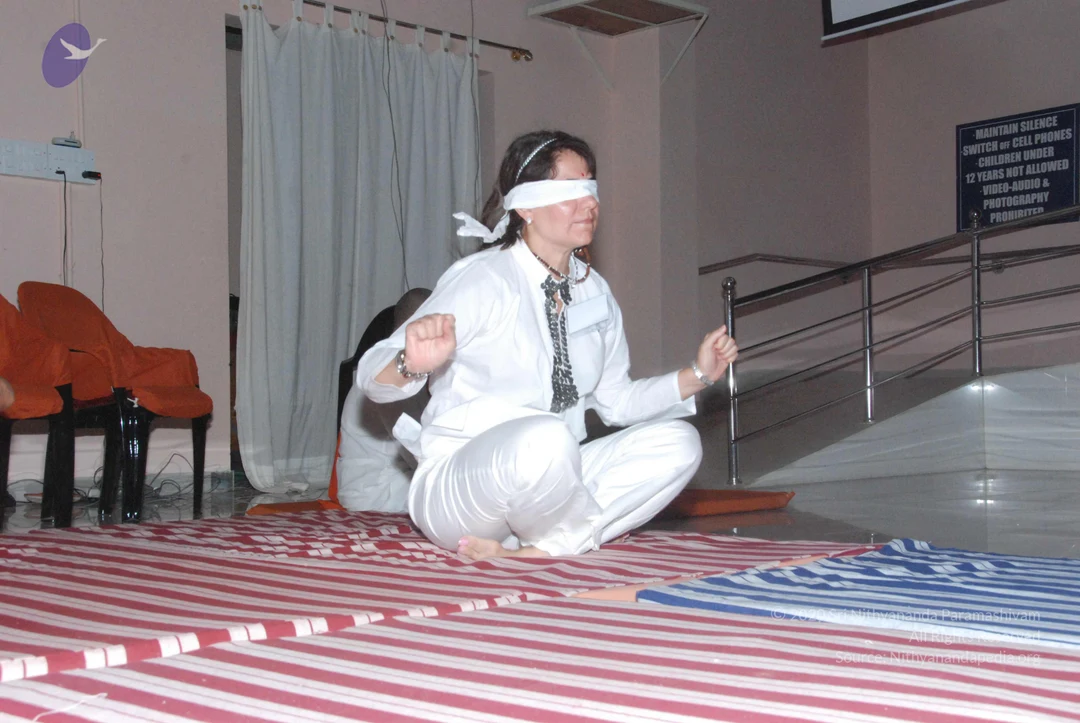
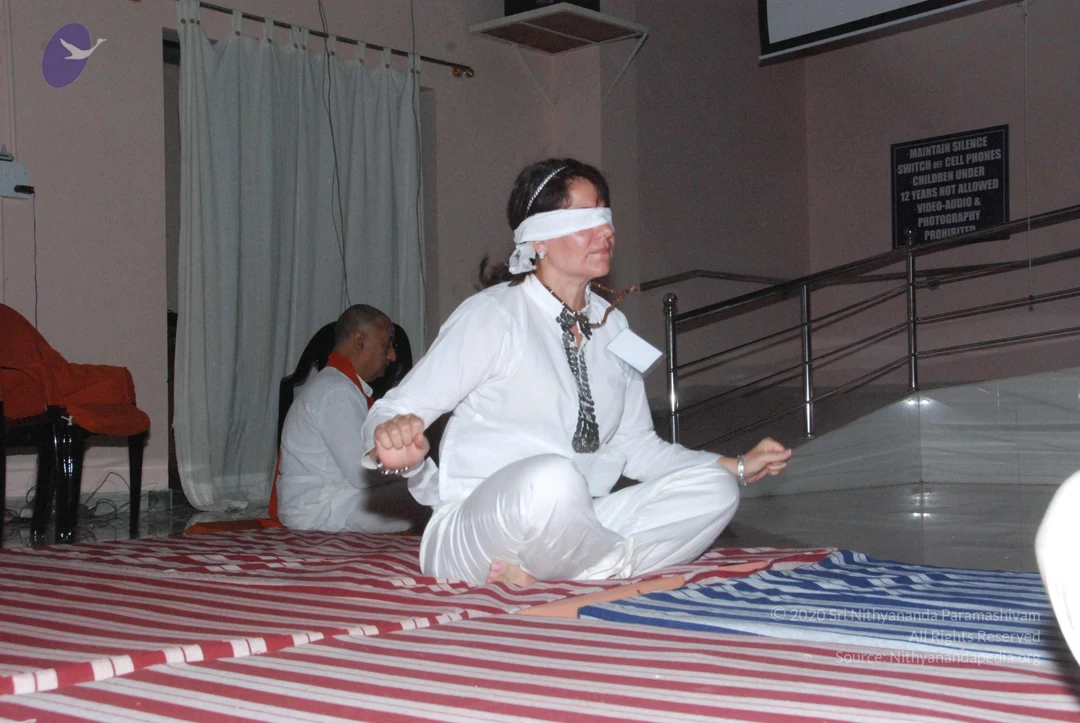
07-Afternoon-session-Levitation
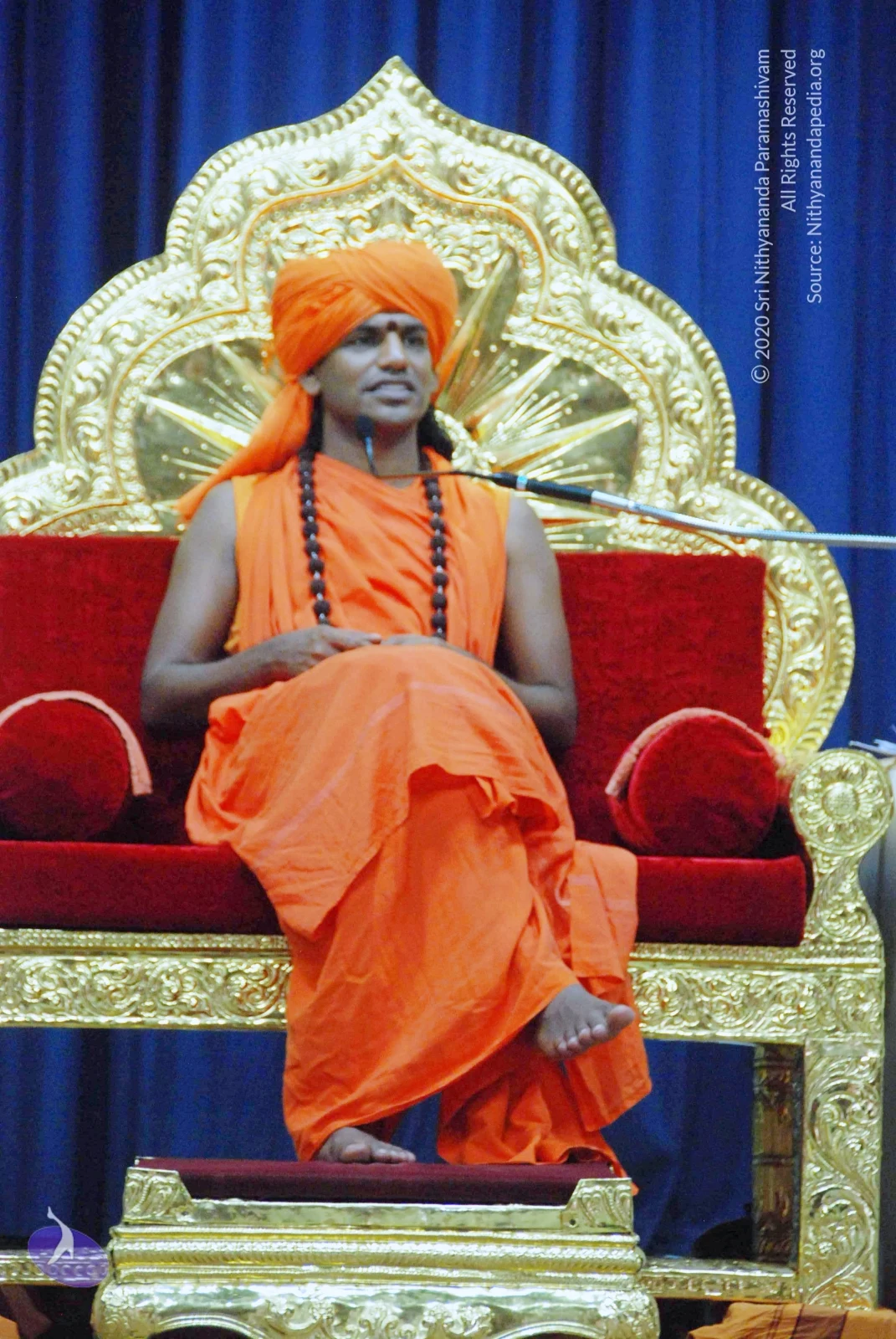
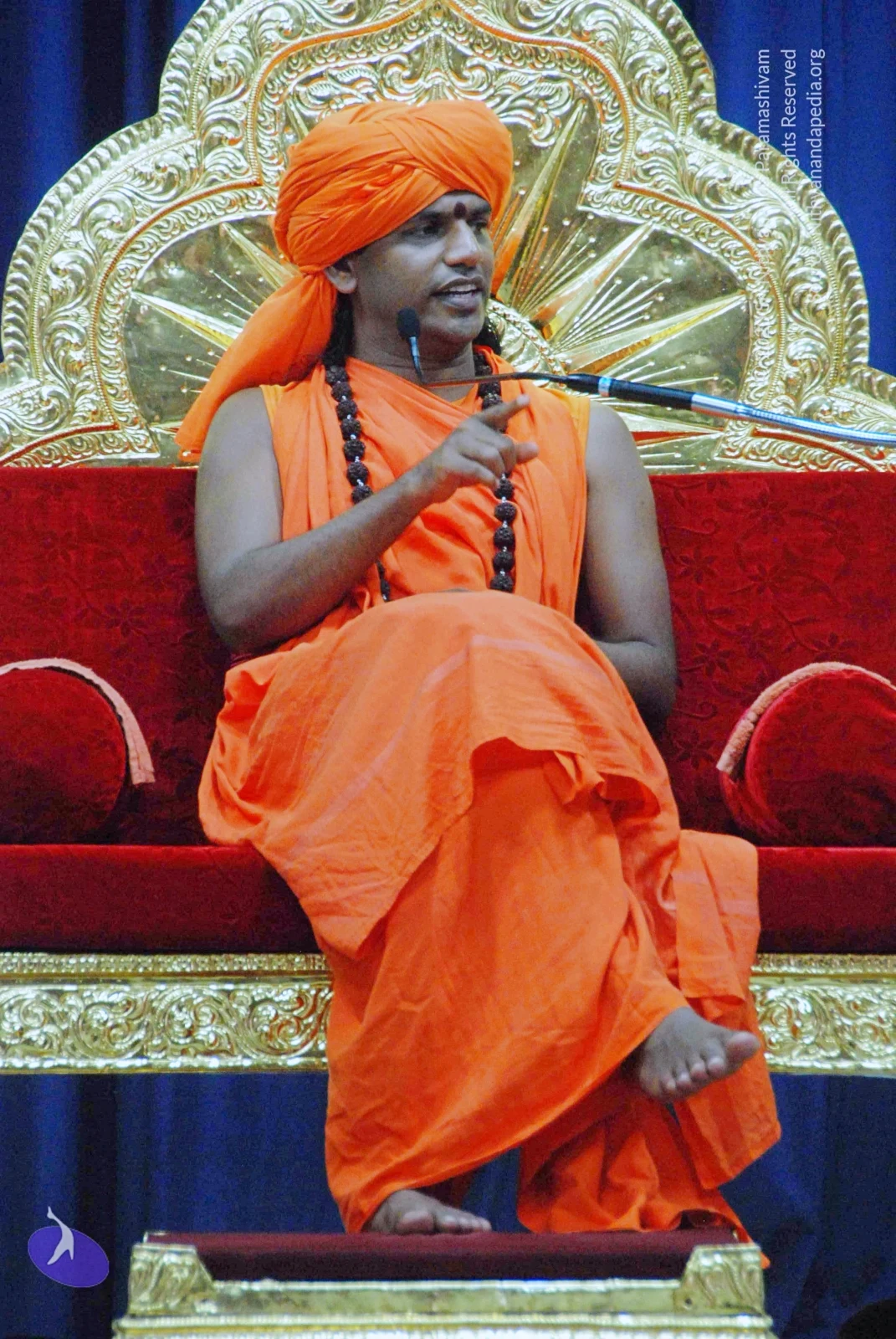
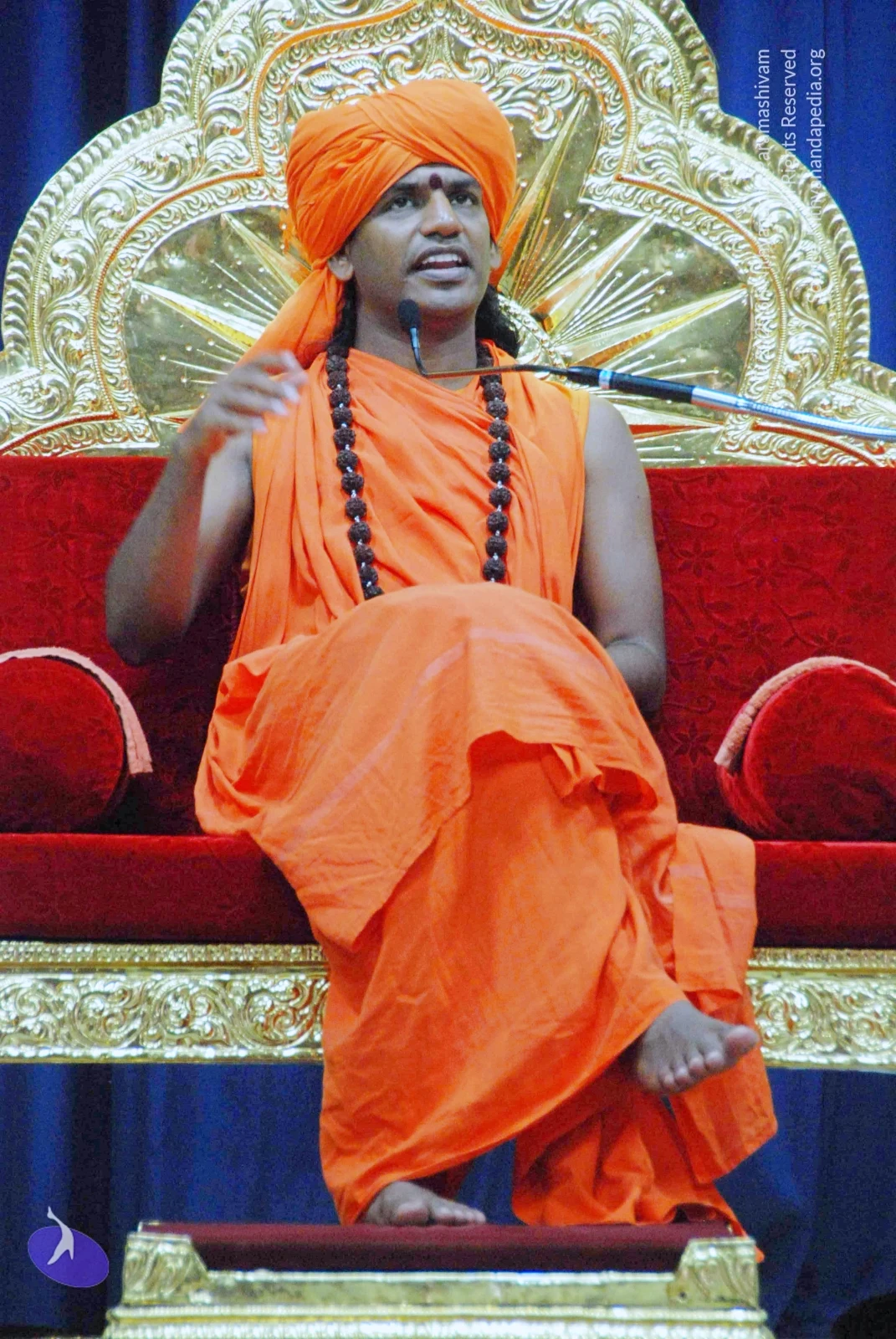
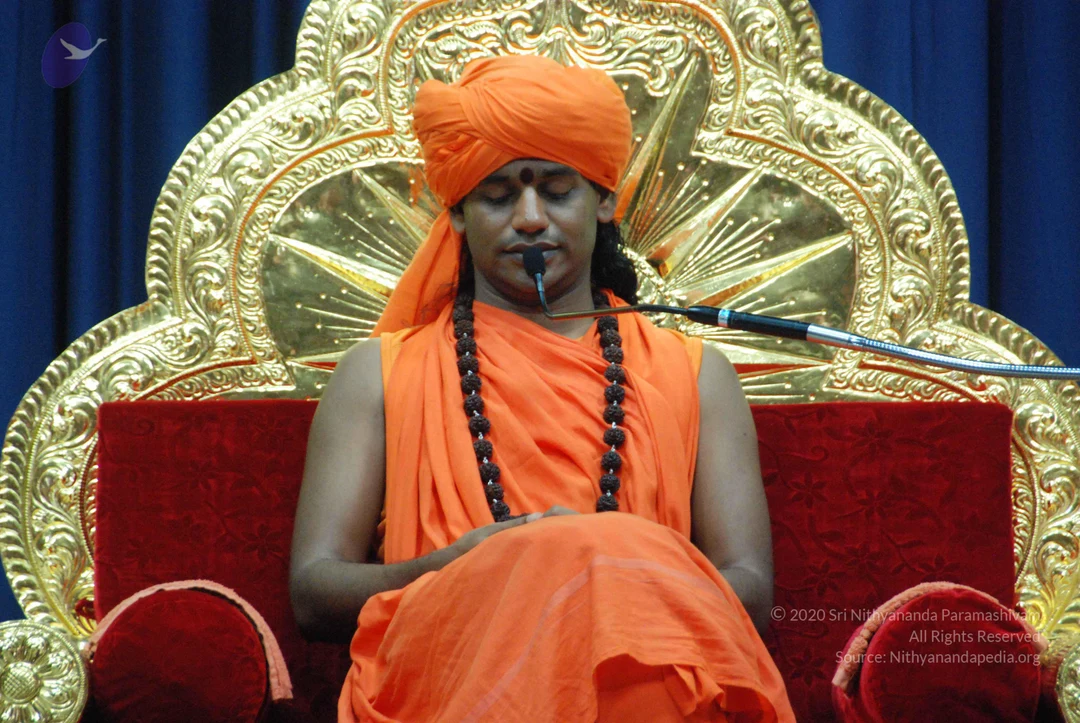
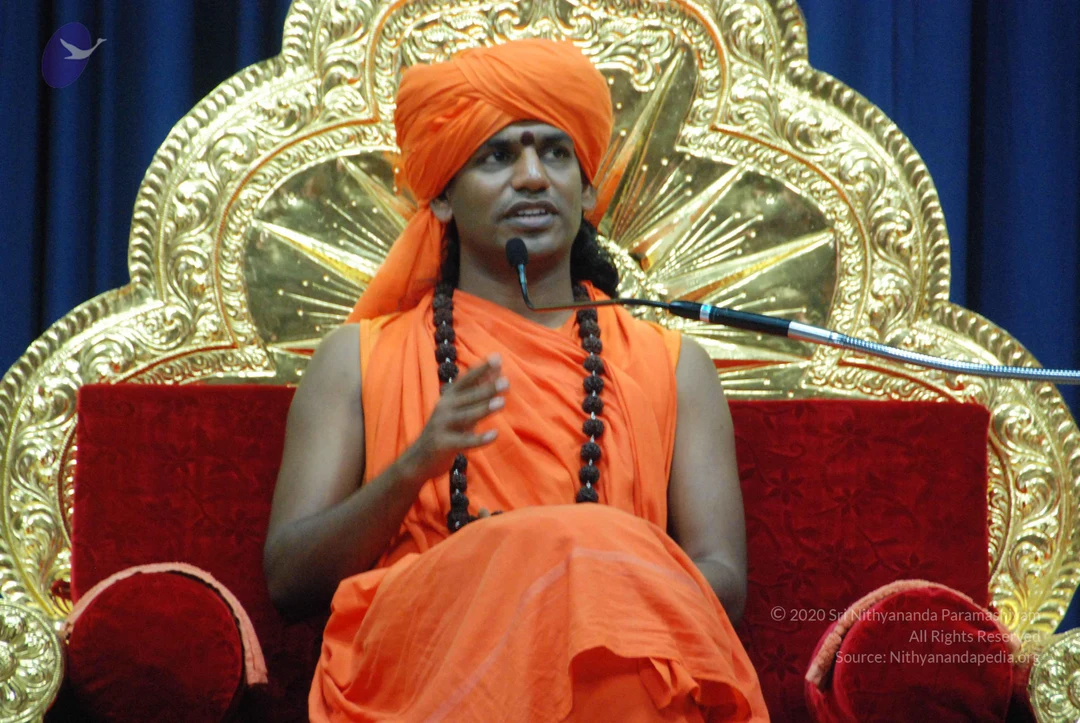
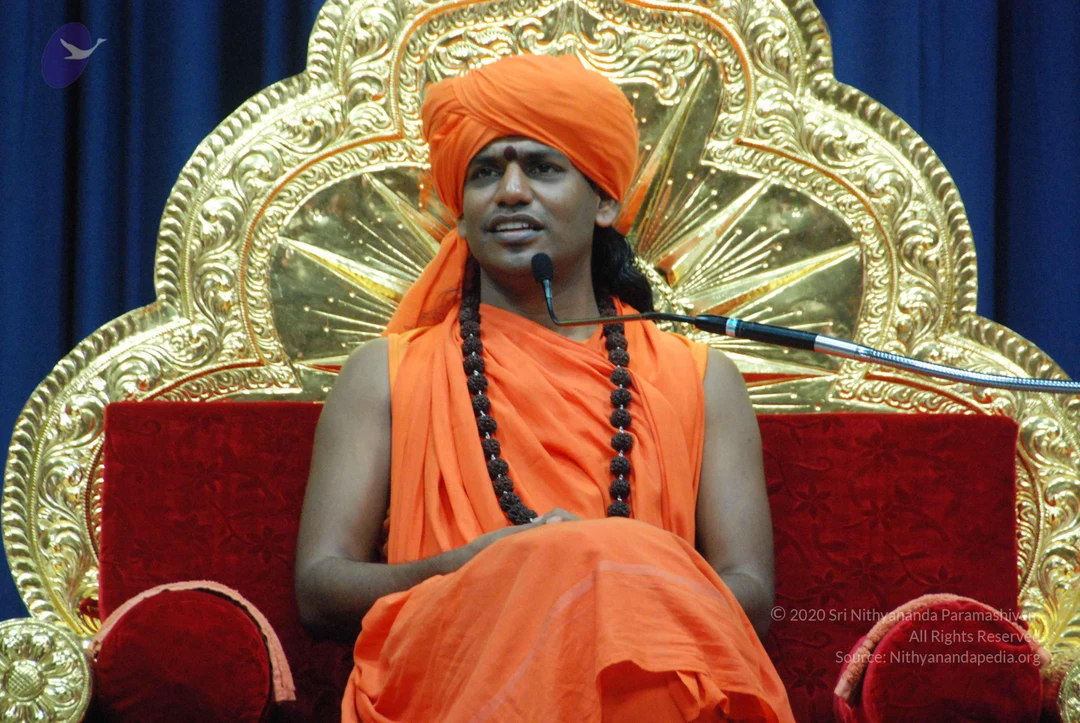
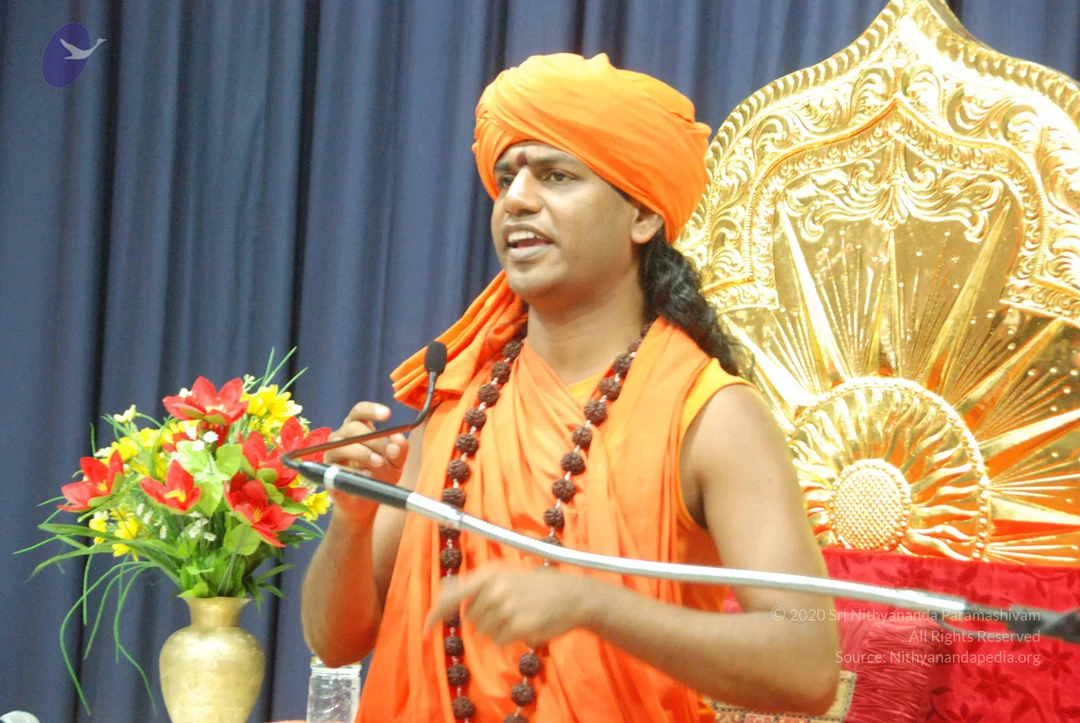
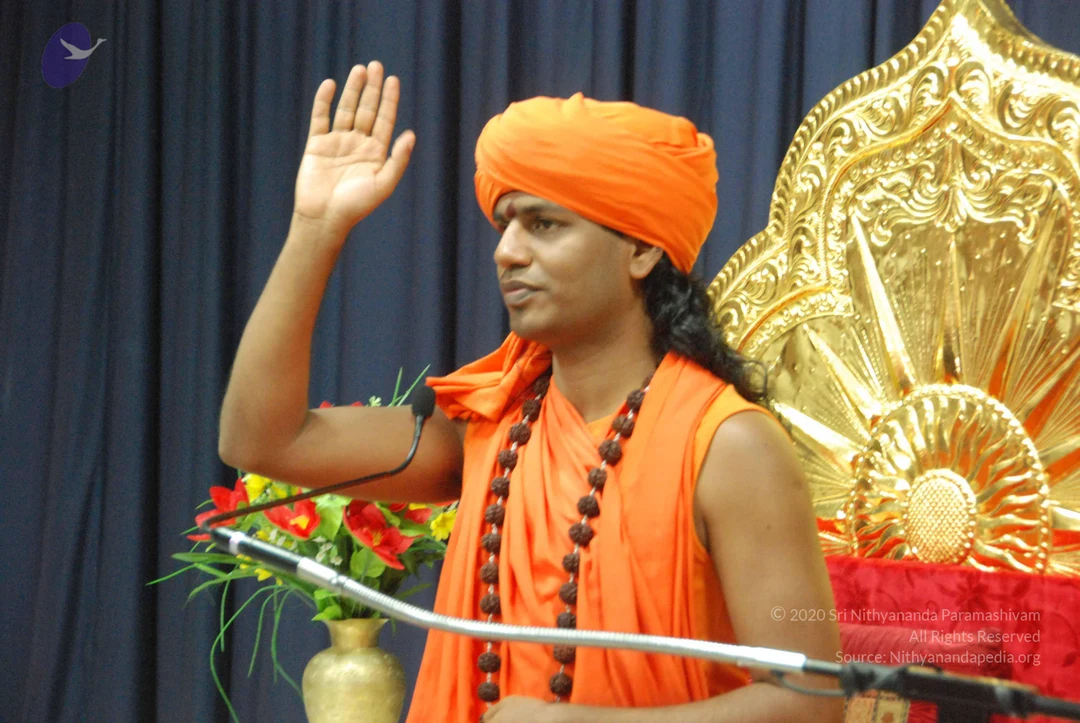
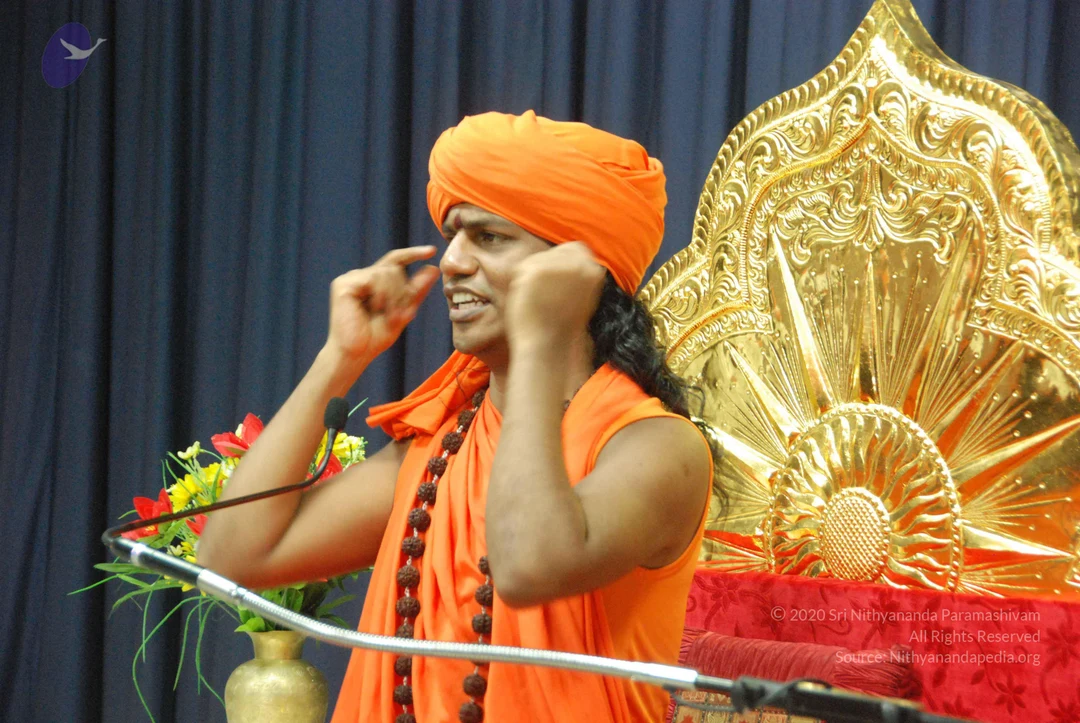
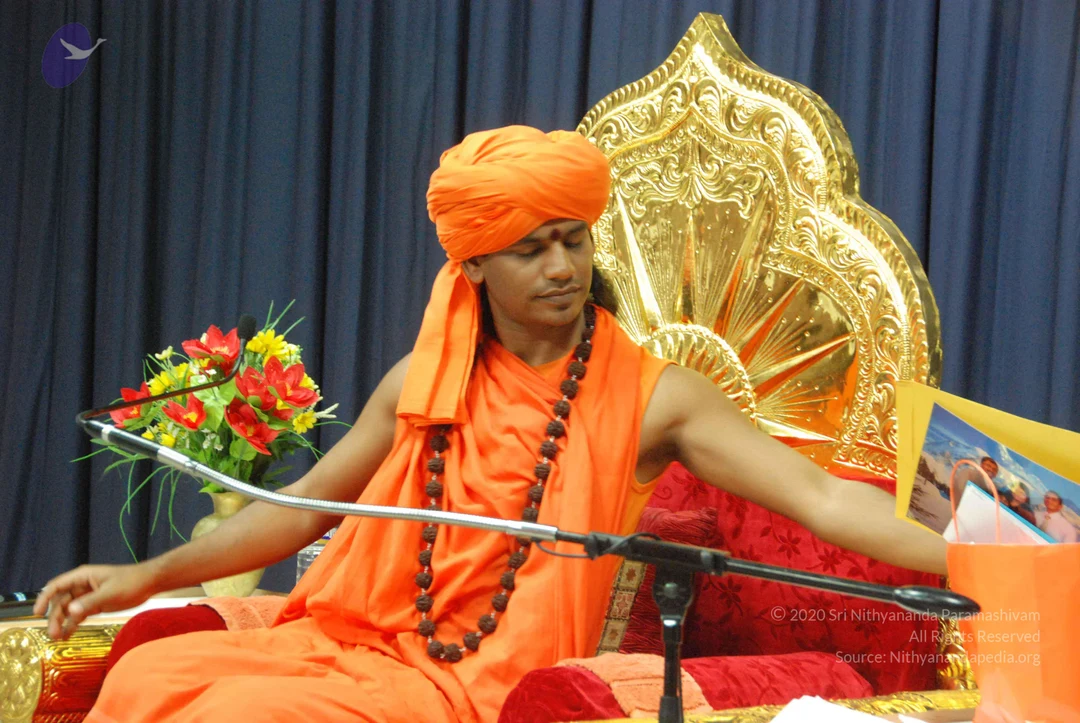
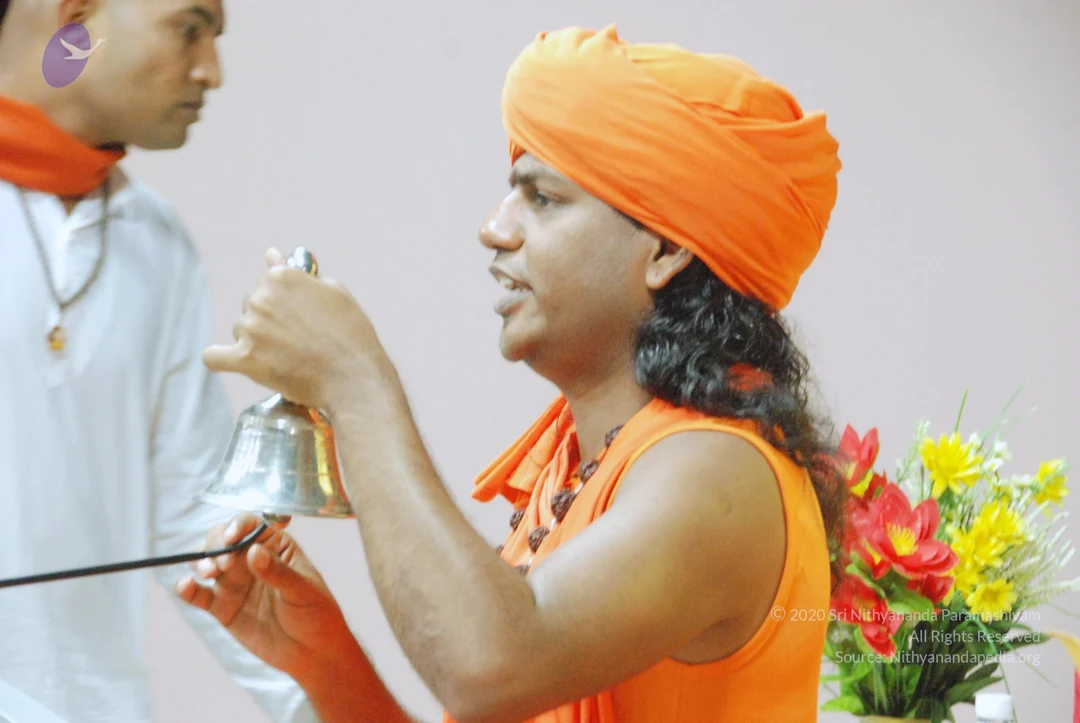
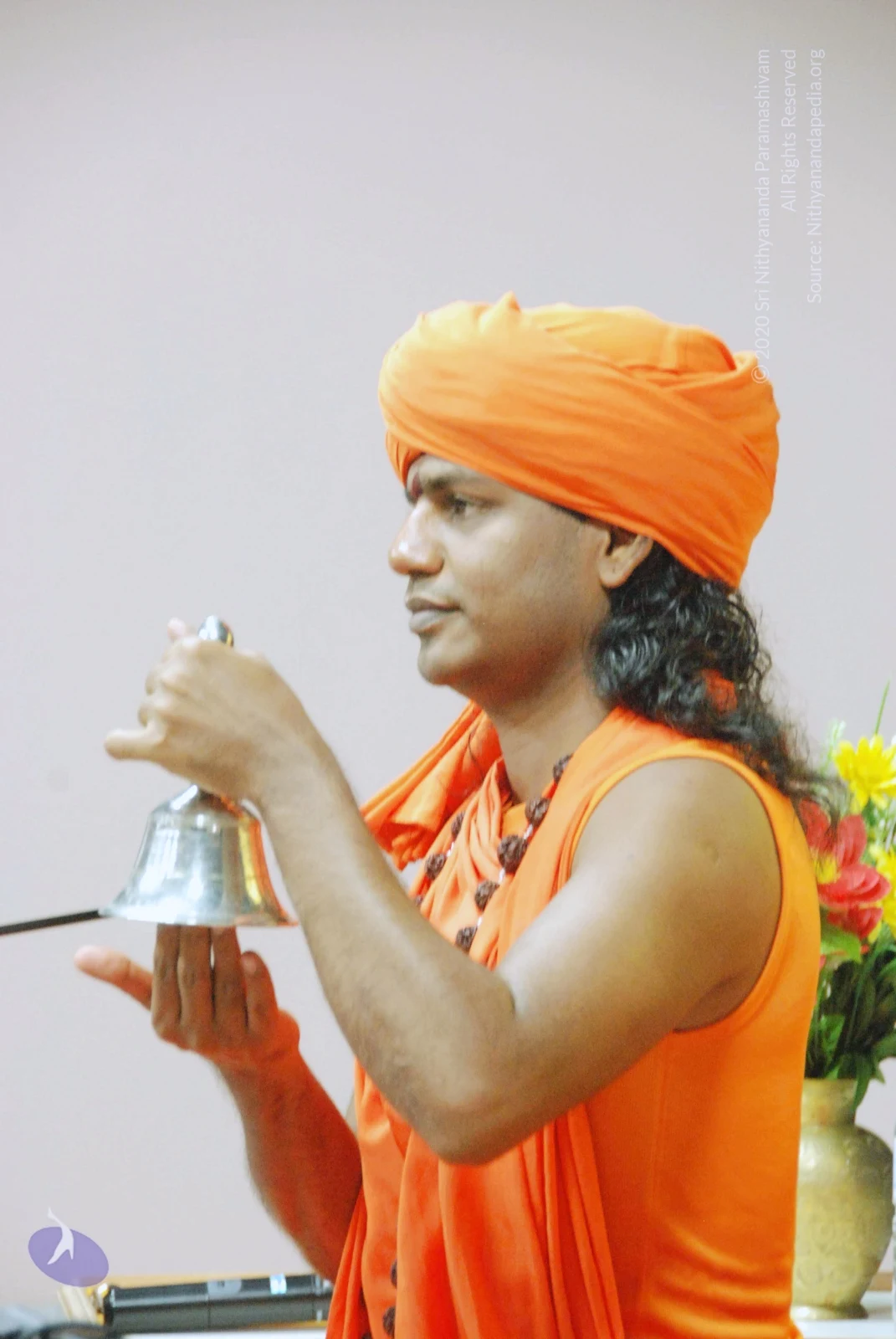
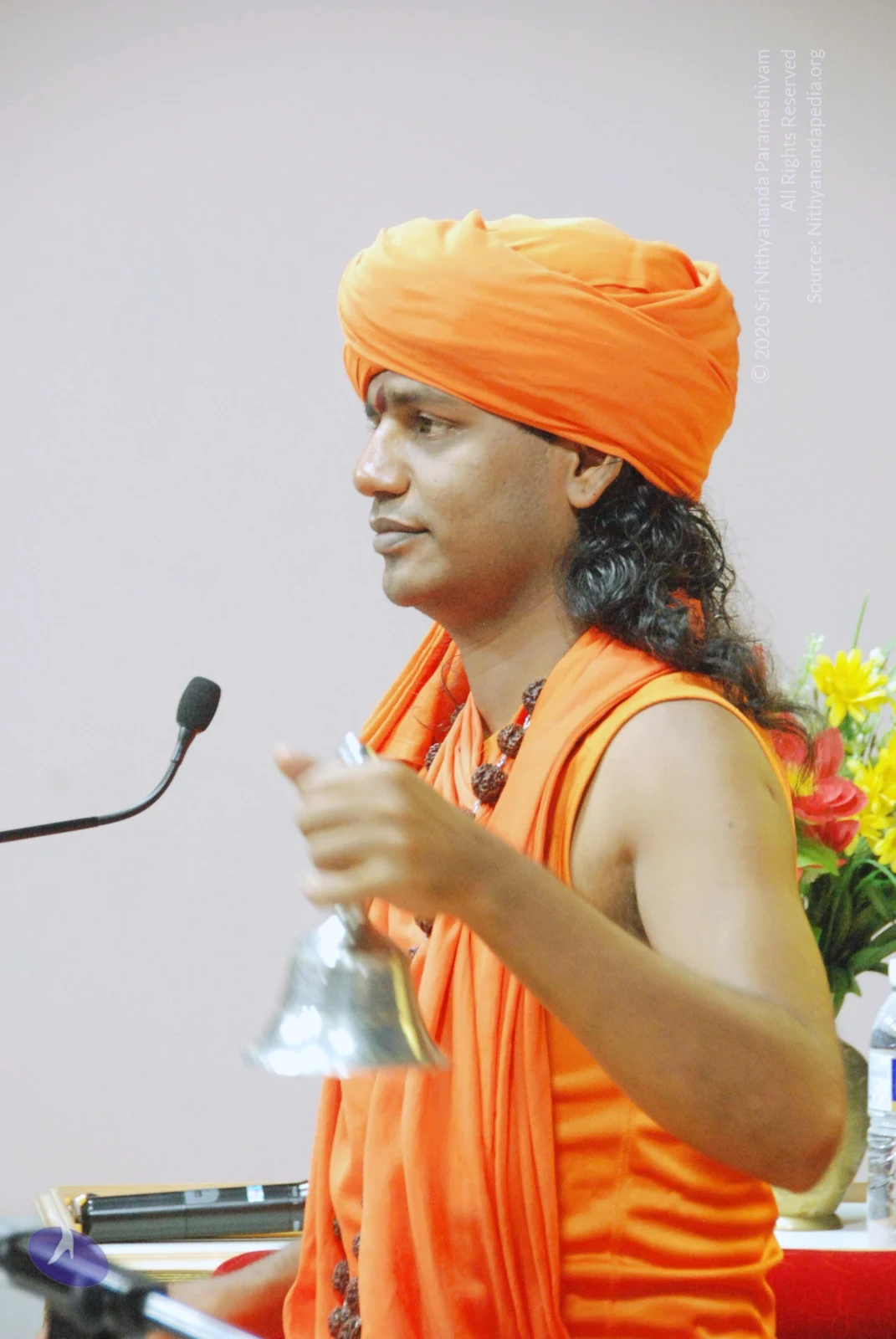
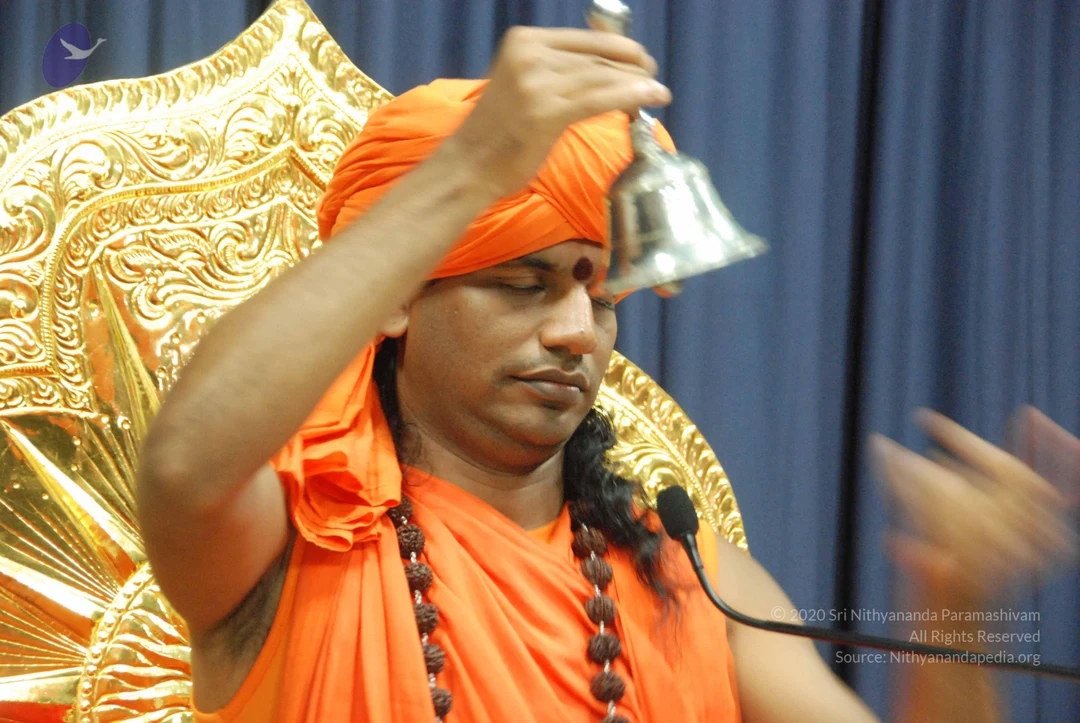
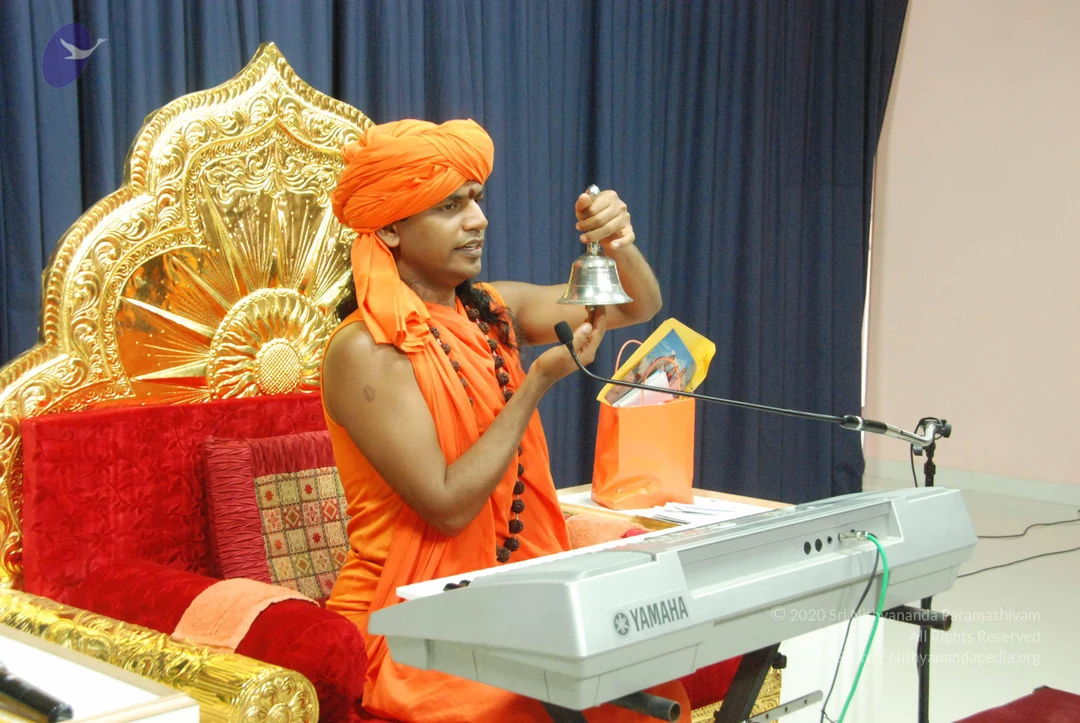
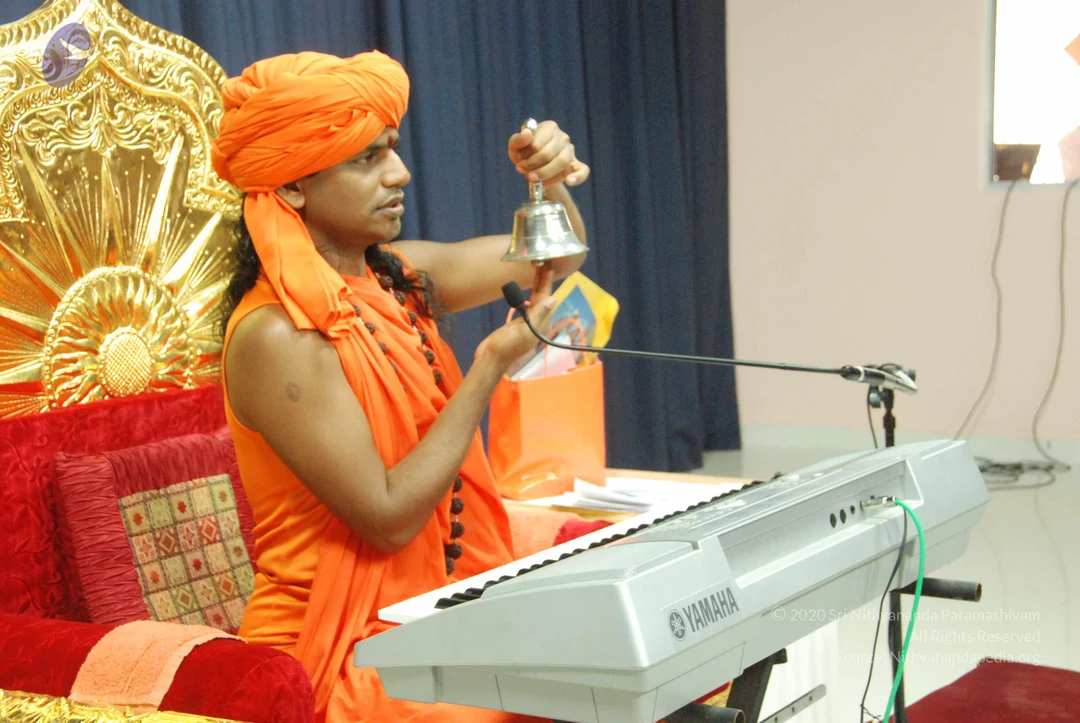
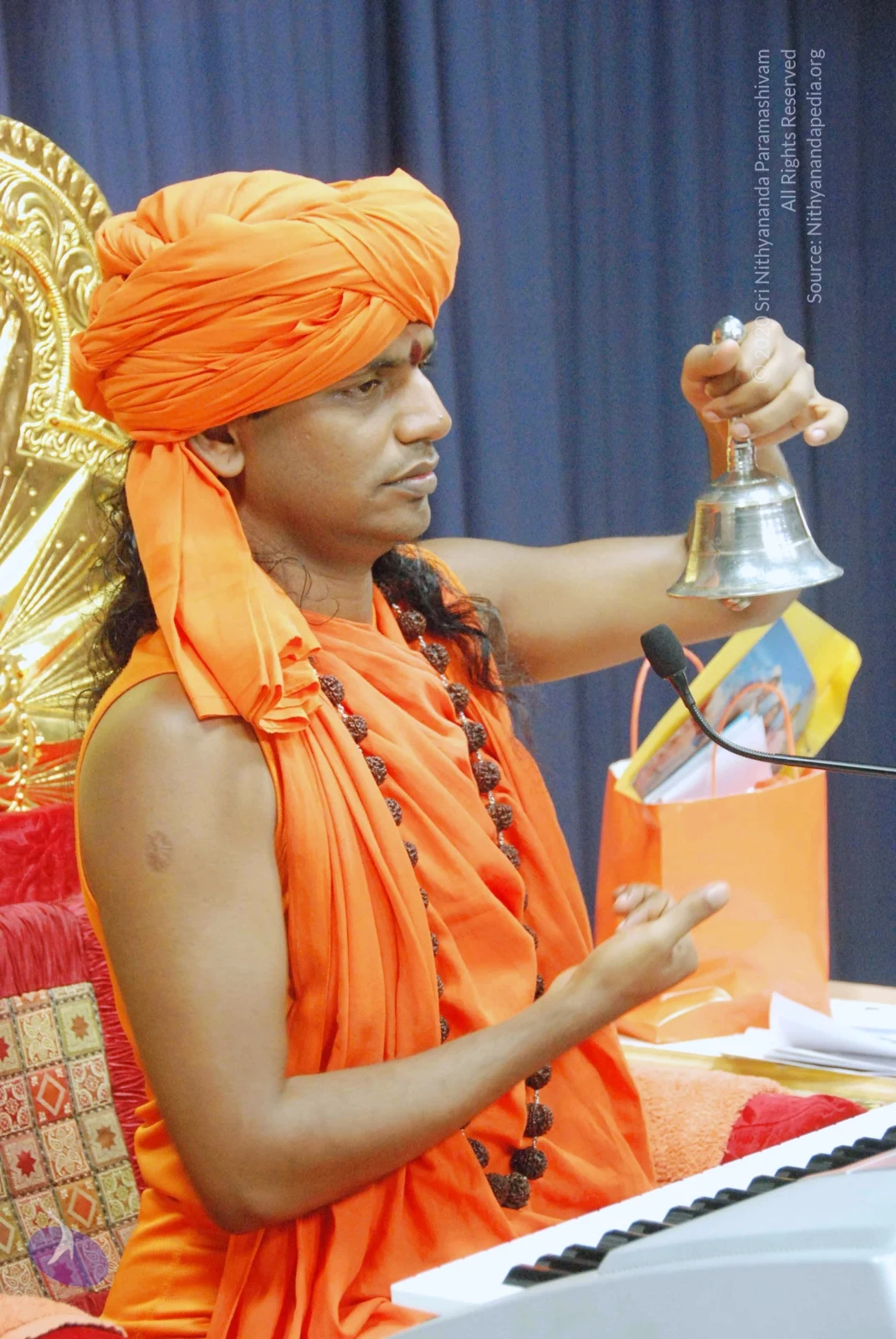
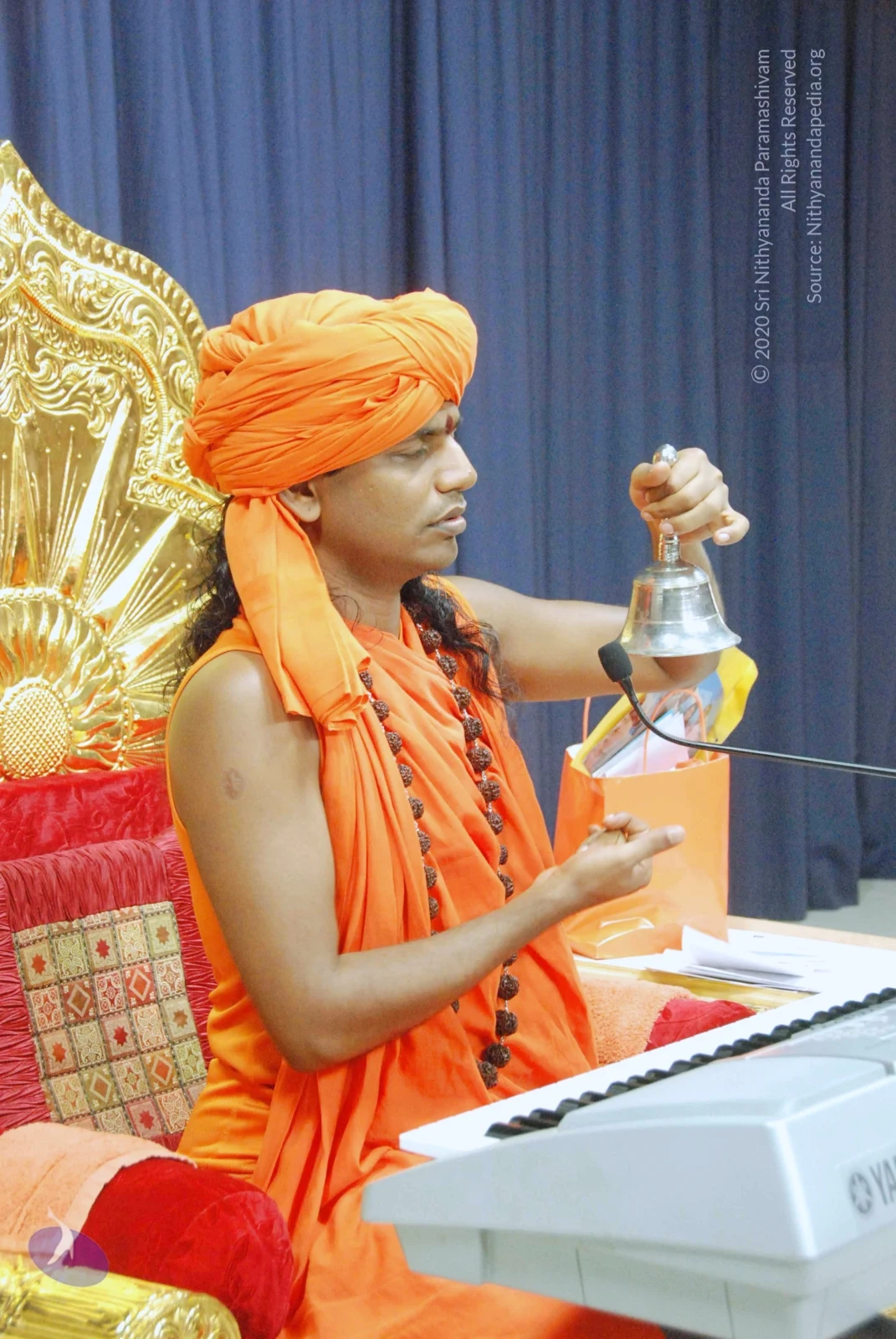
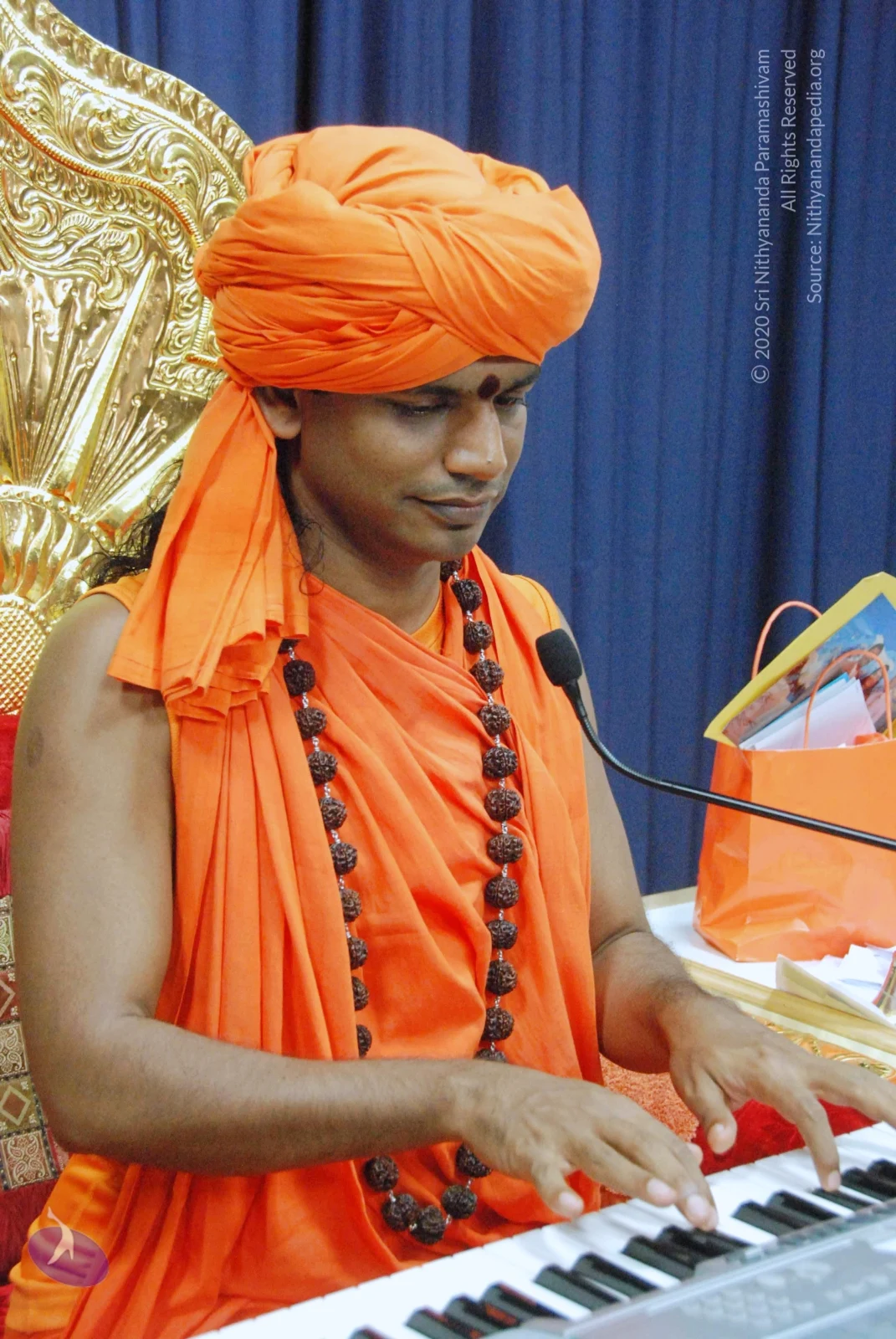
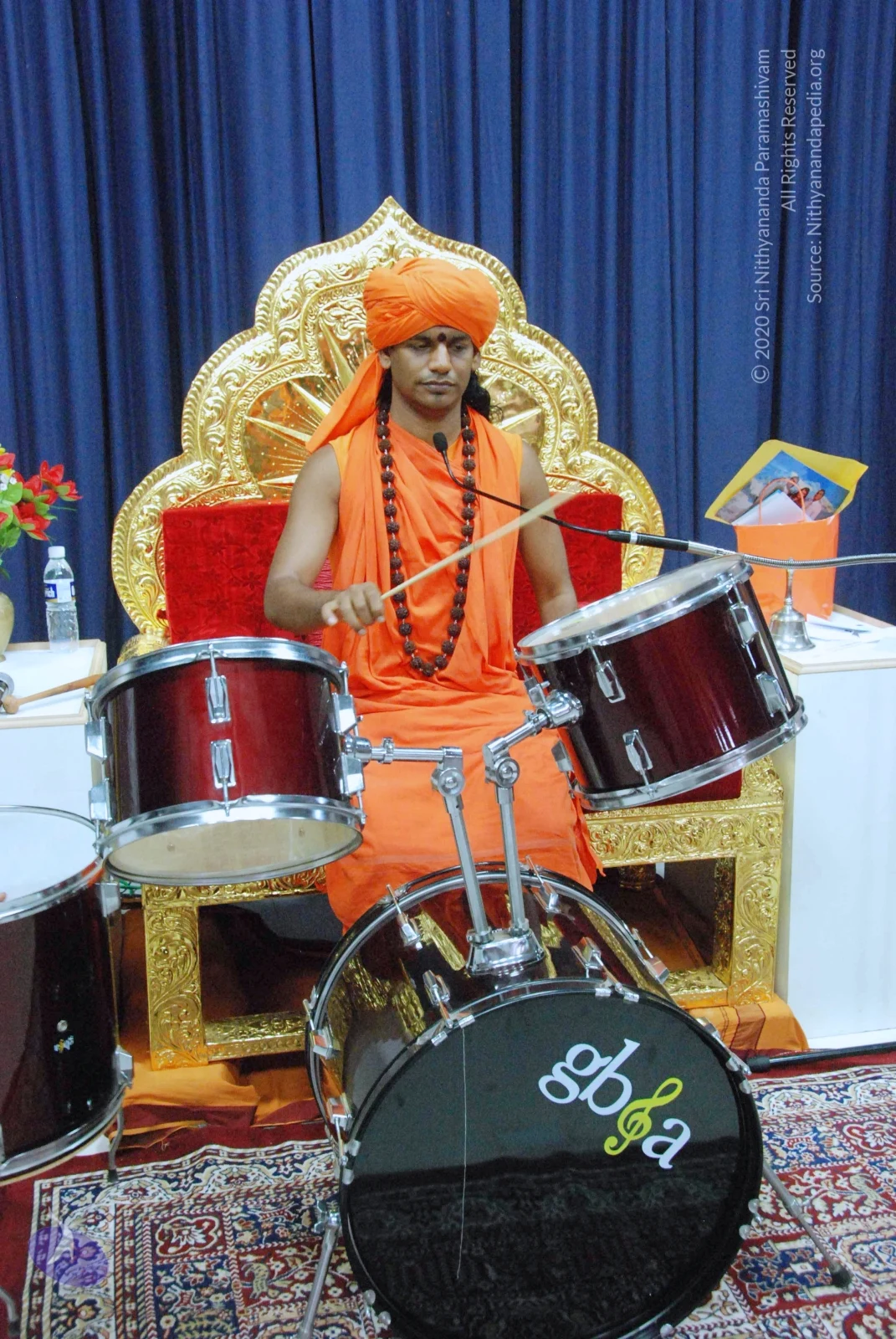
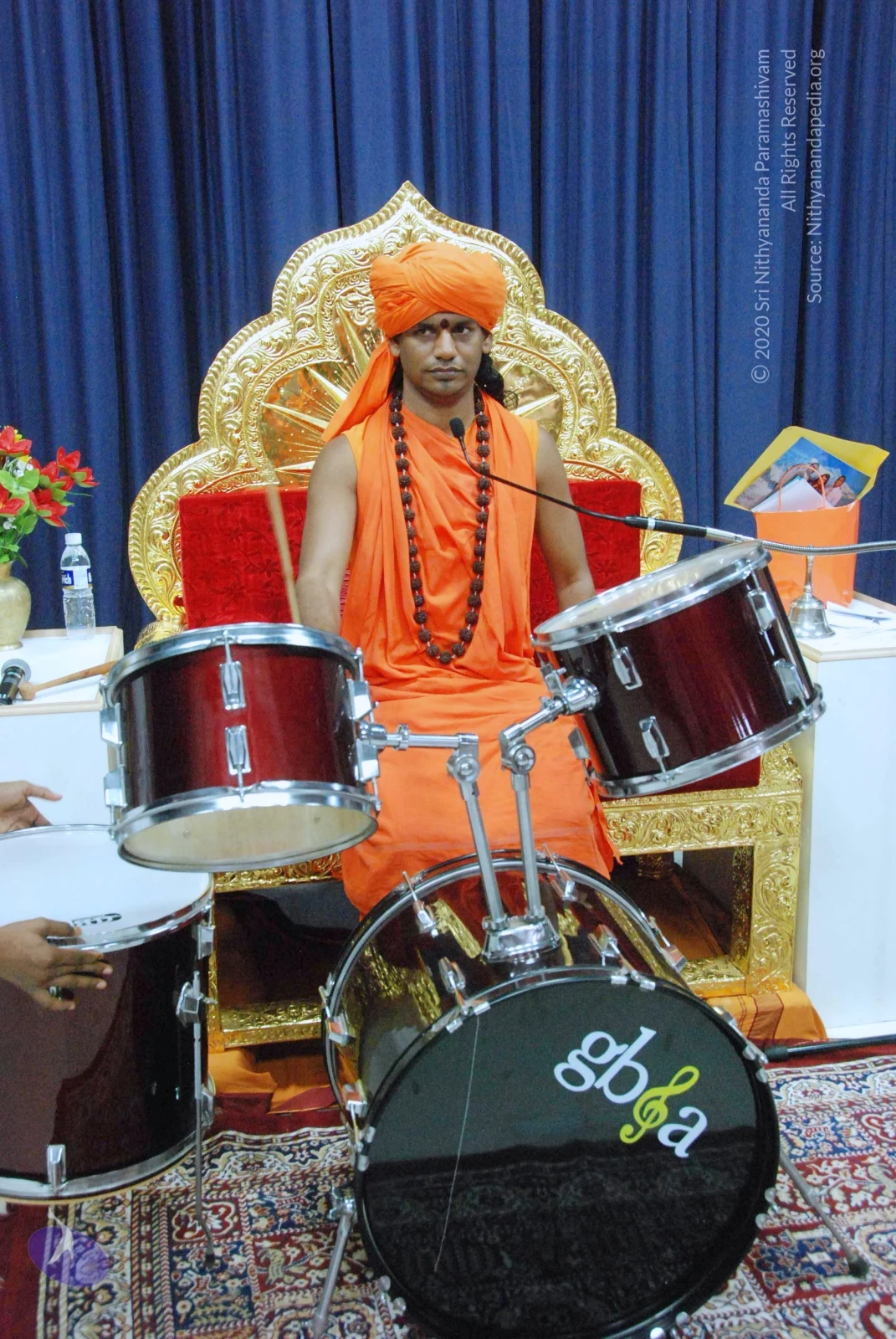
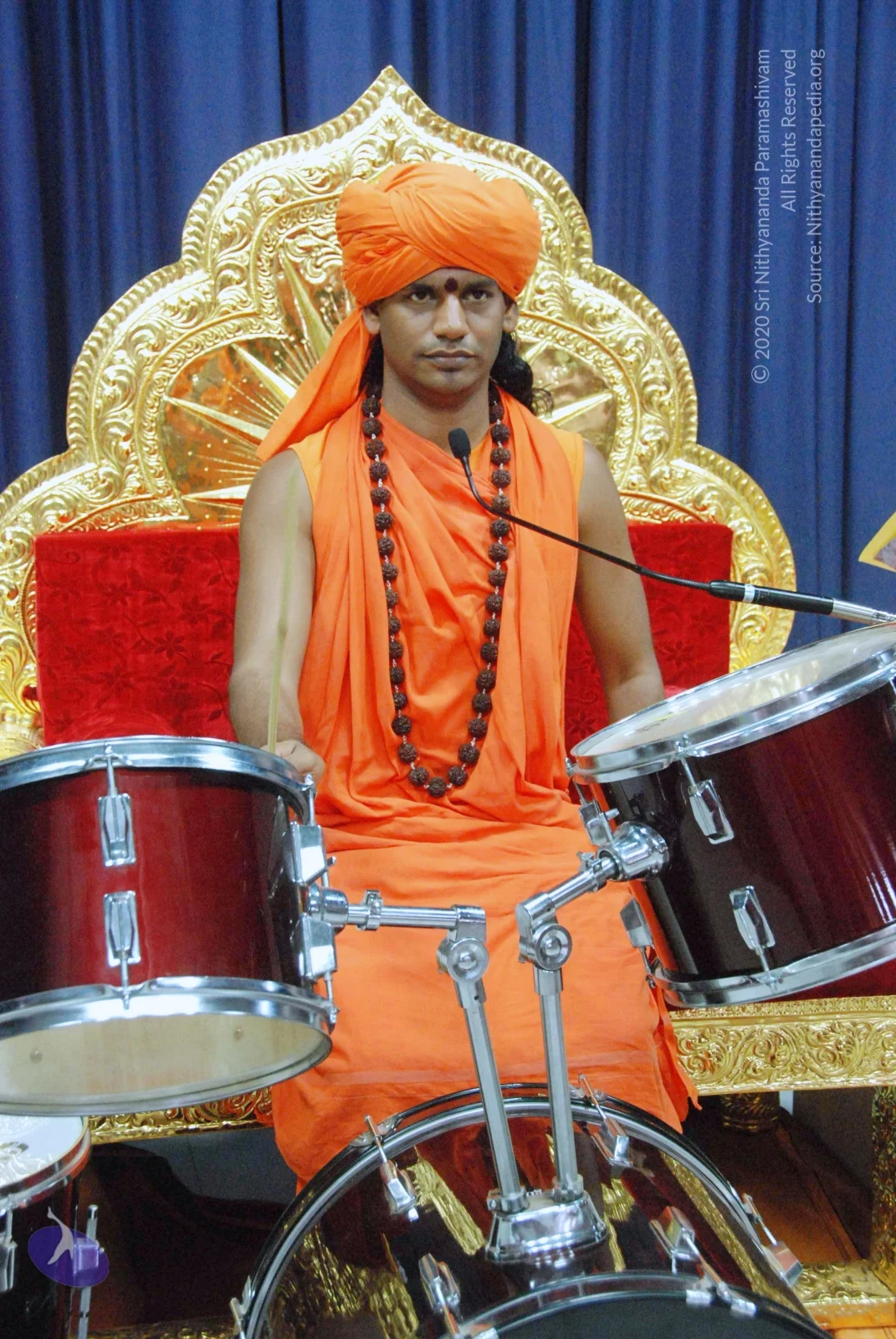
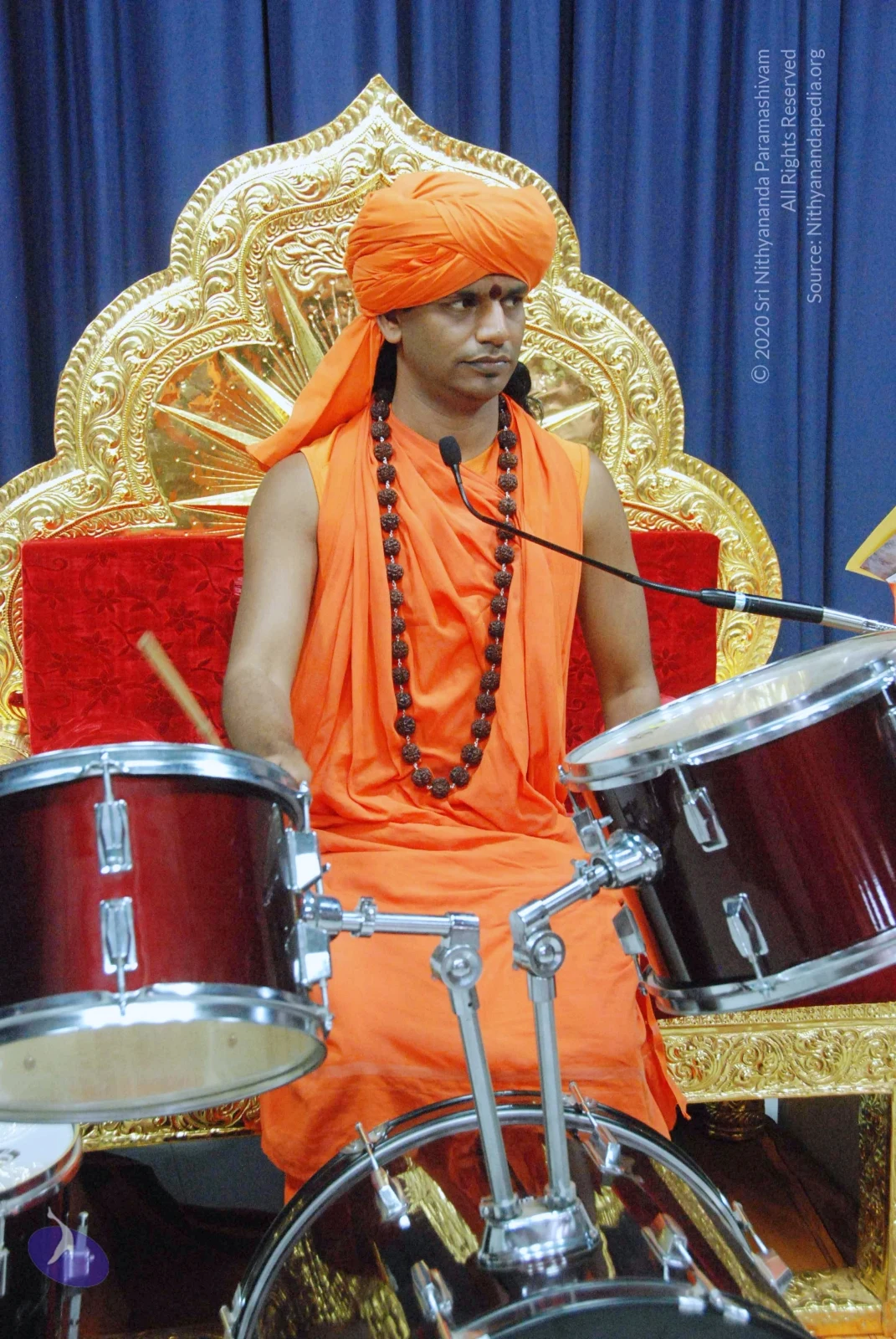
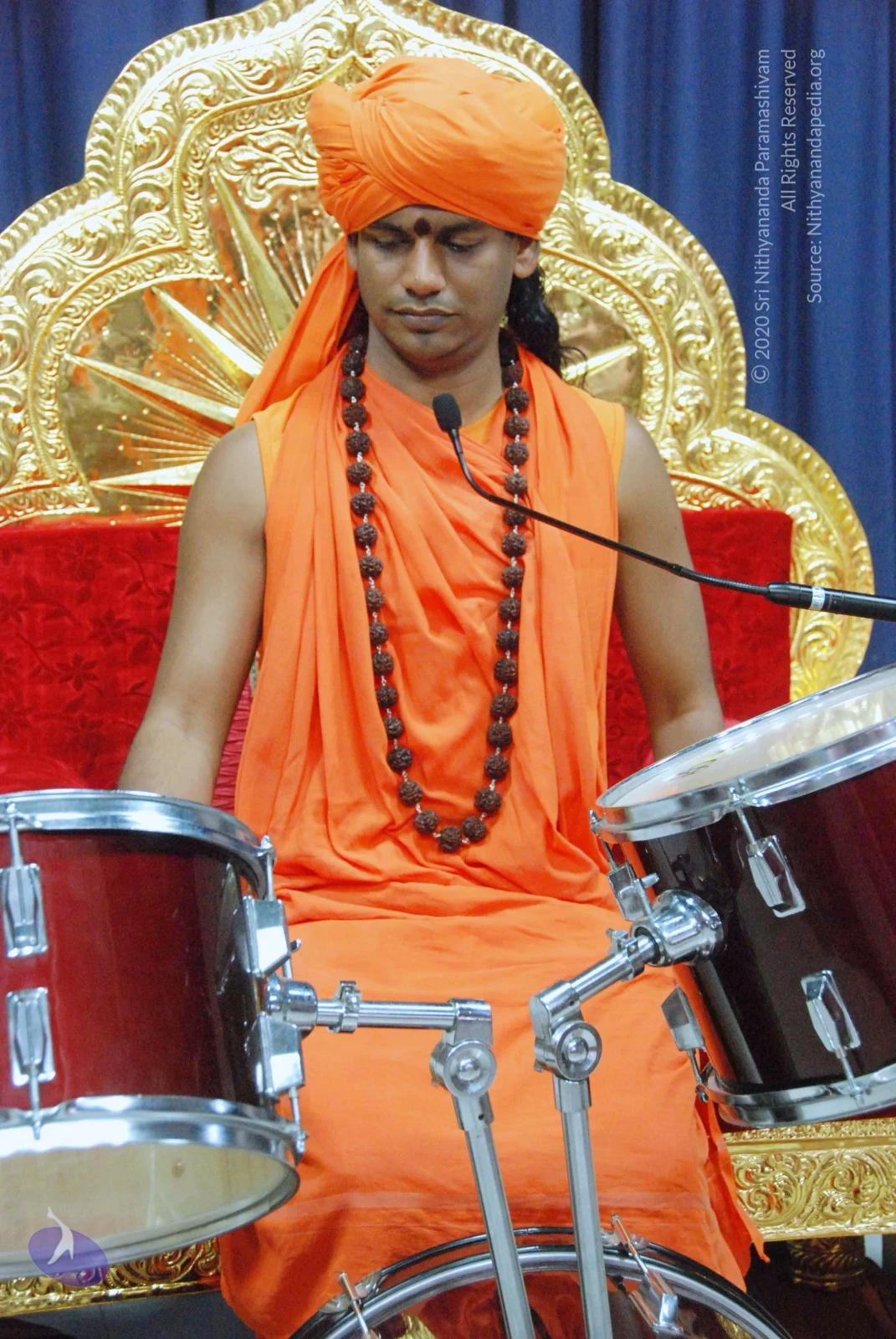
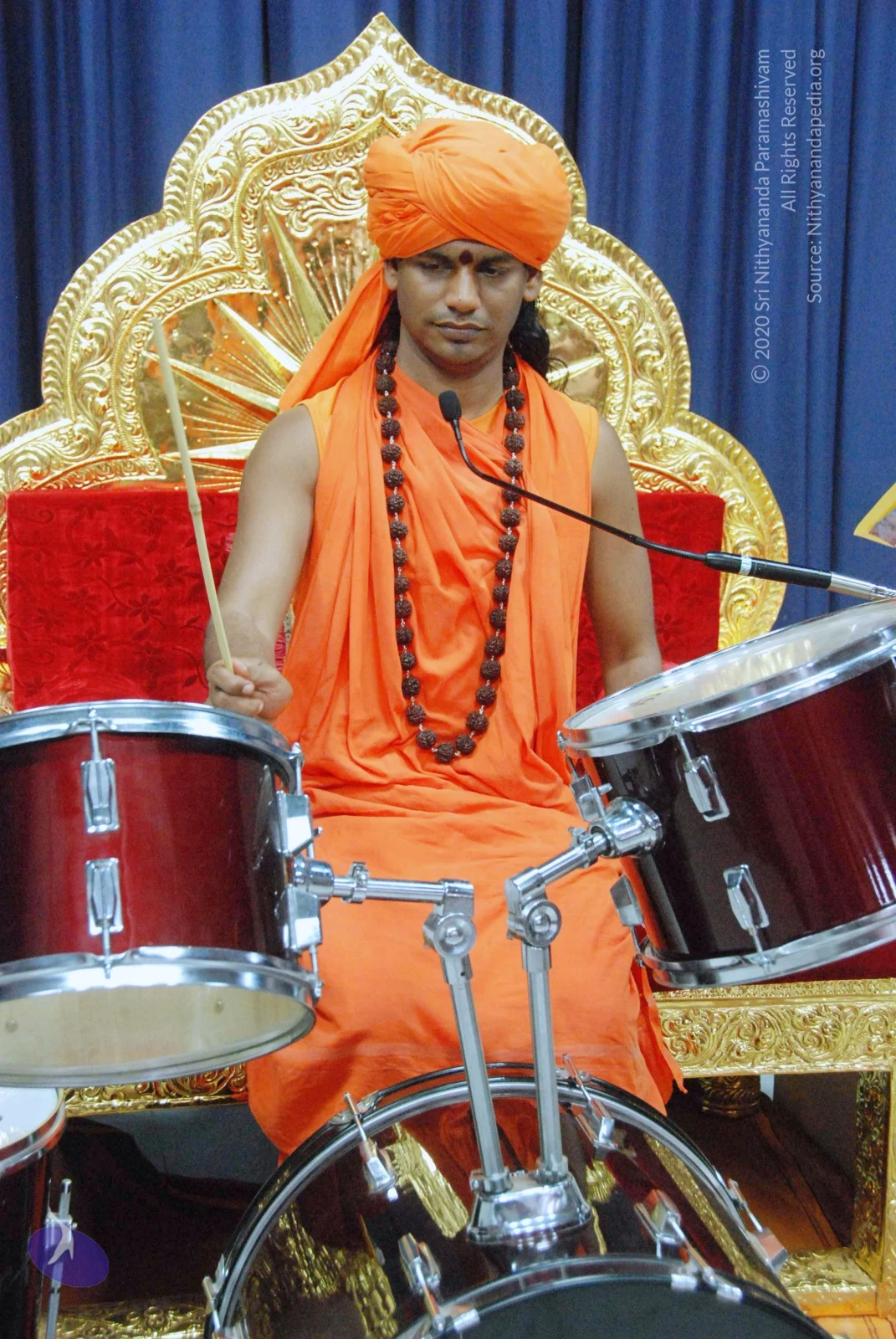
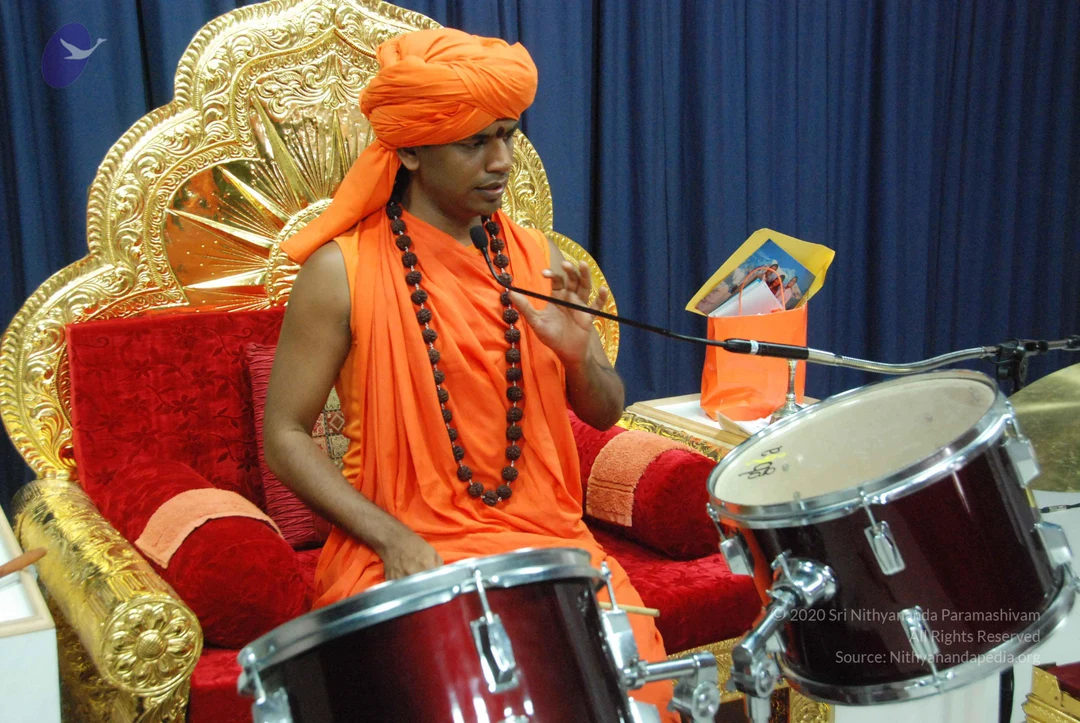
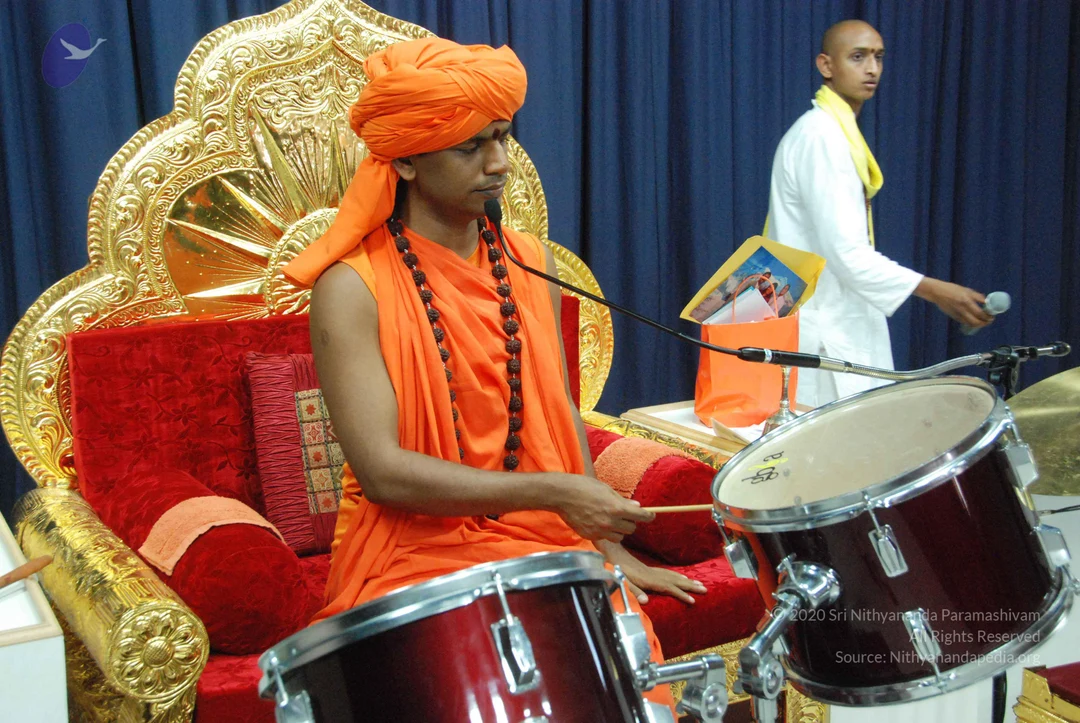
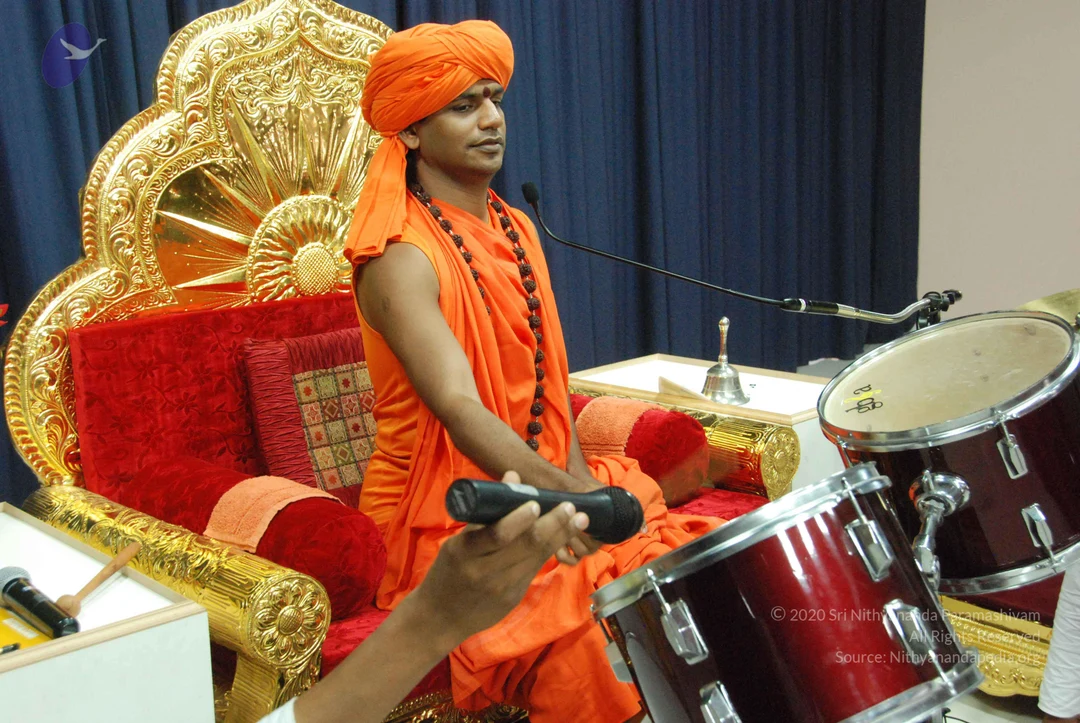
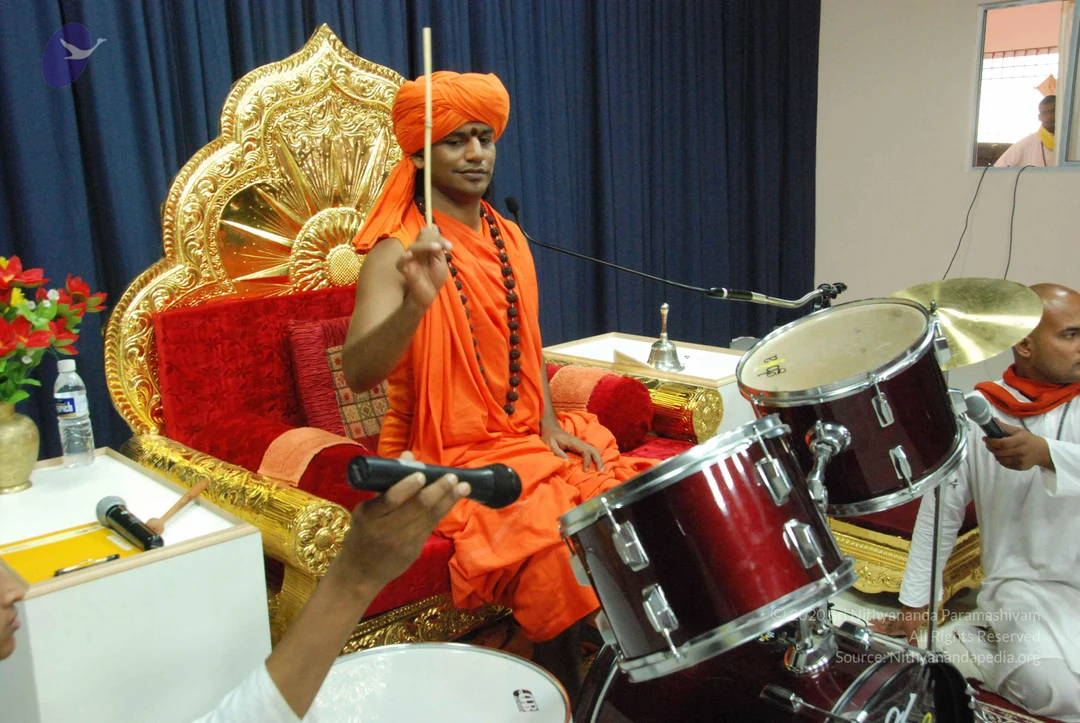
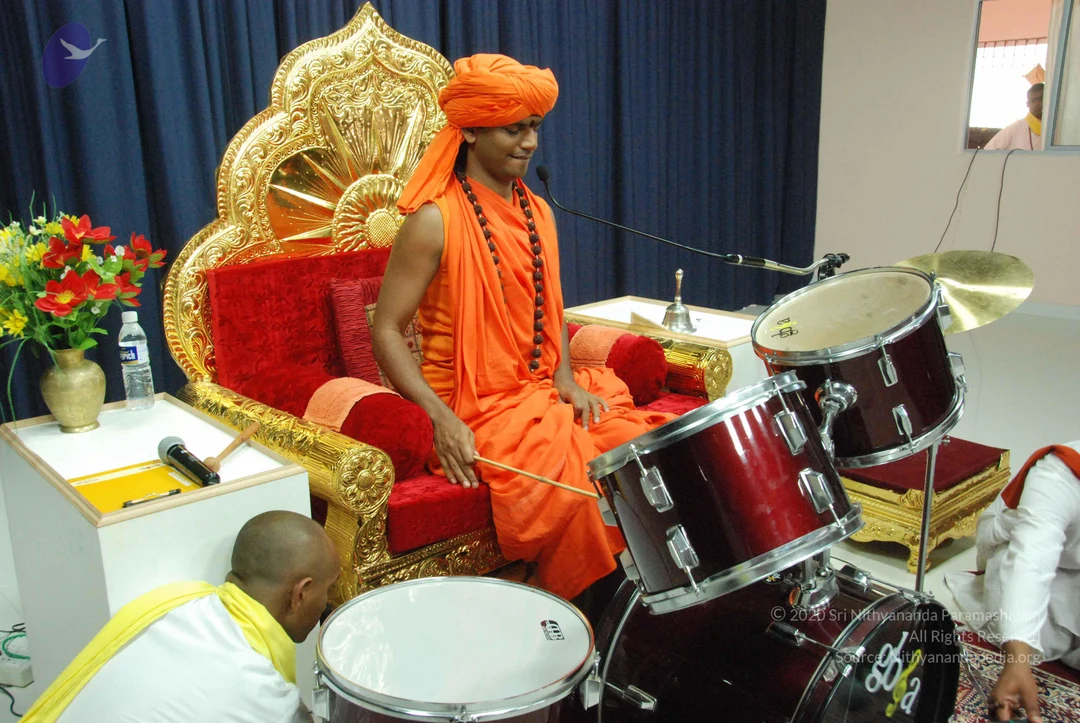
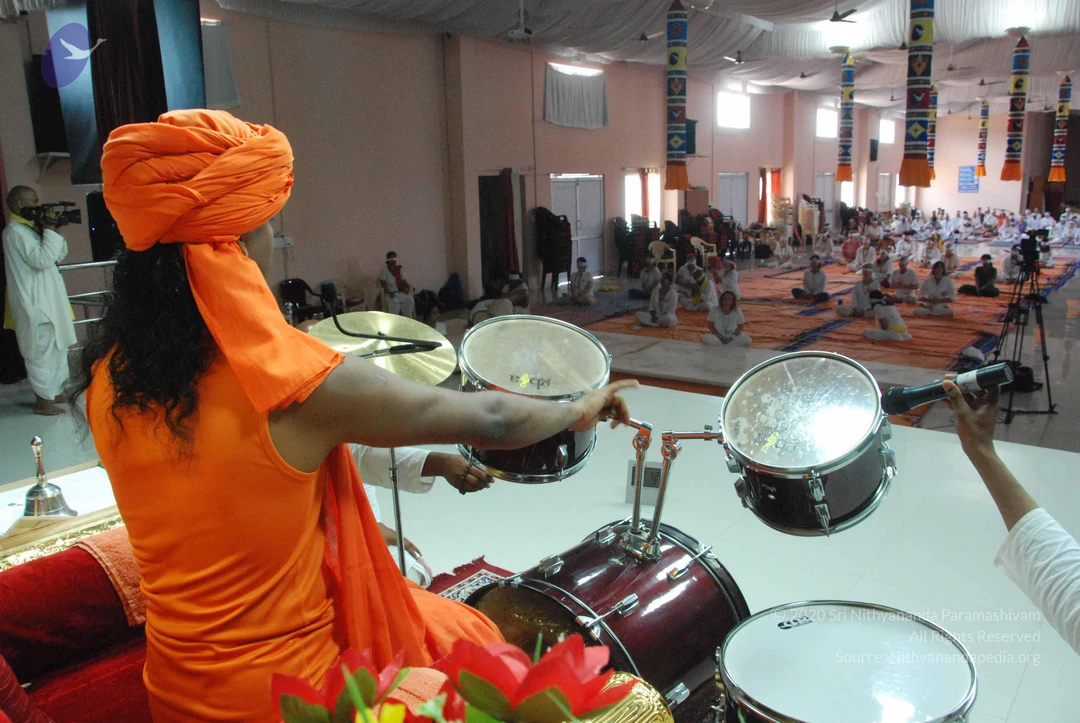
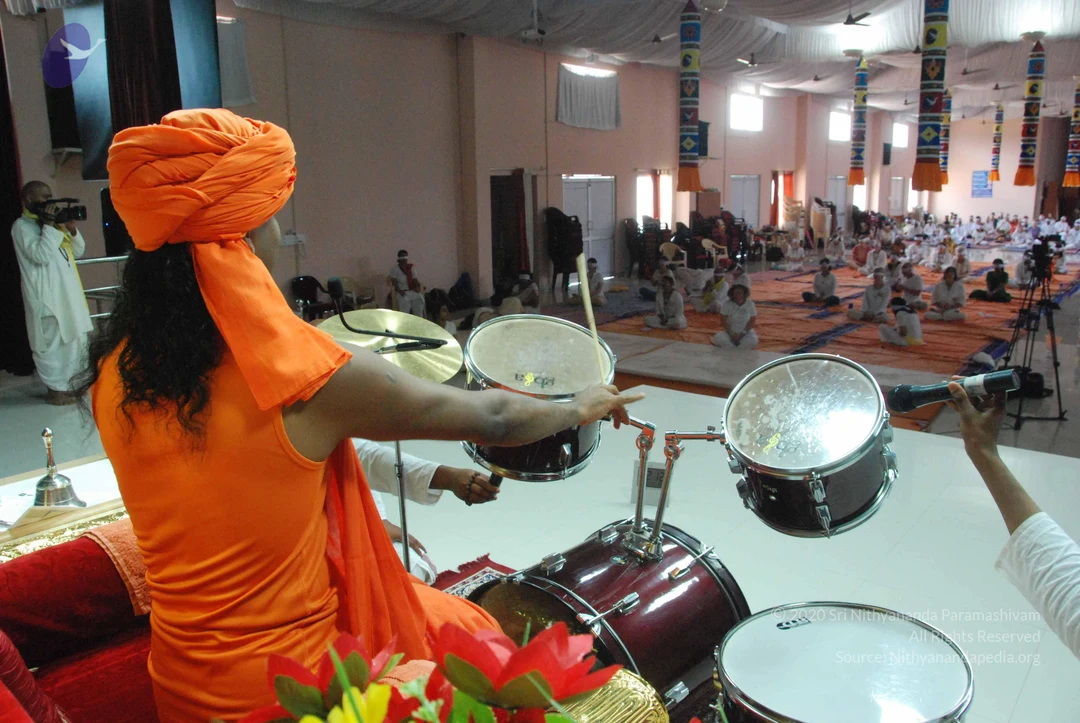
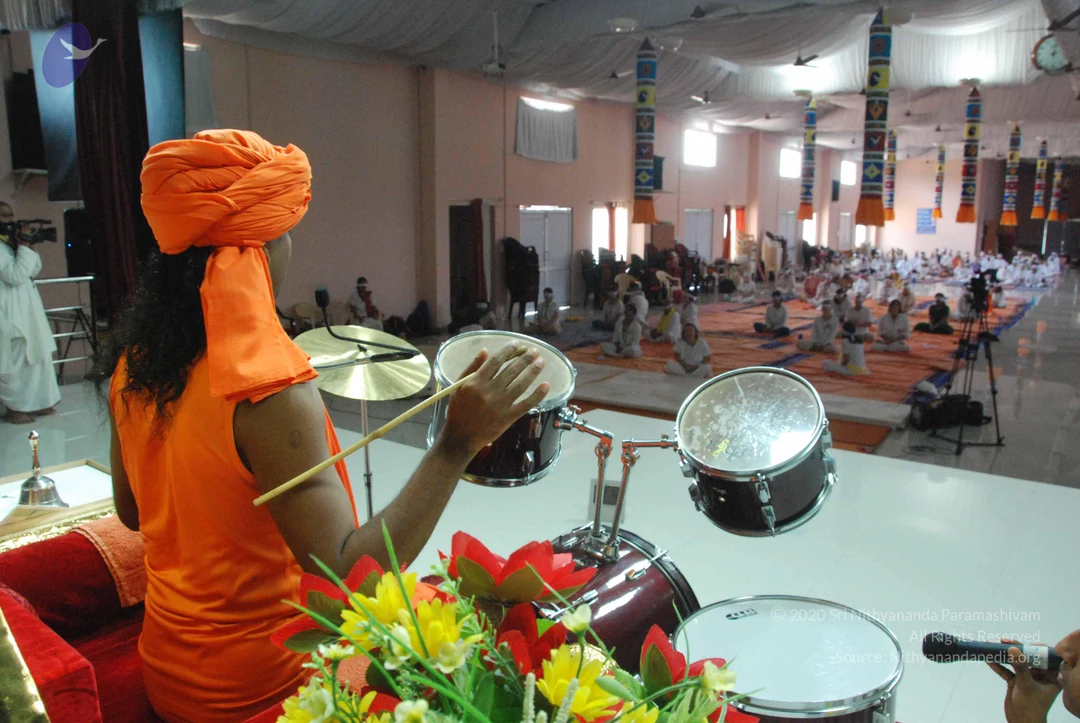
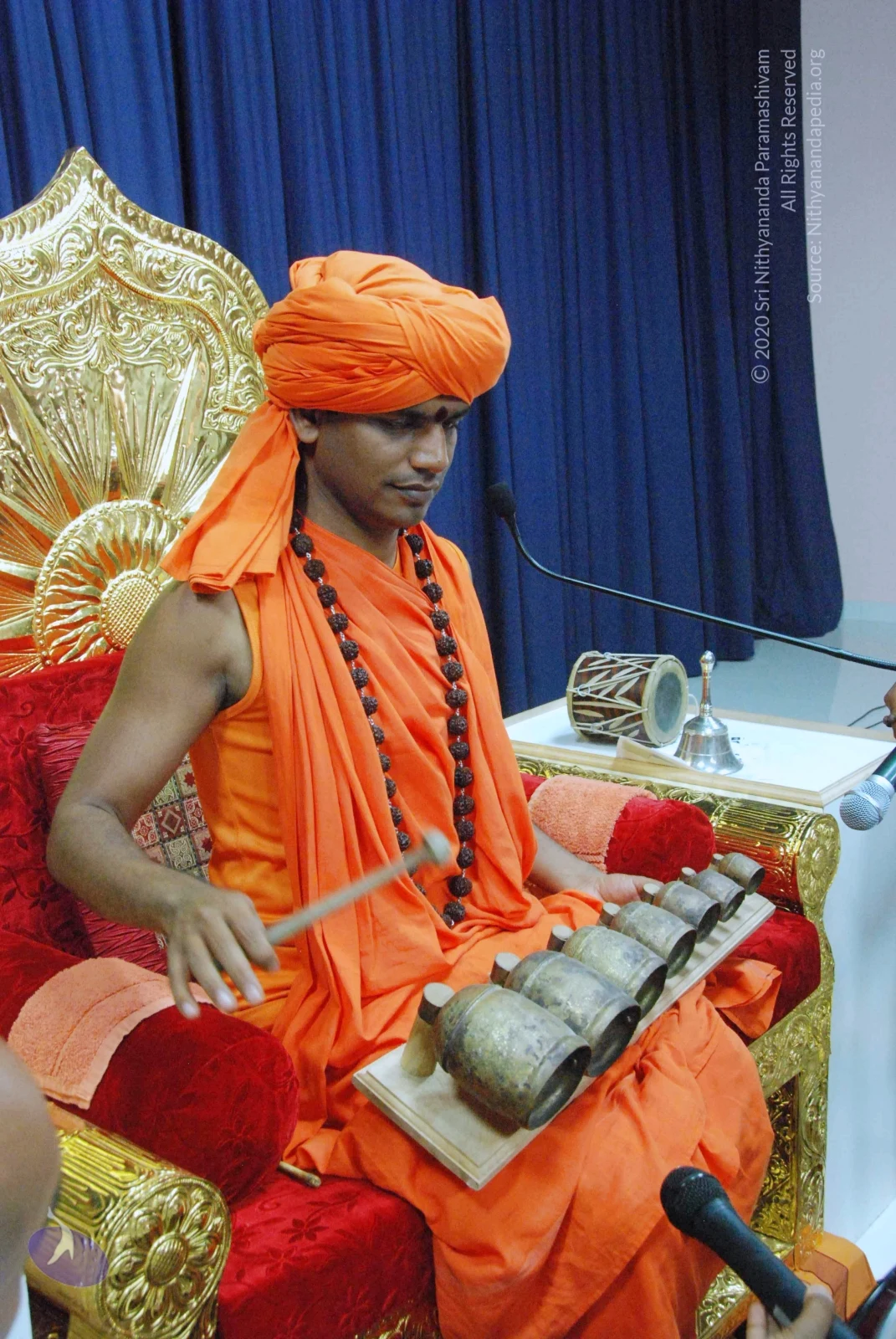
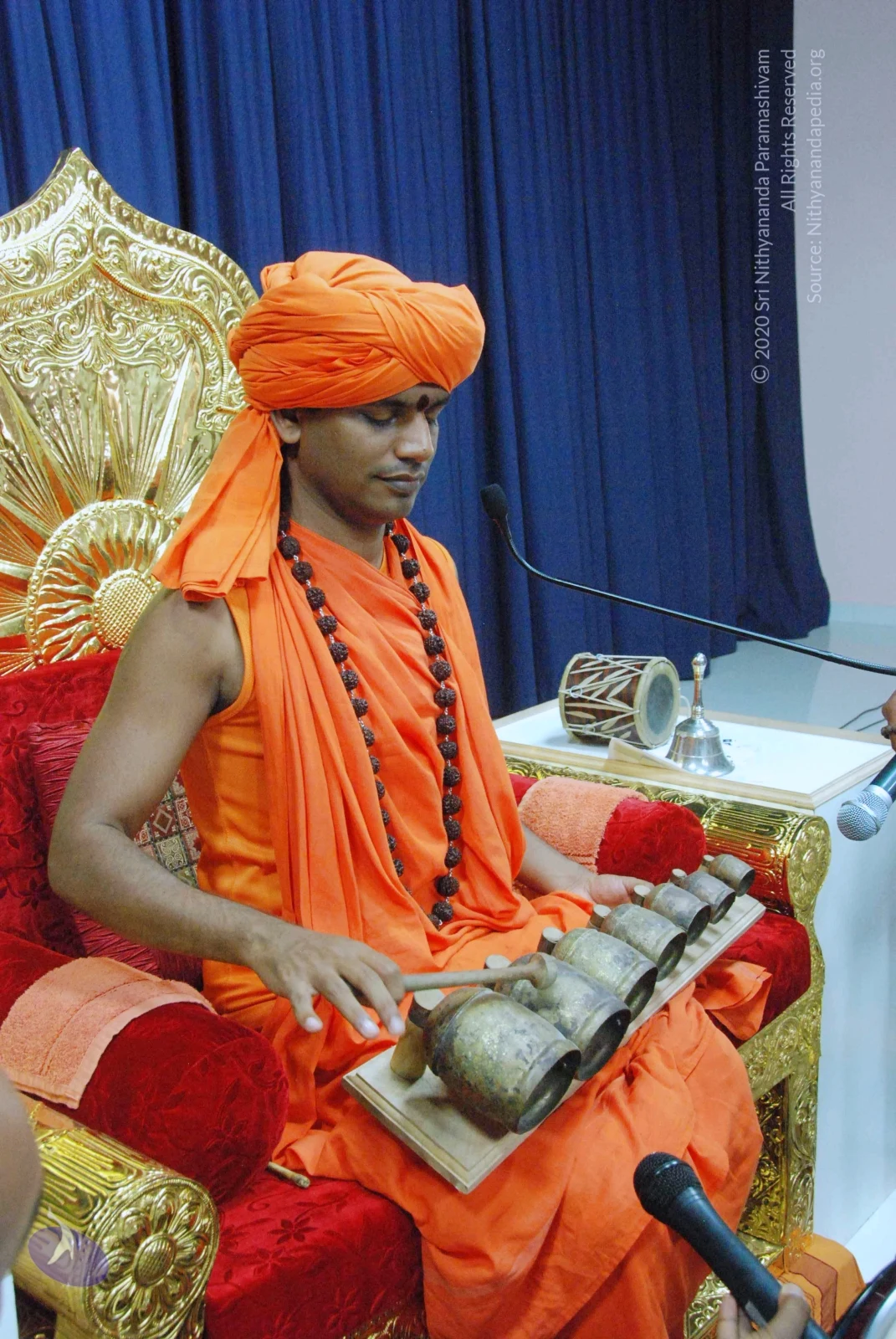
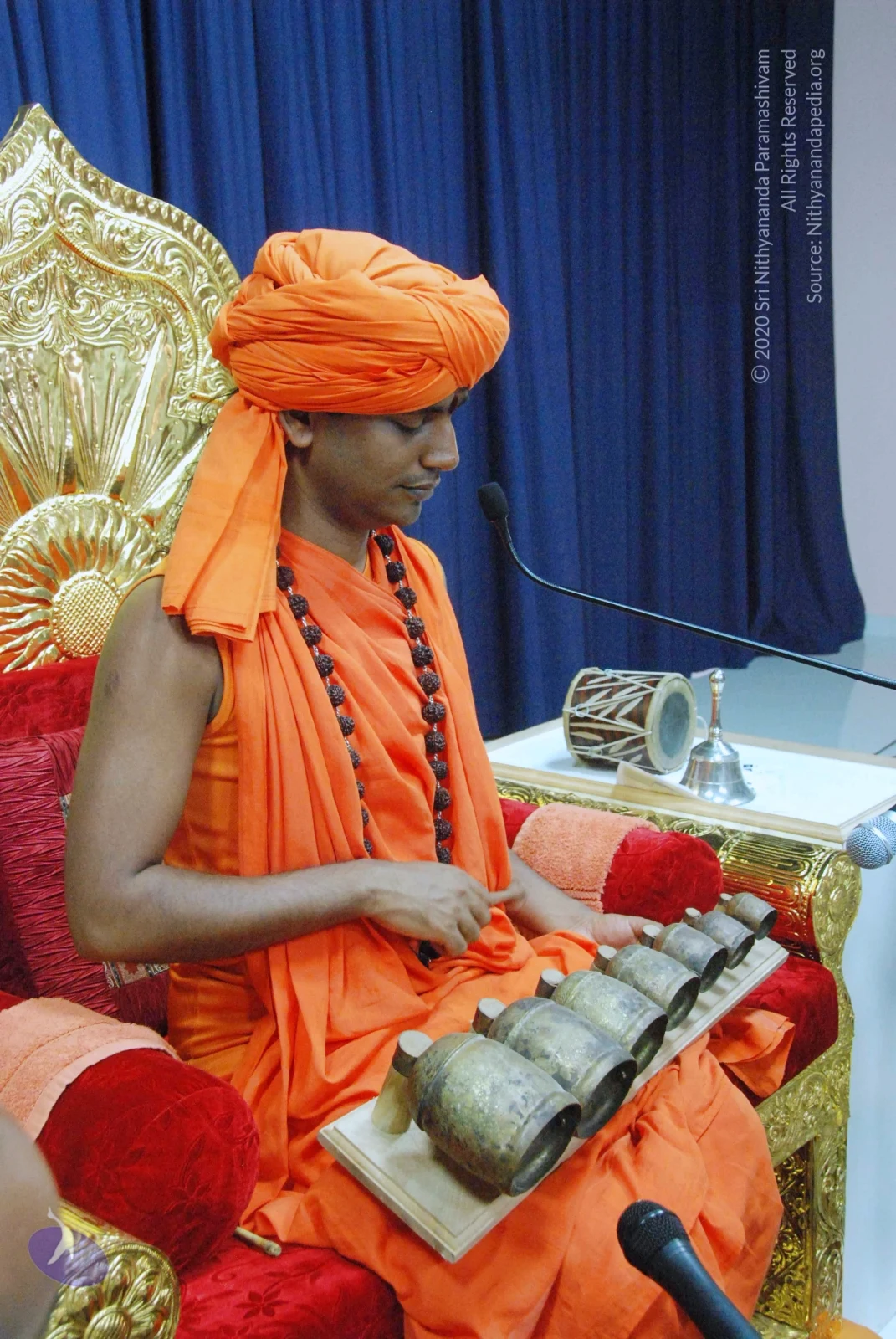
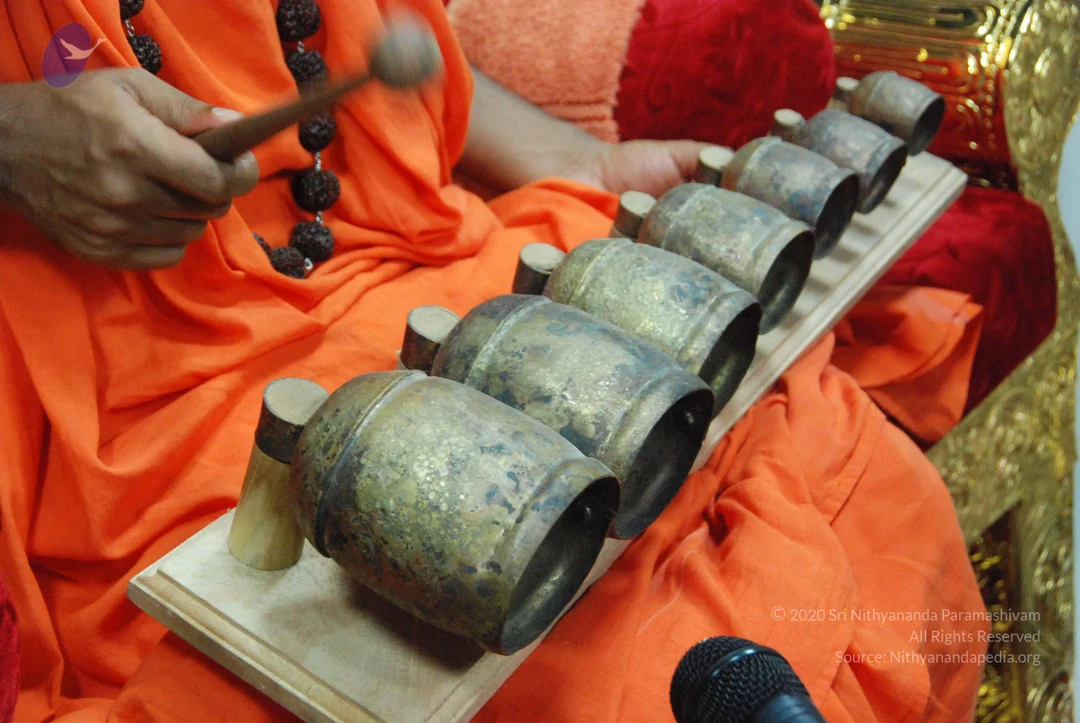
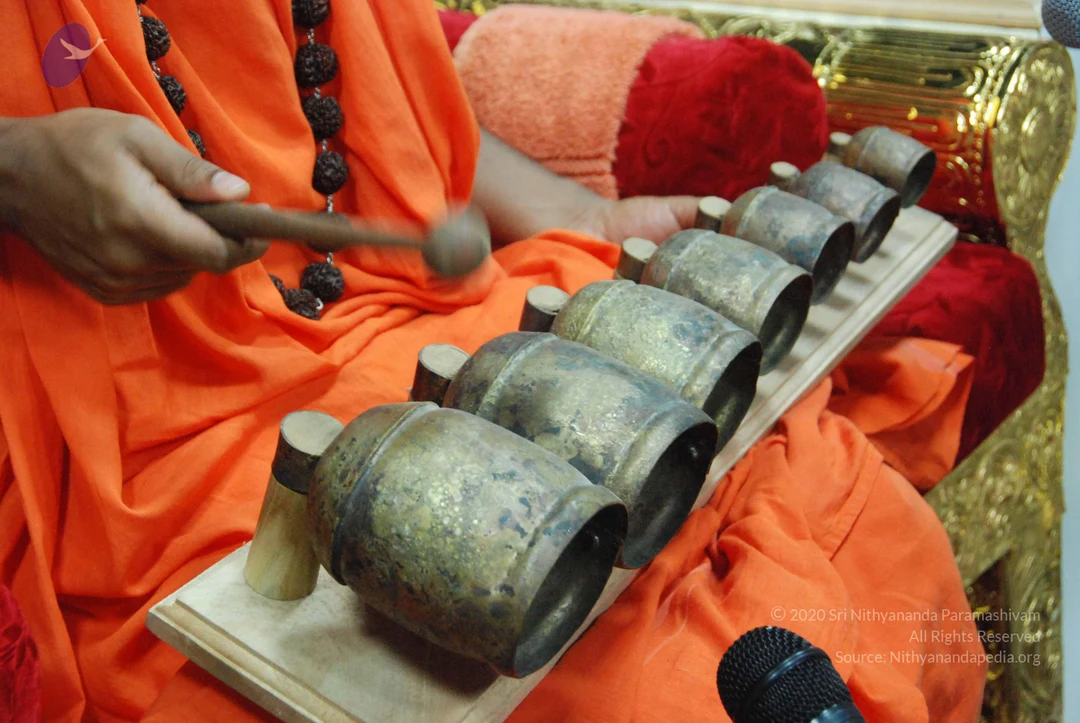
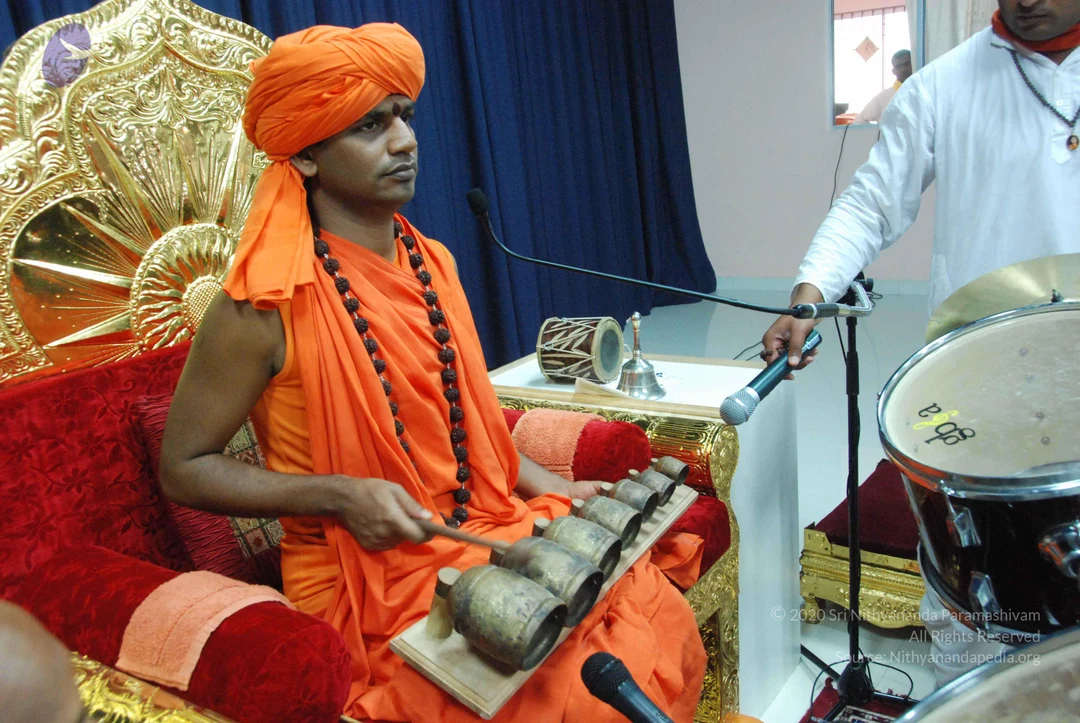
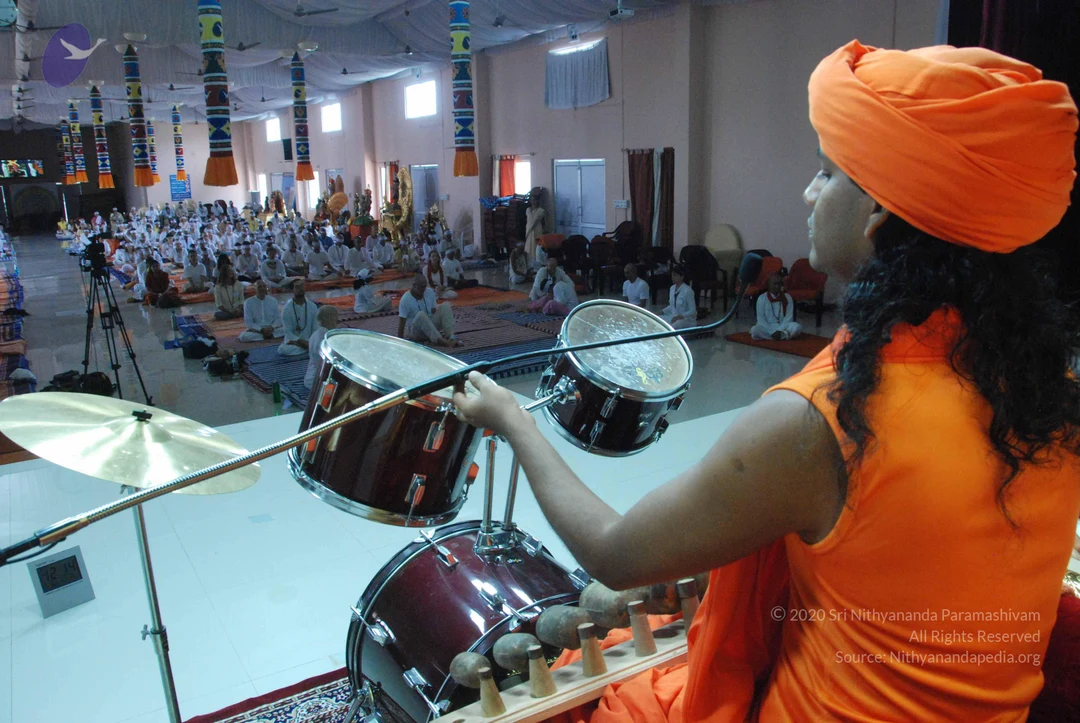
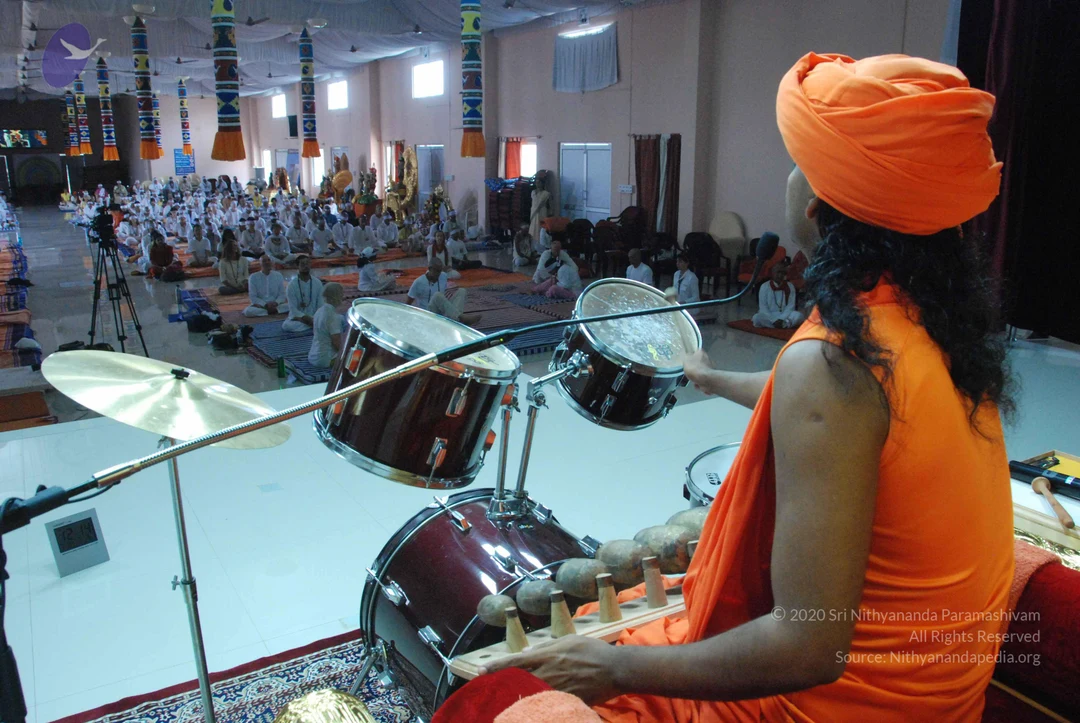
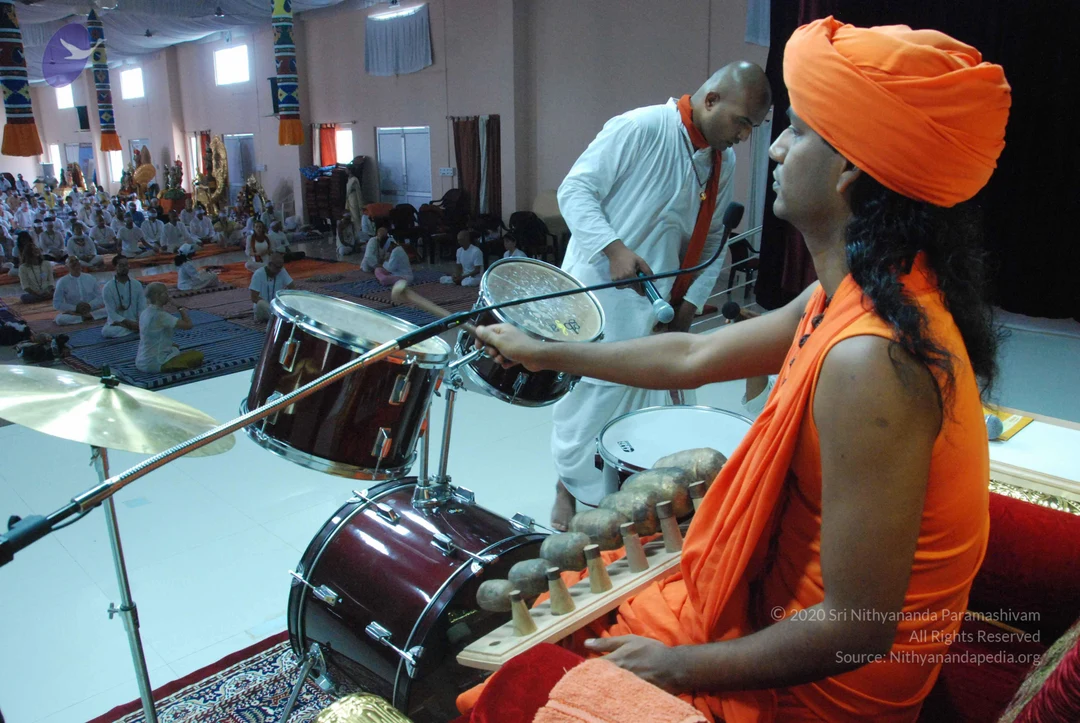
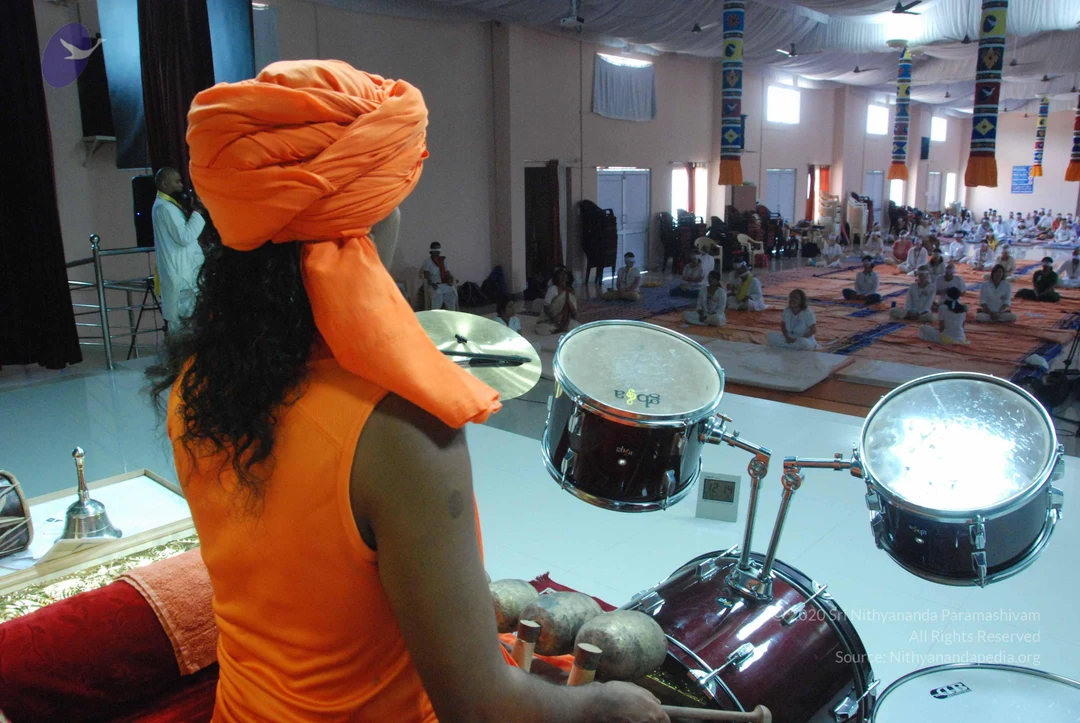
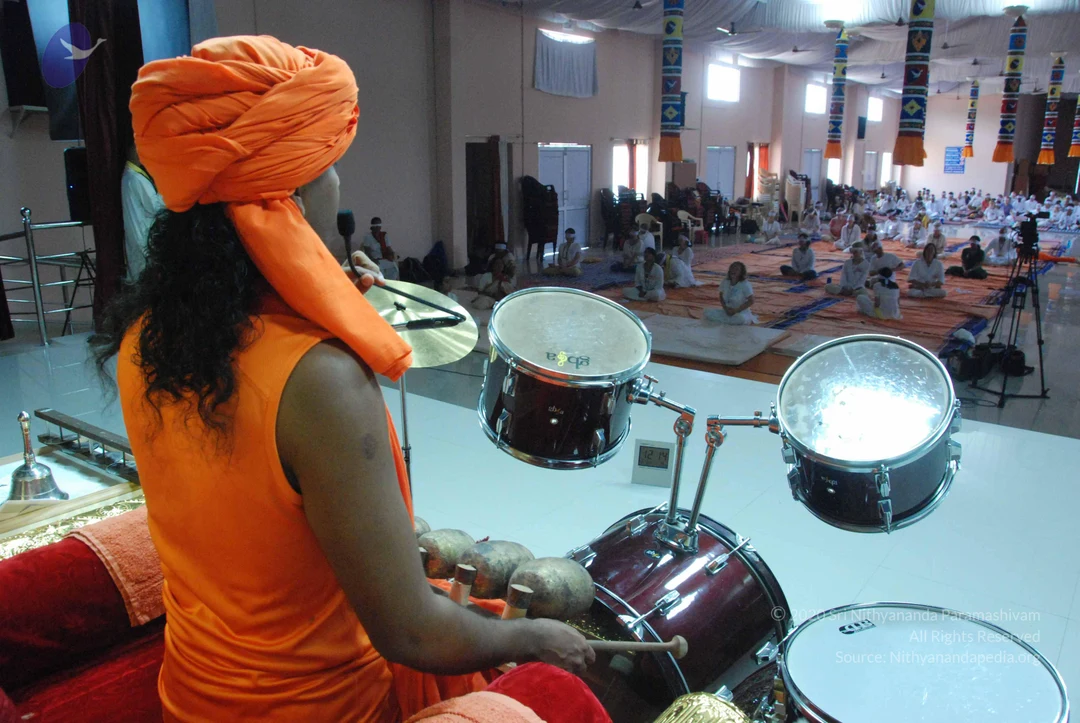
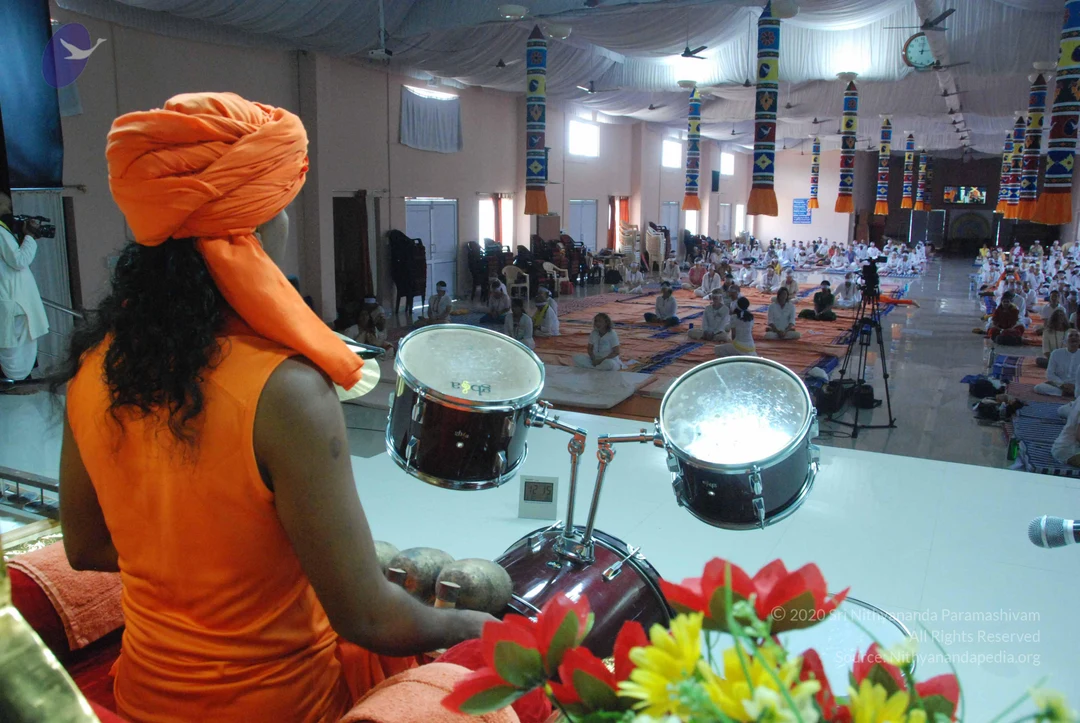
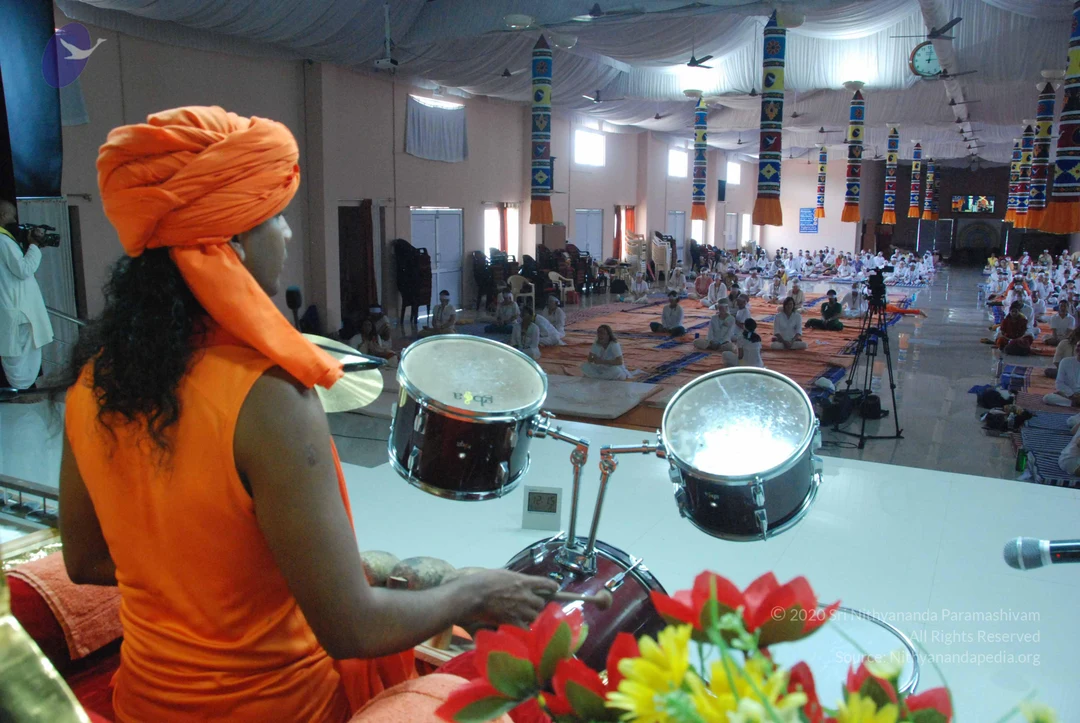
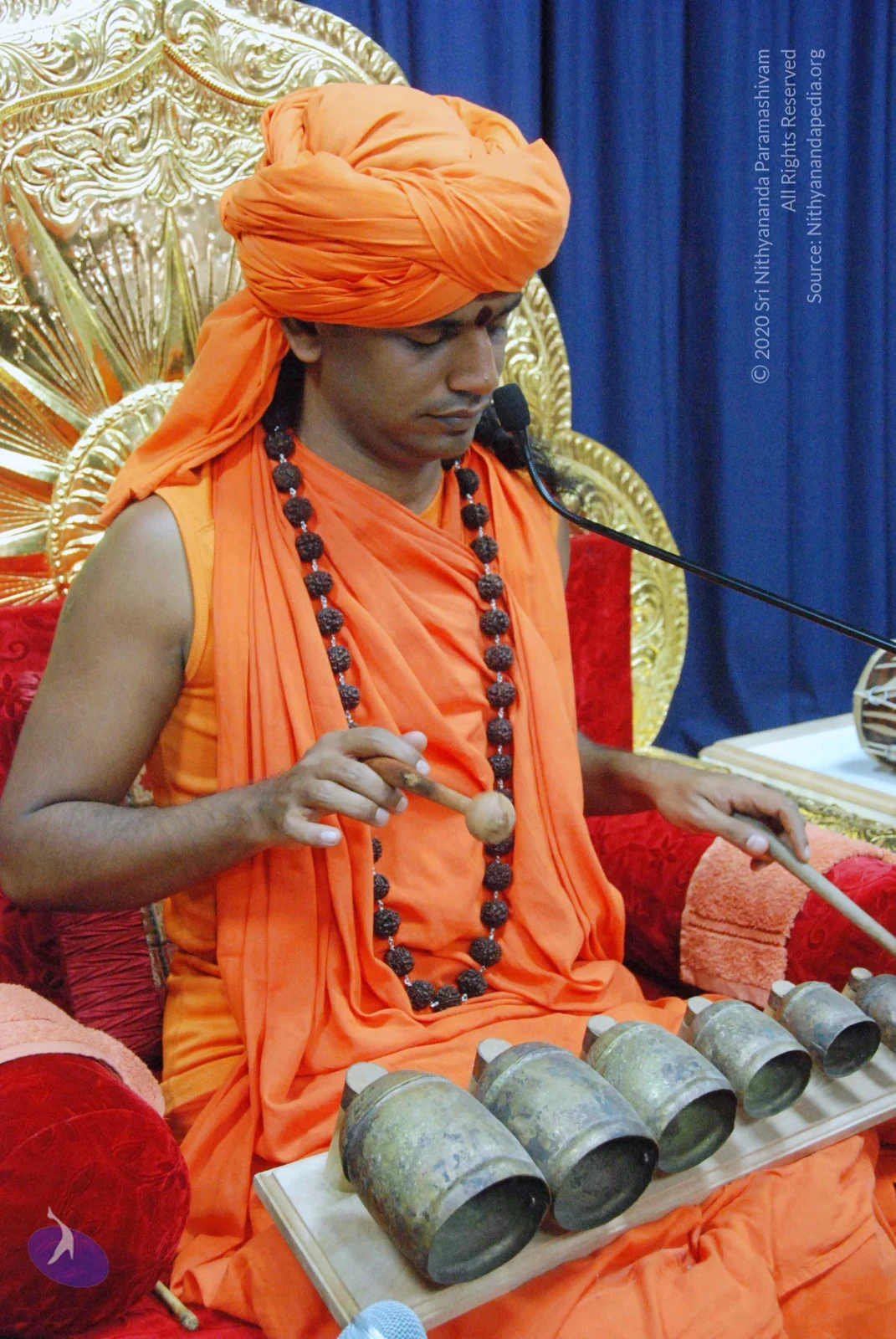
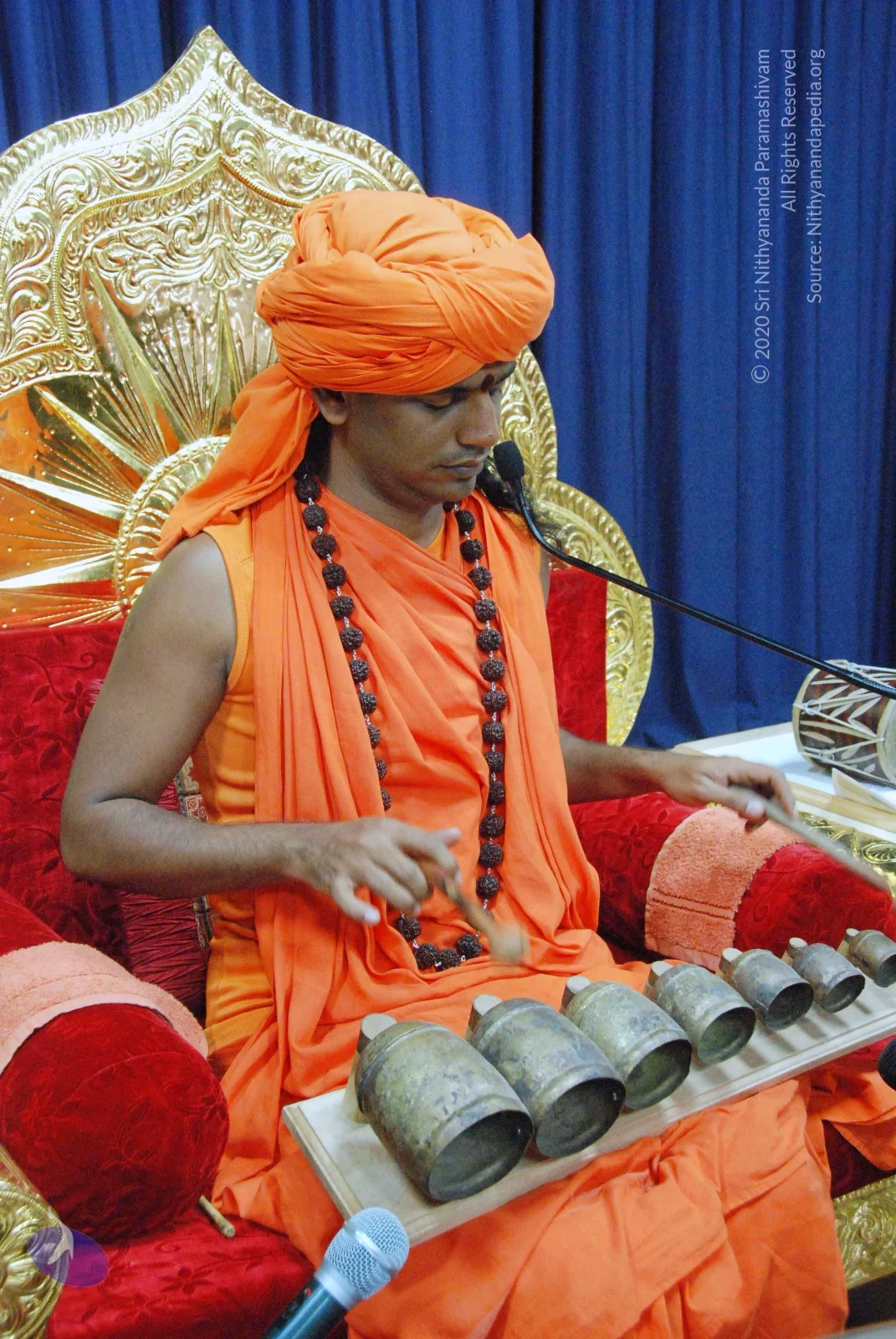
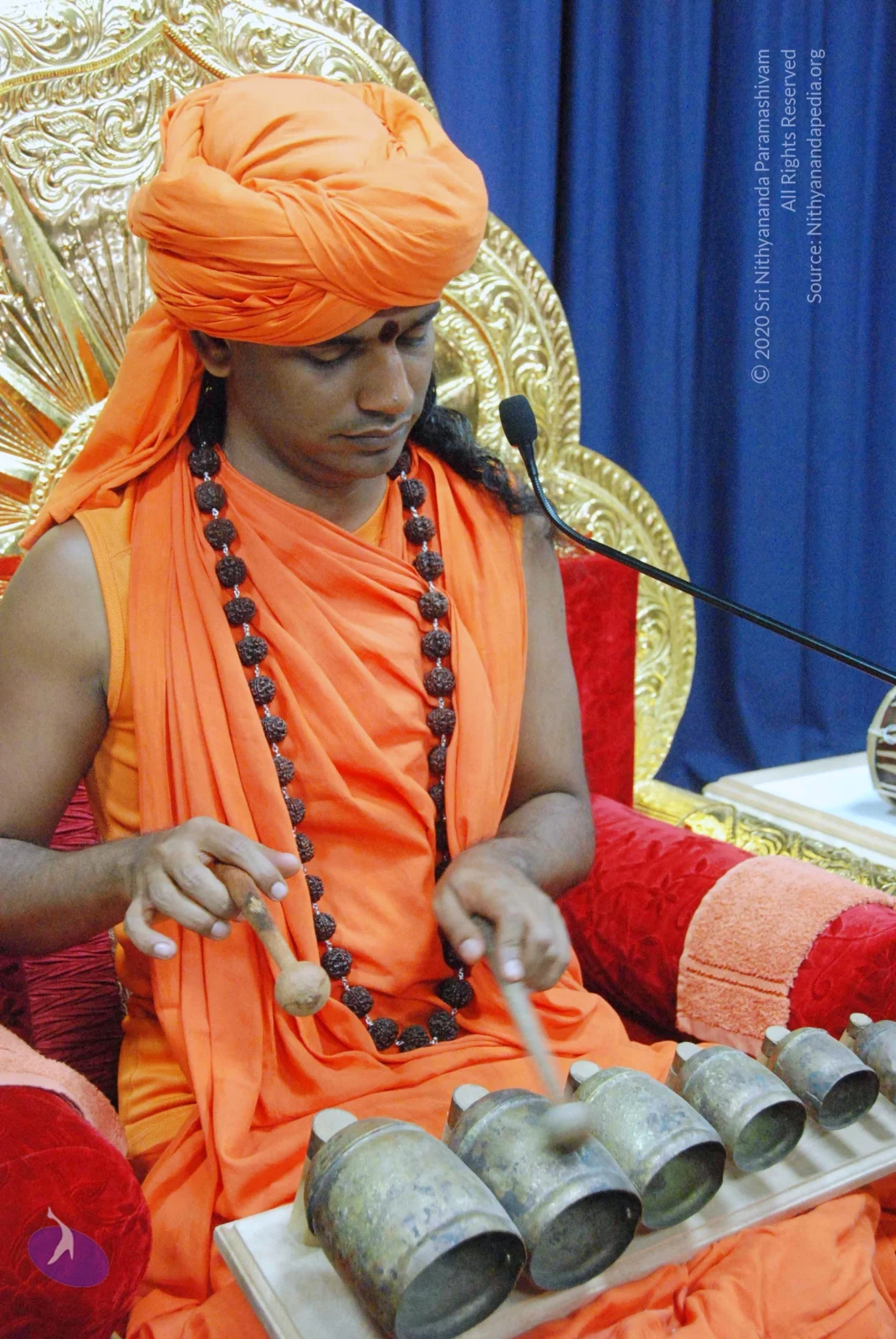
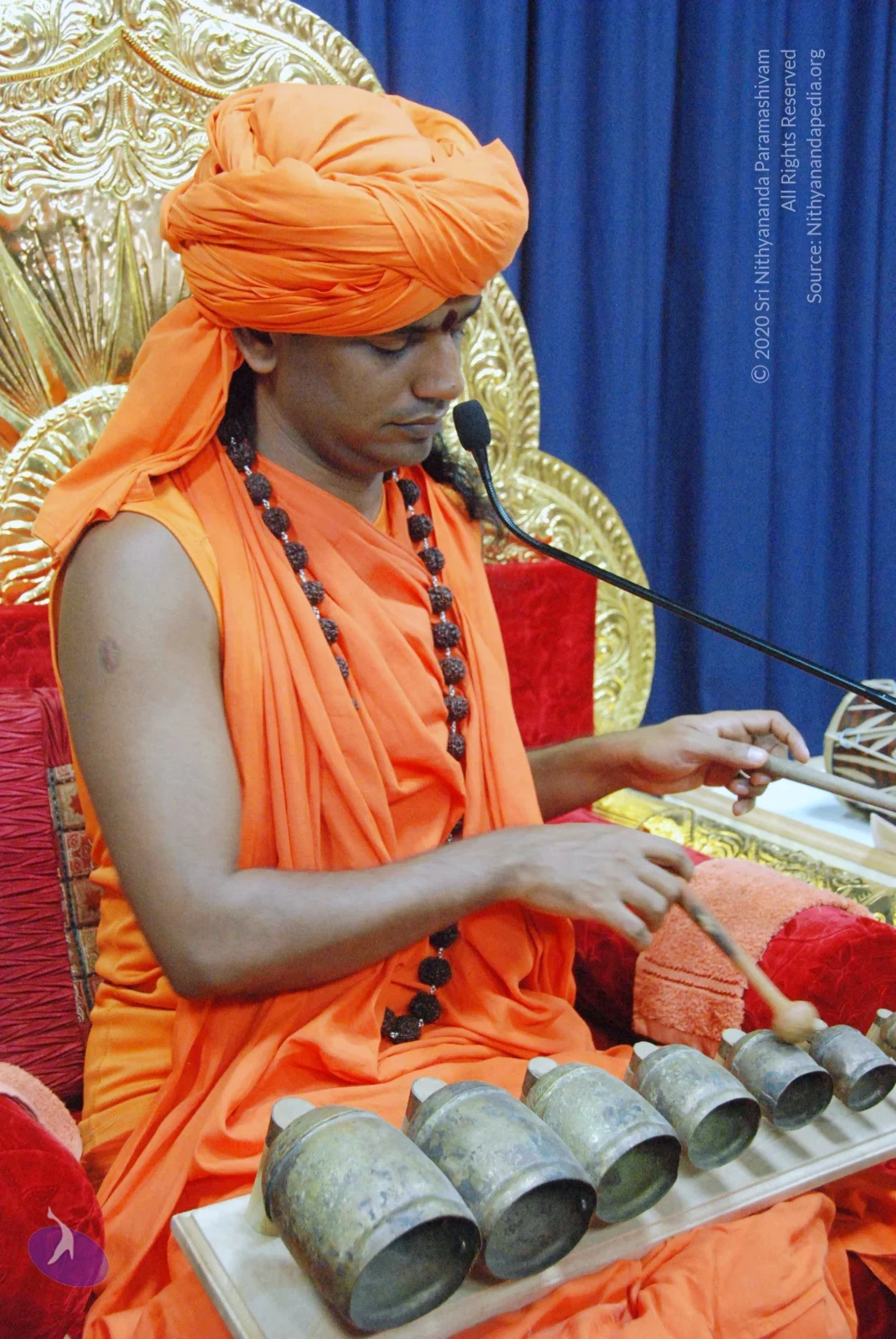
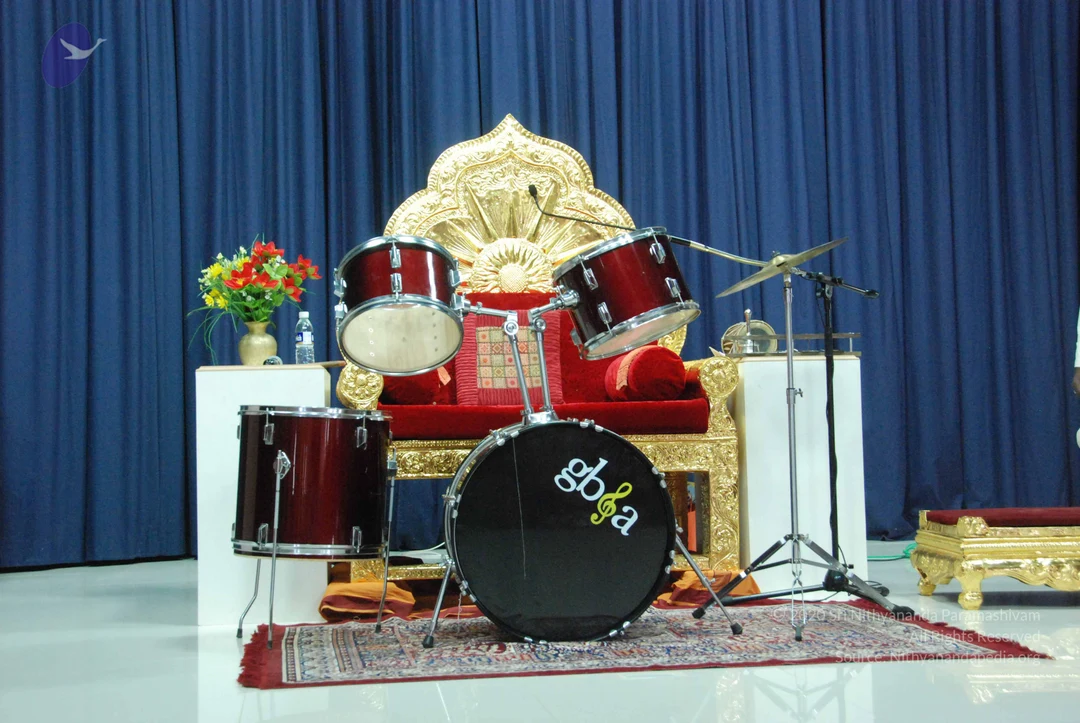
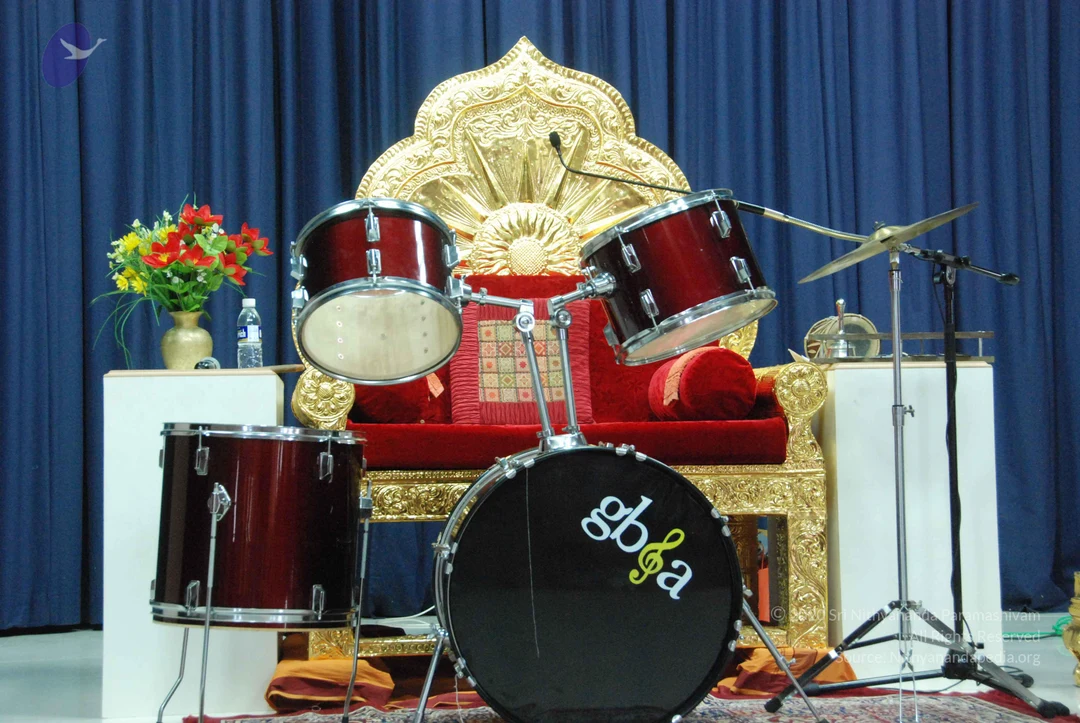
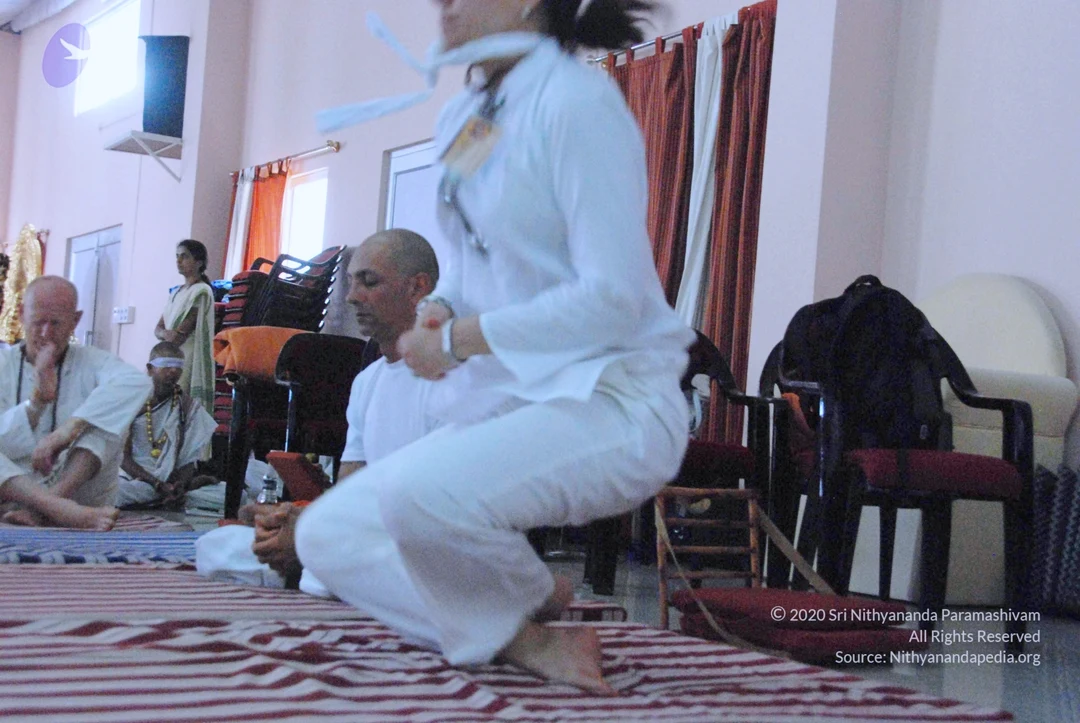
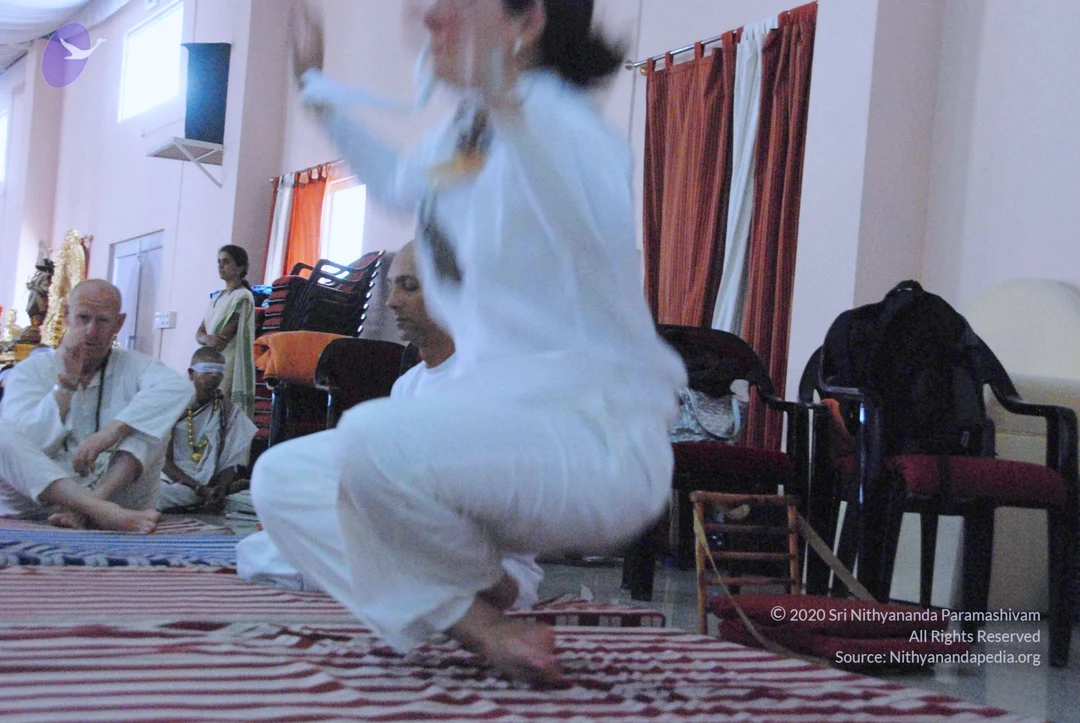
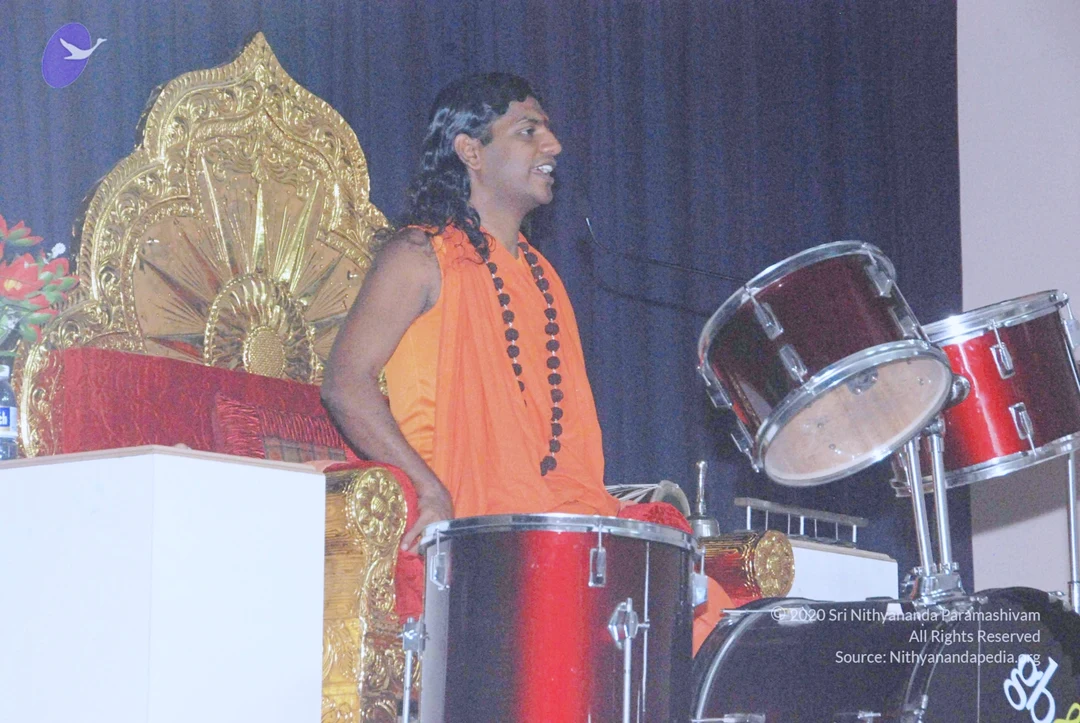
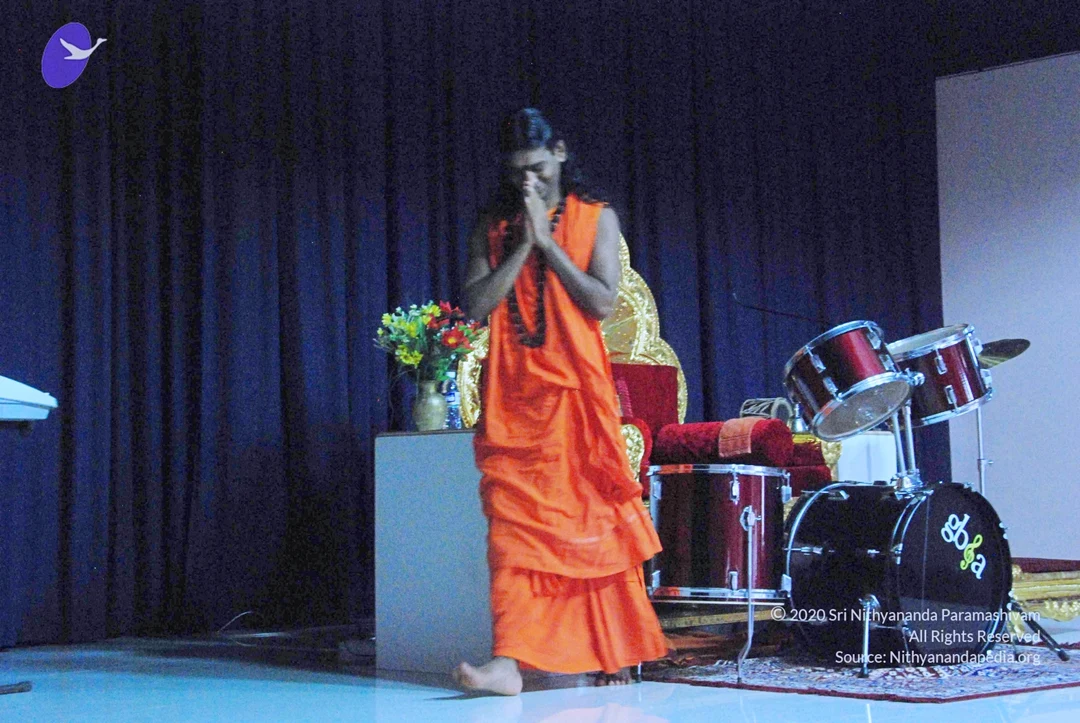
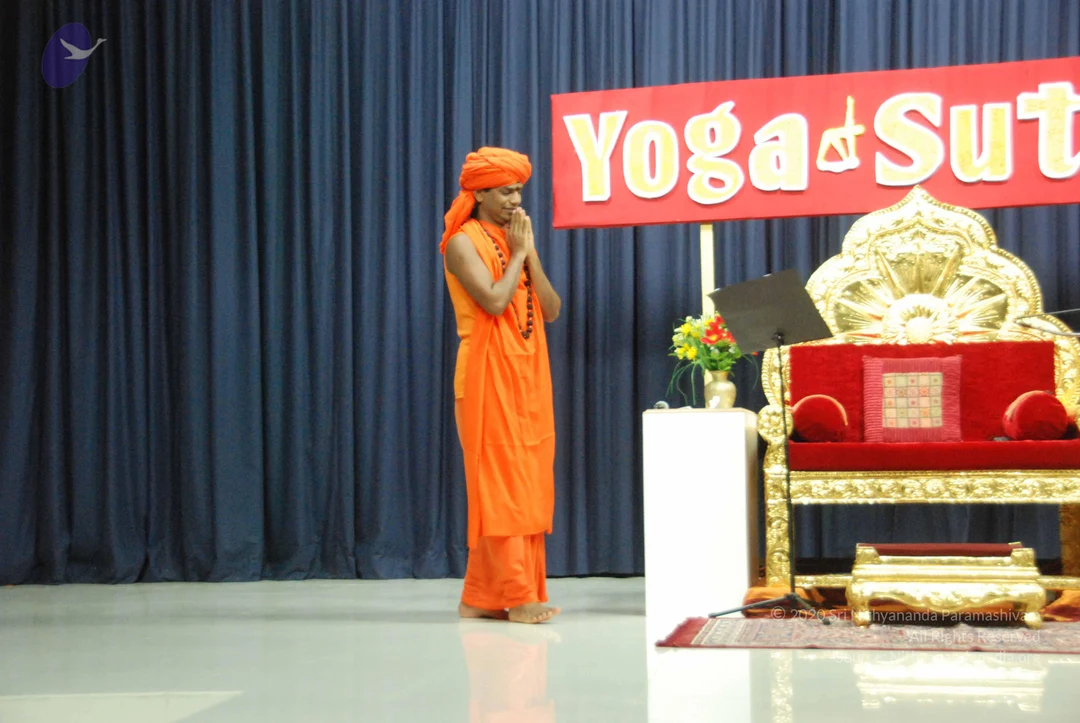
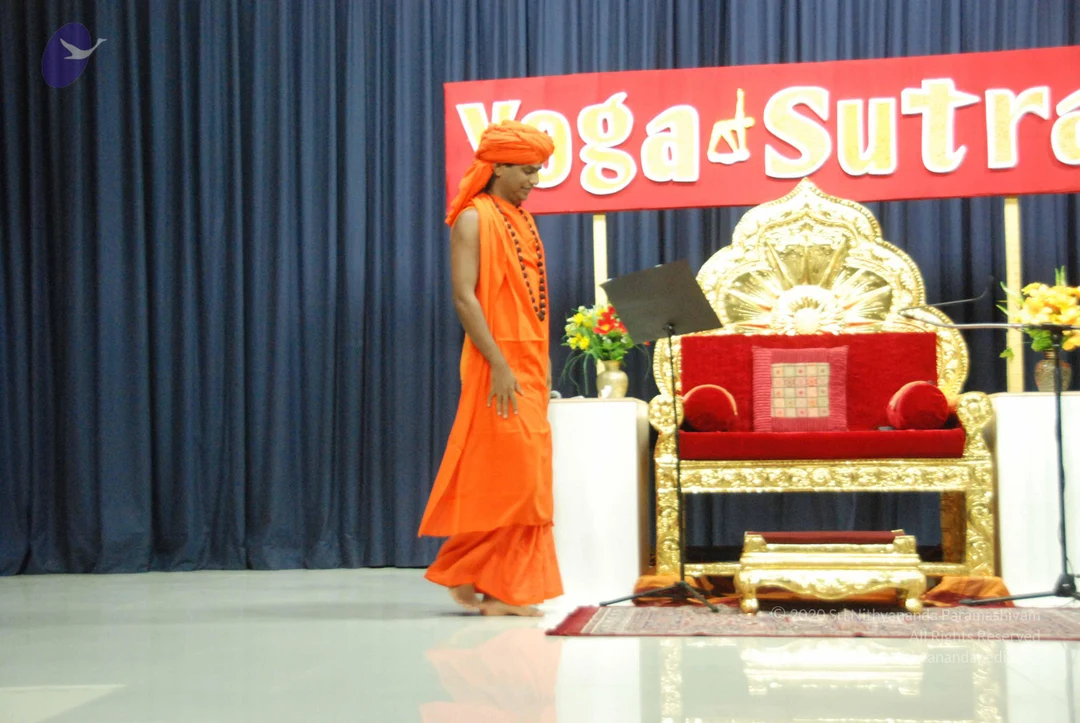
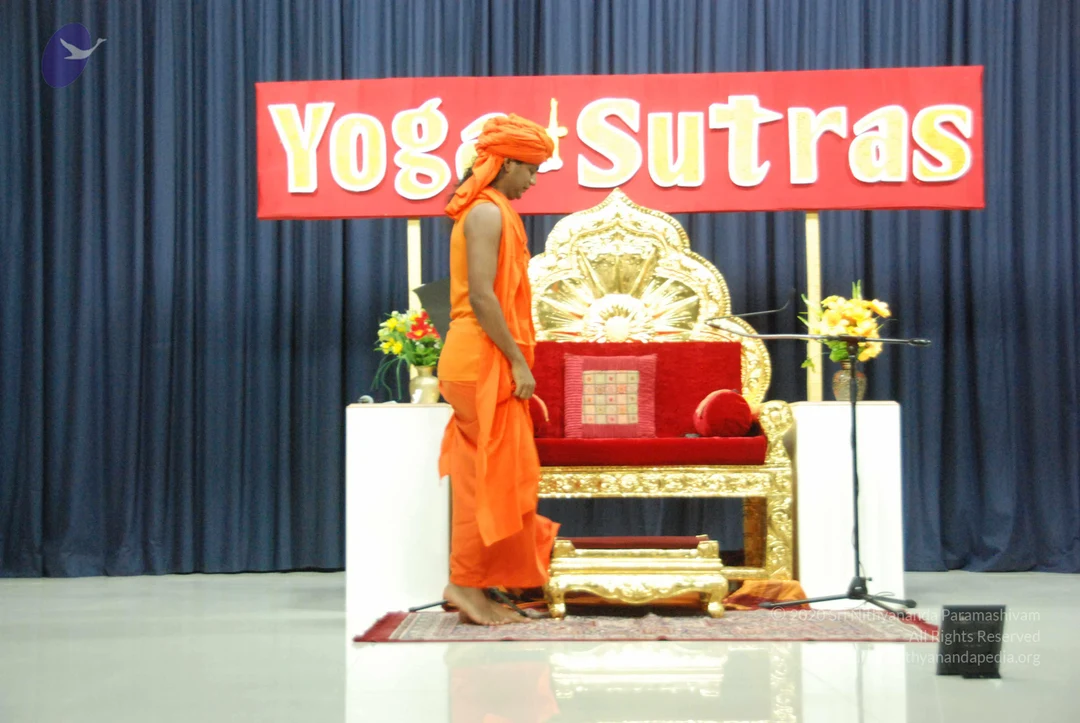
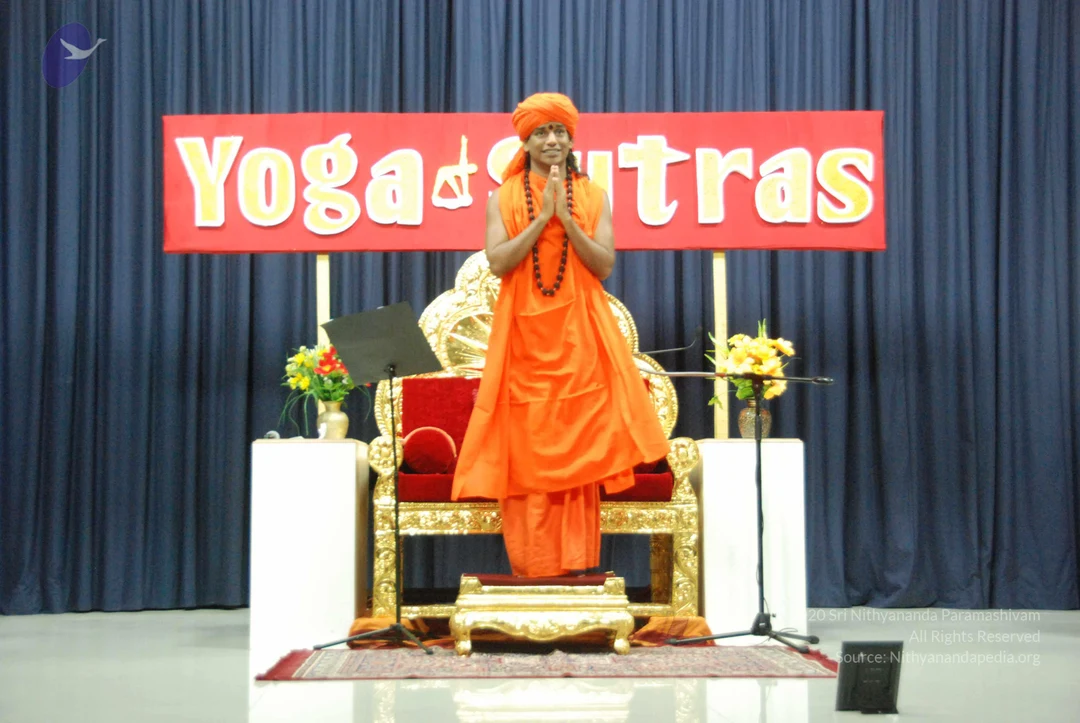
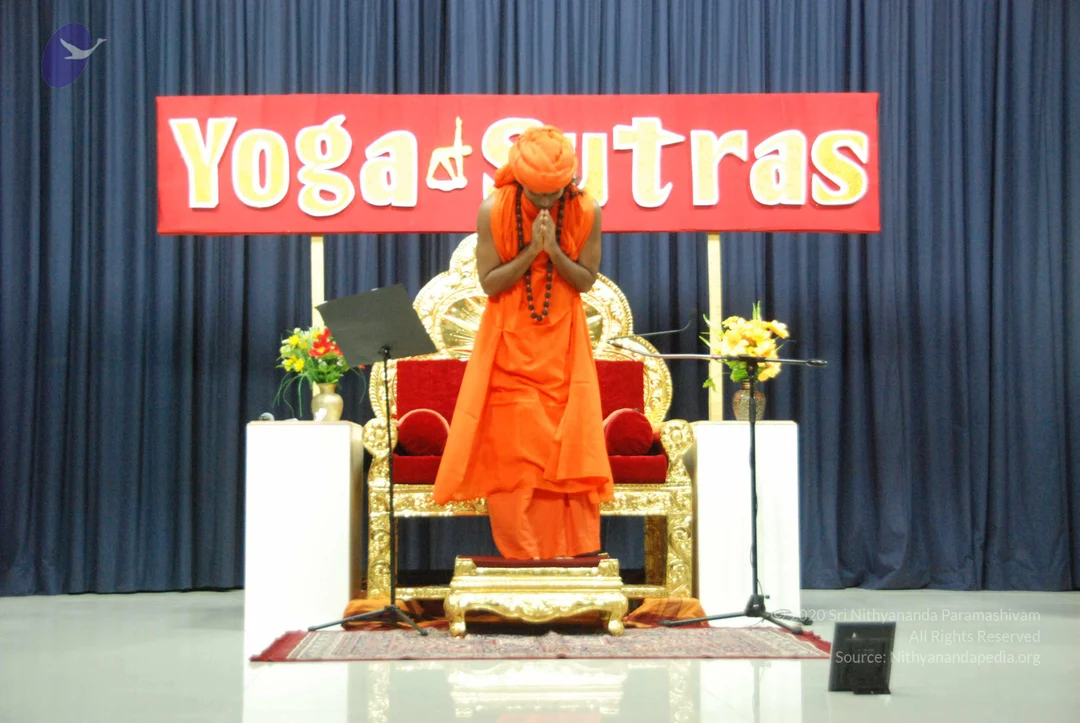
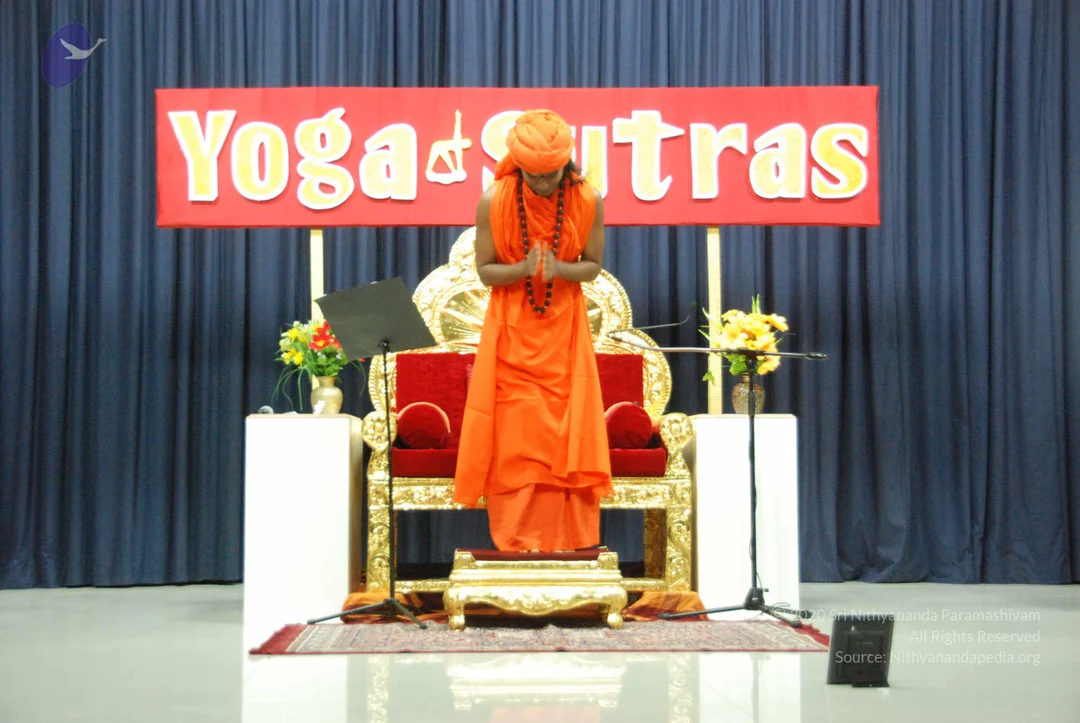
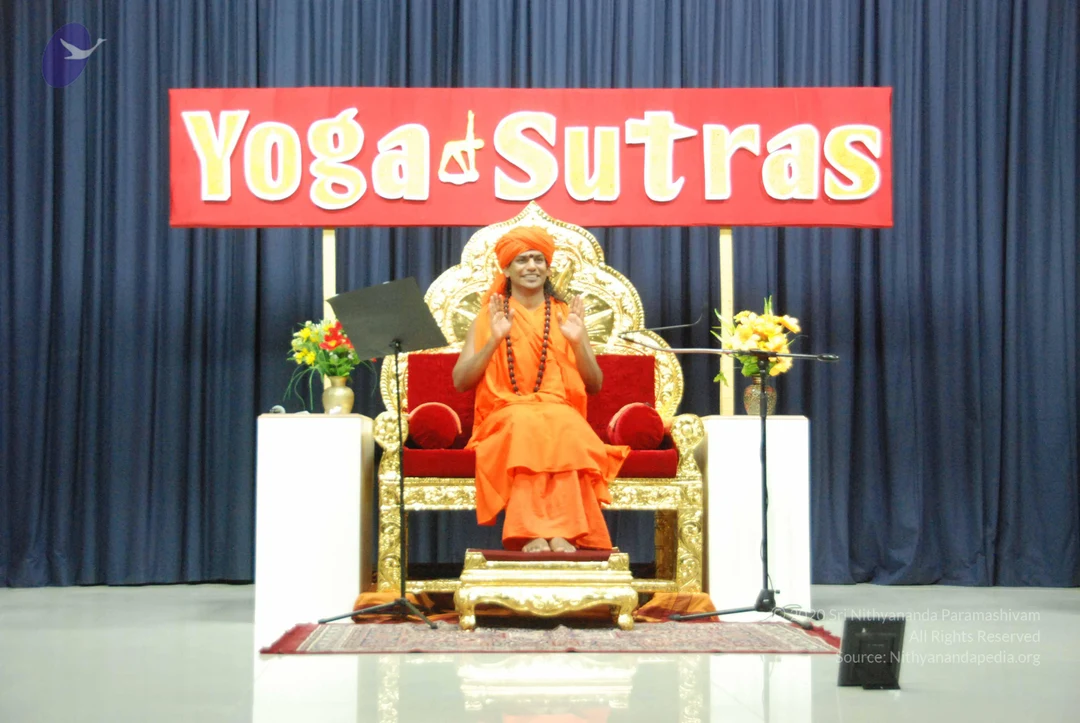
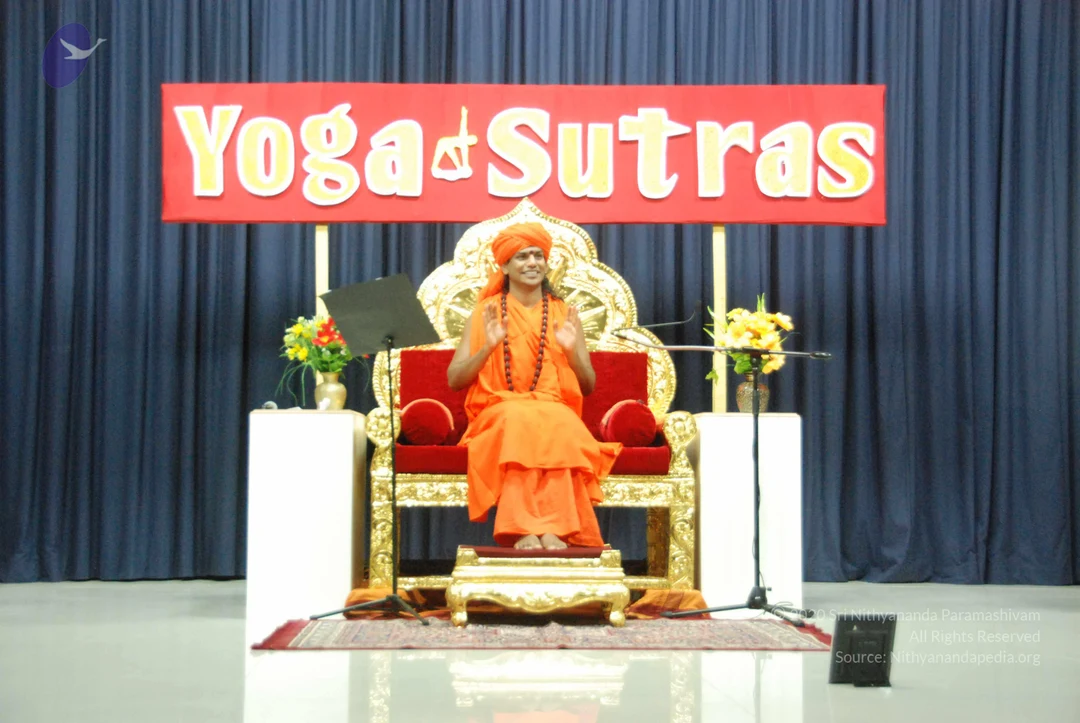
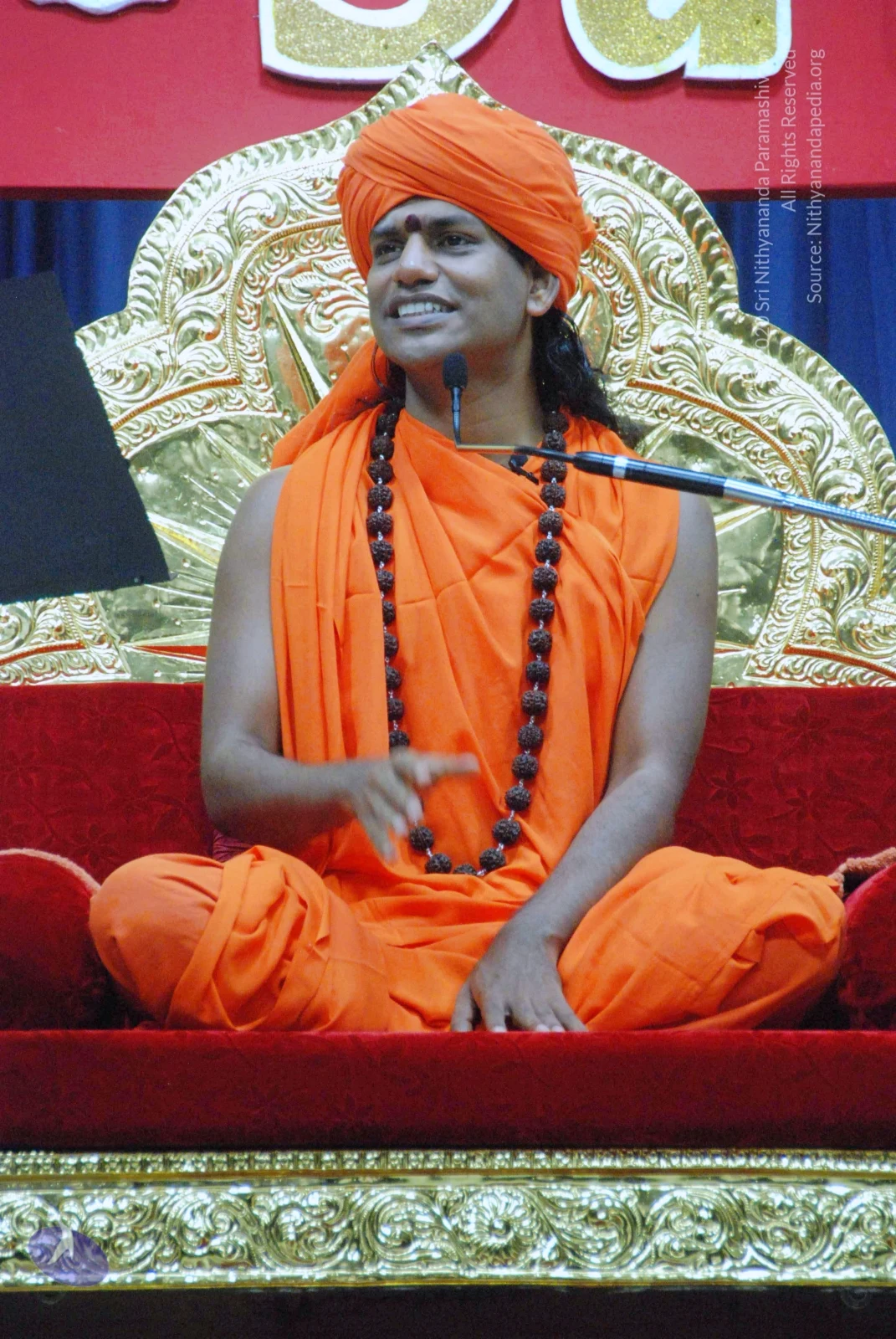
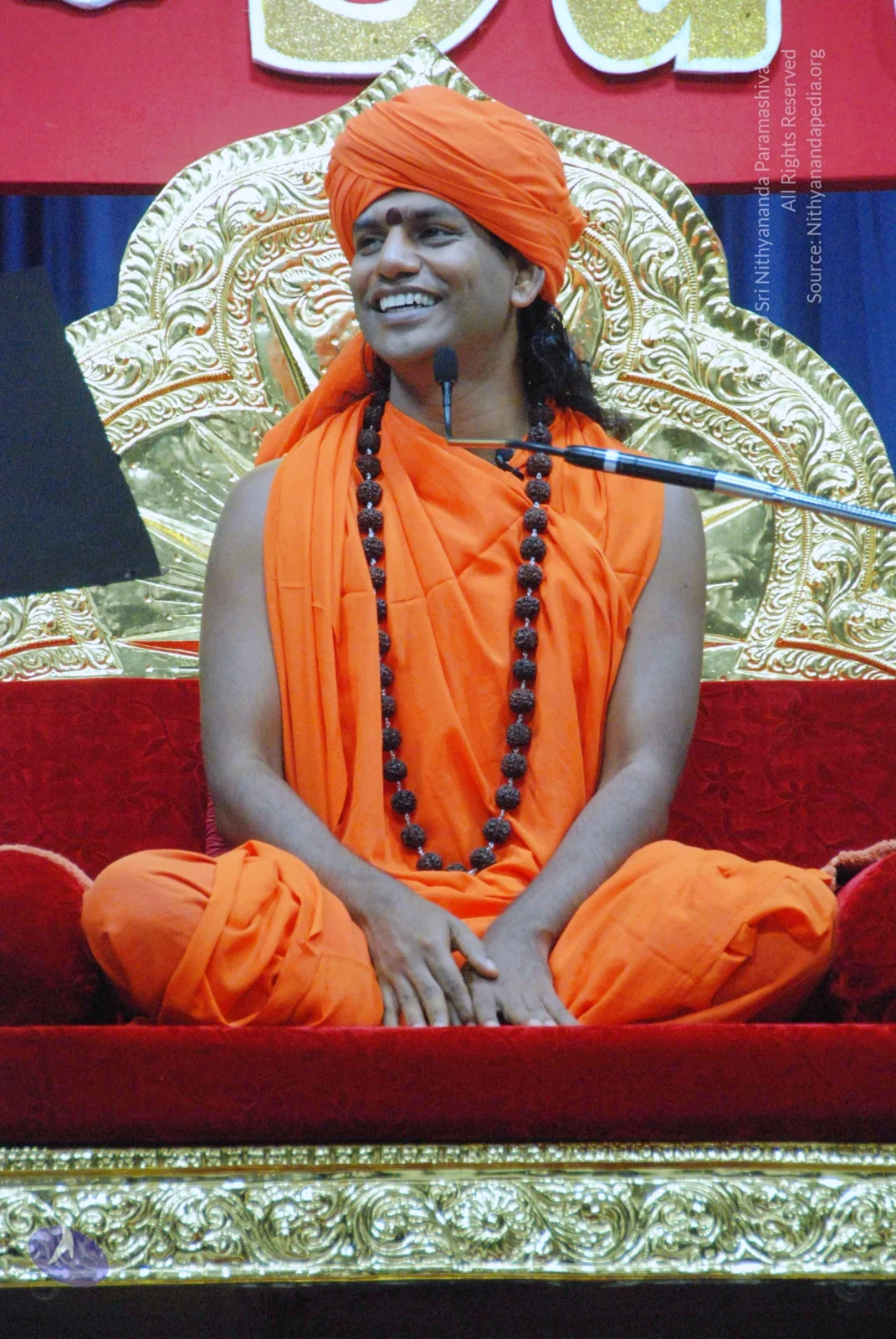
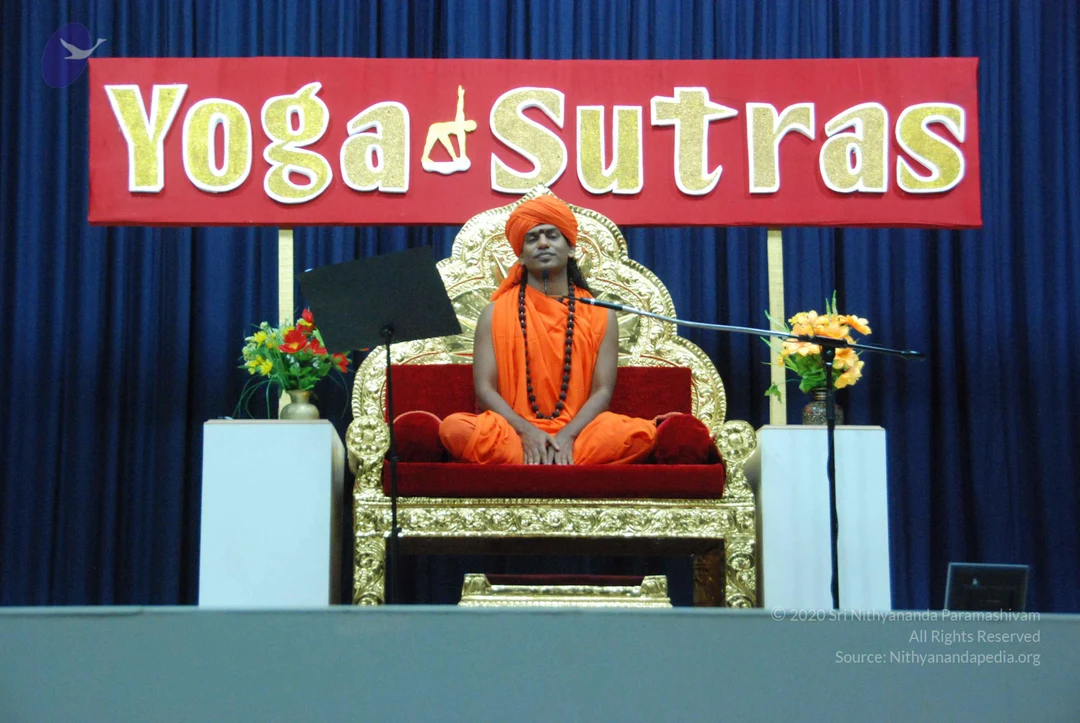
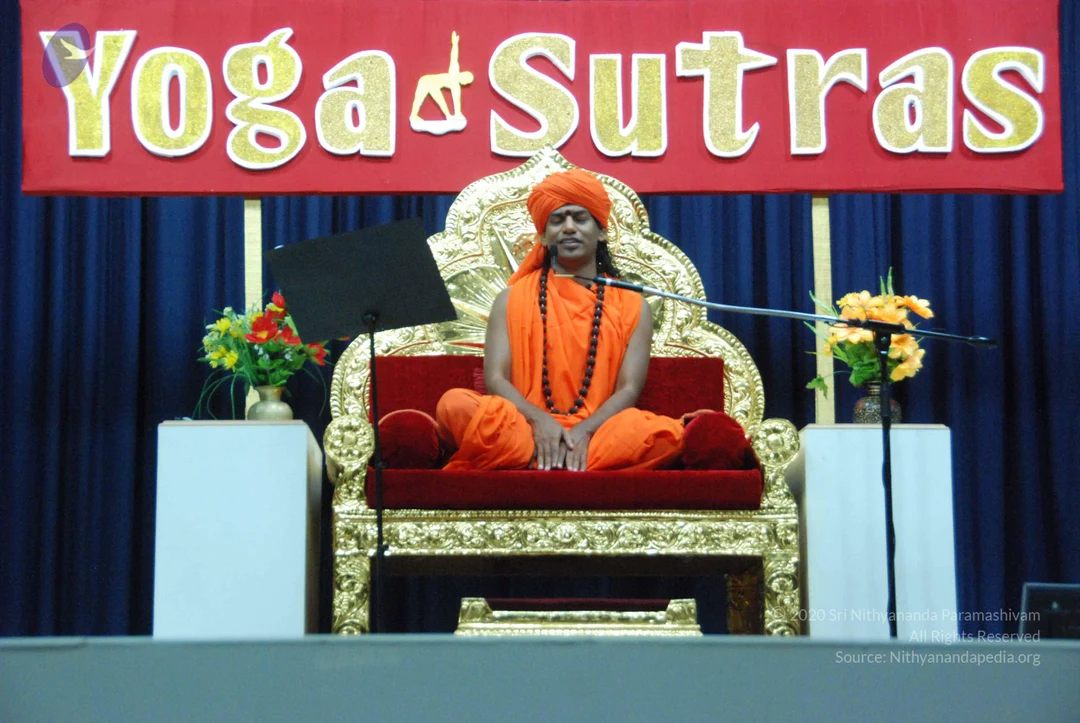
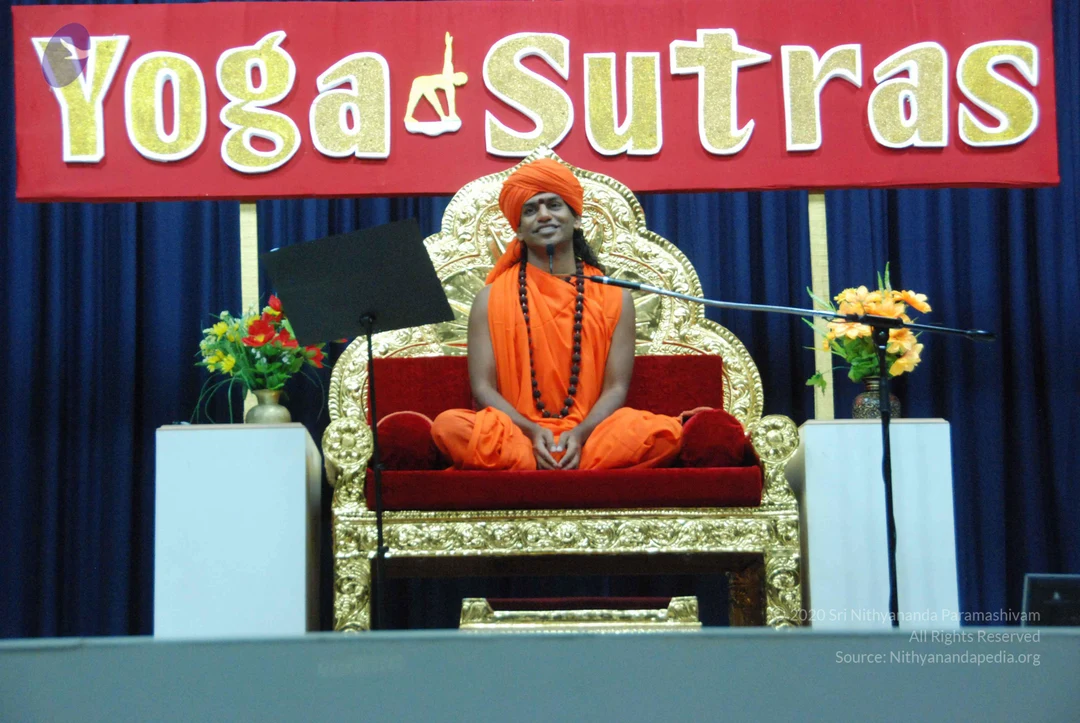
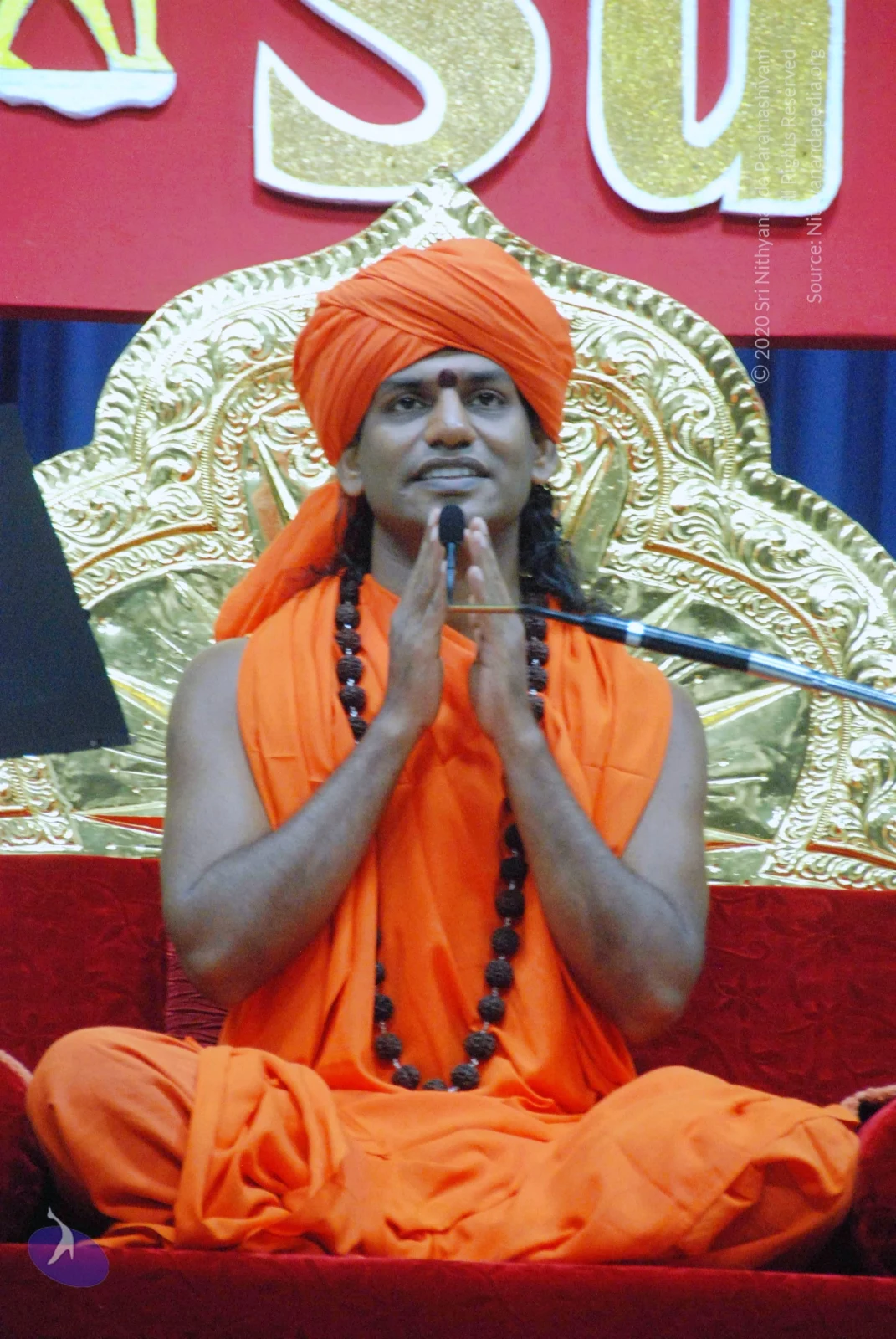
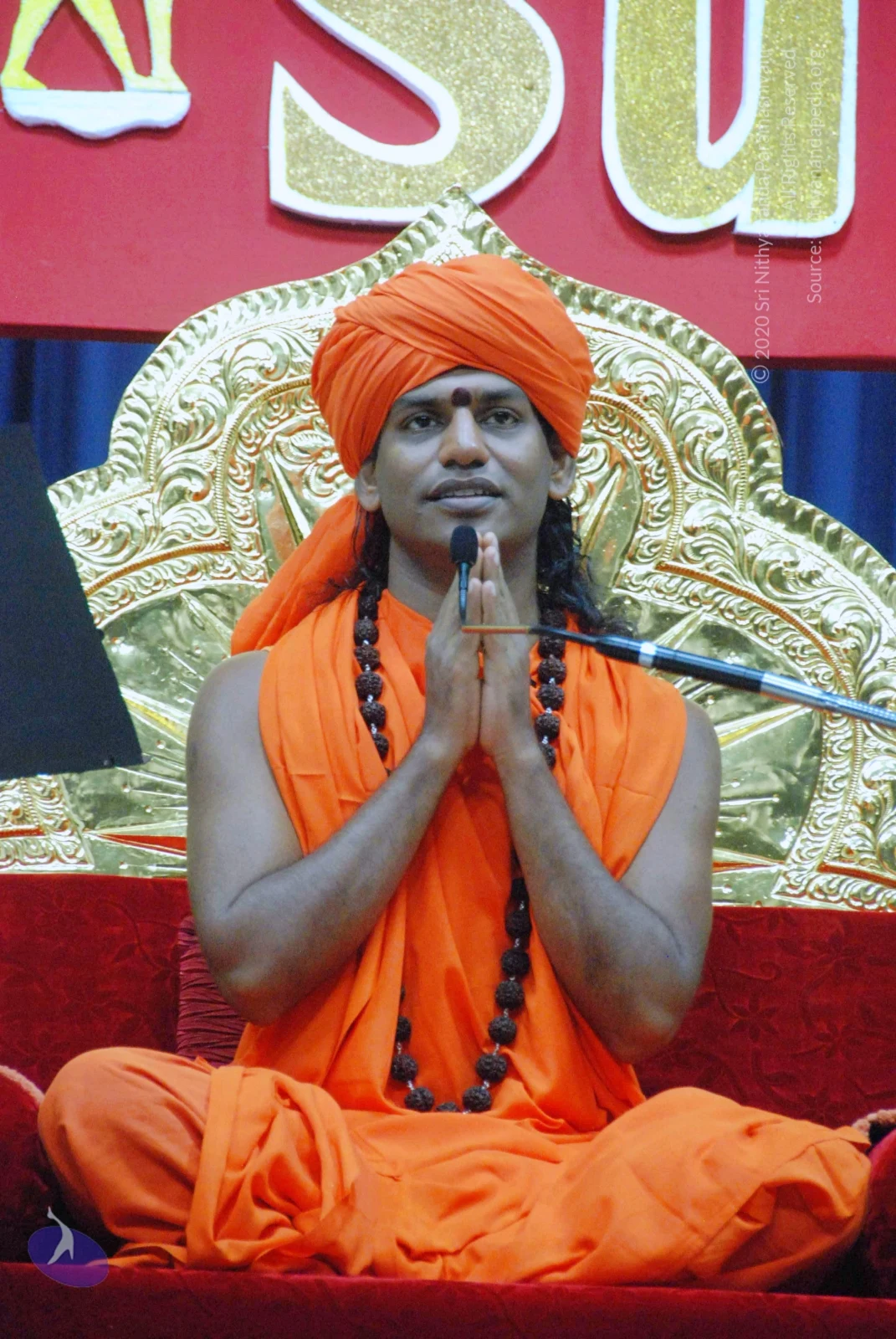
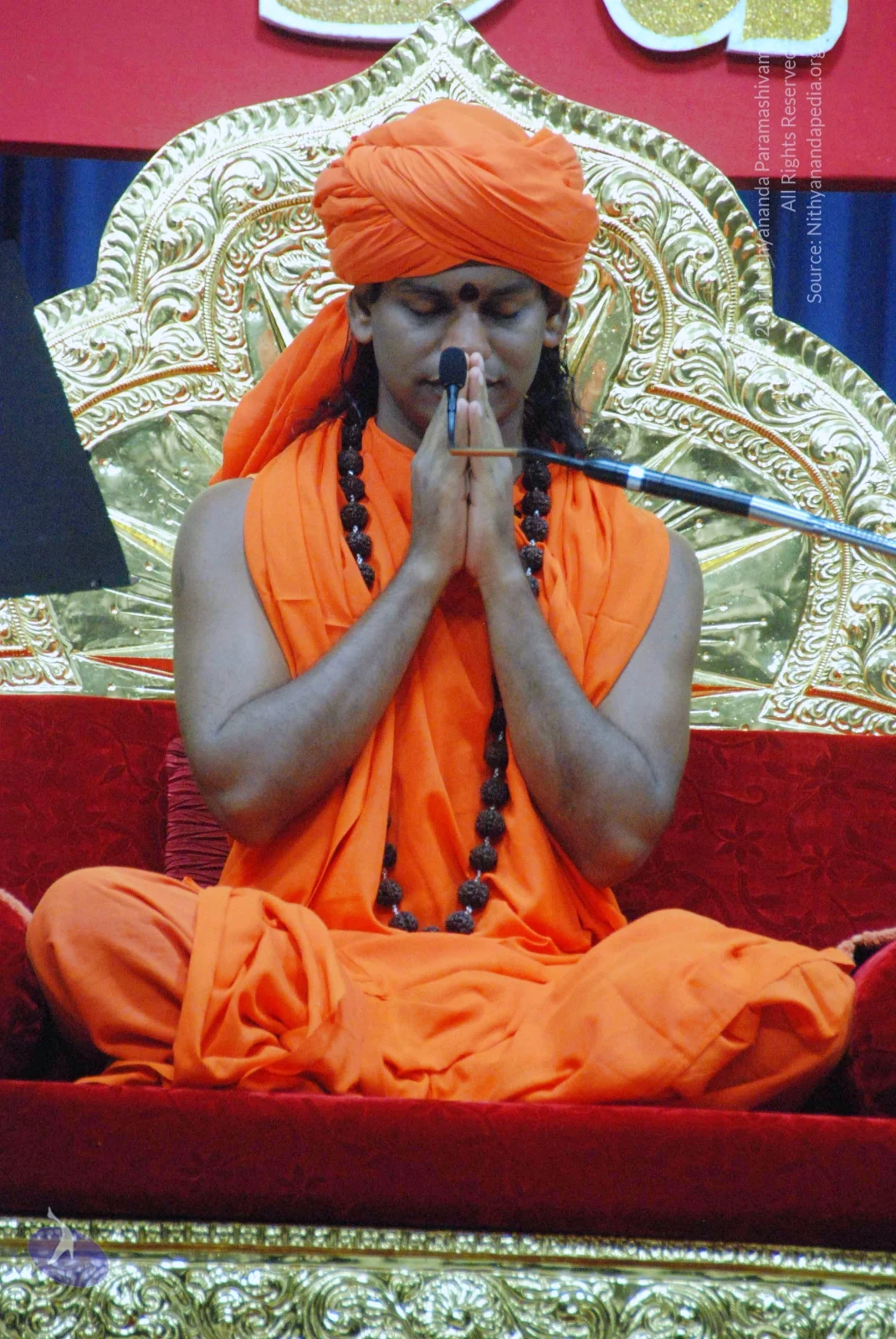
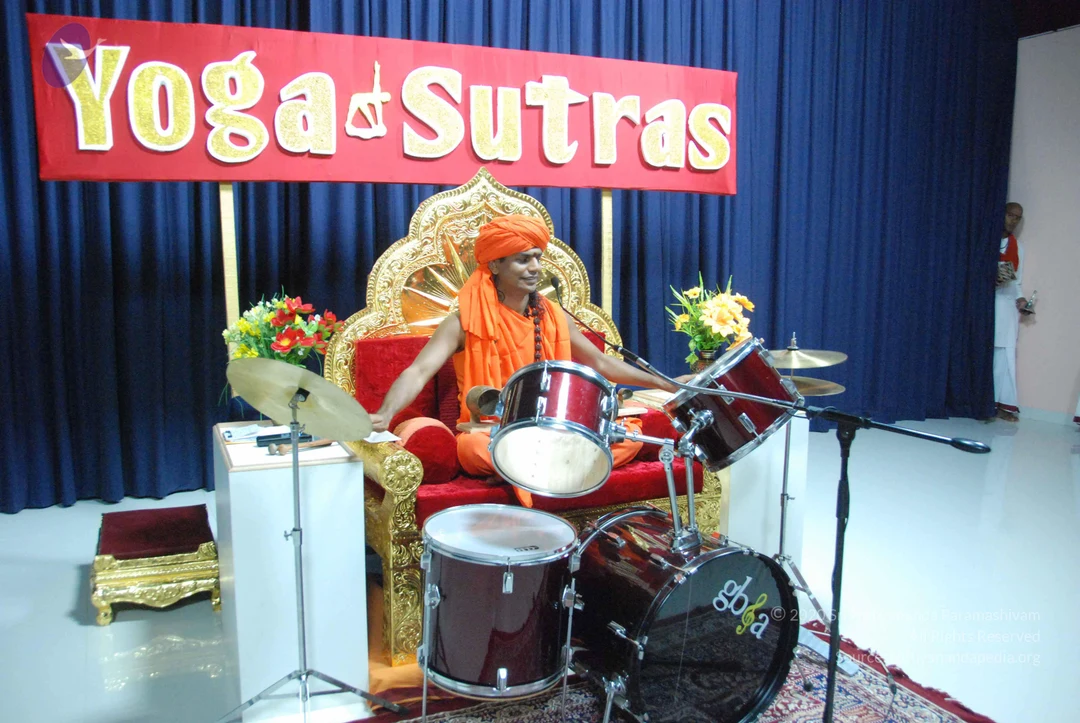
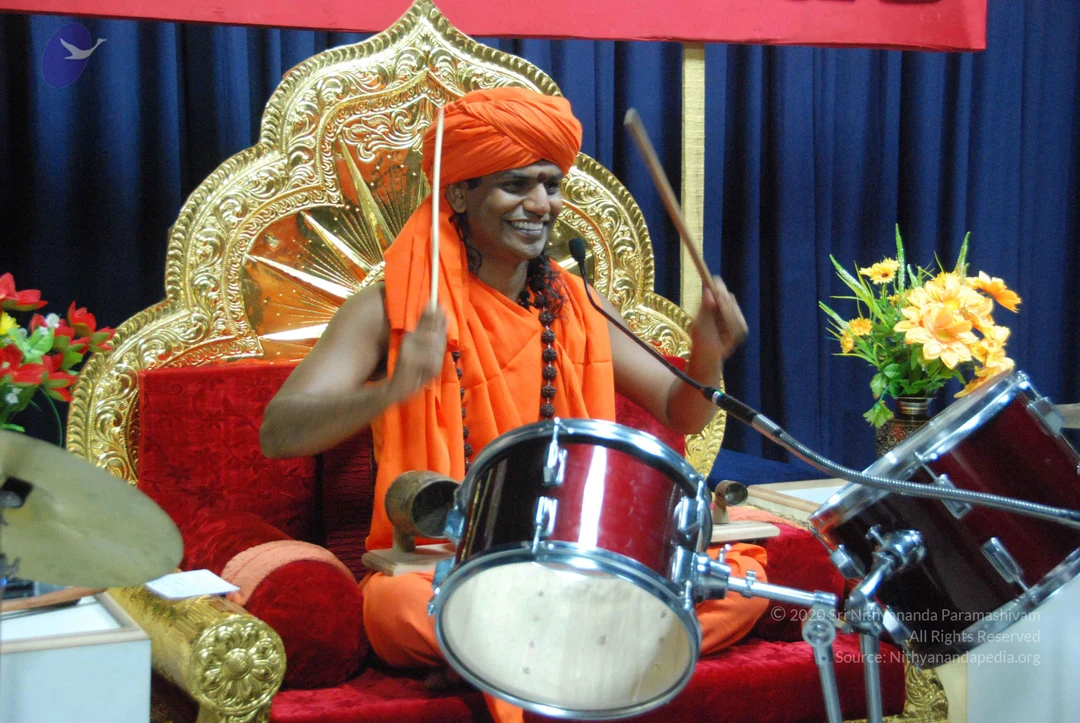
08-Yoga-Sutras-Evening-Session
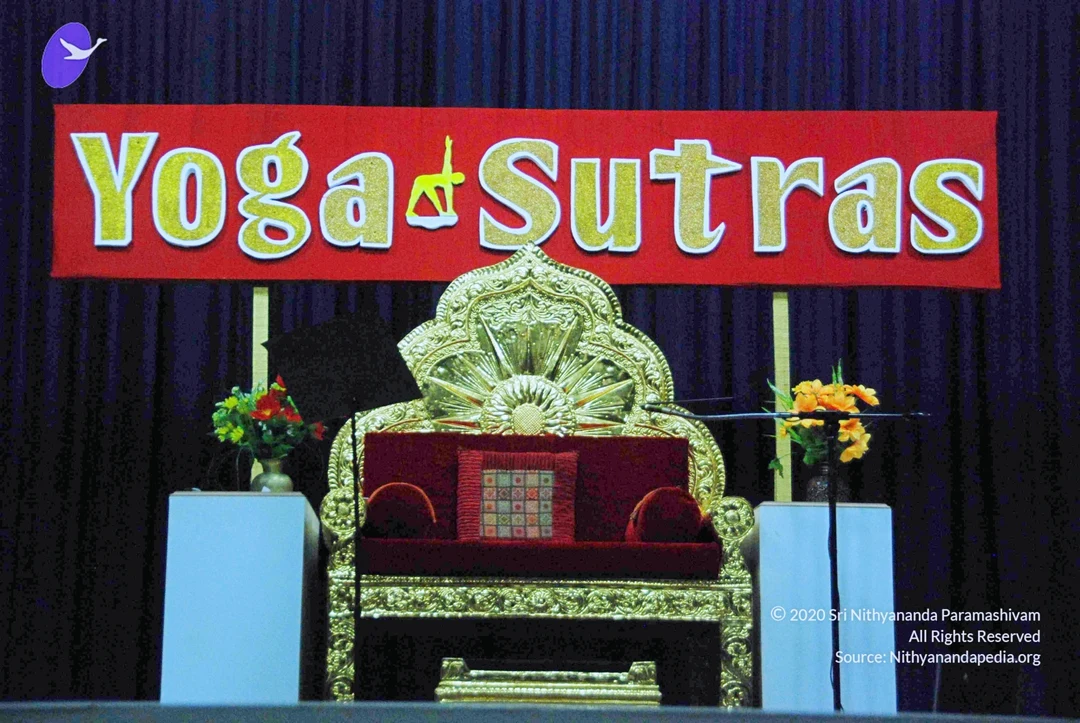
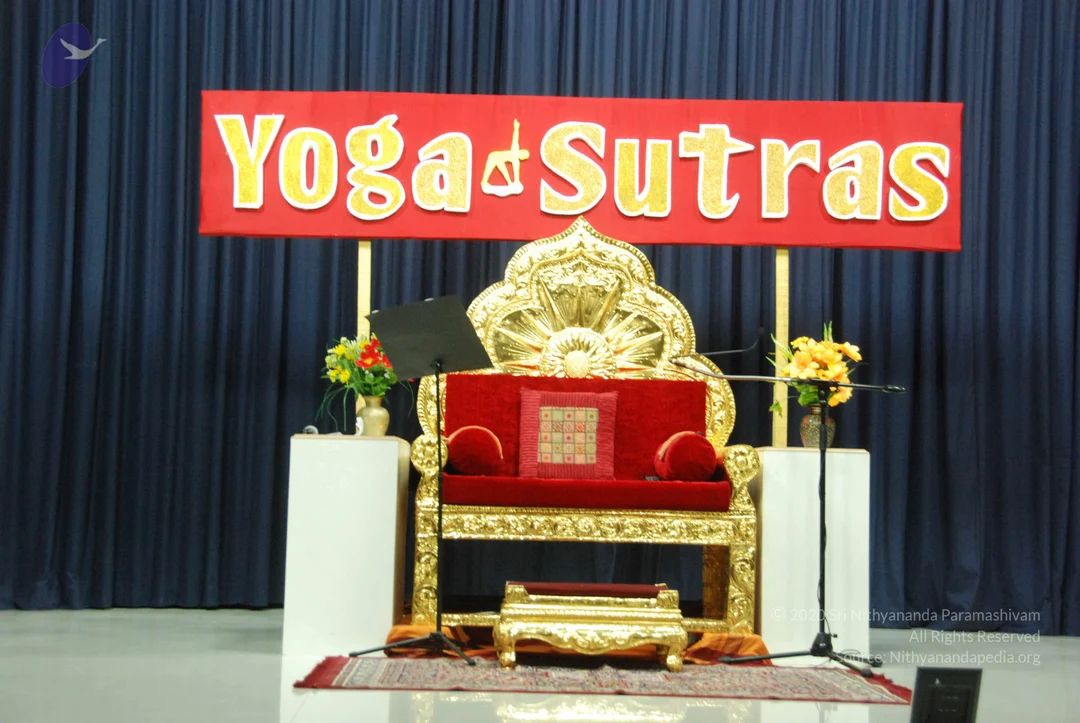
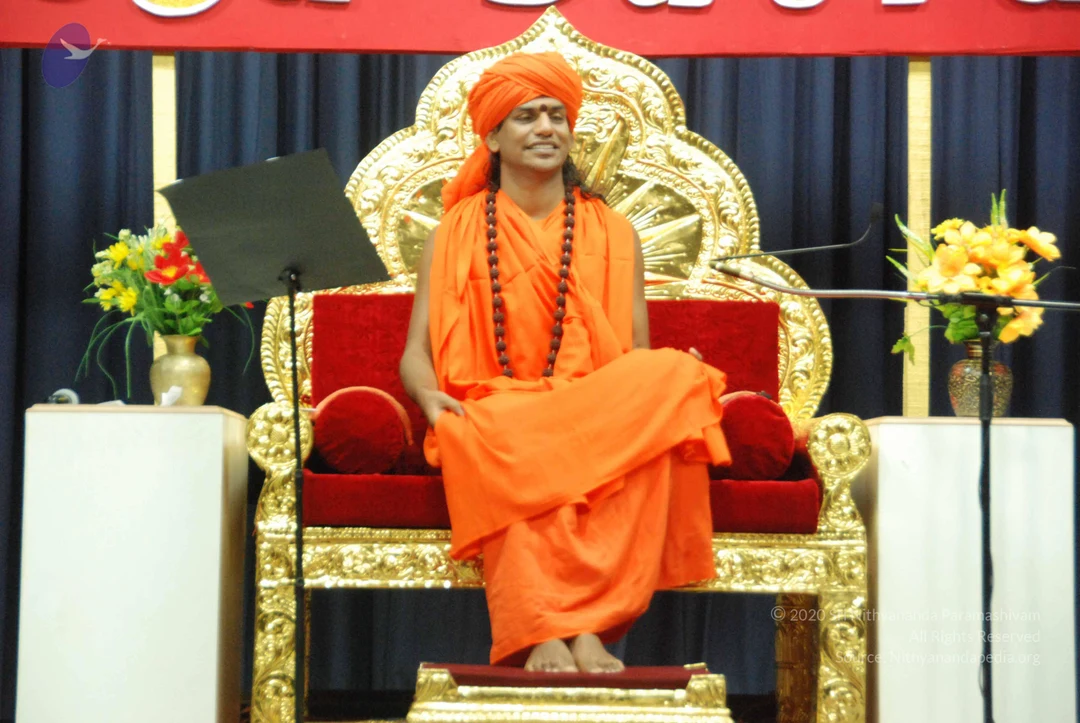
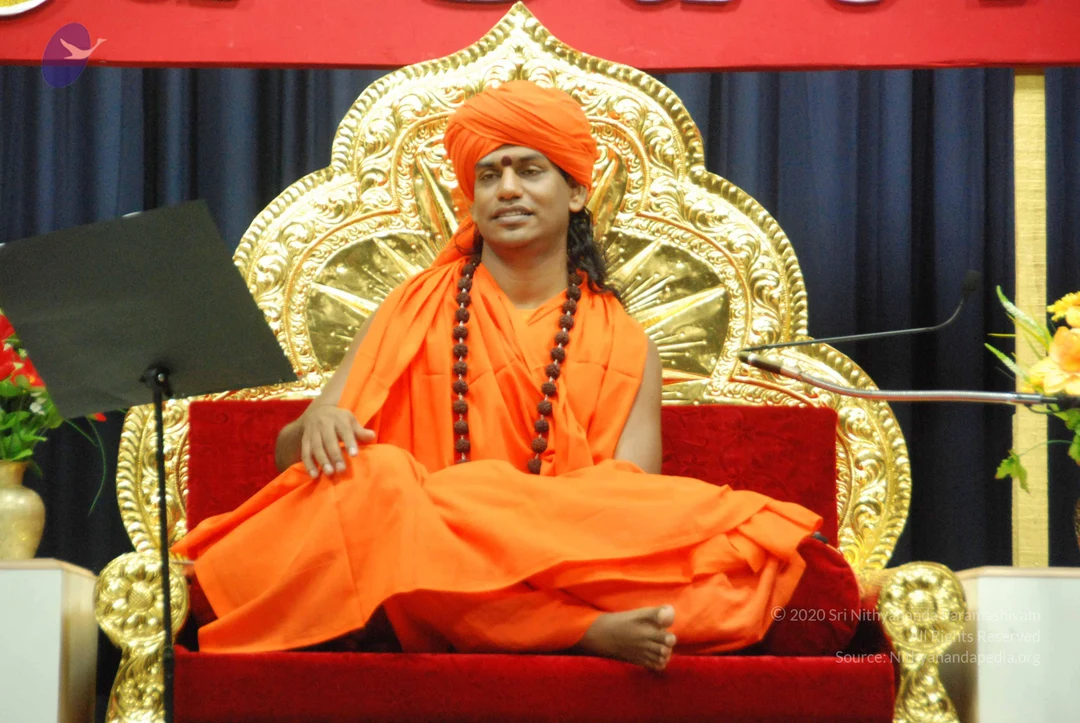
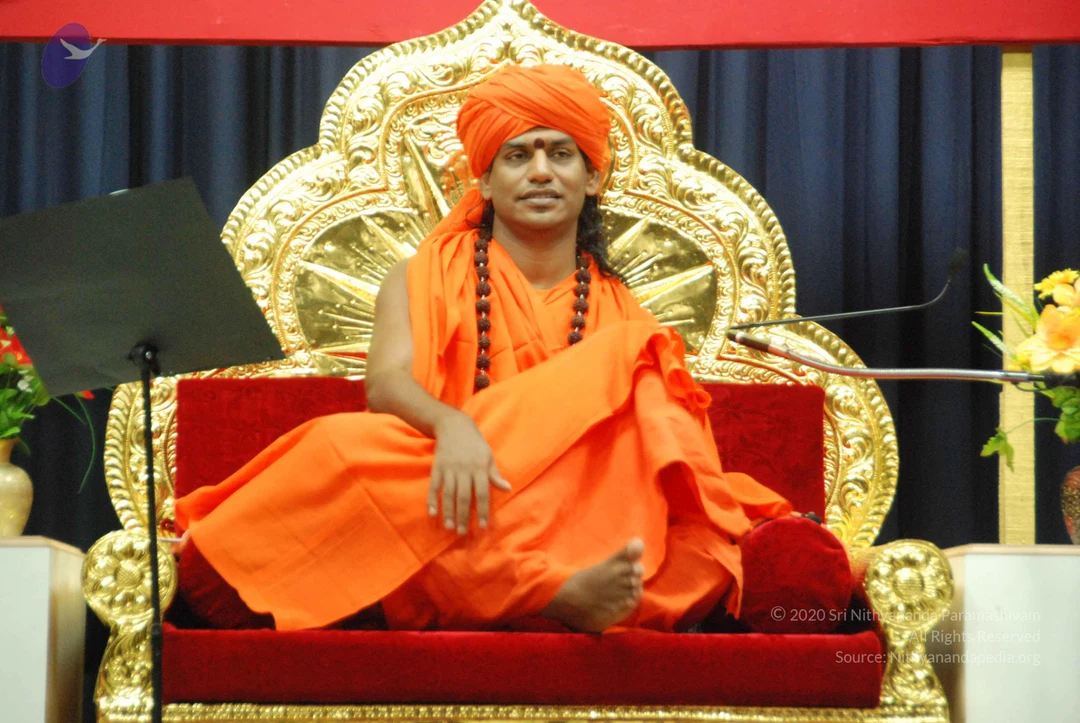
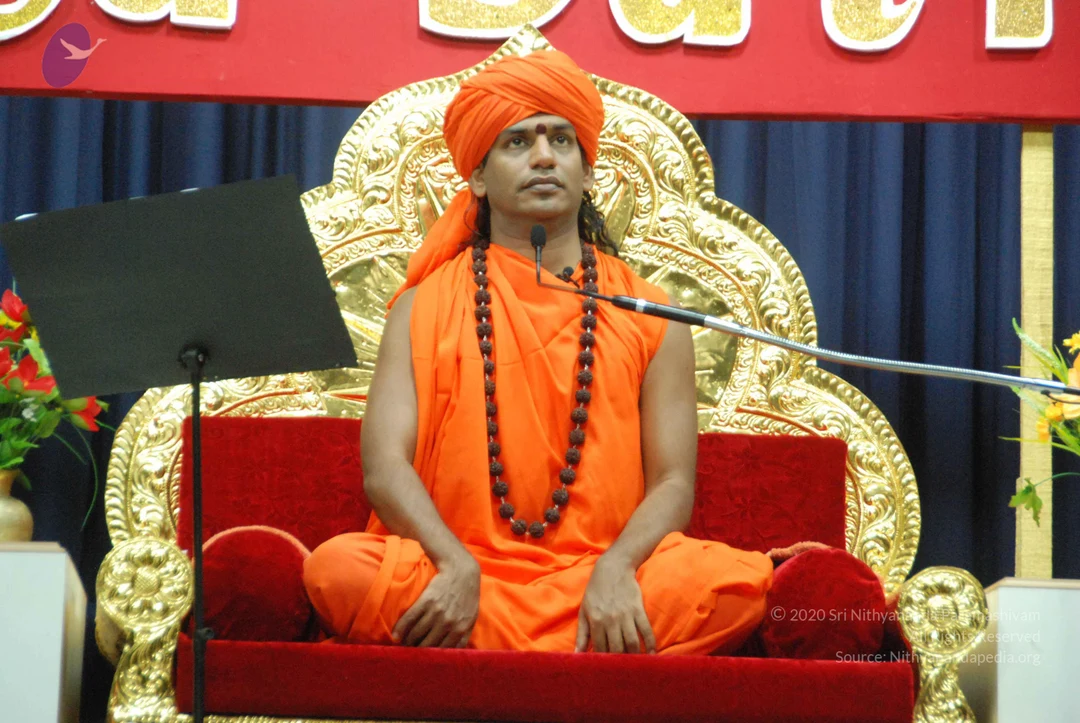
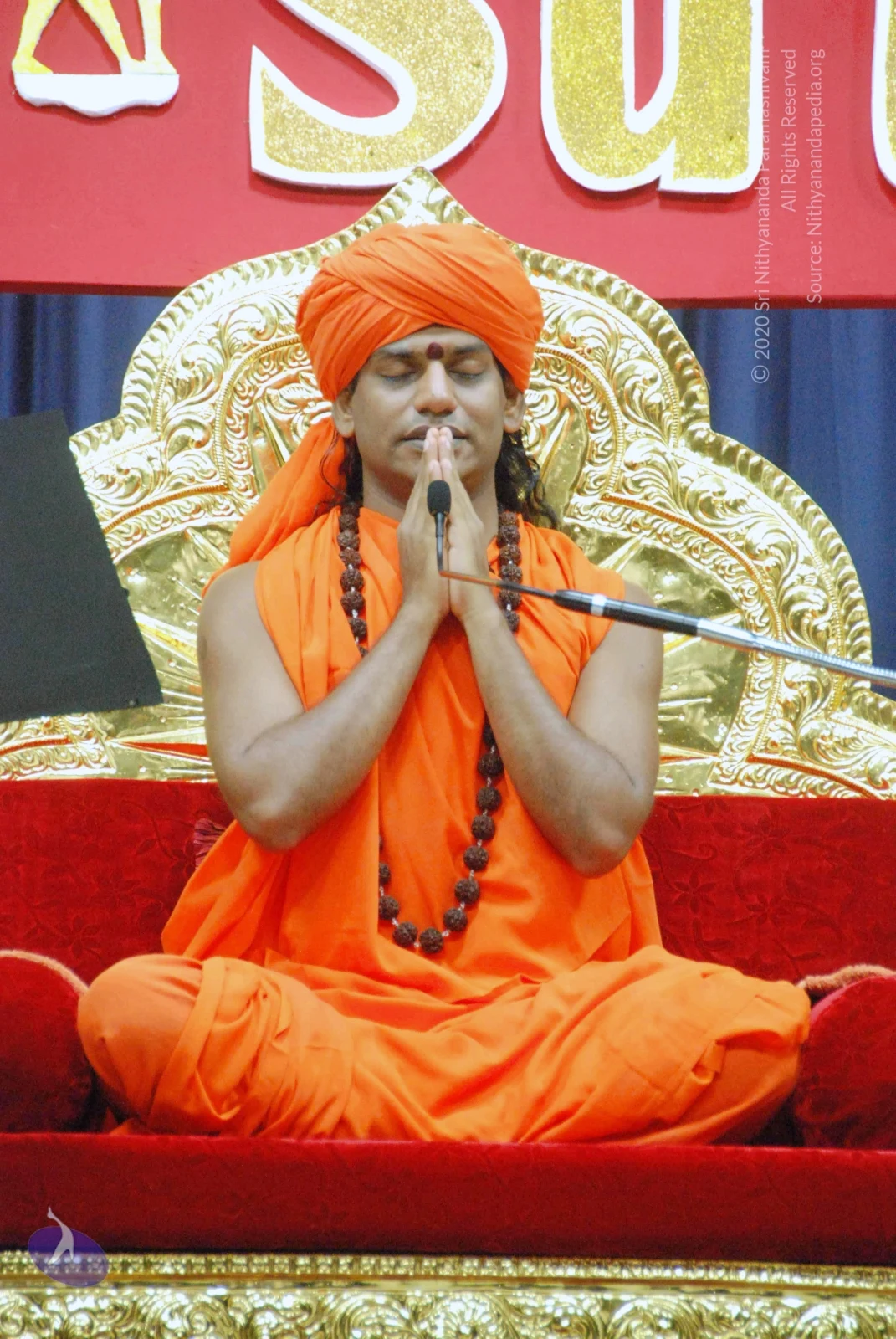
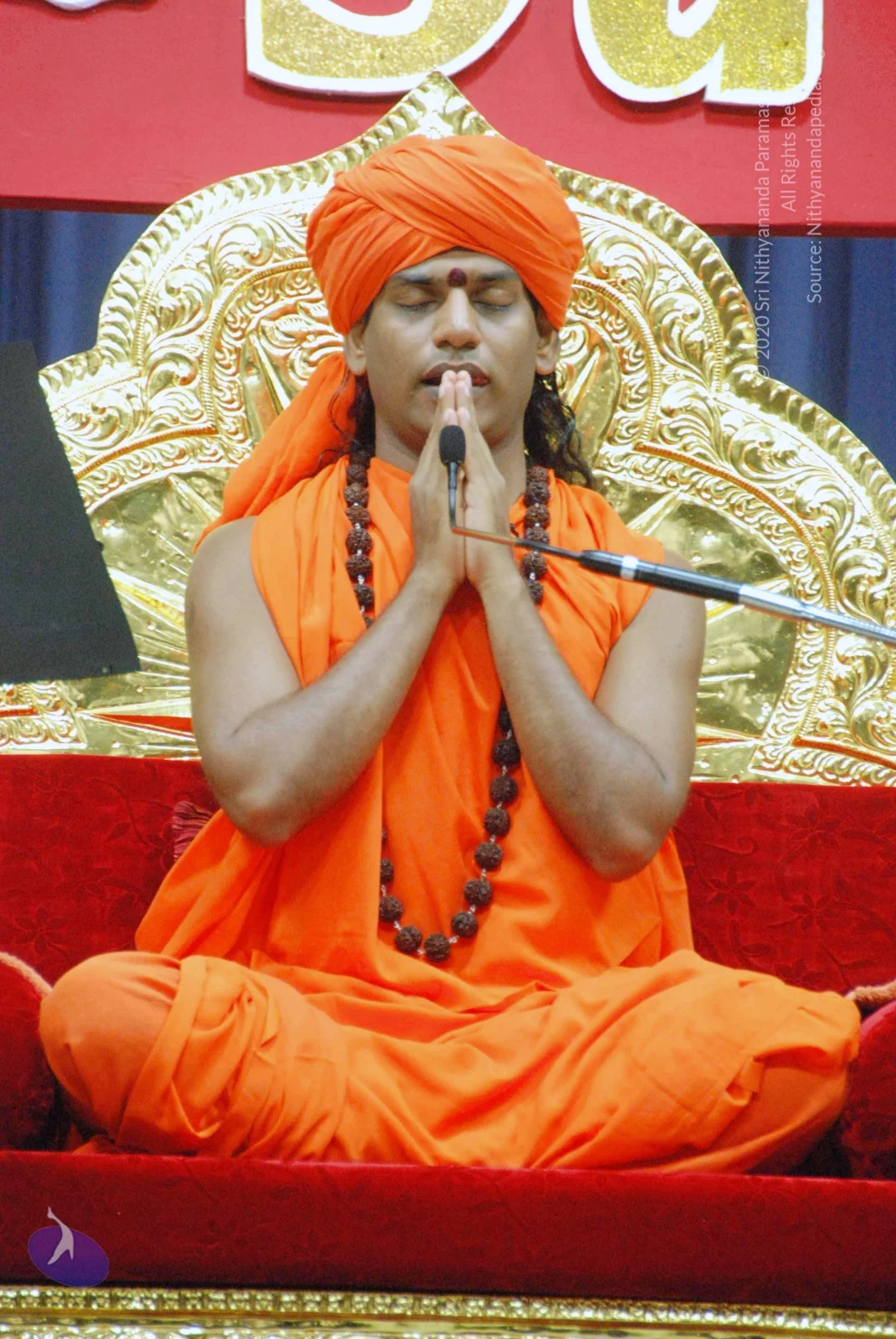
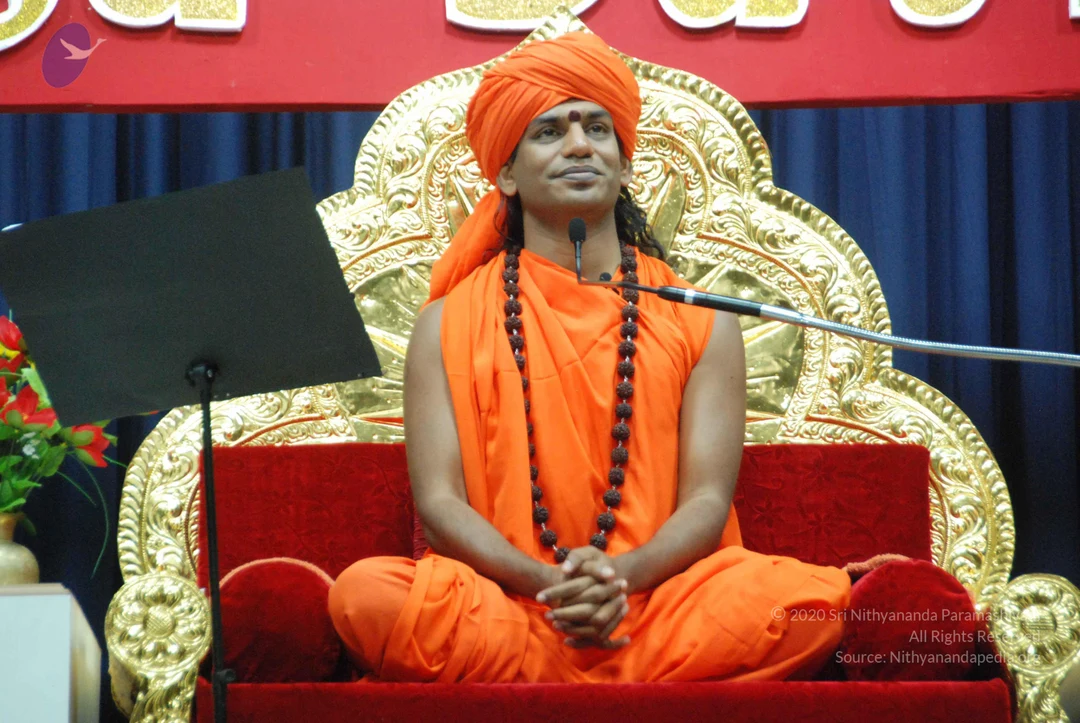
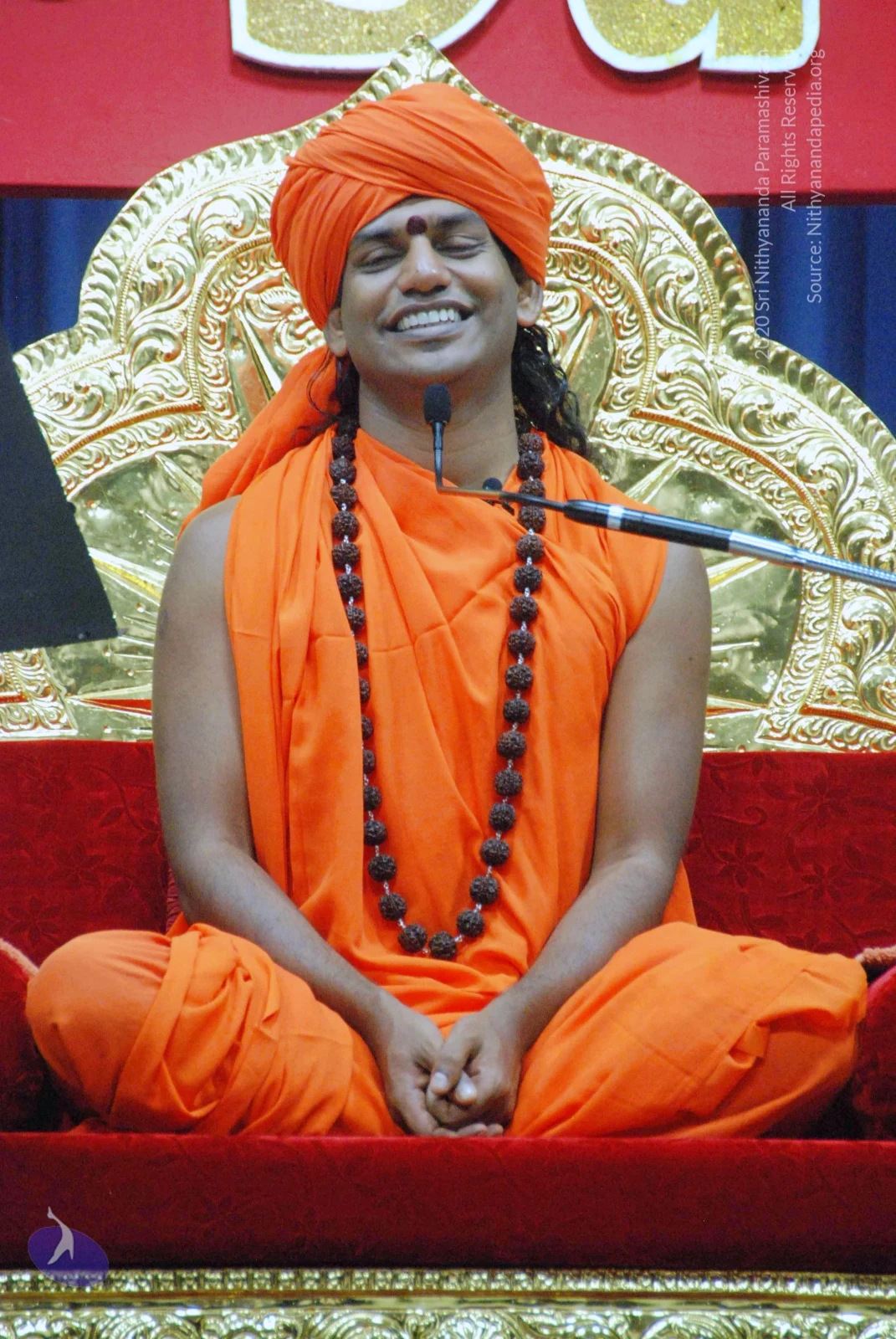
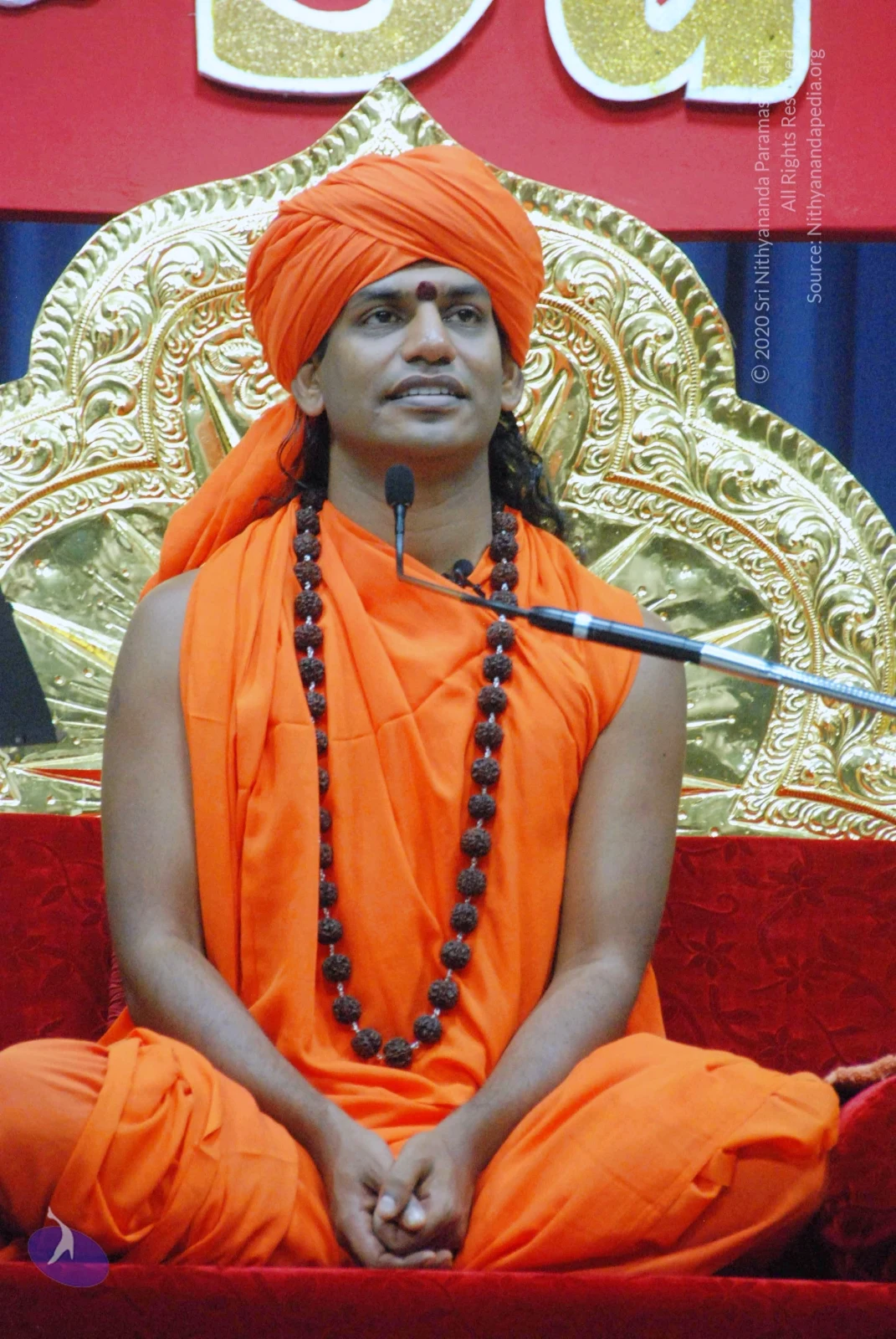
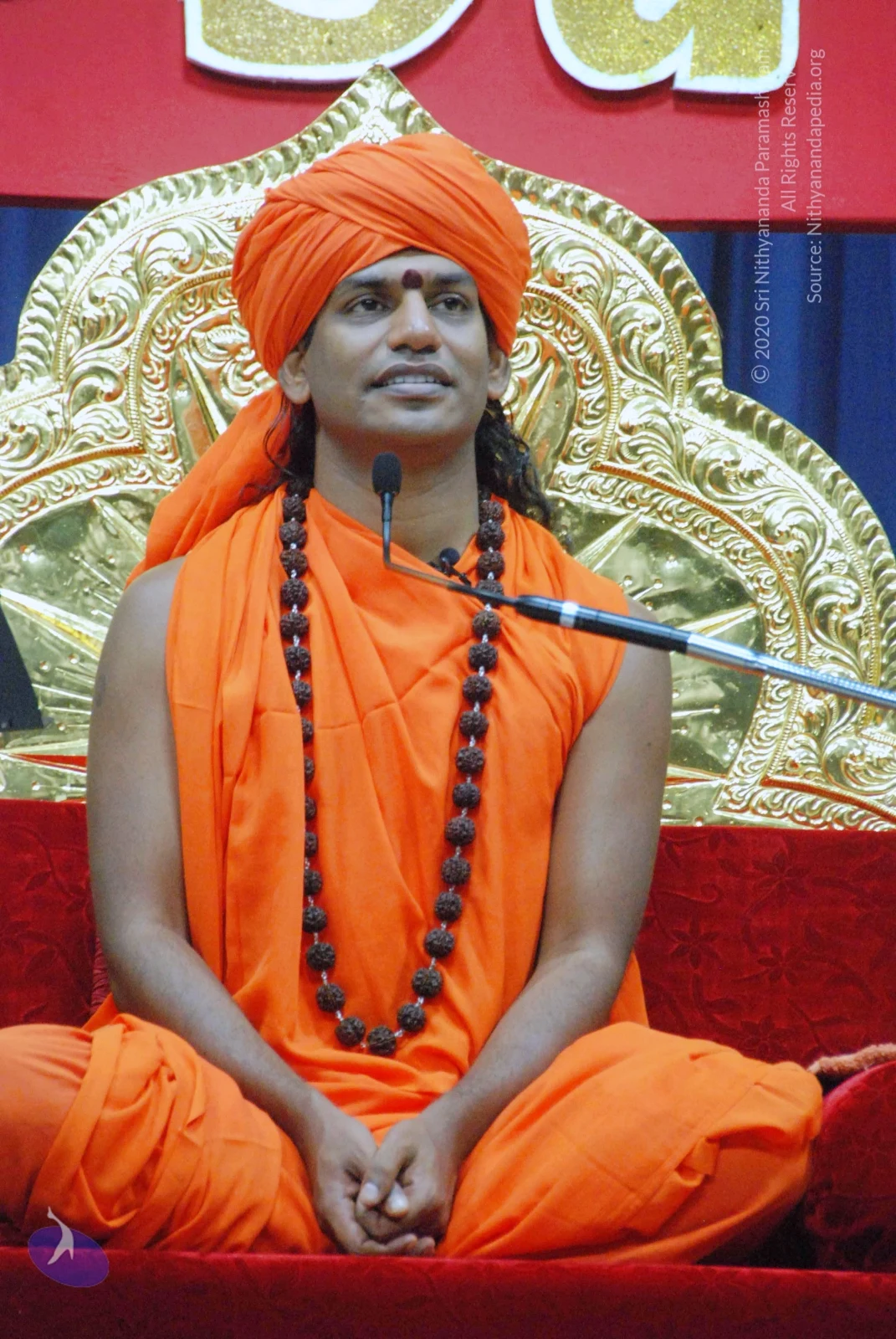
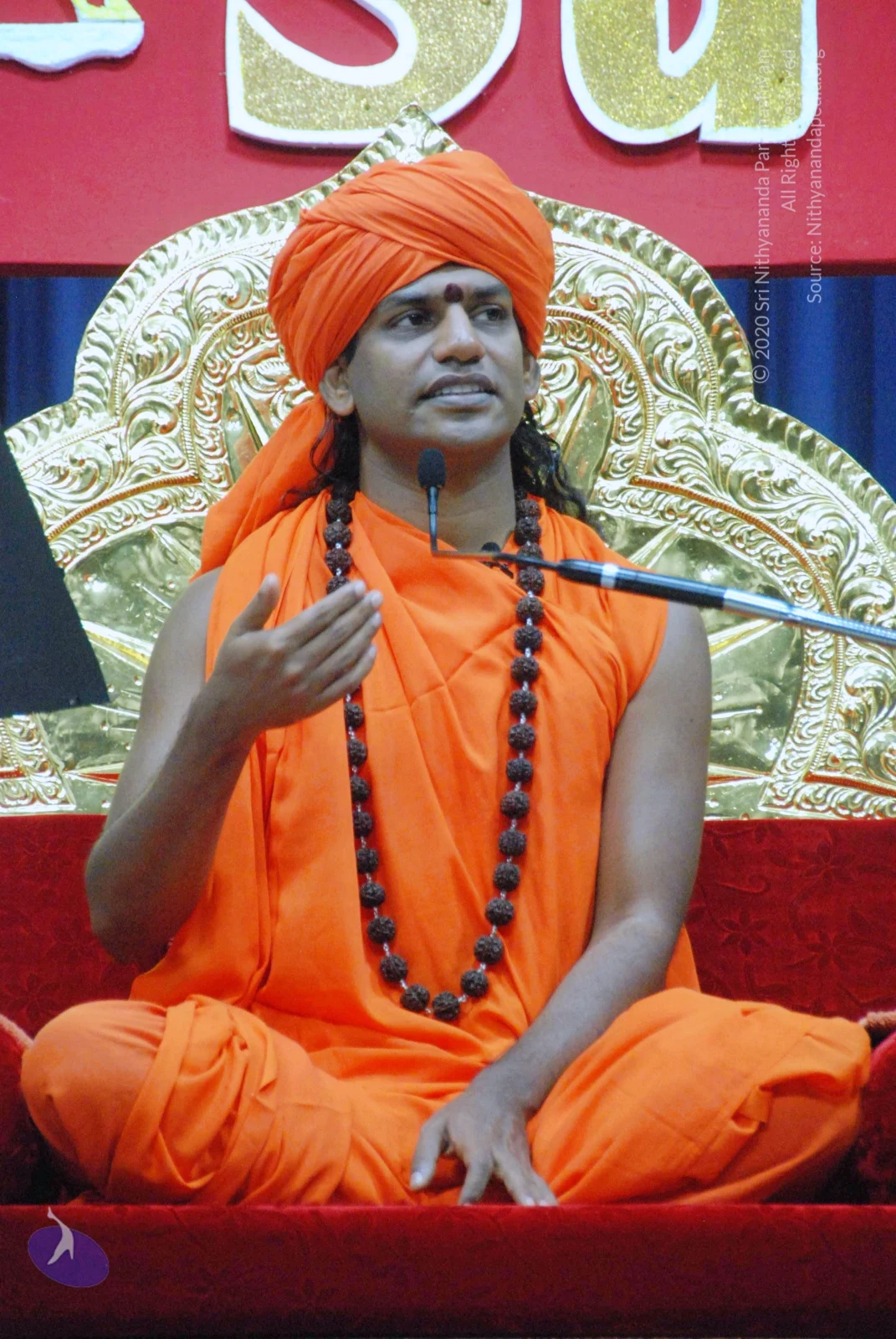
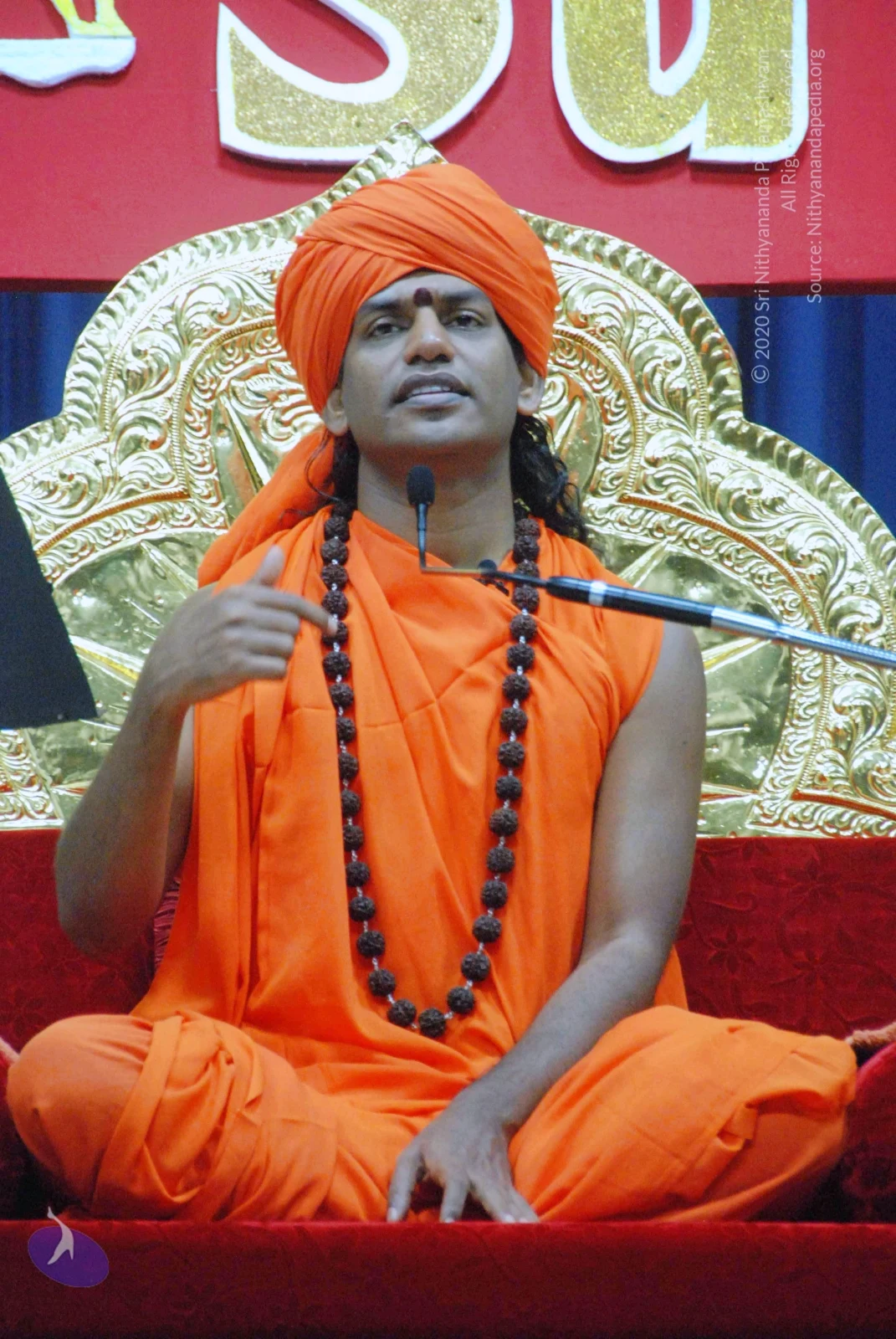
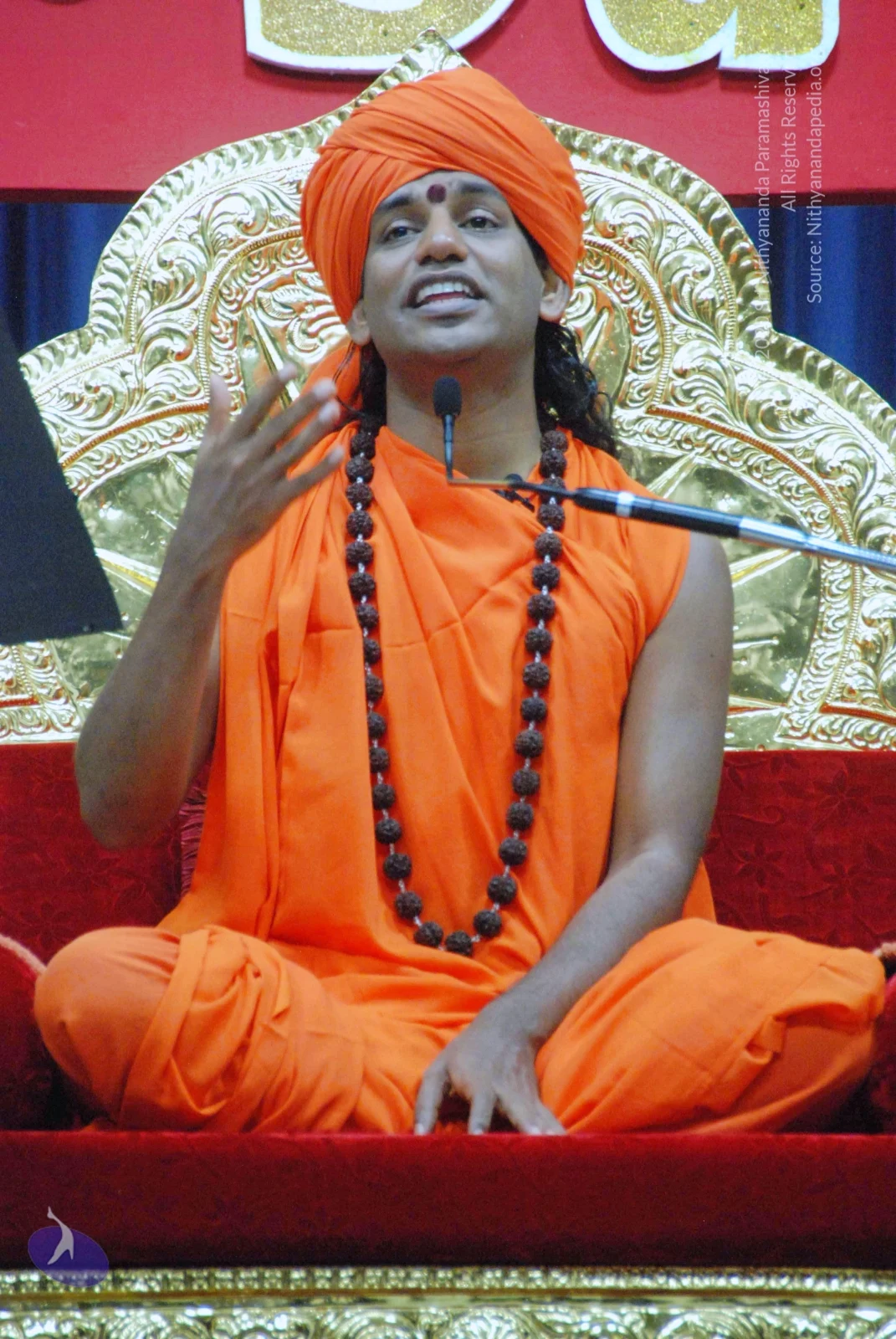
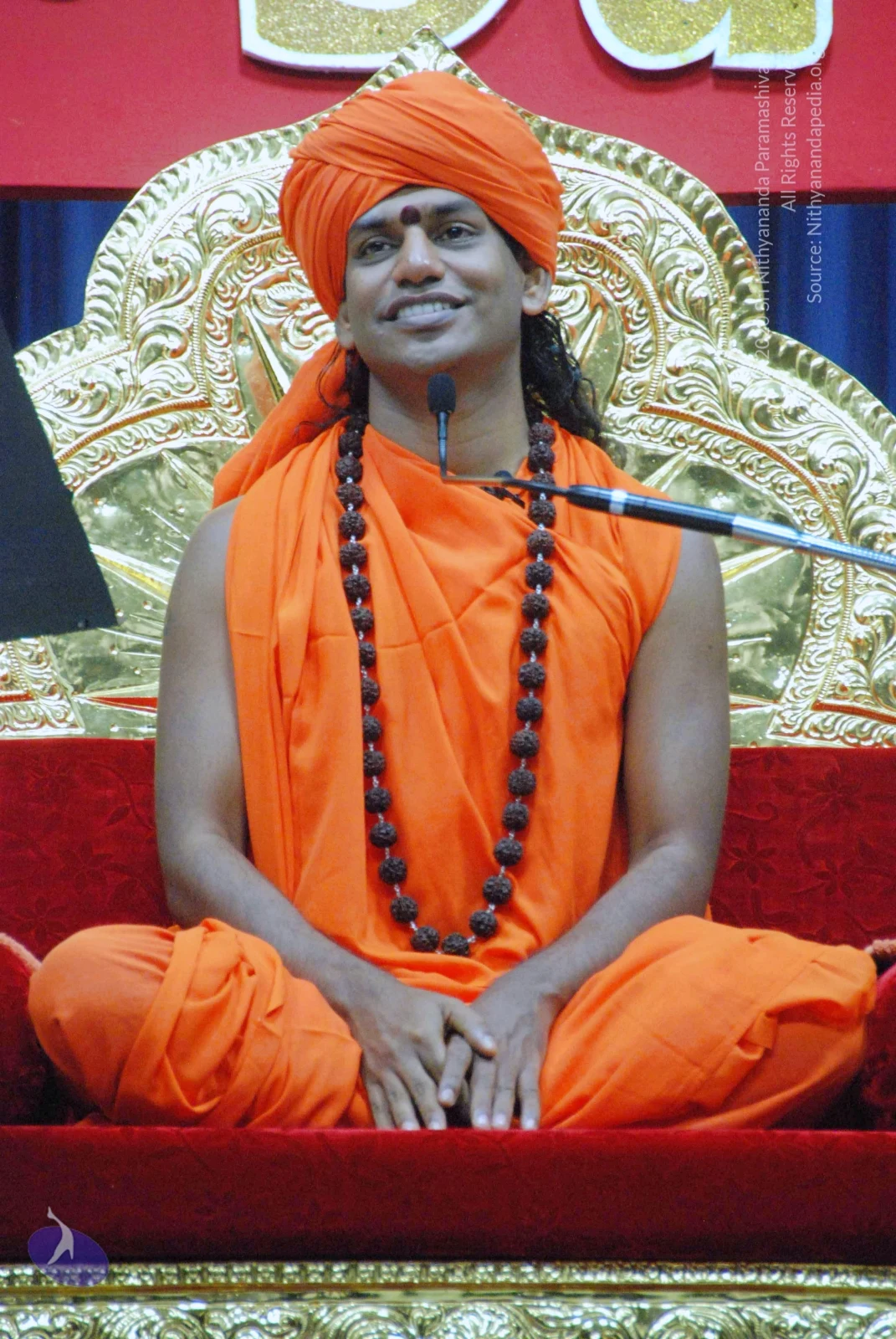
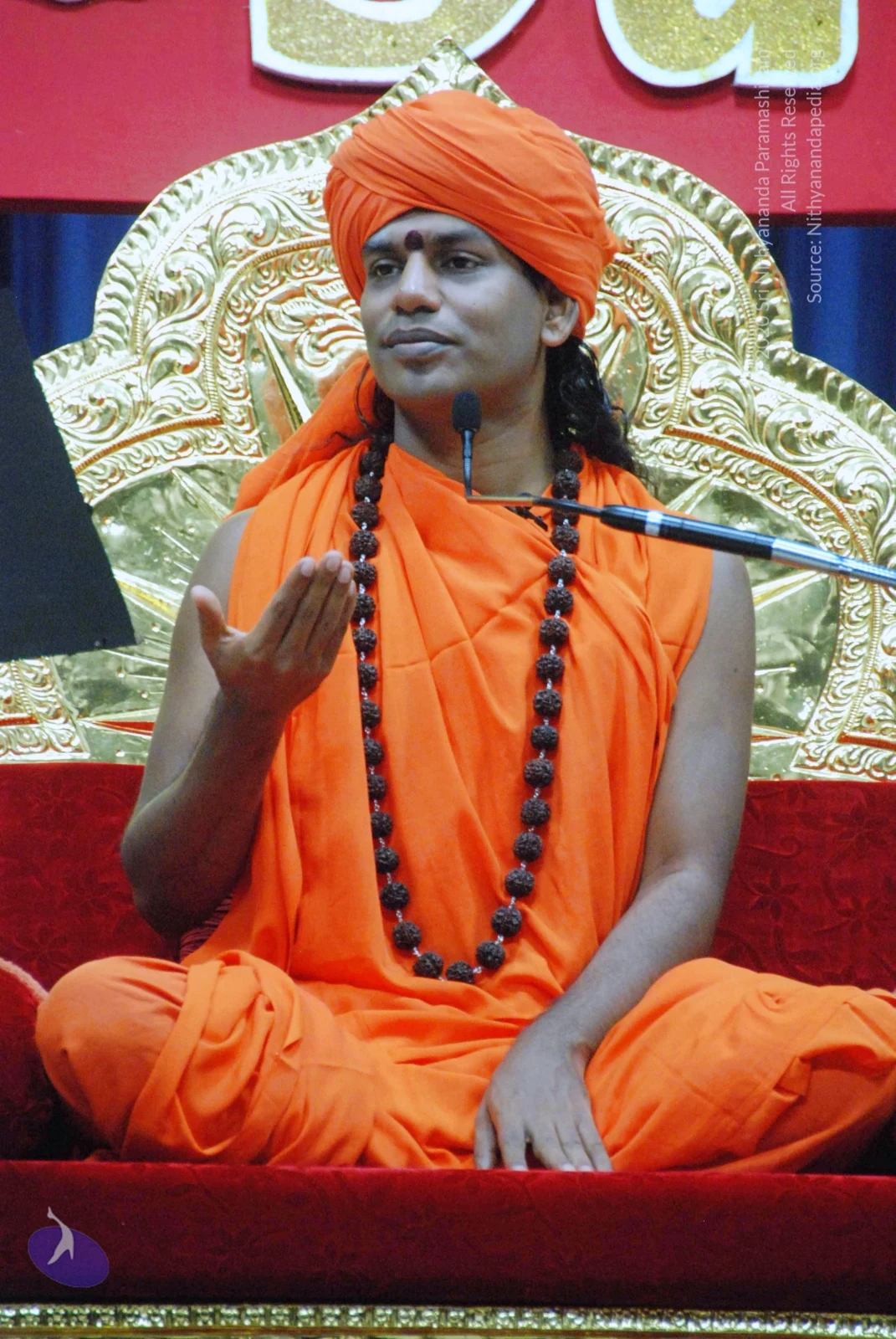
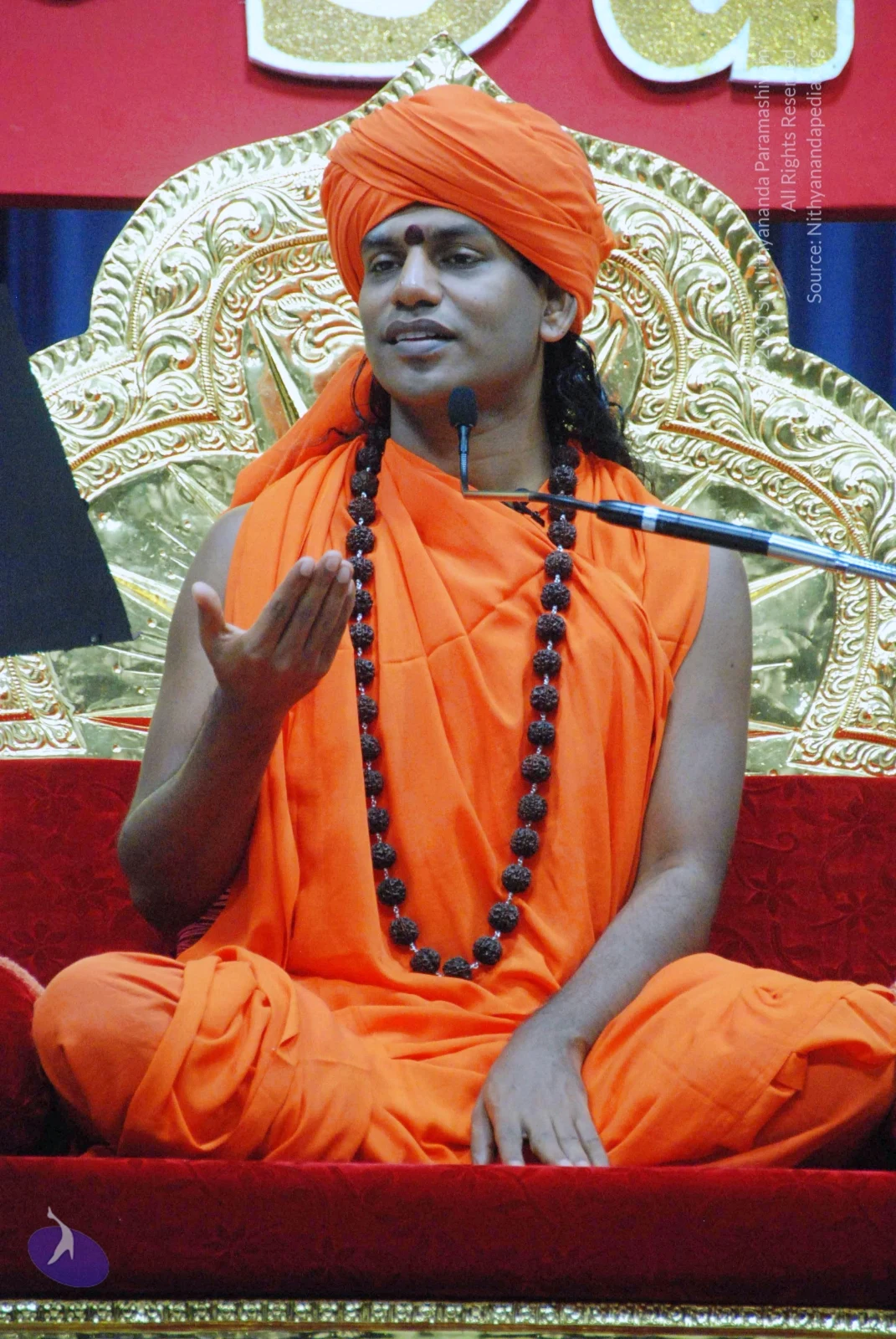
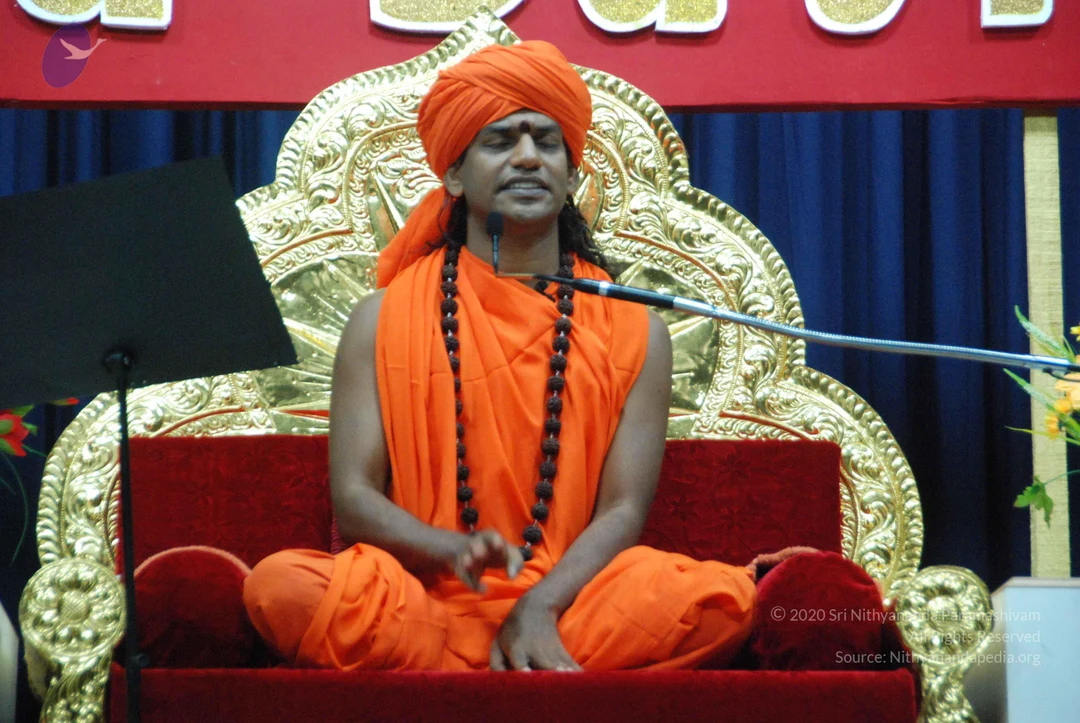
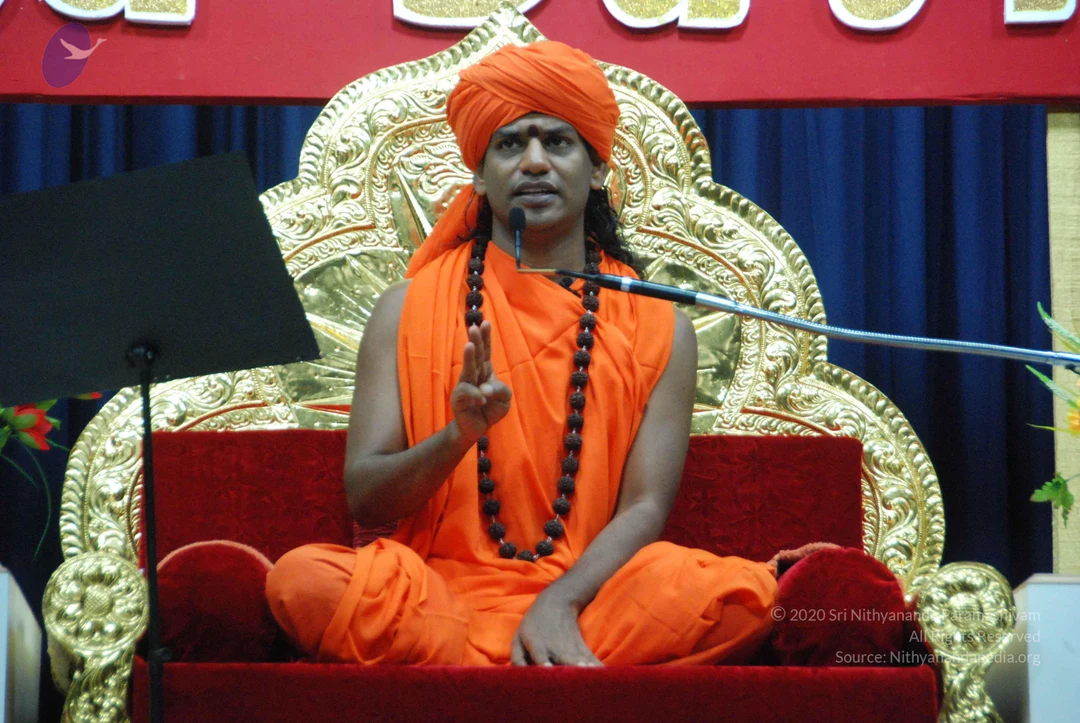
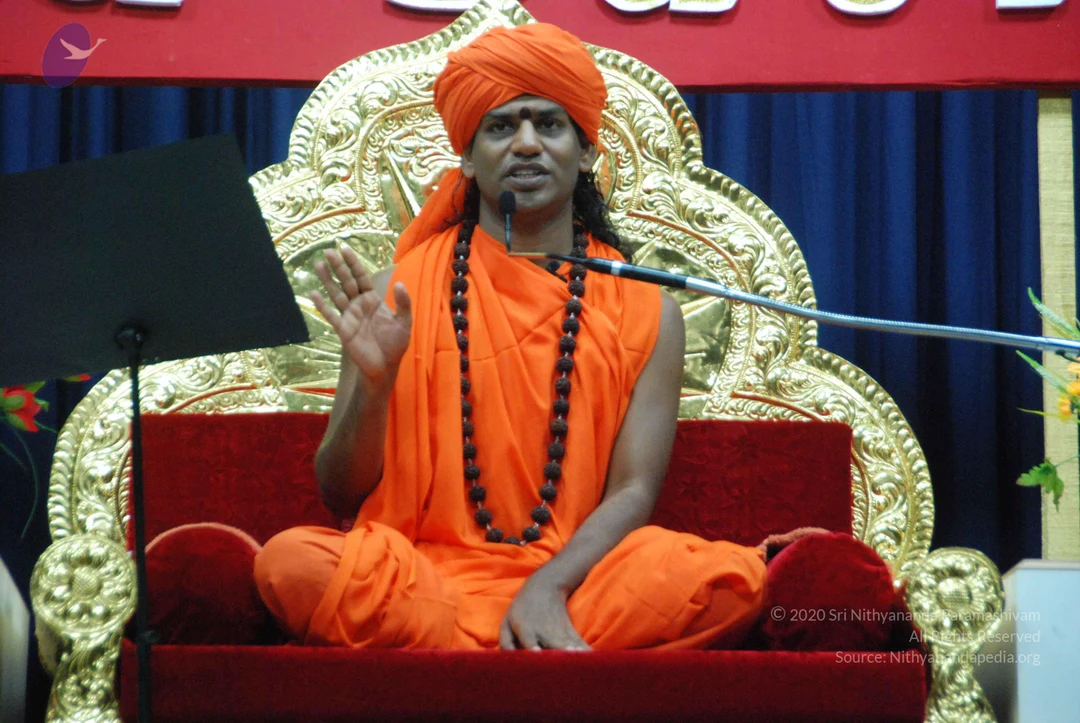
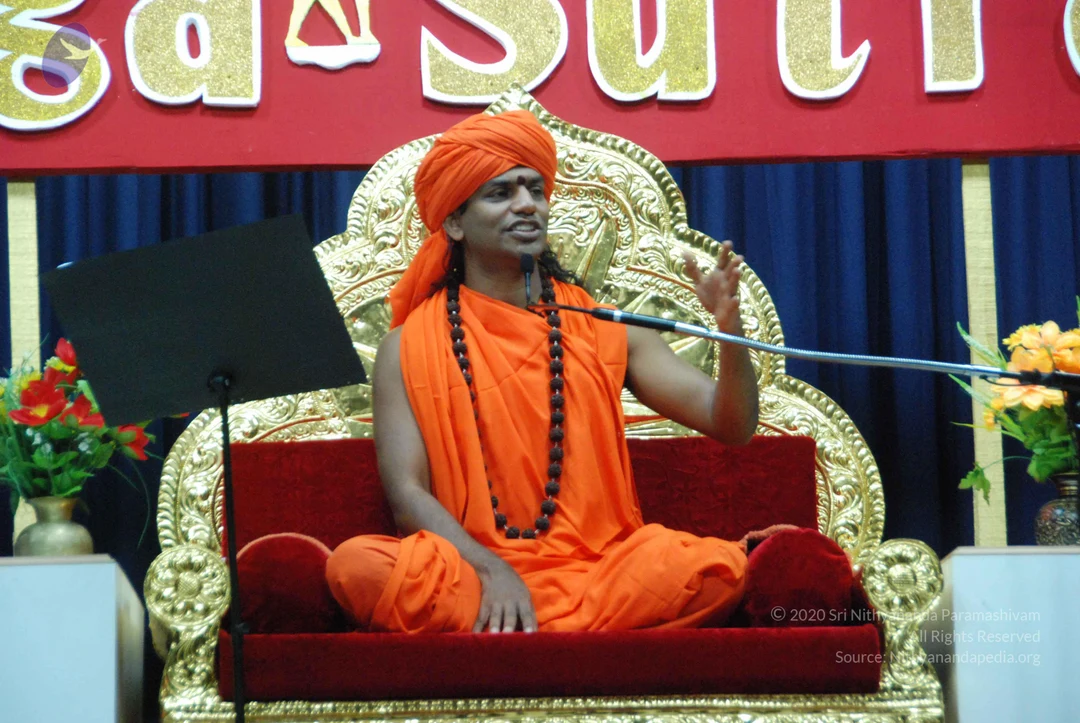
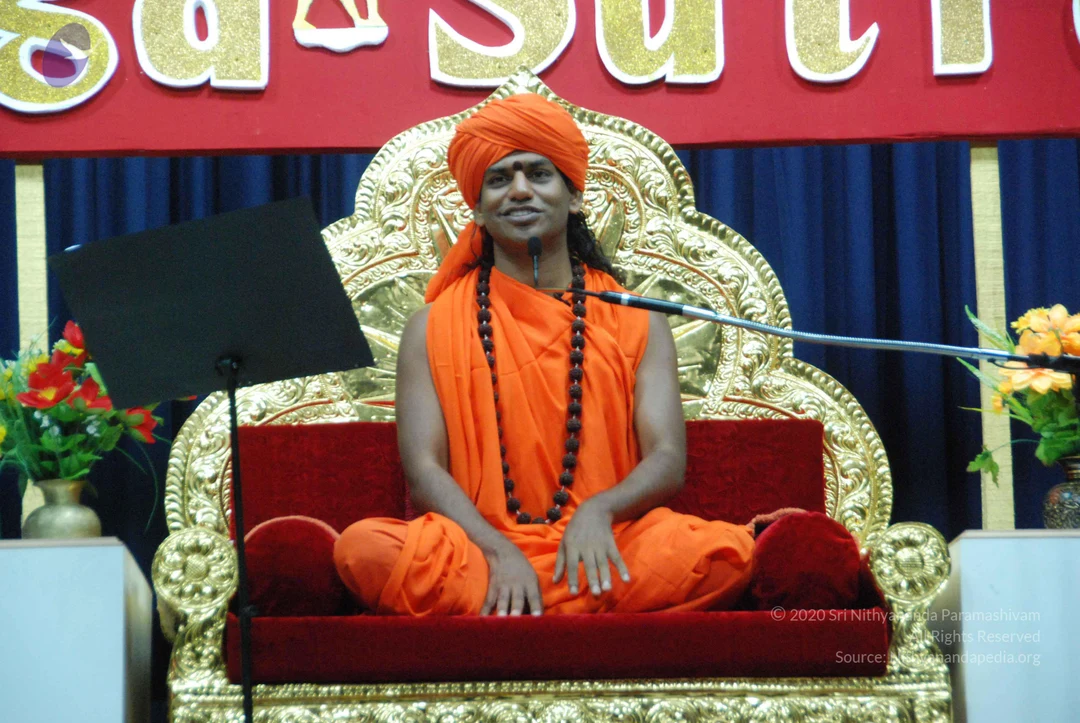
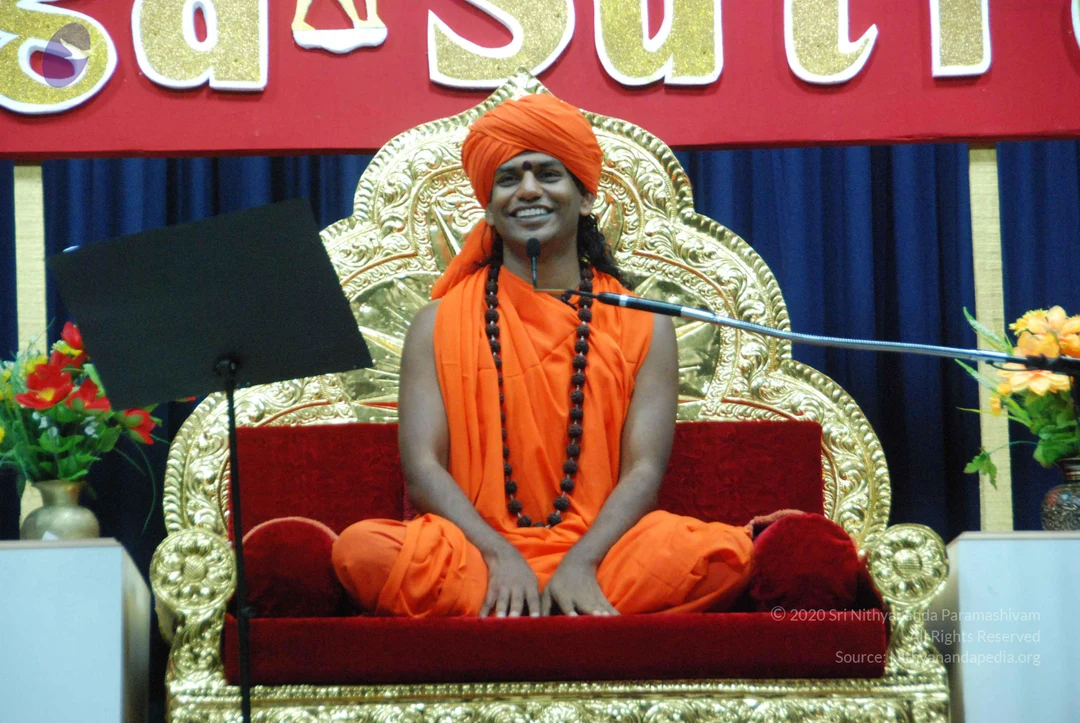
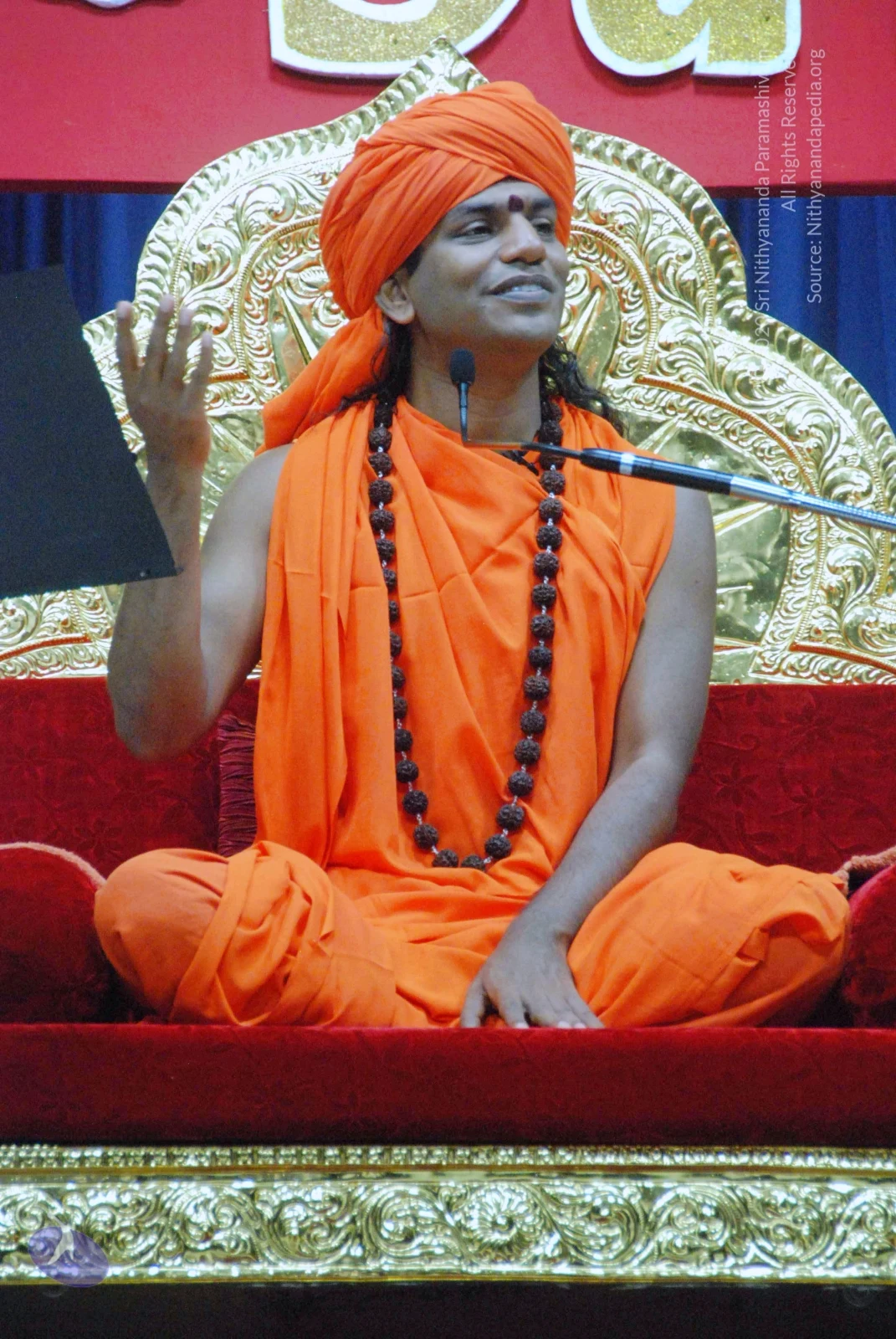
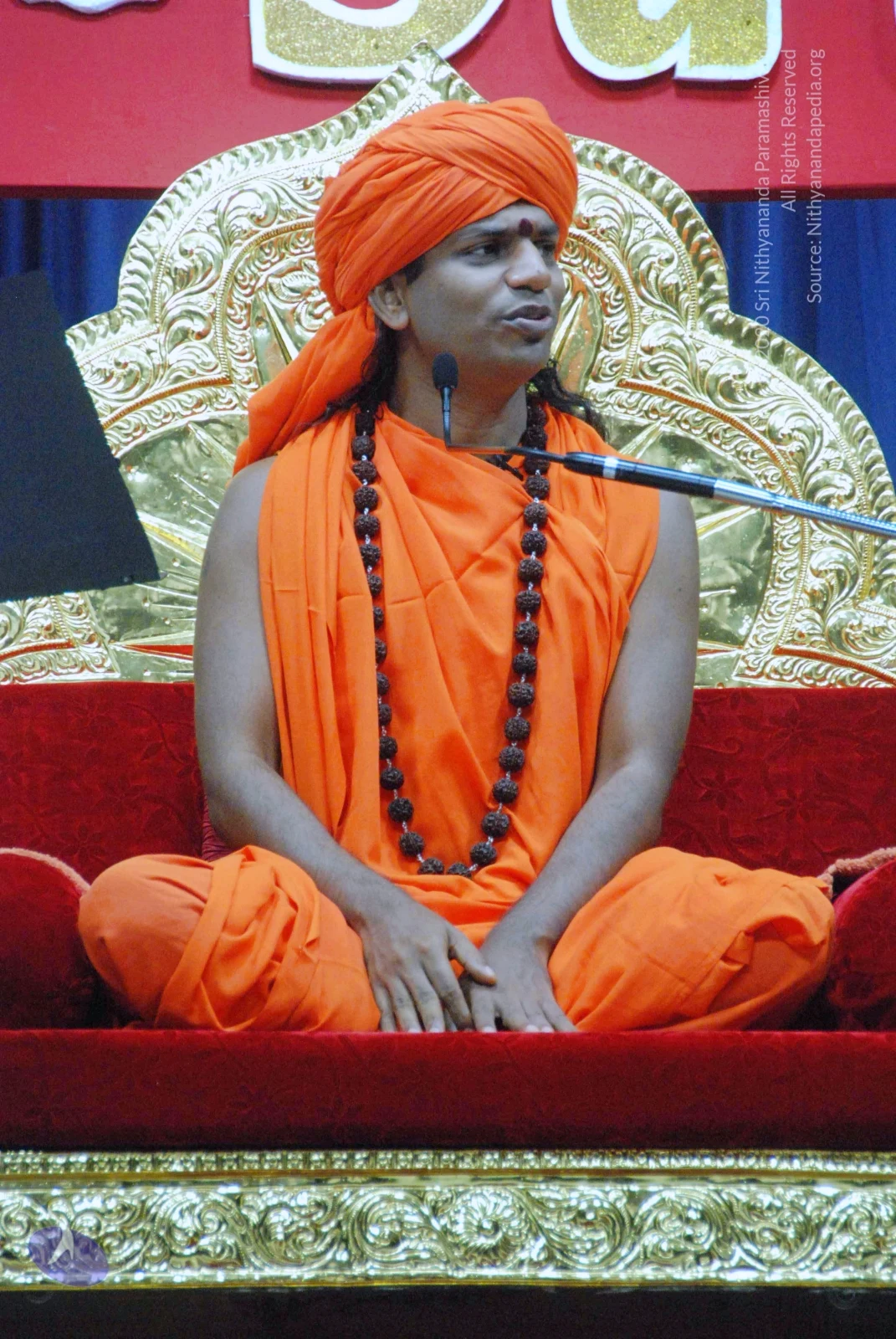
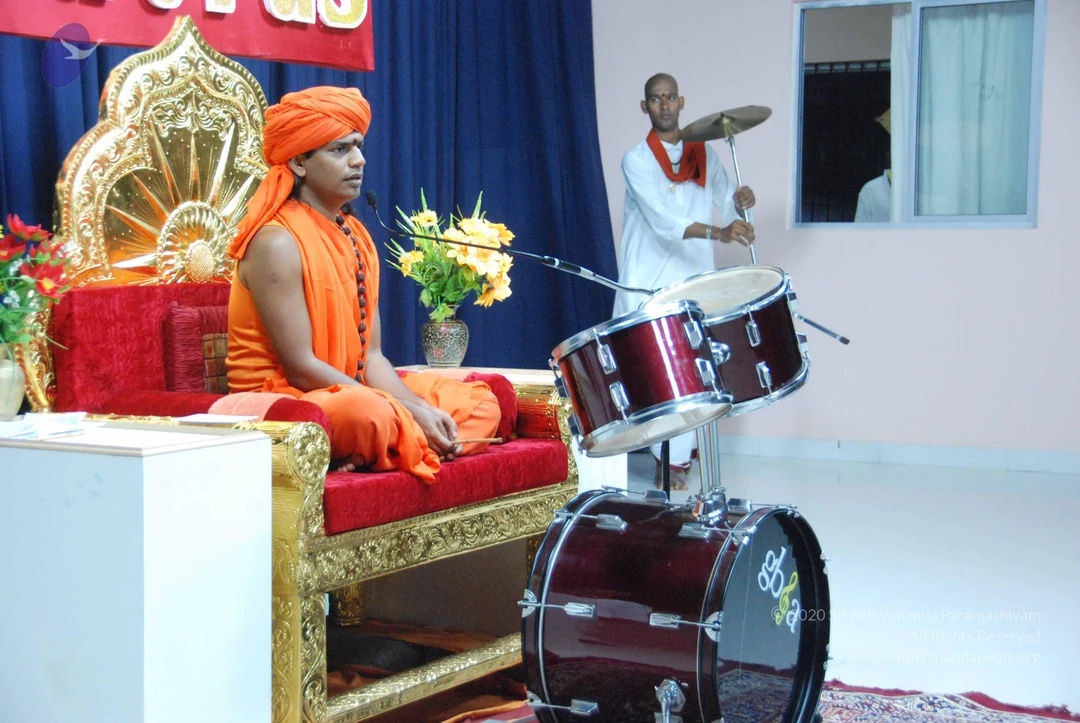
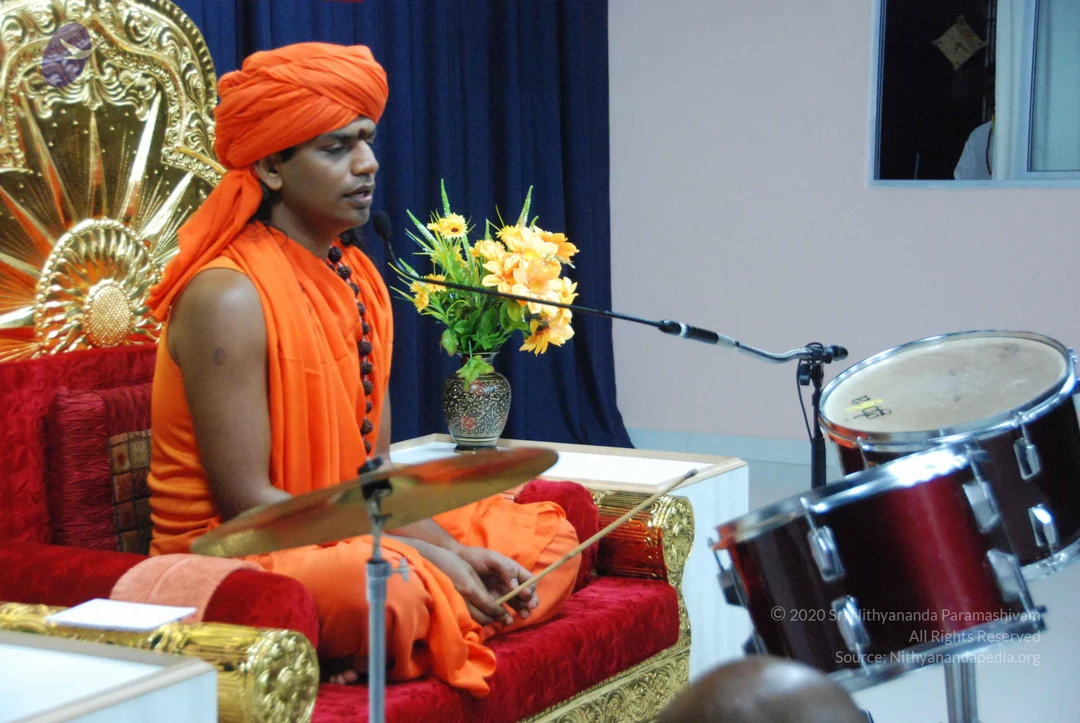
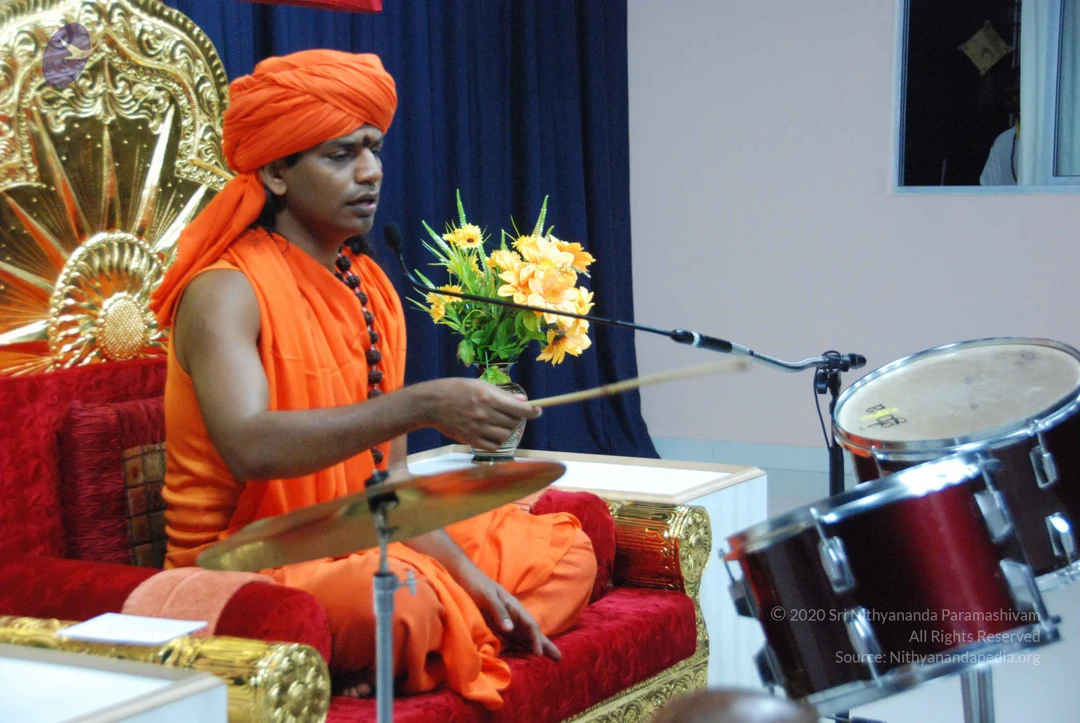
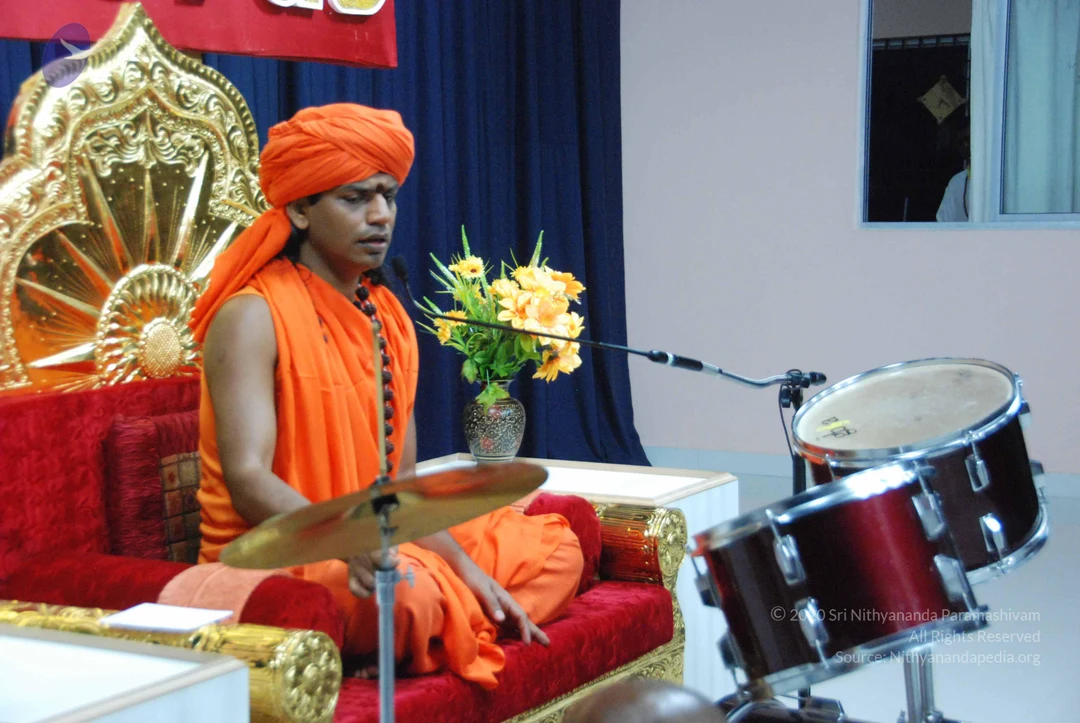
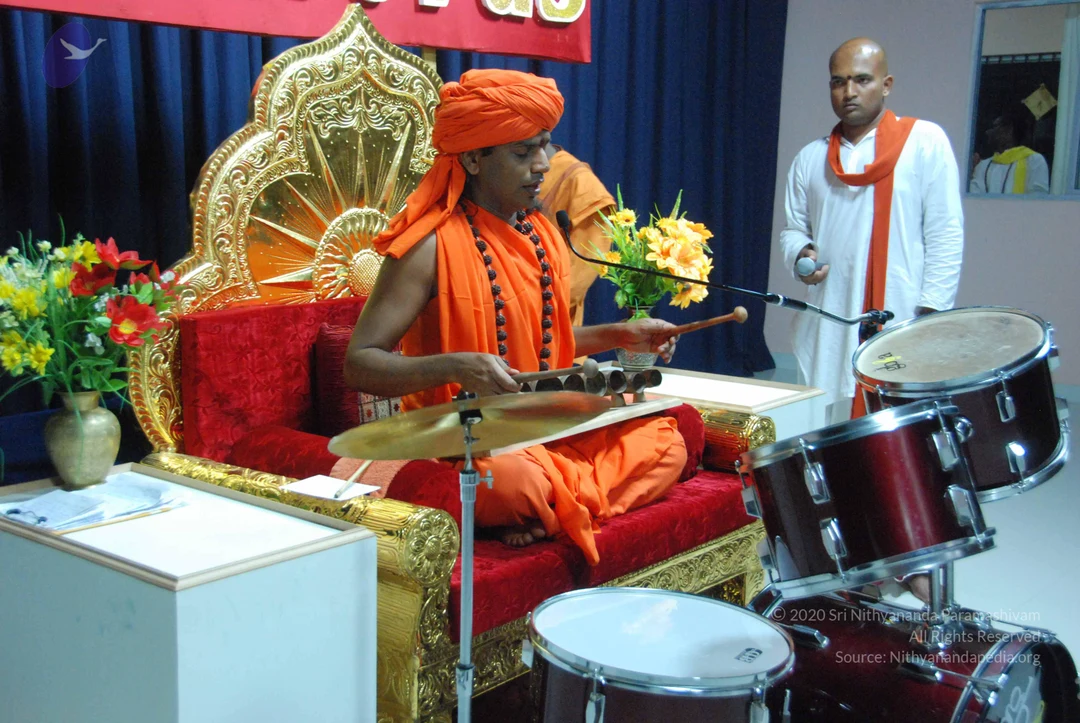
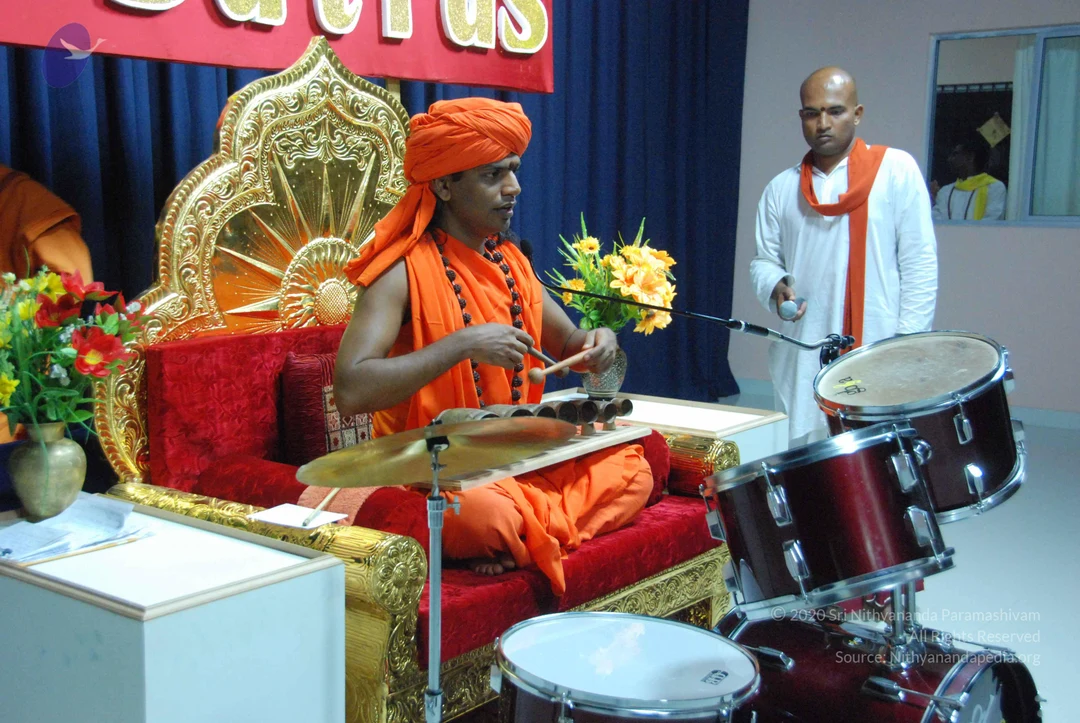
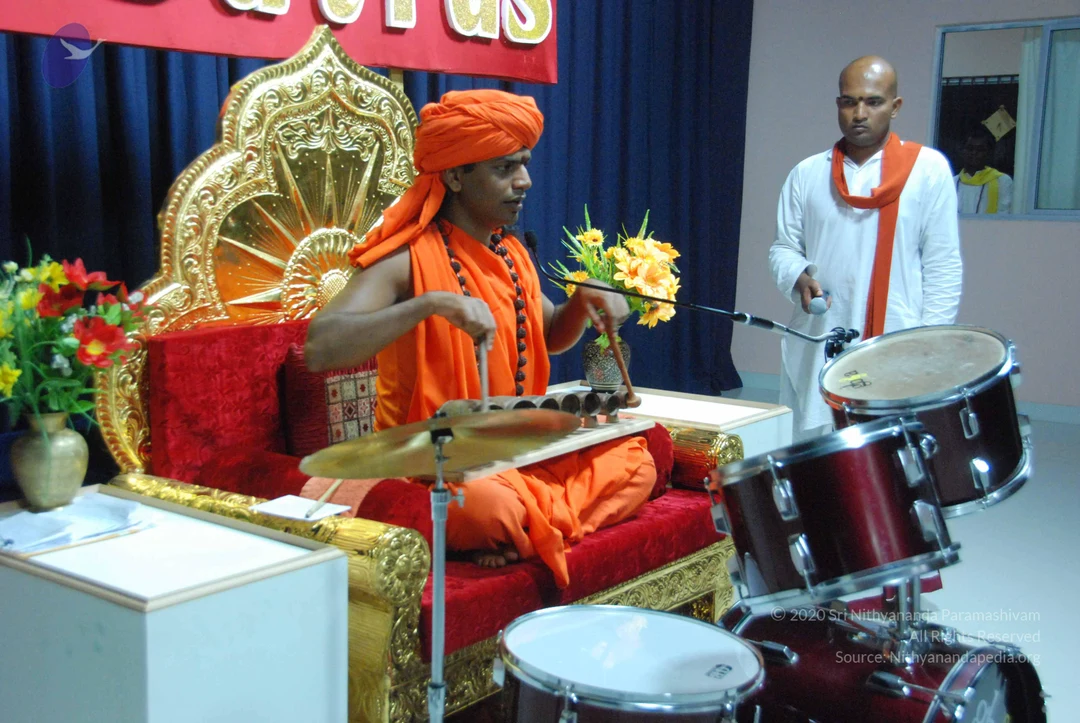
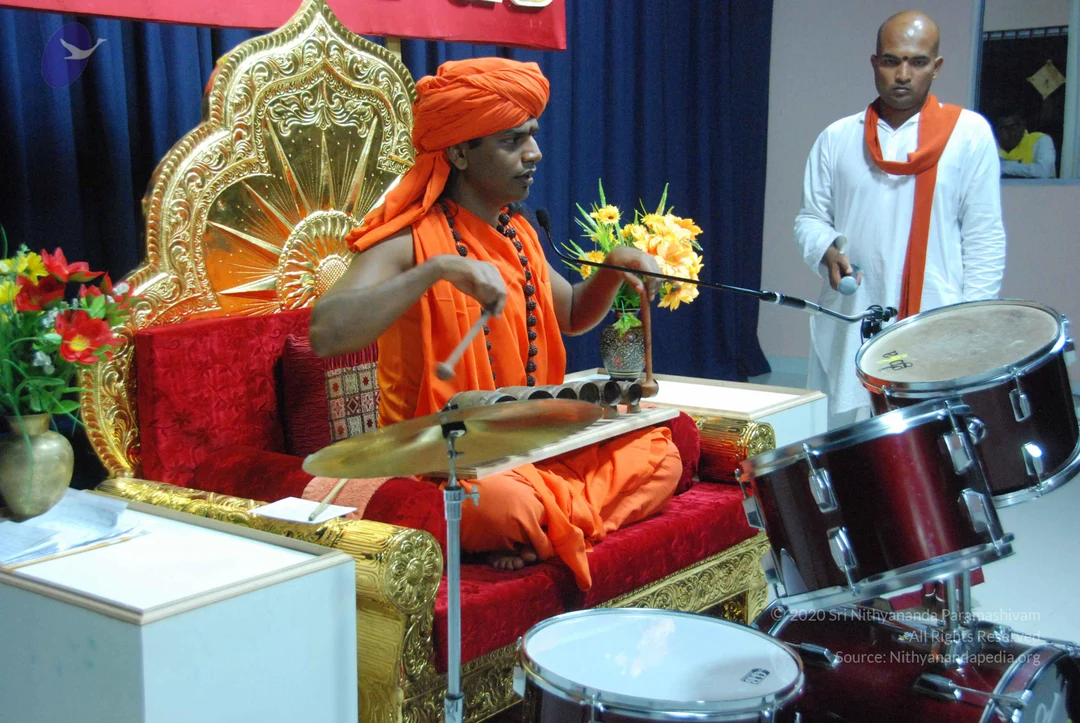
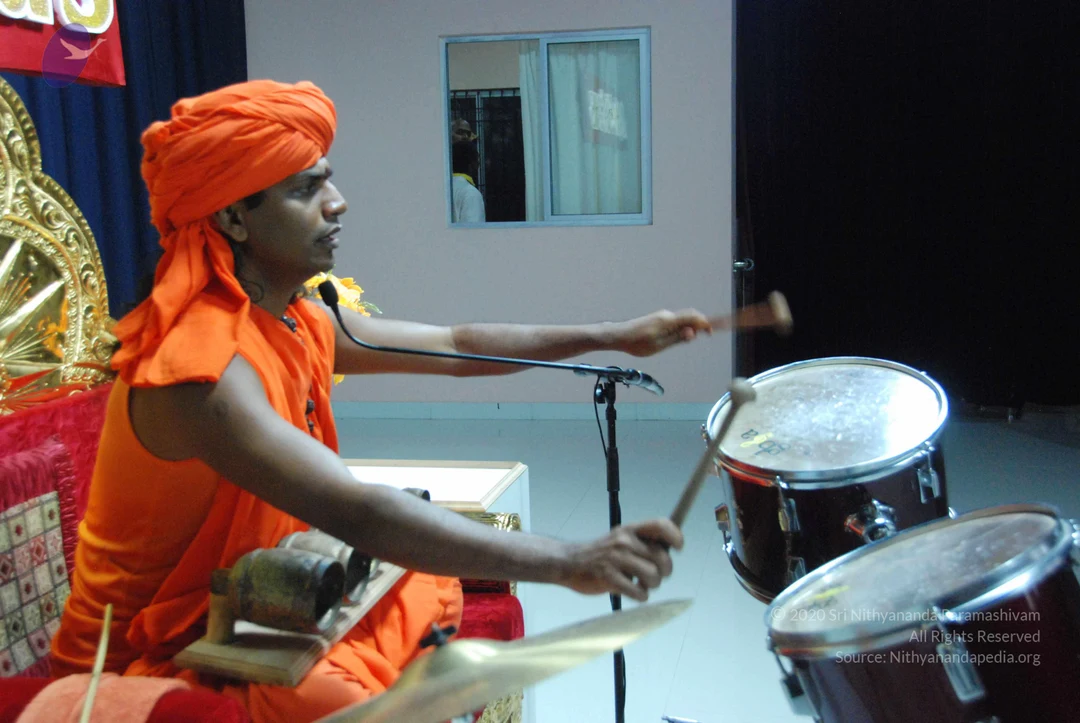
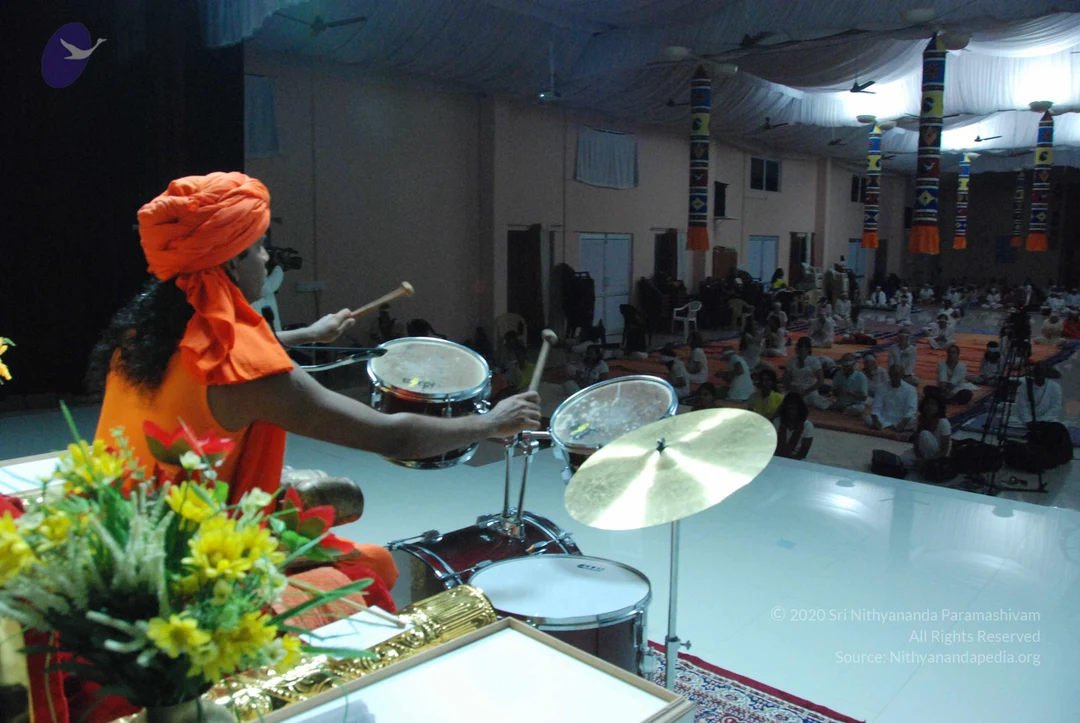
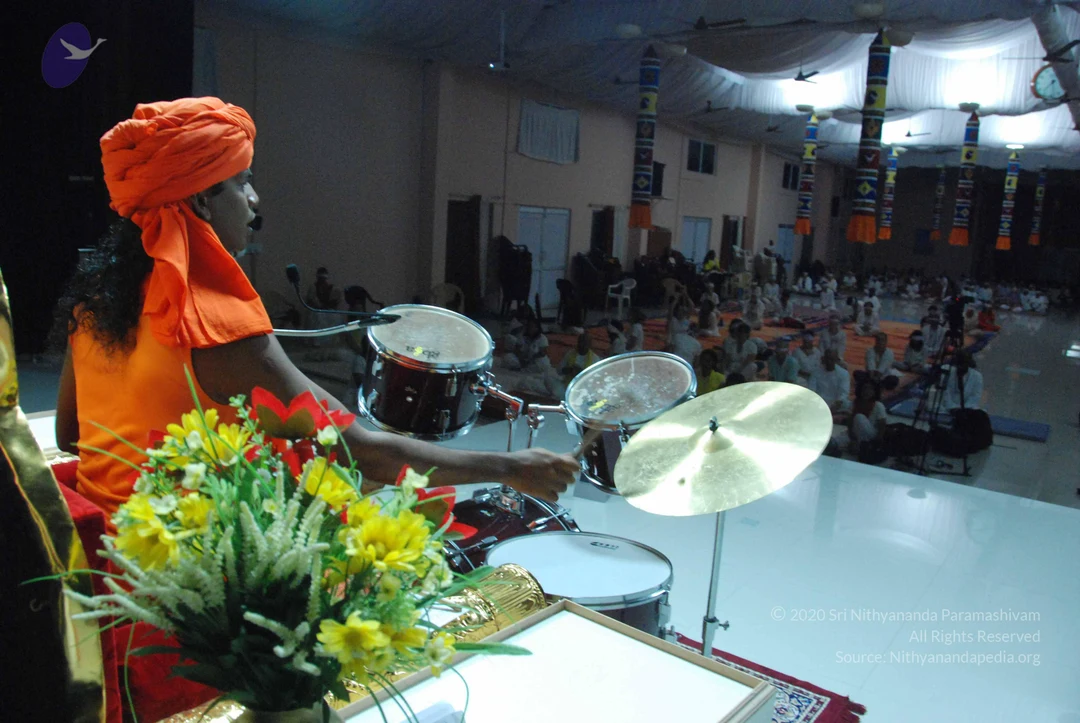
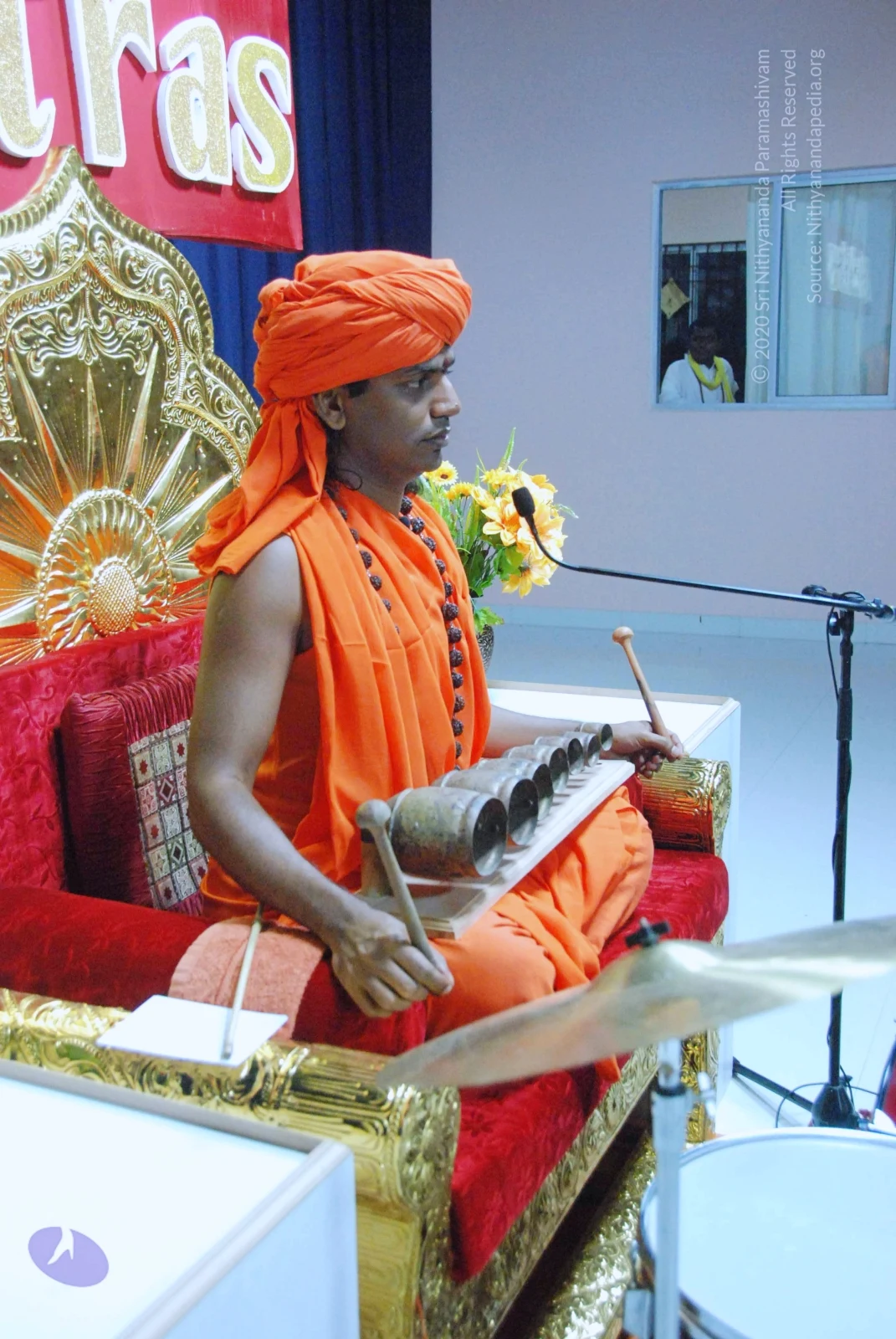
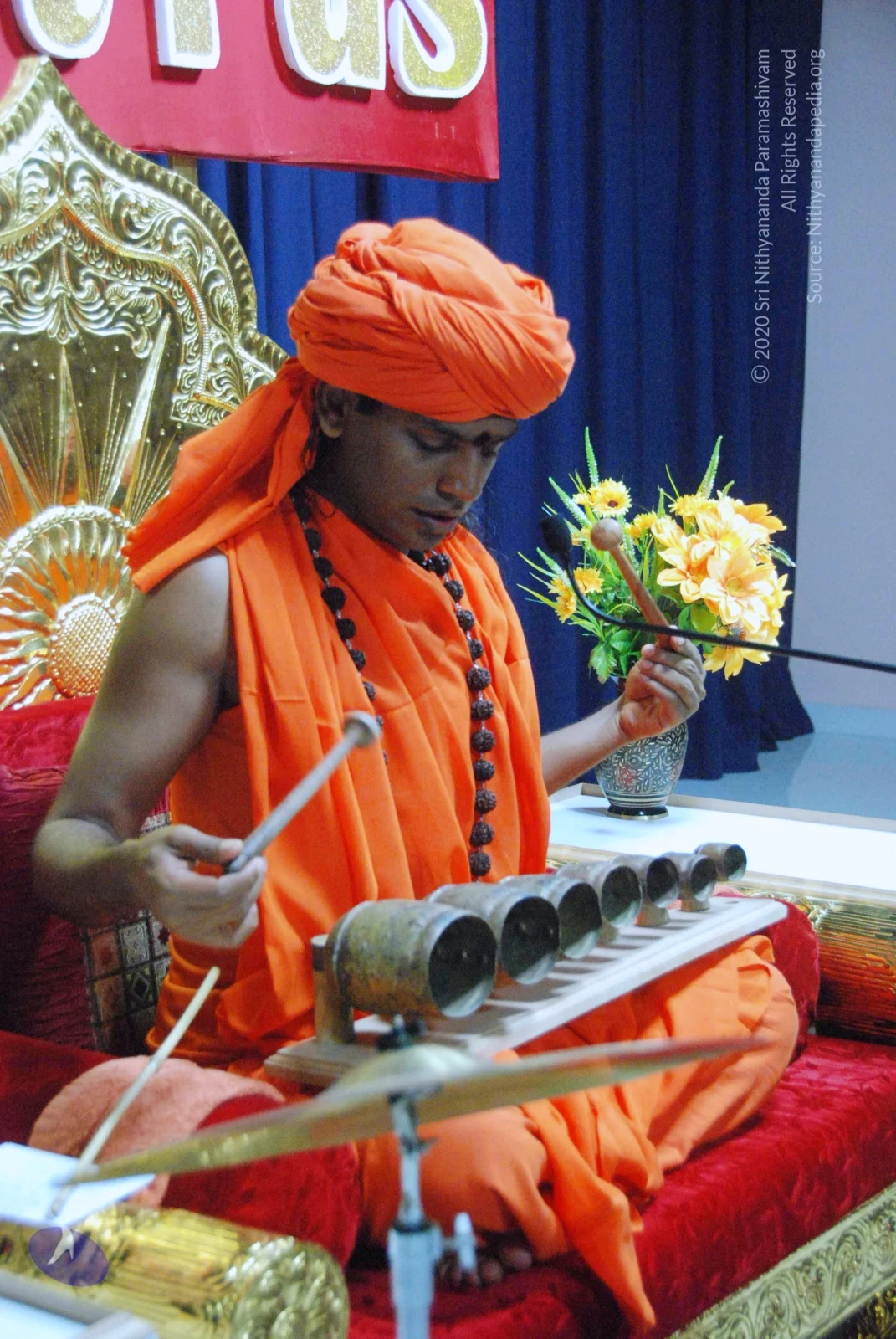
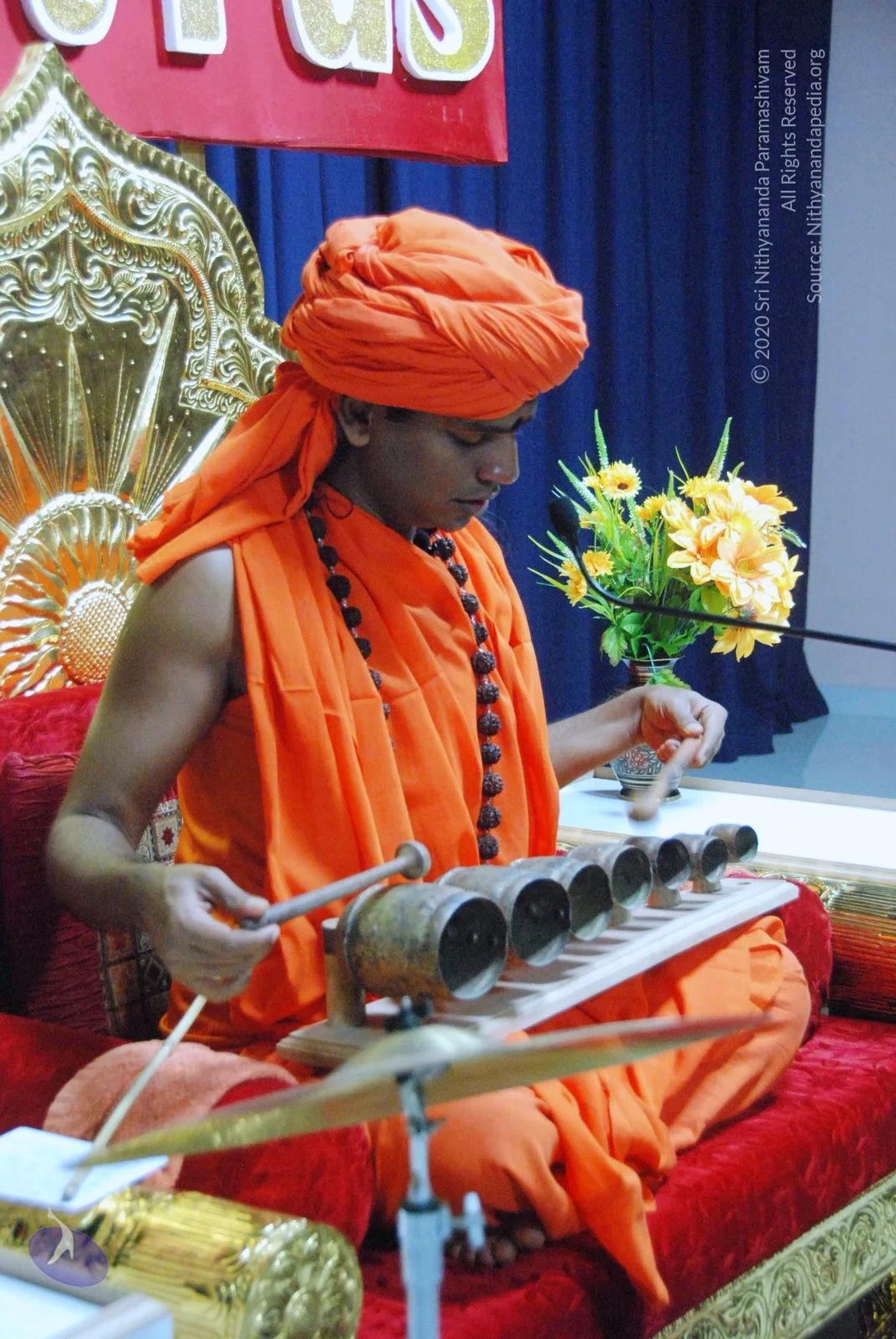
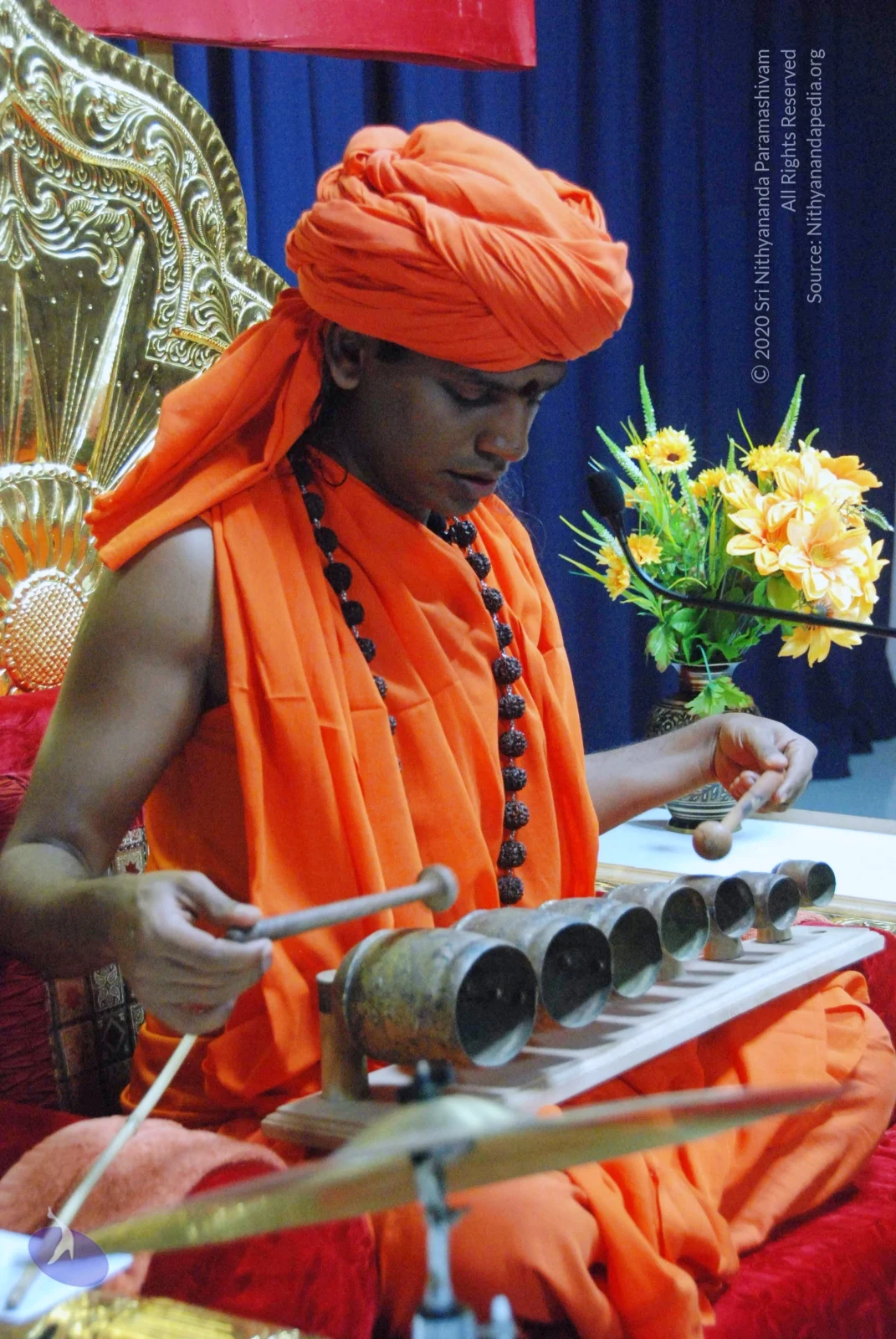
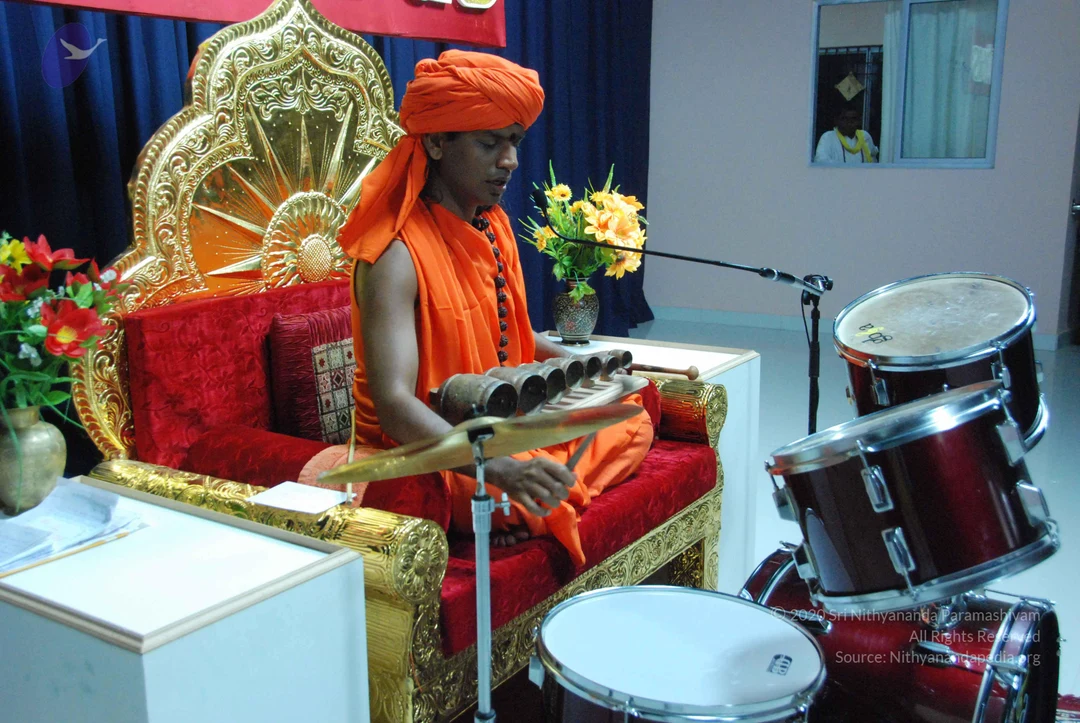
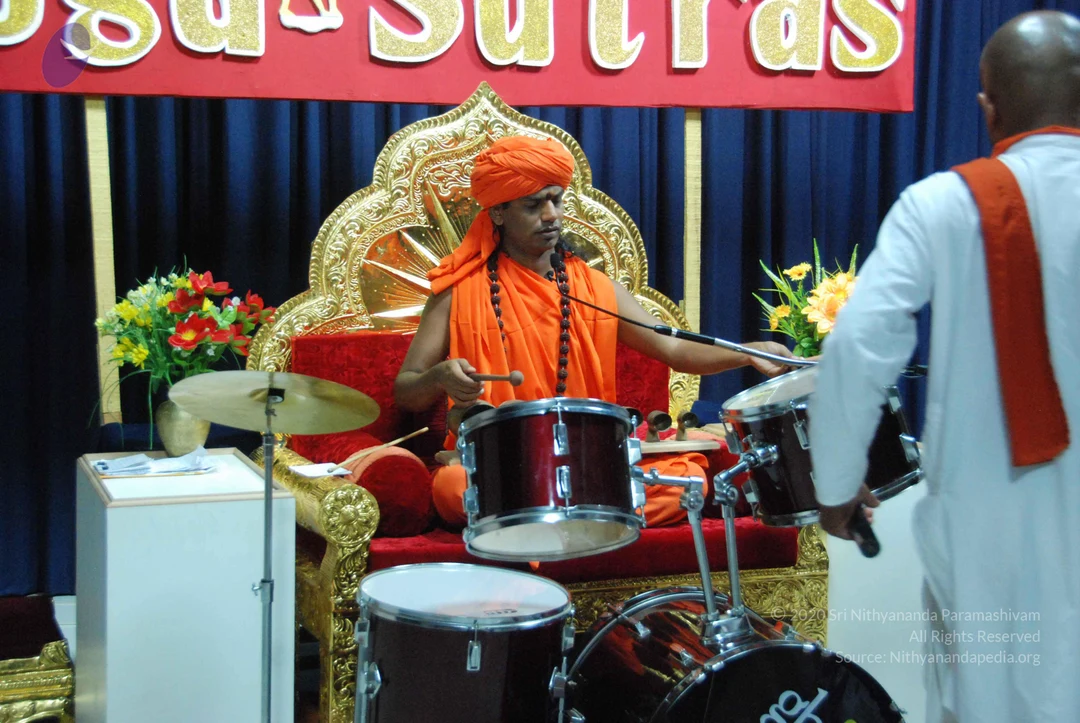
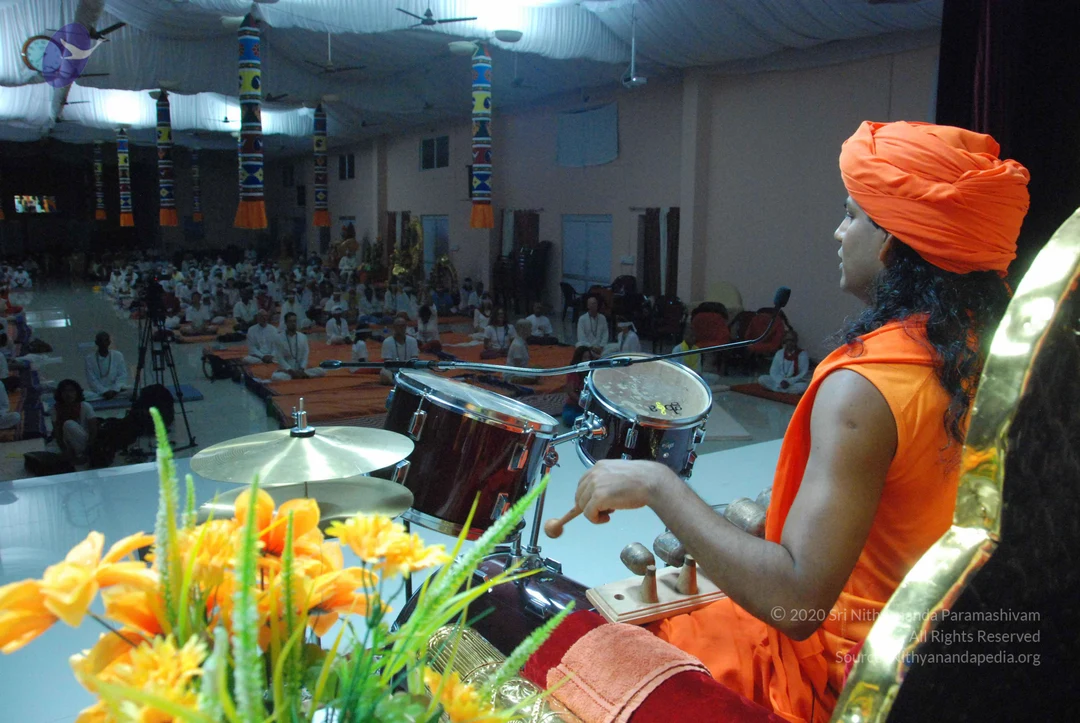
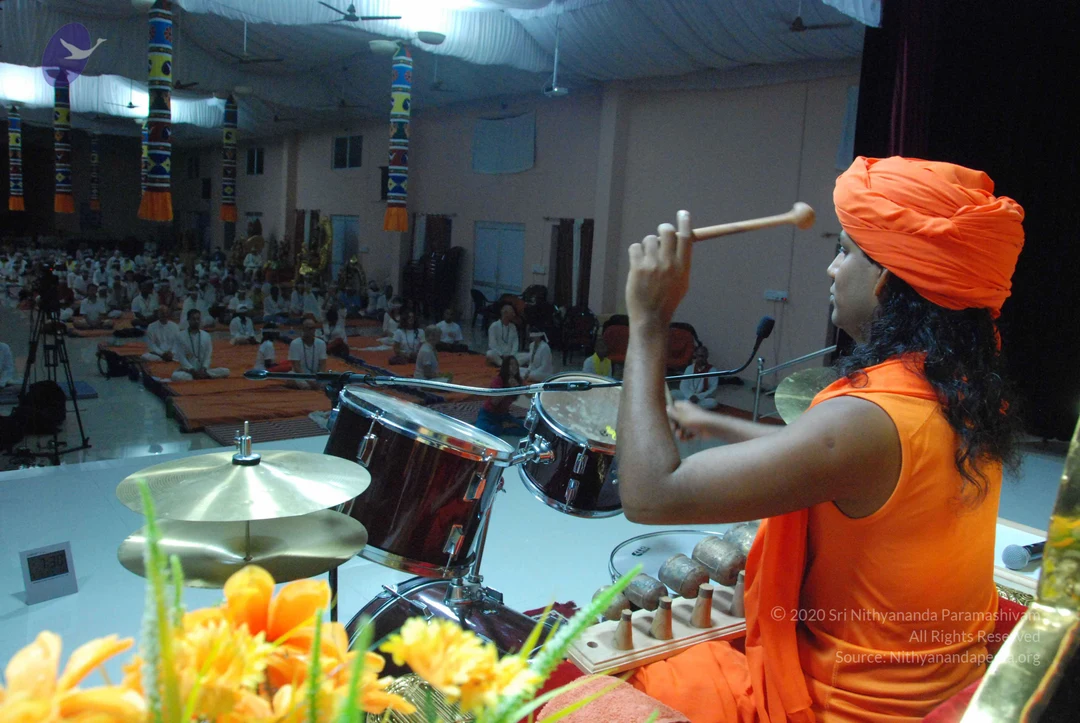
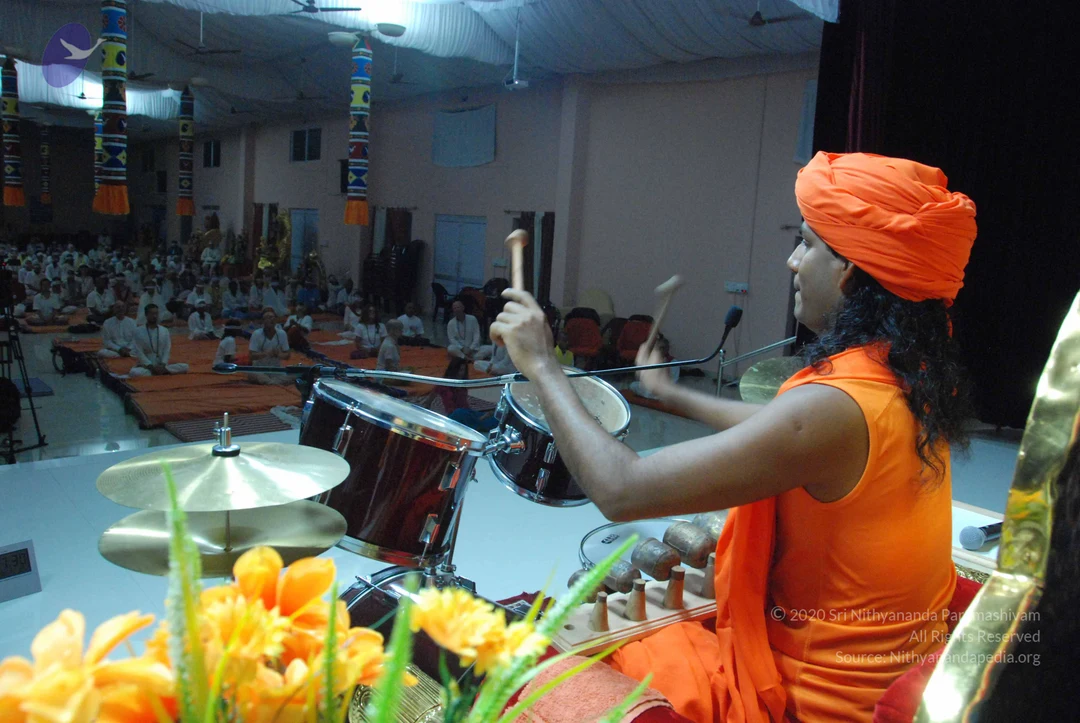
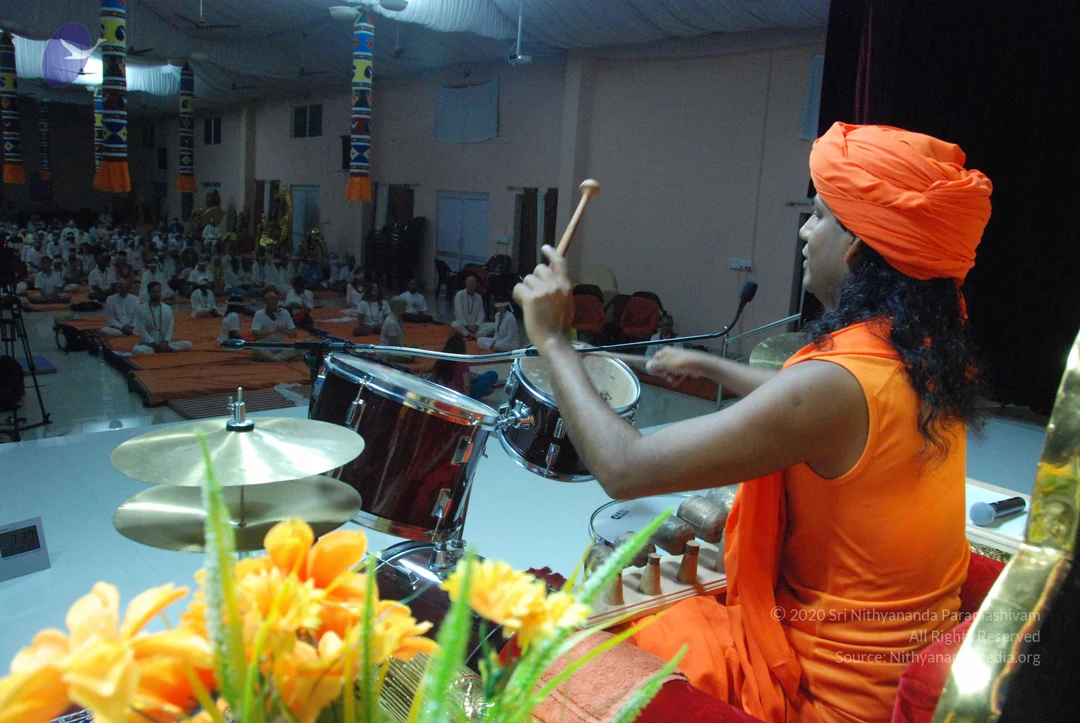
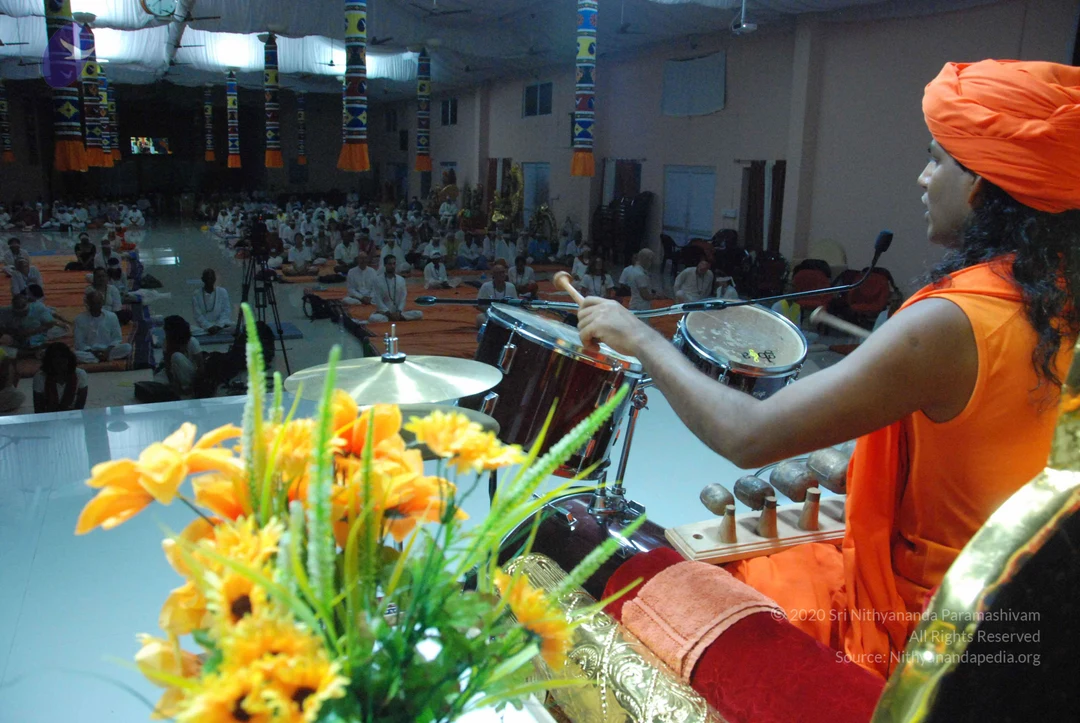
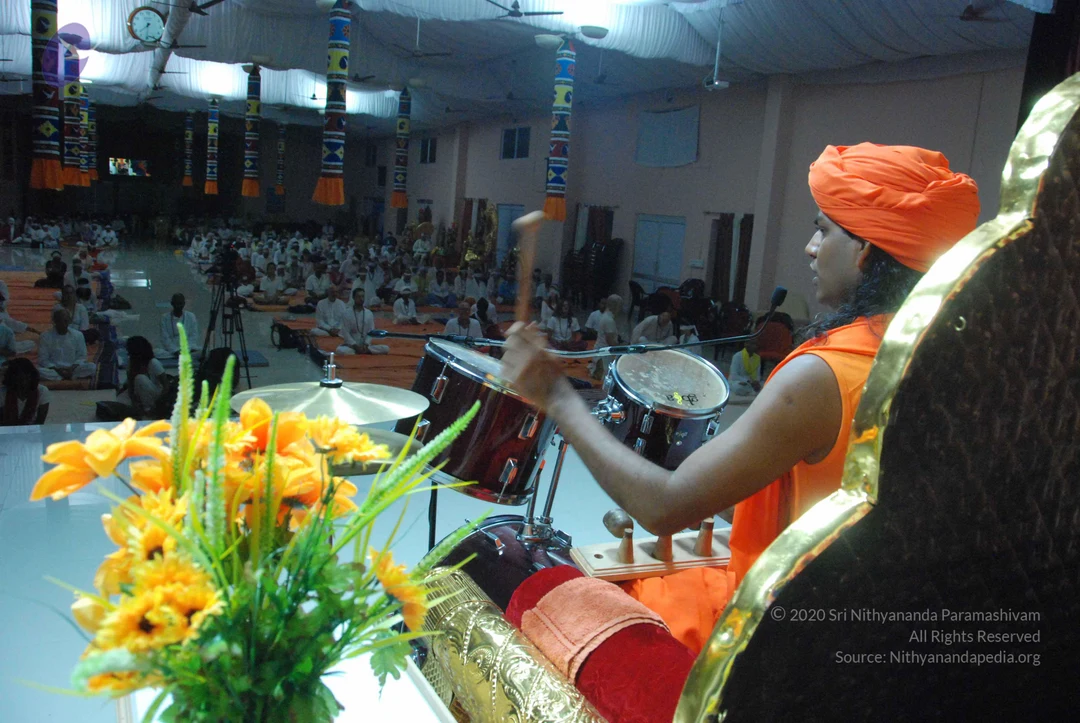
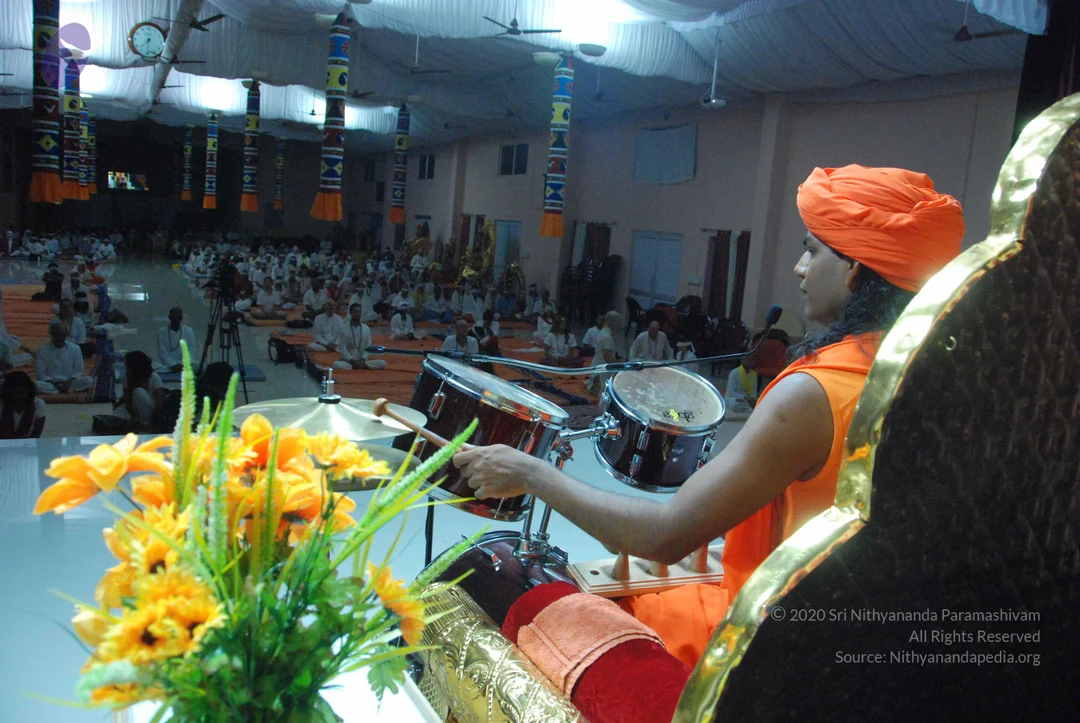
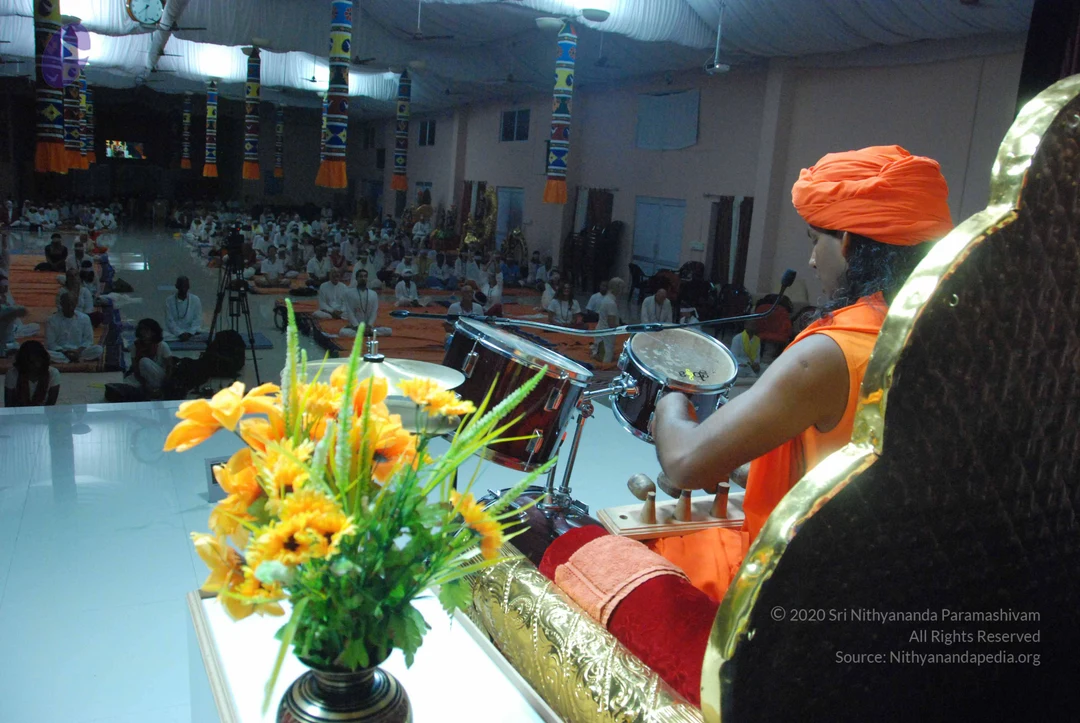
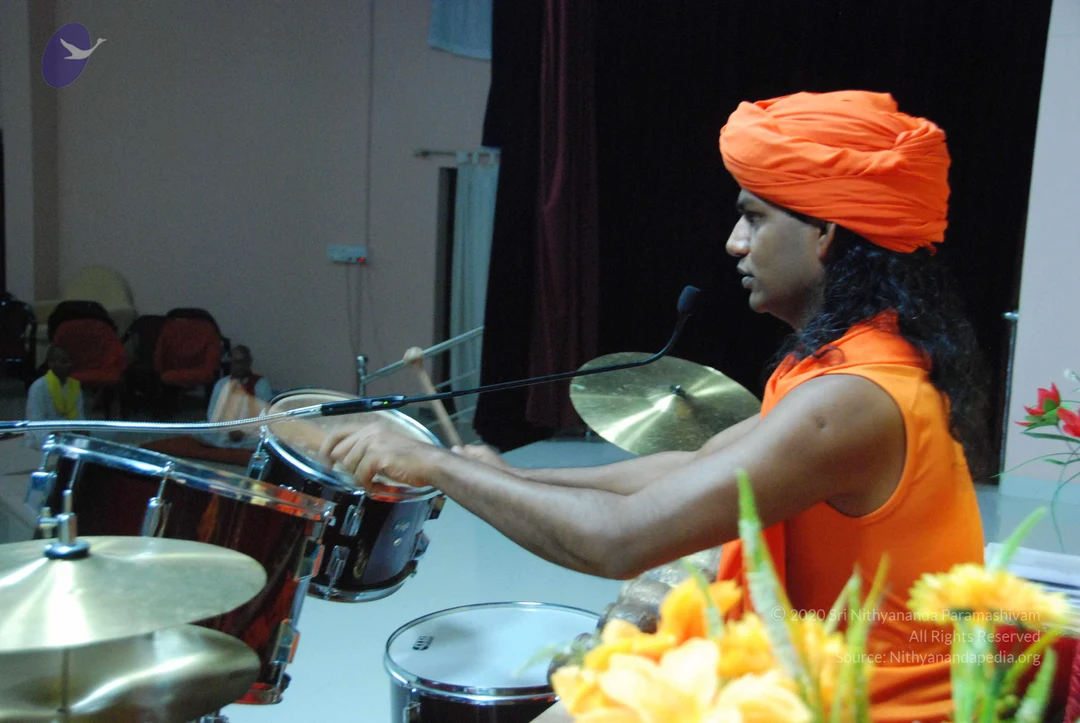
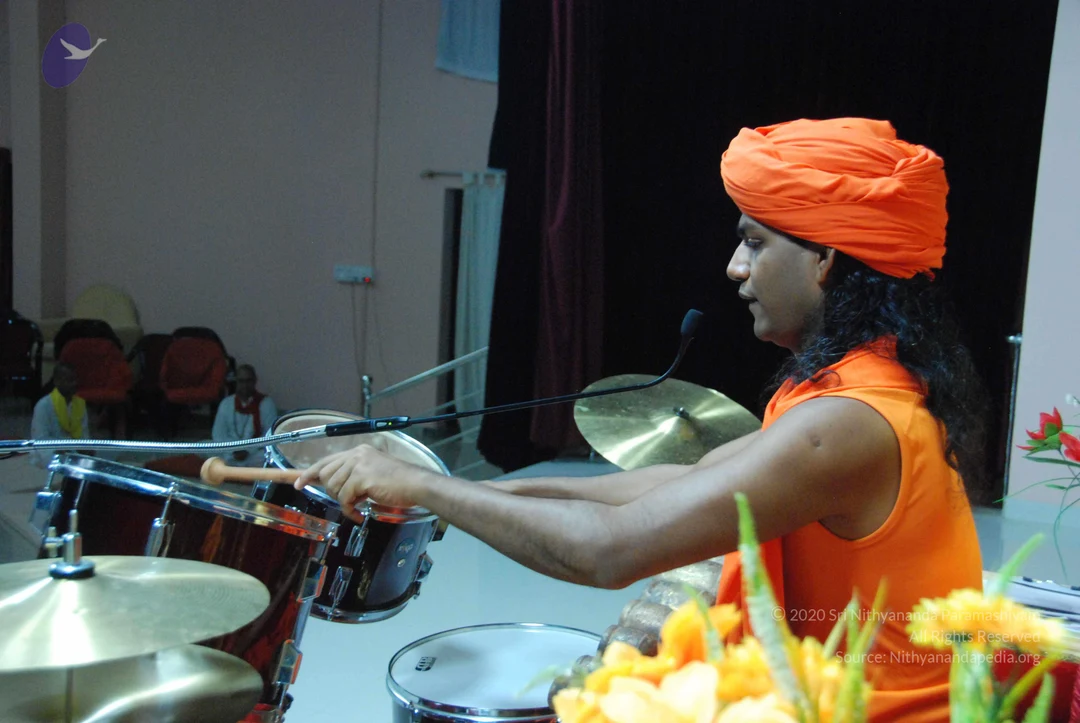
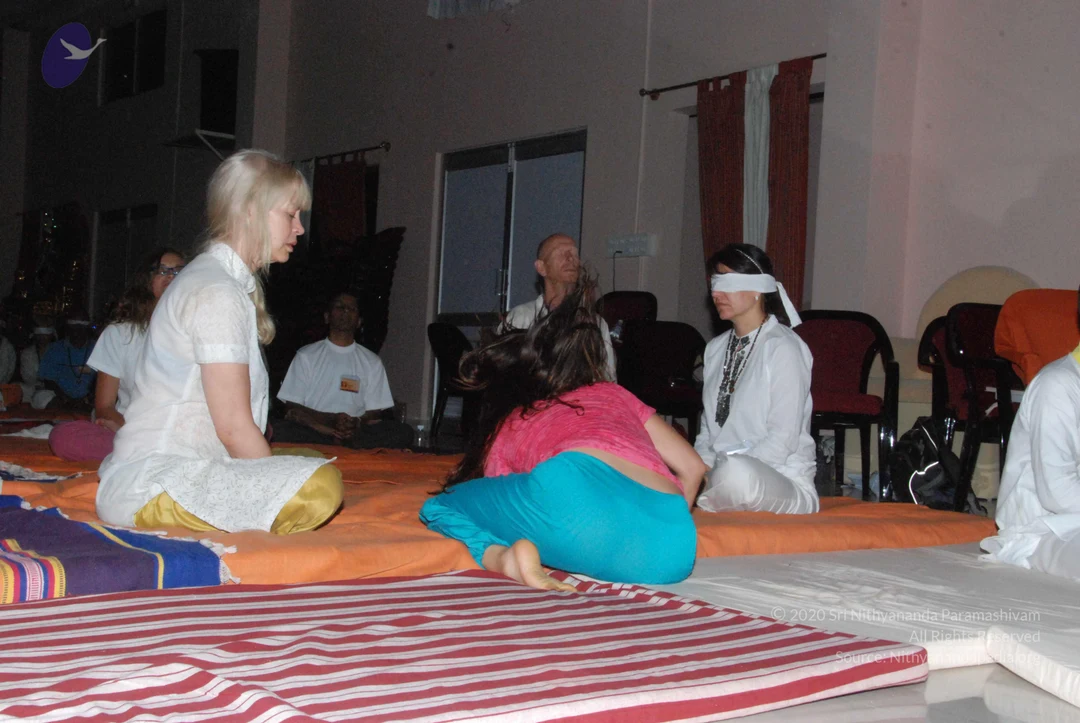
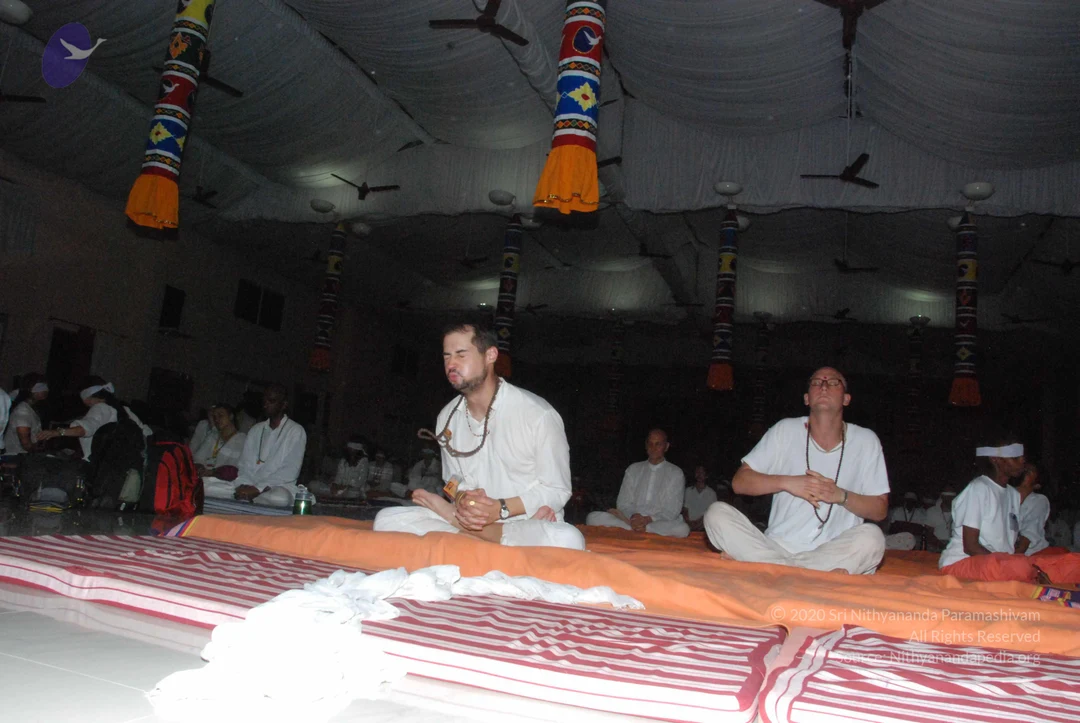
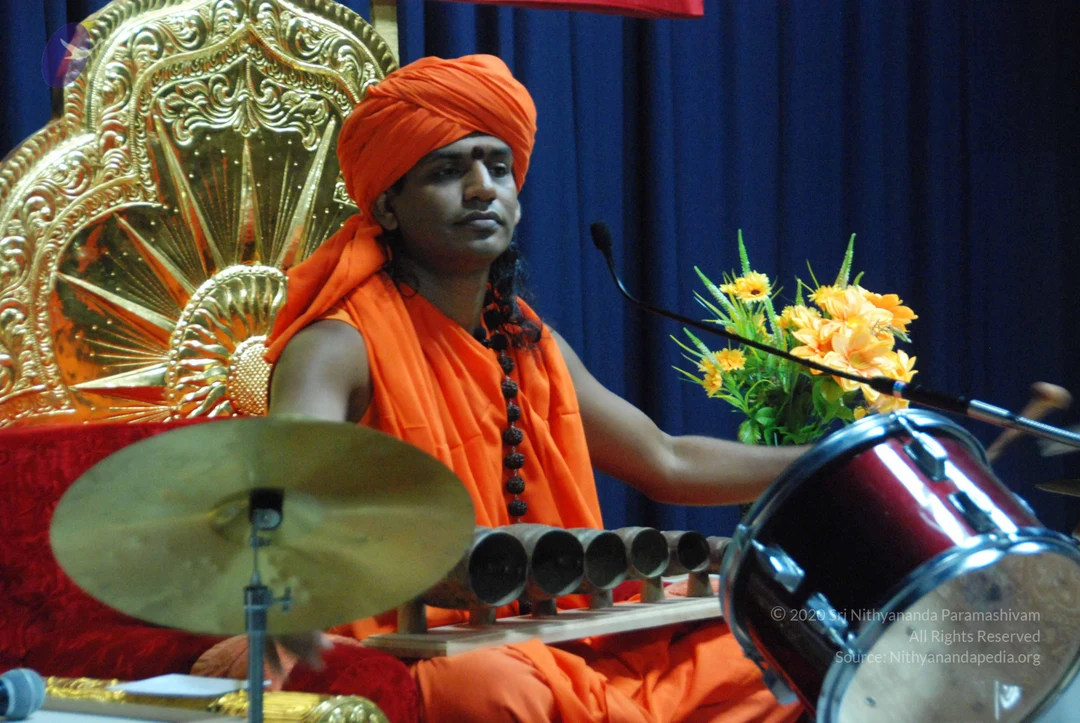
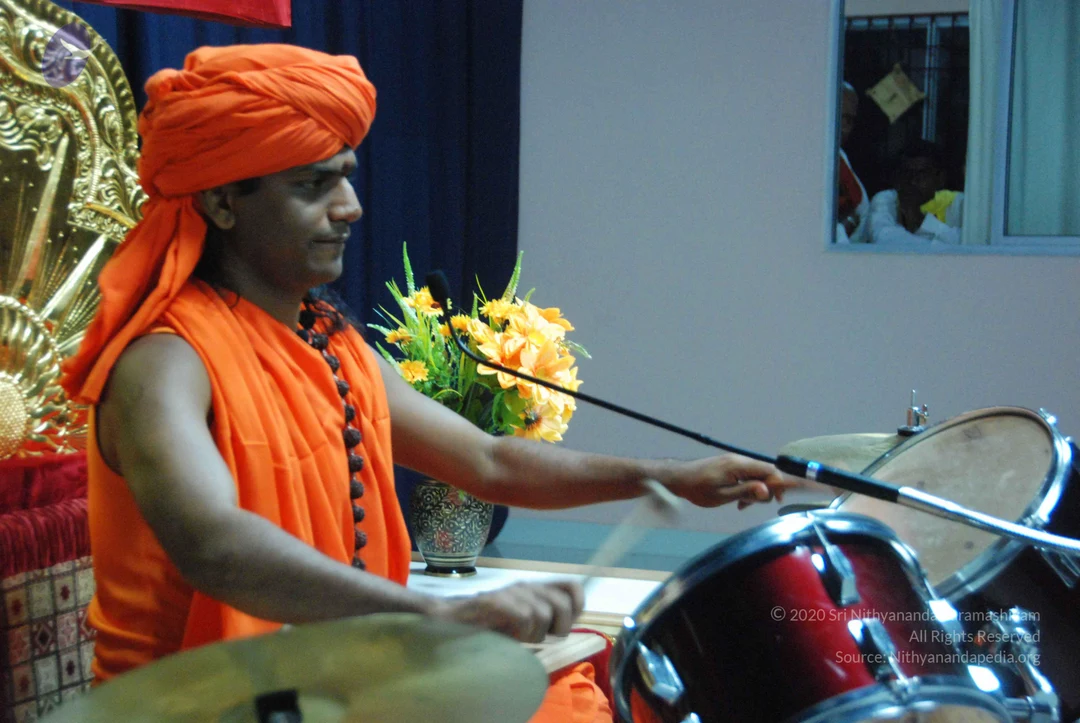
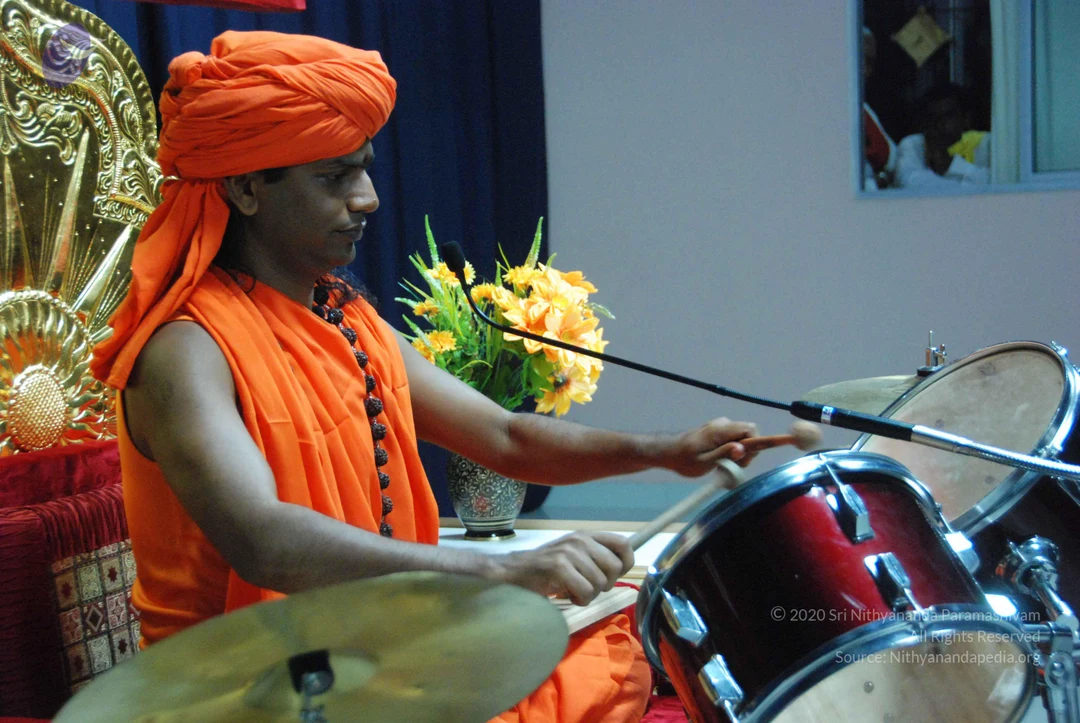
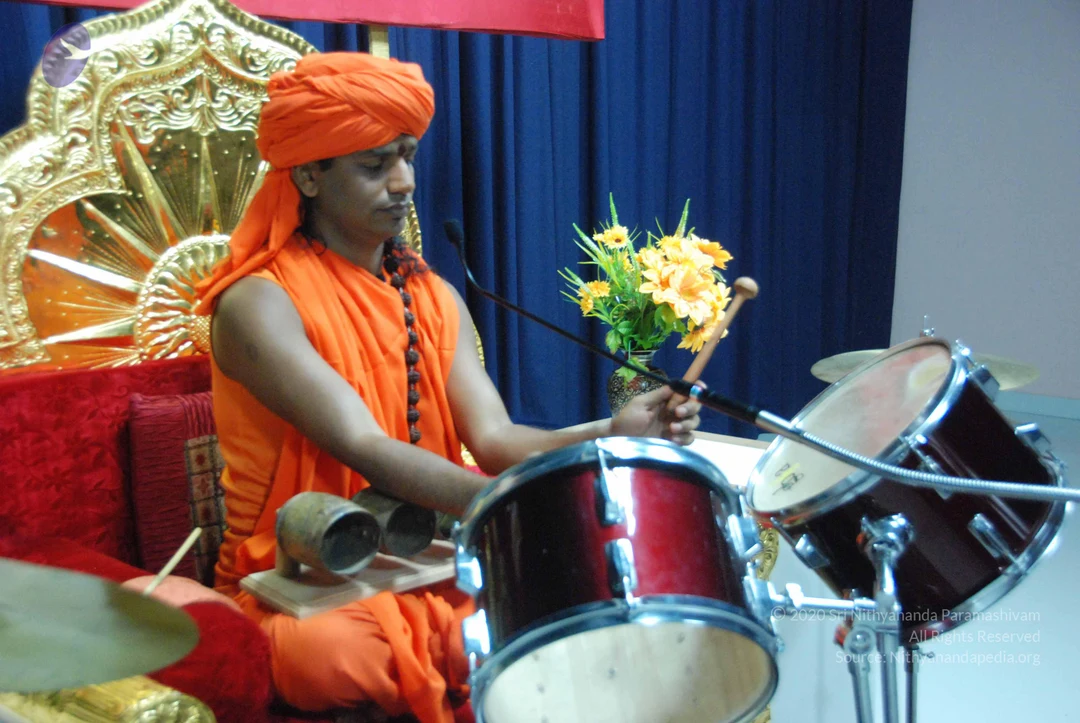
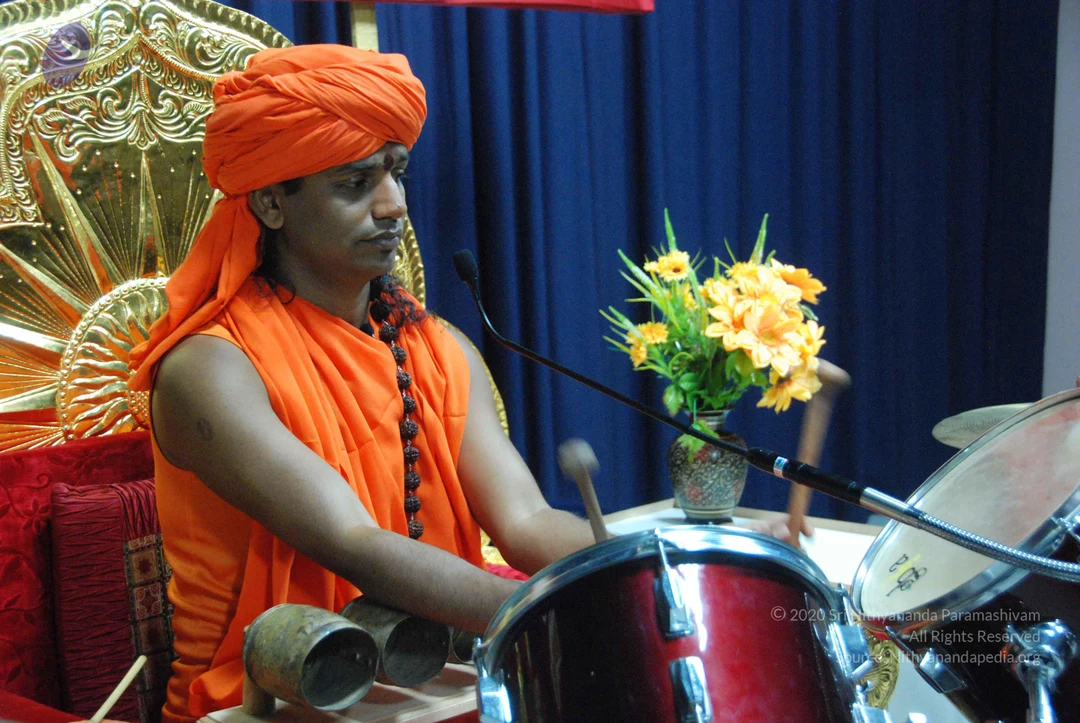
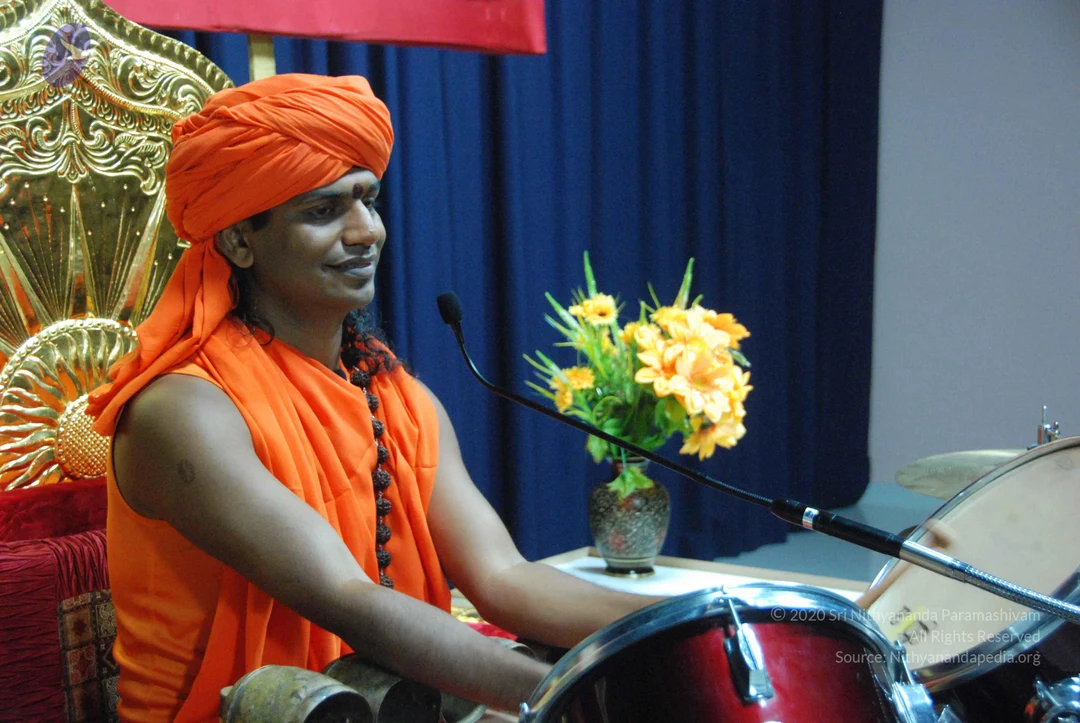
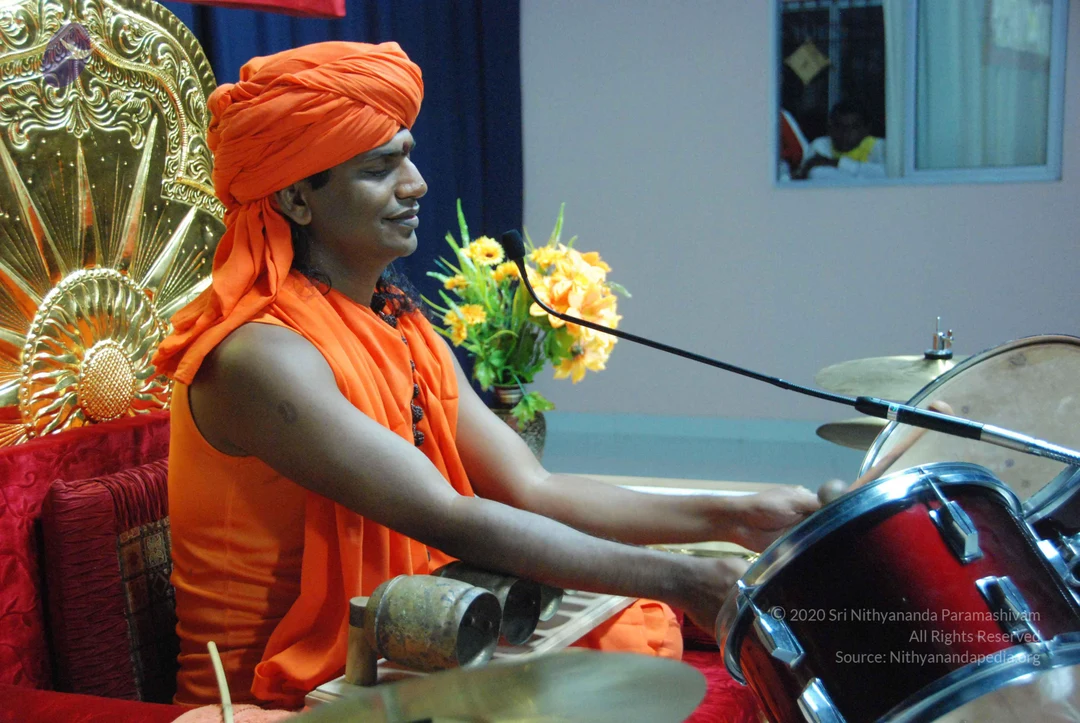
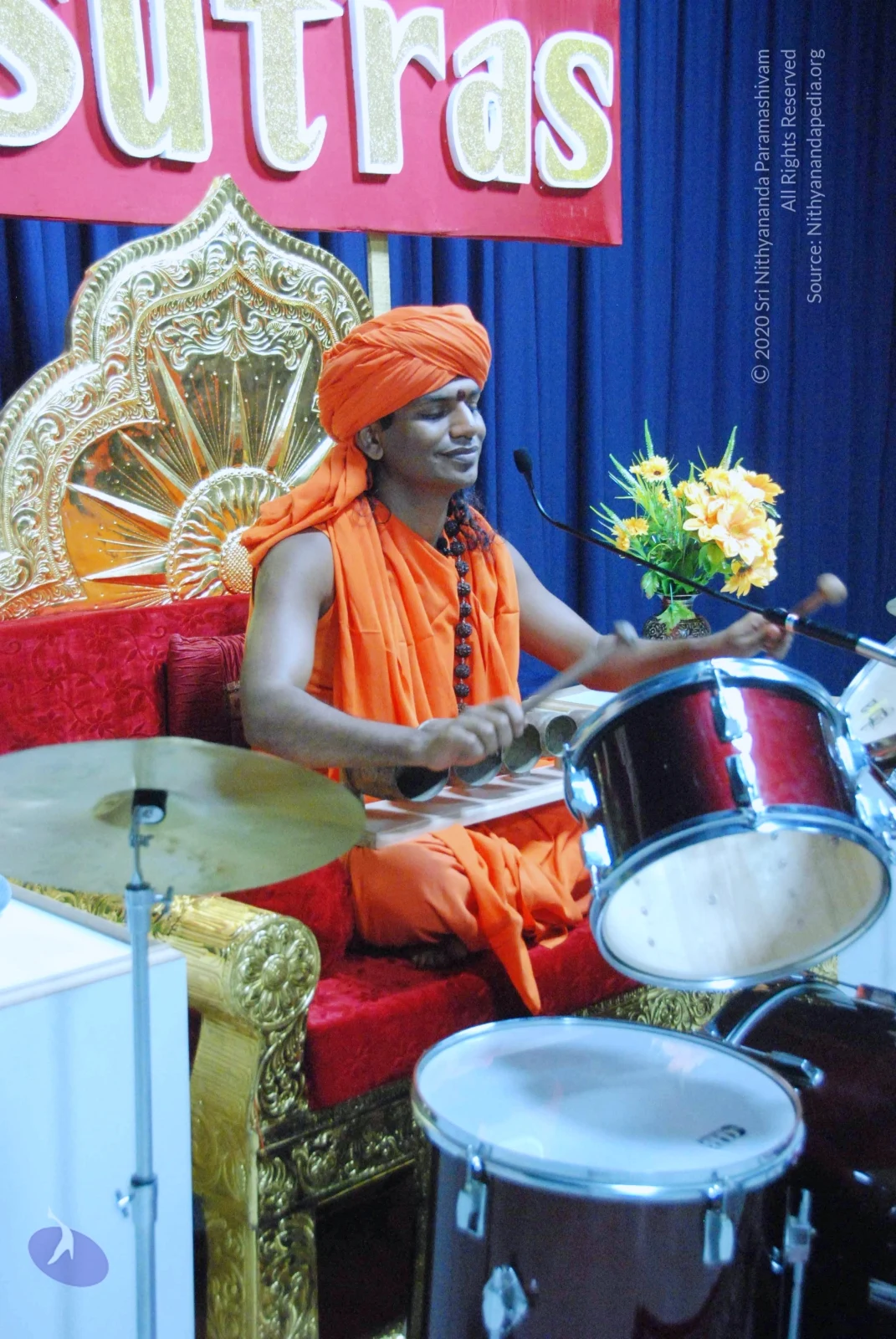
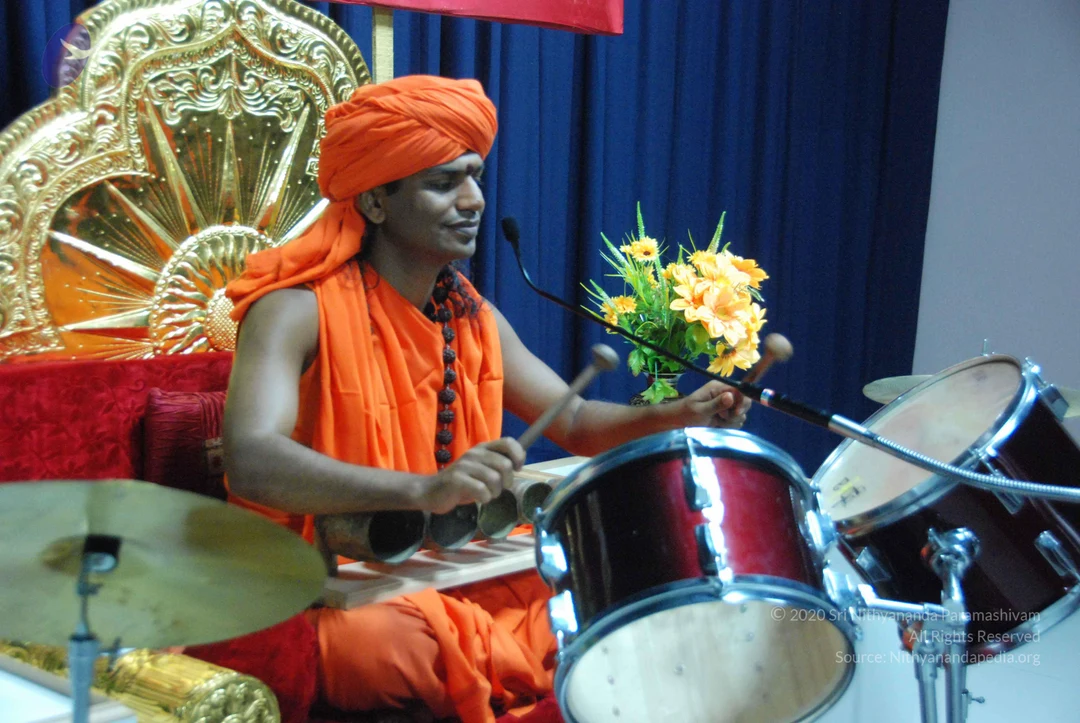
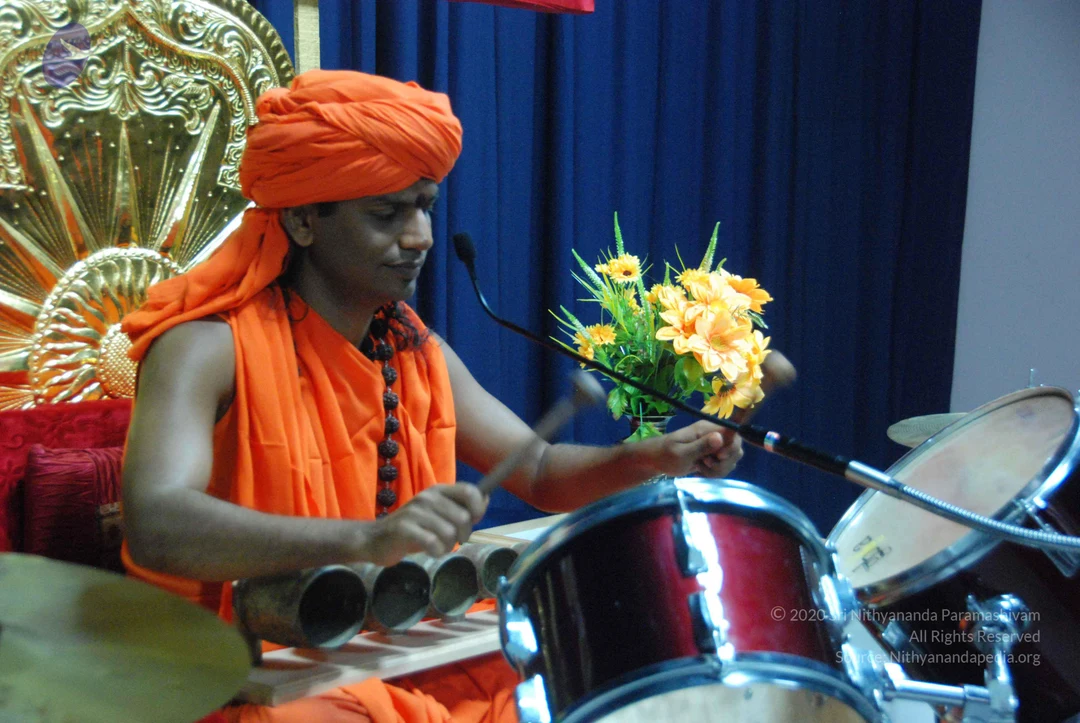
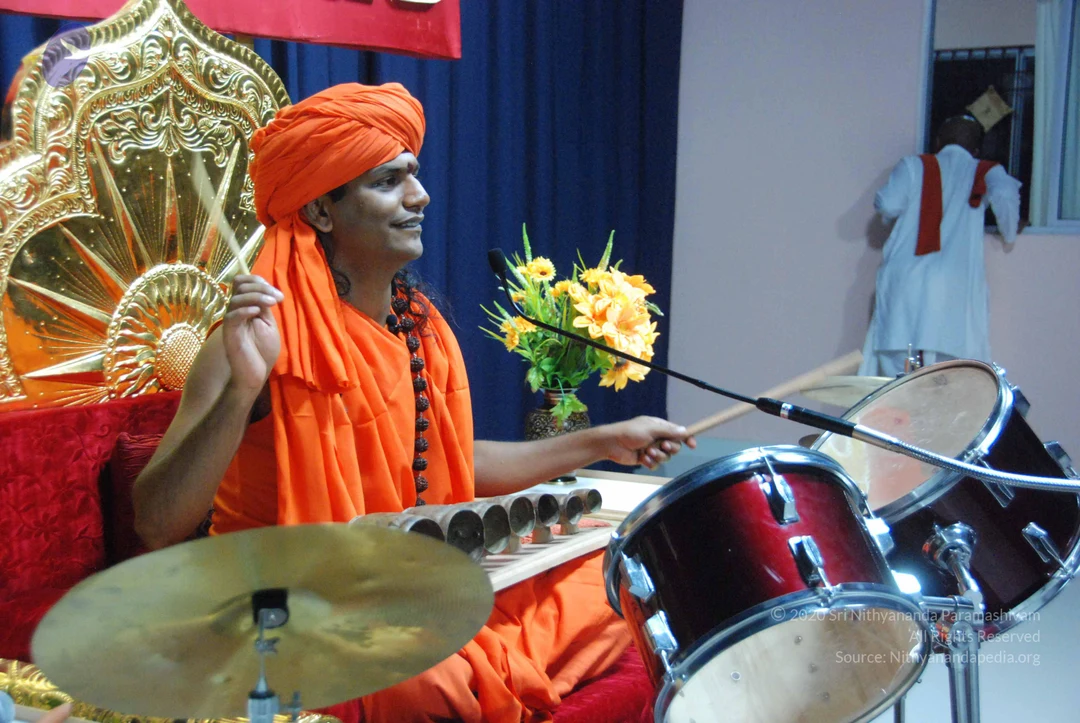
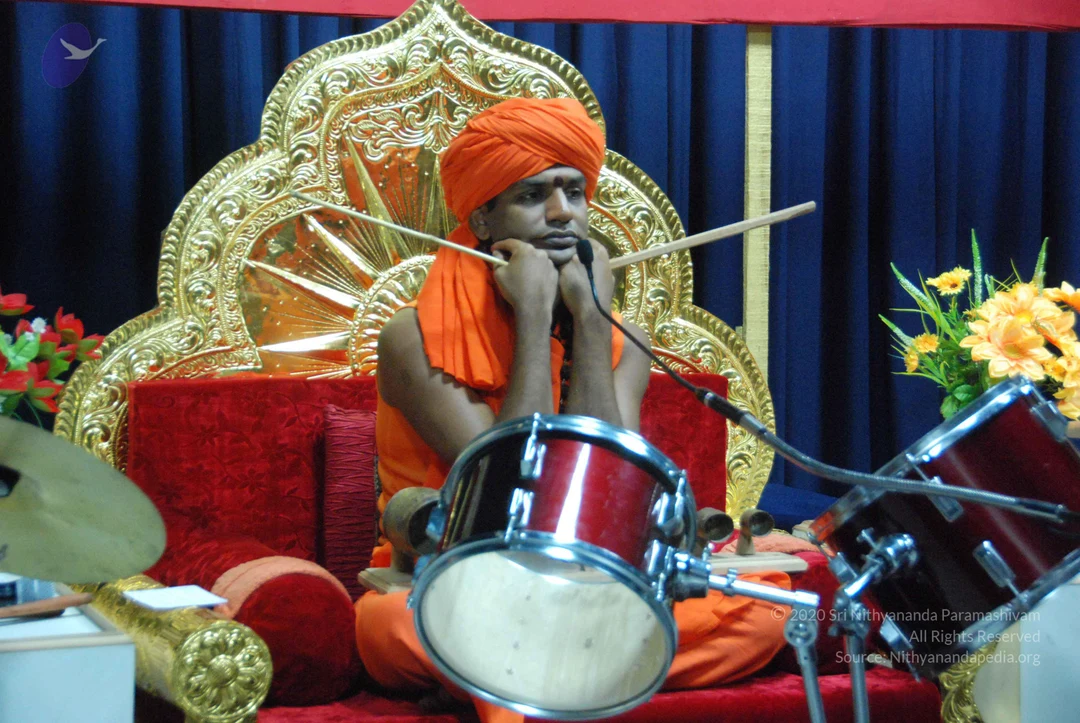
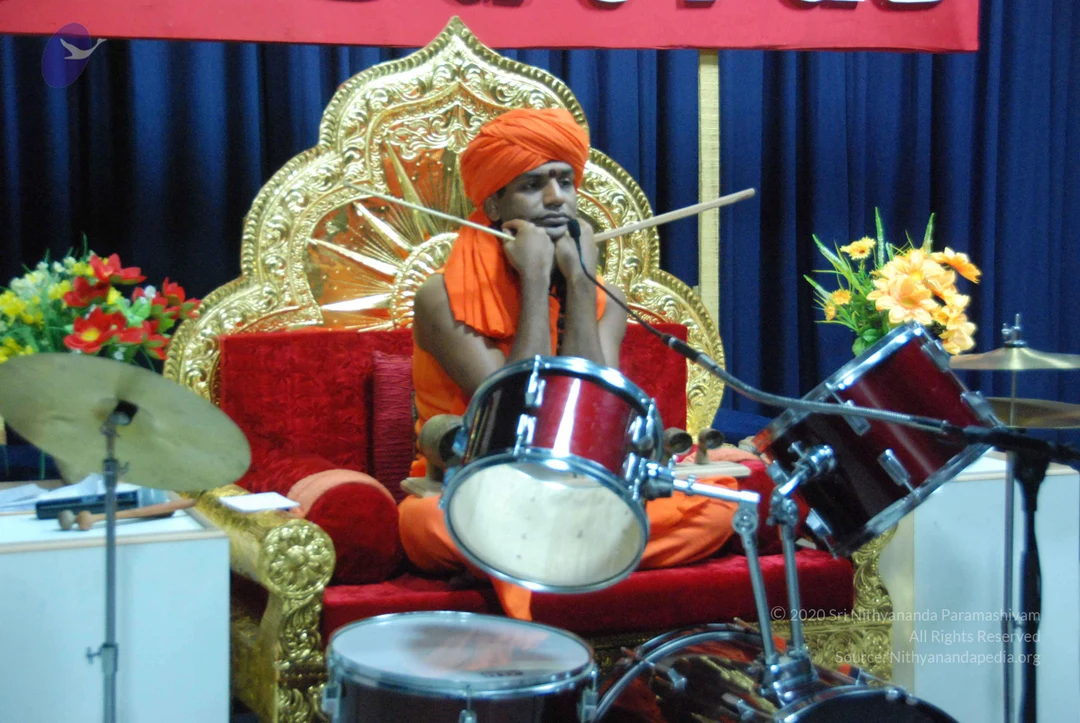
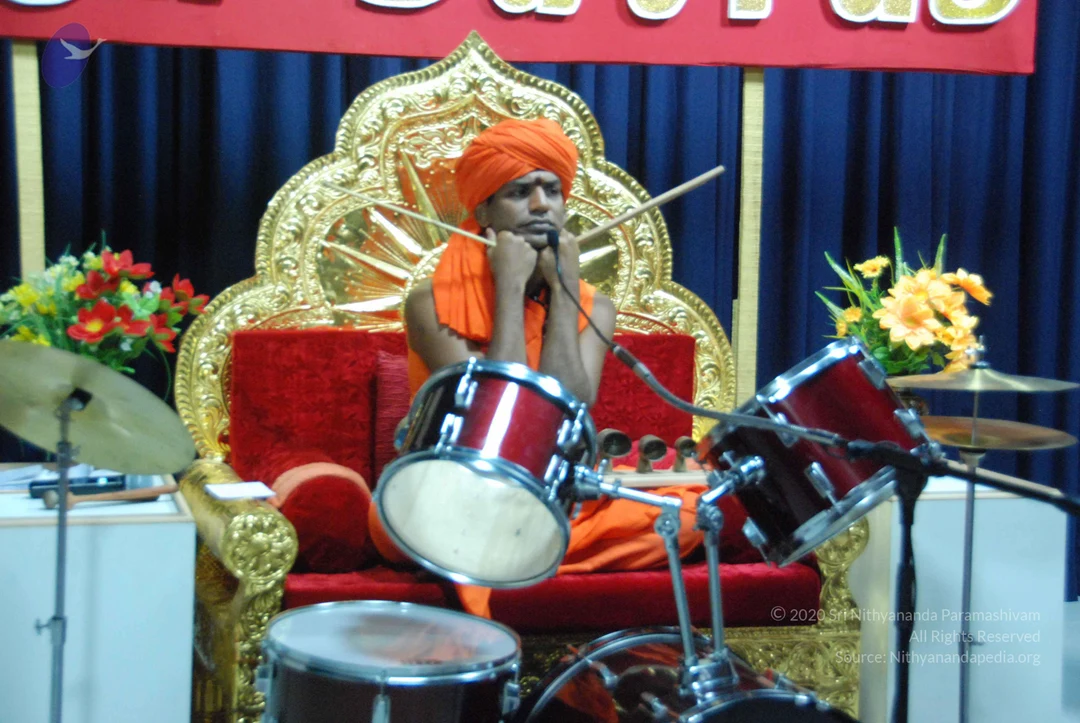
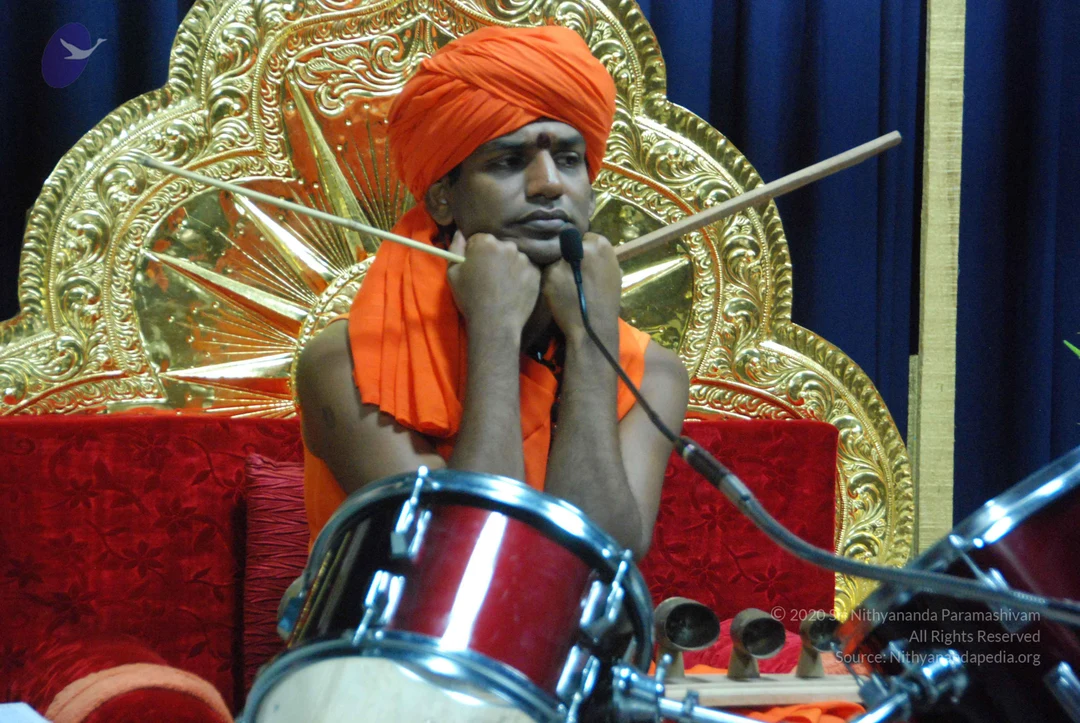
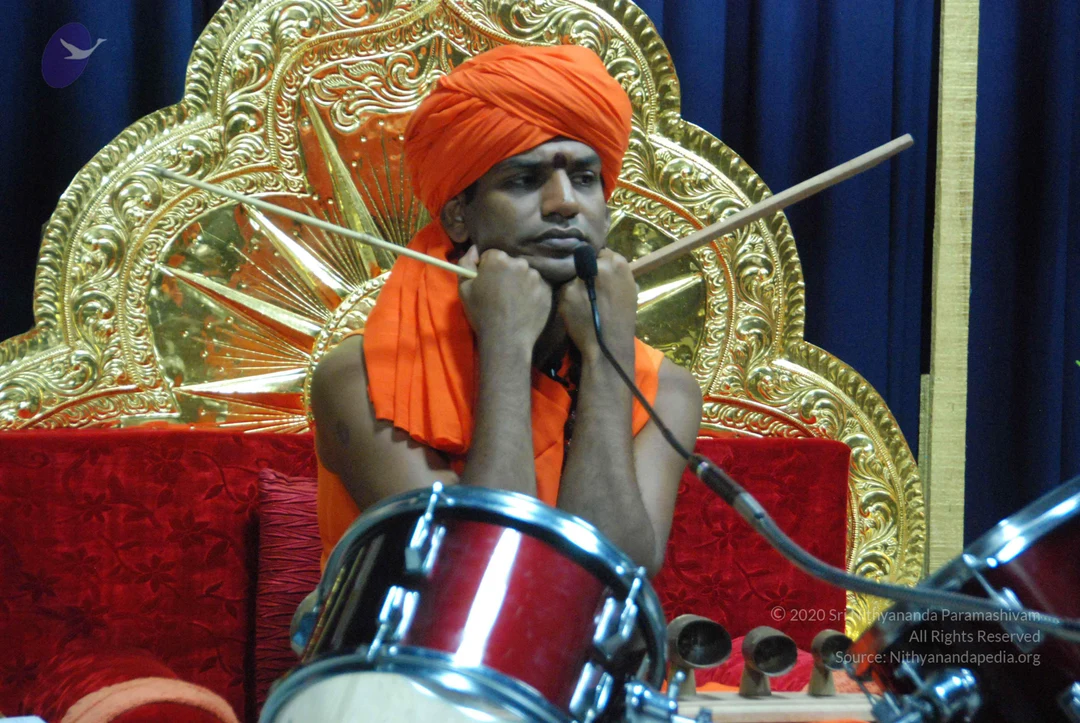
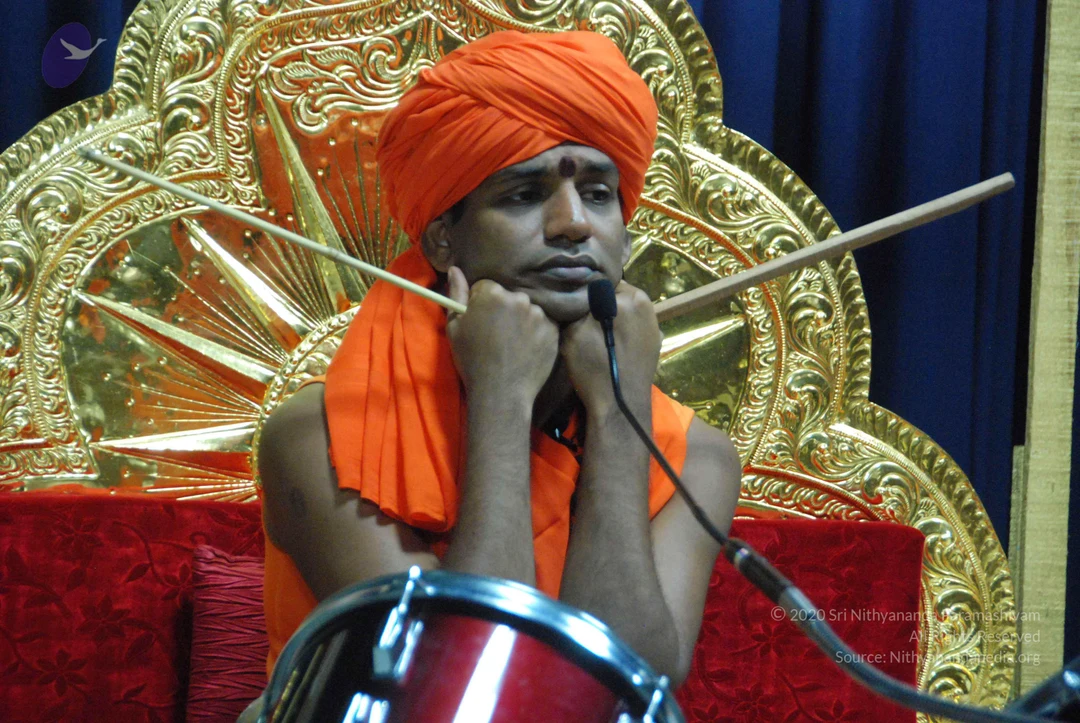
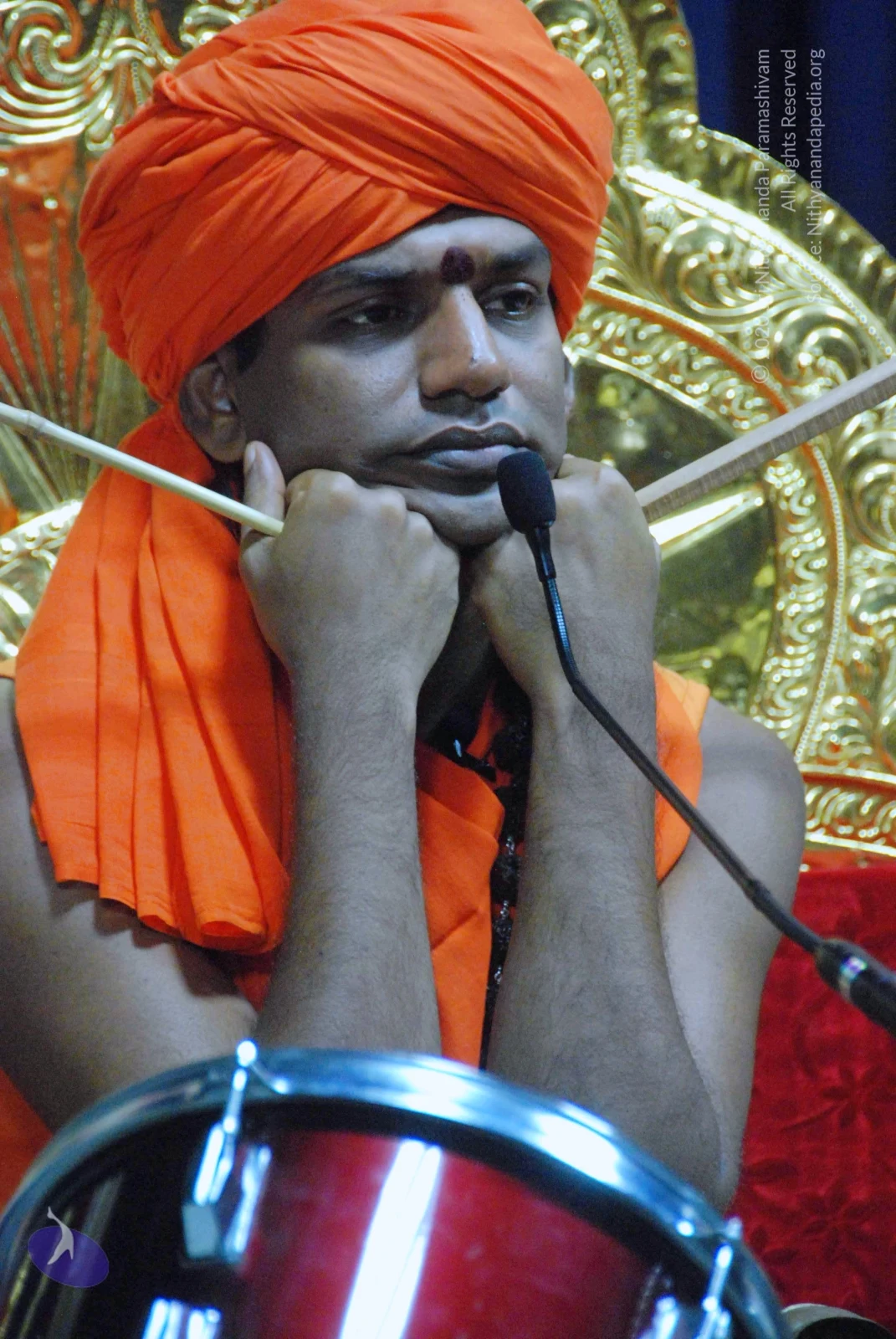
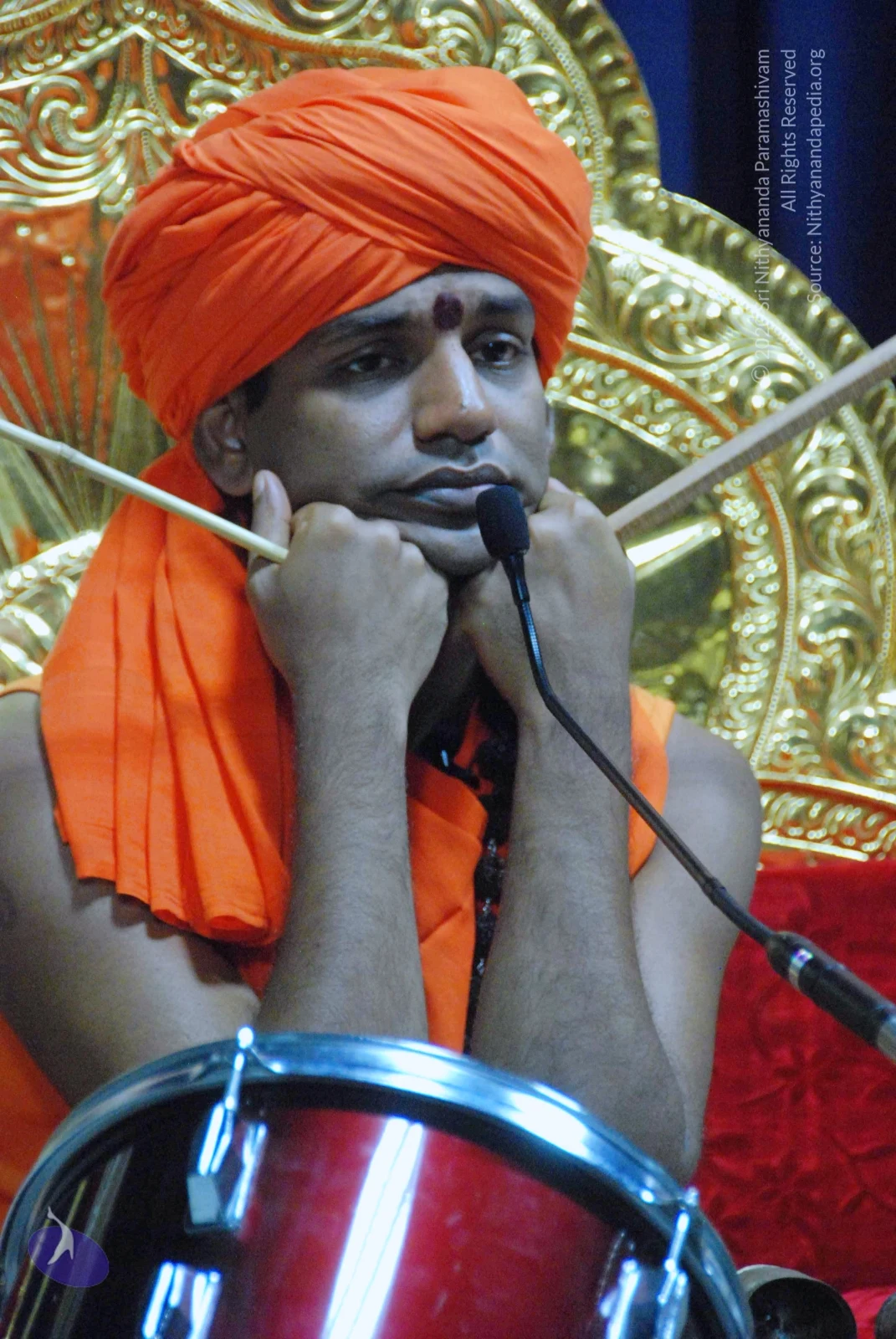
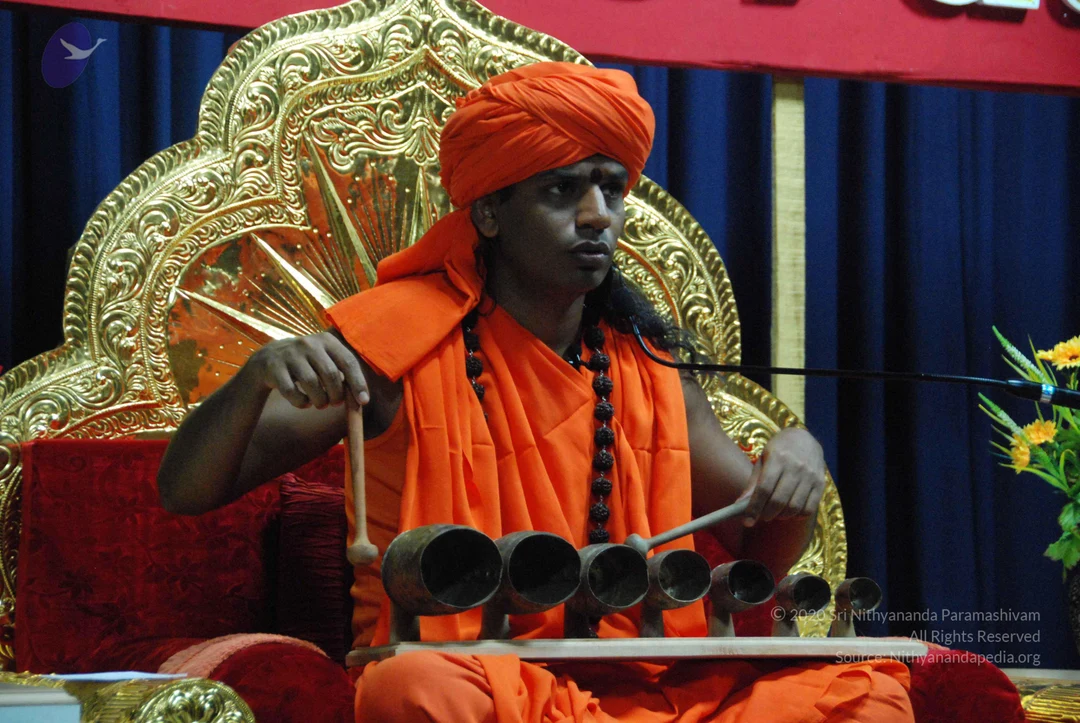
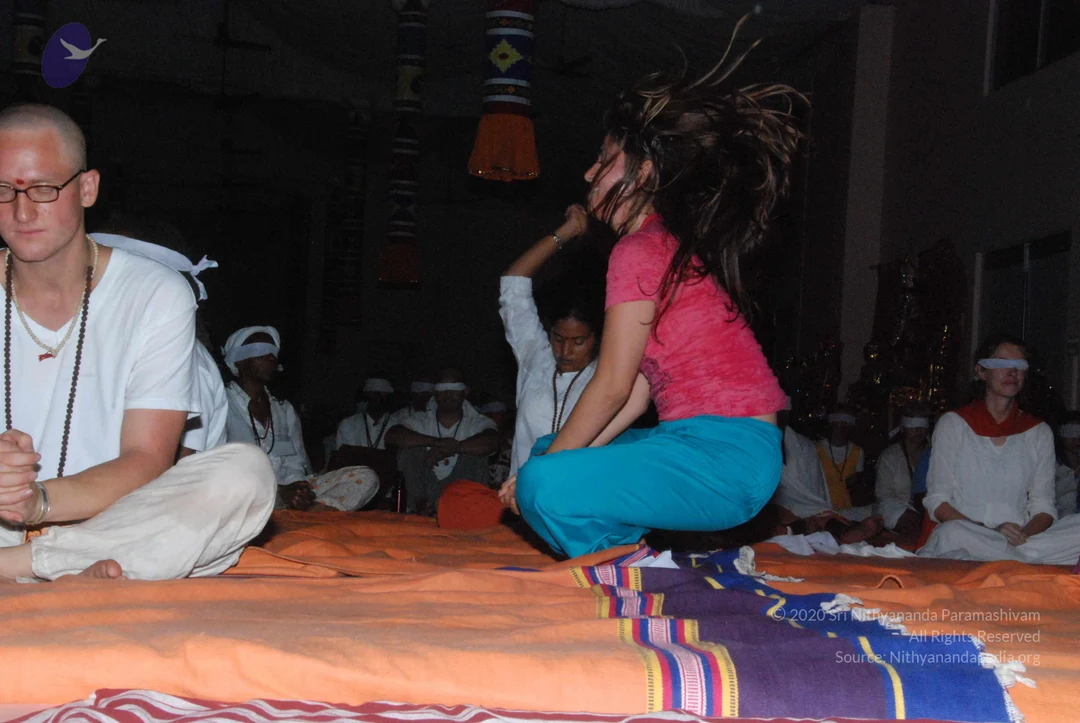
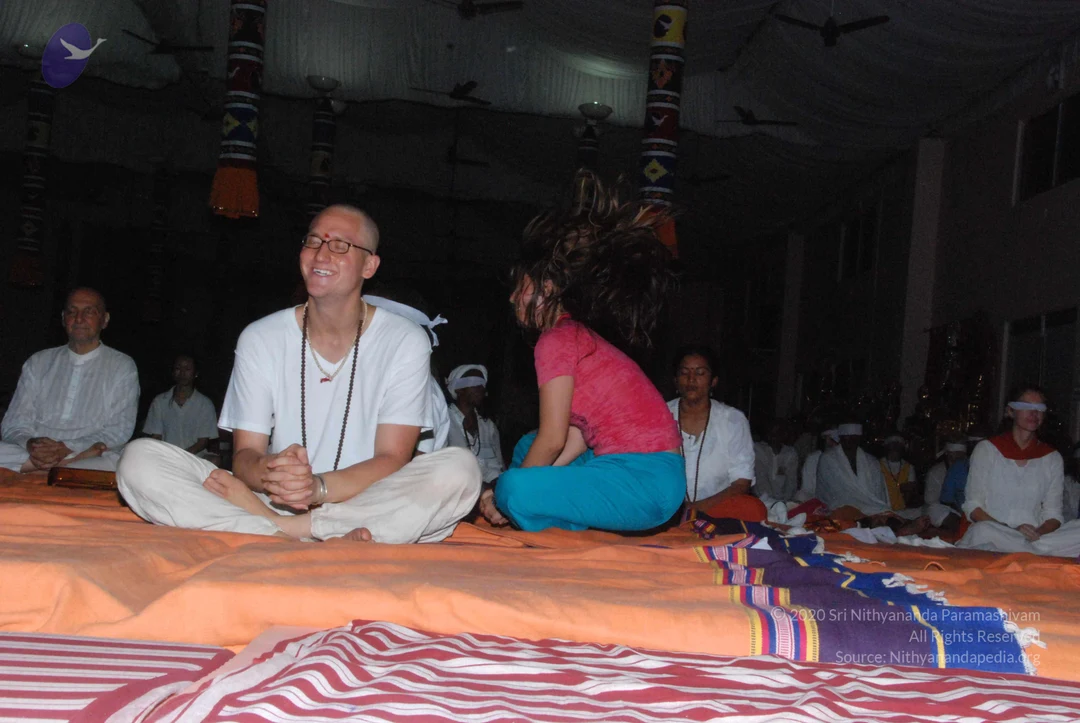
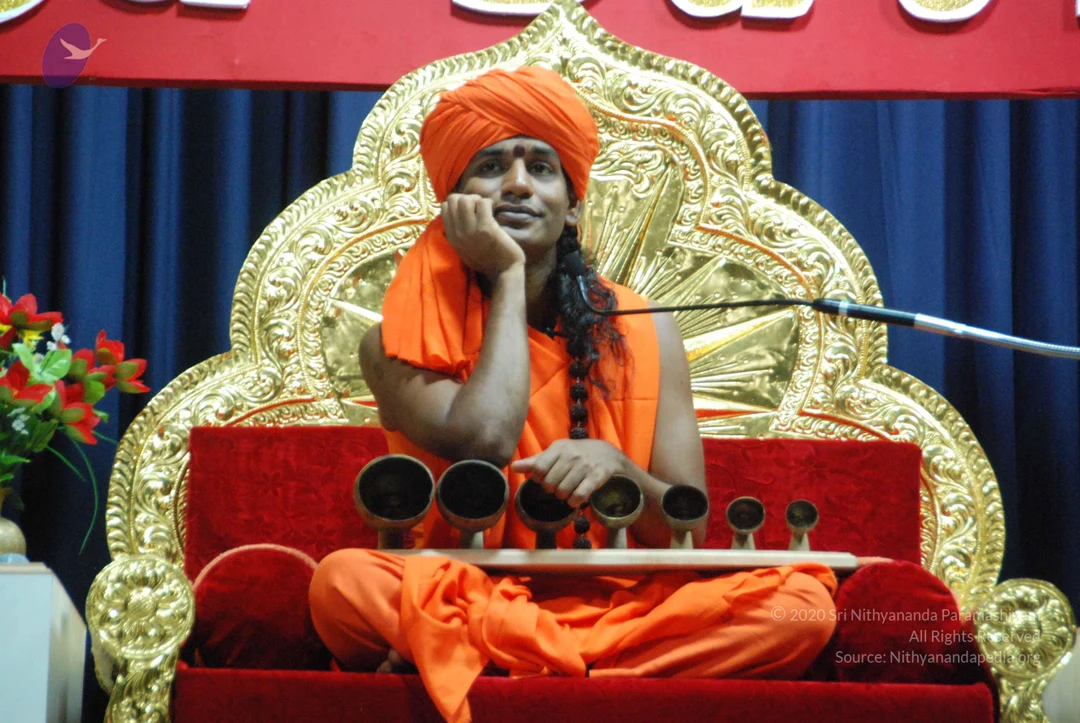
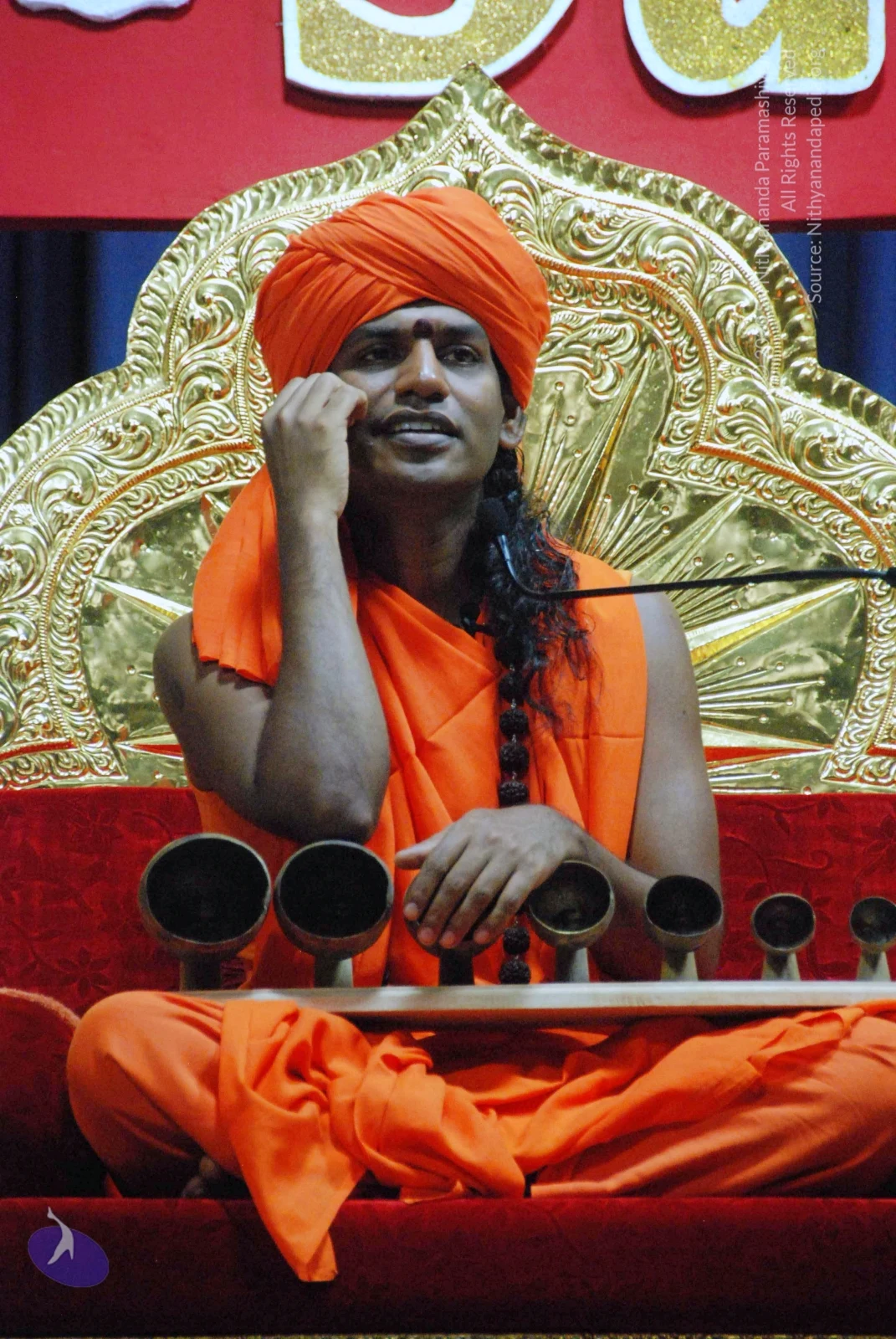
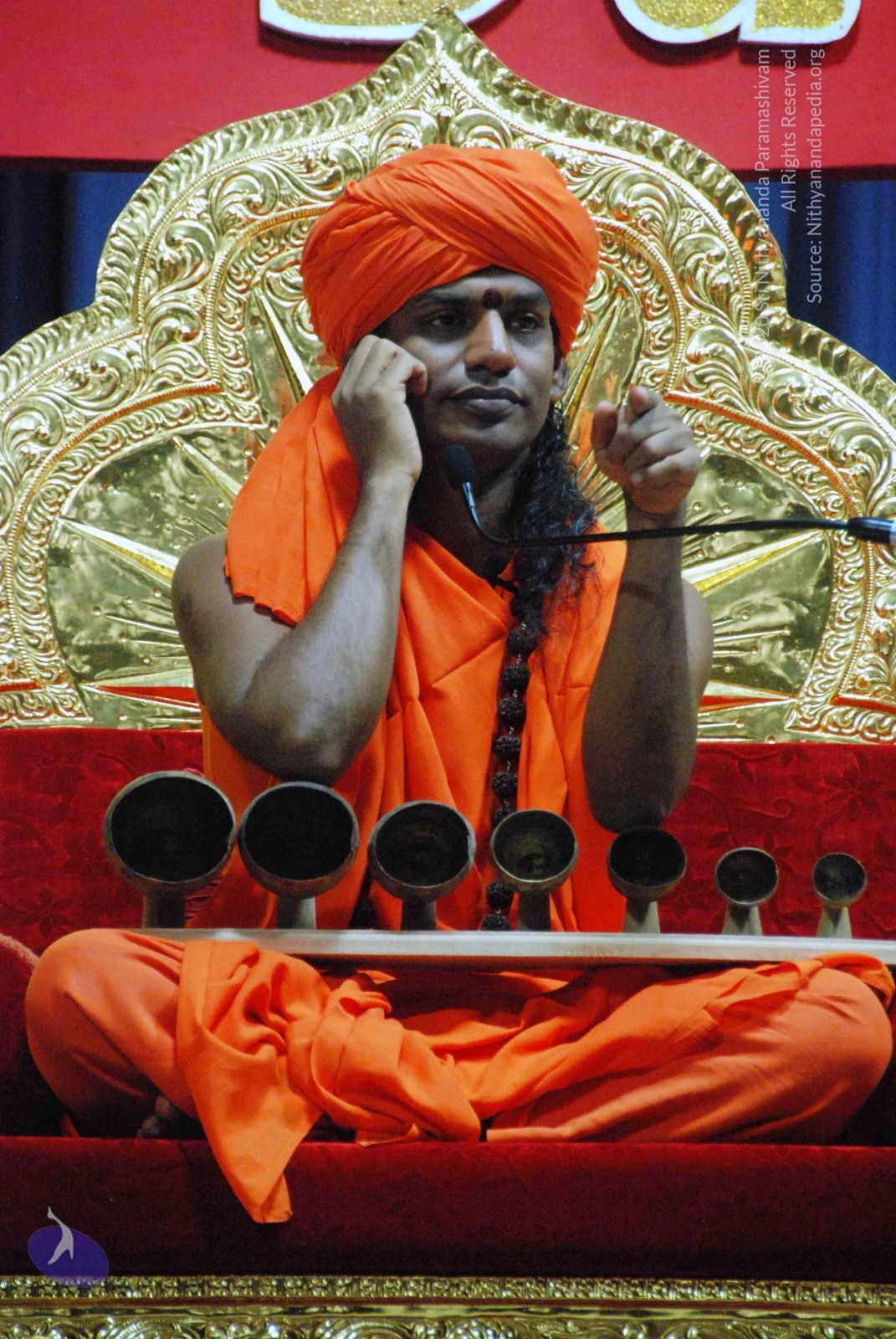
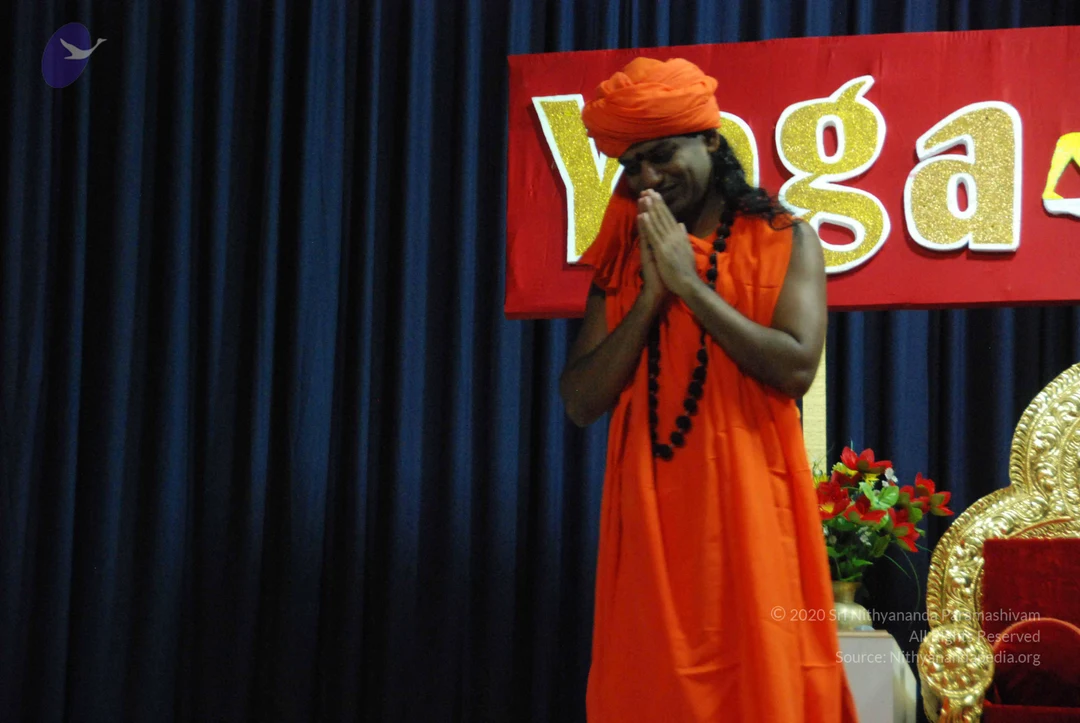
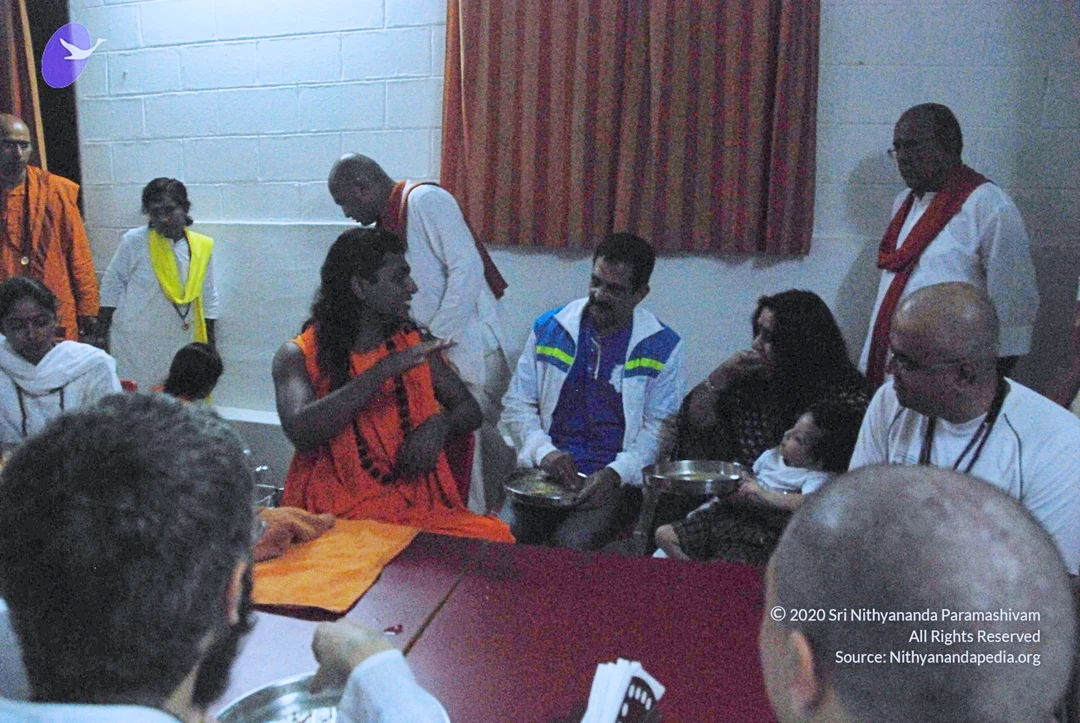
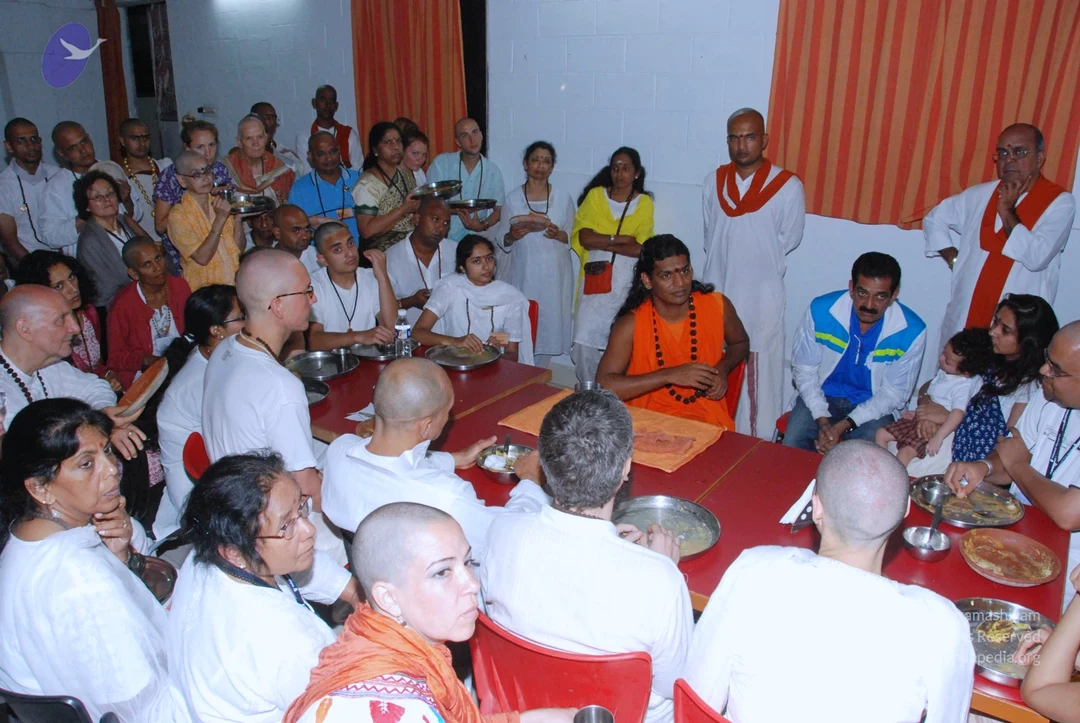
09-Temple-Evening
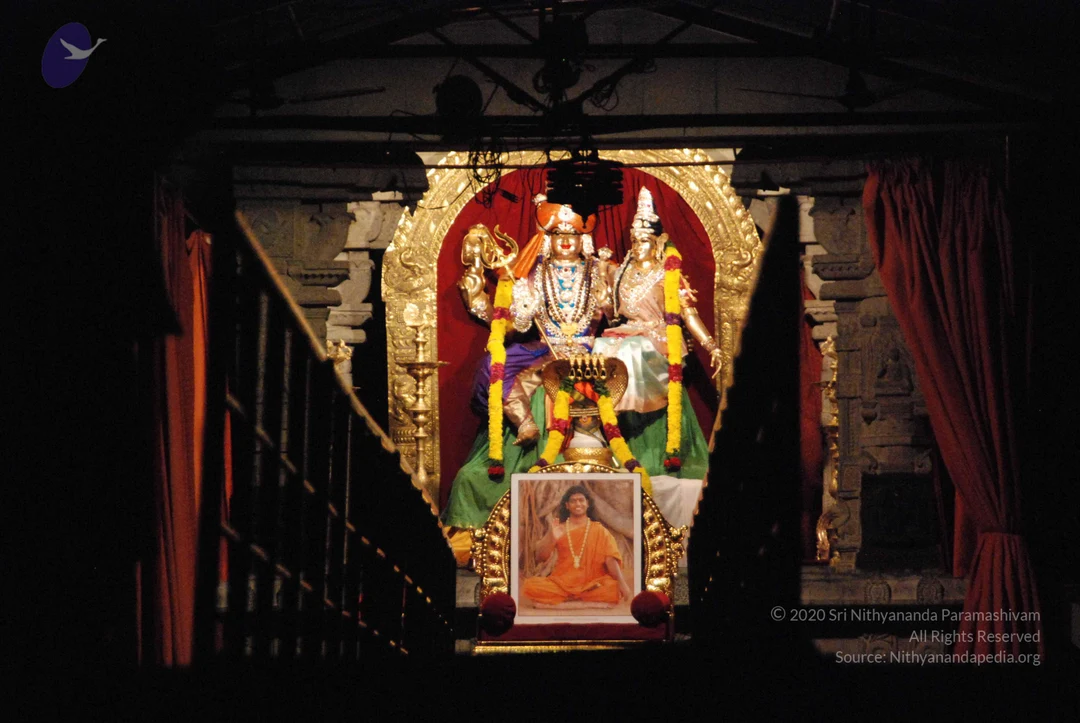
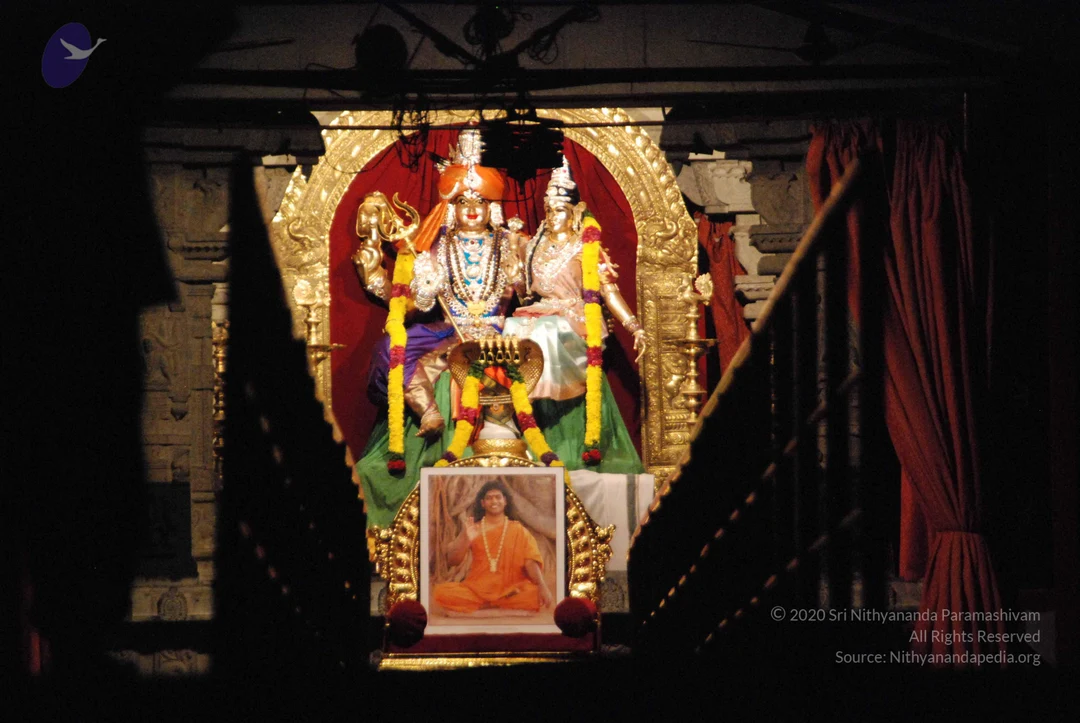
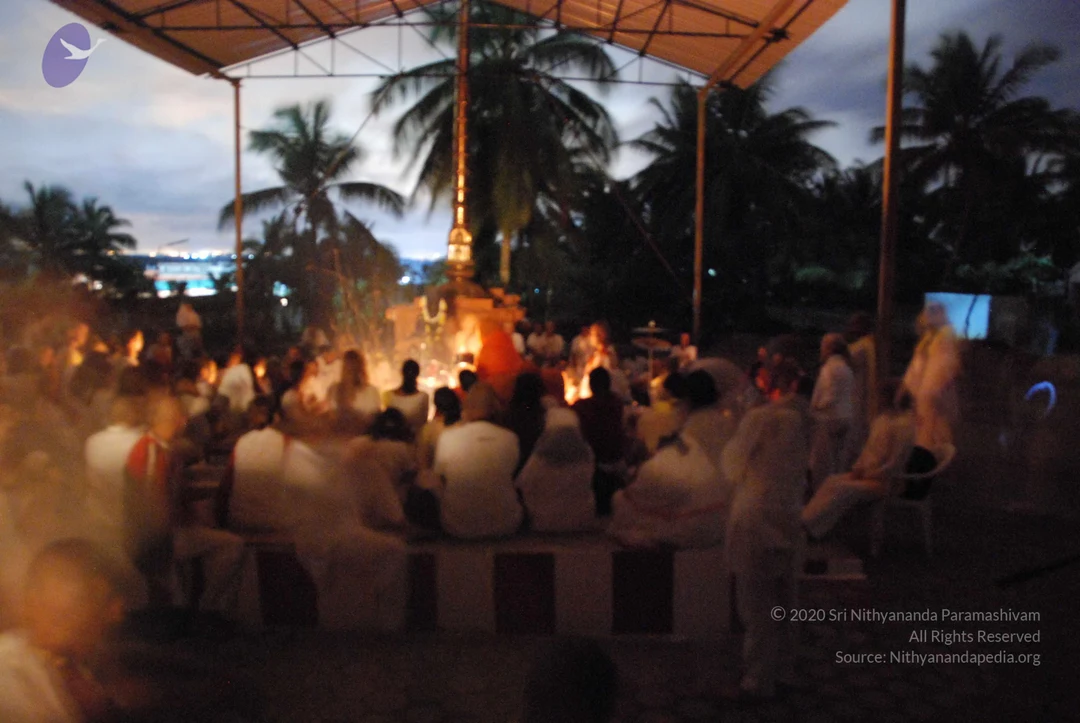
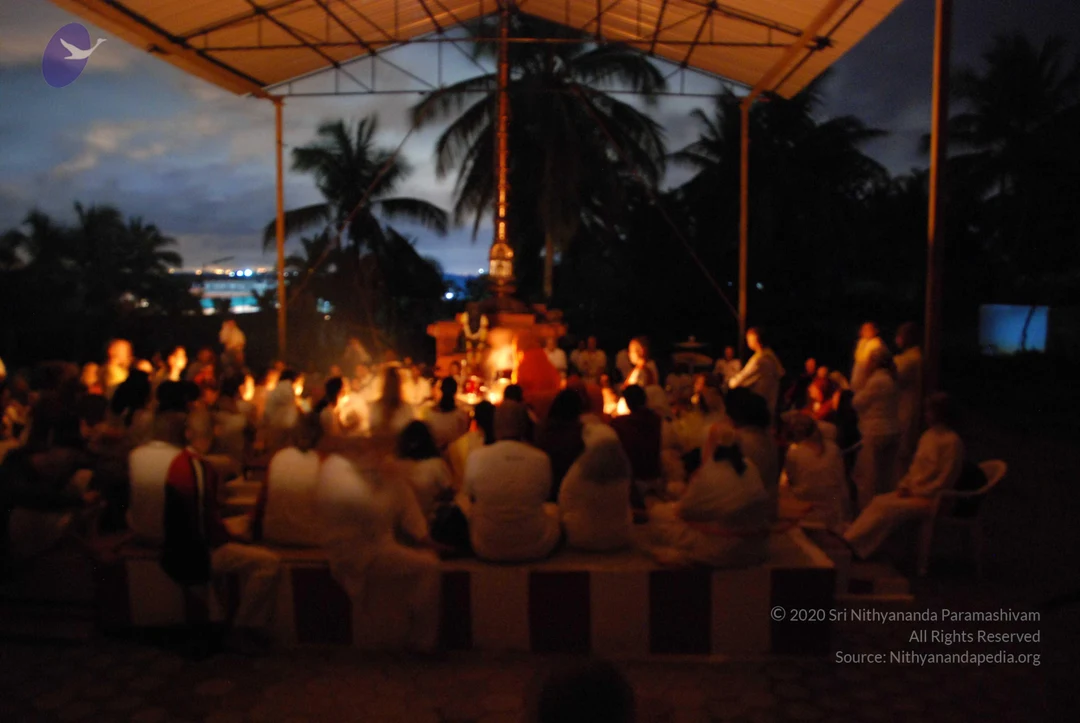
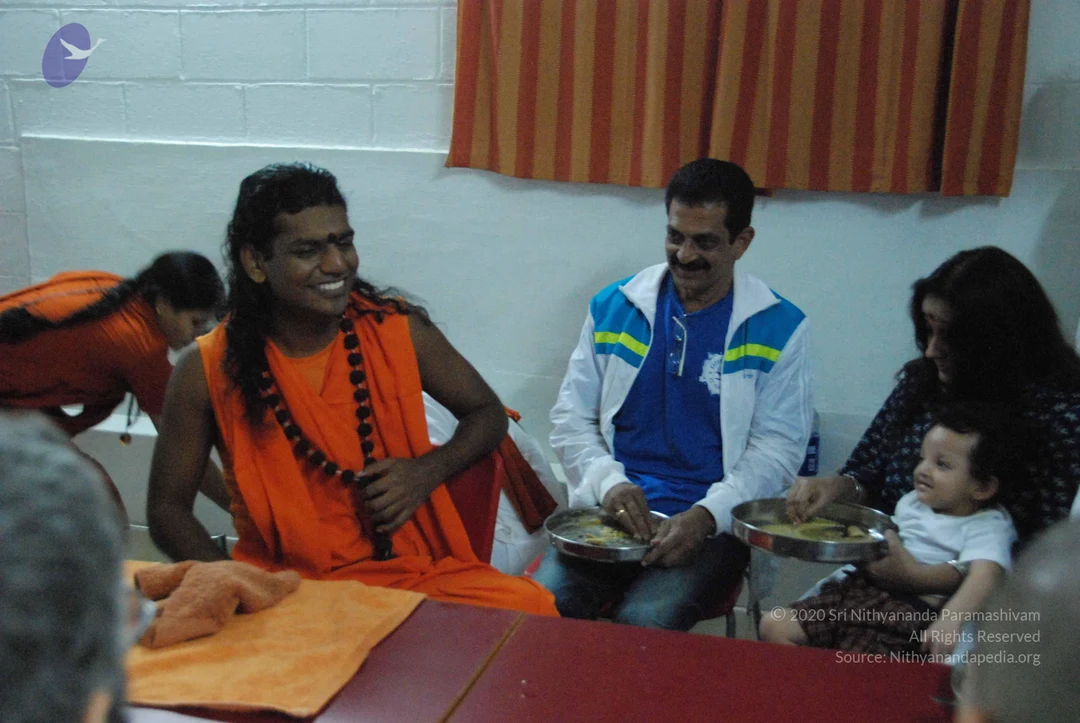
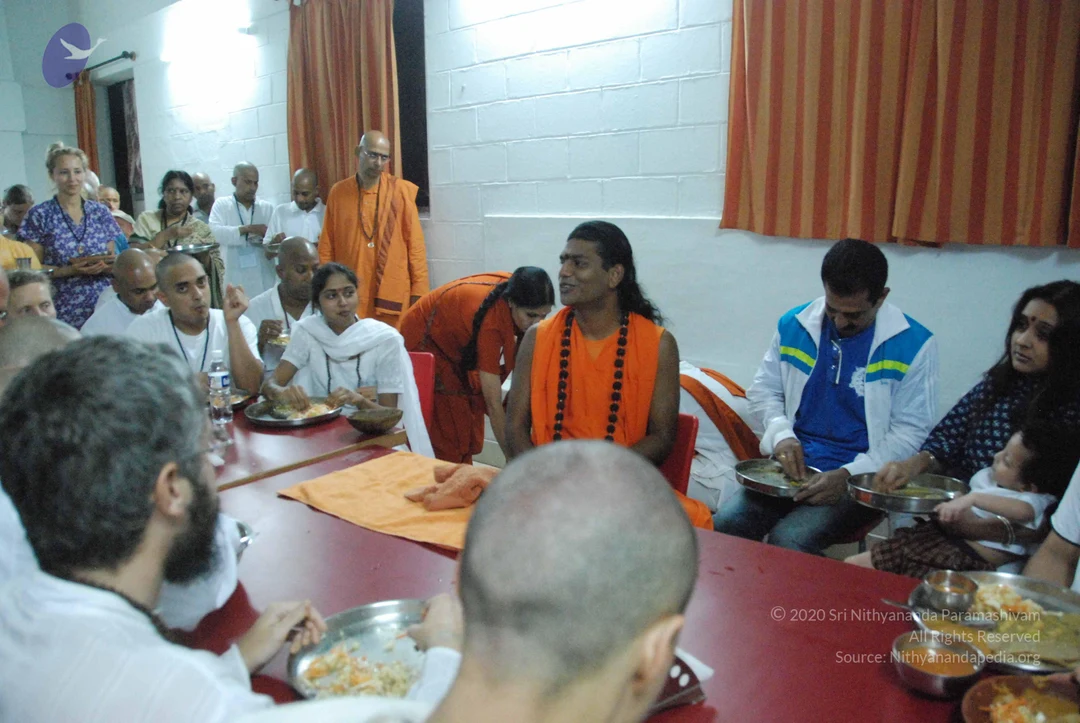
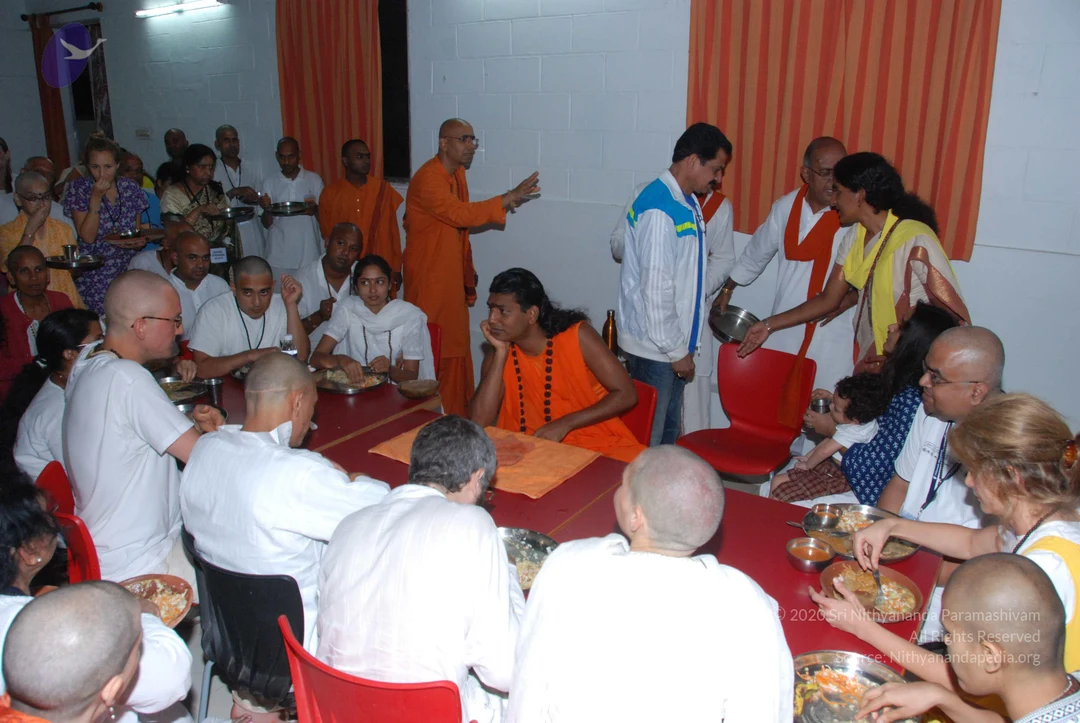
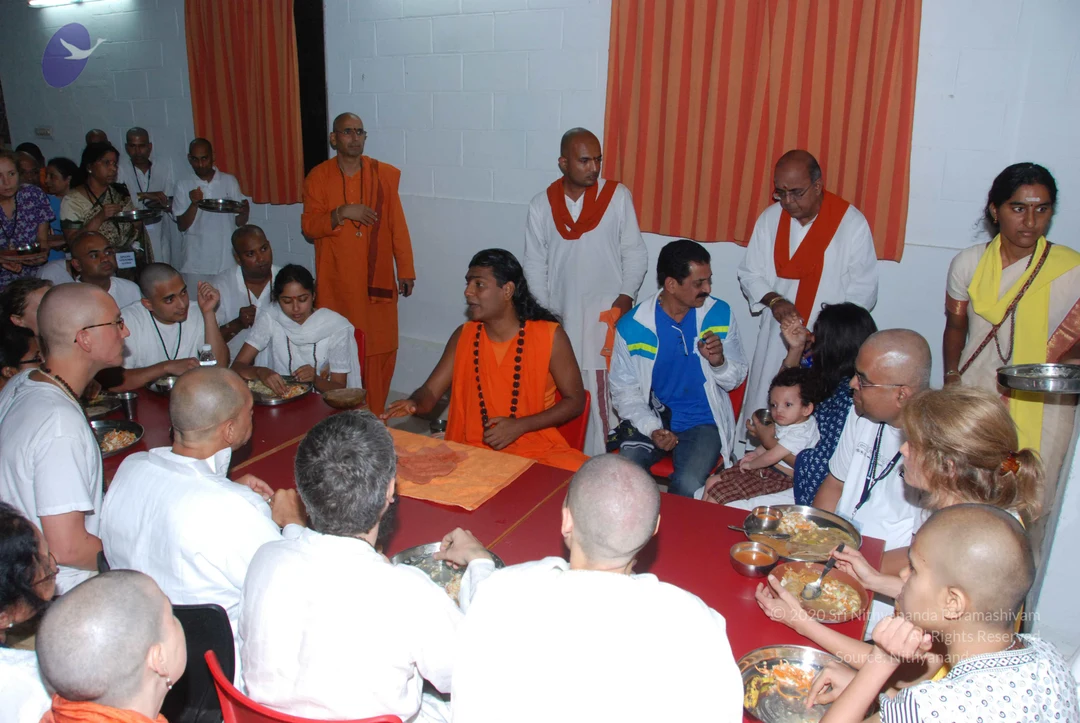
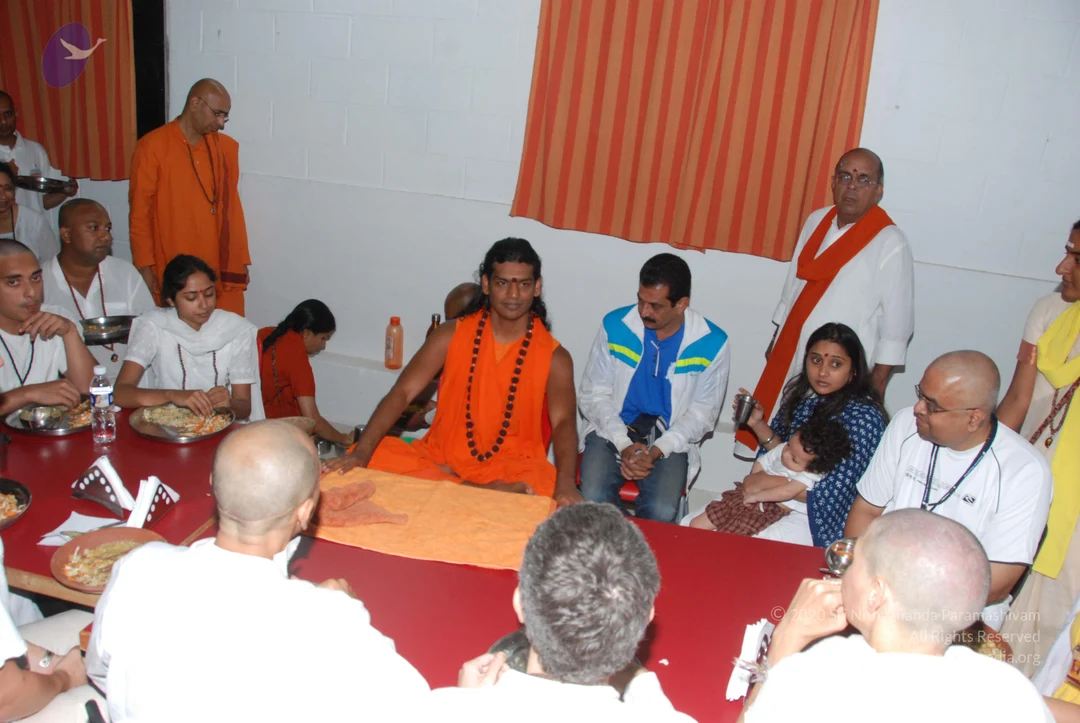
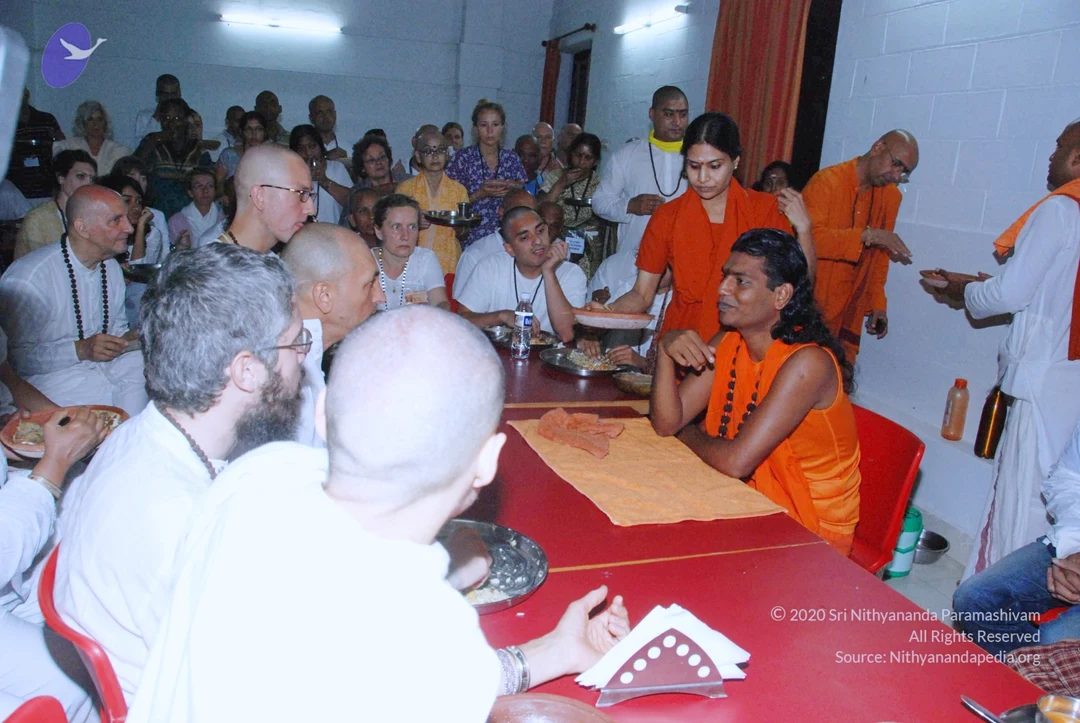
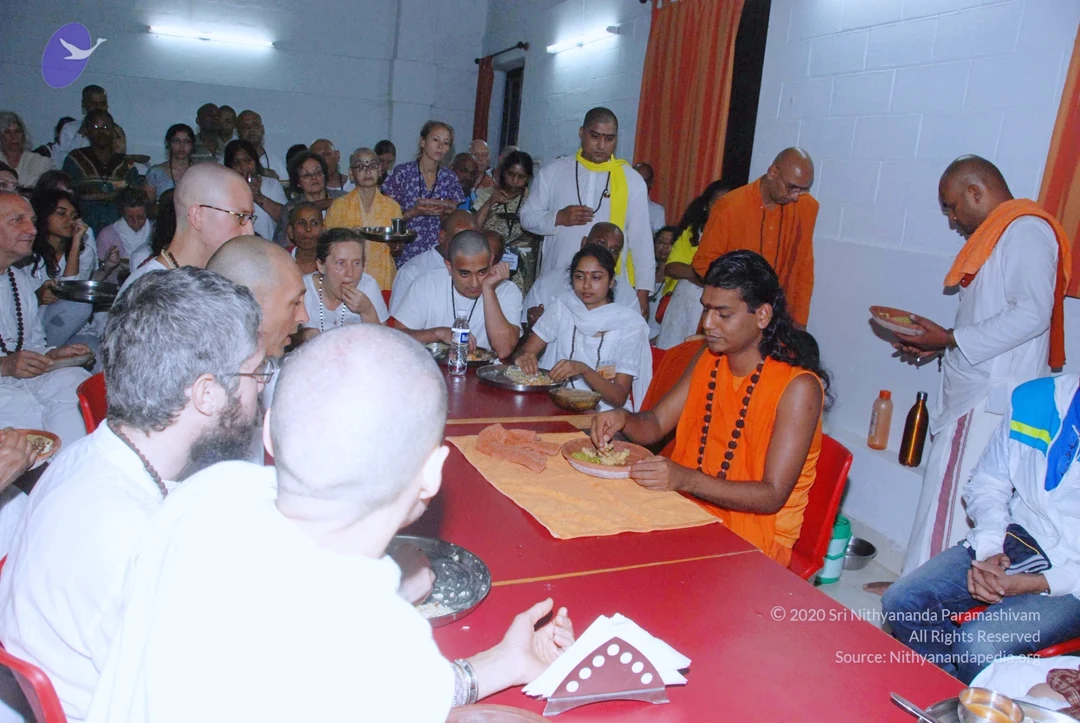
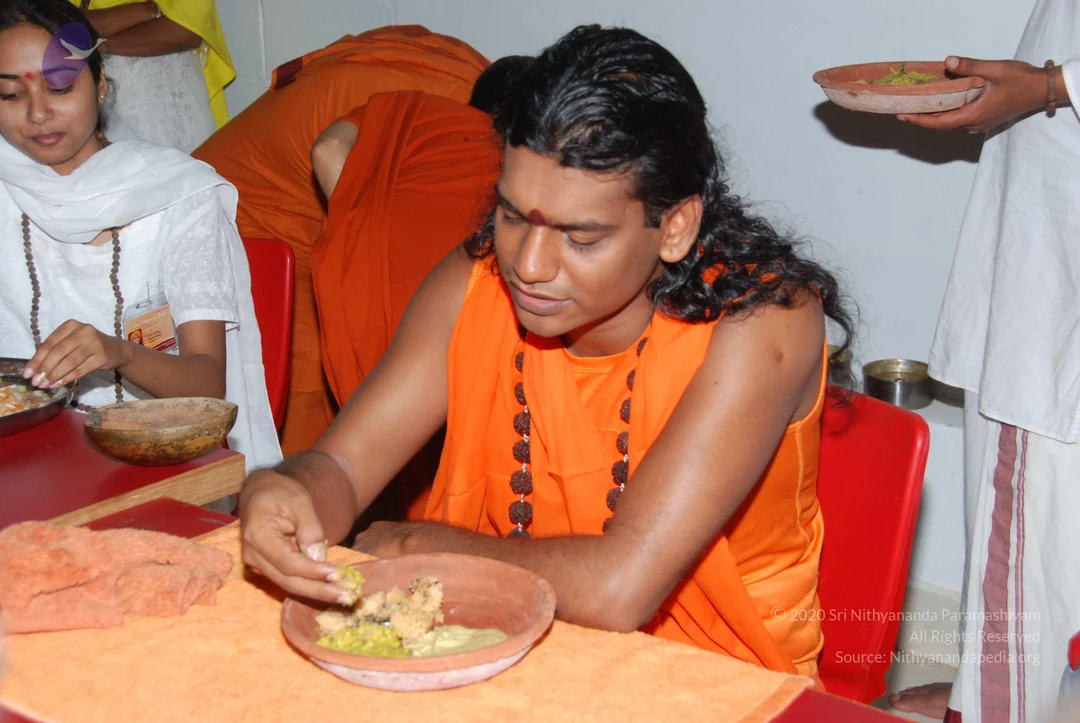
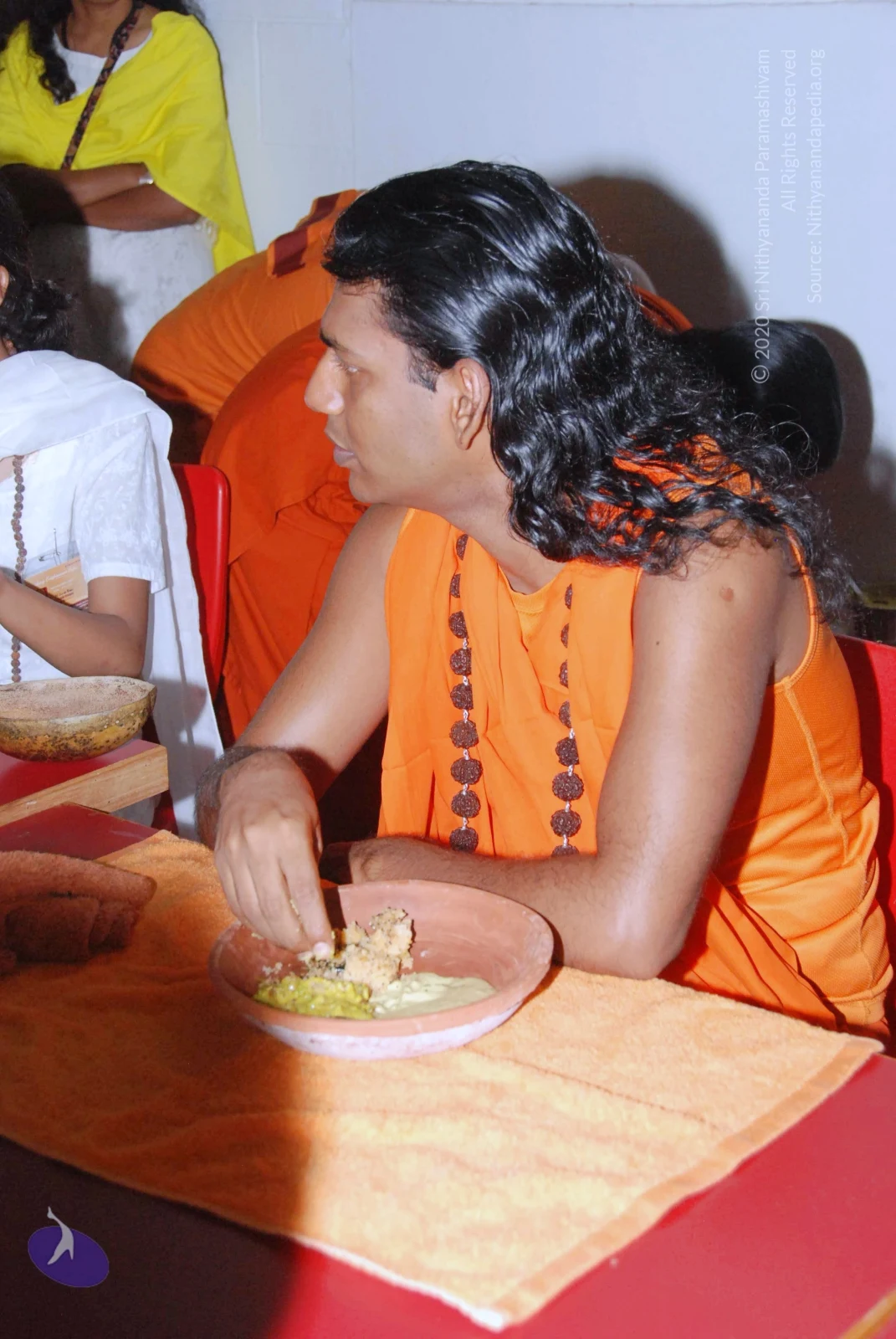
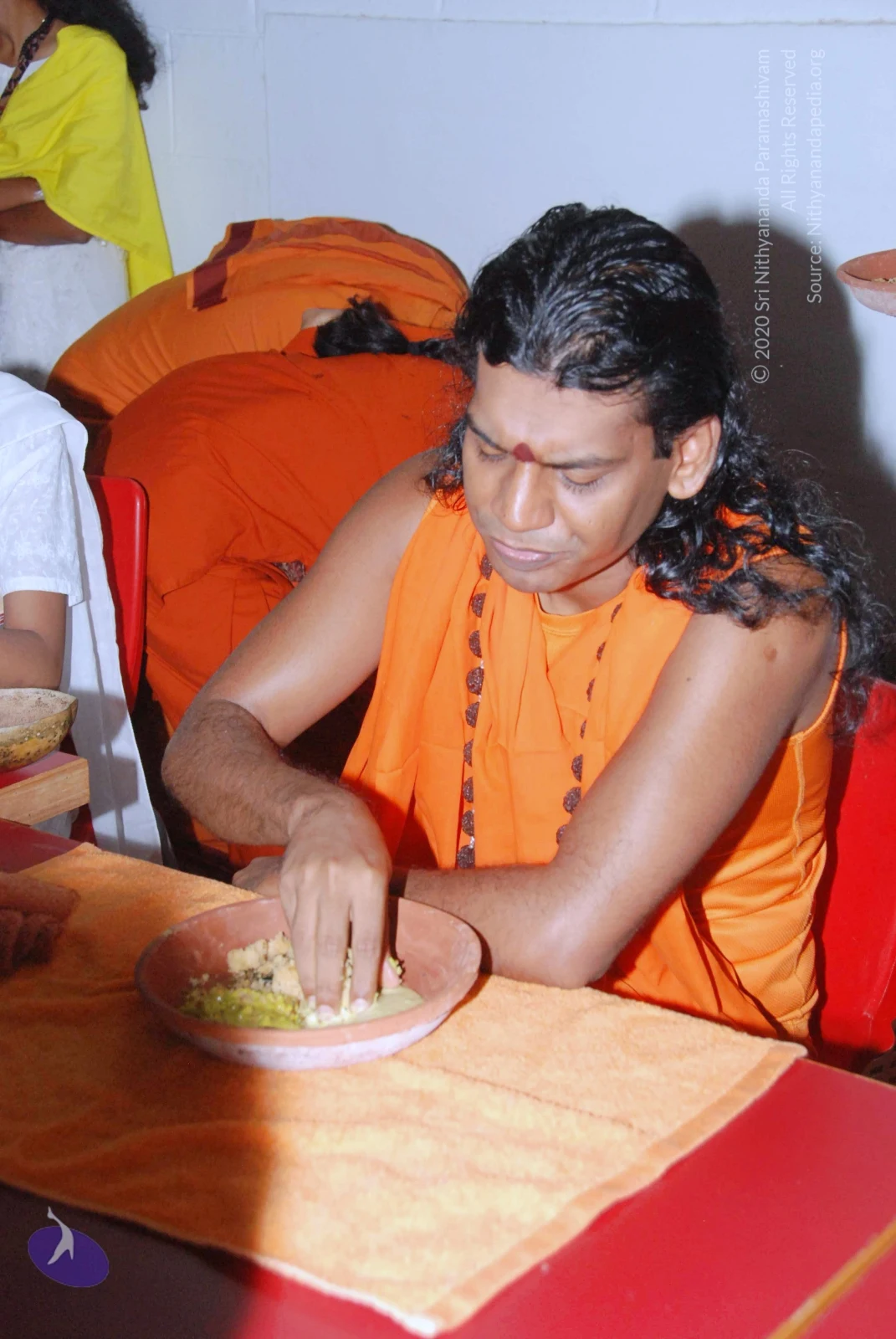
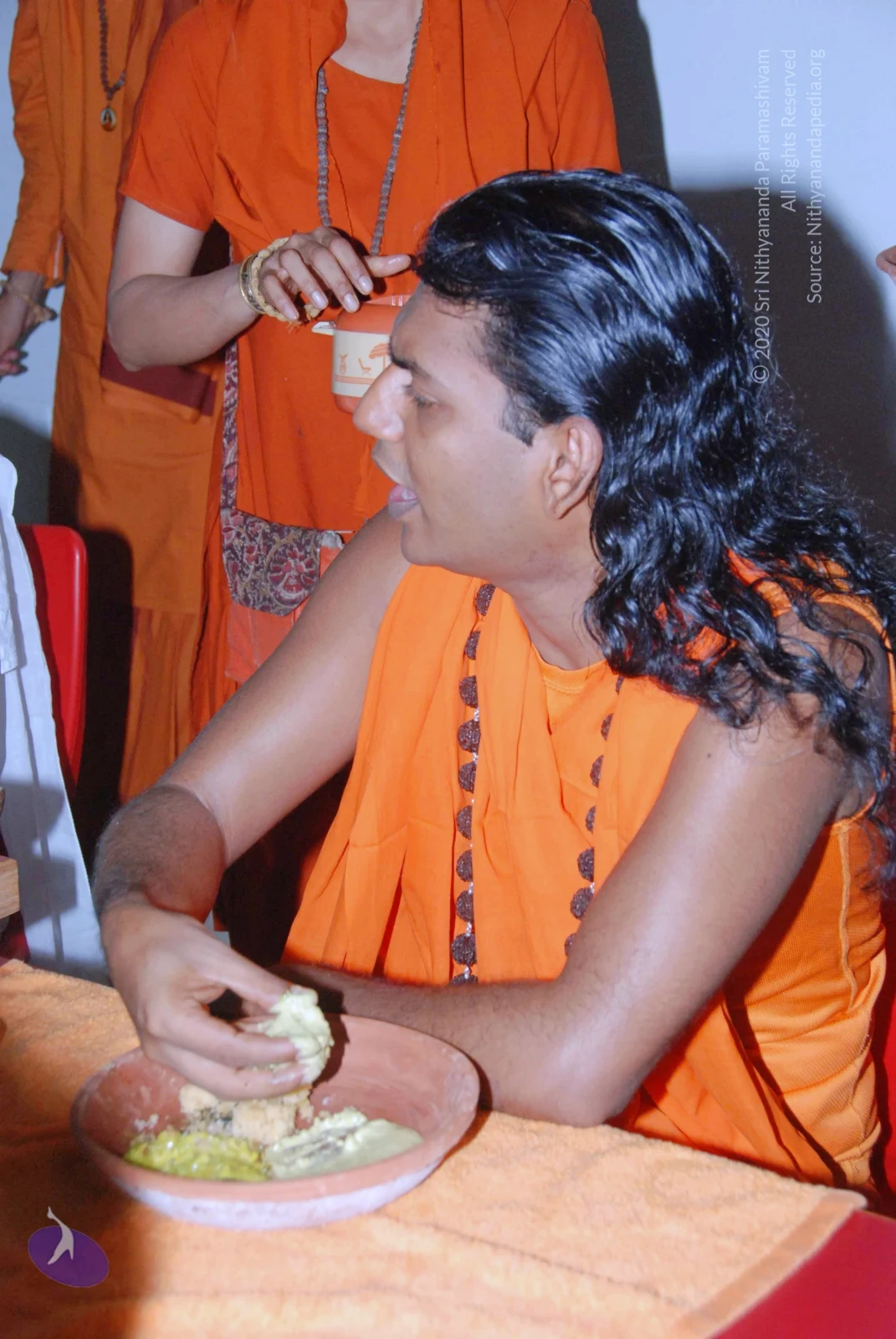
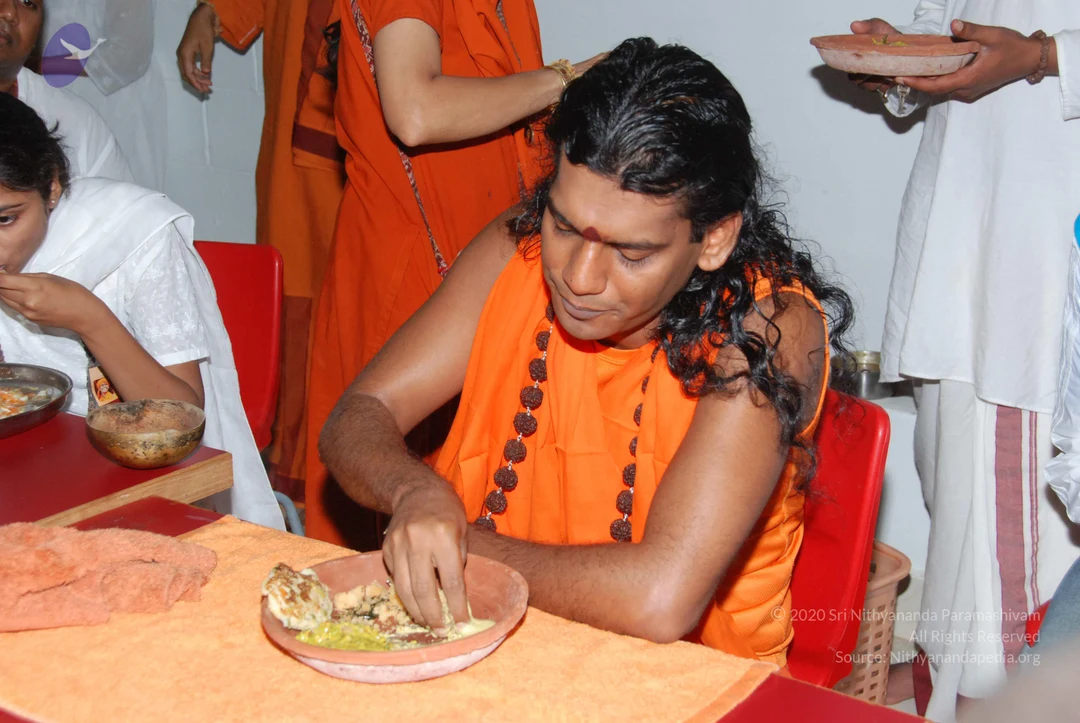
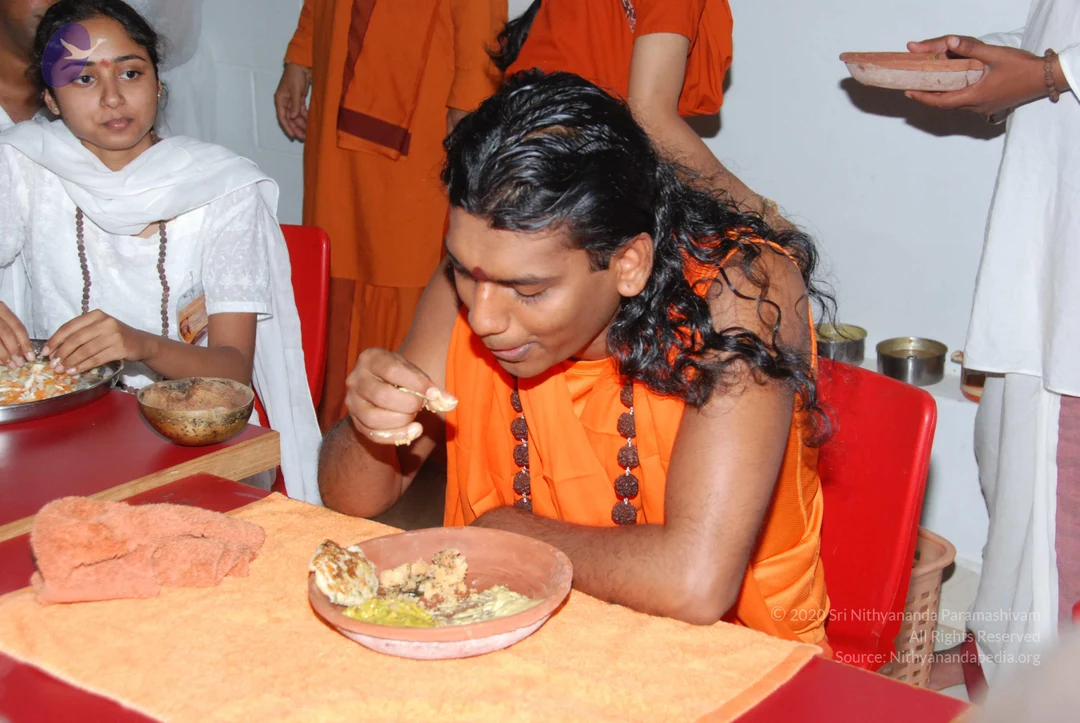
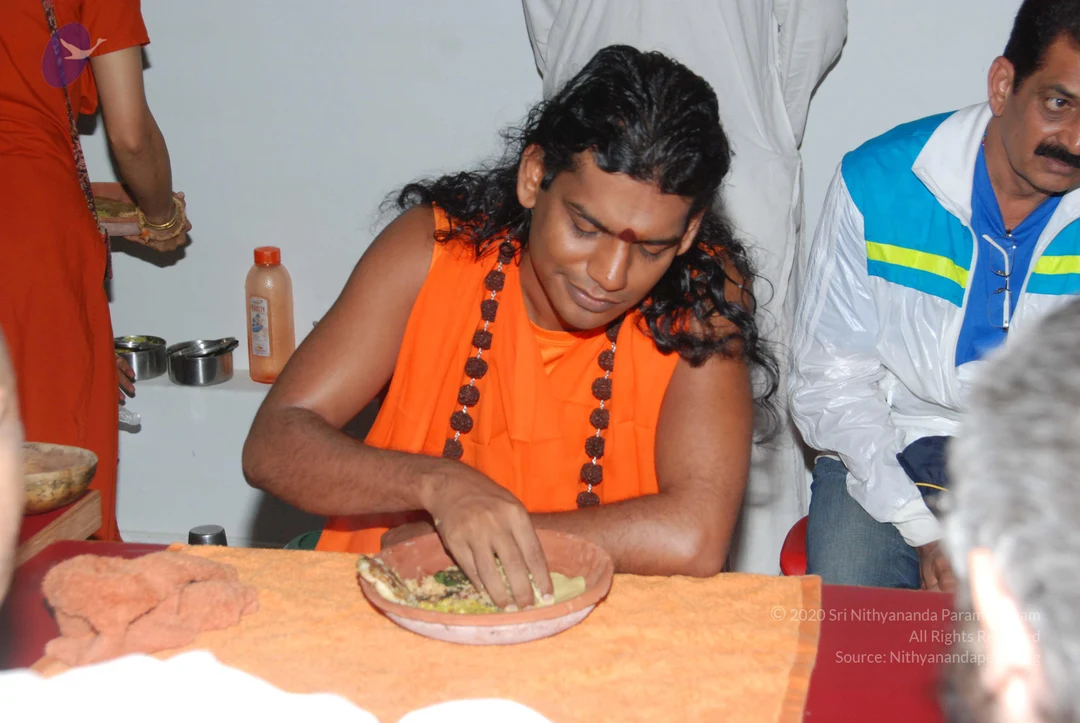
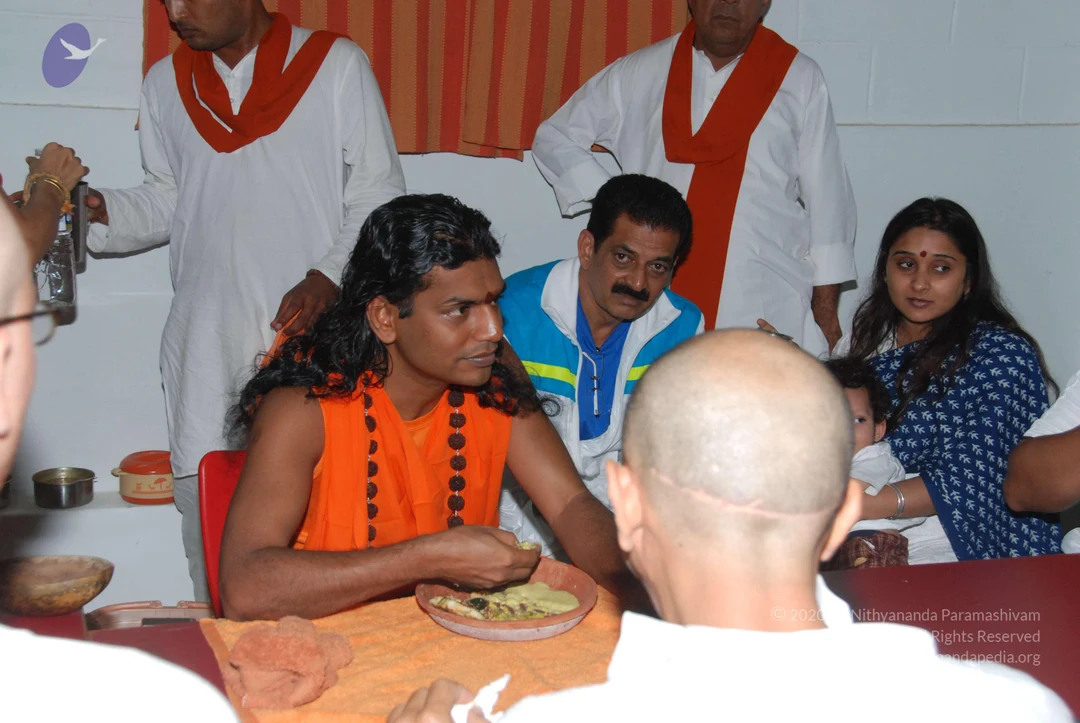
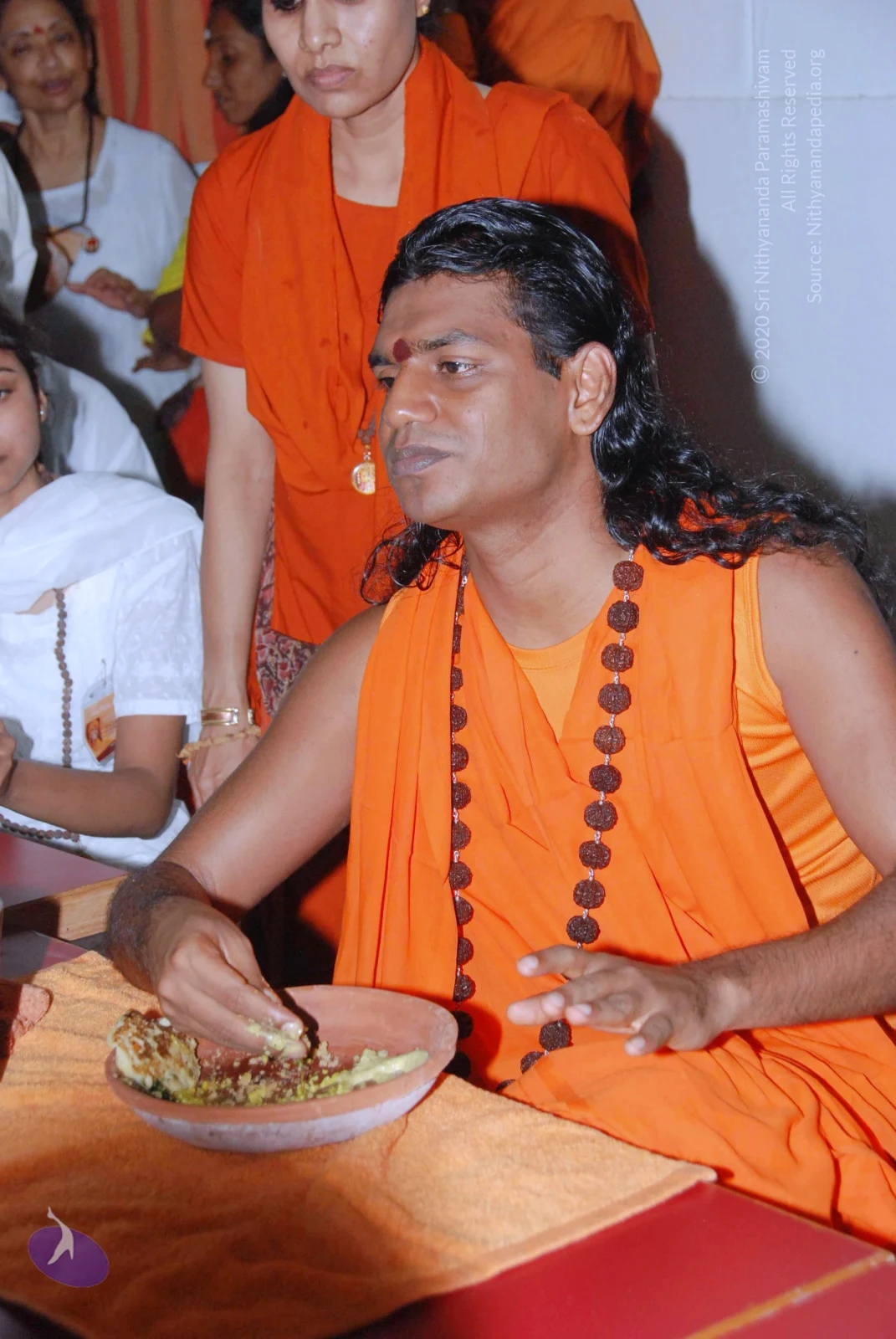
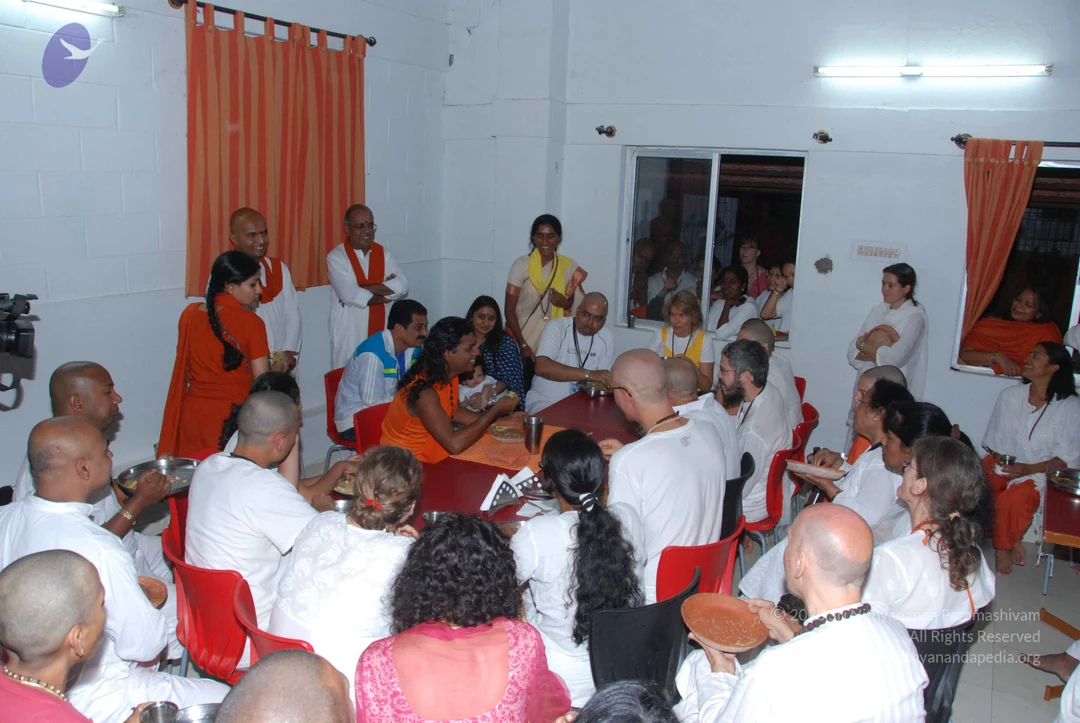
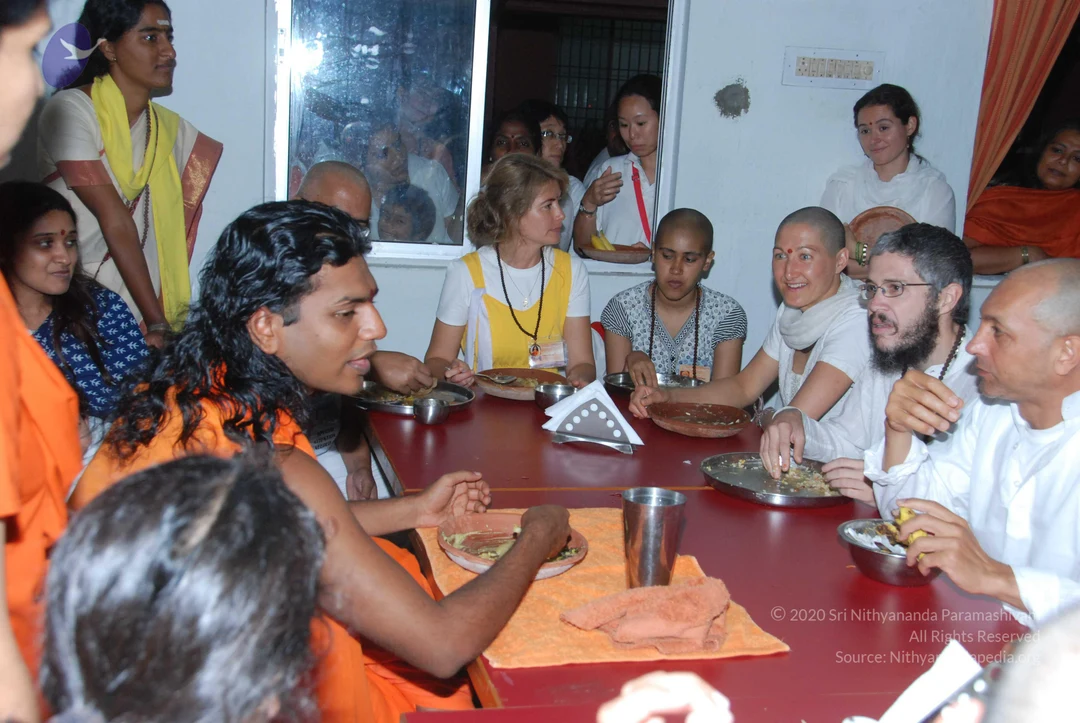
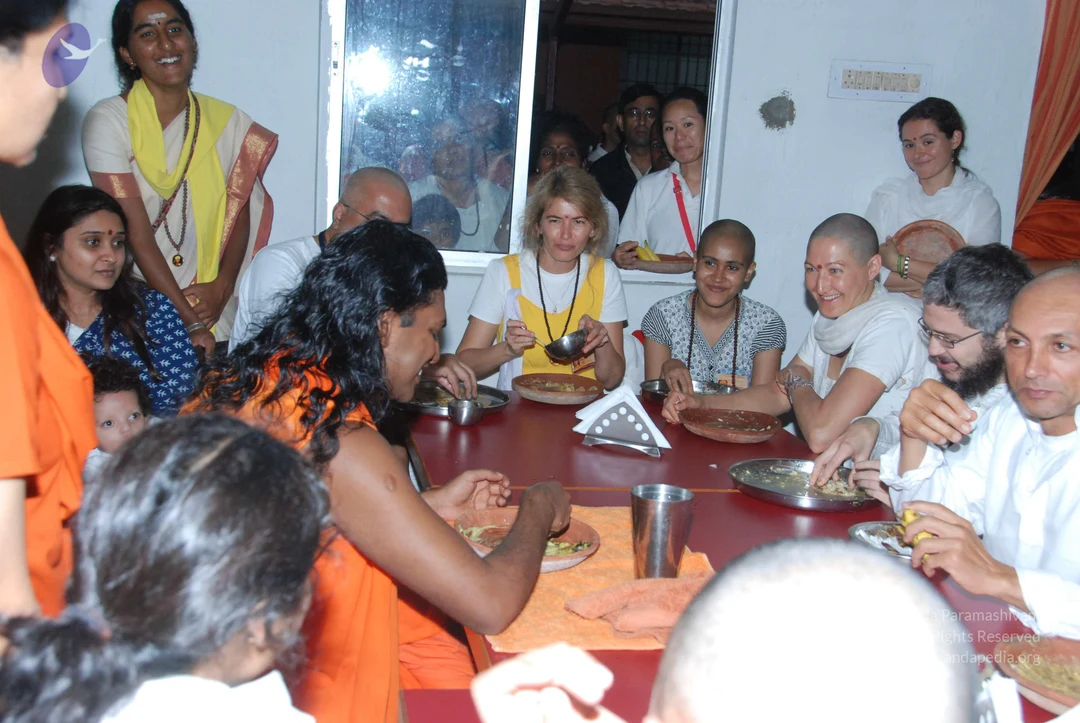
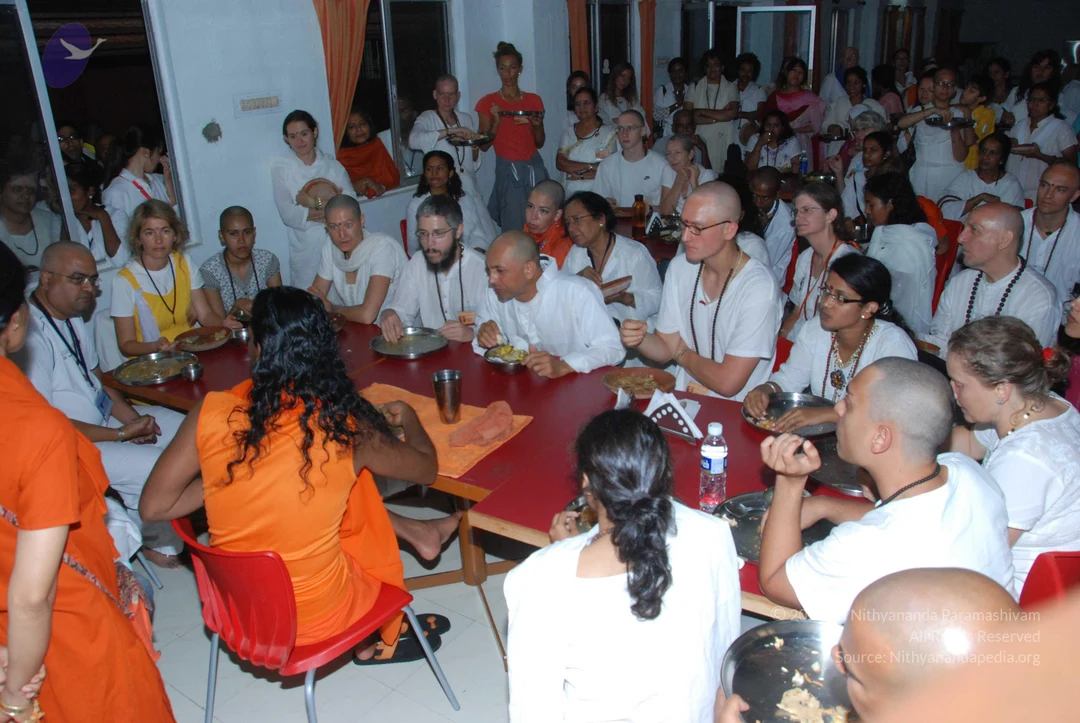
10-Dinner
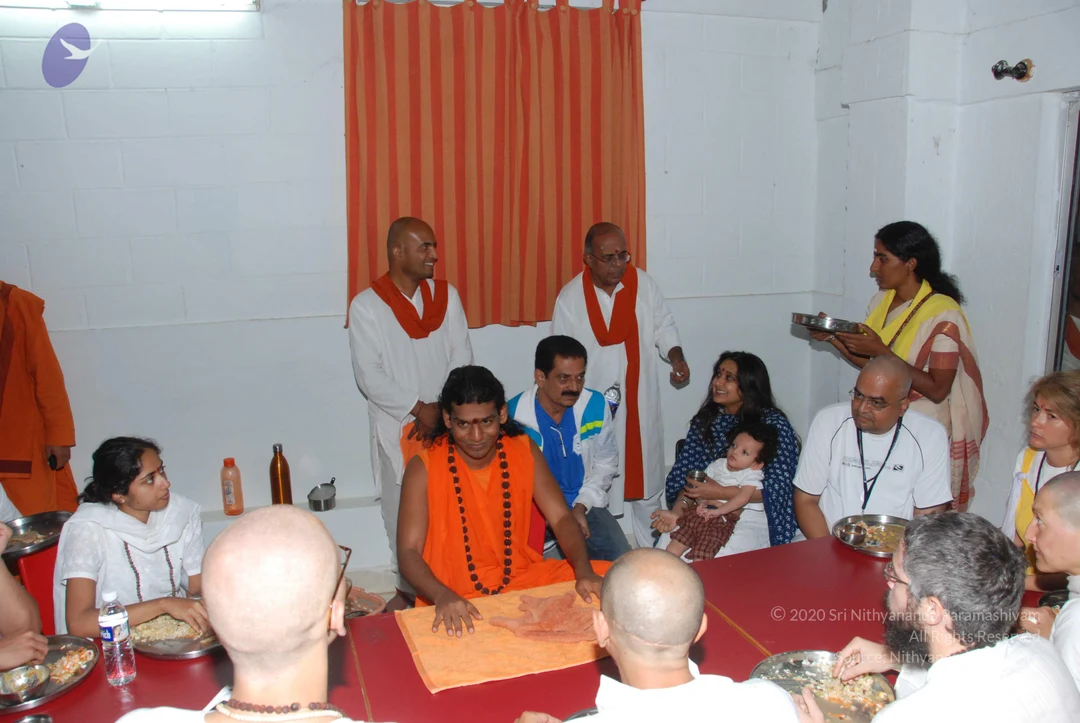
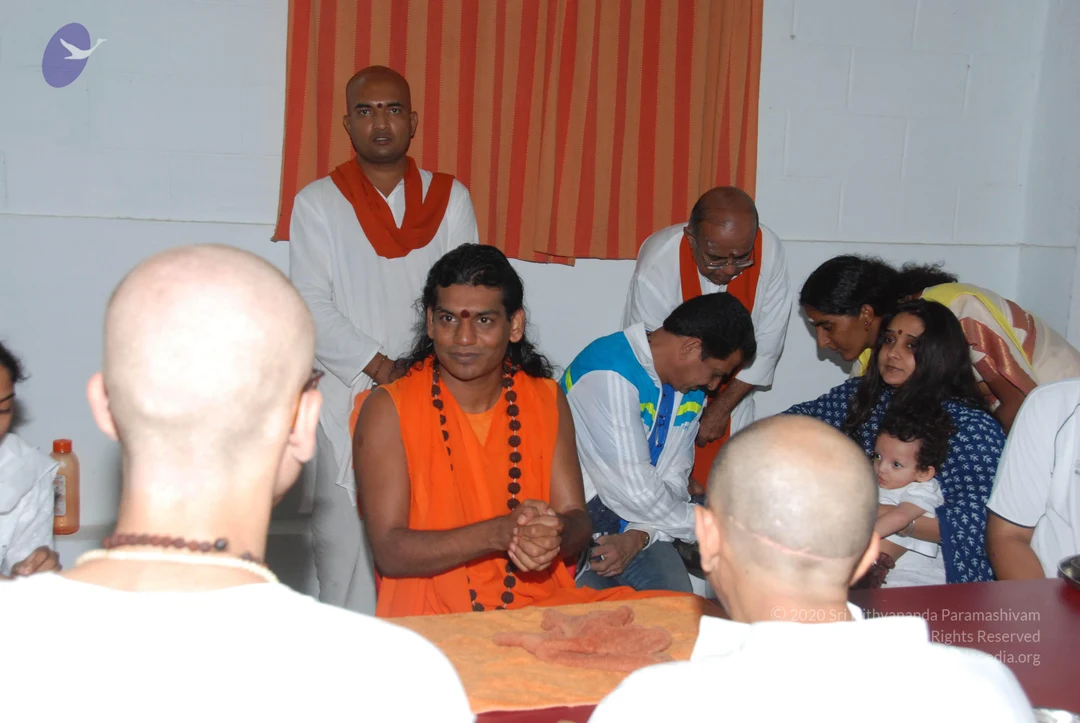
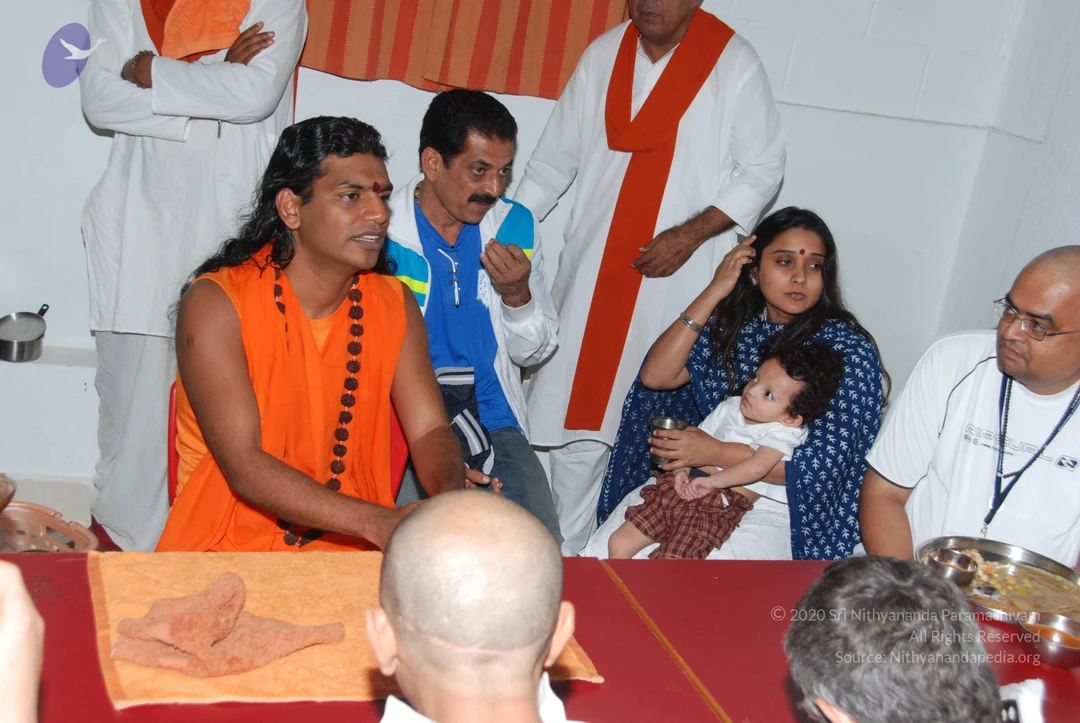
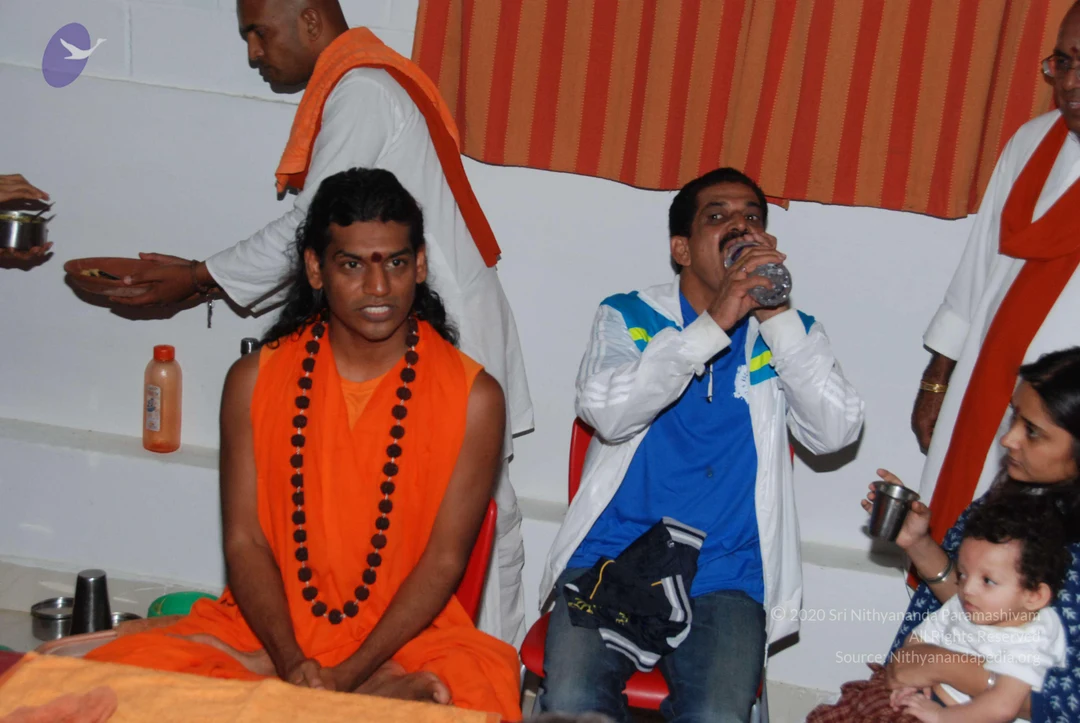
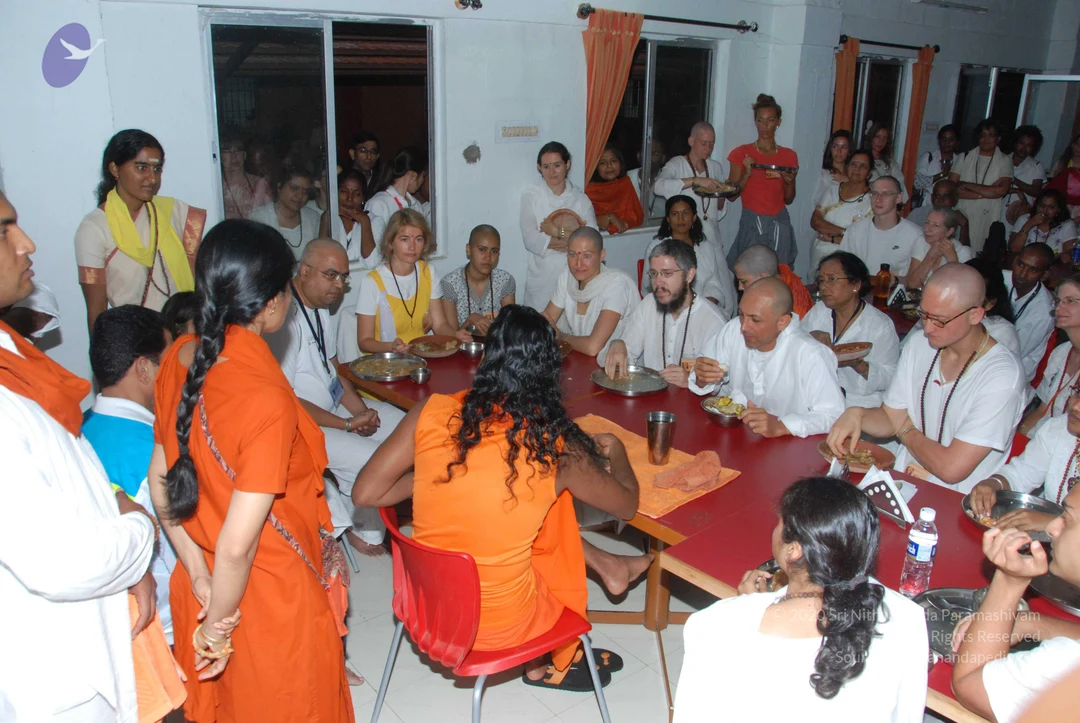
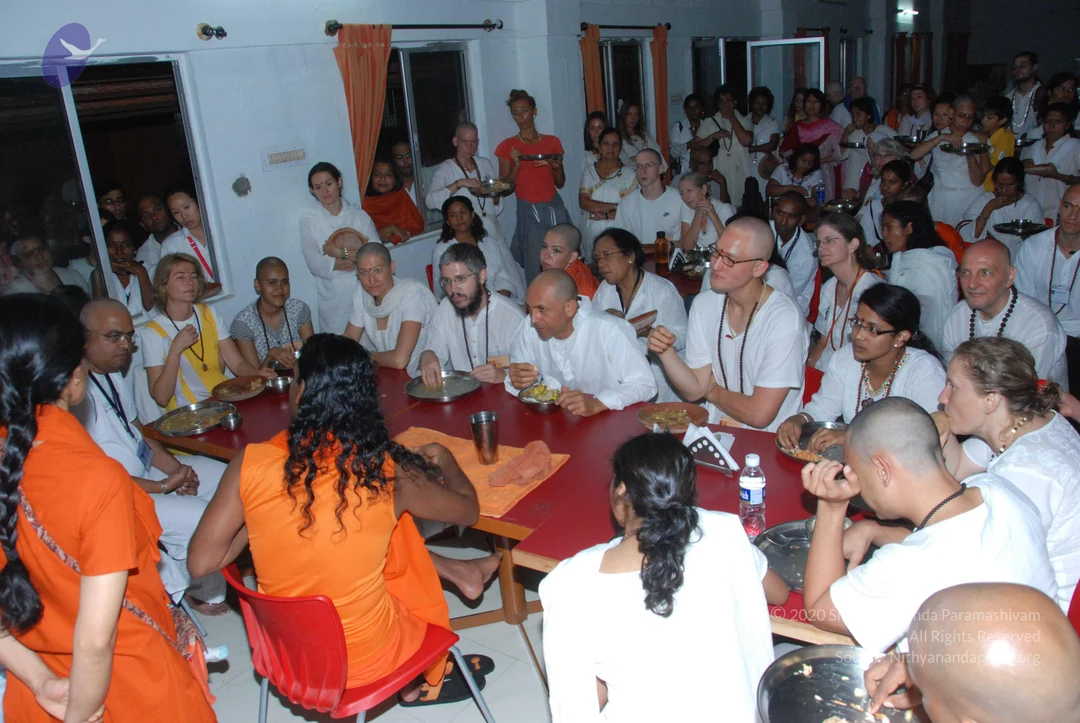
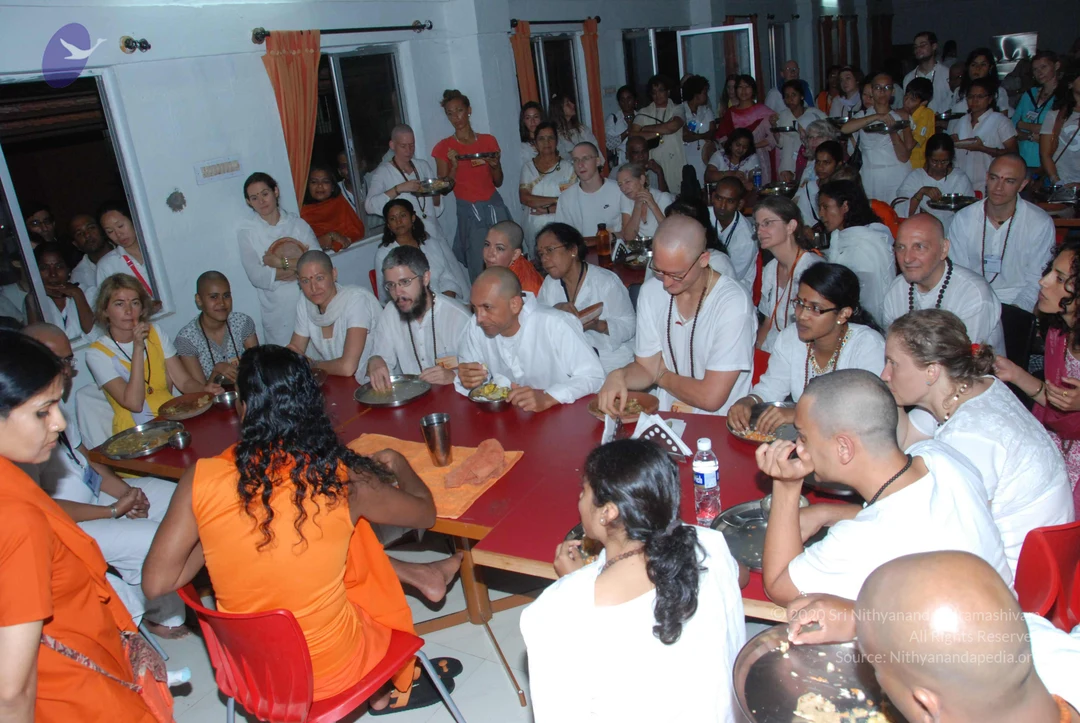


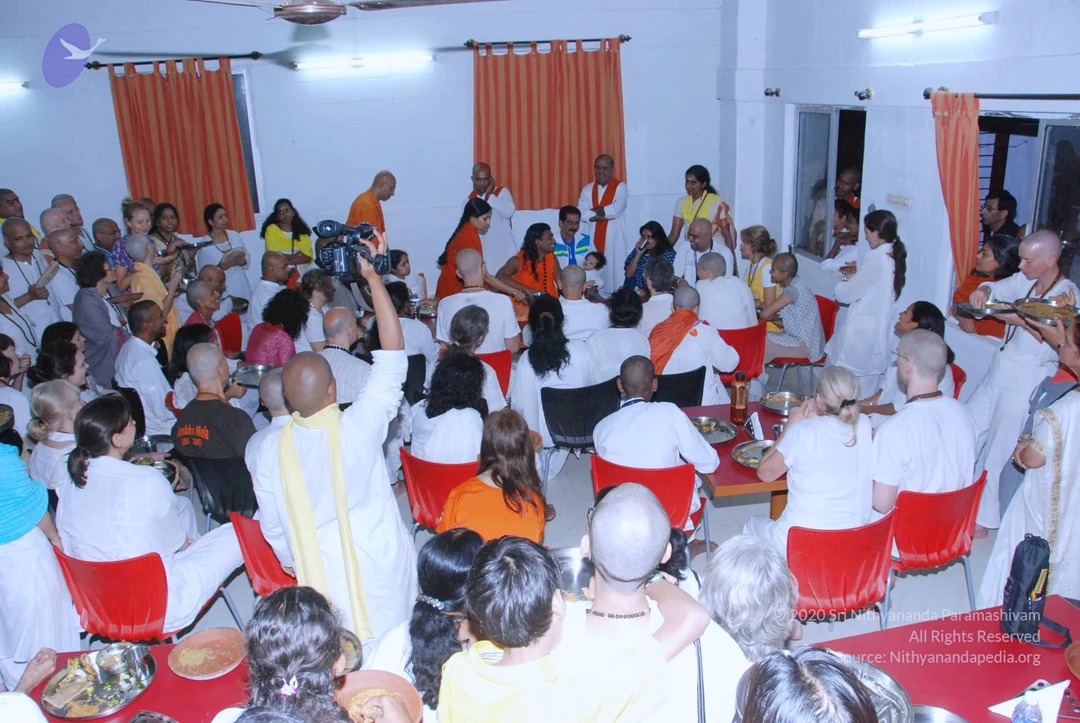
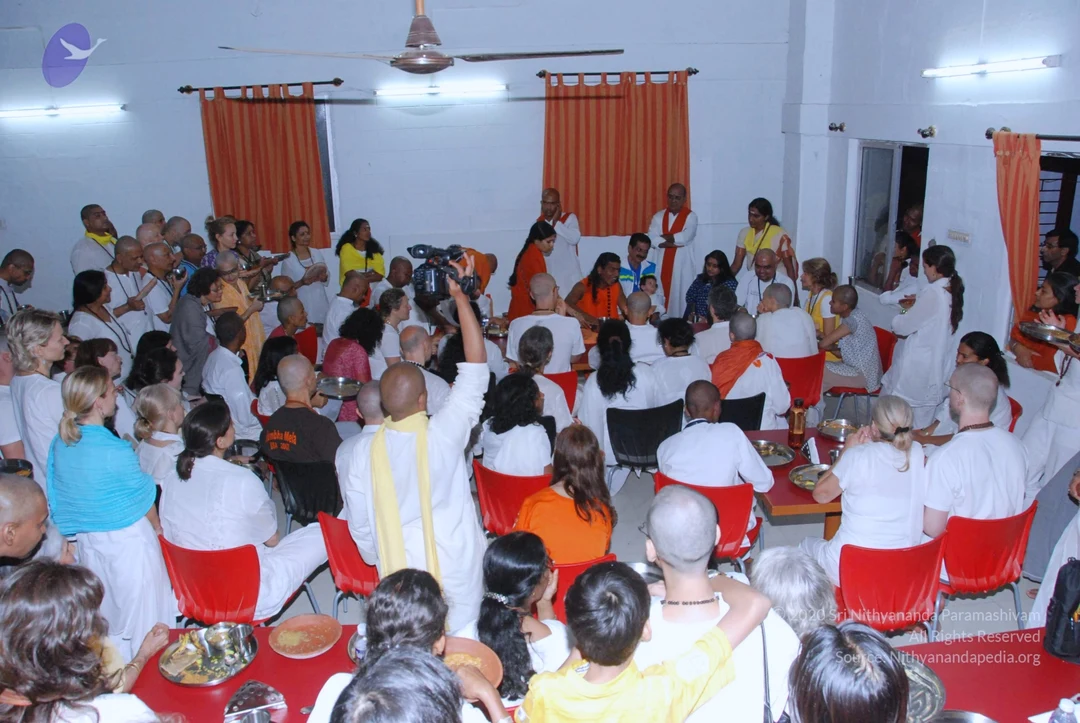
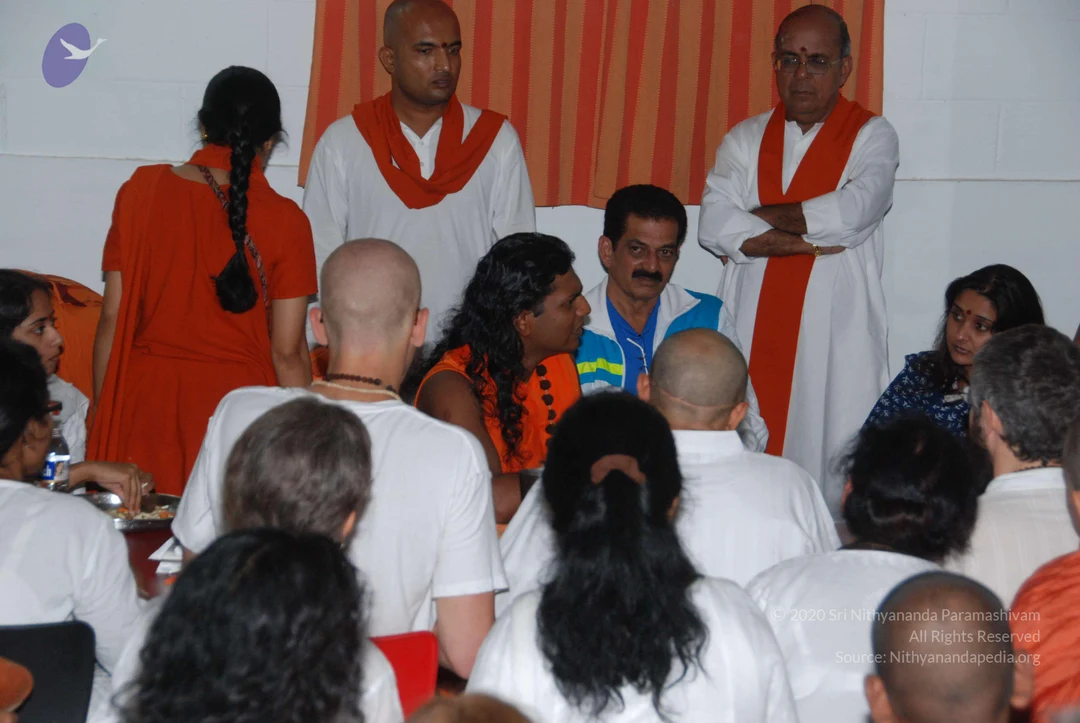
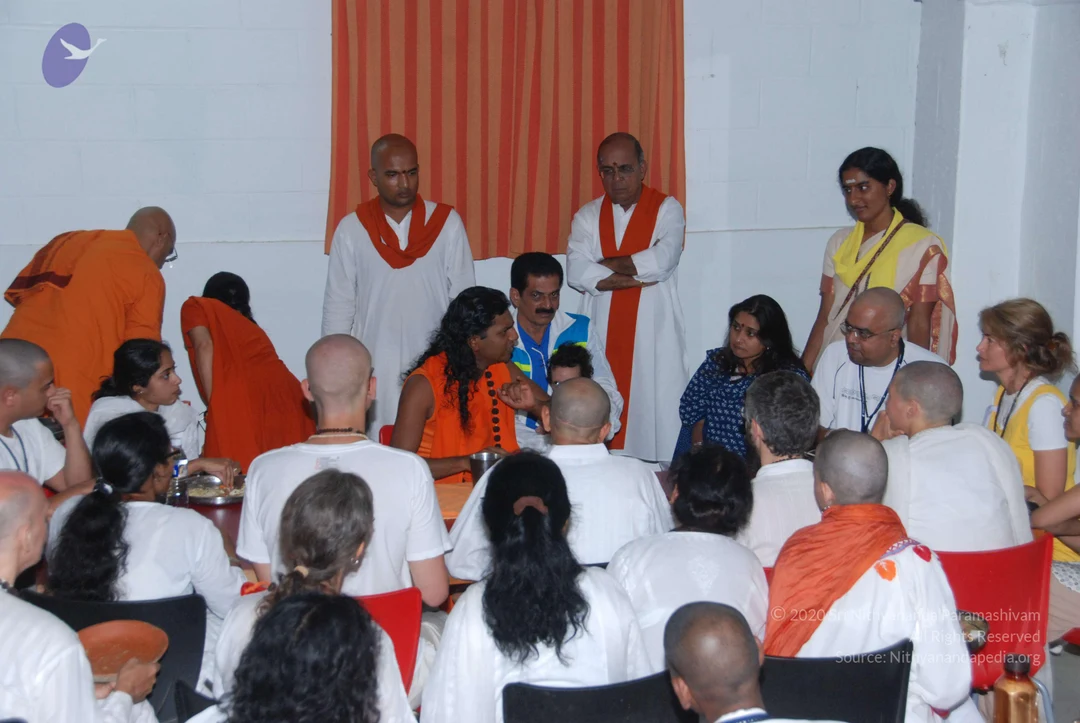
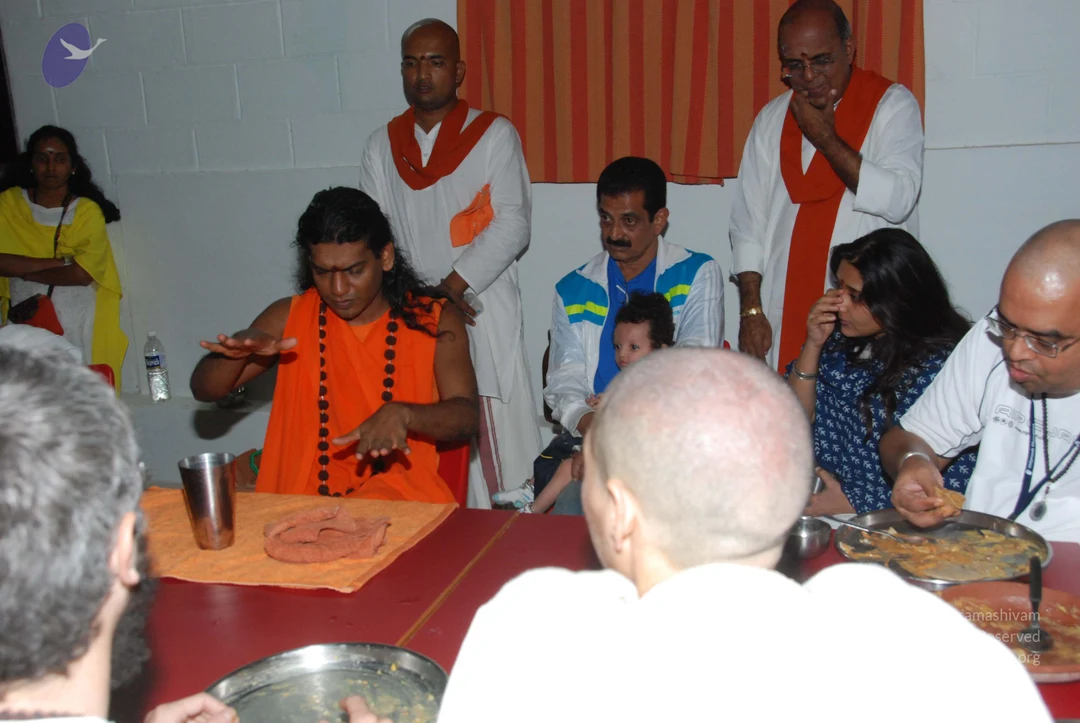
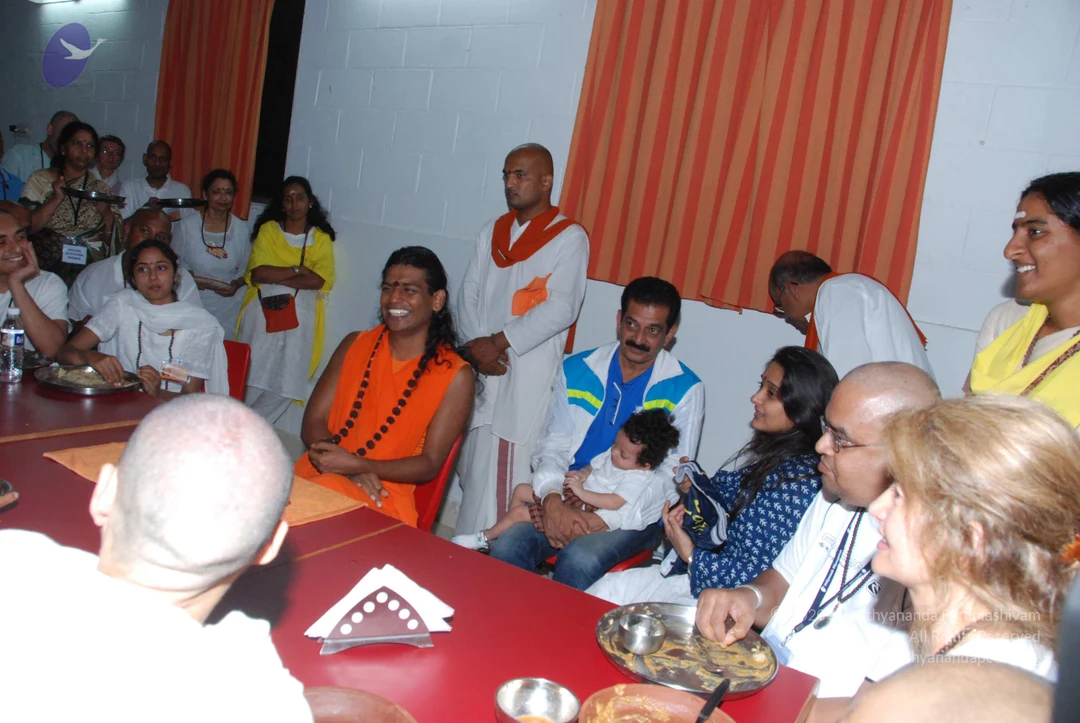
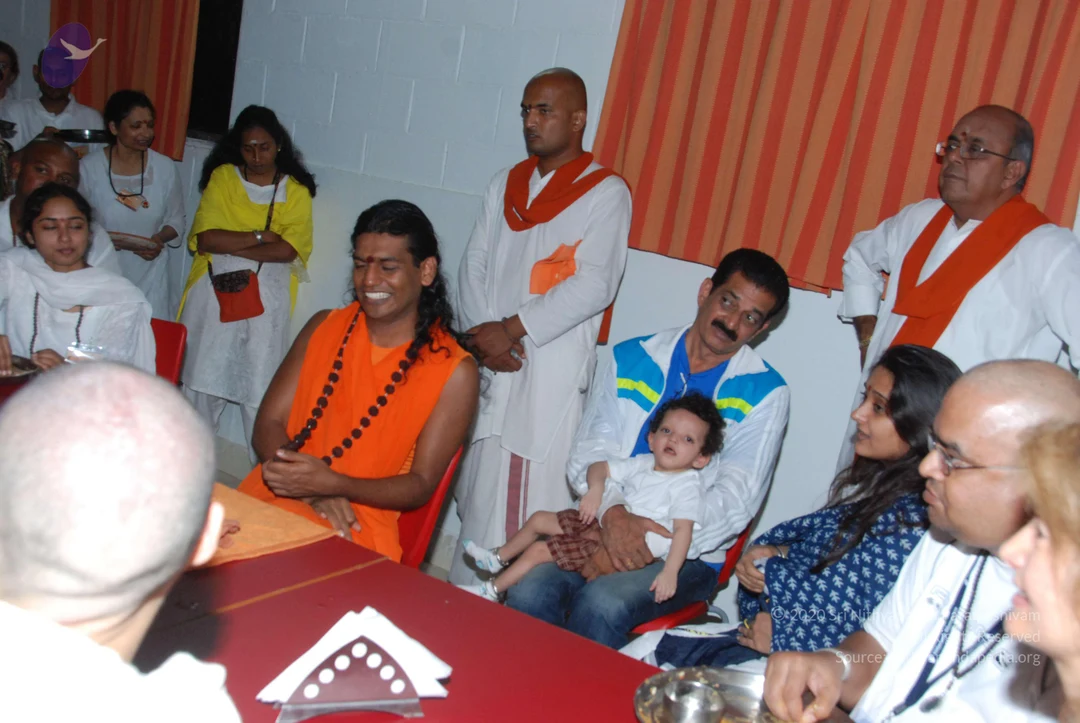
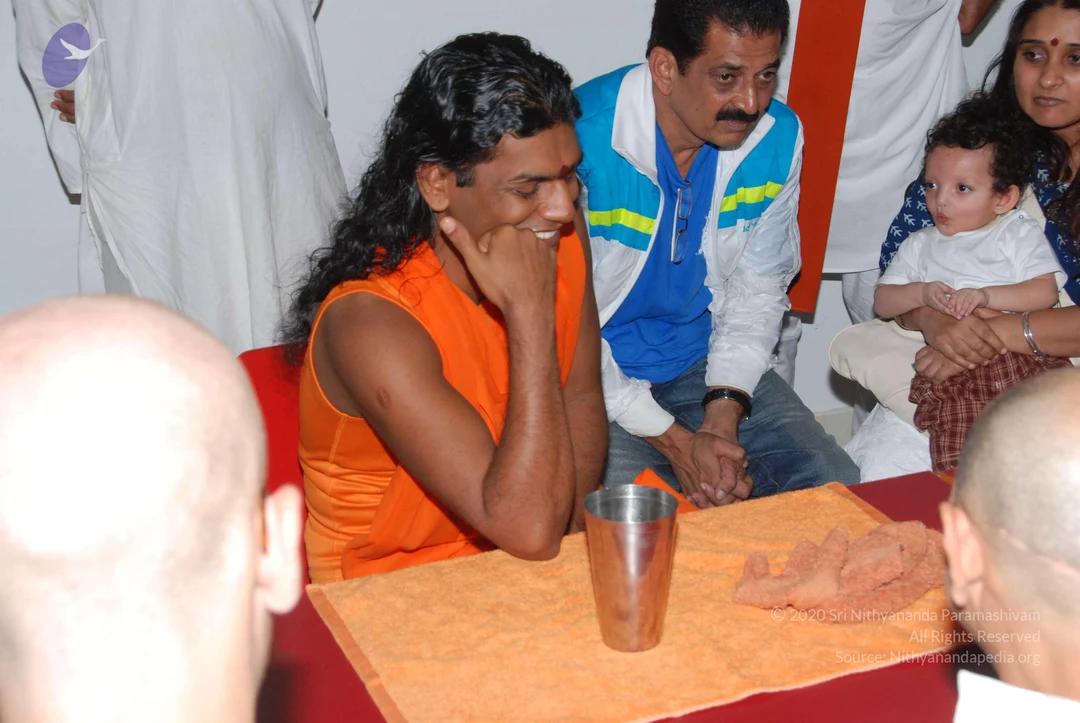
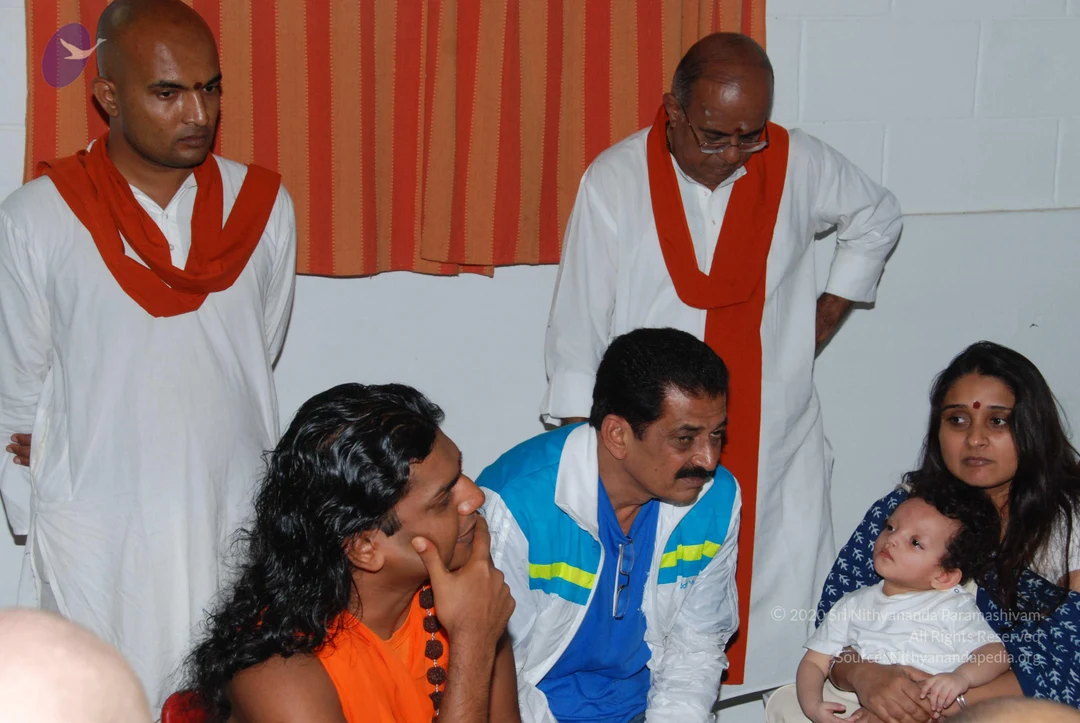
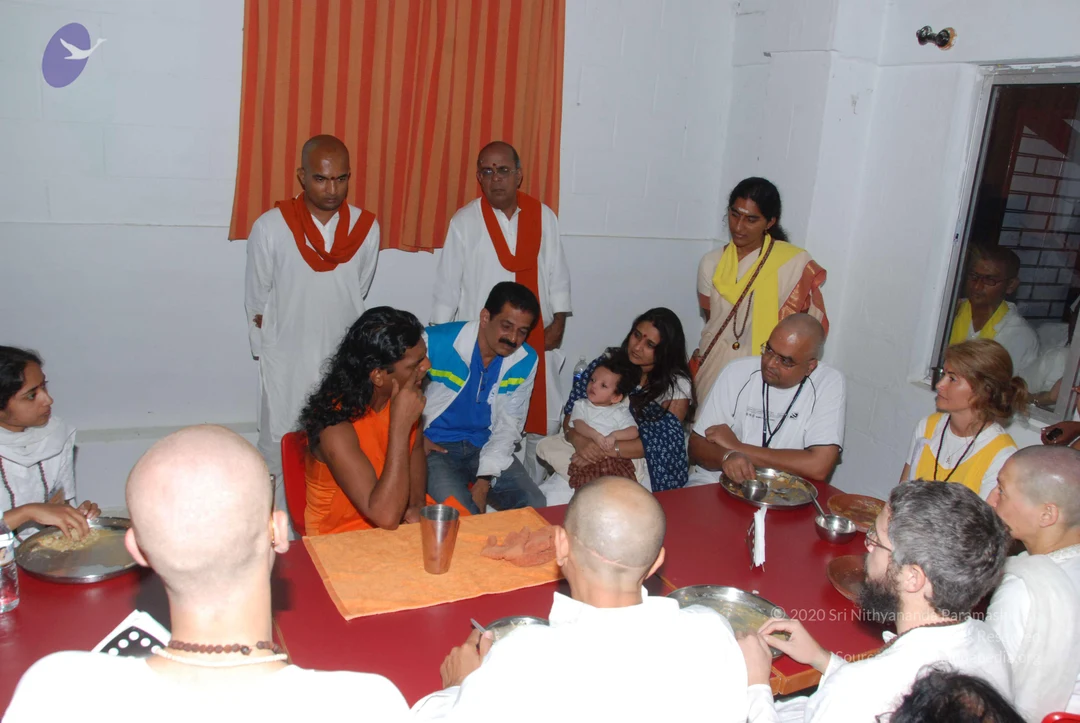
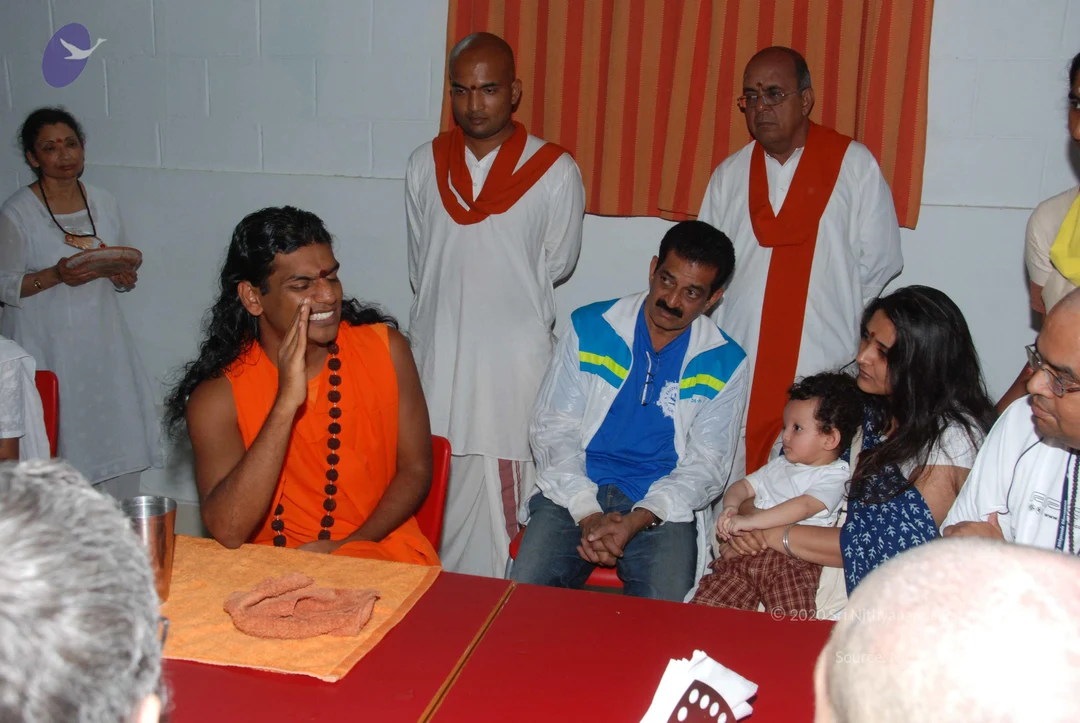
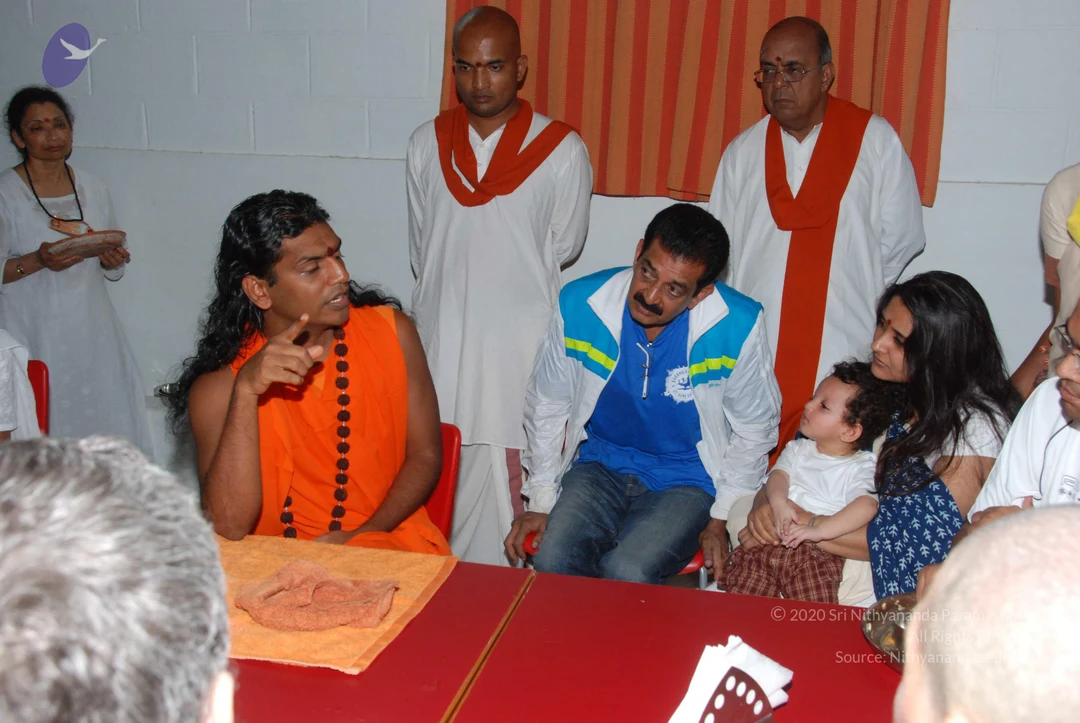
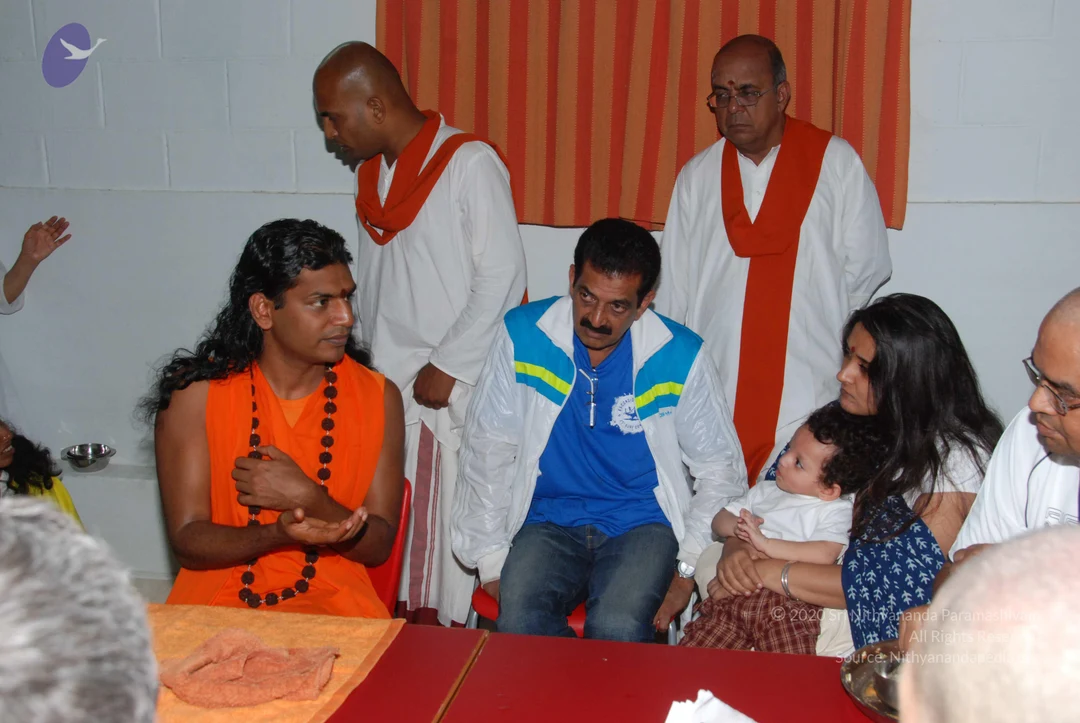
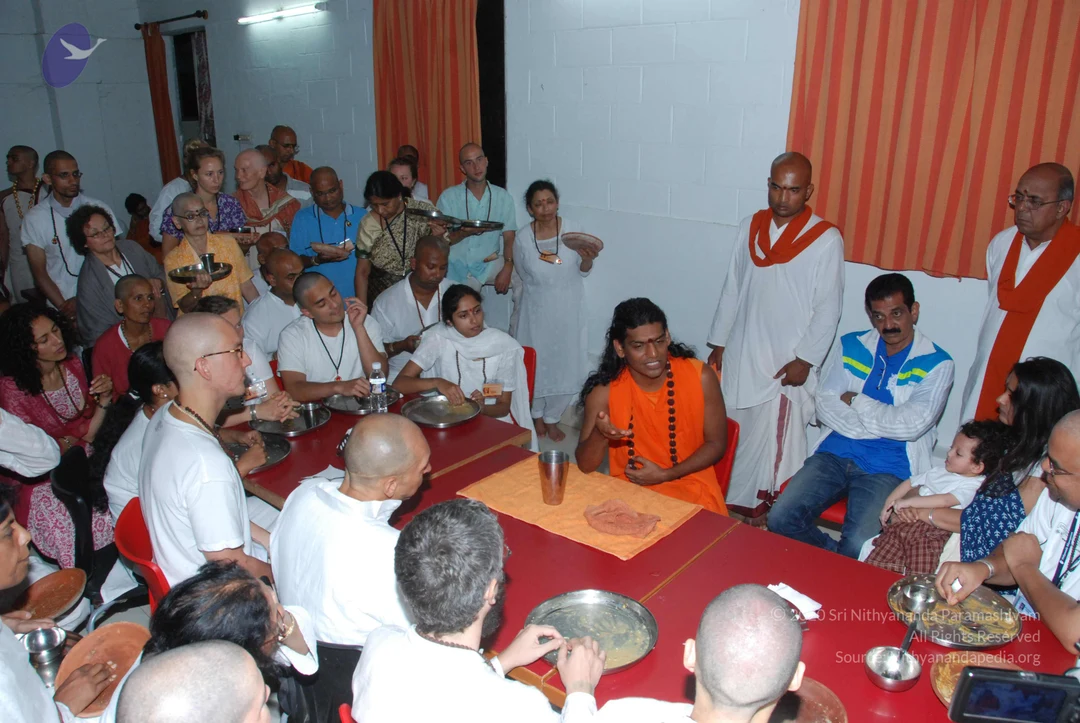
11-Darsana
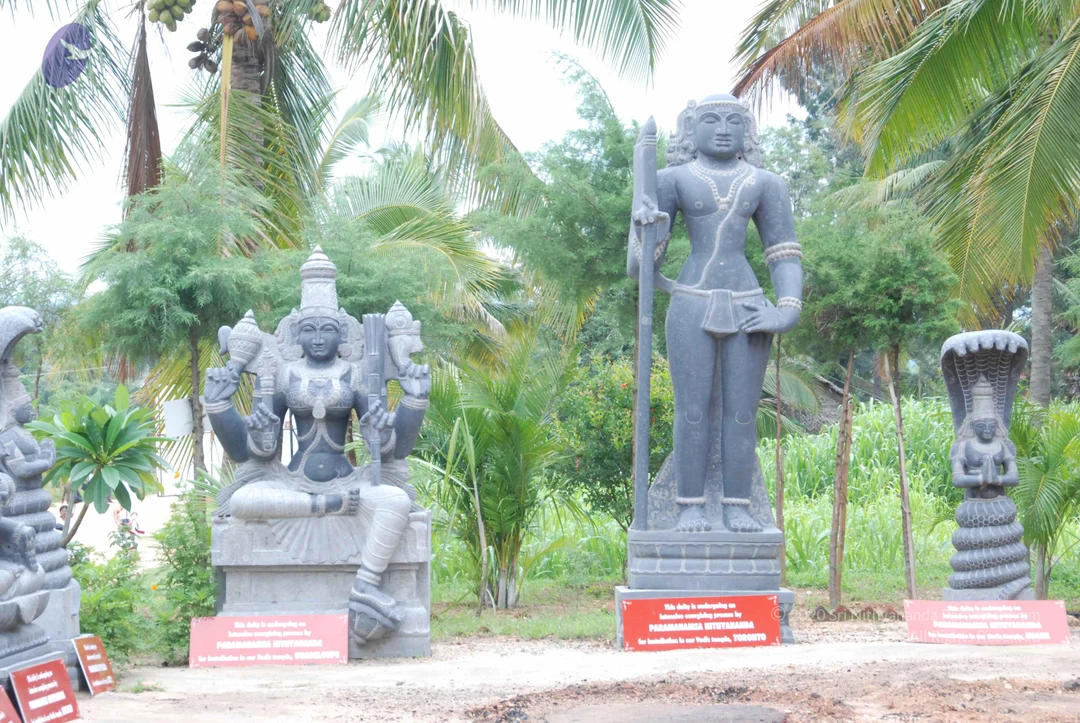
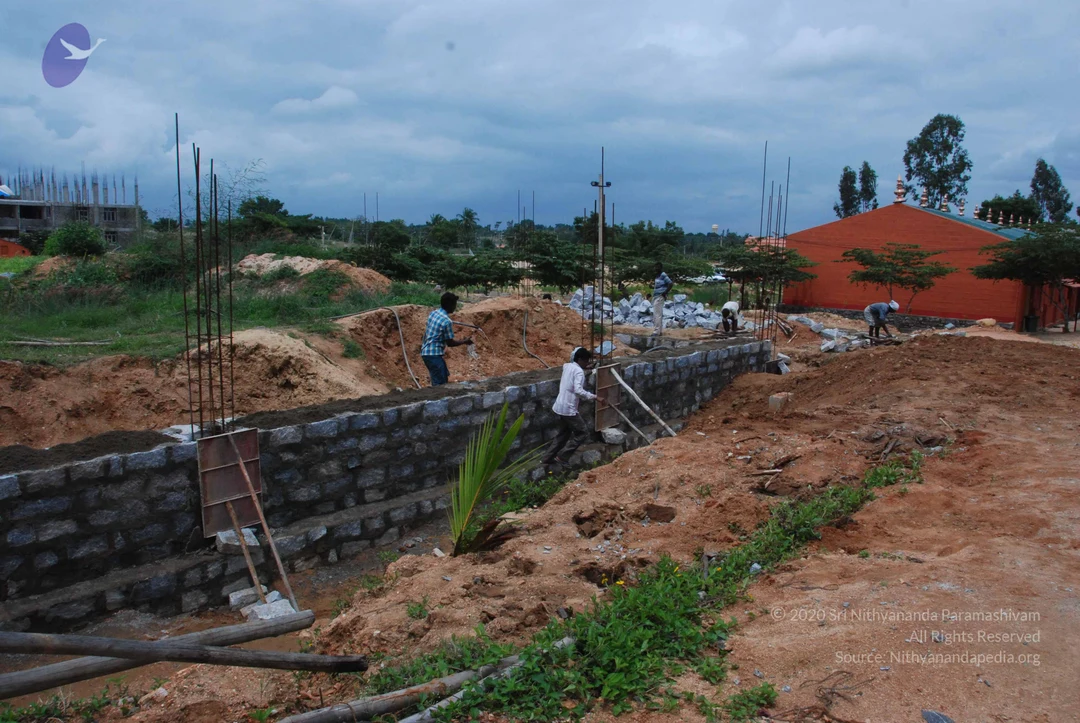
12-Construction
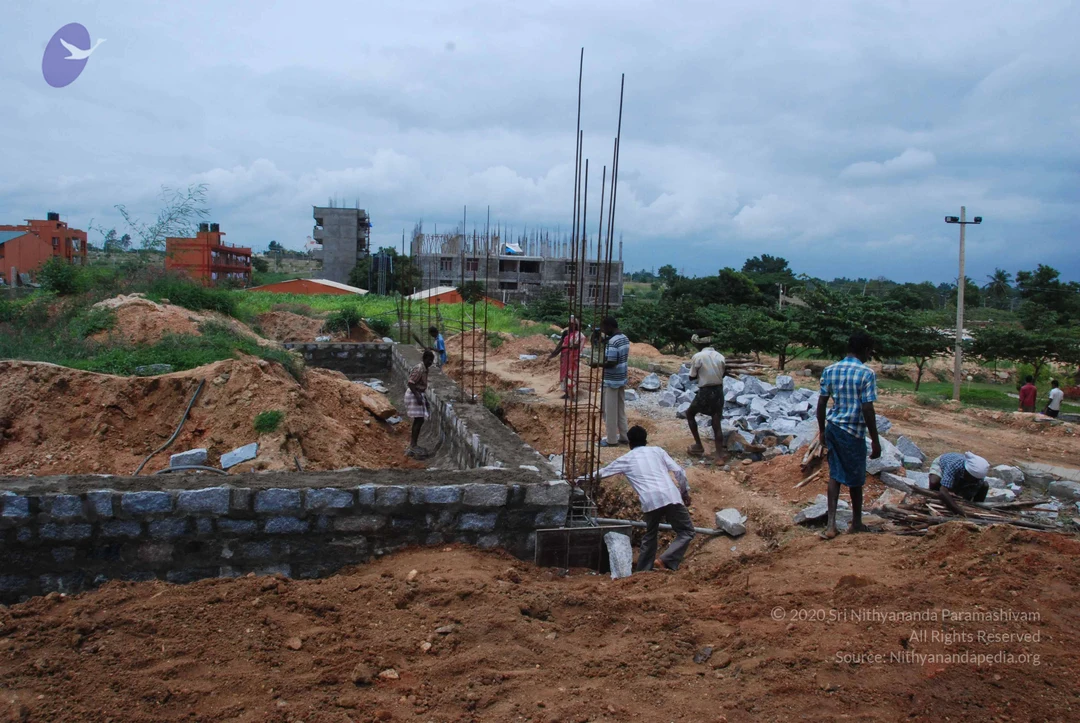
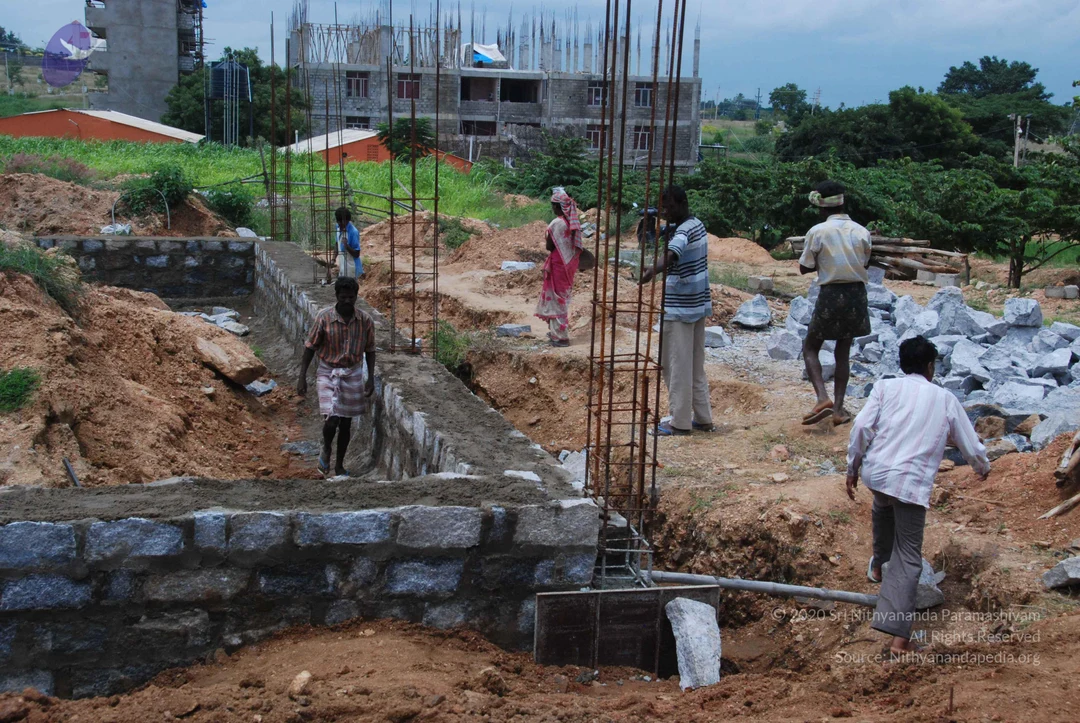
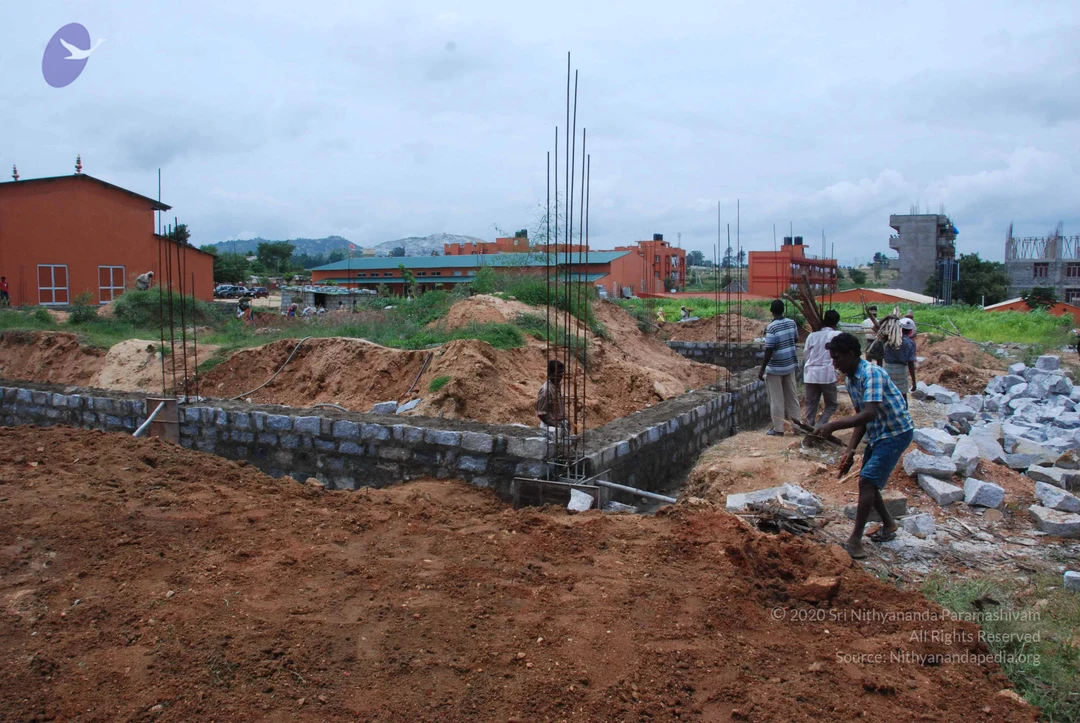
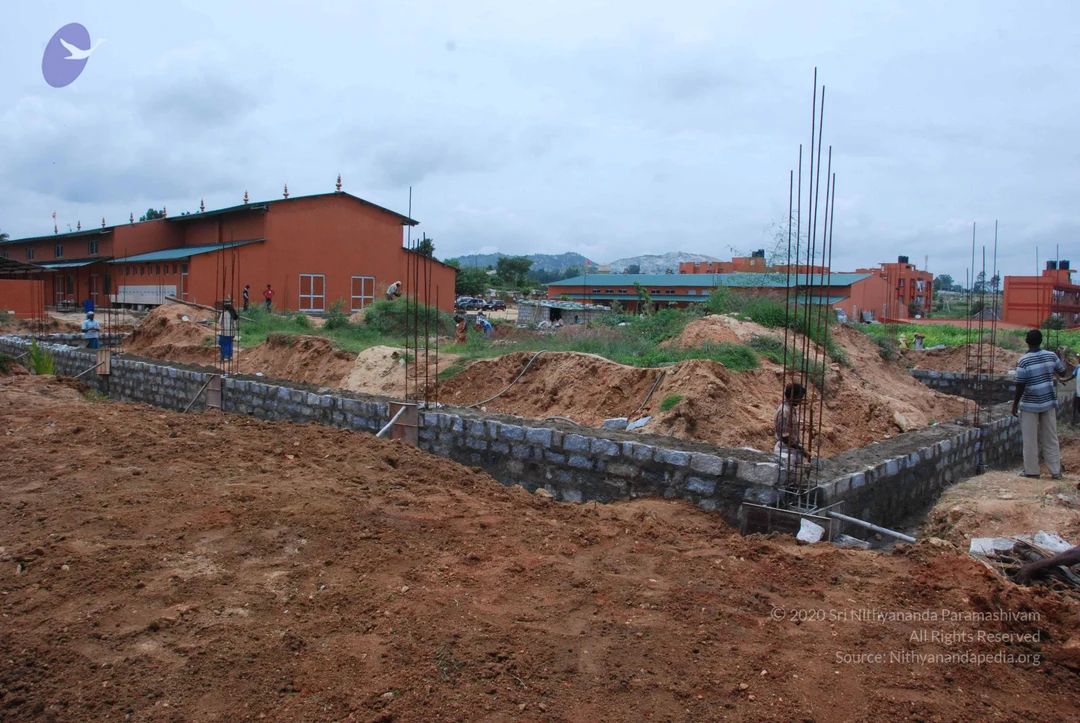
Photos from this day
View all 853 photos01-Temple
30 photosSource gallery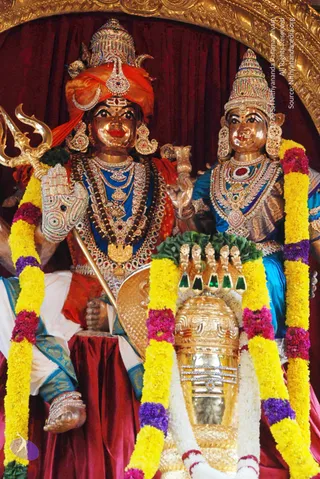
02-PadaPuja
130 photosSource gallery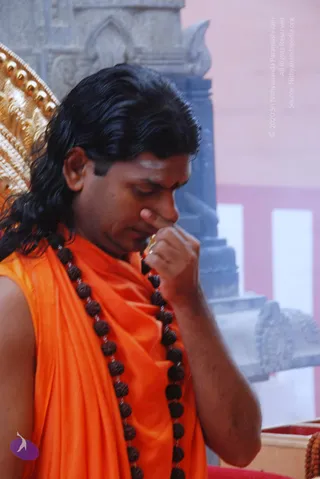
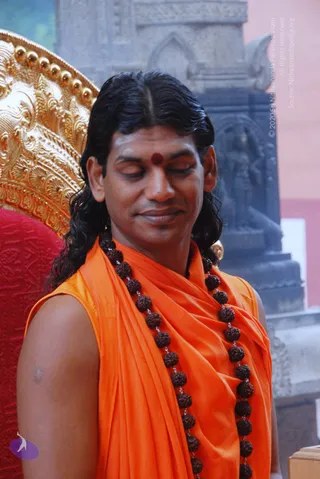
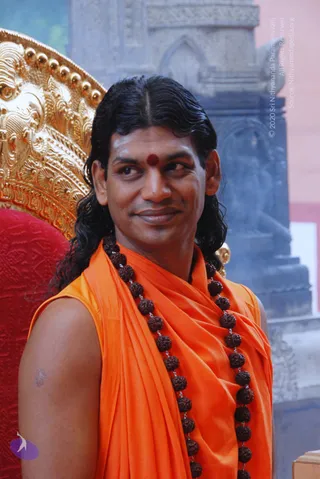
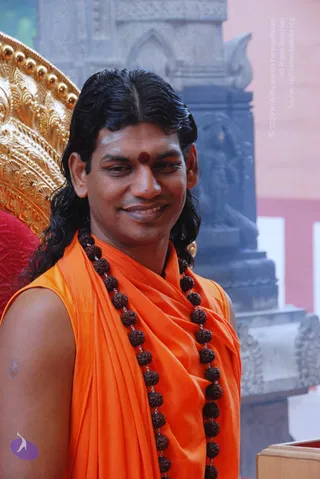
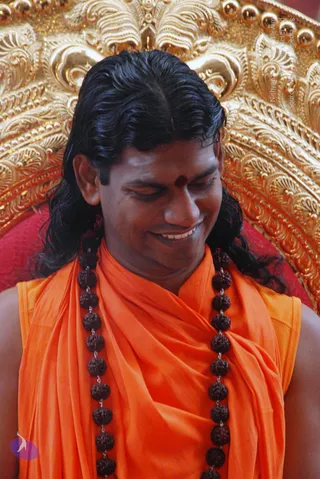
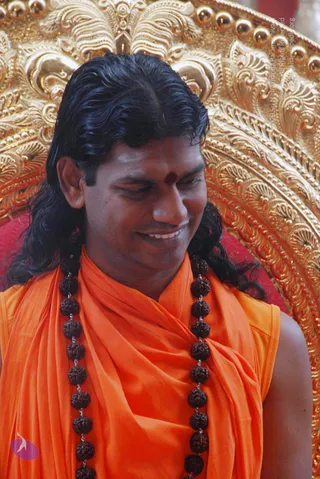
03-Satsang
91 photosSource gallery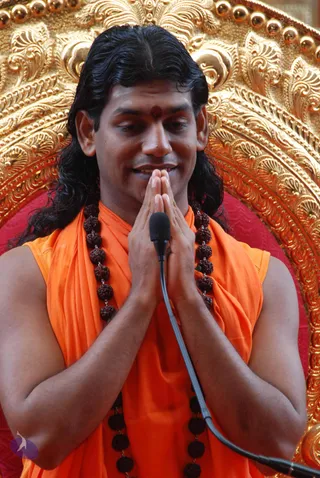
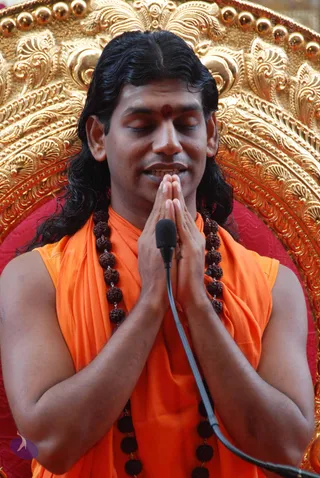
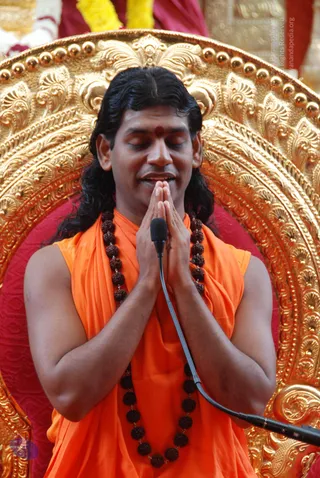
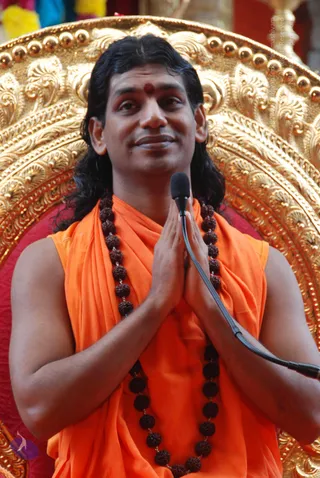
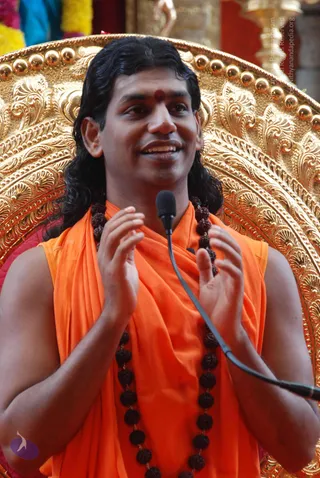
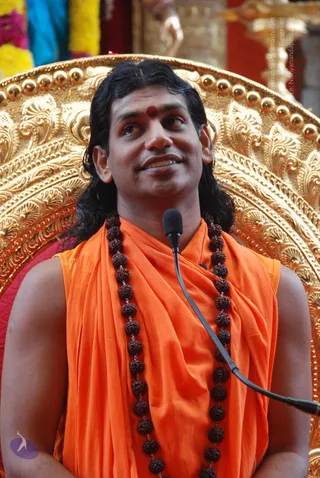
04-SarvaDarshan
38 photosSource gallery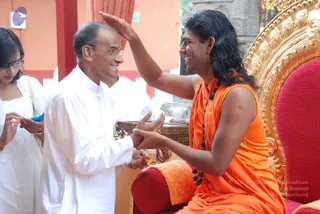
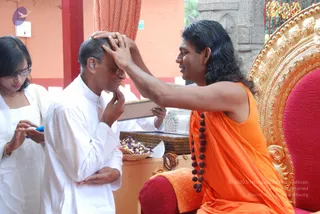
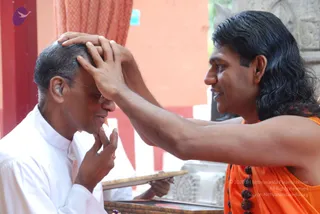
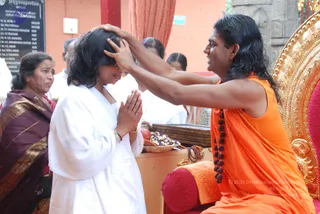
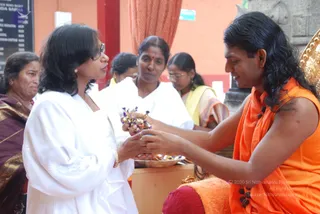
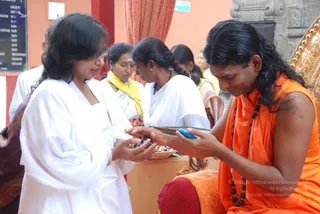
05-E-Kalpataru-Morning-session
134 photosSource gallery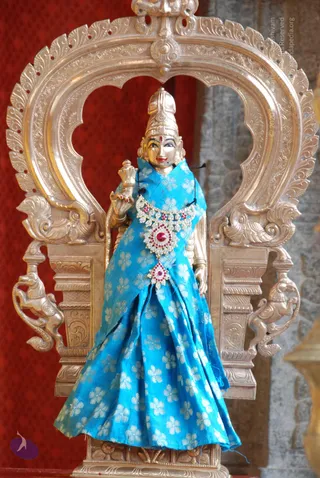
06-Pancha-Tapas
72 photosSource gallery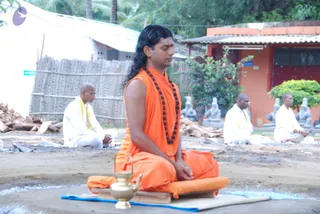
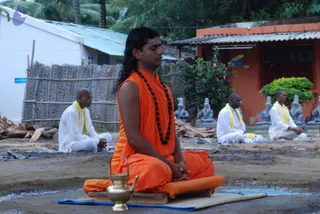
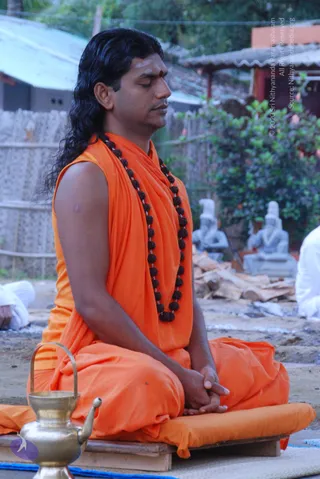
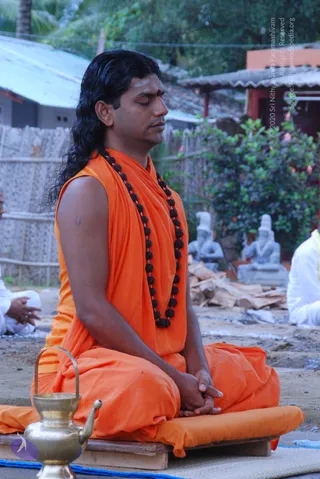
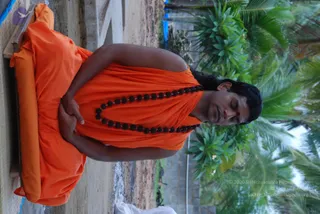
07-Afternoon-session-Levitation
5 photosSource gallery