Skip to content
Thursday

2 August 2007

THE SUPREME PONTIFF OF HINDUISM HDH BHAGAVAN SRI NITHYANANDA PARAMASHIVAM

Dated photos
24
Source pages
1
A photograph of a single ornamental object laid flat on a dark green cloth: a gold-coloured turtle-shaped deity ornament (alankara) encrusted with white, green and magenta stones. A large central circular medallion with a green gem and a ring of green and pink stones surrounds a flower-like pattern, with four gold tapering limbs extending outward. No people are visible.Outdoor photo at a dusty open site under a blue tarpaulin canopy supported by wooden poles. Five people in white clothing sit on the ground before small fire pits, several wearing white headbands, with one in a yellow garment among them. Behind them, stacked firewood, green barrels and blue tarps are visible, with trees beyond. On the left, a woman in a bright orange-red sari stands beside a table under the canopy, and another woman in white stands near a sign partly reading 'nanda'. The scene suggests a fire ritual being performed.A photograph taken from above of a set of jeweled deity ornaments laid flat on a dark grey cloth on a red-edged floor. Pieces include an ornate crown-shaped headpiece with a crescent-like top, a large embellished face or torso shield, two circular ear or side ornaments, a small central piece with a red vertical mark, and a broad lower piece with a rounded base. The ornaments are covered in white, green, red and blue stones and beadwork in intricate patterns. Partial feet and a checked cloth edge appear at the left and bottom edges.

August 02 2007

Original wiki page
Contents

Title:

THE SUPREME PONTIFF OF HINDUISM HDH BHAGAVAN SRI NITHYANANDA PARAMASHIVAM

Description:

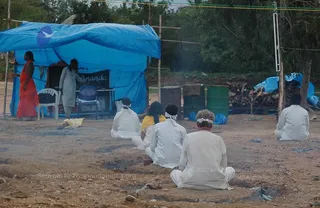
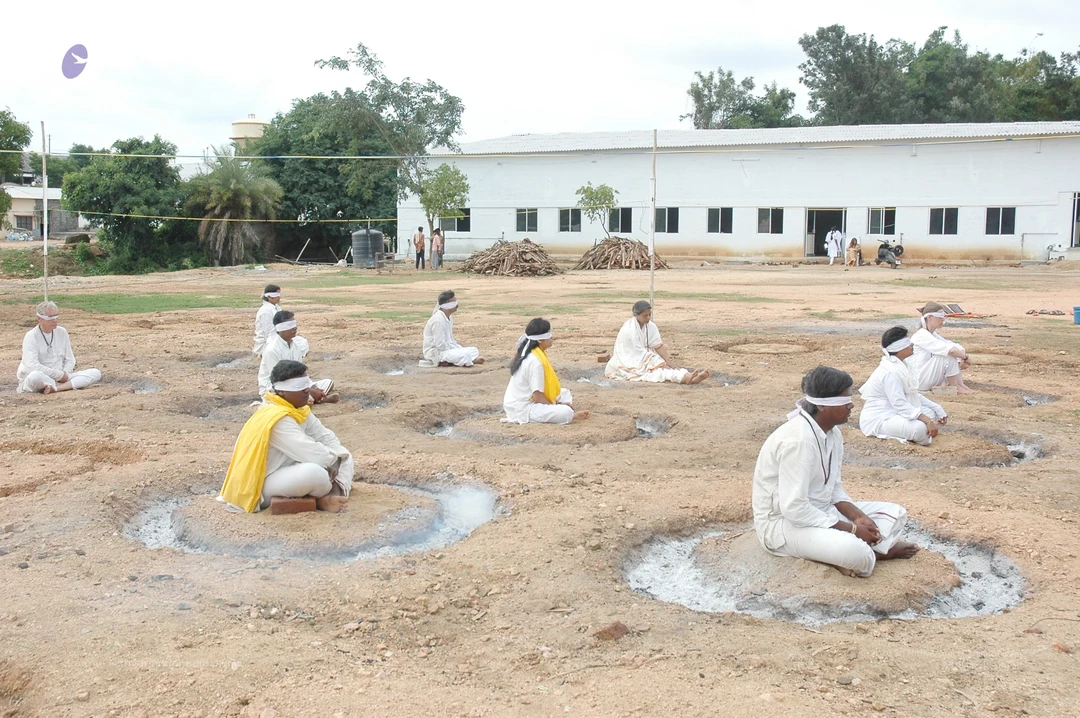
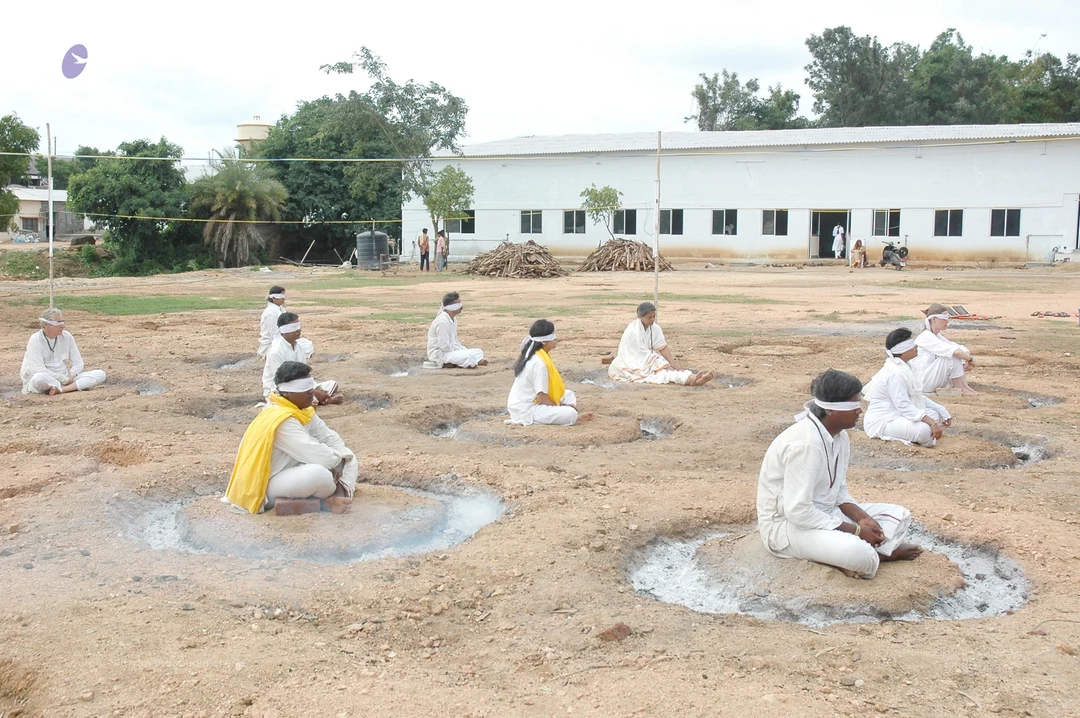
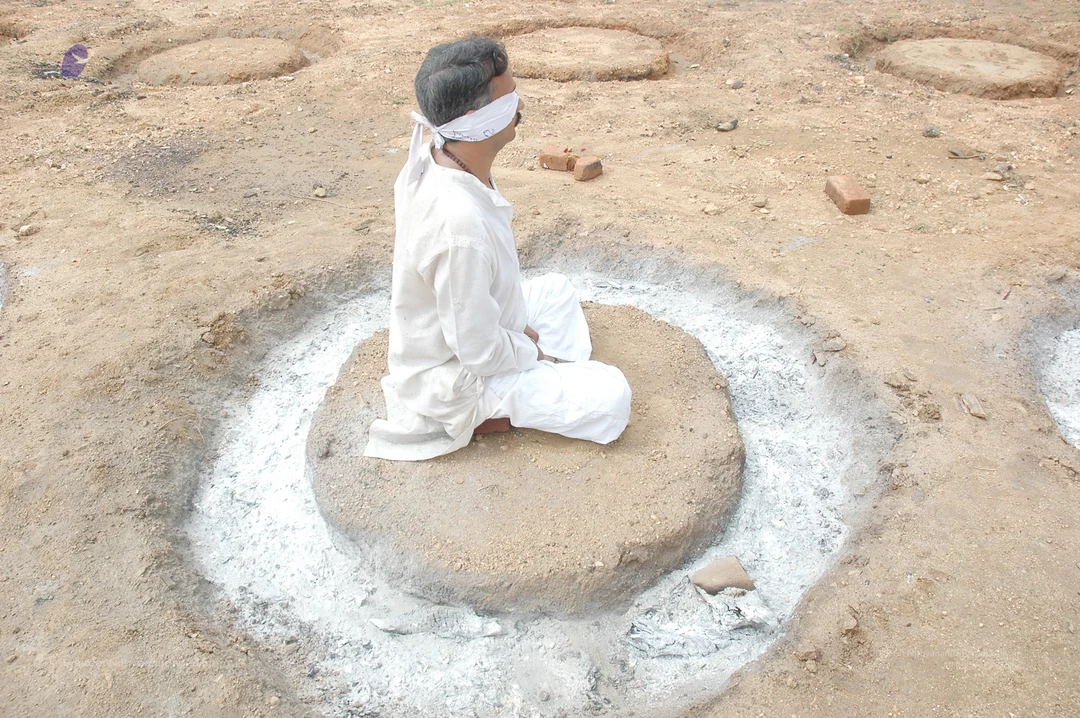
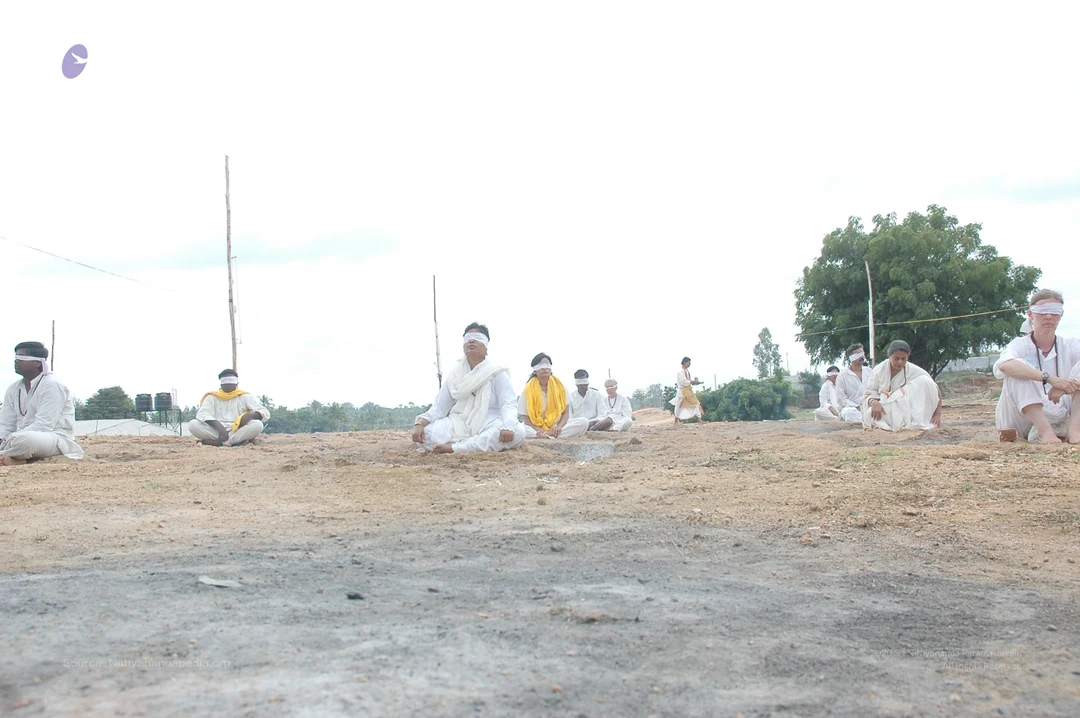
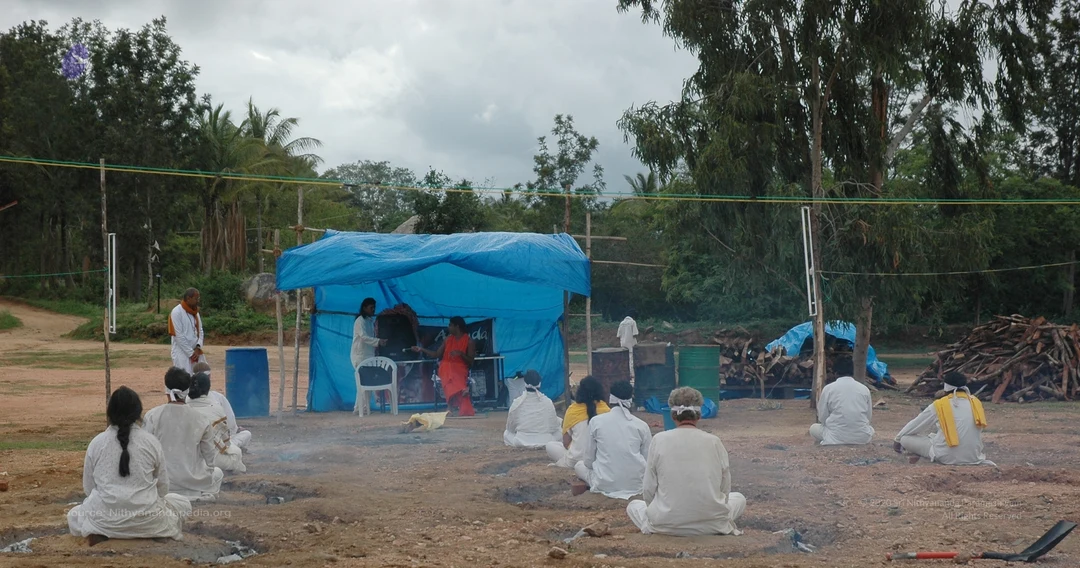
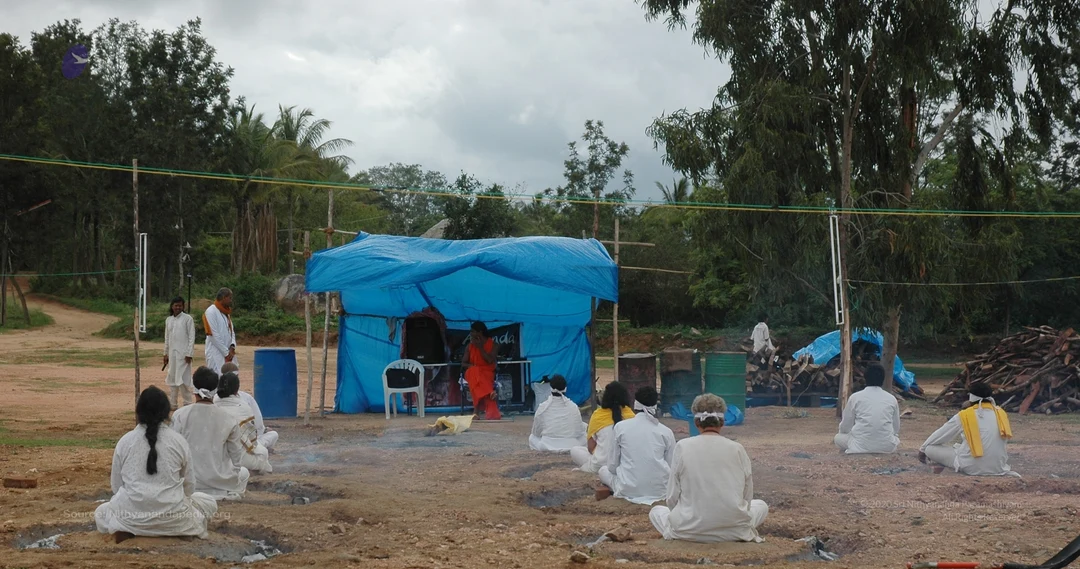
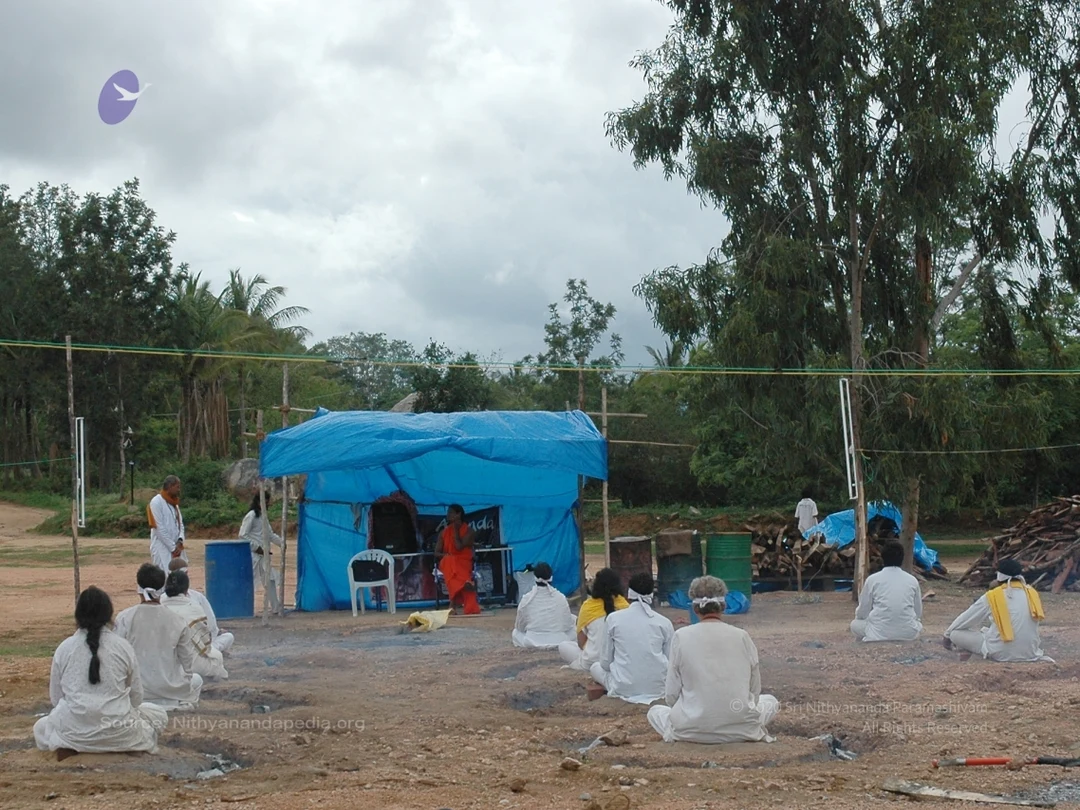
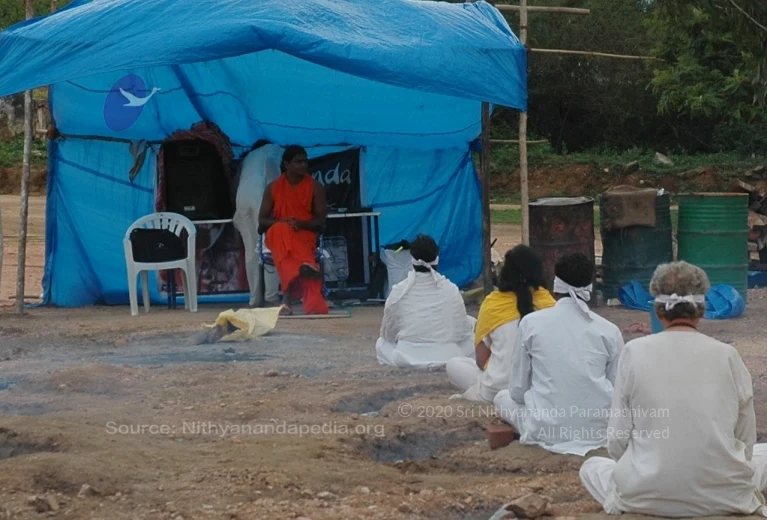
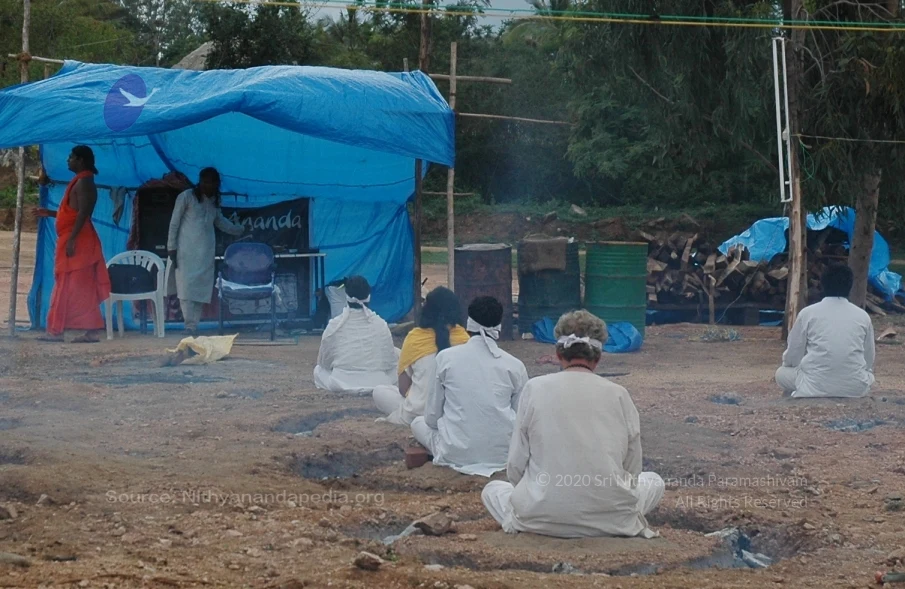
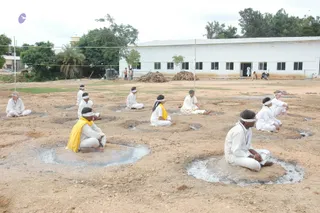
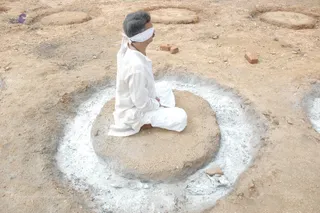
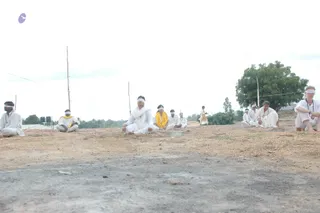
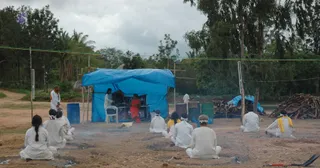
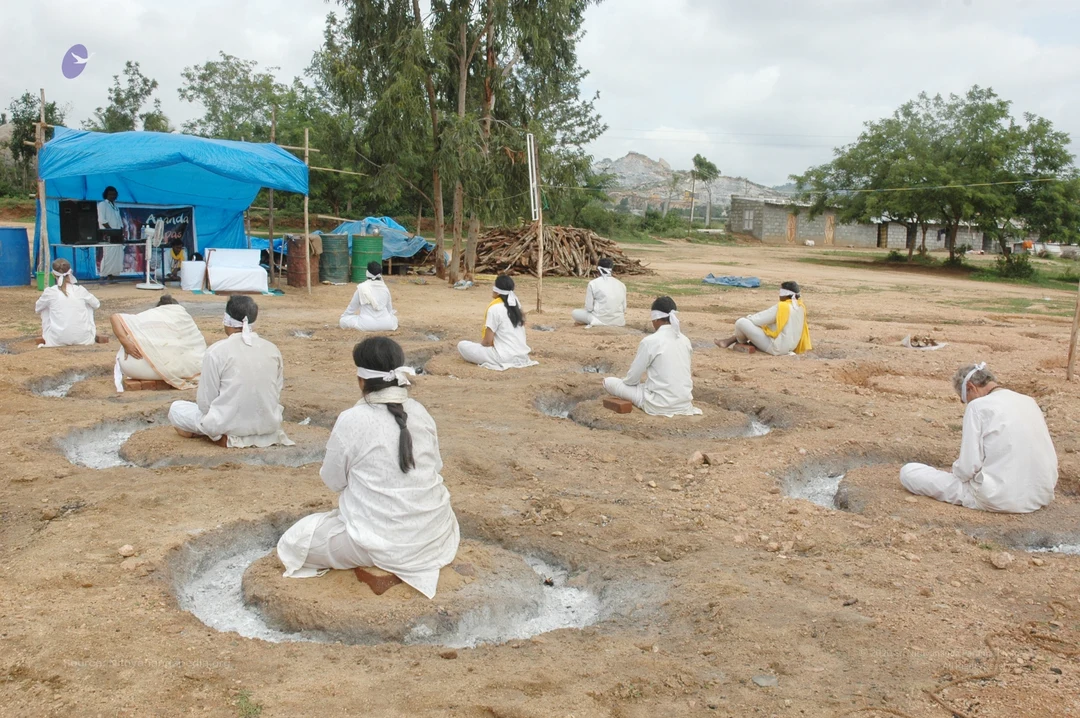
Ananda Tapas is an intense transformational program which deals with how to handle the 64 different fevers that happen in us. These 64 different fevers are caused by various emotions affecting us. The program was all about becoming centered without being affected by the fevers, about how not to be pushed from one fever to the next which is what happens with most of us normally.

The meditation techniques and the presence of the Master over this 12-day intensive program conducted between 1st and 12th August saw the participants going through tremendous inner transformation.

Photos of the Day:
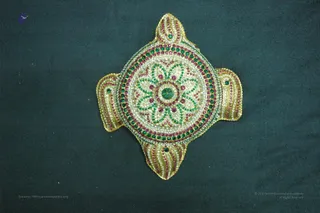
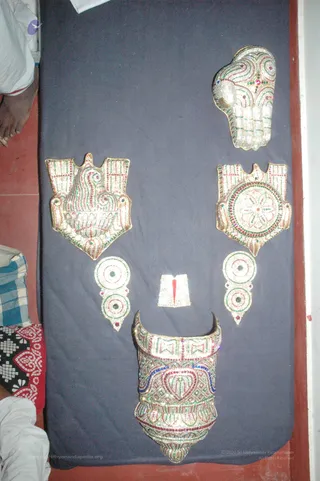
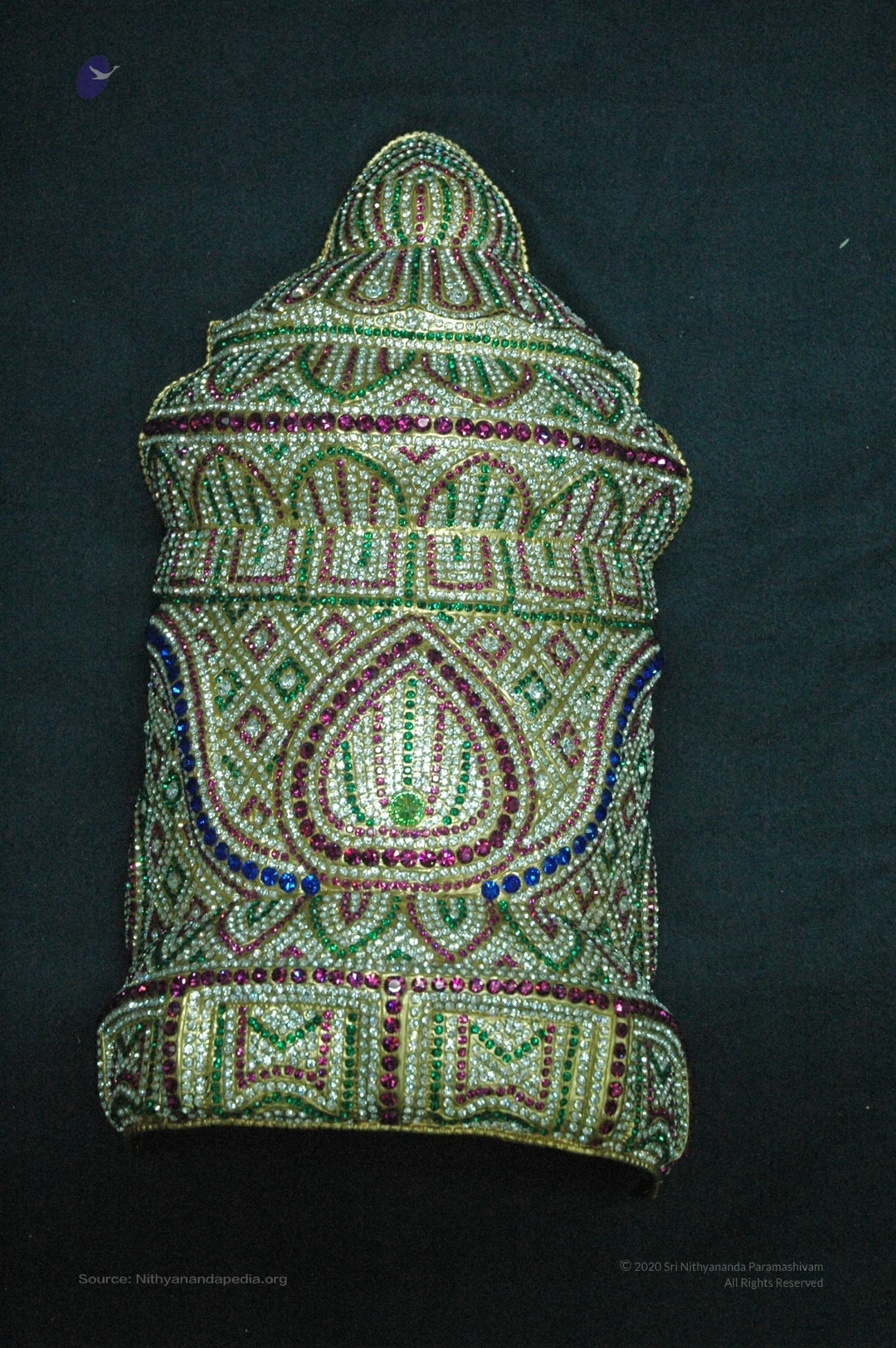
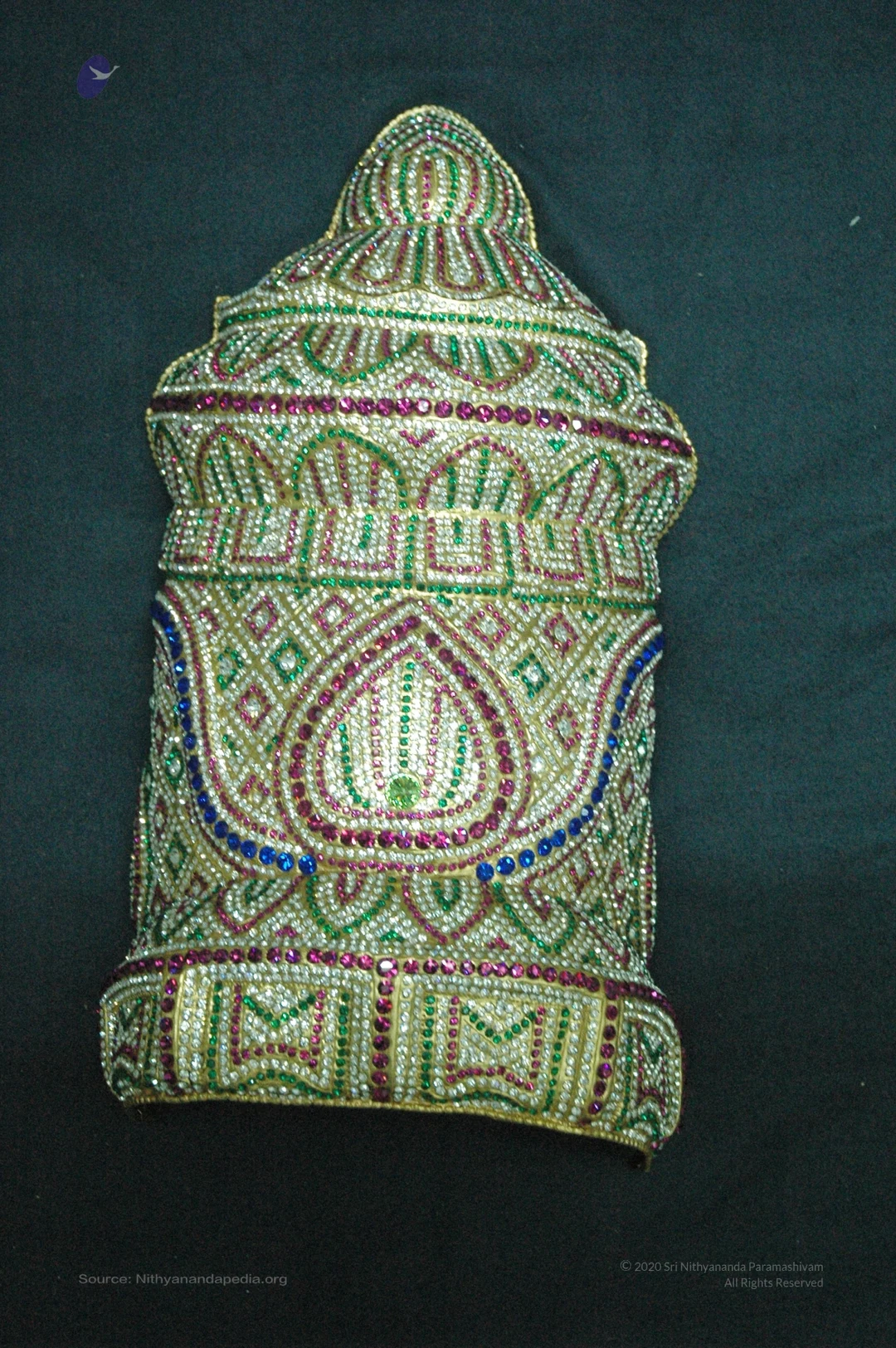
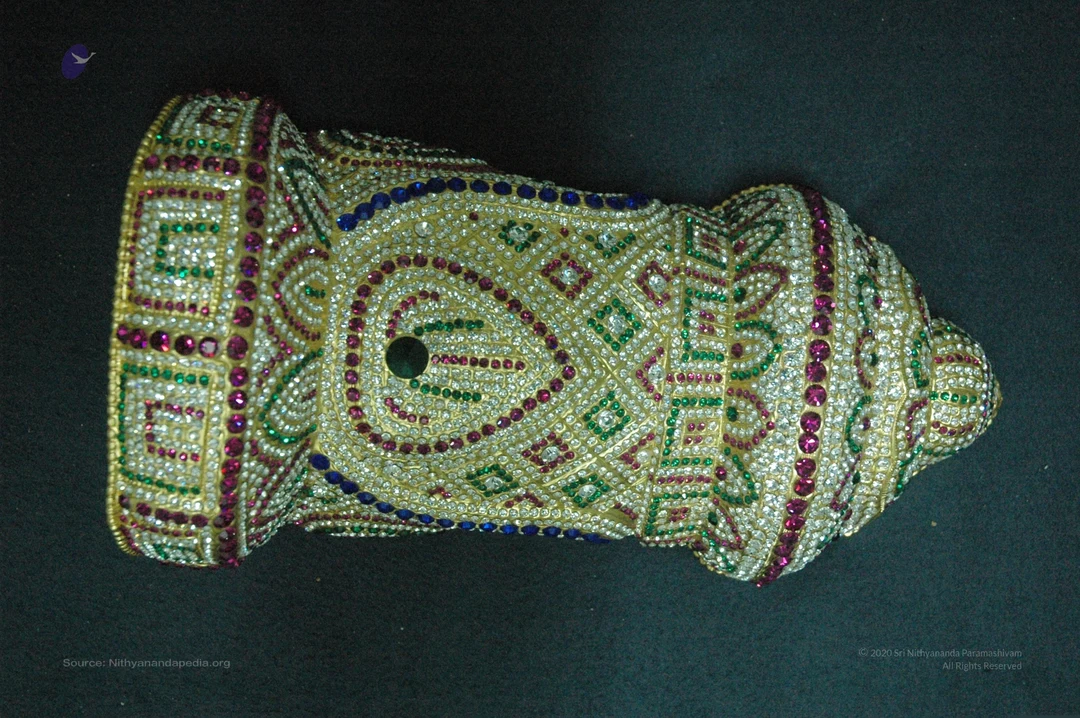
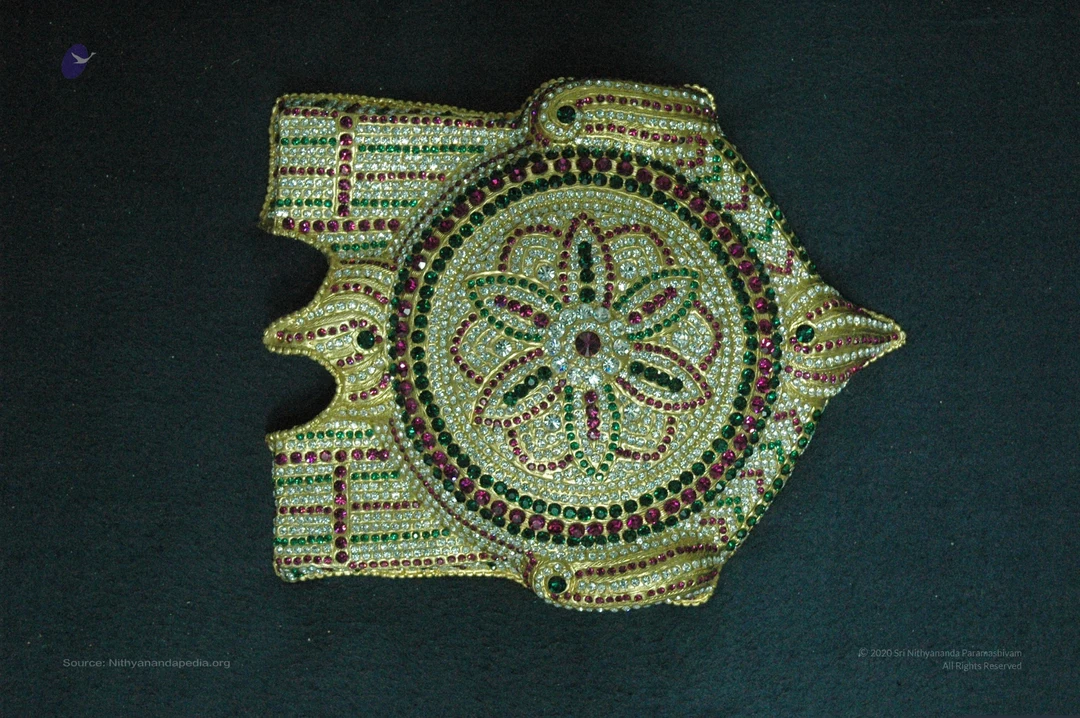
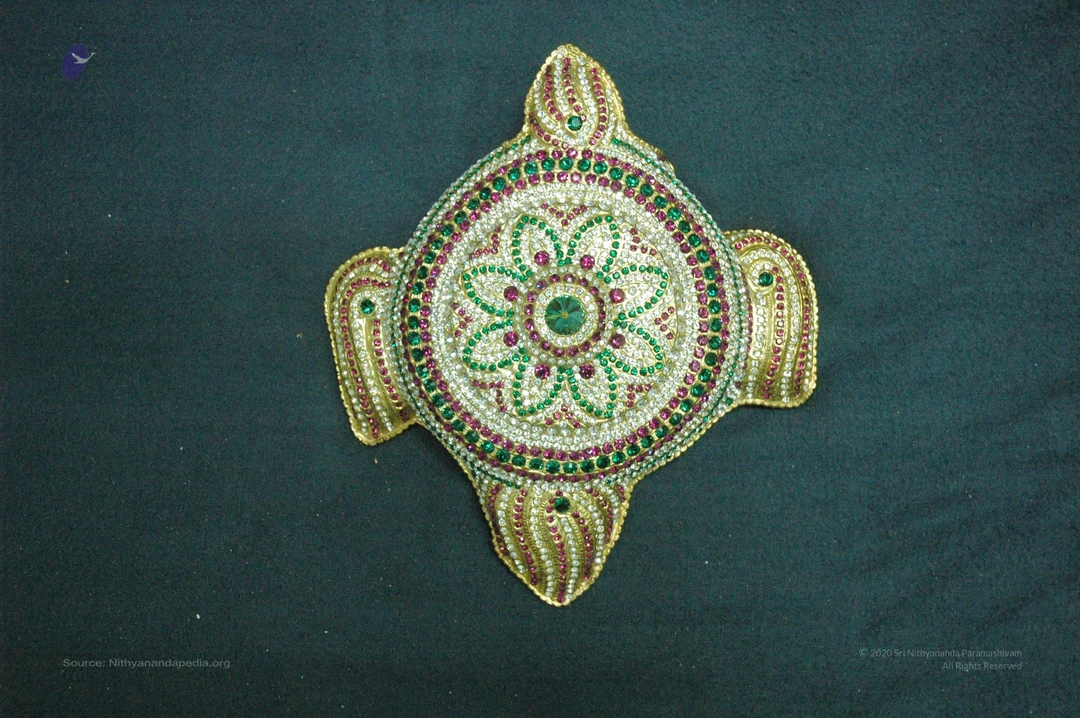
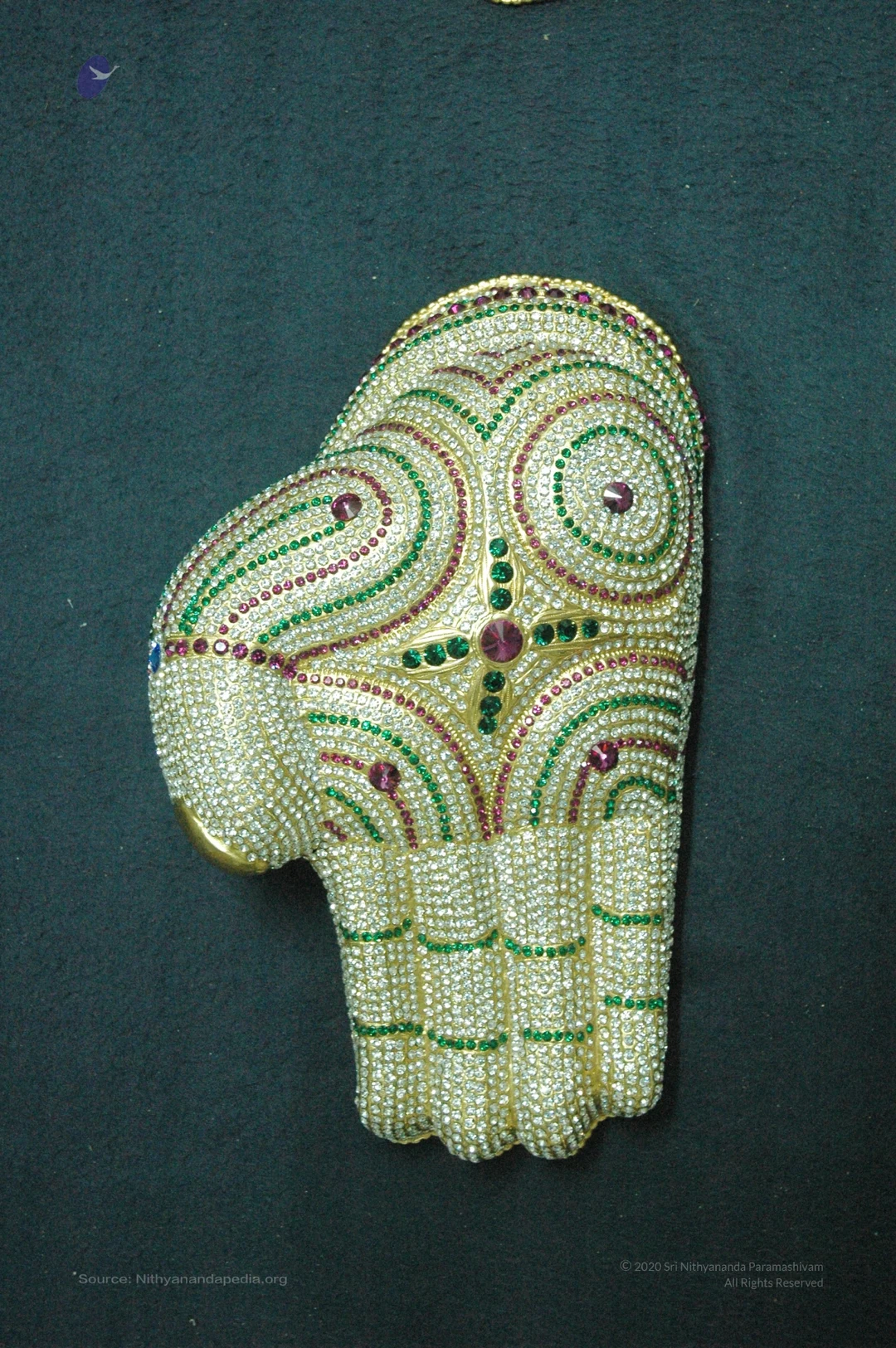
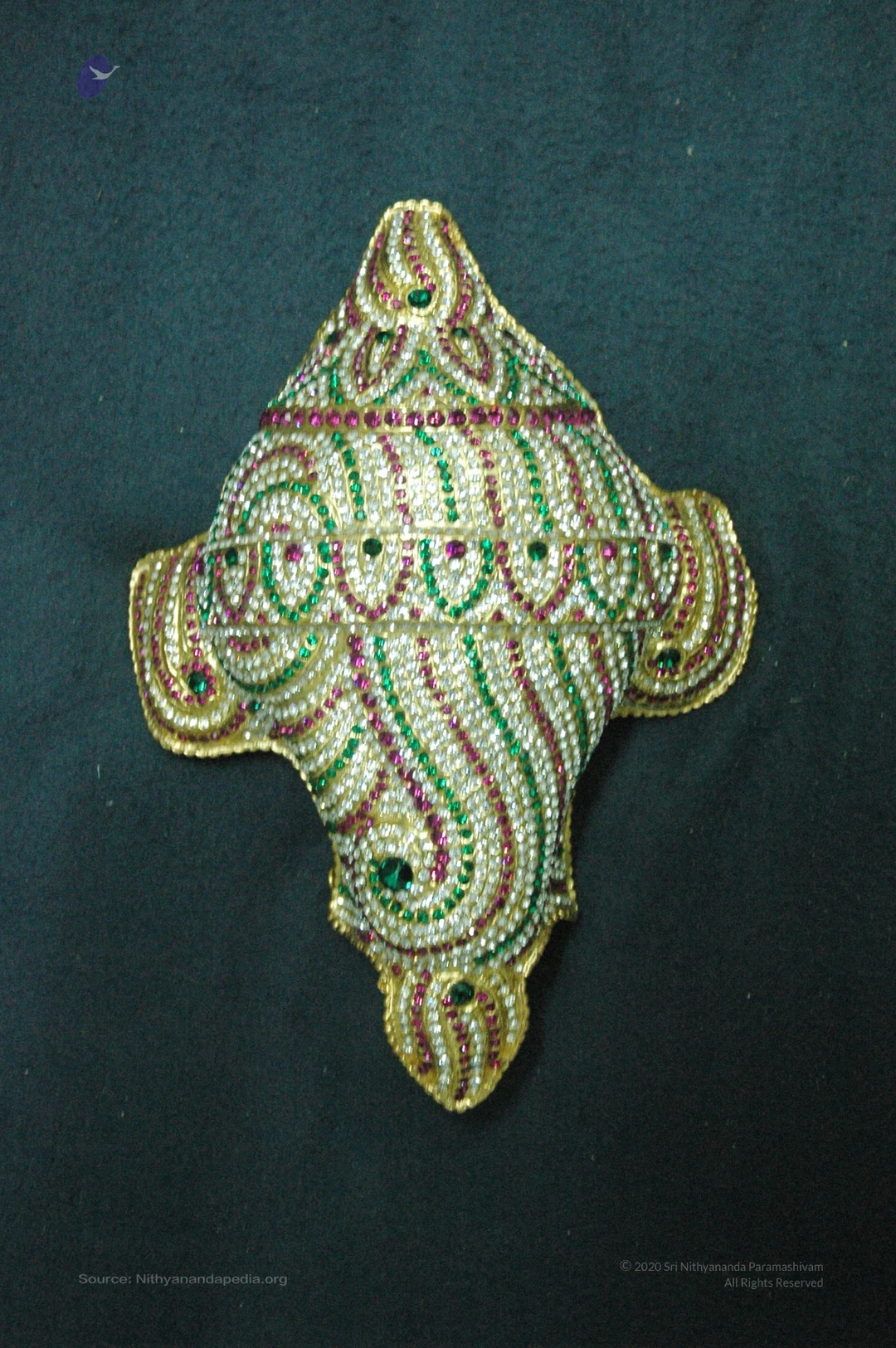
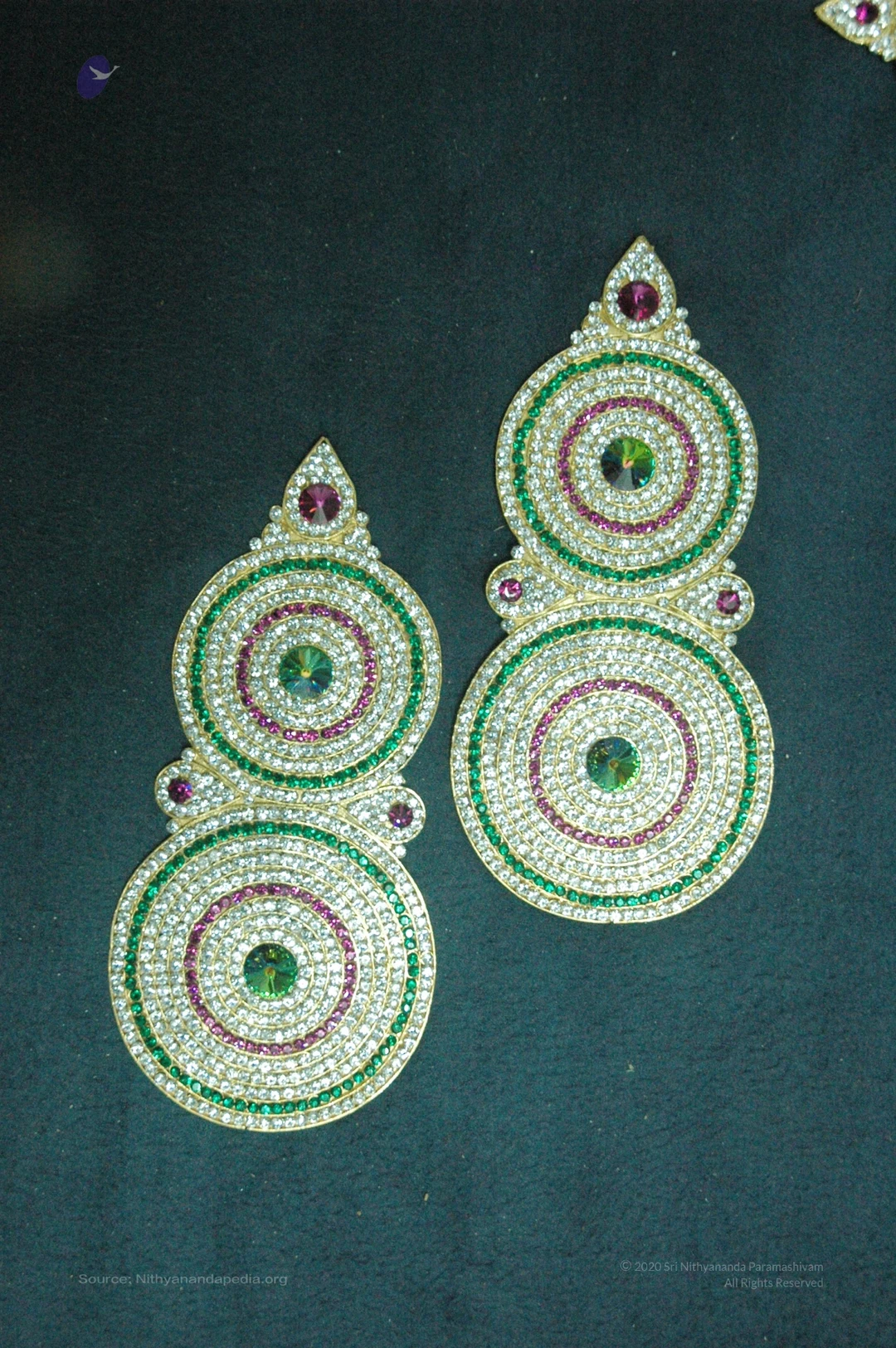
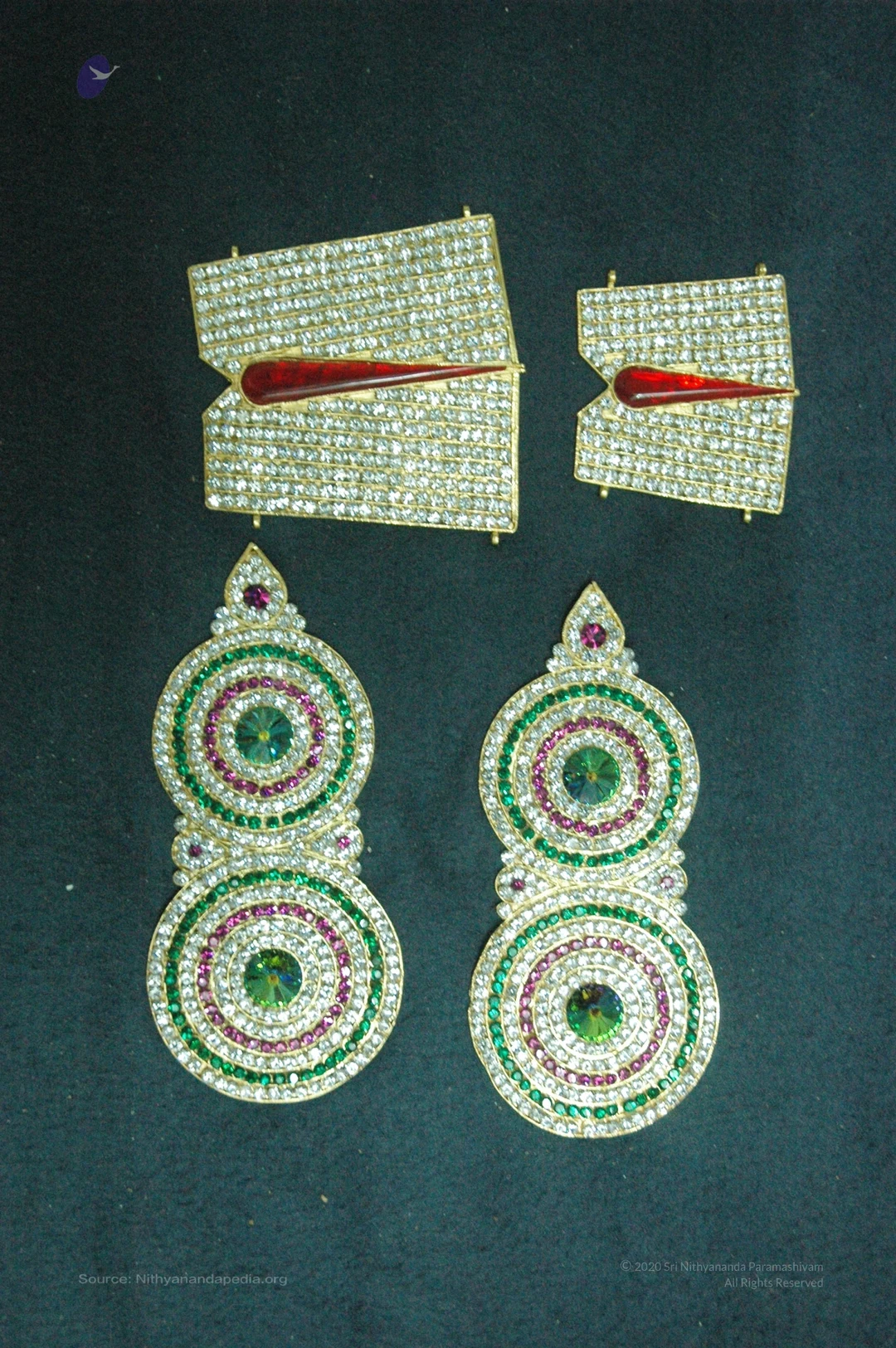
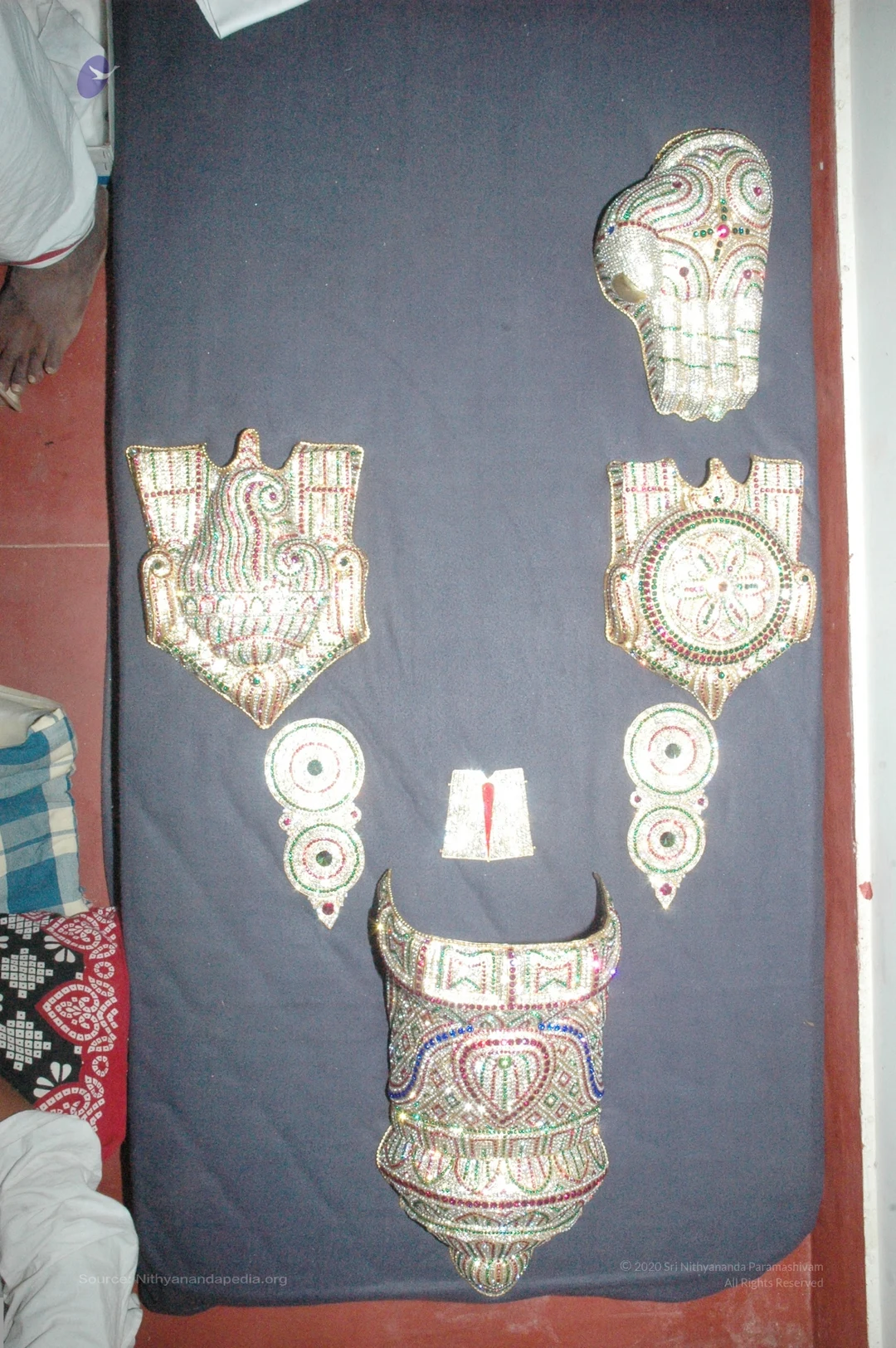
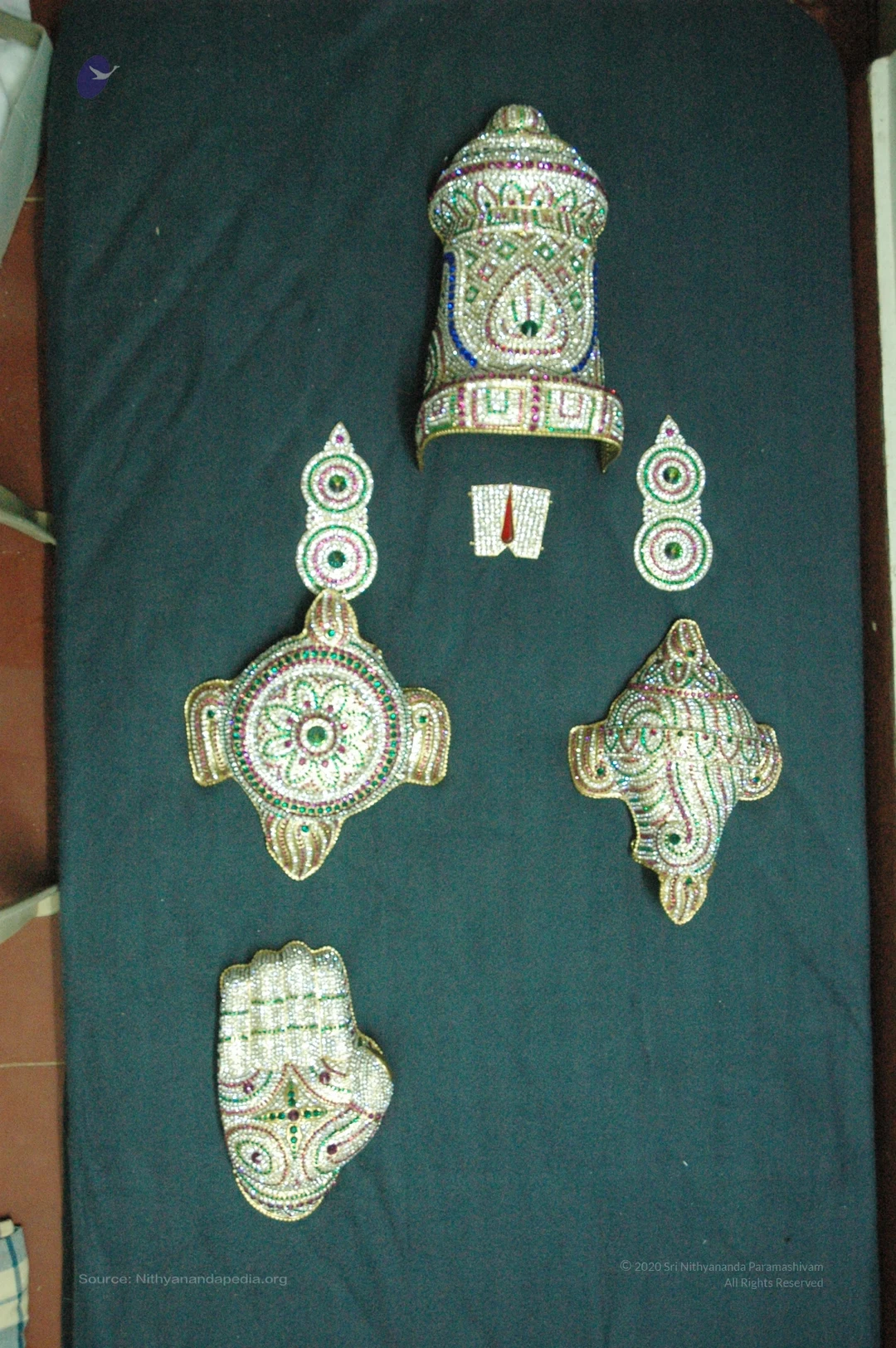
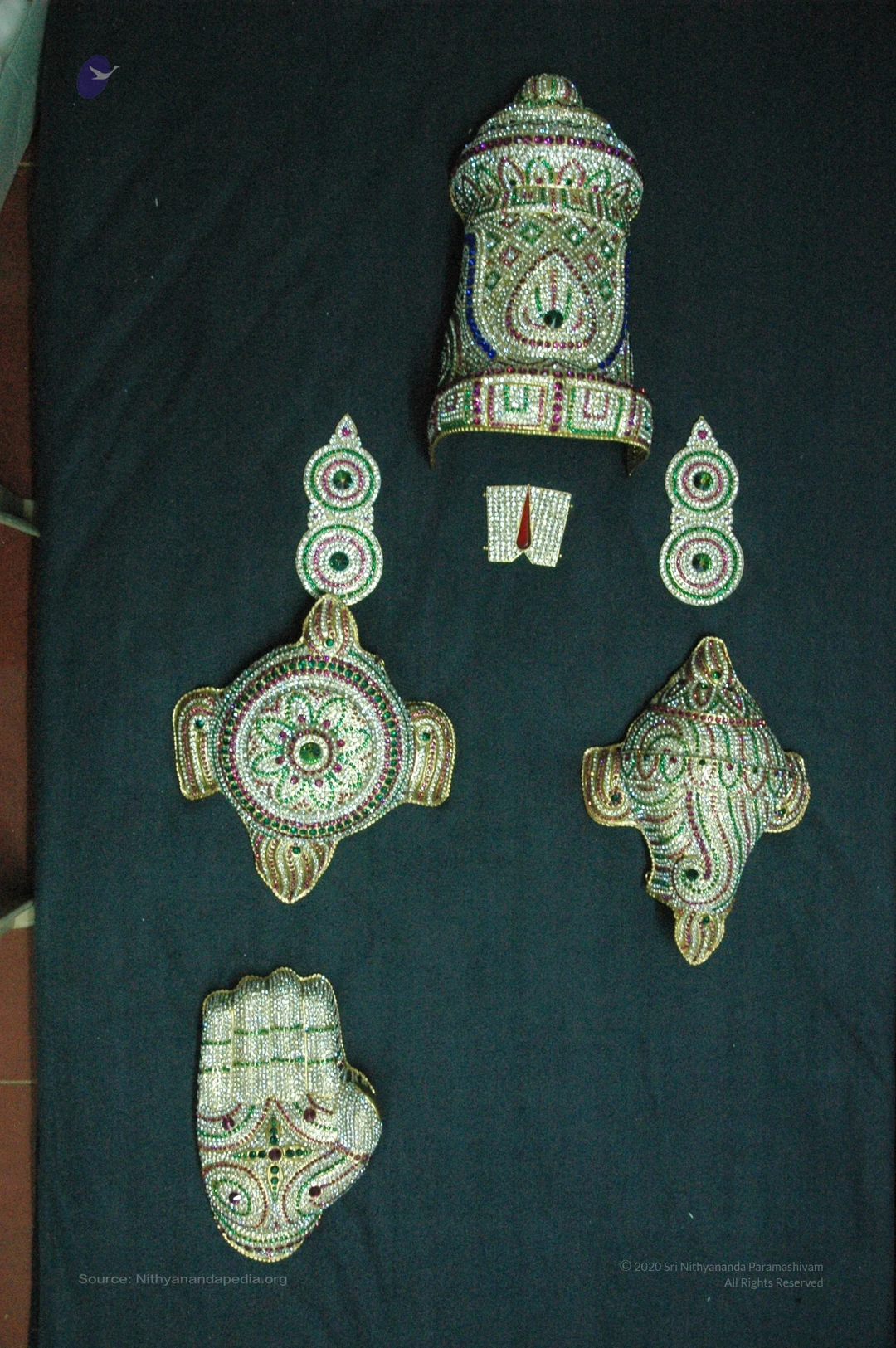
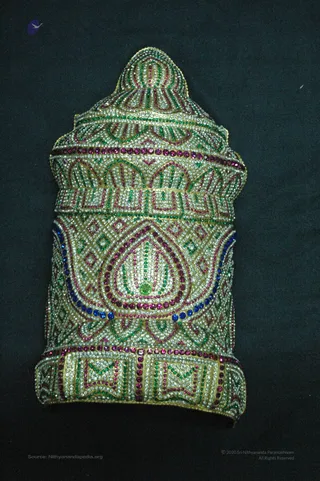
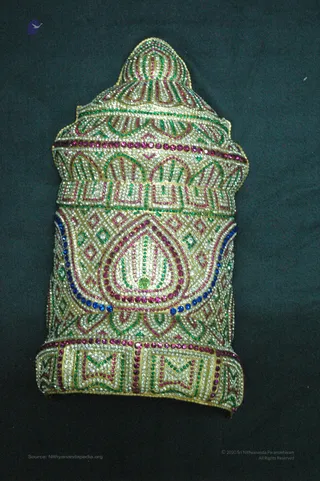
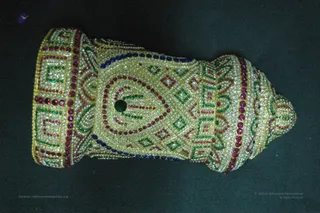
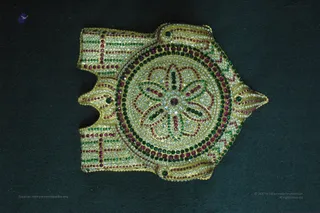
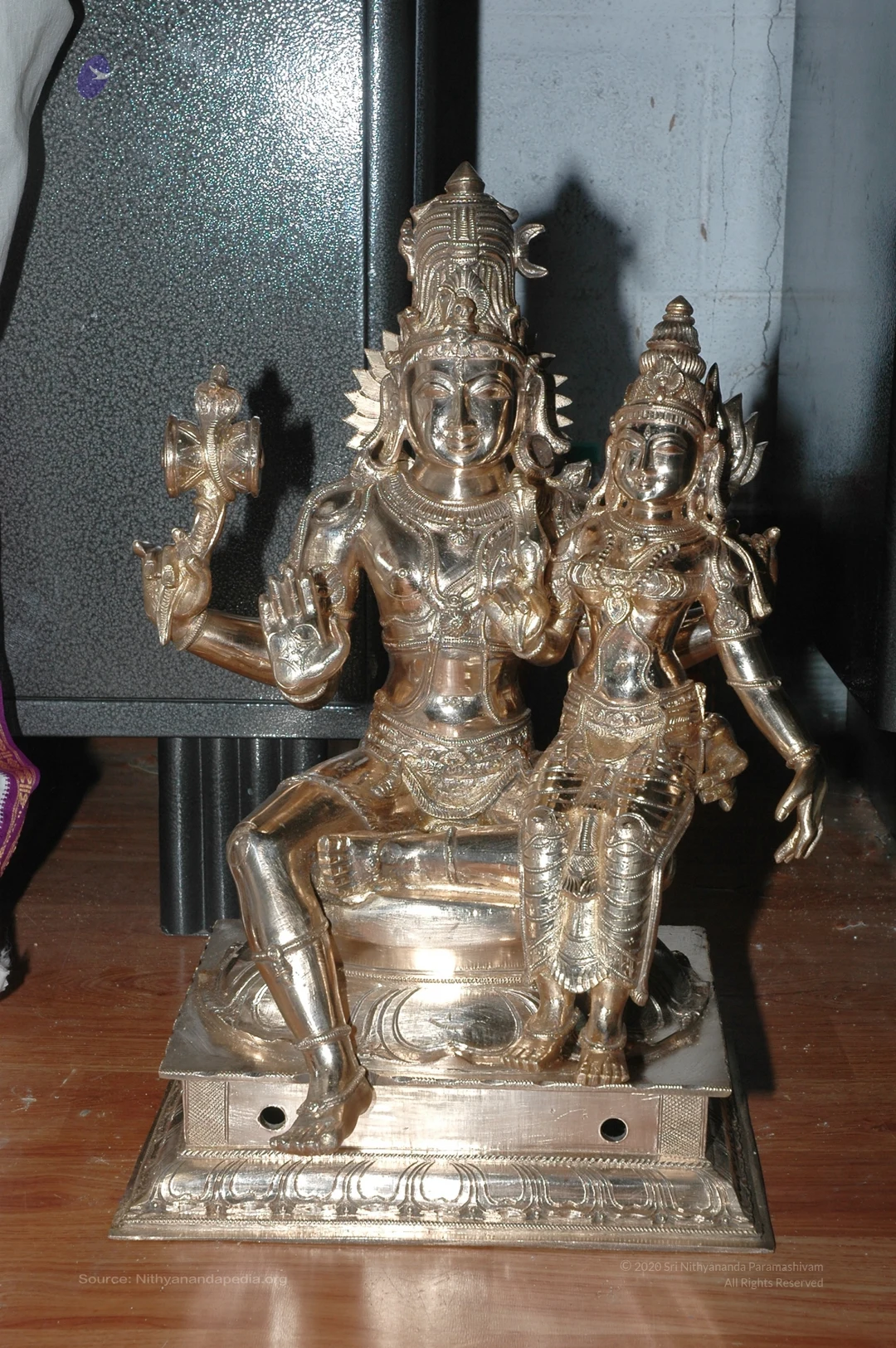
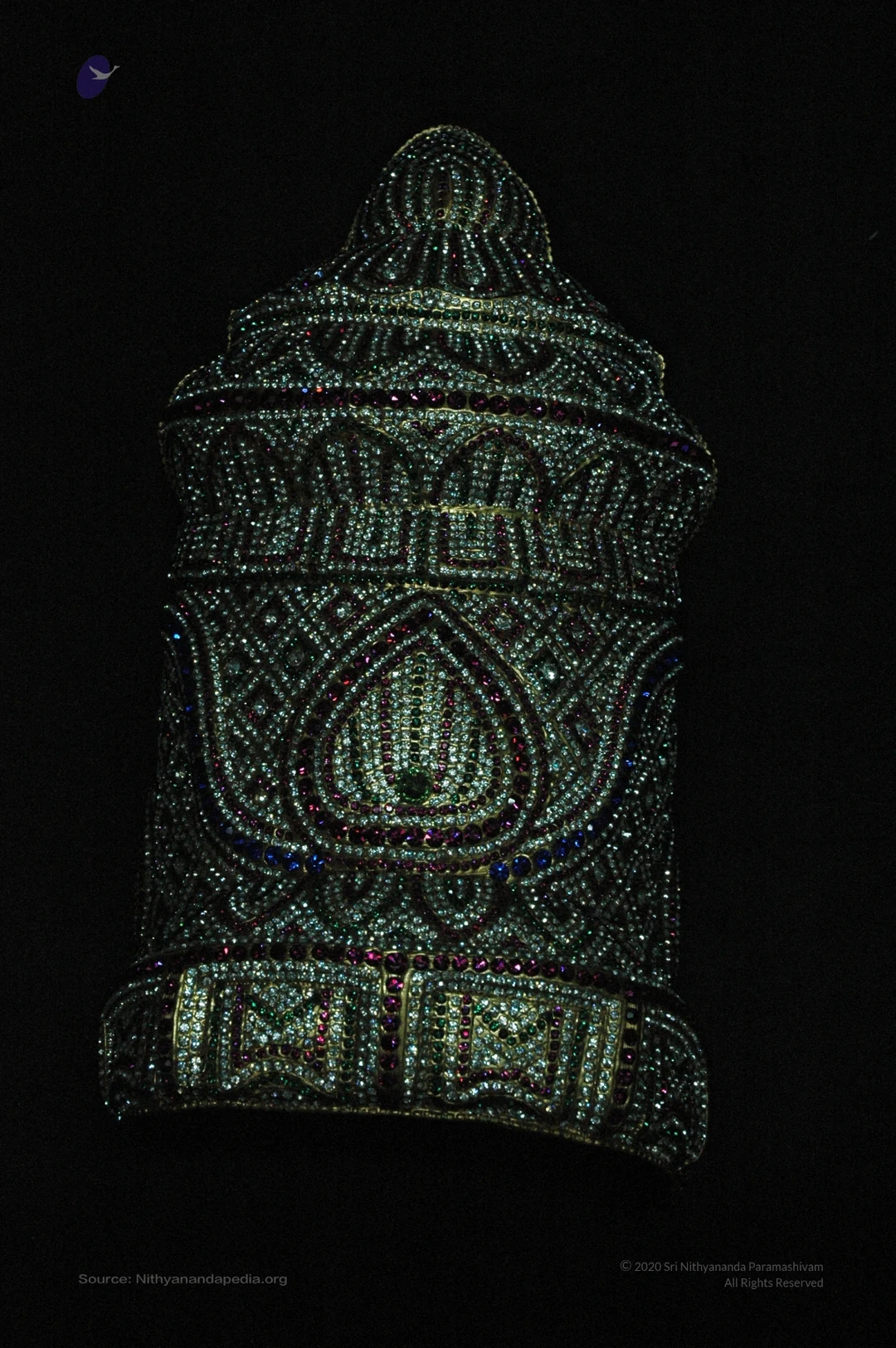
Below are some pictures taken of the ornaments made for the deities at the Sacred Arts Univercity at Bidadi, Bengaluru Aadheenam:
Photos from this day

View all 24 photos

Photos of the Day:

10 photosSource gallery
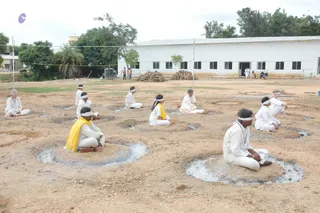
Outdoor scene at a dry, dusty ground with circular pits. Around ten people in white clothes and white head cloths sit cross-legged in shallow pits lined with white material, arranged in a loose circle. One seated person wears a yellow shawl, and a person at the right wears a yellow wrap. Behind them a blue tarpaulin shelter stands over a small stage area with a banner, a fan and drums. A stack of firewood and metal drums are nearby, with a fire pit visible at right, and trees and a rocky hill sit in the background. No identifiable a person candidate is clearly visible among the seated people.Outdoor scene on bare dry ground in front of a long white single-storey building with rows of windows. Around eight people sit cross-legged on raised circular earthen mounds, each ringed by a pale ash-white border, arranged in loose rows. They wear white kurta-style clothes, white headbands, and some have yellow shawls draped over their shoulders; one wears a dark rudraksha-style necklace. Stacks of dry firewood and a few onlookers stand near the building, and trees and a water tank appear behind. The seated people appear to be meditating with eyes closed or lowered.Outdoor scene on bare dry earth where a group of about a dozen people sit cross-legged in a row, each seated on a raised mound of earth beside a shallow circular ring of white ash. Most wear white clothes and white headbands, and one man in front has a yellow shawl draped over his shoulders. Behind them stands a long white building with a corrugated roof, a water tank, palm and green trees, and a few people standing by the doorway. Piles of firewood sit near the building, and yellow tape strings across the grounds.A photograph of a single man seated cross-legged on a raised circular mound of packed earth in an open dry field. He wears a white long-sleeved kurta and white trousers, and a white cloth is tied over his eyes as a blindfold. A thin cord hangs at his neck. Around the mound is a ring of white powder, and scattered terracotta bricks and other mounds lie across the bare brown ground. The setting suggests a meditation or ascetic practice performed outdoors.Outdoor photograph of a group of about eight people seated on bare dry ground during a meditation session. Most wear white clothing and white blindfold-style headbands over their eyes. Several sit cross-legged, one in the centre wears a white shawl, and a person in the middle wears a yellow shawl. A few others sit or stand further back near a tree and utility poles under an overcast sky. No identifiable a person candidate is visible.Outdoor photograph of a homa or yagna at an open dirt ground with a blue tarpaulin shelter on bamboo poles. Inside the shelter a man in white stands by a small table and a woman in a red sari assists. Several people in white clothes with white head cloths sit cross-legged on the ground in front, some with yellow shawls. A man in orange clothing stands at the left edge near a blue barrel. Stacked firewood, green drums and tall trees surround the site under an overcast sky.

Photos of the Day:

14 photosSource gallery
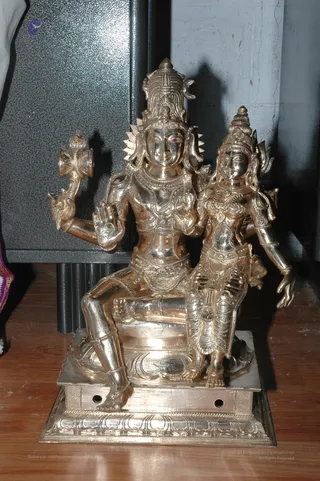
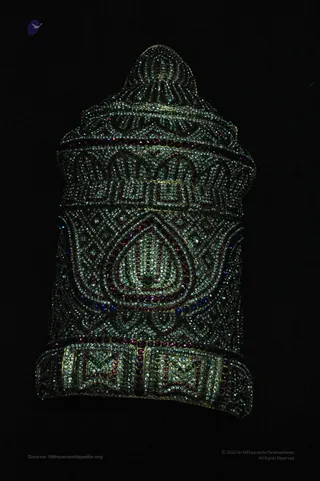
A polished bronze or metal statue of a seated Shiva with a female consort, a deity murti, shown on a rectangular pedestal on a wooden floor. The male figure wears a tall jatamakuta crown with a crescent, raises one hand in abhaya mudra and holds a damaru drum in another, with ornate jewelry and a sash. The female figure stands beside him in a matching tall crown and jeweled attire. A grey cabinet and wall are behind them. Only statues are present, so no physical people appear.Close-up photograph of an ornate jewelled crown or headpiece for a deity, set against a black background. The cylindrical, tapering form with a pointed top is densely covered in small clear and green stones with red and blue accents, arranged in lotus-petal, diamond-lattice and band patterns, with a central green gem. No people are visible; the ornament appears to be photographed in a dark display. It is a photo of an object rather than a person, and it matches the page's description of deity ornaments made at the Sacred Arts University in Bidadi.A photograph of an ornate jewelled deity crown or headdress laid flat against a dark black background. It is covered in dense rows of small clear and green stones, with magenta and blue accents, set in a gold-toned metal frame. The tiered shape rises to a rounded peak, with a large teardrop-shaped central motif and a scalloped lower band. No people are visible; it appears to be an object photographed for a Nithyanandapedia photo of the day showing ornaments made for deities.A photograph of a single ornate gold-toned deity ornament laid flat on a dark teal cloth. The piece is densely set with clear, green, pink and blue stones in a pointed-arch, lotus-petal and paisley pattern, with a dome-shaped top and a banded lower border. No people or deity figures are present; the ornament is photographed alone, with a small bird logo at upper left and the archive's copyright and source notices at the bottom corners.A photograph of a jewelled ornament lying flat on a dark grey surface, shown from above. It is a cylindrical, crown-like or deity-decorative piece covered in tightly set white crystals with bands of red, magenta and green stones, with a blue-stone border along its upper edge. A round hole is visible near the centre of the ornament. No people are present.A gold-toned ornamental piece for a deity, shown flat against a dark teal background. It is decorated with rows of clear and green stones and red-pink stones set in a dense pattern, with a central circular medallion featuring a stylised eight-petalled floral motif ringed by green and red stones. The outer border has scalloped and pointed lobes. No people are visible.