Thursday
7 April 2005
===Clear your Karma || Part 3 || ATSP || 07 April 2005---
- Dated photos
- 71
- Source pages
- 1
- Media
- 4
April 07 2005
Original wiki pageTitle:
Meditation - The Ultimate Stress Buster Part 1, Oklahoma City, 7 APR 2005
Description:
In this video Bhagavan Sri Nithyananda Paramashivam talks about meditation , if we infuse silence in unconscious level, well-being can be experienced, and the decision can be made in a better way. Infusing silence in the zone of unconscious level is Meditation. When we start controlling the mind, we cause turbulence to our mind. Meditation directly touches the unconscious zone or the quantum zone.
Link to Video:
| Video |
Transcript:
(0:14)
I welcome you all. Meditation, the ultimate stress buster. First let Me try to explain what is stress according to yoga and meditation, how we can heal it, how we can have some solution for it. According to yoga, stress is nothing but too much of memory without the ability to handle it, process it. You are having too much of information but you don't have enough of energy to handle it. You don't have enough capacity to process them. When we don't have enough capacity to process the informations, we just mess up the whole thing and we don't take the right decision and we take the wrong decisions, wrong choices. Doctor was telling. I will try to tell a small story.
(01:33)
One American guy went to London. He was traveling with a old English man and lady in a train. Lady had a pet dog. Somehow the pet felt connected to this guy, jumped on him and made his cloth wet, pissed. He was very angry. Of course, this lady instead of apologizing she just started patting the pet and said, “Oh! You have a bad stomach and bad problem. I should take you to the doctor. I should do something to you.” She did not even bother to turn towards him and apologize. Next after few minutes, again the dog jumped on him and did little more, something more. Again this lady instead of apologizing, she is again patting the dog, “What is happening to you? Why are you doing this? I don't know. I think you are sick. I should give you some medicine.” Again third time, the dog jumped and it did whatever it want to do. Now it is too much. This guy simply got up, picked the dog and threw out of the window. Till this time the gentleman was keeping quiet. Now he got up and said, “You Americans measure with wrong scales, drive in the wrong way. Now you threw the wrong bitch out of the window. You make wrong decisions, you make wrong choices, you are stressed too much.” The wrong decisions is because you are not able to handle the informations which comes to our being, which comes to our mind.
(03:40)
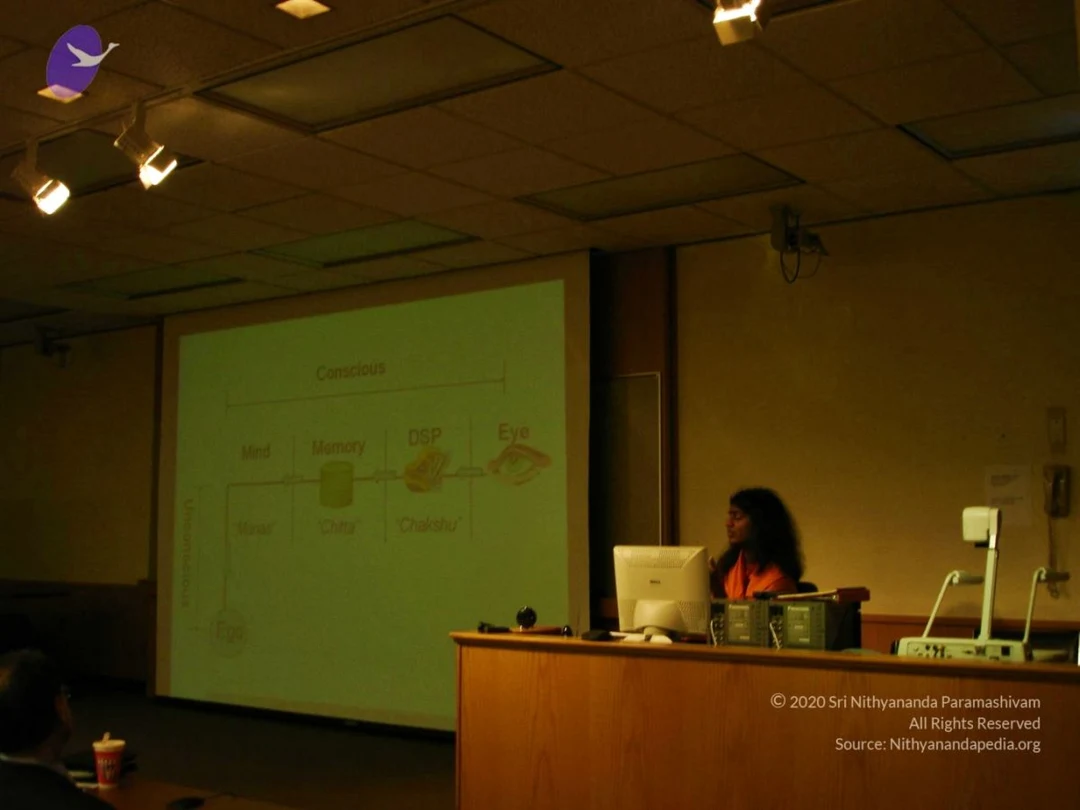
Let's see how we receive the information and how we process it. A simple diagram. I will try to show through simple diagram. For example, you see something through eyes. The visual input goes inside. Next step, there is something called Chakshu. In Sanskrit we call Chakshu. The visual input is converted as a digital signal just like a computer’s DSP, digital signal processor. The visual input is converted as a digital signal. Then it goes to memory where you start identifying. You start matching with your past memory what you are seeing now. In this zone, you do only the excluding process means this is not this, this is not this, this is not this. For example, if you are seeing Me, the file goes to Chakshu, from Chaksu the file goes to memory. The memory starts saying, “Oh! This is not an animal, this is not a plant, this is not a rock, this is not this, this is not this.” So you do the exclusion process and next, the whole file goes to mind, the Manas. In this, you start identifying this is it, this is it, means you start identifying, he is a man and he preaches Yoga meditation. He is a teacher. The identification starts.
(05:29)
The next step, the whole file takes a quantum leap to your ego. Here is where you decide whether to sit and continue or to leave. All your ideas about the teacher comes now, whatever experiences you had with the previous meditation teachers or yoga teachers or the persons who were wearing this cloth, all those things comes up and straightaway how you are affected with those memories comes up to your mind. Then you decide whether to sit and continue or to leave the hall. The decision is done in this ego level. We call this as in the two name. One is the conscious process. As long as the file is processed, it is a conscious process. When the file takes a quantum leap and you decide, that is unconscious process. For example, you are seeing Me. The visual input goes to DSP and becomes a digital file and then that goes to memory. In memory you start understanding this is not this, this is not this, this is not this. Then it goes to mind. In mind you identify this is it. Then the whole file takes a quantum leap. In that quantum leap you decide. Based on your past experiences you decide whether to sit here and continue or to move away from this hall.
(07:13)
The thing is, the unconscious process, the space in which the unconscious process happens, it doesn't have enough space. You get too much of input. You don't get input only through eyes. You get input through so many senses. Not only through so many senses, sometimes even if you don't get any input through senses, just the old memory awakens itself. It opens up. Even if you just sit in your room, it is not that you are keeping quiet. Some process will be happening inside your mind. Something from memory will come up. So much of input is going inside your being. You don't have enough space to process it, to make decisions. The unconscious zone is too much crowded. The traffic is too much. That is what we call stress. Too much of traffic in the unconscious zone is what we call stress. If you can infuse little bit of silence into that unconscious once in a while, once in a while if you can infuse little bit of silence into that unconscious zone, you will be able to create better decisions. Surely you will not throw the wrong bitch out the window. You will not throw the wrong bitch out of the window. You will be able to decide in a much better way. Above all, you will be able to decide in a very creative way.
(08:47)
As long as the unconscious is crowded, you decide only in the instinct level. What doctor mentioned as a…Dr.Murali Krishna mentioned, reactive mind. You only take decisions from the reactive mind. I tell you, if you are deciding based on the instinct level, continuously you will be taking only wrong decisions because you are something more than instinct. If you are just an animal, instinct is enough but you are not just an animal or if you are just a primitive person, instinct is enough but now the decisions from instinct is not enough. If you can manage the traffic, then you are in the level of intellect. If you can infuse total silence, if you can give rest to your unconscious mind, if you can bring a total silence into the zone of unconscious, you will work in the level of intuition, what we call revelation. If you can infuse silence into the unconscious level… apart… not only you will not have stress, your decisions will be totally different. You will have different dimension in thinking. You will have different consciousness.
(10:30)
I can say, when your whole being flowers, you reach the state of intuition or when you start experiencing the state of intuition, your whole being flowers. You really start experiencing what I mean by the word health. Health does not mean clinically alright. Please be very clear, health does not mean clinically alright. It is only one part of your health. Health is something more than no diseaseness. No diseaseness is one part but health is surely something more. You will feel that real living energy inside your being and bubbling, expressing yourself in the maximum level. Infusing silence into the unconscious level, into the unconscious space is what I call meditation. It is one of the best method or best technique to infuse, to reduce the stress and to infuse energy into your being. You can transform your body, your mind and your being ultimately.
(11:47)
There are so many scientific researches done on this subject. Dr. Murali Krishna was googling, explaining how it helps you. You may not be able to change the event but you will be able to change the perception. That’s what we call in the Yoga language, we call it Drishti Srishti or Srishti Drishti. Seeing what you want to see or just experiencing what is there. Usually you always see what you want to see. You don't see what is there. You don't wait till the.... till you understand the reality. You just start creating imagination. As doctor was telling, you see the cop. You don't even think or you don't even wait till he comes to your.... you and till he says what for he is coming behind you. You just start assuming he is here only to give ticket. He may be there just to help you also, who knows? For some reason he may wants to help you or he may be there to tell you something, who knows?
(12:59)
But before anything happens we start deciding. That is what we call mistaking the rope as a snake. Before even you understand it is a snake, already you are... you started thinking it is a snake. You mistook the rope as a snake and the whole reaction is already happened in your being. We always work, operate from the instinct level because of too much of information infused into the unconscious zone. If you can infuse little bit of peace or silence into the unconscious zone, you can really experience the well being. Not only the stress will be reduced, apart from that you can experience a deep well being through these meditation techniques. Infusing silence into the unconscious zone is what I call meditation. Meditation is nothing but infusing silence or peace into the unconscious zone.
(14:11)
When we react from the instinct level, many time you don’t even realize what you are doing. For example, if you see somebody with a particular cloth and he has disturbed you or he has hurt you, after that, anytime when you see that cloth, when you see that color, the same feeling will come up in your being. It is not necessary. If you use your simple intellect, your simple logic, you can understand, “No, it is not true. That person hurt me, that is different but it is not that this person is also going to hurt me.” But when you operate from instinct level, immediately you start feeling the stress. Immediately you start feeling the same emotion connected to the past experiences. Now we will learn a simple technique to infuse silence in your unconscious zone. Before entering into the technique we can spend few minutes with your questions. If you are interested. If you want to ask any question, you are welcome. Q: Be in silent so in the can the intellect control the manas or the manas will always still be thinking even if you are not seeing anything or not doing anything but there will be action going on inside you or thought going, the intellect will pull thought process or pulling a thought from man actually manas will bring the information of who controls you?
(16:00)
Swamiji: There is nobody controls and no need to control. First of all, there is no need to control your mind. All you need to do is just infuse silence. You see, controlling, when you try to control, you will create only more confusion in the mind. Any method to control the mind will create only more confusion in the mind. So whenever you try to control, you can always see, you get only more thoughts, you are more disturbed and you say, “No Swamiji, I am agitated. I am not able to meditate.” There is no need to control the mind and I tell you honestly, you can't control the mind. If you try to control, it is like you try to pull your shoelace and try to fly. You can't fly just by pulling your shoelace. You can't control and there is no need to control.
(16:54)
It is like a… you are purifying it. The same 18 carat gold is instinct. When it is purified, when it becomes 22 it is intellect. If it is purified to the level of 24, 24 carat, then we call it as a intuition. It is only purifying. It is only infusing silence. It is not controlling. The attitude, if you have the attitude of controlling, you will be continuously fighting with yourself. Fighting with yourself naturally will lead only to the wrong decisions. Again we will throw the wrong bitch out of the window. We will not go for the right decision. Infusing silence is the only thing which you can do. Never control. When you start controlling you start creating more turbulence inside your being, more chaos in your unconscious zone. Q: Follow up, by infusing you are delinking the intellect to manas?
(18:02)
Swamiji: No, we are not delinking. Instead of… you see, now the curve goes like this. Till the mind file goes in a horizontal way, after the mind it takes a quantum leap. It goes to the ego in a vertical way, takes a quantum leap. In that quantum leap zone, you don't know what the process is happening. Instead of allowing some process to happen in you without your knowledge, we bring that also to a horizontal line means that also will become a conscious process. So naturally, you will not be taking wrong decisions. Bringing the unconscious zone also to the conscious zone. It is like a straightening that line. So naturally you will not have something called unconscious.
(18:51)
See, unconscious is the space in which the stress grows. If you consider stress as a tree, unconscious zone is the root. So we are cutting the root itself. The zone in which the stress can grow, that itself will not be there. So naturally there is no possibility of stress. Usually all these stress management people, they deal only the stress. It is like cutting the branches of a tree. The more you try to groom, what happens to the tree? It grows in a much better way. So when you try to deal with the stress in a superficial way, you are only helping the stress to grow in new dimensions, in new ways but here, we are trying to straightaway touch the root, shake the root so that not only in one way, in any way, the stress cannot happen to your being. Usually if you touch the stress only in the superficial way, you go only to the memory level, attending the stress through little bit of physical exercise or through little bit of music. These all touches only the memory level means you cut only the branches but here, through meditation we are straightaway touching the quantum zone, that unconscious zone.
(20:13)
Title:
Listen I am Talking to You Nithyananda
Description:
A discourse delivered by Paramahamsa Nithyananda delivered in Oklahoma City, Oklahoma, USA.
Link to Video:
| Video |
Title:
===Clear your Karma || Part 3 || ATSP || 07 April 2005---
Description
Title: Master Time, Clear Your Karma Part 3
Name Program: (Atma Spurana Program)
Session on: Breaking the time shaft and being liberated from karma.
Date: 07 April 2005
Venue: Adikailaasa, Bengaluru, India
In this video Supreme Pontiff of Hinduism HDH #Nithyananda Paramashivam explains how the Master’s #grace is directly related to Thoughts Per Second. The #Master’s TPS is zero. Even though logically we might not understand, our being recognizes the Master’s state, as this is the same state as our being’s. Everyone yearns for zero TPS, whether we know it or not. Furthermore, HDH Nithyananda Paramashivam explains about “Kshanas” in relation to TPS (“Kshana” is the time between two thoughts) and the art of witnessing.
Link to Video:
| Video | Audio |
Photos
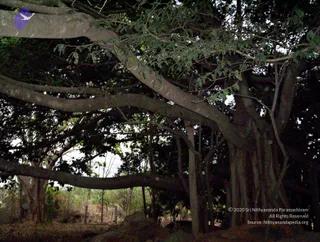
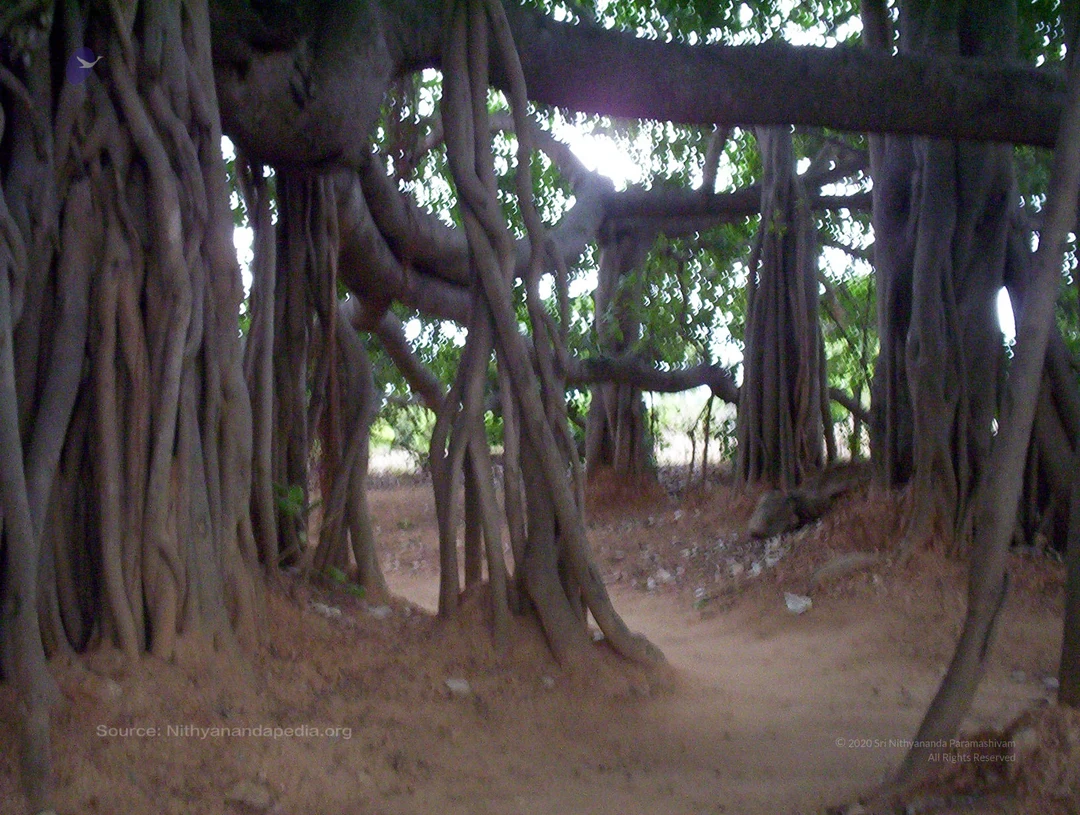
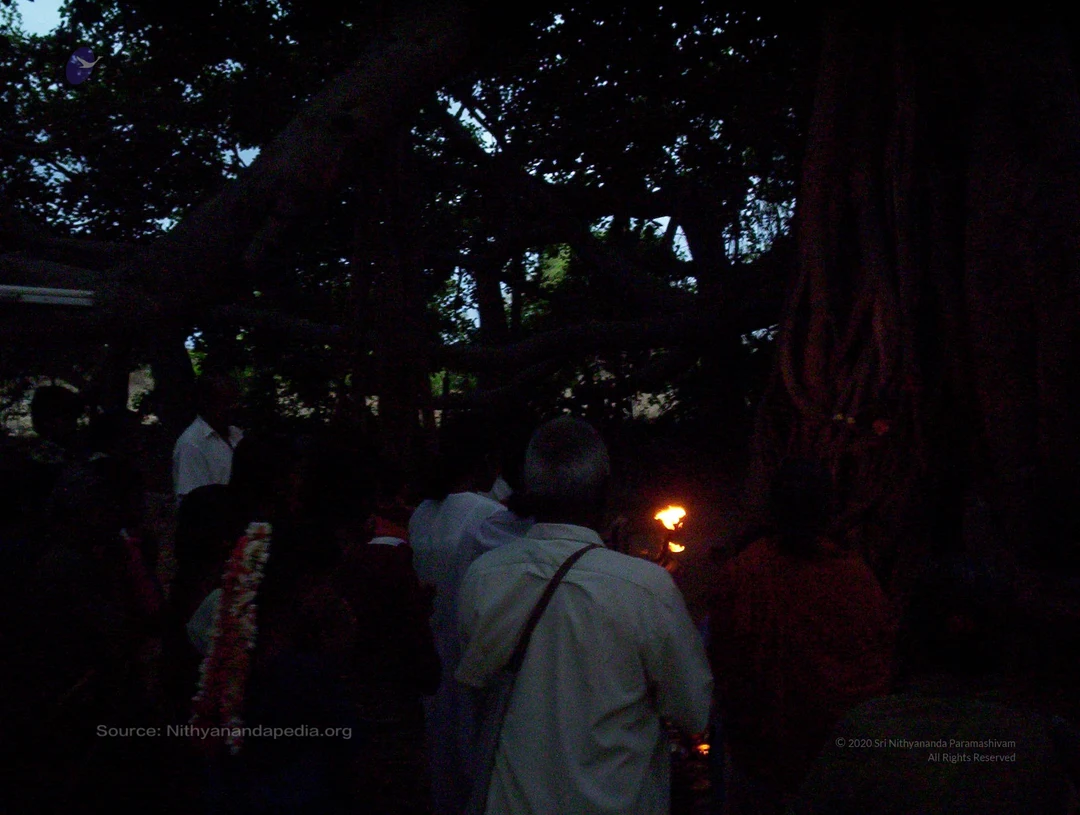
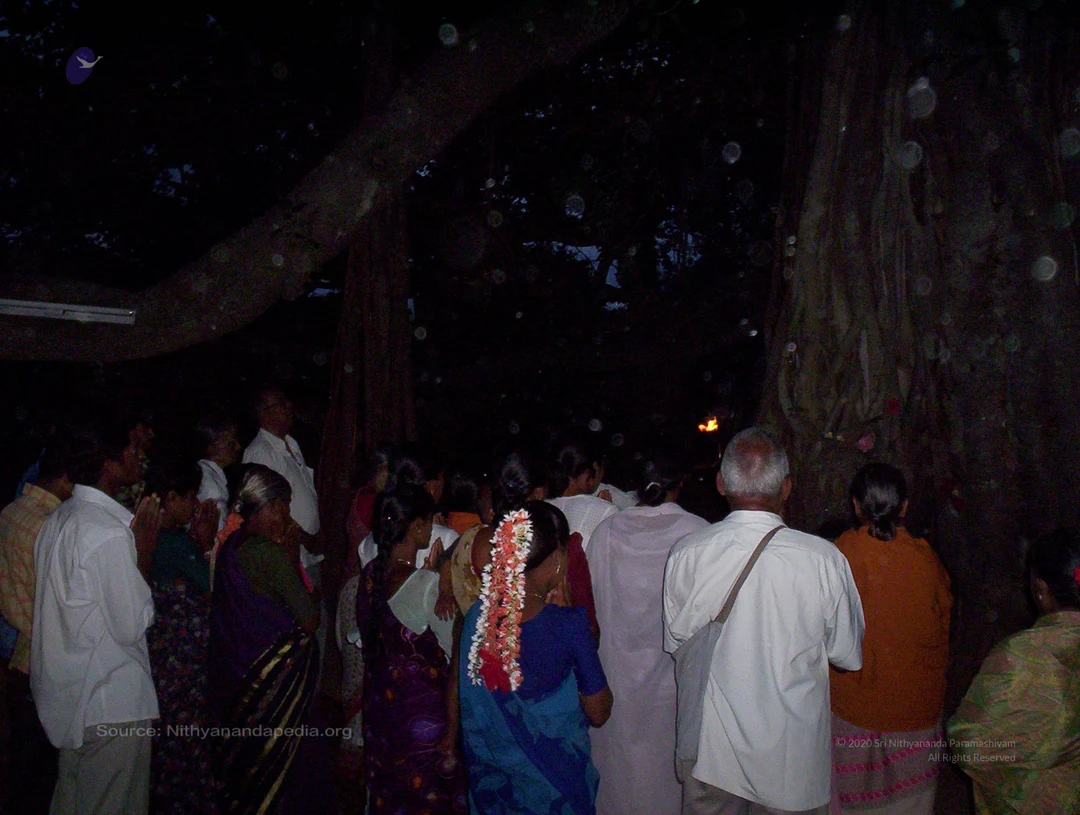
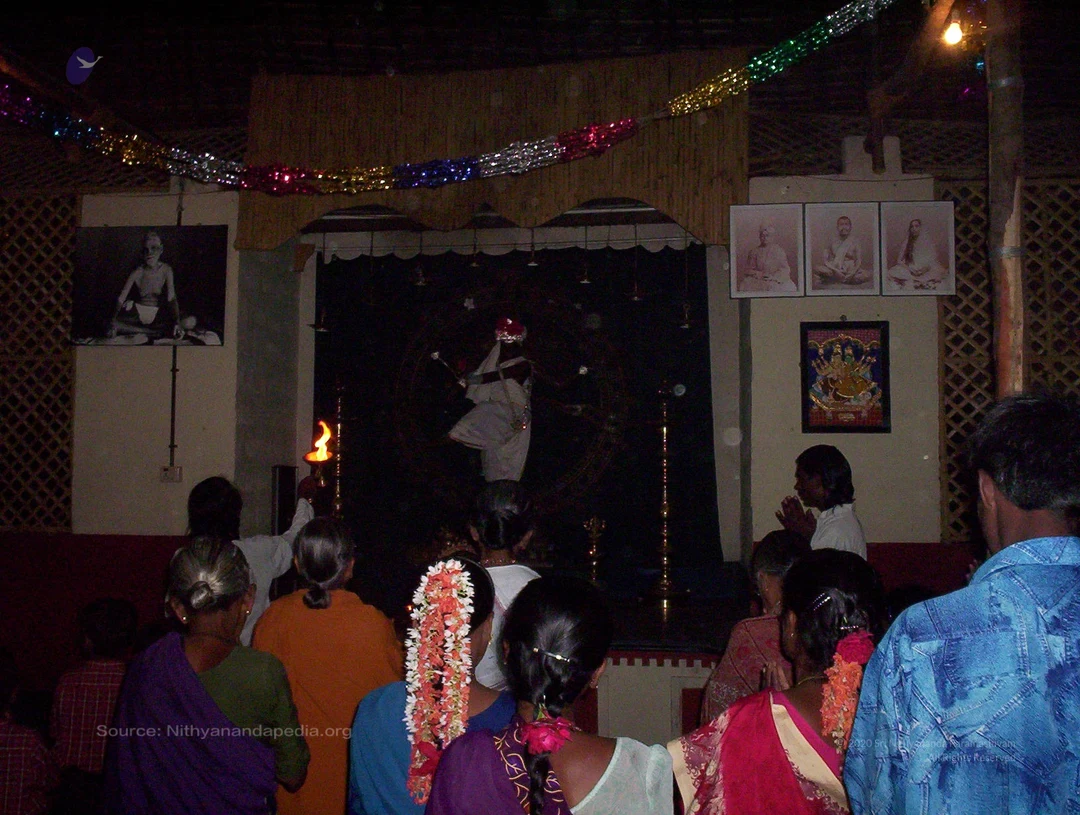
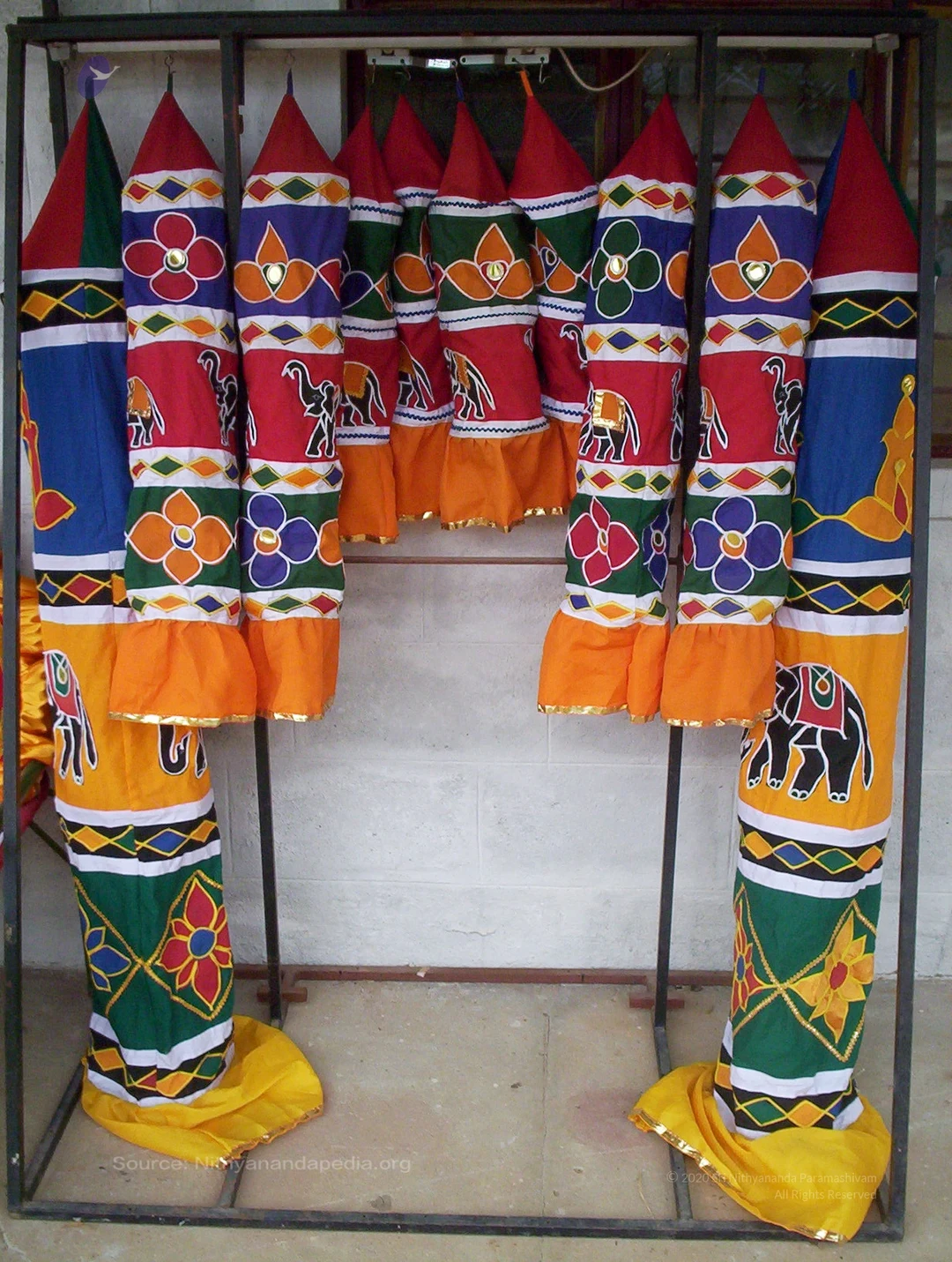
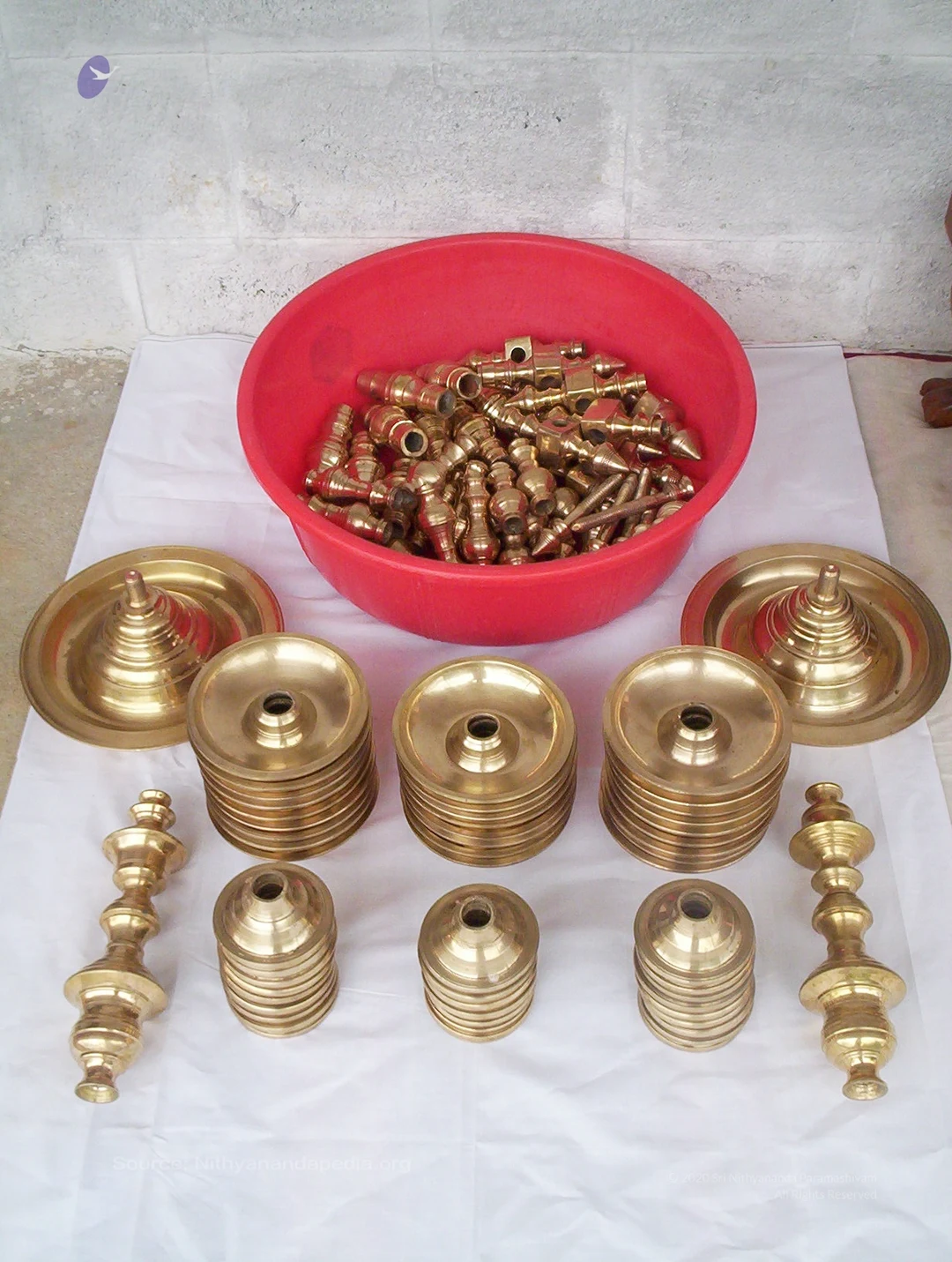
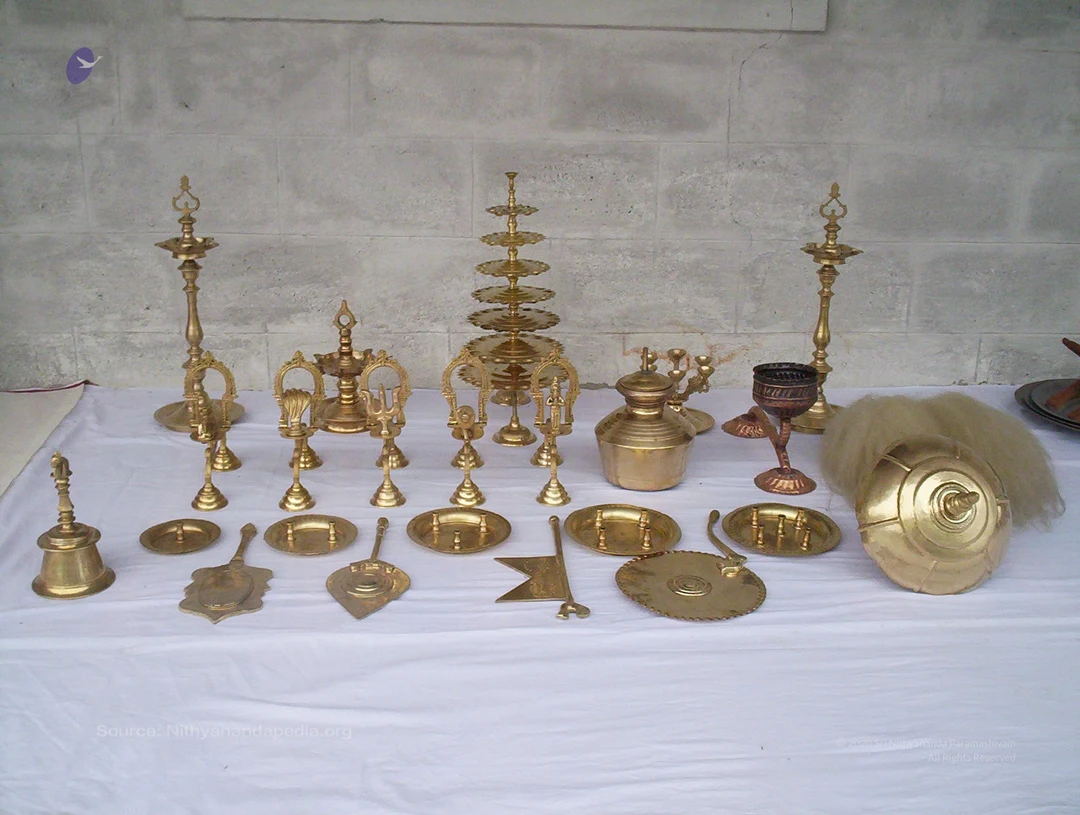
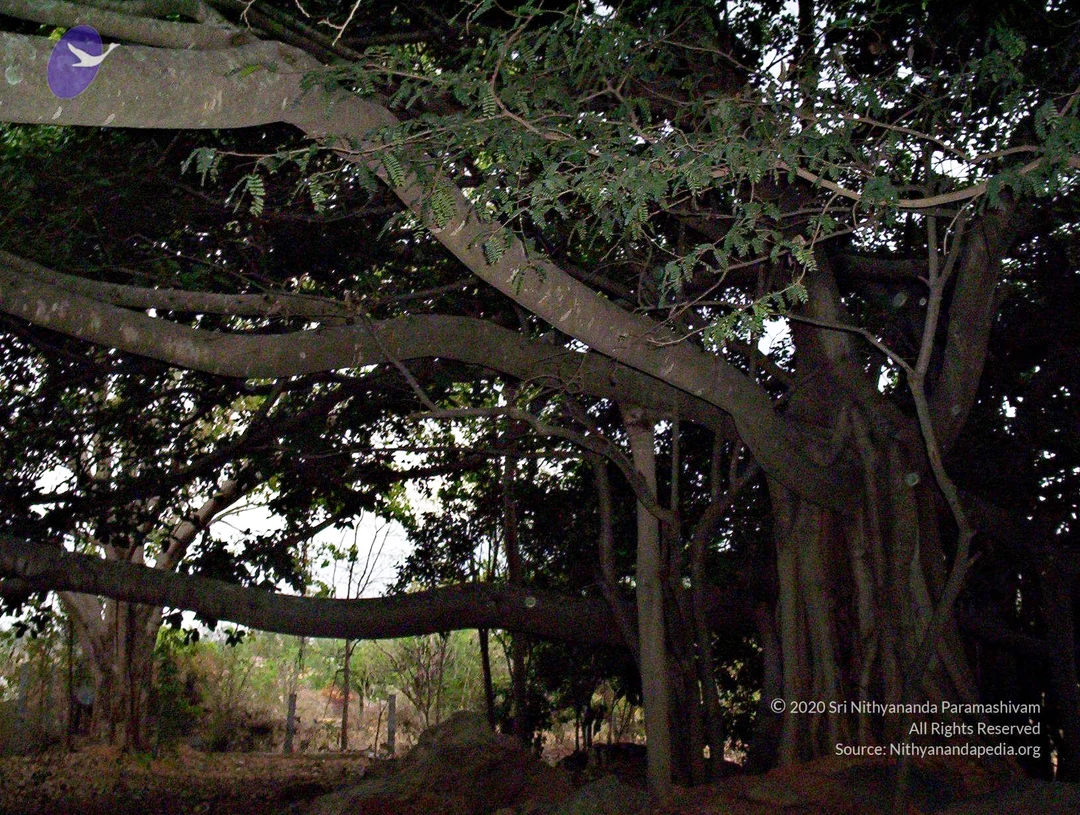
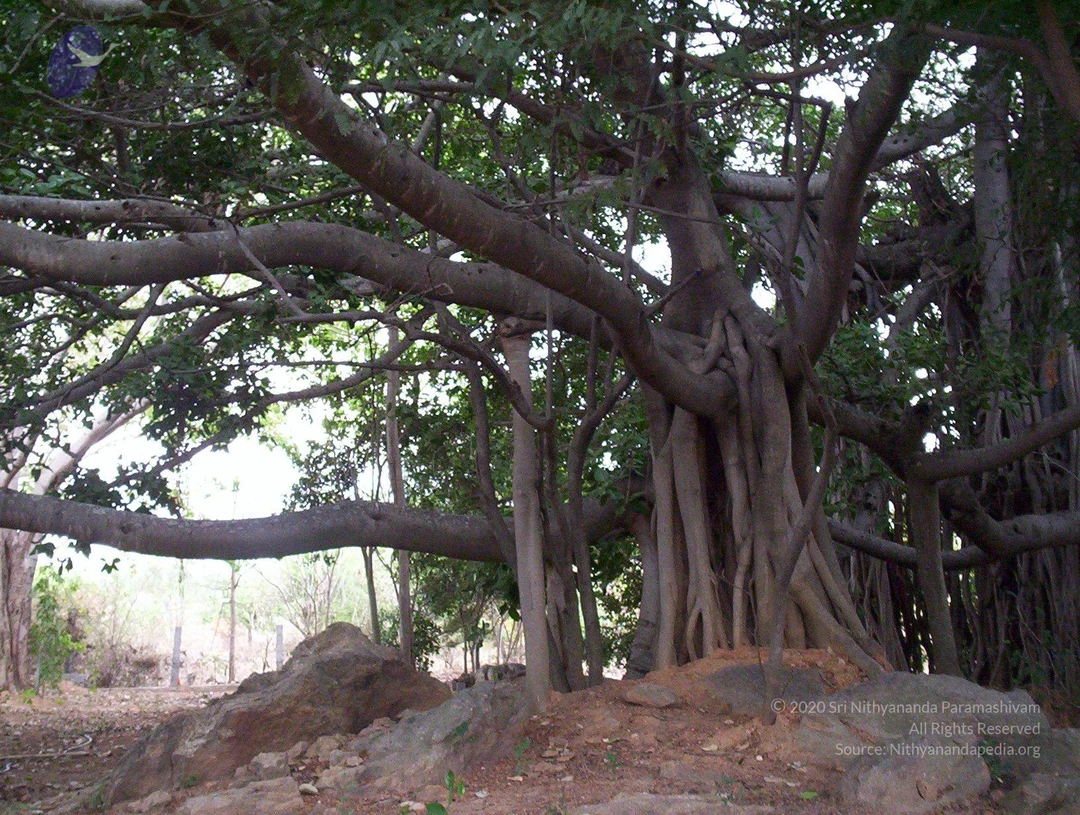
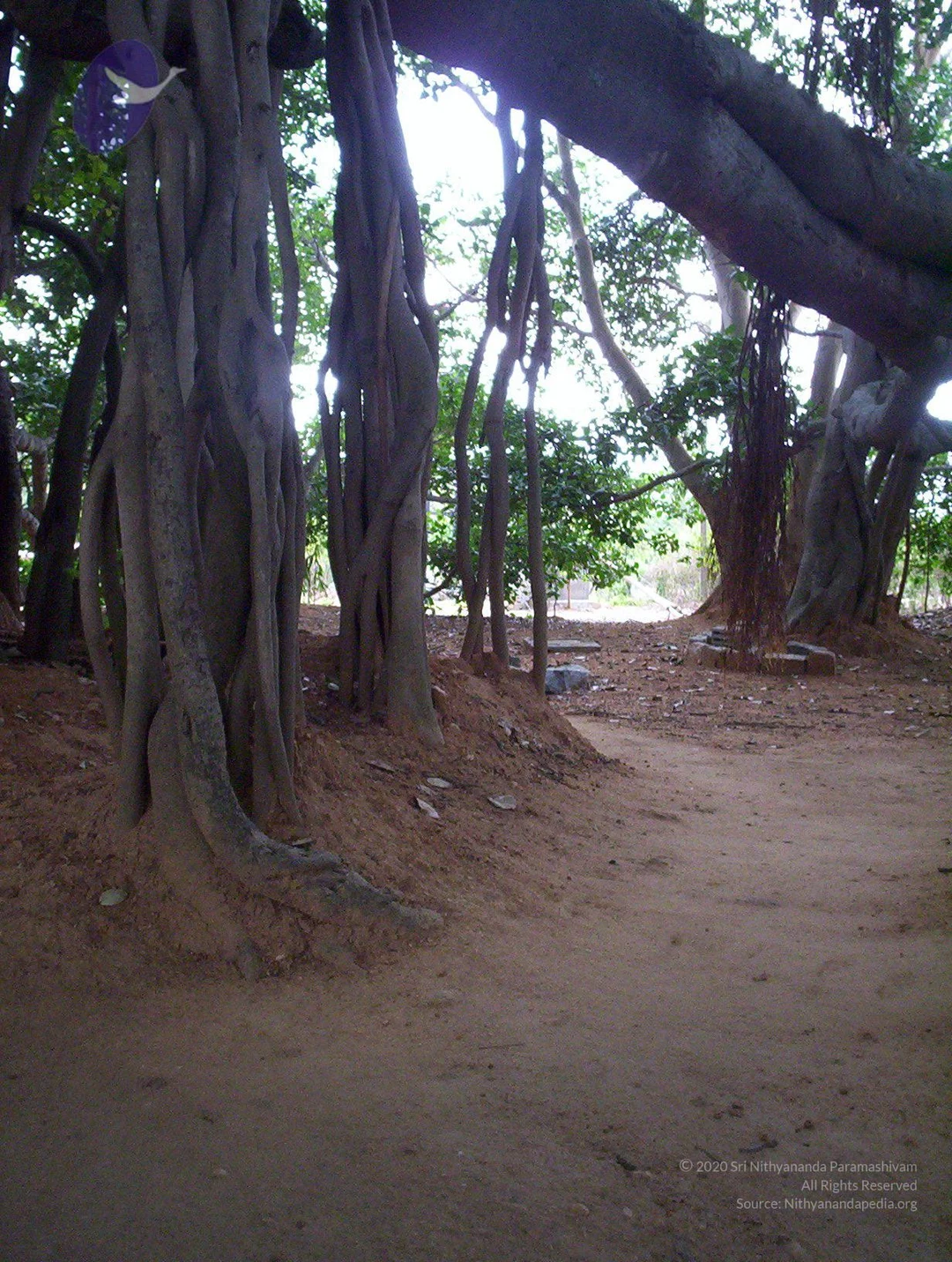
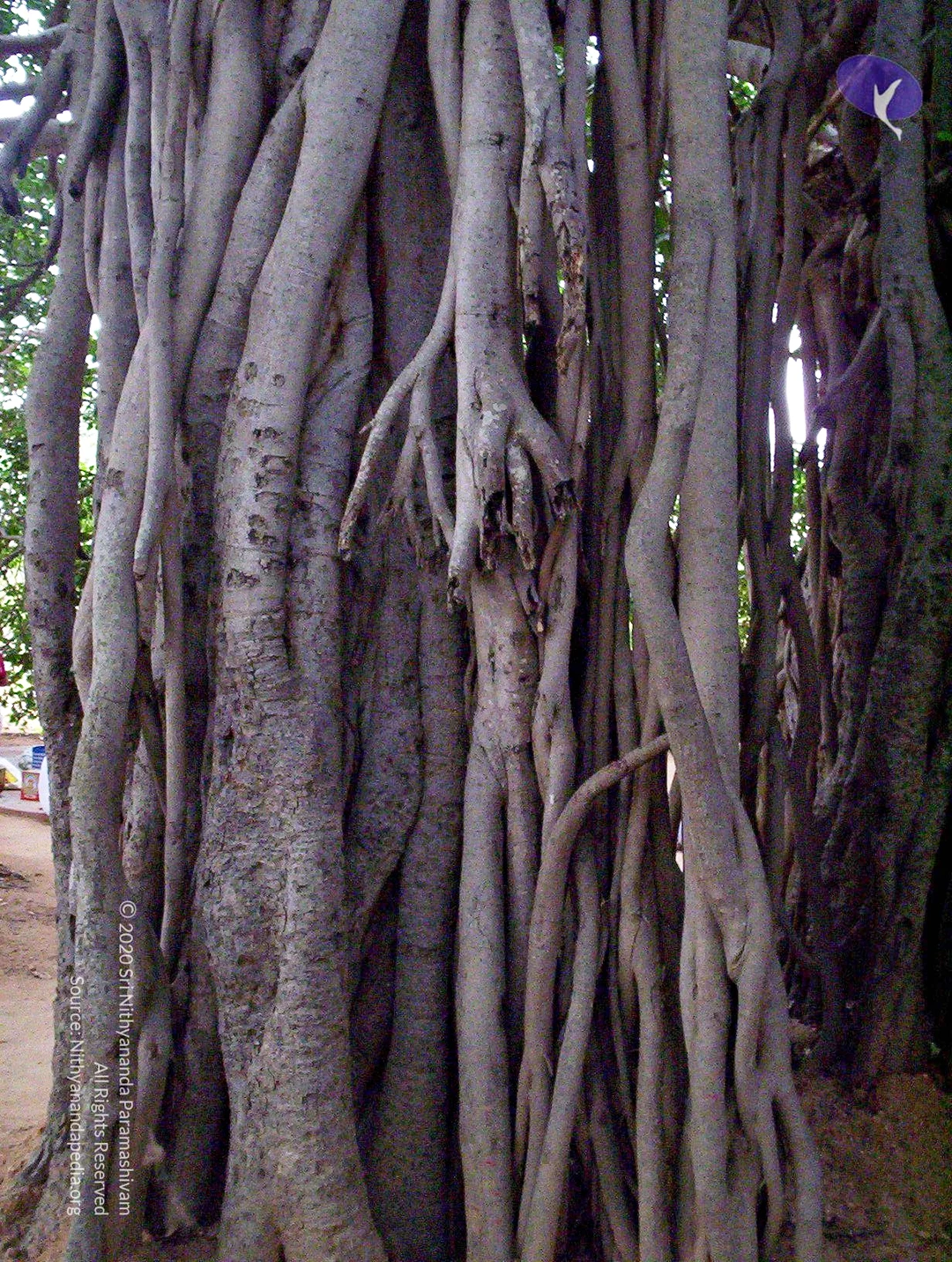
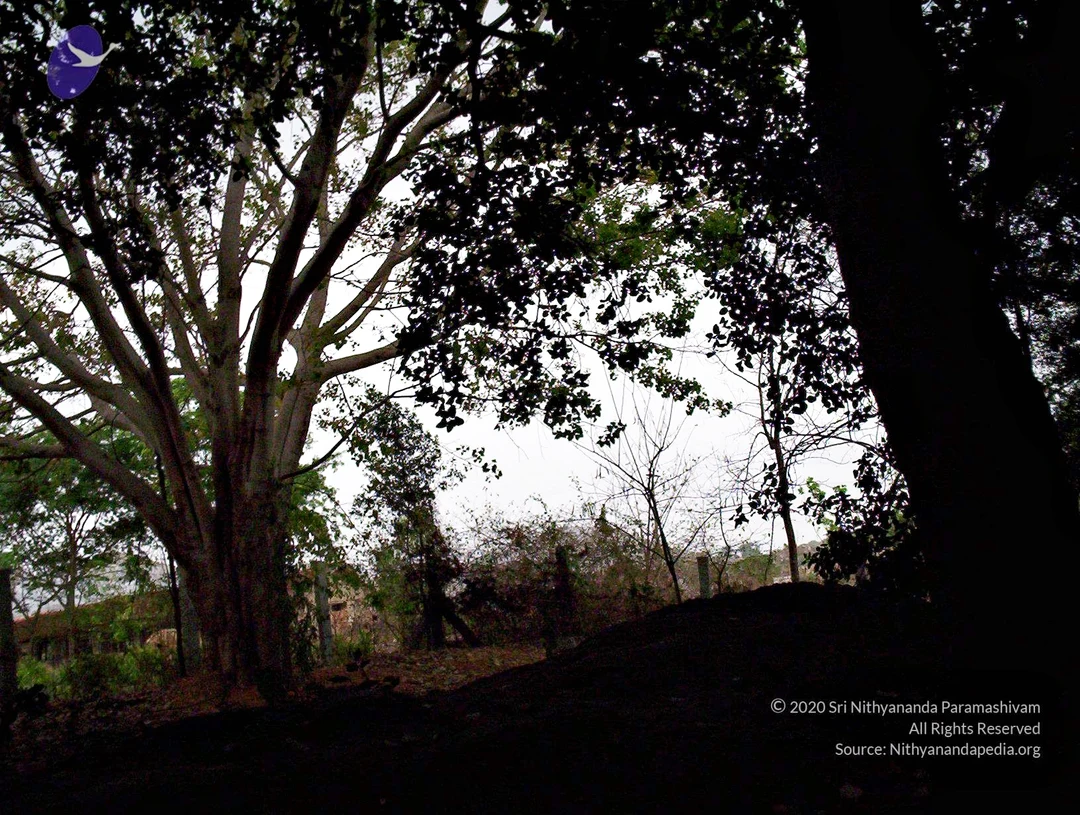
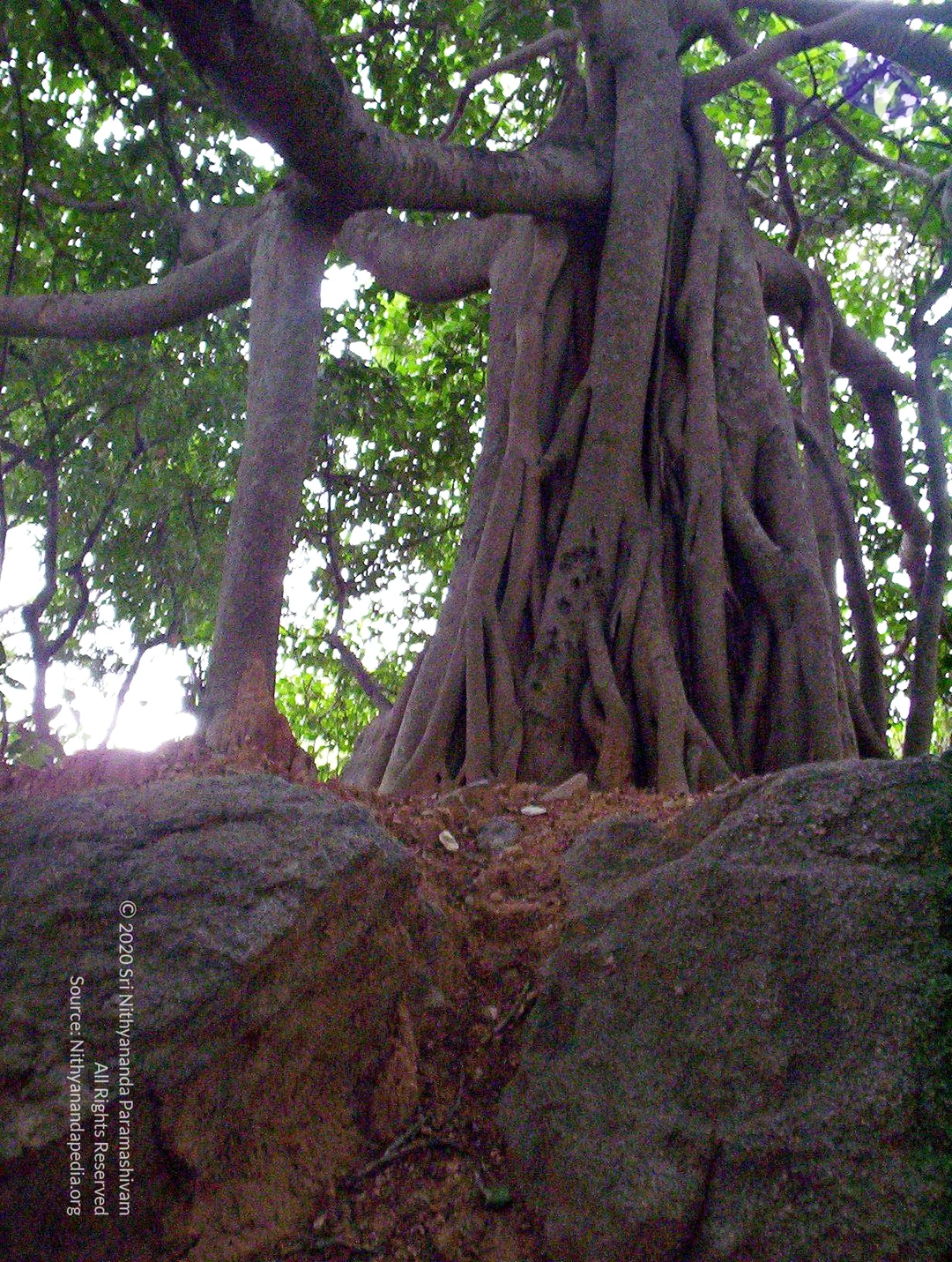
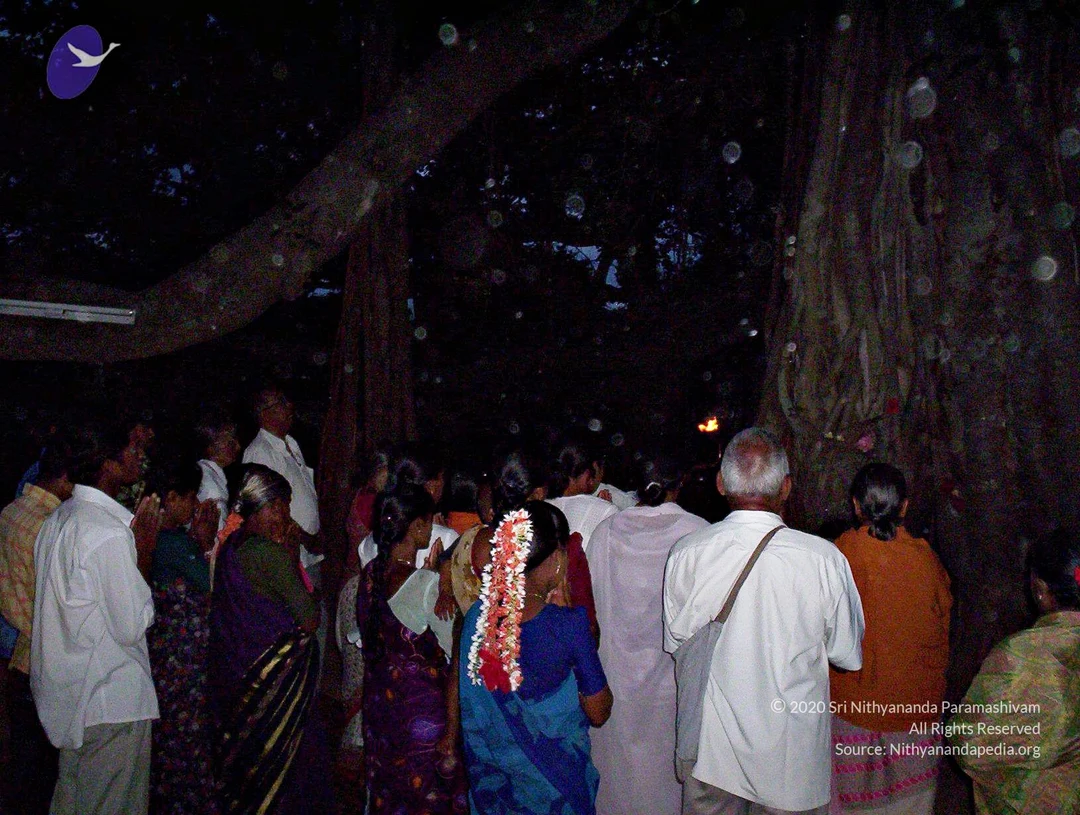
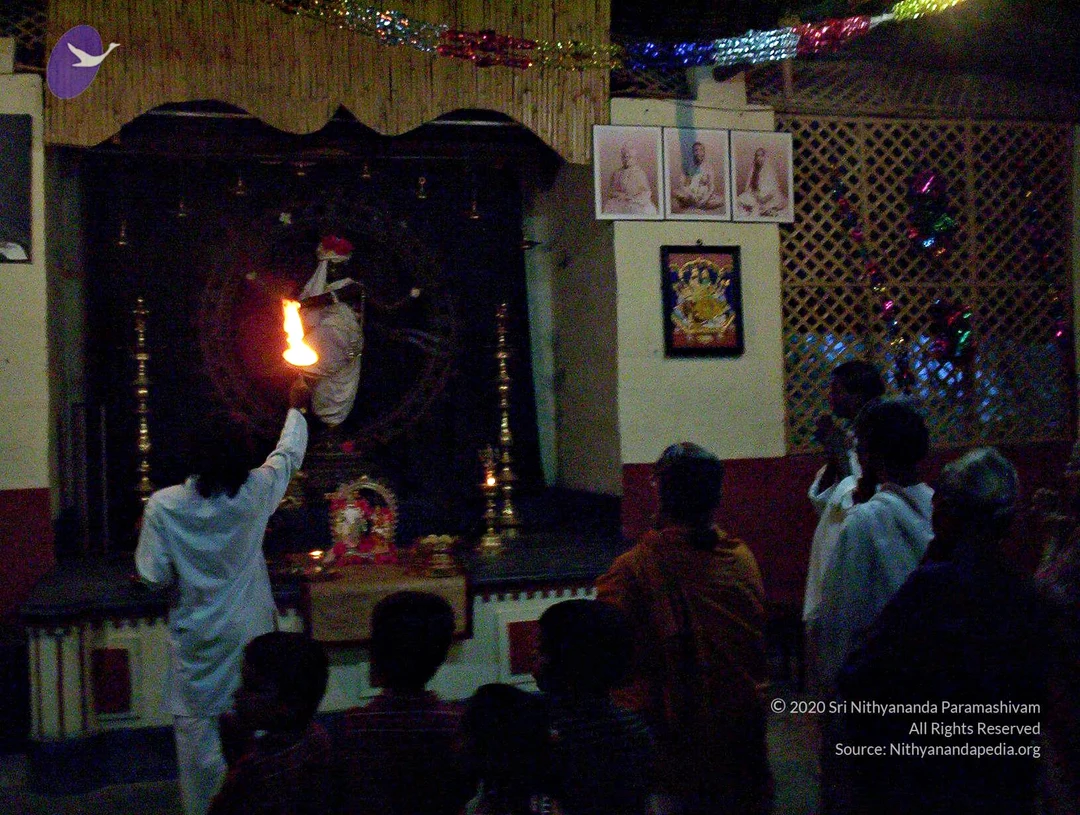
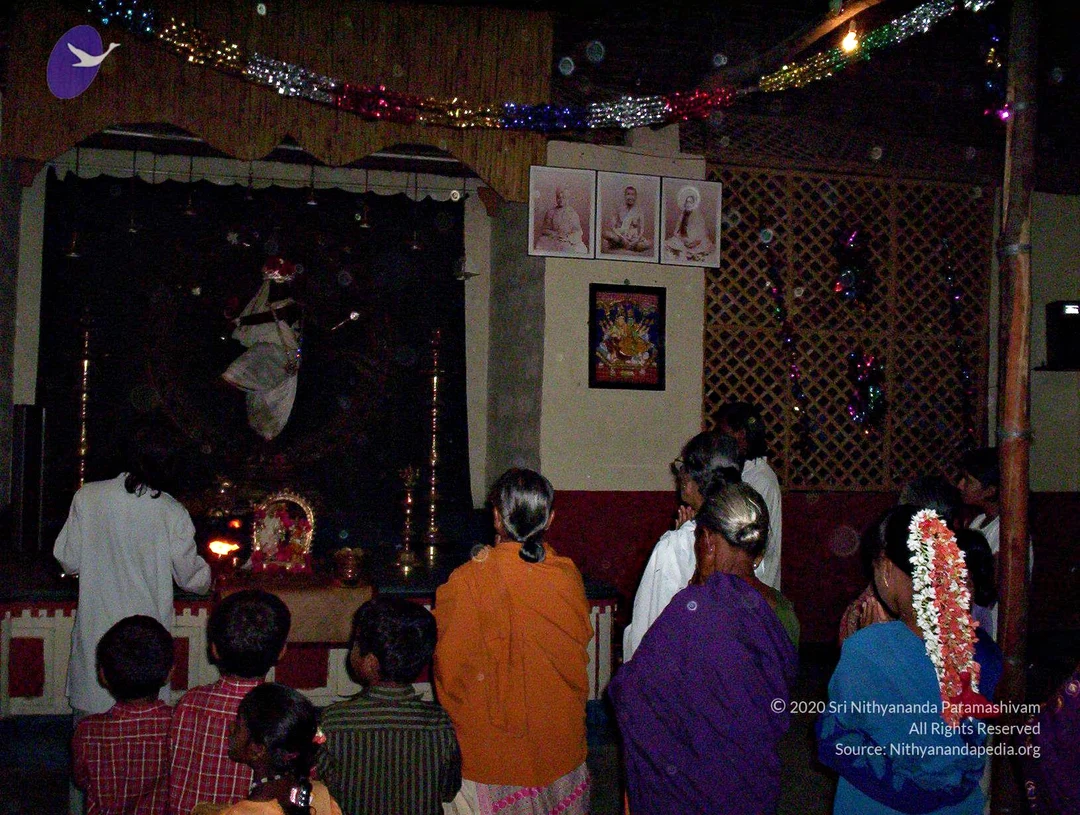
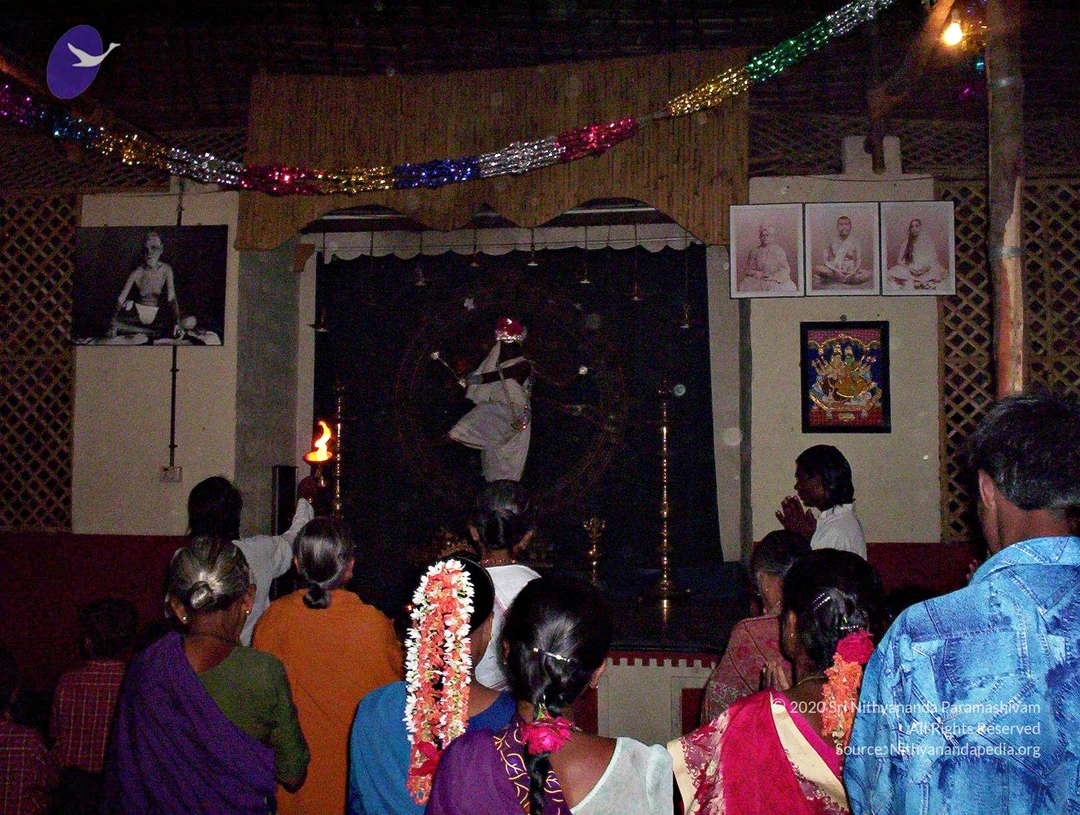
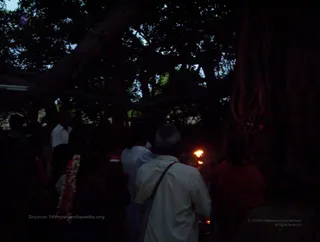
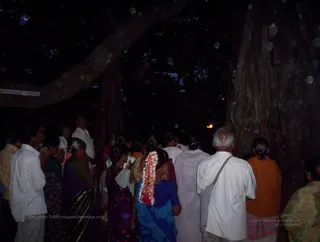
Sacred Banyan tree and Arathi in Ananda Sabha at Bengaluru Aadheenam, Bidadi.
Photos Of The Day:
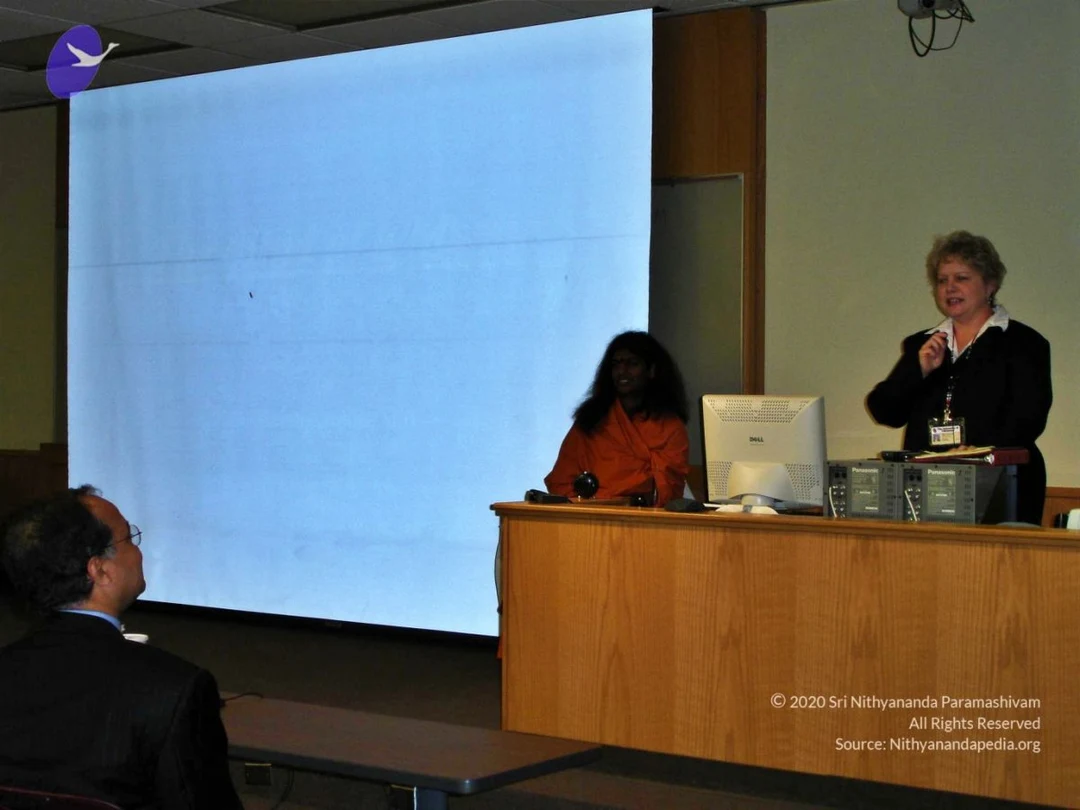
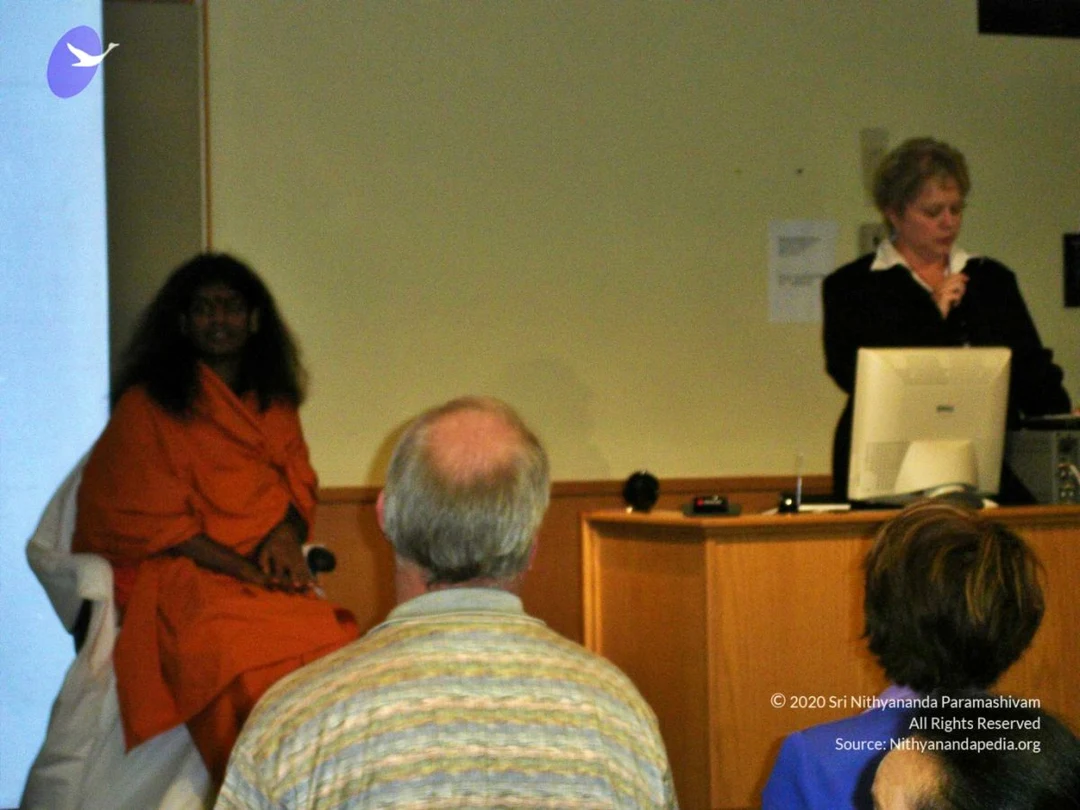
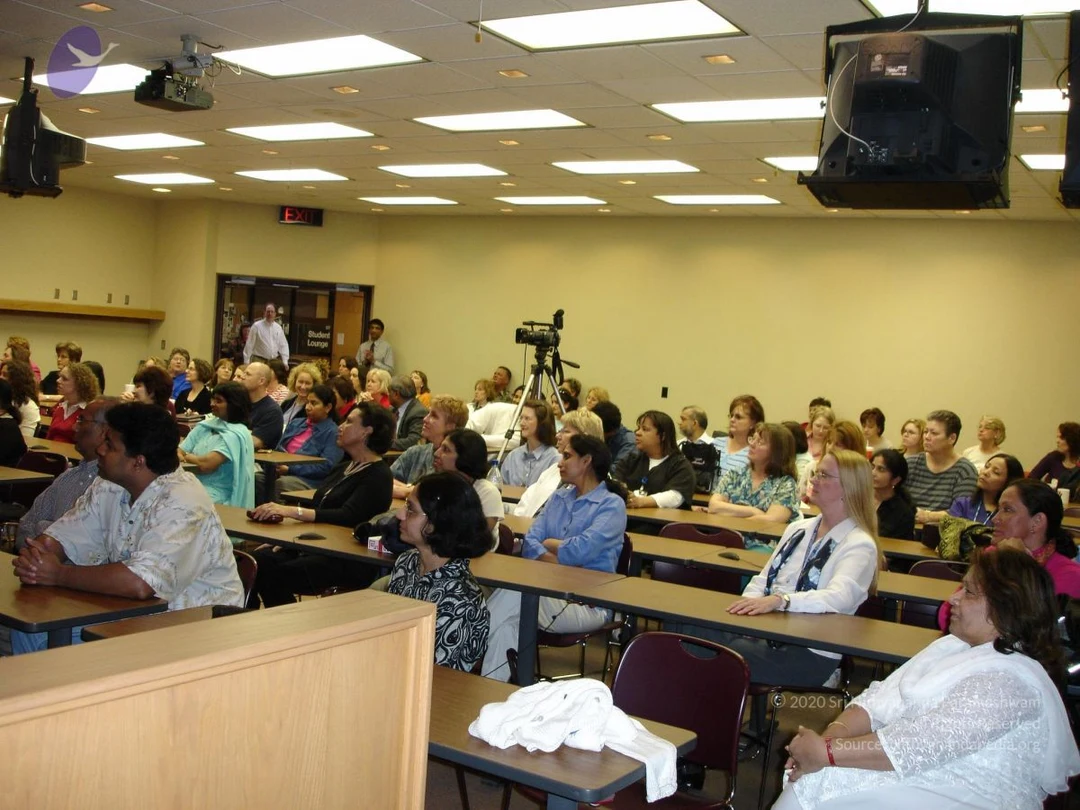
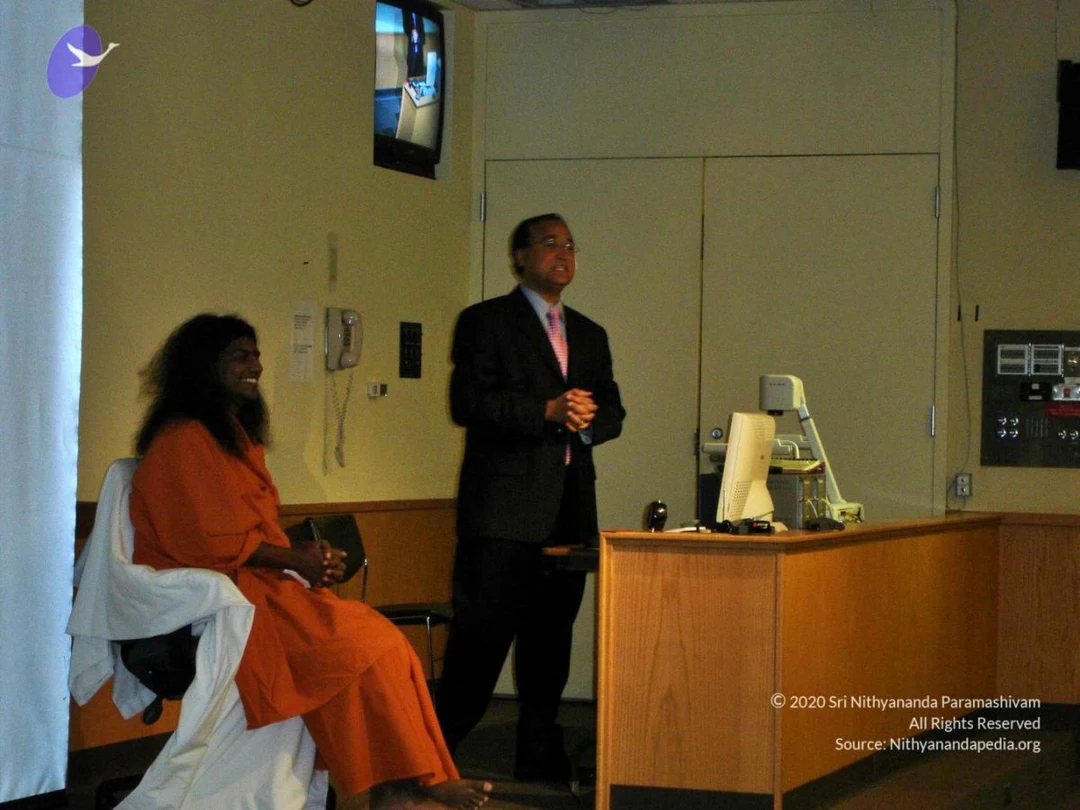
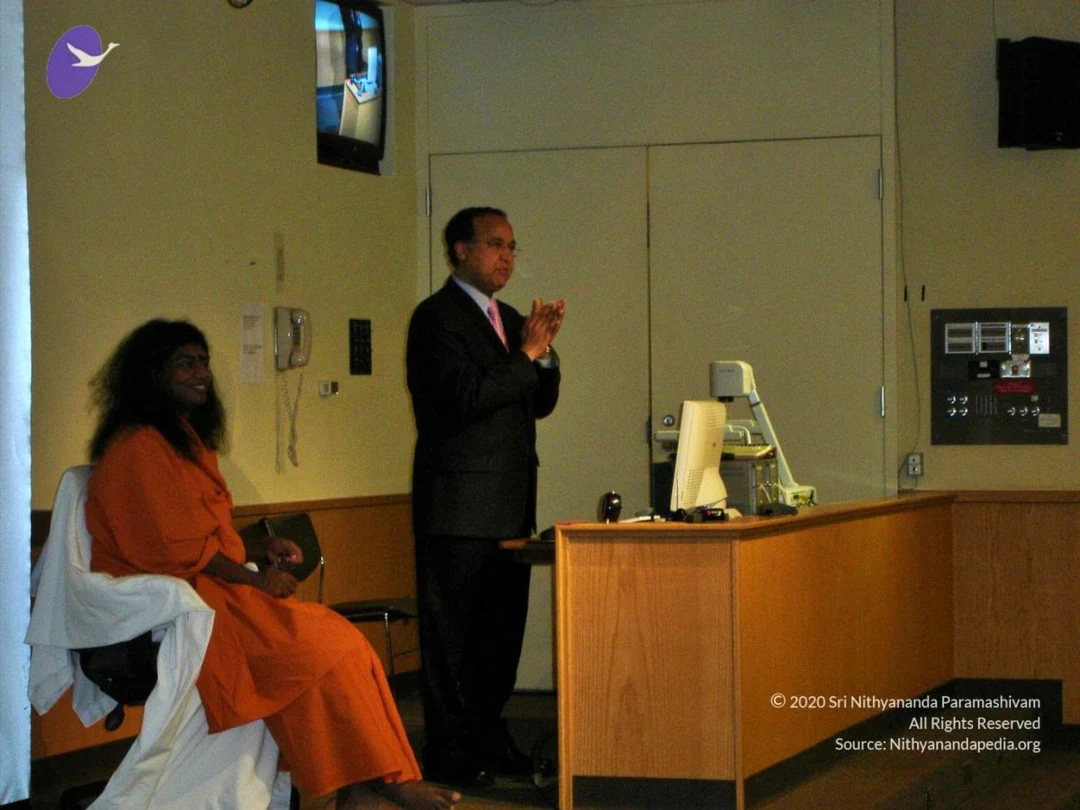
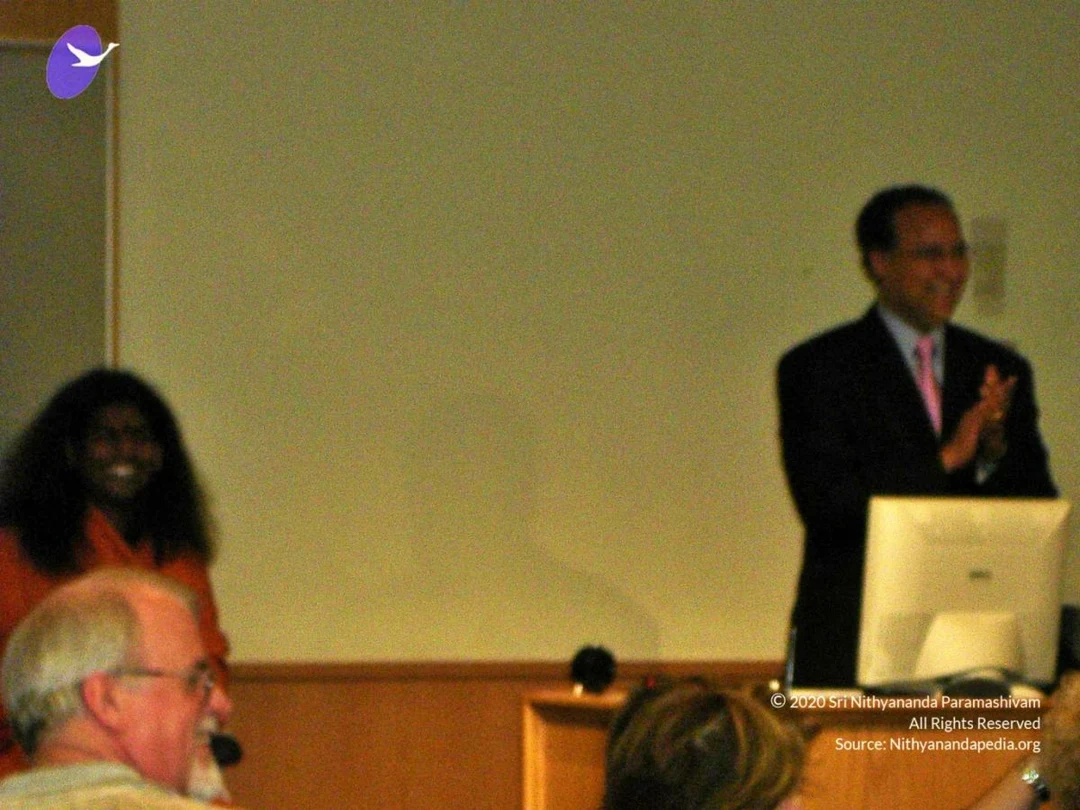
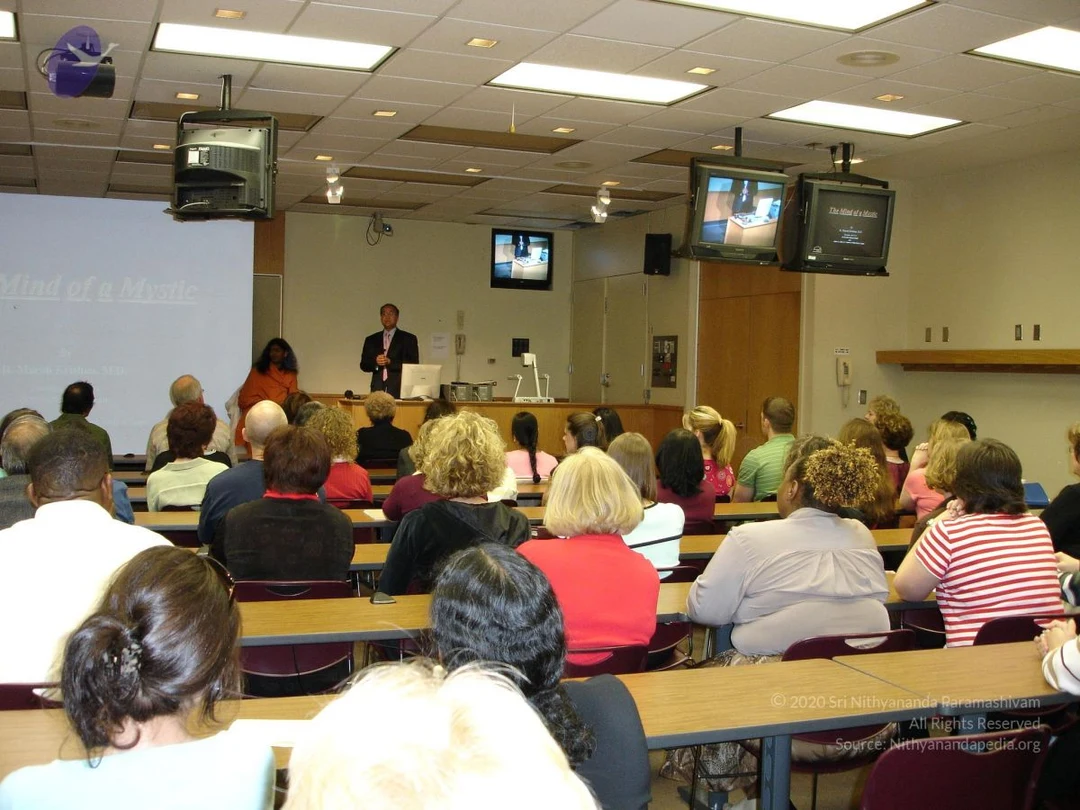
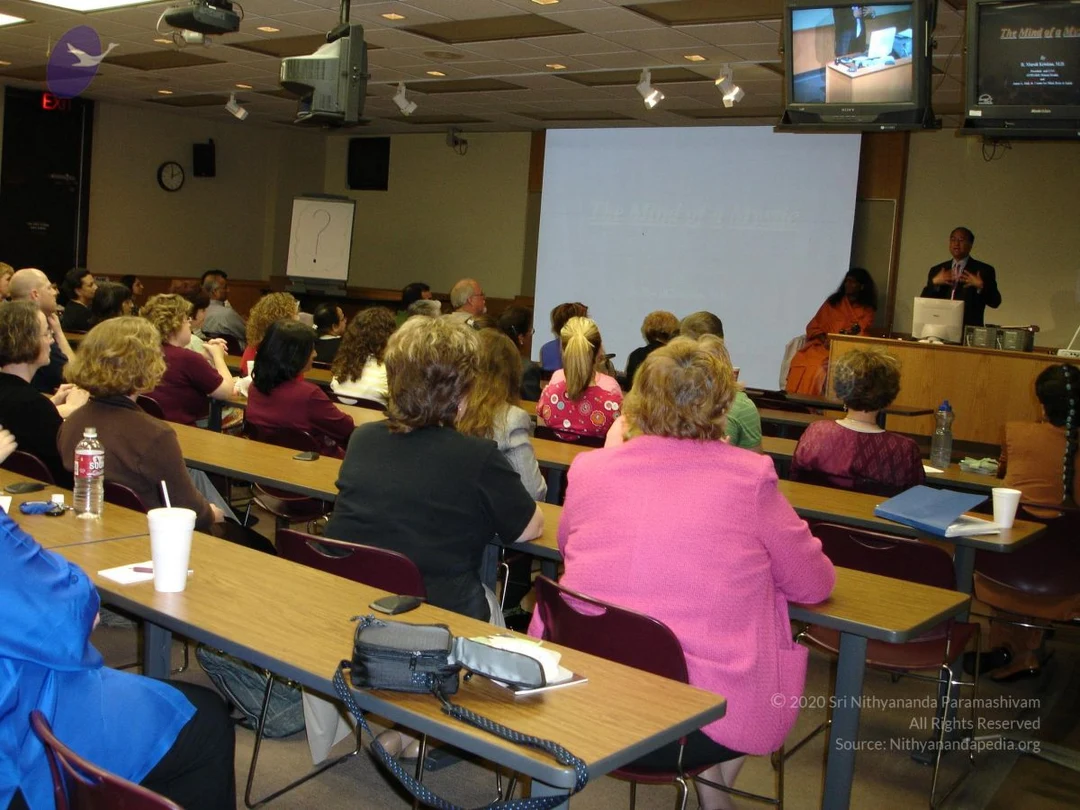
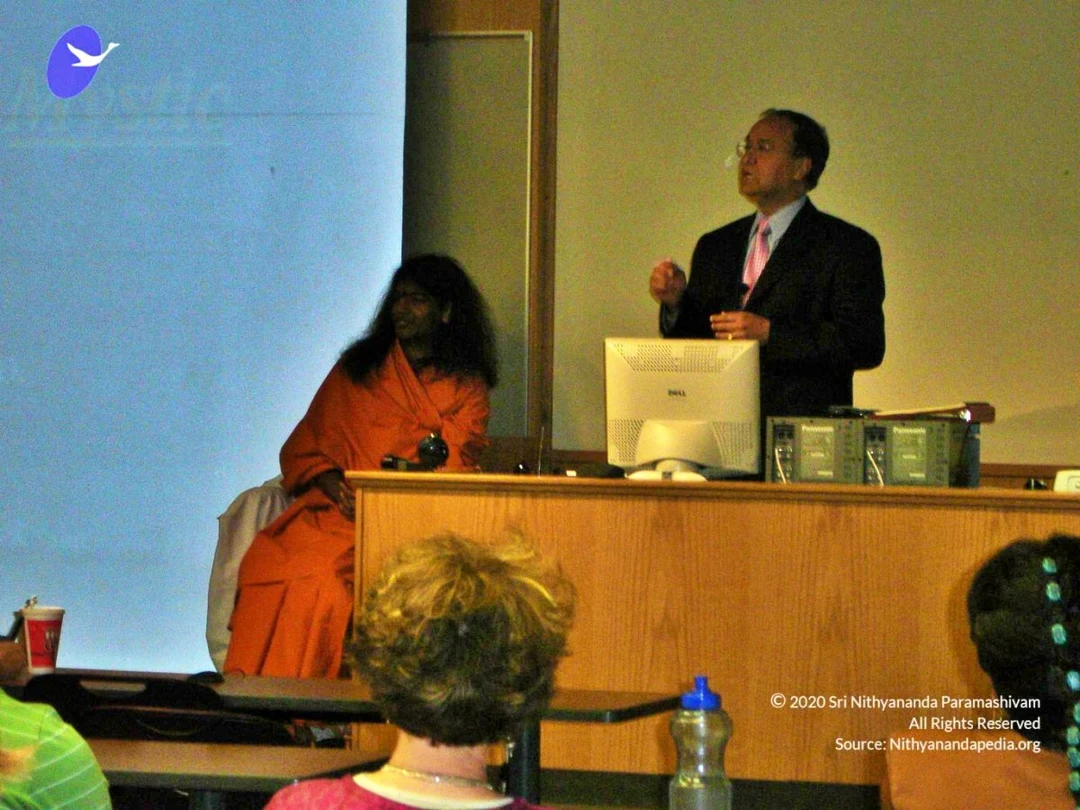
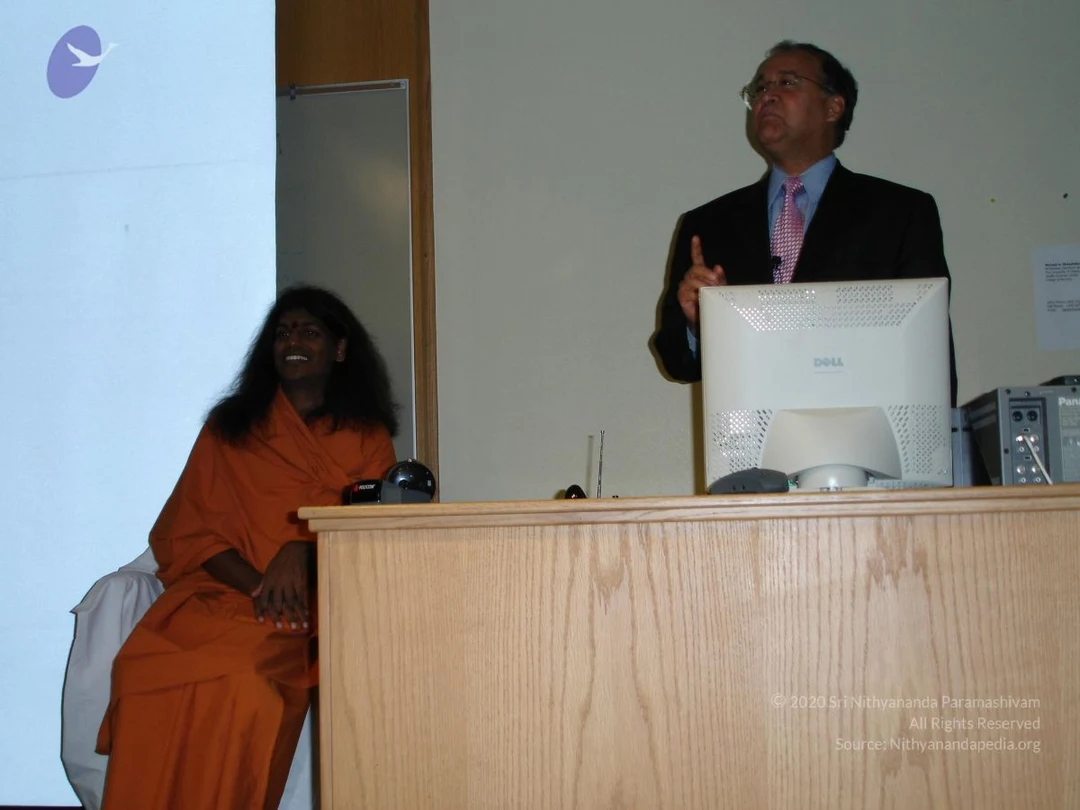
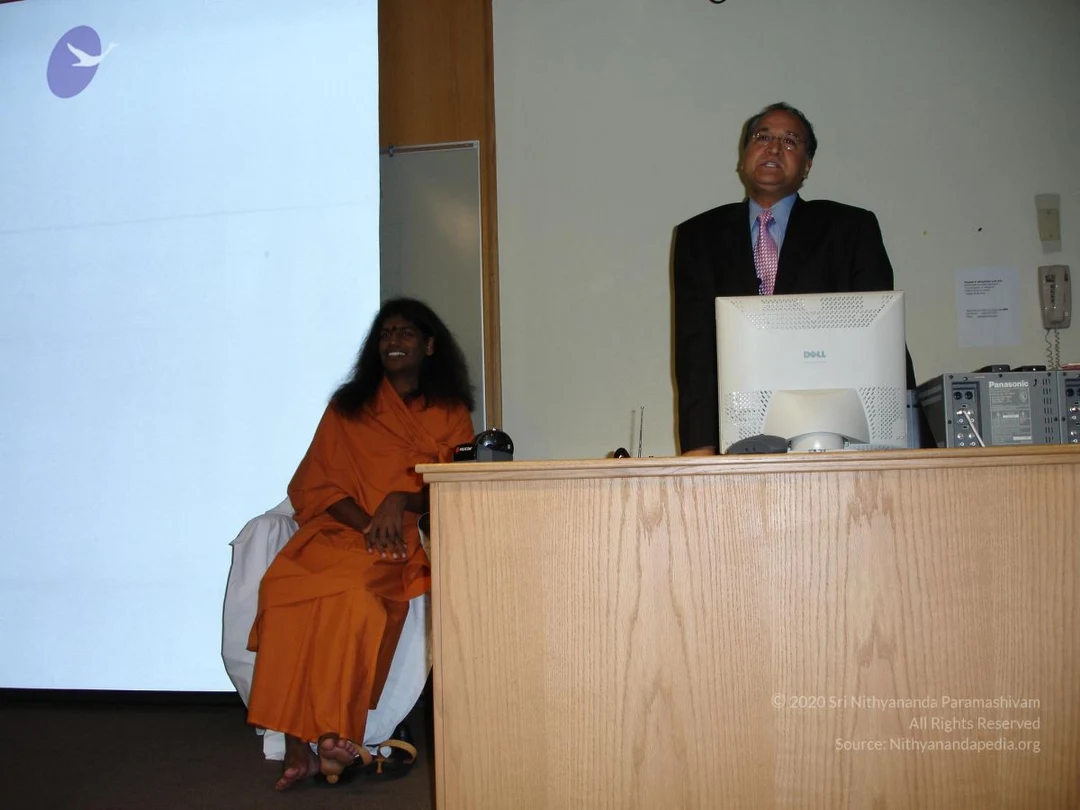
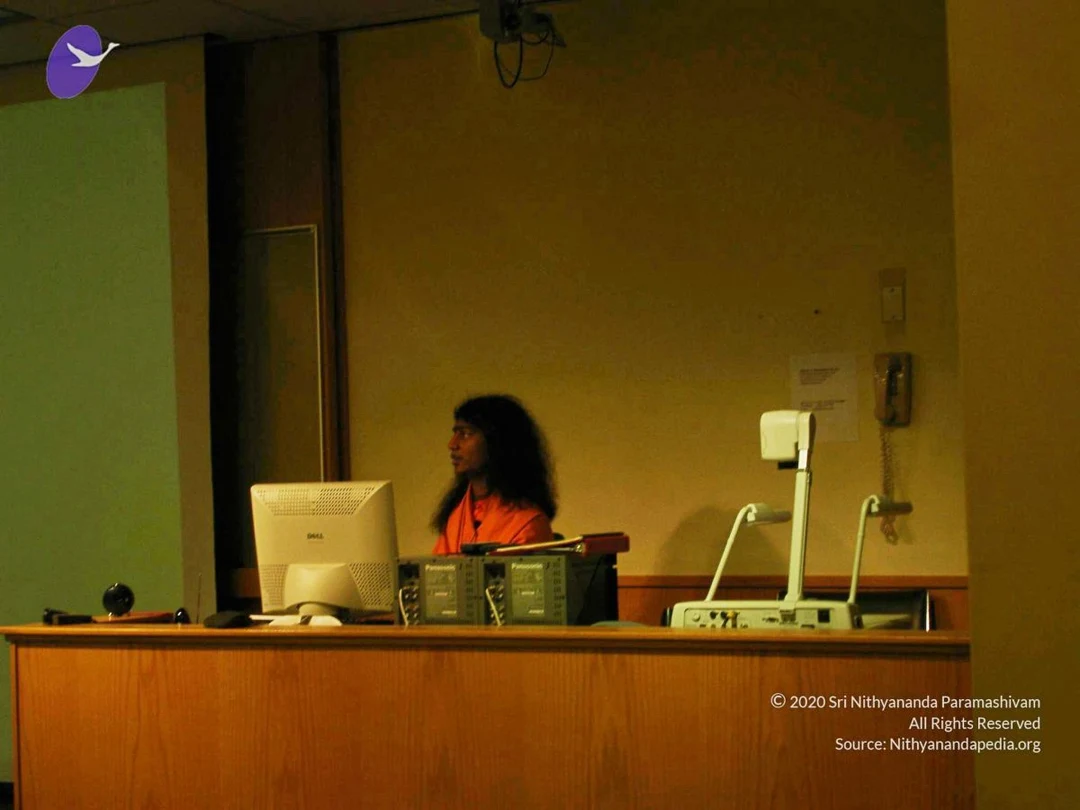
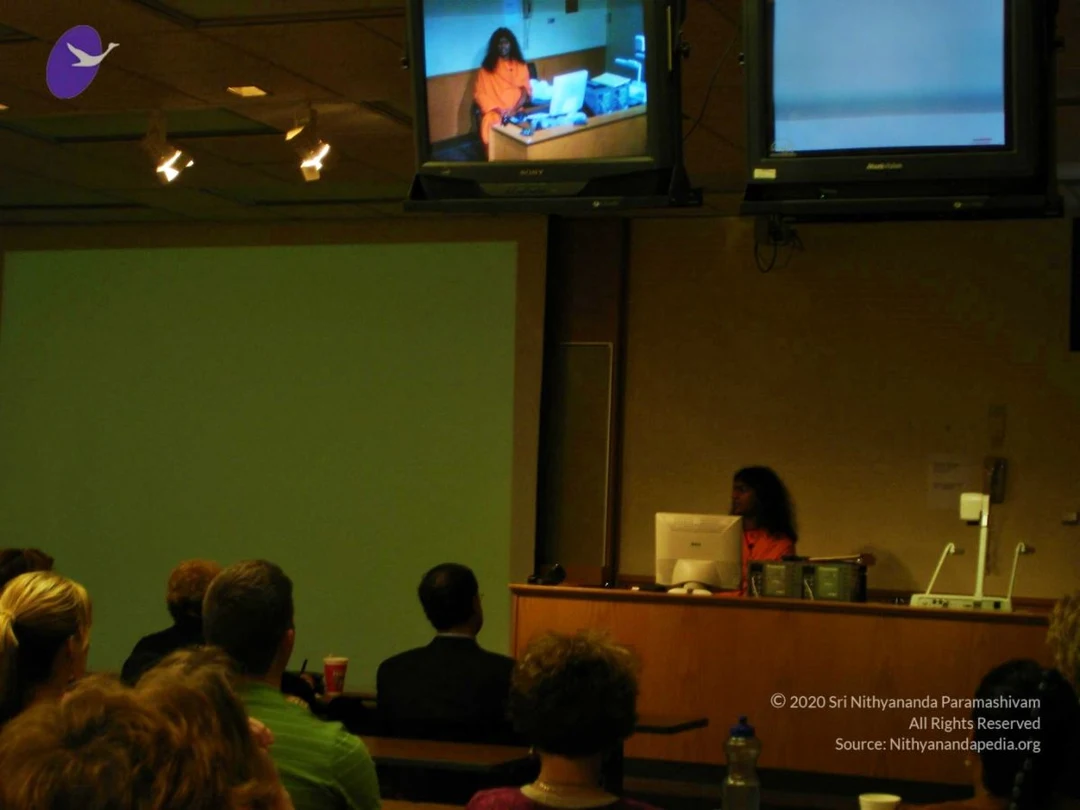
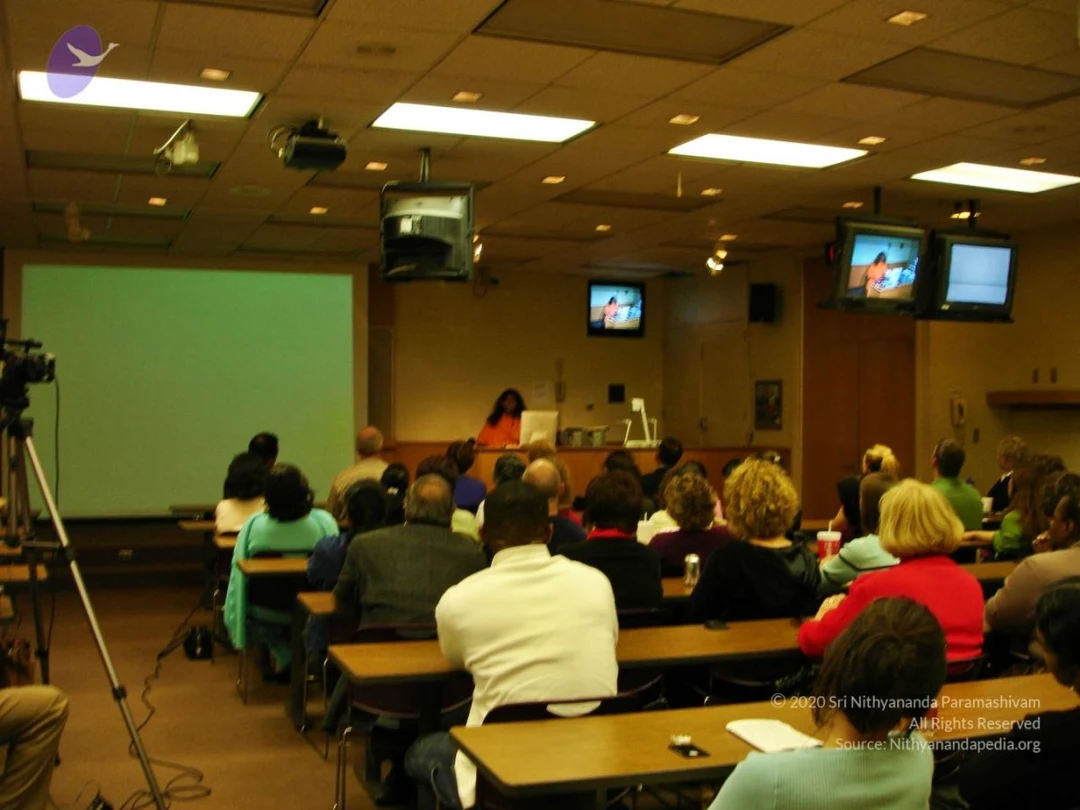
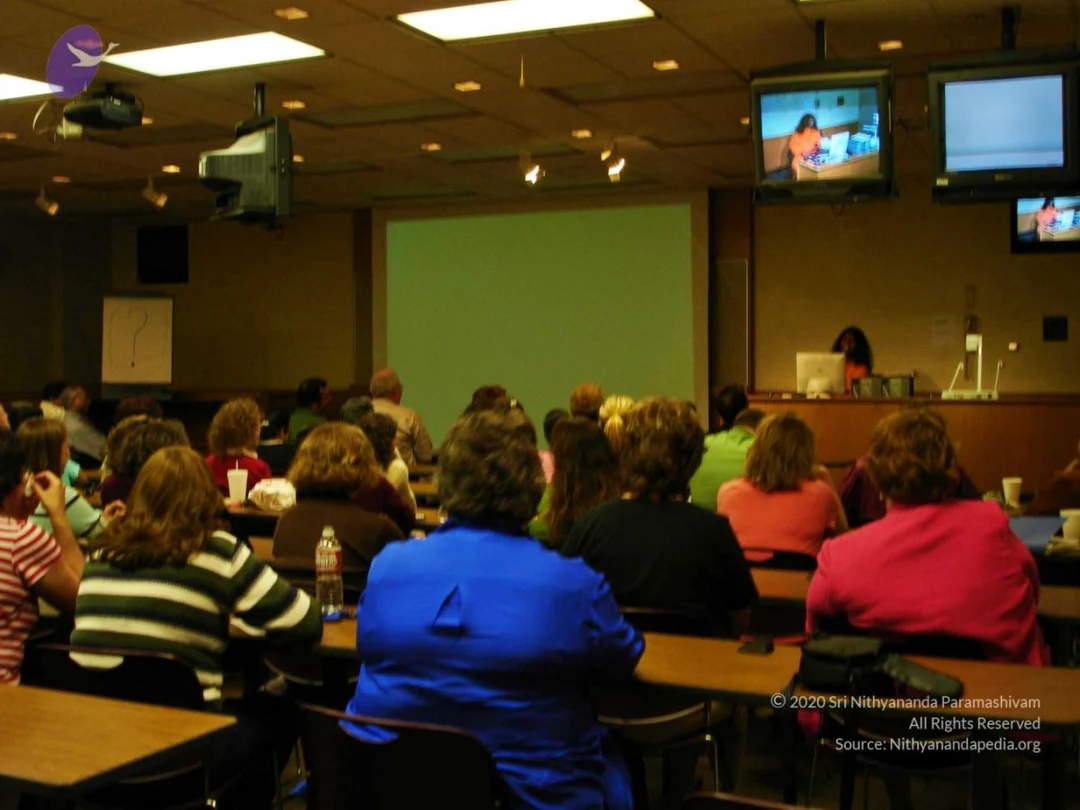
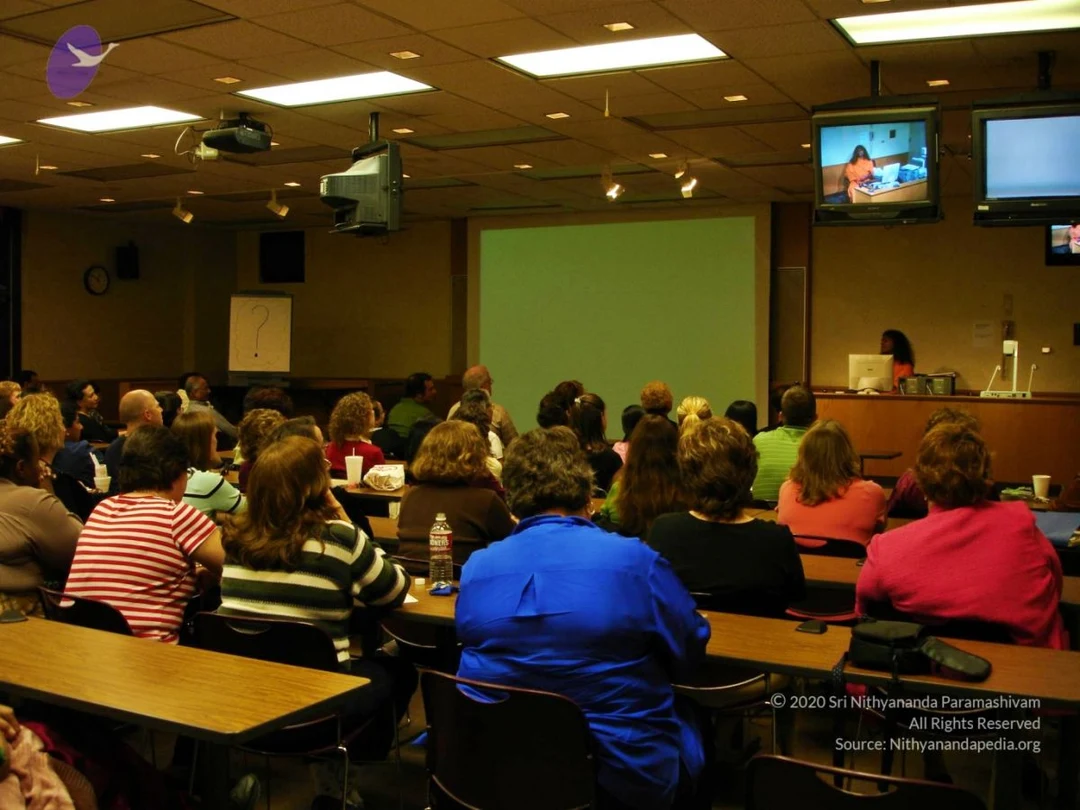
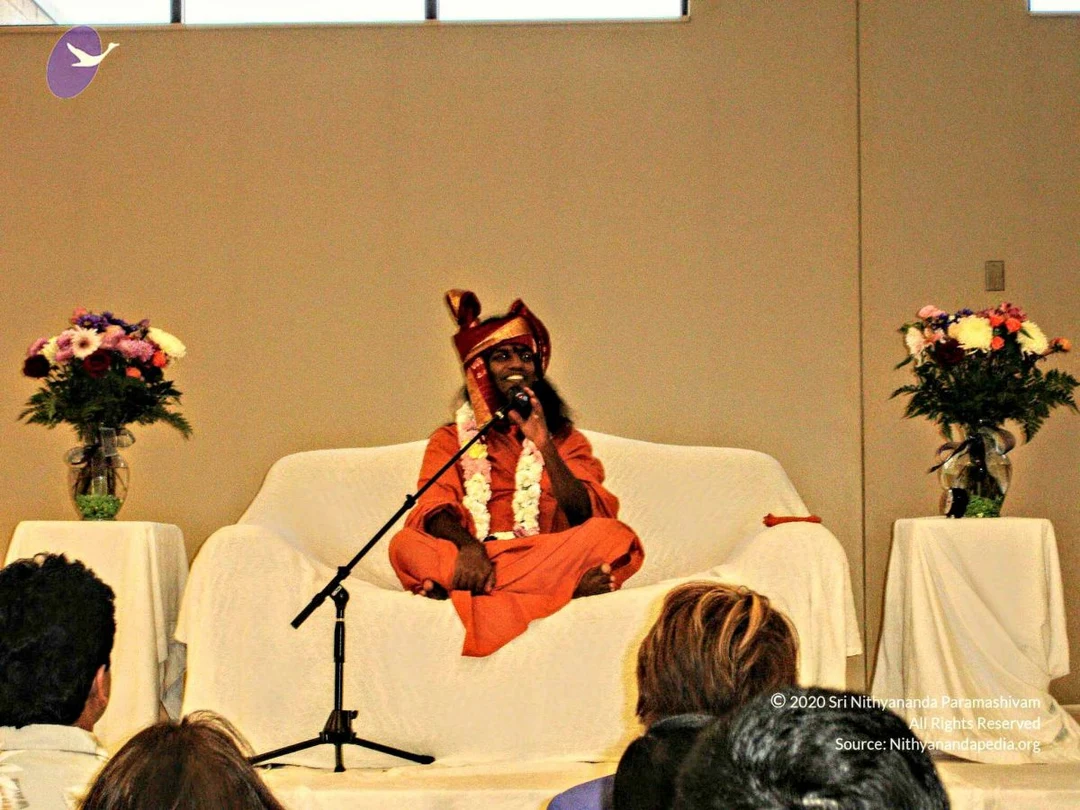
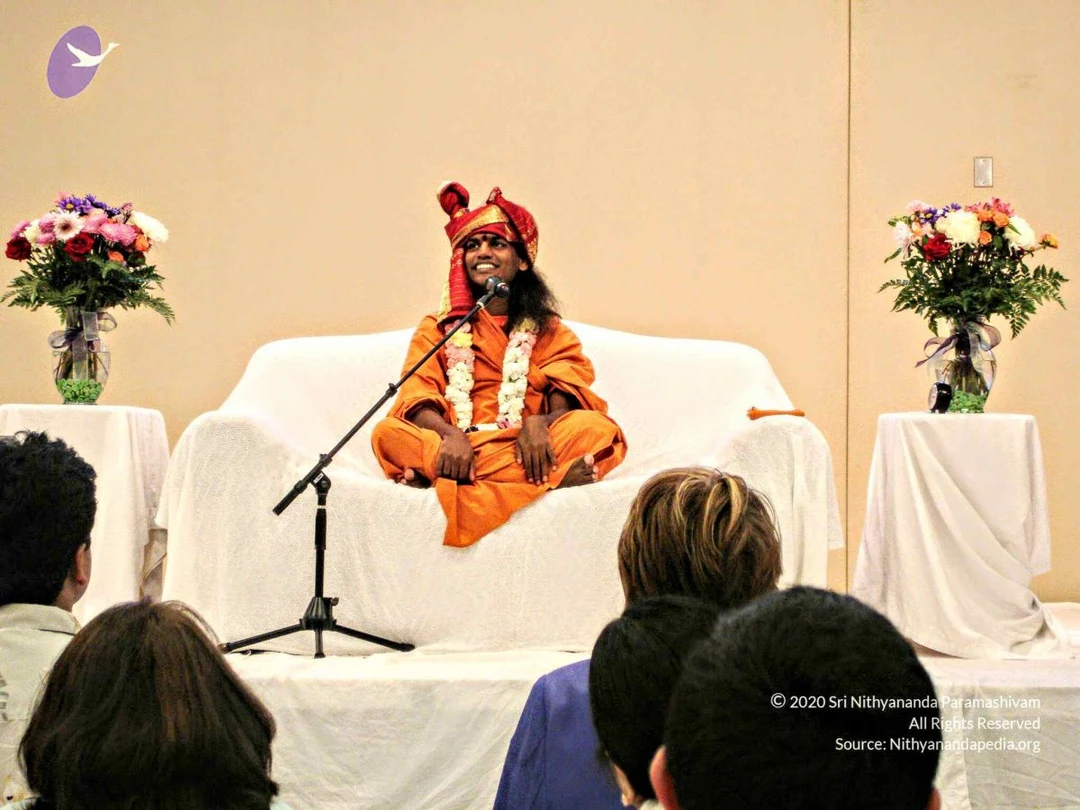
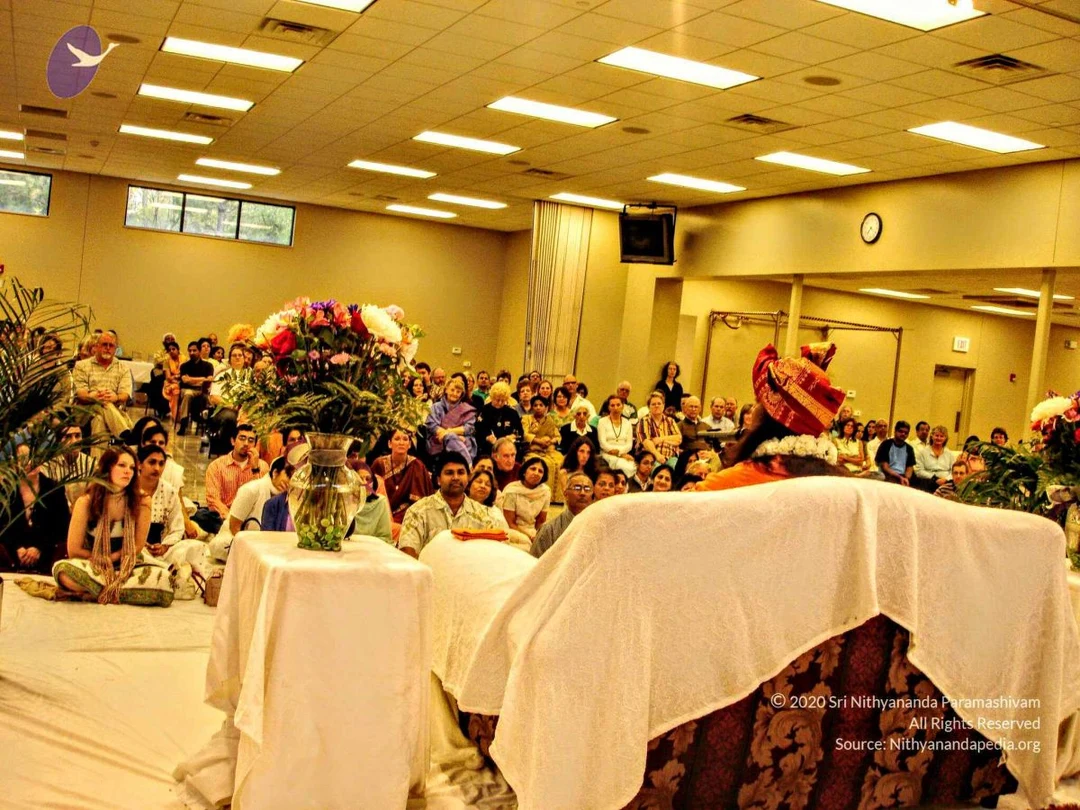
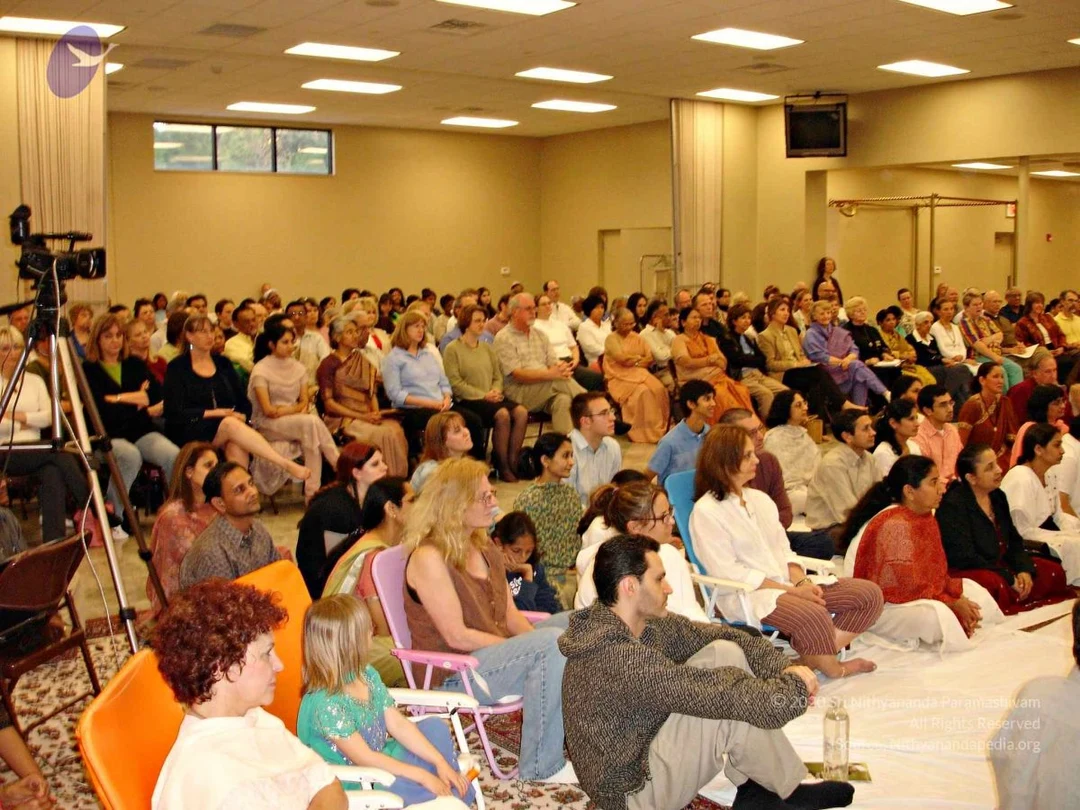
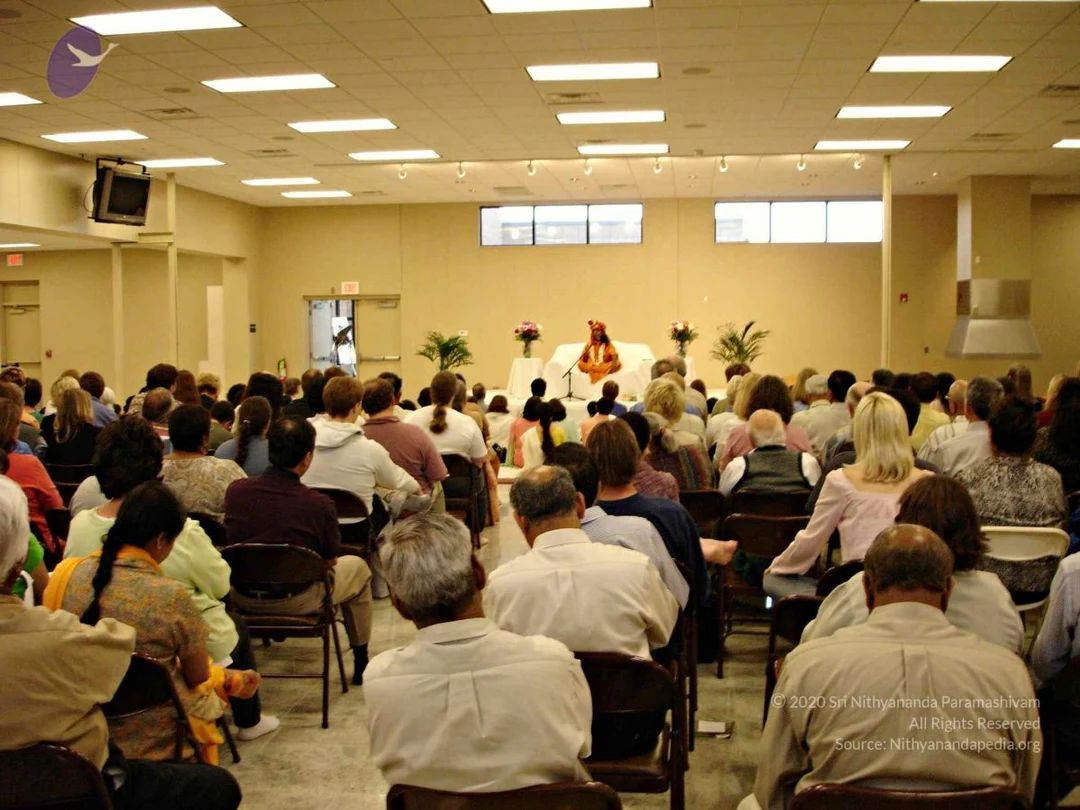
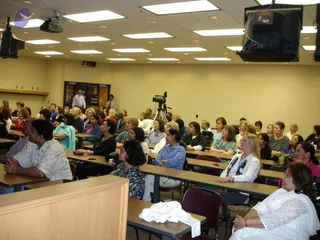
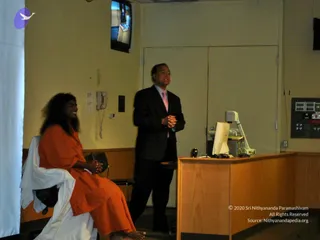
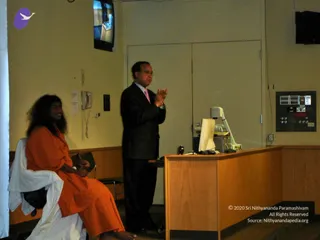
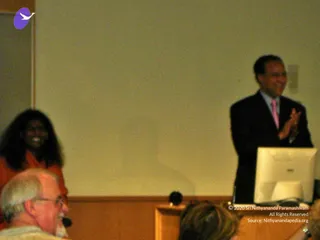
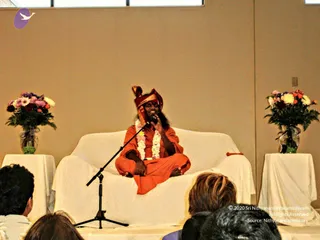
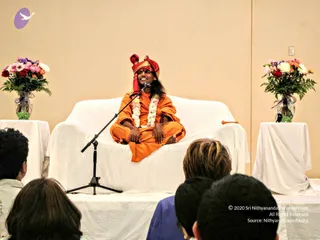
SPH giving a discourse at Oklahoma University Health Sciences Centre
Below you can see pictures of SPH giving a discourse at the Oklahoma University Health Sciences Centre titled 'Meditation - The Ultimate Stress Buster'.
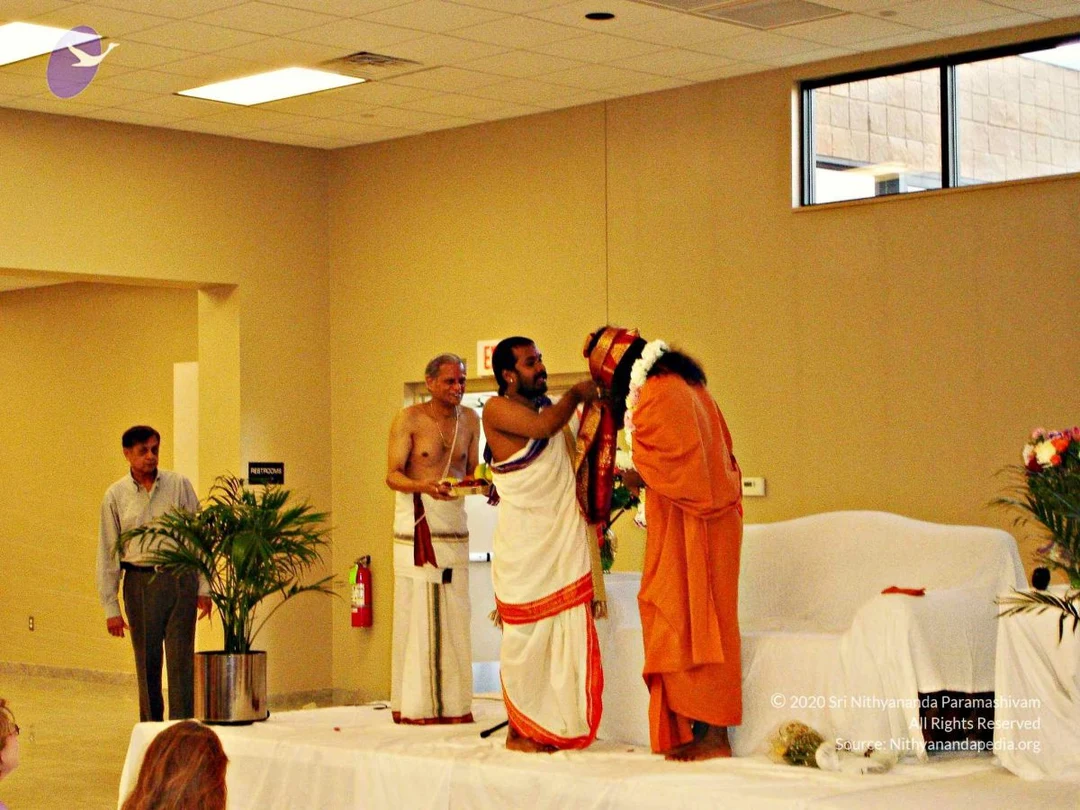
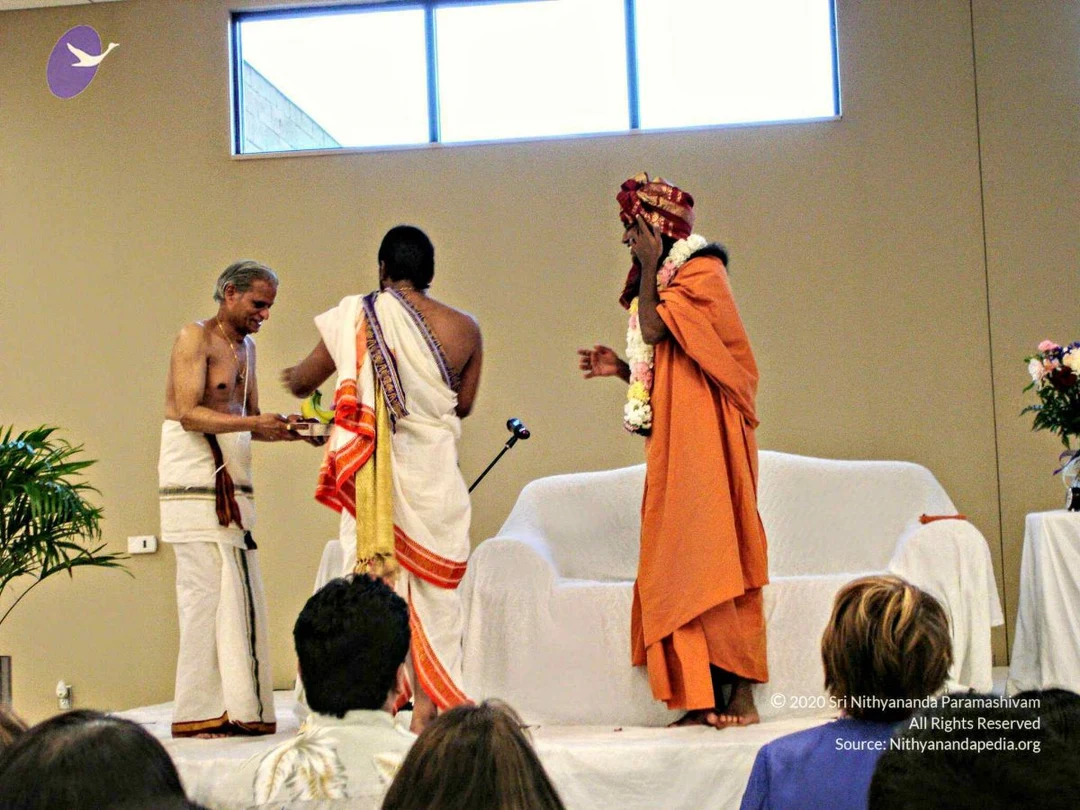
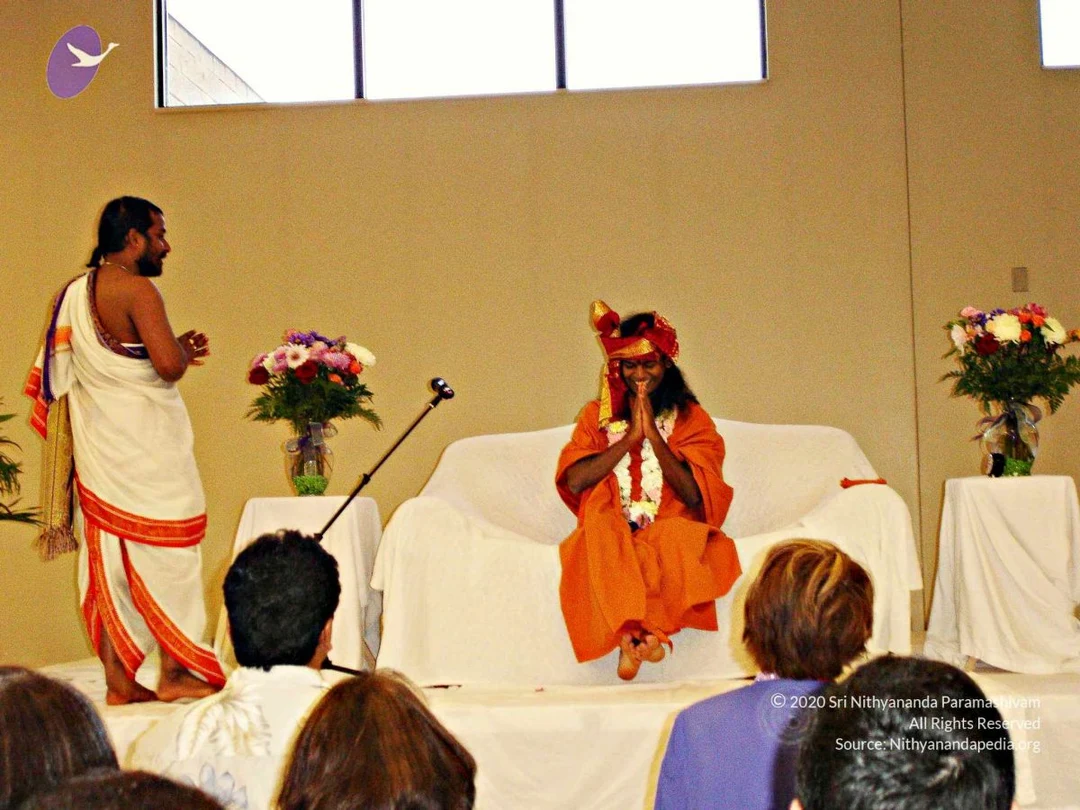
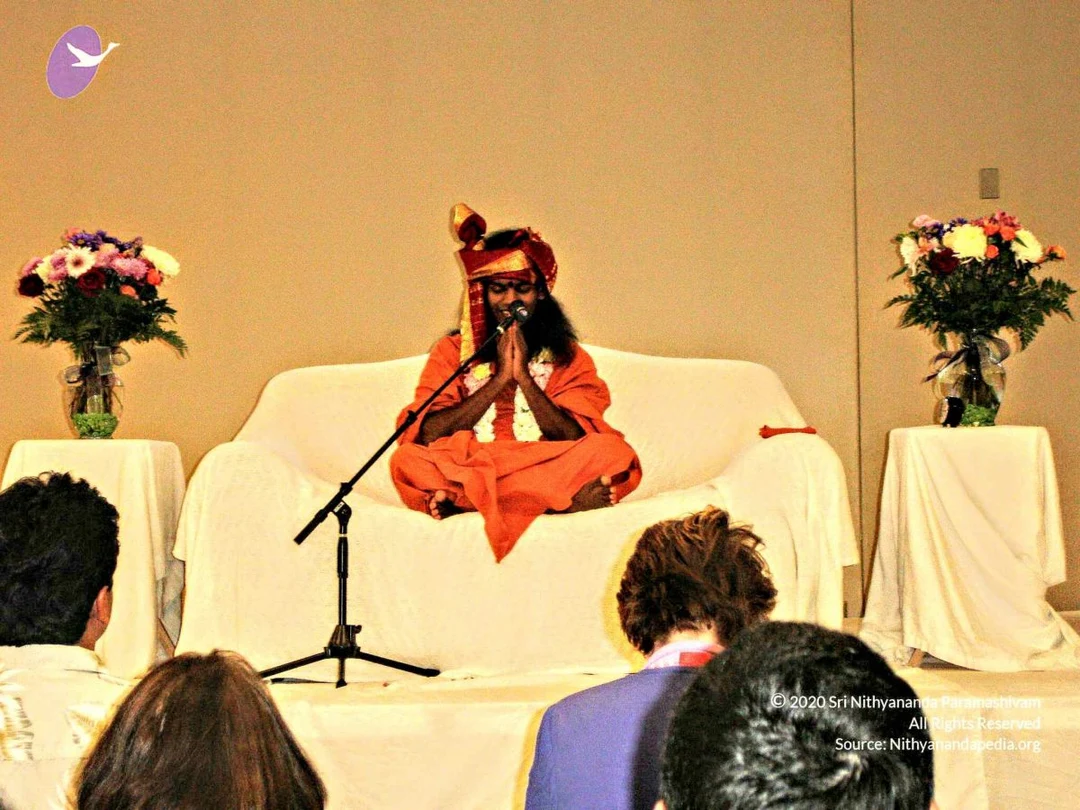
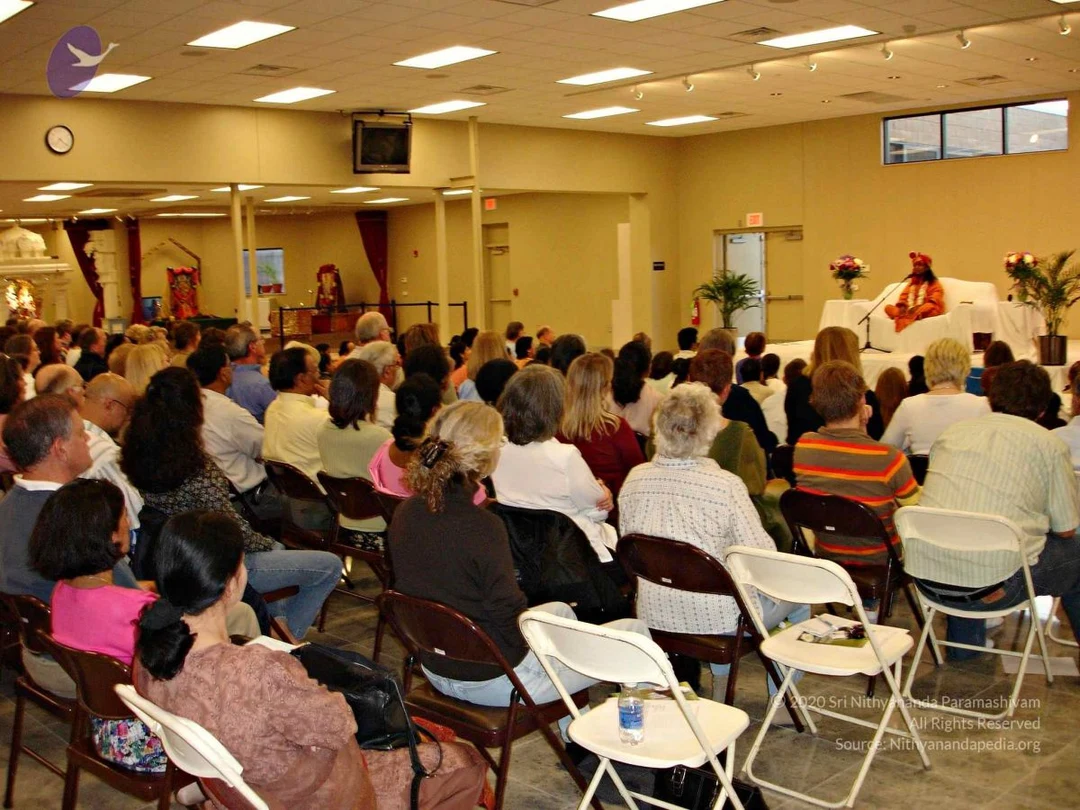
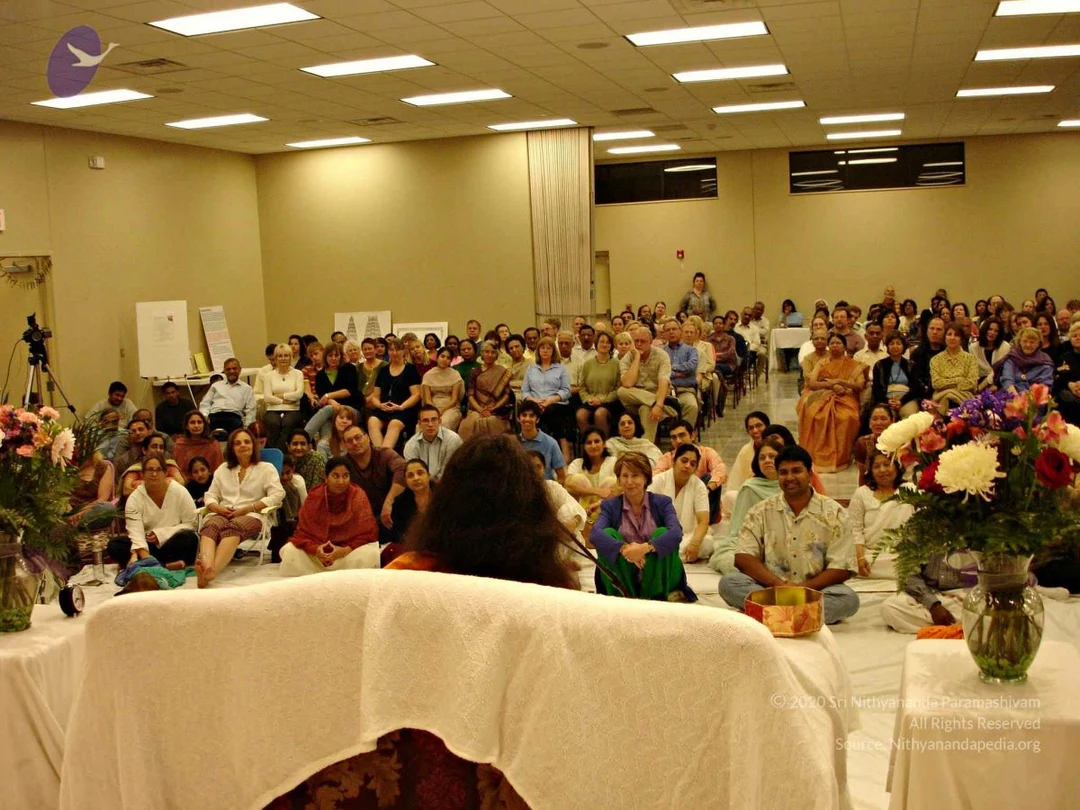
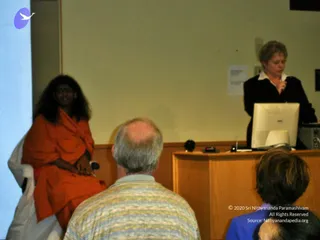
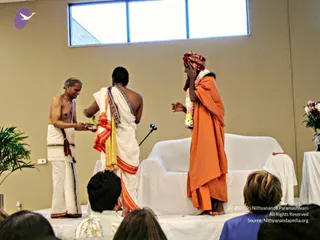
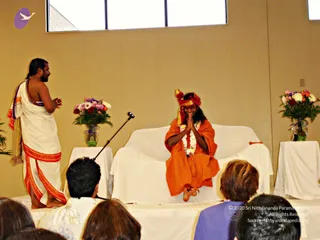
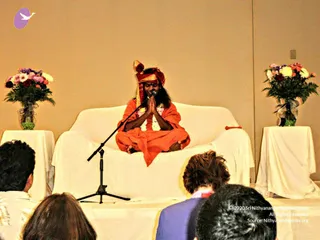
SPH giving a discourse at a Hindu Temple in Oklahoma City, OK
Below you can see pictures of SPH giving a discourse at a Hindu Temple in Oklahoma City titled 'Listen - I am talking to you'.
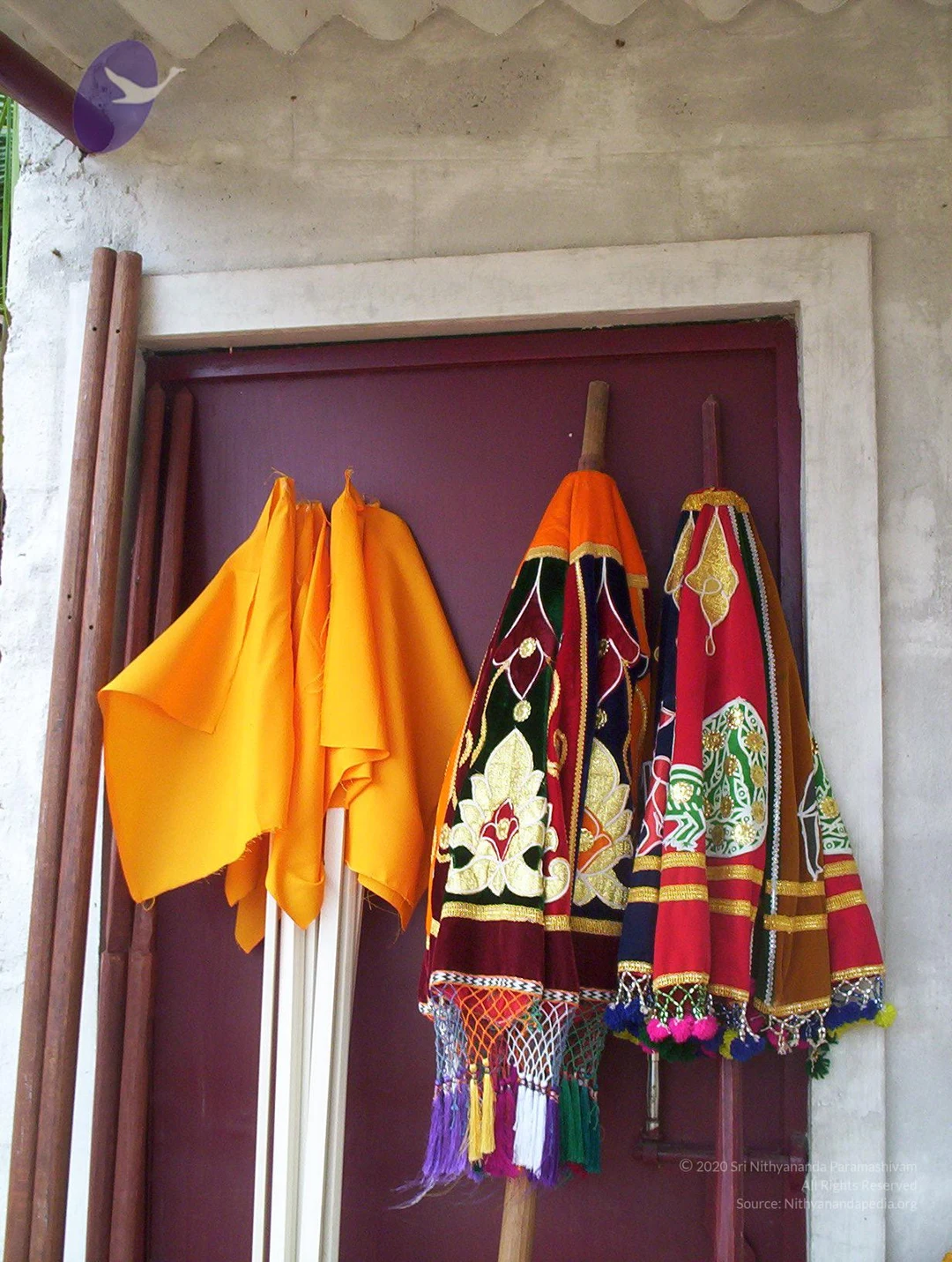
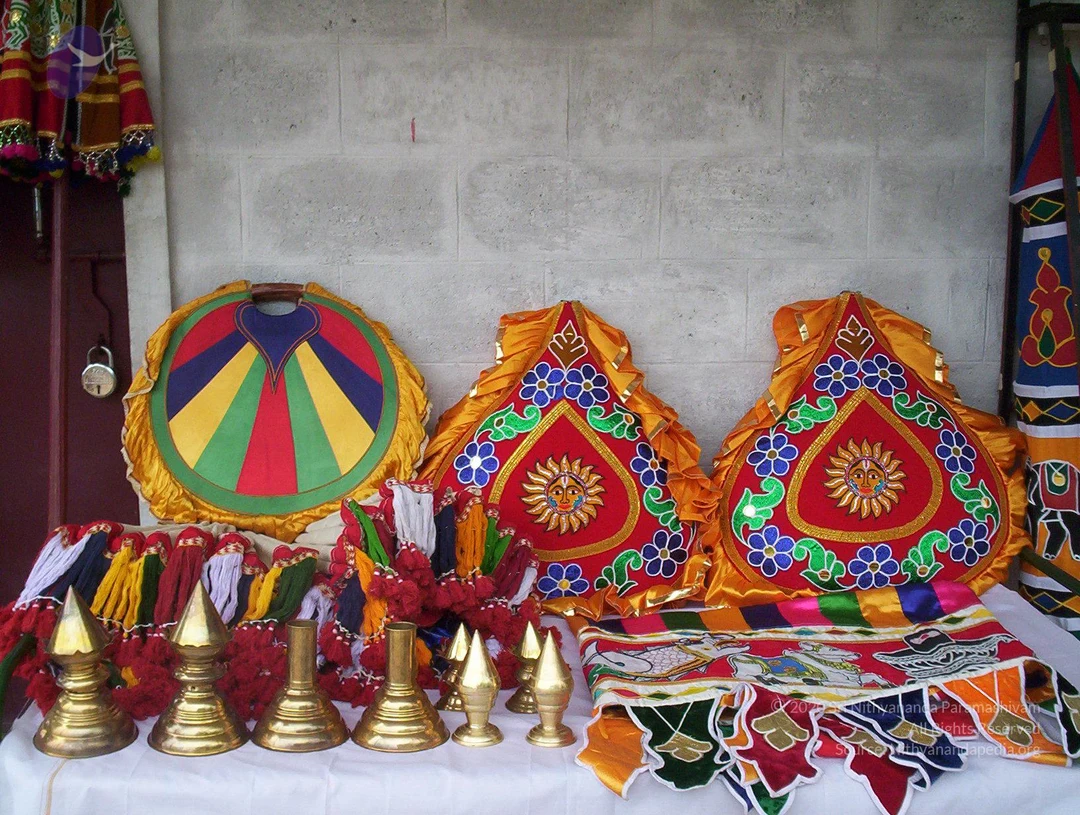
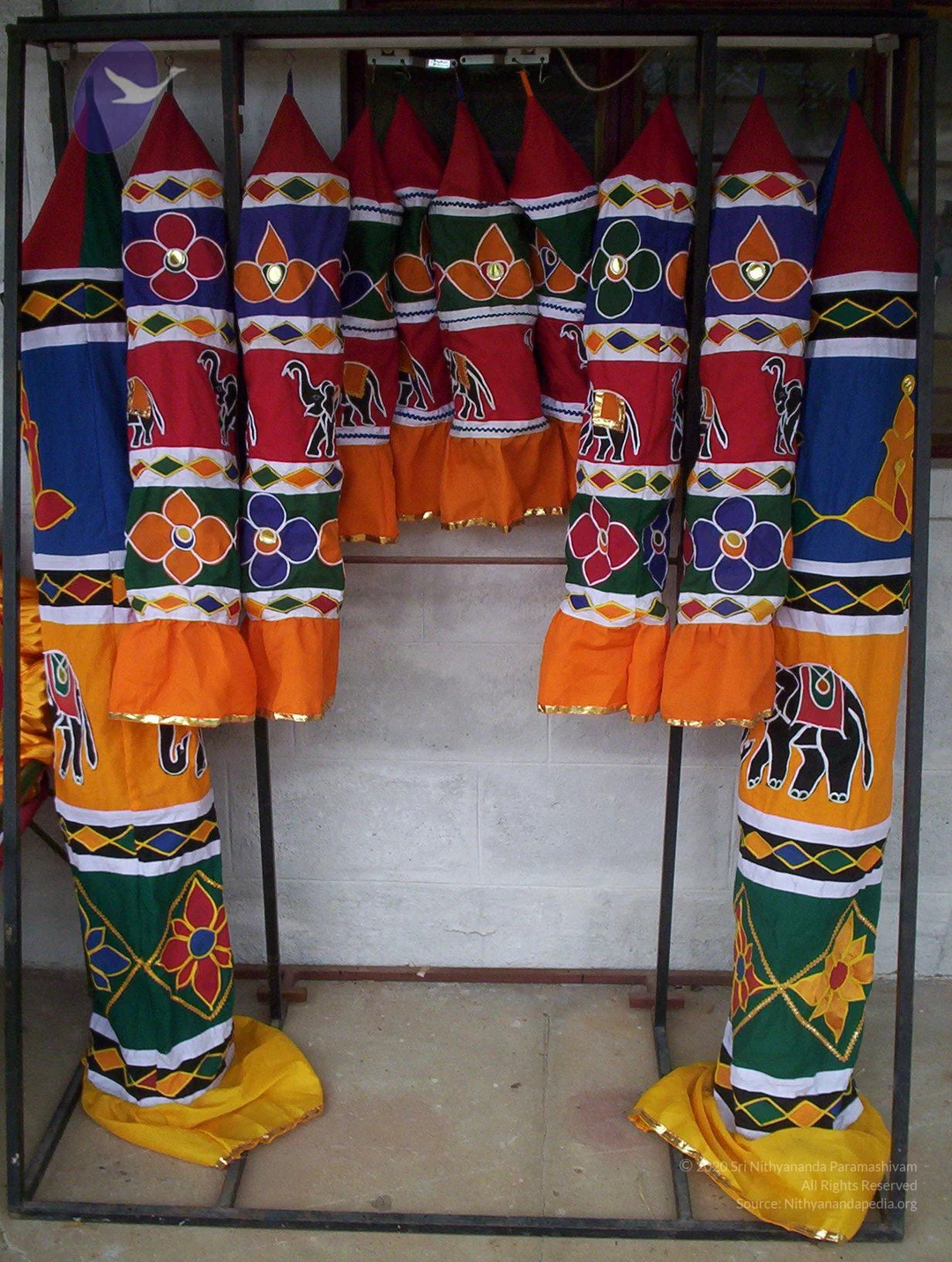
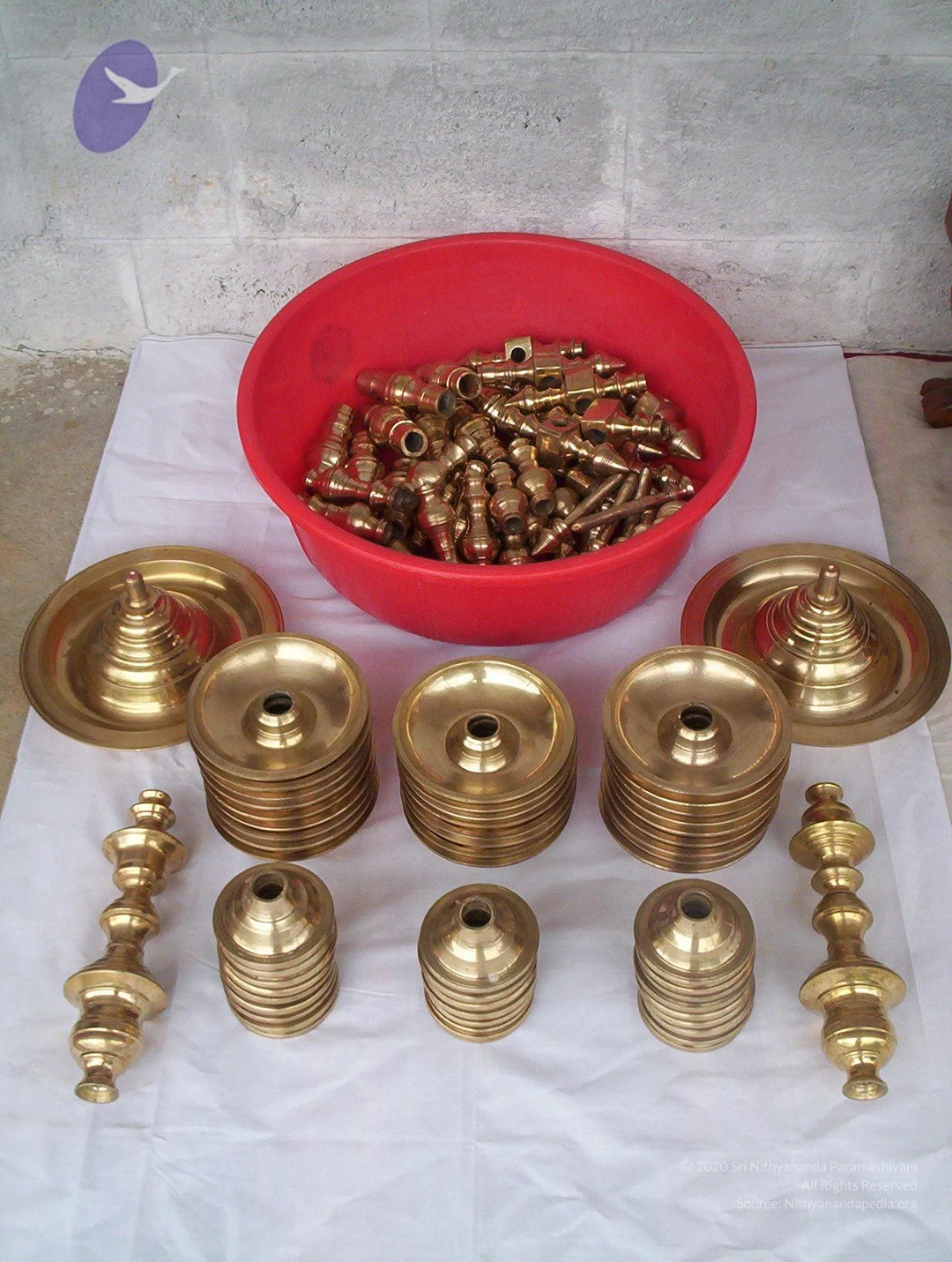
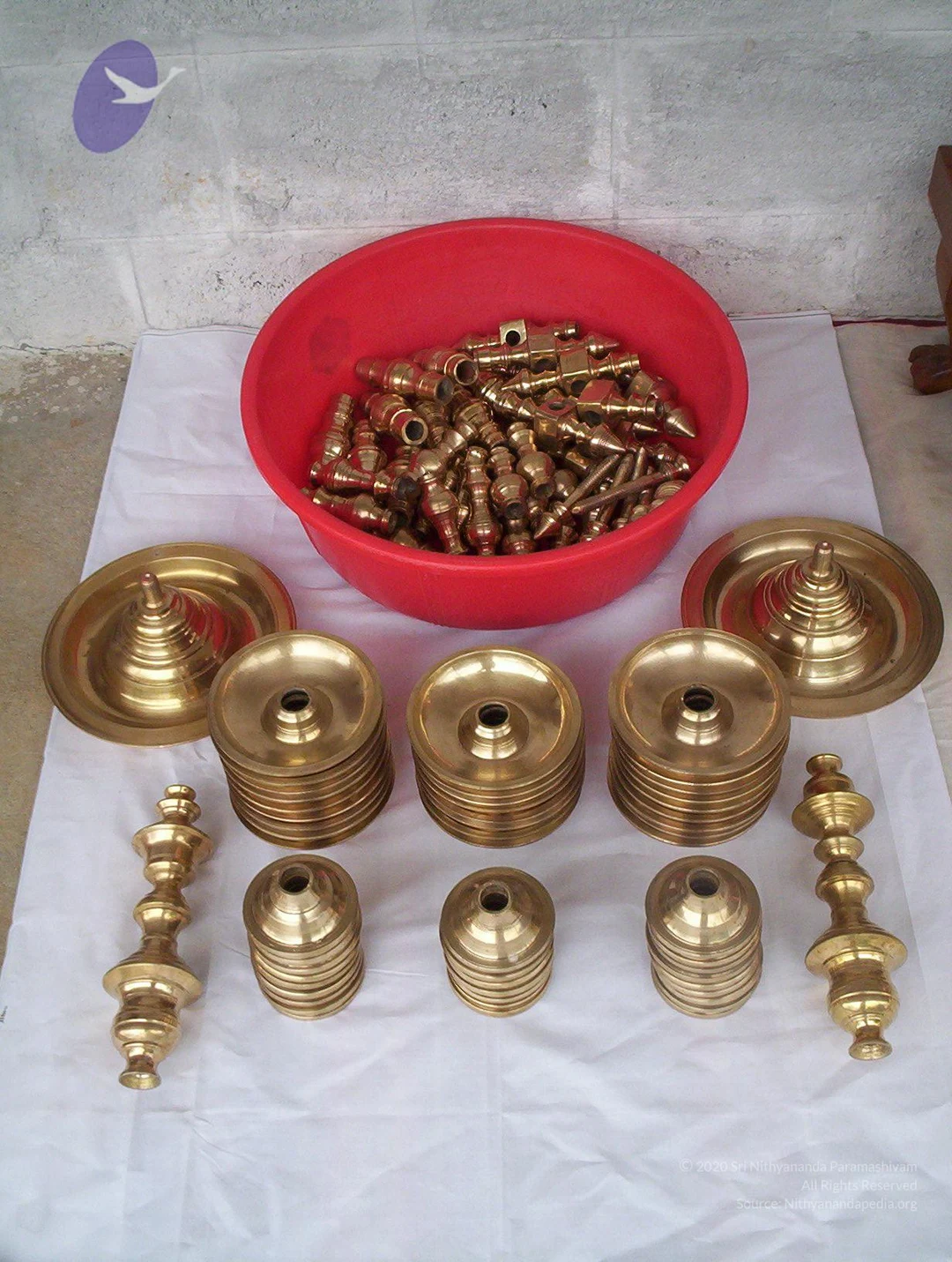
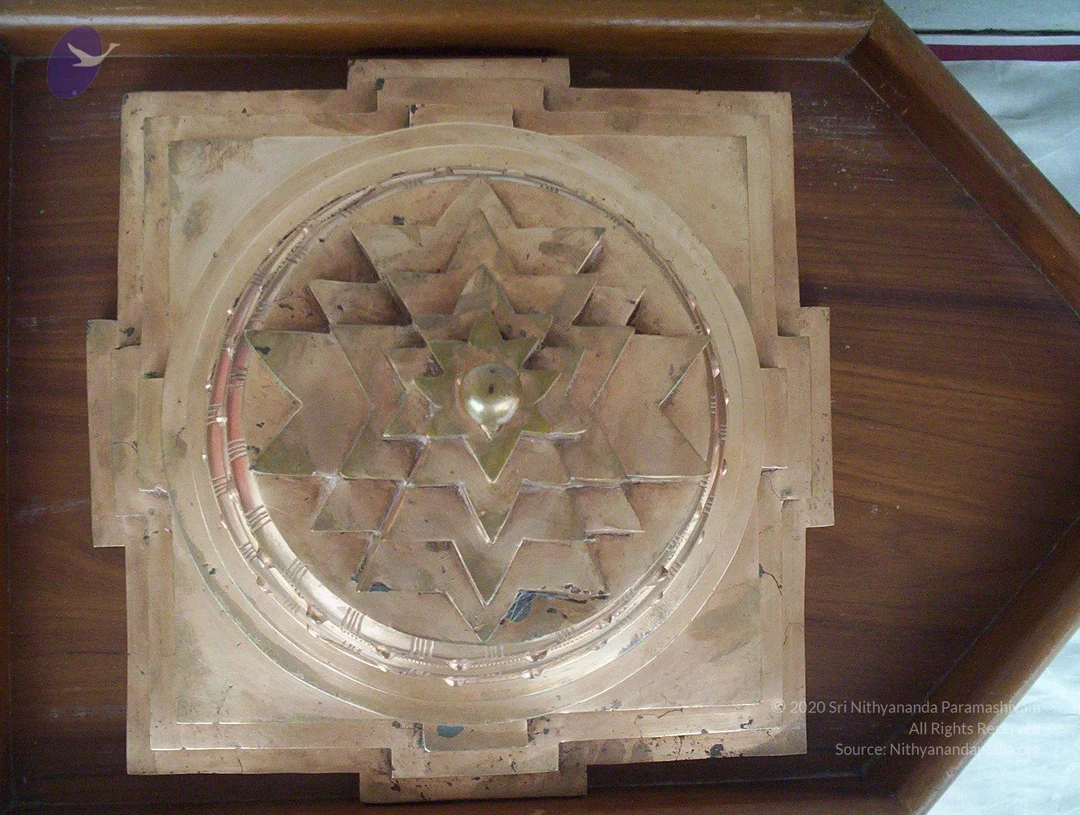
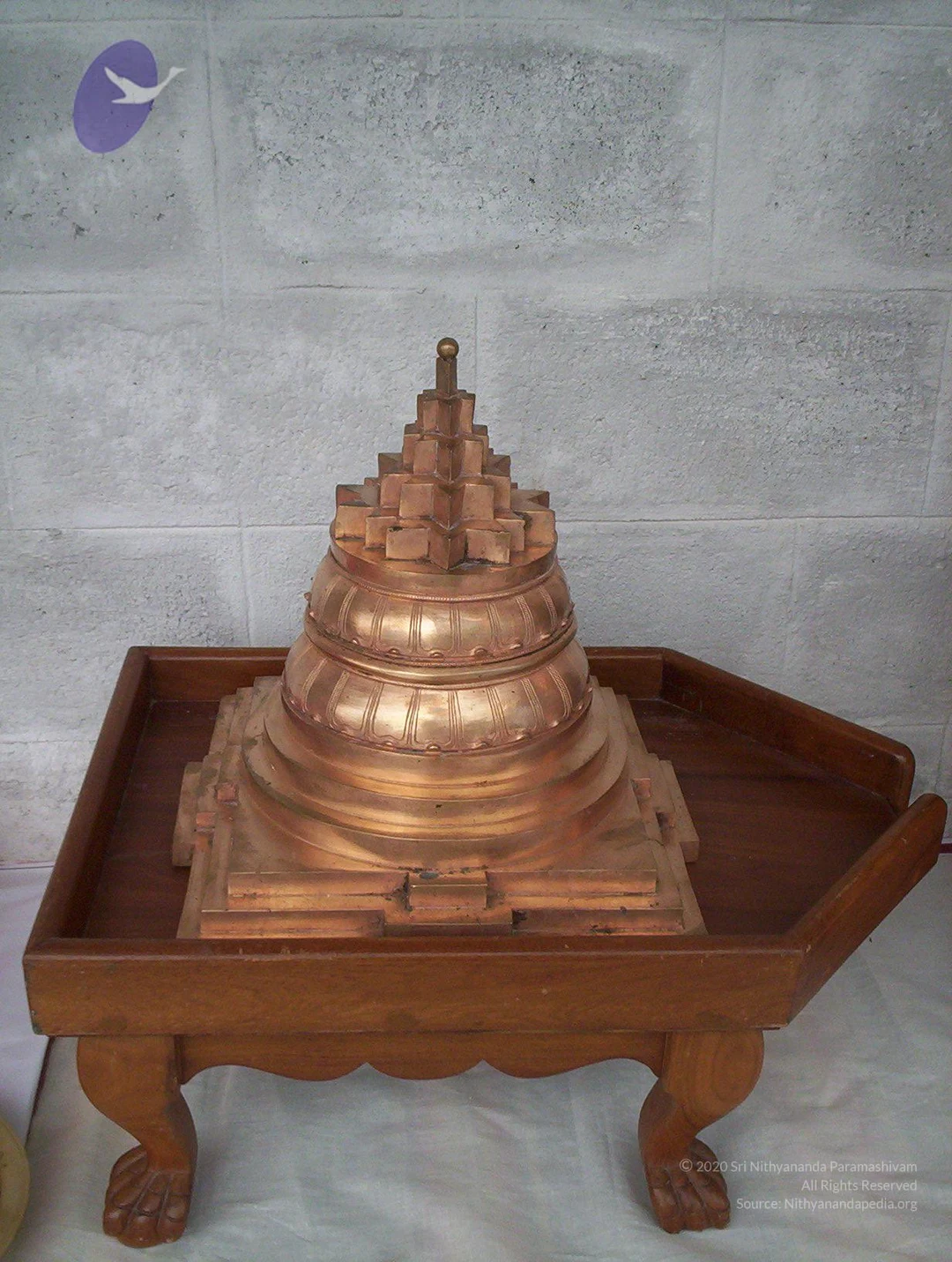
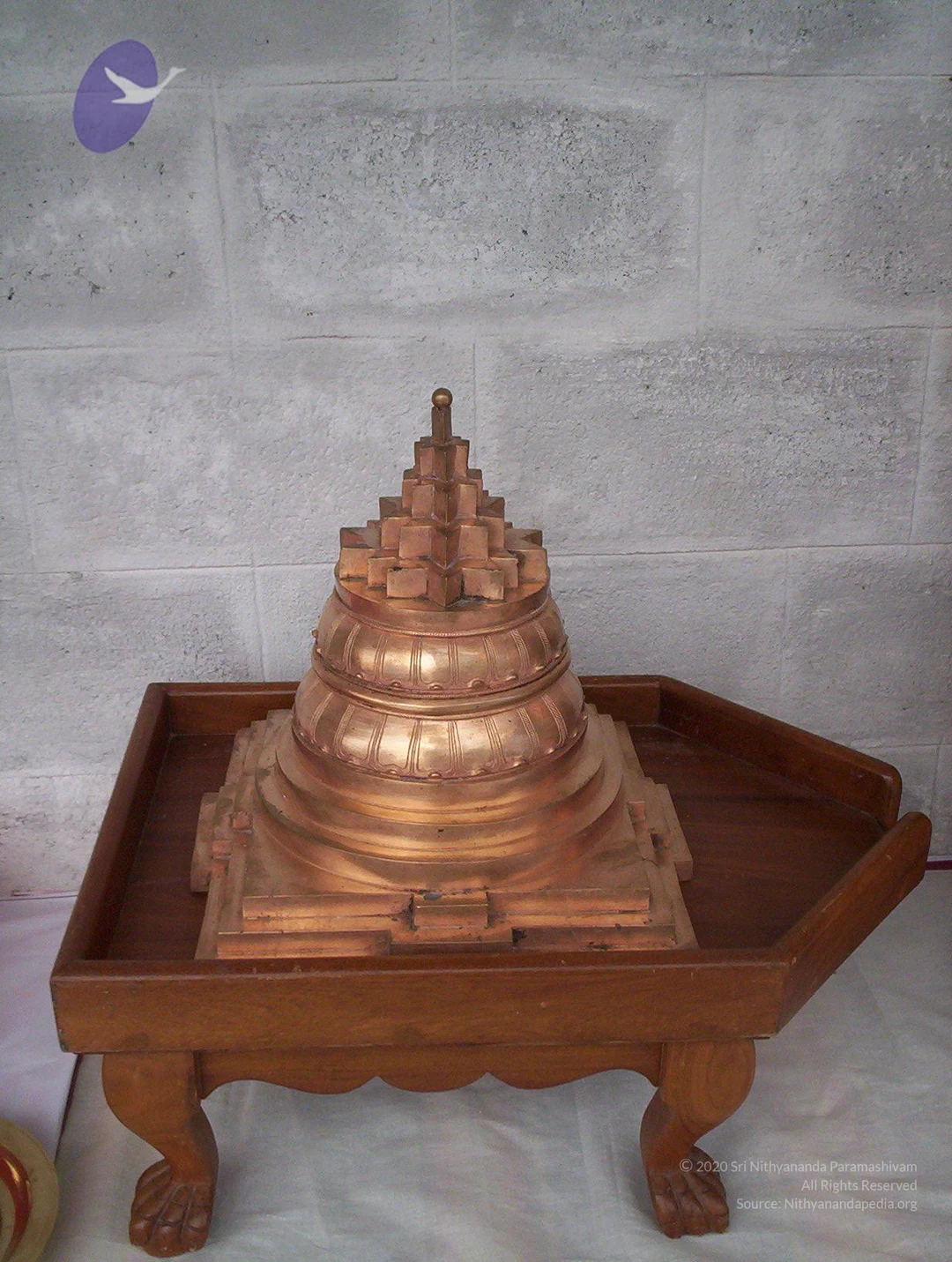
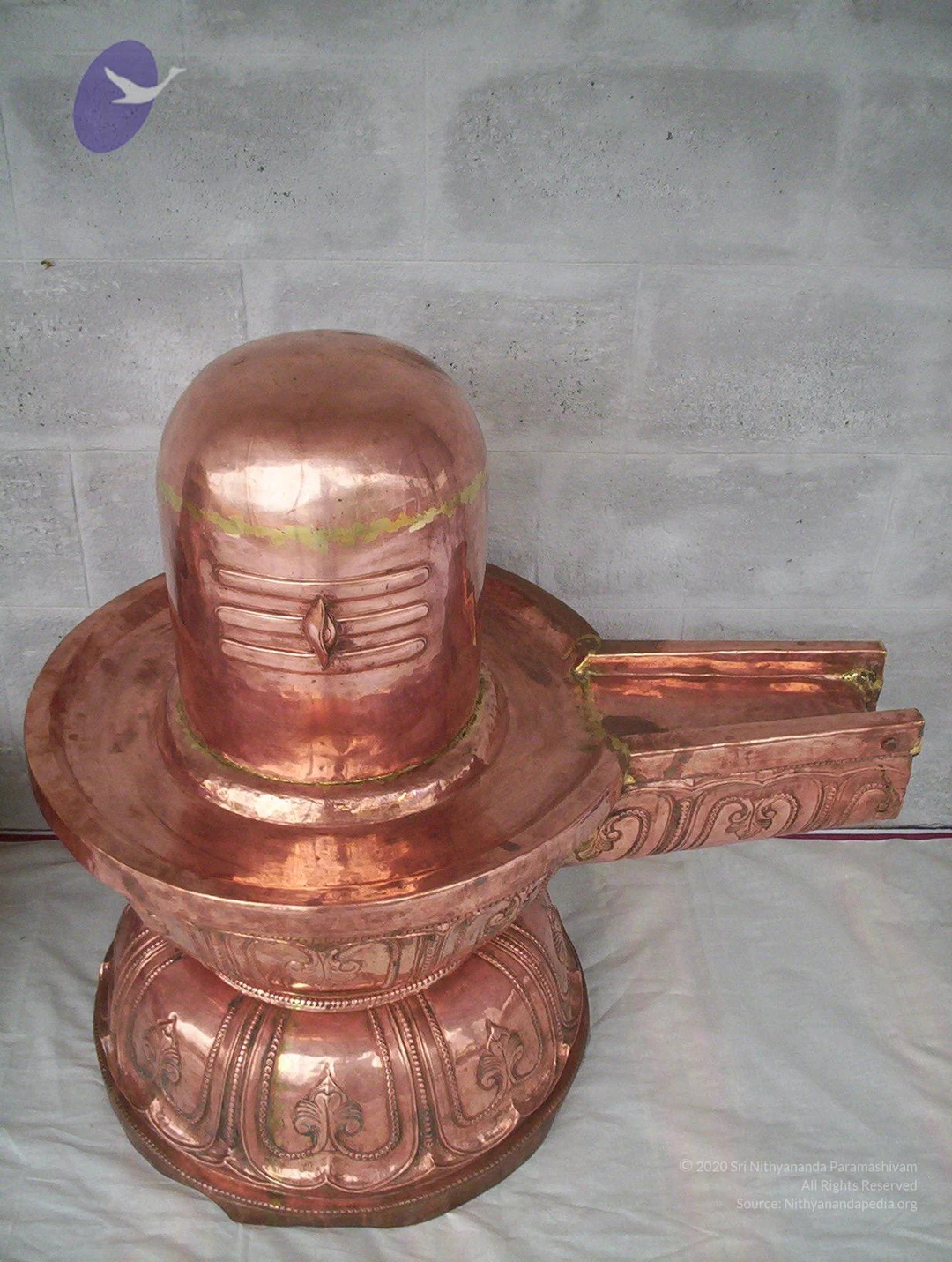
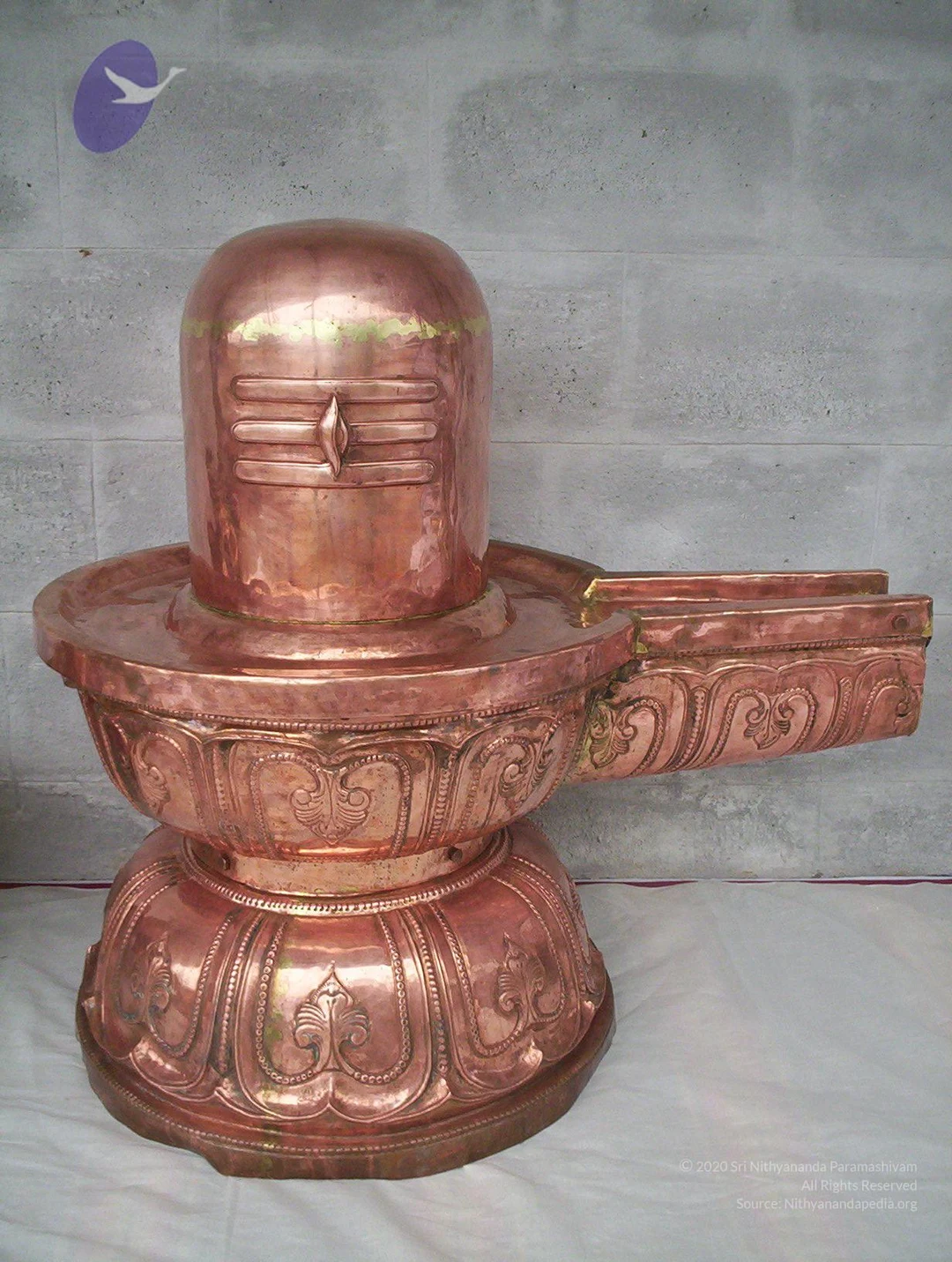
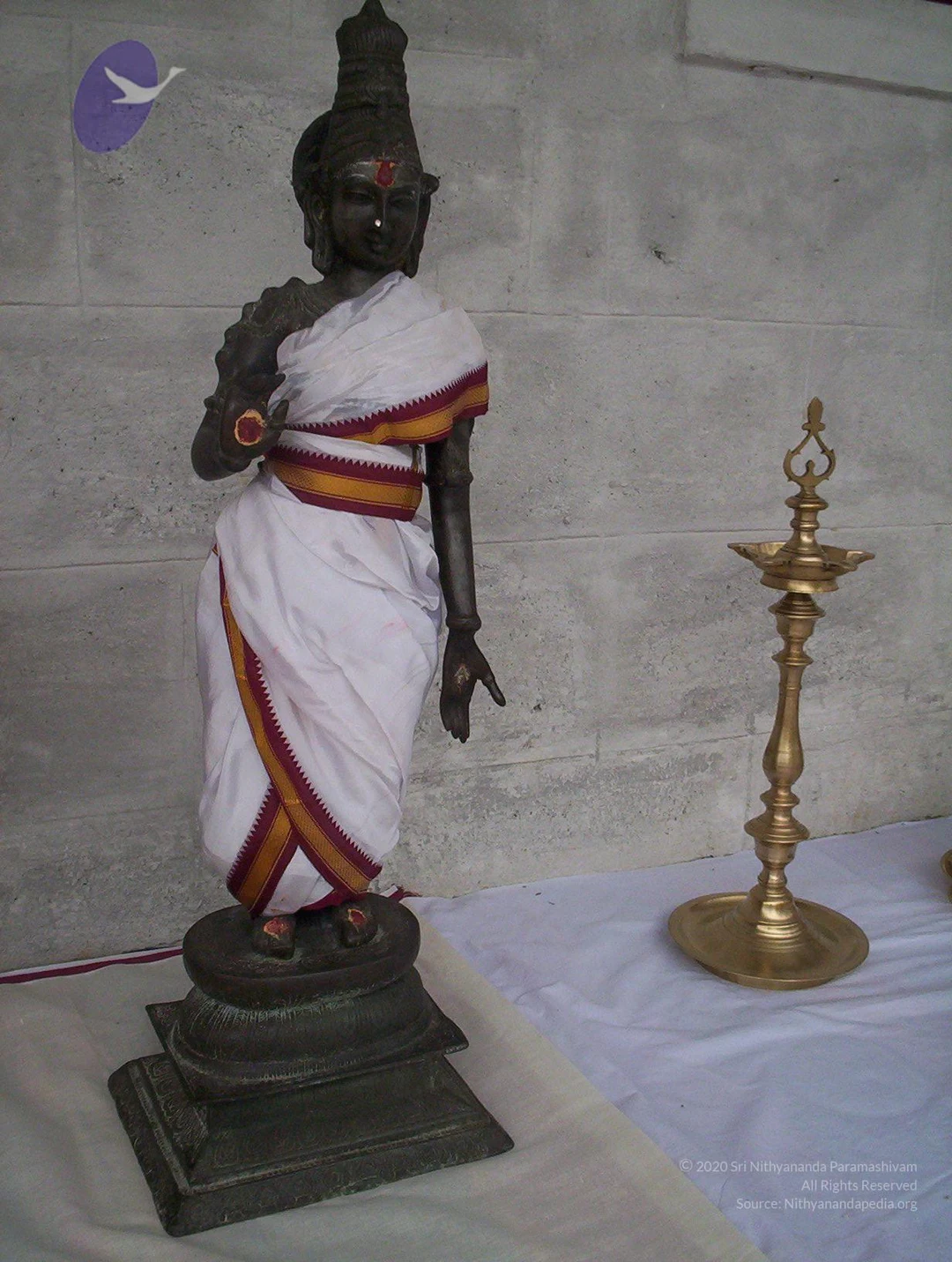
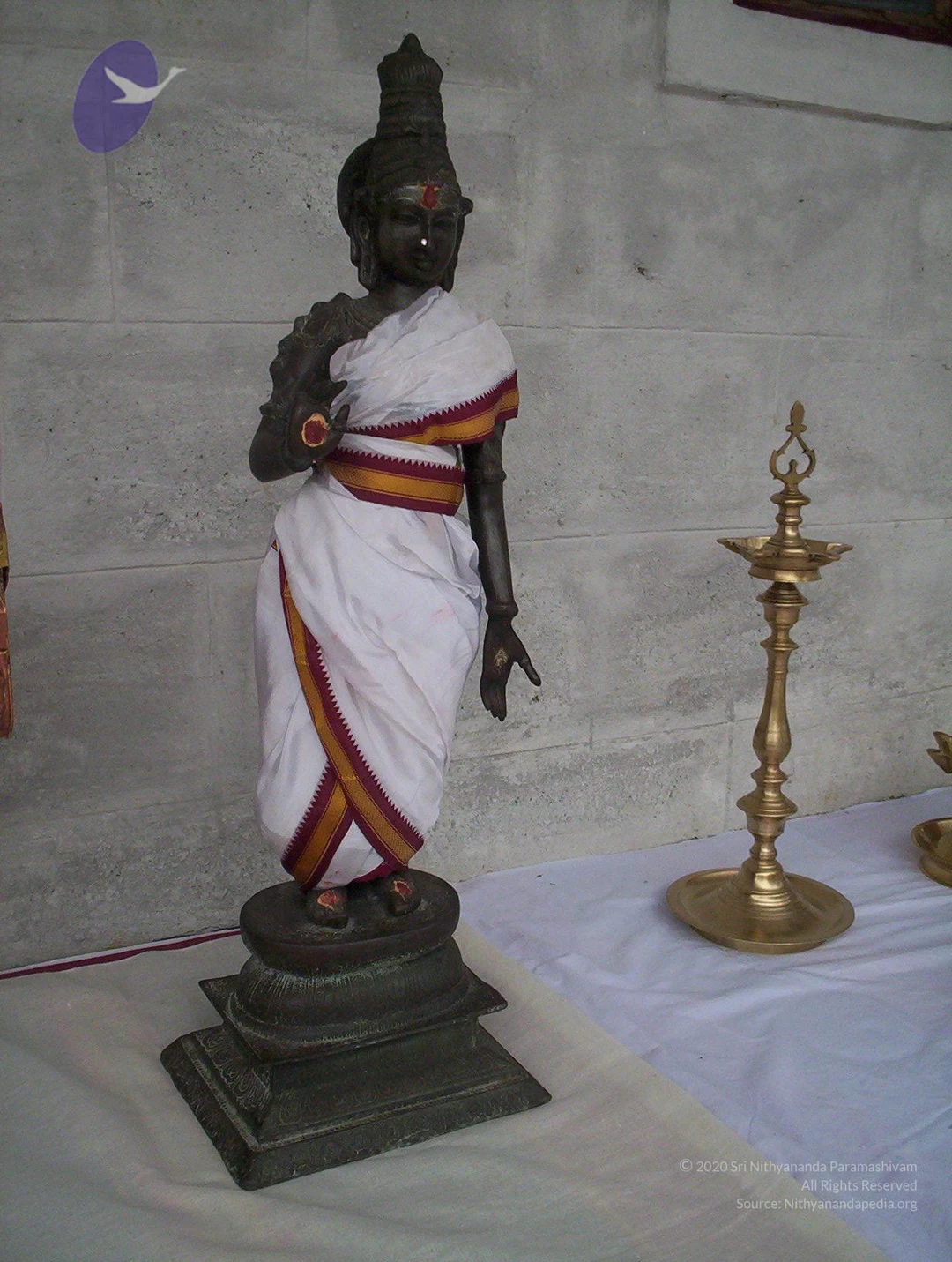
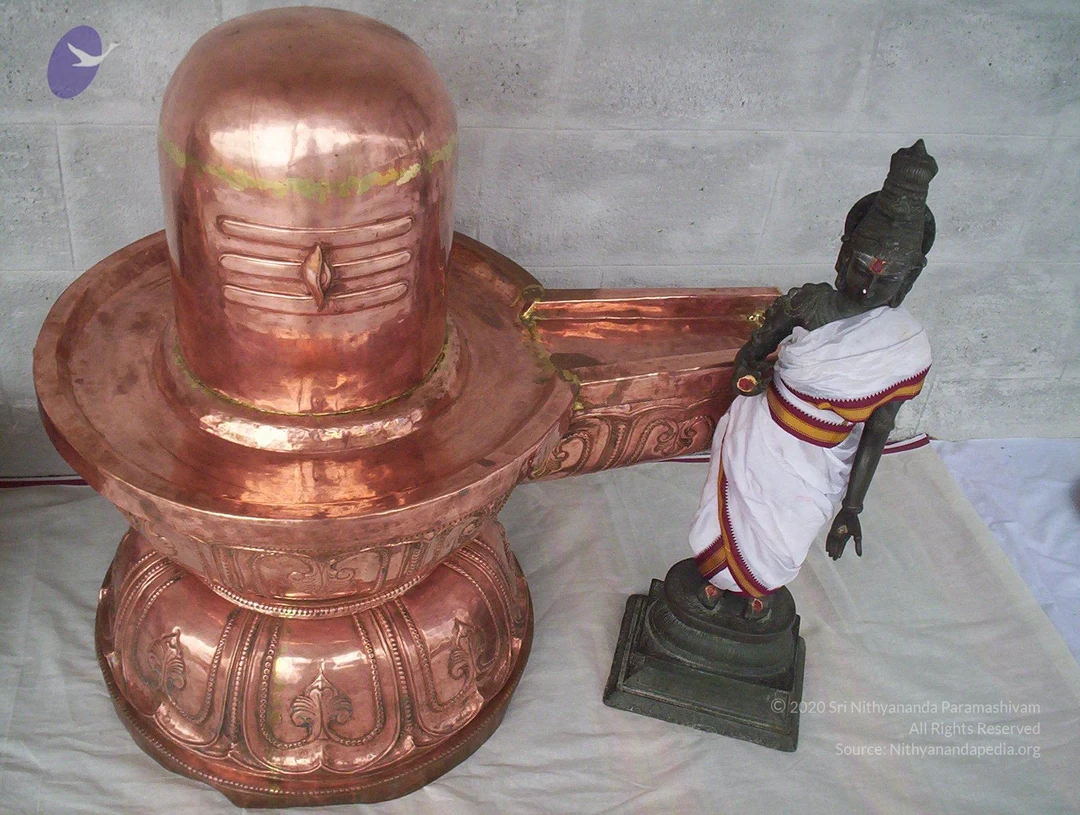
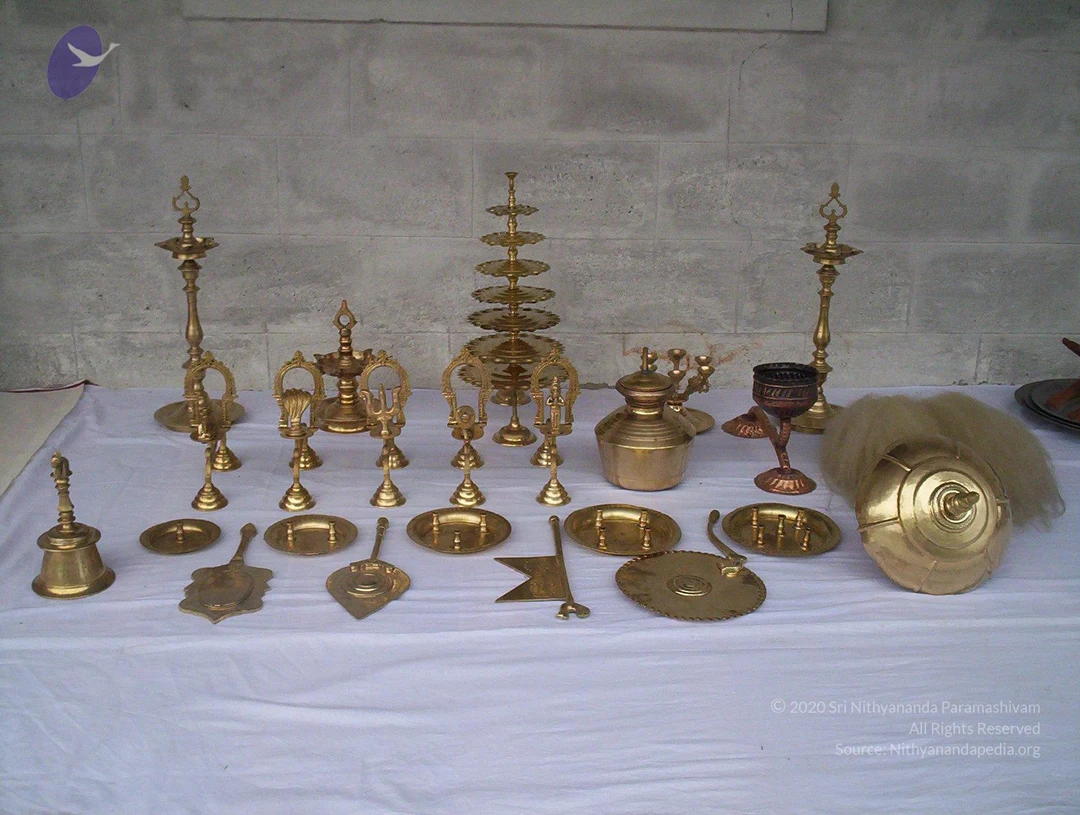
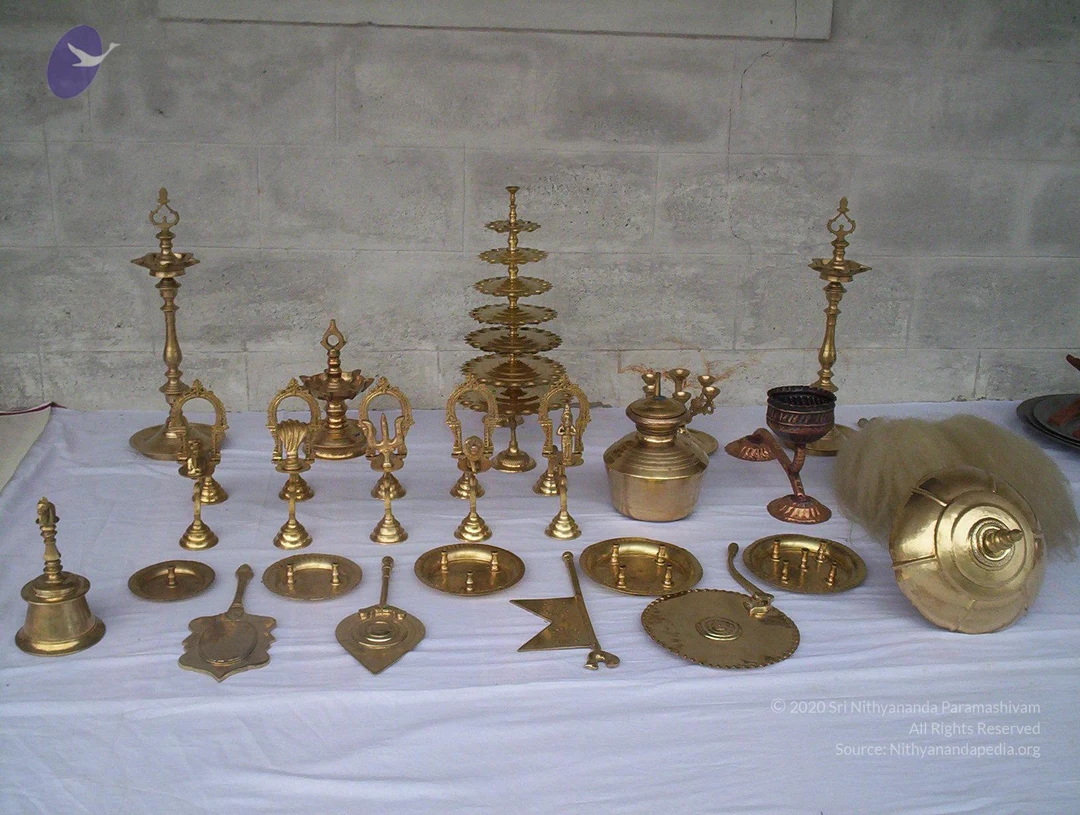
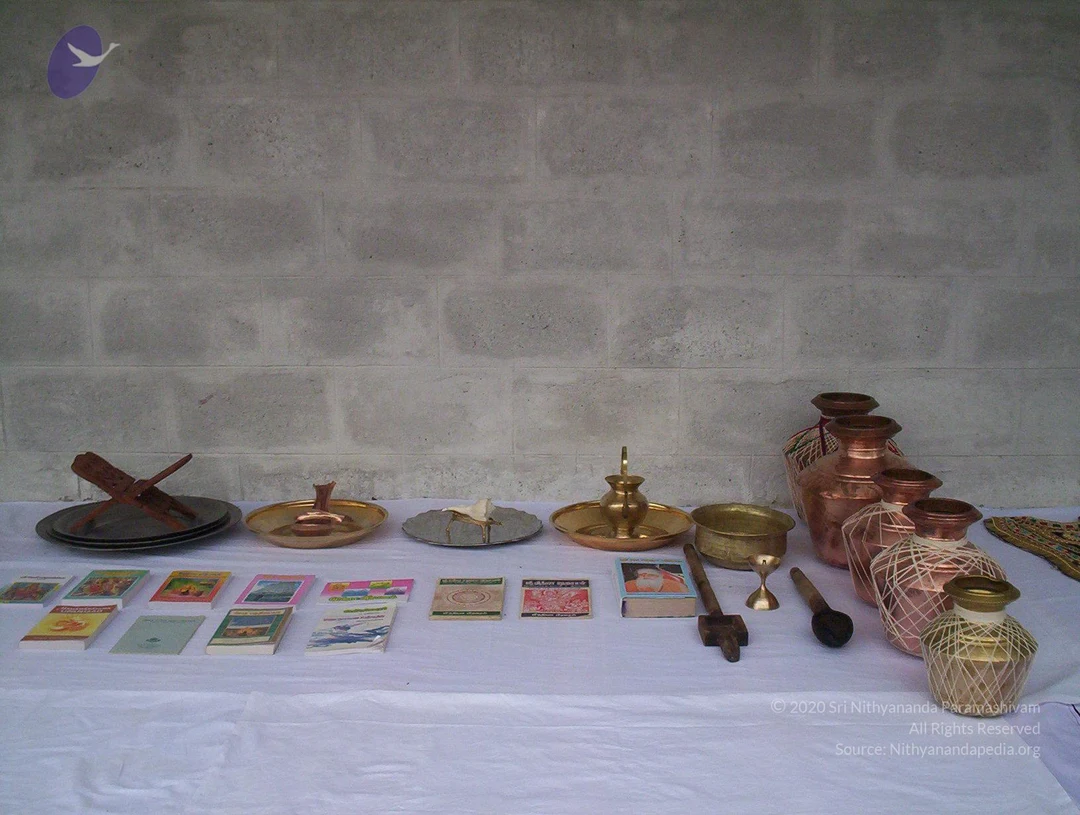
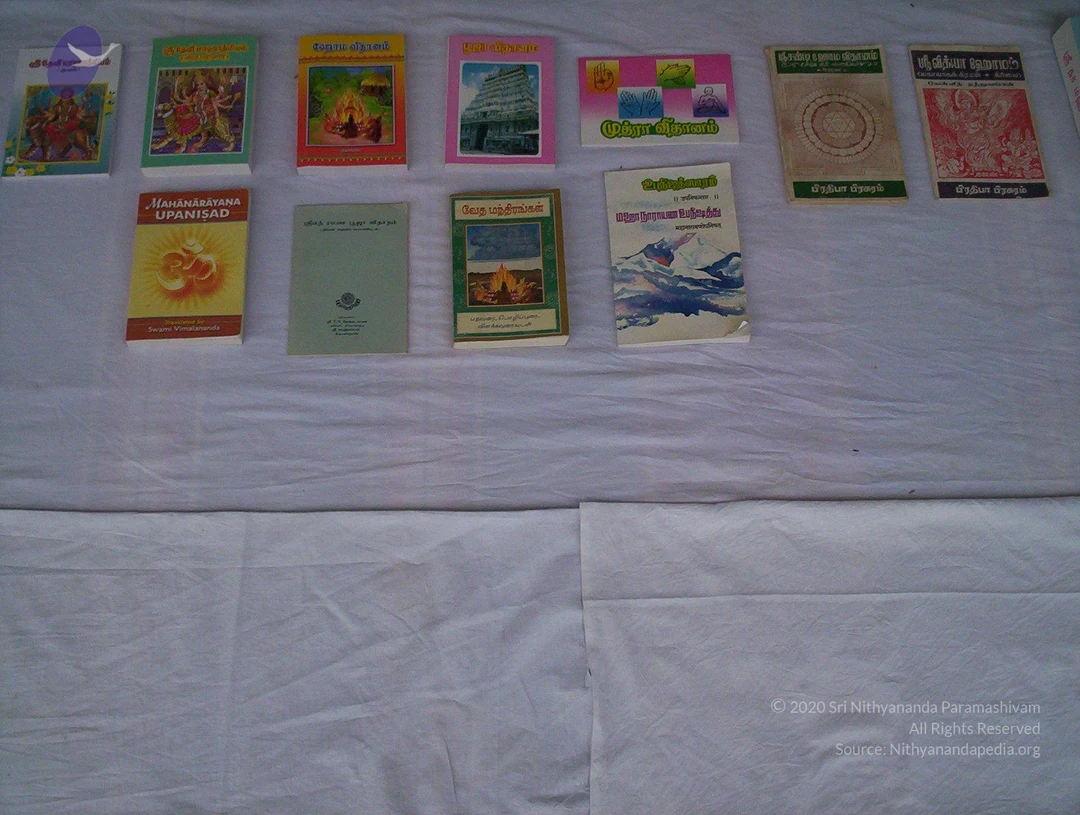
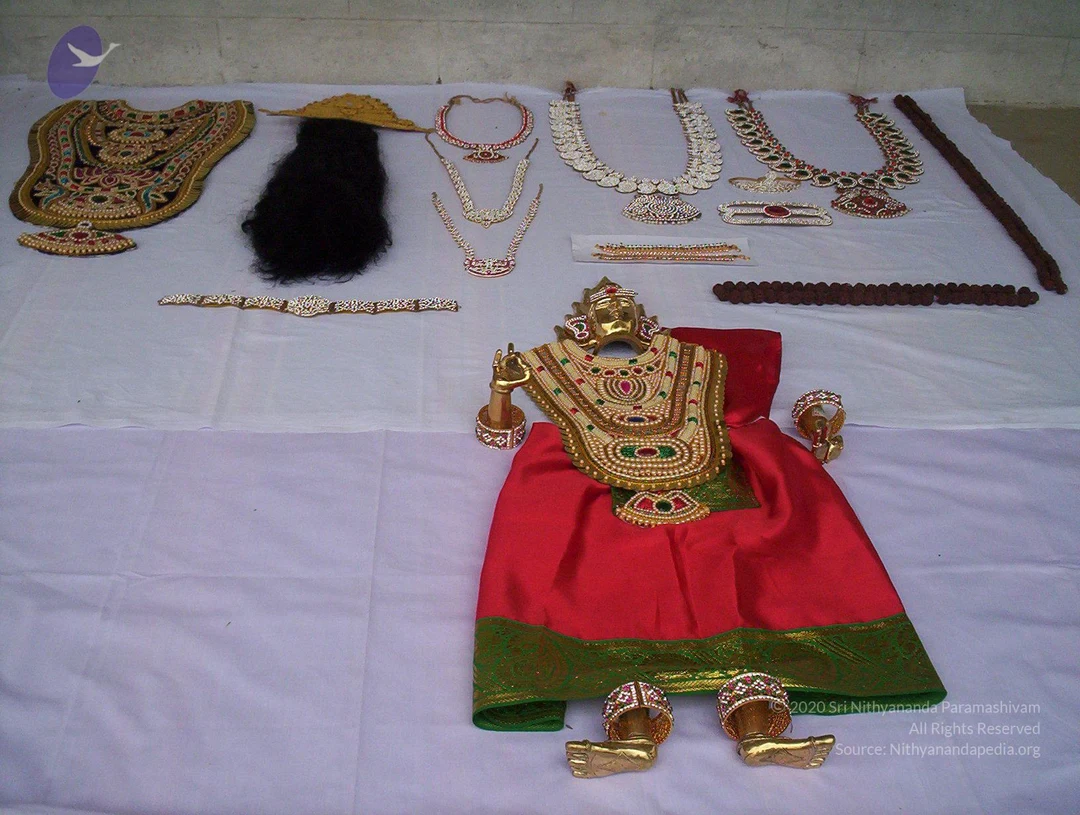
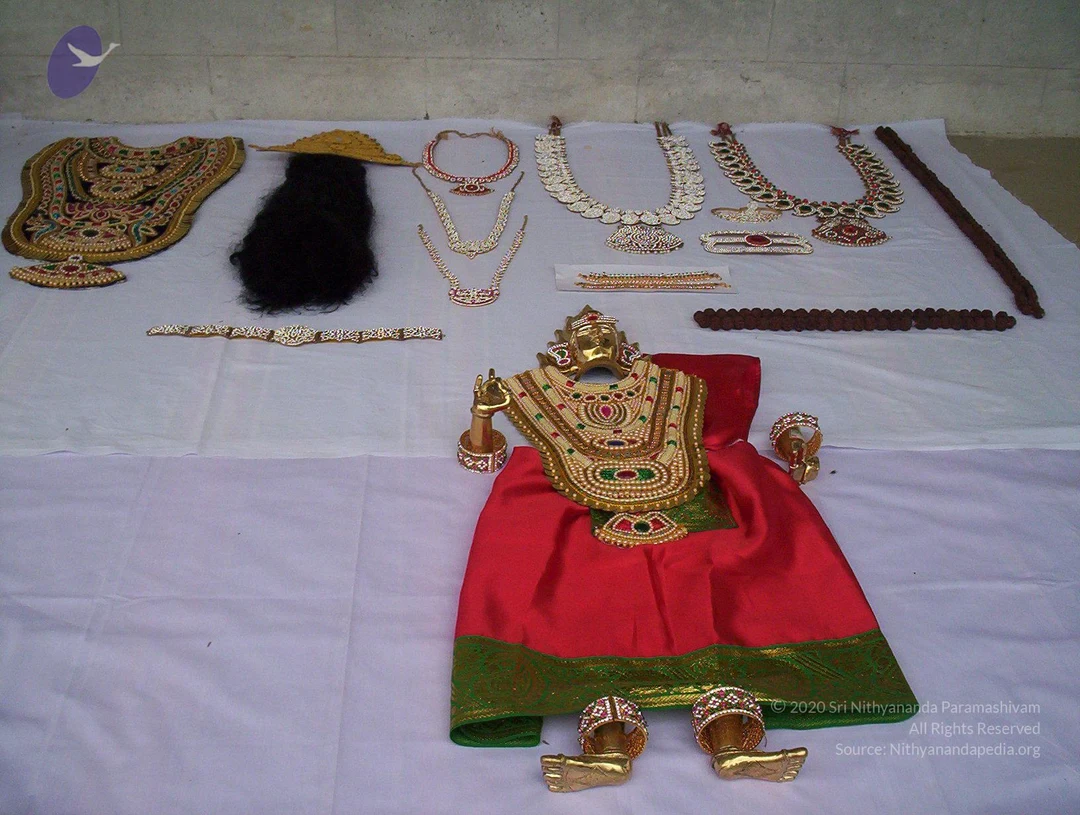
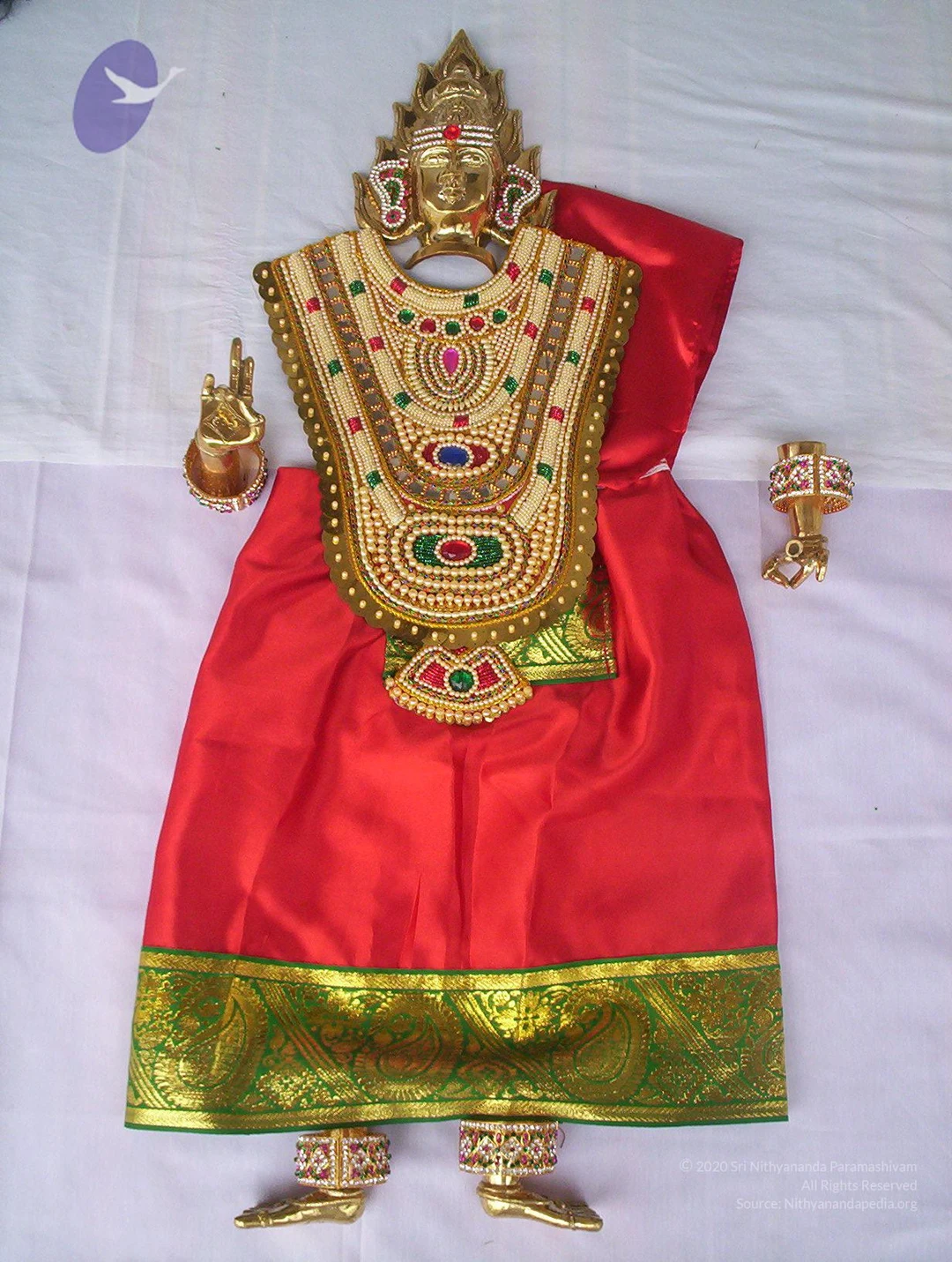
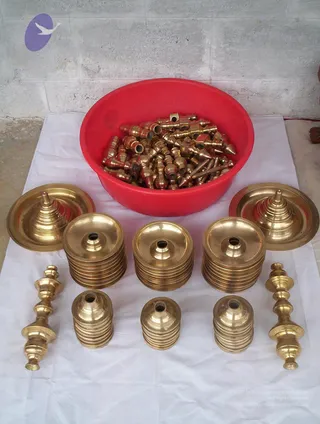
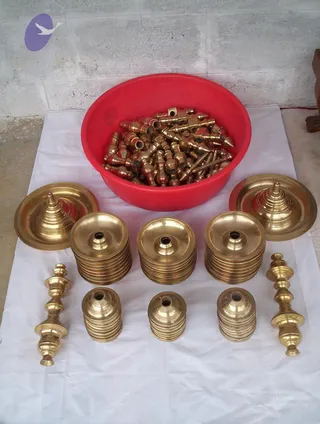
01-PUJA-MATERIALS
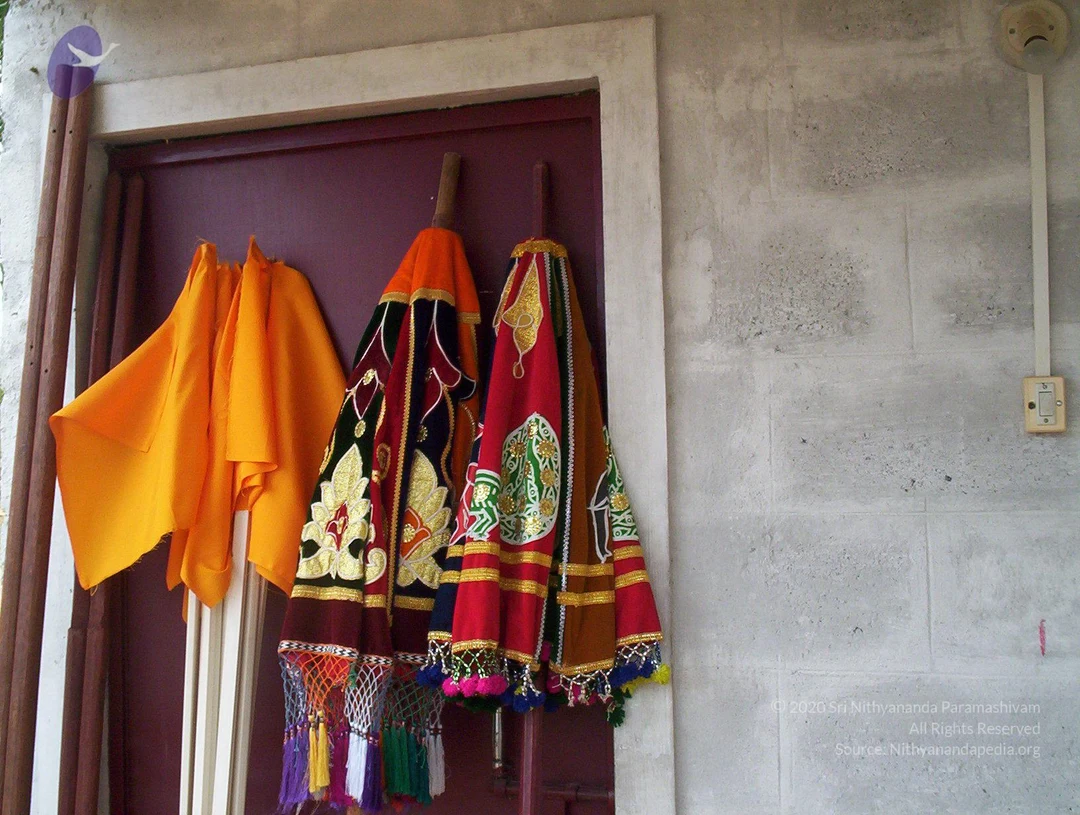
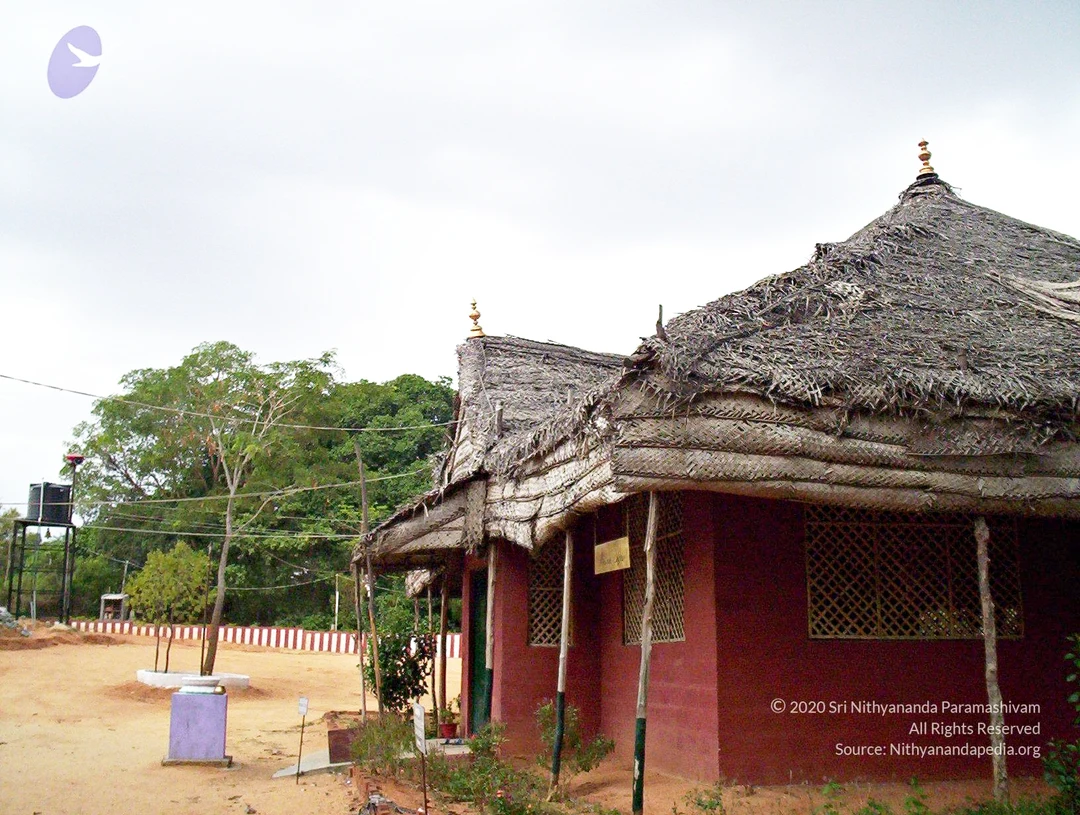
02-ADI-KAILASA
Photos from this day
View all 71 photosSacred Banyan tree and Arathi in Ananda Sabha at Bengaluru Aadheenam, Bidadi.
5 photosSource gallery
SPH giving a discourse at Oklahoma University Health Sciences Centre
17 photosSource gallery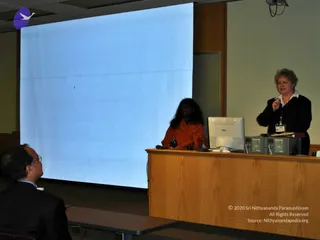
SPH giving a discourse at a Hindu Temple in Oklahoma City, OK
11 photosSource gallery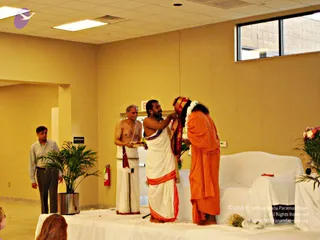
01-PUJA-MATERIALS
21 photosSource gallery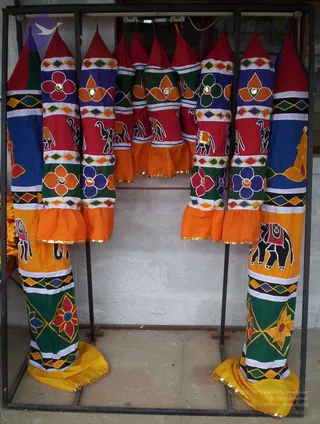
02-ADI-KAILASA
17 photosSource gallery