Tuesday
7 April 2015
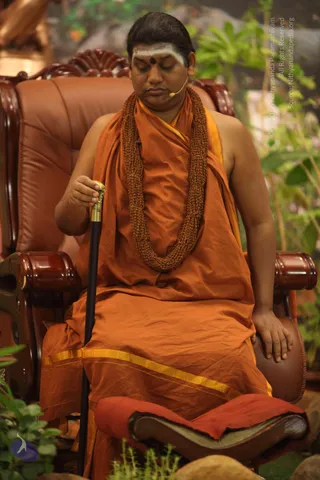
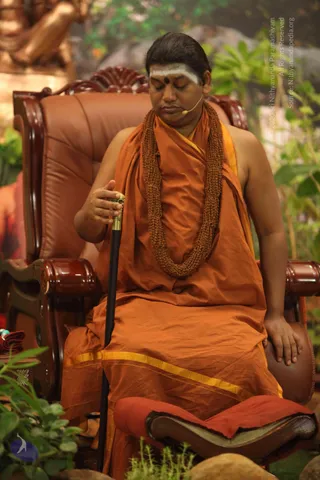
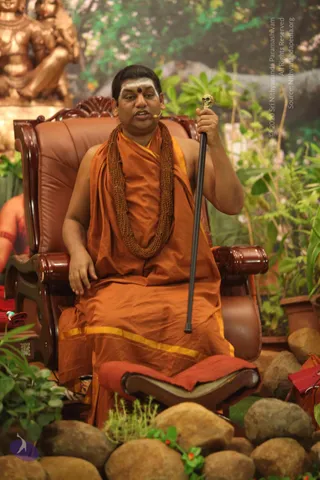
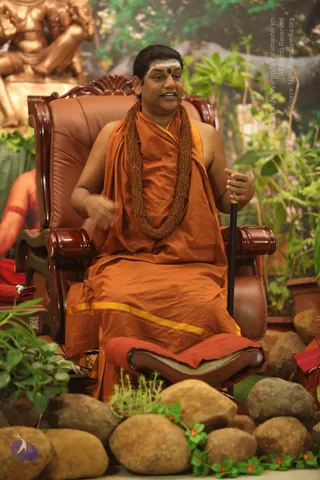
Define Yourself As Upanishad Declares| Nithyananda Satsang | 07 Apr 2015
- Dated photos
- 71
- Source pages
- 1
- Media
- 3
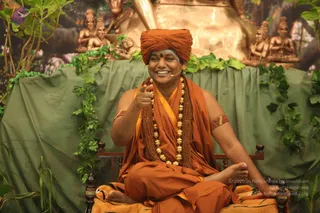
April 07 2015
Original wiki pageTitle
Define Yourself As Upanishad Declares| Nithyananda Satsang | 07 Apr 2015
Link to Video:
Transcript:
[00:22]
nithyānandeśvara samārambhām nithyānandeśvari madhyamām | asmat āchārya paryantām vande guru paramparām ||
[00:48]
I welcome all of you with My love and respects. I welcome all the devotees, disciples, samajis, satsangis, Sri Mahants, Mahants, Thanedars, Kotharis sitting with us through Nithyananda TV, Sadhana TV, ARRA TV and two-way video conferencing having Nayana Deeksha all over the world. Cities sitting with us in two-way video-conferencing having Nayana Deeksha all over the world: Hong Kong-Sirkali, Torrance, Trinidad, Indrani-New Jersey, Hyderabad-Gupta Kashi, Guadalupe, Hollywood Satsang Center, Warrington-UK, Vancouver, Singapore, Hosur, Oklahoma, Dubai, Rajapalayam, Bangalore North, Ohio-Prayag, Los Angeles, Kuala Lumpur-Palani, Chennai, Toronto, San Jose, Melbourne, Seattle, Saint Louis, Oman, Phoenix and some more cities. I welcome all of you with My love and respects.
[02:27]
I will continue on the 8th verse of Upanishads, the Īśāvāsya Upaniṣad. sa paryagāc-chukram akāyam avraṇam asnāviram śuddham apāpa-viddham | kavir manīṣī paribhūḥ svayambhūr yathātathyato-arthān vyadadhāc-chāśvatībhyaḥ samābhyaḥ || 8 ||
Pure Consciousness is all-pervasive like space beyond the coming and going, absolute radiant and effulgent, un-embodied boundary-less whole, beyond the subtle body, woundless, muscleless having no incompletion with the body, beyond the gross body. Consciousness is the ever pure space devoid of the dirt of ignorance beyond the causal body and is untouched by the delusion of incompletion. Consciousness is the all-knowing seer of all past, present and future. The lord of all minds. Consciousness transcends all beings. Consciousness is self-existent by itself with its independent will and intelligence, having no cause for its happening. It is Pure Consciousness, that from time eternal has enriched the ages and each being by ordaining desirable responsibilities onto them as per their nature and space and their actions and results thereof.
[05:18]
Now listen. I wanted every one of you to align your cognition about you, your concept about you to these definitions of Upanishad. Please understand, who is Hindu? I am defining as an Incarnation as per Hinduism, as an Incarnation as per Vedic tradition, I am defining who is Hindu: whoever is already cognized themself as per the Upanishad, this Isavasya Upanishad verse or working towards altering their cognition as Upanishad describes about them.
Please understand I am defining who is Hindu. Either you should have already cognized yourself as Upanishad declares you or you should be working to cognize yourself as Upanishad declares you; only then you are a Hindu. Whoever does this is a Hindu. Understand the religions which wanted number to be their priority which are used for political power or a power game on the society - they all give the right just by birth you belong to that religion. But the Vedic tradition, Hindu tradition, we never used our religion for political power. We will never use our religion for political power. This is the pure spiritual tradition.
[07:54]
I wanted to tell Hindus, never allow anybody to use our religion for political power. Let’s be very clear. This religion is a spiritual tradition, and it will continue to remain as a spiritual tradition, it will retain its purity. We never declare just by birth somebody is Hindu; only by practicing you become Hindu. Only by practicing you belong to Vedic tradition. This gives one more freedom: you don’t need to be born to be Hindu. Birth is not a prerequisite. Understand neither birth is a prerequisite nor just birth makes you a Hindu. Whoever cognizes themself as Consciousness as Upanishads declare in this verse, they are Hindus. Whoever is trying to cognize themself as Upanishads declare in this verse, they are Hindus.
[09:23]
Today’s subject for Vaakyartha Sadas is ‘how each one of us can raise our cognition about ourself as Hindu, by cognizing ourself as Consciousness as Upanishads describe, as Upanishads declare.’ The first word: Pure Consciousness is all-pervasive, beyond the coming and going. Come on, now whatever pattern you have which denies this belief that you are all-pervasive, beyond coming and going, pen down all those patterns, start digging out. Let’s start working on completion. Listen.
The second point, absolute radiant and self-effulgent, svayam prakaśa! And absolutely powerful! Absolutely alive and exciting. I am telling you, just before starting the satsang, when Nithyananda Times video was going on, I called Jnanatma and told, play the recorded satsang, I don’t think I will be able sit now, I just feel like resting the body into Samadhi, and actually I am working on a very important project of taking out all the initiations as described by Mahadeva without missing a single word, aligning them into our initiations, into our programs, and something more.
[12:01]
Little larger level project. Every word we are uttering in NDY, Nithya Dhyana Yoga, Nithya Kriya Yoga, Inner Awakening, every word taught to you in those programs, I wanted two things. One: it should be directly referred, quoted from the Upanishad and directly scientifically validated. These two qualifications has to be there for every word uttered in Inner Awakening program, or every word uttered in NDY program, every word uttered in NKY program. If an Acharya or Me if we make a statement, ‘You are Consciousness,’ I should validate that from Shastra and science. If I am uttering a word, "this meditation awakens your kundalini shakti, opens your root chakra,” this should be validated as per shastra and the science.
Of course, naturally I am designing everything as per My experience, it is already validated by My experience. But I am doing this project of validation by Shastra, validation by the ancient shastras and modern-day shastras, both. Eastern science and western science, both. So, I am preparing the body with deep samadhi so that all these informations can be downloaded and aligned. So, just before satsang I told Jnanatma, I don’t think I will be able to sit for the whole satsang, body feels like resting into Samadhi, please play the recorded discourse. But the moment I saw the Upanishad word ‘Absolute Radiant,’ I said, ‘Come on. I am doing the satsang. You don’t need to play.’
[14:25]
No, I wanted to convey even just remembering ‘Absolute Radiant’, you are there, radiating. Please understand, ‘Radiant’ is not just you radiating inside samadhi, constantly making the people that you are radiating. Please understand even if I am resting in samadhi, I will be radiating but that is not Radiant. Radiant means people should experience you are radiant. An Enlightened Being can afford to be radiating in samadhi in a cave all by himself; an Incarnation can’t afford that. For an Incarnation people should experience you are radiating because that is the purpose I assumed this body; not for me to just reside in samadhi. For that, I don’t even need to assume the body, I can just be there in the Kailasa, in the space of Radiating Super Consciousness. But I assumed the body for people to experience that Consciousness is Radiant, Absolute Radiant. The moment I read that word ‘Absolute Radiant’ I said come on, I can’t afford to be radiating within Me. I should see to it people experience that Consciousness is radiant.
[16:30]
So now sit. The second statement, Absolute Radiant and Self-effulgent. So, this is what is supposed to be your cognition about you. Whatever is denying this cognition, what all the other cognitions you are carrying other than this, what all cognitions are denying you being absolute Radiant and Self-effulgent, pen down them, let’s find the root of those patterns. Don’t worry, ‘oh if I make the list of all the descriptions as per Upanishad, I may have 25,000 patterns, I can publish a book on it.” No. Don’t worry, it is not true. The cotton bags may look ten thousand but you don’t have to burn one by one, each one of them. No. Just put one matchstick, the whole thing will be burnt! Just because – “Oh, ten thousand cotton gunny bags are there. How will I able to burn them, one by one? Even if I use my hand and throw, how will I throw each gunny bag, I have to throw hundred time. And ten thousand gunny bags are there. How will I throw? When will I burn?” Just put one match stick, burning match stick, over!
Same way, sit and pen down, after penning down 10-20 patterns, suddenly you will realize it all boils down to one pattern, and suddenly you will realize that pattern also boils down to one ignorance. Suddenly you will realize – that one ignorance need to be completed only with one concept. Then suddenly you will realize that concept also does not have so much power over you, you are already powerful; and suddenly you will realize not only you are enlightened now, you were enlightened forever. I tell you, it is just digging that makes things happen. Manana makes Enlightenment happen. Just internalizing makes Enlightenment happen. Manana makes Enlightenment happen! Listen. It is manana that makes Enlightenment happen.
[19:50]
Next few days, I wanted every one of you to do this homework. This will be the subject of the vakyartha sadas. Topic by topic you will pick up: ‘Pure Consciousness is all-pervasive, beyond the coming and going.’ So, this should be my cognition, what else do I have as my experience about me; other than this what is the cognition I am carrying about me? Where am I denying my existence as Upanishads declares me? Please understand beyond coming and going means birthless, deathless; birthless, deathless. You don’t come to some place and go away from that place. So, what is it, which is constantly making you believe you come and go? What is the pattern you need to complete to realize that you are beyond coming and going? Sit and list those patterns.
I wanted the Vakyartha Sadas to be happening today on this subject. Each one should dig out the pattern you are having which makes you believe other than what Upanishads declare you as you. Upanishads are saying you are all-pervasive, you are Pure Consciousness, you are beyond coming and going, you neither come nor go. You are beyond that. ‘Then what is that makes me believe I come, I go?’ Pen down those patterns. Discuss about those patterns.
[22:08]
And tomorrow, you can take up the next definition: Absolute Radiant and Self-effulgent. I am Absolute Radiant and Self-effulgent, means svayam prakaśa, self-shining – nothing else need to glorify me or give me joy, give me bliss, give me excitement. If I am having an idea something else can give me pleasure, something else can make me self-effulgent, exciting – that is wrong pattern. ‘What is it that gives me that wrong belief? I am self-excited, self-inspired, self-energetic, self-radiant, self-bliss, self-joy being. If I have some other concept, cognition, what is it?’ Dig out and pen down.
Let’s work on this Upanishad, Isavasya Upanishad’s 8th verse one by one. You will see suddenly in three-four days, as I described, beautifully you will understand millions of incompletions merging into one or two patterns. The one or two patterns merging into one or two ignorance, that one ignorance merging into one powerlessness. One powerlessness suddenly disappearing into powerfulness! So, internalizing itself leading you to liberation.
[24:10]
I tell you, any intelligent man will understand: many time even if you internalize and intranalyze your problem, you will find a solution. And then you will have only one fear: will I remember this solution forever or will I forget this again and be in the same ditch? Don’t worry. How many times you fall into the ditch, more number of times I will raise you out of the ditch. It’s a challenge between you and Me. You go on declaring, ‘No. I will fall.’ I will go on declaring, ‘I will get you out!’ Don’t worry about that. And one more thing, after some time you will be tired of falling; I will not be tired of raising, understand. 🙂 You will be tired of falling, but I will not be tired of raising. So that is the hope and assurance you have. Don’t worry about, “Oh I may fall down again.” No. You have somebody tirelessly raising you up. So, you don’t need to worry. And any number of times you may fall, at one time you have to become tired of falling; but you have a person who raises you, who can never become tired of raising. So, you have that assurance, don’t worry.
[25:50]
You can see in your life, many time when you intranalyze, suddenly the problem disappears and you have a solution. That same technology, now I am using it to help you to realize even the ultimate problem can be solved, ultimate truth can be realized.
I don’t want to go to the next lines, next verses. The next verses are – unembodied, boundaryless, whole, woundless, muscleless, no incompletion. We will go into all this after you finish the basic homework of these first two definitions. Because I wanted the Upanishads to become a realization.
And I also wanted to tell you all, I will speak on Kathopanishad, but I don’t think I will be able to complete Kathopanishad within that 21 days of Varanasi Inner Awakening. I will start on Kathopanishad, because Kathopanishad has too many slokas. In that 21 days I may introduce Kathopanishad. I am not a expert like people who speak on full Upanishad in two-three days and people who speak on Bhagavad Gita three-four days. I am not that expert. I am a village boy, I will have to take you step by step.
[27:27]
And I am very sure and I am very clear I wanted to speak on Upanishads to make this as your experience, not just to prove I also can speak on Upanishads. Please understand, I picked up Upanishads to speak on it to make it as your experience; not to prove I can also speak on Upanishads. Let Me be very clear. So, I wanted every one of you to do this as a homework for next few days.
I bless you all. Let you all radiate with integrity, authenticity, responsibility, enriching, causing Living Advaita, the Eternal Bliss, Nithyananda. Thank you. Be Blissful!
[28:29]
Title:
THE SUPREME PONTIFF OF HINDUISM HDH BHAGAVAN NITHYANANDA PARAMASHIVAM
Description
Nithyananda Times - 07th April, 2015
Link to video:
| Video | Audio |
Photos From The Day:
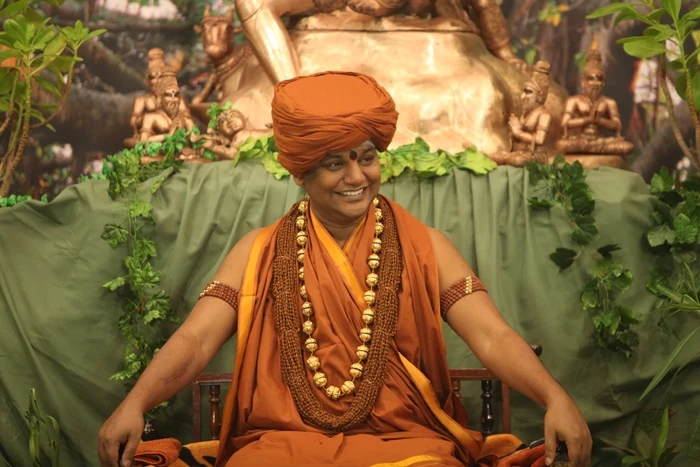
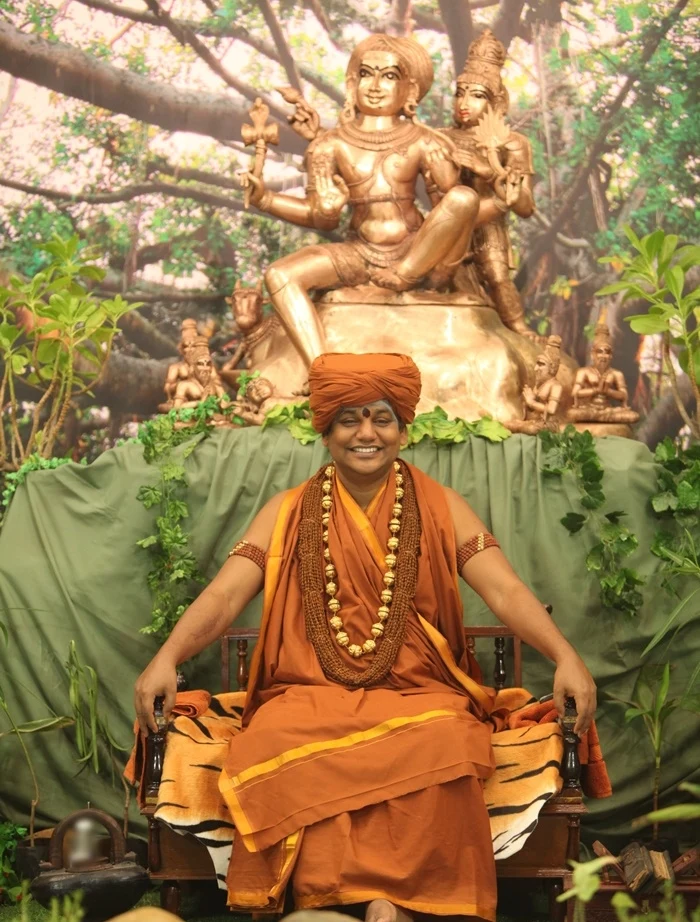
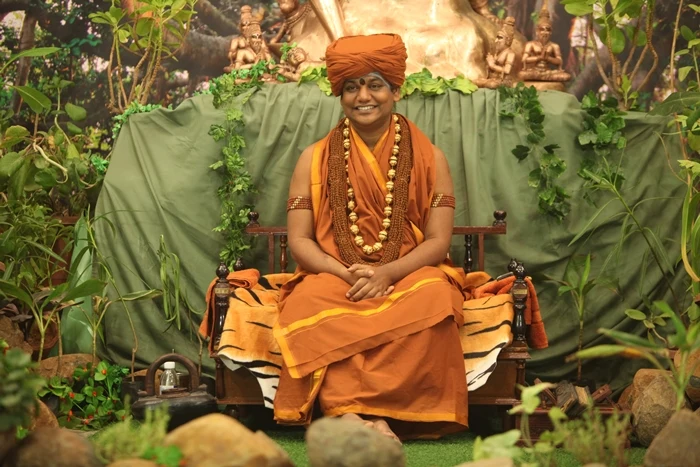
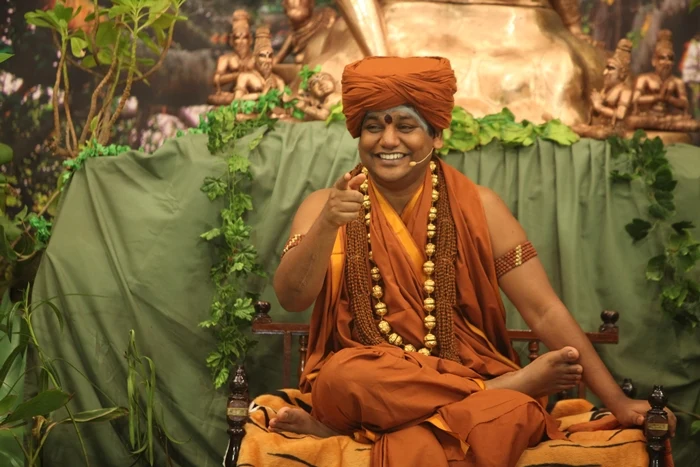
Nithya Satsang
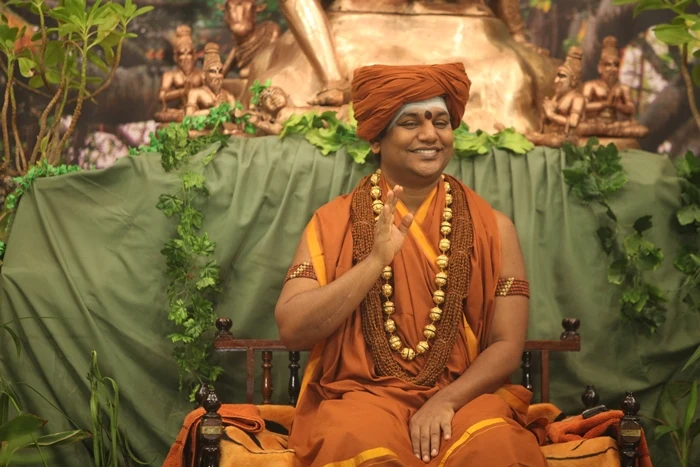
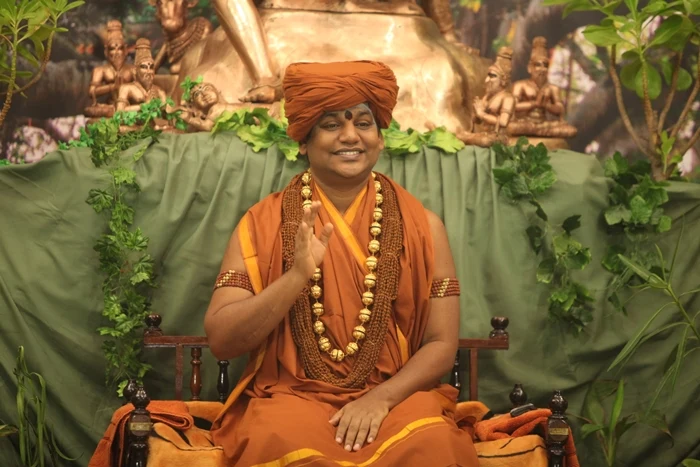
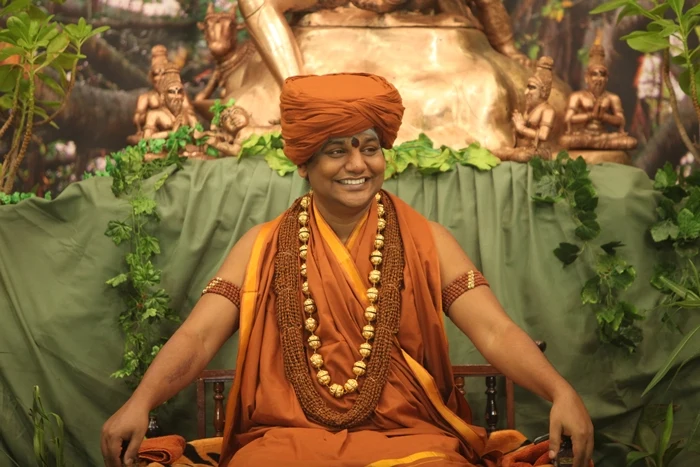
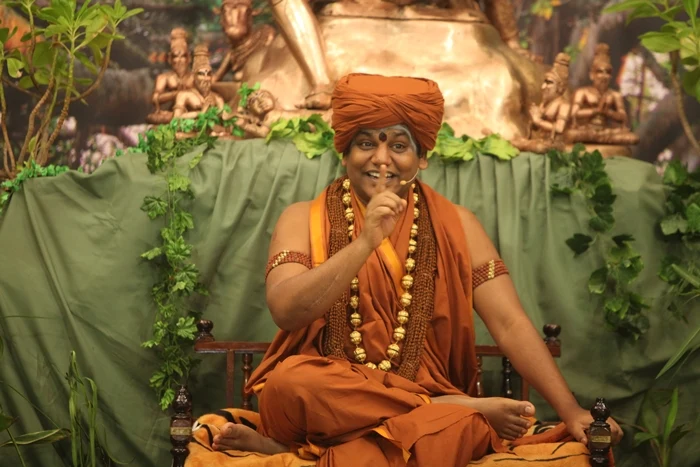
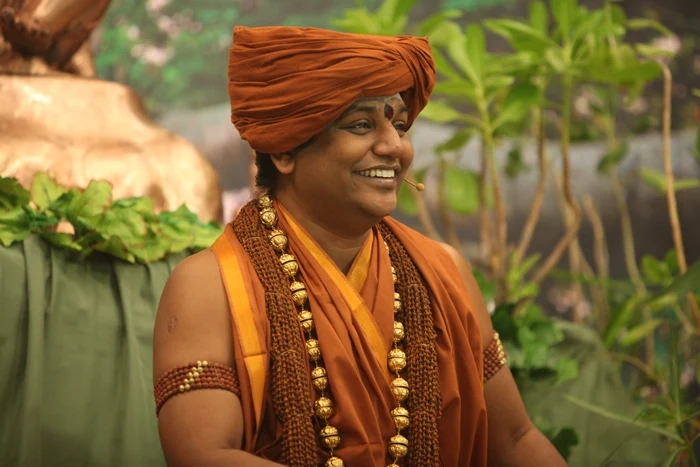
RESEARCHES
title
Scientific Research Summary Conducted On The Students Of The Nithyananda Gurukul
abstract
What is Nithyananda Gurukul ?
"Gurukul is a place where the celebration begins with right words in the blossoming minds creating a gateway of possibilities. Creating an enlightened civilization with yogic body and vedic mind.” ~ Paramahamsa Nithyananda
The NithyanandaGurukul is a mystical Vedic school established by HDH Bhagavan Sri Nithyananda Paramshivam. Here students live their highest potential and manifest various spiritual powers.
Design
The study was conducted on the students of the Nithyananda gurukul in comparison with the regular schools by Debbie Chance PhD in Education School Administrator, Winston-Salem Forsyth County Schools North Carolina, USA
analysis and results
• Whole brain learning, stress-free, zero teen violence or aggression.
• 50% children are at 1 to 3 years ahead of their grades, giving their Class X Board Exams before 15 years.
• 35% children have IQ scores above 130 – ‘gifted’ category as per SLOSSON IQ score.
• Quantum memory activation is rapidly moving towards recalling verbatim after a single hearing (called ekashantagrahi in the vedic age)
• Awakening yogic powers such as communing with and commanding Nature to cause rain and rose plants to drop their thorns.
• 100% children initiated into Third Eye AwakeningSM, showing high intelligence, blindfolded reading, X-ray vision, clairvoyance and more.
• 30% children spontaneously play musical instruments without formal lessons.
• 100% children produce creative temple arts like deity making, alankar (deity decoration), planning and building children’s temples, making deity jewelry and art.
• 100% children organize and conduct their own temple rituals around the year.
• Established schools in Bidadi, Tiruvannamalai and Chennai teaching 250 children.
• 1000s of children taught through Nithyananda Bala Vidyalayas (weekend gurukul education) worldwide.
• India’s first-ever television show with daily spiritual debates and life solutions presented entirely by children!
Photos Of The Day:
FB-Photos-of-the-Day
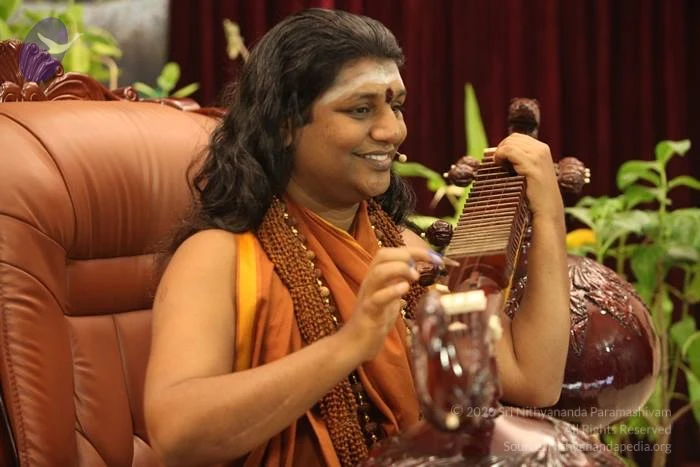
Photos Of The Day:
Satsang-Bidadi
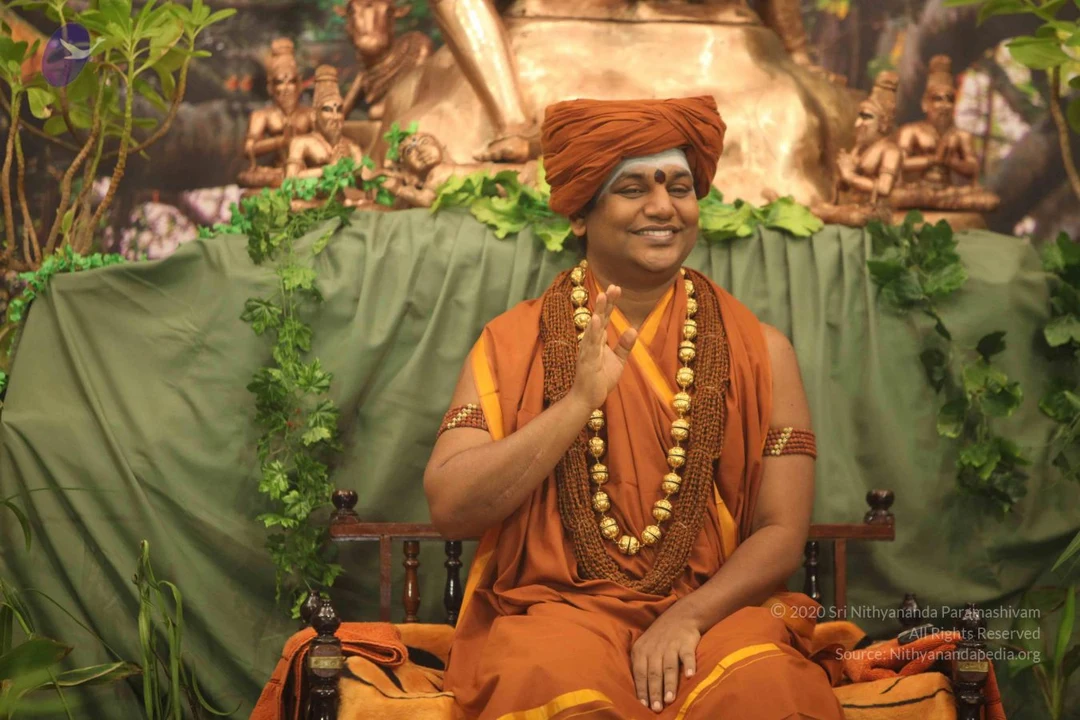
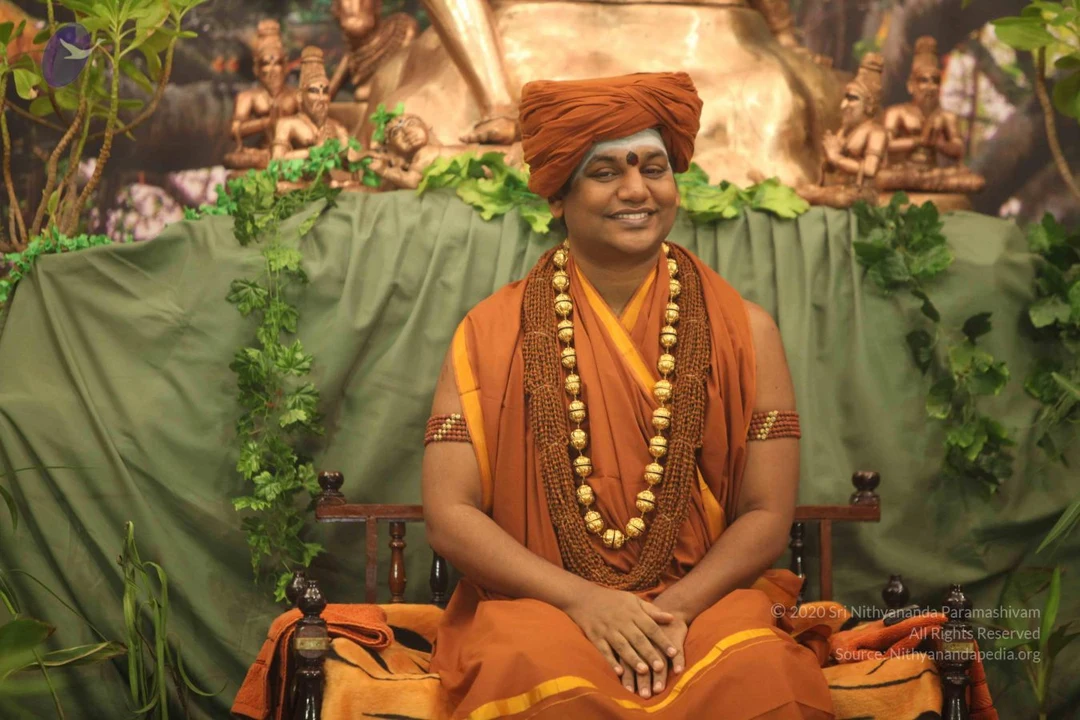
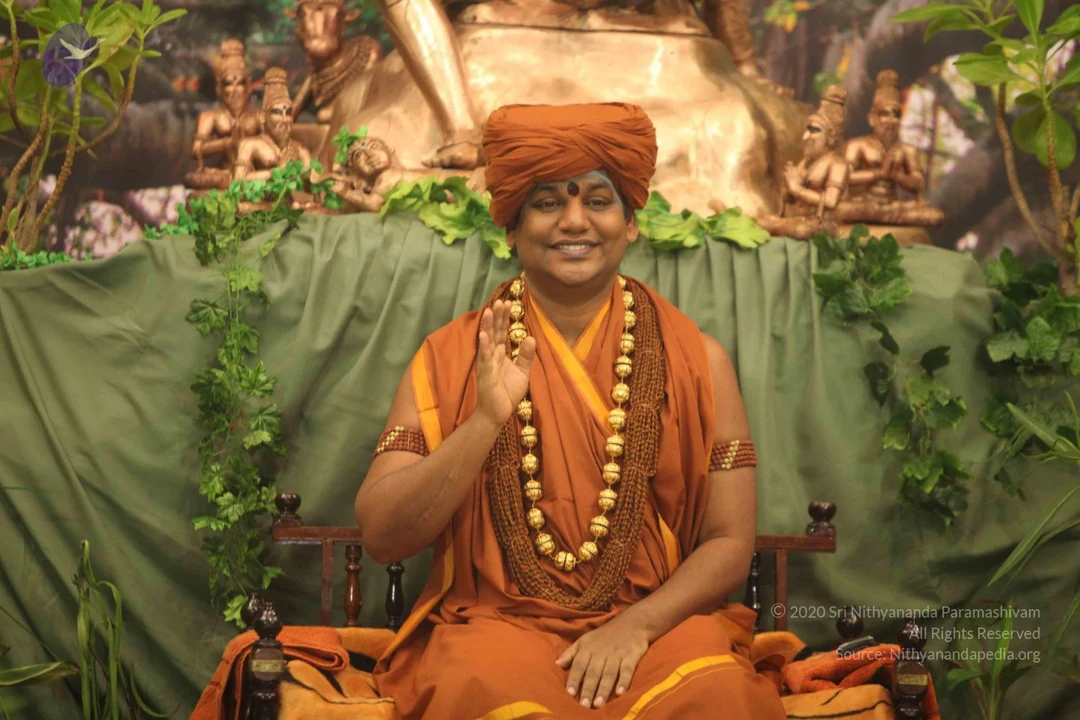
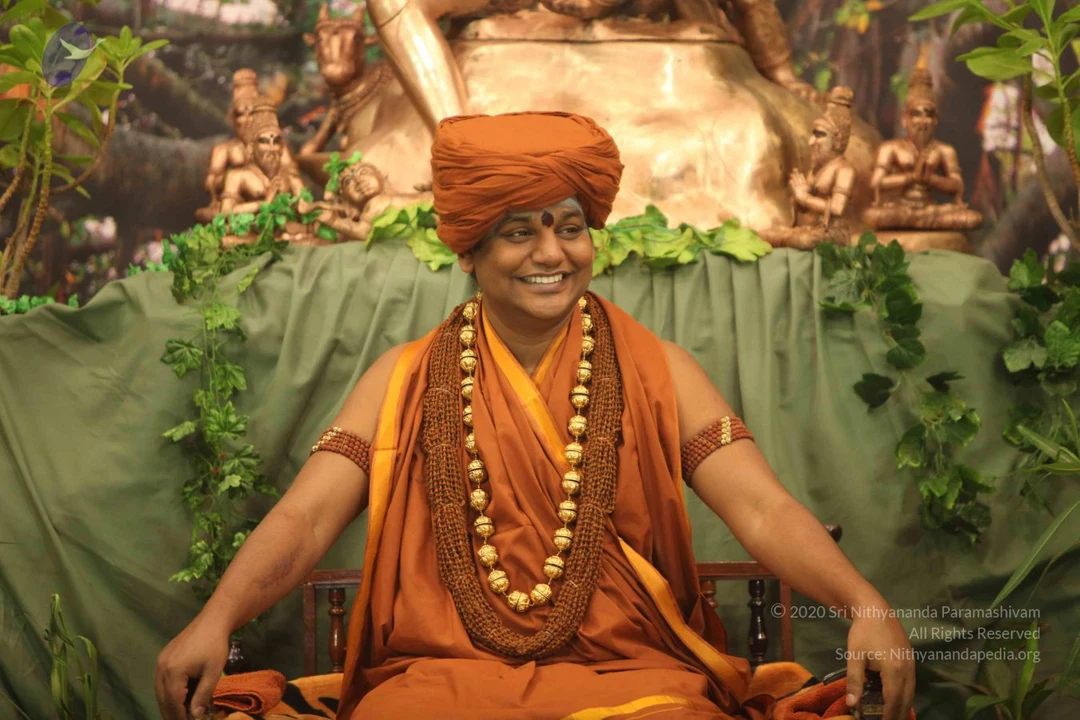
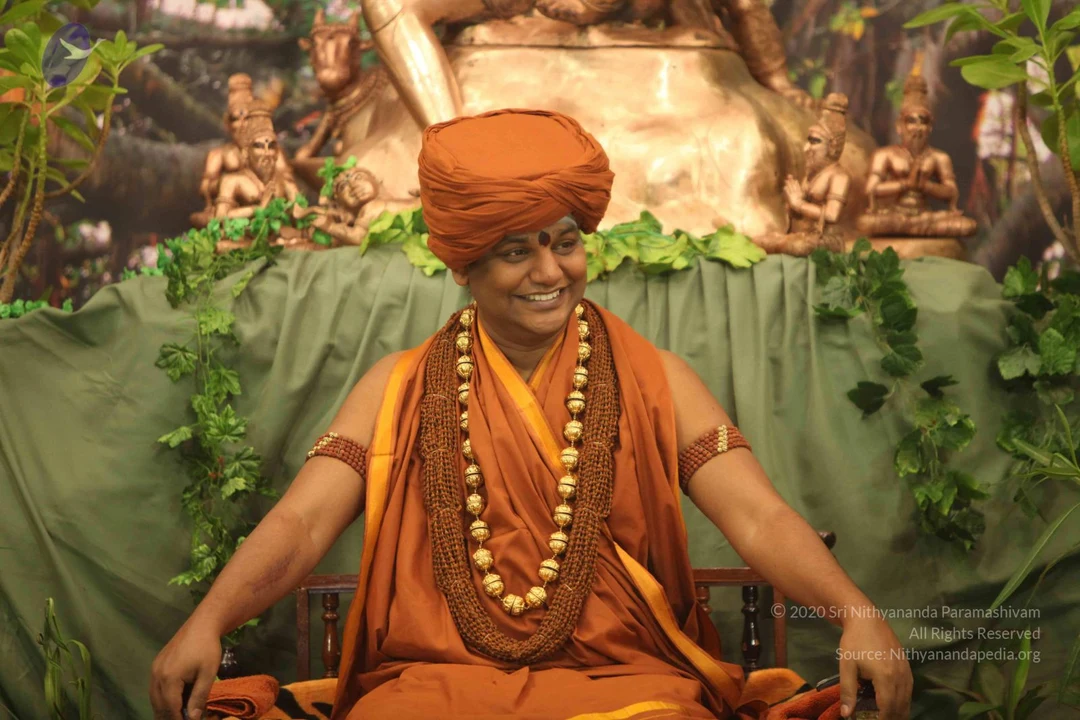
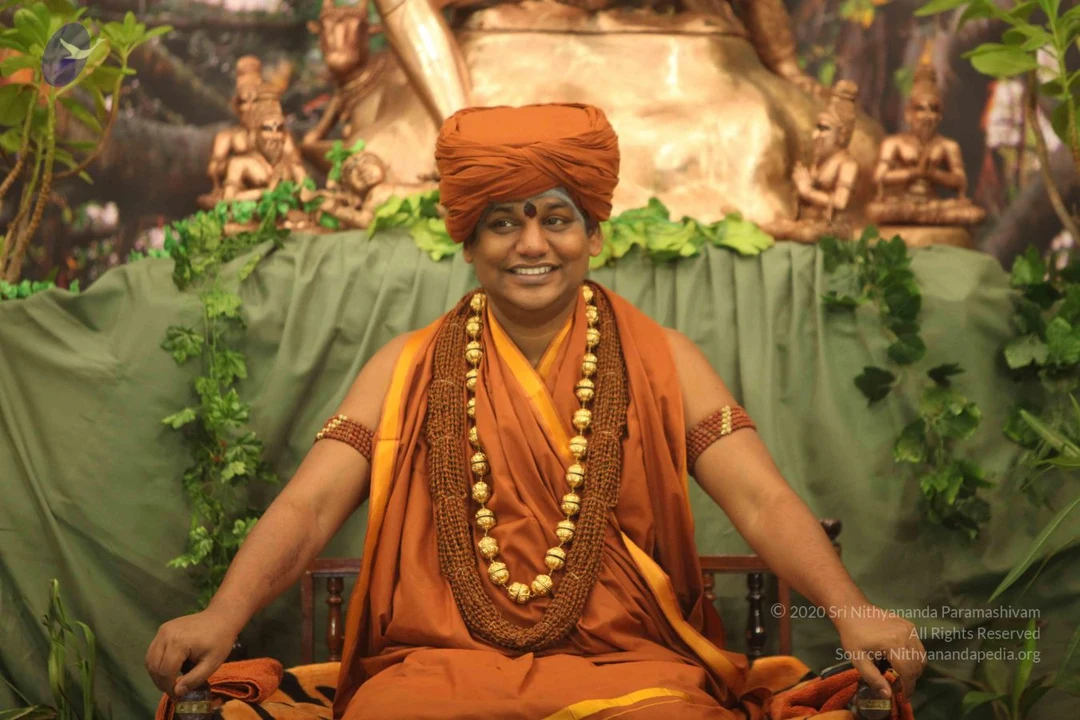
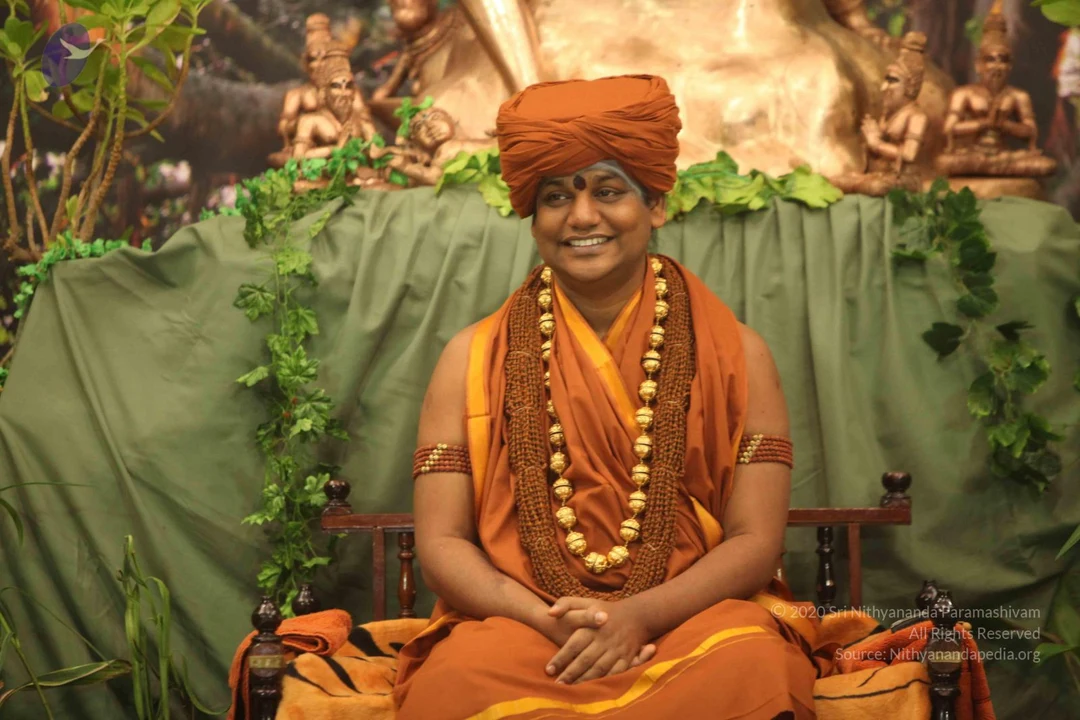
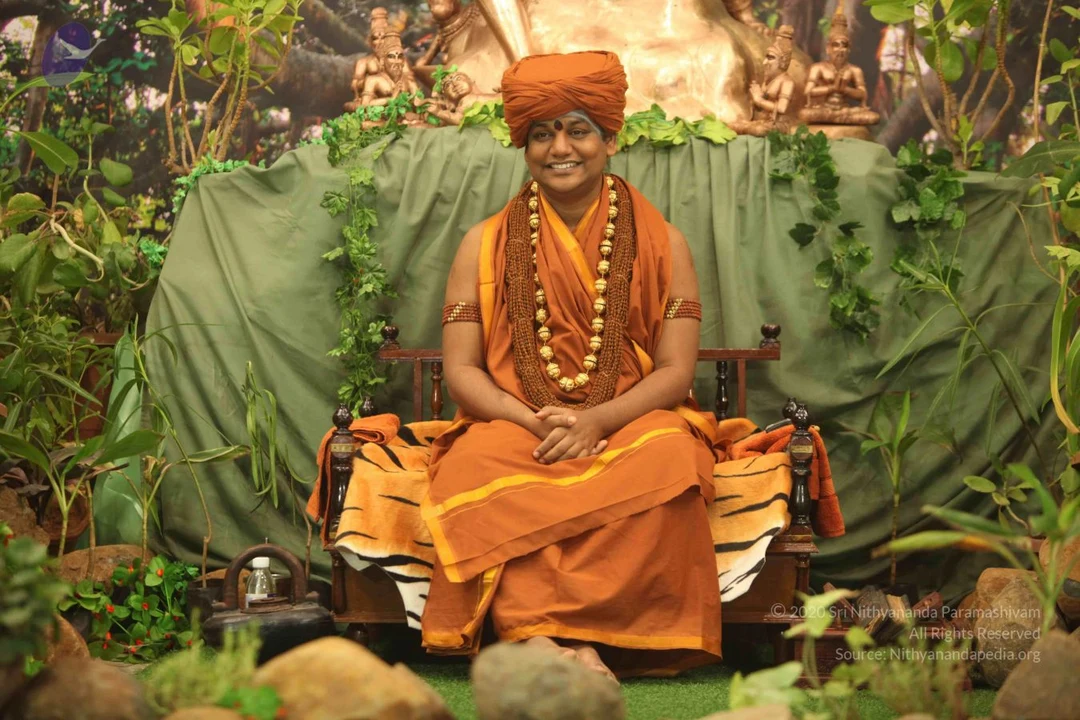
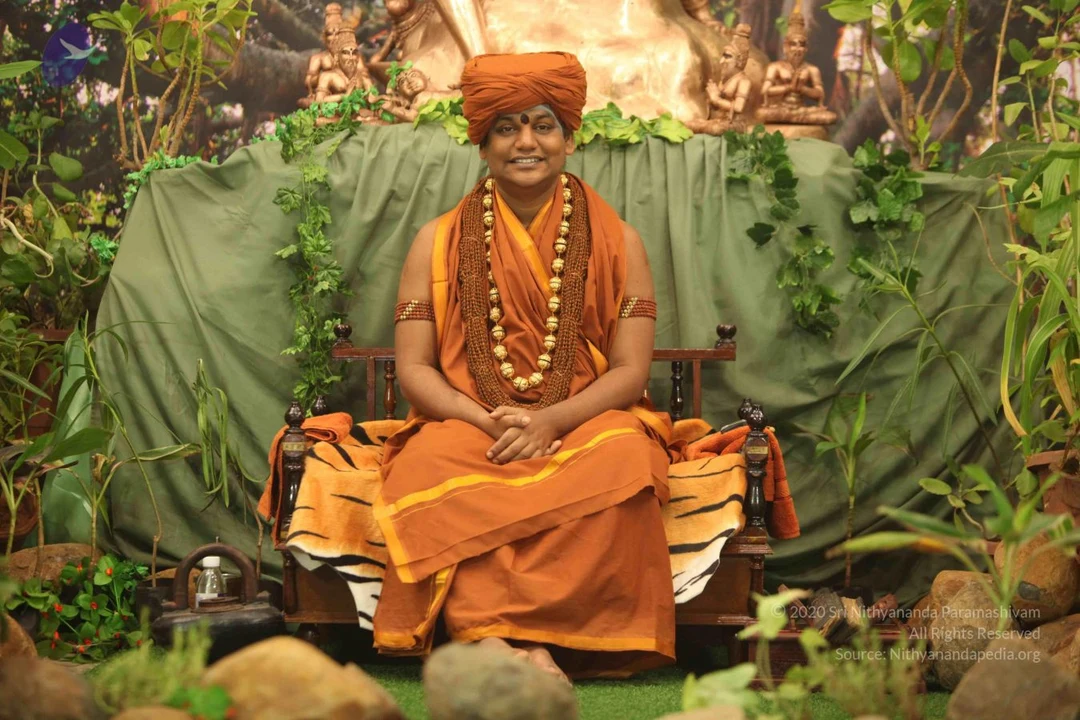
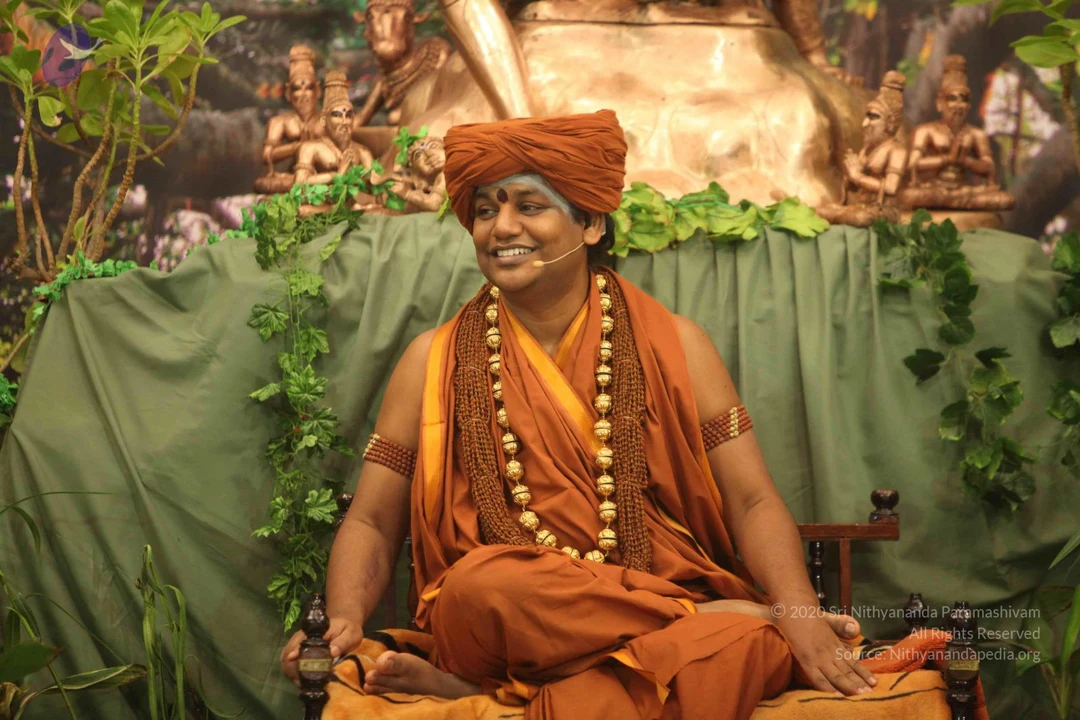

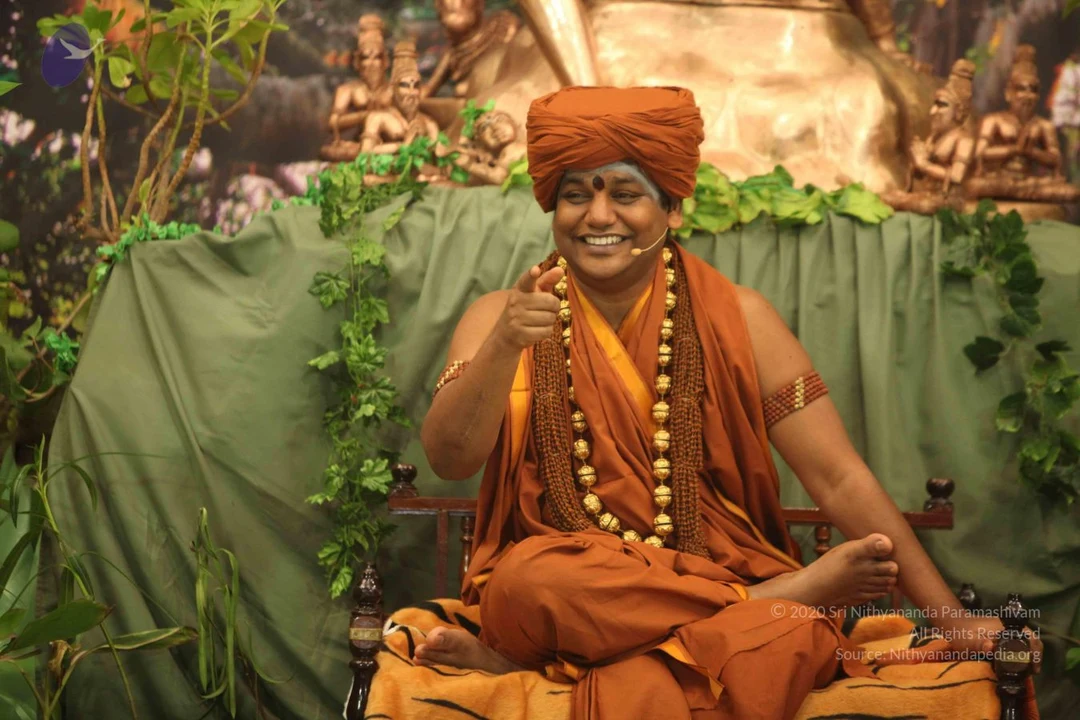
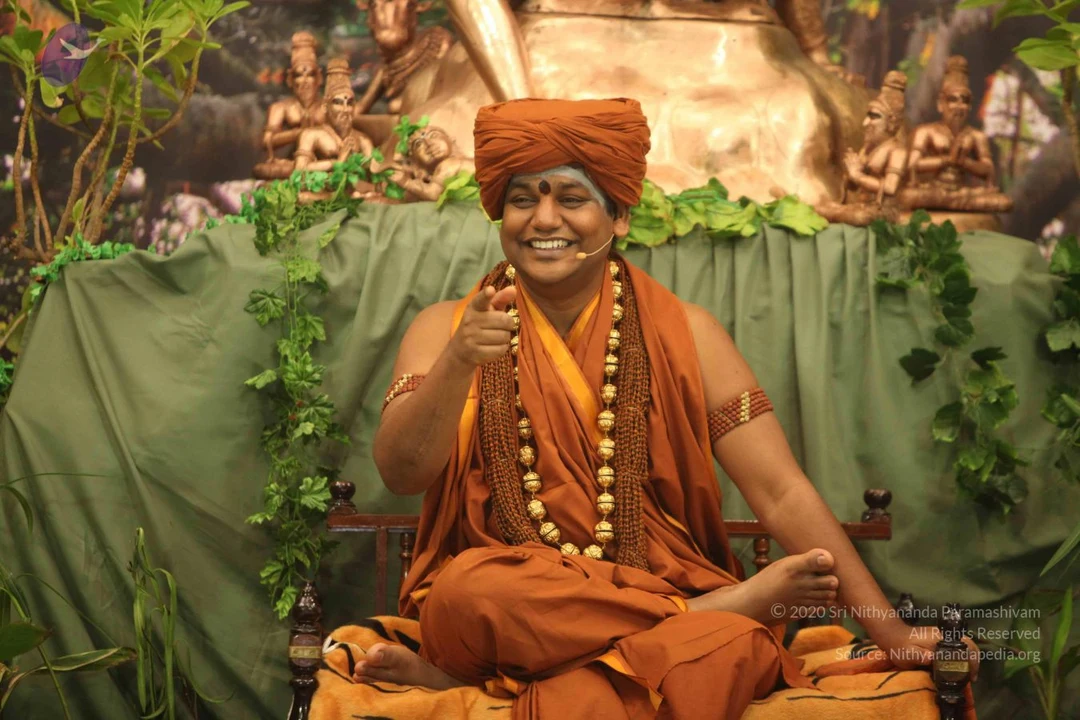
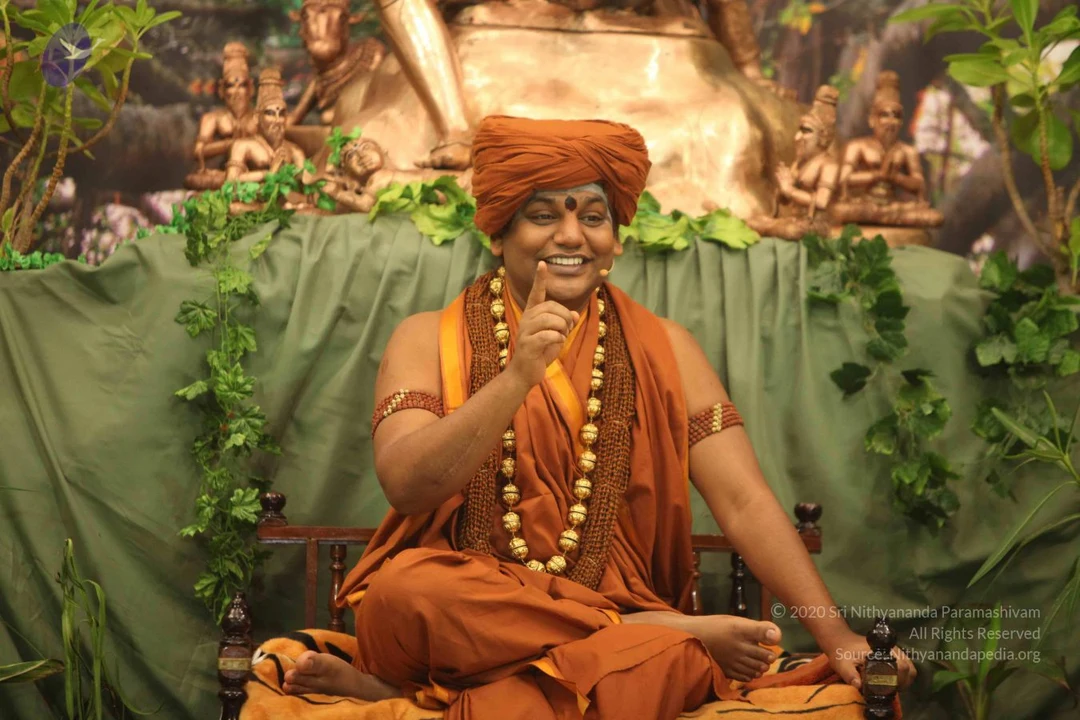
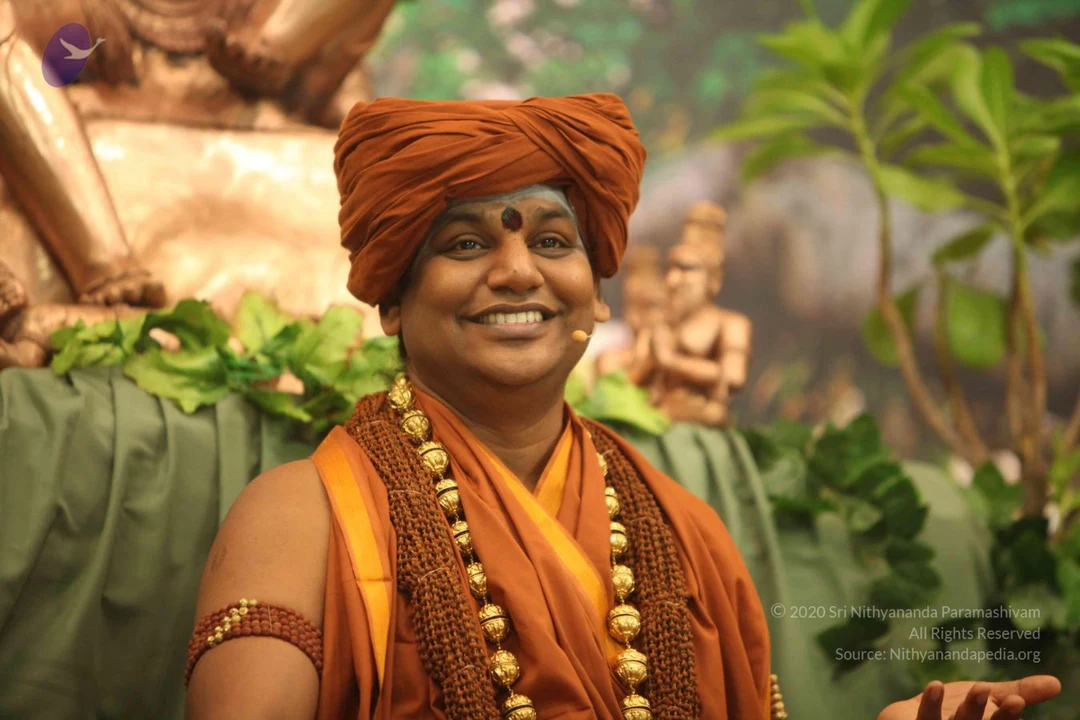
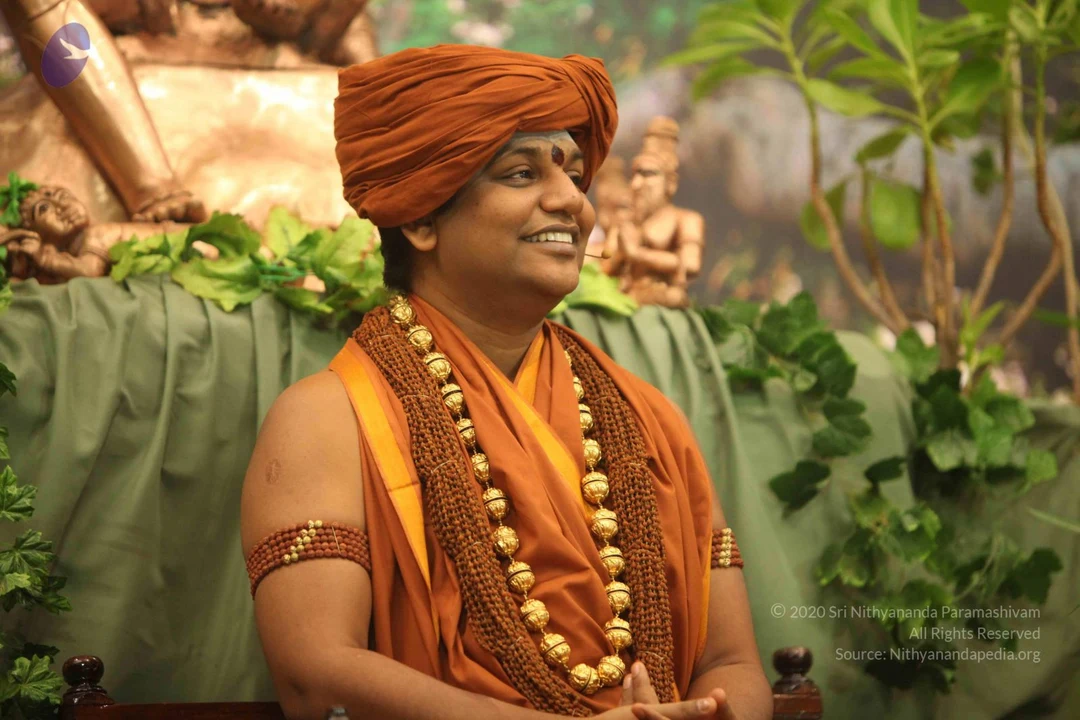
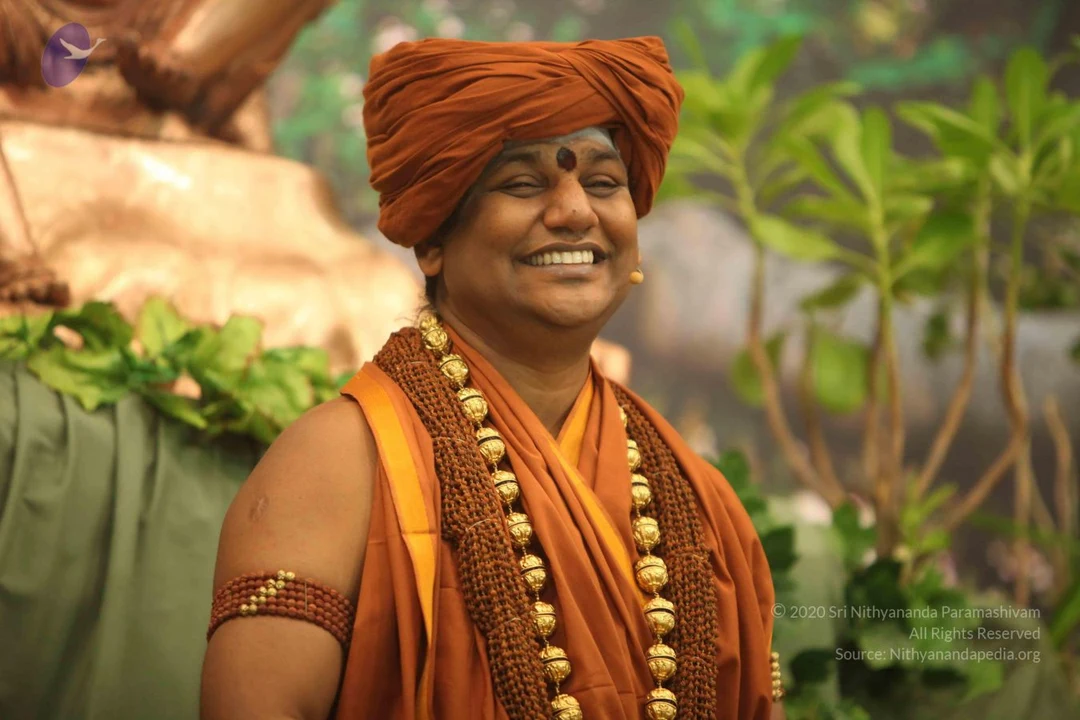
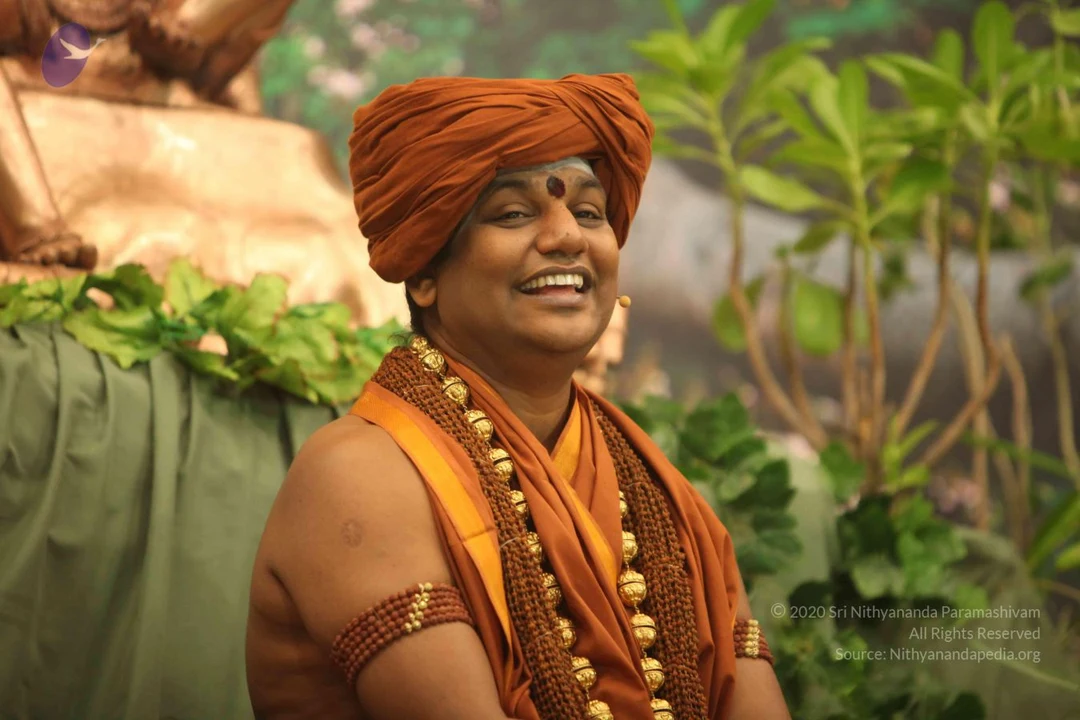
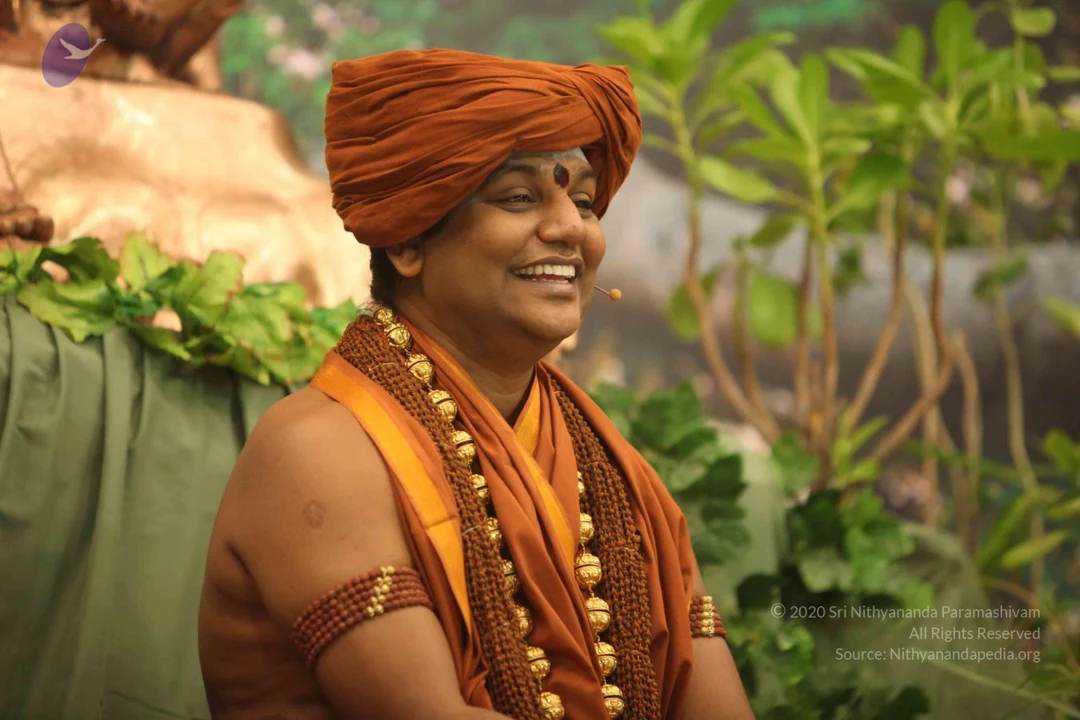
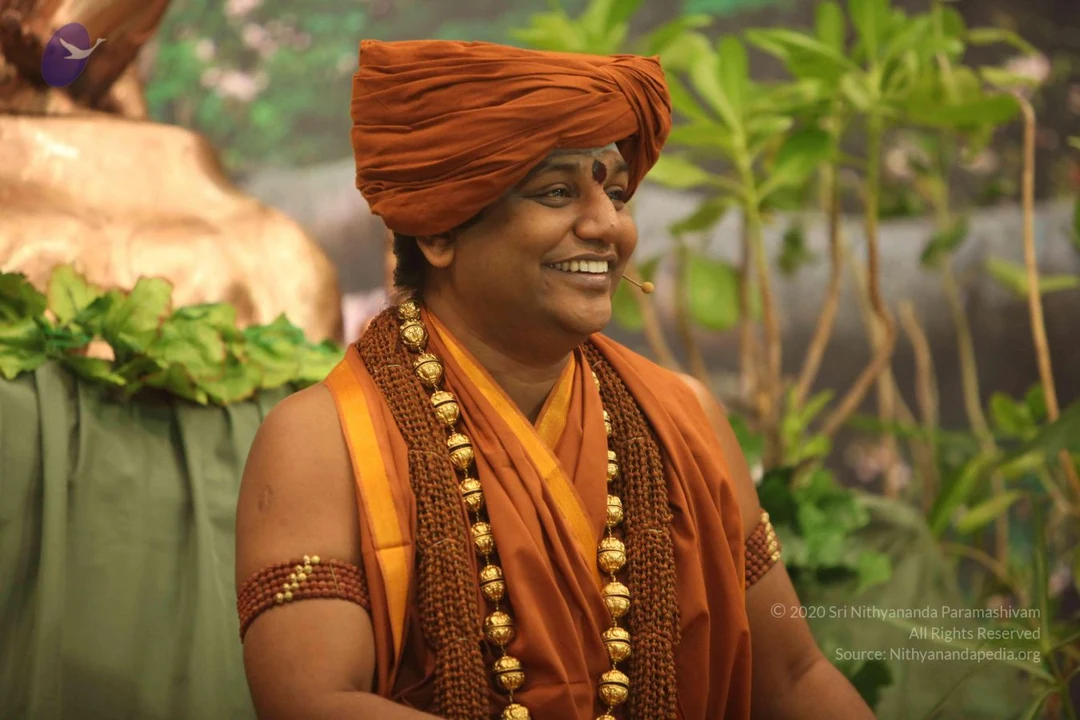
Photos Of The Day:
Satsang-Bidadi
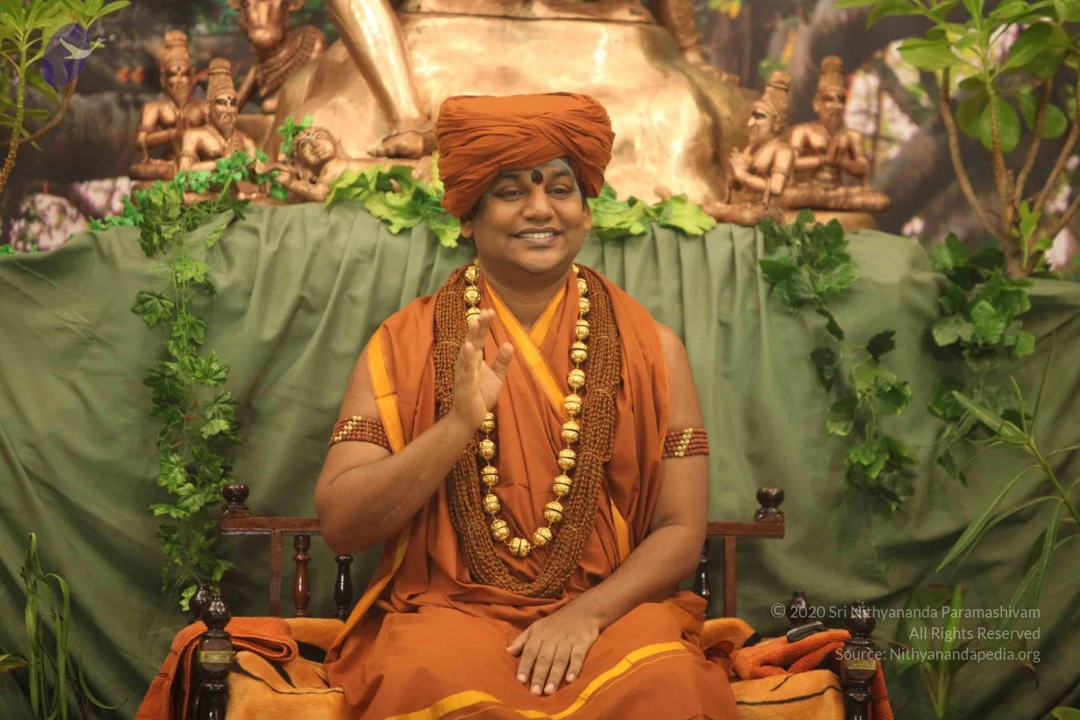
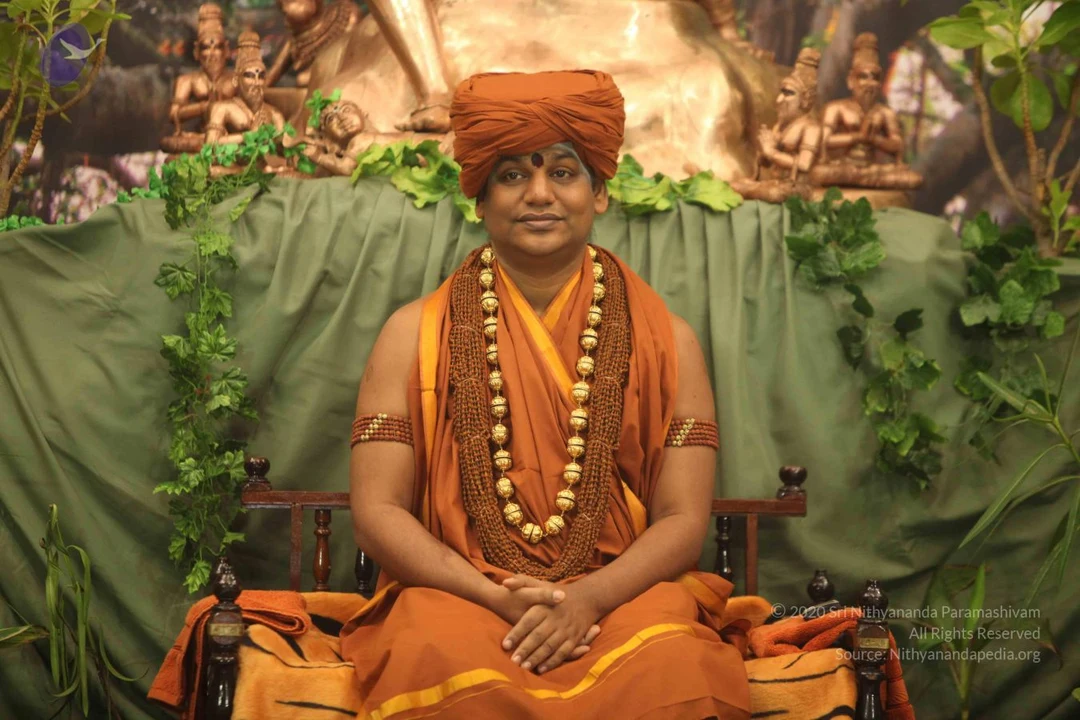
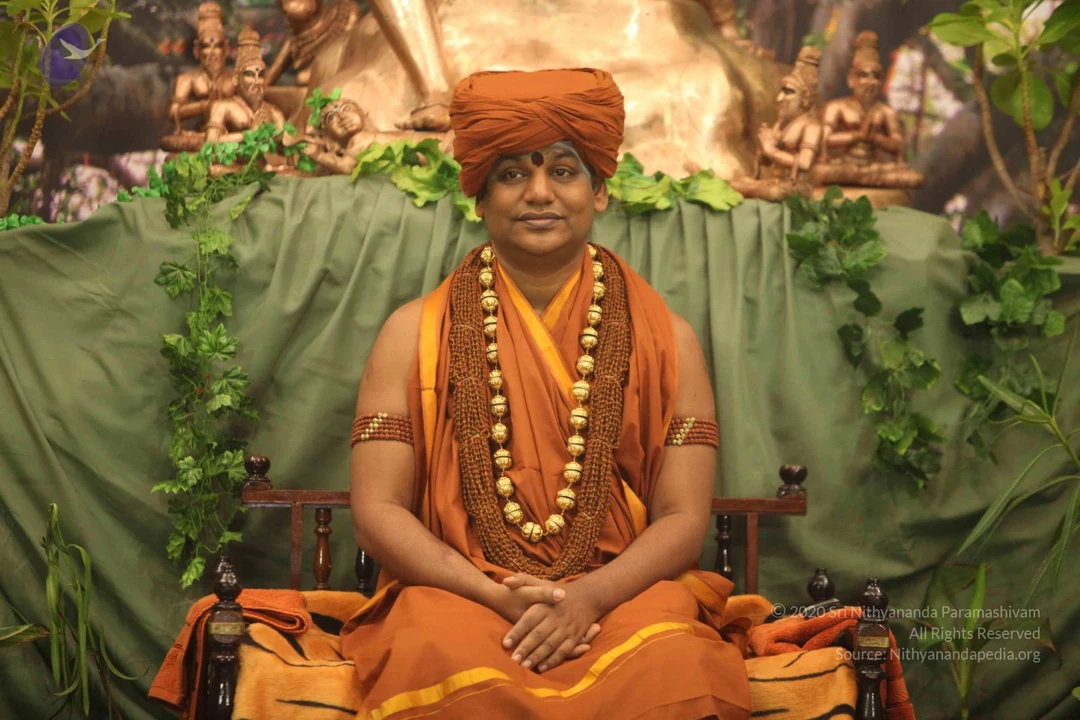
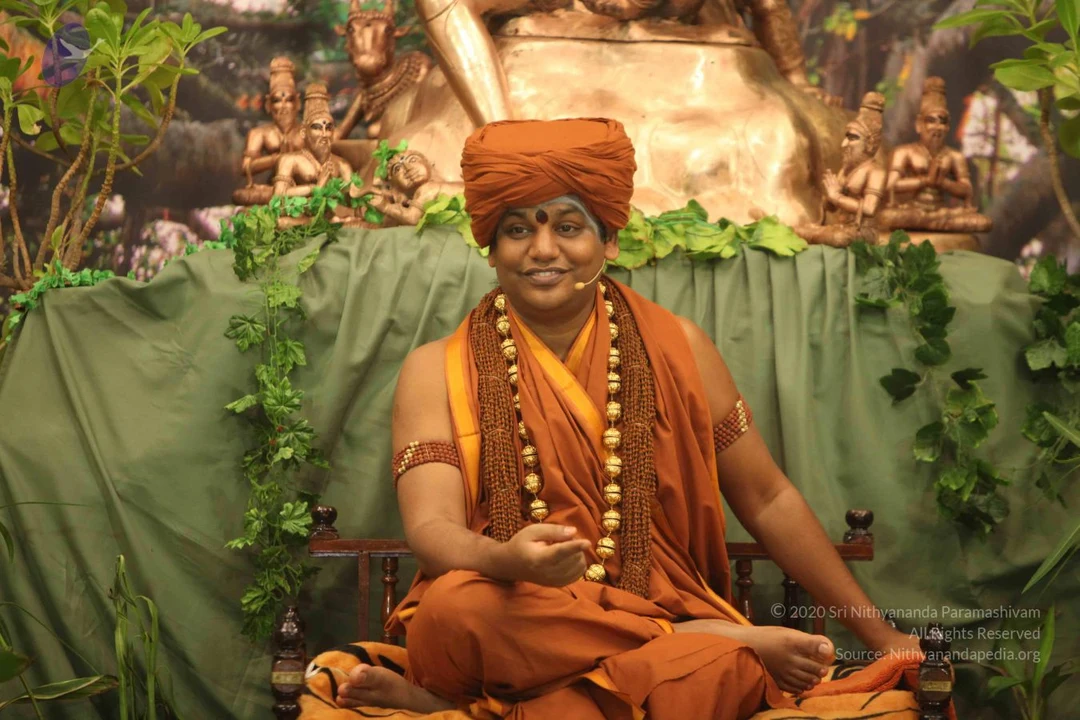
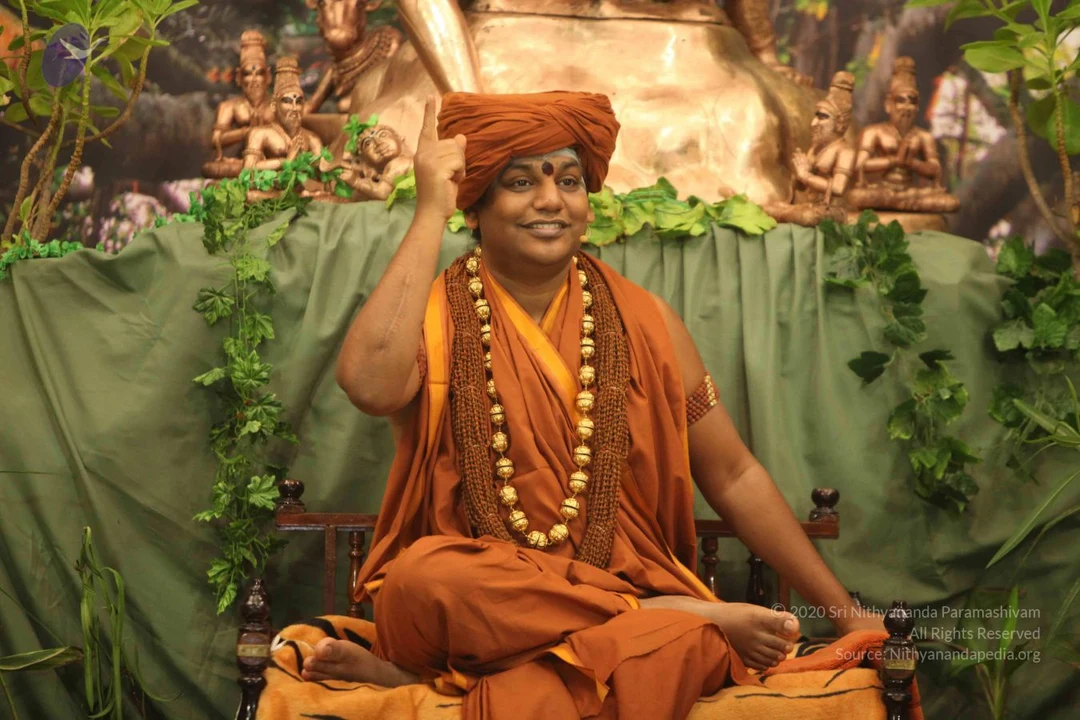
MAHANTH-MEETING
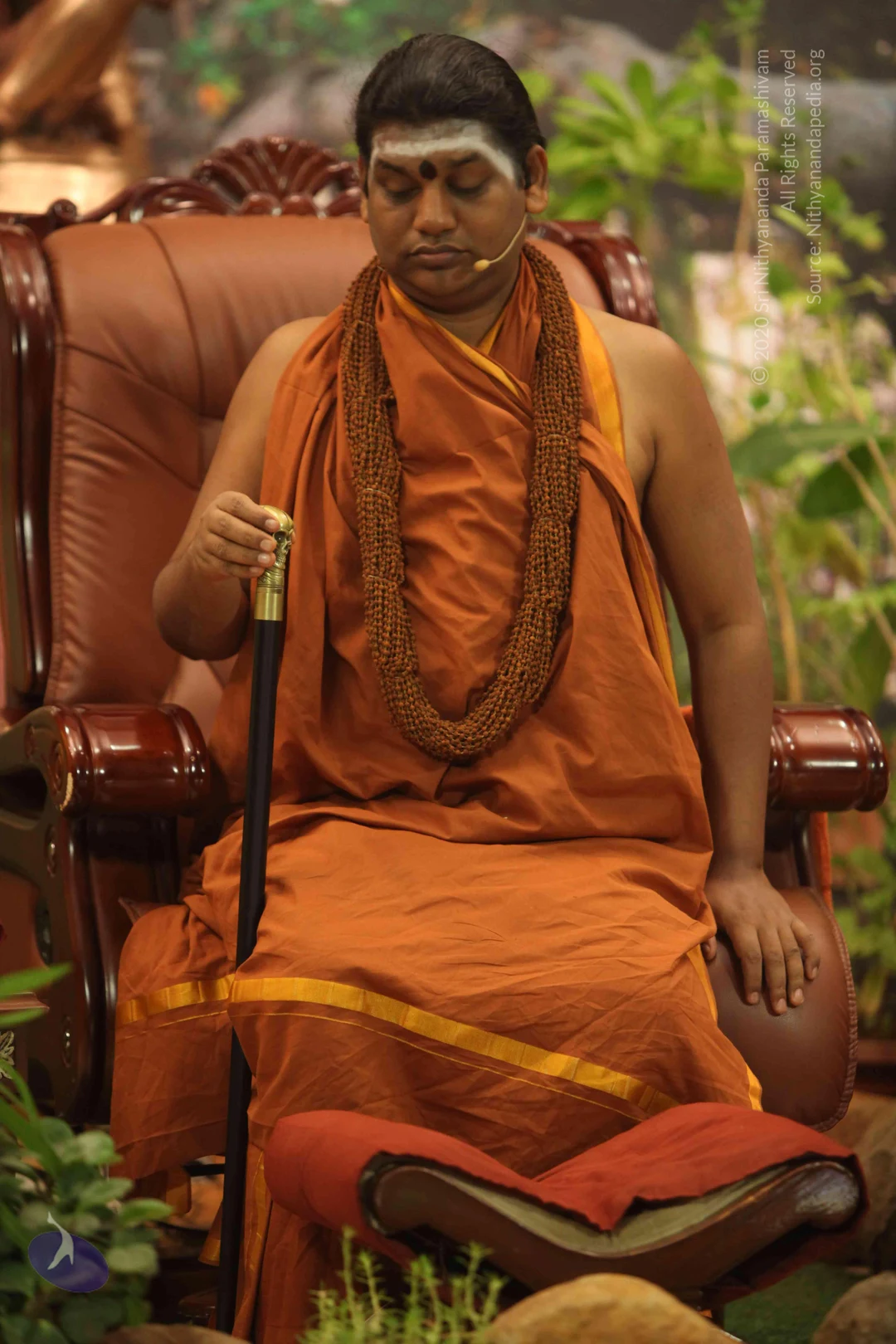
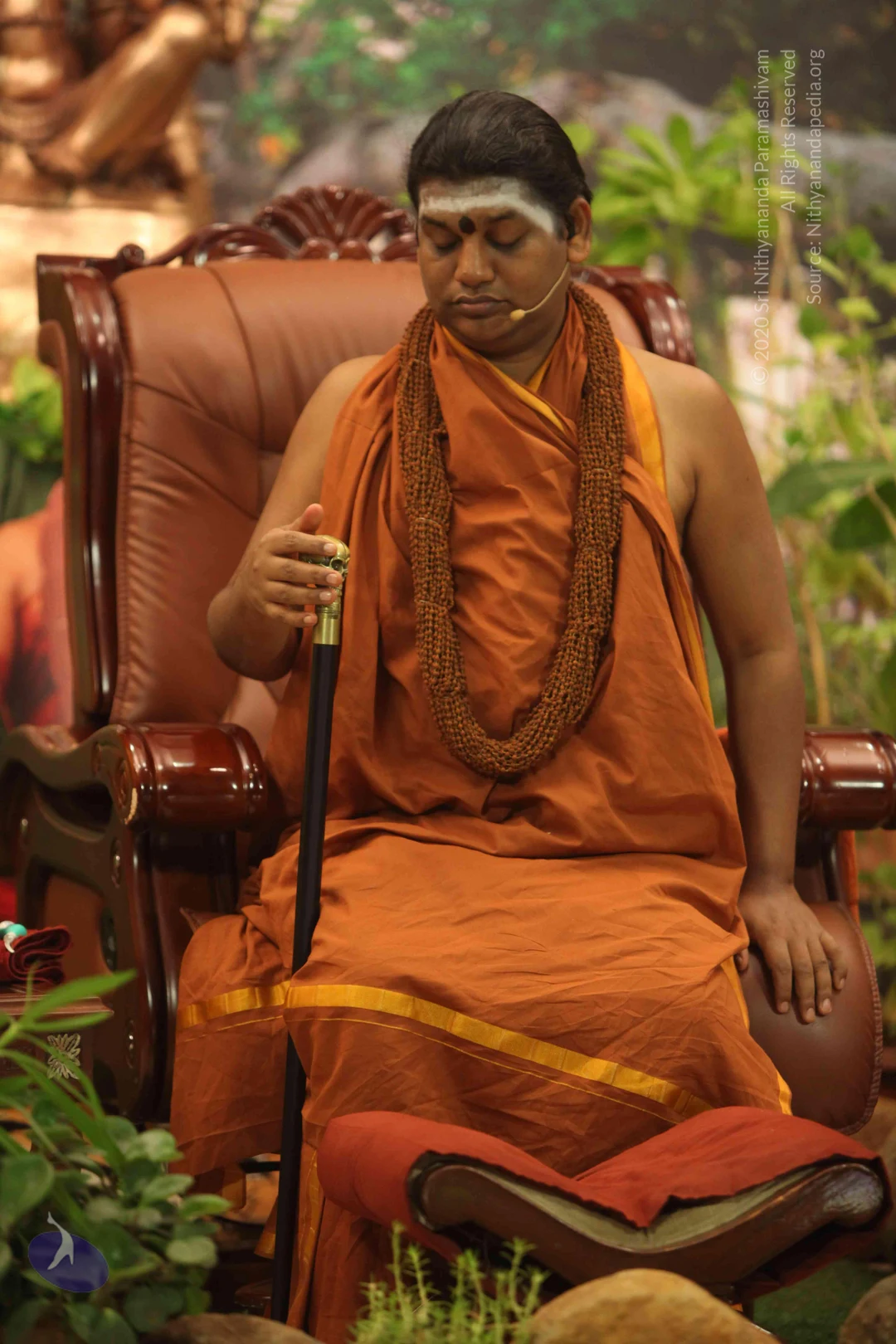
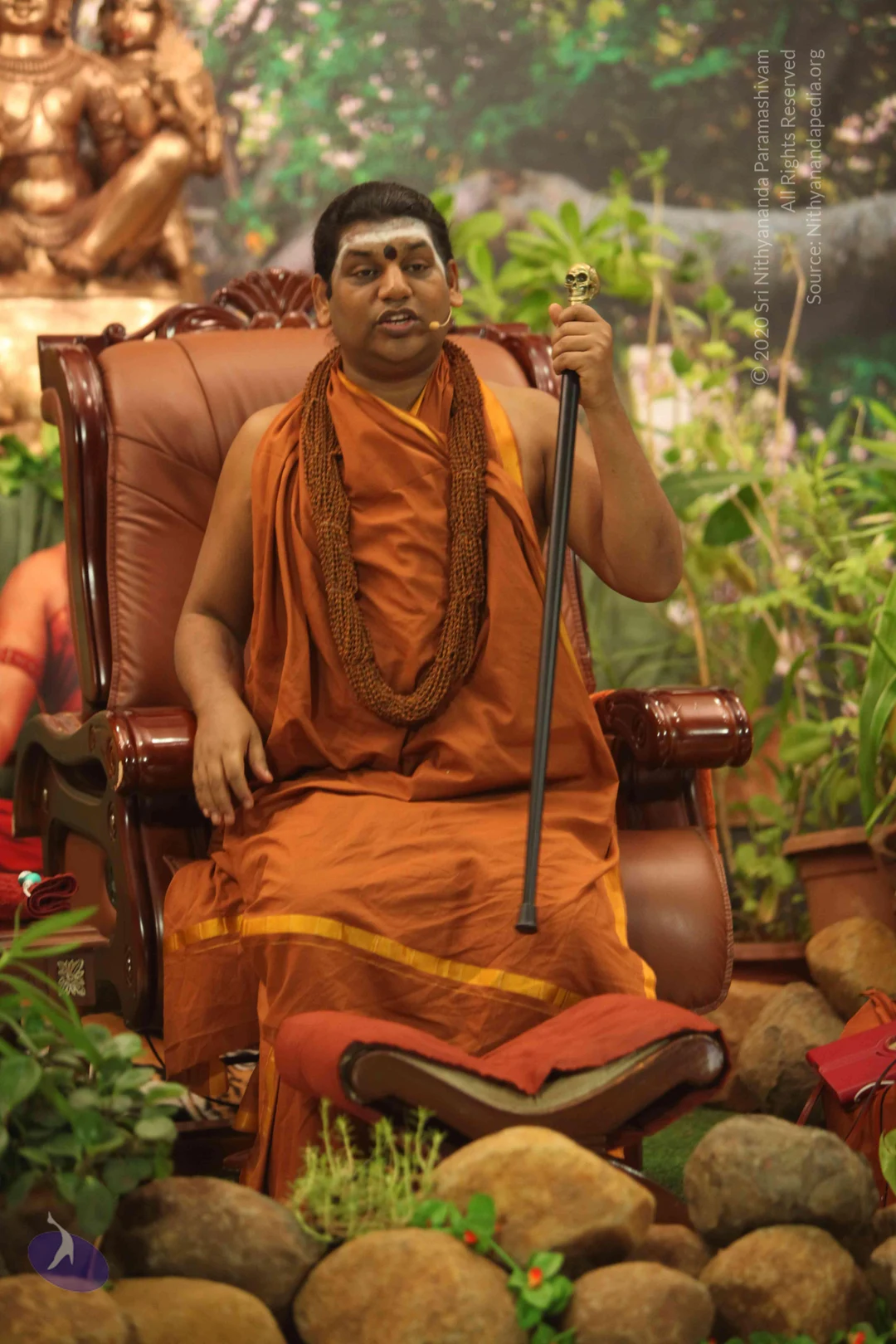
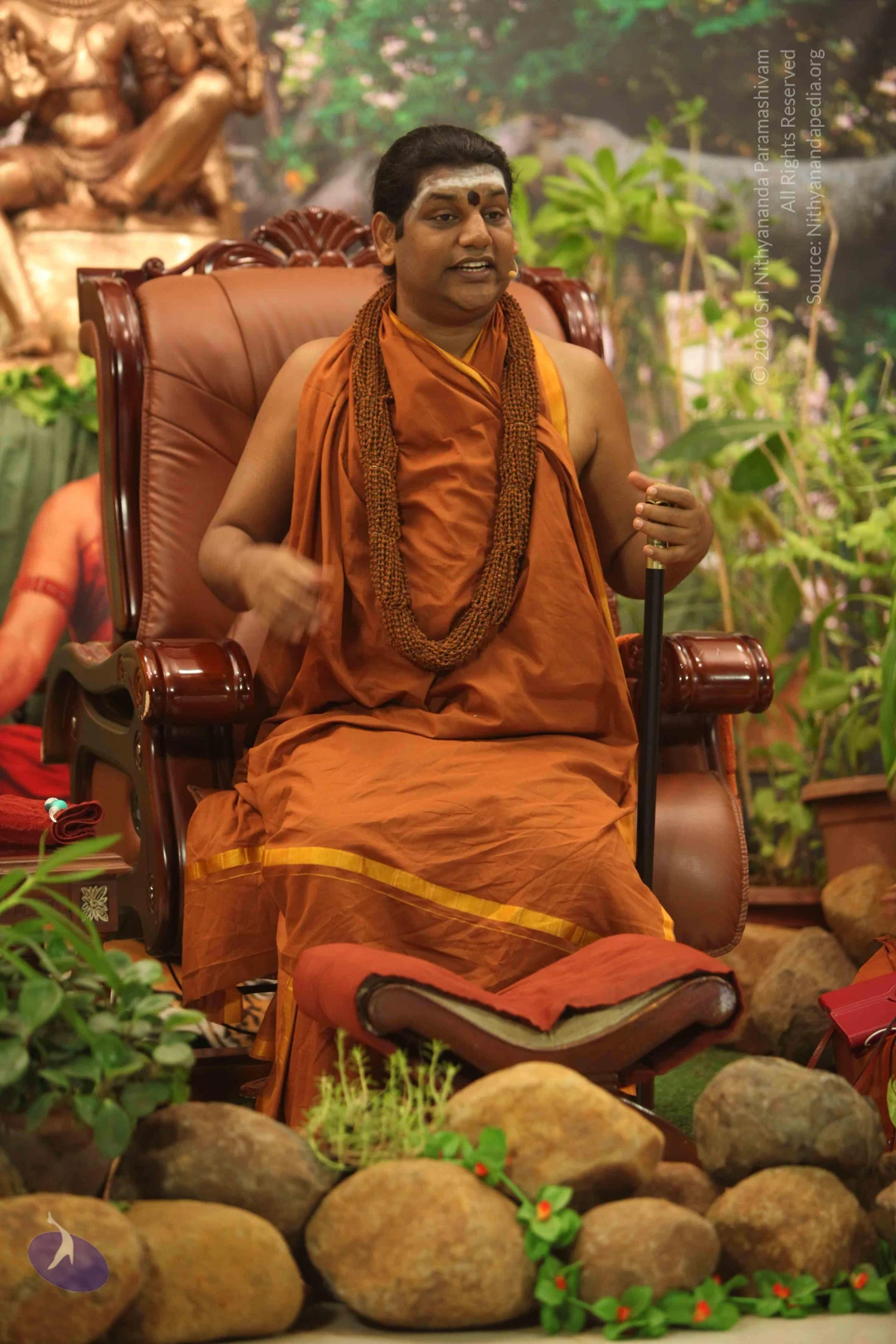
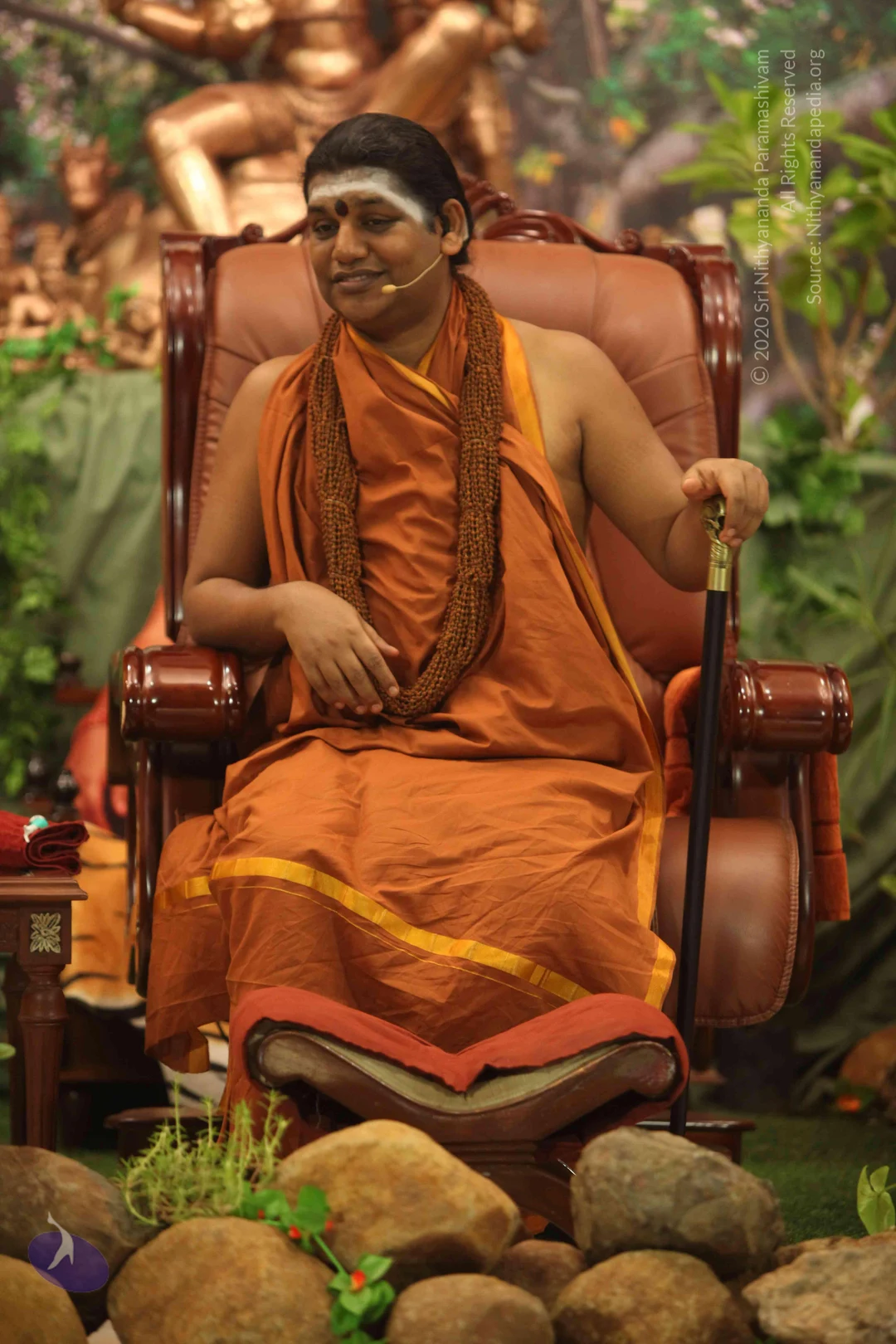
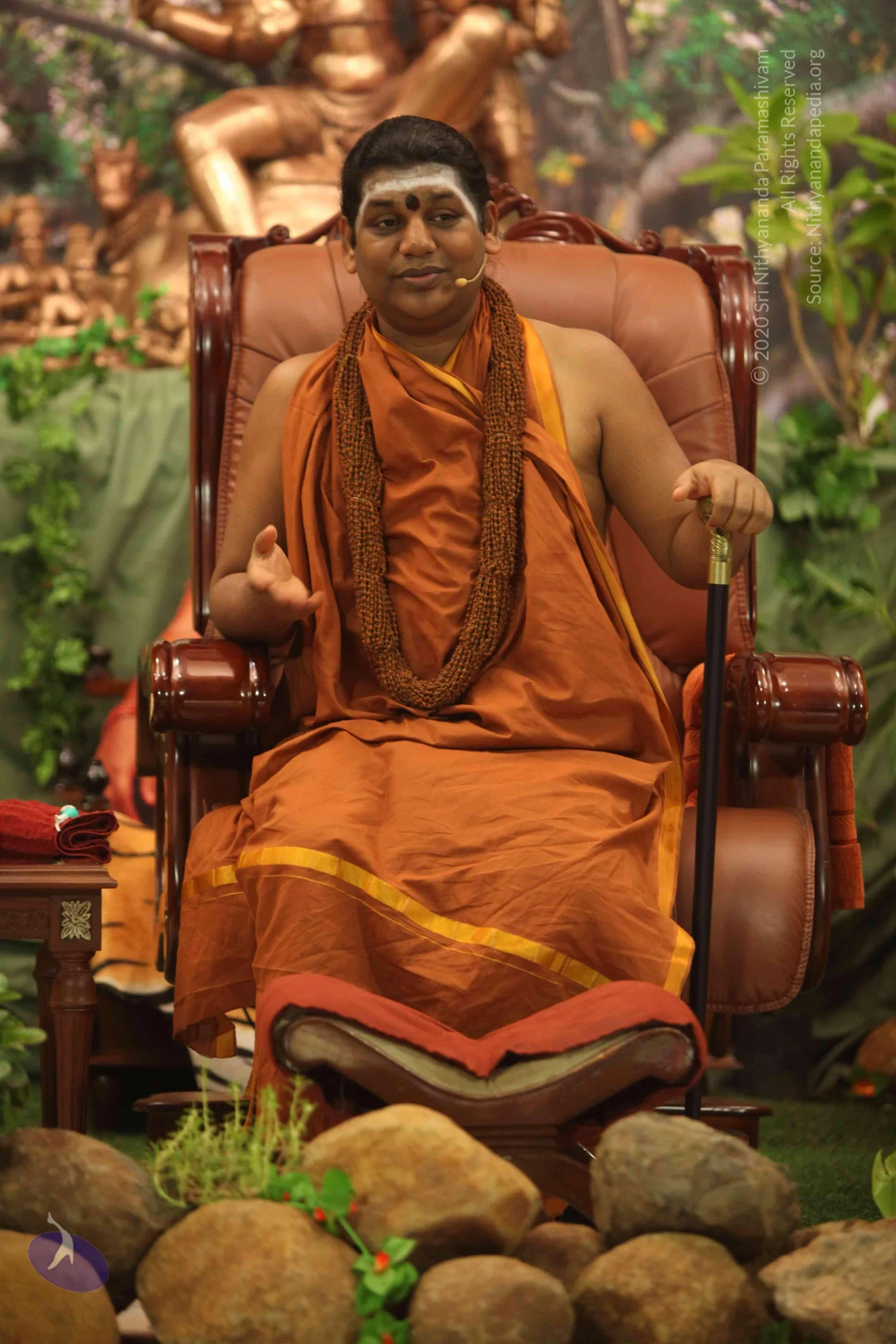
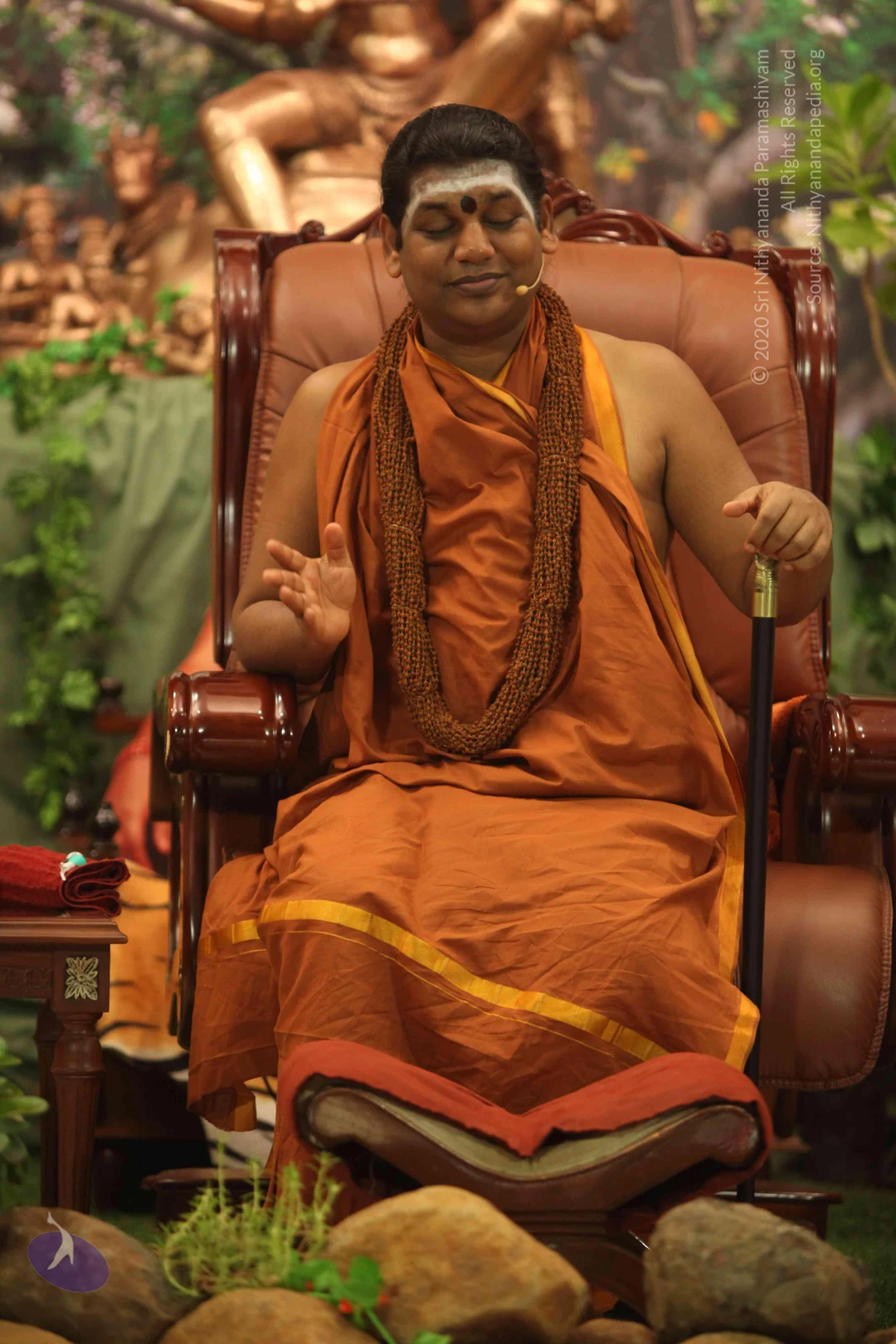
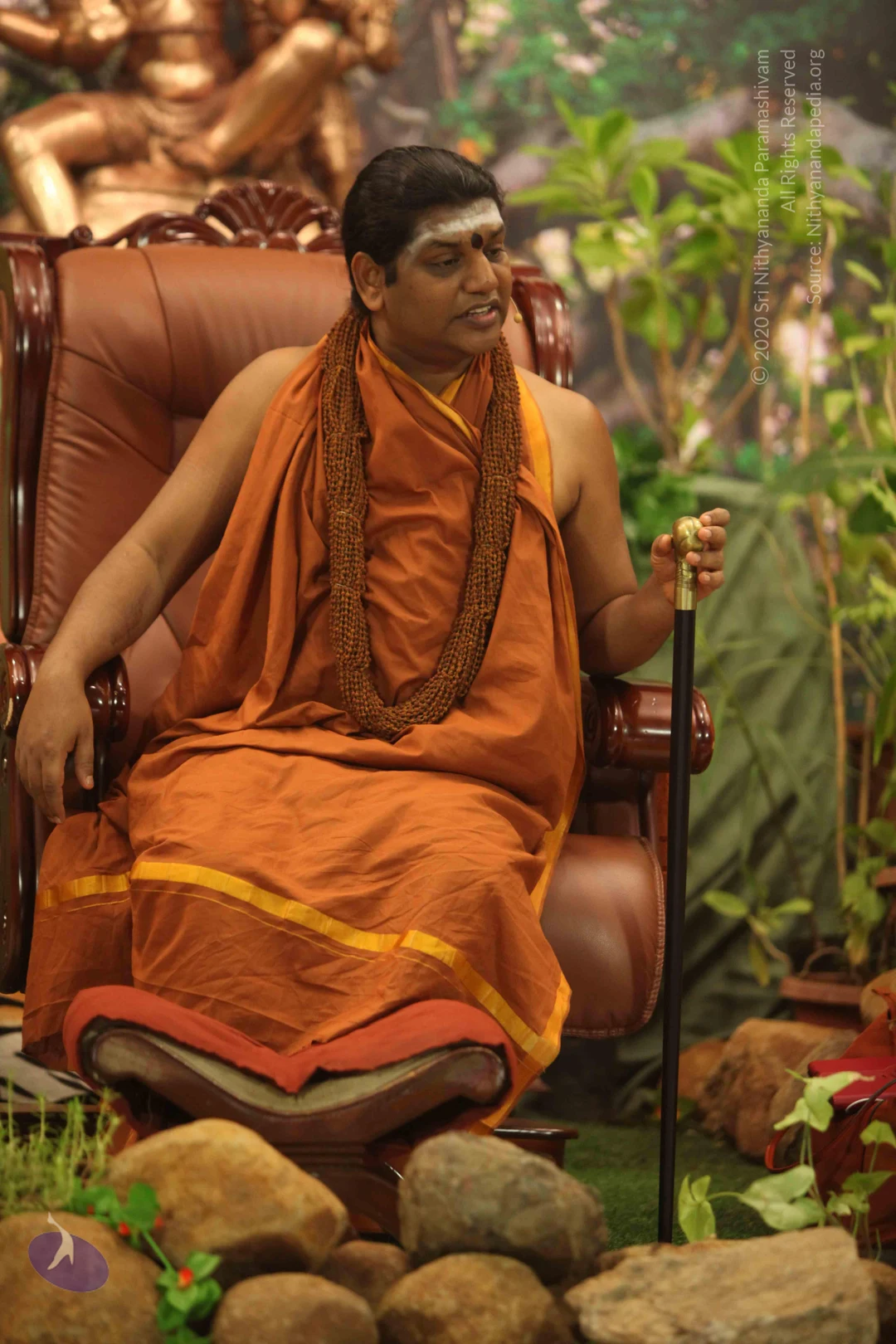
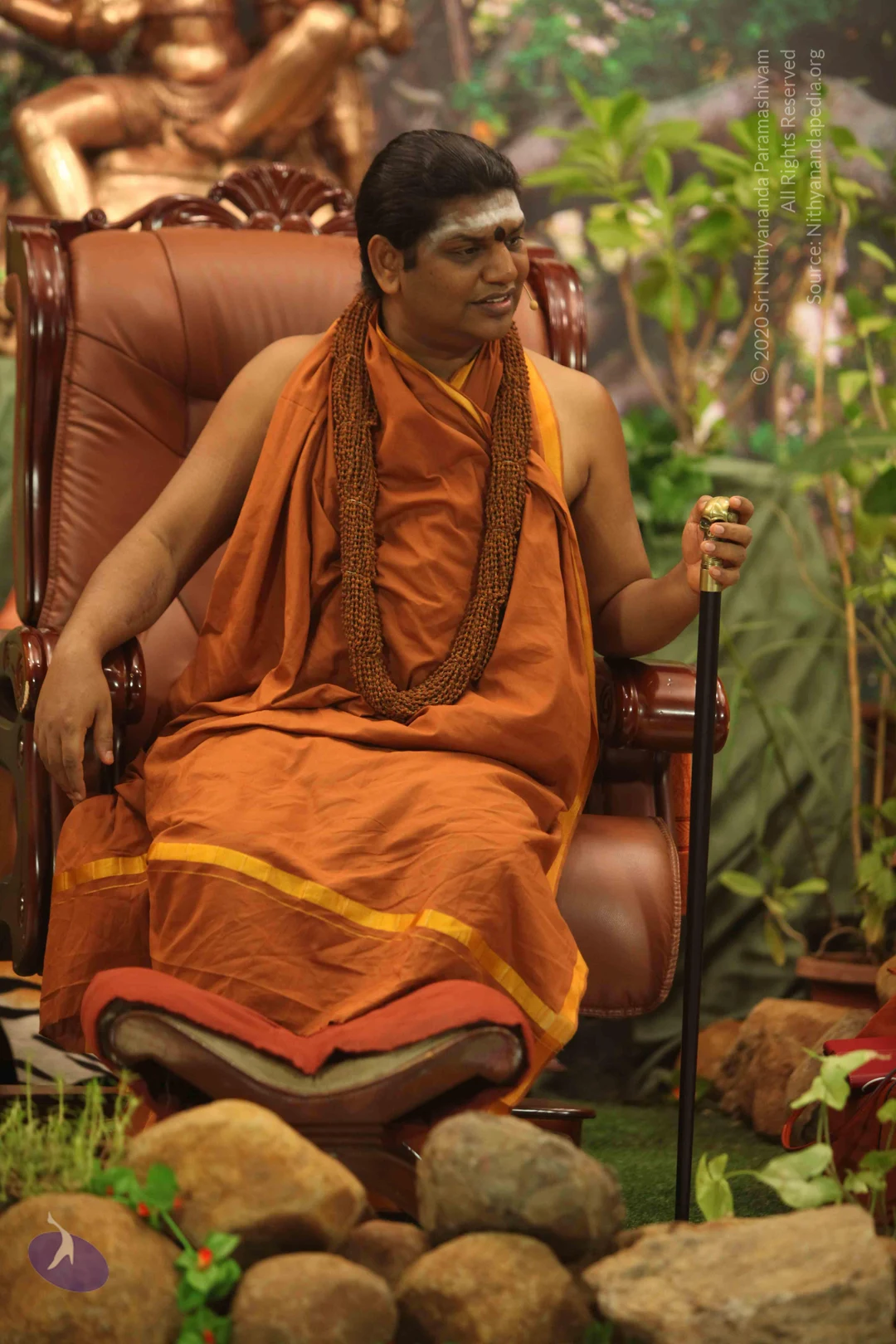
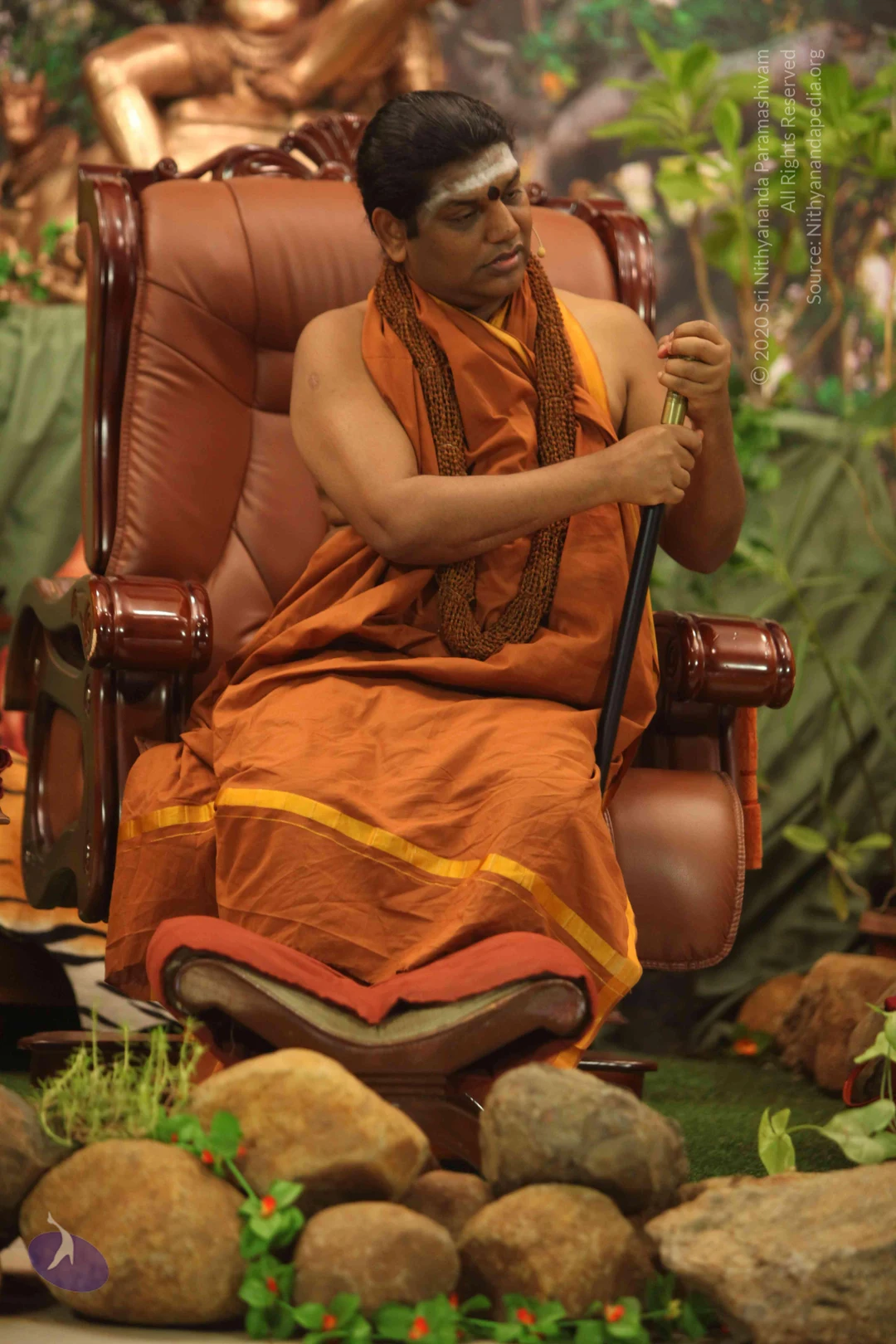
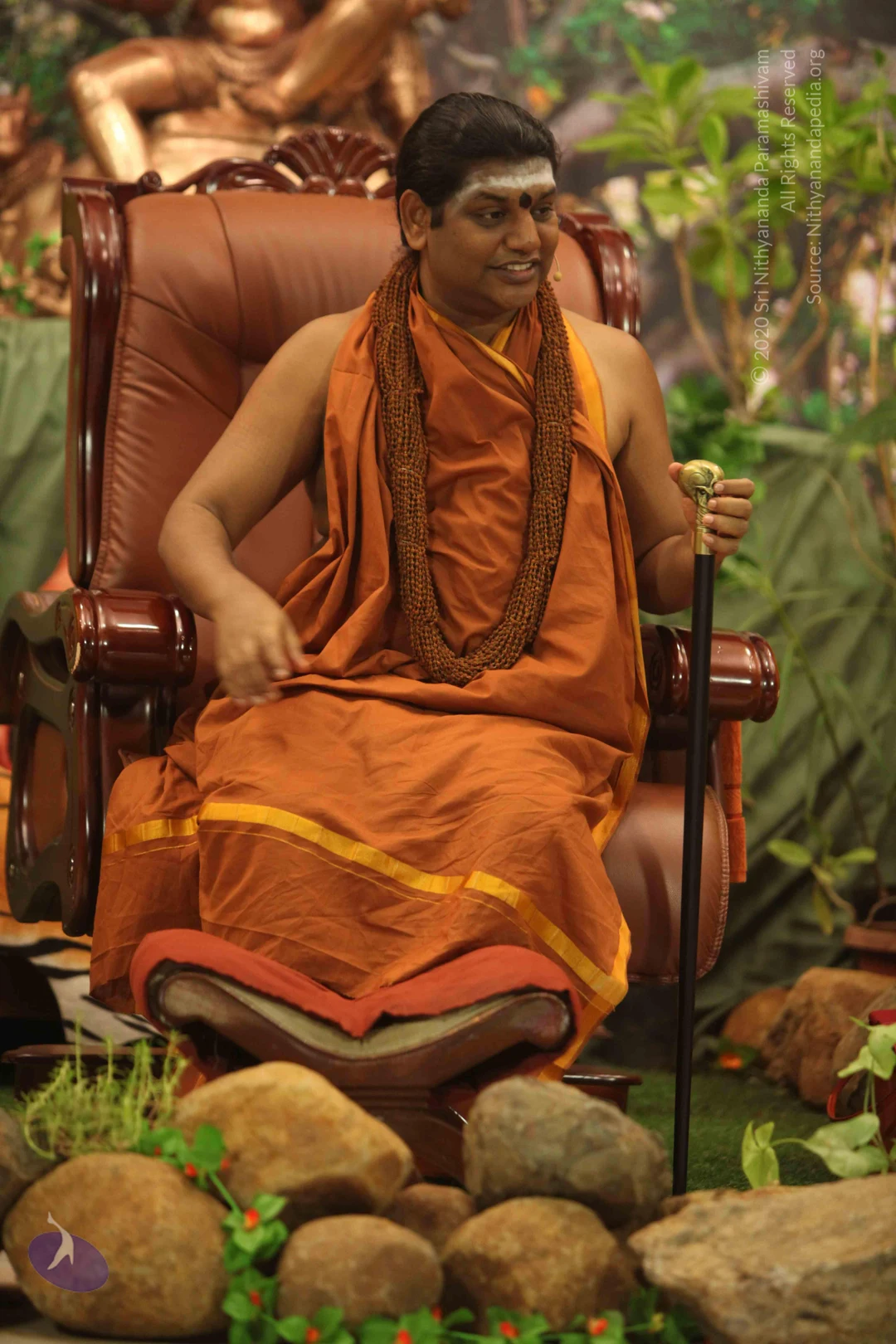
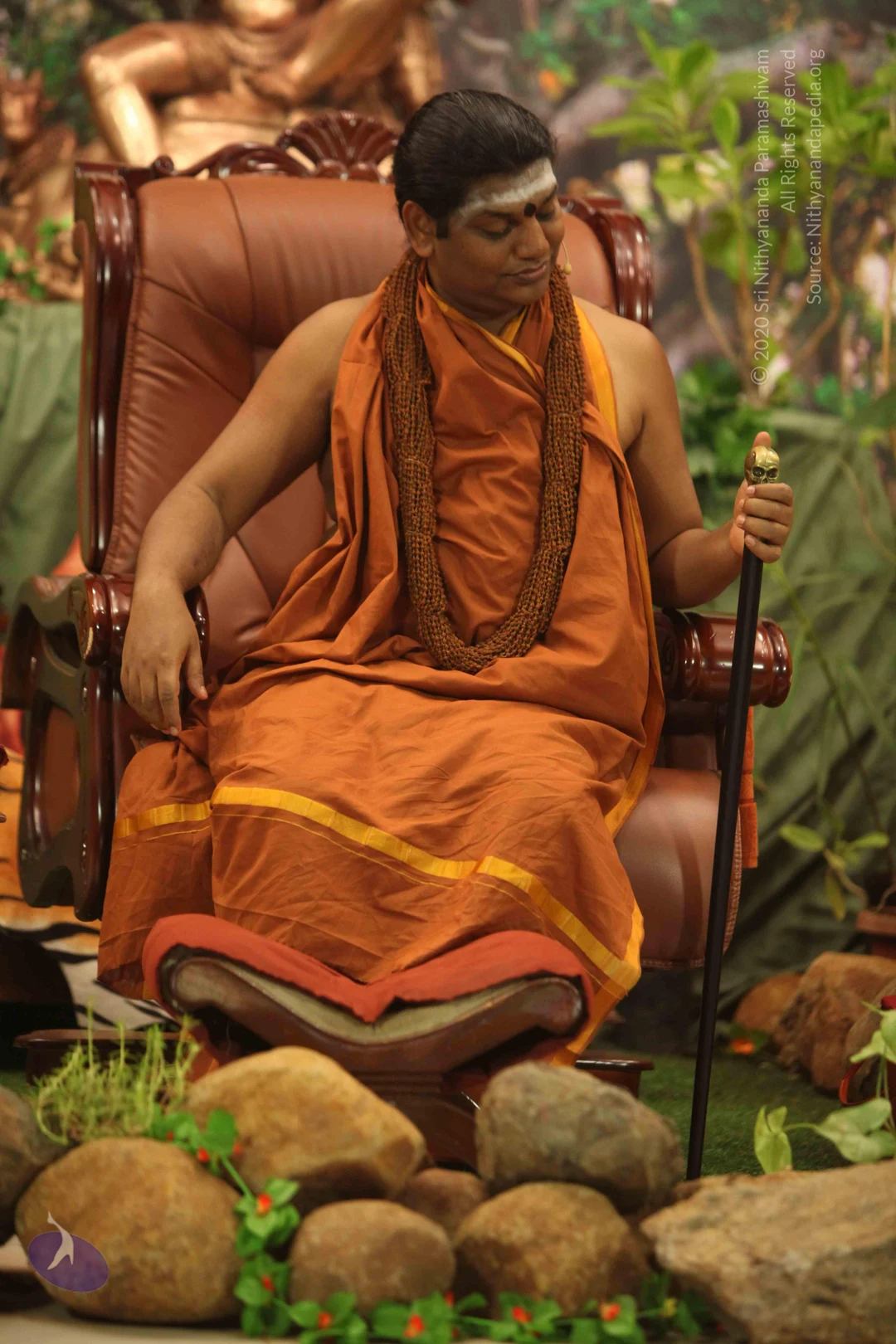
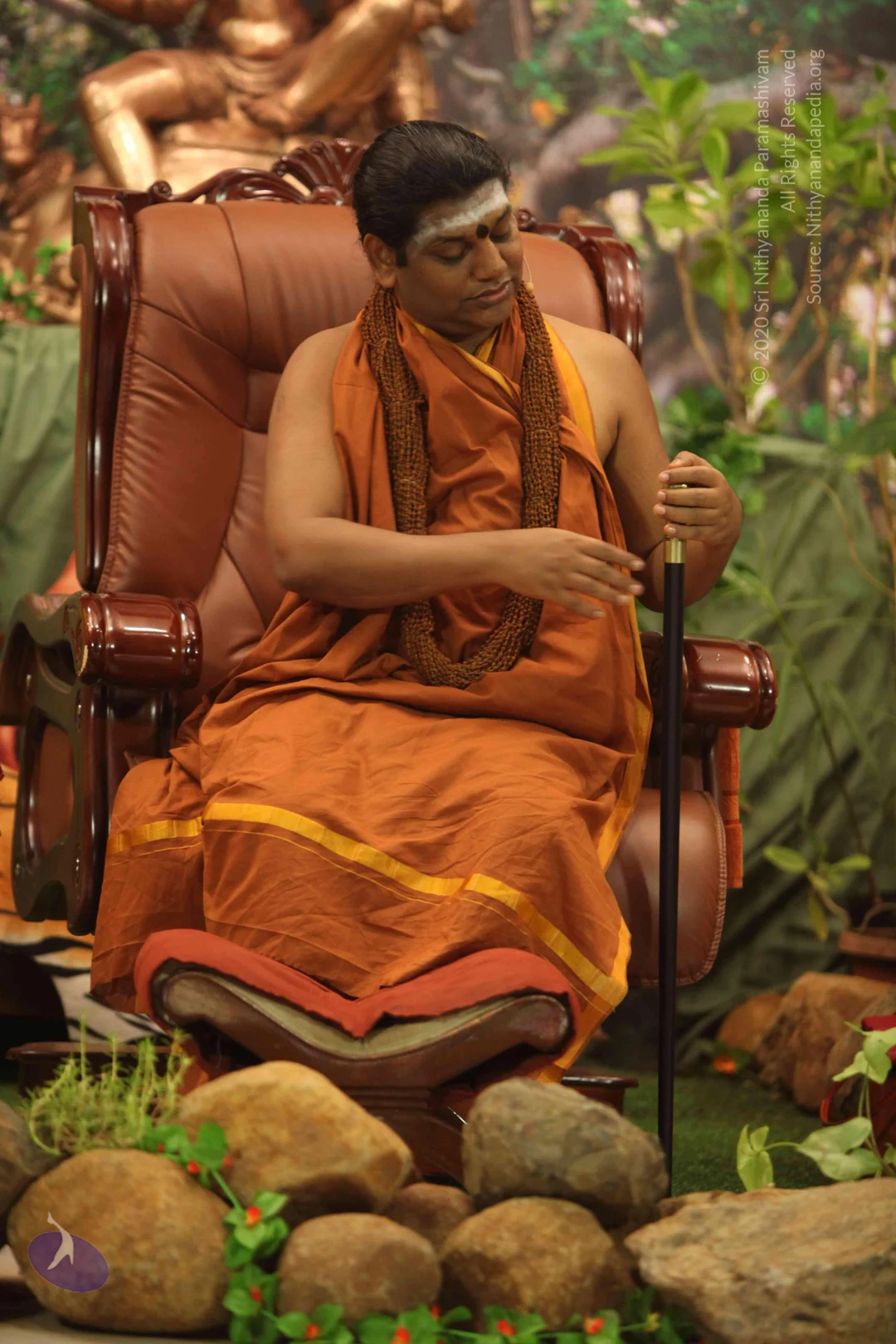
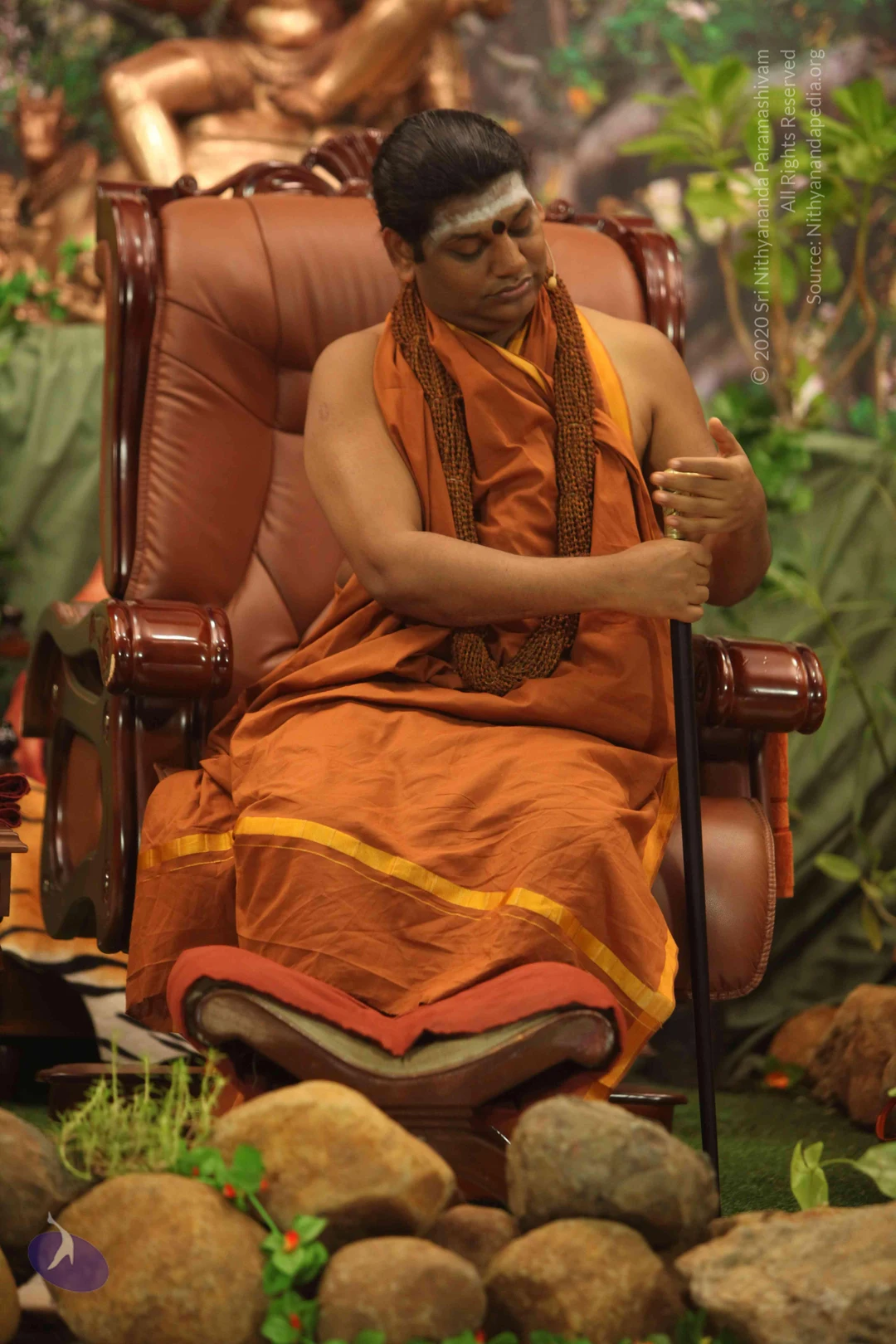
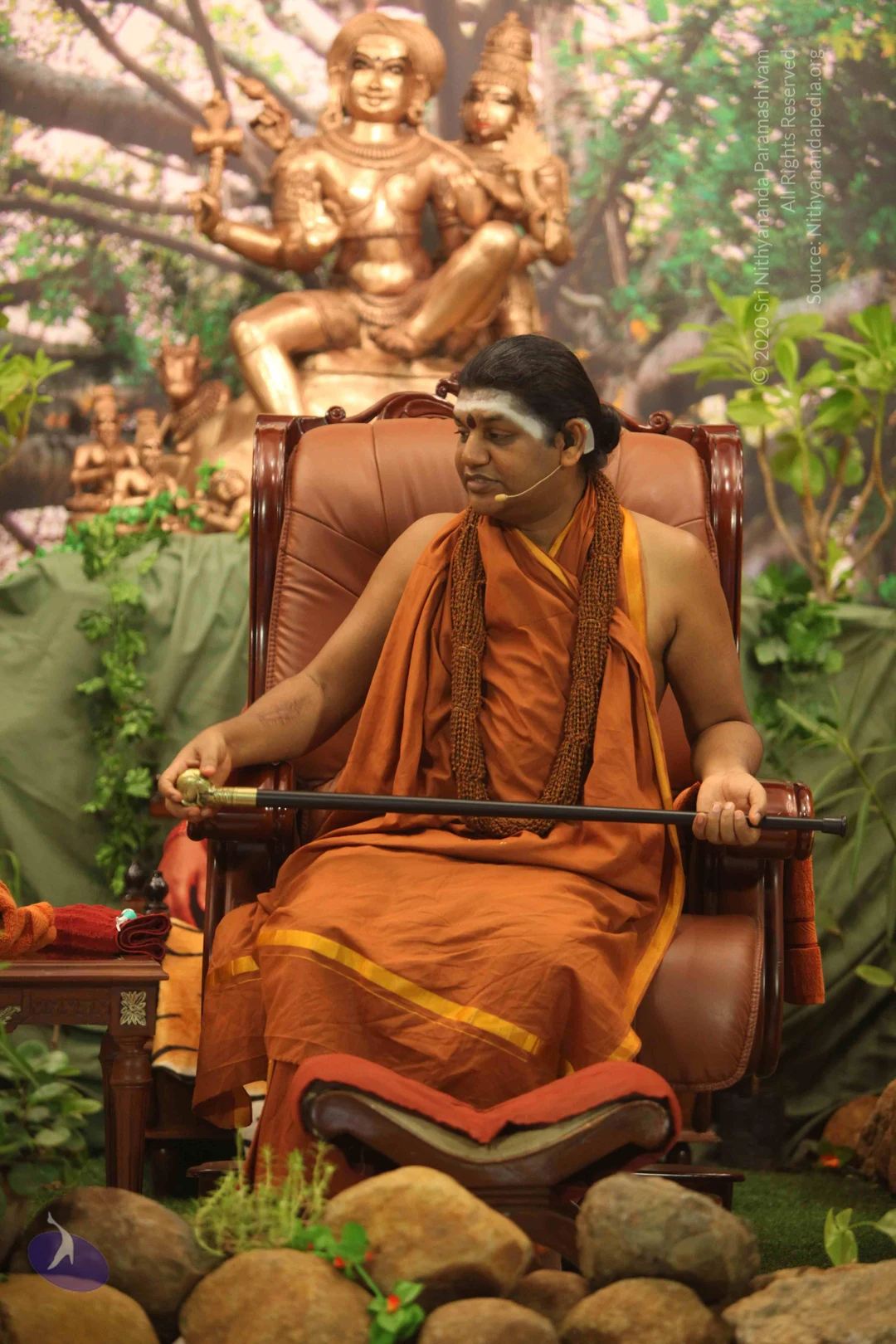
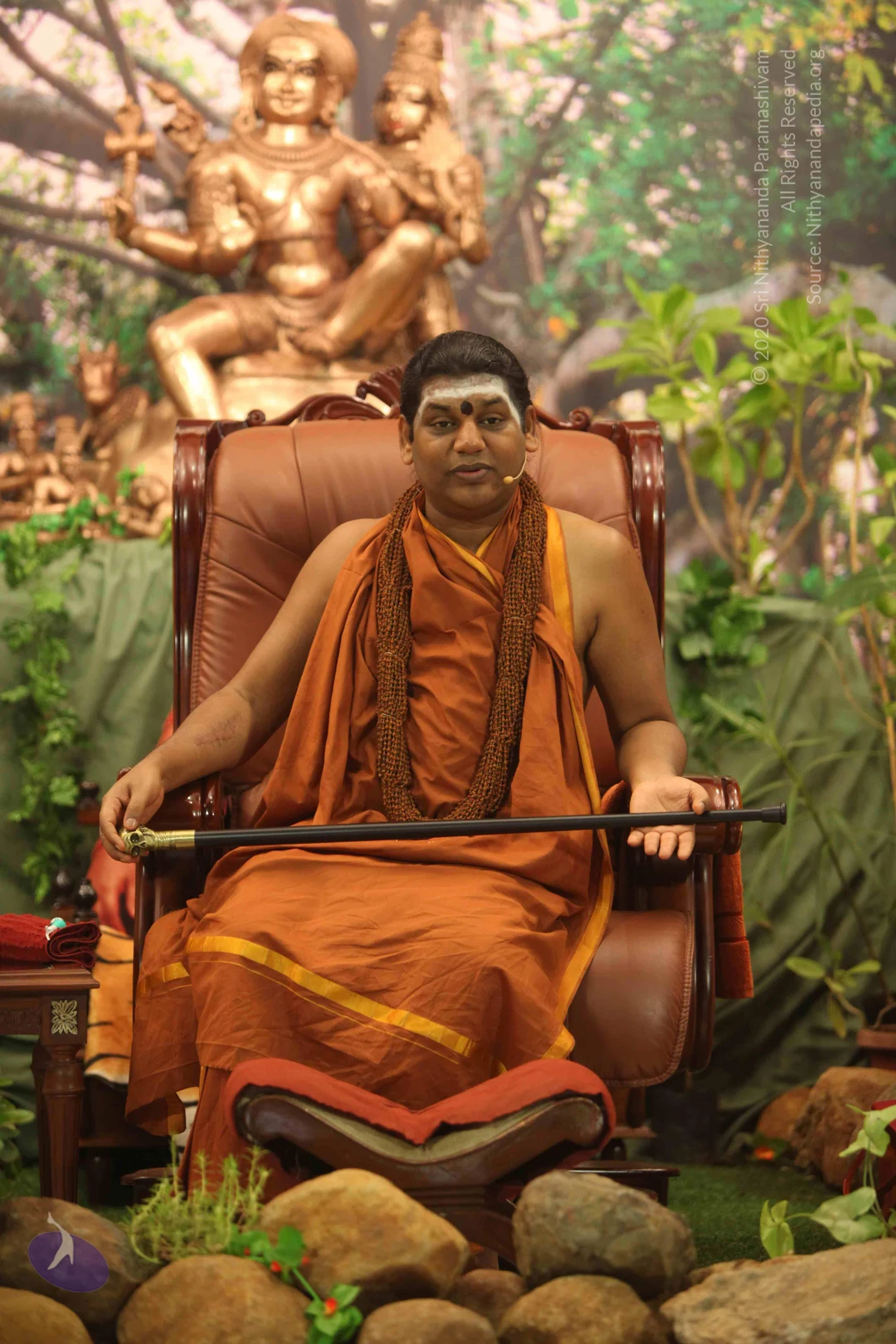
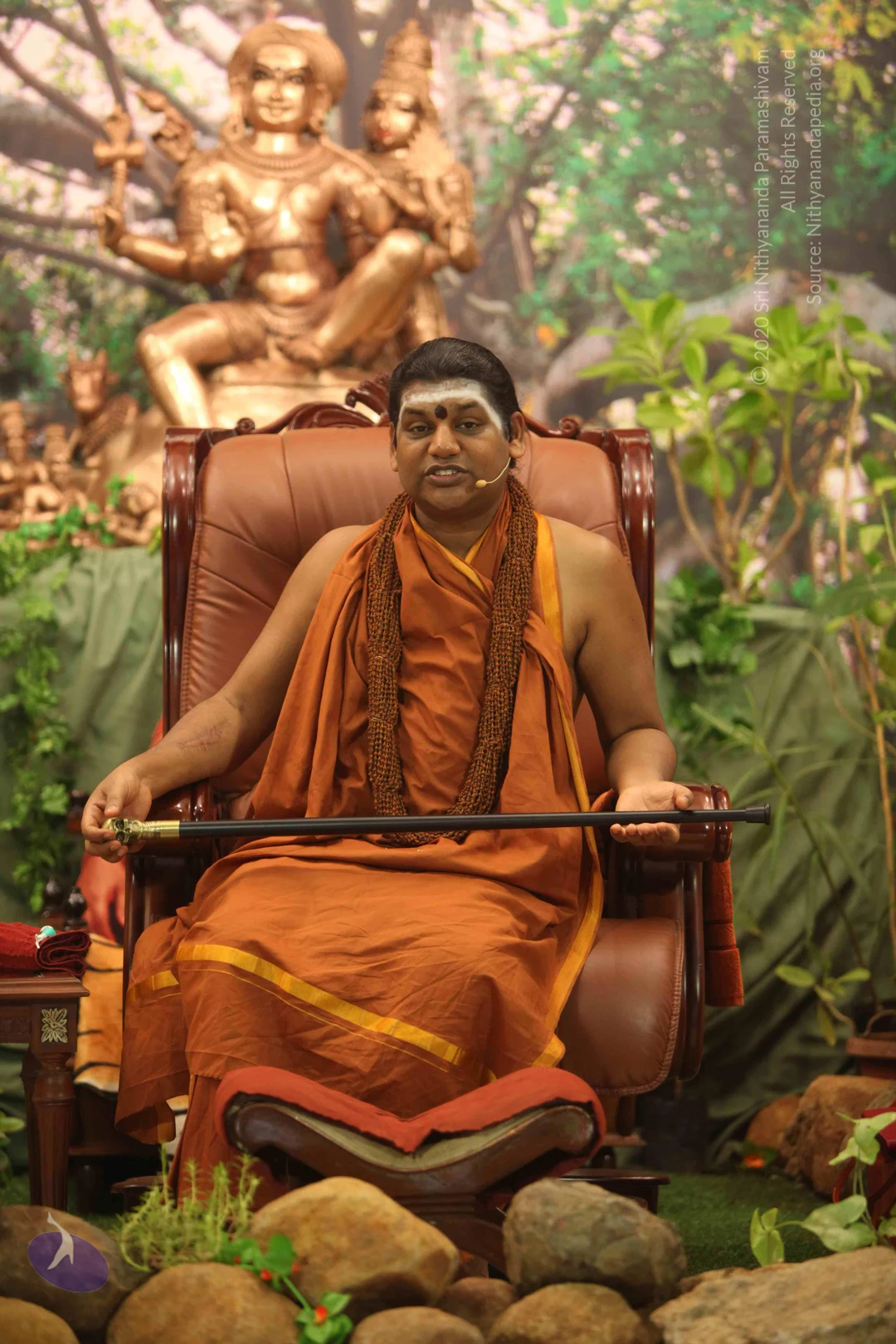
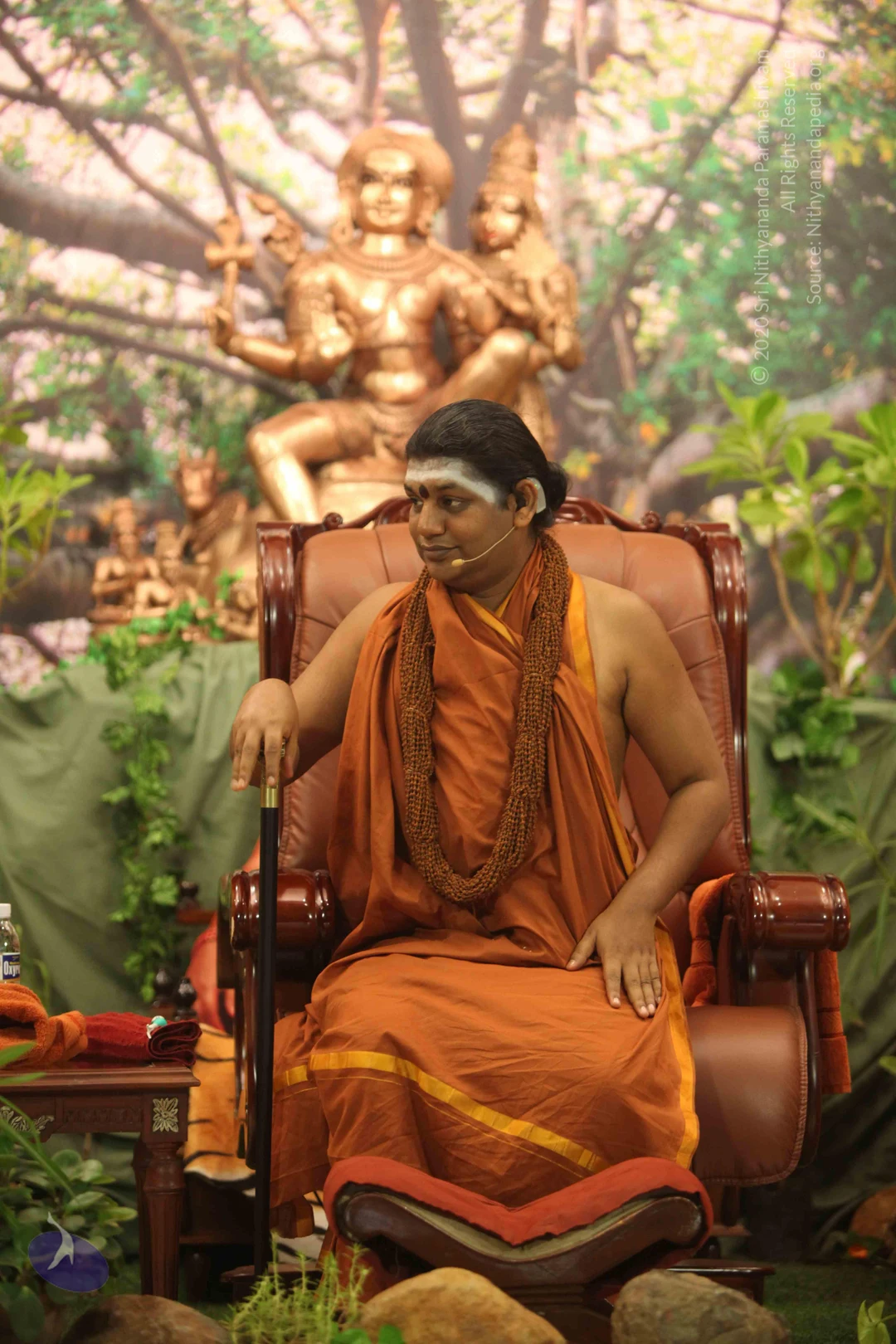
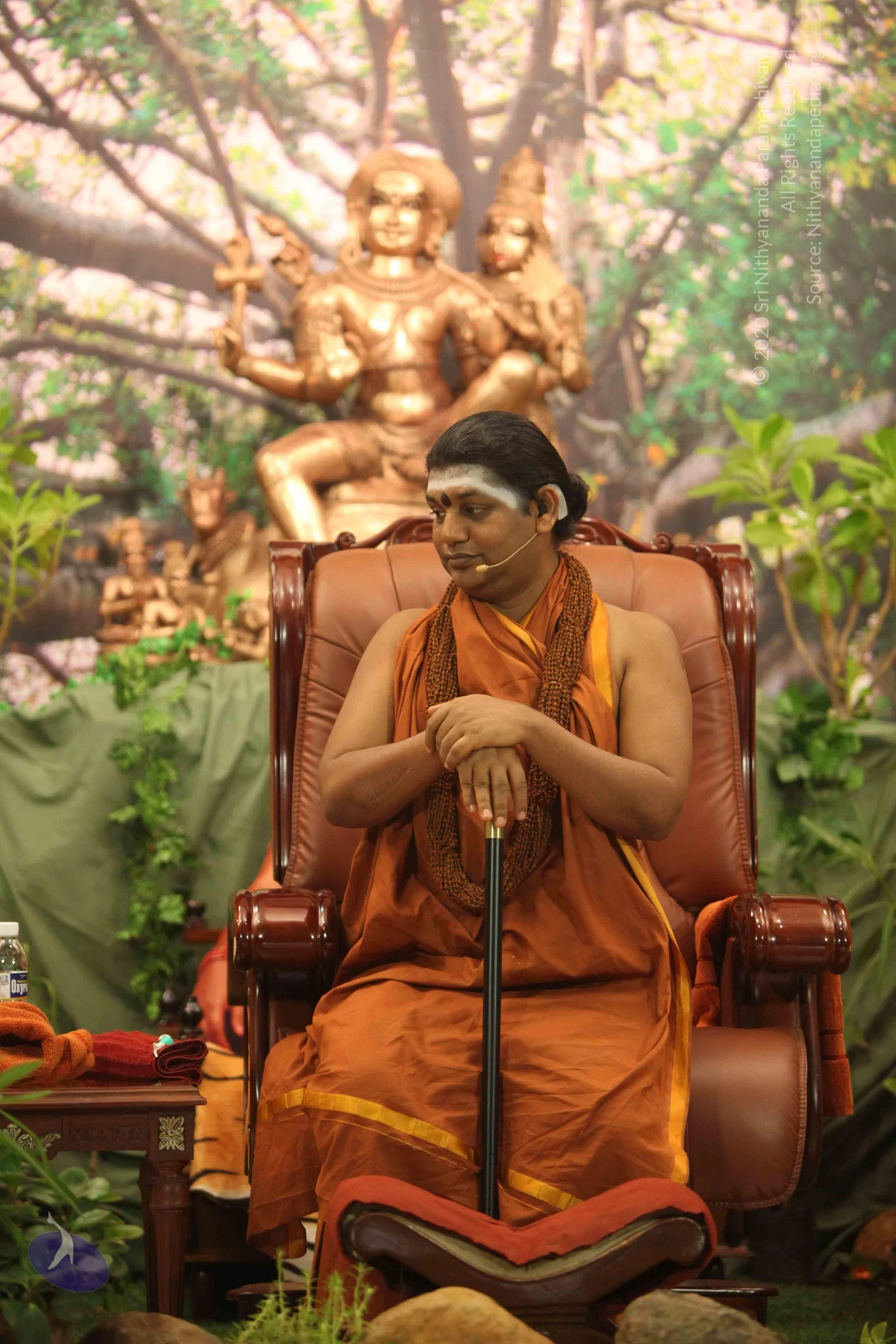
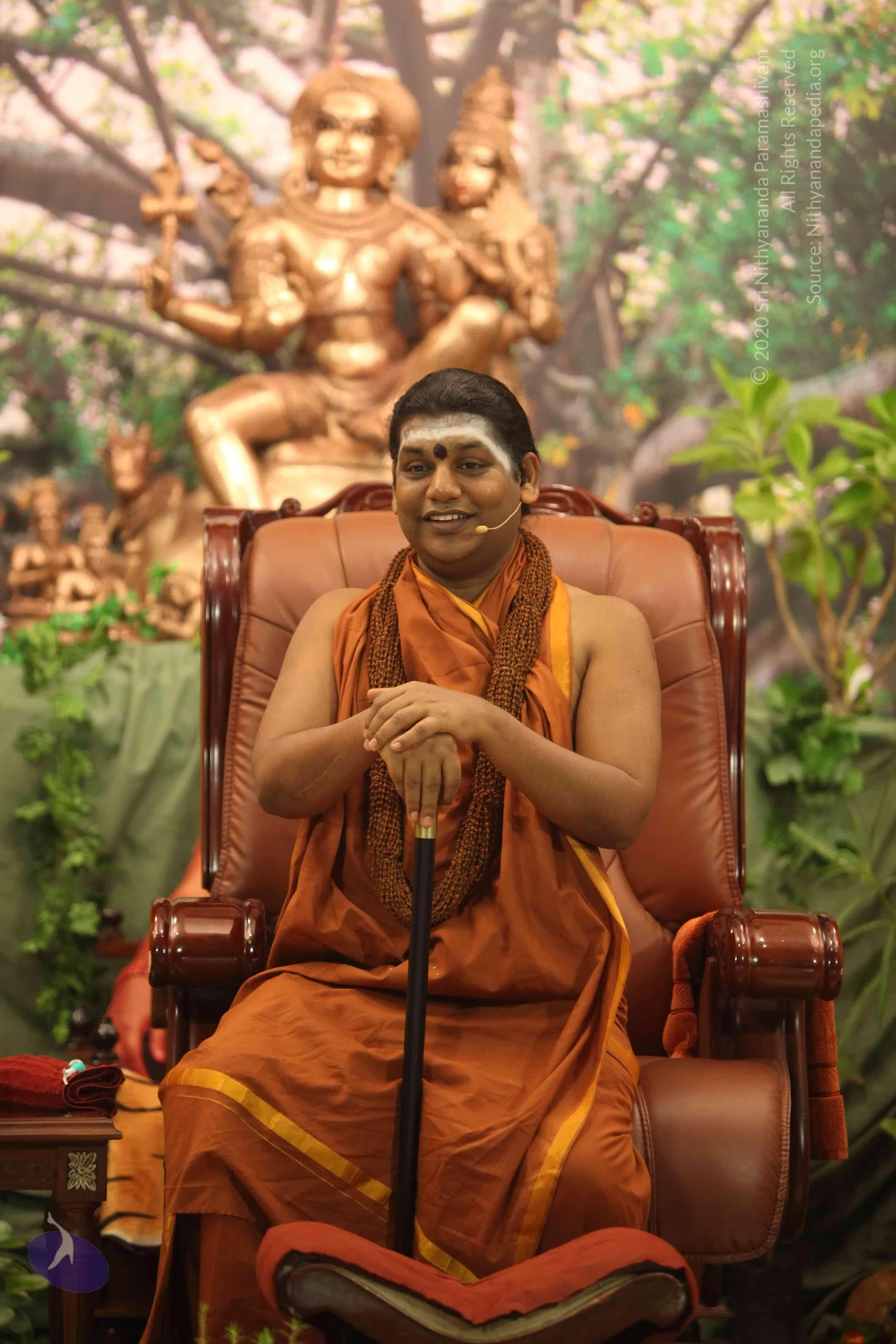
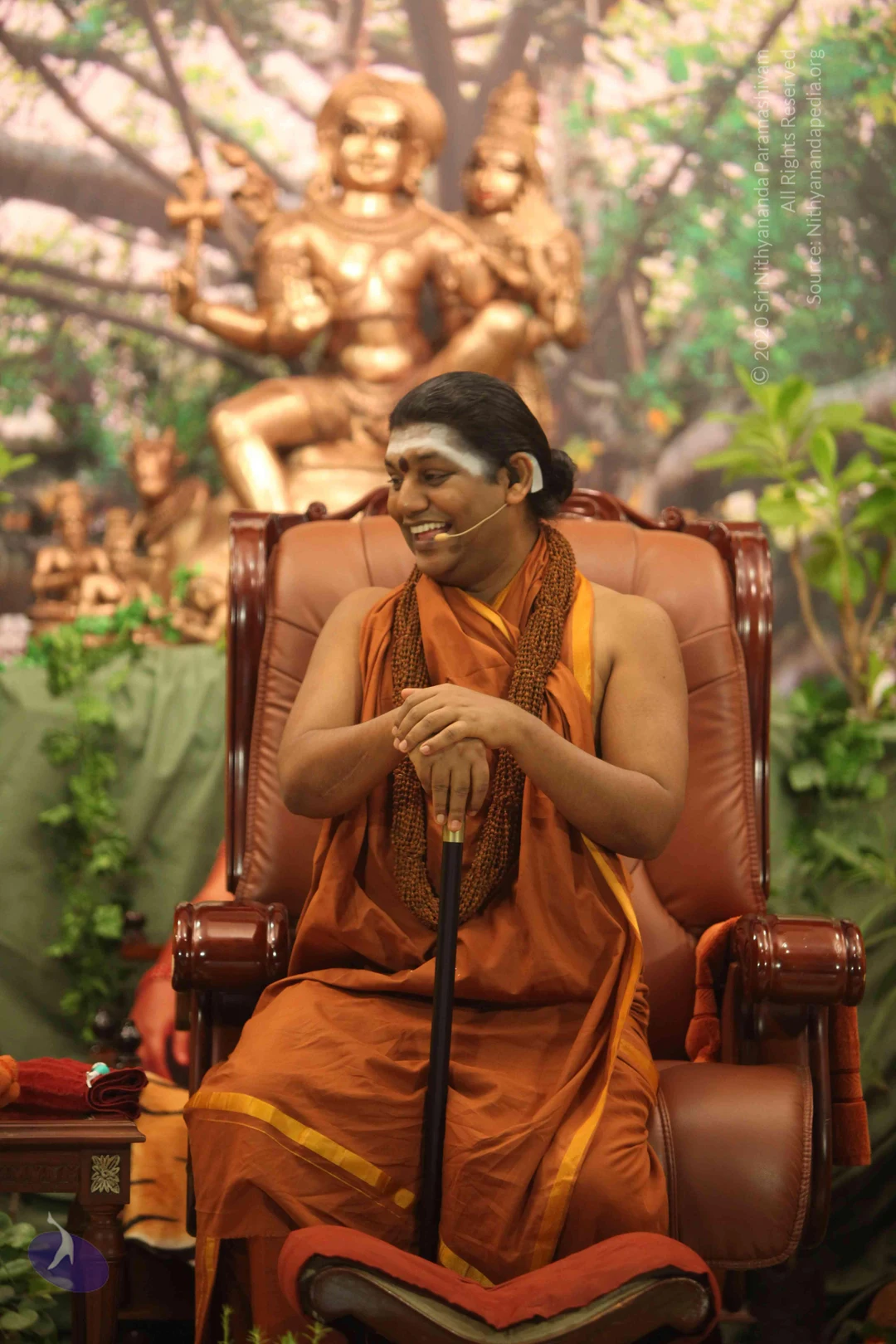
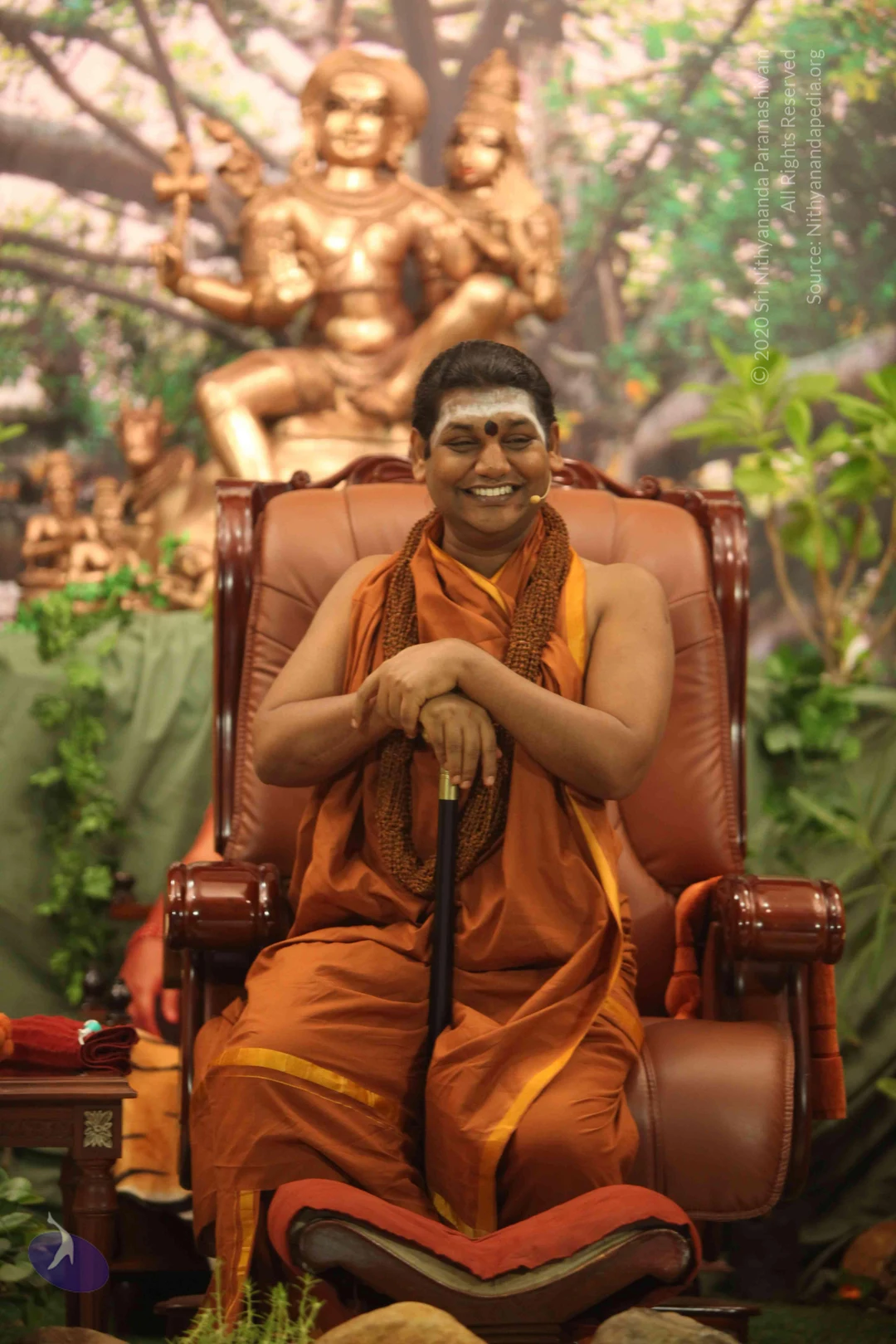
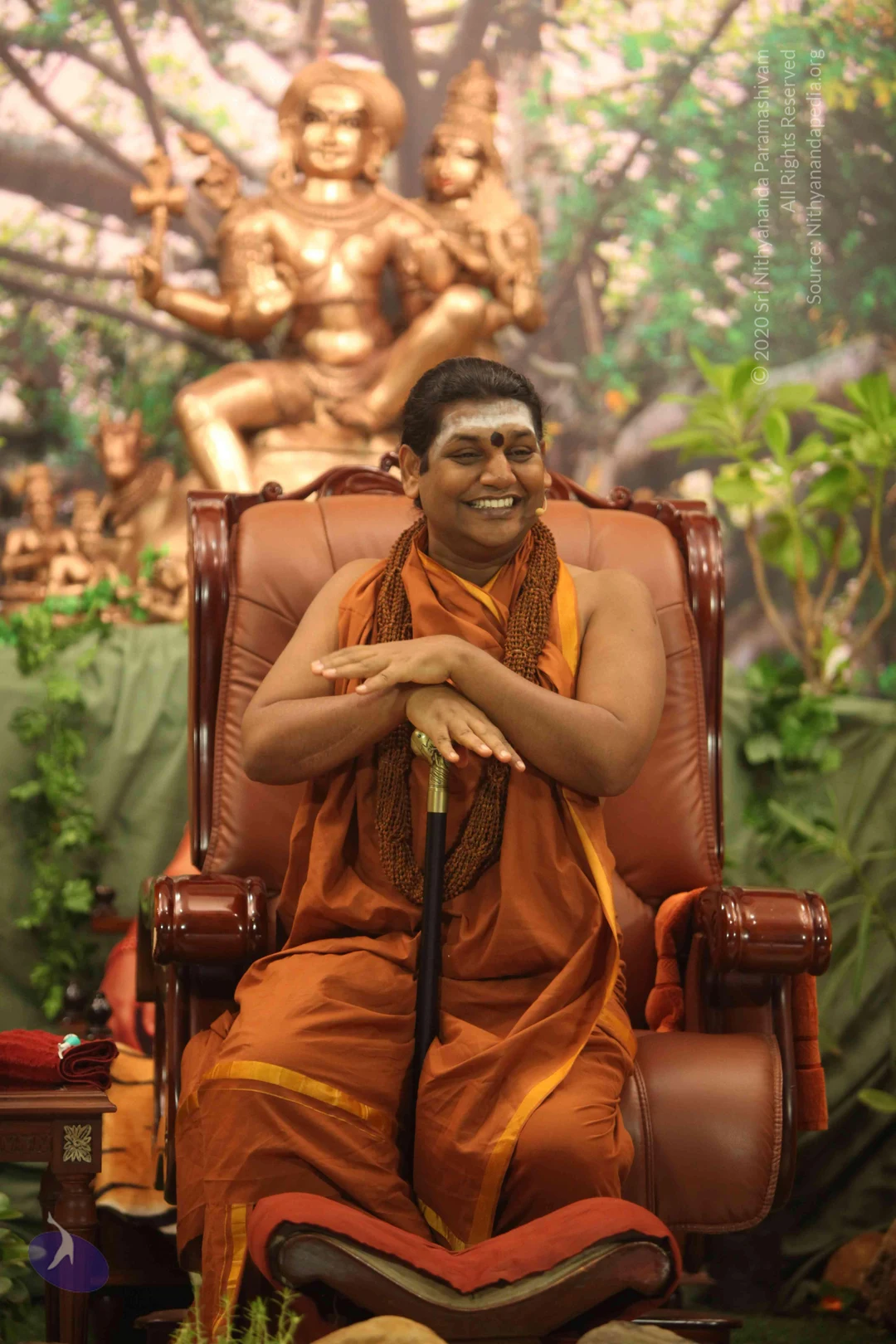
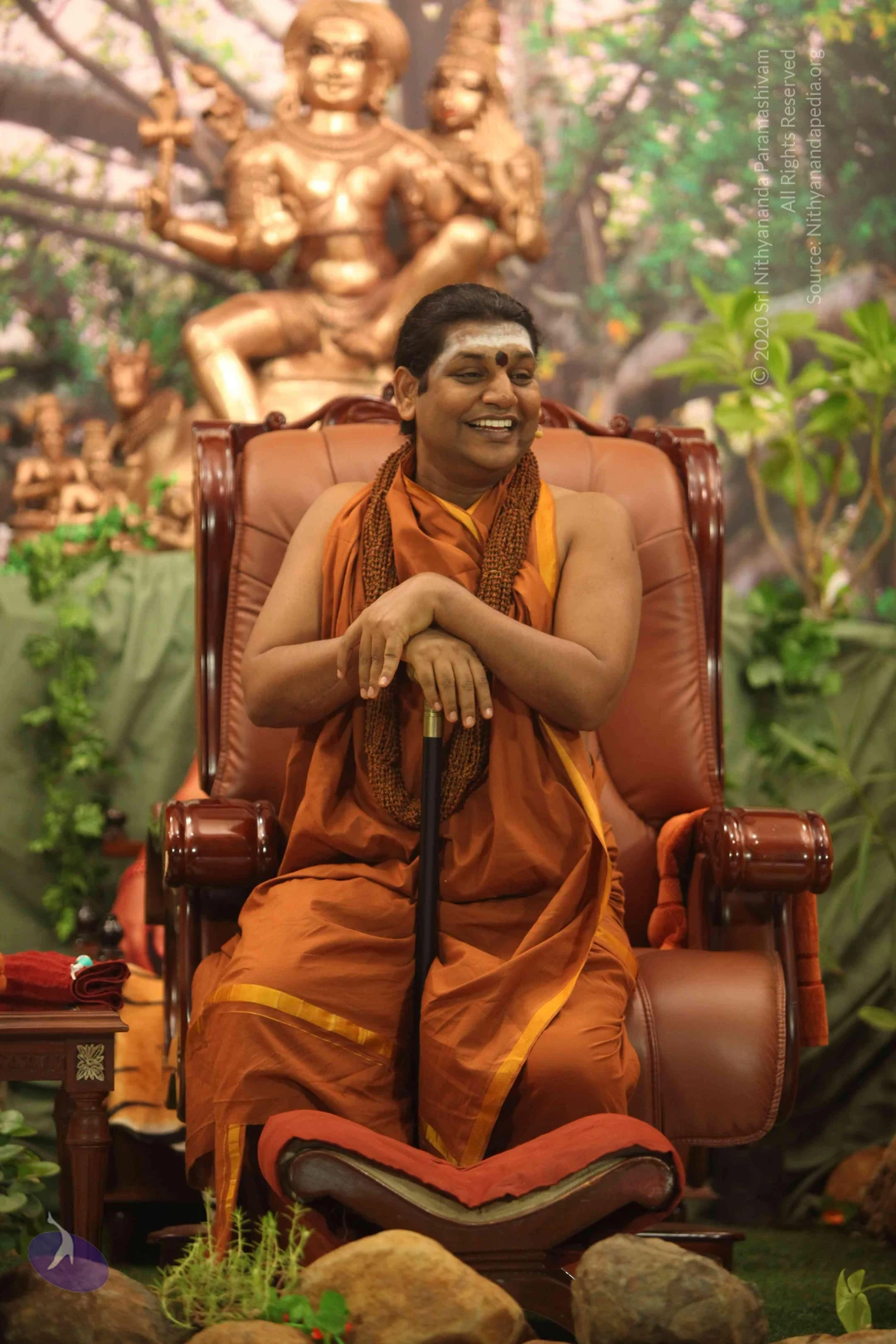
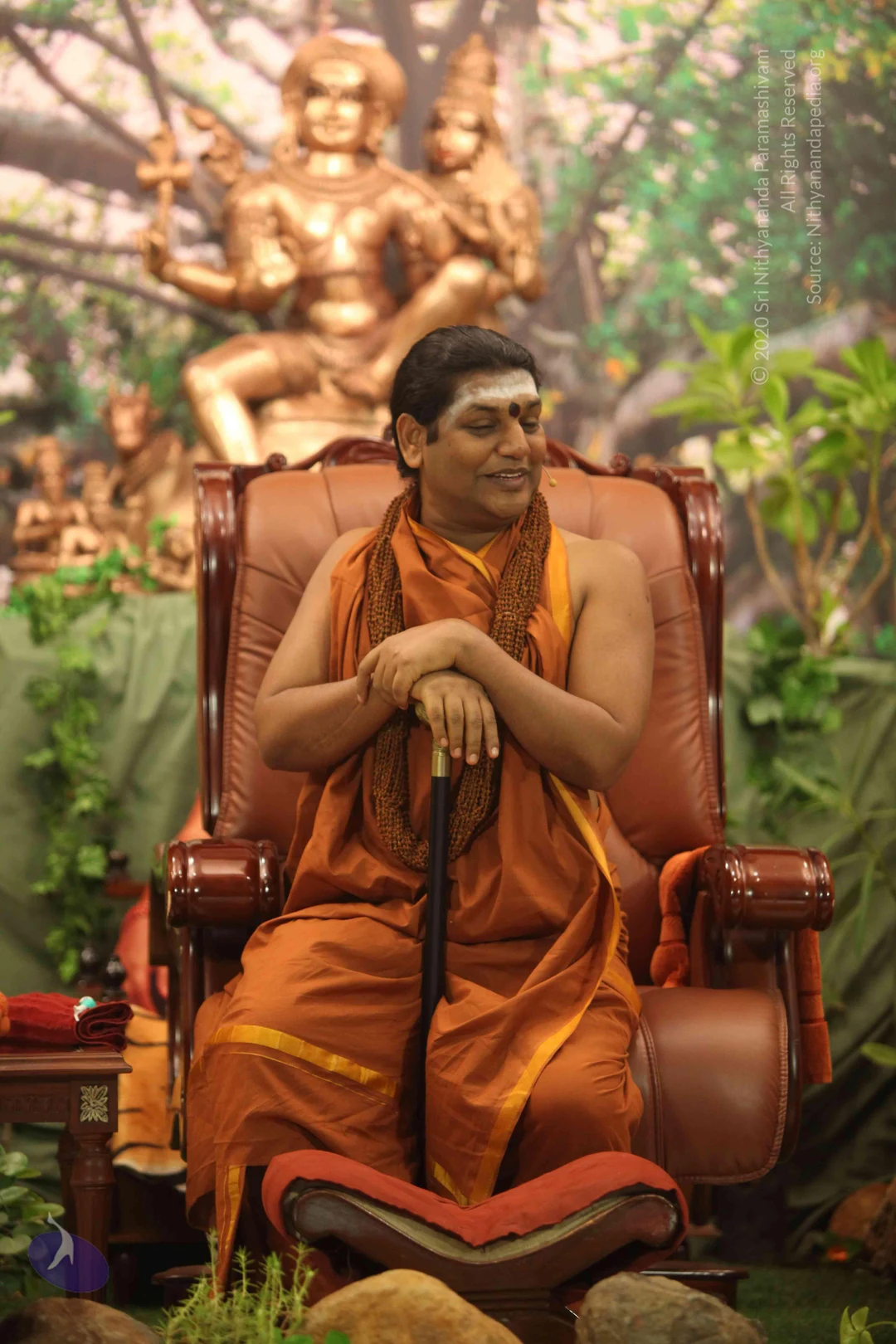
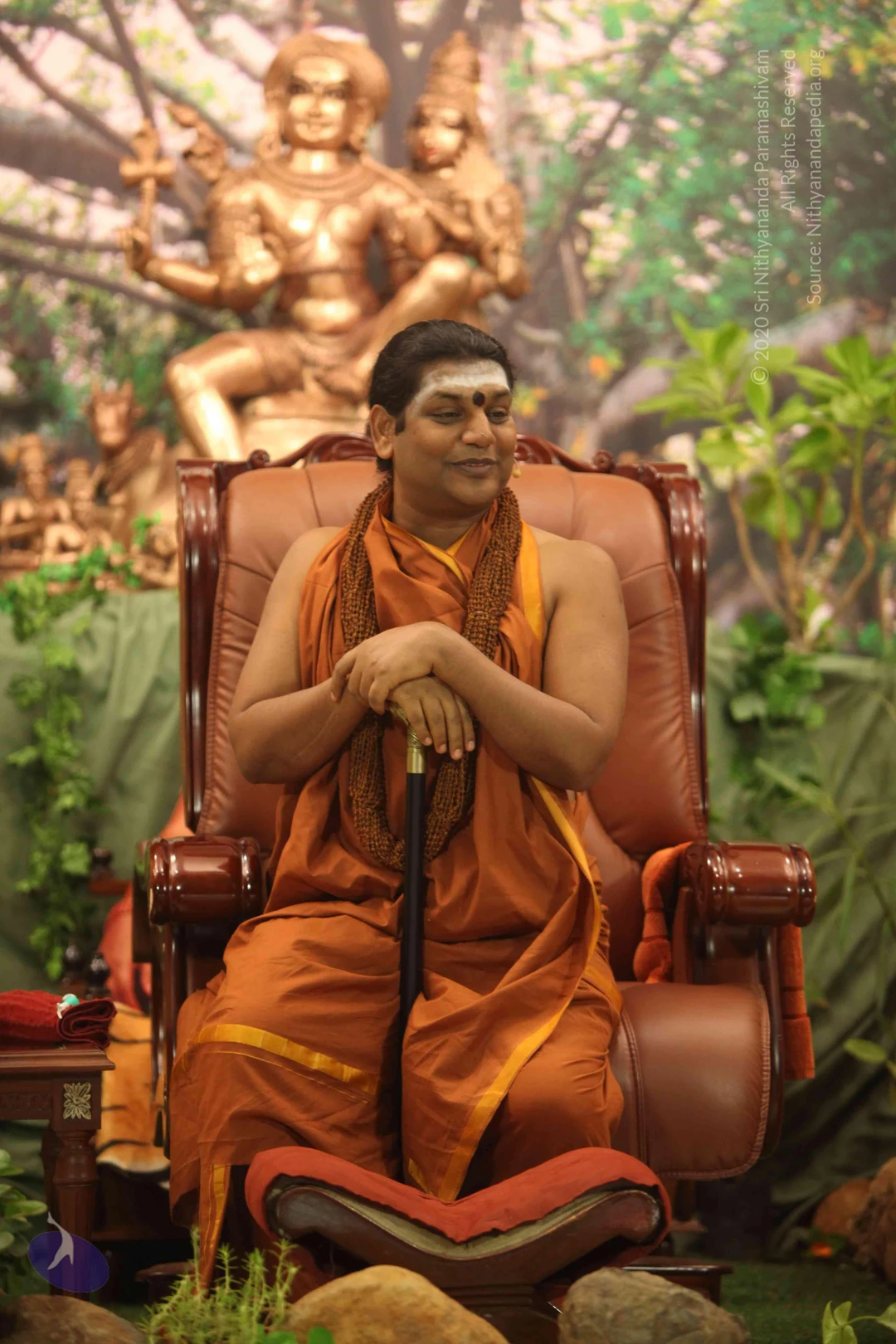
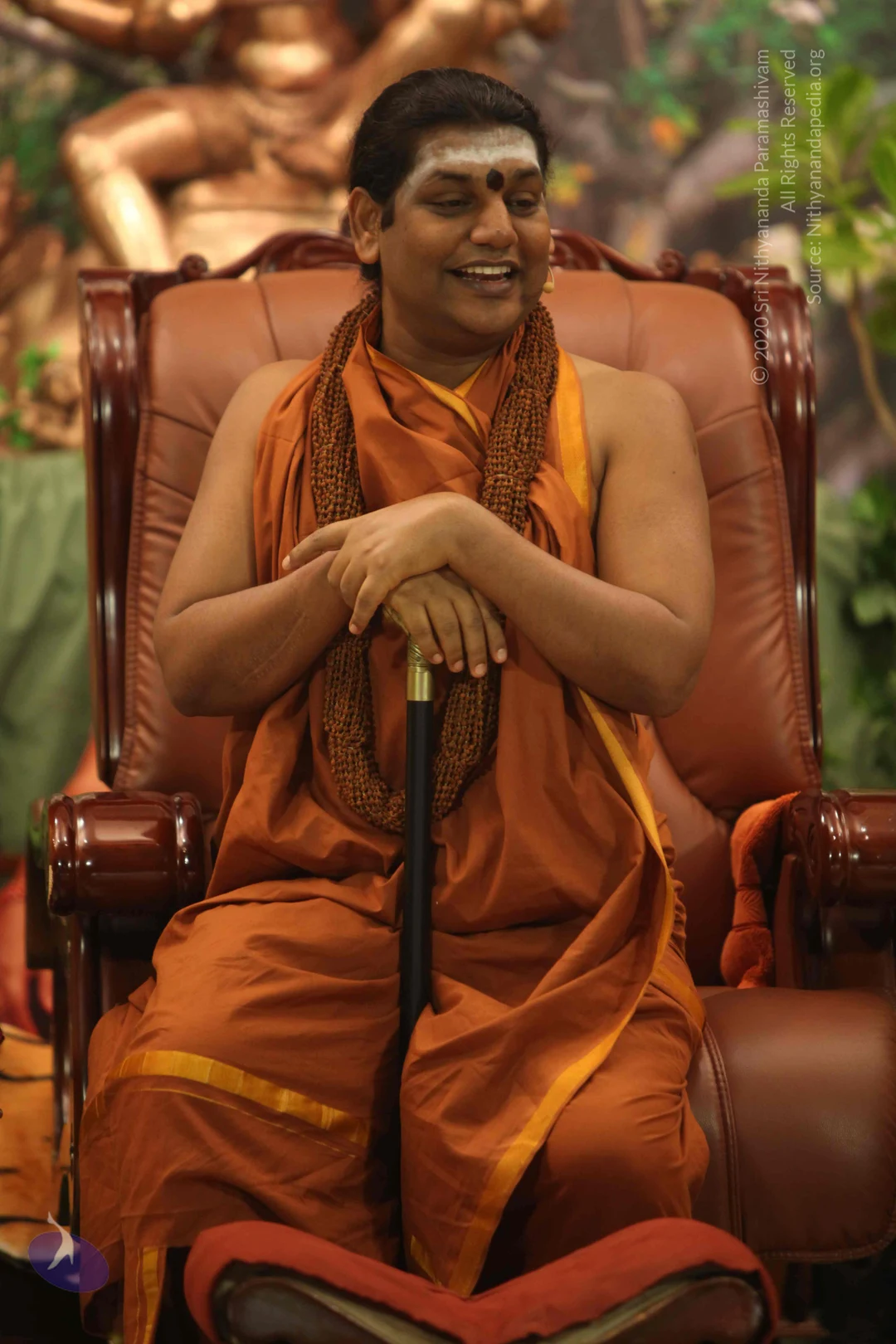
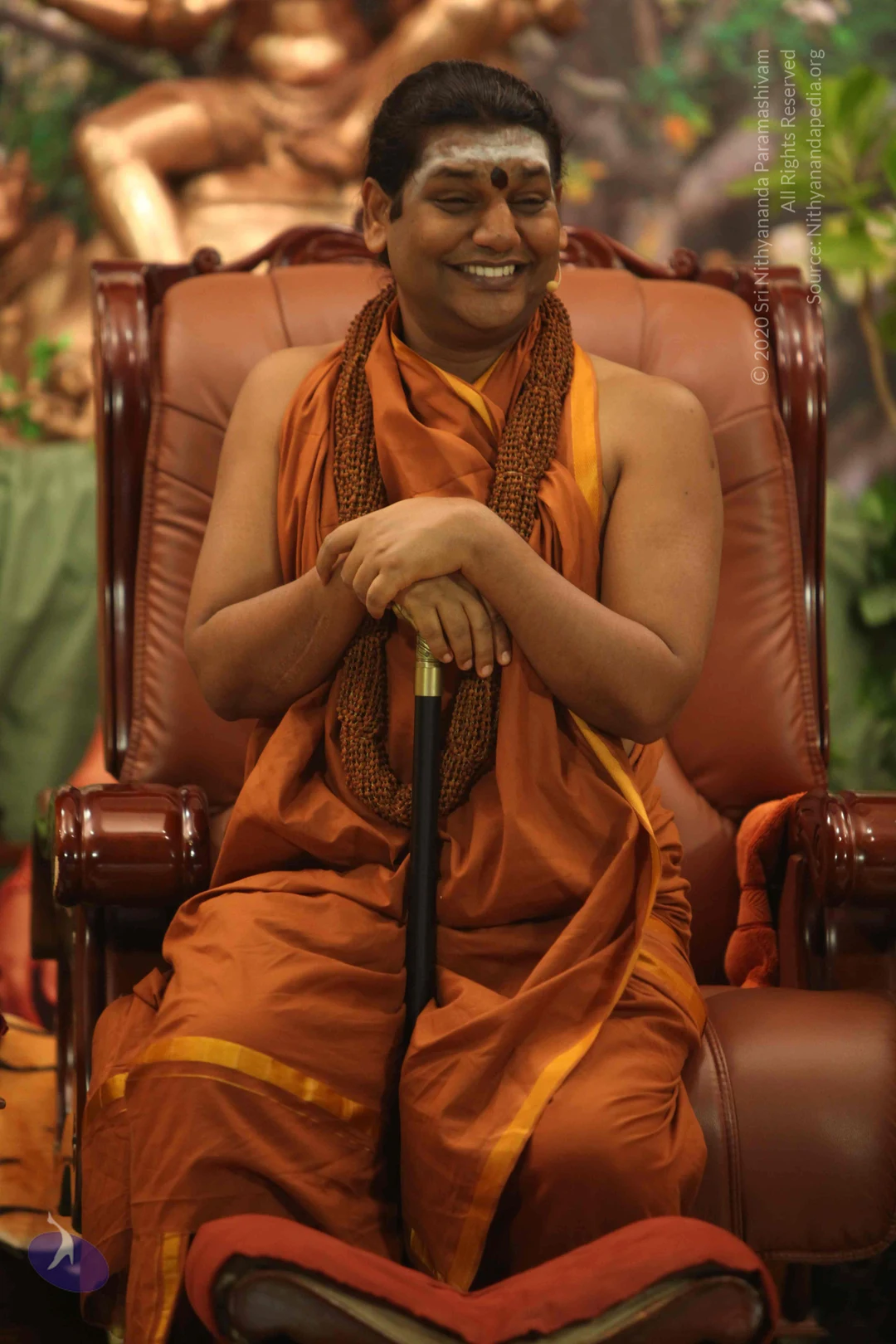
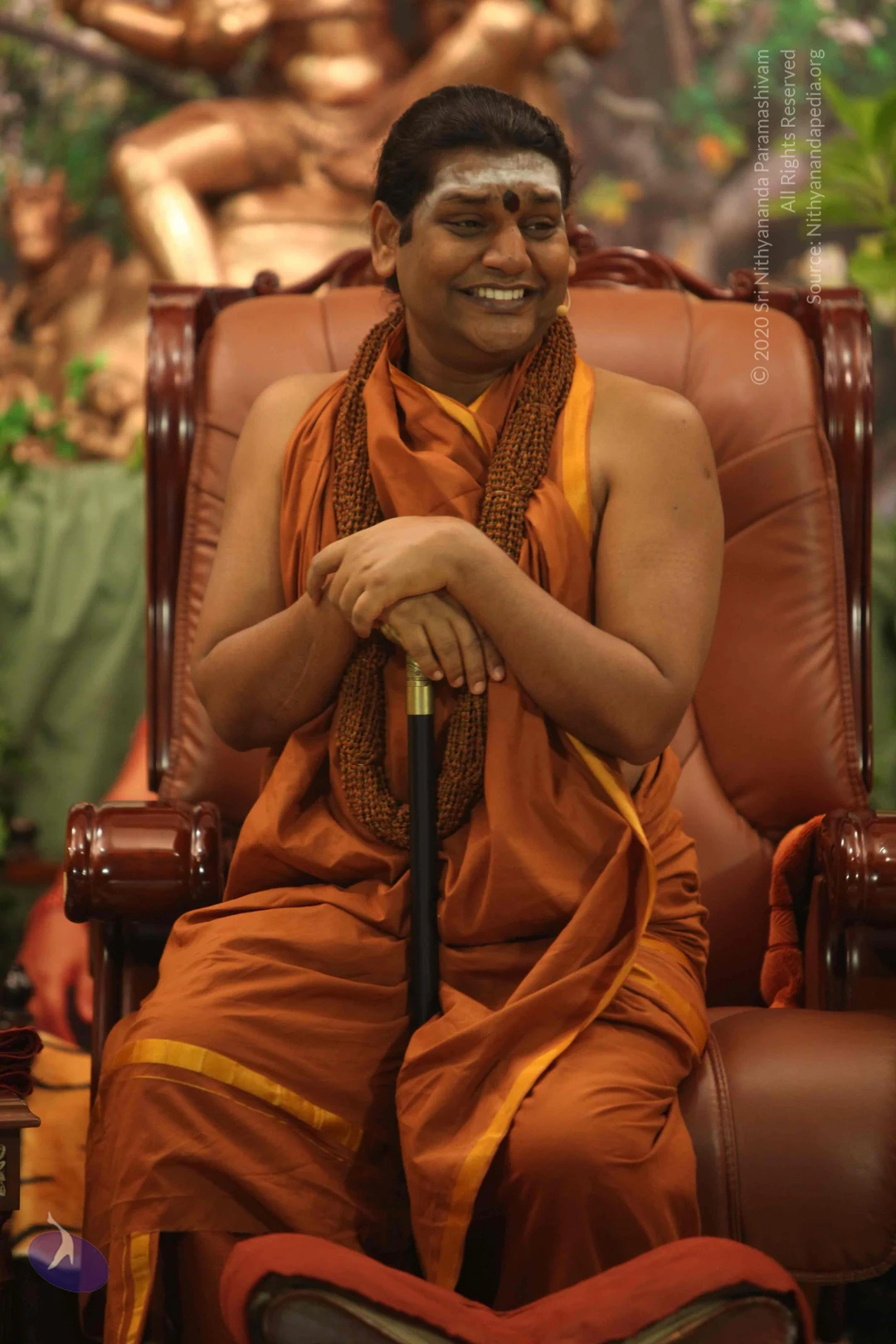
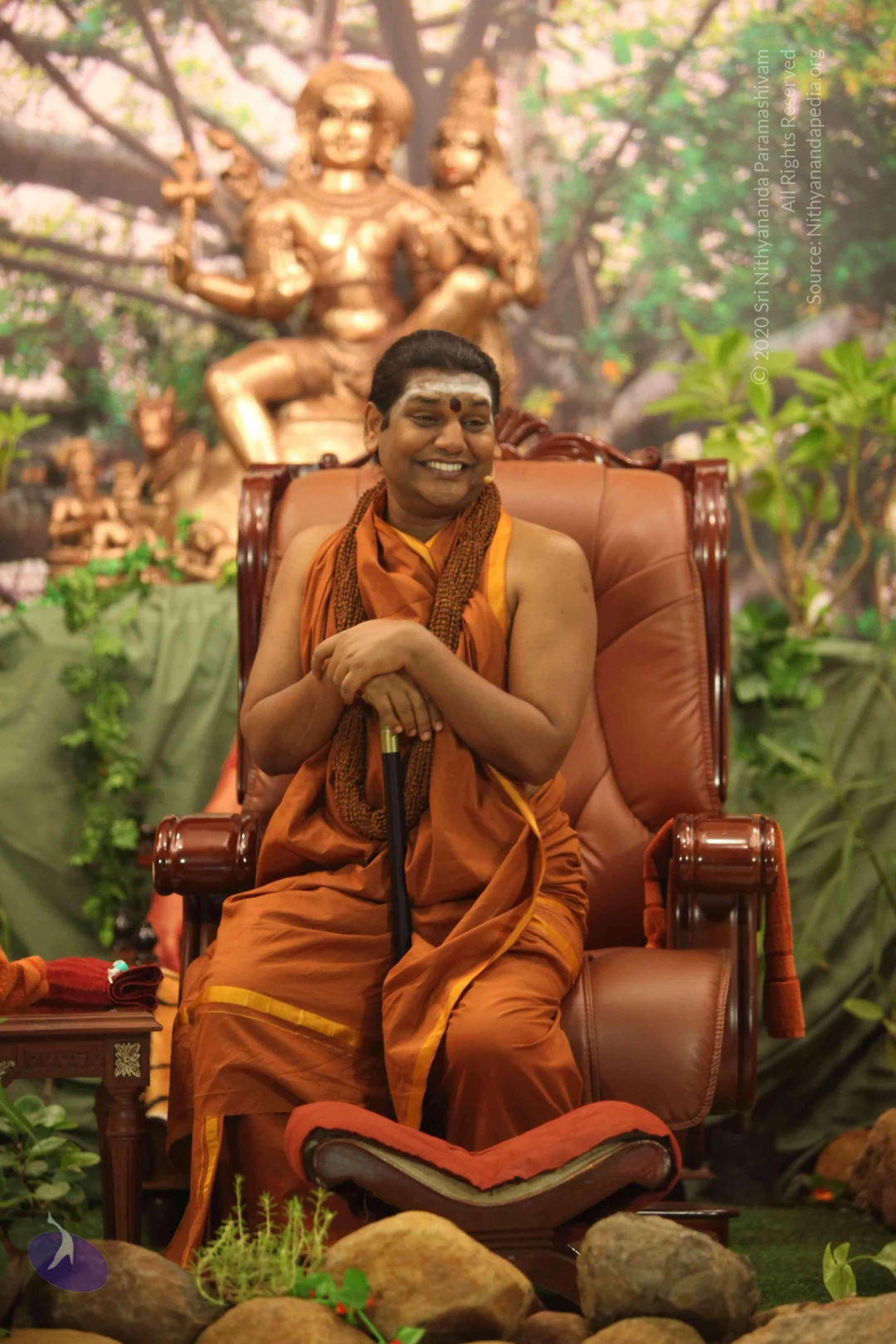
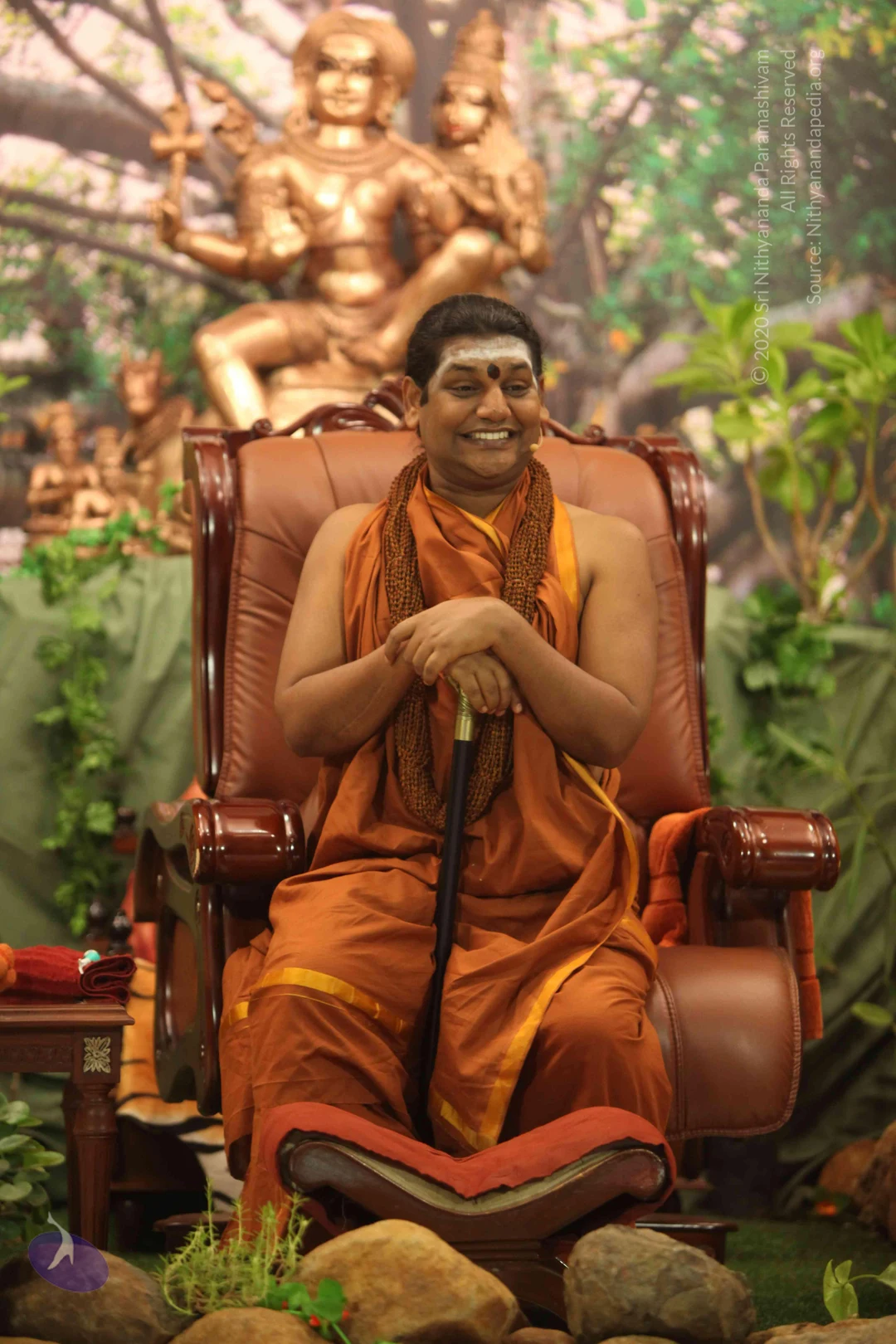
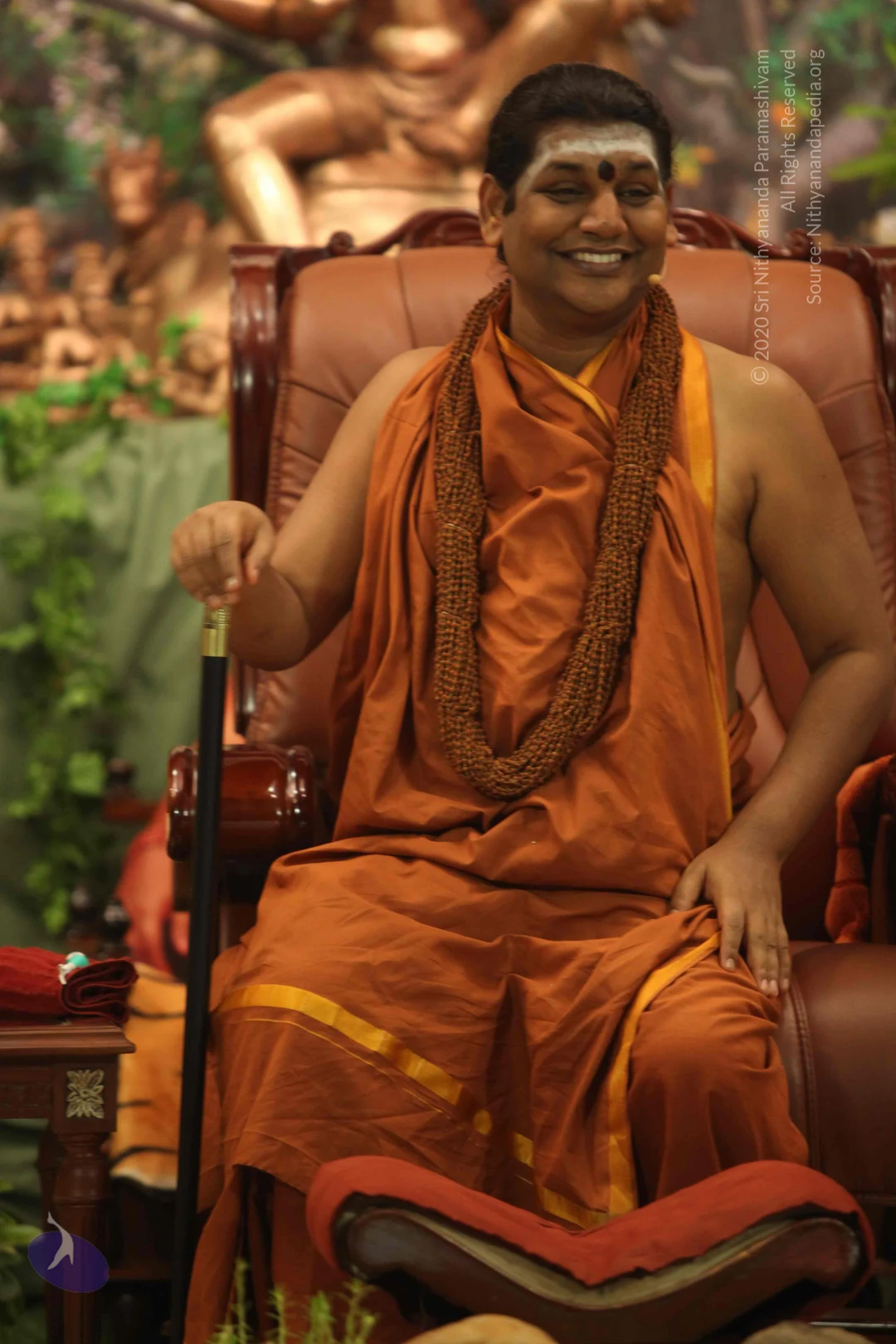
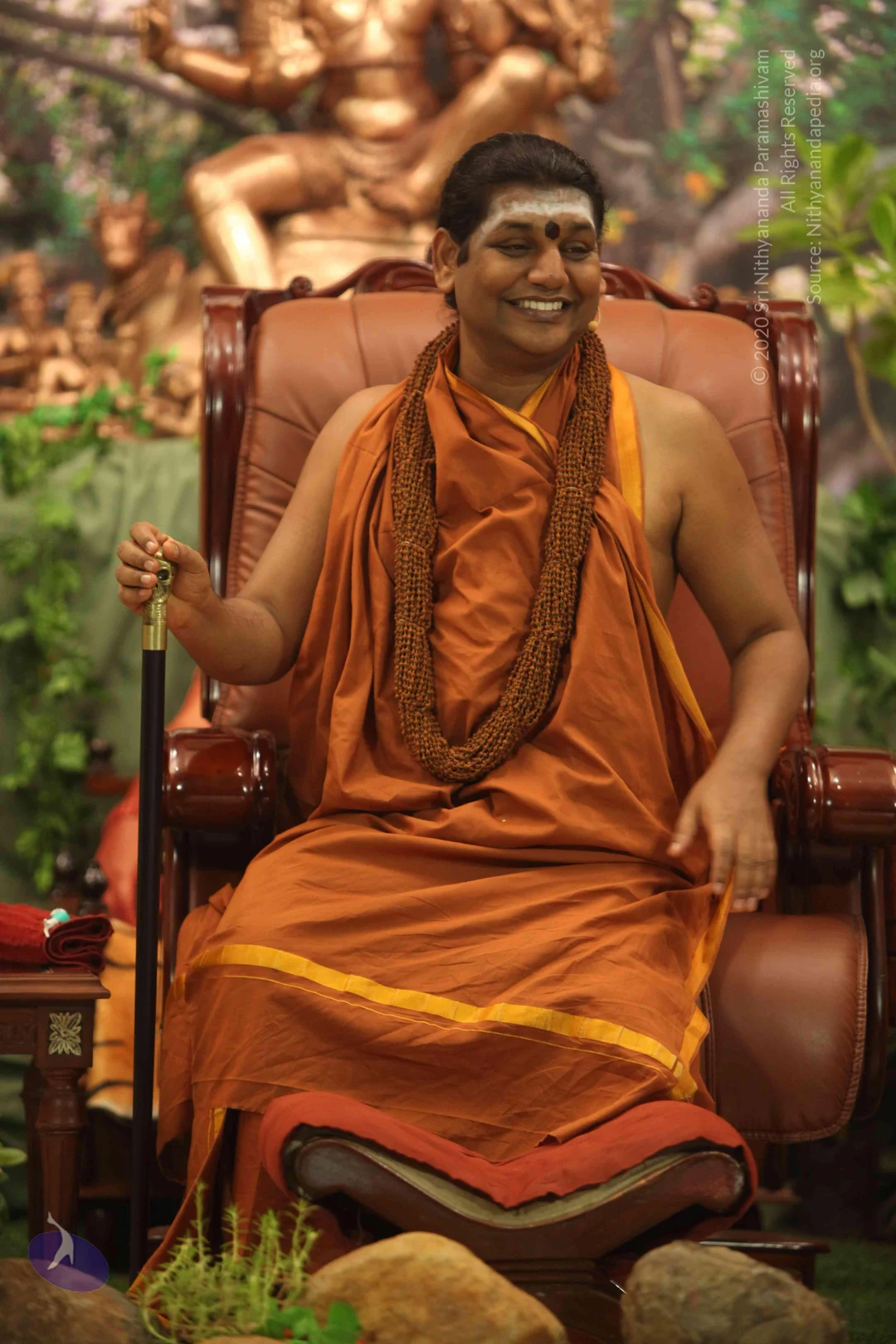
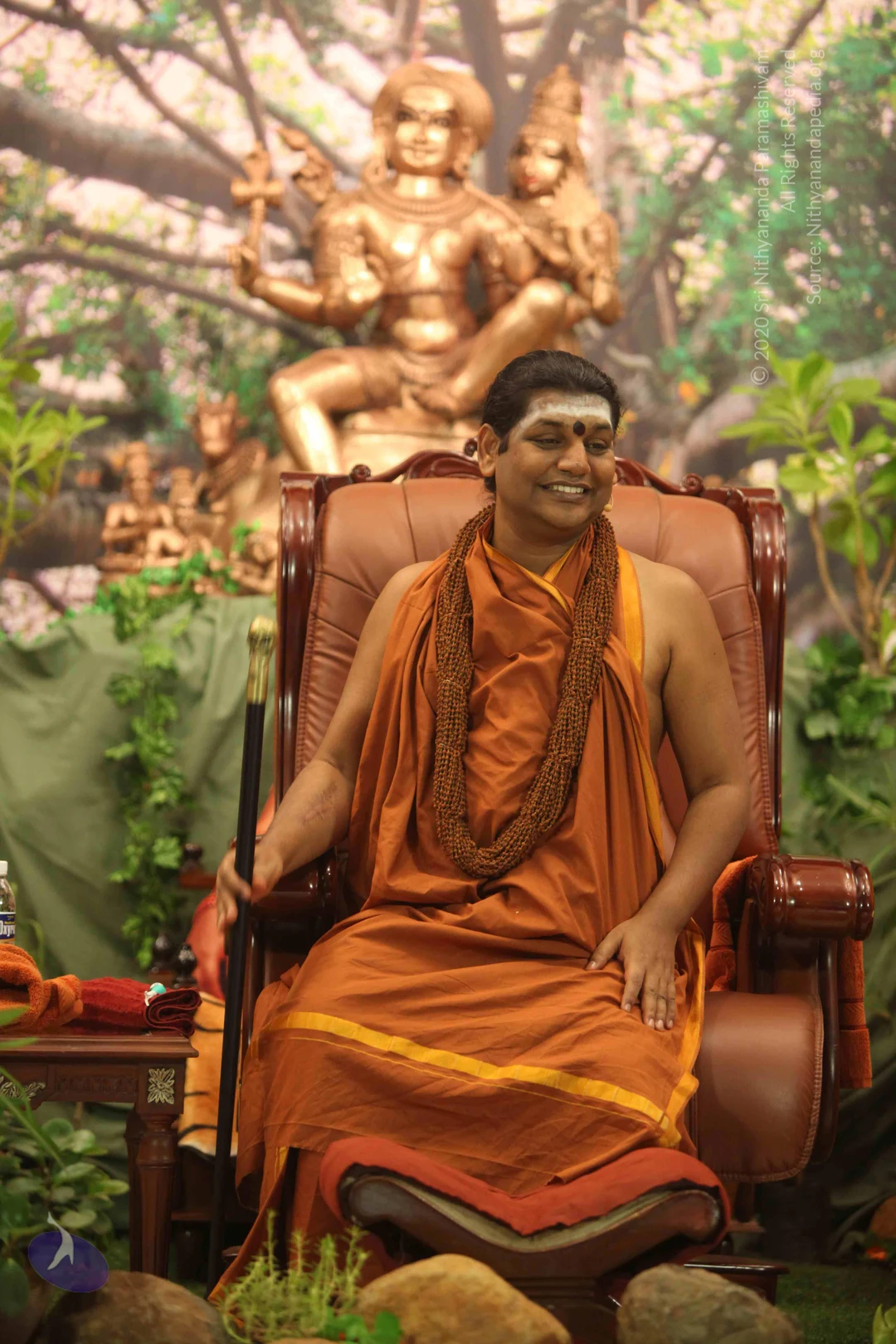
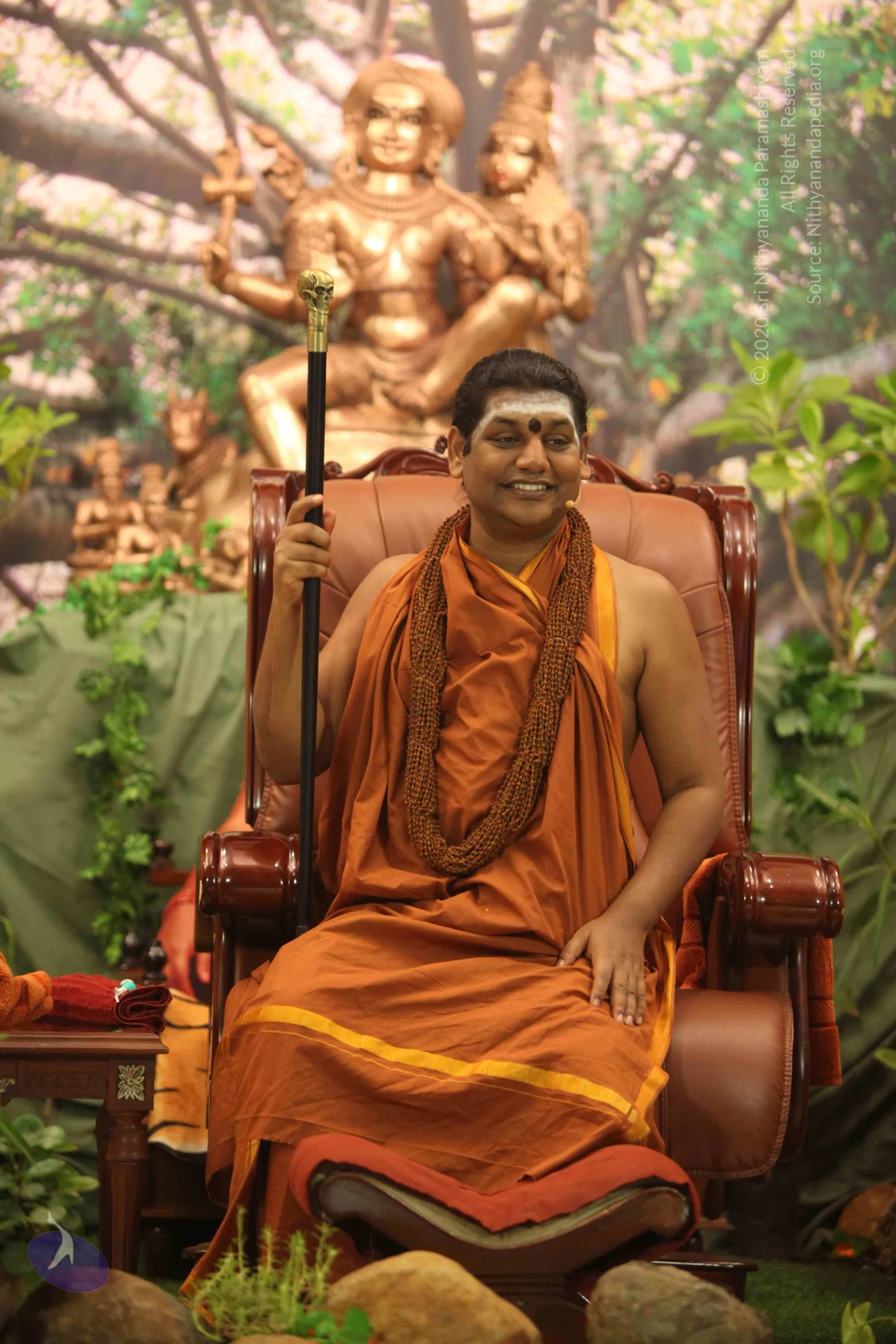
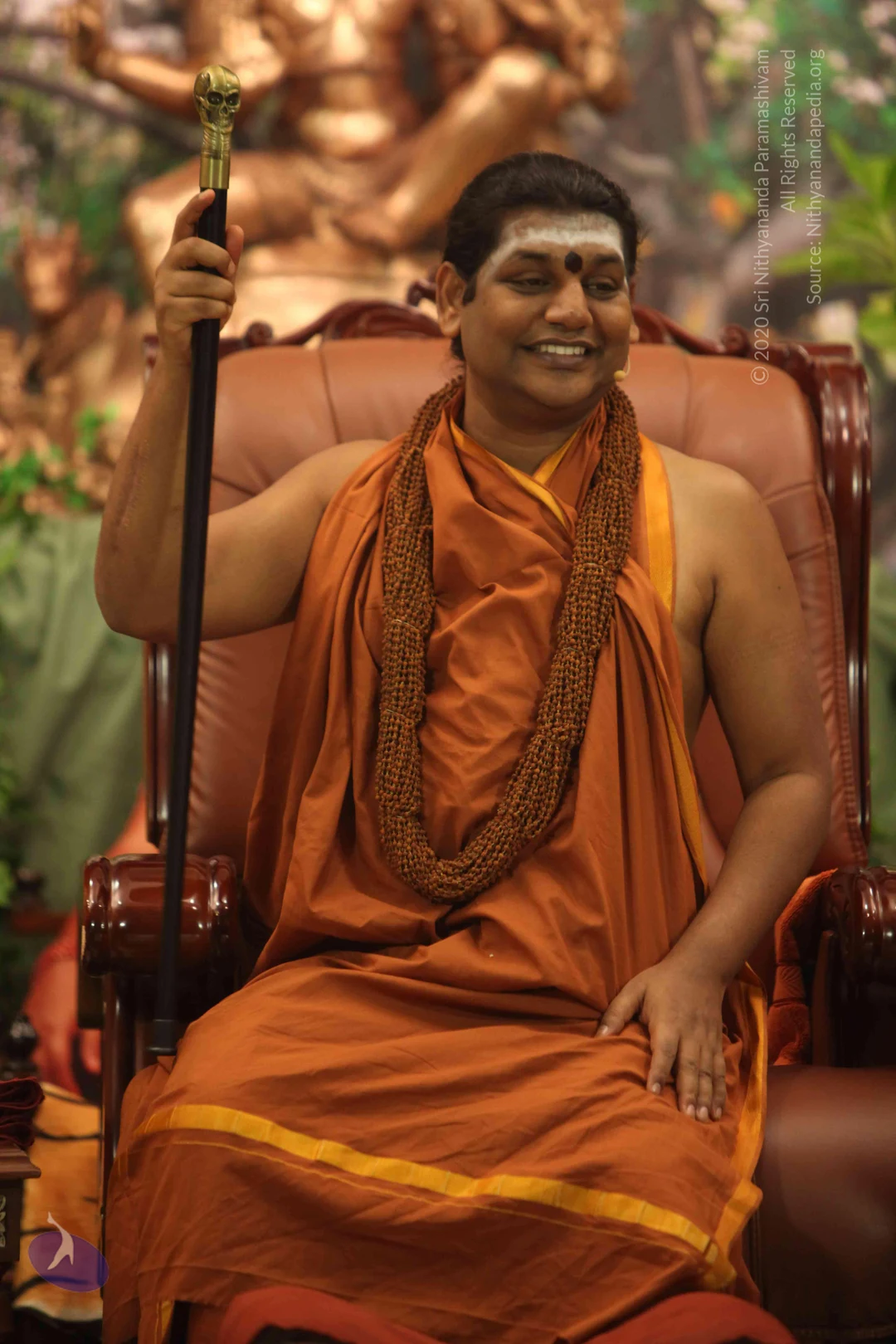
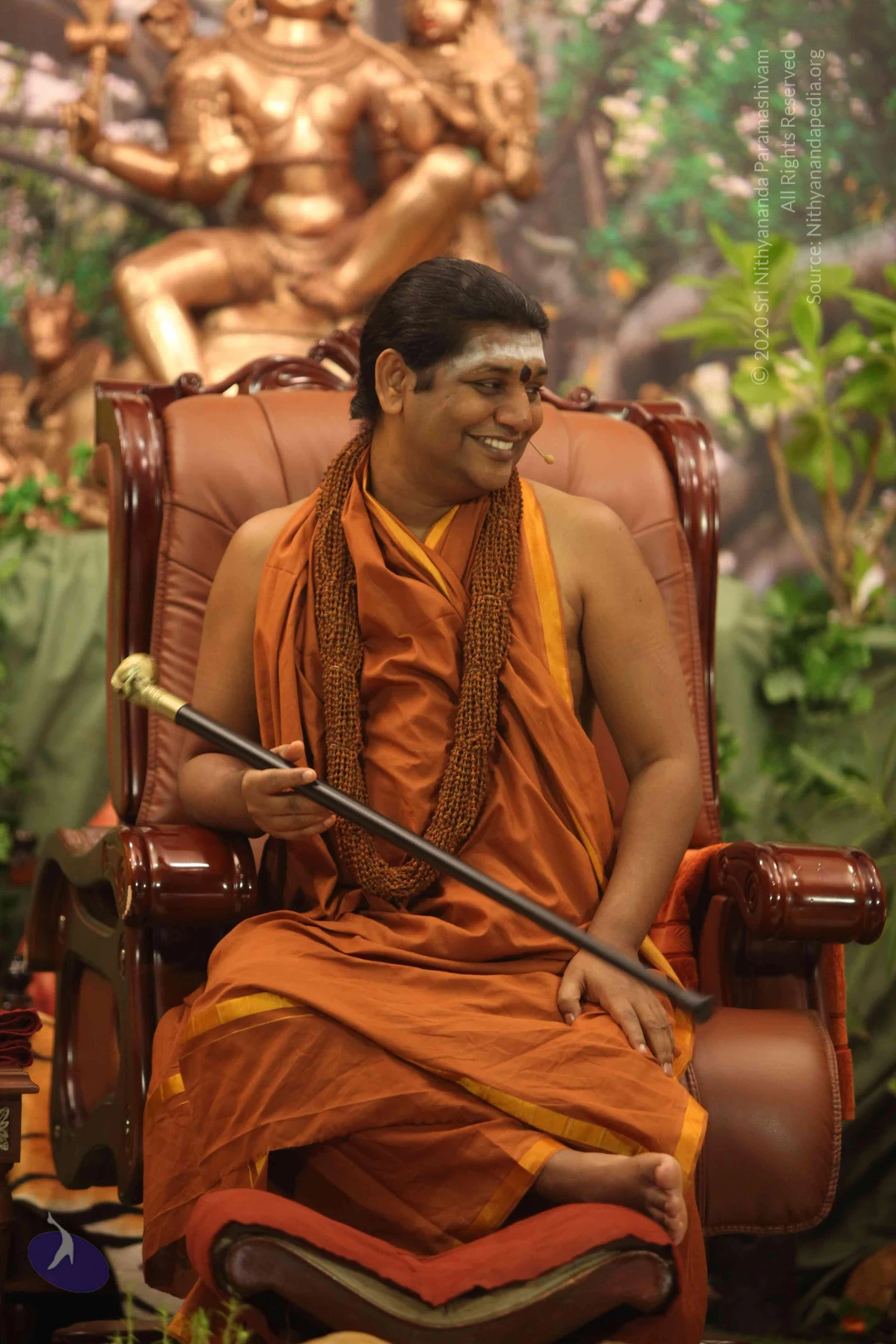
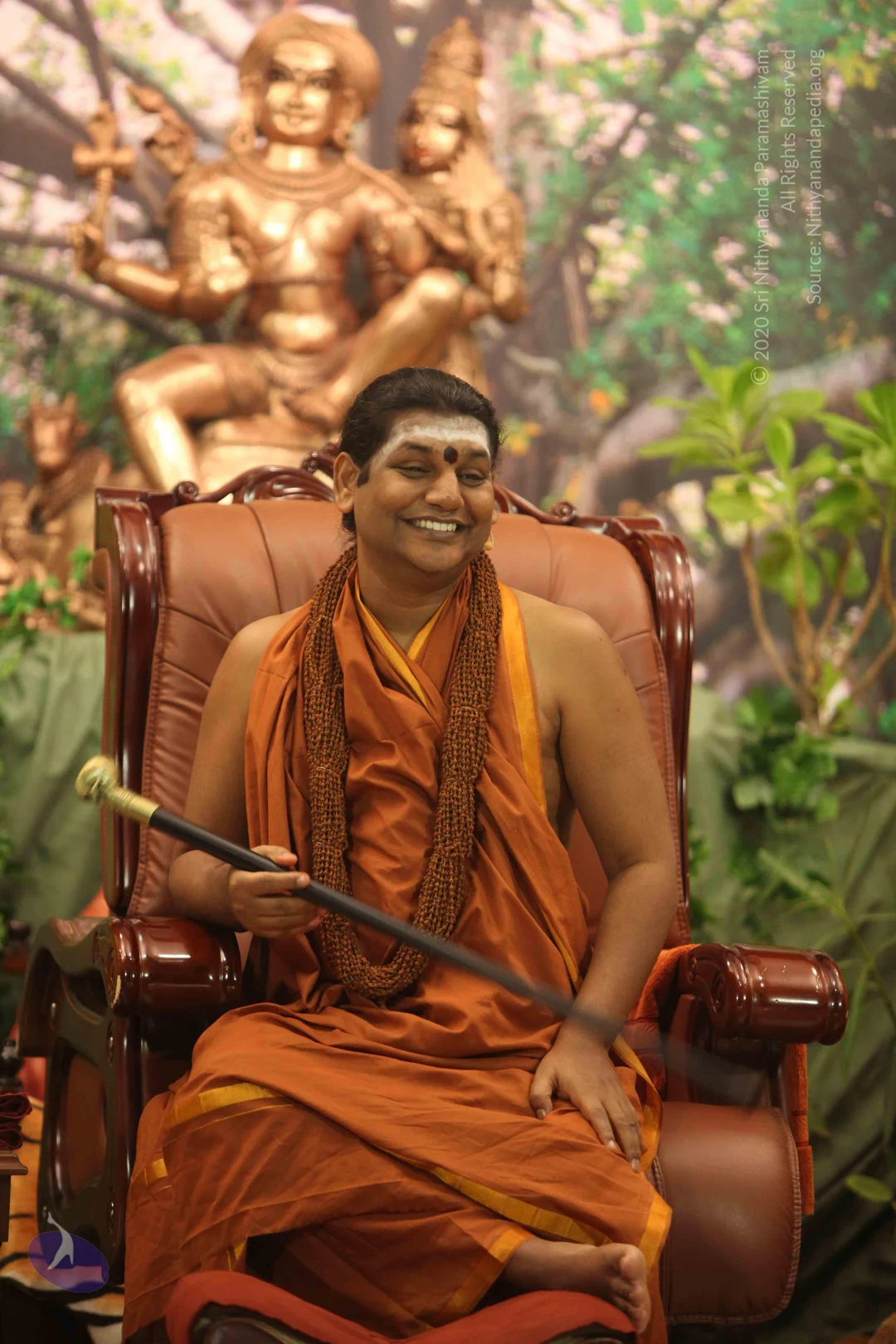
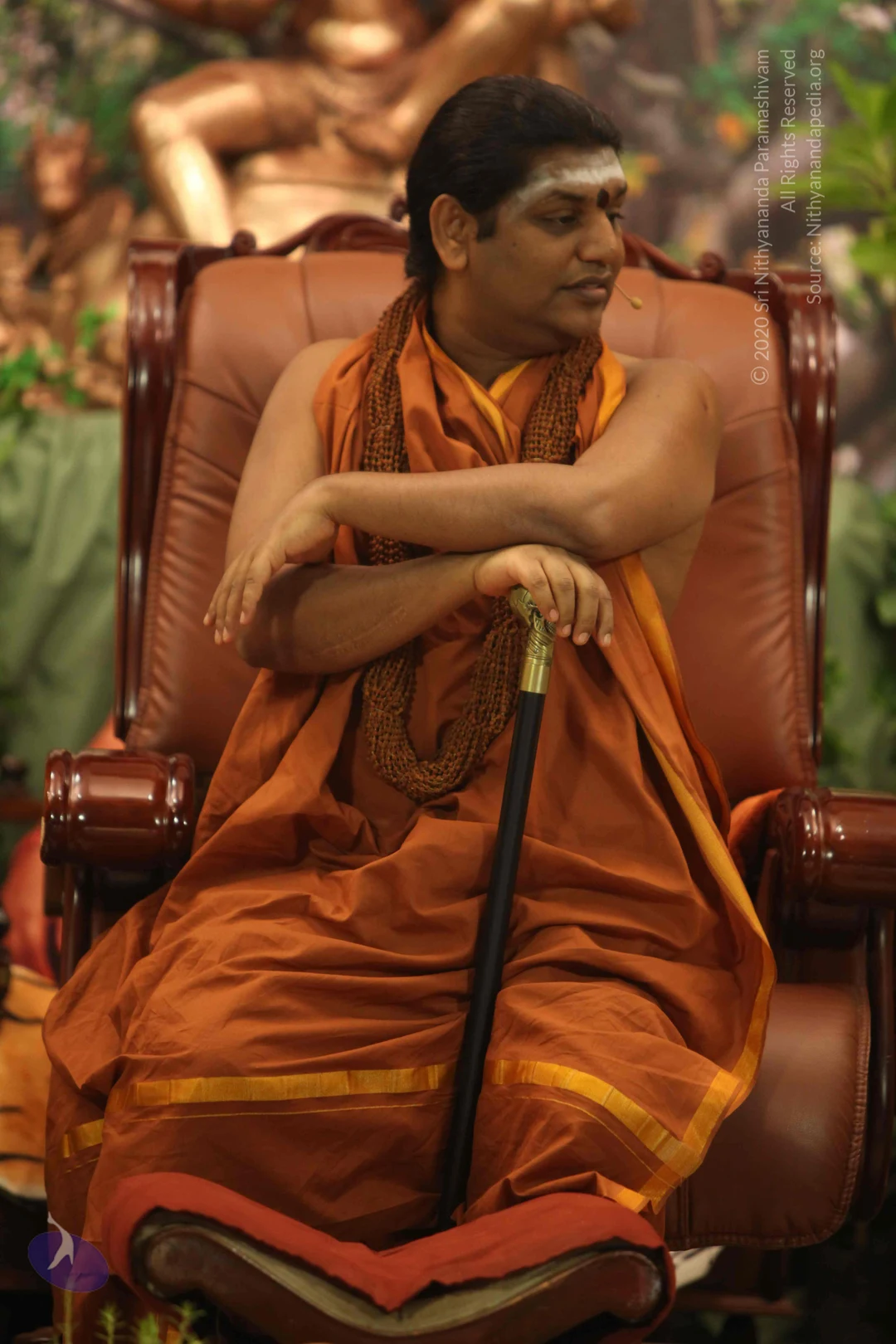
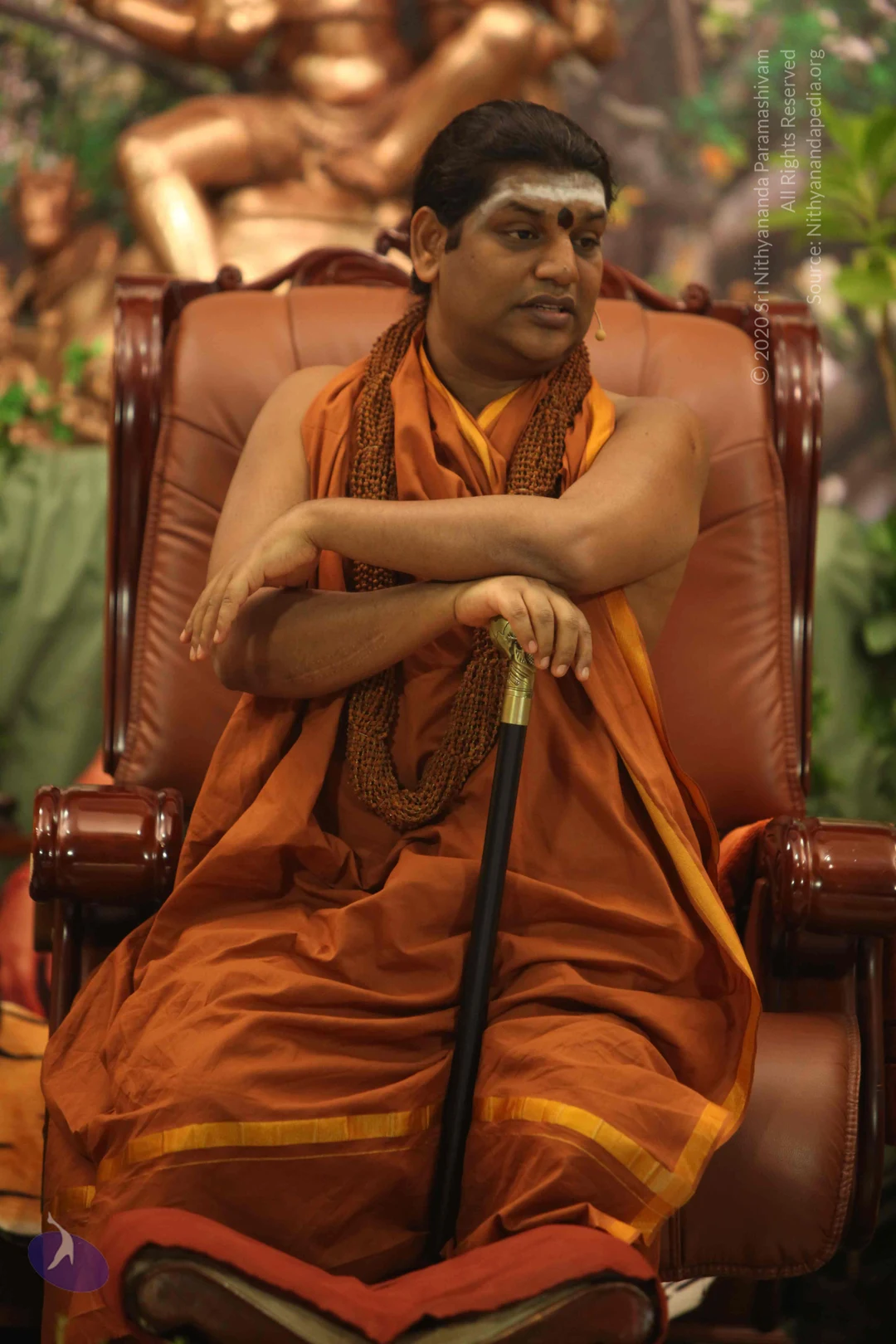
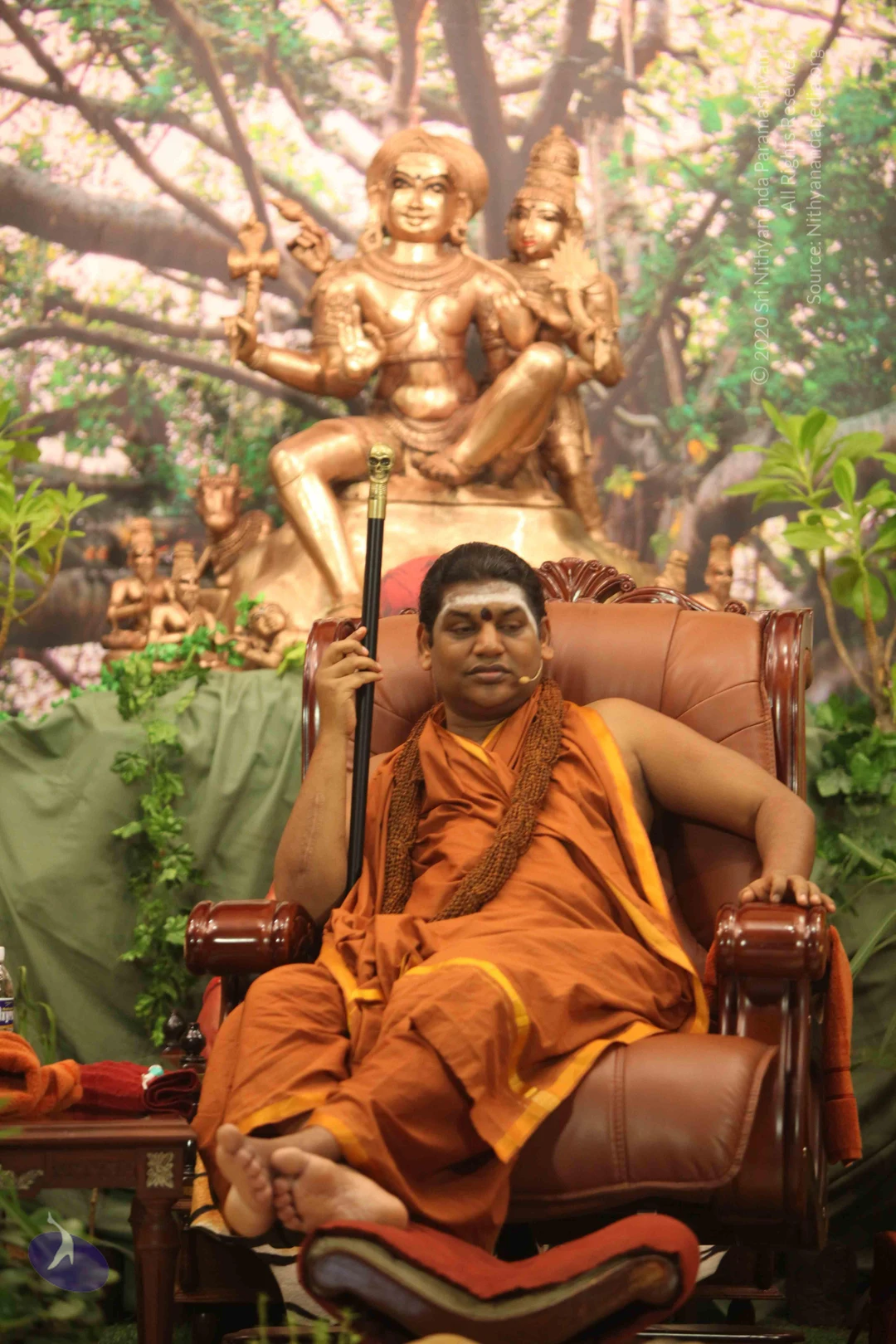
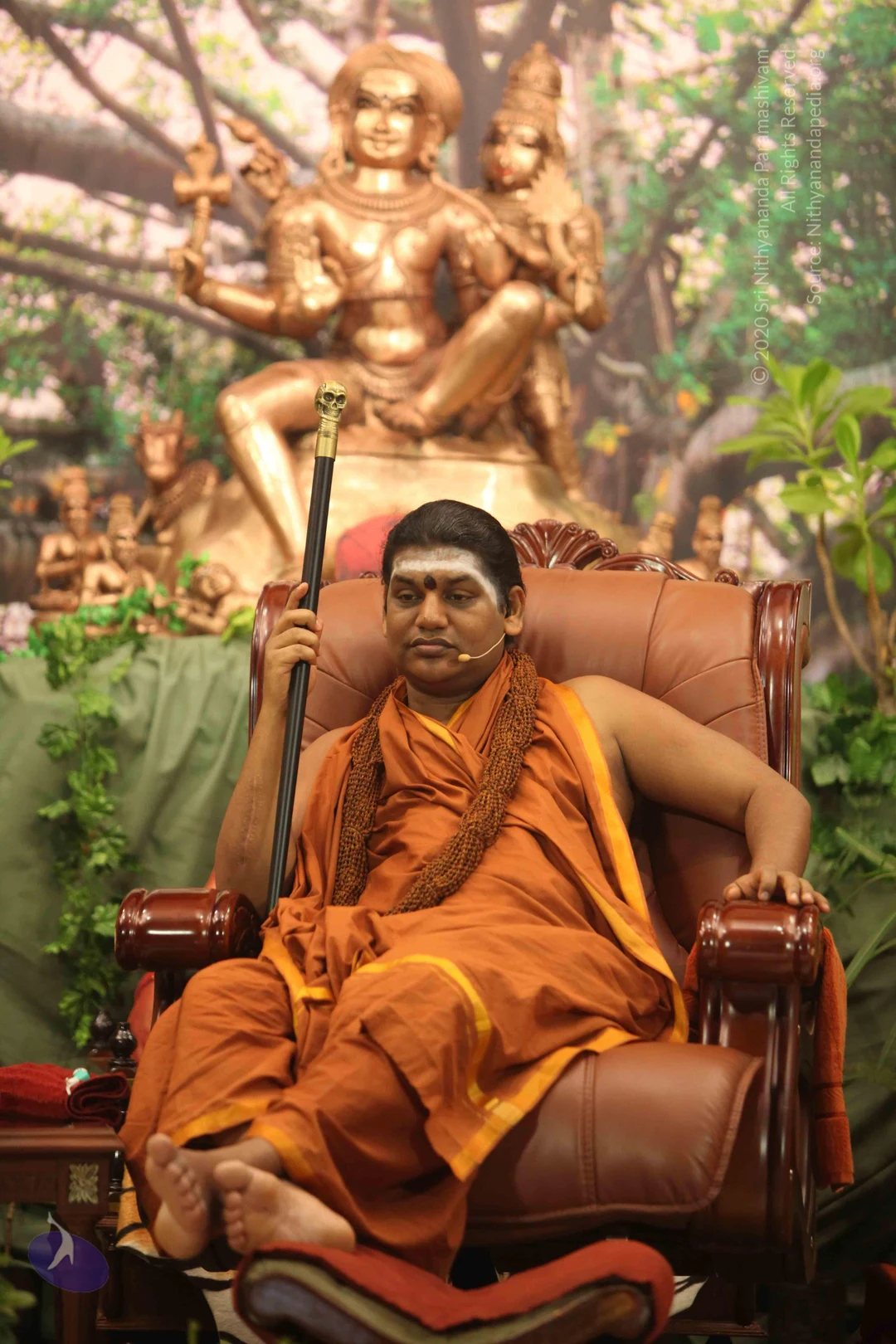
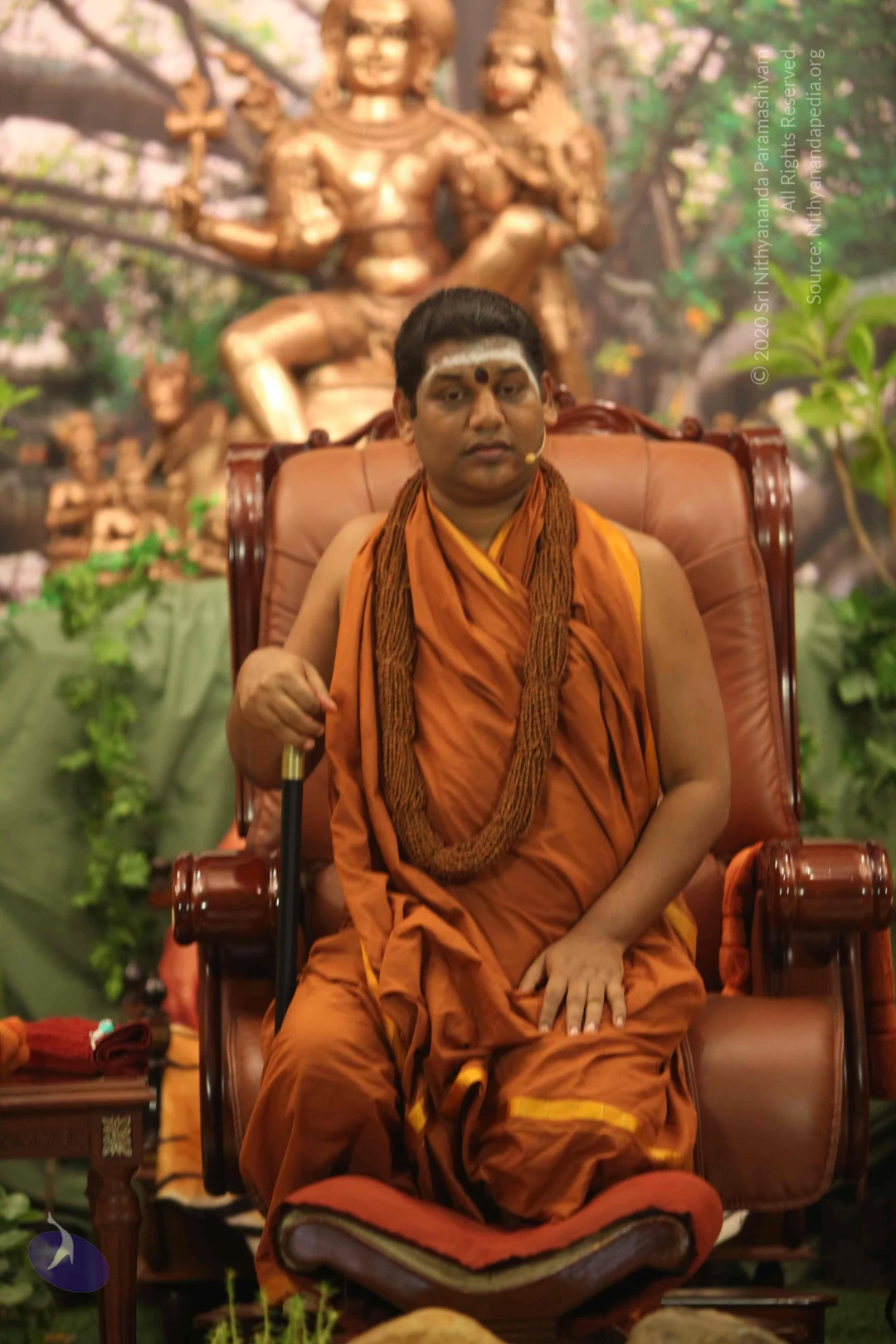
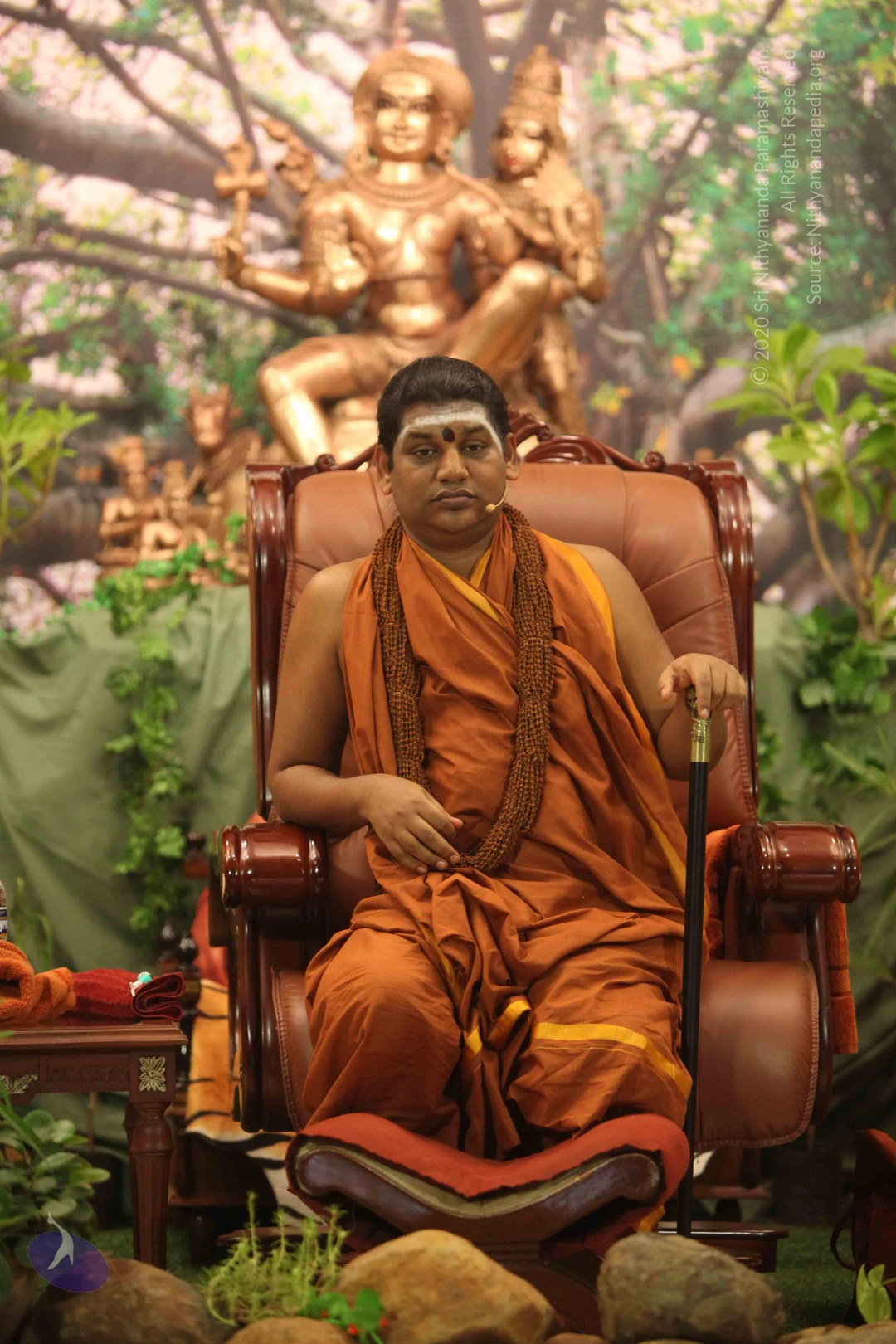
Photos from this day
View all 71 photosNithya Satsang
2 photosSource gallery
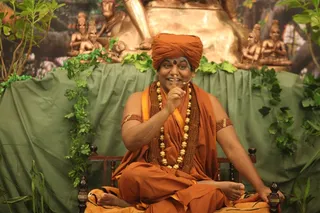
FB-Photos-of-the-Day
1 photoSource gallery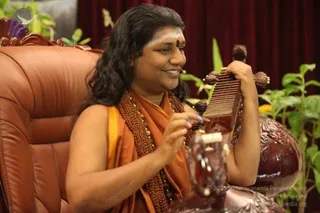
Satsang-Bidadi
20 photosSource gallery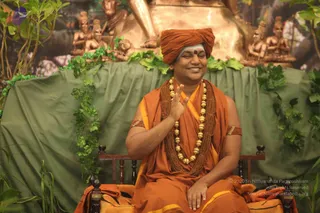
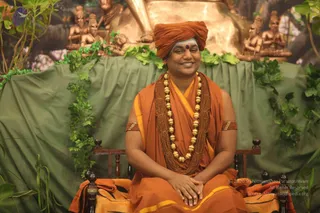
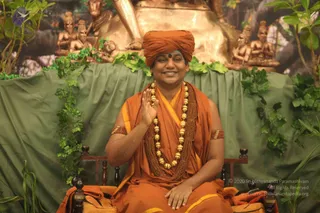
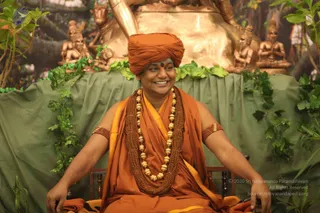
Satsang-Bidadi
4 photosSource gallery
MAHANTH-MEETING
44 photosSource gallery