Skip to content
Friday

23 November 2018

Supreme Pontiff of Hinduism Bhagavan Sri Nithyananda Paramashivam

Dated photos
127
Source pages
1
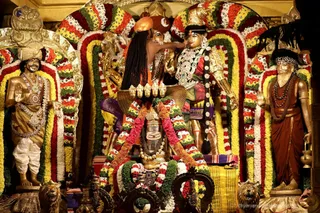
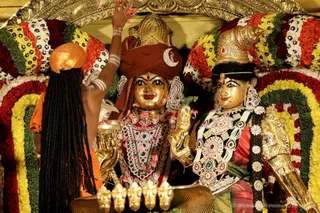
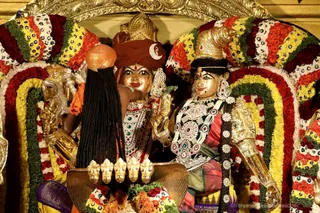
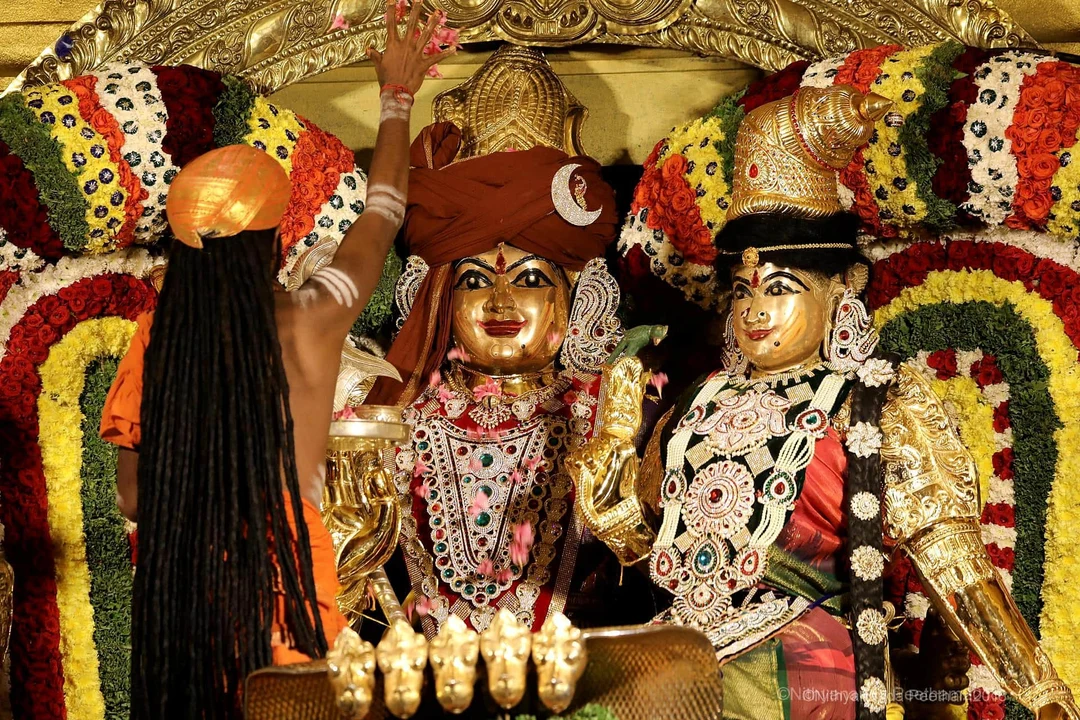
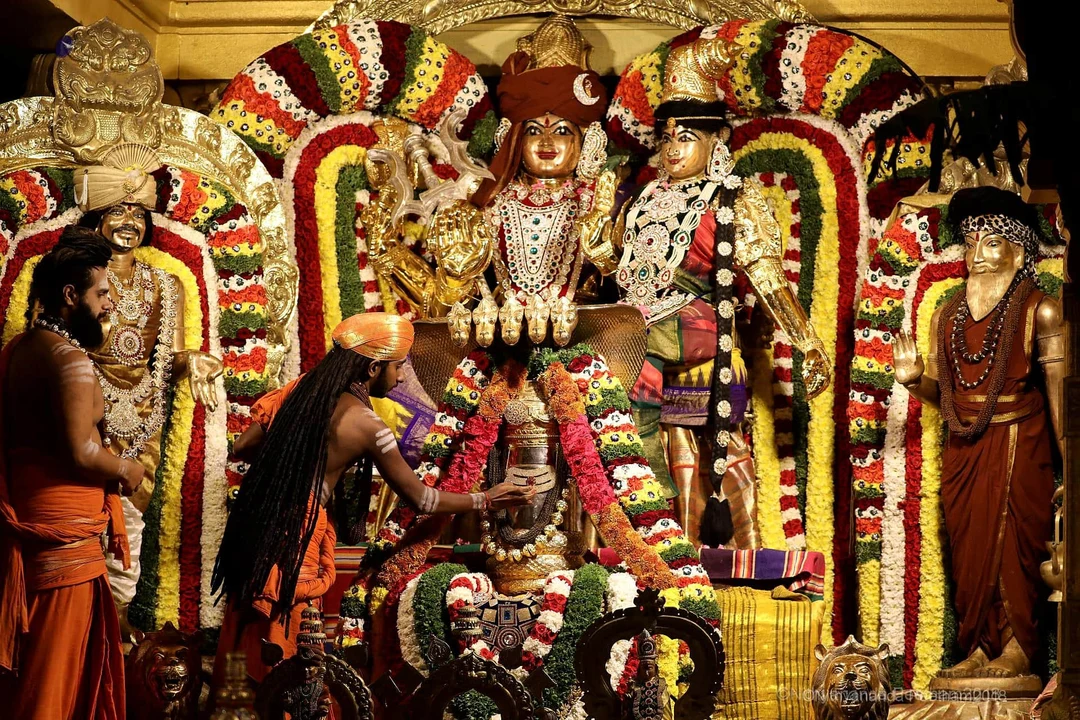
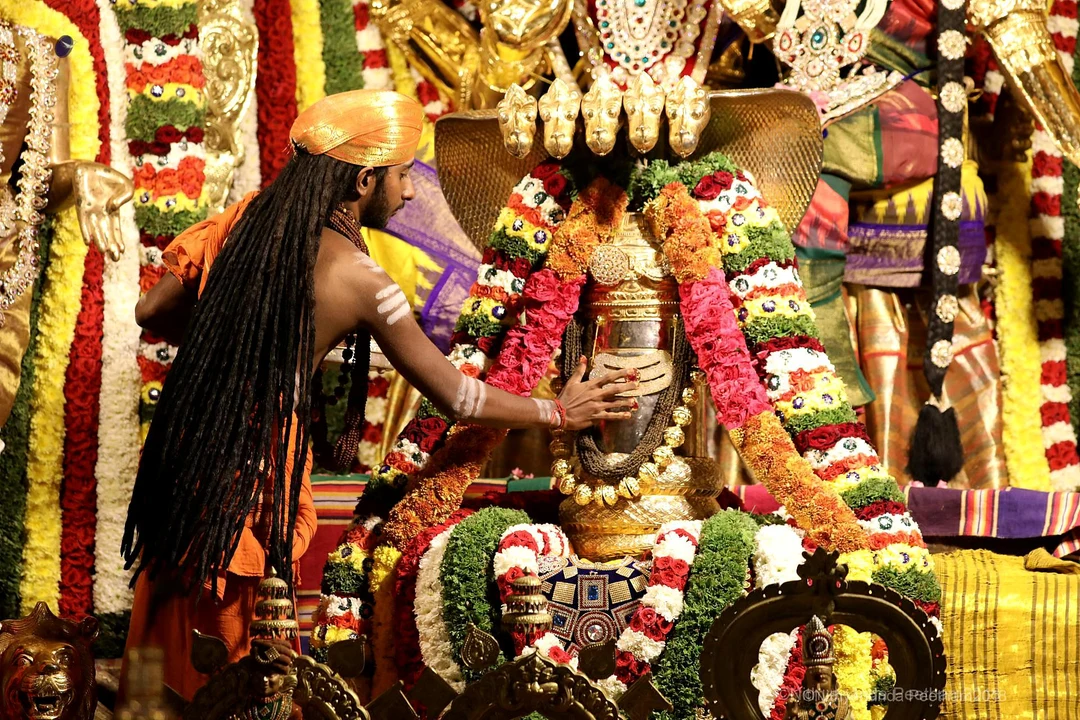
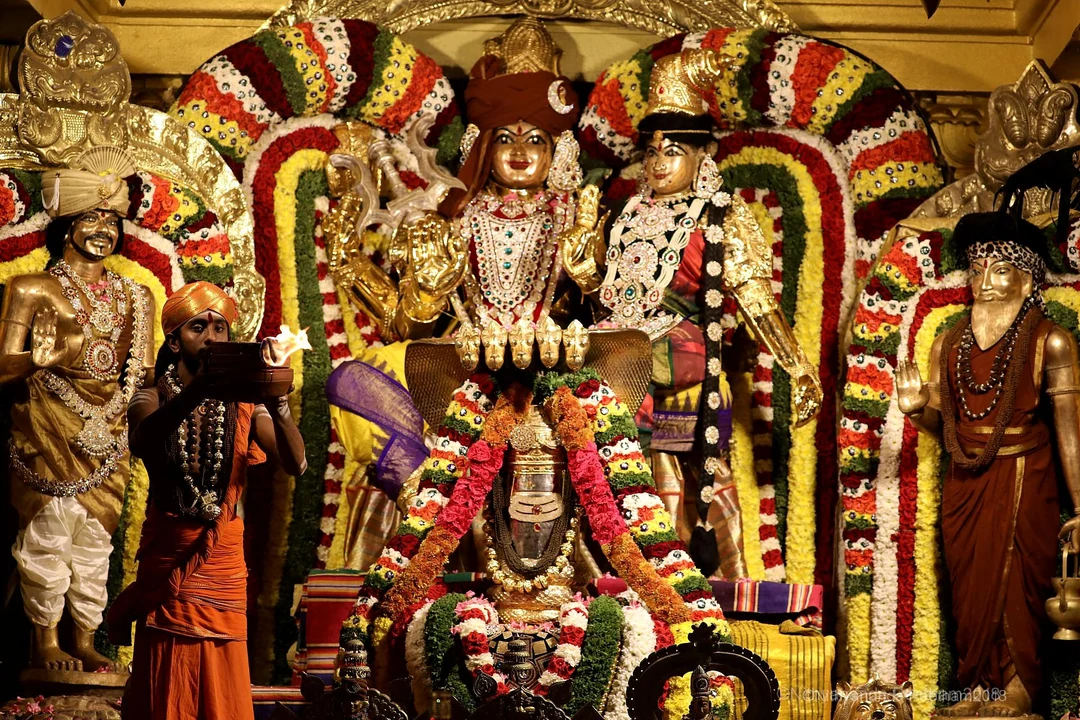
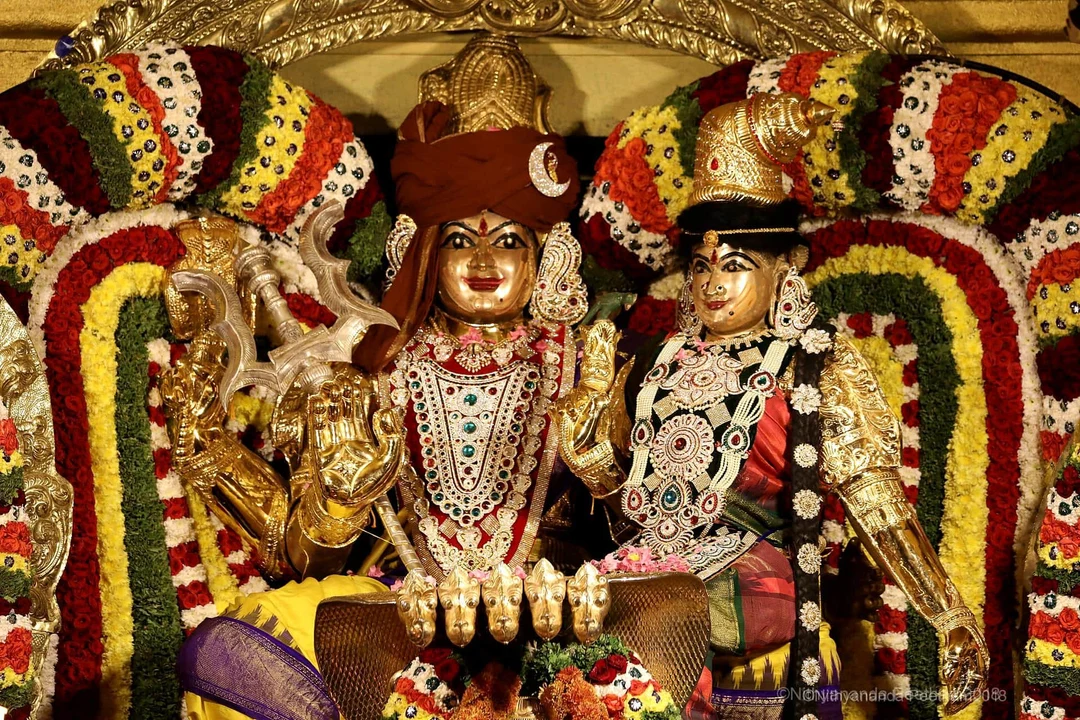
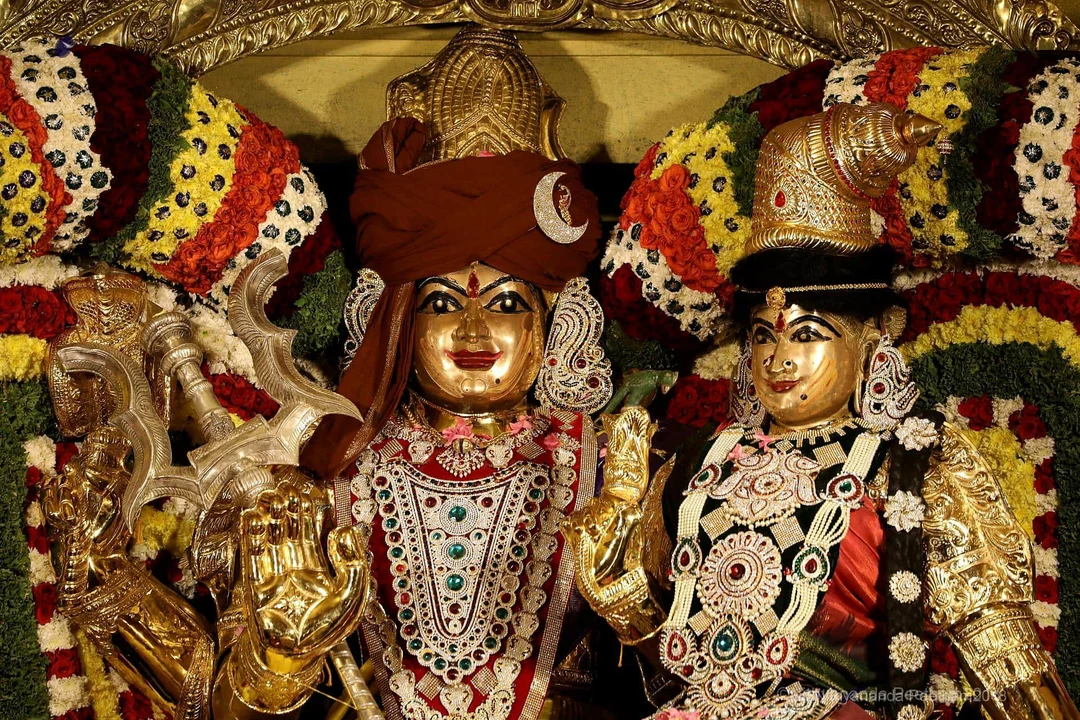
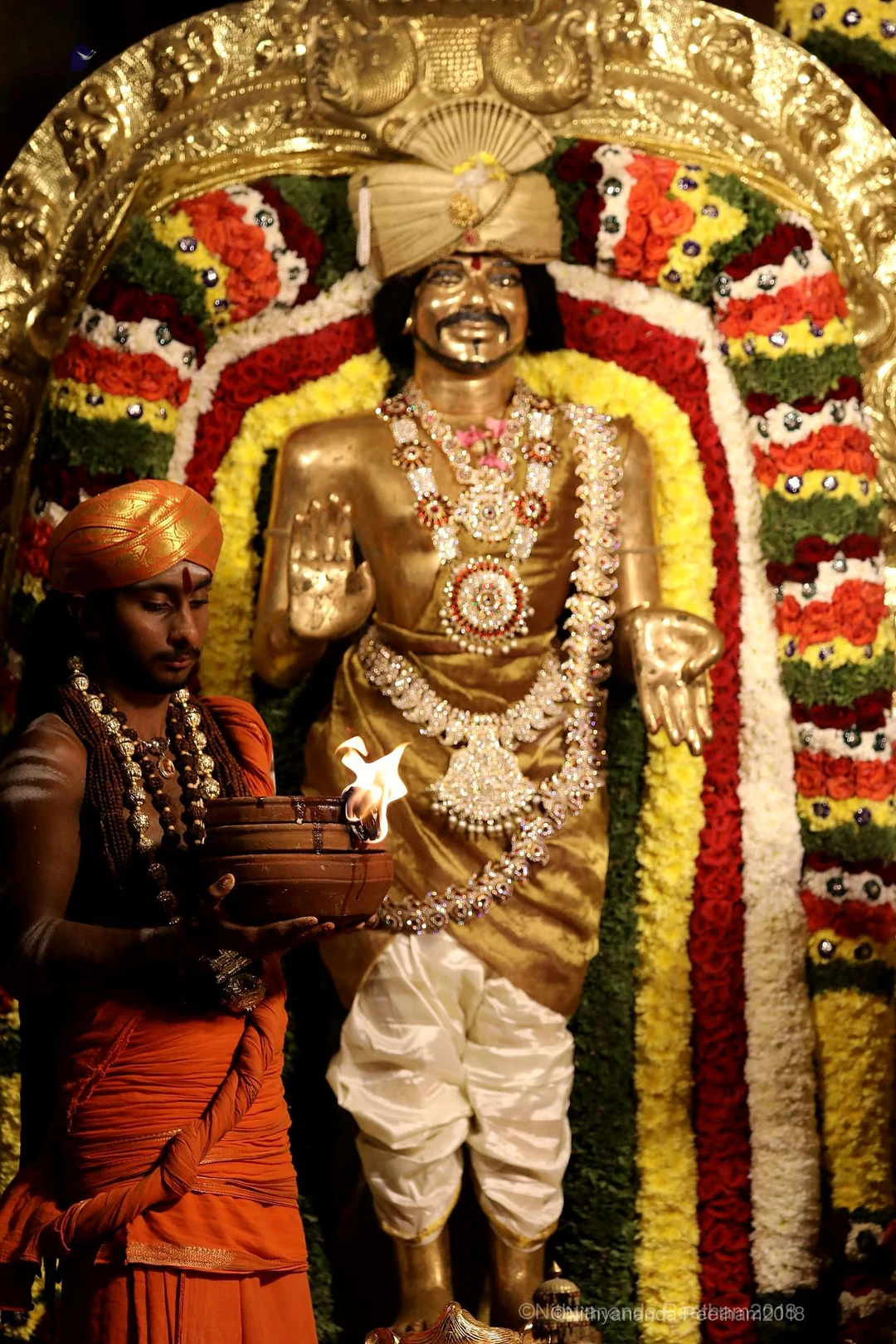
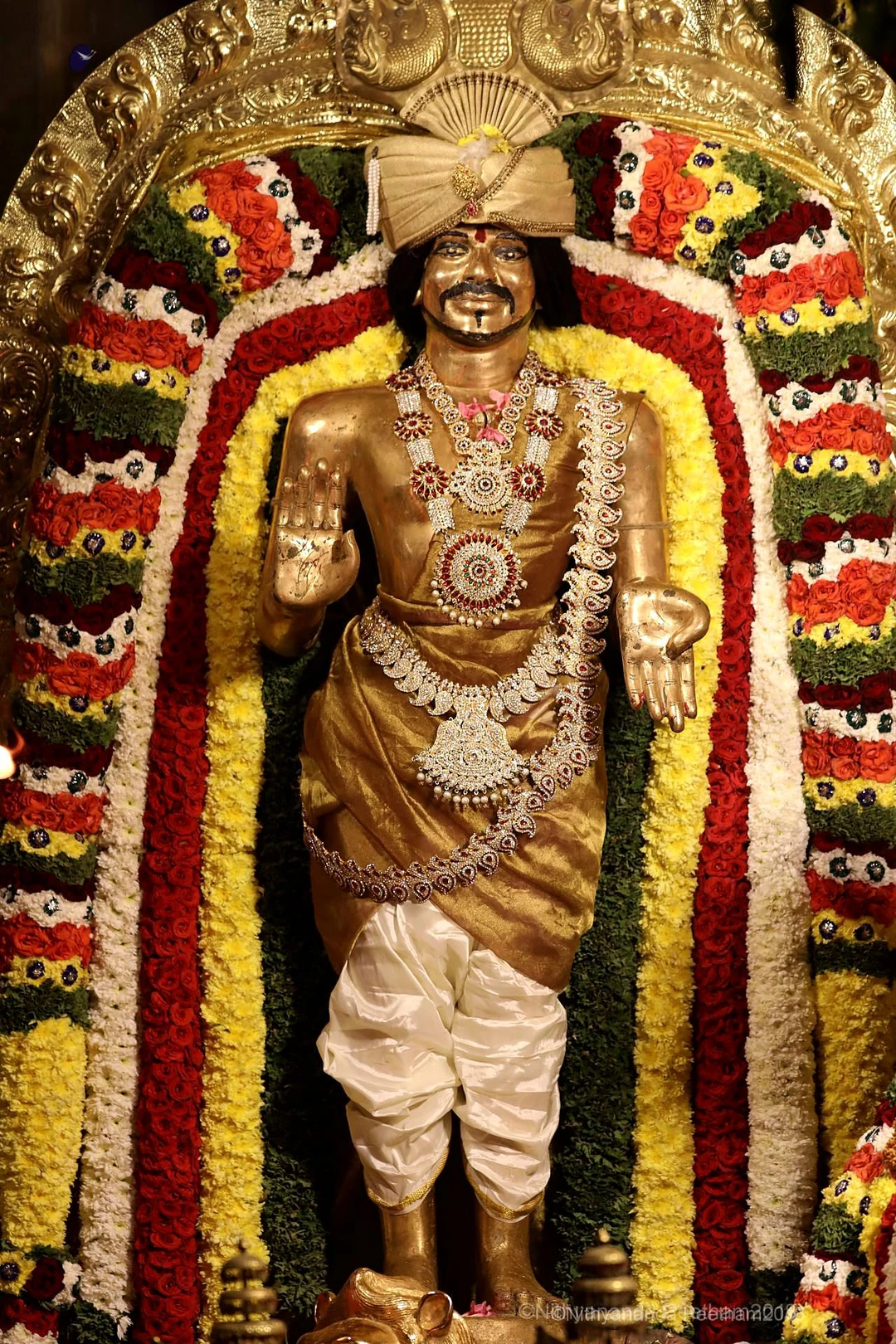
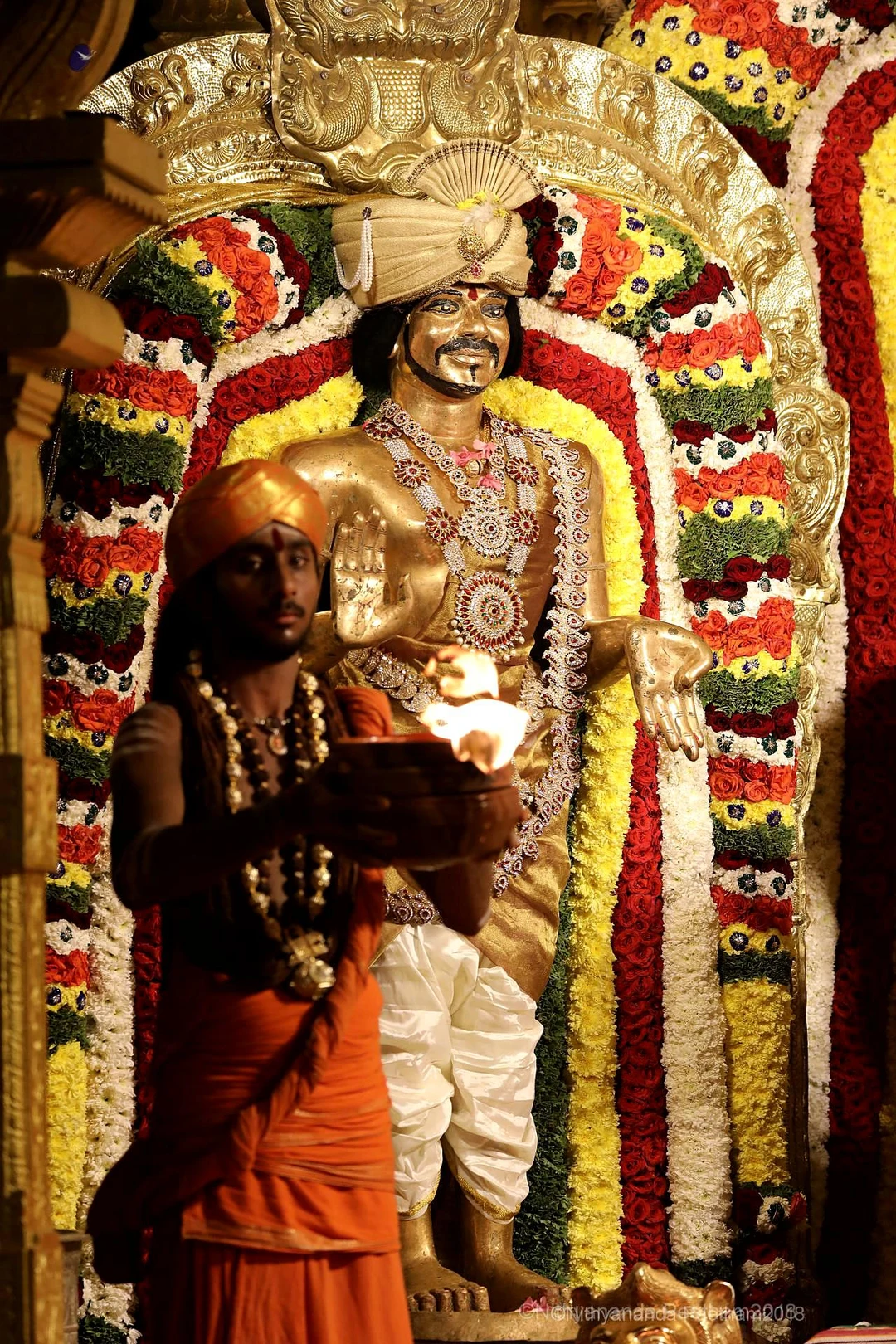
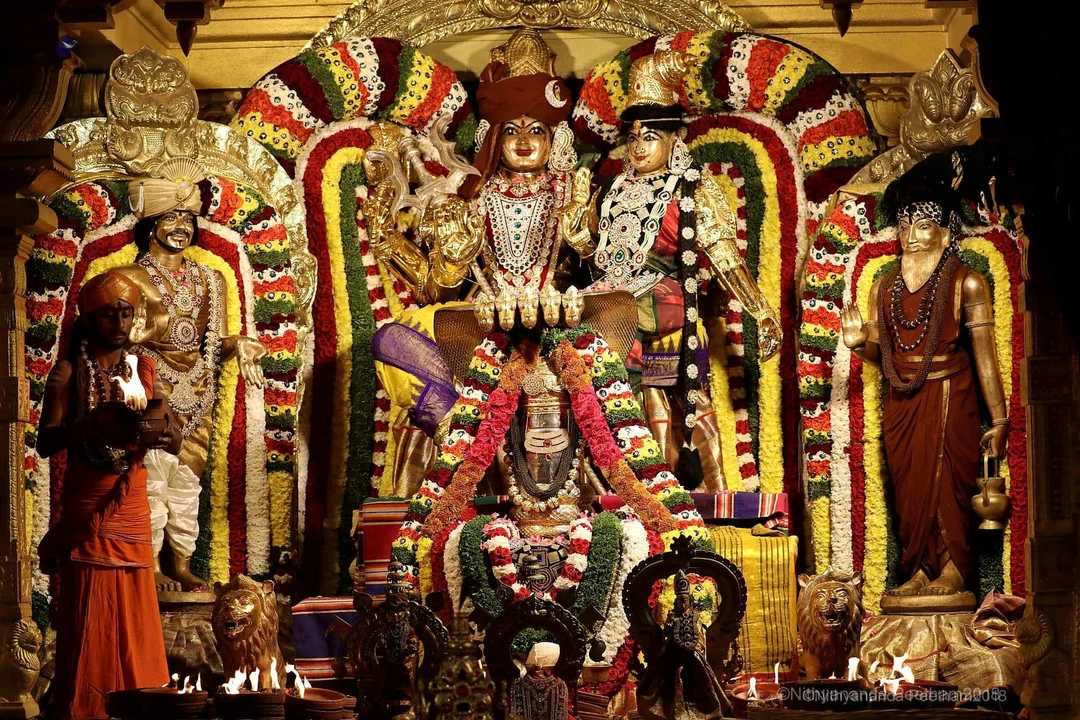
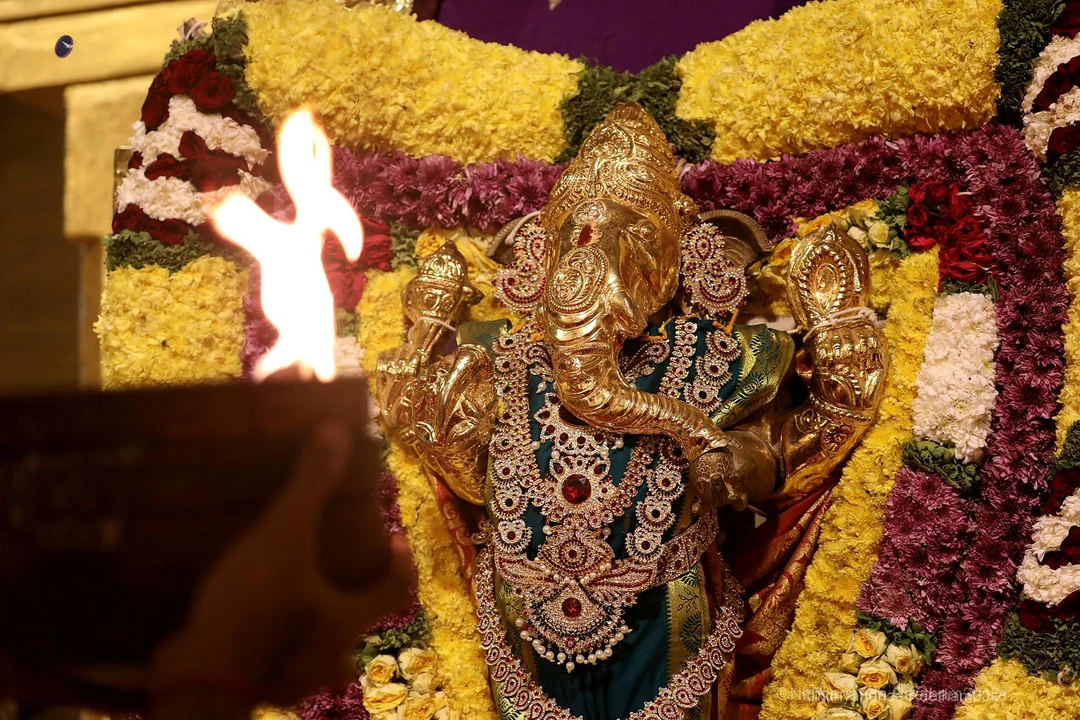
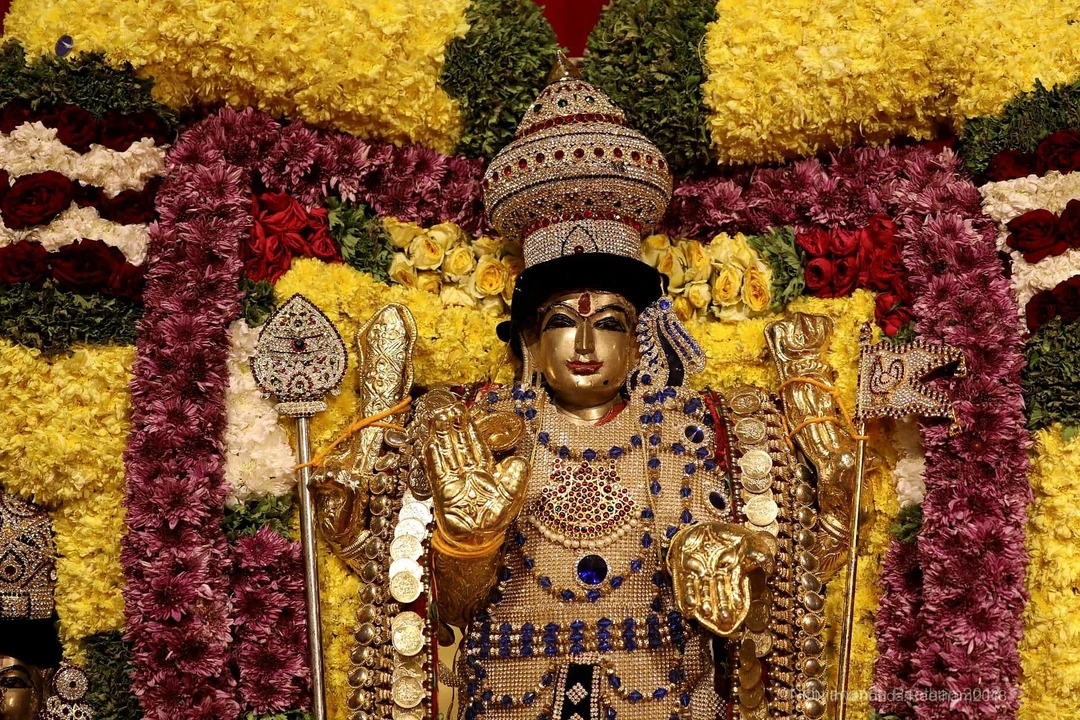
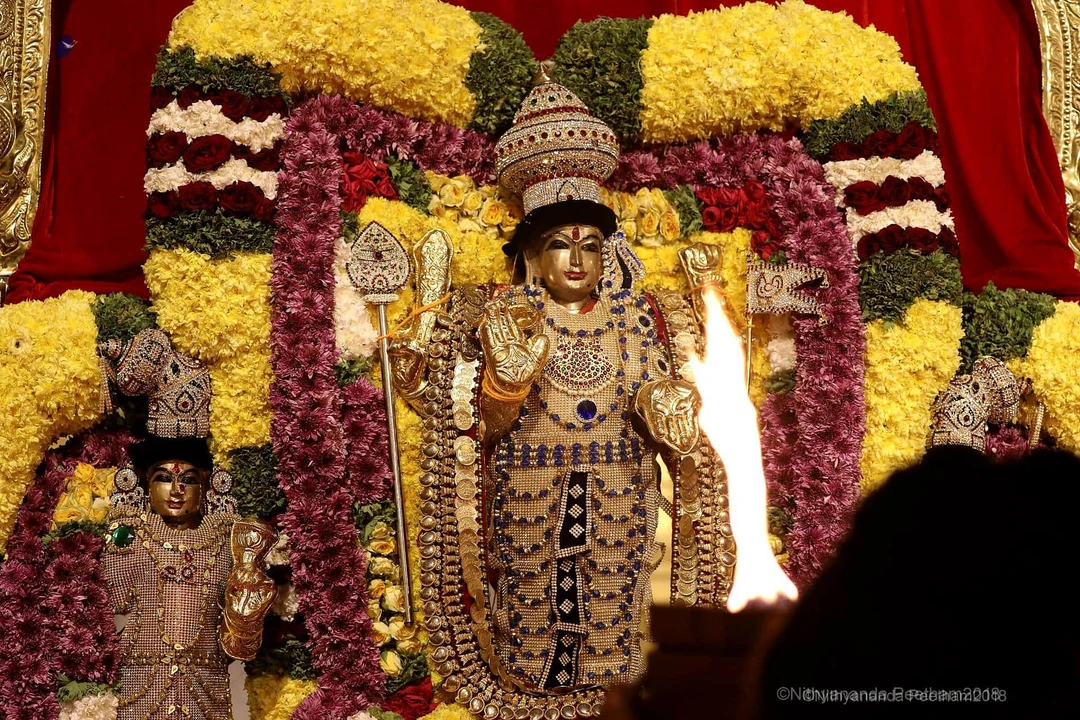
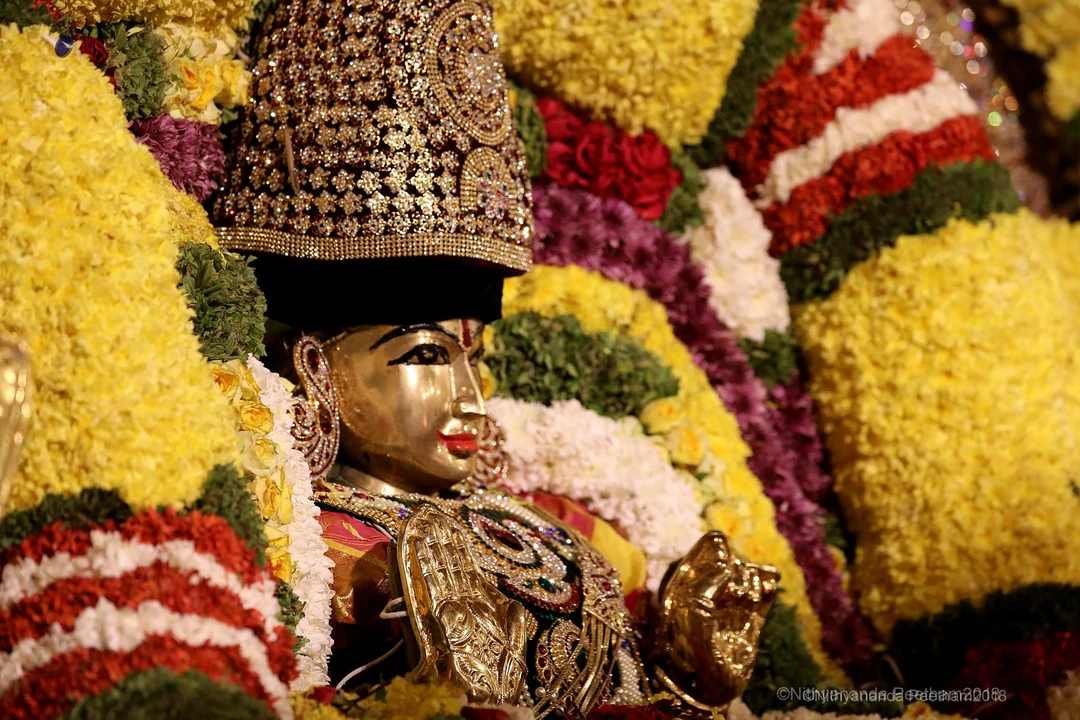
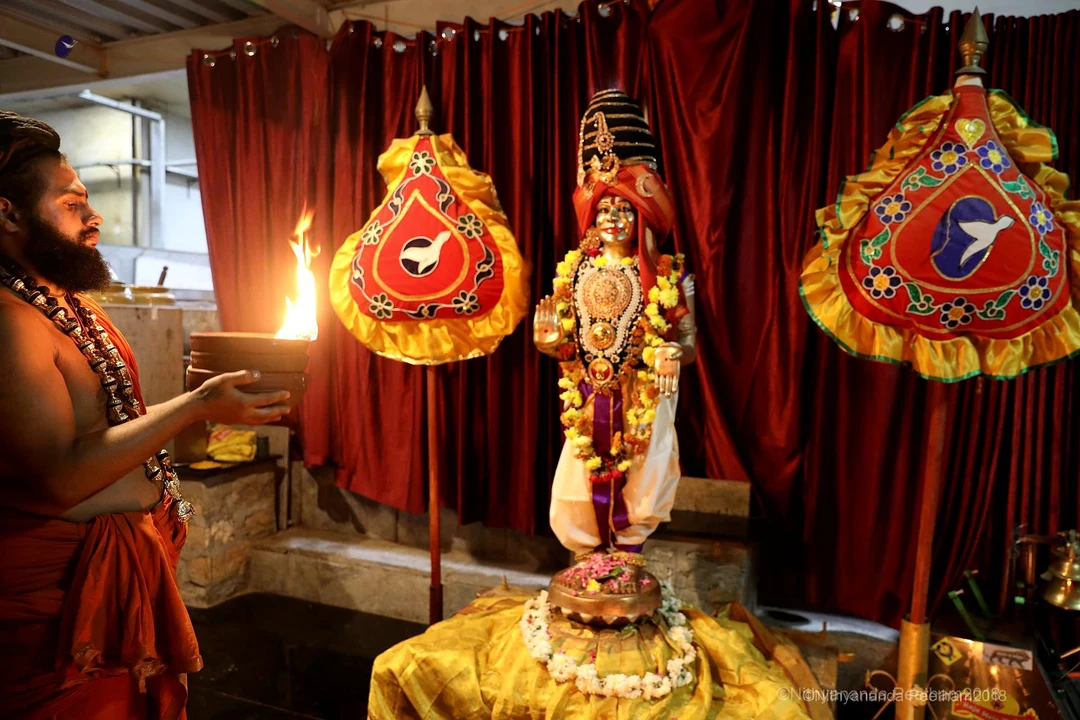
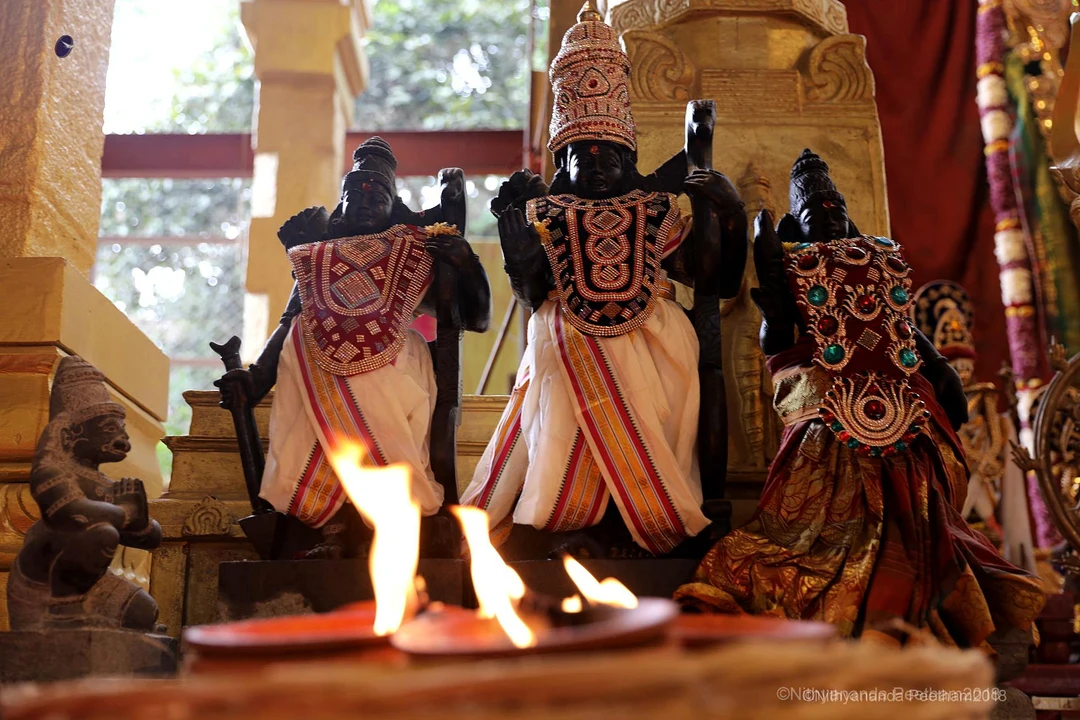
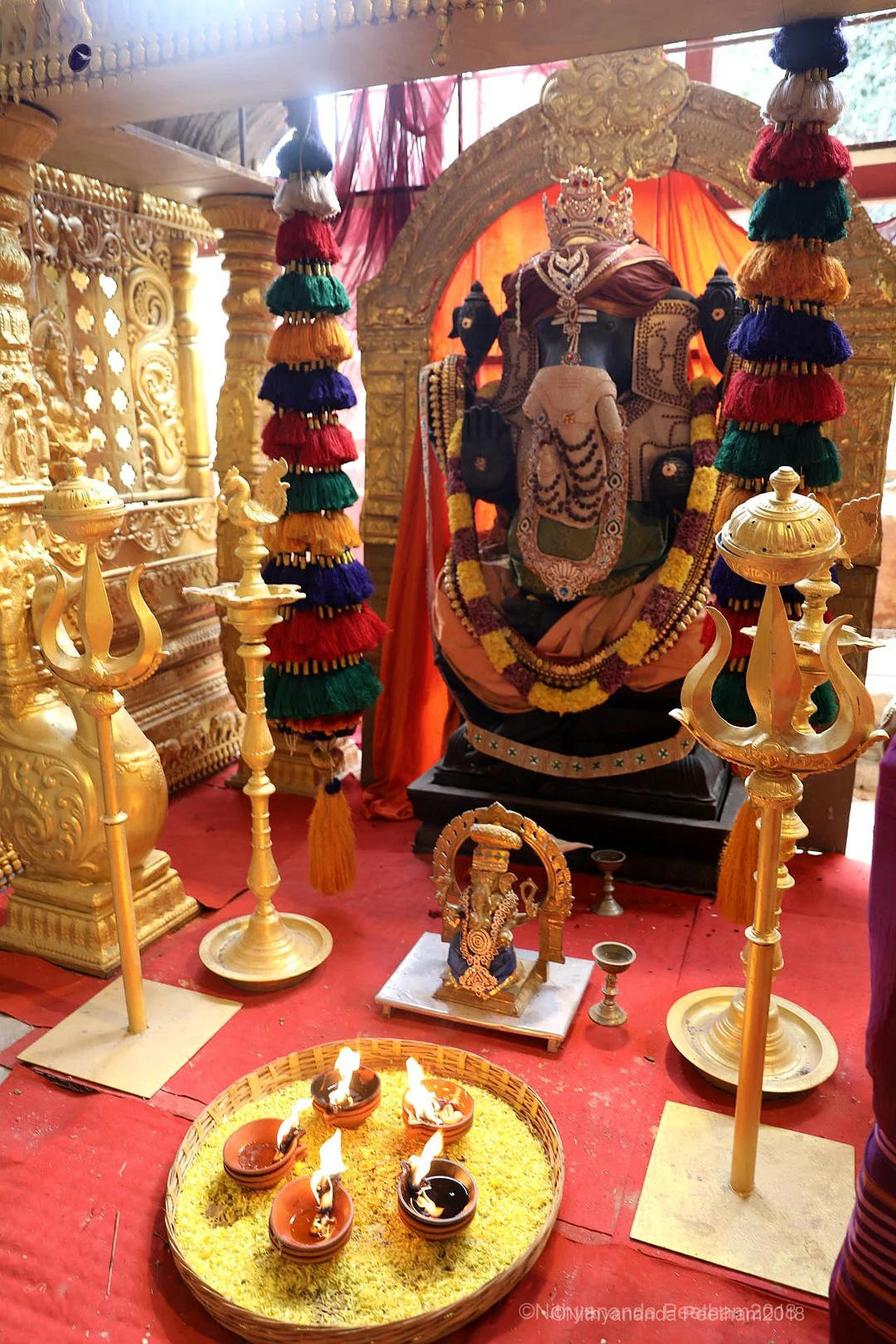
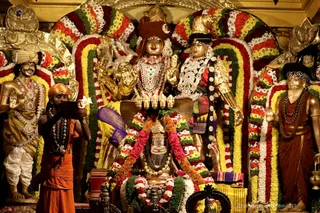
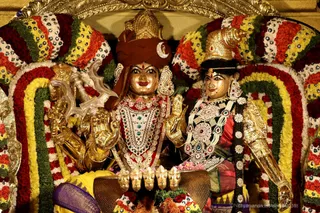
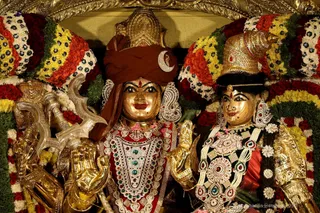
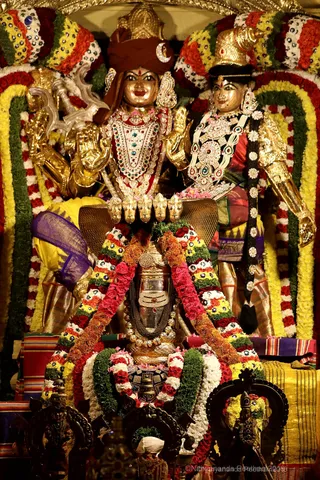
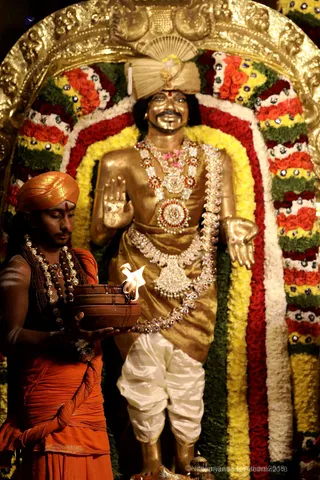
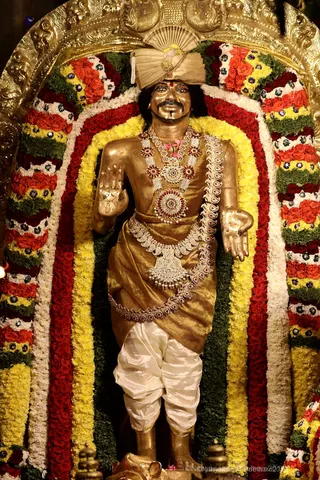
A decorated Shiva lingam sits at the centre of a shrine framed by arches of marigold and rose garlands in red, orange, yellow and green. A standing figure with long dark dreadlocks, wearing an orange cloth and a red-and-white turban, places his hand on a golden ornamented deity murti of Shiva with an ornate crown and jewelled garments. Flanking the arch are golden standing statues, one holding a kalasha-like vessel and one with a mala, plus carved lion statues at the base. Offerings of flowers surround the lingam, indicating a puja or abhishekam setting. No physical people are visible beyond the statues and the single devotee figure is a statue or depiction.Close-up photo of a ceremonial deity murti pair decorated with flower garlands in red, yellow and white, and gold jewellery and ornaments. The central figure wears a brown-red turban with a crescent moon and a red-and-silver necklace, while the figure to its right wears a gold crown and embroidered garments. A person in an orange cloth with long dreadlocked hair and white painted arm markings stands at left, raising one hand toward the murti. Brass and gold ritual vessels appear in the foreground. The setting suggests a temple puja or abhishekam at a festival.A photograph of a temple sanctum with golden deity murti and flower garlands. Two gilded figures sit side by side: the left wears a red-brown turban with a crescent ornament and a red and gold jewelled chest piece, the right wears a golden crown, jewelled necklaces and a red-and-gold sari. In the foreground stands a living sannyasi with long matted dreadlocked hair tied up in an orange cloth, wearing an orange garment, and holding a gold-toned ritual vessel. Garlands of red roses, yellow and white flowers frame the arch behind the images, and a gold-toned ceremonial tray sits in front. The scene suggests a festival puja alankara of murti decoration.

November 23 2018

Original wiki page
Contents

Title

Supreme Pontiff of Hinduism Bhagavan Sri Nithyananda Paramashivam

Narration

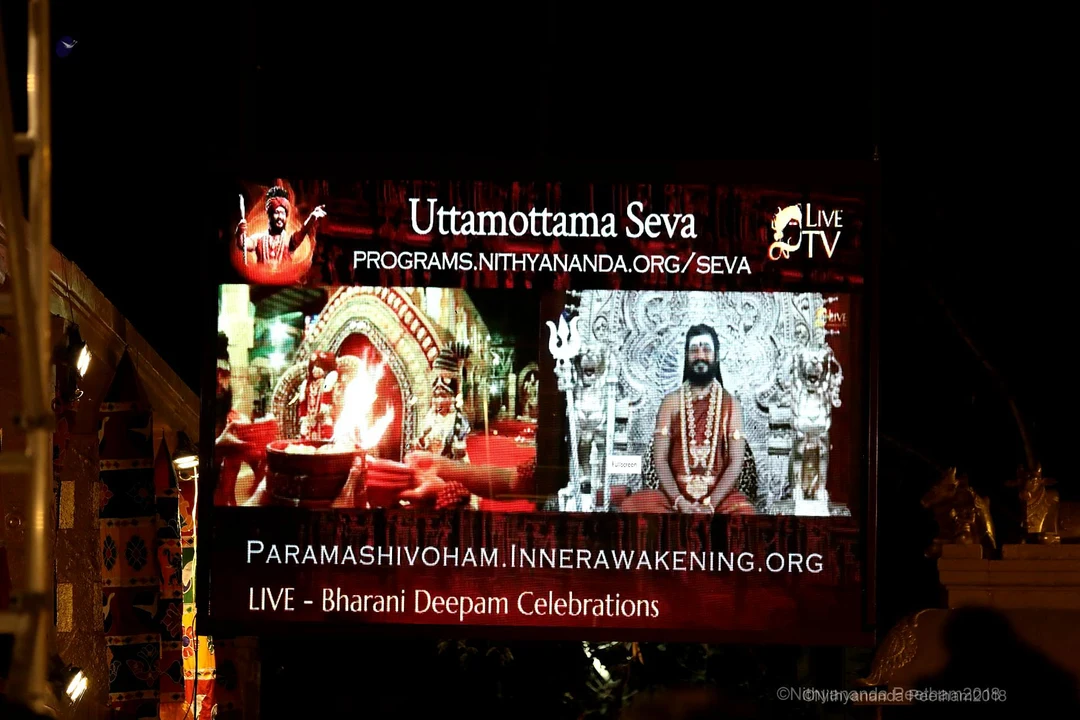
The Supreme Pontiff of Hinduism, Jagatguru Mahasannidhanam, His Divine Holiness, Bhagavan Nithyananda Paramashivam, expounded on the Cosmic Principles of Active Lifestyle during a live public talk - Paramashivoham Webinar Series. In this talk entitled What Boredom, Relationships, Darwin’s Theory of Natural Selection have in common Subtitle: Go beyond boredom to experience Blissful Relationship, The Supreme Pontiff of Hinduism directly revealed that boredom needs to be addressed from inside. He explained that boredom is nothing but giving up on yourself, while tiredness is giving up on your body. He offered the very simple detoxification process of Nirahara Samyama to come out of the boredom and tiredness. He directed everyone to infuse activism into powerful cognitions and then life becomes alive, exciting and inspiring and this active lifestyle is living Hinduism.

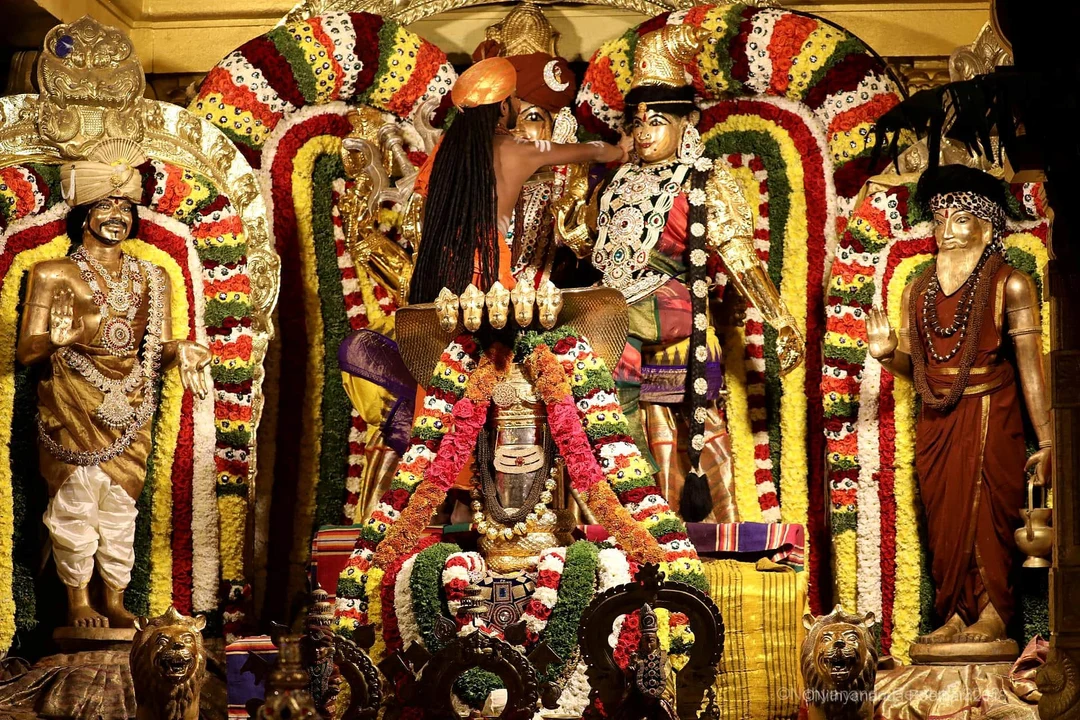
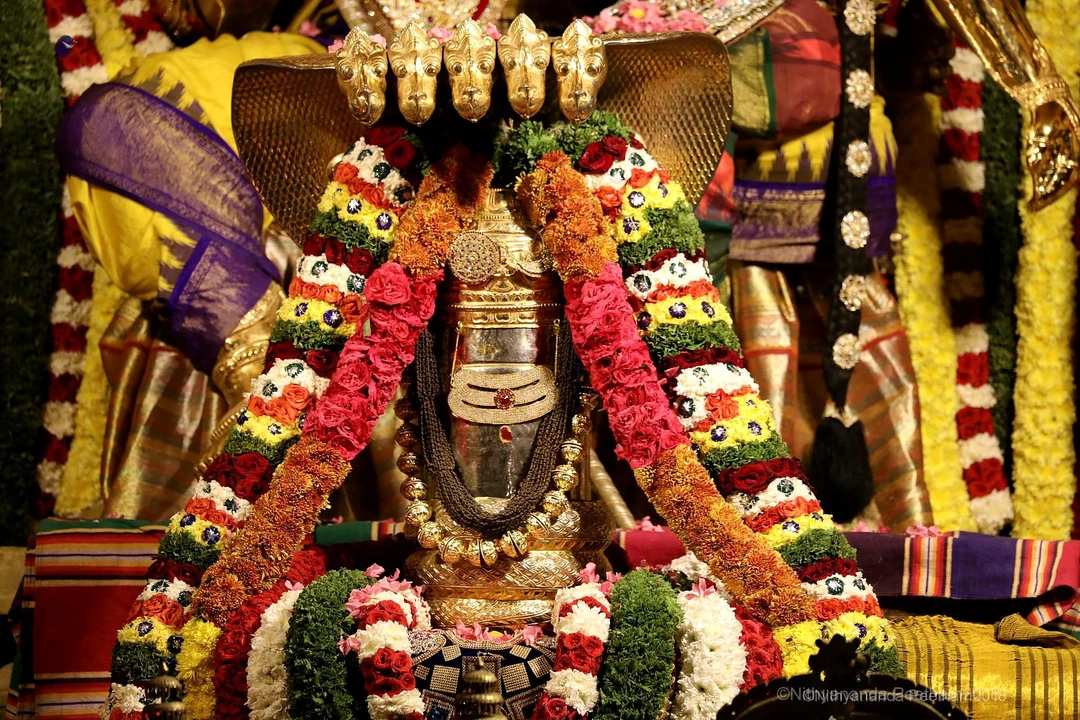
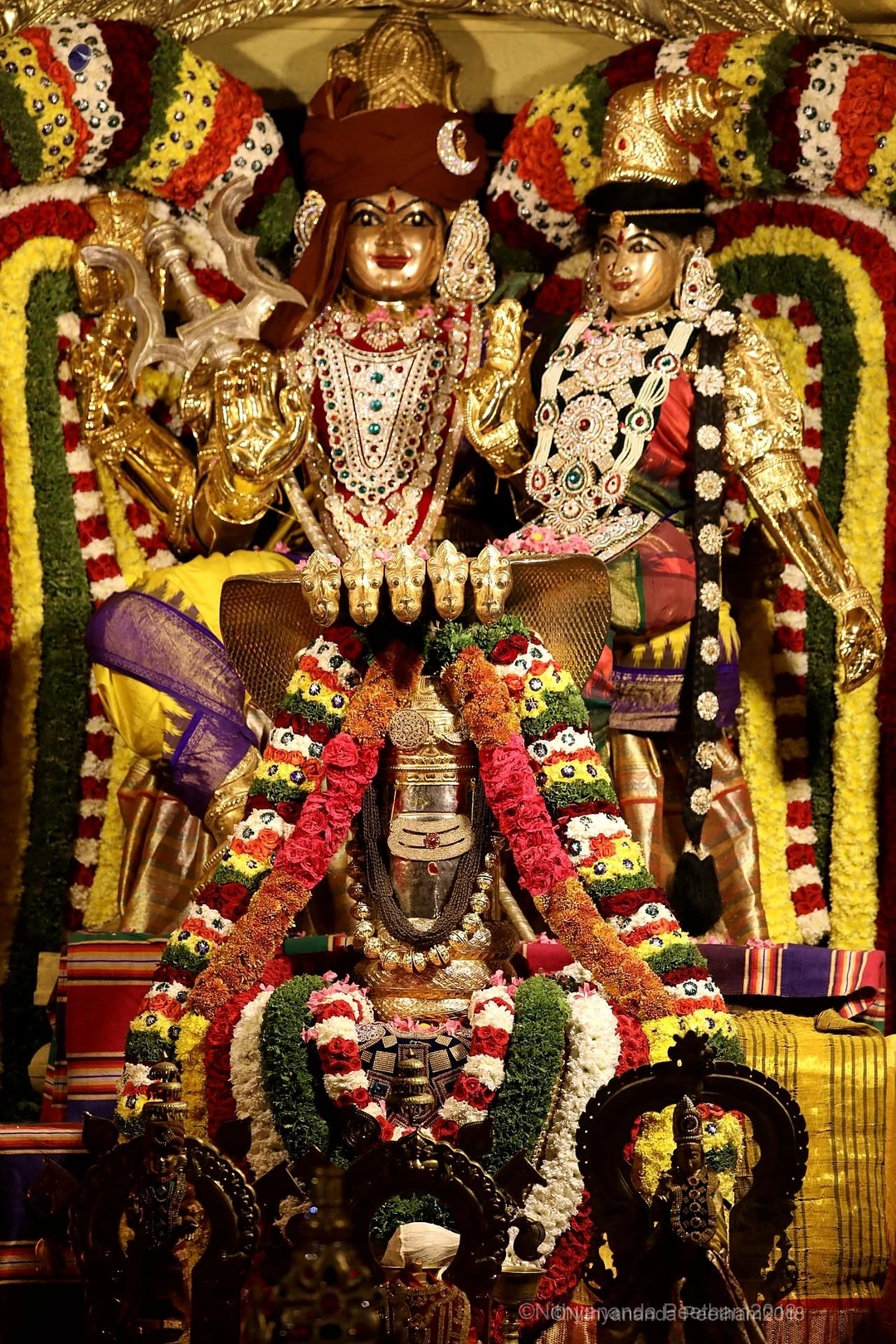
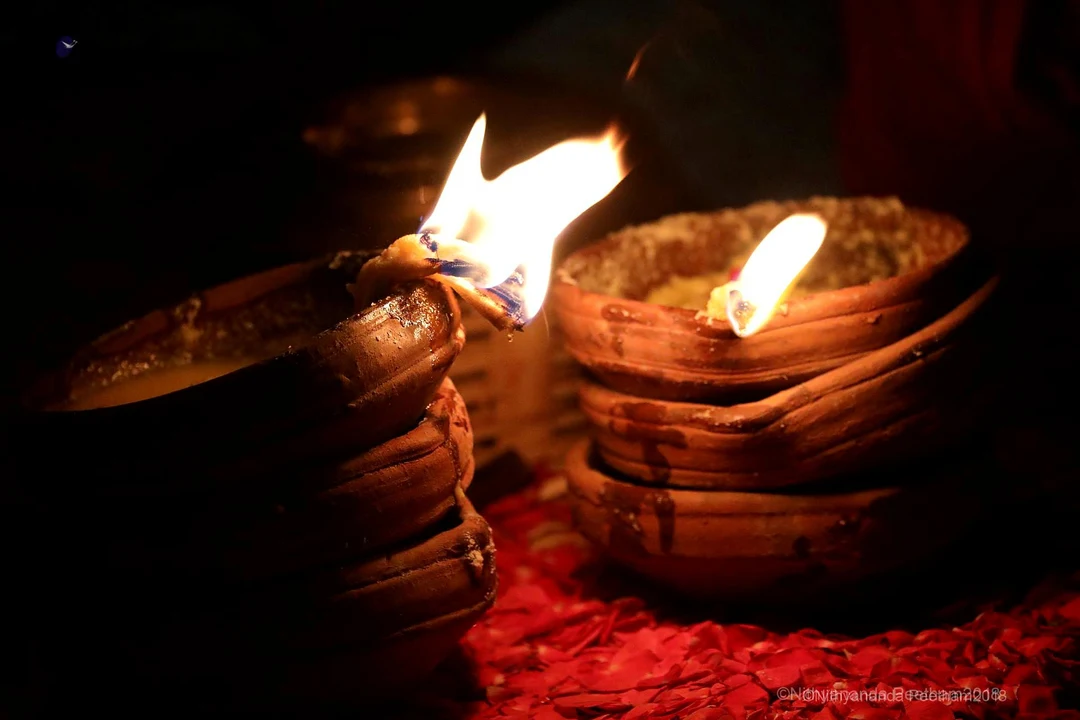
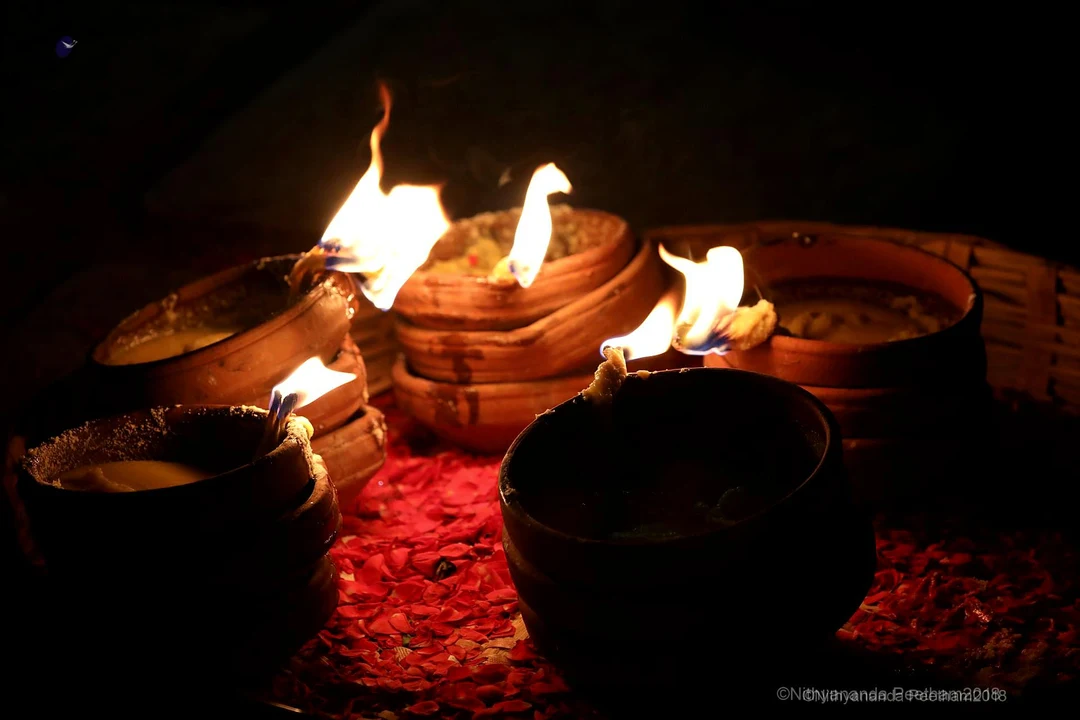
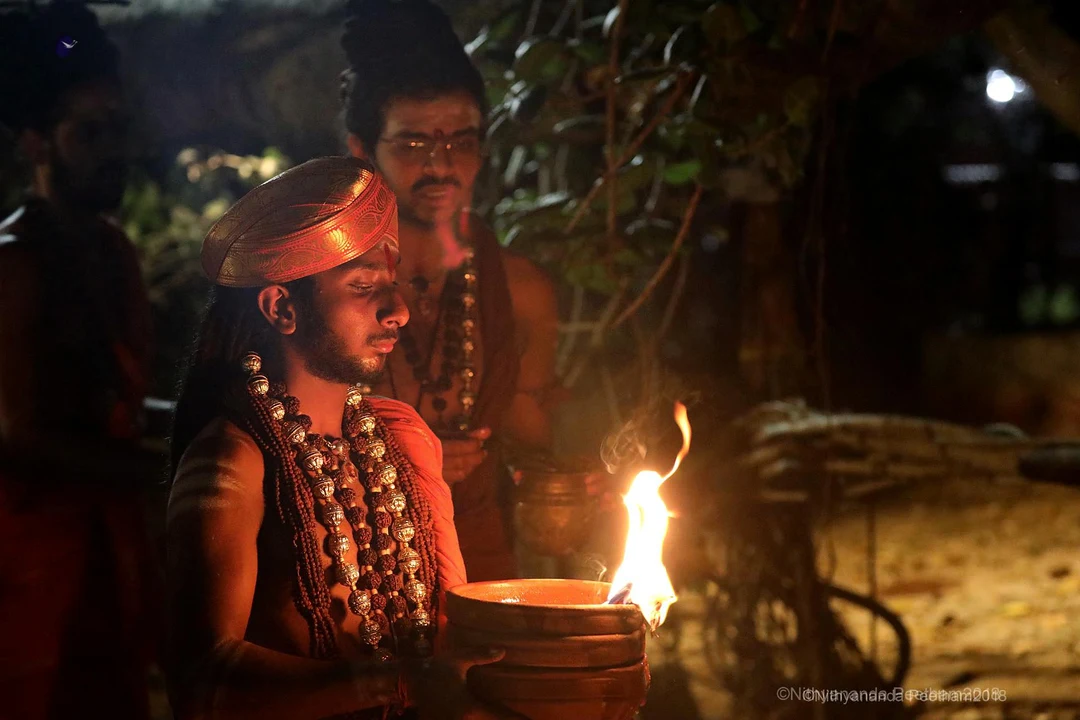
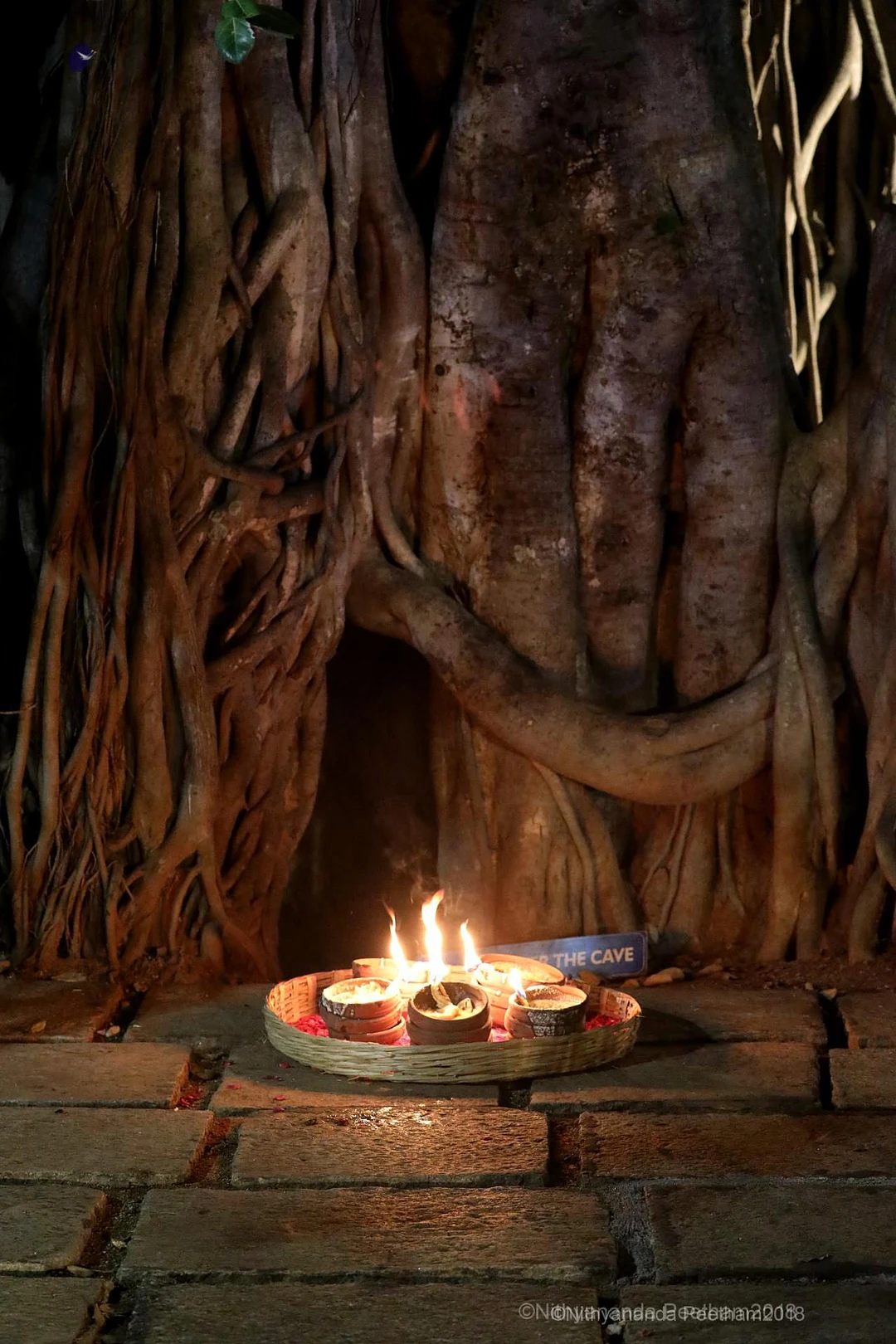
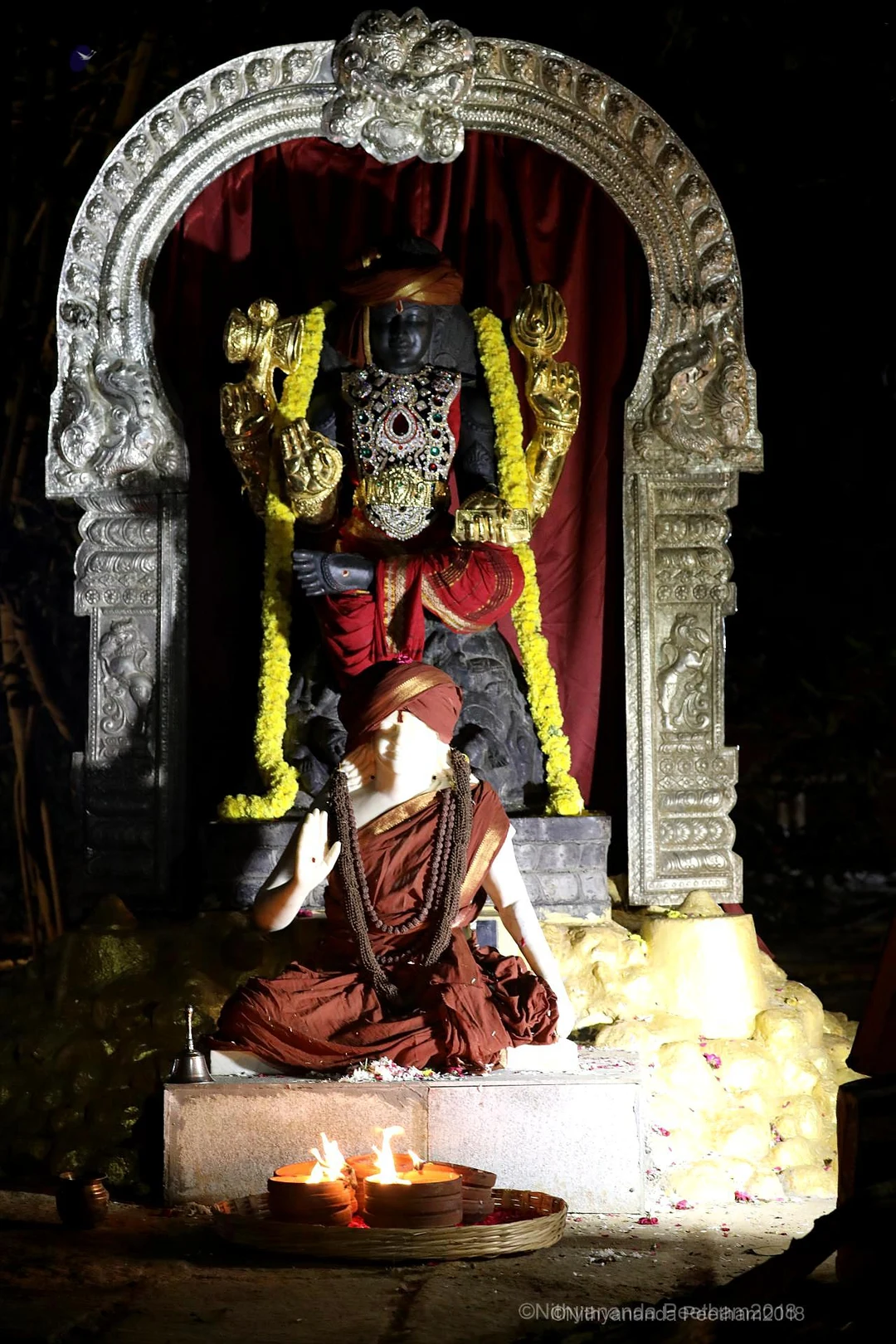
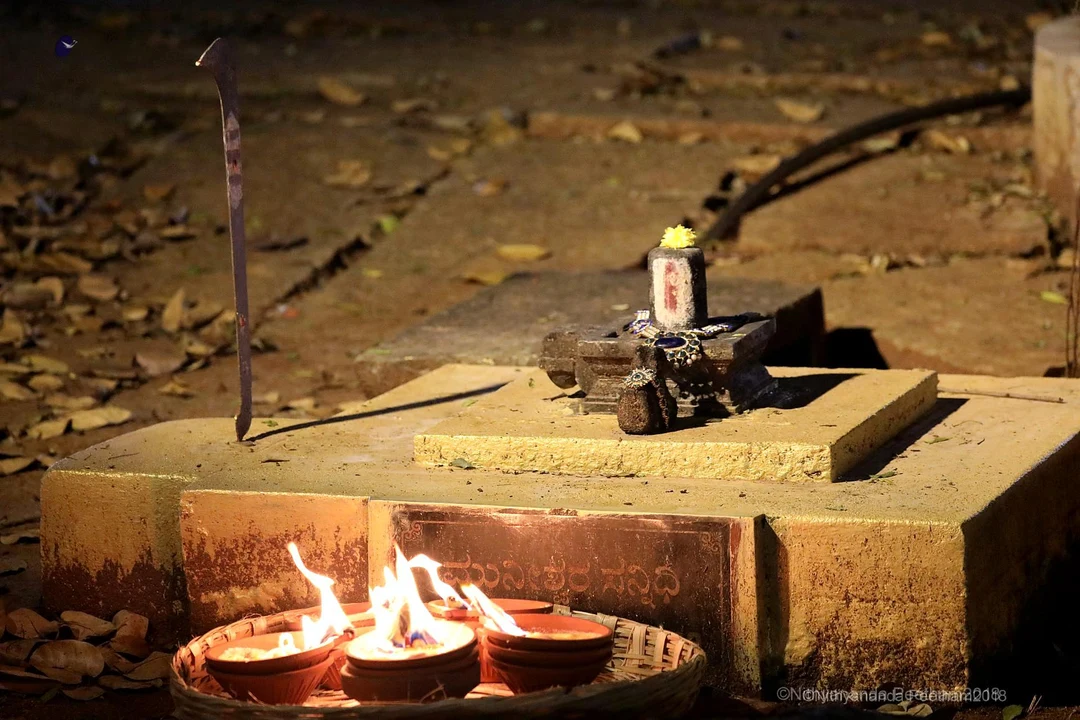
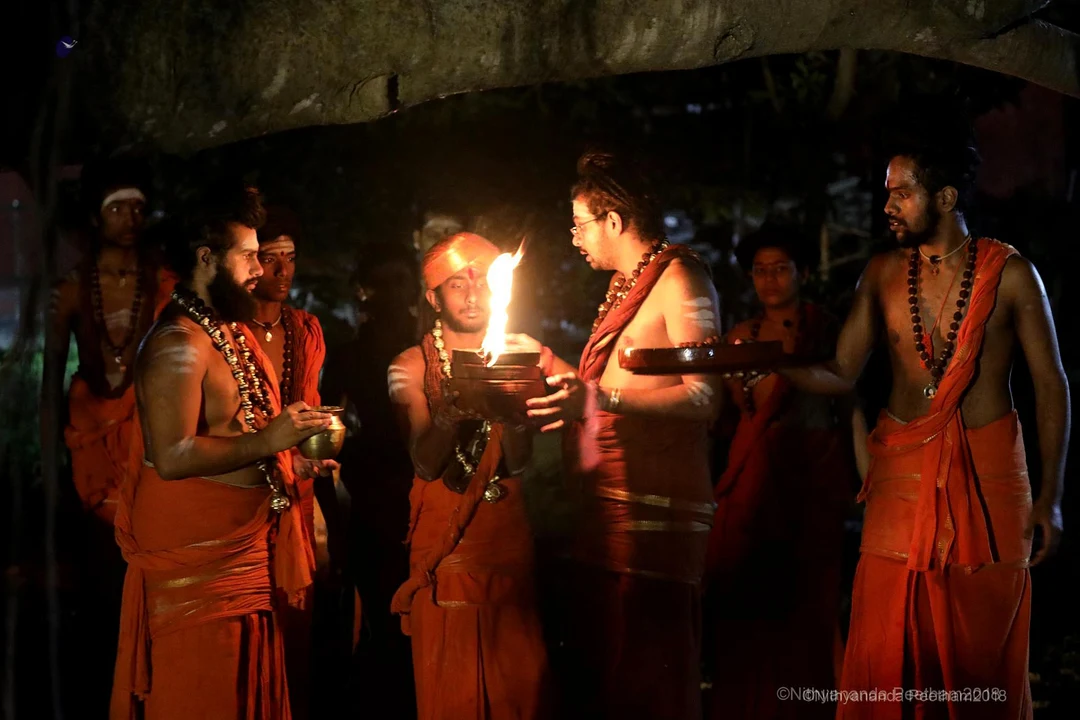
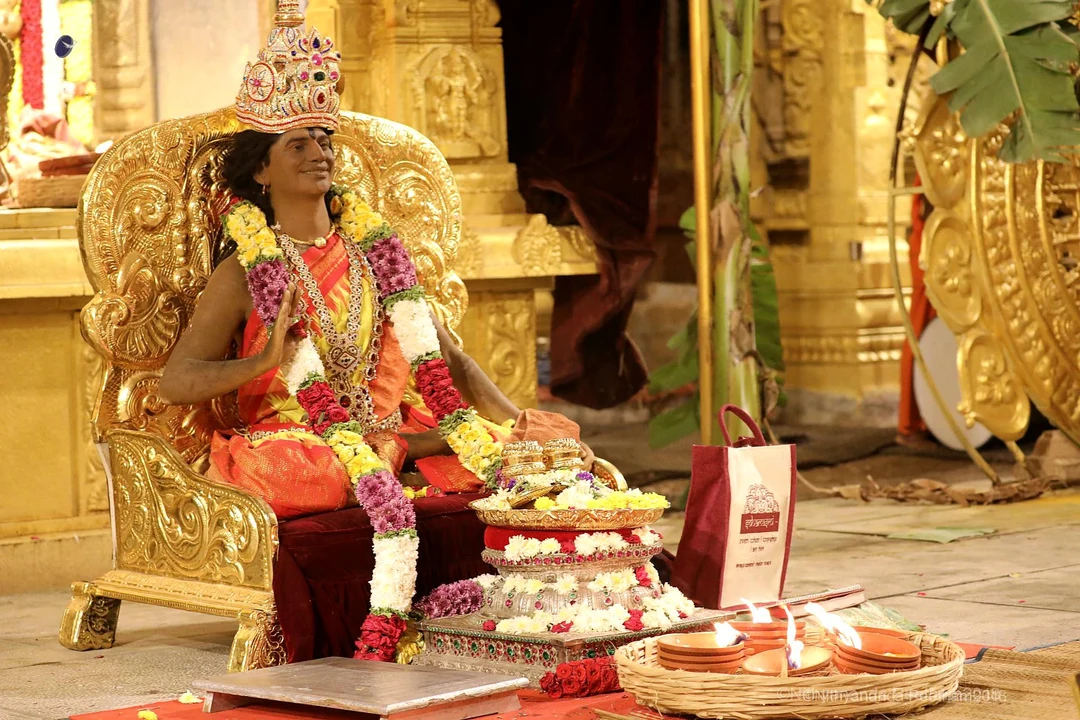
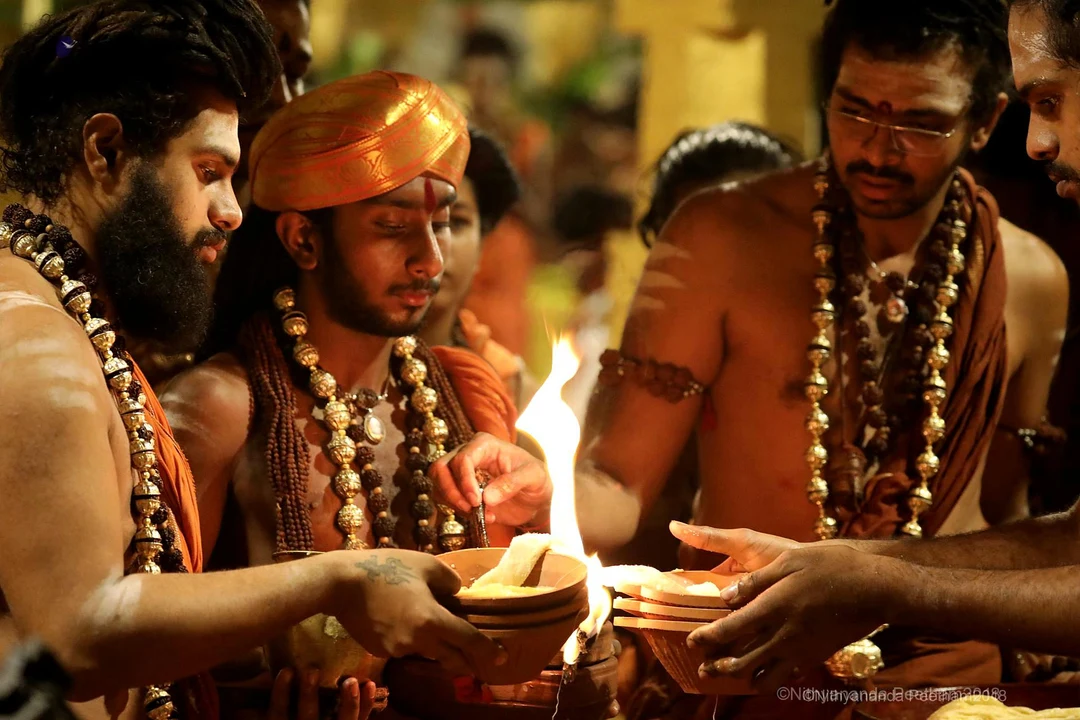
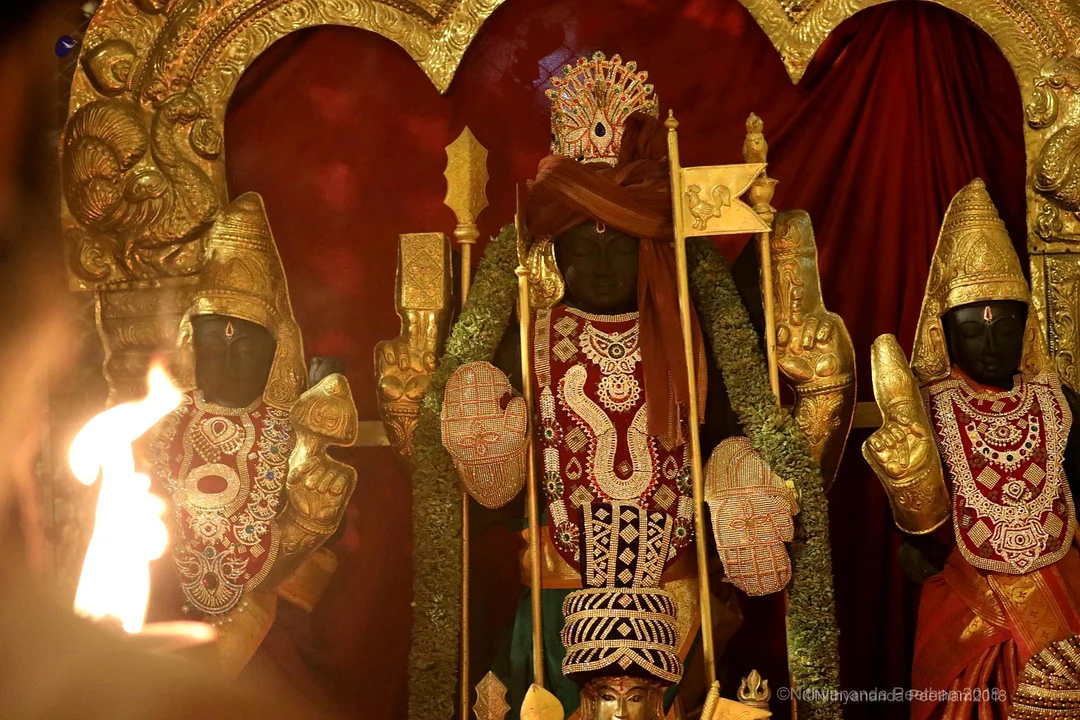
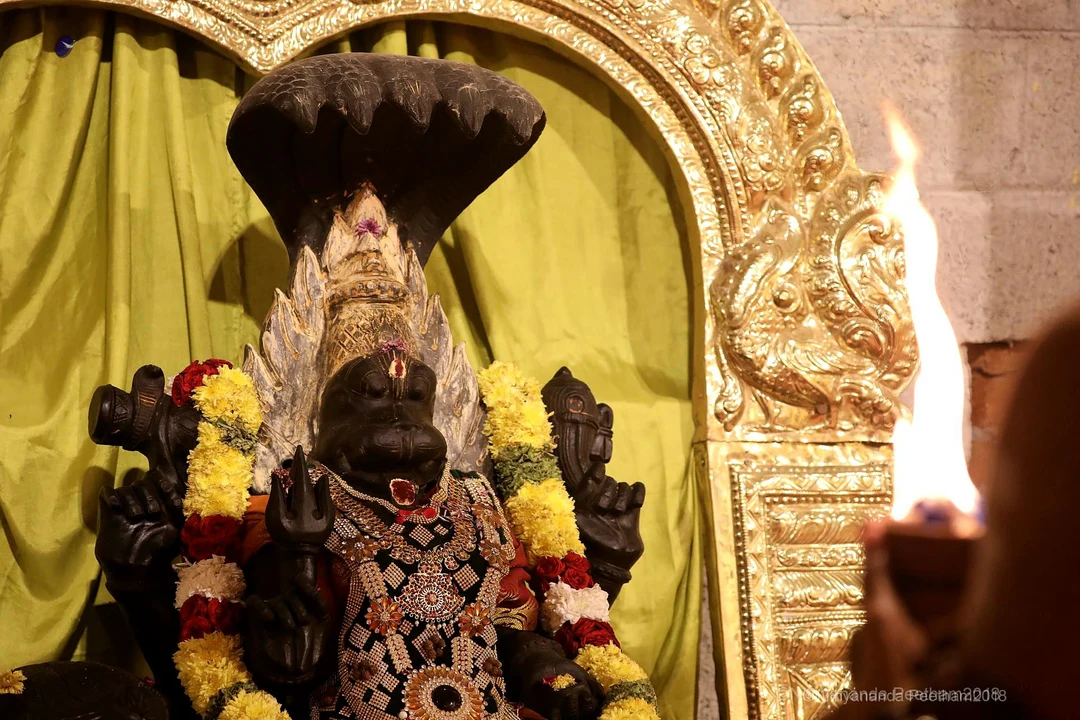
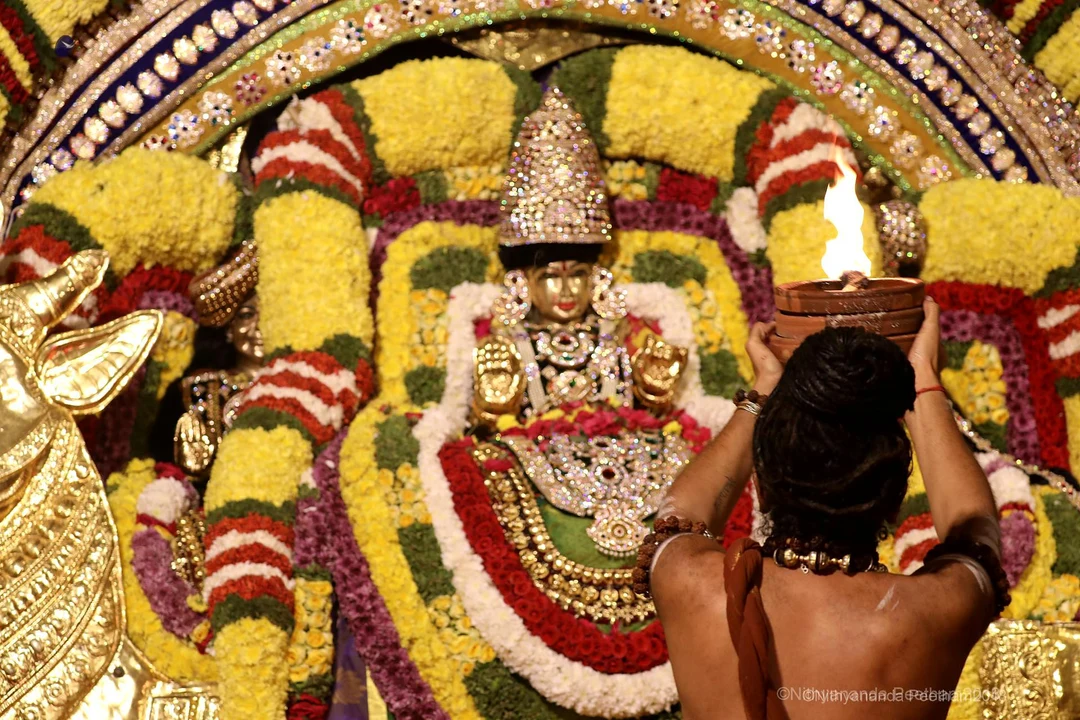
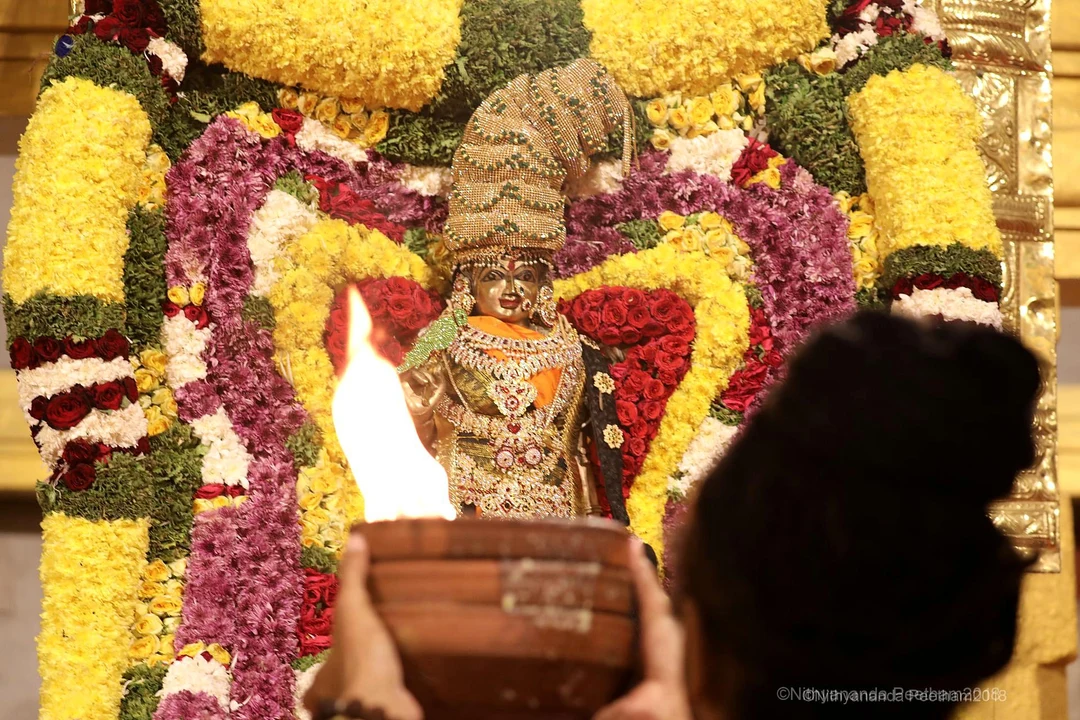
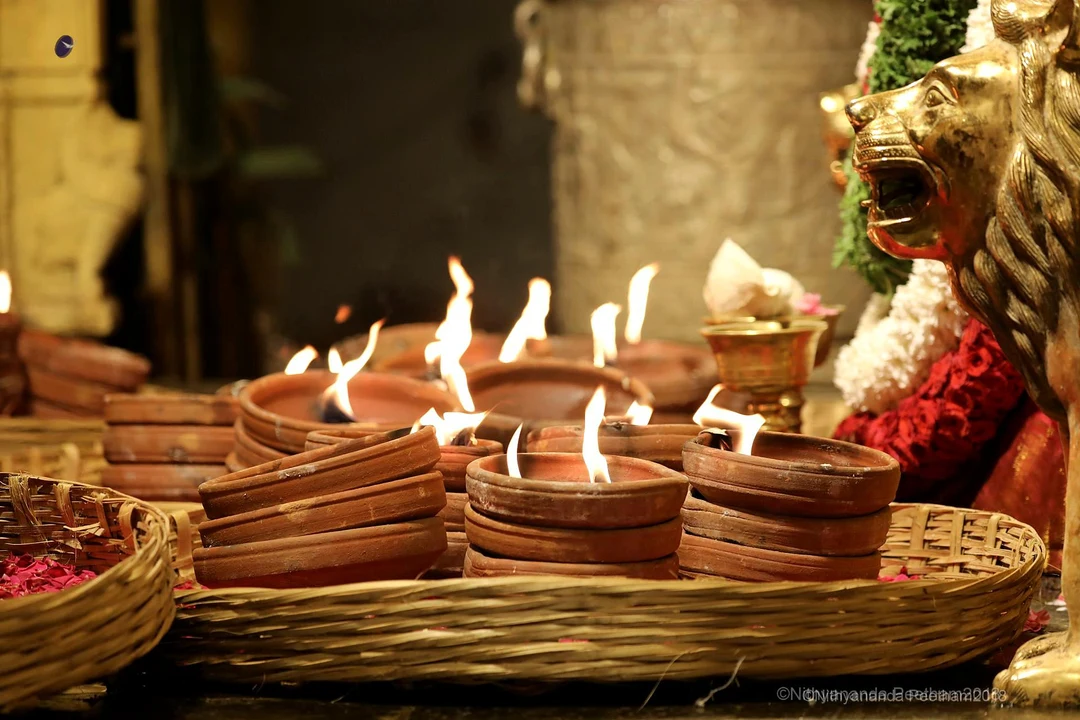
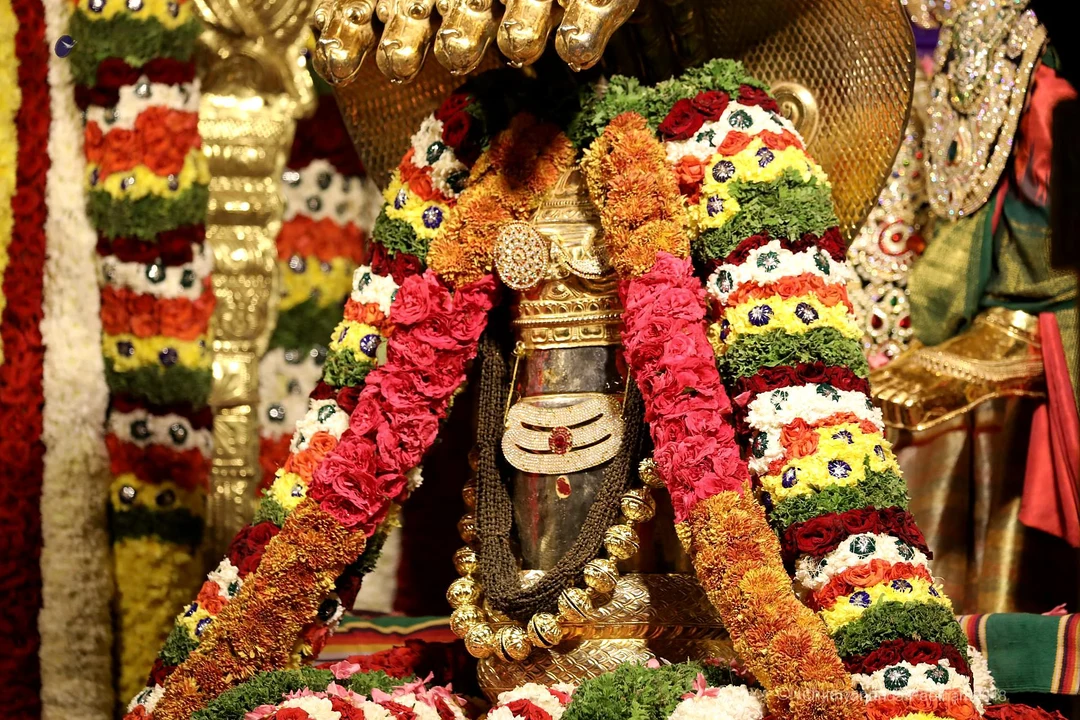
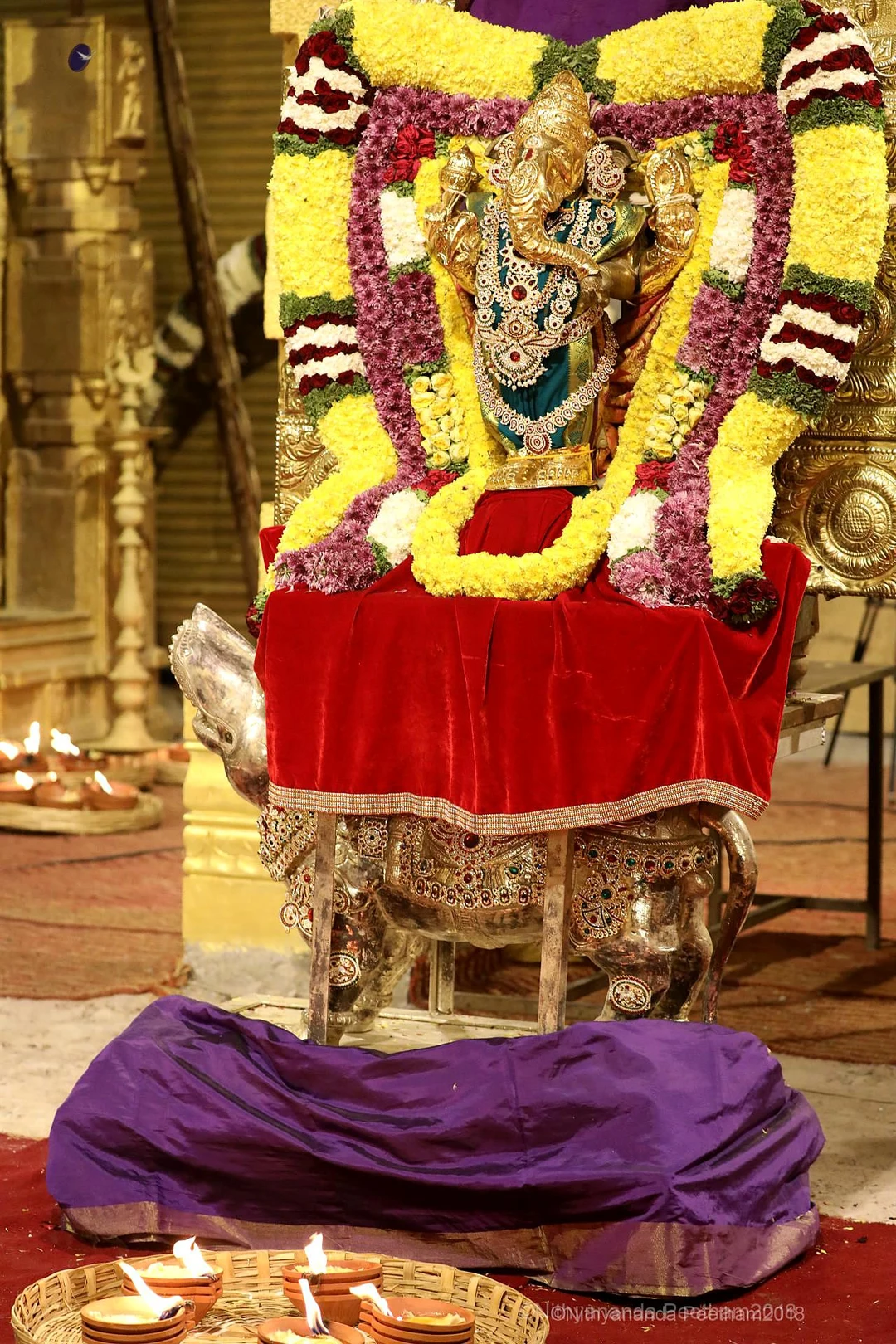
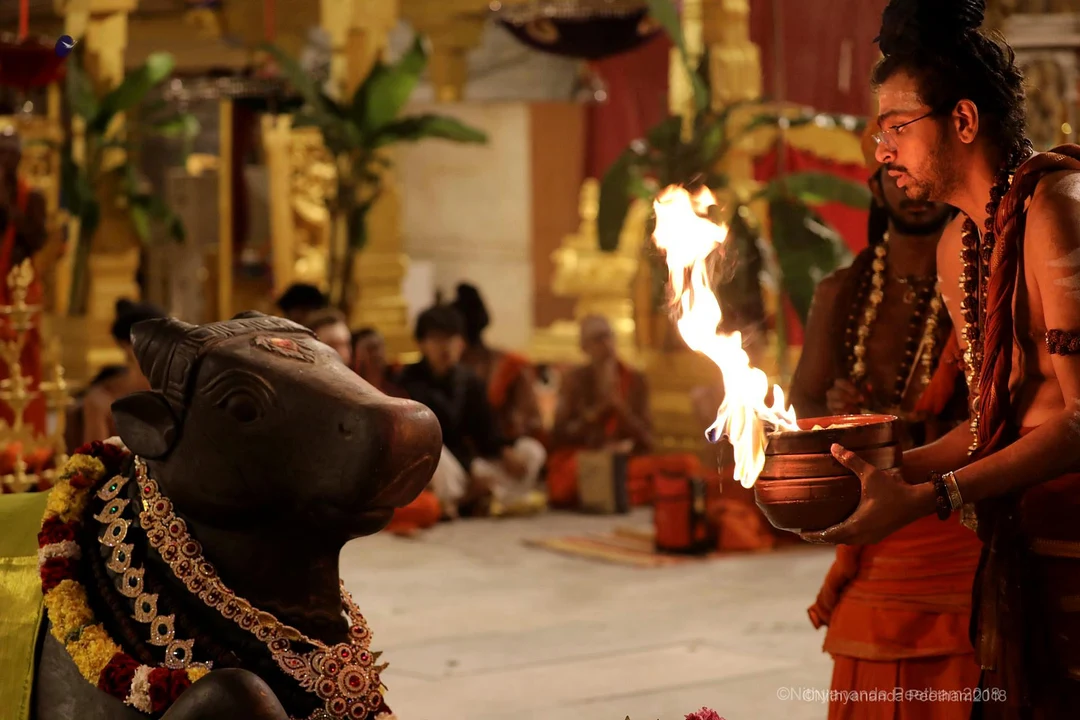
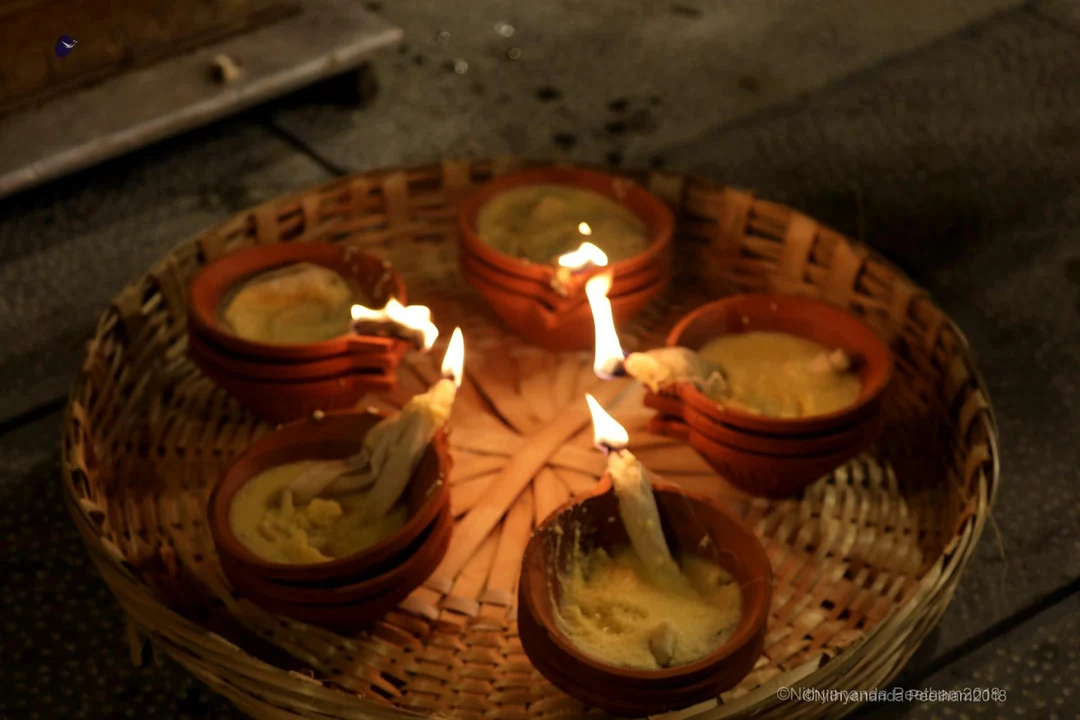
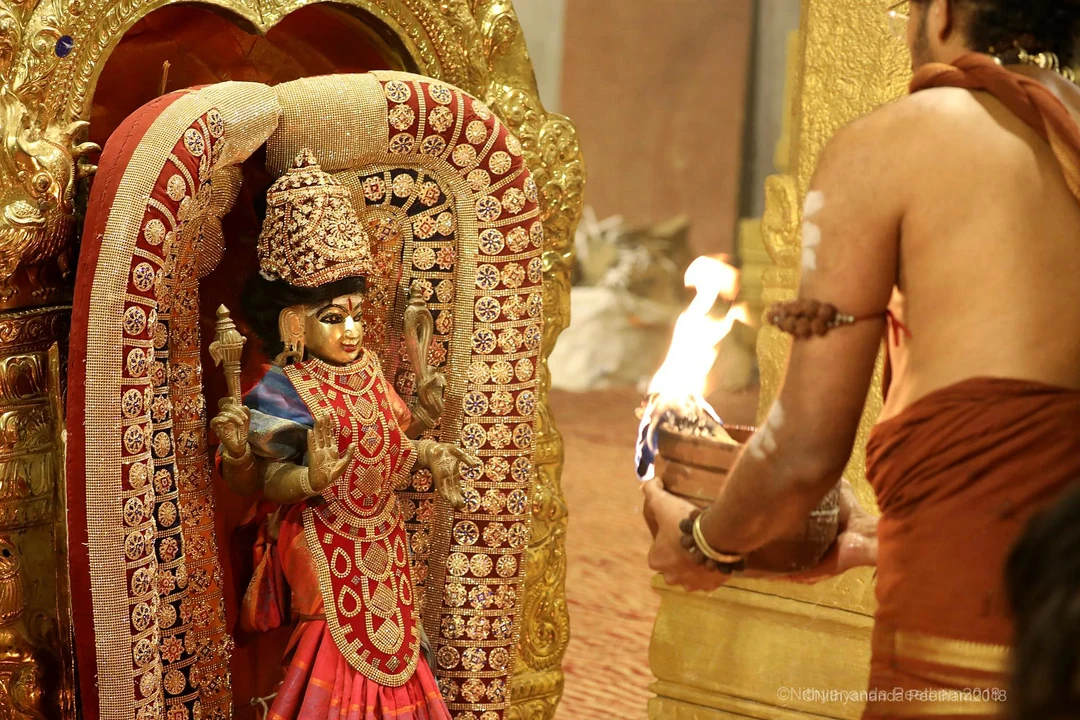
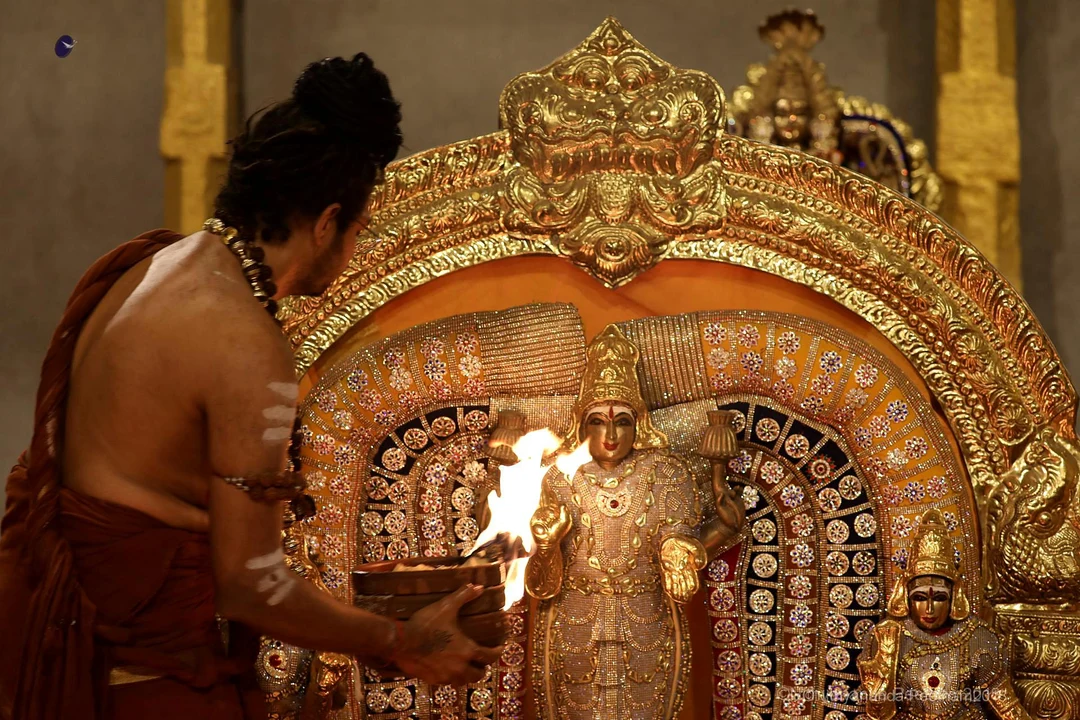
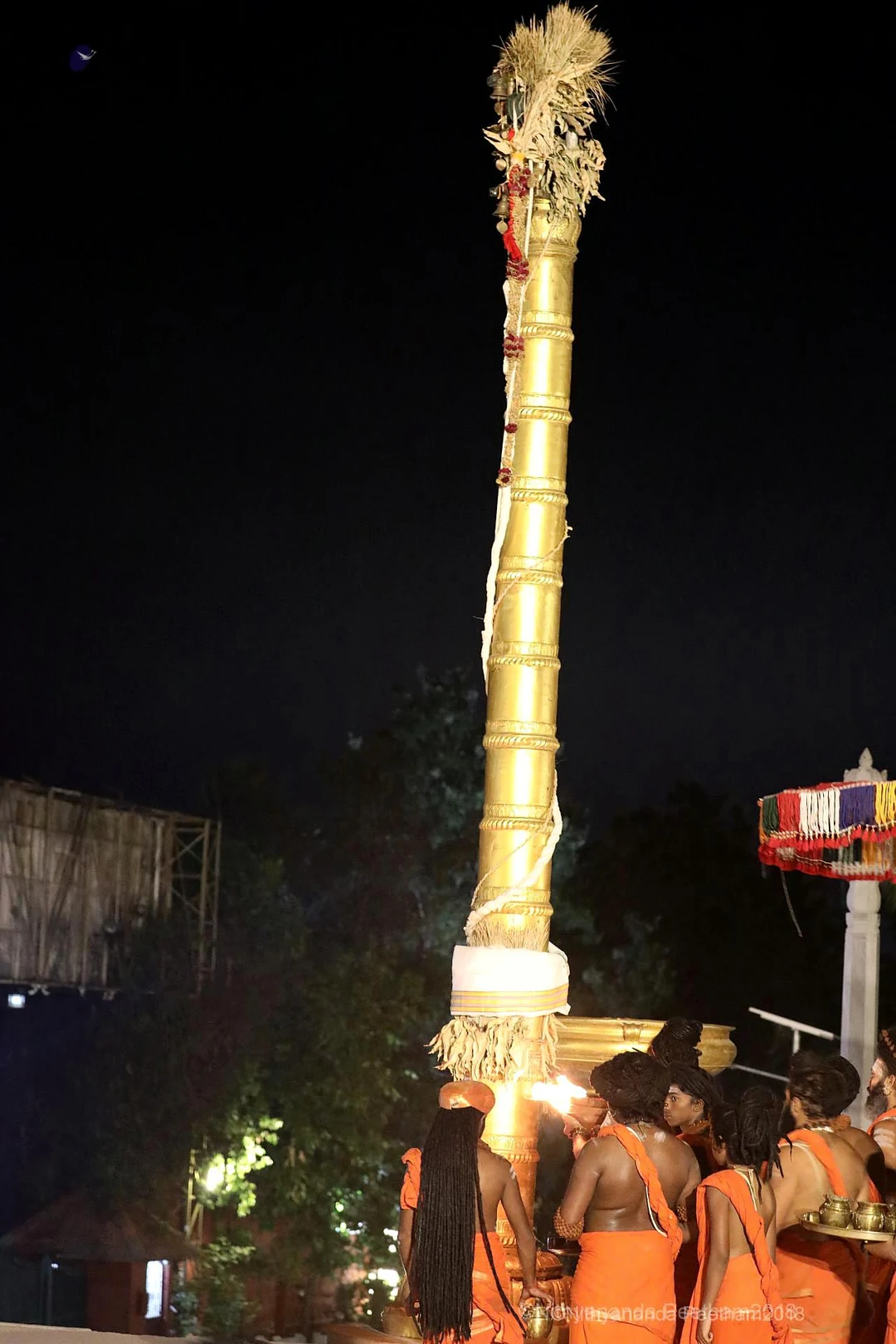
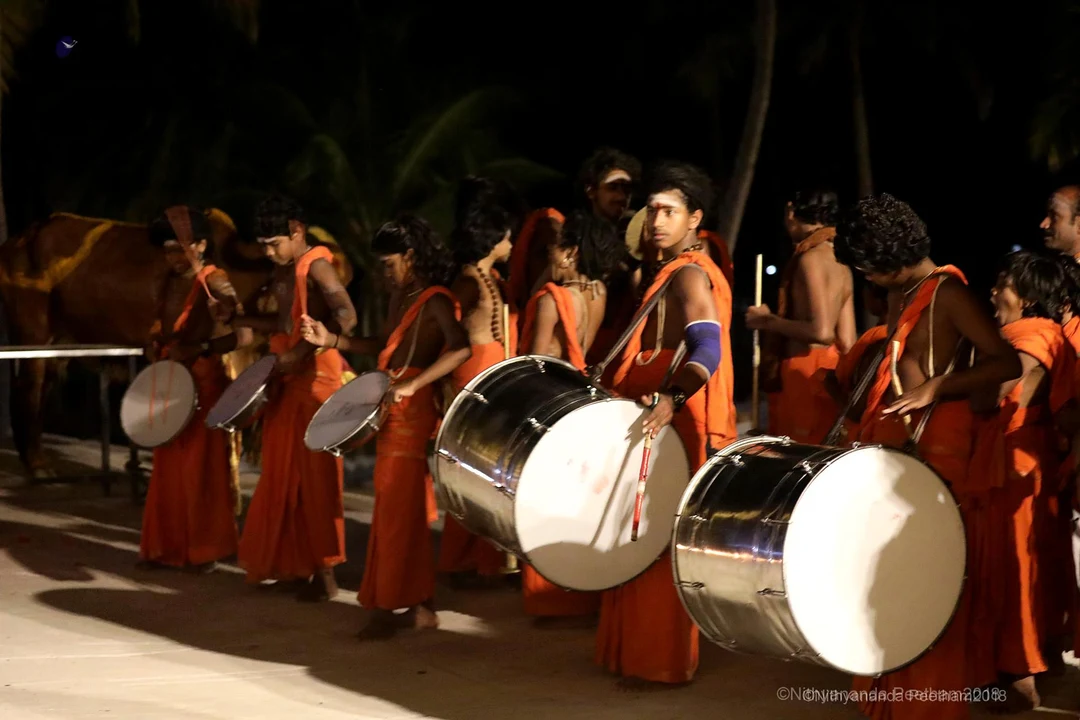
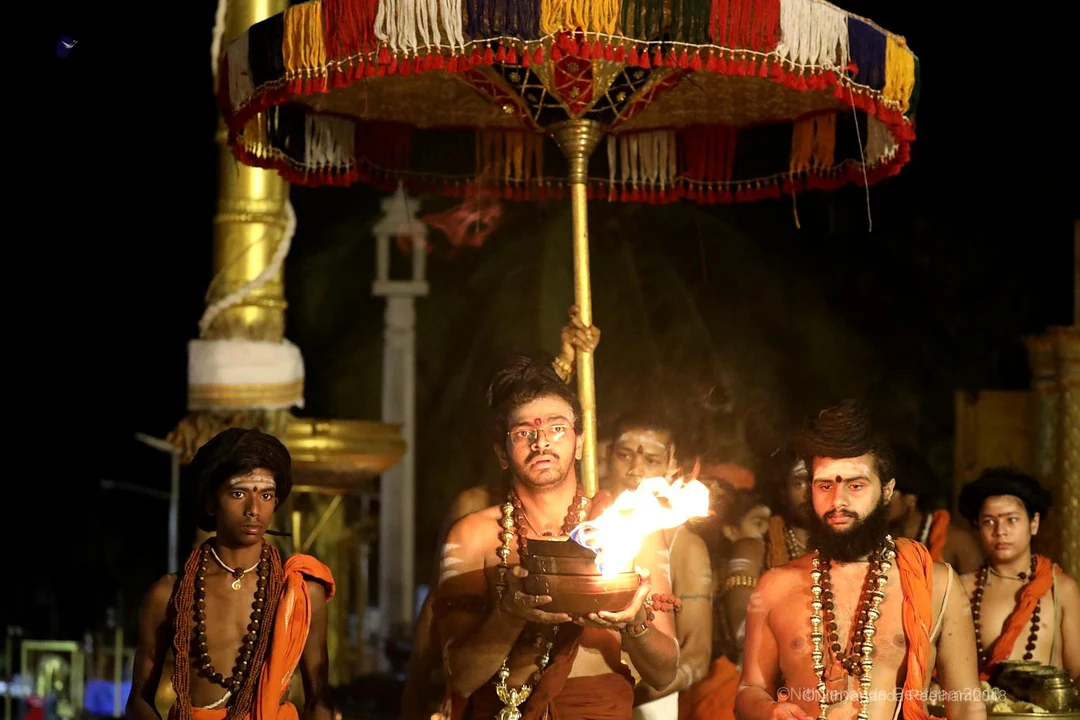
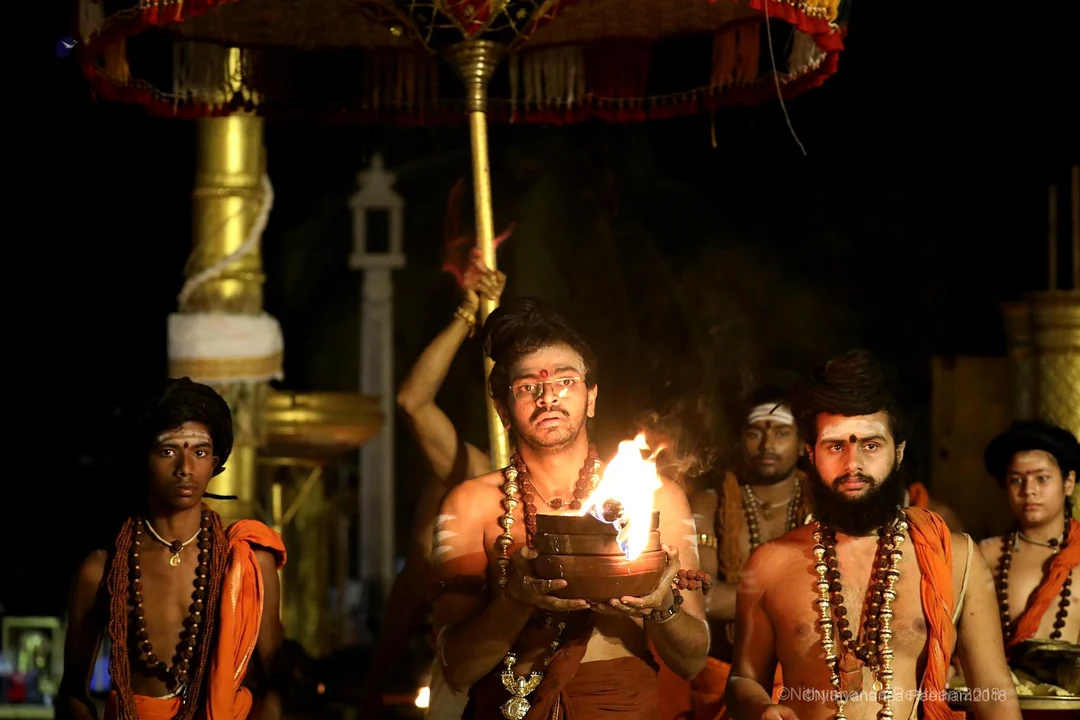
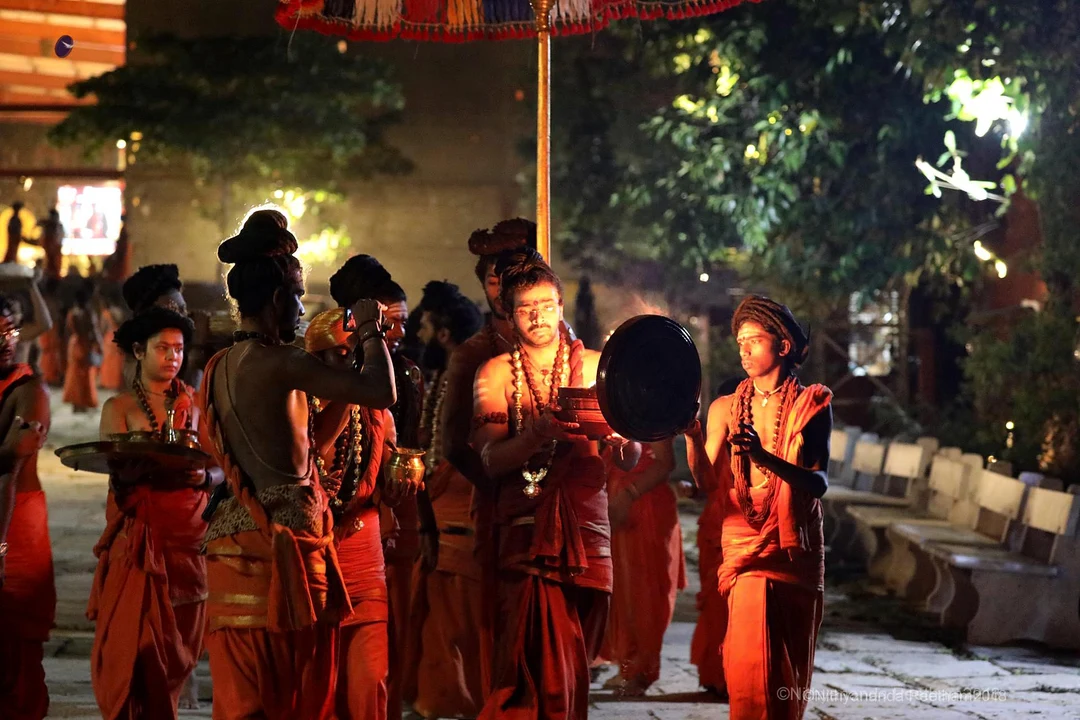
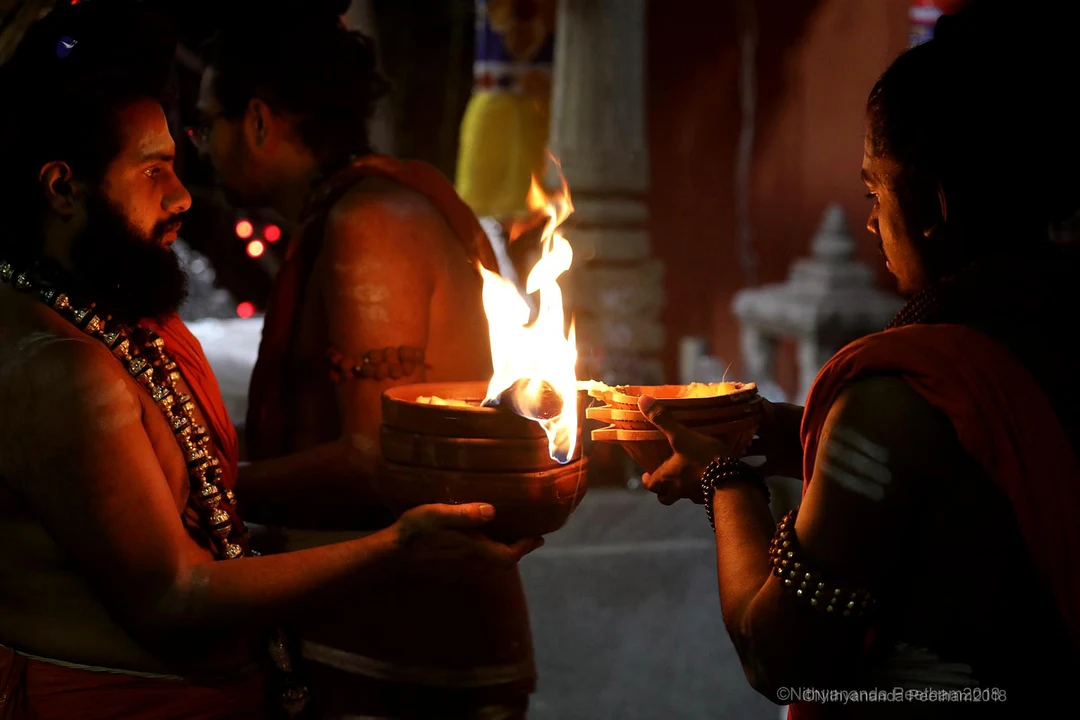
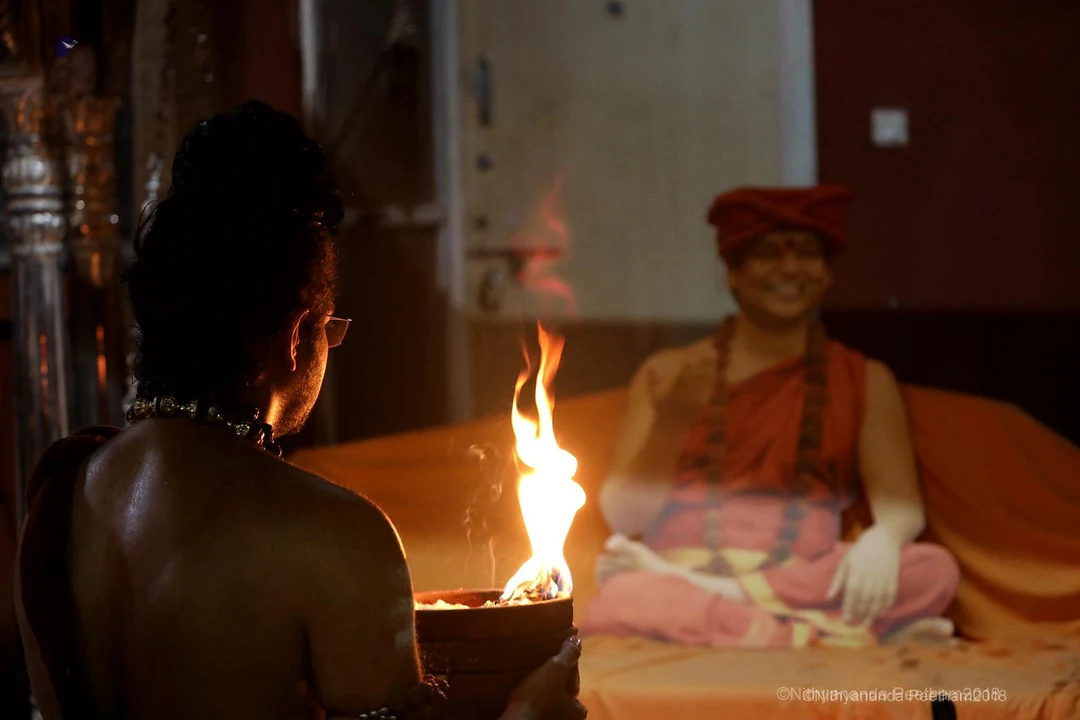
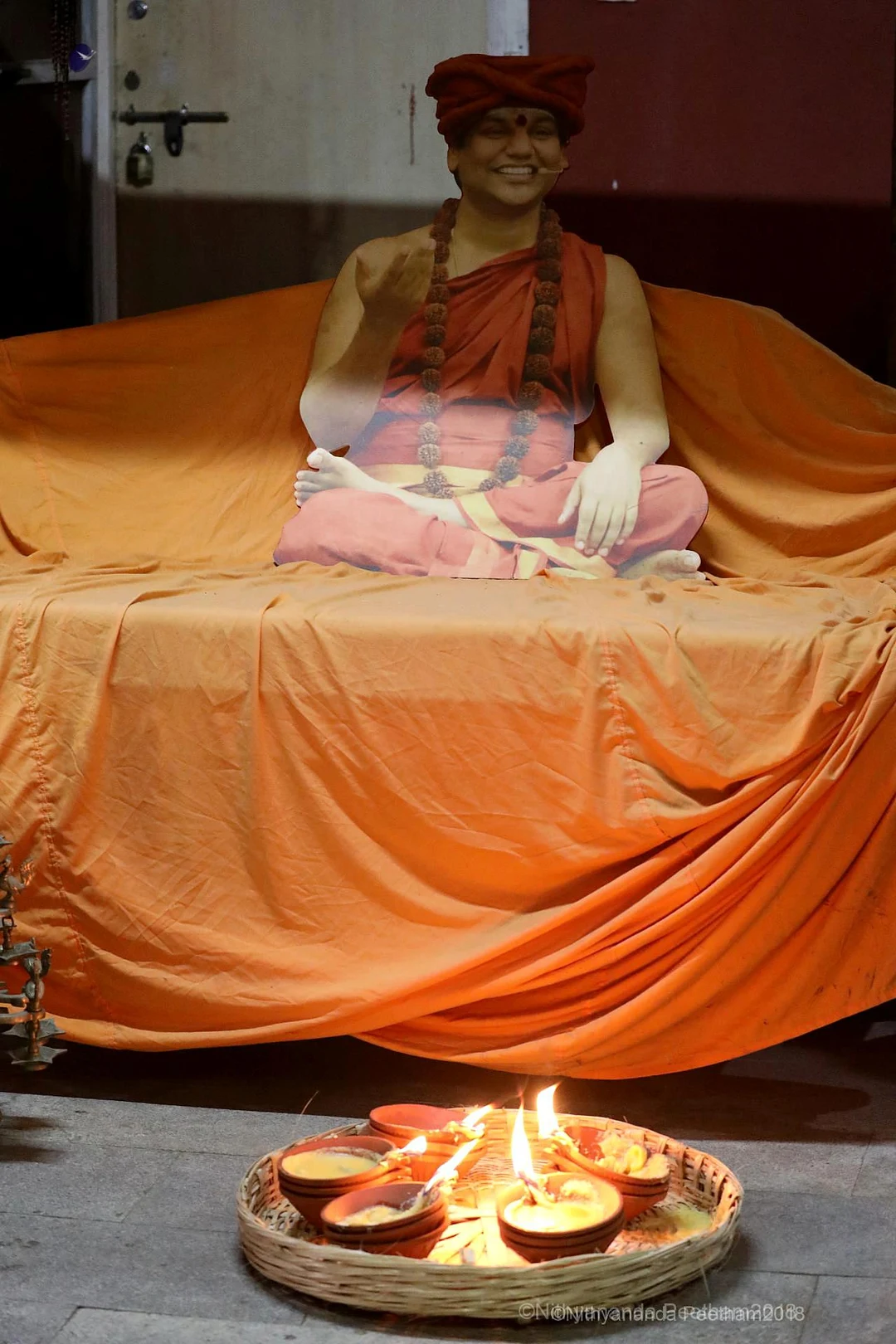
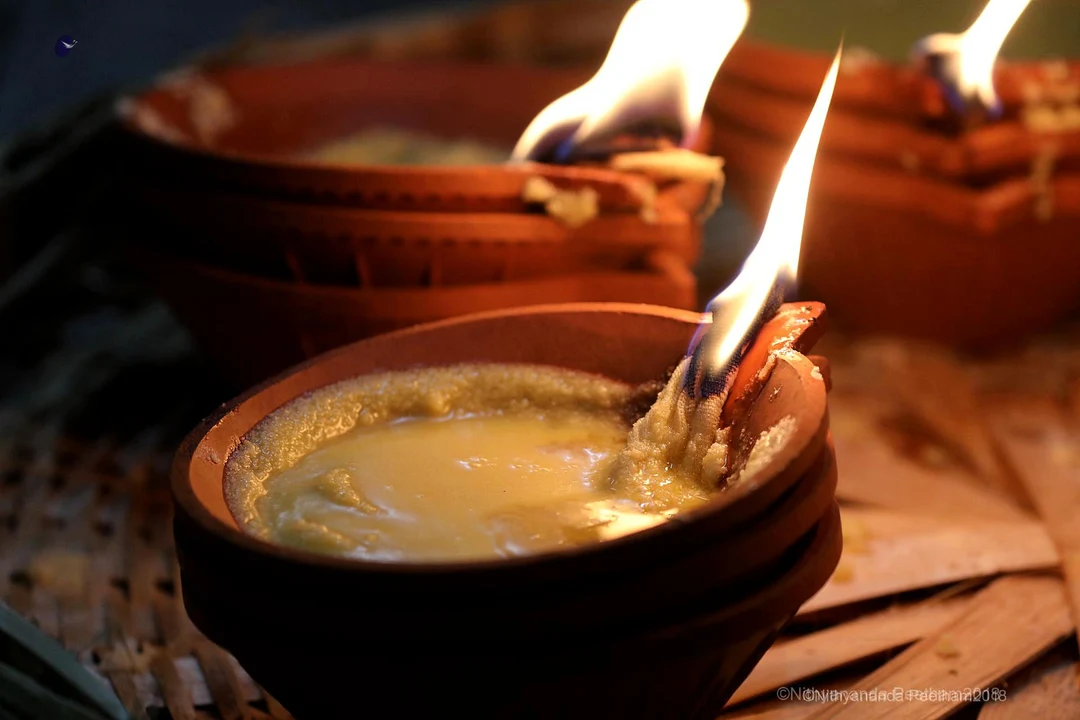
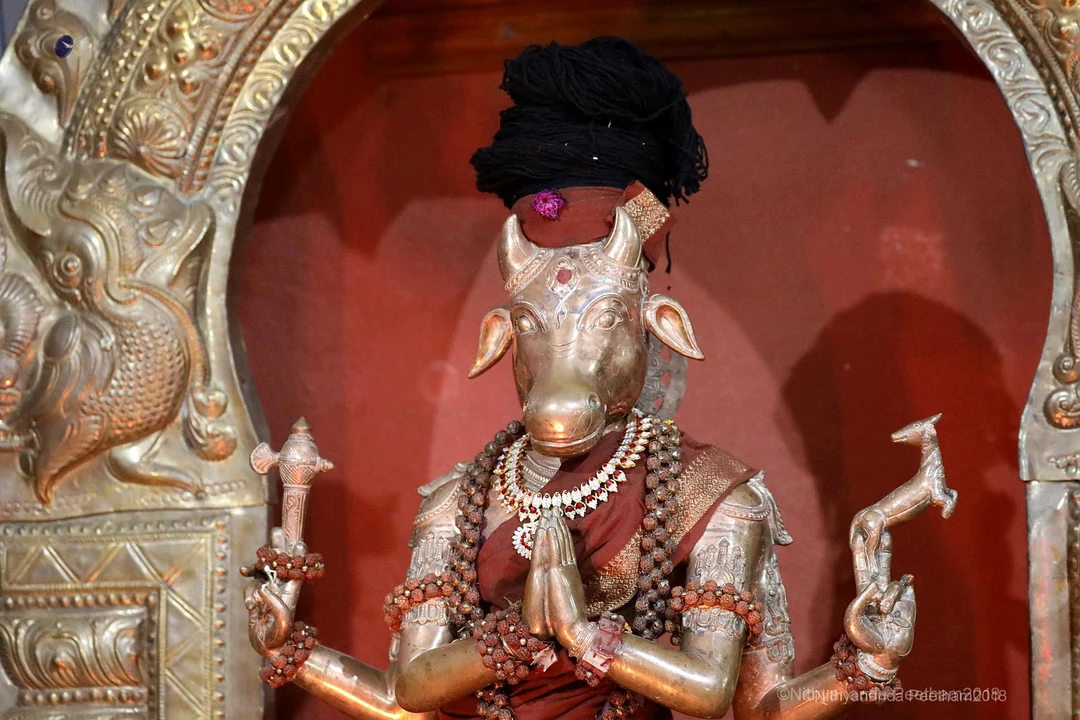
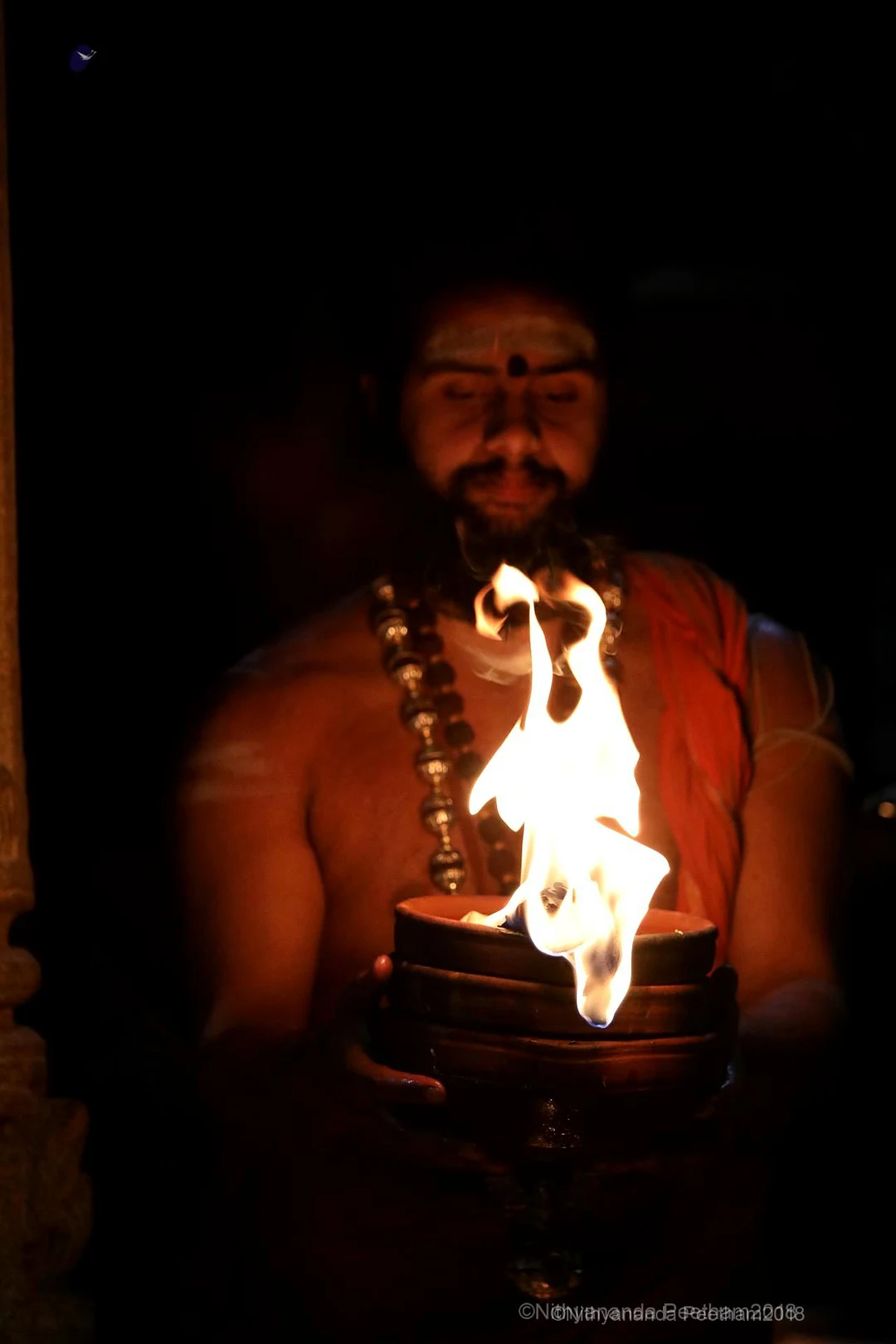
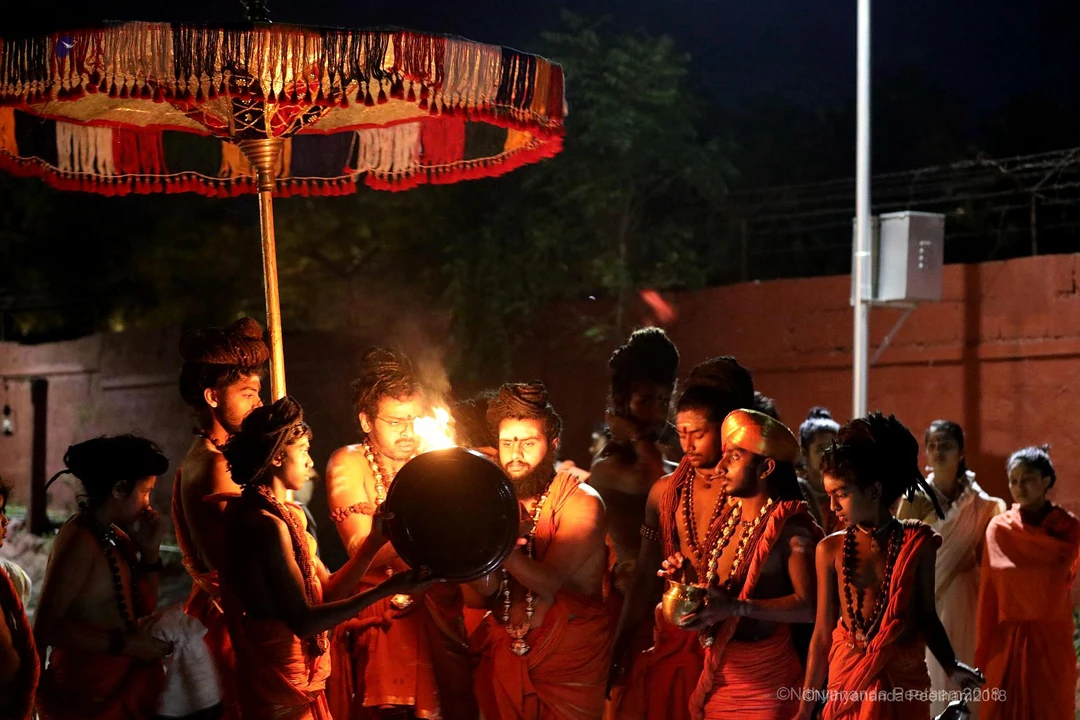
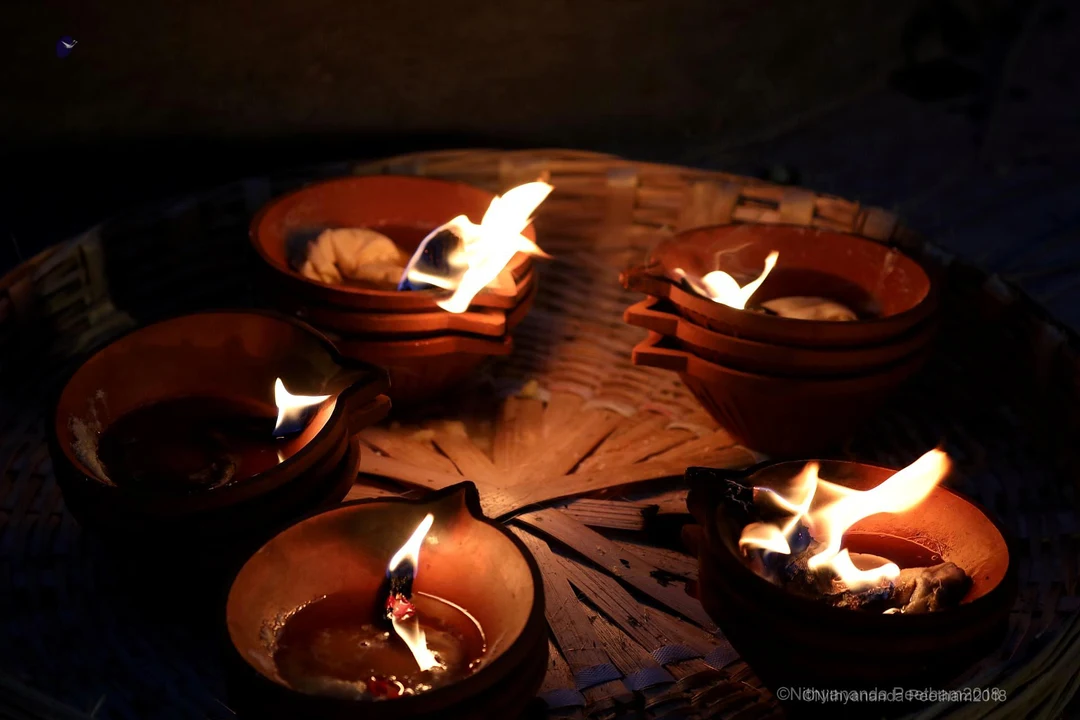
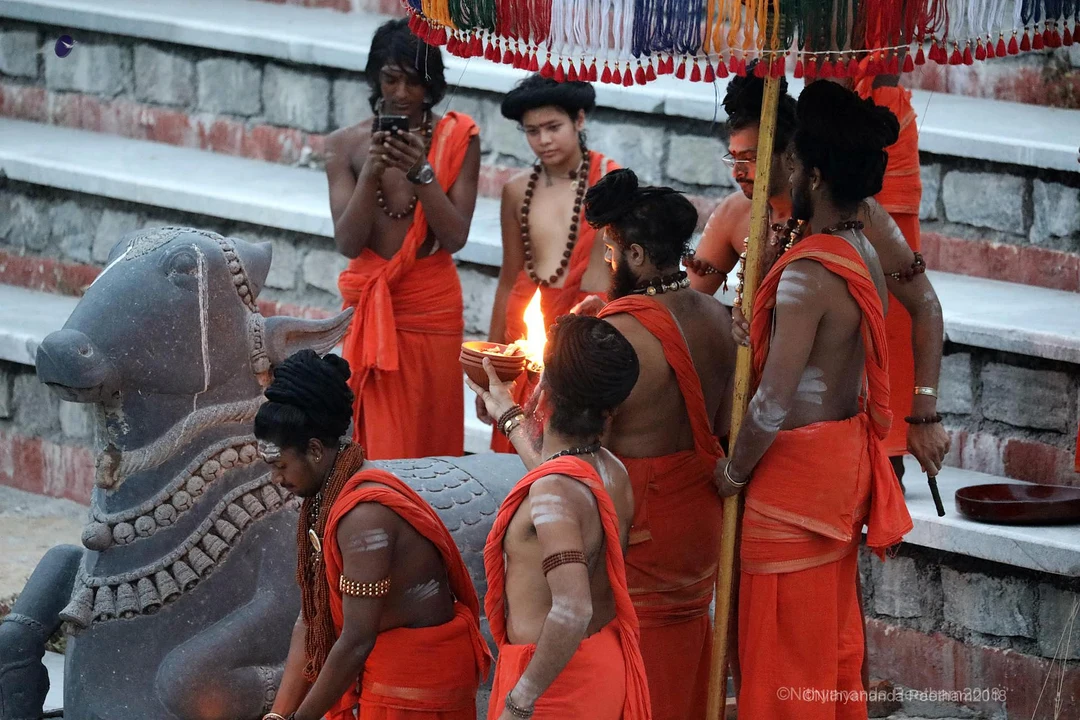
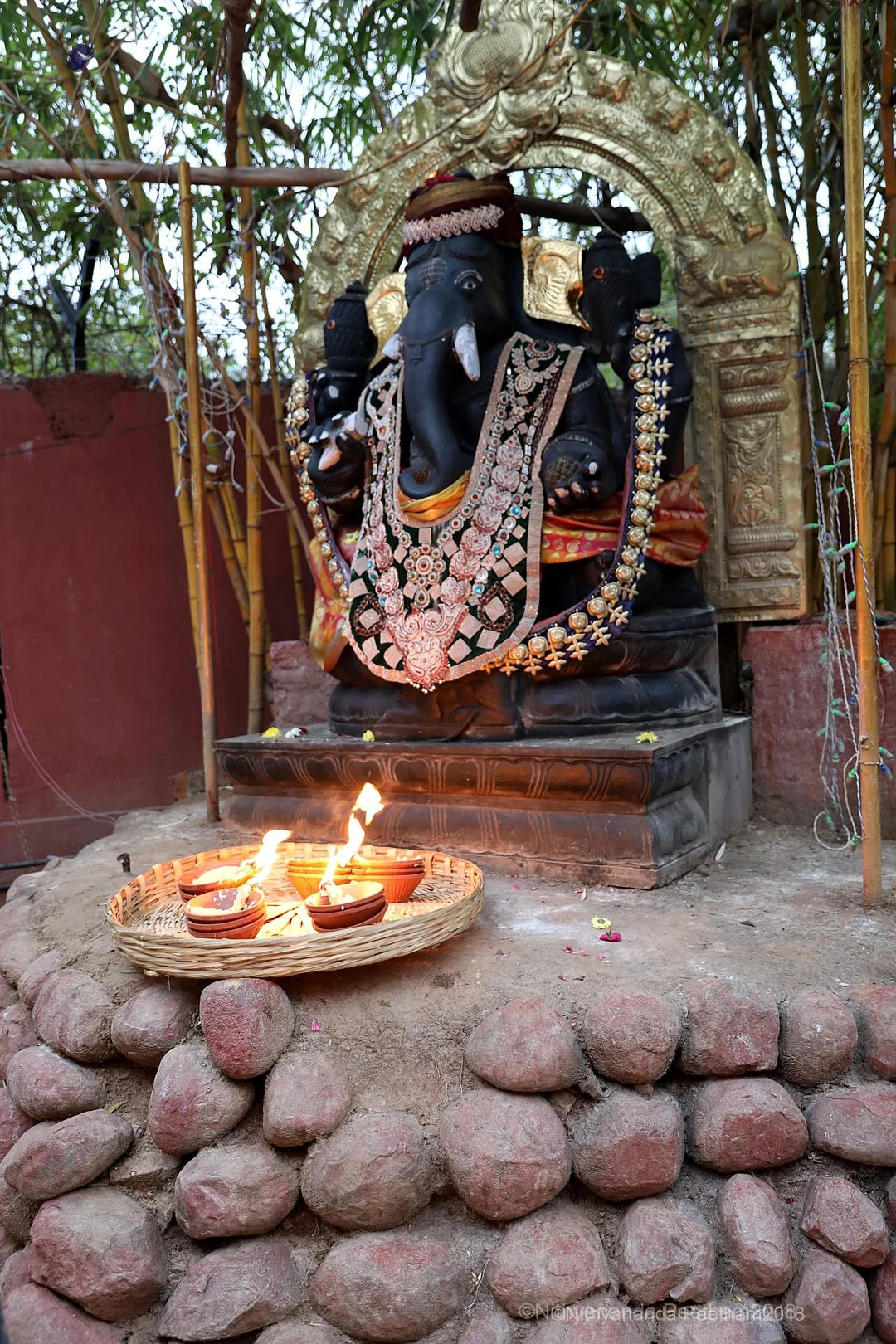
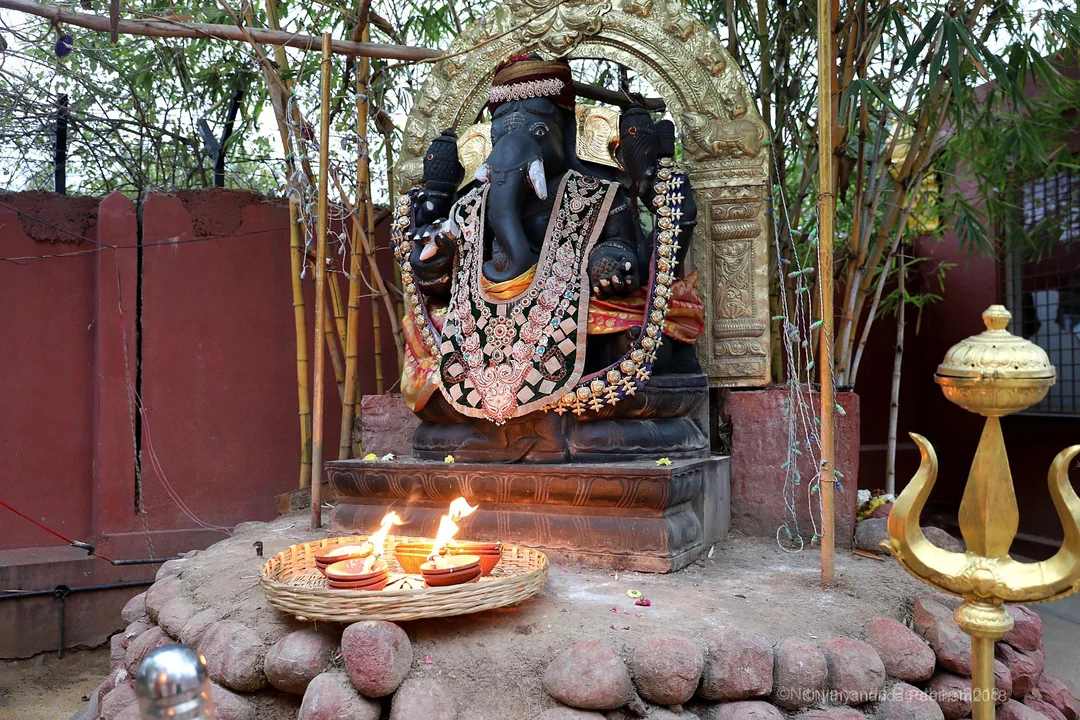
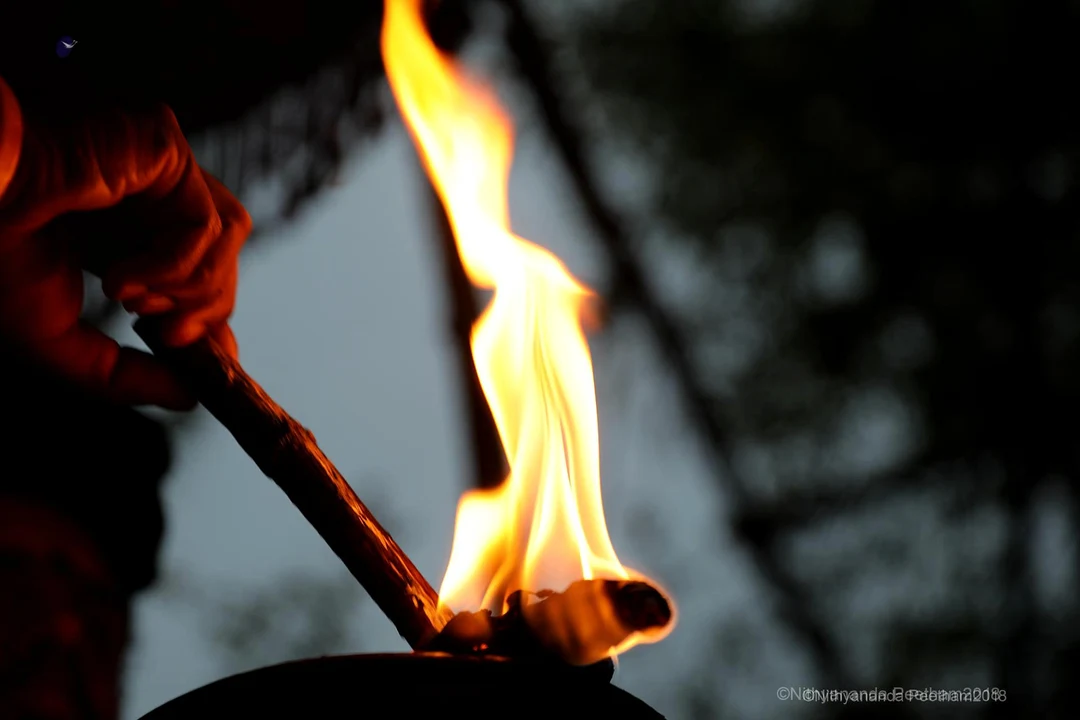
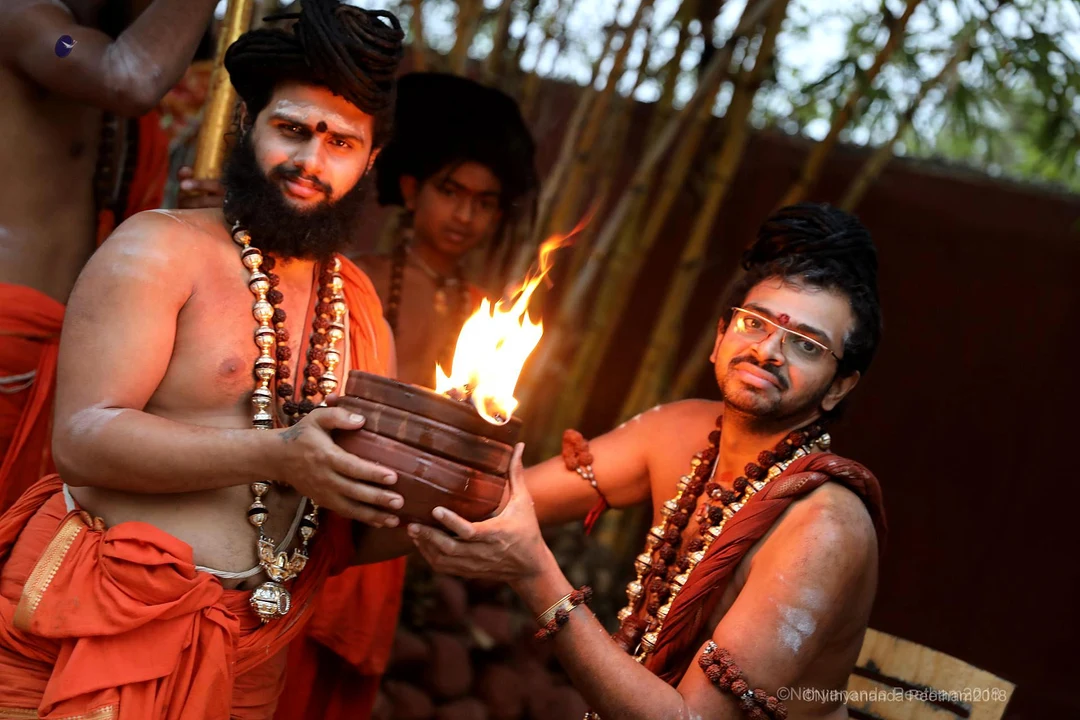
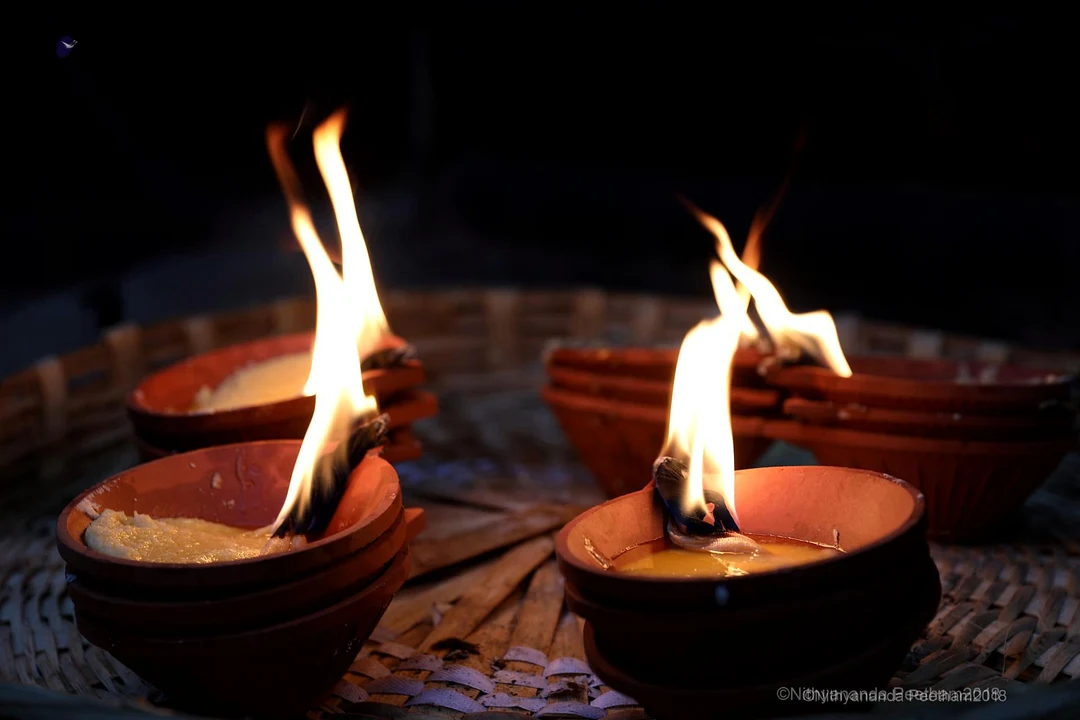
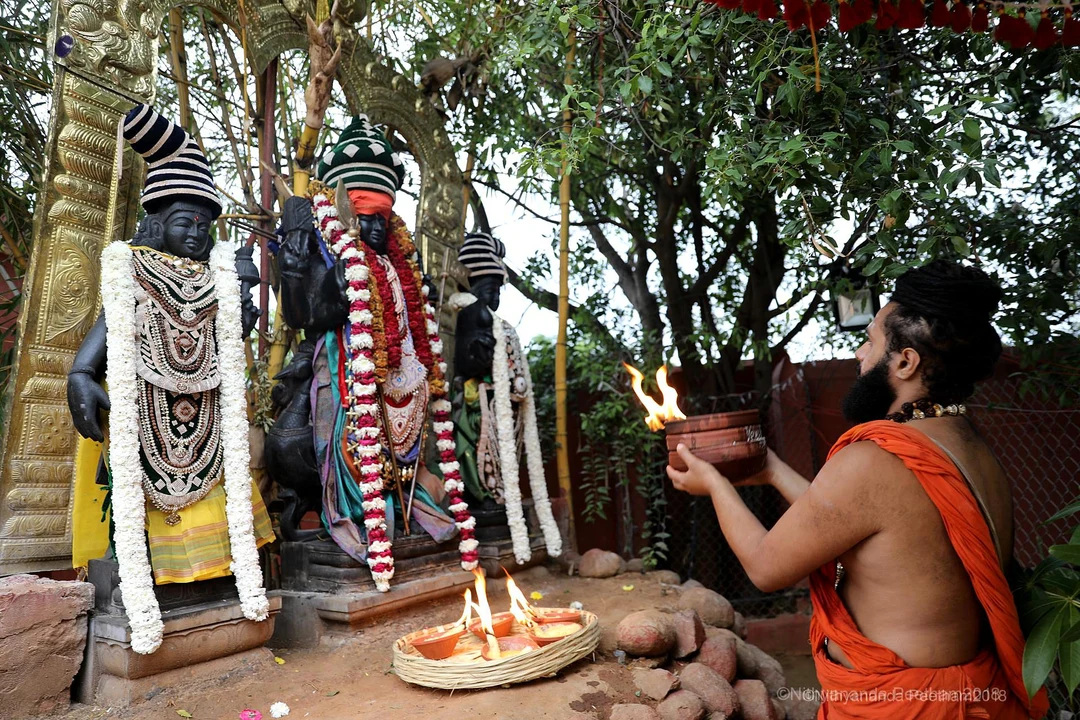
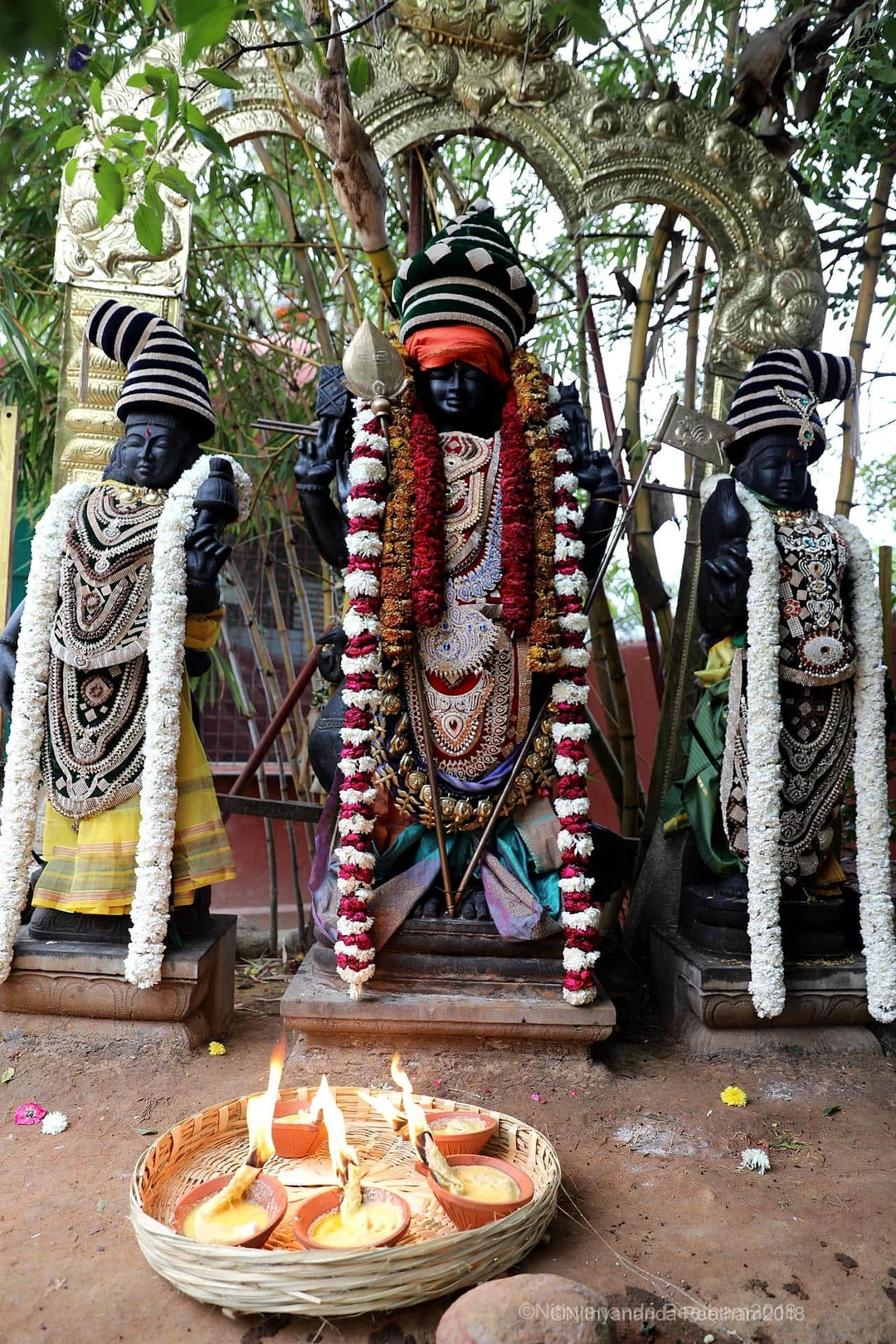
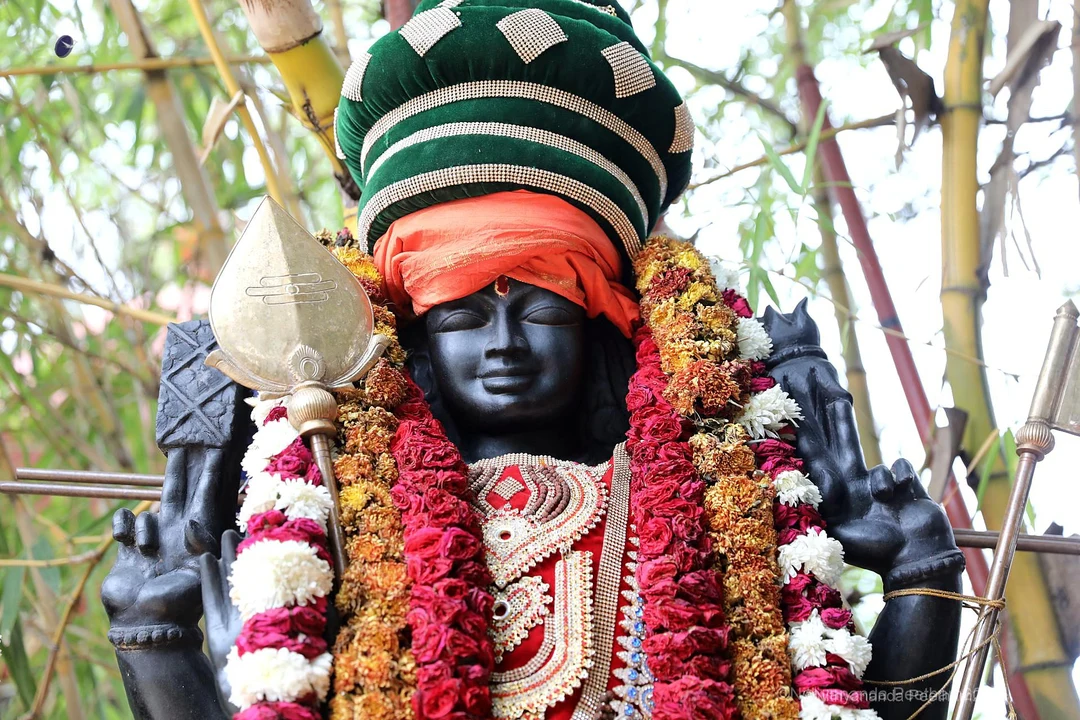
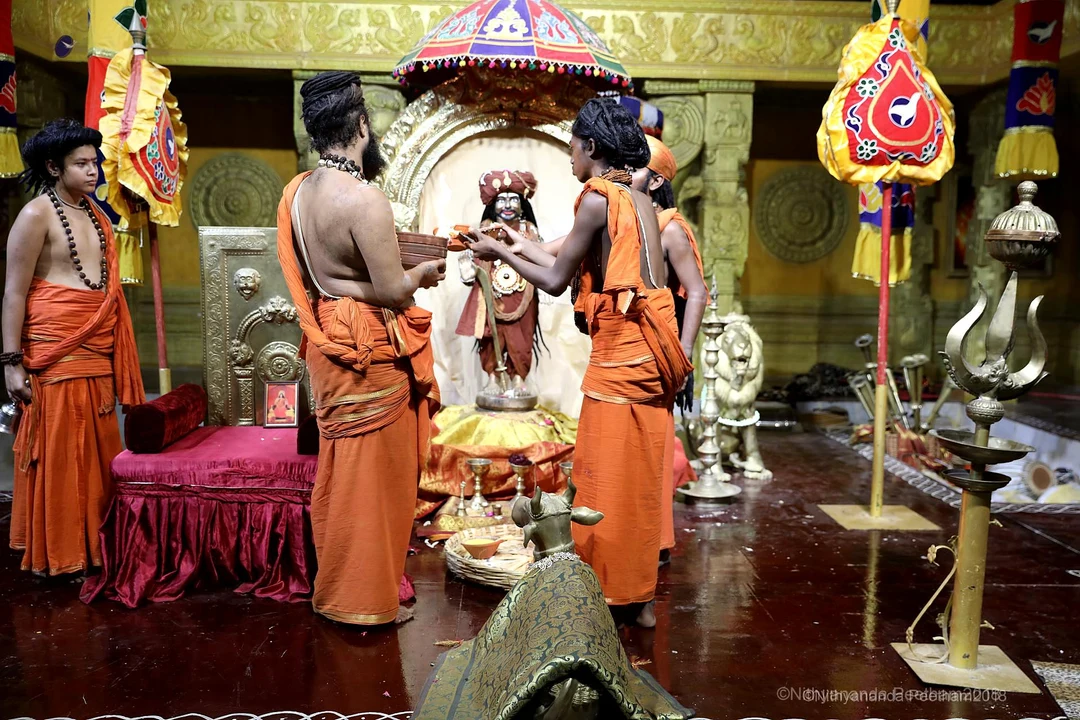
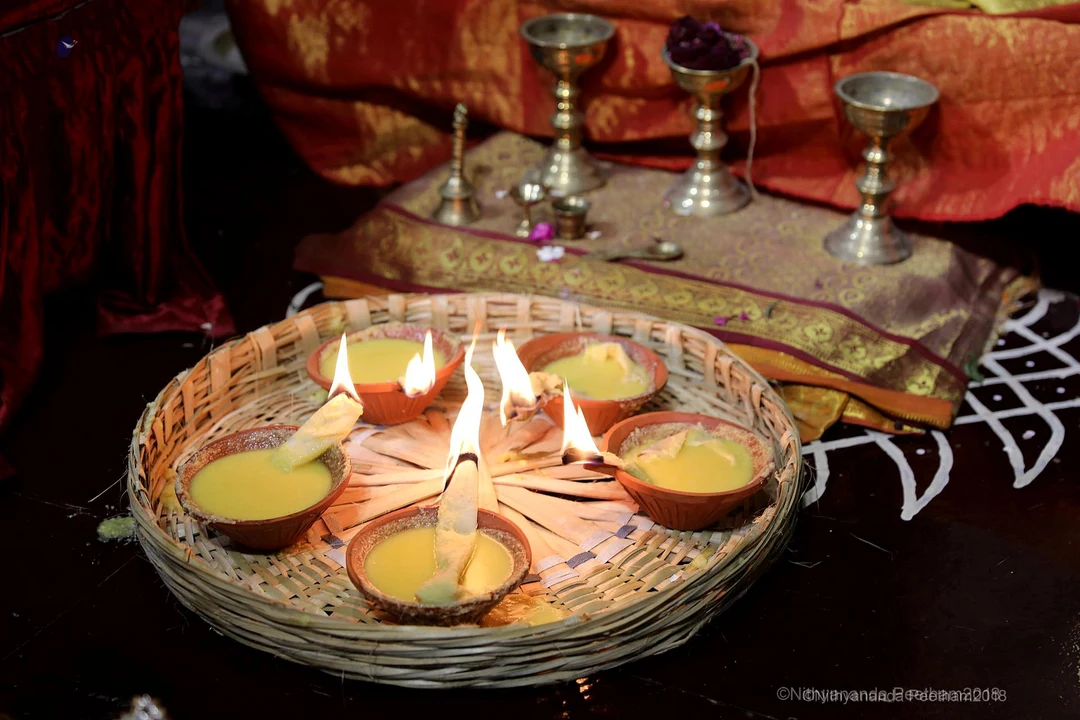
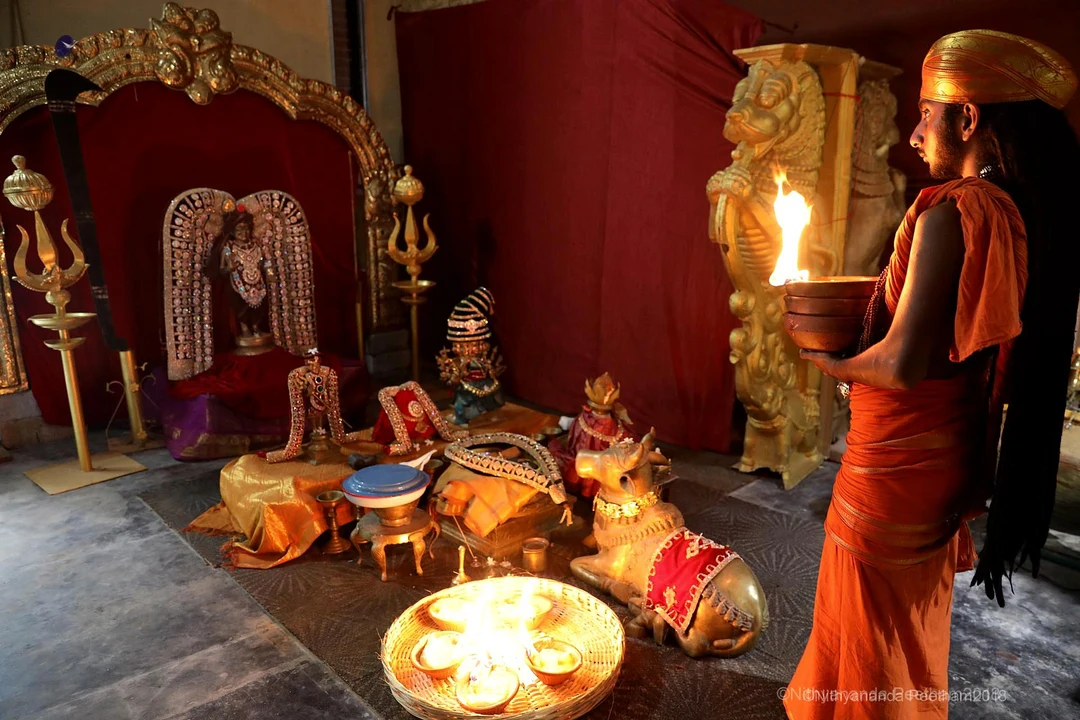
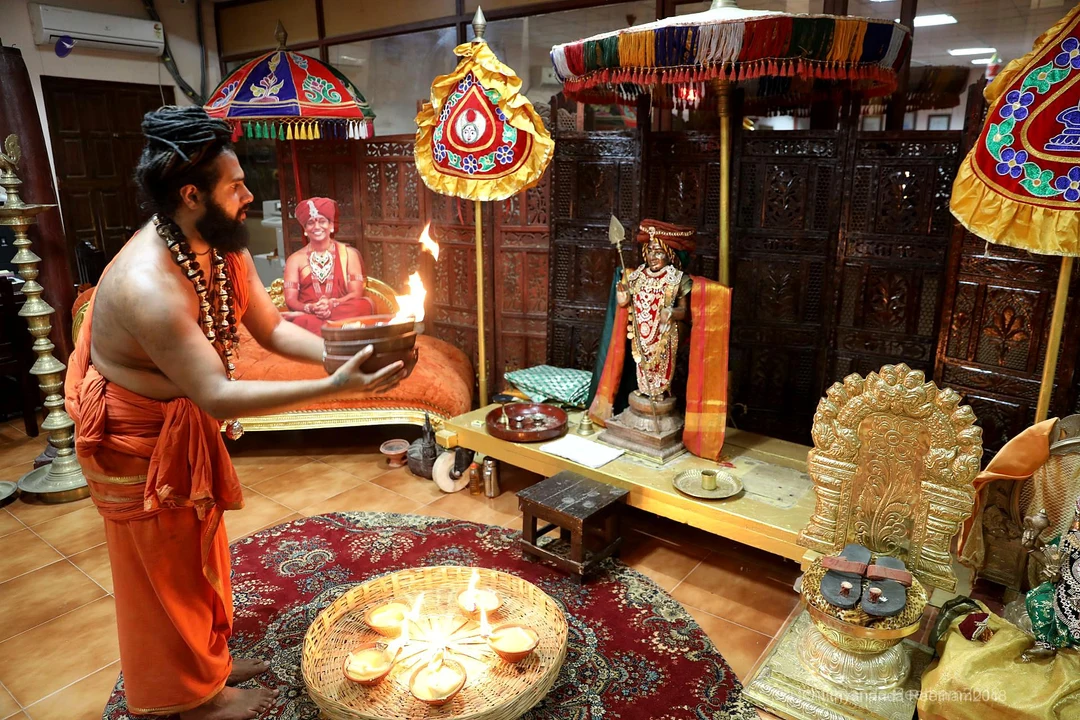
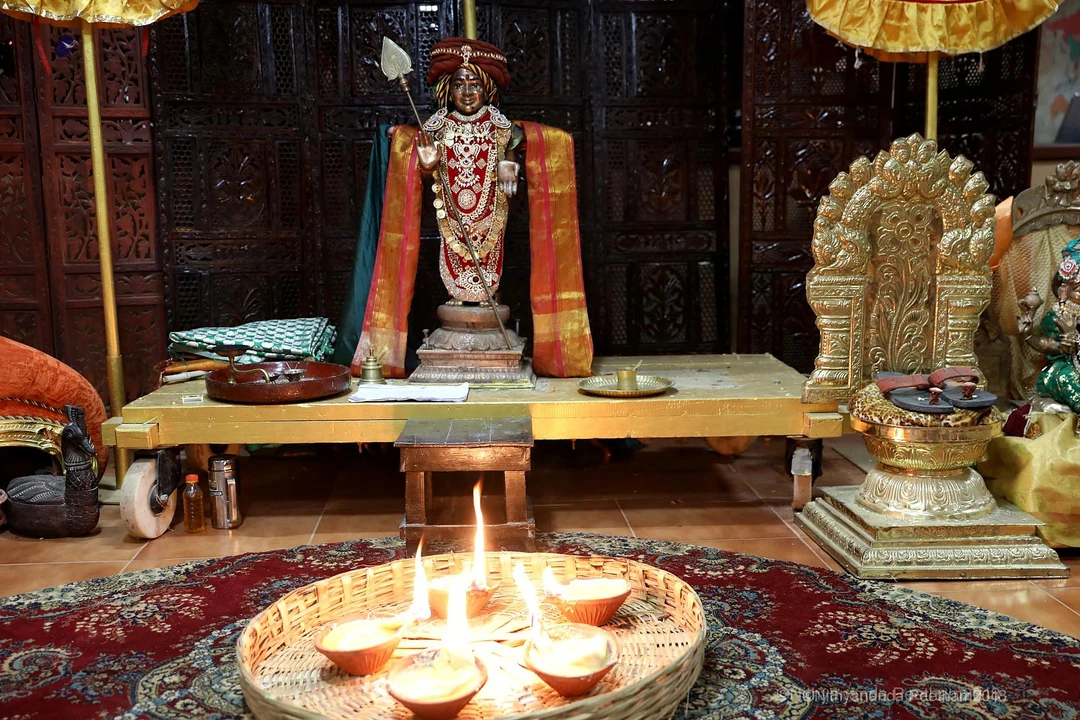
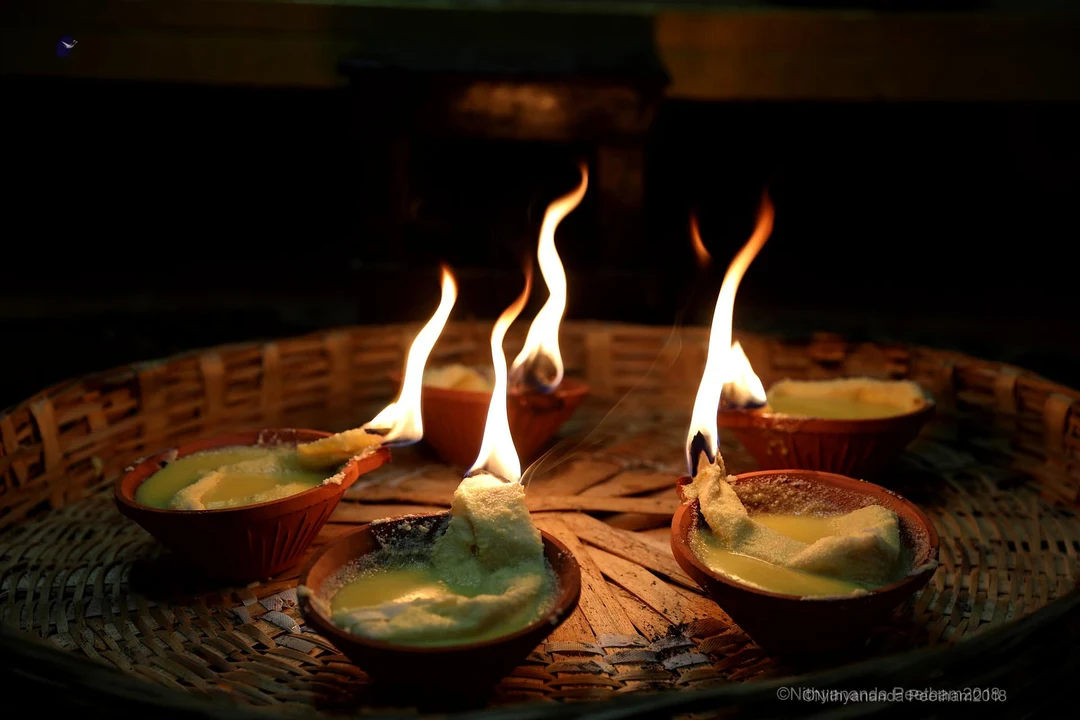
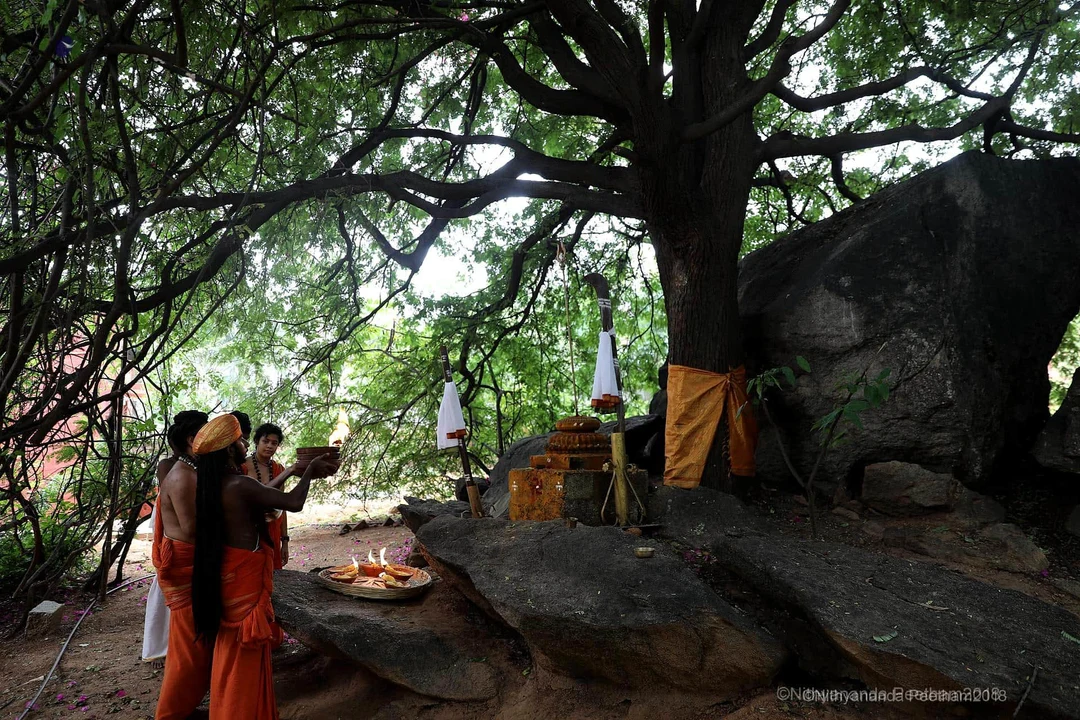
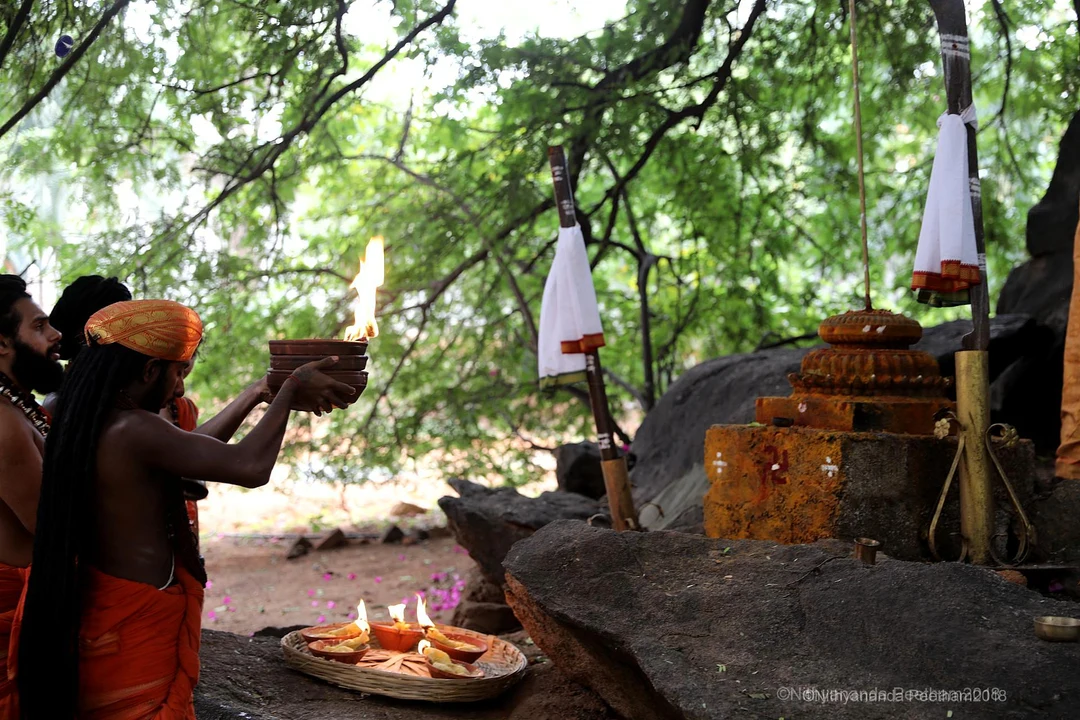
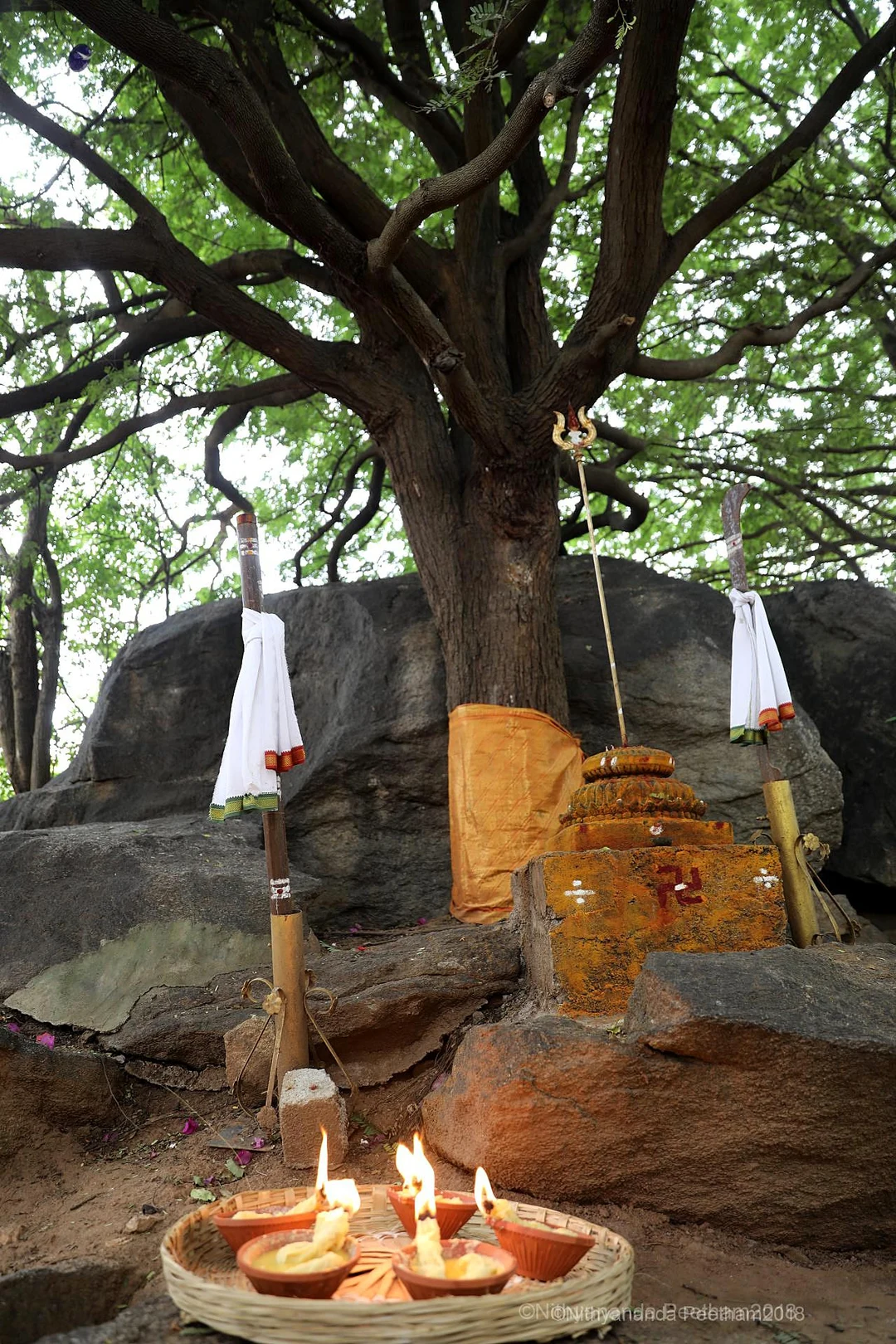
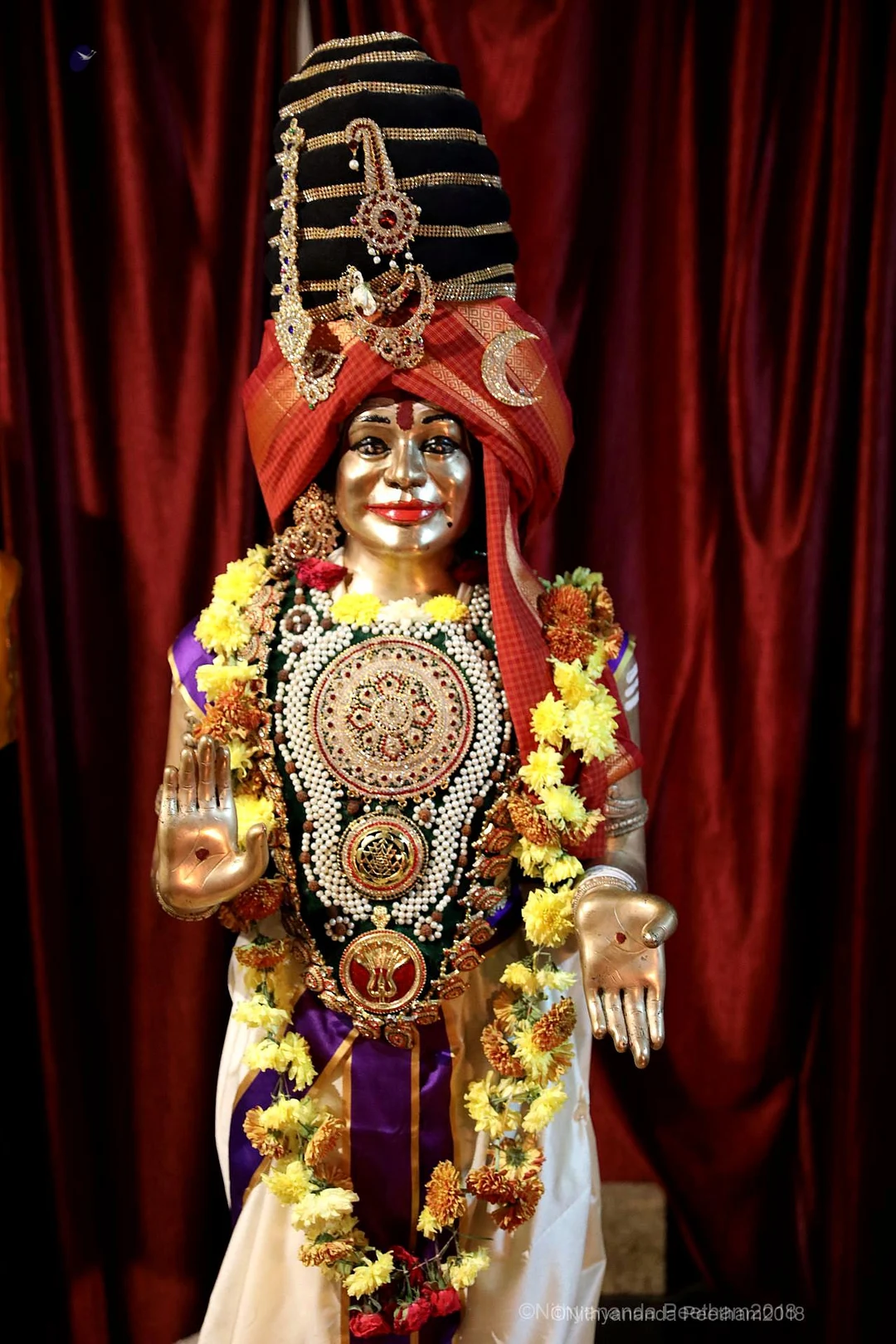
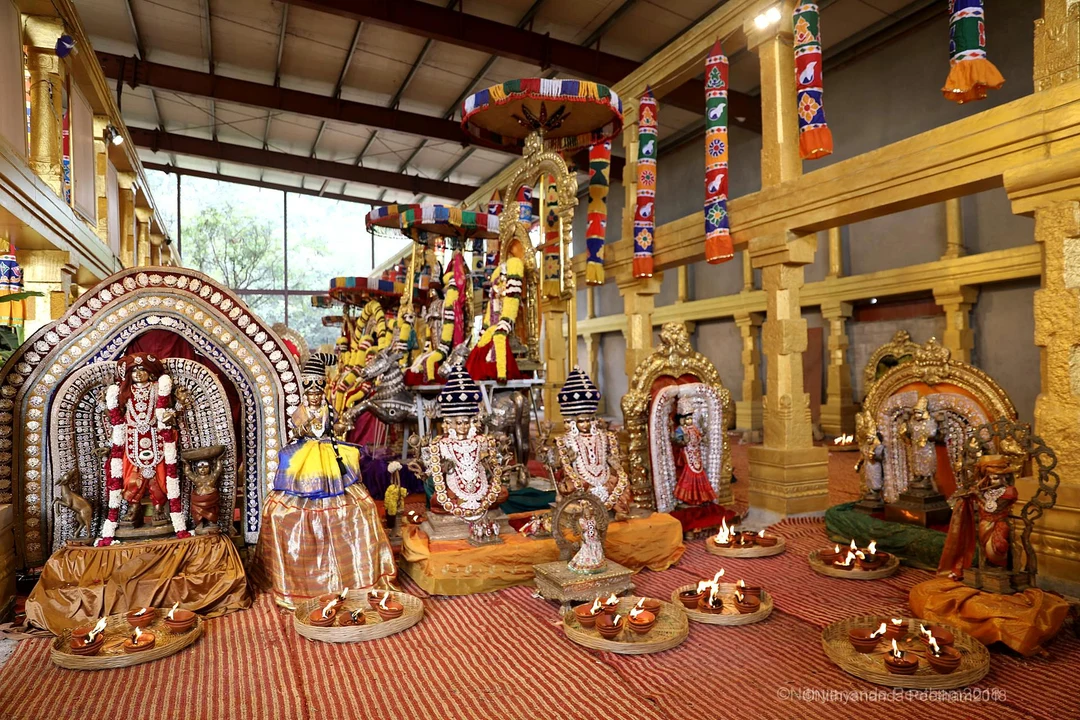
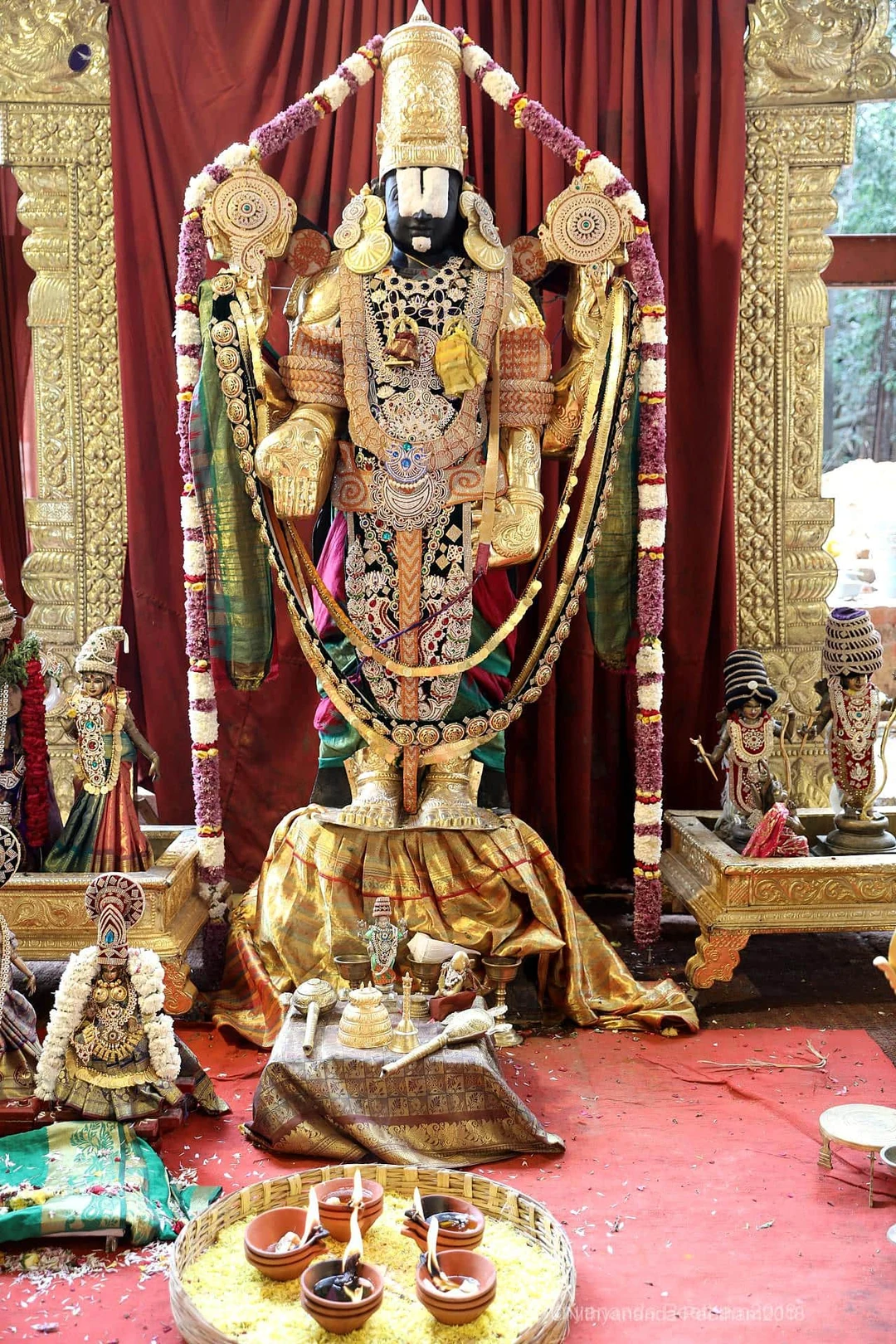
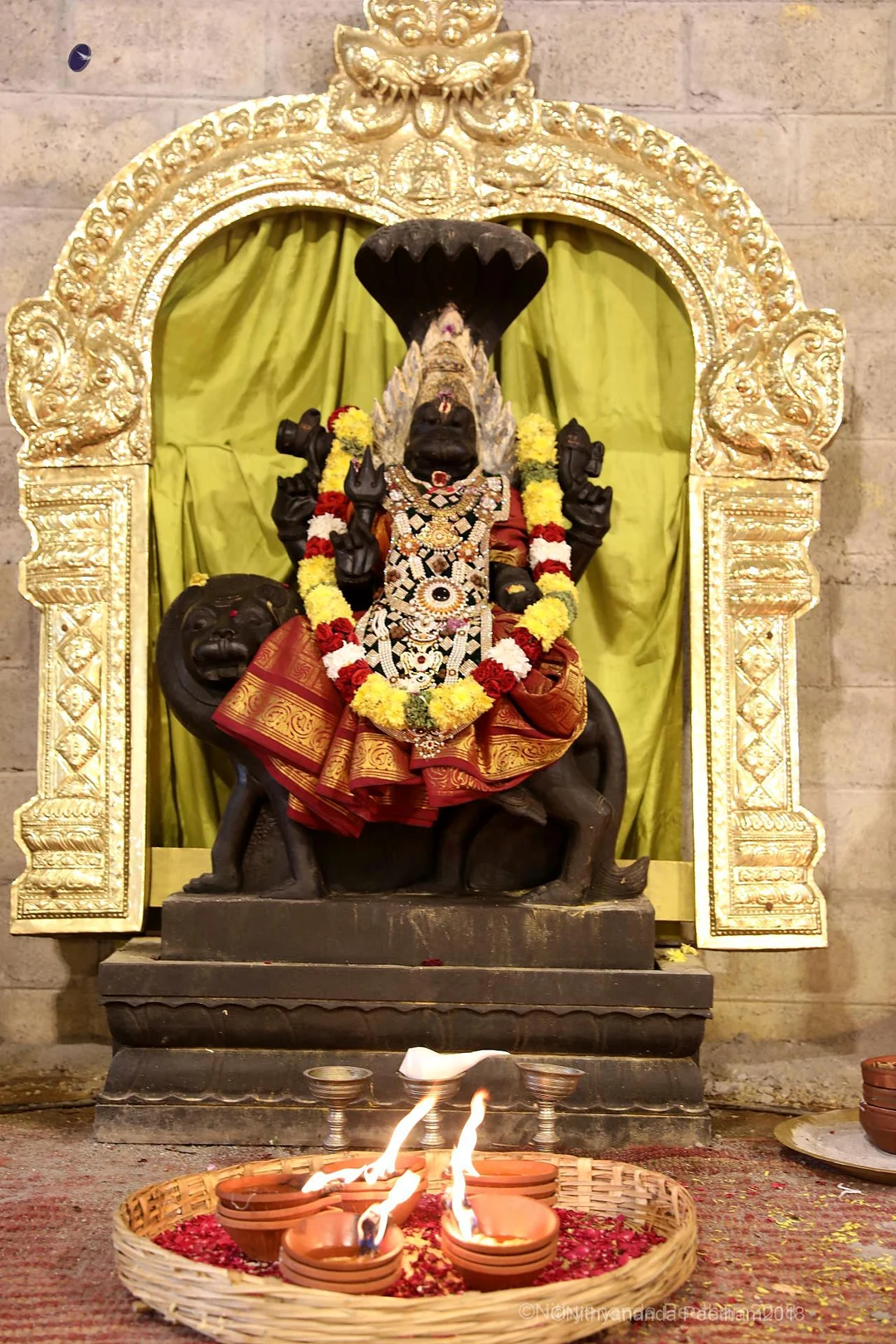
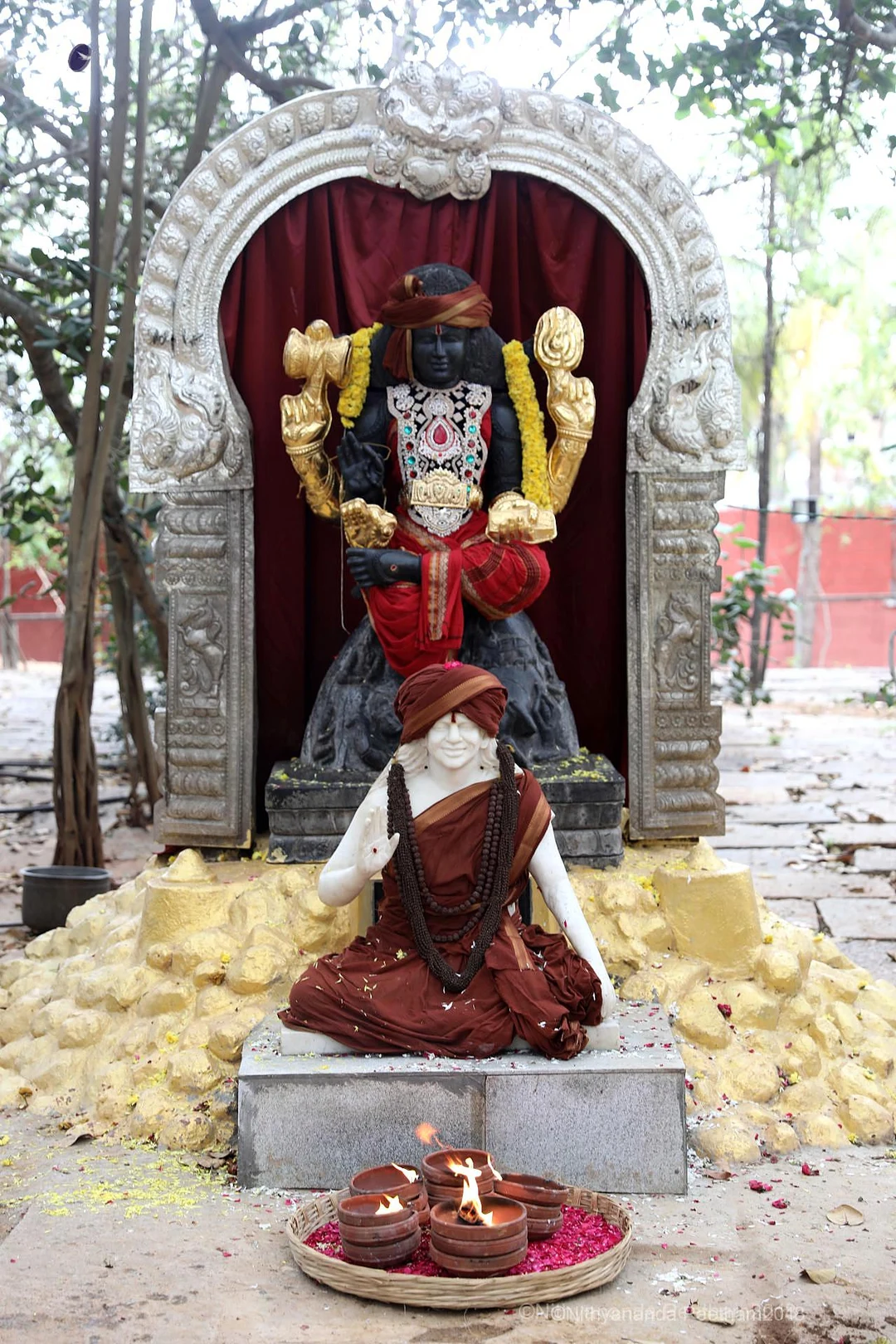
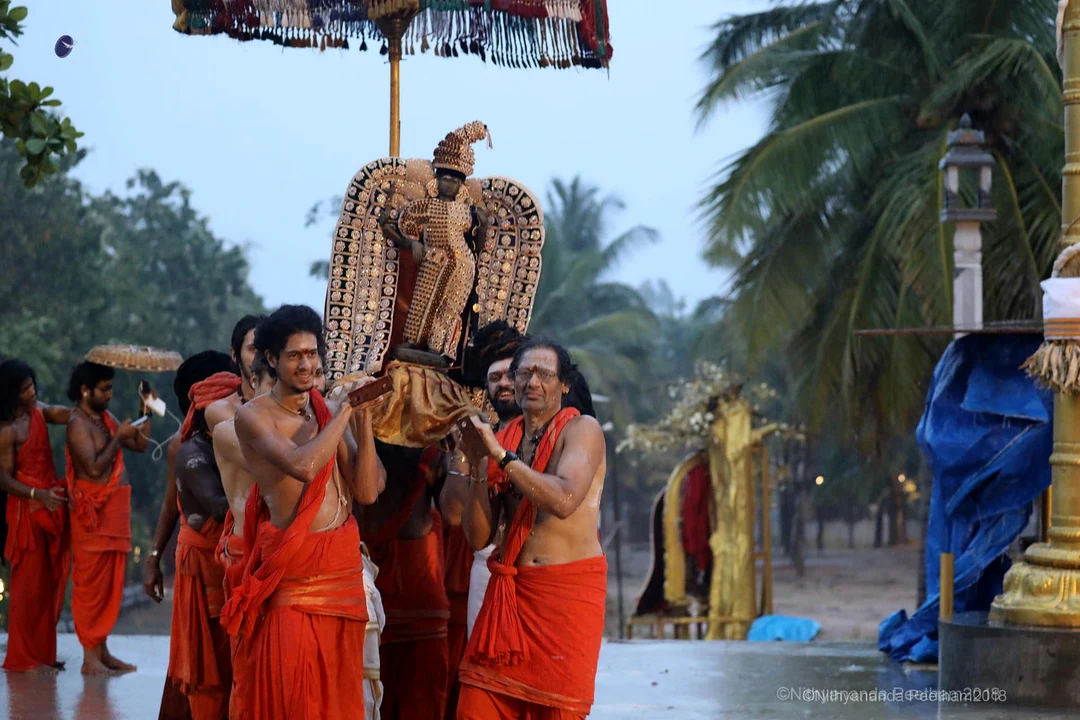
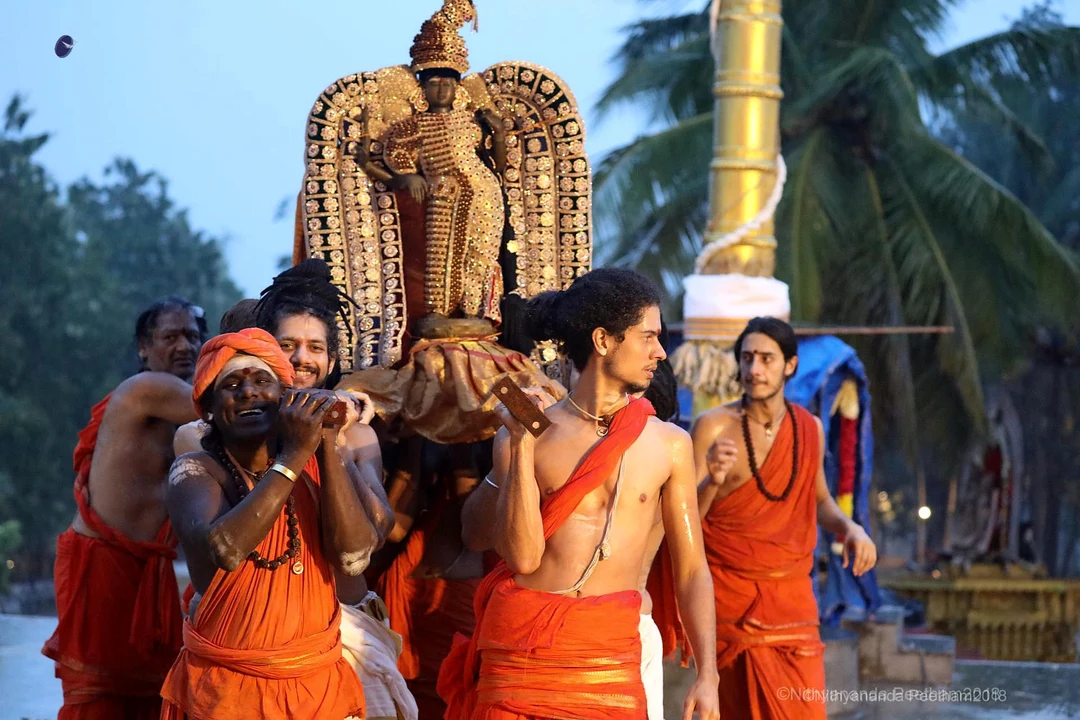
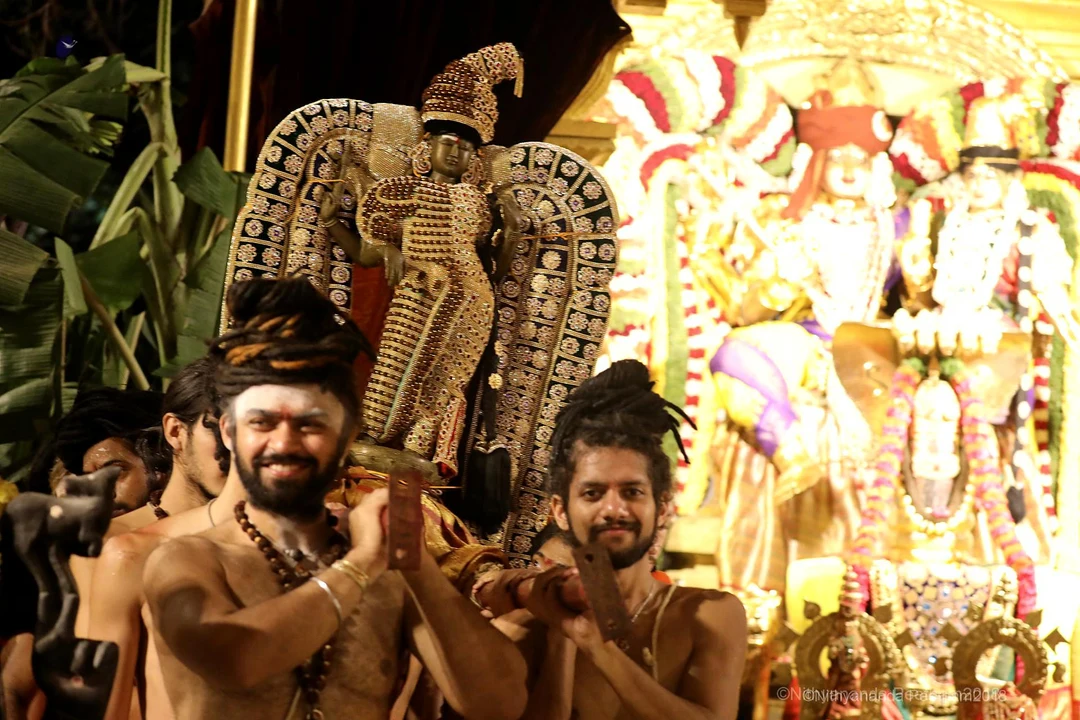
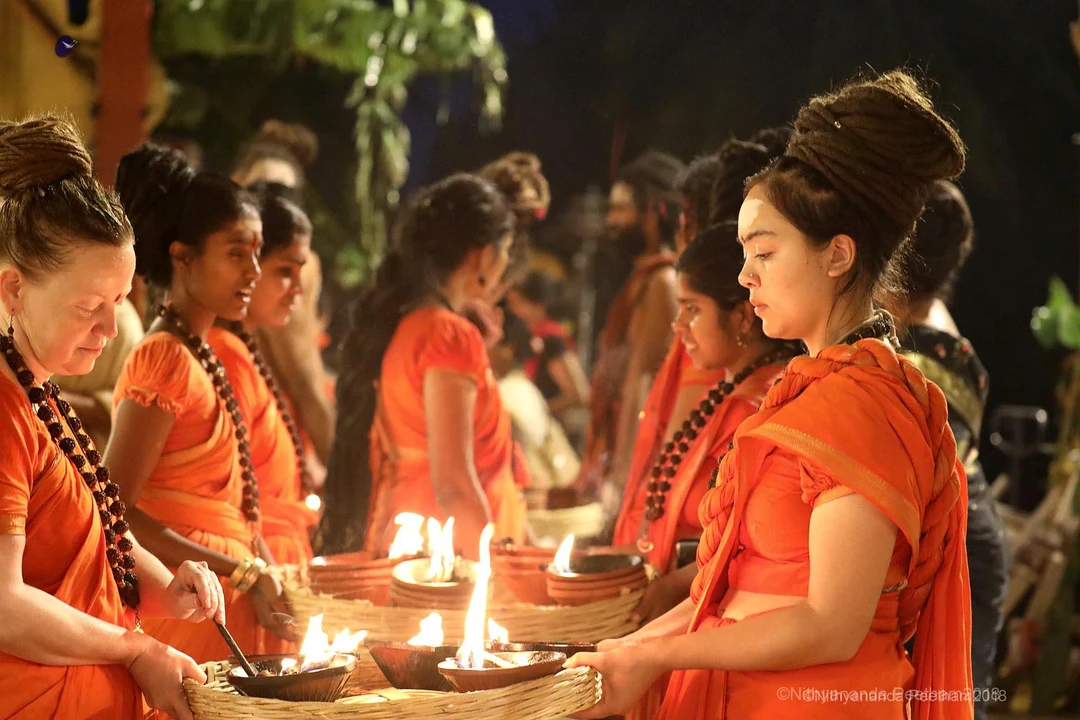
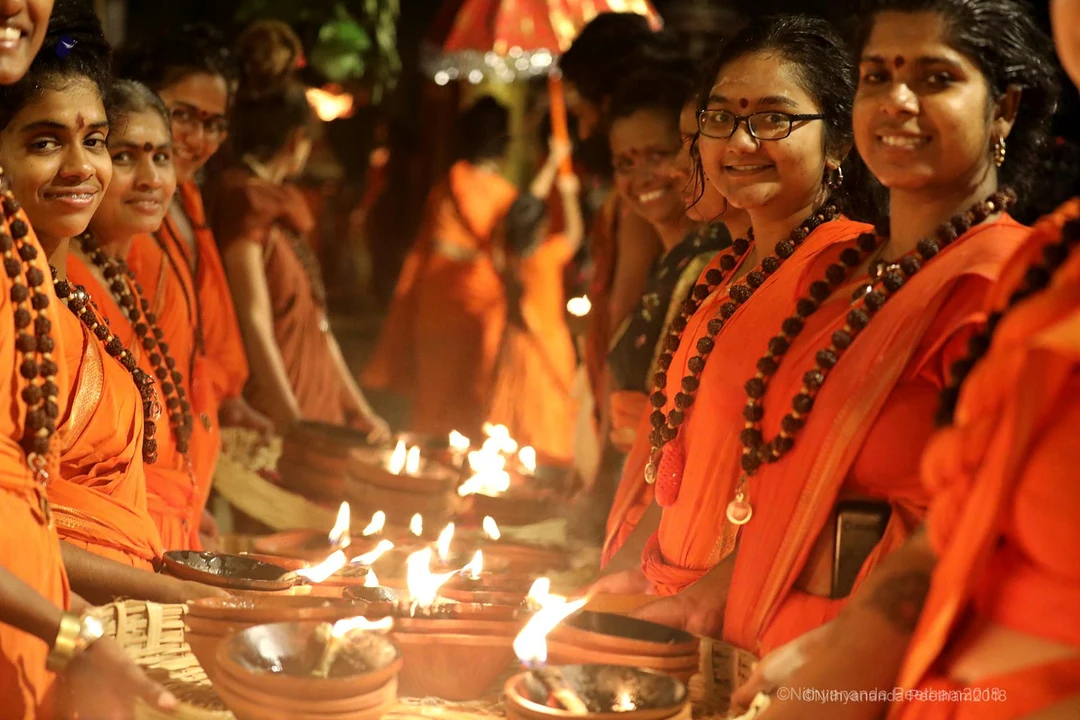
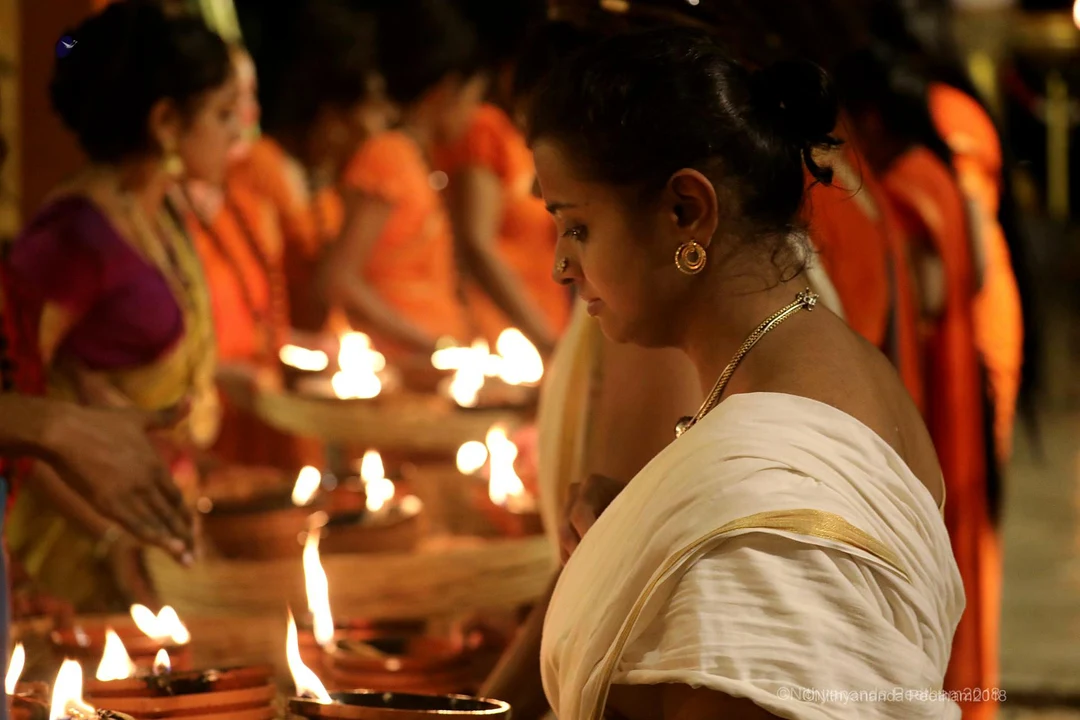
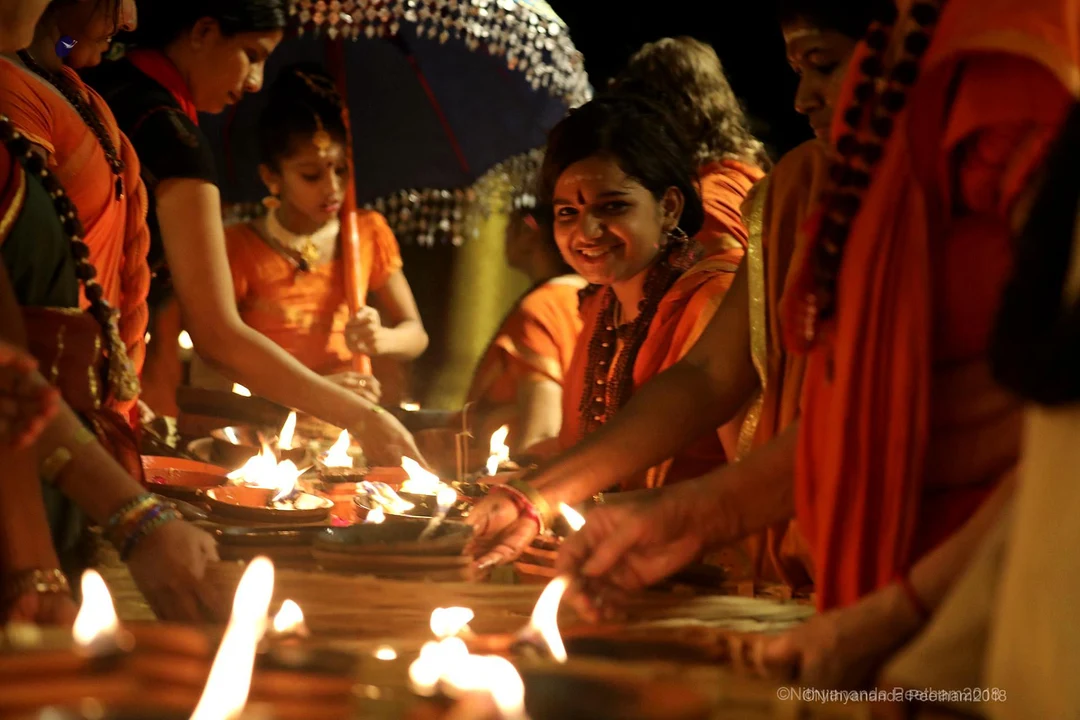
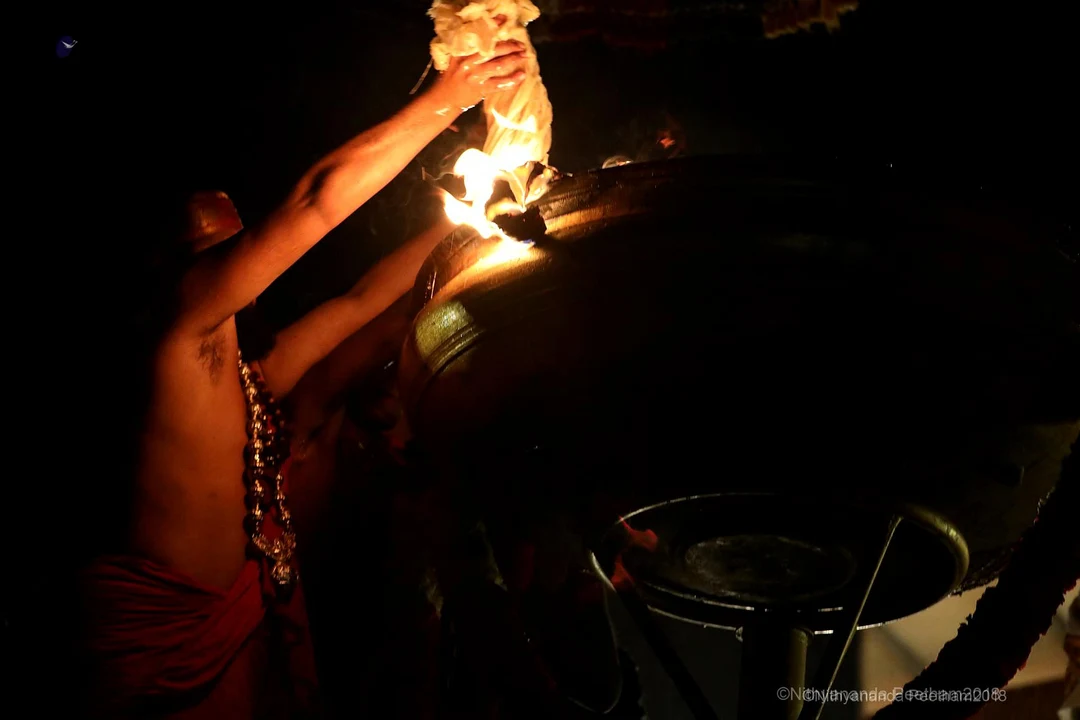
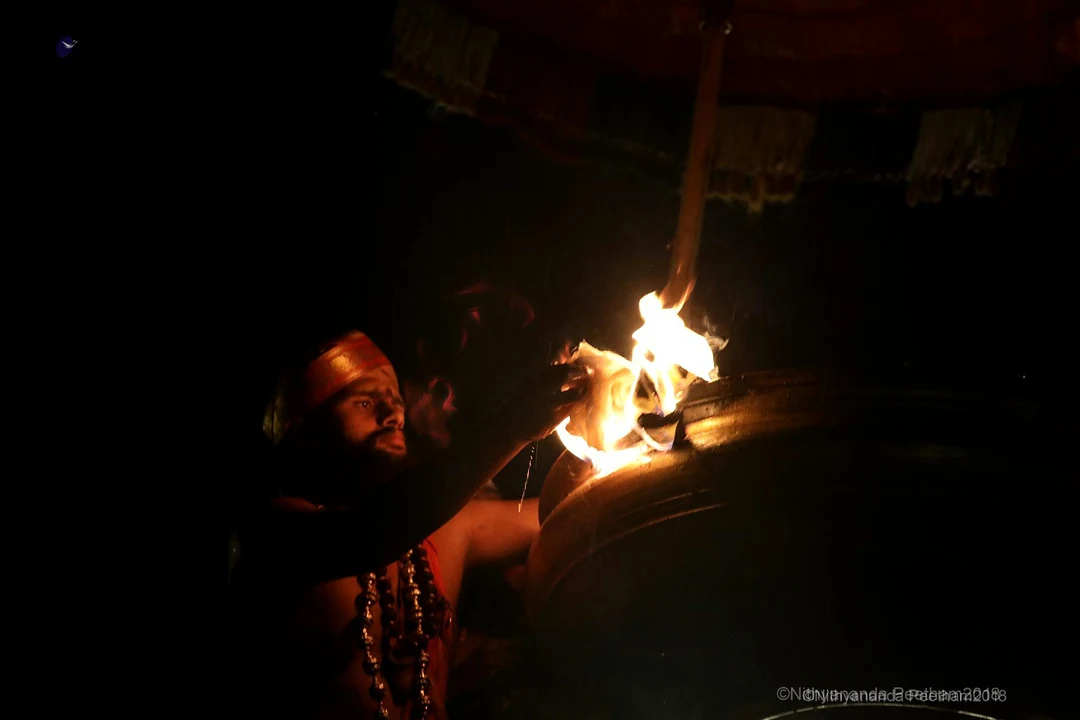
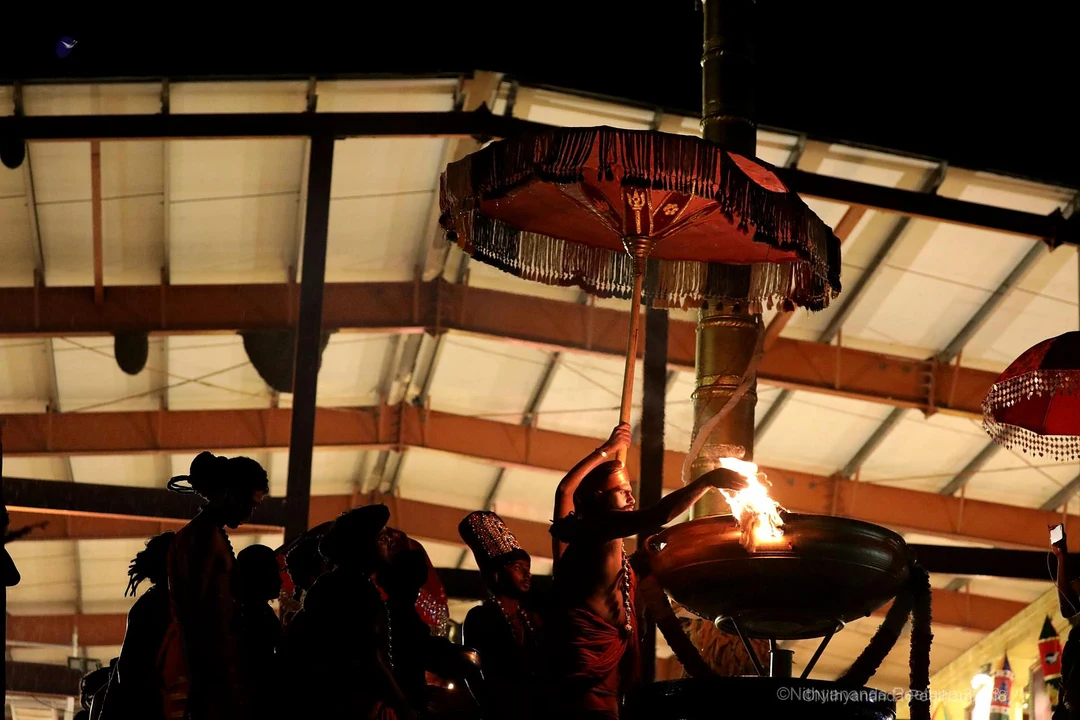
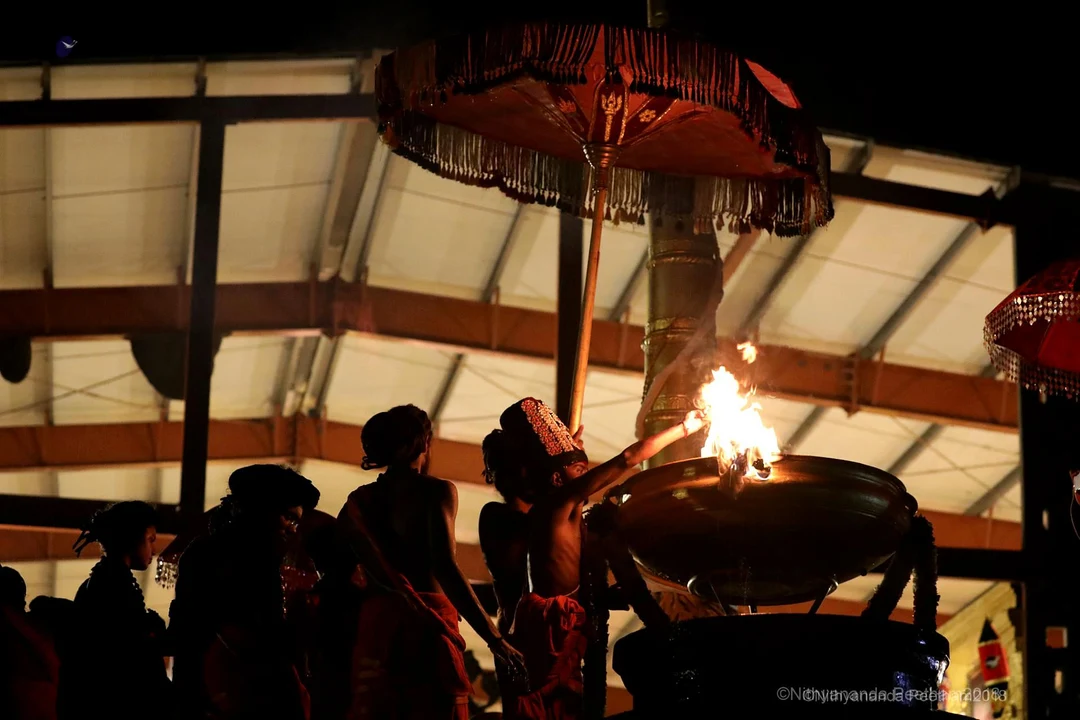
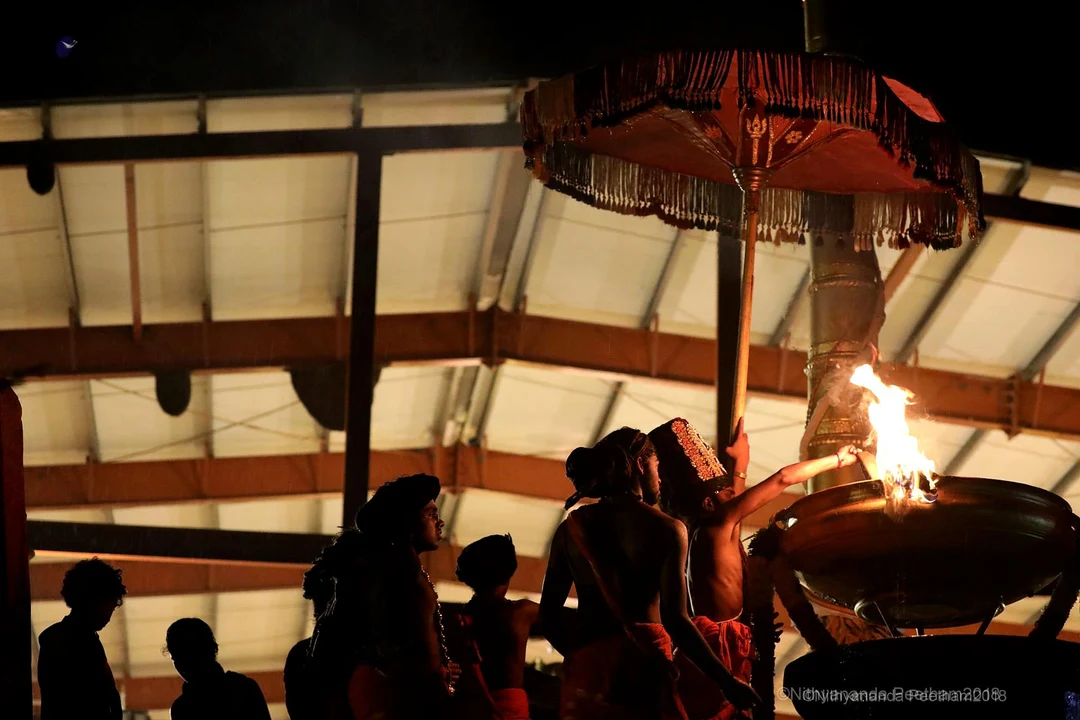
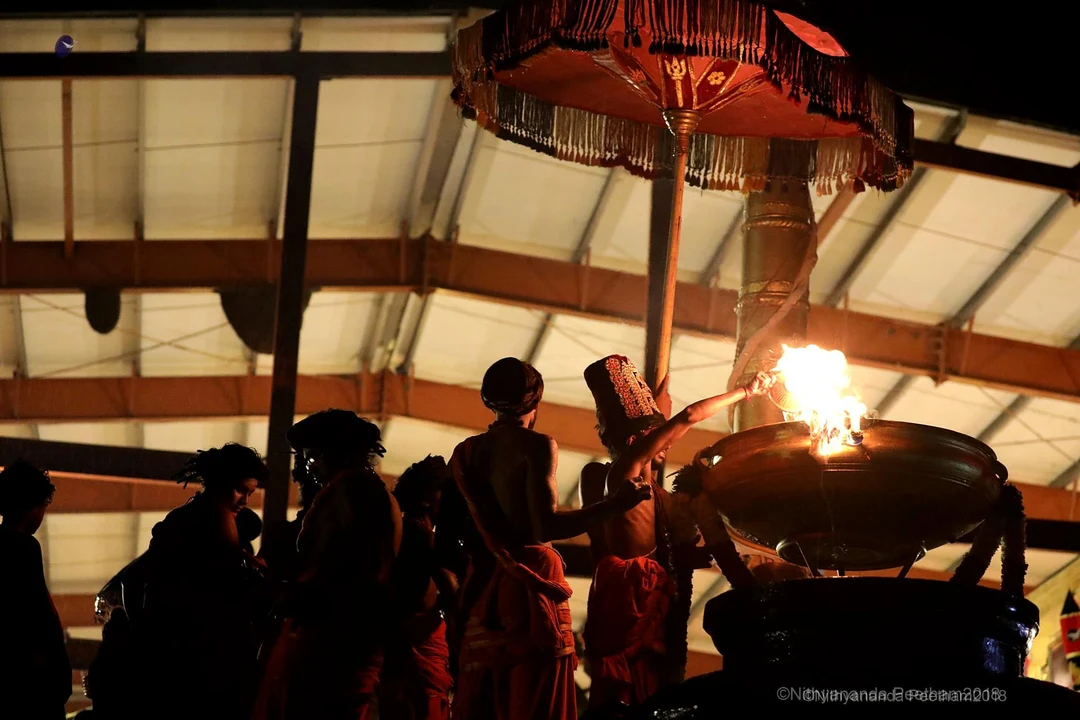
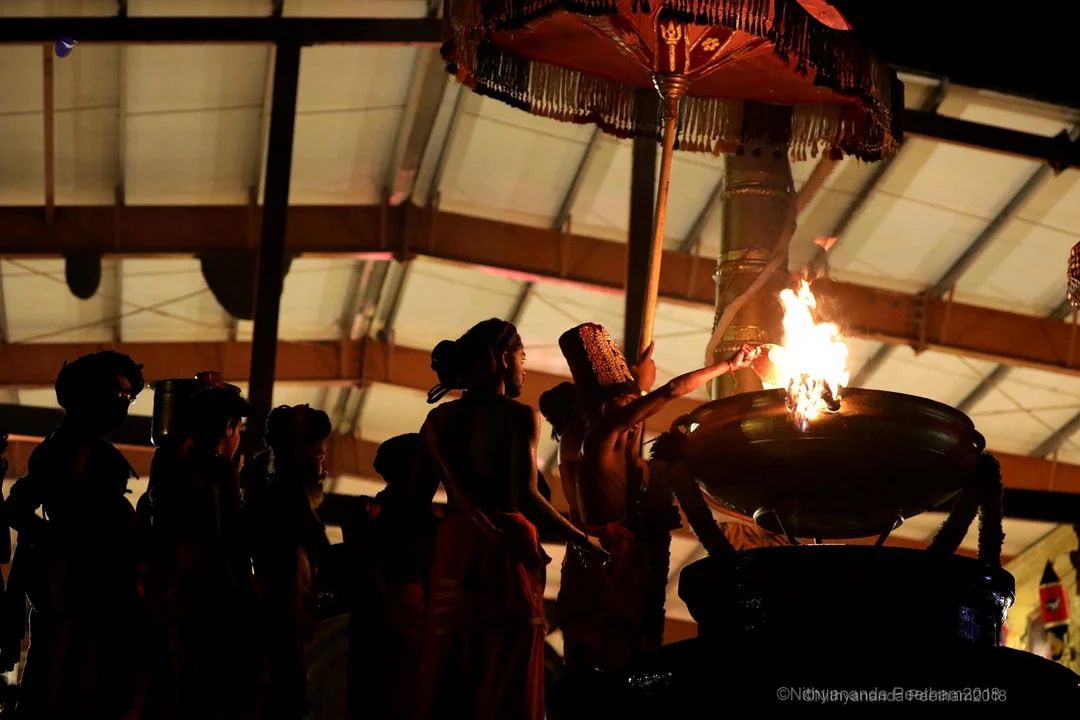
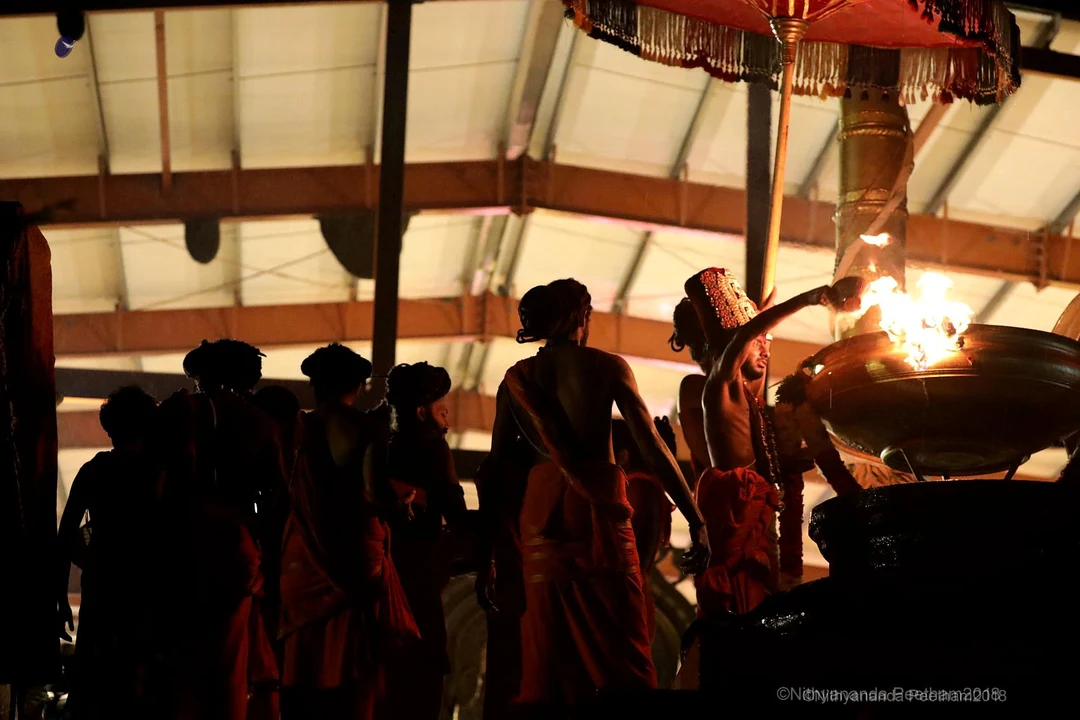
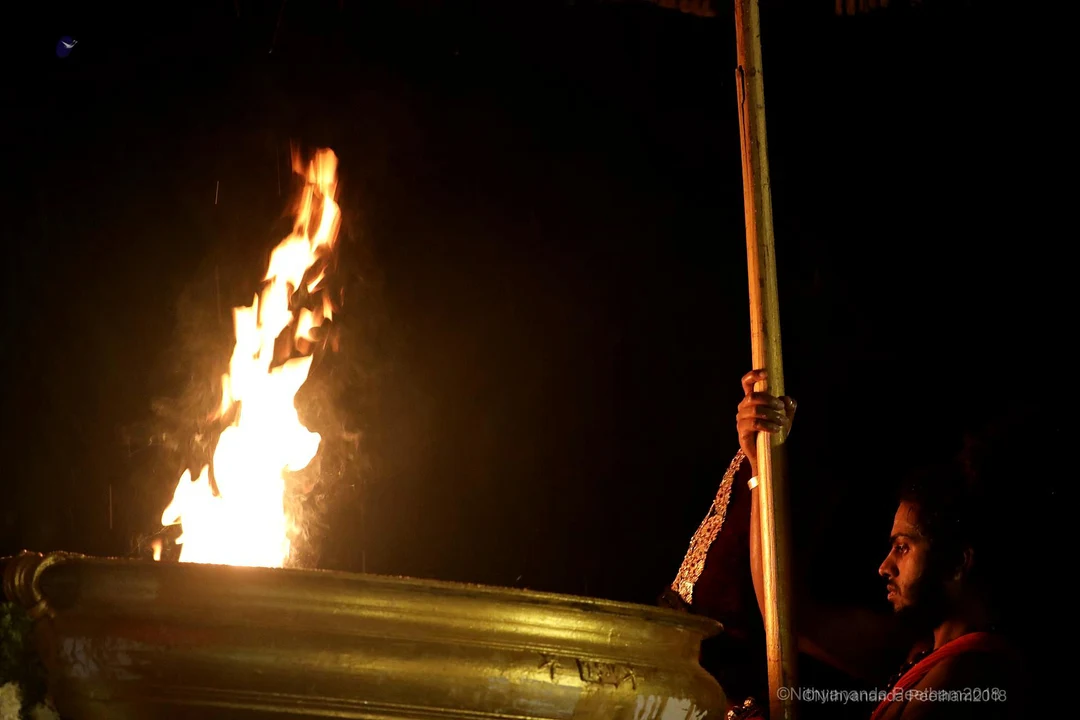
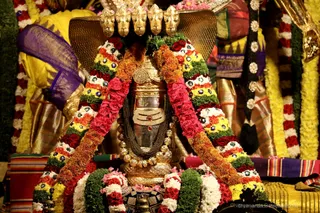
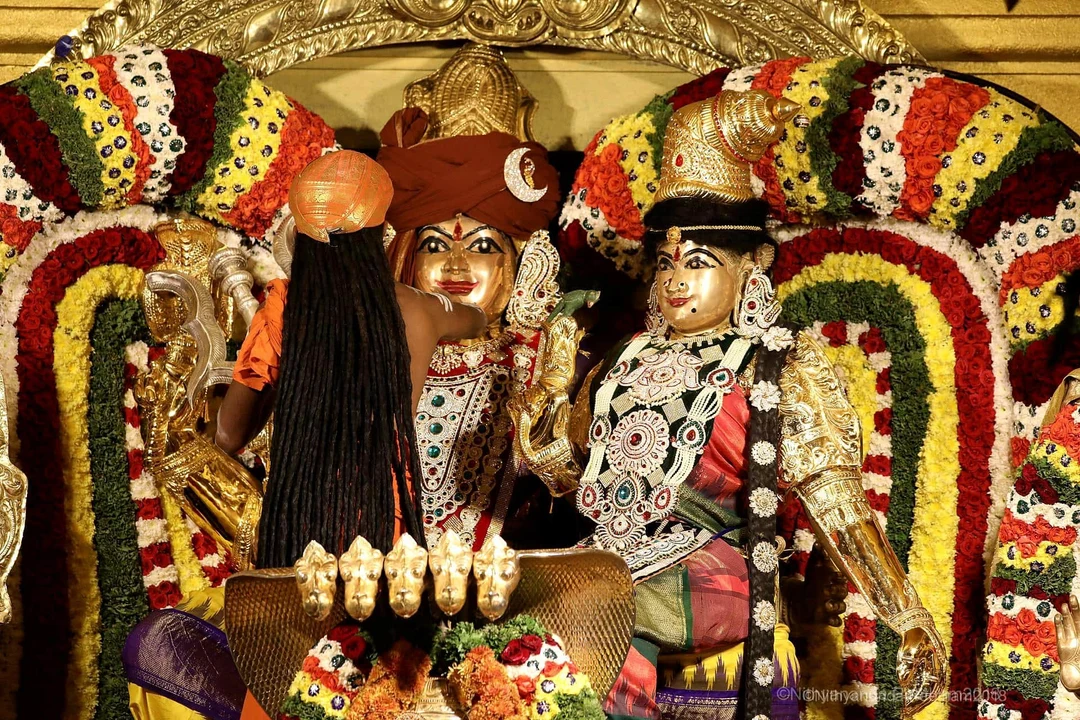
Today, His Divine Holiness initiated everyone by intensely chanting the Mahavakya. He also offered His devotion on Paramashiva Brahmotsavam and Uttamotama Seva was offered along with the celebrations of Karthigai Deepam.

Photos From The Day:

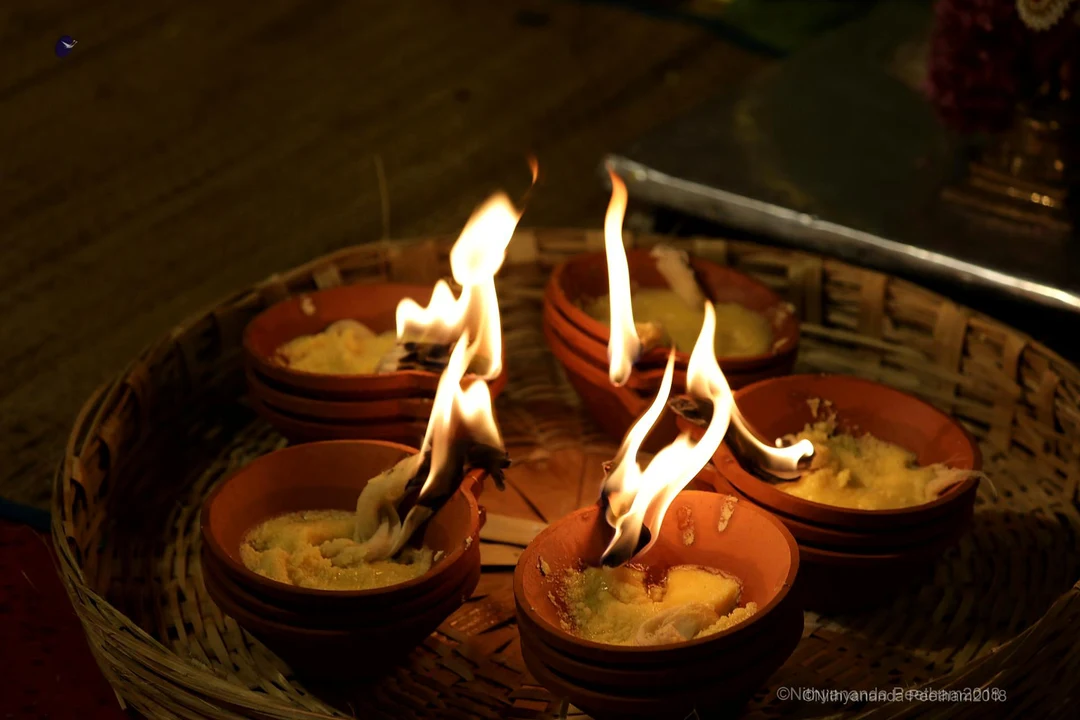
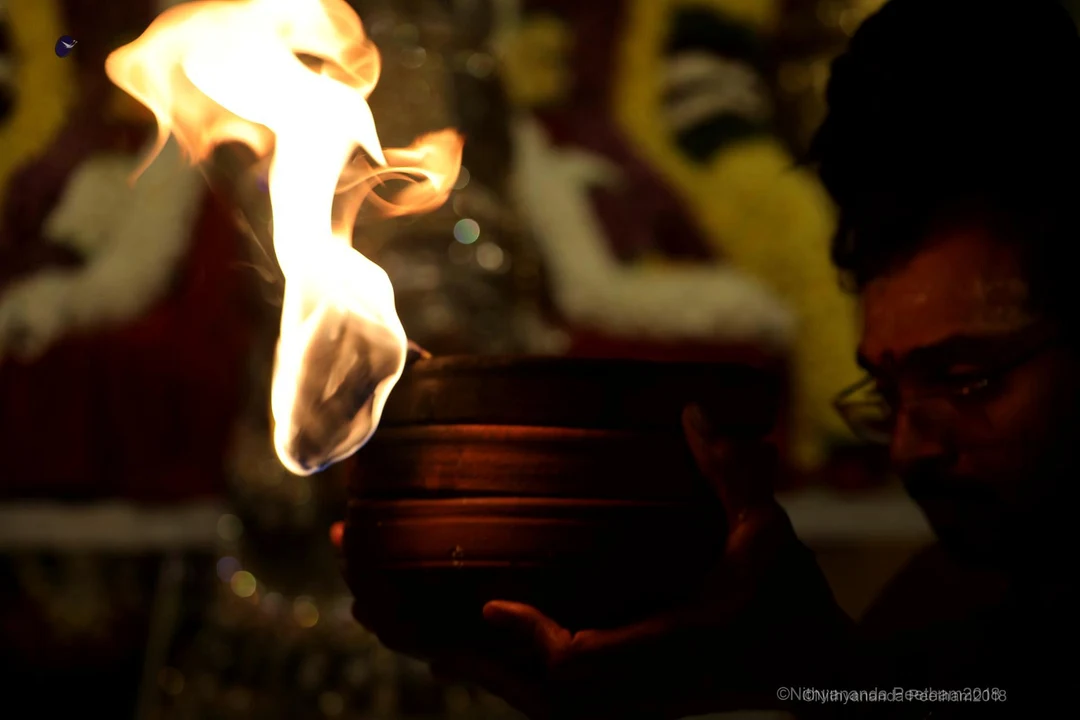
Uttamotama Seva and Karthigai Deepam
Link to Facebook Page

https://www.facebook.com/ParamahamsaNithyananda/posts/2108069002614272

Photos from this day

View all 127 photos
A photograph of a temple sanctum with golden deity murti and flower garlands. Two gilded figures sit side by side: the left wears a red-brown turban with a crescent ornament and a red and gold jewelled chest piece, the right wears a golden crown, jewelled necklaces and a red-and-gold sari. In the foreground stands a living sannyasi with long matted dreadlocked hair tied up in an orange cloth, wearing an orange garment, and holding a gold-toned ritual vessel. Garlands of red roses, yellow and white flowers frame the arch behind the images, and a gold-toned ceremonial tray sits in front. The scene suggests a festival puja alankara of murti decoration.A decorated Shiva lingam sits at the centre of a shrine framed by arches of marigold and rose garlands in red, orange, yellow and green. A standing figure with long dark dreadlocks, wearing an orange cloth and a red-and-white turban, places his hand on a golden ornamented deity murti of Shiva with an ornate crown and jewelled garments. Flanking the arch are golden standing statues, one holding a kalasha-like vessel and one with a mala, plus carved lion statues at the base. Offerings of flowers surround the lingam, indicating a puja or abhishekam setting. No physical people are visible beyond the statues and the single devotee figure is a statue or depiction.Close-up photo of a ceremonial deity murti pair decorated with flower garlands in red, yellow and white, and gold jewellery and ornaments. The central figure wears a brown-red turban with a crescent moon and a red-and-silver necklace, while the figure to its right wears a gold crown and embroidered garments. A person in an orange cloth with long dreadlocked hair and white painted arm markings stands at left, raising one hand toward the murti. Brass and gold ritual vessels appear in the foreground. The setting suggests a temple puja or abhishekam at a festival.Photo of a temple sanctum decorated with bands of flower garlands in red, yellow, green and white. Central gold deity murti wears a crown and jewelled necklaces and holds an object in one hand, flanked by two gold figures with ornate headdresses. Two saffron-robed devotees stand at left; the nearer one, with long dreadlocked hair and an orange turban, reaches toward a lingam-shaped form draped in flower garlands and an orange shawl. A gold-robed figure with a turban stands at far left and a bearded gold figure in brown robes and a rudraksha mala at far right. Lion-head ornaments sit at the base of the altar. Ritual abhishekam or puja scene.A photograph of a priest in an orange saffron garment and an orange turban, with long dreadlocked hair falling down his back and white sacred markings on his bare upper arms. He stands at the left and places his hand on a tall polished silver-and-gold kalasha-like vessel that is wrapped in layered garlands of red, orange, yellow and green flowers. Behind it stands a golden deity murti adorned with jewelled ornaments, and colourful silk cloth in purple, green and yellow fills the background. A gold lion figure appears at the lower left. The scene suggests abhishekam or puja at a temple shrine. a person: the dreadlocked, saffron-clad figure with an orange turban and white arm markings is a candidate, though this is an uncertain appearance-based label.A photograph of a richly decorated temple shrine at night. Central golden deity murti of a seated god with a crescent on the crown and jewelled necklaces, flanked by gilded attendant figures and a large arched backdrop of red, yellow, green and white flower garlands. In front, a large shiva lingam is adorned with pink and orange flower garlands. On the left, a man in a saffron/orange robe with a rudraksha mala holds a lit oil lamp in both hands, presenting a flame toward the deities. Two gilded figures stand at the sides, one on the right in brown-red robes with a rudraksha mala.A photograph of a golden deity murti of Shiva and Parvati seated side by side, framed by a dense arch of red, yellow and white flower garlands. The Shiva figure wears a maroon turban with a crescent moon ornament, a jewelled chest ornament and holds a trident; the Parvati figure wears a gold crown, a jewelled necklace and a red and gold sari. Golden hands are raised in blessing, and the arrangement suggests Paramashiva Brahmotsavam decorations. No physical people are visible.Photograph of two gilded deity murtis in an elaborately decorated shrine. The central figure wears a deep maroon turban with a silver crescent moon ornament, a red tilak, and a richly embellished red and white jewelled necklace with green stones. The figure beside it wears a tall gold crown with a curved spire, red and green jewelled necklaces, and gold armlets, with a trident-like silver staff at the left edge. The murtis are framed by dense arrangements of red roses, yellow and white flowers and green foliage. A gold-leaf arch with floral motifs forms the backdrop. The scene depicts statues rather than living people.A photograph of a decorated Shiva lingam as the central object, dressed with layered garlands of red roses, orange marigolds, yellow flowers and white blooms with green leaves. The lingam, a silver-grey cylinder with horizontal tripundra lines and a red stone, sits before a golden five-headed cobra hood and gold rudraksha-style necklaces. Behind it, figures in purple, yellow and gold silk clothing and gold ornaments are partly visible. Pink flower petals and oil lamps surround the base.A decorated deity murti pair of a male figure with a red turban and crescent ornament and a female figure with a gold crown, seated on a golden throne supported by a multi-headed serpent hood. Both wear jeweled necklaces and ornaments and hold ritual objects. In front stands a silver shivalinga adorned with garlands of red, yellow, white and green flowers and a gold necklace, with ornate lamps or metal items beside it. Thick floral garlands frame the whole arrangement, a festive shrine display. No physical people are visible.A priest in orange robes and an orange turban stands at left, holding a clay vessel with a burning flame, wearing beaded necklaces and a rudraksha-style mala. Behind him a large gold statue of a bearded figure with a cream turban stands in a blessing mudra, draped in gold cloth and white dhoti, layered with jewelled necklaces and garlands. The statue is framed by a gilded arch and red, yellow, white and green flower garlands set with sparkling stones. The scene suggests an evening arati offering before the statue.A gilded metal statue of a standing figure in a rounded gold arch framed by garlands of red, orange, yellow and white flowers with inset green foliage. The statue wears a cream and gold turban with a fan-shaped ornament, layered jewelled necklaces with red stones and pearls, a jewelled waist belt, and a golden-brown silk dhoti over white pleated trousers. Its right palm is raised in blessing and the left hand hangs open at the side. A tiny lamp flame is visible at the left edge. No physical people are present; the figure is a statue, not a living person, so the a person field is depiction only if an appearance-based candidate is established, which it is not here.