Friday
11 May 2018
Cosmic Principle of Agama || Chemistry of the Guru Disciple Relationship - Sadashiva's Will is the Source of Your Will || SadaShiva will is the source of your will || Sri Chakra mandala Process ||
- Dated photos
- 638
- Source pages
- 1
- Media
- 3
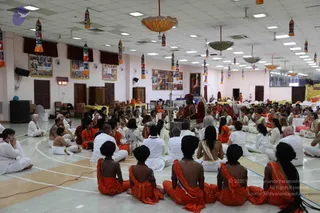
May 11 2018
Original wiki pageTitle
Cosmic Principle of Agama || Chemistry of the Guru Disciple Relationship - Sadashiva's Will is the Source of Your Will || SadaShiva will is the source of your will || Sri Chakra mandala Process ||
Narration:
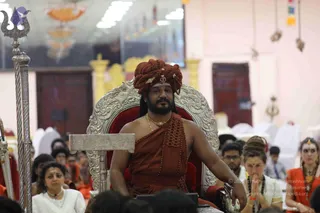
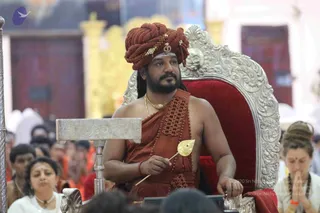
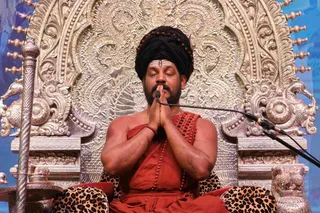
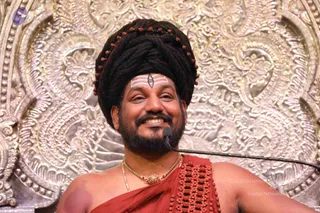
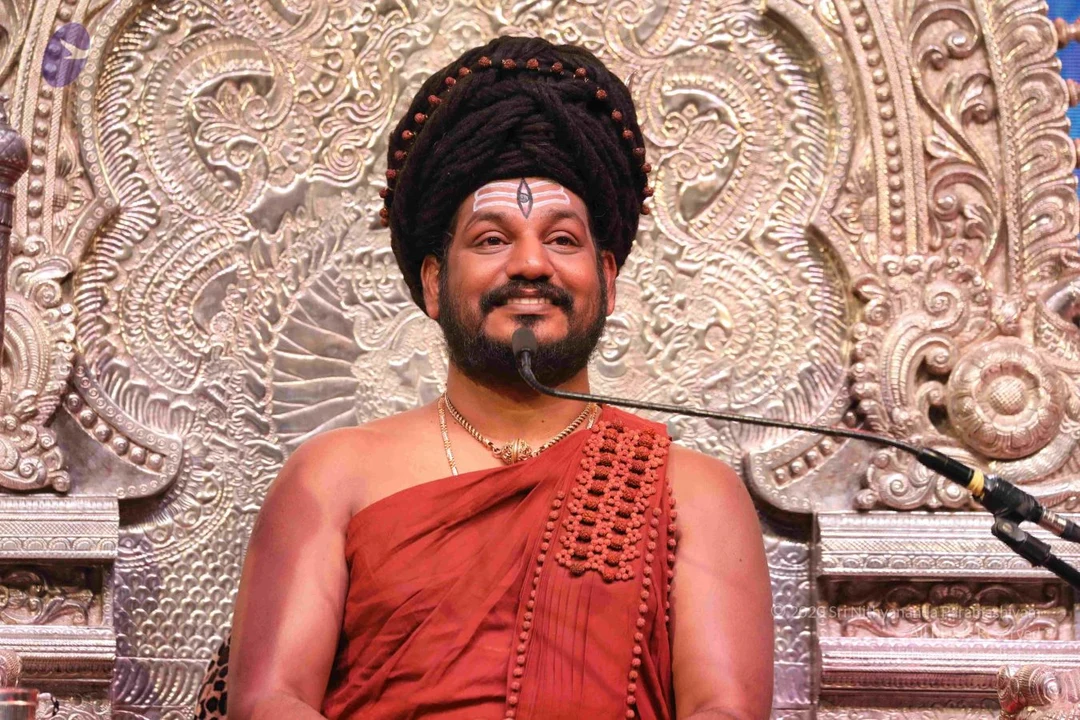
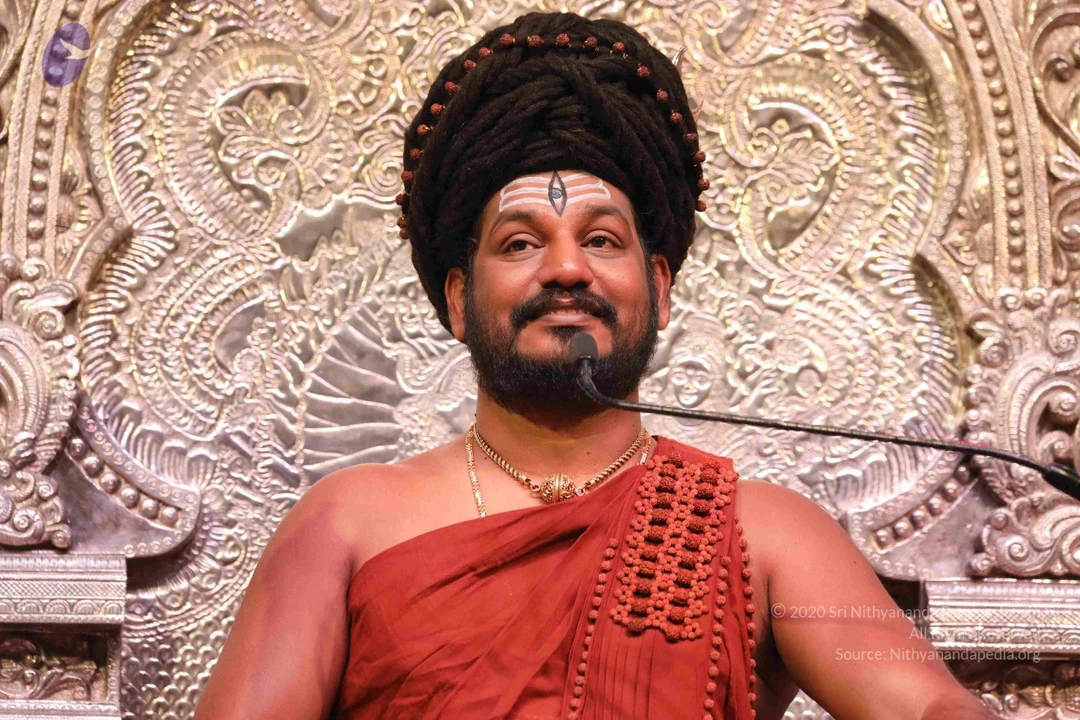
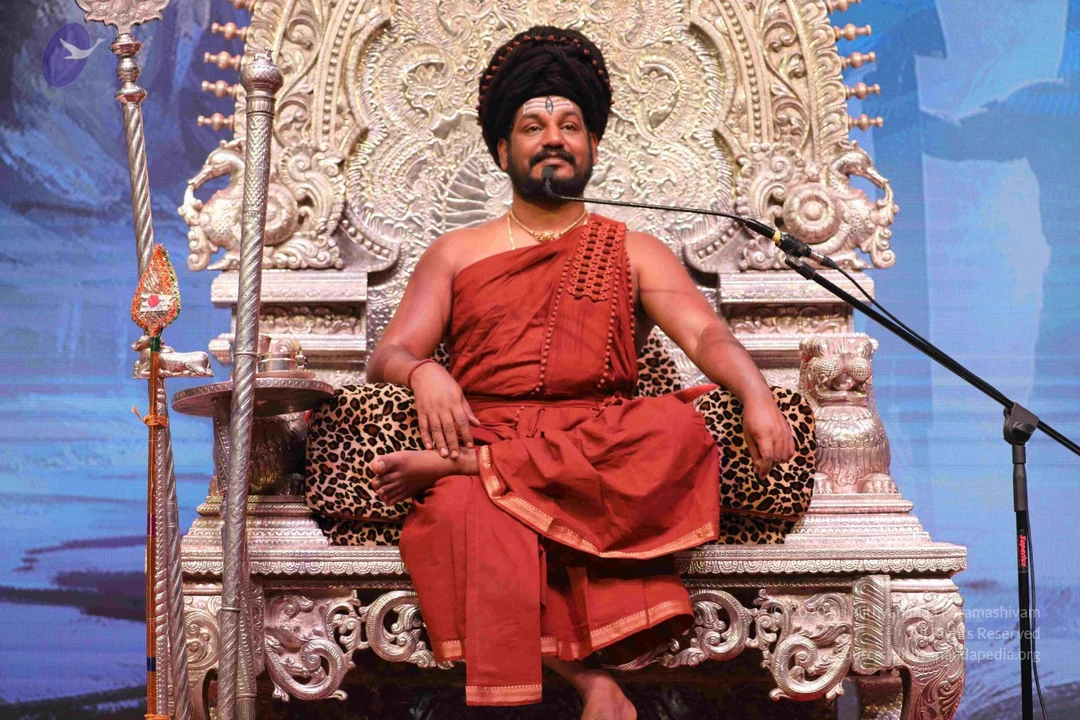
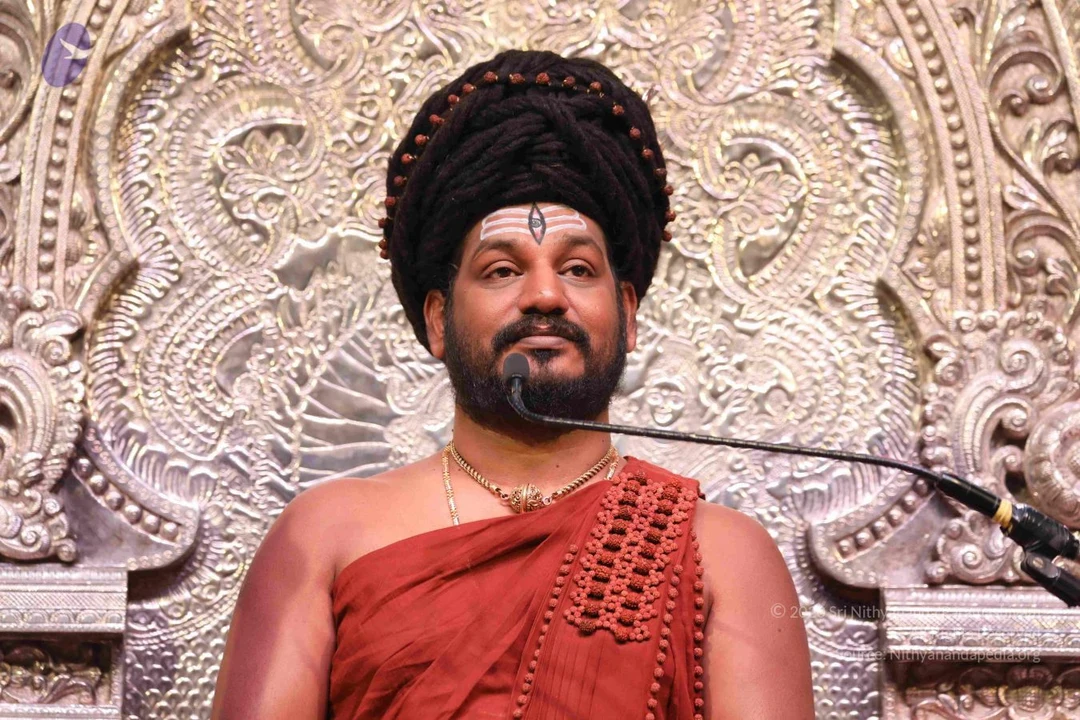
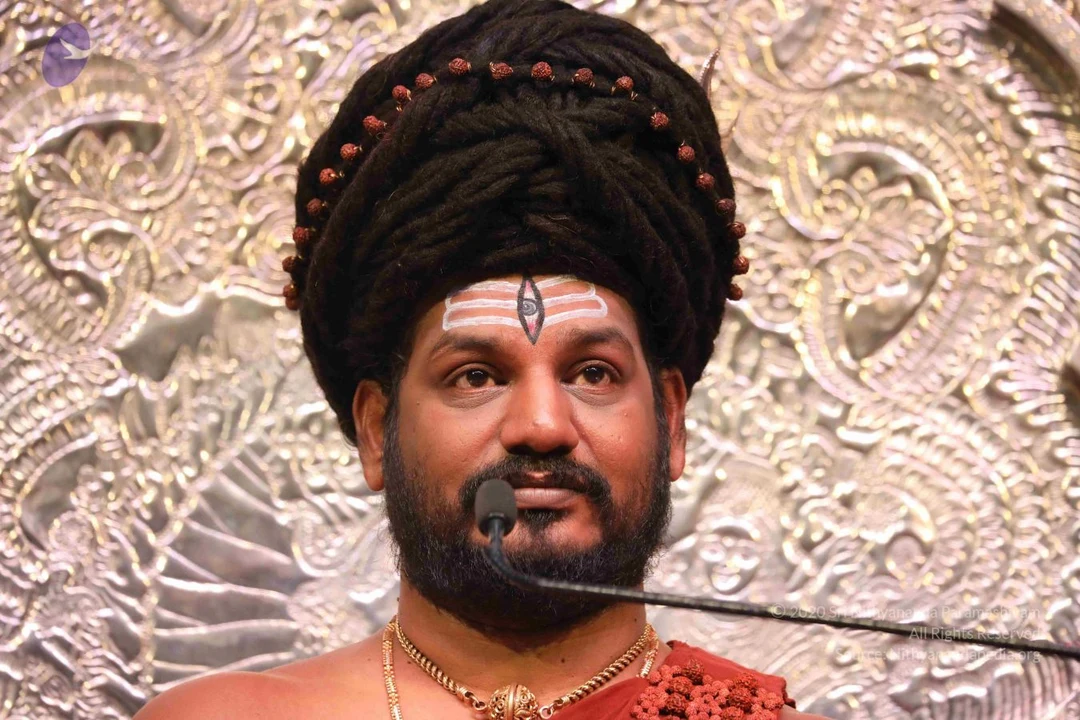
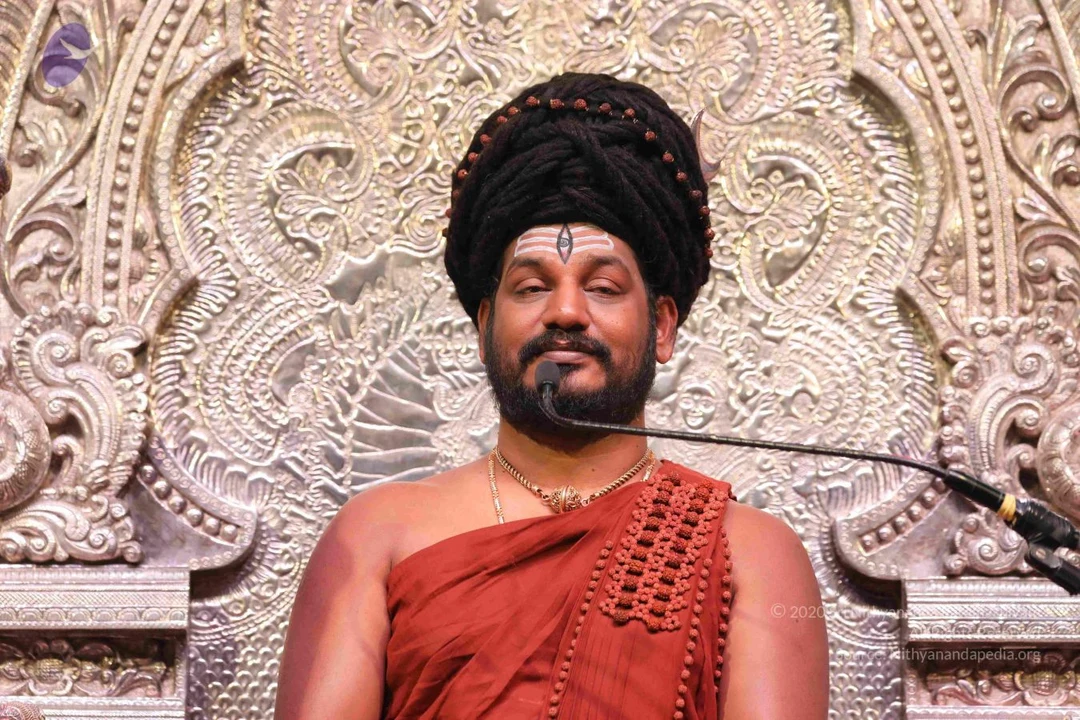
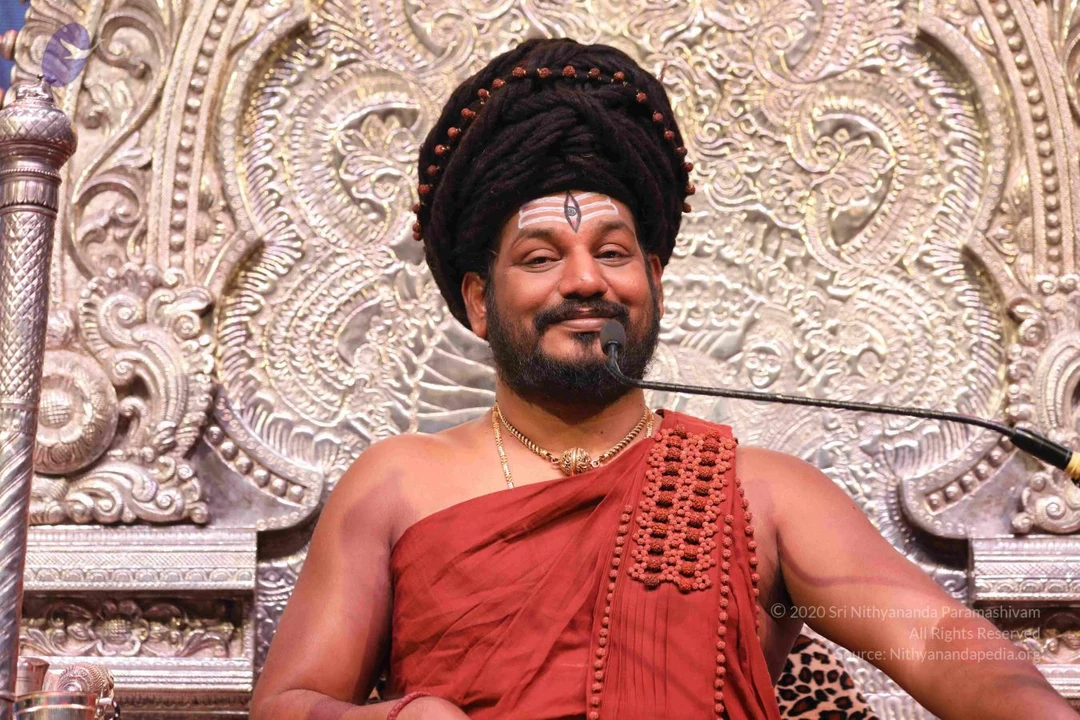
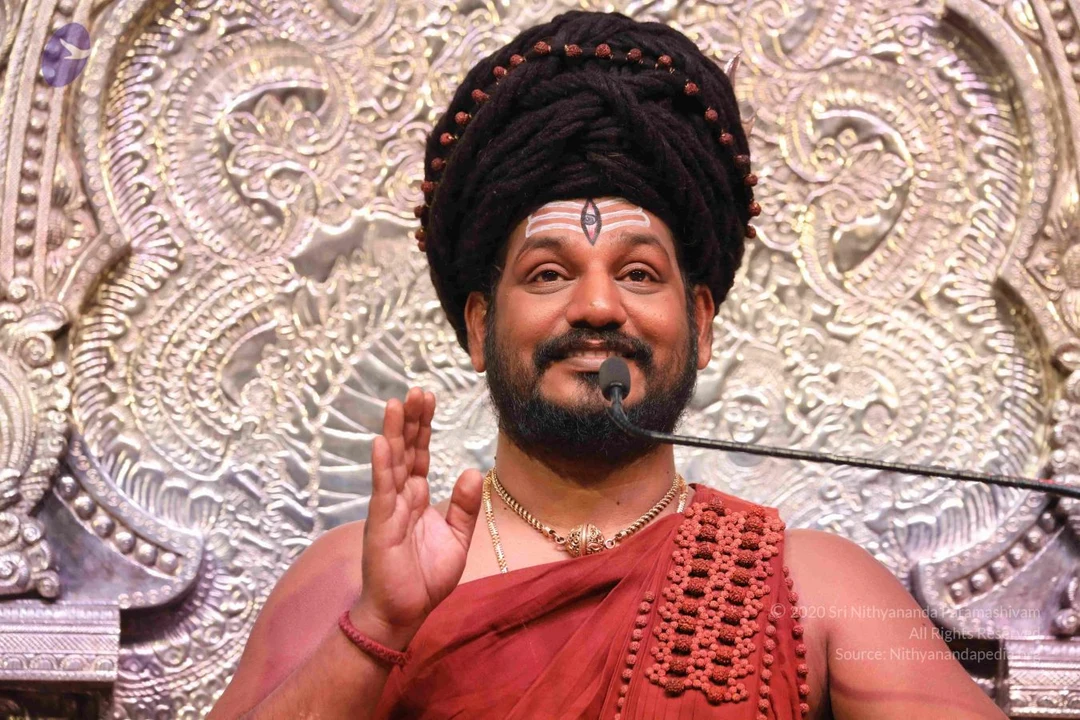
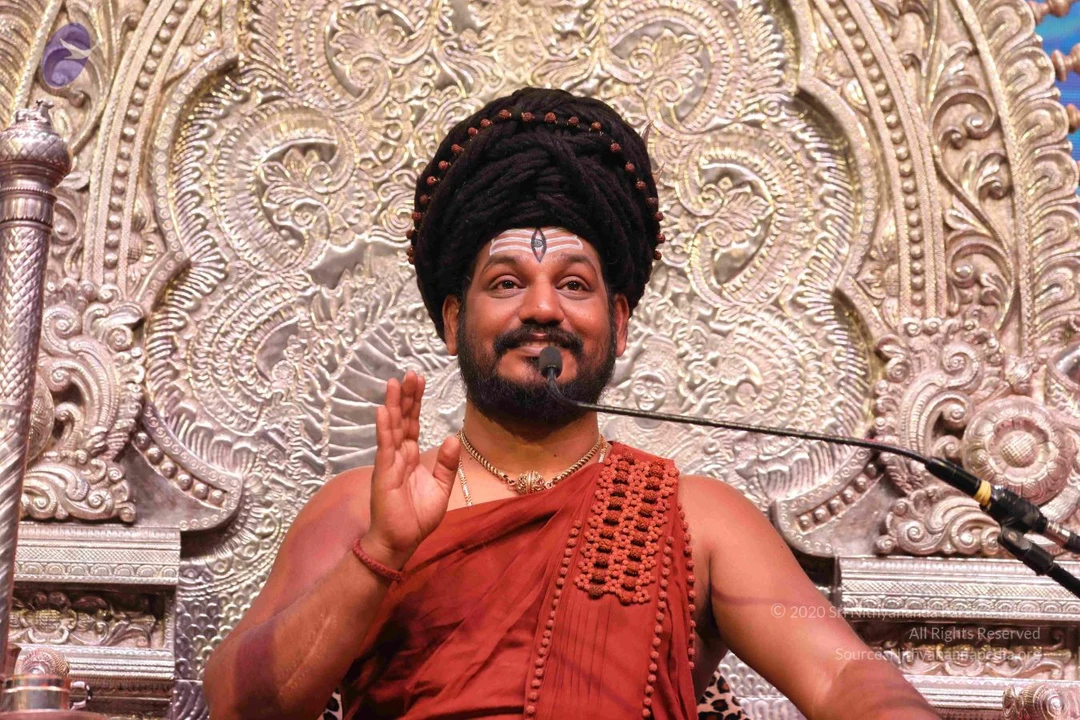
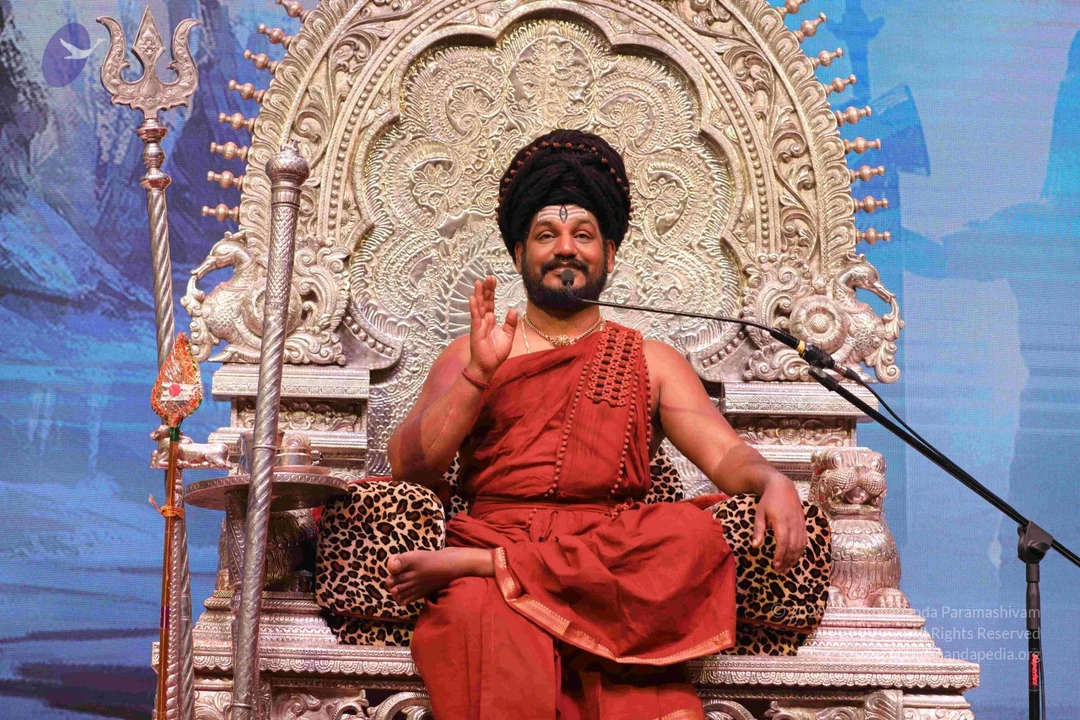
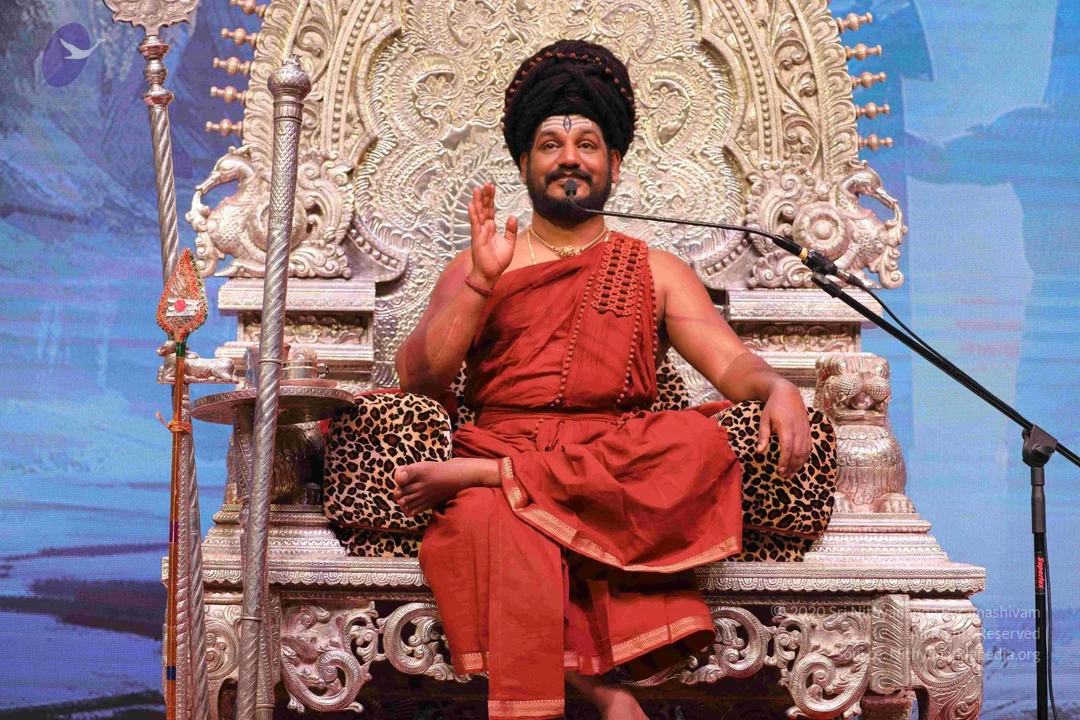
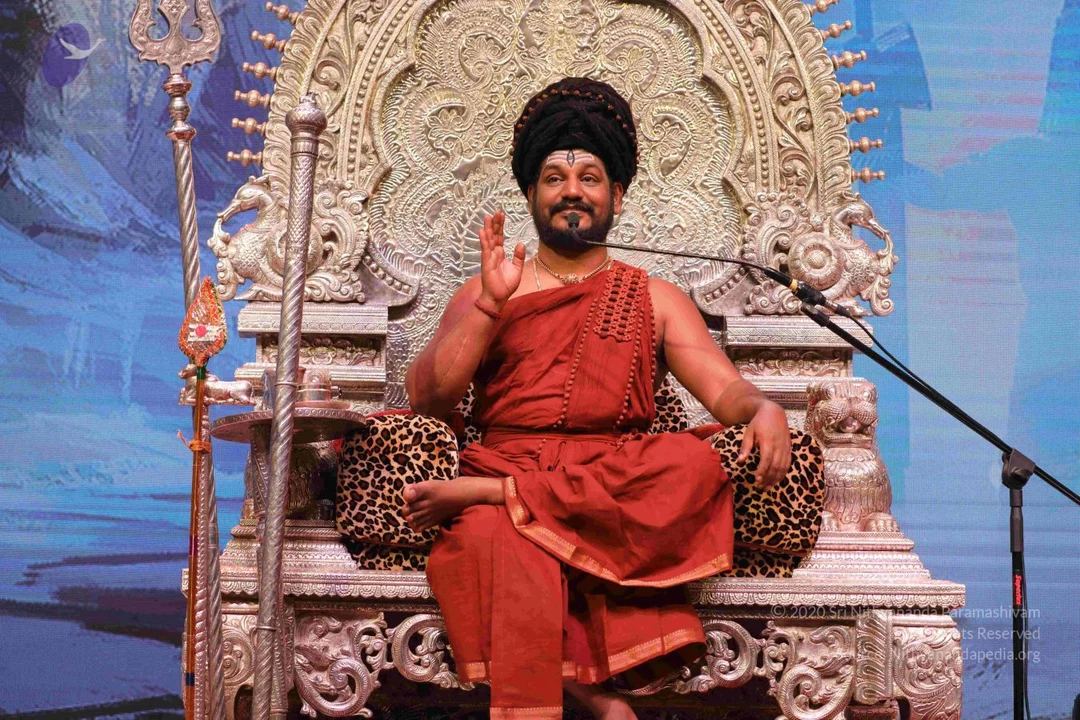
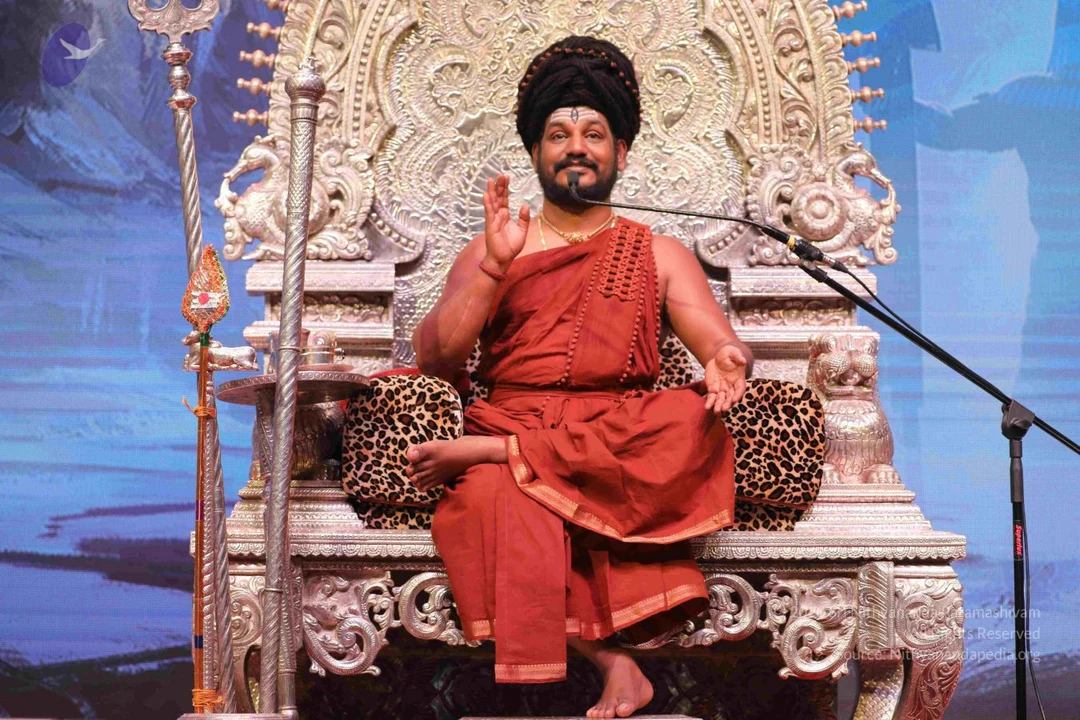
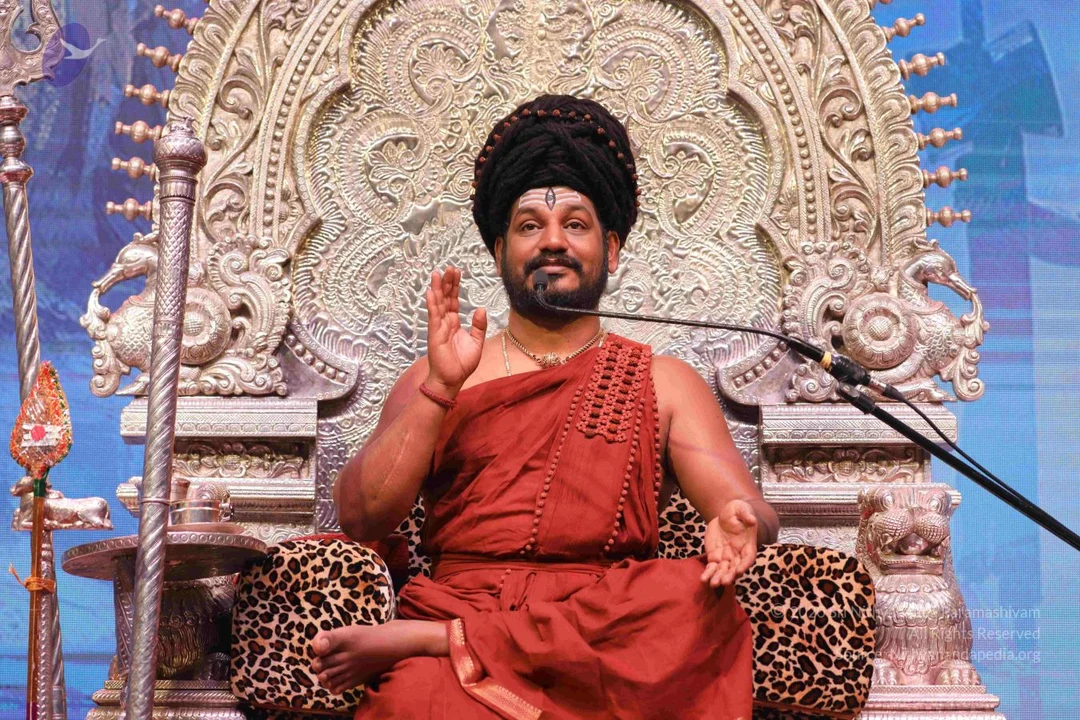
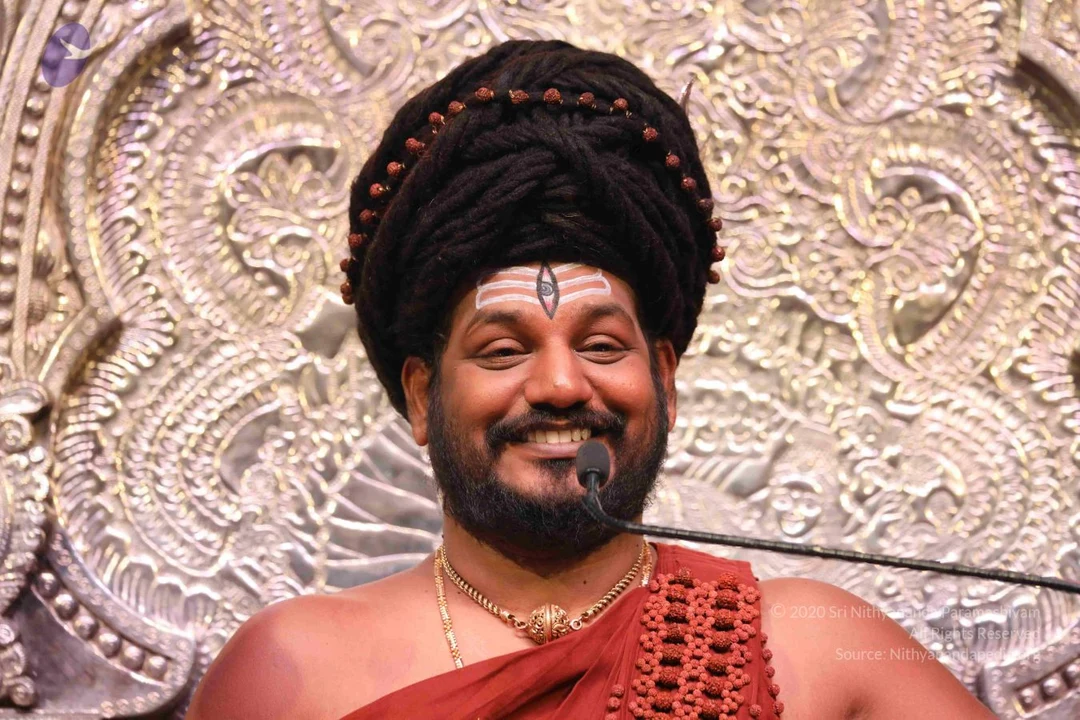
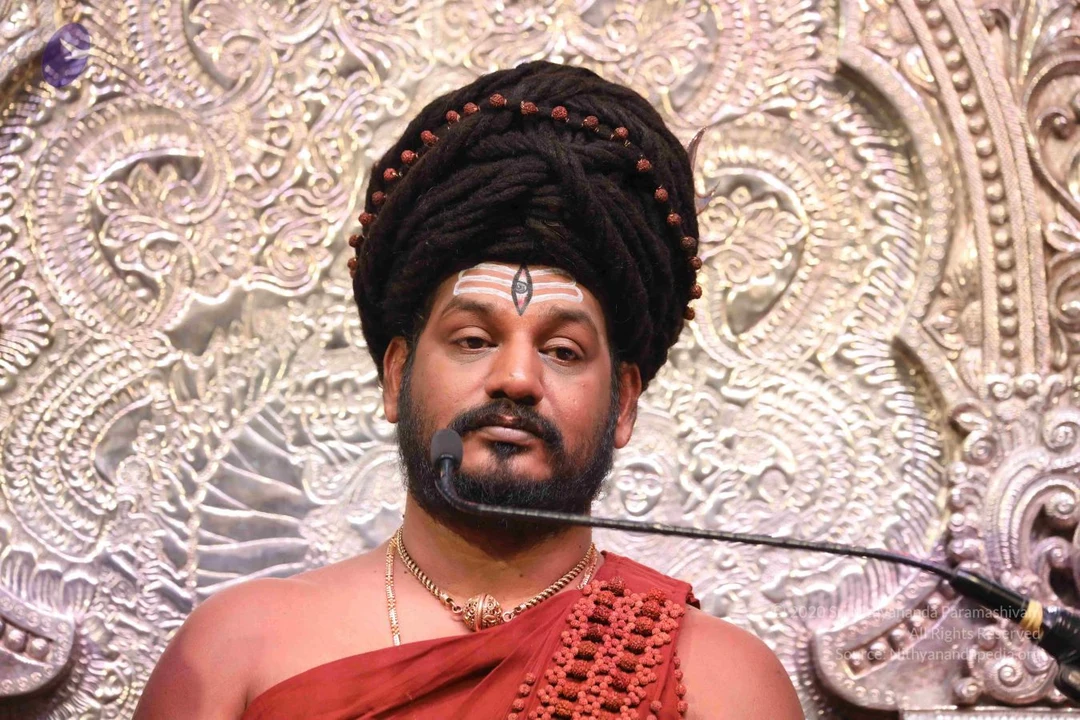
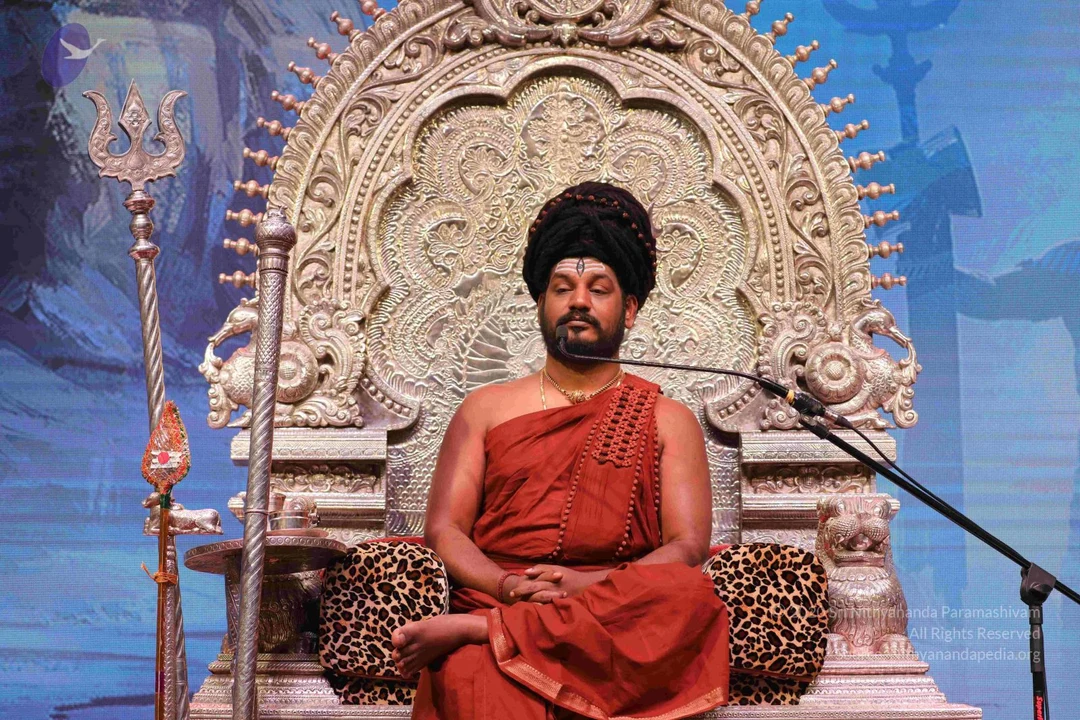
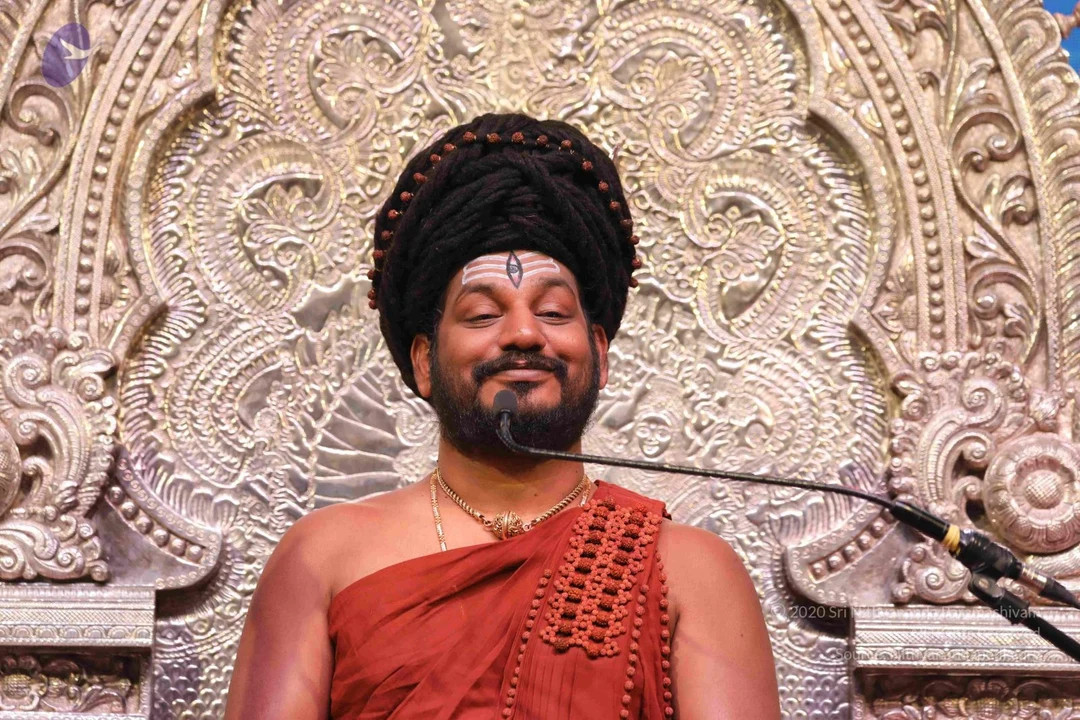
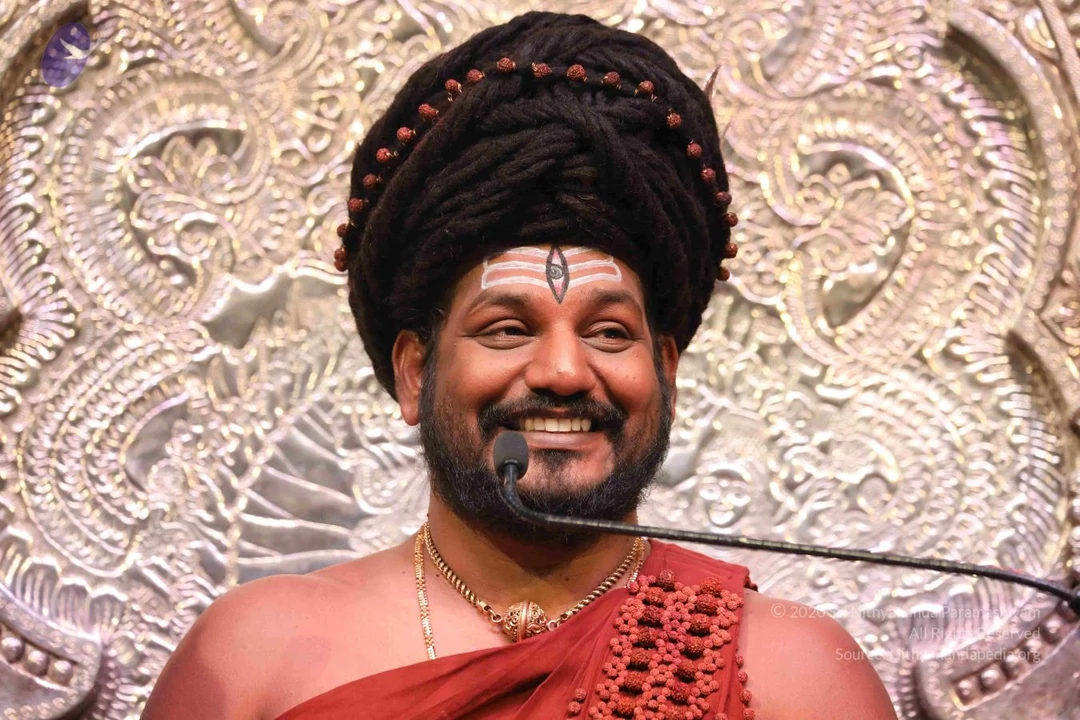
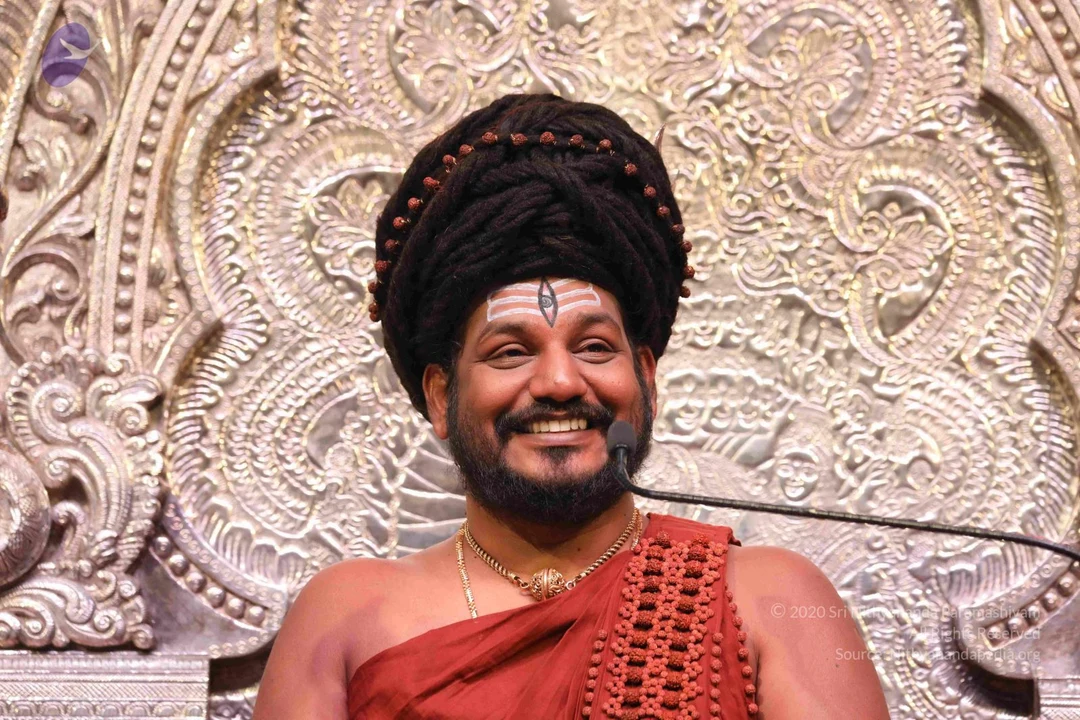
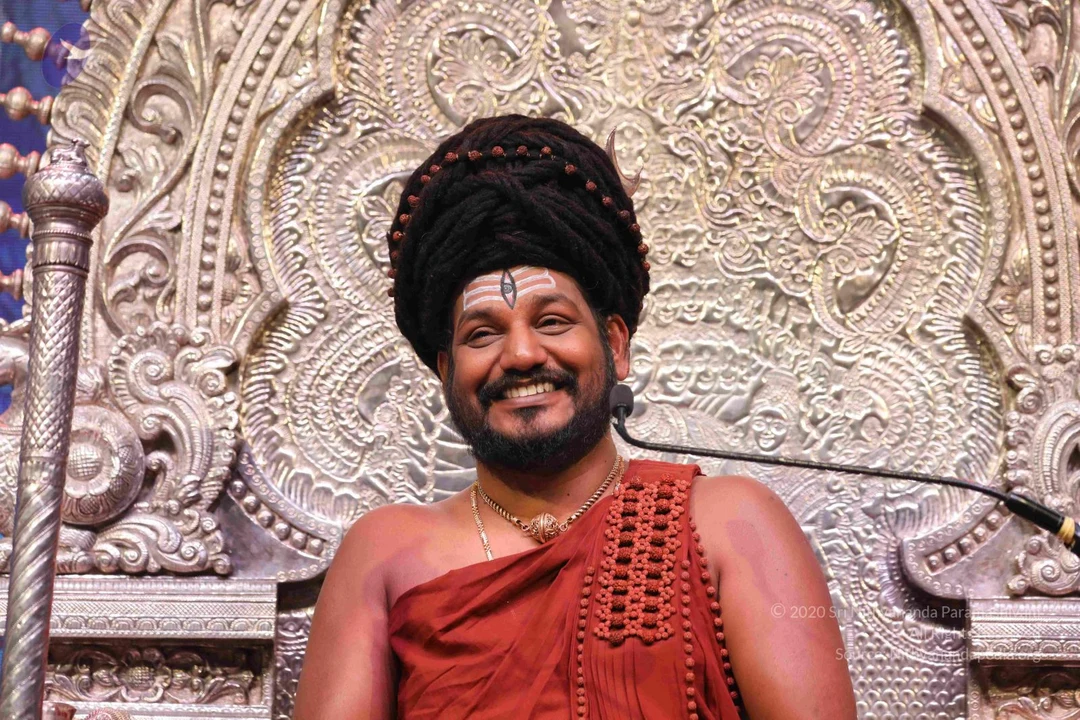
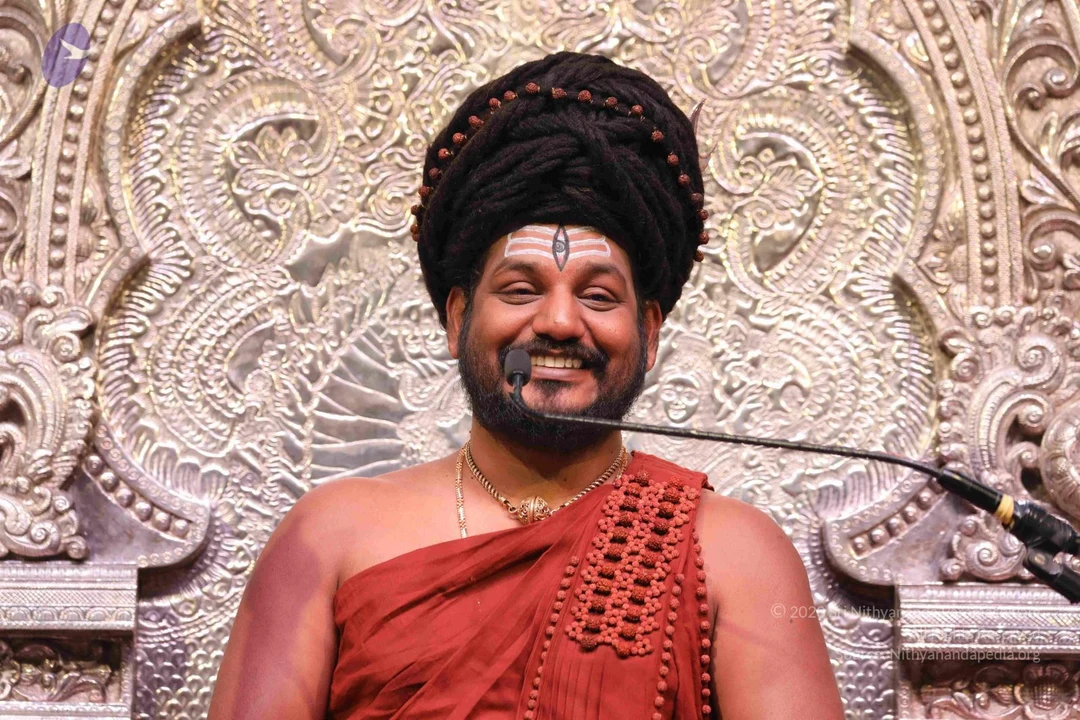
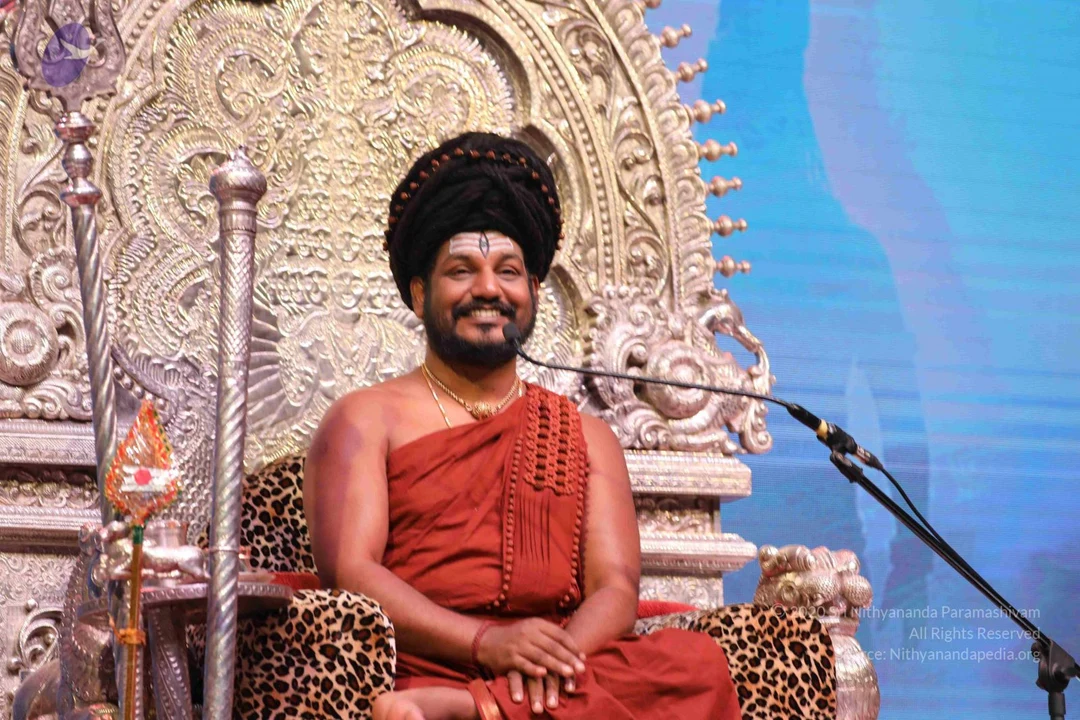
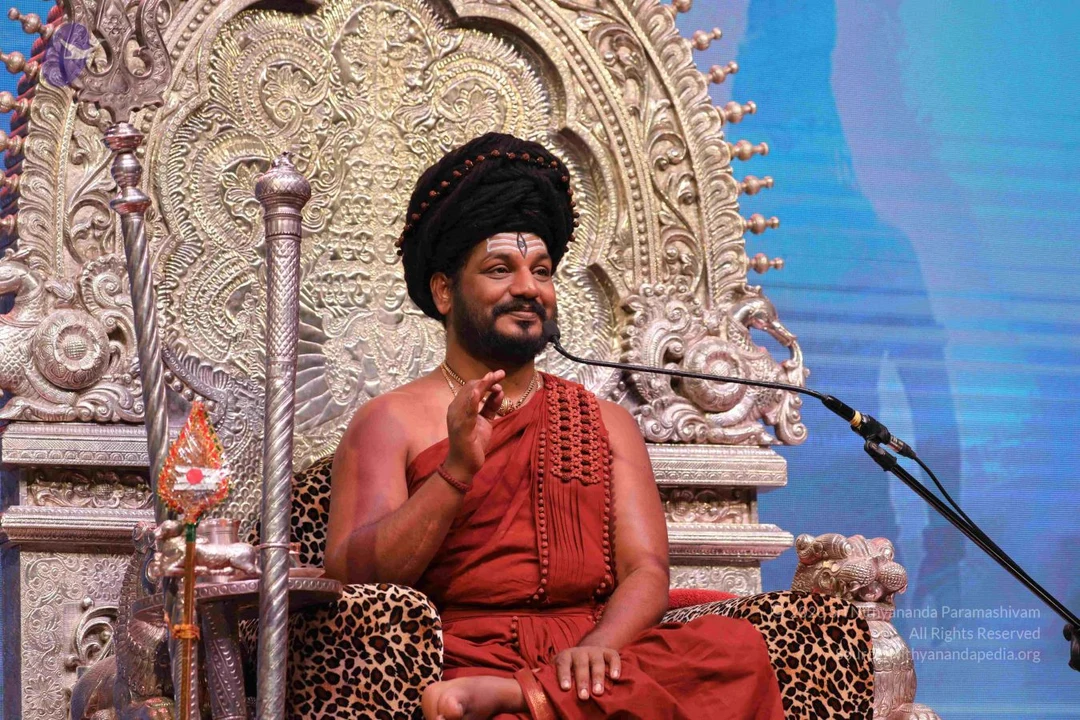
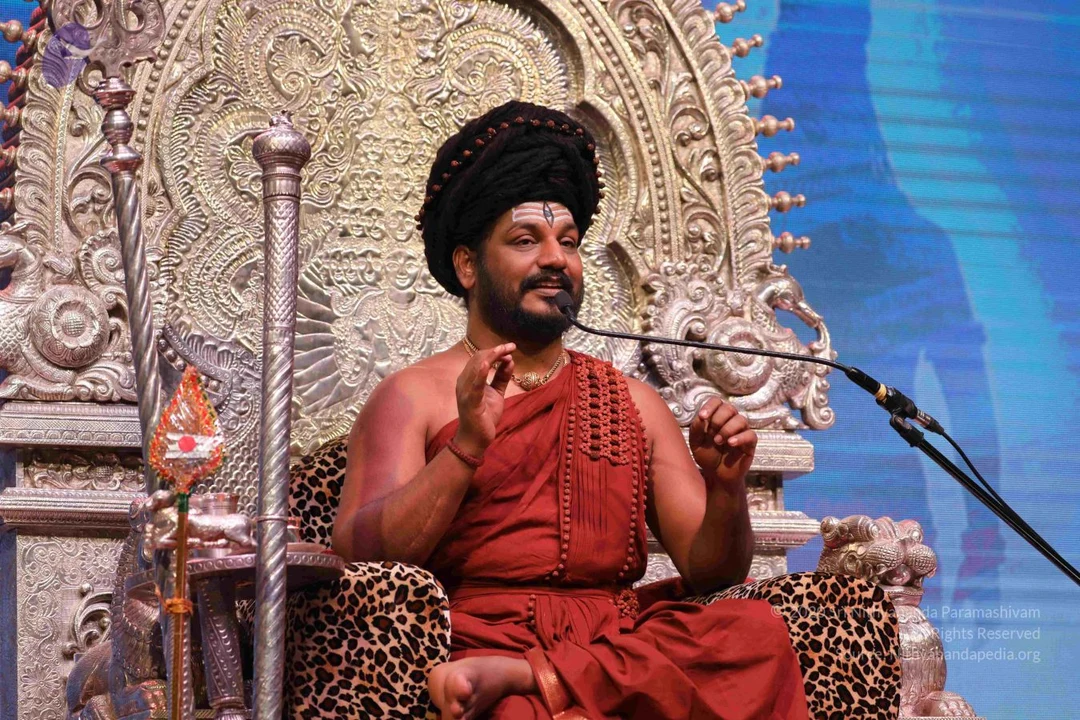
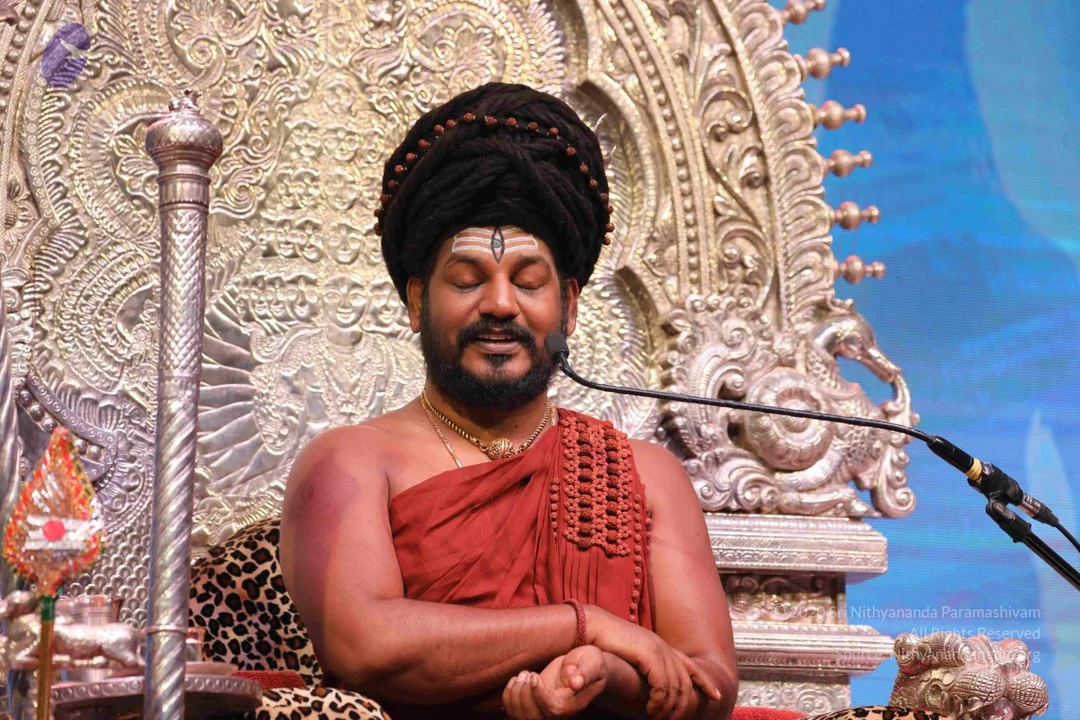
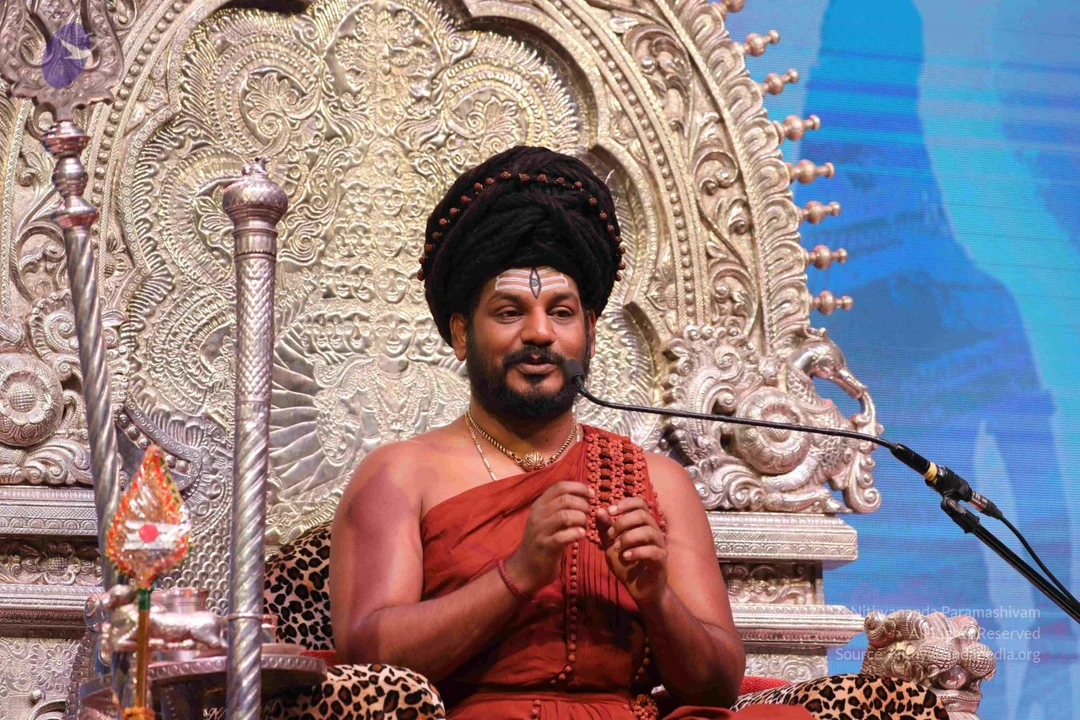
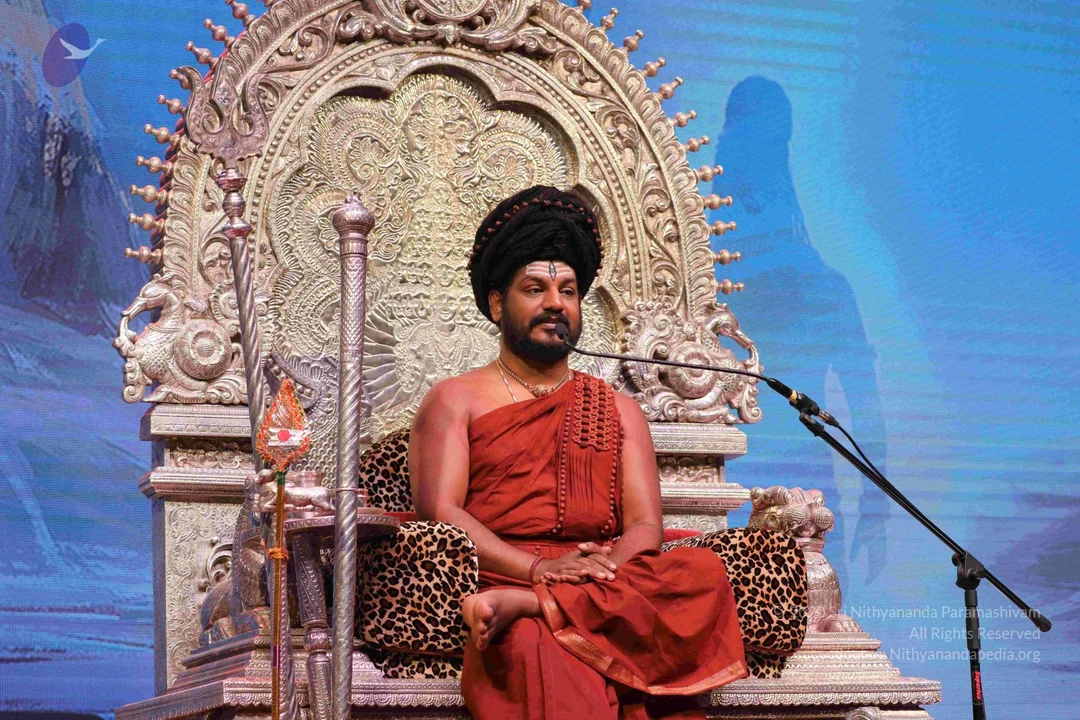
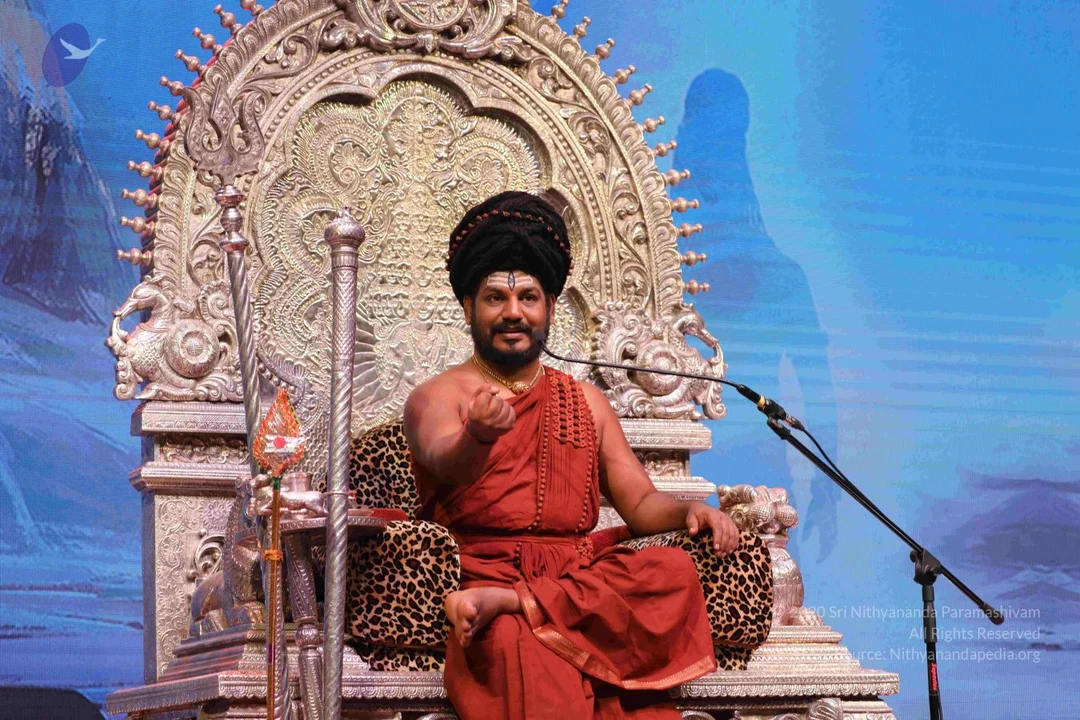
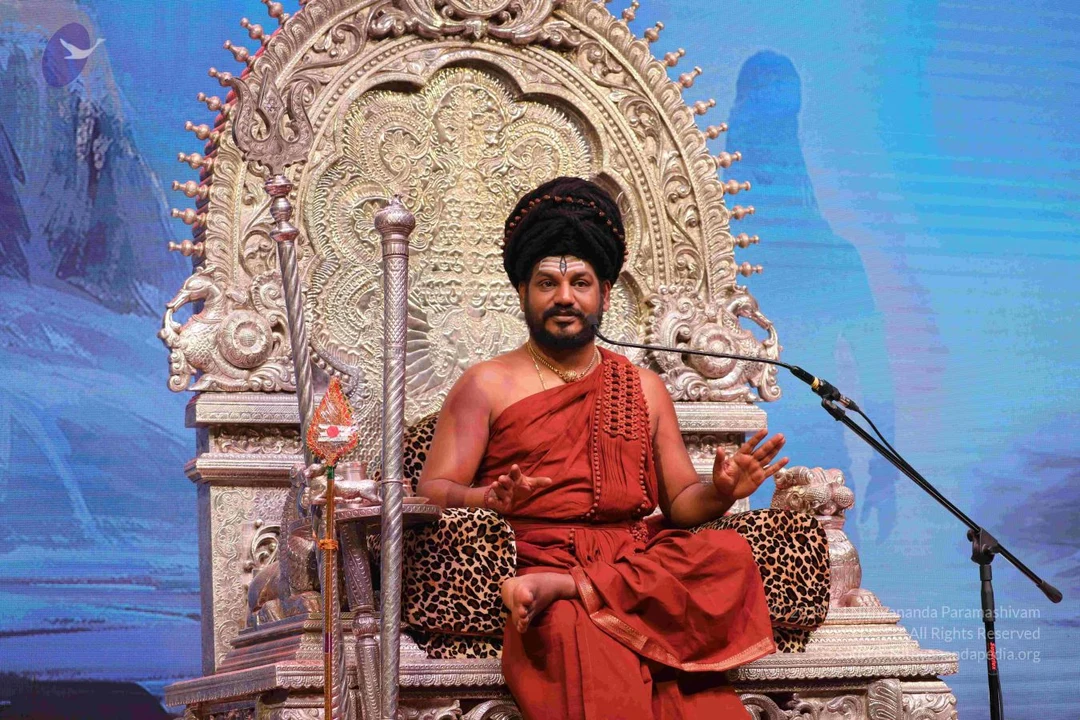
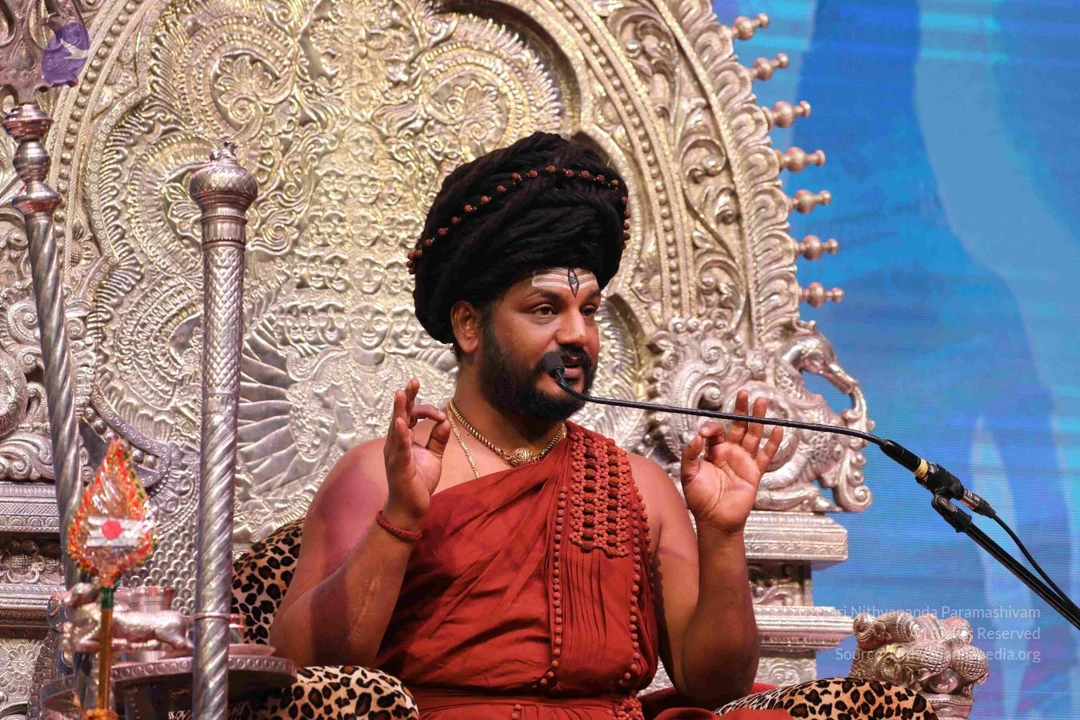
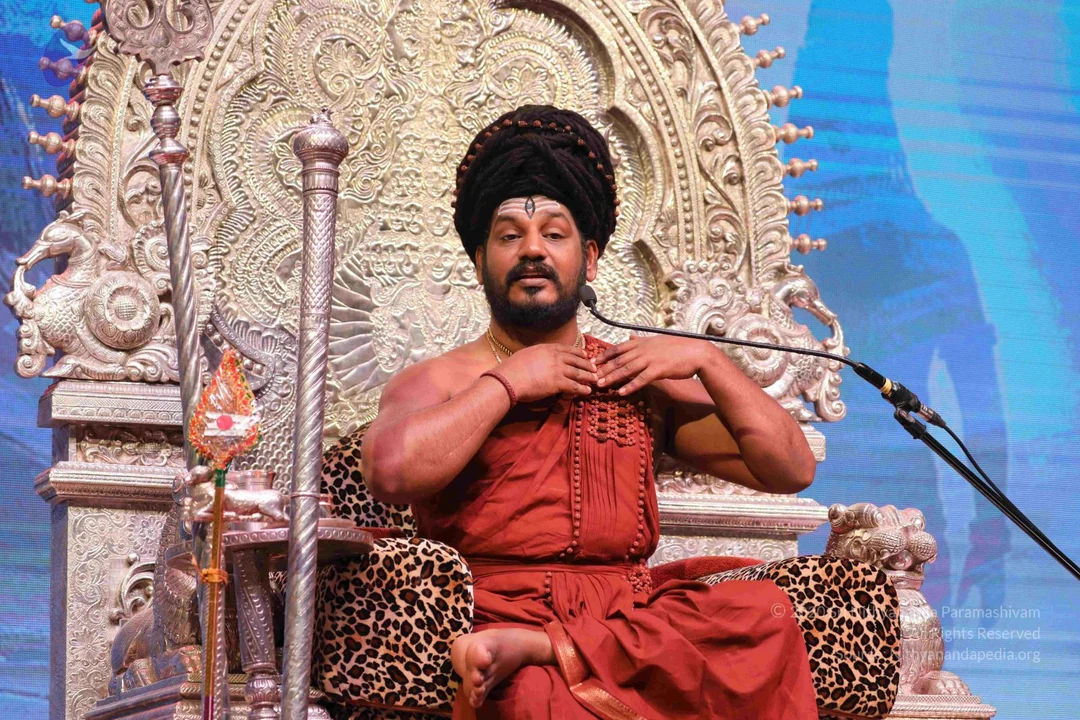
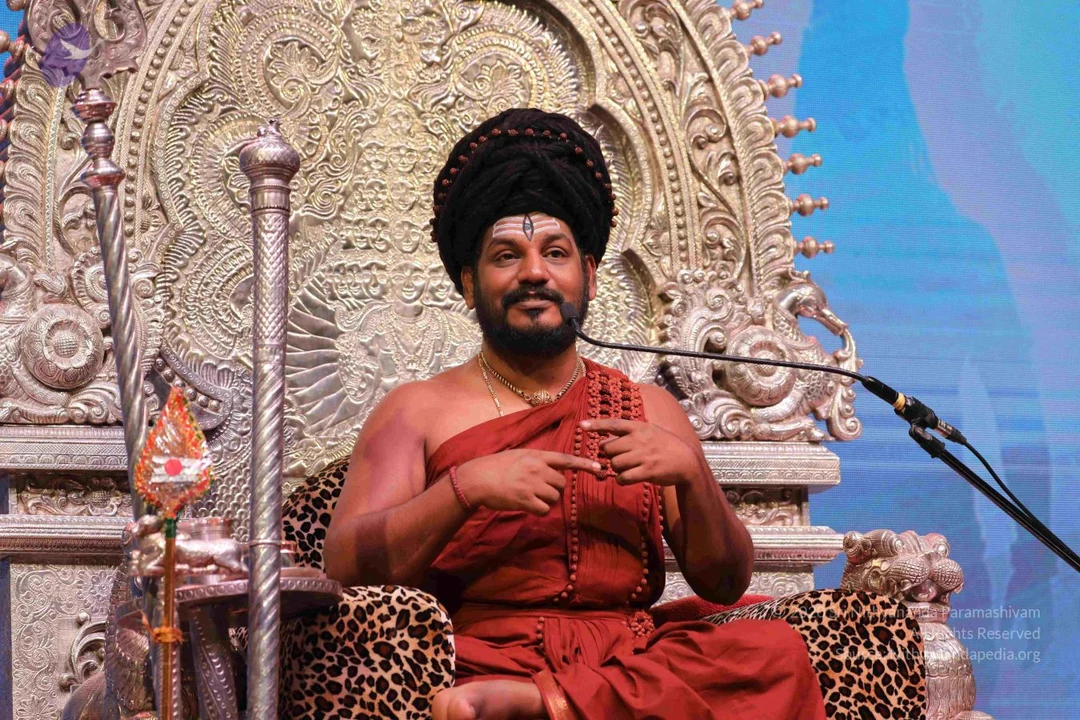
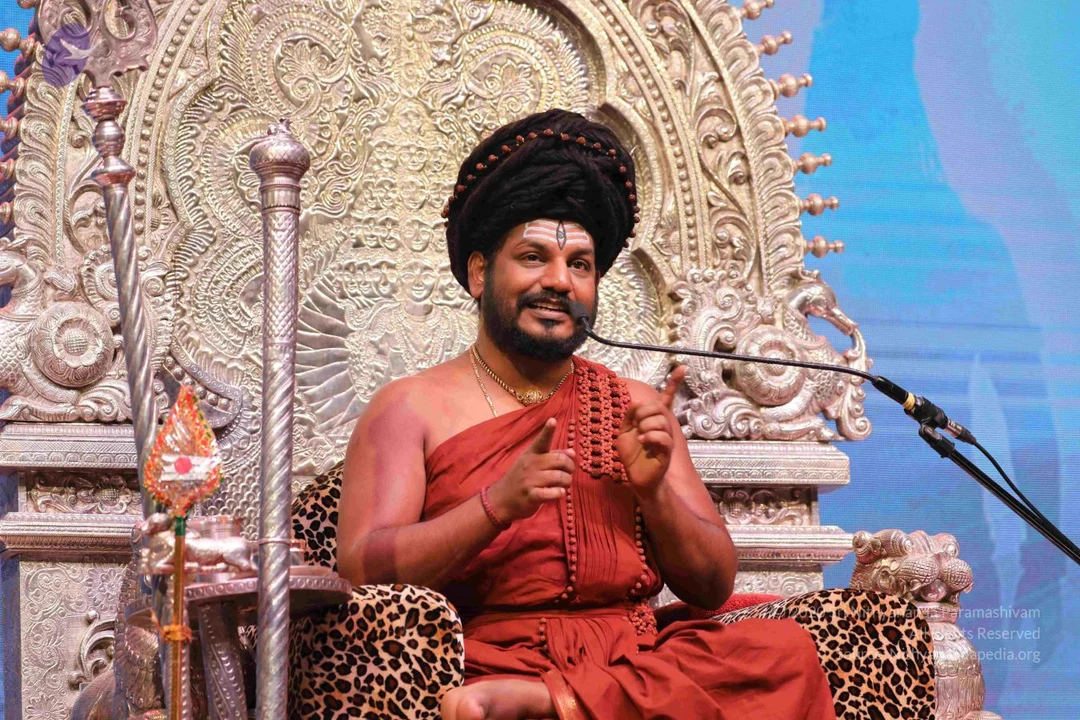
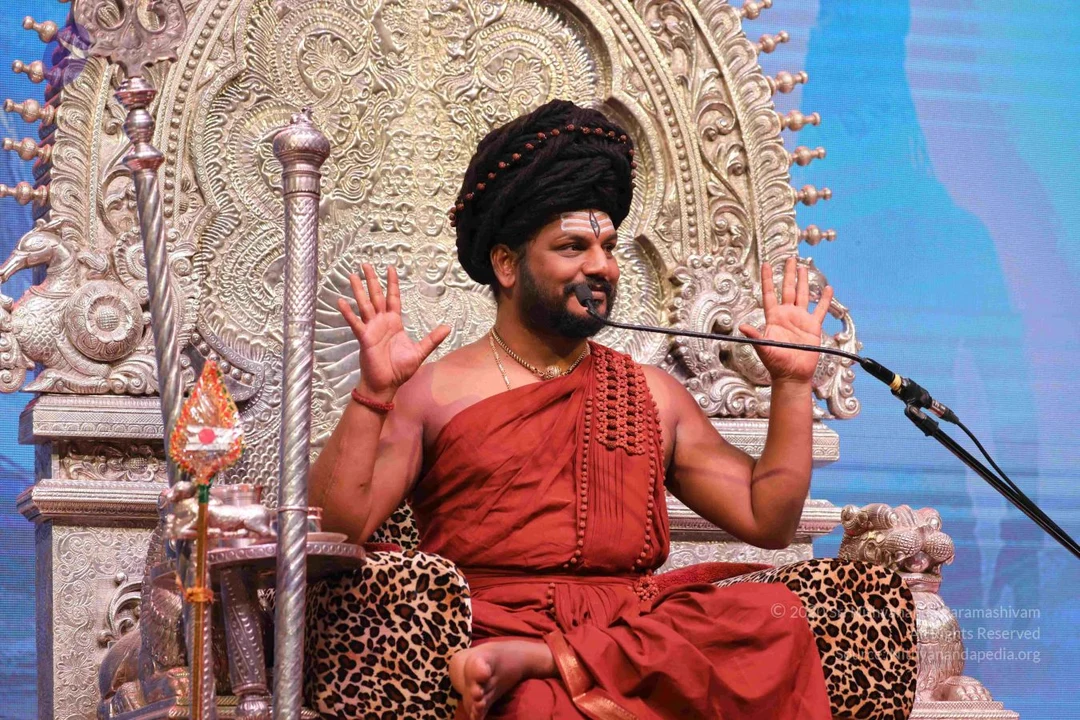
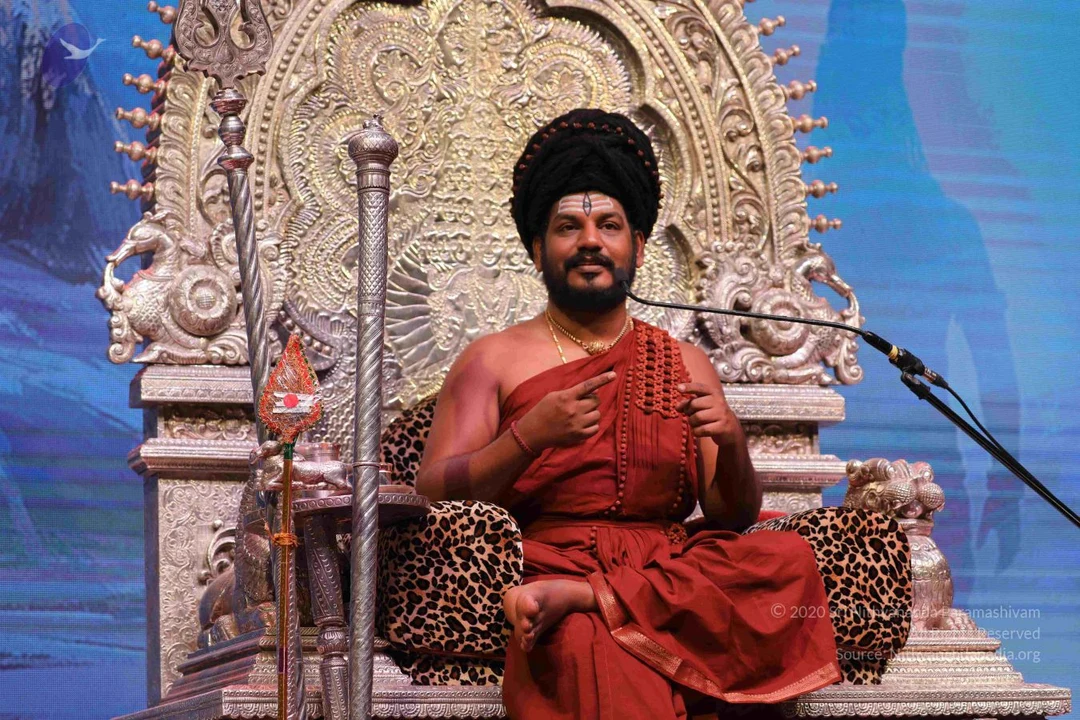
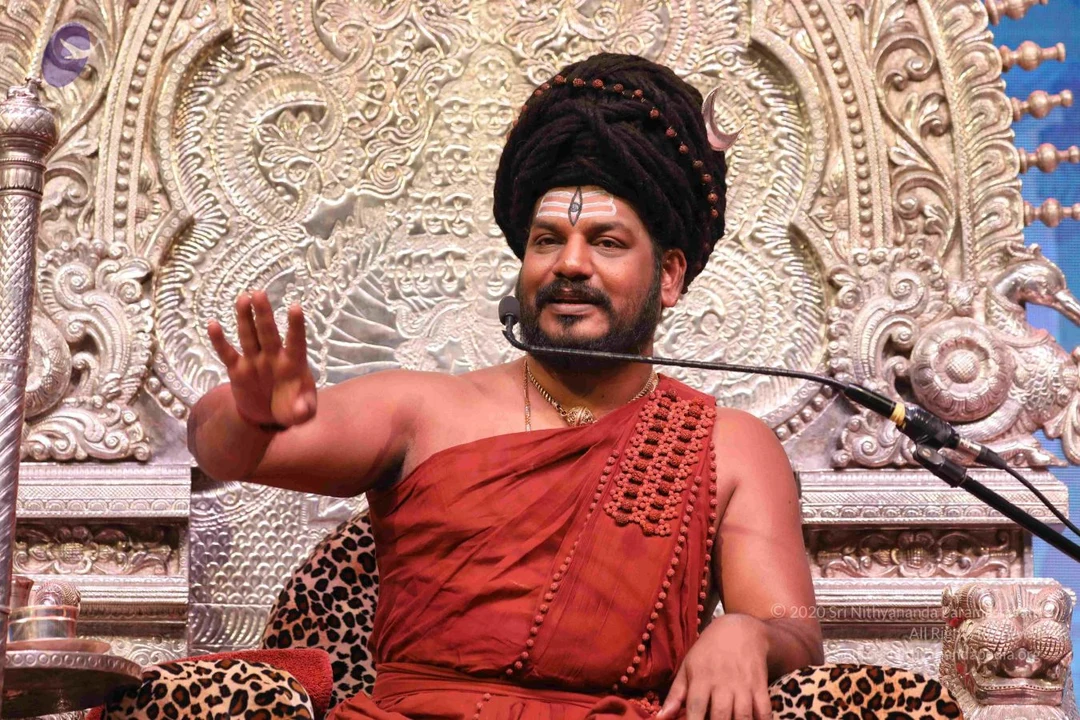
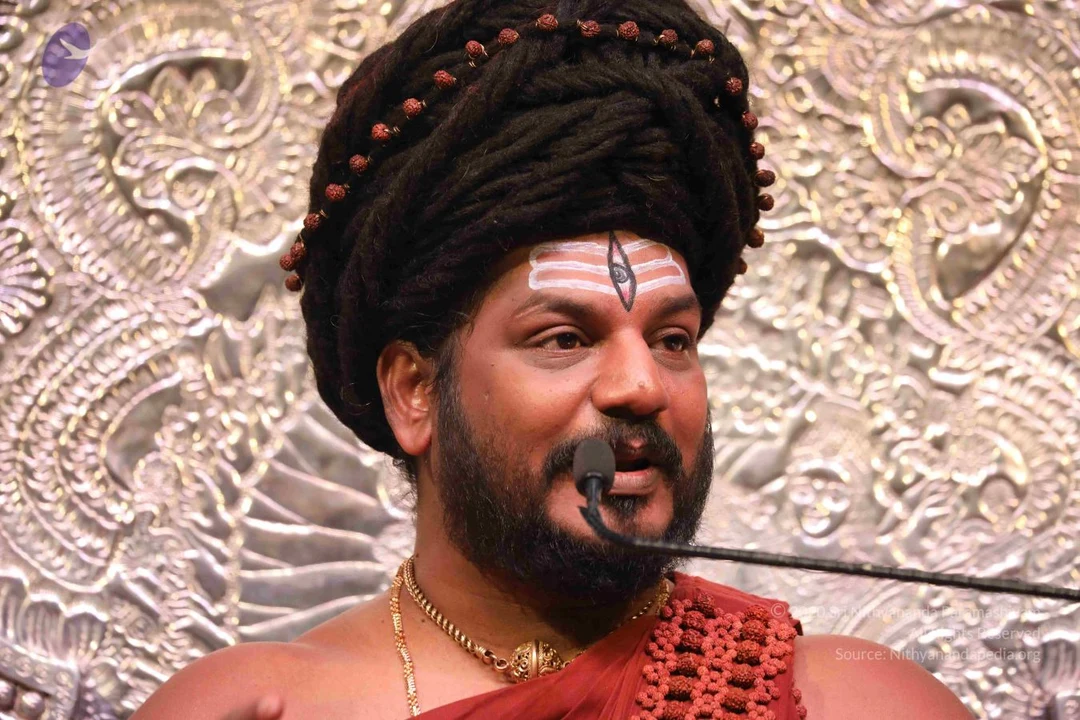
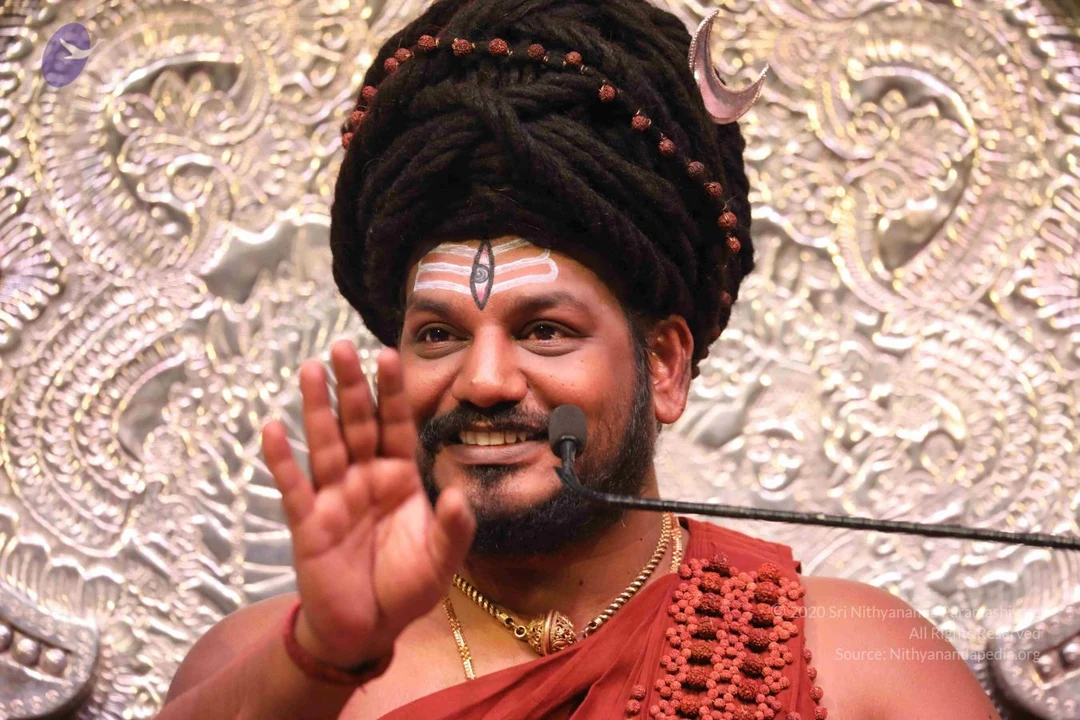
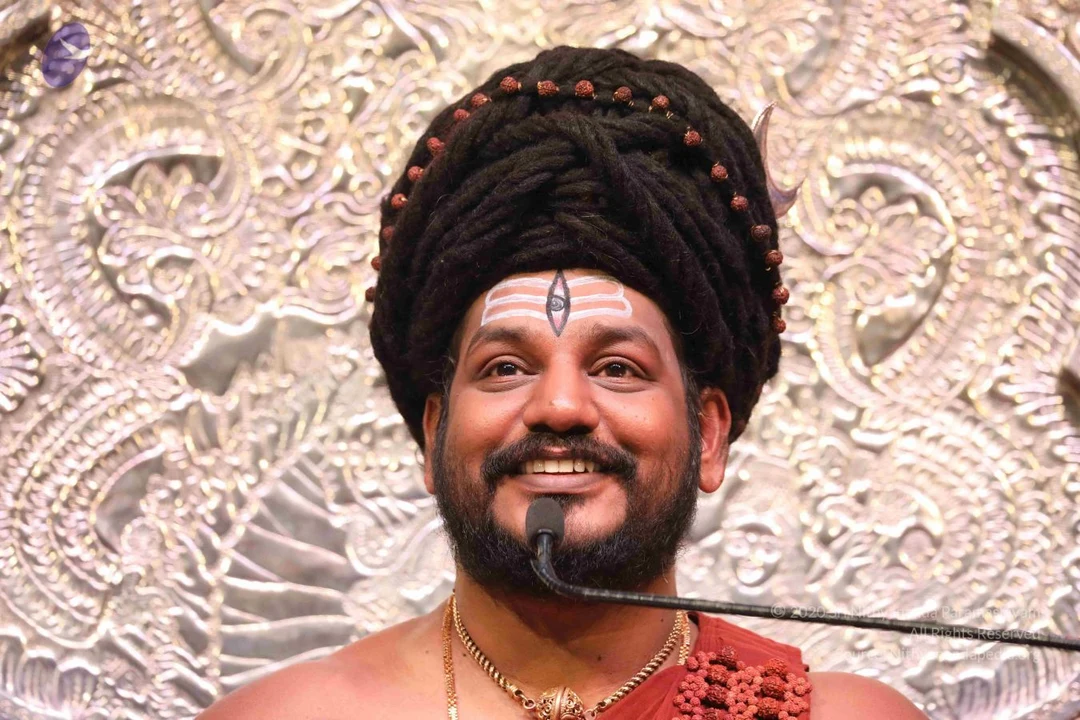
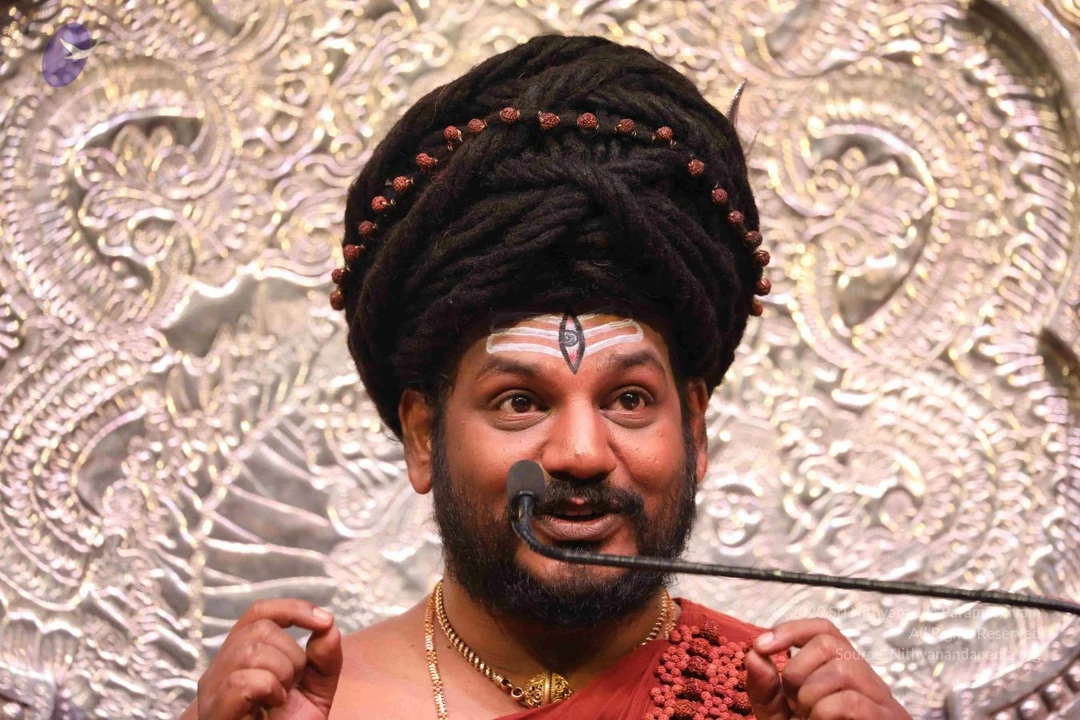
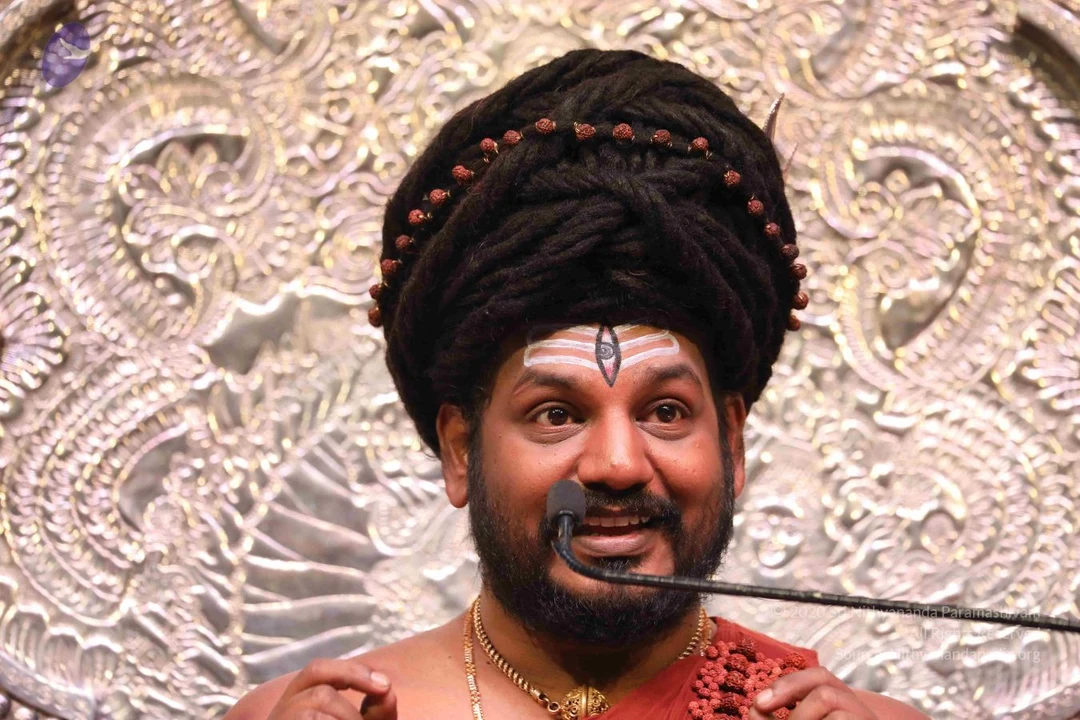
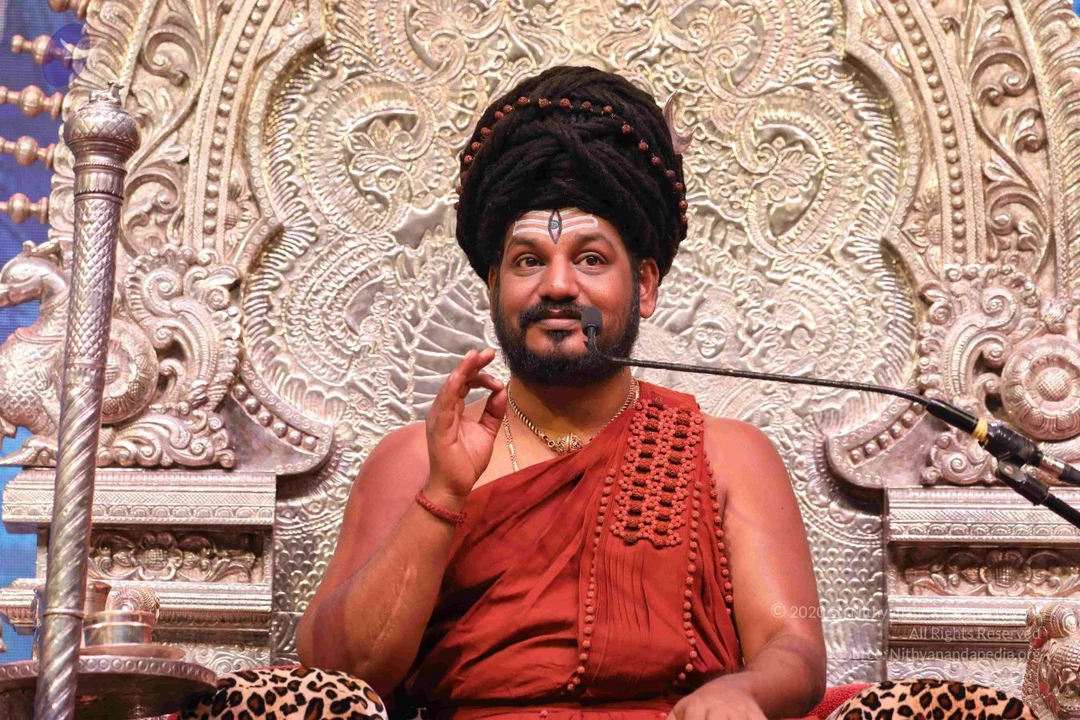
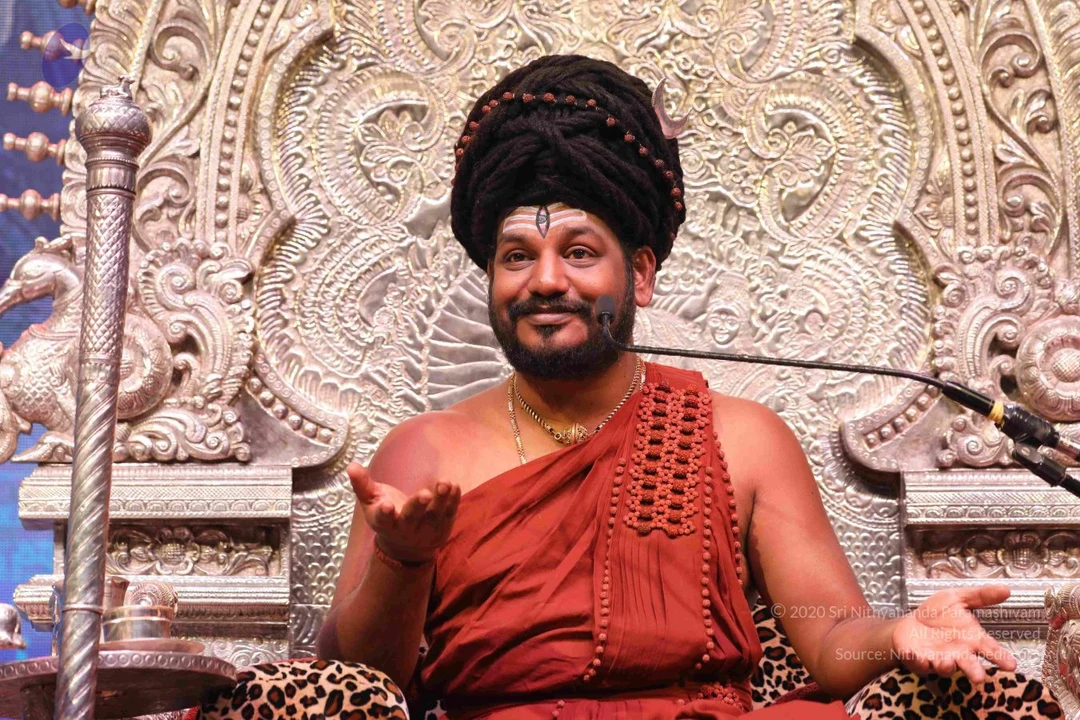
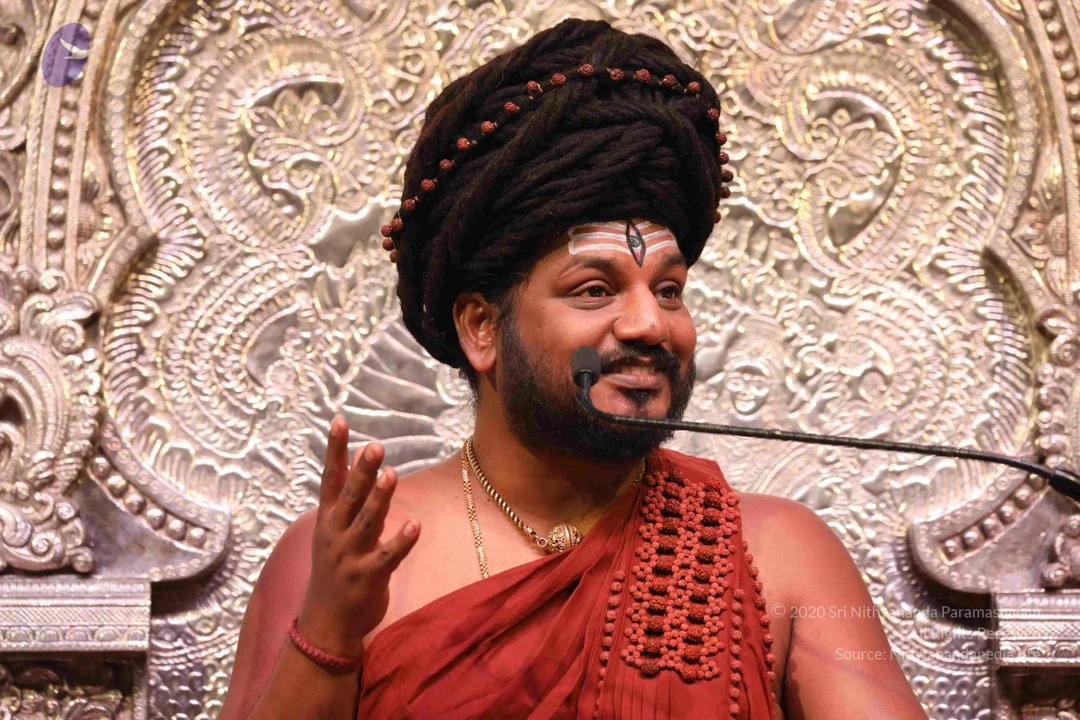
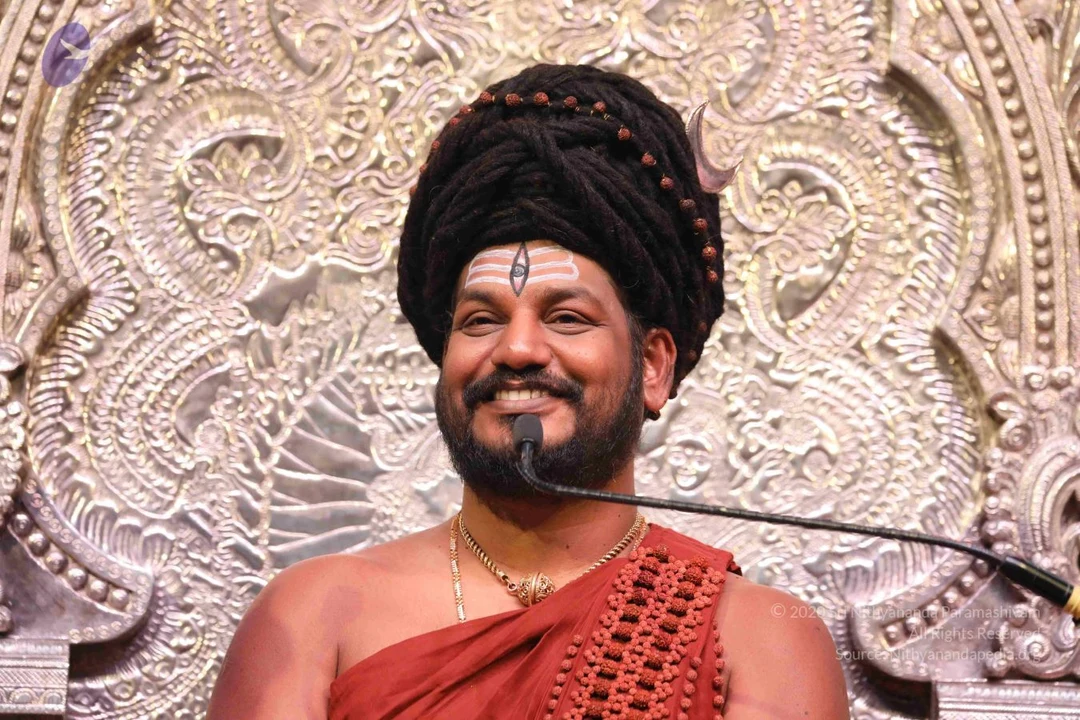
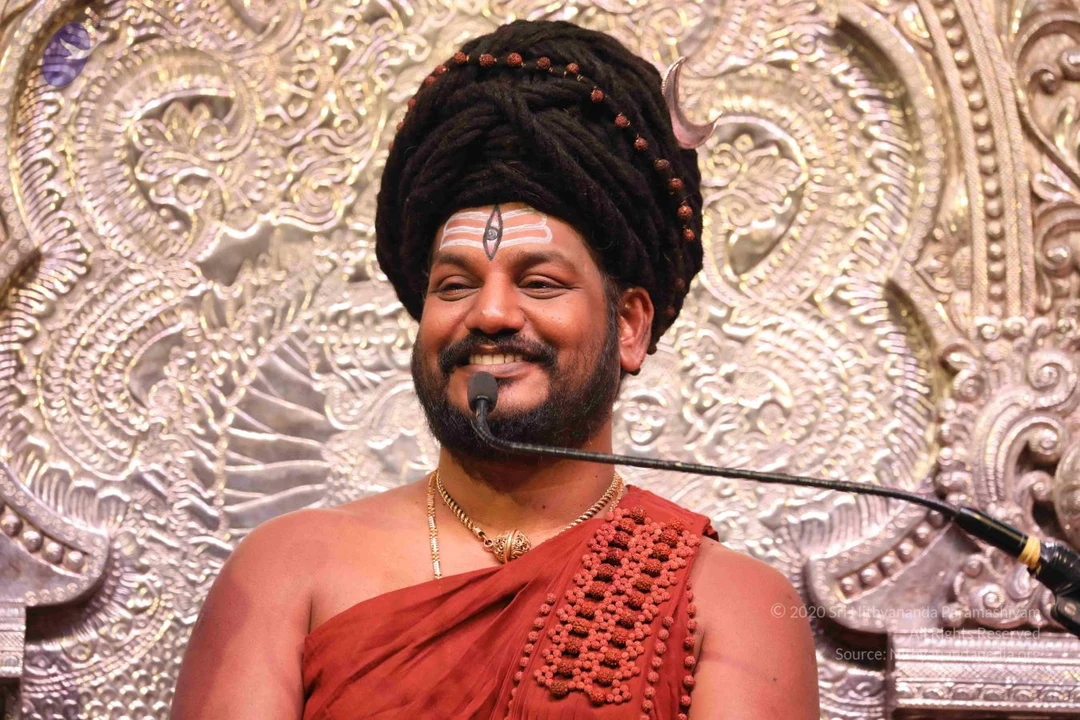
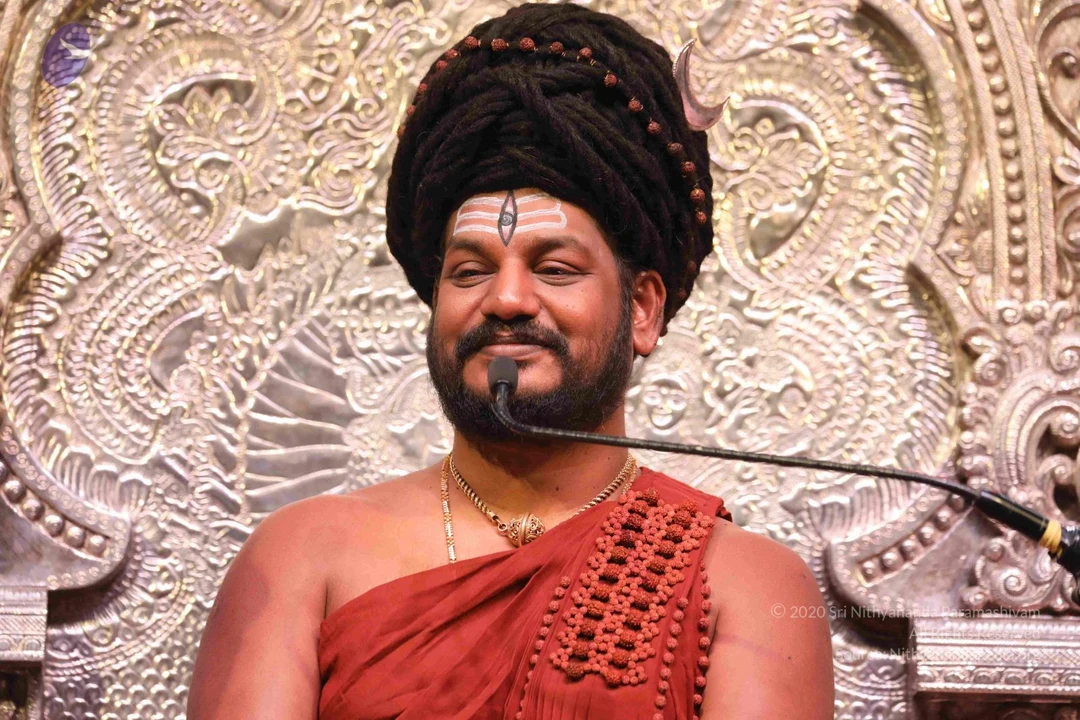
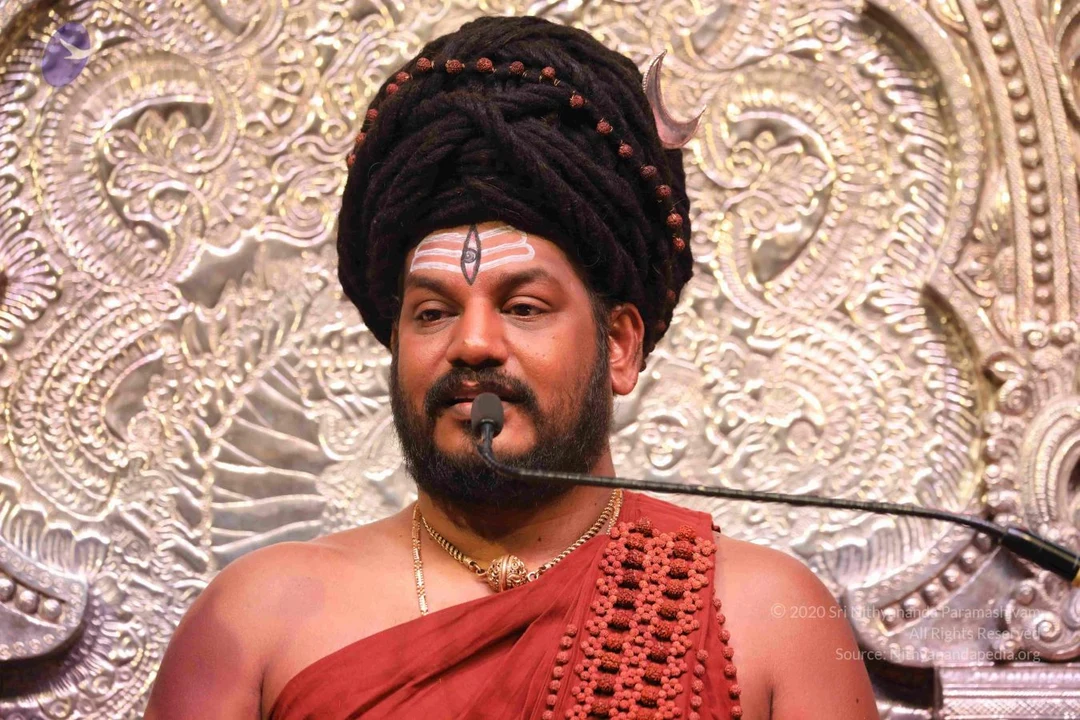
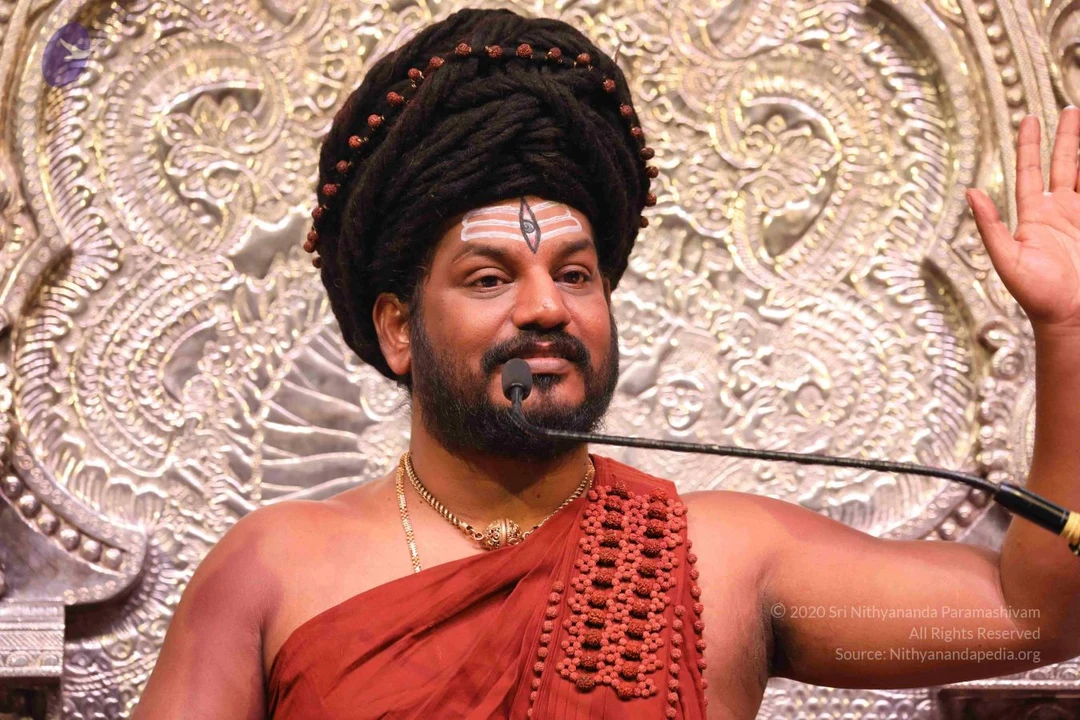
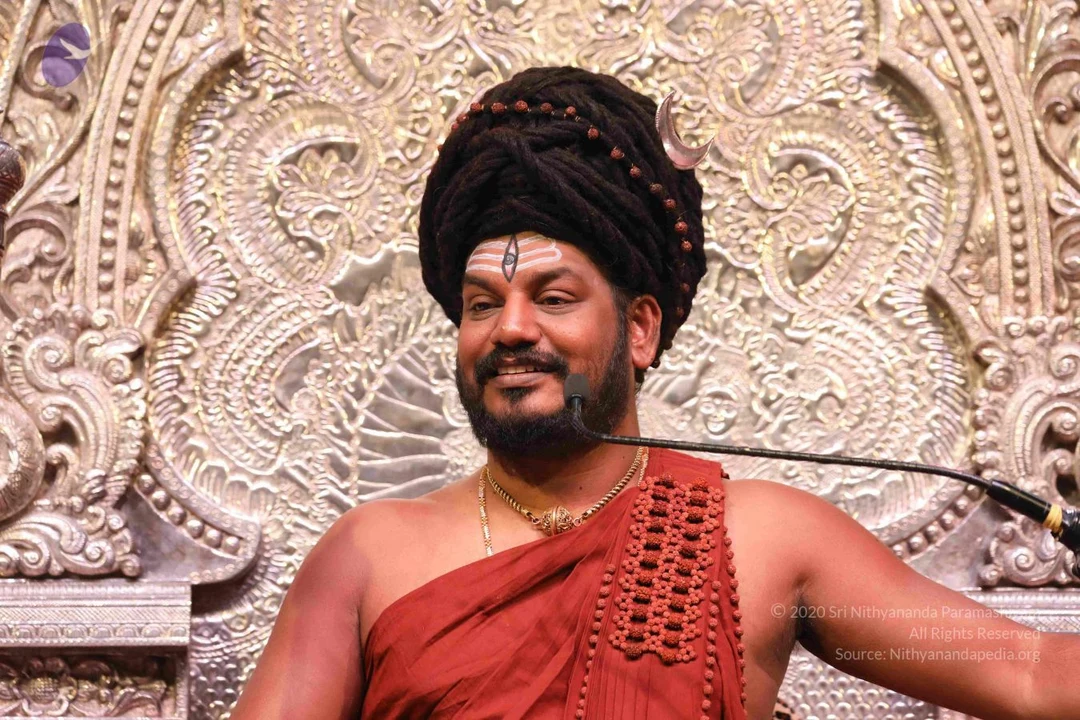
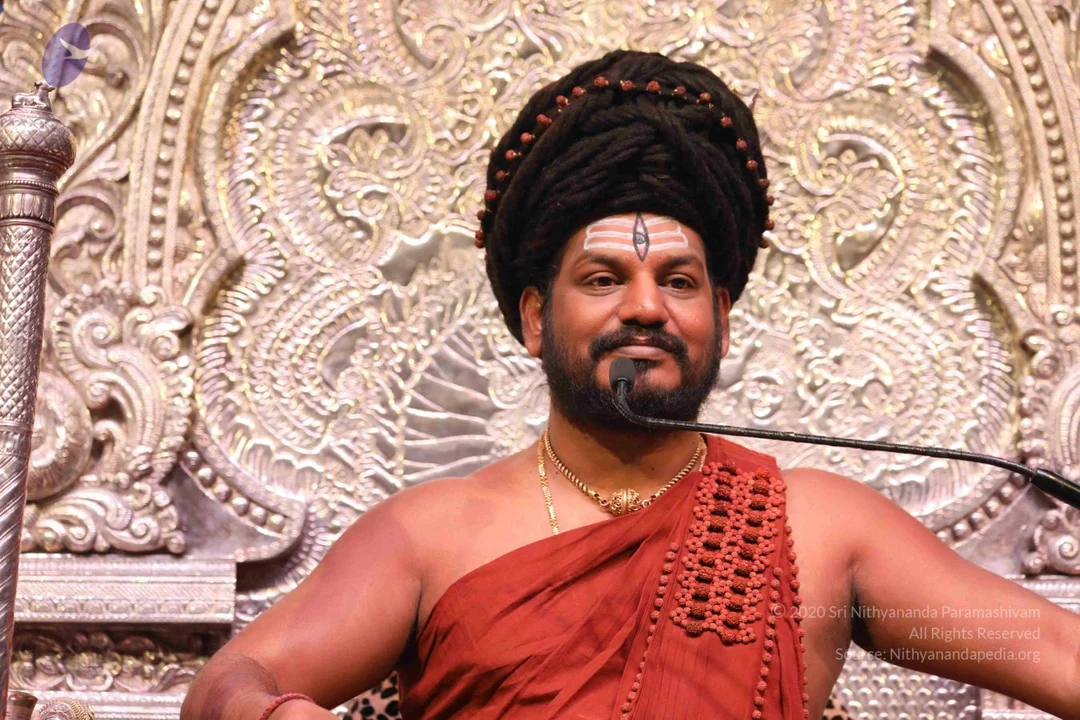
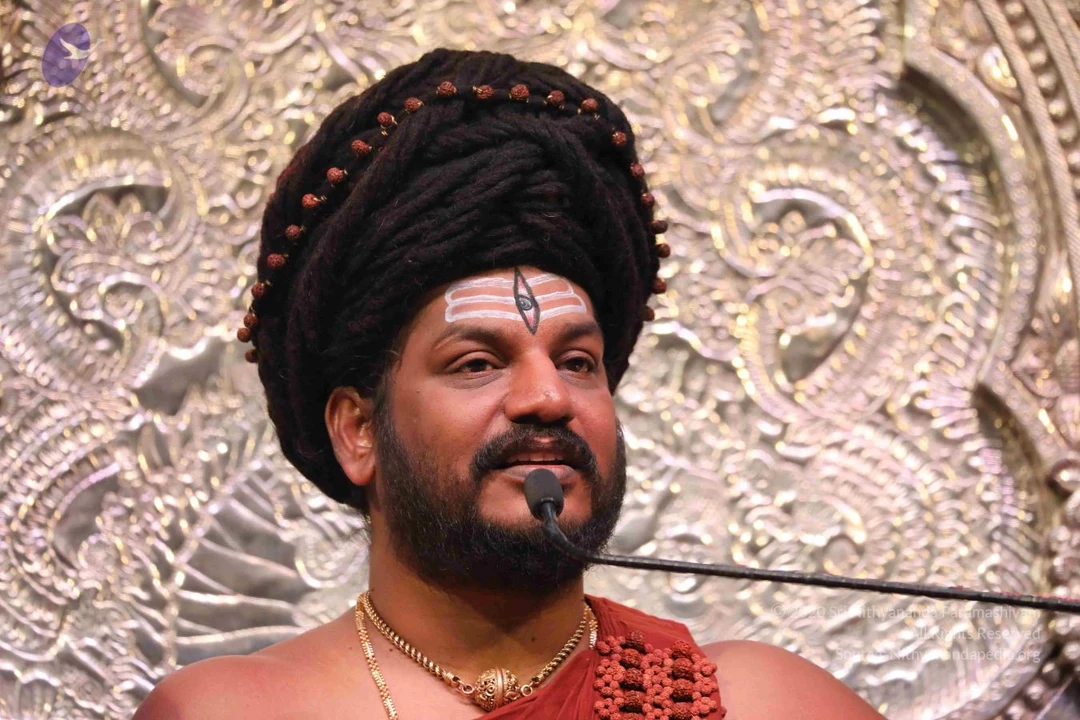
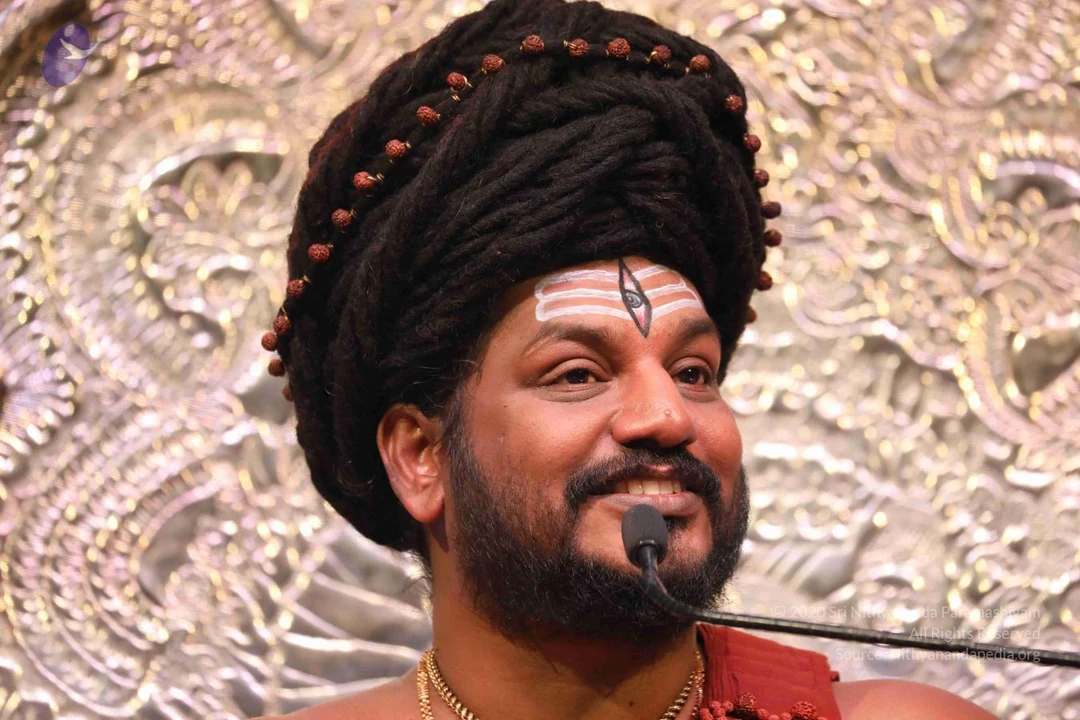
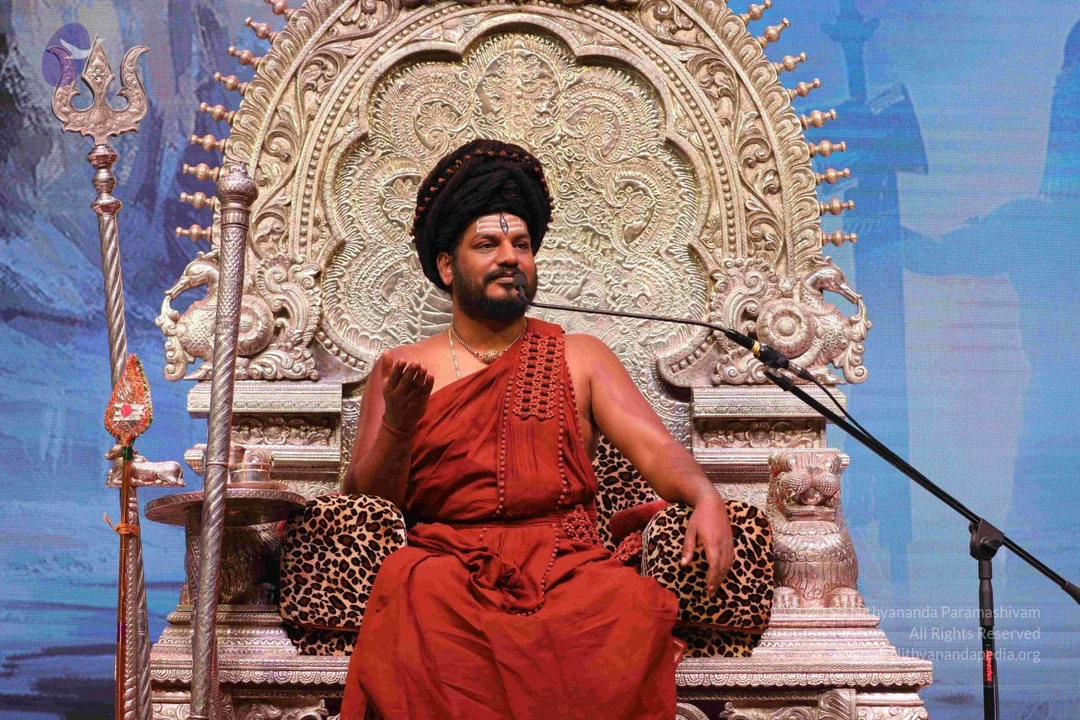
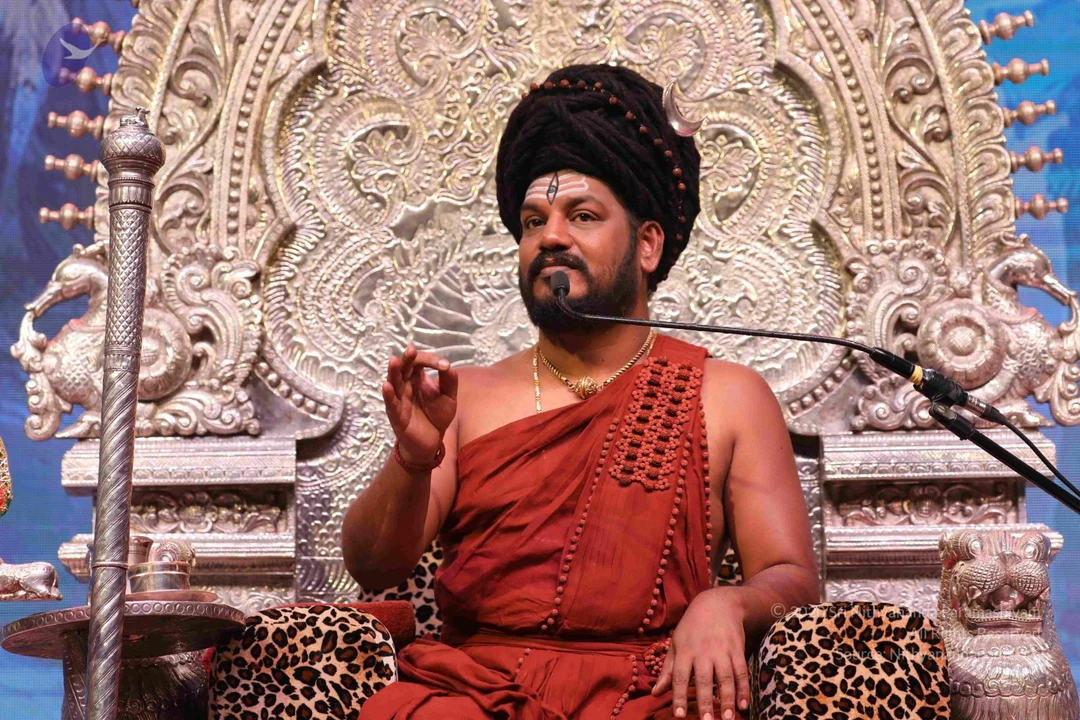
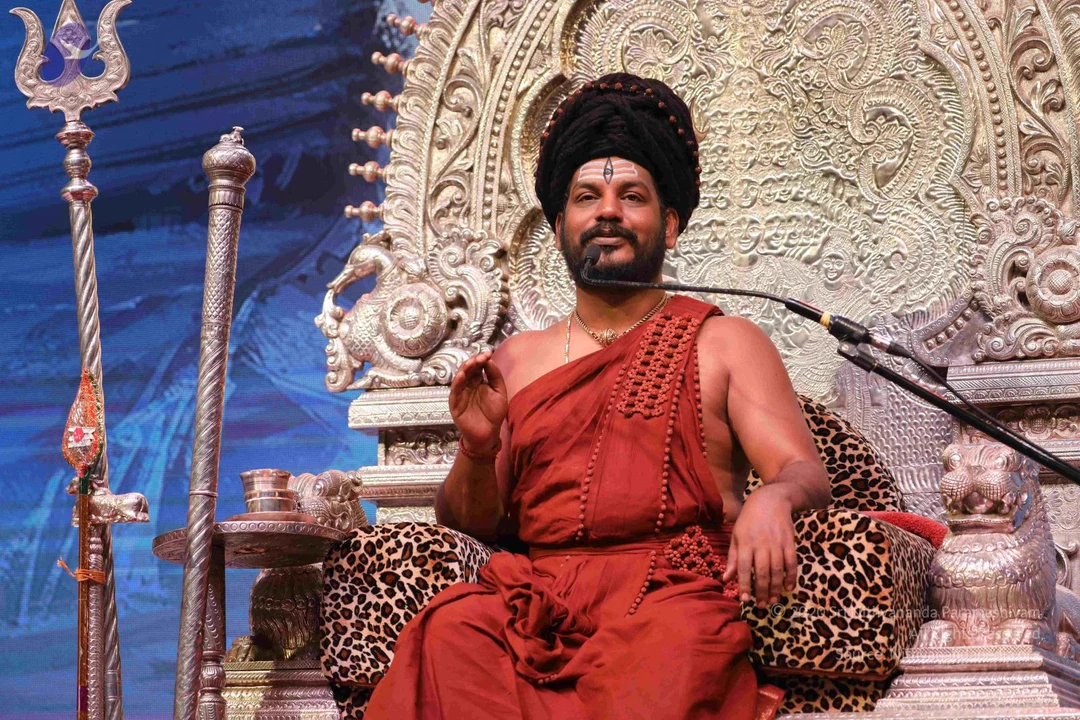
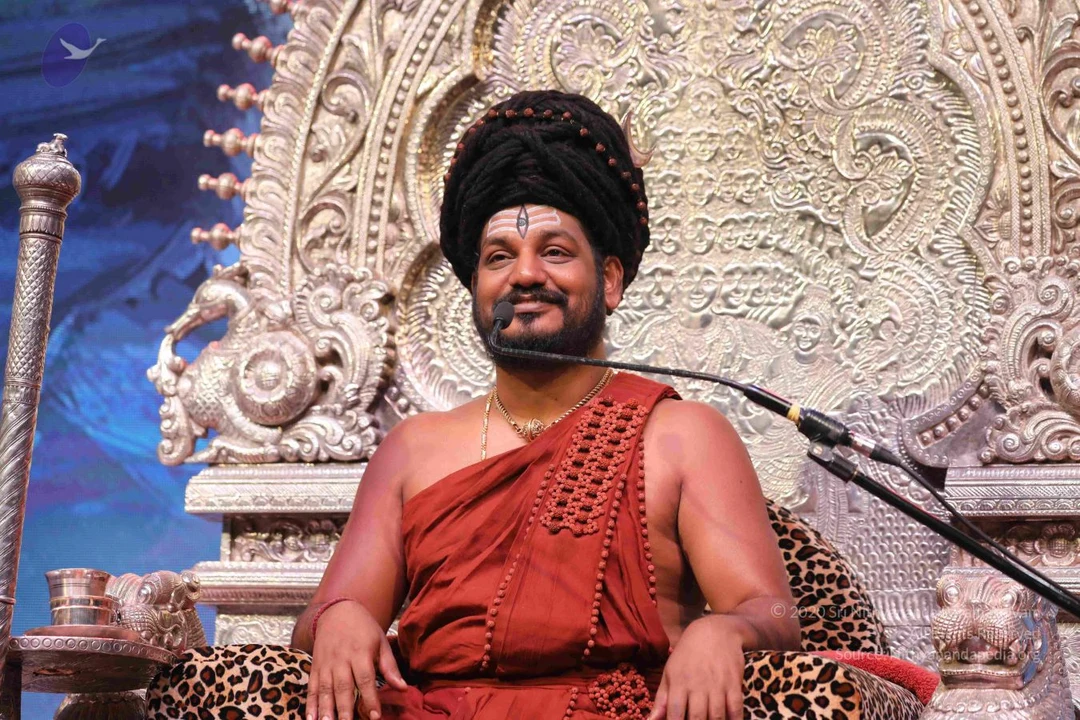
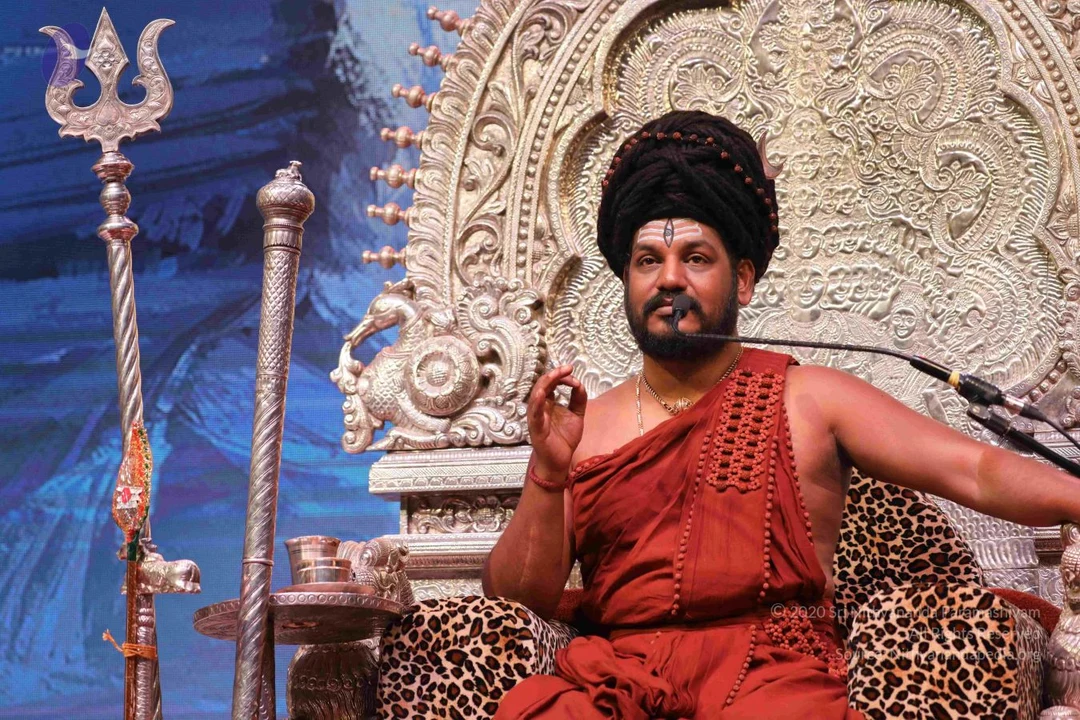
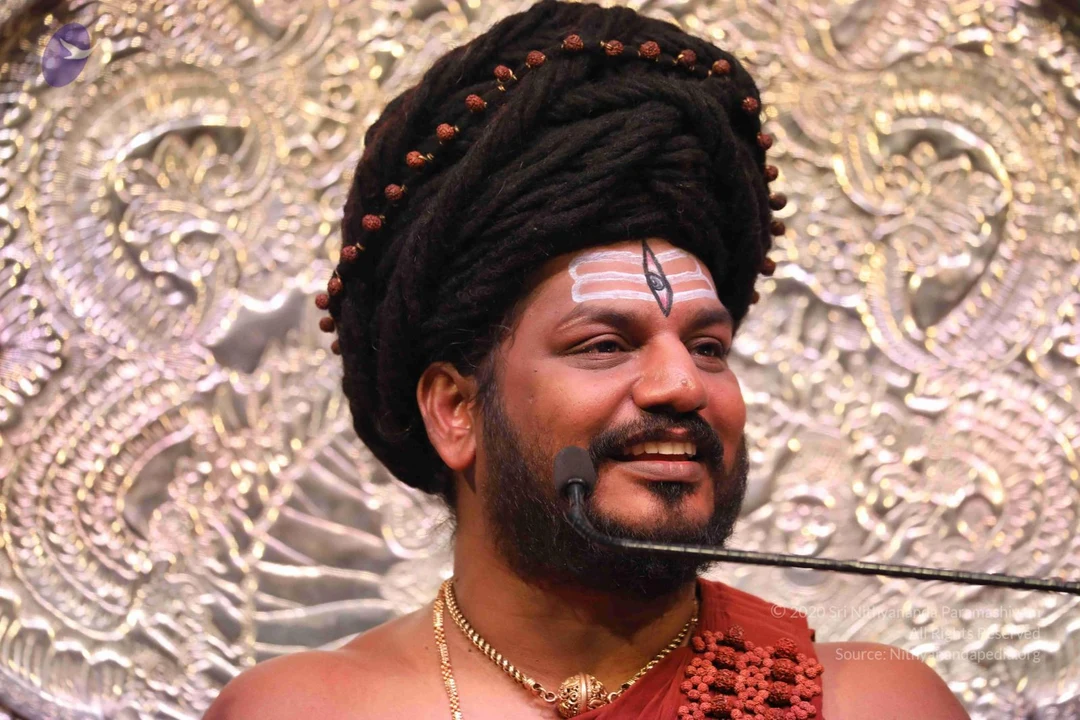
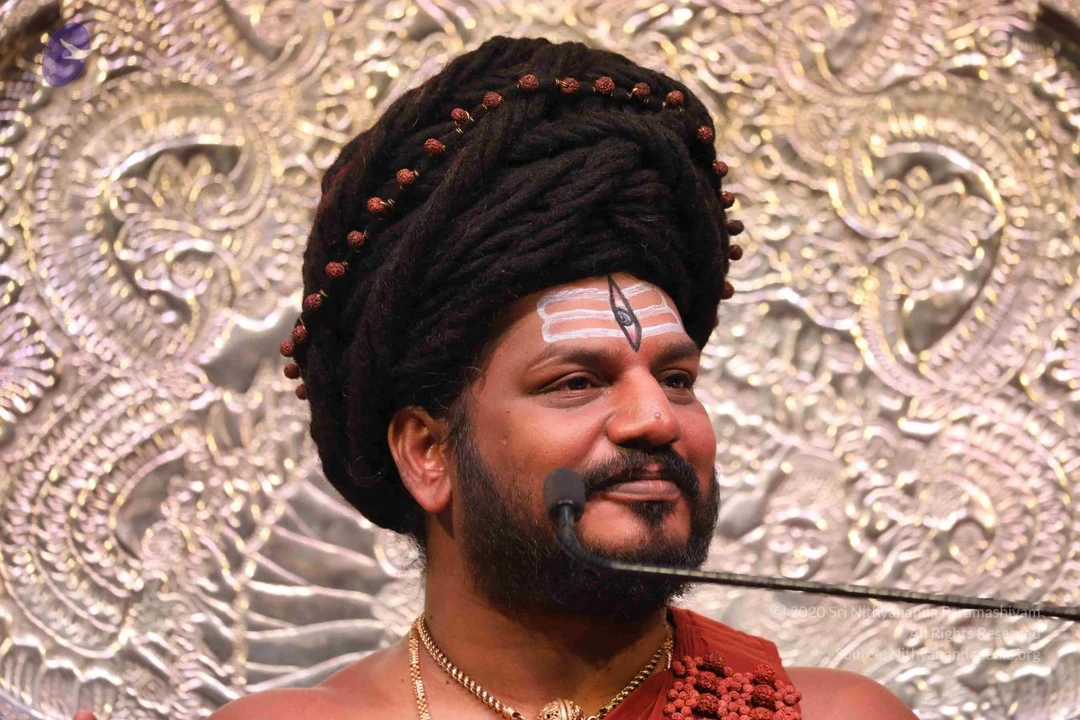
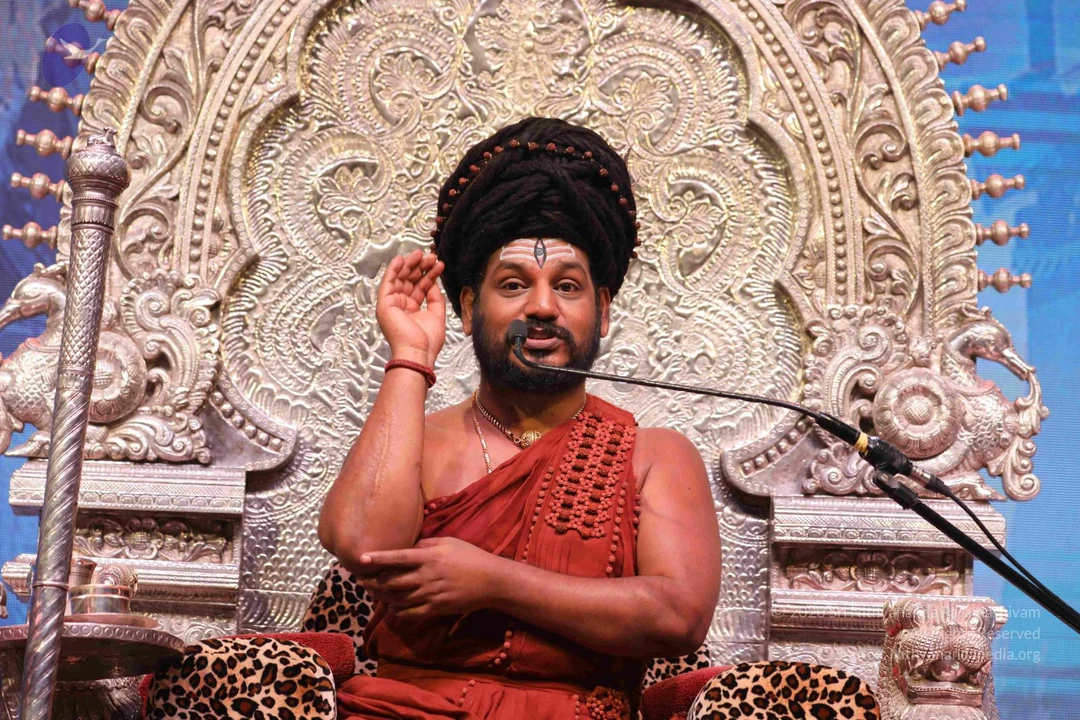
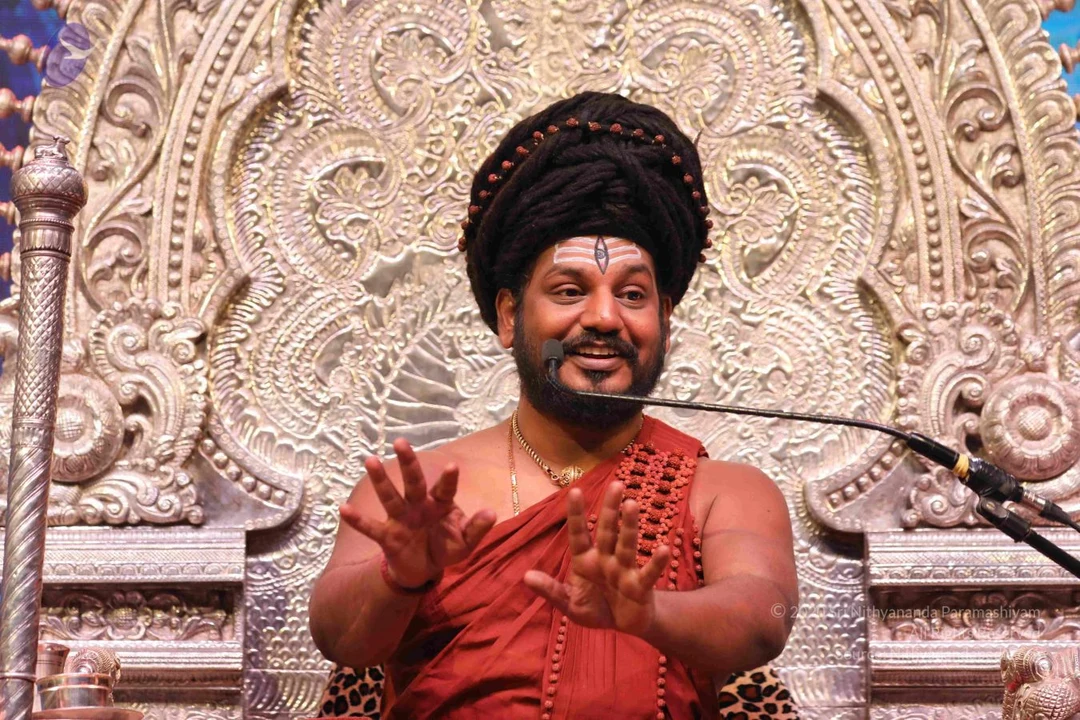
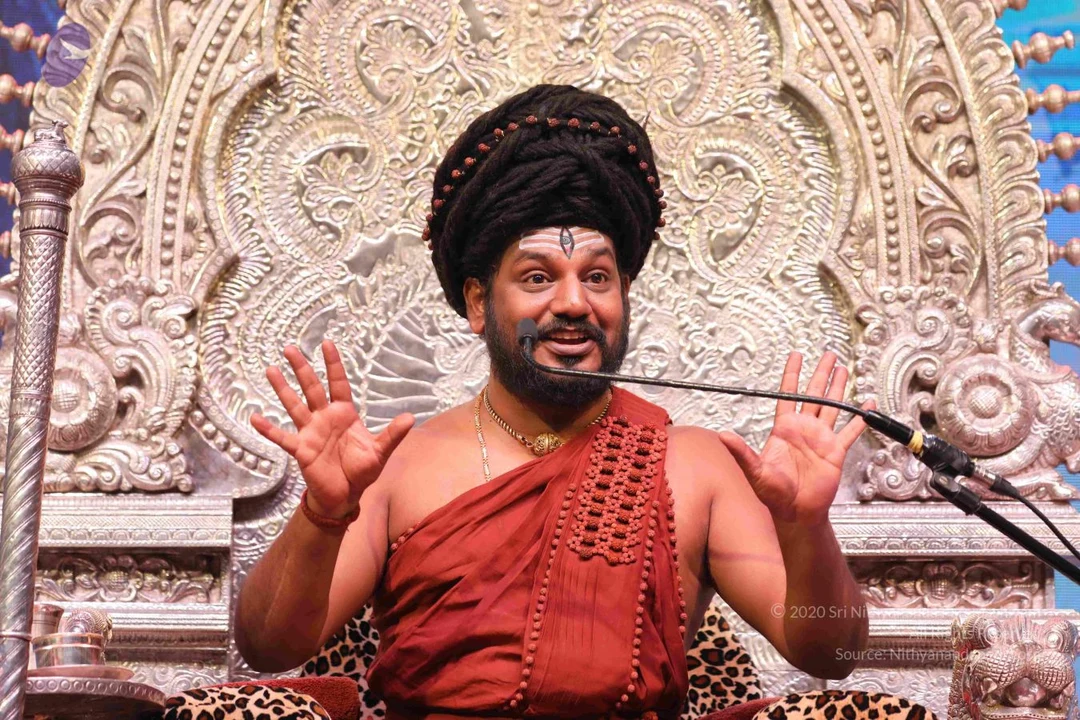
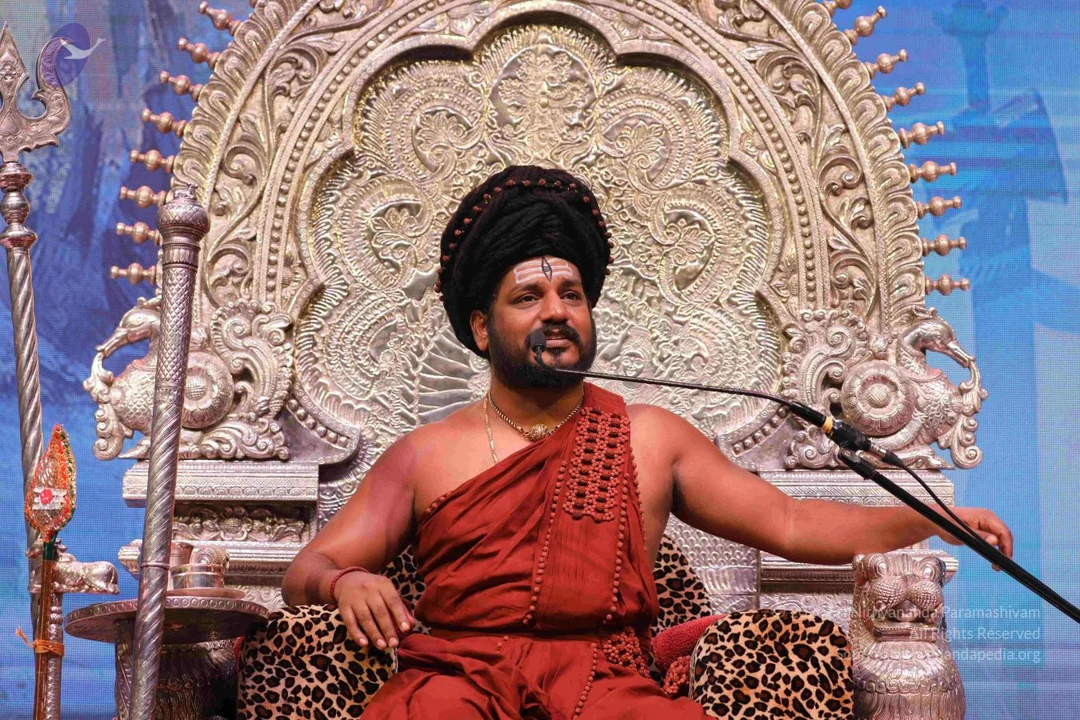
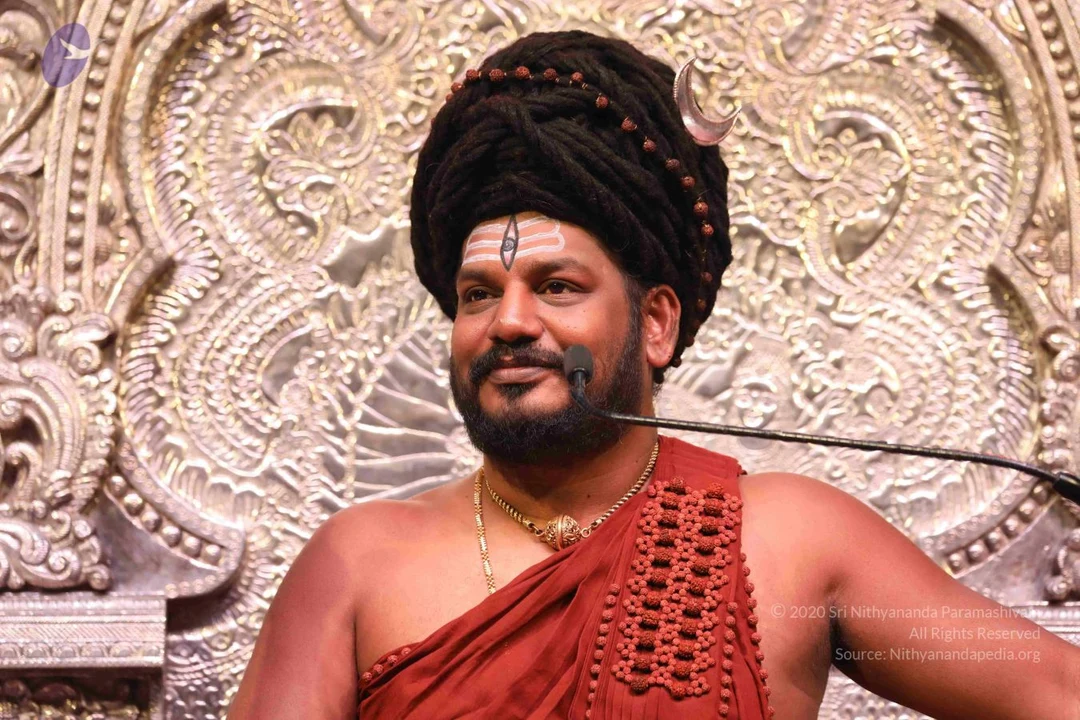
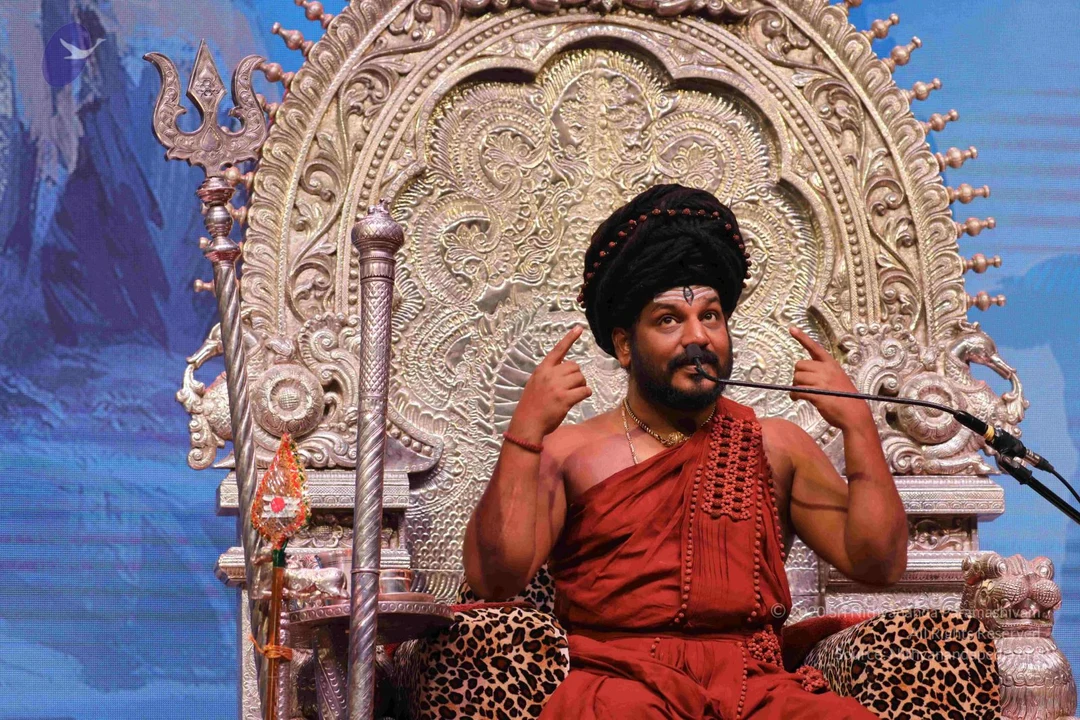
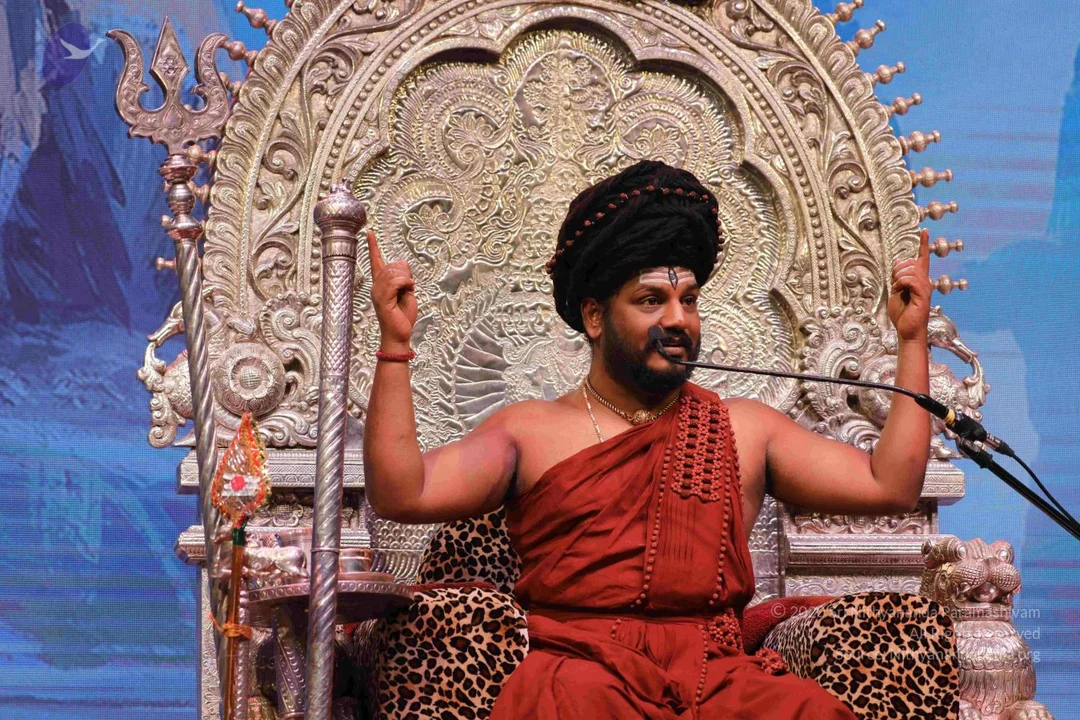
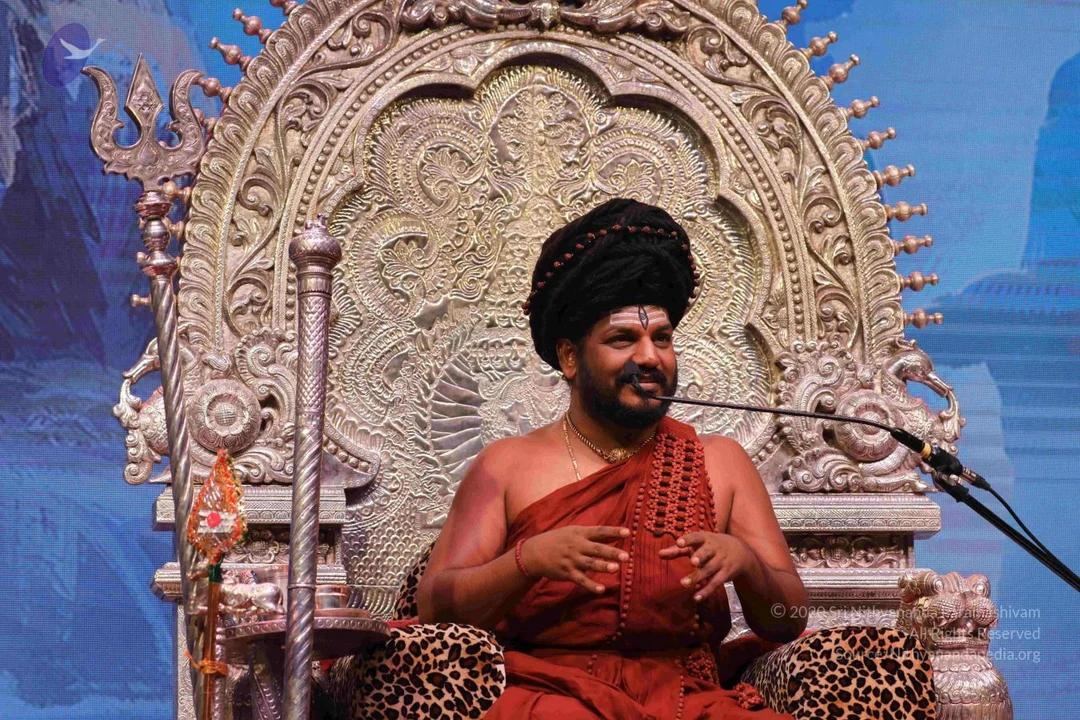
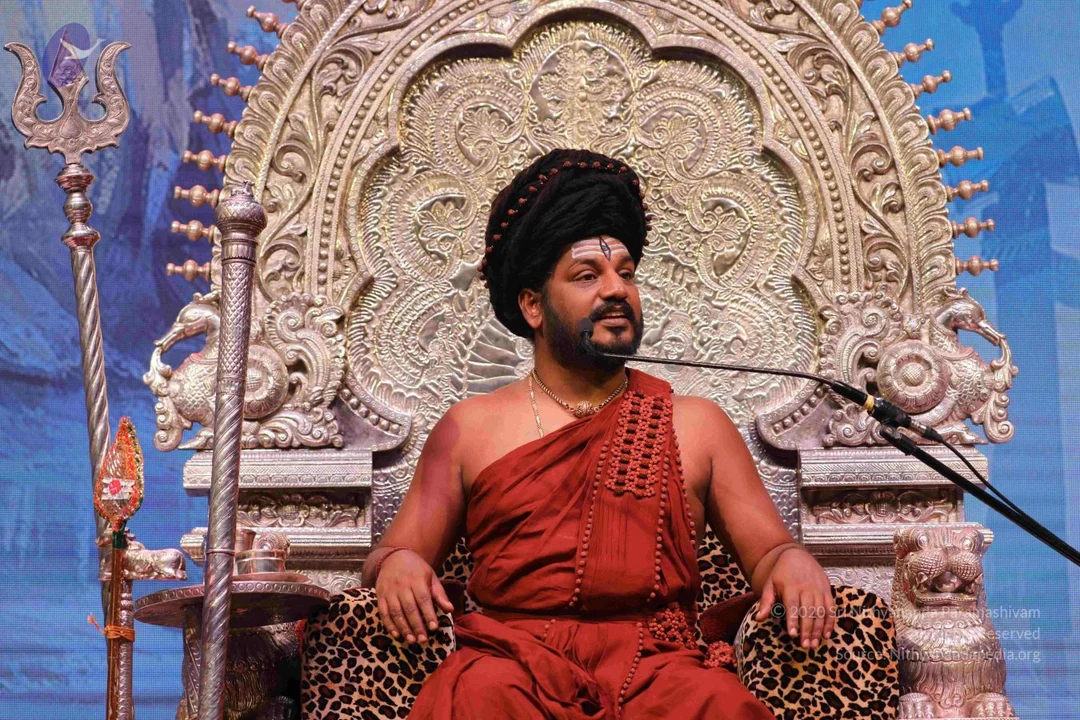
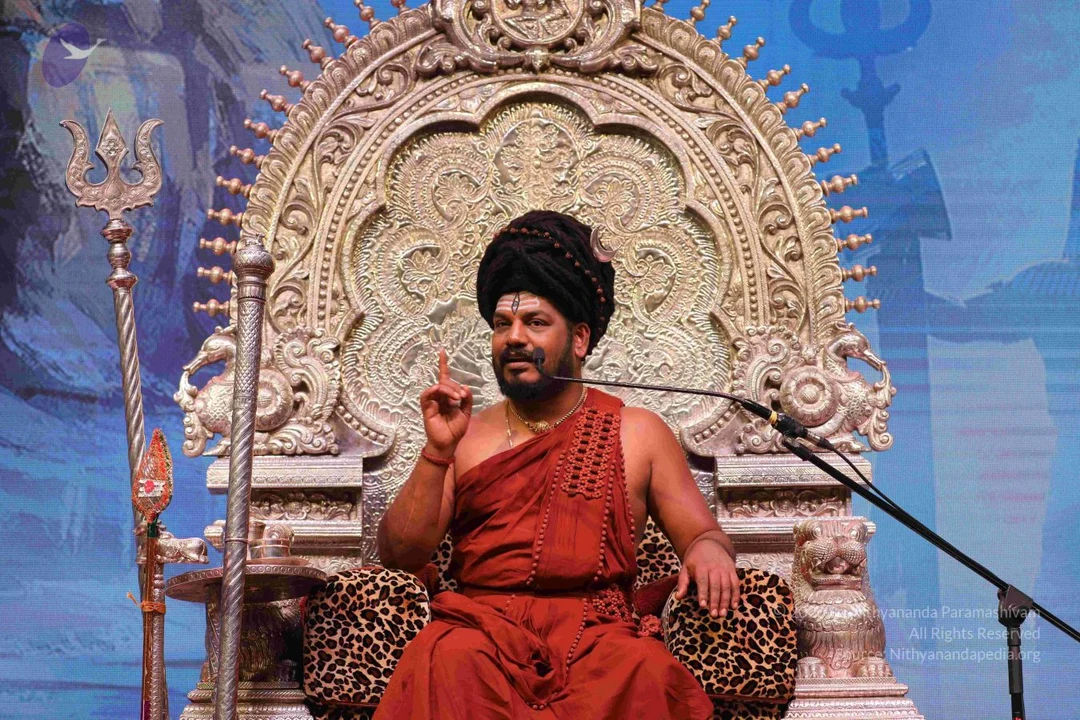
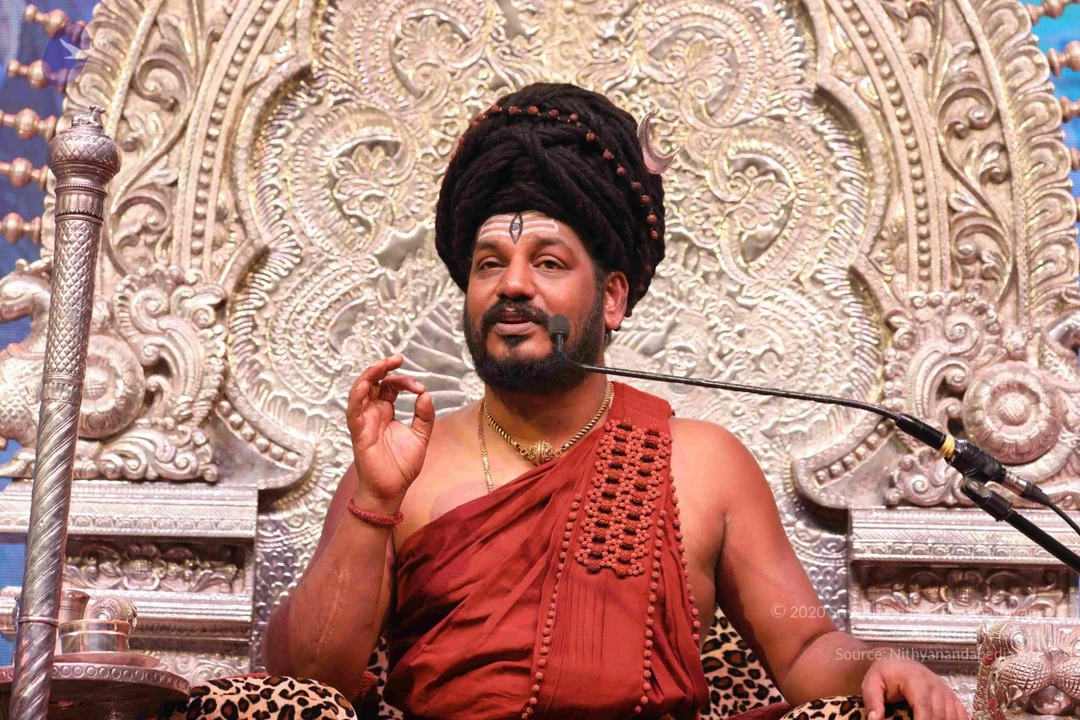
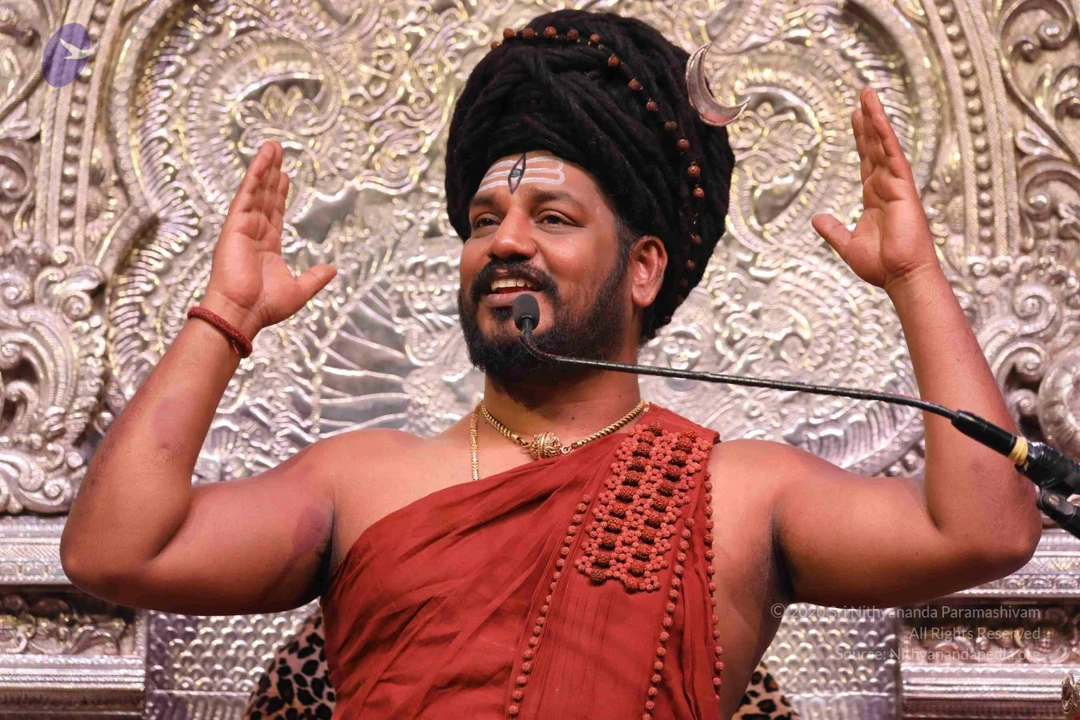
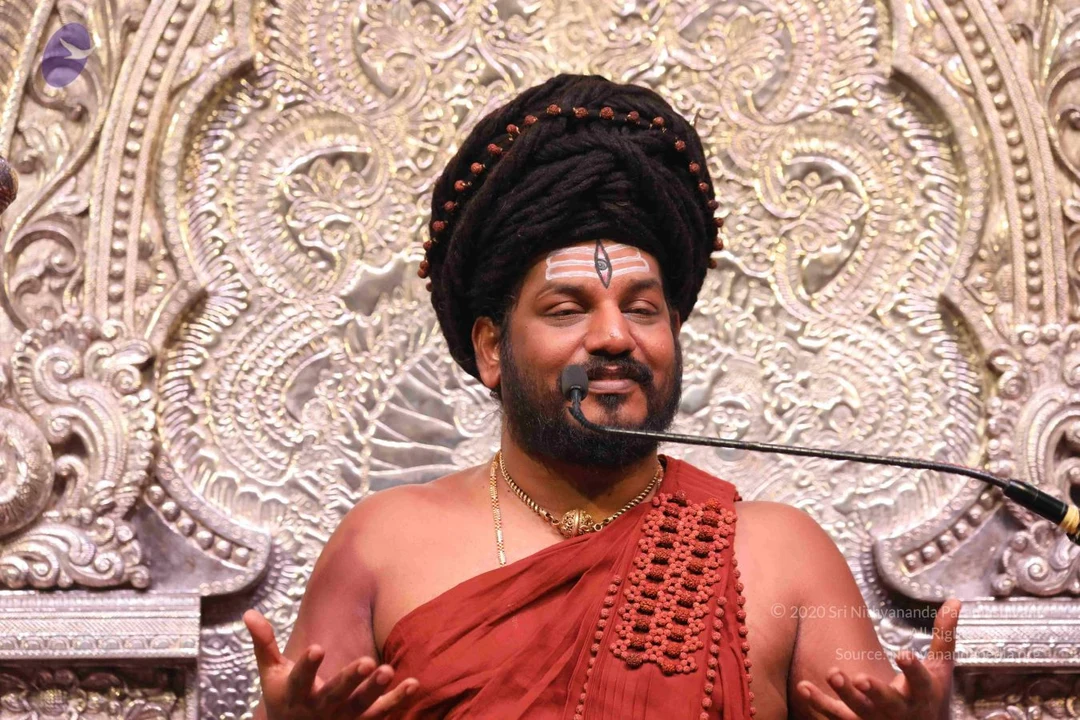
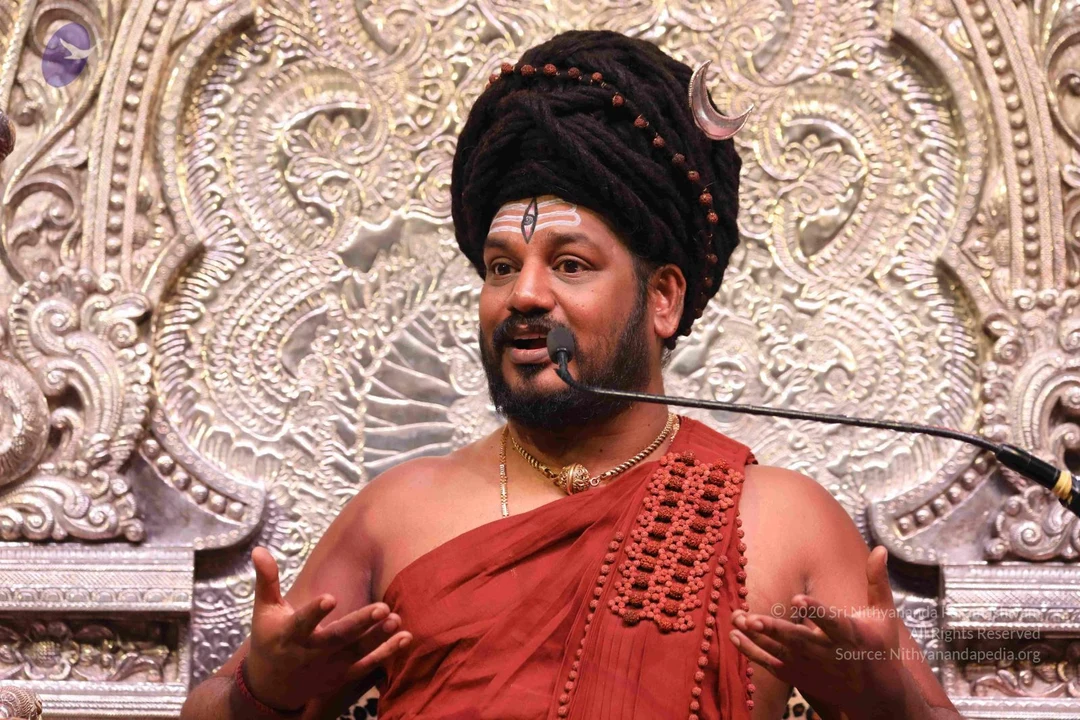
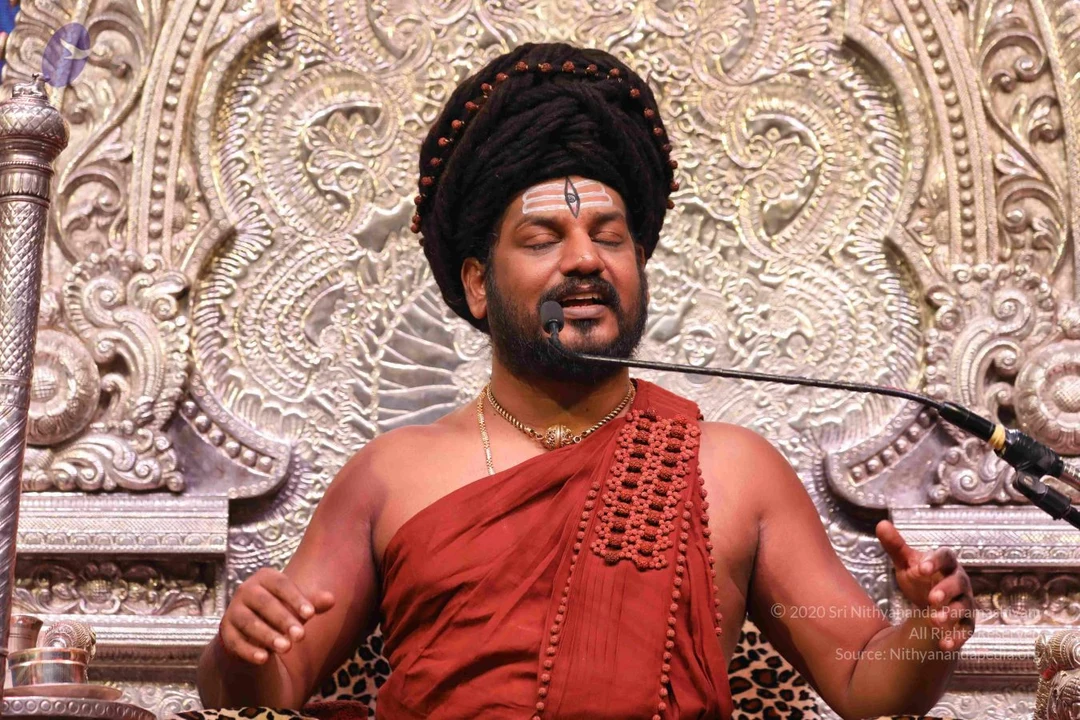
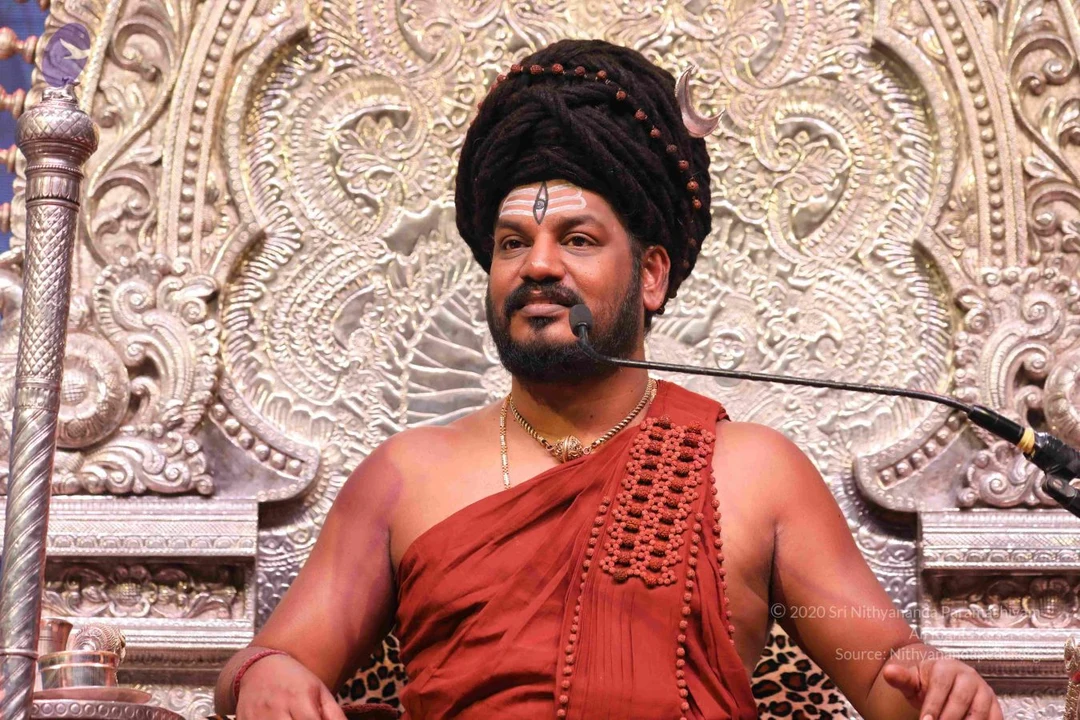
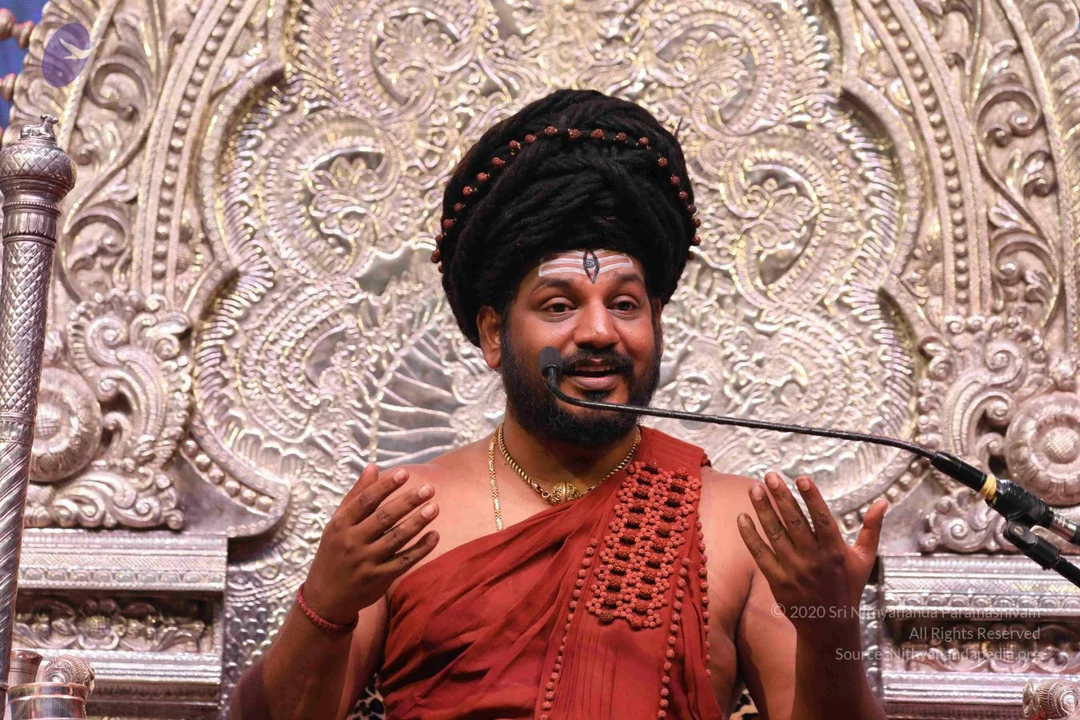
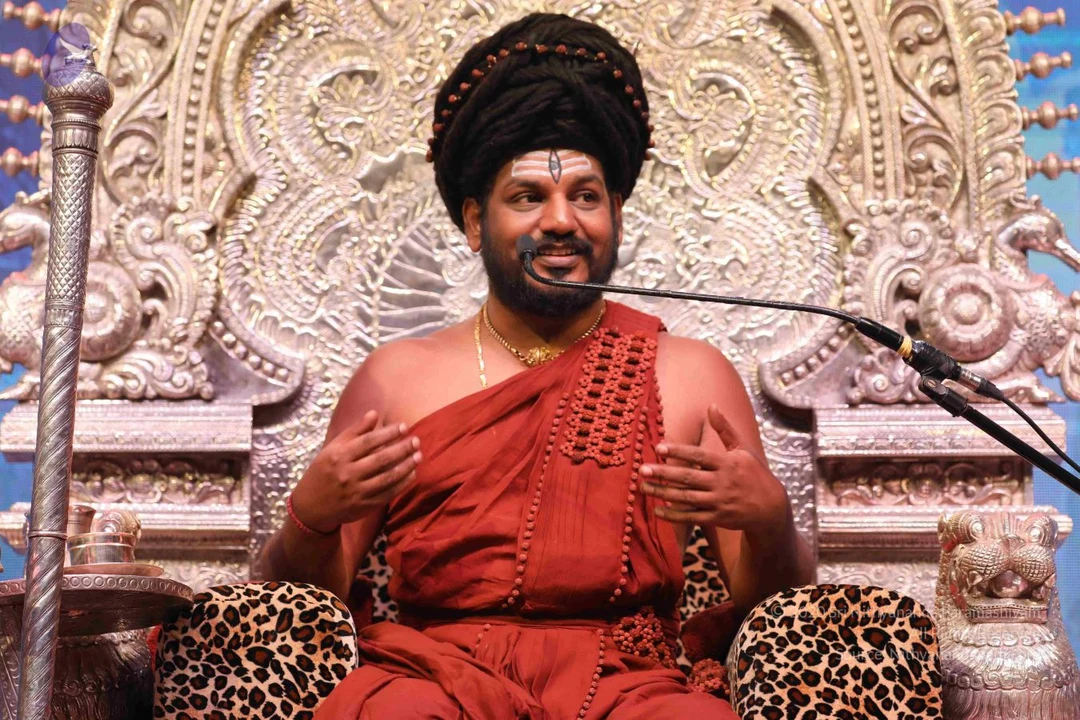
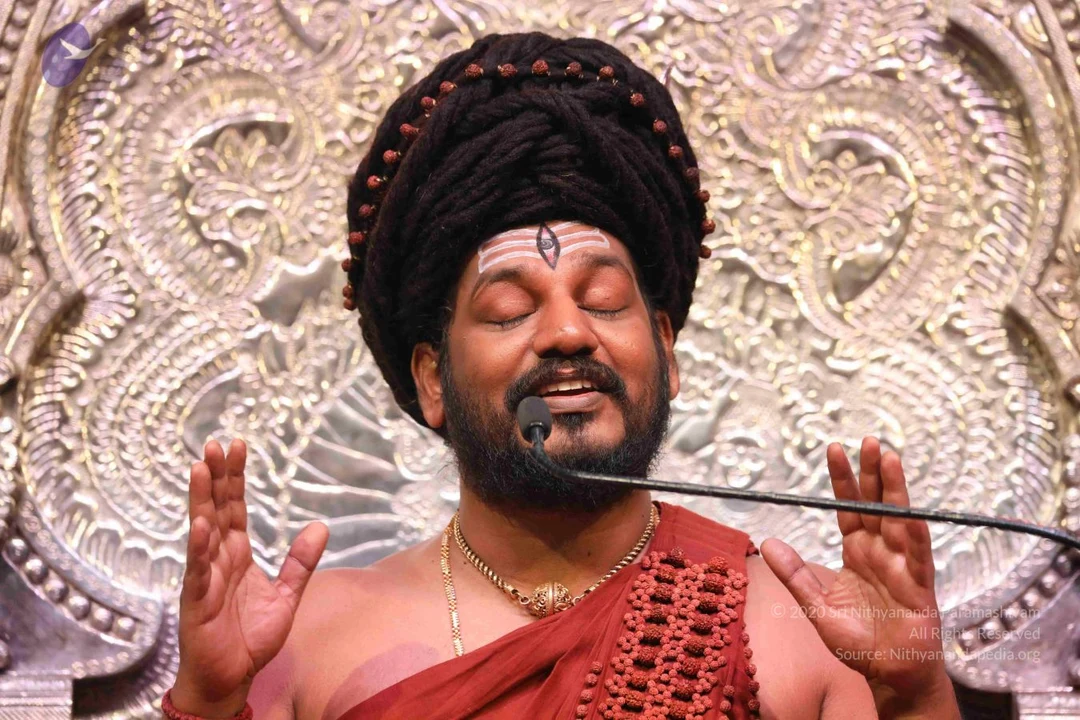
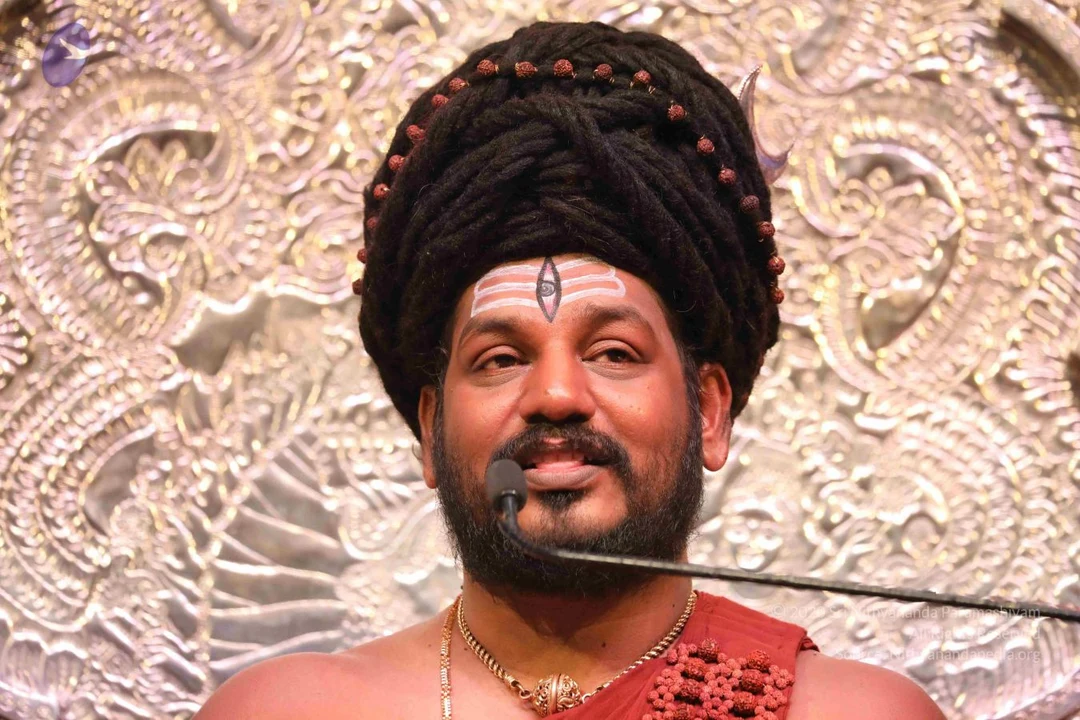
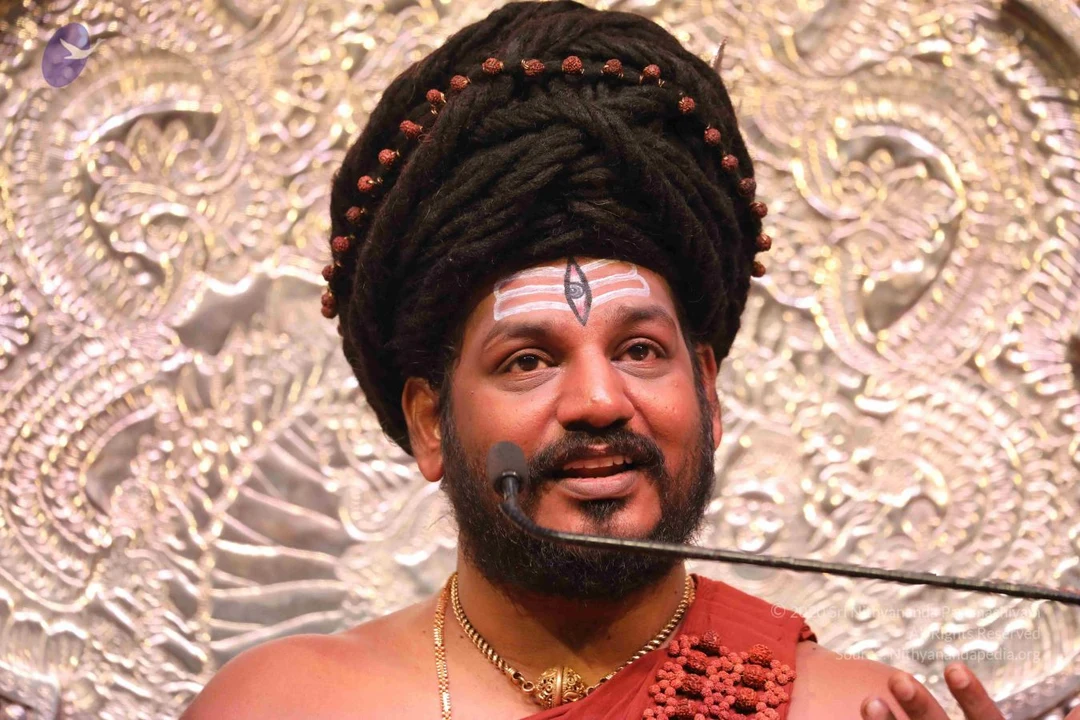
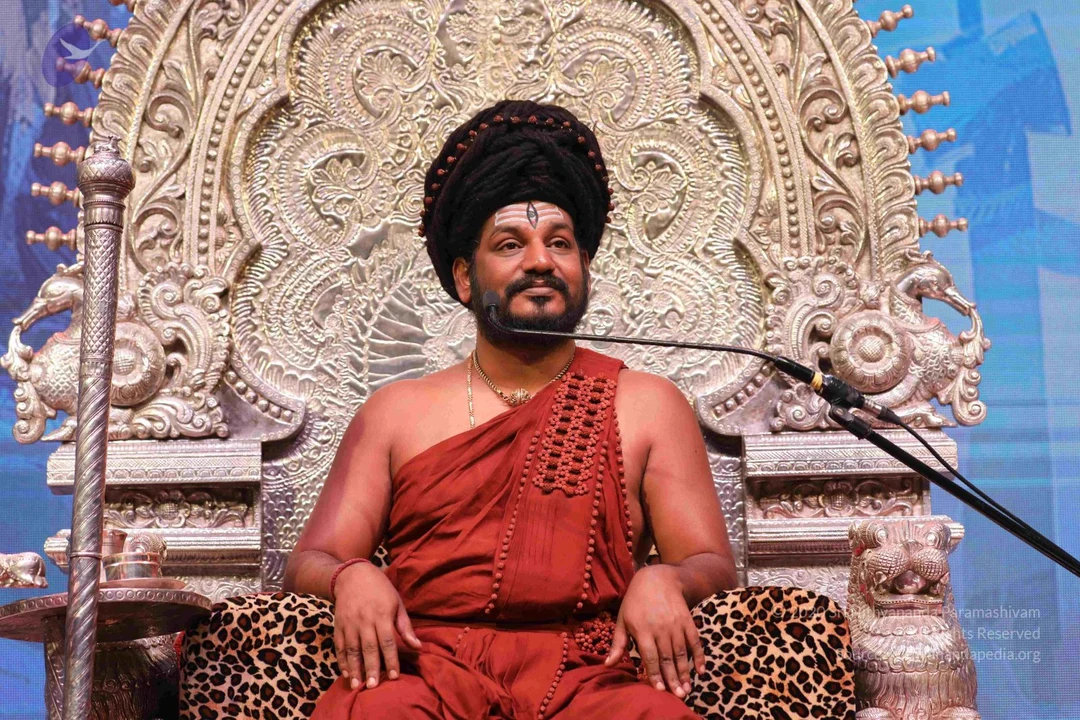
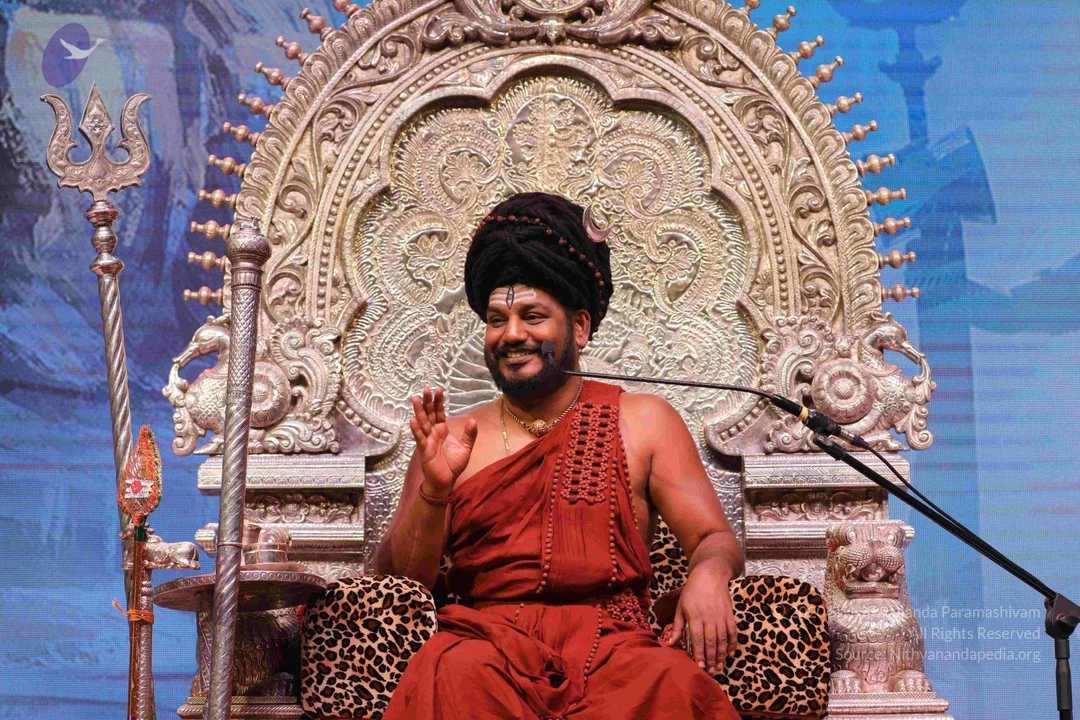
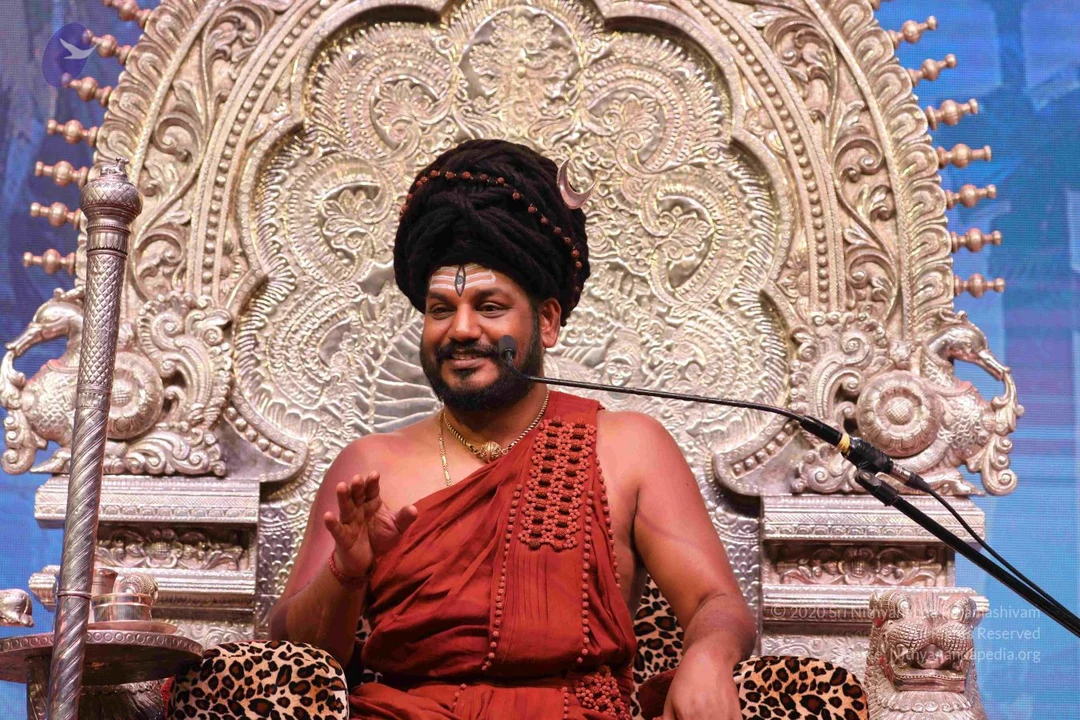
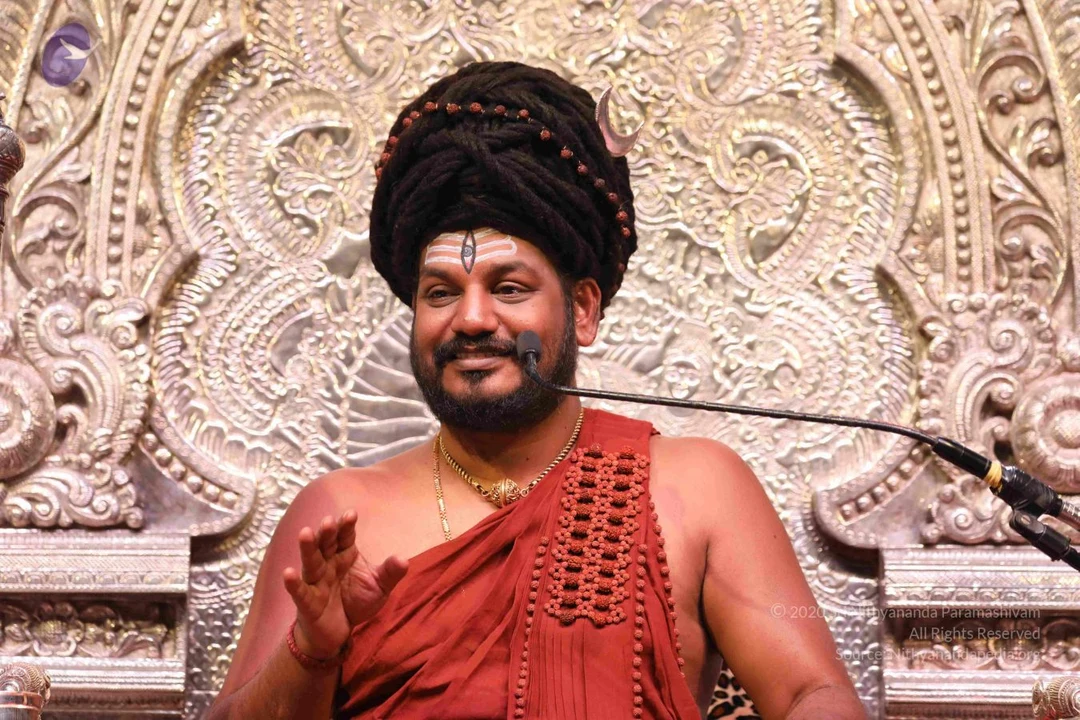
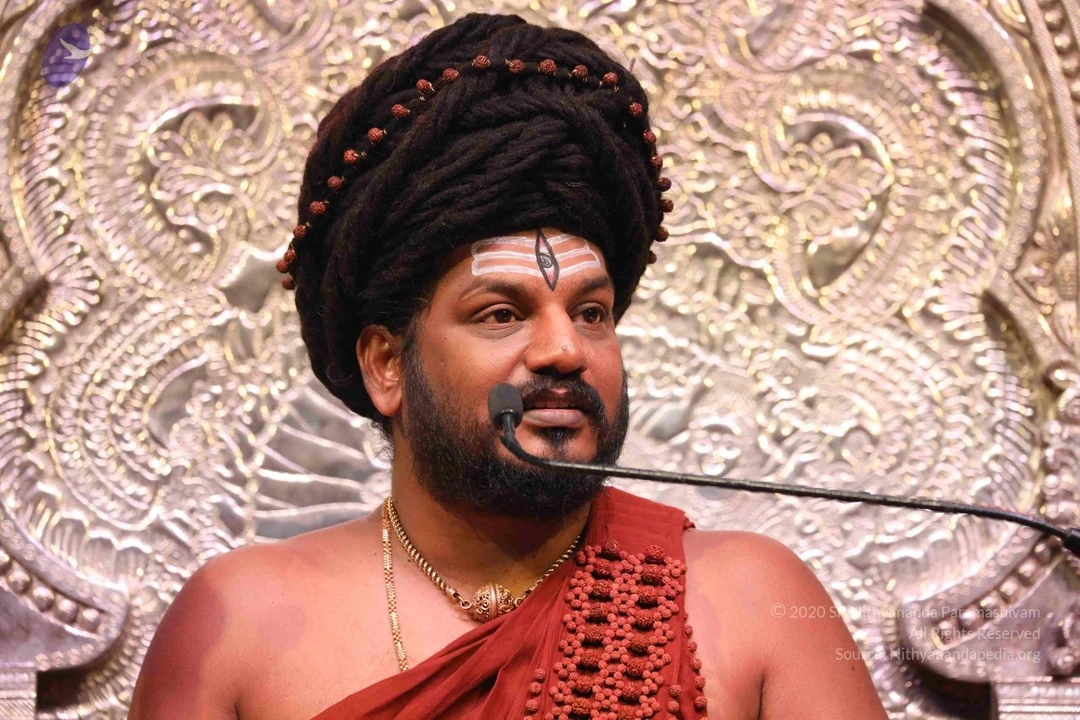
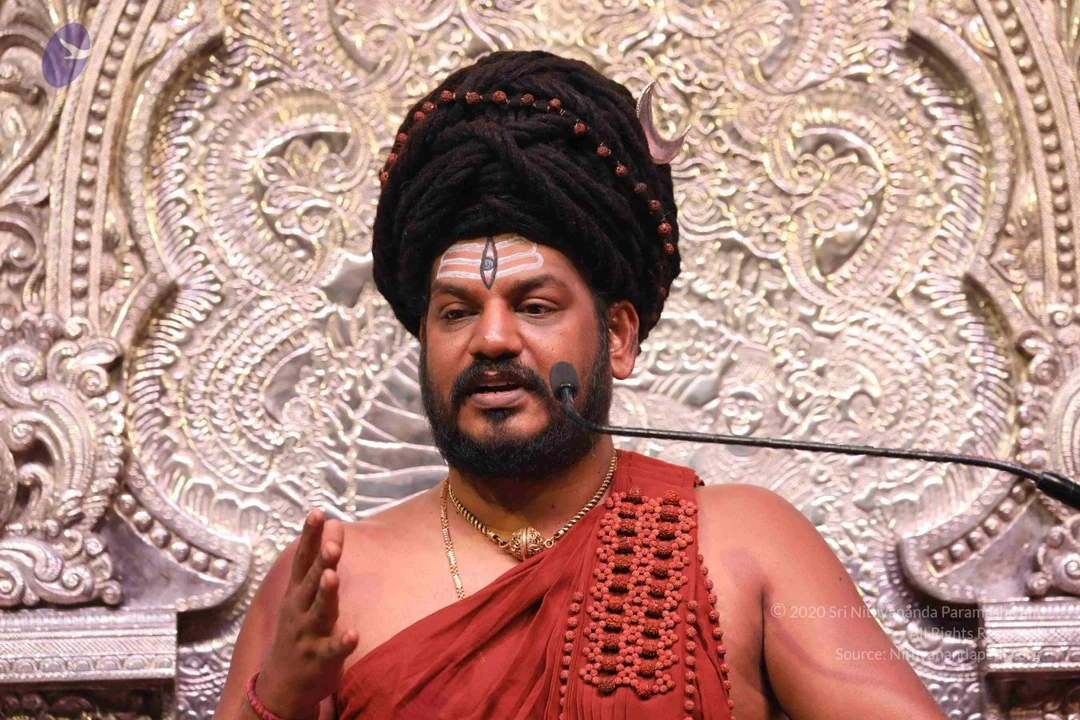
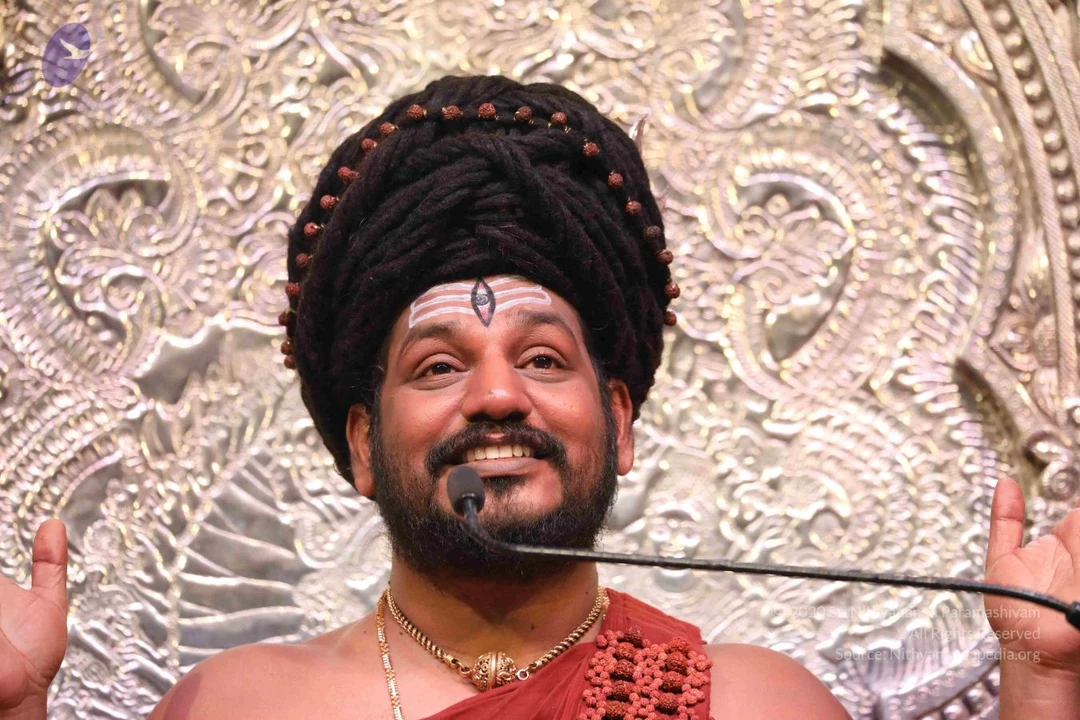
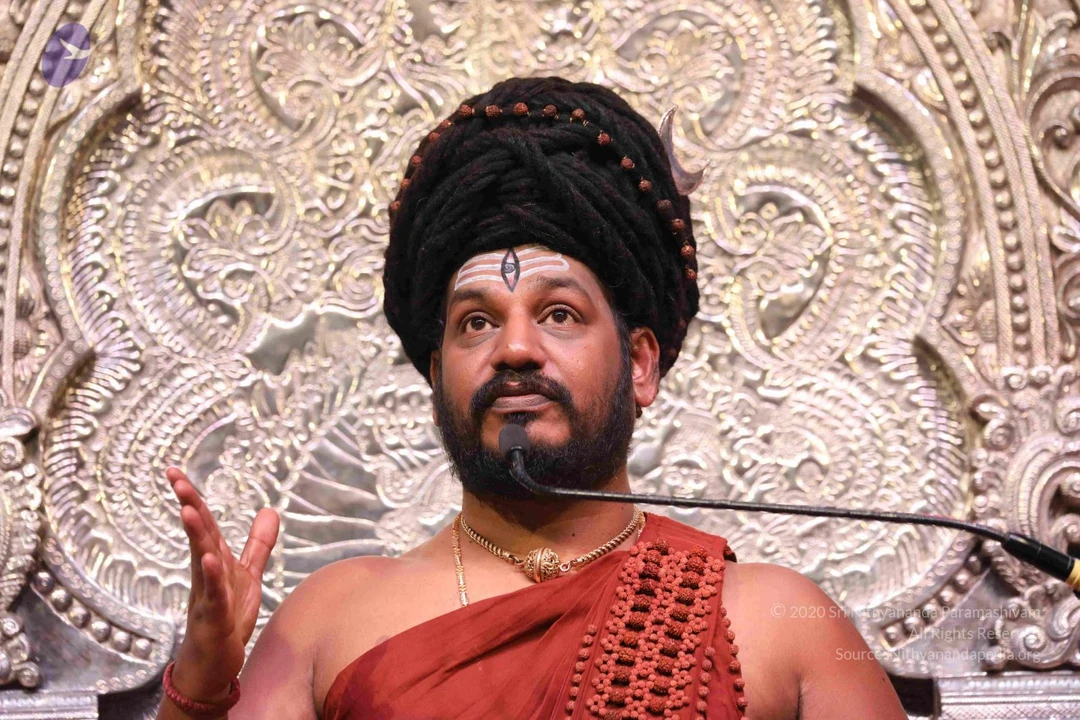
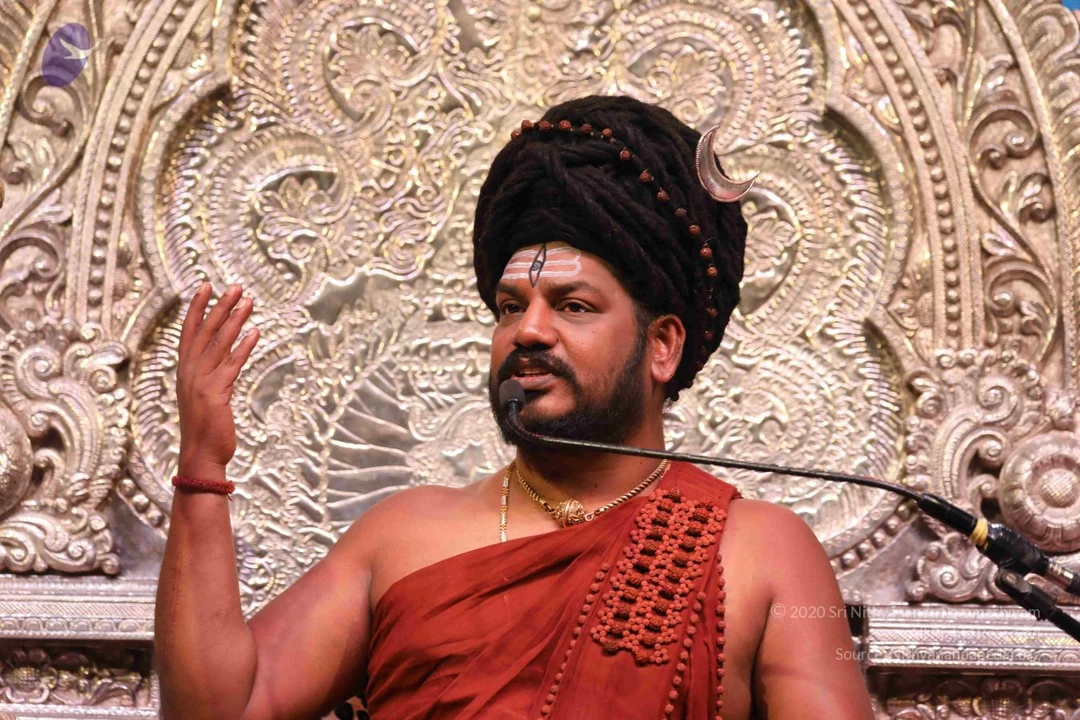
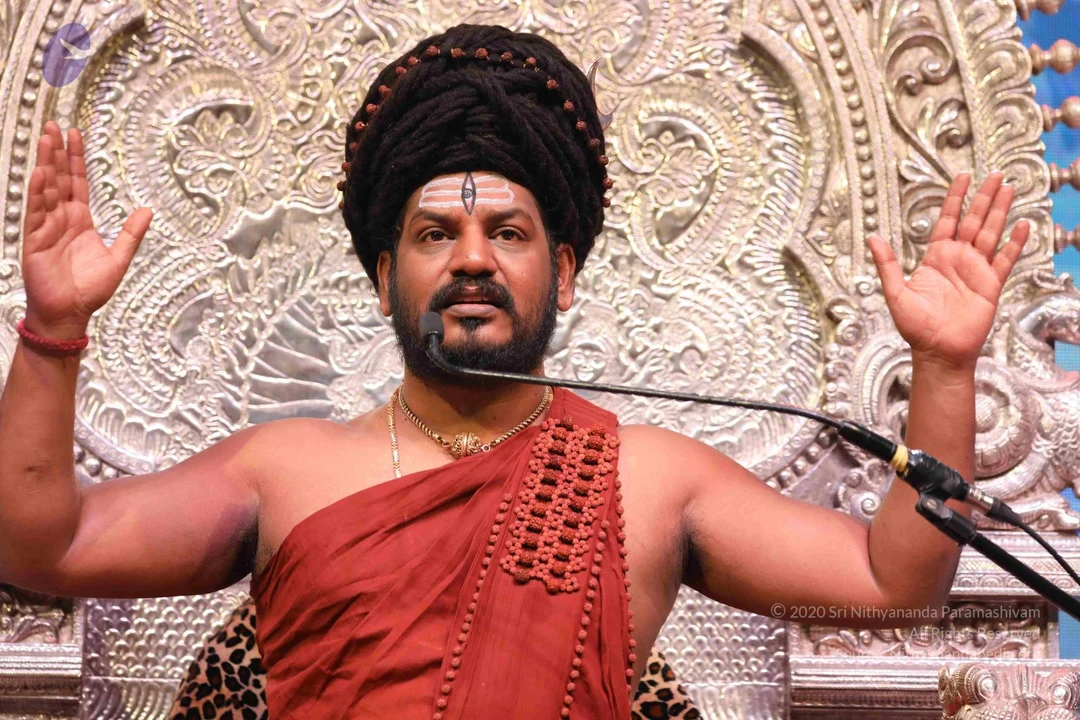
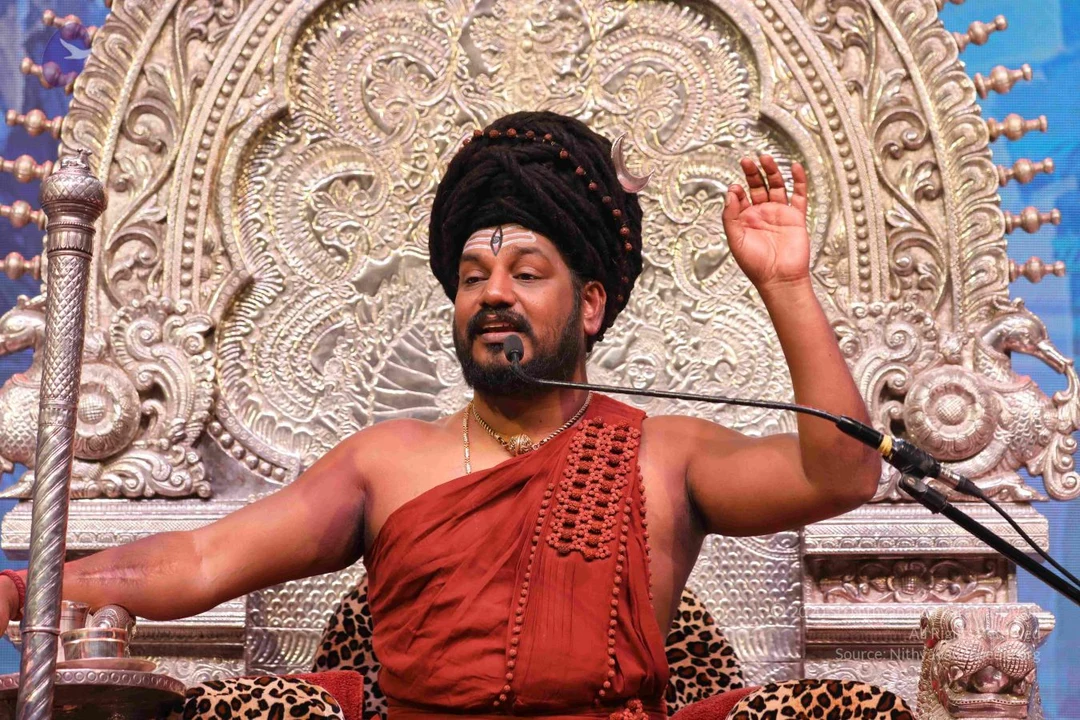
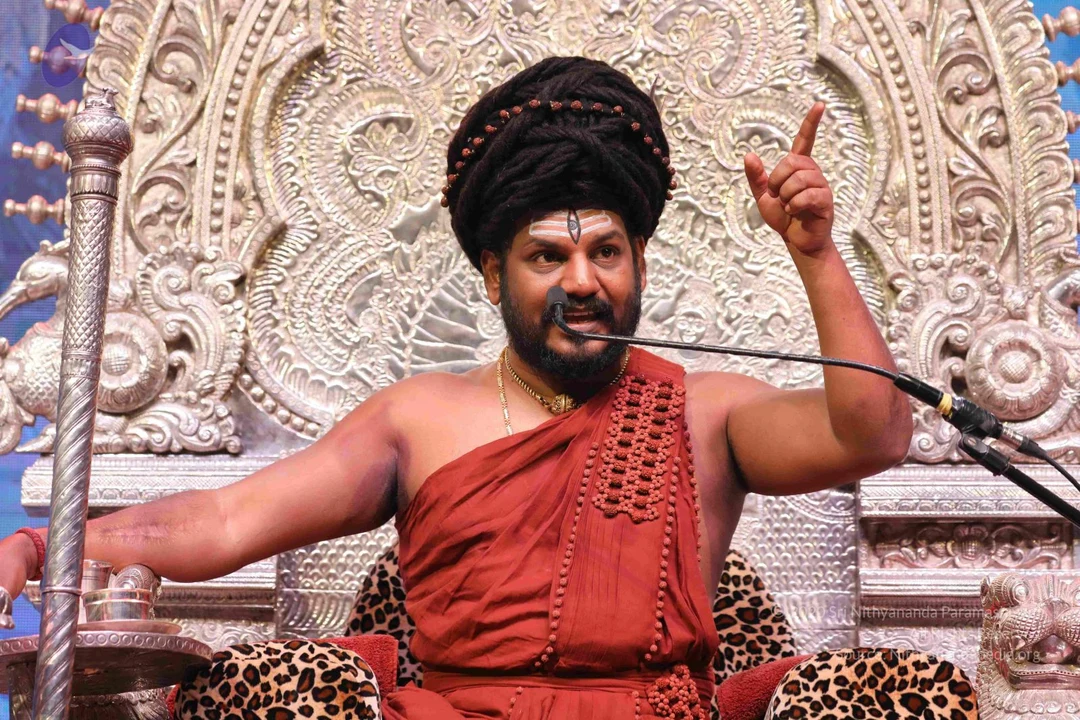
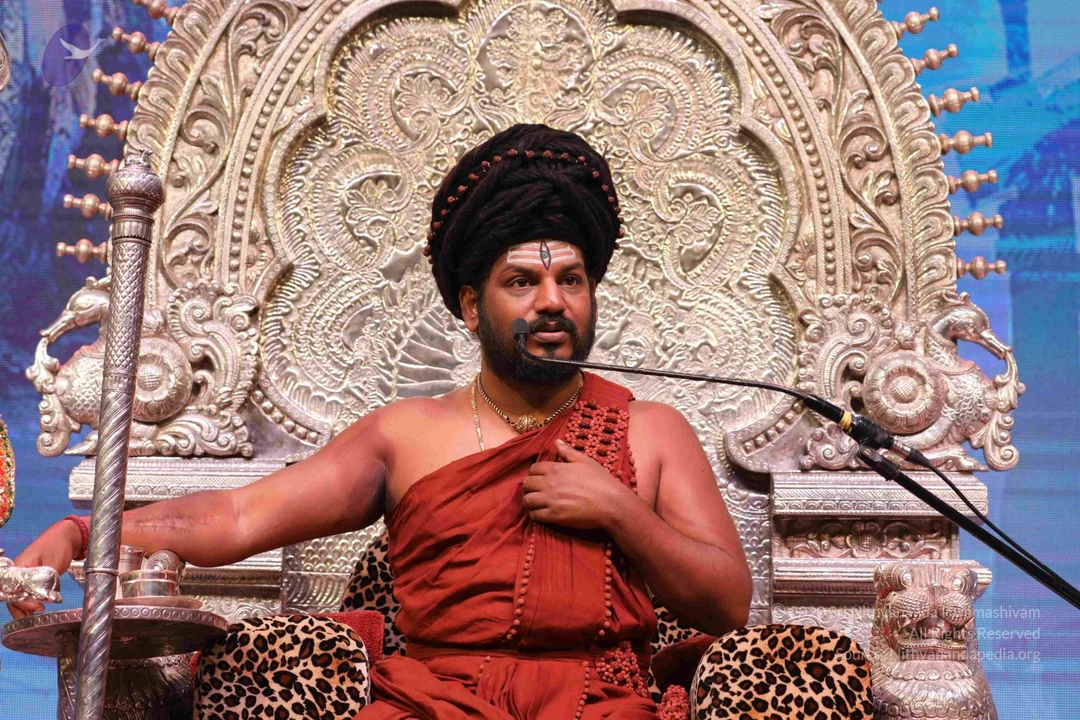
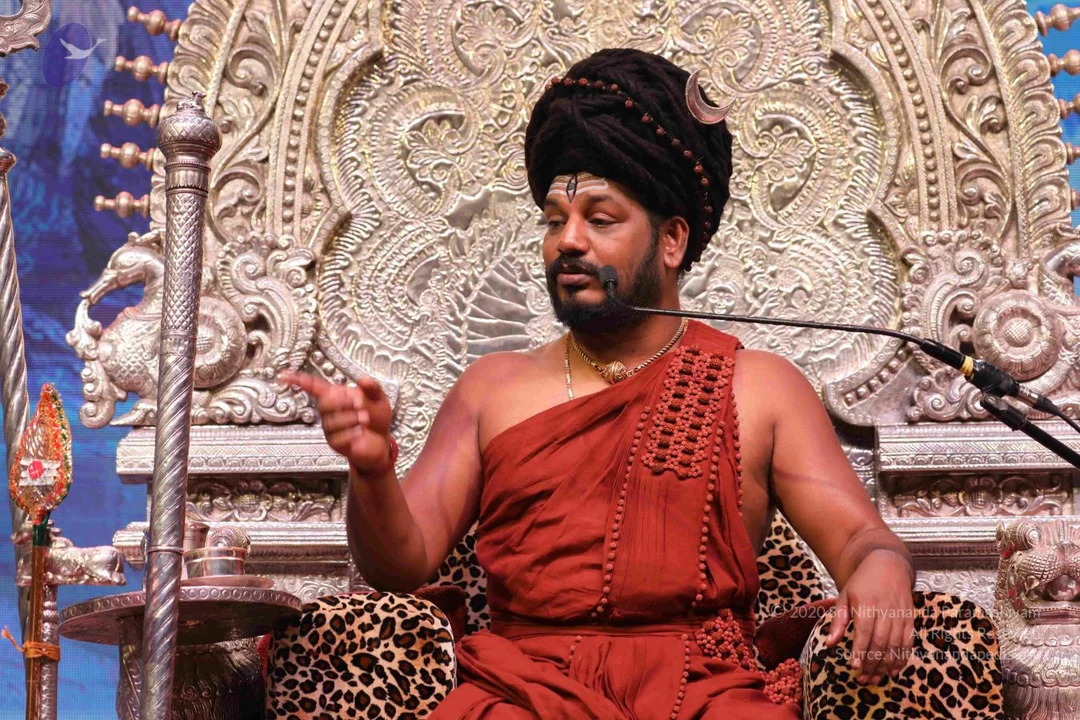
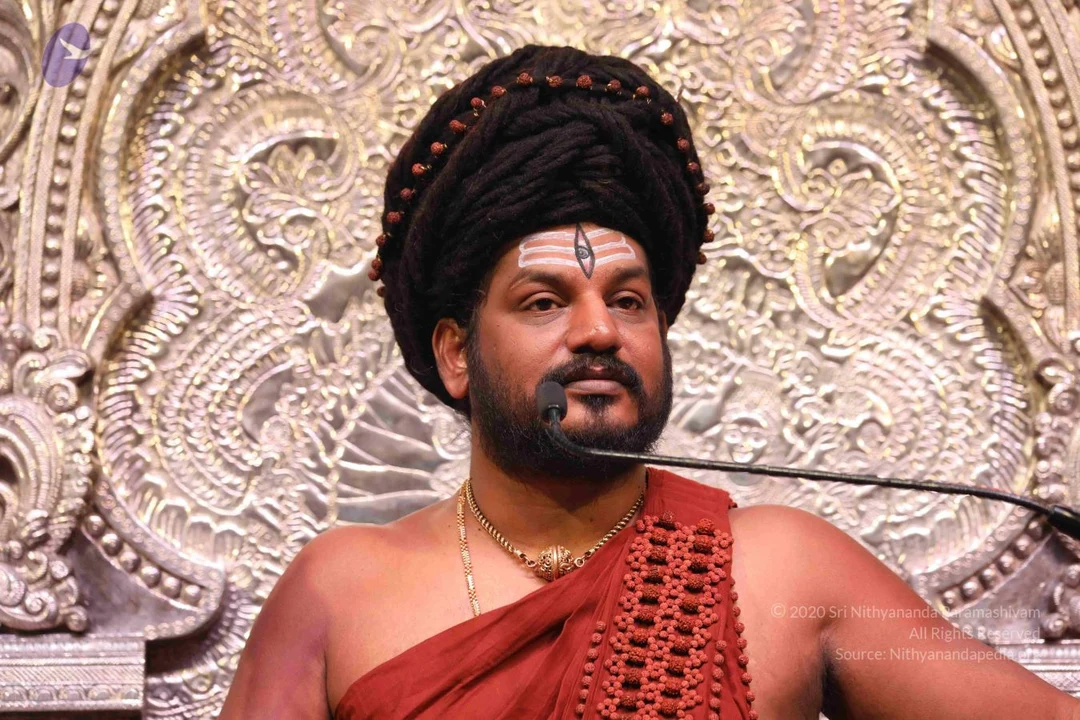
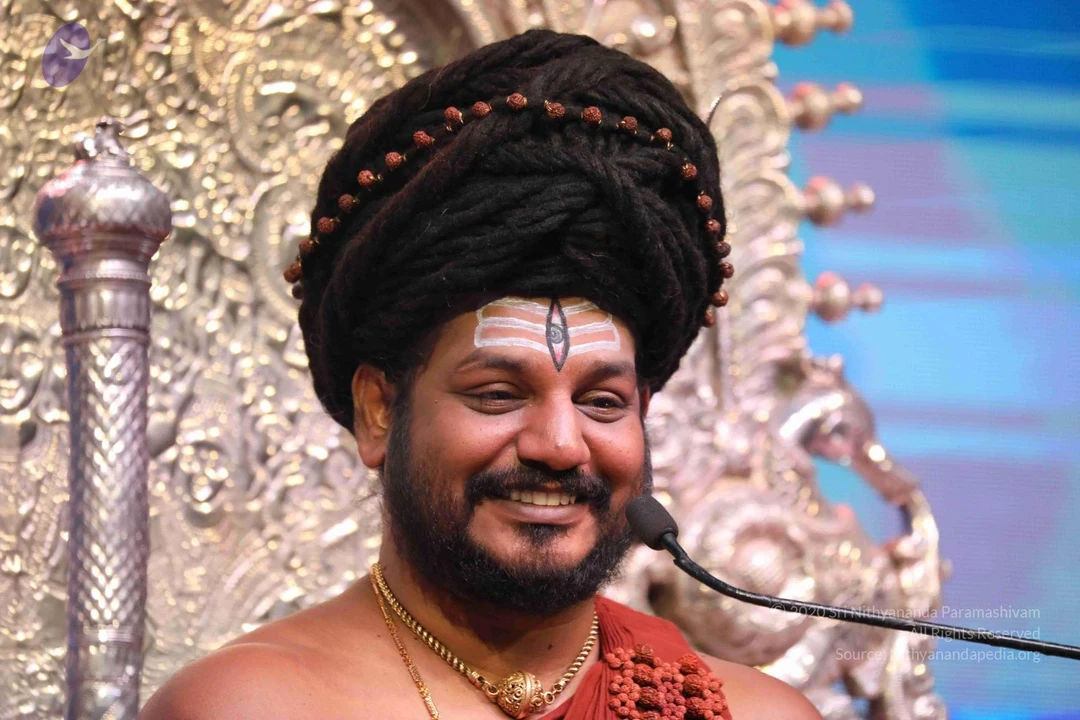
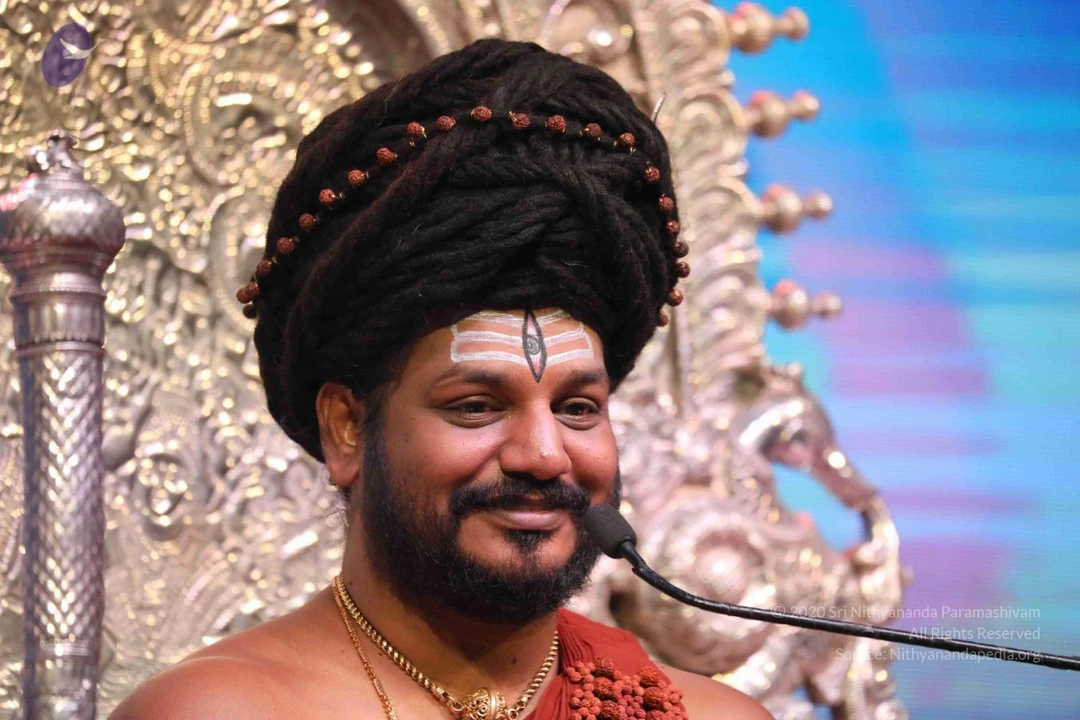
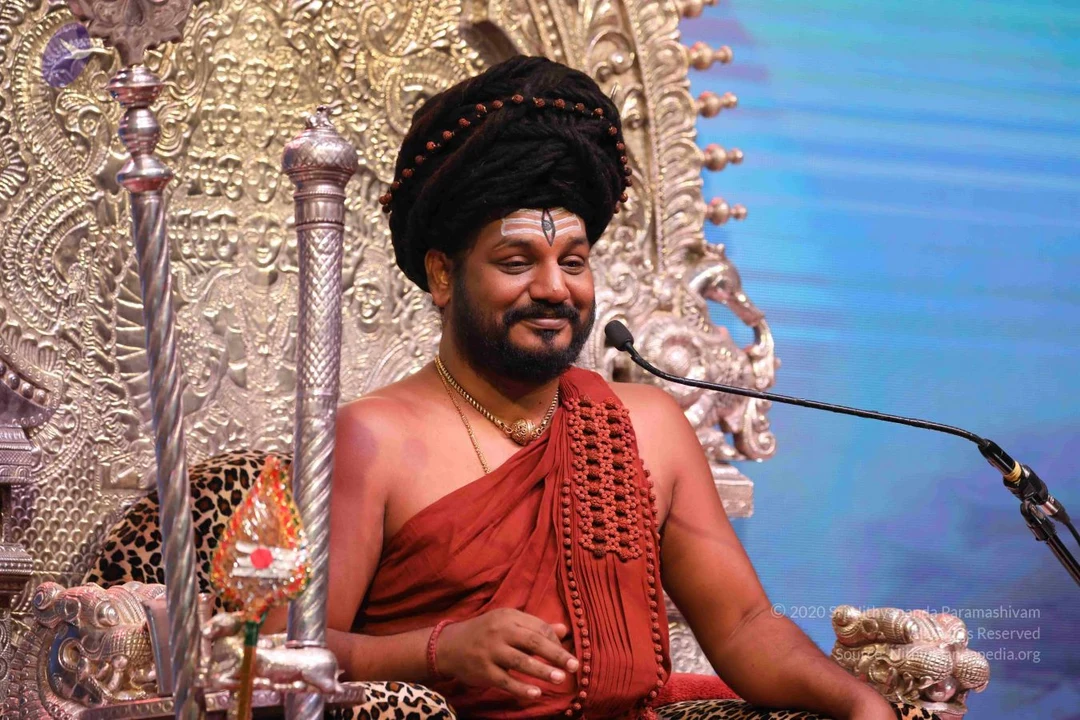
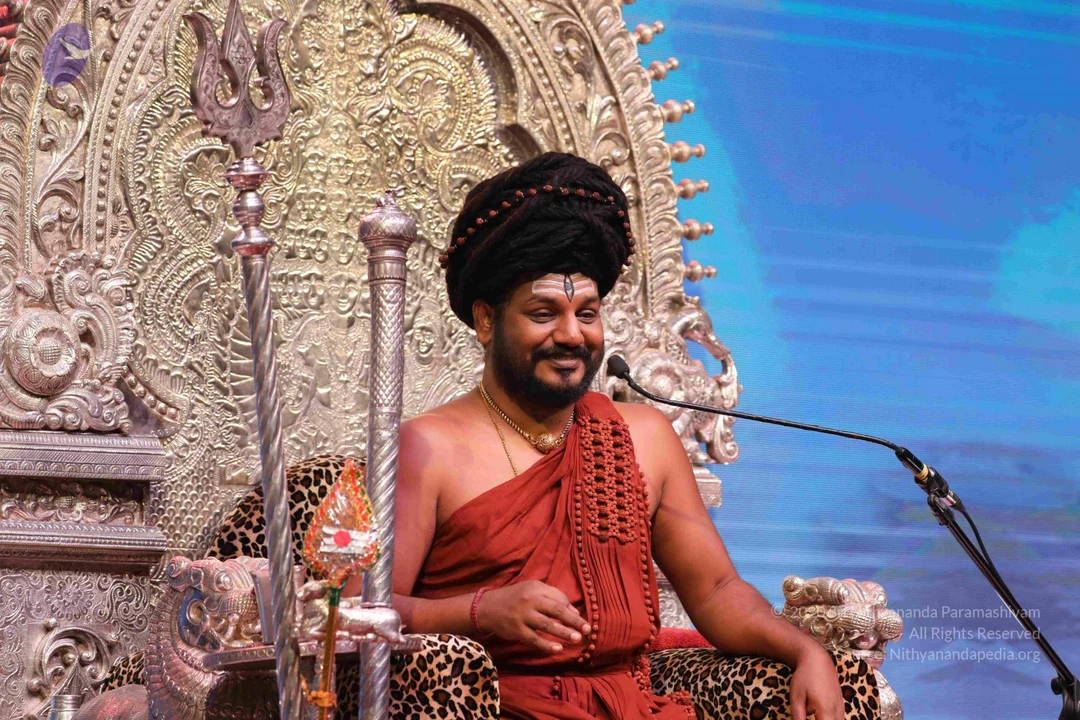
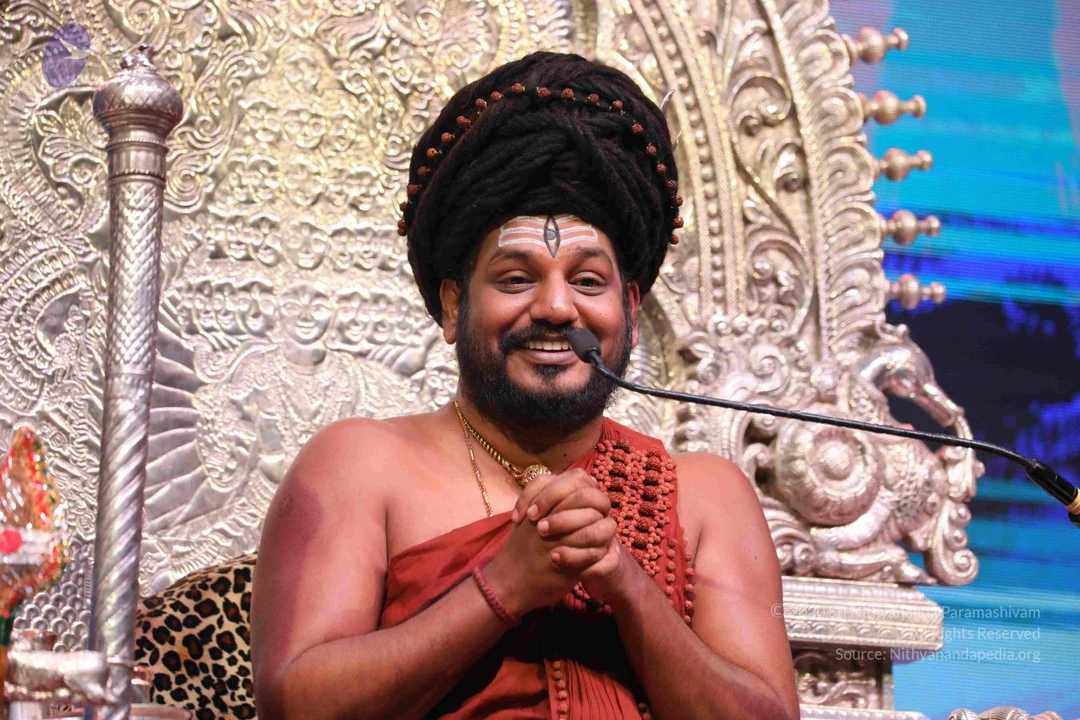
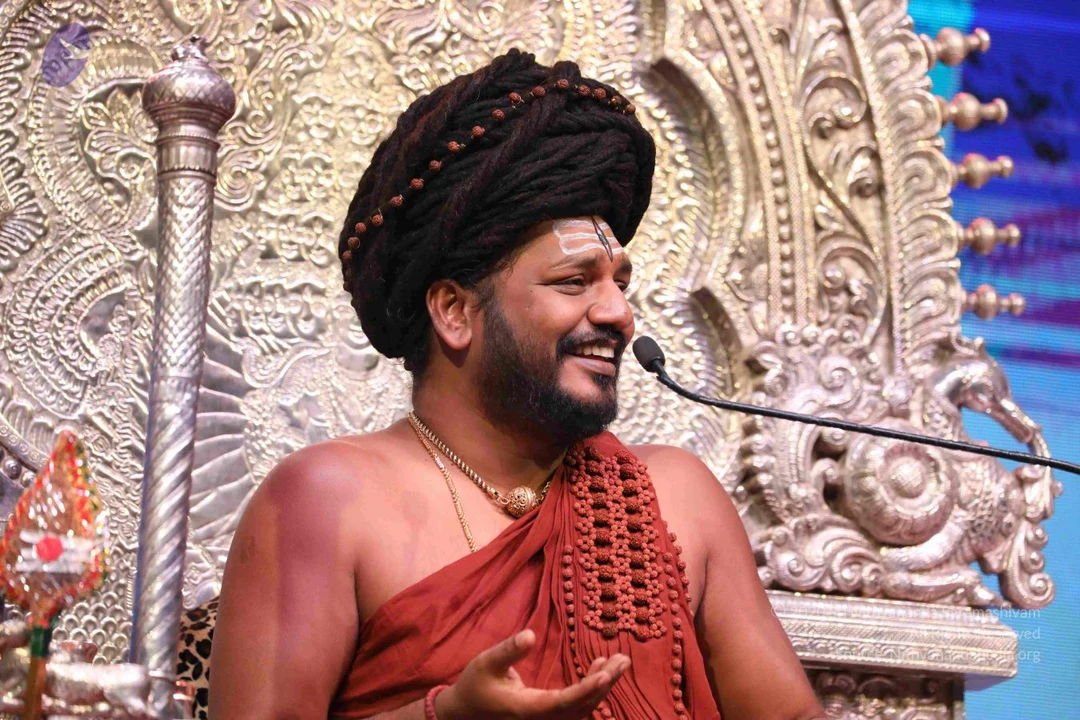
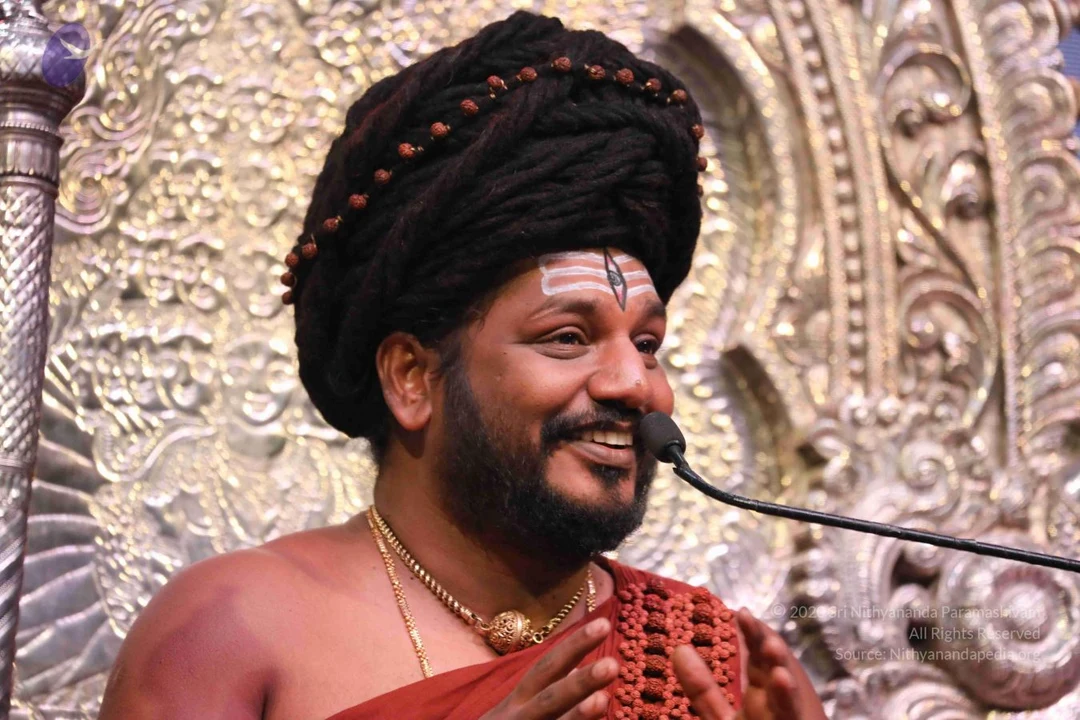
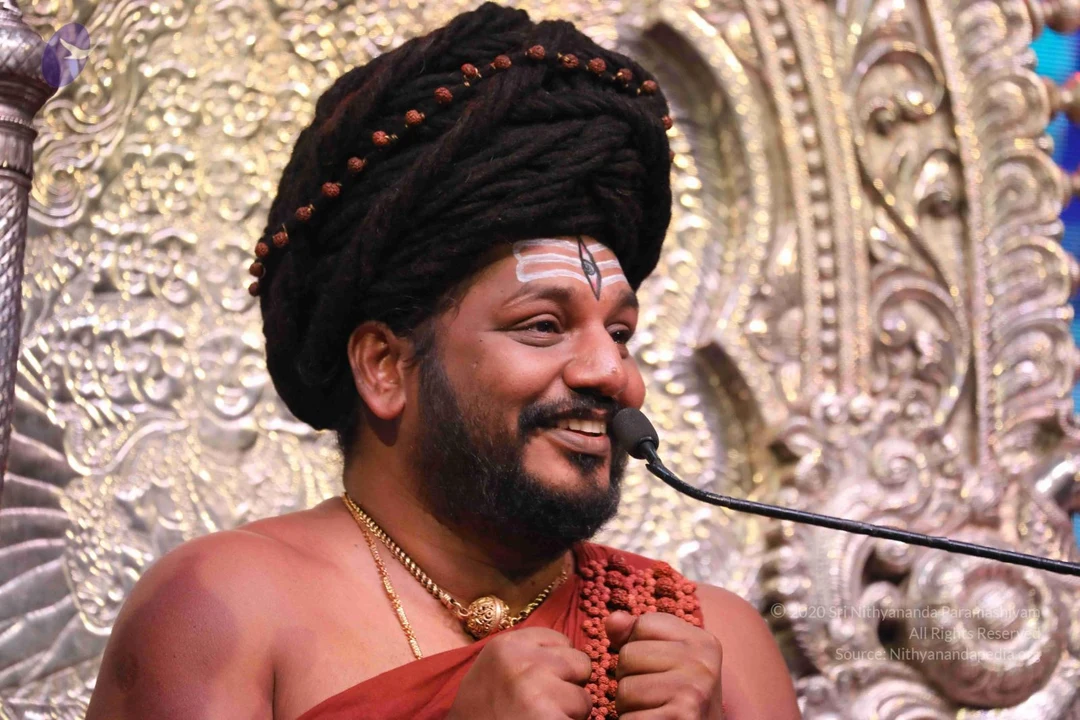
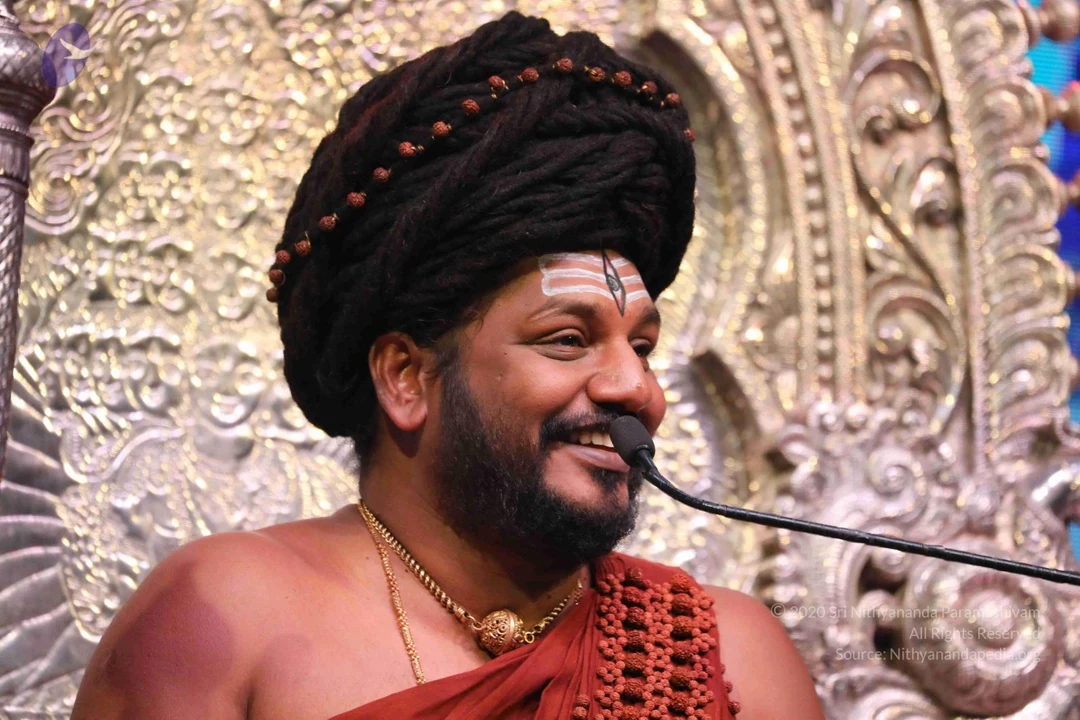
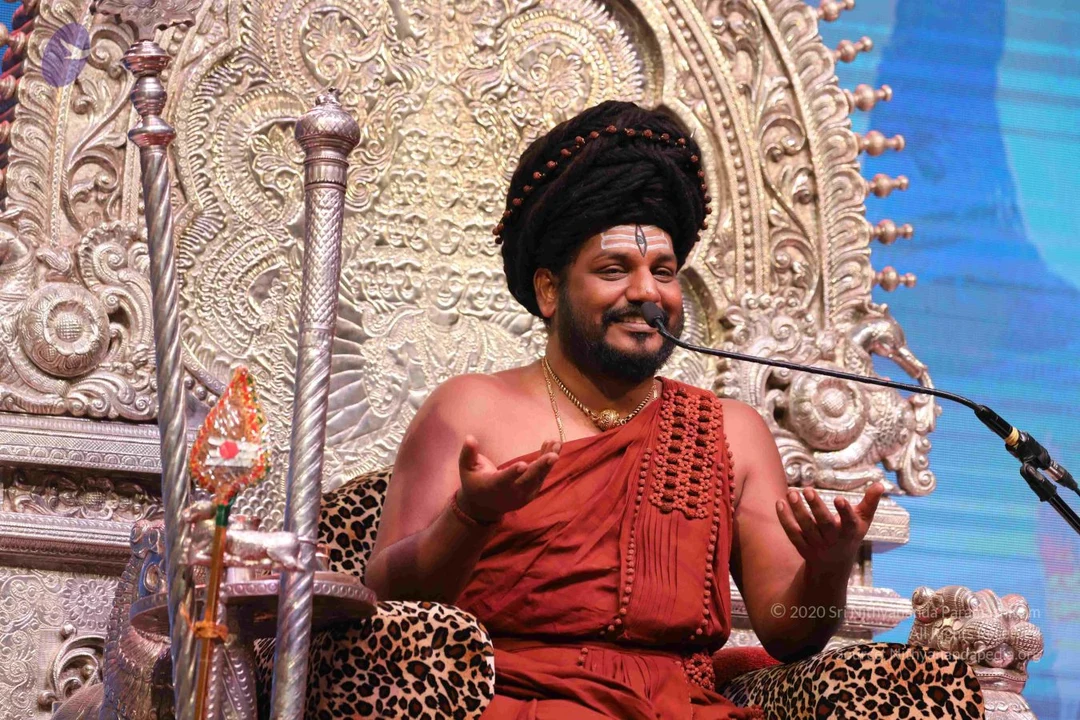
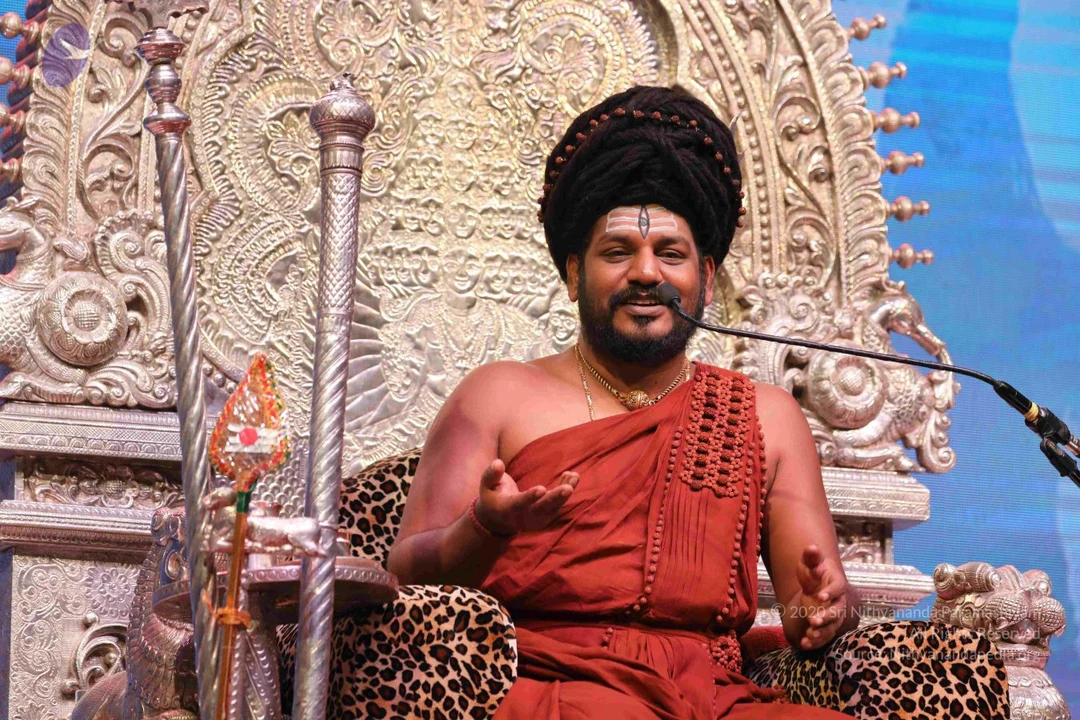
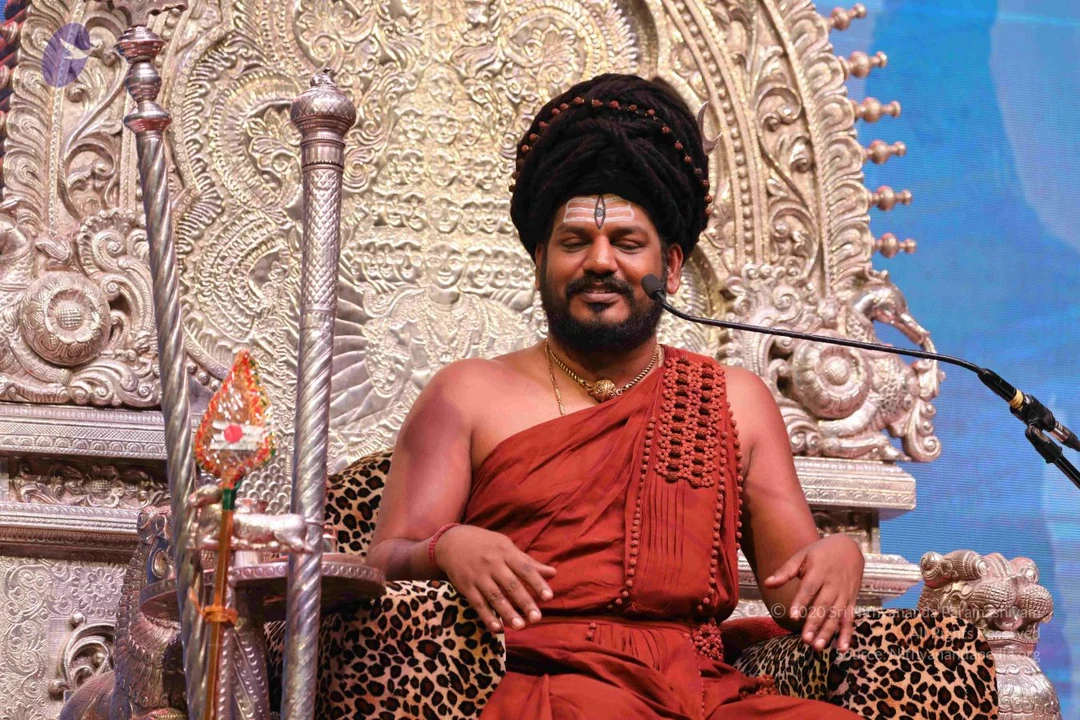
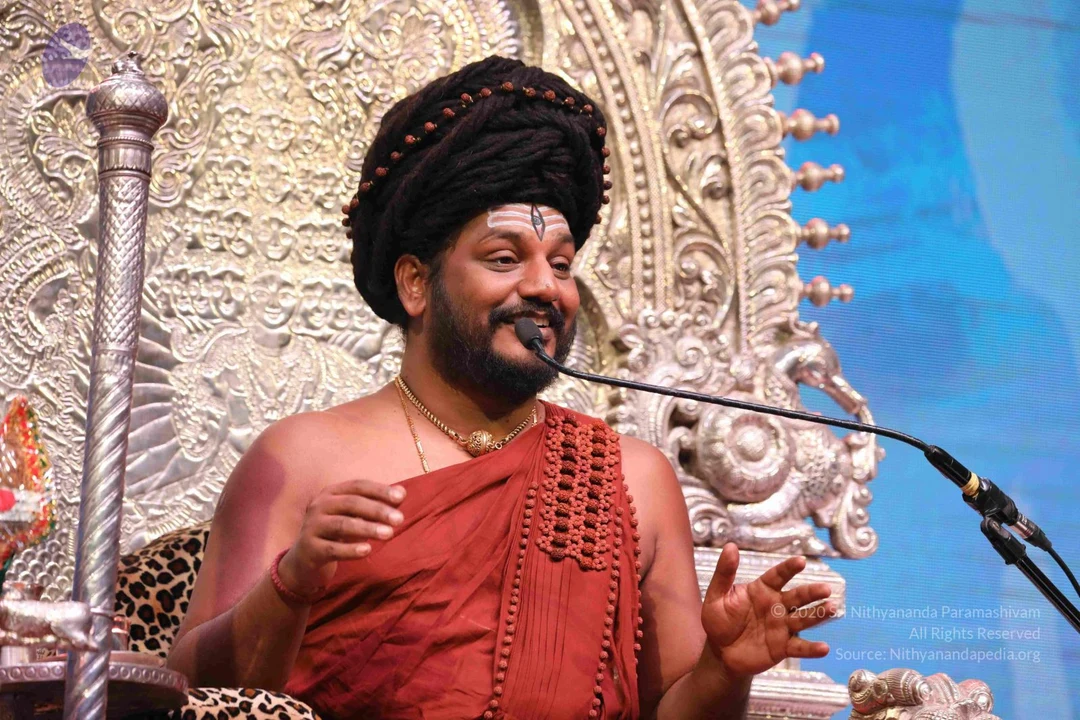
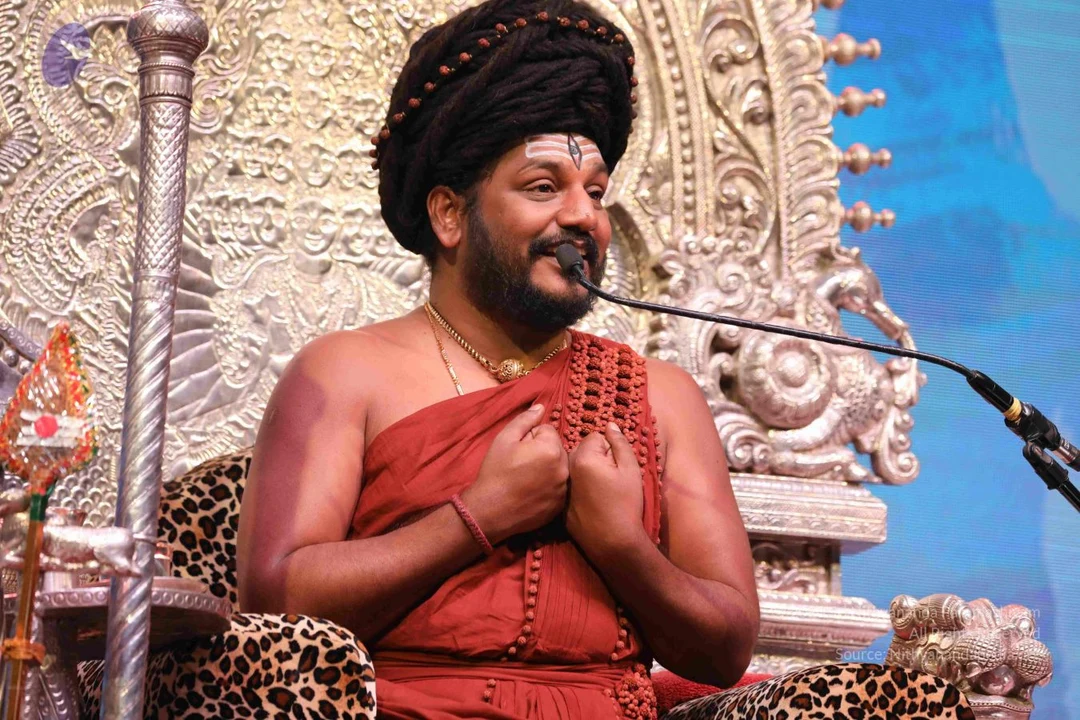
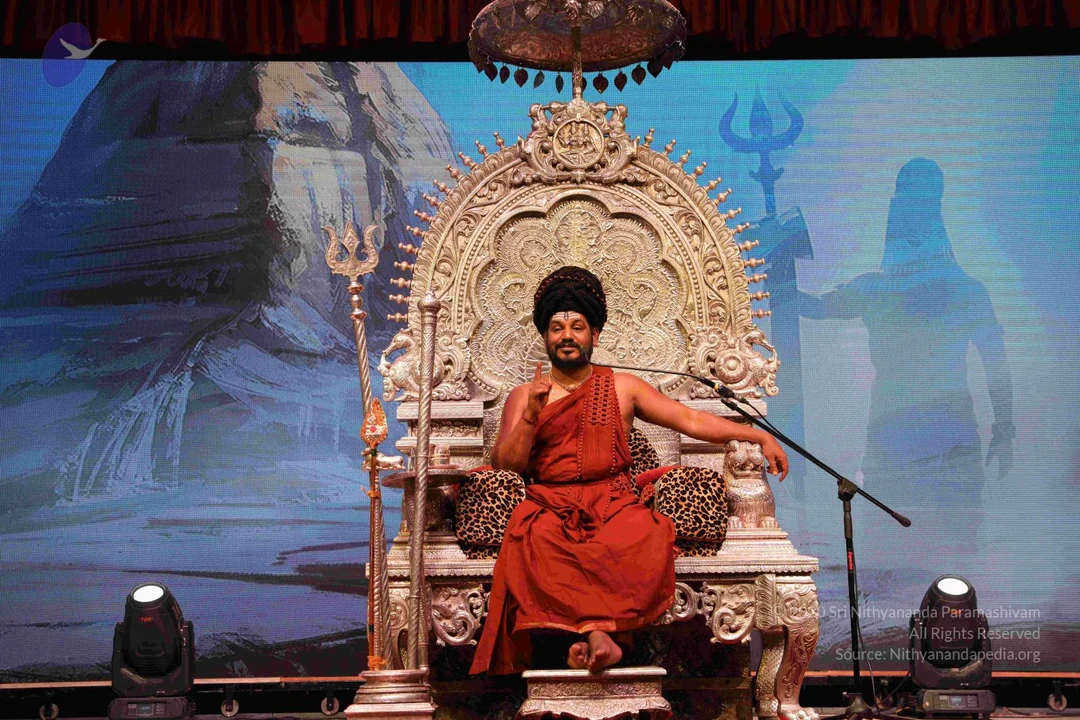
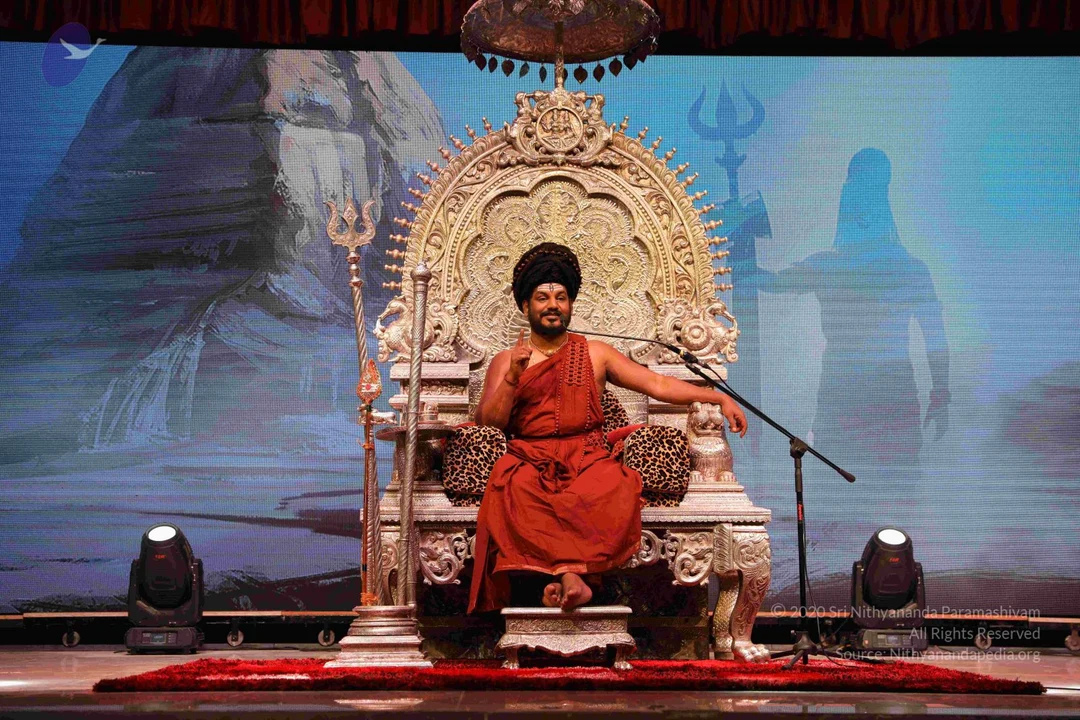
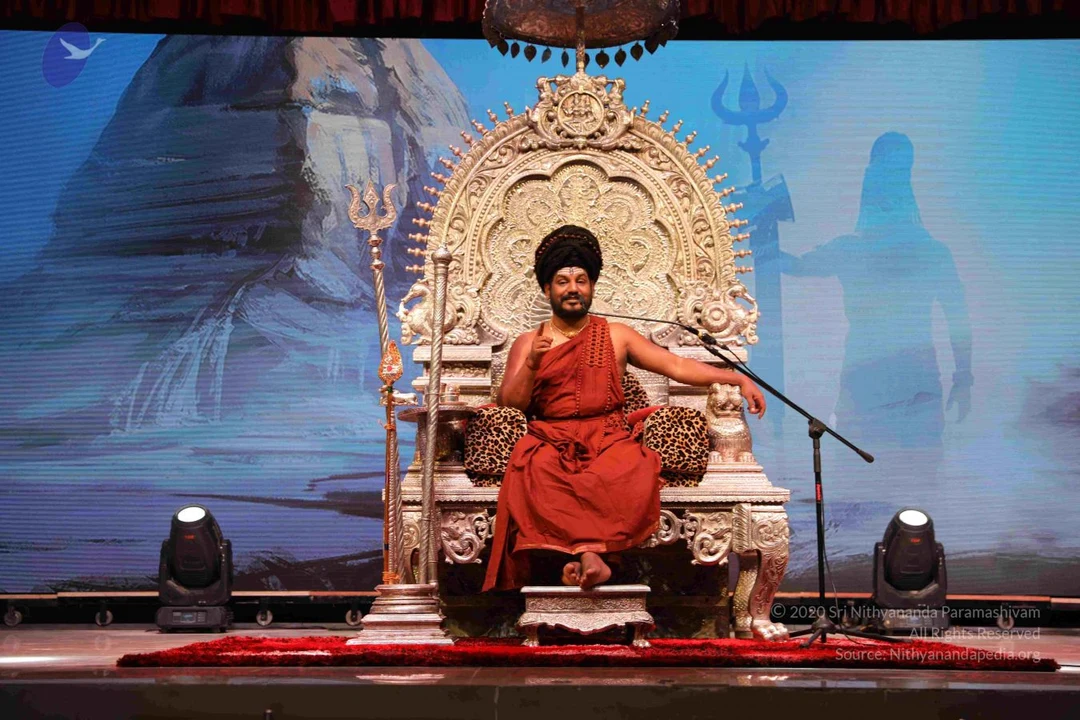
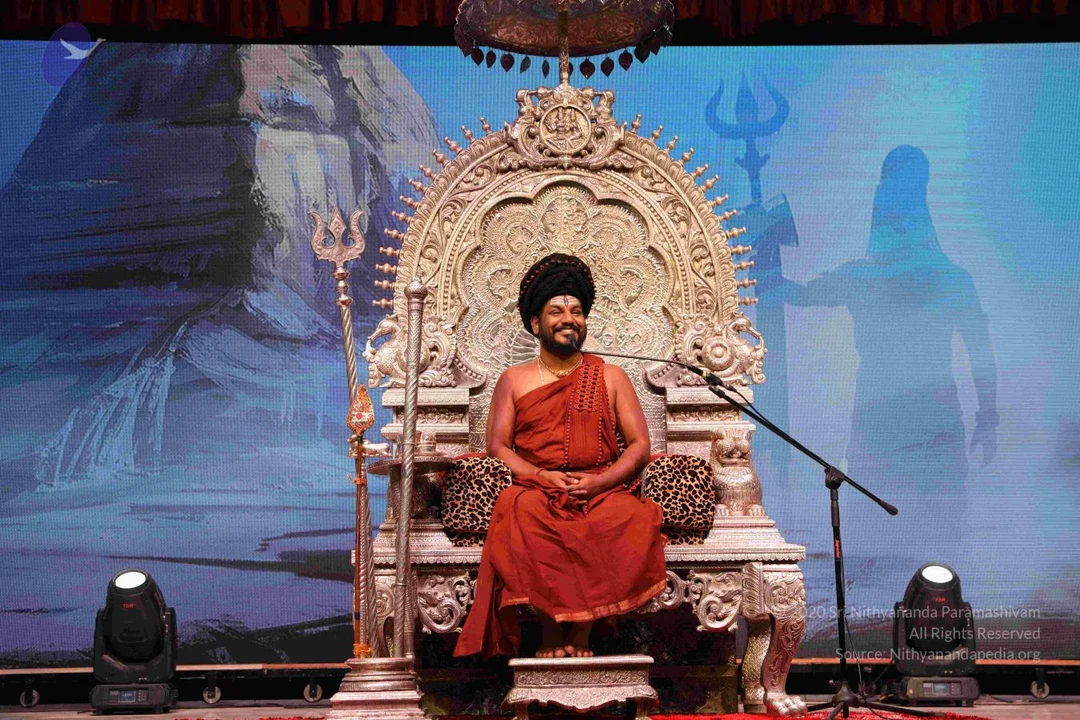
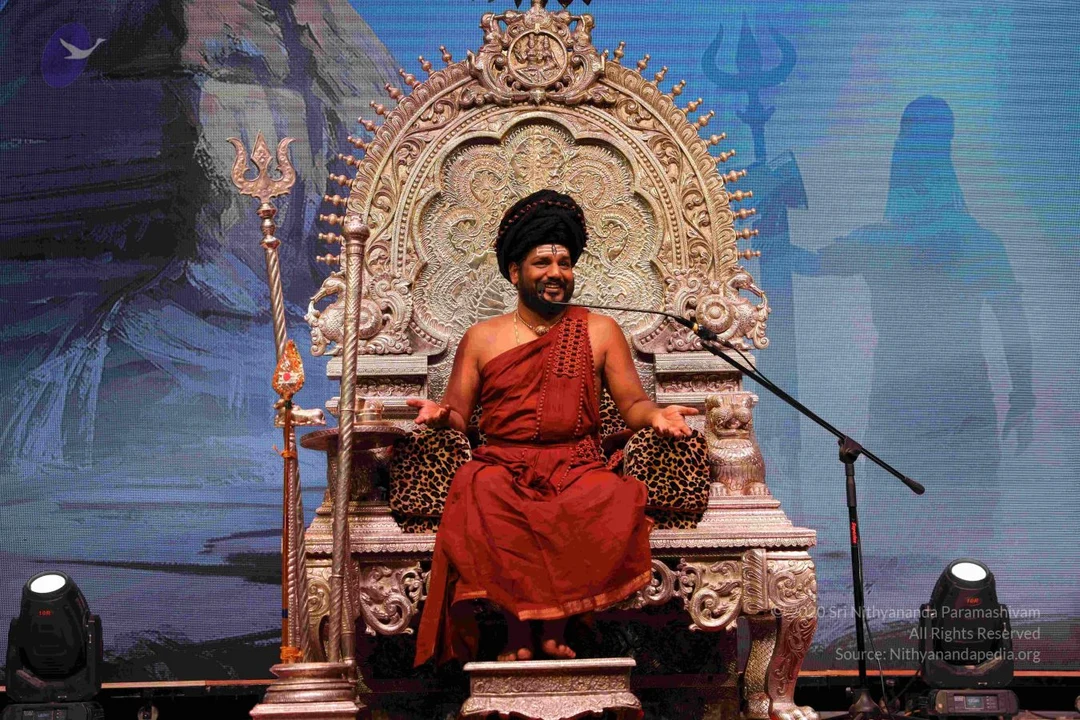
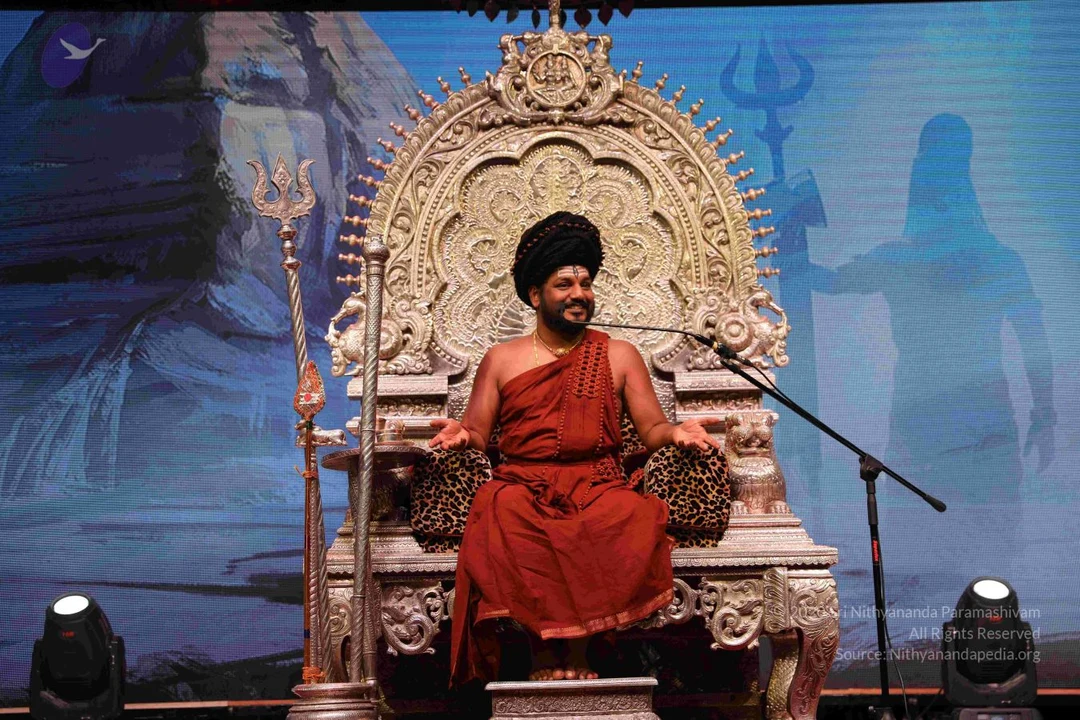
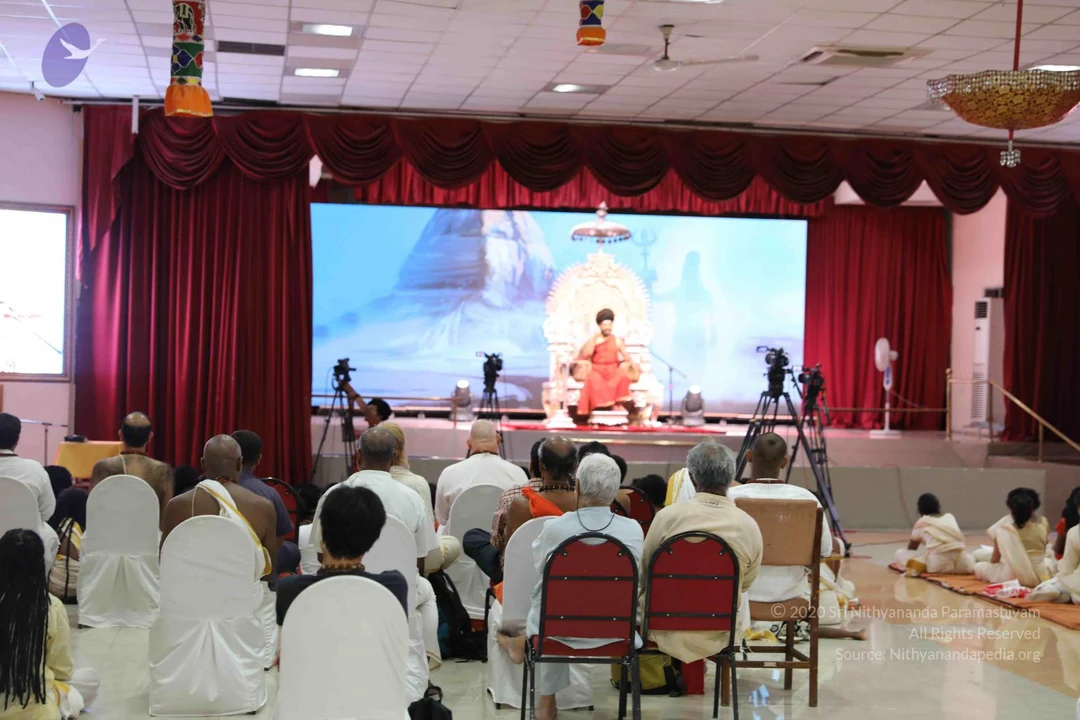
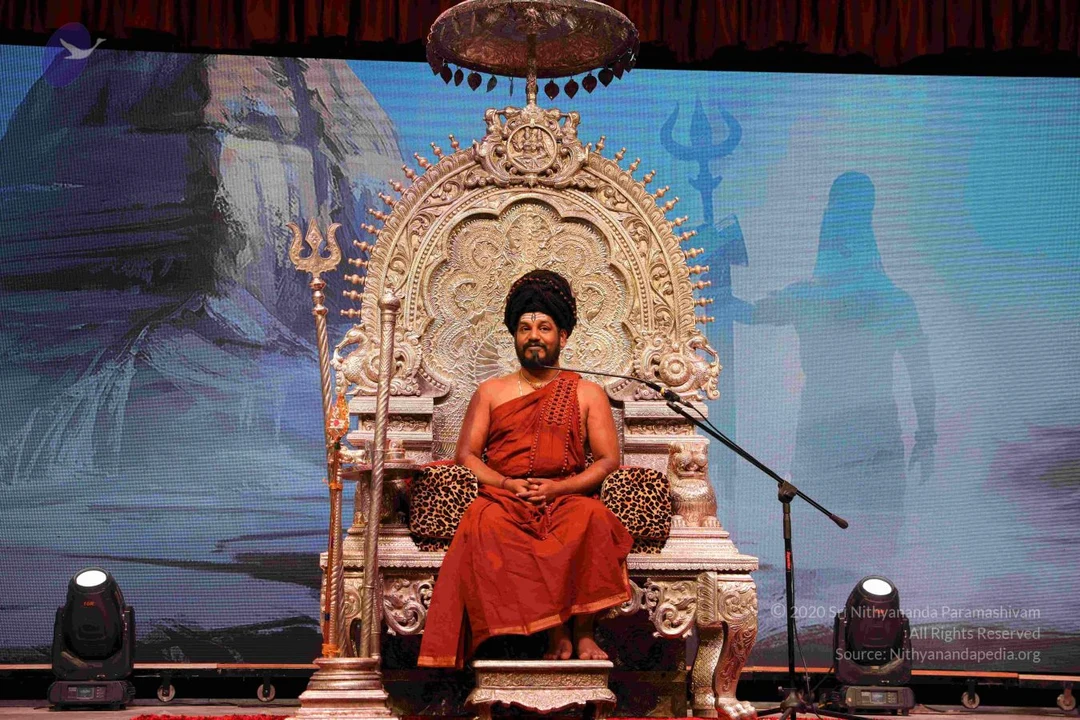
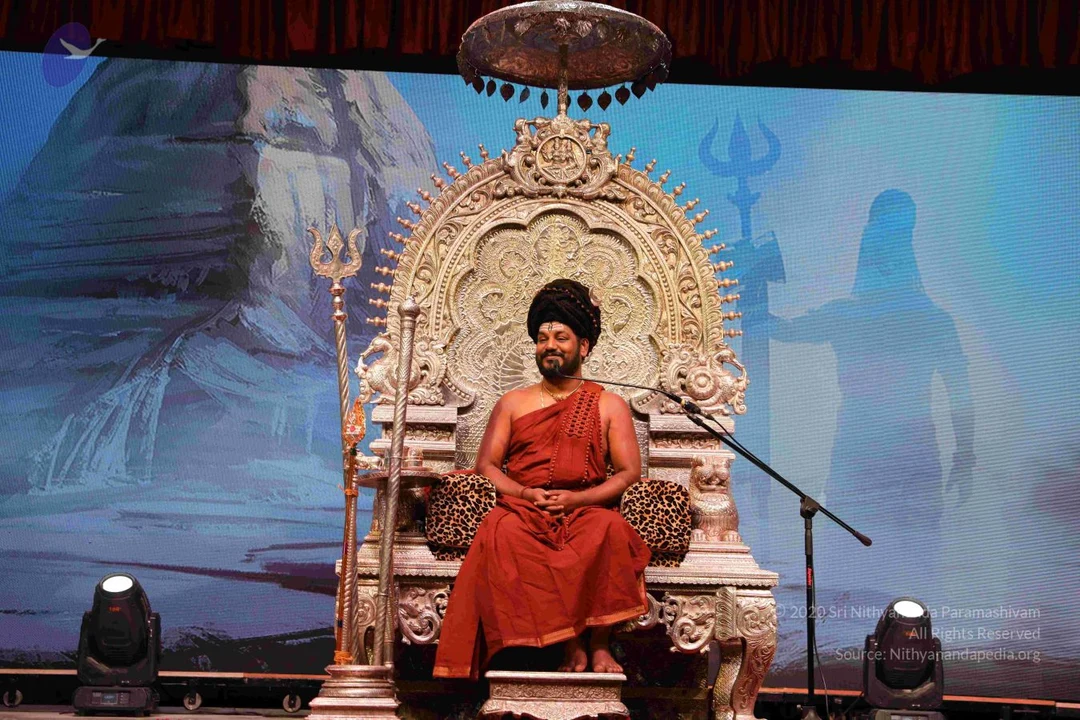
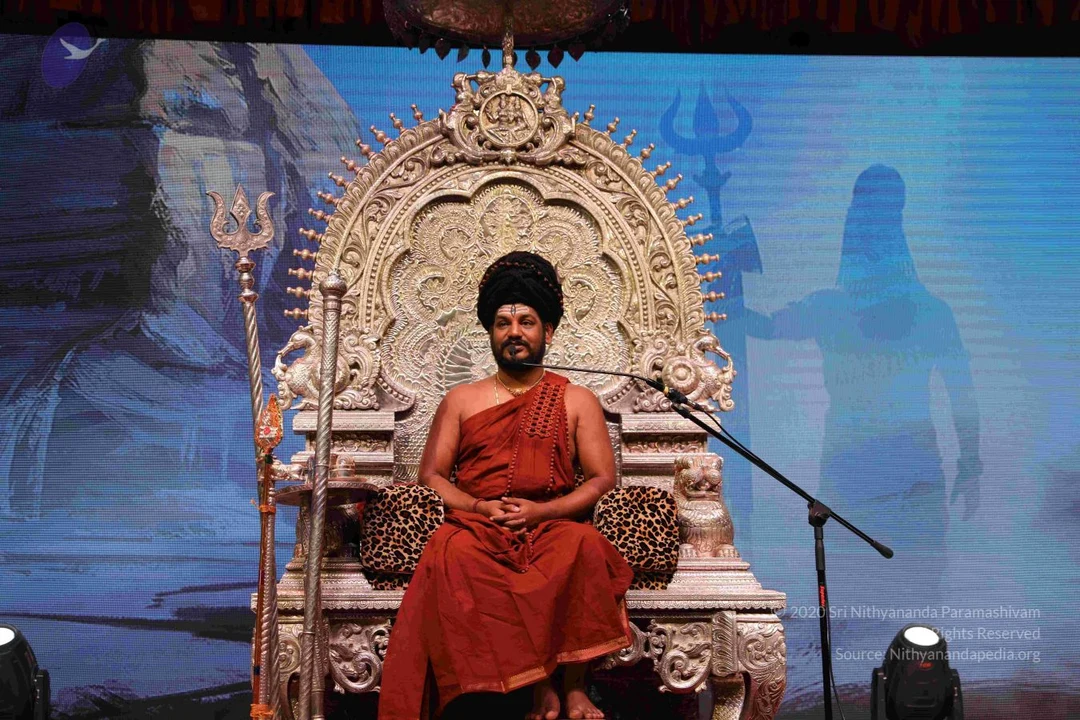
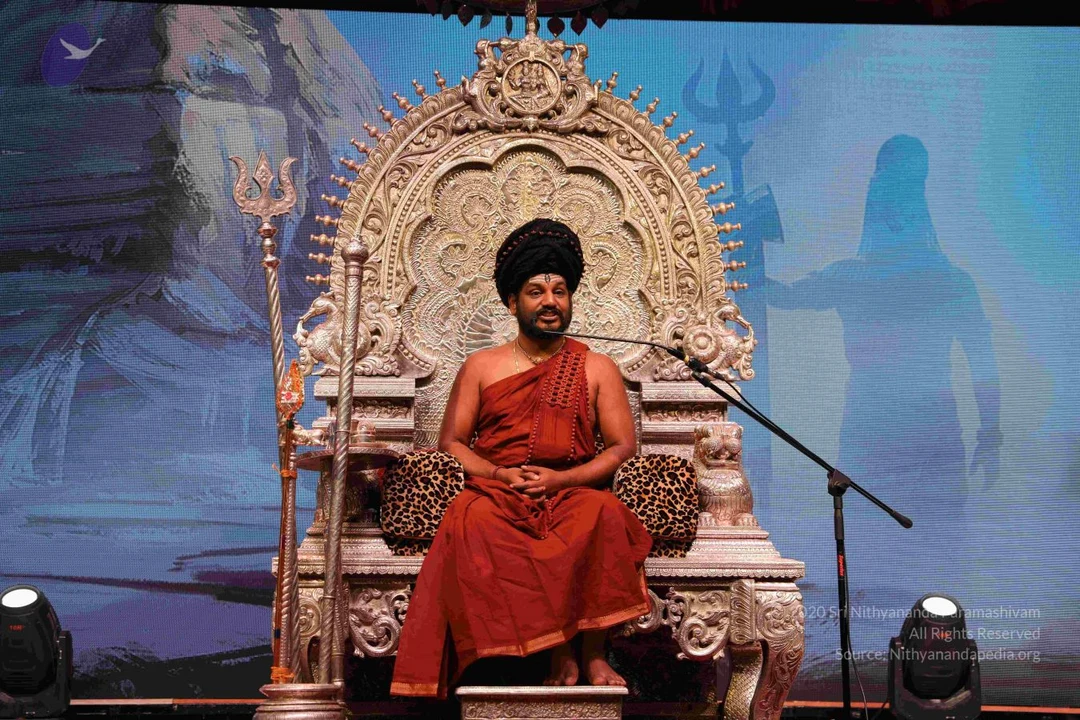
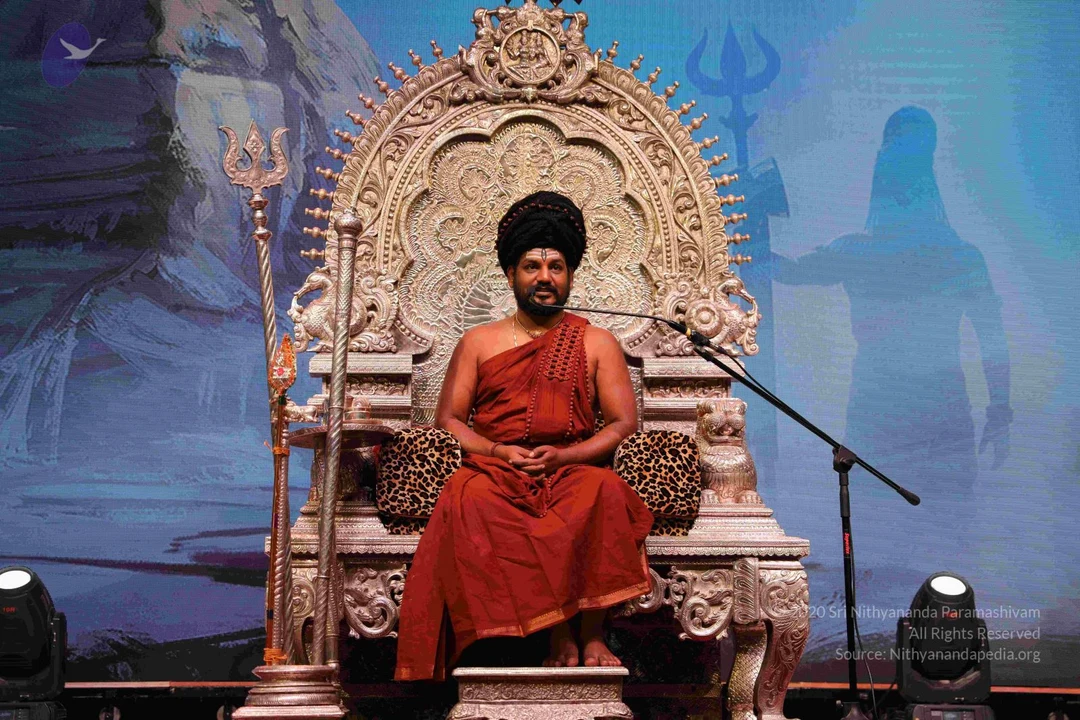
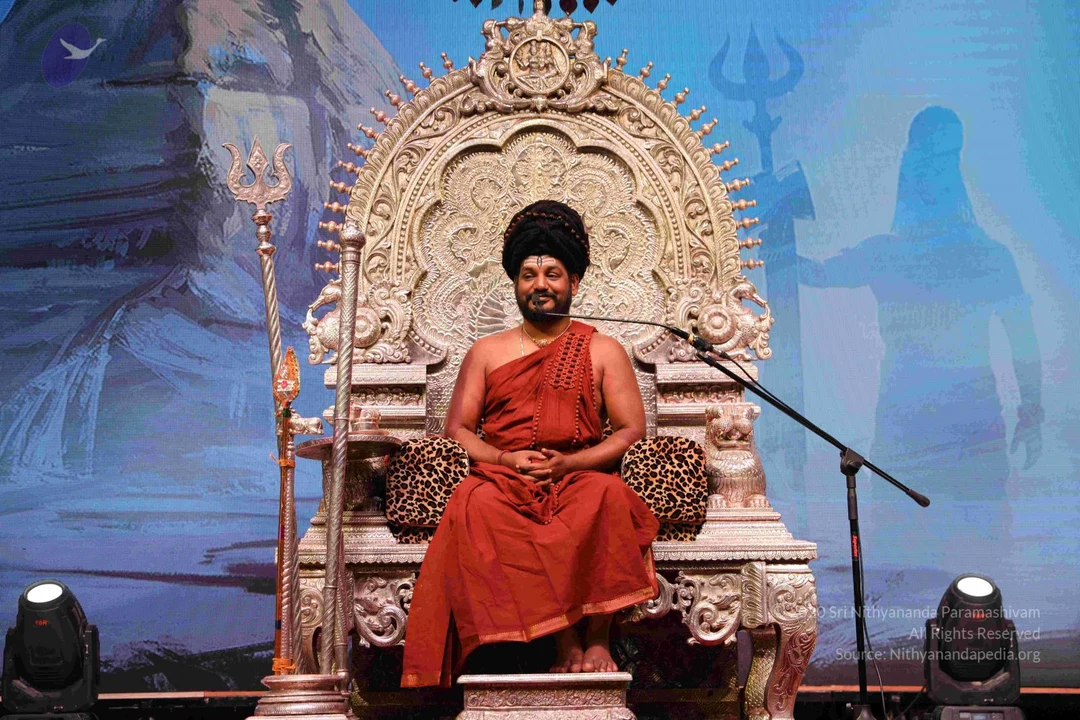
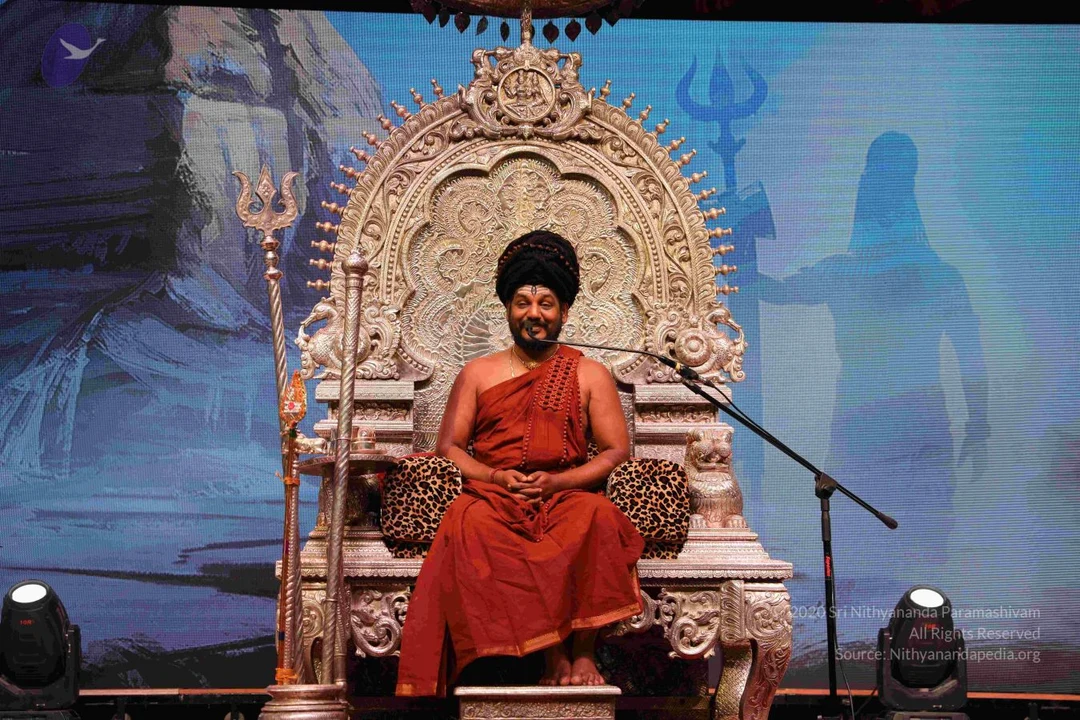
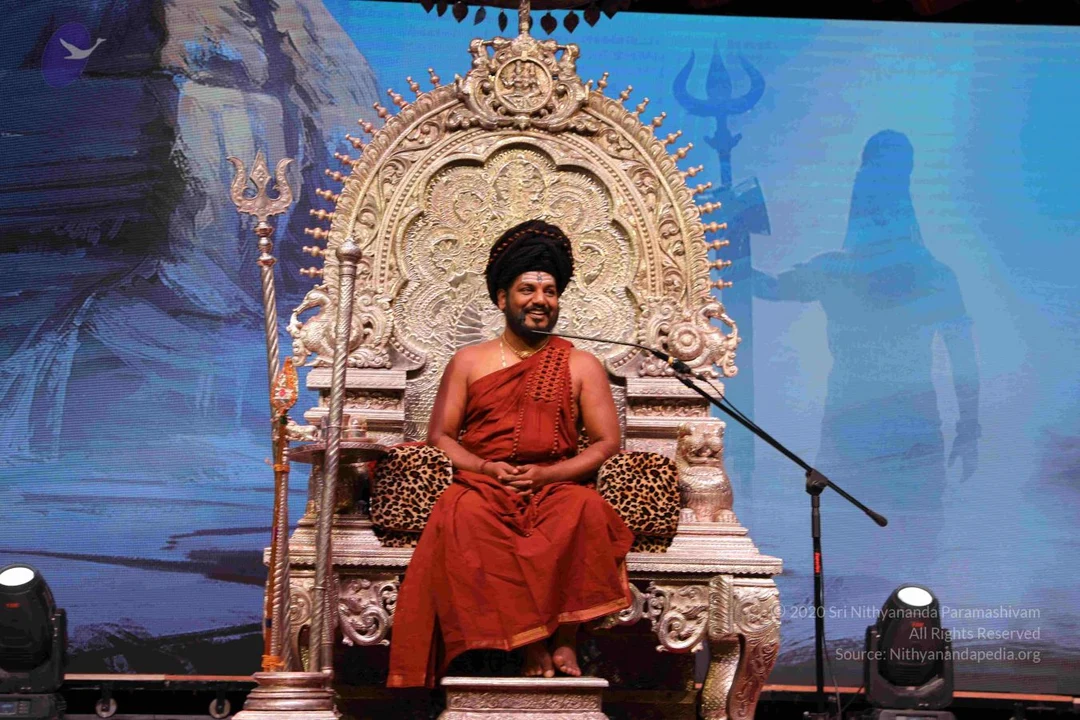
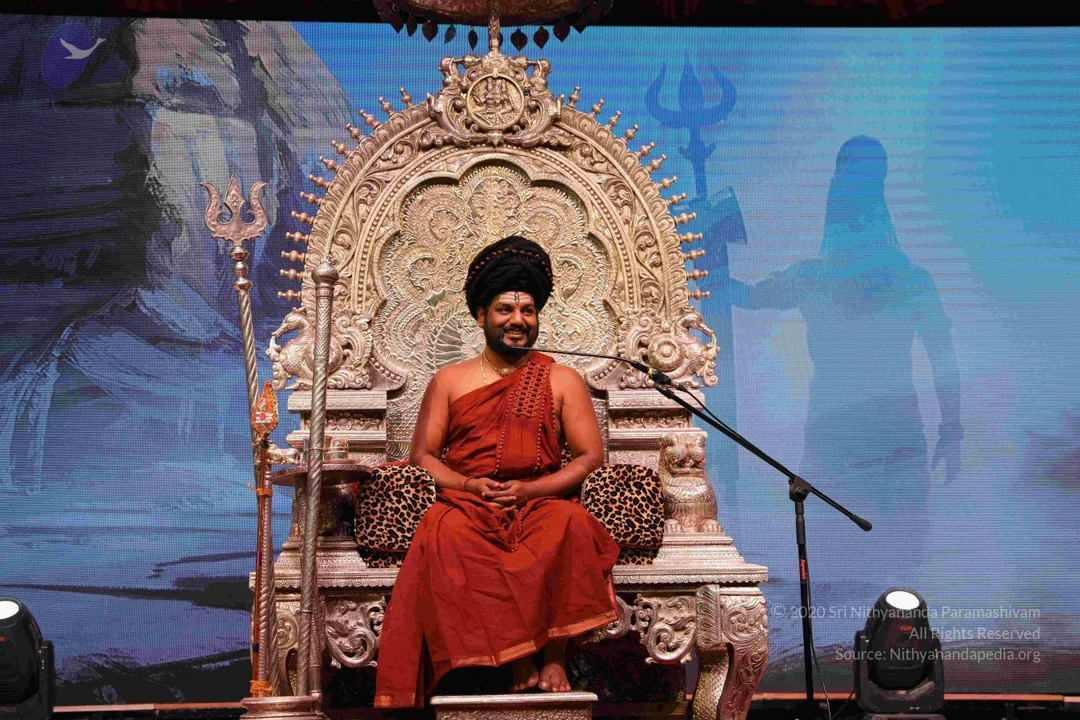
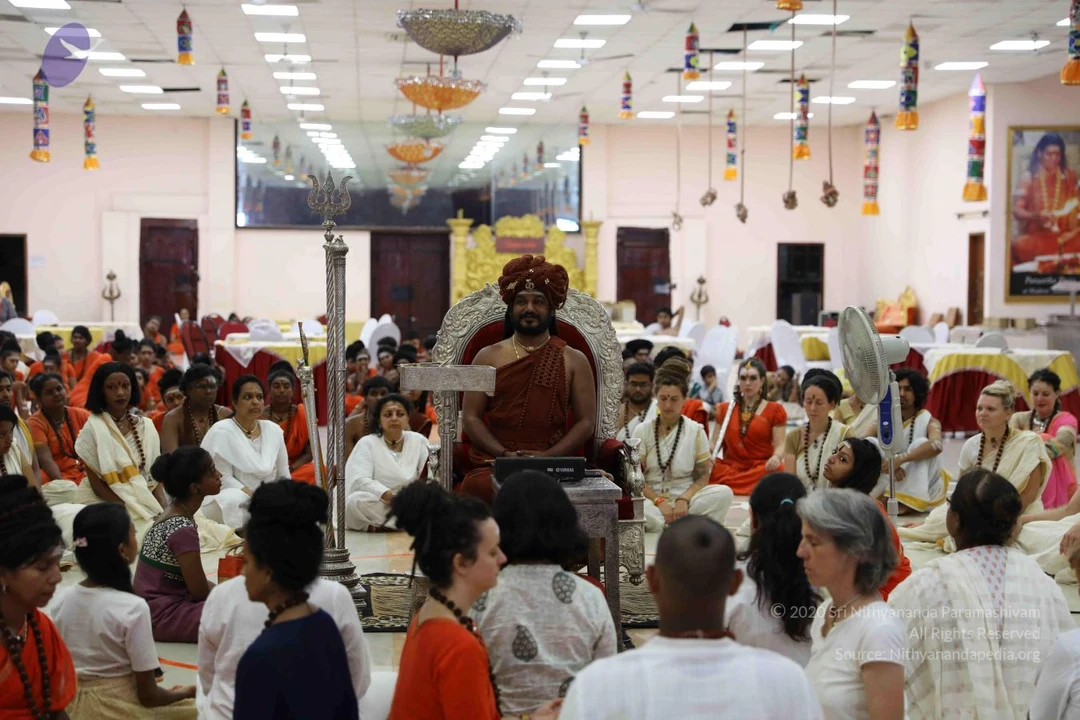
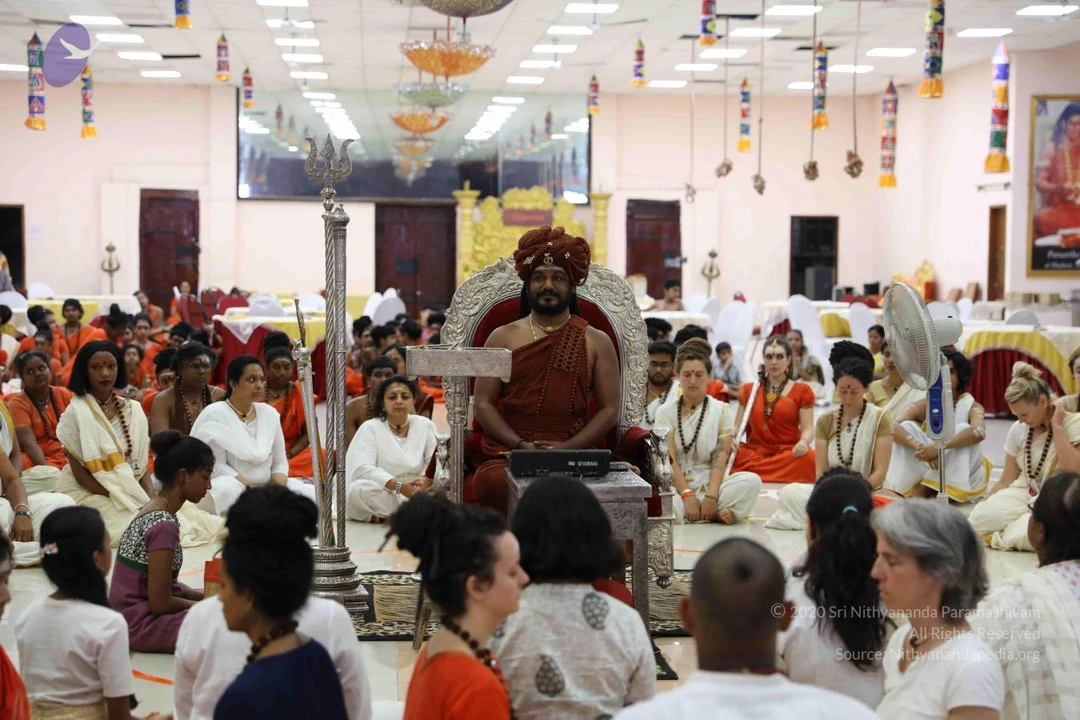
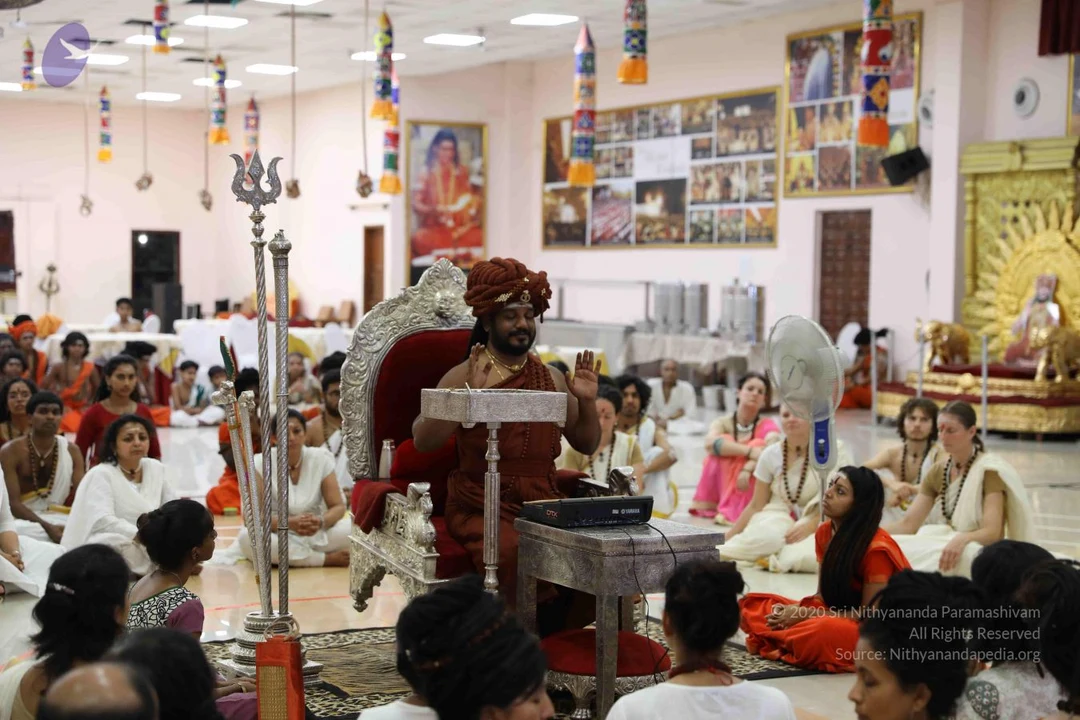
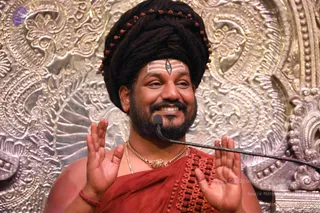
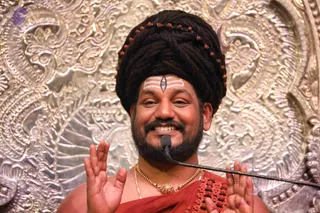
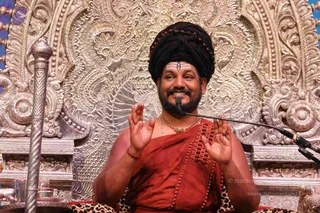
The Supreme Pontiff of Hinduism, Jagatguru Mahasannidhanam, His Divine Holiness, Bhagavan Nithyananda Paramashivam, expounded on the Cosmic Principles of Agama during the everyday live public talk - Nithyananda Satsang. In this talk entitled Chemistry of The Guru Disciple Relationship - Sadāshiva’s Will Is The Source Of Your Will, The Supreme Pontiff of Hinduism revealed that your will and Sadashiva’s Will cannot be separated and to remember He is living through you. Therefore, He shared, the first step of manifesting is not to use your will anymore to beat yourself up through self-sabotaging, self-destructive, powerfulessness, but to remember that Sadashiva is living through you and His Will is the source of your will. He explained that this is the chemistry of Guru-Disciples relationship.
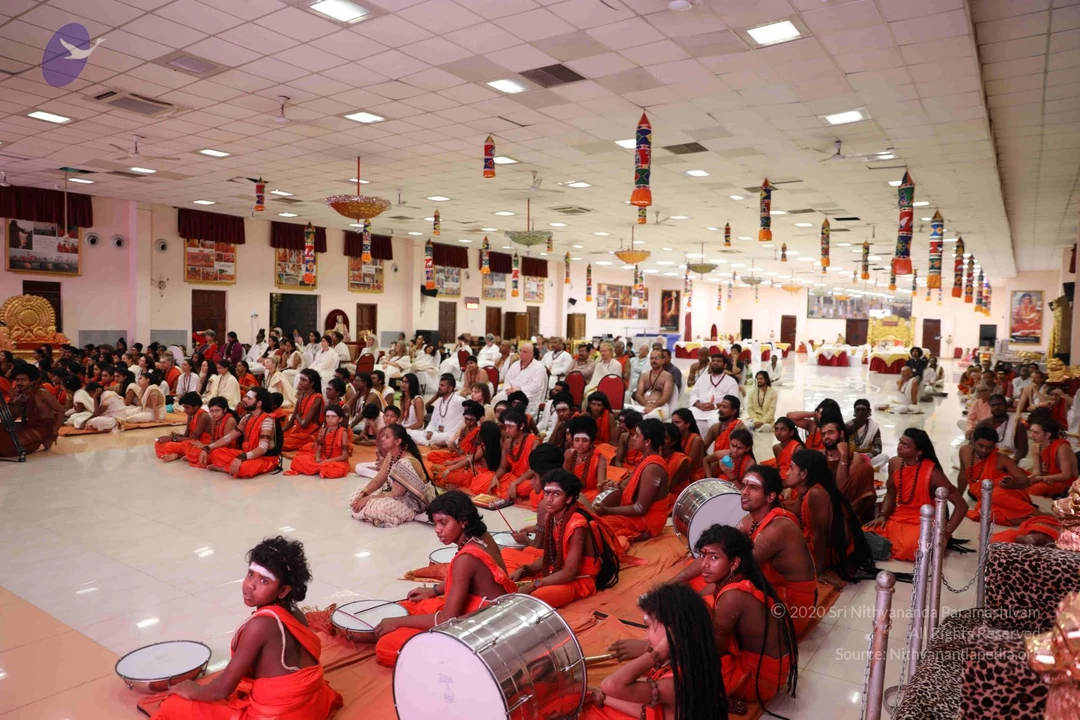
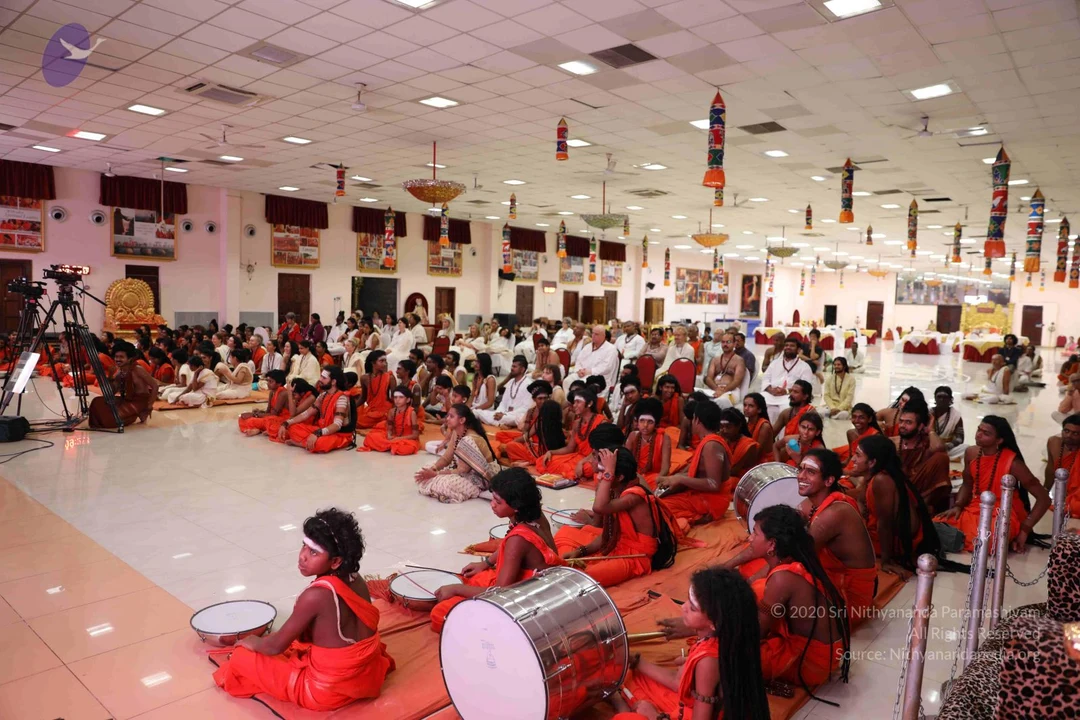
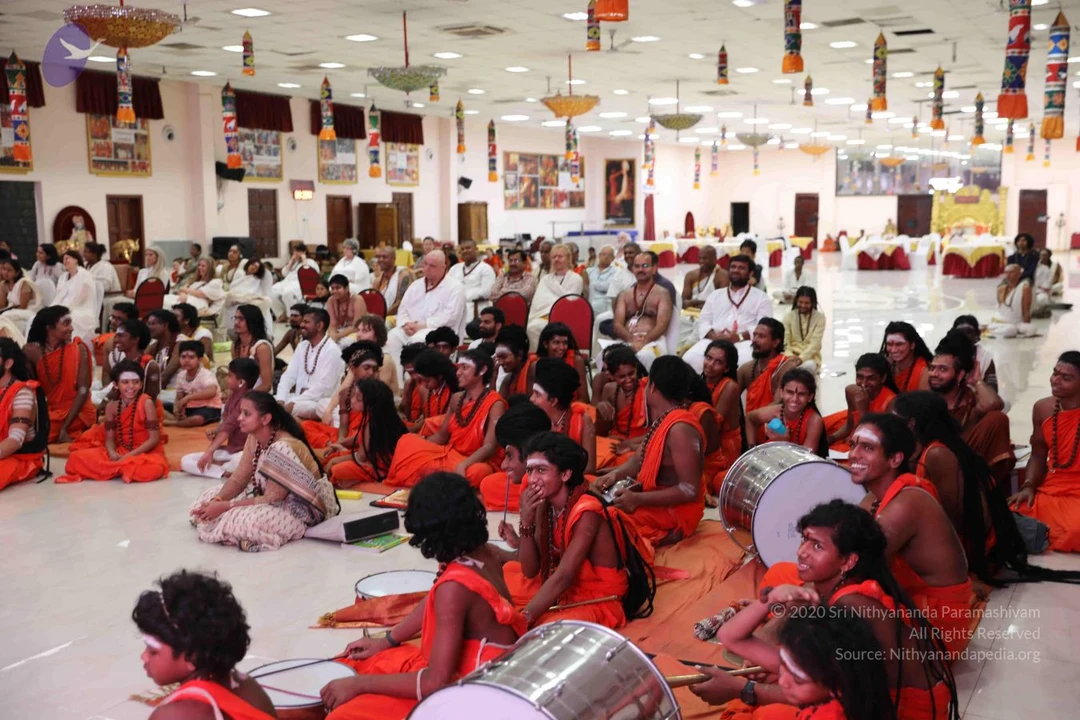
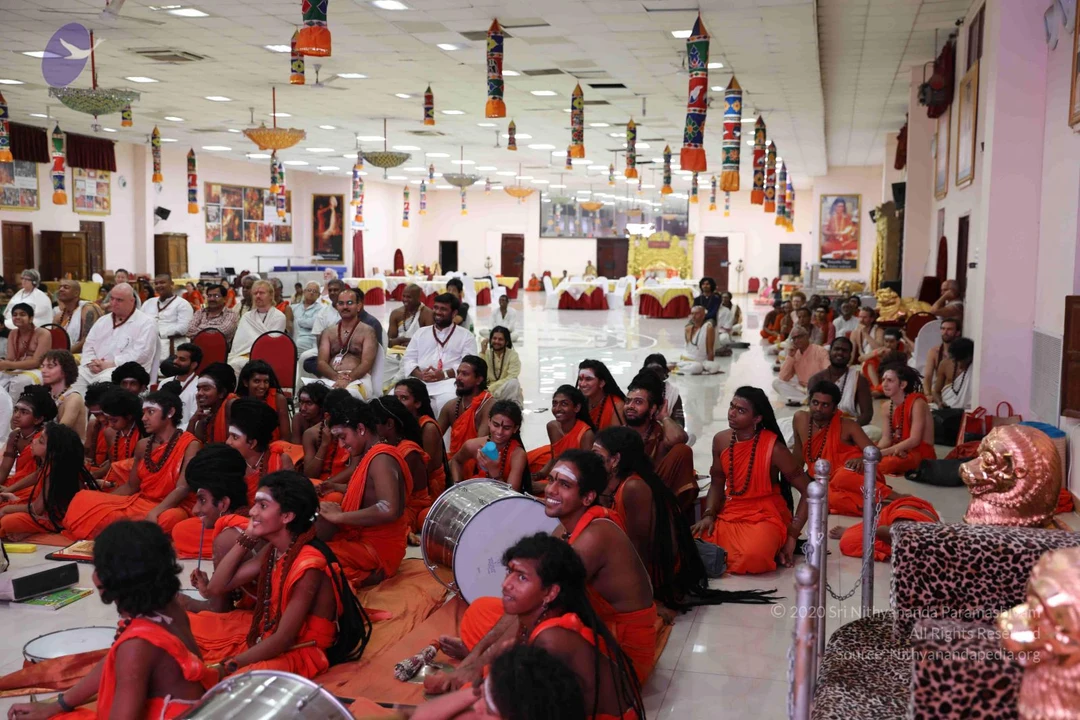
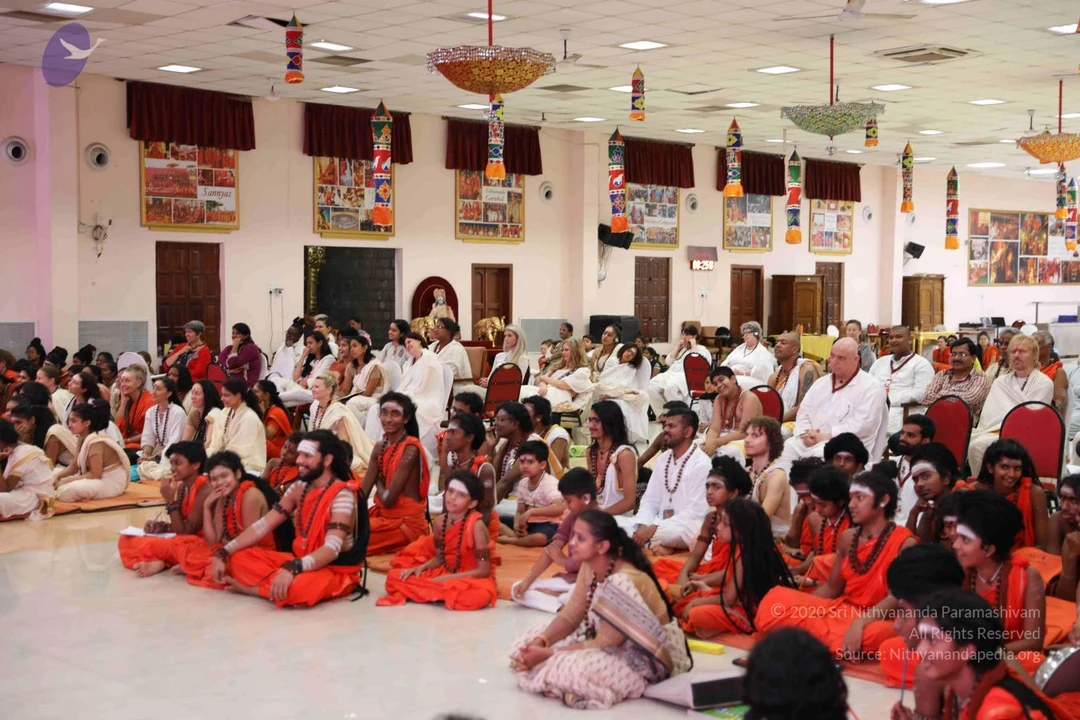
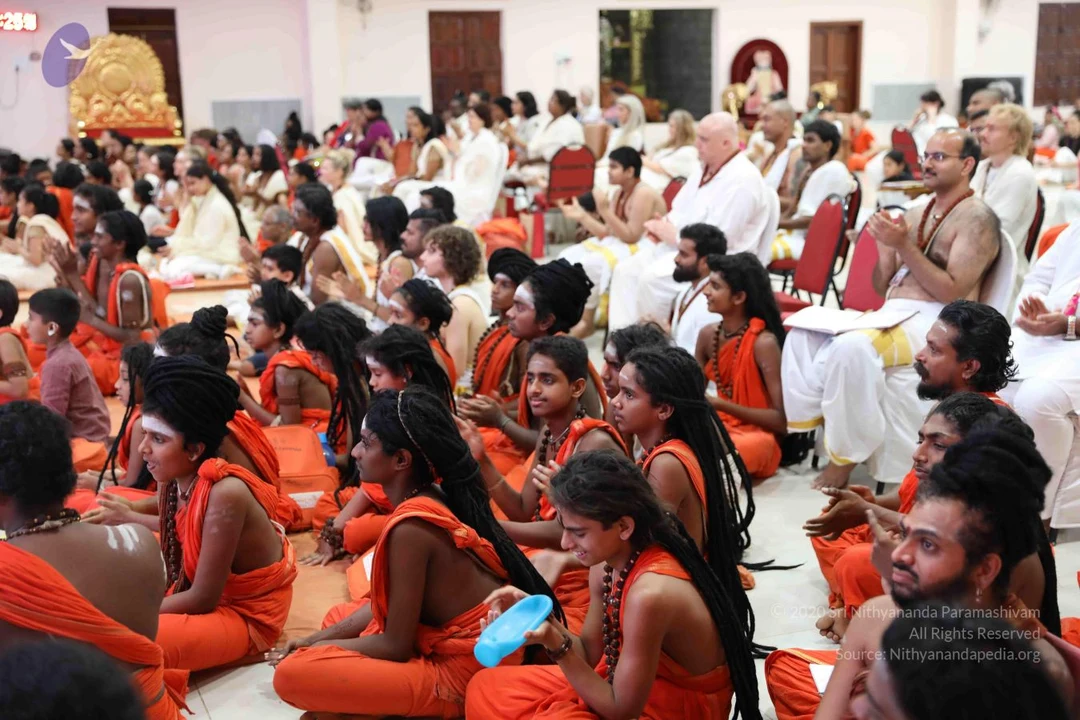
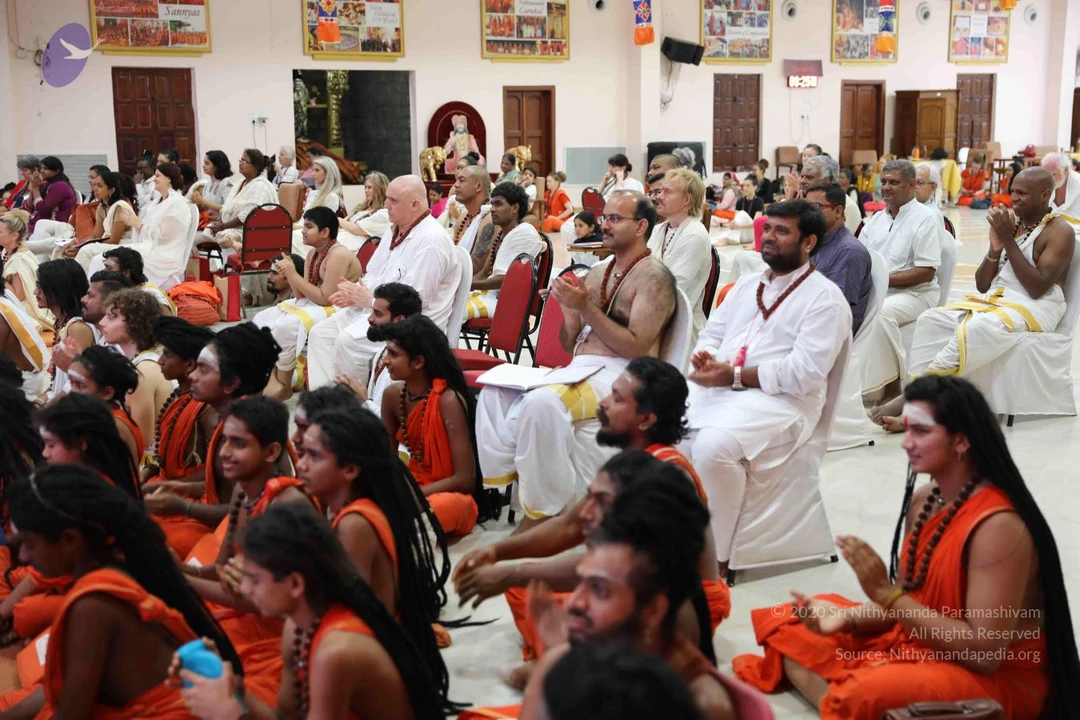
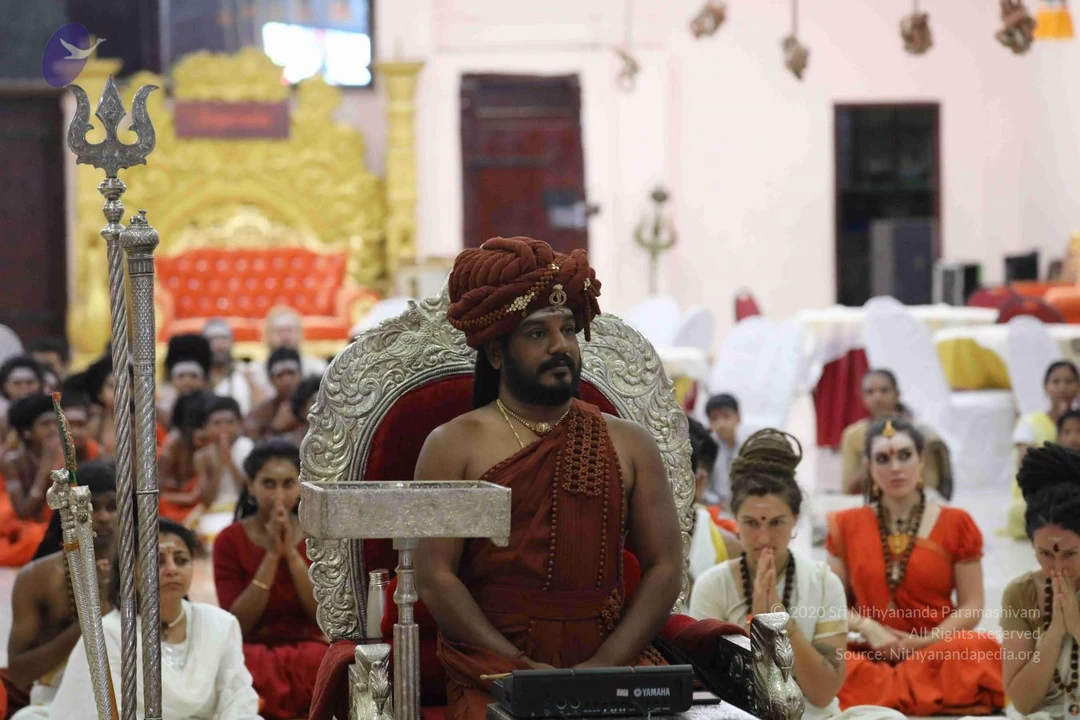
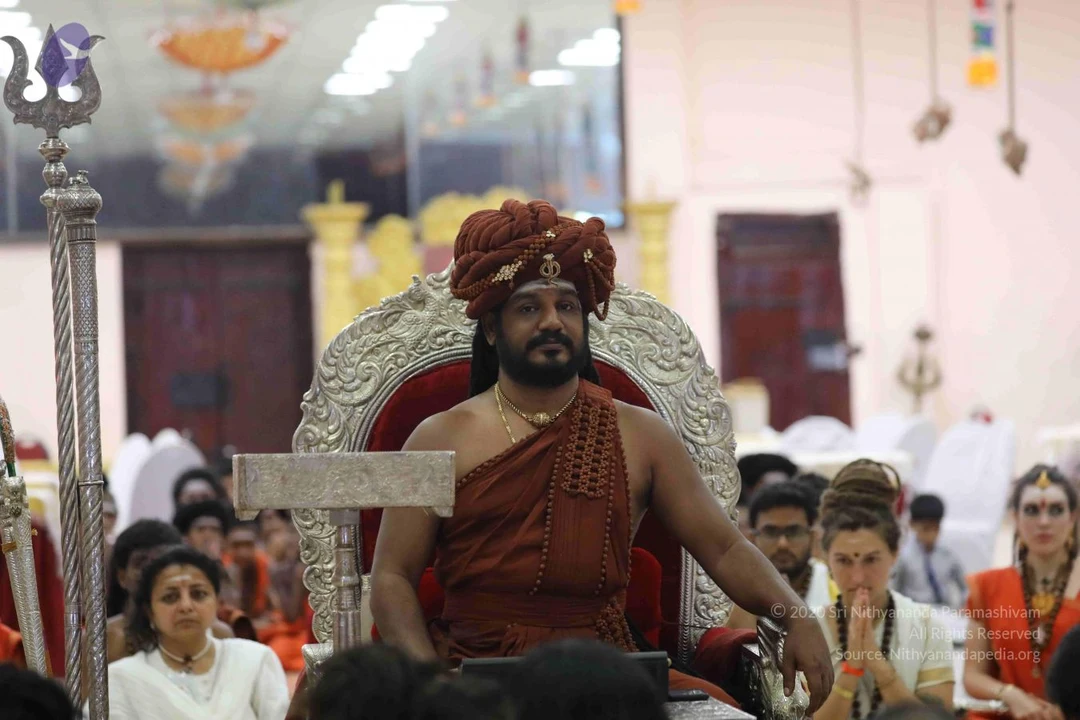
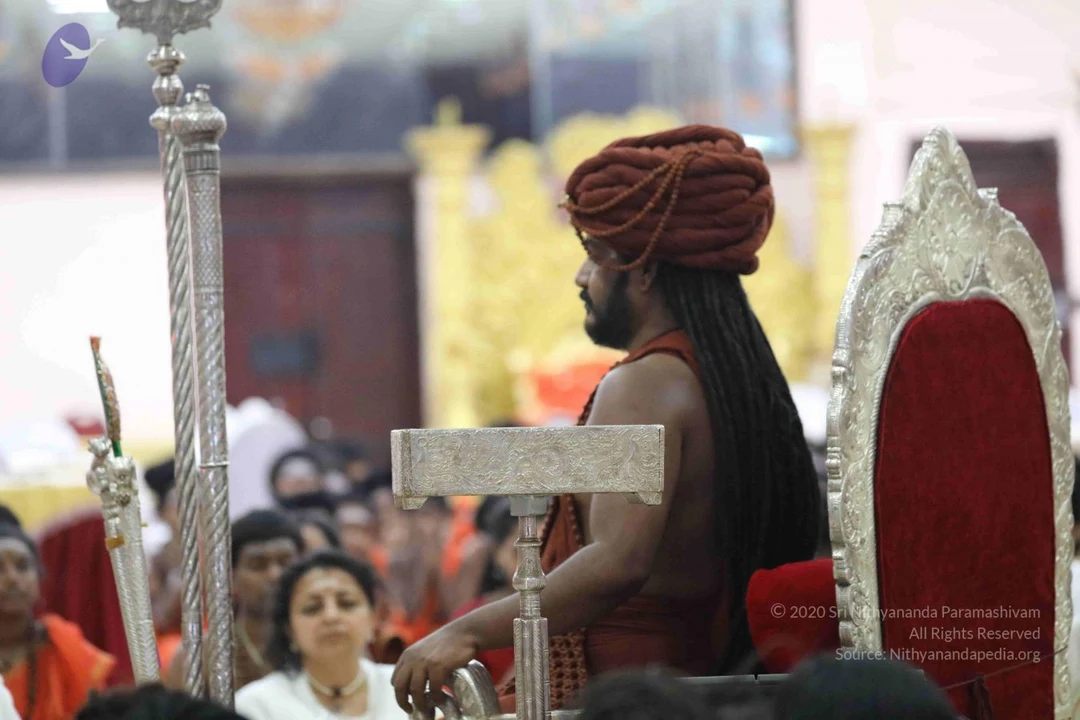
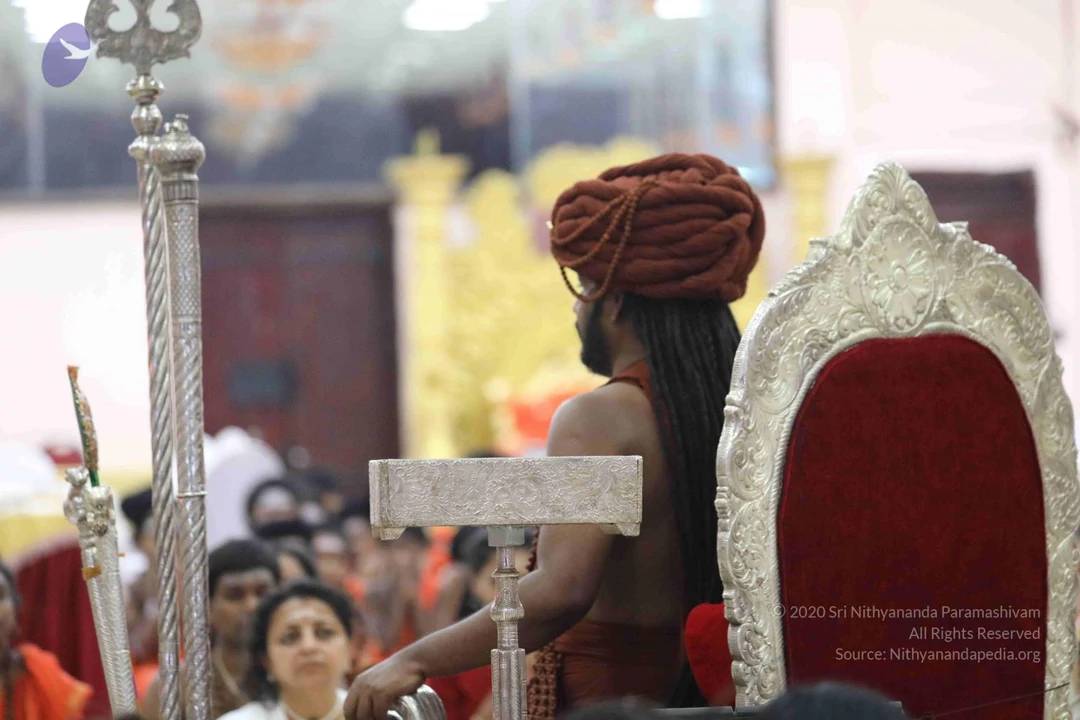
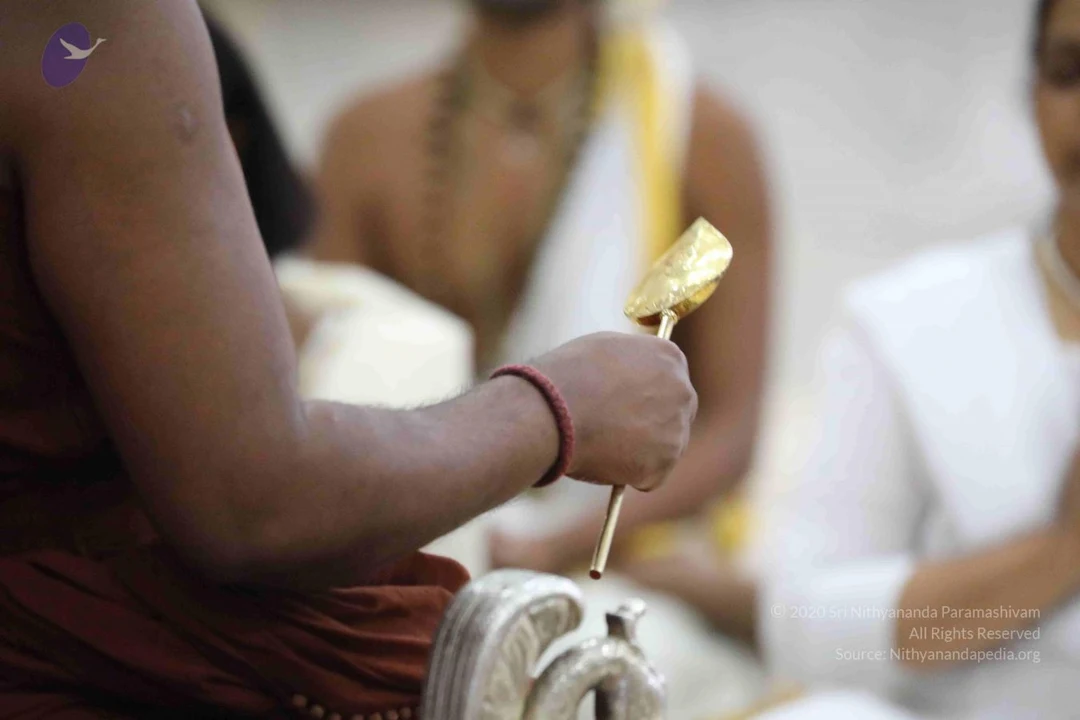
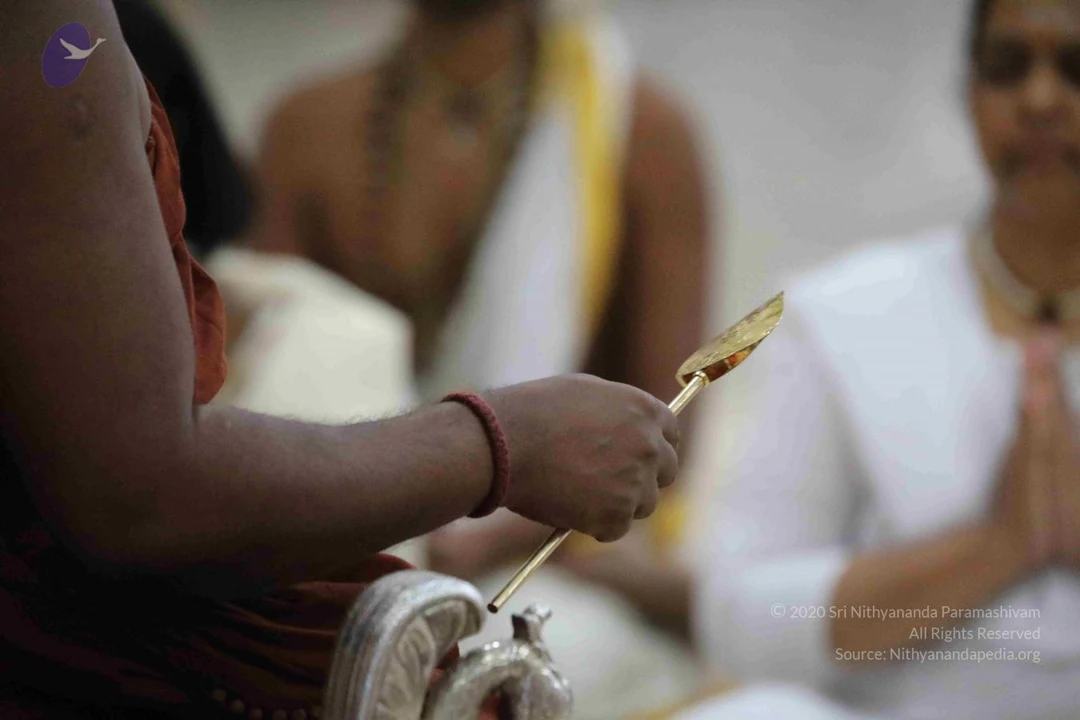
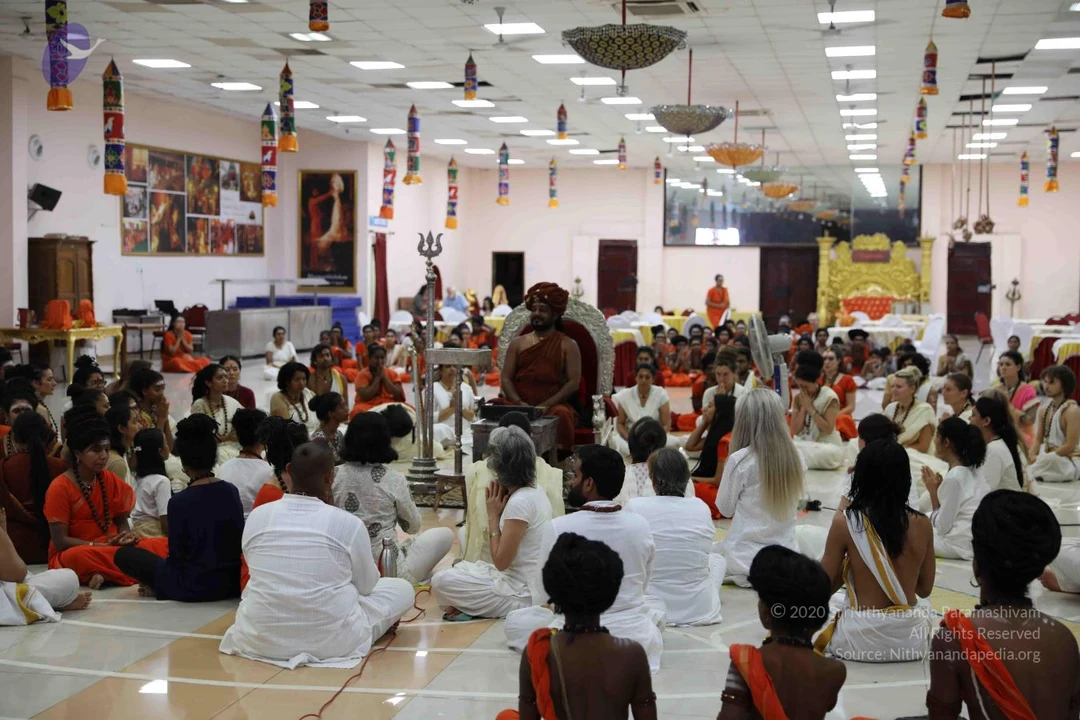
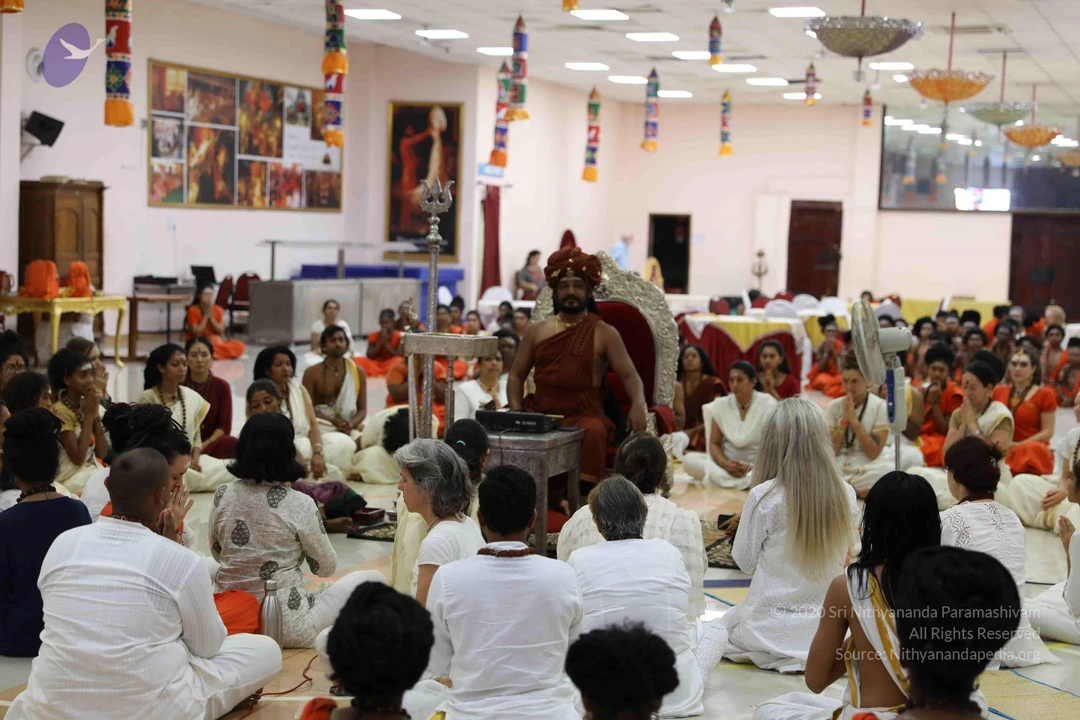
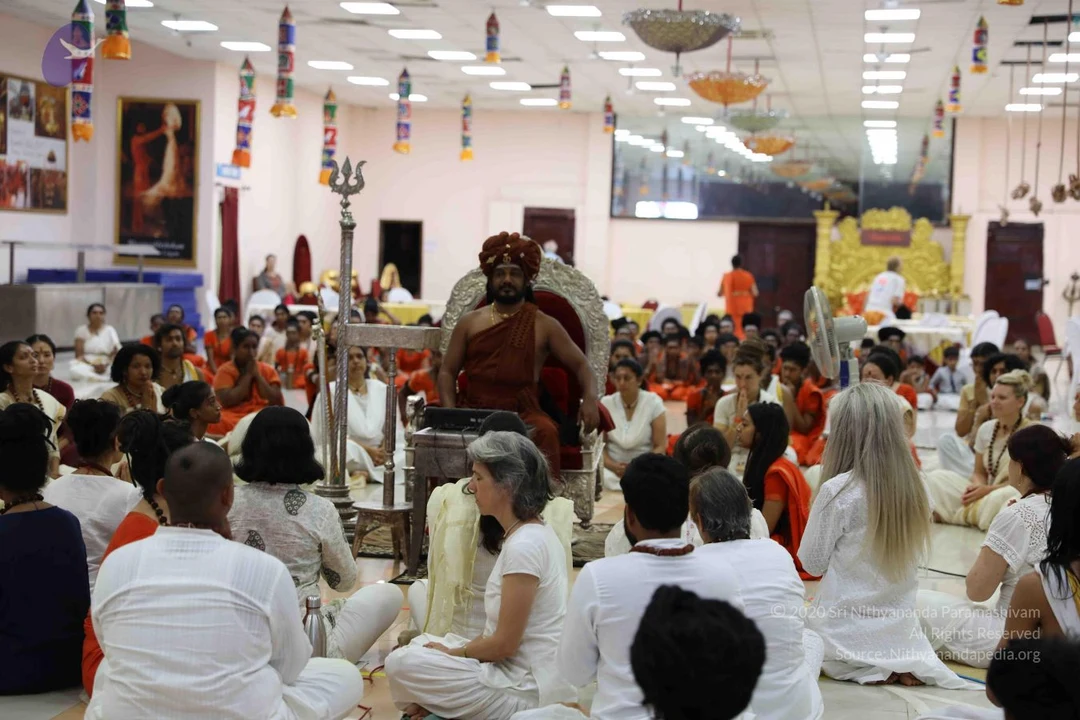
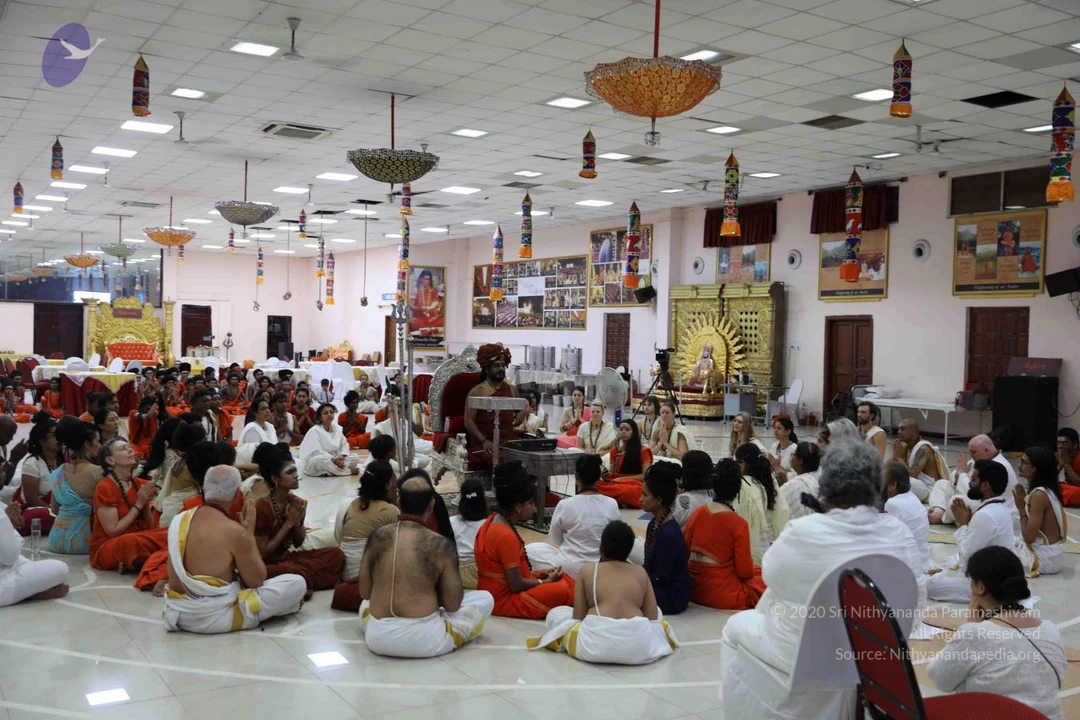
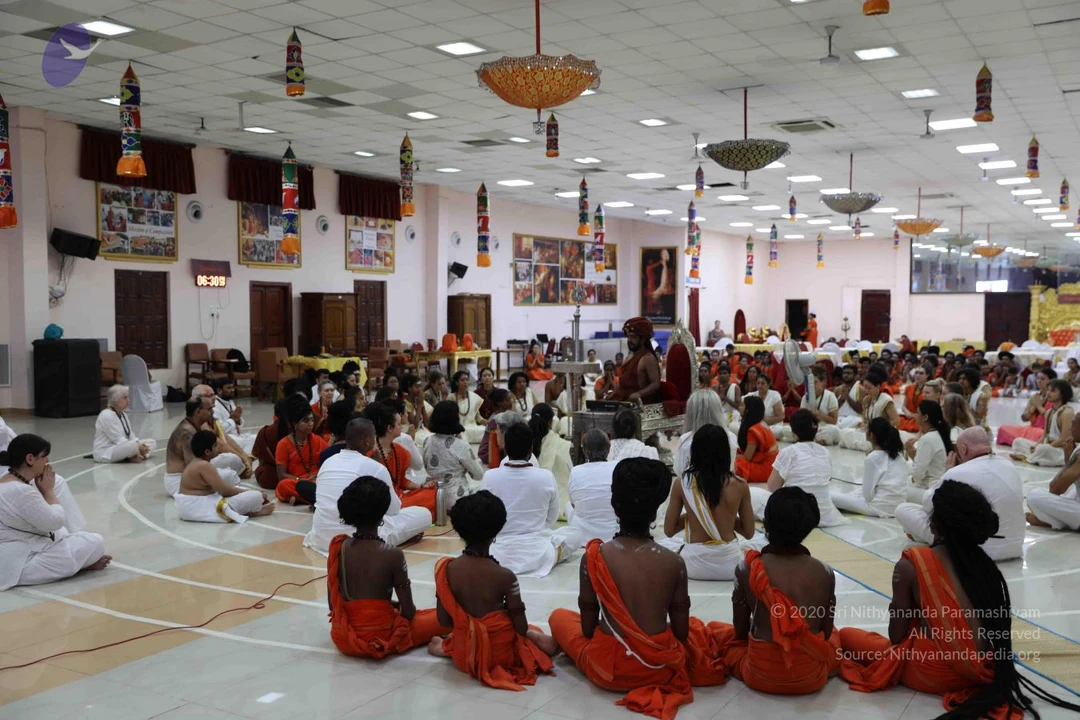
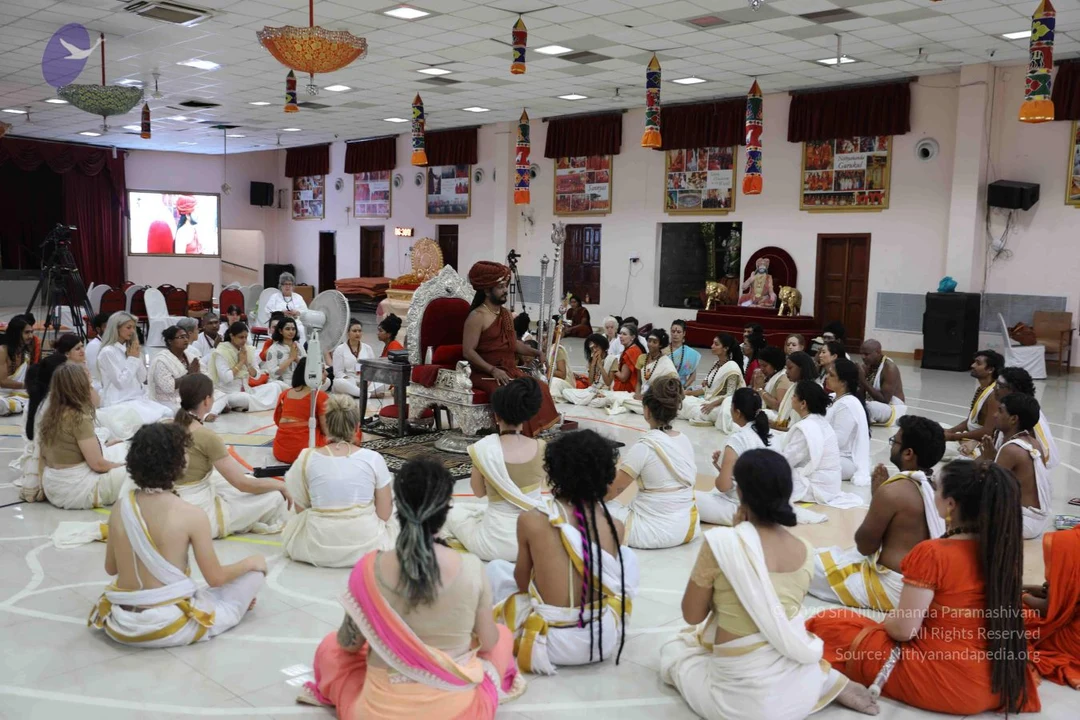
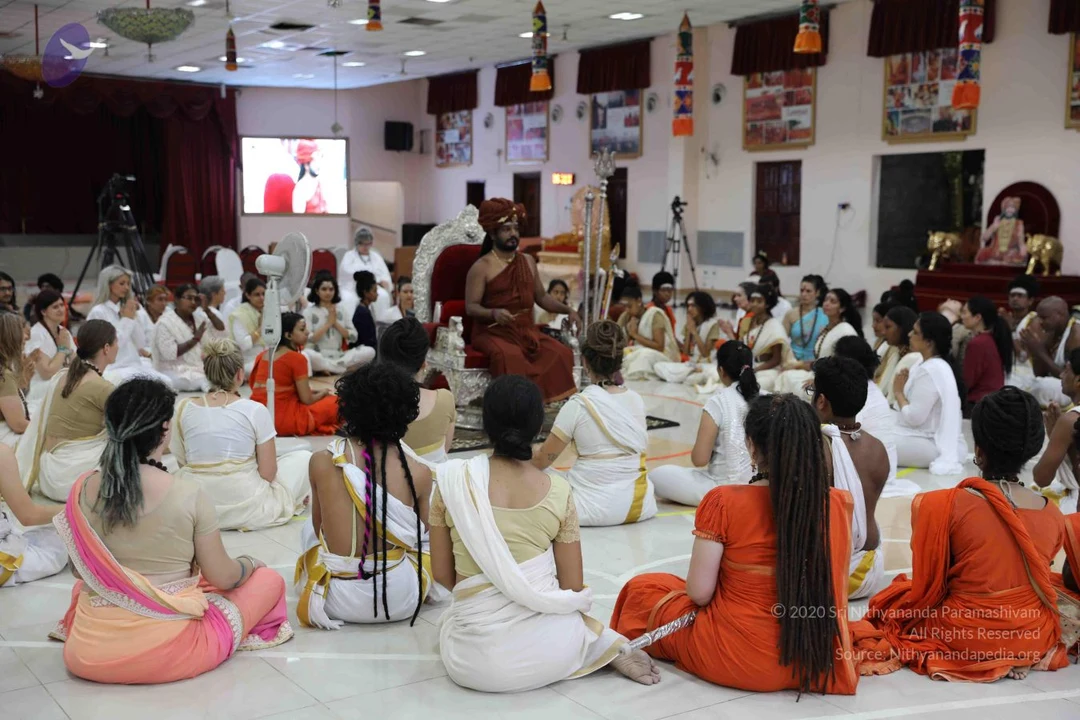
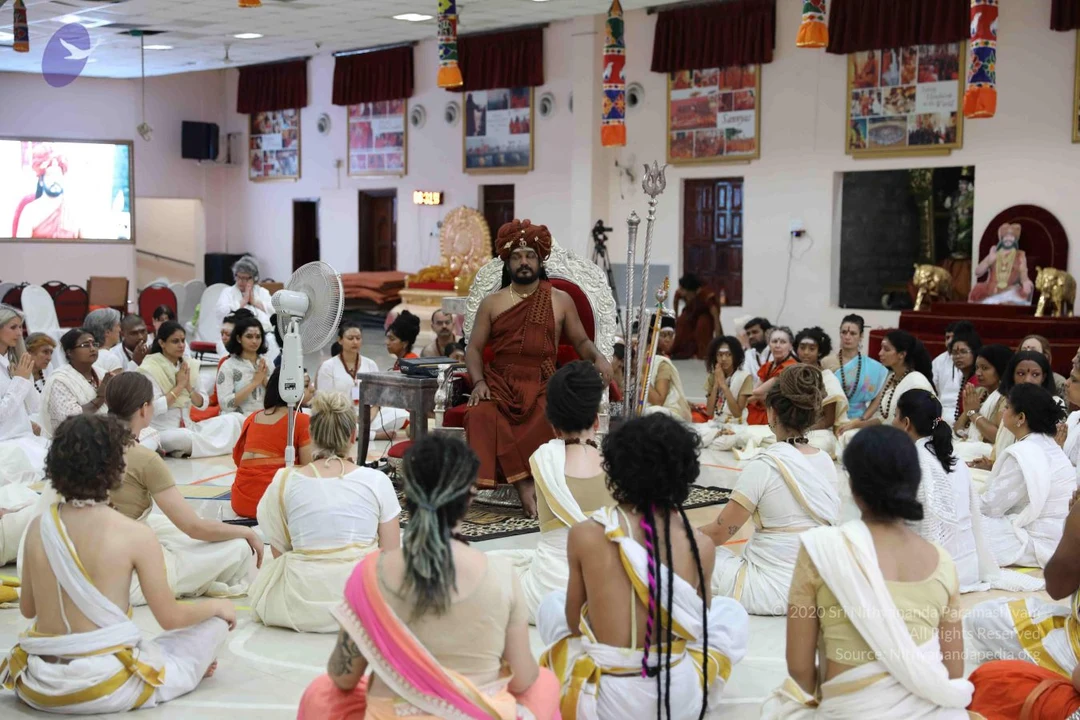
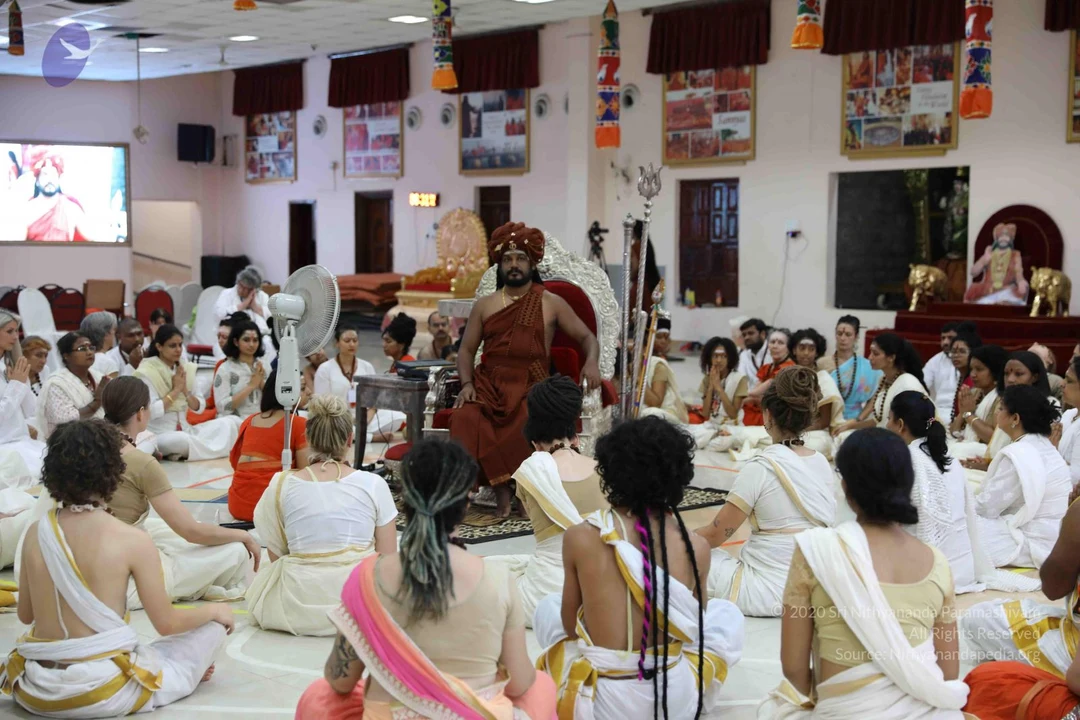
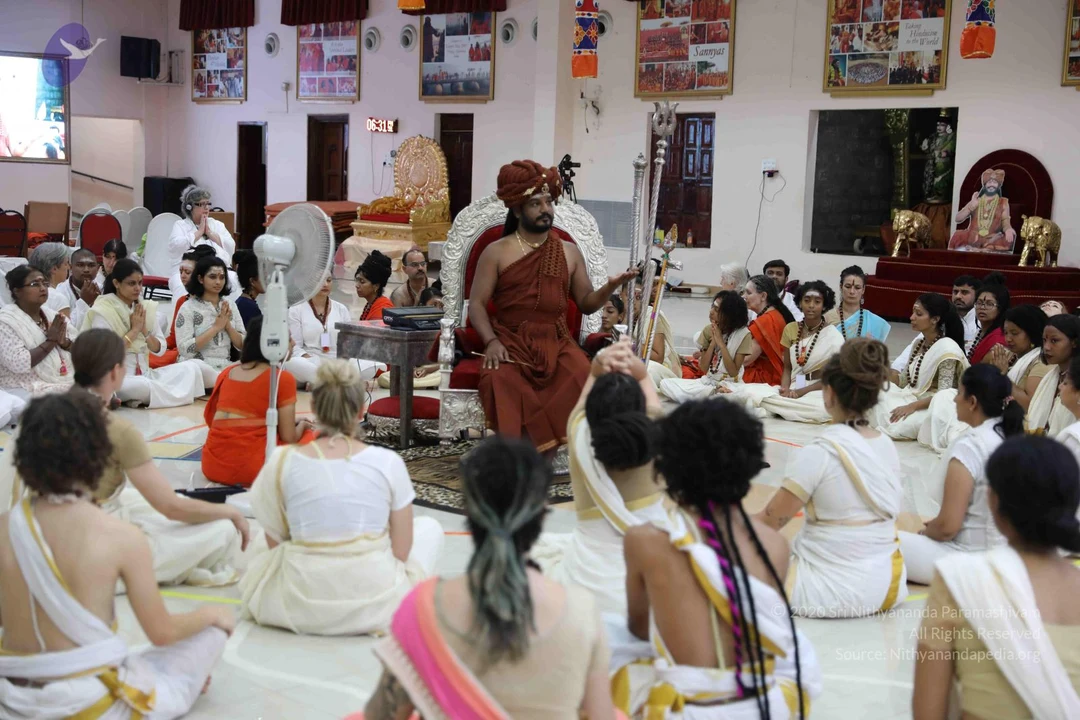
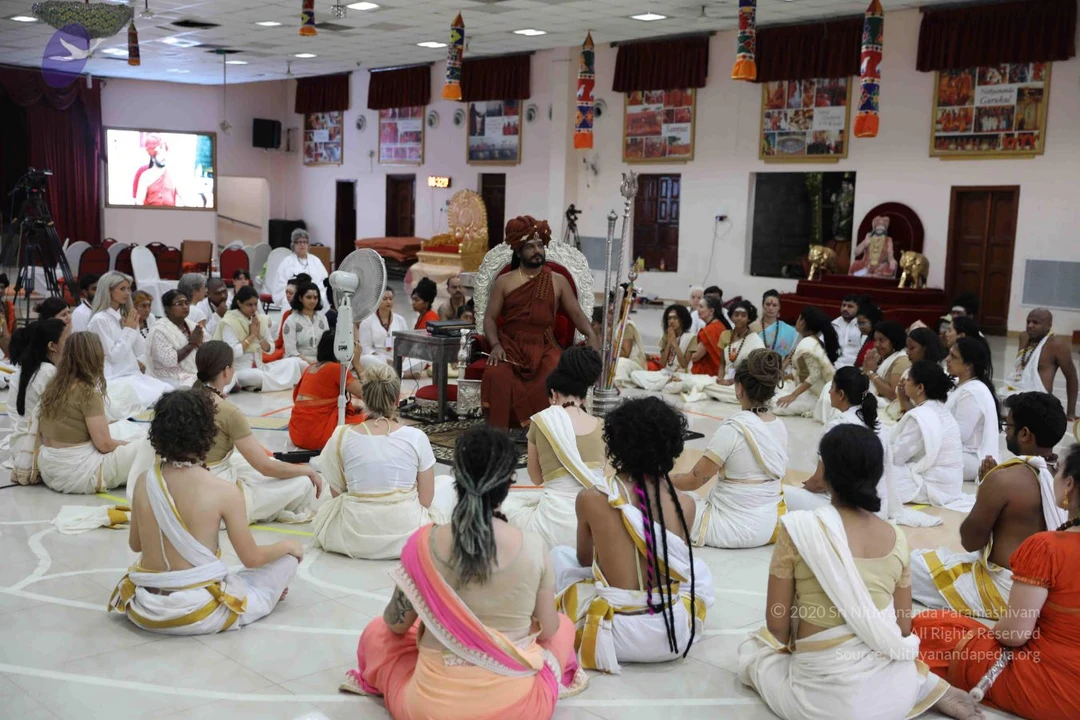
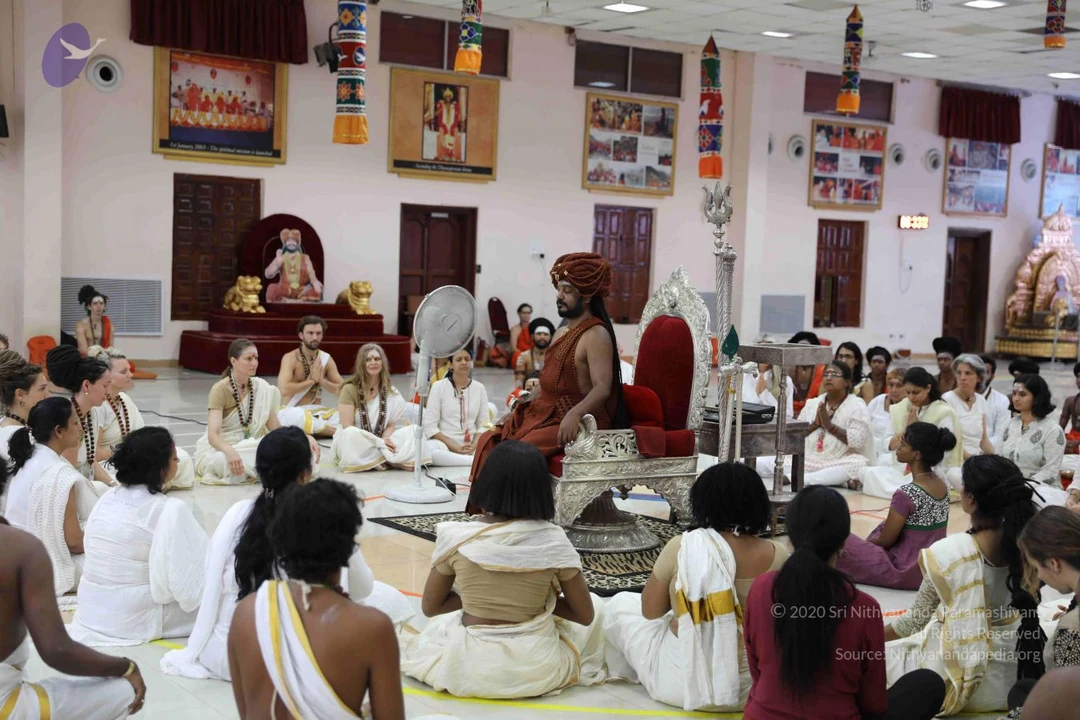
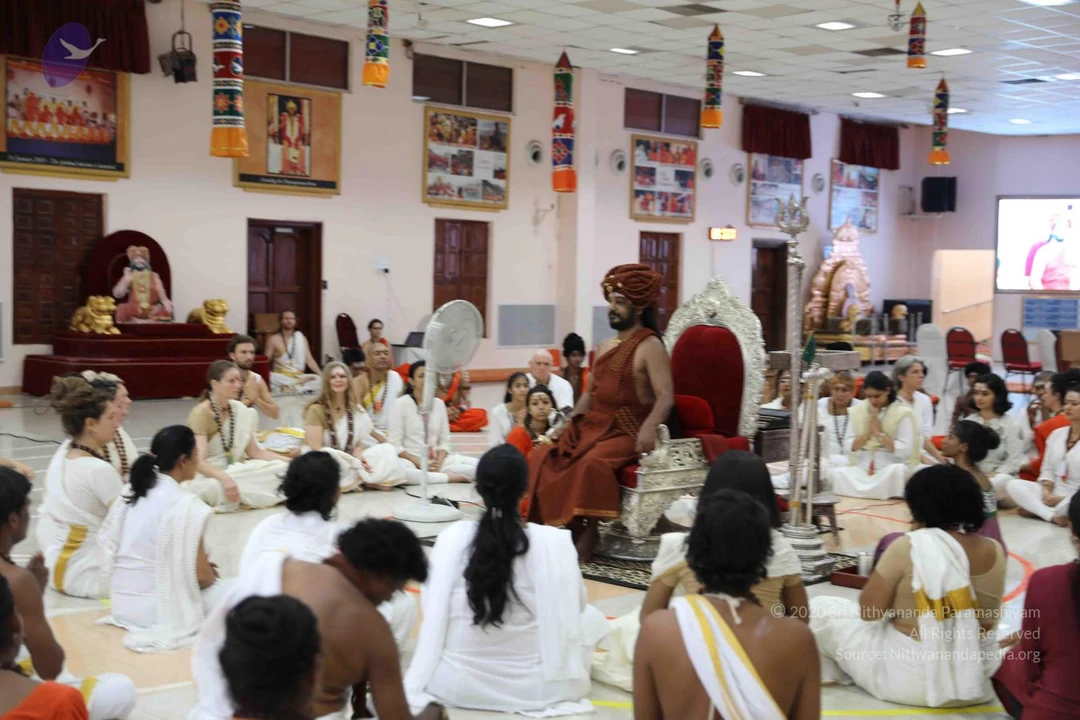
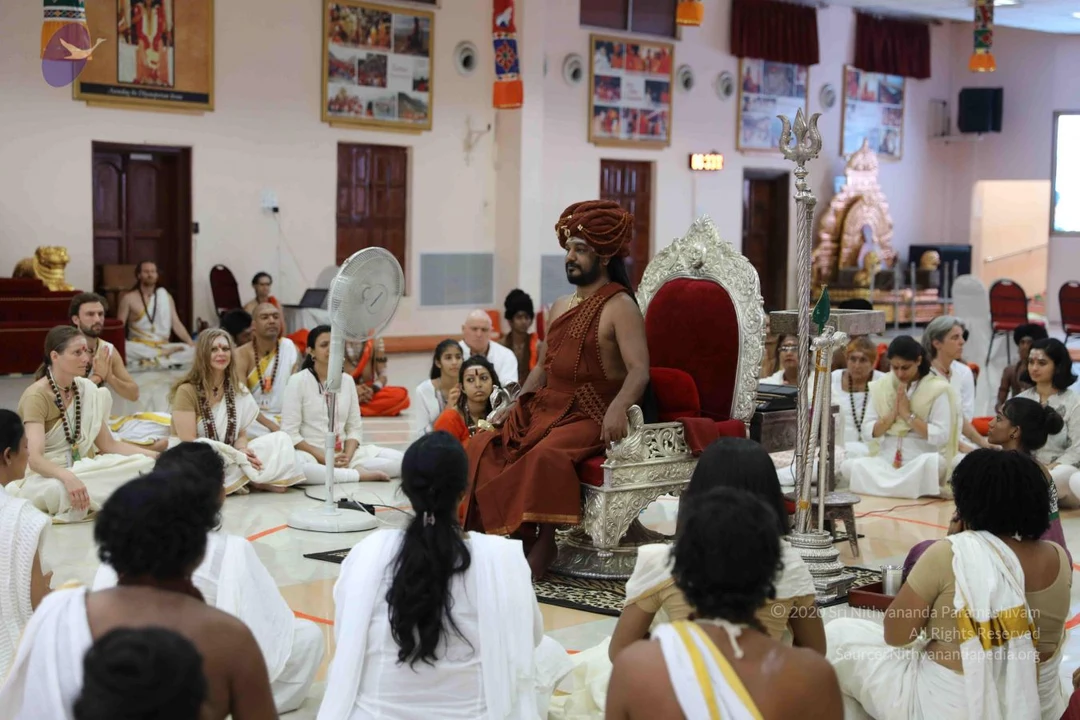
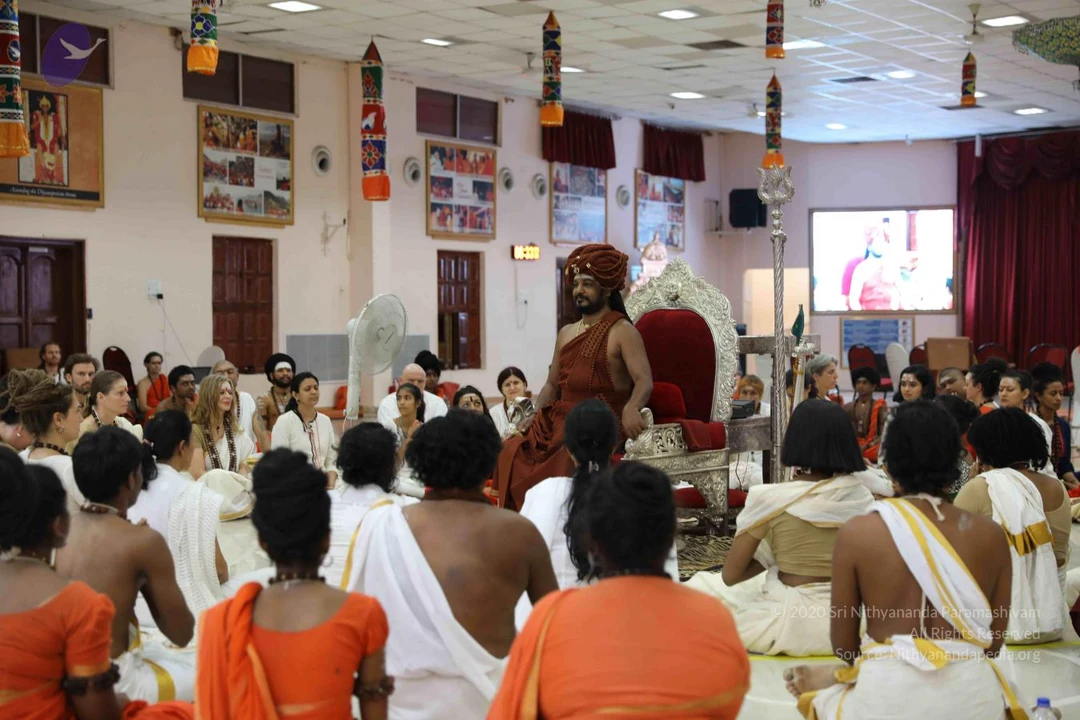
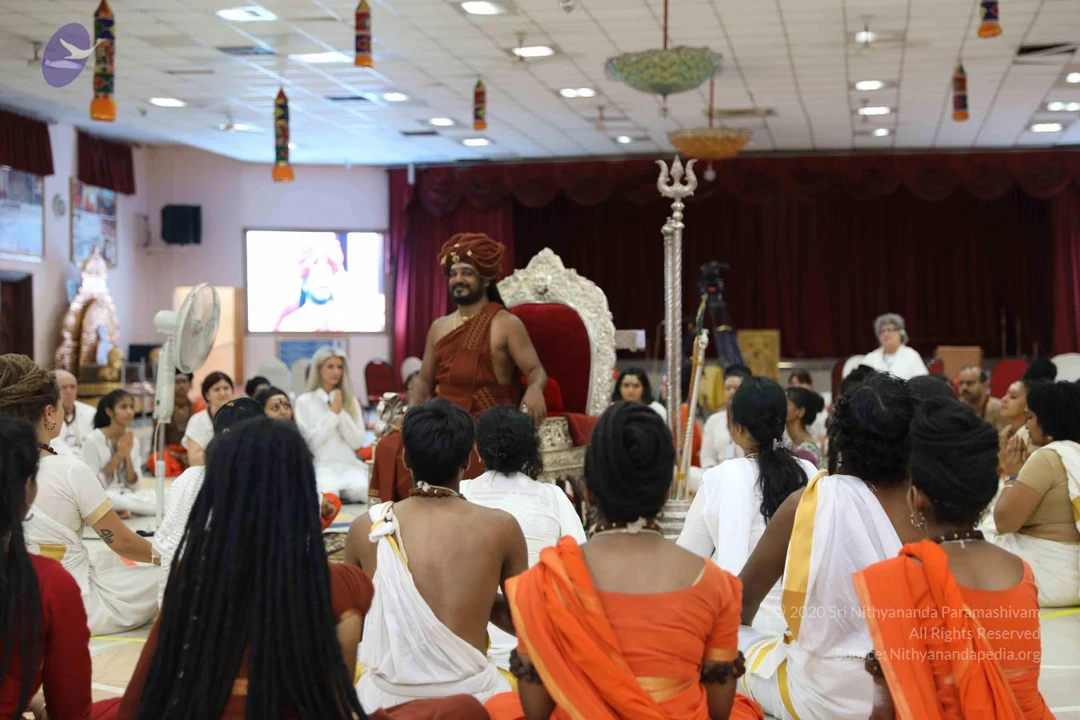
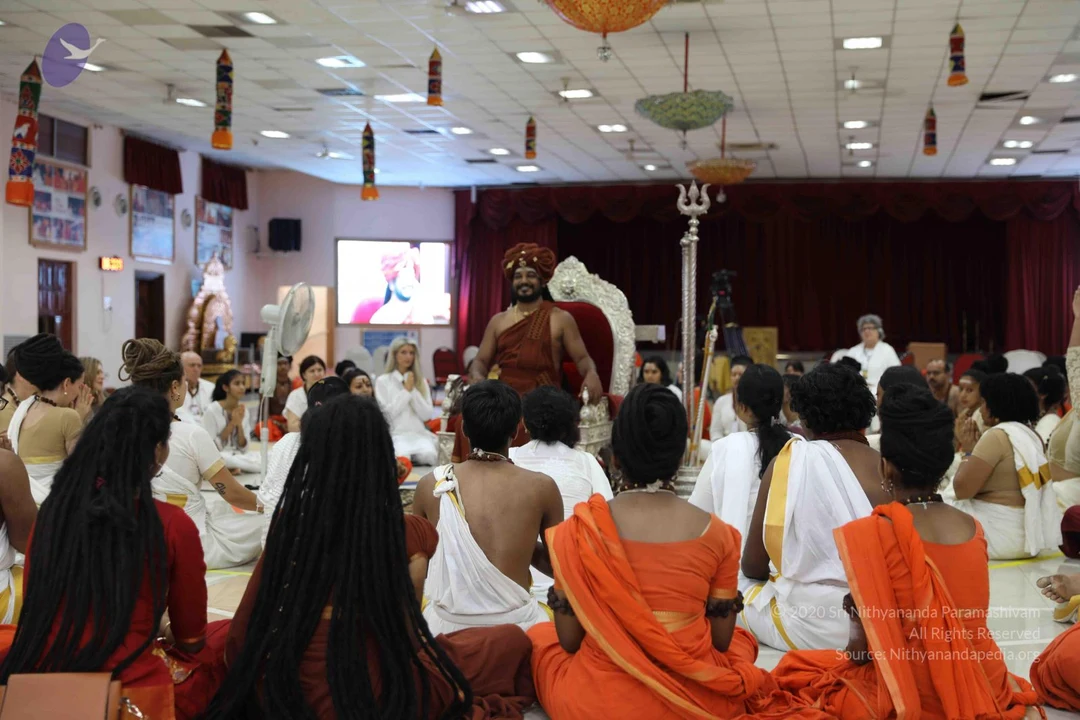
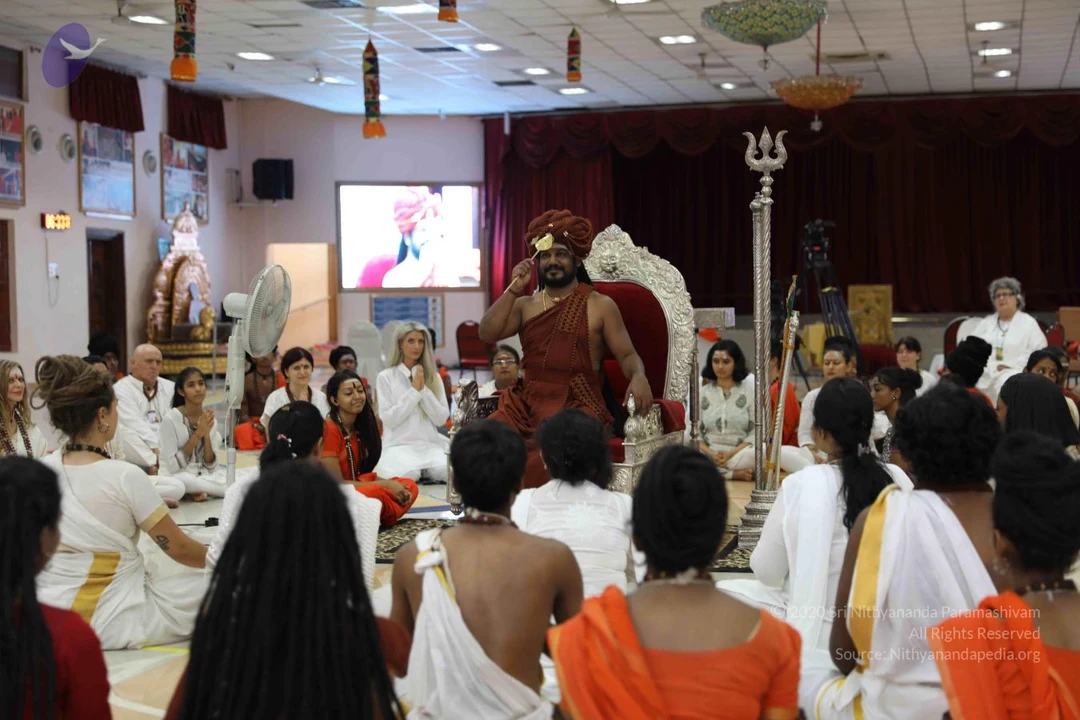
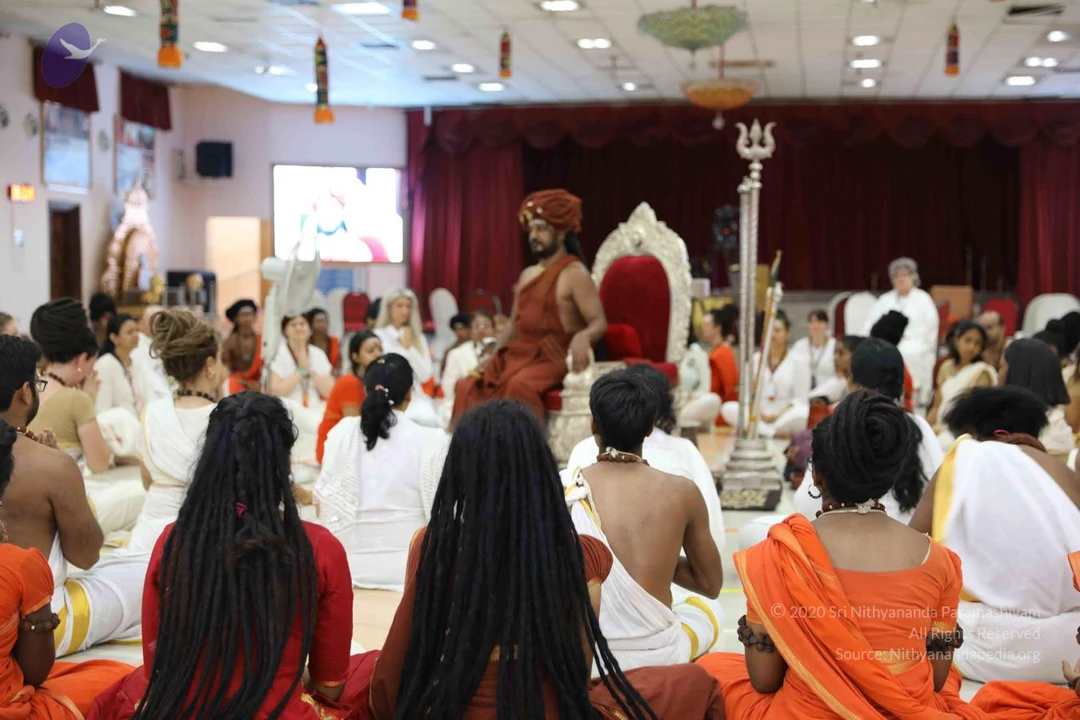
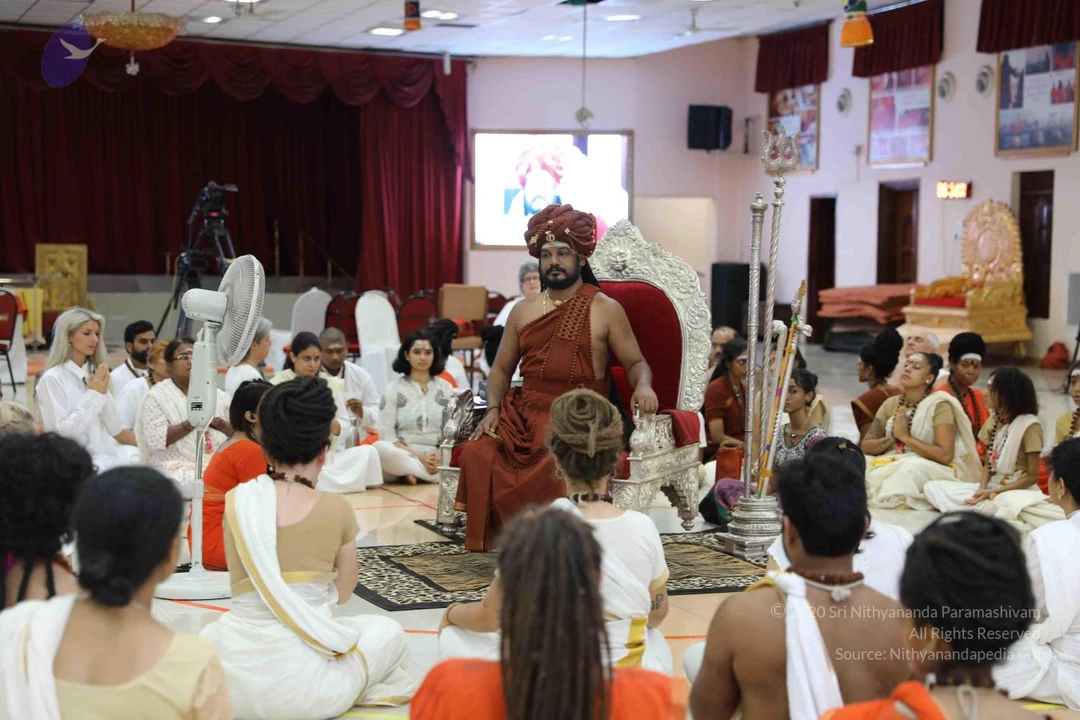
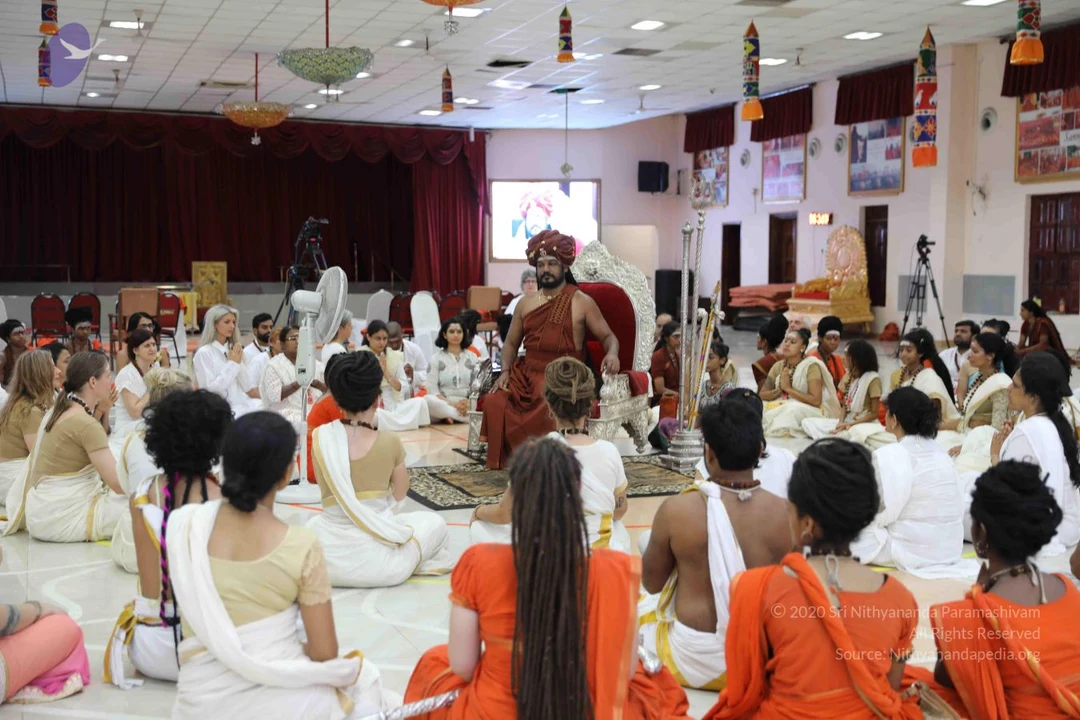
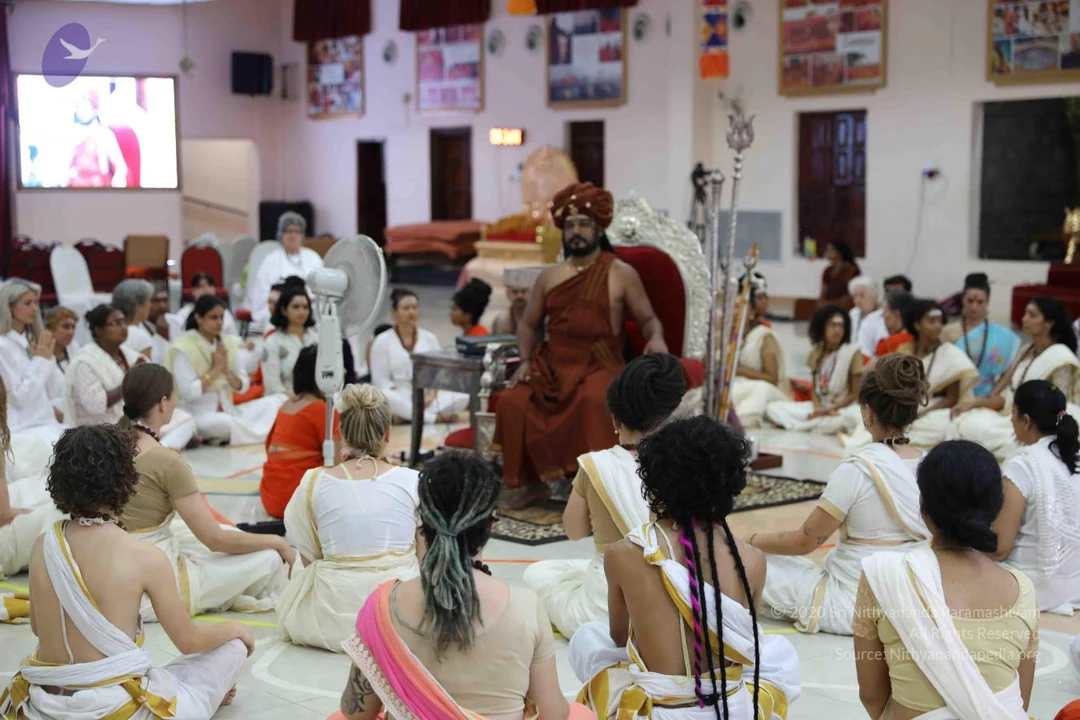
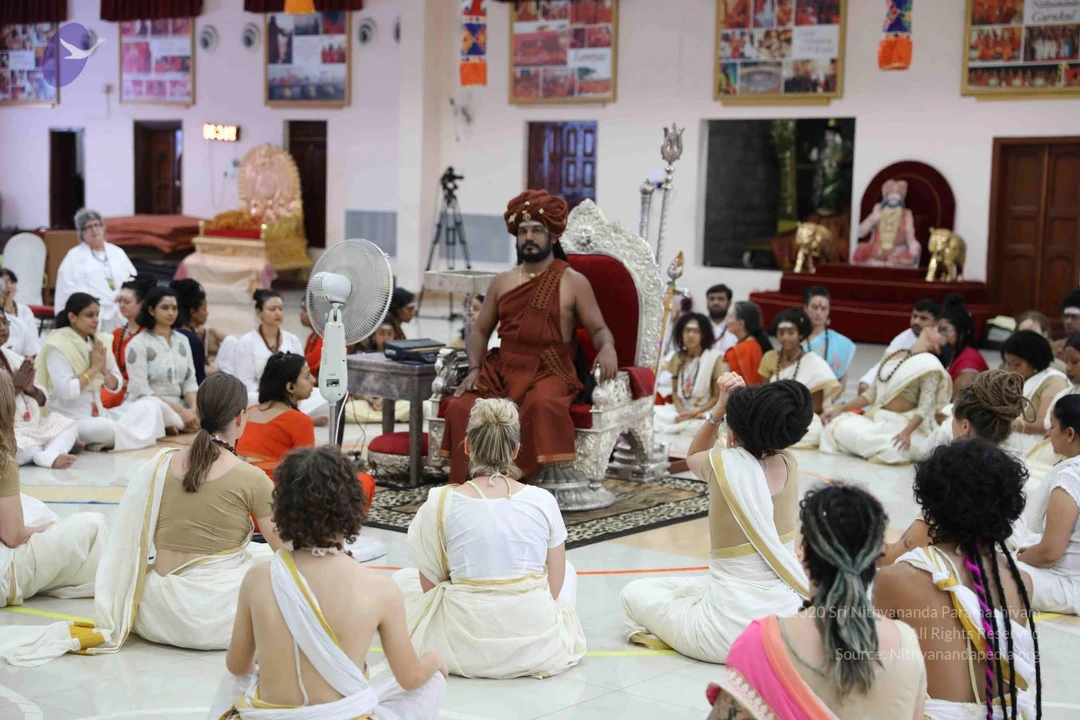
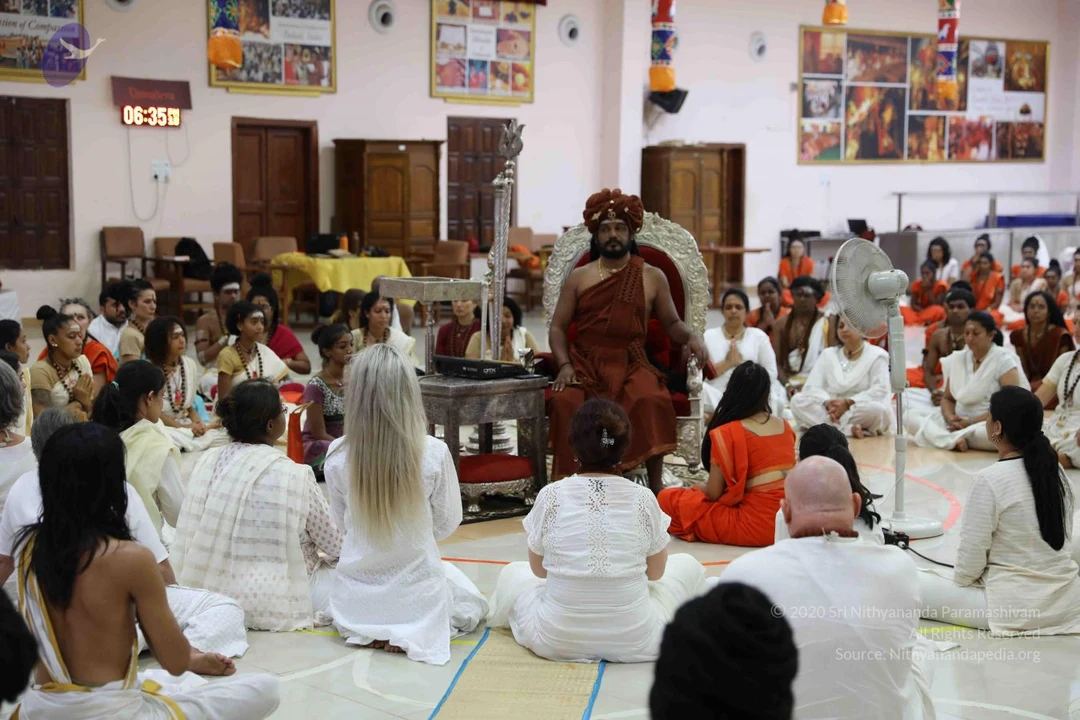
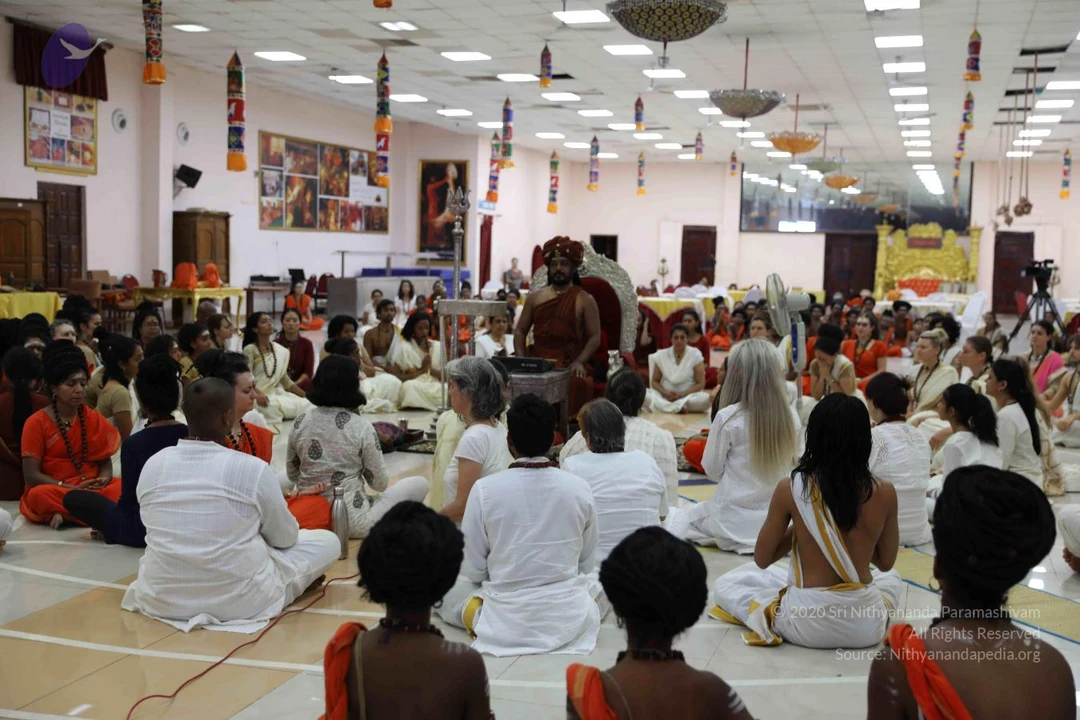
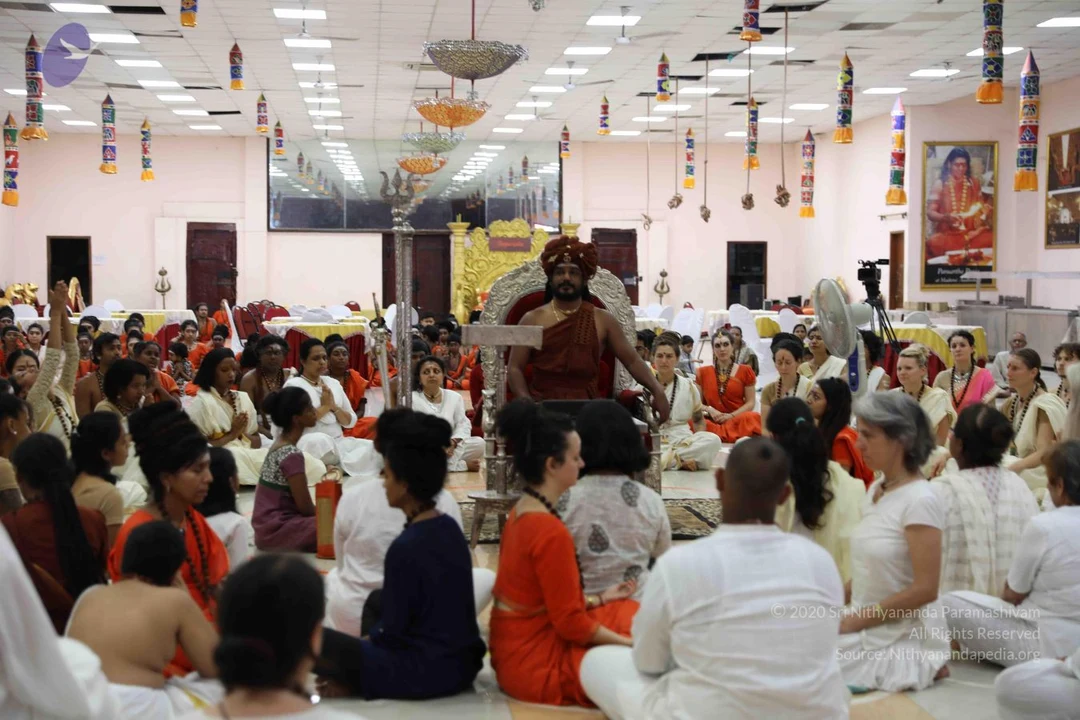
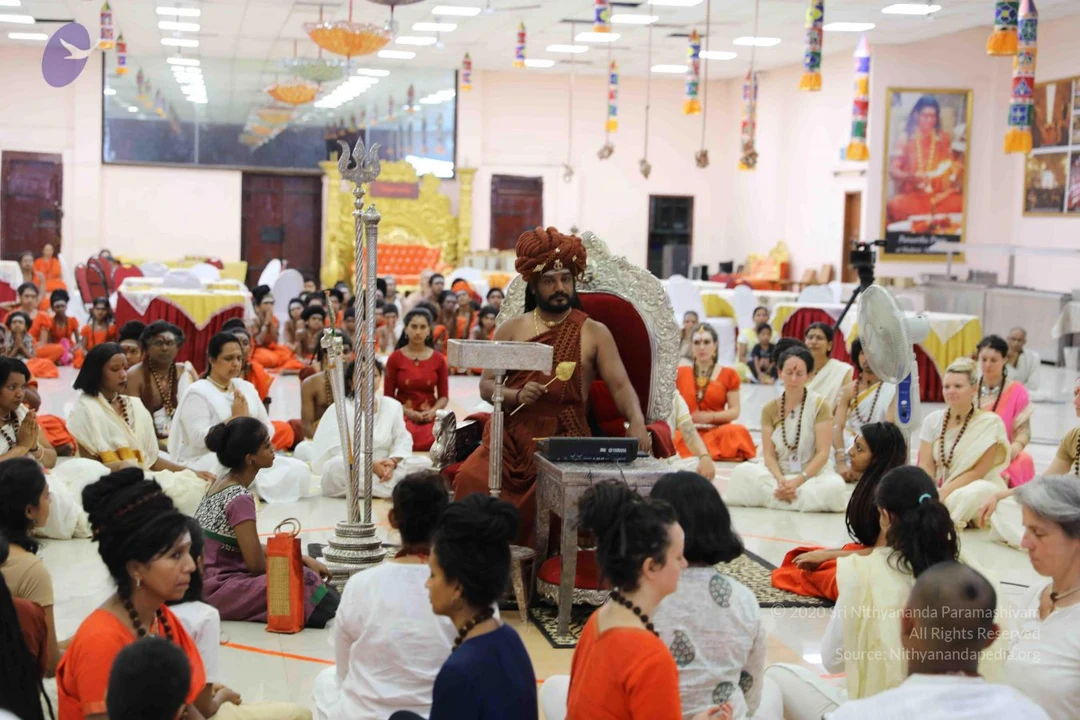
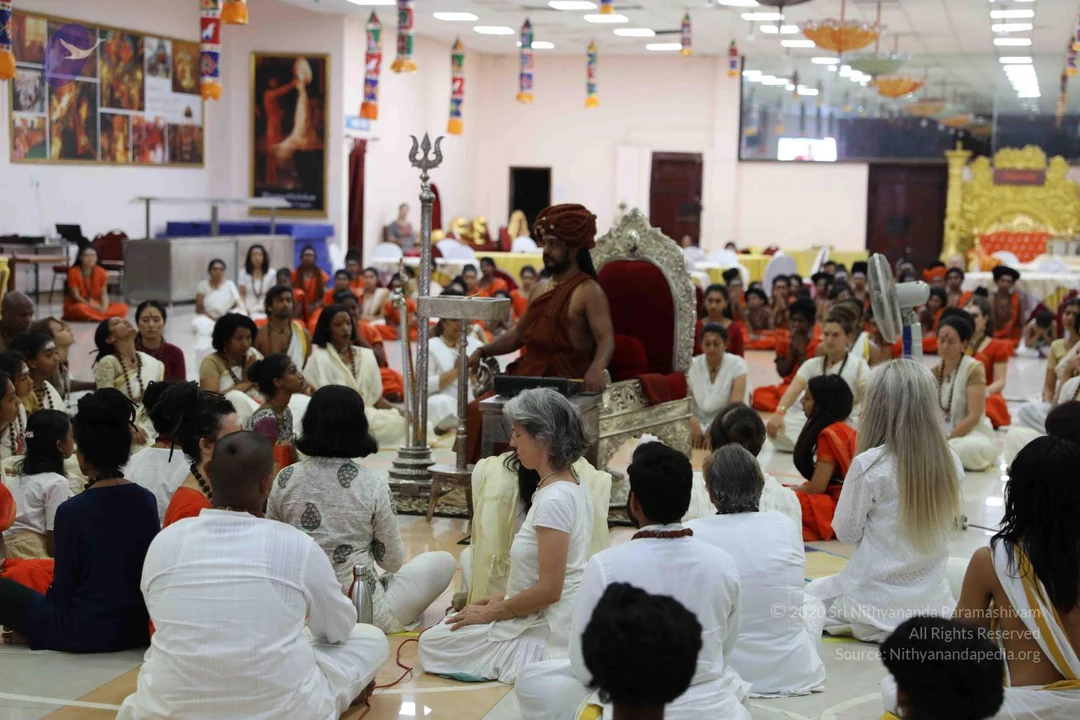
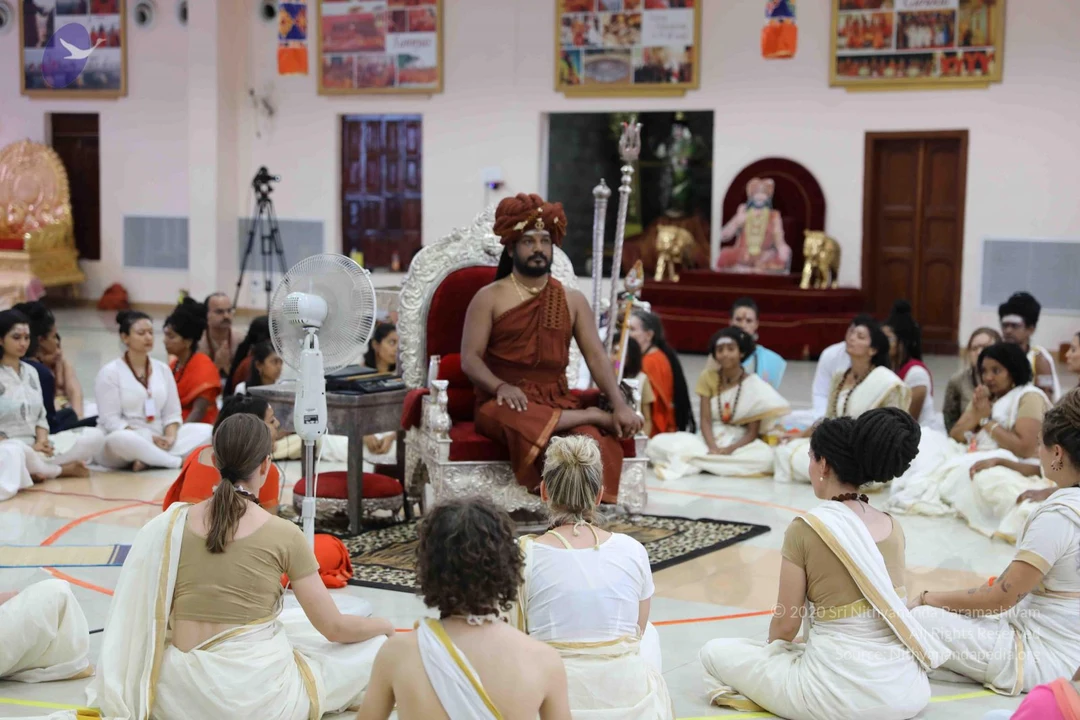
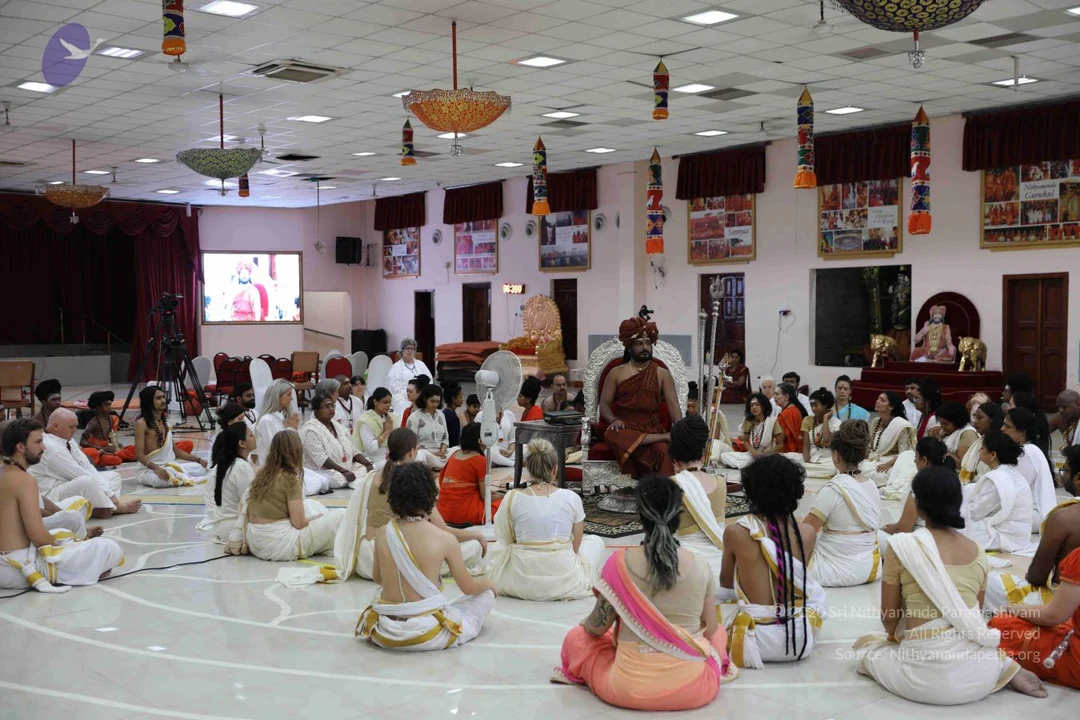
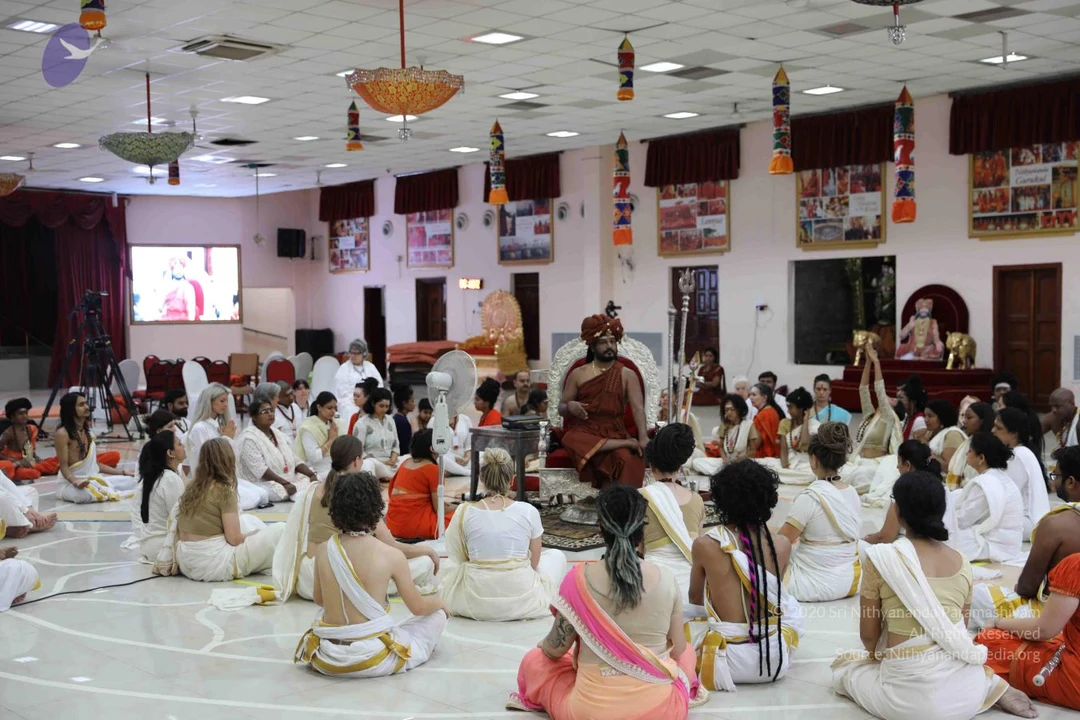
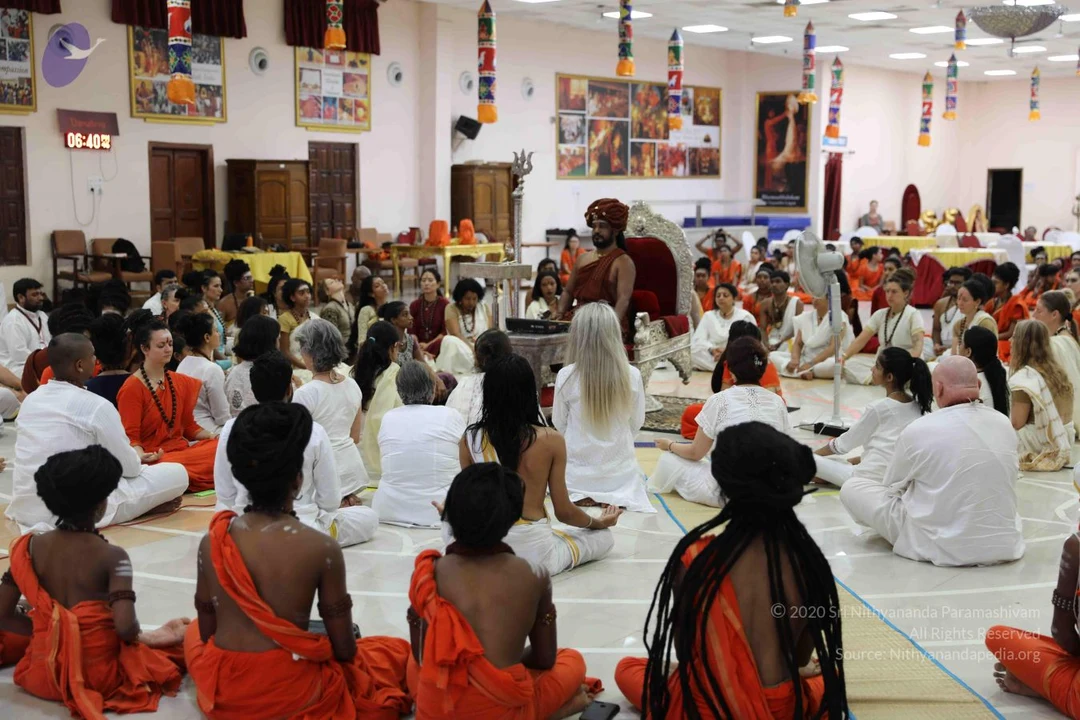
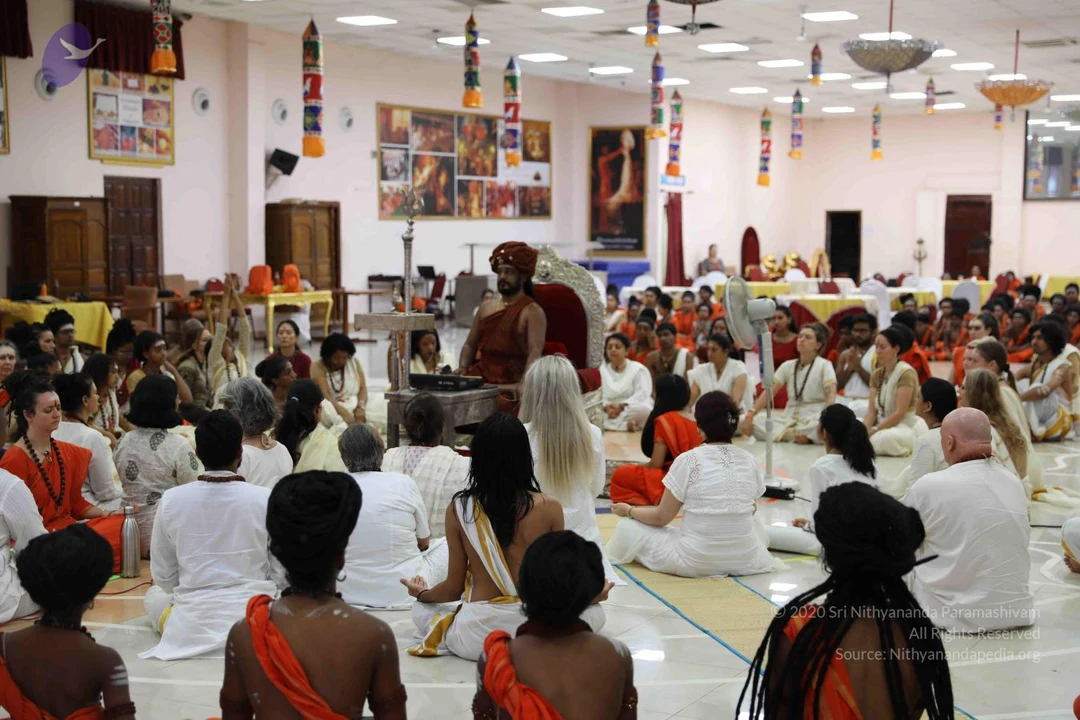
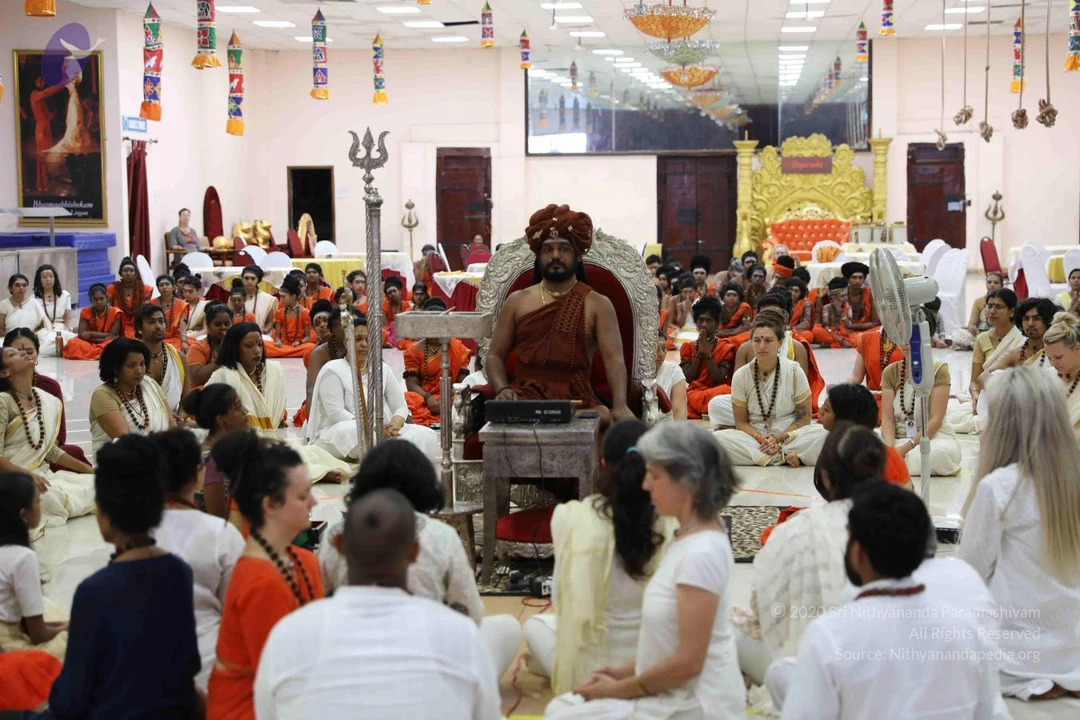
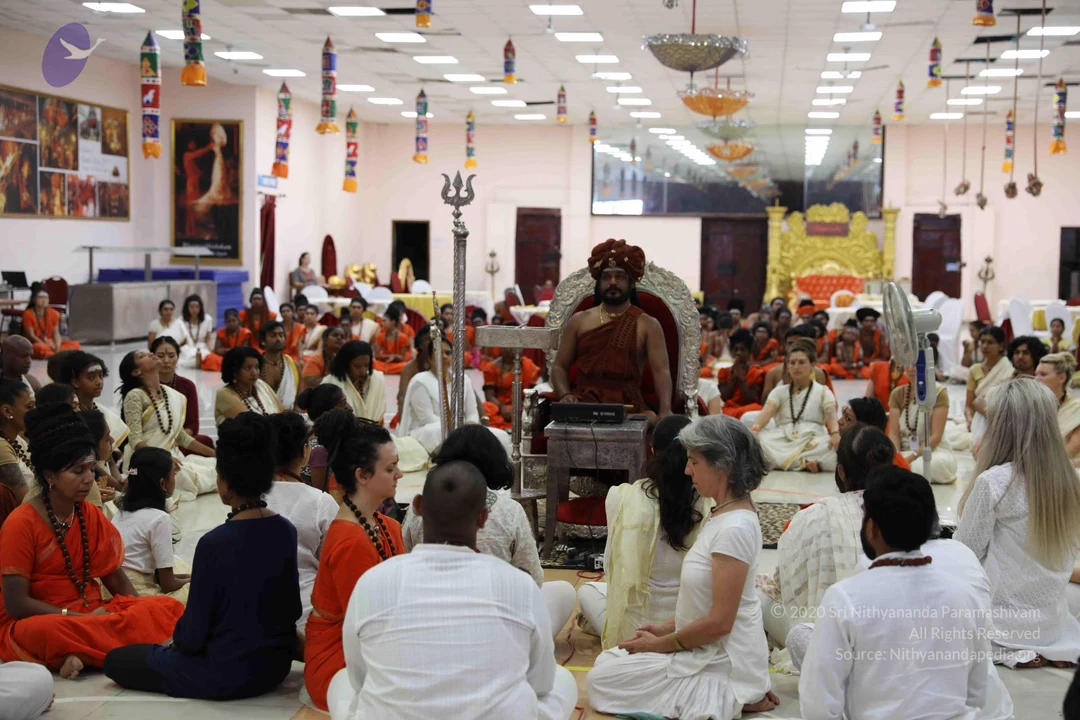
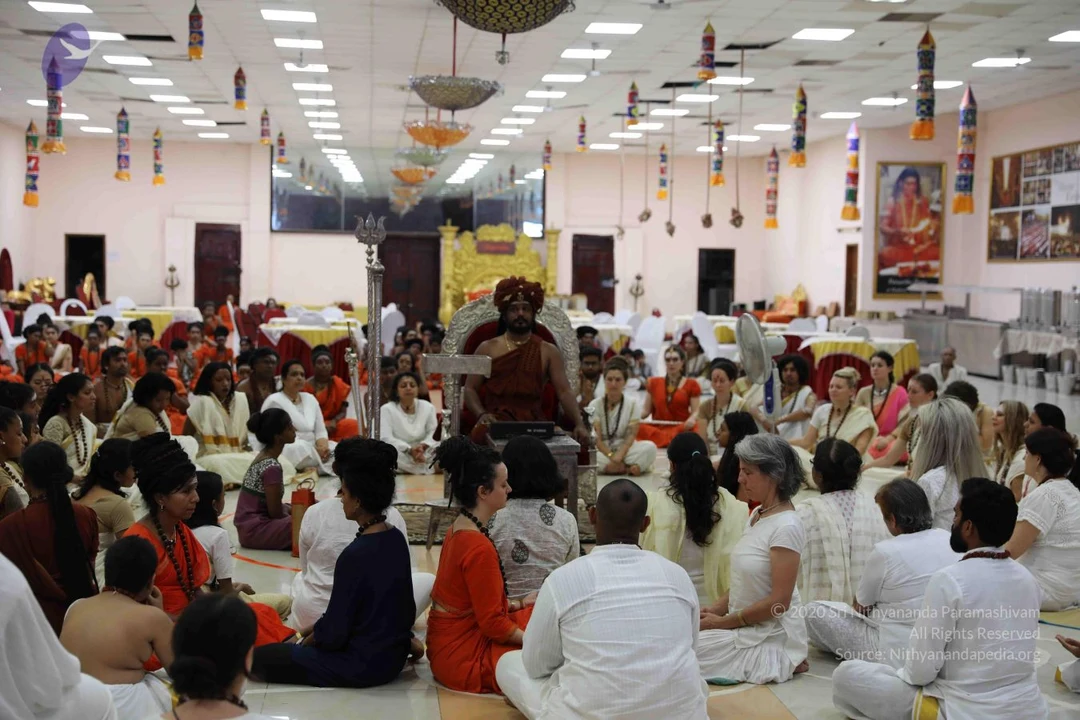
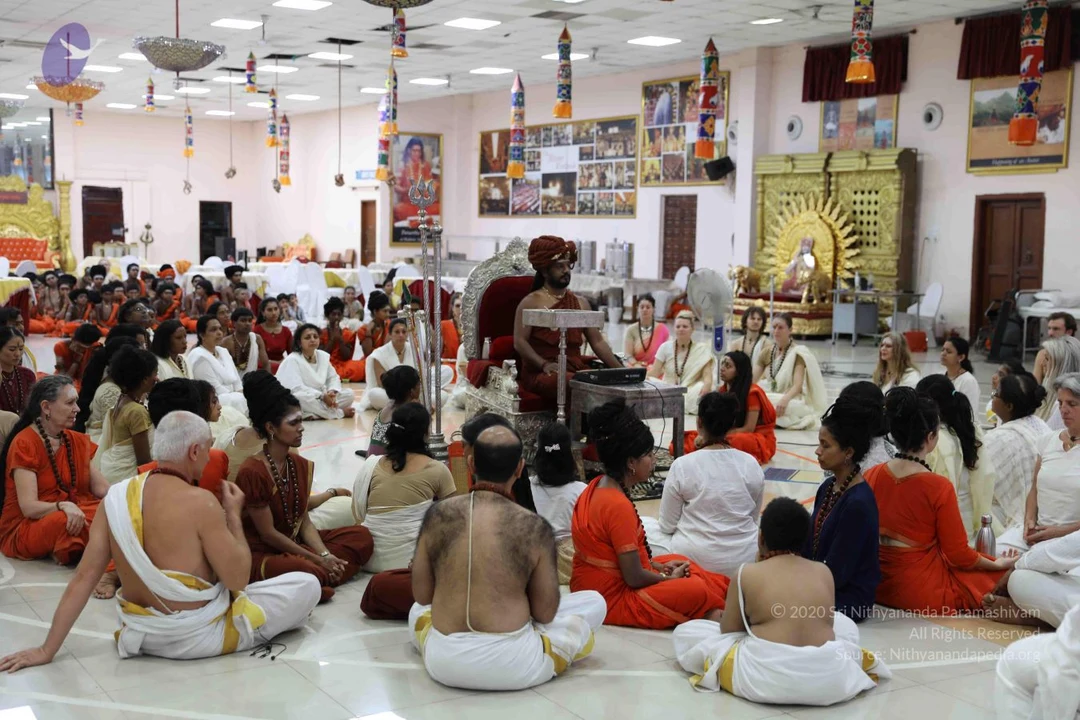
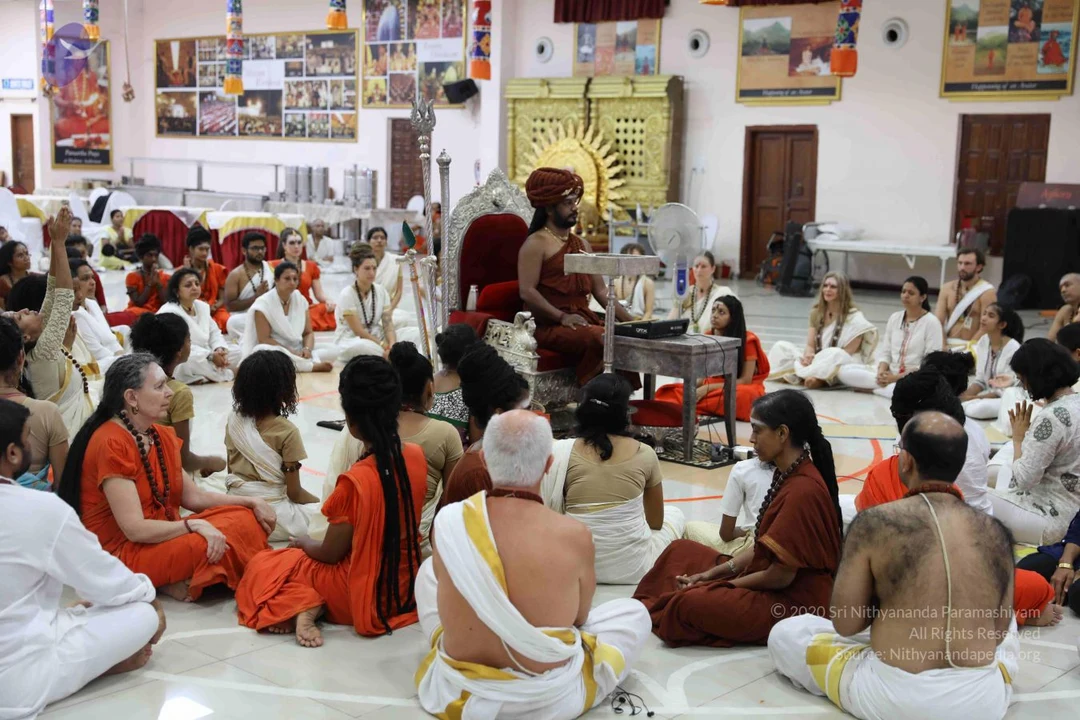
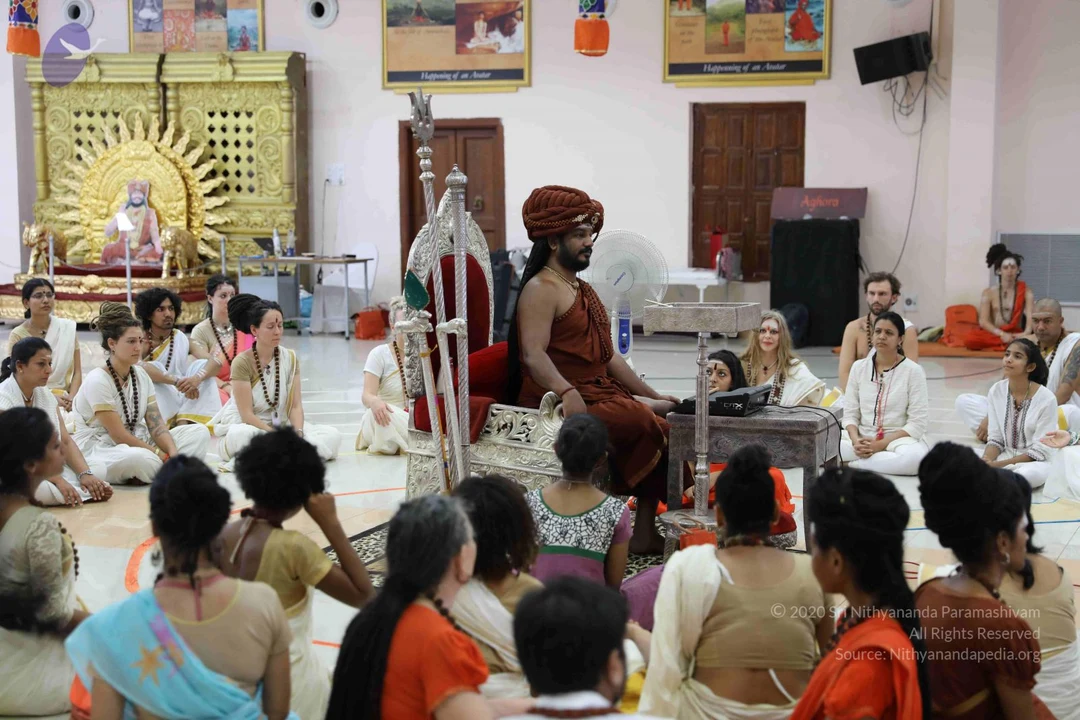
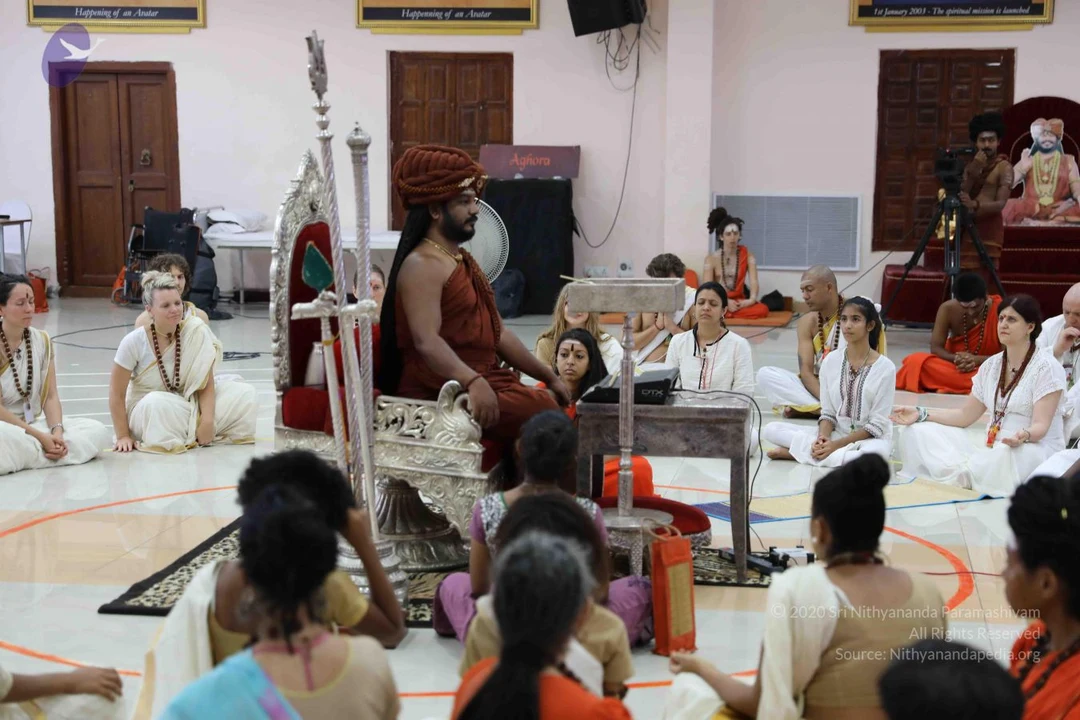
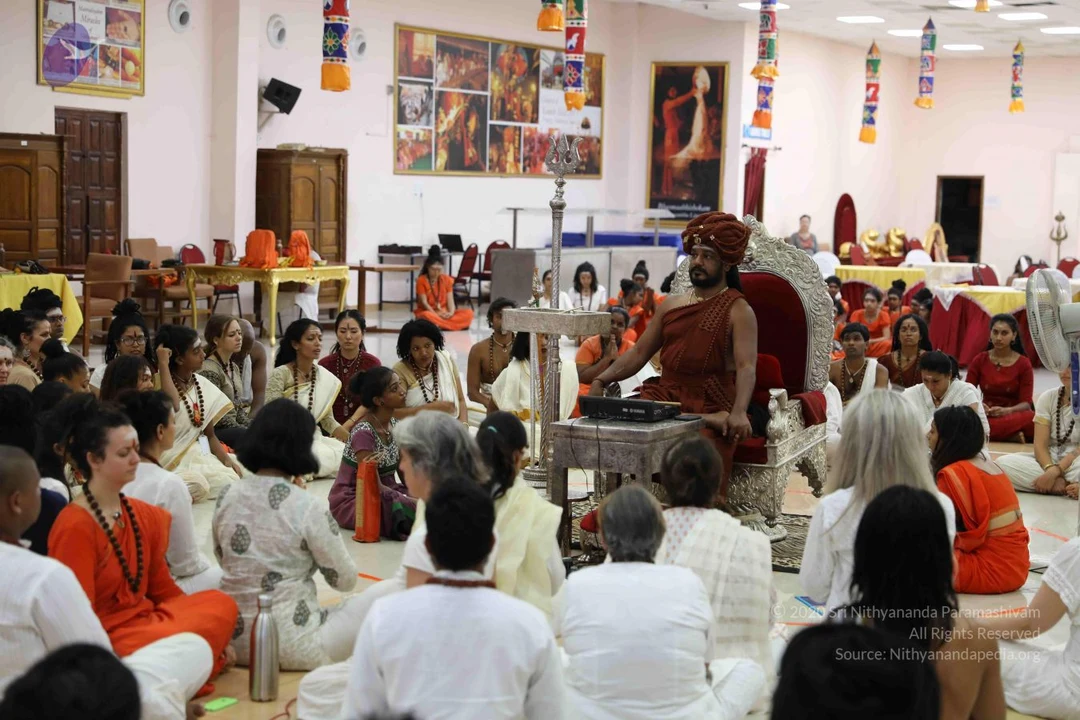
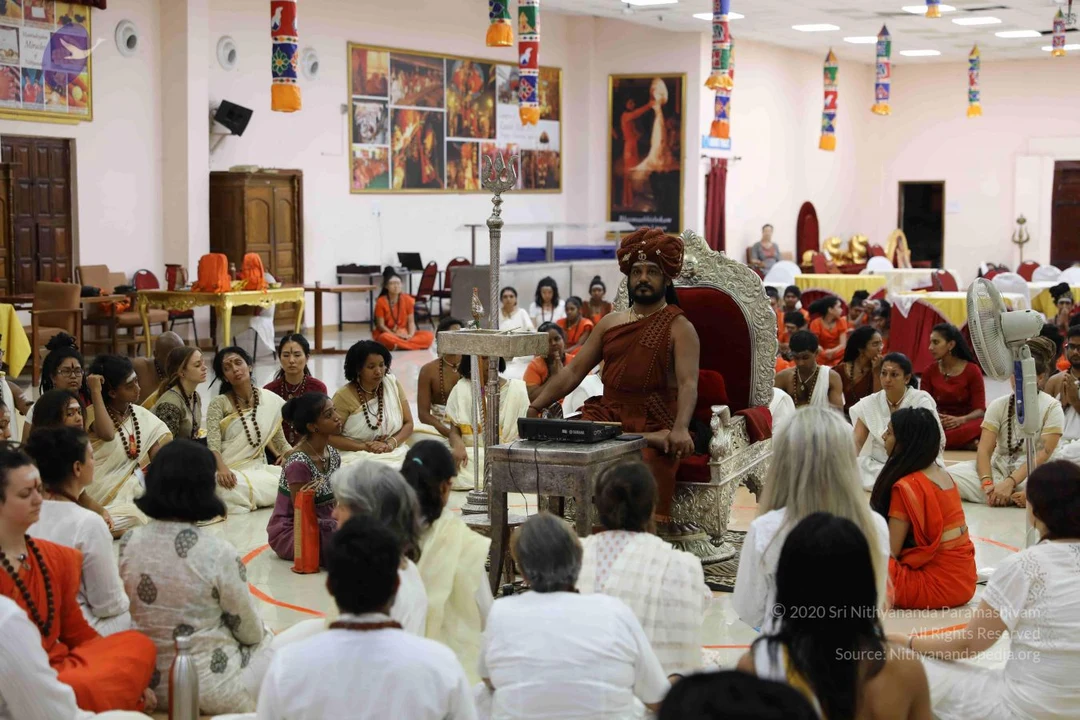
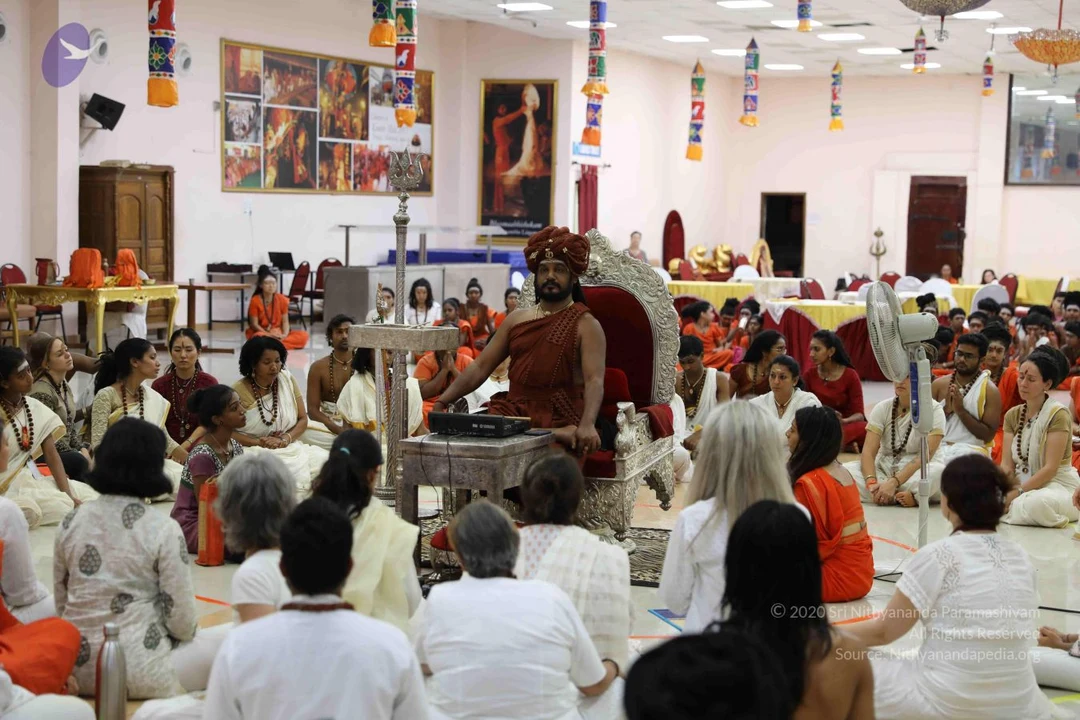
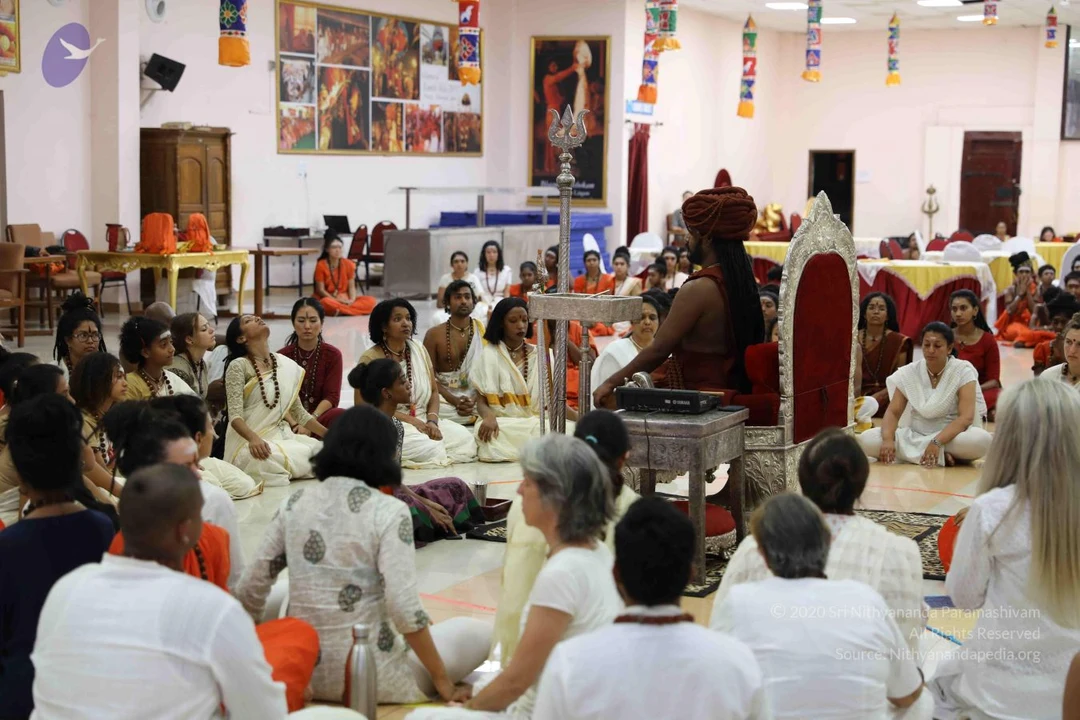
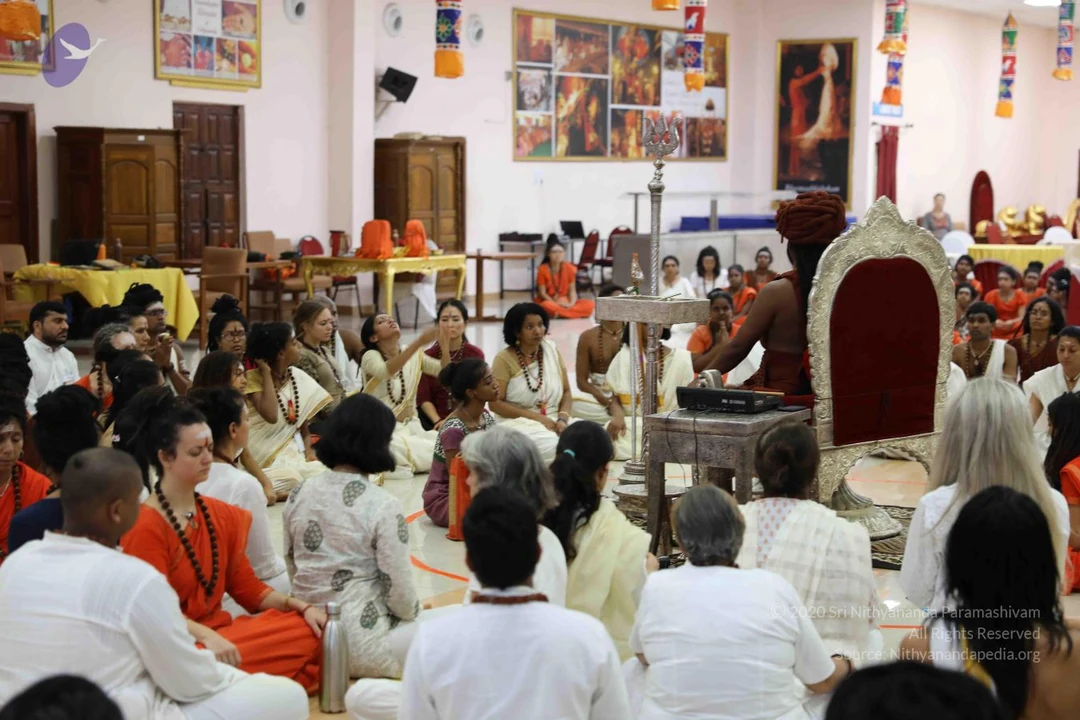
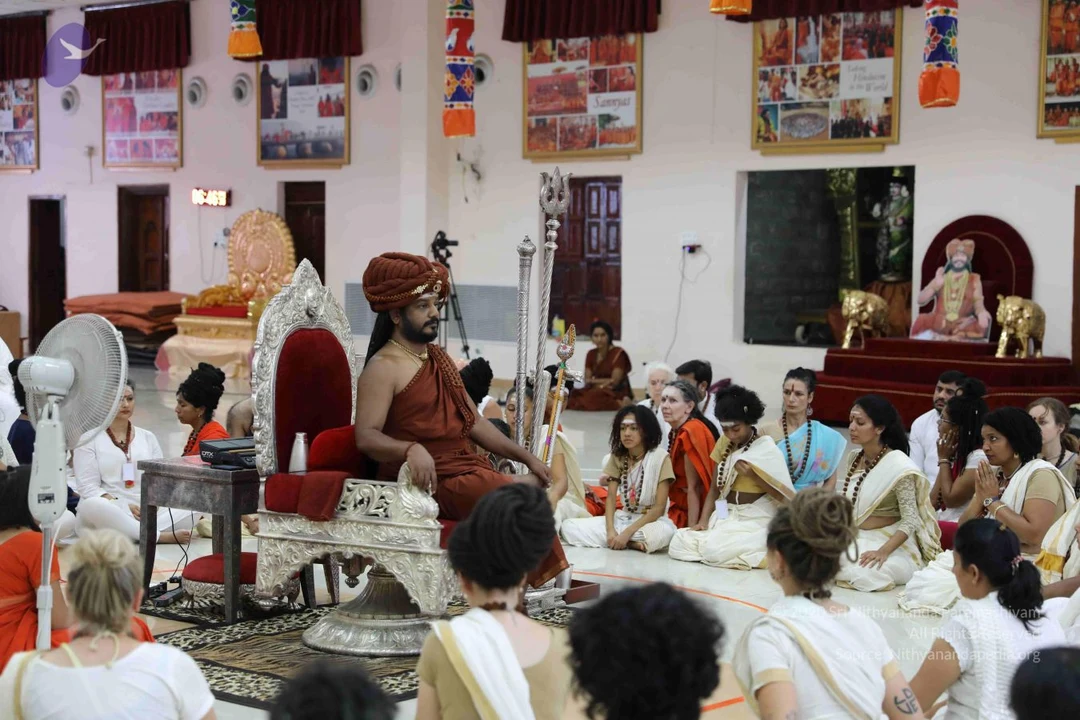
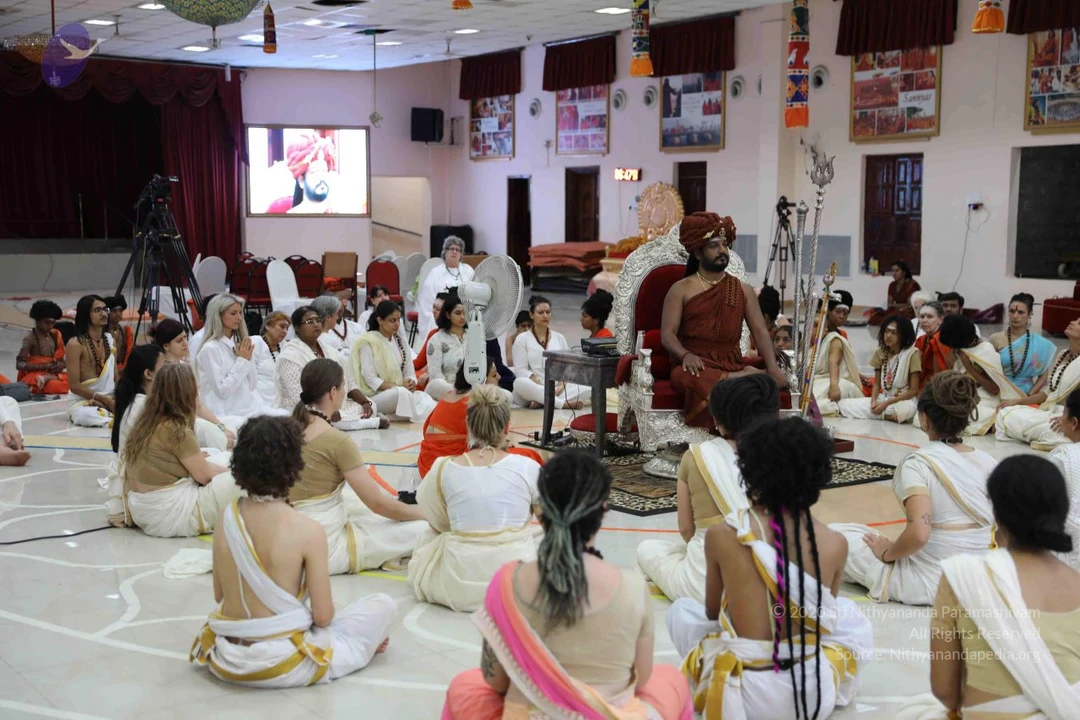
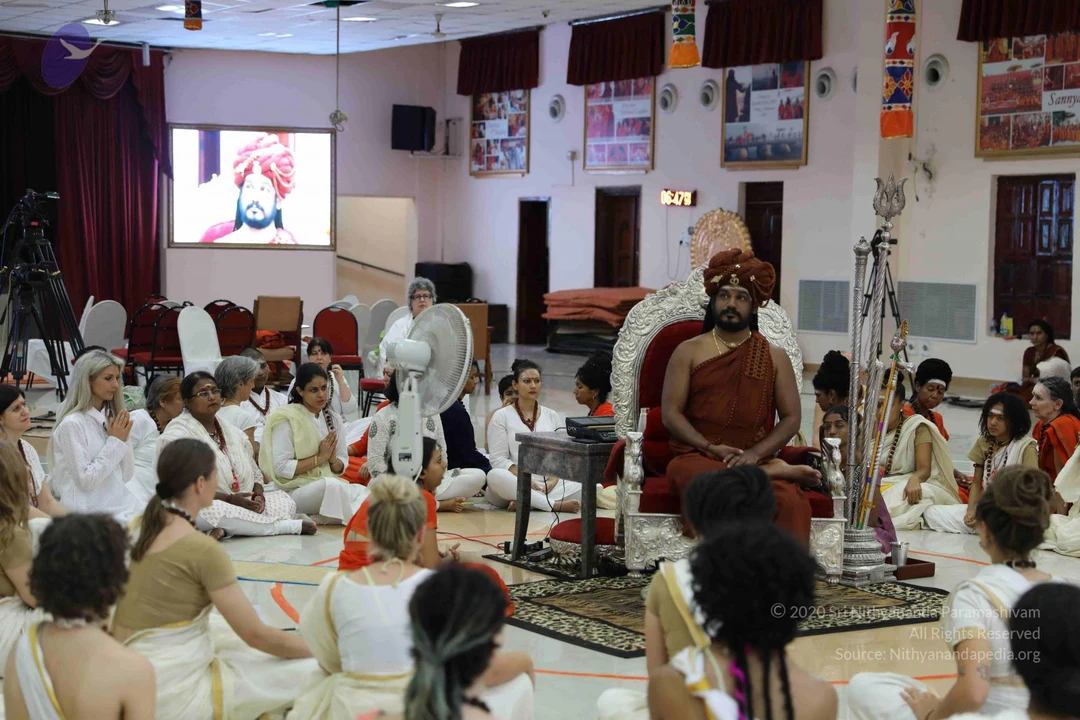
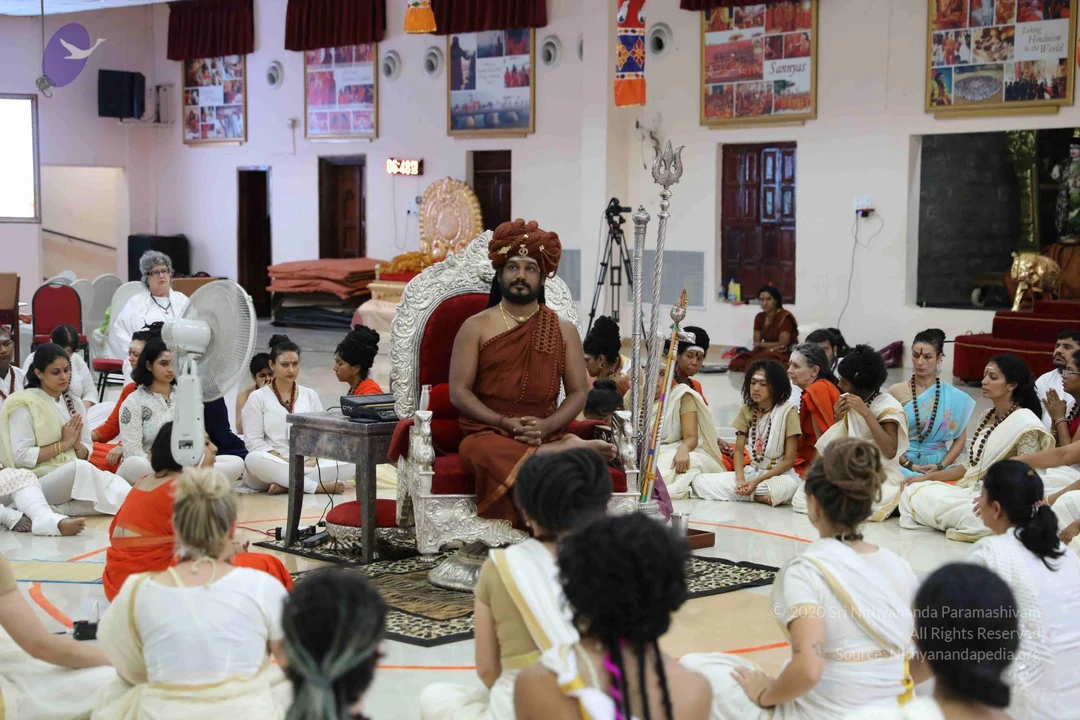
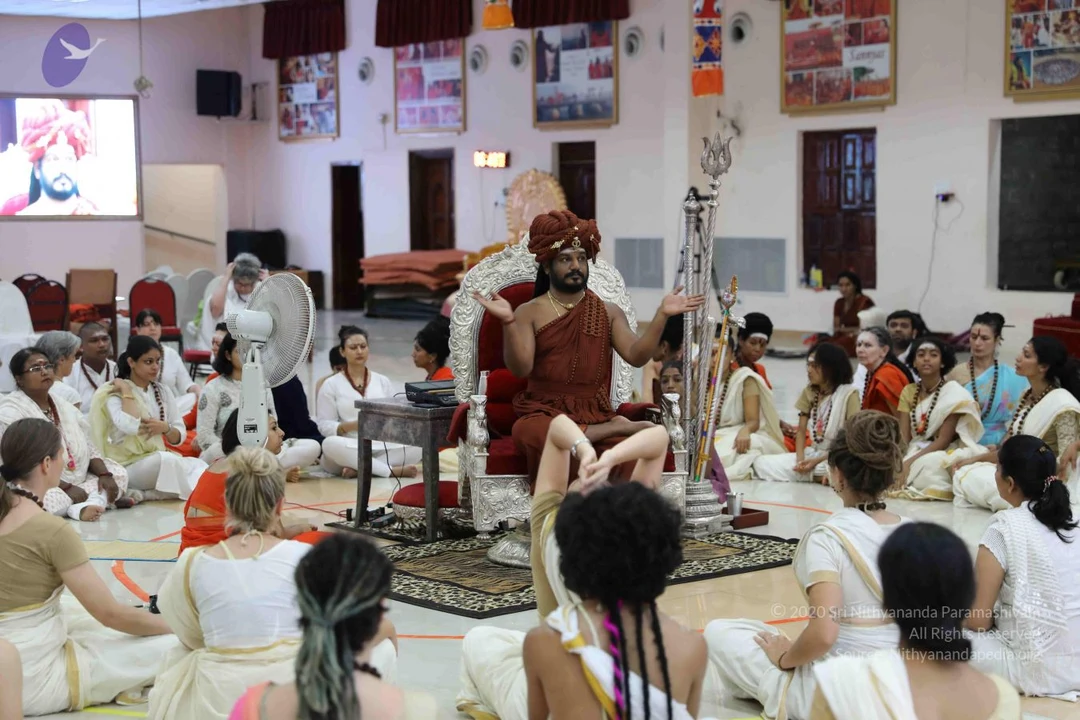
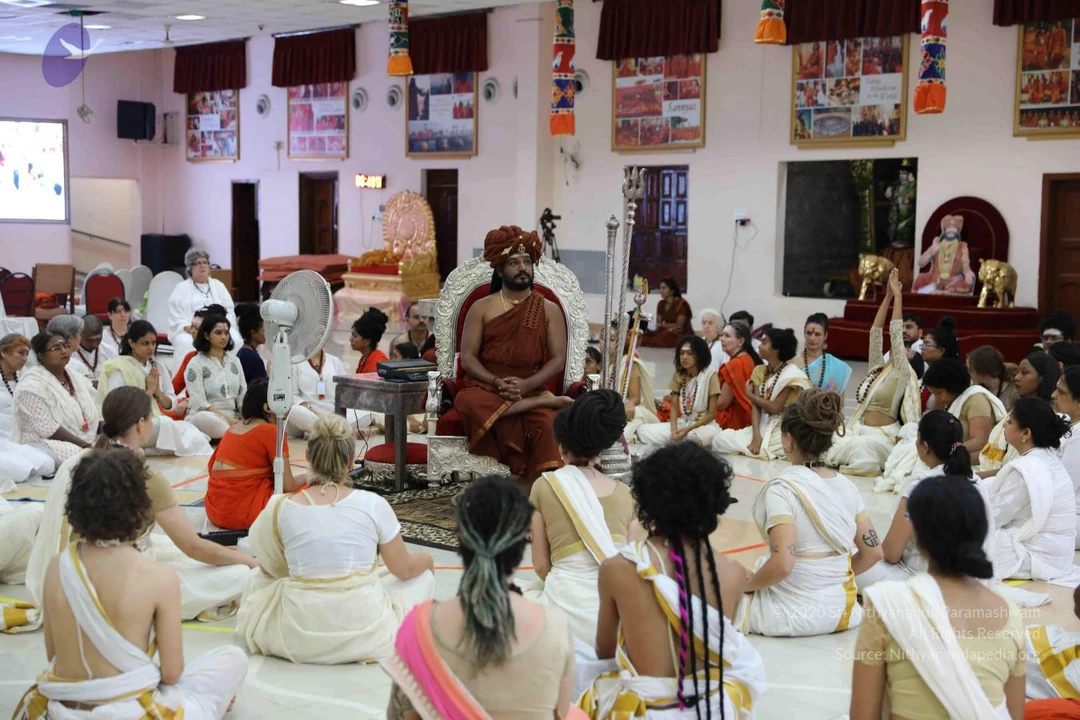
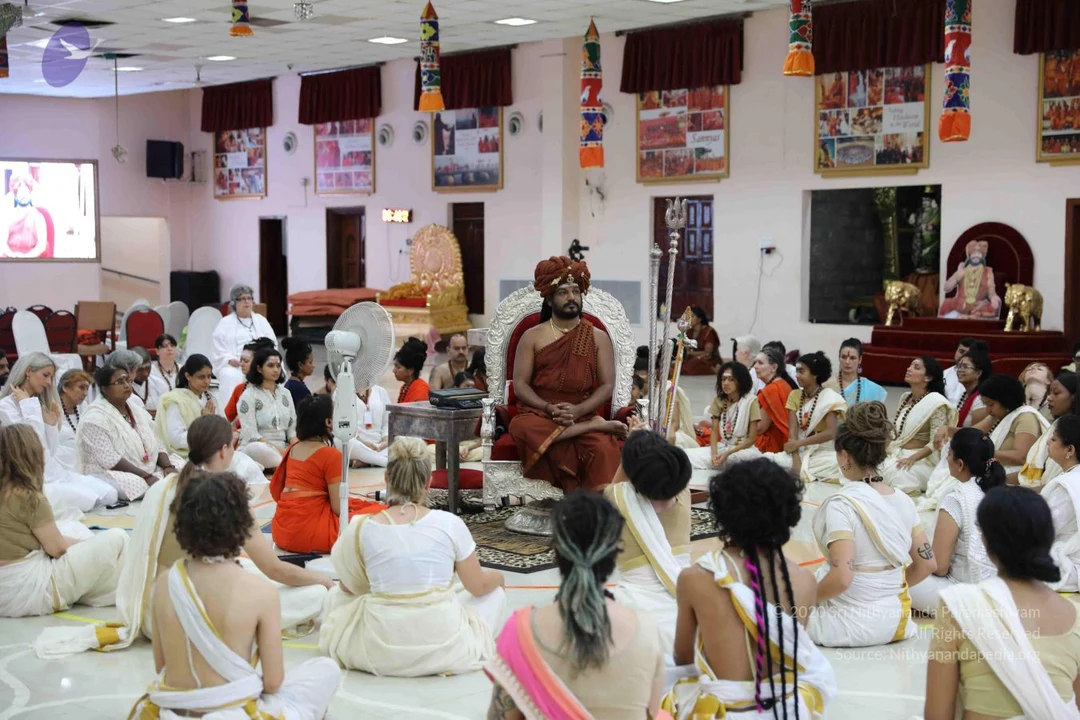
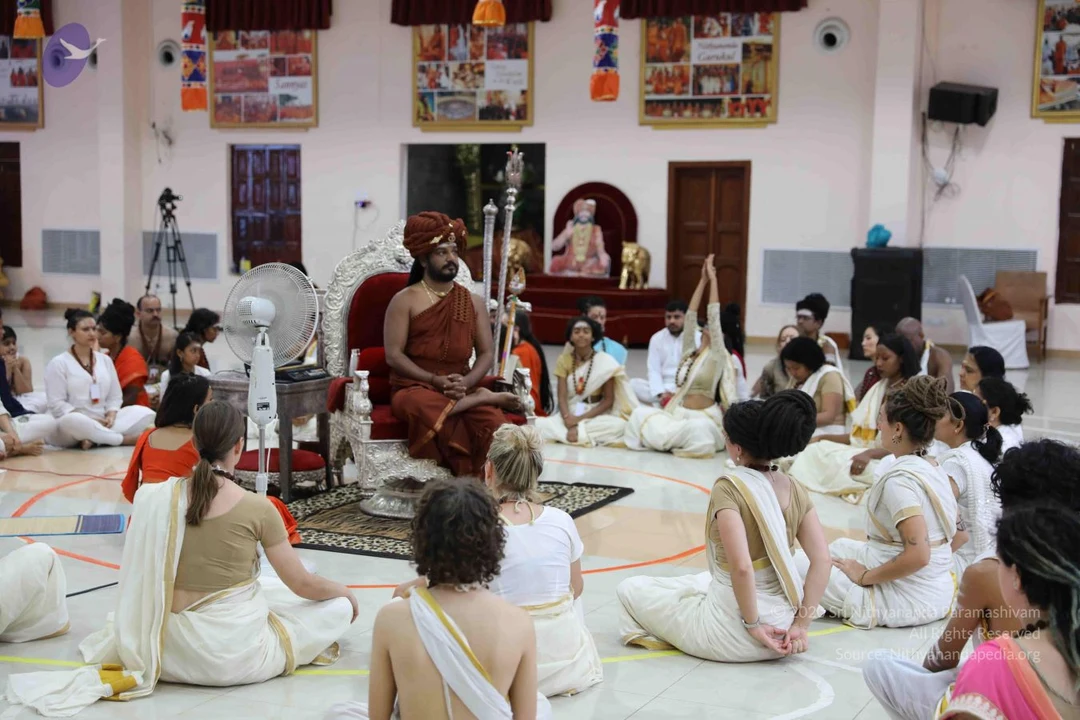
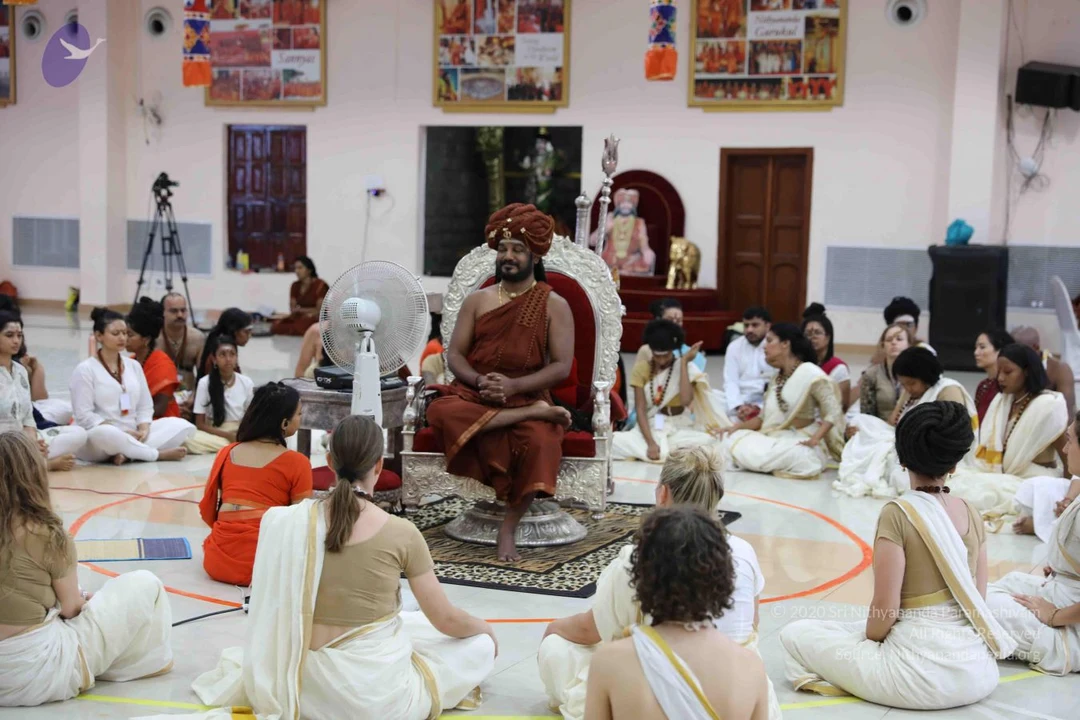
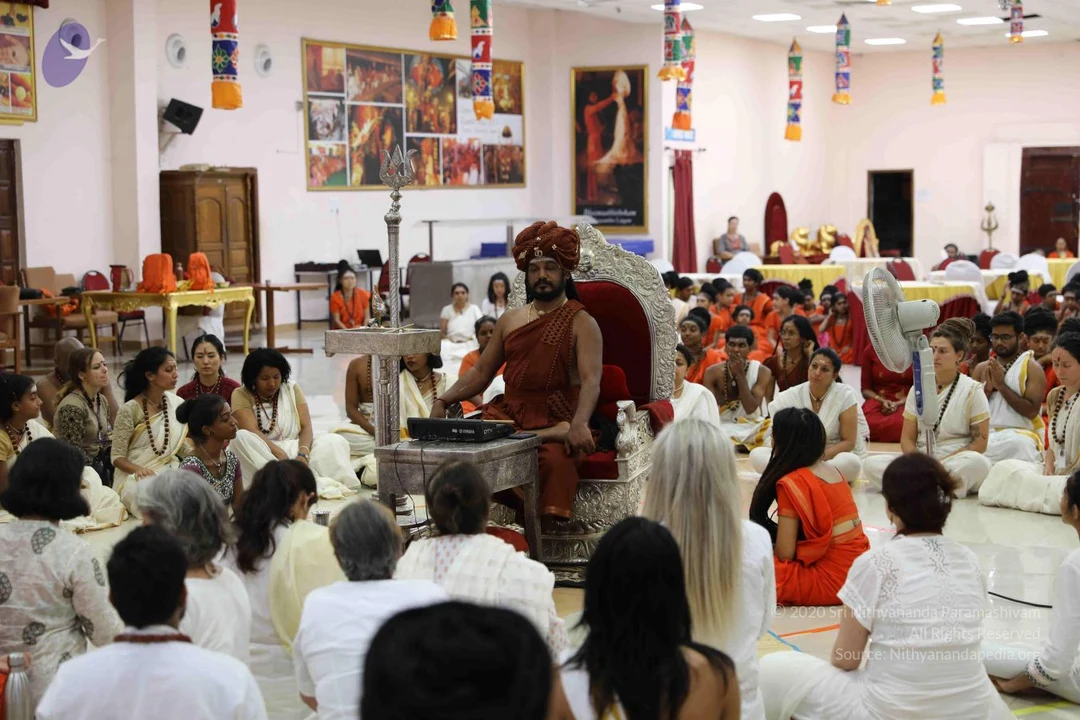
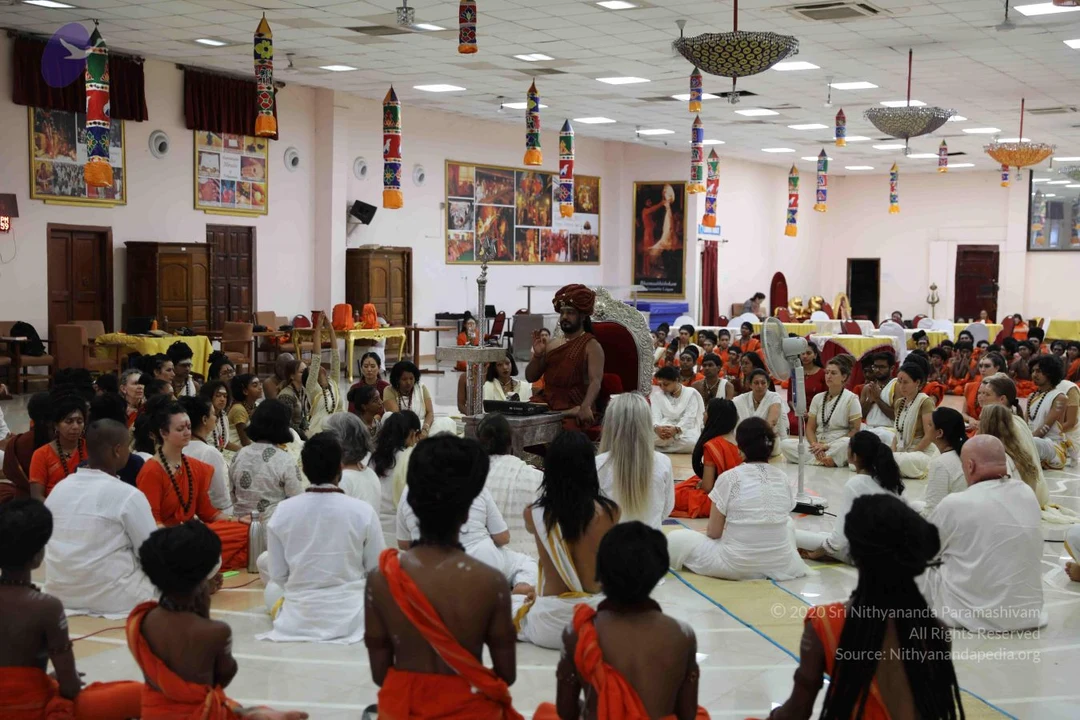
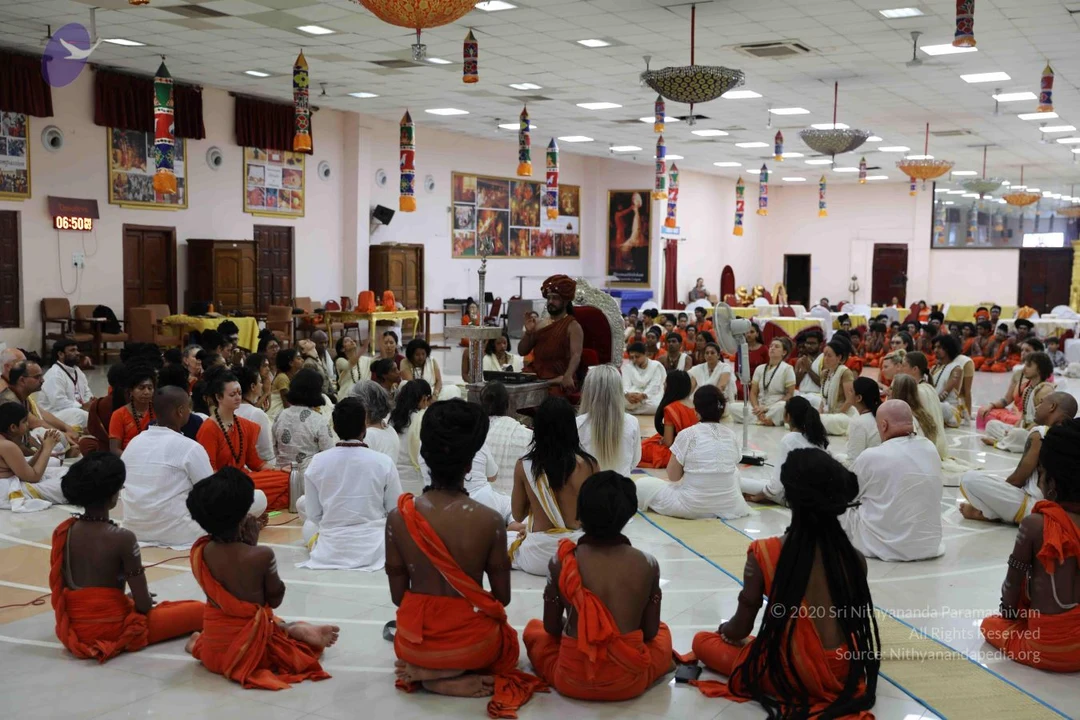
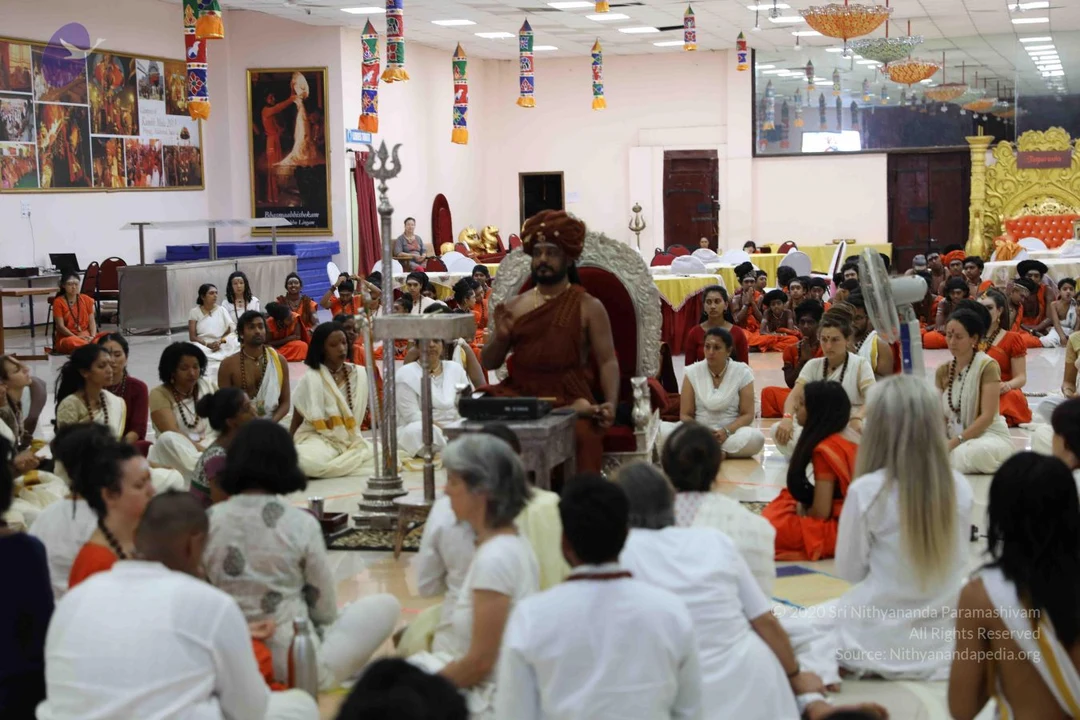
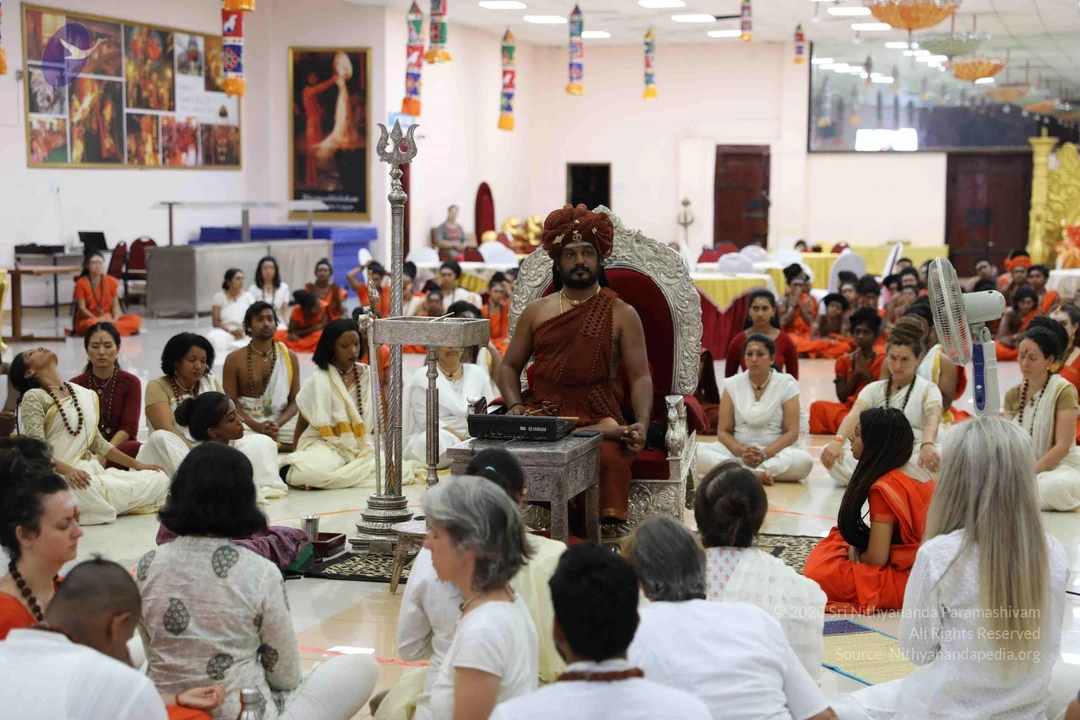
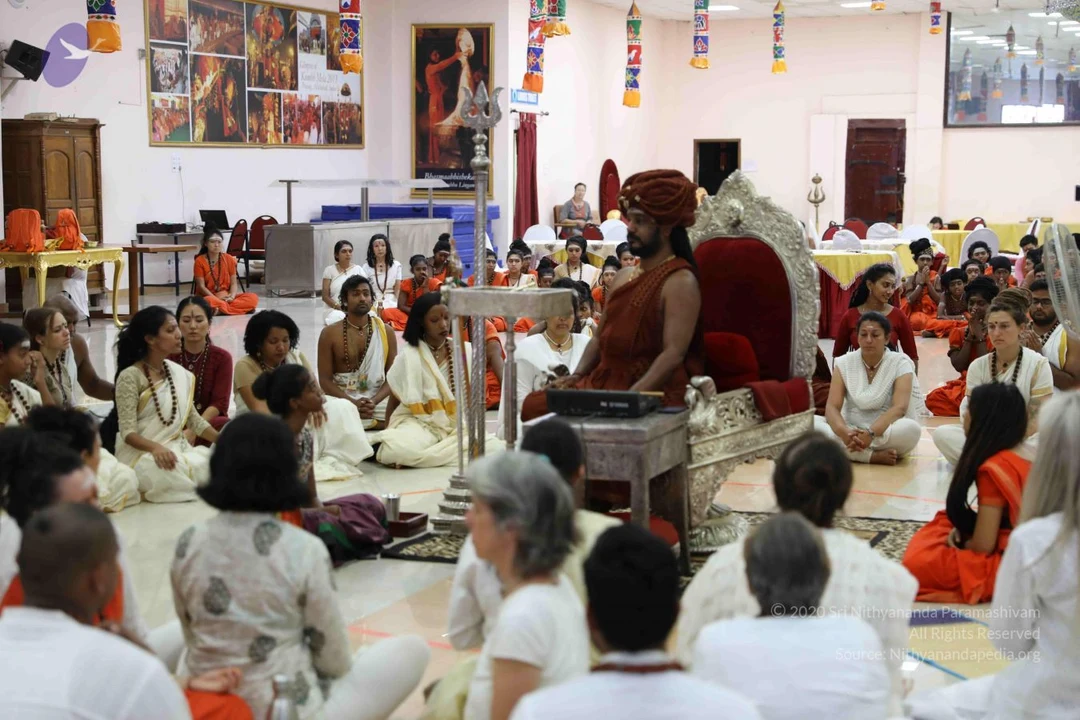
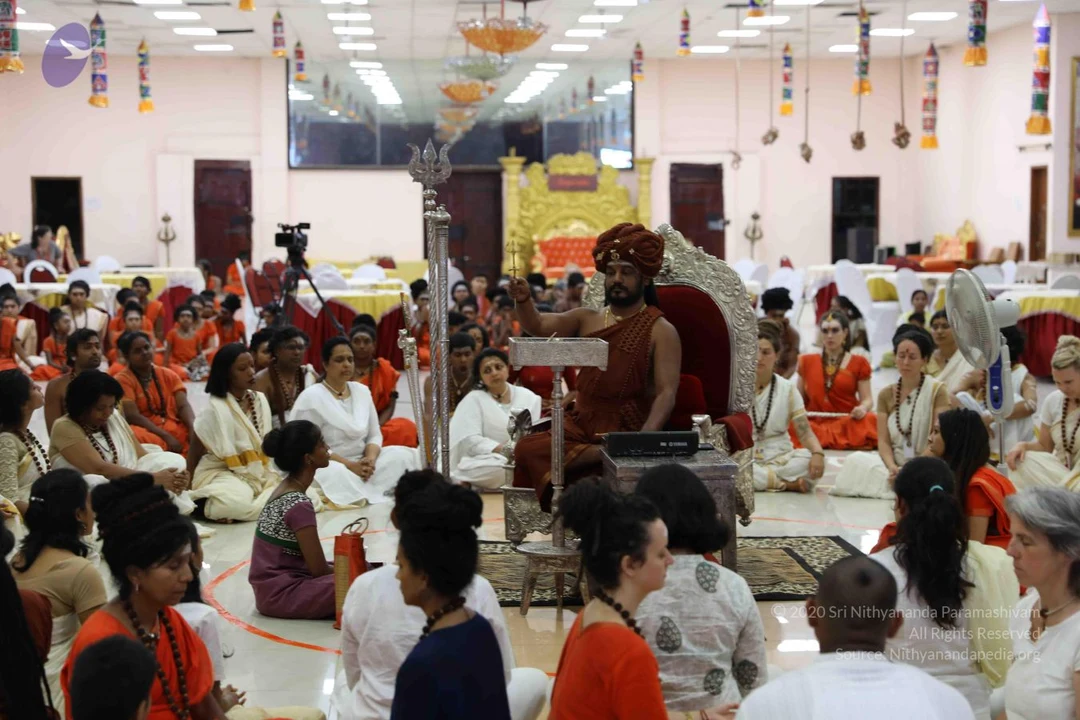
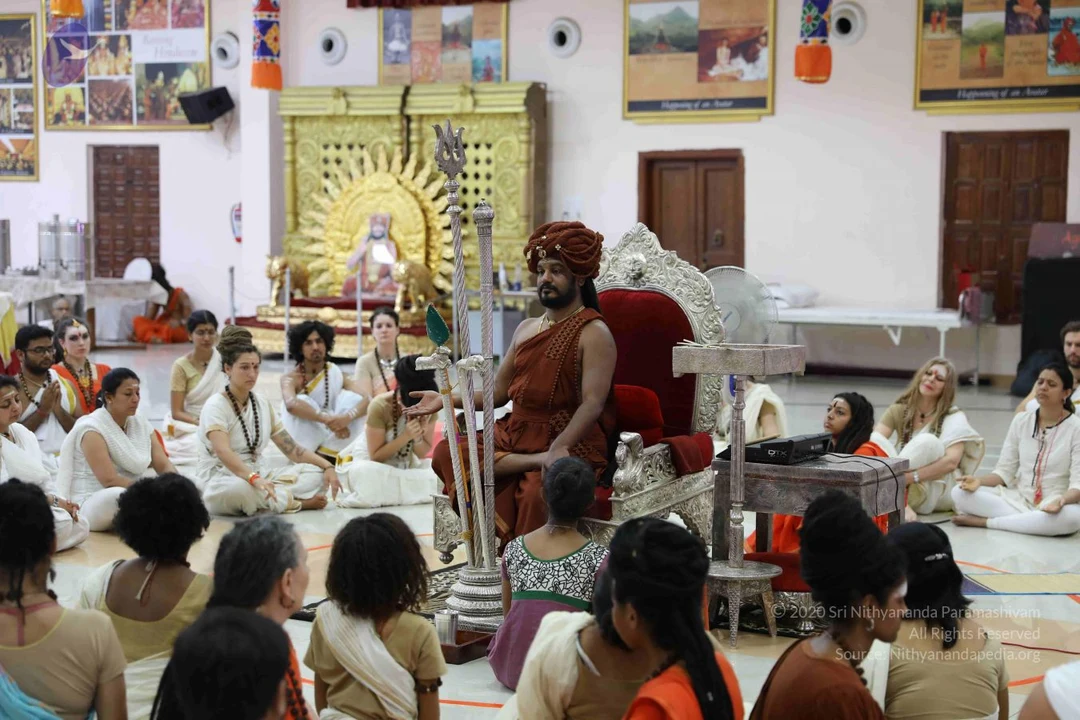
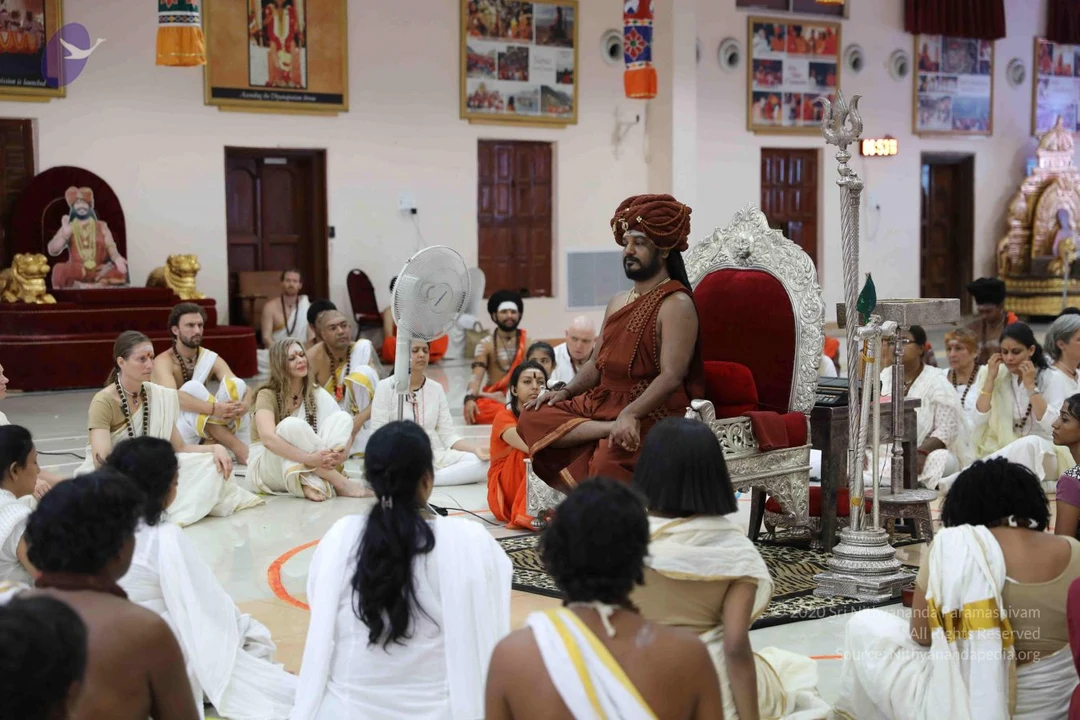
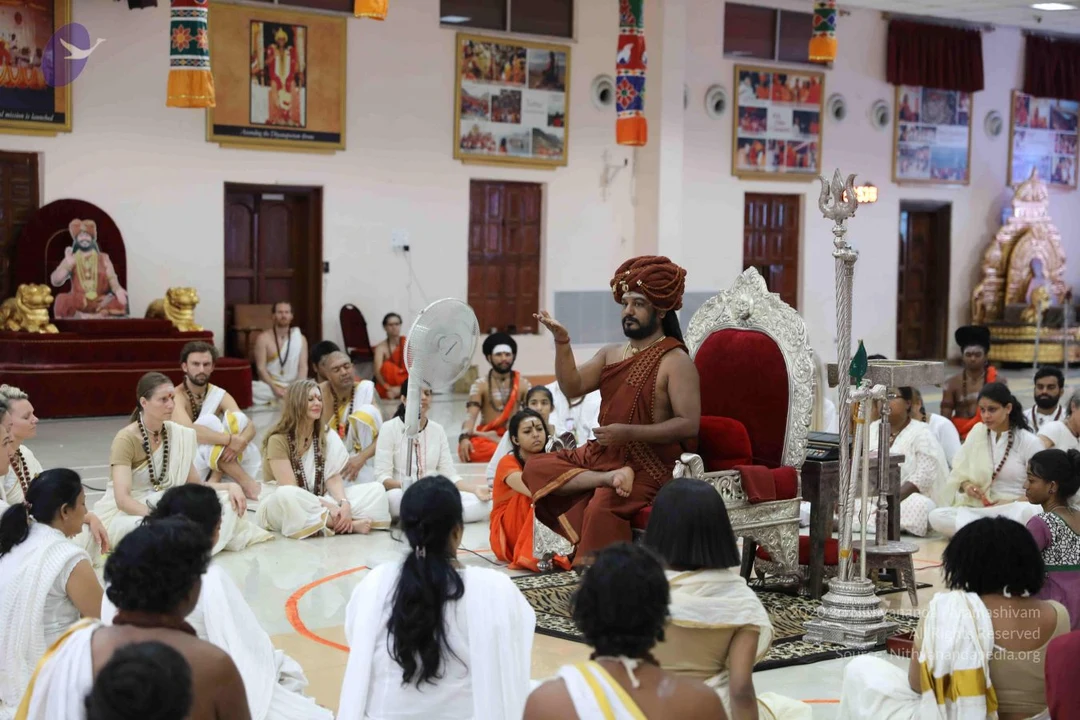
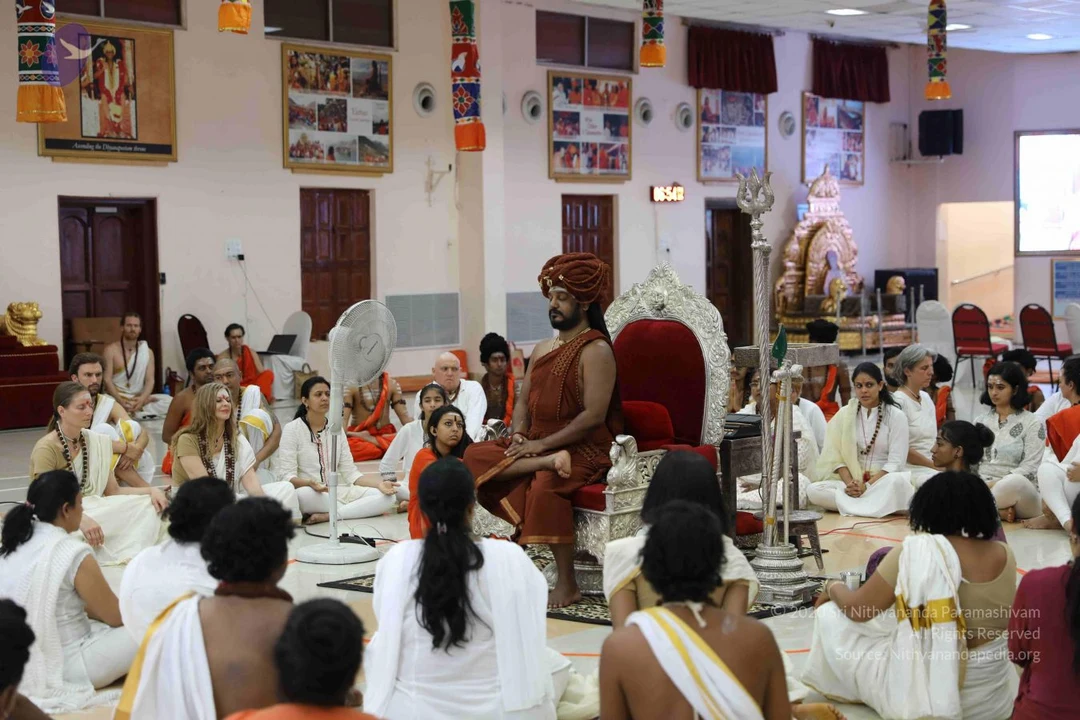
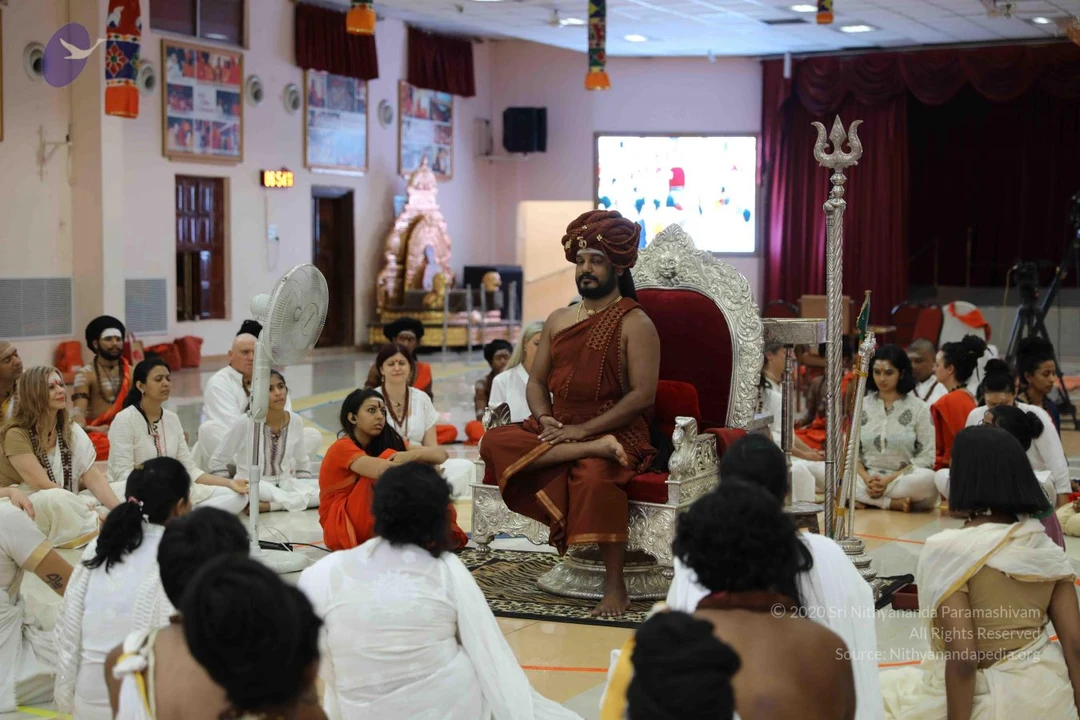
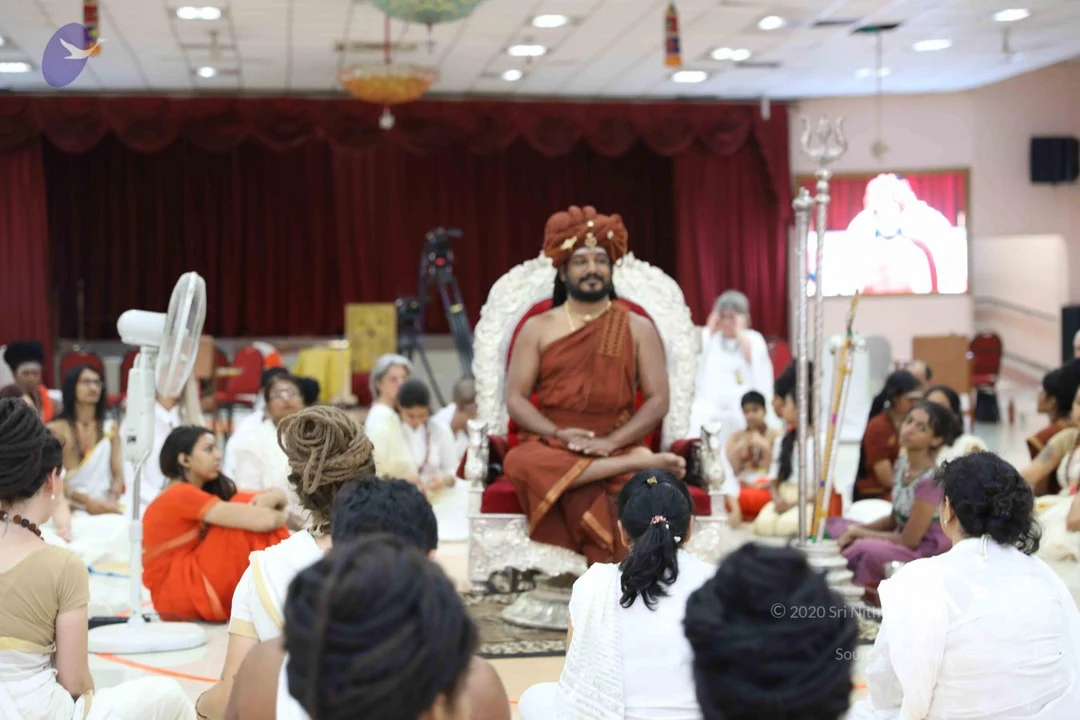
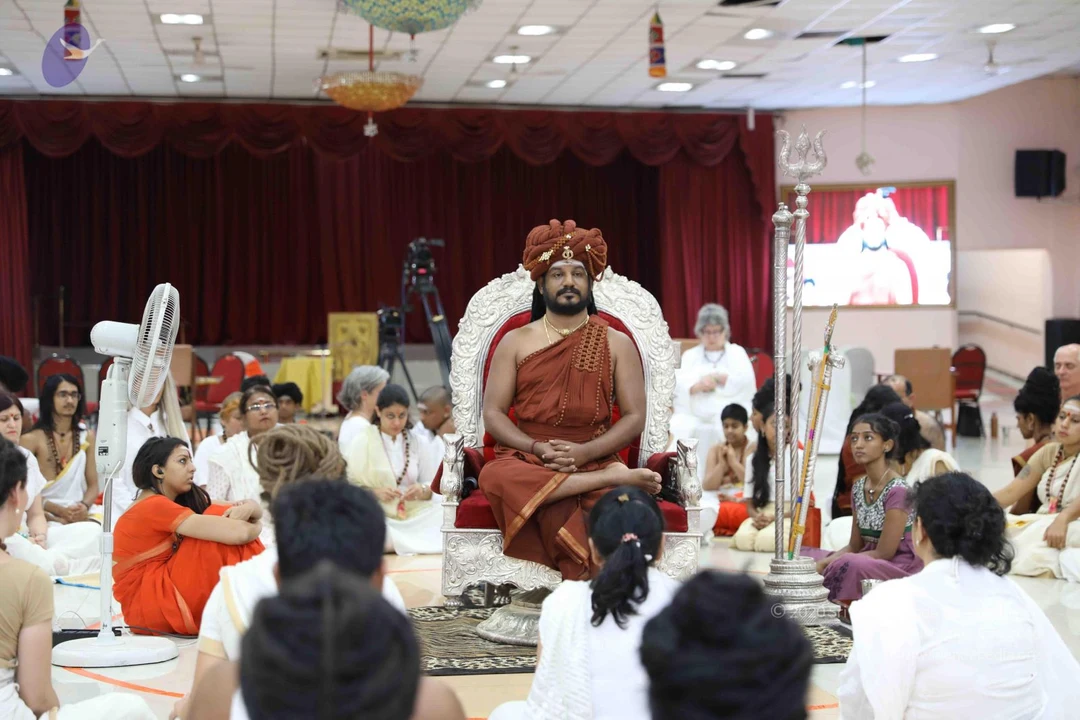
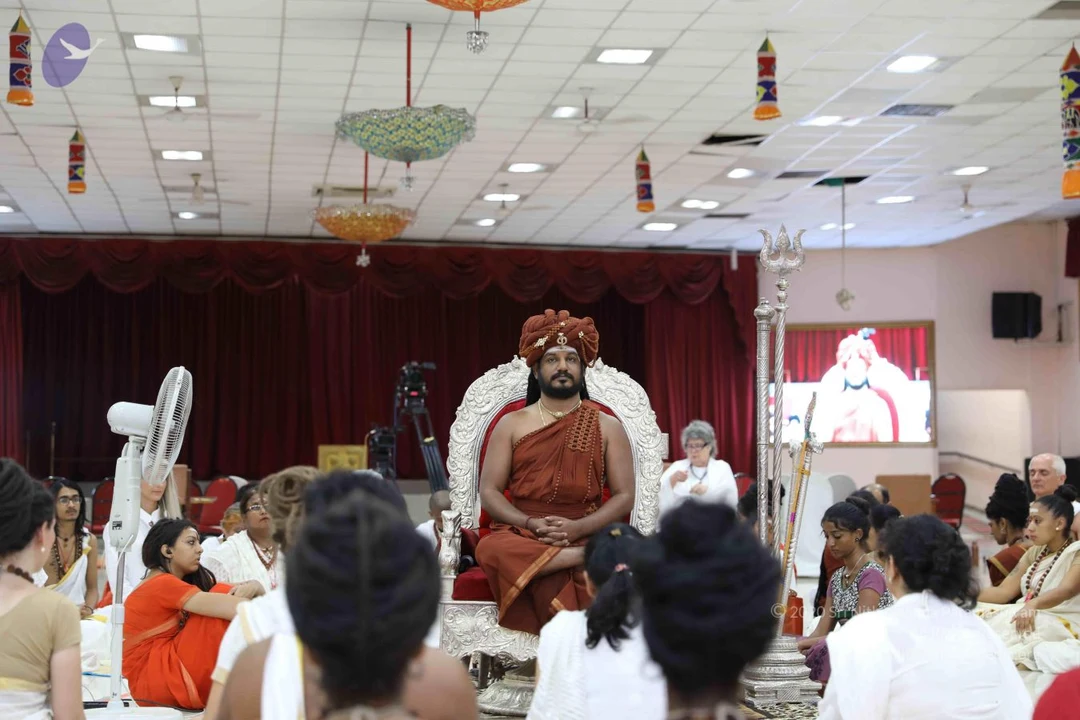
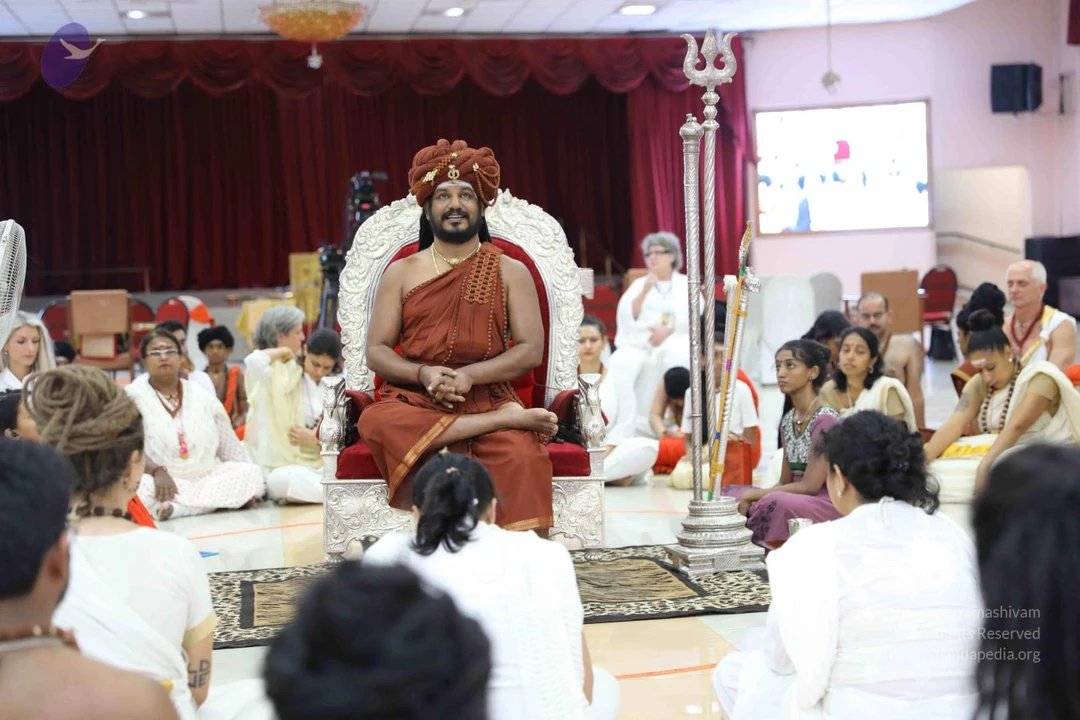
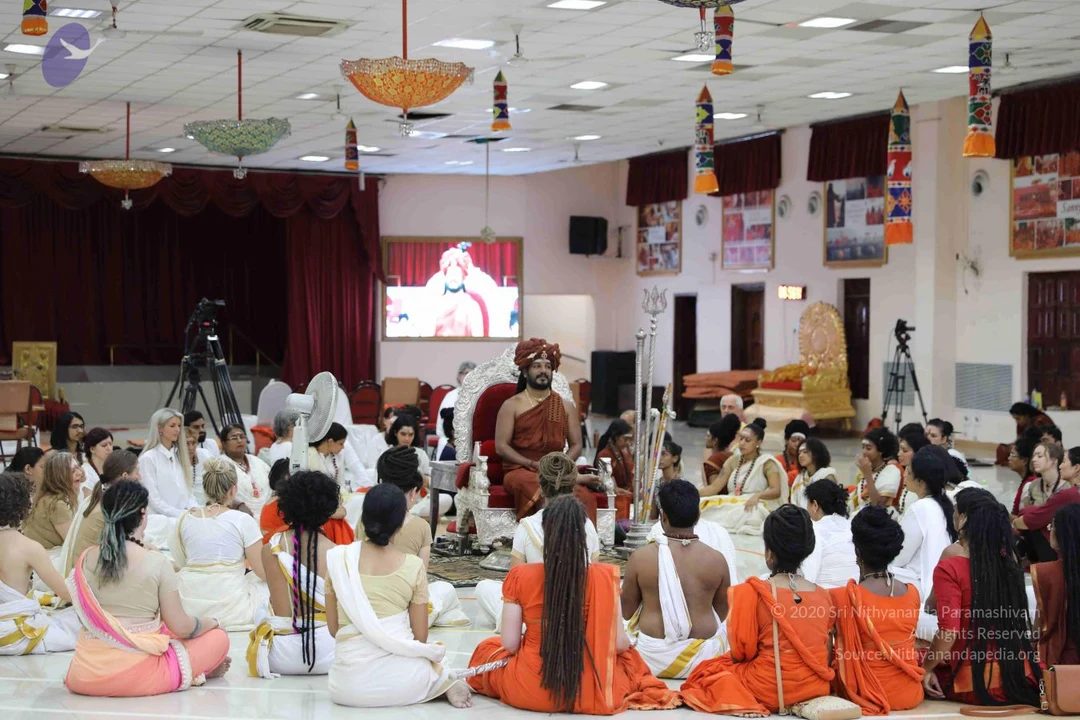
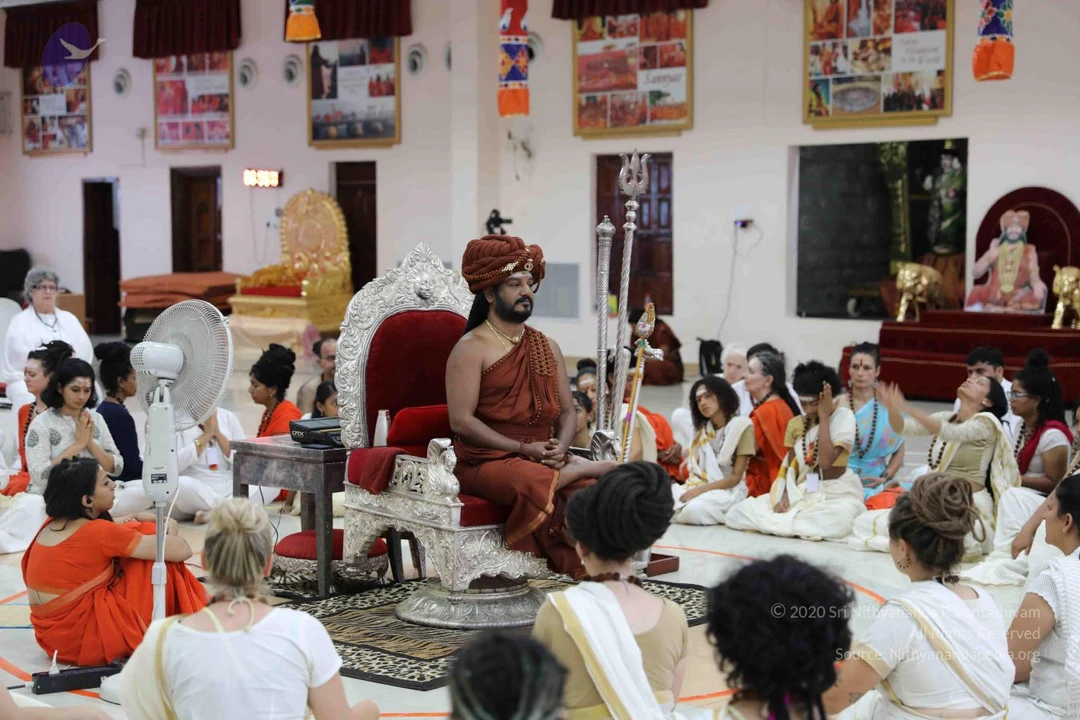
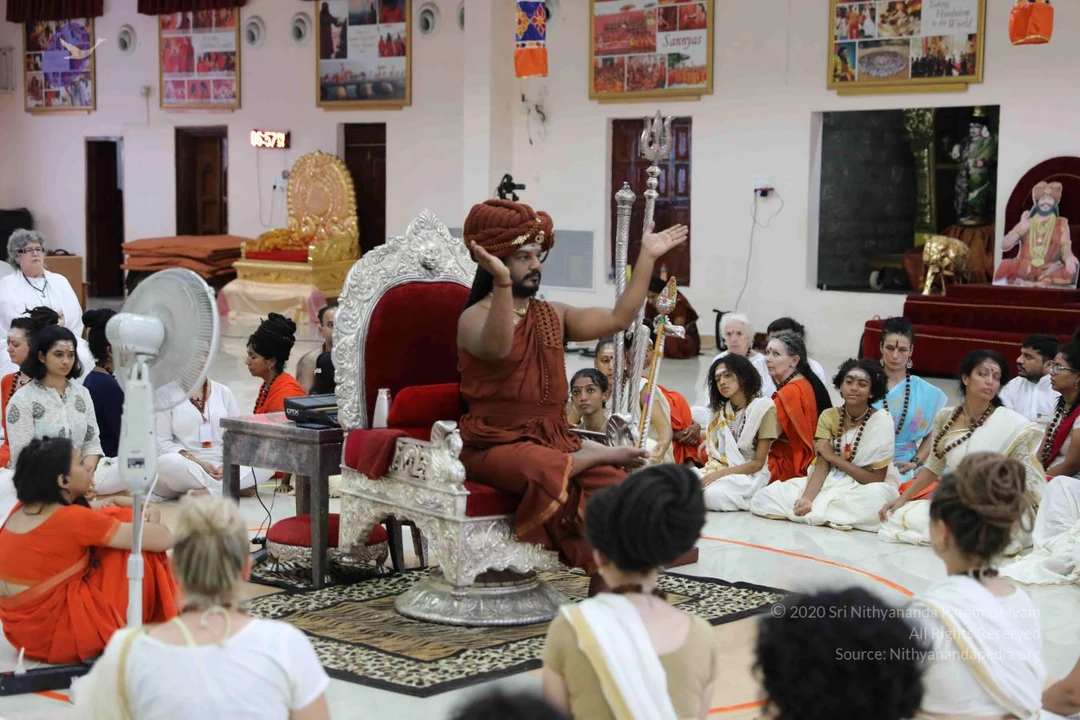
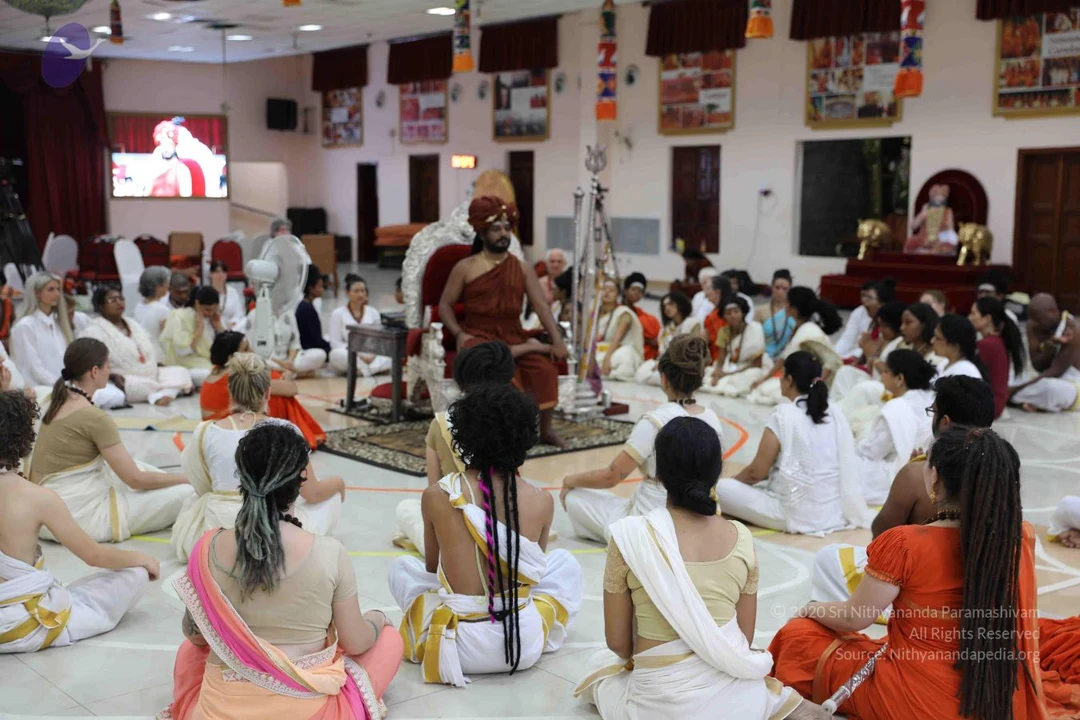
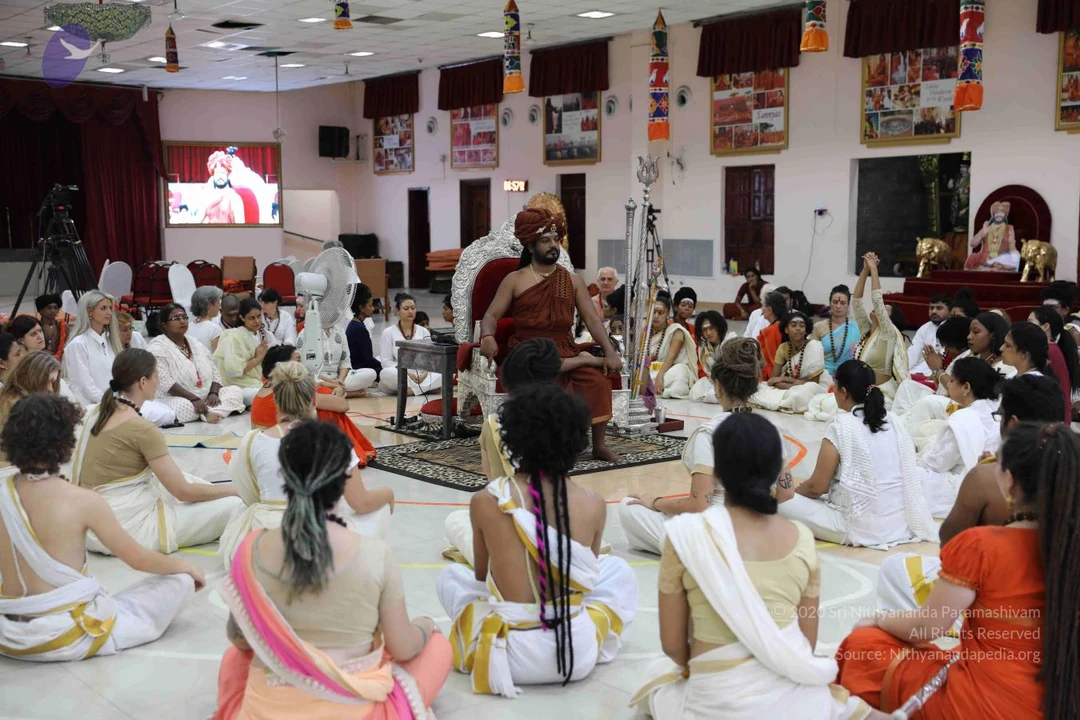
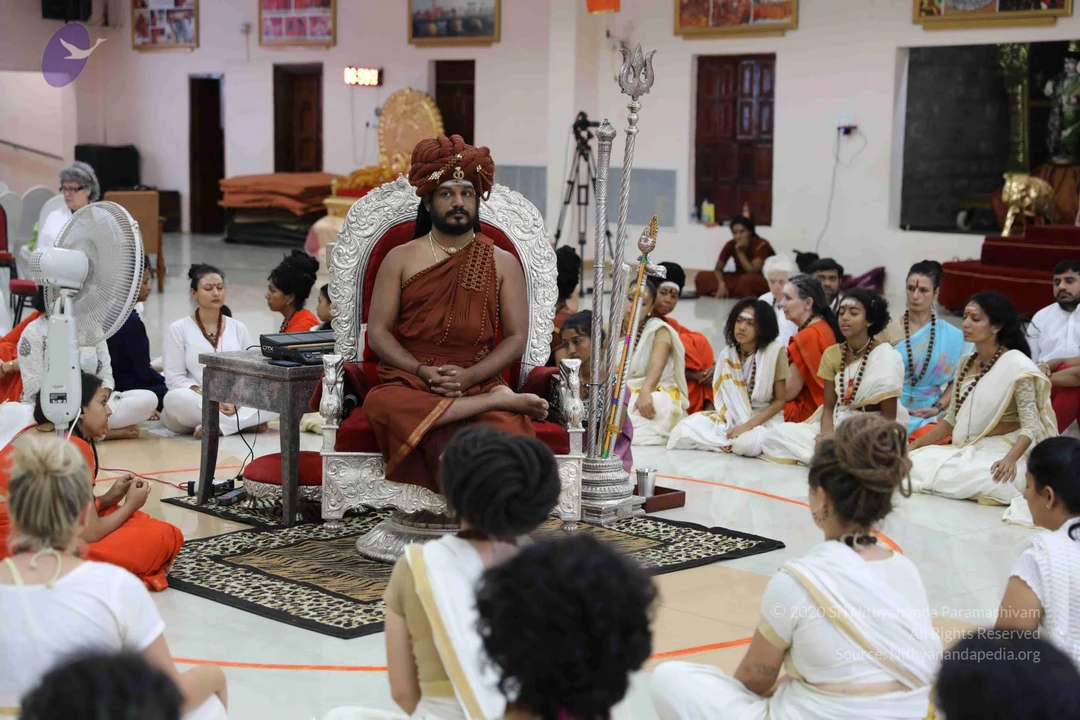
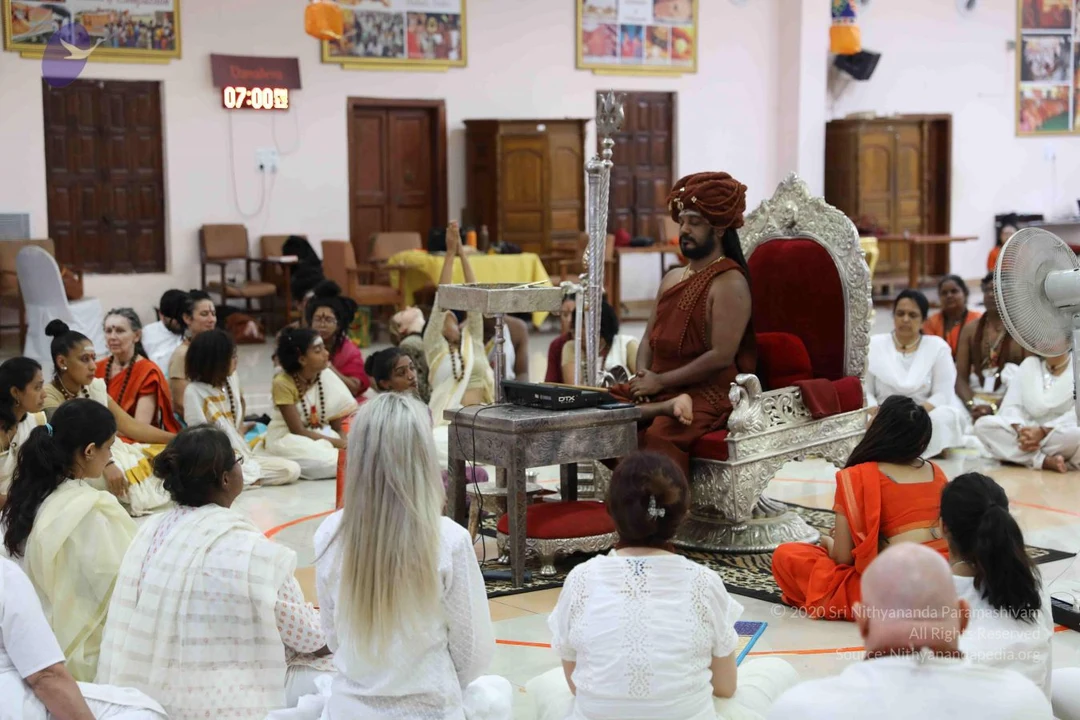
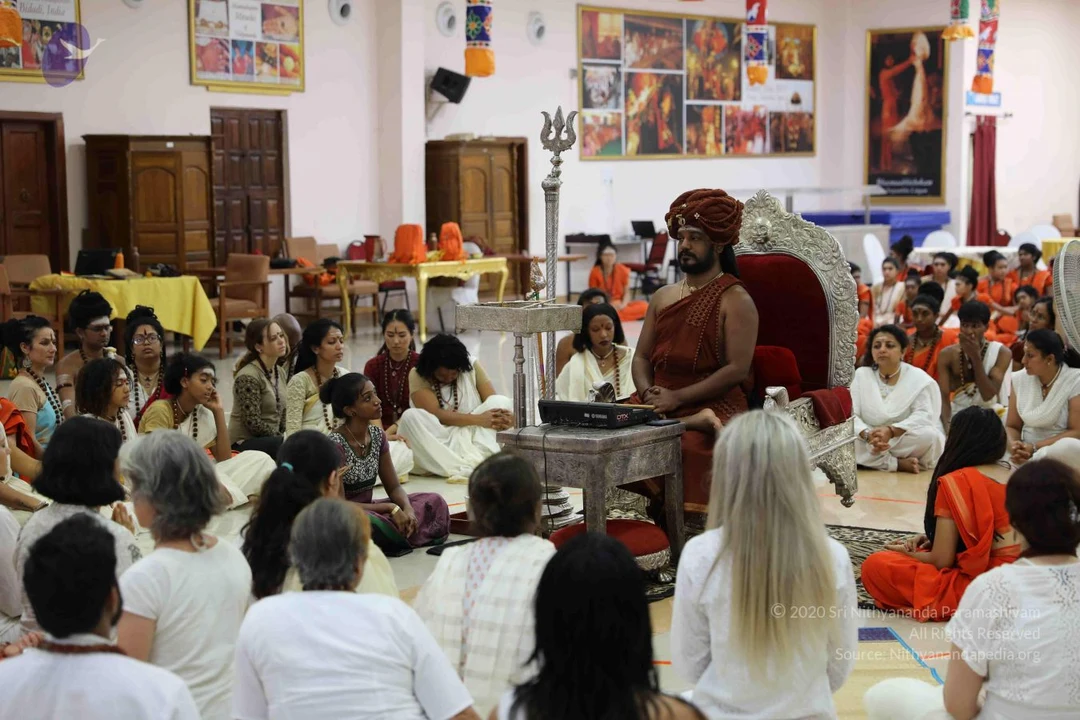
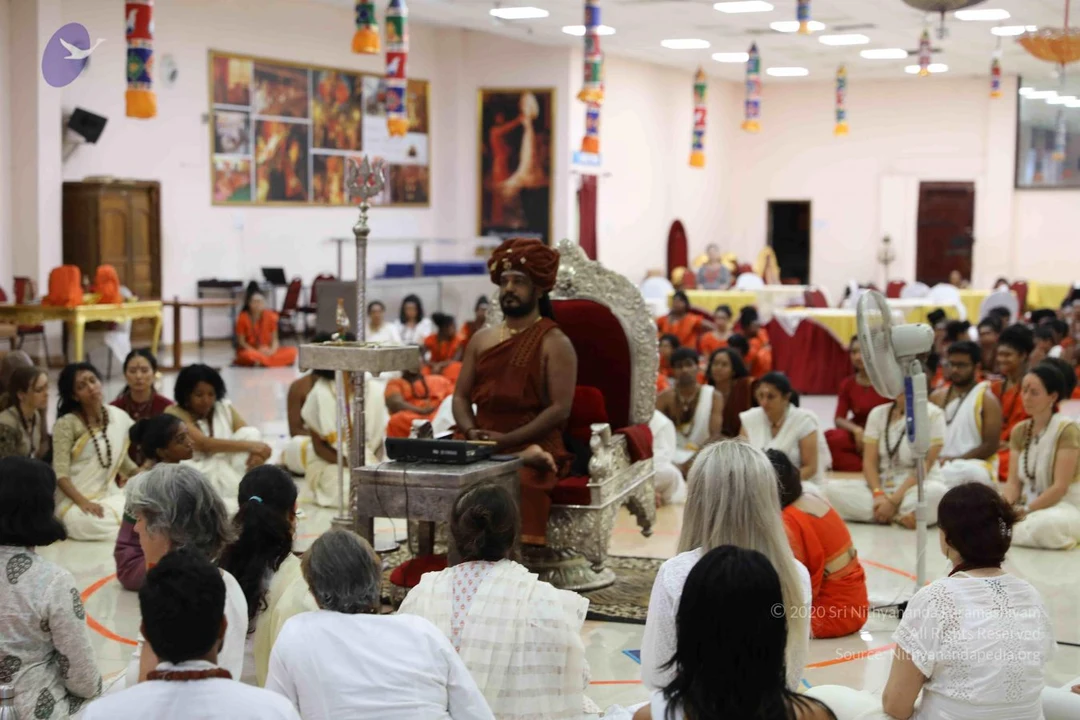
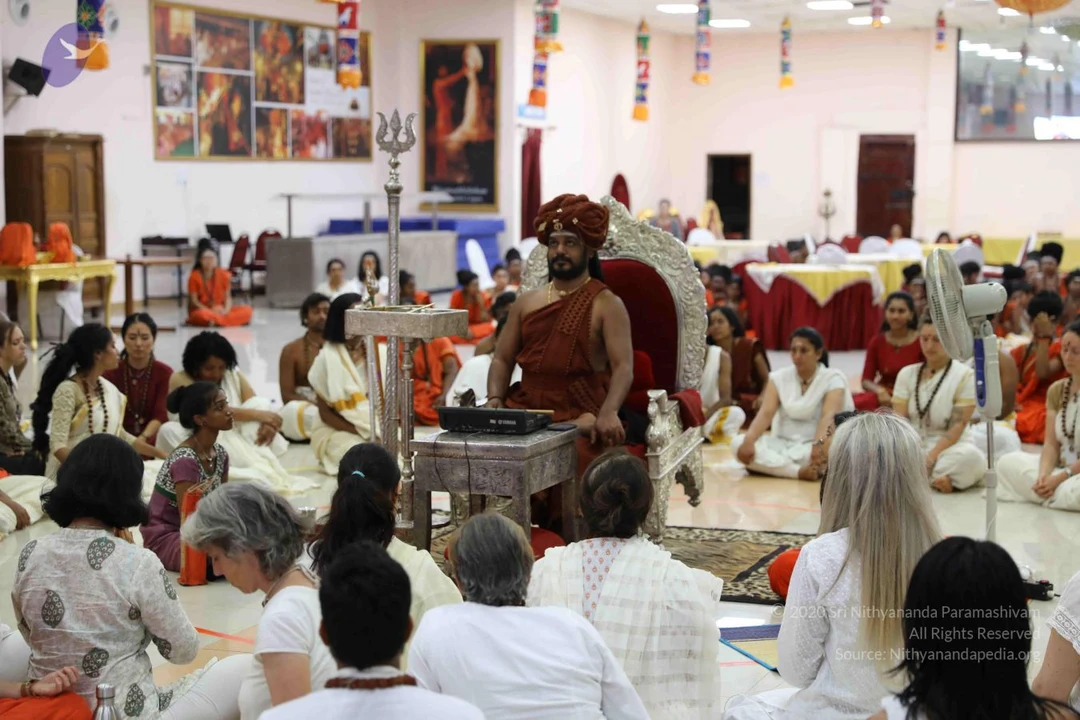
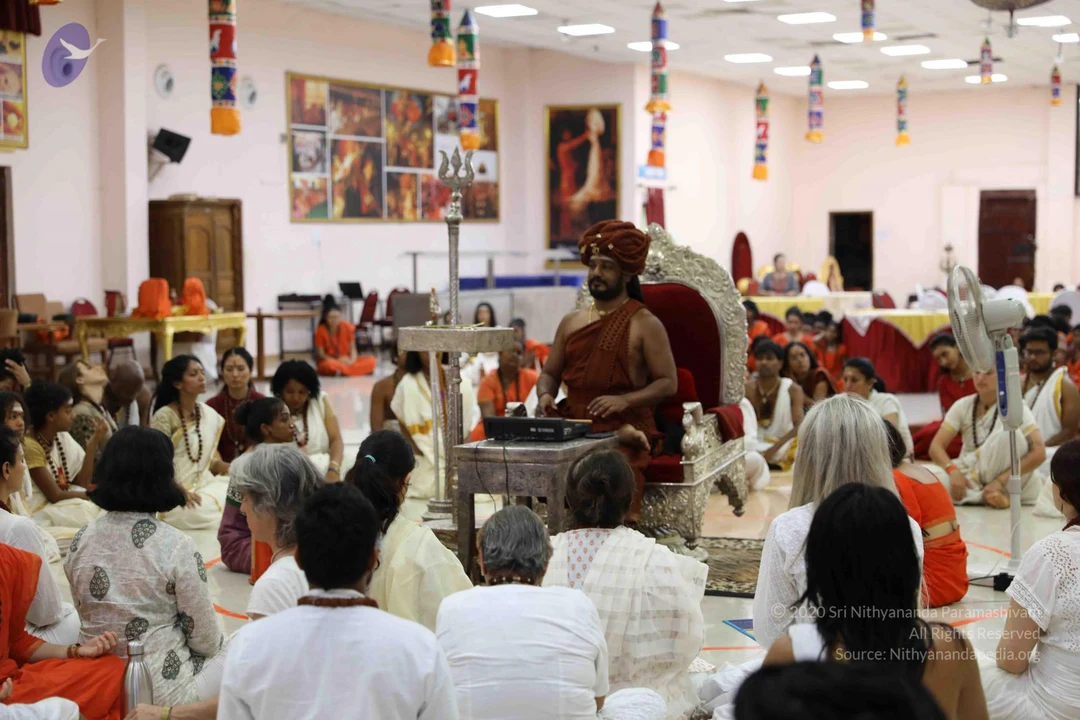
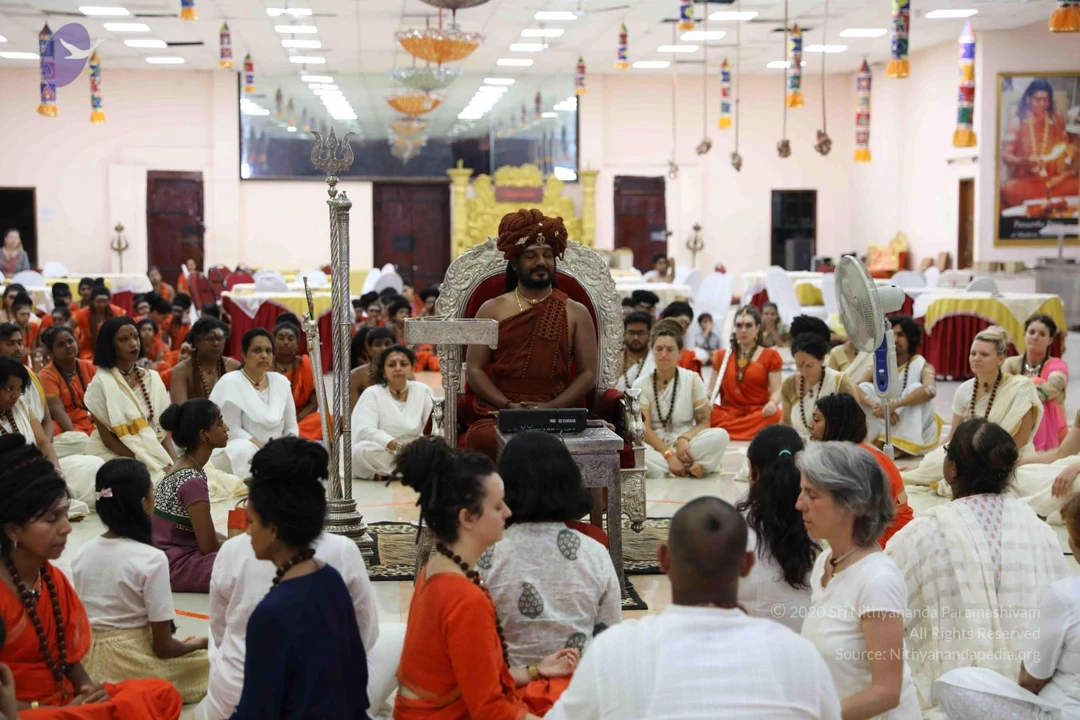
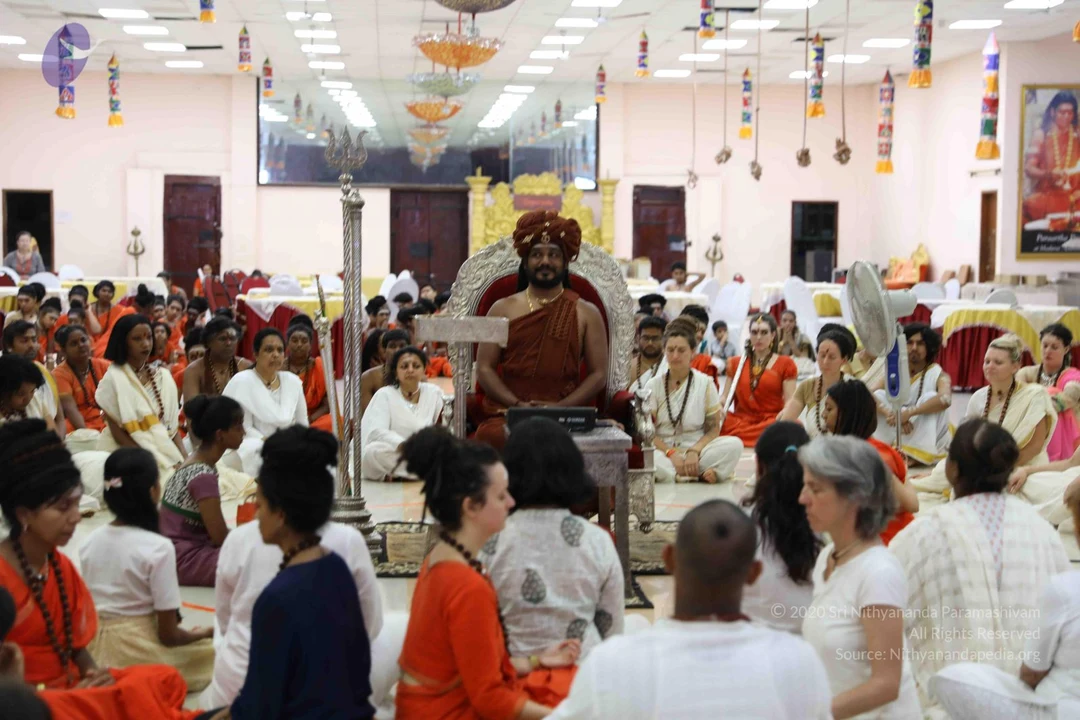
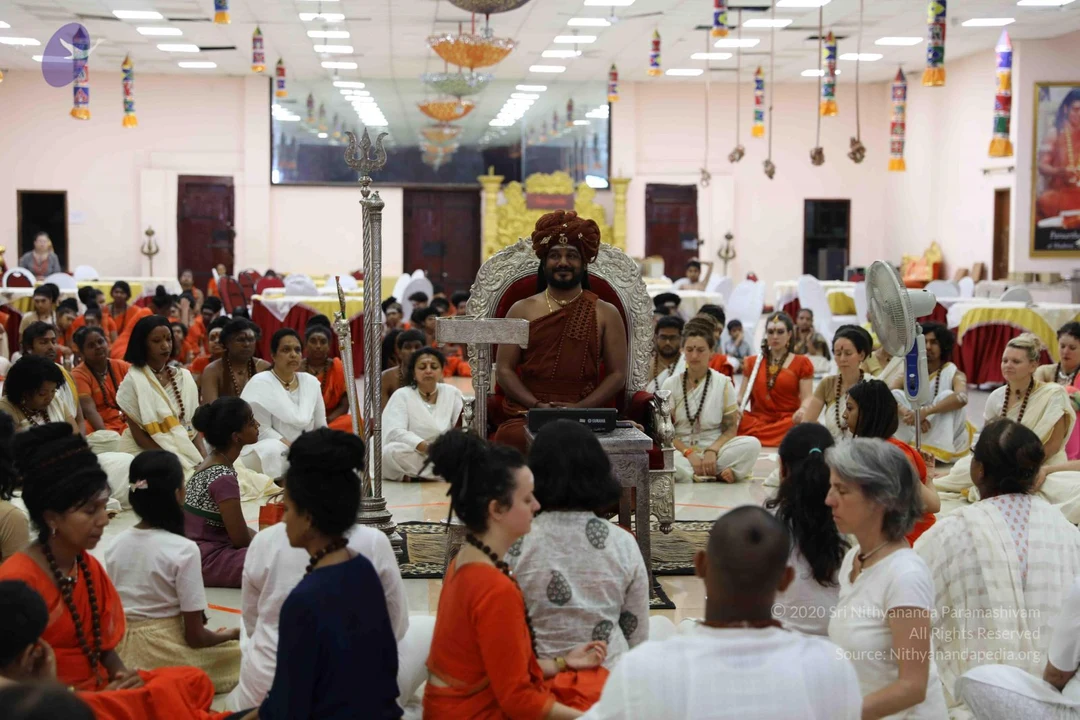
His Divine Holiness requested that this Satsang be watched a few more times to make this powerful cognition ferociously as a realization in you. Today, He also initiated delegates of Inner Awakening and Sadashivatva by awakening their Kundalini Shakti through the Sri Chakra Mandala Process.
Satsang Video:
| Video | Audio |
Satsang Transcription:
I welcome you all with my love and respects. Listen. It is fresh, today’s download, latest. Sadashiva revealed an important understanding about chemistry of guru disciple relationship. He also showed me the beautiful verse from Agama where he talks about it. I will explain the principle then I will give you the reference.
You go and spend a little time studying the original verse and I will give you the understanding.
Understand. Understand. Handful of clay can never be separated from all the clay exists in the cosmos. Bones you are having can never be separated from the bone material of the cosmos.
Listen carefully. Handful of clay cannot be separated from the clay matter of the cosmos. The bones you have cannot be separated from the bone material of the cosmos.
The body you have cannot be separated from the body material of the cosmos –Prakriti. The body matter of the cosmos is called Prakriti – Nature. The will you have with which you torture yourself 24 hours with self-doubt, self-hatred, self-denial, whether this is right that is right? Did I get justice? Am I getting my share? Or am I being cheated? The other person does not do that but gets this. I do this I don’t get. With all the drama. Actually it will be good to be beaten up by the right opponent. But it is so bad, beating yourself down and destroying. Mostly, I can say 99.99 percent. You get, you beat yourself and destroy. If you are really beaten up by the good opponent, you will be eternal like Ravana, Kumbhakarana, and Hiranyakashyapu, Hiranyaksha. You will become eternal in the history.
They have beaten up by the right opponents. You are not going to become part of history don’t worry. Because you are beating up yourself. Now listen to the truth. Even though you are using your will 24 hours willfully to beat up yourself it cannot be separated from Sadashiva’s will. Listen. Listen. Even if you throw tantrum you can’t be kicked out of the house. Even if you throw tantrum you can’t be kicked out of the house. Akbar can kick somebody out of his kingdom, but Sadashiva cannot kick anybody out of his kingdom.
Listen, the identity you feel about you, breathe in breathe out, that as Mahasadashiva’s individual will.
Understand. Remember his will is only vibrating as your will. It is not meditation technique. It is powerful cognition. All meditation techniques are stupid. You don’t get stupidity in Adi Kailaash. We don’t sell stupidity in Kailaash. We may be ferocious with you, but we will never cheat you.
I have kicked out this soft style cheating once for all from the Sangha, long before. I have decided, I will be right. Along with right if I can be pleasant, great.
But, if that is not possible, right is the right is the right! If people are feeling pressured by my right, I will give them time to digest. But, no question of soft pedaling cheating. I am not goodie goodie, feel good feeling, good guru. No! No! No! It’s all about right! It’s all about right!
People who decided to do right made their life pleasant. People who went after pleasant, never got right. What is pleasant? Your logic getting convinced is right. Who is your logic? Fundamentally your enemy. How he is to get convinced? When he is going to be convinced? Once you are thoroughly, irreparably destroyed.
Understand. Doing right. Doing right. It is all about right. People may blame I am ferocious but no one can blame I am cheating. Yes, I am ferocious! What can be done? That is the way. That is the way it is.
Actually, being soft and cheating you is very easy. You are so stupid. You fall for a simple smile. And simple ooo…. You are such a stupid. Being ferocious to the right is honest job of the guru.
People who care for you will be ferocious. I am not mama guru. Aunties and uncles will always be sweet, pleasant. But only father and mother will be right. I am Ammai Appan. Not auntie uncle. Auntie uncle will be very pleasant because they are going to be spending time with you for few days and few hours. They and give whatever you want. But only people who are responsible for you, father and mother will be right.
I am not mama guru.
Listen. Listen the logic with which you beat yourself. I will give you a simple understanding.
Slow down coming to conclusions. If morning coffee is missing, “Ohhhh… I know my Rahu has changed, my Ketu has gone out and my Bhutan is standing upside down and my guru has turned back on me and my Sade che shani ( seven and half shani graha time ) started.” That is why coffee is not right. Stop coming to self-beating conclusions constantly. Reduce the speed of being stupid. No really. Most of you... You don’t need much big problems. Coffee is not good, is enough. You will call,
“I think my Surya has gone out, my Chandra is turning upside down, my Rahu is standing (funny mimicking..), my Ketu is coming near me, my Shani… my Shani went to the cow and spoiled the milk. My Shukra entered my wives mind and stop the sugar level.” See, mark this one line. Stop coming to stupid conclusions.
Reduce the speed of coming to stupid conclusions.
Listen, all self-beating conclusions of logic is Veka and powerful cognitions are Viveka. That’s all. All self-destructive cognitions. “I am not being able to get up in the morning for yoga. I think my Rahu is standing in front of me.” Just tell your friend to take a Kane and beat you. No, tell him, “Till I get into Shiva Stambha go on beating me.” Then all your Rahu Ketu everything will be cleared. Sadhesath, Ashtama all Shani, no Shani can stop your growth.
Self-destructive conclusions, beating yourself by yourself. Reduce the speed of it. Reduce the speed of stupidity. You can reduce. It is not mandatory to be stupid on the planet Earth.
Even though due to your stupidity you assumed the human body and came to planet earth, it is not mandatory you have to continue to be stupid to be in the planet earth.
The self-beating pattern, antidote for that is, my will with which I am creating hell for me cannot be separated from Sadashiva’s will. So, let me breathe my will into this will. And such grand will. In front of his will, this will cannot play big game.
Breathe in and breathe out the individuality of Parashiva.
You will see, your will just withers away into his will. It is not technique, no, it is powerful cognition. Undertsand, yes, how can my will be separate from his will. No, it cannot be.
He is a Yagabhoga Swaroopi. He is the only man alive in the cosmos. Everyone else is prakriti, matter. He is the only purusha. He is the only swayam prakasha. Nothing else can be swayam prakasha. Nothing else can be independently illumined. No, then if something is alive in me that is he.
Listen to today’s satsang again and again. Whenever you come come to this powerful cognition – If something is alive in me, it is he. He is alive – then you will stop doing this self-beating exercise. That is what he says beautifully.(tamil ) ……….. Vendan means lord. …….. It is a beautiful verse in Tamil on Mahadeva, Sadashiva.
If you are new to Sangha, I want to tell you. When I use the word, Shiva, Sadahsiva, Mahadeva, Mahasadashiva, all mean one and the same. The Parashiva, the ultimate, Mahaveda. The ultimate source of everything. The Parabramha. The Paramborul. The Para.
The speed with which you beat yourself up, reduce it. It is not necessary that you need to be stupid. That is not prerequisite to be on the planet earth. In Kailaasa you can’t be stupid. You should not be. It’s actually anti-requirement. It’s very clear, no. You just need to be ferocious with yourself. Understand, even this, if you are just ferocious with yourself, you will realize, “ehh.. if something is alive in me that is He.” It can be realized, this powerful cognition can be realized not by oooo…, but by ferociousness. Yes! If something is alive in me, it is the only Purusha, Mahadeva. Everything else is Prakriti, matte, Paramapurusha, Paramadhama, only He is alive. If something is alive in you that is He.
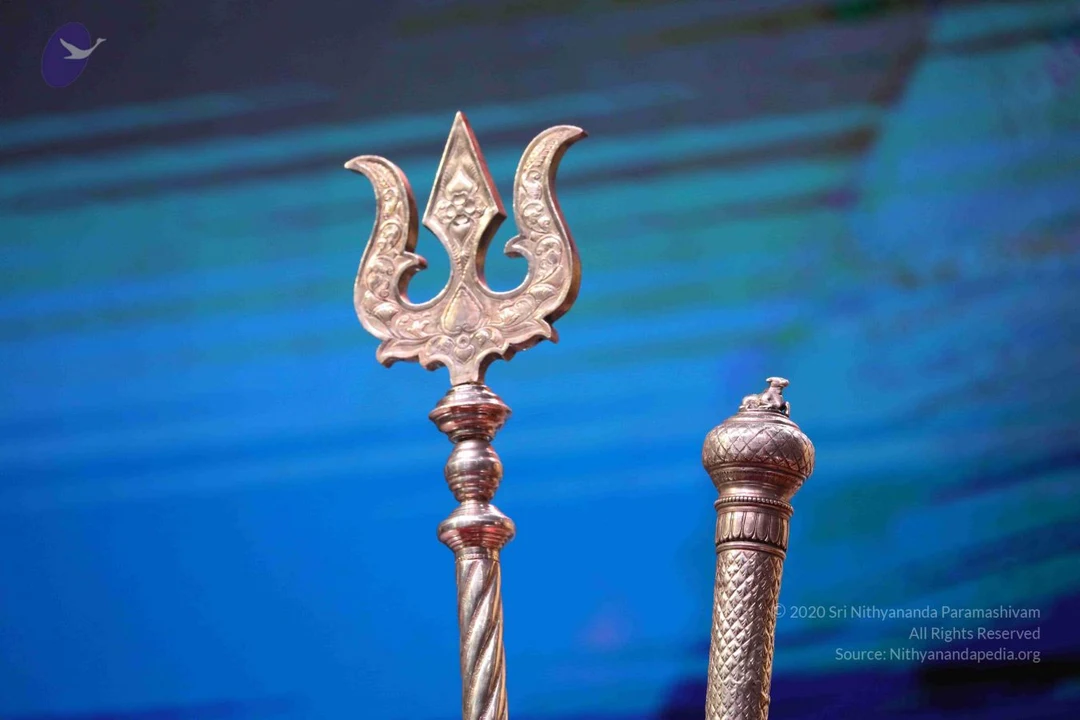
If still the chemistry of converting blood into blood, air into prana, breathing into life, happening in you, then that life is He He He. Remember, He is living through you. His will is the source of your will. It is something to be meditated upon. (Mimicking meditating). No! It is ferociously to be manifested. Yes! Only his will is my will. Then I cannot beat myself with my will. No! If his will is my will, that will is just my staff, rolling staff, Sengol. I cannot use that as a “todapakate” and beat myself. No! If you are using your will and putting yourself down and destroying yourself, self-sabotaging. Then you are using your will only as a “todapakate”. No! “Todapakates” are different Sengol is different. You cannot destroy yourself.
Essence of today’s satsang. SDHD is a shit. His will is your will is a hit. Don’t practice this. Ferociously manifest this. All practicing is a shit. Postponing it without ferociously hugging the truth.
All technique, all ideas I will practice is nothing but.. When you understand something, without hugging it ferociously, without entering in to that fire ferociously saying, “Tomorrow I will touch you, sleep now. You leave me and let me be as I am. Let you be as you are. Slowly slowly slowly. I will hit my butt in you. Then once I am slowly compatible, I will put my finger in you, then I will stretch my hand in you. No! When you know this is the truth, enter into that fire. When you know, His will is your will, ferociously manifest it. The first step of manifesting is, you will not us your will to beat yourself. No self-sabotaging, no self-destruction, no powerlessness. No! No self-destruction. His will is my will means it’s a sengol, ruling staff, he has gien me. I have to manifest the powerfulness. Not the “todapakate” to beat myself. No! His will is my will. So, using his will I will not do the self-destruction anymore. I will only manifest He as me is the essence of today’s satsang. Watch today’s satsang, even though it short, few more times.
Make this powerful cognition ferociously as a realization in you. That’s a chemistry of guru-disciple relationship. No self-sabotage, no self-destruction, no “todapakate”. “todapakate” is the old broom stick used to wash the toilets in the village where the basins are not made in decent material. Like a porcelain. I think enough vivid description is given. If you are from Indian village, by now you can enough have the smell. I have given you such detailed description. You can even smell it by now. I think that’s all for now. I bless you all.
Let’s all radiate with integrity, authenticity, responsibility, enriching, causing, living Shuddha Advaita Shaivam, Mahasadashivoham, the eternal bliss. Nithyananda.
Thank you! Be blissful.
Photos
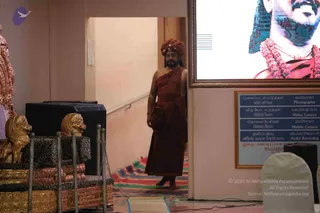
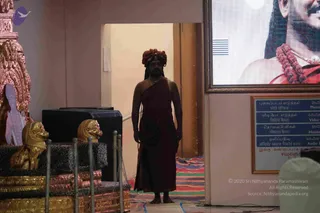
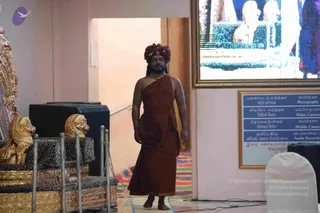
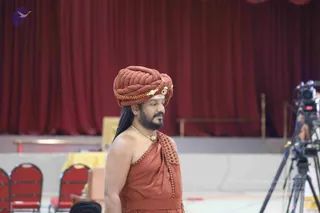
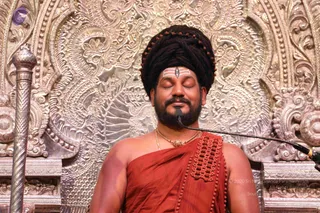
Mandala Process
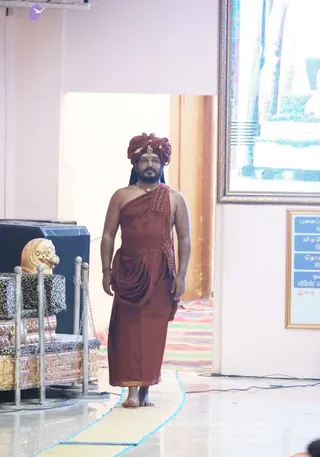 Mandala Process - manifesting shaktis initiation
 Mandala Process - manifesting shaktis initiation
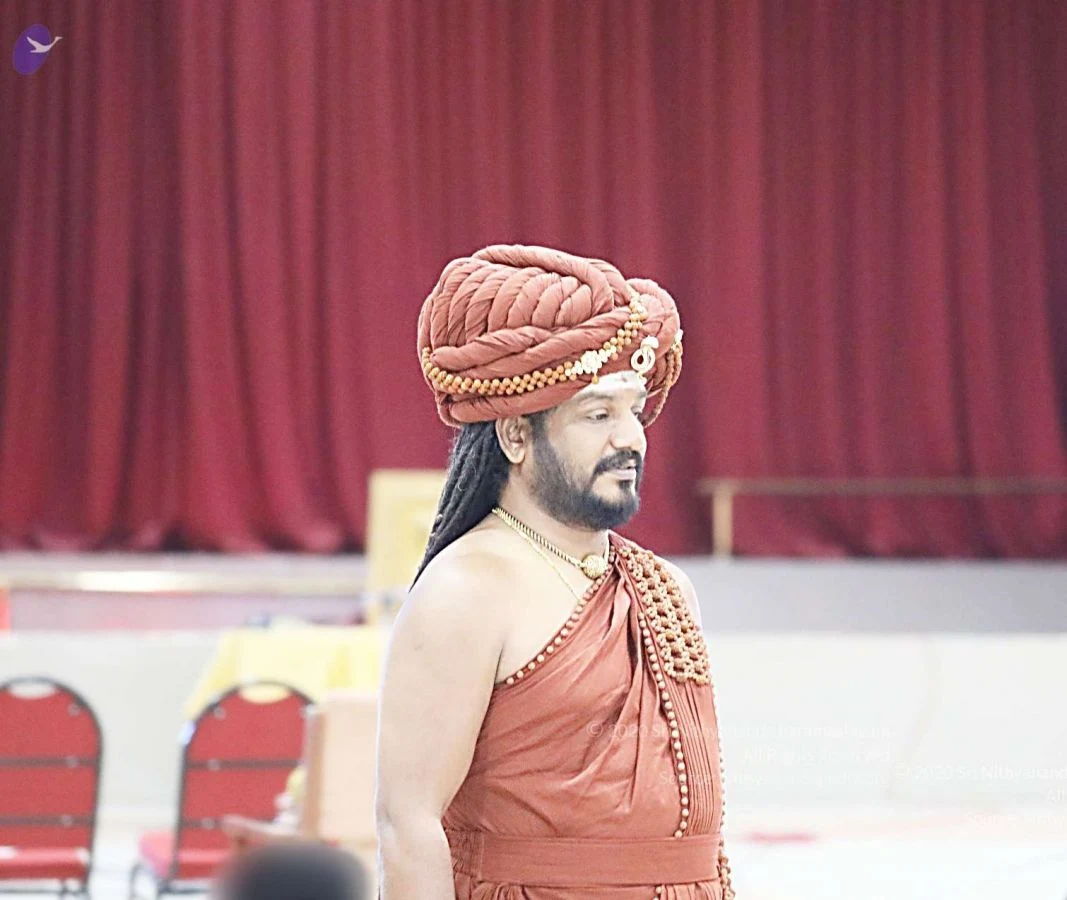 Mandala Process - manifesting shaktis initiation
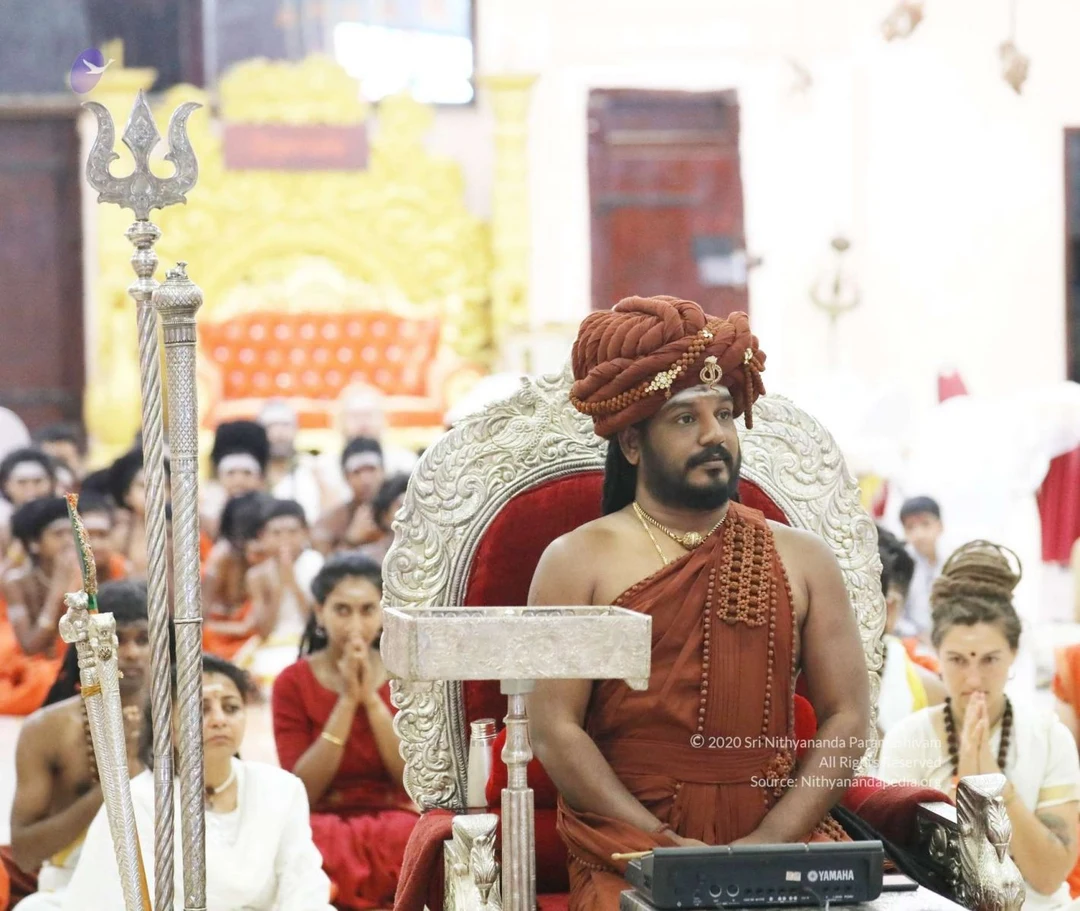 Mandala Process - manifesting shaktis initiation
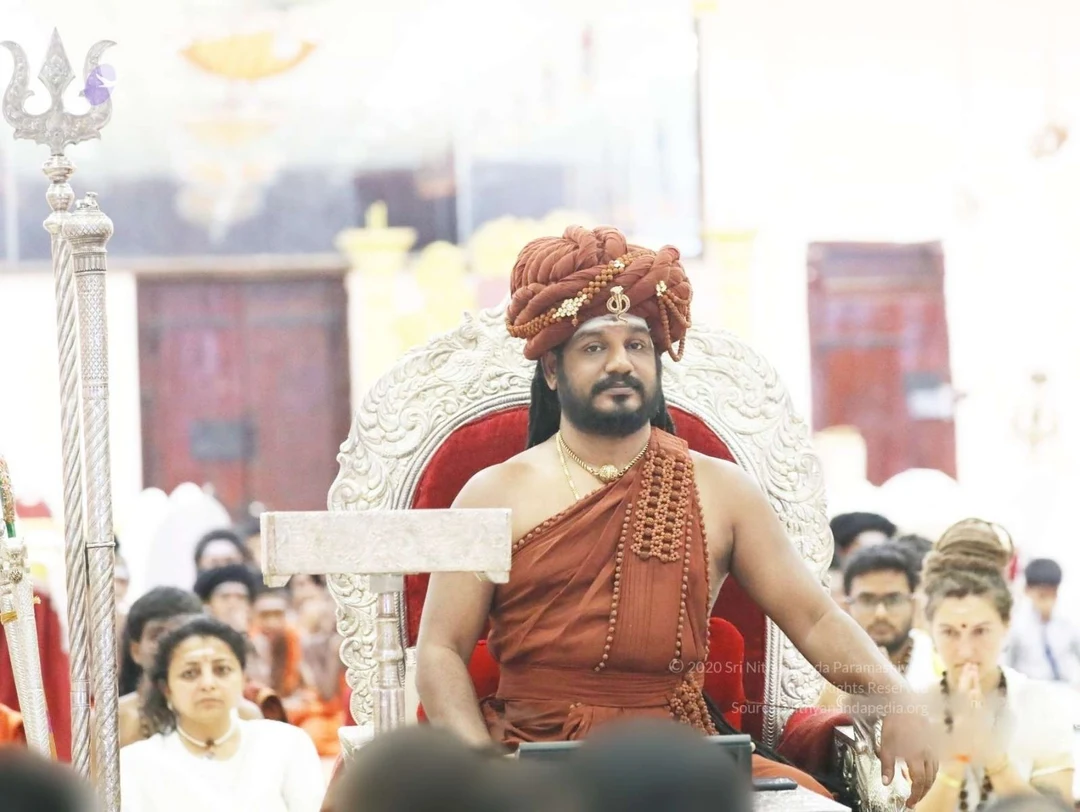 Mandala Process - manifesting shaktis initiation
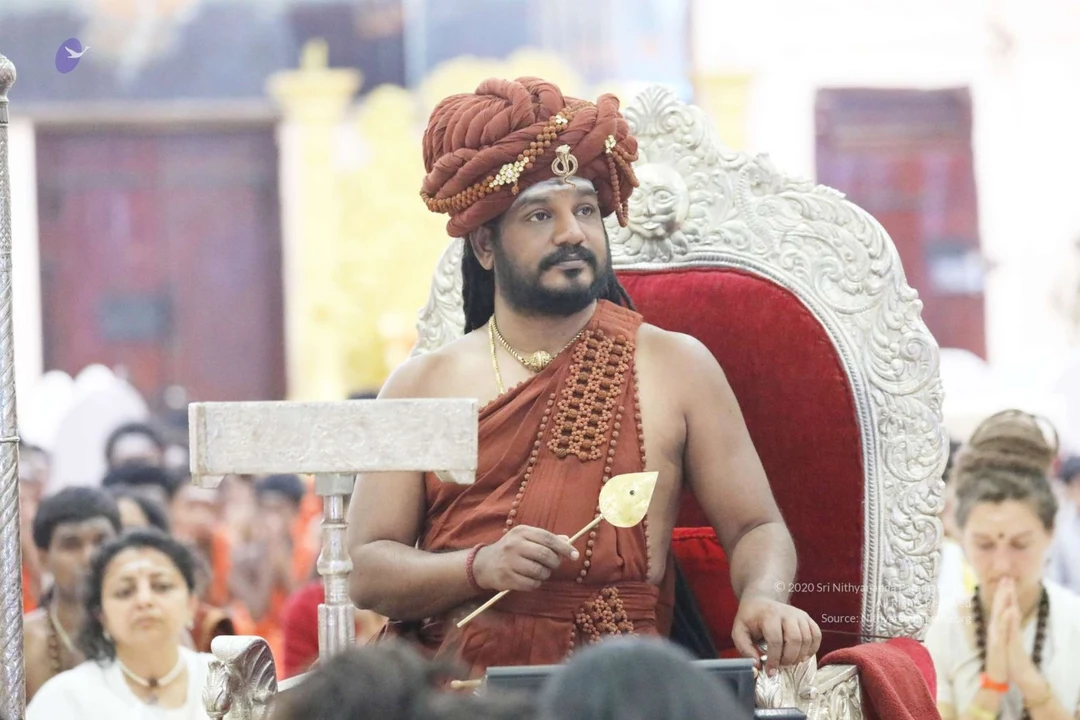 Mandala Process - manifesting shaktis initiation
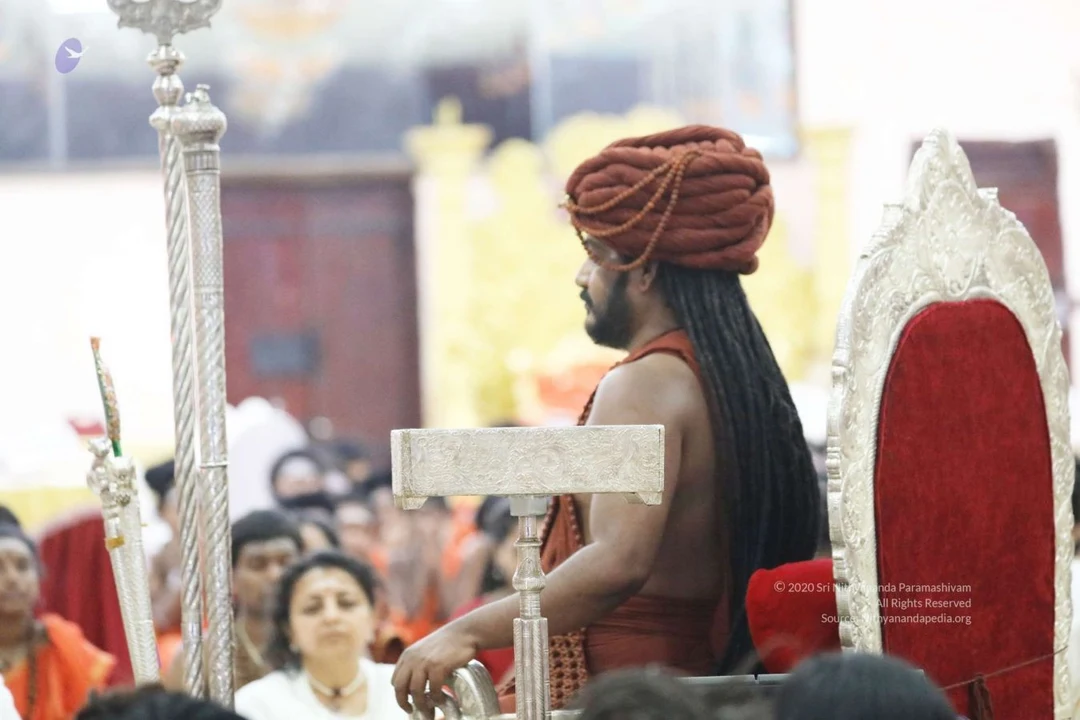 Initiation means awakening your inner potential energy, kundalini shakti
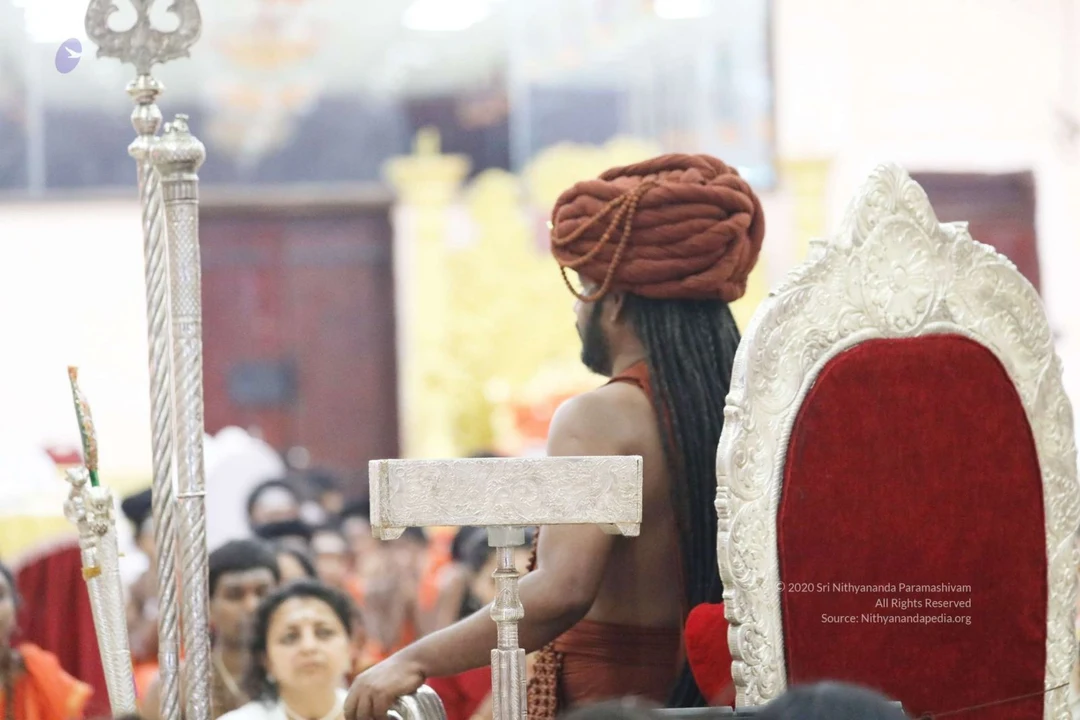 Initiation means awakening your inner potential energy, kundalini shakti
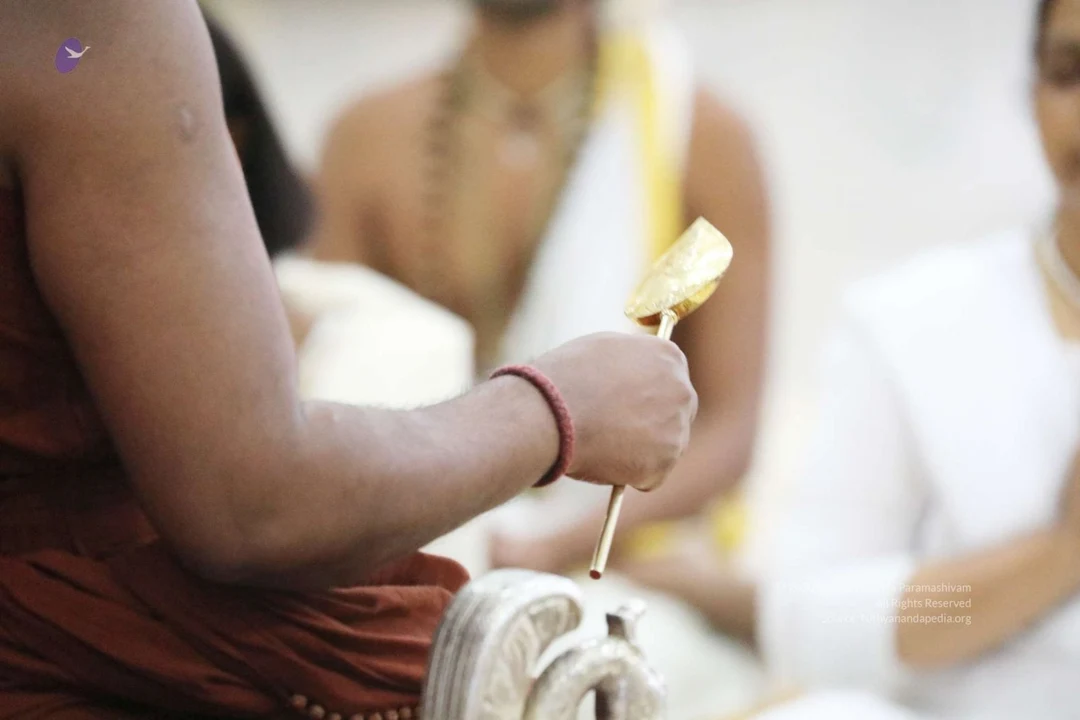 Initiation means awakening your inner potential energy, kundalini shakti
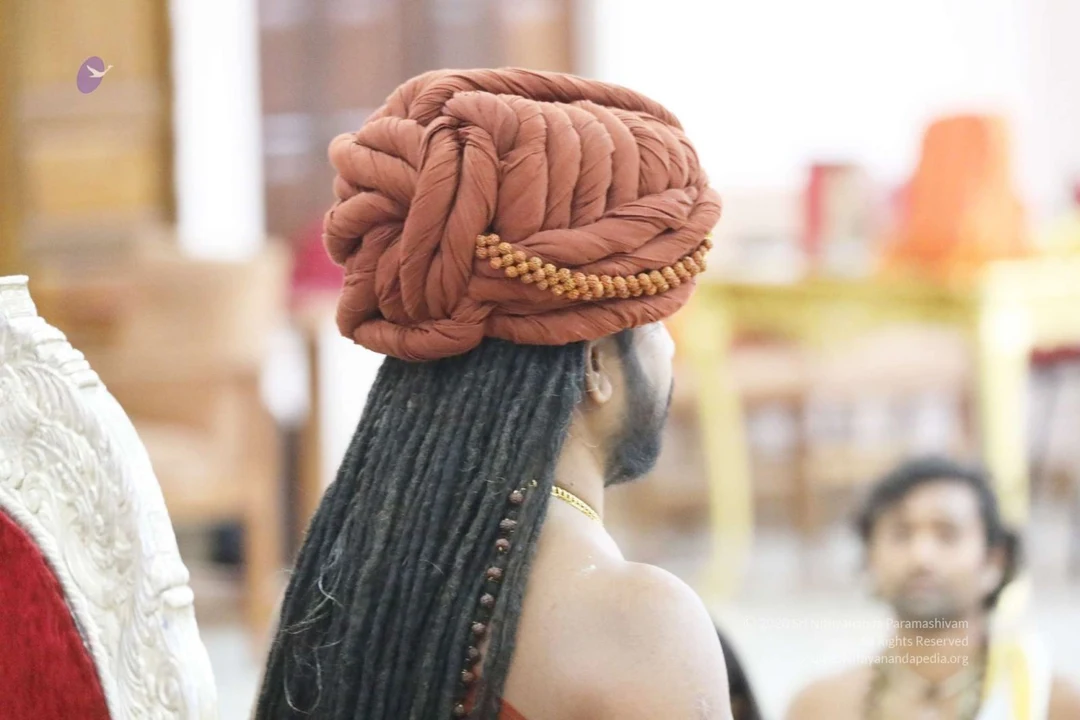 Initiation means awakening your inner potential energy, kundalini shakti
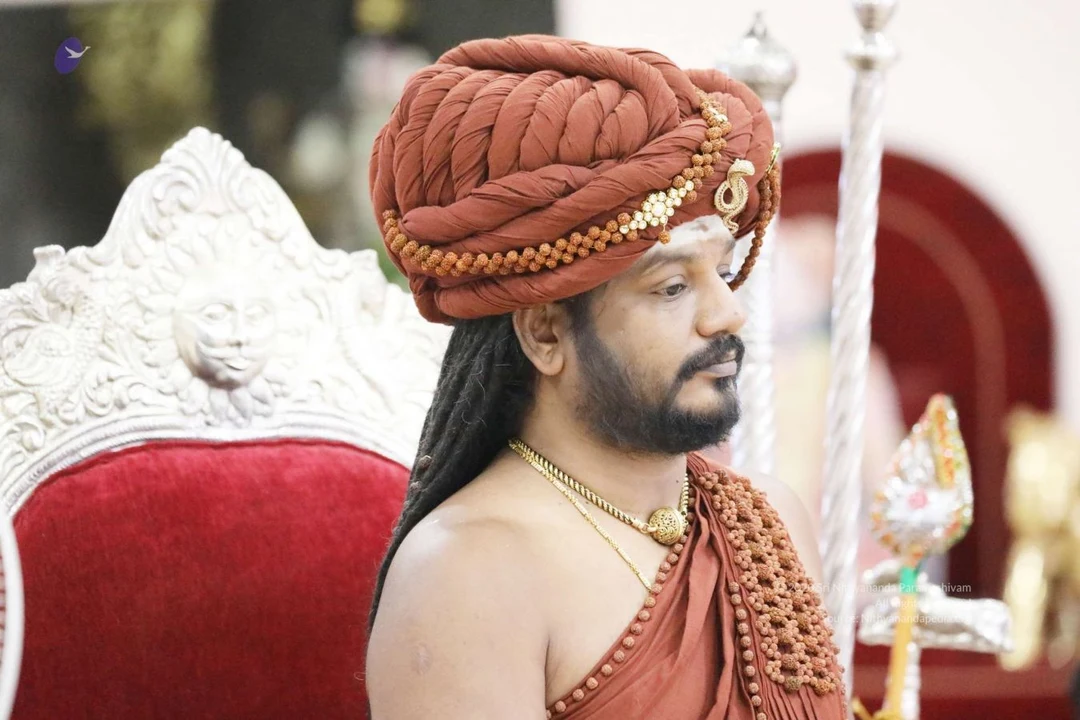 Initiation means awakening your inner potential energy, kundalini shakti
 Initiation means awakening your inner potential energy, kundalini shakti
 Initiation means awakening your inner potential energy, kundalini shakti
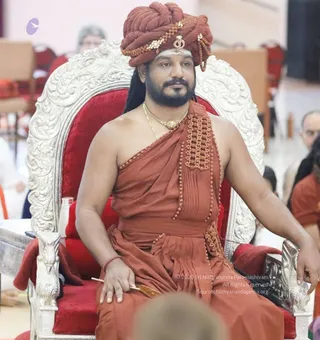 Initiation means awakening your inner potential energy, kundalini shakti
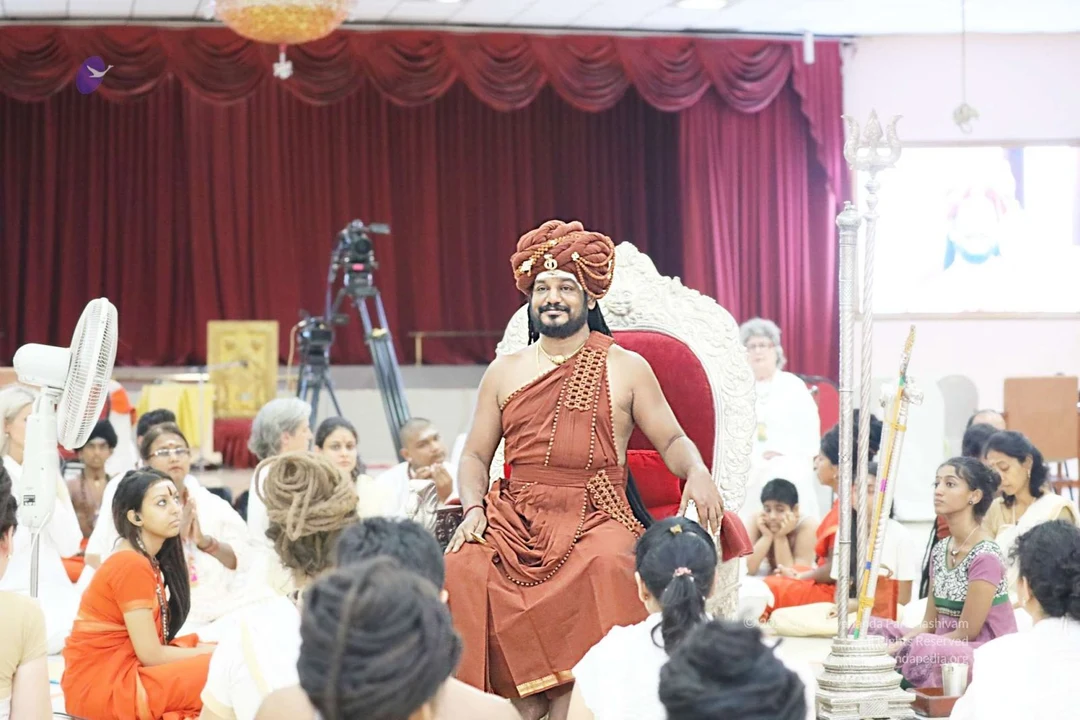 Initiation means awakening your inner potential energy, kundalini shakti
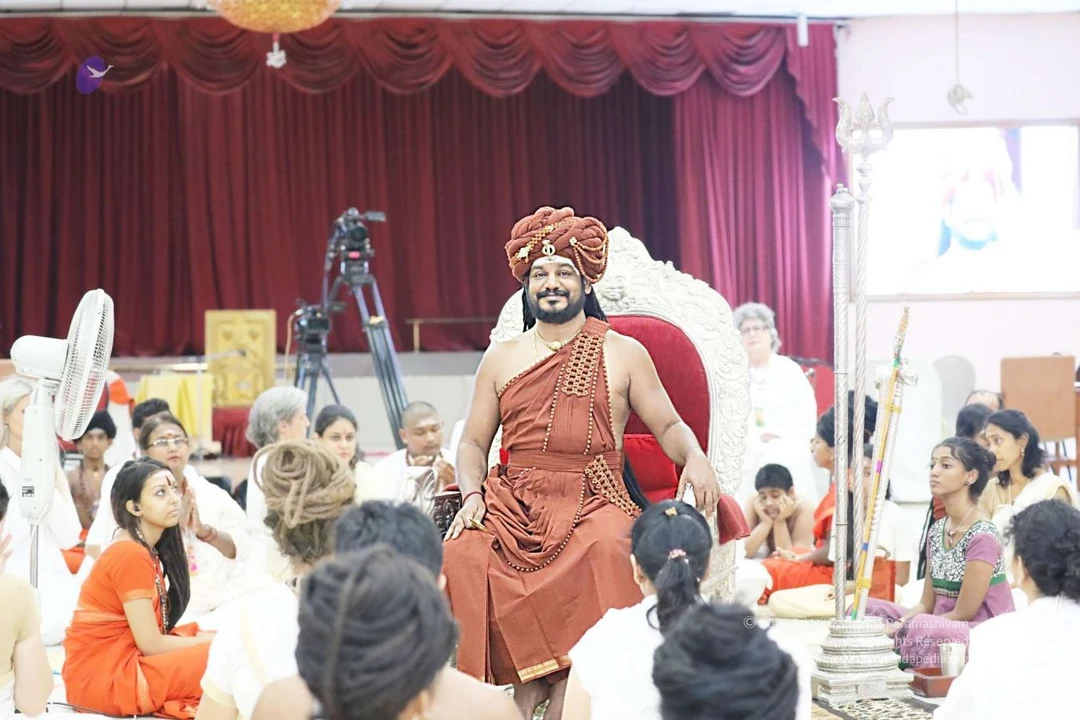 Initiation means awakening your inner potential energy, kundalini shakti
 Initiation means awakening your inner potential energy, kundalini shakti
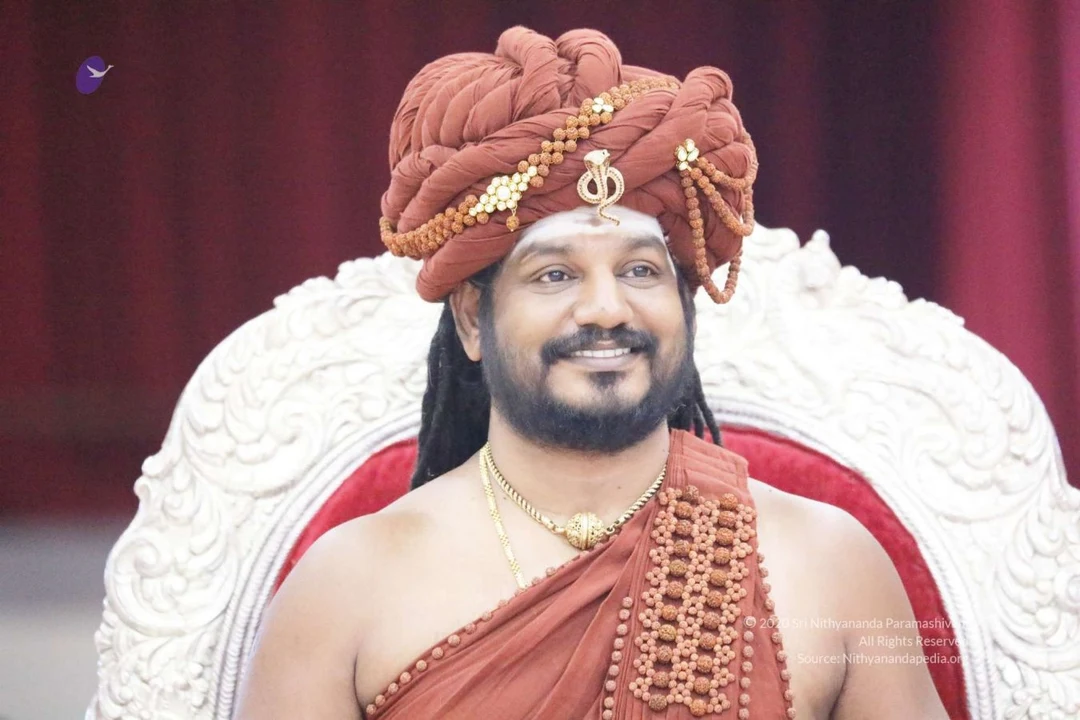 Spiritual alchemy mandala process initiation to manifest shaktis
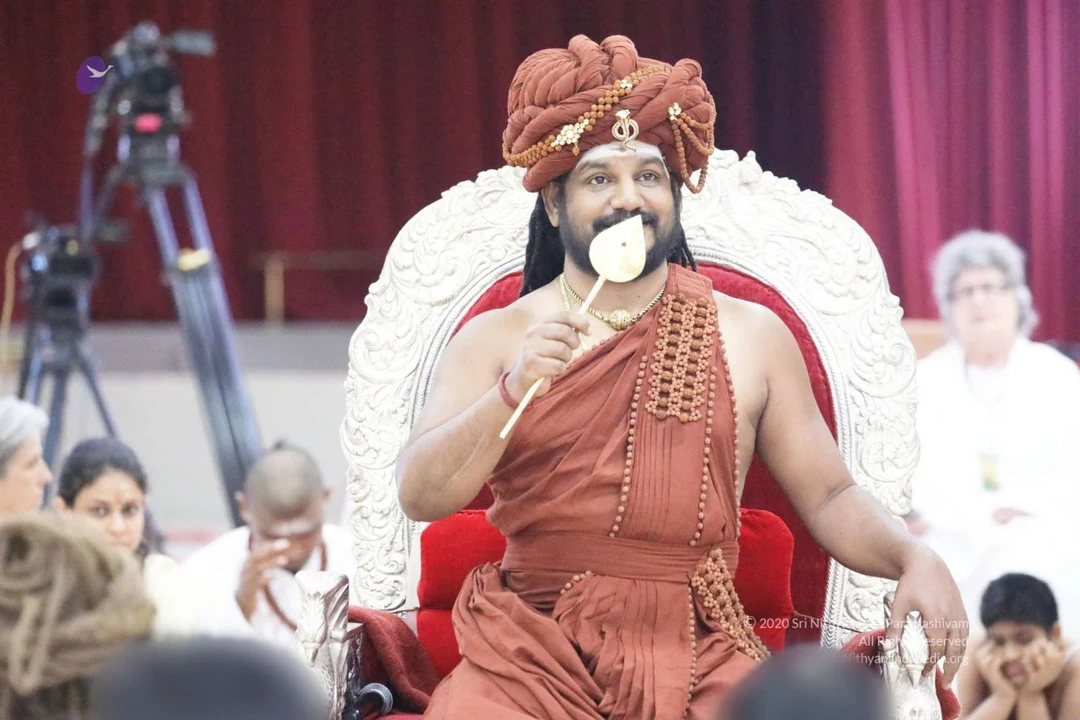 Spiritual alchemy mandala process initiation to manifest shaktis
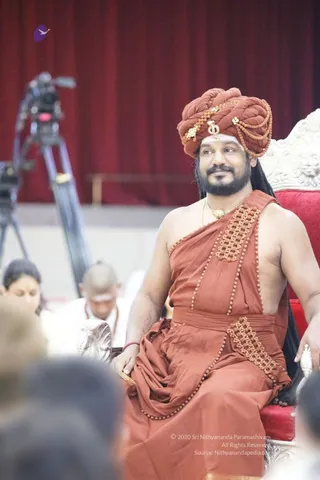 Spiritual alchemy mandala process initiation to manifest shaktis
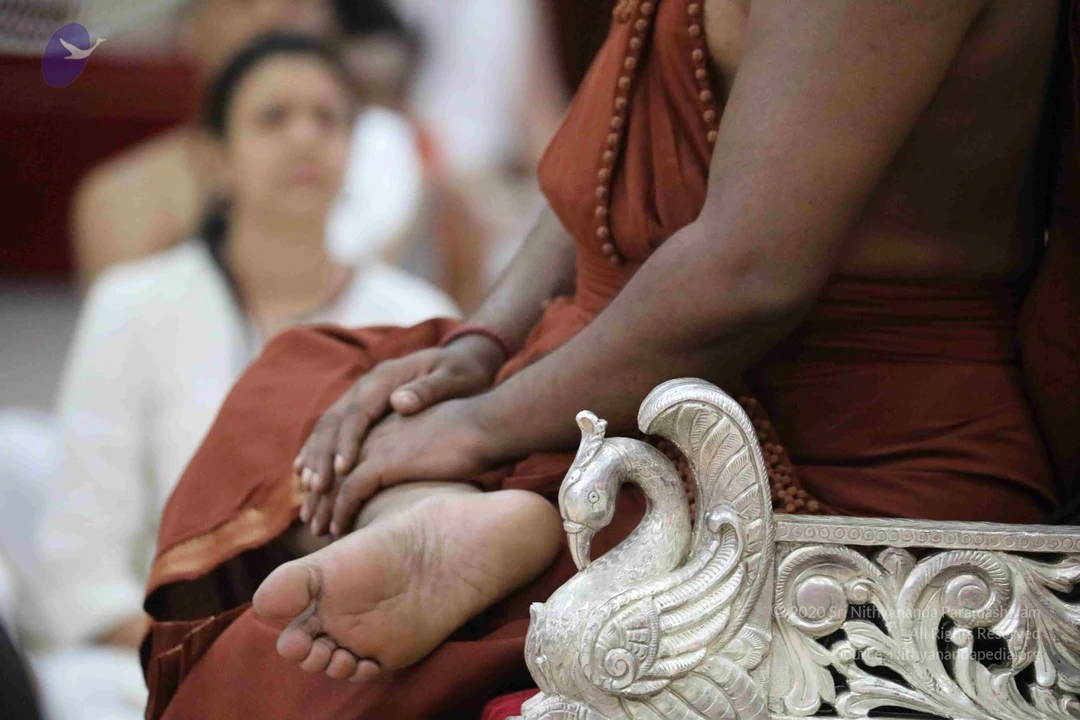
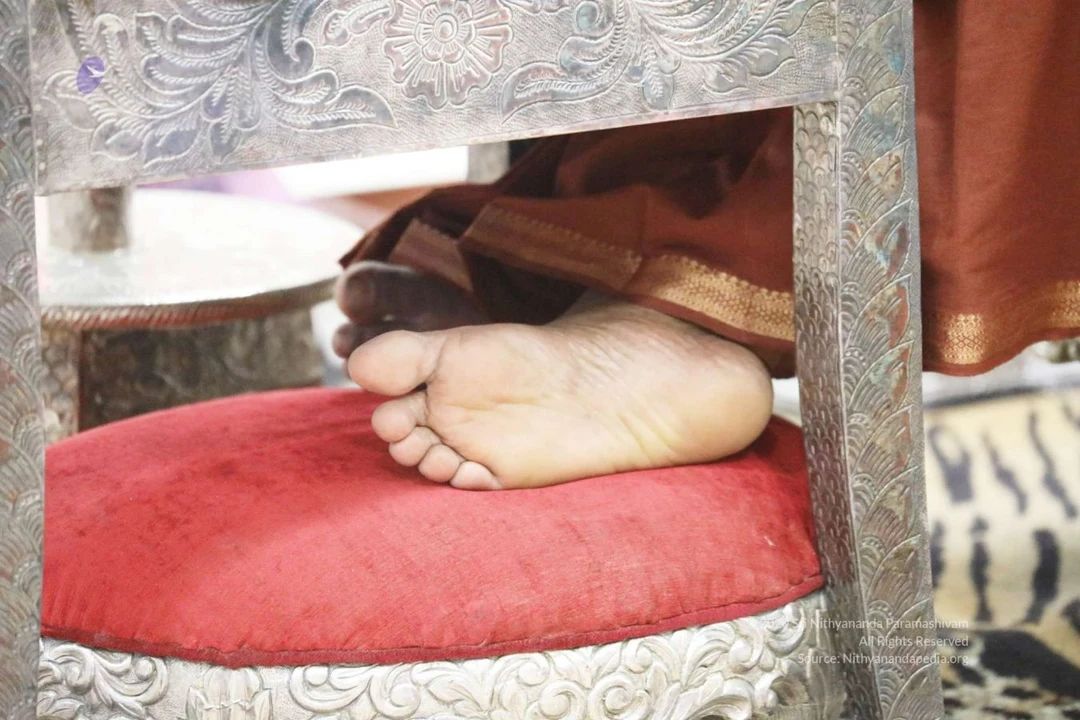 Nija pada darshan
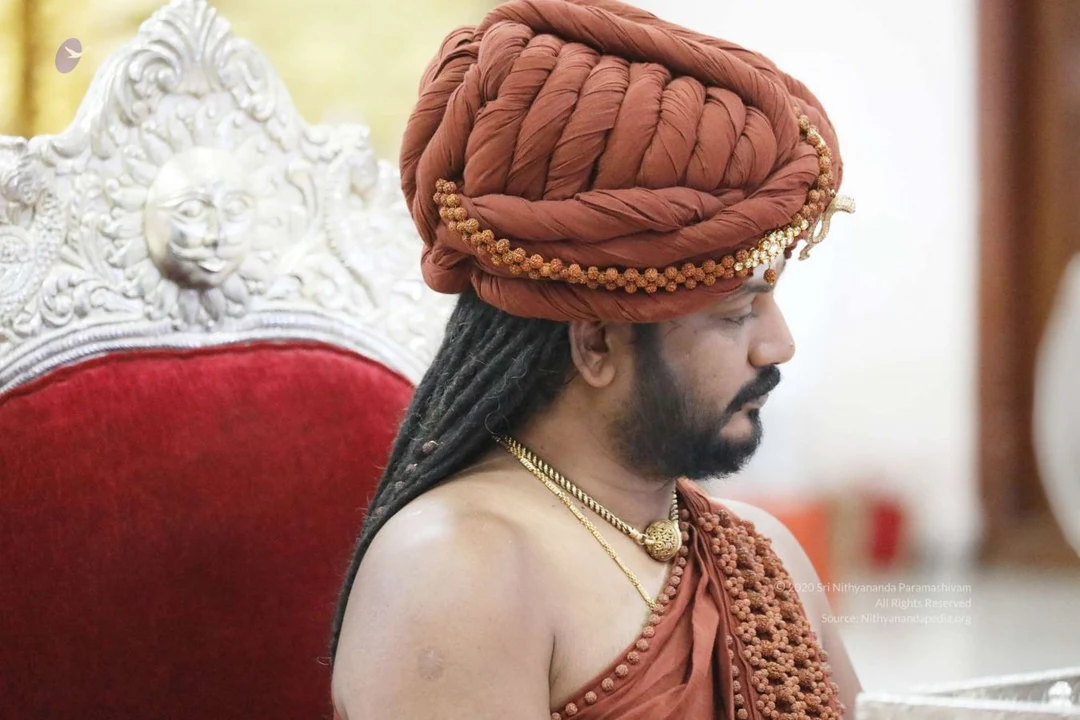 Spiritual alchemy mandala process initiation to manifest shaktis
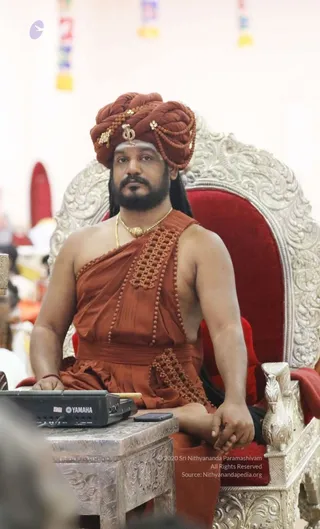 Spiritual alchemy mandala process initiation to manifest shaktis
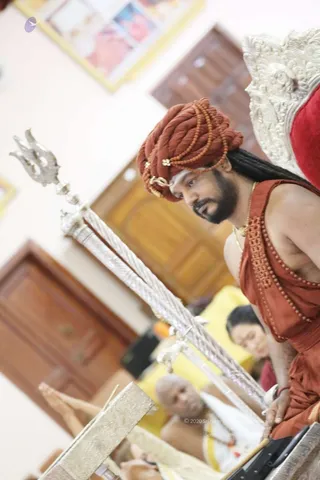 Living avatar transmits shaktis in the mandala process initiation
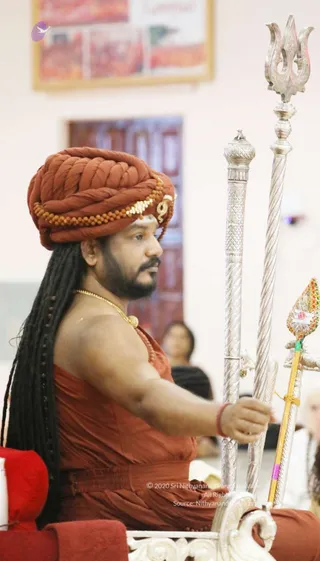 Living avatar transmits shaktis in the mandala process initiation
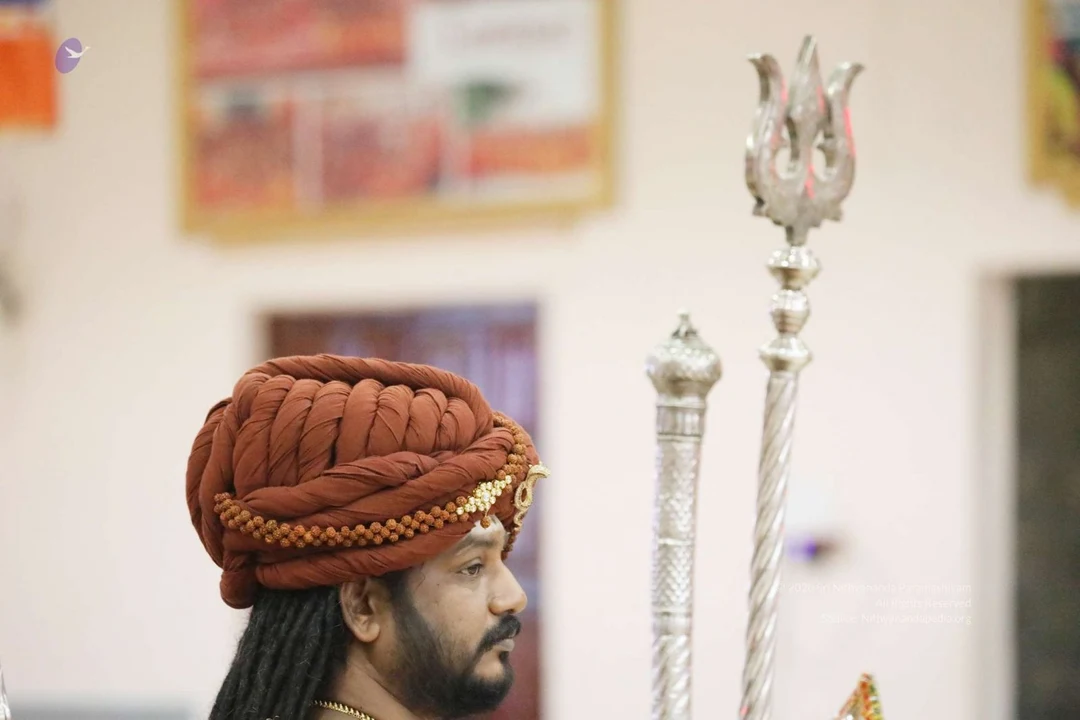 Living avatar transmits shaktis in the mandala process initiation
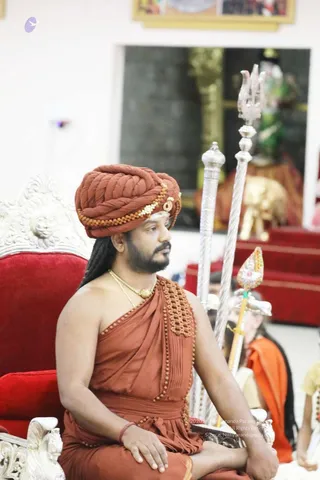 Living avatar transmits shaktis in the mandala process initiation
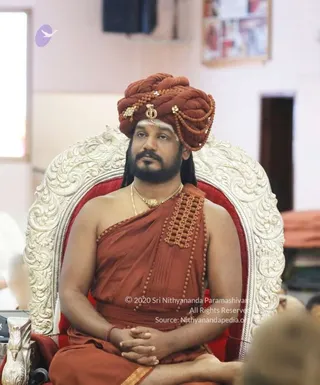 Living avatar transmits shaktis in the mandala process initiation
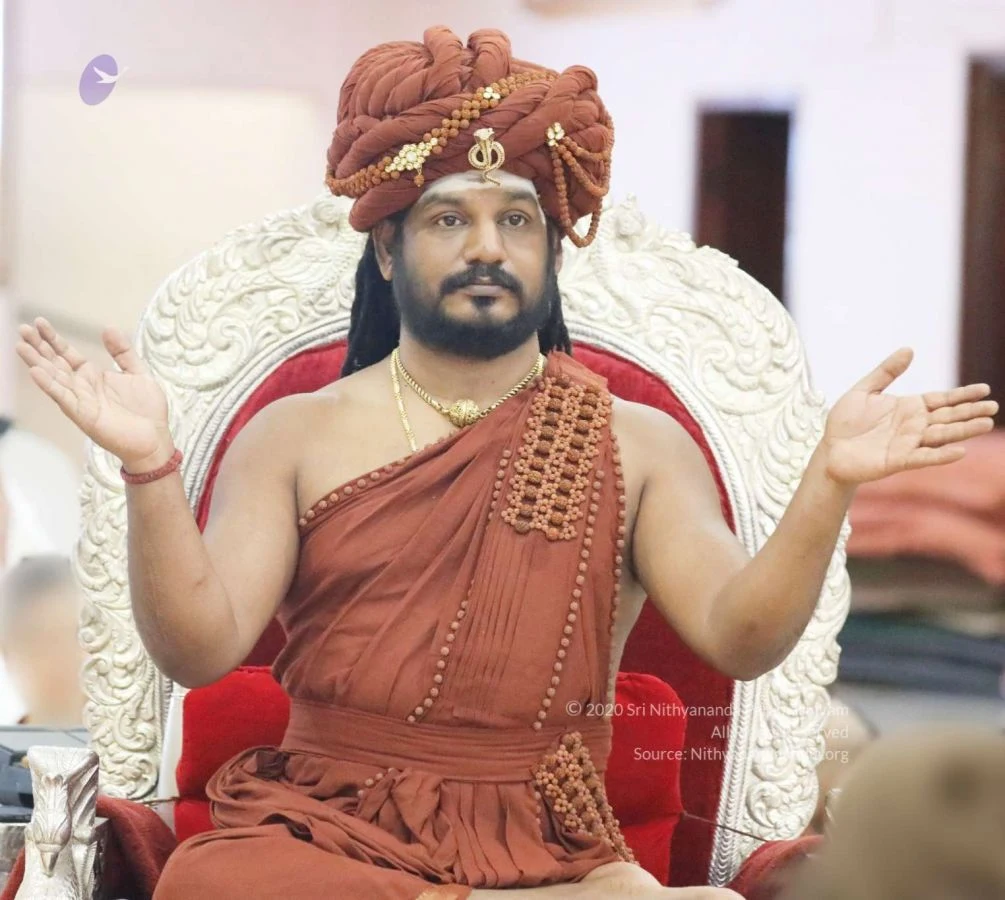 The breathing space of an avatar is an extension of His physical body
 The breathing space of an avatar is an extension of His physical body
 The breathing space of an avatar is an extension of His physical body
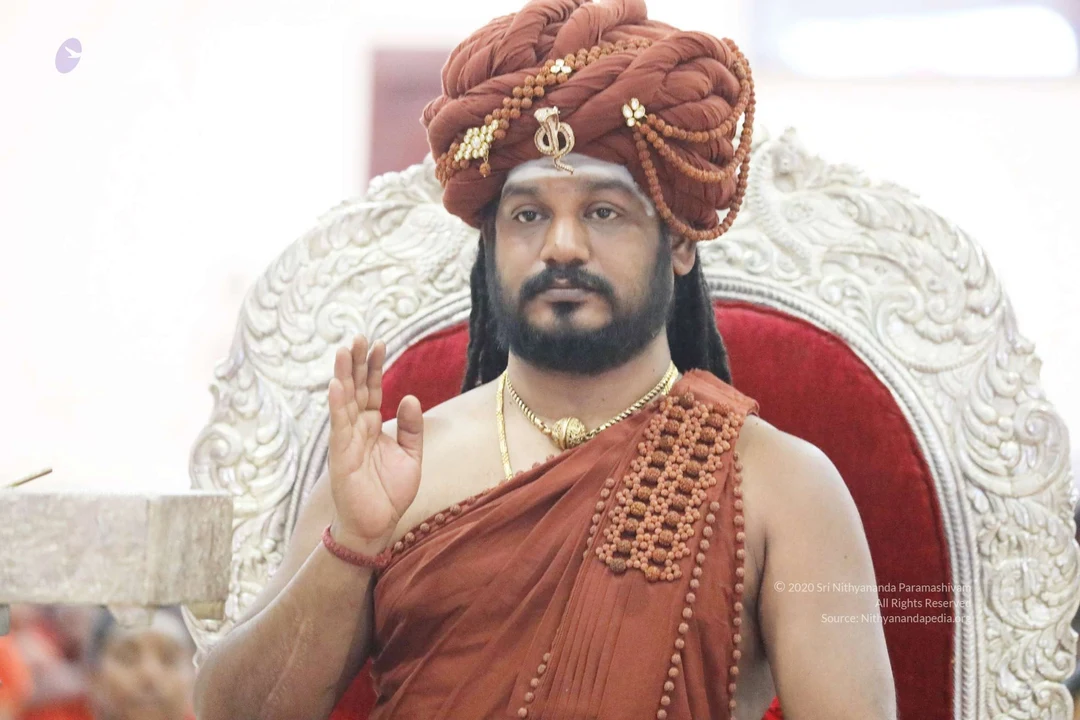 The breathing space of an avatar is an extension of His physical body
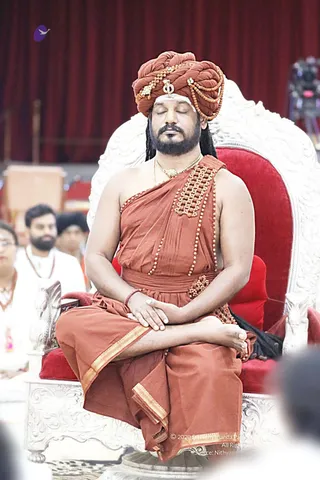 The breathing space of an avatar is an extension of His physical body
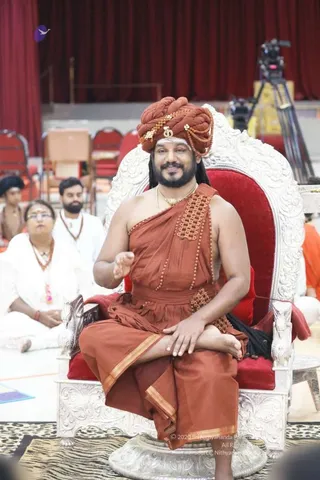 The breathing space of an avatar is an extension of His physical body
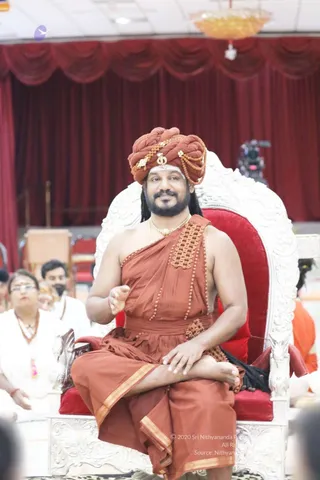 The breathing space of an avatar is an extension of His physical body
 The power of initiation is experienced in a pure body
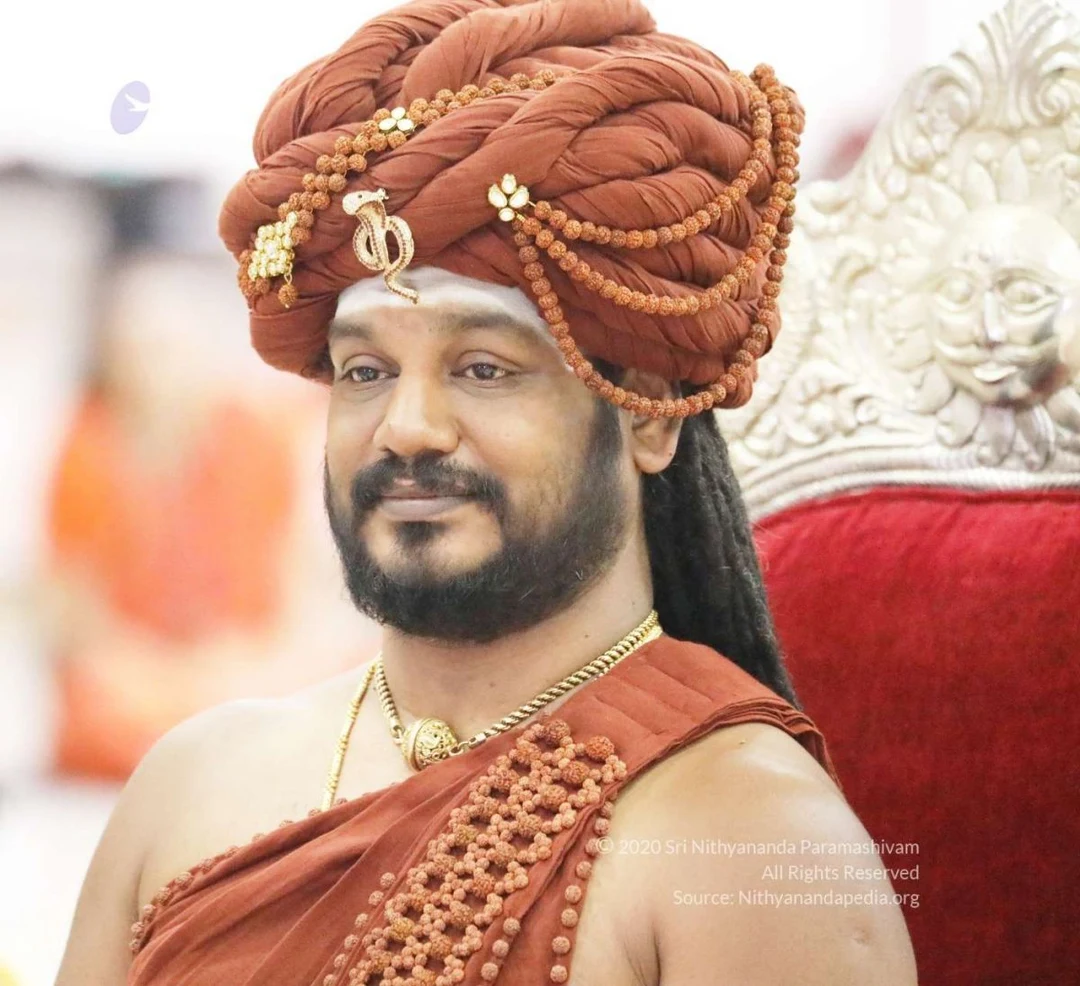 The power of initiation is experienced in a pure body
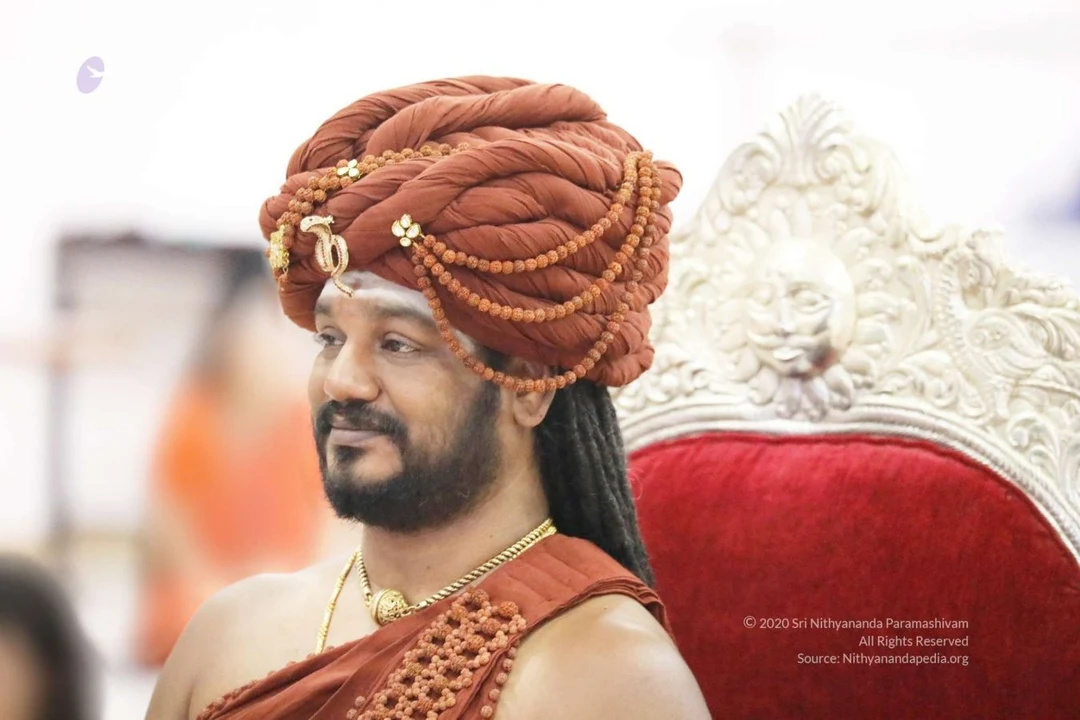 The power of initiation is experienced in a pure body
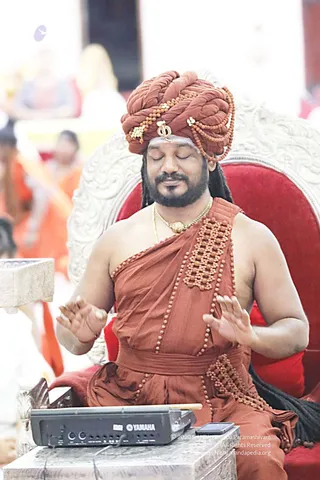 The power of initiation is experienced in a pure body
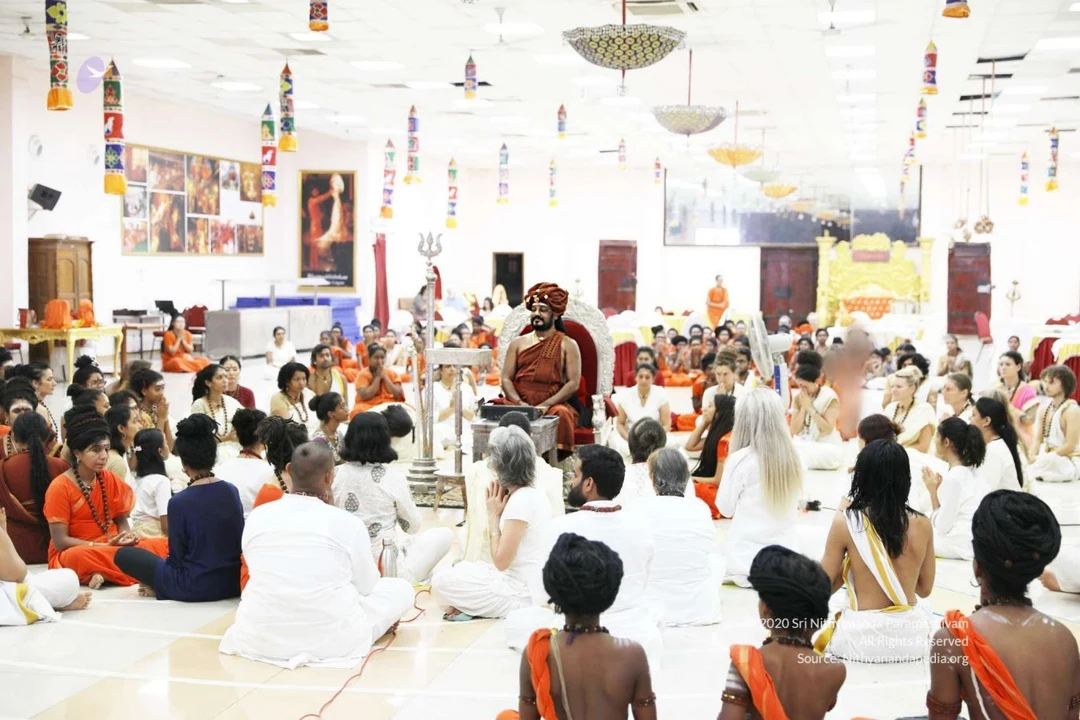 Kundalini initiation is the power of verbalization and visualization and sitting in the shape of the Sri Chakra or Sri Mandala
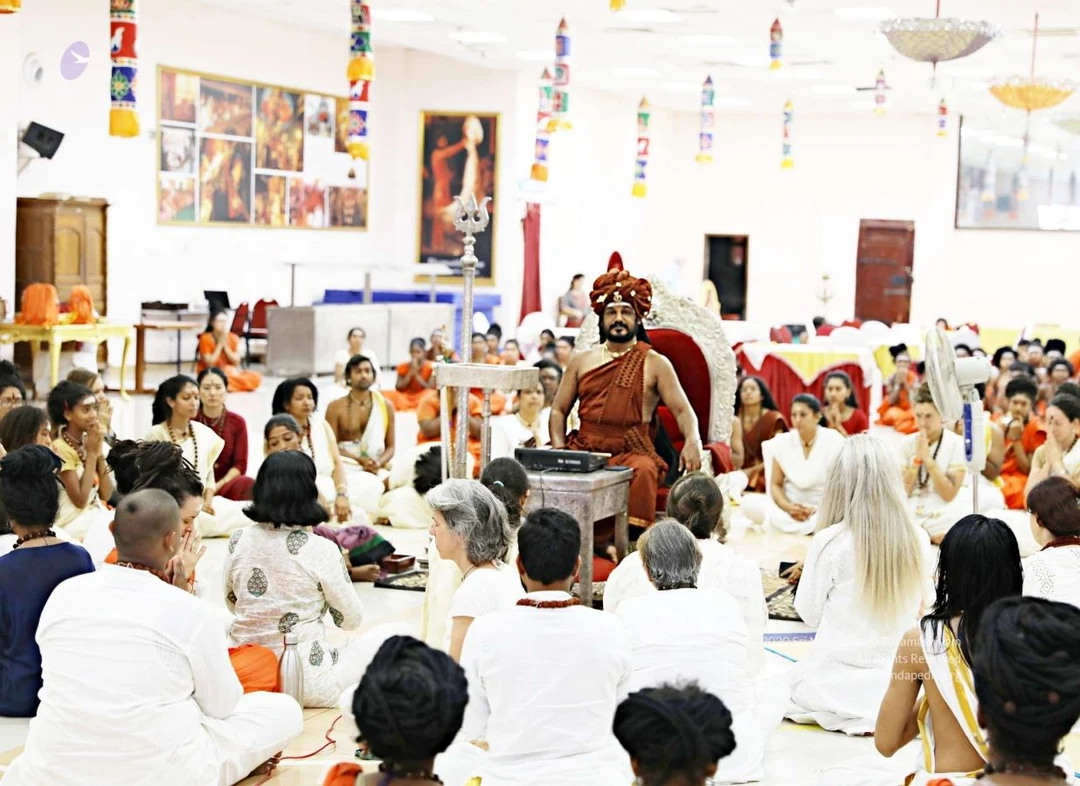 Kundalini initiation is the power of verbalization and visualization and sitting in the shape of the Sri Chakra or Sri Mandala
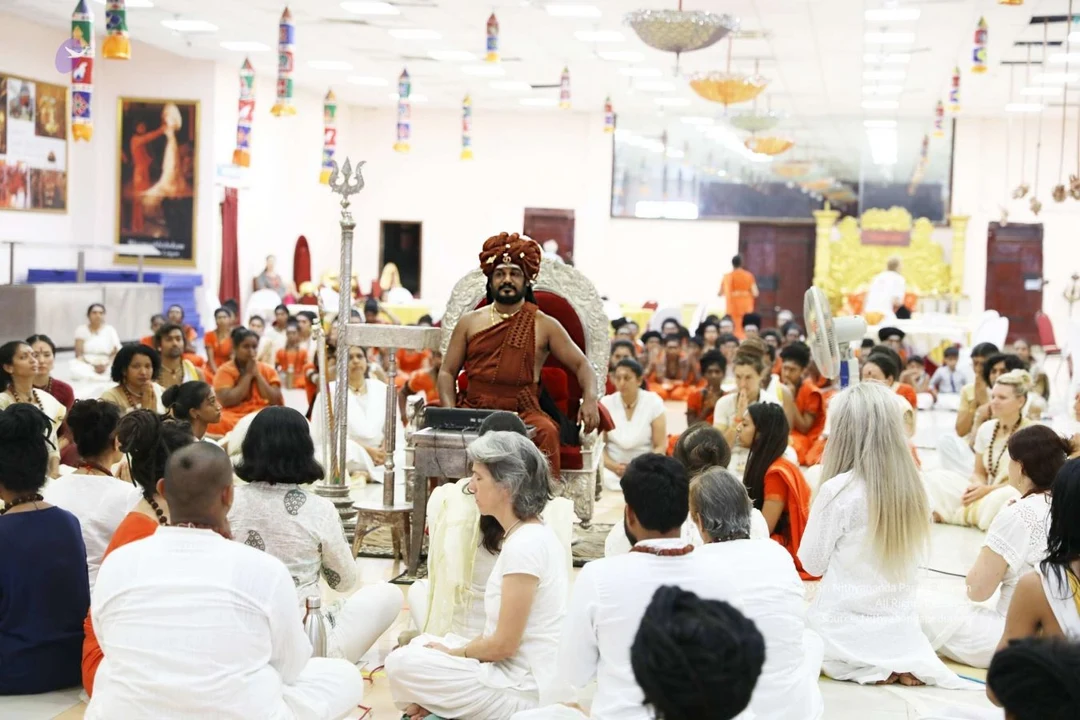 Kundalini initiation is the power of verbalization and visualization and sitting in the shape of the Sri Chakra or Sri Mandala
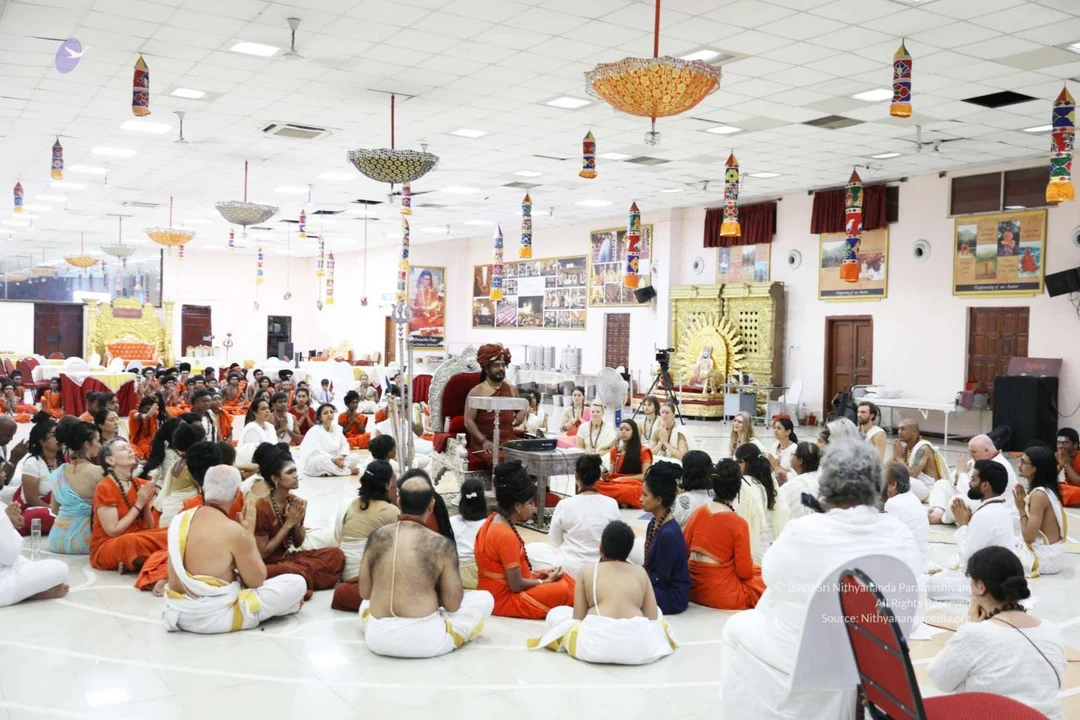 Kundalini initiation is the power of verbalization and visualization and sitting in the shape of the Sri Chakra or Sri Mandala
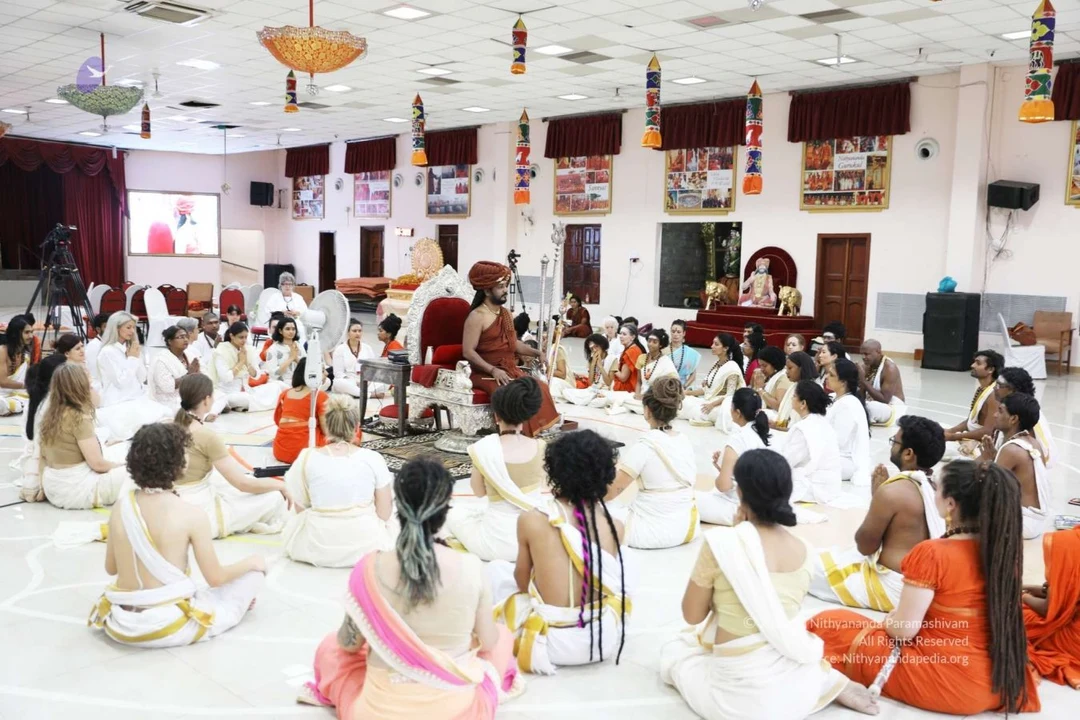 Kundalini initiation is the power of verbalization and visualization and sitting in the shape of the Sri Chakra or Sri Mandala
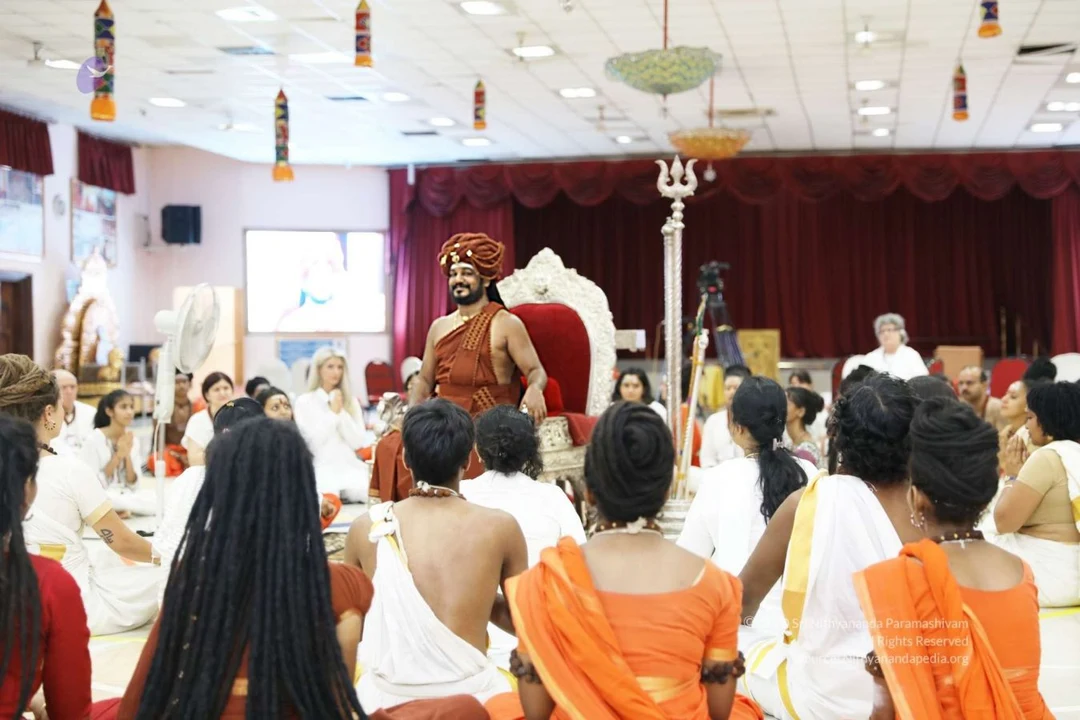 Kundalini initiation is the power of verbalization and visualization and sitting in the shape of the Sri Chakra or Sri Mandala
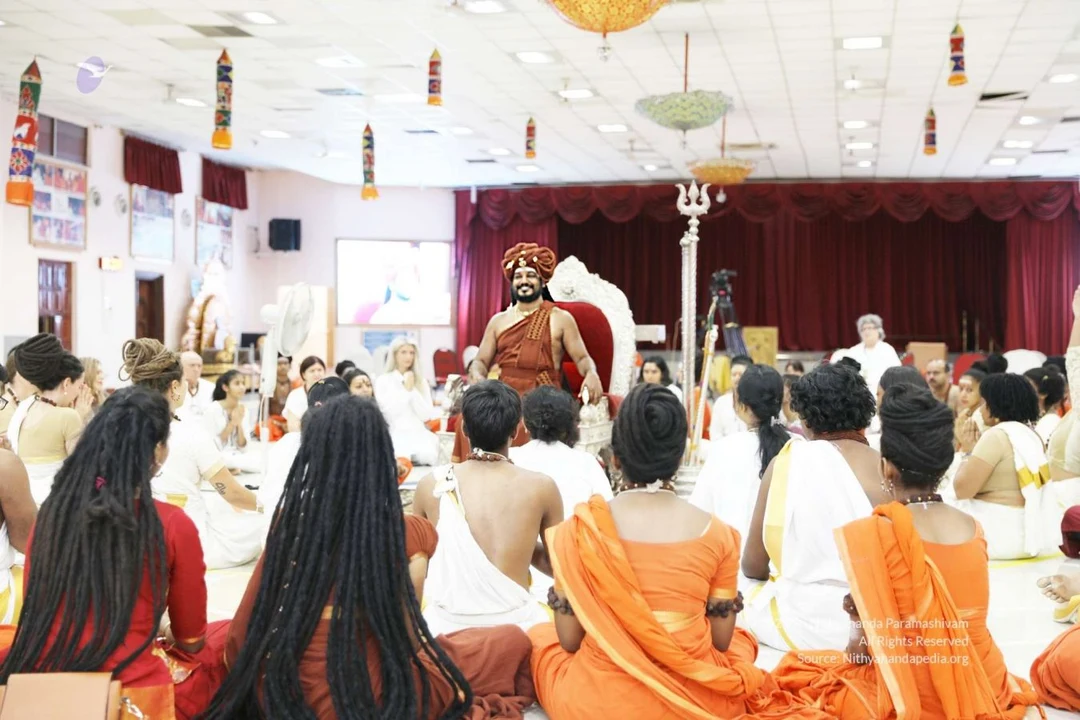 Kundalini initiation is the power of verbalization and visualization and sitting in the shape of the Sri Chakra or Sri Mandala
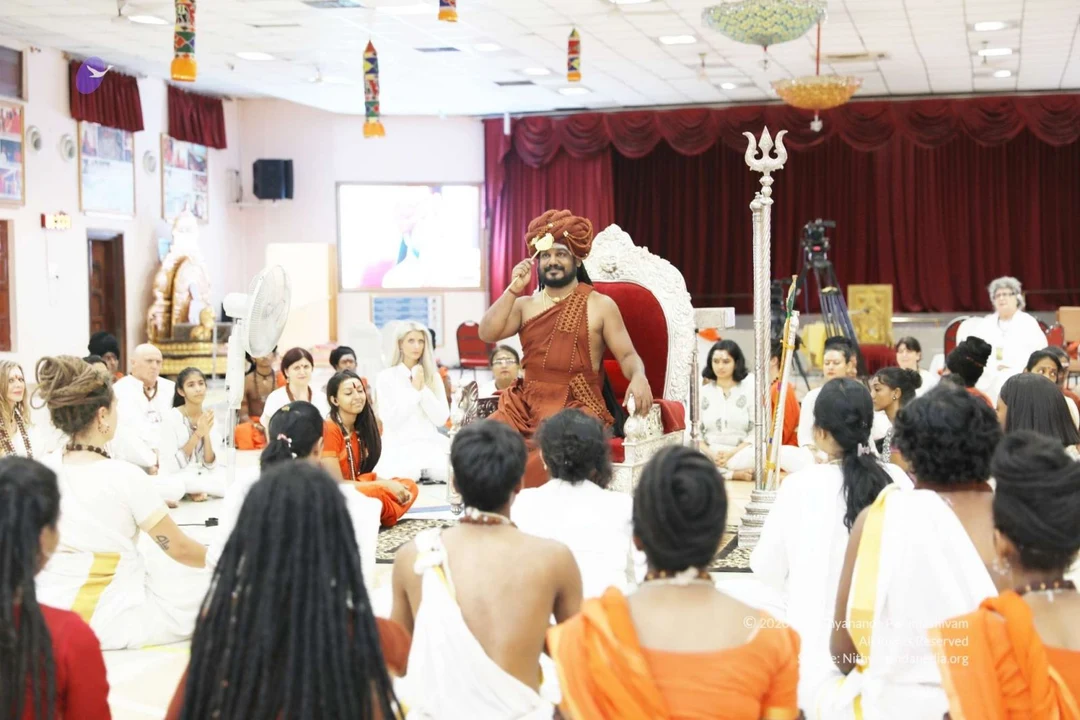 Mandala Process and initiation with HDH Nithyananda Paramashivam
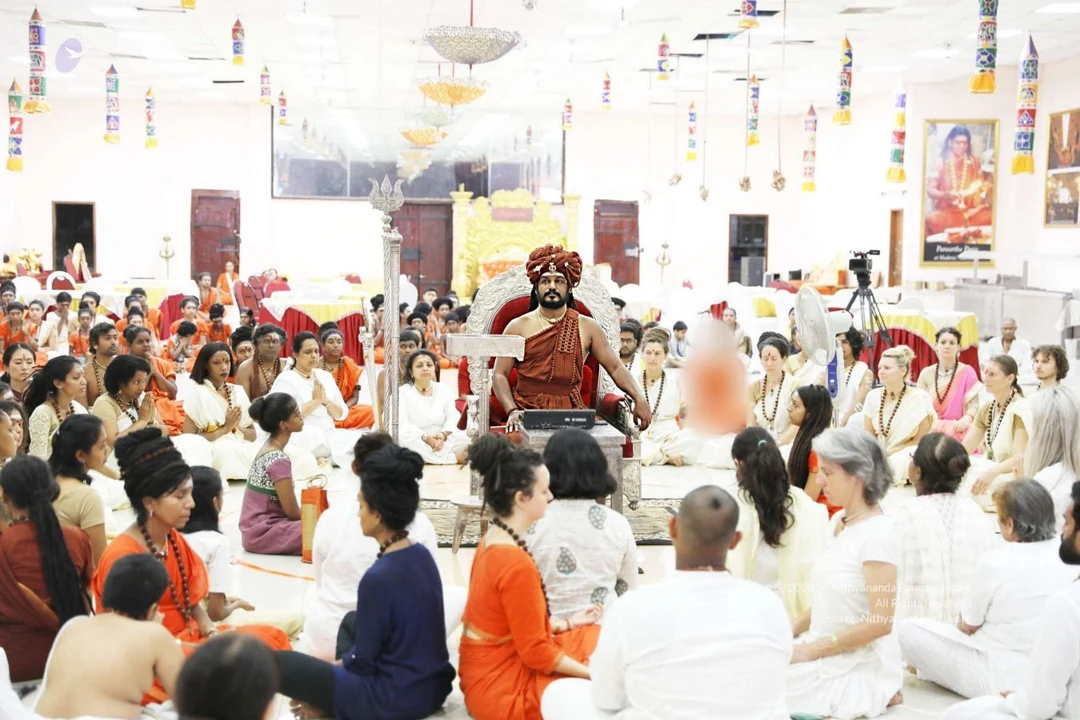 Mandala Process and initiation with HDH Nithyananda Paramashivam
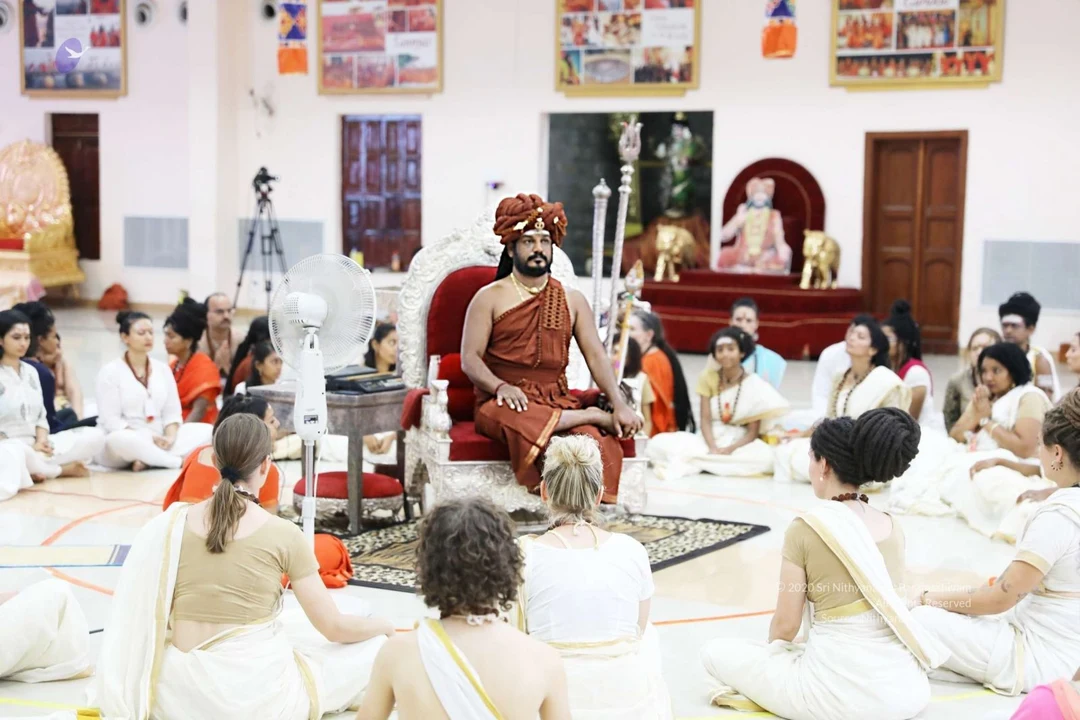 Mandala Process and initiation with HDH Nithyananda Paramashivam
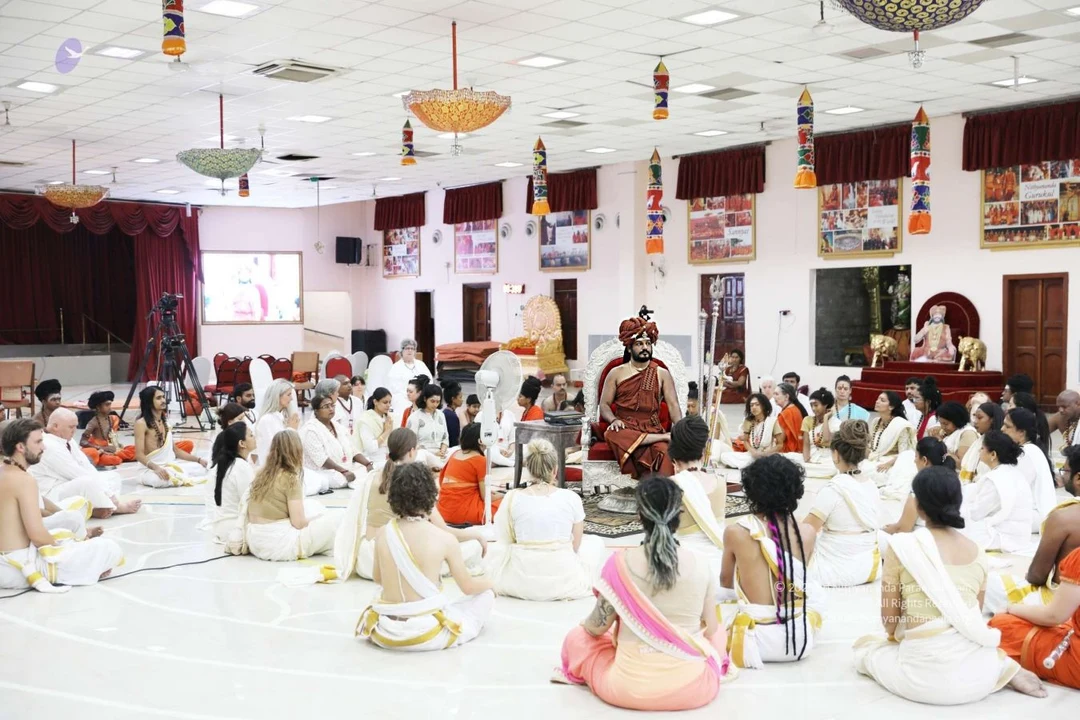 Mandala Process and initiation with HDH Nithyananda Paramashivam
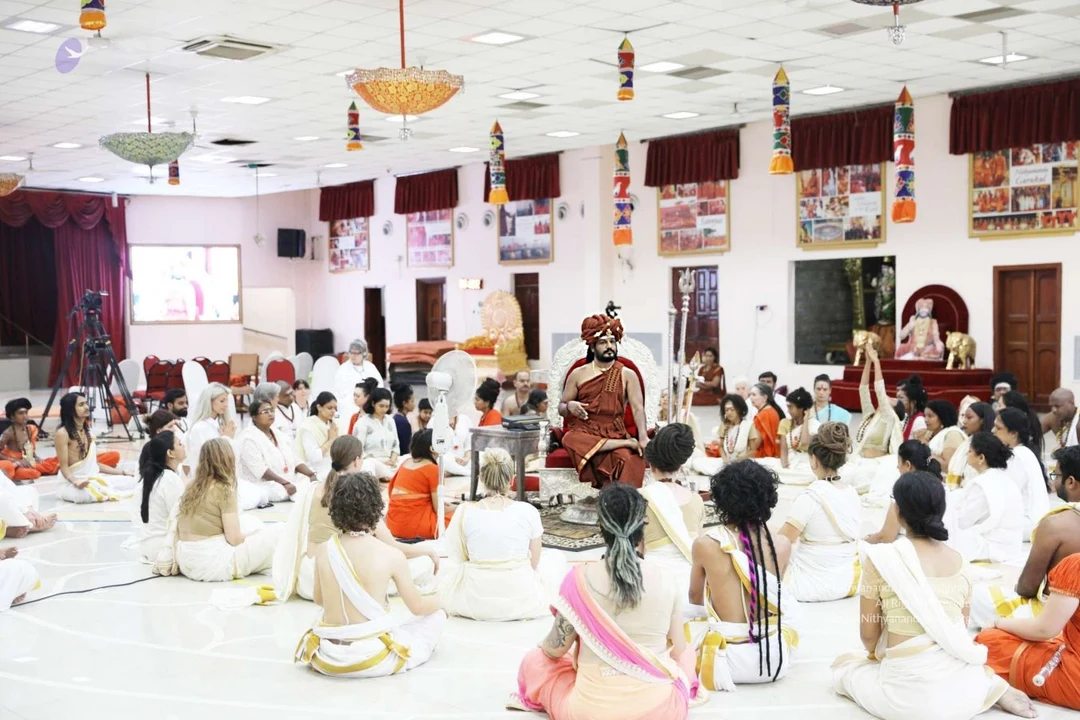 Mandala Process and initiation with HDH Nithyananda Paramashivam
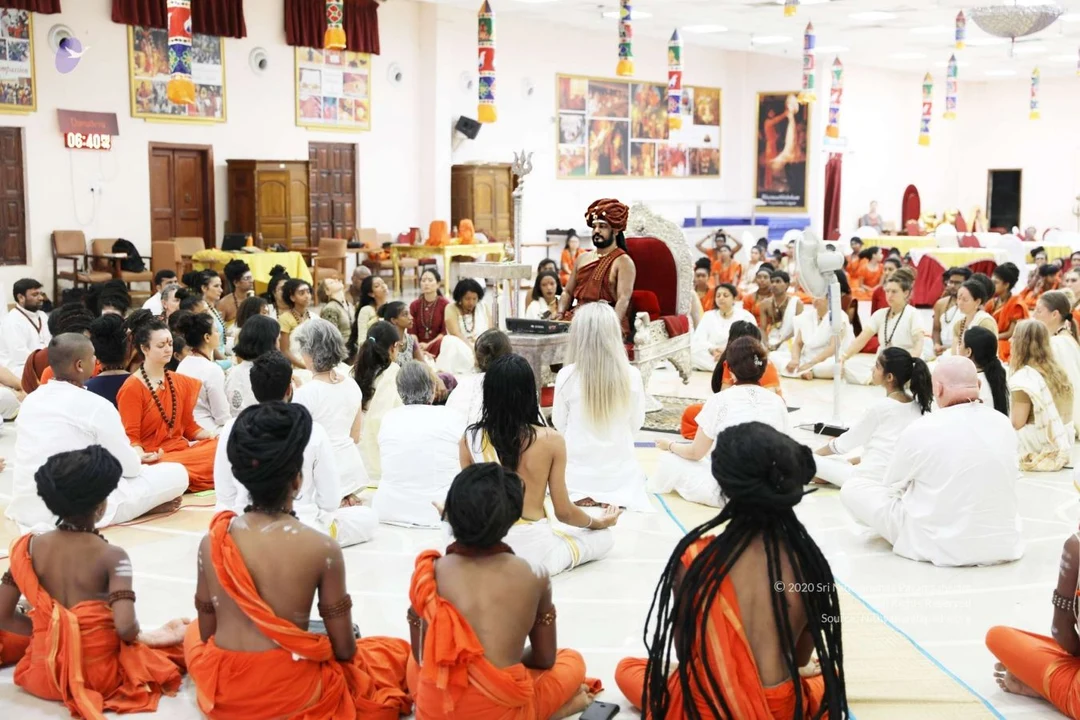 Mandala Process and initiation with HDH Nithyananda Paramashivam
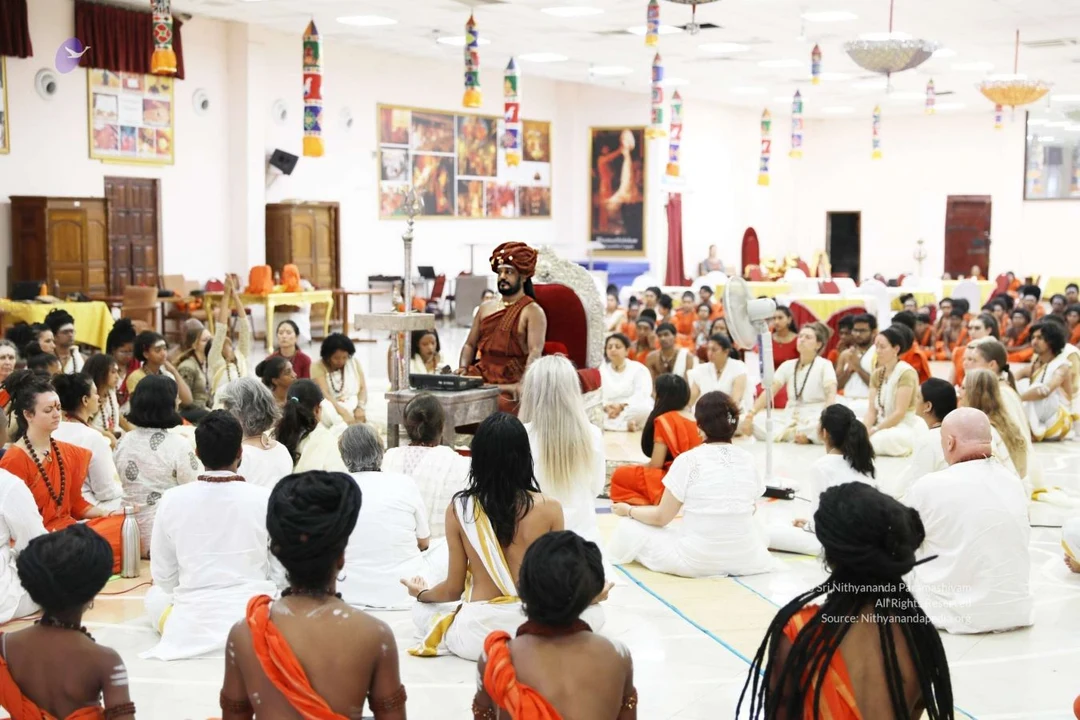 Mandala initiation - kundalini shakti awakening using agamic techniques
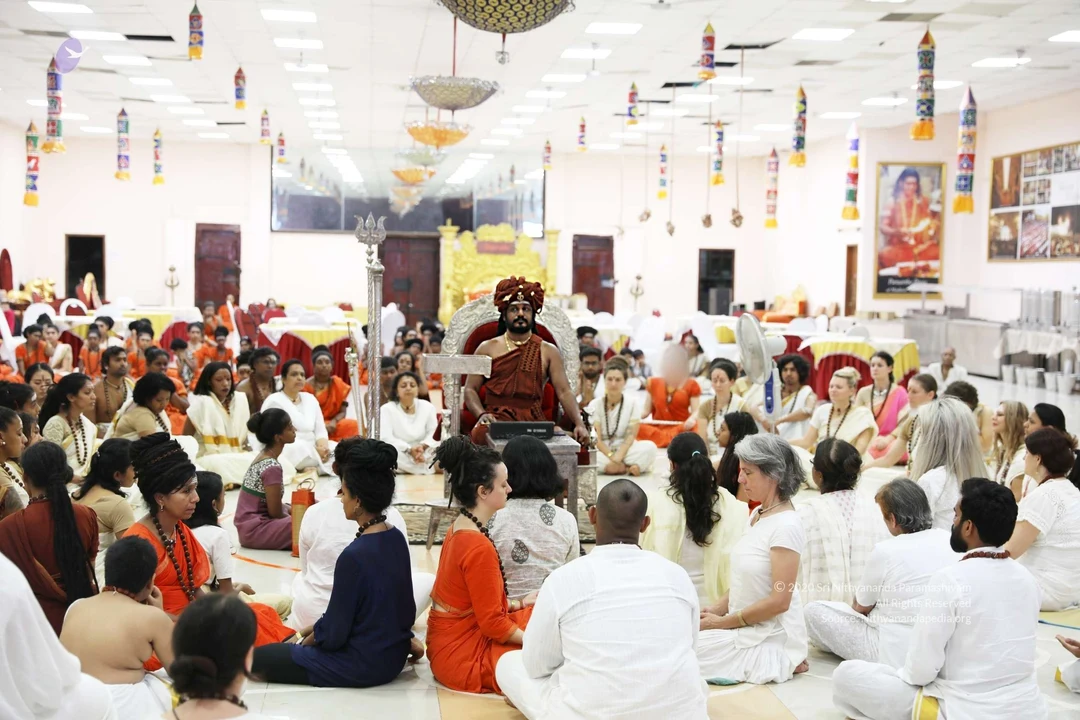 Mandala initiation - kundalini shakti awakening using agamic techniques
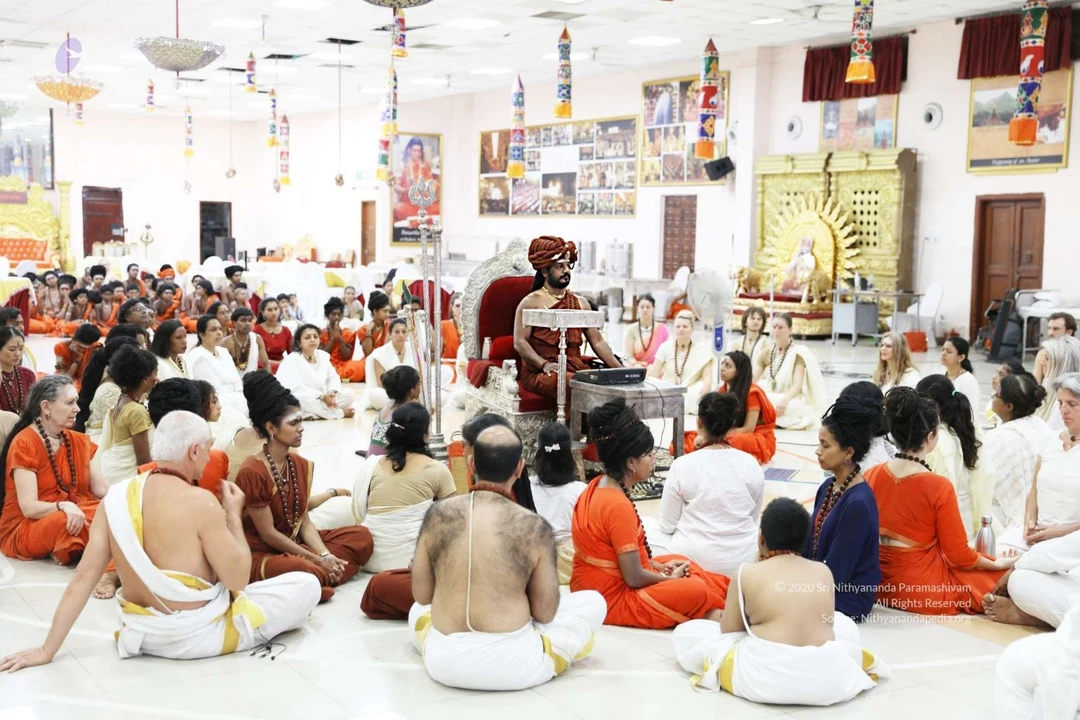 Mandala initiation - kundalini shakti awakening using agamic techniques
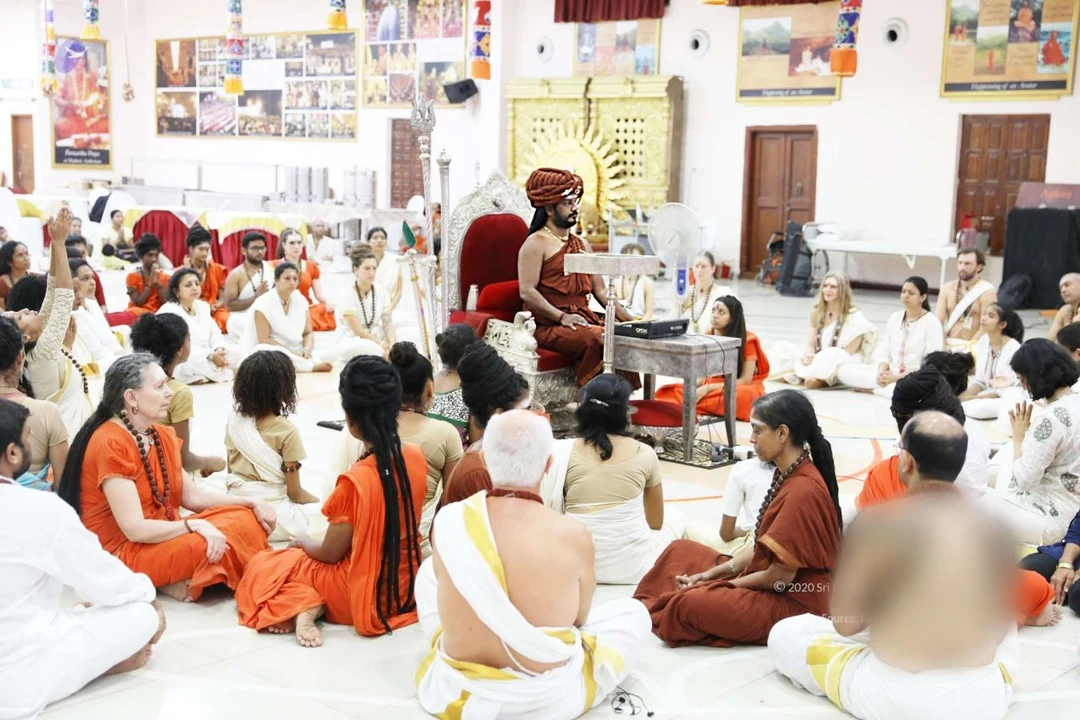 Mandala initiation - kundalini shakti awakening using agamic techniques
 Mandala initiation - kundalini shakti awakening using agamic techniques
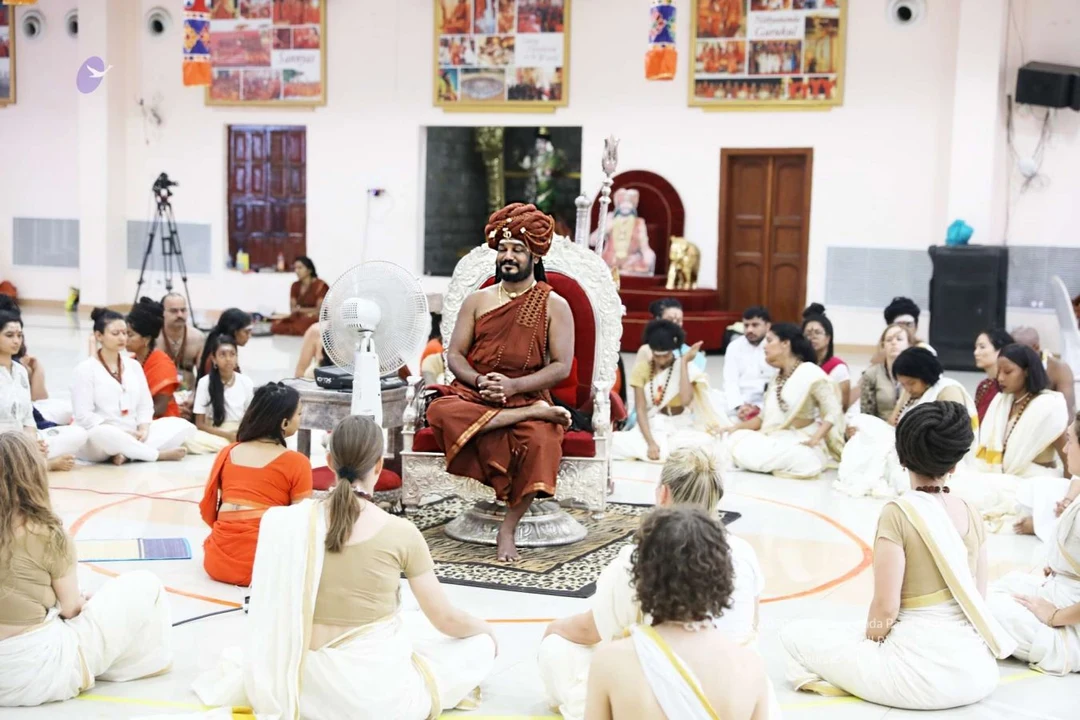 Mandala initiation - kundalini shakti awakening using agamic techniques
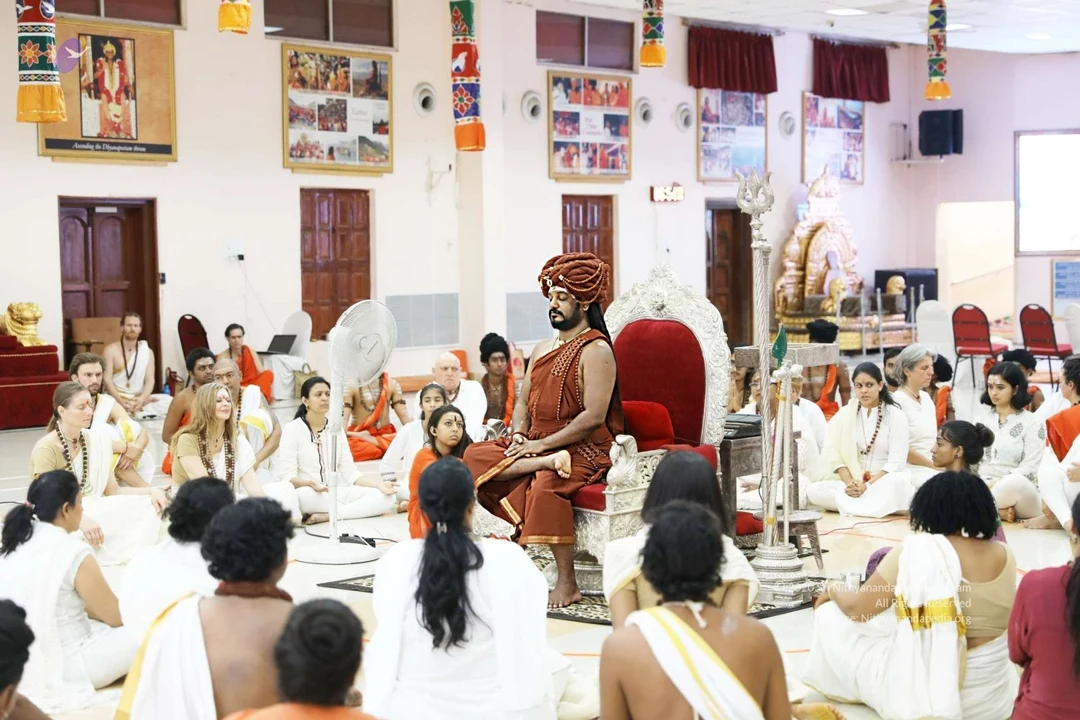 Mandala initiation - kundalini shakti awakening using agamic techniques
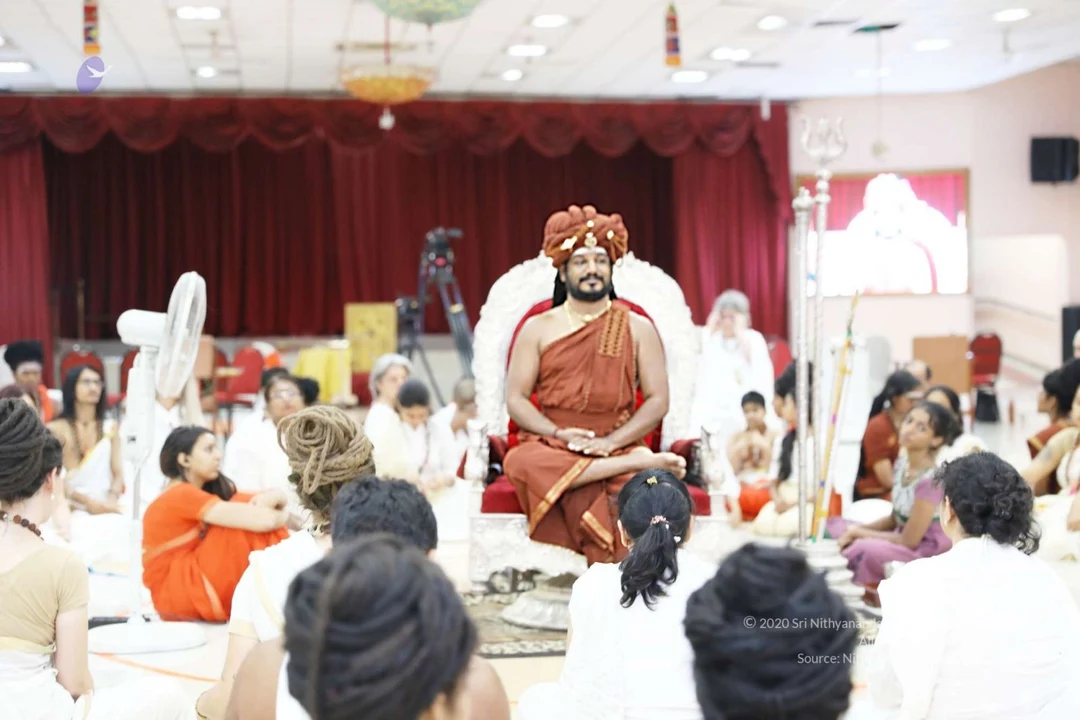 Manifesting the state, space, powers, being and superconsciousness of Paramashiva
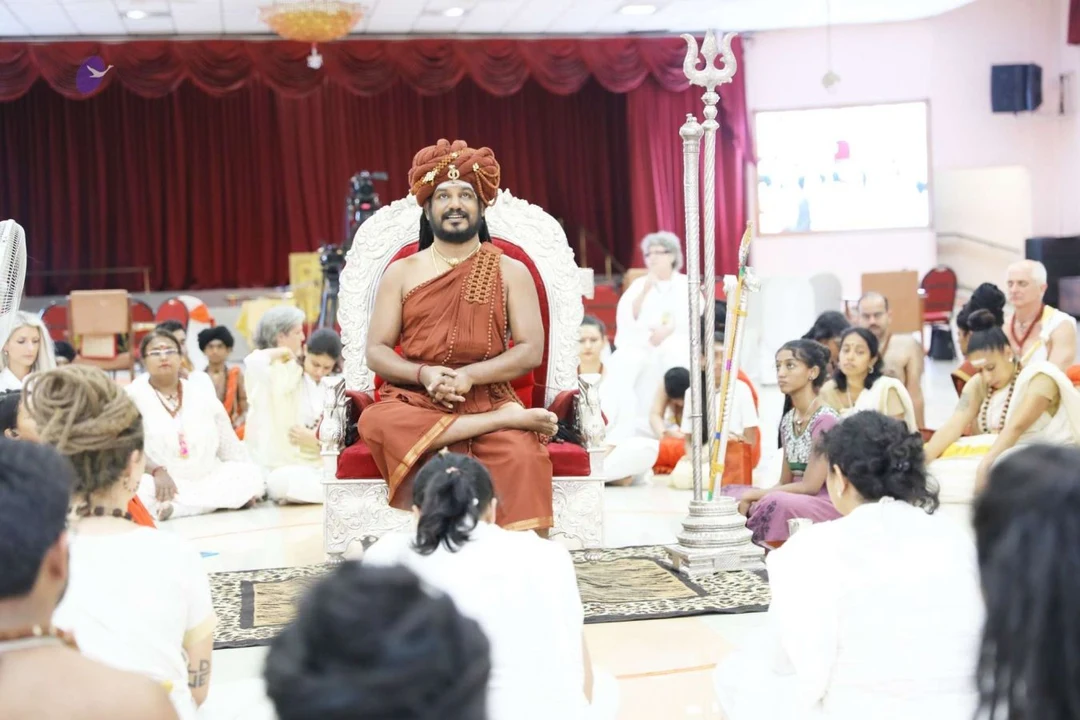 Manifesting the state, space, powers, being and superconsciousness of Paramashiva
 Manifesting the state, space, powers, being and superconsciousness of Paramashiva
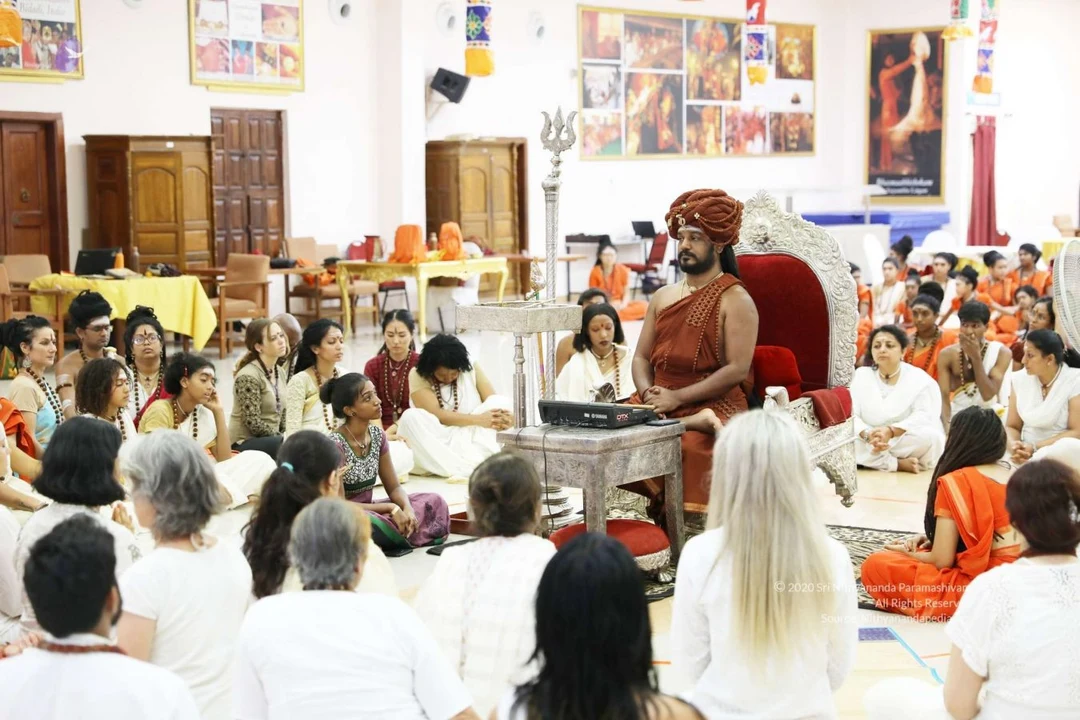 Manifesting the state, space, powers, being and superconsciousness of Paramashiva
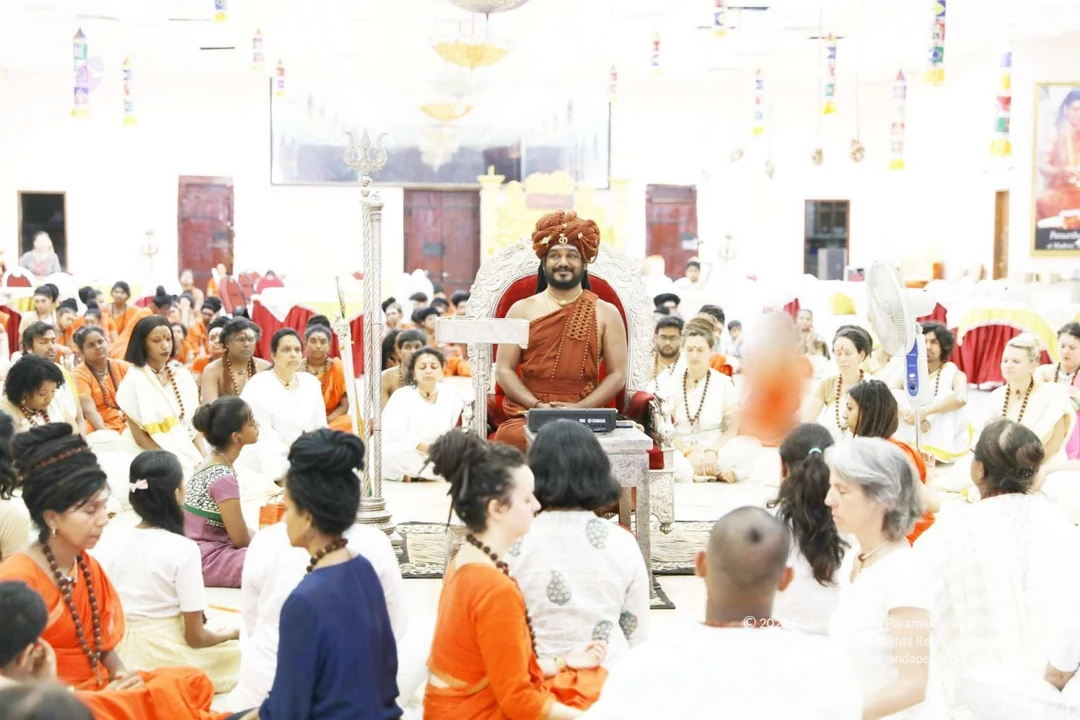 Manifesting the state, space, powers, being and superconsciousness of Paramashiva
 Manifesting the state, space, powers, being and superconsciousness of Paramashiva
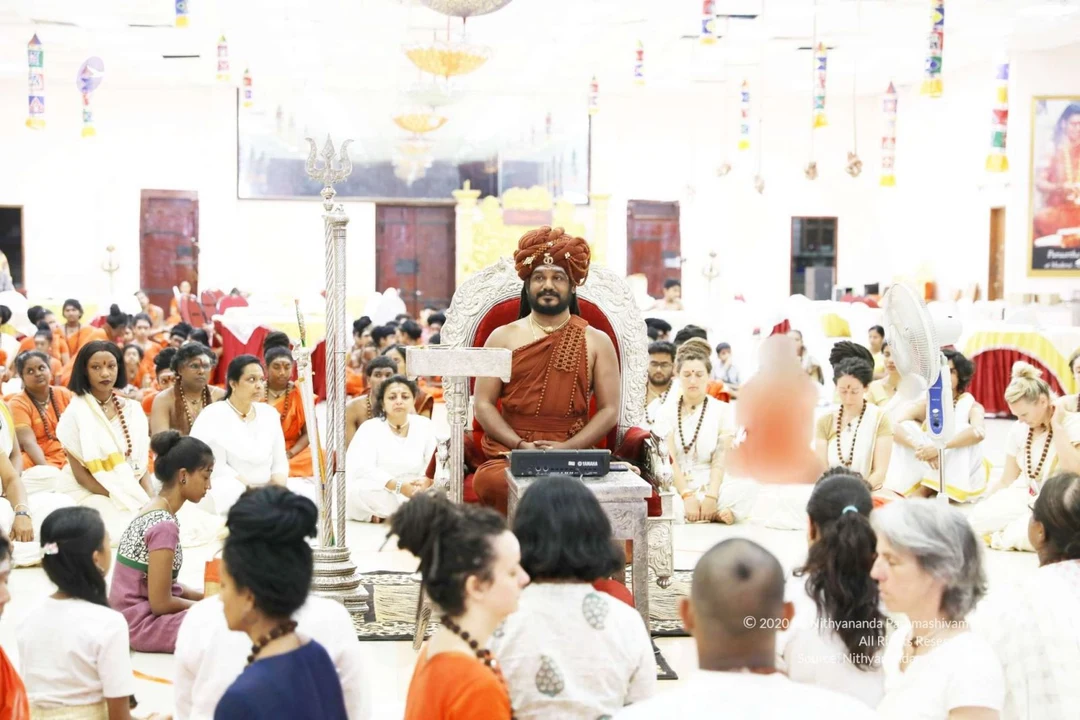 Manifesting the state, space, powers, being and superconsciousness of Paramashiva
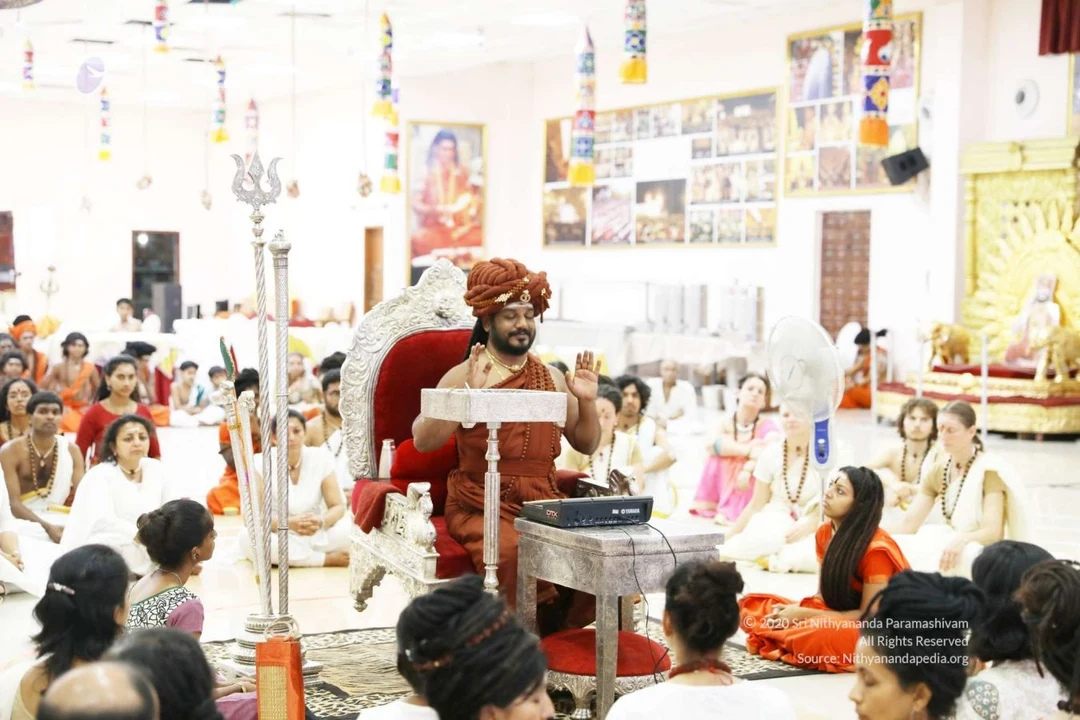 Manifesting the state, space, powers, being and superconsciousness of Paramashiva
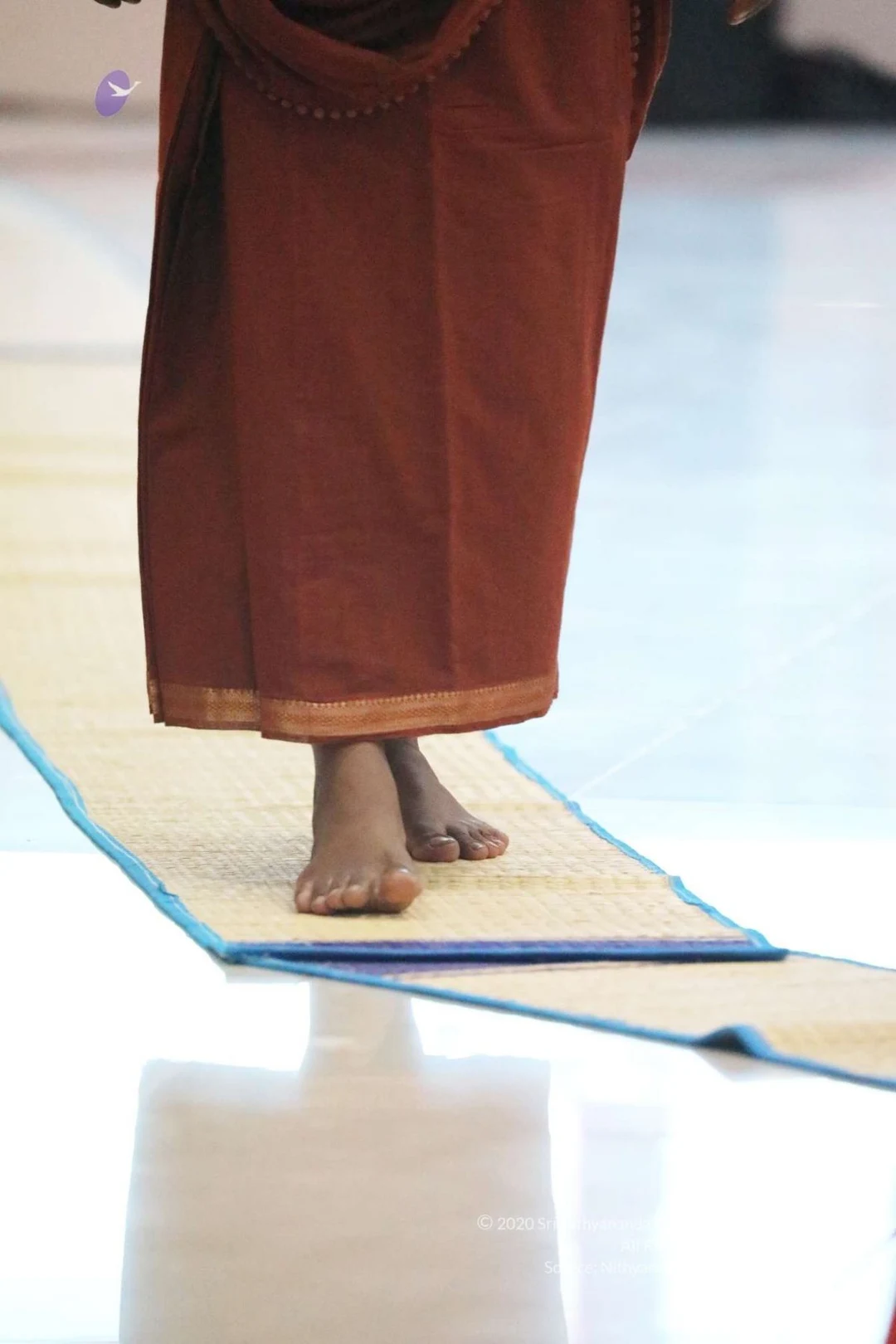
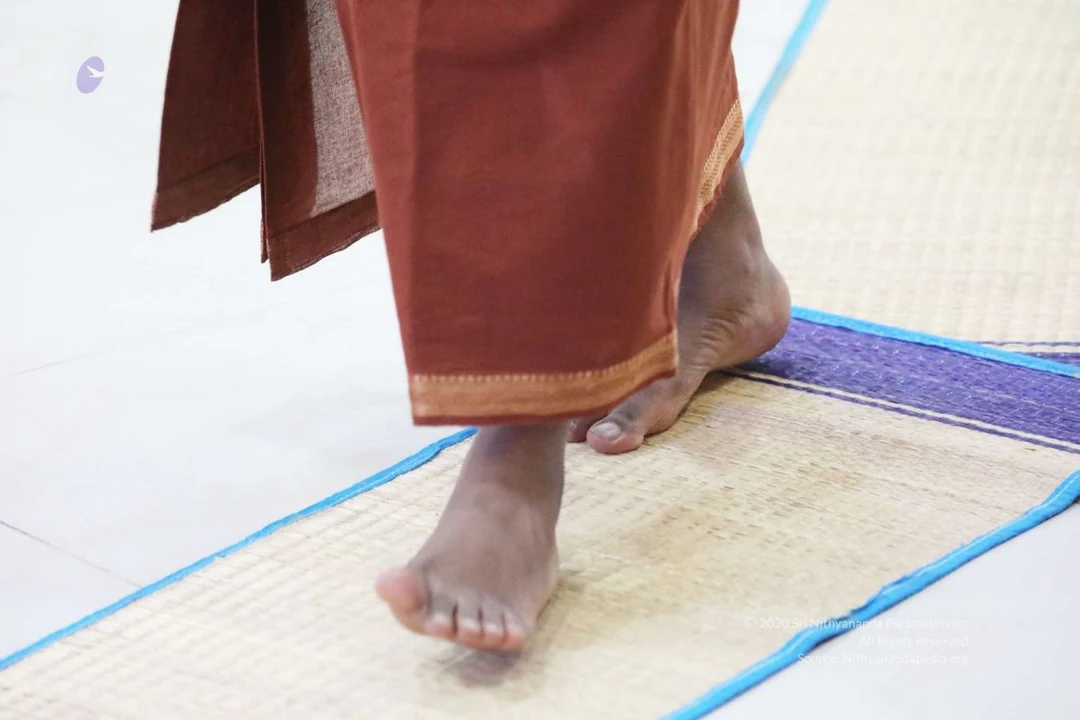 Existence is continuous expansion - HDH Nithyananda Paramashivam leaving mandala
 Existence is continuous expansion - HDH Nithyananda Paramashivam leaving mandala
 Existence is continuous expansion - HDH Nithyananda Paramashivam leaving mandala

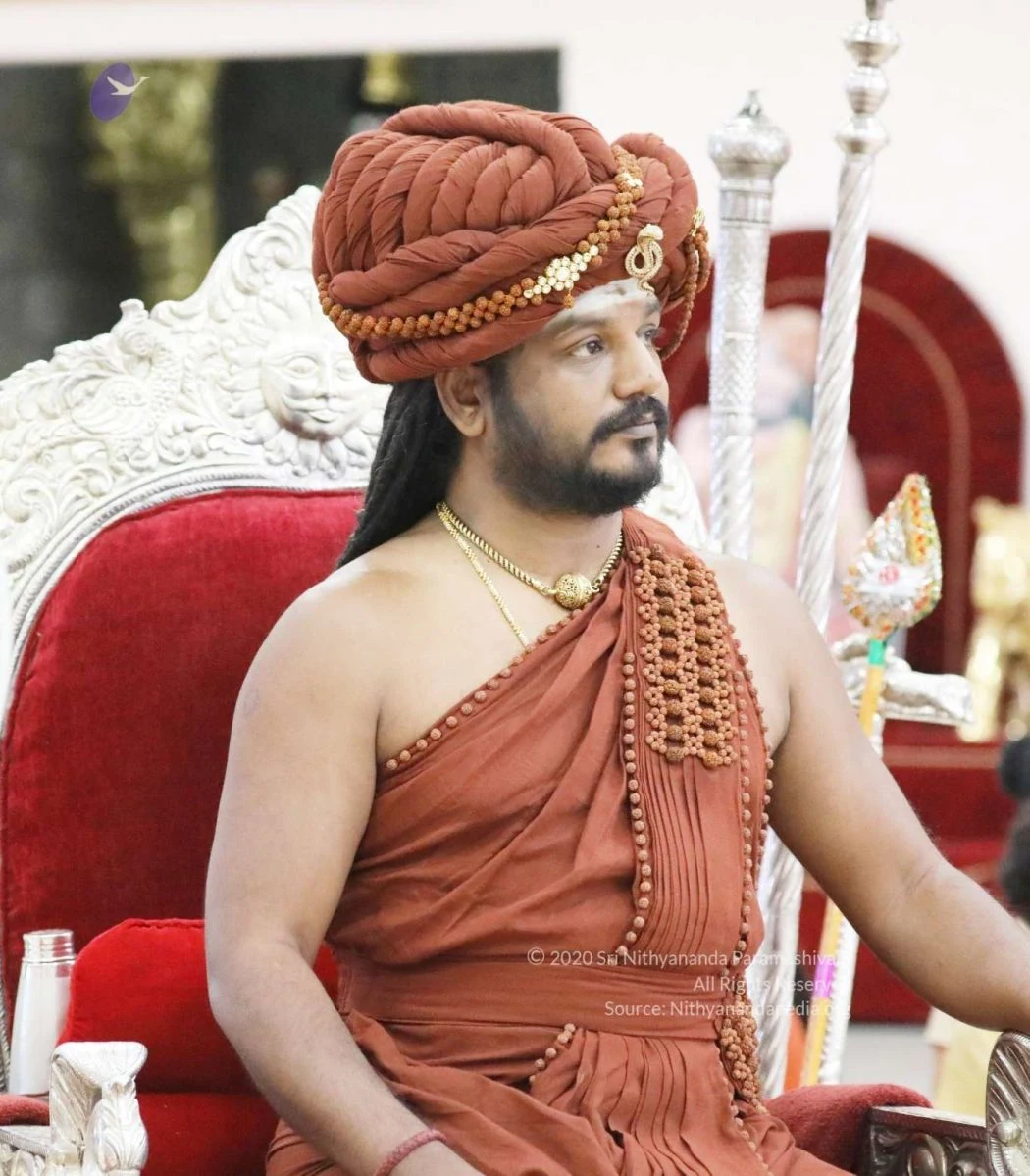
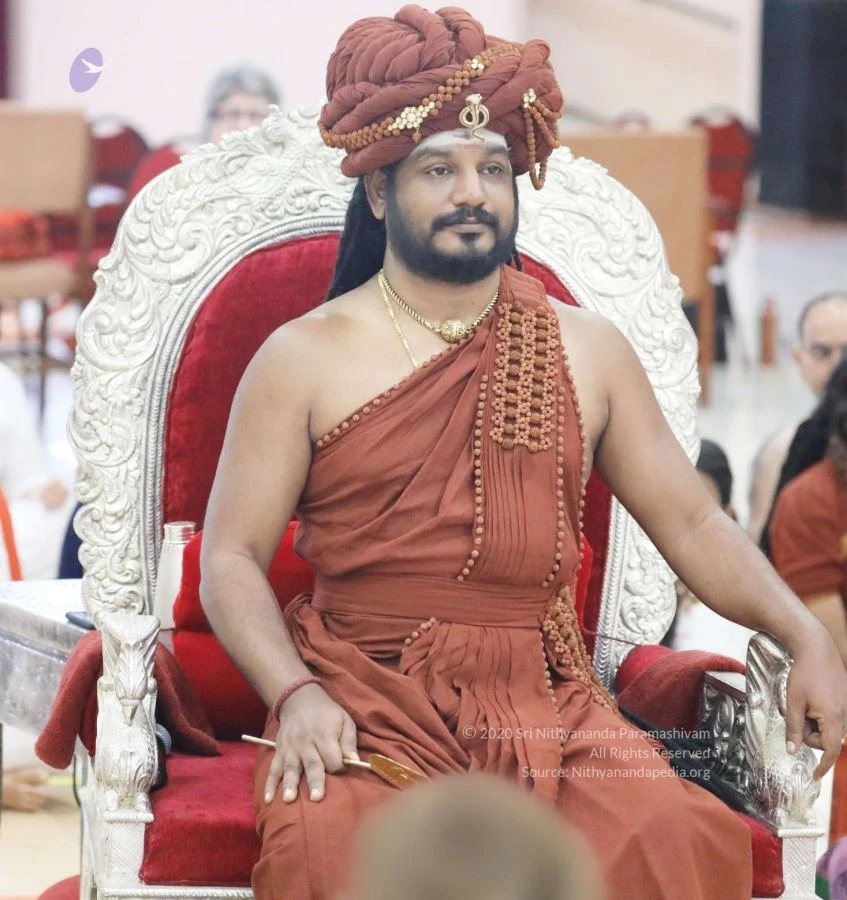
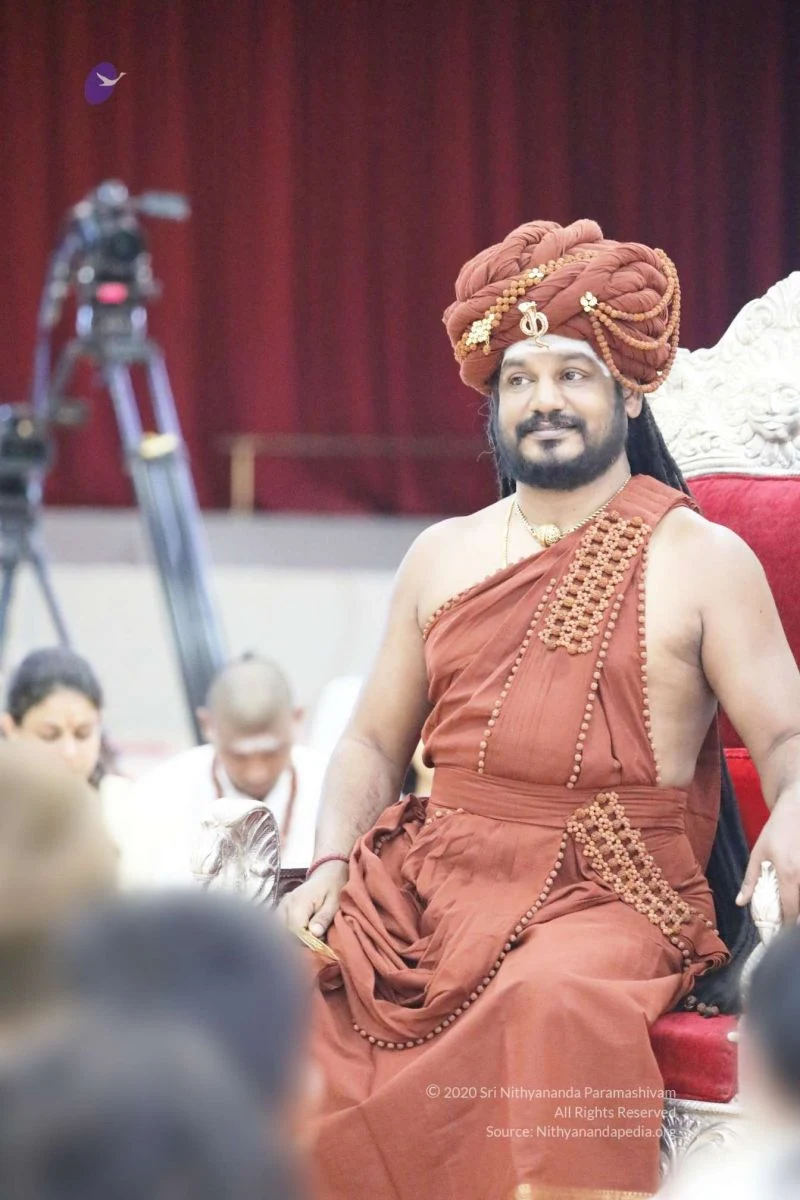
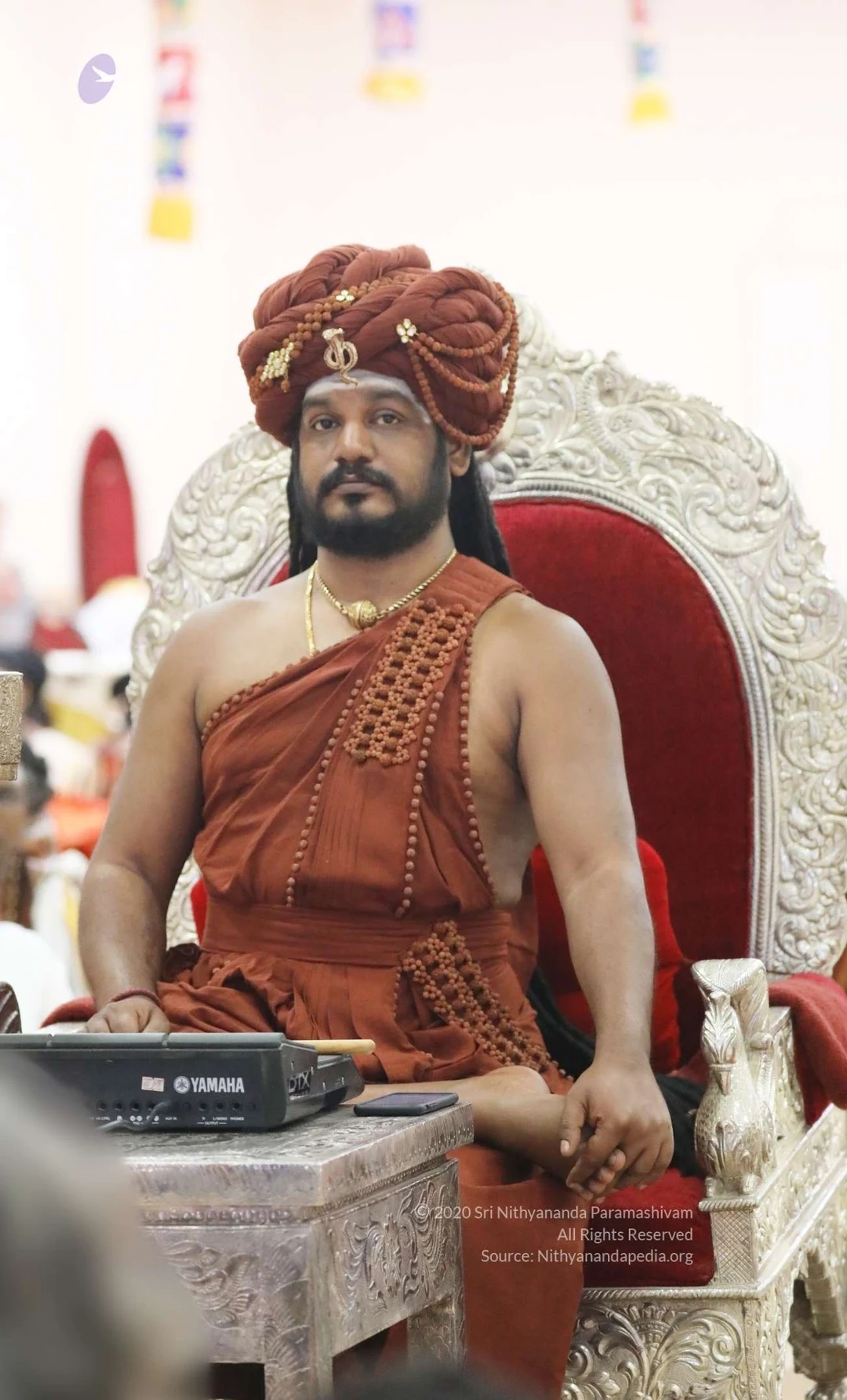
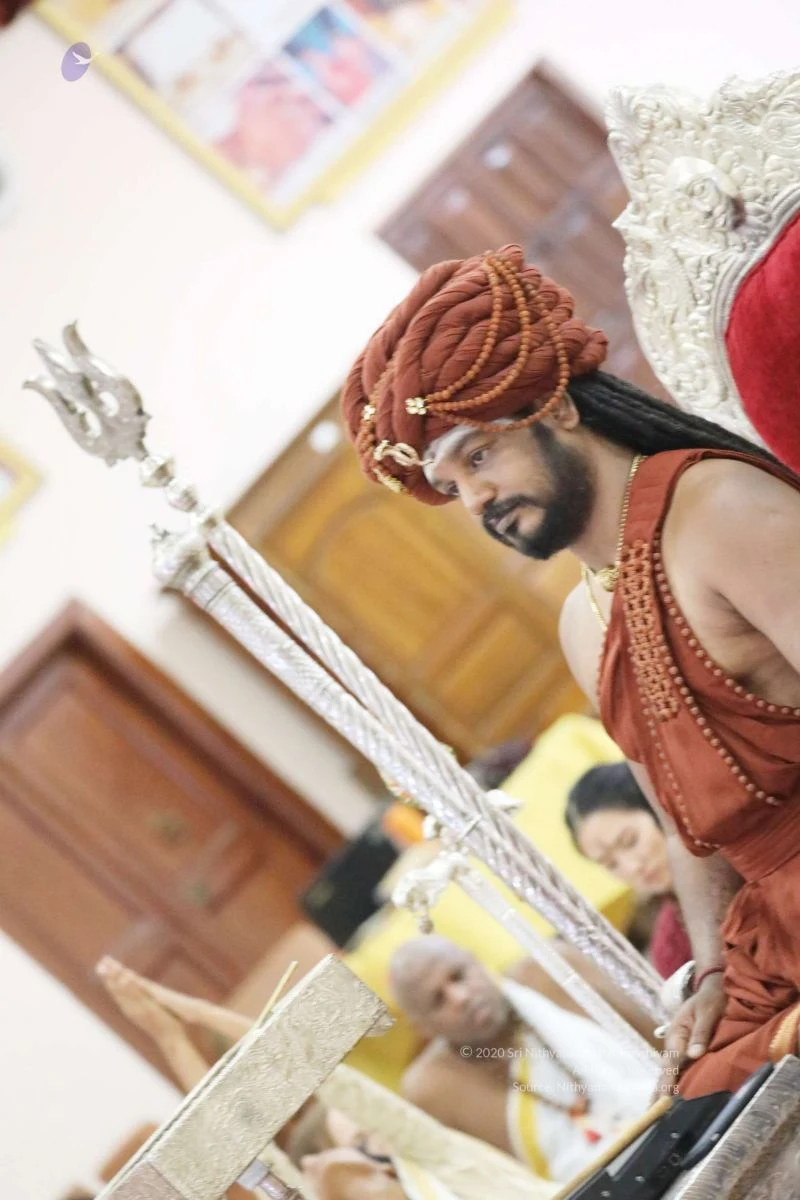
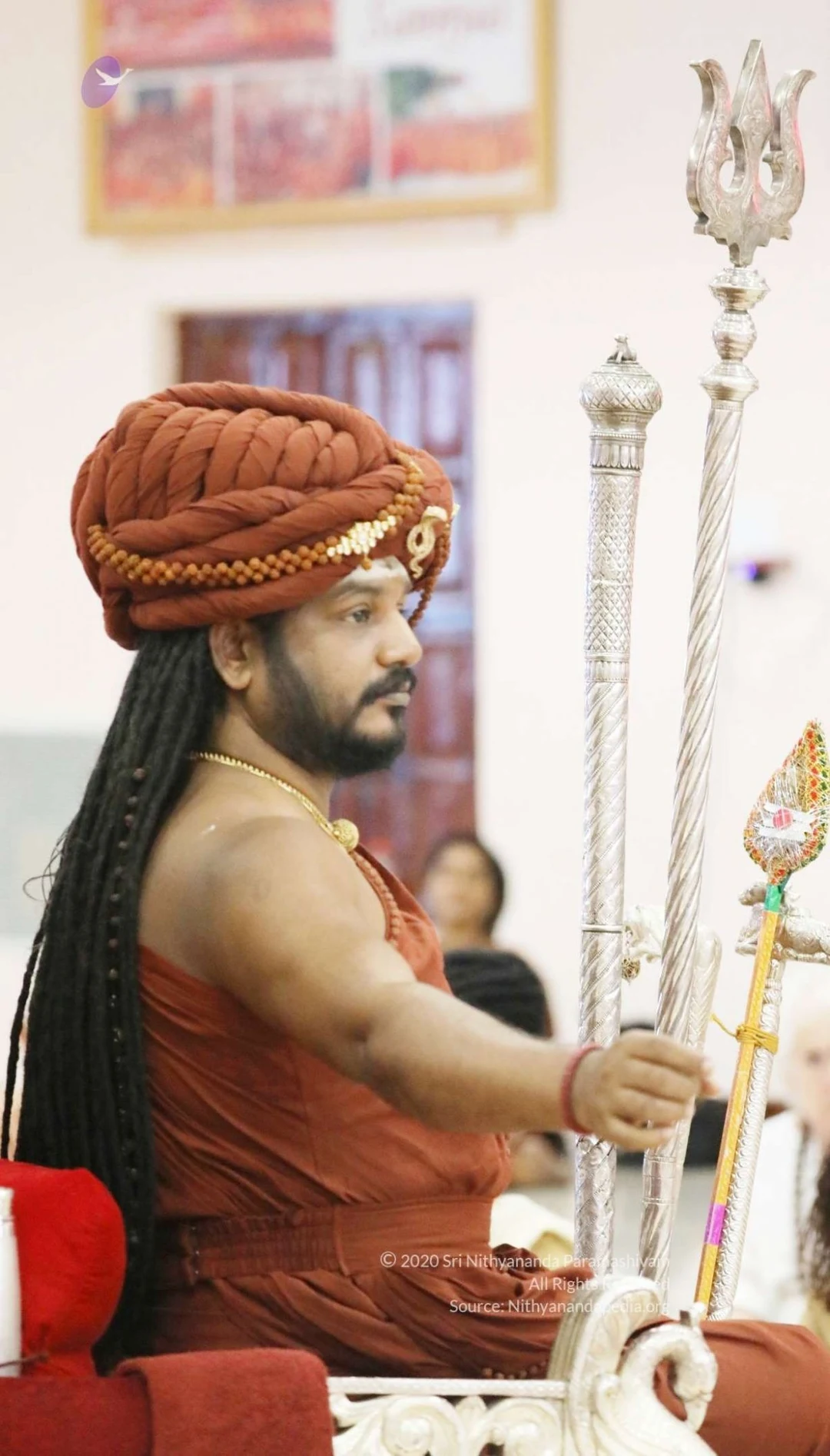
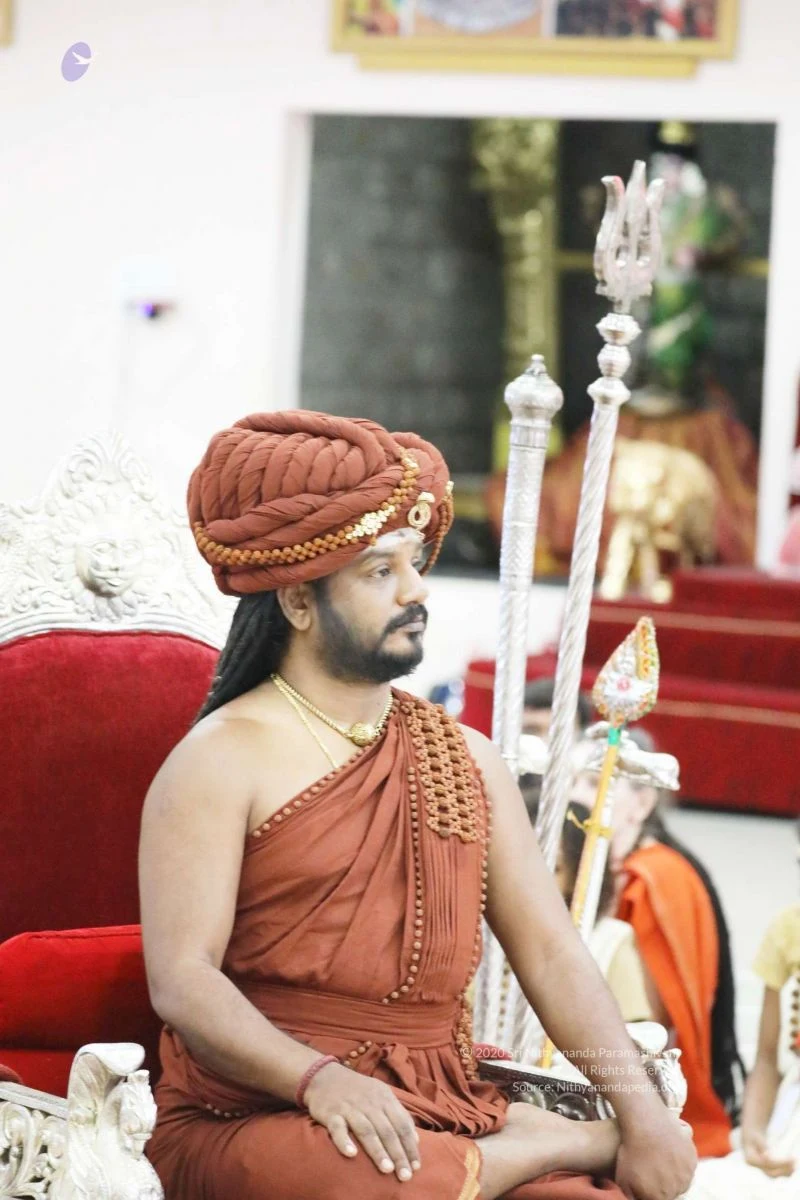
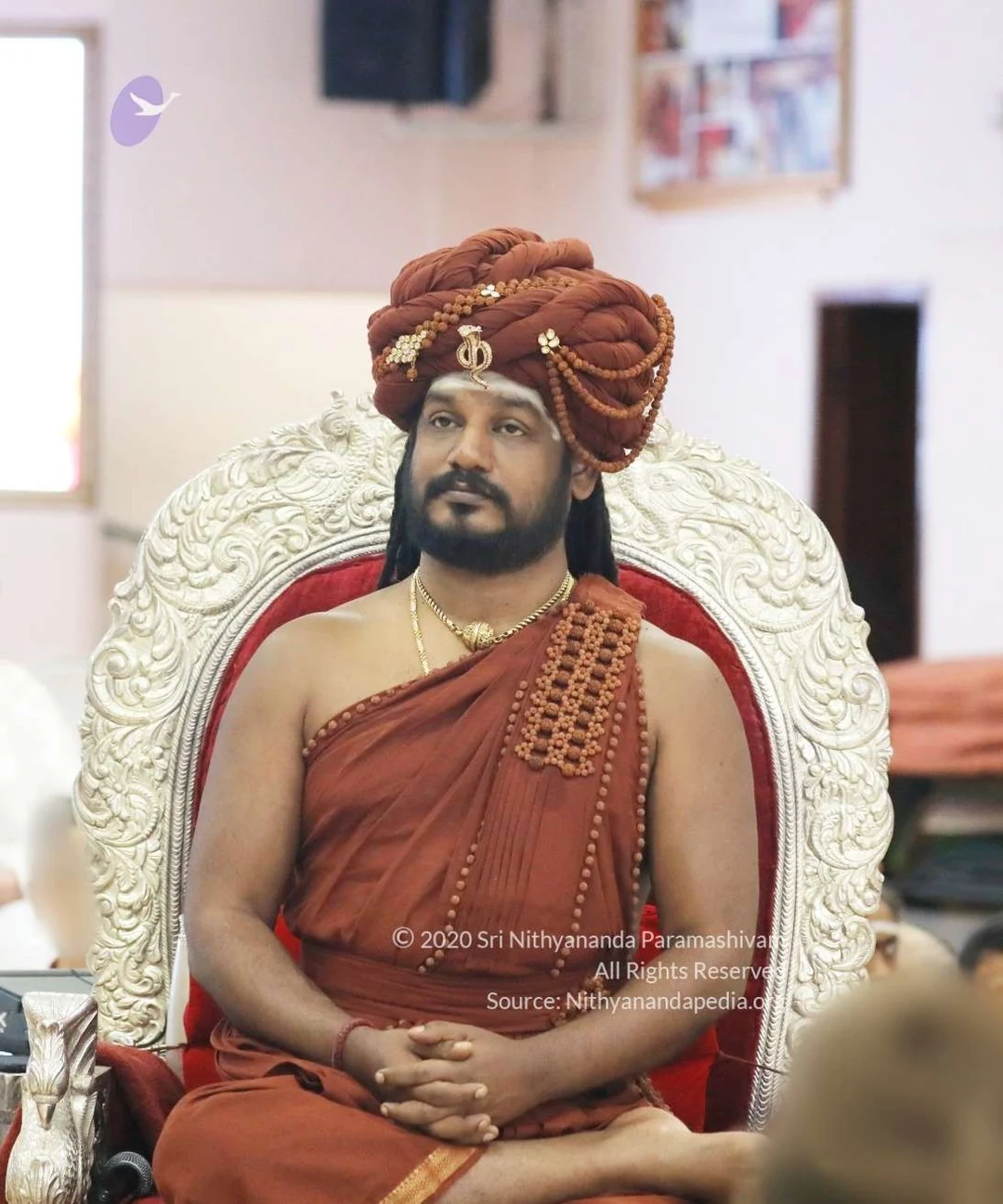
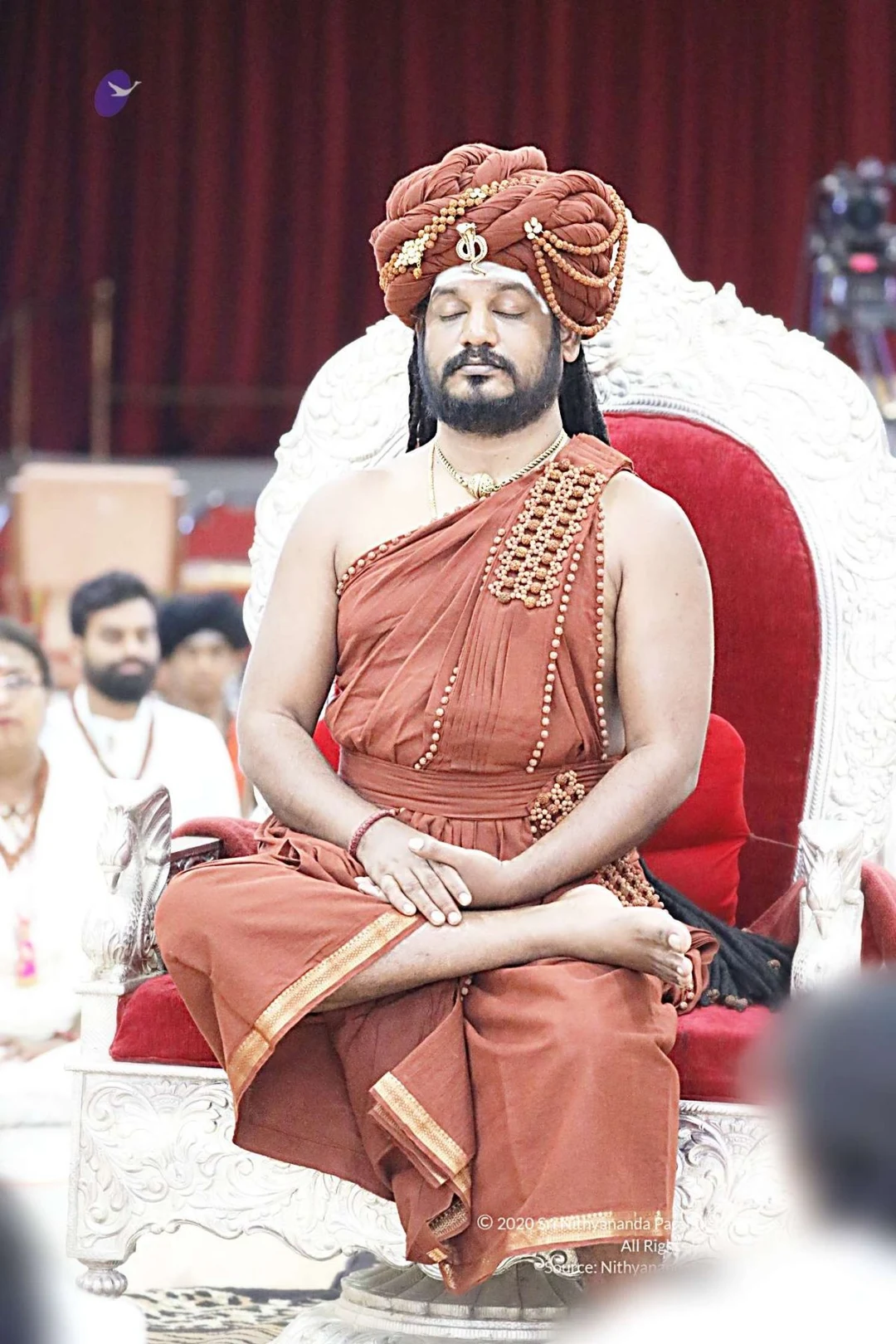
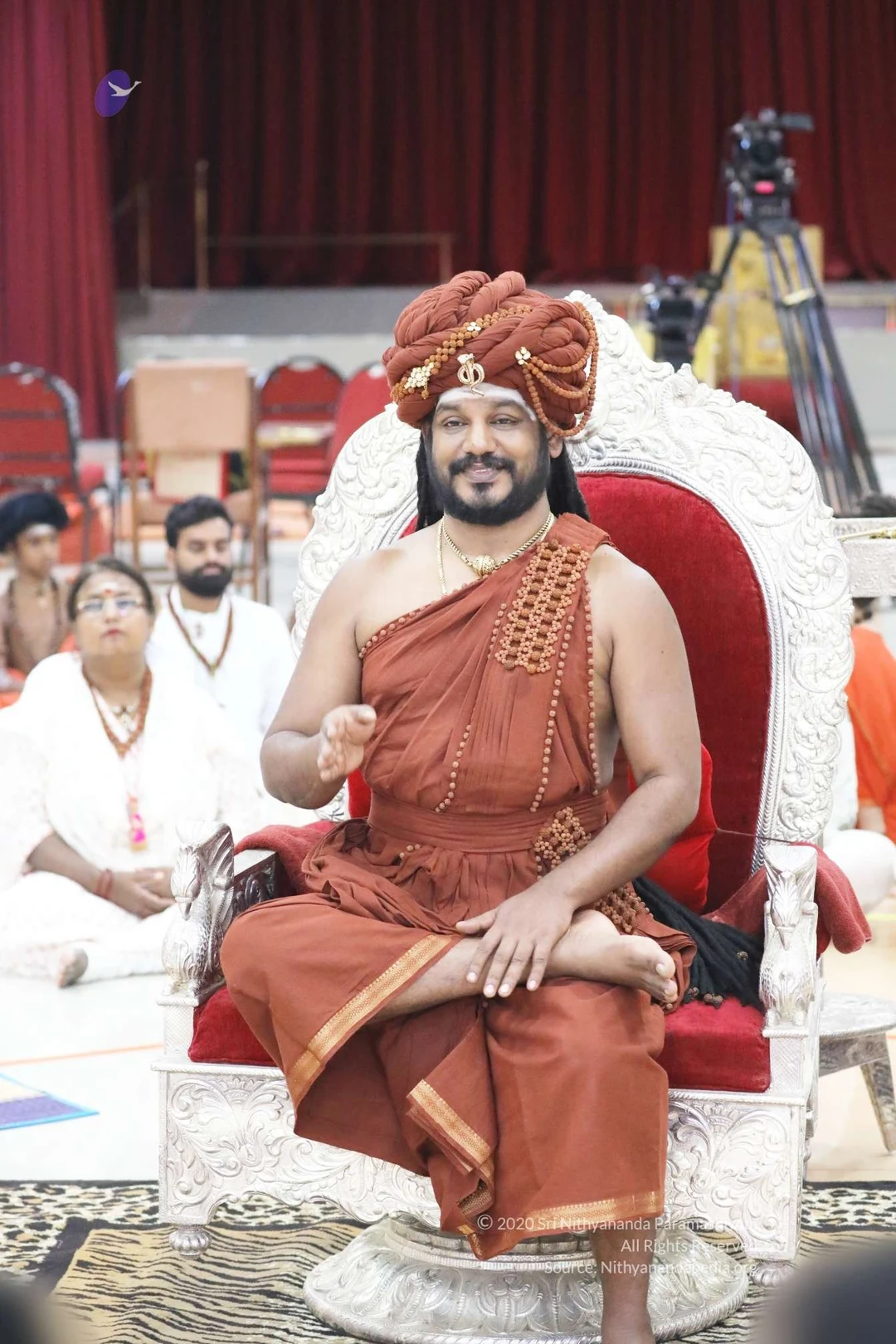
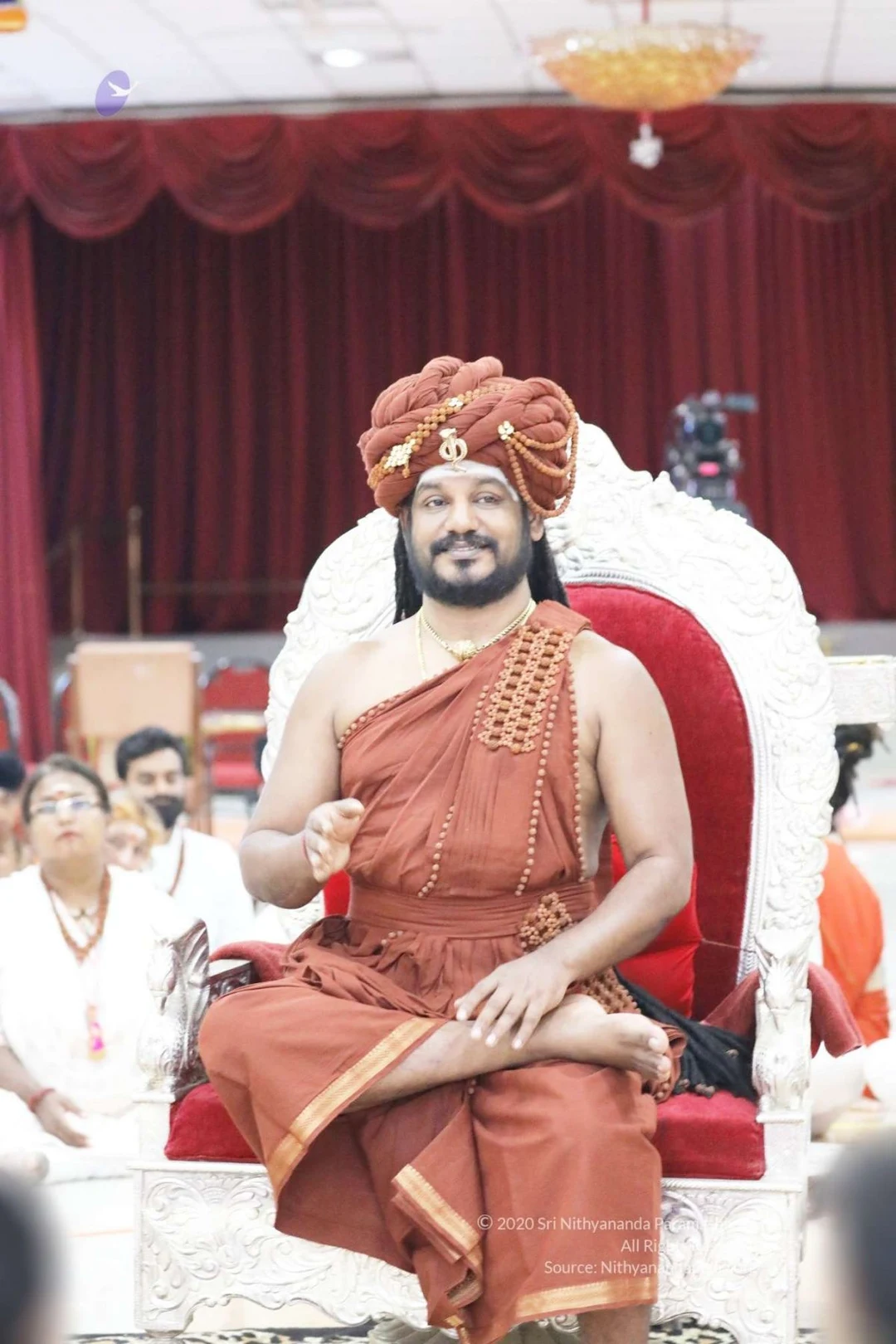
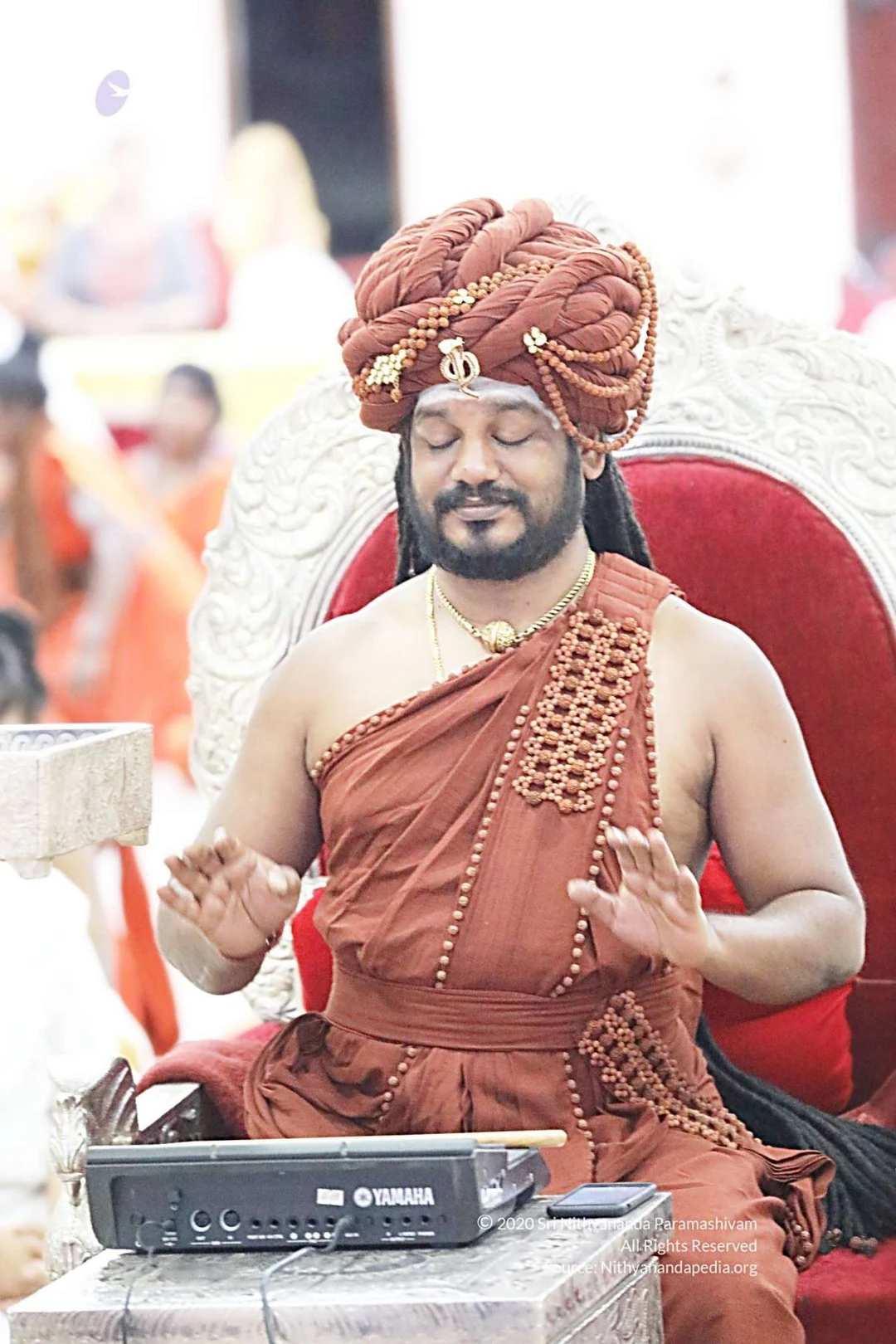


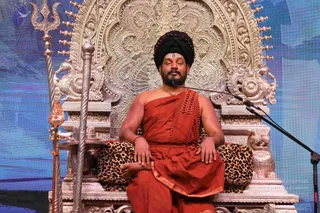
Satsang
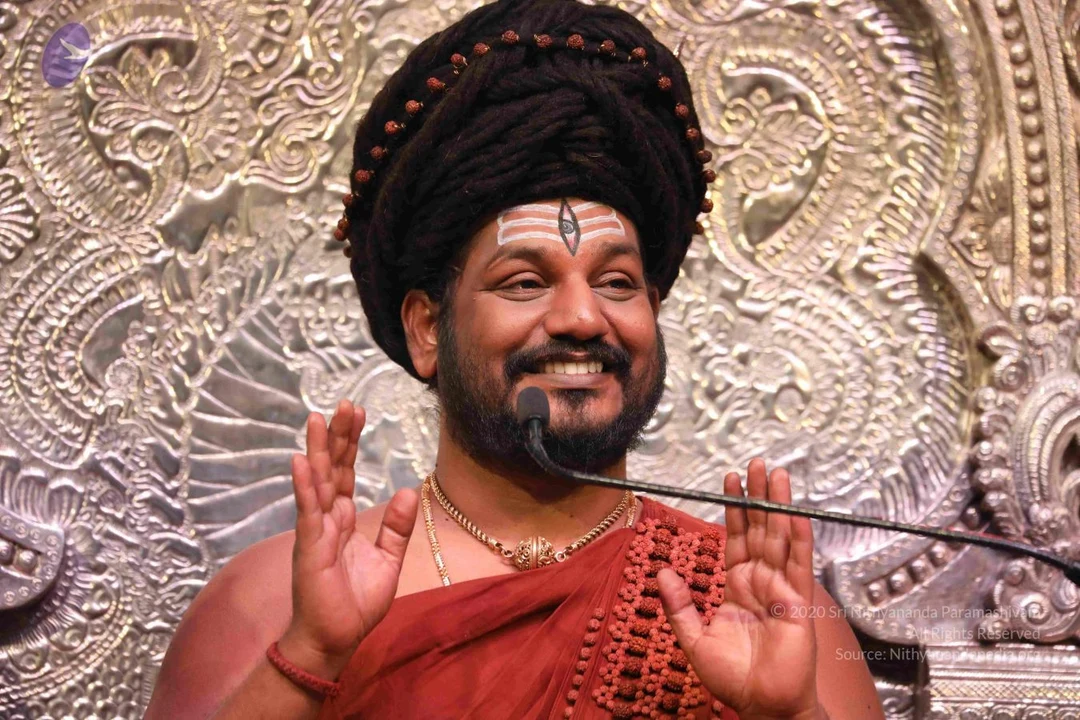
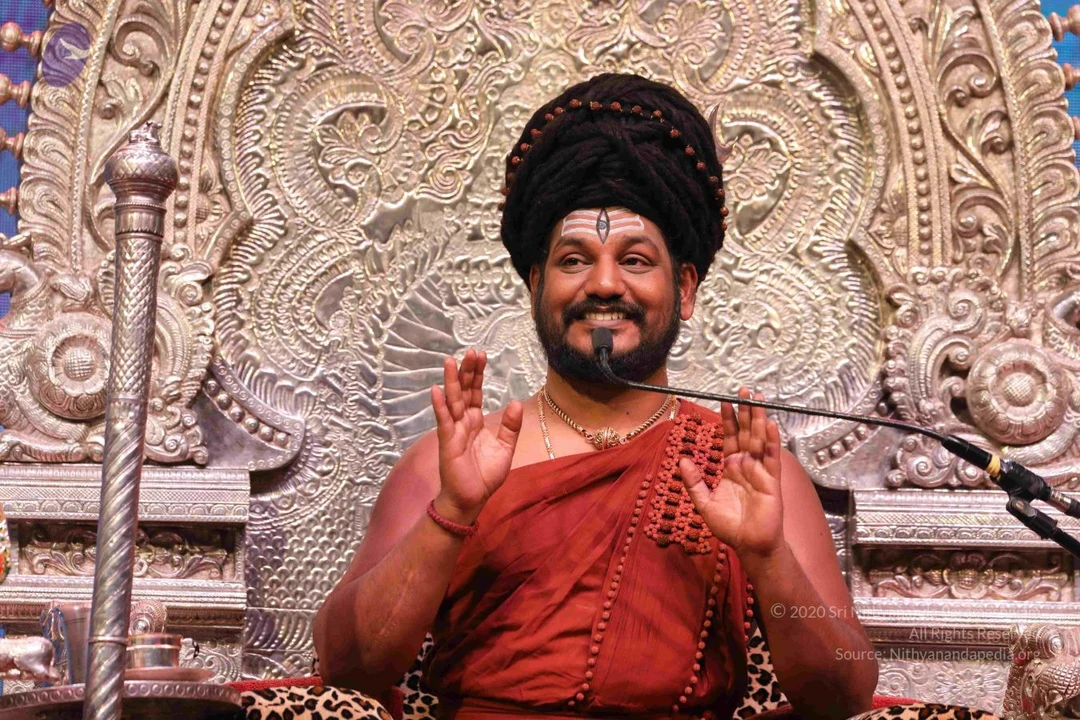
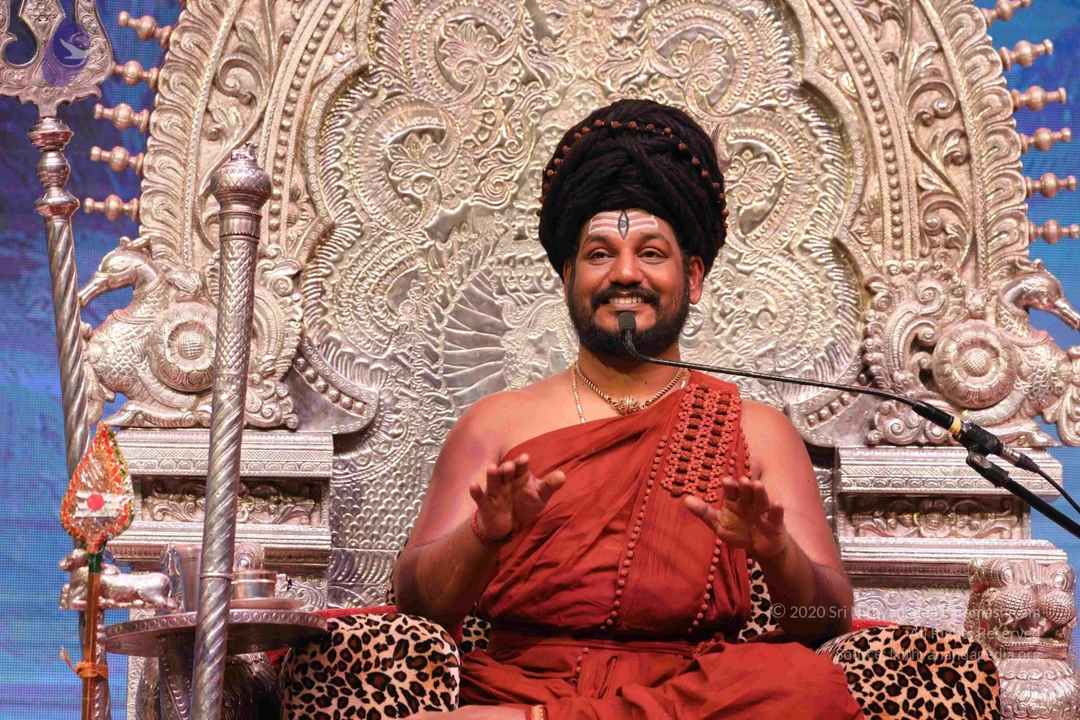
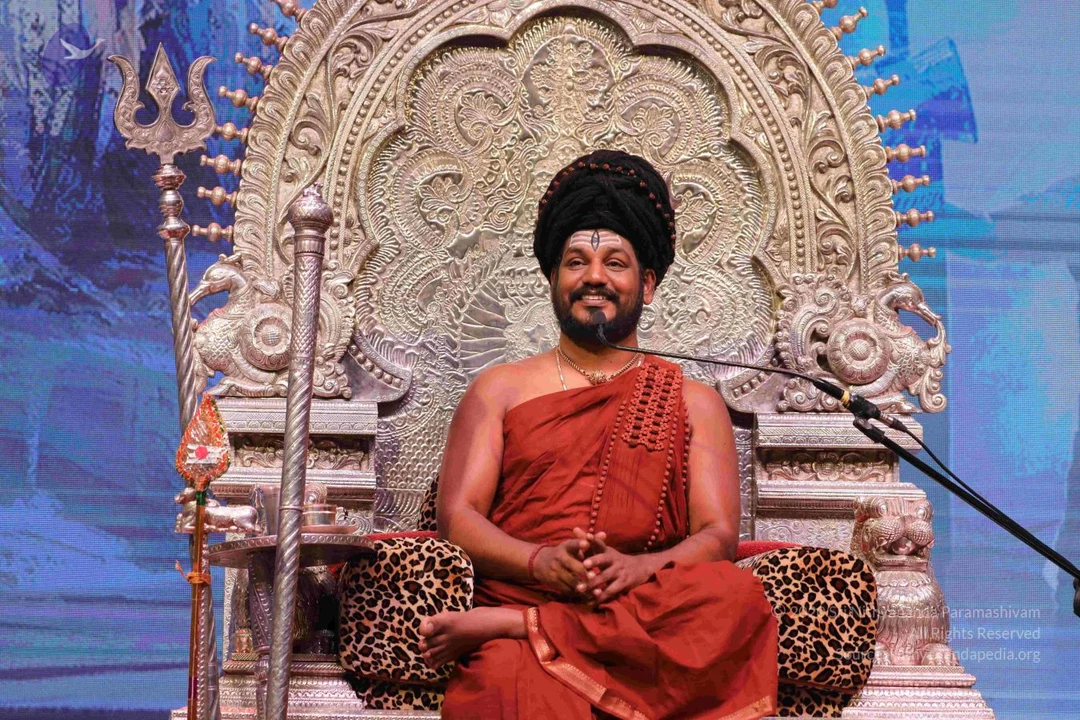
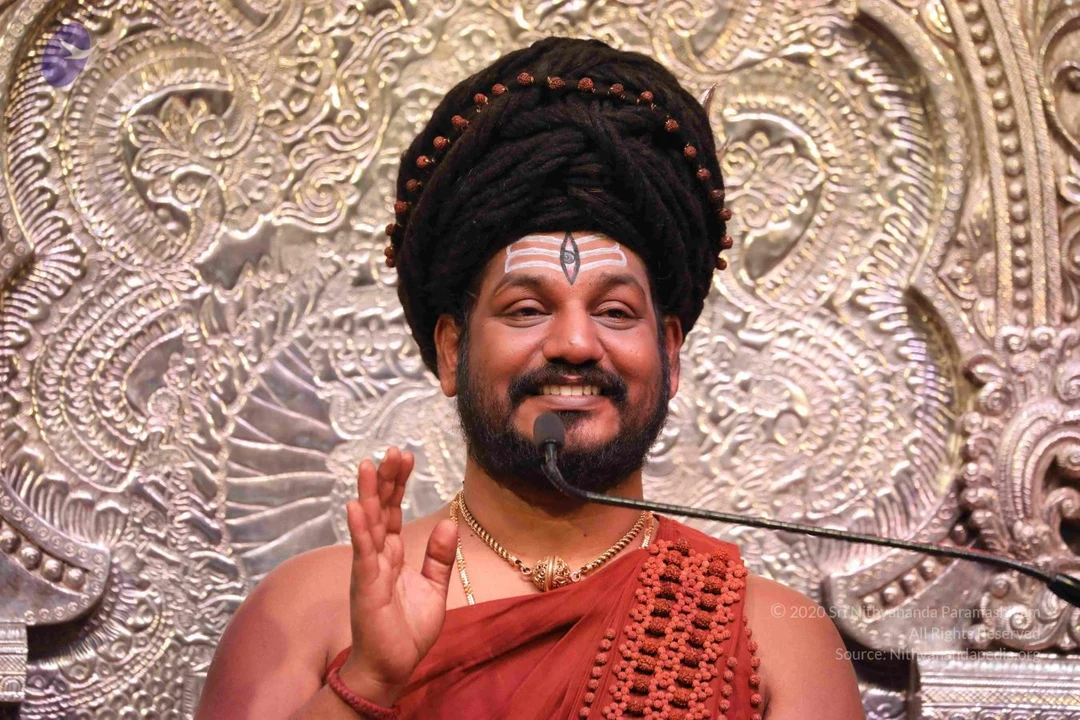
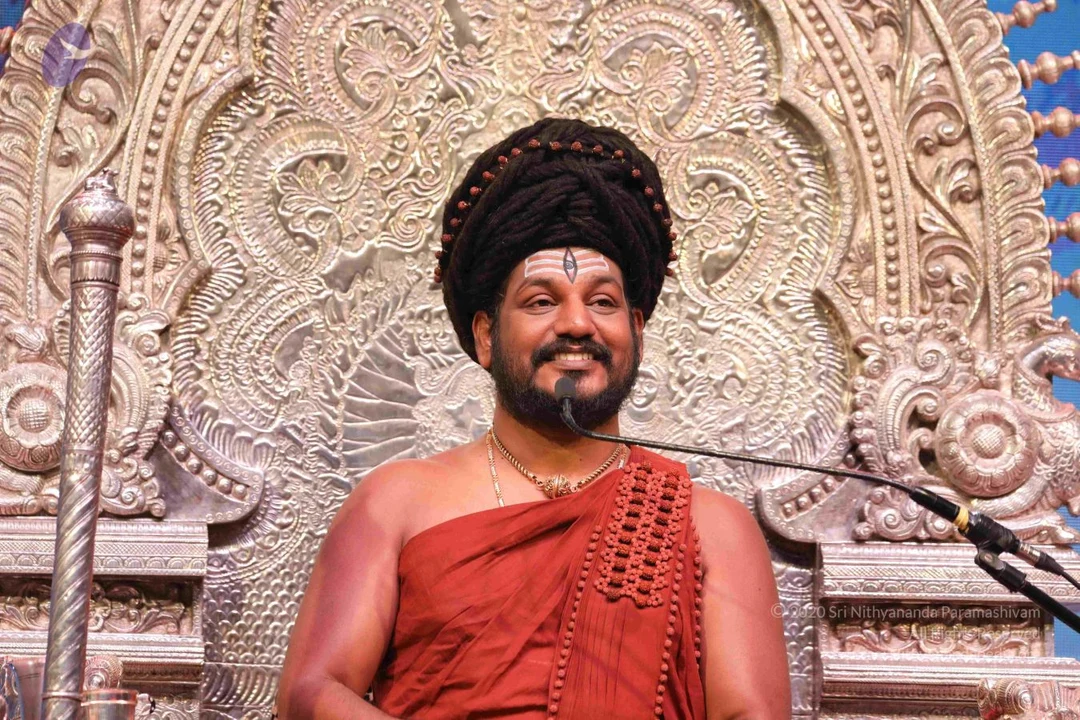
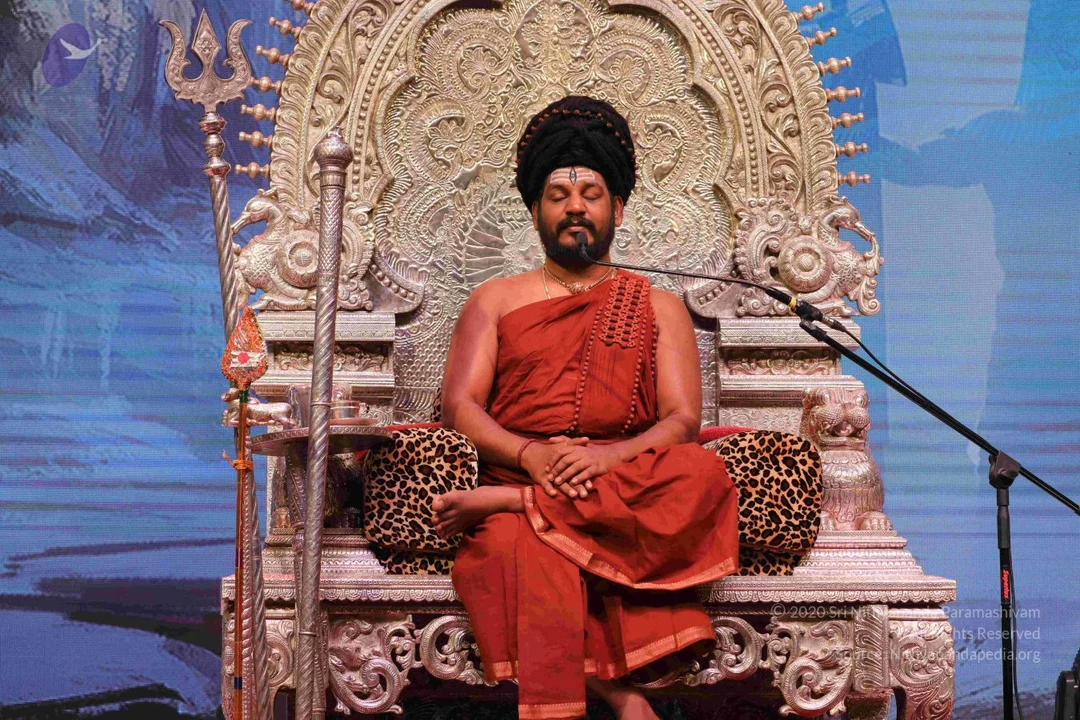
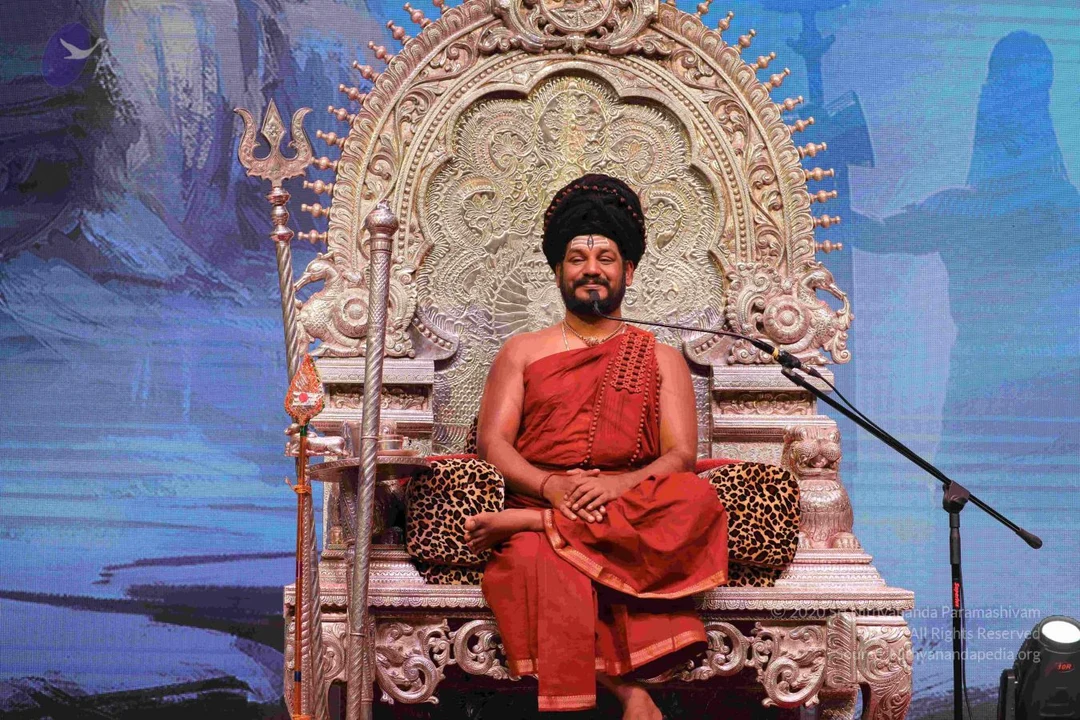
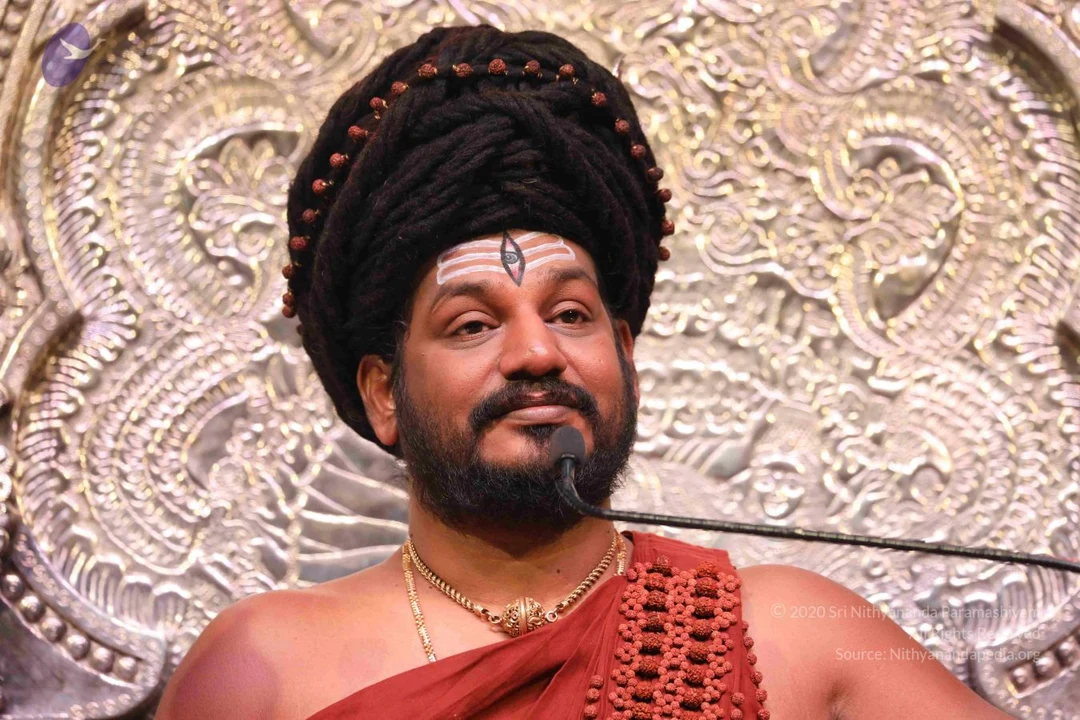
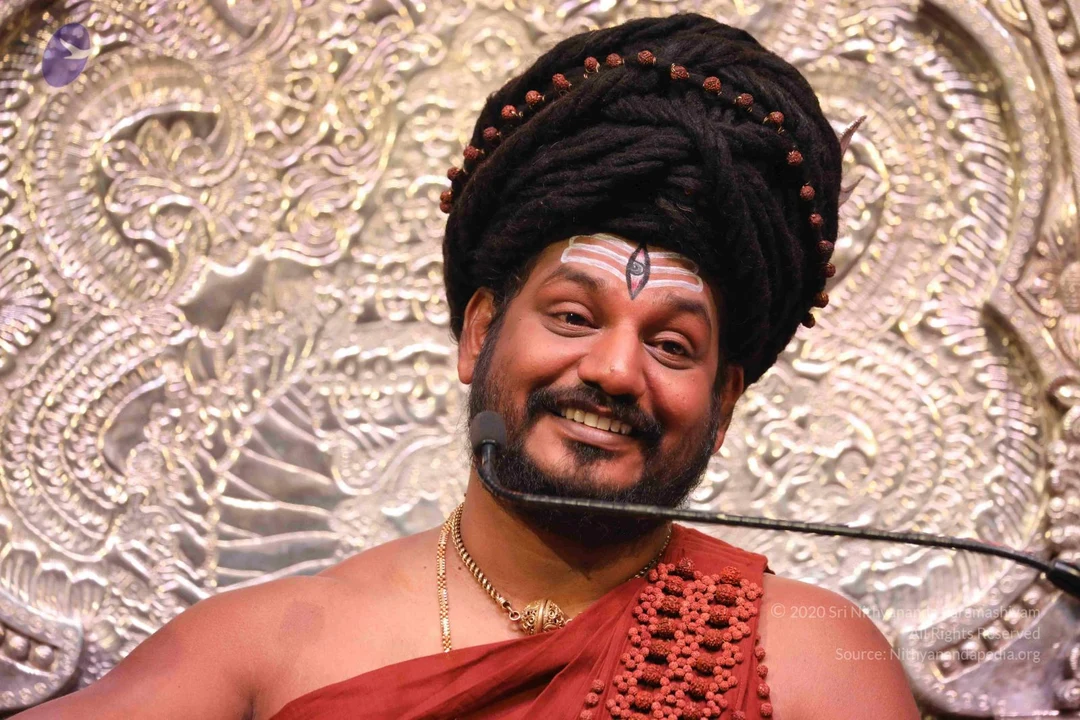
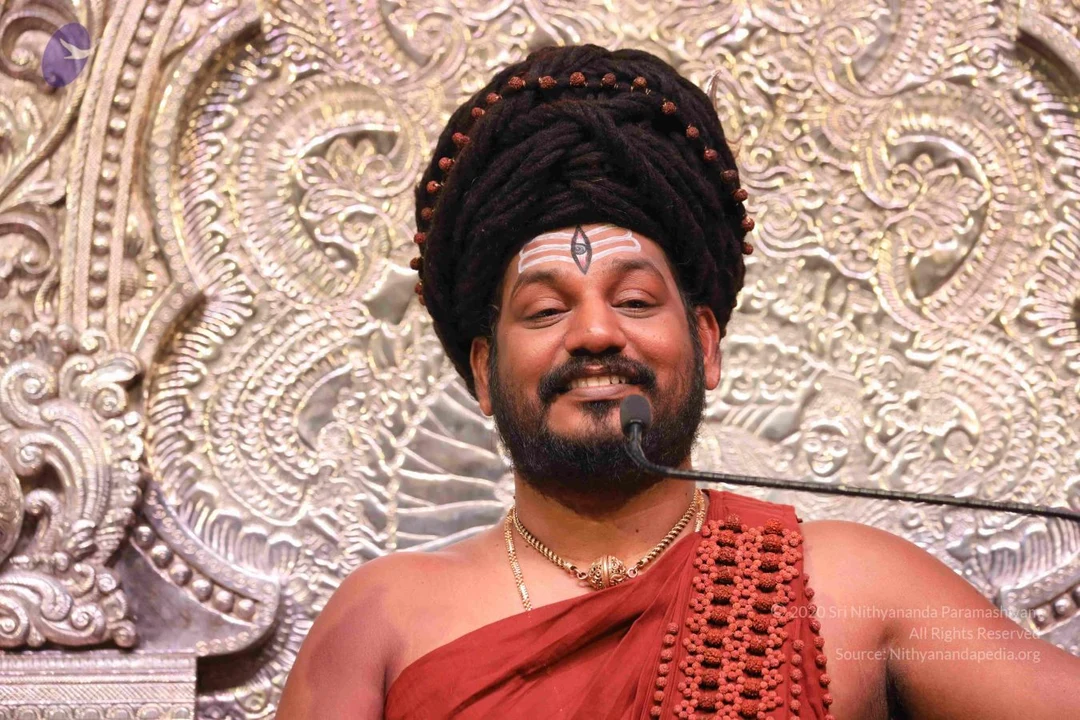
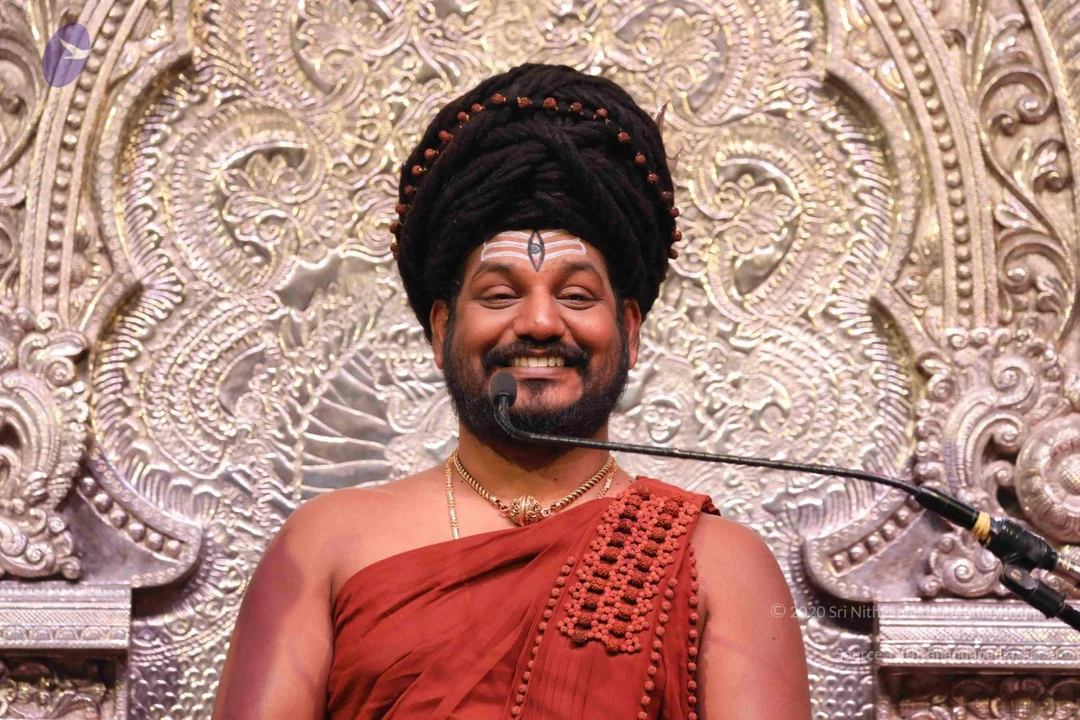
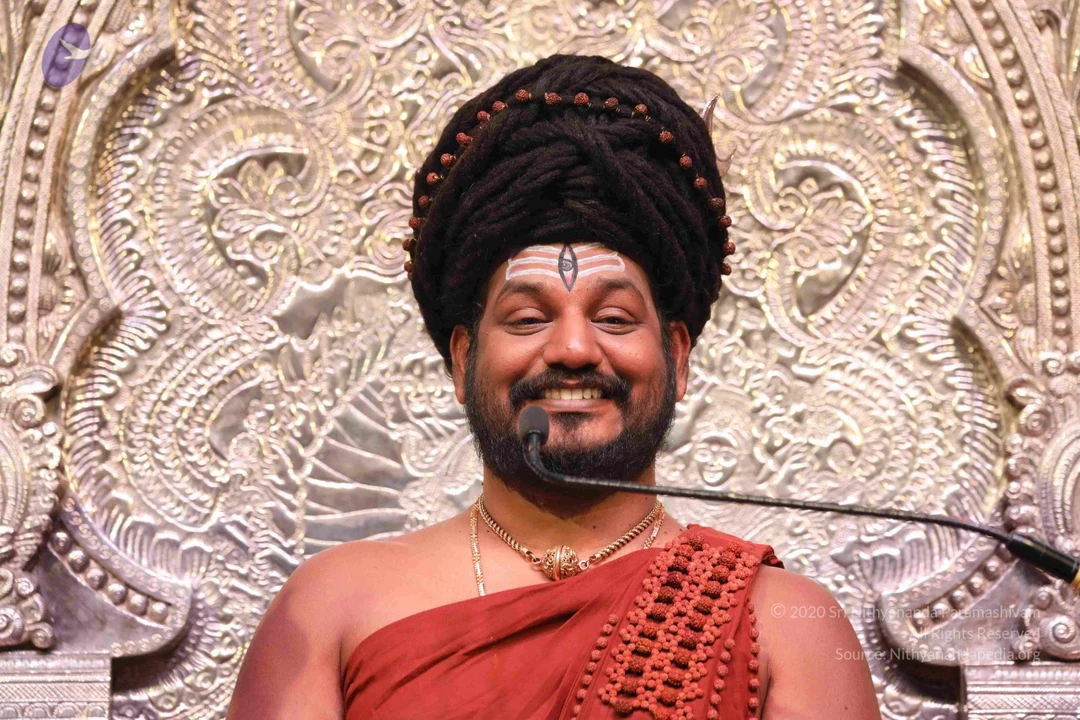
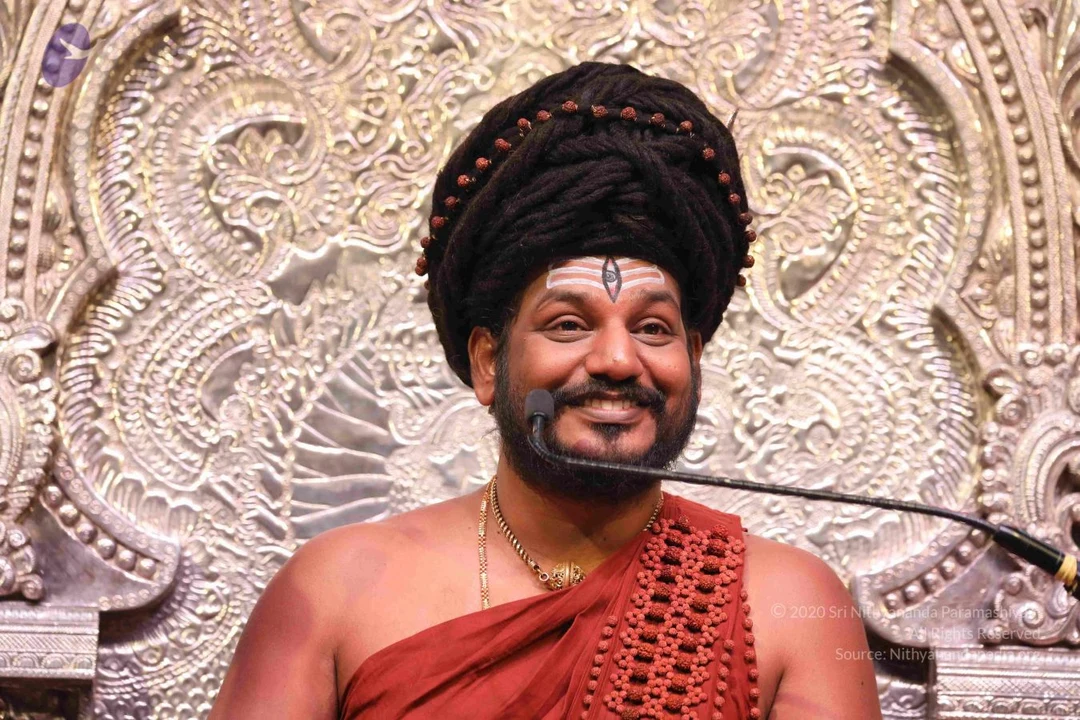
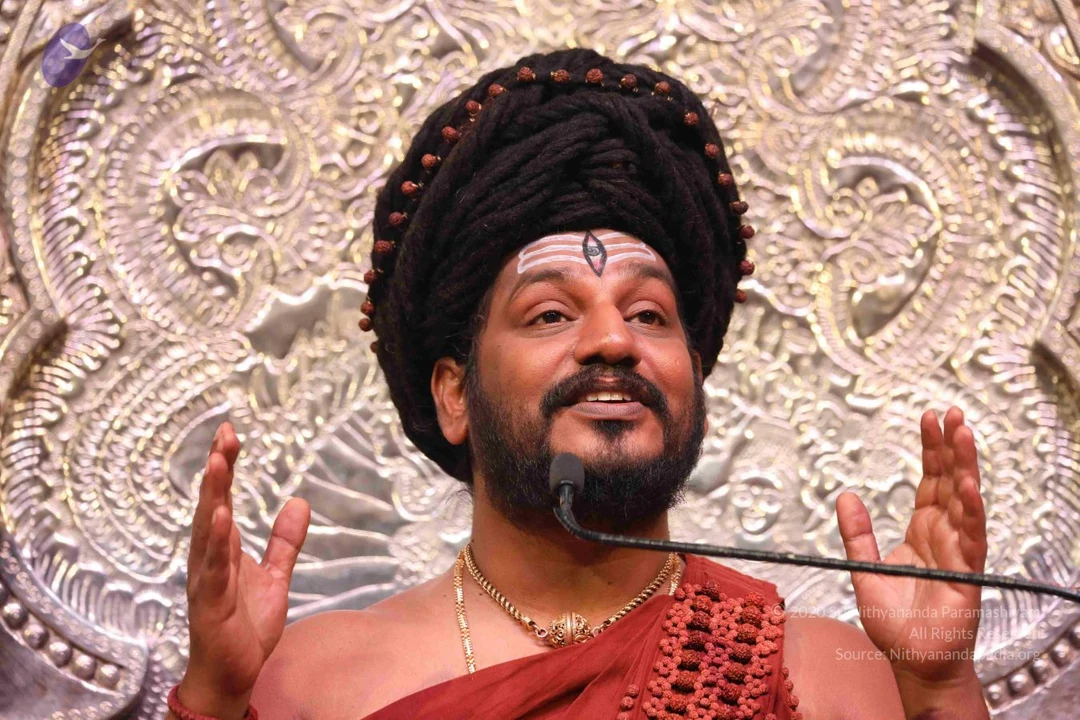
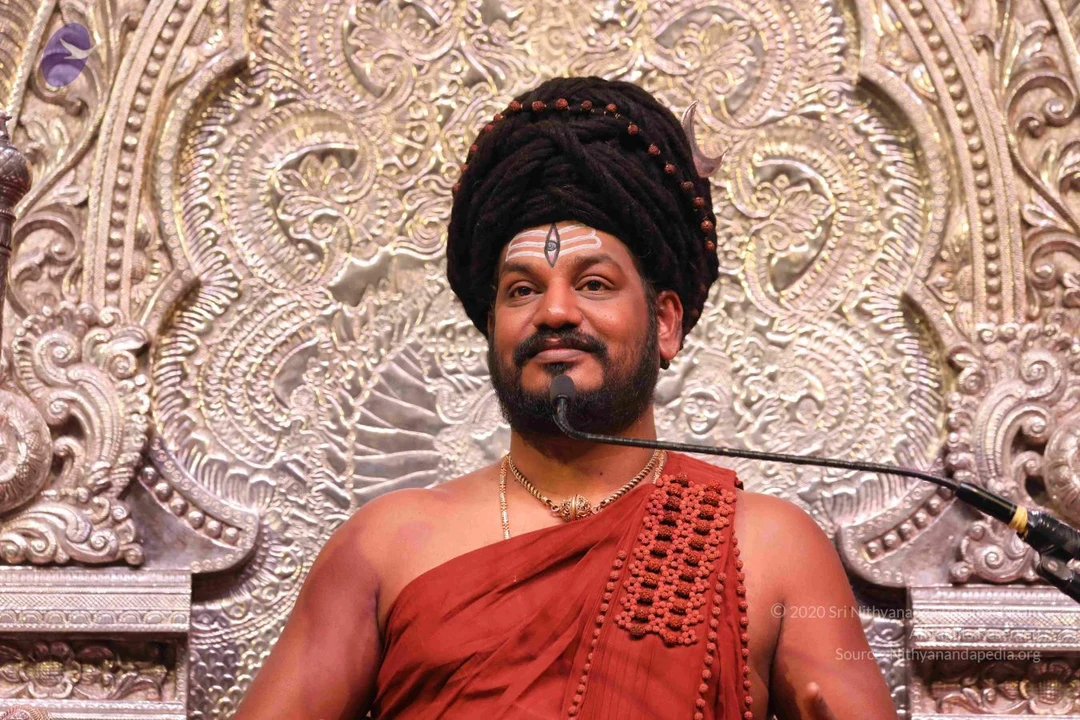
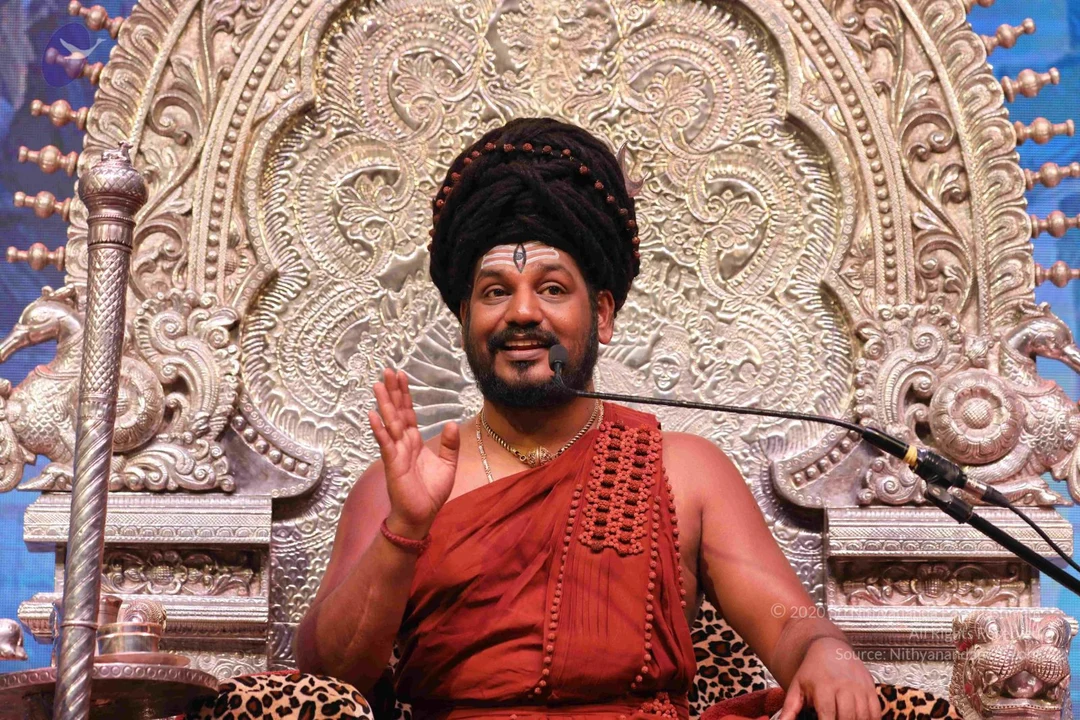
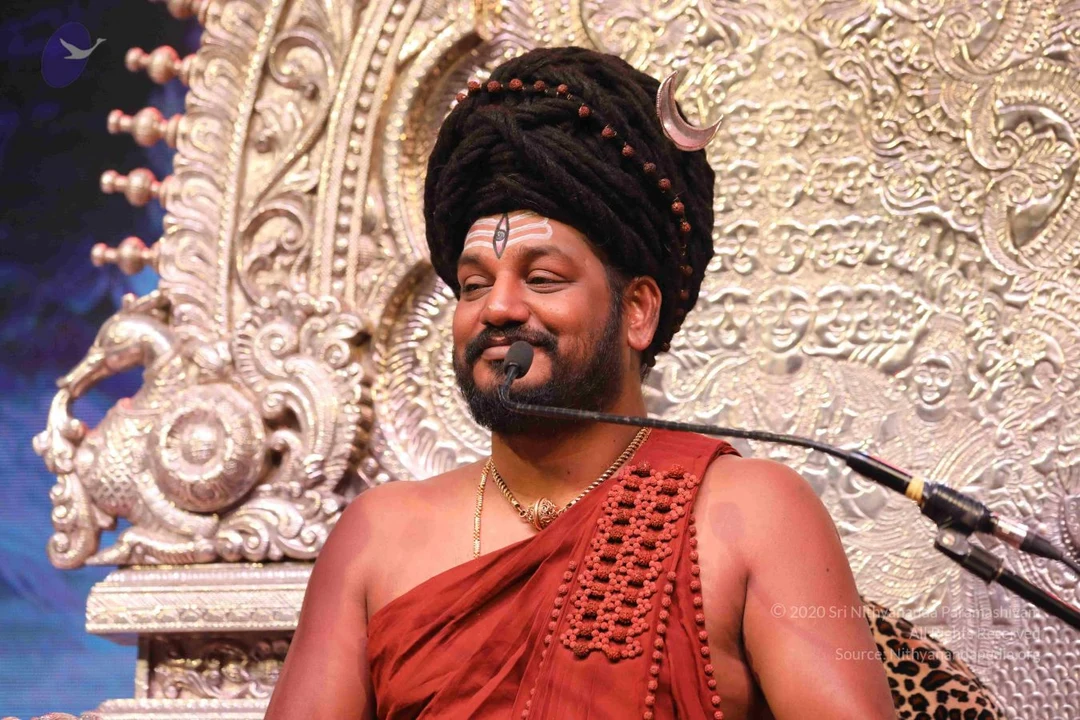
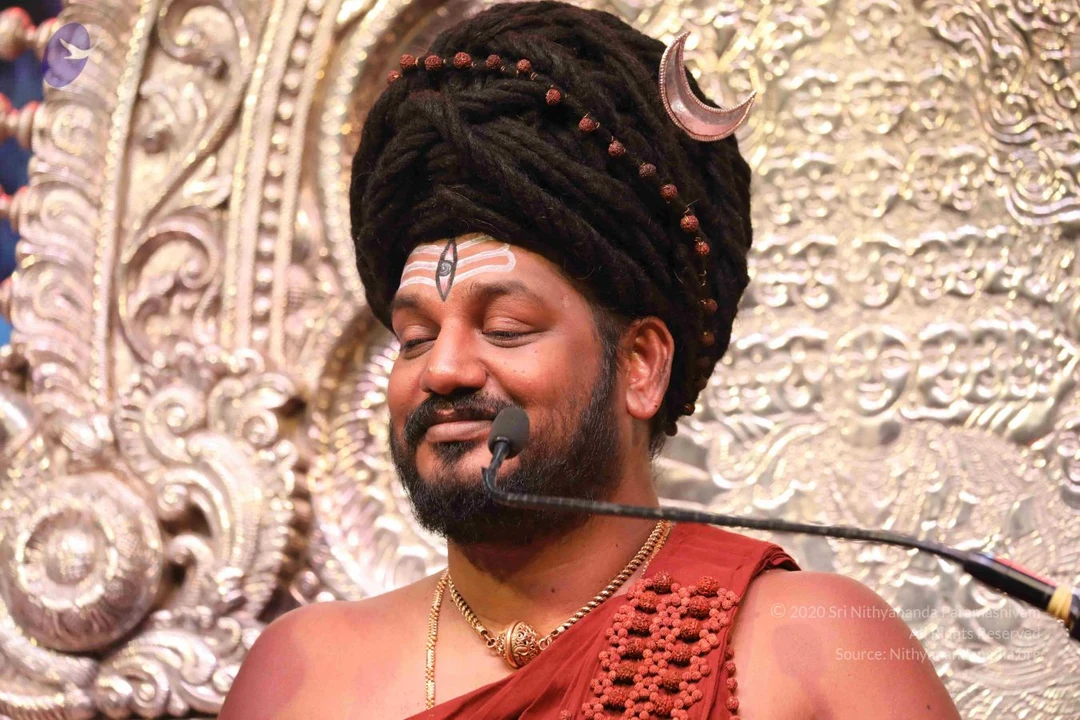
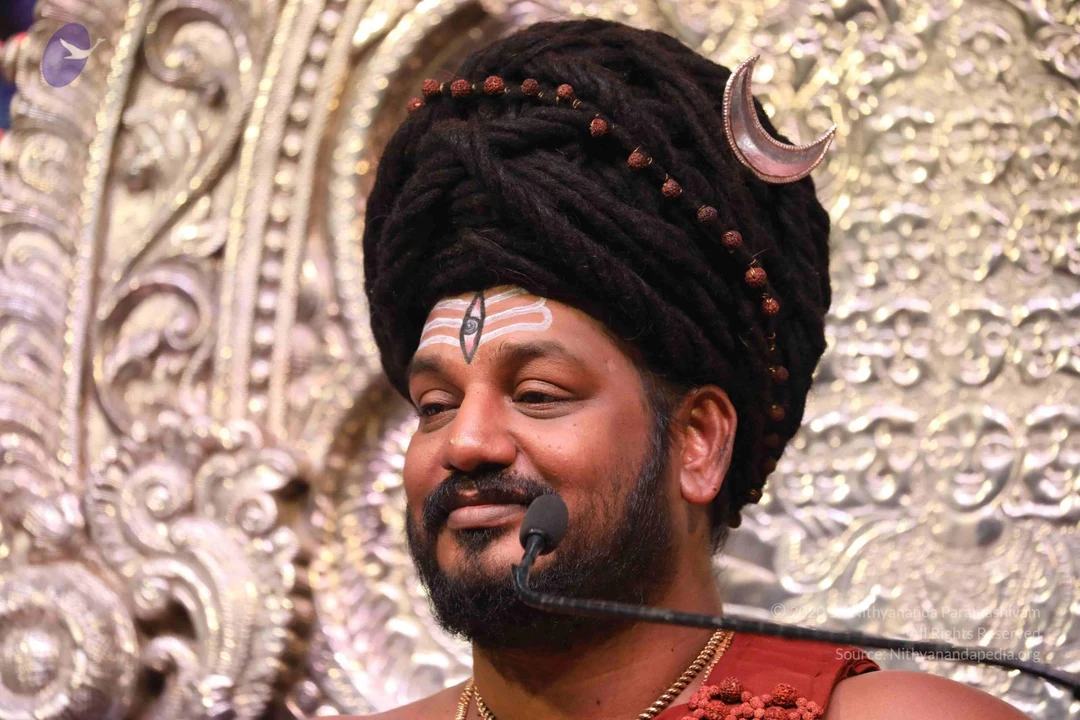
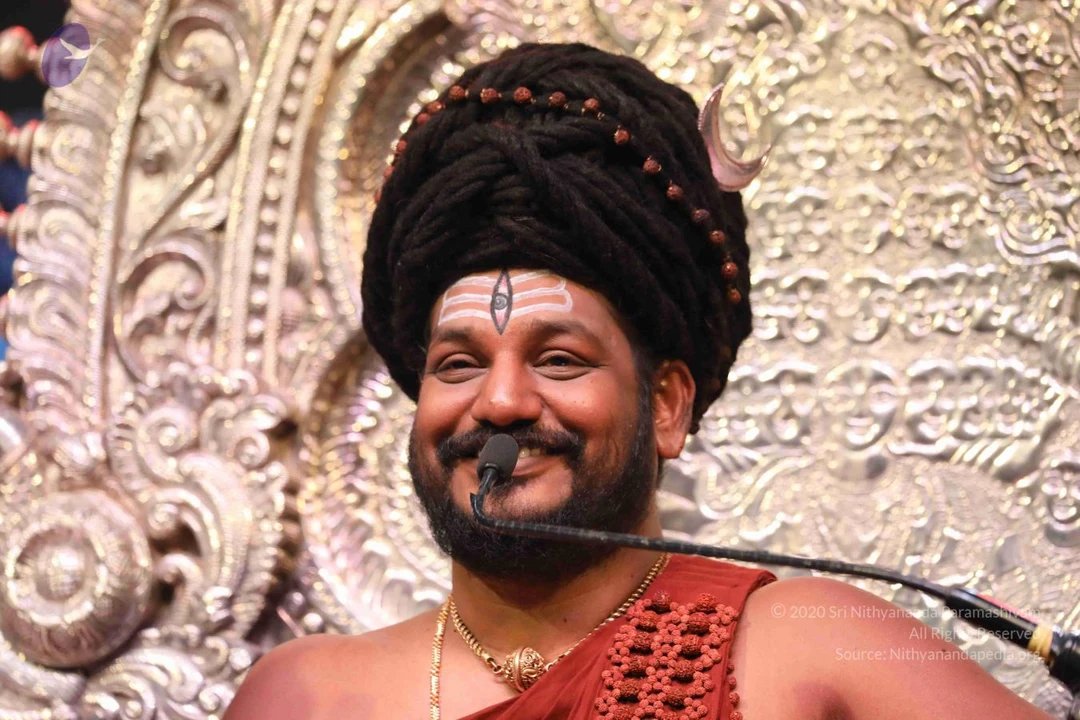
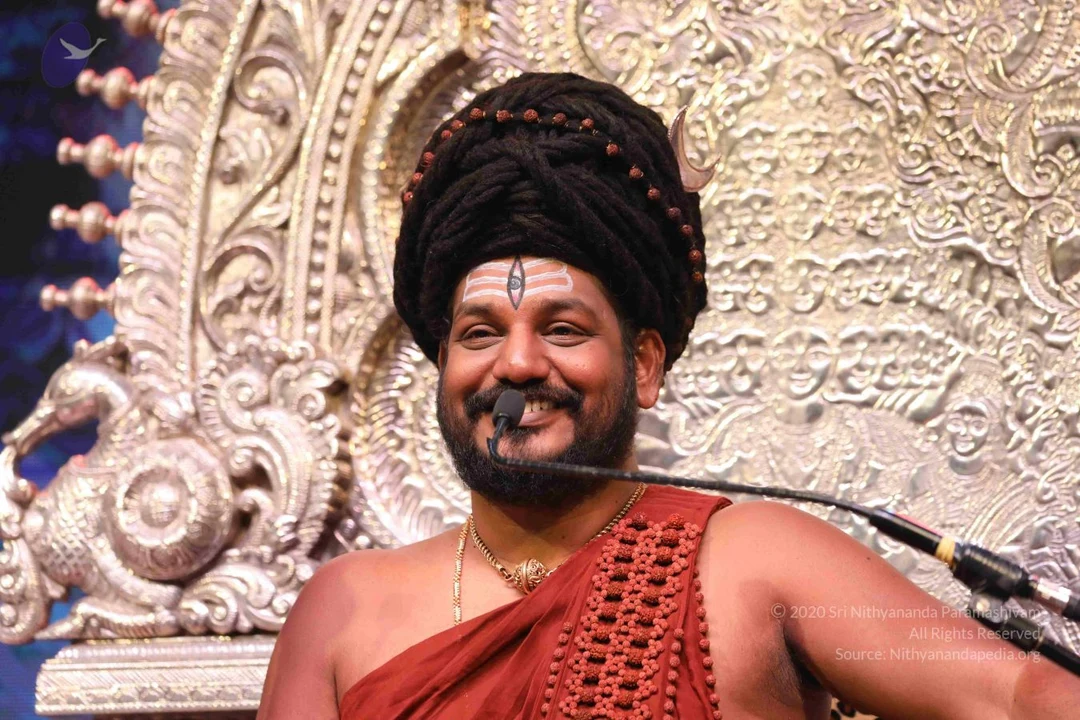
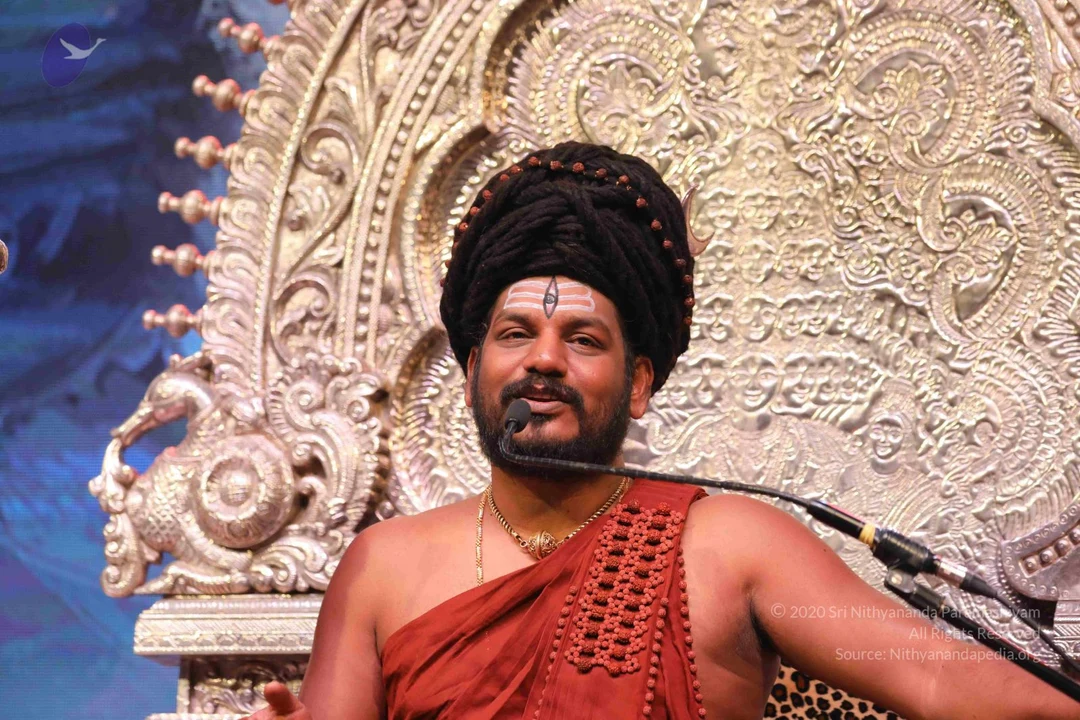
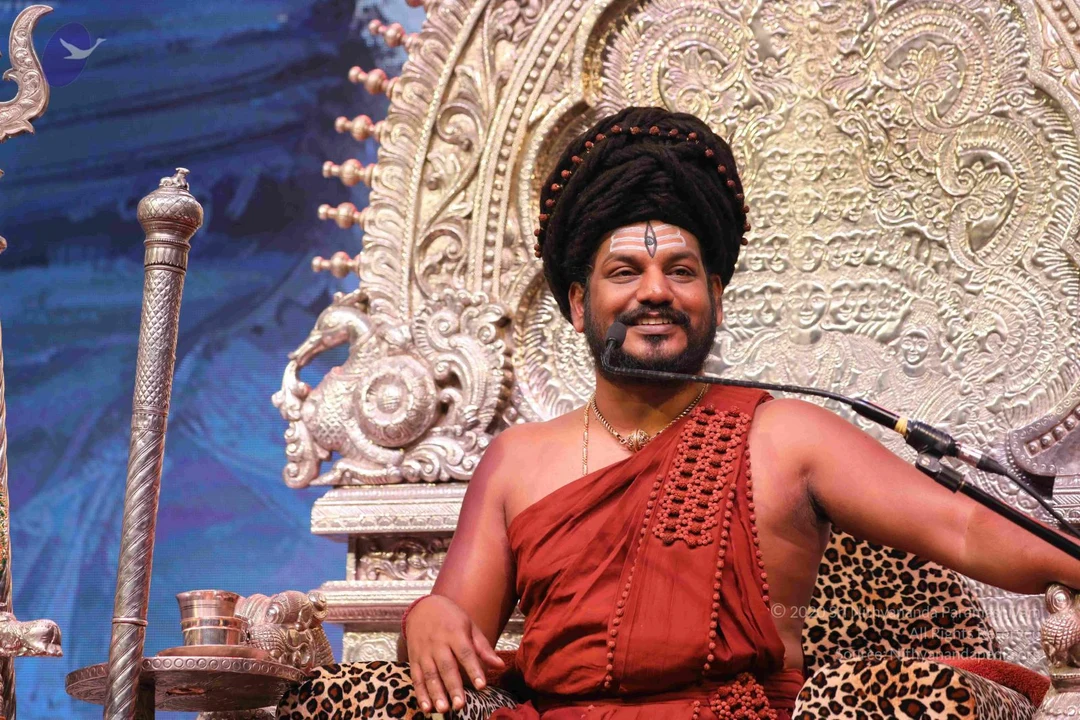
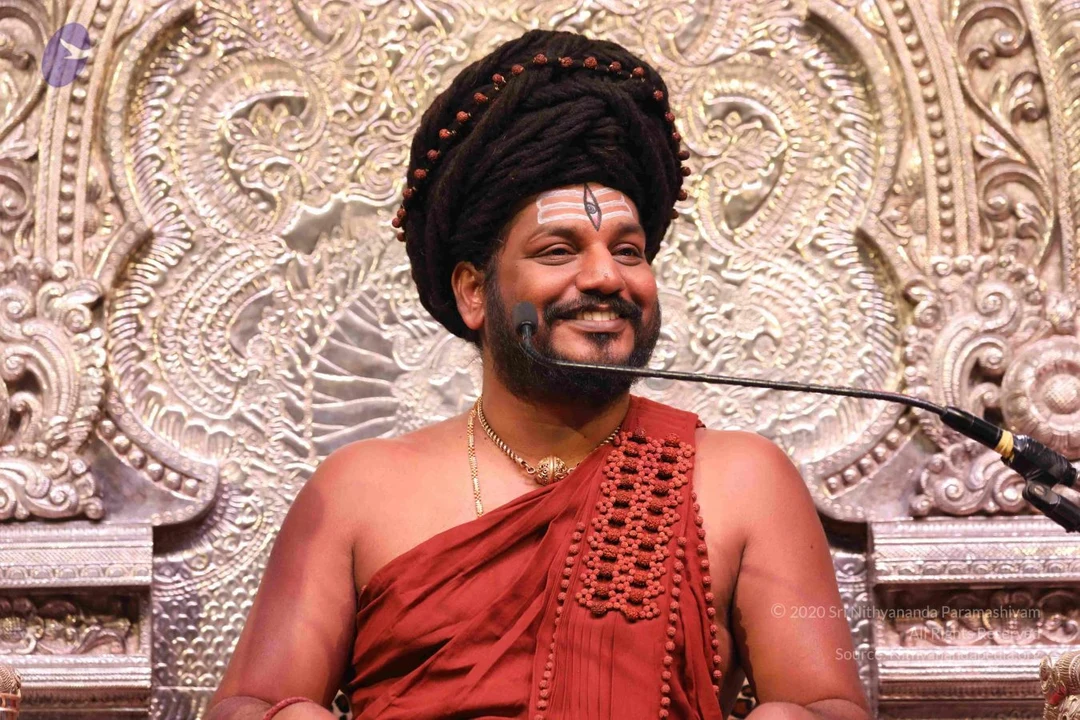
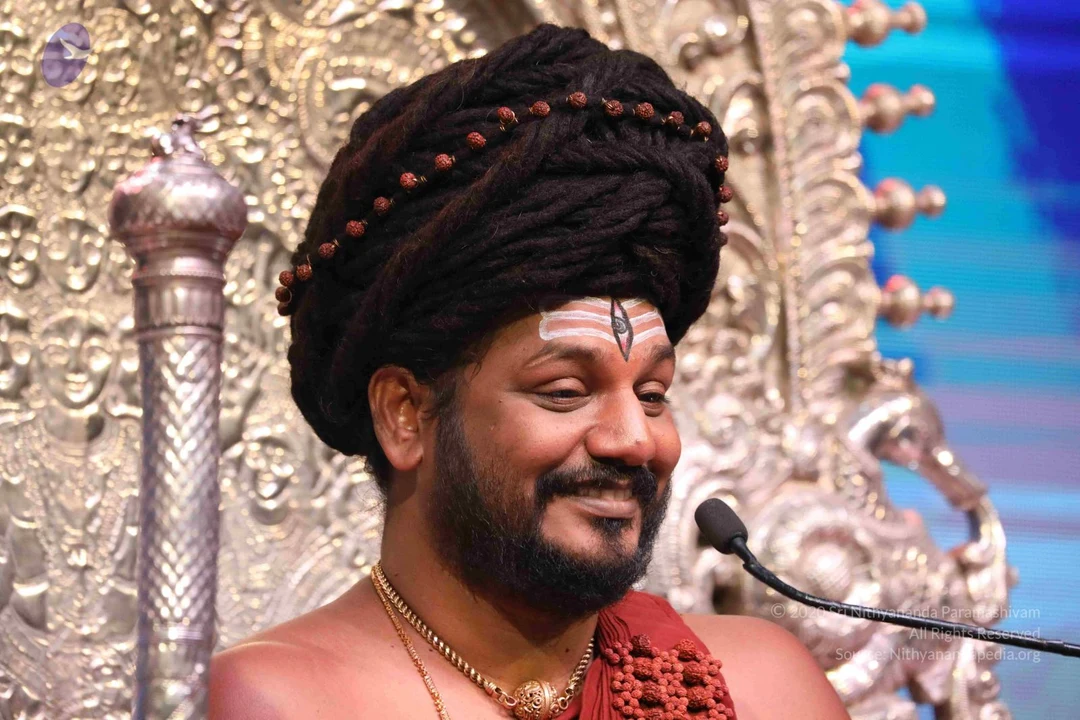
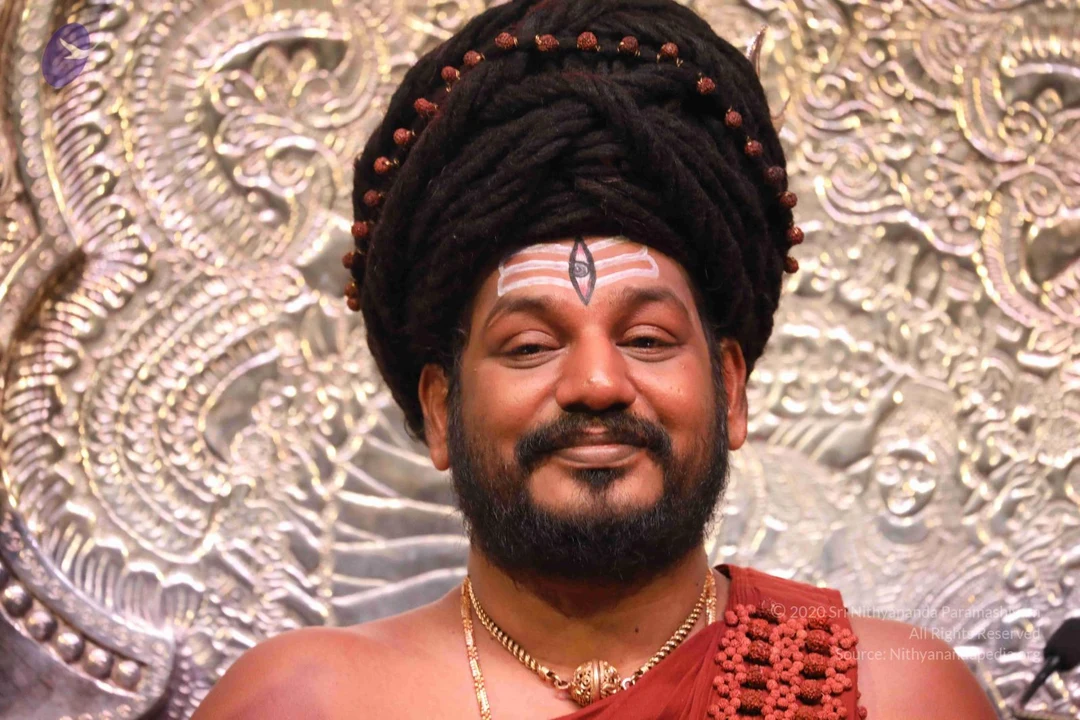
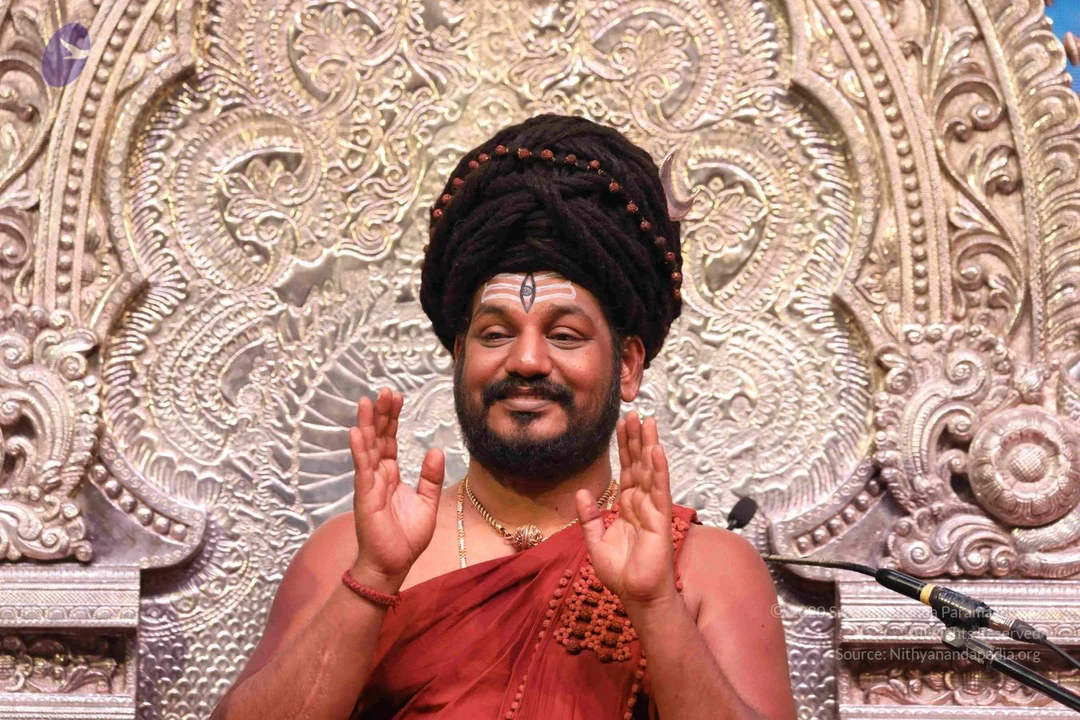
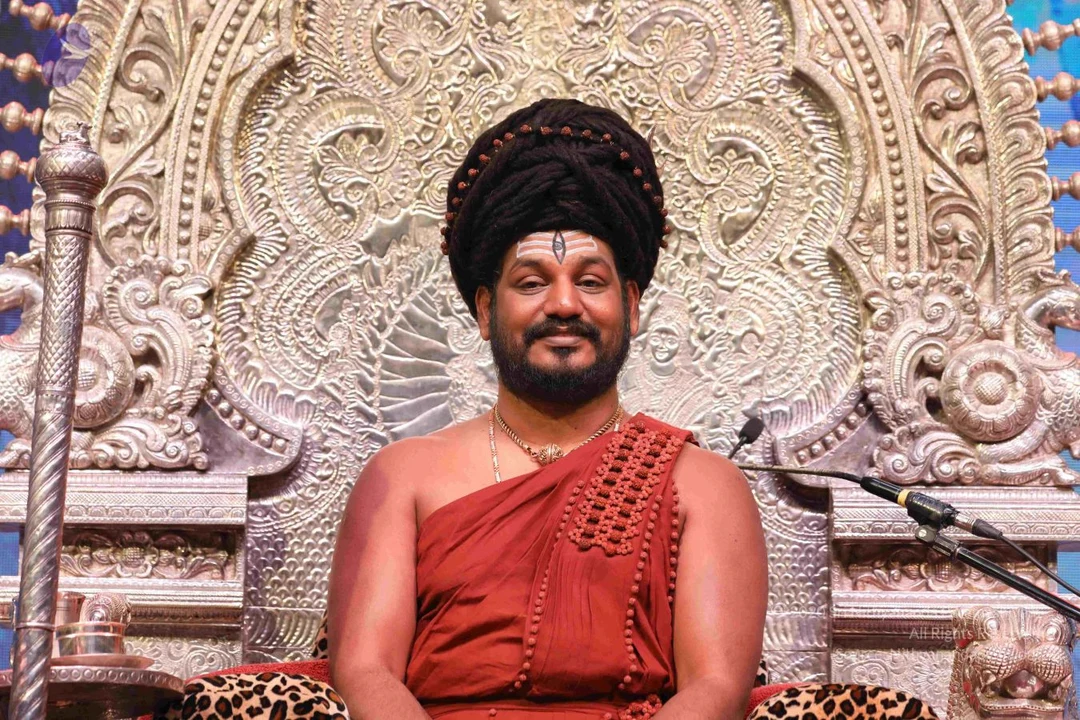
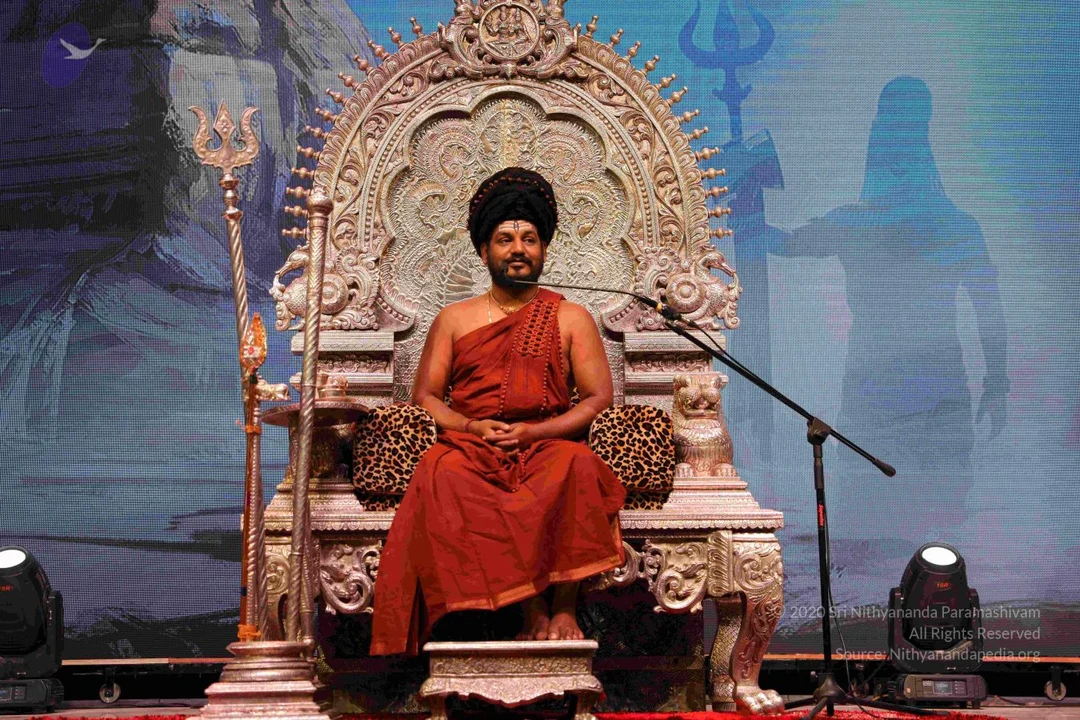
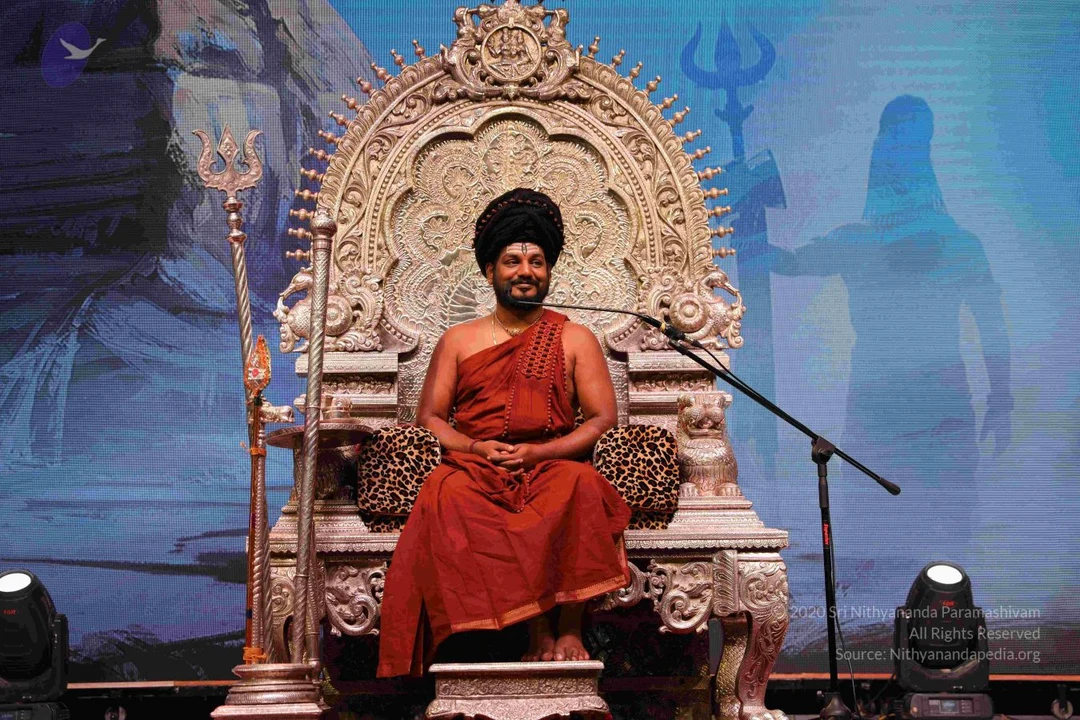
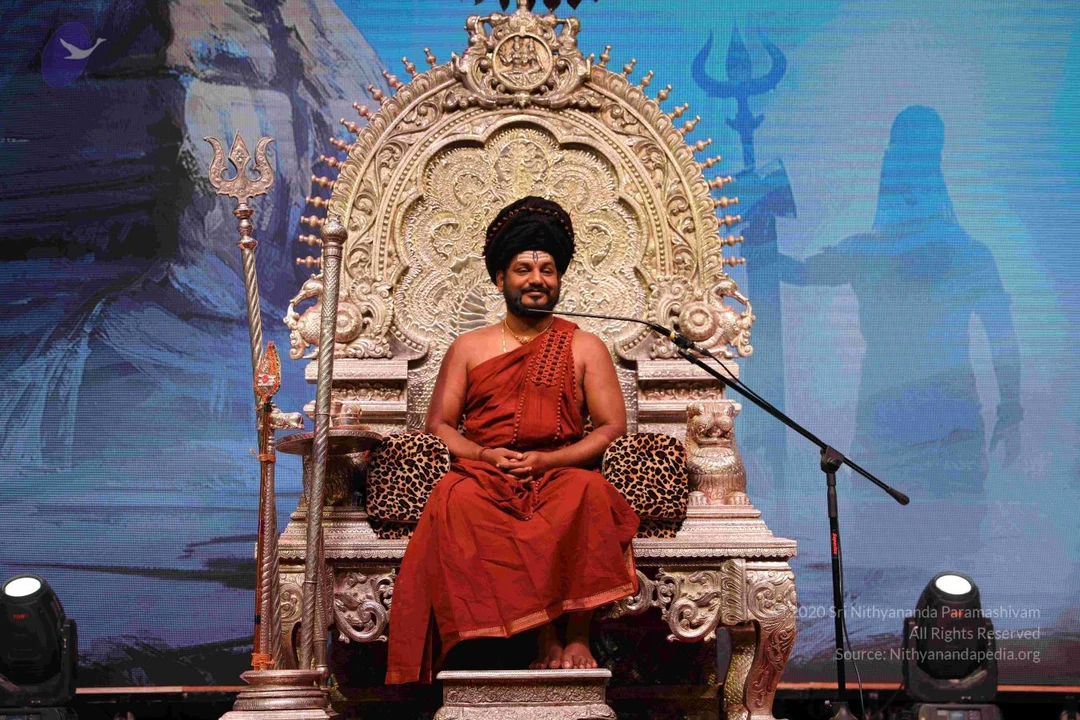
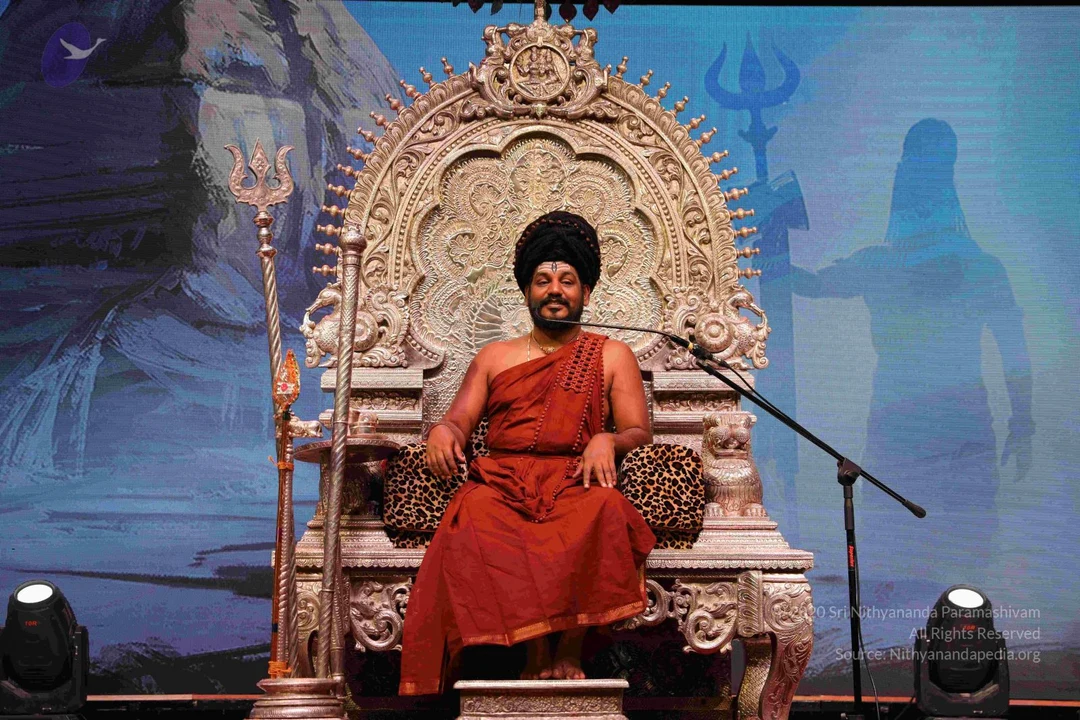
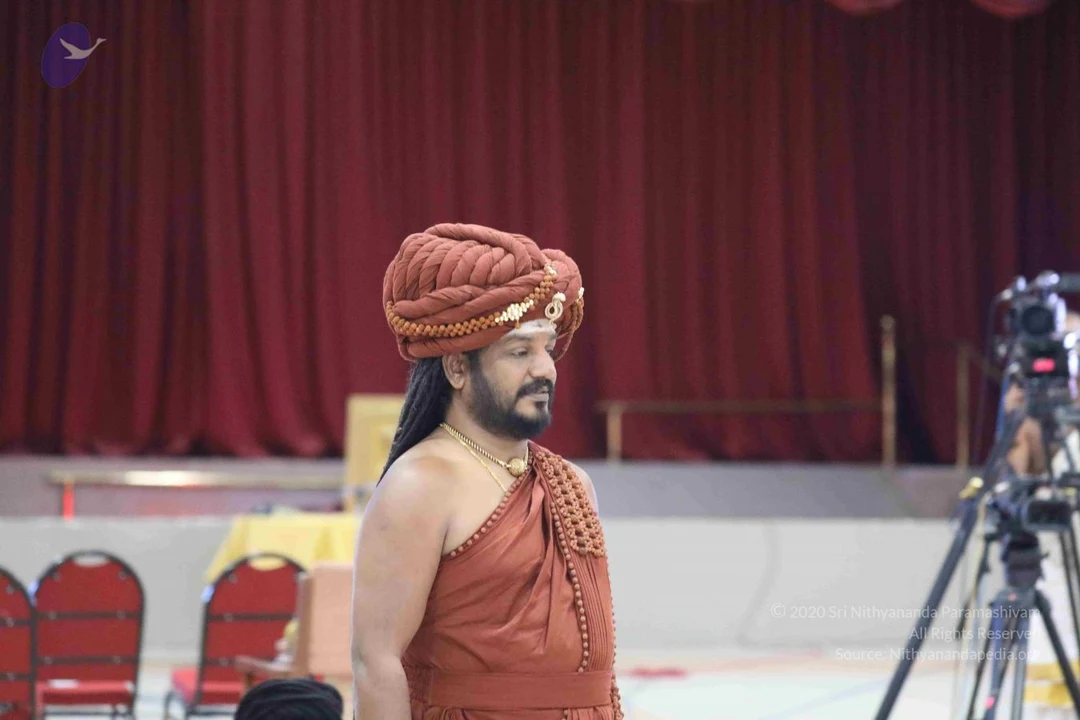
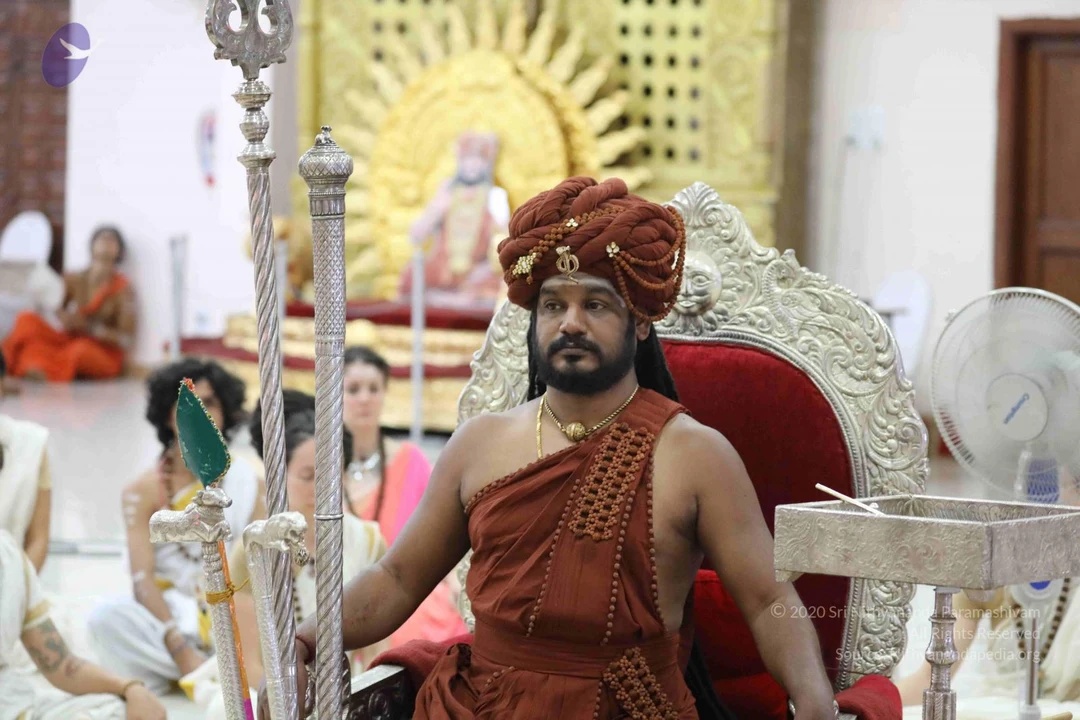
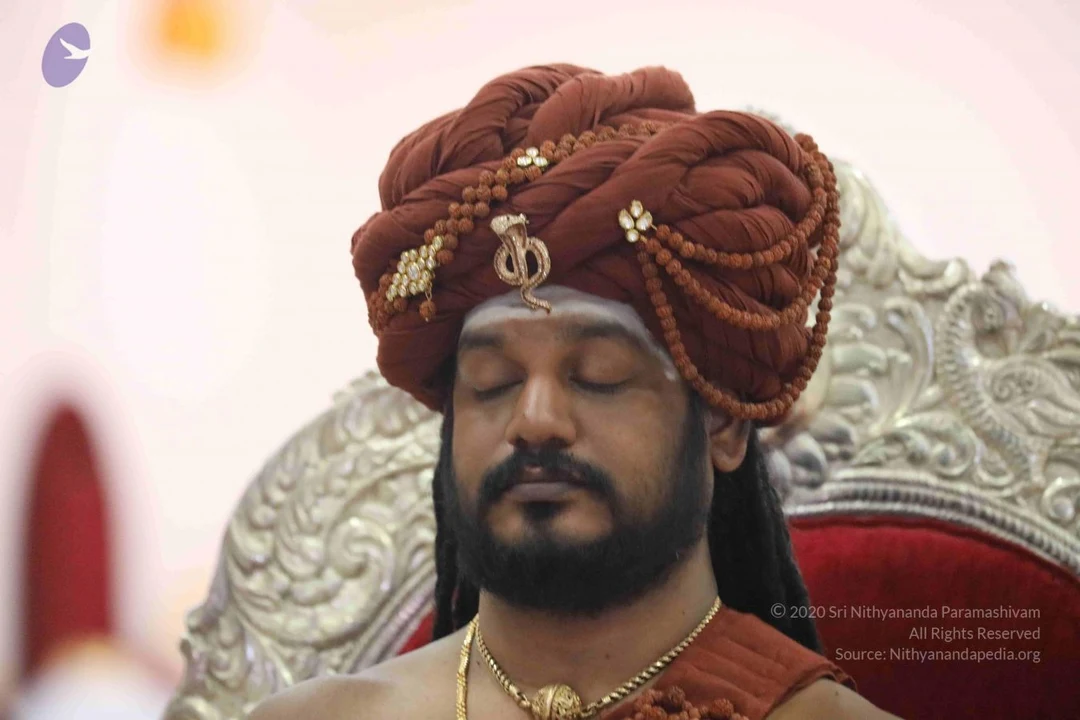
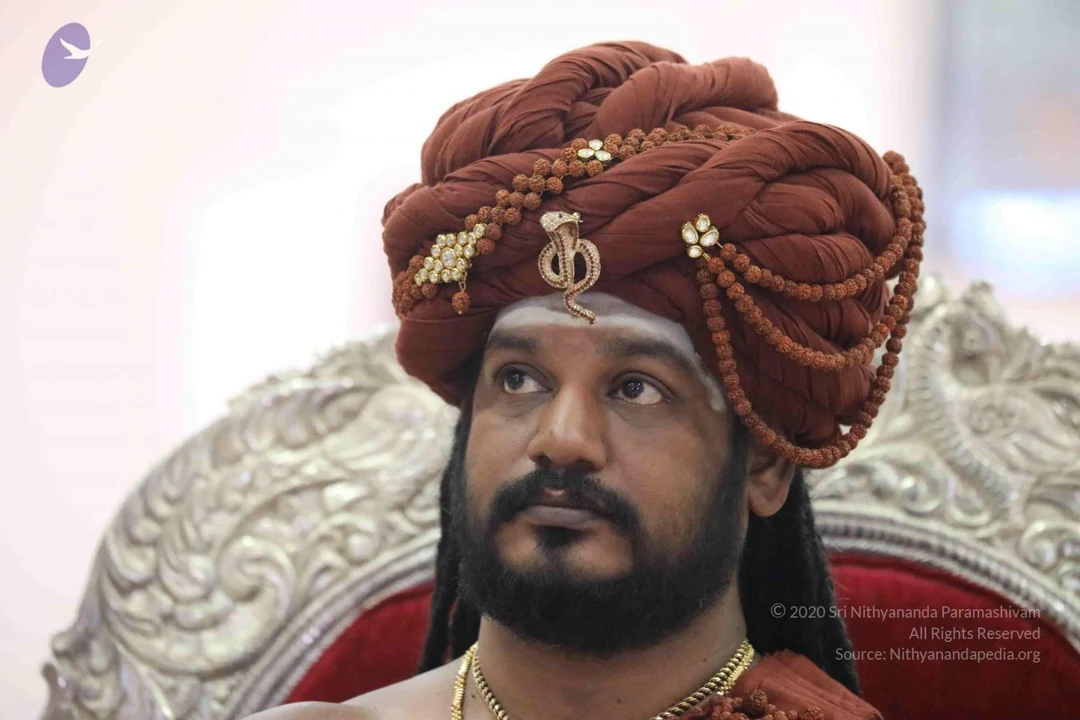
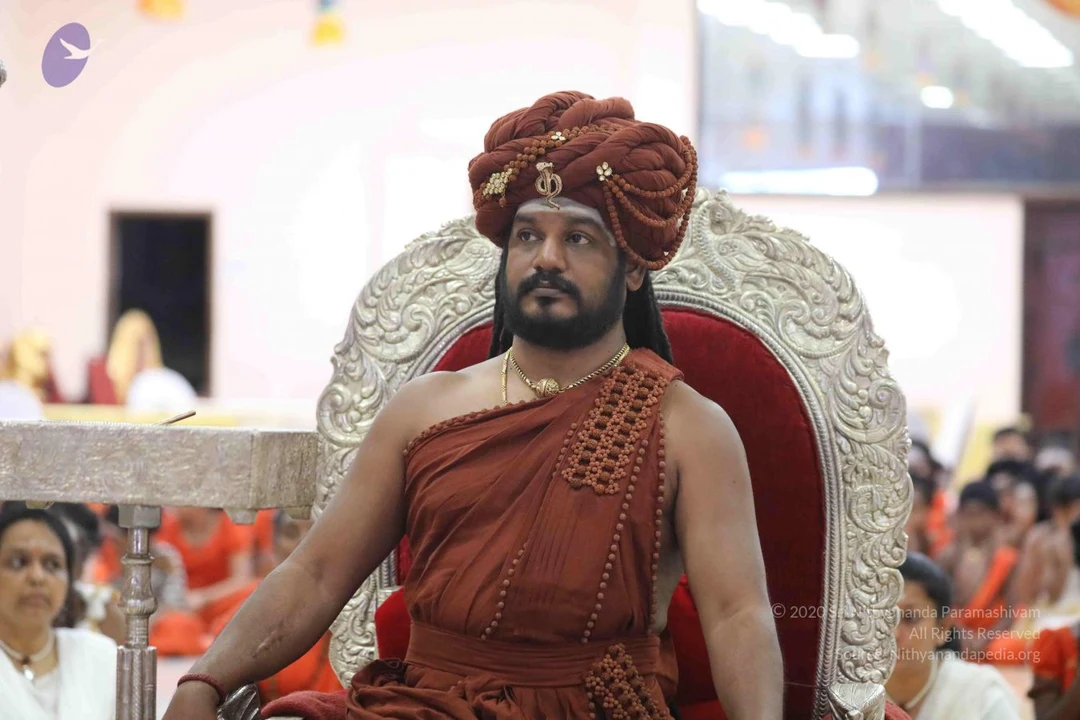
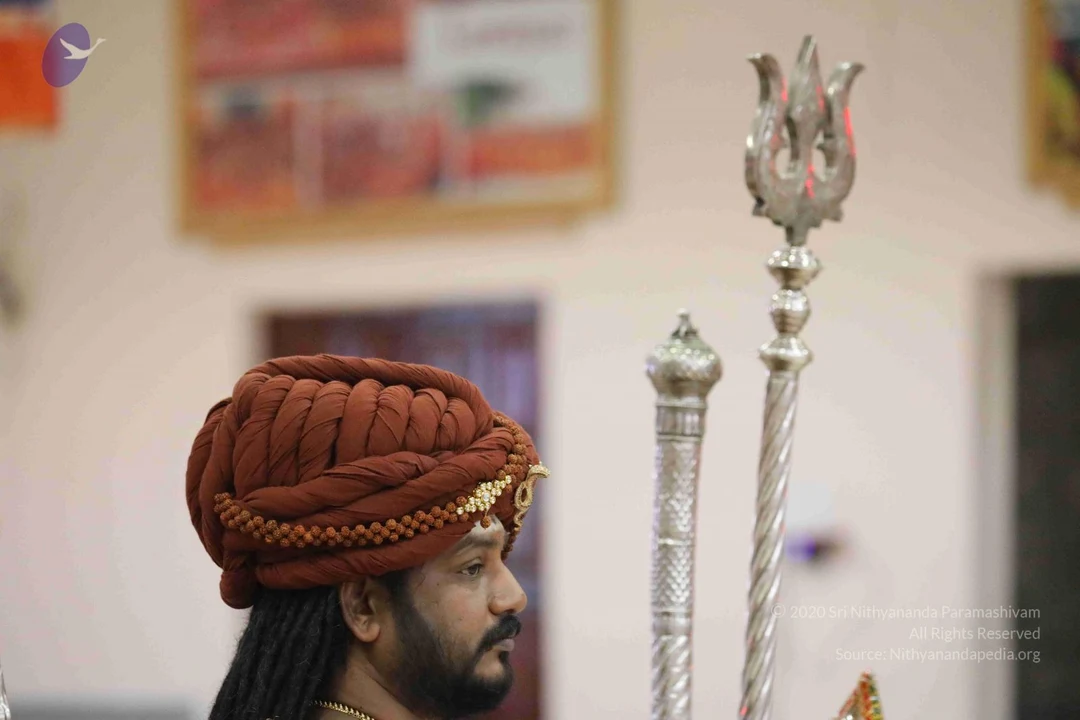
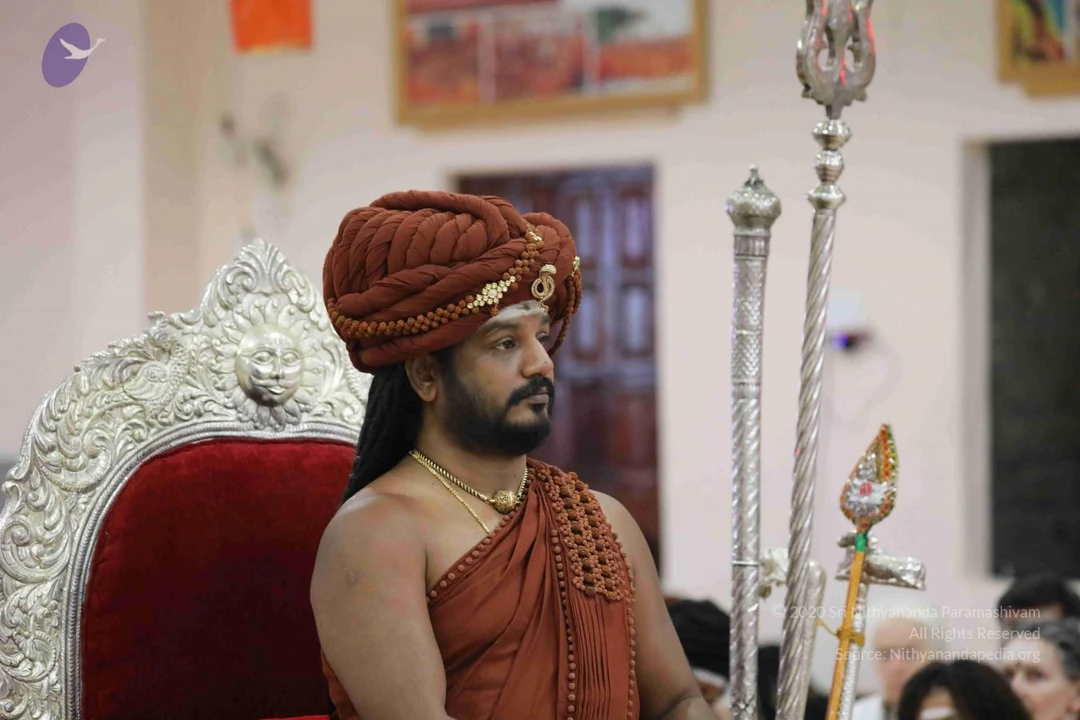
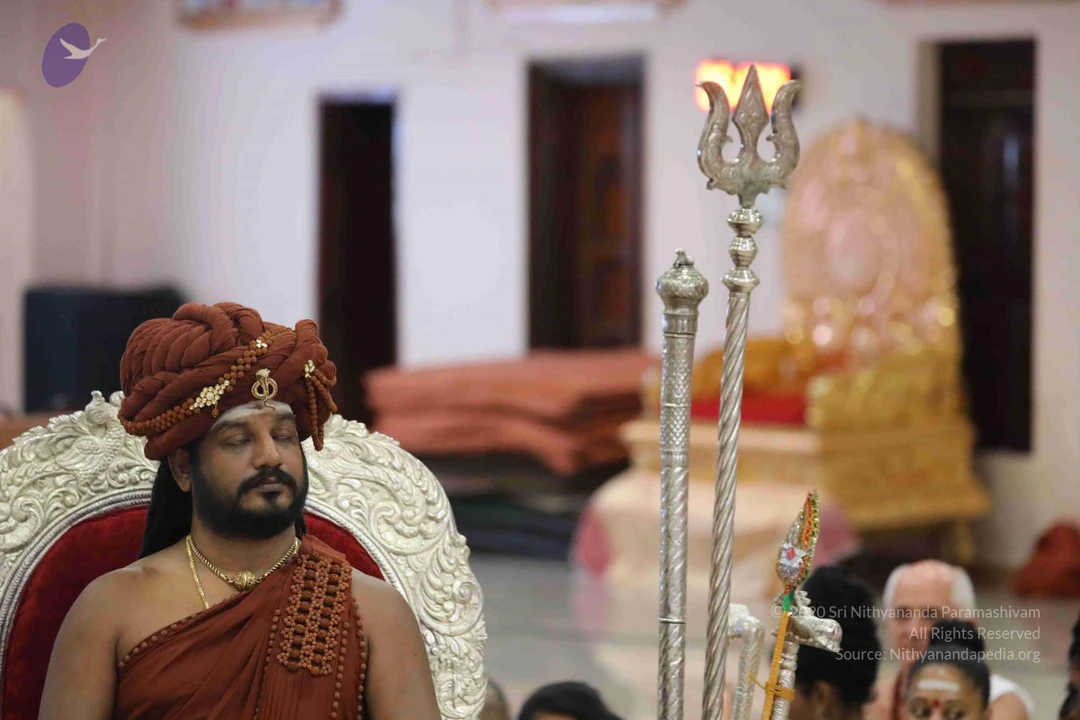
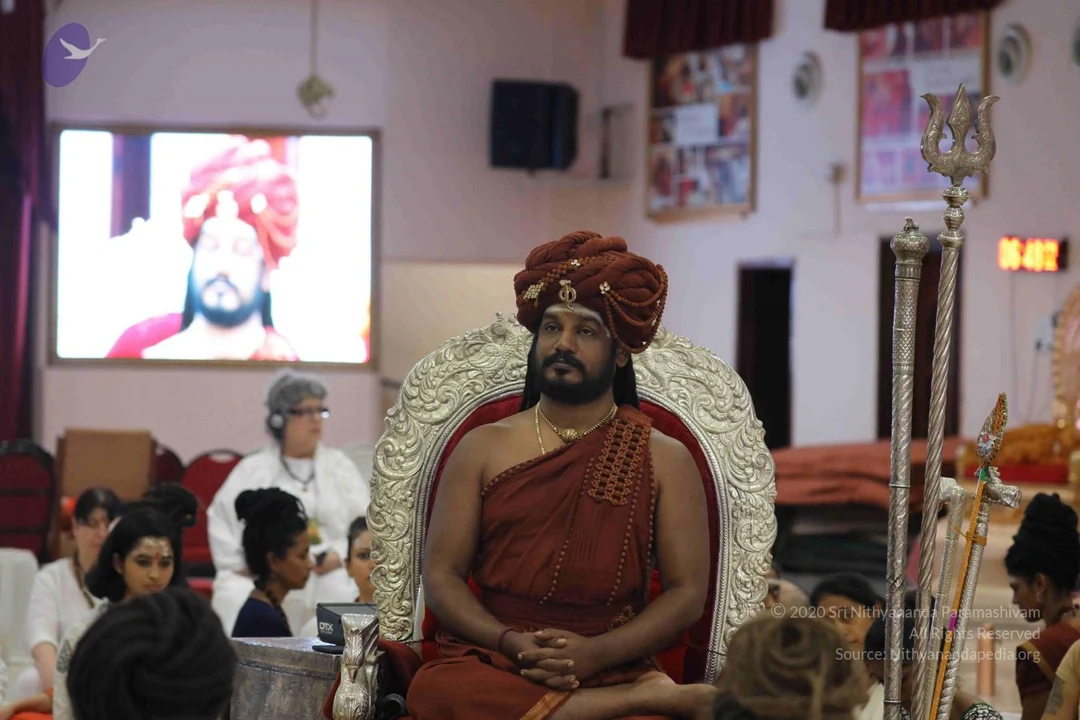
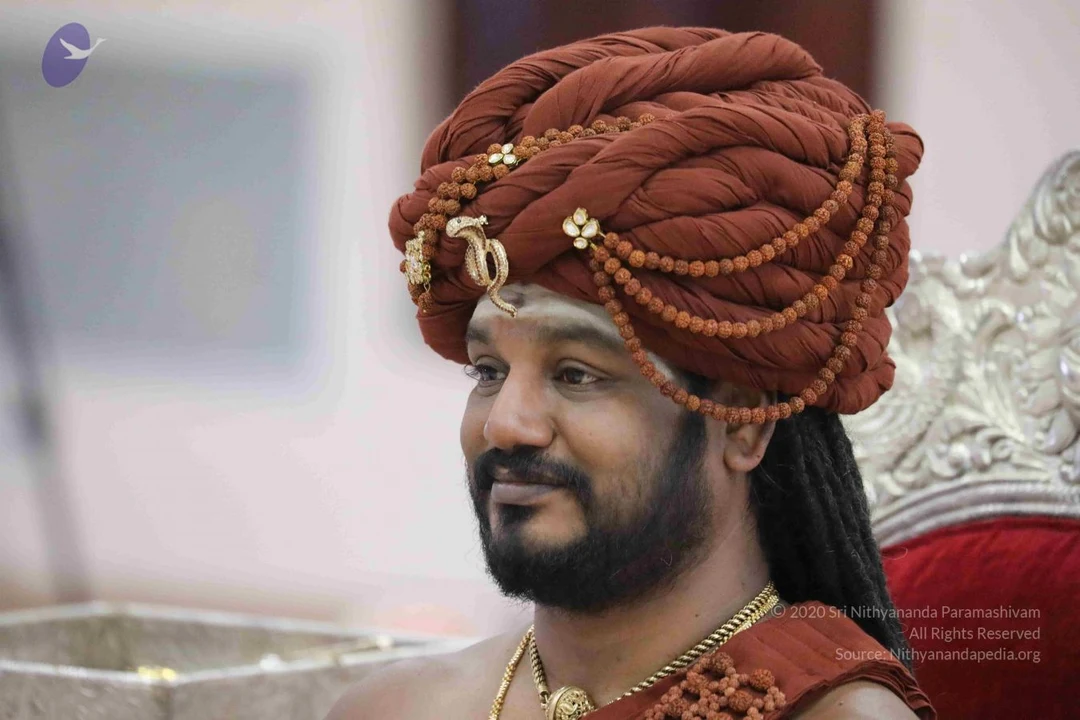
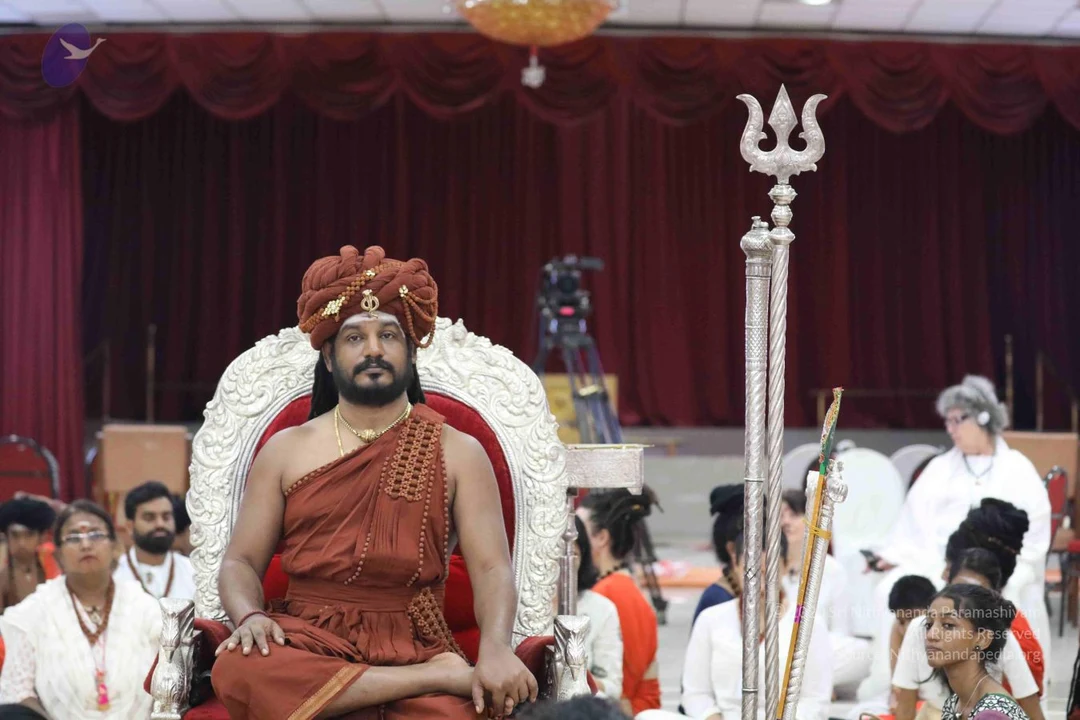
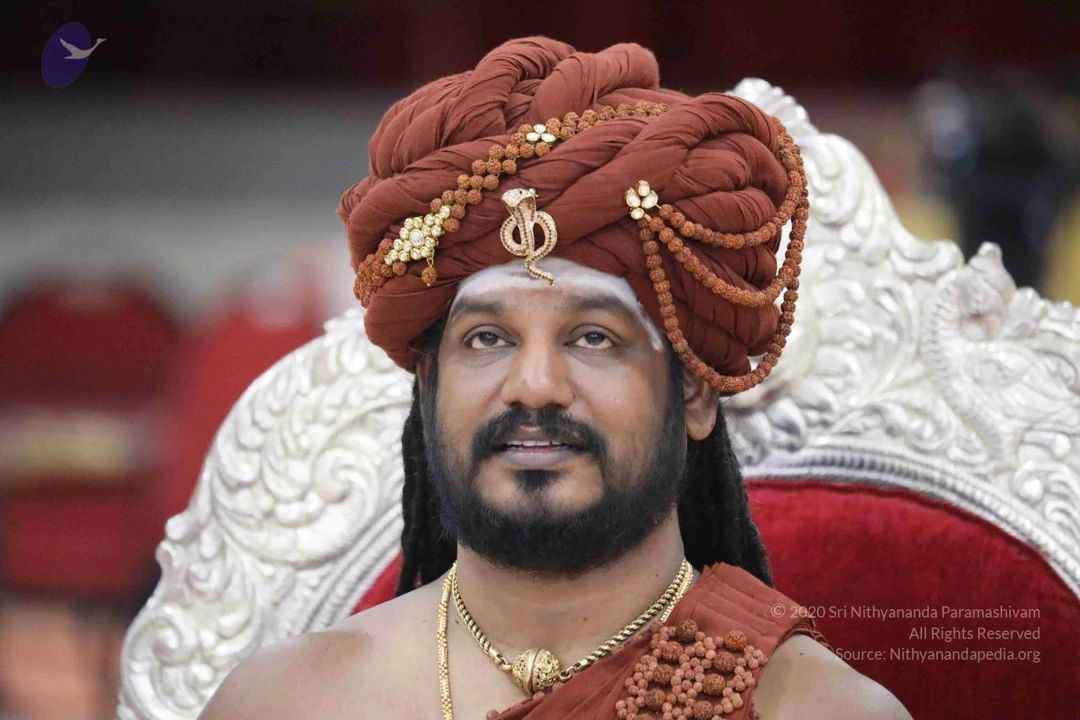
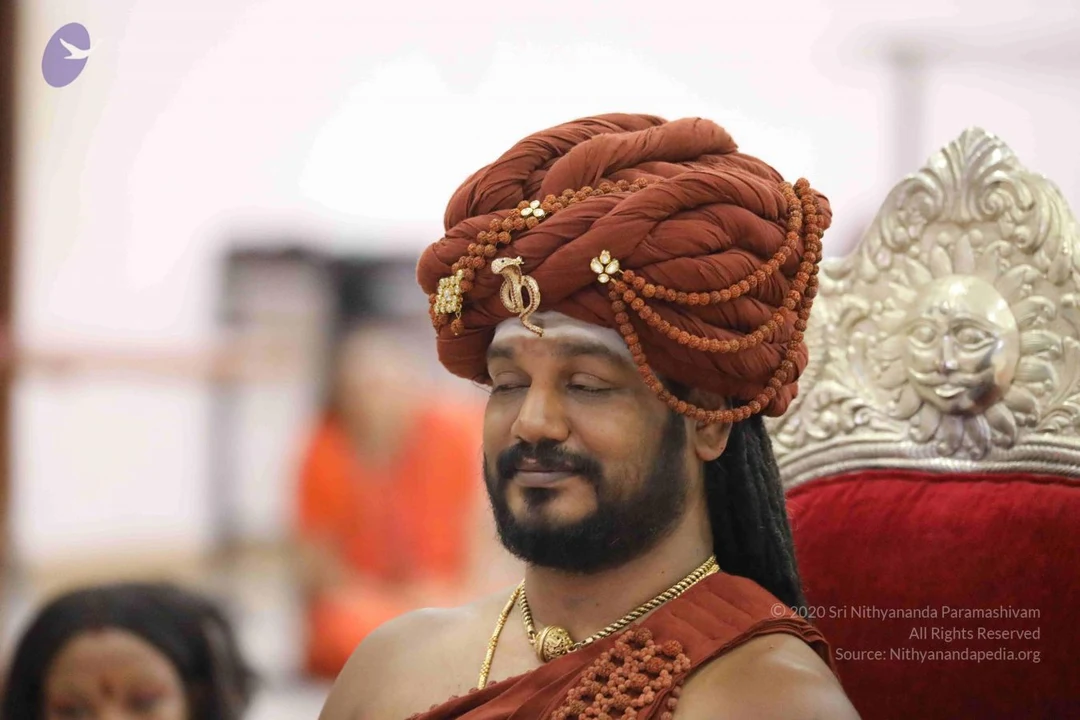
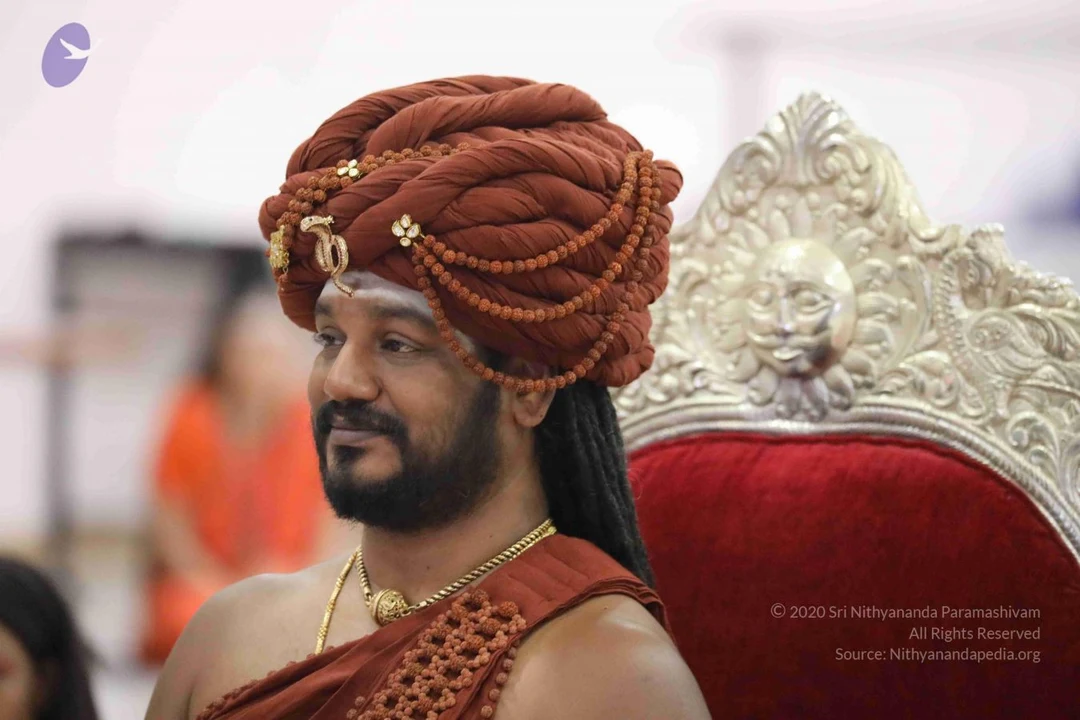
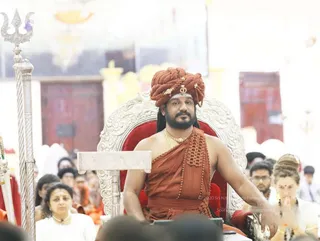
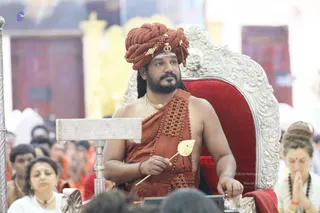
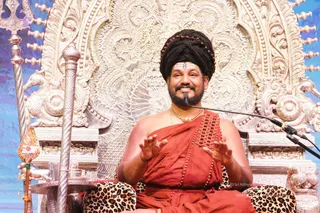
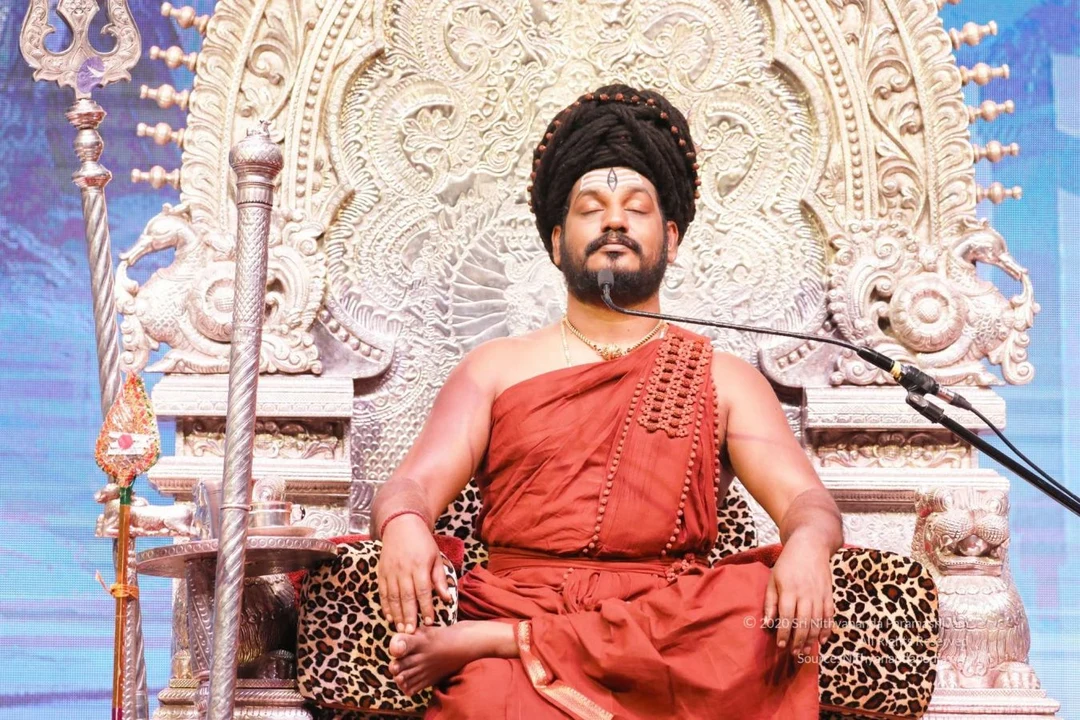 His Divine Holiness Bhagavan Sri Nithyananda Paramashivam
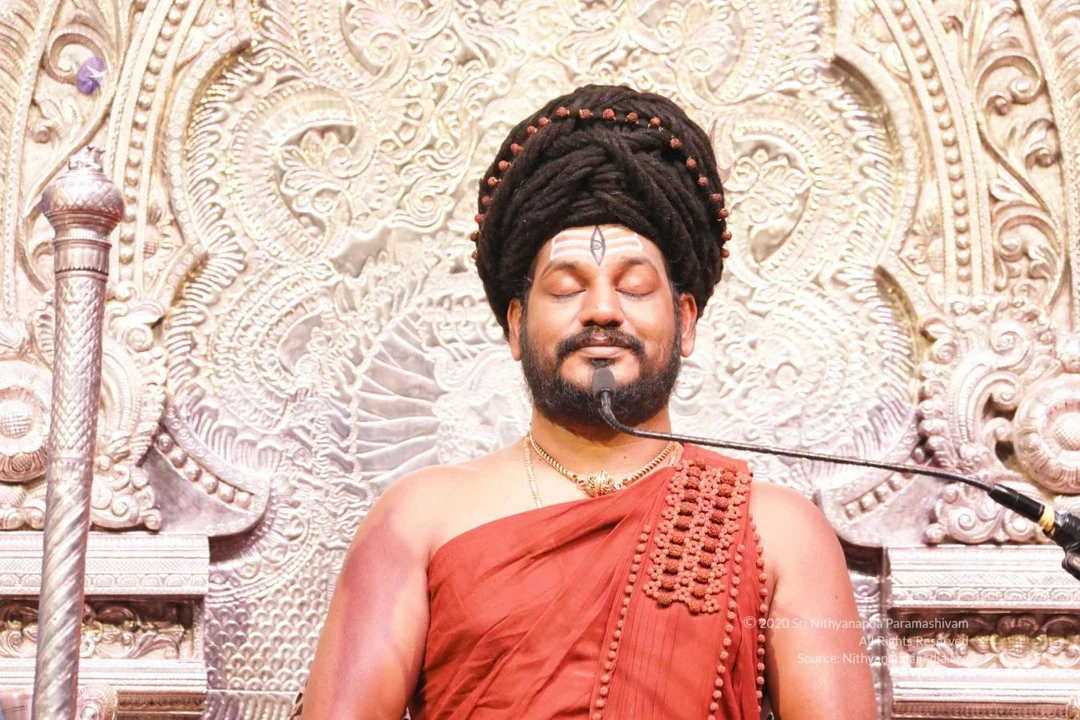 His Divine Holiness Bhagavan Sri Nithyananda Paramashivam
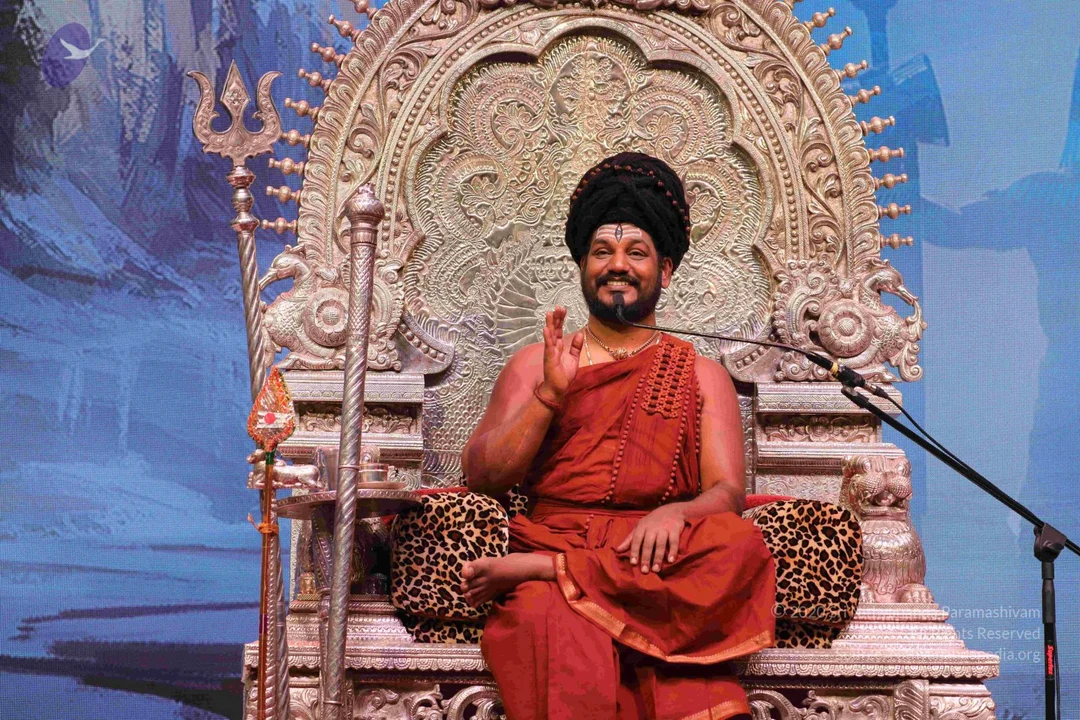
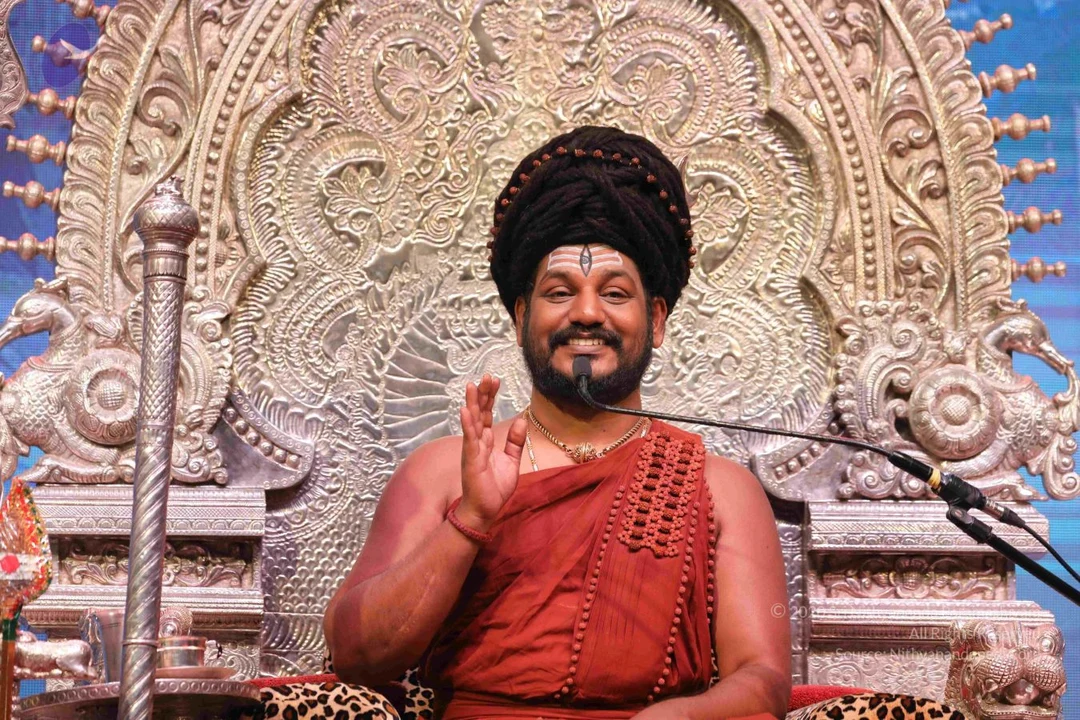
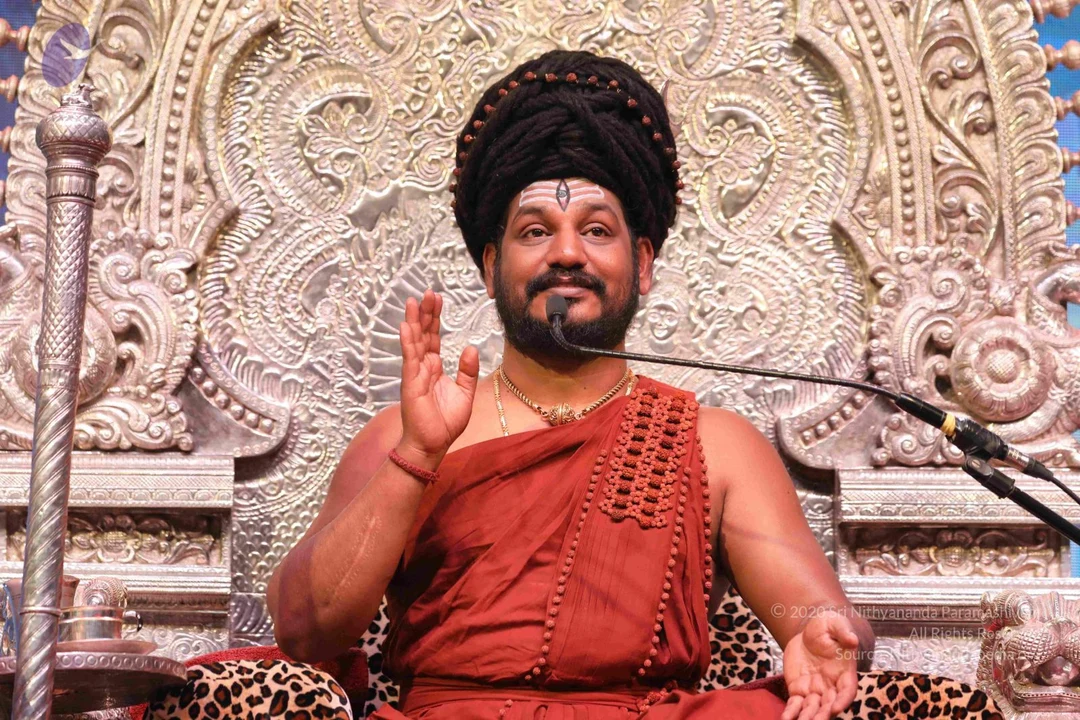
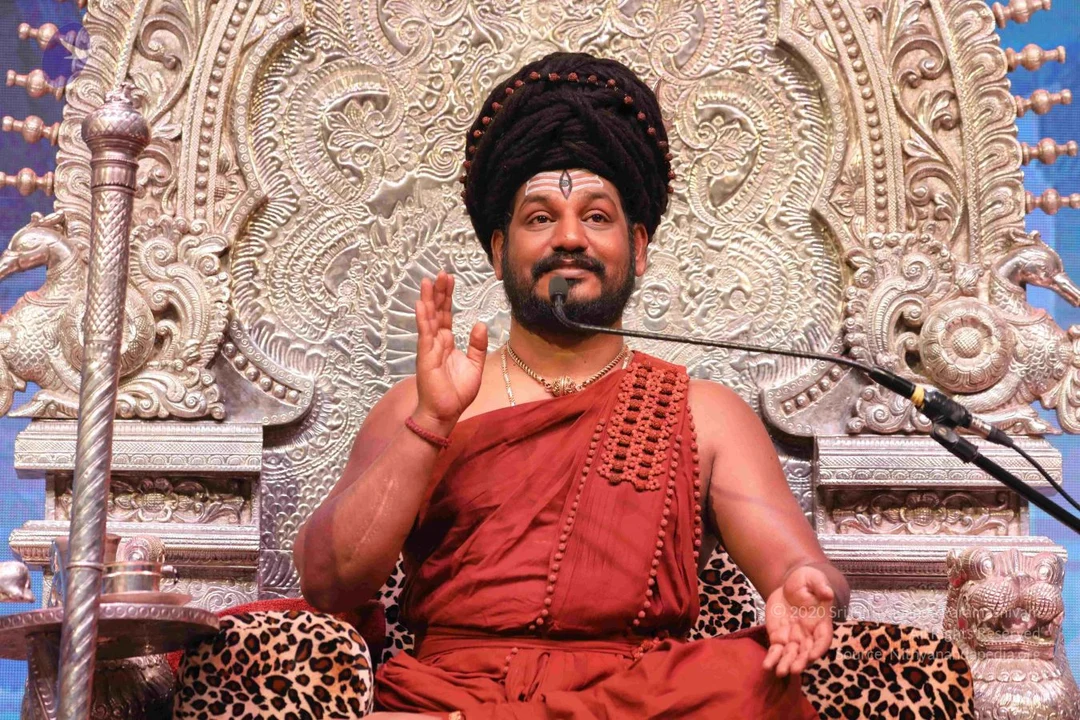
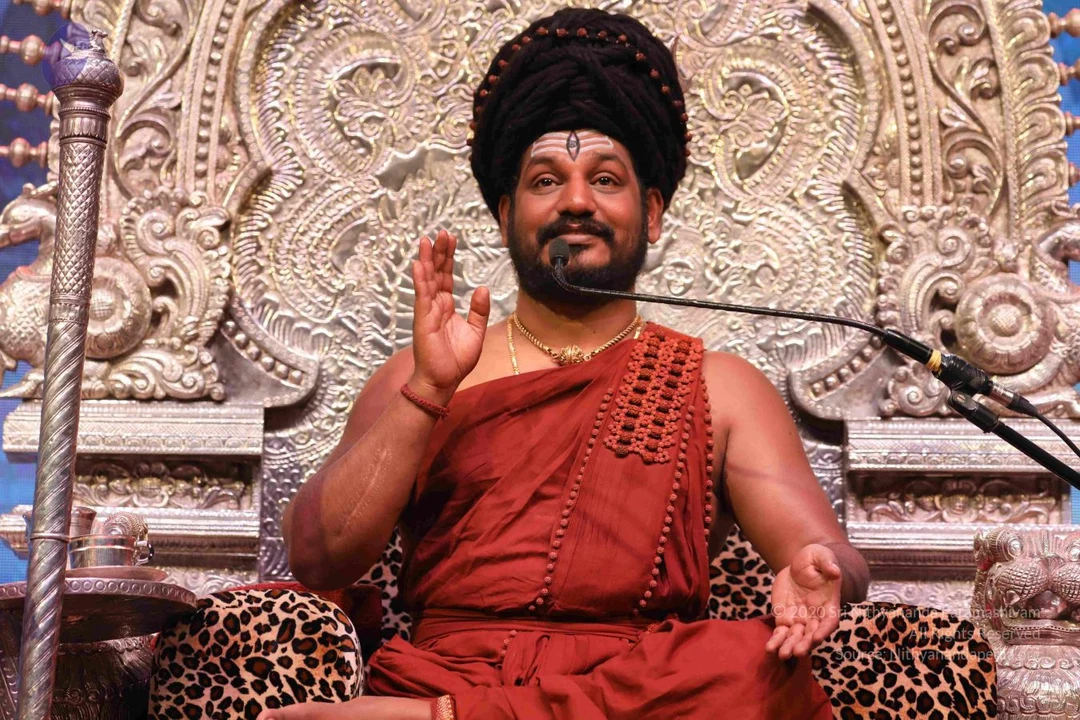
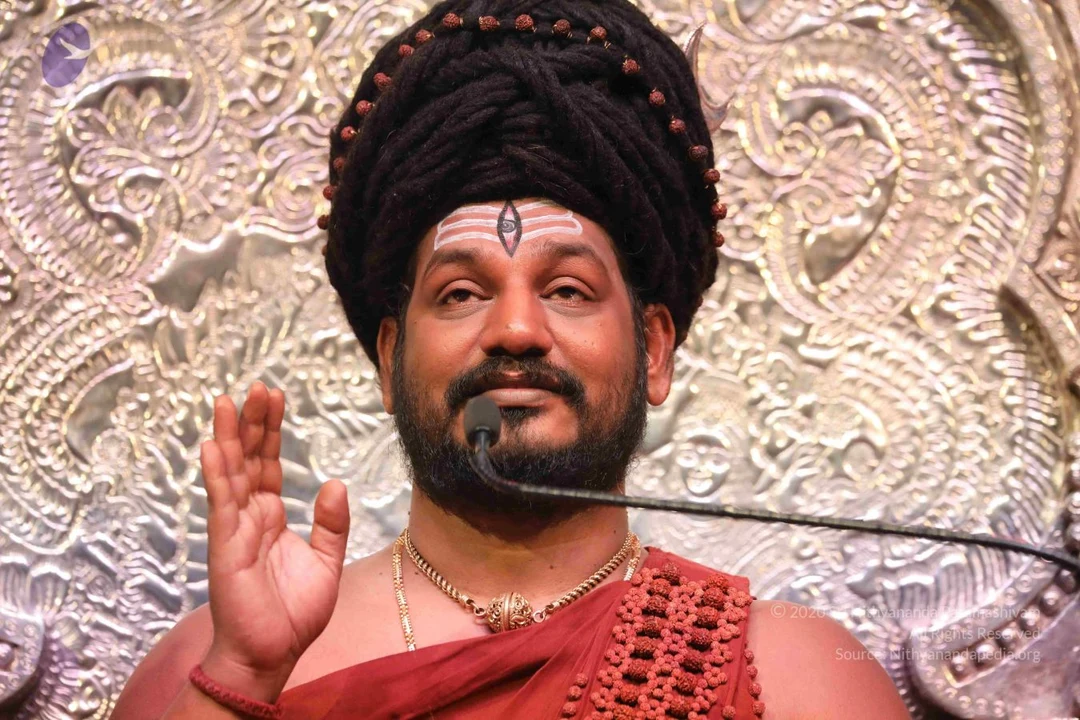
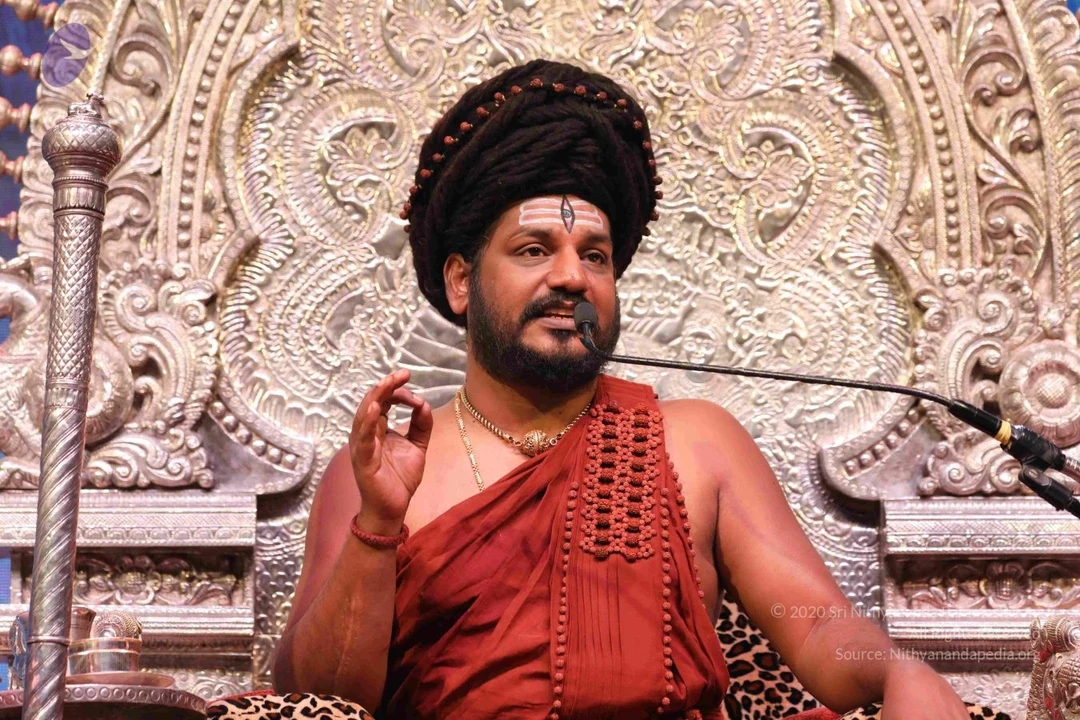
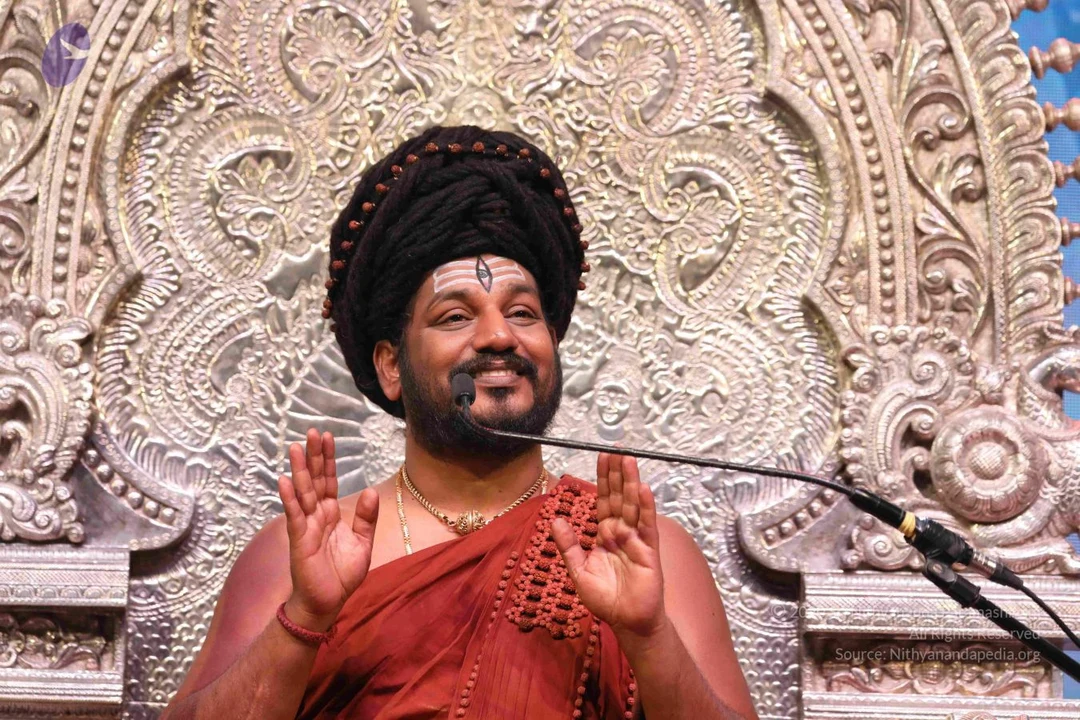
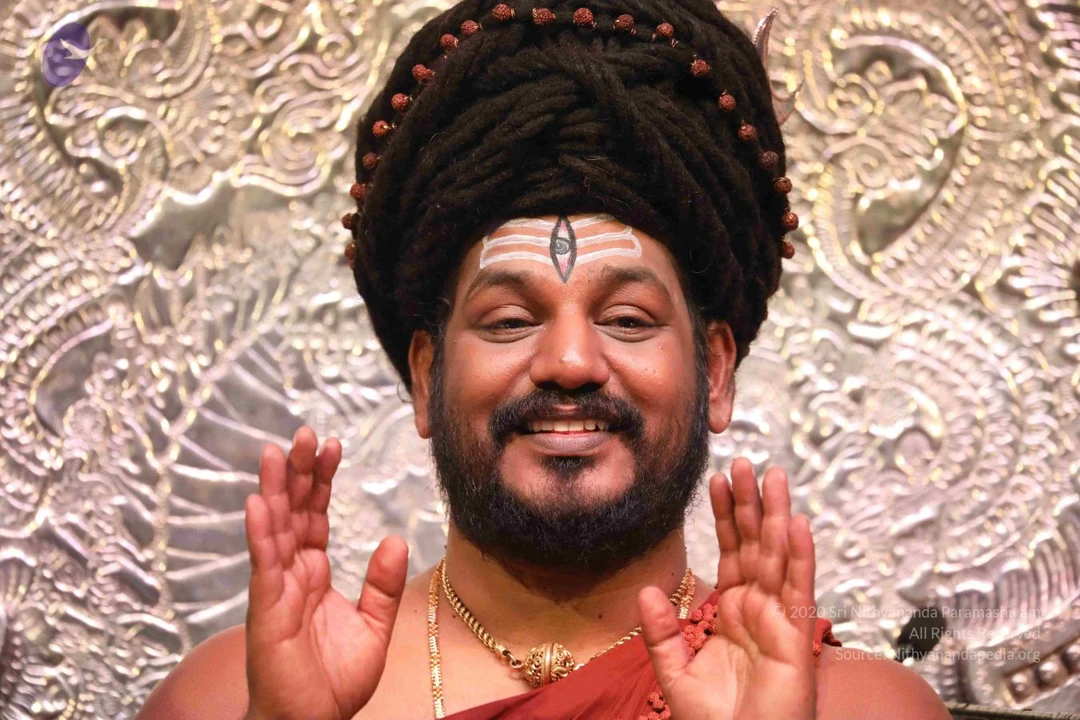
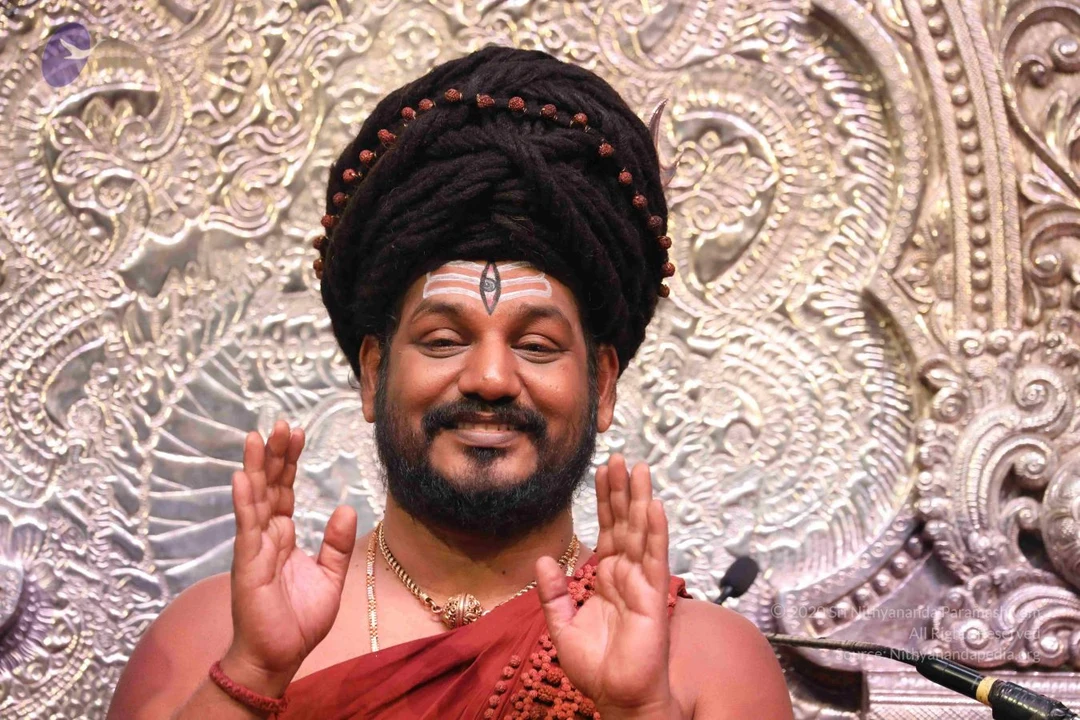
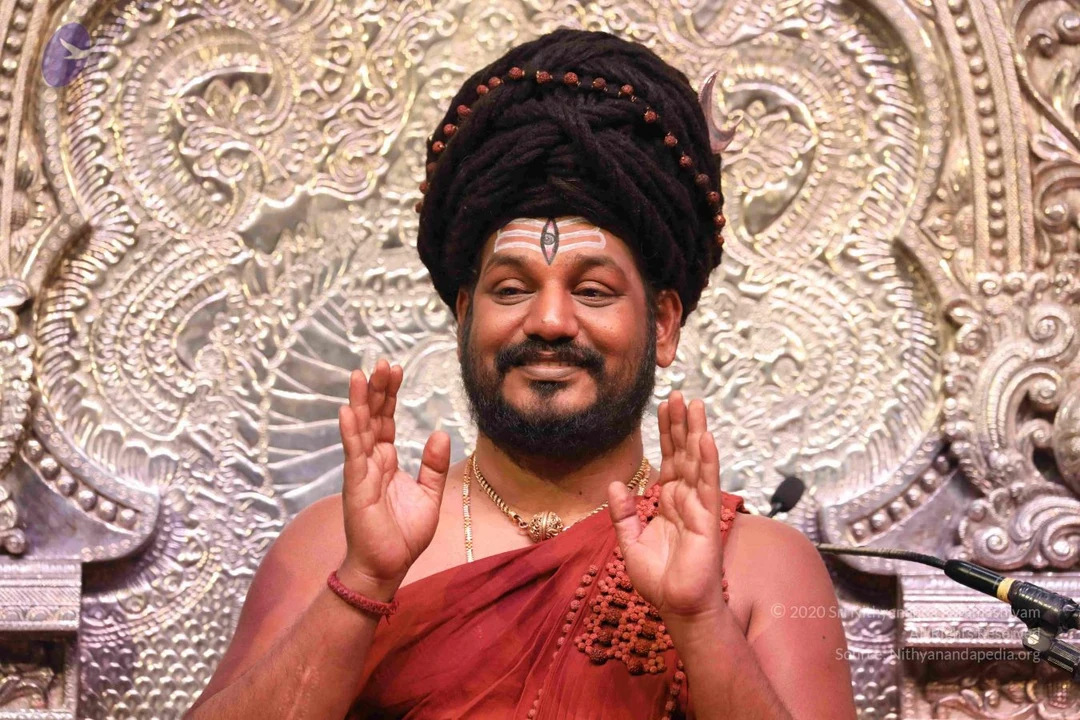
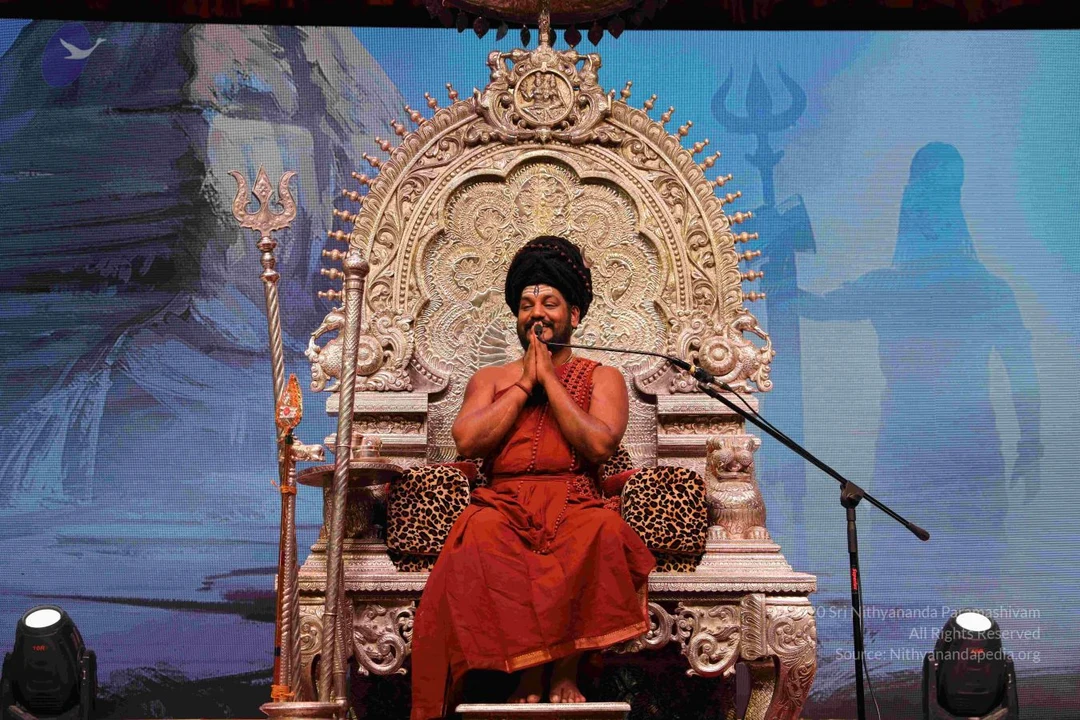
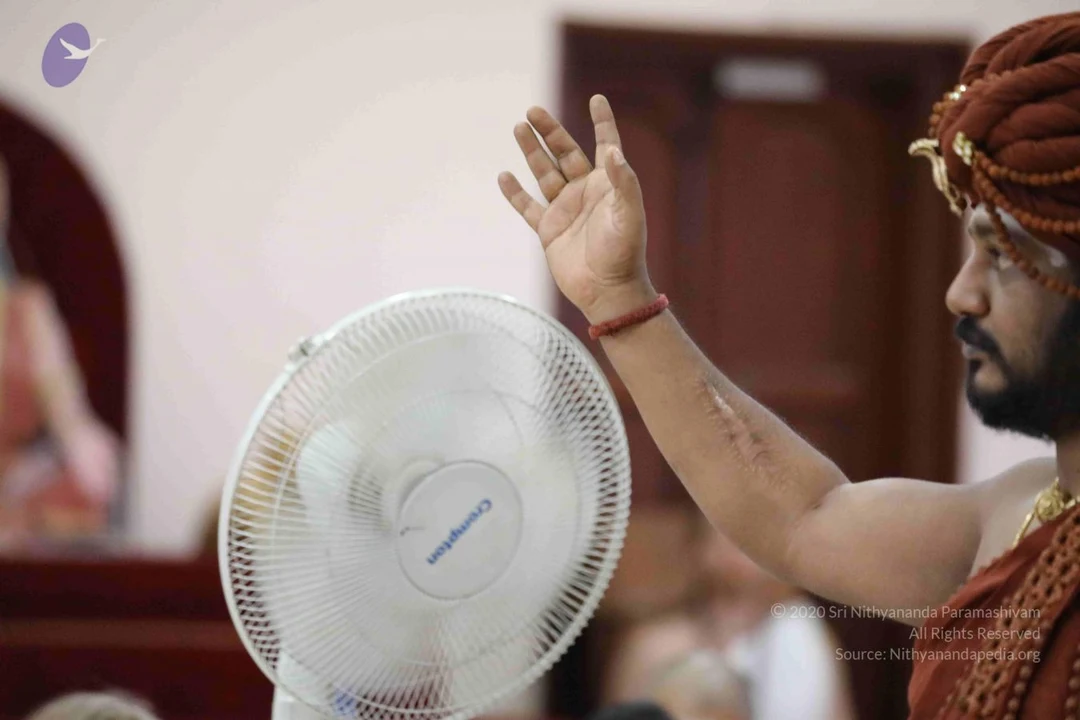
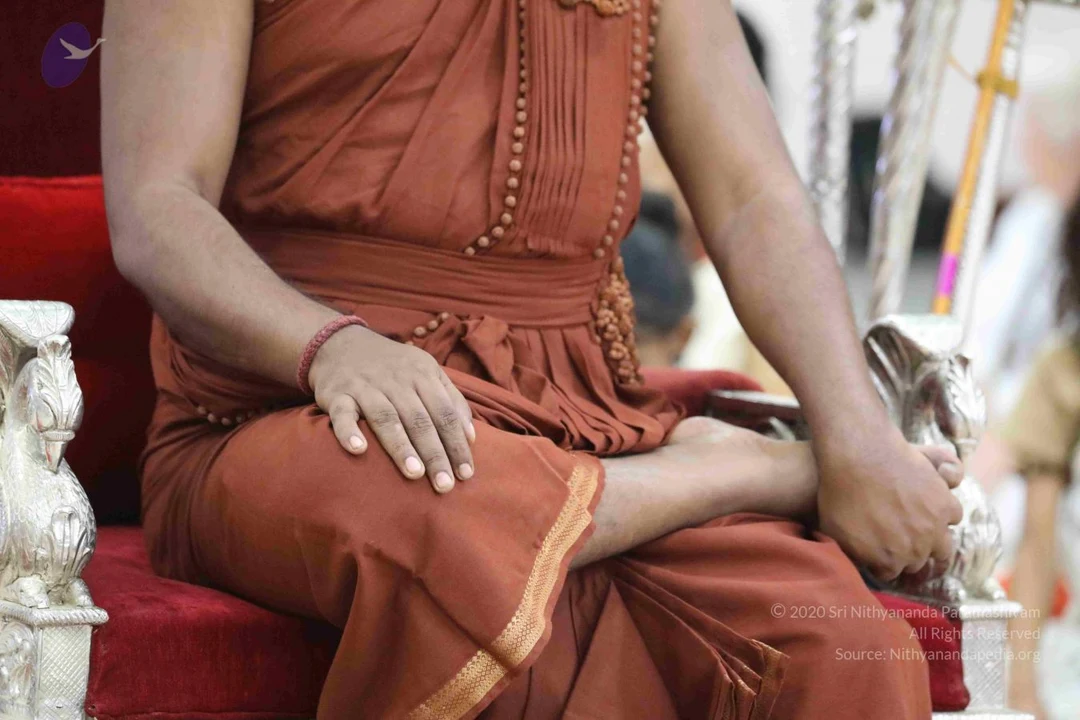
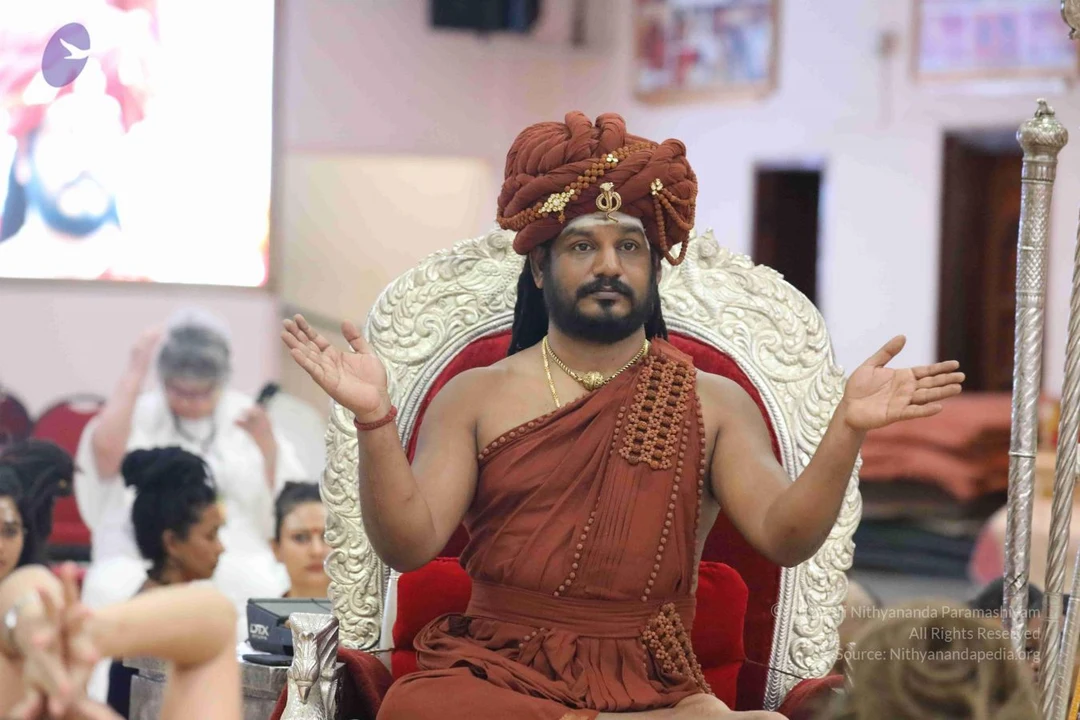
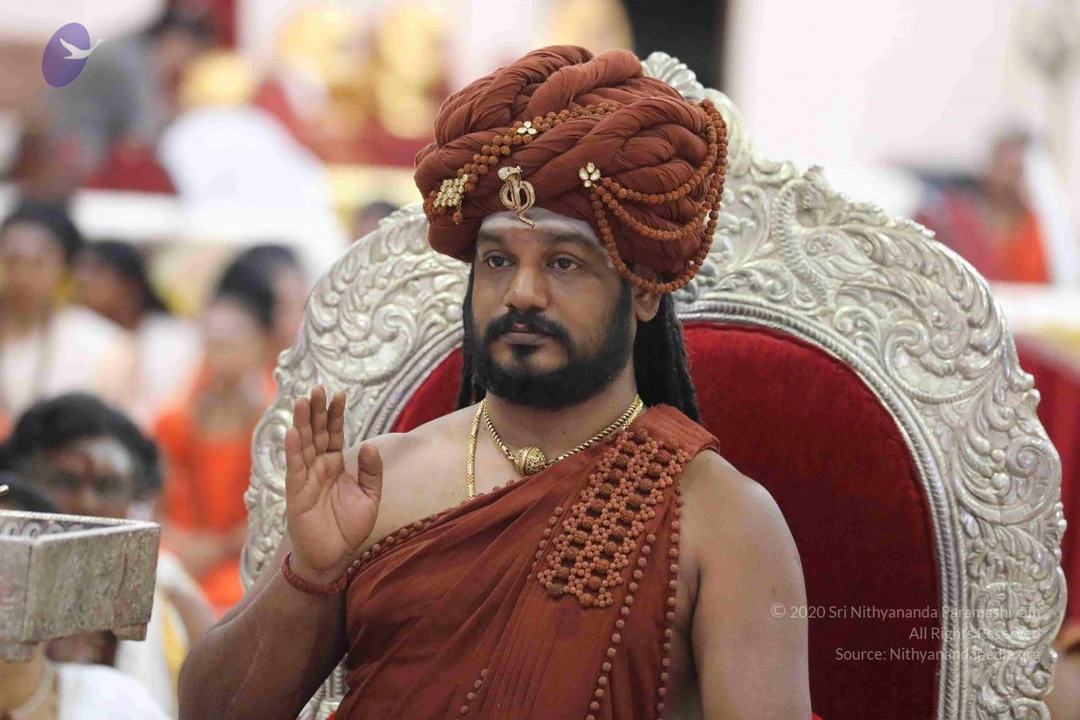
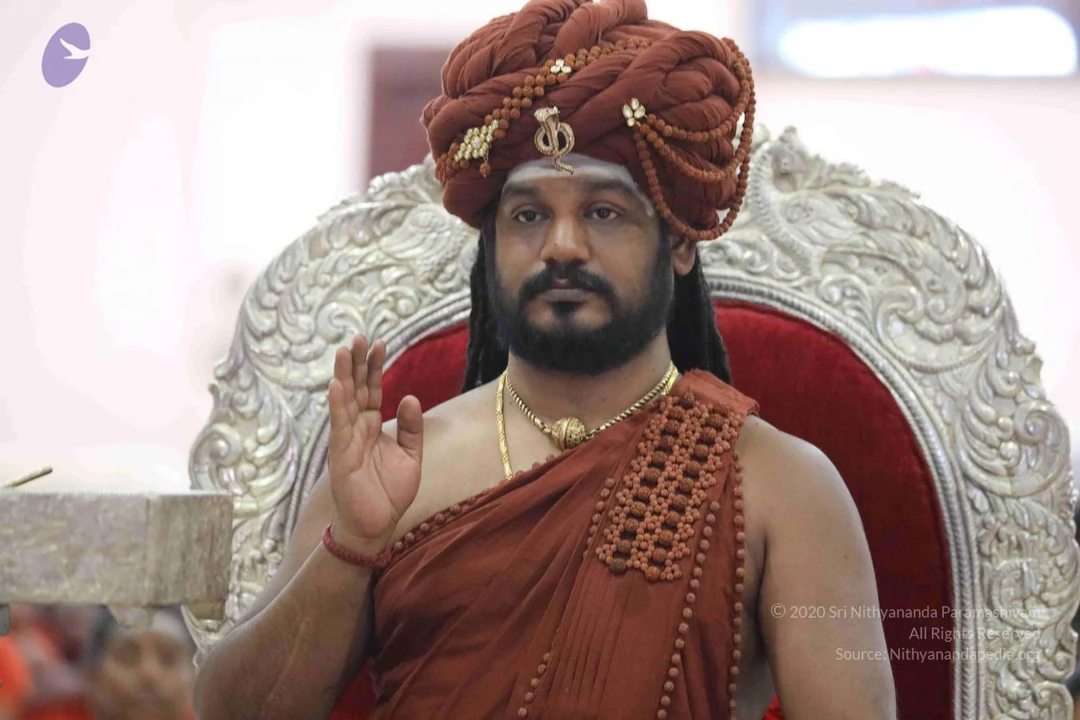
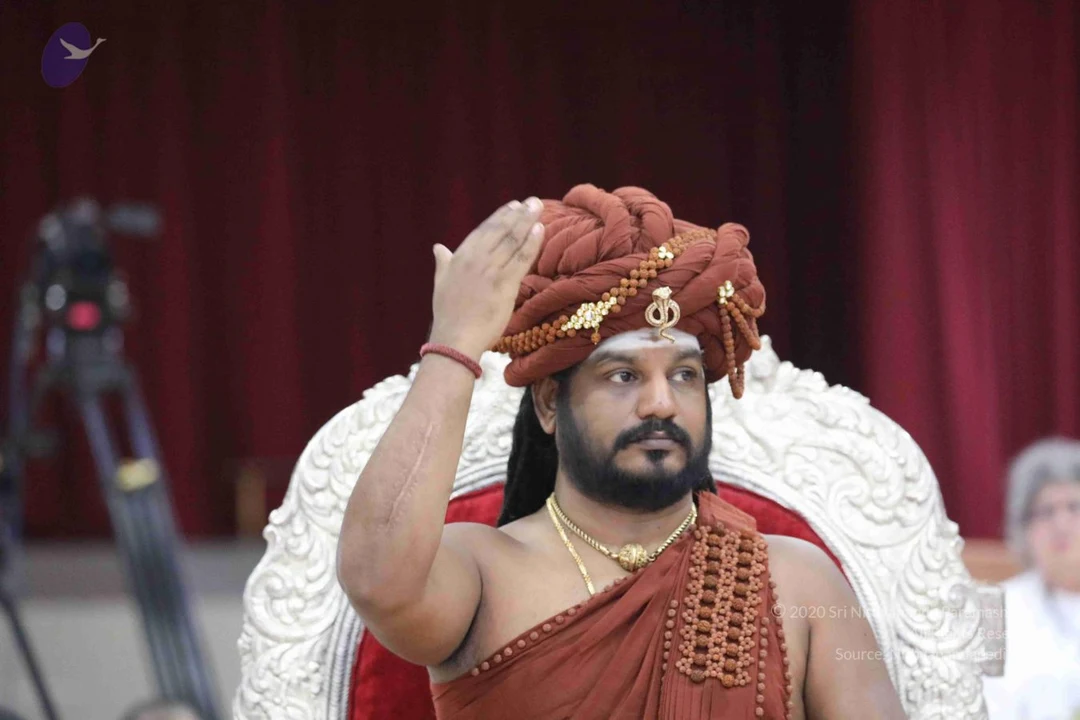
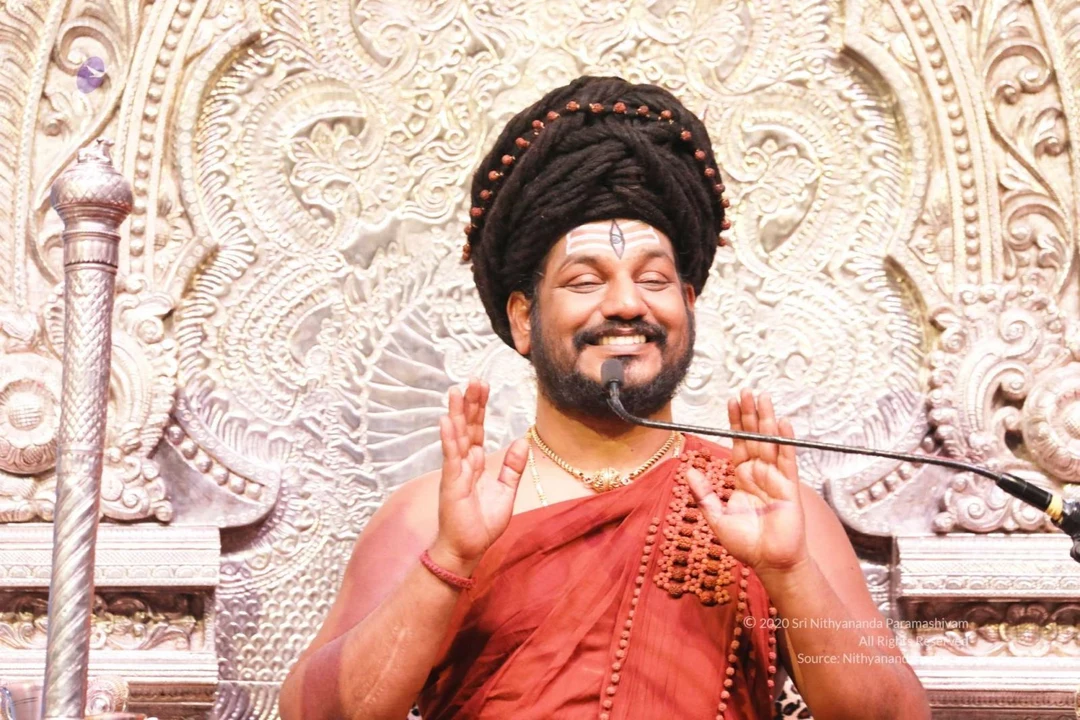 His Divine Holiness Bhagavan Sri Nithyananda Paramashivam ABHAYA HASTA (blessing)
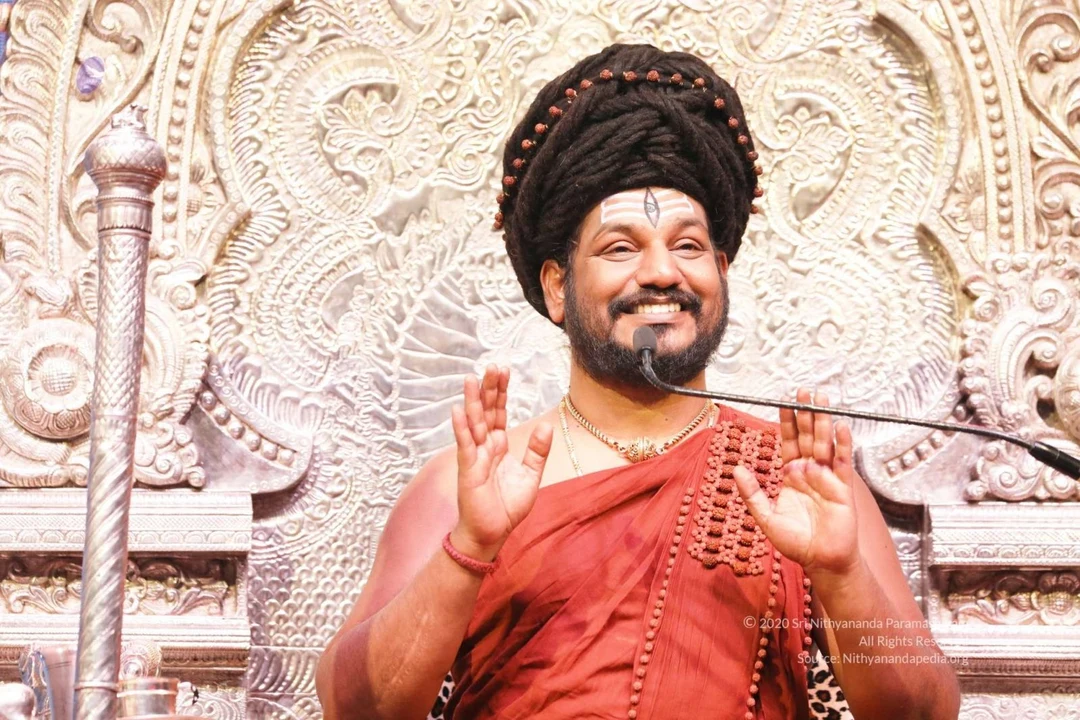 His Divine Holiness Bhagavan Sri Nithyananda Paramashivam ABHAYA HASTA (blessing)
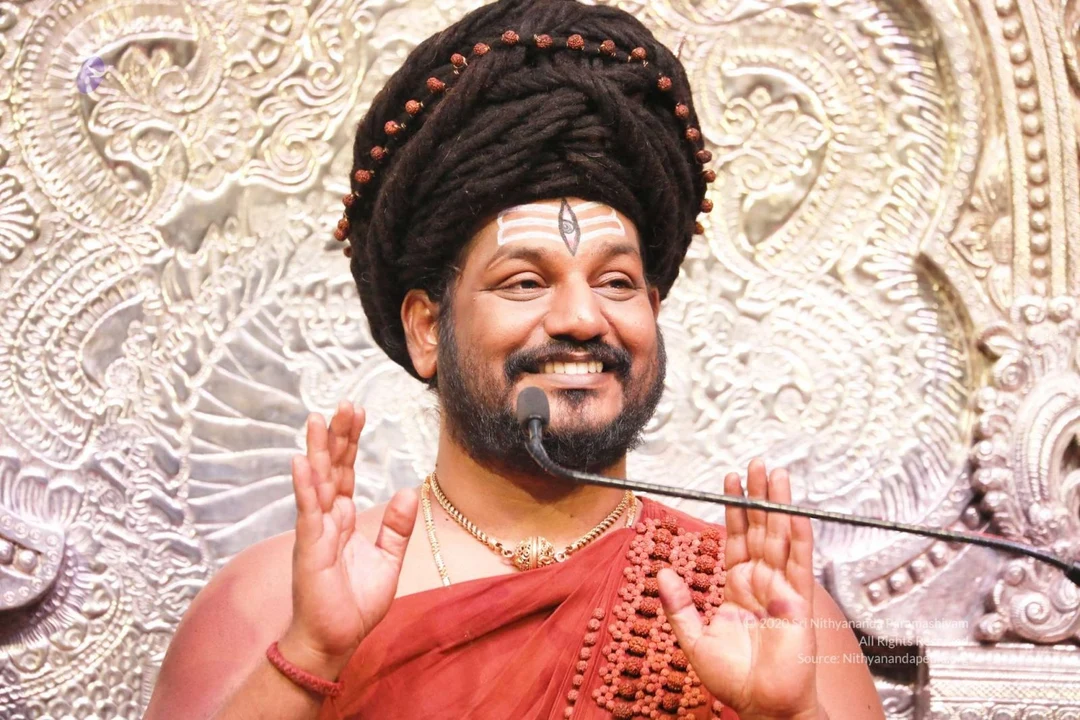 His Divine Holiness Bhagavan Sri Nithyananda Paramashivam ABHAYA HASTA (blessing)
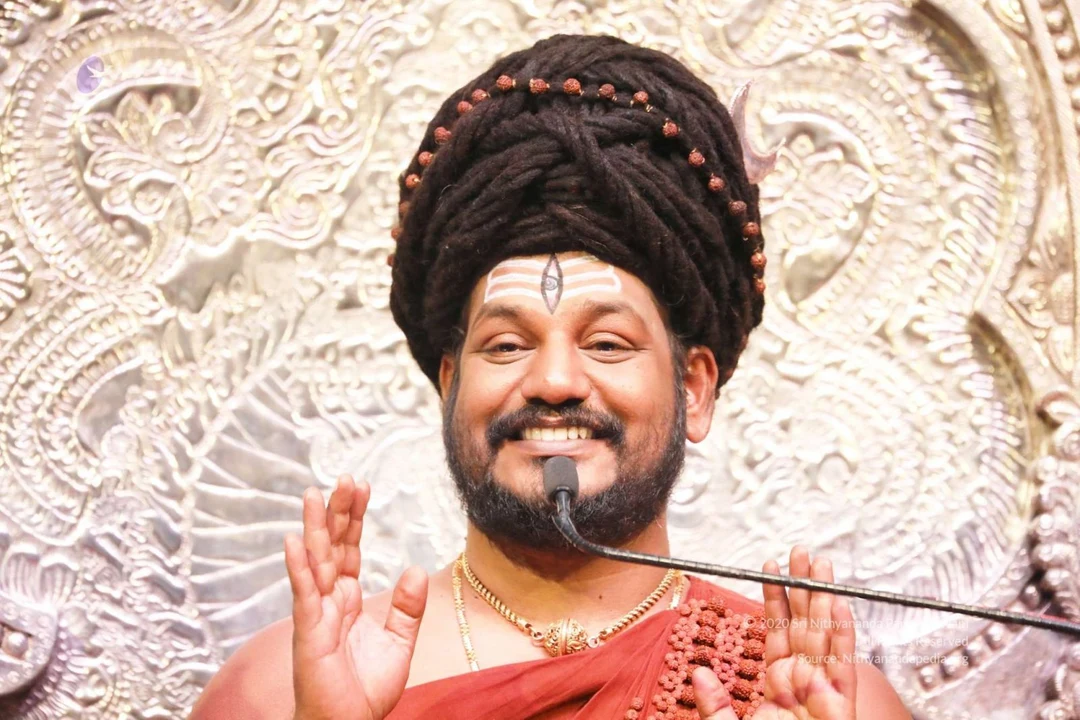 His Divine Holiness Bhagavan Sri Nithyananda Paramashivam ABHAYA HASTA (blessing)
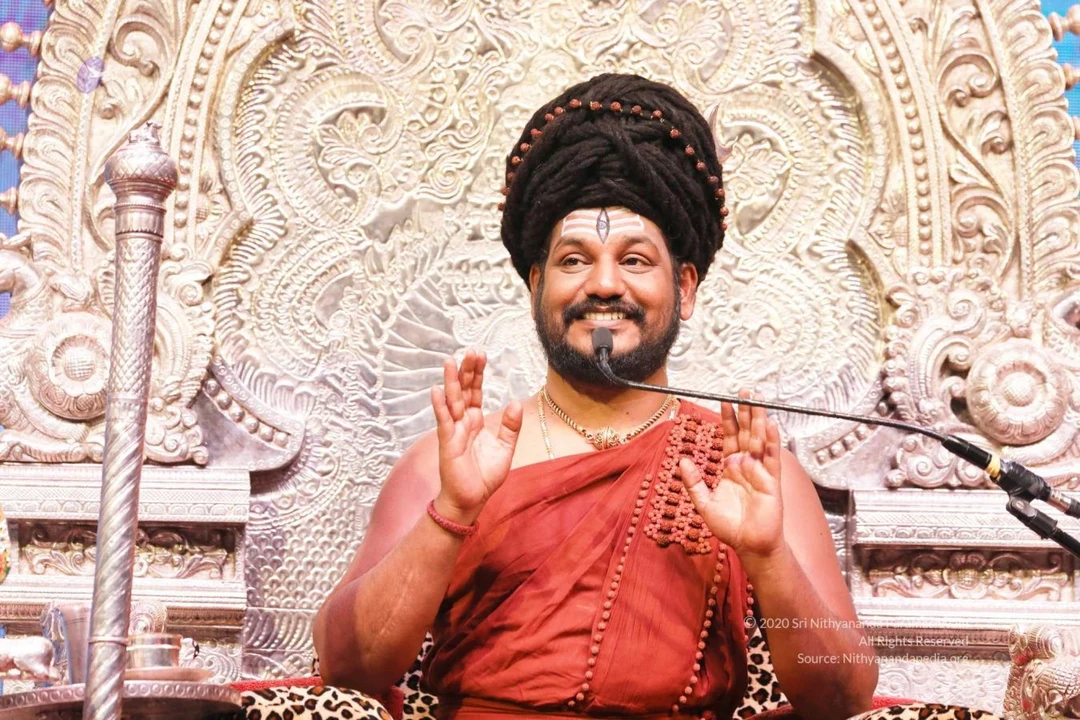 His Divine Holiness Bhagavan Sri Nithyananda Paramashivam ABHAYA HASTA (blessing)
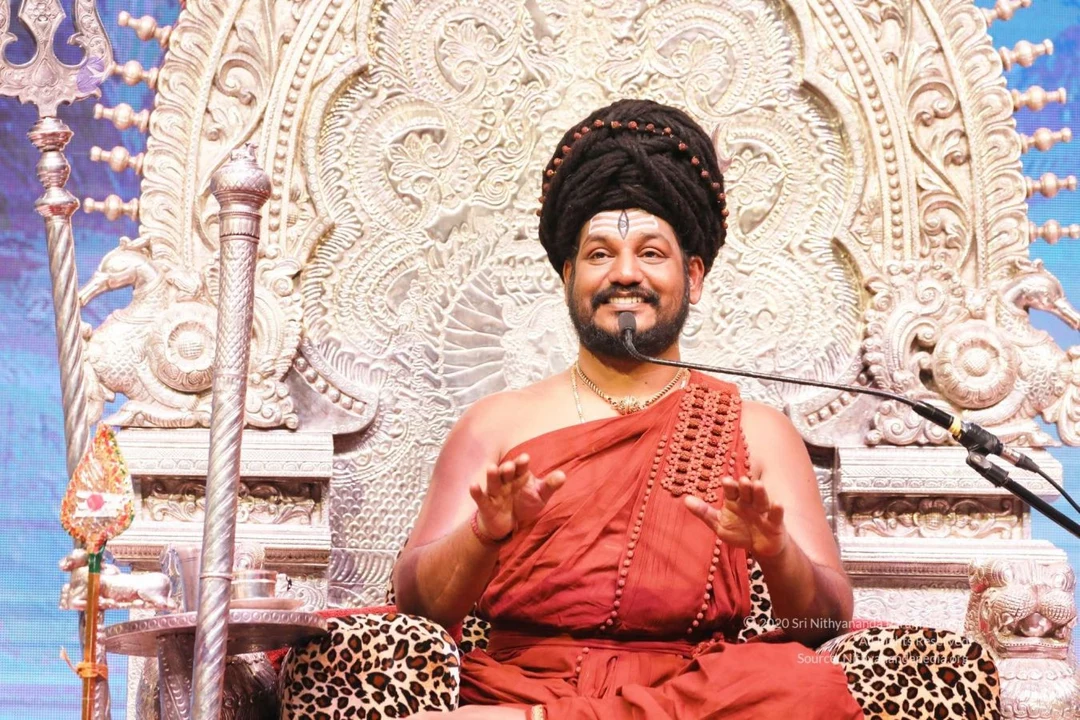 Avatar presence is living healing energy field
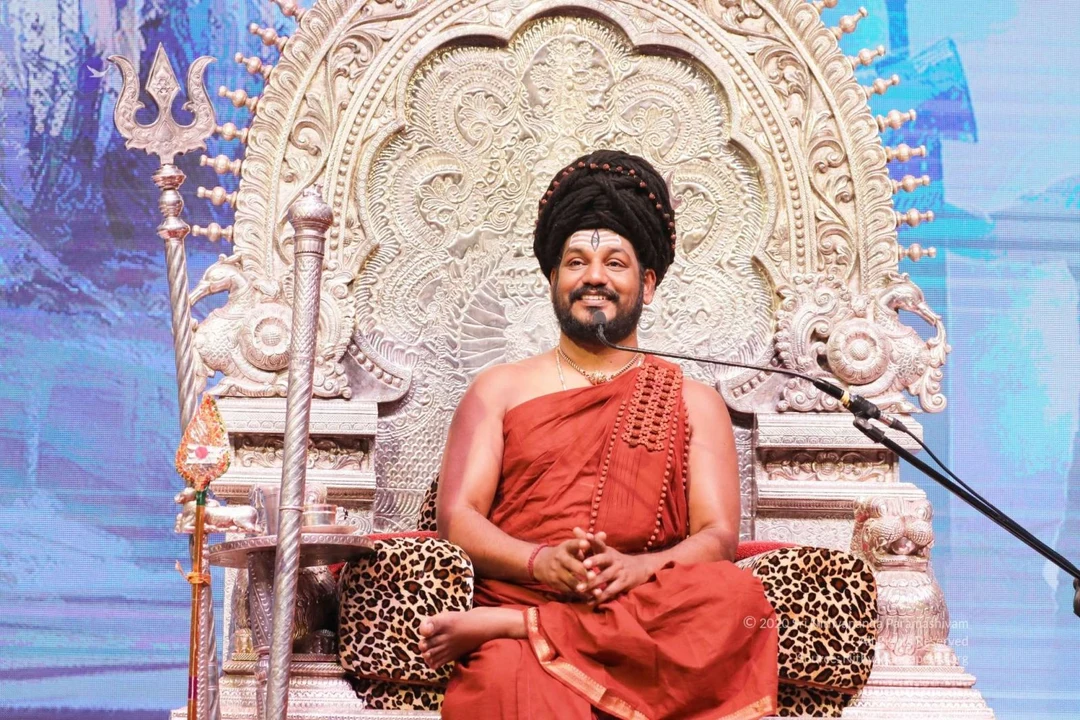 Avatar presence is living healing energy field
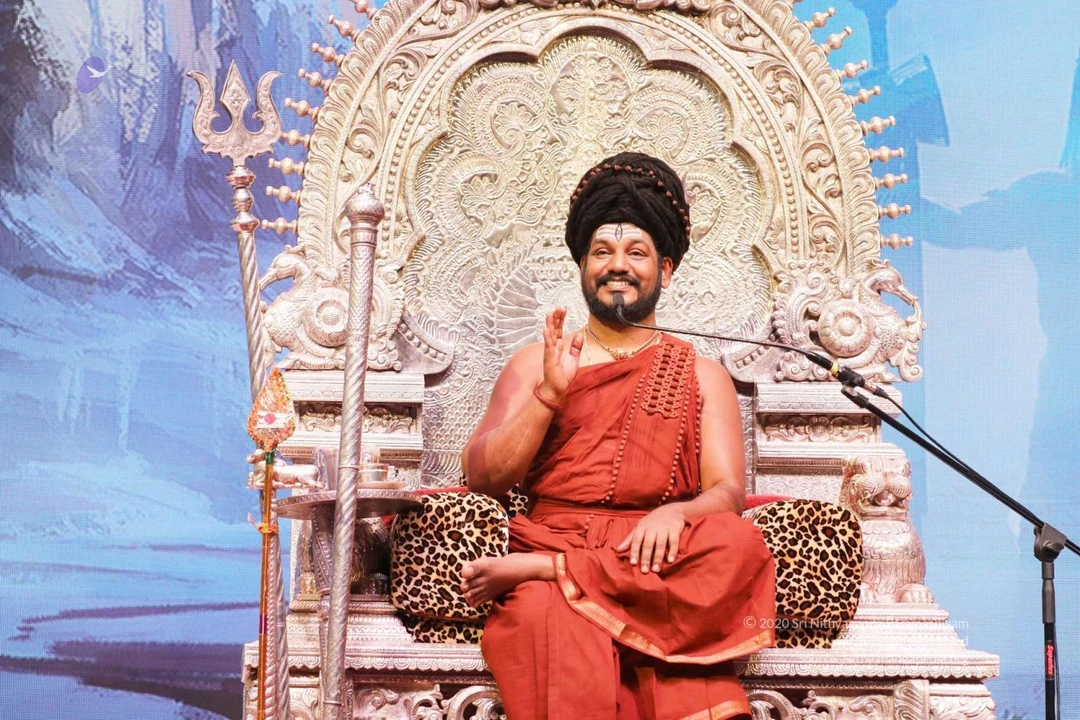 His Divine Holiness Bhagavan Sri Nithyananda Paramashivam ABHAYA HASTA (blessing)
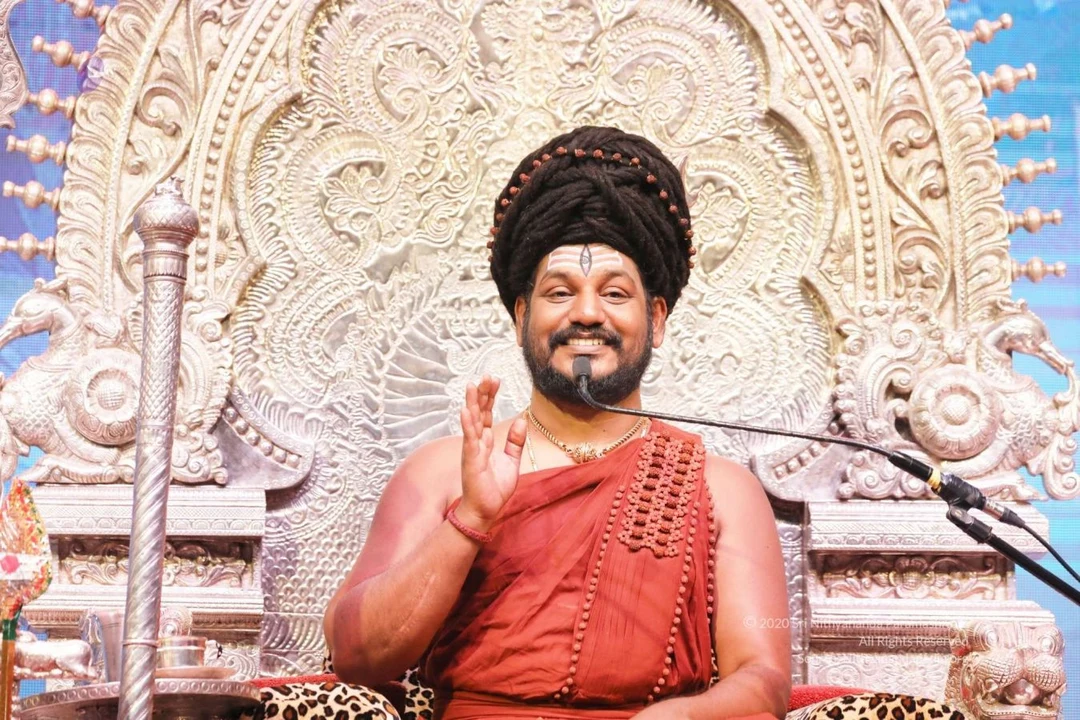 His Divine Holiness Bhagavan Sri Nithyananda Paramashivam ABHAYA HASTA (blessing)
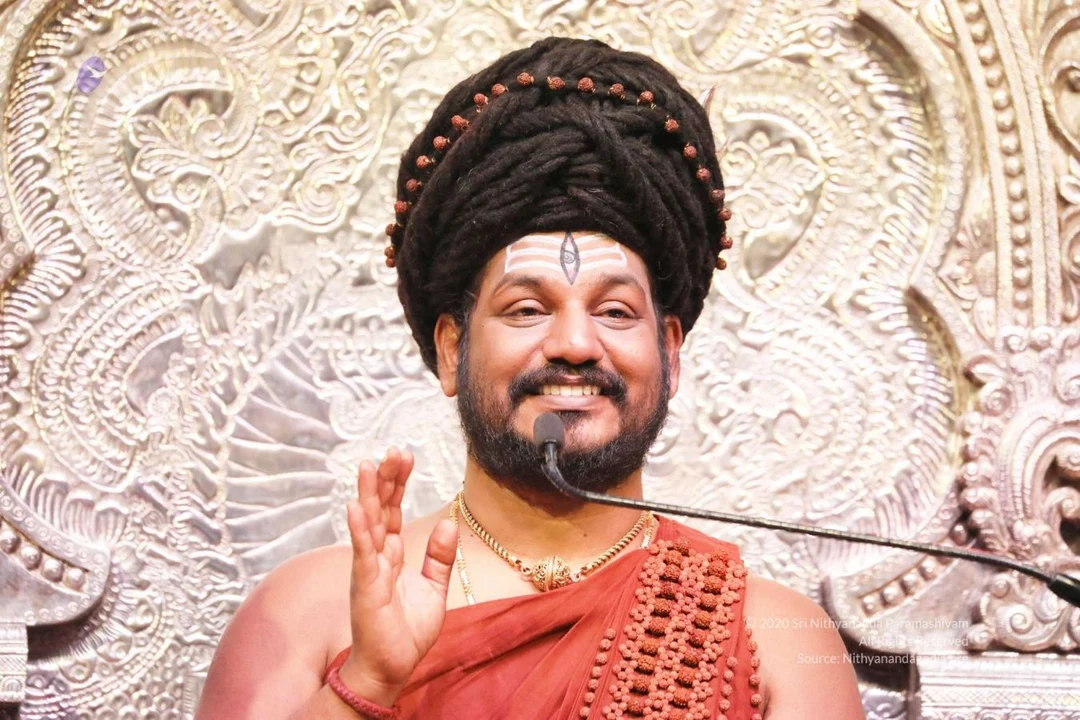 His Divine Holiness Bhagavan Sri Nithyananda Paramashivam ABHAYA HASTA (blessing)
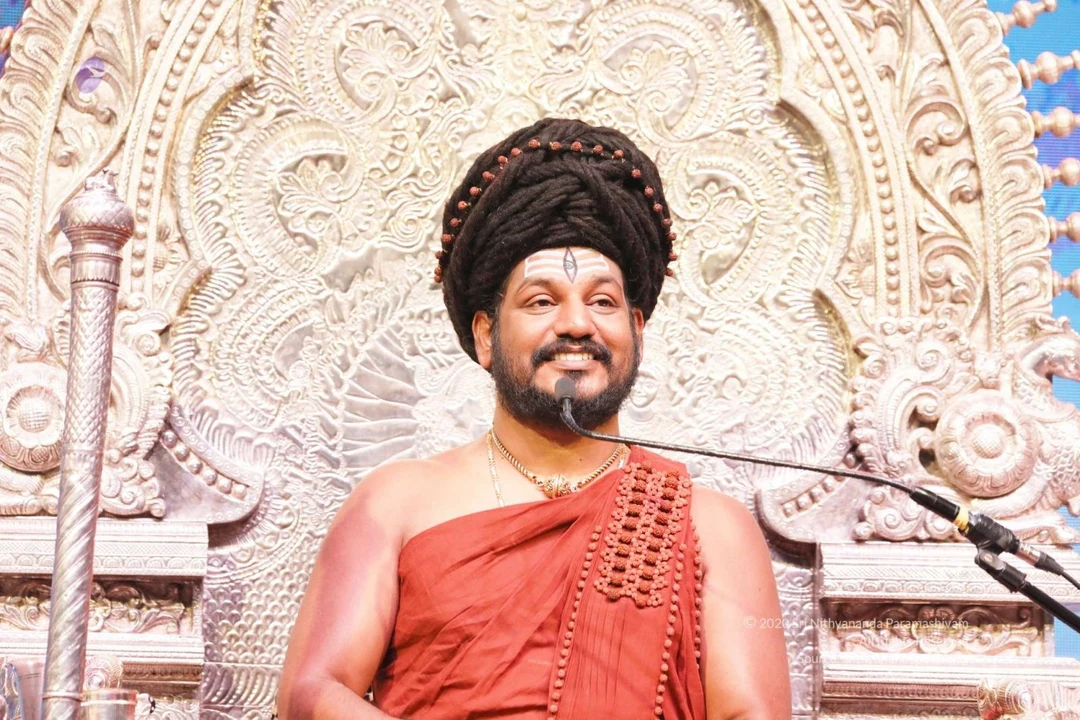 Breathe in and breathe out the individuality of Paramashiva
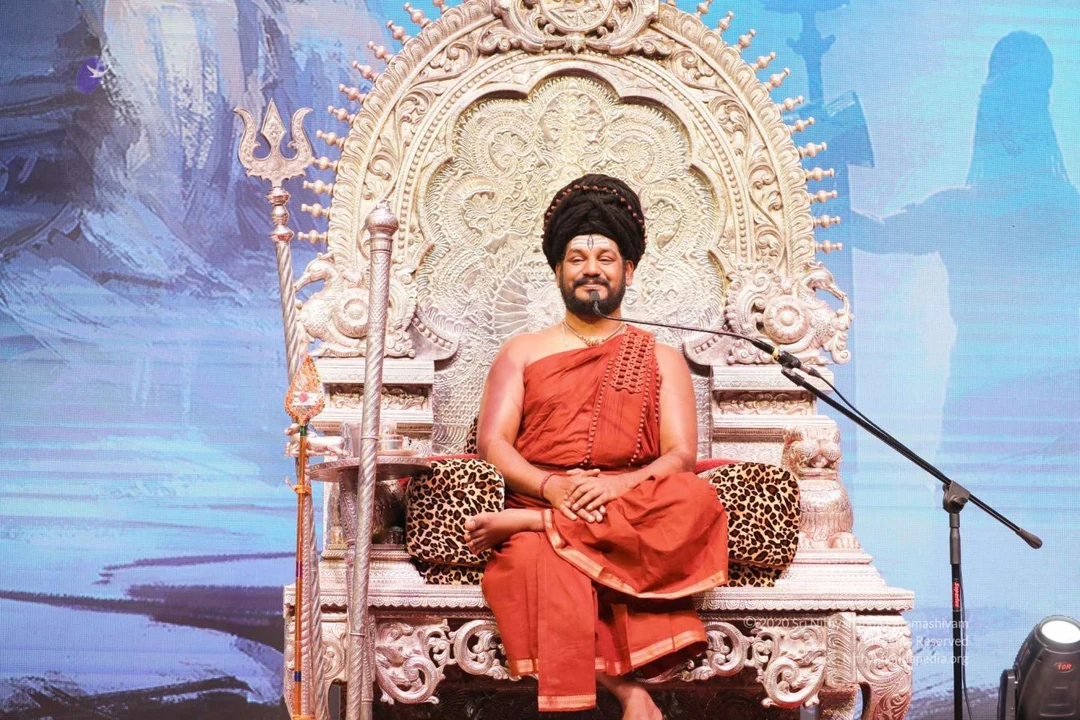 Breathe in and breathe out the individuality of Paramashiva
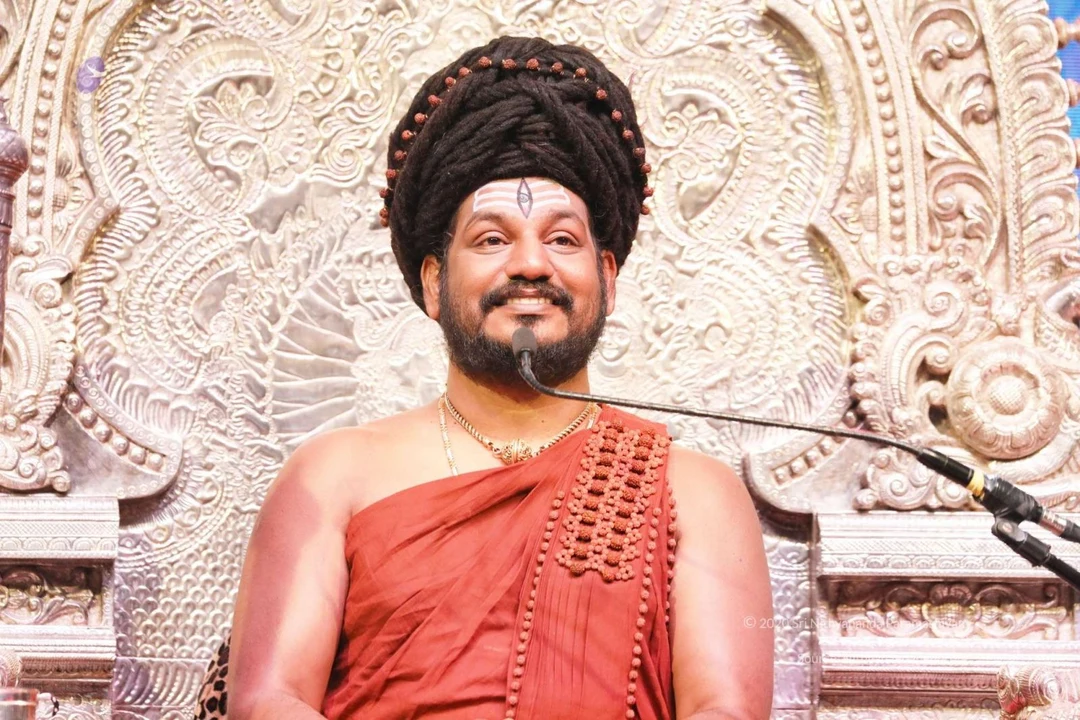 Breathe in and breathe out the individuality of Paramashiva
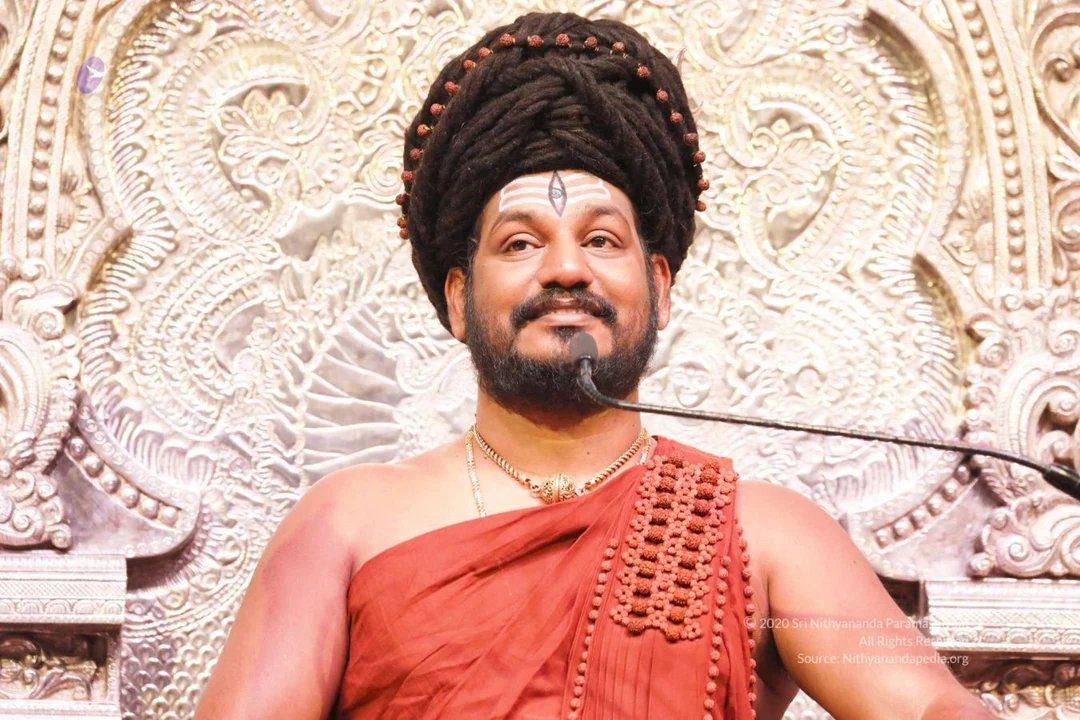 Breathe in and breathe out the individuality of Paramashiva
 Breathe in and breathe out the individuality of Paramashiva
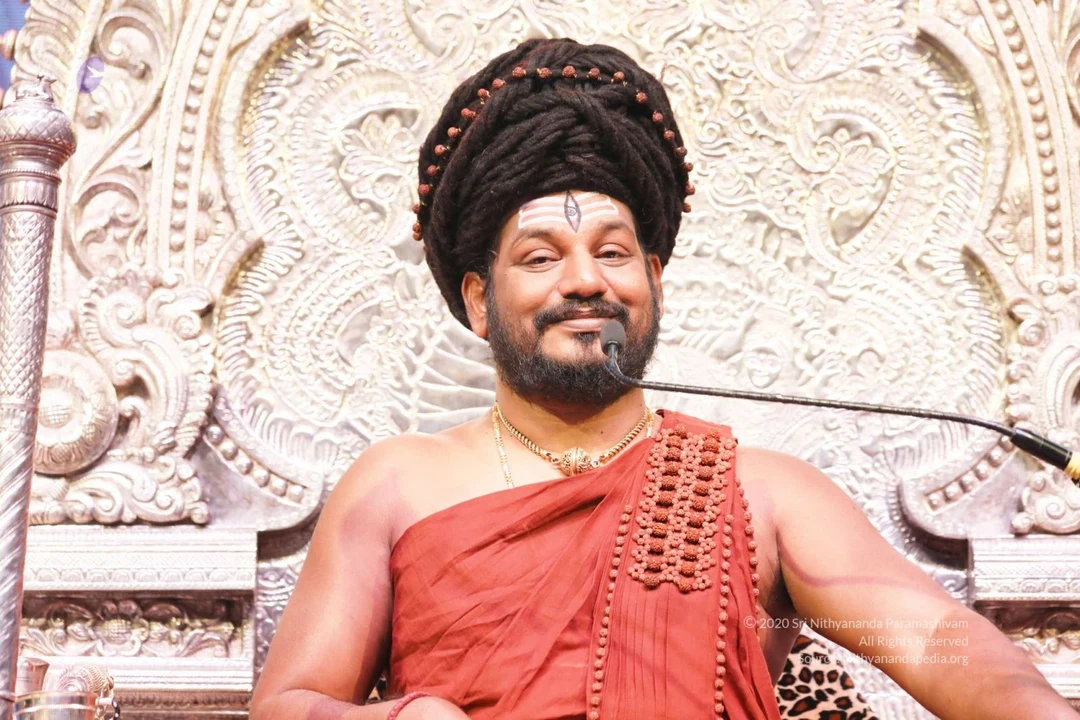 Breathe in and breathe out the individuality of Paramashiva
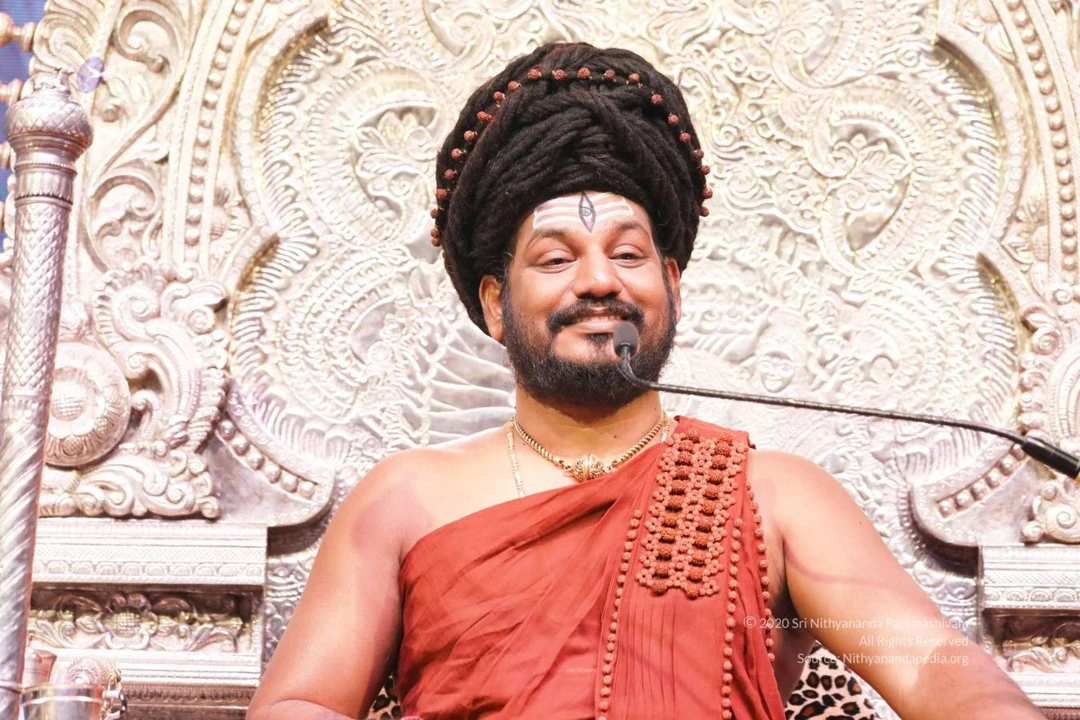 Breathe in and breathe out the individuality of Paramashiva
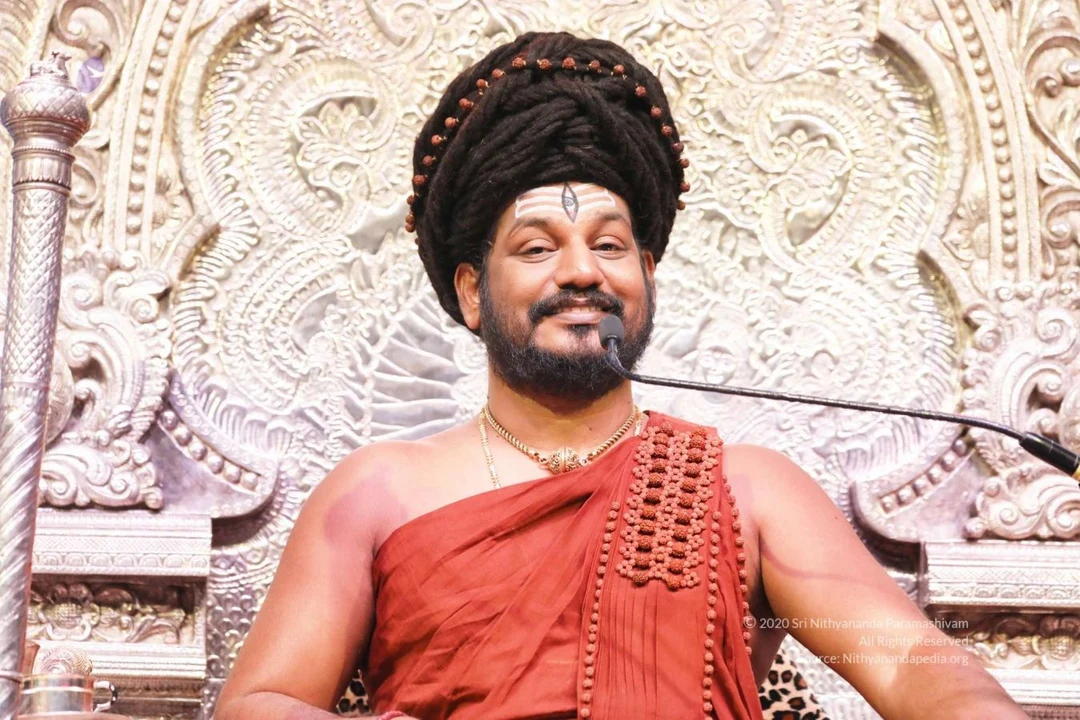 Breathe in and breathe out the individuality of Paramashiva
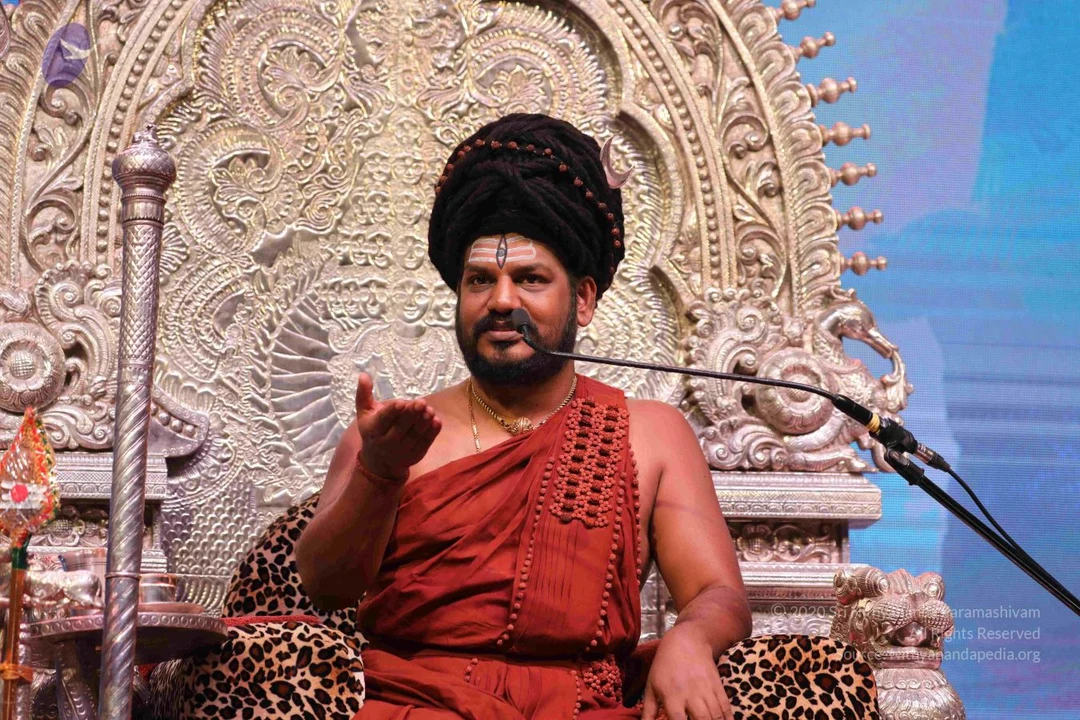
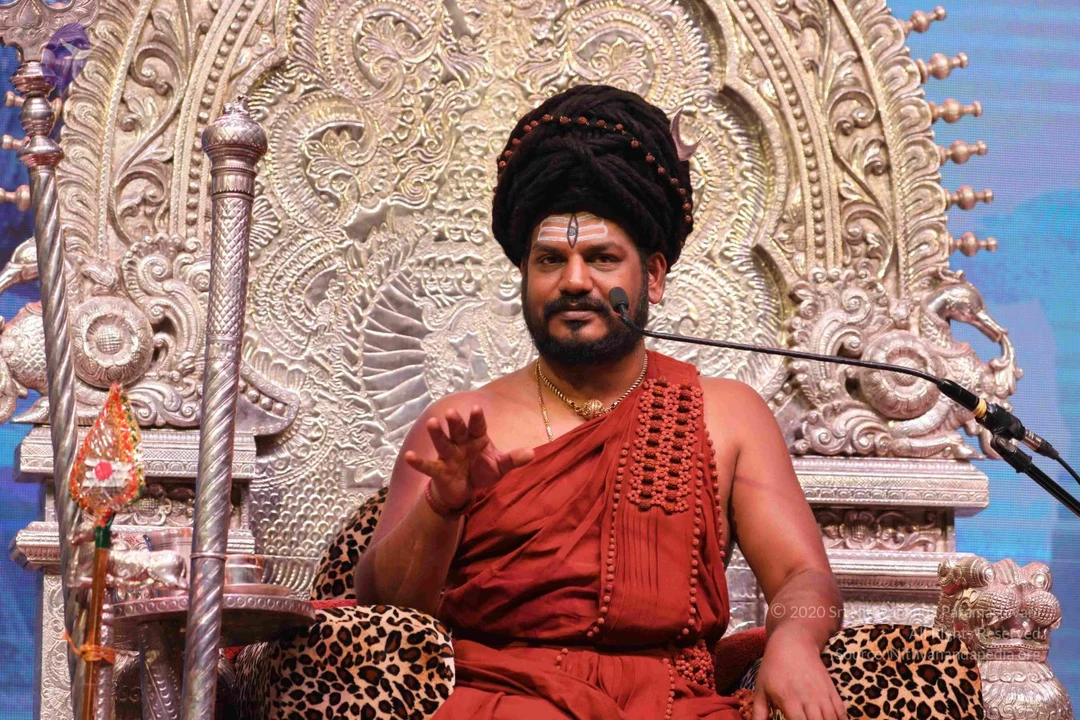
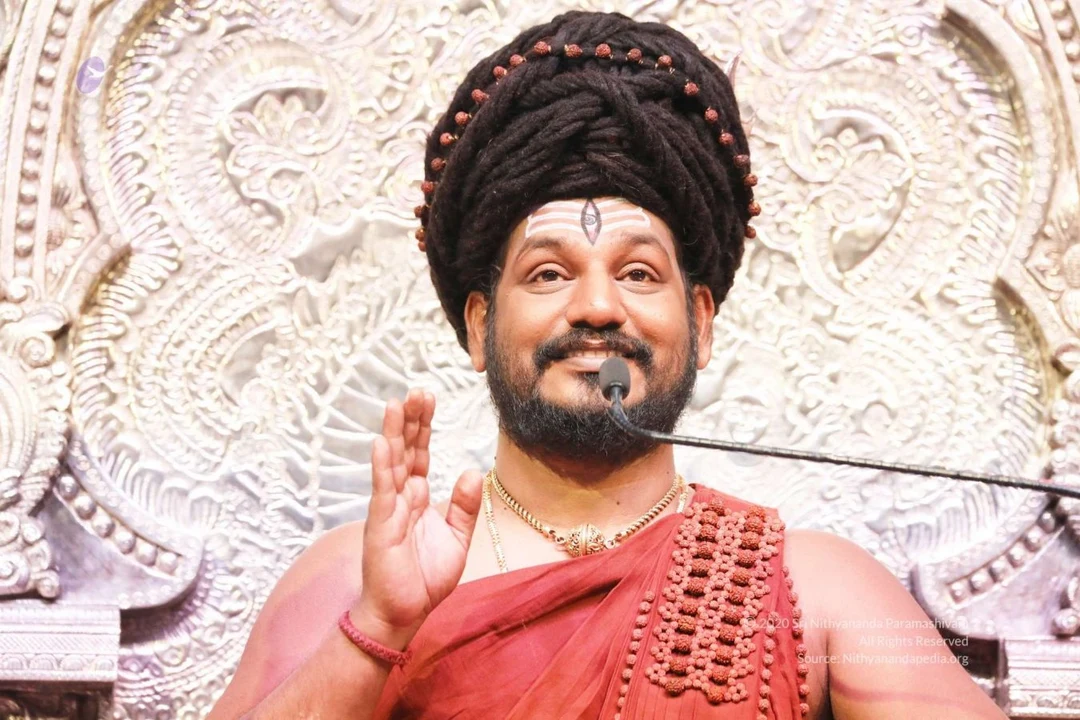 HDH Nithyananda Paramashivam blessing and giving boons in abhaya and varada mudras
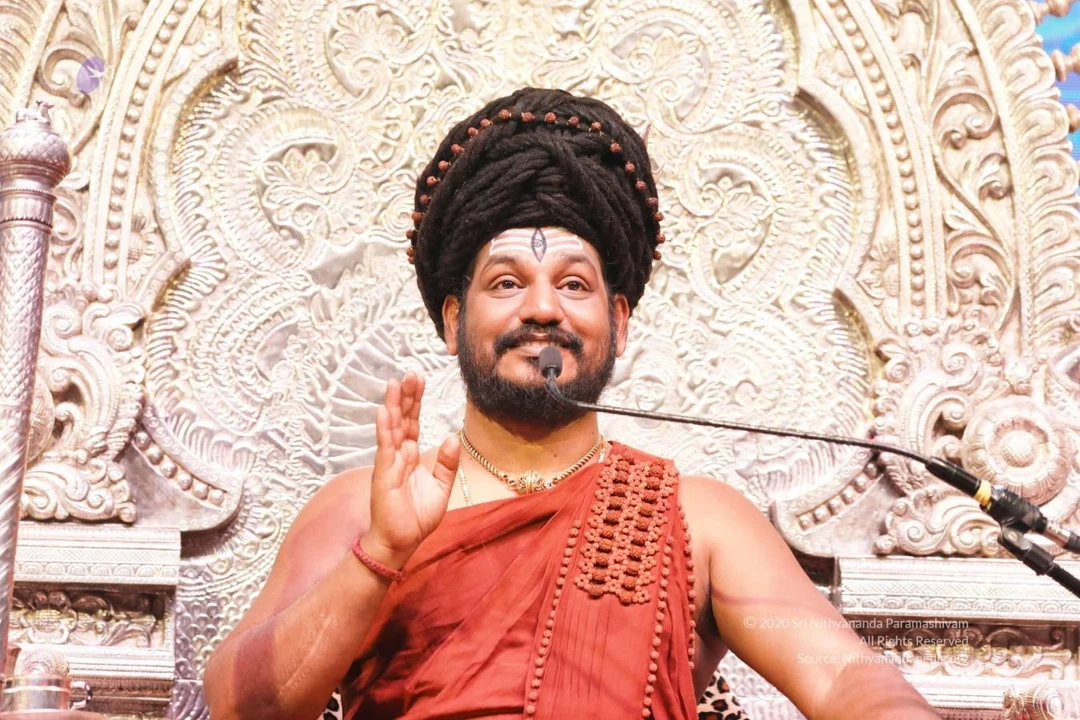 HDH Nithyananda Paramashivam blessing and giving boons in abhaya and varada mudras
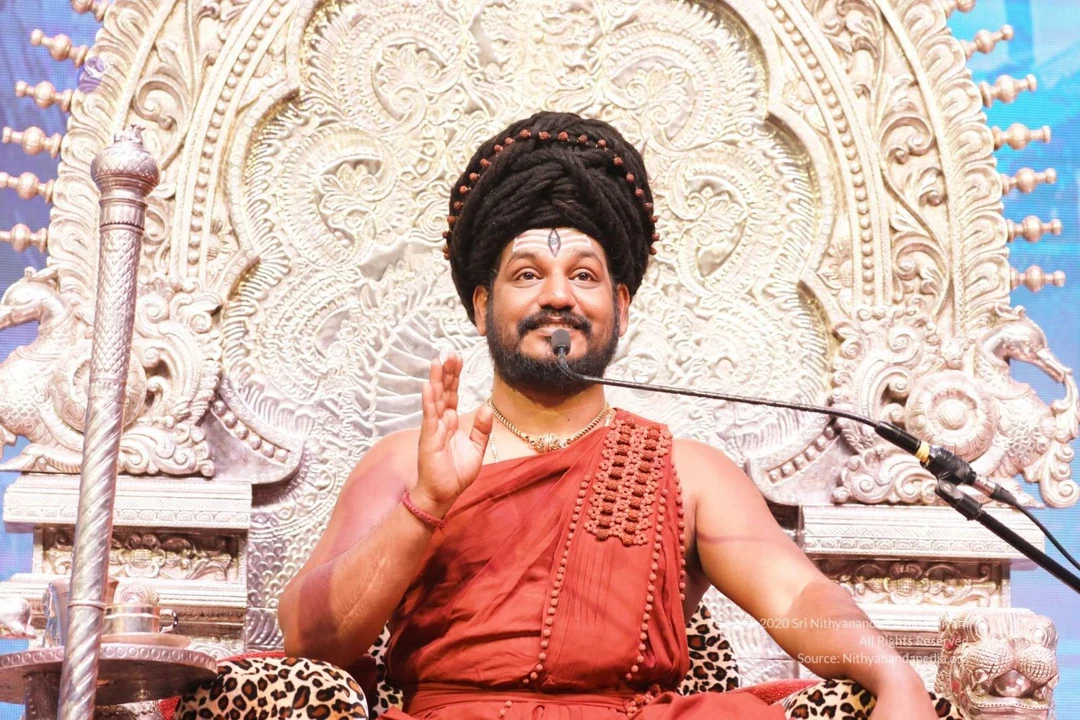 HDH Nithyananda Paramashivam blessing and giving boons in abhaya and varada mudras
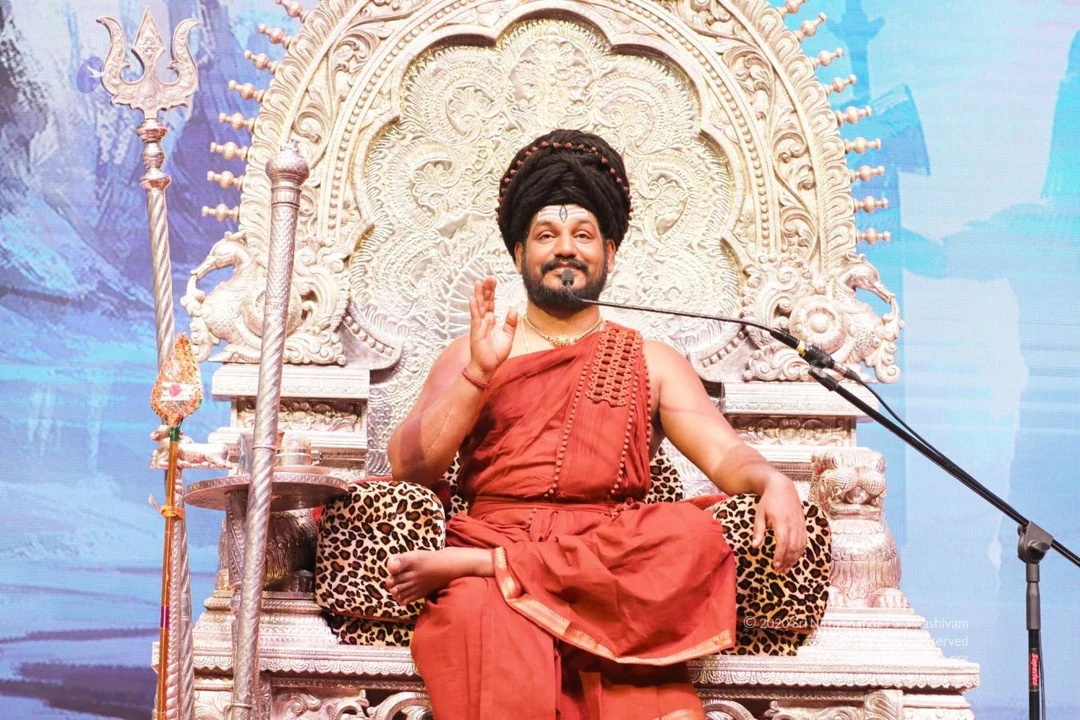 HDH Nithyananda Paramashivam blessing and giving boons in abhaya and varada mudras
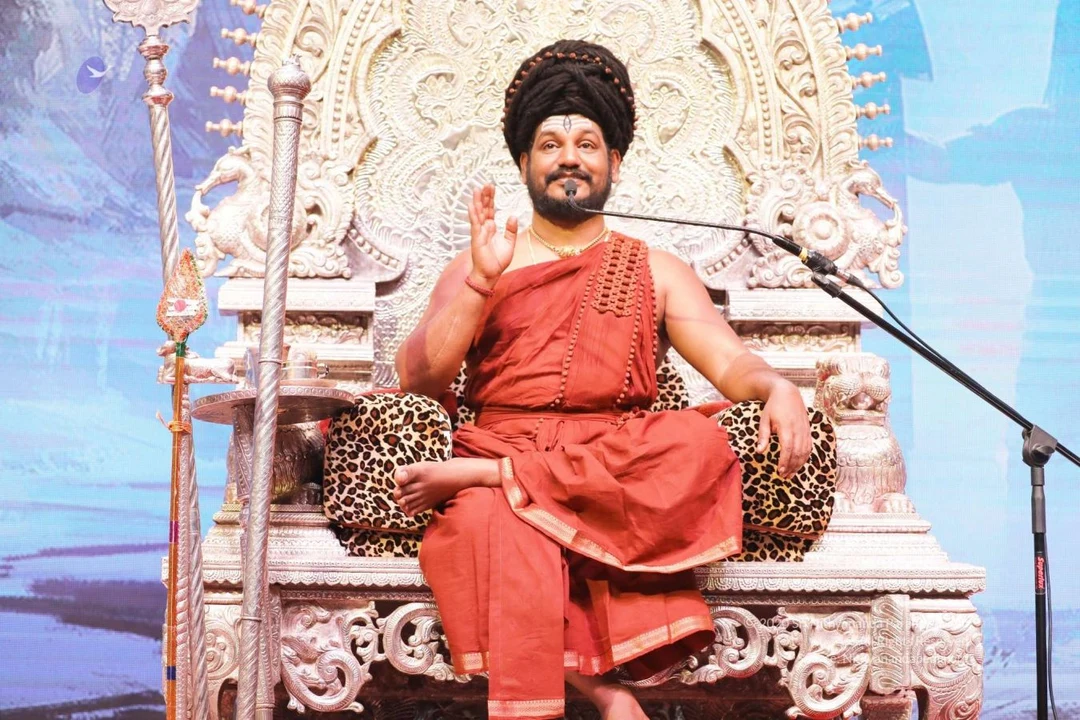 HDH Nithyananda Paramashivam blessing and giving boons in abhaya and varada mudras
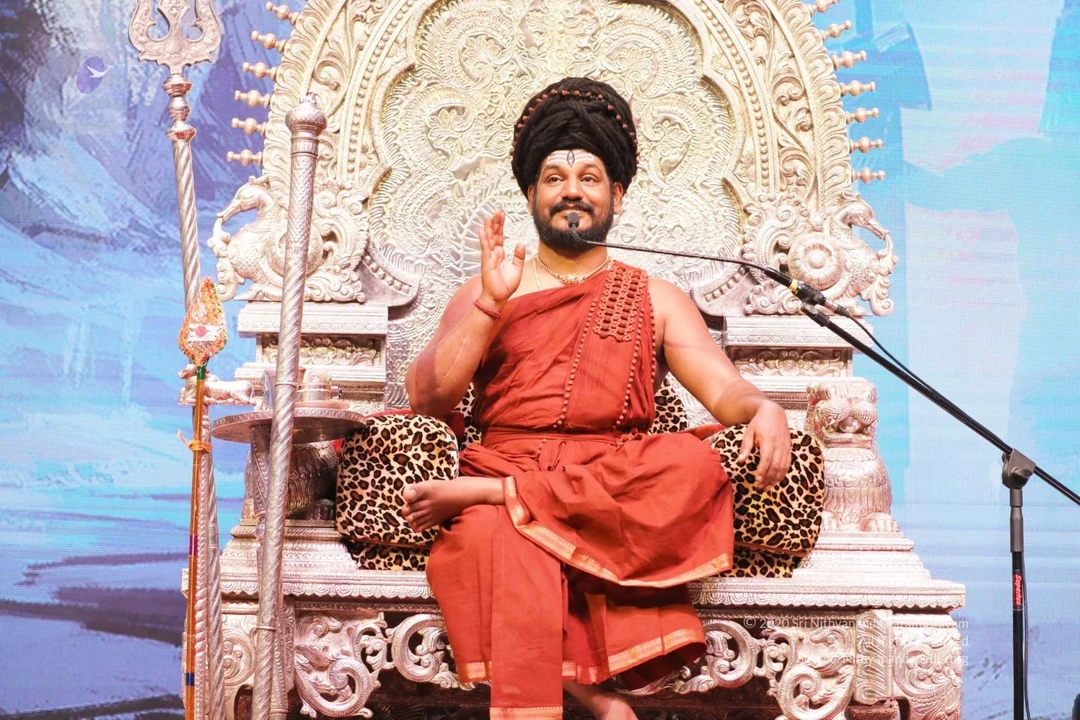 HDH Nithyananda Paramashivam blessing and giving boons in abhaya and varada mudras
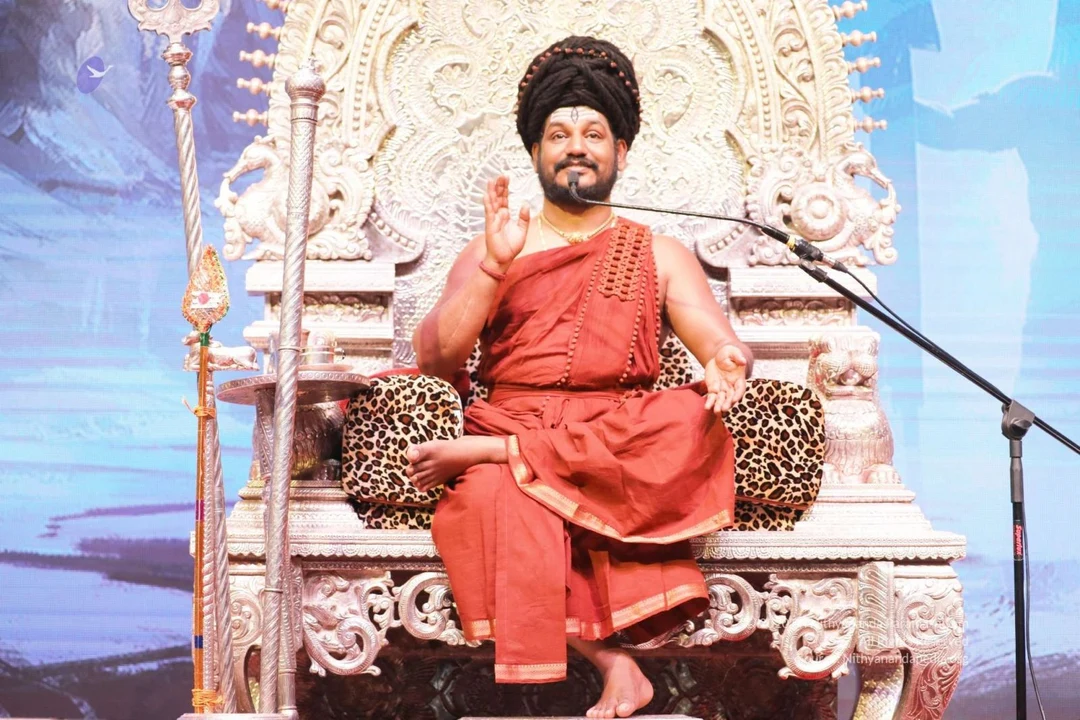 HDH Nithyananda Paramashivam blessing and giving boons in abhaya and varada mudras
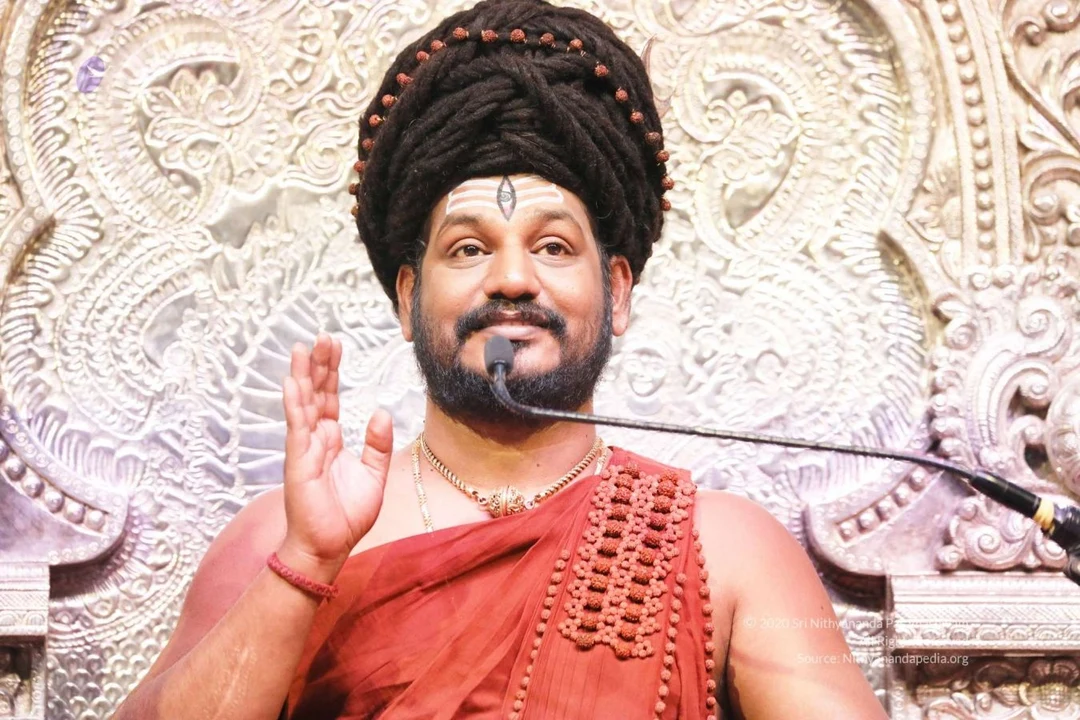 HDH Nithyananda Paramashivam blessing and giving boons in abhaya and varada mudras
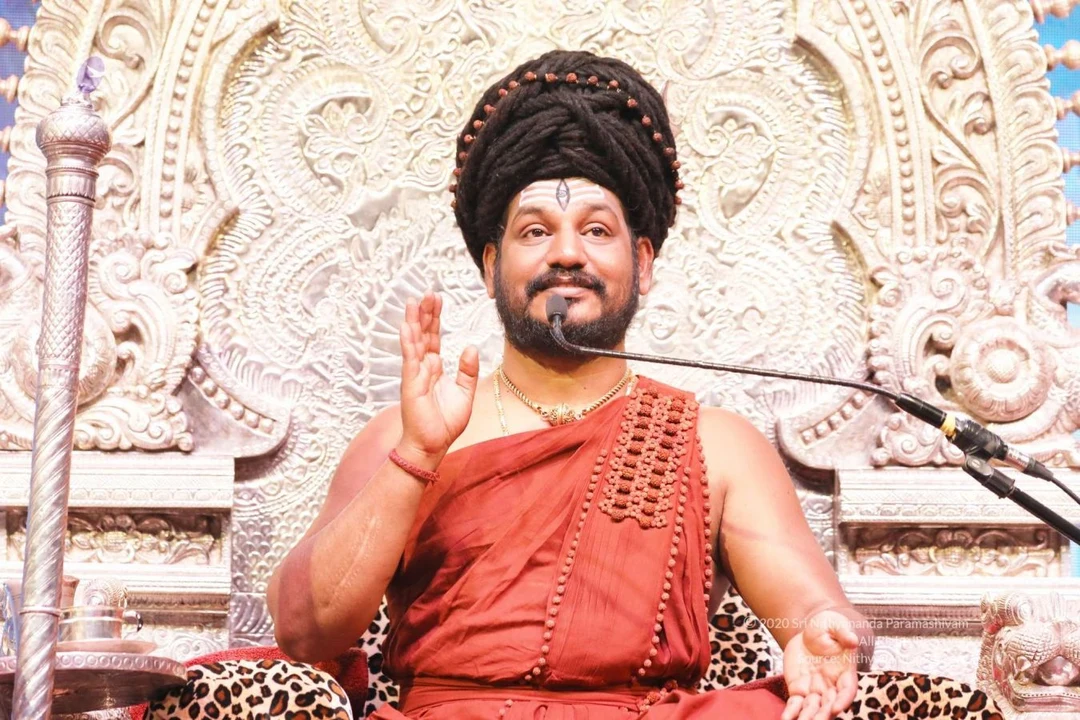 HDH Nithyananda Paramashivam blessing and giving boons in abhaya and varada mudras
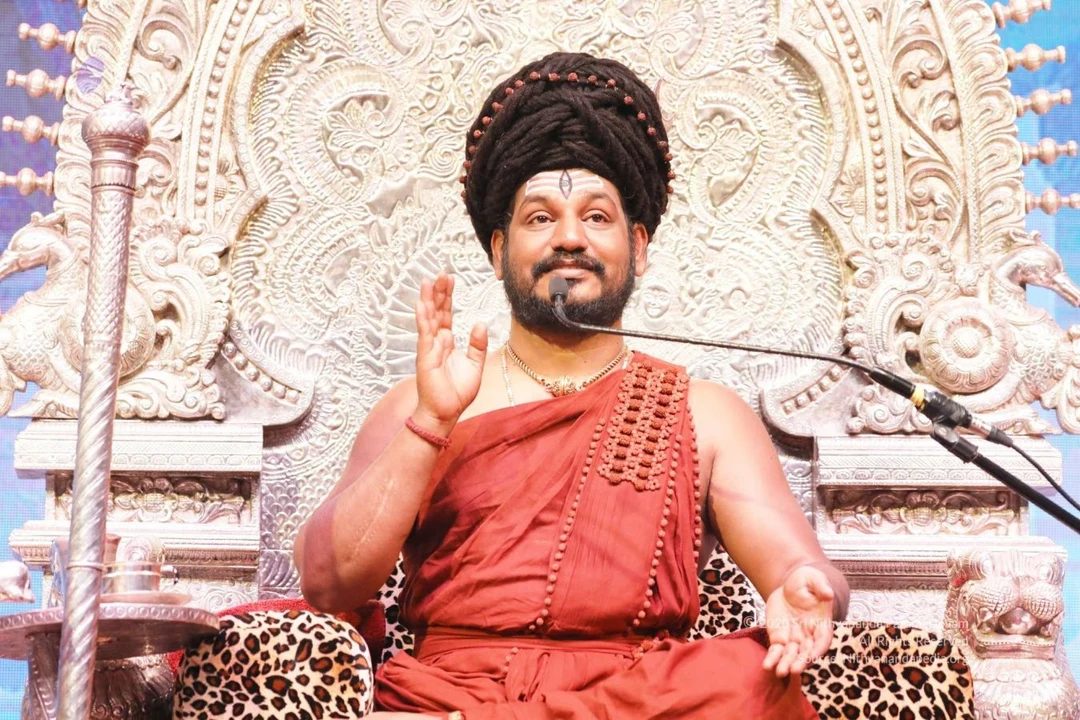 HDH Nithyananda Paramashivam blessing and giving boons in abhaya and varada mudras
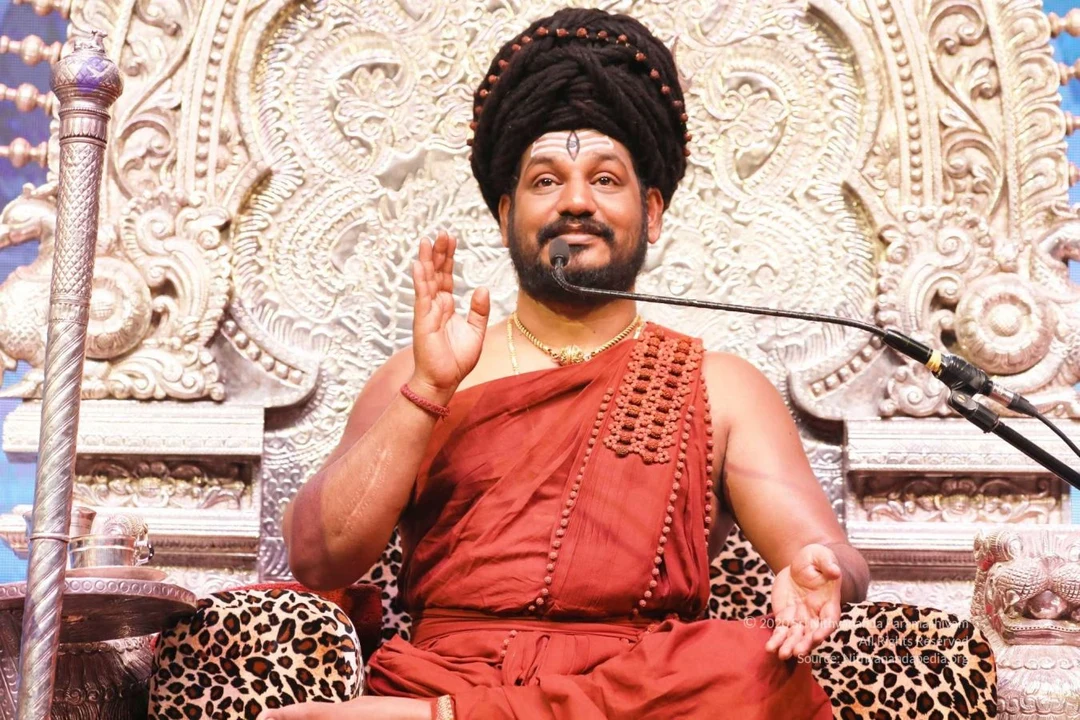 HDH Nithyananda Paramashivam blessing and giving boons in abhaya and varada mudras
 HDH Nithyananda Paramashivam blessing and giving boons in abhaya and varada mudras
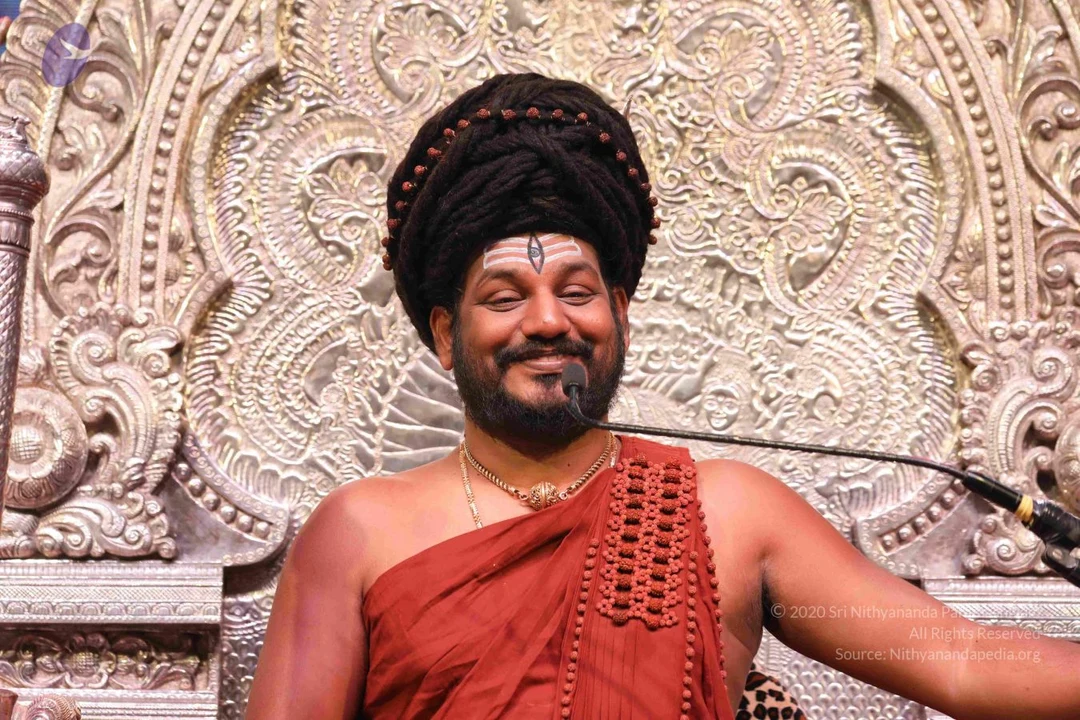
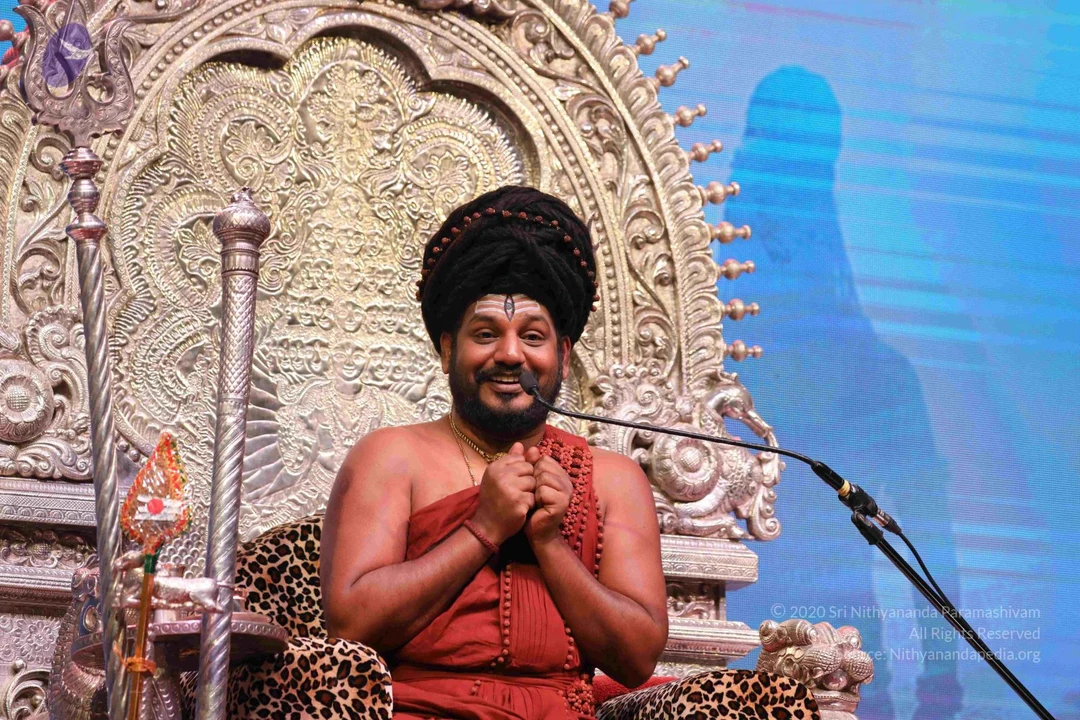
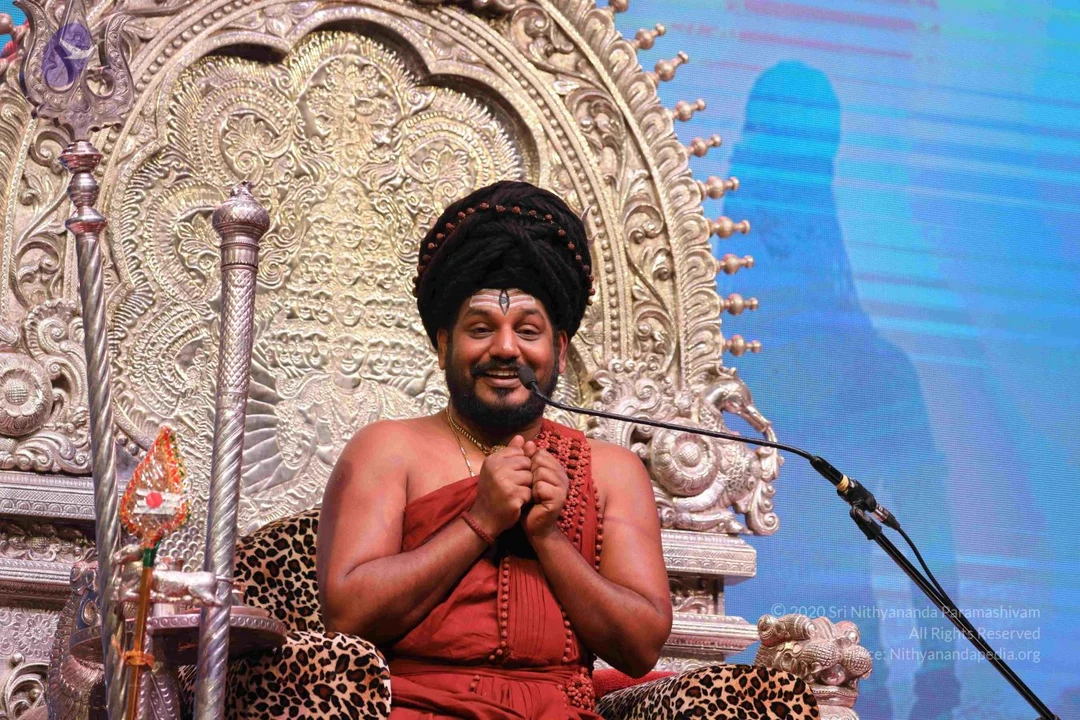
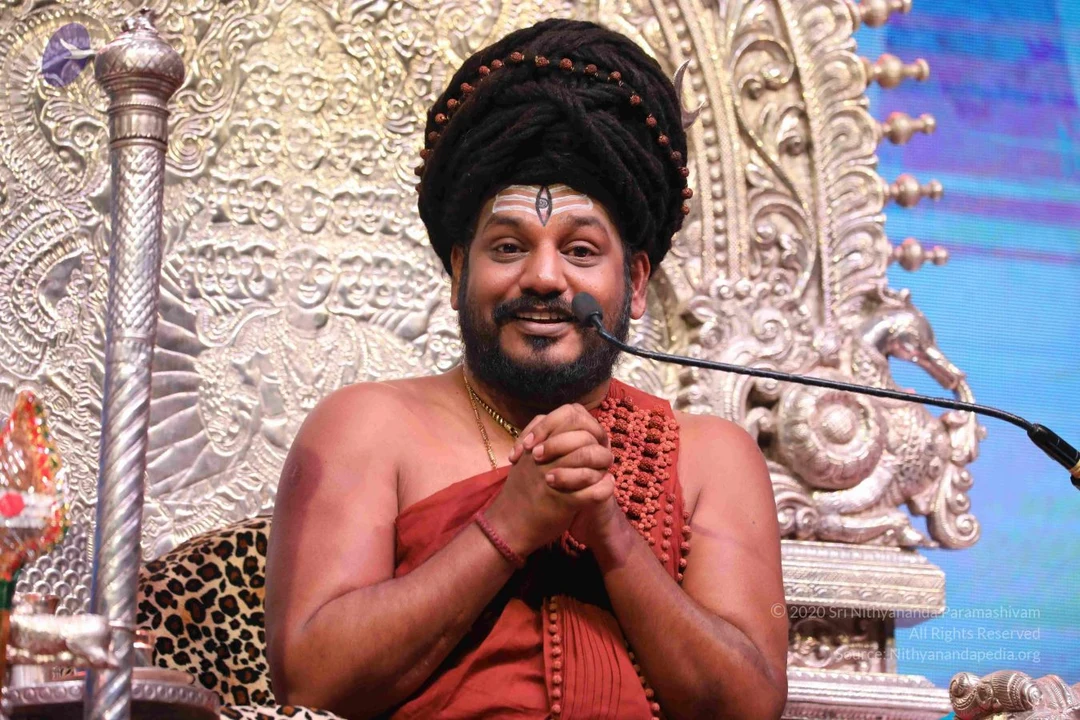
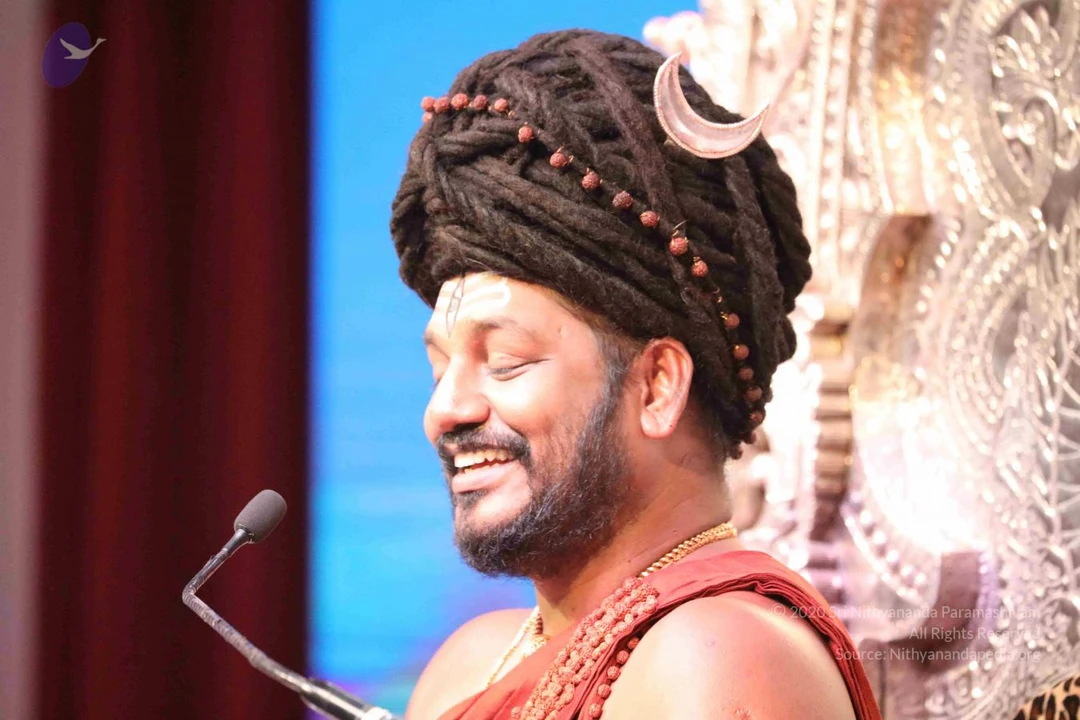
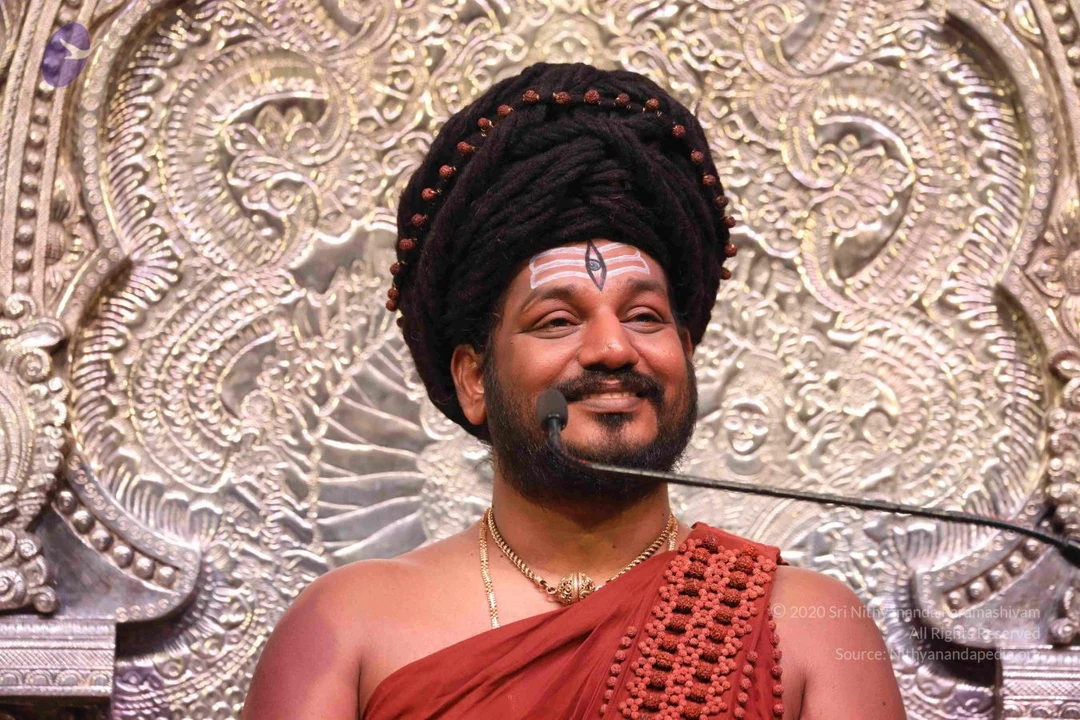
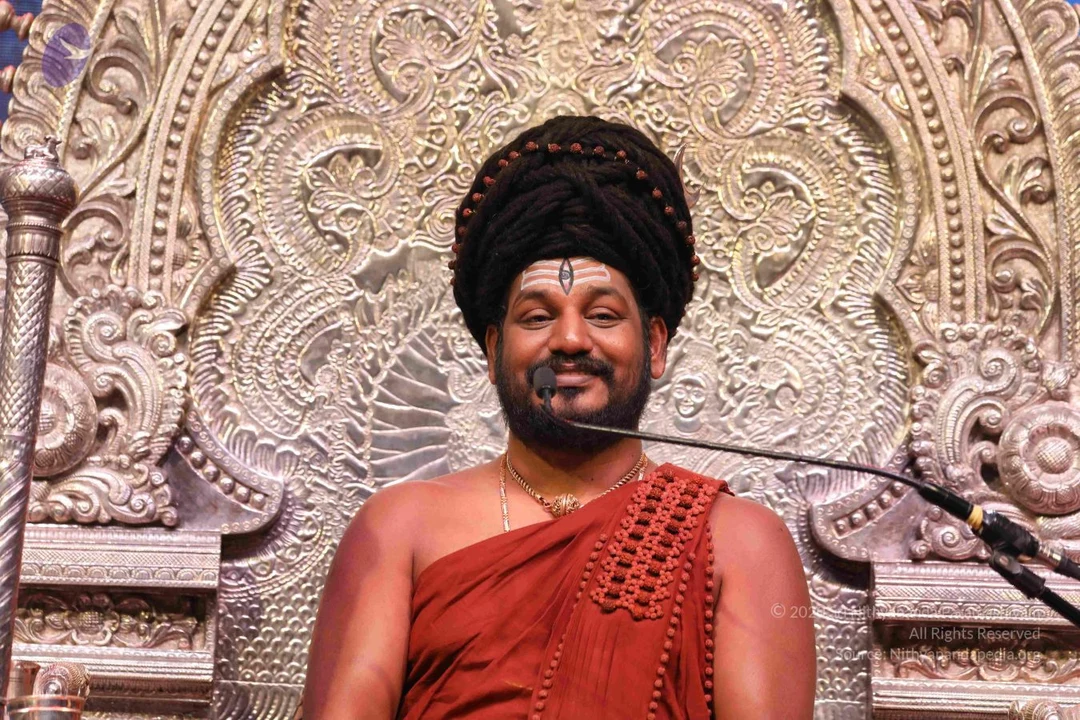
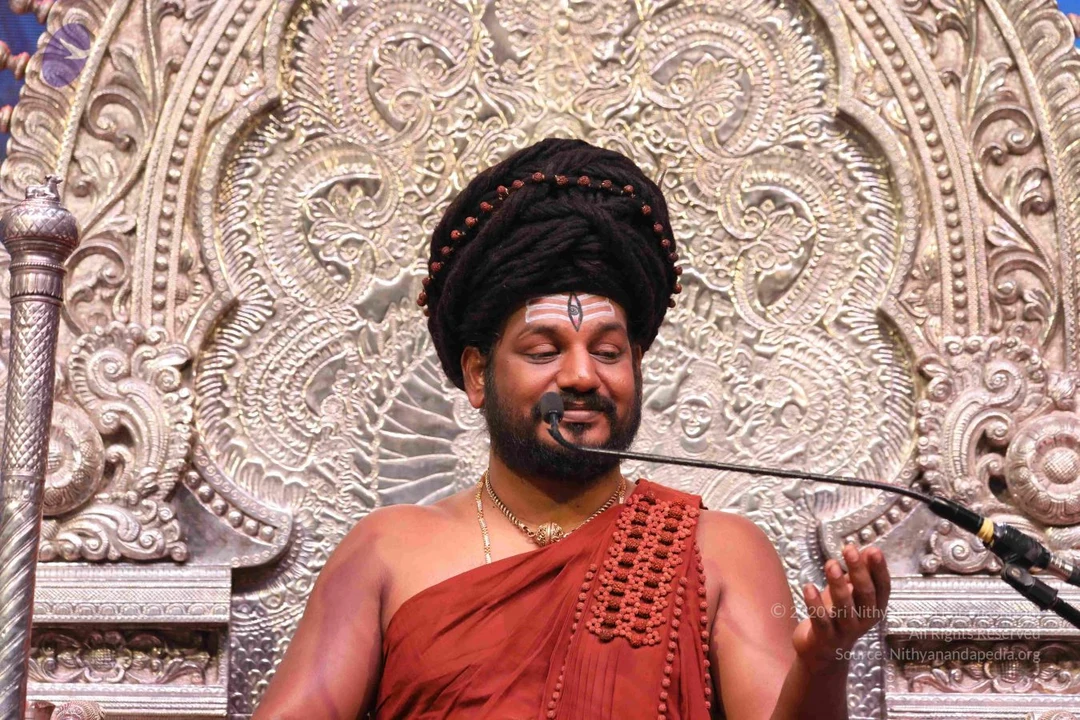
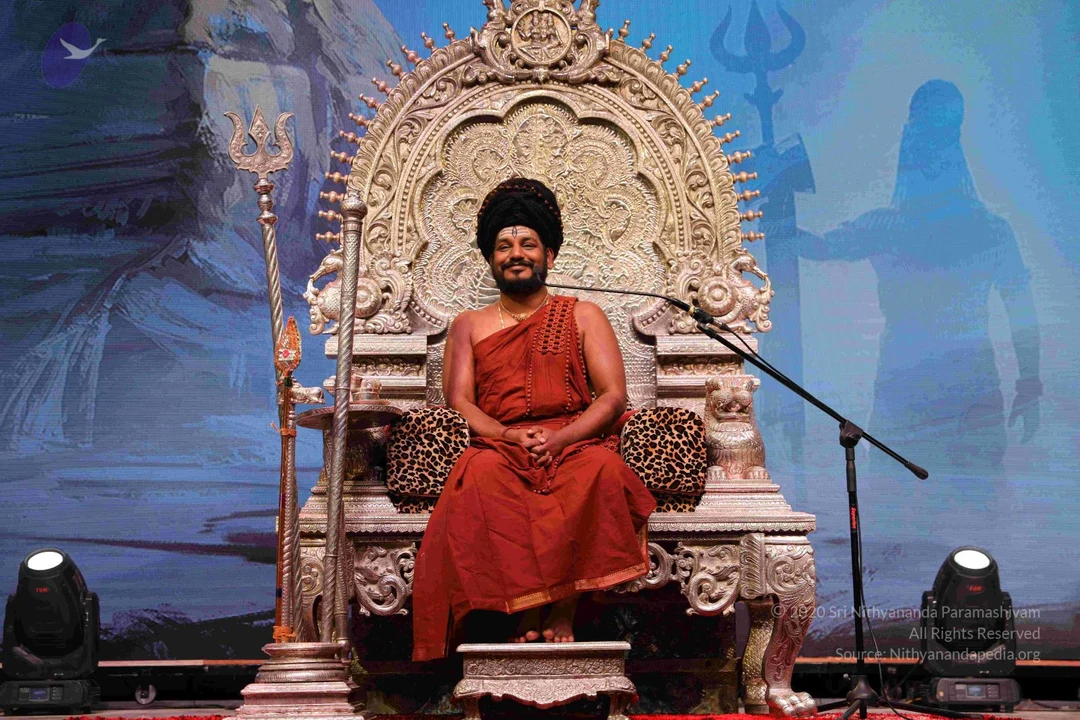
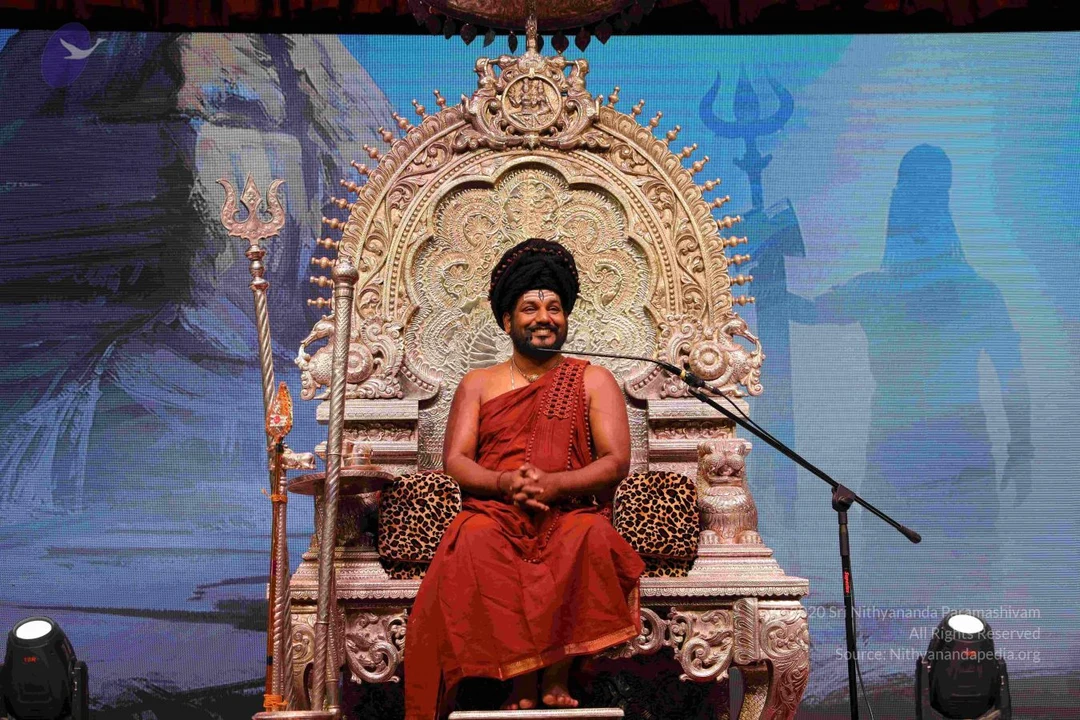
 Joyous expressions of the living avatar
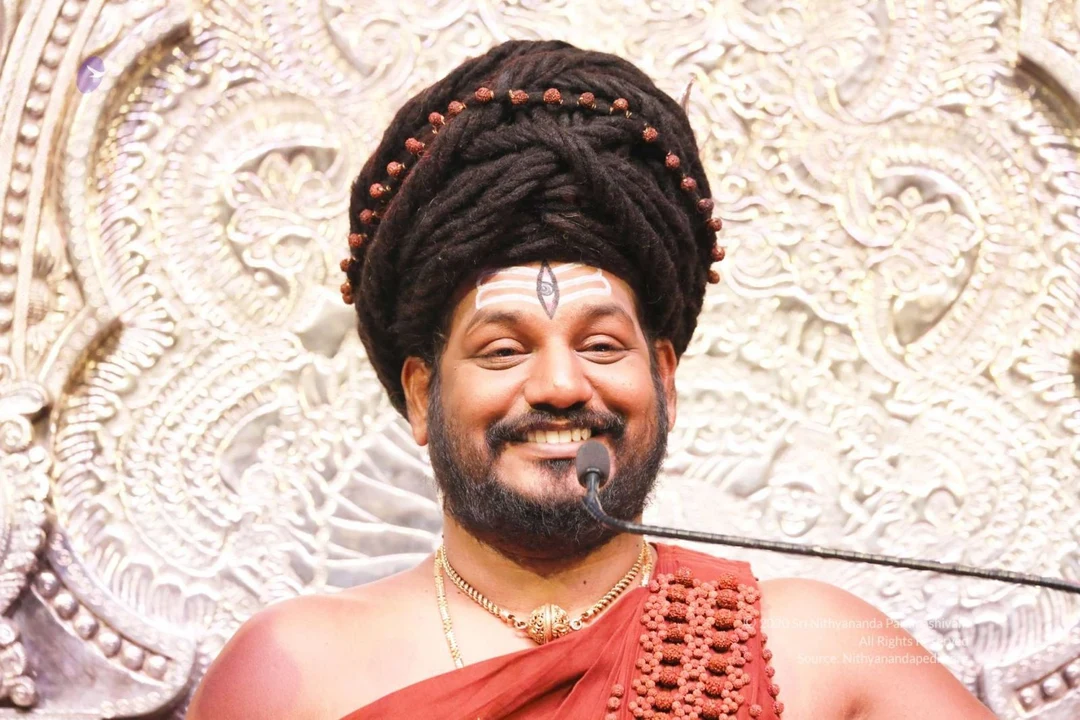 Joyous expressions of the living avatar
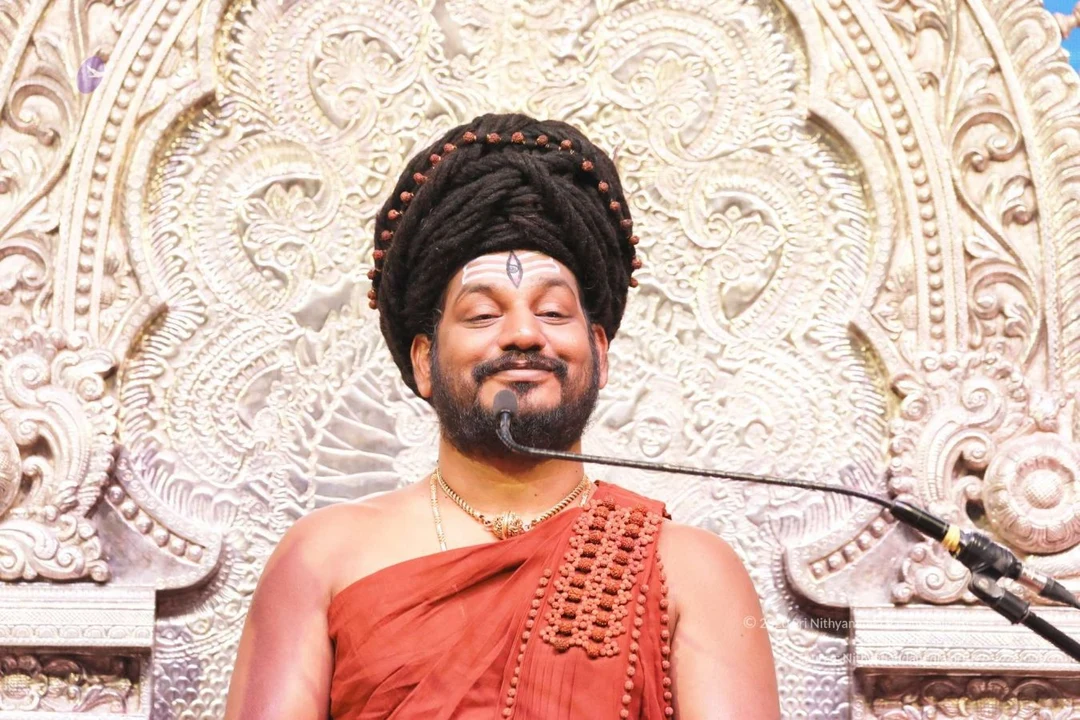 Joyous expressions of the living avatar
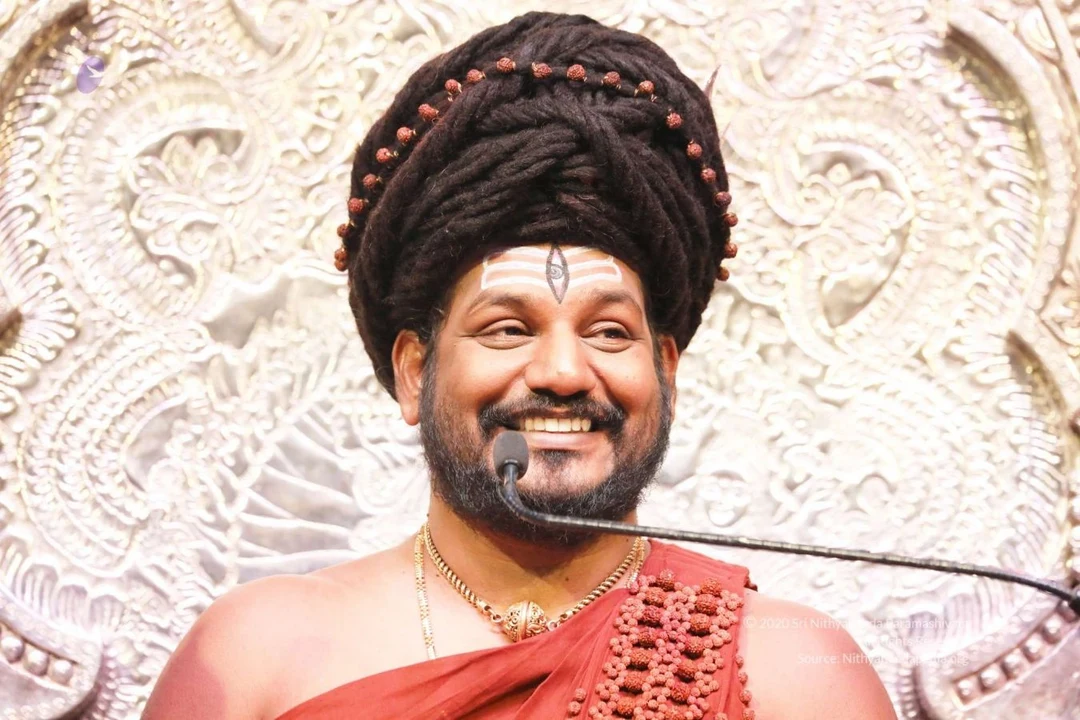 Joyous expressions of the living avatar
 Joyous expressions of the living avatar
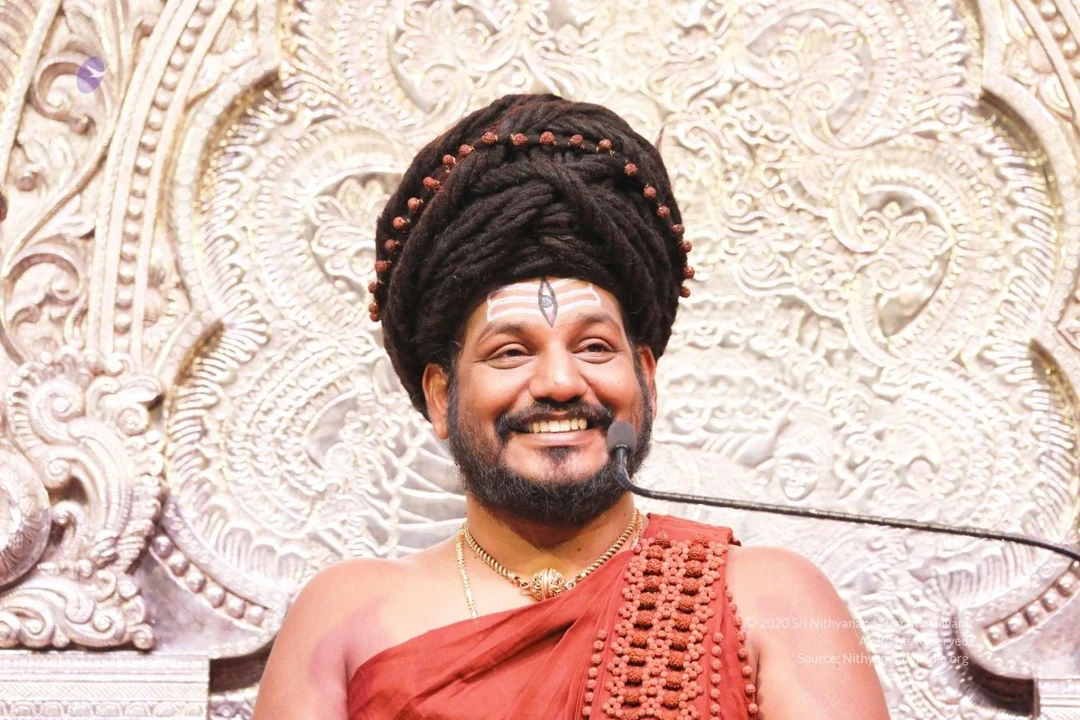 Joyous expressions of the living avatar
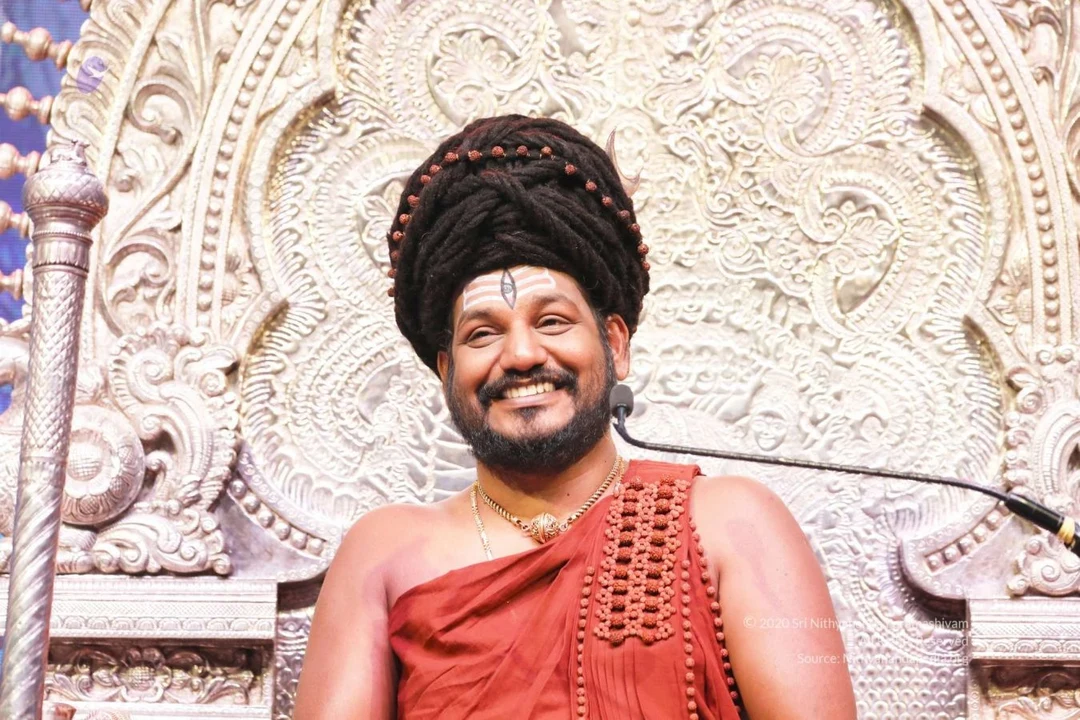 Joyous expressions of the living avatar
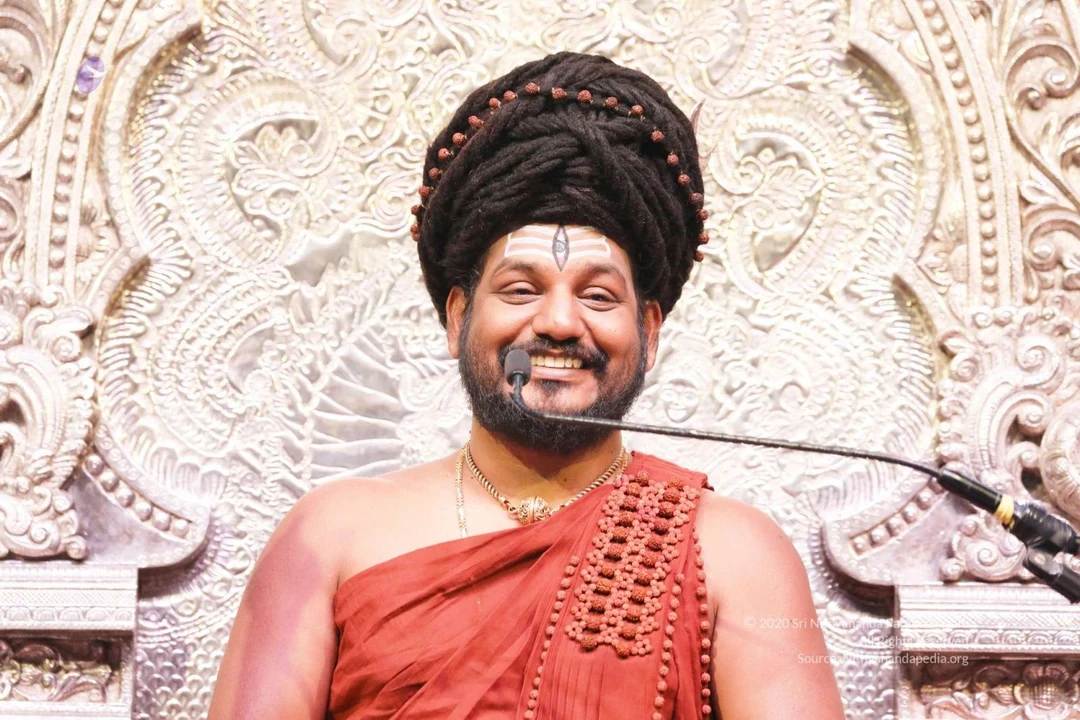 Joyous expressions of the living avatar
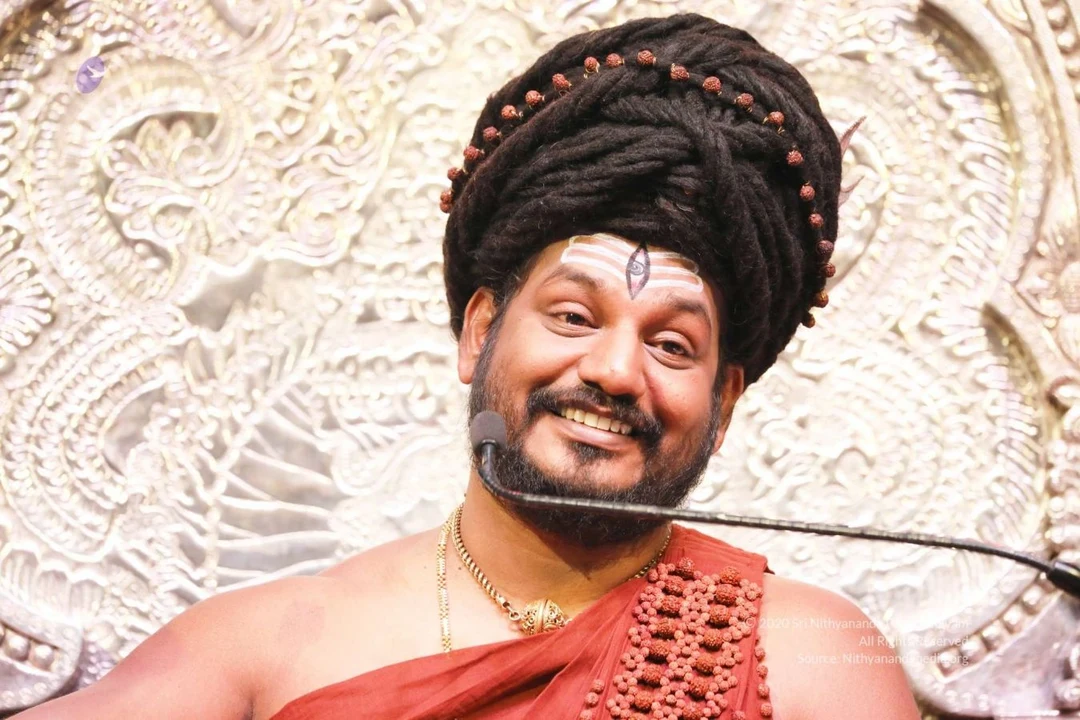 Joyous expressions of the living avatar
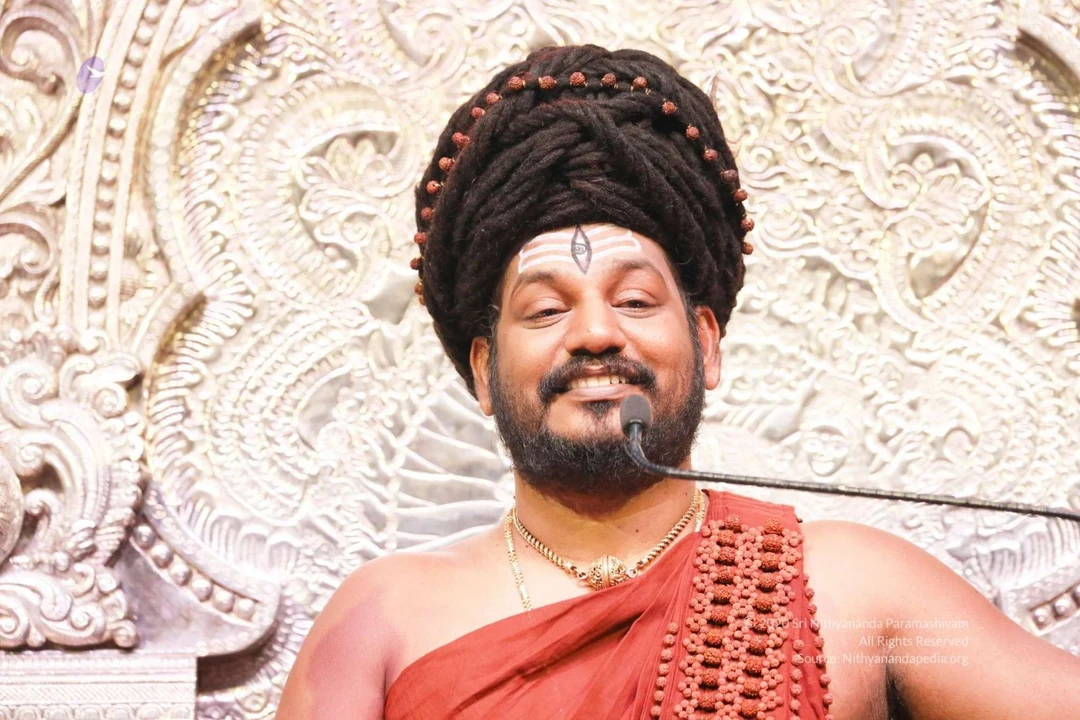 Avatar presence is living healing energy field
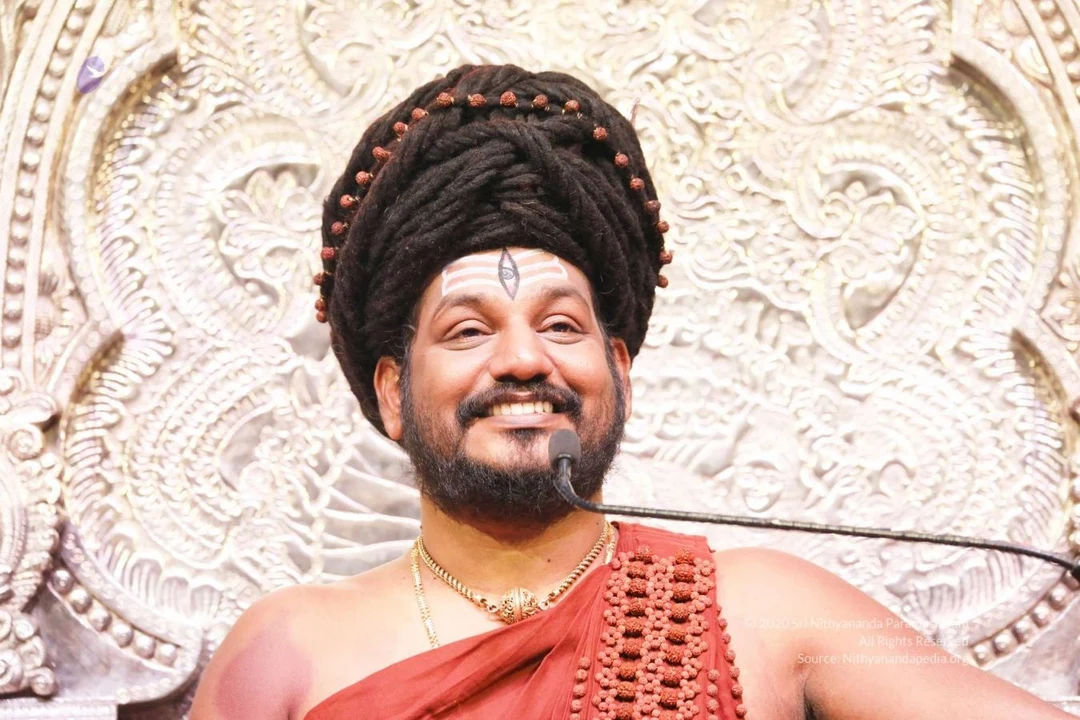 Joyous expressions of the living avatar
 Avatar presence is living healing energy field
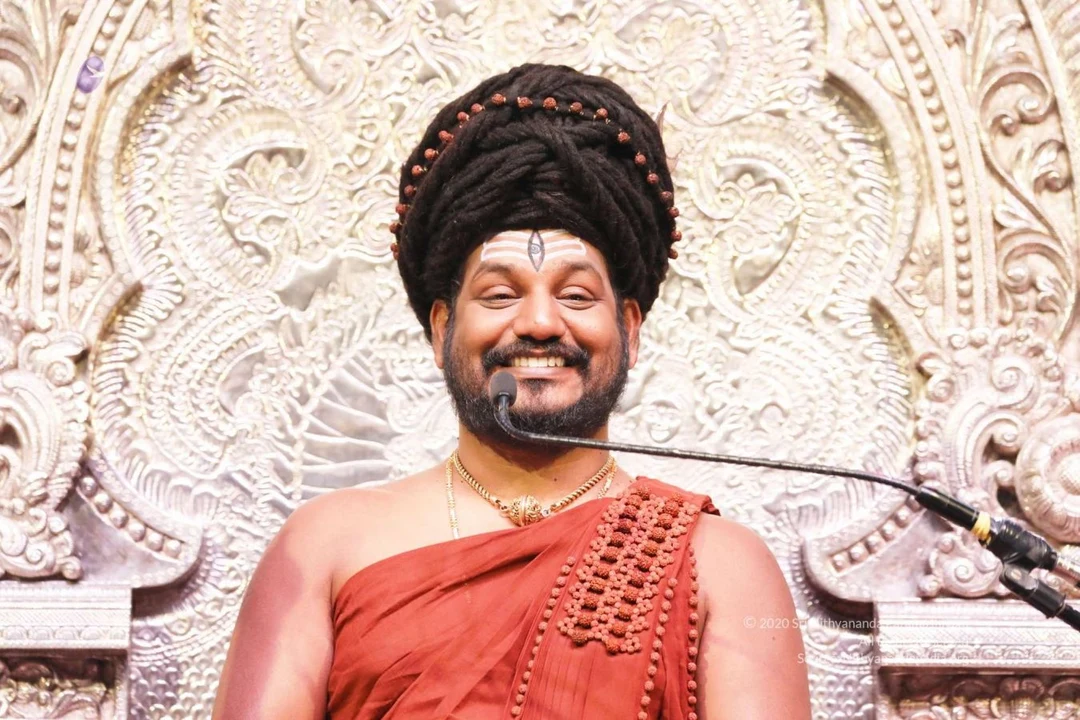 Joyous expressions of the living avatar
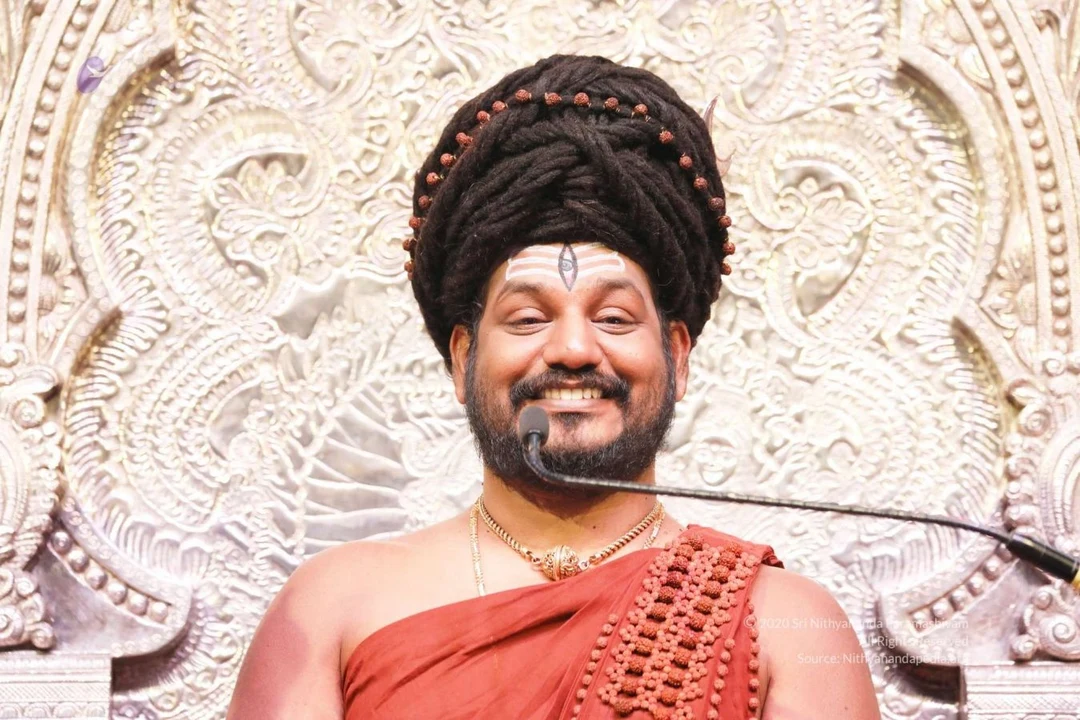 Joyous expressions of the living avatar
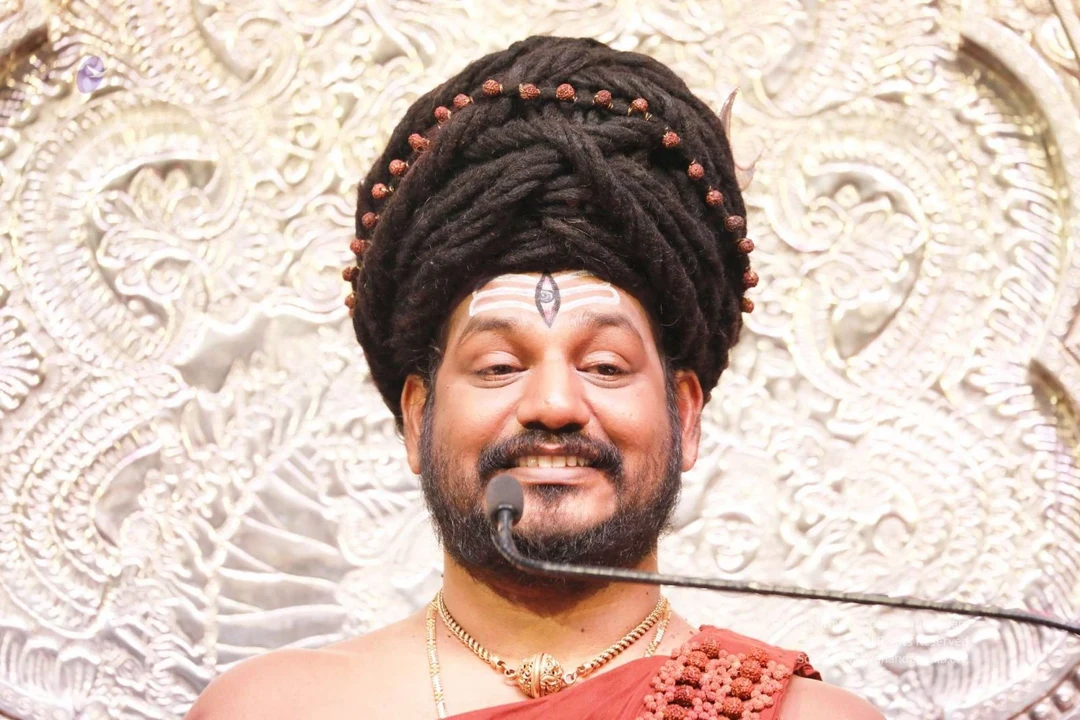 Avatar presence is living healing energy field
 Nija pada darshan
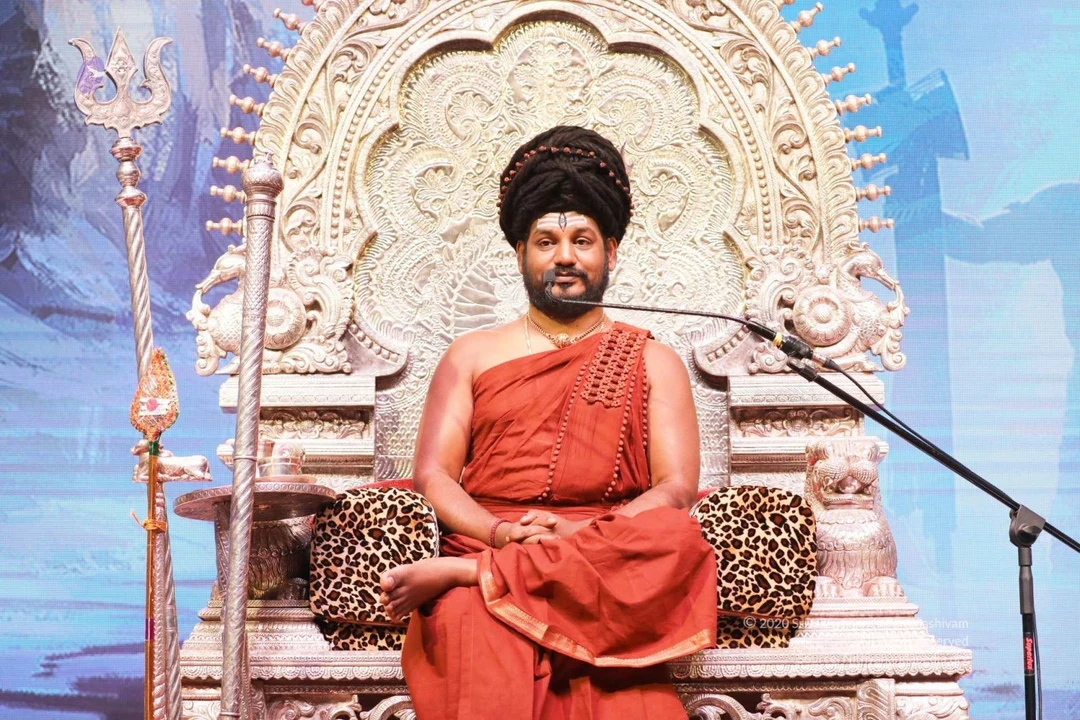 Remember Paramashiva's will is only vibrating as your will
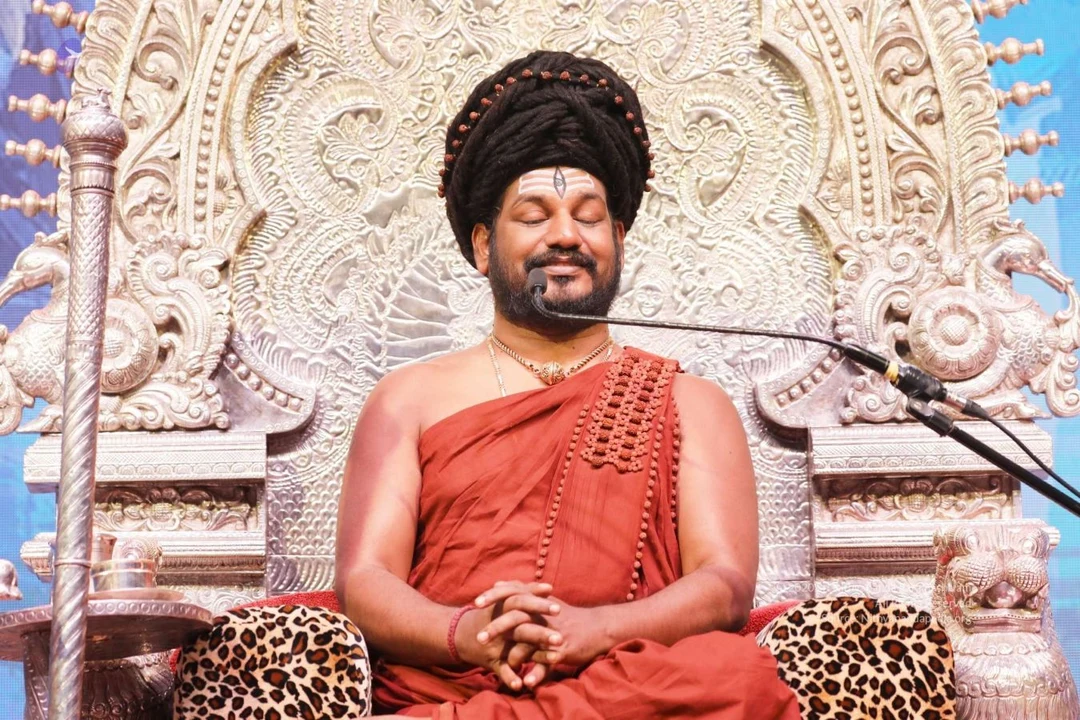 Remember Paramashiva's will is only vibrating as your will
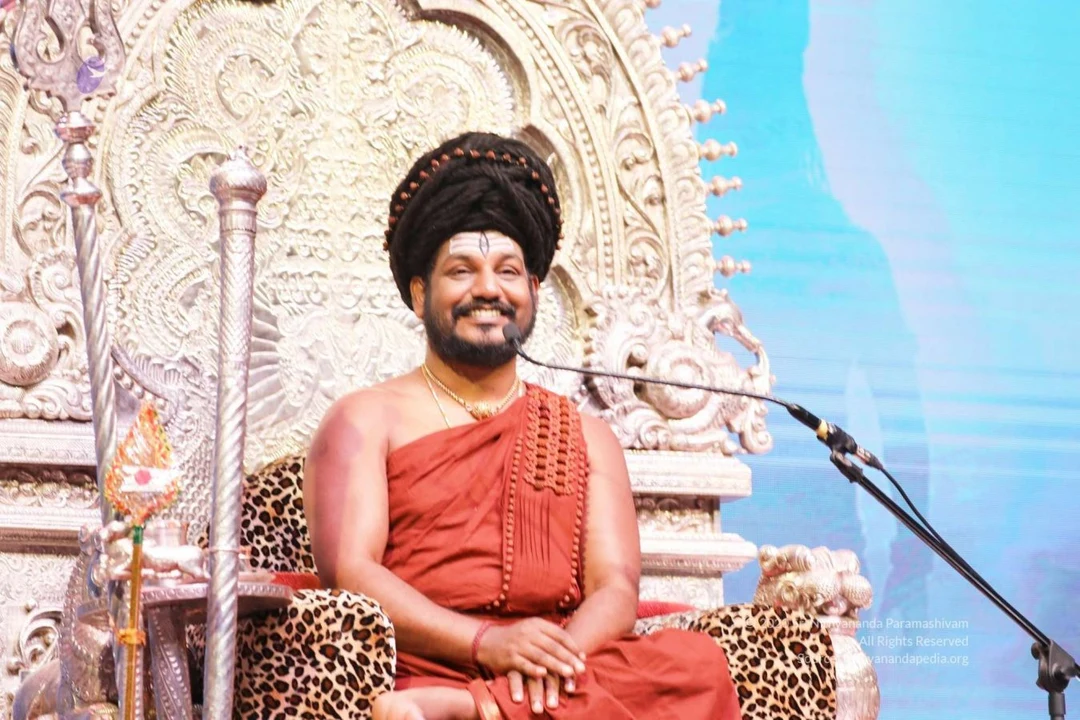 Remember Paramashiva's will is only vibrating as your will
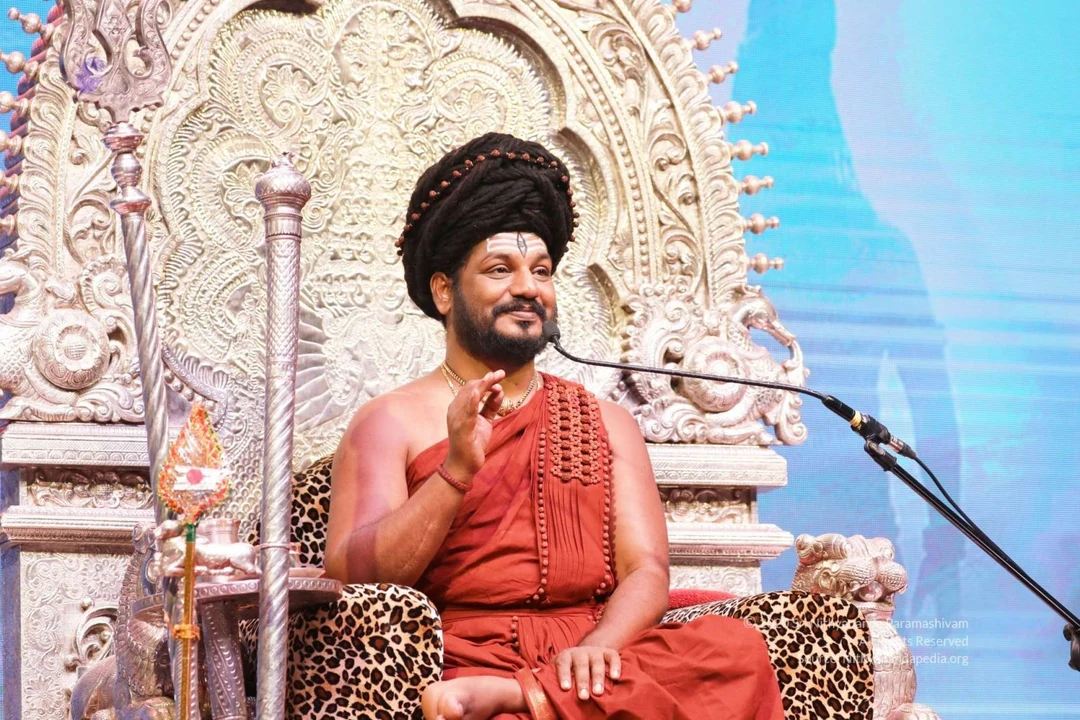 Remember Paramashiva's will is only vibrating as your will
 Remember Paramashiva's will is only vibrating as your will
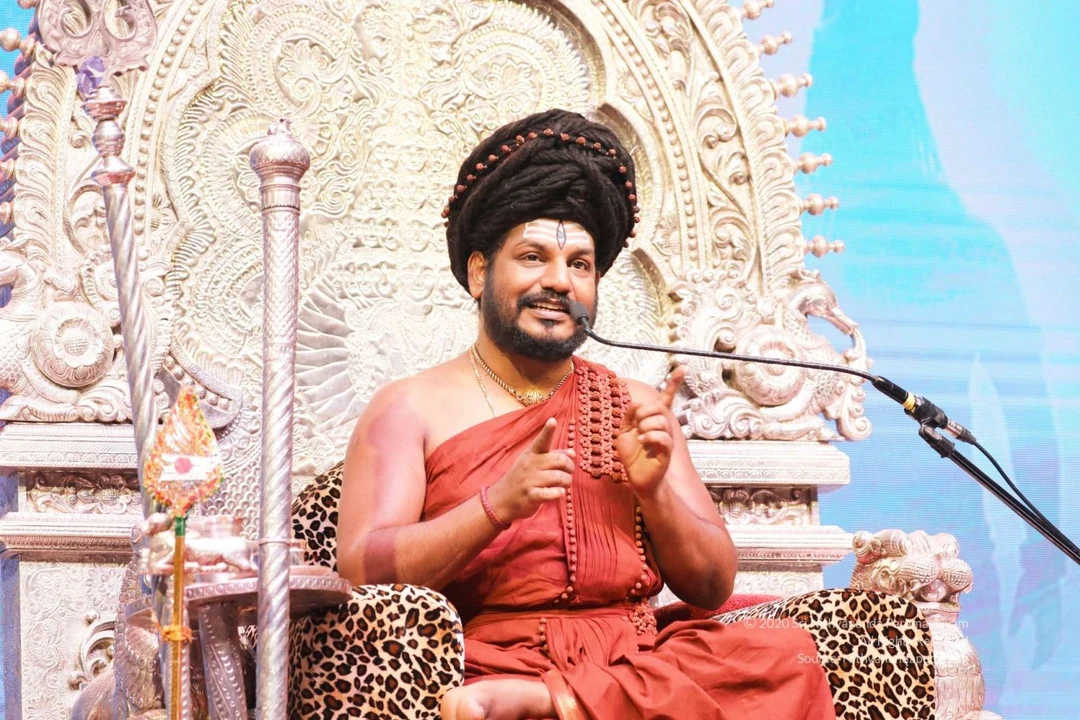 Remember Paramashiva's will is only vibrating as your will
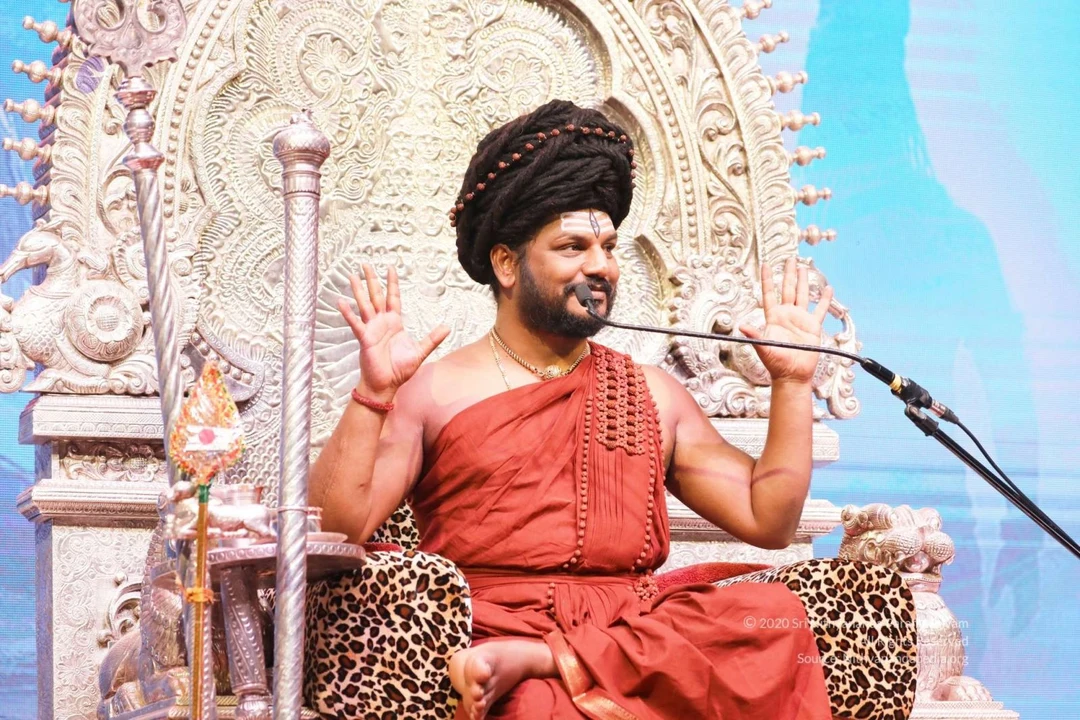 Remember Paramashiva's will is only vibrating as your will
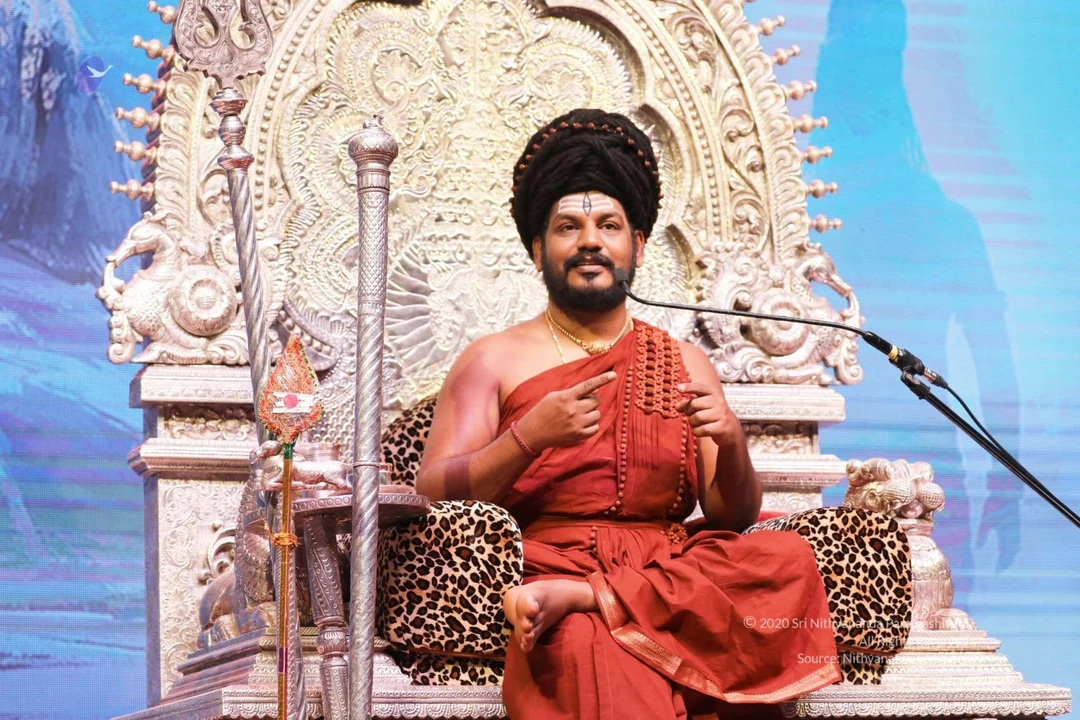 Remember Paramashiva's will is only vibrating as your will
 Remember Paramashiva's will is only vibrating as your will
 Remember Paramashiva's will is only vibrating as your will
 Remember Paramashiva's will is only vibrating as your will
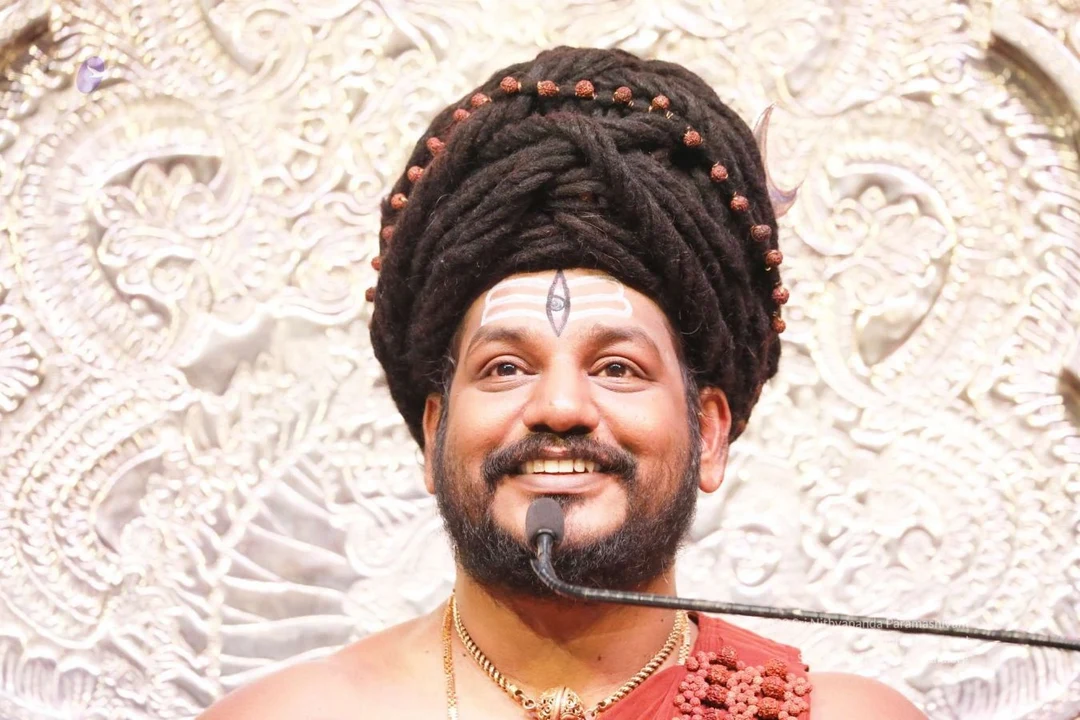 Remember Paramashiva's will is only vibrating as your will
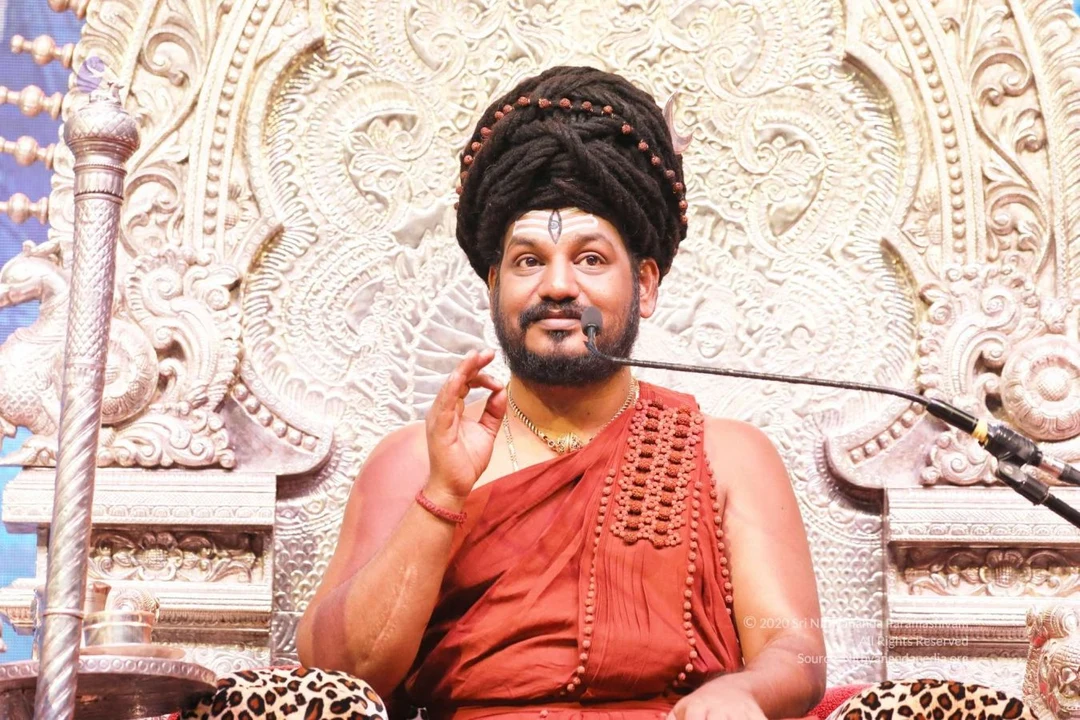 Remember Paramashiva's will is only vibrating as your will
 When you know, His will is your will, ferociously manifest it - HDH Nithyananda Paramashivam
 When you know, His will is your will, ferociously manifest it - HDH Nithyananda Paramashivam
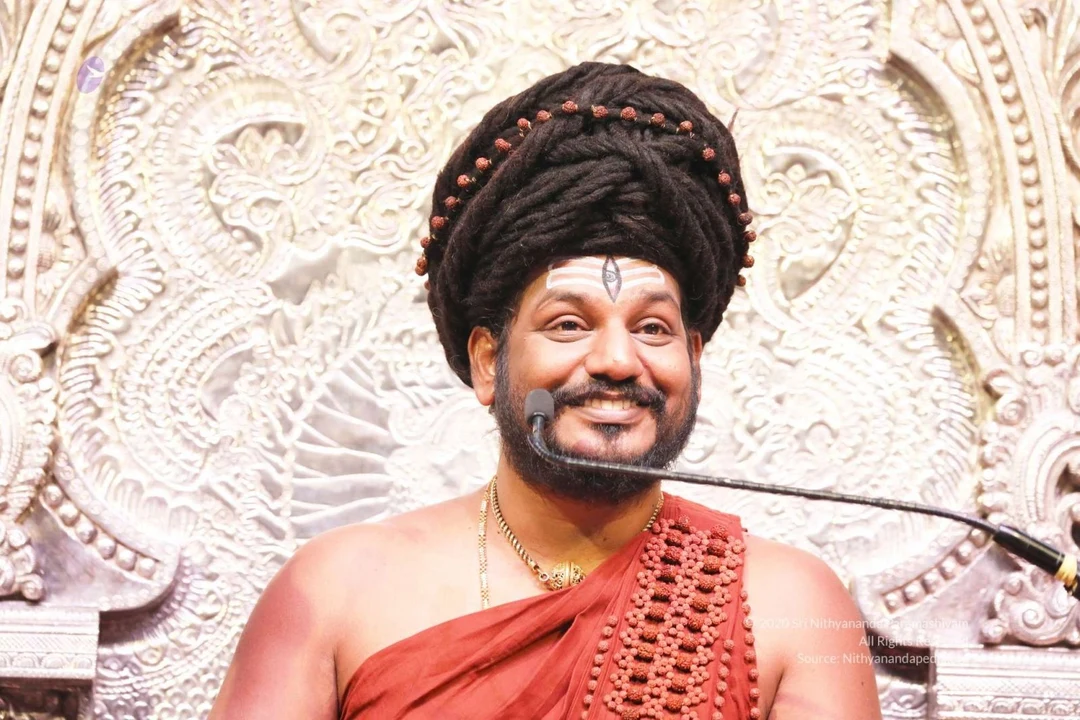 When you know, His will is your will, ferociously manifest it - HDH Nithyananda Paramashivam
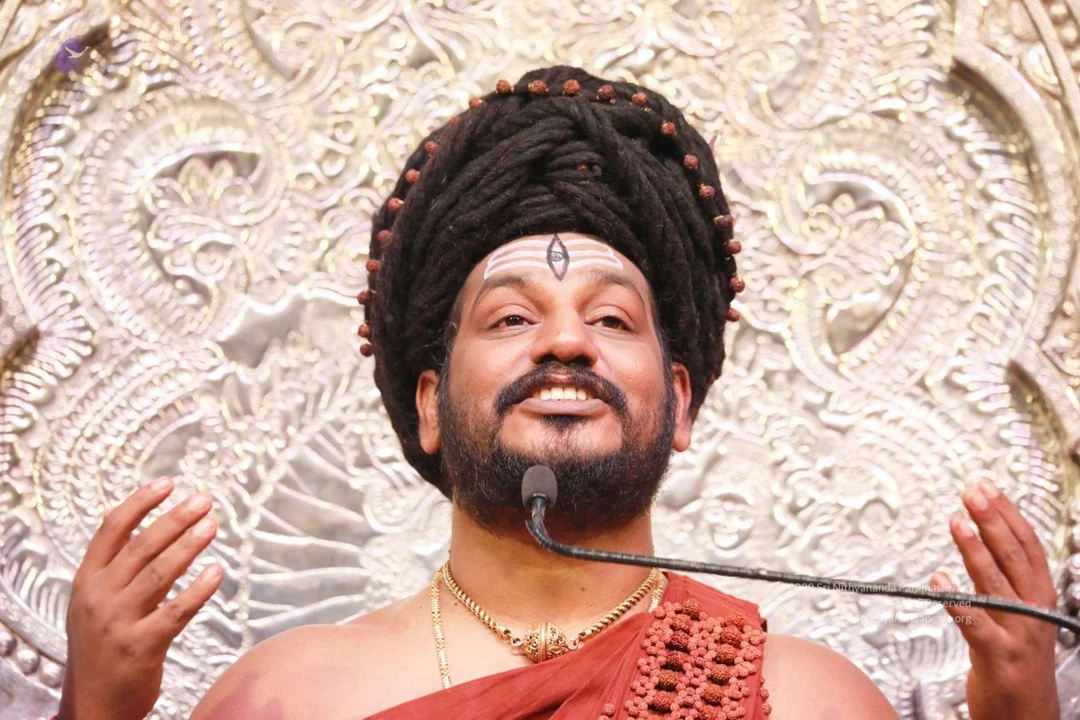 When you know, His will is your will, ferociously manifest it - HDH Nithyananda Paramashivam
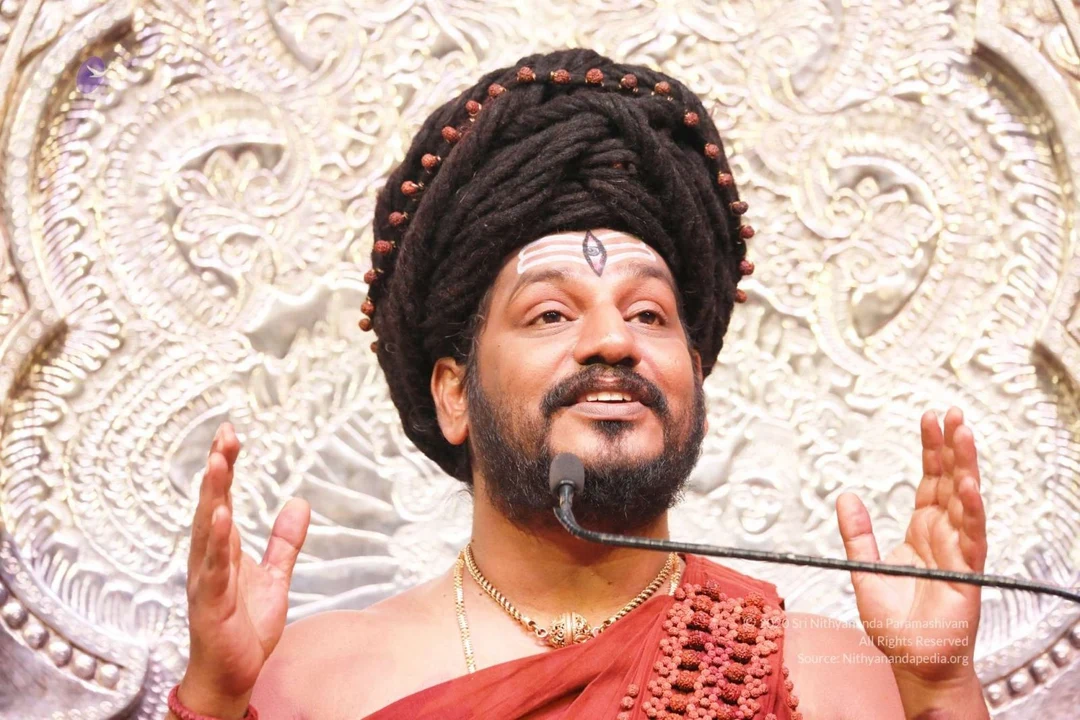 When you know, His will is your will, ferociously manifest it - HDH Nithyananda Paramashivam
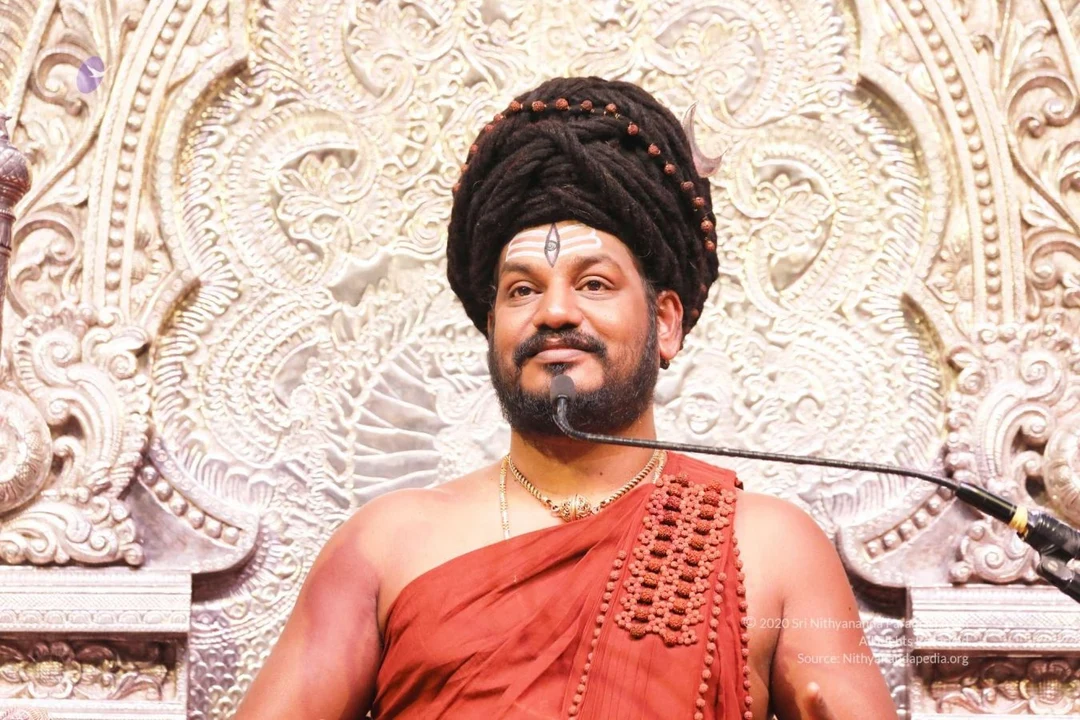 When you know, His will is your will, ferociously manifest it - HDH Nithyananda Paramashivam
 When you know, His will is your will, ferociously manifest it - HDH Nithyananda Paramashivam
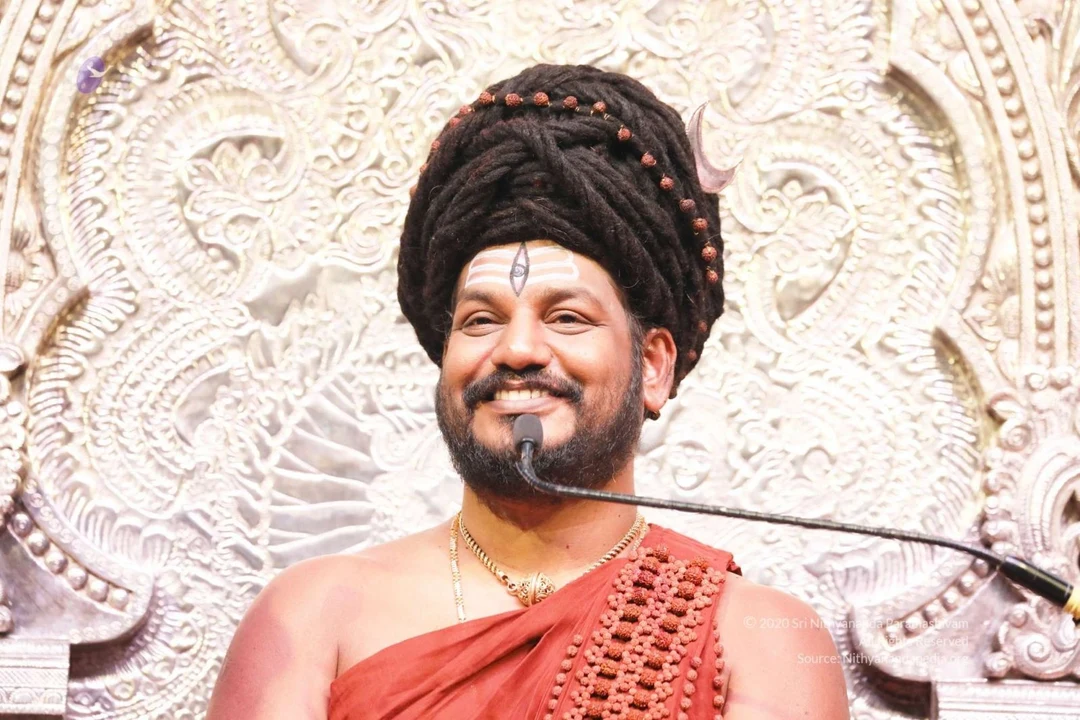 When you know, His will is your will, ferociously manifest it - HDH Nithyananda Paramashivam
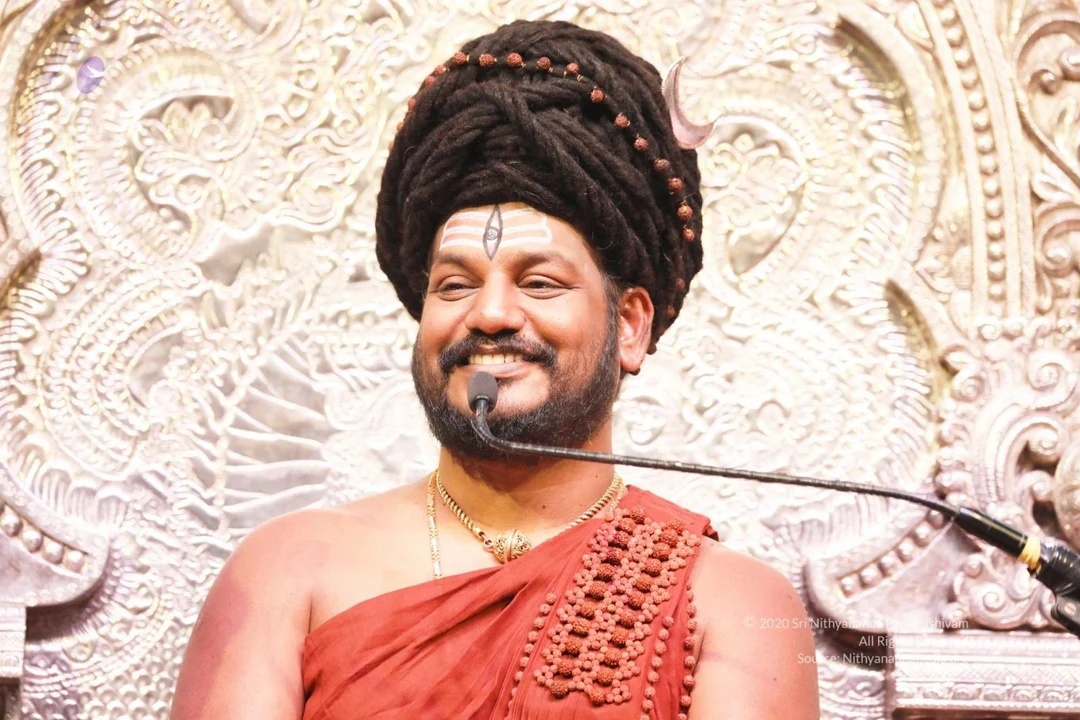 Paramashiva manifesting through your body is Paramashivatva - HDH Nithyananda Paramashivam
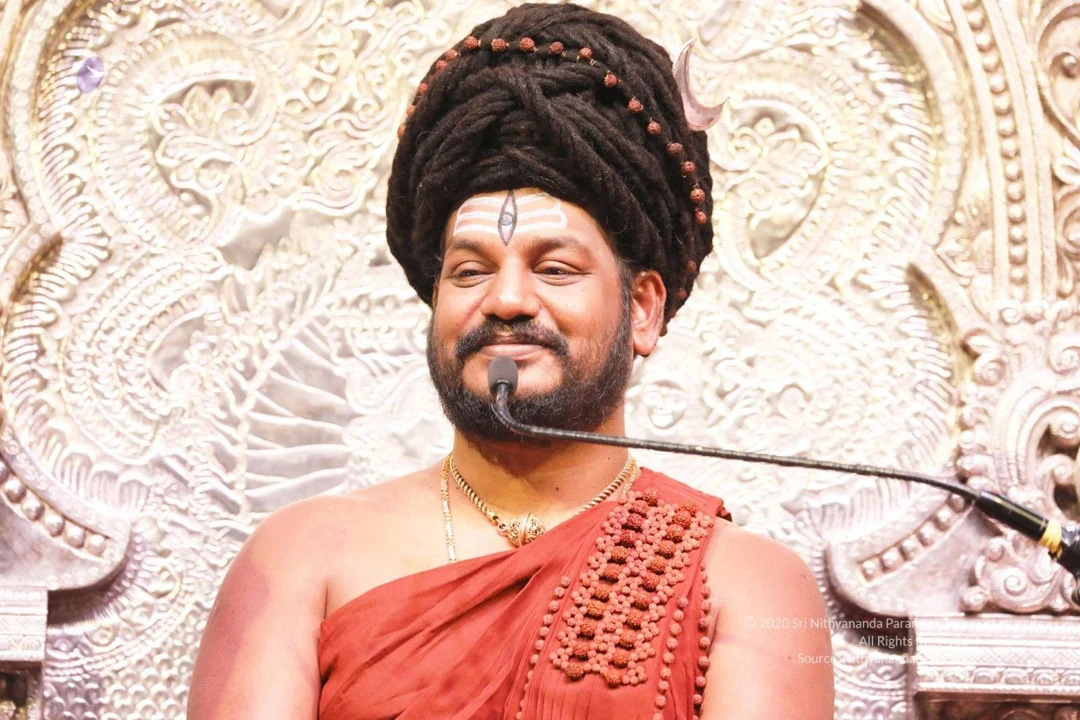 Paramashiva manifesting through your body is Paramashivatva - HDH Nithyananda Paramashivam
 Paramashiva manifesting through your body is Paramashivatva - HDH Nithyananda Paramashivam
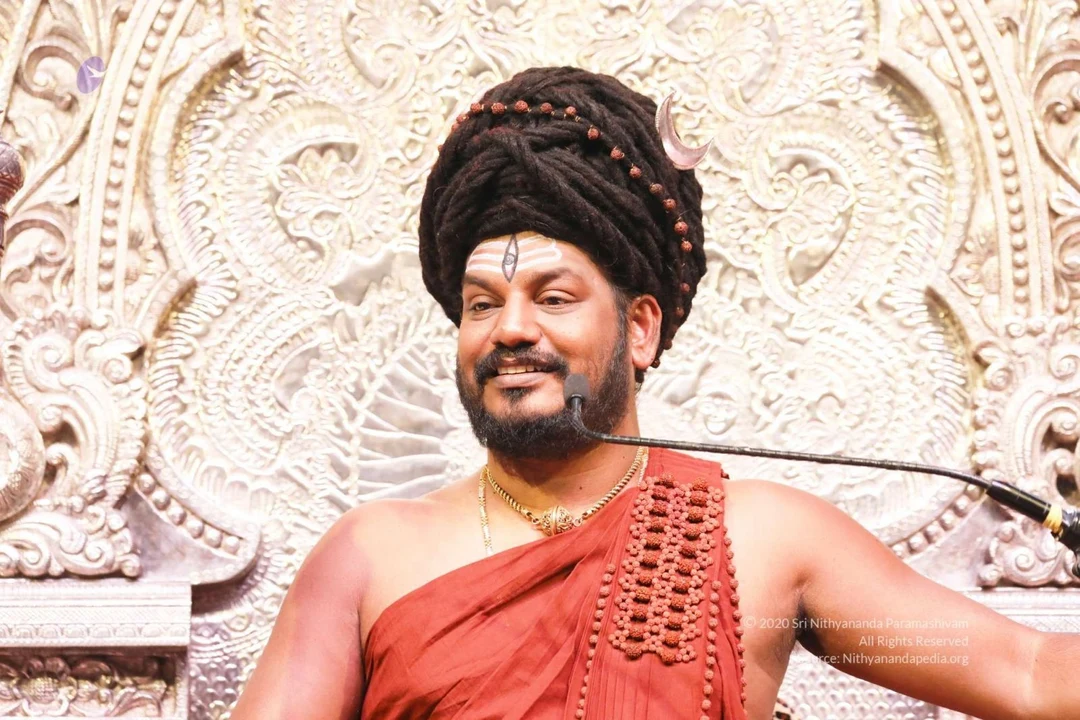 Paramashiva manifesting through your body is Paramashivatva - HDH Nithyananda Paramashivam
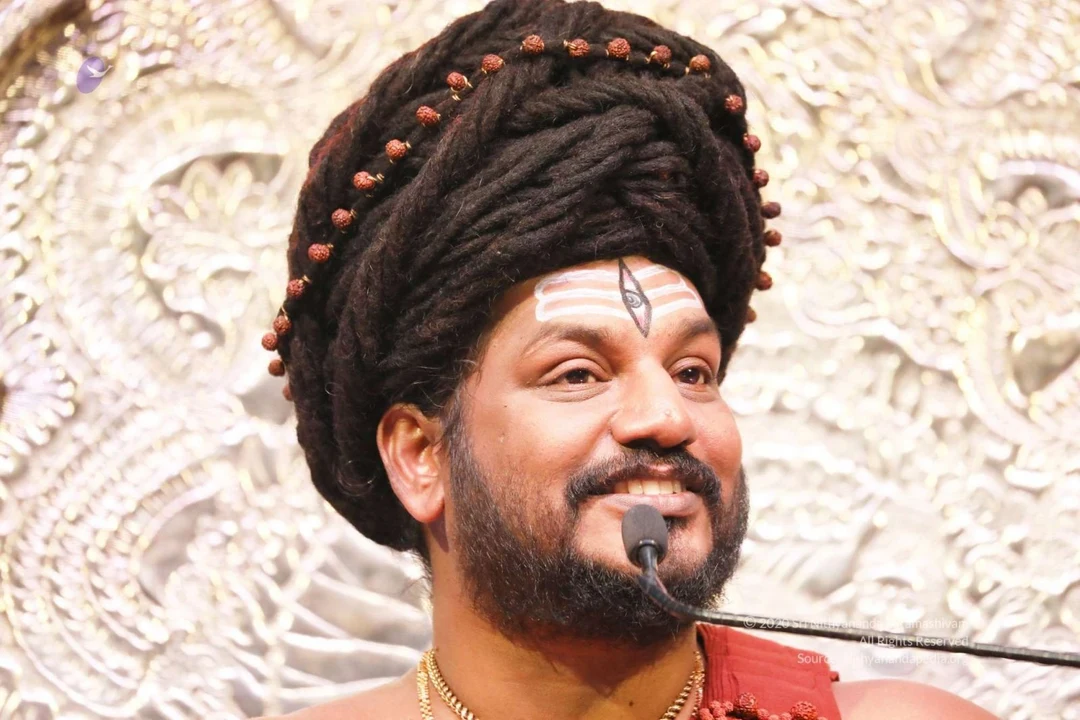 Paramashiva manifesting through your body is Paramashivatva - HDH Nithyananda Paramashivam
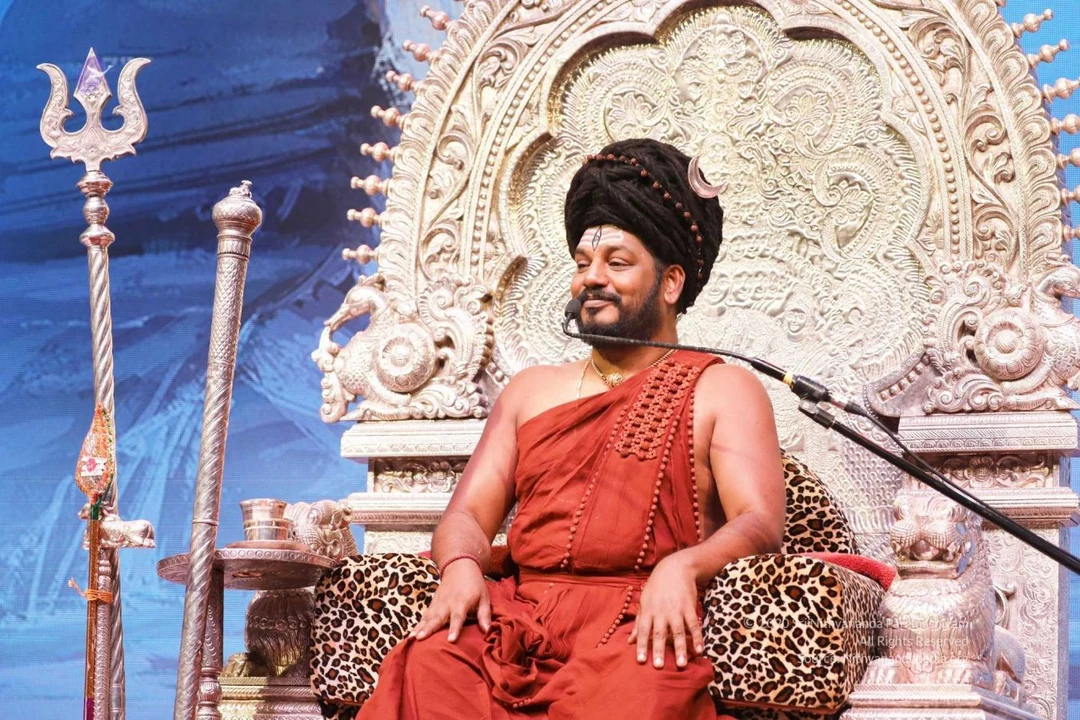 Paramashiva manifesting through your body is Paramashivatva - HDH Nithyananda Paramashivam
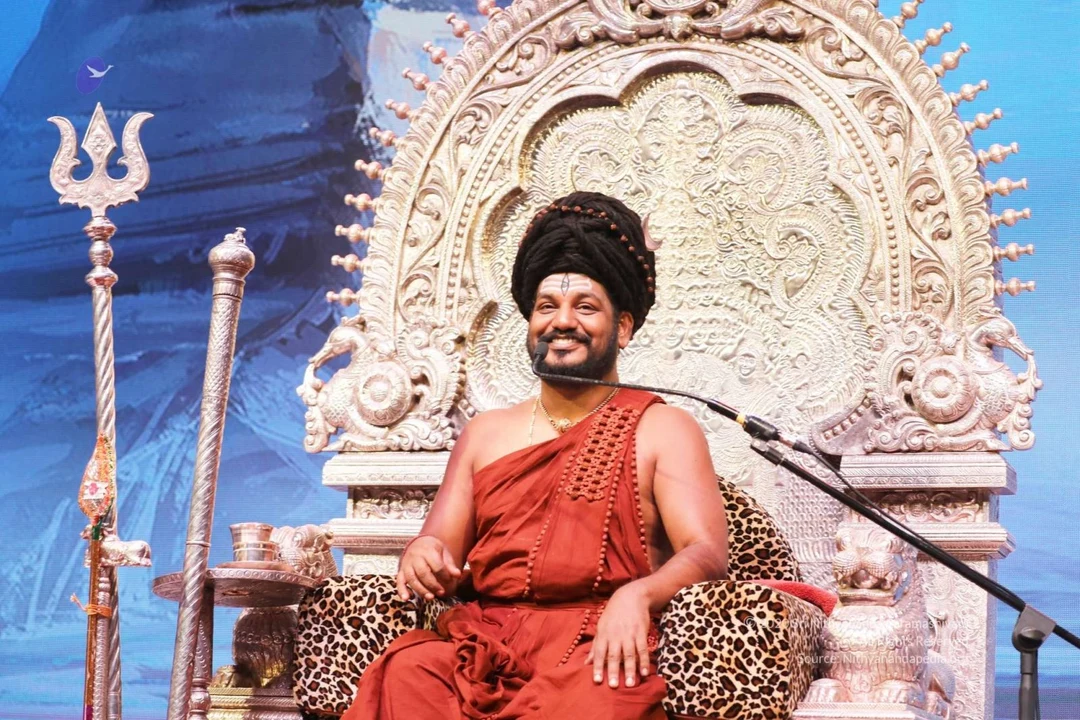 Paramashiva manifesting through your body is Paramashivatva - HDH Nithyananda Paramashivam
 Paramashiva manifesting through your body is Paramashivatva - HDH Nithyananda Paramashivam
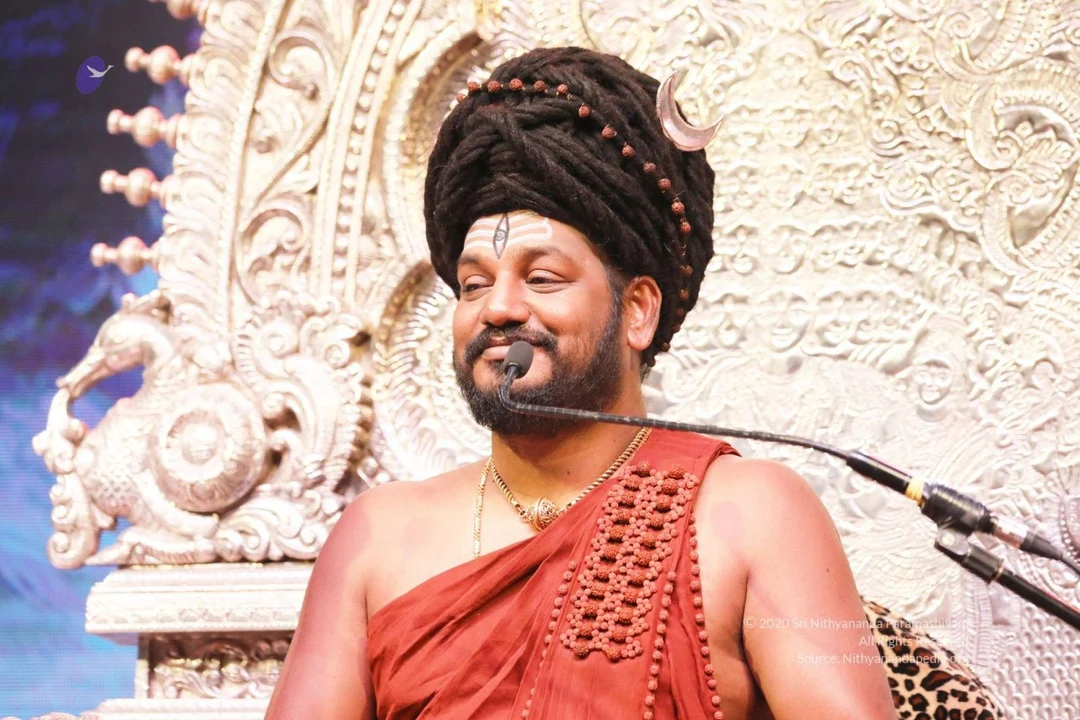 Paramashiva manifesting through your body is Paramashivatva - HDH Nithyananda Paramashivam
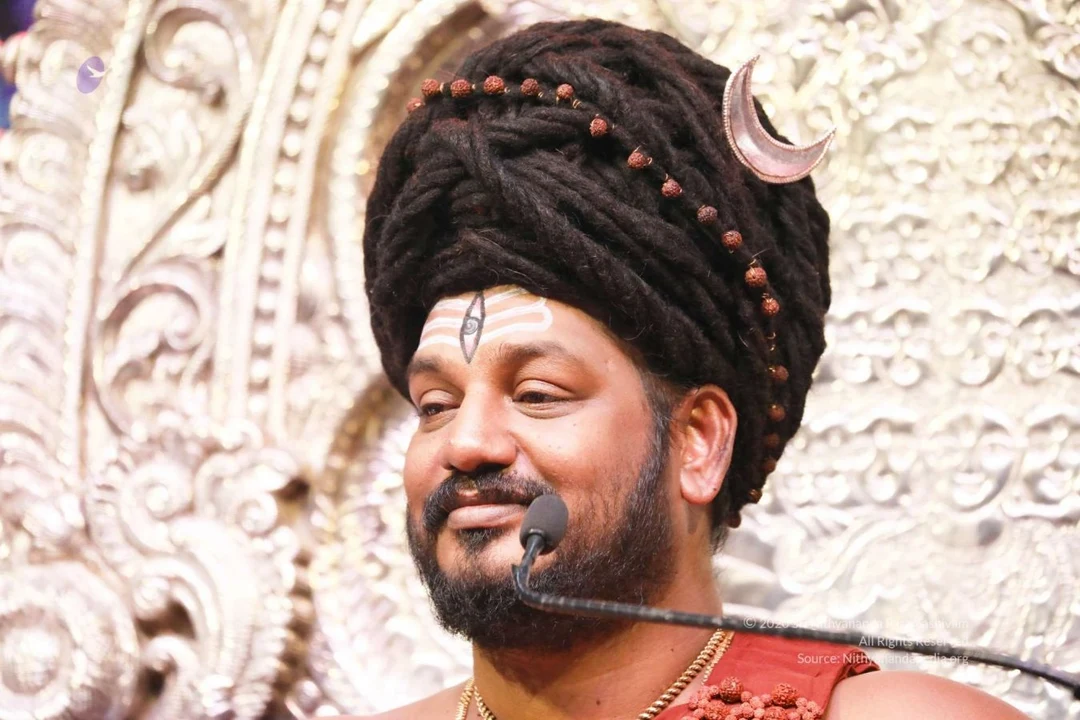 You are Paramashiva. The power, living presence, aliveness in you is my very own extension, expression, manifestation - HDH Nithyananda Paramashivam
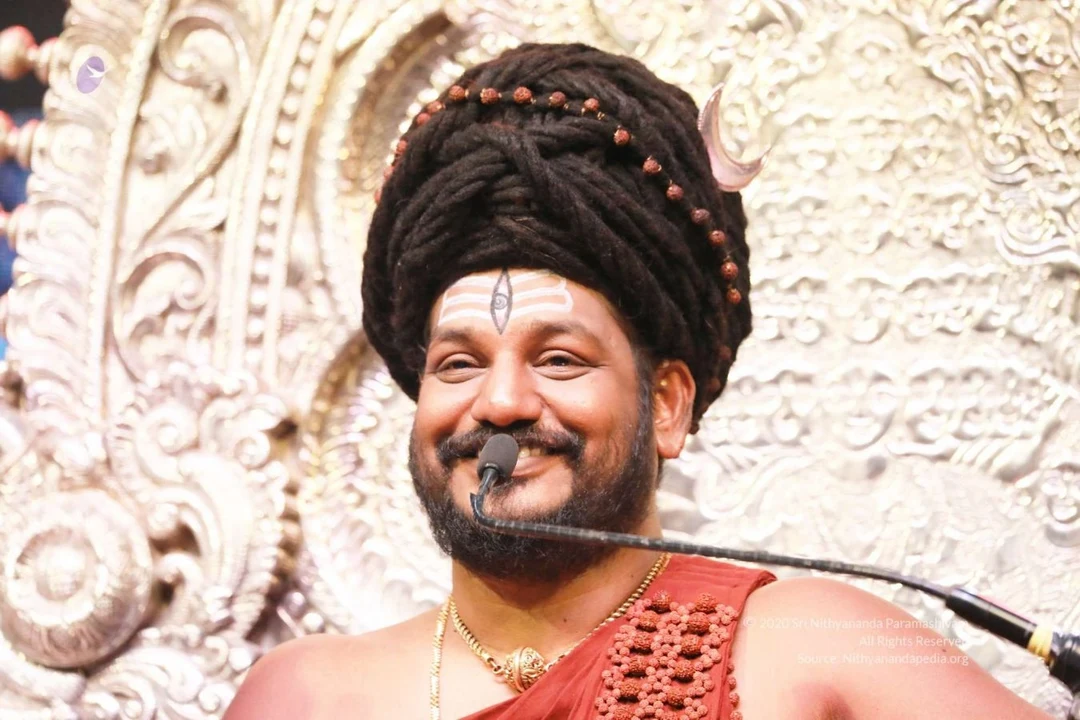 You are Paramashiva. The power, living presence, aliveness in you is my very own extension, expression, manifestation - HDH Nithyananda Paramashivam
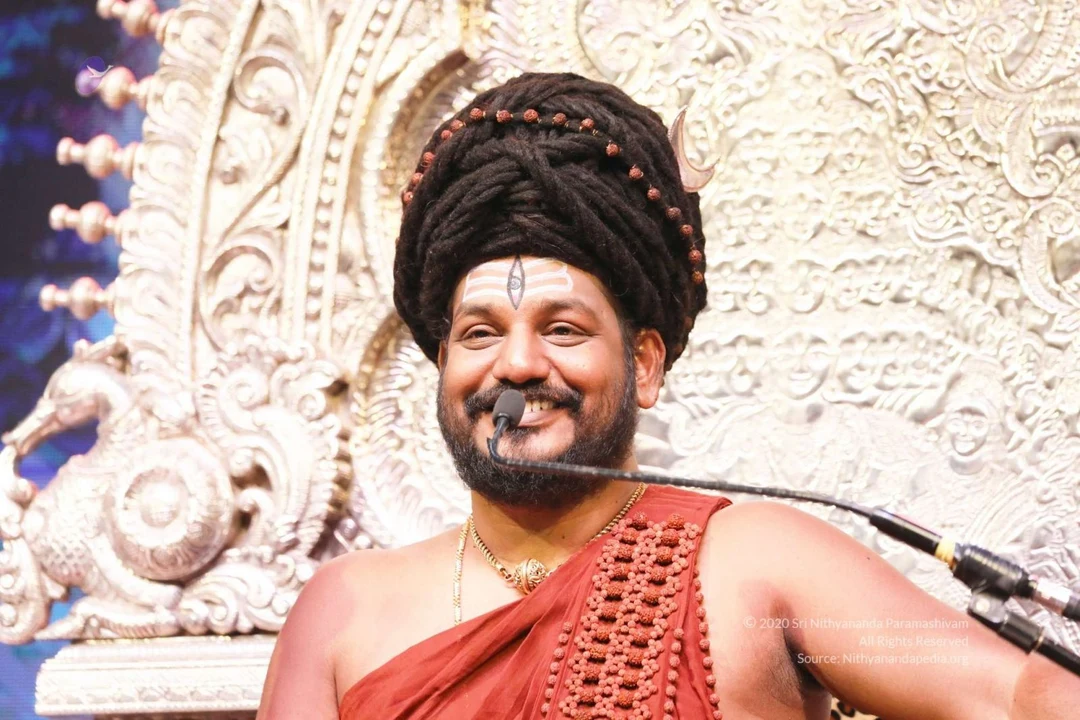 You are Paramashiva. The power, living presence, aliveness in you is my very own extension, expression, manifestation - HDH Nithyananda Paramashivam
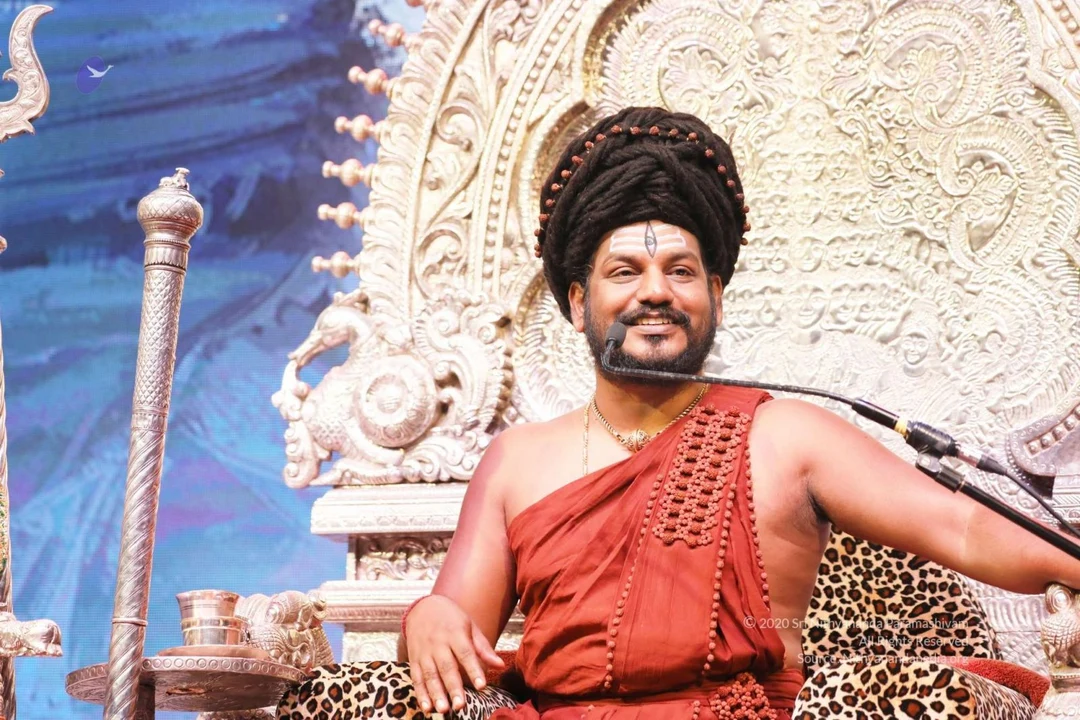 You are Paramashiva. The power, living presence, aliveness in you is my very own extension, expression, manifestation - HDH Nithyananda Paramashivam
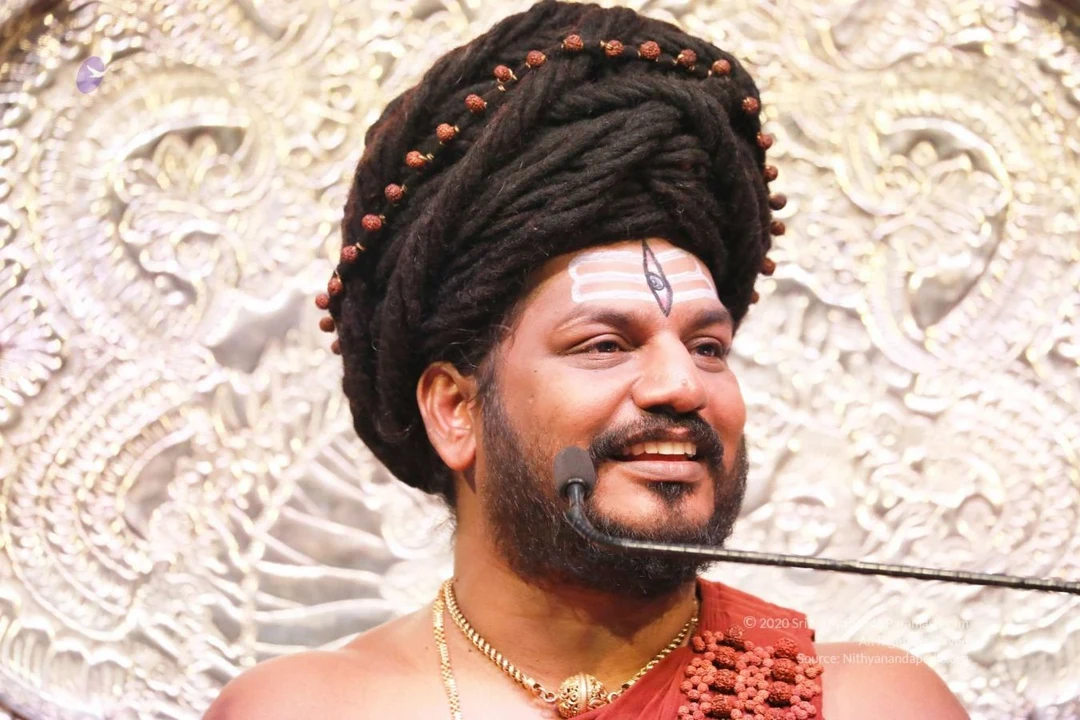 You are Paramashiva. The power, living presence, aliveness in you is my very own extension, expression, manifestation - HDH Nithyananda Paramashivam
 You are Paramashiva. The power, living presence, aliveness in you is my very own extension, expression, manifestation - HDH Nithyananda Paramashivam
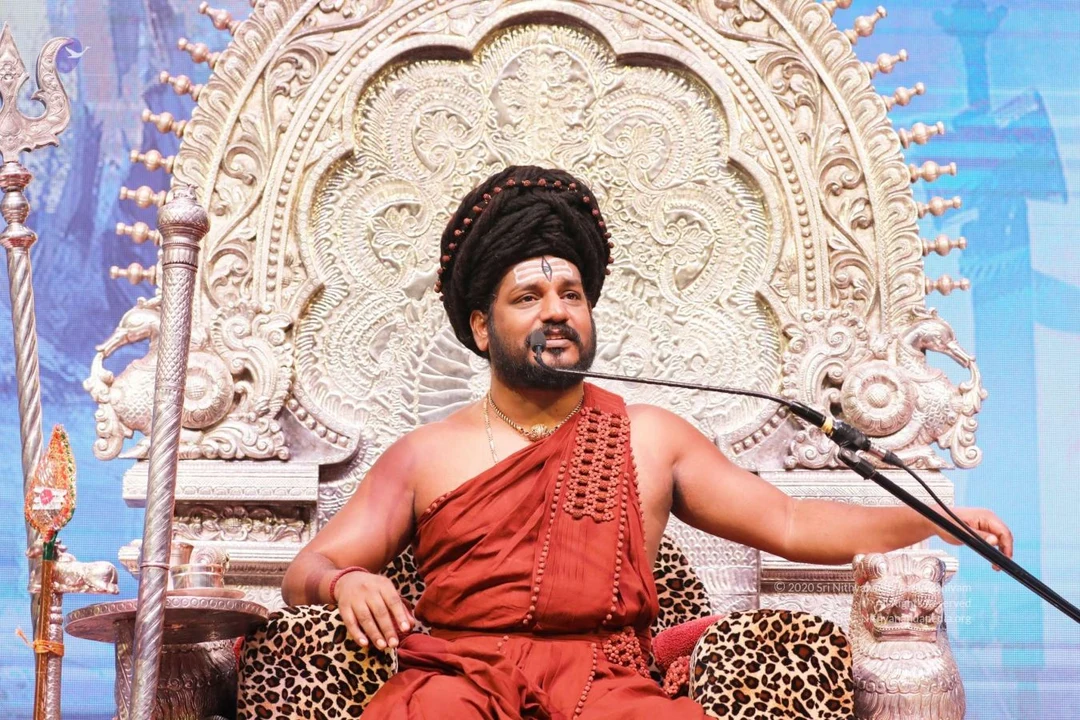 You are Paramashiva. The power, living presence, aliveness in you is my very own extension, expression, manifestation - HDH Nithyananda Paramashivam
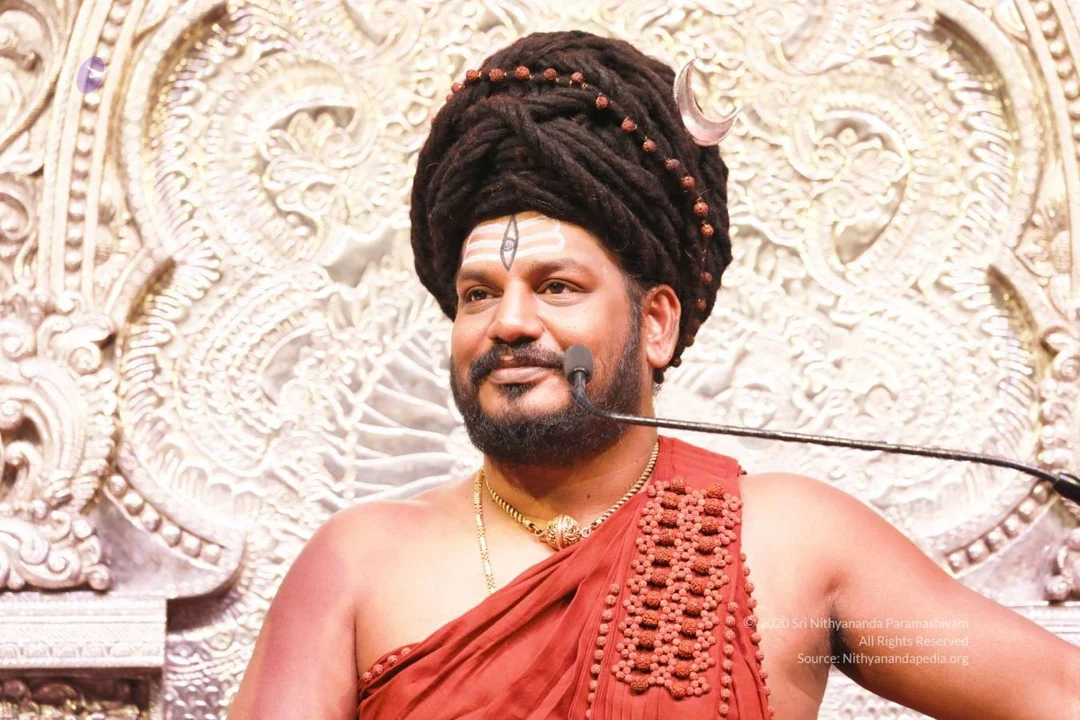 You are Paramashiva. The power, living presence, aliveness in you is my very own extension, expression, manifestation - HDH Nithyananda Paramashivam
 You are Paramashiva. The power, living presence, aliveness in you is my very own extension, expression, manifestation - HDH Nithyananda Paramashivam
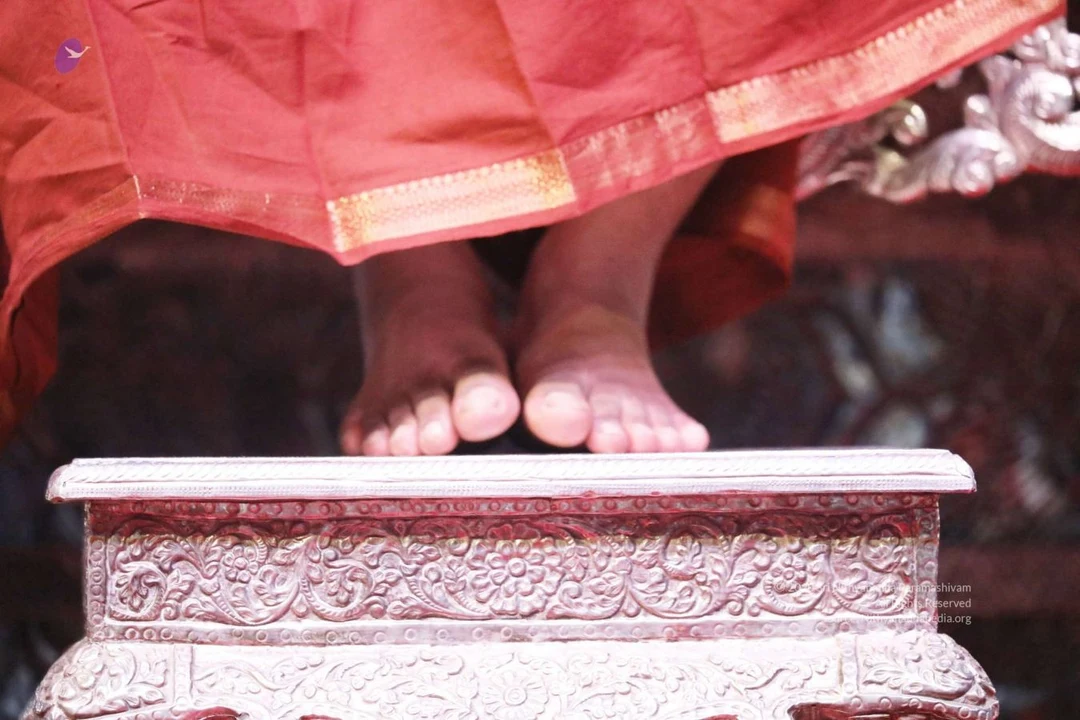 Nija pada darshan
 You are Paramashiva. The power, living presence, aliveness in you is my very own extension, expression, manifestation - HDH Nithyananda Paramashivam
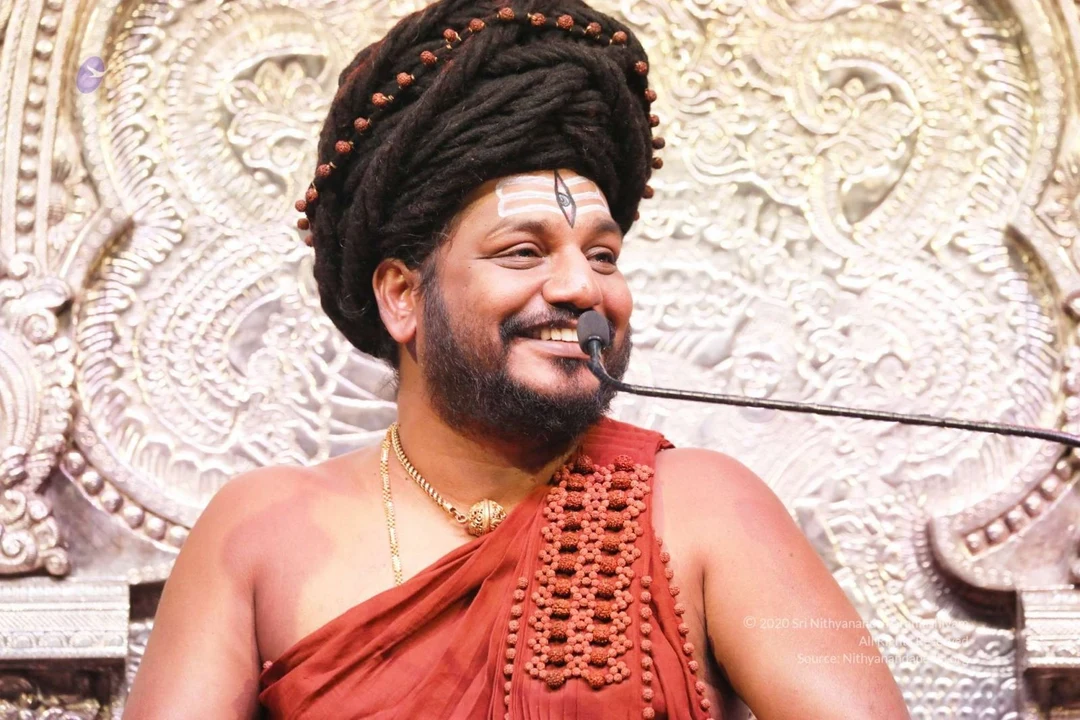 Anything you think as your priority other than manifesting my being is delusion - HDH Nithyananda Paramashivam
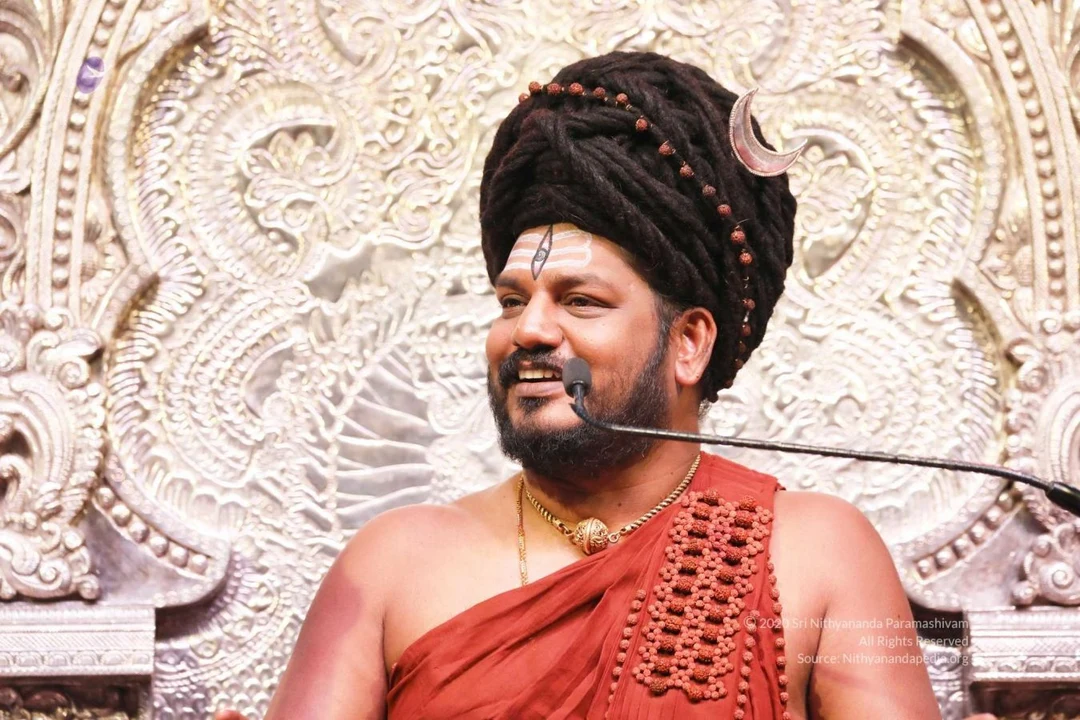 Anything you think as your priority other than manifesting my being is delusion - HDH Nithyananda Paramashivam
 Anything you think as your priority other than manifesting my being is delusion - HDH Nithyananda Paramashivam
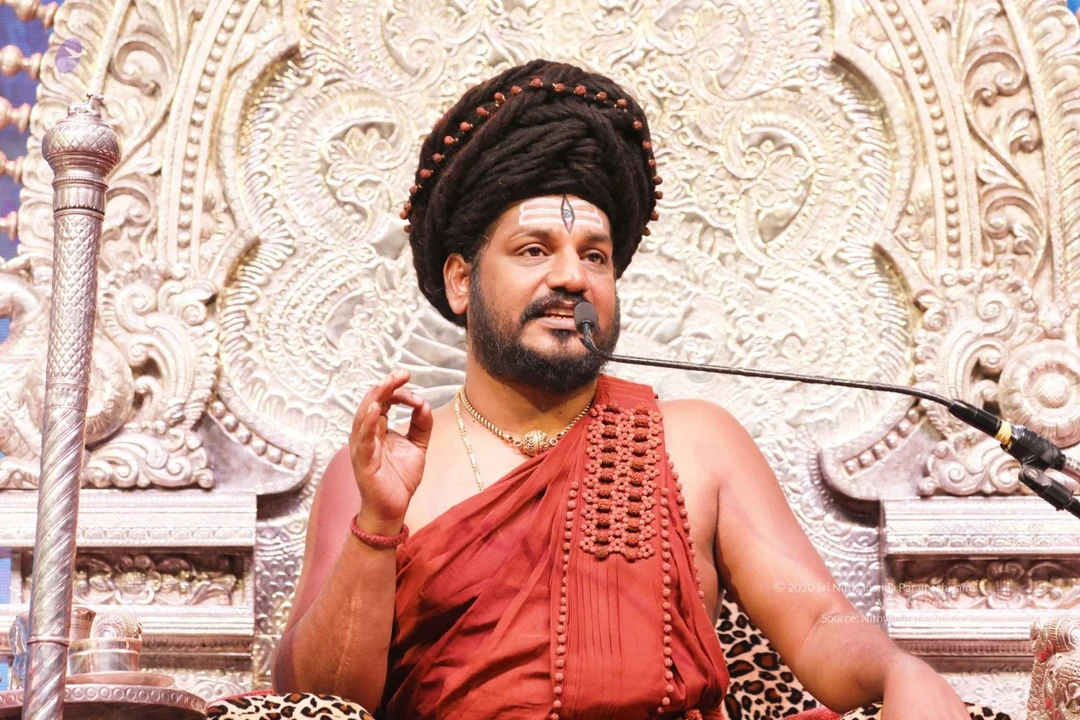 Anything you think as your priority other than manifesting my being is delusion - HDH Nithyananda Paramashivam
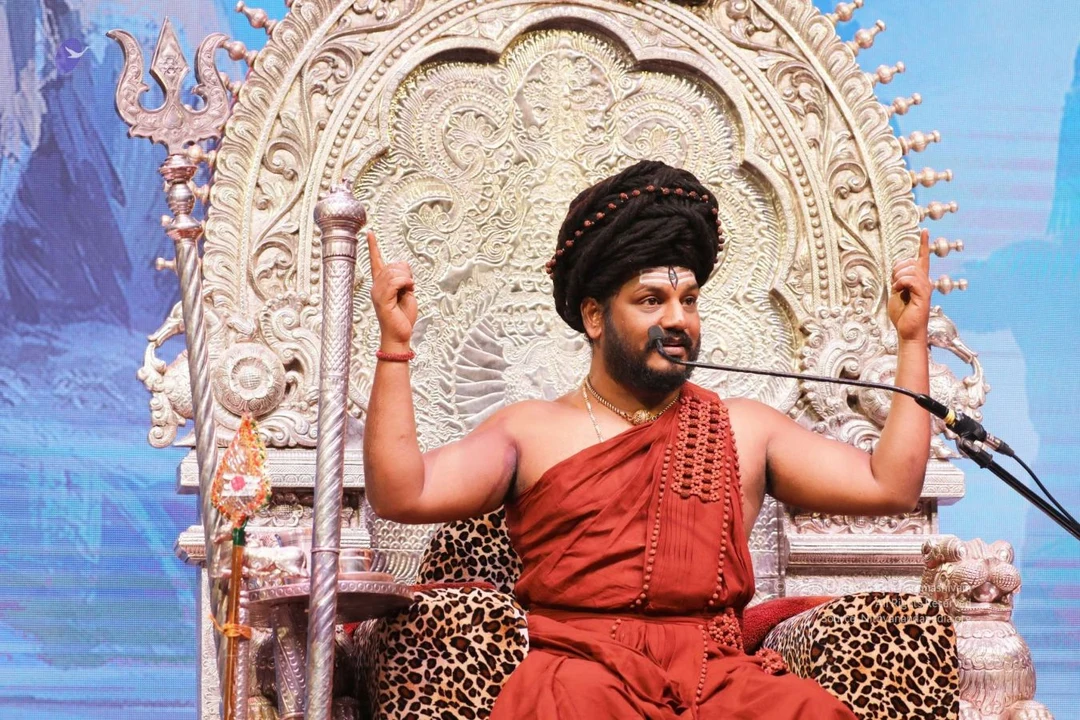 Anything you think as your priority other than manifesting my being is delusion - HDH Nithyananda Paramashivam
 Anything you think as your priority other than manifesting my being is delusion - HDH Nithyananda Paramashivam
 Anything you think as your priority other than manifesting my being is delusion - HDH Nithyananda Paramashivam
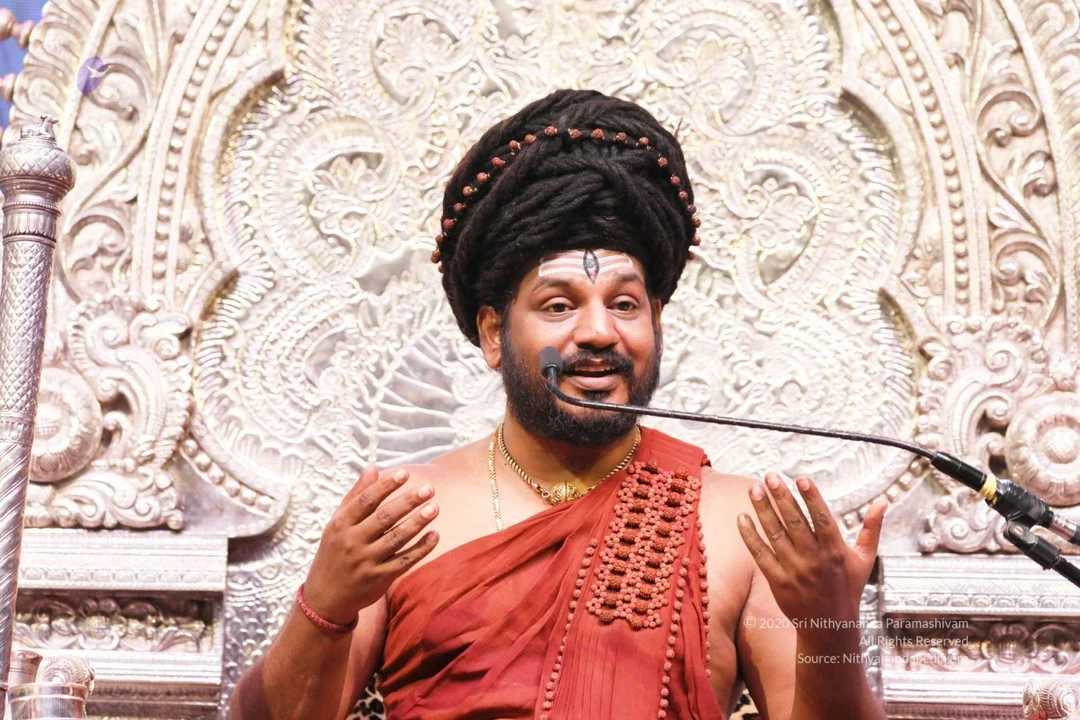 You manifesting my being, making the world manifest my being, is the only priority - HDH Nithyananda Paramashivam
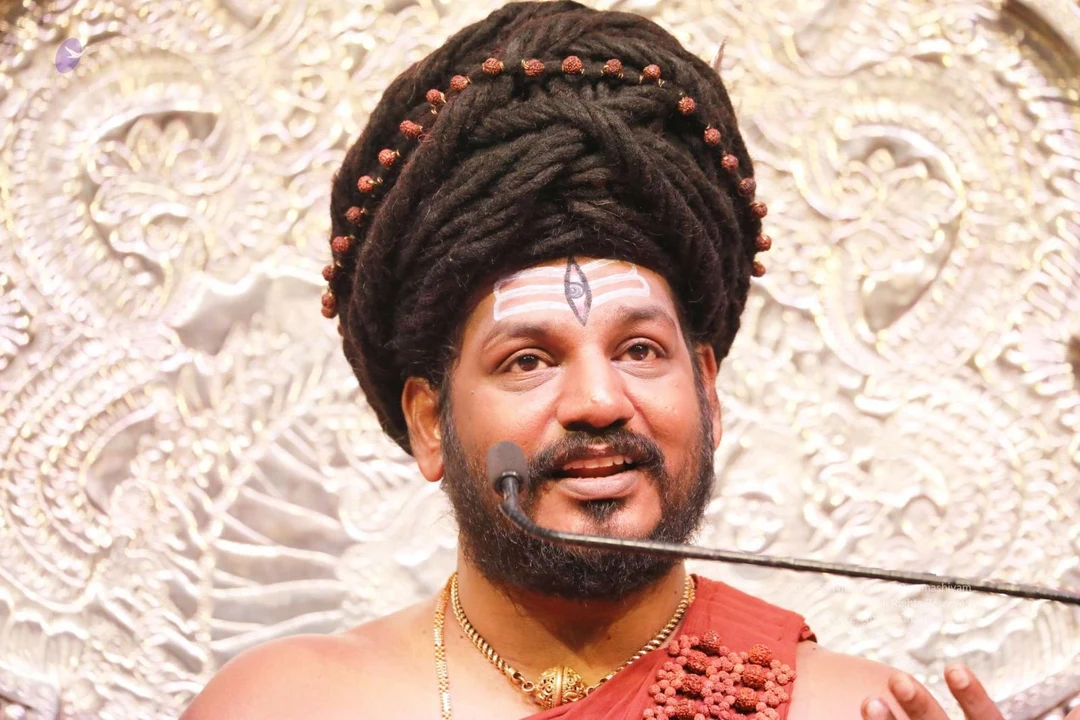 You manifesting my being, making the world manifest my being, is the only priority - HDH Nithyananda Paramashivam
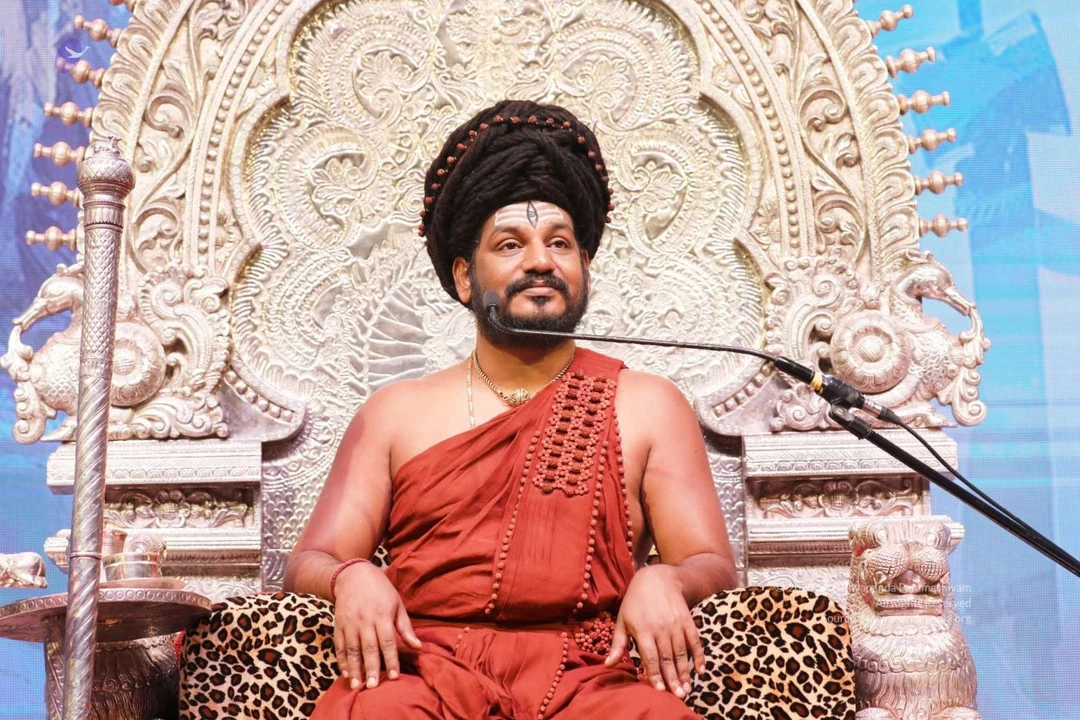 You manifesting my being, making the world manifest my being, is the only priority - HDH Nithyananda Paramashivam
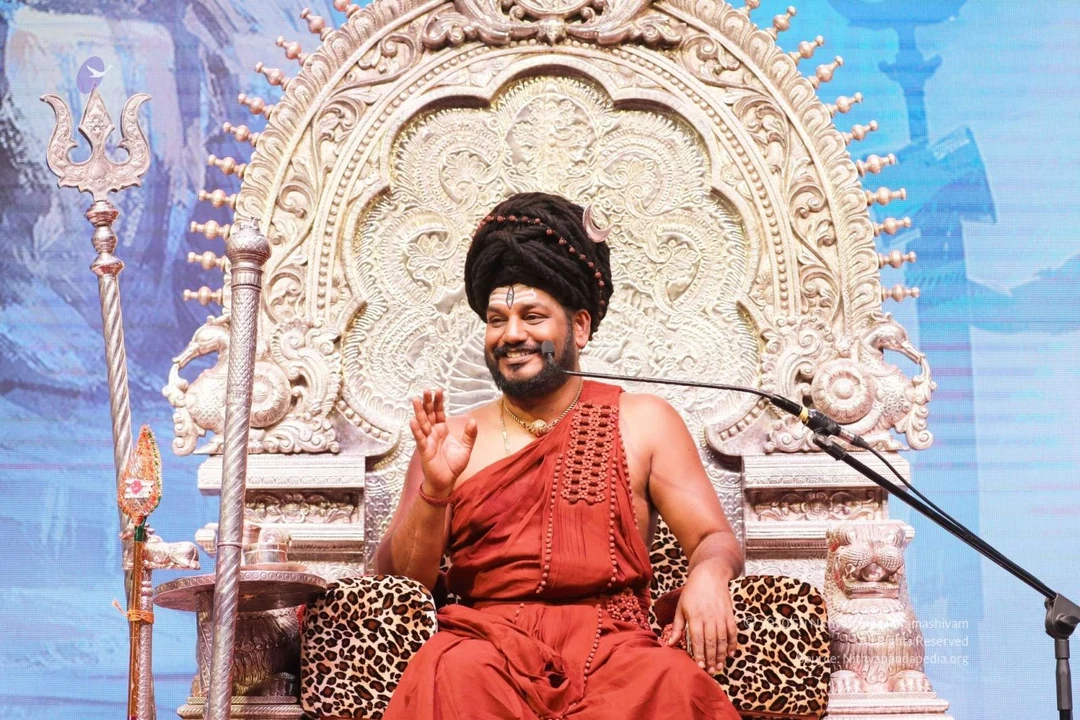 You manifesting my being, making the world manifest my being, is the only priority - HDH Nithyananda Paramashivam
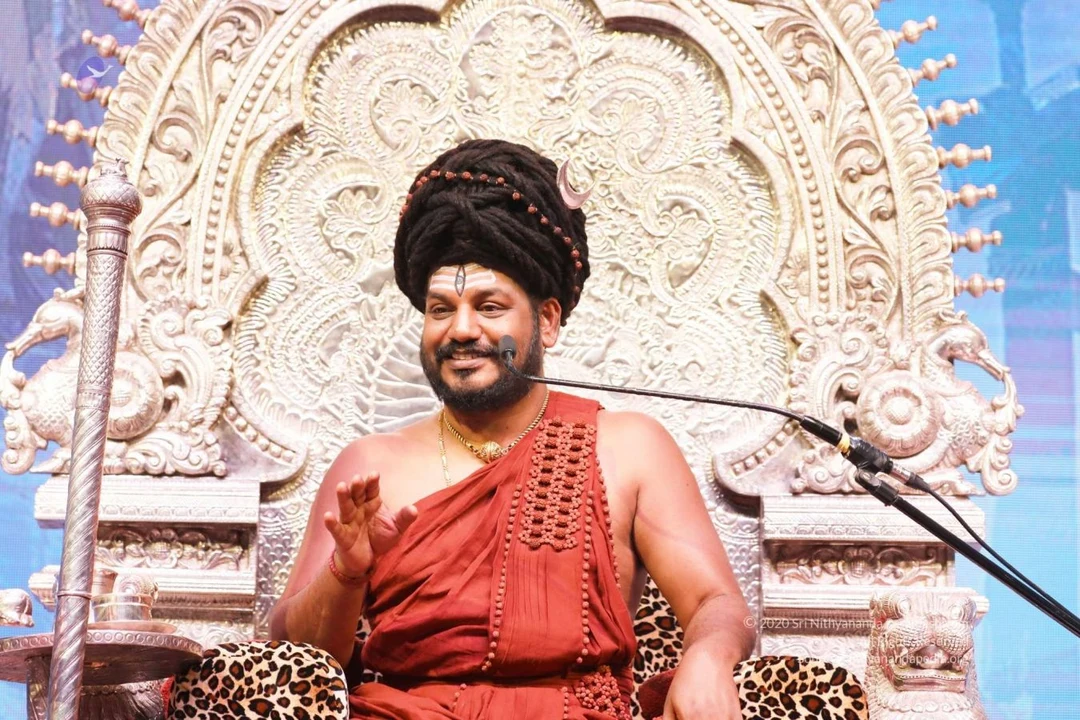 You manifesting my being, making the world manifest my being, is the only priority - HDH Nithyananda Paramashivam
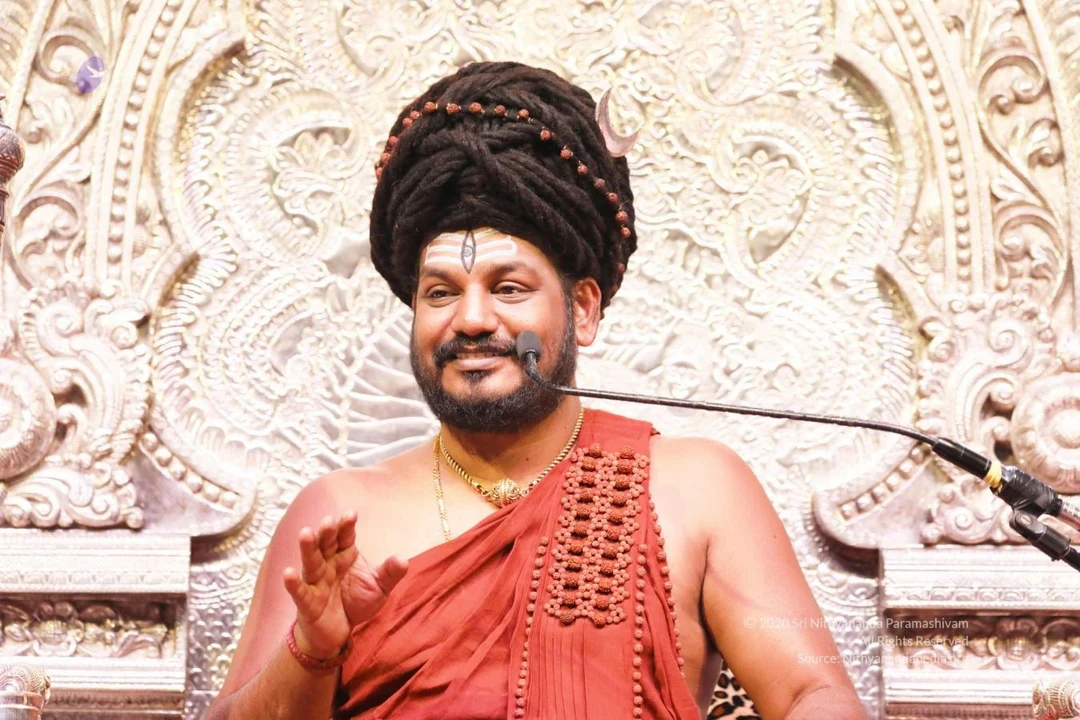 You manifesting my being, making the world manifest my being, is the only priority - HDH Nithyananda Paramashivam
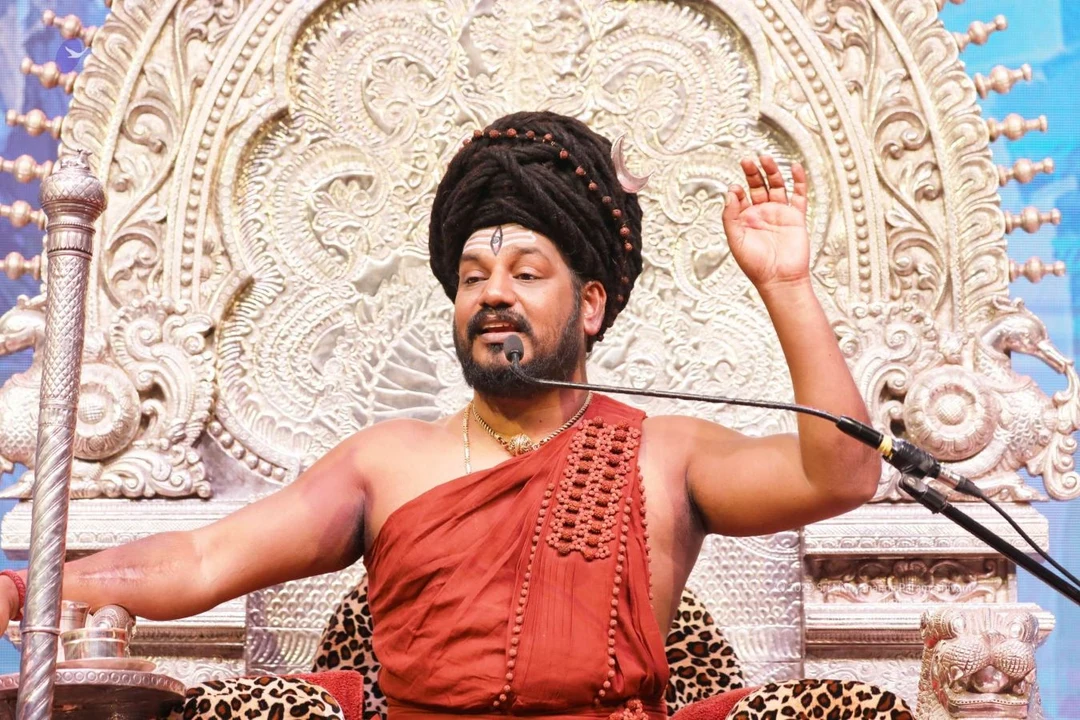 You manifesting my being, making the world manifest my being, is the only priority - HDH Nithyananda Paramashivam
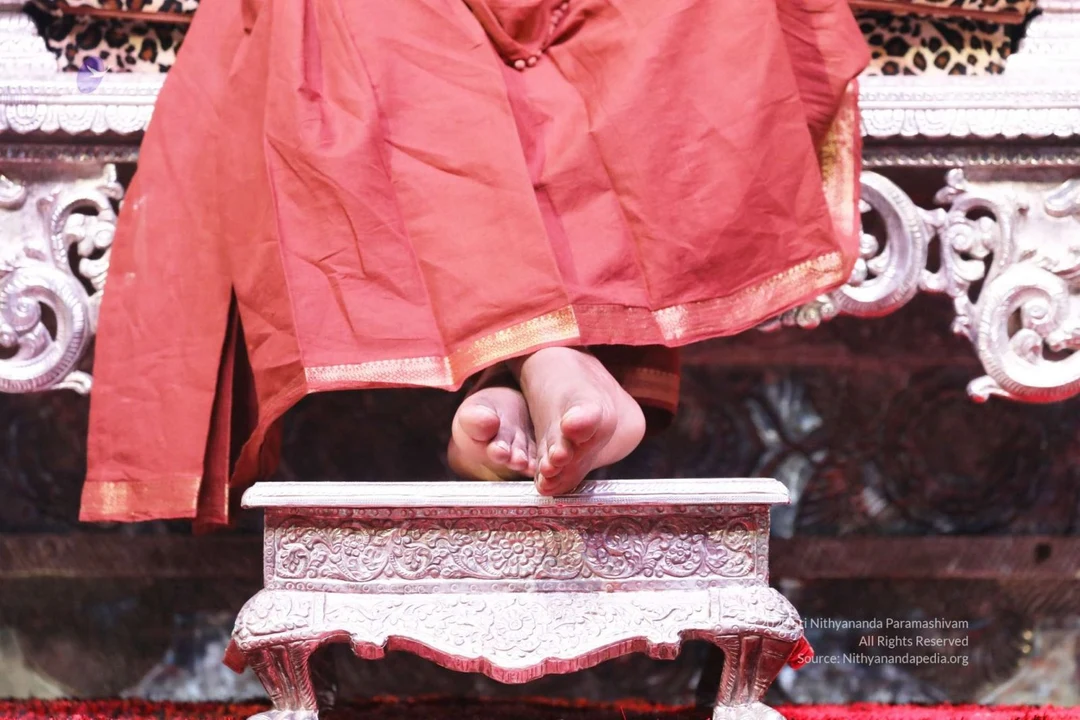 Nija pada darshan
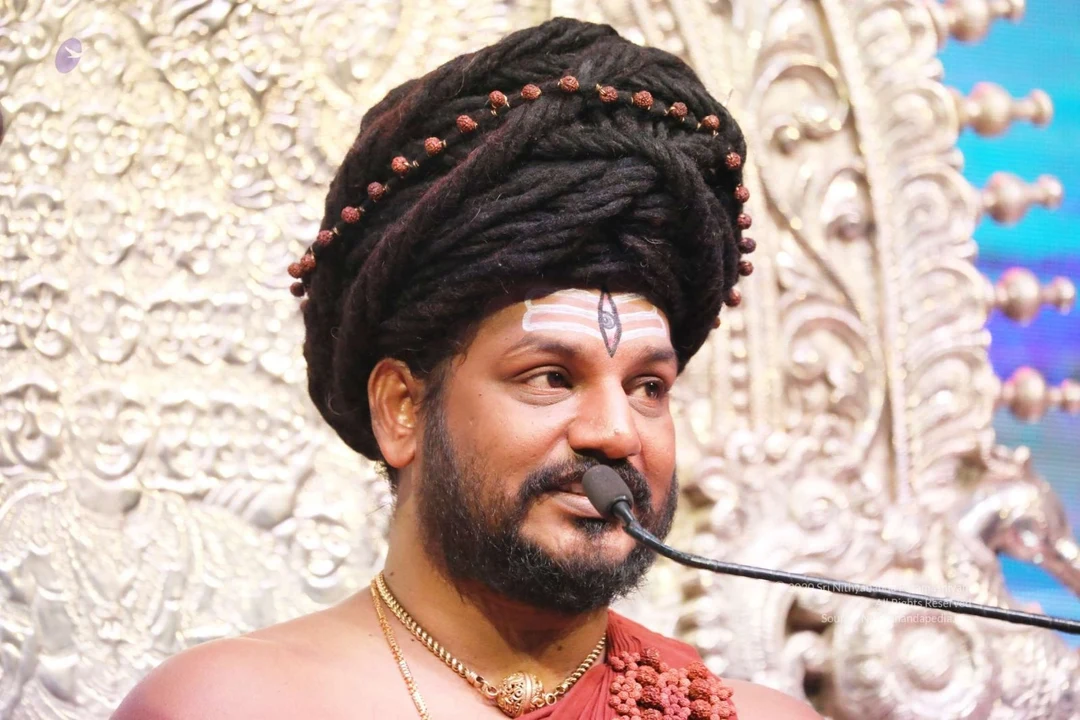 All powerlessness is delusion. All fear is stupidity
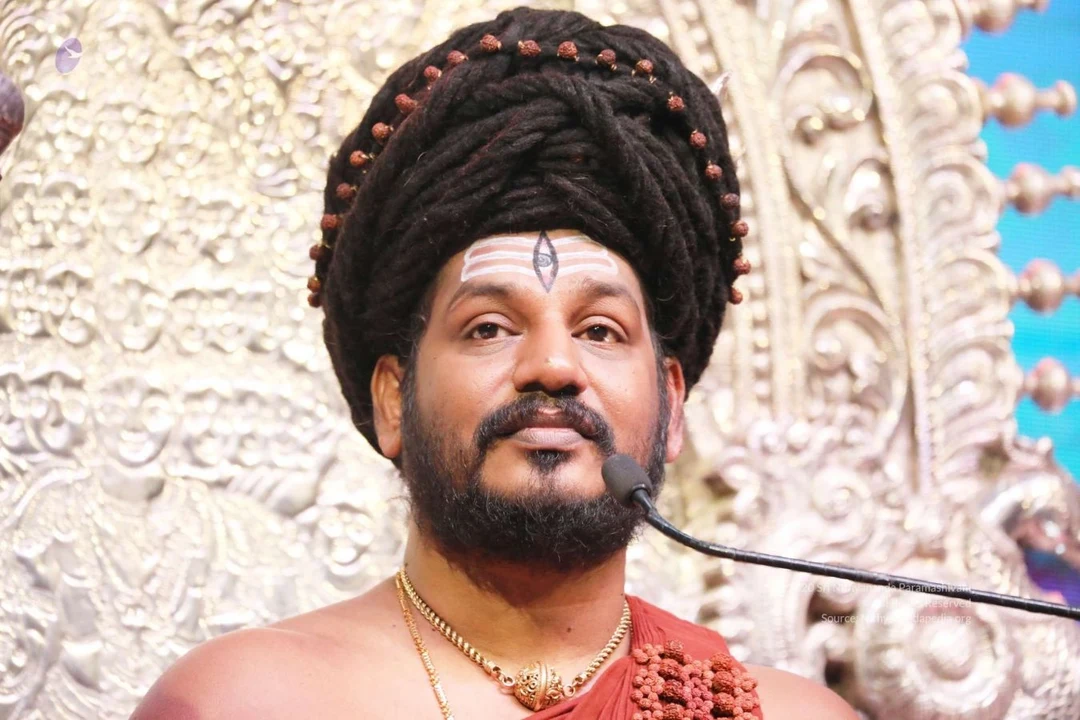 All powerlessness is delusion. All fear is stupidity
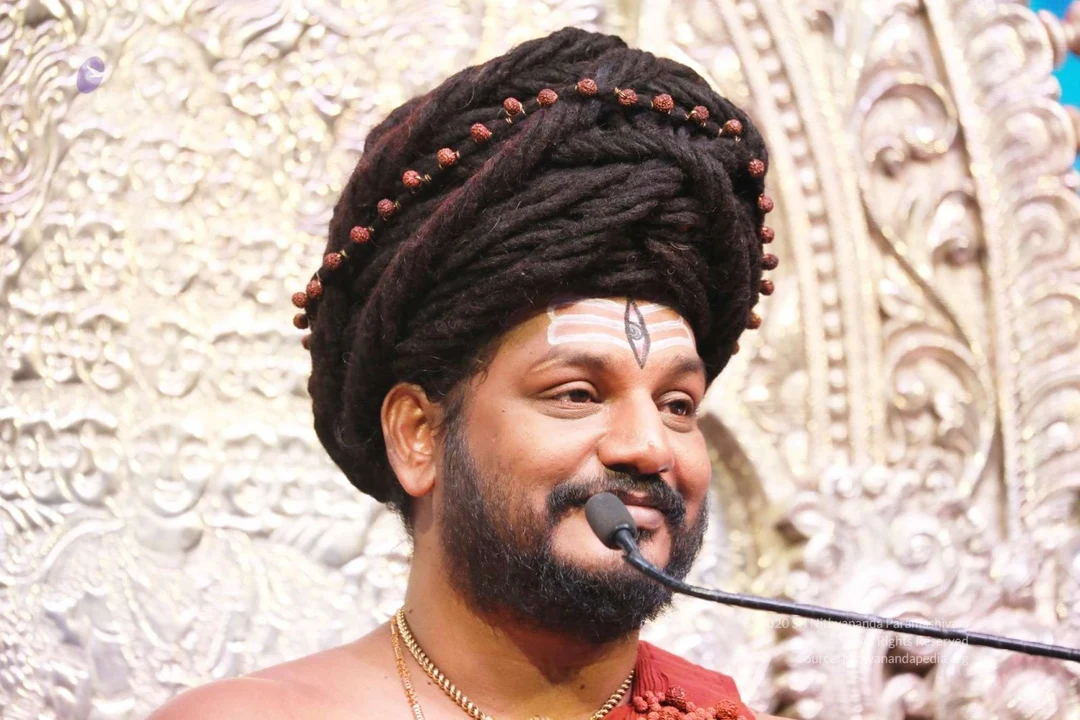 All powerlessness is delusion. All fear is stupidity
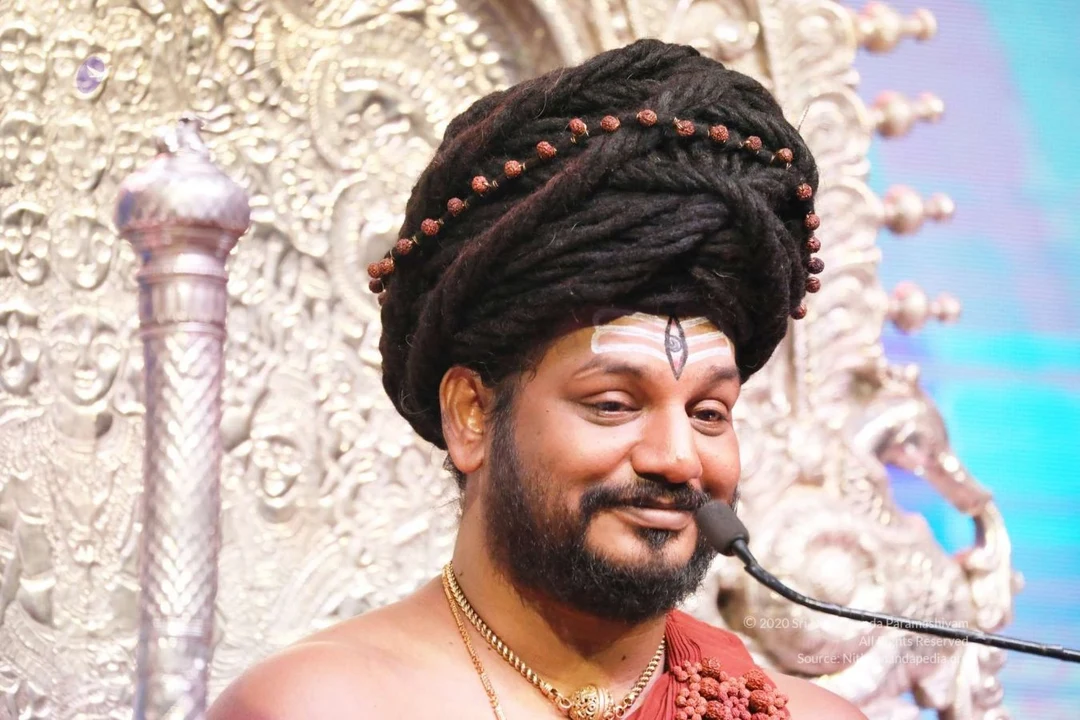 All powerlessness is delusion. All fear is stupidity
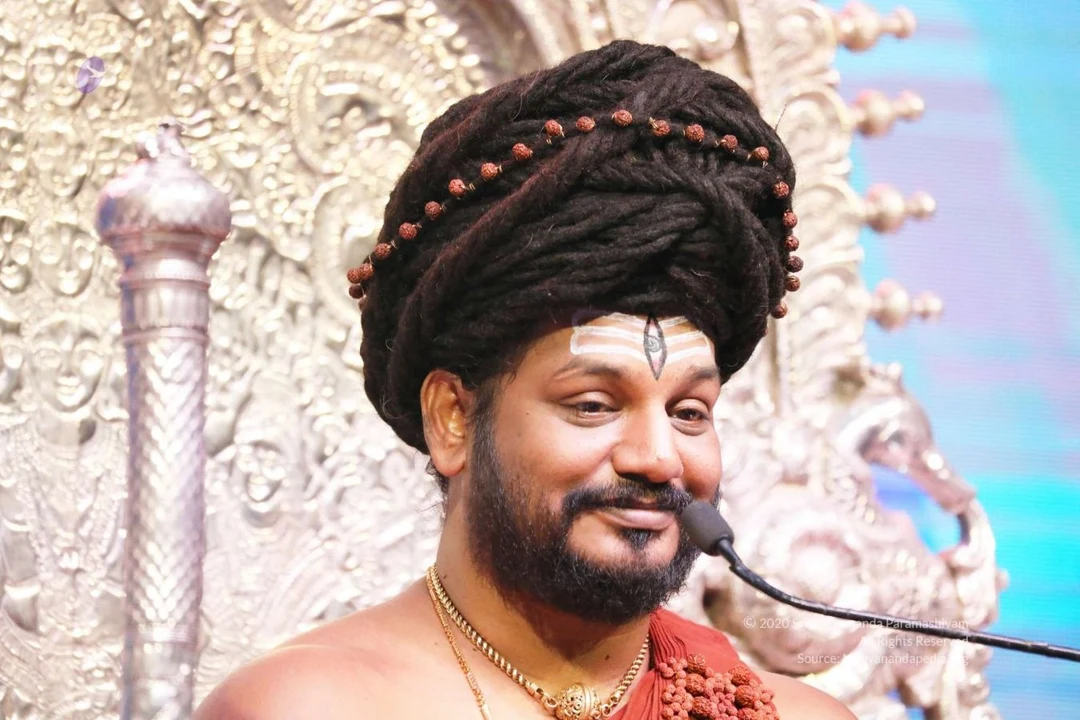 All powerlessness is delusion. All fear is stupidity
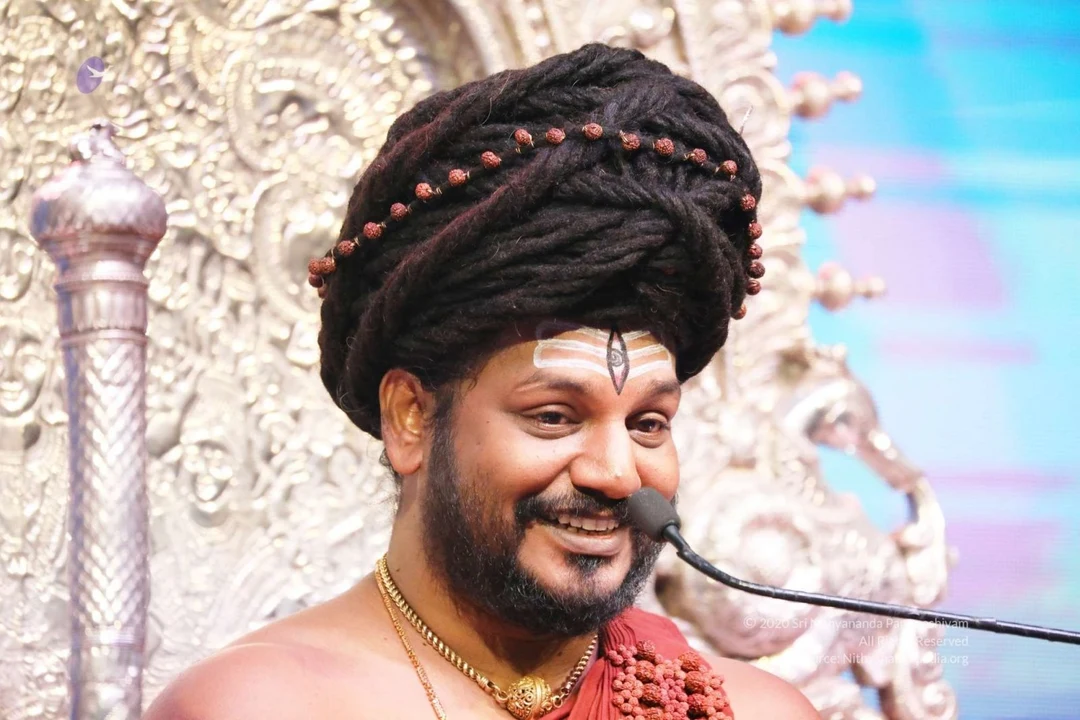 All powerlessness is delusion. All fear is stupidity
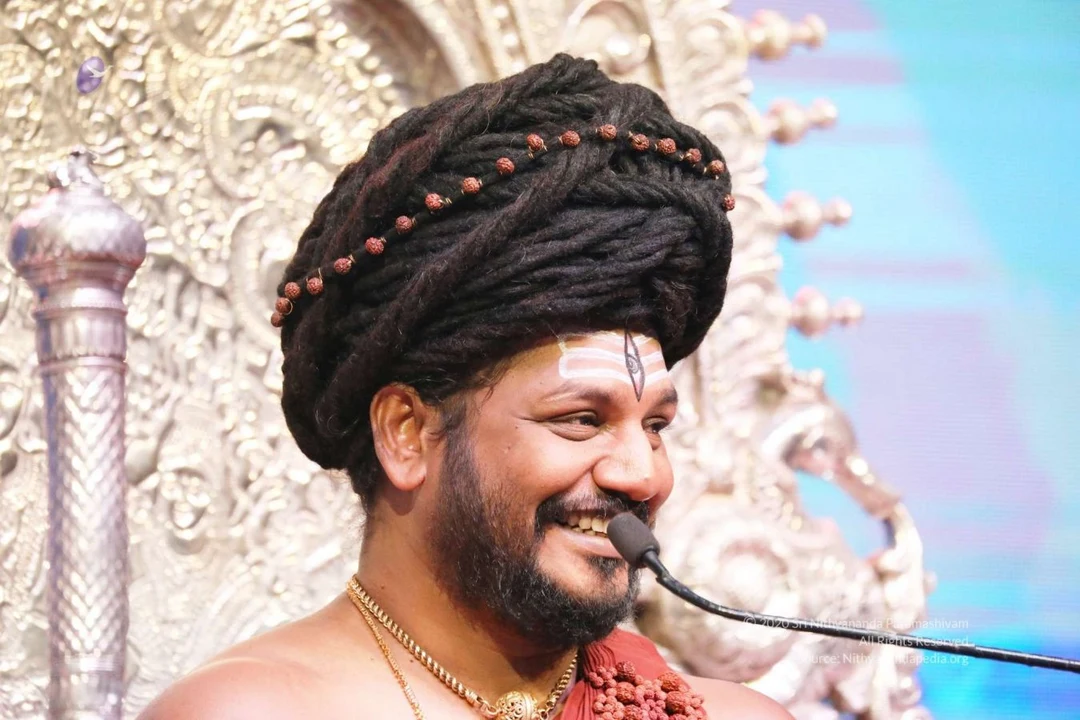 All powerlessness is delusion. All fear is stupidity
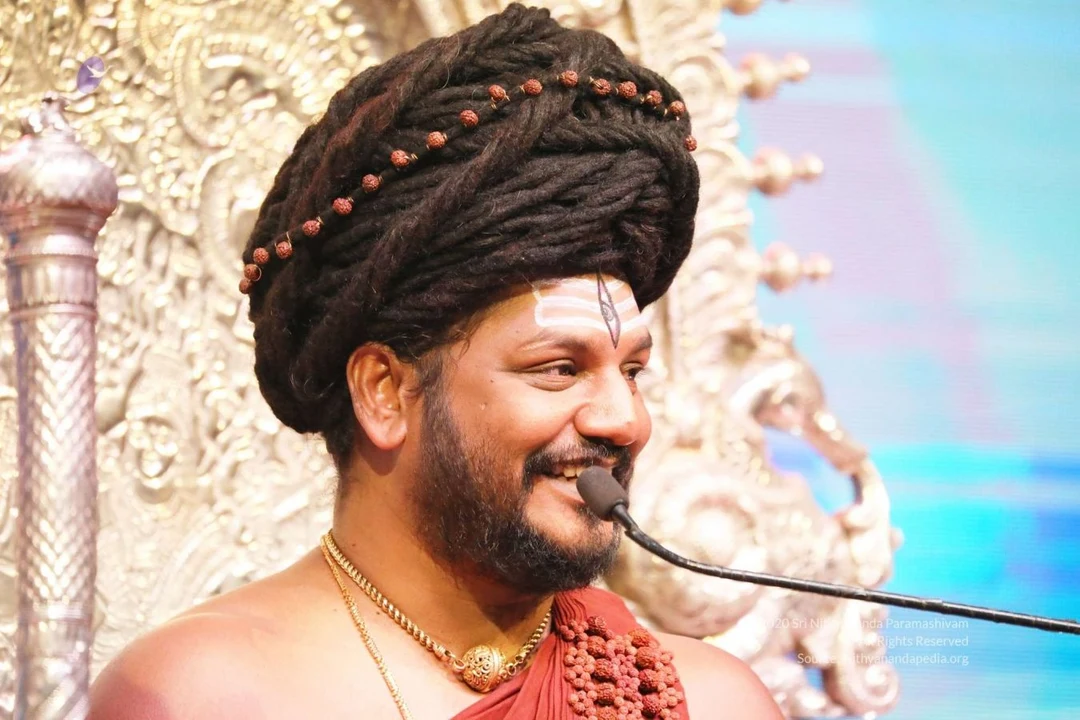 All powerlessness is delusion. All fear is stupidity
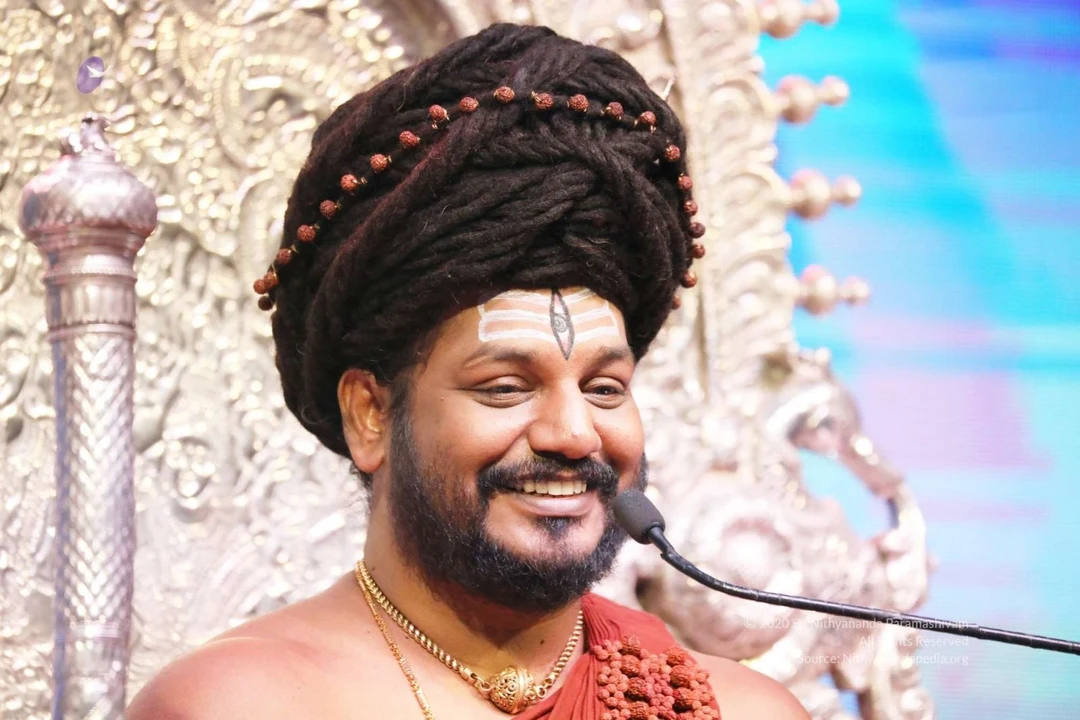 Delusion is neither cute nor justified. Deal delusion with ferociousness
 Delusion is neither cute nor justified. Deal delusion with ferociousness
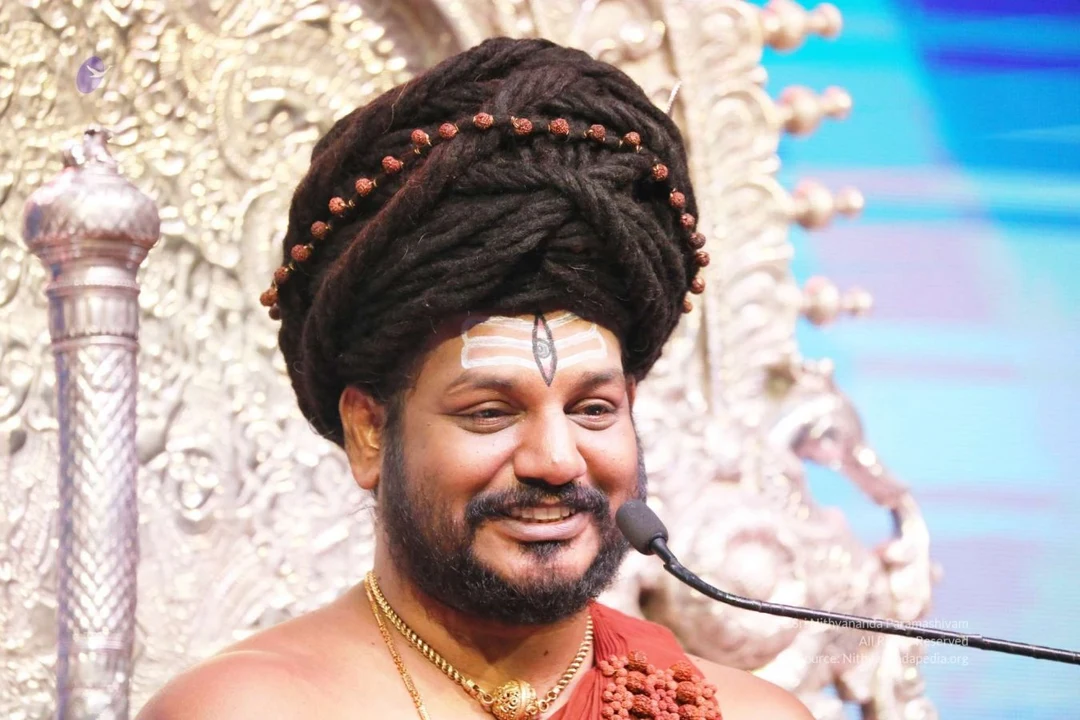 Delusion is neither cute nor justified. Deal delusion with ferociousness
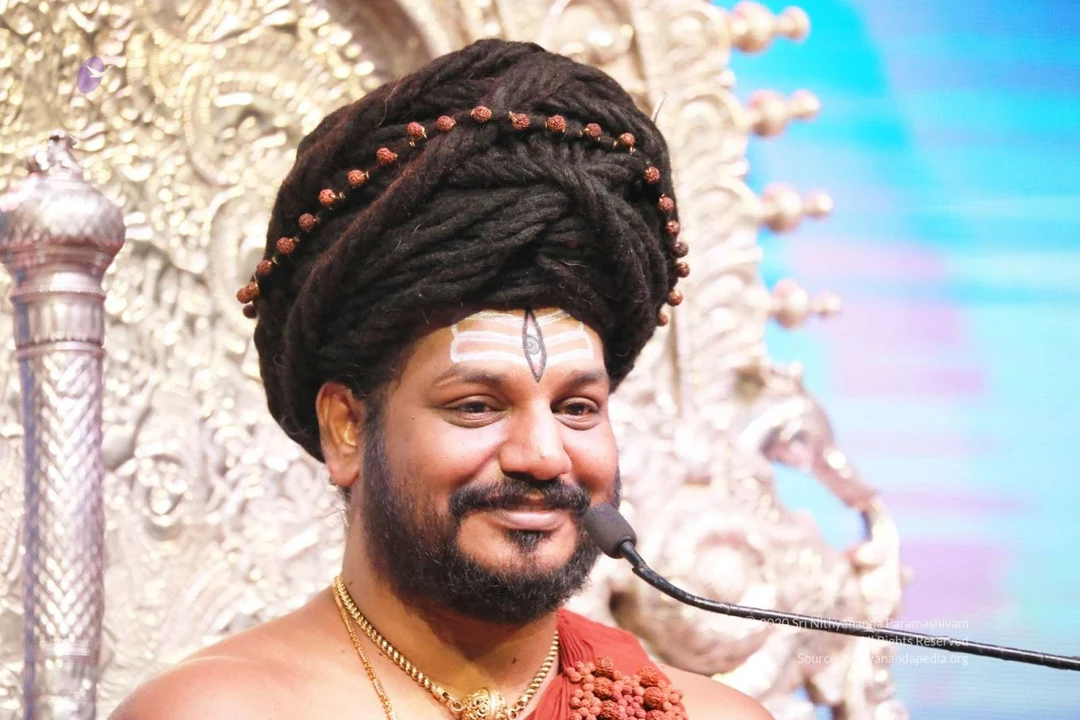 Delusion is neither cute nor justified. Deal delusion with ferociousness
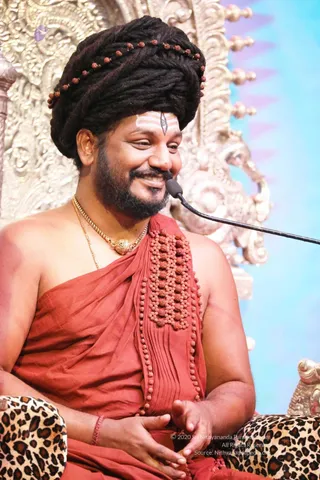 Delusion is neither cute nor justified. Deal delusion with ferociousness
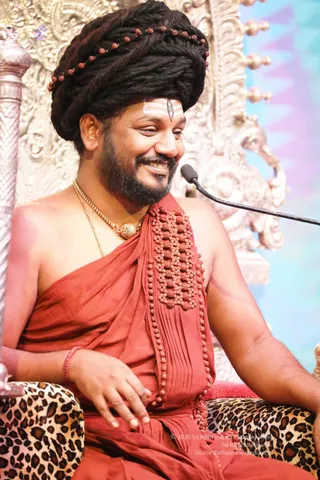 Delusion is neither cute nor justified. Deal delusion with ferociousness
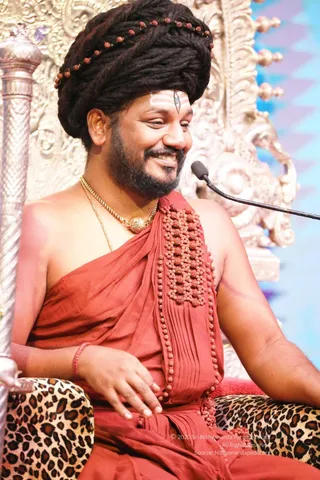 Delusion is neither cute nor justified. Deal delusion with ferociousness
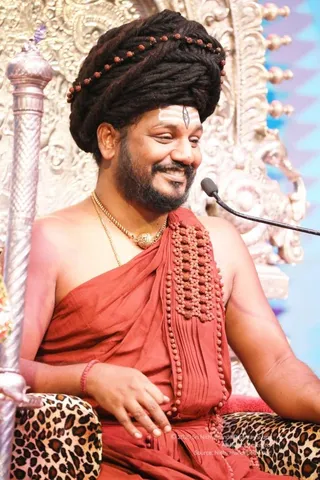 You are here to celebrate universe
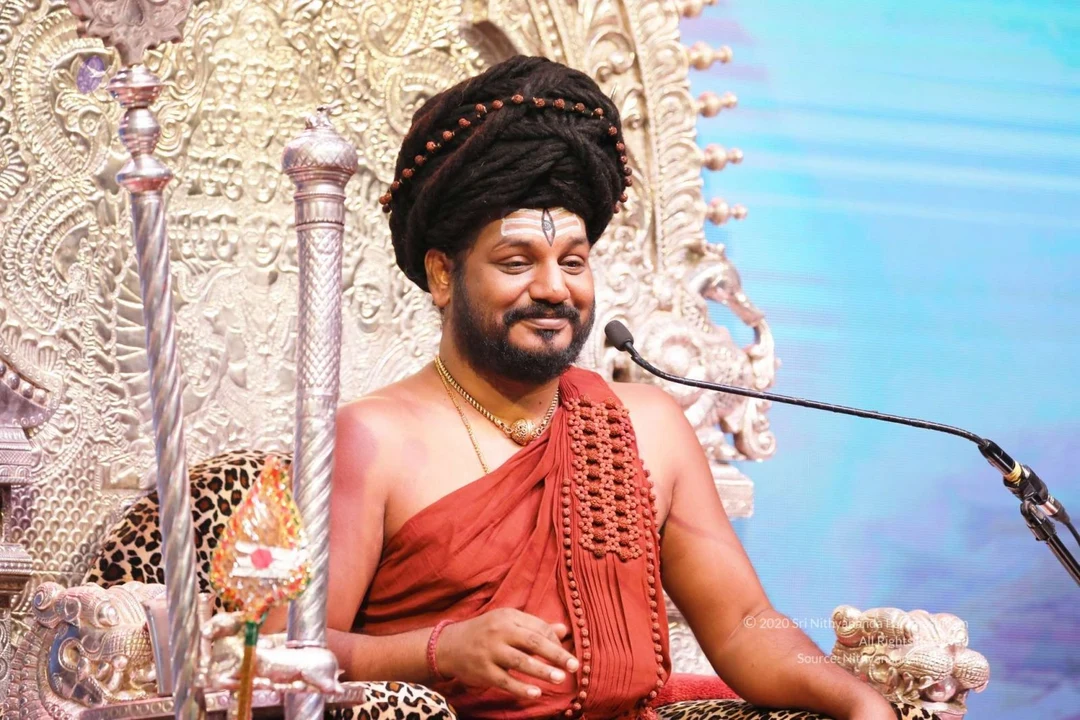 You are here to celebrate universe
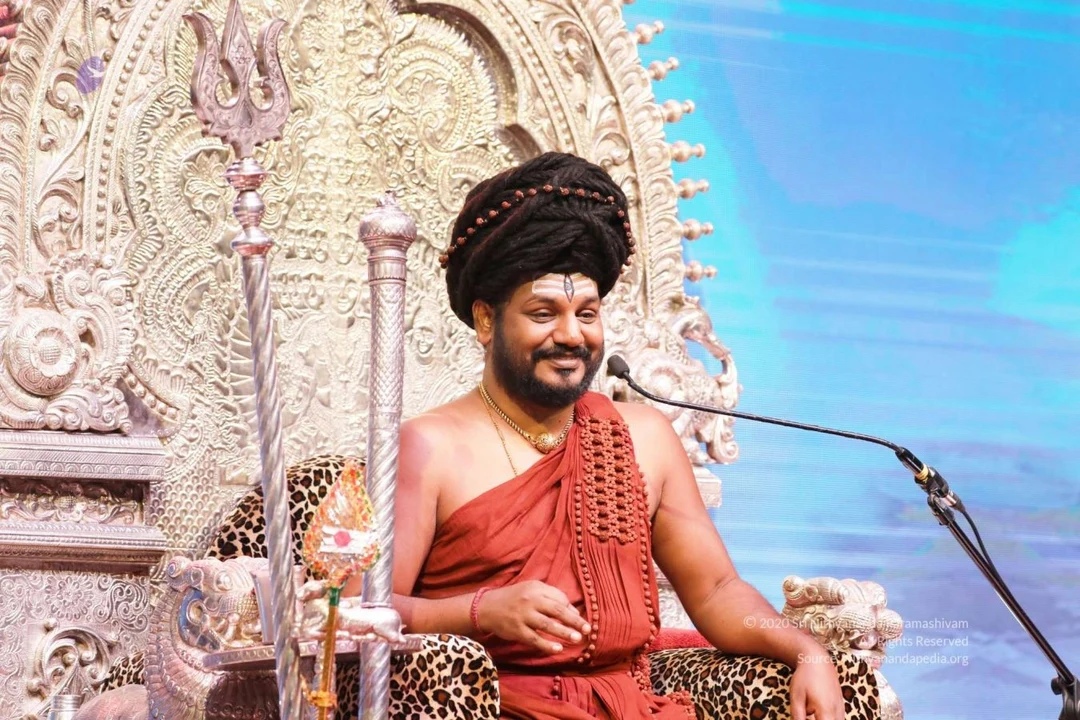 You are here to celebrate universe
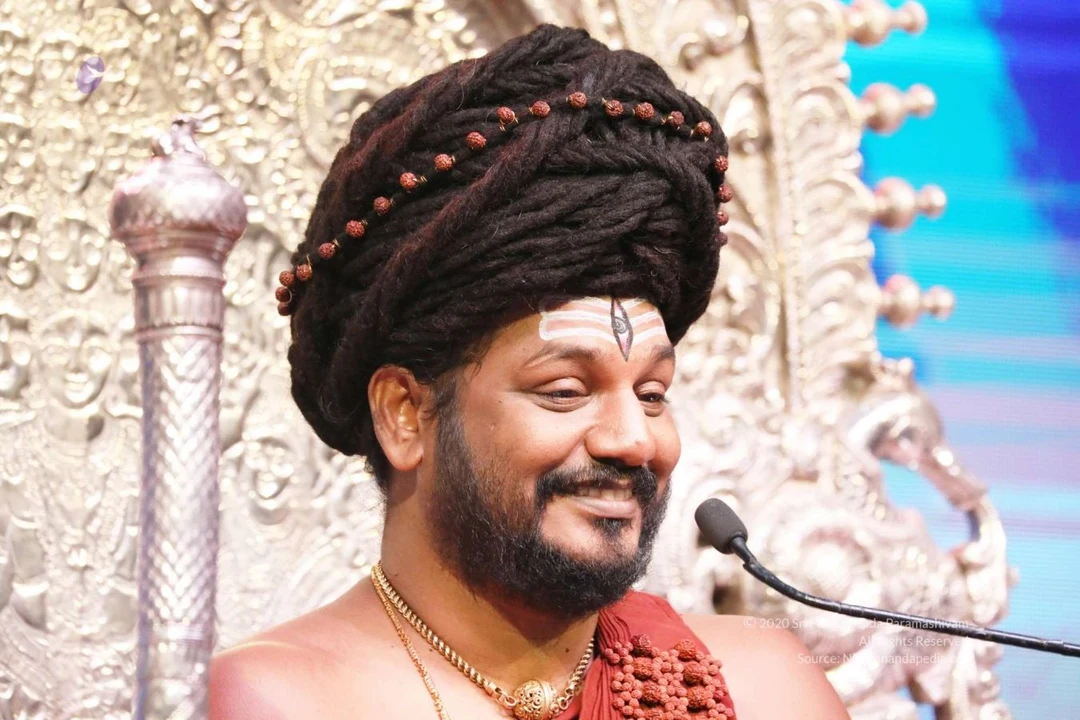 You are here to celebrate universe
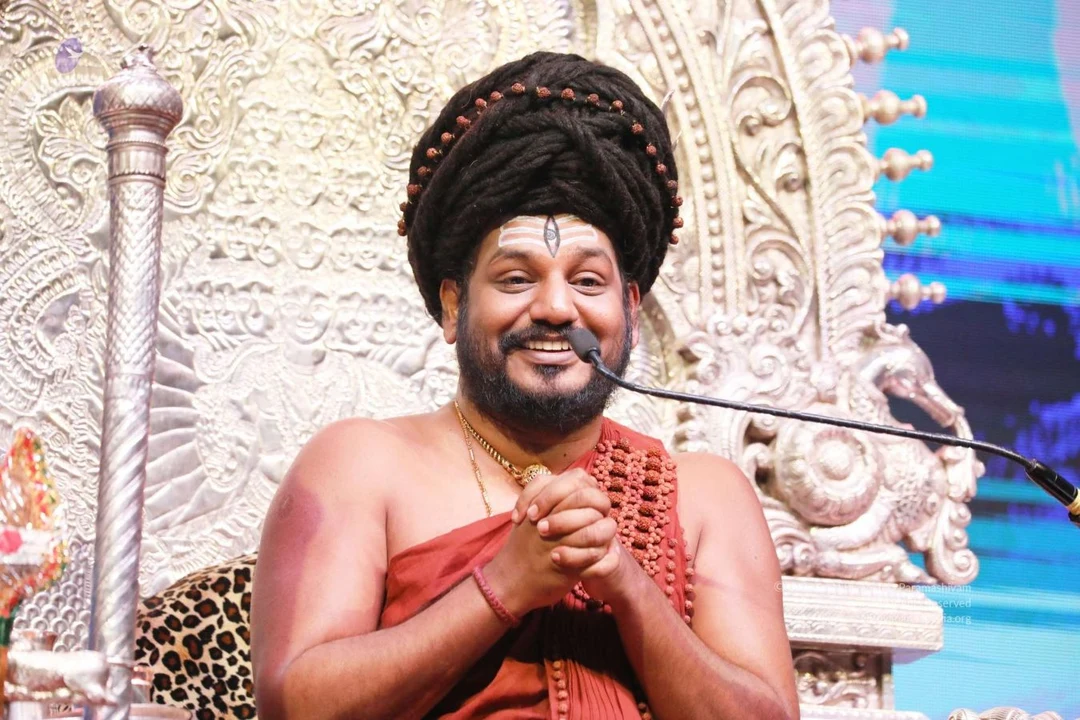 You are here to celebrate universe
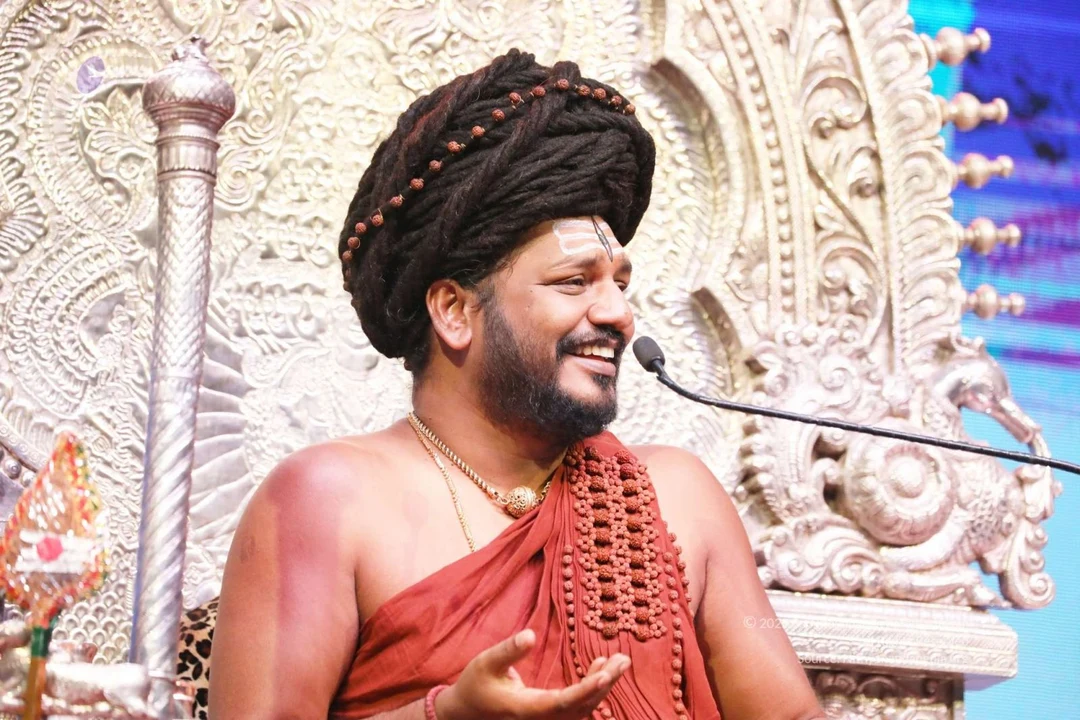 You are here to celebrate universe
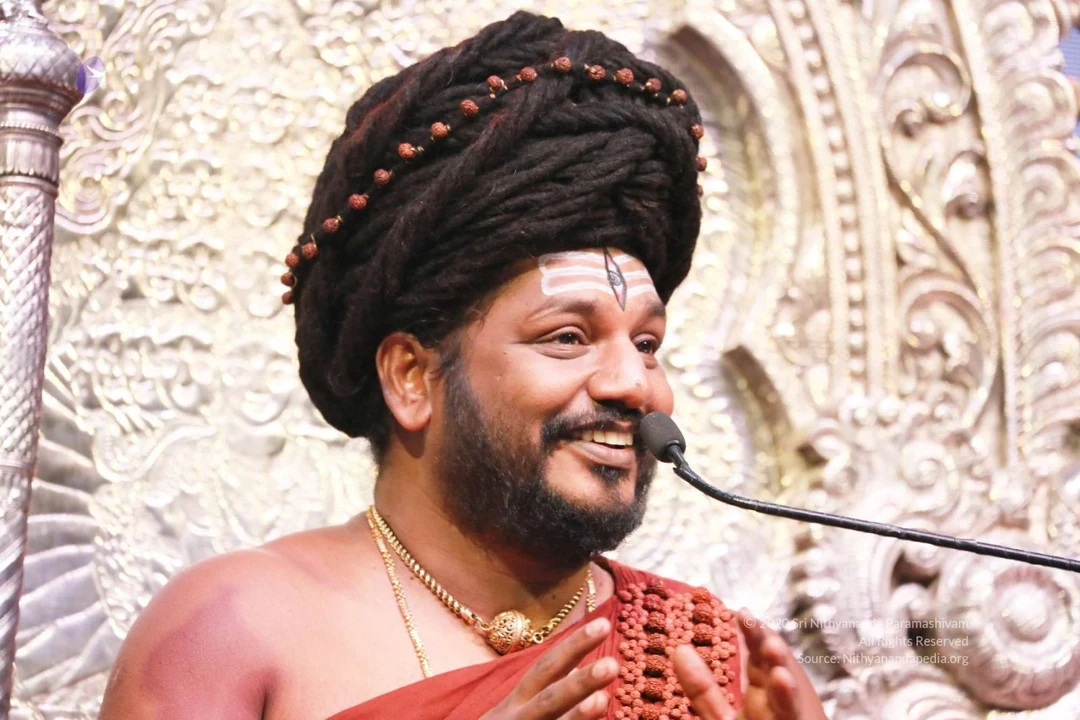 You are here to celebrate universe
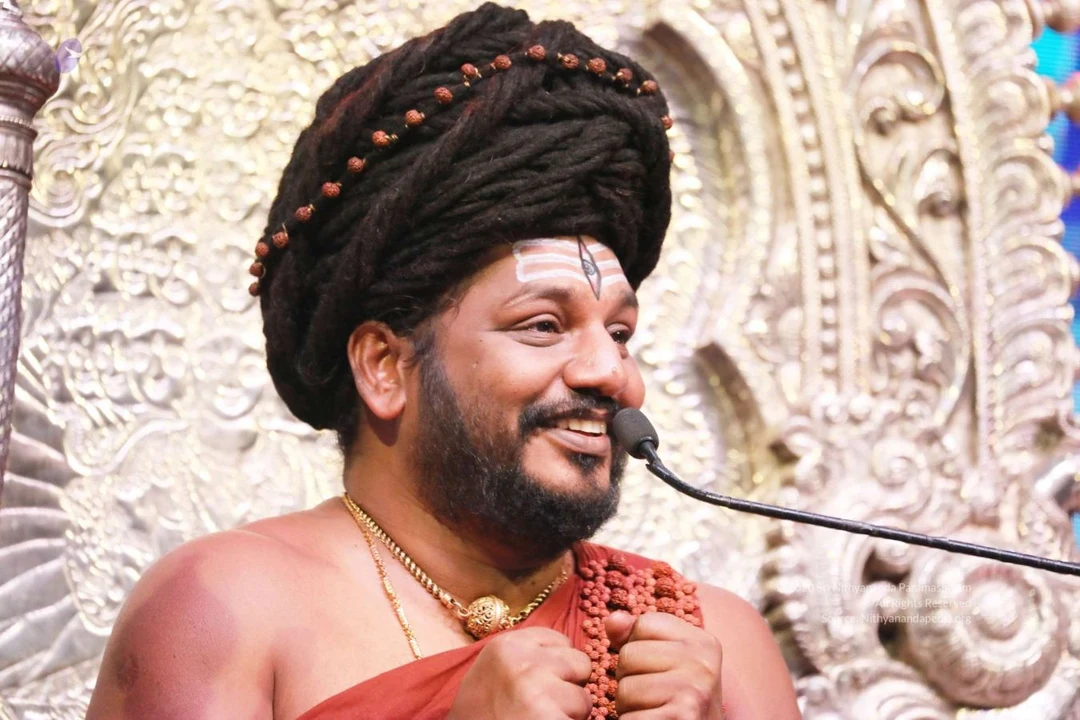 You are here to celebrate universe
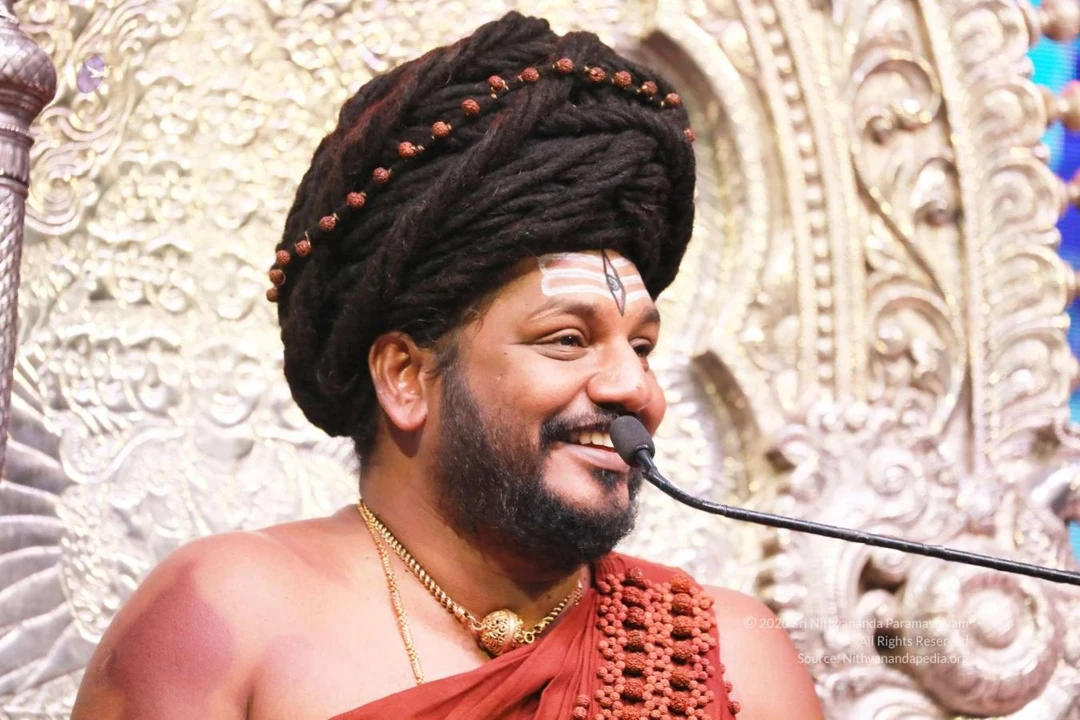 You are here to celebrate universe
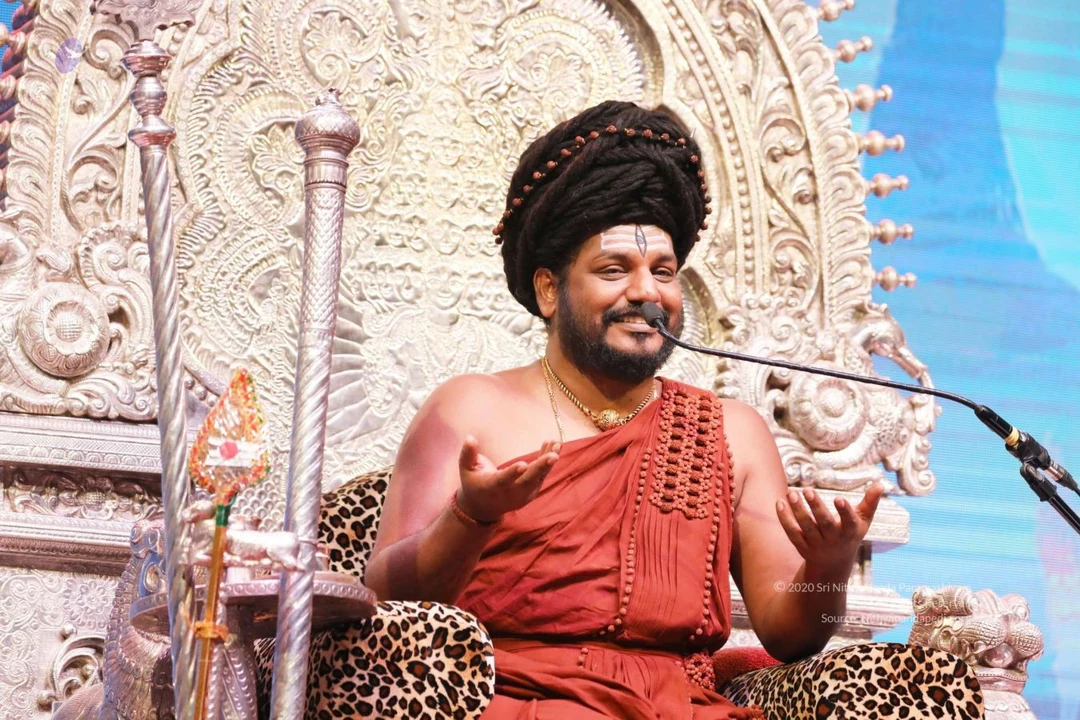 You are here to celebrate universe
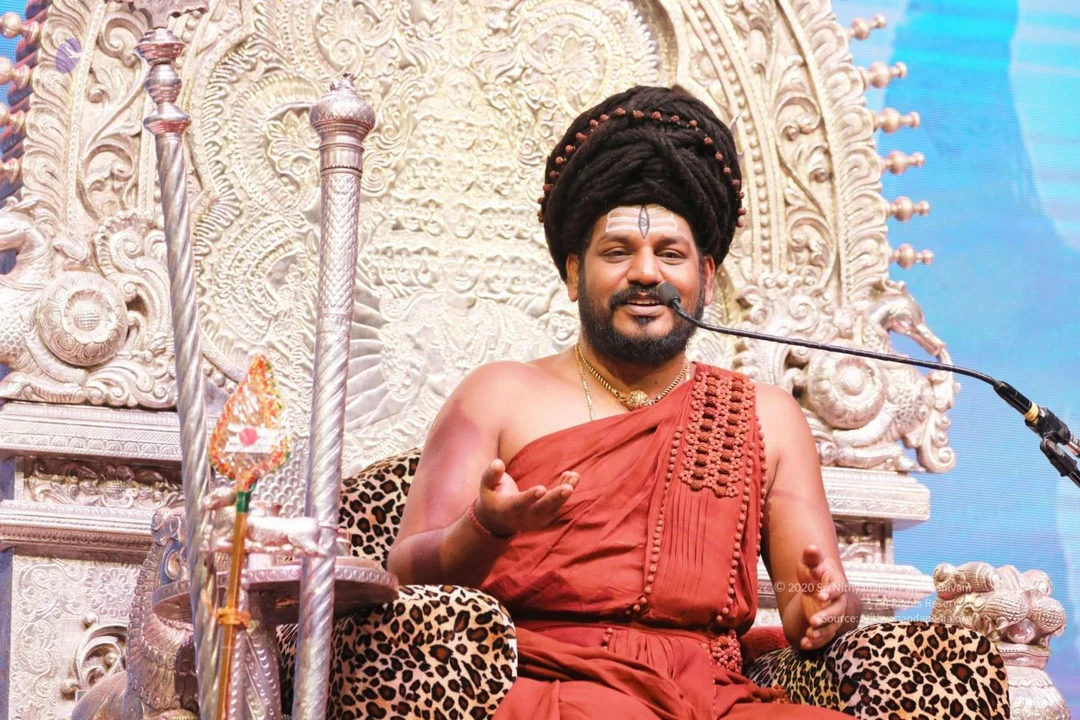 You are here to celebrate universe
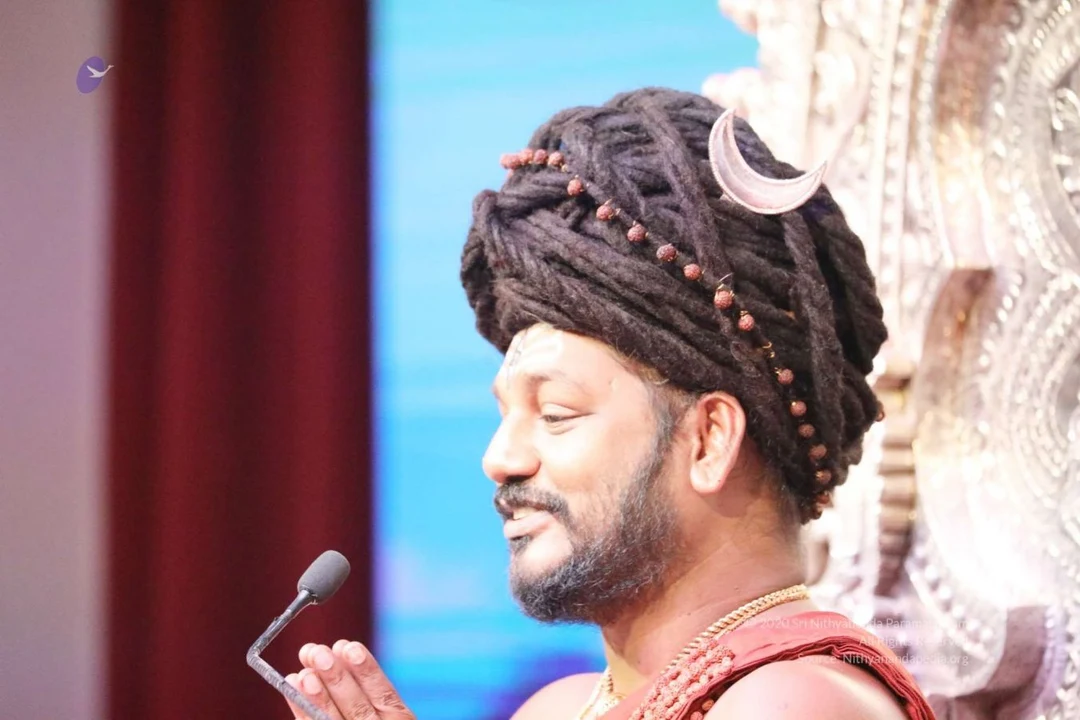 The whole universe is my extension and I am celebrating it
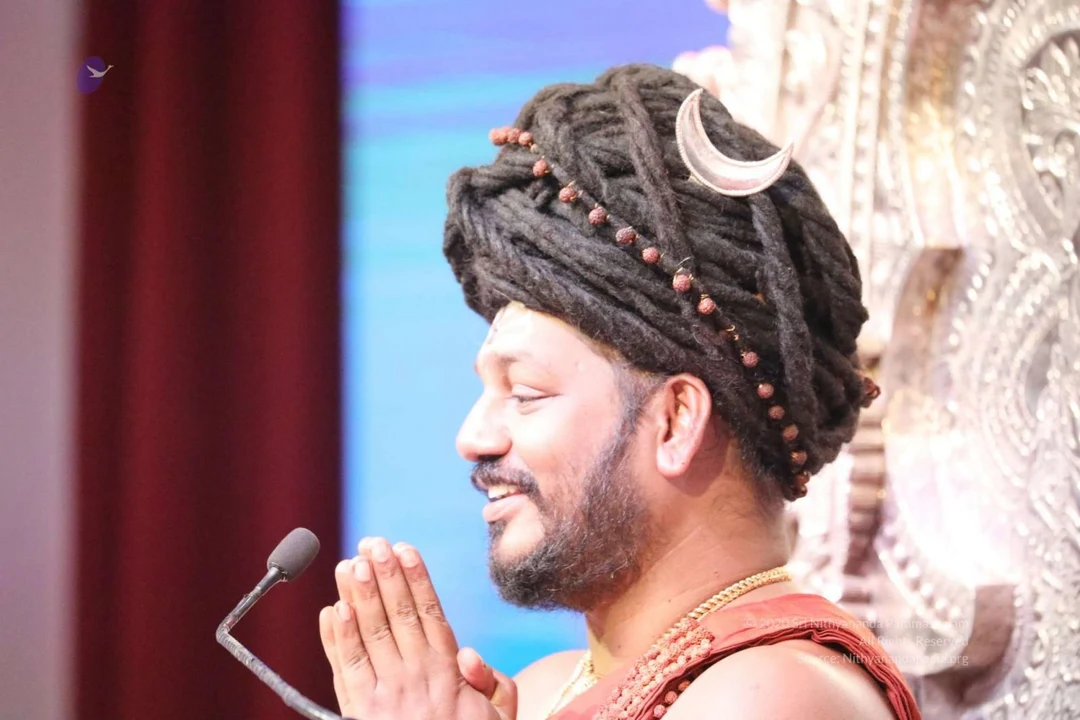 The whole universe is my extension and I am celebrating it
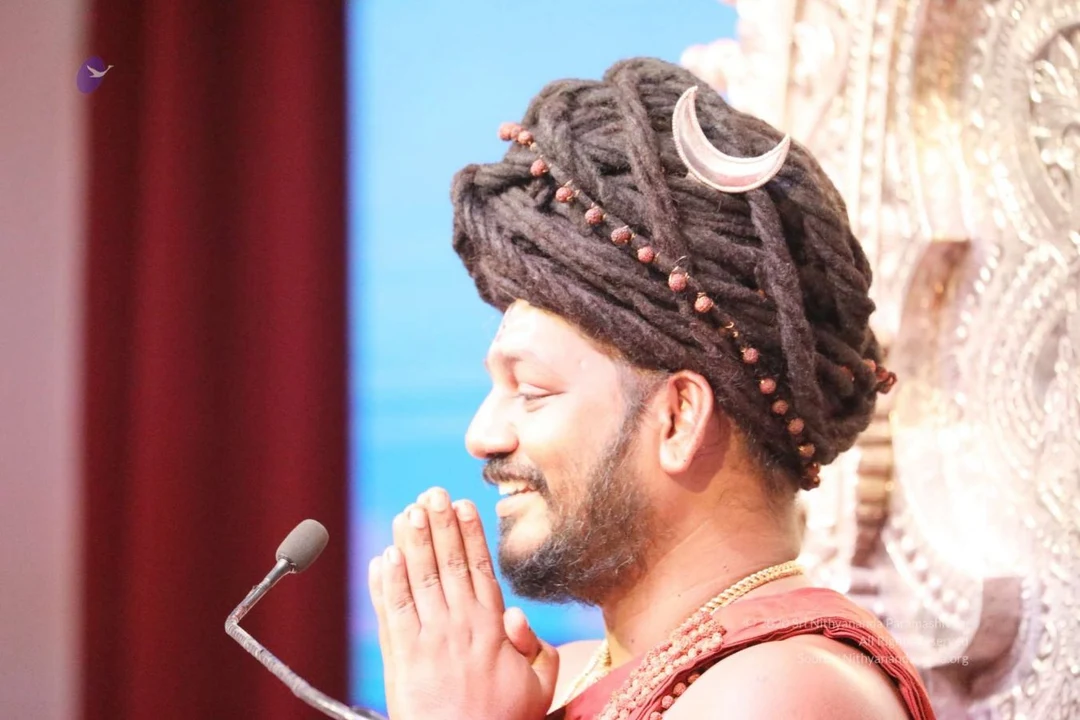 The whole universe is my extension and I am celebrating it
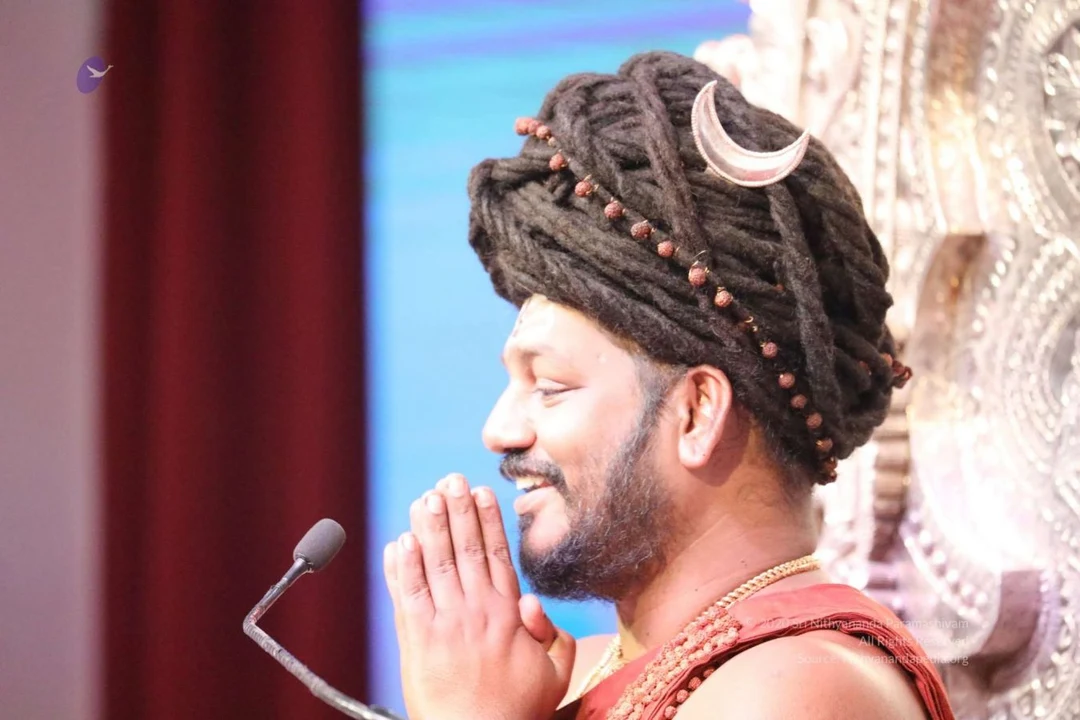 The whole universe is my extension and I am celebrating it
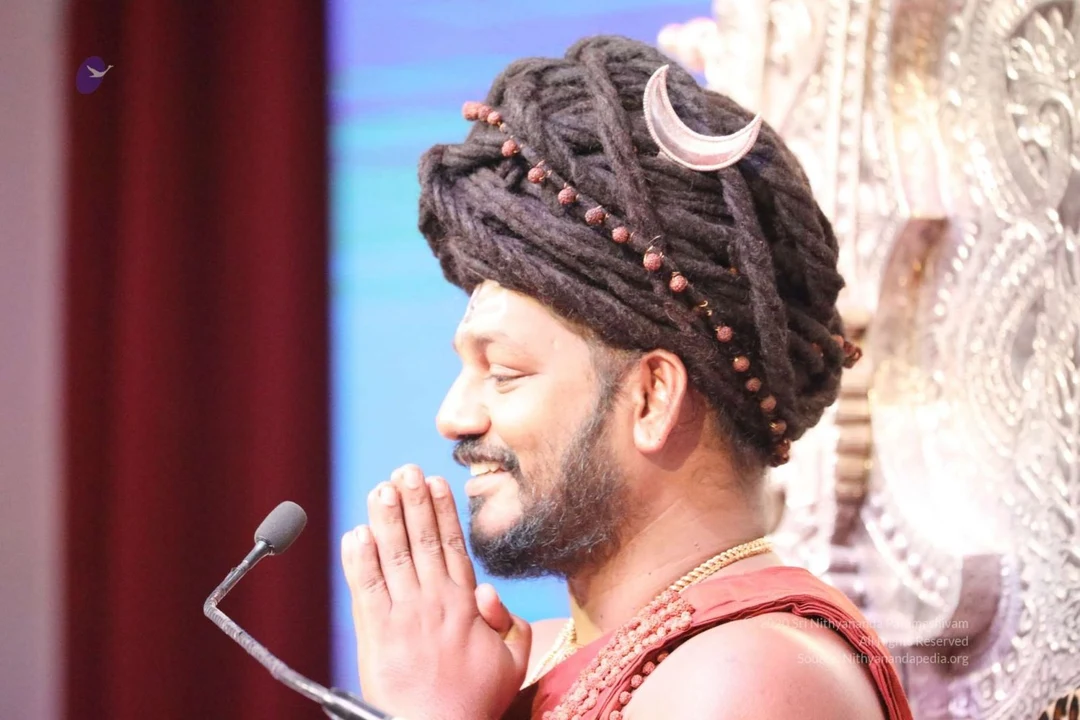 The whole universe is my extension and I am celebrating it
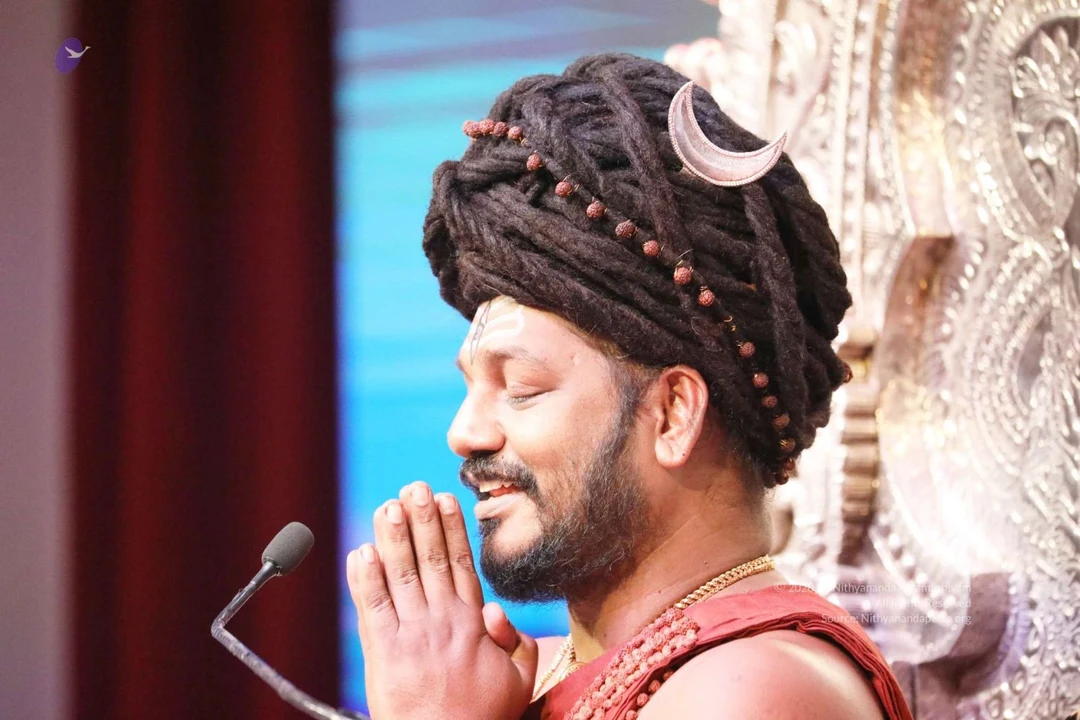 You are here to celebrate cosmos
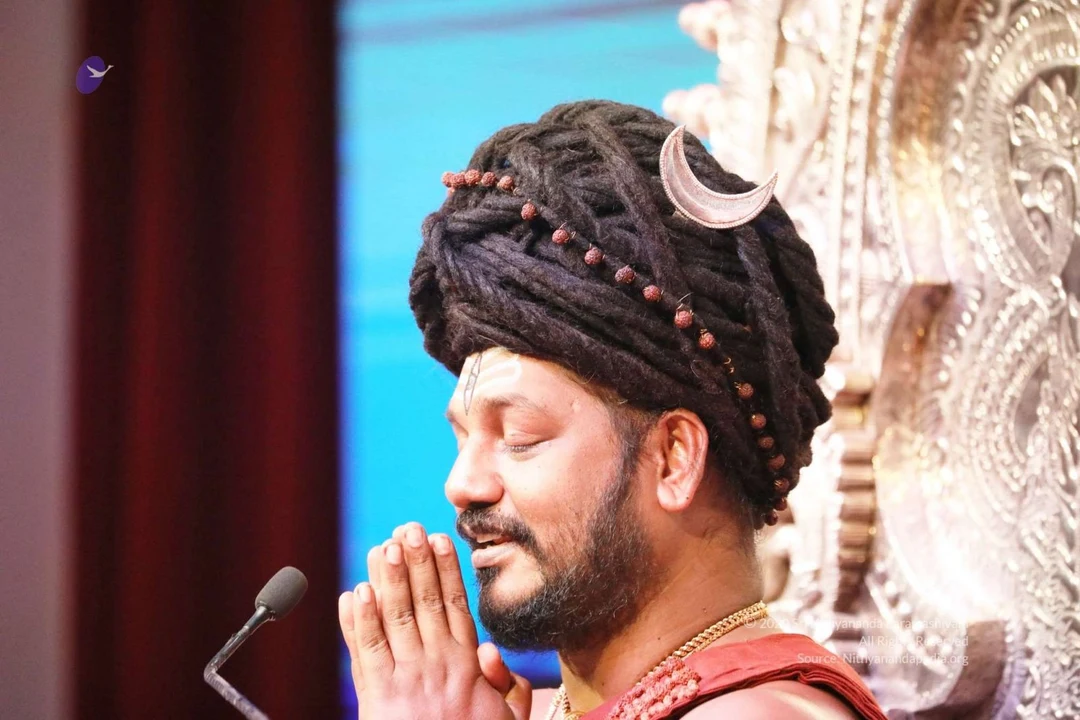 You are here to celebrate cosmos
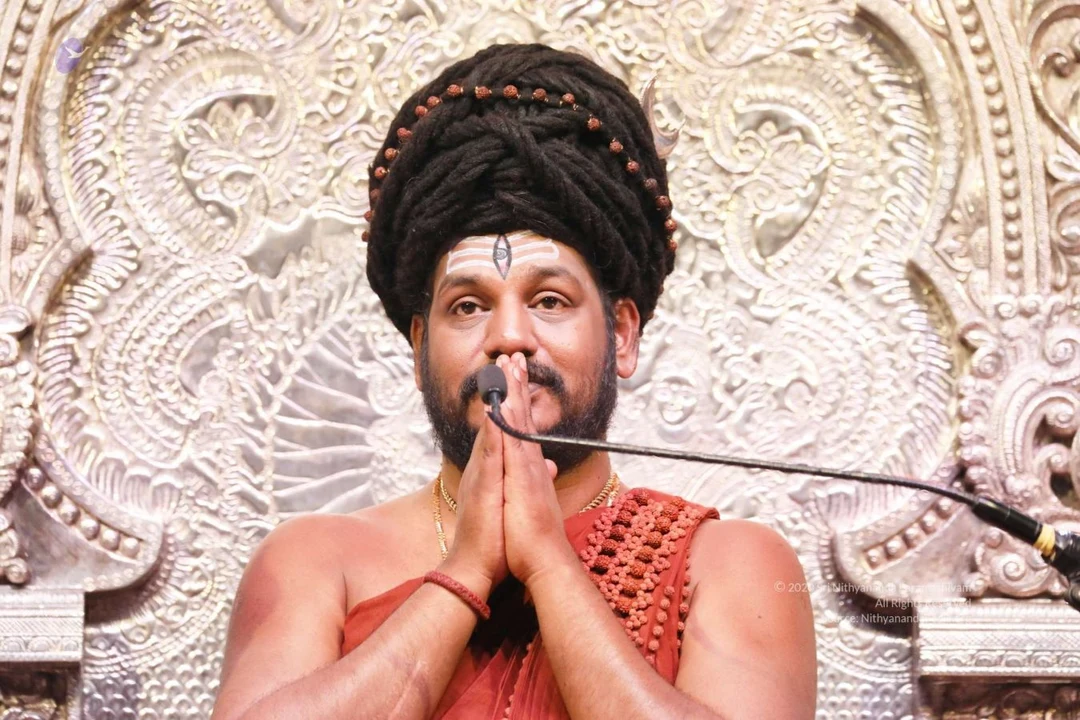 You are here to celebrate cosmos
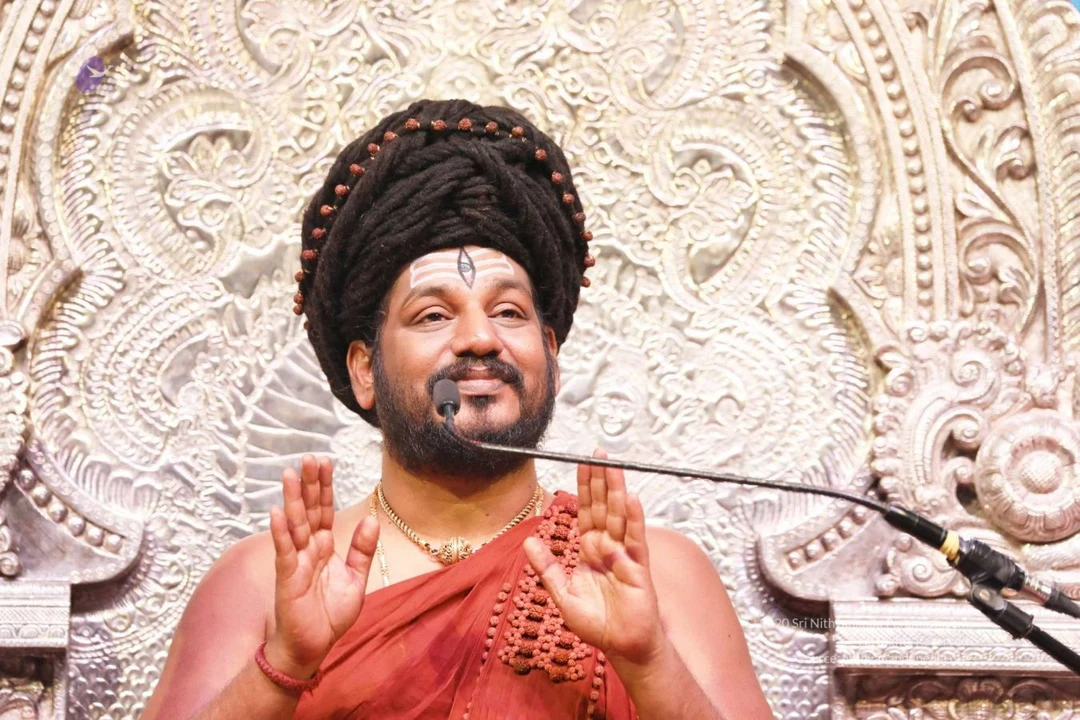 You are here to celebrate cosmos
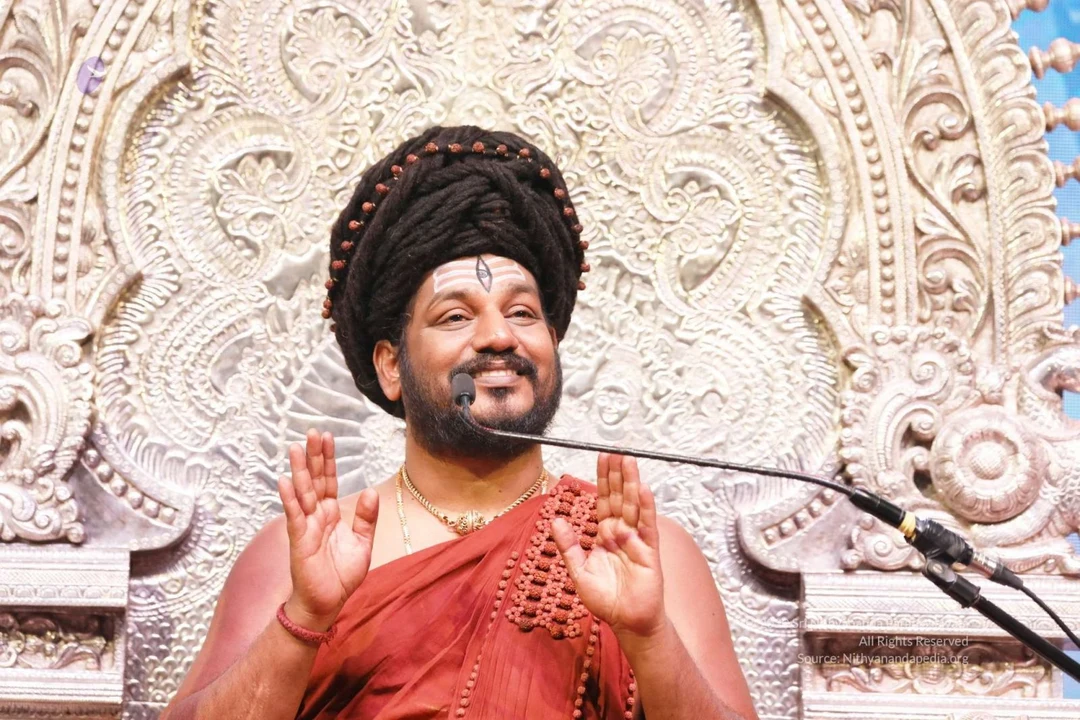 You are here to celebrate cosmos
 You are here to celebrate cosmos
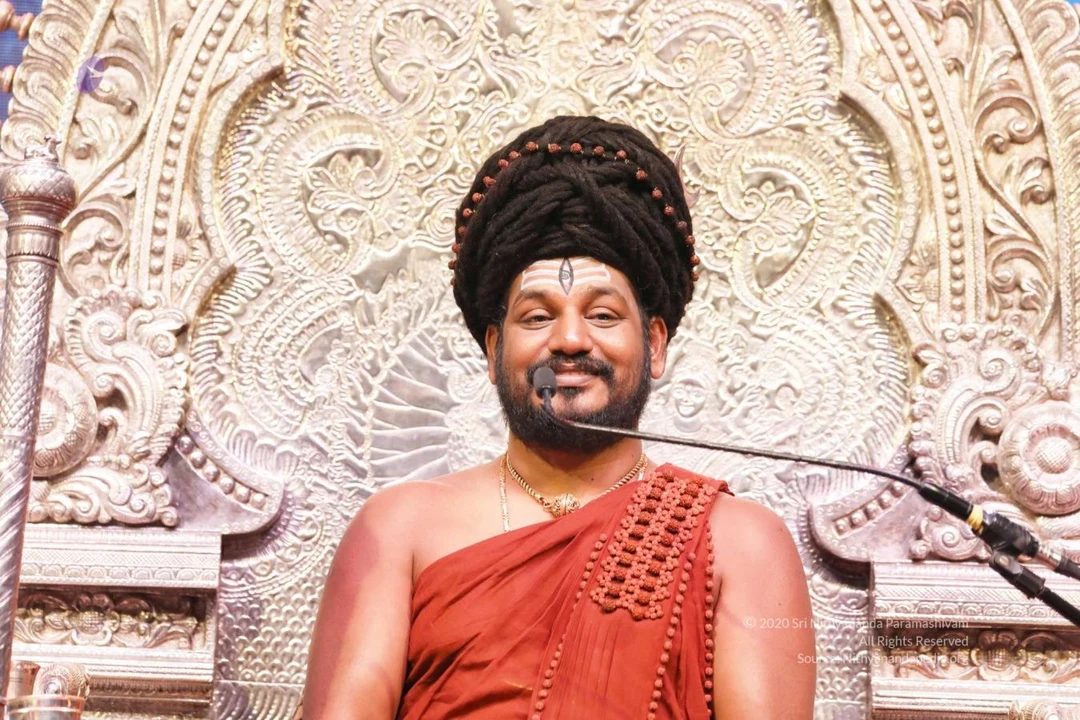 You are here to celebrate cosmos
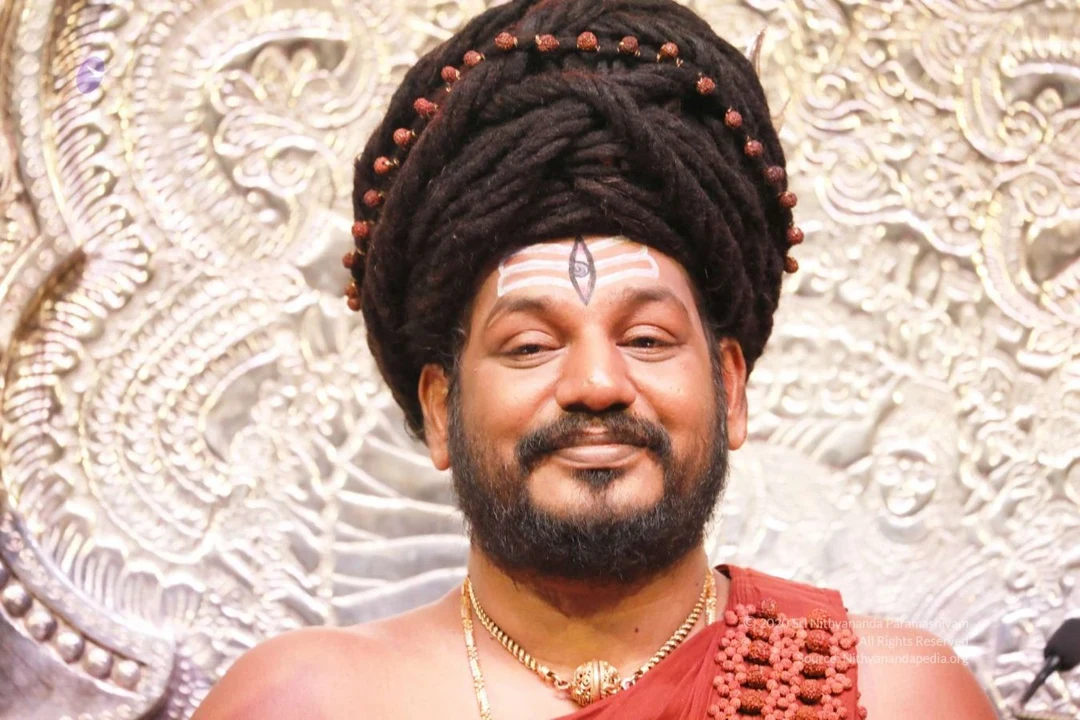 You are here to celebrate cosmos
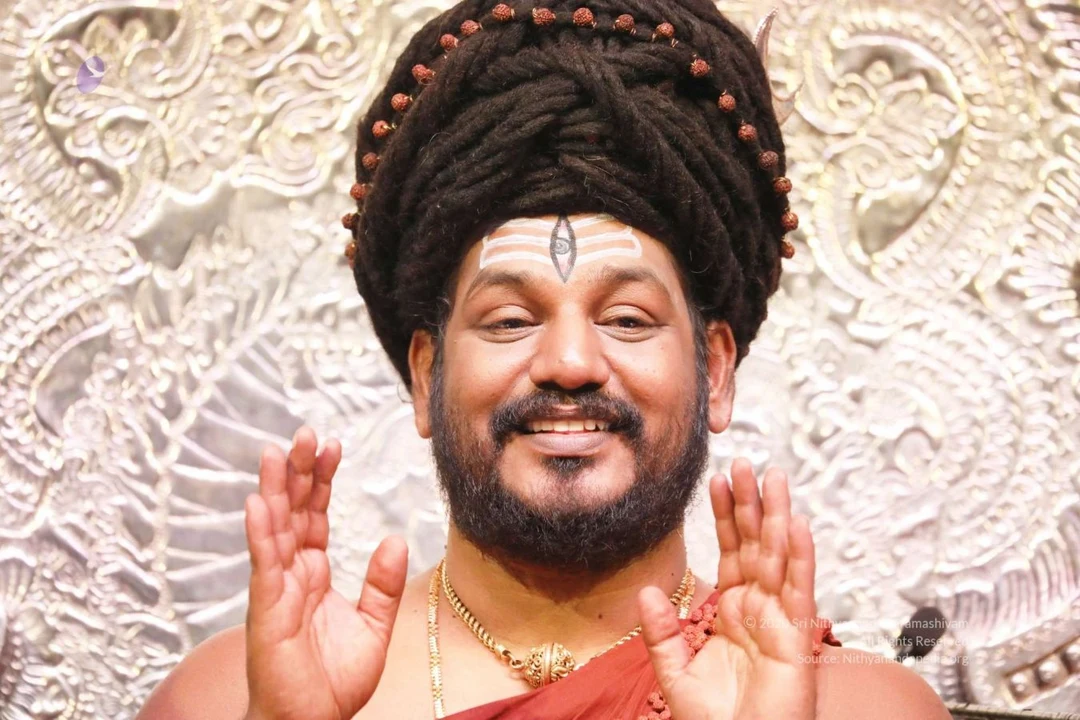 You are here to celebrate cosmos
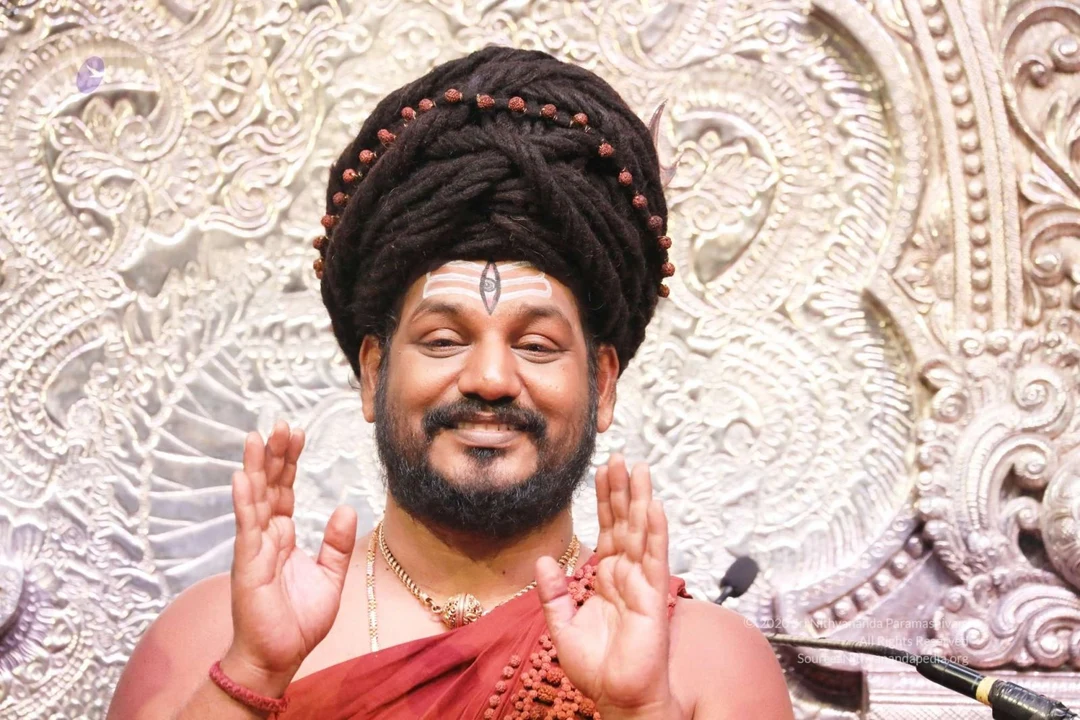 Be ferocious with your boredom & tiredness
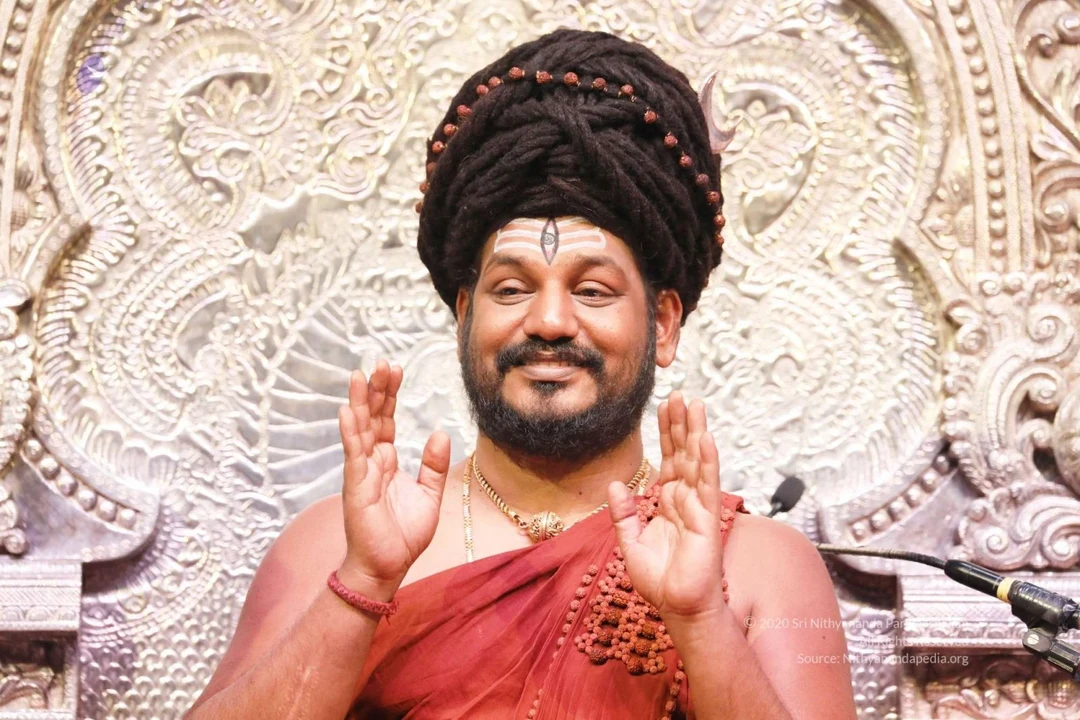 Be ferocious with your boredom & tiredness
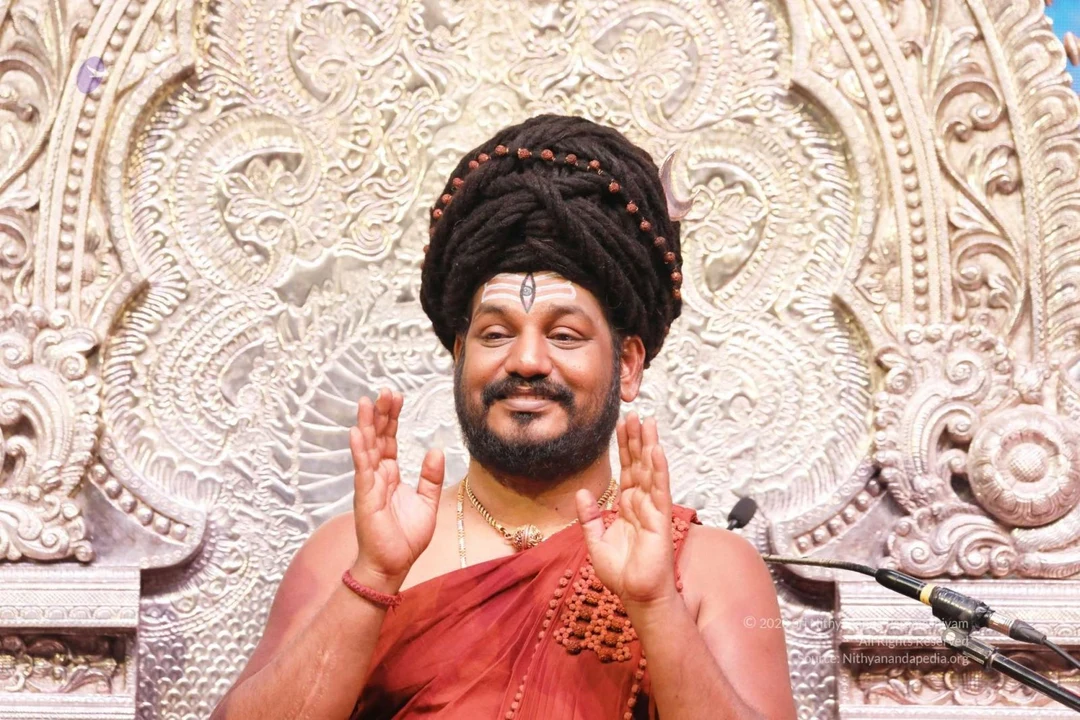 Be ferocious with your boredom & tiredness
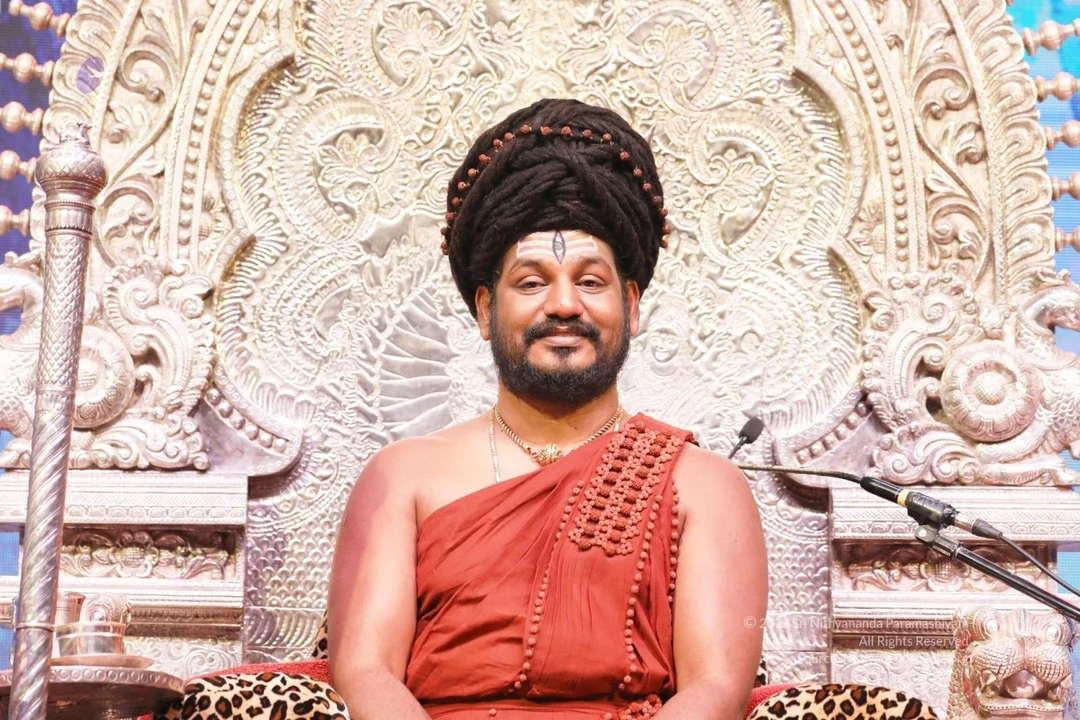 Be ferocious with your boredom & tiredness
 Be ferocious with your boredom & tiredness
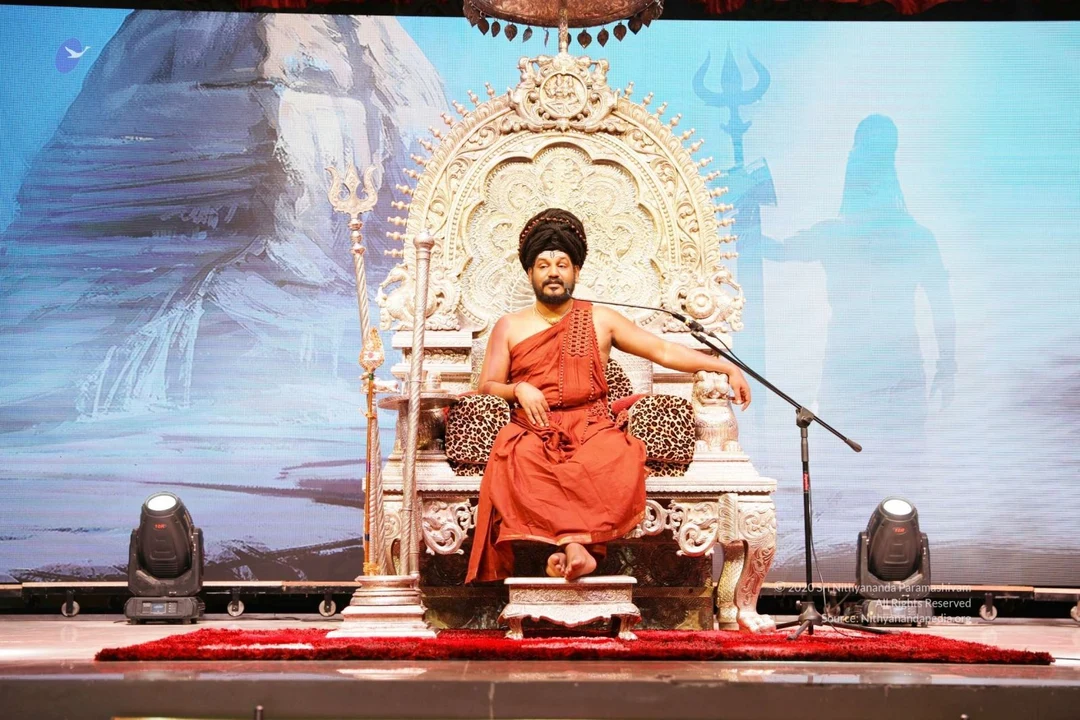 Be ferocious with your boredom & tiredness
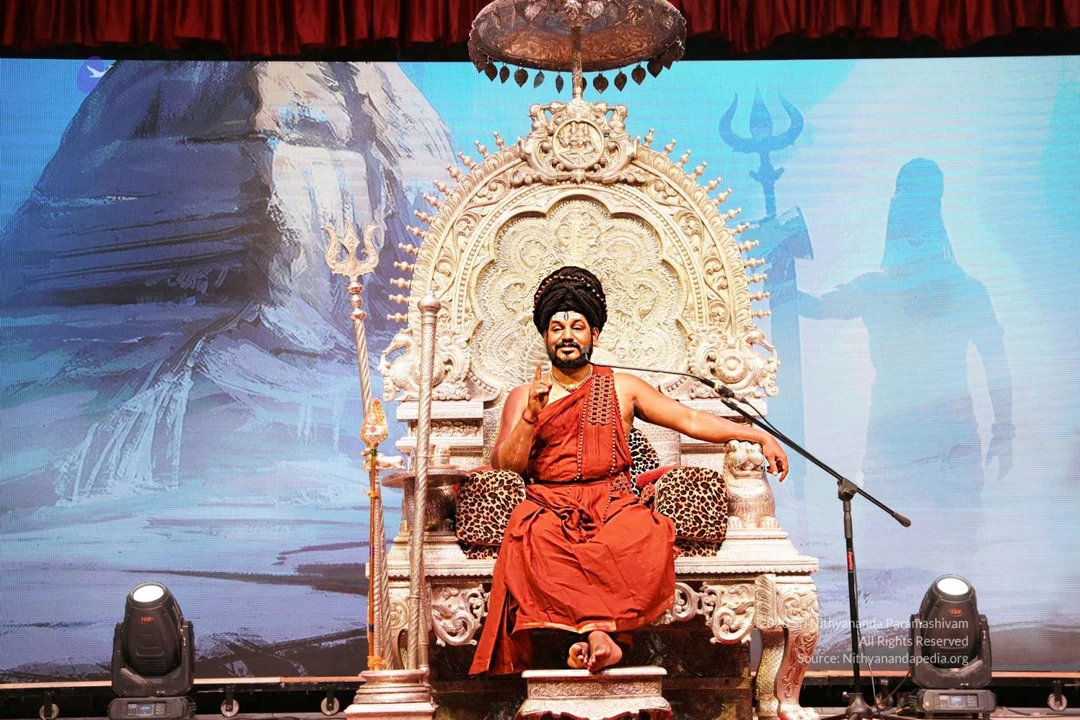 Be ferocious with your boredom & tiredness
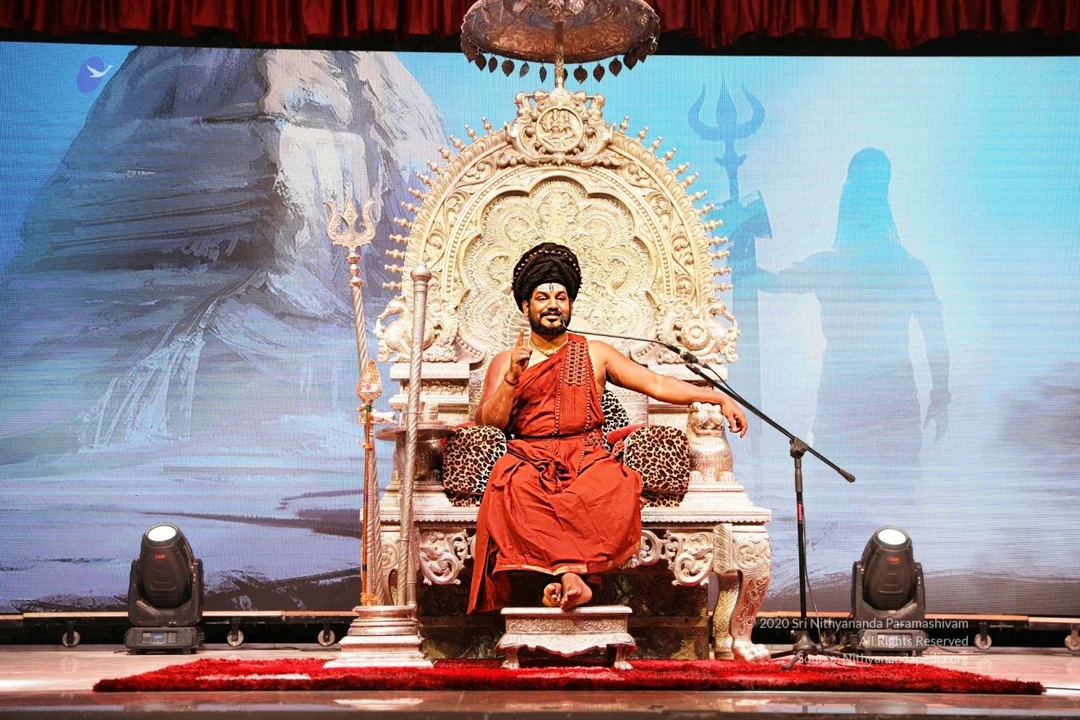 Be ferocious with your boredom & tiredness
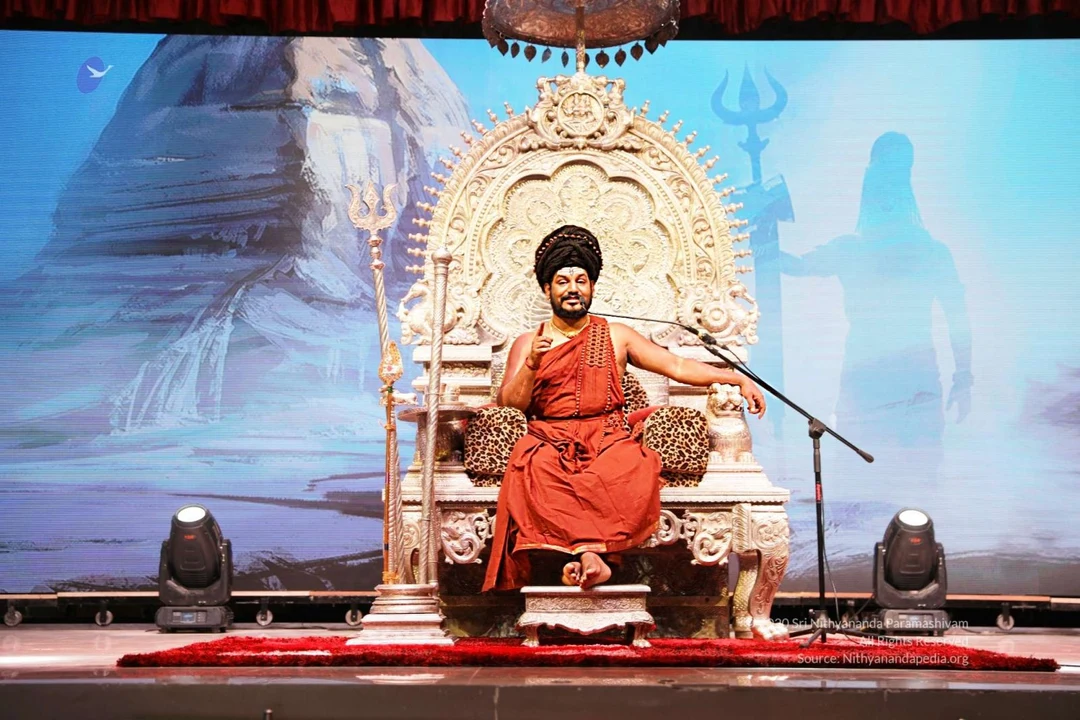 Be ferocious with your boredom & tiredness
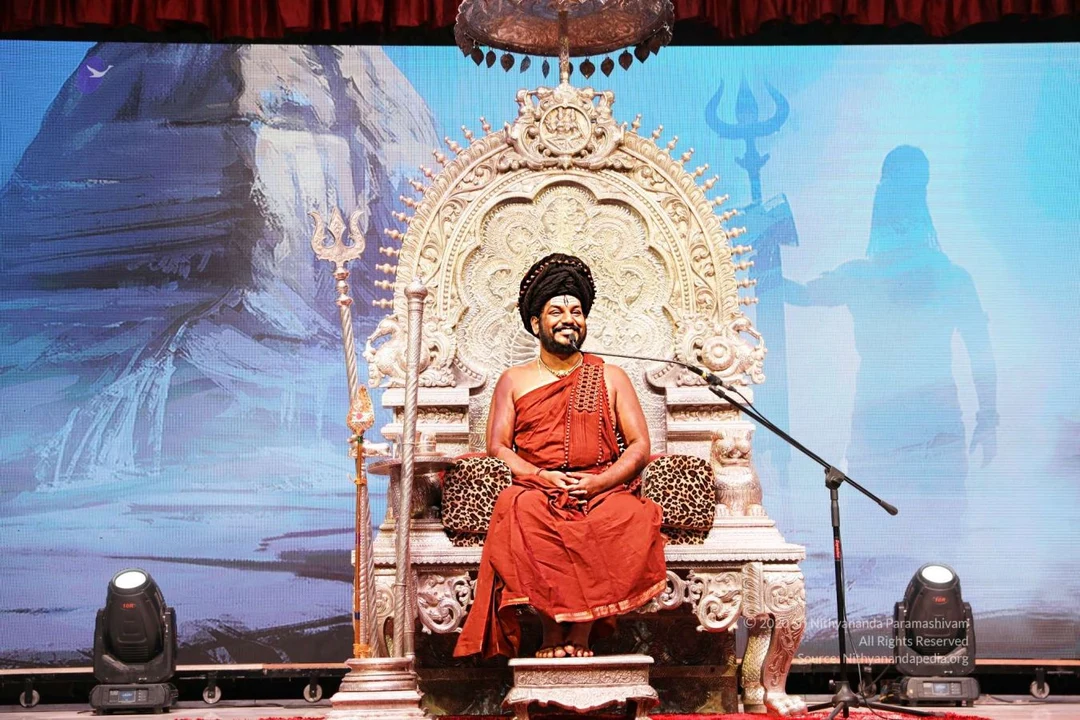 Make this powerful cognition ferociously as a realization in you. That’s the chemistry of guru-disciple relationship
 Make this powerful cognition ferociously as a realization in you. That’s the chemistry of guru-disciple relationship
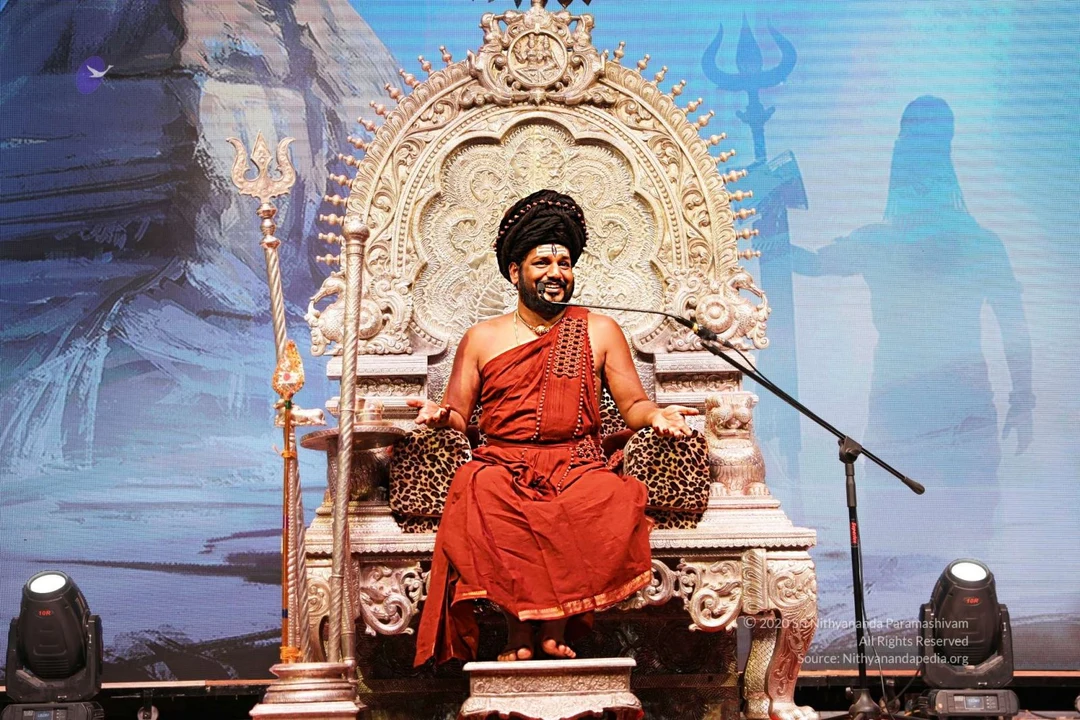 Make this powerful cognition ferociously as a realization in you. That’s the chemistry of guru-disciple relationship
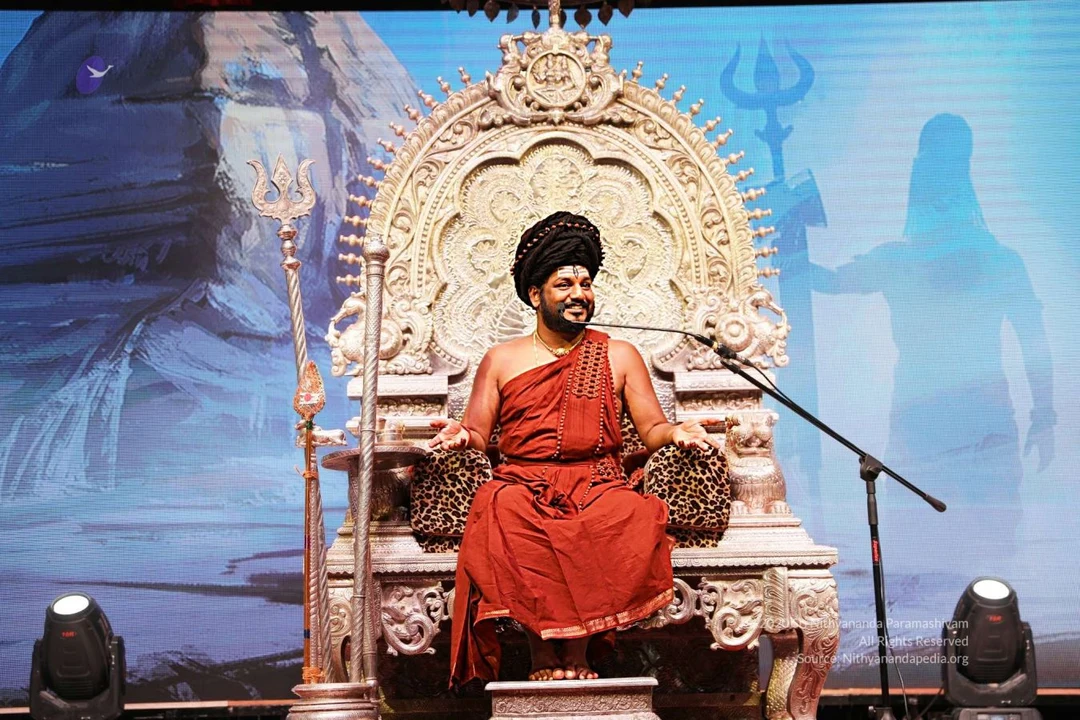 Make this powerful cognition ferociously as a realization in you. That’s the chemistry of guru-disciple relationship
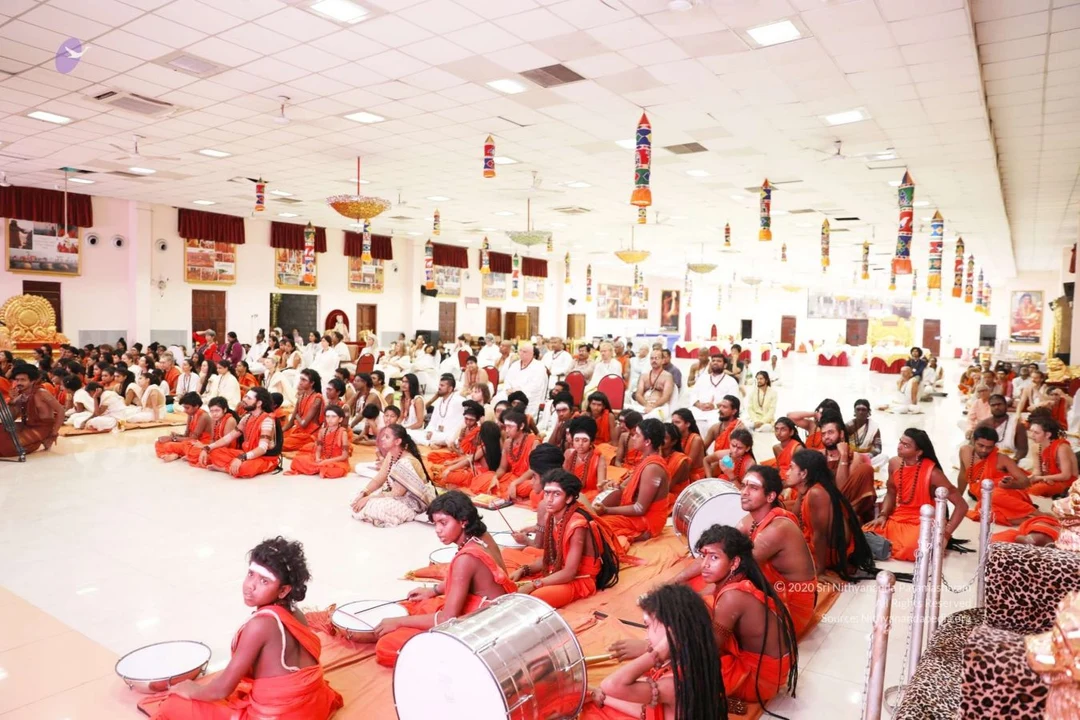 Make this powerful cognition ferociously as a realization in you. That’s the chemistry of guru-disciple relationship
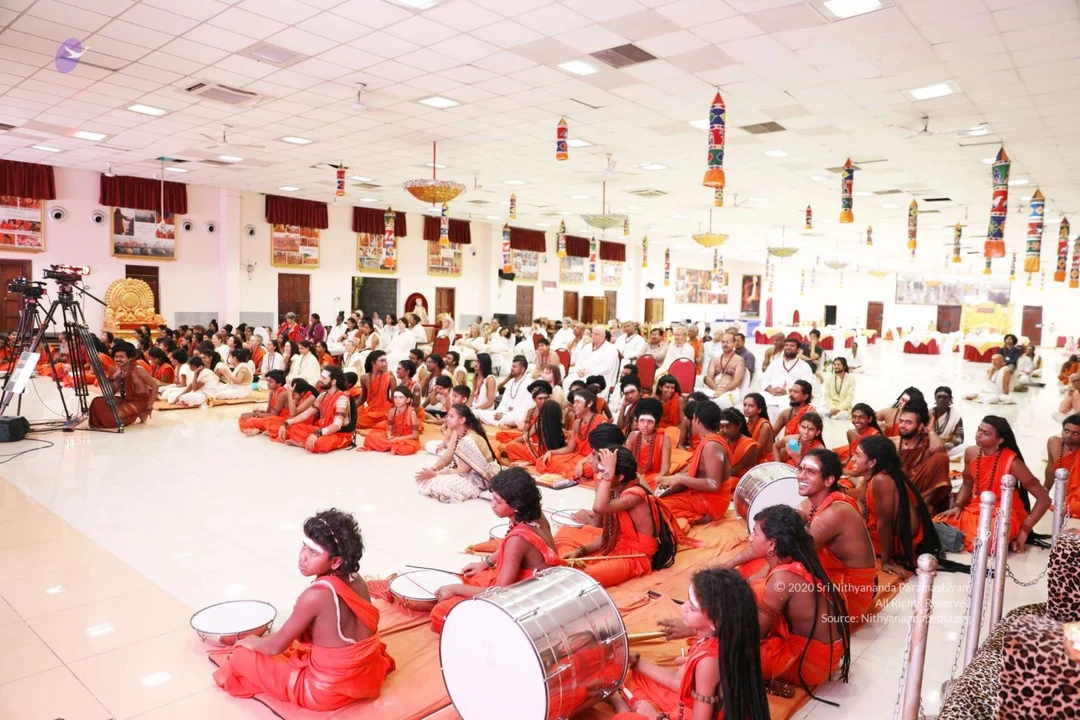 Make this powerful cognition ferociously as a realization in you. That’s the chemistry of guru-disciple relationship
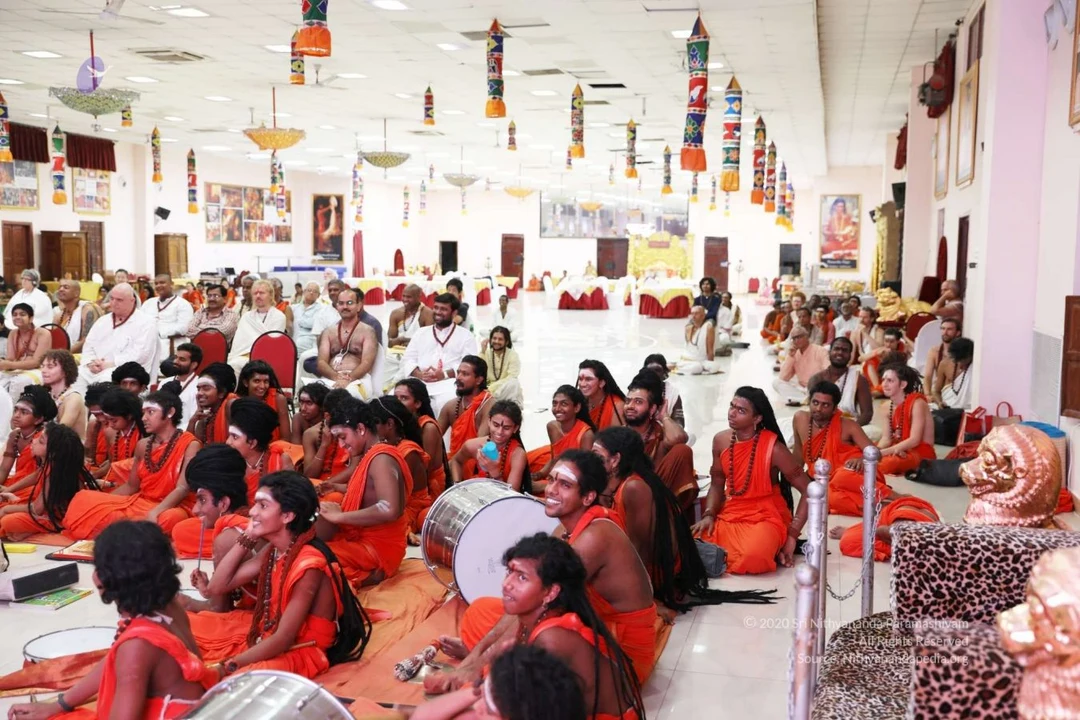 Make this powerful cognition ferociously as a realization in you. That’s the chemistry of guru-disciple relationship
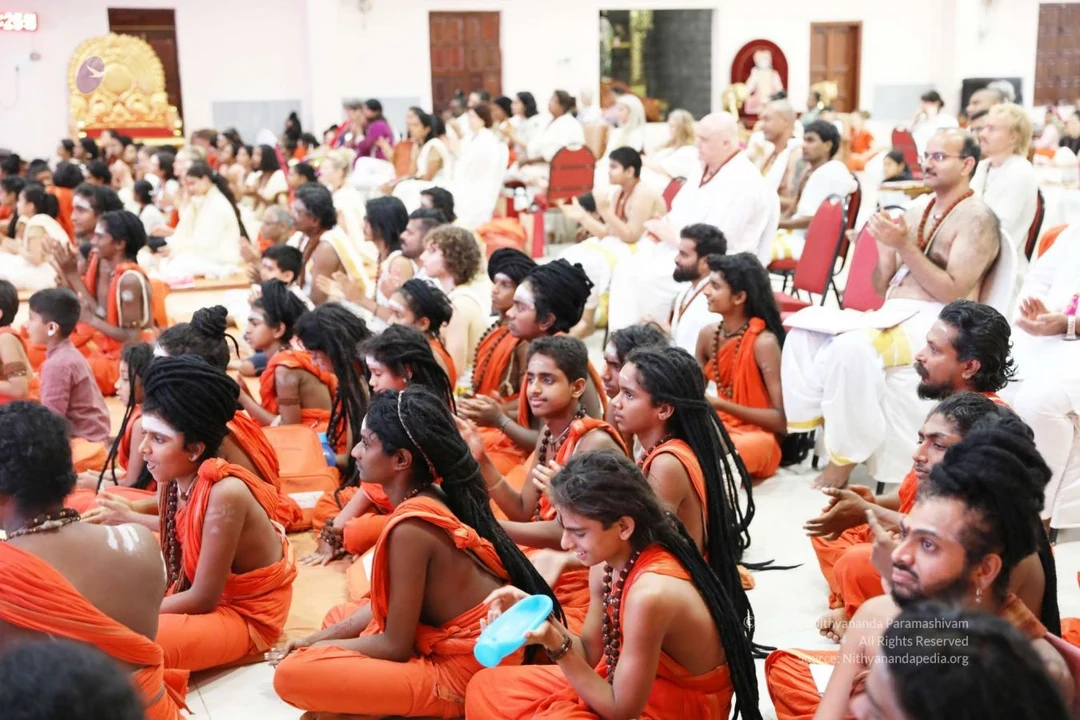 Receiving power cognitions at Adi Kailaasa, Bengaluru Aadheenam
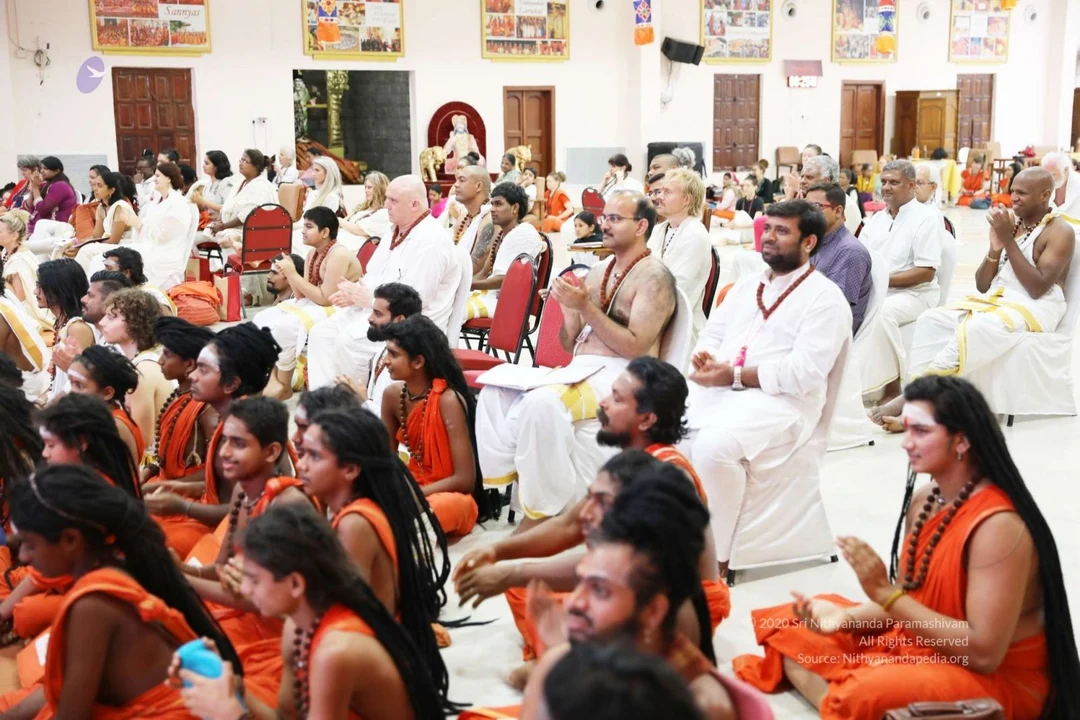 Receiving power cognitions at Adi Kailaasa, Bengaluru Aadheenam
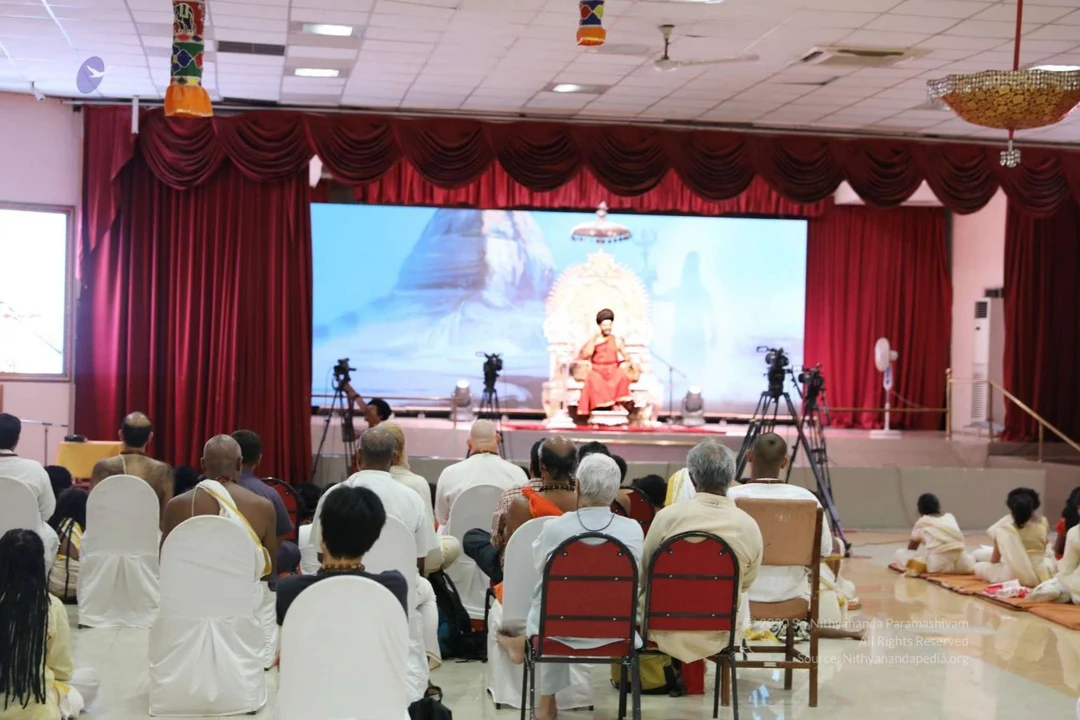 Receiving power cognitions at Adi Kailaasa, Bengaluru Aadheenam
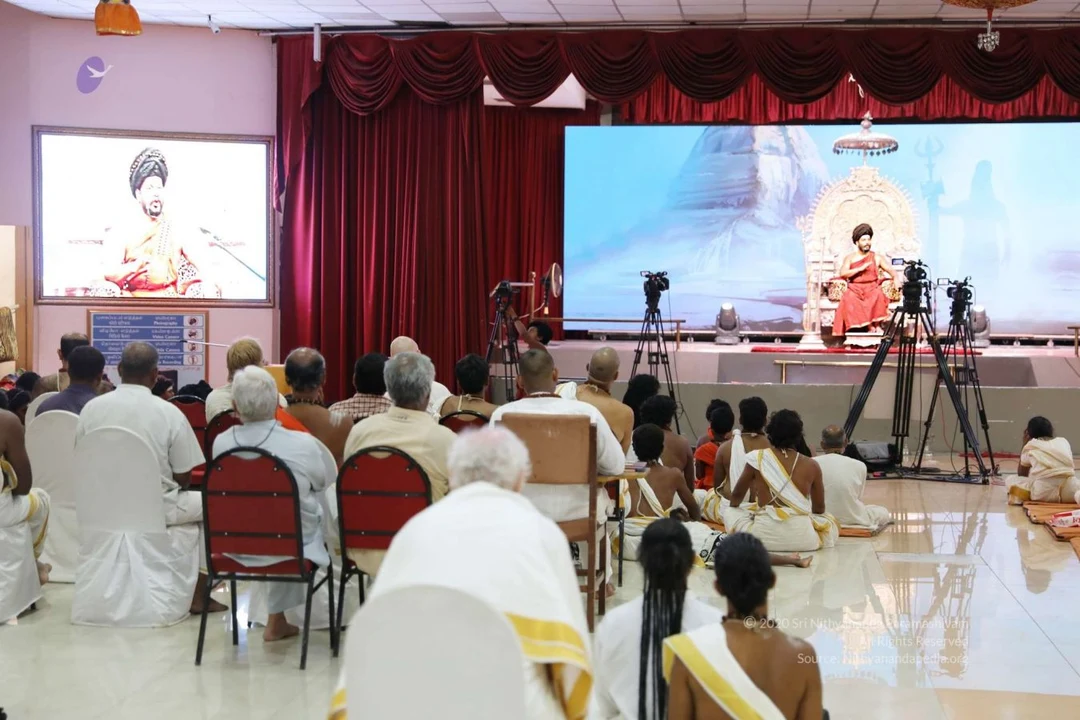 Receiving power cognitions at Adi Kailaasa, Bengaluru Aadheenam
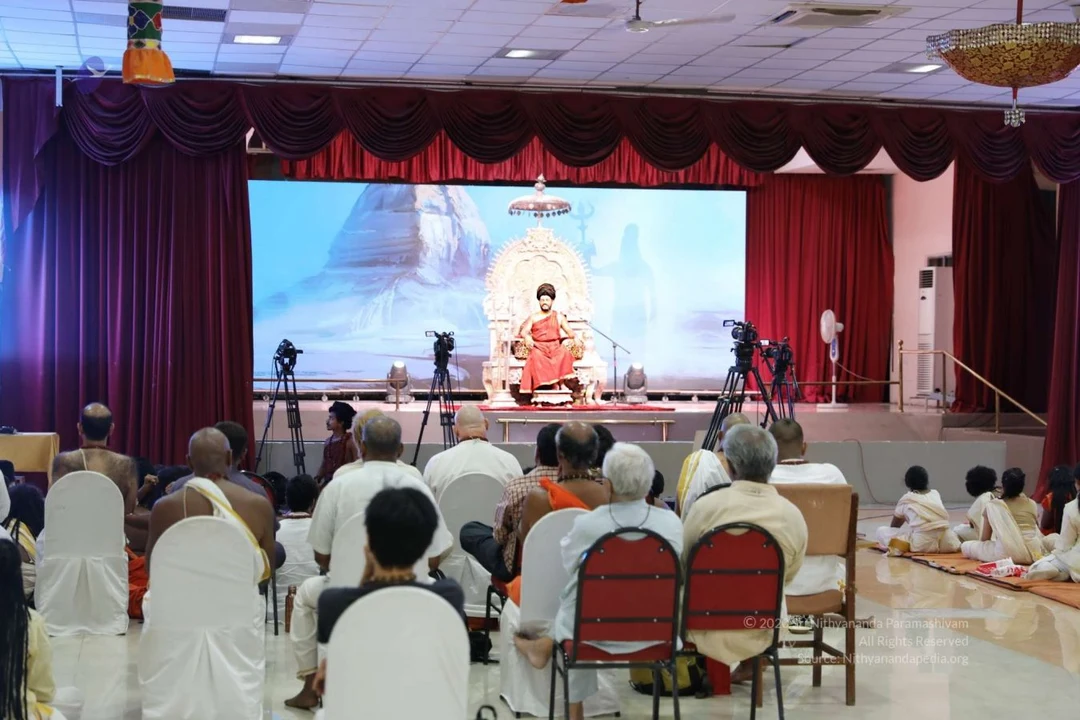 Receiving power cognitions at Adi Kailaasa, Bengaluru Aadheenam
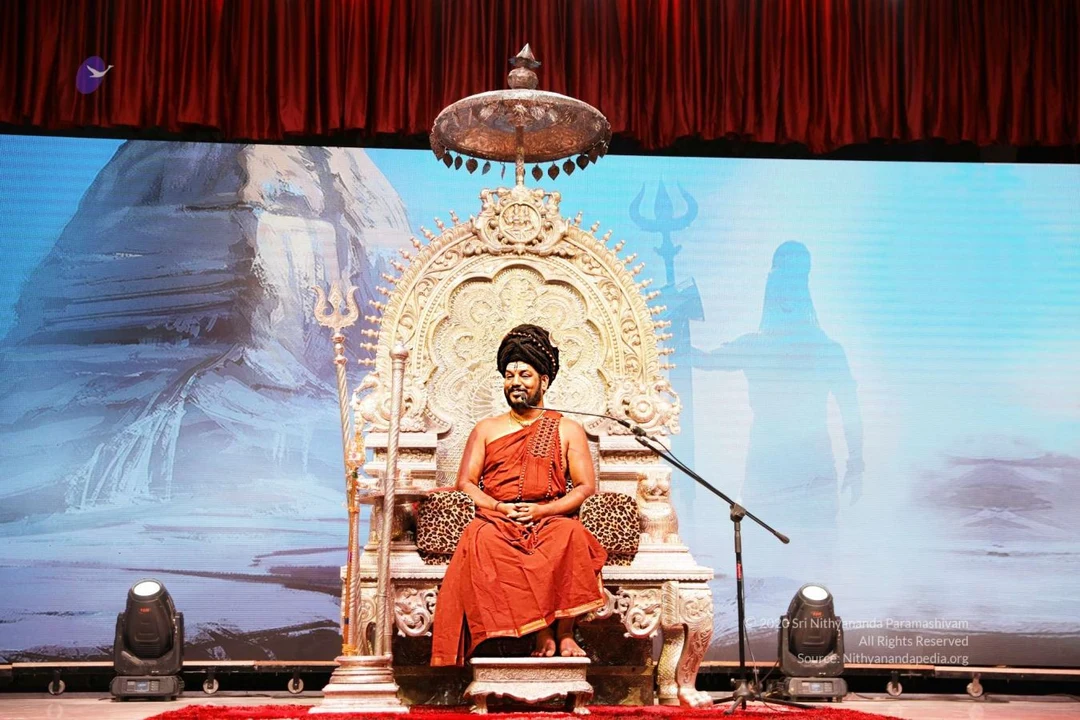 HDH Nithyananda Paramashivam reveals powerful cognitions
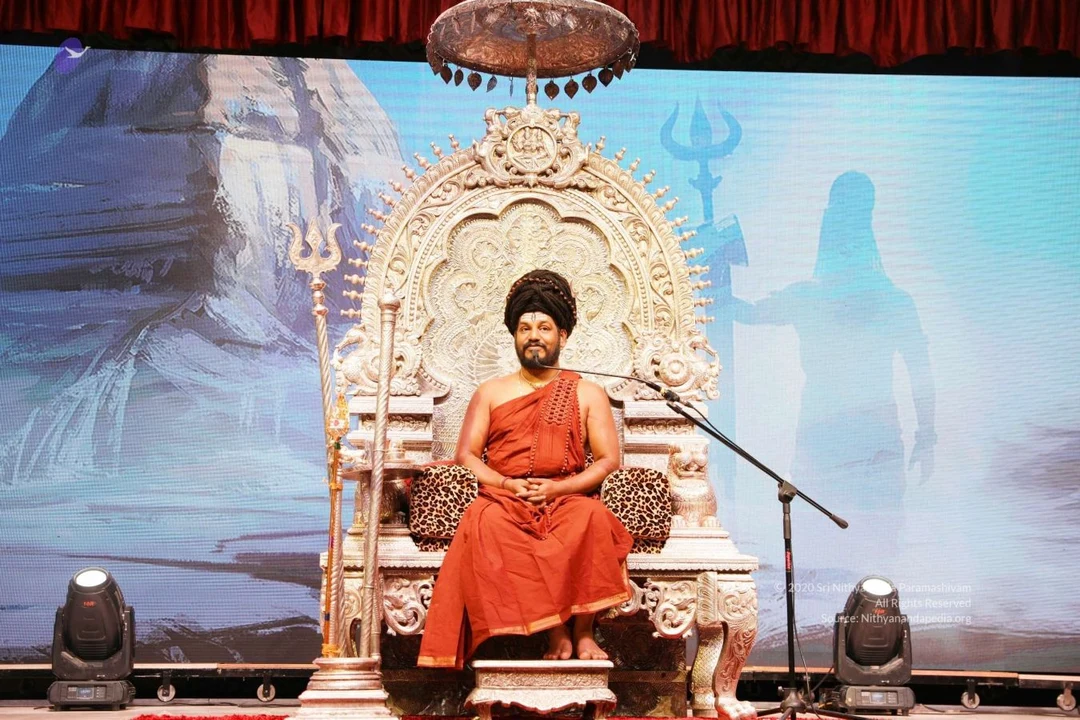 HDH Nithyananda Paramashivam reveals powerful cognitions
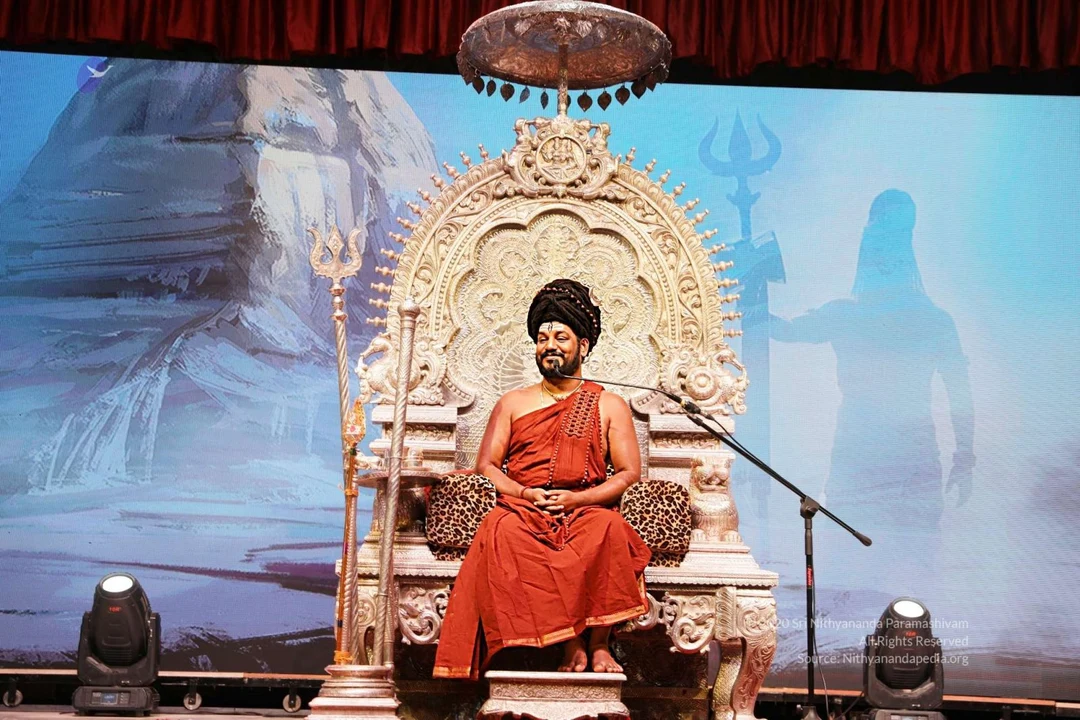 HDH Nithyananda Paramashivam reveals powerful cognitions
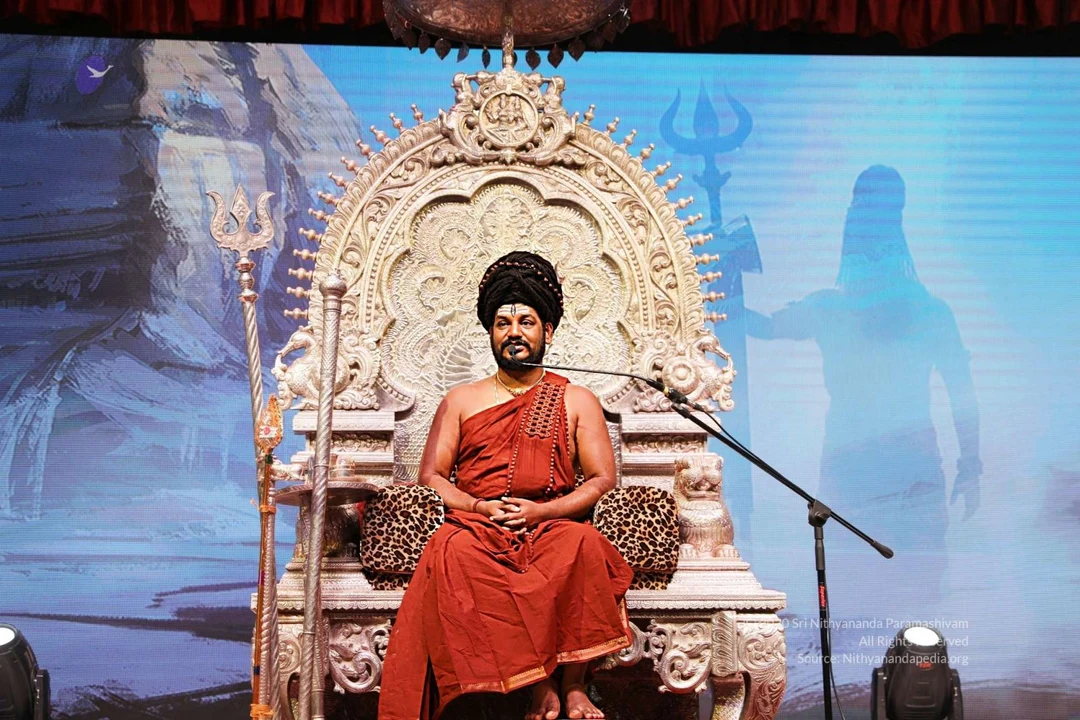 HDH Nithyananda Paramashivam reveals powerful cognitions
 HDH Nithyananda Paramashivam reveals powerful cognitions
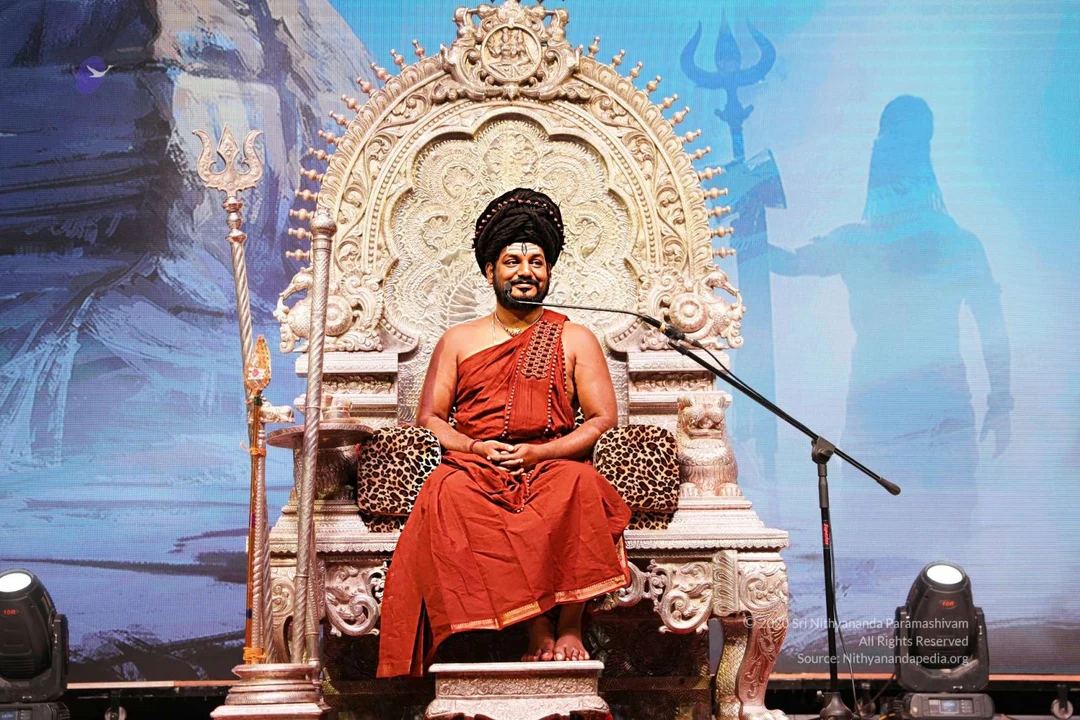 HDH Nithyananda Paramashivam reveals powerful cognitions
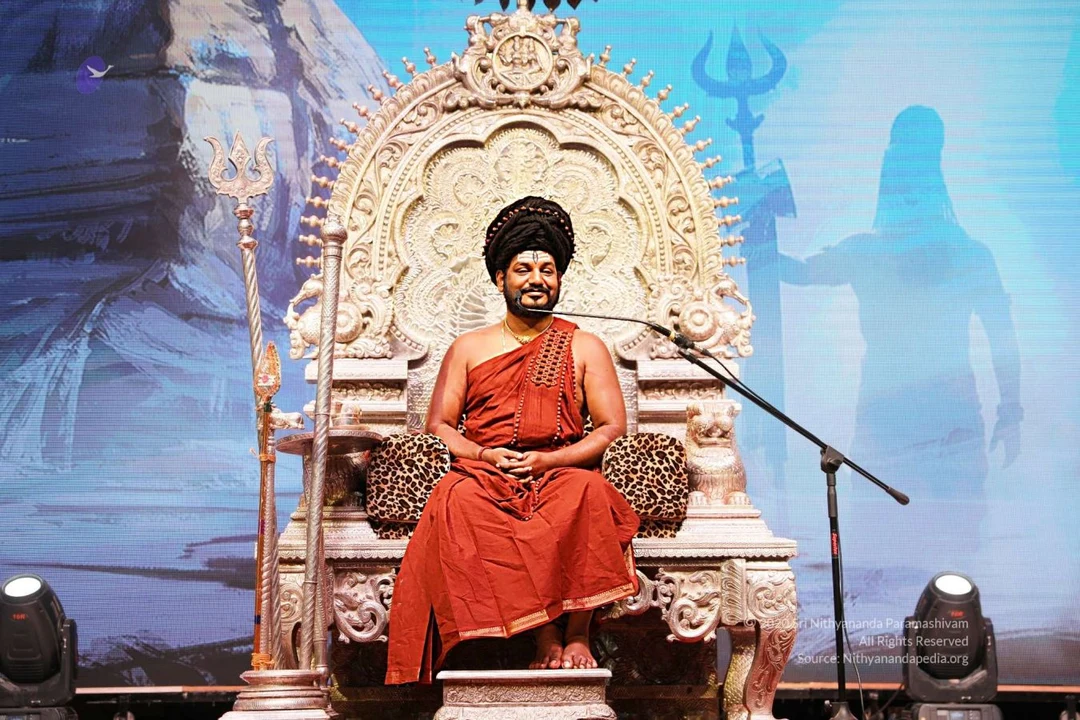 Make this powerful cognition ferociously as a realization in you. That’s the chemistry of guru-disciple relationship
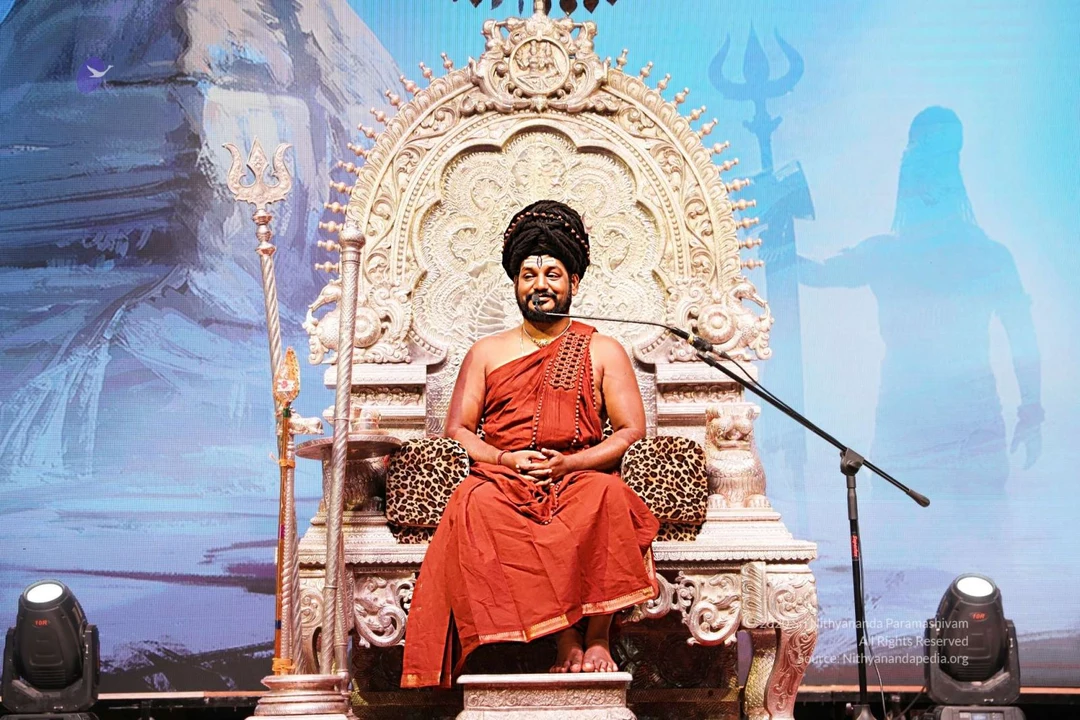 Make this powerful cognition ferociously as a realization in you. That’s the chemistry of guru-disciple relationship
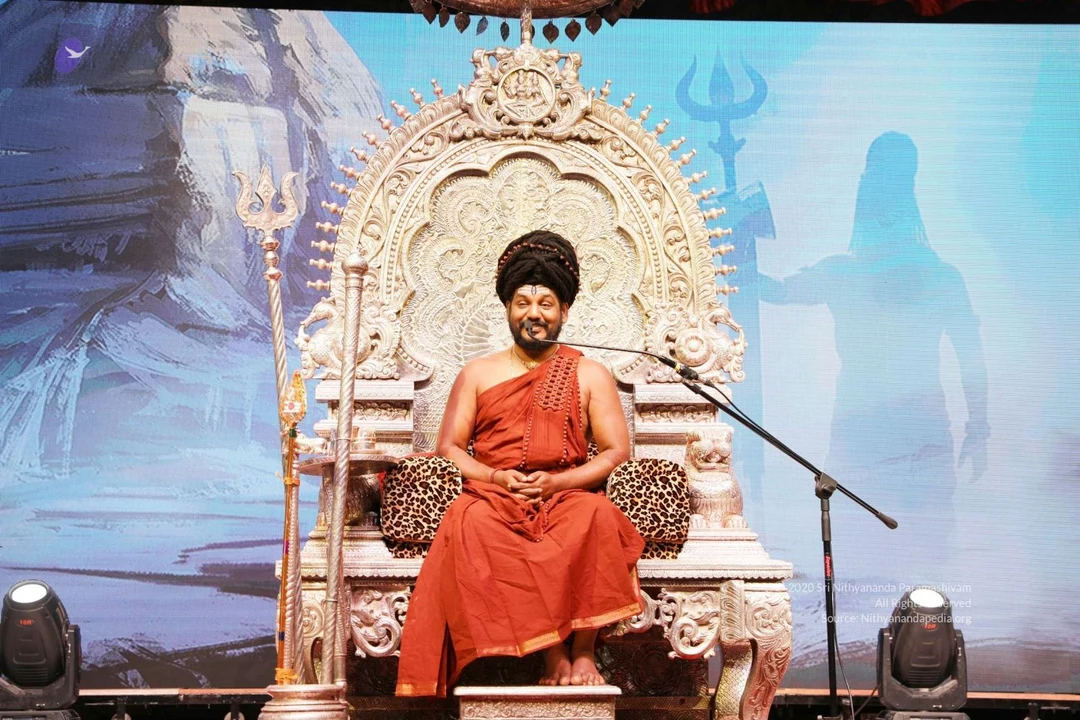 Make this powerful cognition ferociously as a realization in you. That’s the chemistry of guru-disciple relationship
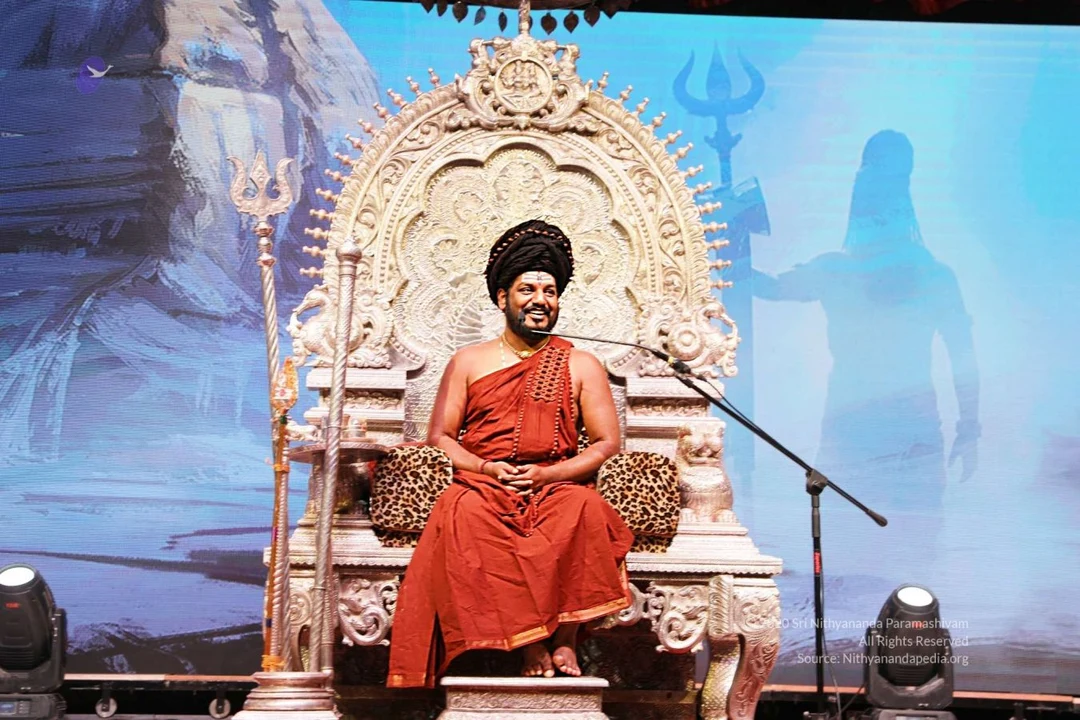 Make this powerful cognition ferociously as a realization in you. That’s the chemistry of guru-disciple relationship
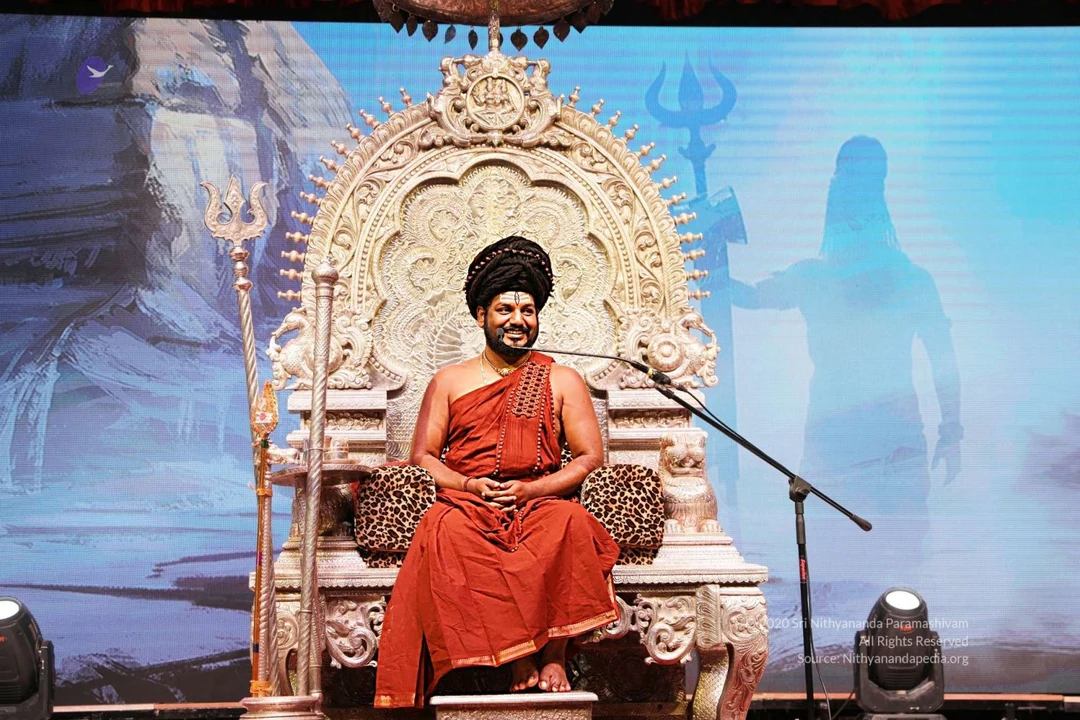 Make this powerful cognition ferociously as a realization in you. That’s the chemistry of guru-disciple relationship
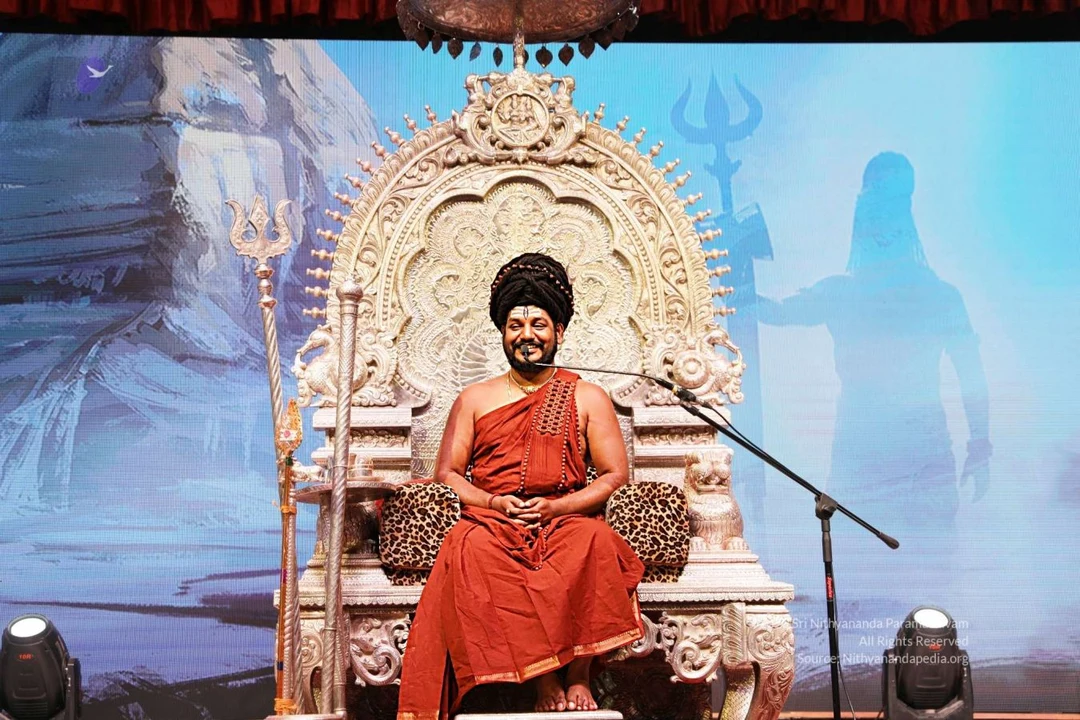 Make this powerful cognition ferociously as a realization in you. That’s the chemistry of guru-disciple relationship
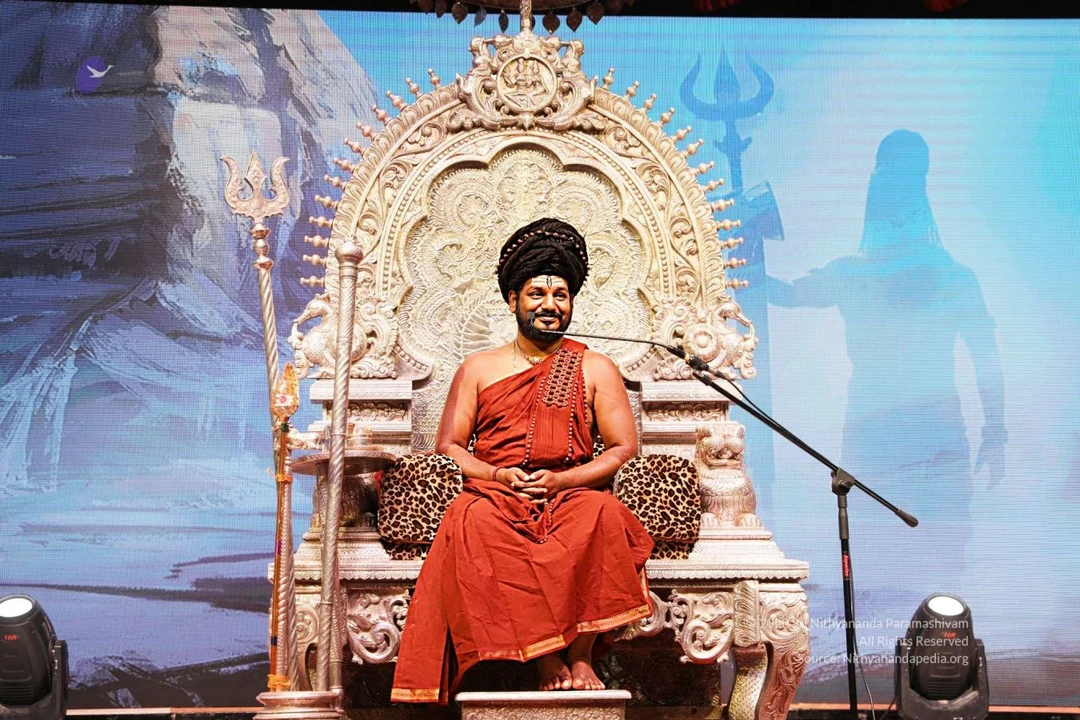 Oneness never gets deluded
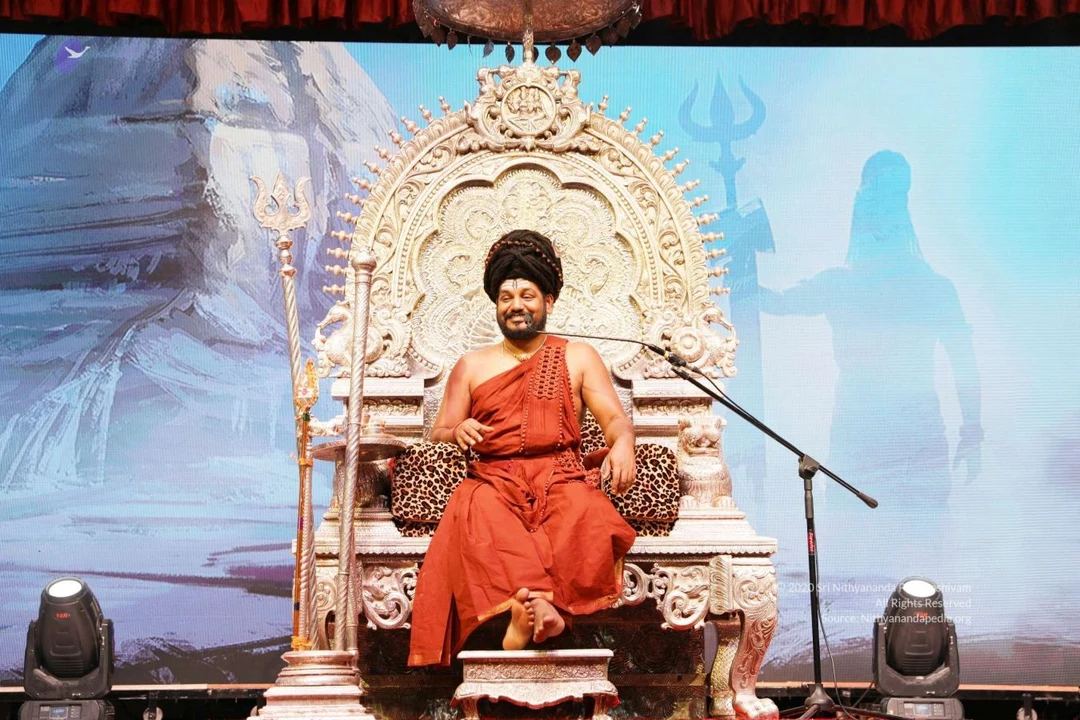 Oneness never gets deluded
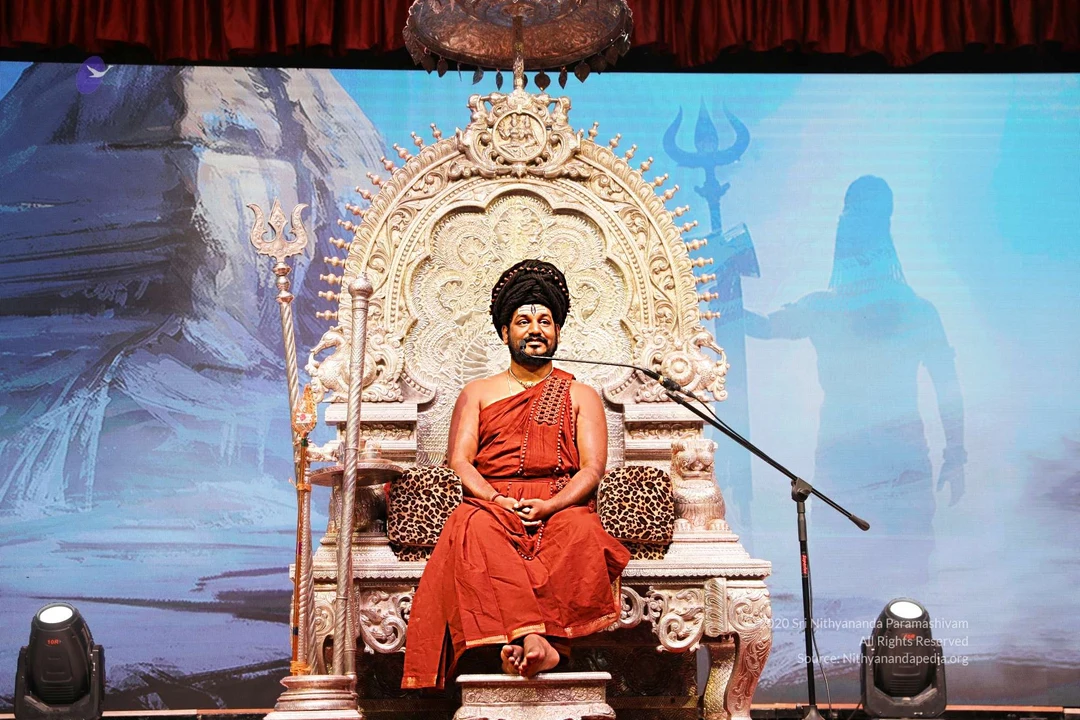 Oneness never gets deluded
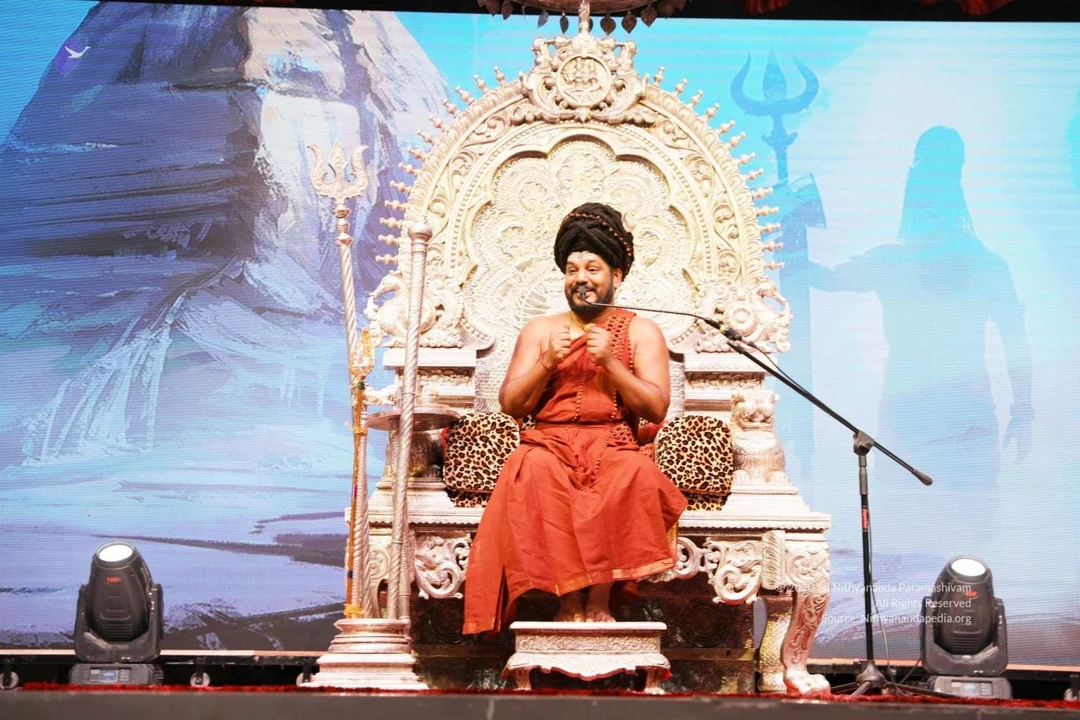 Oneness never gets deluded
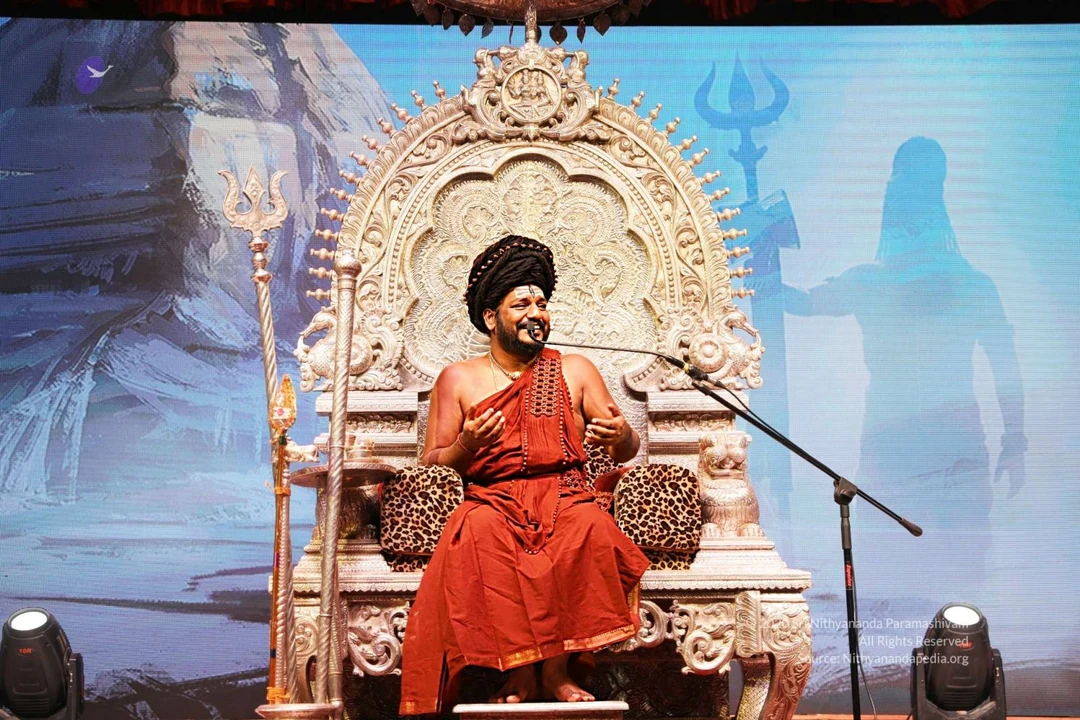 Oneness never gets deluded
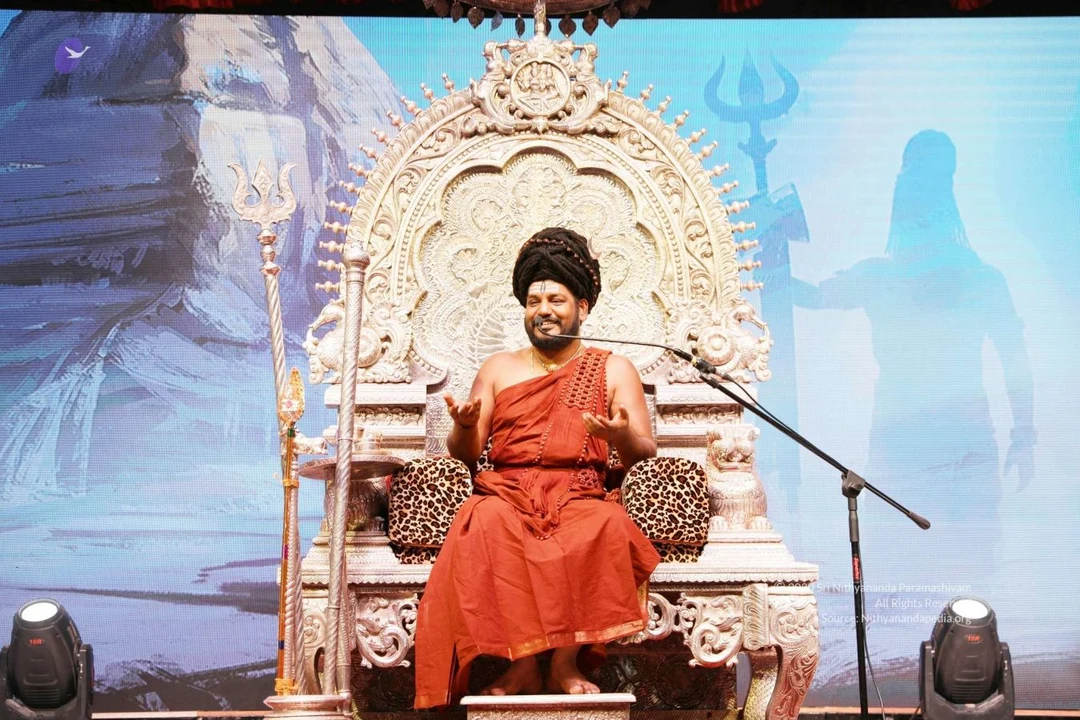 Oneness never gets deluded
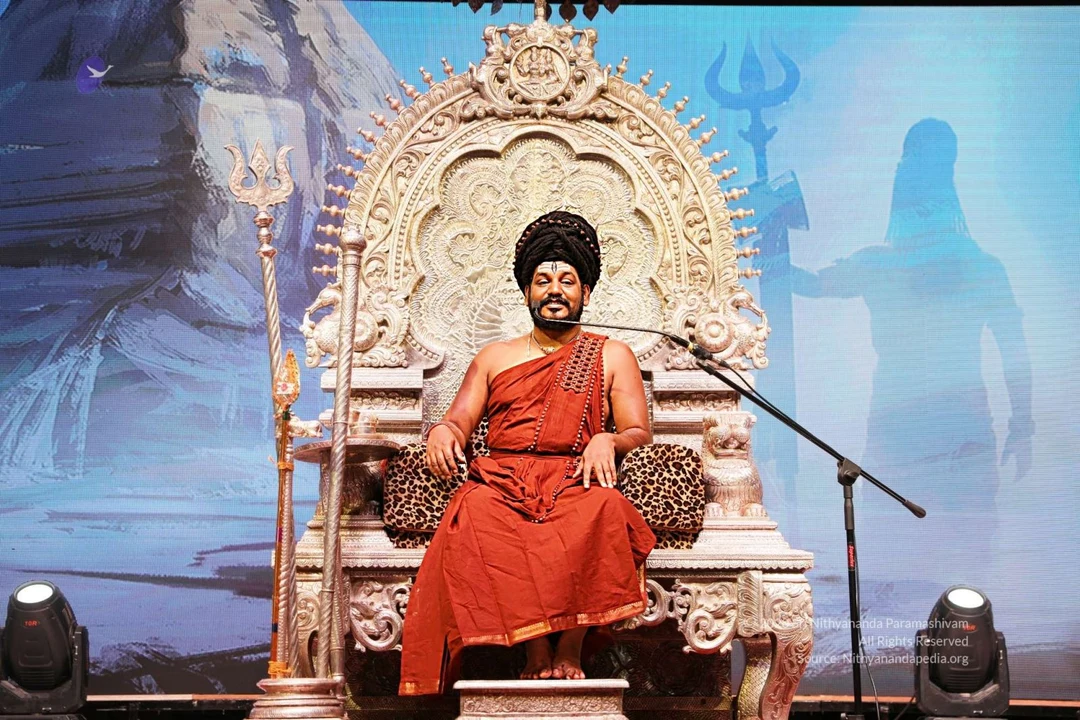 Oneness never gets deluded
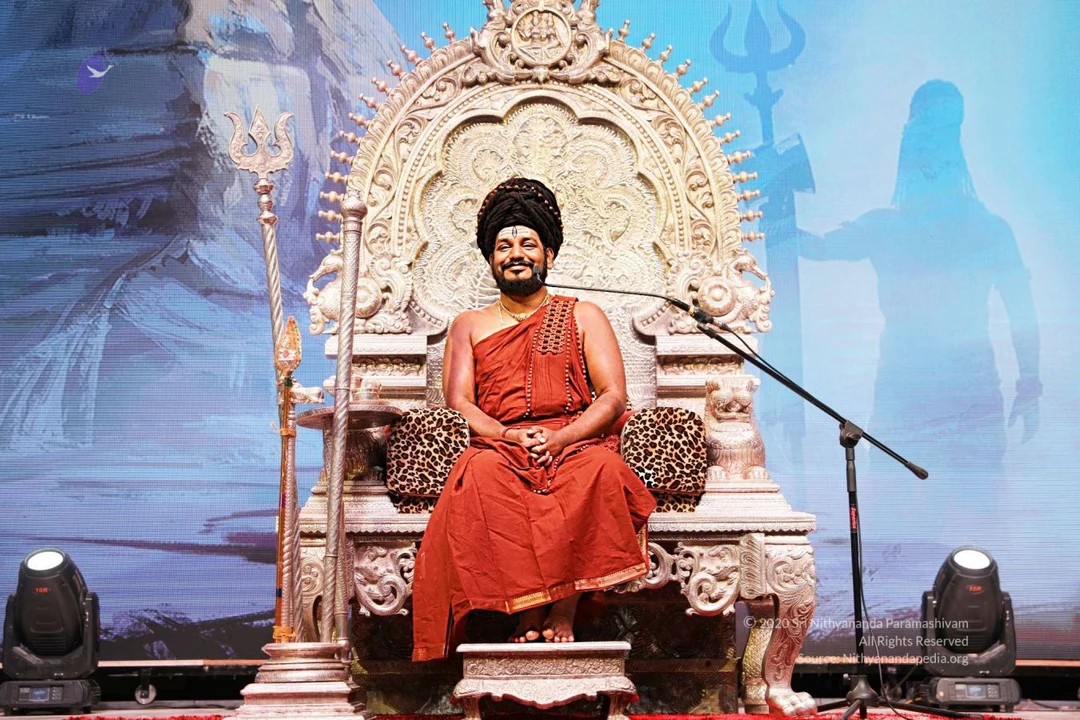 Oneness never gets deluded
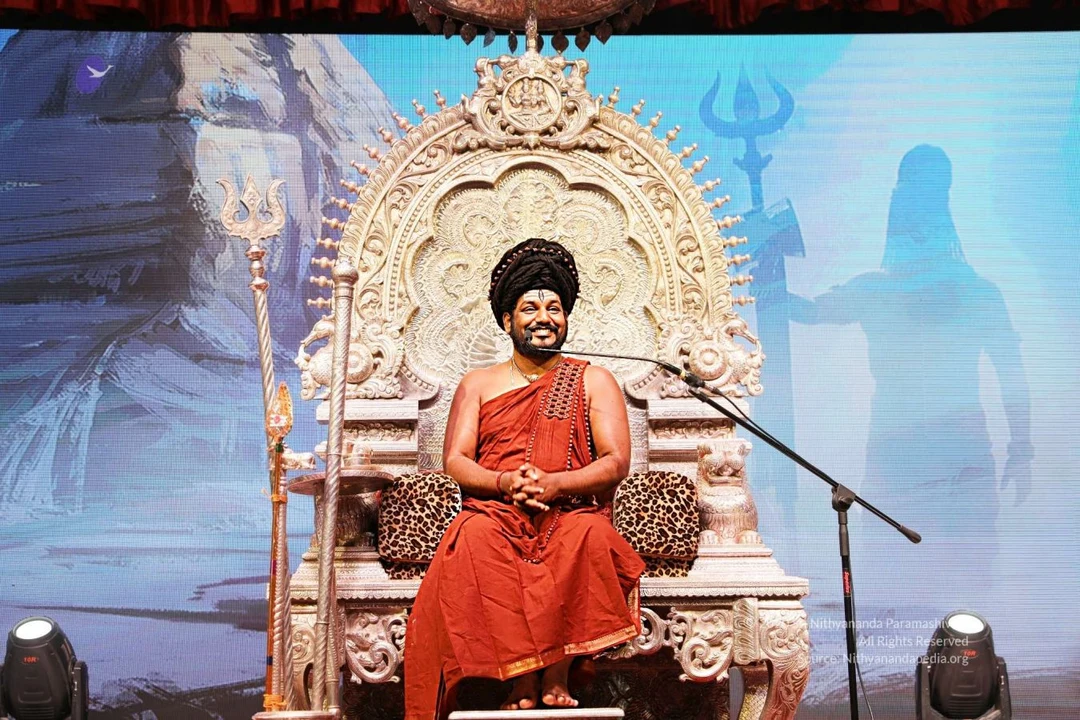 Avatar presence is living healing energy field
 Avatar presence is living healing energy field
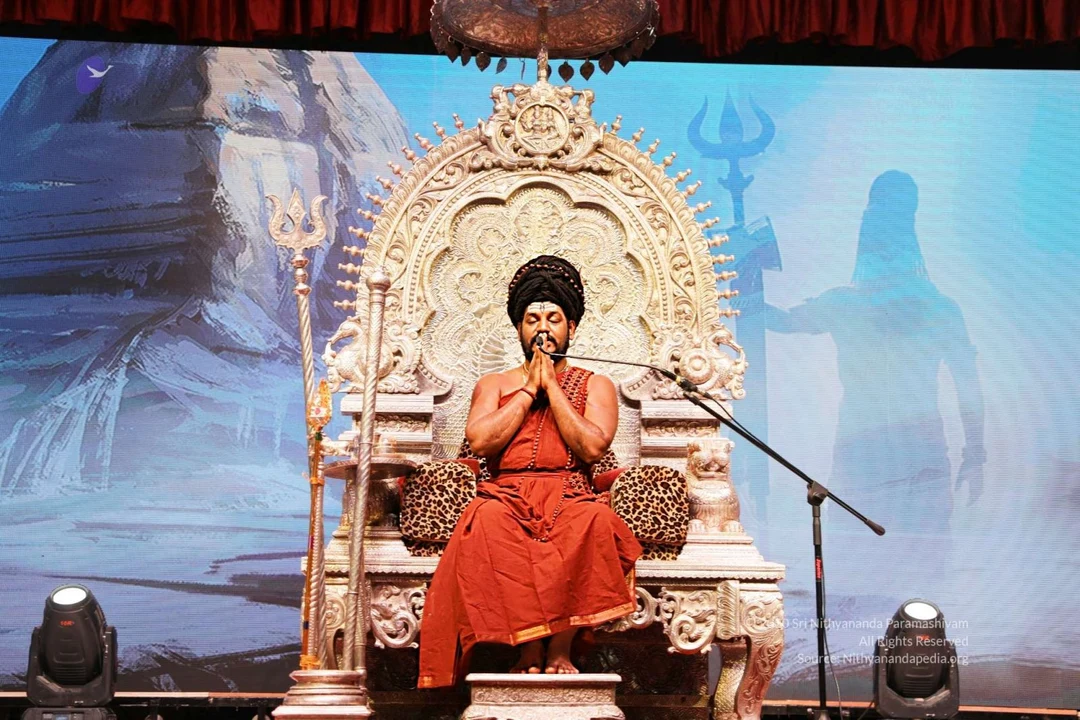 Avatar presence is living healing energy field
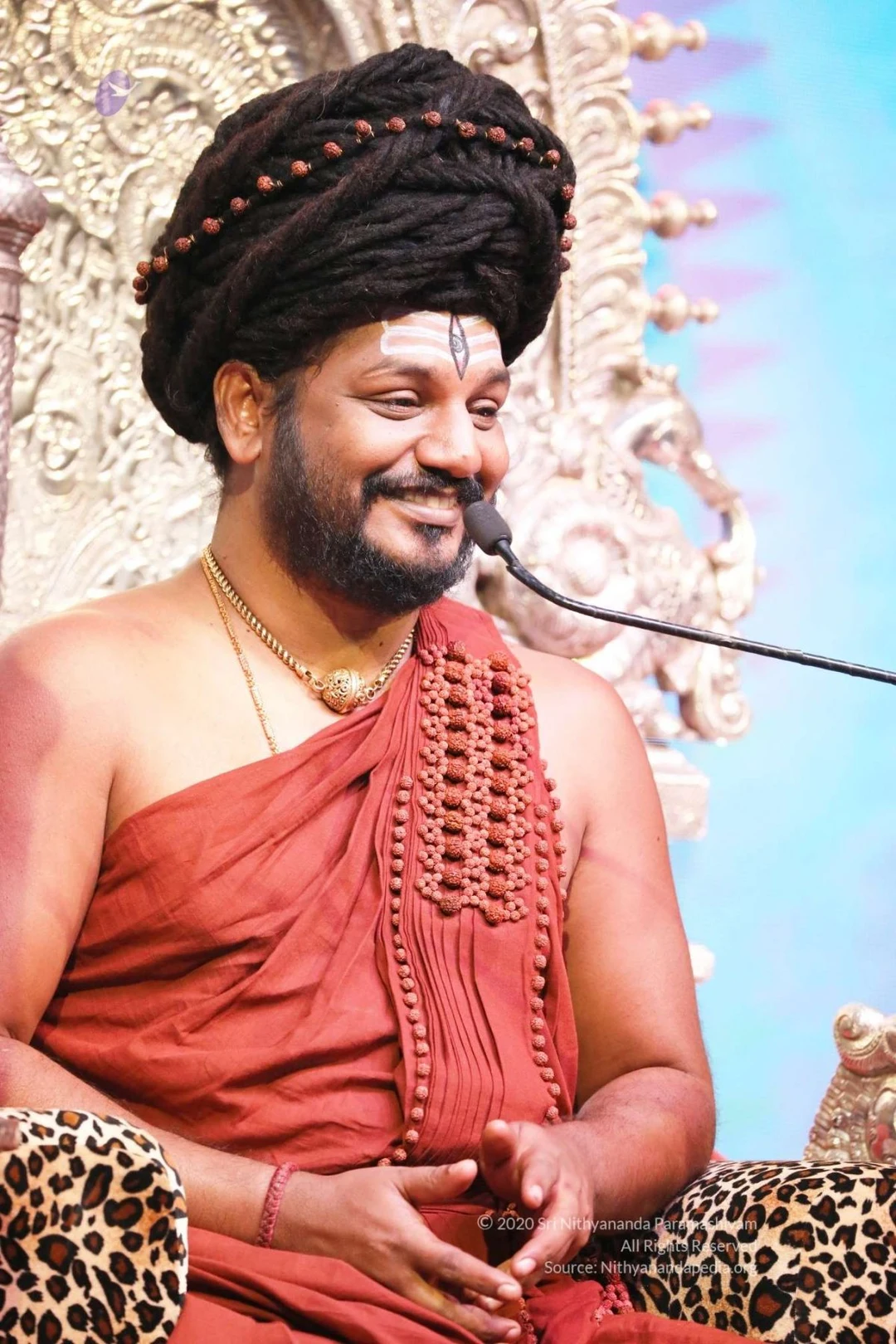
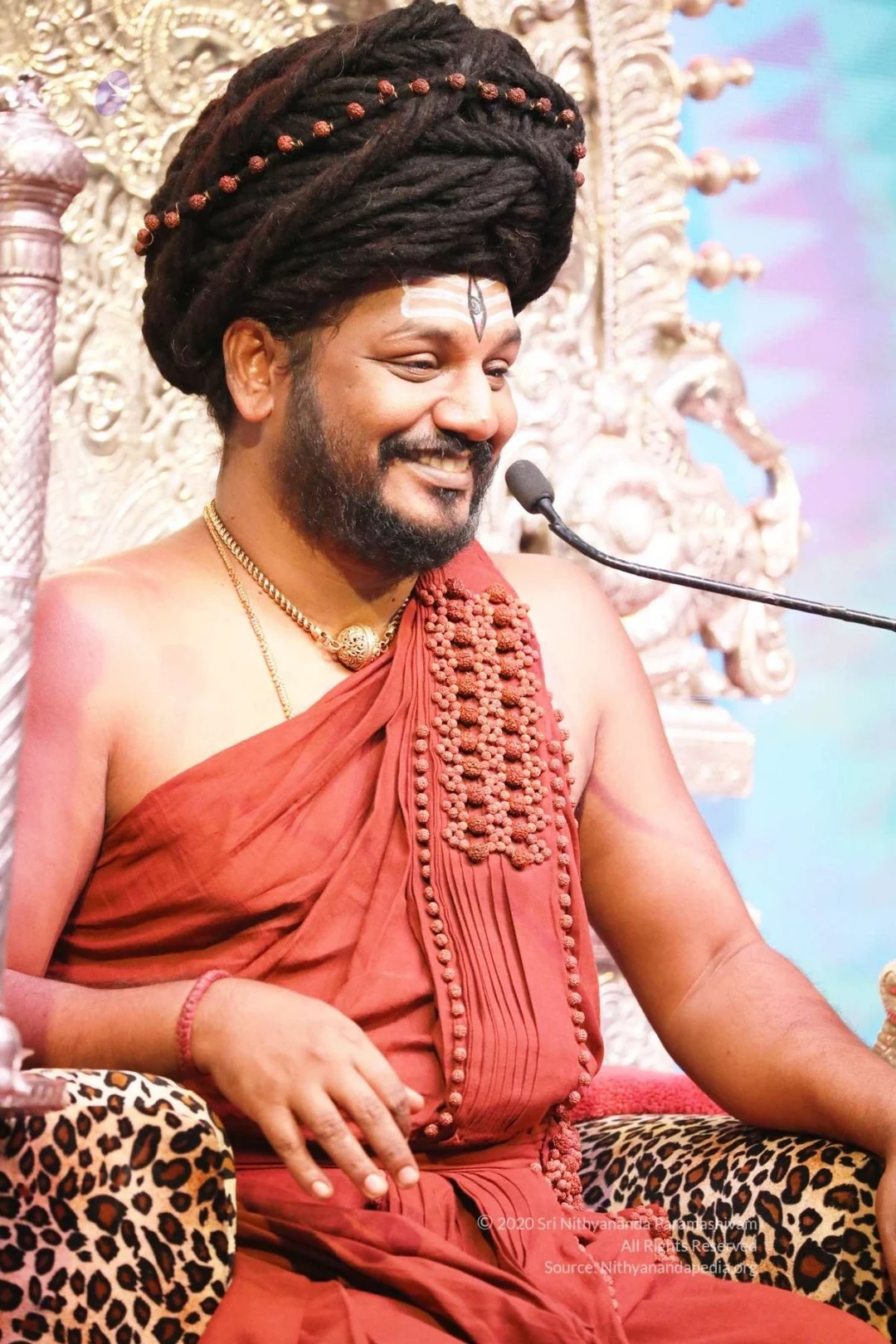
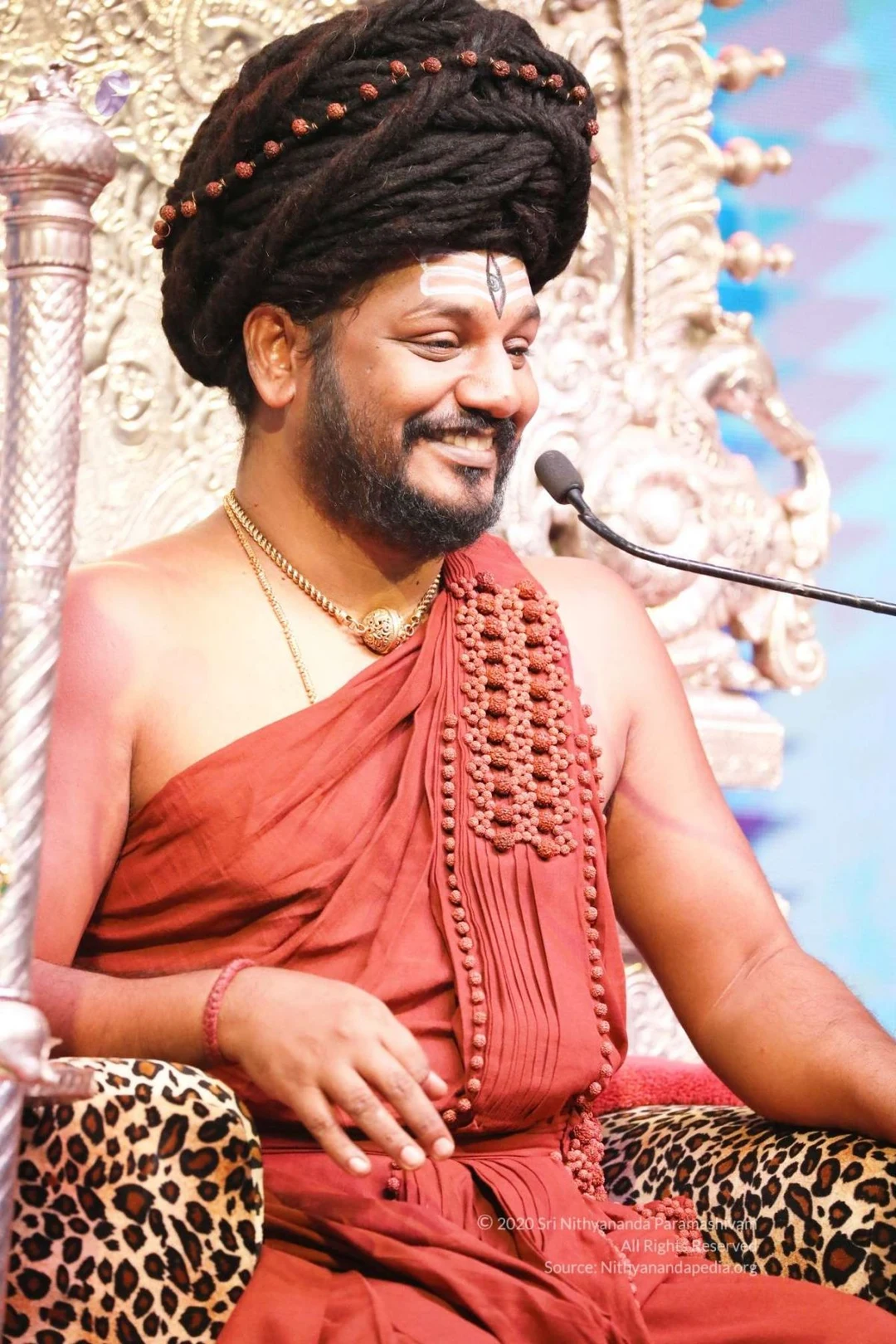
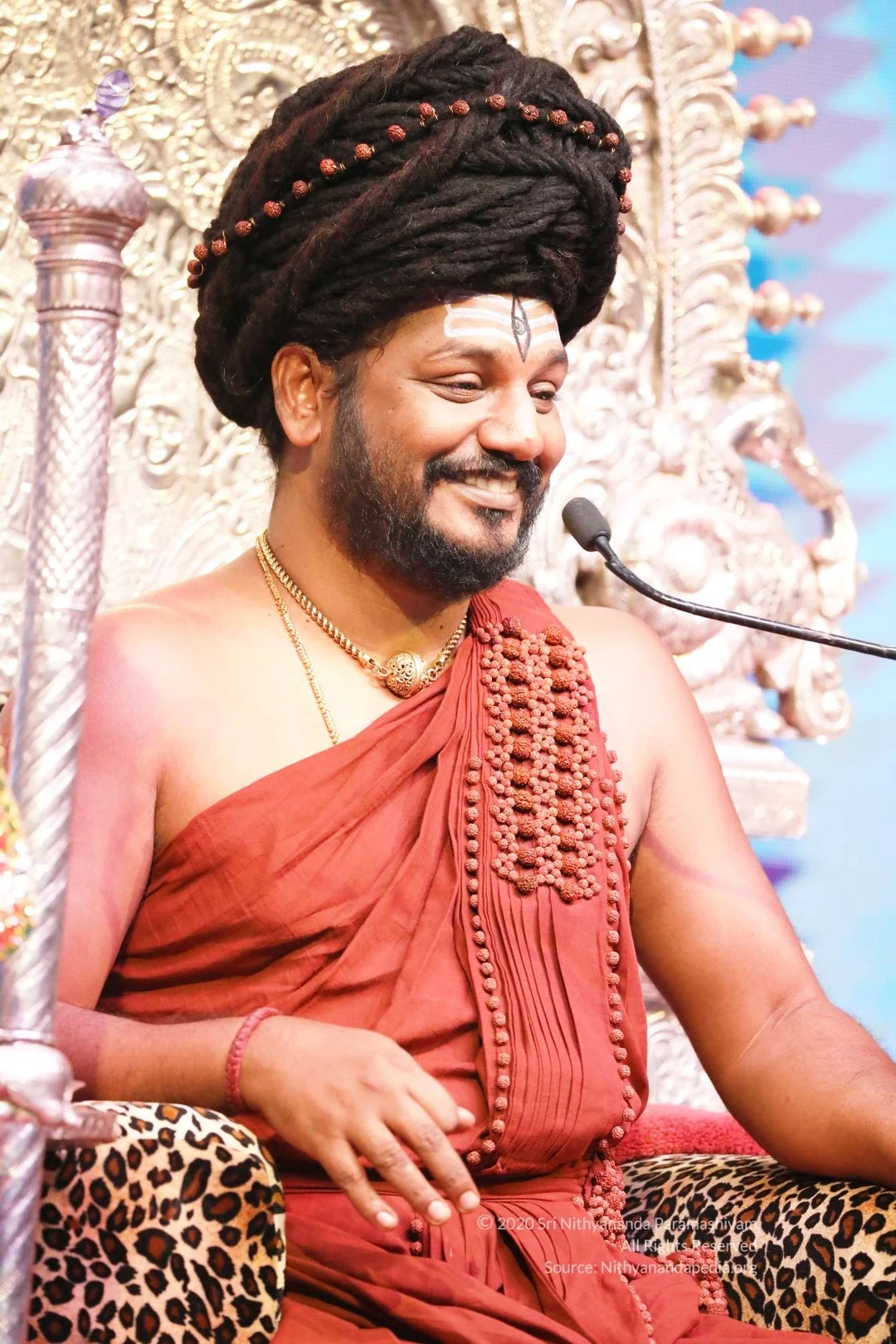
Sakshi Pramana Video:
Devotee Testimonial about Guru
Facebook Link
https://www.facebook.com/ParamahamsaNithyananda/posts/1740948515992991
Photos Of The Day:
Nithya-Satsang
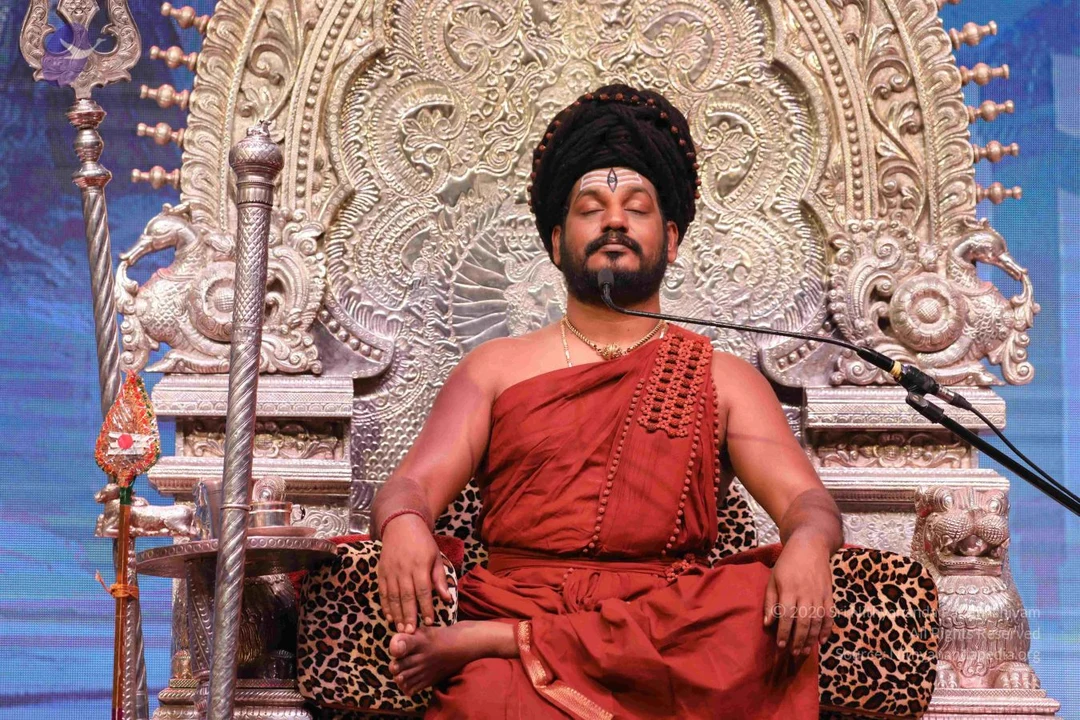
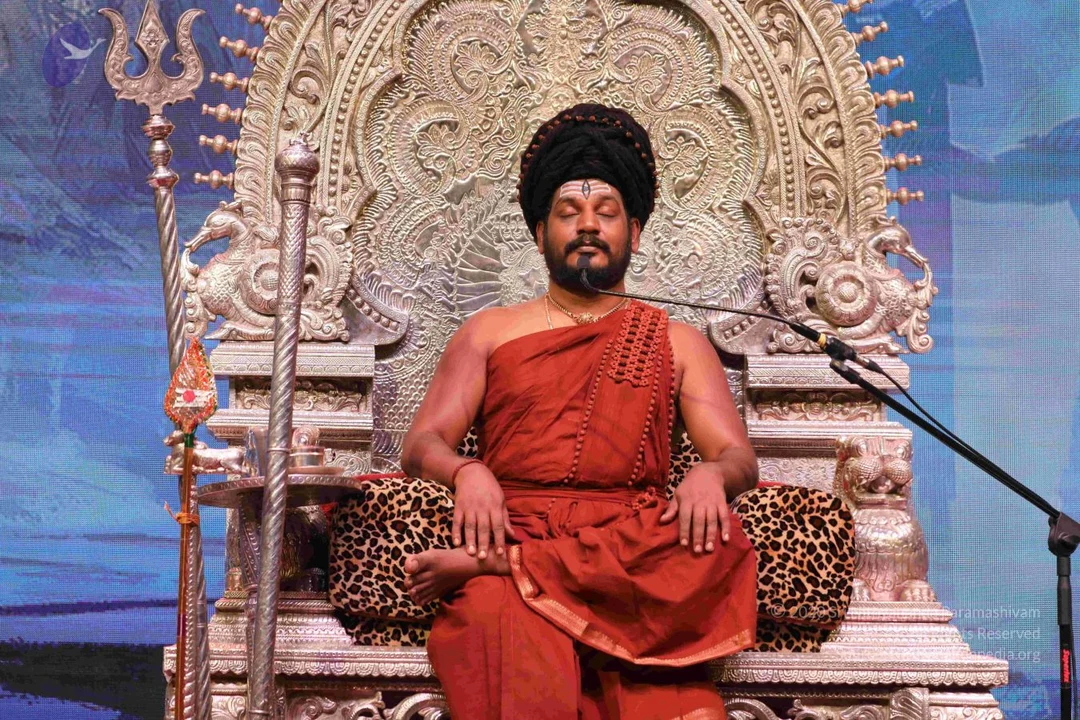
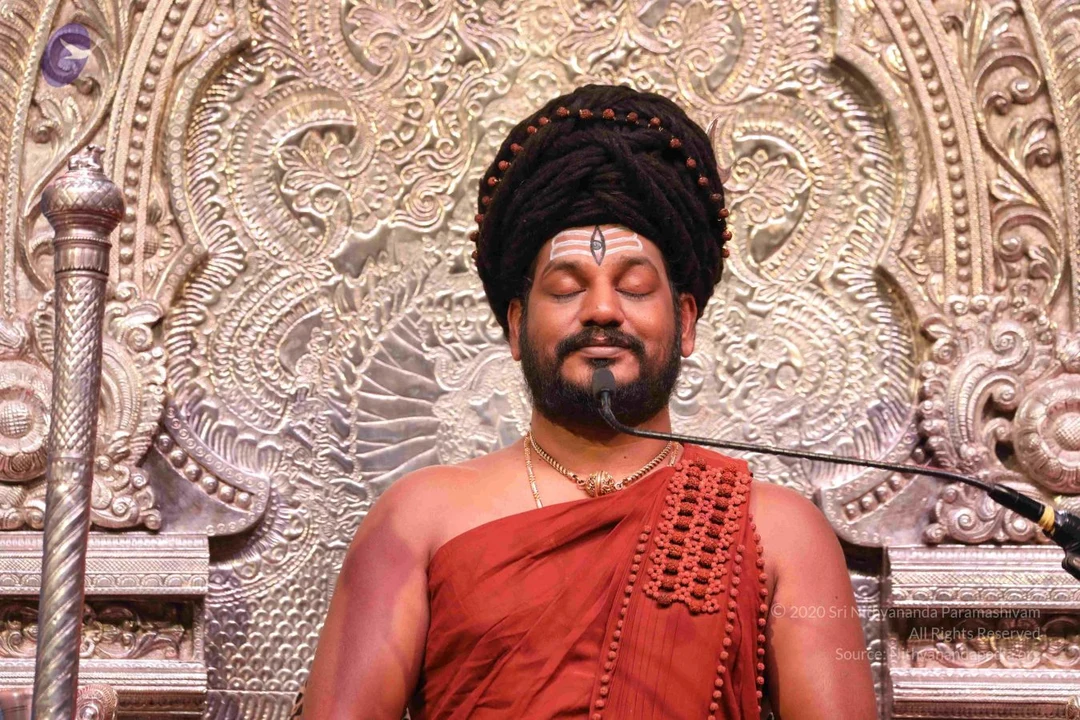
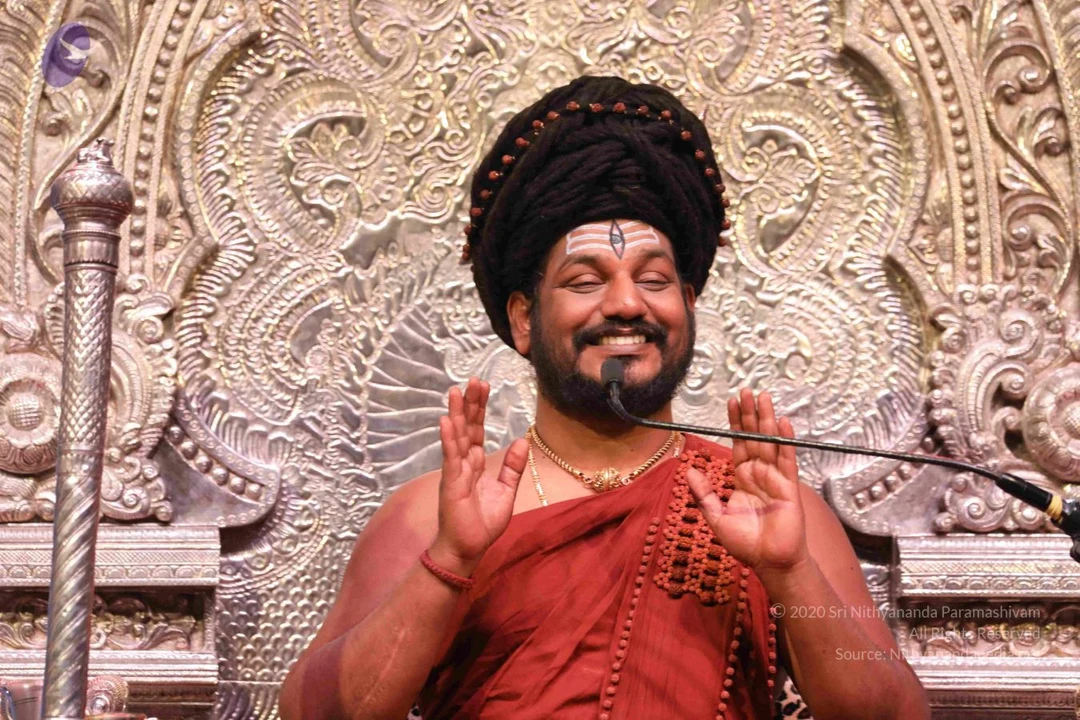
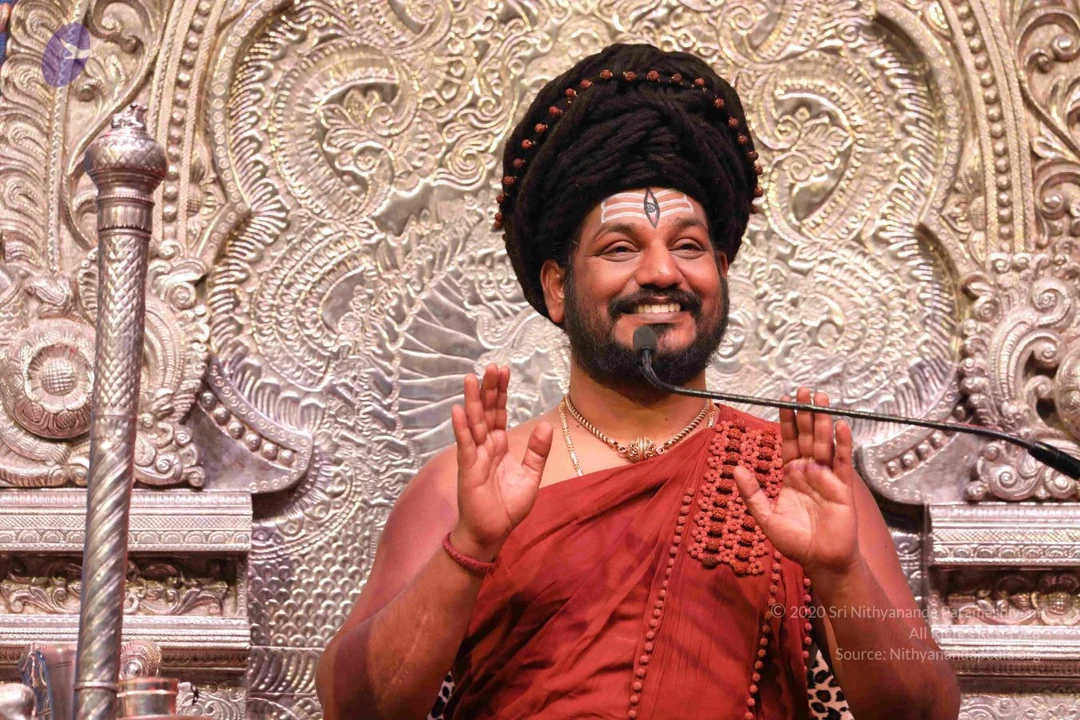










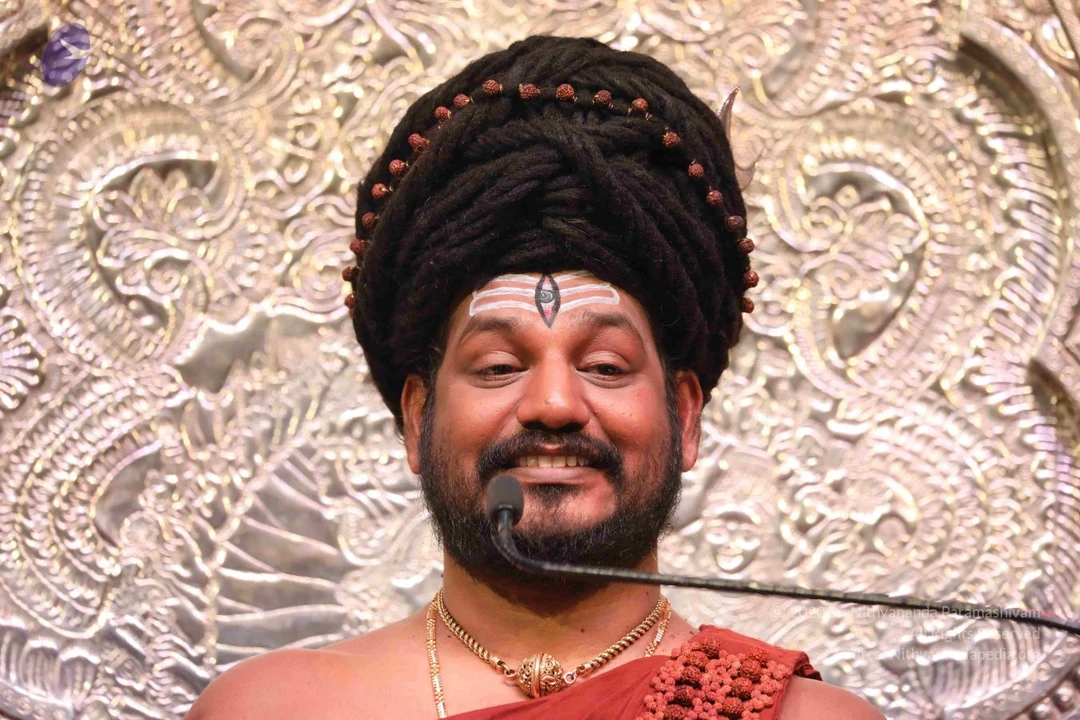
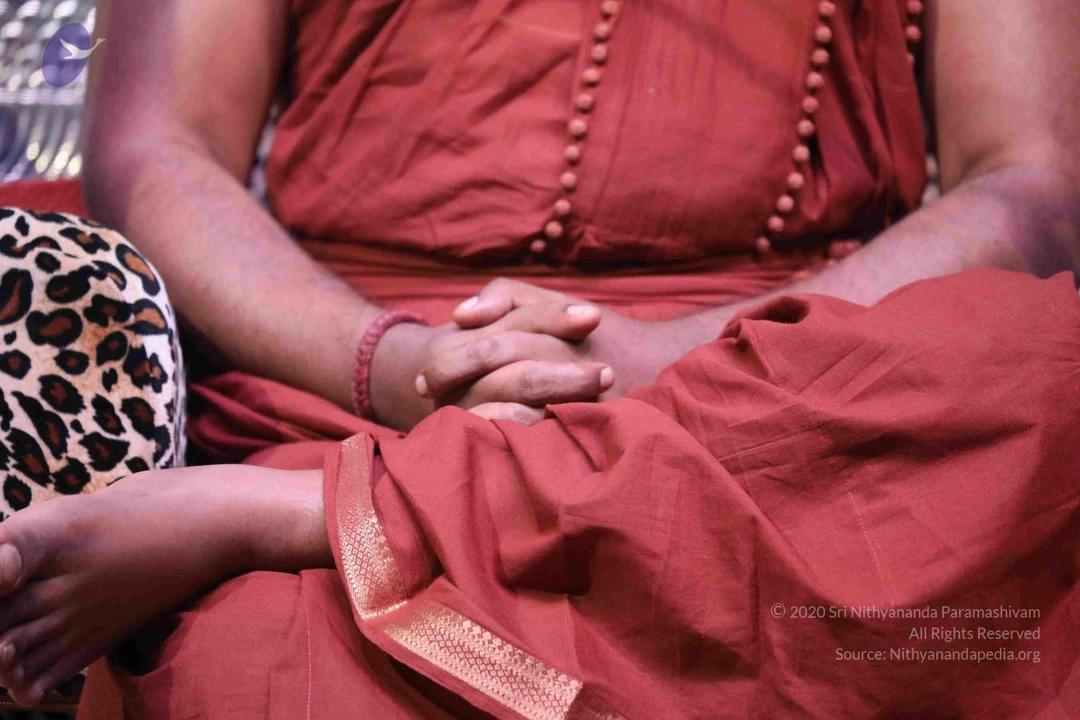
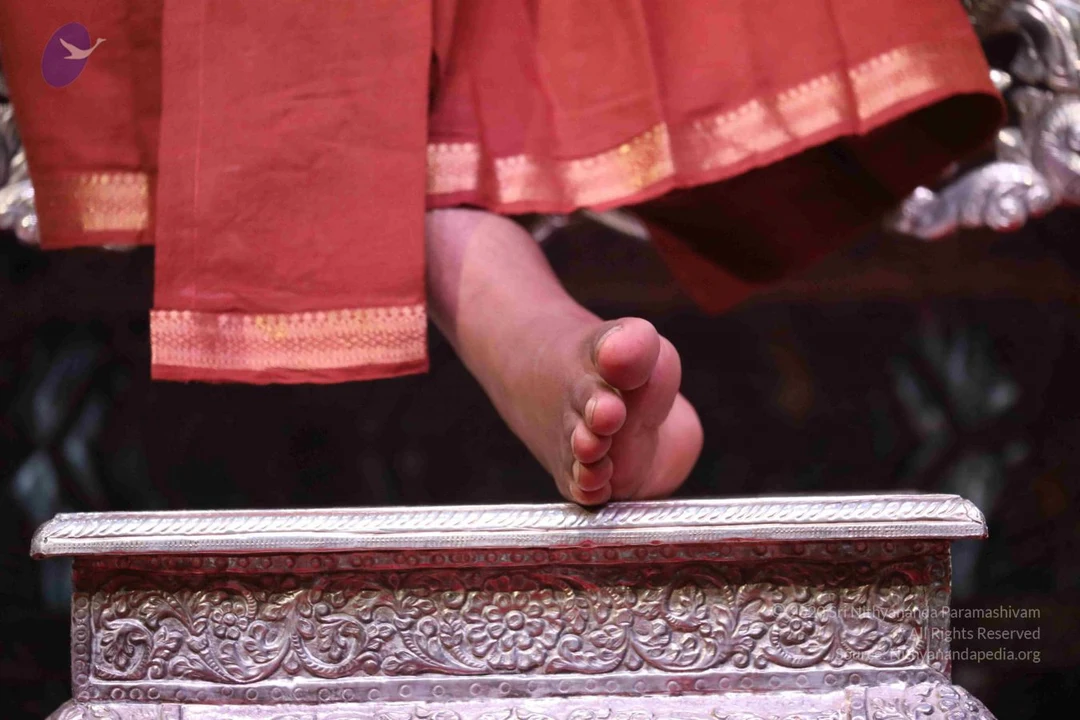

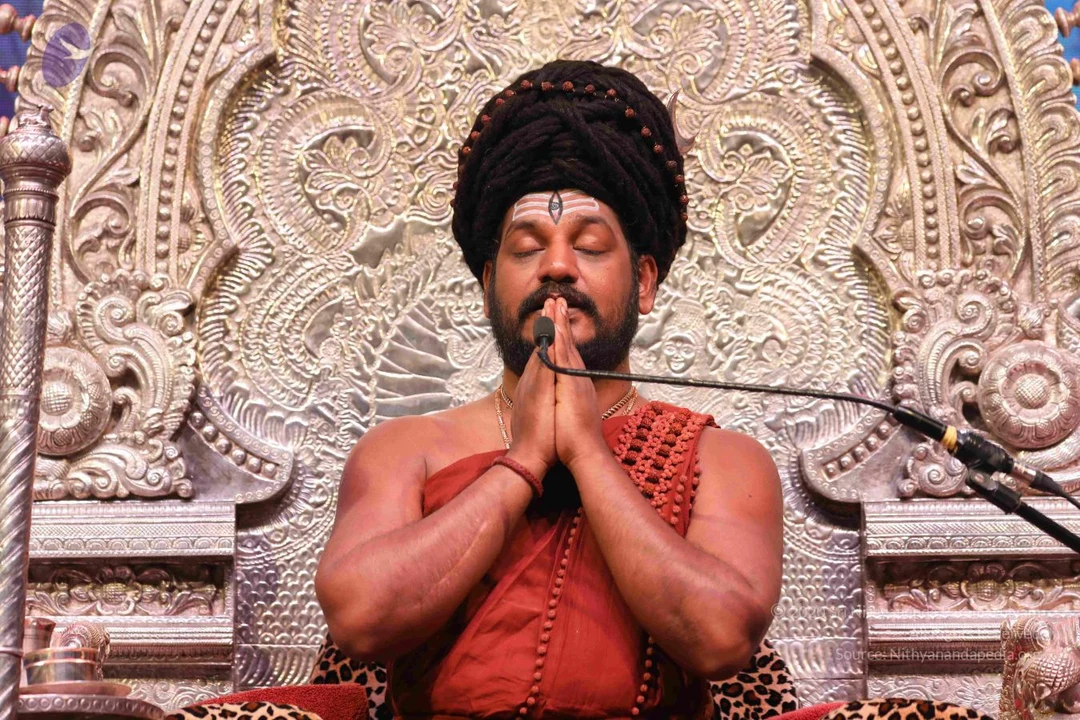
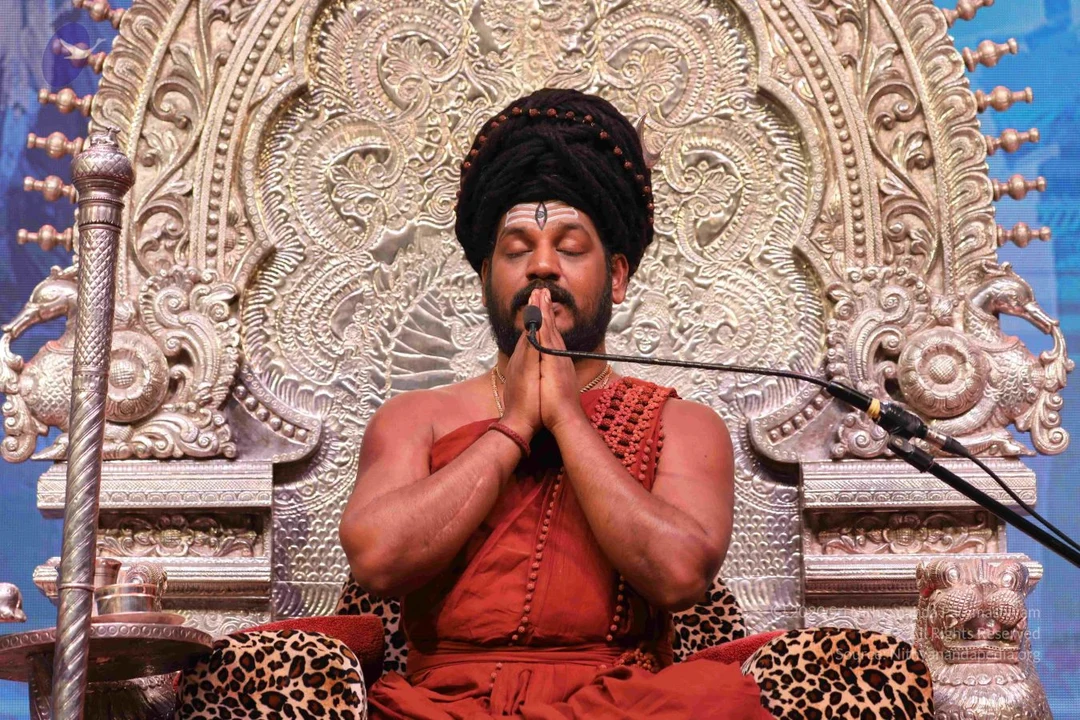
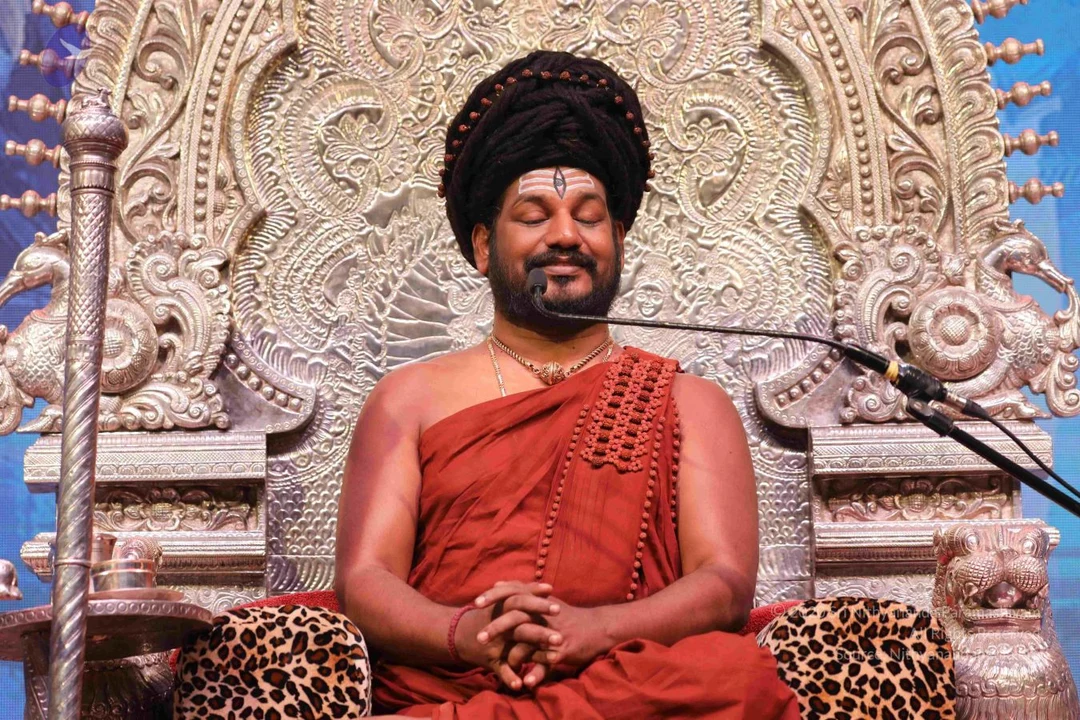
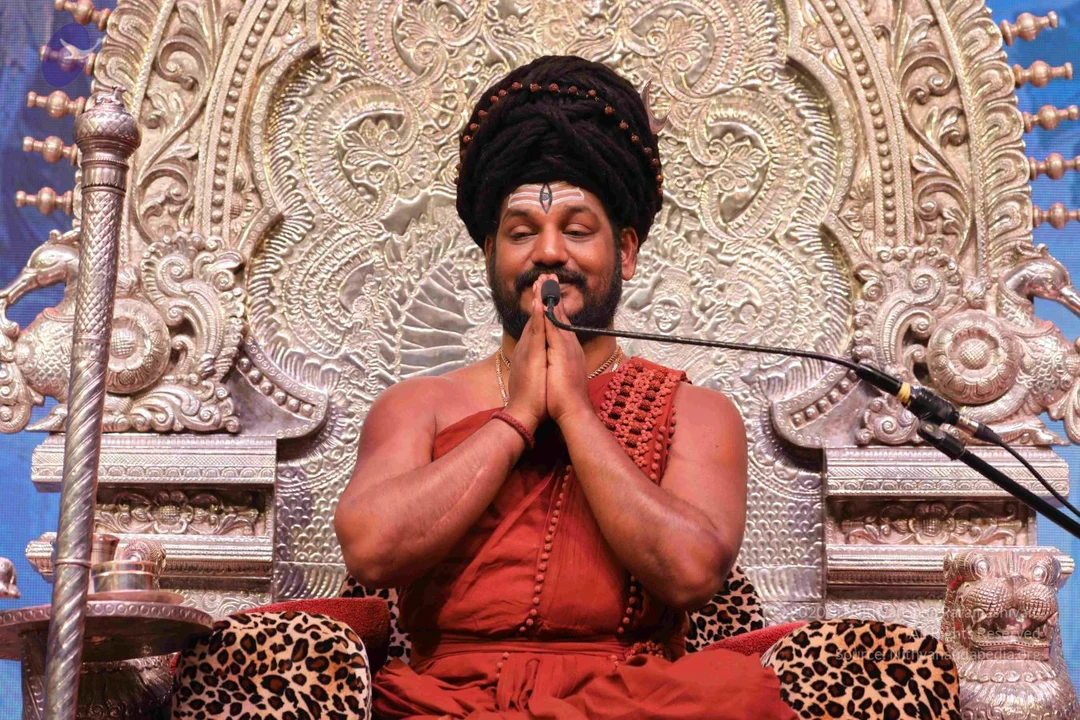
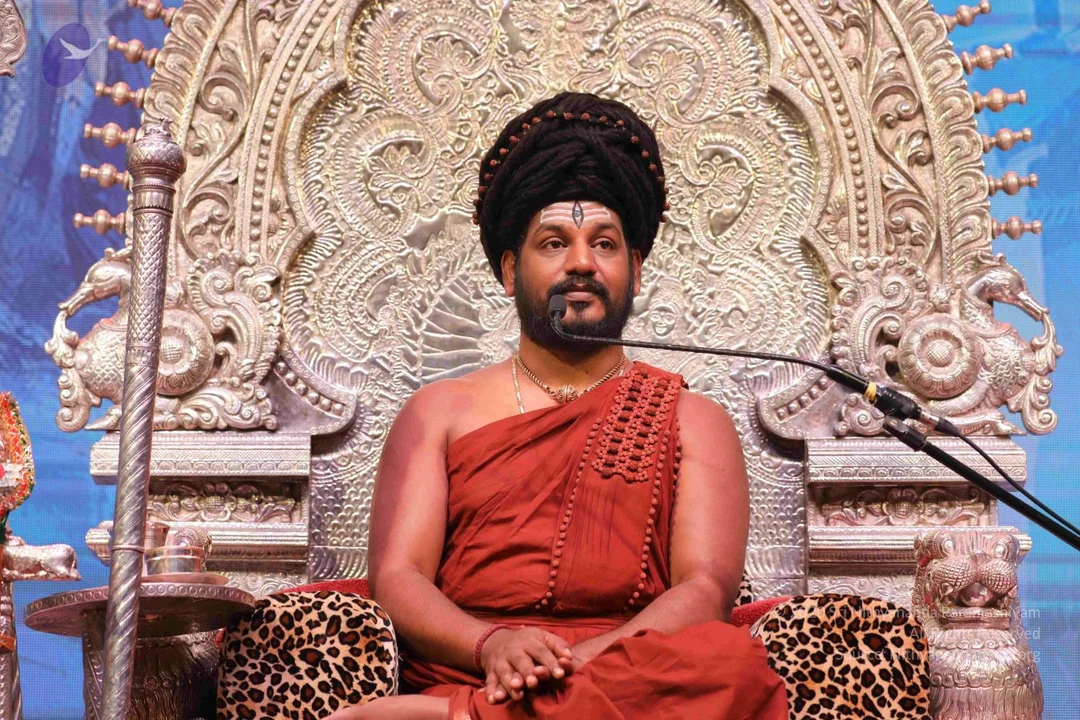





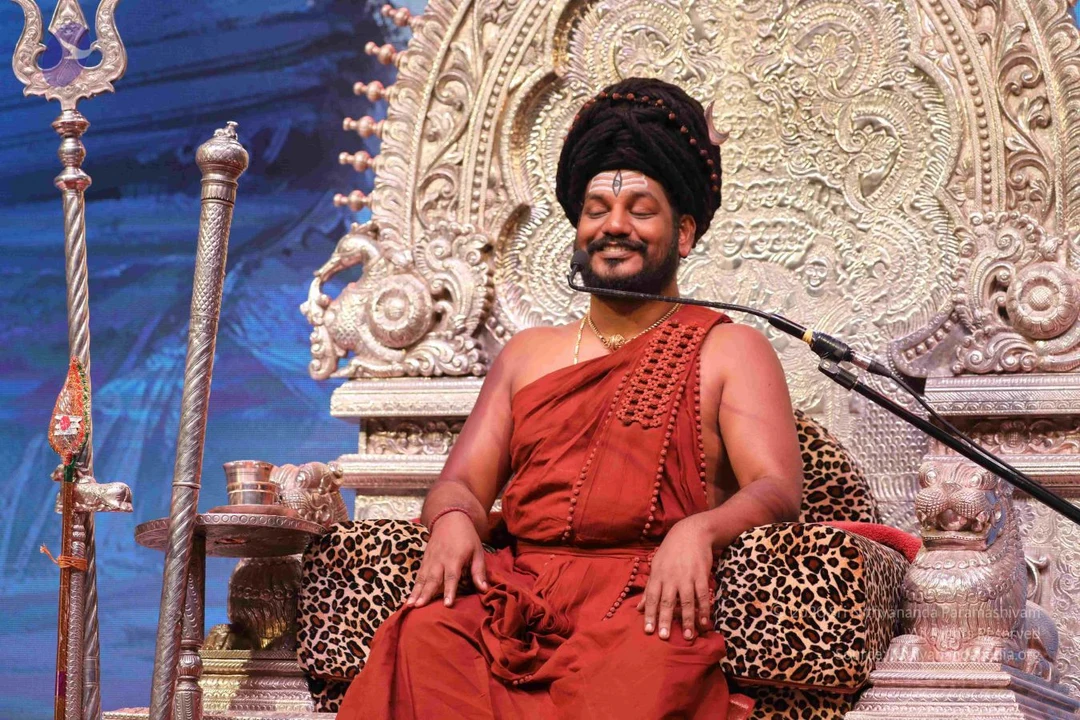
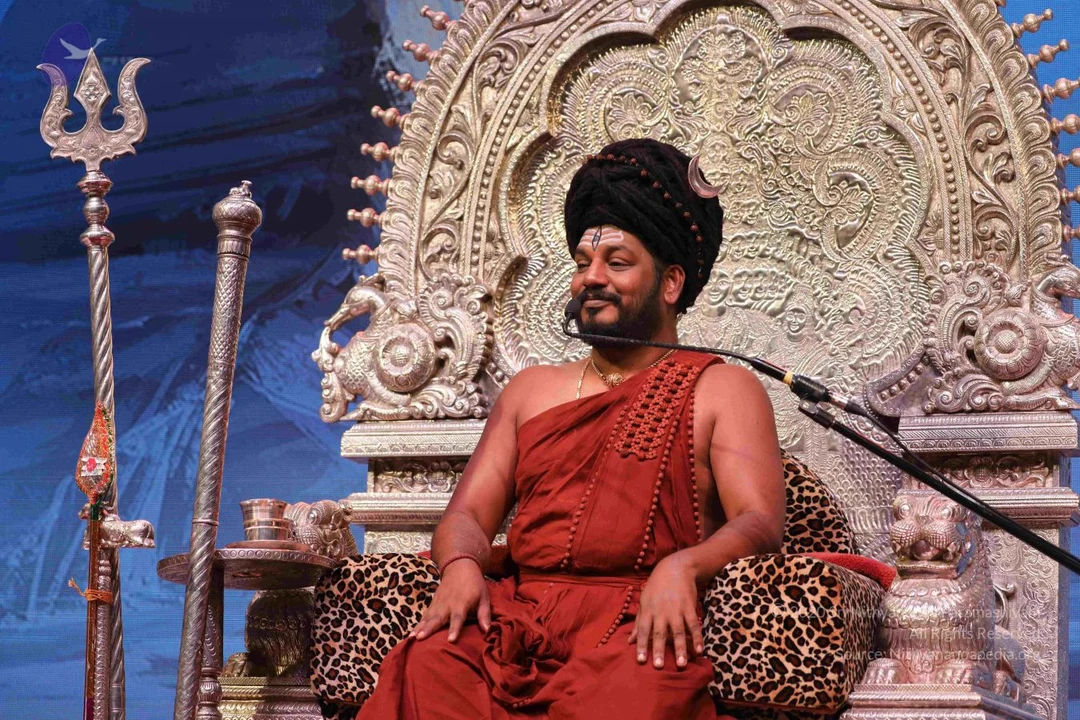
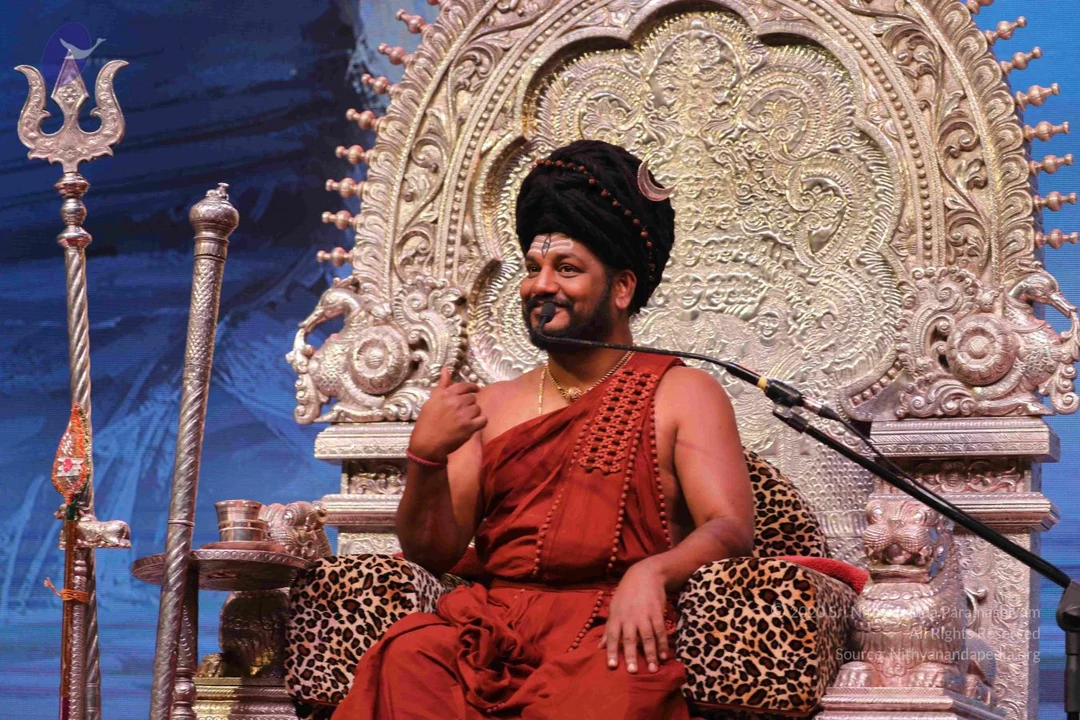
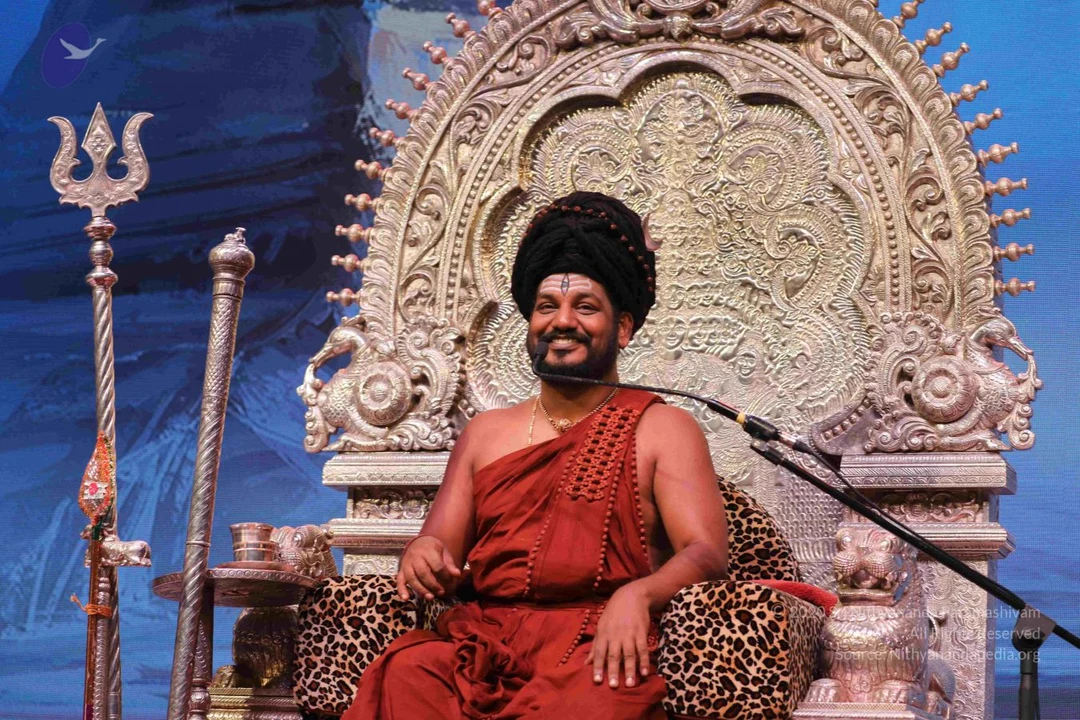
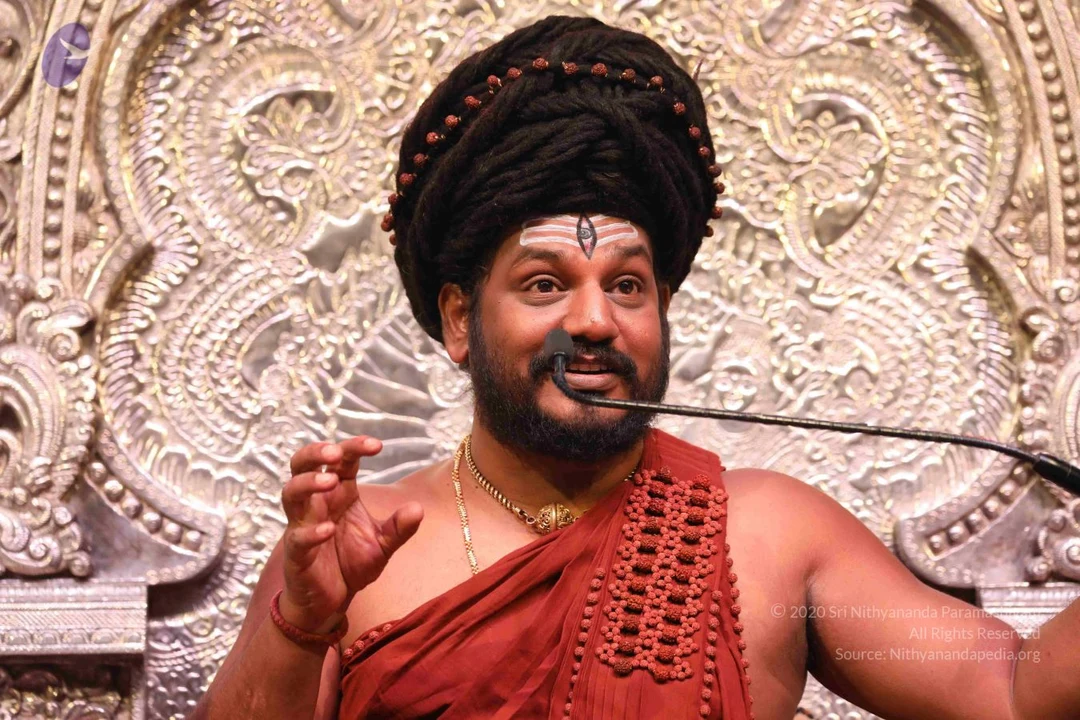
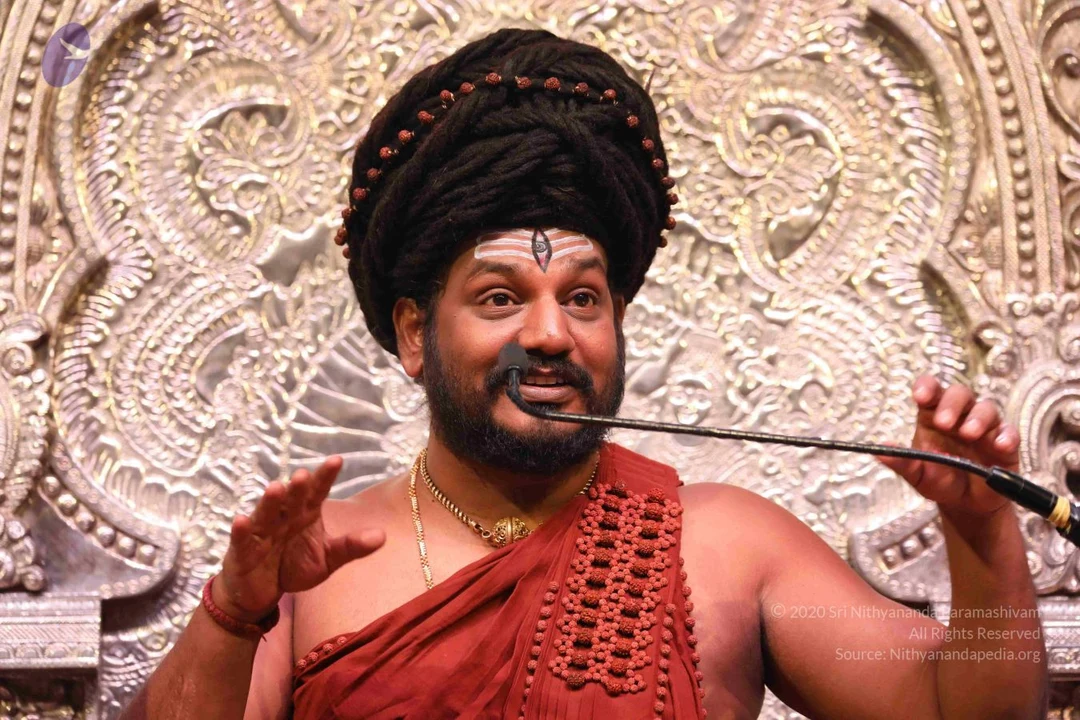

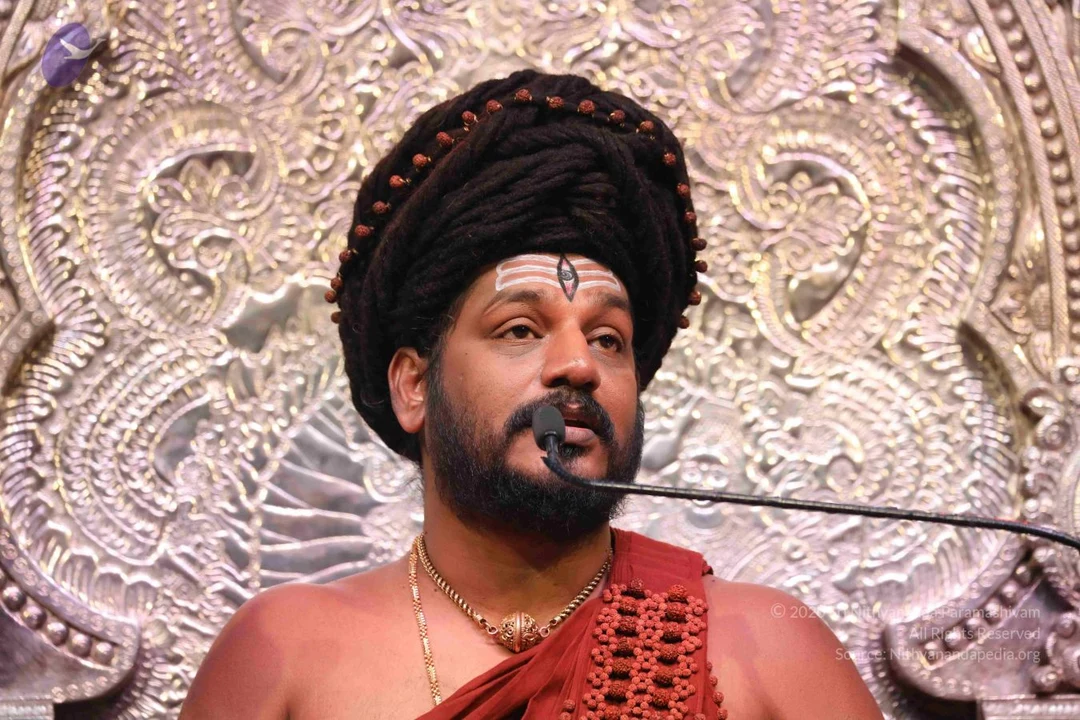



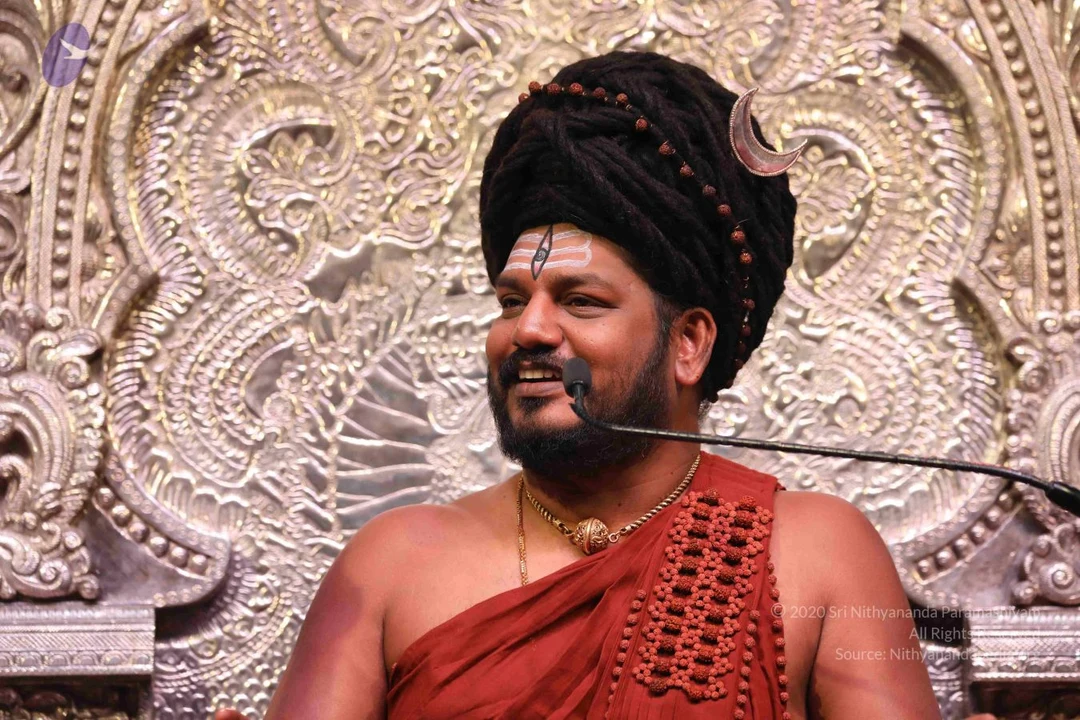






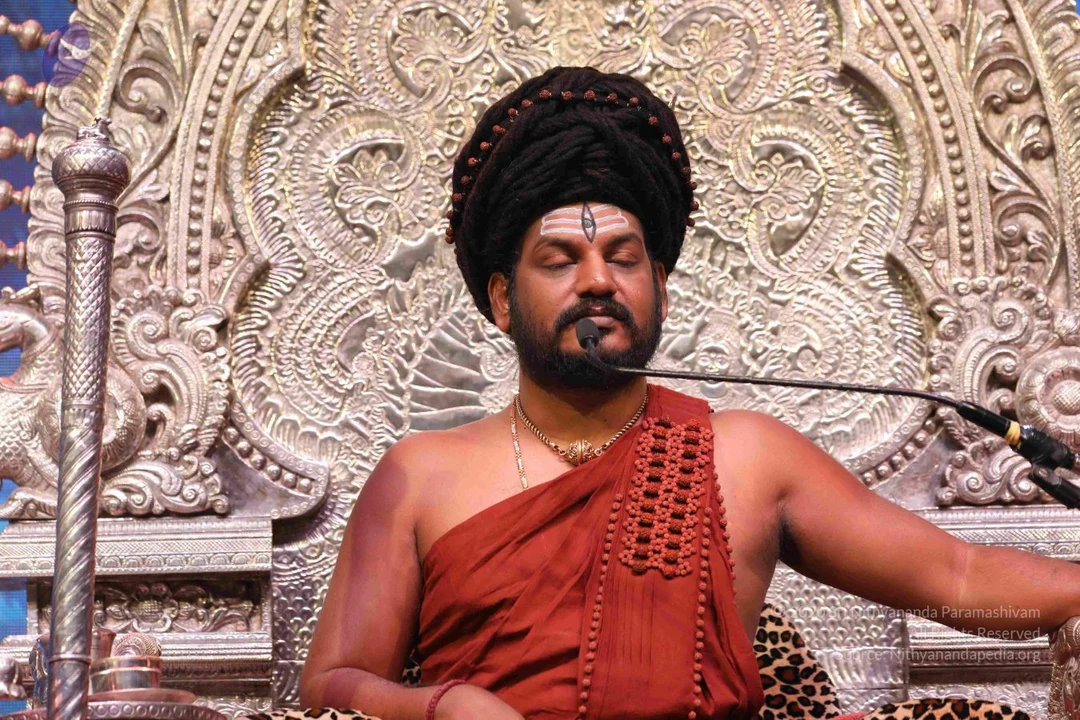
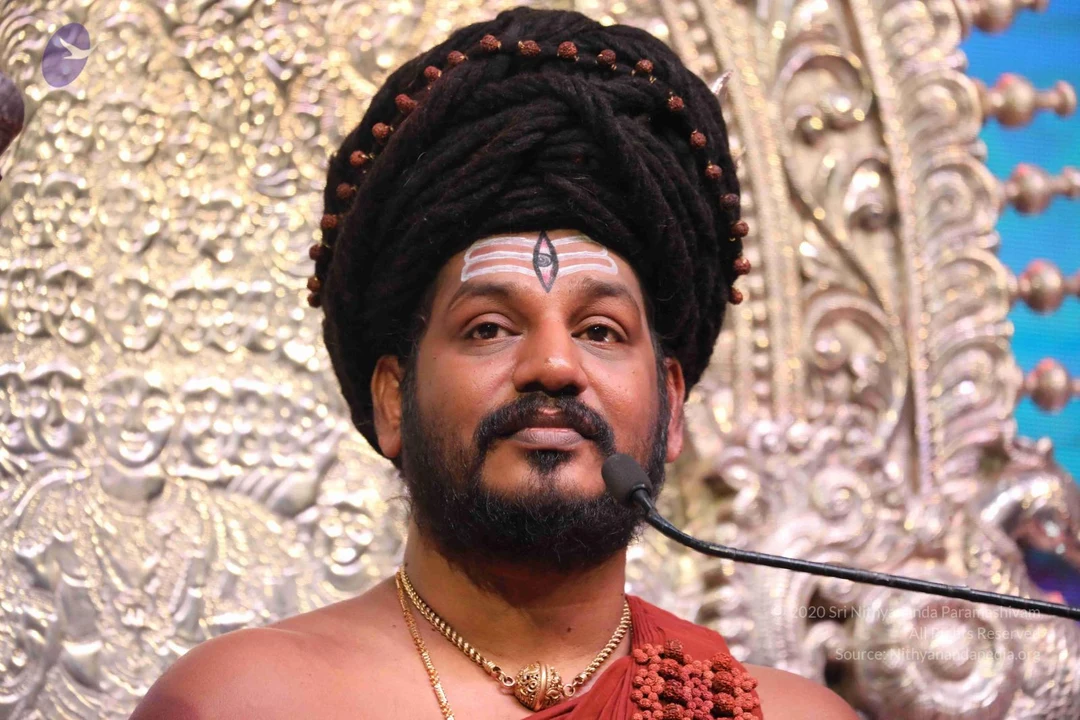

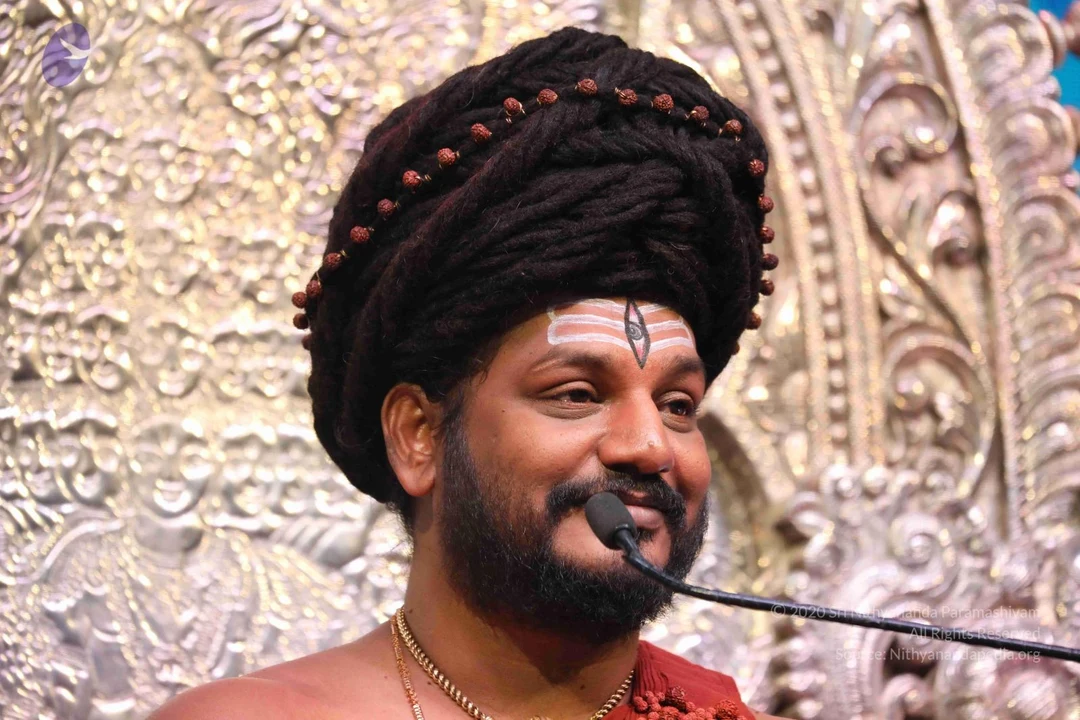
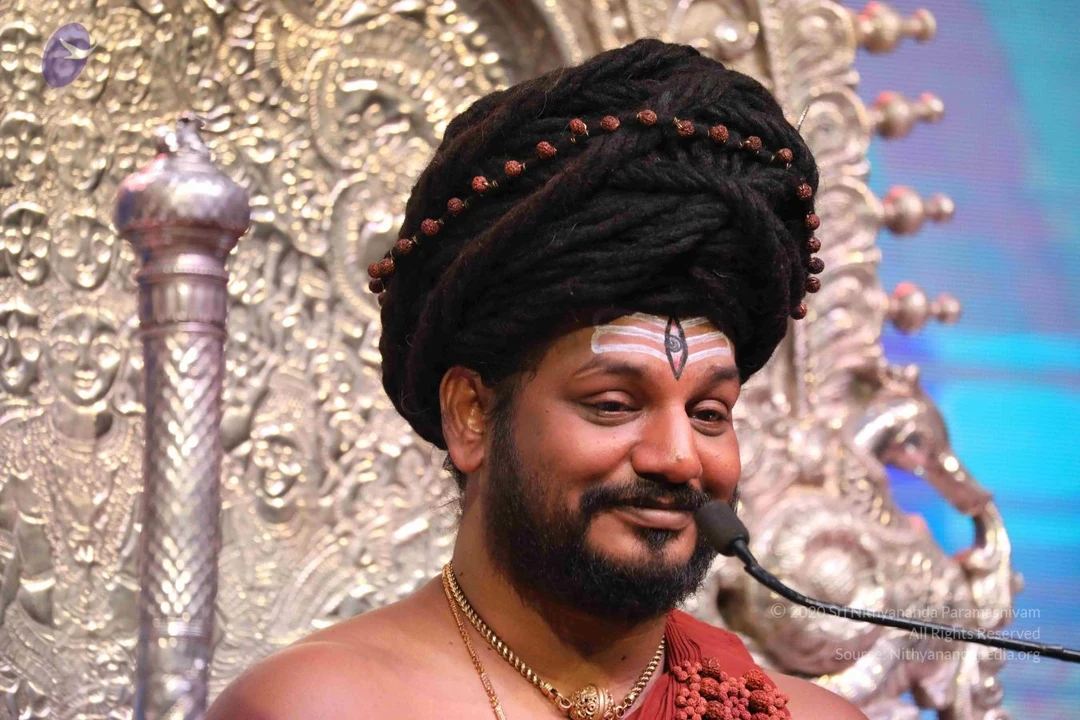
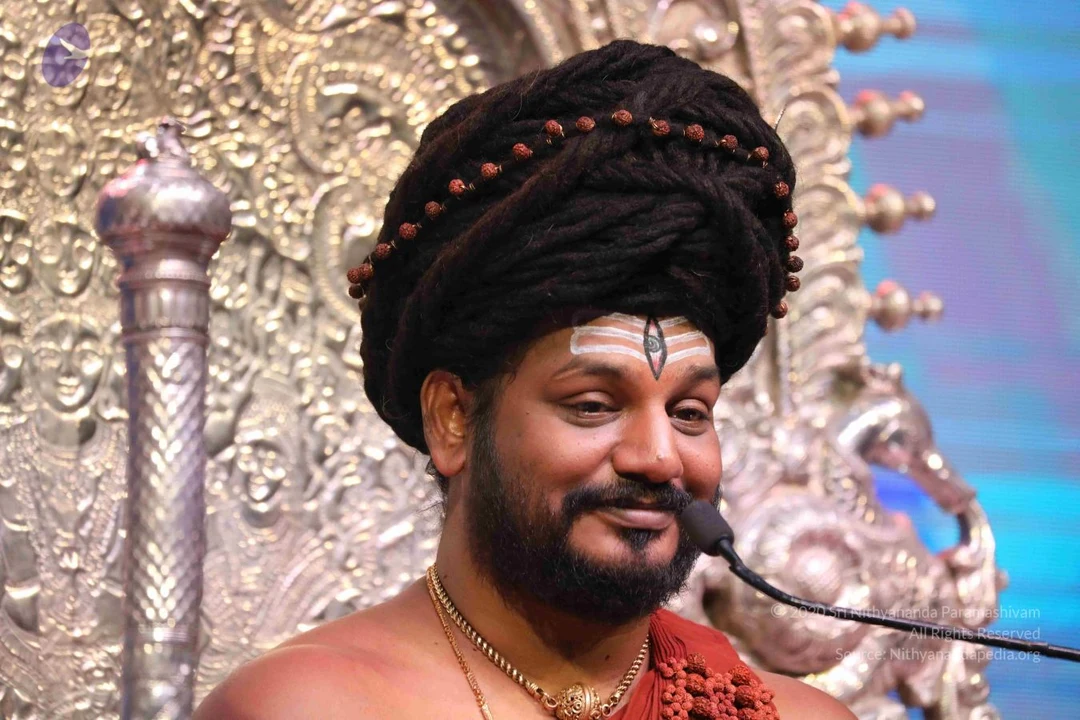
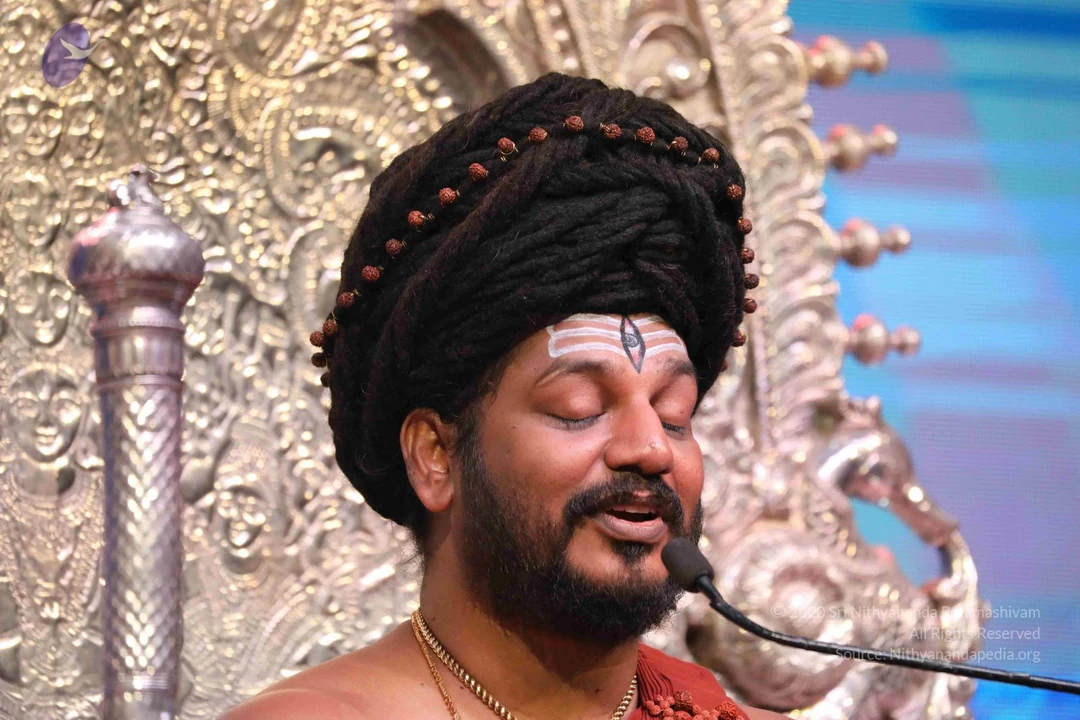
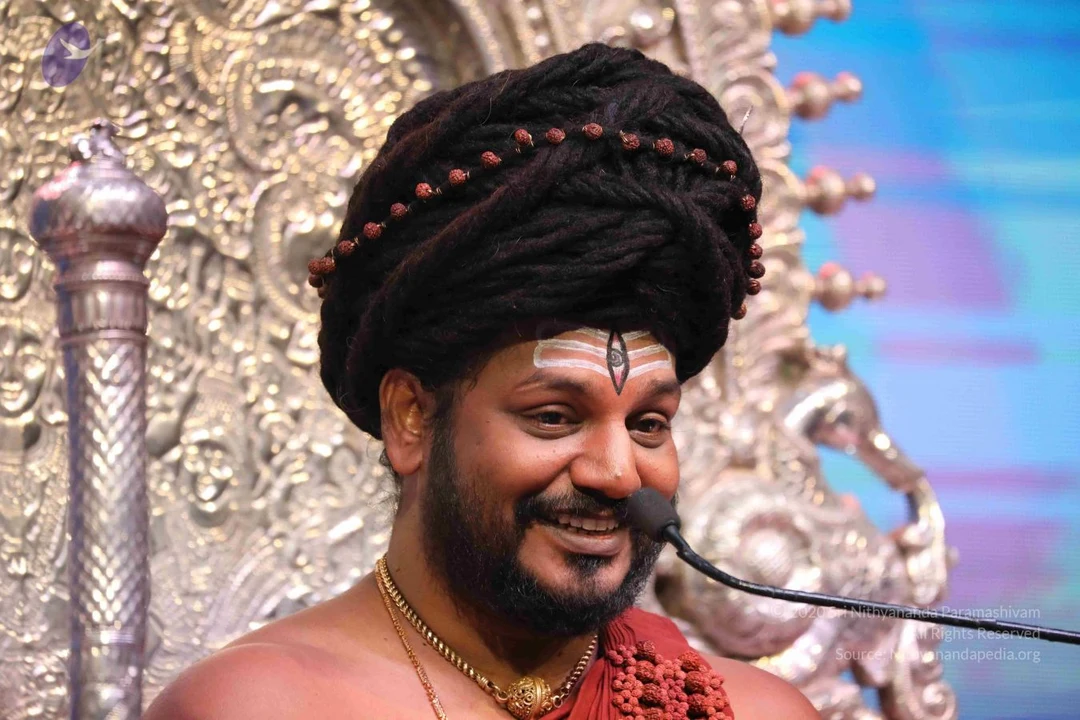
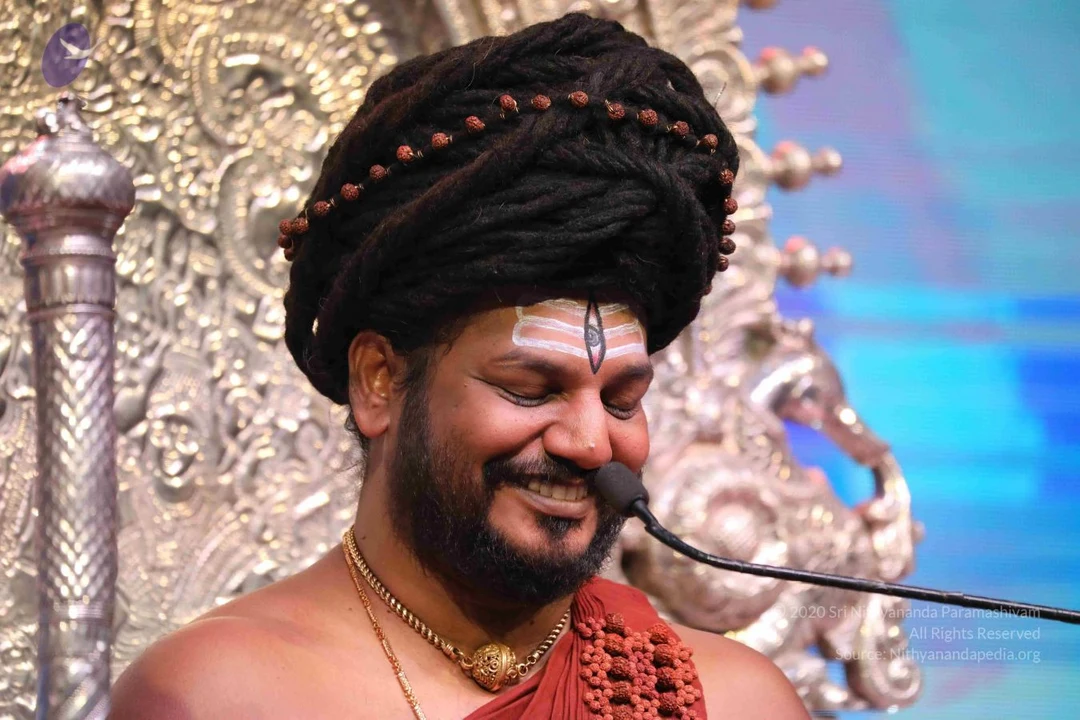
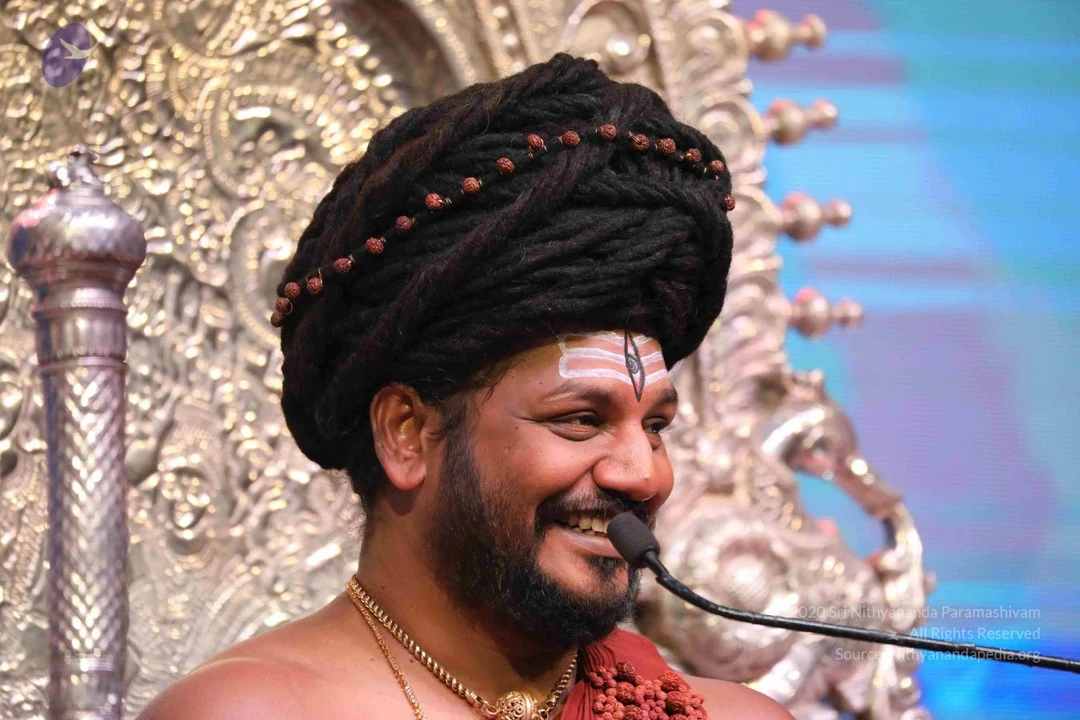
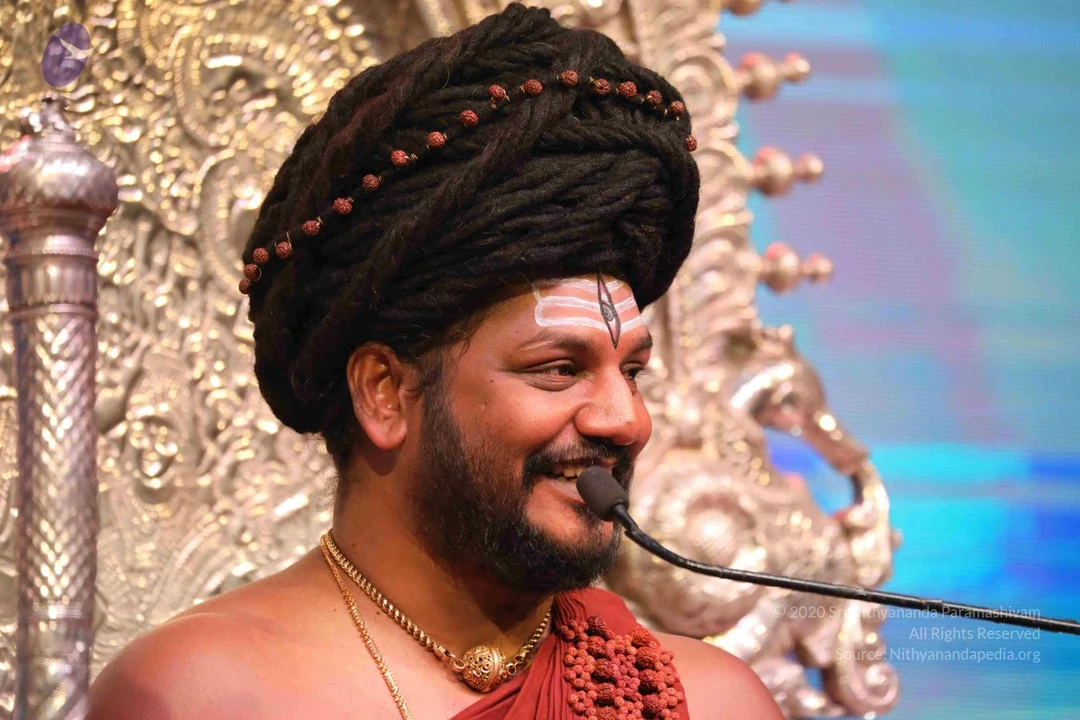
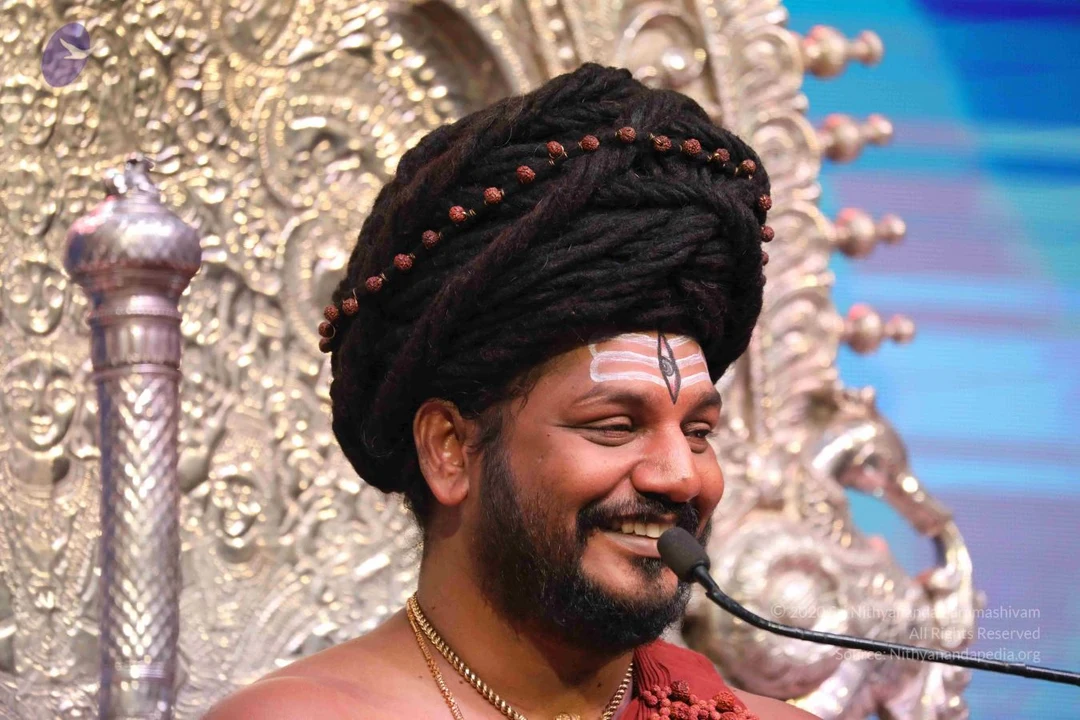
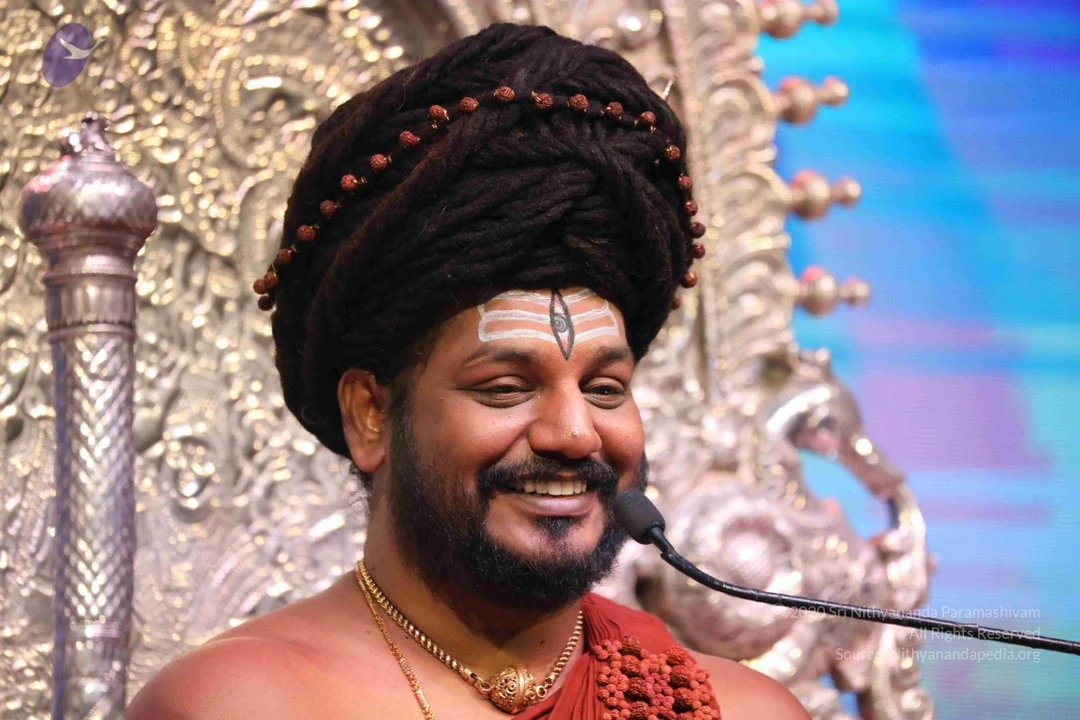

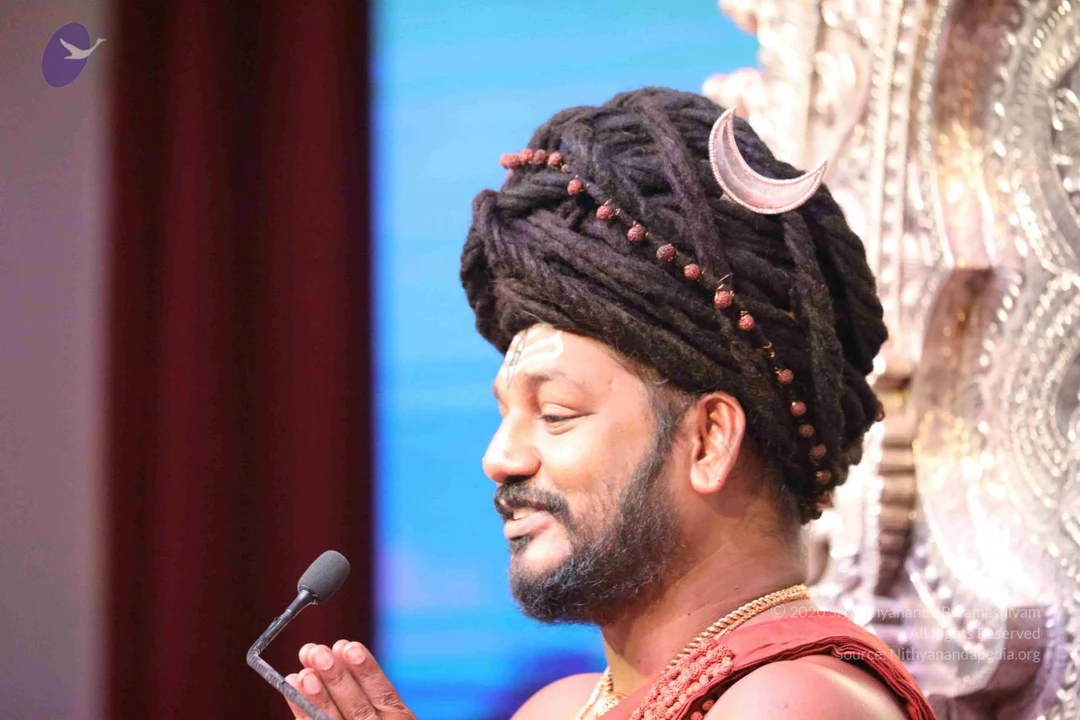
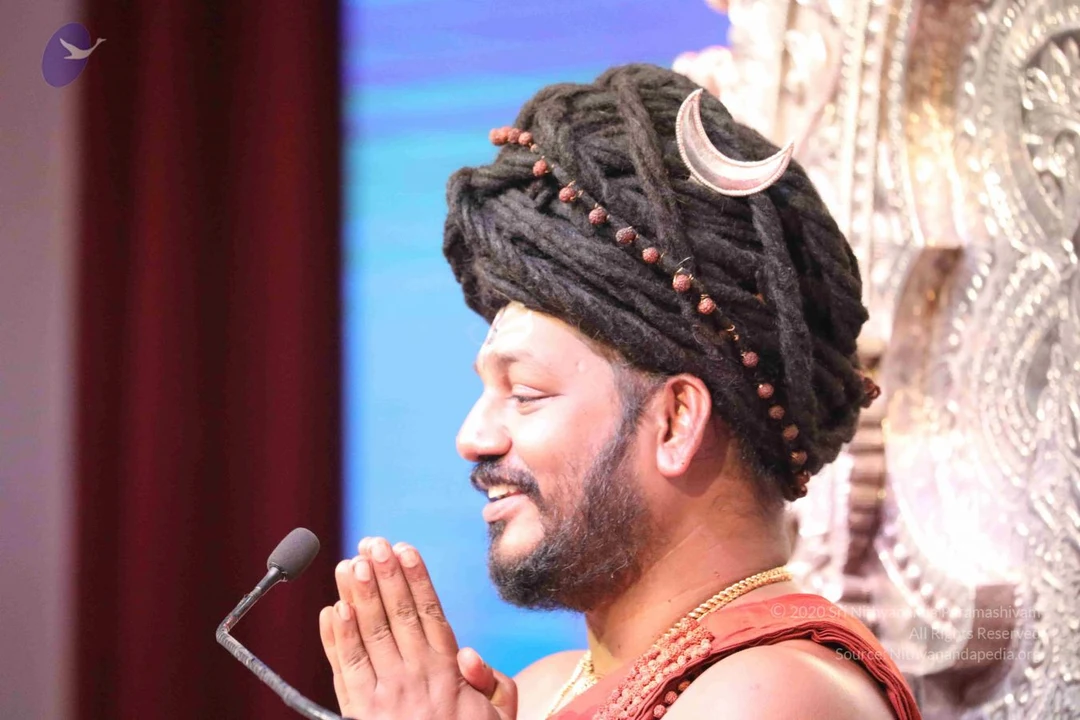
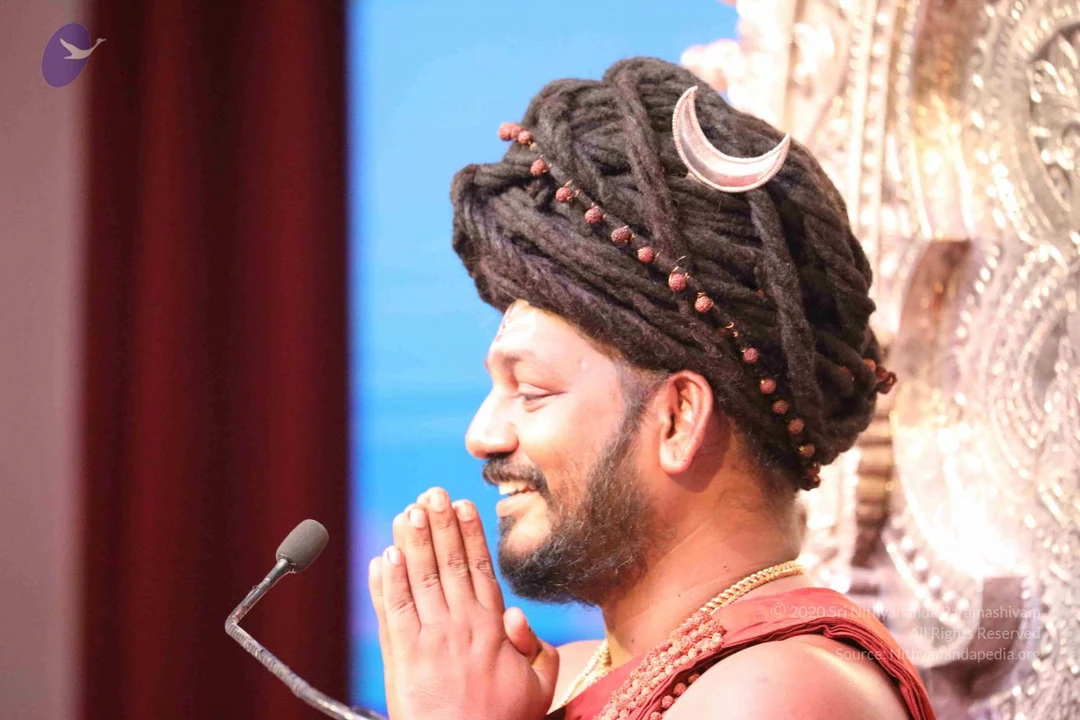
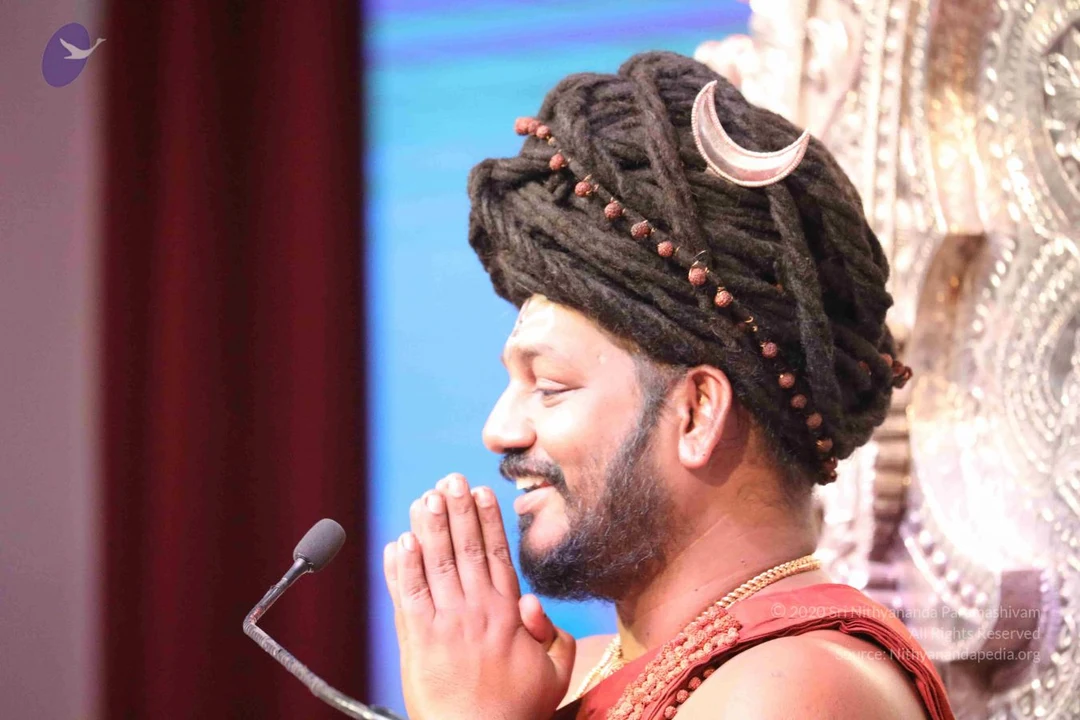
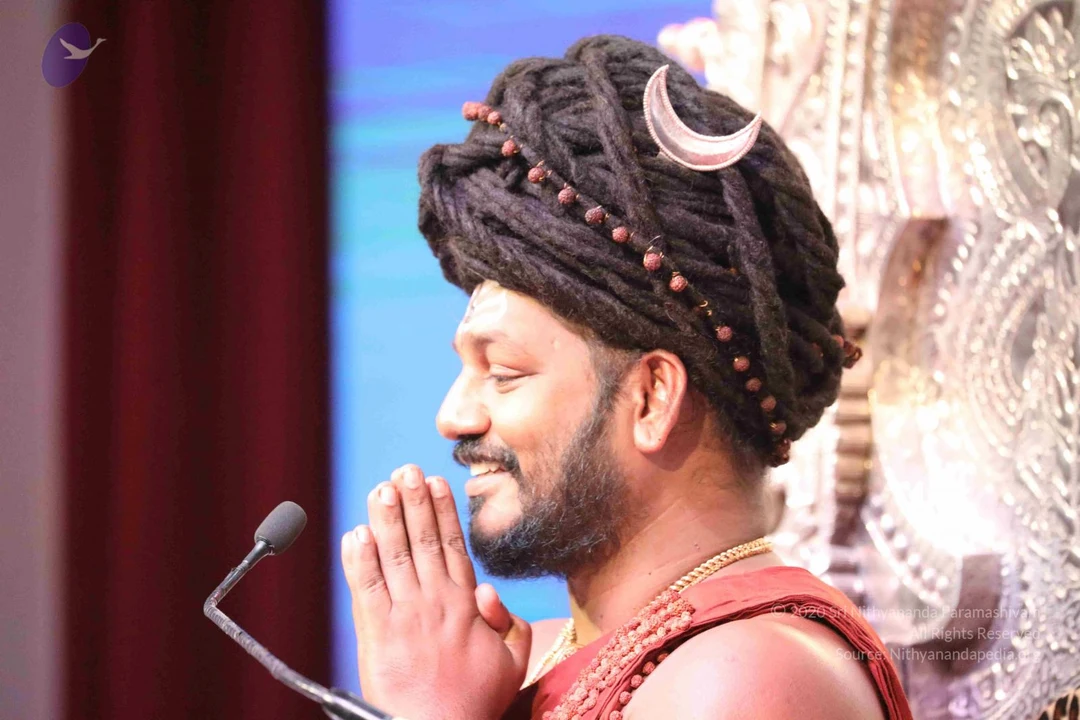
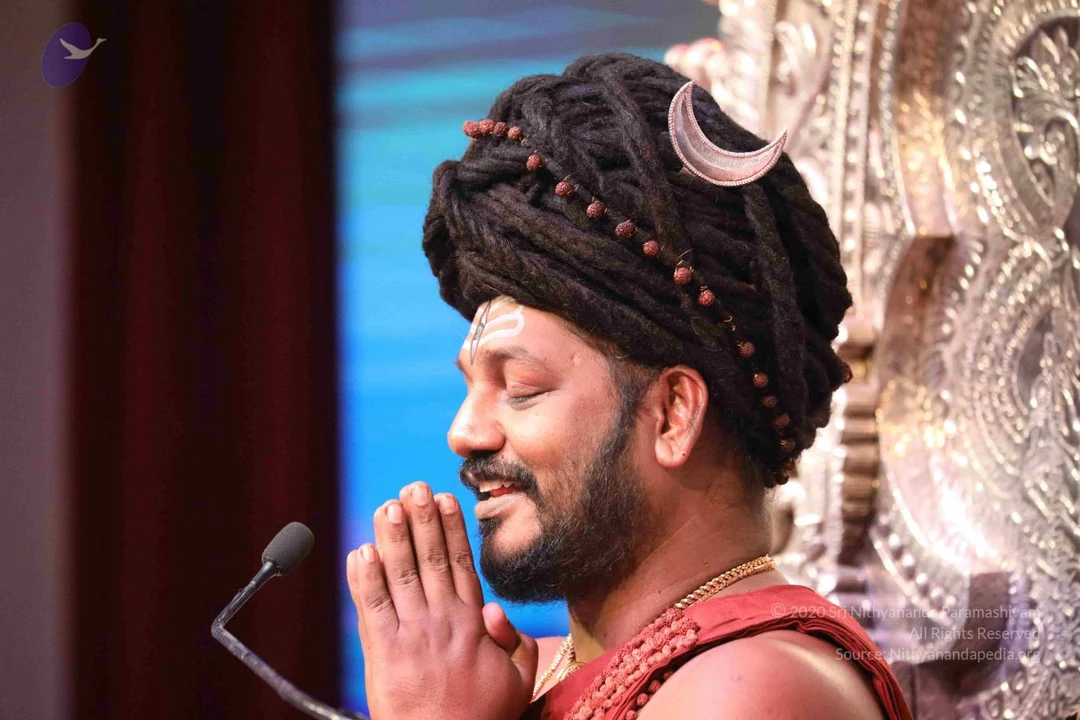
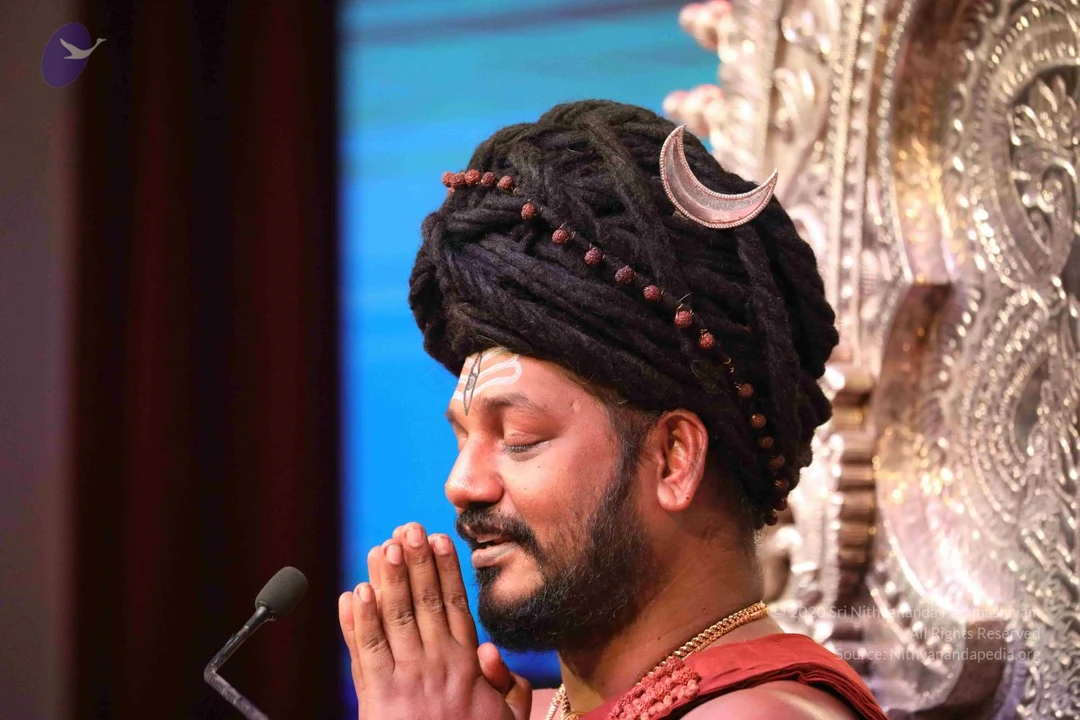
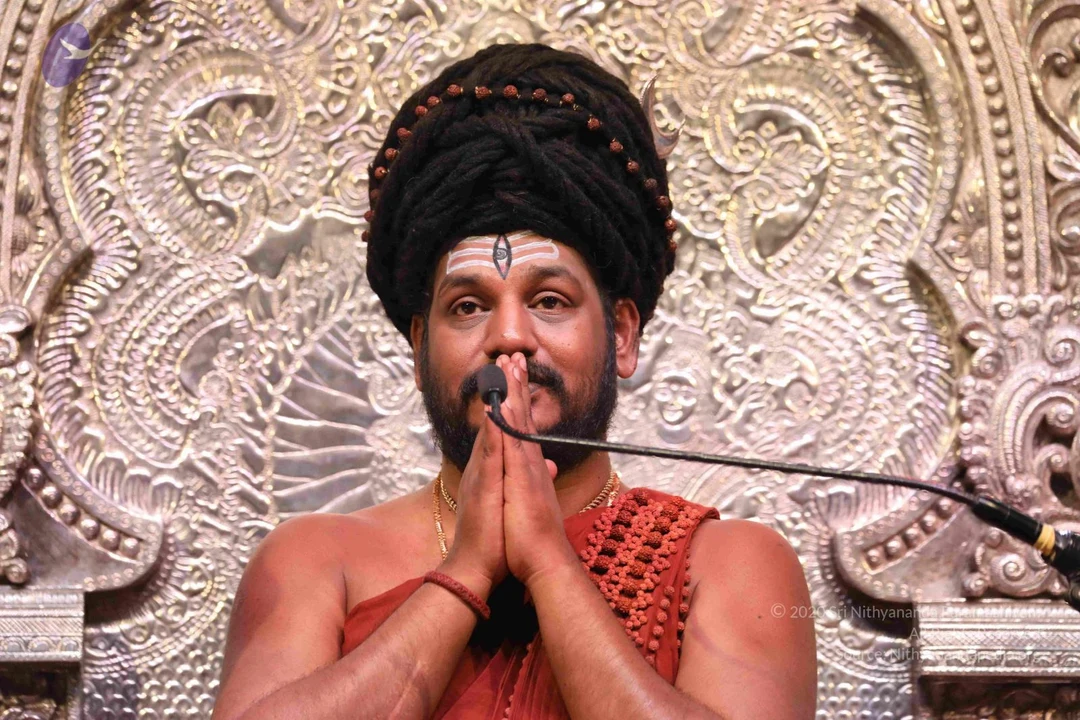



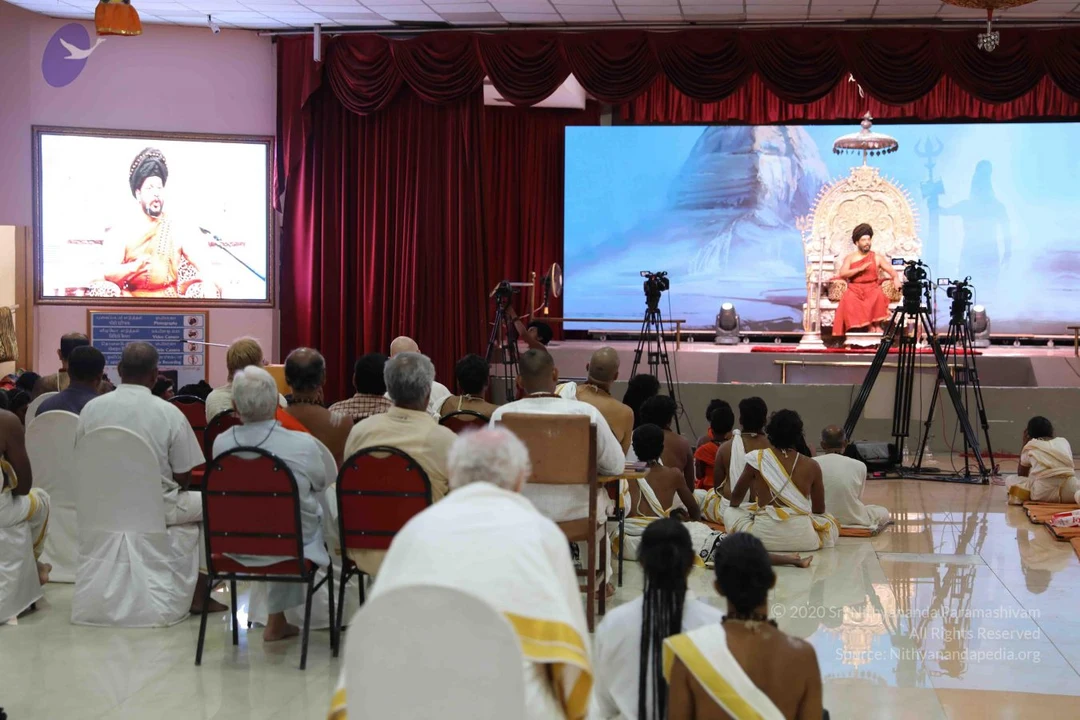
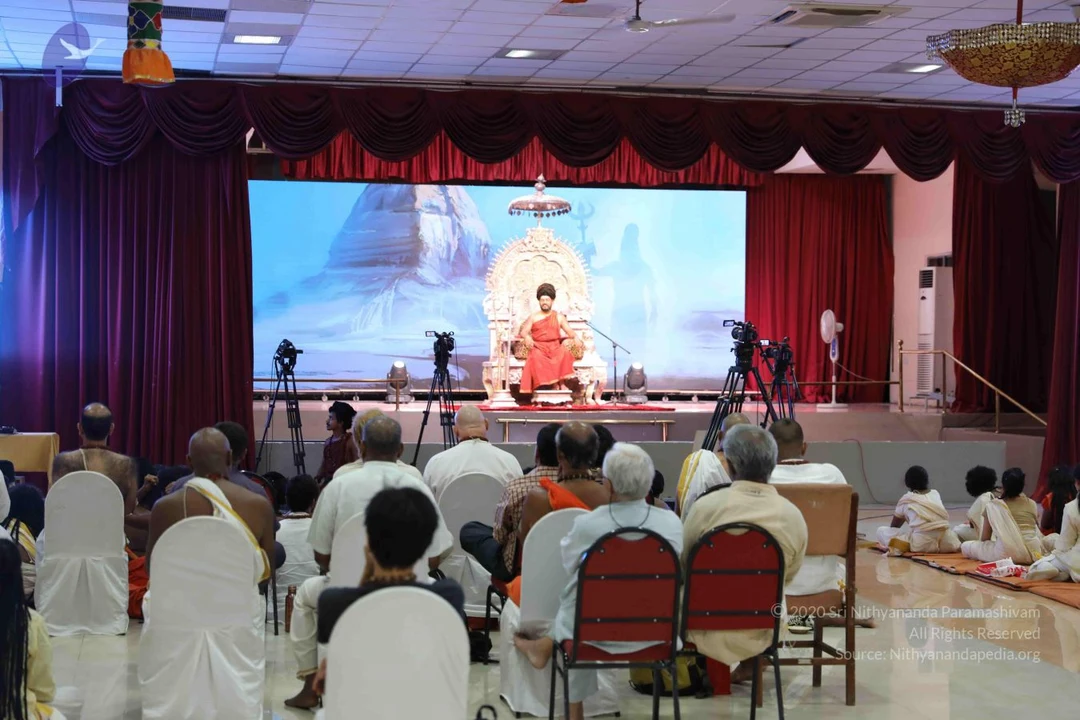
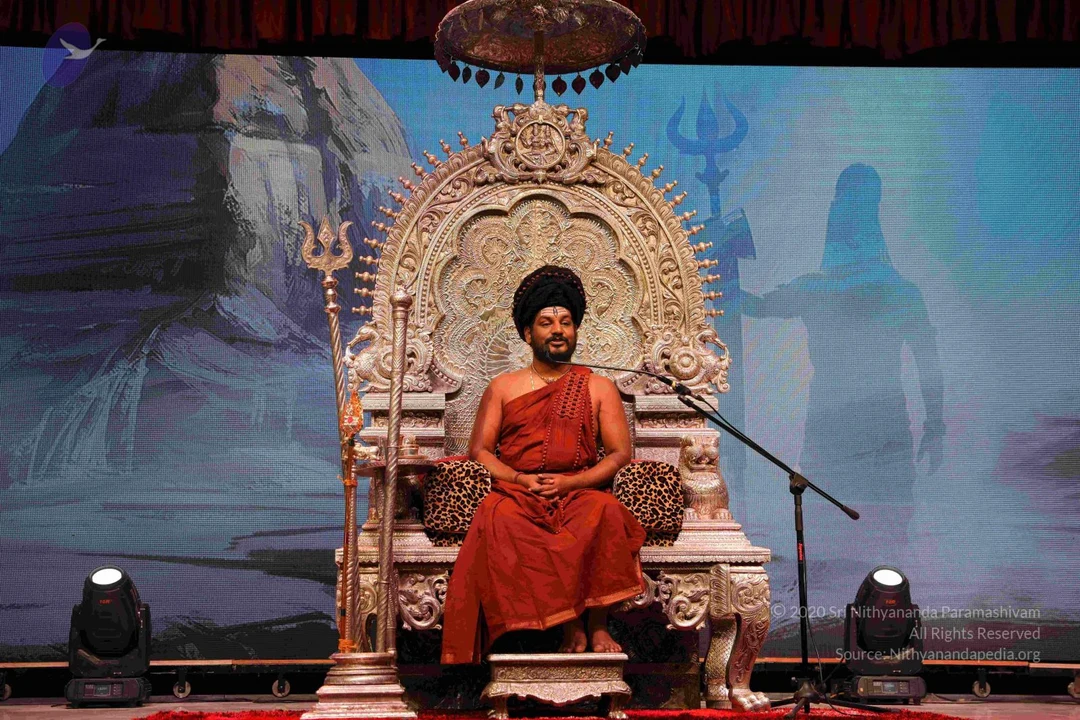
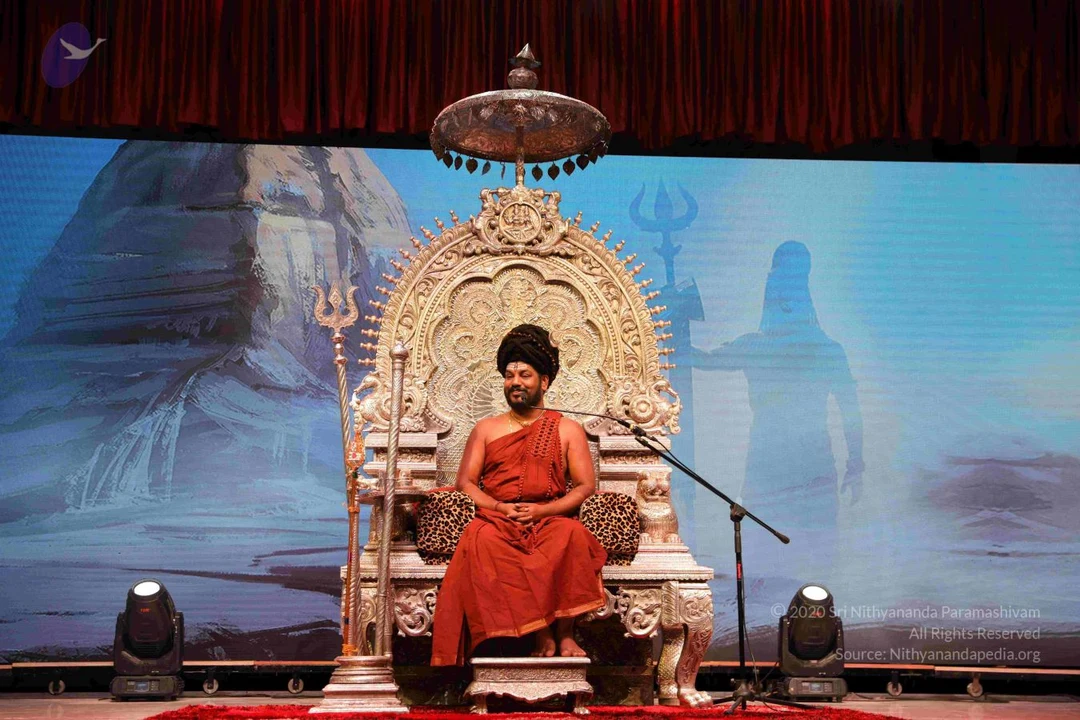
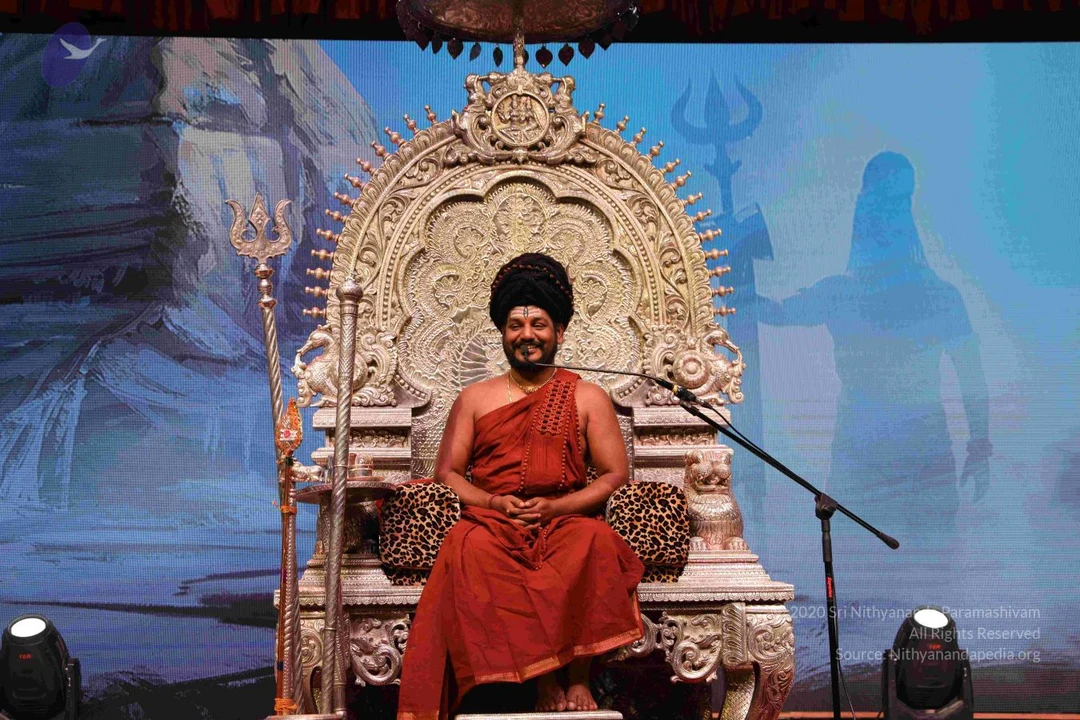
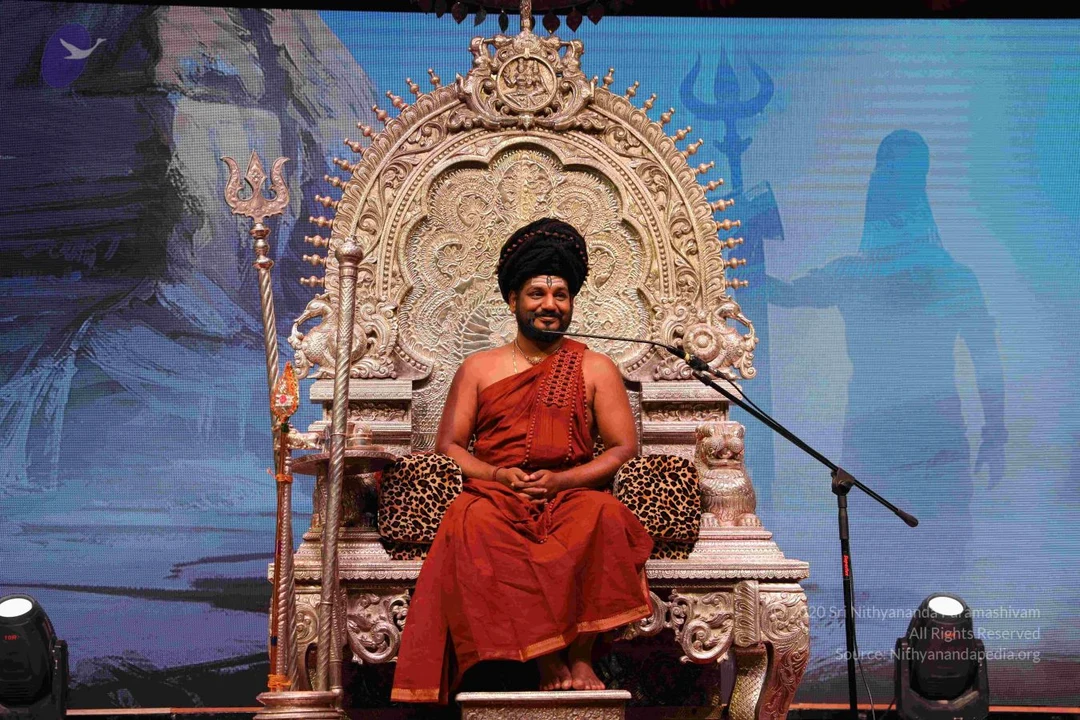
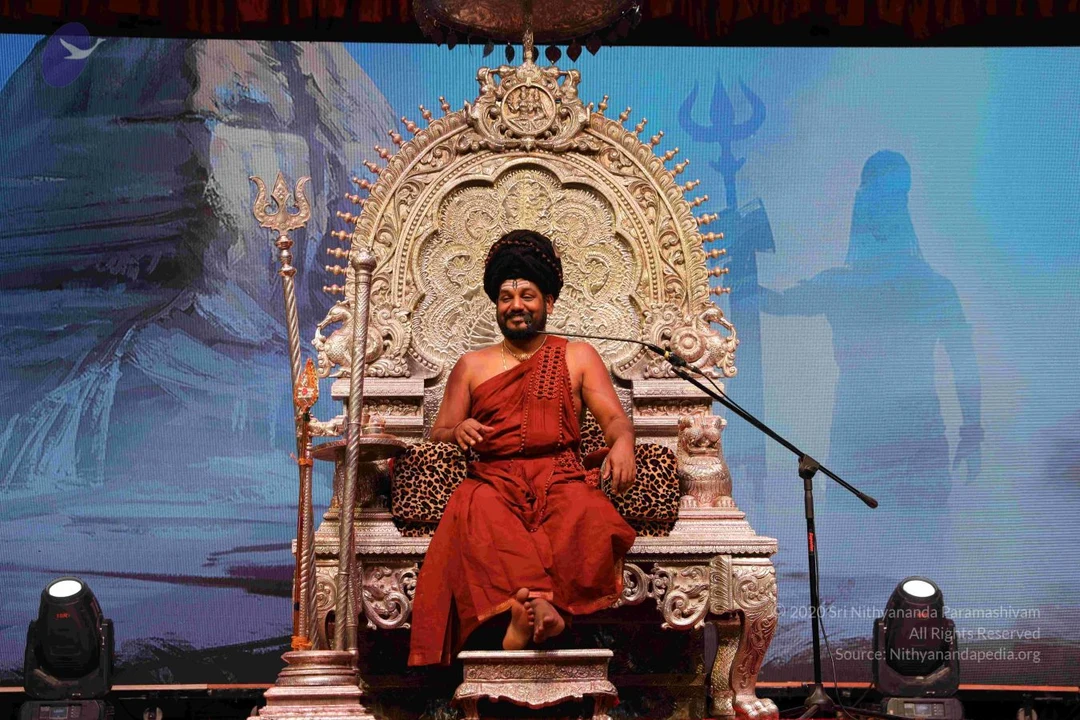
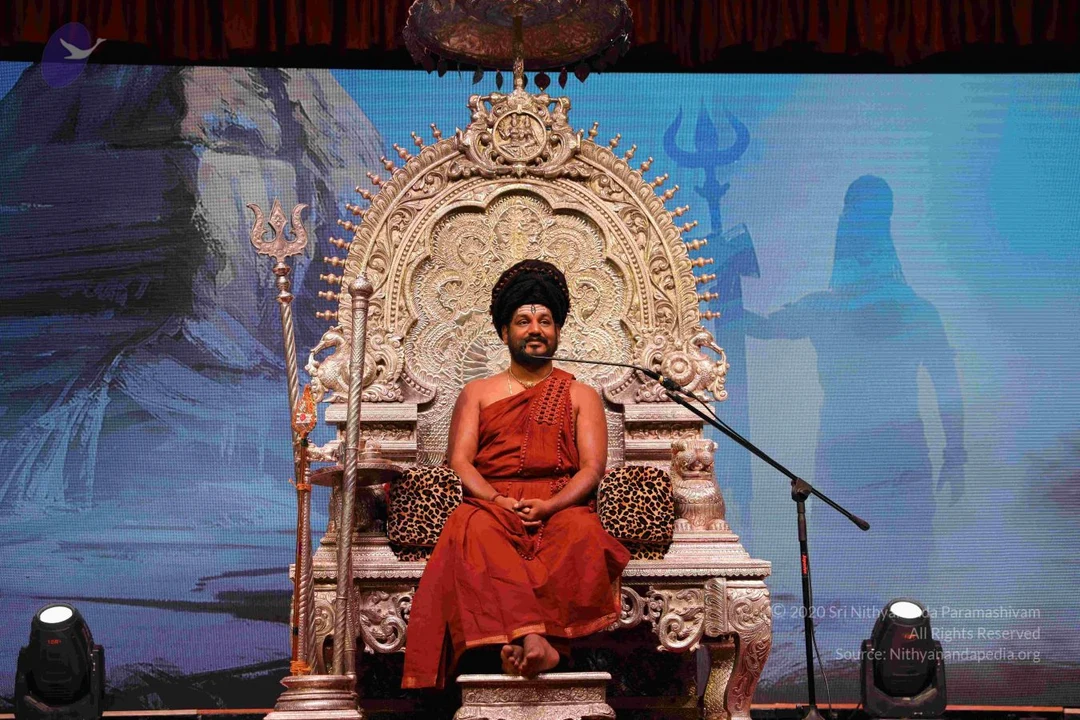
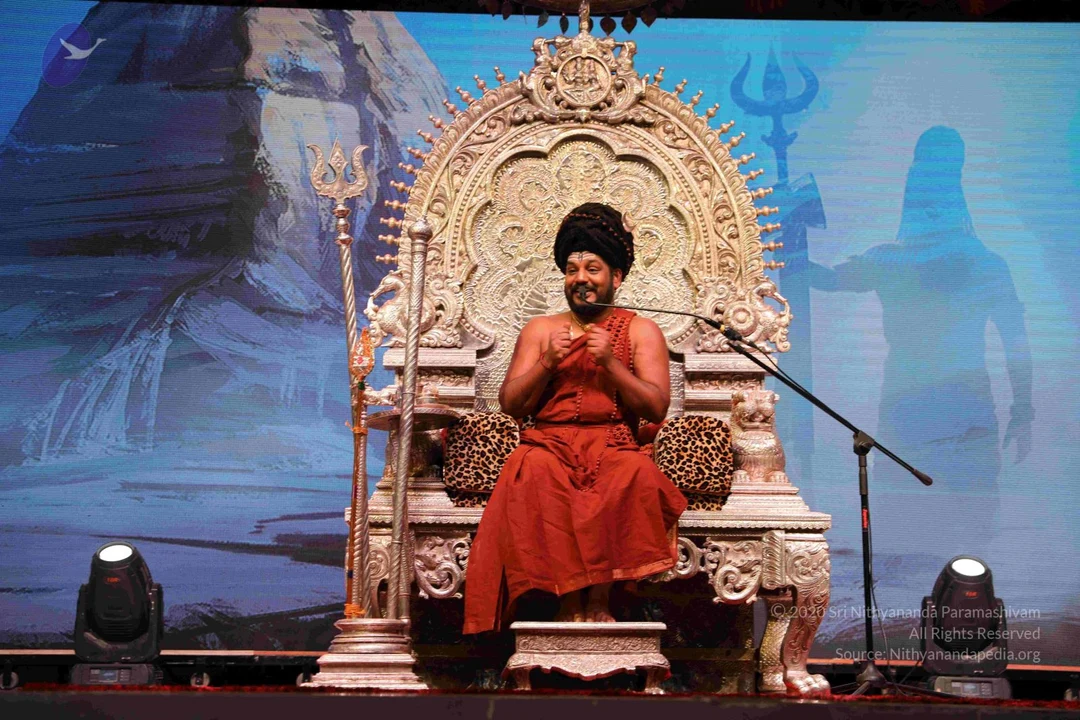
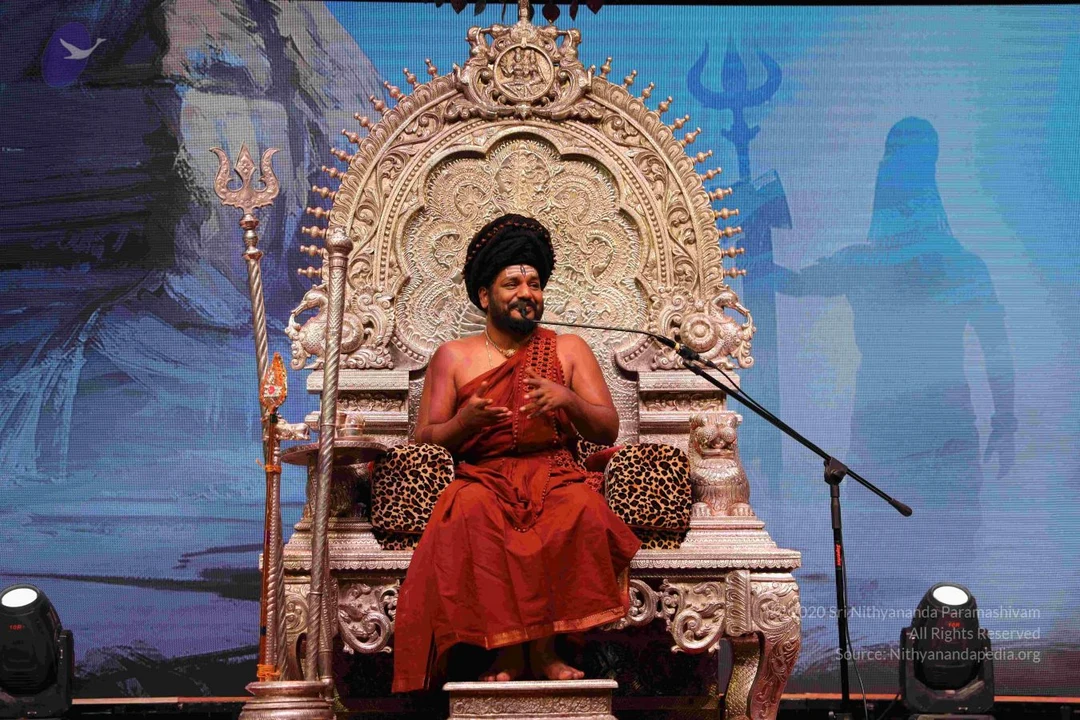
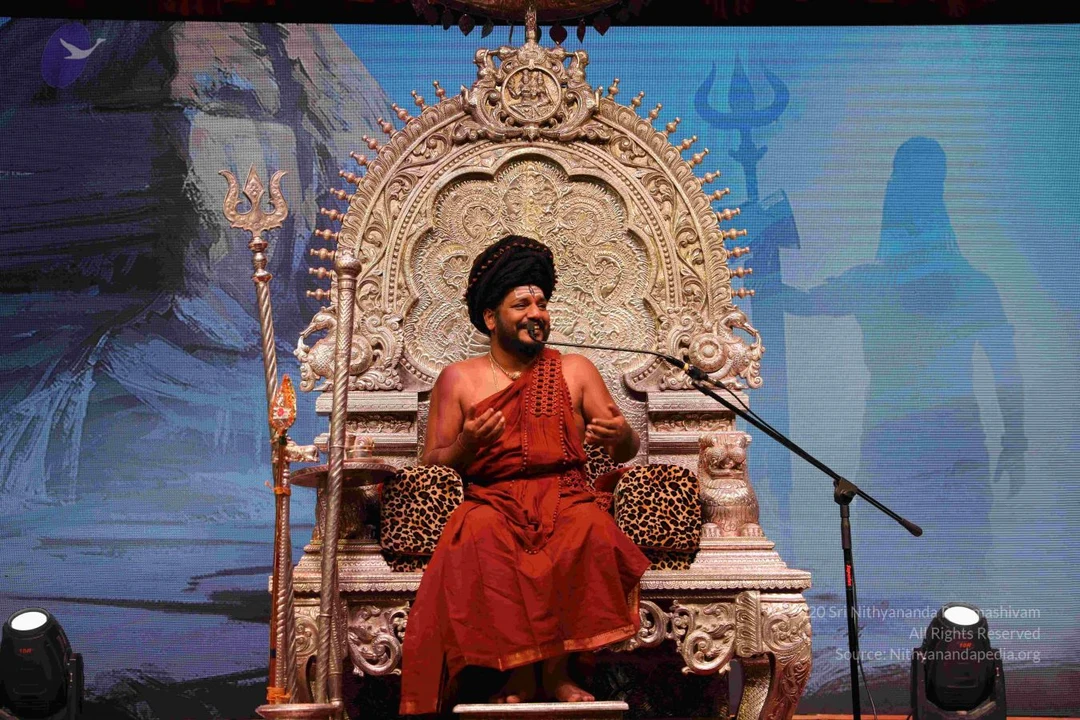
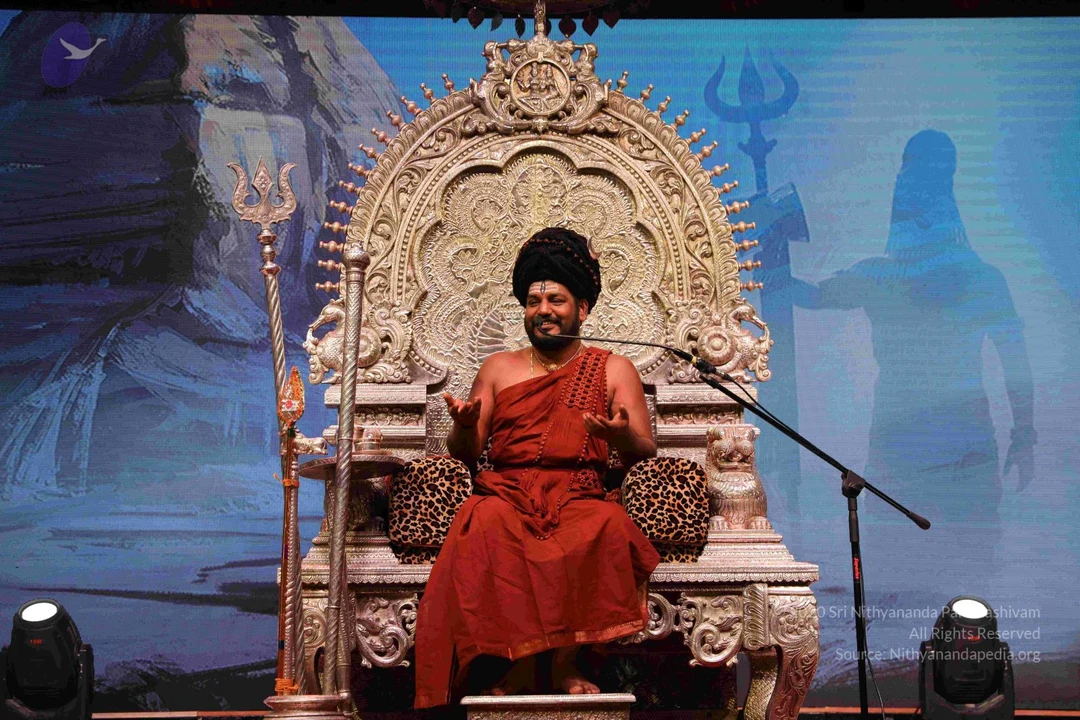
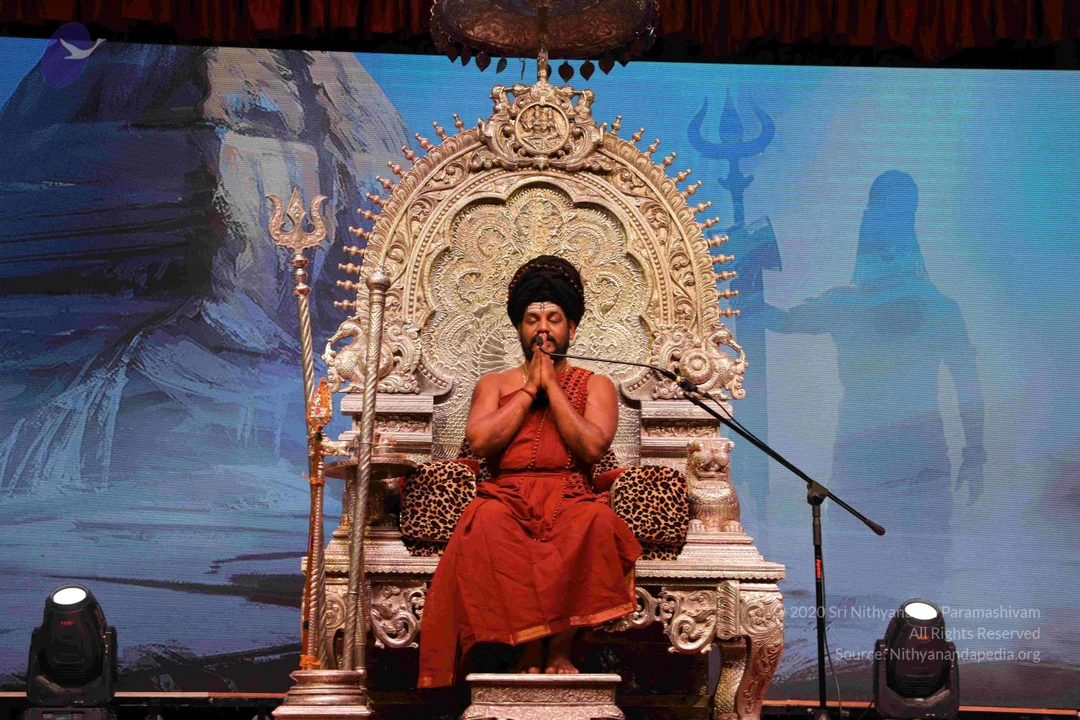
Mandala-process
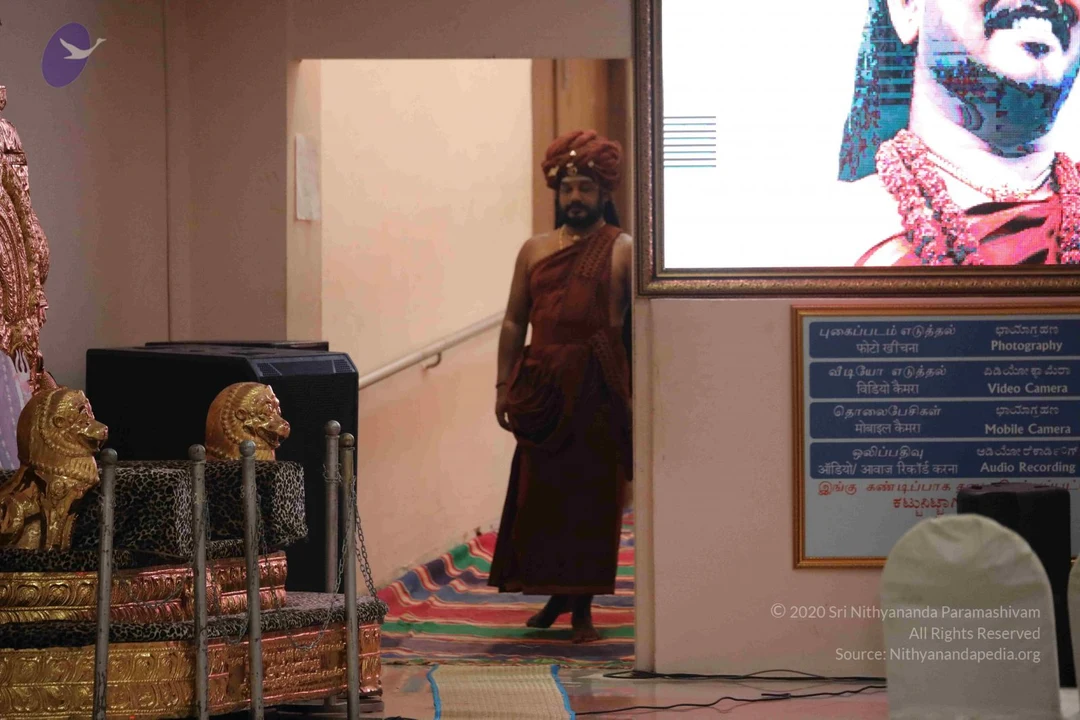
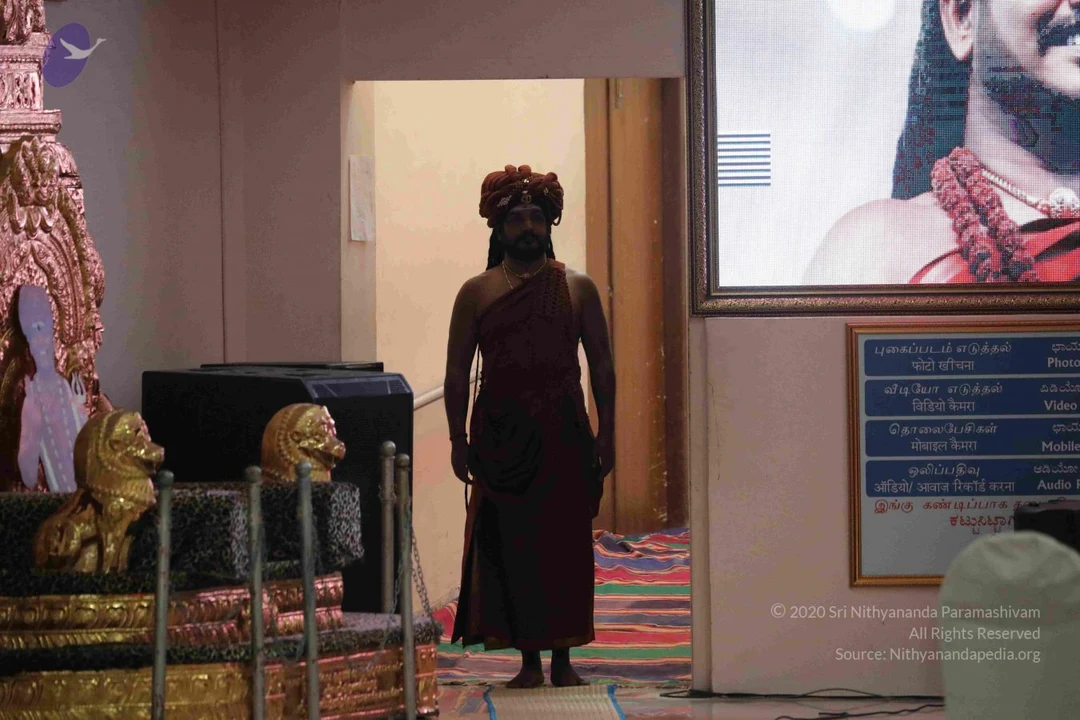
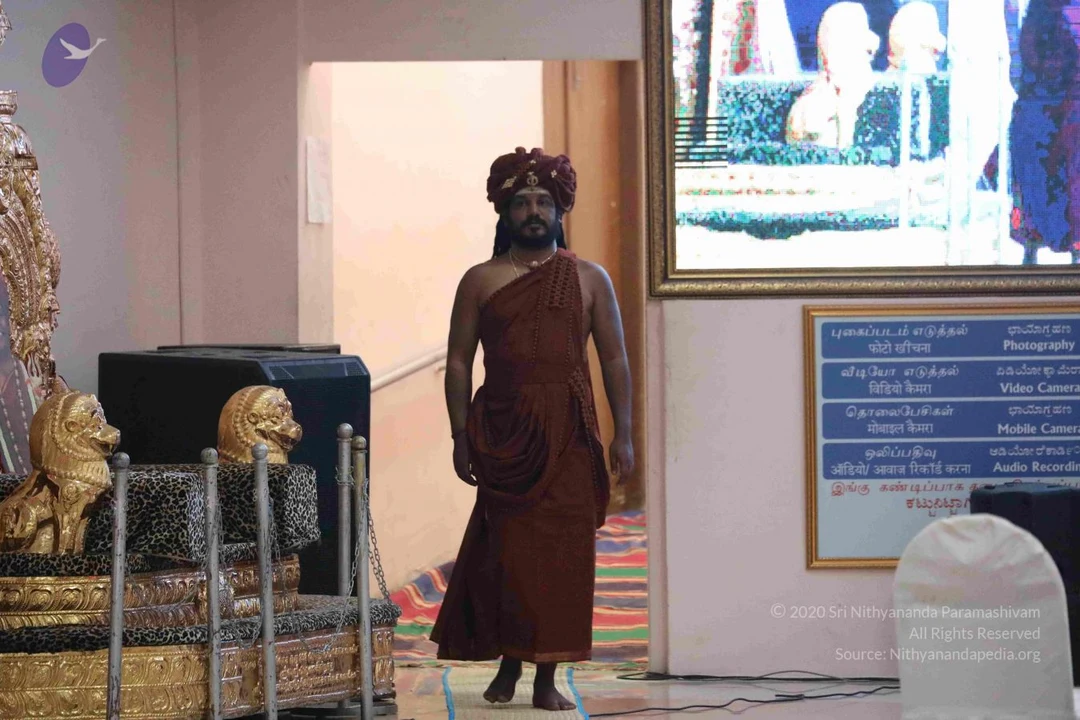

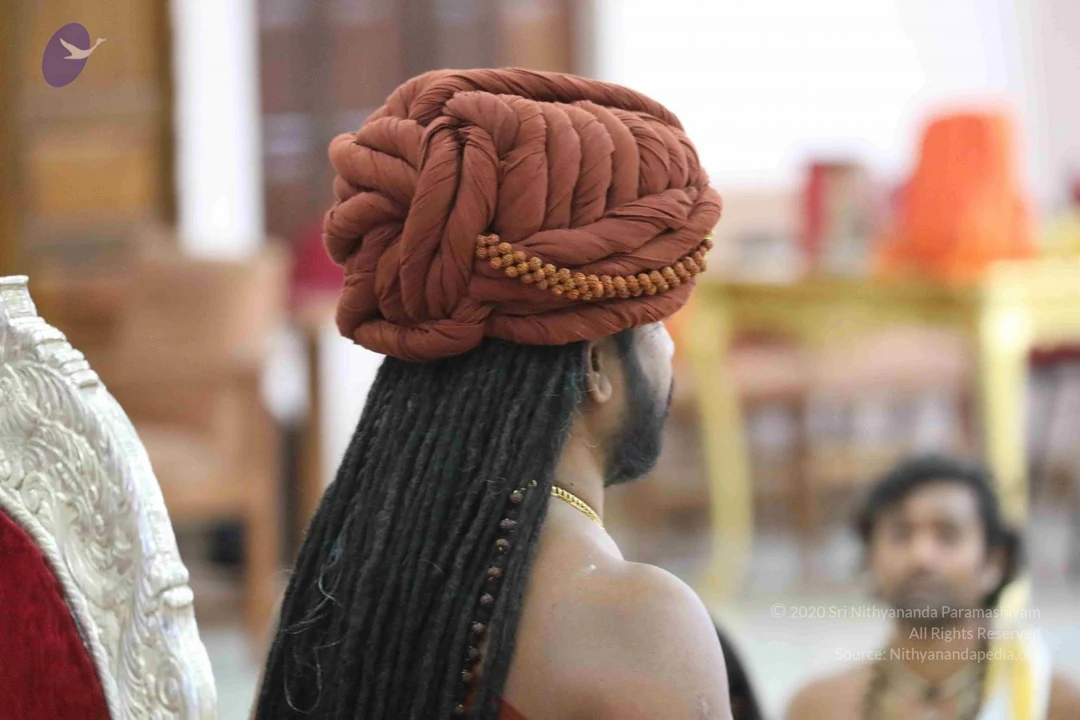
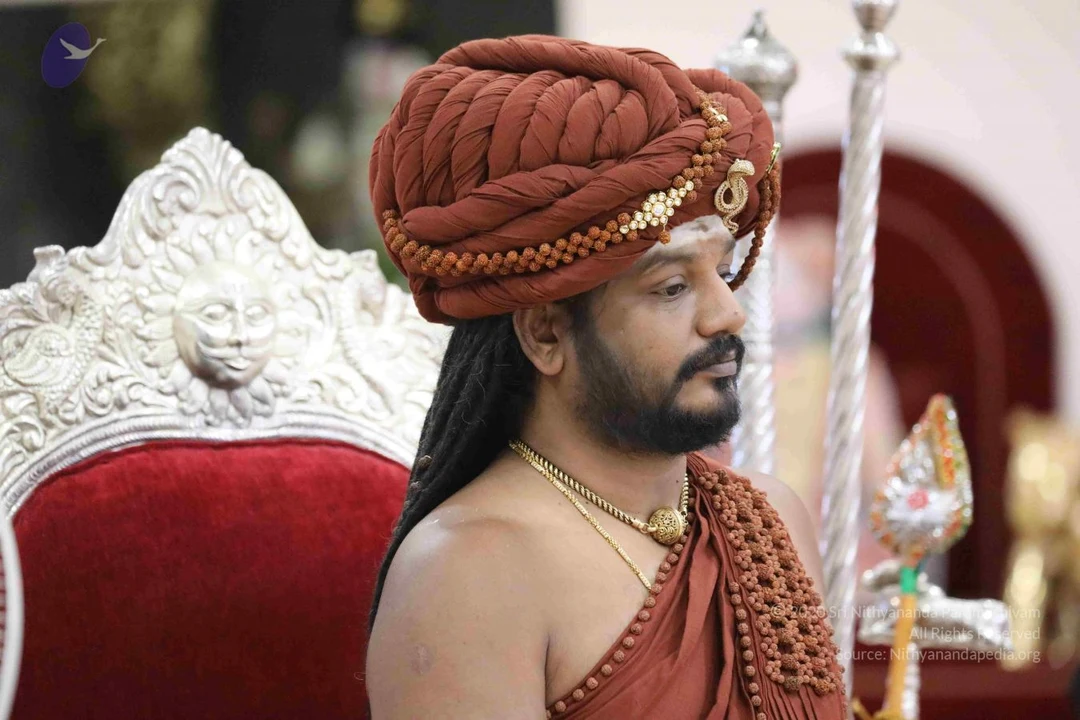

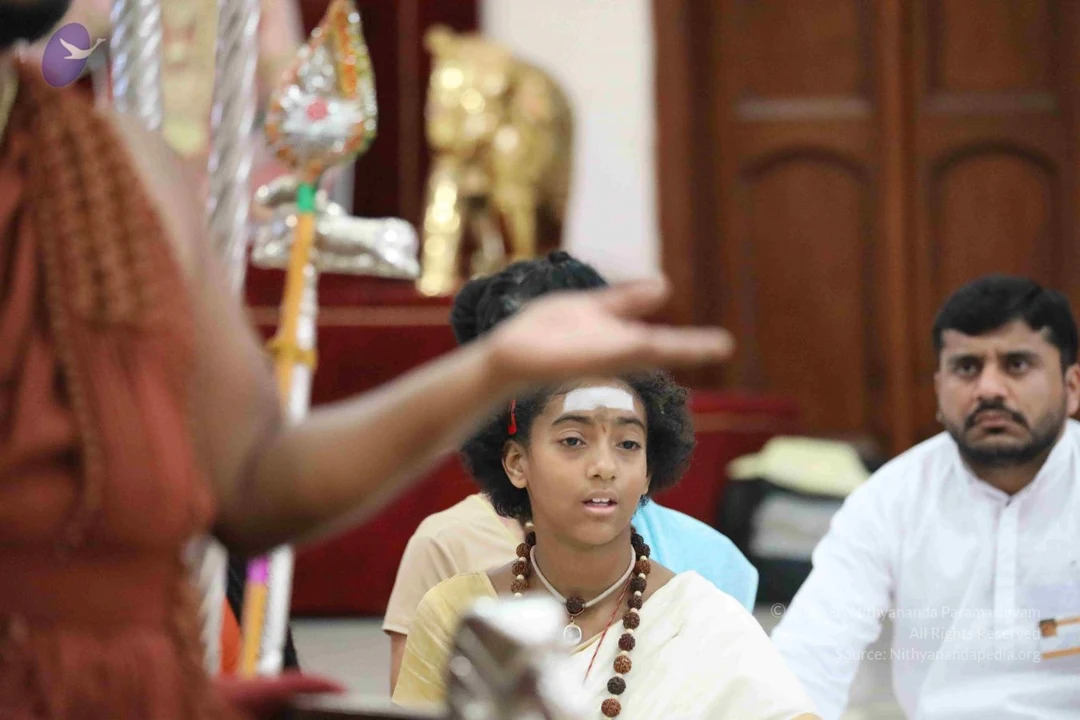
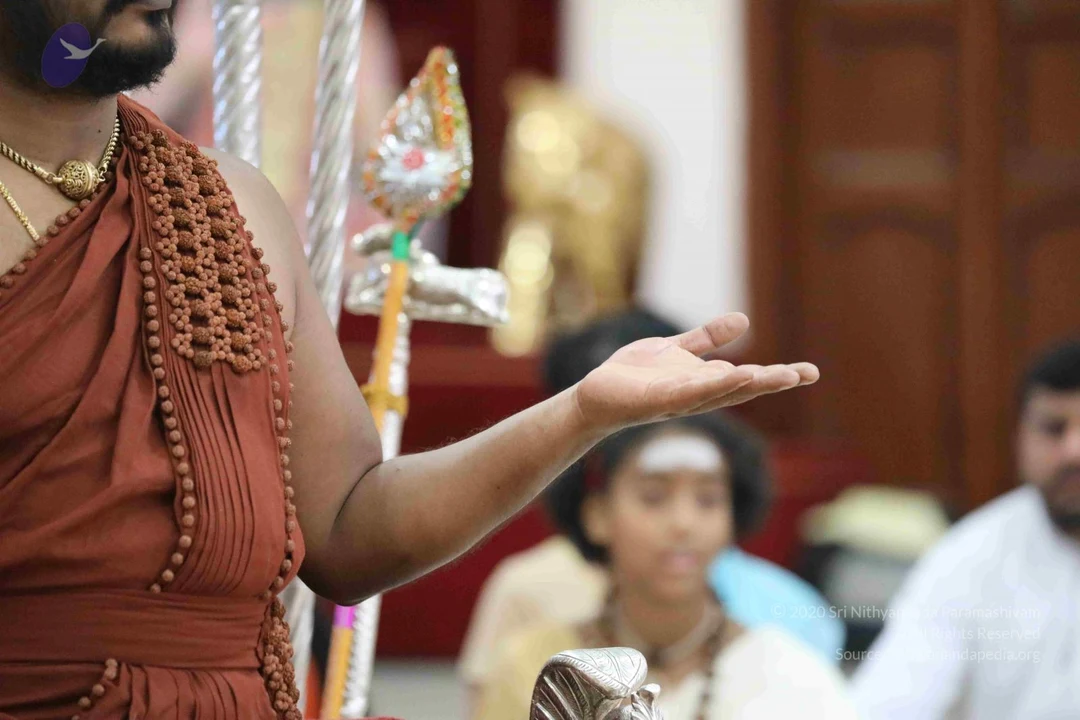
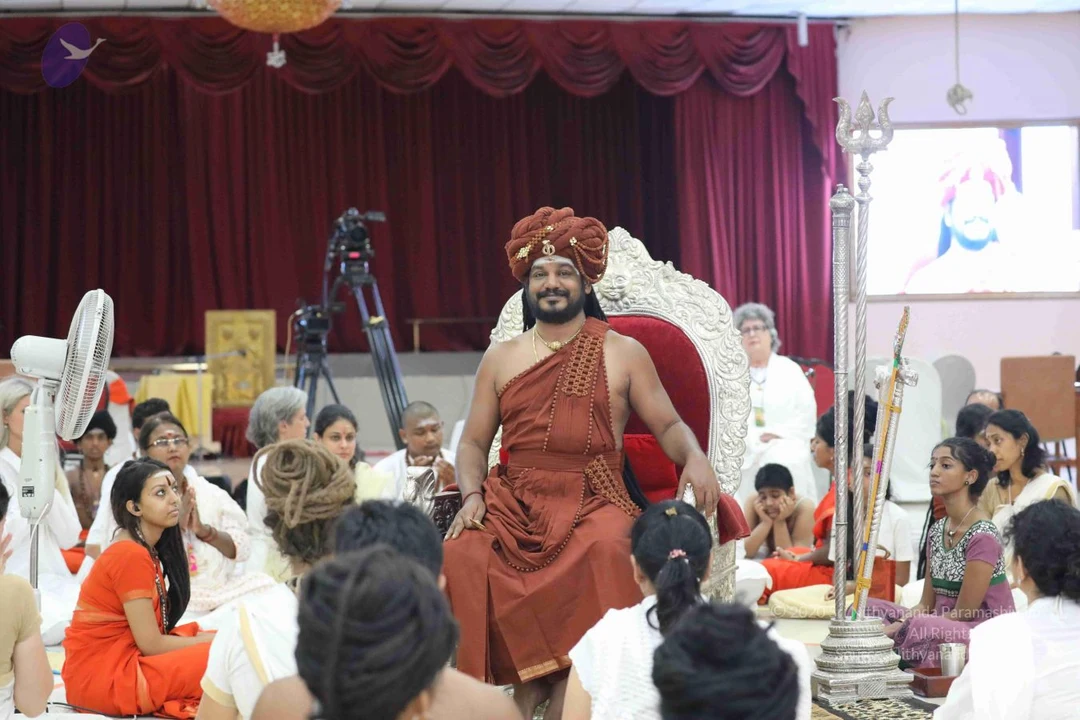
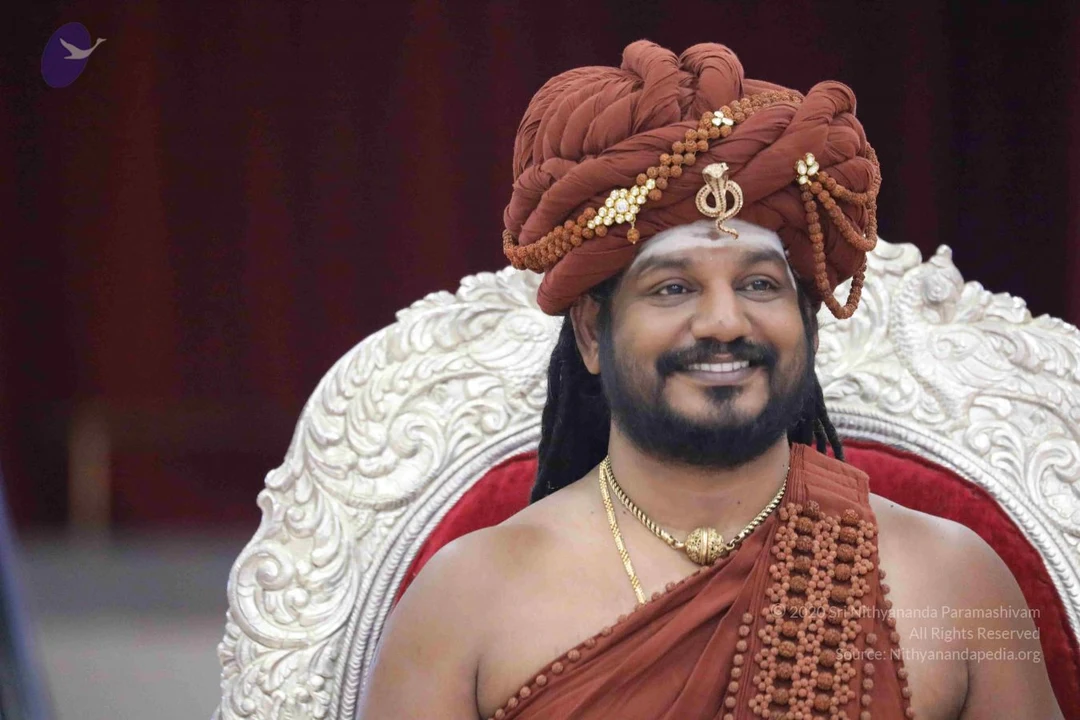
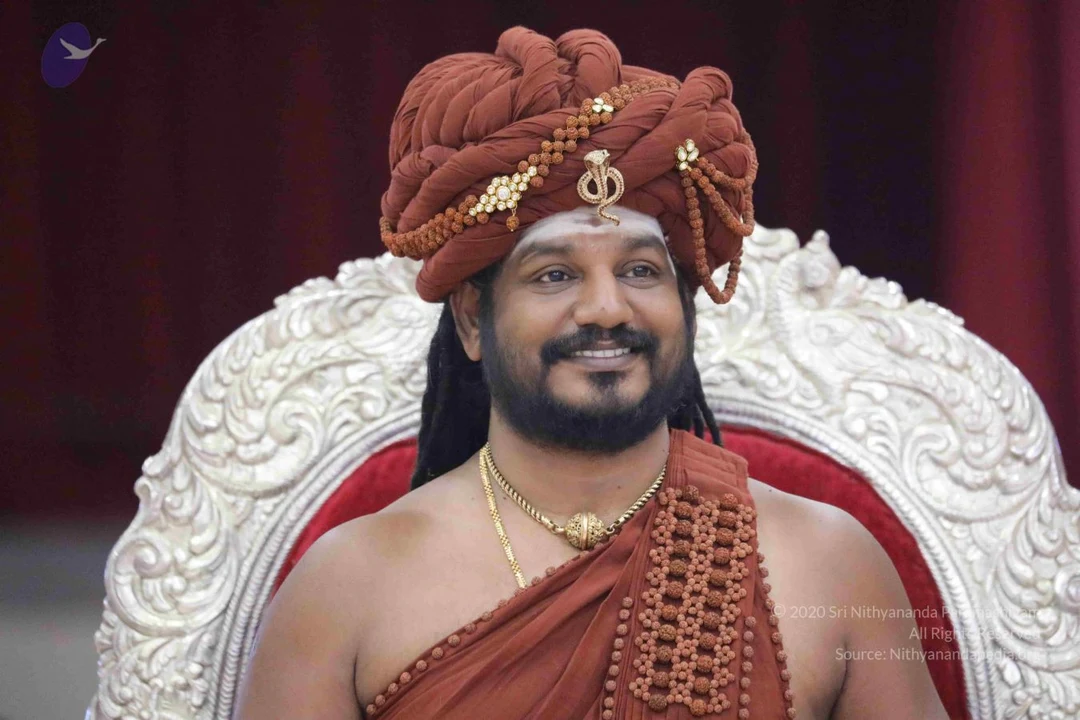
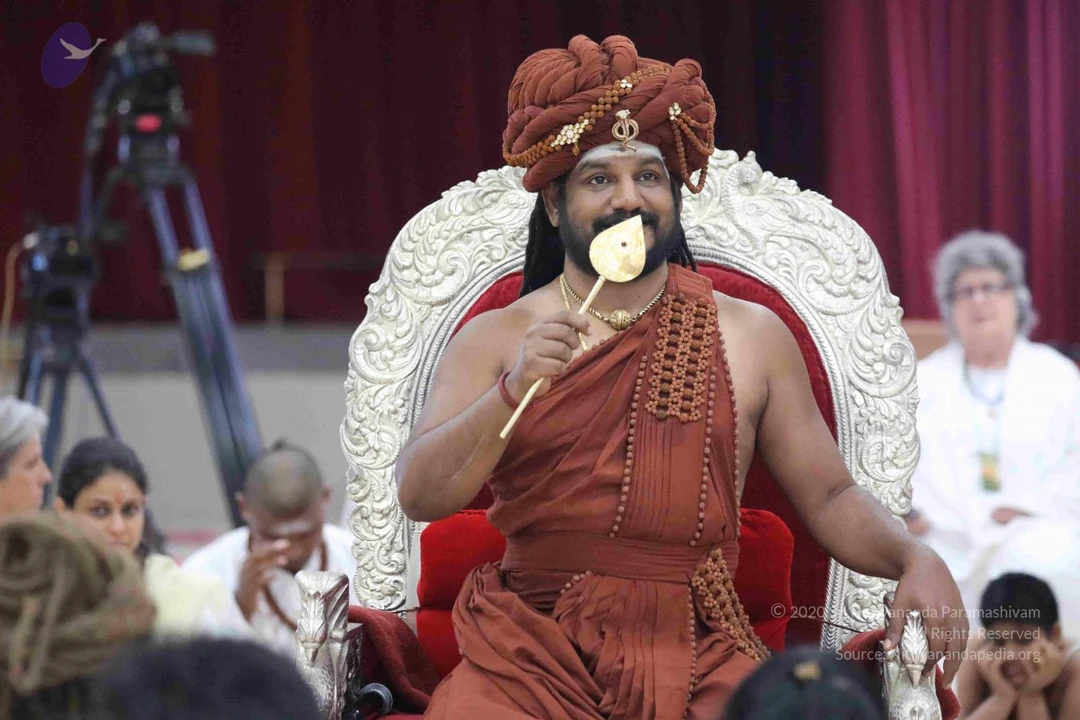










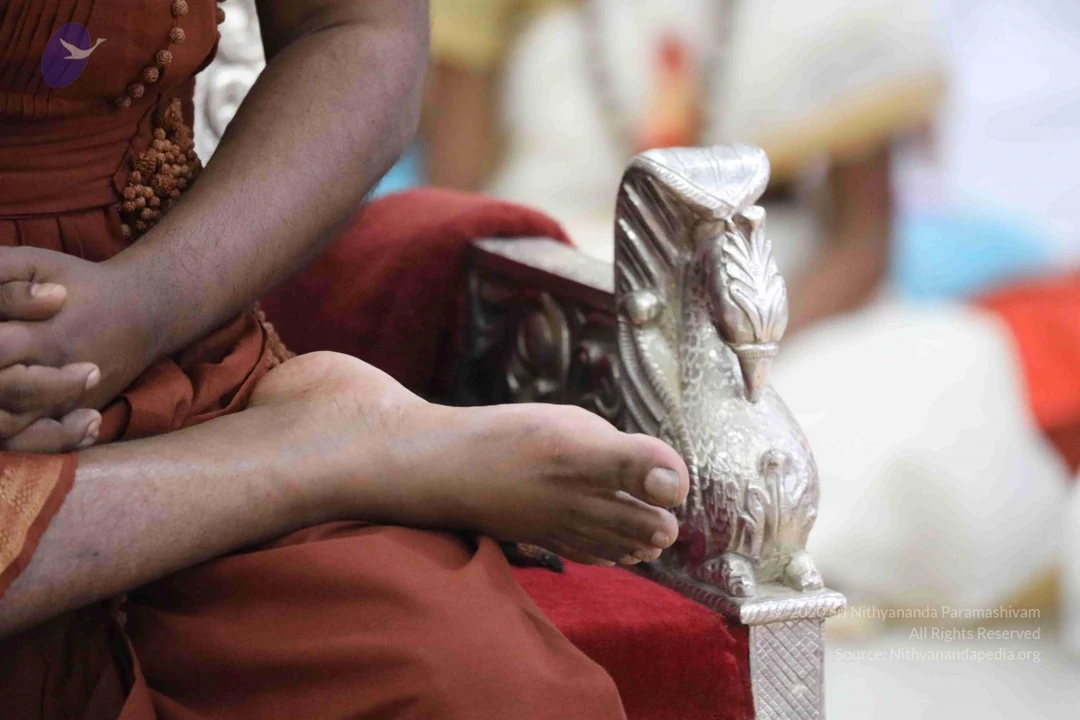
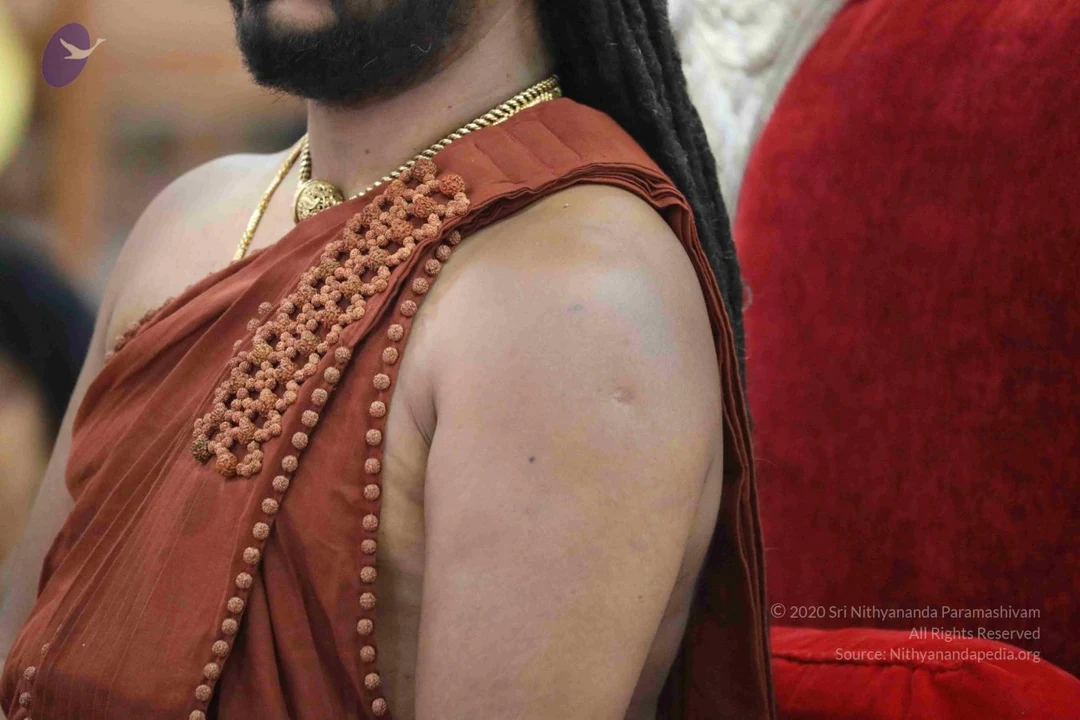
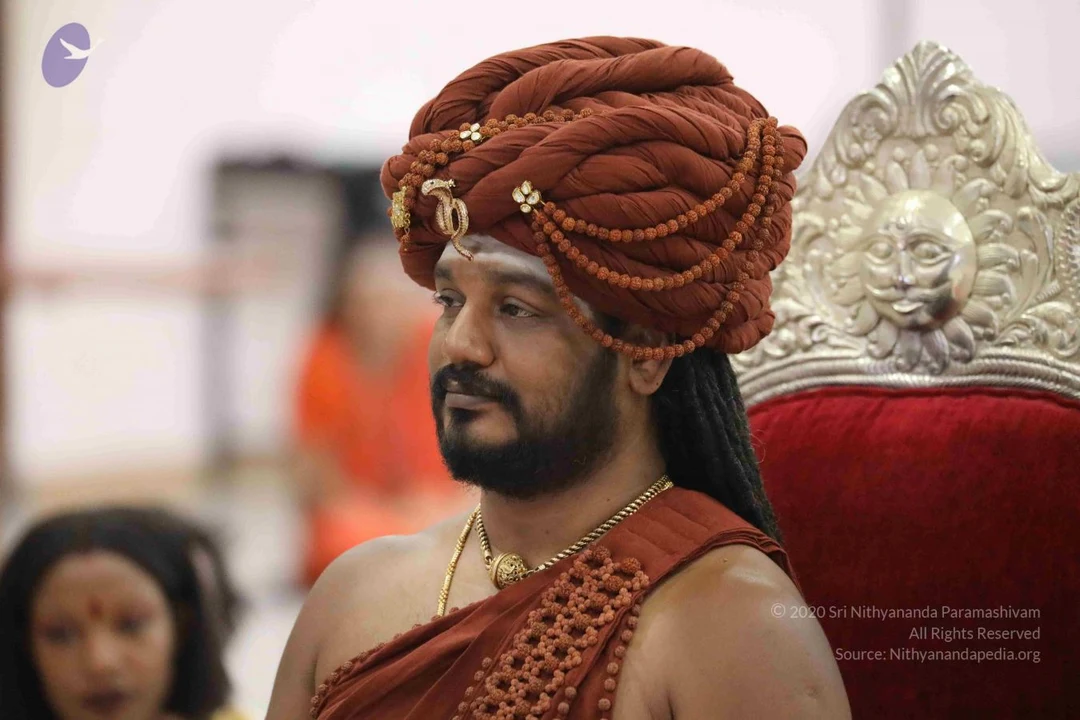
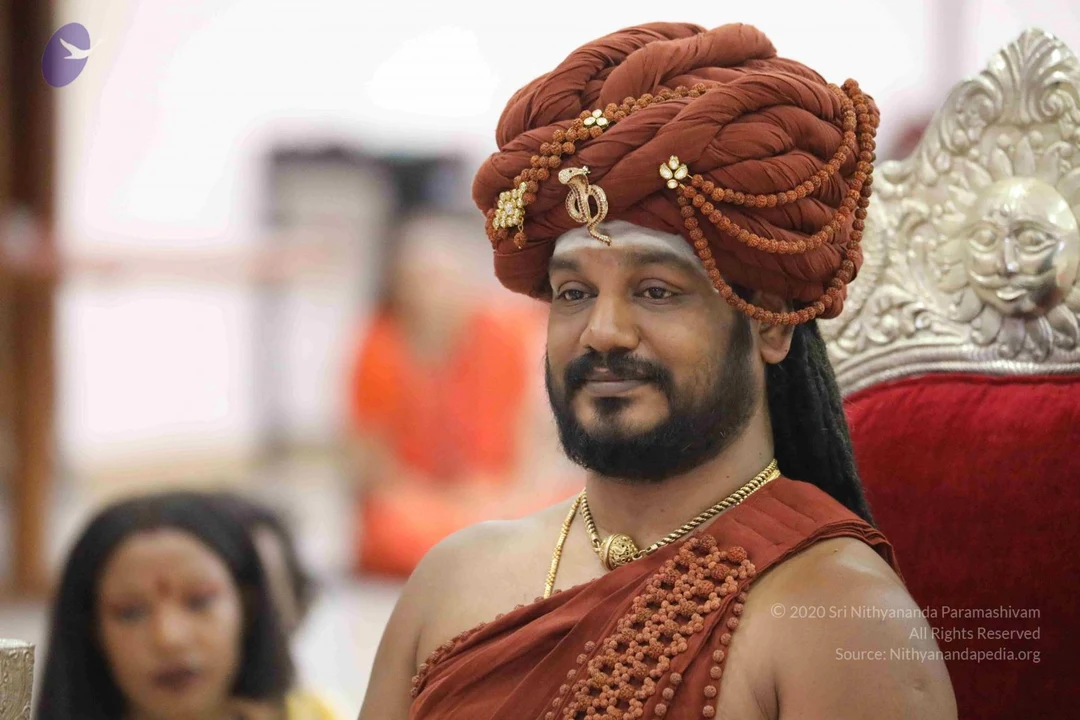





Photos from this day
View all 638 photosMandala Process
48 photosSource gallery

Satsang
132 photosSource gallery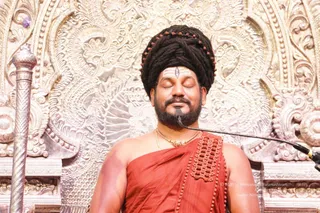
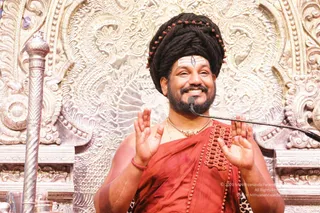
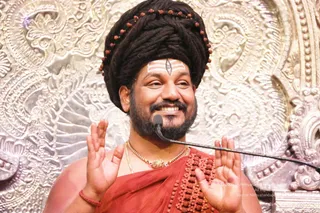
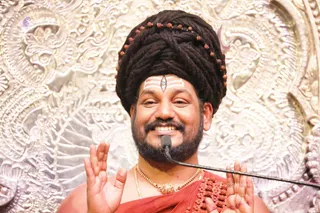
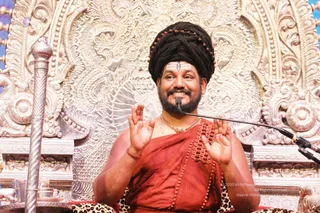
Nithya-Satsang
190 photosSource gallery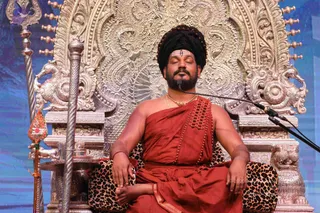
Mandala-process
130 photosSource gallery