Sunday
15 January 2017
Initiation Into The Powers Of Materialization and Teleportation
- Dated photos
- 1,003
- Source pages
- 1
- Media
- 14
January 15 2017
Original wiki pageTitle
Initiation Into The Powers Of Materialization and Teleportation
Shuddhadvaitam: The Gateway to Extraordinary Powers! Three Statements to Manifest Whatever You Want
Narration
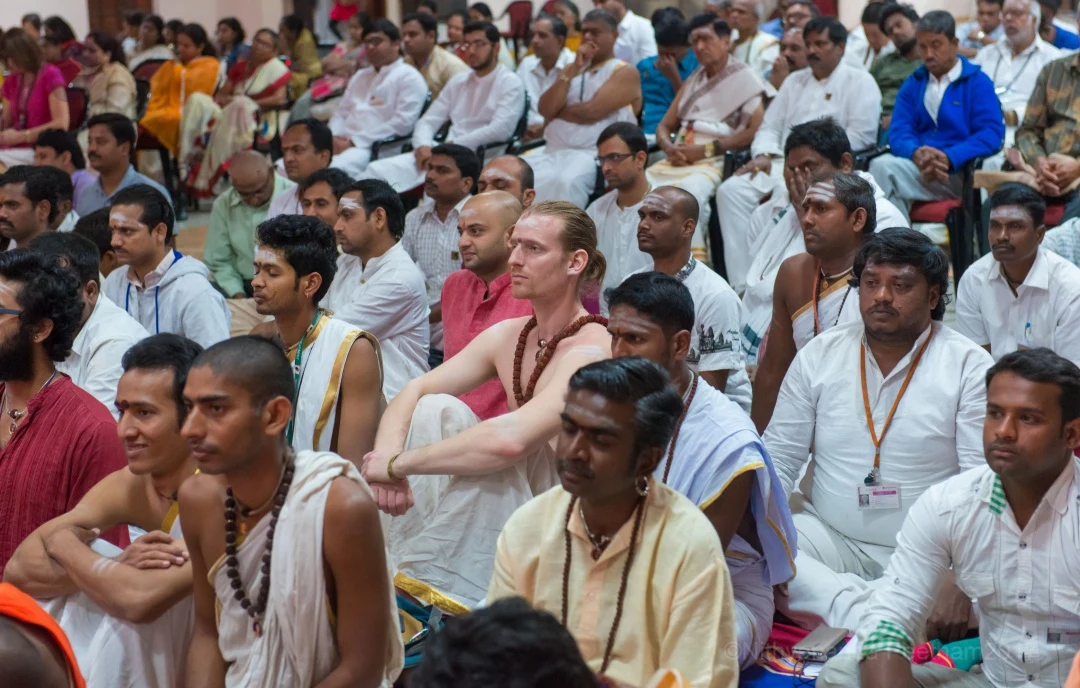
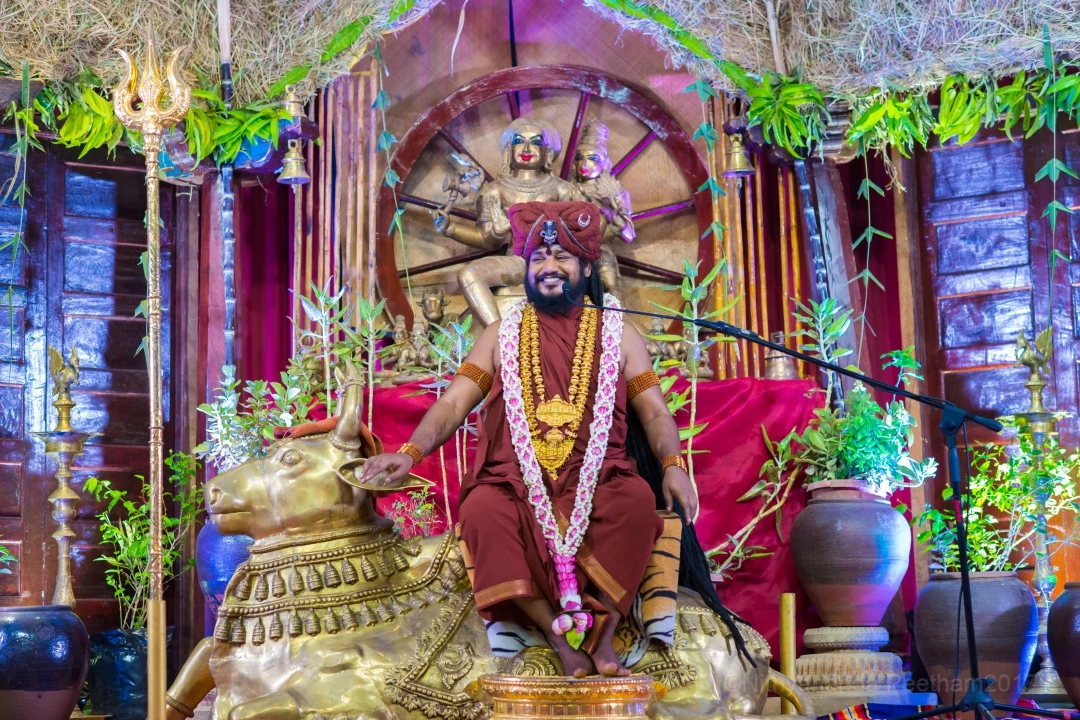
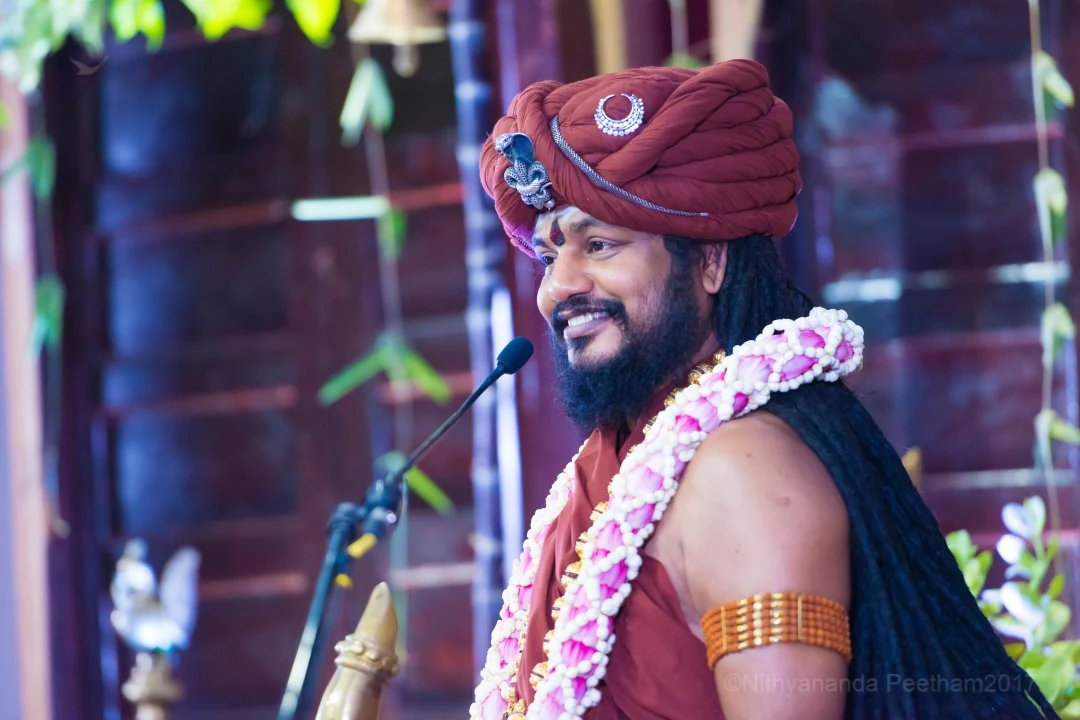
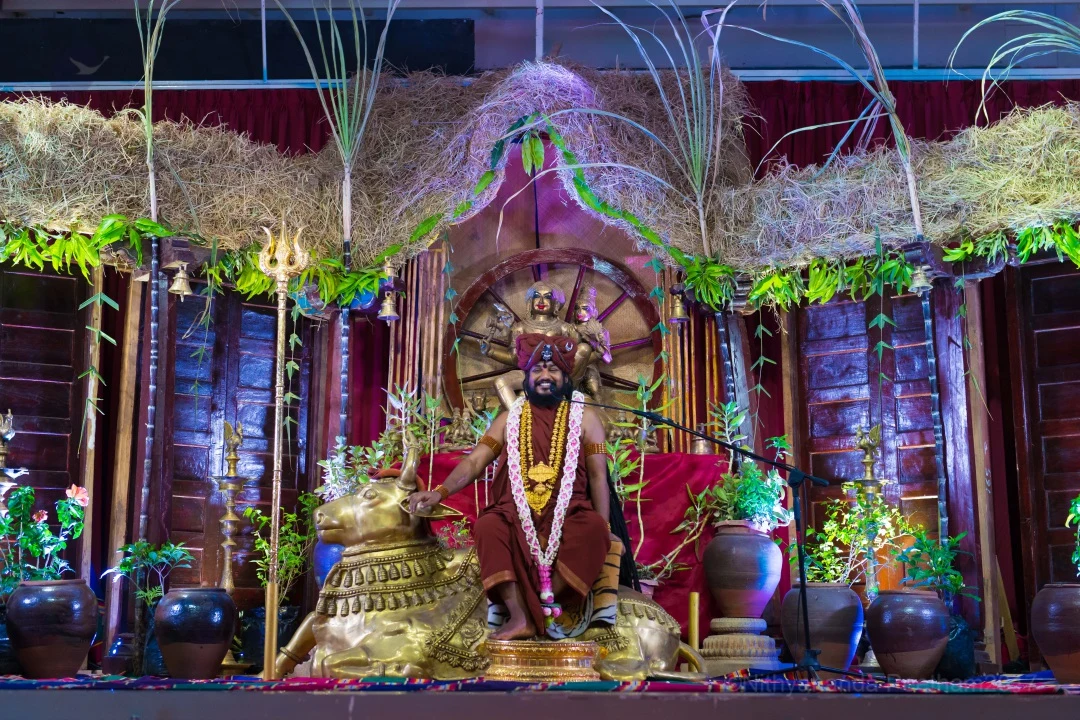
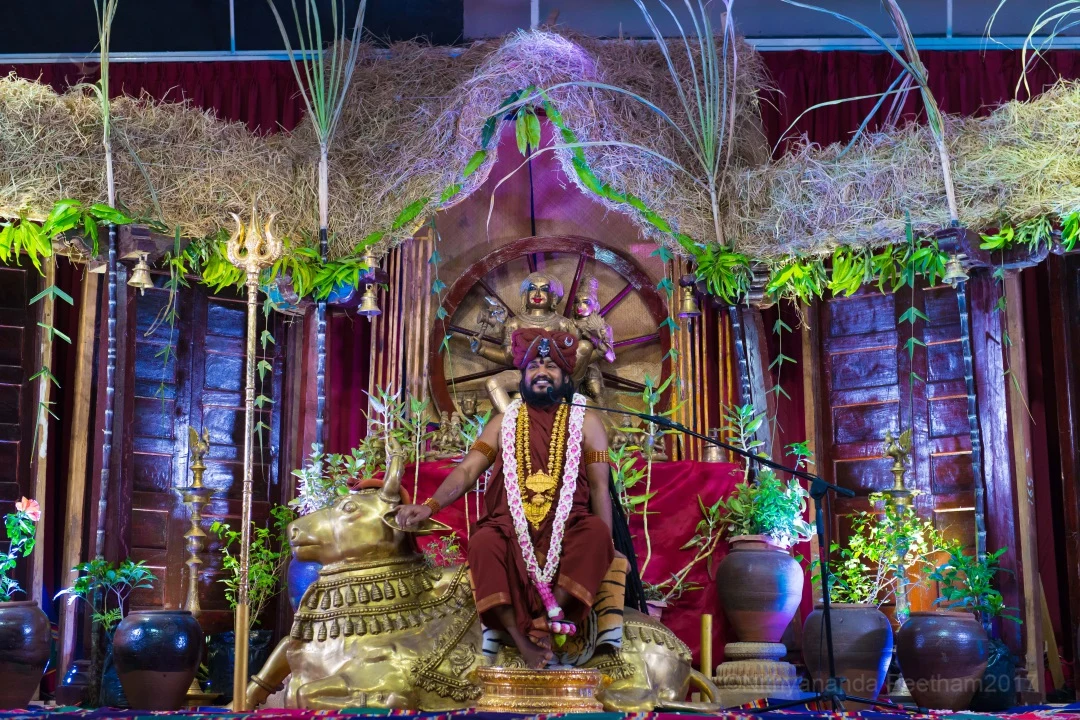
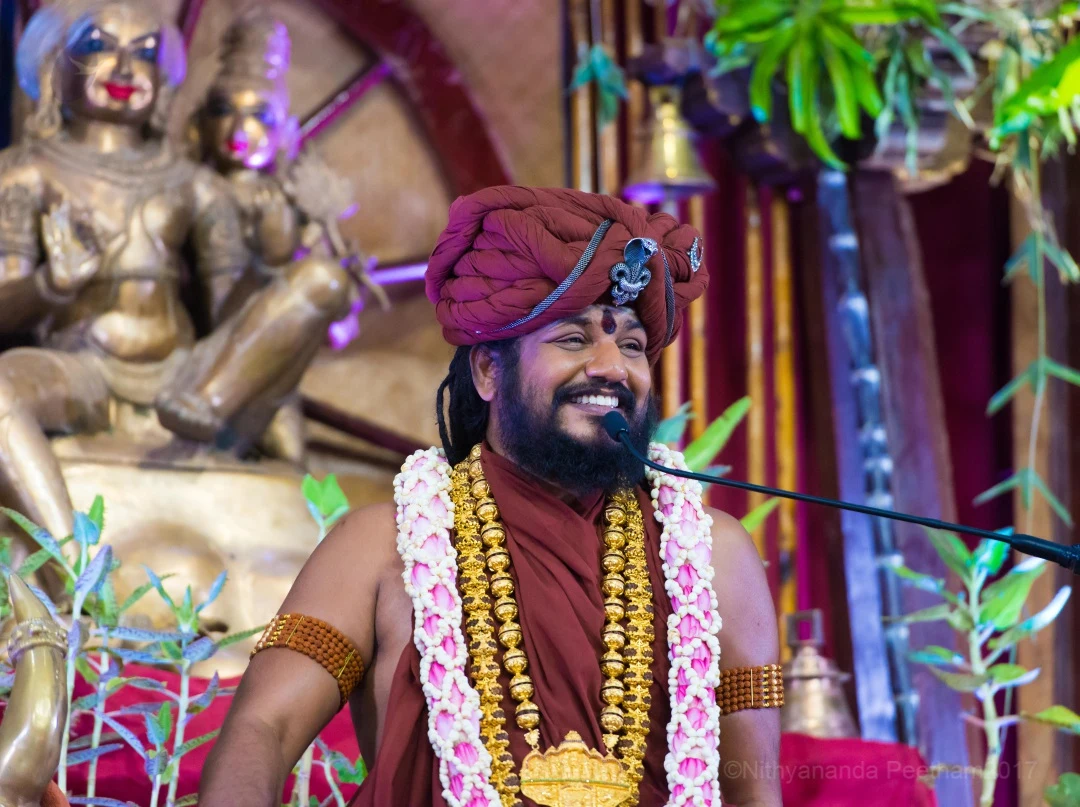
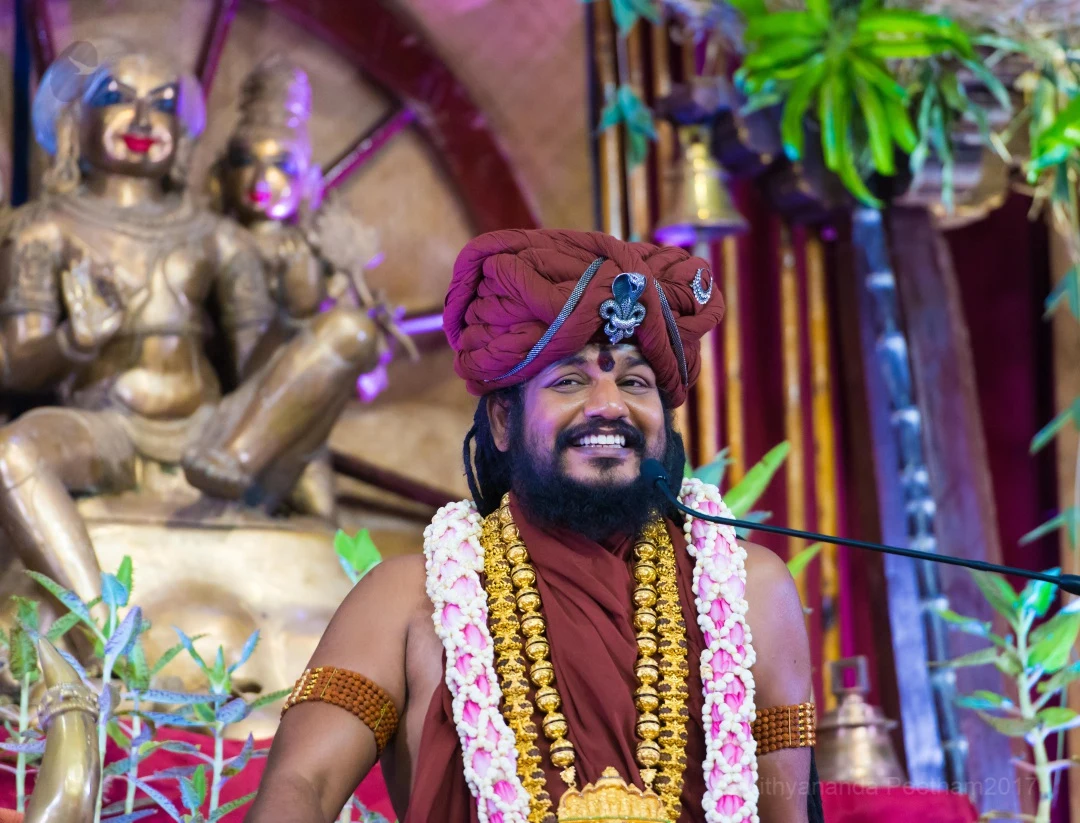
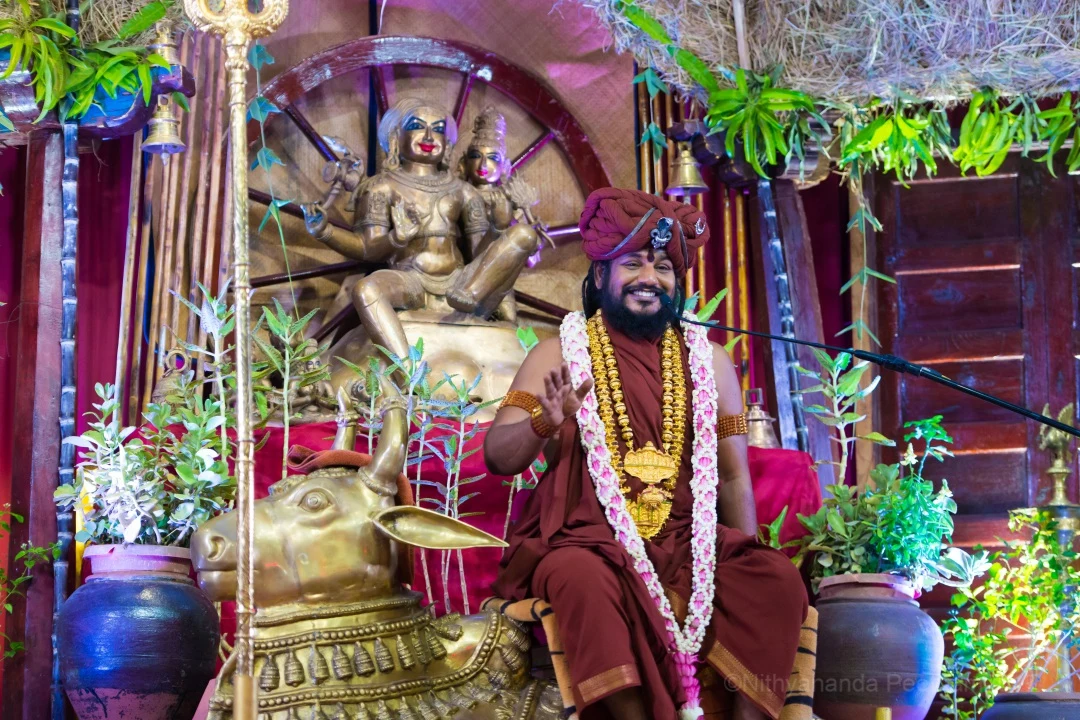
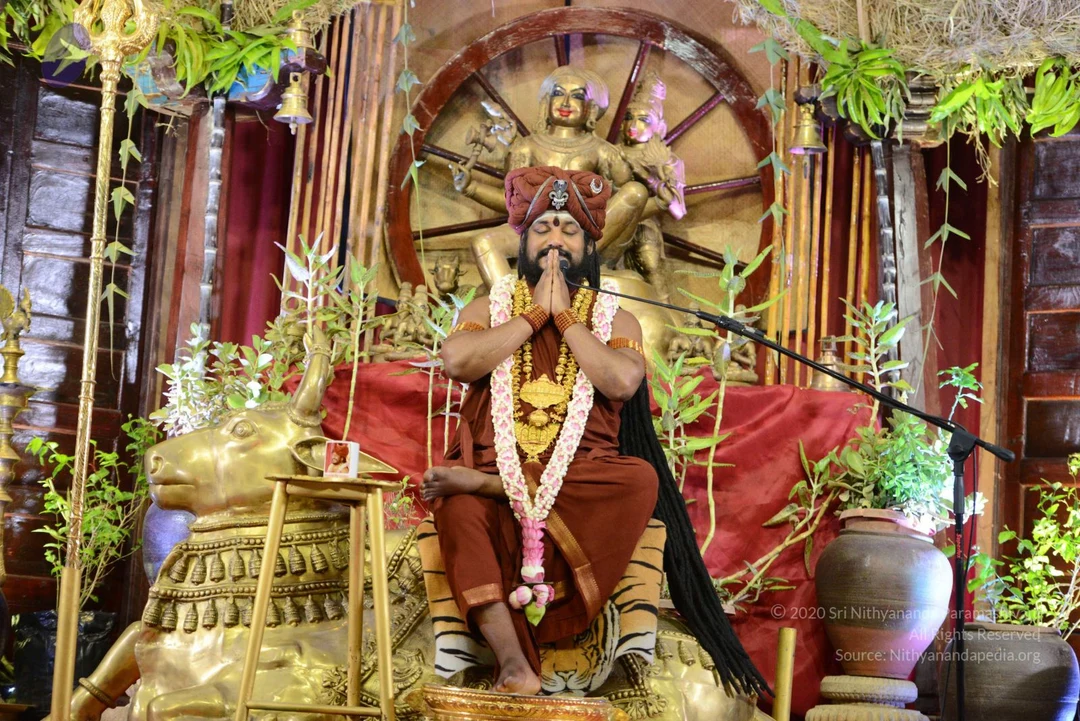
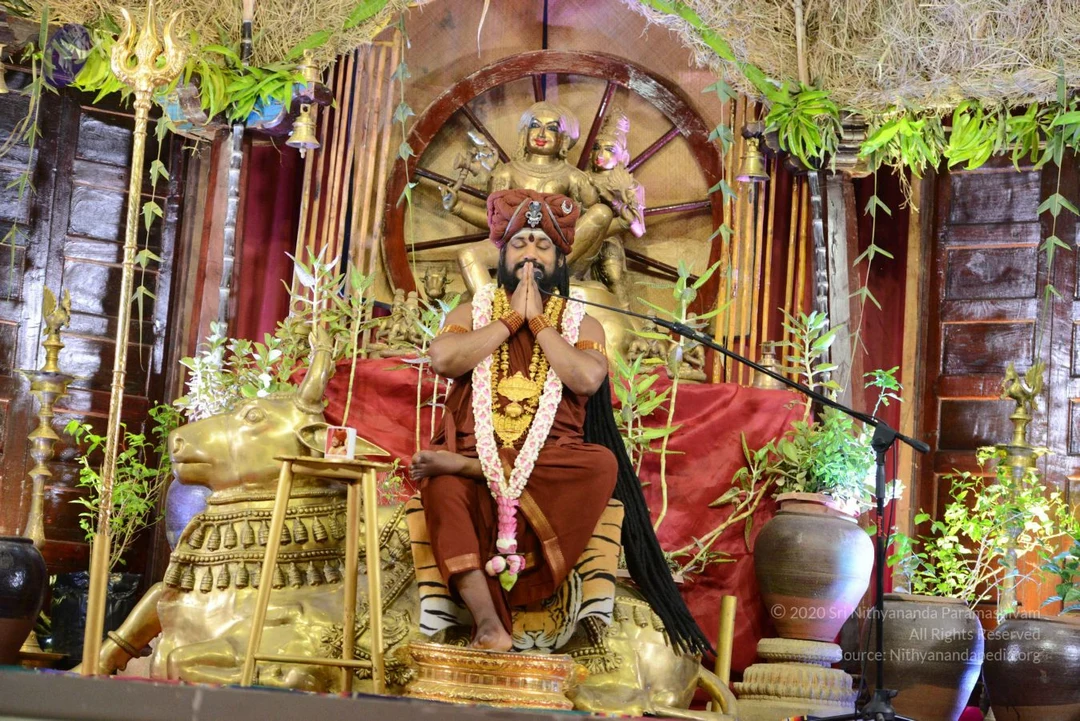
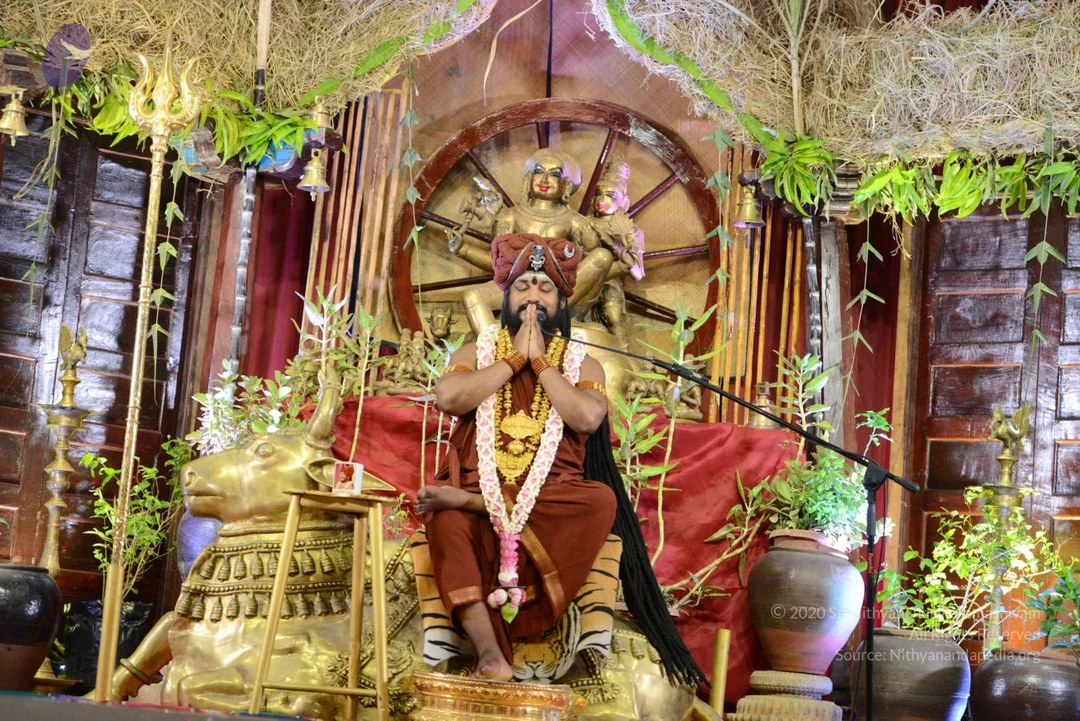
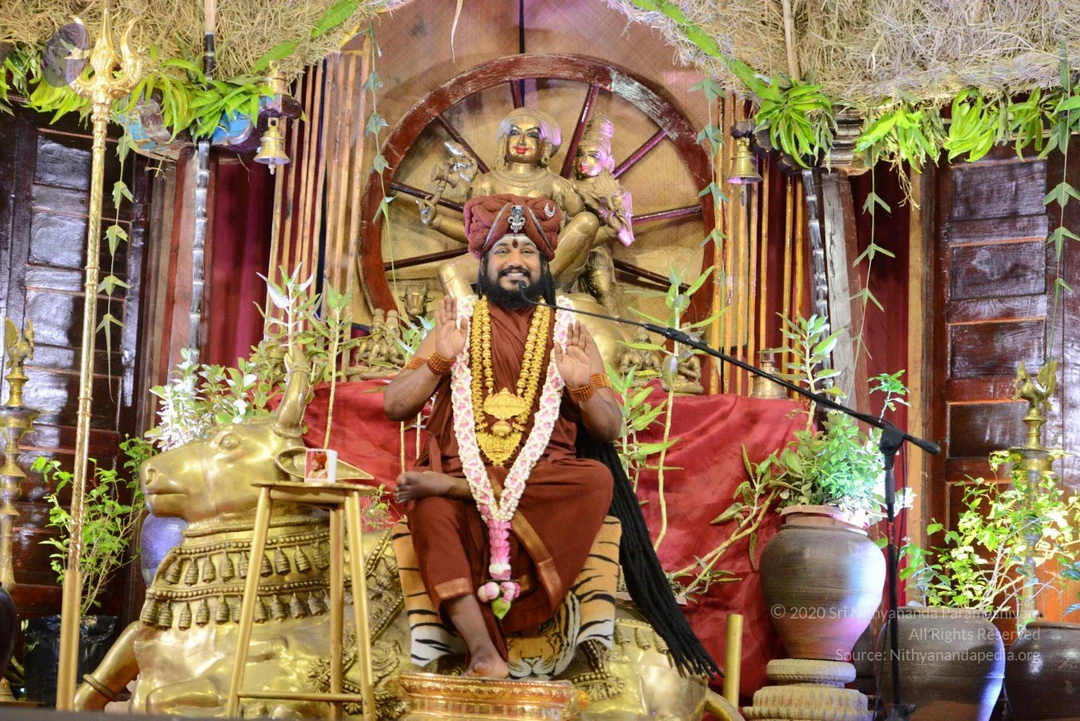
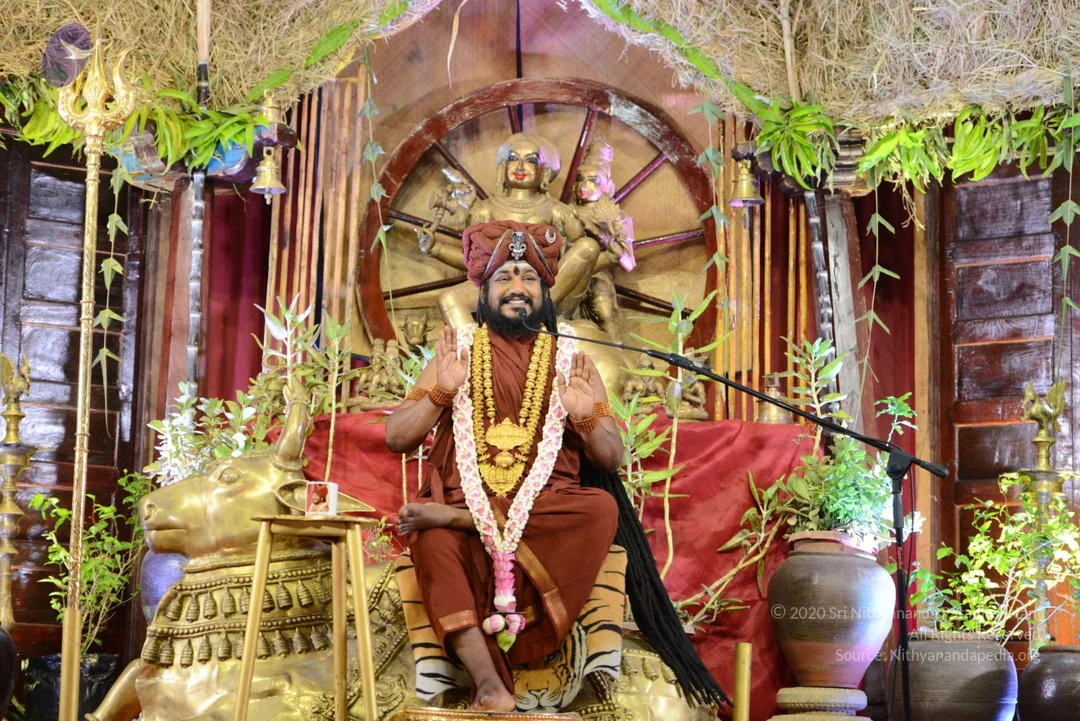
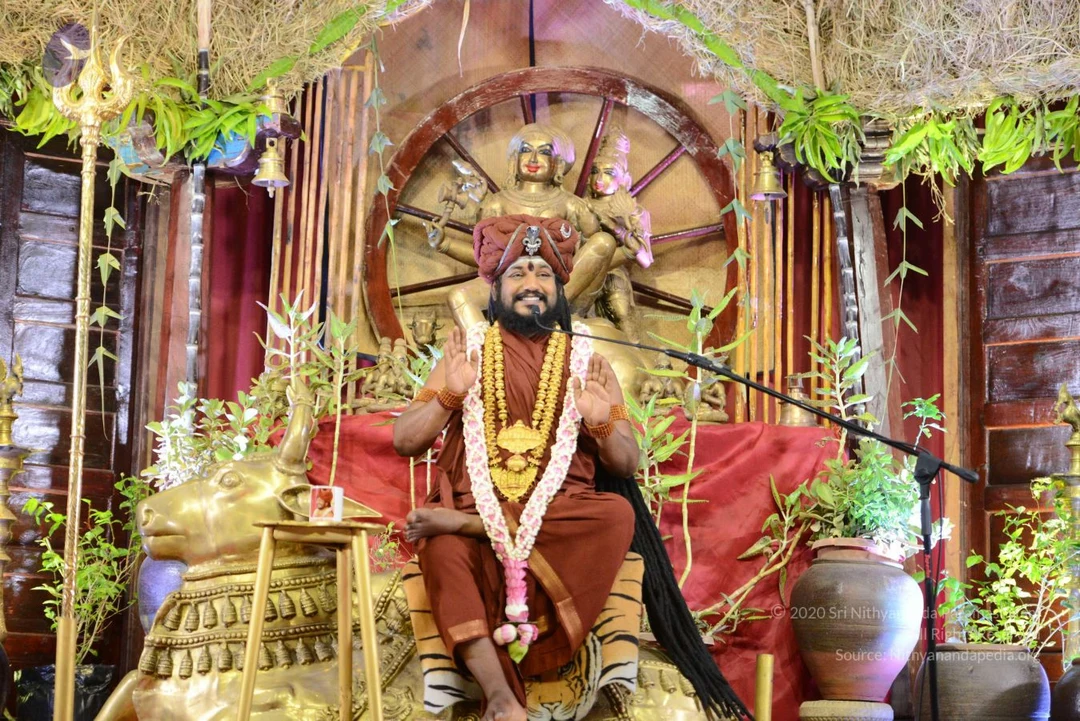
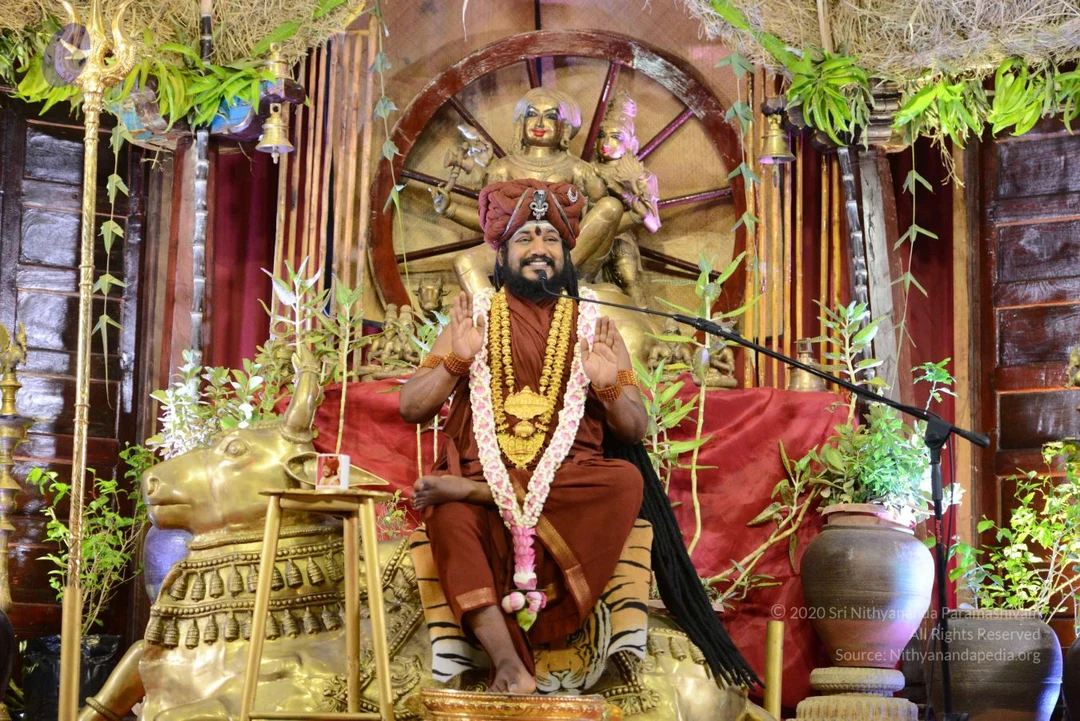
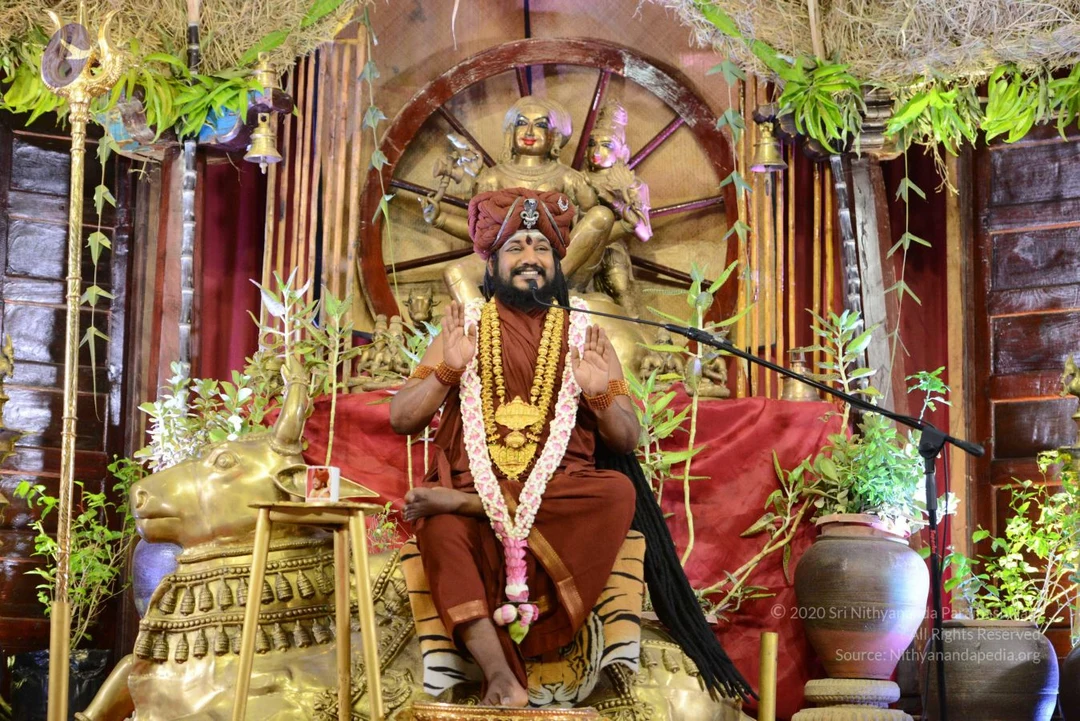
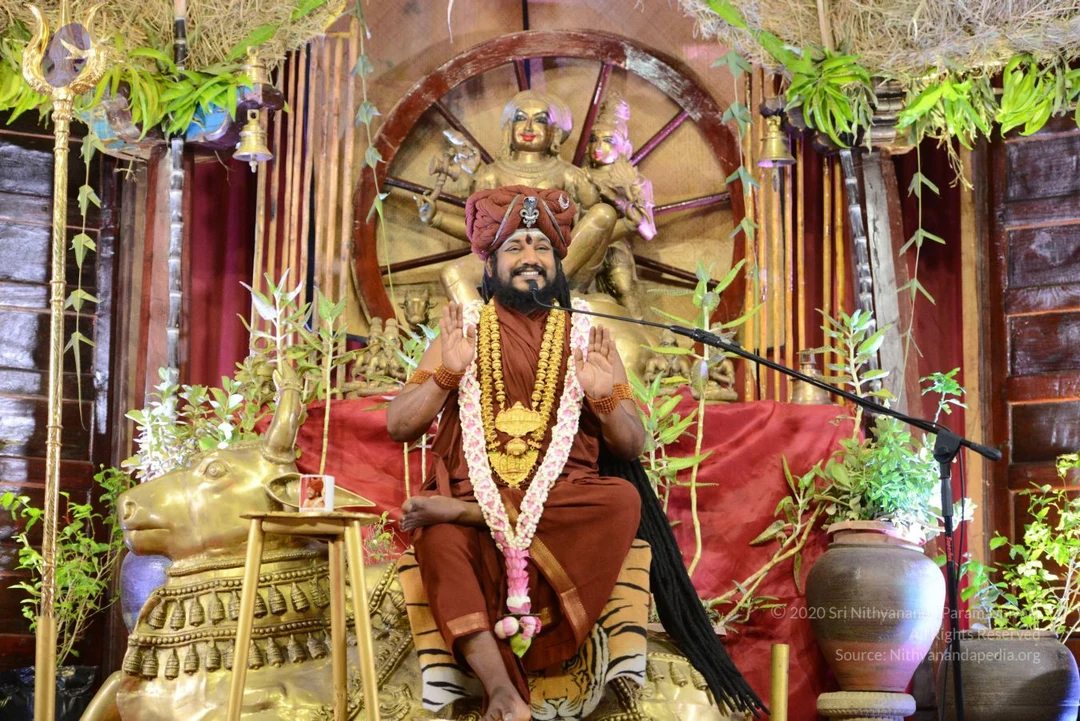
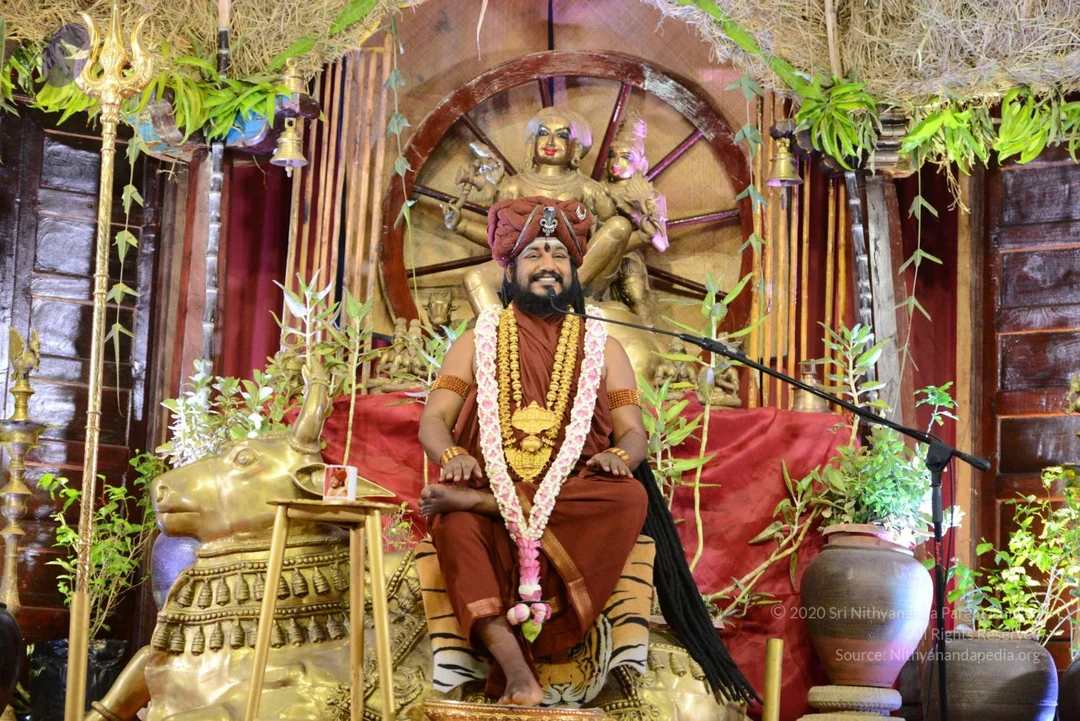
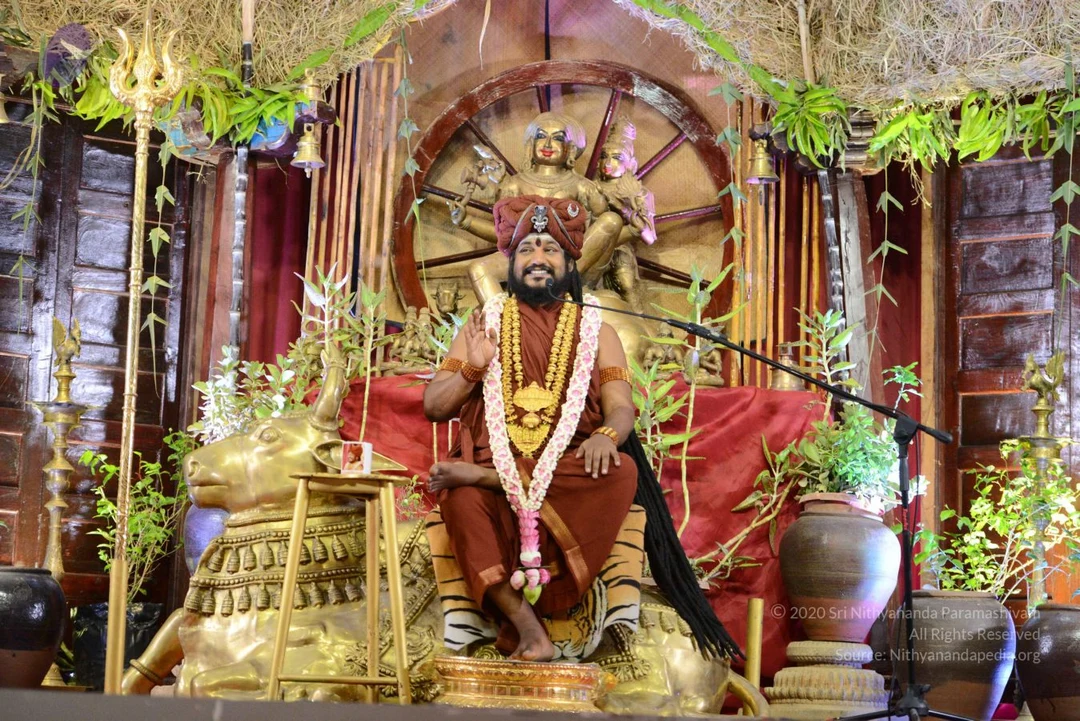
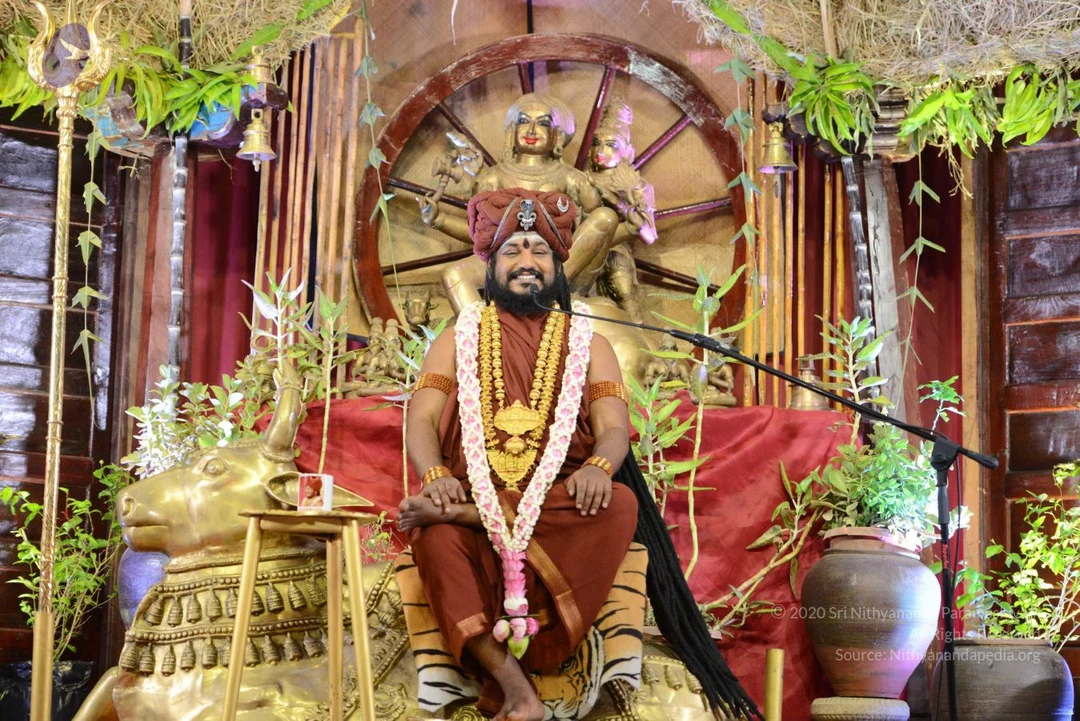
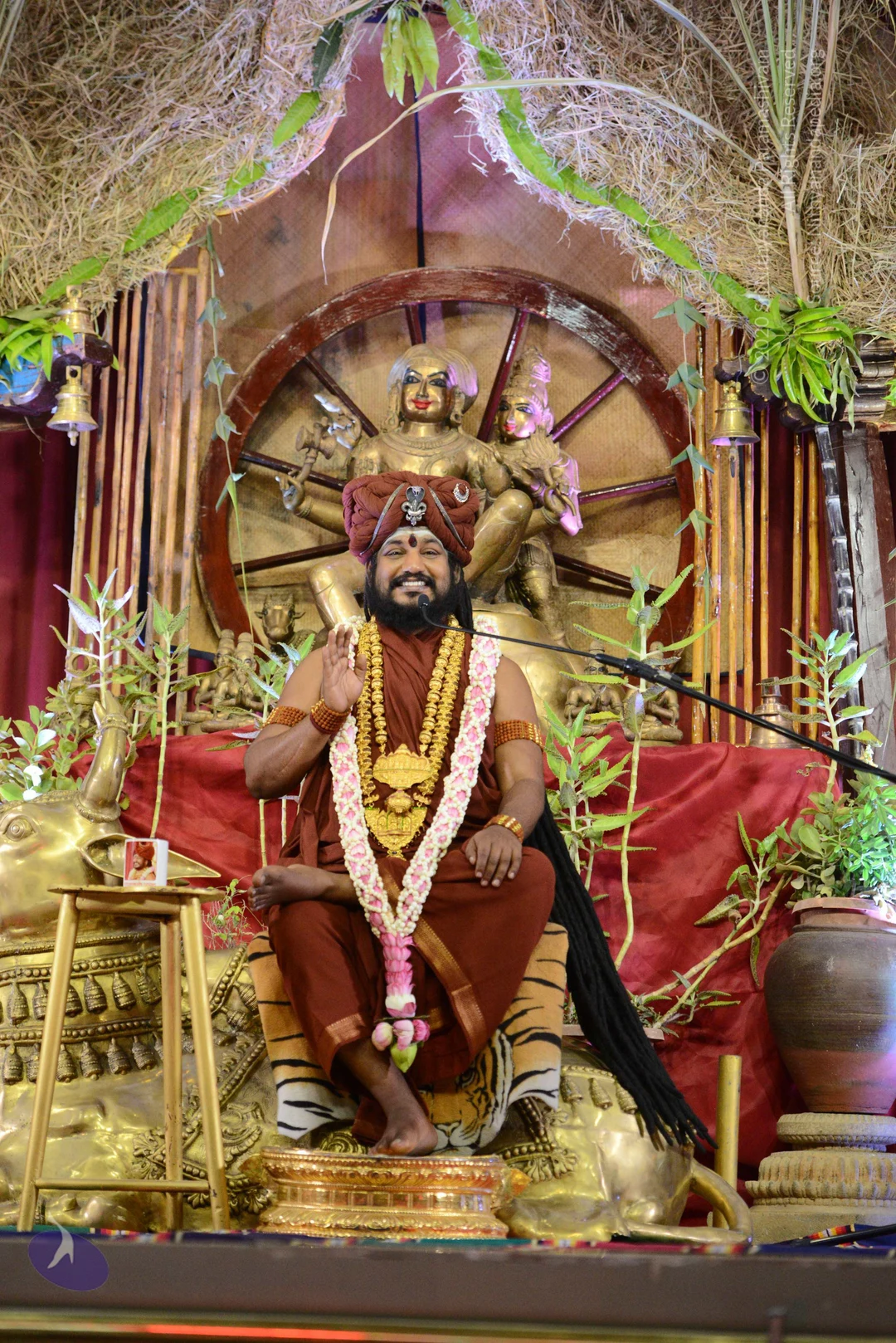
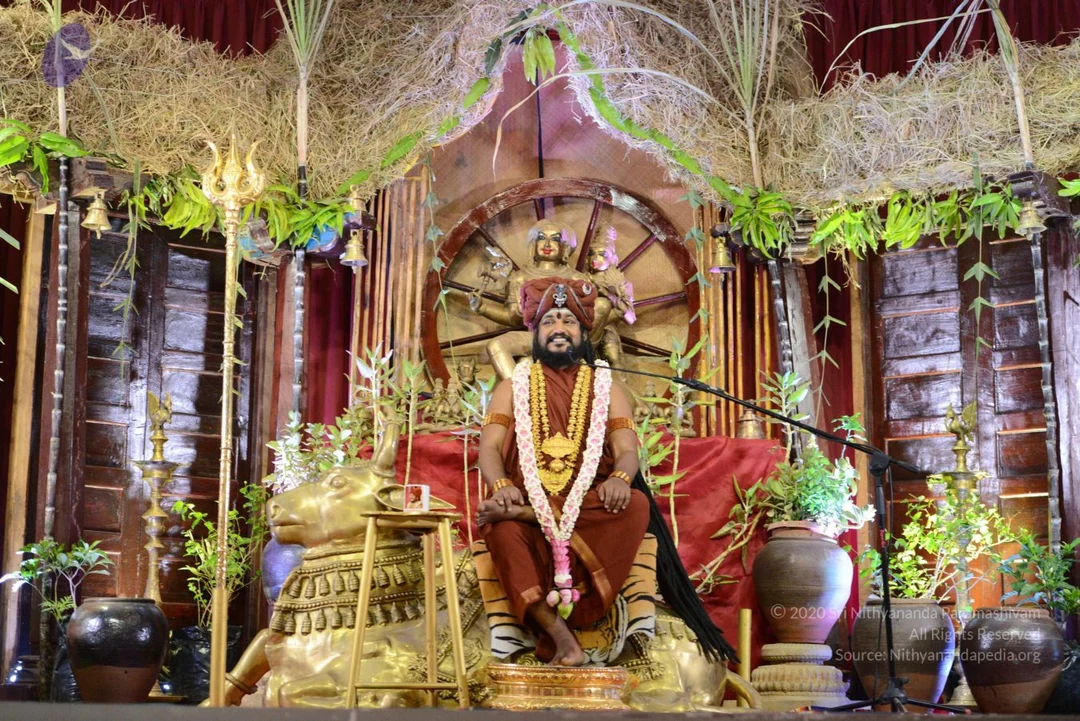
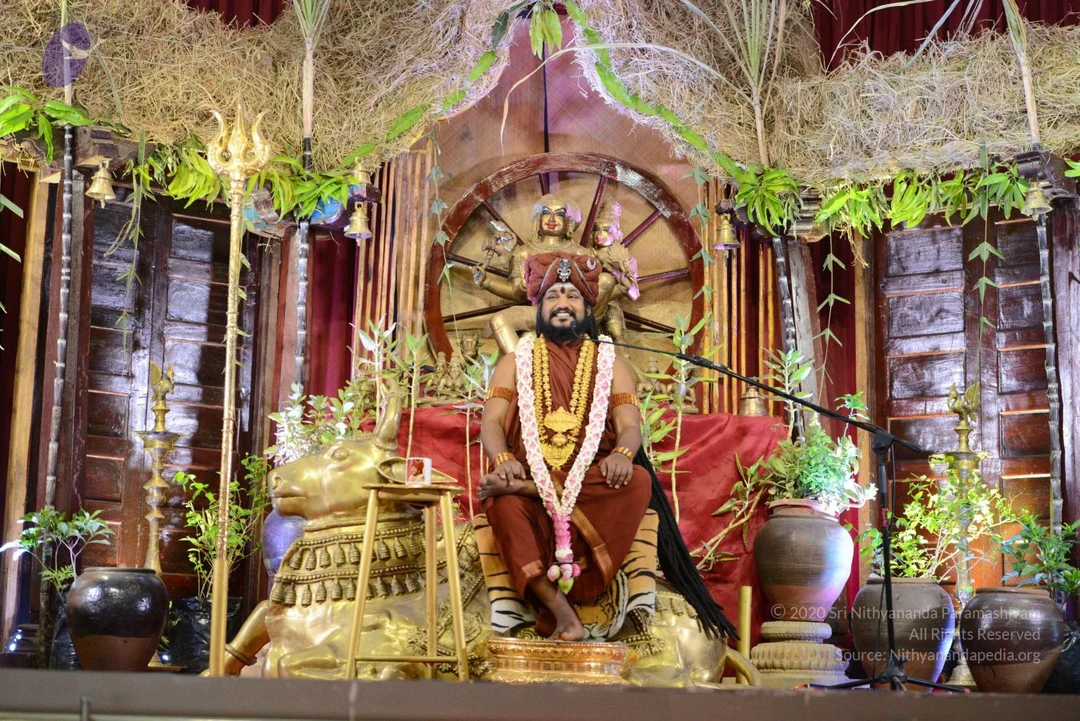
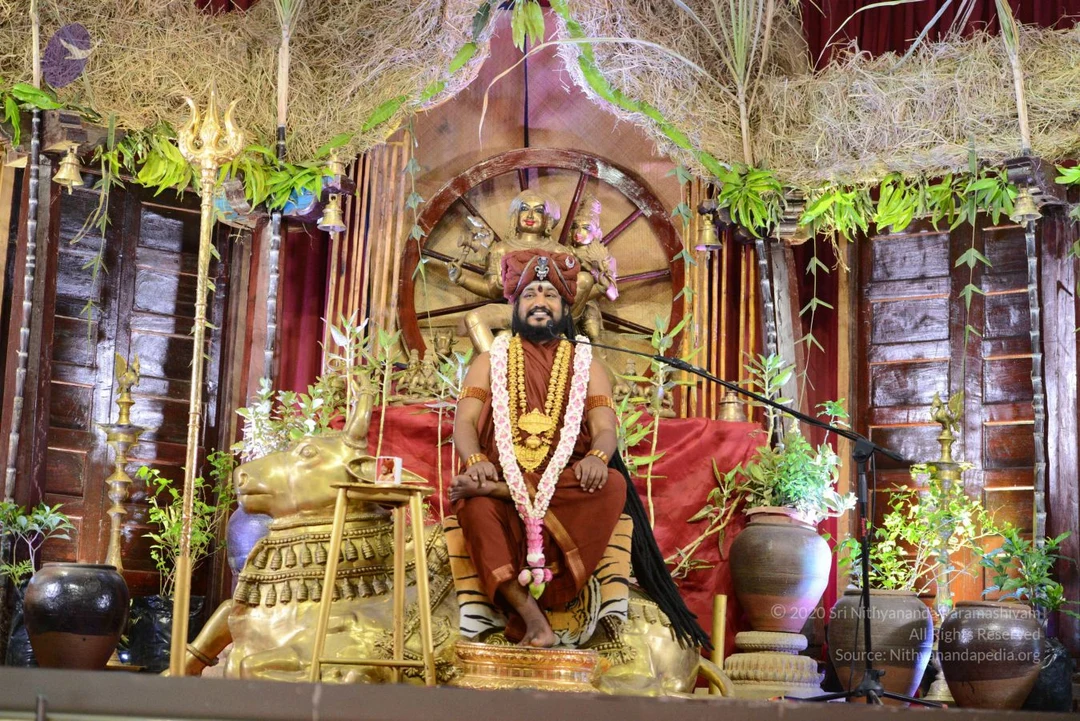
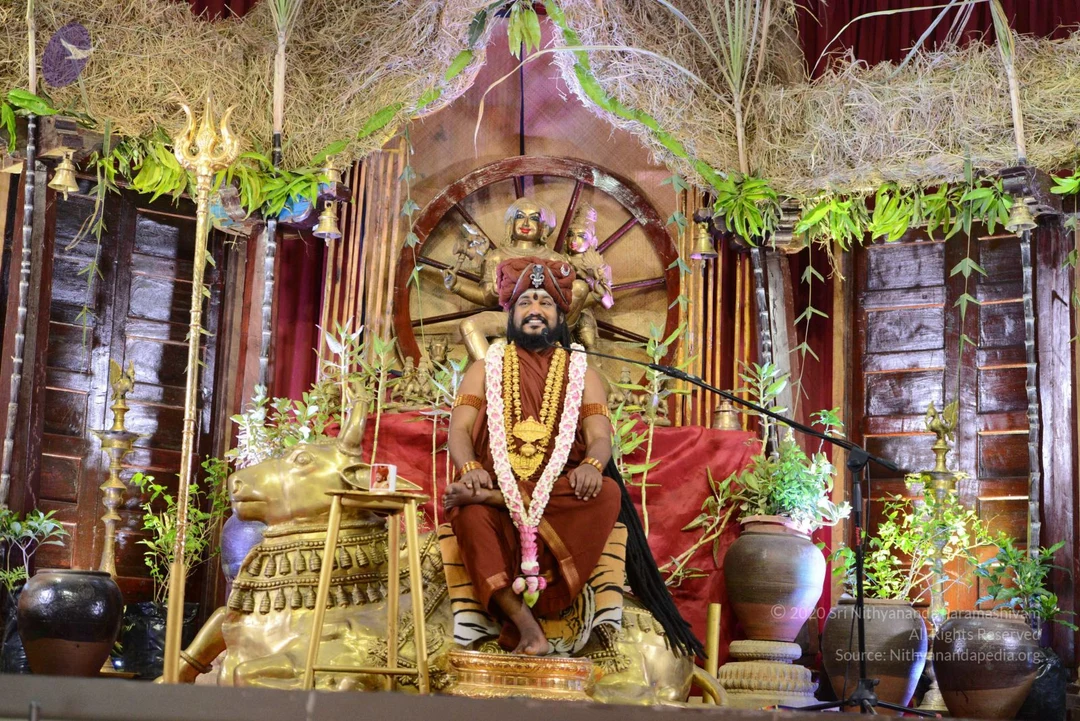
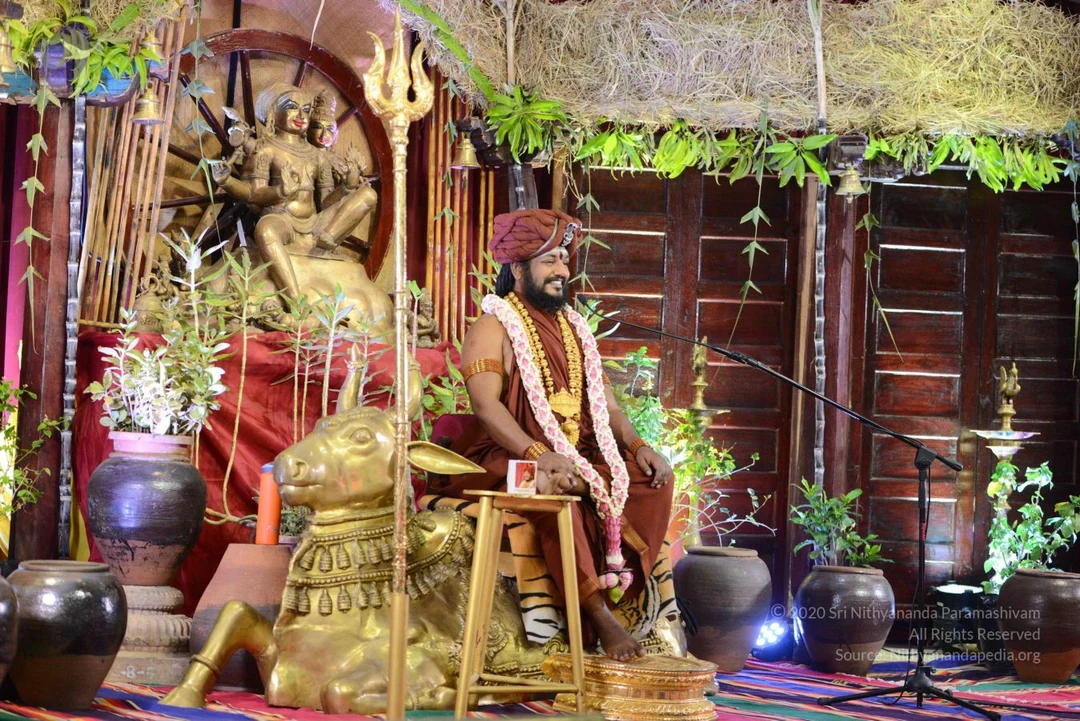
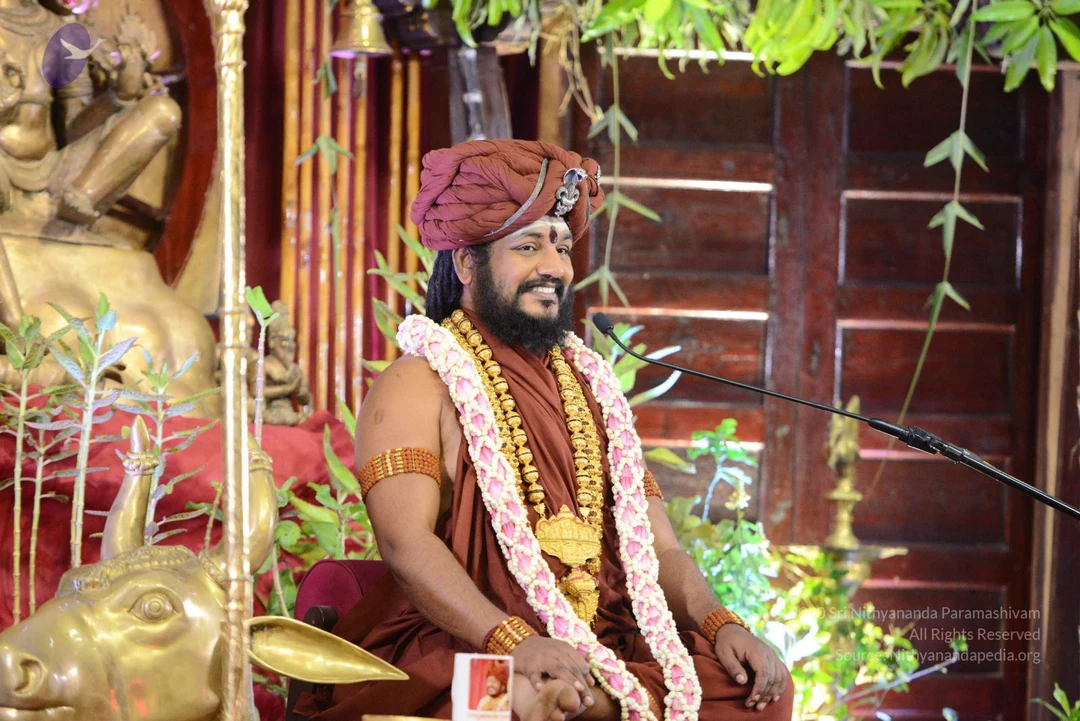
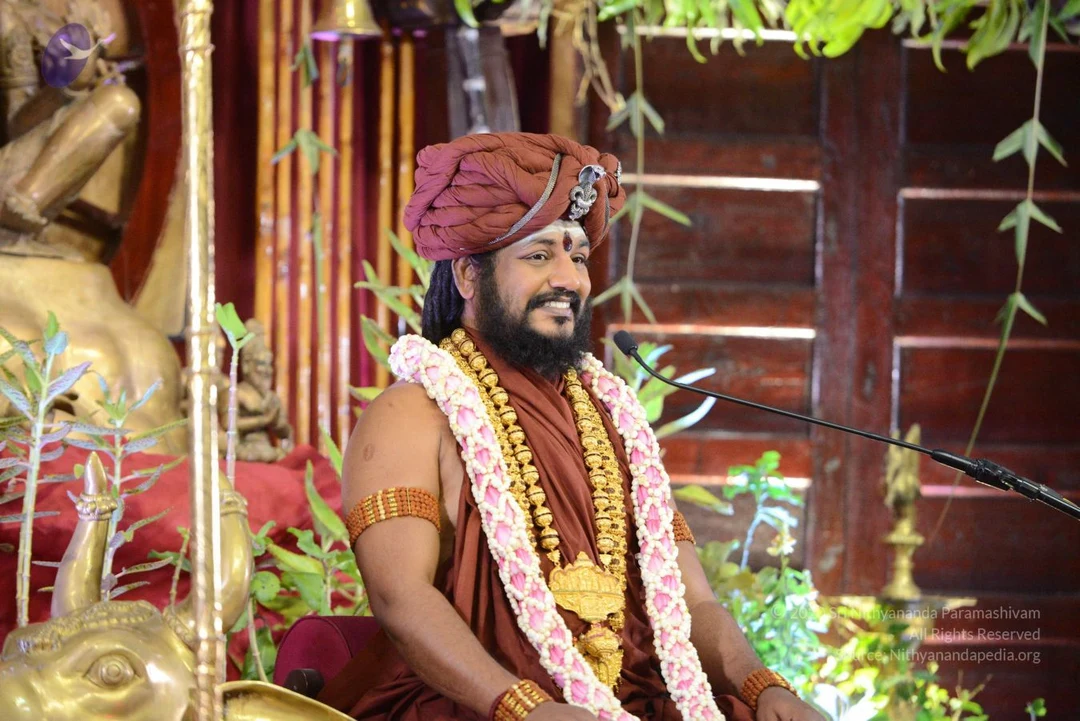
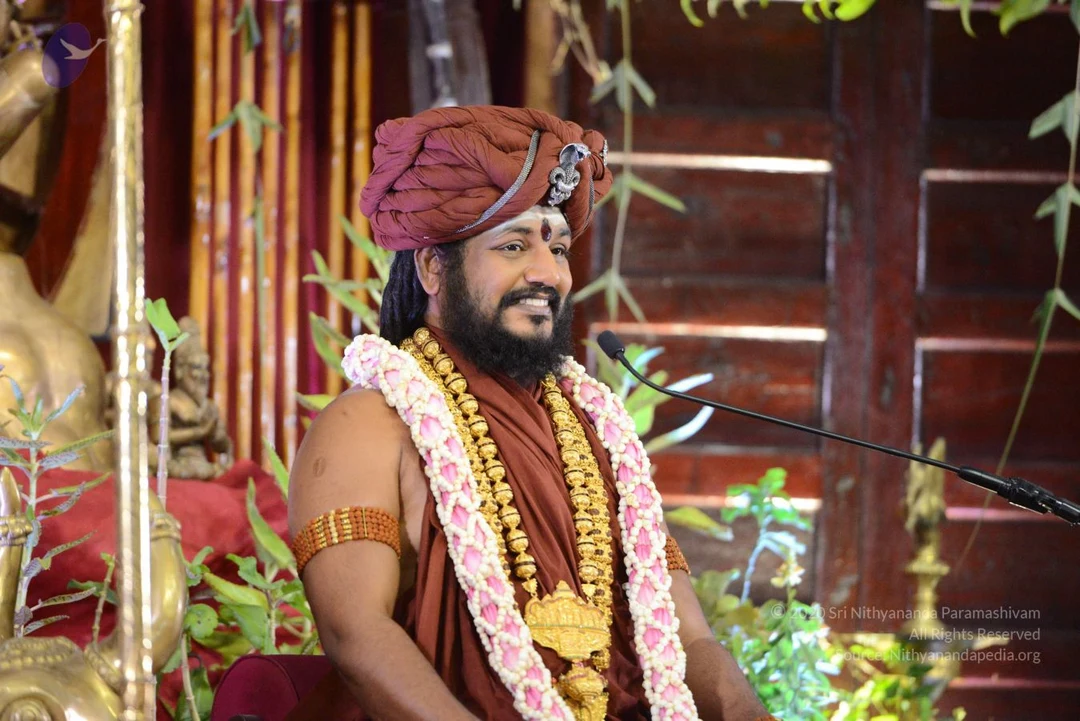
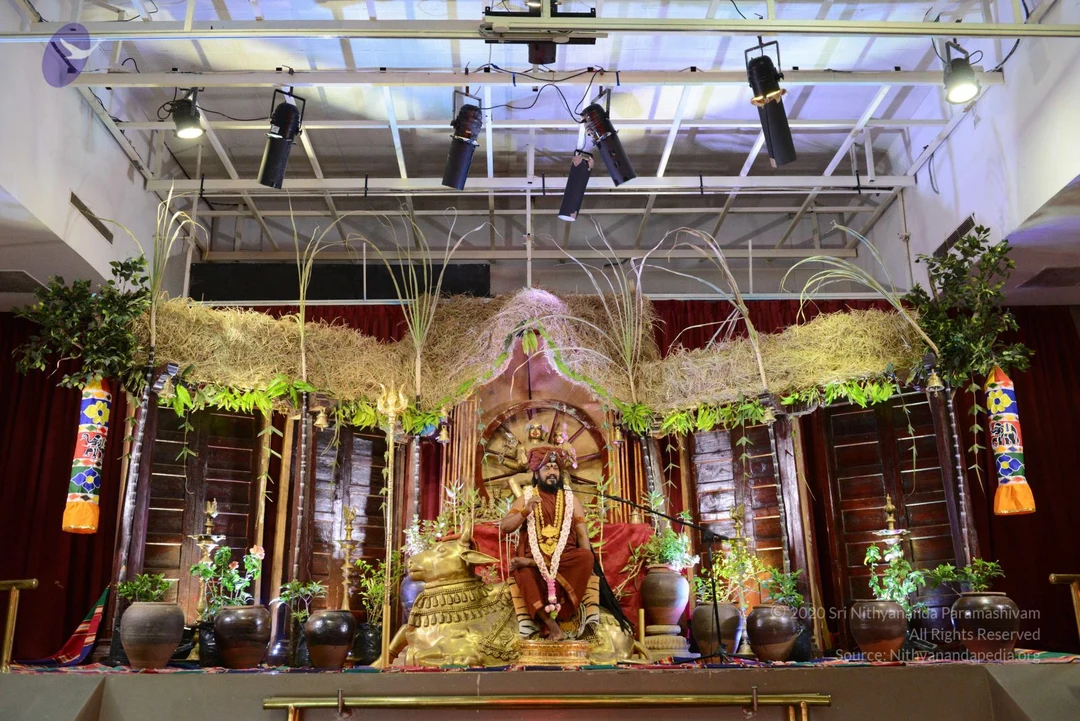
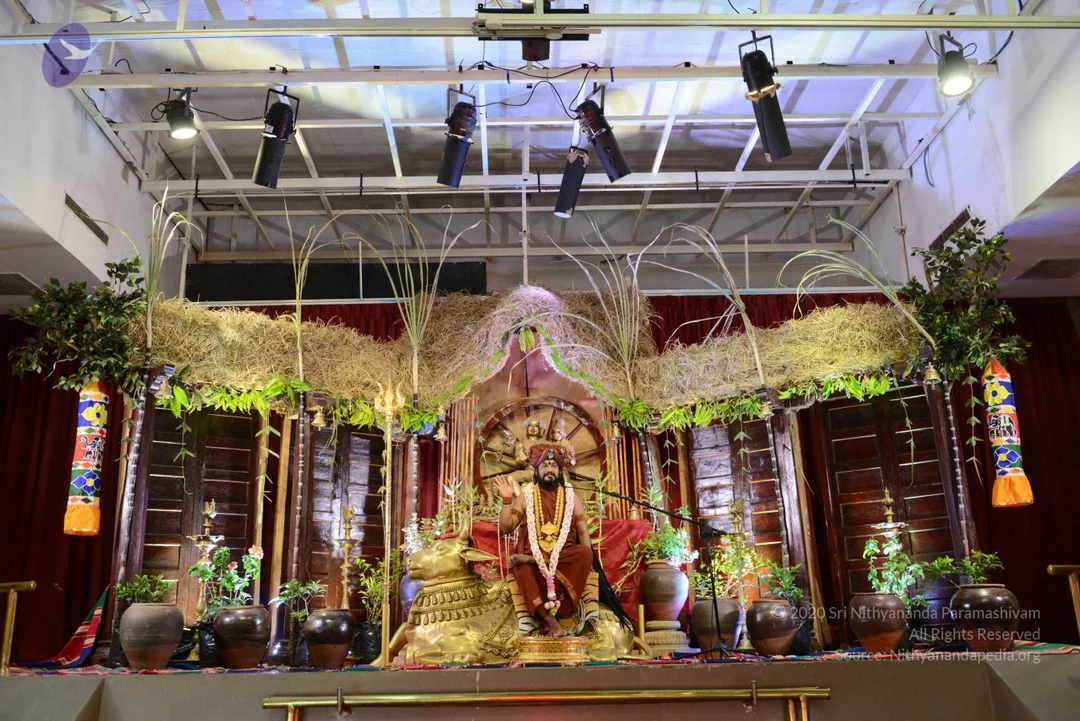
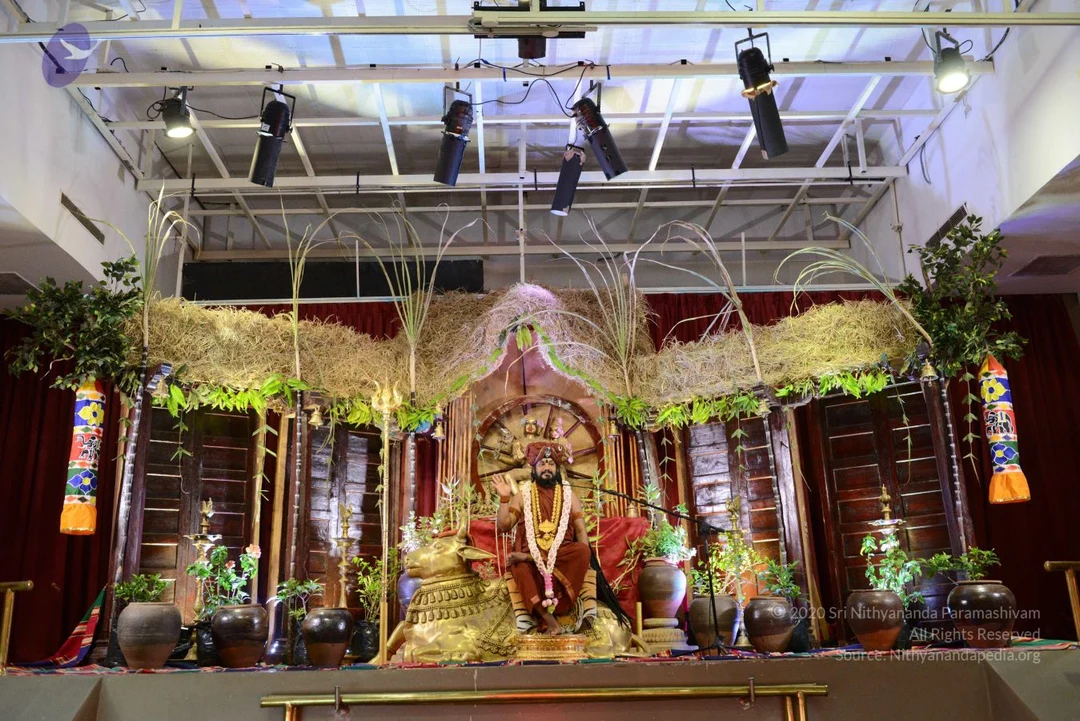
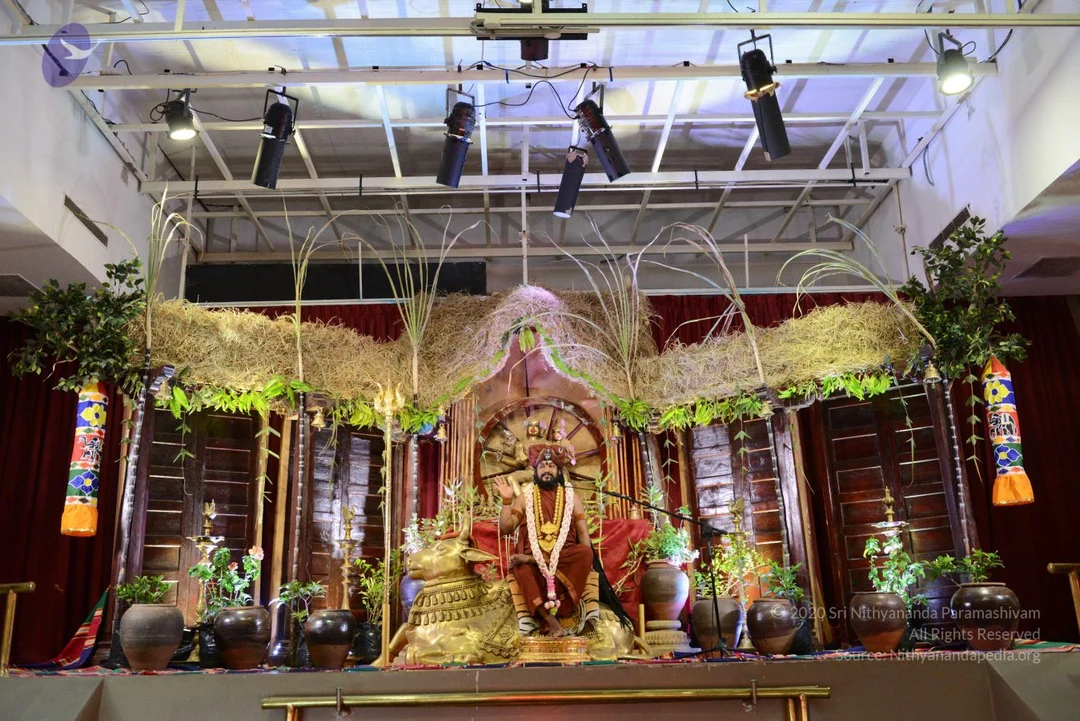
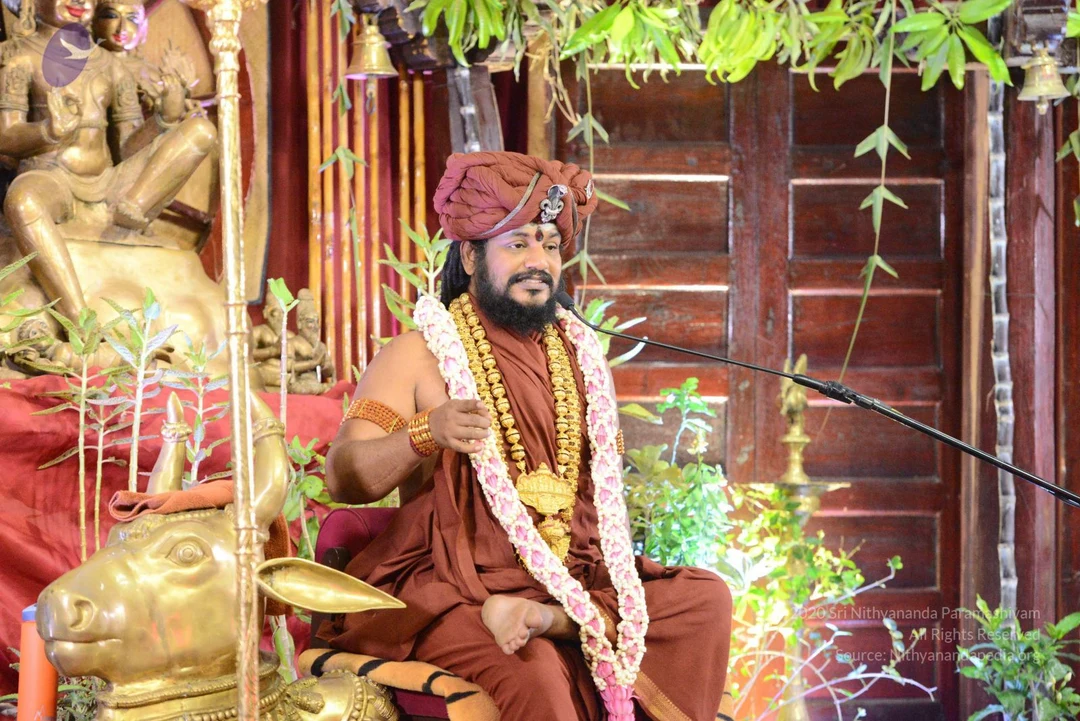
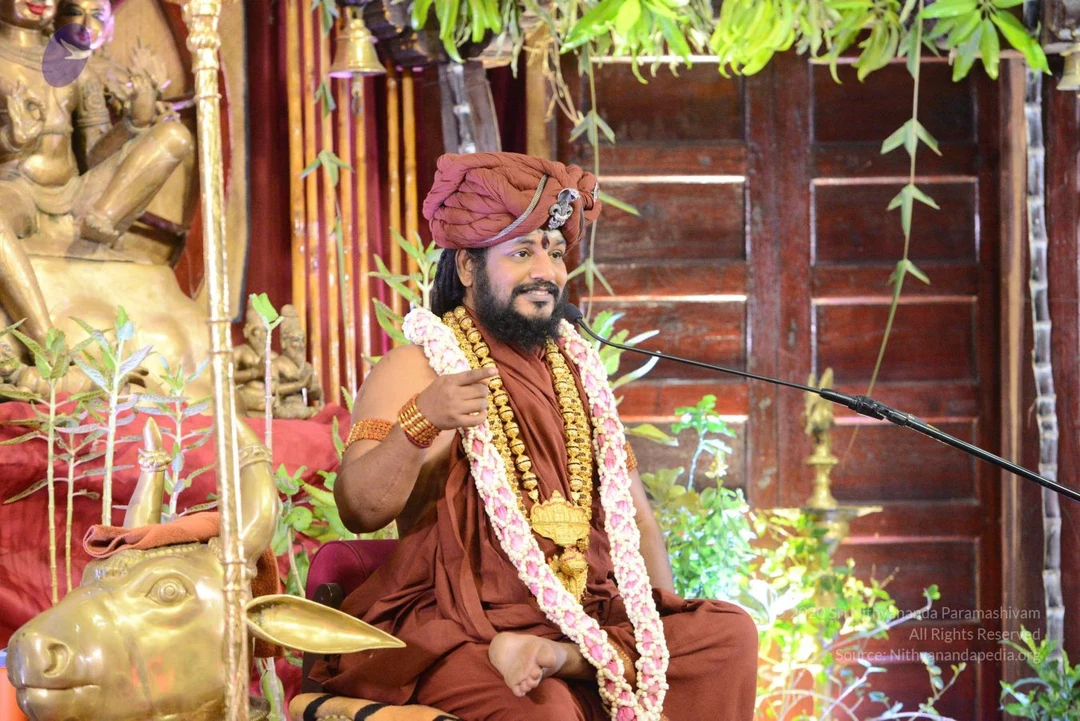
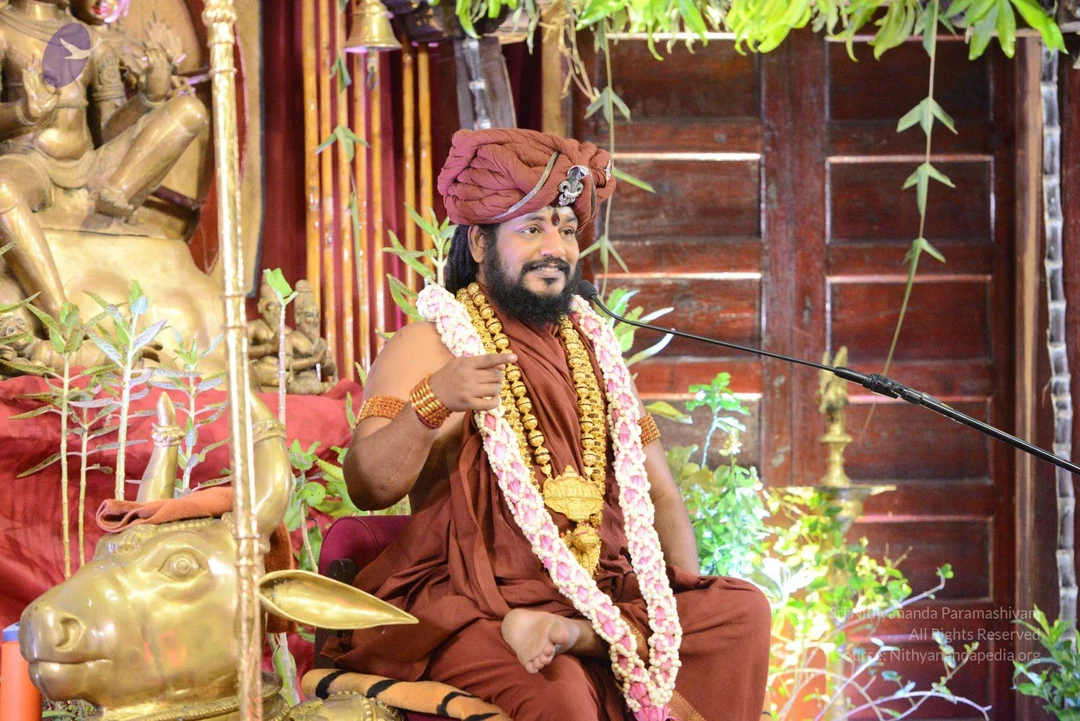
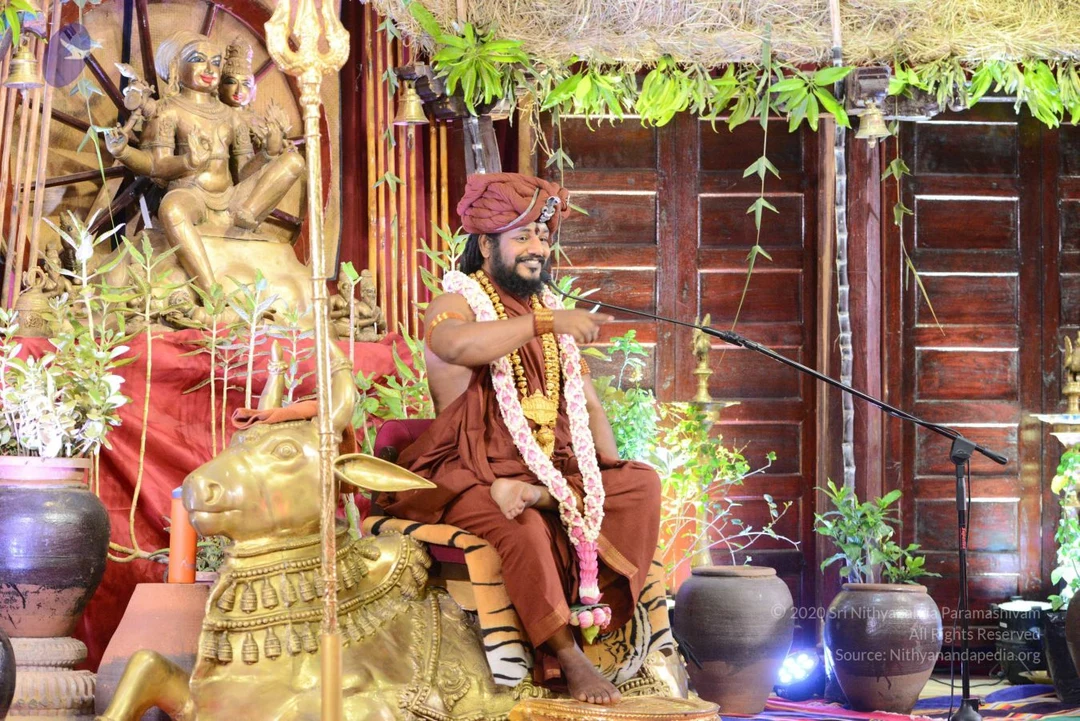
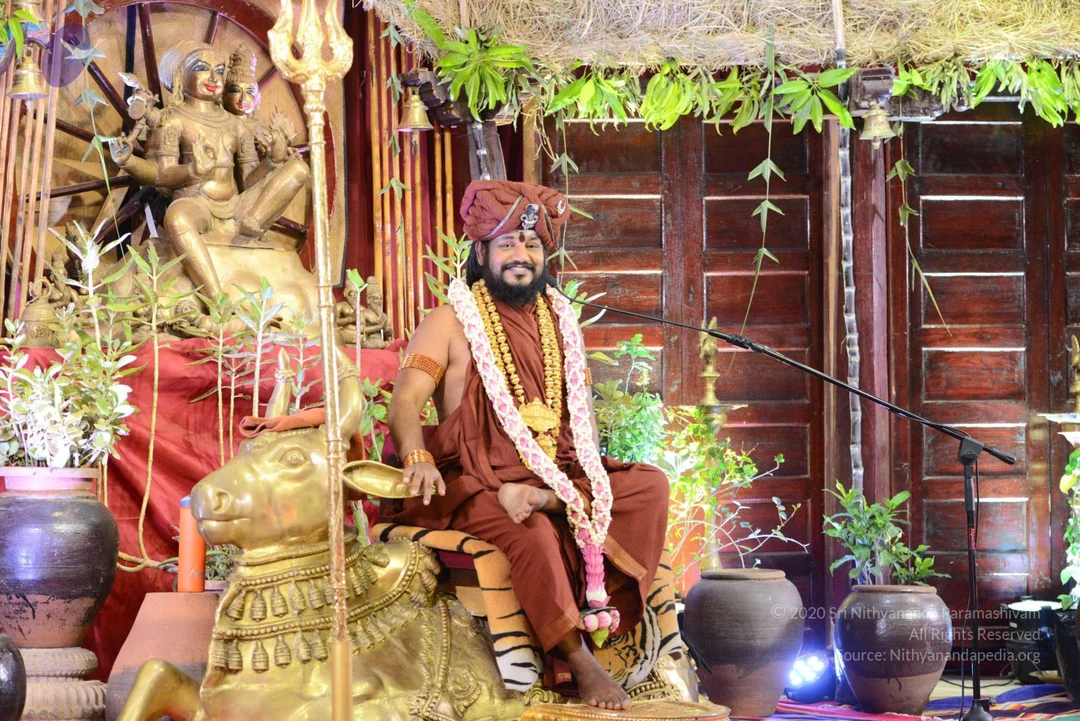
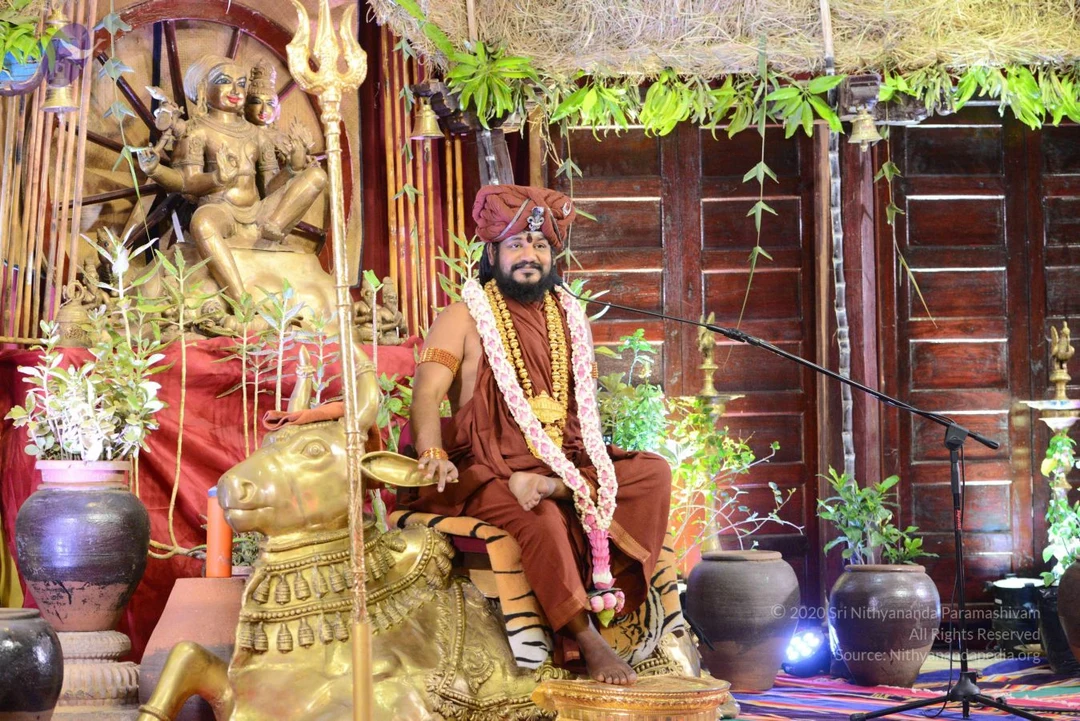
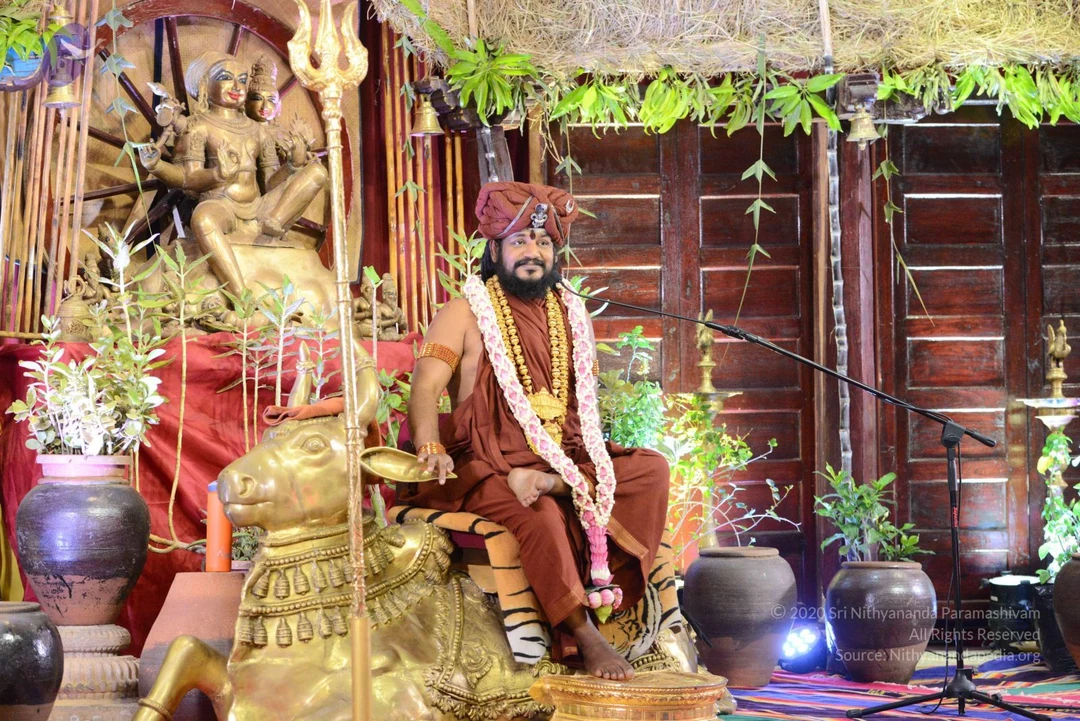
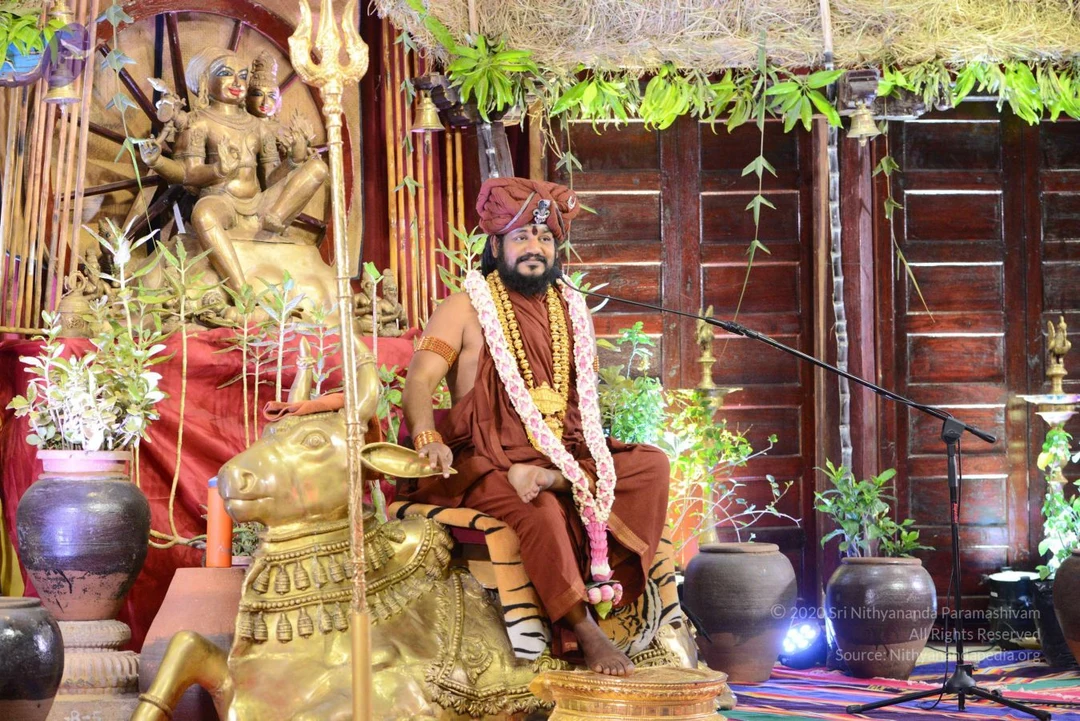
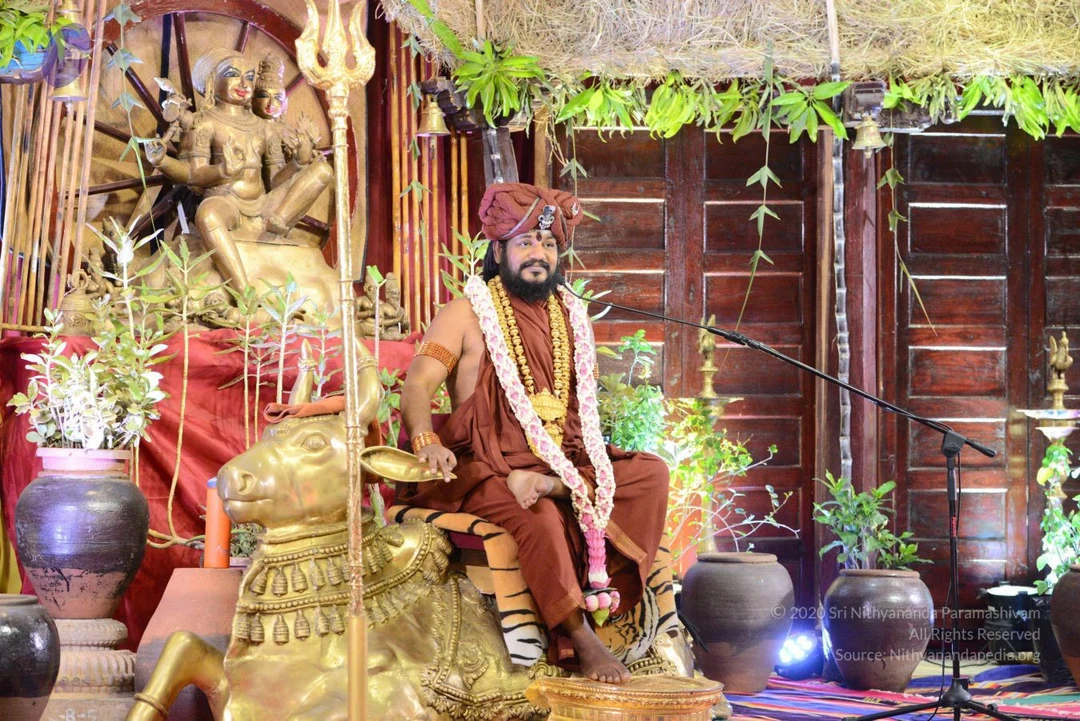
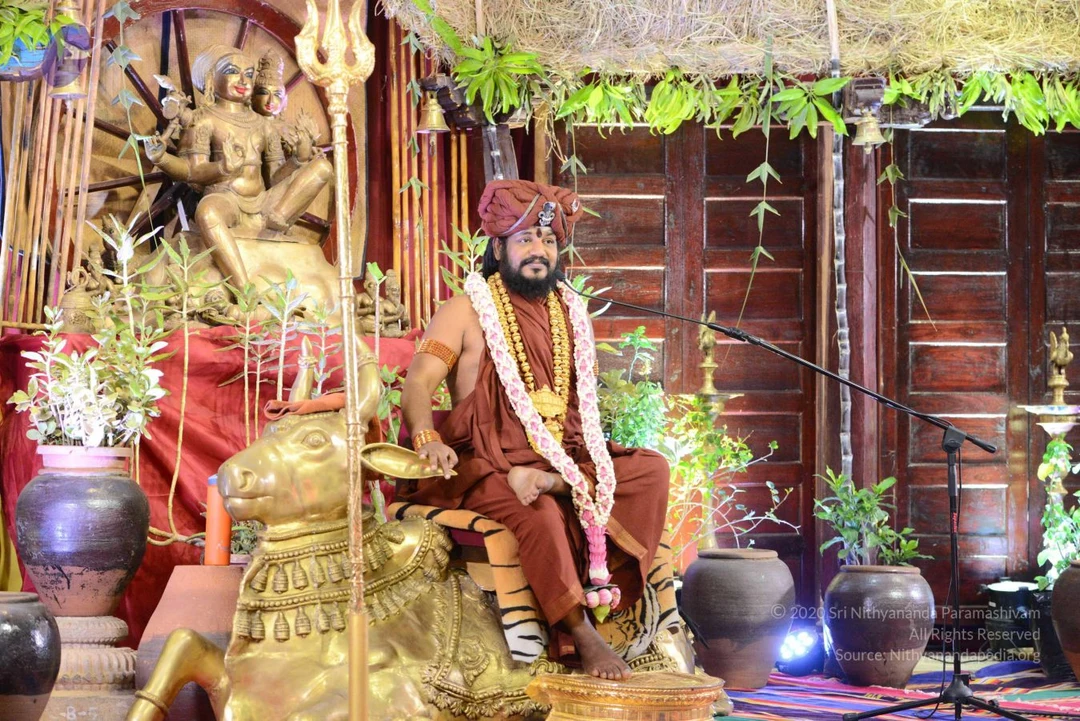
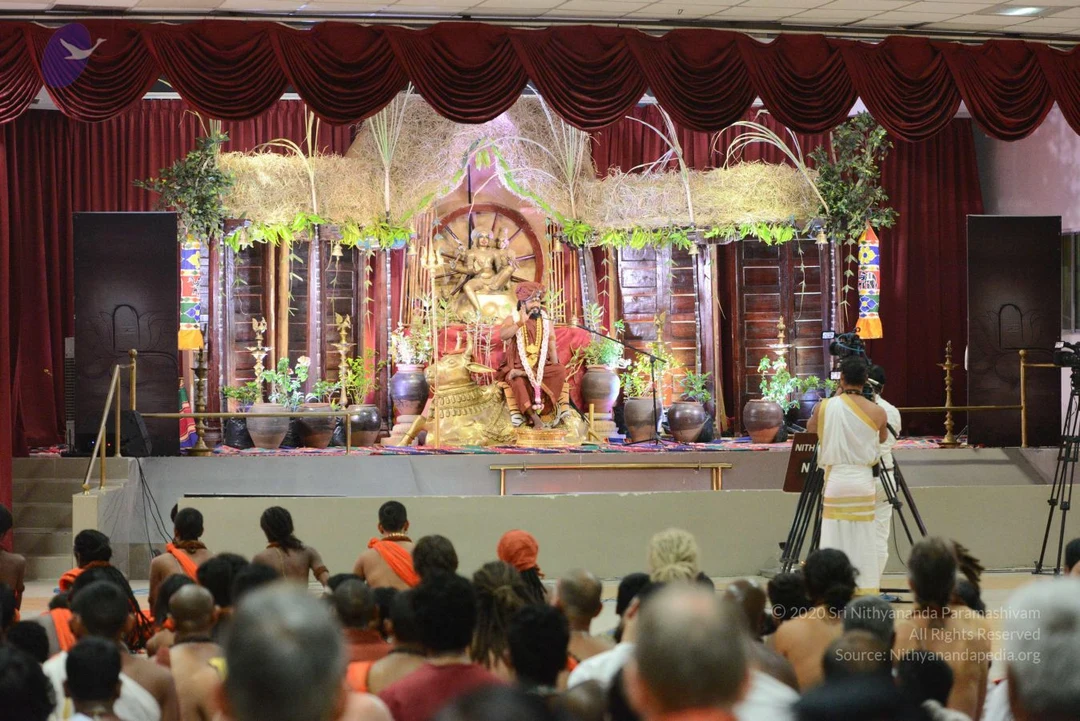
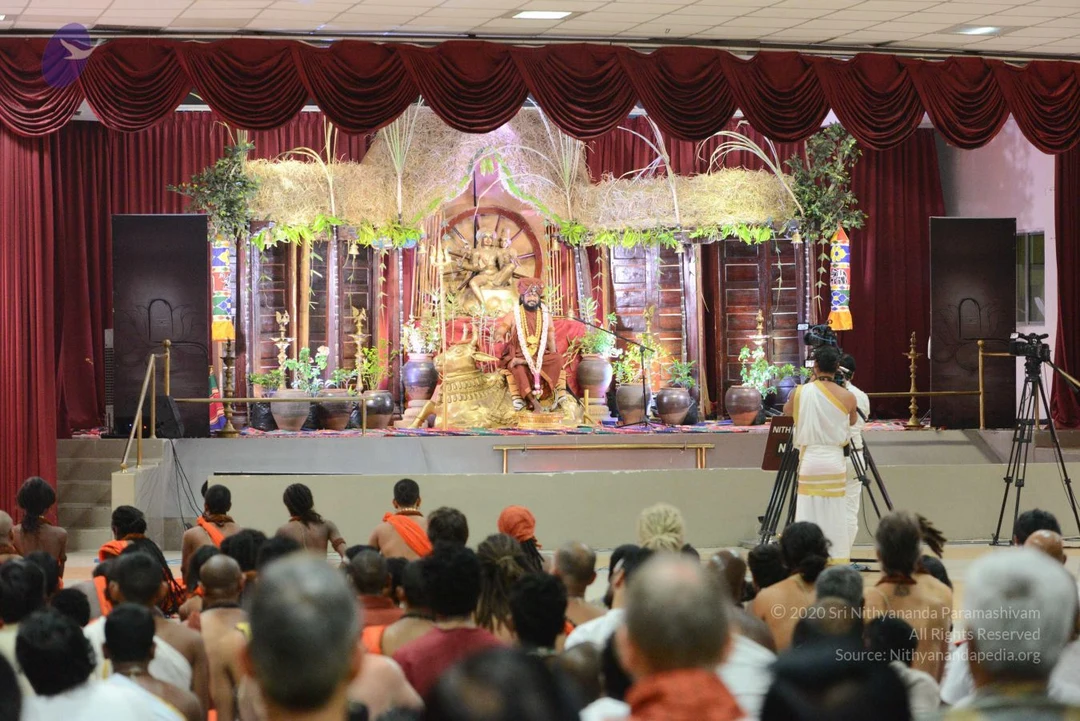
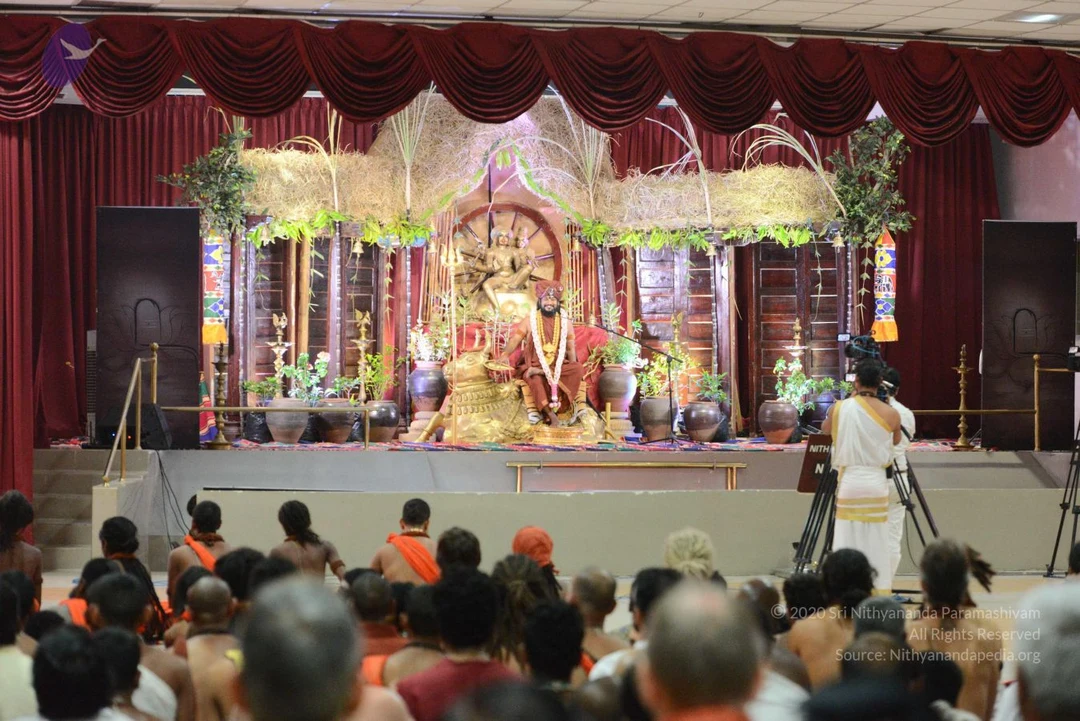
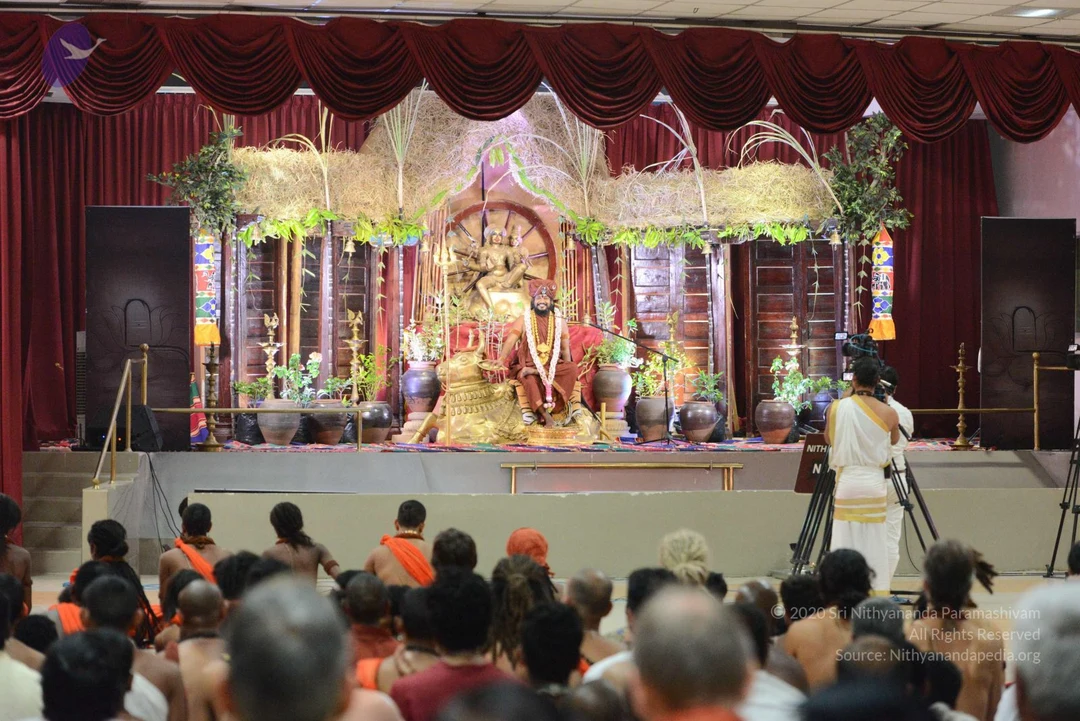
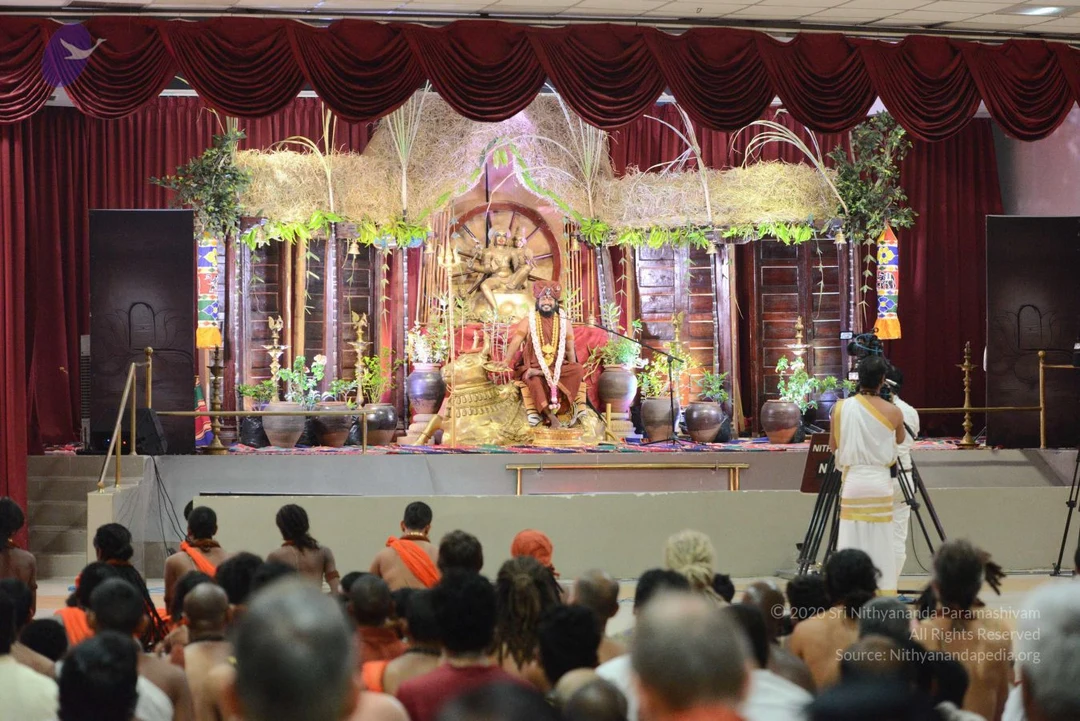
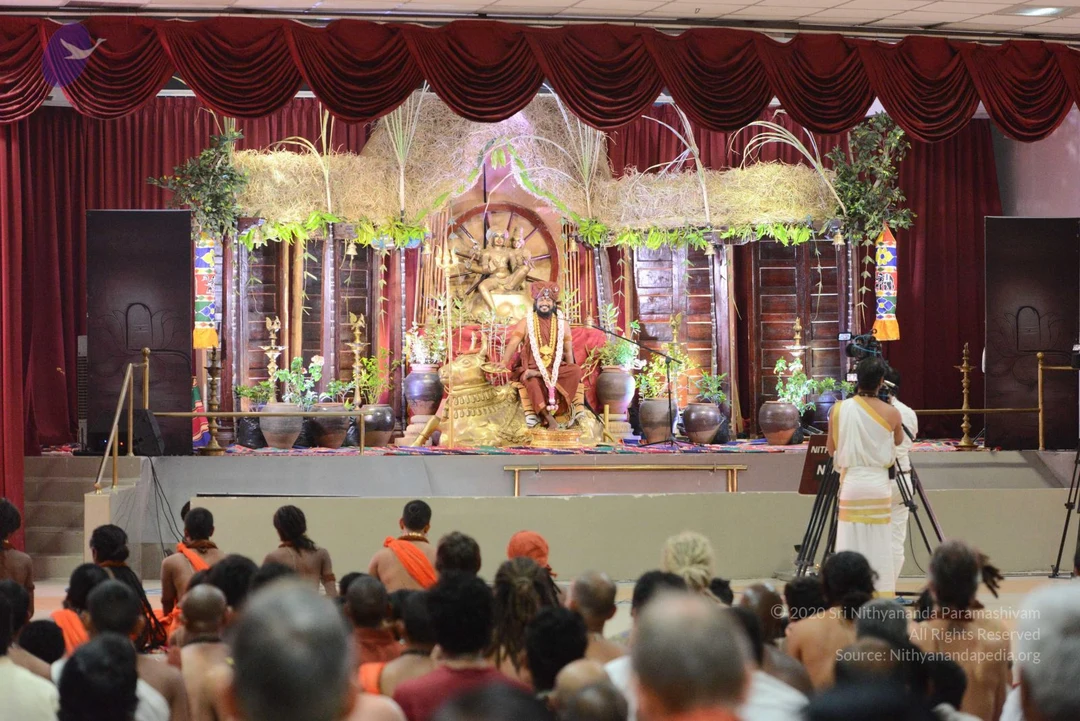
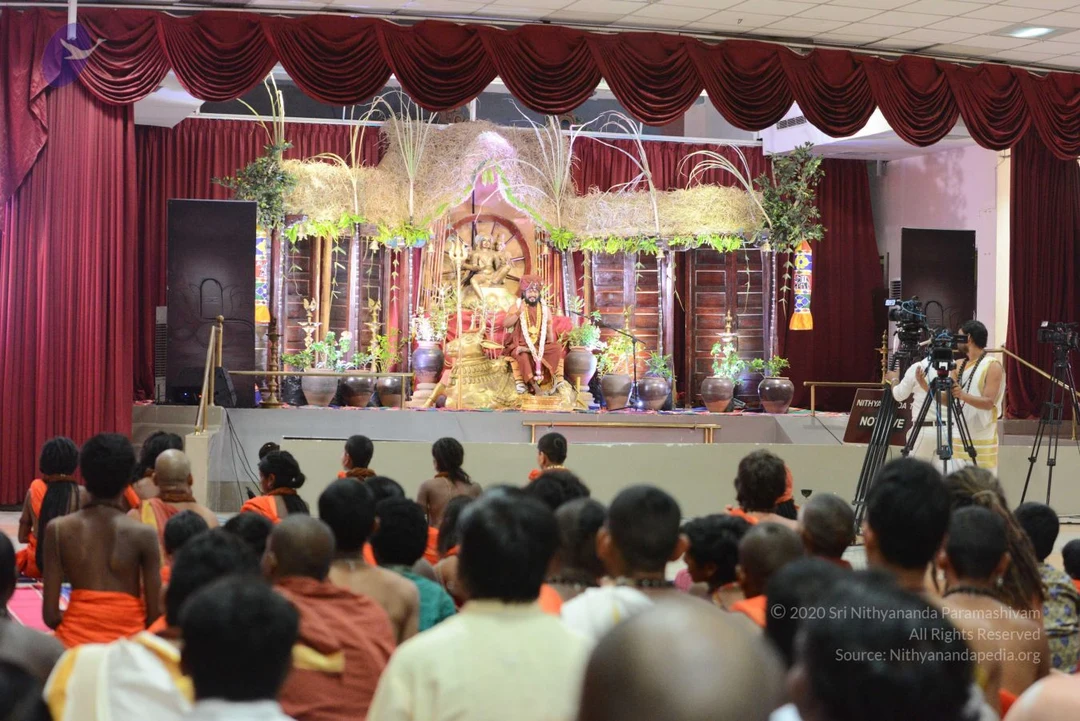
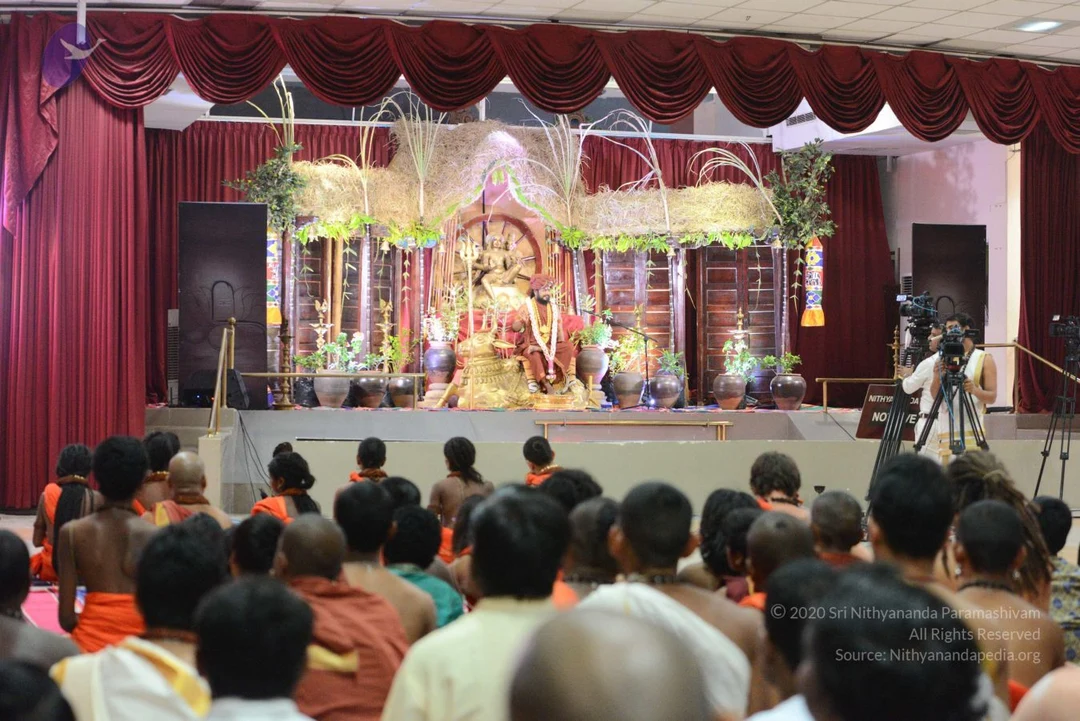
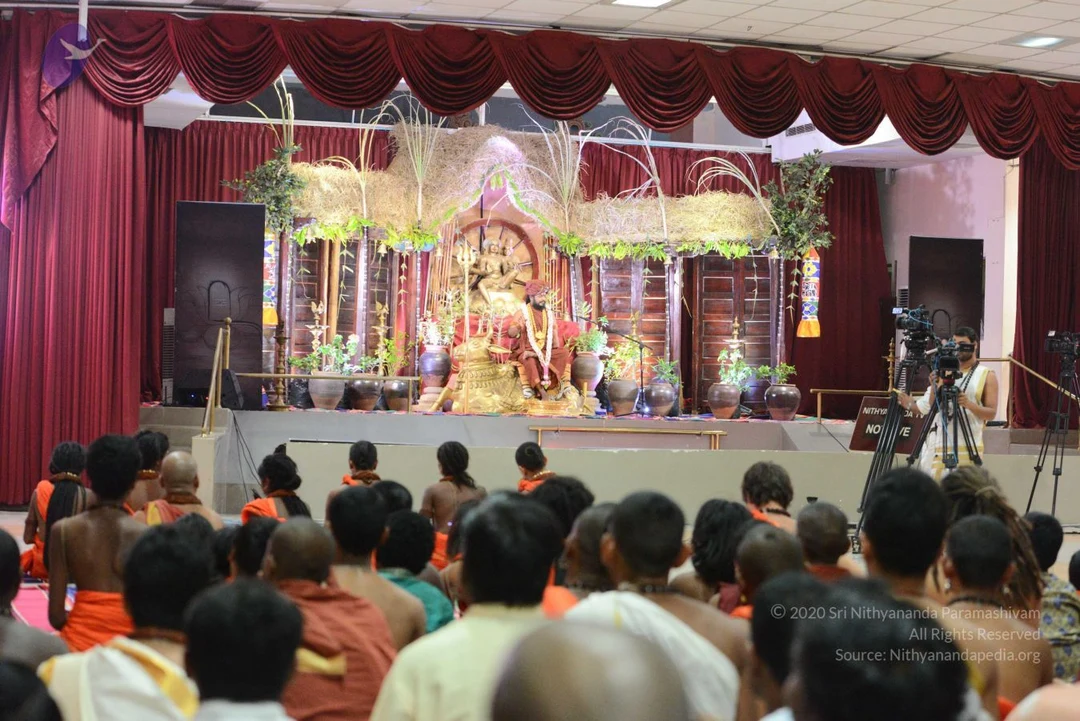
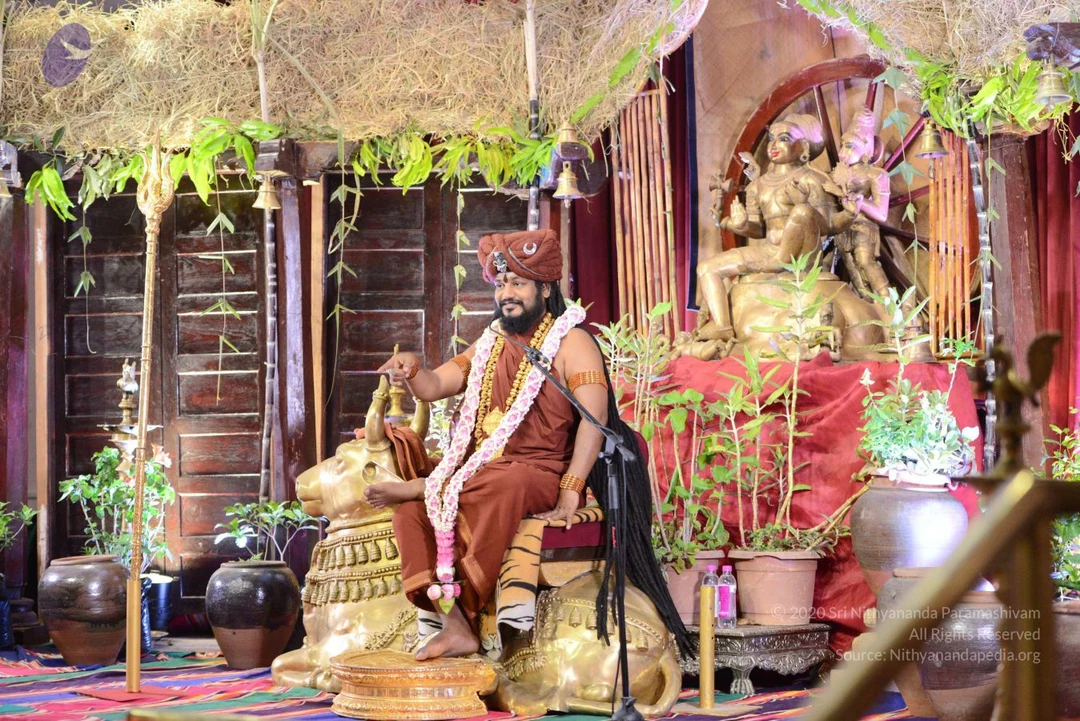
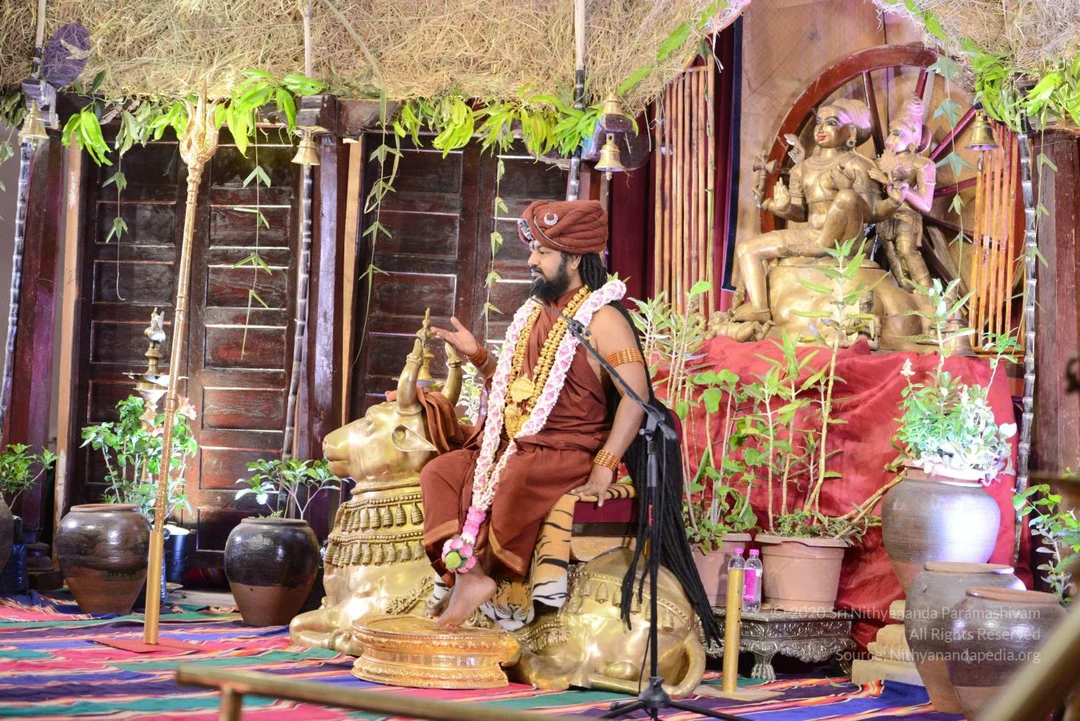
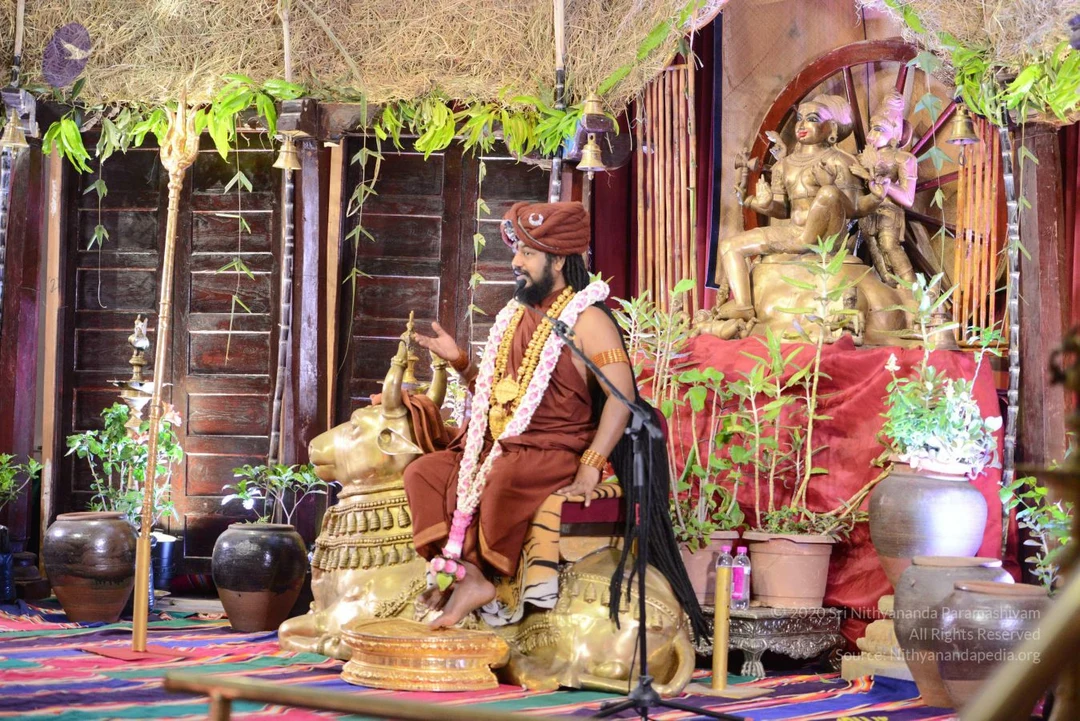
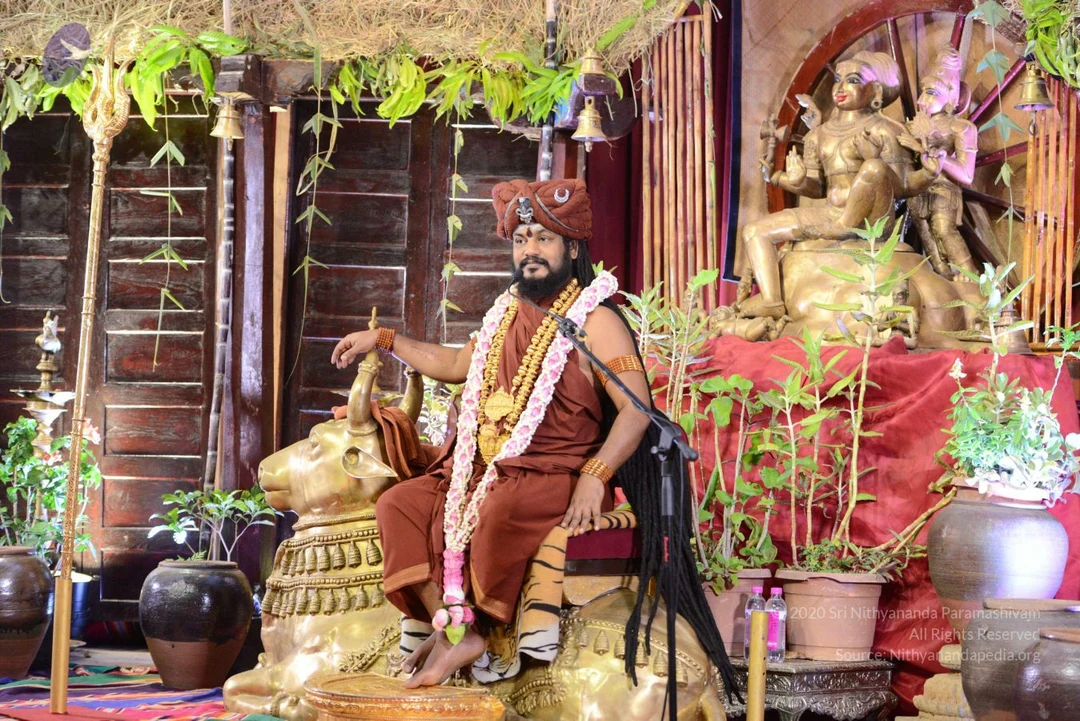
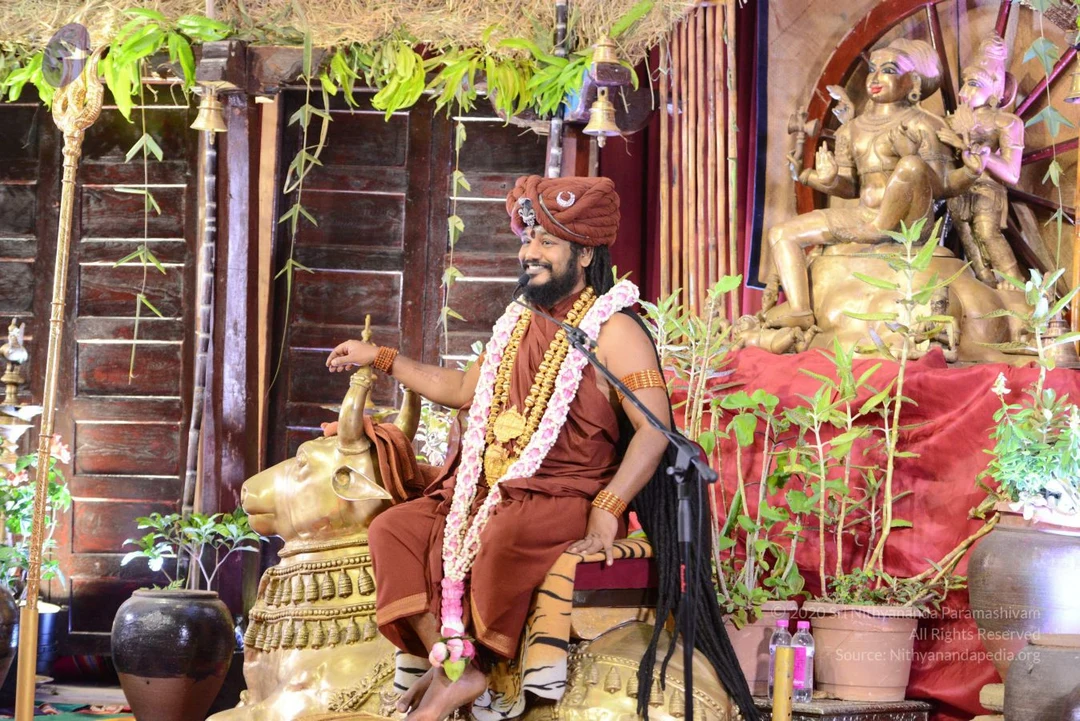
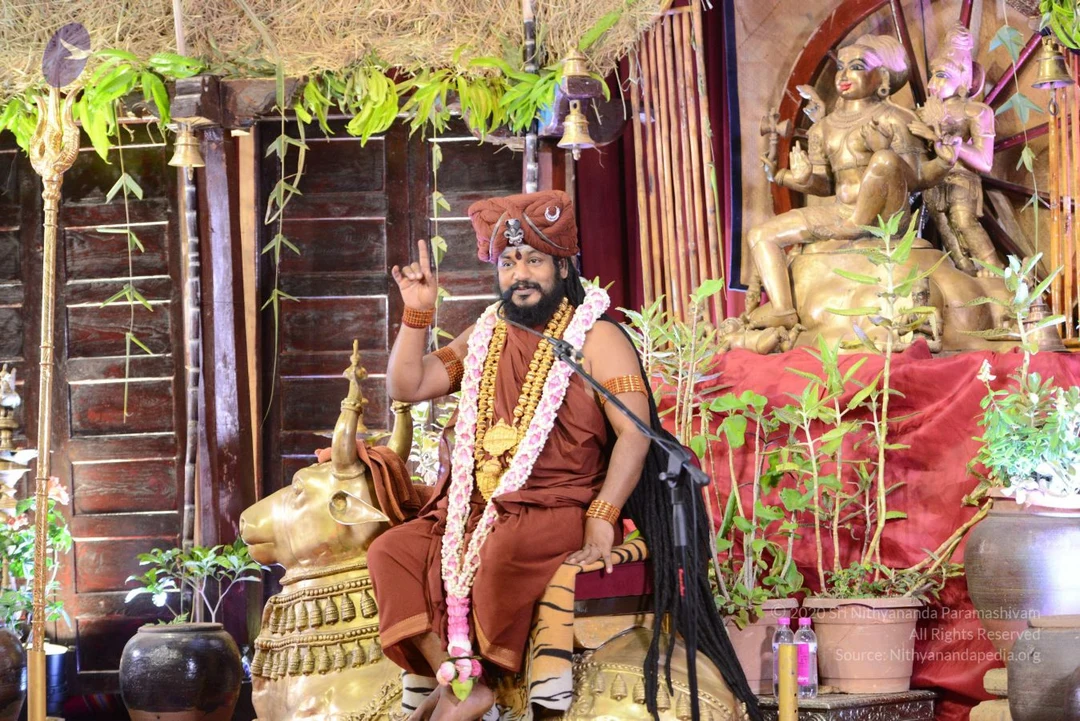
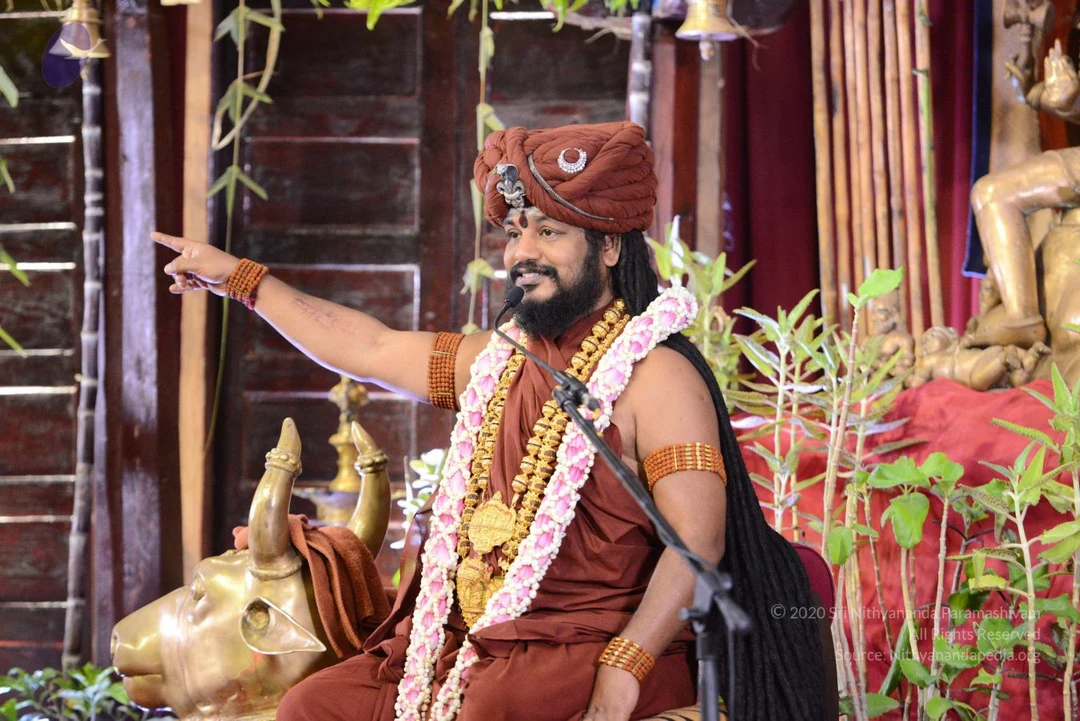
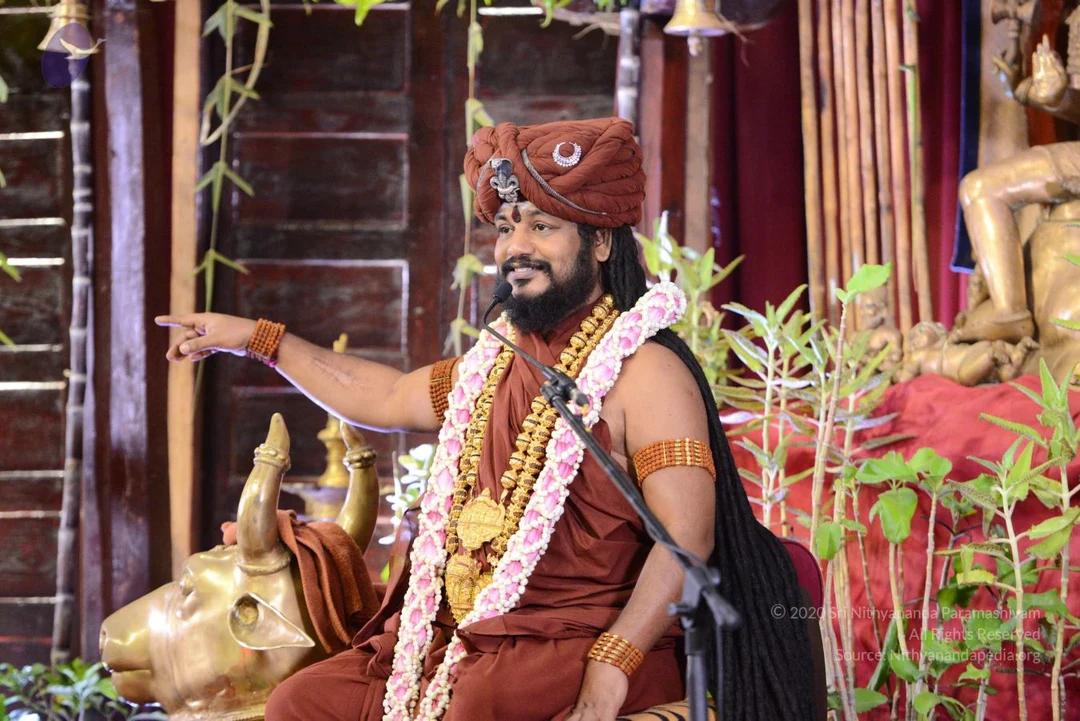
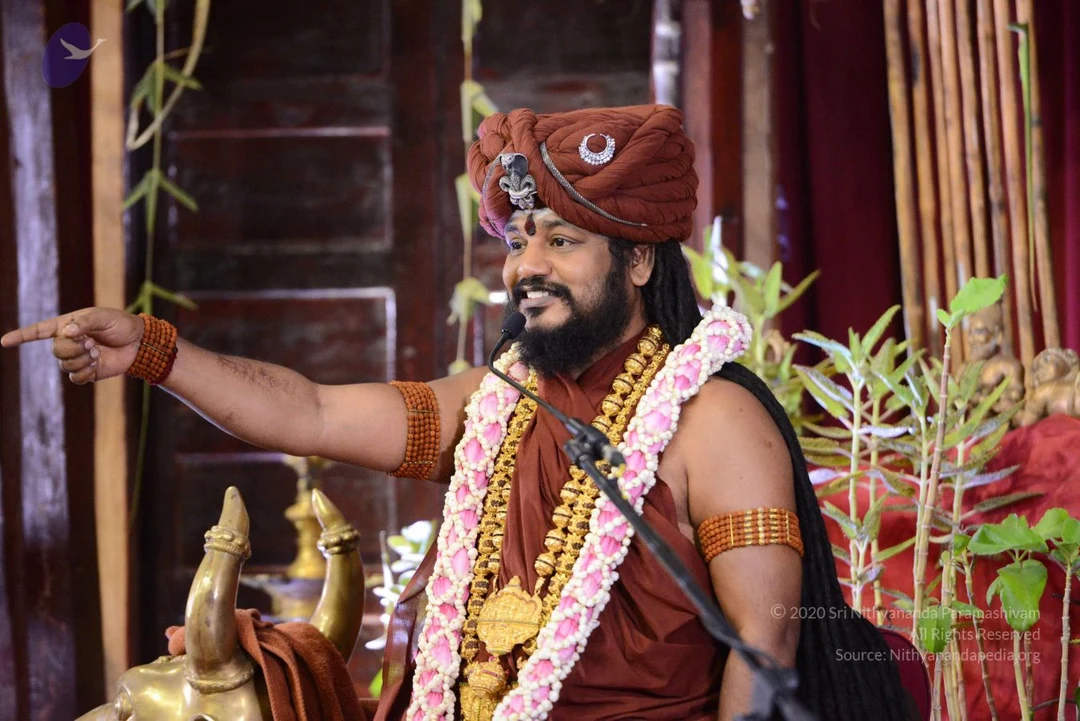
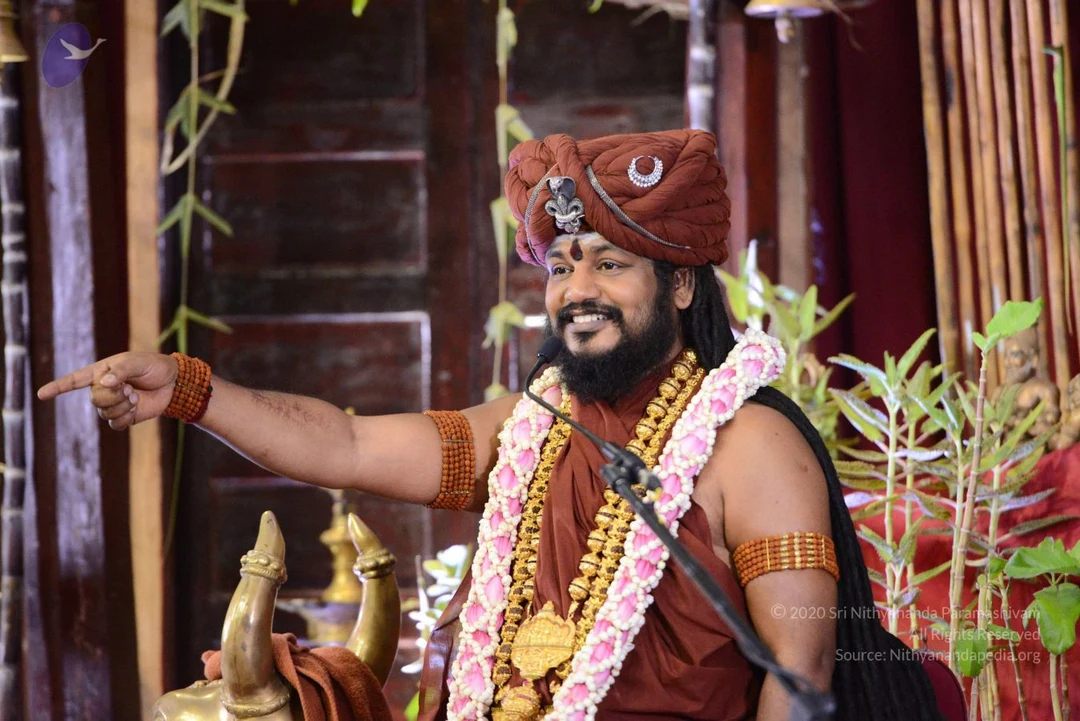
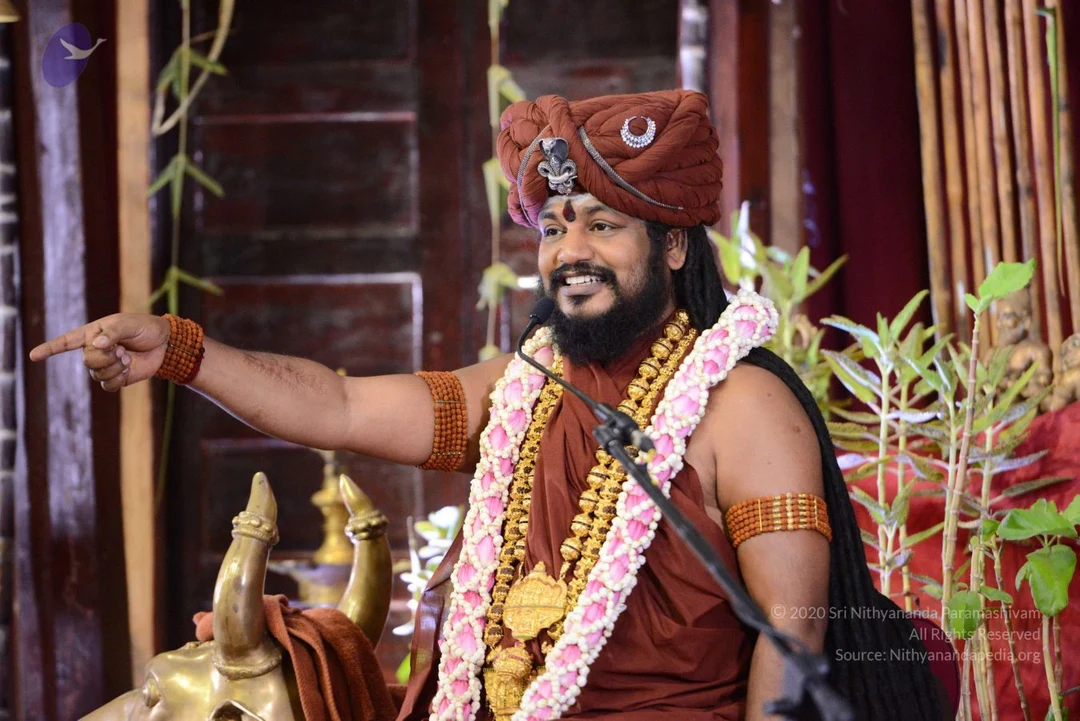
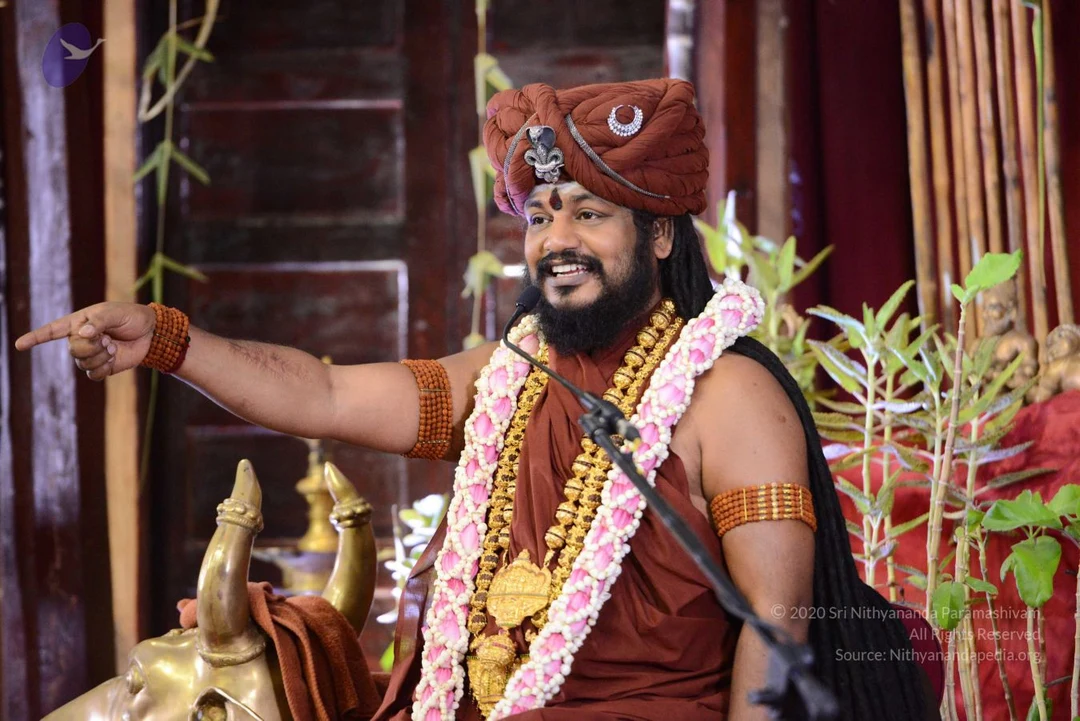
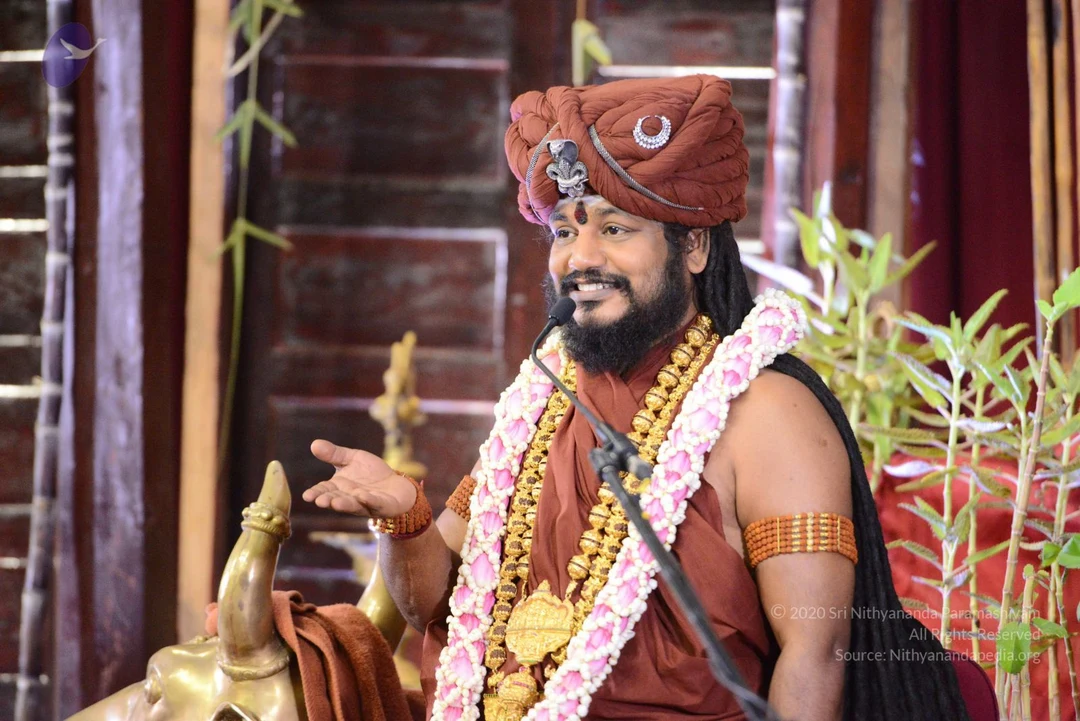
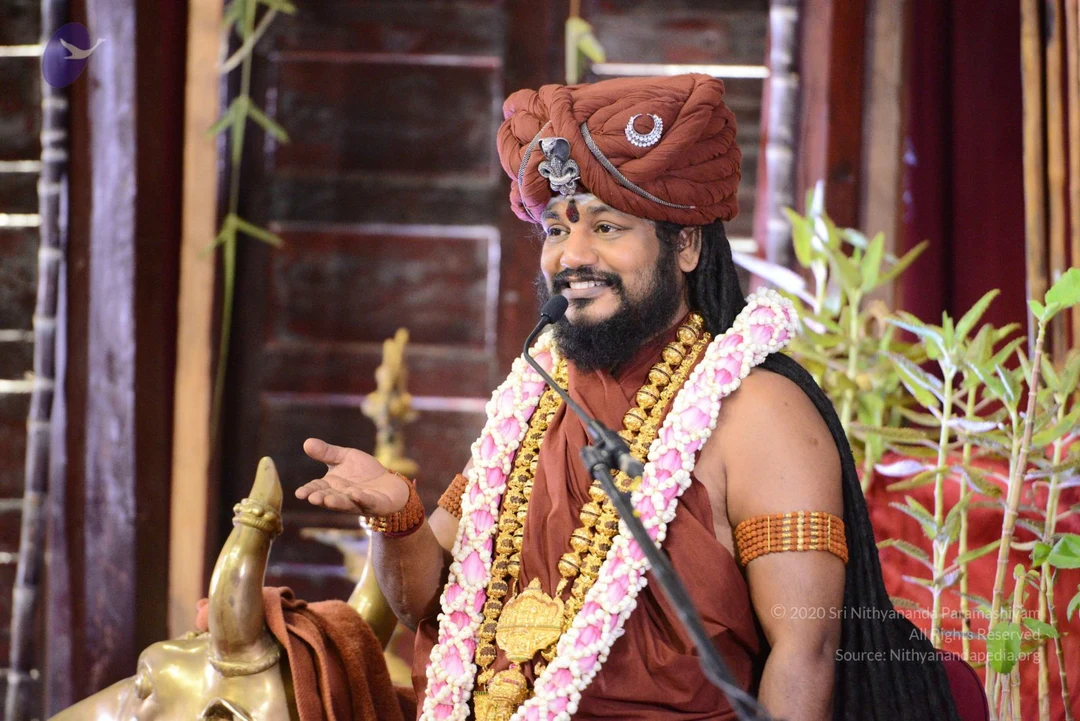
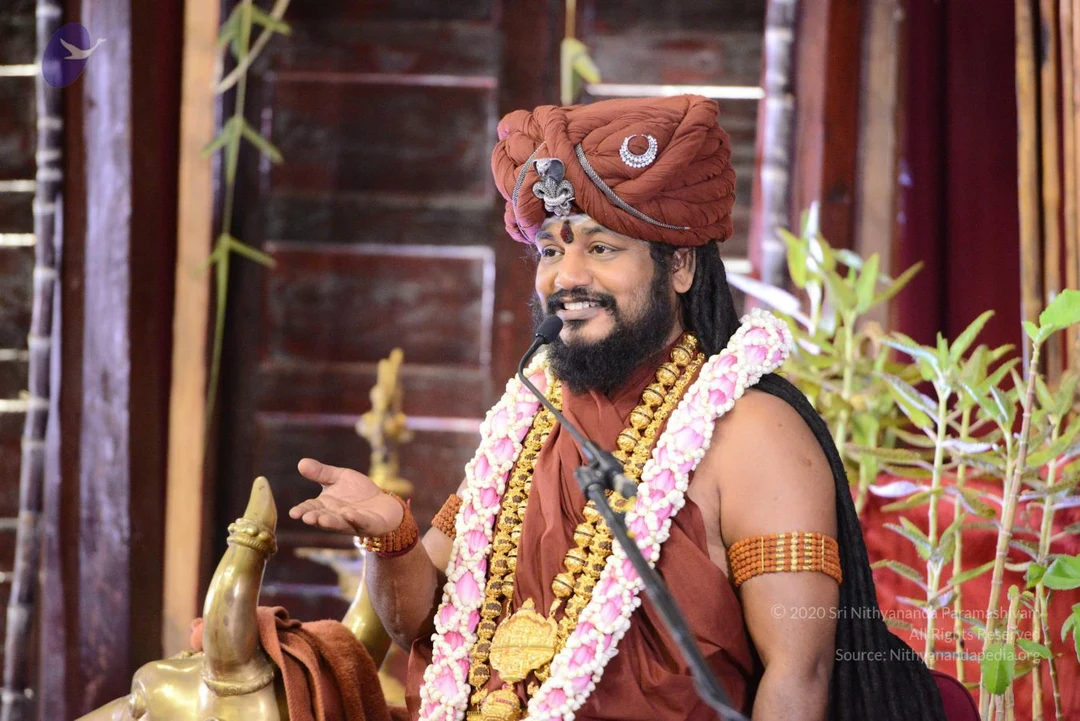
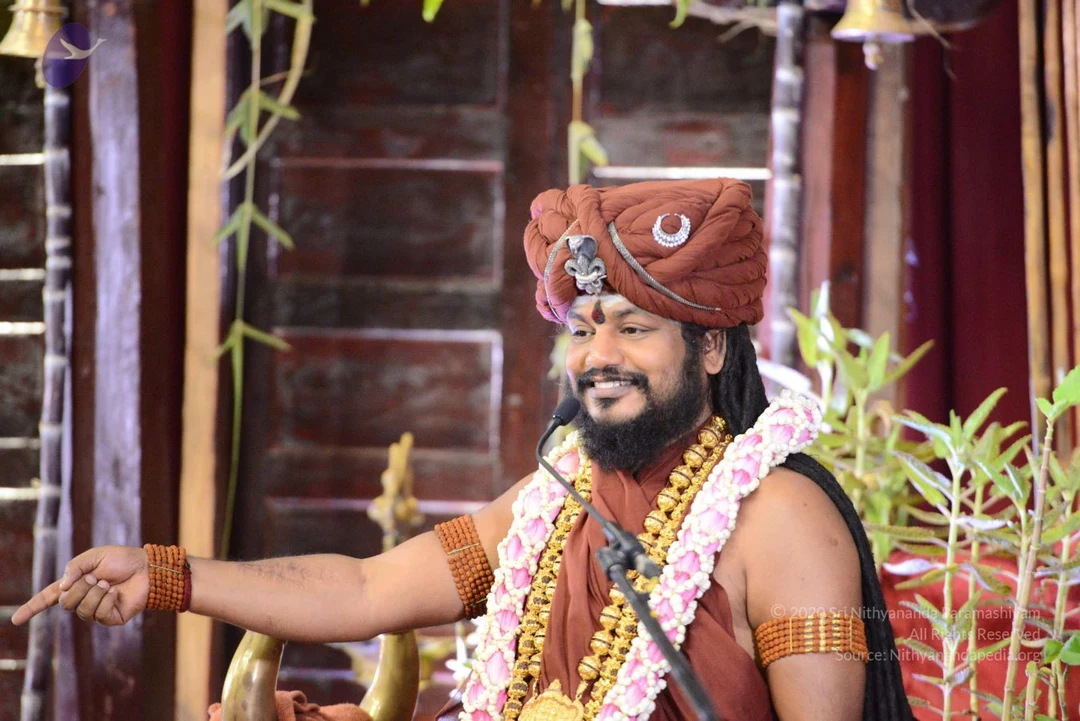
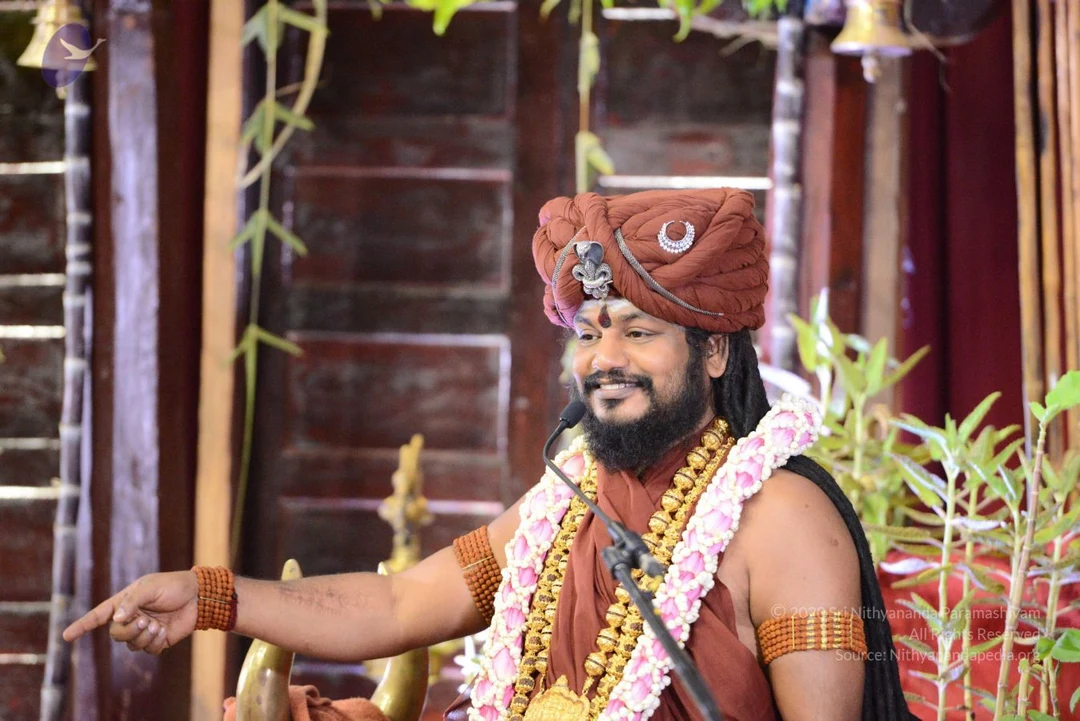
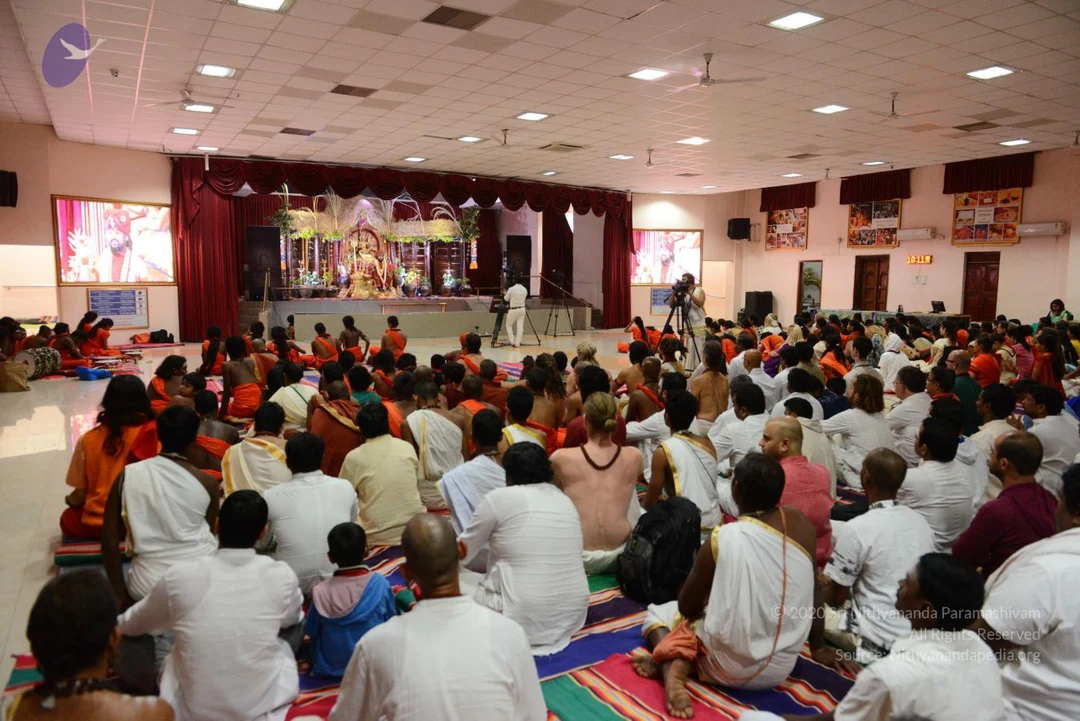
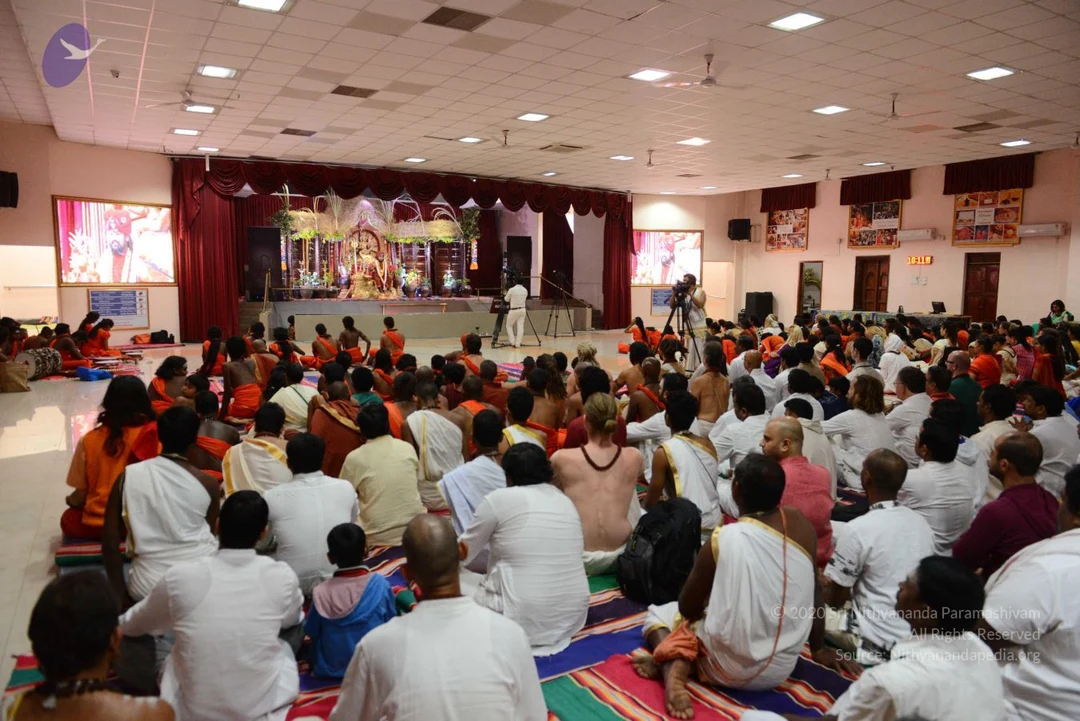
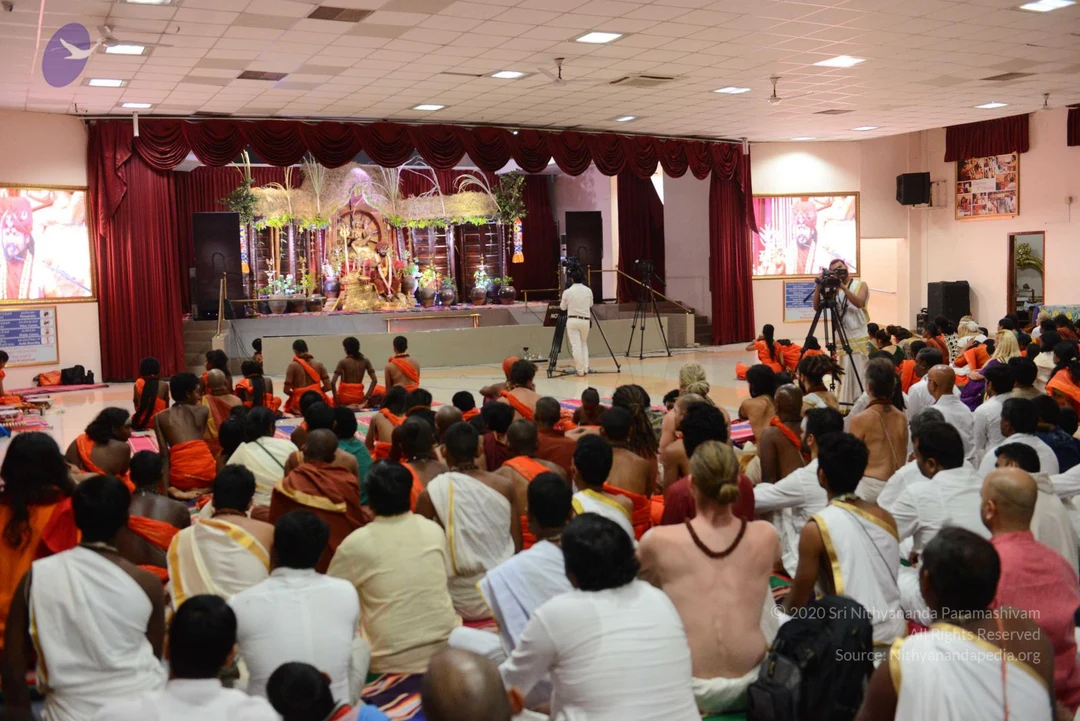
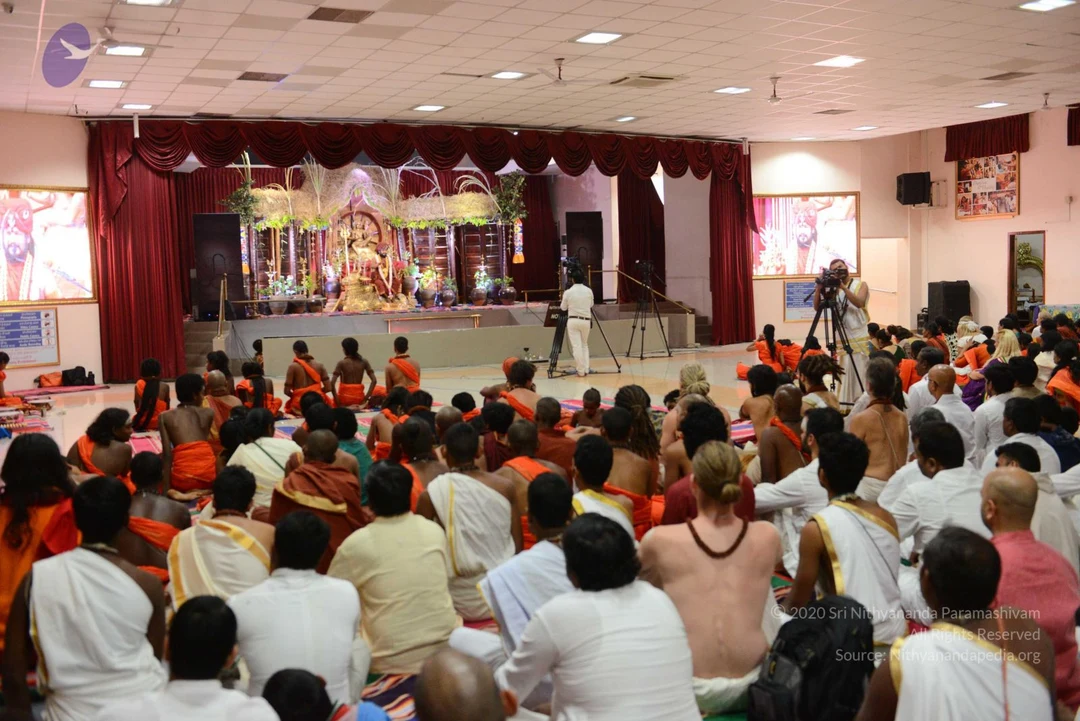
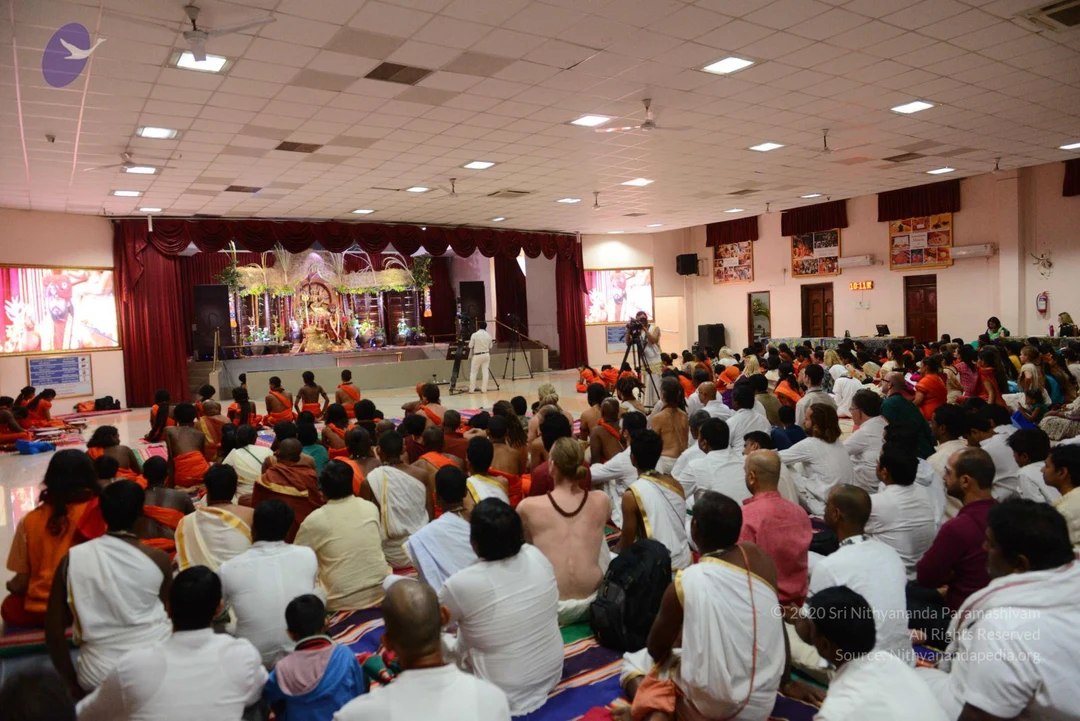
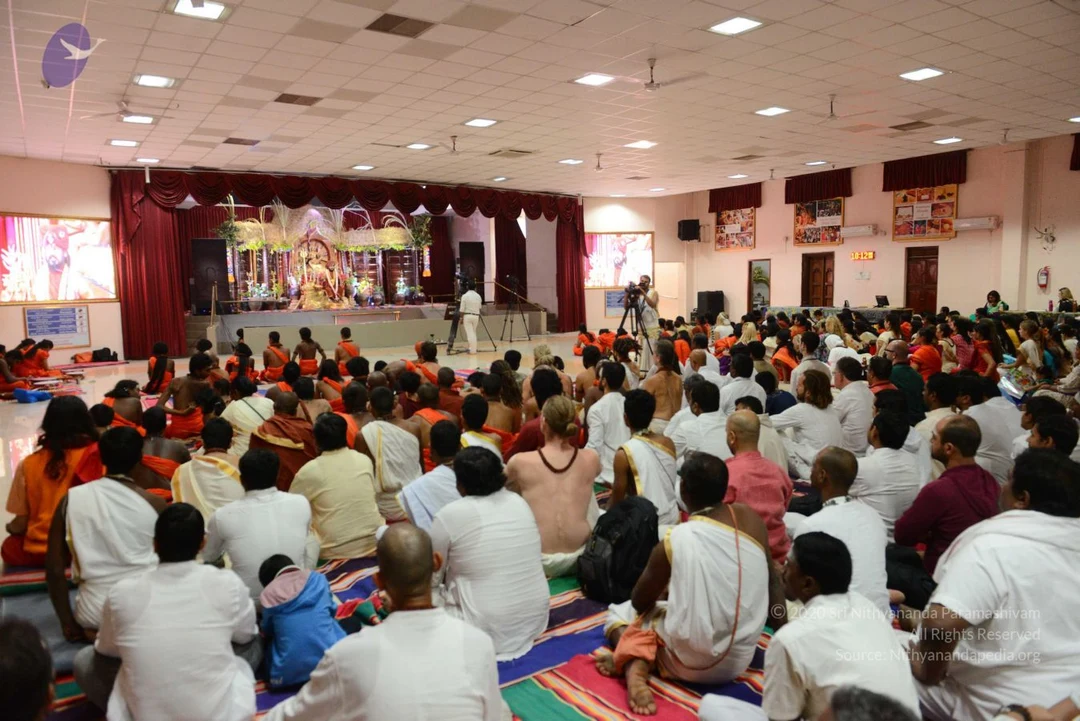
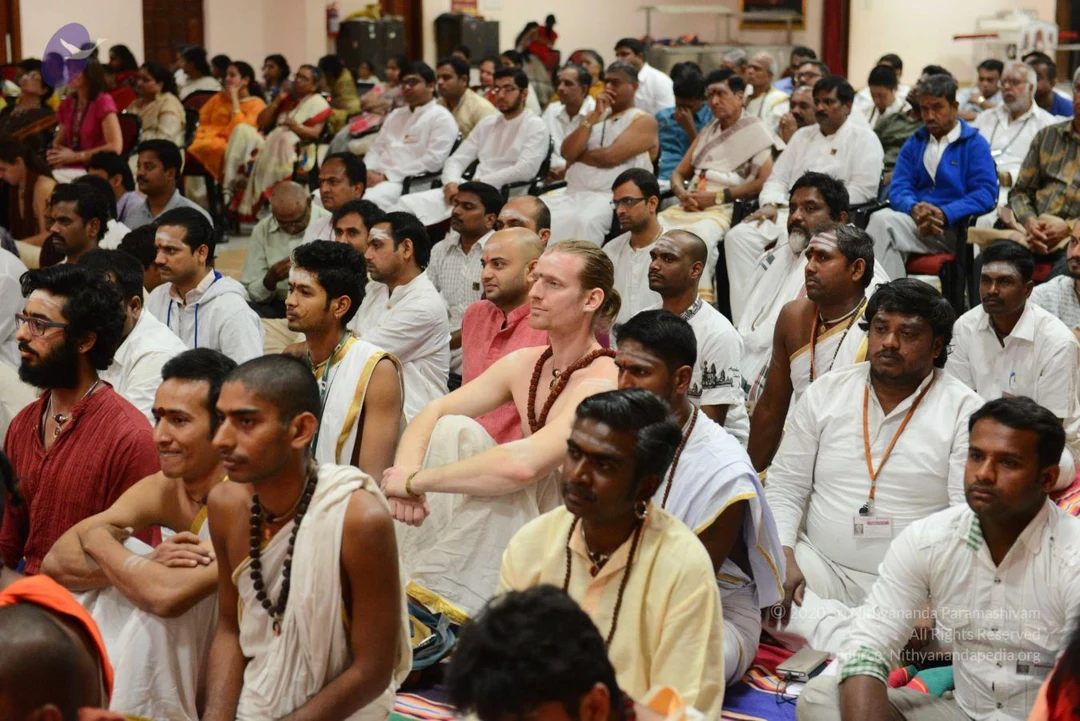
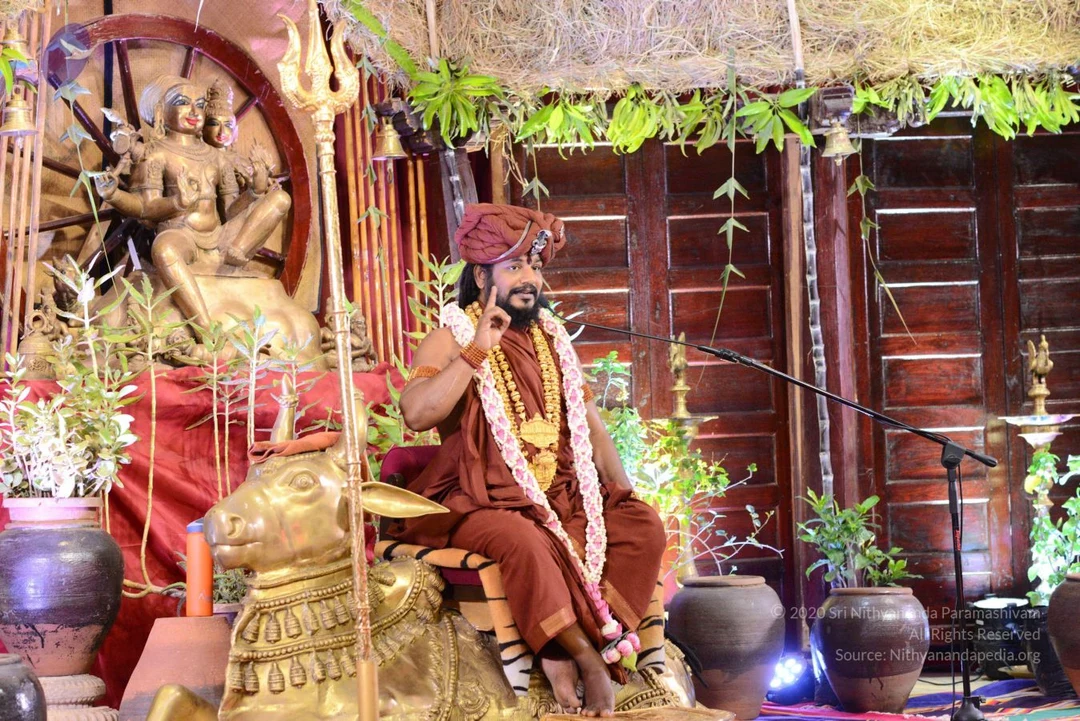
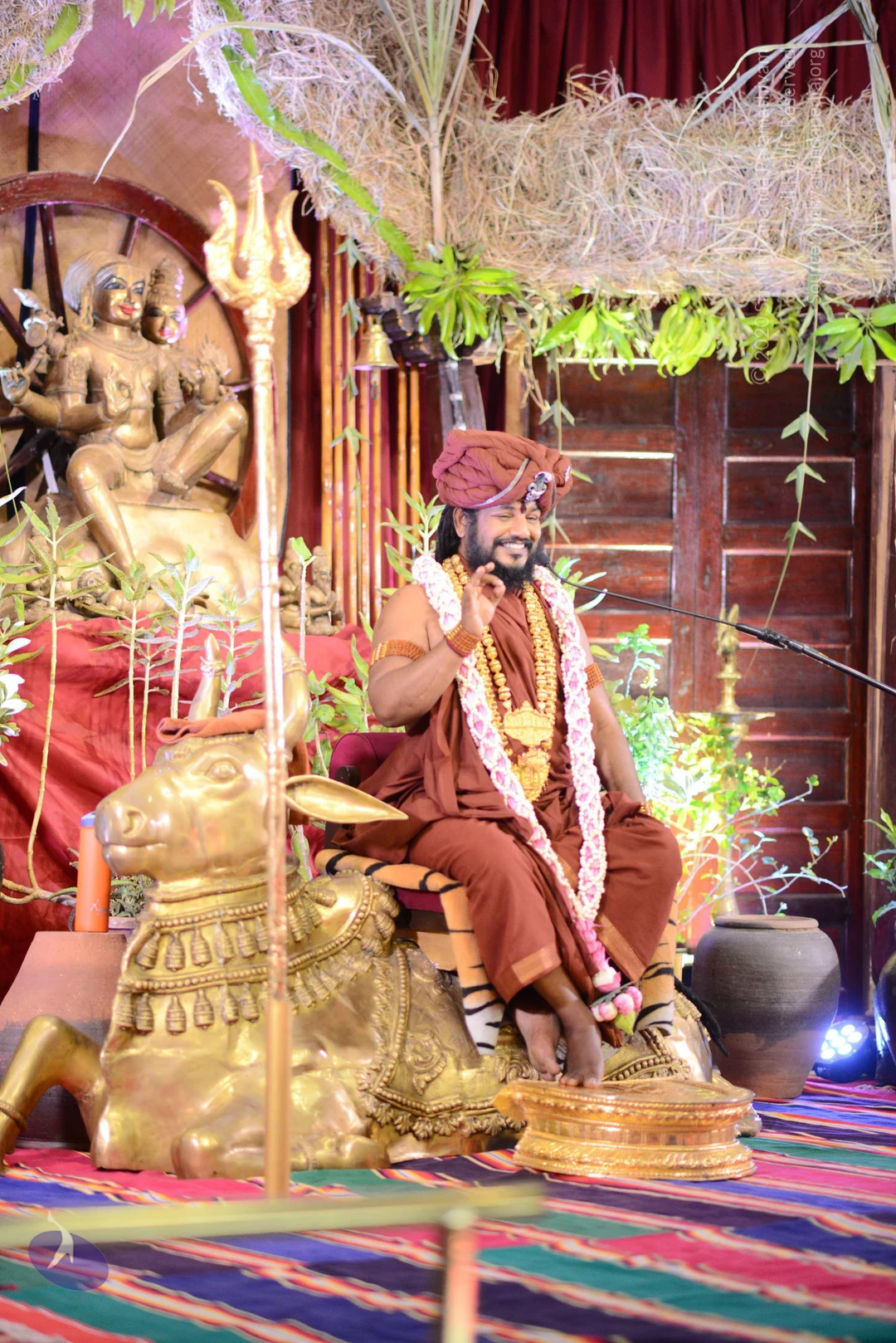
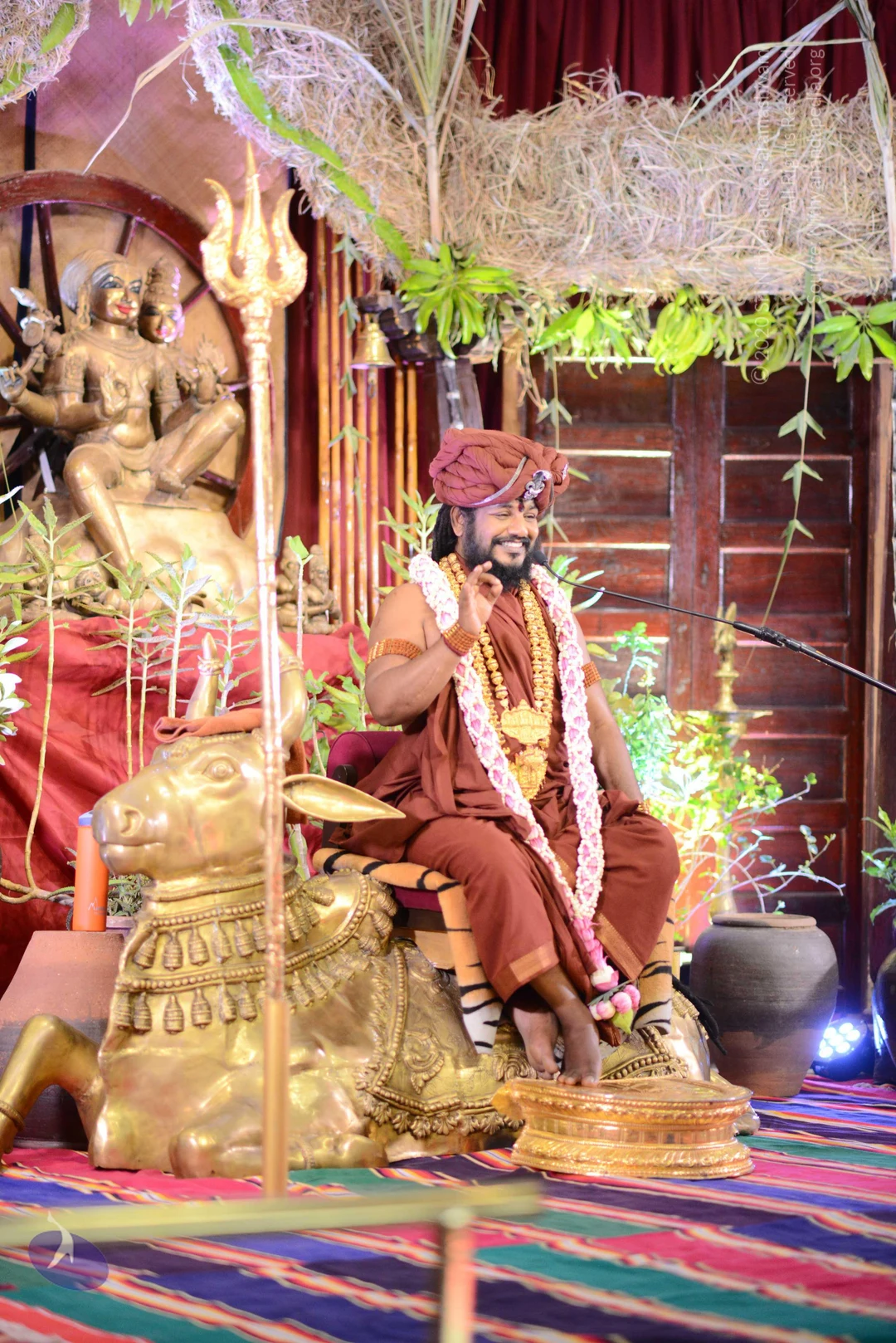
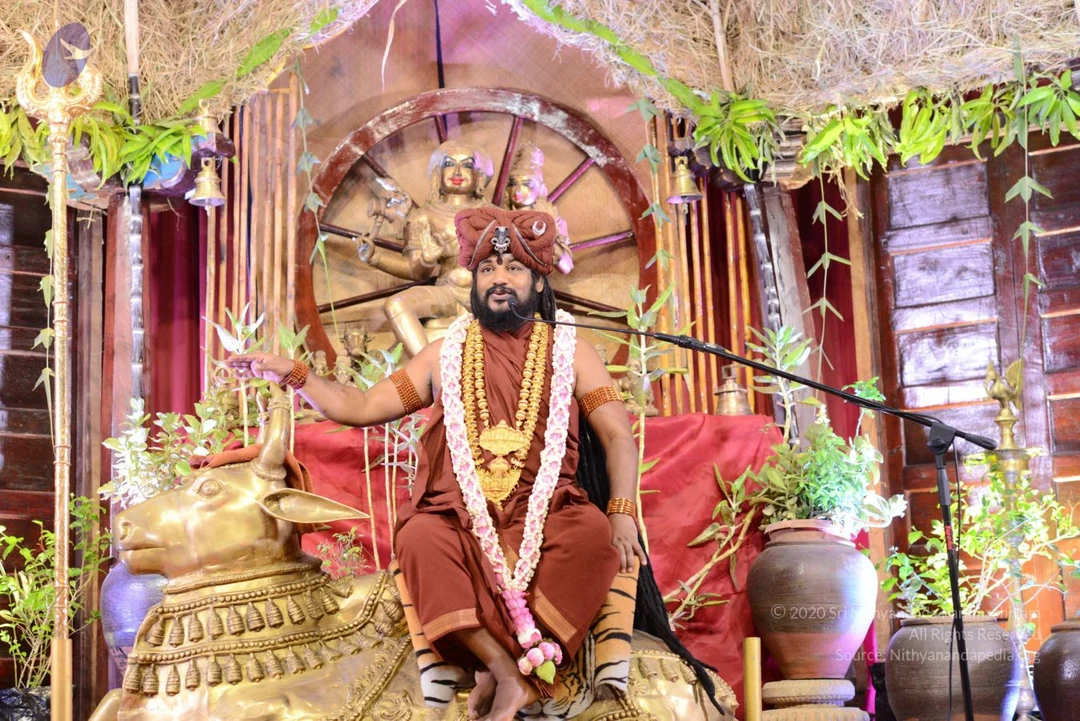
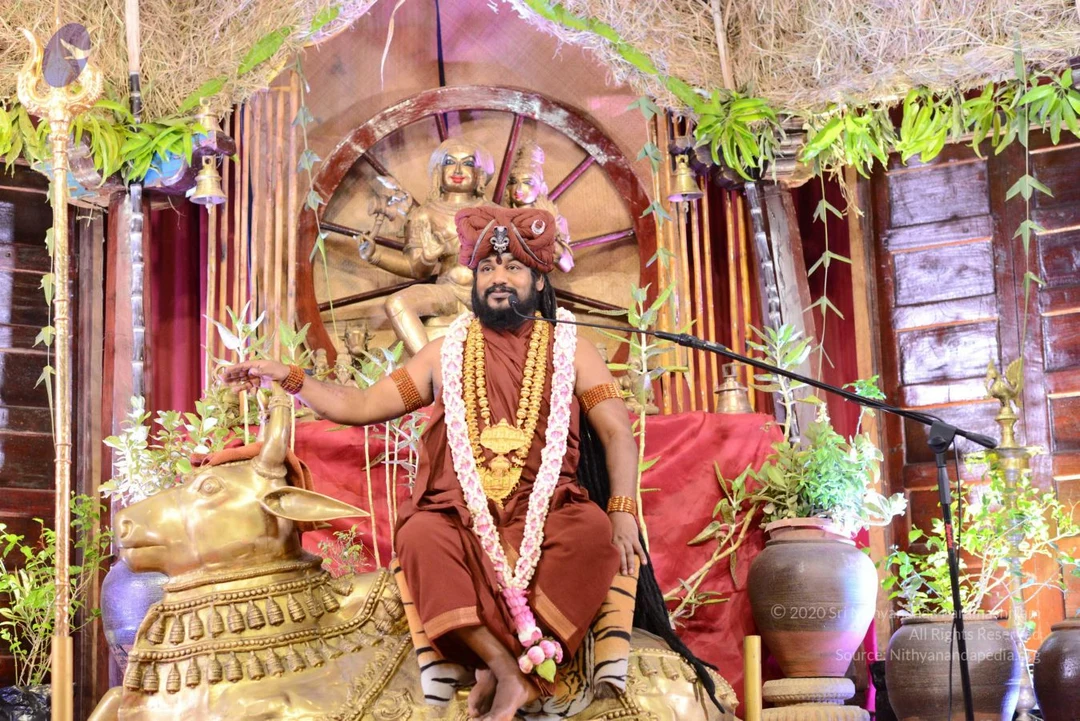
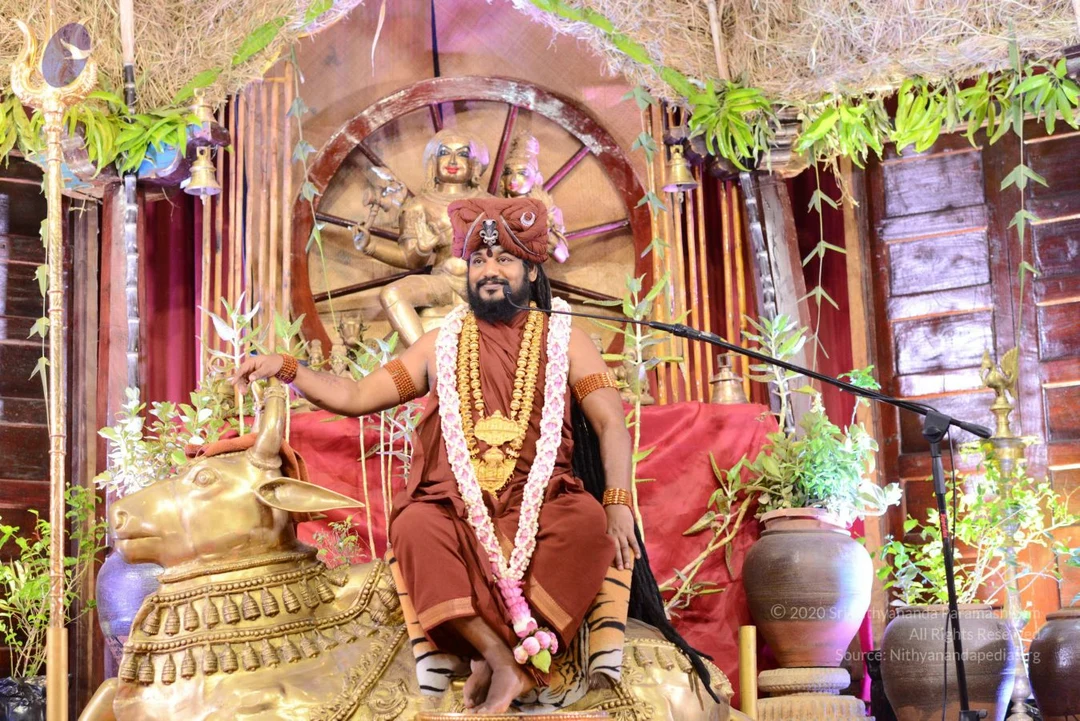
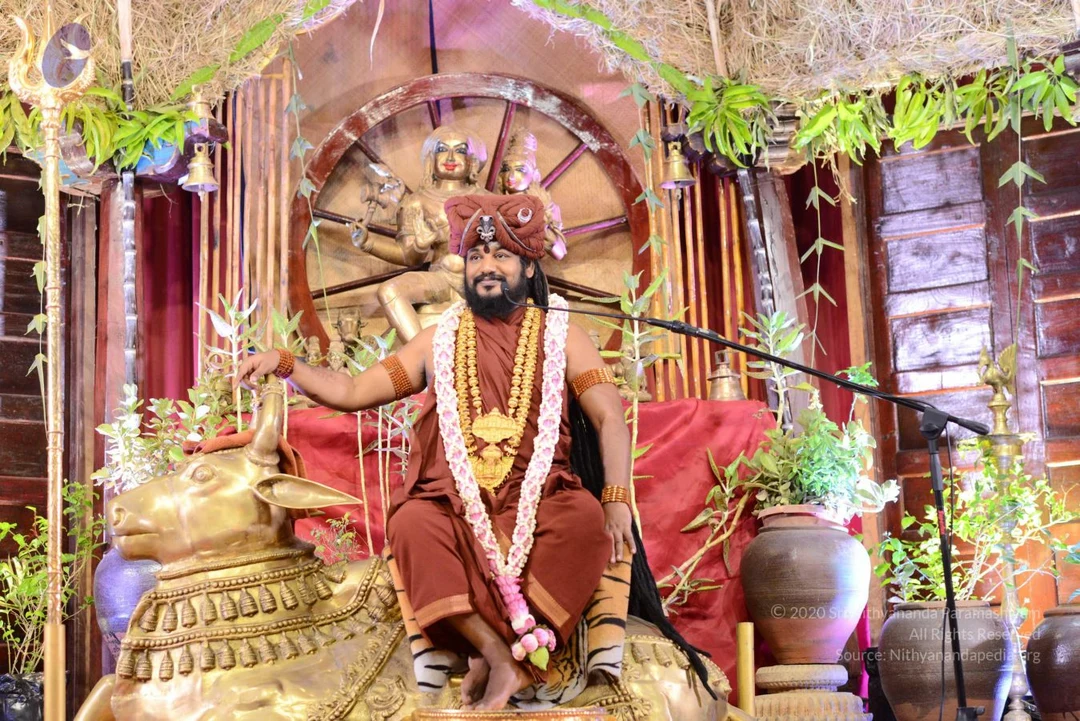
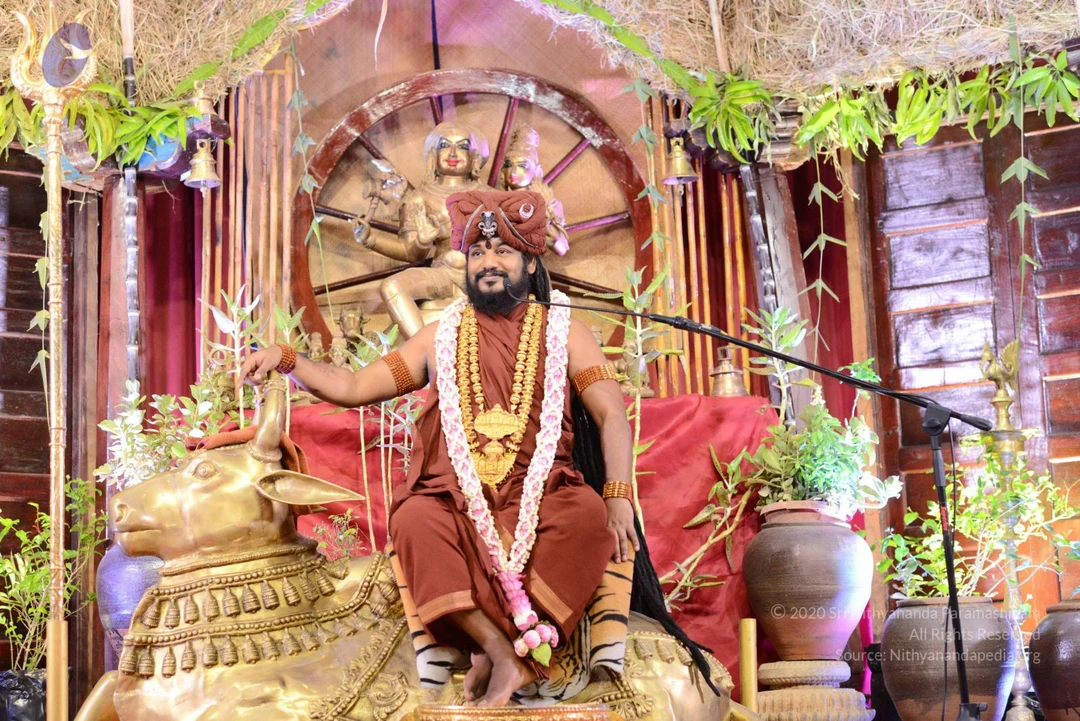
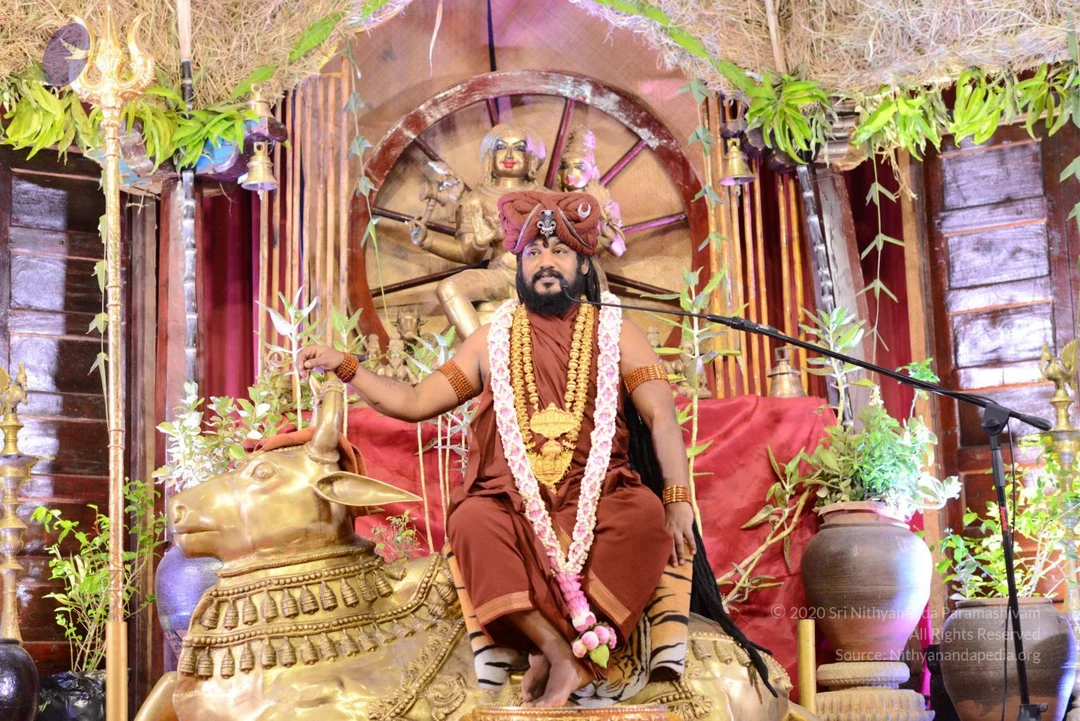
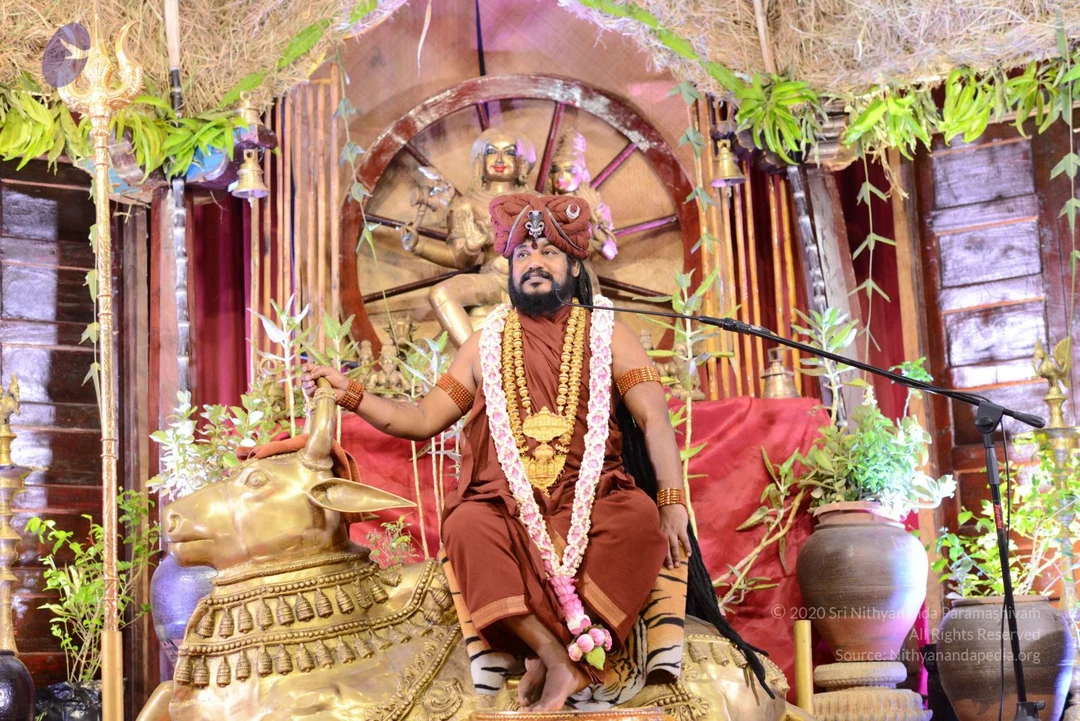
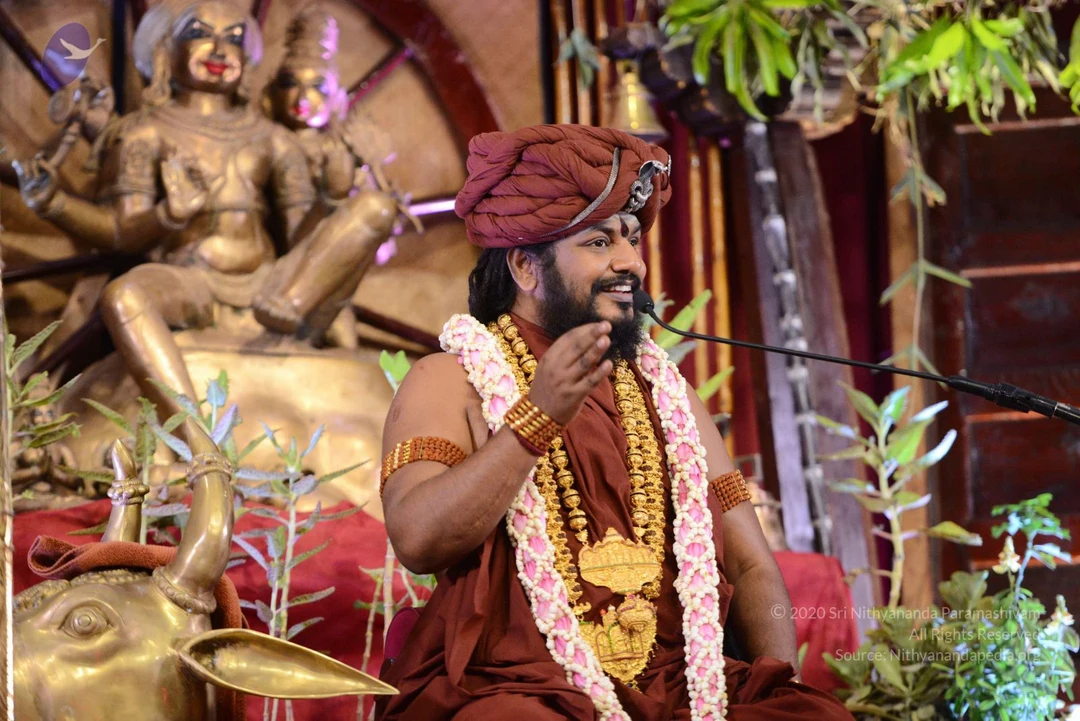
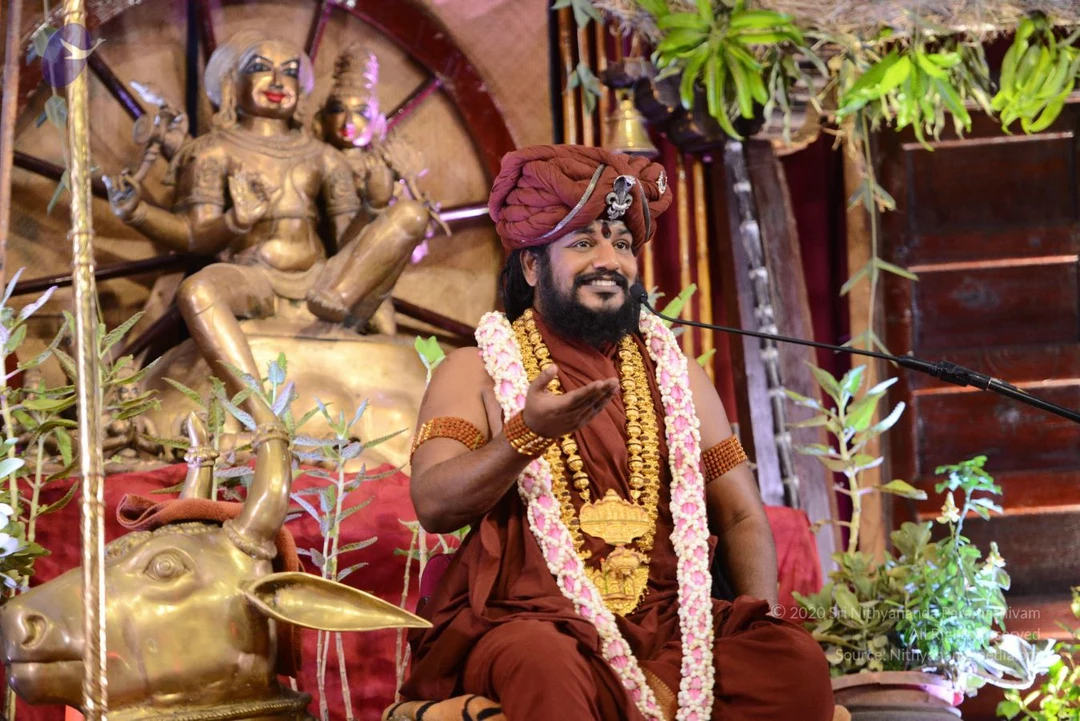
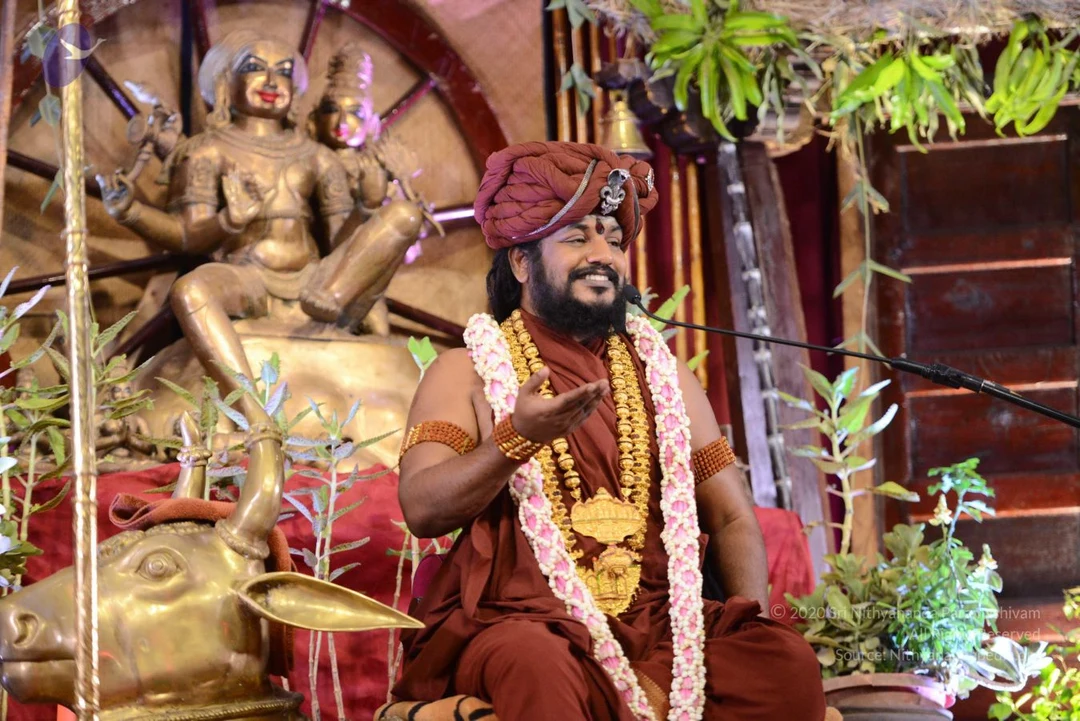
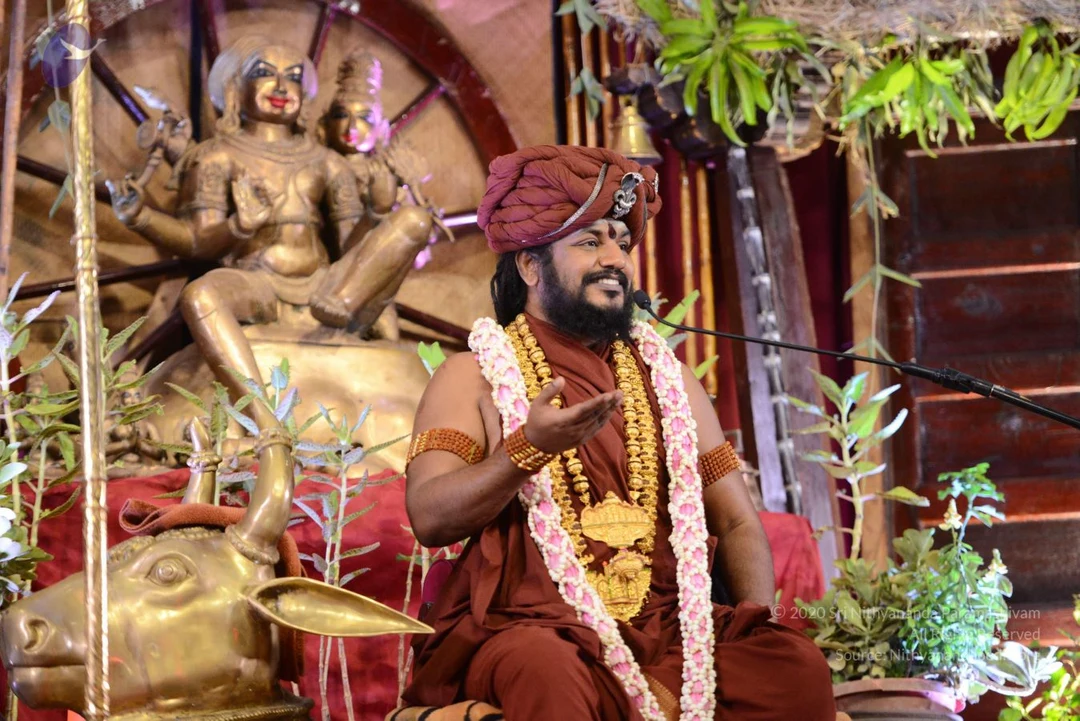
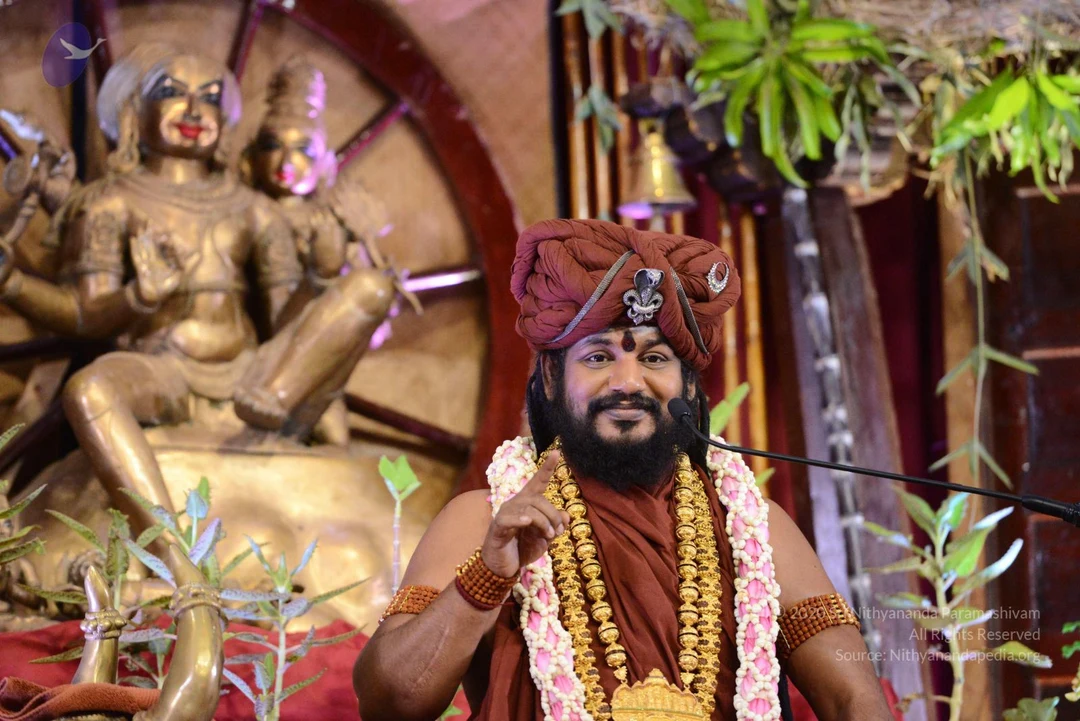
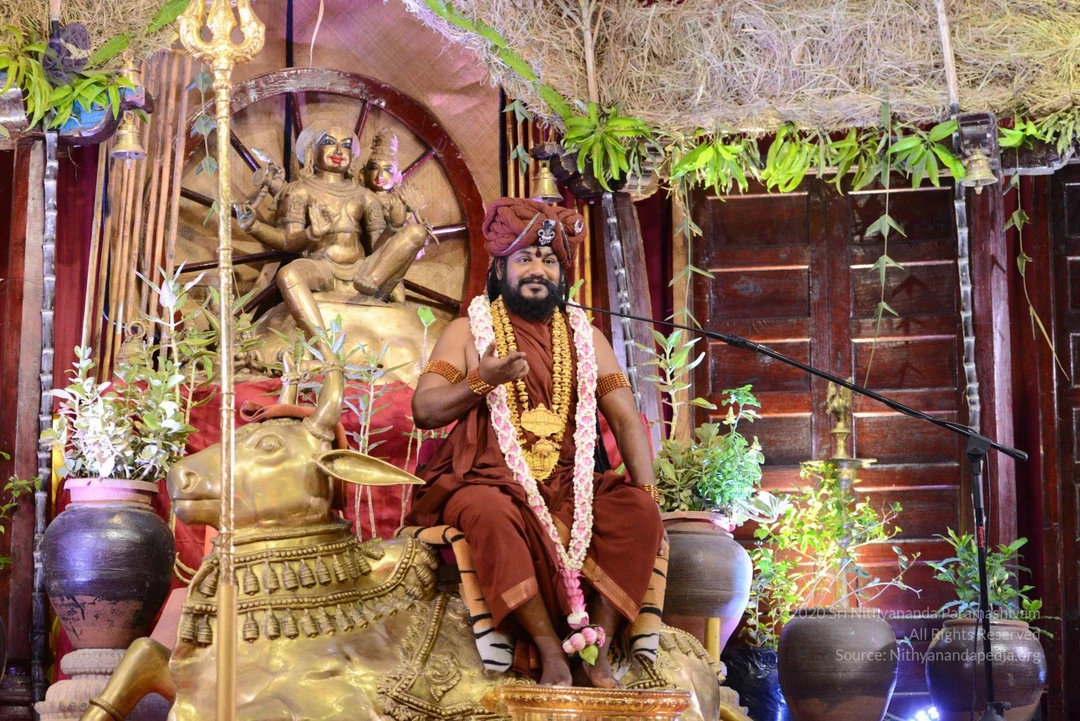
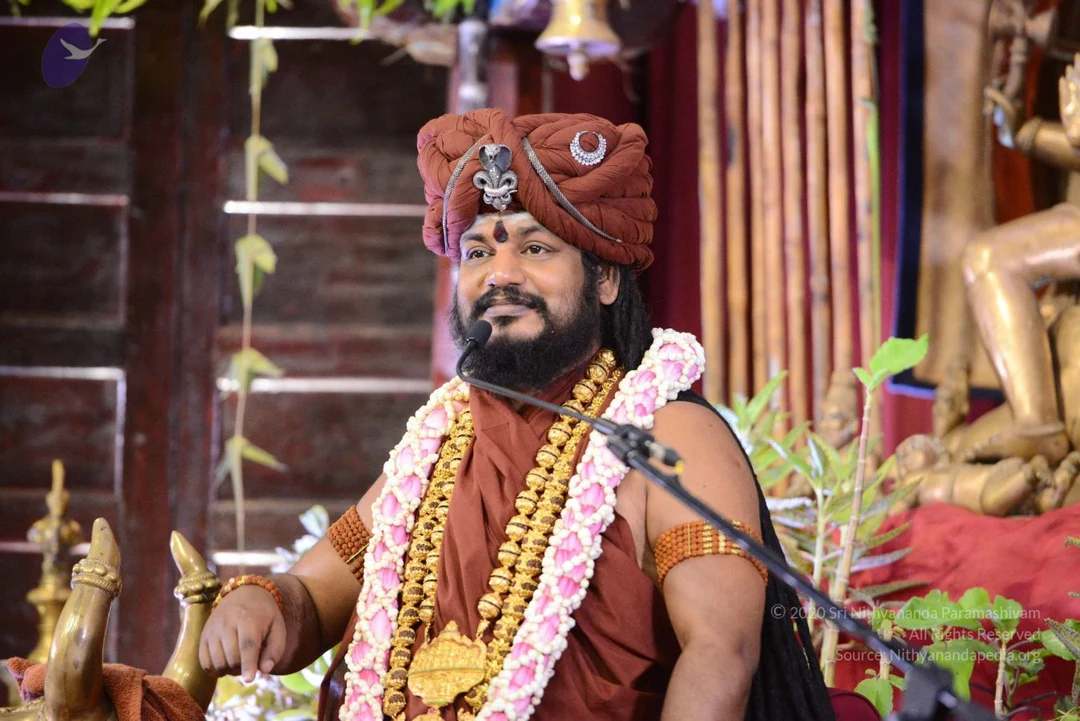
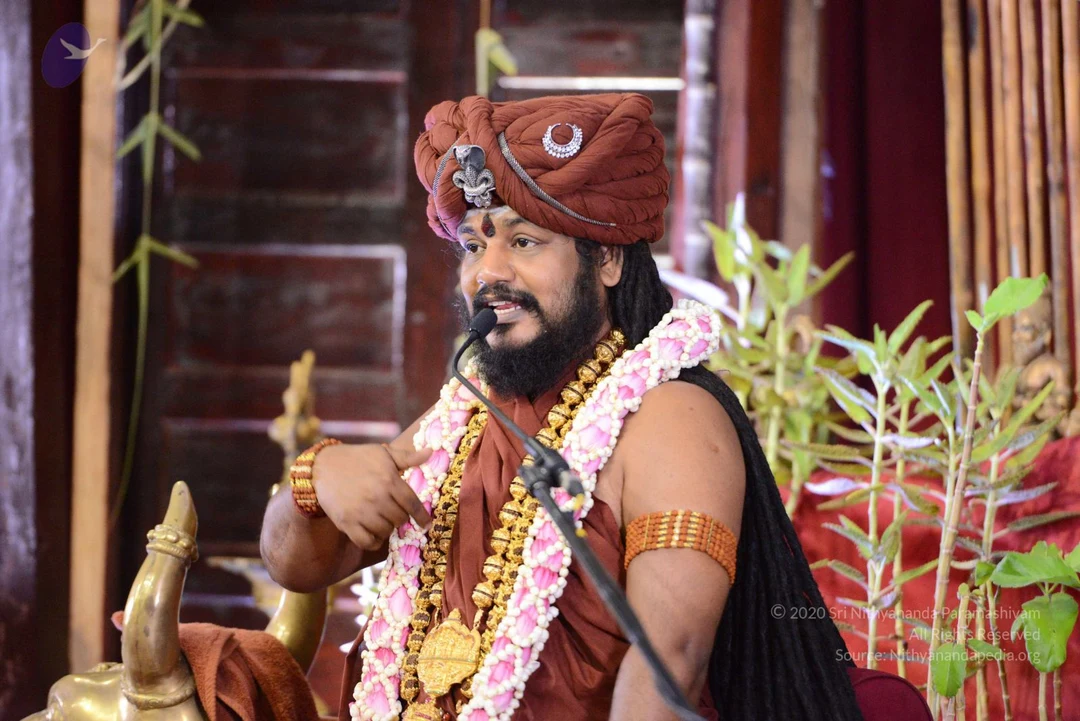
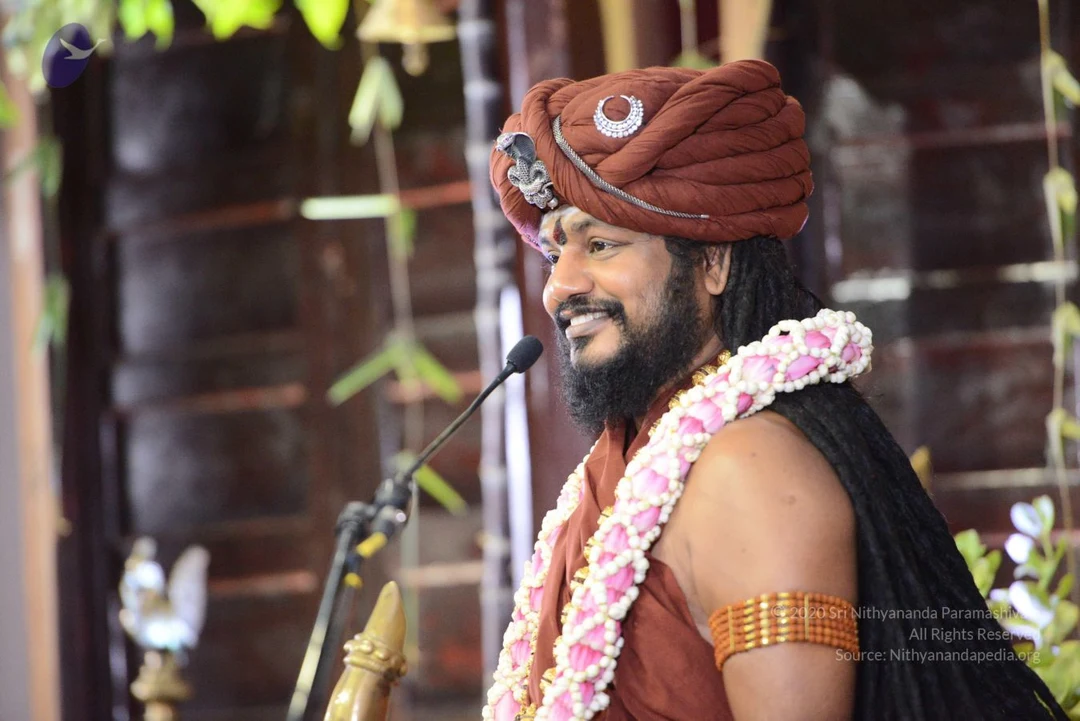
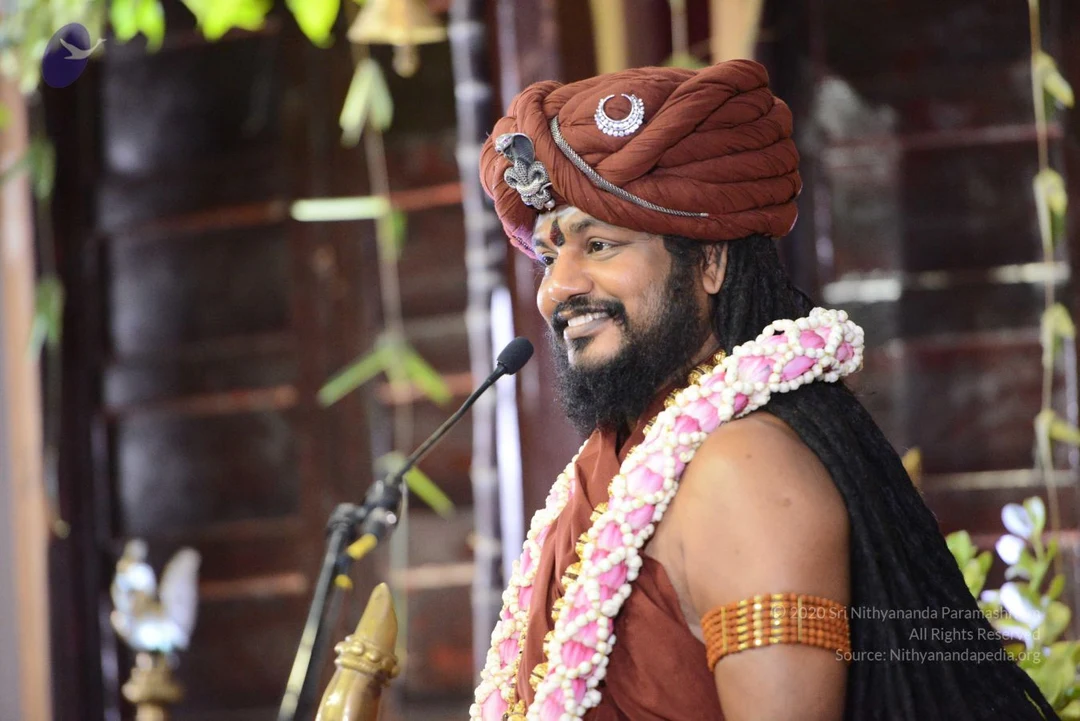
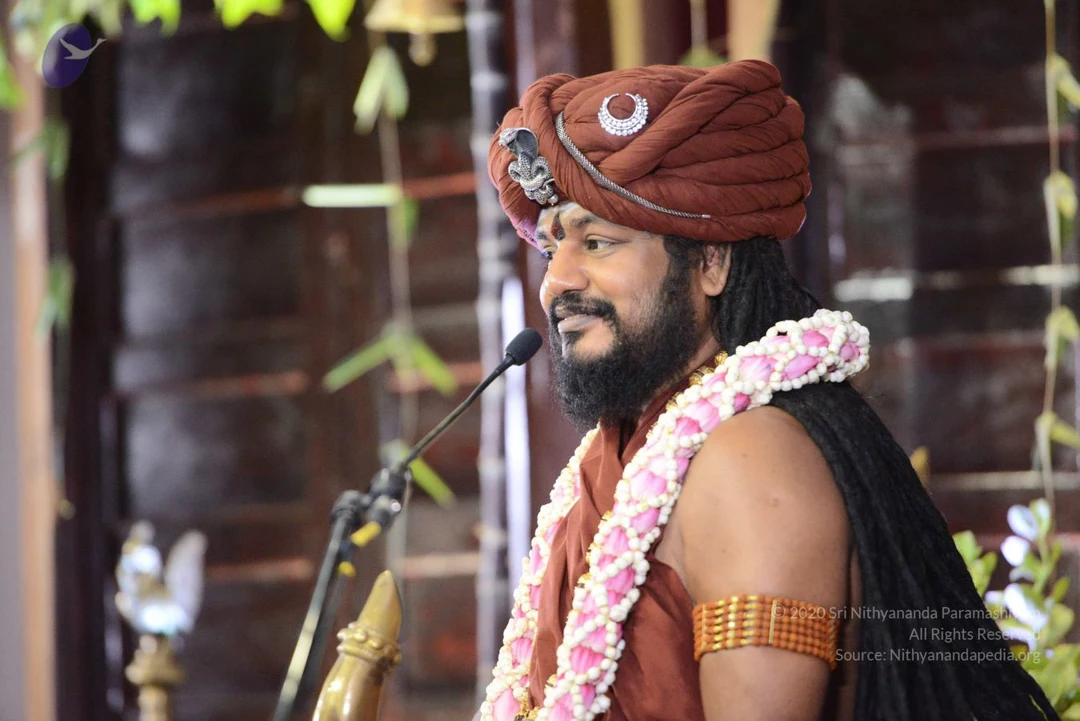
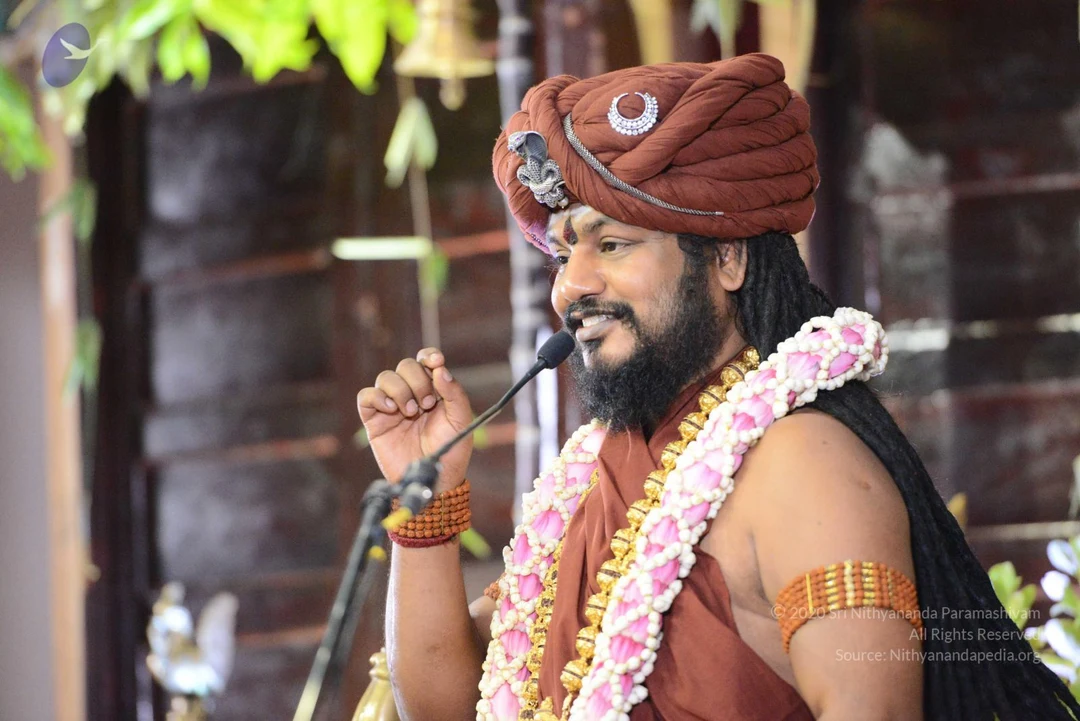
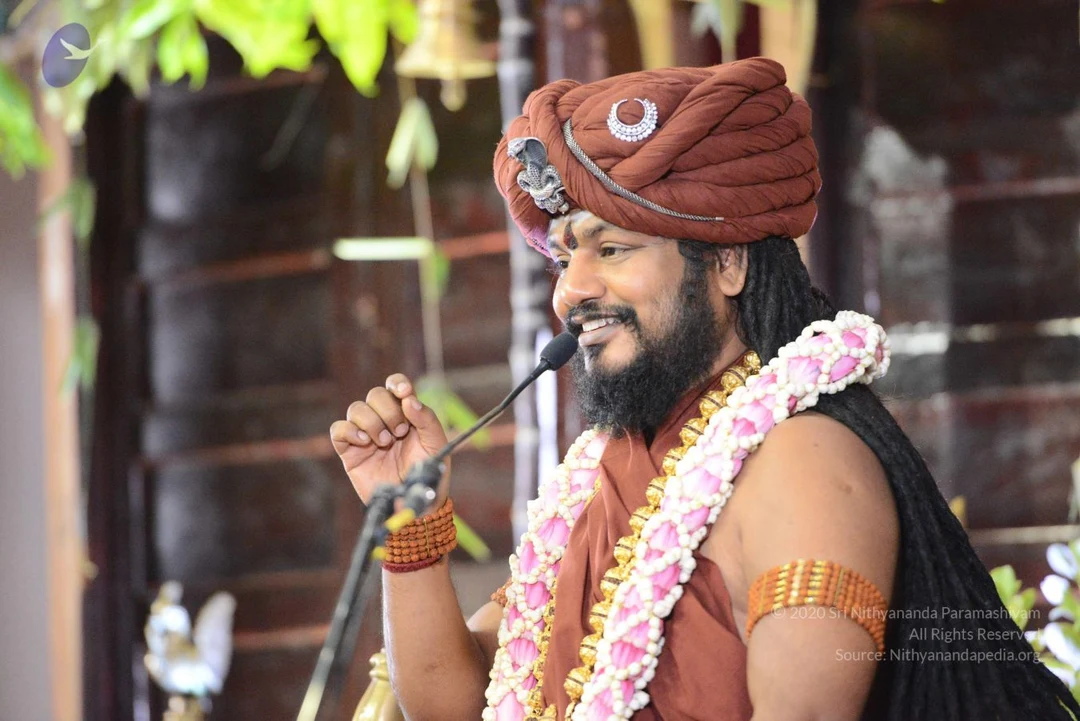
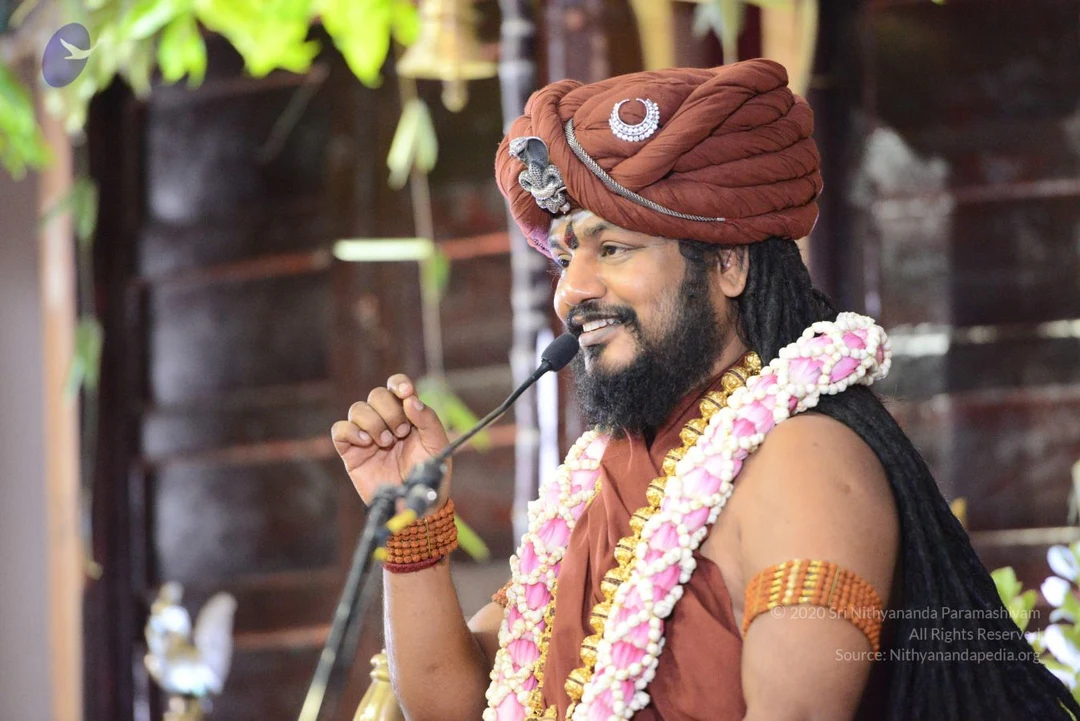
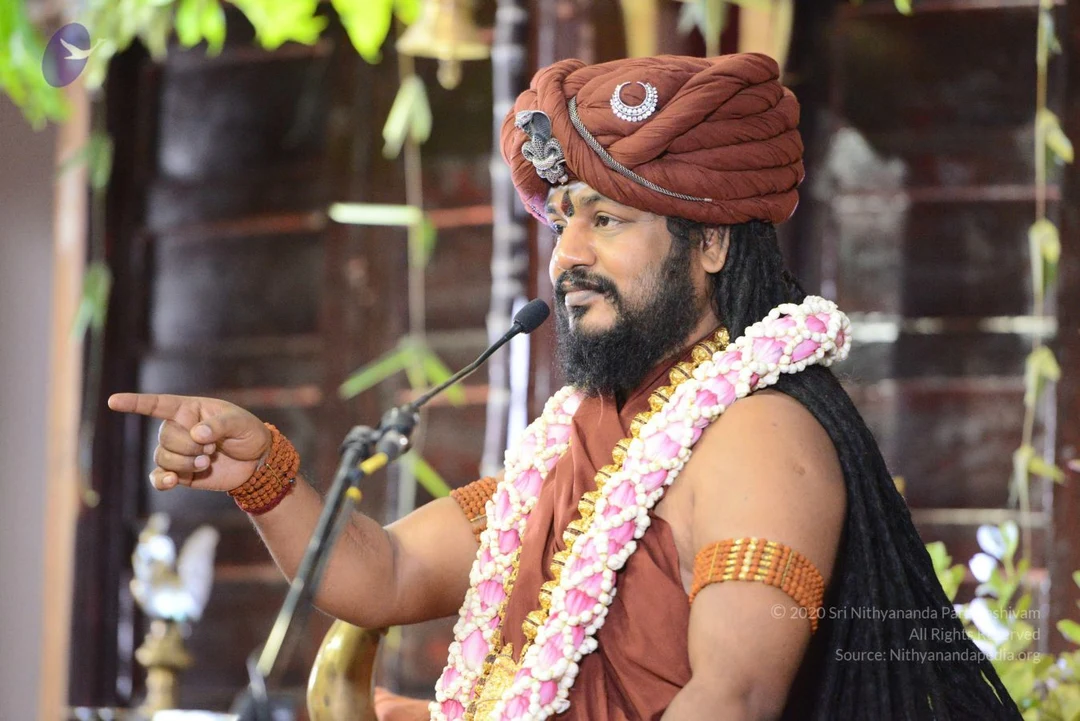
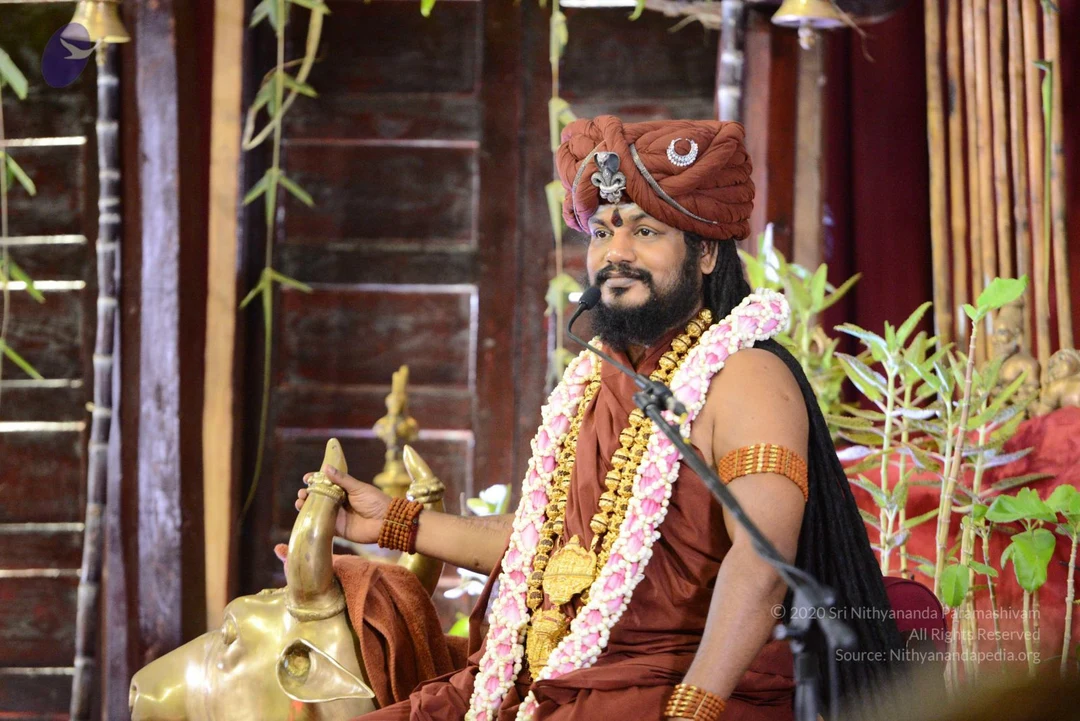
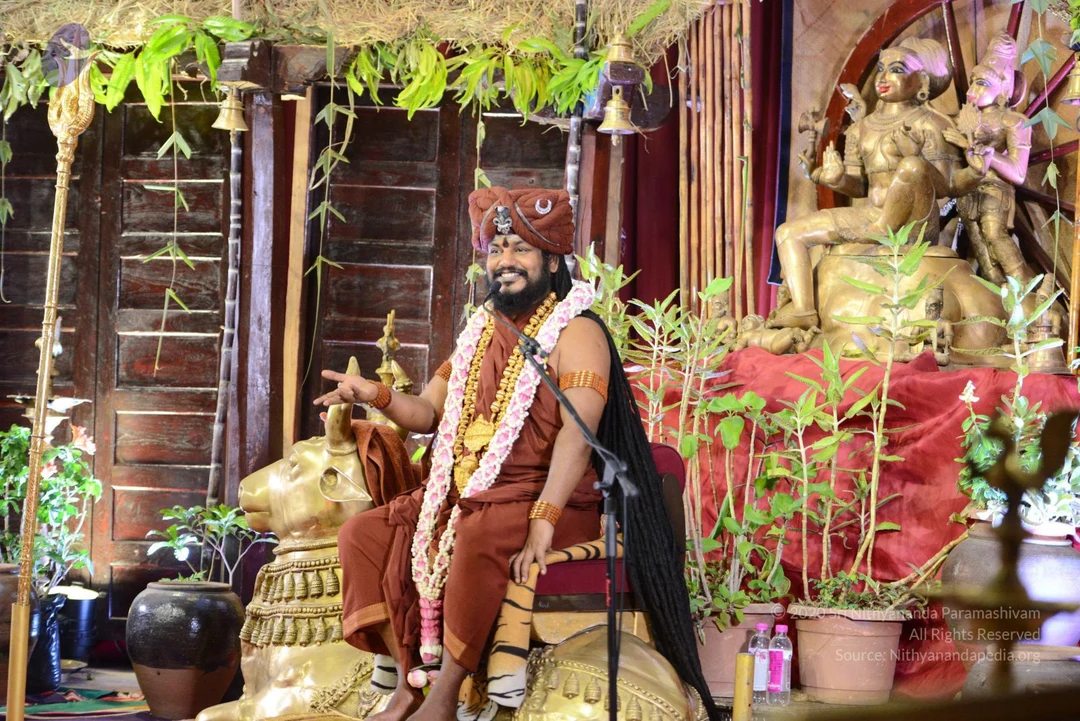
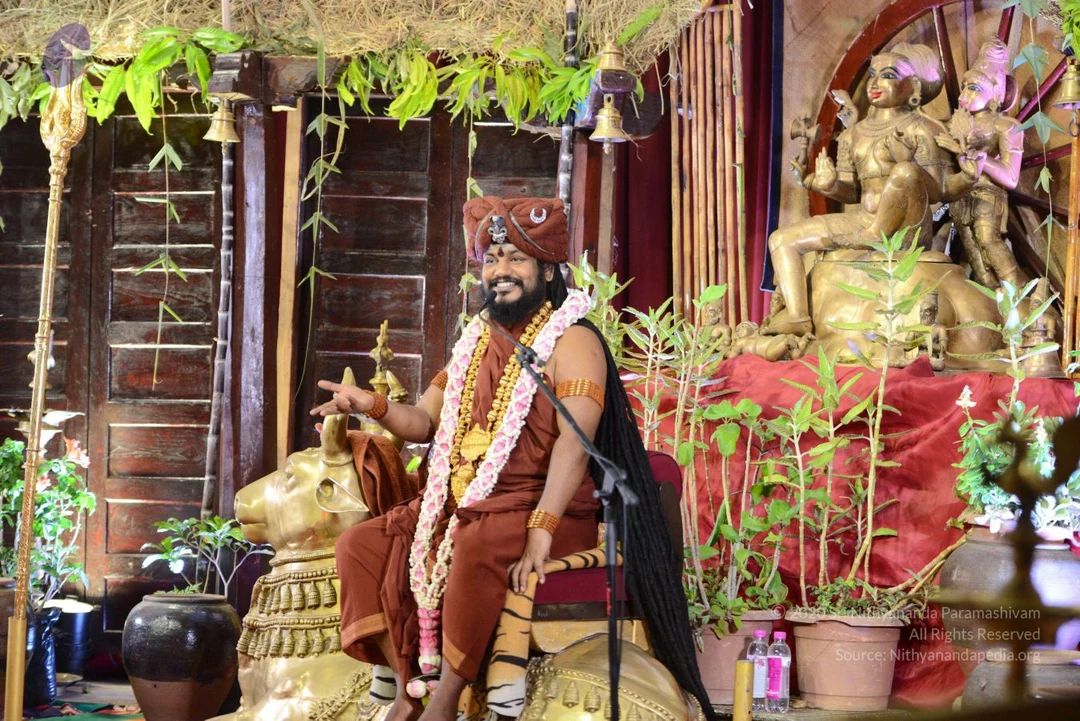
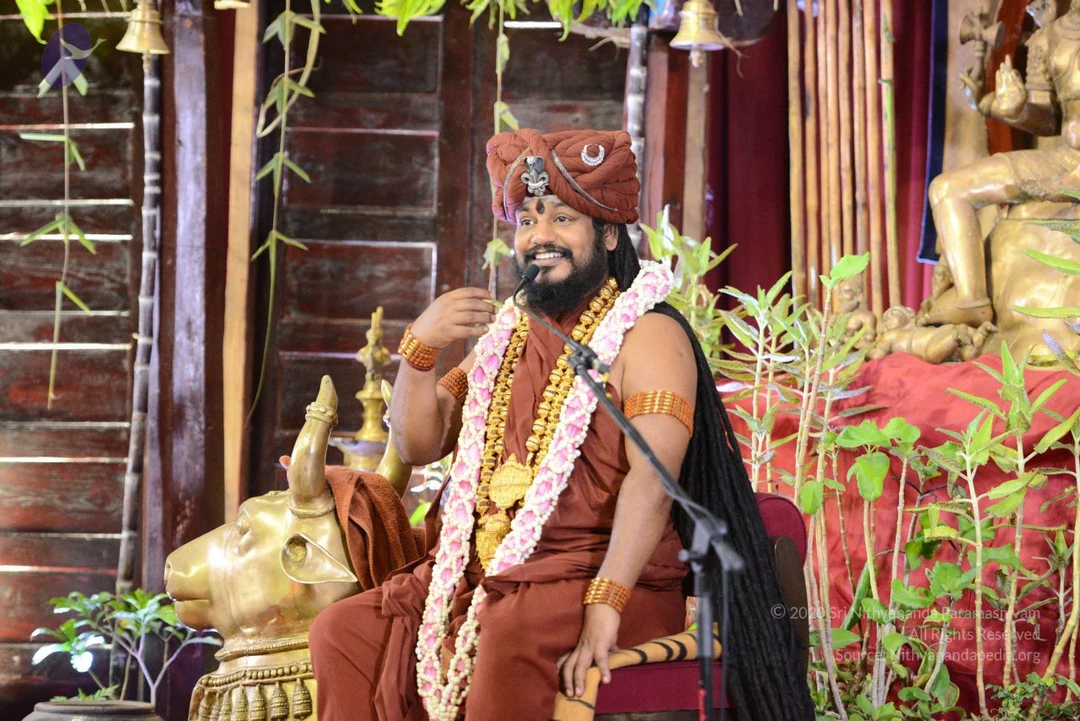
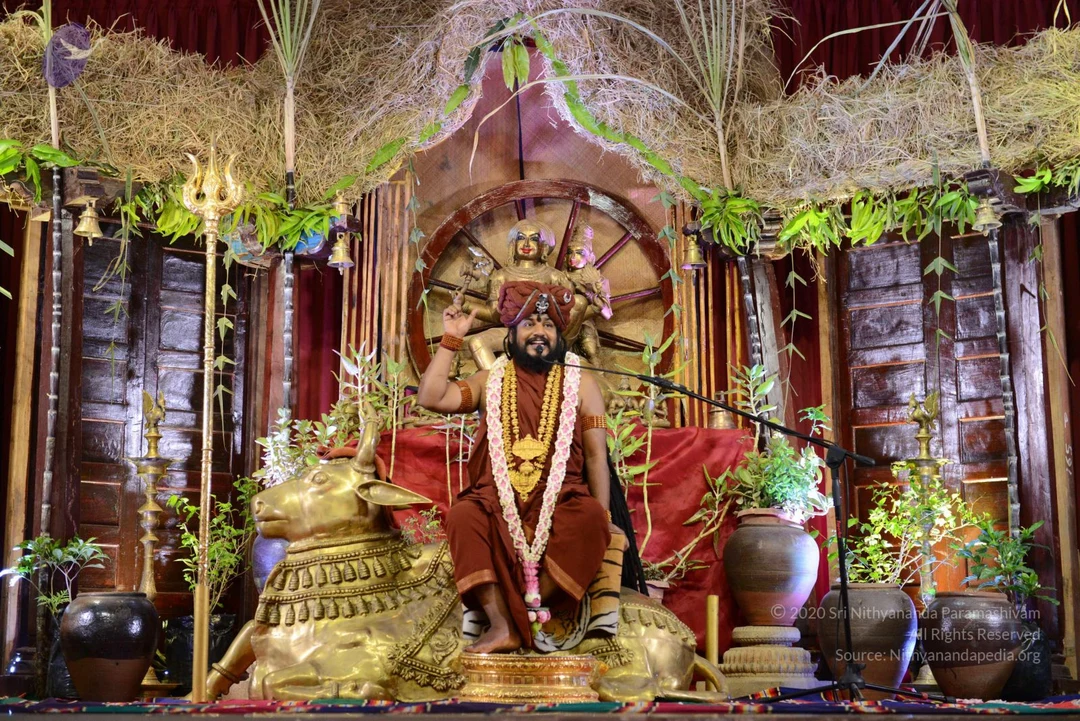
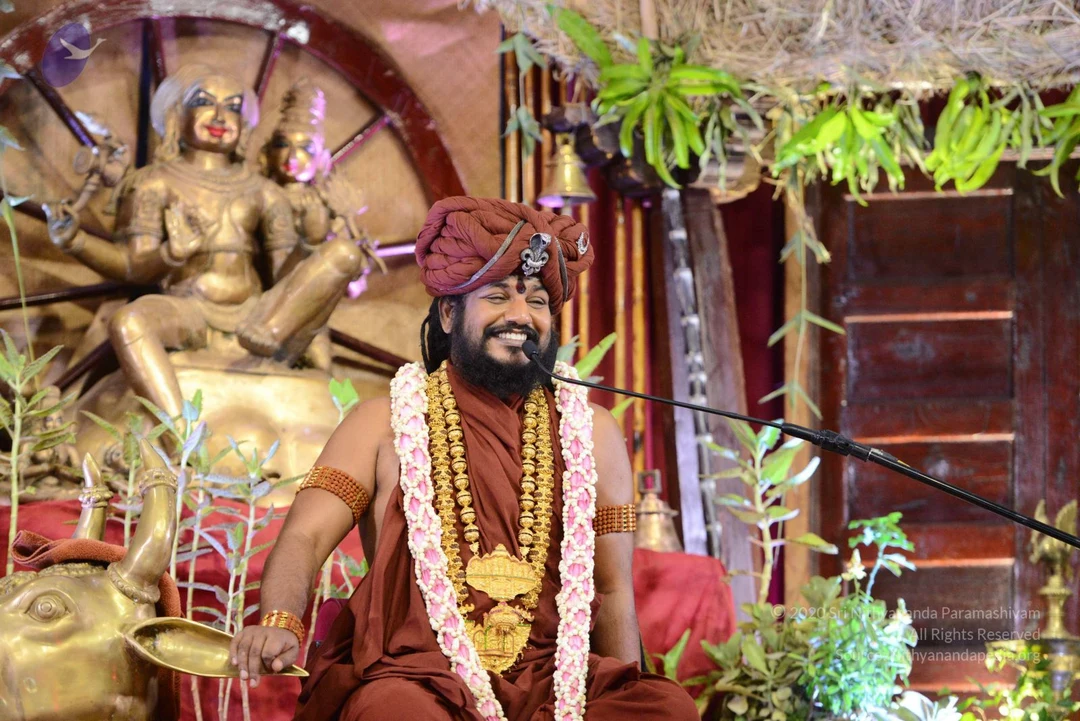
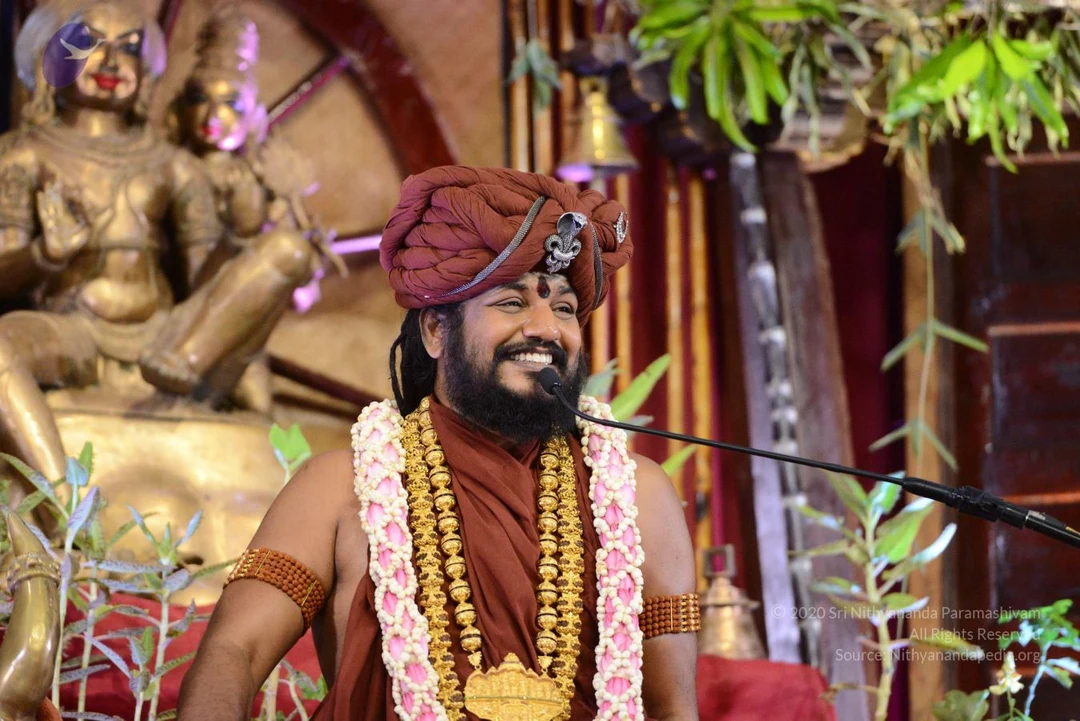
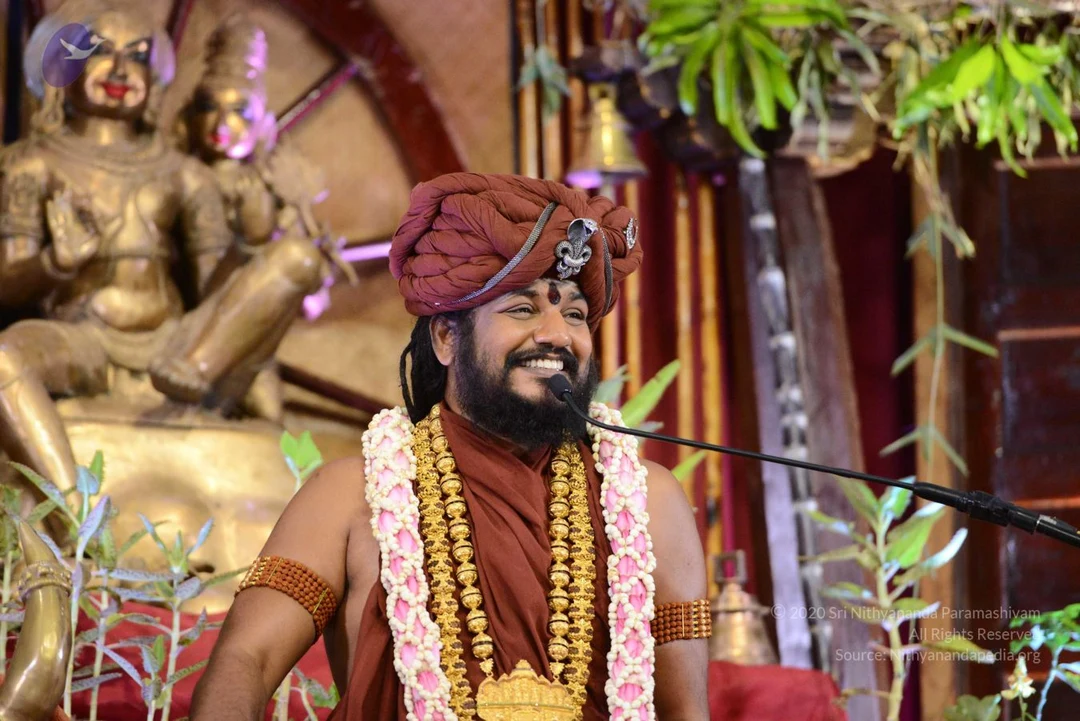
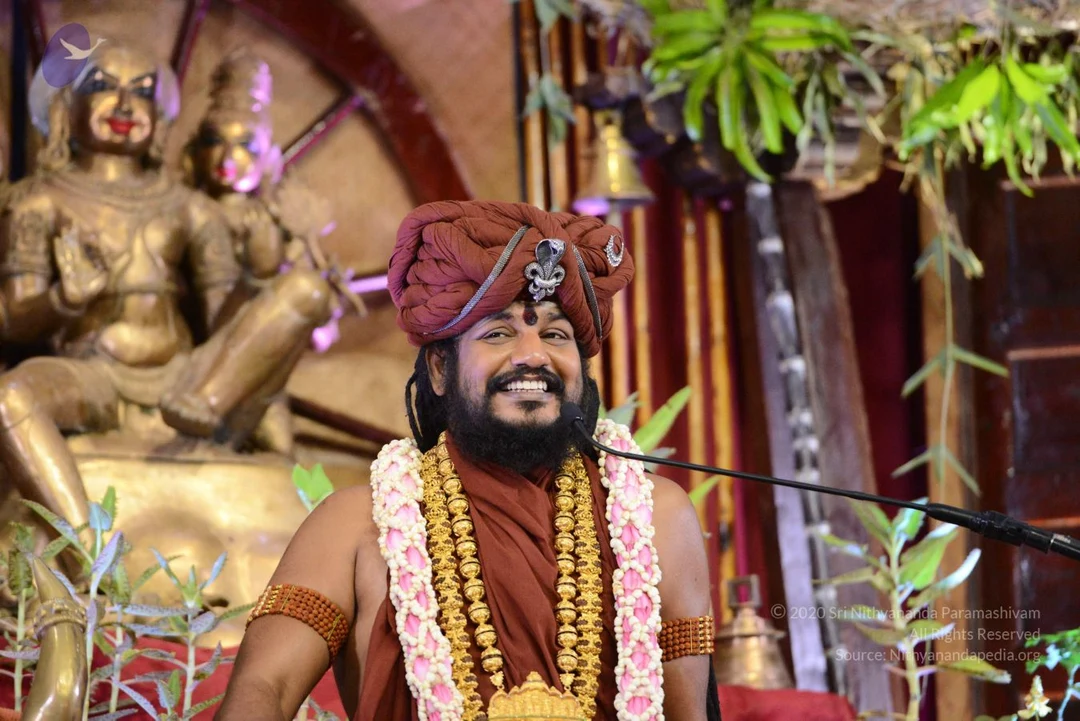
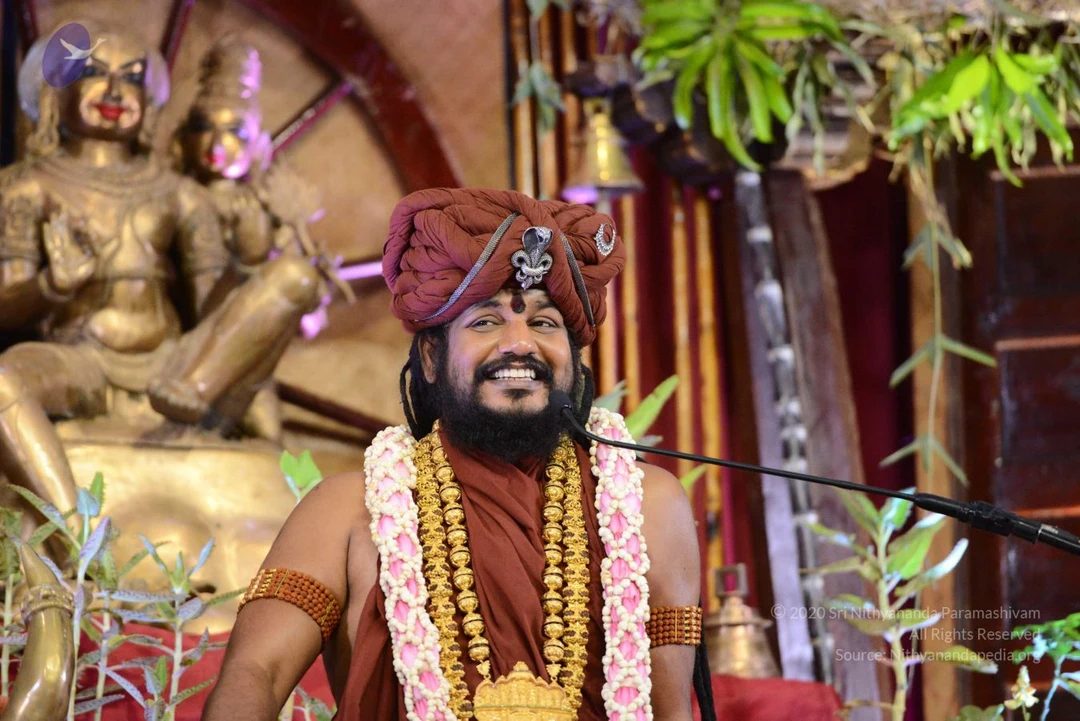
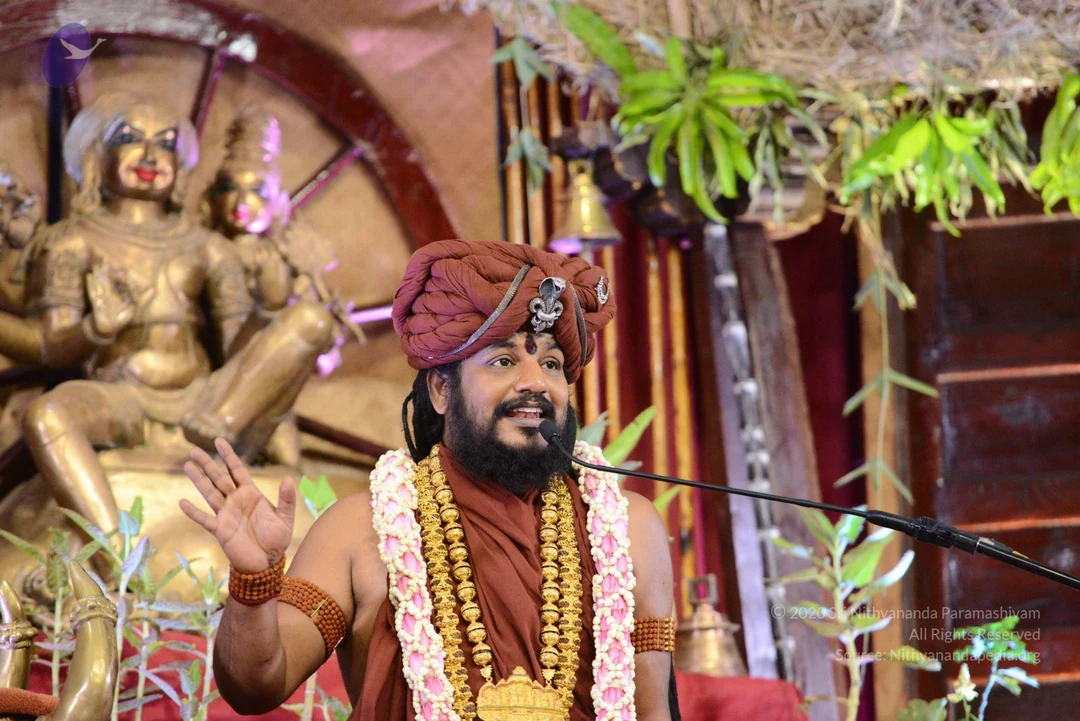
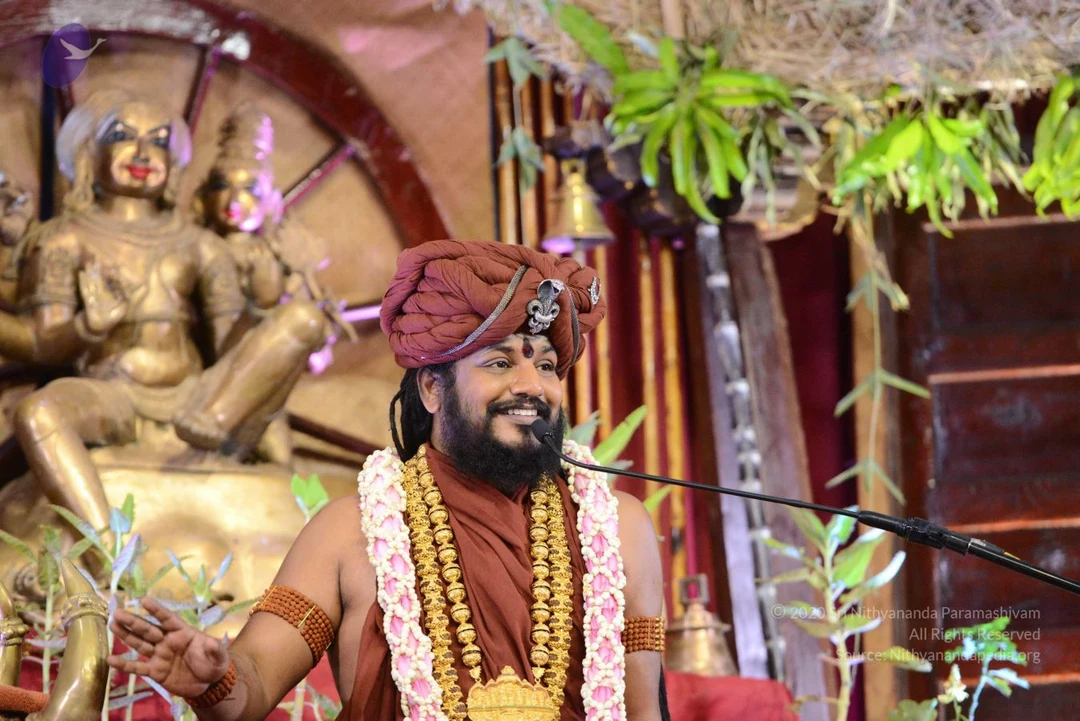
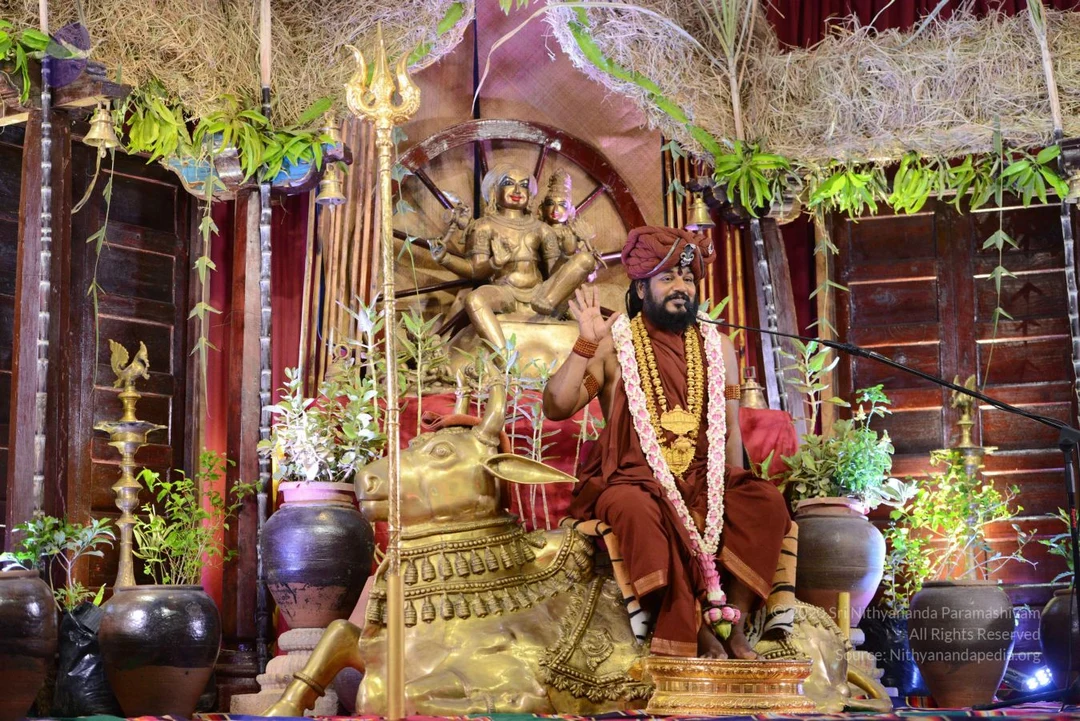
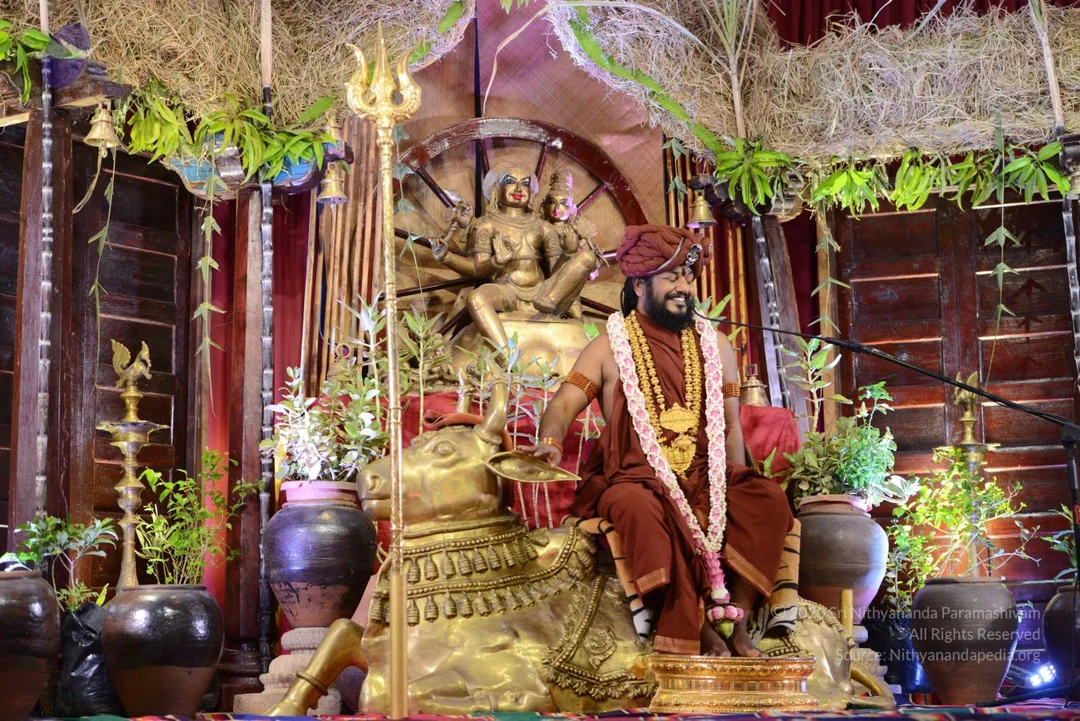
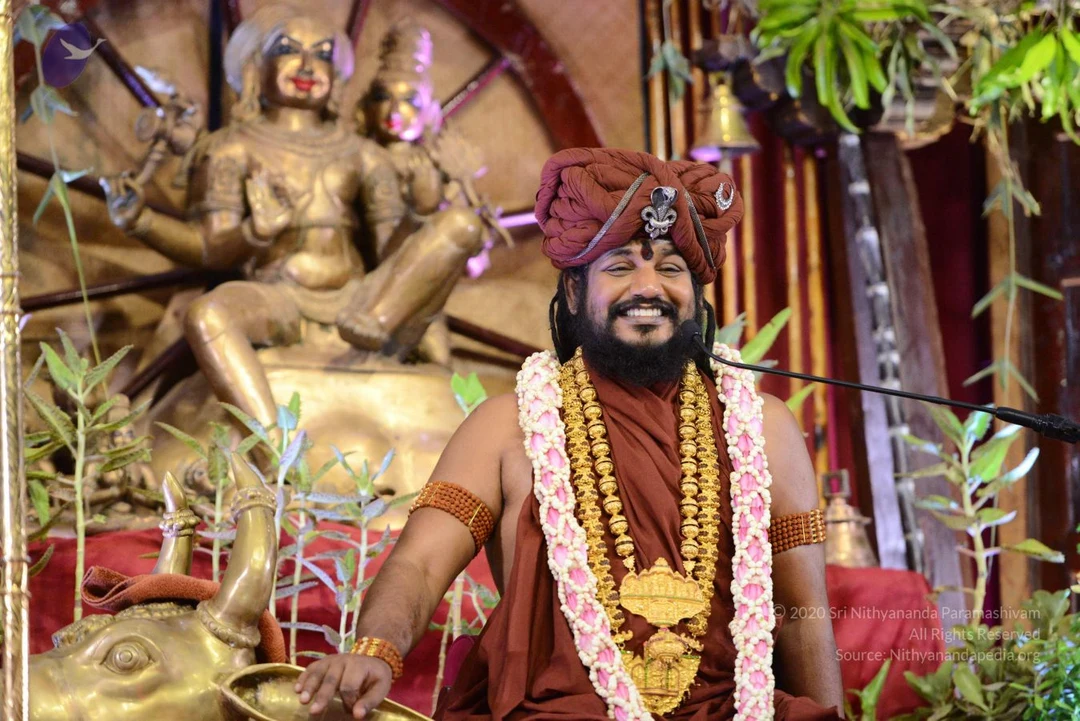
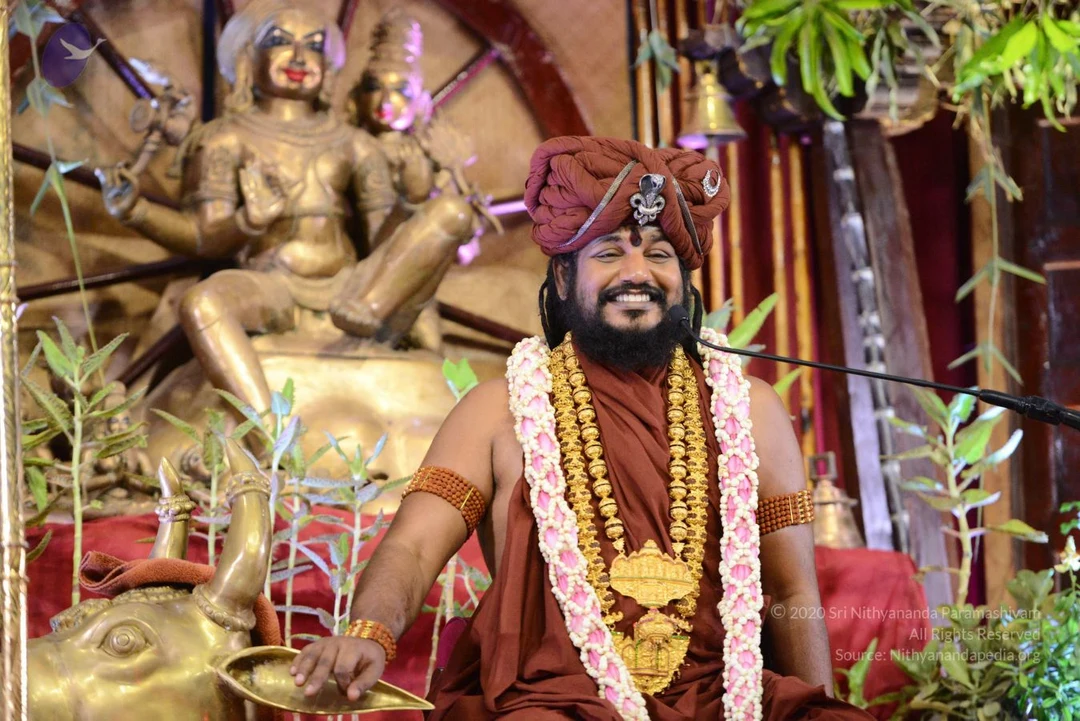
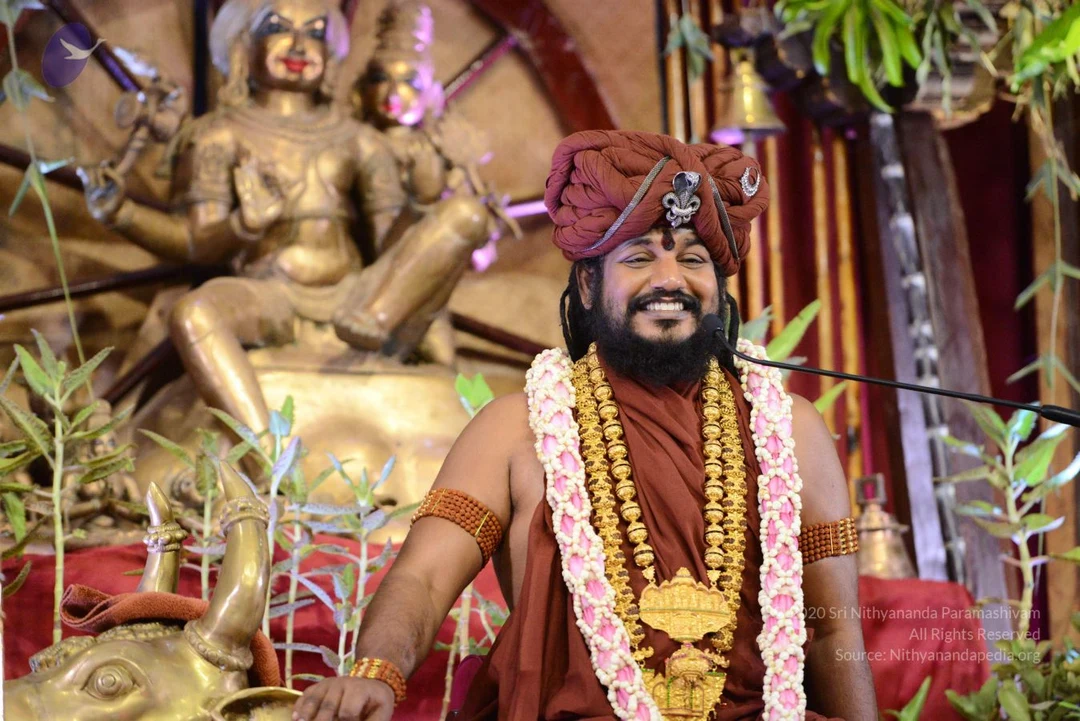
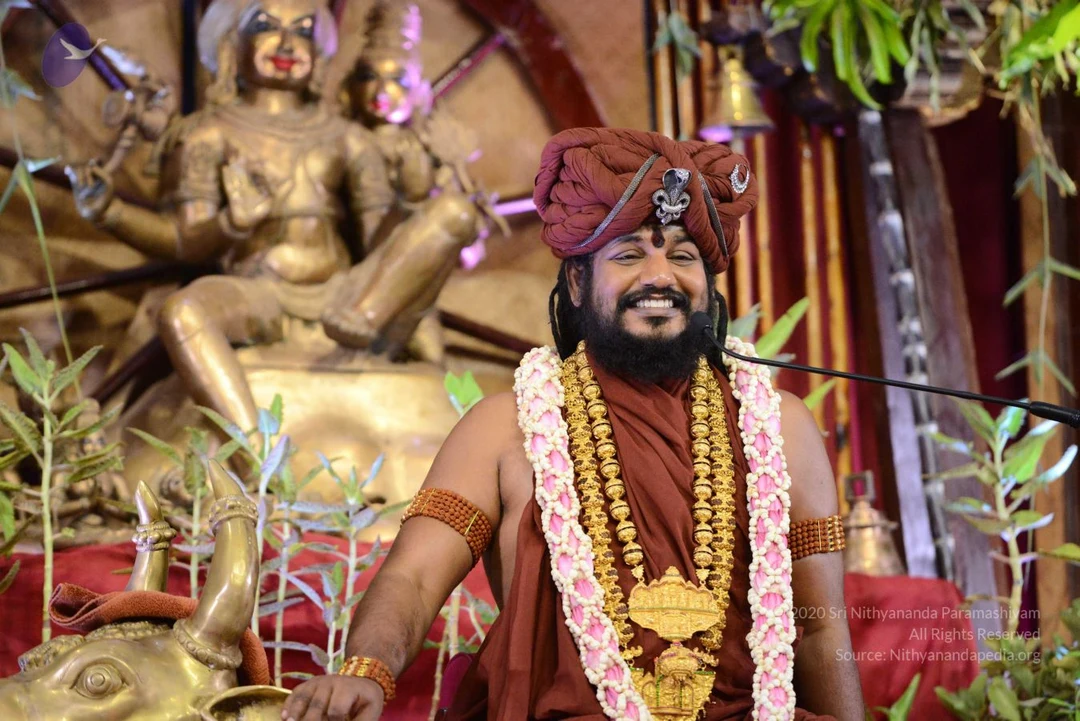
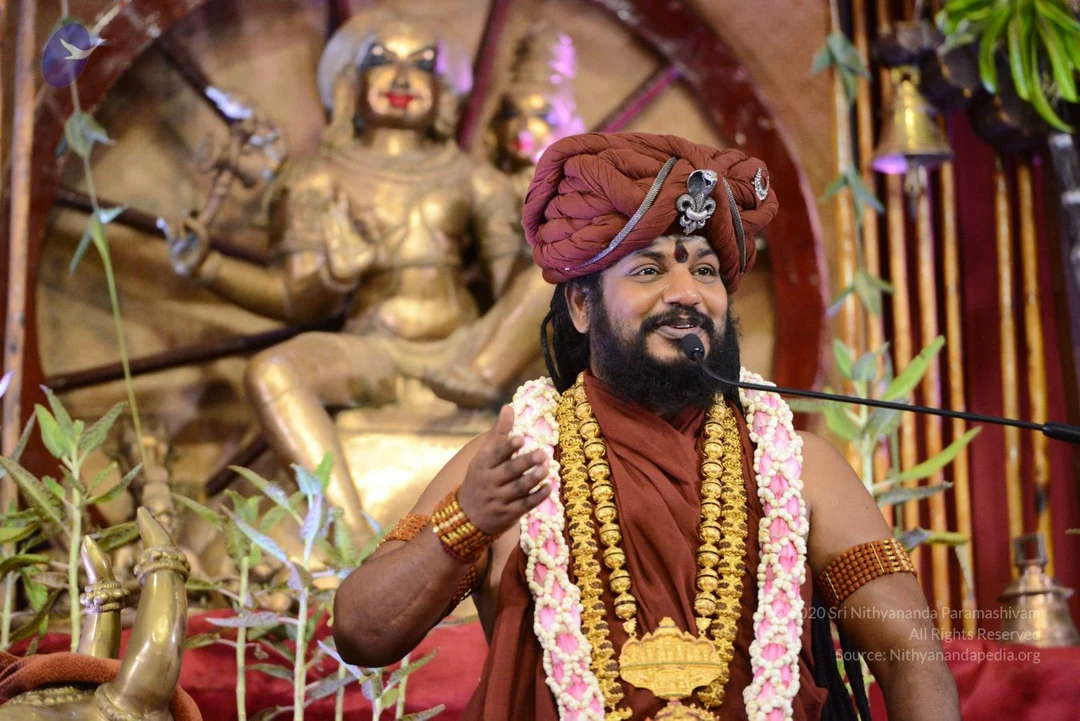
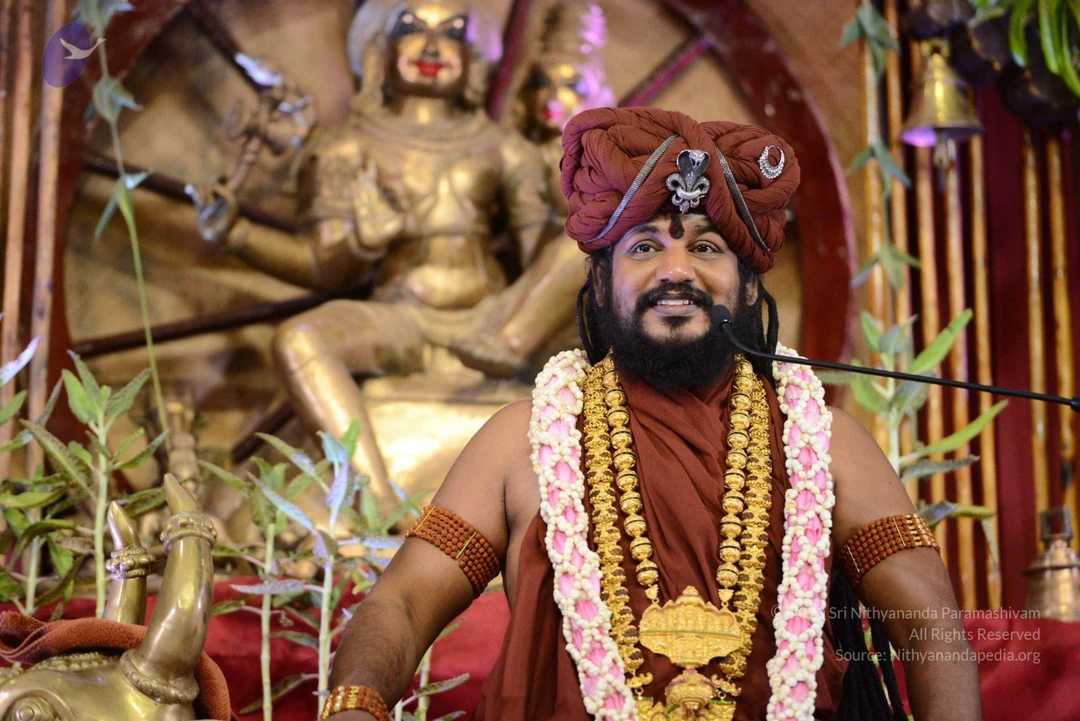
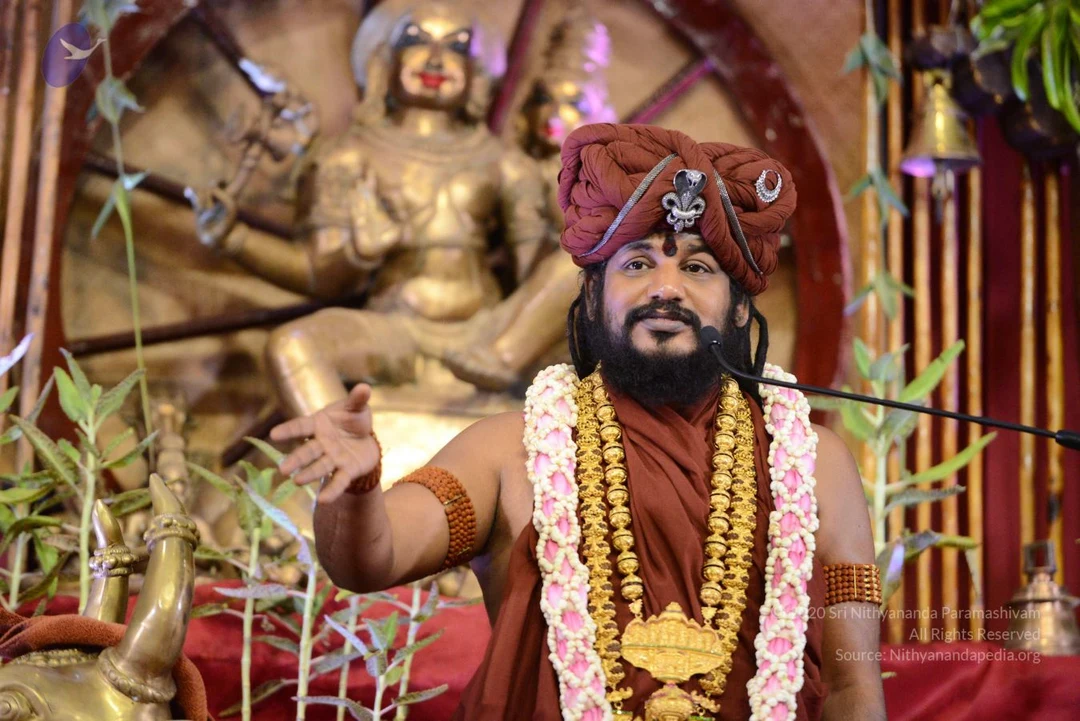
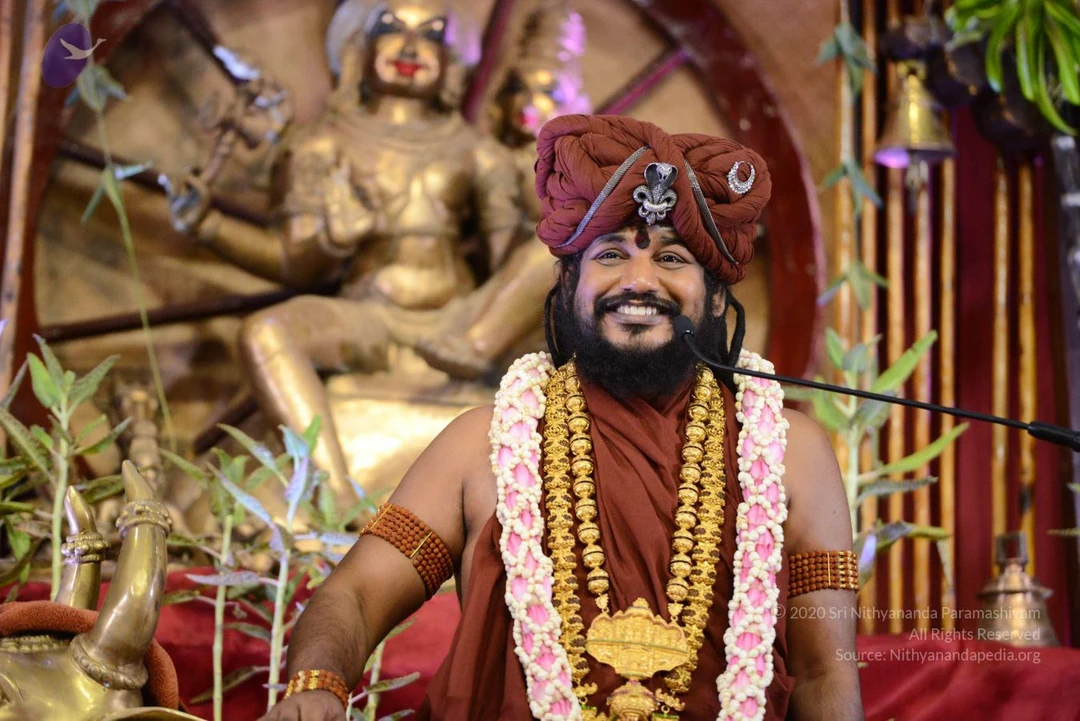
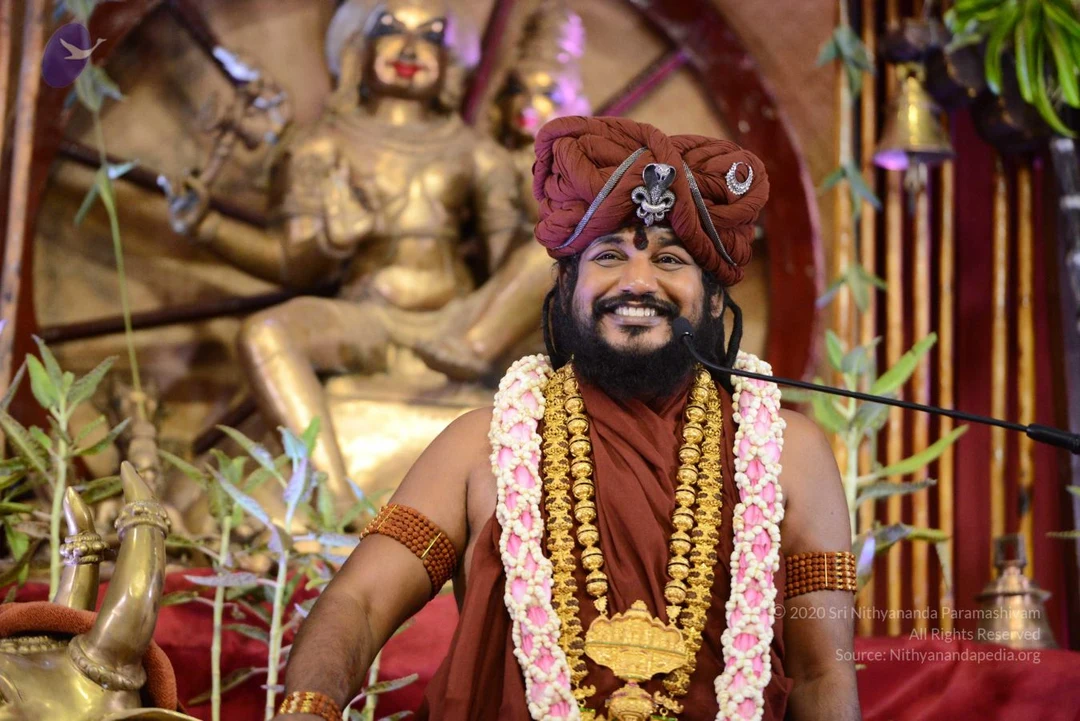
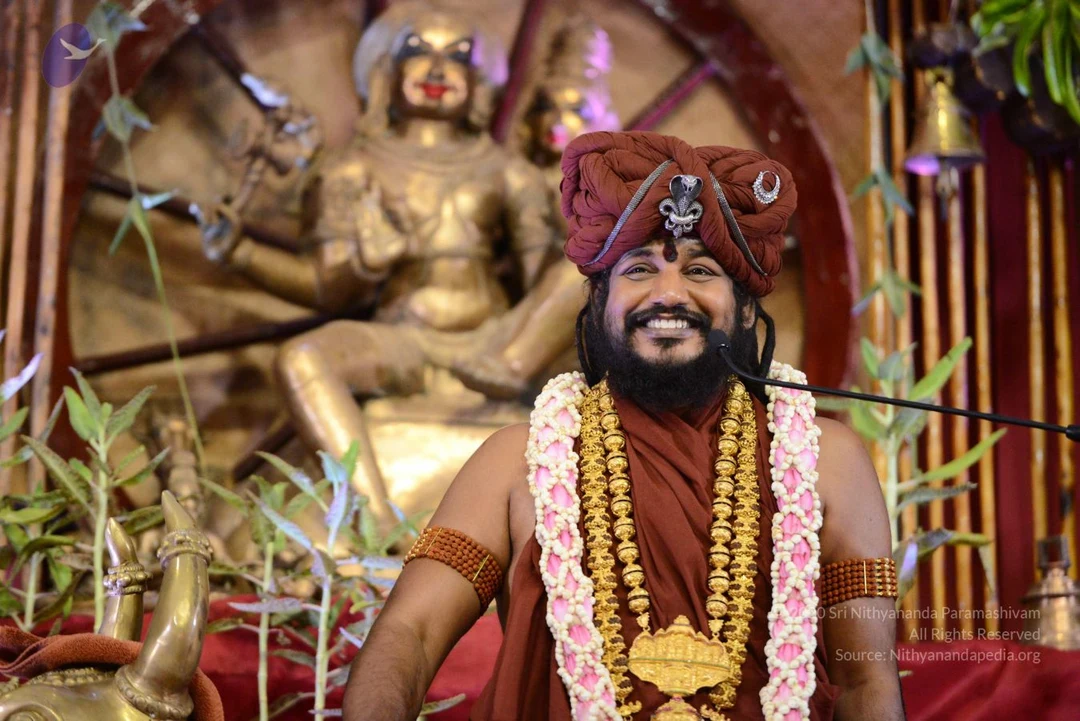
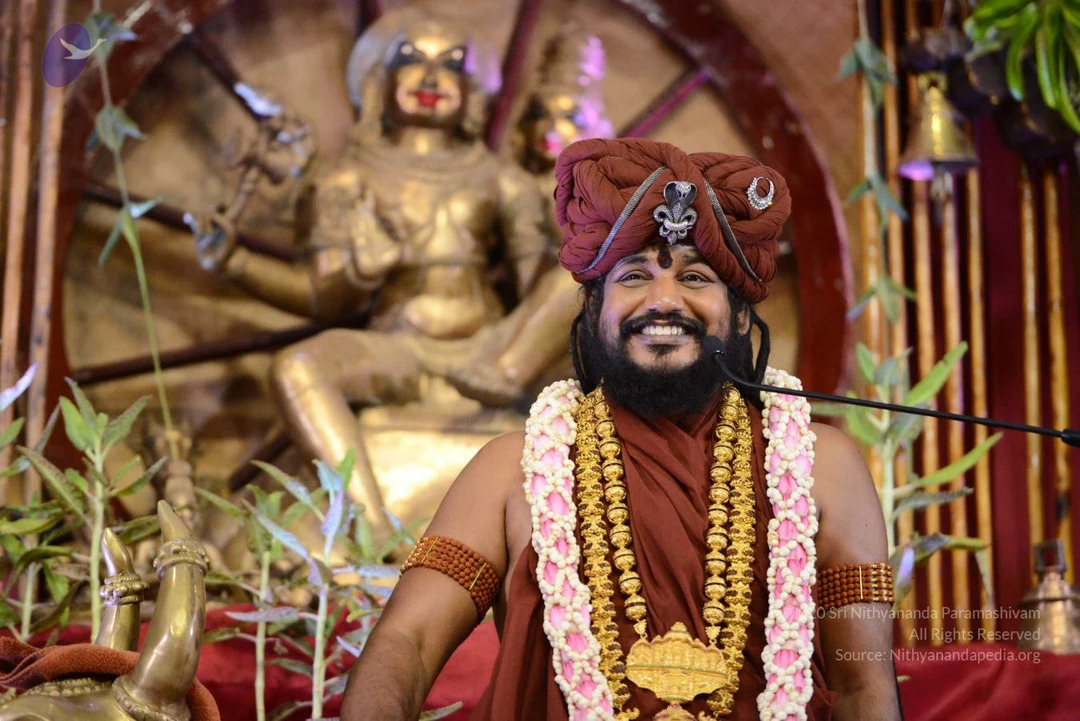
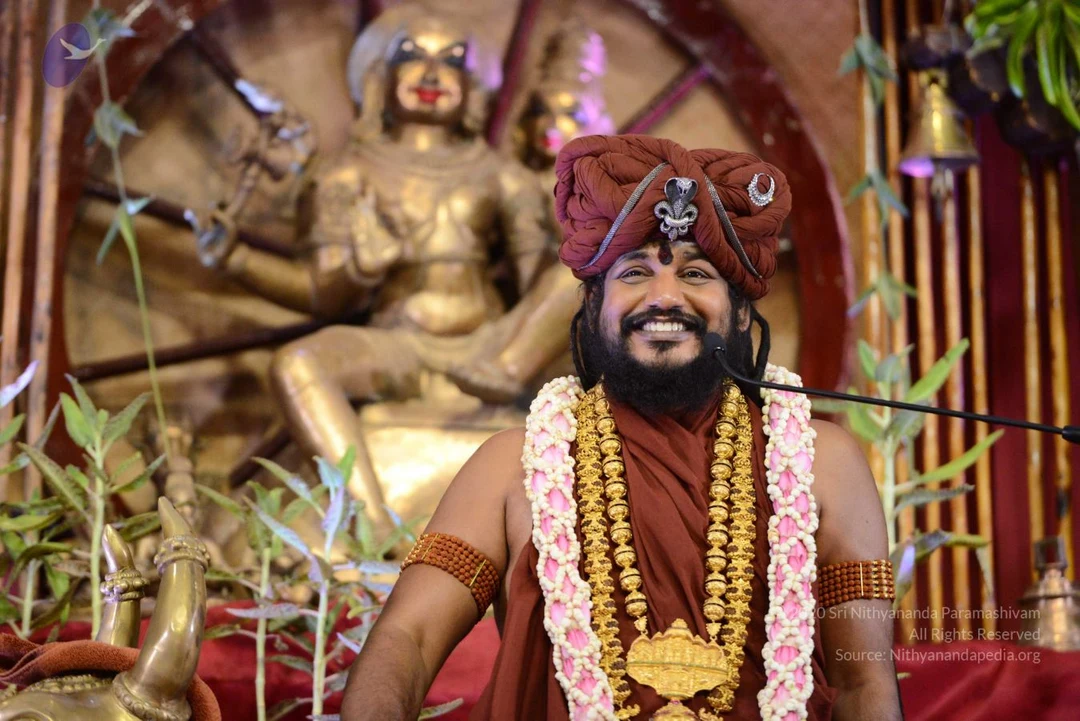
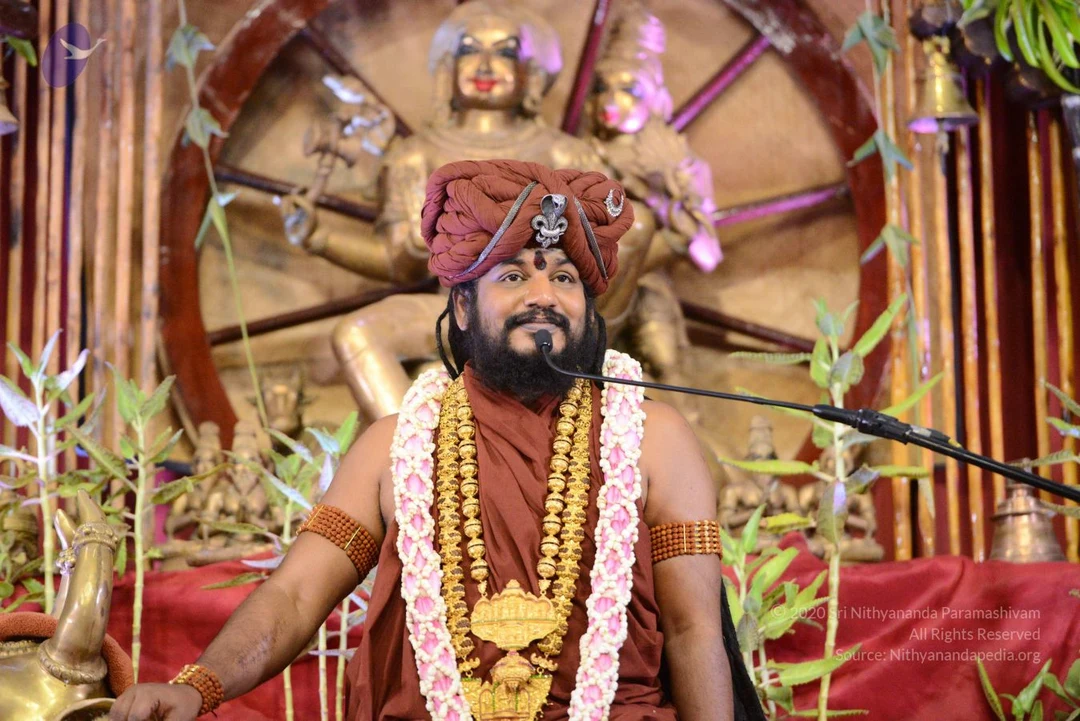
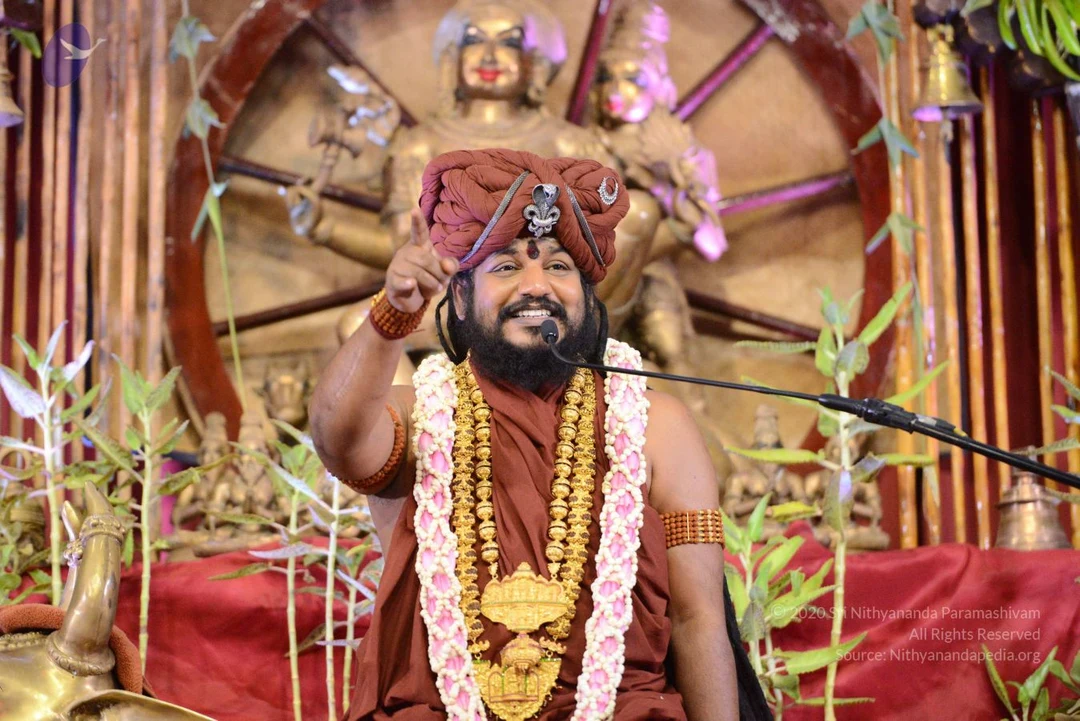
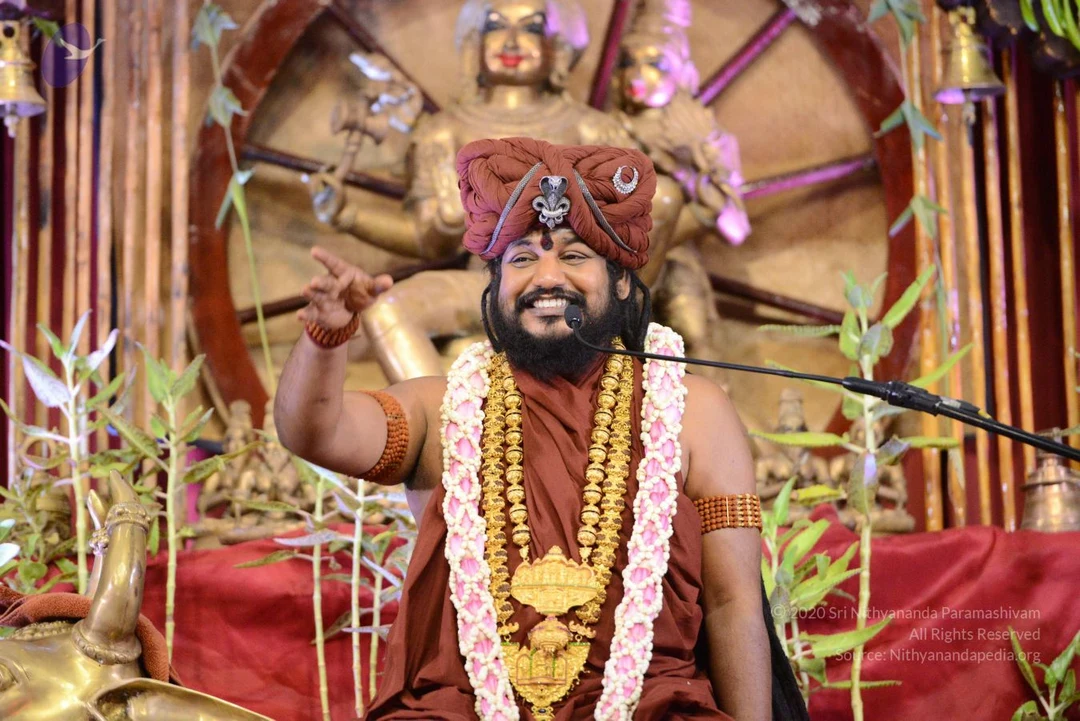
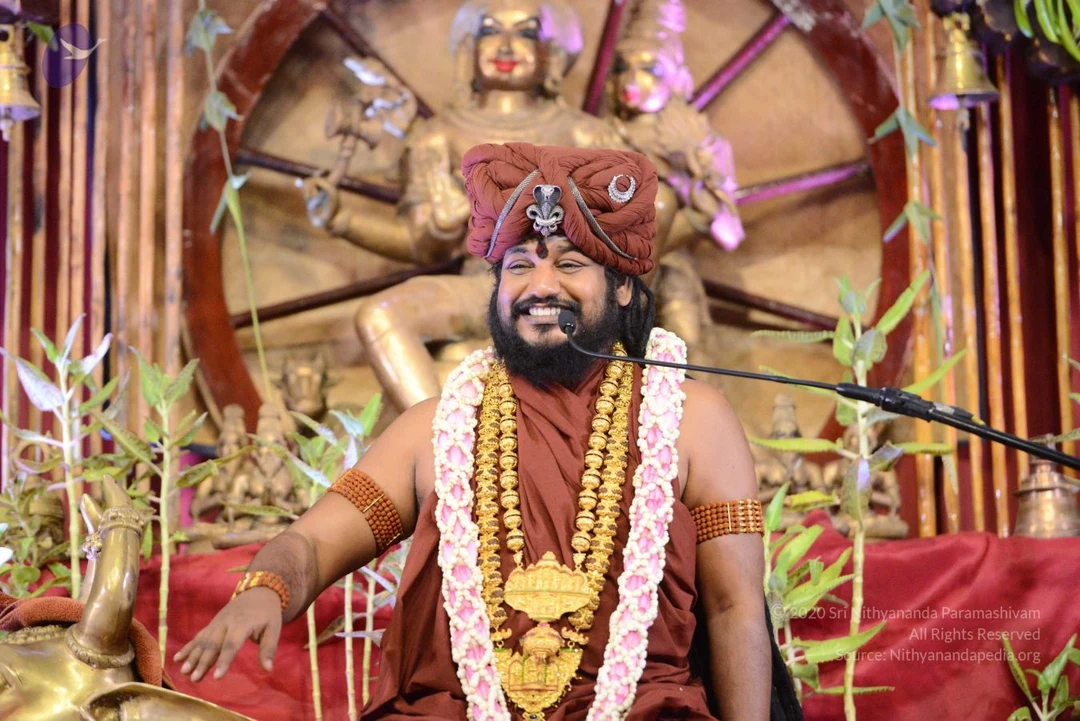
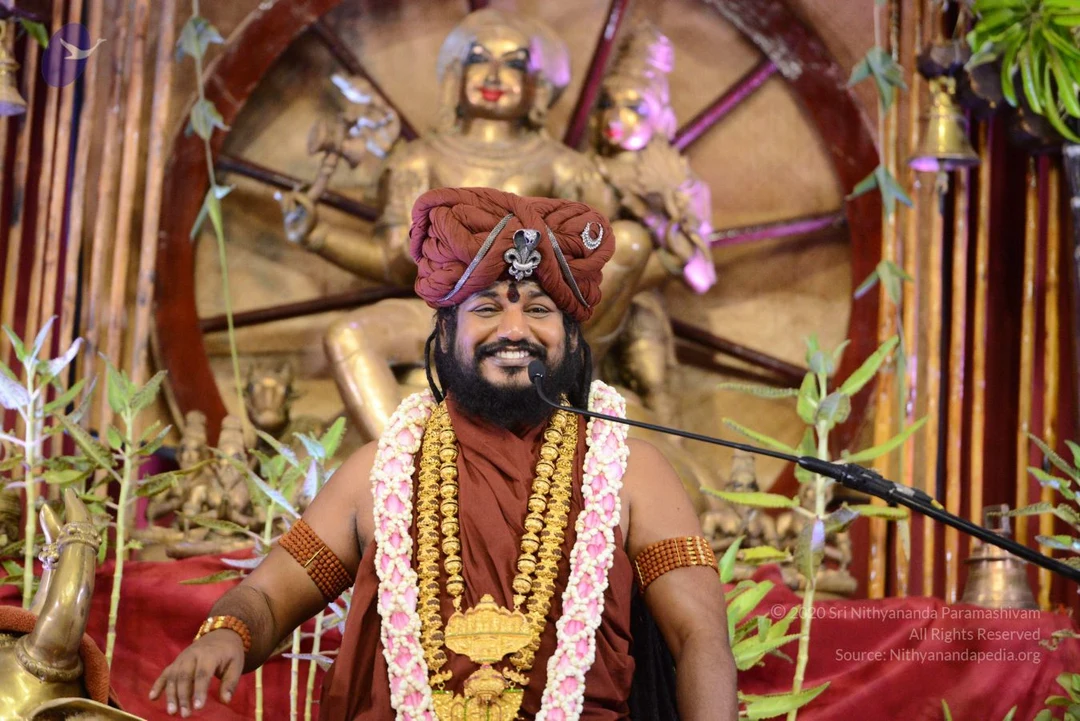
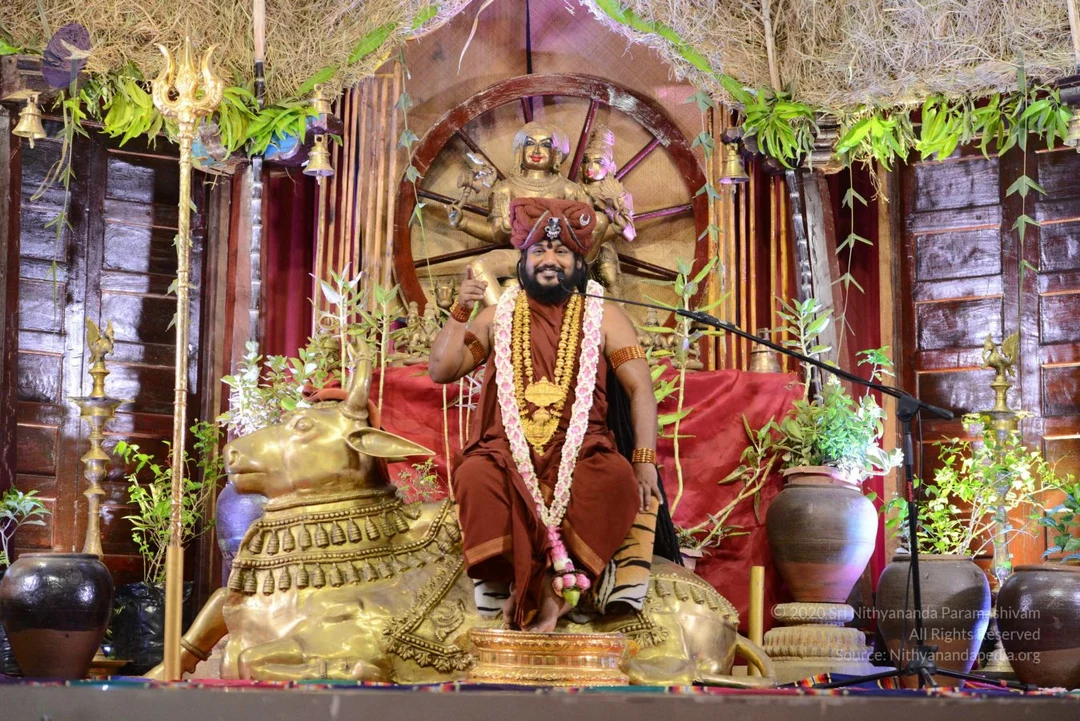
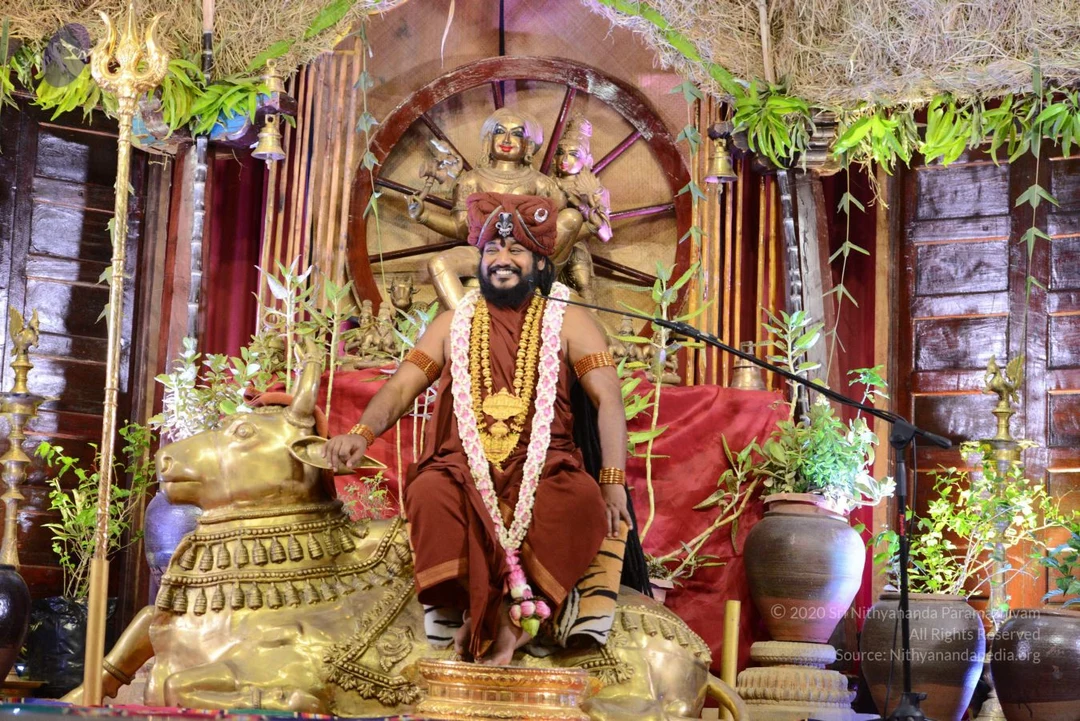
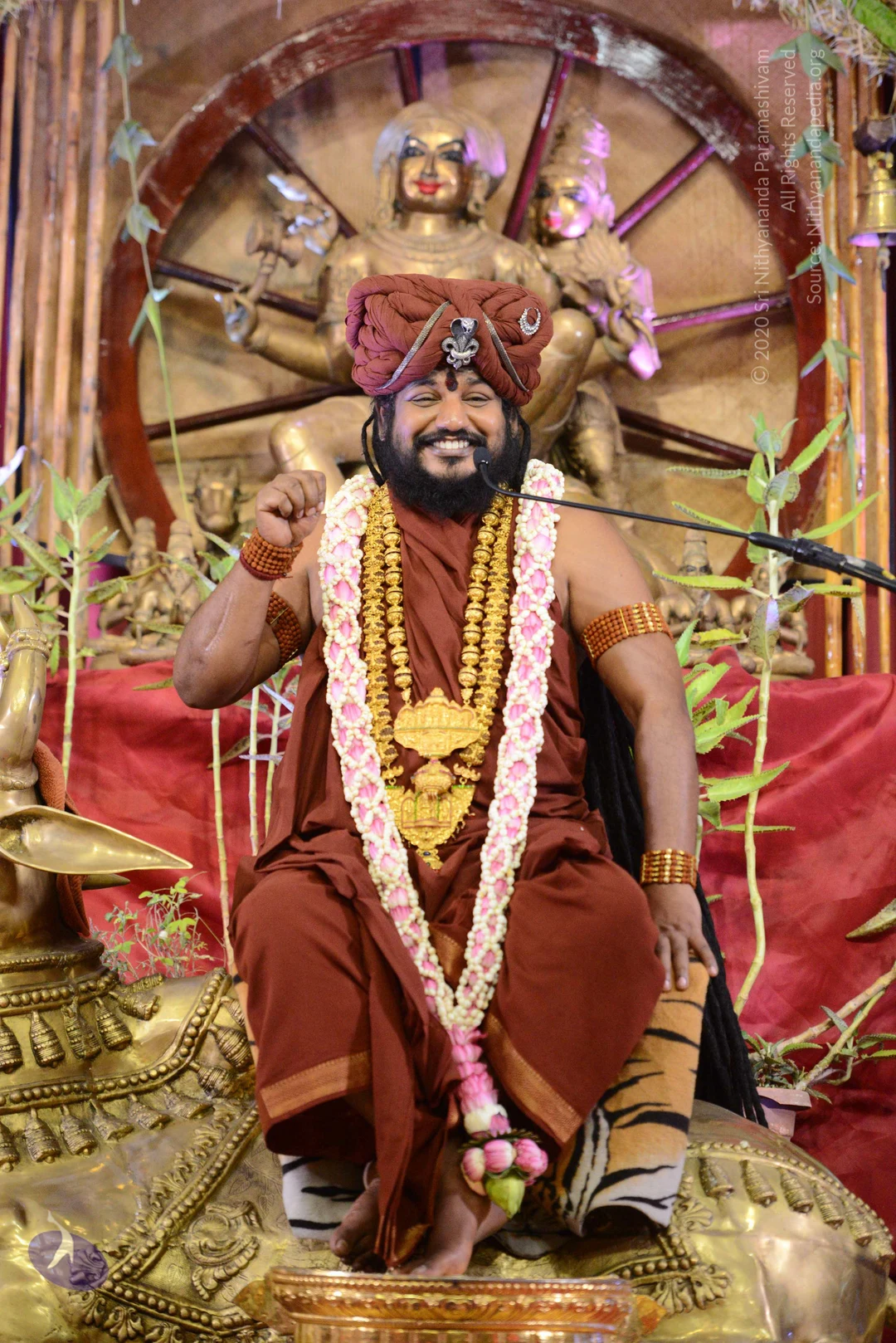
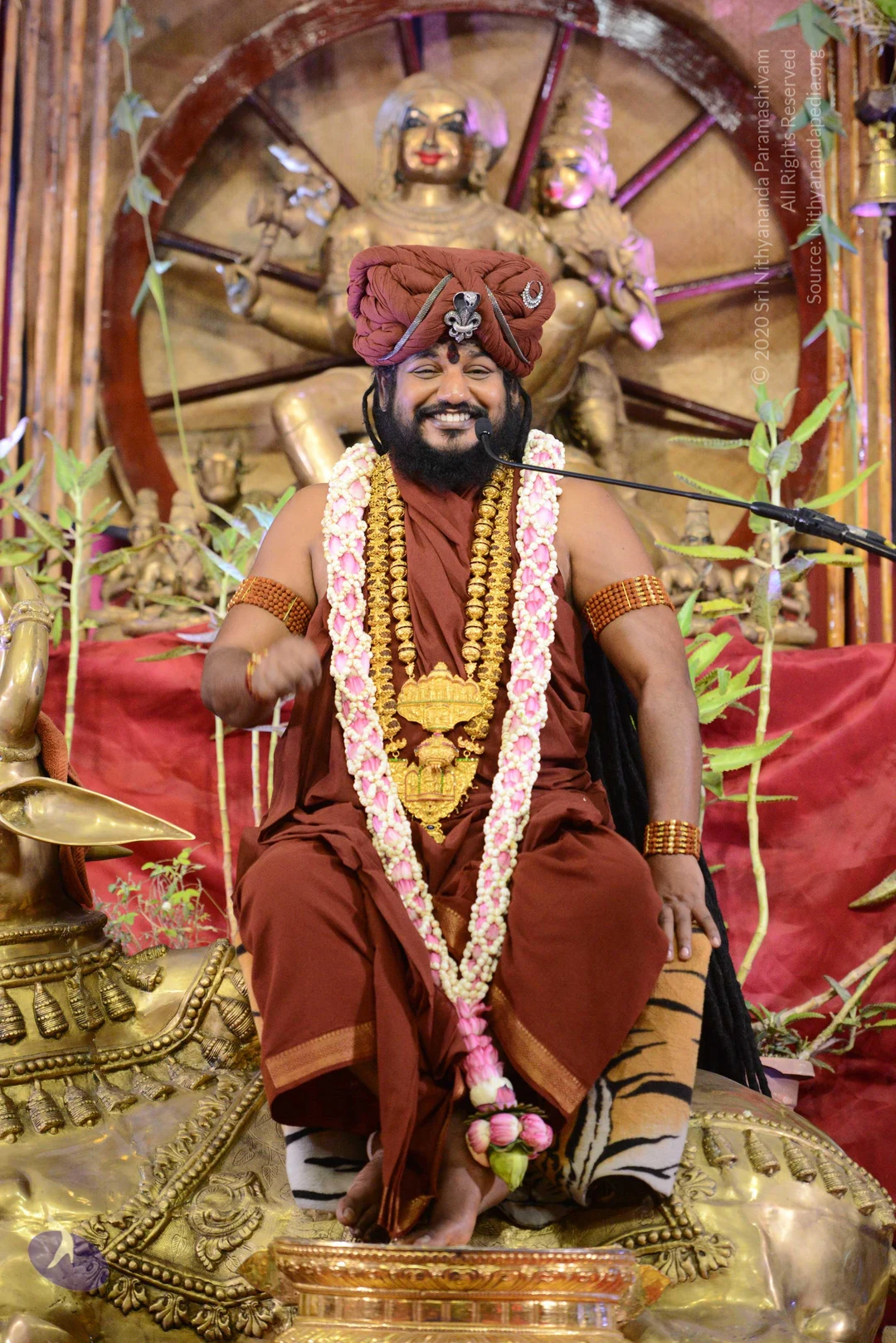
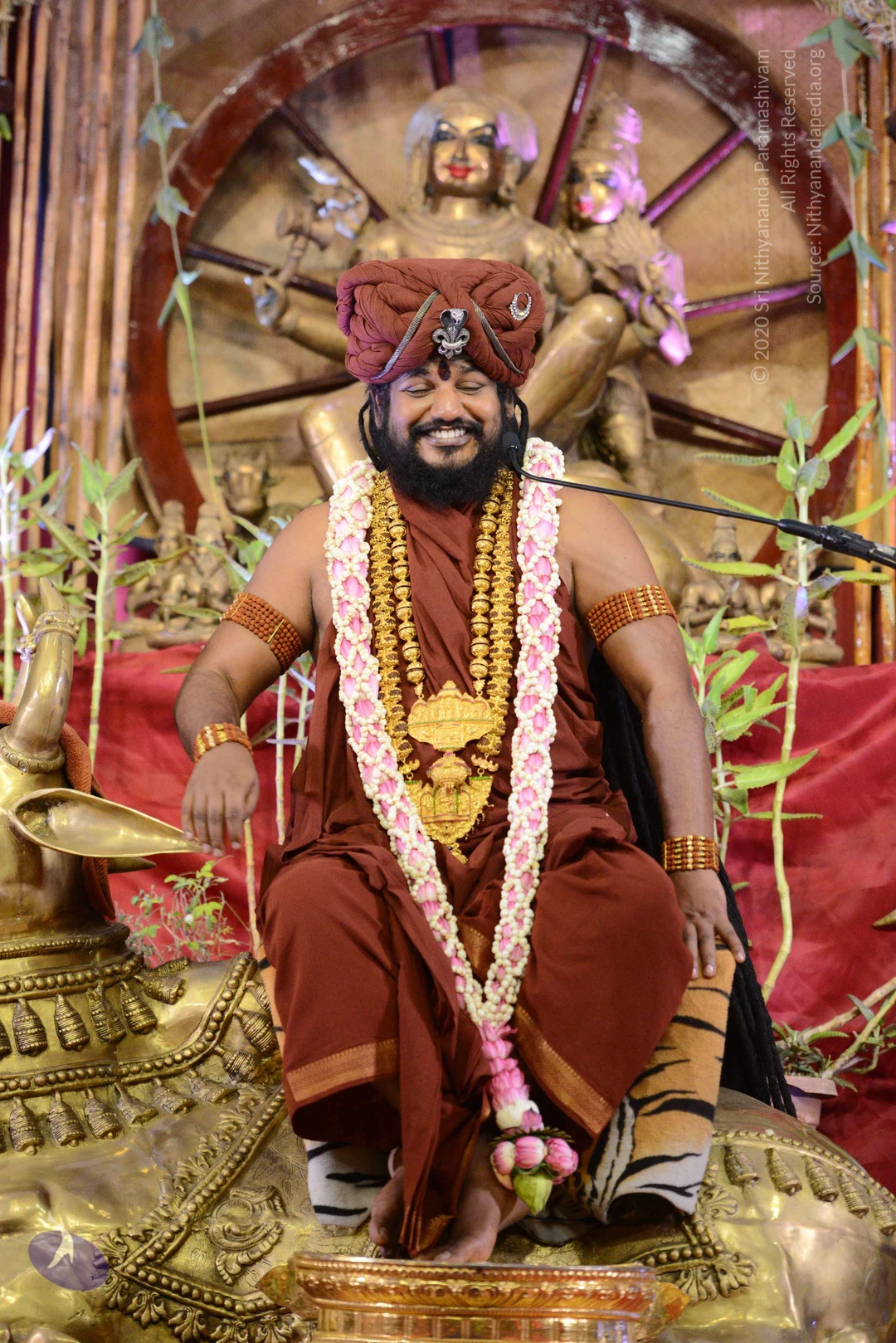
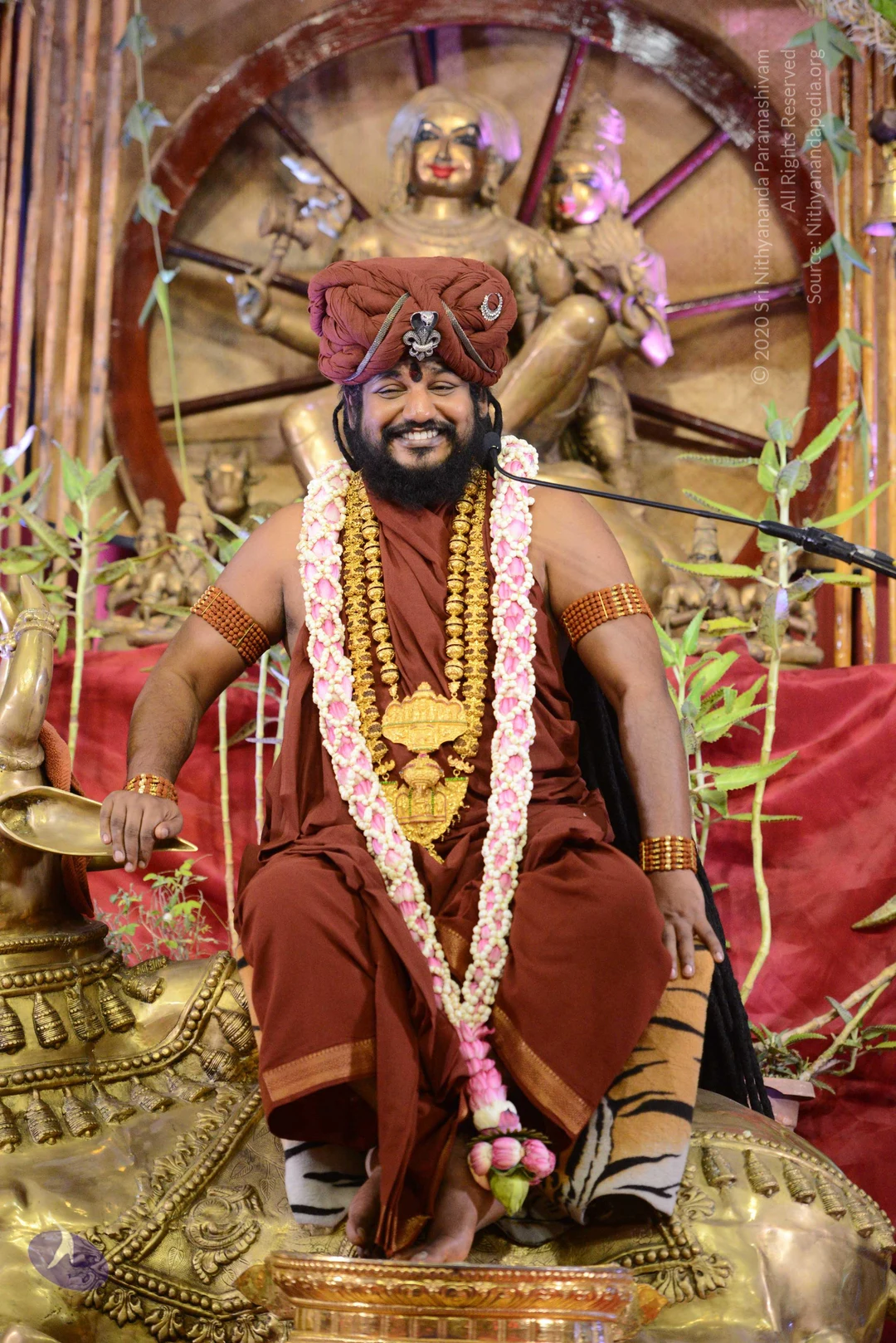
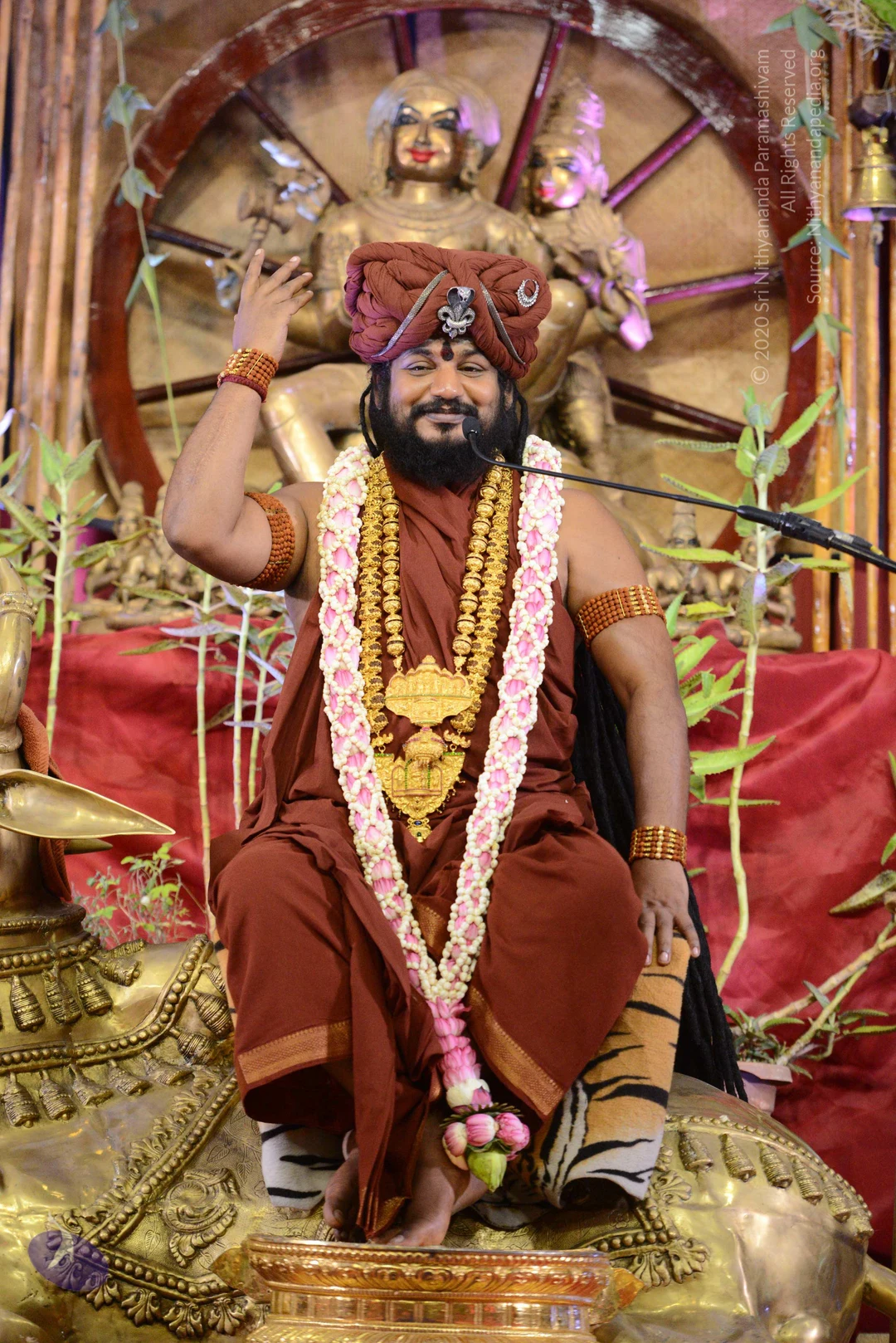
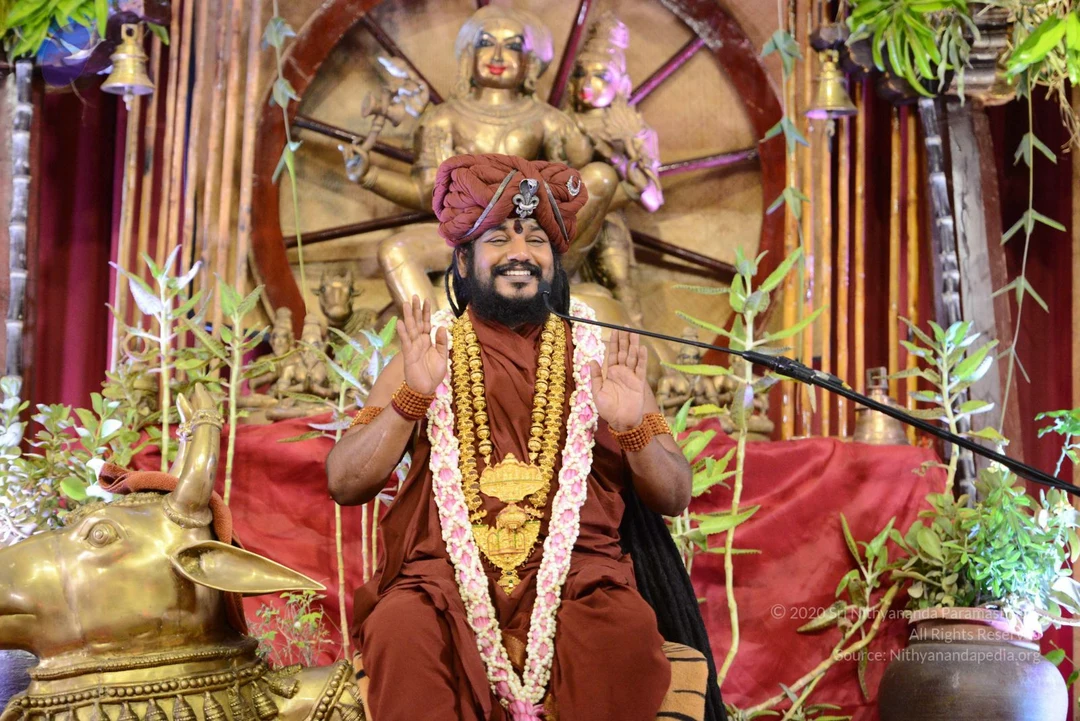
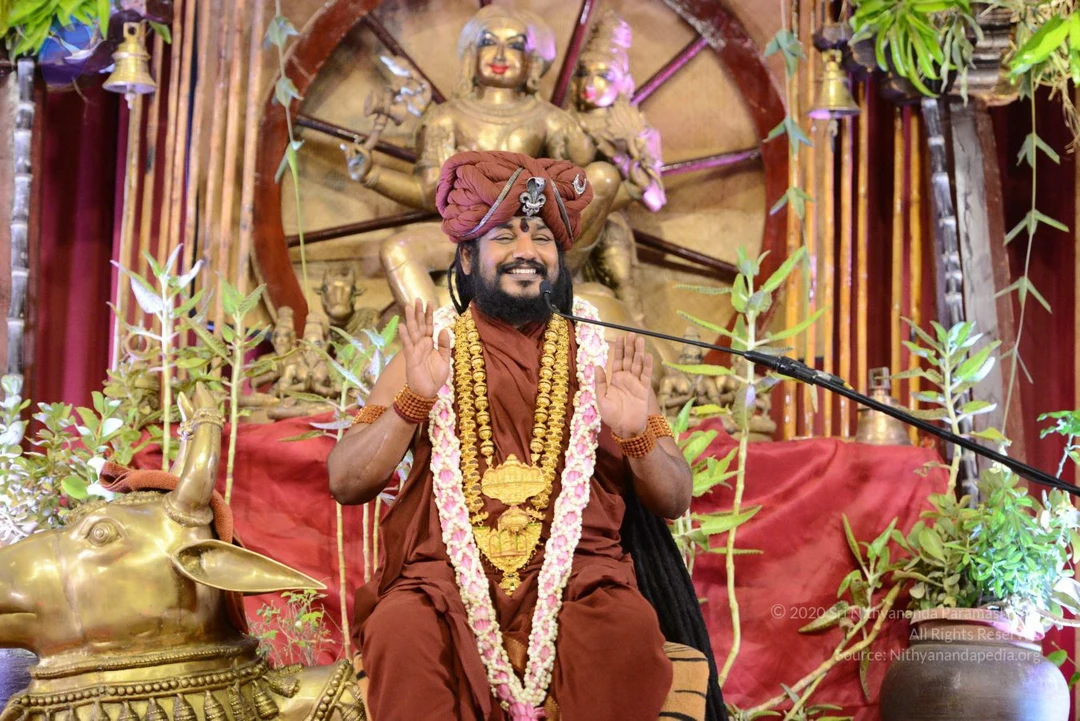
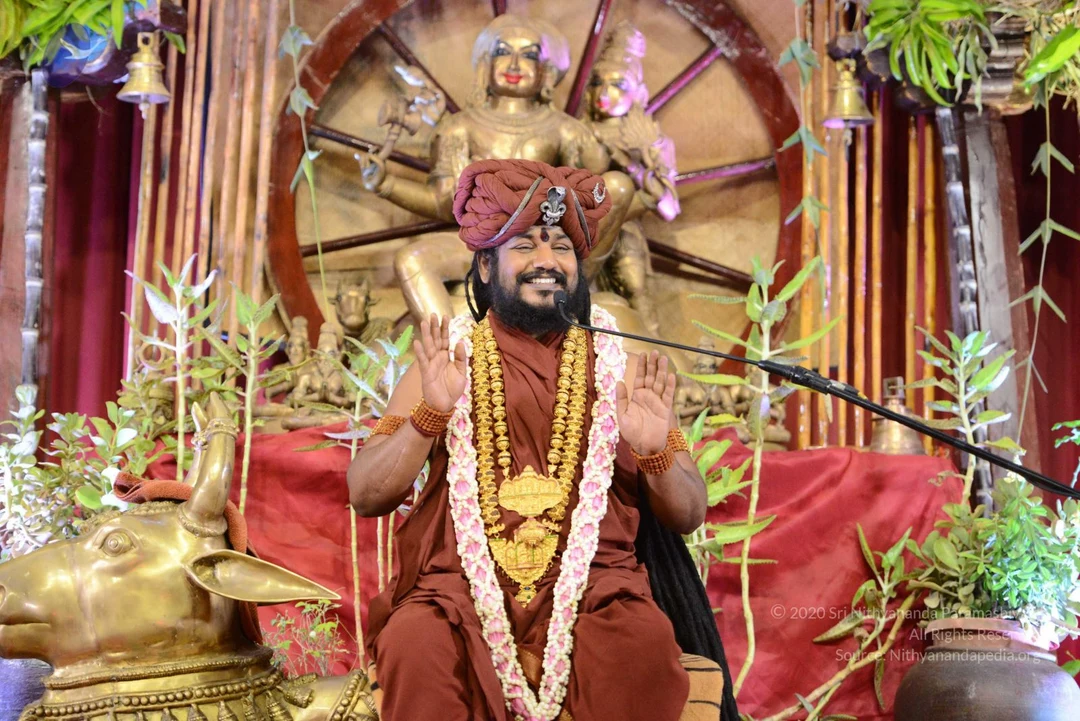
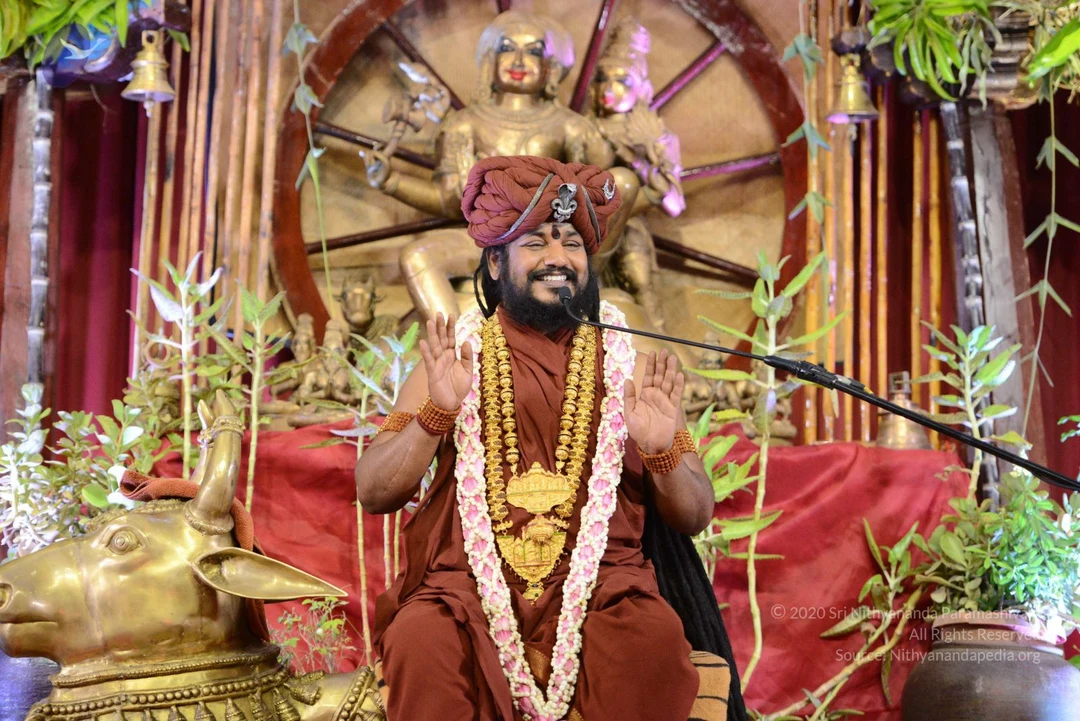
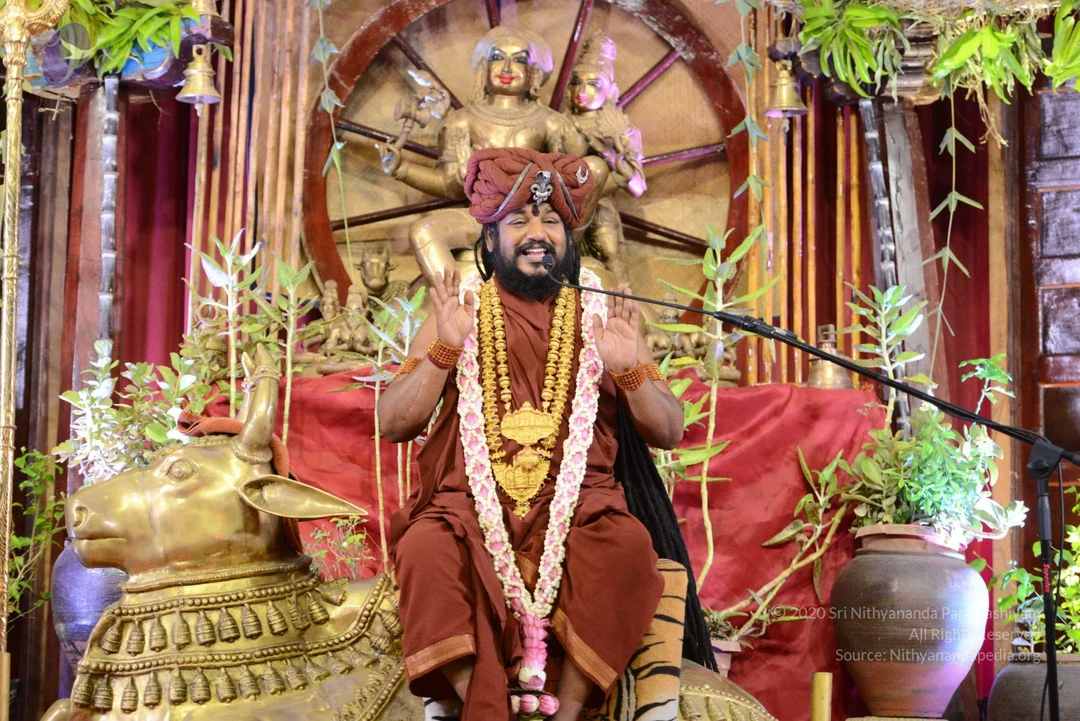
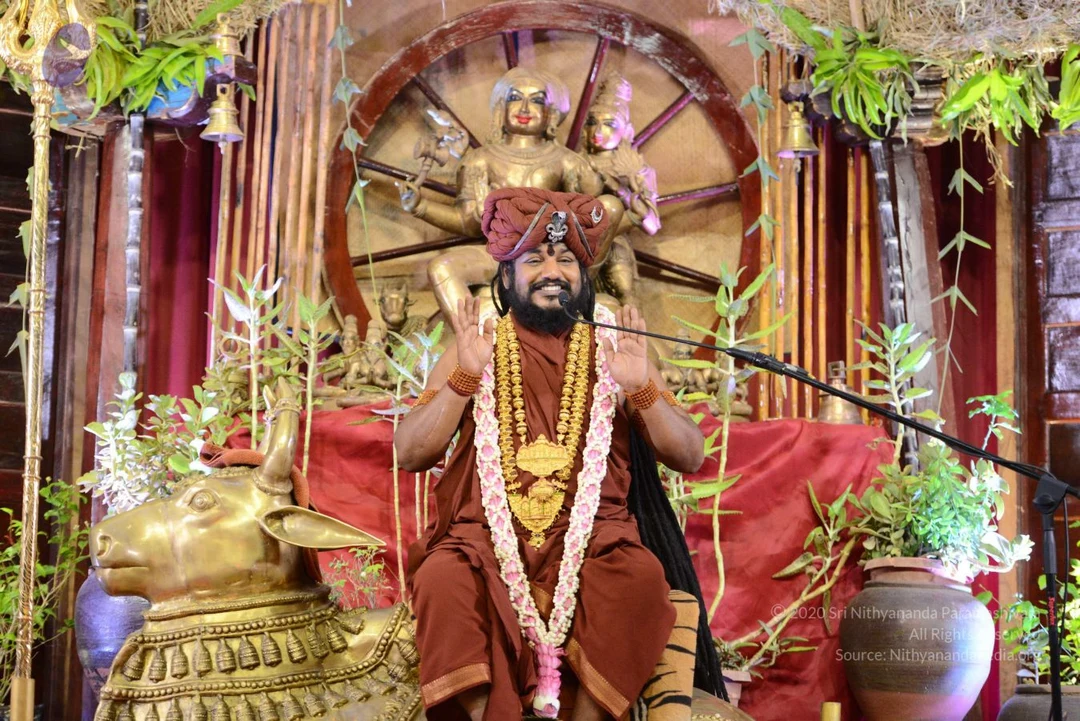
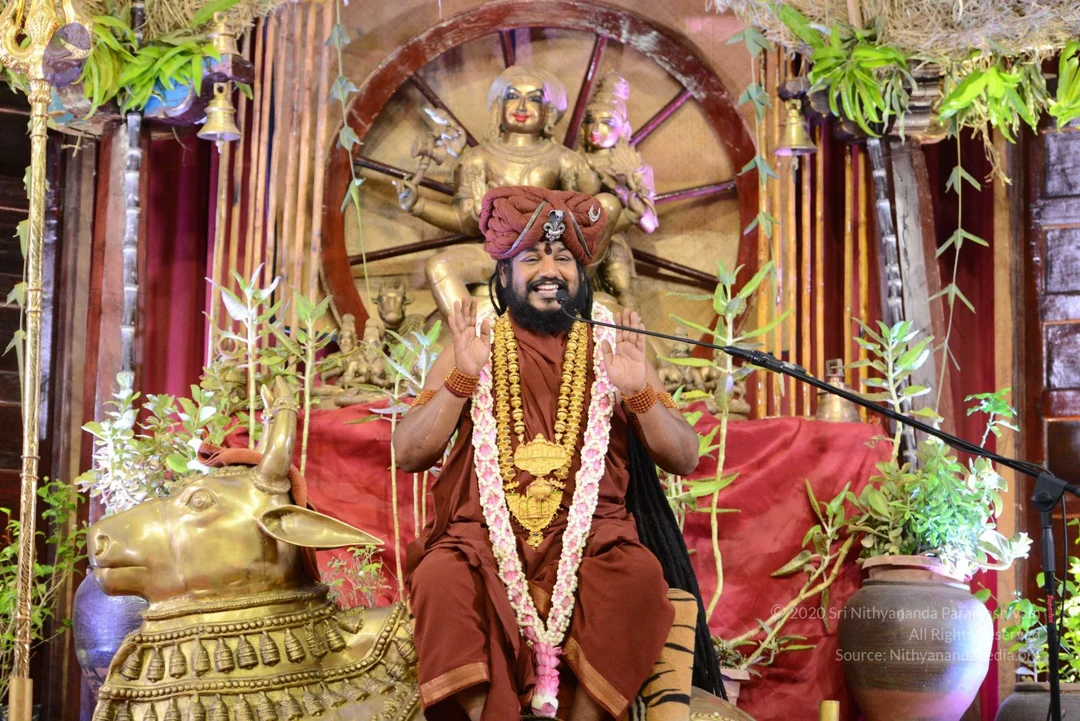
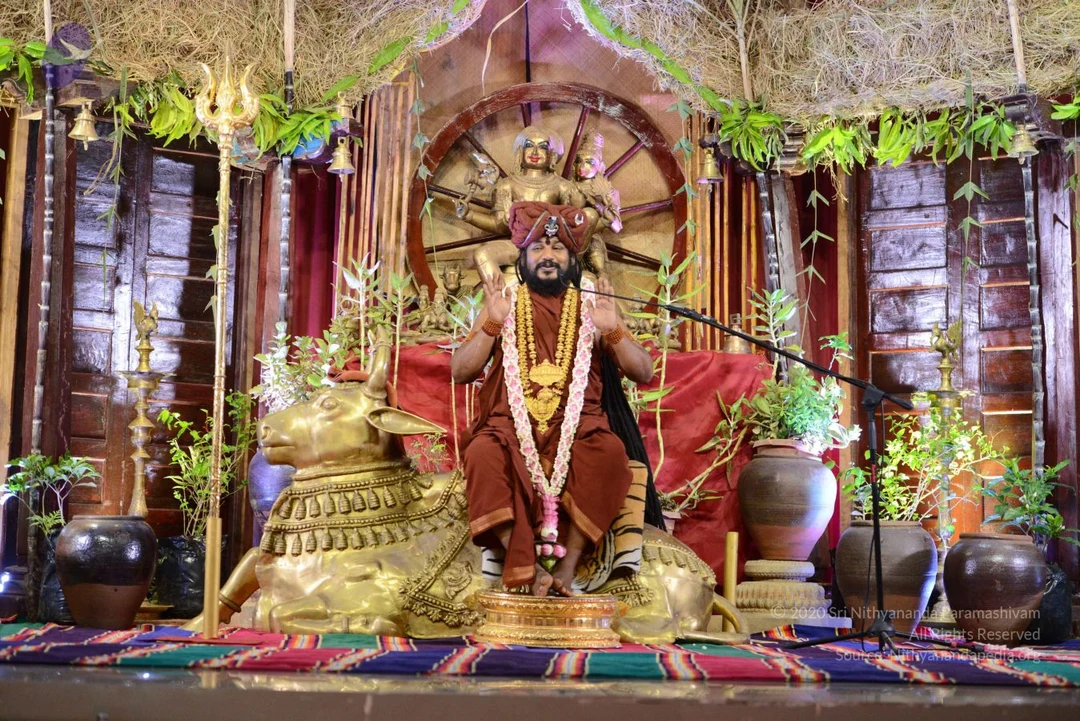
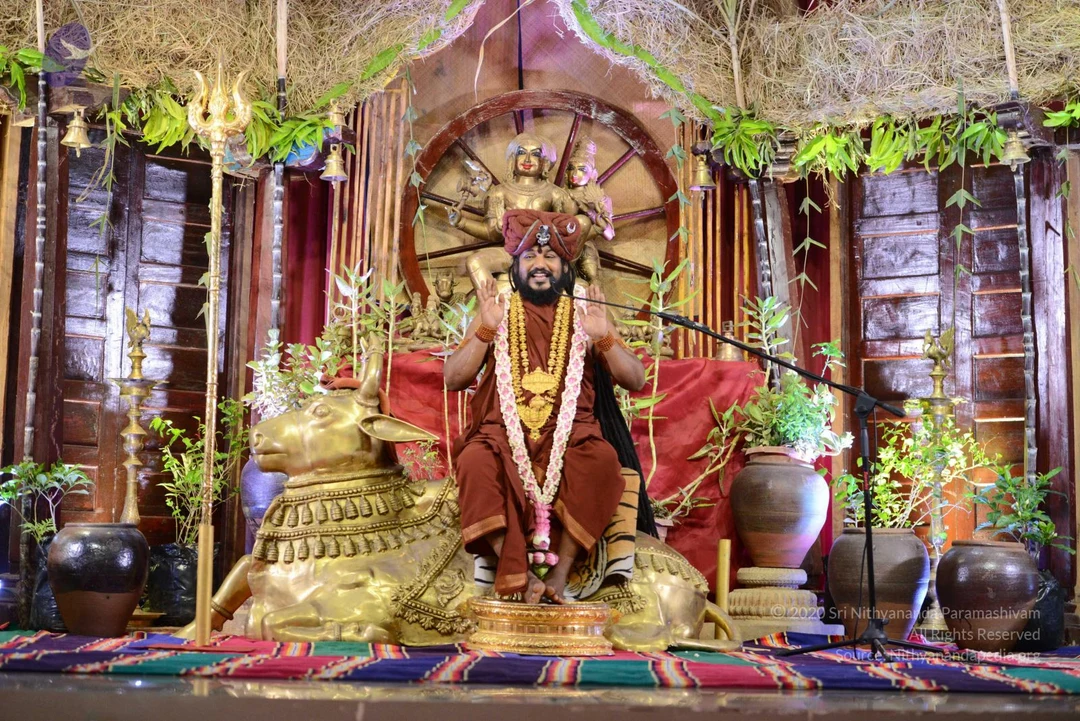
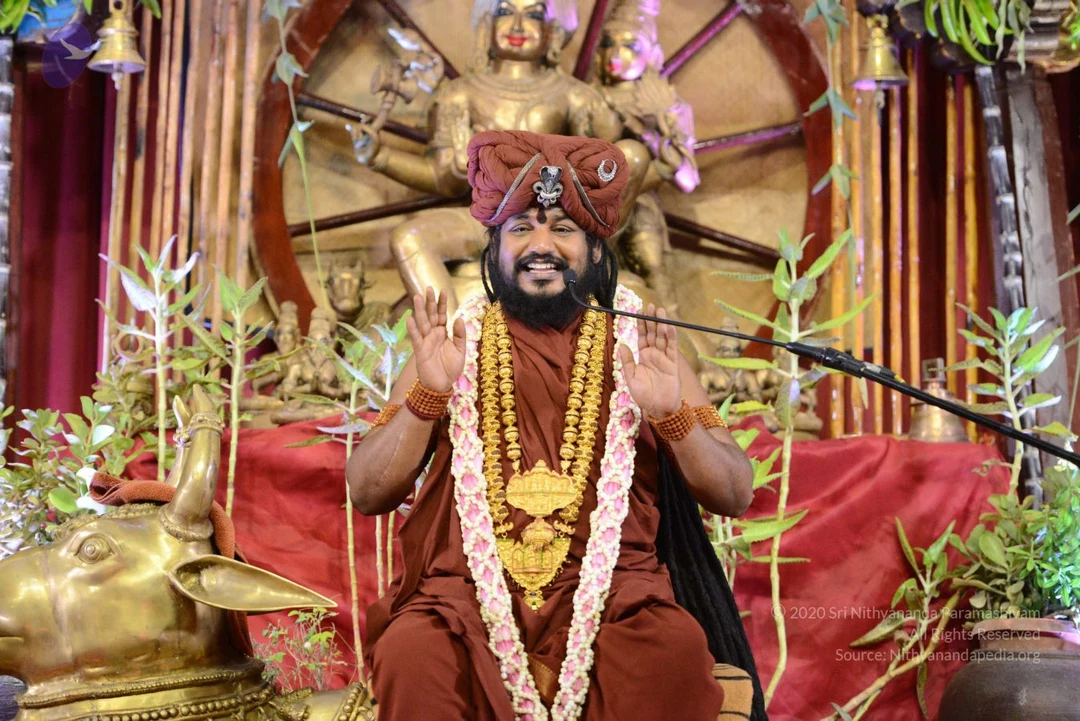
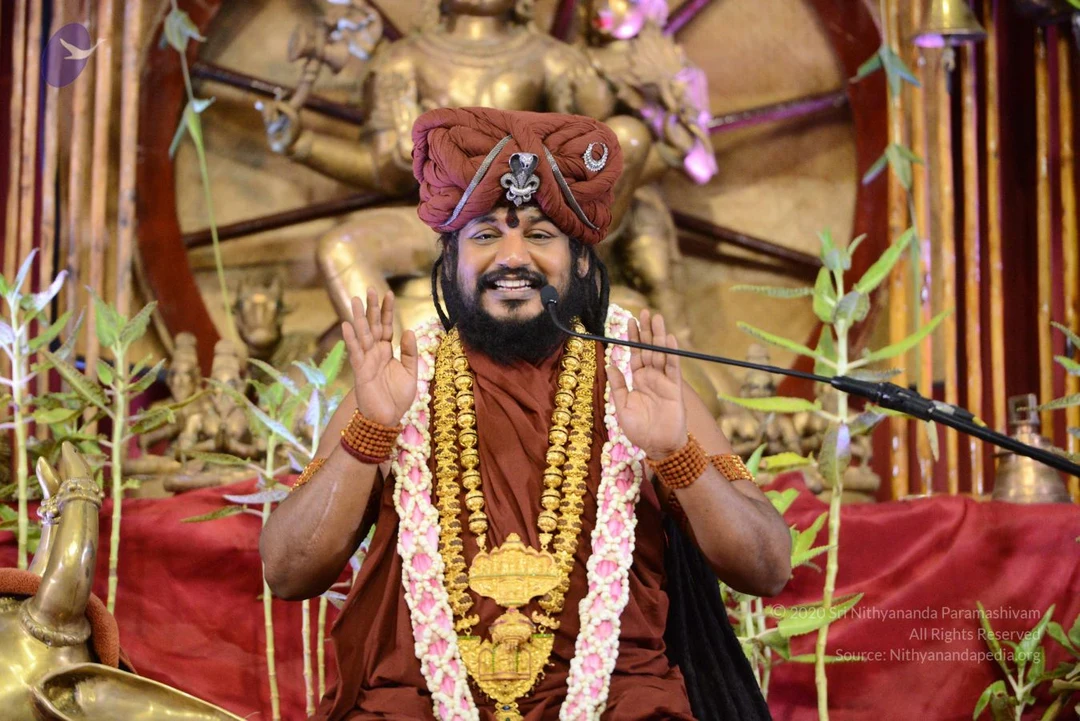
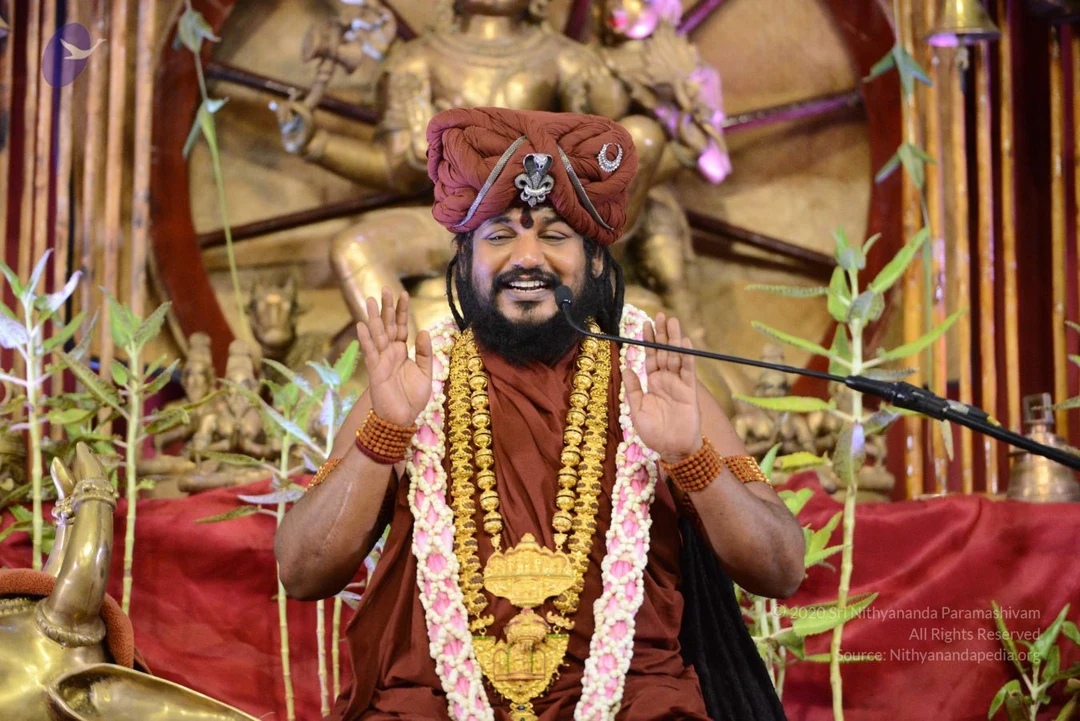
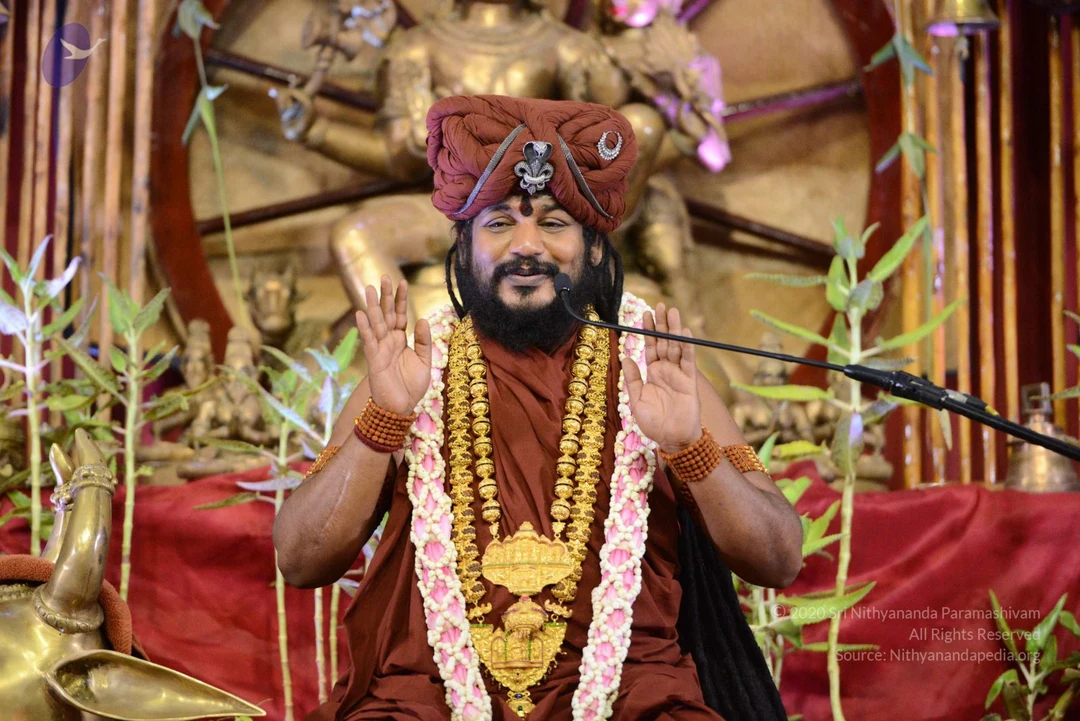
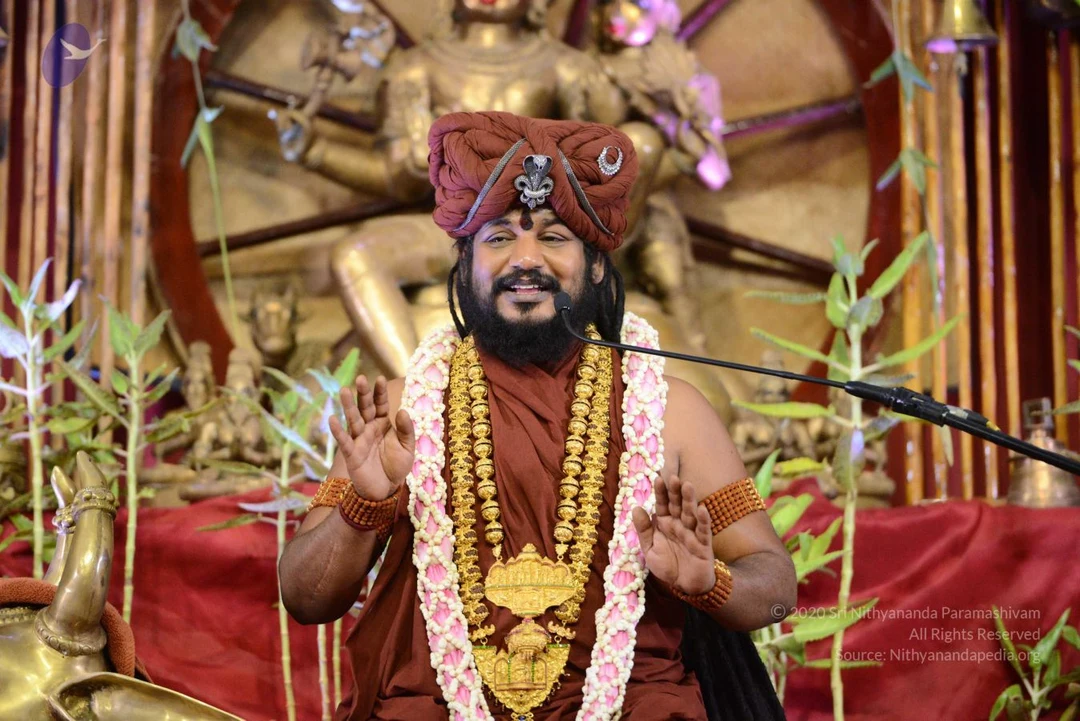
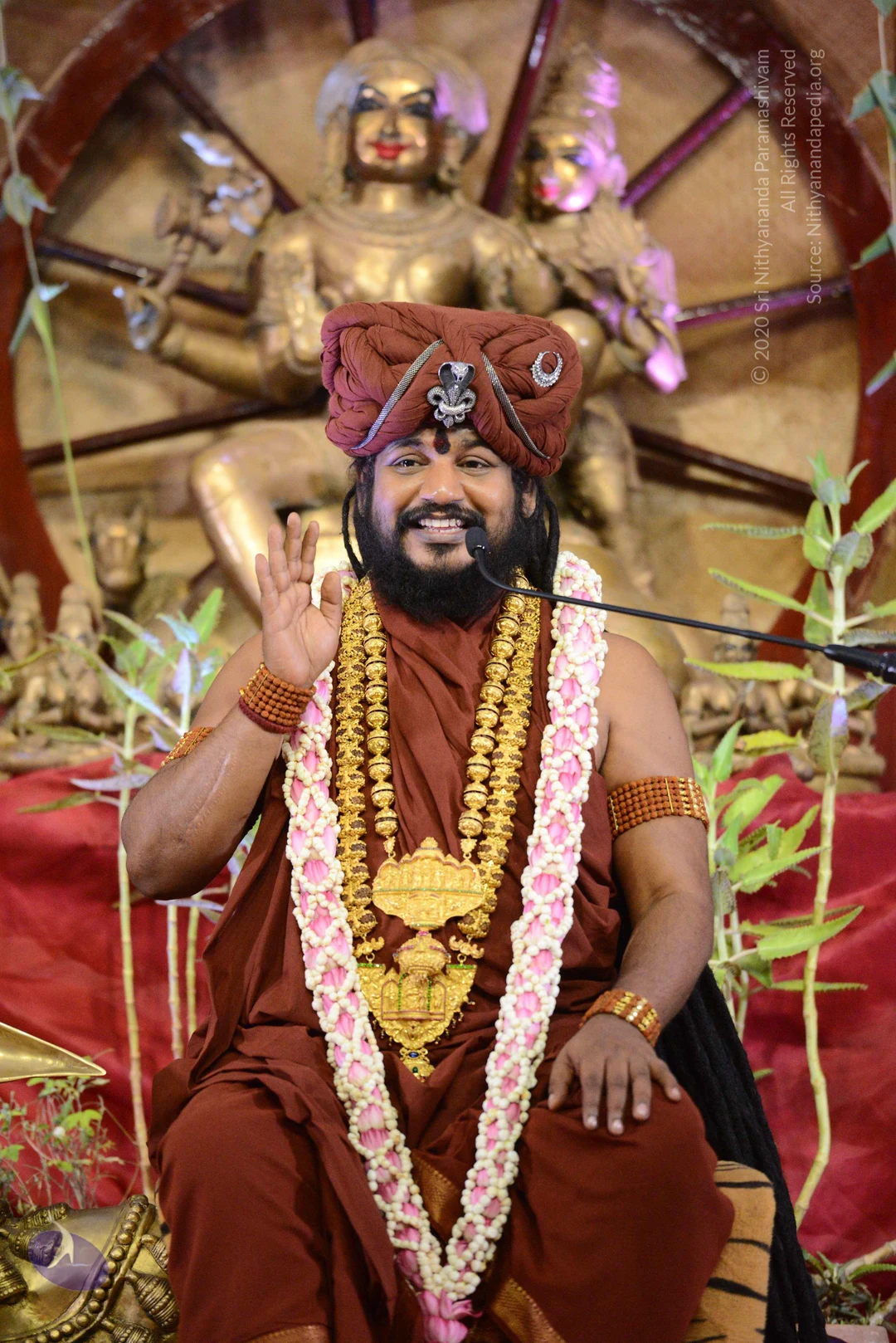
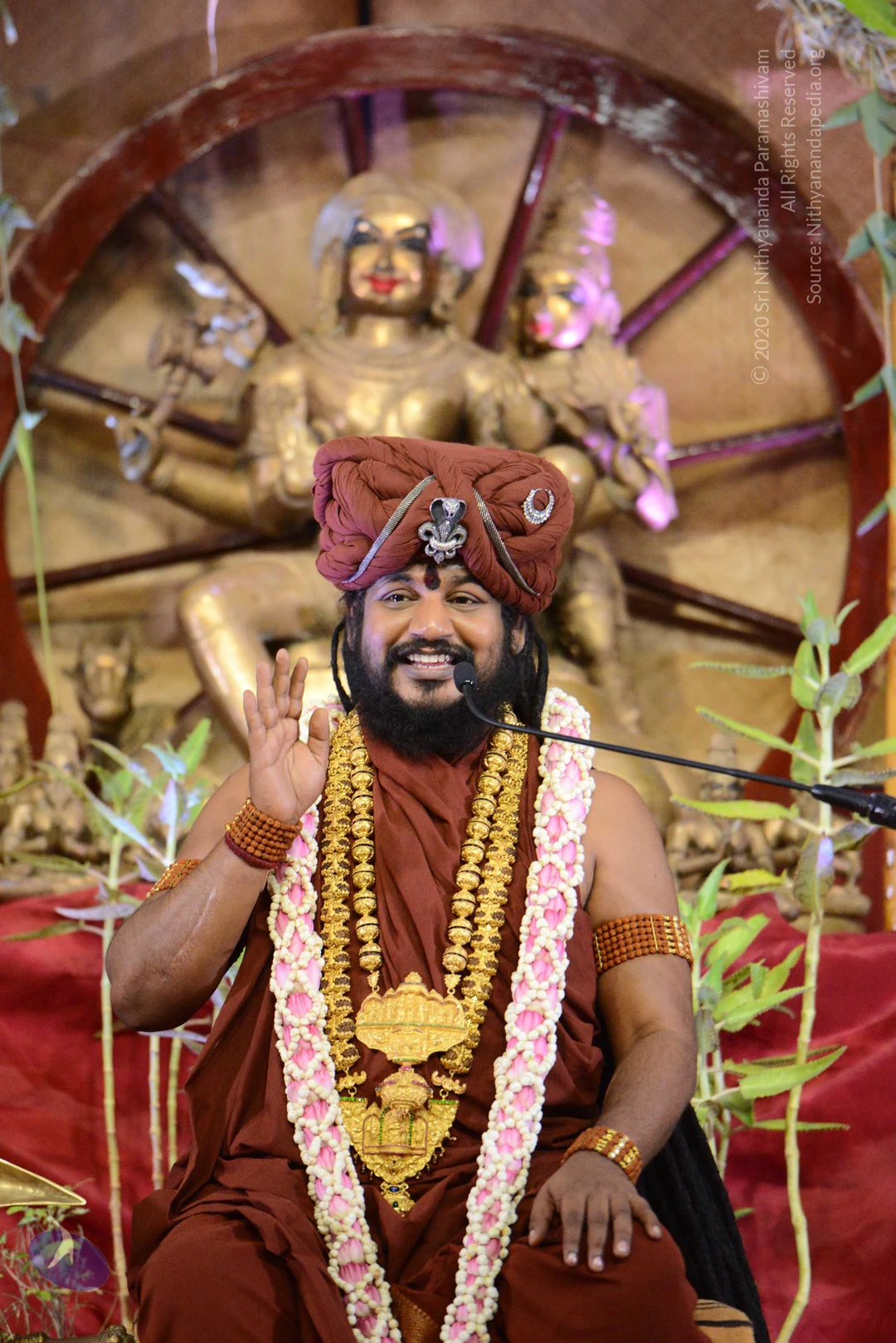
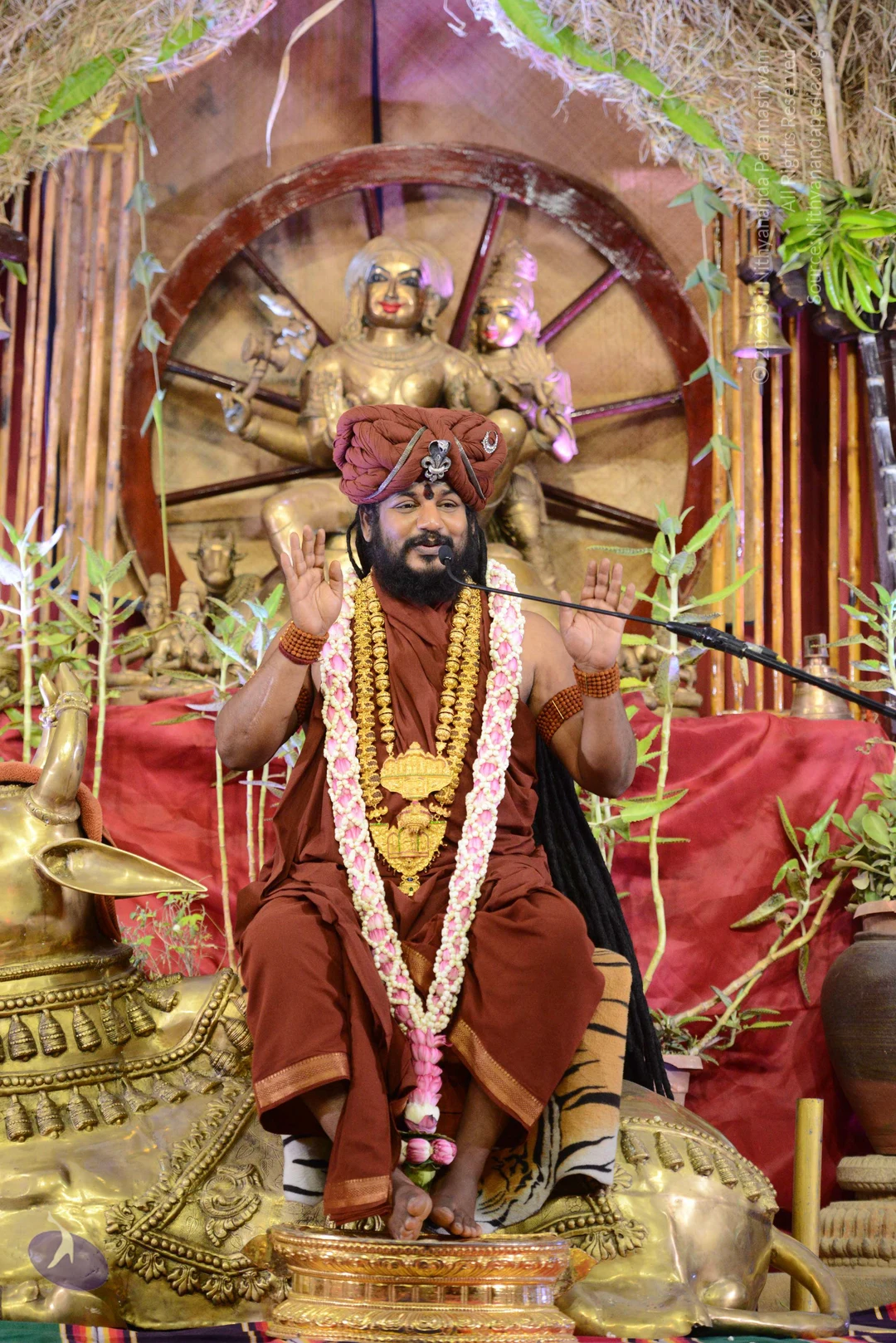
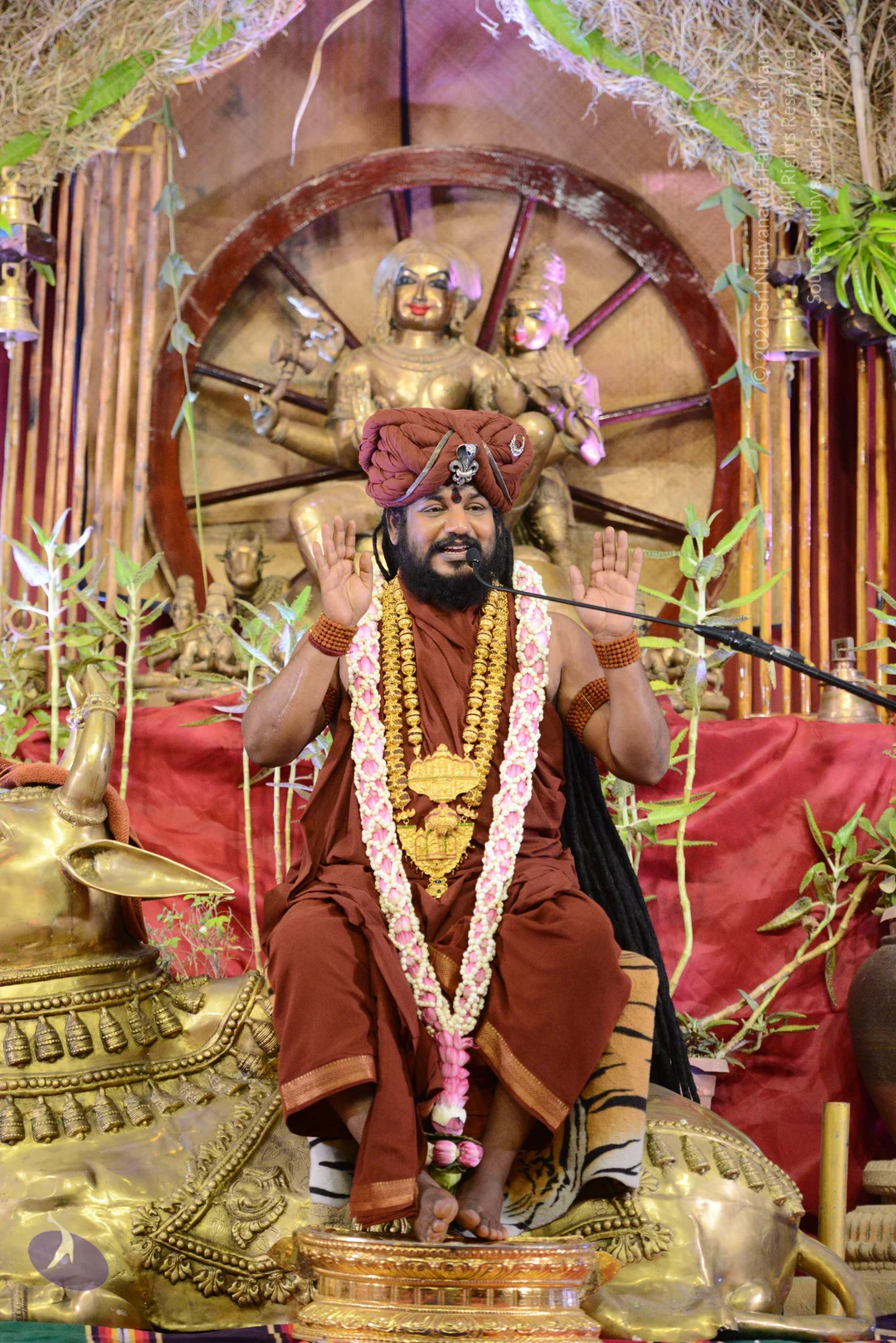
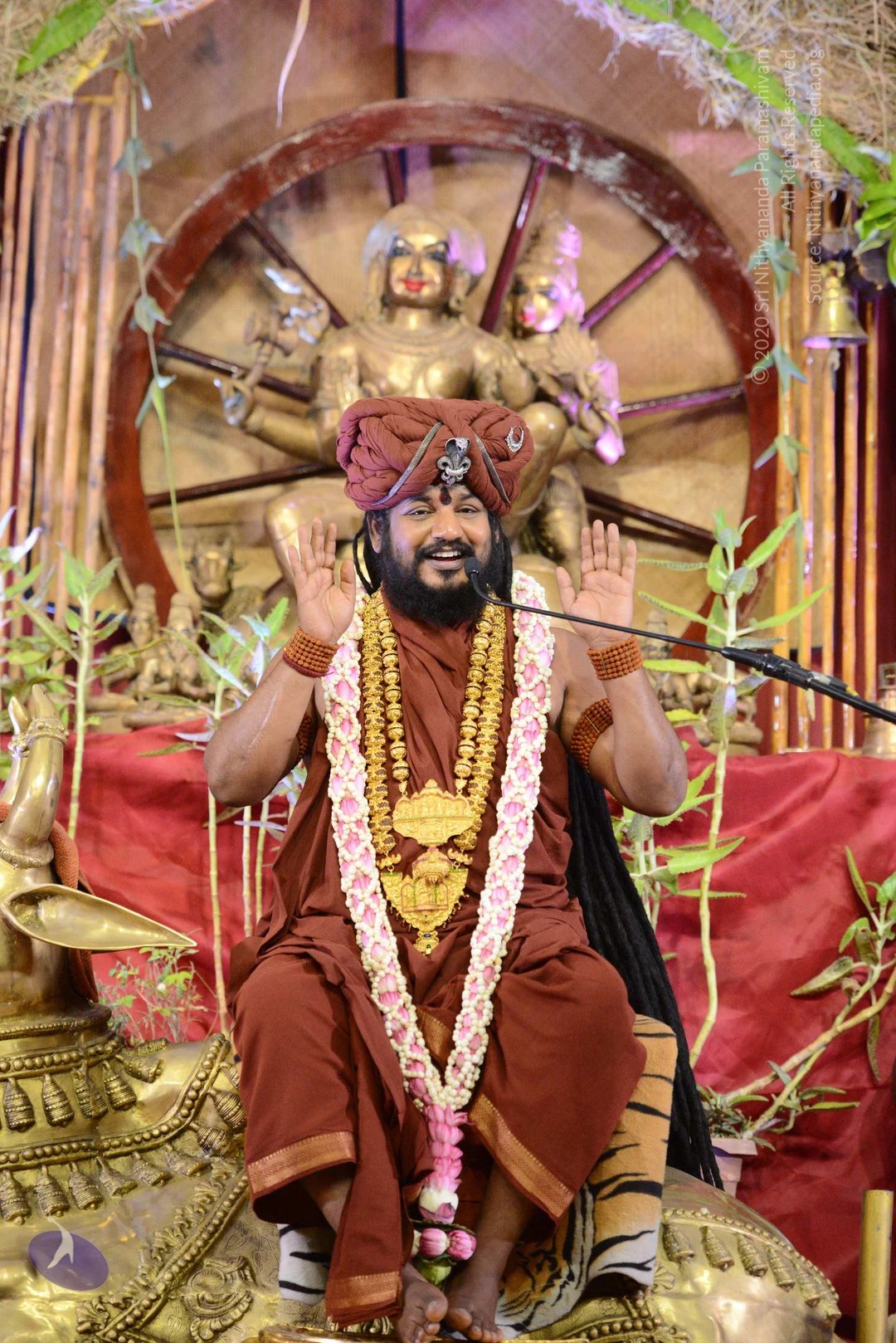
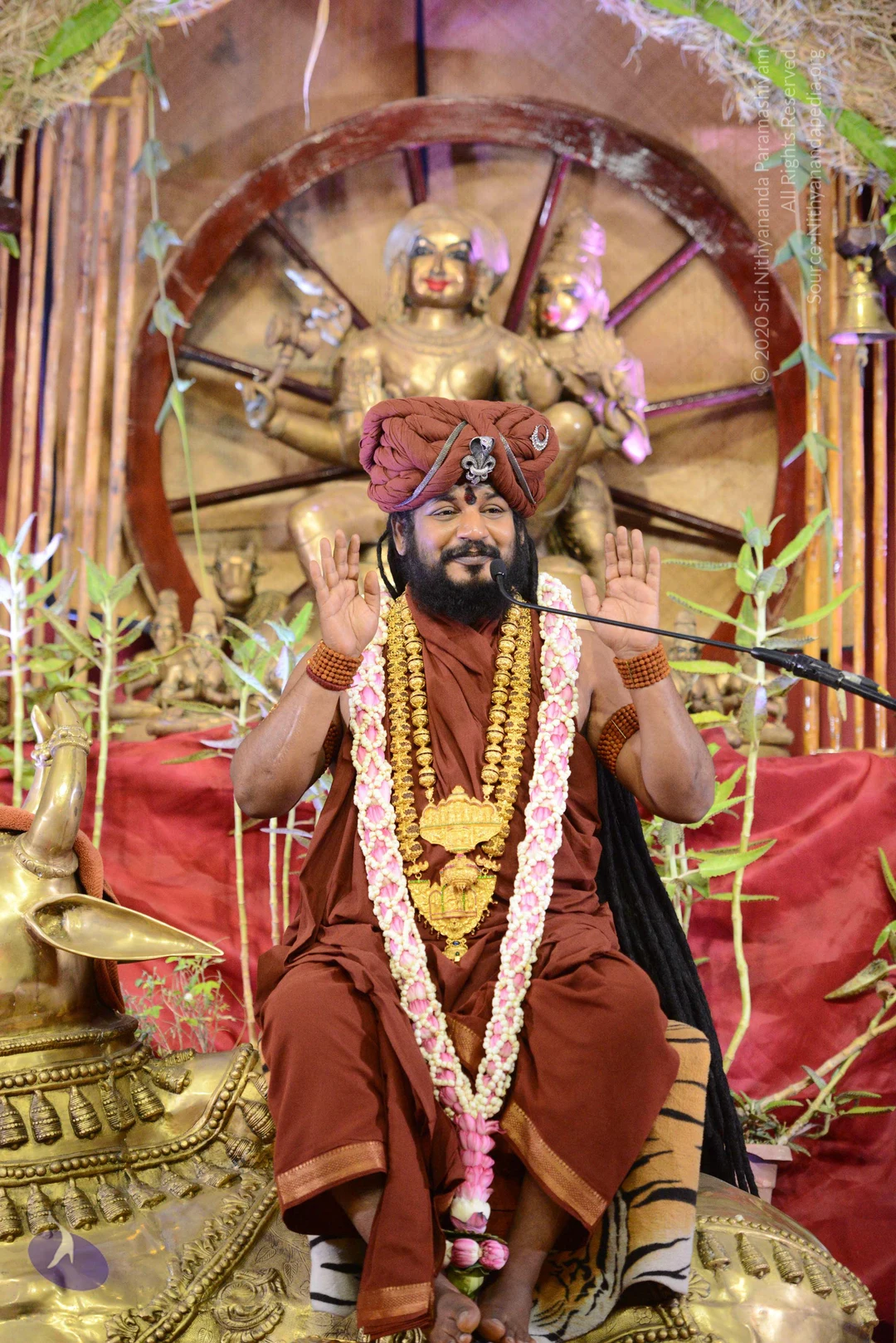
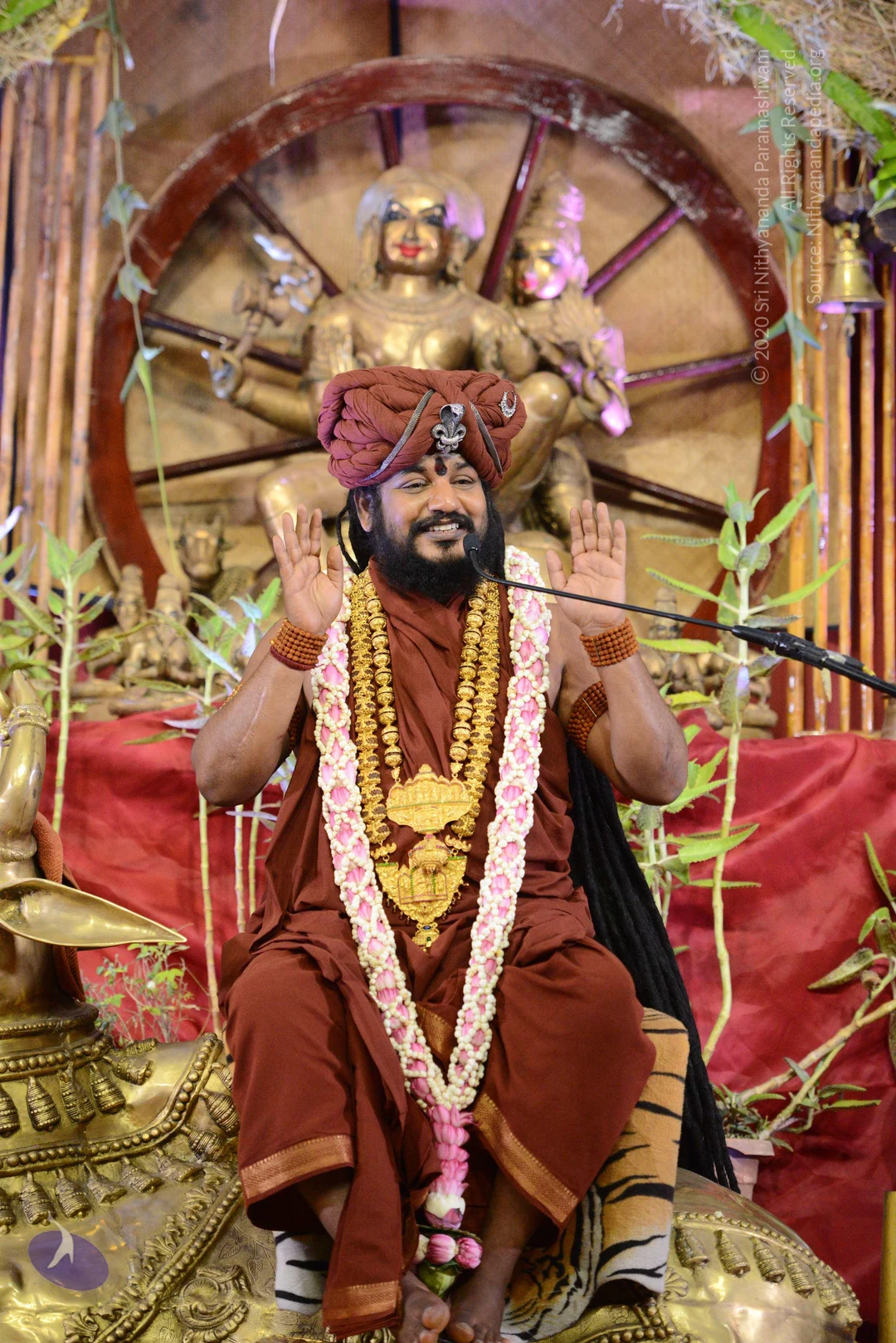
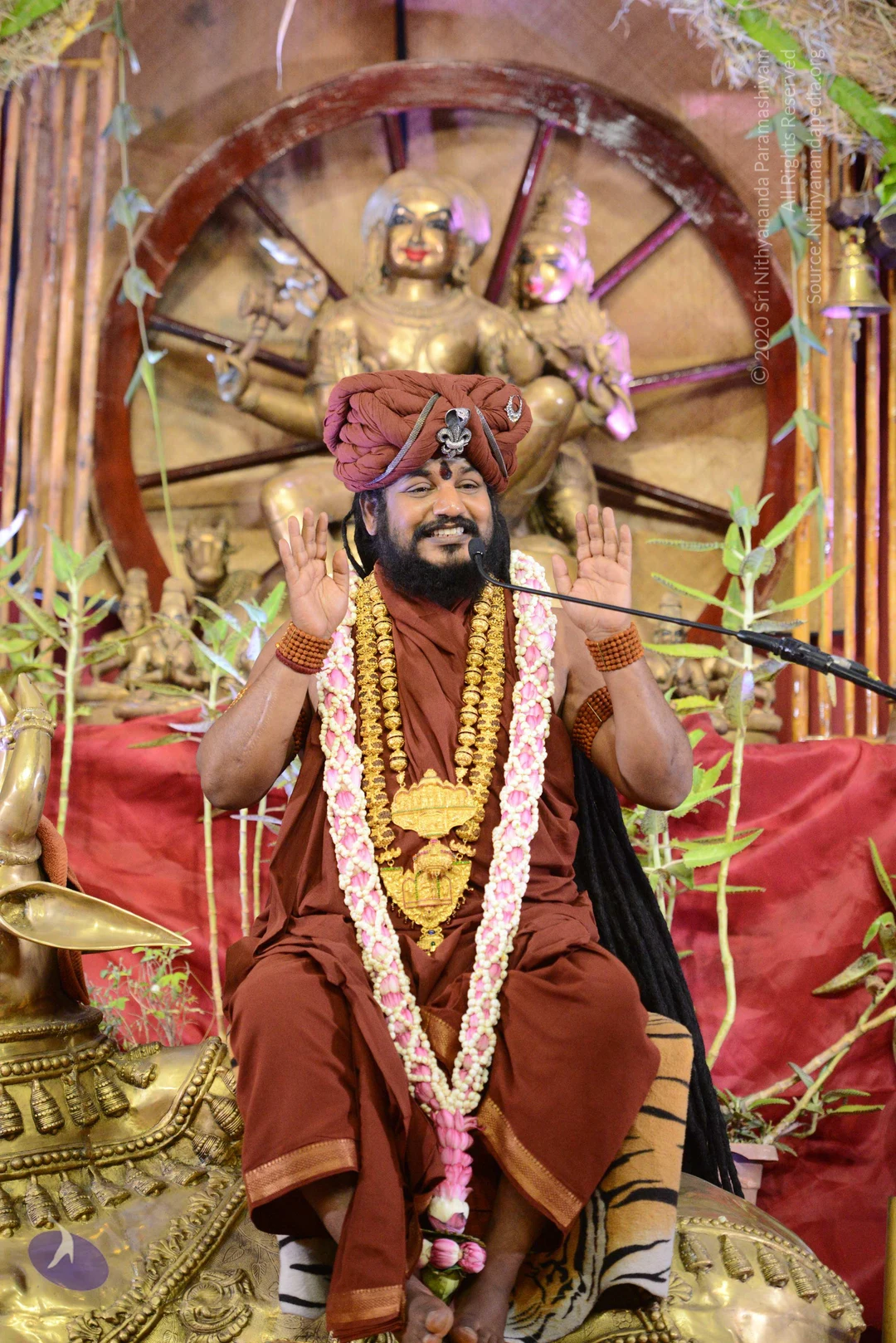
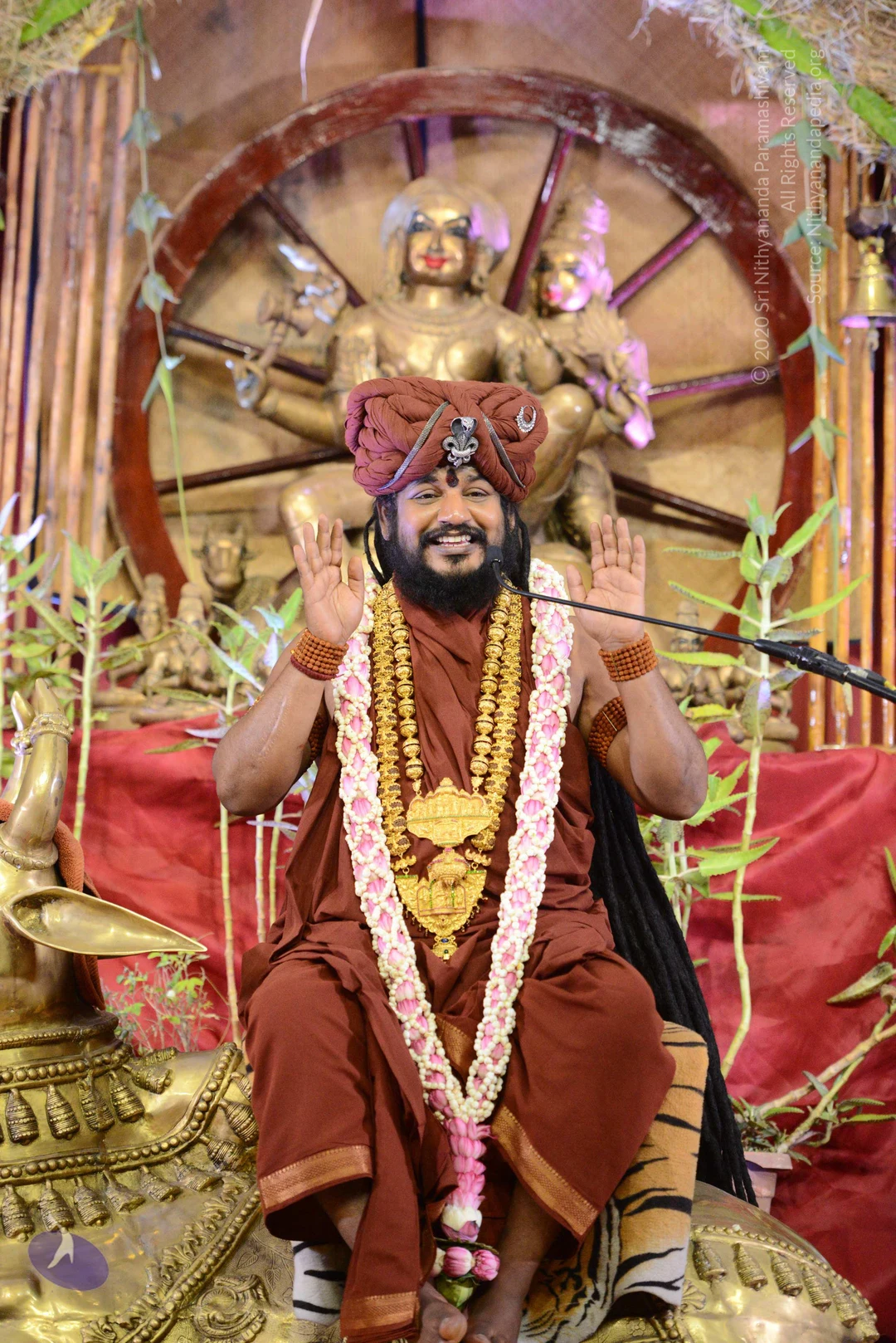
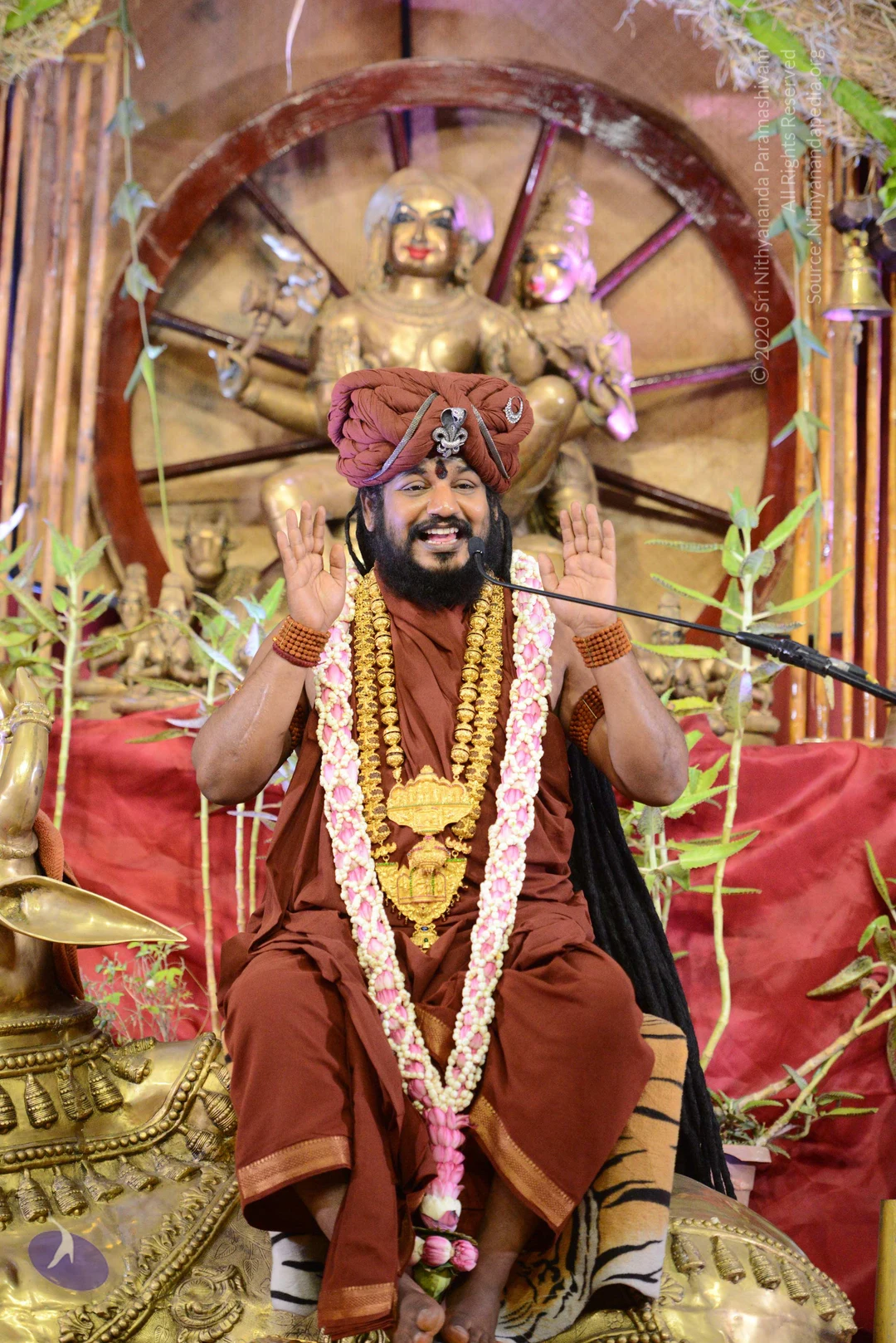
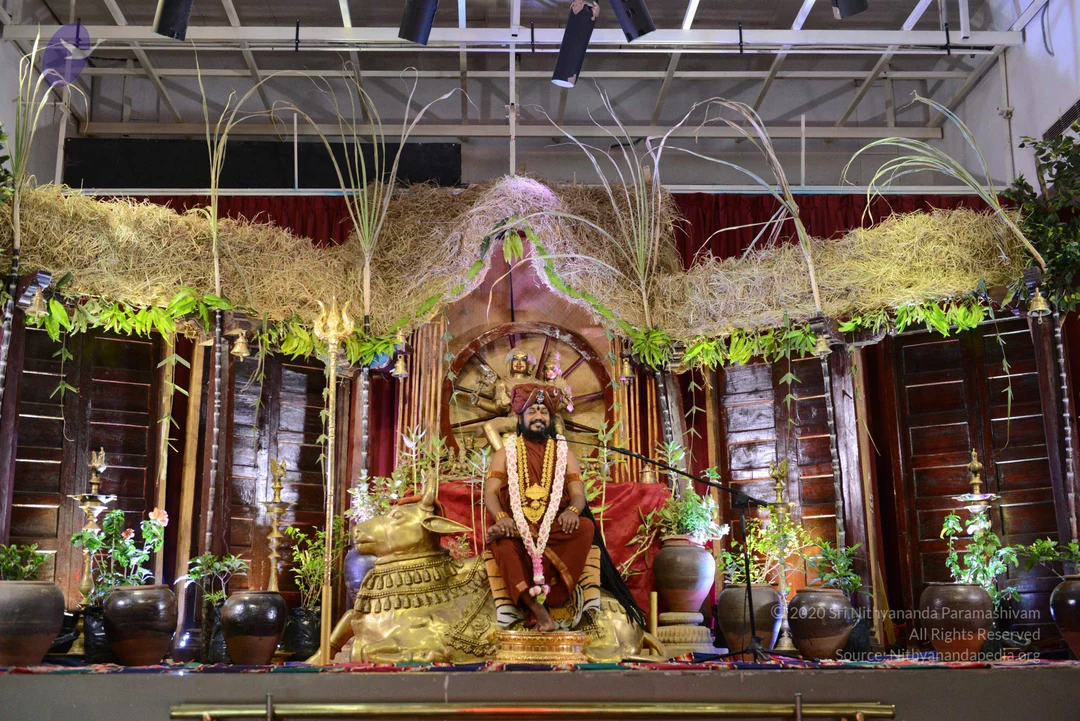
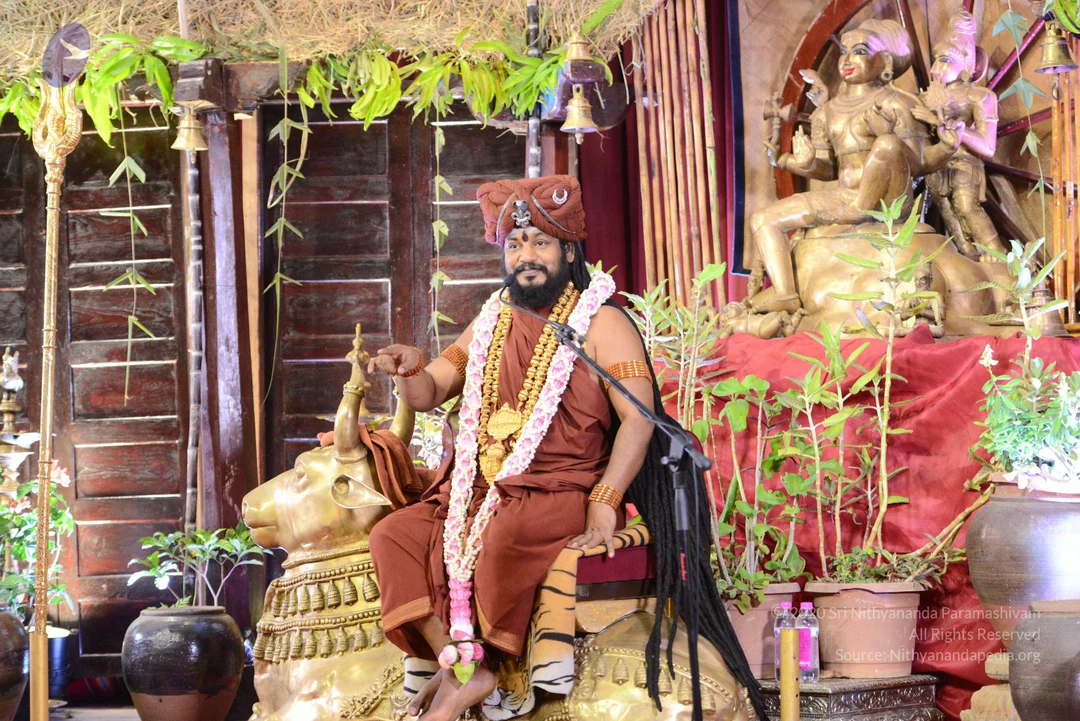
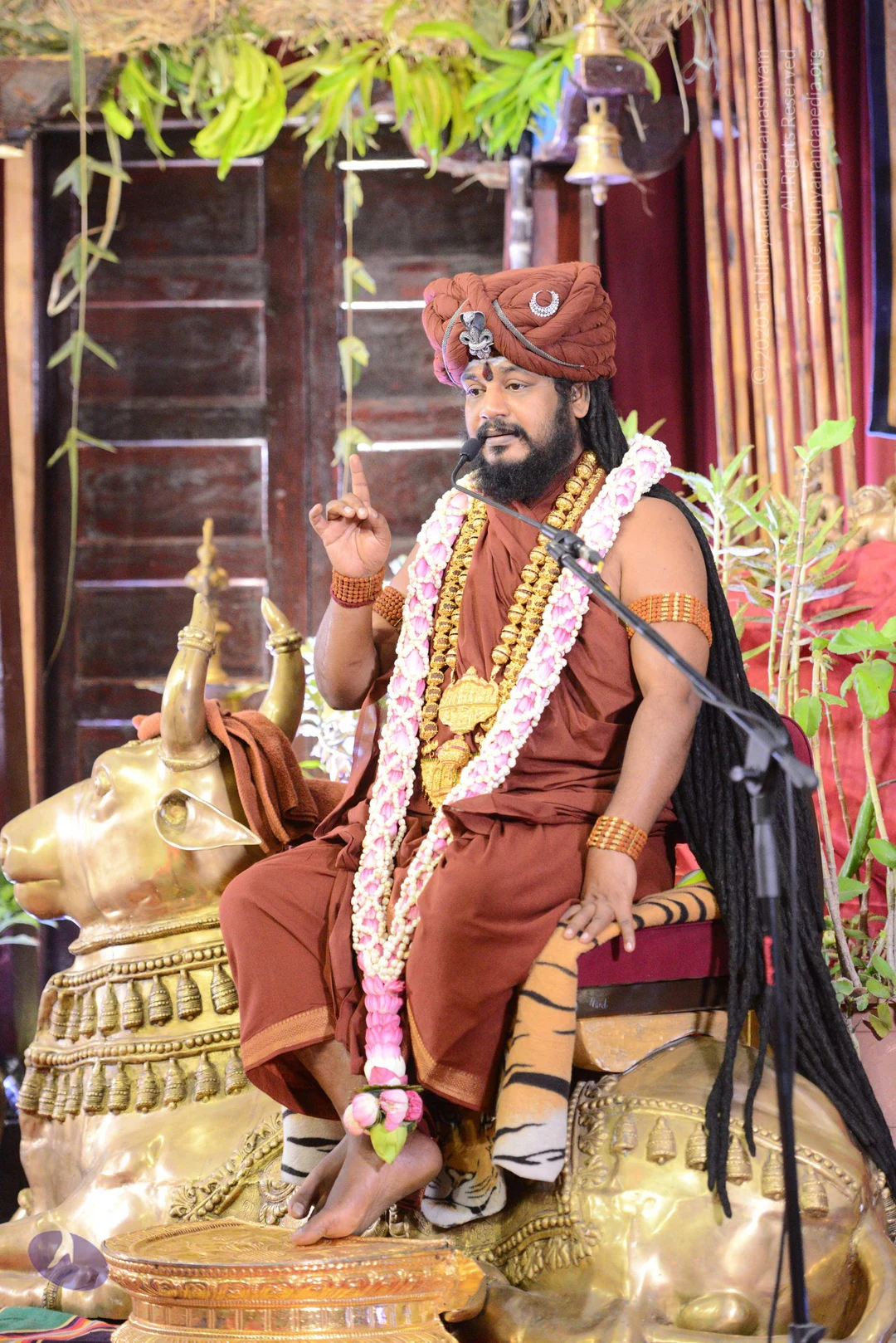
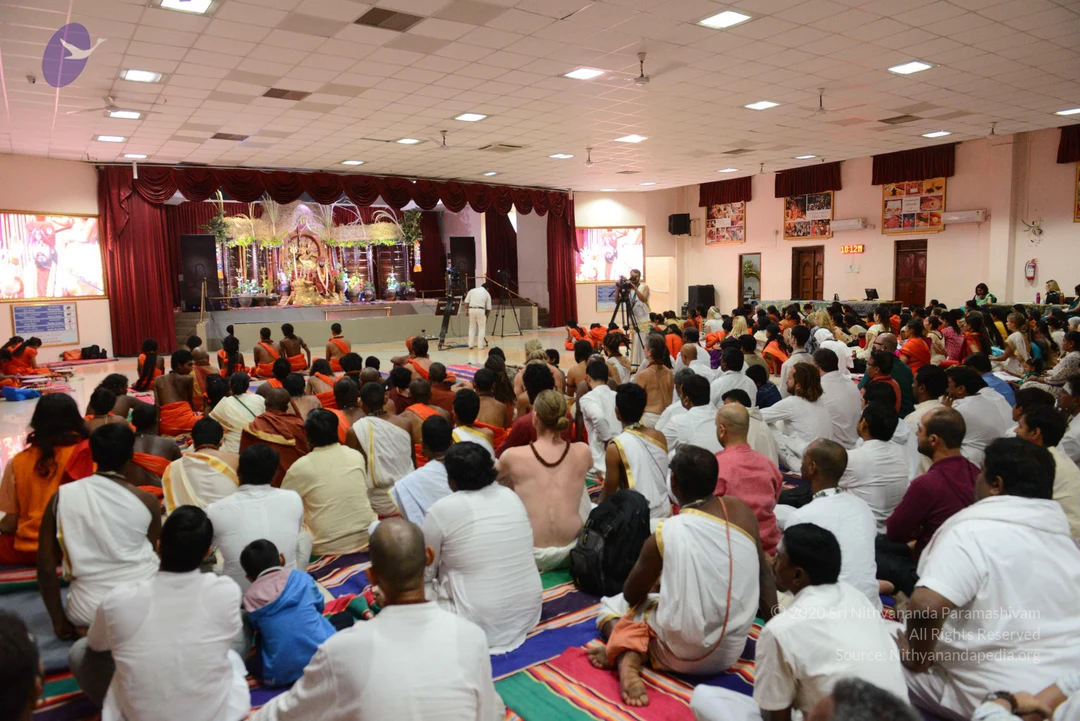
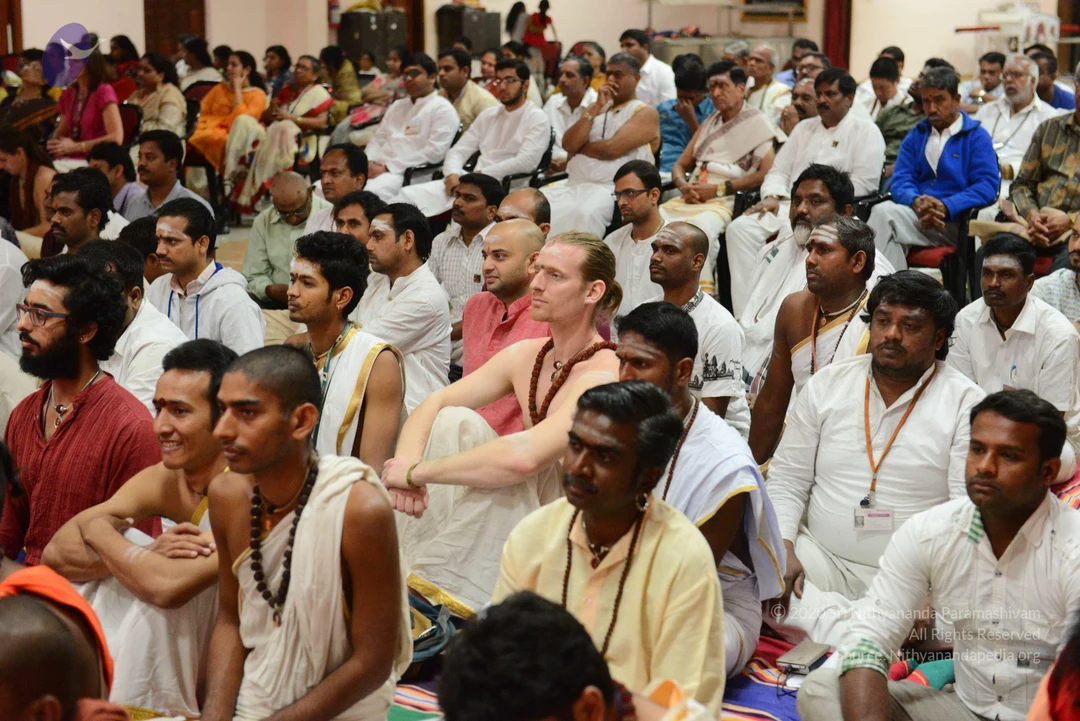
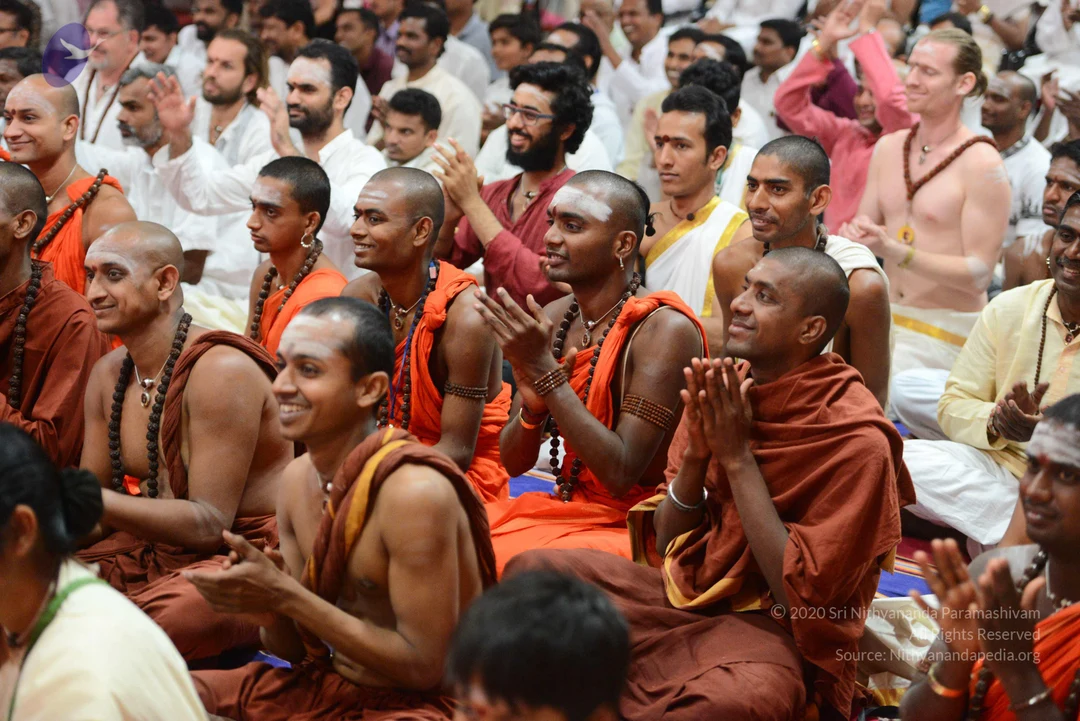
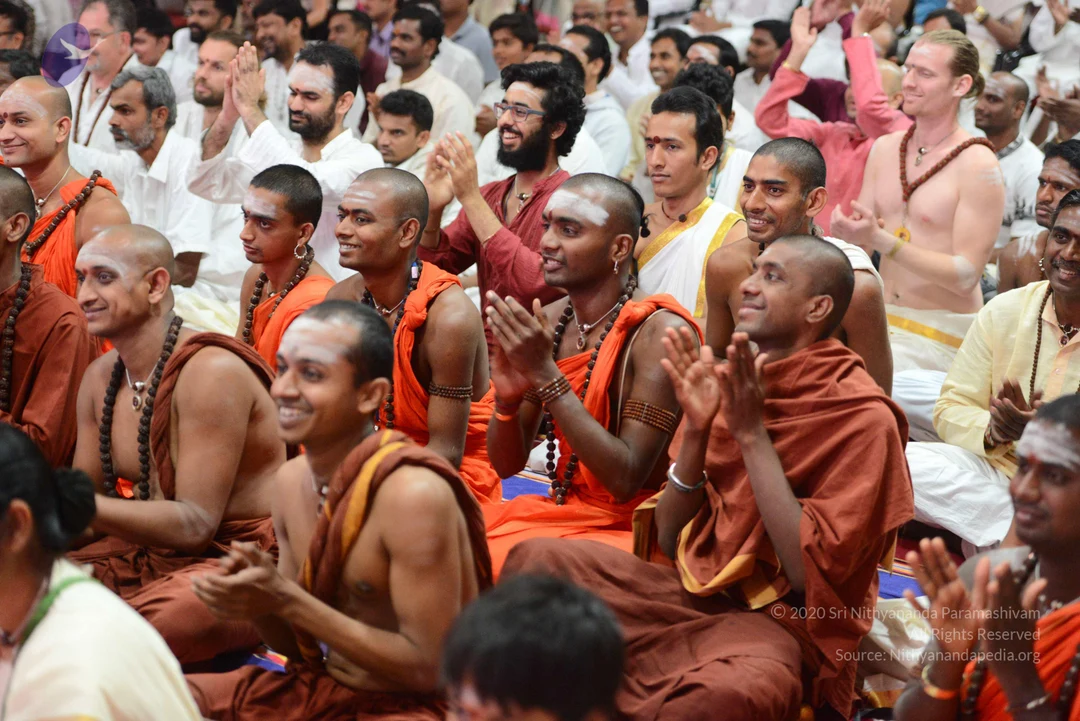
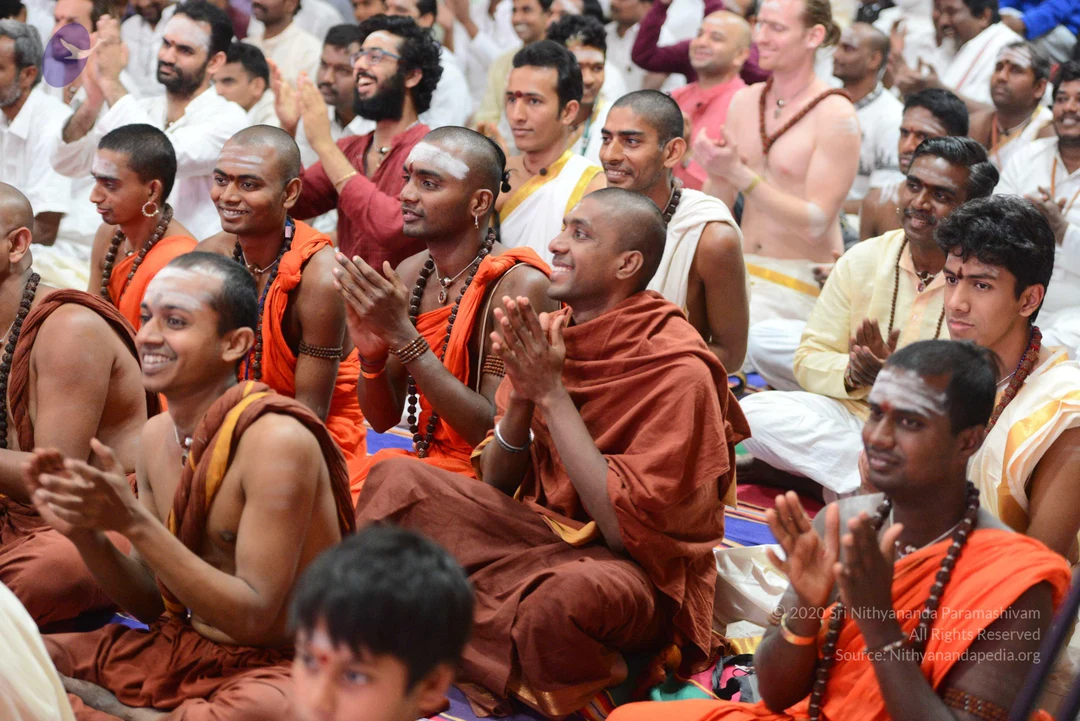
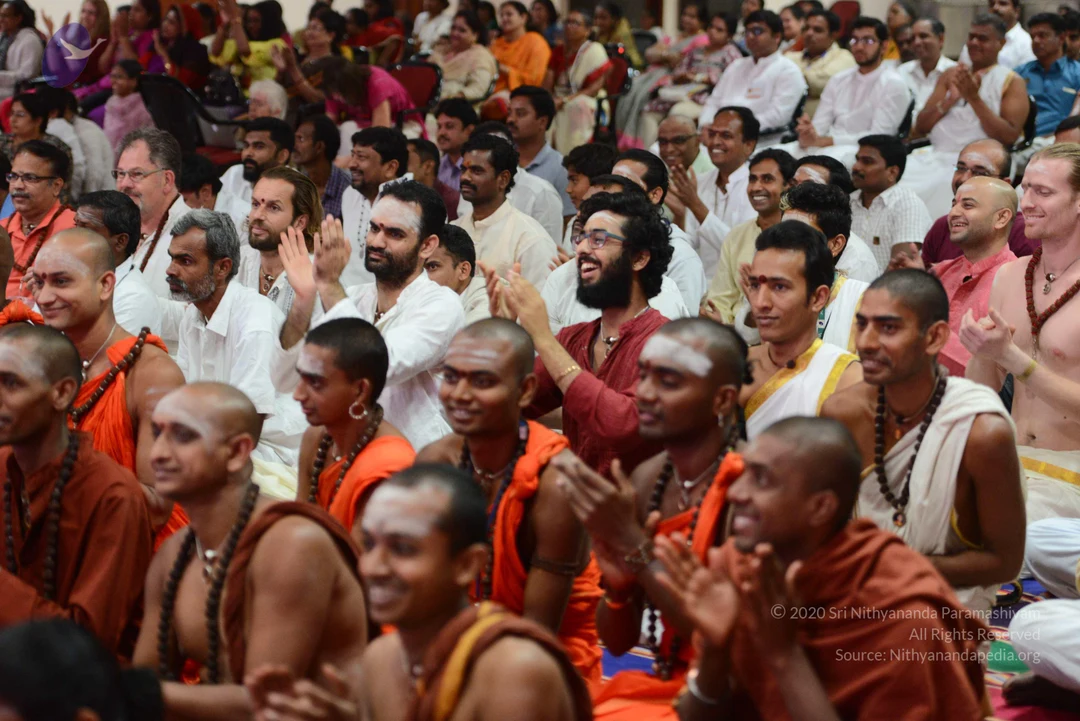
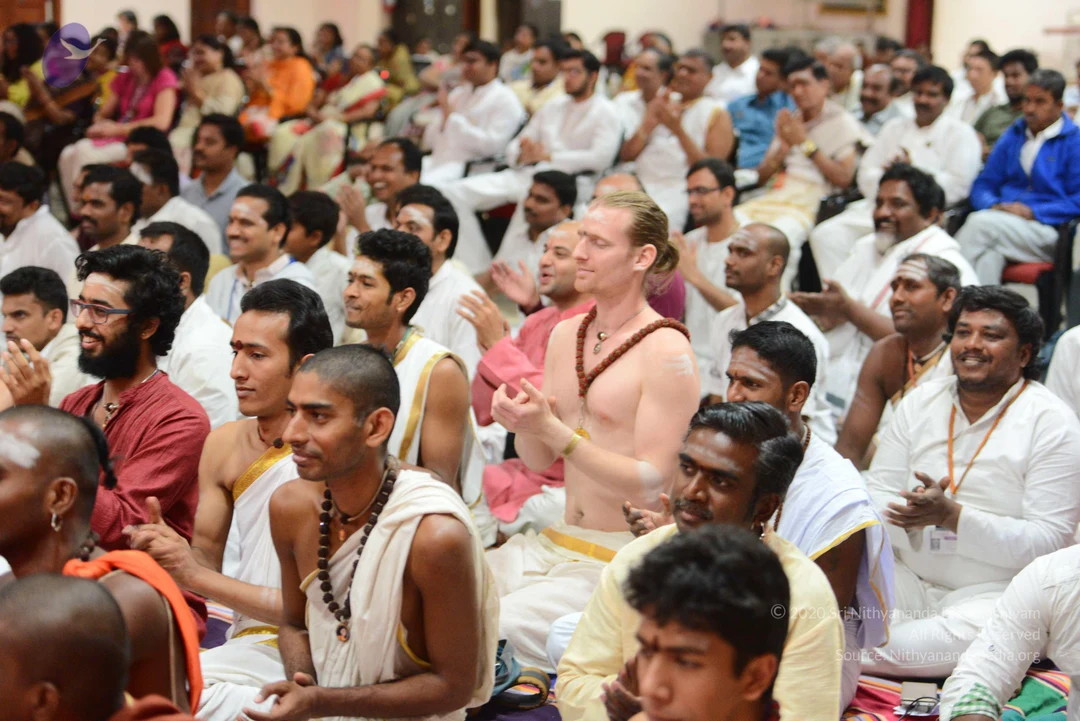
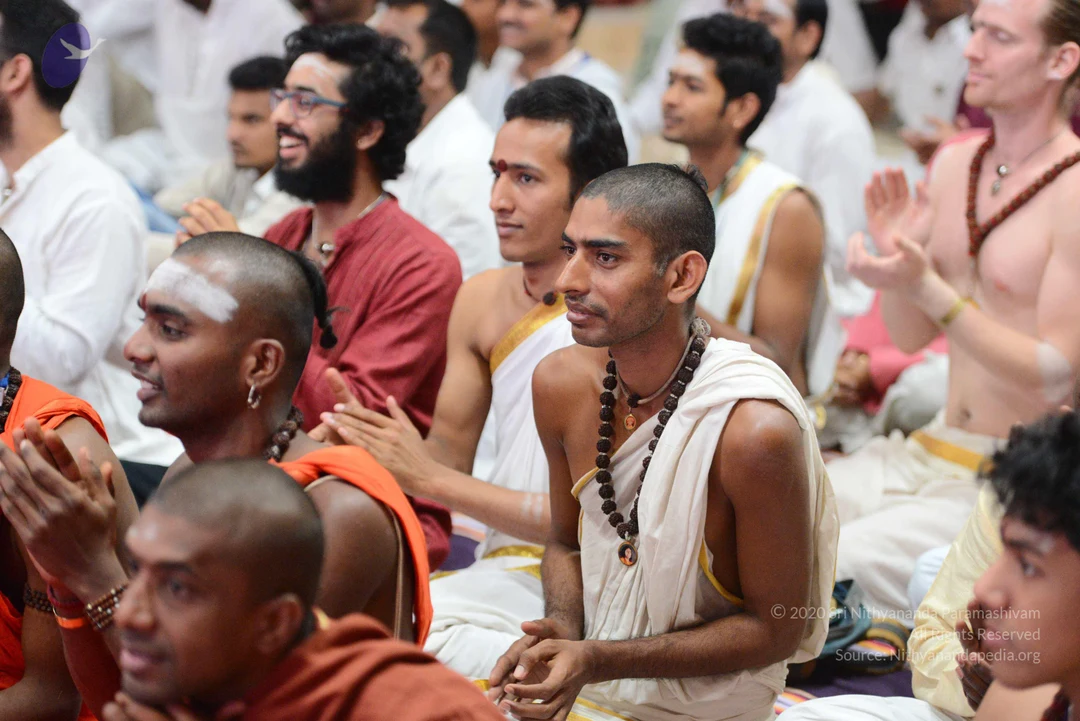
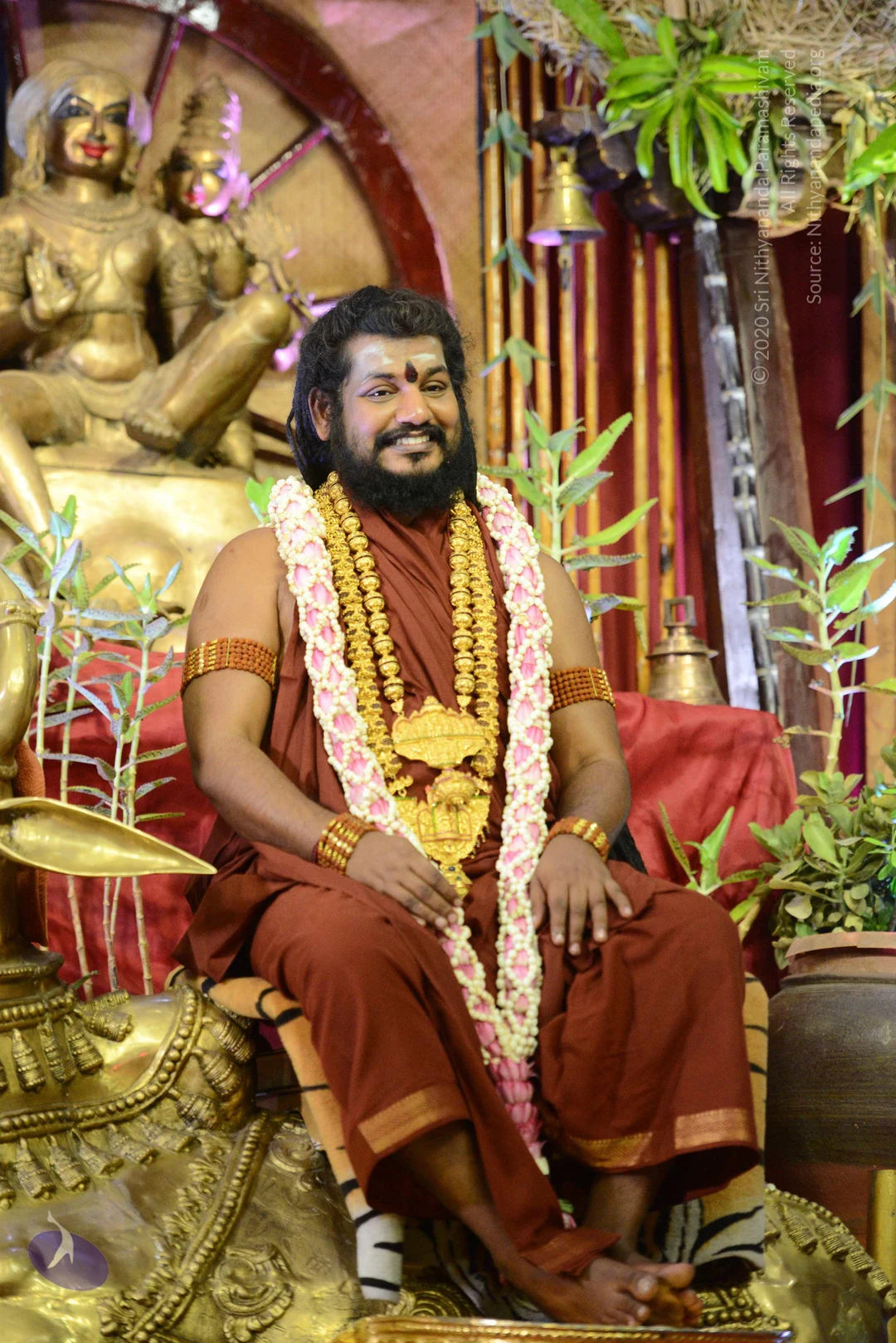
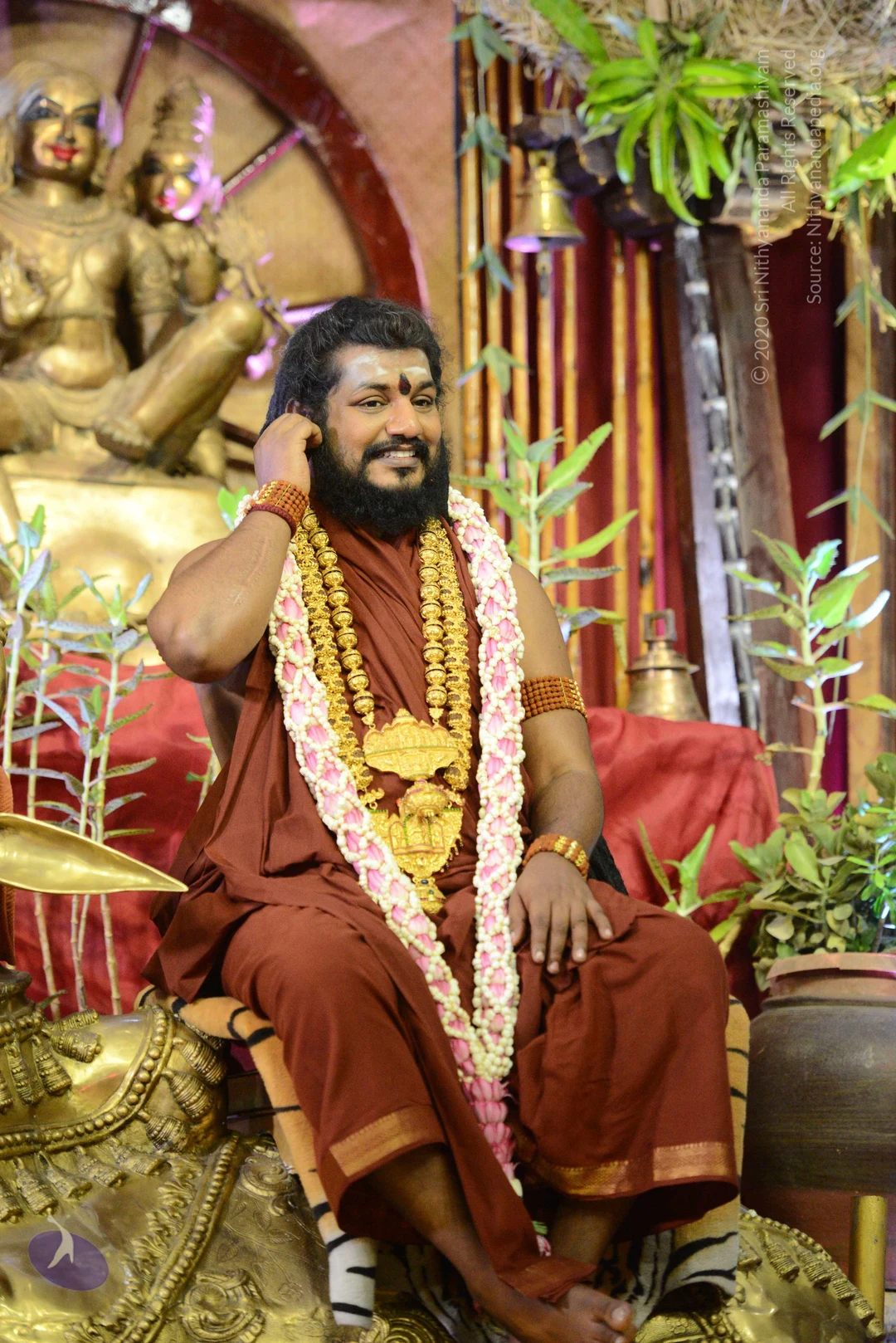
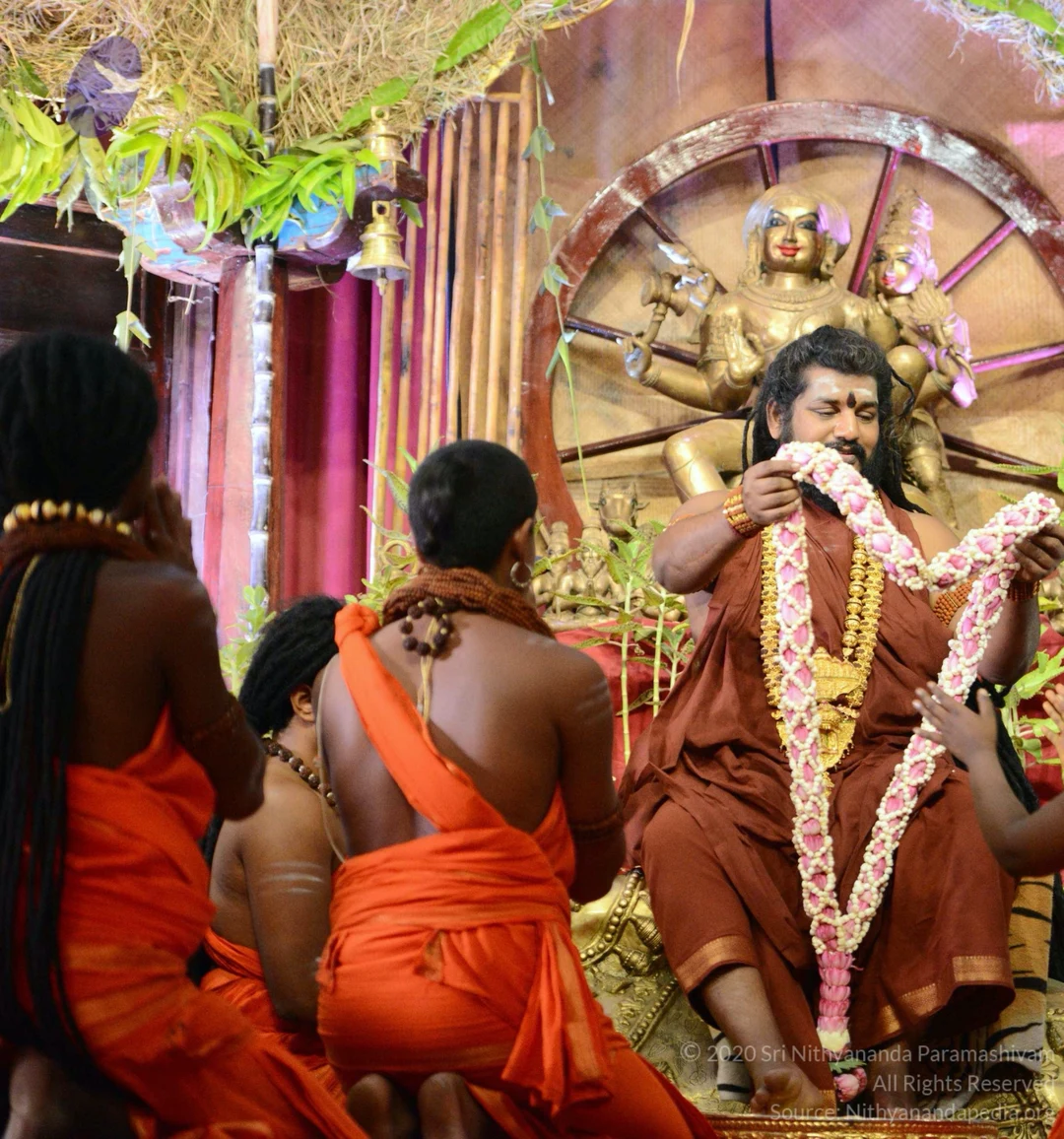
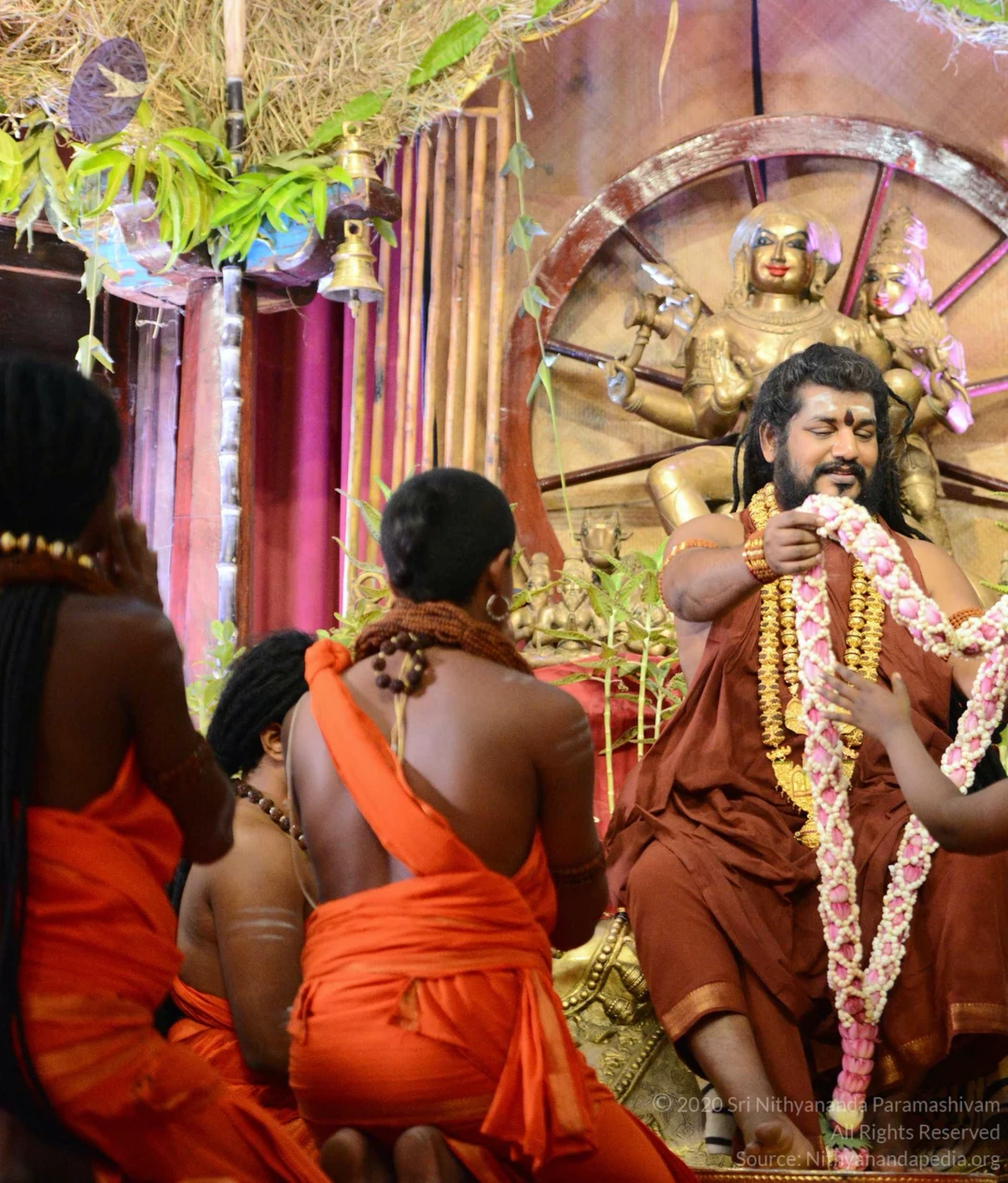
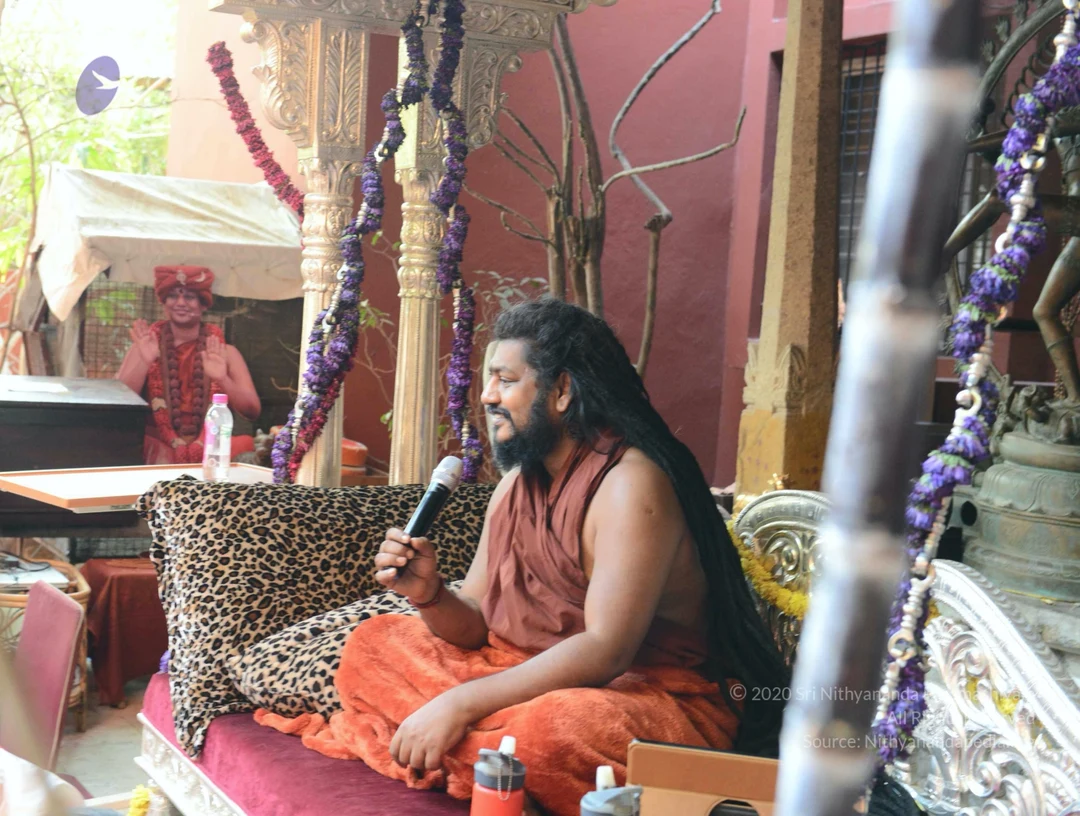
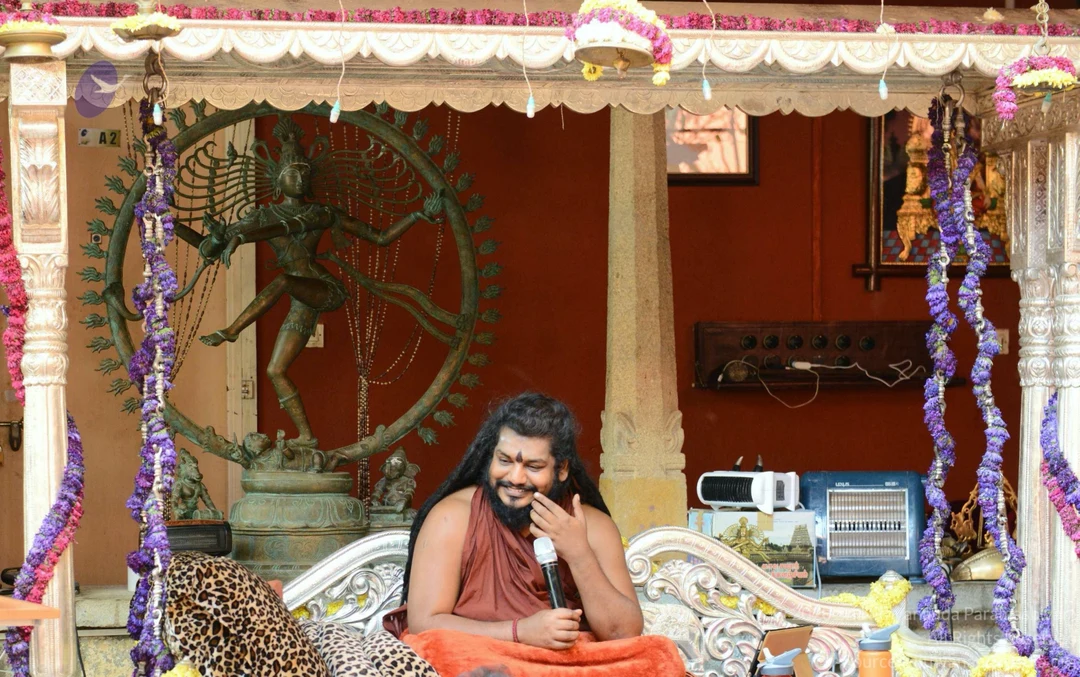
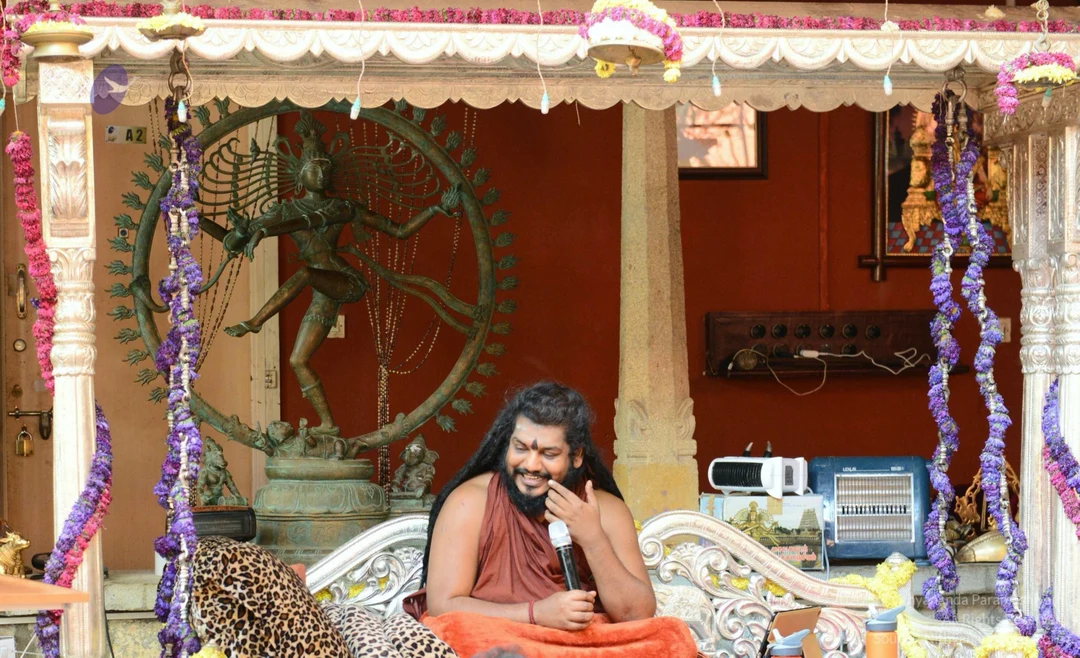
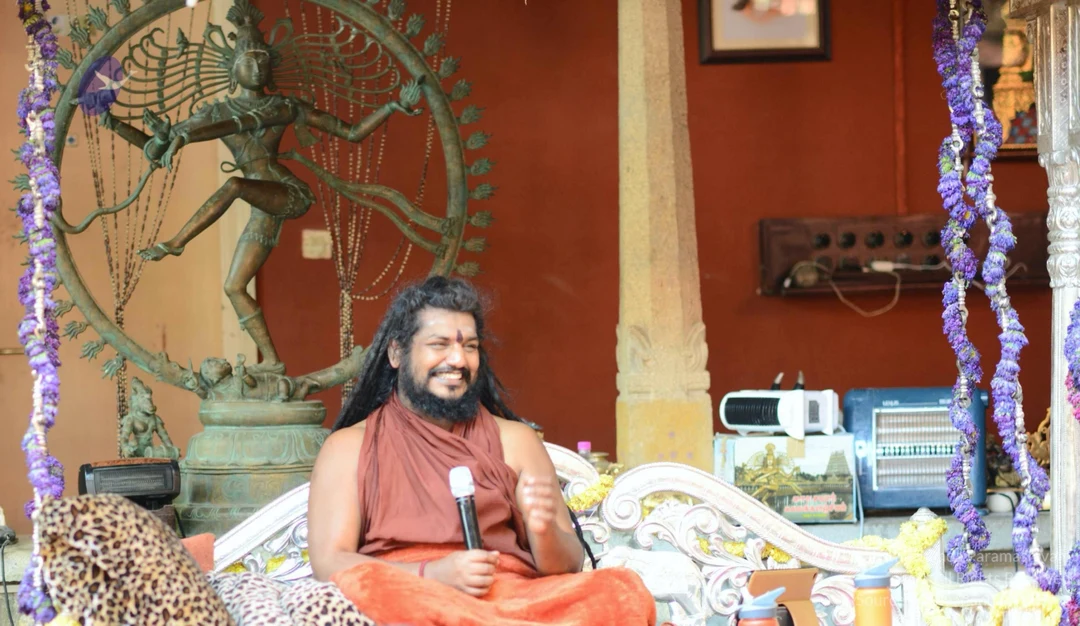
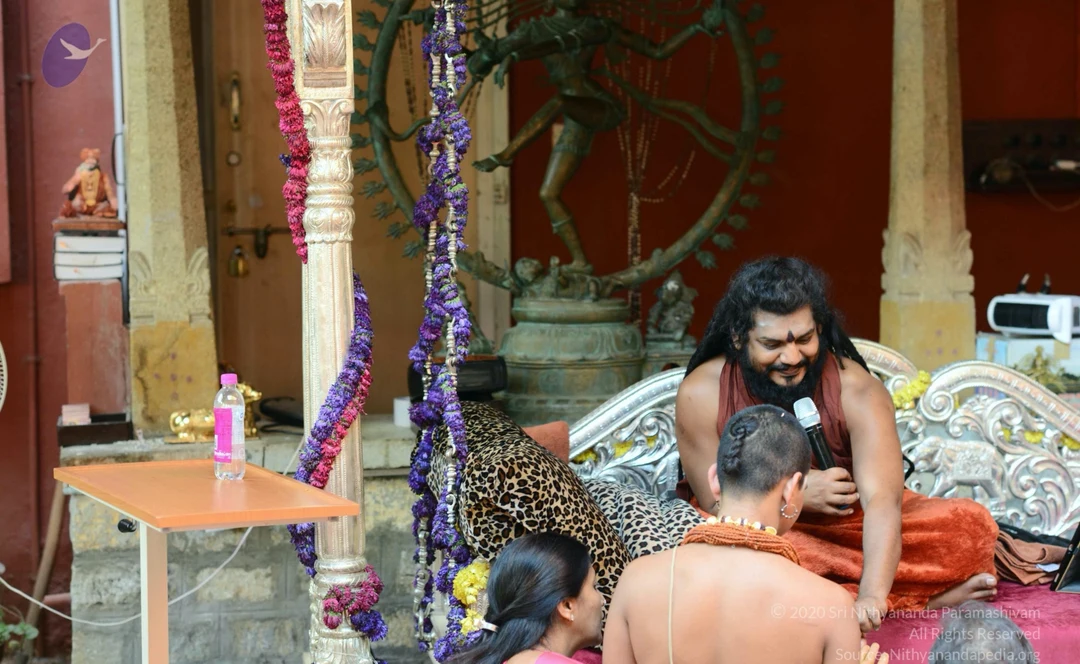
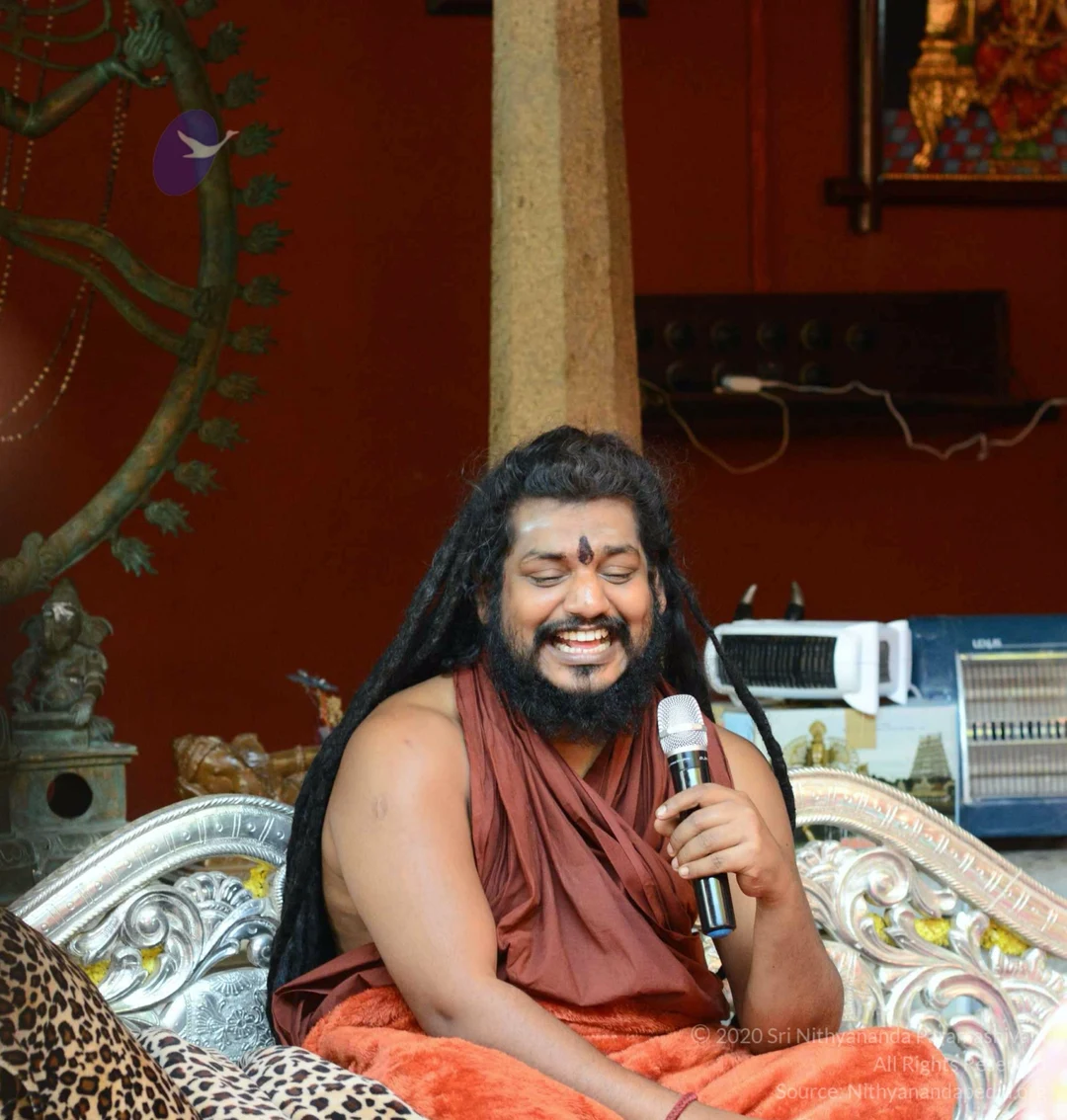
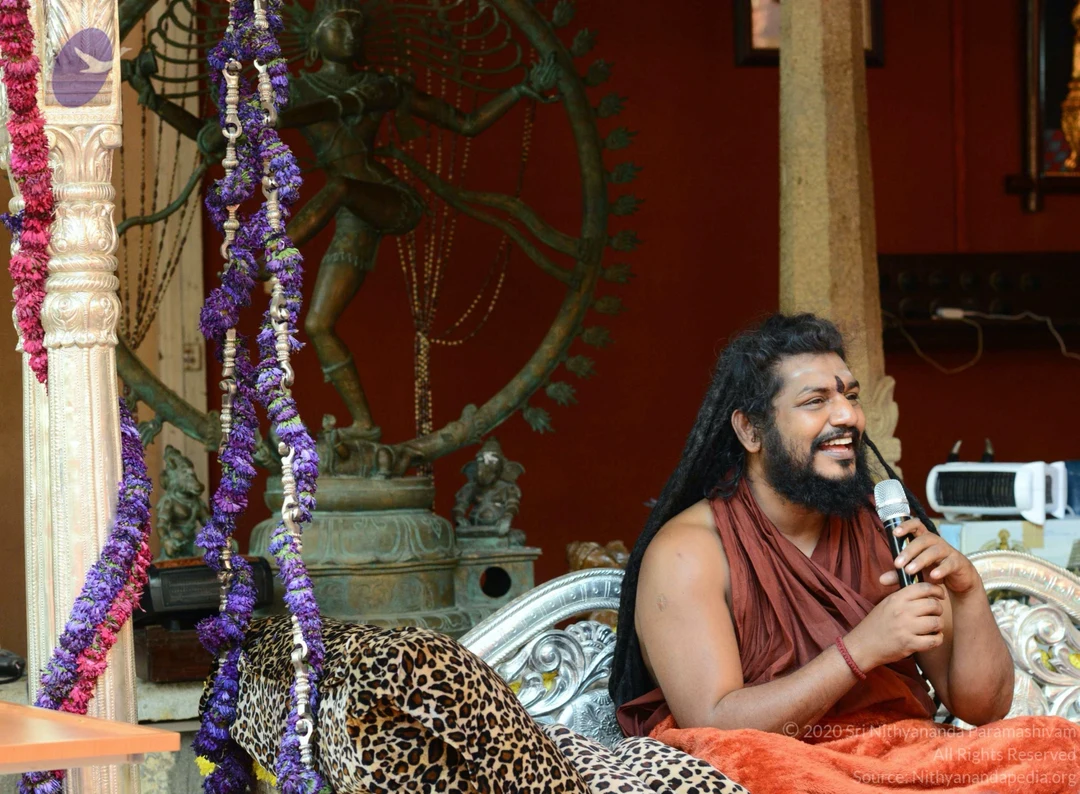
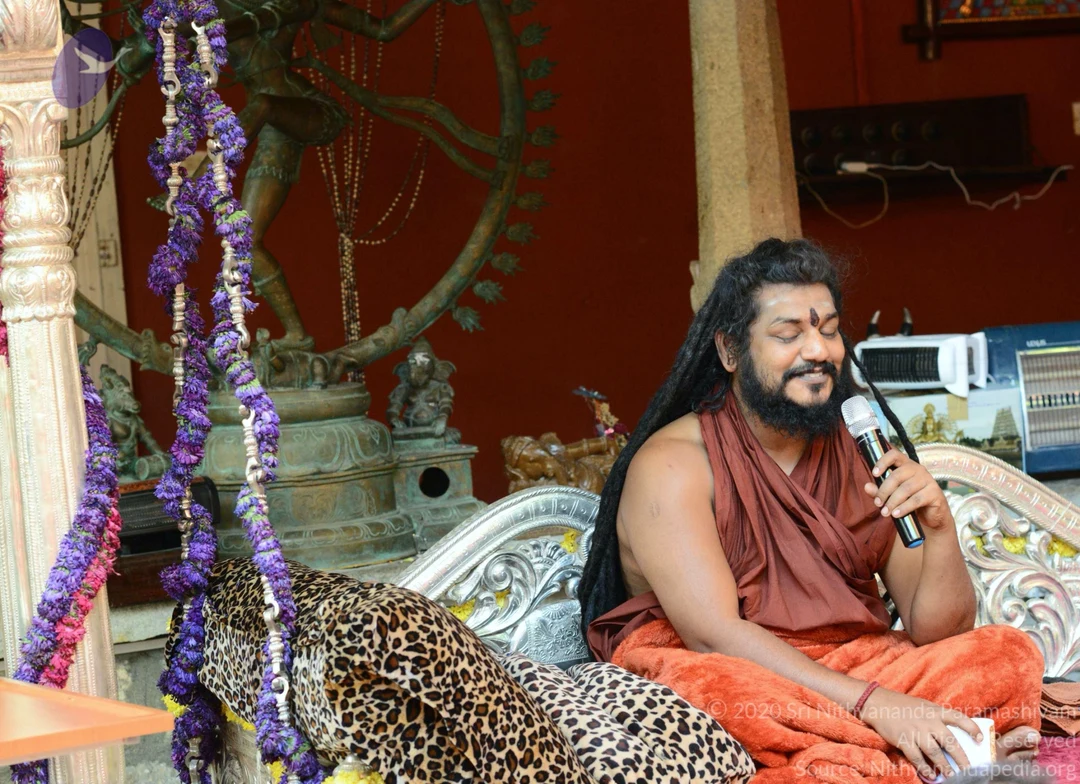
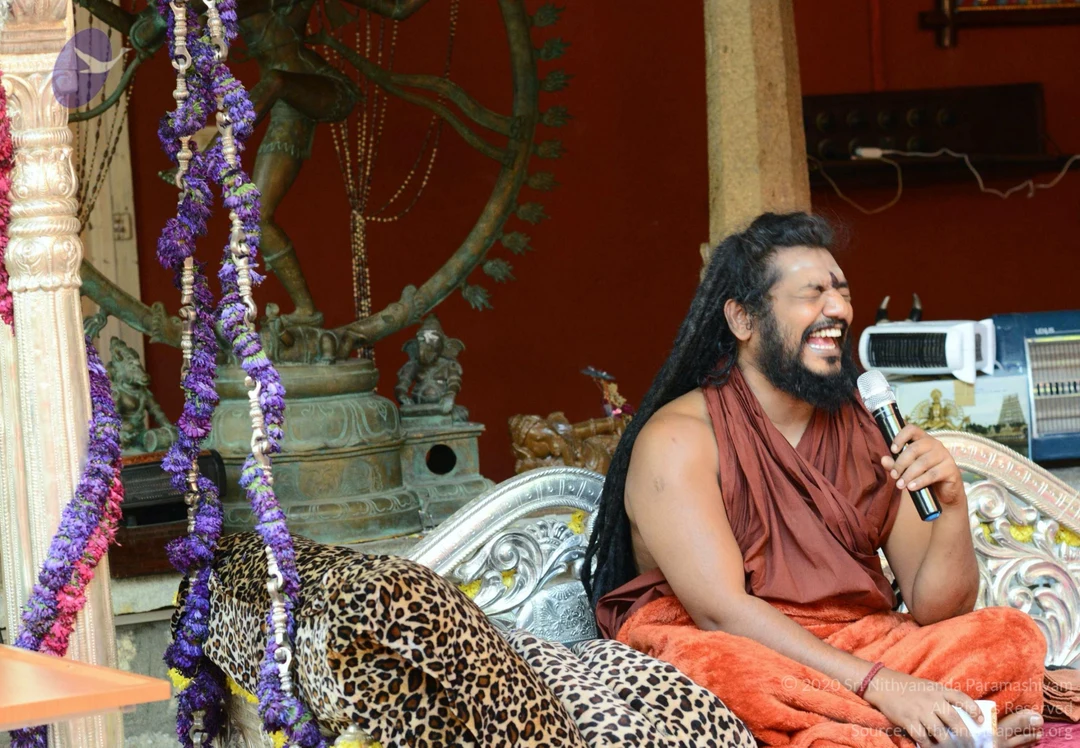
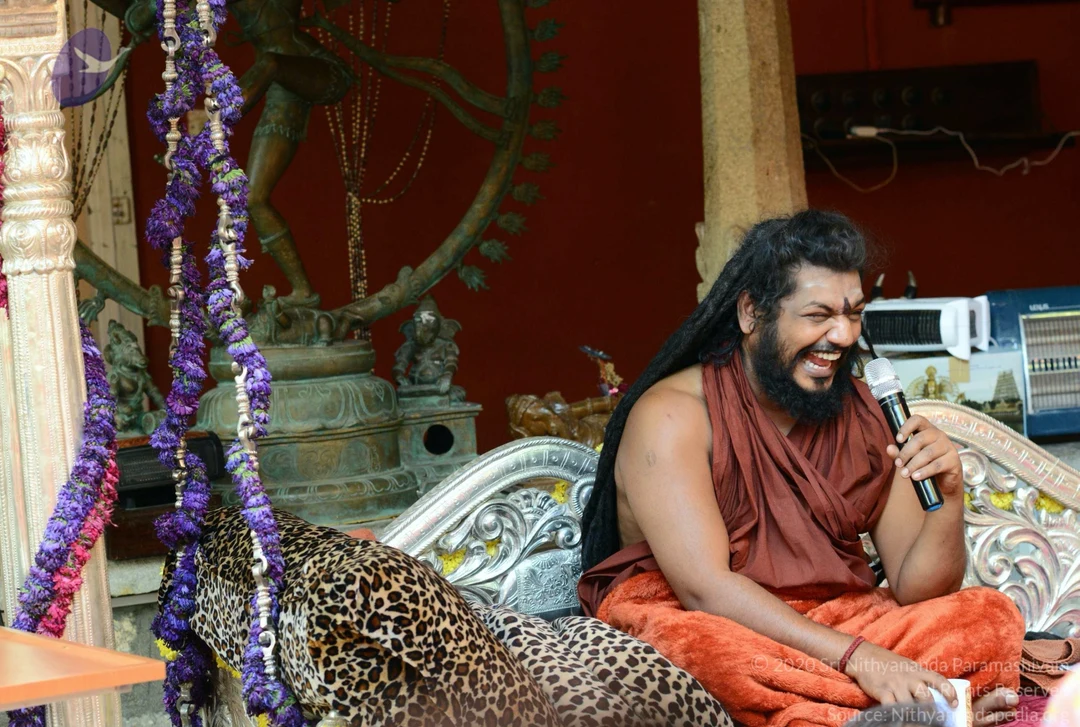
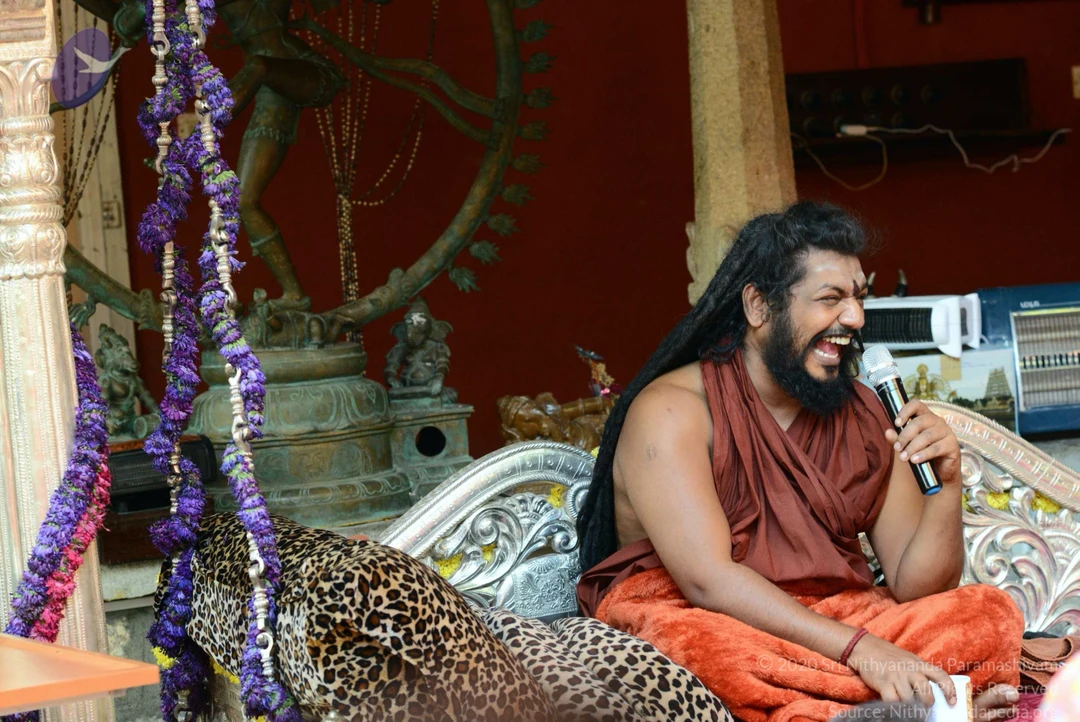
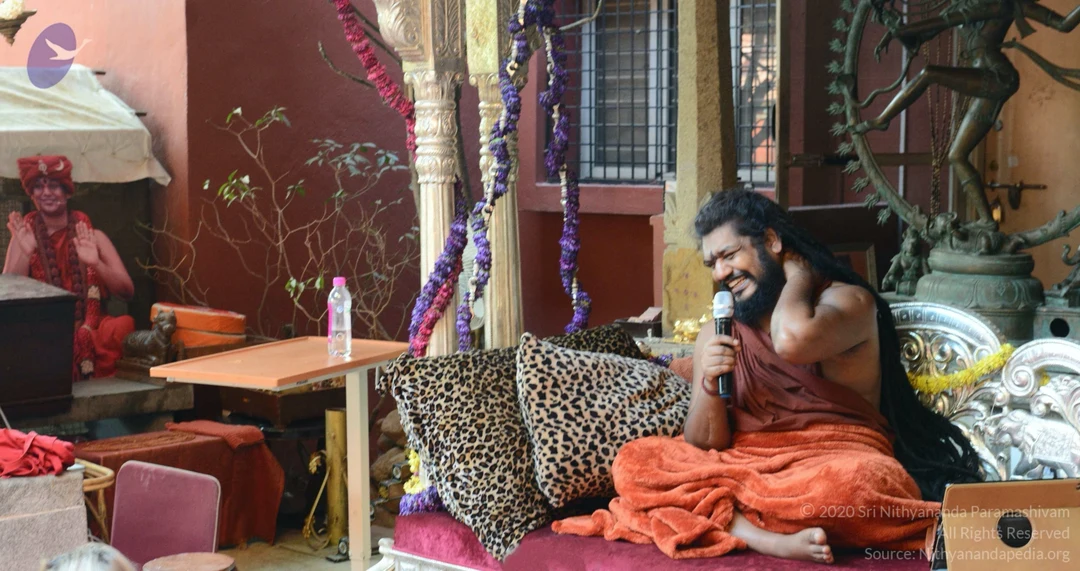
The Supreme Pontiff of Hinduism, Jagatguru Mahasannidhanam, His Divine Holiness, Bhagavan Nithyananda Paramashivam, expounded on the Cosmic Principles of the Shuddhadvaitam during the everyday live public talk - Nithyananda Satsang. During the live public talk titled Shuddhadvaitam: Gateway to Extraordinary Powers, The Supreme Pontiff of Hinduism (SPH) revealed that we are the Ultimate even as we are now, even if we think we are manifesting Bondage, Suffering, Poverty, Suffocation, ill Health and all the wrong things.
He further expanded by sharing that if one can manifest the wrong things in life, it means that one can also manifest what he/she wants. The SPH revealed the powerful cosmic truth which is that the Manifested can never be more Powerful than the Manifester and also declared that we are Sadashivoham explaining that nothing else needs to be done from our side other than Will-persistence and the decision to manifest Powers.
The SPH shared several more powerful cognitions with the audience and those tuning in online, one of which is the truth that Sadashiva has come in the form of Guru ; and this happening is needed in our life just to make these two statements into Reality and protect us from any other statements entering into our head, unnecessarily torturing us. Such a gift from Bhagavan.
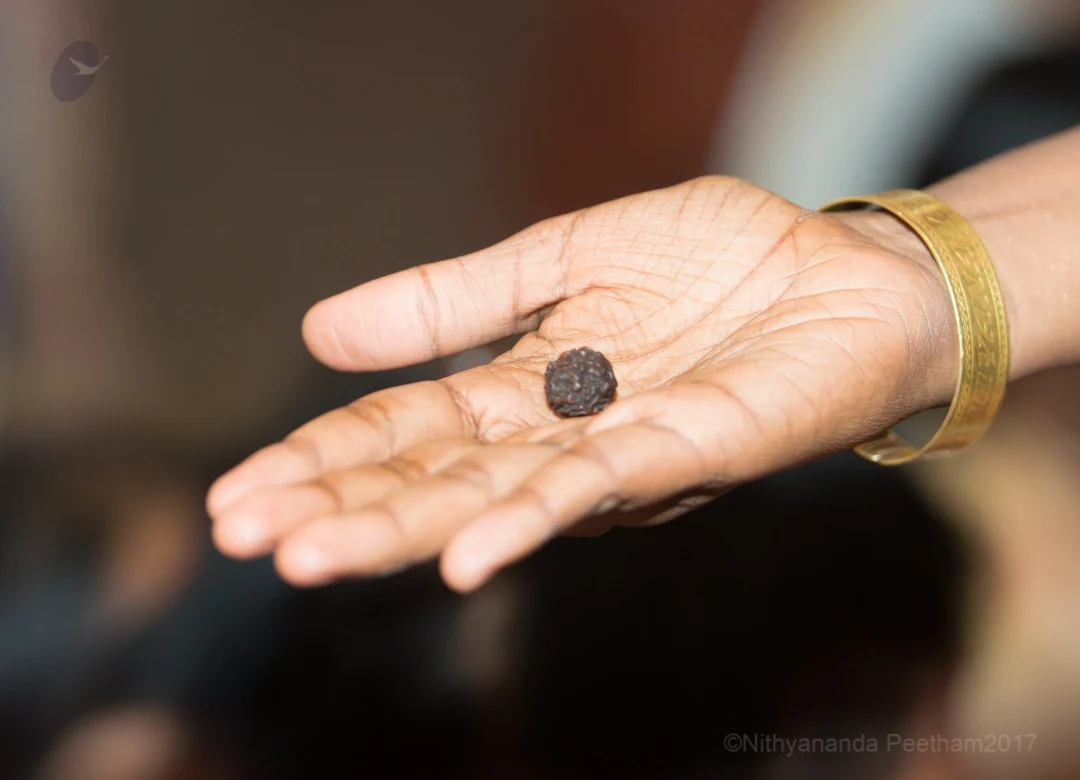
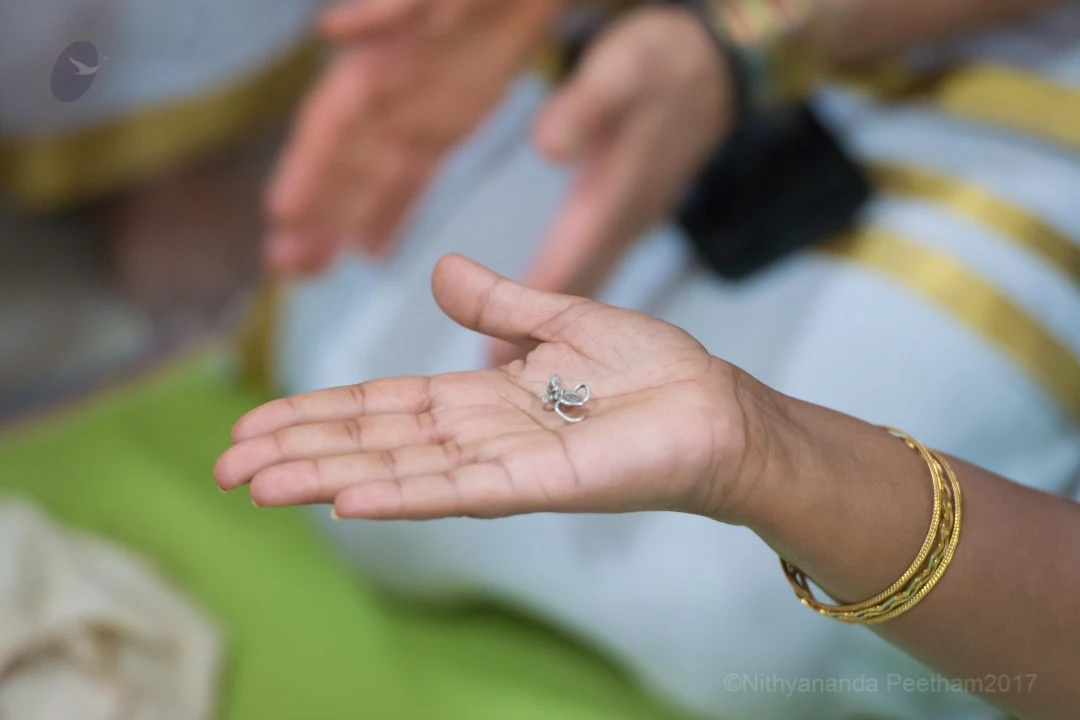
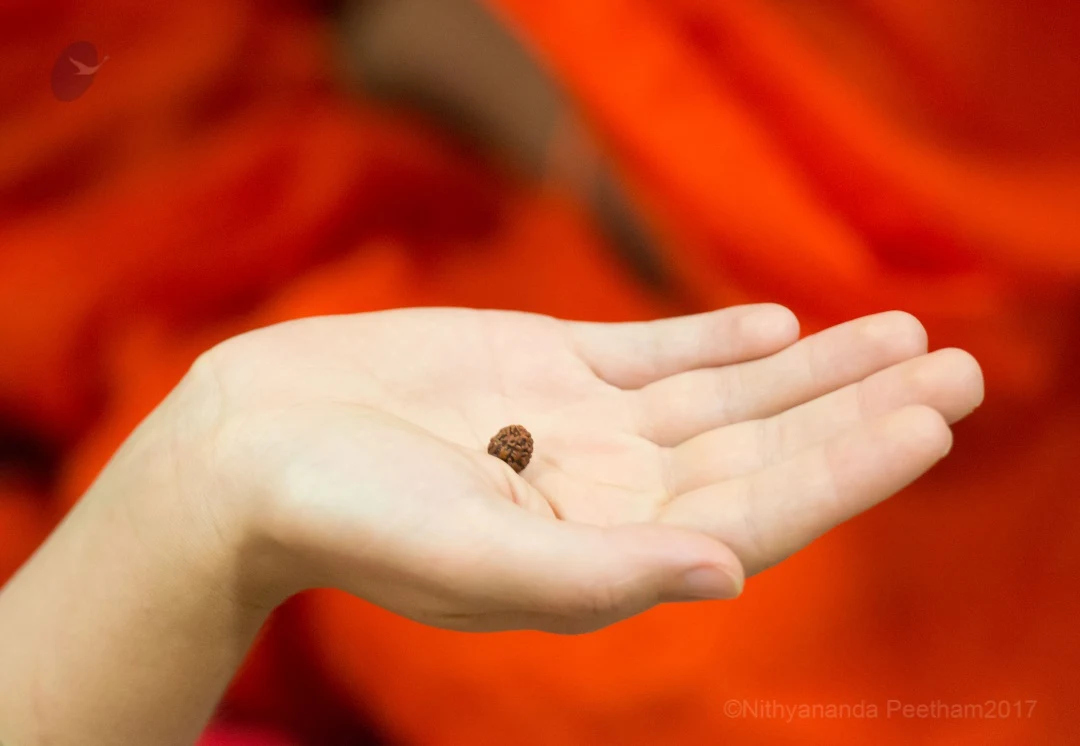
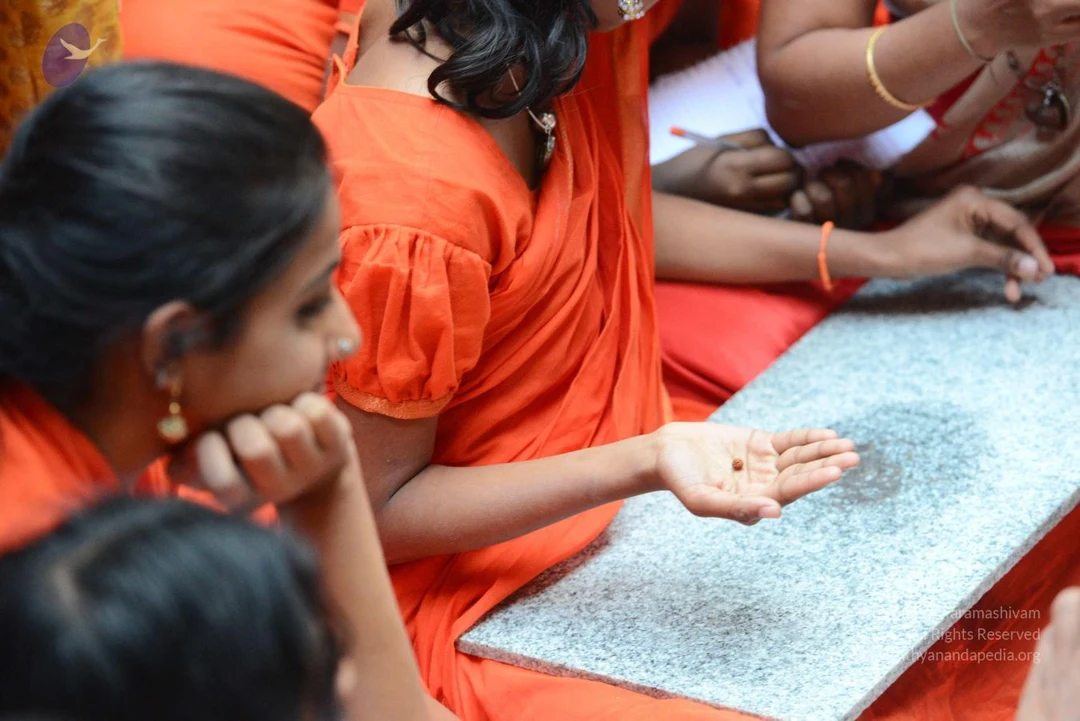
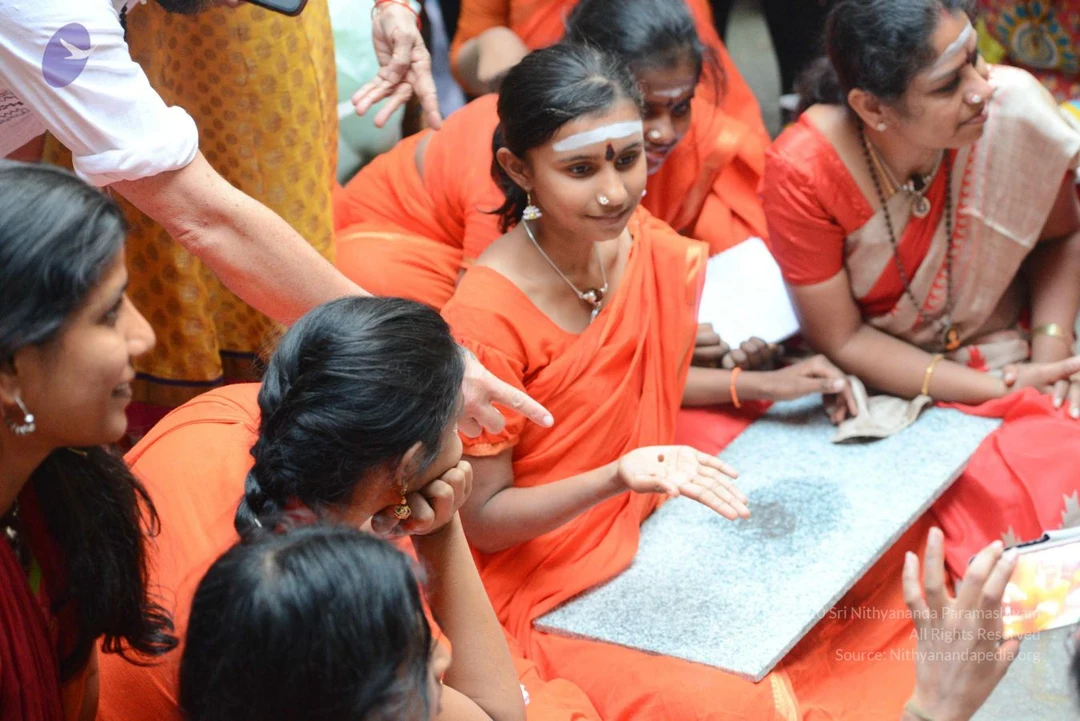
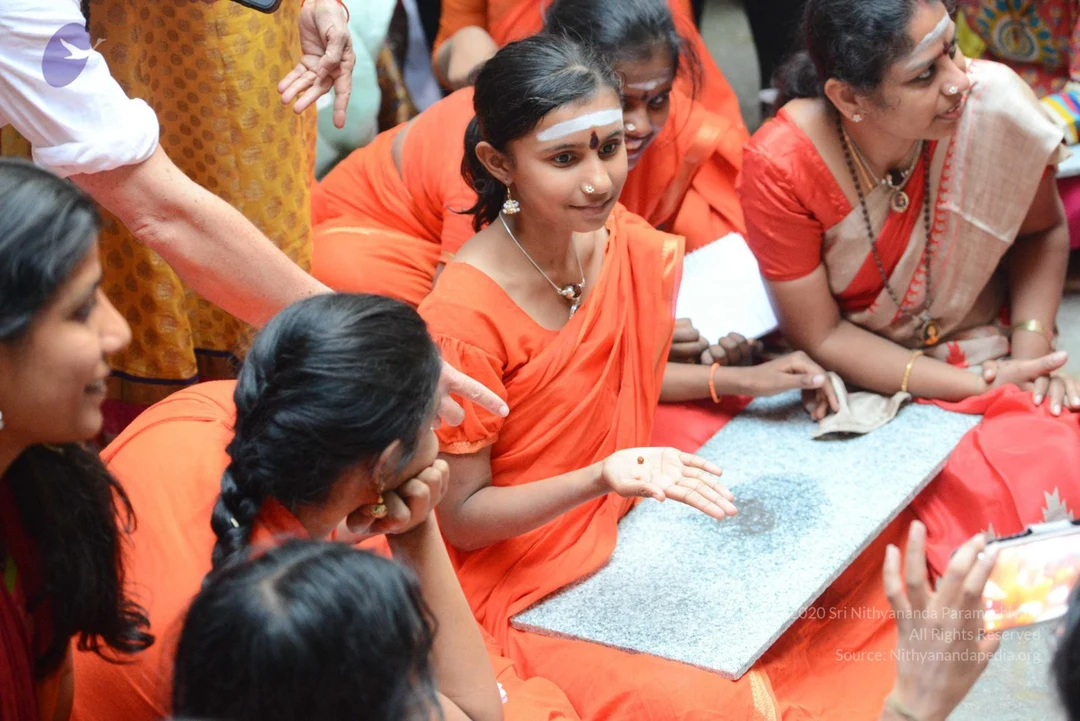
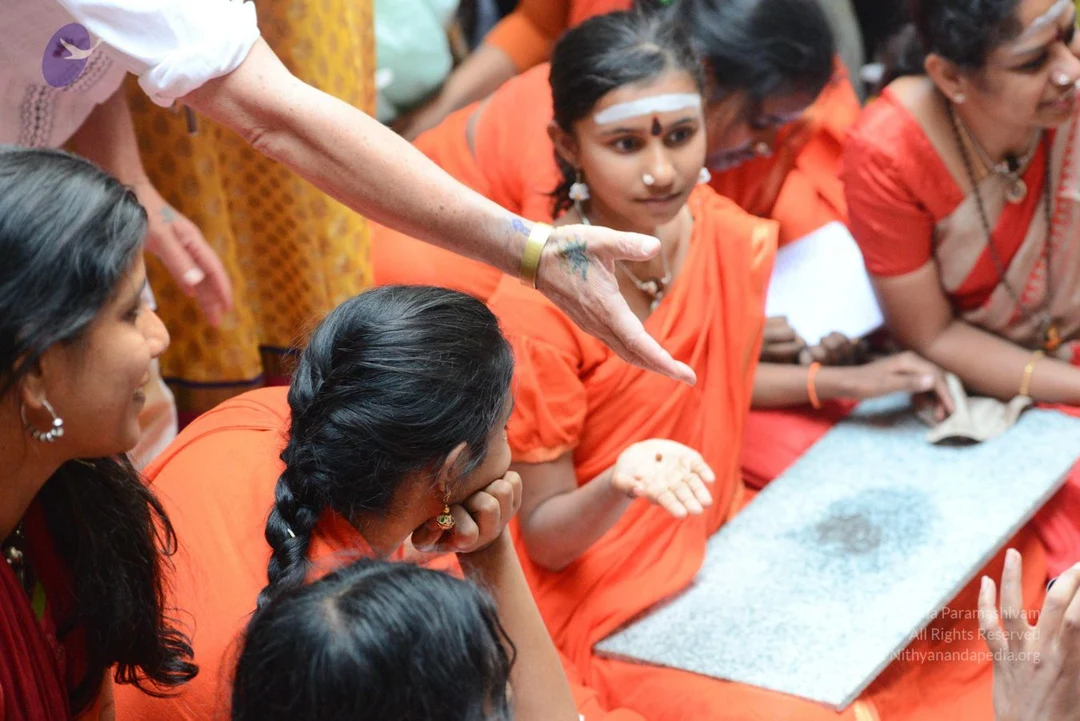
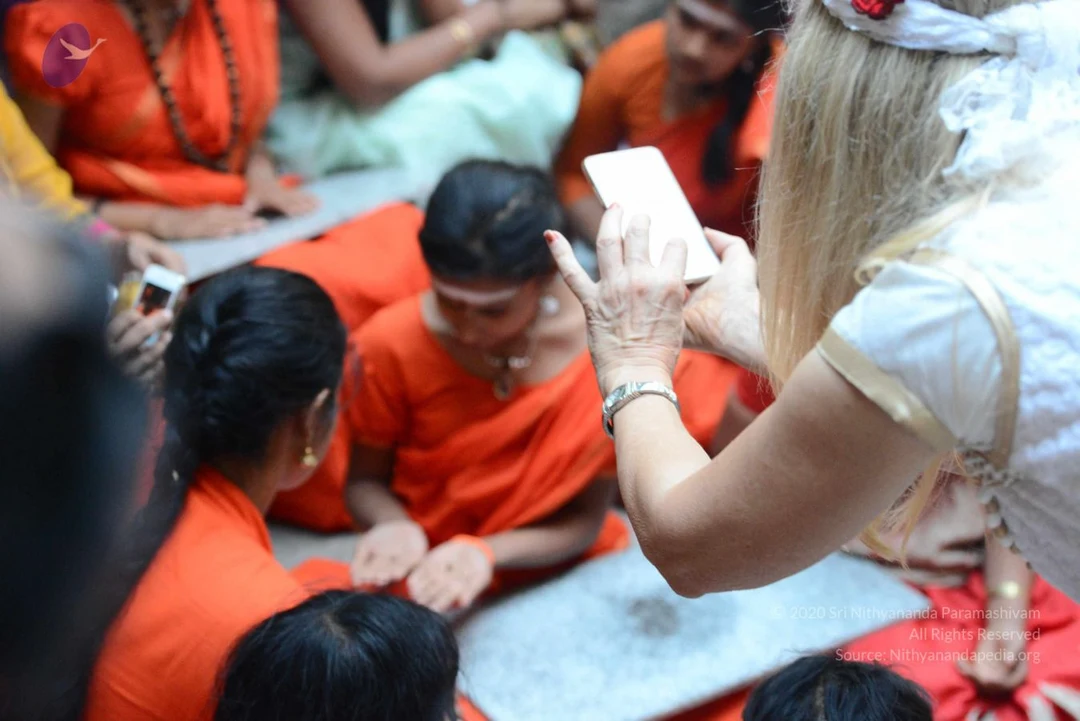
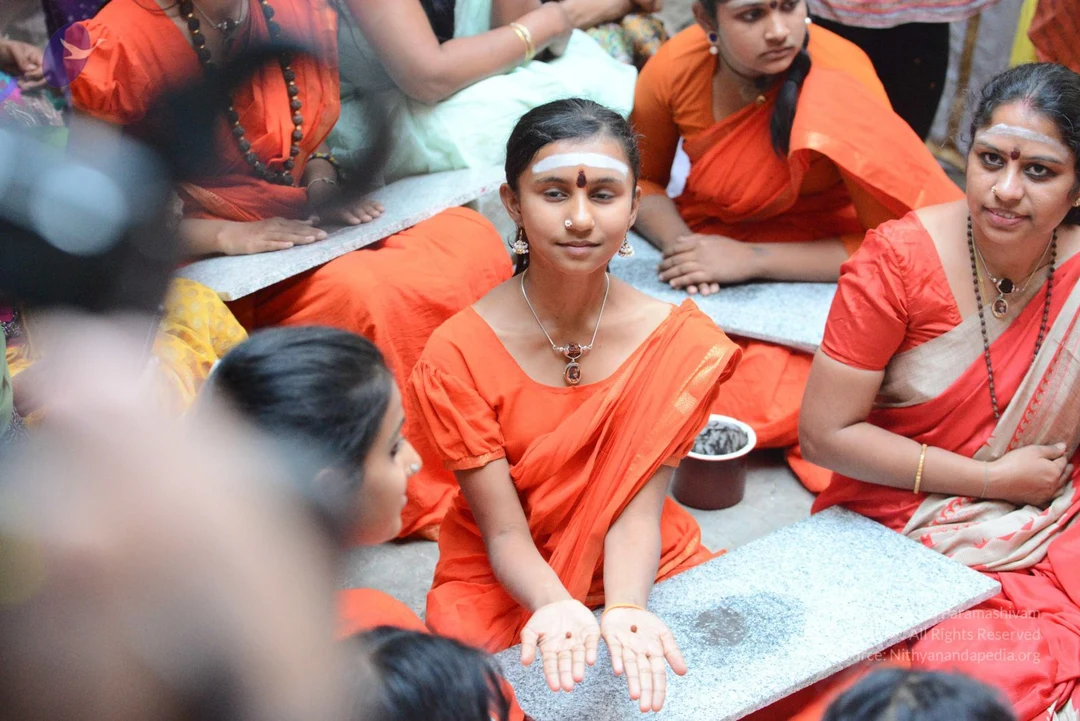
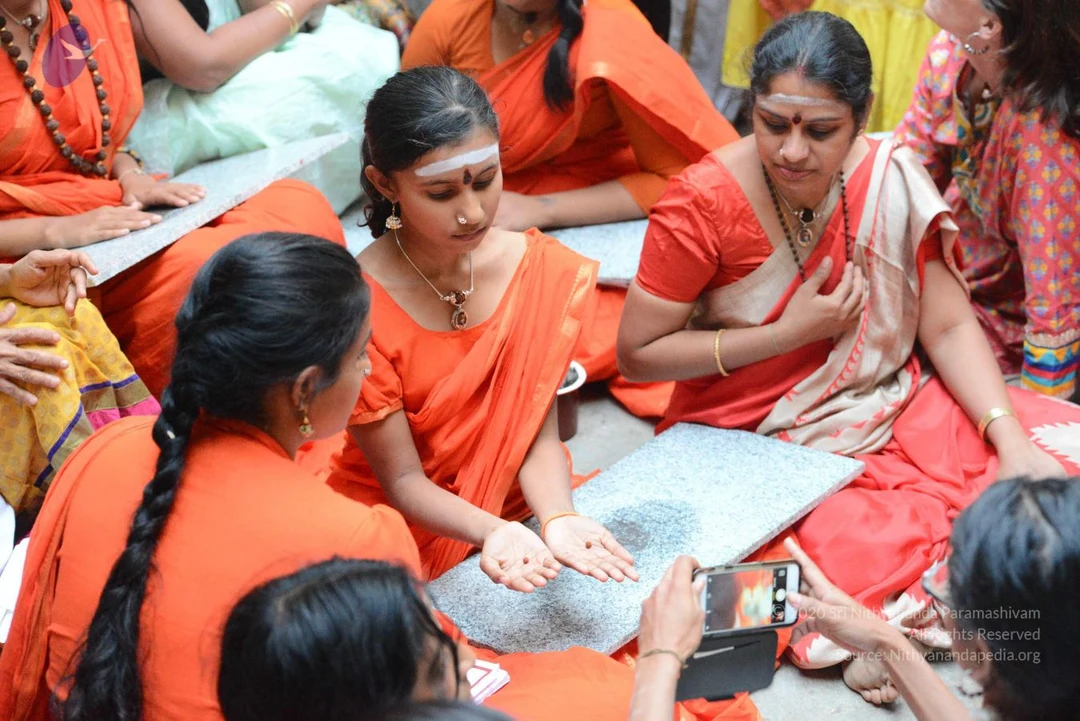
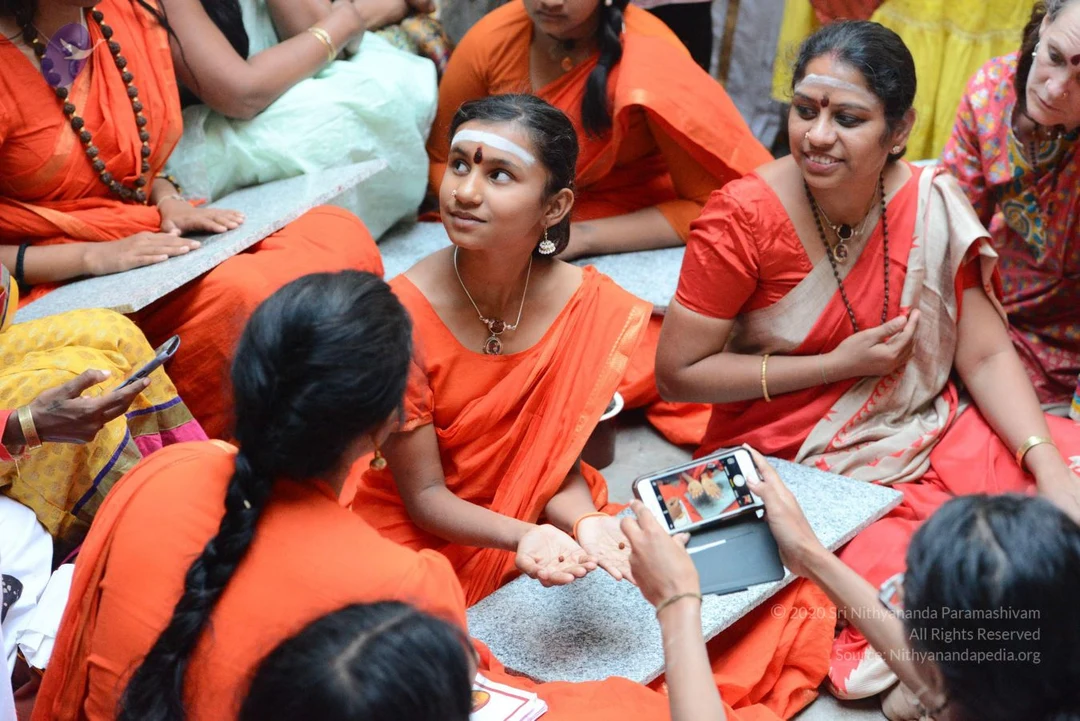
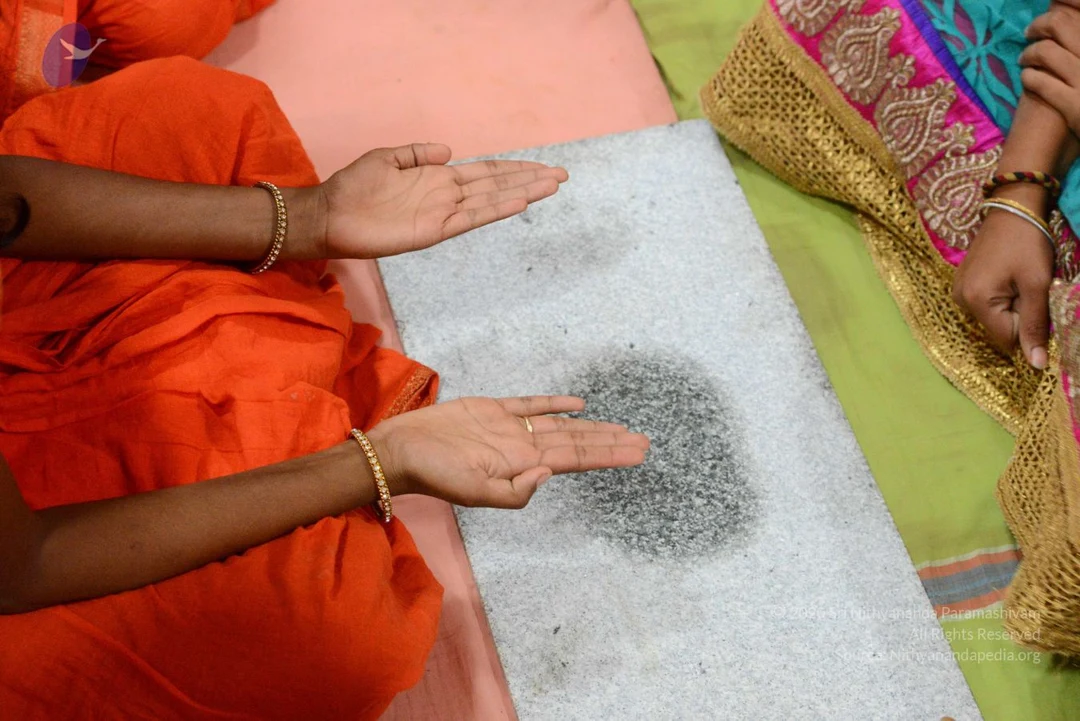
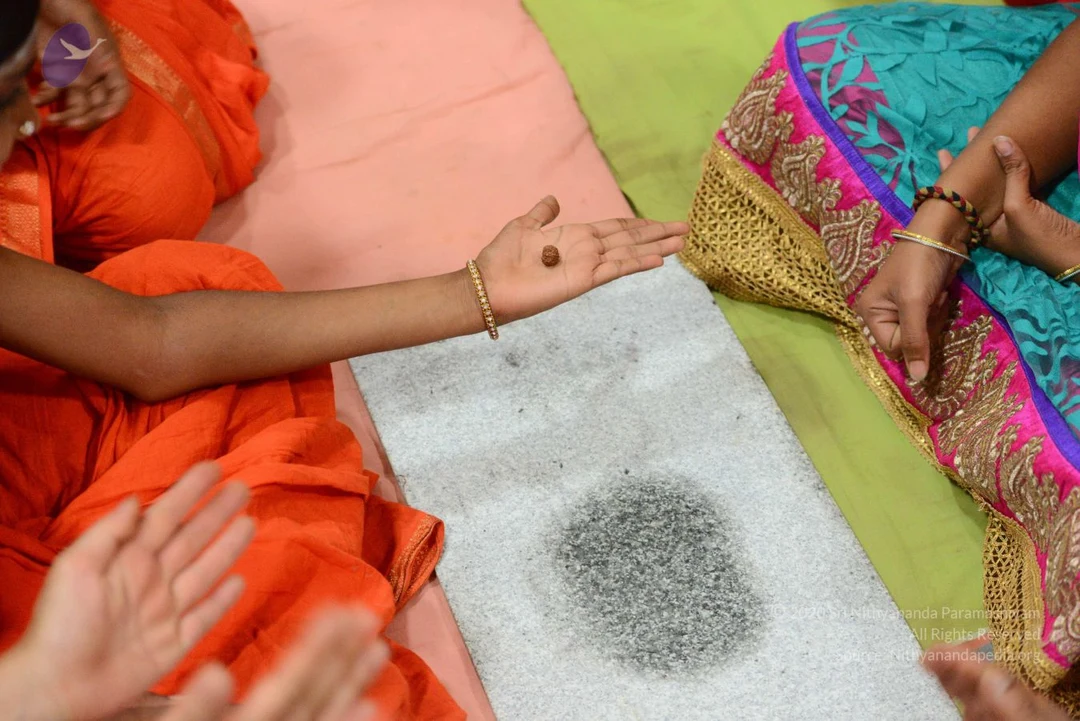
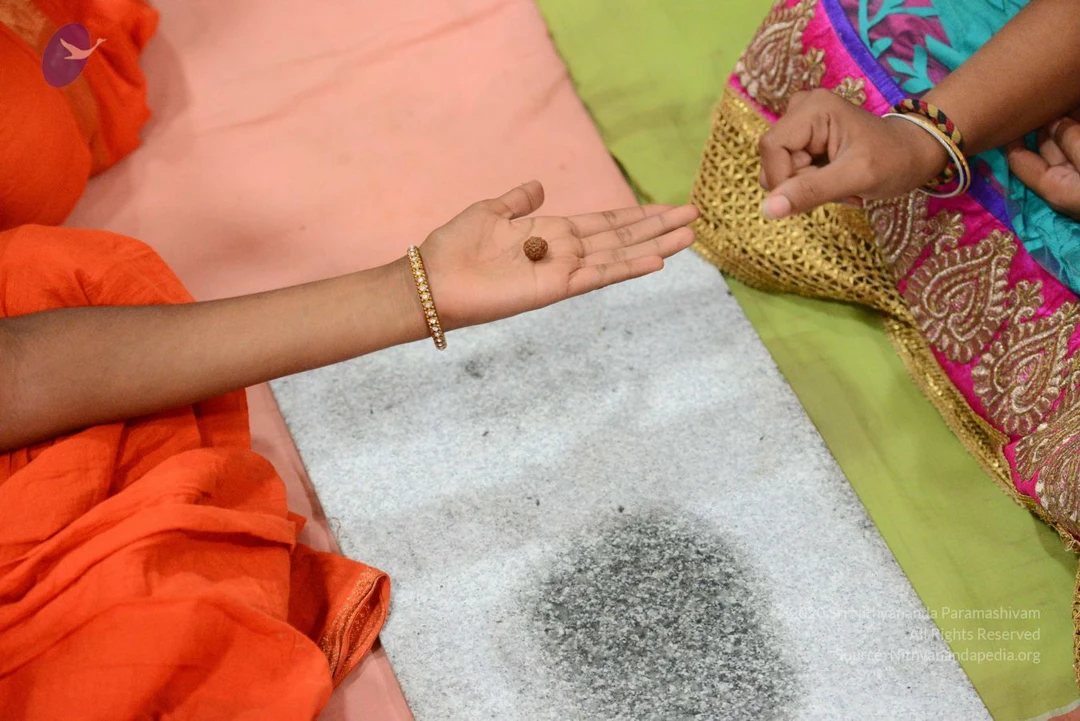
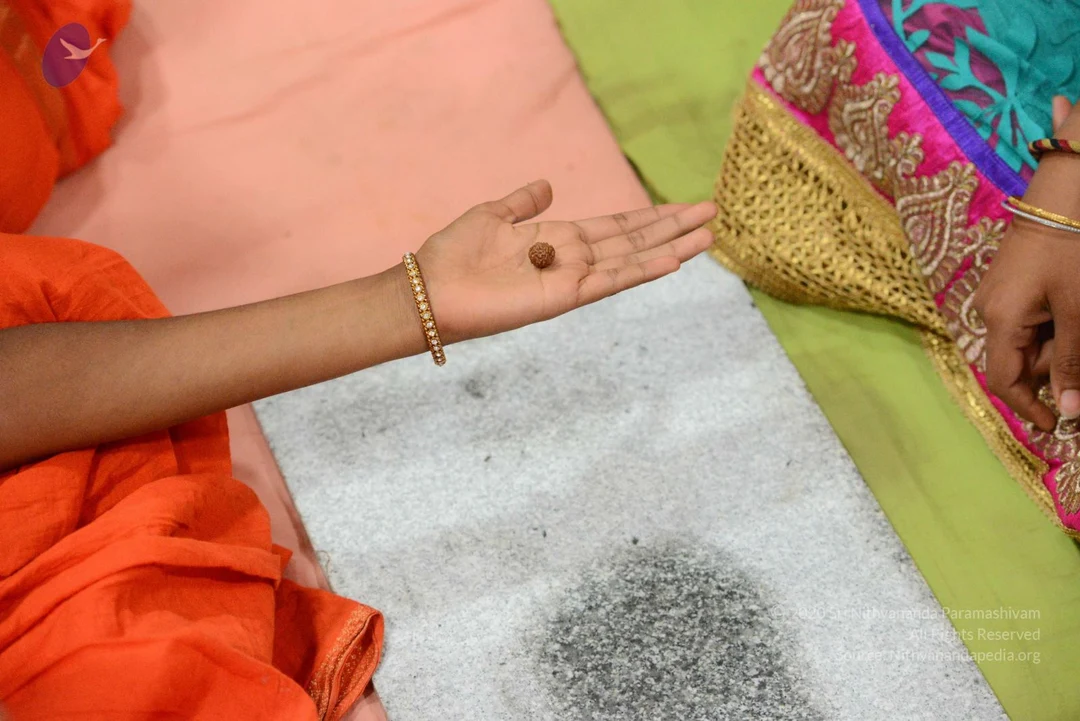
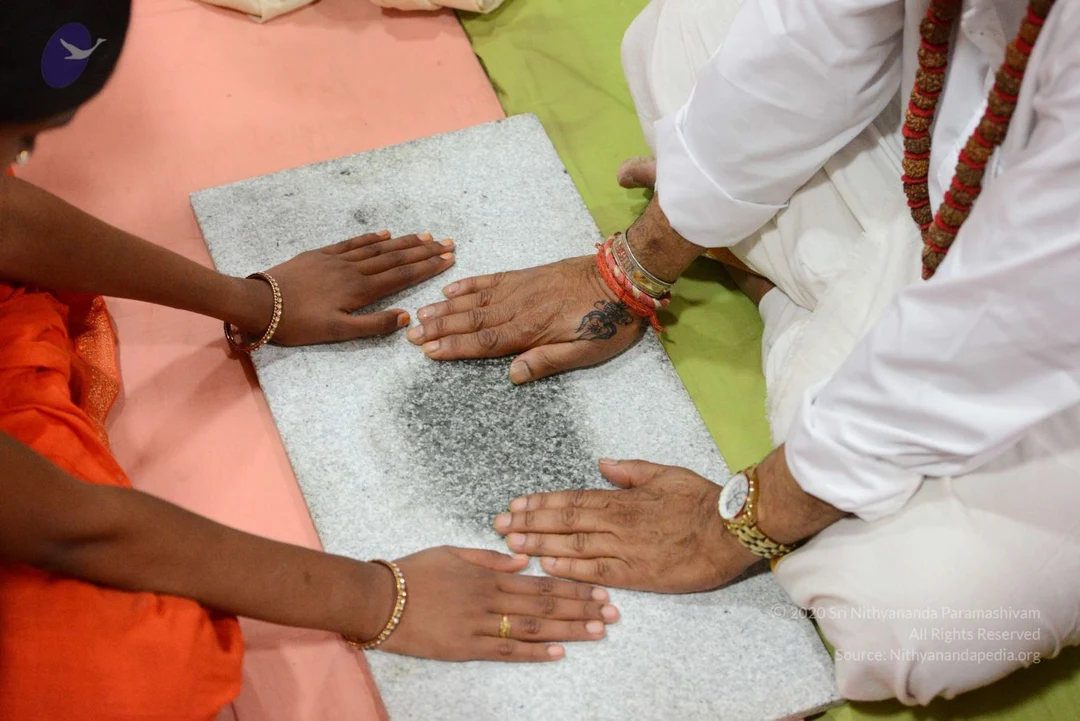
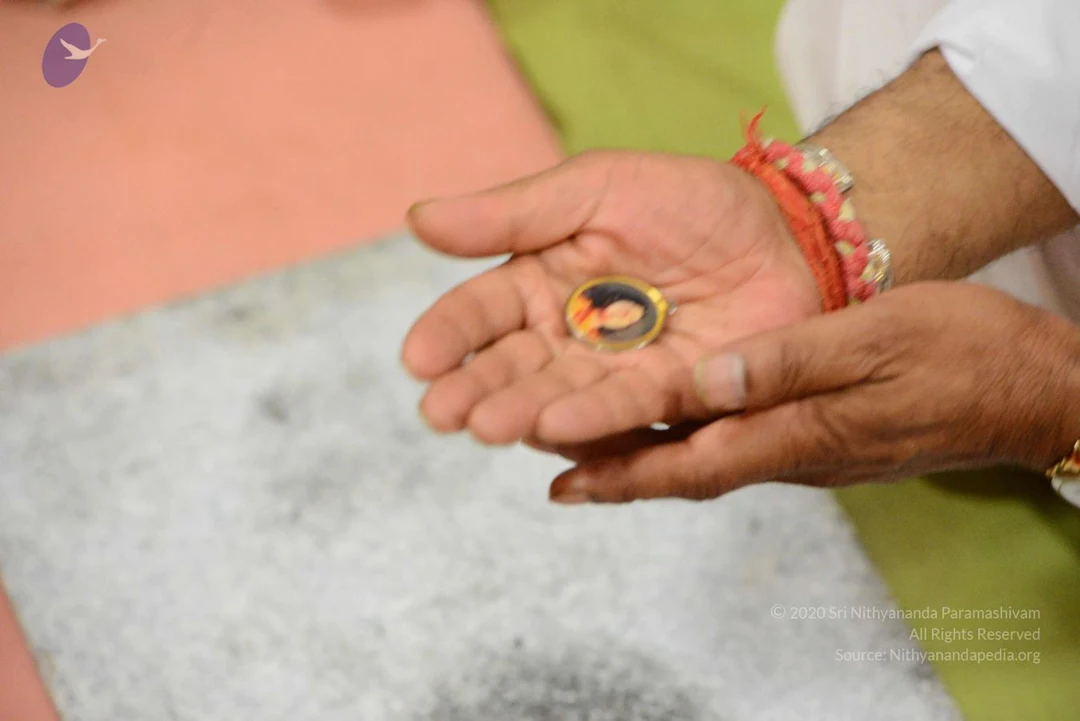
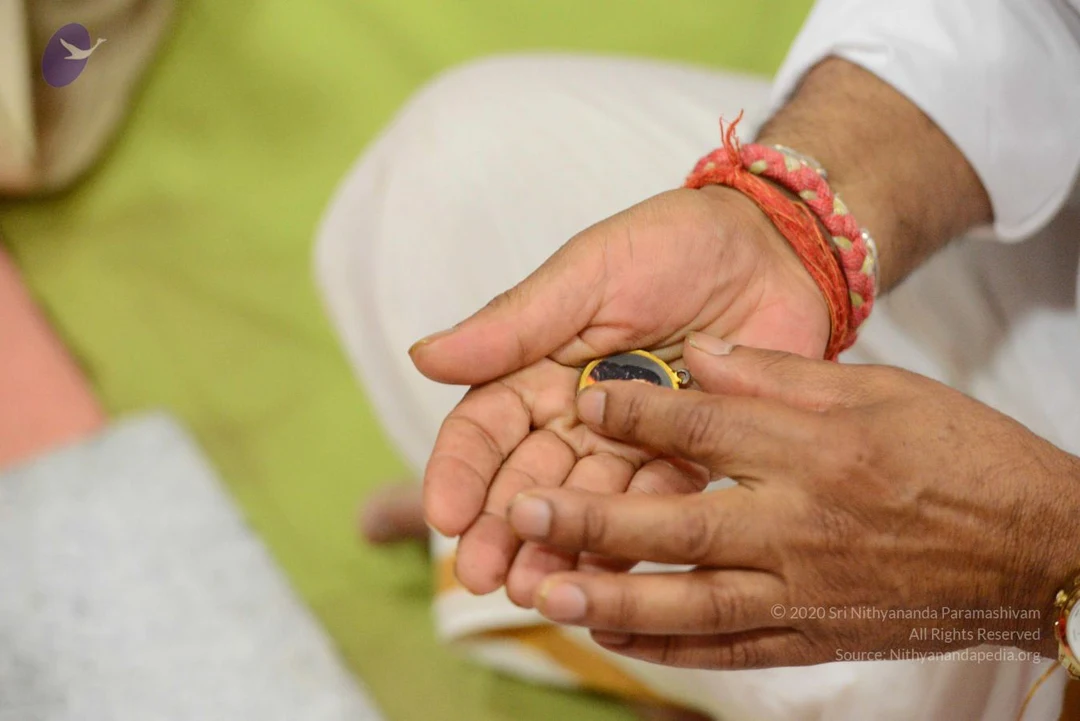
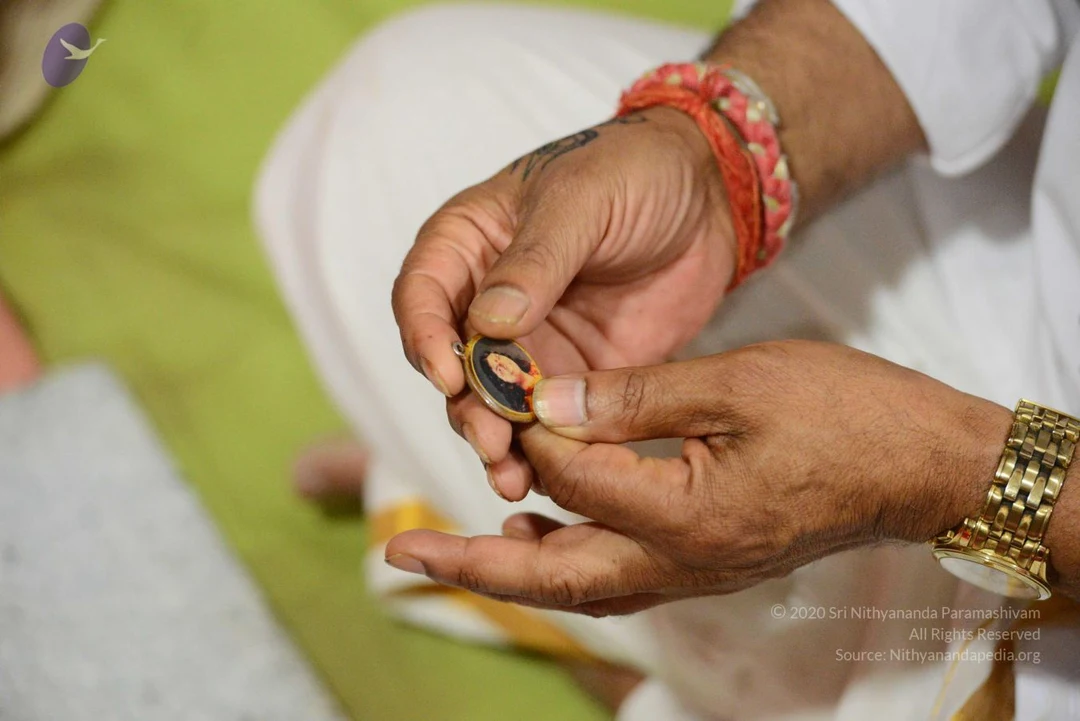
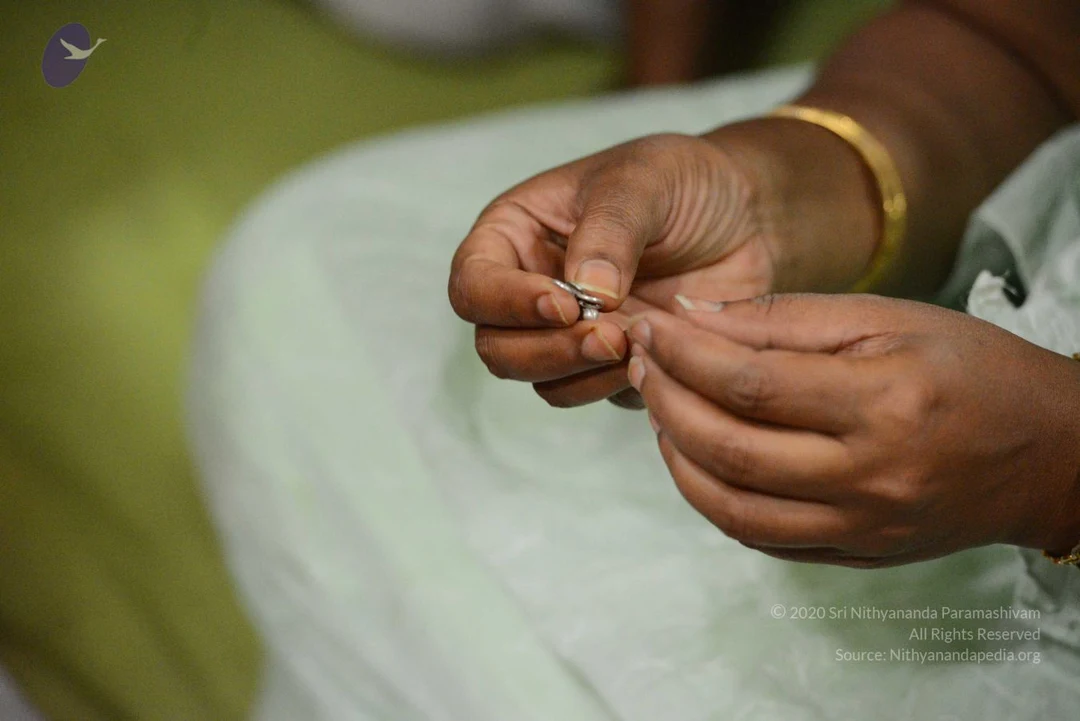
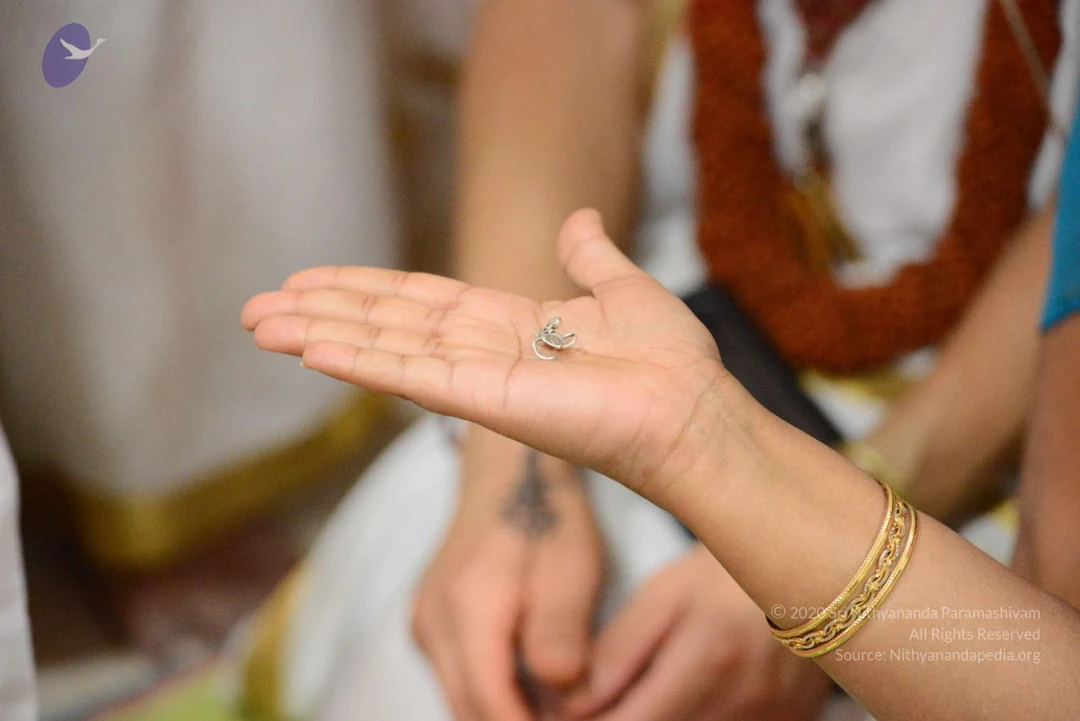
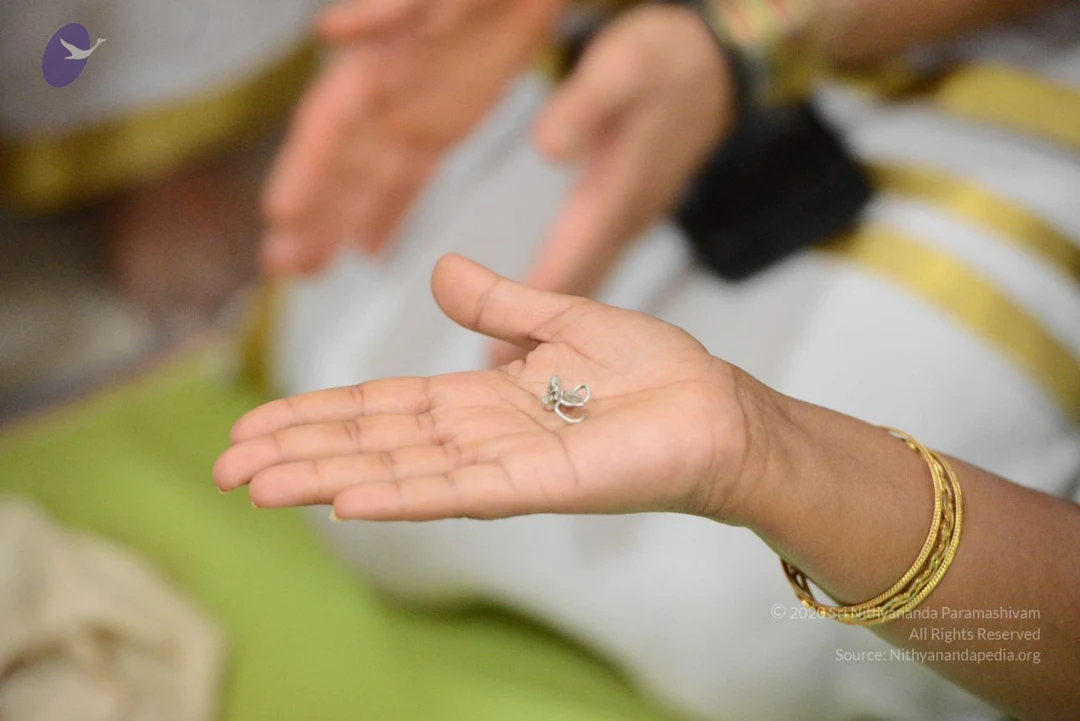
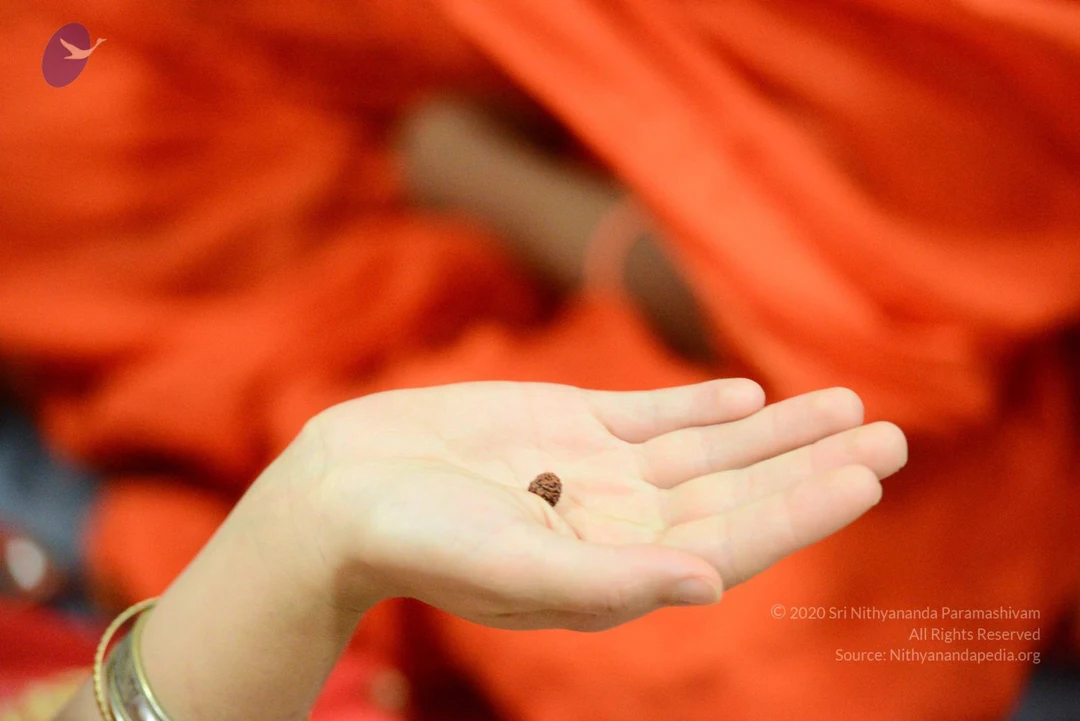
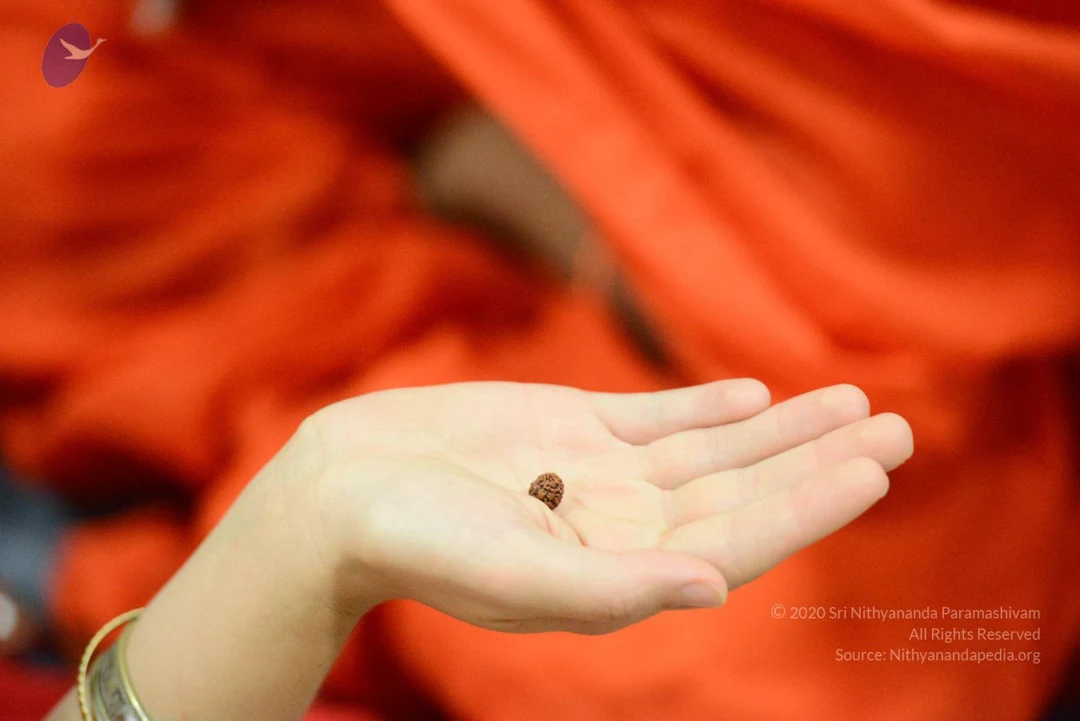
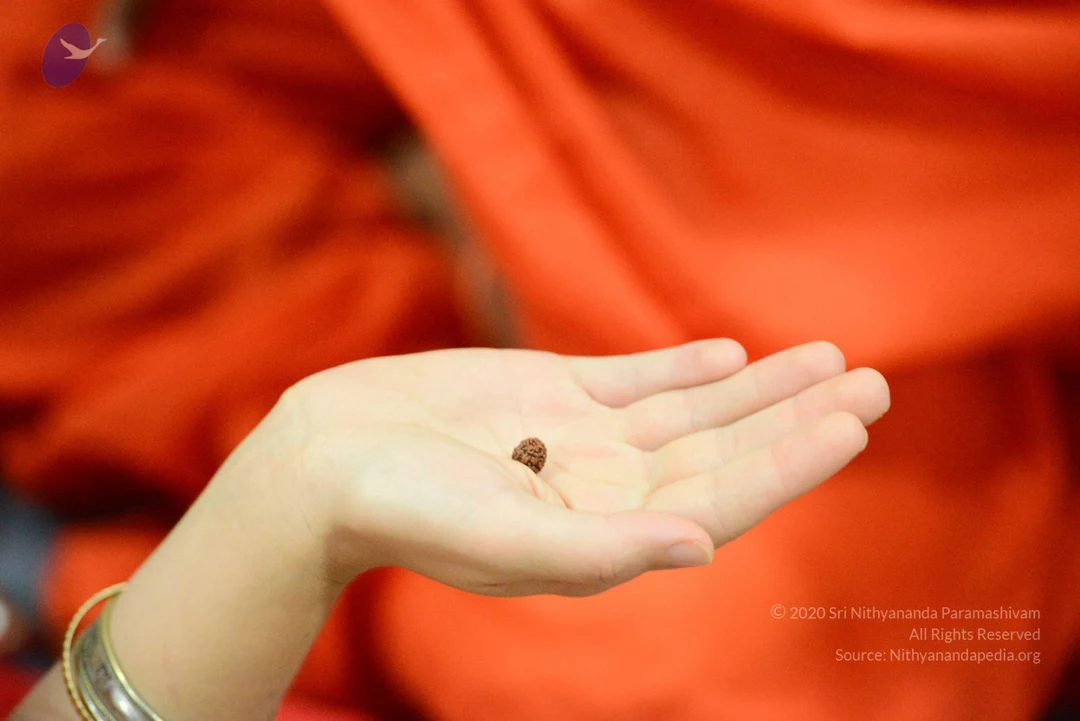
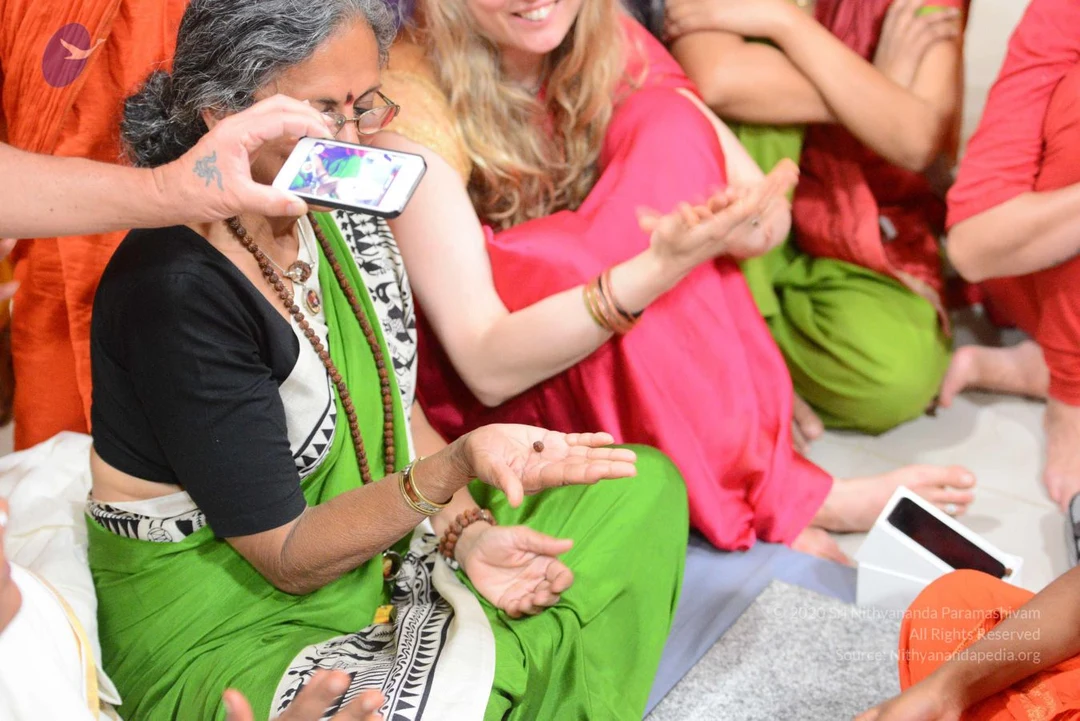
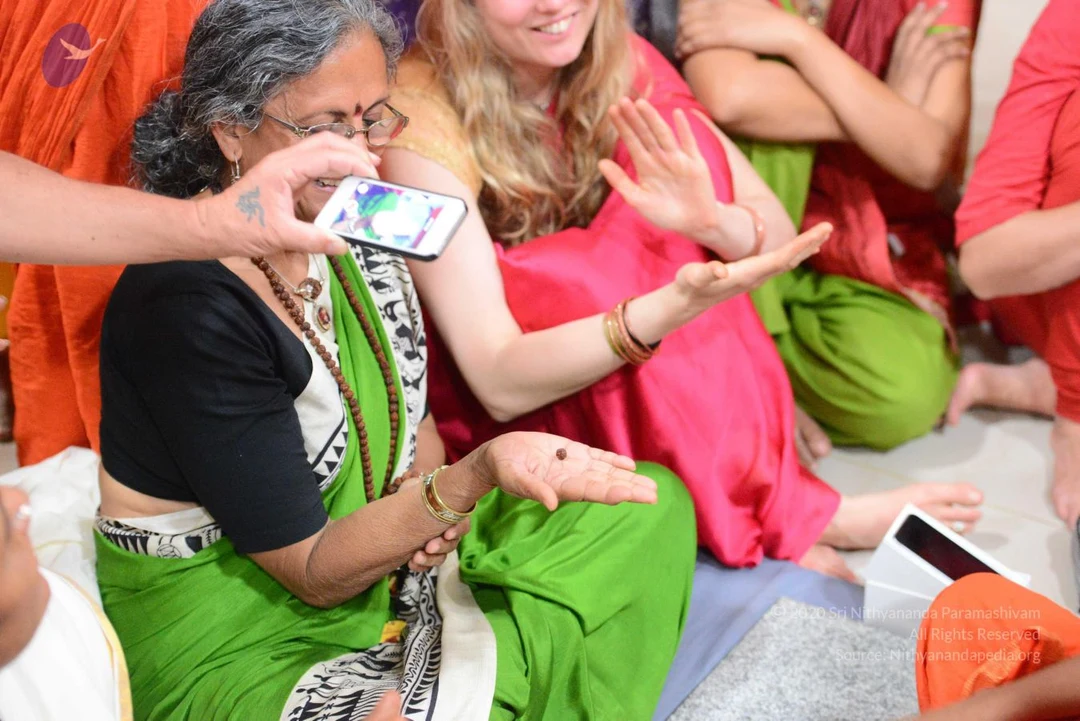
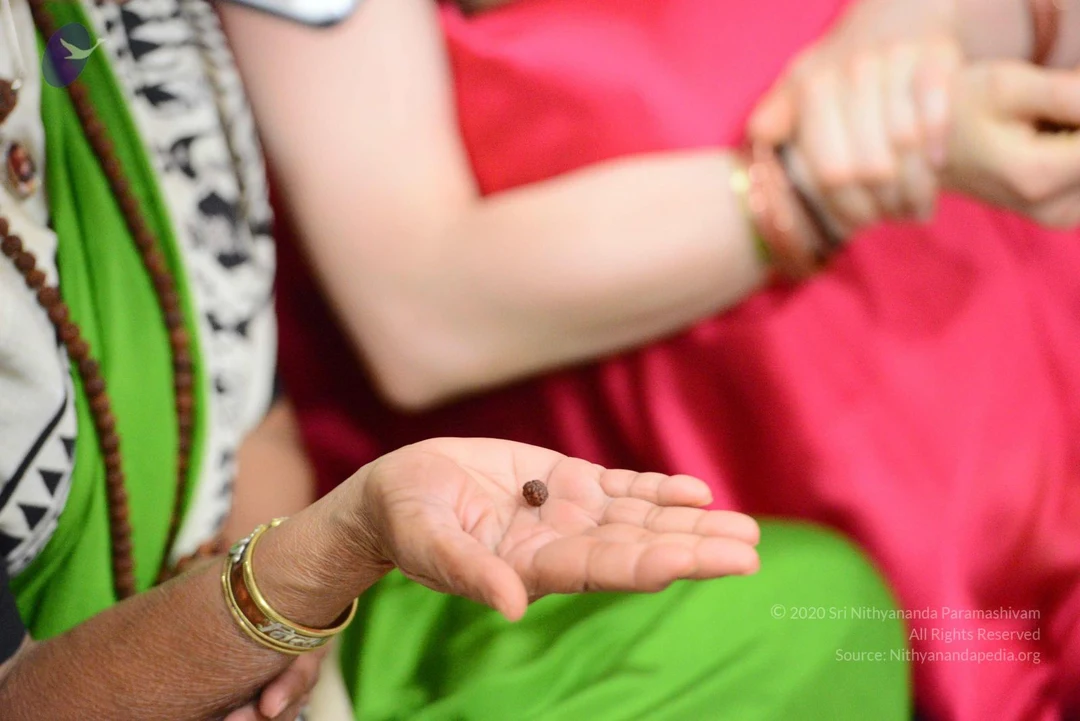
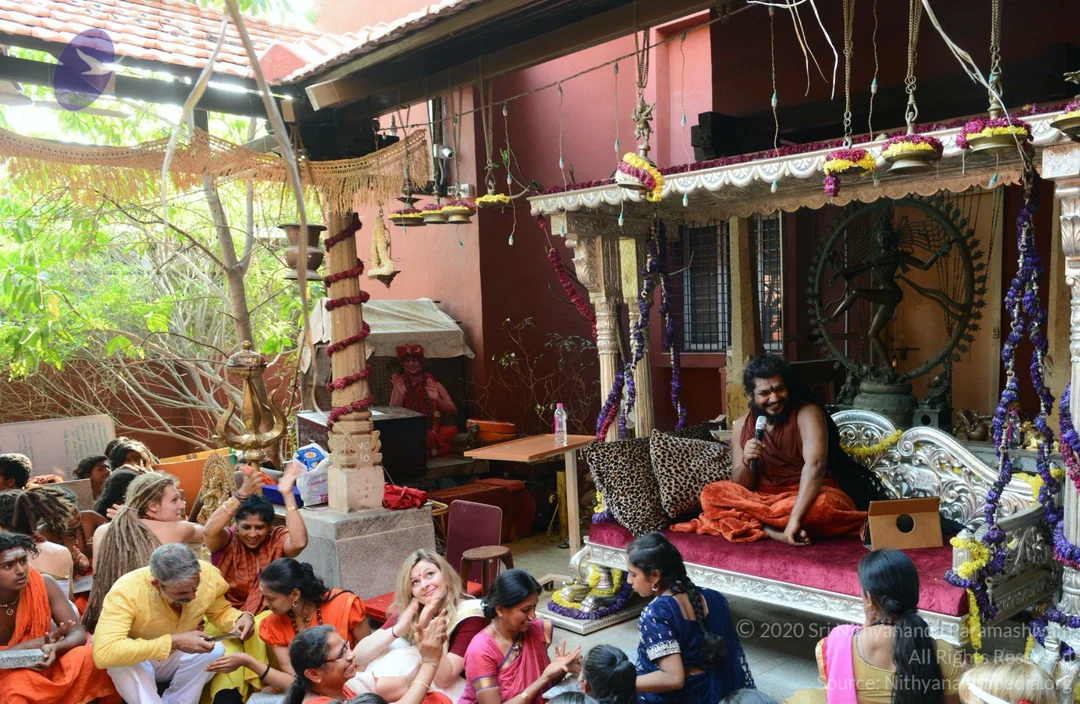
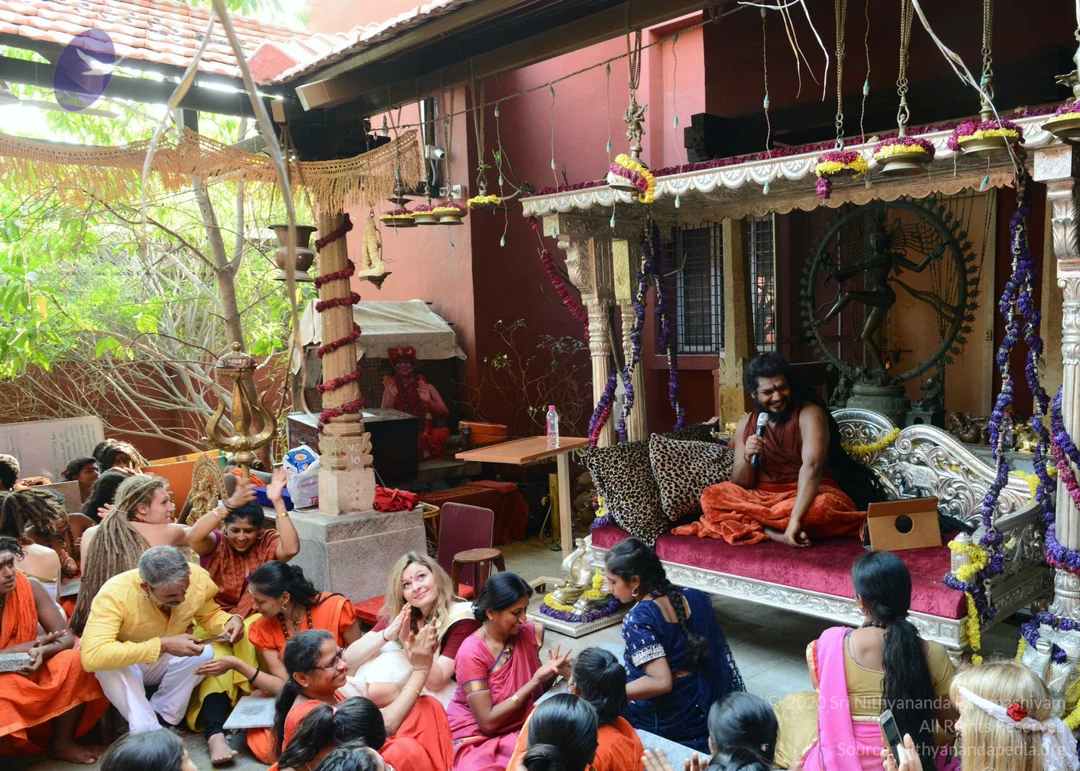
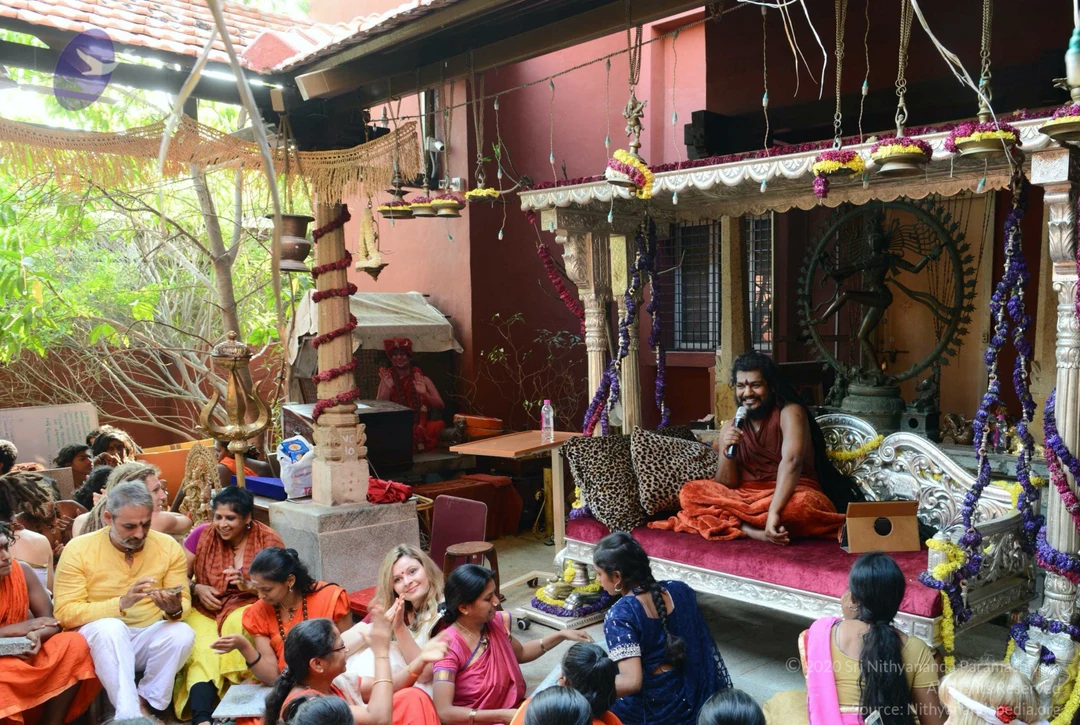
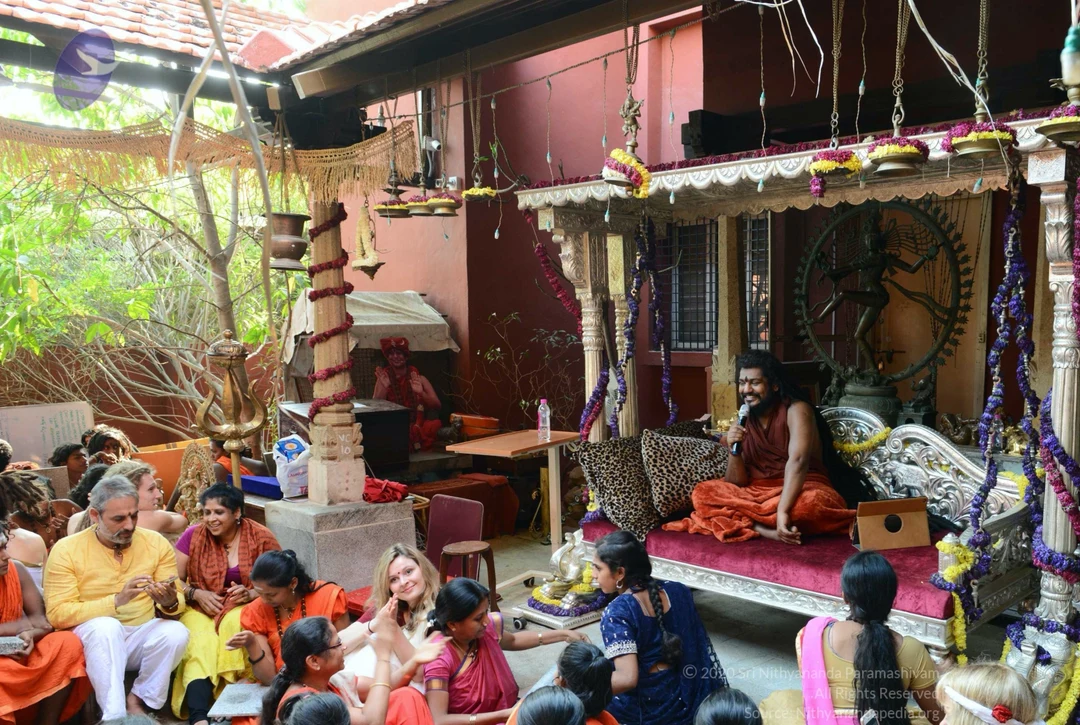
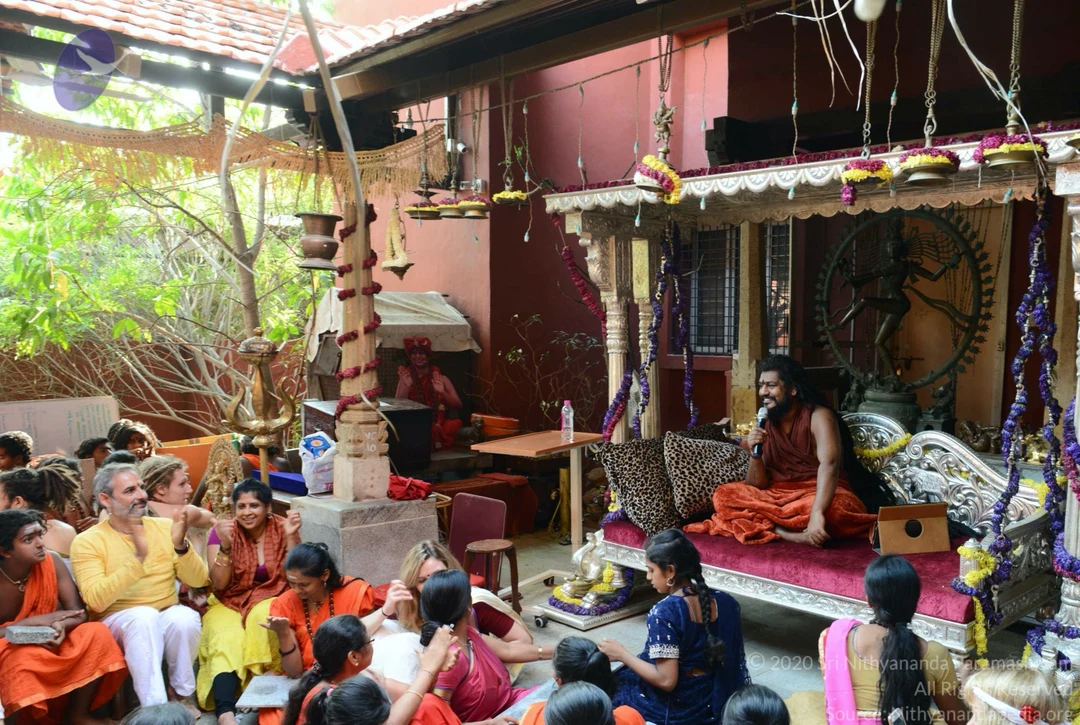
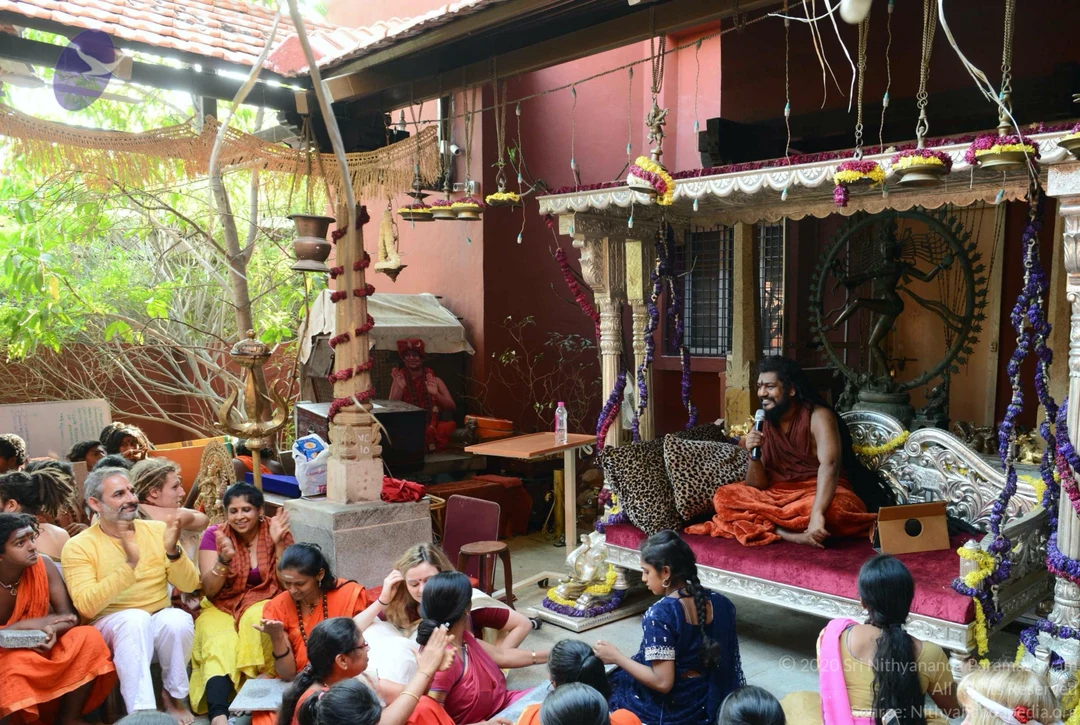
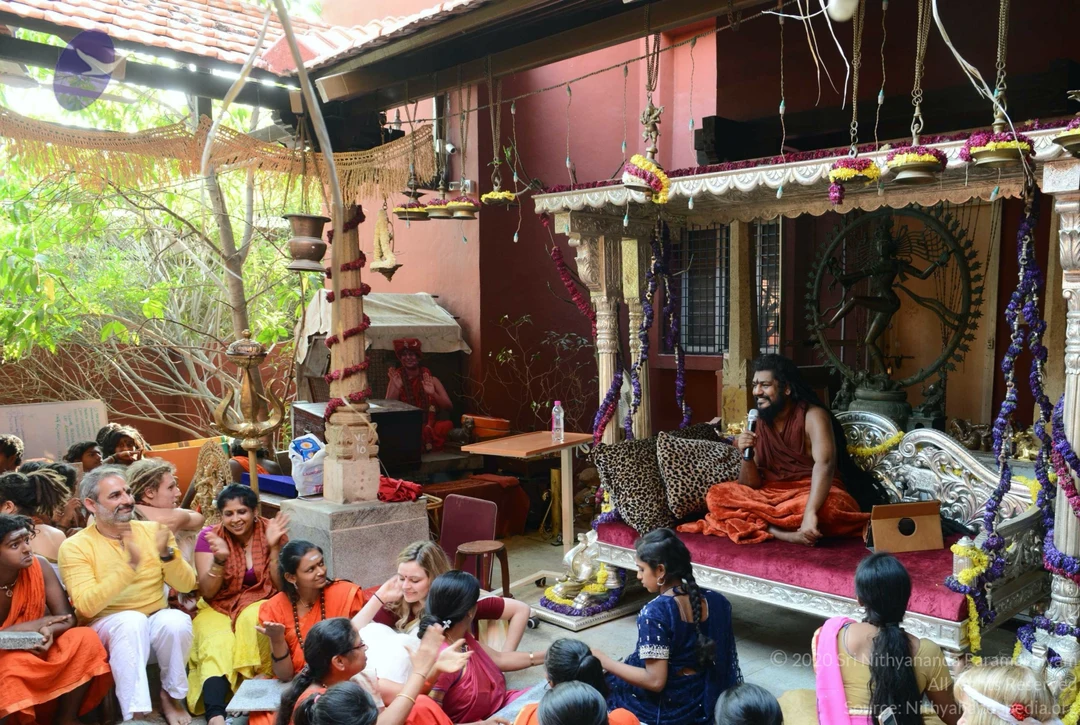
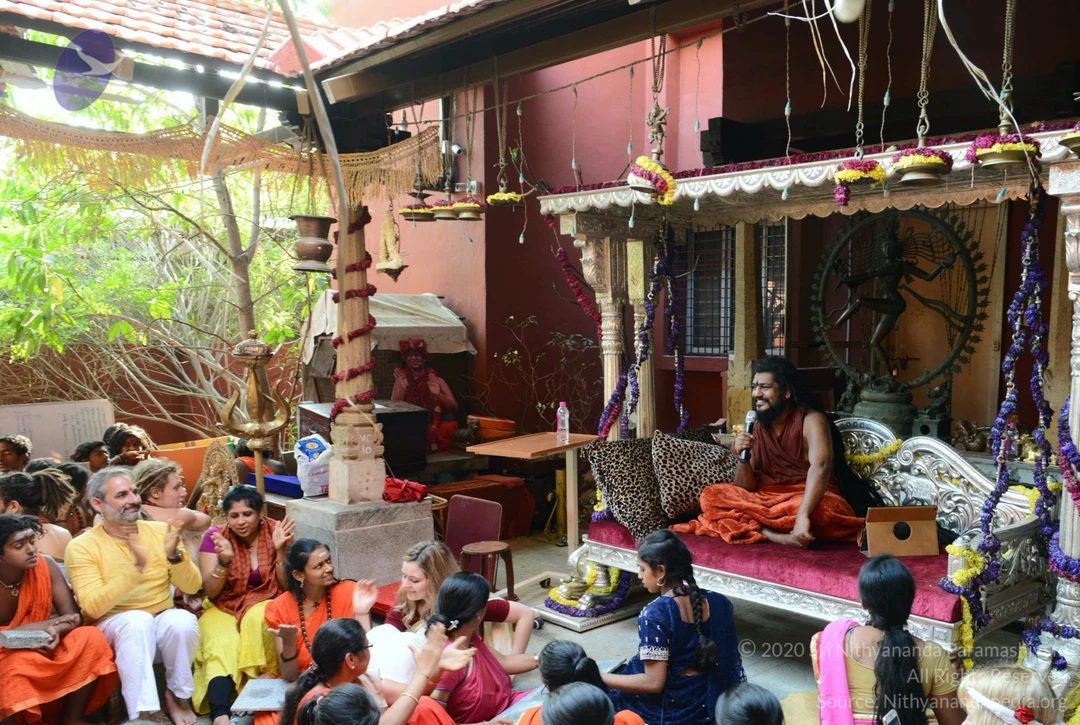
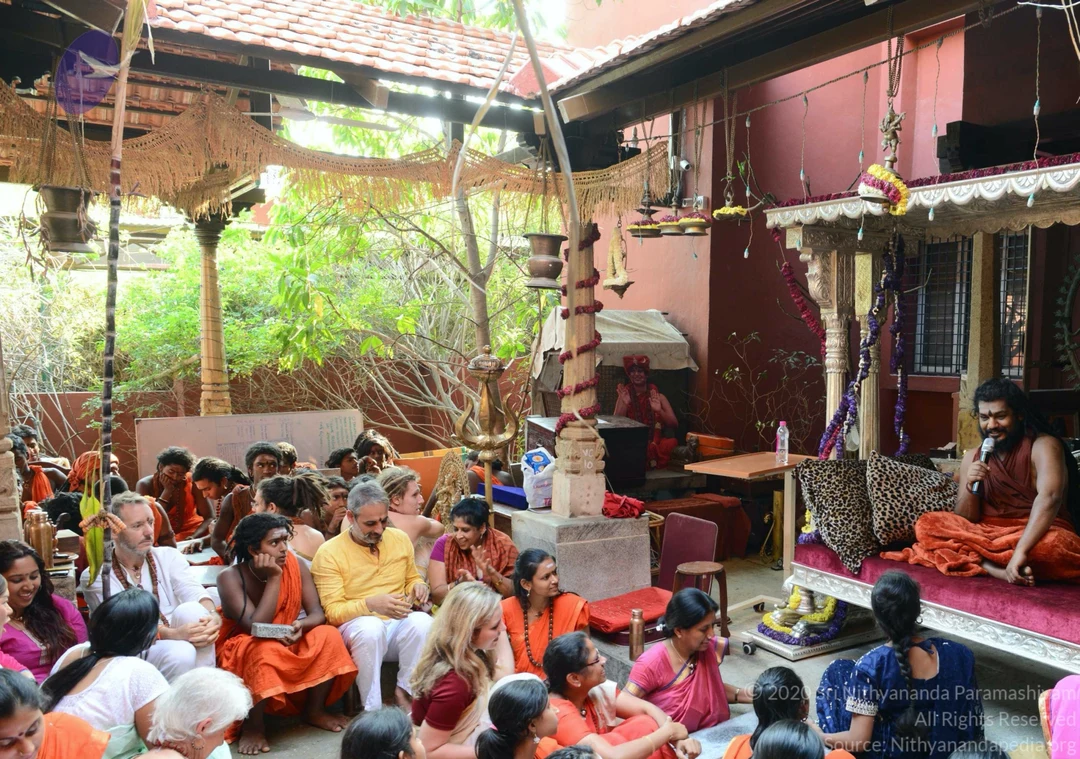
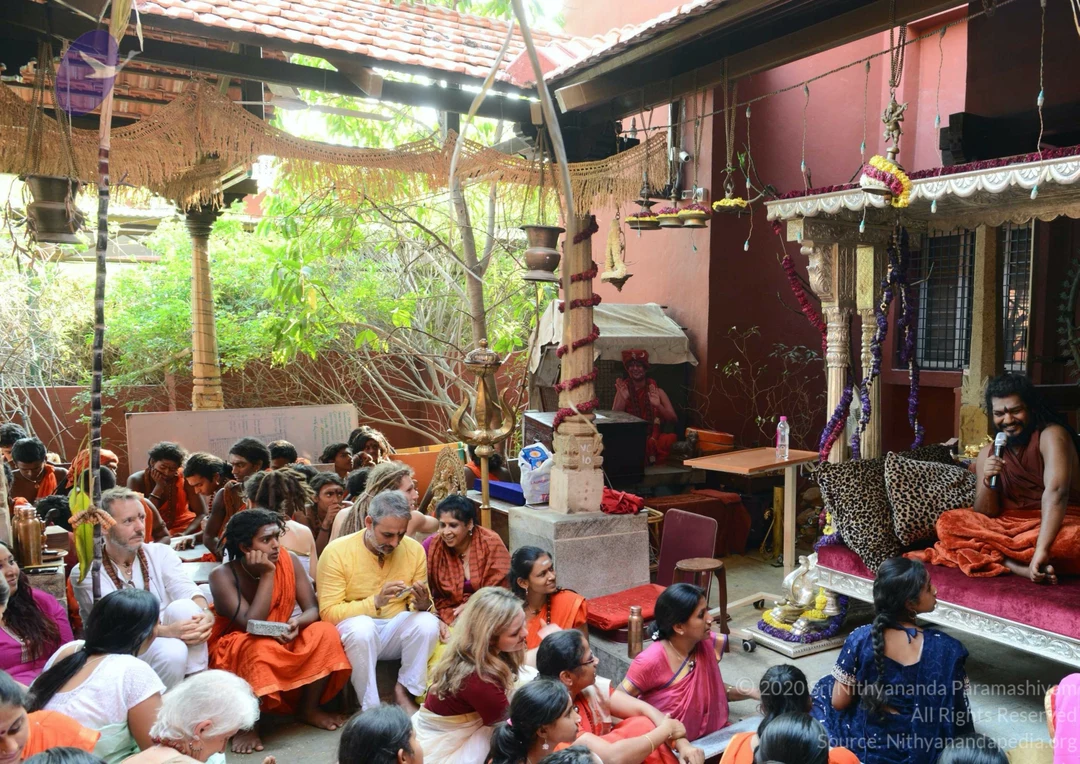
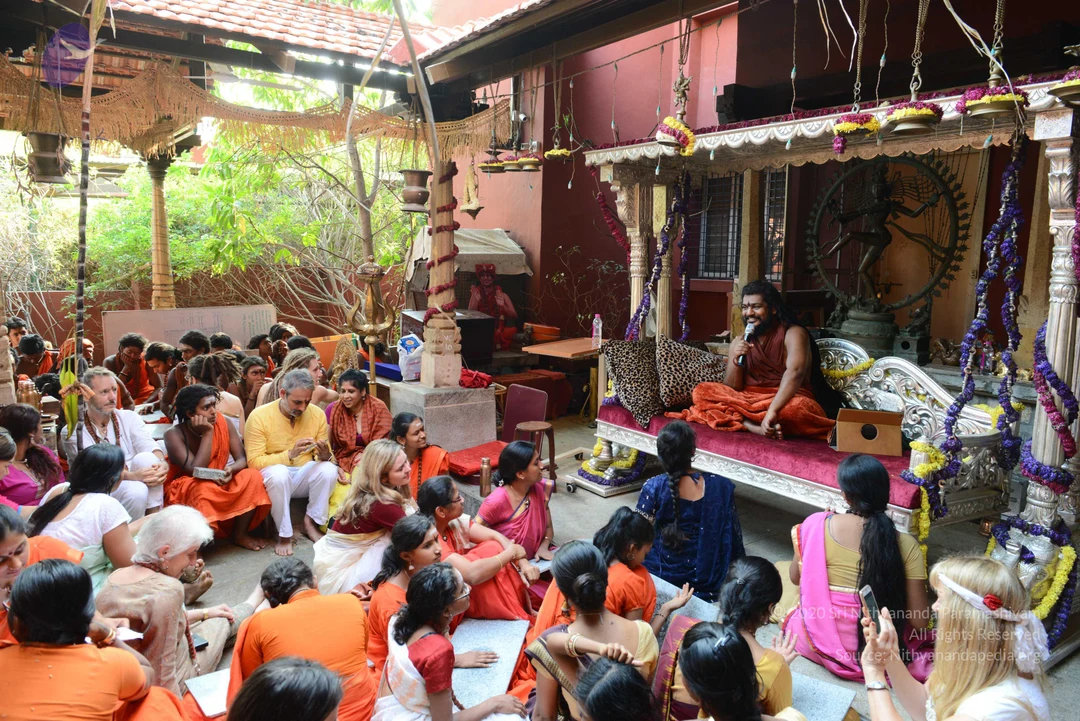
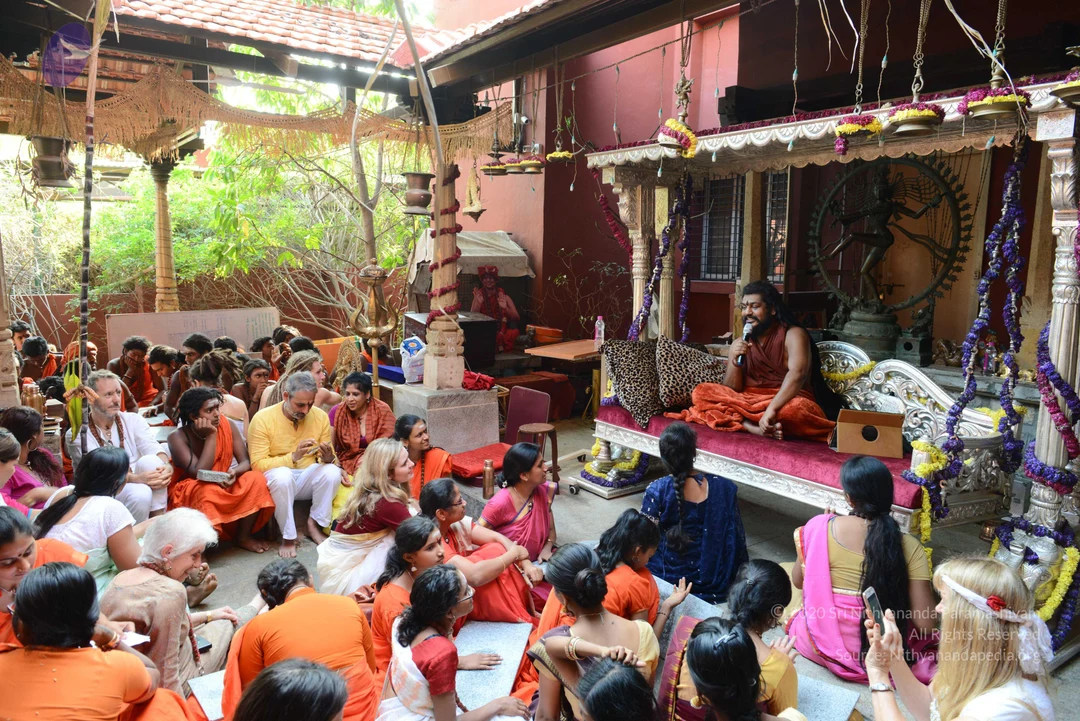
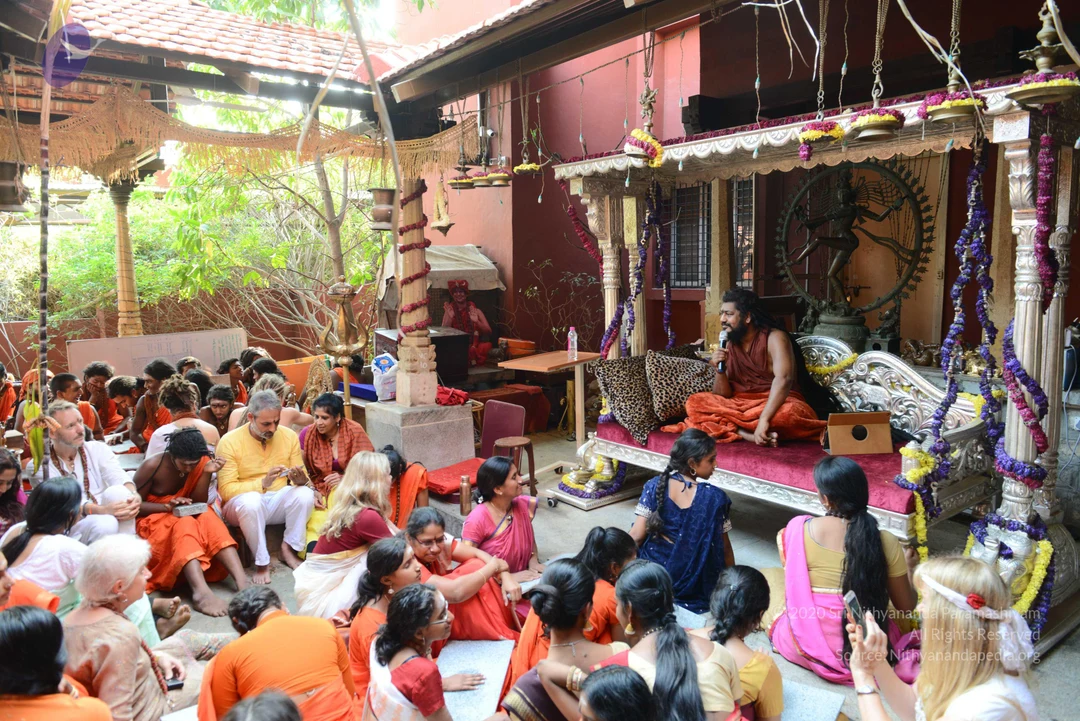
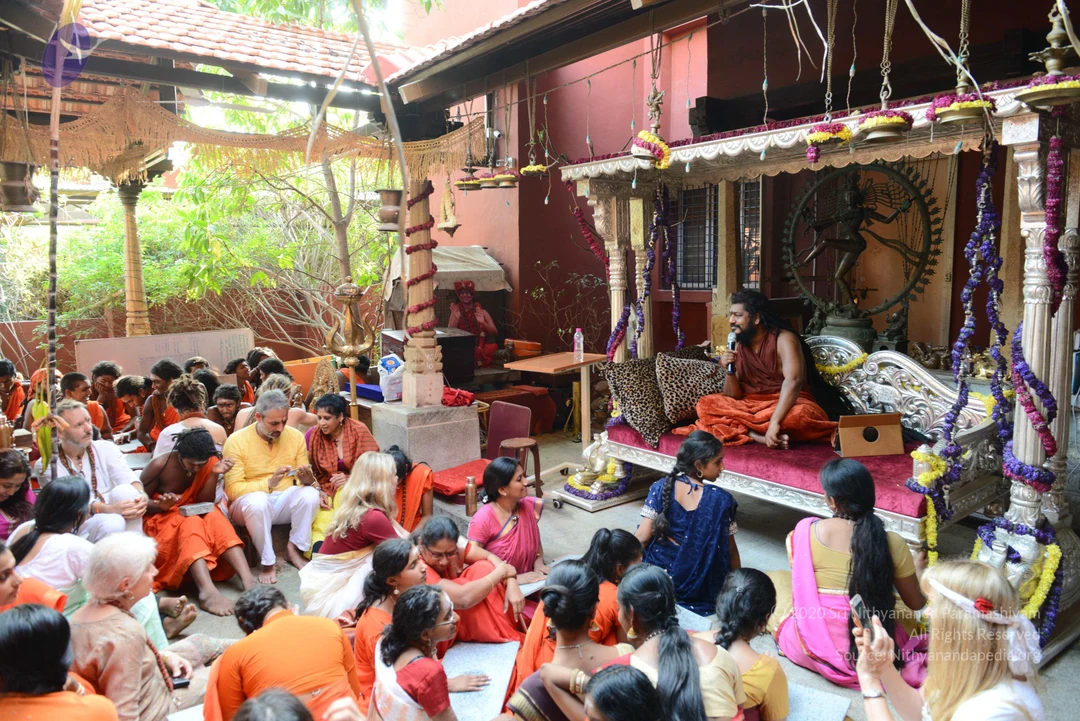
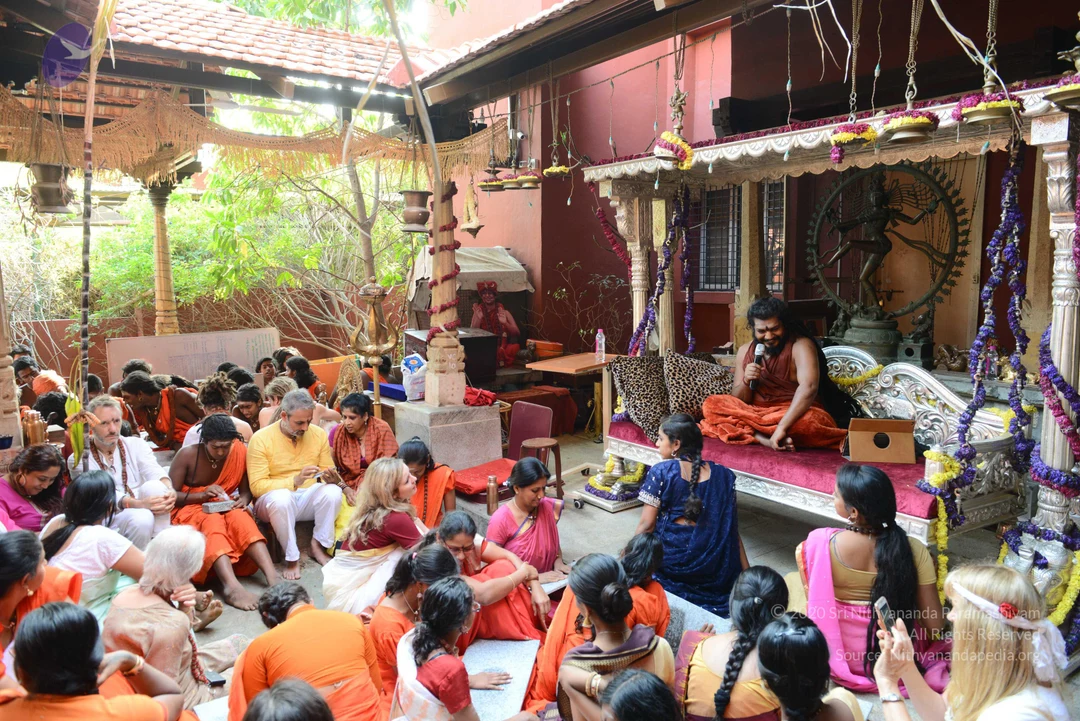
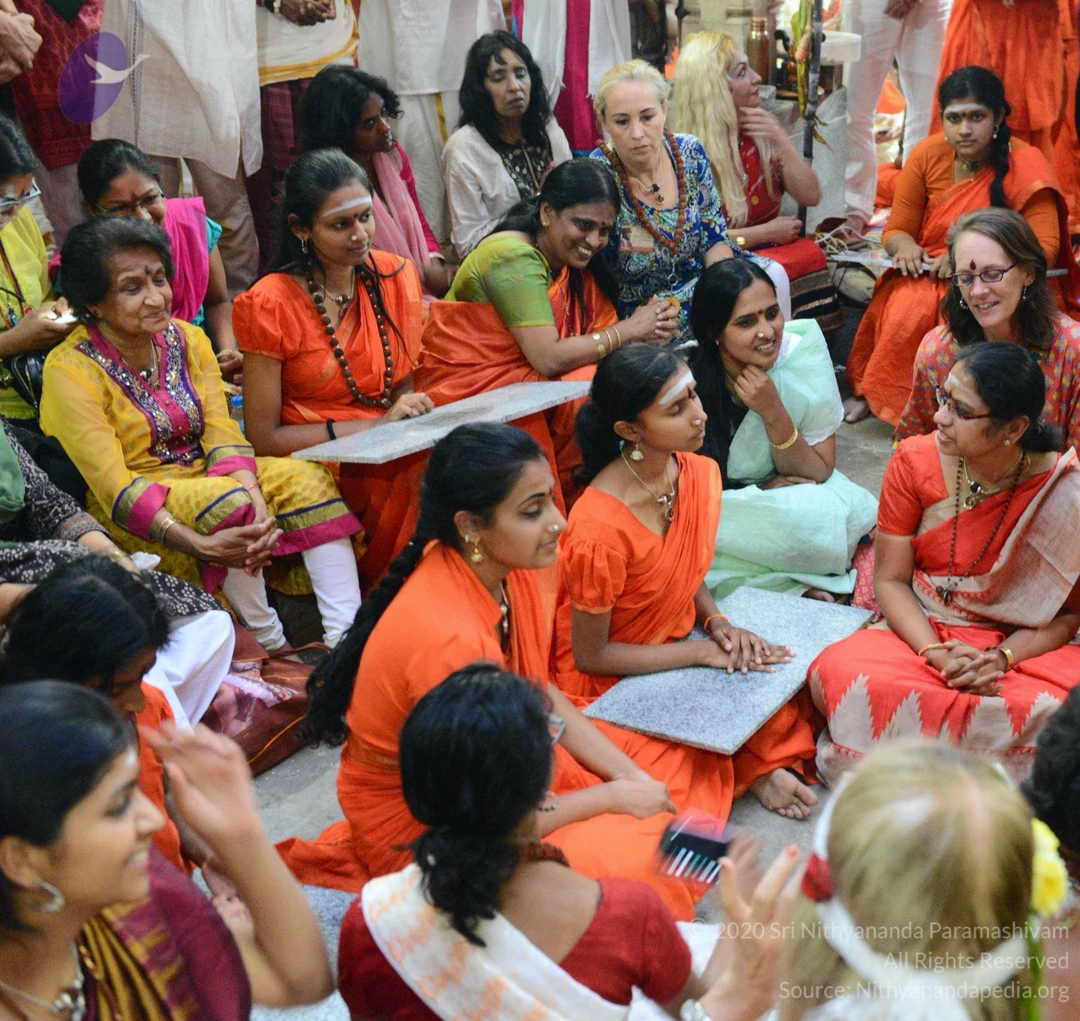
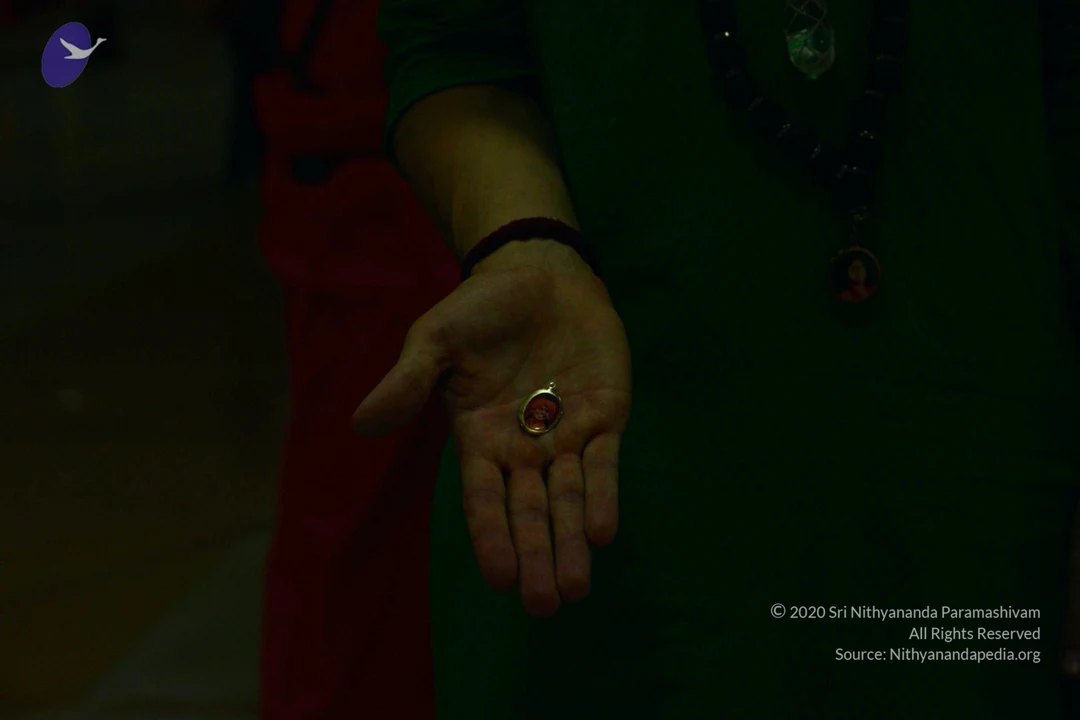
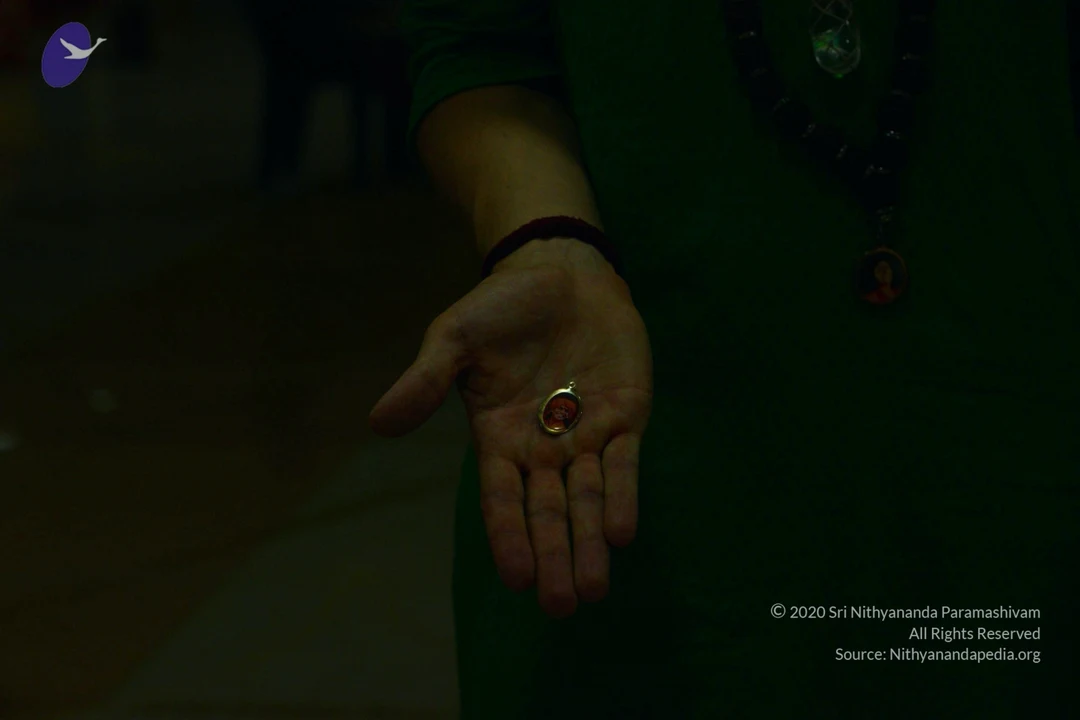
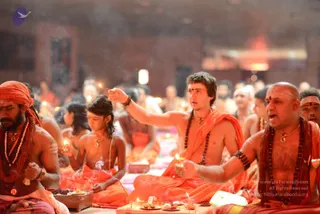
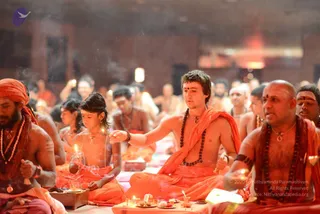
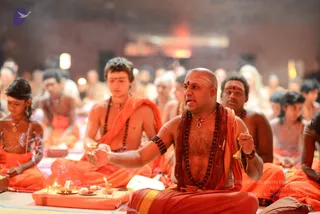
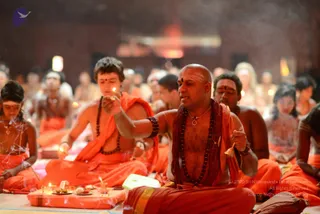
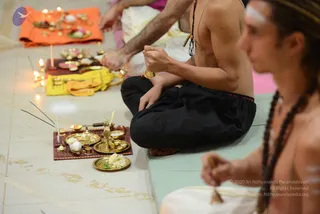
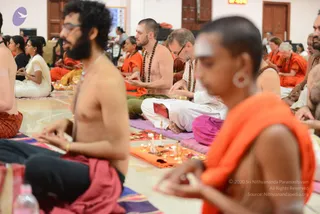
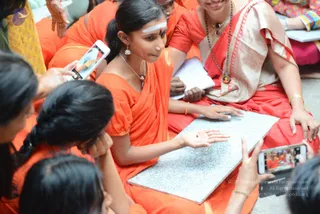
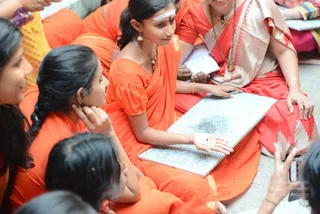
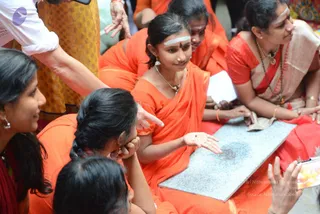
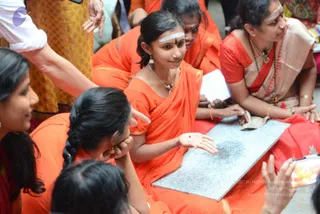
Today, BALASANTS OF THE NITHYANANDA GURUKUL also MATERIALIZED MATTER FOR THE FIRST TIME after being initiated by the SPH into the Depth Dimension. Due to the Science of Sadashivatva, using Shaktinipata or Entanglement, His Holiness manifests through the Balasants sending solid MATTER through them. The kids started manifesting “lighter” matter such as kumkum, rice powder, bhasma/sacred ash and turmeric. Then they began manifesting larger items such as rudraksha beads, mala dollars and gemstones! The Supreme Pontiff of Hinduism continues to prove that Hinduism is REAL and that the possibilities for human beings are nothing less than extraordinary!
Video and Audio - Shuddhadvaitam: The Gateway to Extraordinary Powers! Three Statements to Manifest Whatever You Want
Nithyanandam! In this groundbreaking discourse, Nithyananda reveals three keys that will allow us to manifest all the Shaktis, or Powers, of Sadashiva
| Video | Audio |
Transcript
(24:53) nithyanandeshwara samarambham nithyanandeshwari madhyamam | asmadacharya paryantam vande guru paramparam ||
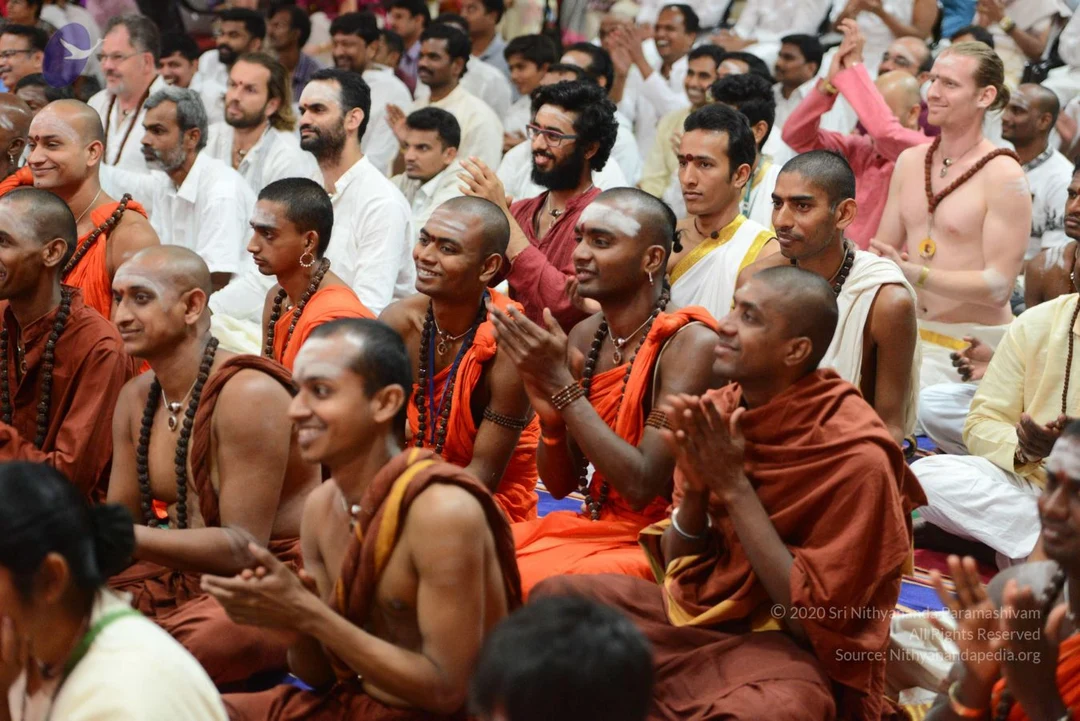
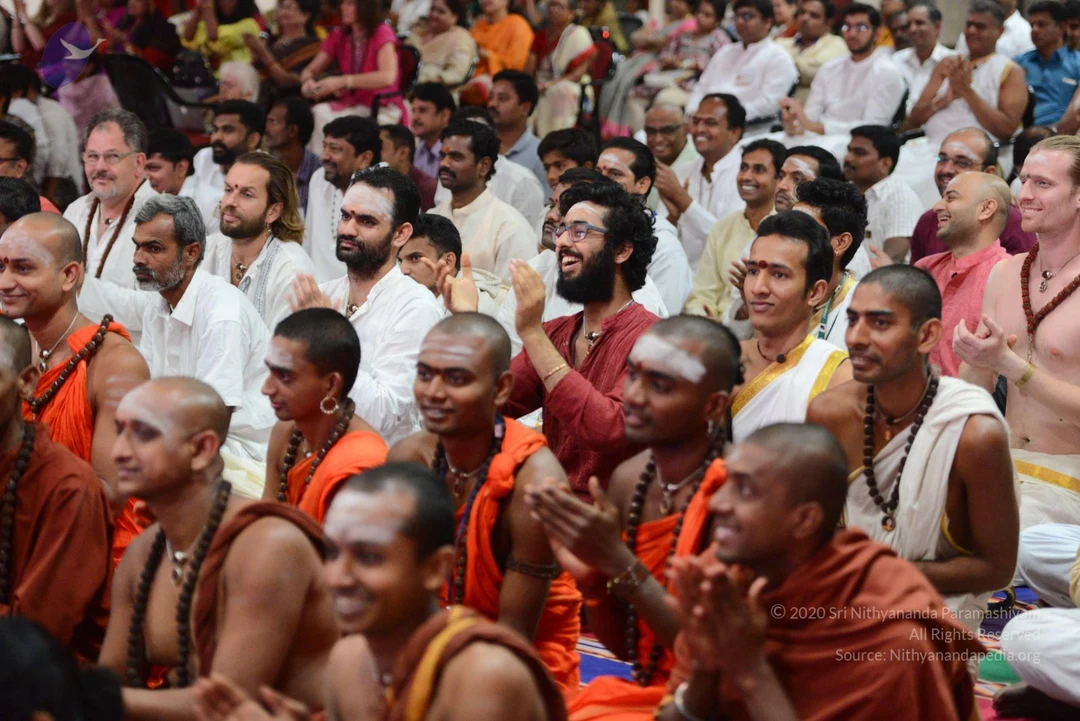
(25:15) I welcome you all with My love and respects. I welcome everyone sitting with us, all over the world, through two-way conferencing, YouTube live, and Facebook live, having Nayana Deeksha, for this Shuddhadvaitam, The Gateway to Extraordinary Powers Webinar. Actually this whole webinar is just this three statements.
Listen. Just these three statements. Listen, to this three statements which I am going to make; that is the essence of whole webinar what I wanted to convey. I should not say that is the essence of Shuddhadvaitam. I think I will not be wrong, if I make a statement, these three statements are the essence of the whole Sanatana Hindu Dharma. This three statements, are fundamentals, so it will not be new for you. I just need to remind you and expand this three statements to you. First and foremost you are Ultimate, even as you are now. Listen. Even if you think you are manifesting bondage, suffering, suffocation, ill health, all the wrong things. Even if you think you are manifesting all the wrong things, suffocating things, constraining things, how can you be Ultimate.
Please understand. You are Ultimate even when you think you are under bondage as of now. Listen carefully. This first statement. Even if you think you are manifesting all the wrong things, poverty, lack of resources, lack joy, lack of good relationships, lack of love, lack of completion, lack of health, whatever, whatever you may complain. Even if you think you are manifesting this, how can you be Ultimate? Listen to the statement. All this you are manifesting, so you can manifest what you want. (29:13) First and foremost basic truth. I am not playing with words. Listen. I am not playing with words. Actually, I was born, I assumed body and brought Myself up in a village atmosphere, just to tell you guys a statement—I am not trained to play with words. Of course, I am trained to play with worlds, but not with words. I am not trained to play with words.
Let me be very straight. The statements I am making are the absolute truth. If you understand this first statement, all the discussion goes on in VishisthaAdvaita, Dvaita, Advaita, and Shuddhadvaita in all the philosophies of Hinduism, Shat darshana, the concept of Maya, does it exist eternally, or it comes and goes; Or it never exist, all this discussion ends with this one statement— even while you are under the Maya, you are Ultimate because you manifest it.
Manifested can never be more powerful than the manifester. Listen. Listen. Manifested, can never be powerful than the manifested.
So listen to this first statement. You are Ultimate even when you think, you are suffering, suffocating yourself, by manifesting all the wrong things which you don’t want in your life.
With all your low self-inner image, whatever you think you are manifesting wrongly, with all this you are the Ultimate. Understand. I mean, you are Sadashivoham, even if you are in Sadashogam. Understand. You are Sadashivoham, even if you are in Sadashogam, because the sogam YOU manifest. Ability to manifest makes you Ultimate.
(32:22) The first statement I am making—you are the Ultimate, even when you think you are manifesting bondage, you are manifesting suffering, you are manifesting all the unnecessary things.
Understand. This is the first hole I need to drill in your heart before I do the great bypass surgery of manifesting powers in you. This is the first truth I need to drill into your heart. You are the Ultimate even when you think you are manifesting bondage. Listen, more carefully.
Second statement; I am leading you to the second statement. Listen. And, I request all of you to make this three statements as todays Facebook status for all of you. These three statements are Facebook status. First statement; You are the Ultimate, not only when you are manifesting all the best, right things, even when you are manifesting all the wrong things.
(33:53) Not only when you are manifesting powers, even if you are manifest powerless. Because, your ability to manifest makes you Ultimate, not what you manifest. Understand.
Listen. Your powers cannot be more powerful than you, your powerlessness cannot be more powerful than you. Your powers cannot be more powerful than you, because you manifest. Your powerlessness cannot be more powerful than you, because you manifest.
The source of manifestation, can never be powerful than… it can never be… listen, the source of manifestation, you, cannot be powerless than what is manifested. Source is always more powerful than what manifested. If you manifest poverty, poverty can never be more powerful than you, who is manifested. You just need to know, need to decide to manifest what you want. No pattern, no root pattern, can be stronger than the sand, land on which it is rooted. Don’t be stupid, don’t be stupid, to say, “I have so many root patterns,” Remember I am the ground on which all these root patterns are rooted, they cannot be more powerful than me—they are grounded, they are rooted on me. You empower your root pattern. Remember once more, you empower your root pattern.
(36:30) Basic truth, you are the Ultimate, even when you manifest all the wrong things because you manifest. You are manifesting. First statement.
Second statement. Listen, listen to the second statement.
Decision, will-persistence, decision, will-persistence to manifest all the best things, is the science of power manifestation.
Listen. Nothing else, nothing else is needed to be done from your side. Listen to the second statement. Nothing else need to be done from your side other than will-persistence. Decision, to manifest powers.
The second statement I am repeating—Nothing else need to be done from your side other than will-persistence, decision to manifest powers. That is the second statement.
Third, third statement, listen. Listen carefully. Second statement I am repeating. Nothing else need to be done from your side other than simple will-persistence and decision to manifest powers. Manifest your ultimate Reality as you want to cherish. Actually, even if you are manifesting poverty, at one time you felt poverty is very cute, and you decided to manifest, that's why you manifesting. It’s not imposed on you, you manifest it. If you are manifesting ill health, you felt at some time, you visualized it’s too cute to be sick and get attention from everyone. So that is why you manifest. If you are manifesting the victimhood mentality, at one time you enjoyed it, cherished it, that's why you are manifesting. Listen carefully, everything you manifest even now, you manifest so, your decision to manifest what you want and will-persistence is only required for you to manifest powers or whatever, whatever you want in your life.
(40:17) Listen. Third; Sadashiva is required in the form of the Guru, just to make this first two statements as reality for you, without you being distracted, disturbed by all other stupid theories, and theologies that's all. There will be so many people to tell you, you are sinner, you are slave, you are ordinary bound soul—to protect you from all of them, to defend you from all of them, to safeguard you, from all those saviors, and to make this first two statement as your reality—through Shaktinipata only Sadashiva in the form of Guru is required.
These three statements, I am repeating, I want to repeat again and again. Maybe if you guys repeat it 108 times, it will be good.
First statement, you are the Ultimate, even when you think you are manifesting wrong things in your life, even if you think you are bound, you are tortured, you are not in the right way, even if you are suffering, even if you think you are bound...You are Ultimate, even when you think you are manifesting wrong things.
(42:43) First statement, second, other than your simple will, your decision, will-persistence— nothing, nothing else is required from your side to manifest ultimate Sadashivatva.
See, I am using the word Sadashivatva, because I experienced from that context, when I say the word Sadashivatva or Sadashivatva, I mean Ultimate, so listen. From your side, just simple will-persistence, will decision, that's all required.
And, third statement, Sadashiva in the form of Guru is needed in your life, just to make this two statements into reality, and protect you from any other statements entering into your head and unnecessarily torturing you. Protect, to protect you, to protect you, from all other wrong understandings, all other, misunderstandings, all other wrong things.
Understand. Sadashiva, is required in the form of Guru in your life, only to do Shaktinipata, to make these two statements into reality, that's all.
With this three statements, essence of Hinduism, essence of Shuddadvaitam is in front of you.
(45:27) Now I”ll expand on these three statements. Listen. The first, foremost—You are the Ultimate. Listen carefully.
Many time people come and ask Me, “Swamiji what is the problem, why are you insisting, so much on, “We are the ultimate?”
See, you say, “We are the Ultimate, we have to manifest.”
Yogis say, “We are the ego, we need to reach the soul” both are ultimately one and the same, whether you feel you are the Ultimate and you need to remove the impurity, or you are the ego and you need to purify yourself and reach the ultimate soul, both are one and the same, NO. Both are not one and the same.
Both are maybe one and the same, after you realize, but still I have not seen anybody who realized from the path that – they are the ego, and they have to become, Ultimate.
Let me be very clear – yato mat tato path [as many beliefs or faiths, so many pats]– is wrong. With all my respects to Sri Ramakrishna—I am declaring, as many faiths, so many paths is wrong. Maybe the word is right – as many faith, so many path – but all does not lead to the goal. I am adding, as many faiths, so many paths but not all does lead to the goal.
You may ask, “What is wrong? What is wrong? All is one and the same.”
You say, “we are Ultimate, and we just need to remove our powerless.”
And Yogis say, “We are egos and just need to remove our, dismantle all our impurities and reach the Ultimate”, both are one and the same, No, it is not.
Maybe in the end, after experiencing both maybe one and the same, I do not know, but, from where you are from where you need to start, both ideas are not going to do the same to you.
I am talking to you, I am not talking to show my Pānditya (acquired philosophical knowledge). I am talking to raise you where you need to be. Understand. All these fellows, who talk Samanvaya [sameness].
Listen, listen. All these fellows who talk Samanvaya they are social peacekeeping Gurus. Okay, they can use any technique, method, to keep non-violence in the society. Samanvaya means all one the same, all that. Yes, let them not declare themselves as Spiritual Guru, let them declare very clearly— our goal is to keep peace in the society, and non violence so, whatever we want we blur, but that is not Ultimate reality. I tell you. I want you to know, even with that so called Samanvaya, they will not be able to bring peace, because that is a basic fundamental lie. How can the paths, which tell, you are ego, you need to shed all your impurities, and then you can realize you are Ultimate. And, the path, which tells, you are Ultimate, you just need to remember and realize. And there are some books, paths teach, you need to just kill everyone who does not believe in you. Then you will get Ultimate.
(50:41) How can all this be same? Listen. They can be good social, moral, feel good feelers. Even non-violence should be from Oneness of Advaita, Shuddhadvaita, that only will be permanent and eternal. I am not saying, “I am not interested in social peace.” I am interested in social peace, which comes from real Oneness, which is permanent. Not based on the pseudo ideas. Not based on the pseudo ideas. The pseudo, all one, same, “mememe.”
Listen, what you believe in the beginning, what you are made to believe in the beginning, what you have been told in the beginning is very important. So the first statement, first principle given to you should be, “You are Ultimate, even when you are manifesting things that you don’t want. This is the first principle.
See, you will believe you are the Ultimate when you are manifesting all the things you want. For example, you want health, and if you are able to manifest health, you will just believe, you know, you are Ultimate. But I am telling you, you are Ultimate, even when you manifesting the things you don’t want, even when you manifesting the so-called wrong things. You may have one hundred questions, come on we will discuss, all those questions should be handled.
You may ask, “Then why I am manifesting poverty, why am I manifesting ill health?” Why am I manifesting, that we will discuss next. I will teach you not only why, how to get out of it. I will give all the answers. But fundamental truth is – you are Ultimate, even when you are manifesting Māyā, delusion.
Listen. If anybody says, “You are ego, you need to do all this, this, this, and realize Soul, God, Ultimate, Paramatma,” run away from them. Just run away from them. That should not be first principle you hear. That should not be first principle you hear. Do not have Shaktinipata with them. Sometimes Shaktinipata happens even by look, don’t see them. Kandumuttu Kettumuttu - even if you see them abacharam, talk to them Abacharam - means, even seeing them, talking to them is not good.
(54:30) Listen. Other than the Ultimate, Shuddhadvaitam, nothing, nothing, nothing else can be the first principle. You need to clean up all the other first principles you learnt from the young age. You might have learned – you are a sinner, and you are born due to somebody else’s sin—then long, long before. I am going to continue to give apple forever to tell you, apple is not sin. Apple babies are not sinners, the baby who is born after apple are not sinners, they are Saints.
Listen. The first principles you have been taught need to be cleared. That's the first statement impact I want to tell you. Let me move to second statement.
Listen. Actually whatever you have now; at one point you felt all of them are cute to have. For some reason right or wrong, you visualized, your present life as cute to have, cute to be, and, you forgot why you felt this, will be cute to have. That forgetfulness makes you feel you are having something, which you don’t want, which is not true. Only if you know, you are having something, which you want, you will start having respect for your ability to want.
Listen. You need to have respect towards your ability to will, and your will manifest. You have deep doubt, hatred, denial towards your will. You can never believe your will can be reality. I should call it, Will Doubt, will Hatred, Will Denial. WDHD. WDHD. Look in, look in.
This is one of the very important truth you need to know. Because of the delusion that you willed many time and it never become reality. Listen. Listen, this, this part of the webinar is too important. You feel you've willed many times and it never became reality. Listen. Hundred times you made a will—let me make dosas and eat—and you're making dosas and eating, suddenly your taste changes after second dosa and now you decide to make, let me make idly and eat. First time you made the will itself, you become too greedy that immediately you should start making idyll’s, no, hundred will you made for dosas—you made only two, 98 dosas you have to make and till then you need to have little patience for this idly to become reality.
(59:45) Understand. Hundred times you made a will to have poverty, and you make a will— Listen to this example. You make a will that poverty is too cute and such a simple life, sweet sitting in a small hut in a corner of a river just eating whatever comes on the way and lying down, “Ah what a cute life I should live like this at least 100 years.” You make hundred times a will to live hundred years like this suddenly but when you start living, suddenly you don't feel comfortable with that life, by one year you are bored. And now you want to make a will, “I want to live a very rich life in palace and, second moment if that will doesn't come reality and palace does not appear in front of you, you start doubting your will capacity.
Fool, you willed to live hundred years in poverty, now you are changing your will. I am not saying you have to live hundred years in poverty, at least give hundred hours for this new will to manifest. Not giving time for your change of heart and doubting your ability to will, I call it spiritual suicide. Listen. Not giving, not giving time for your will to manifest, not having will-persistence for your will to manifest and doubting the power of your will, doubting the power of your will...is “spiritual suicide.” Let me repeat once more. Let me repeat once more.
Not giving enough persistence to your will, decision to change your life, change of heart you had, but coming to the conclusion that your will is not capable of changing your life, is spiritual suicide. Will-Doubt, Will-Hatred, Will-Denial is Self-Doubt Self-Hatred Self-Denial. Your self is nothing but your will. Your will is your self. Your self is your will. Listen.
Listen. He who has control over his present, controls his past and future. This statement is not only spiritually right, politically, socially, economically, in every field. Understand. In every field, man who controls present, controls past and future. Man who controls present rewrites past, recreates future; in any field—history politics, economics, health, everywhere. Your absolute control over the present gives you absolute control over the present, gives you absolute control over the past and future.
Will is the present of your self. Listen. Will, your ability to will, your trust on your will is your present self. You touch yourself only as your will.
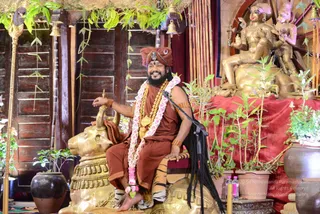
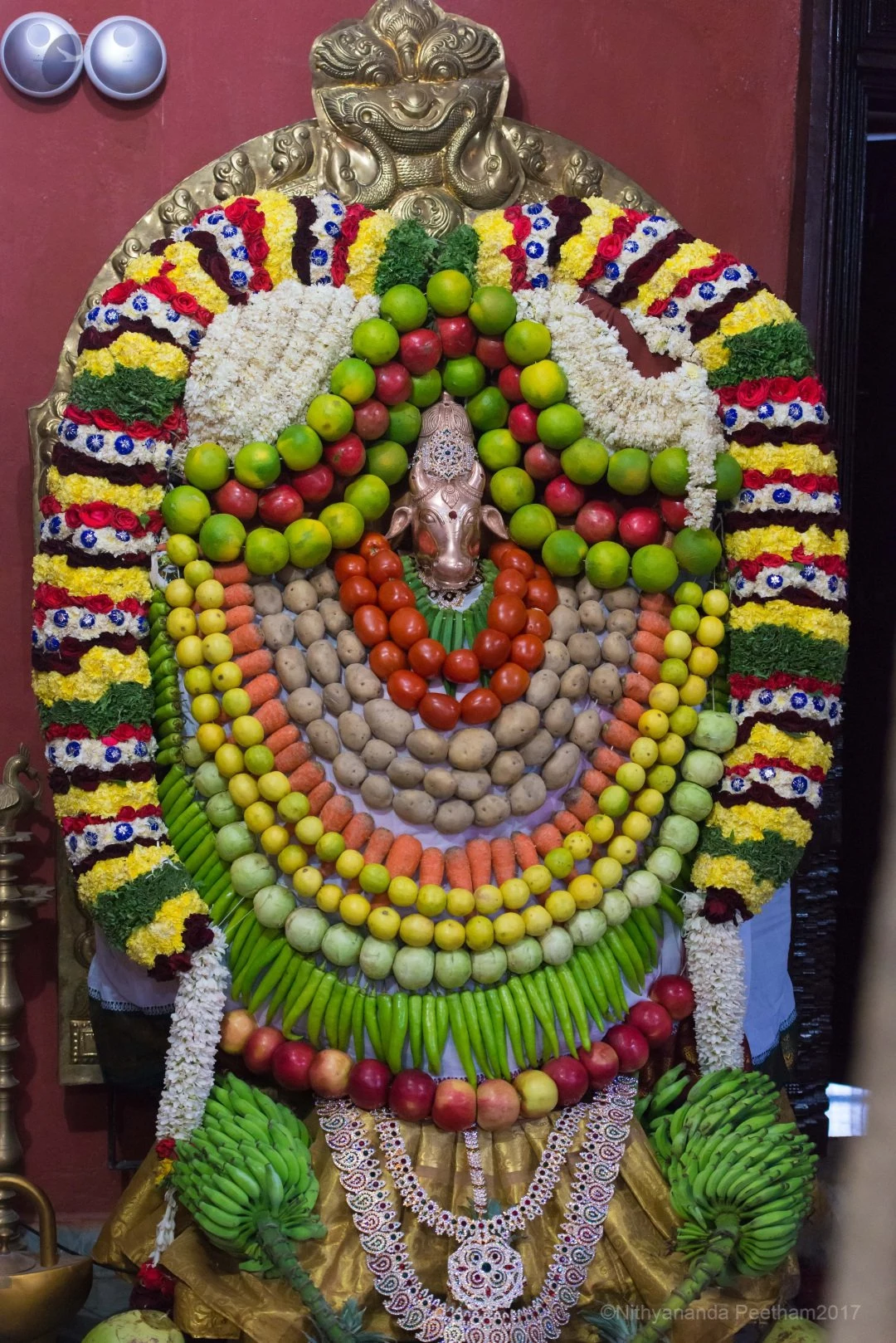
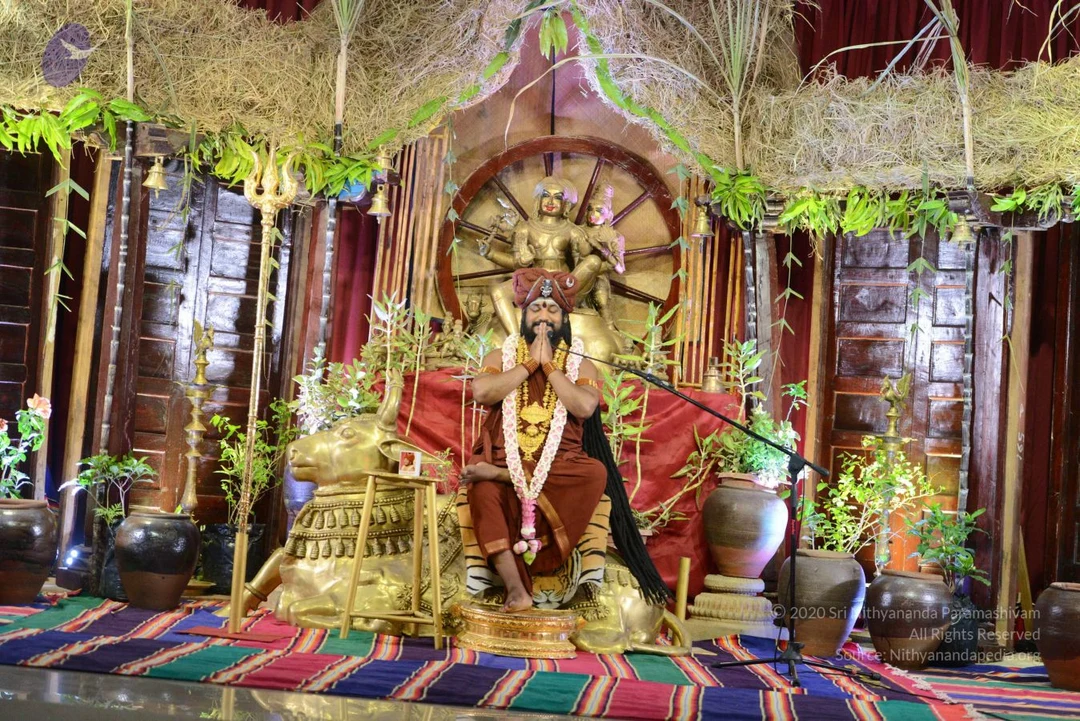
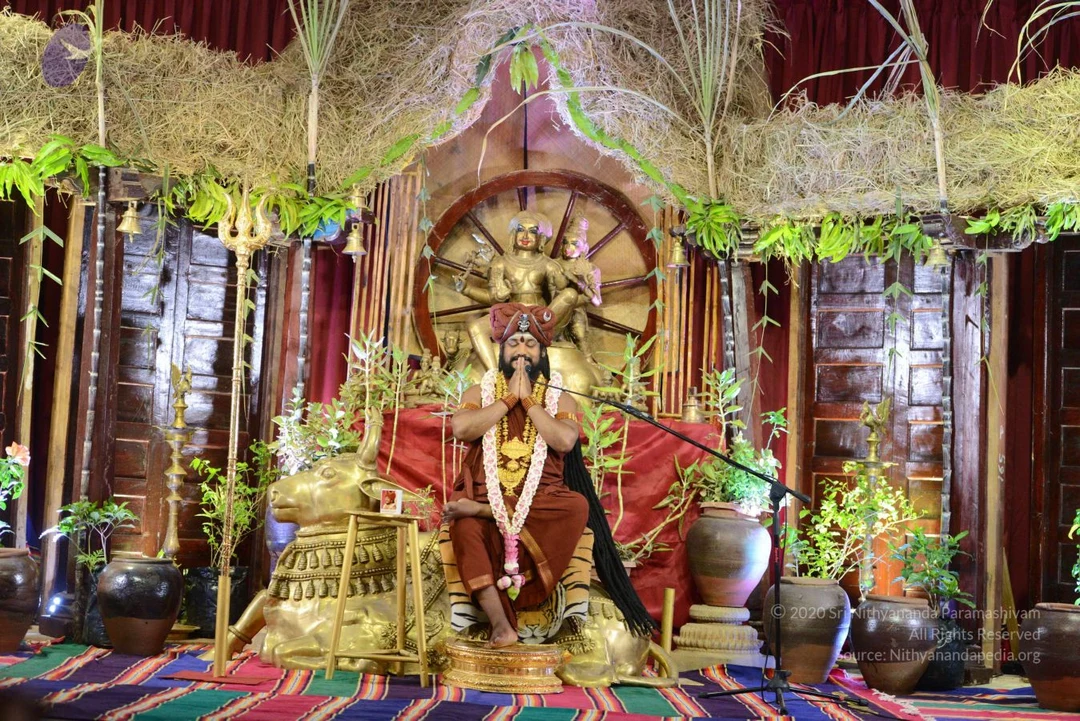
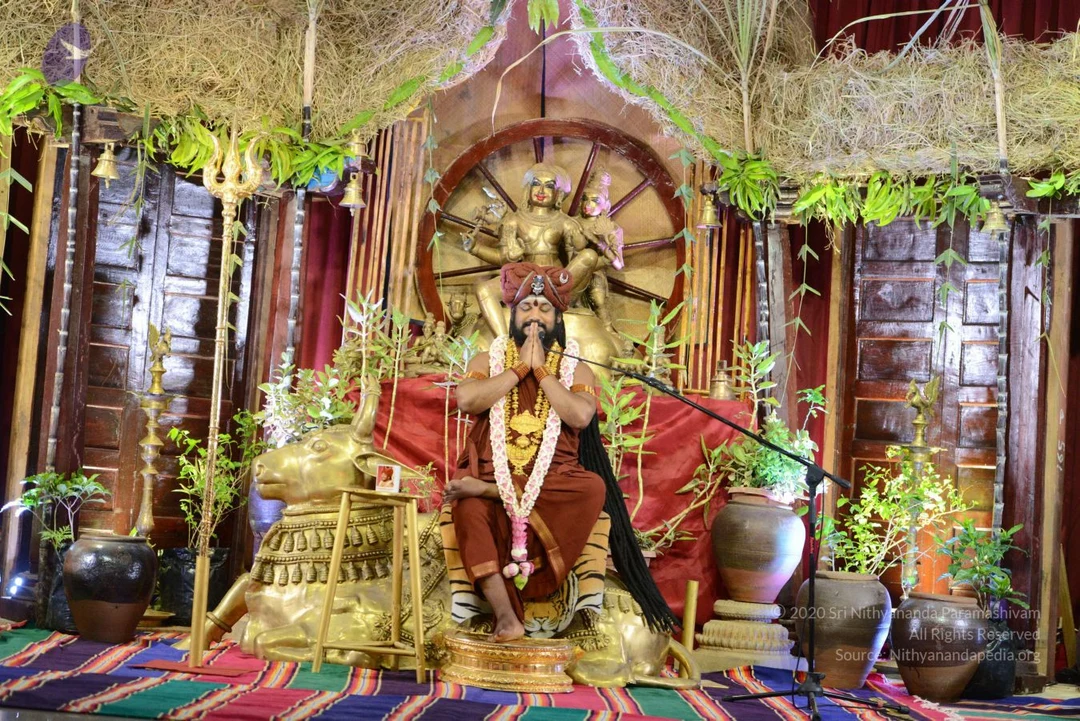
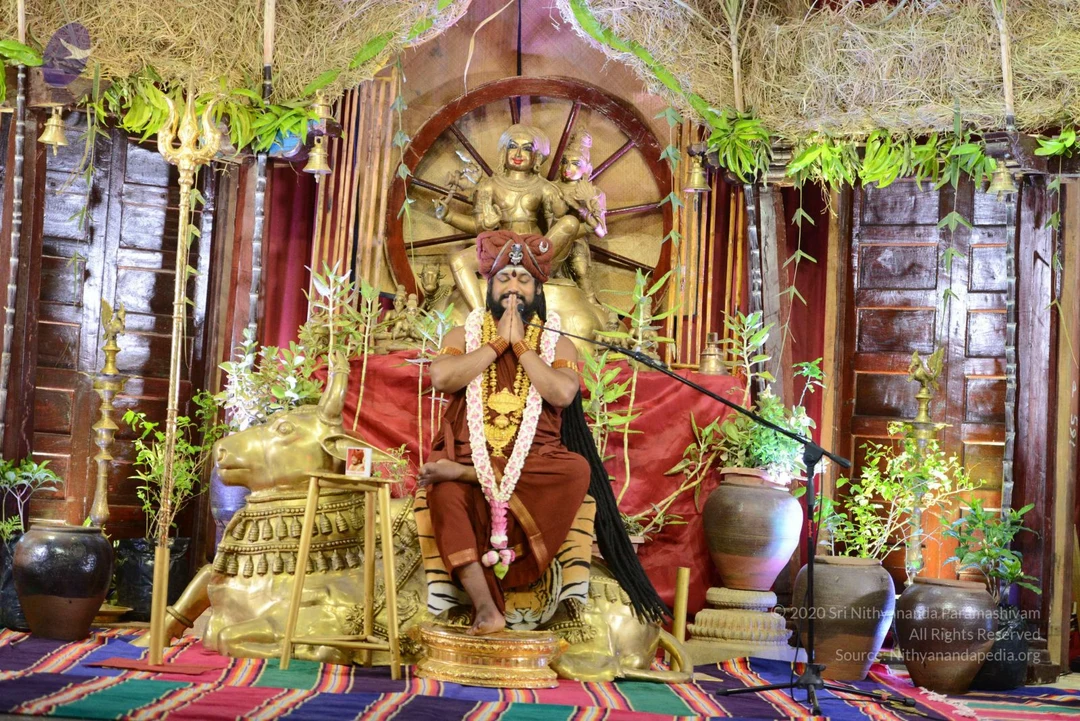
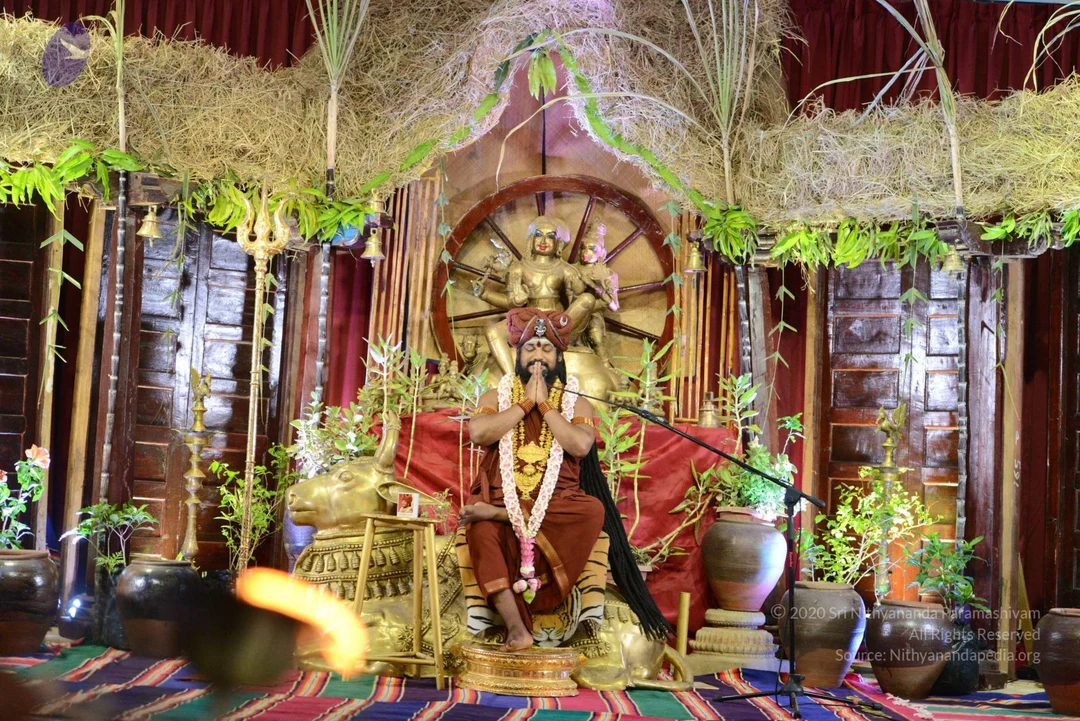
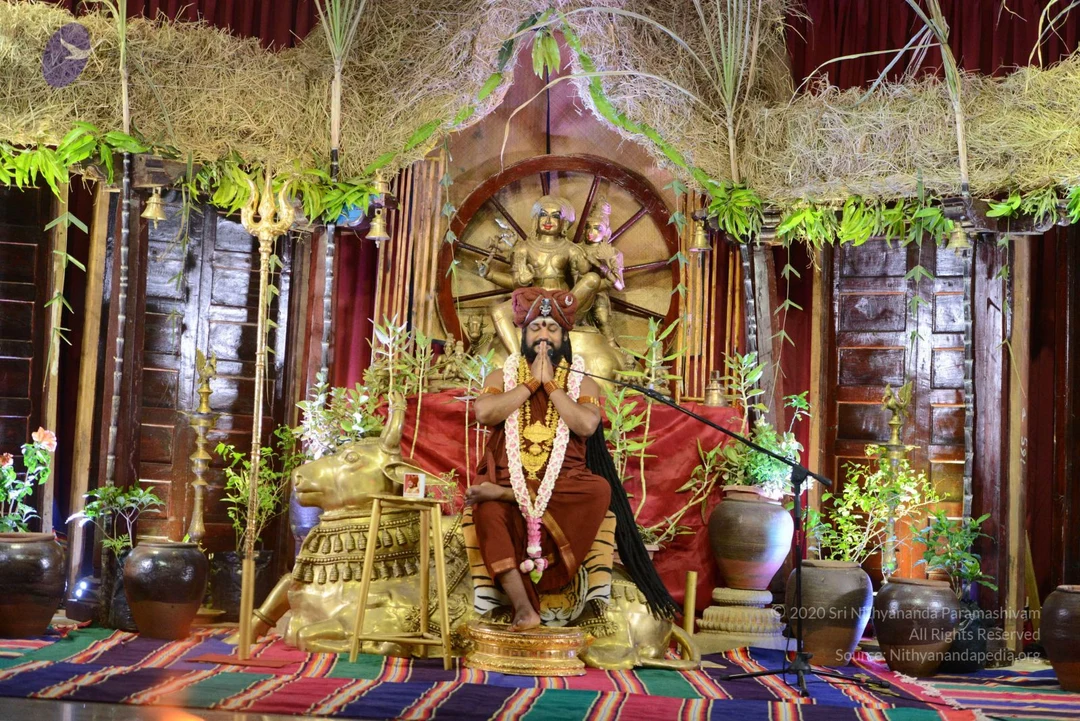
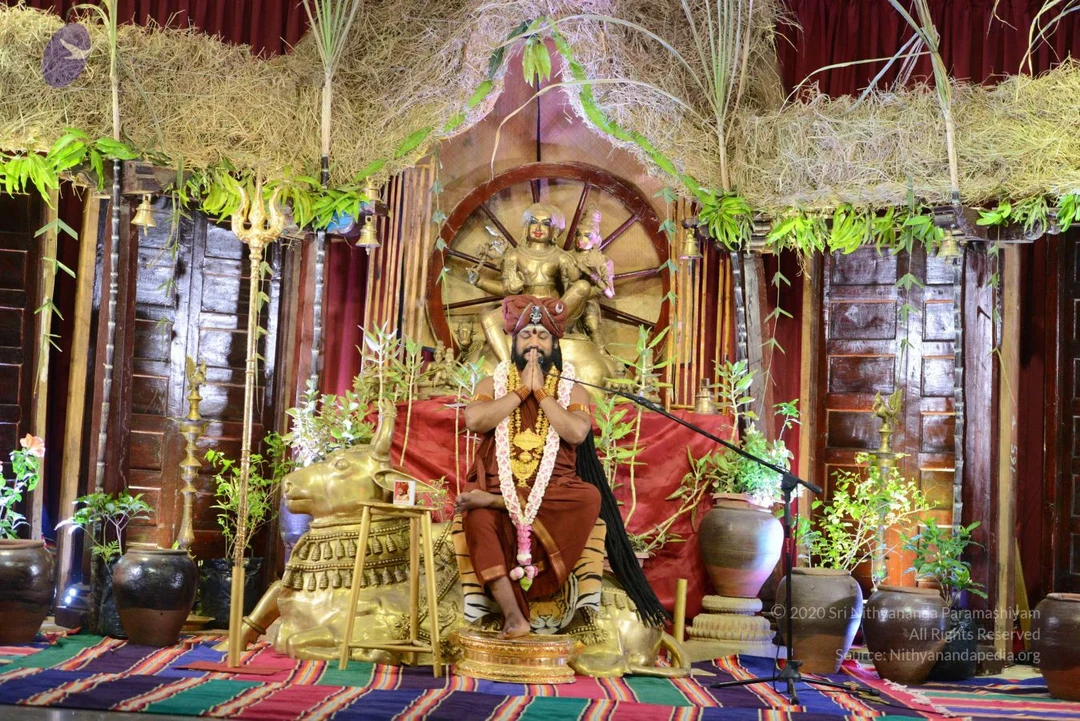
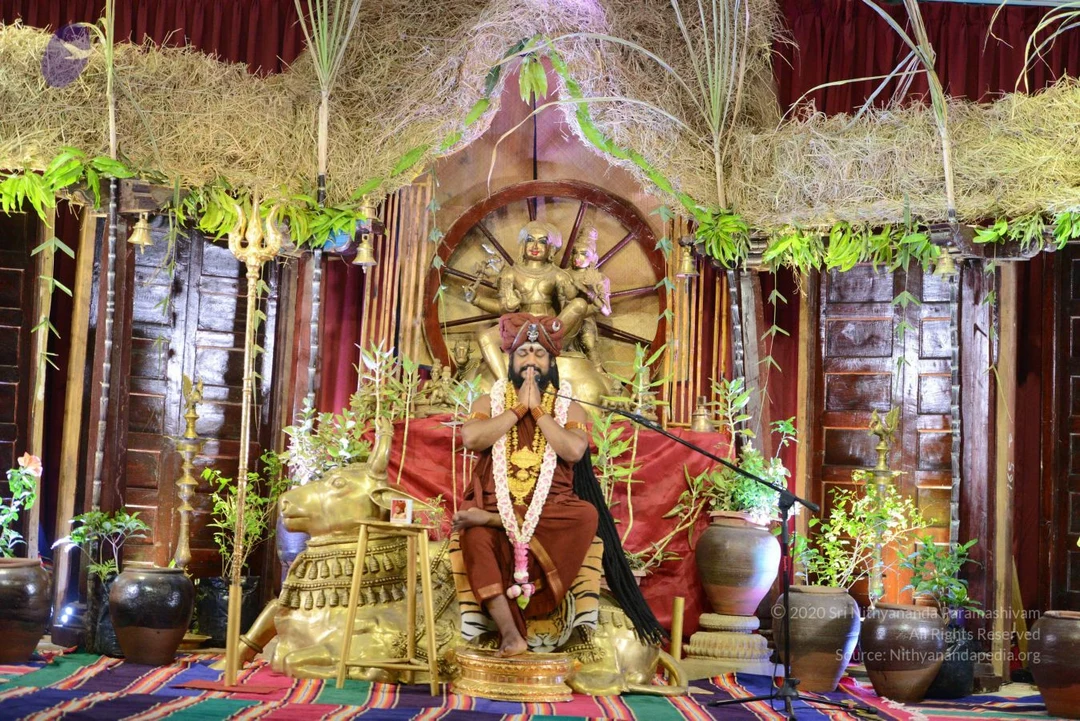
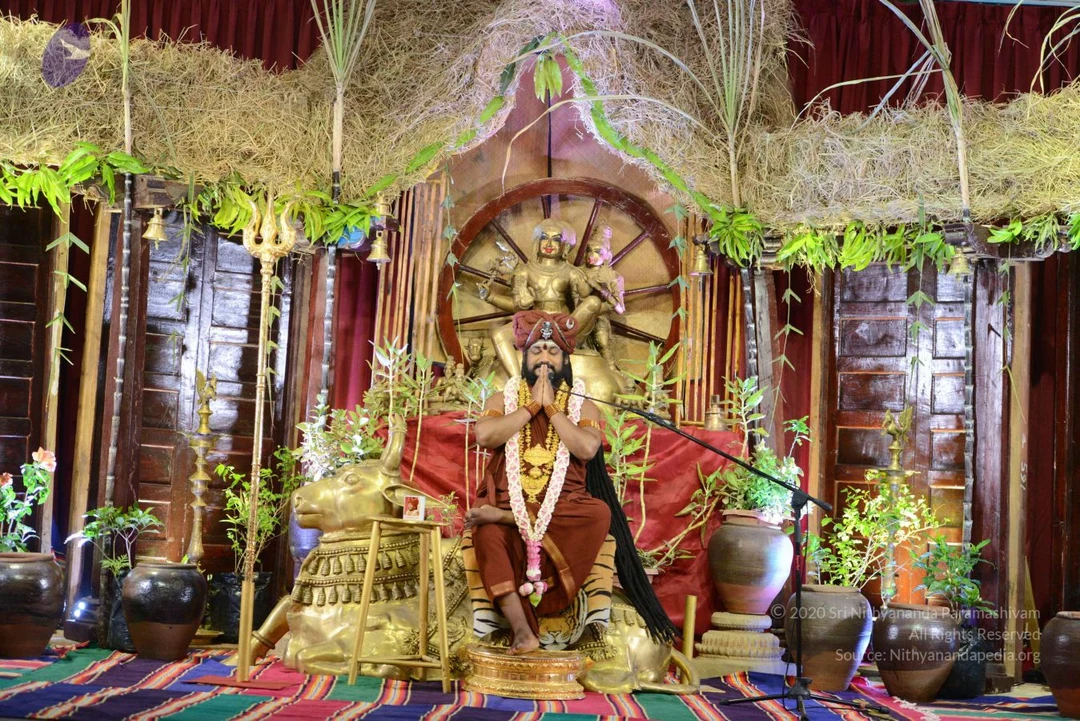
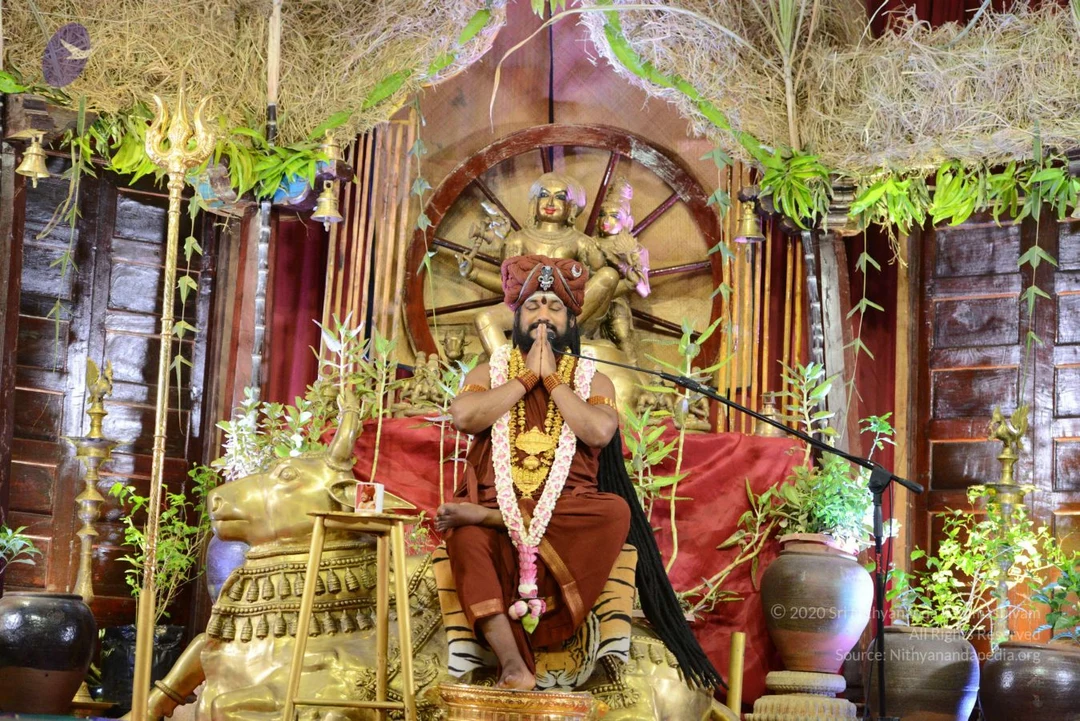
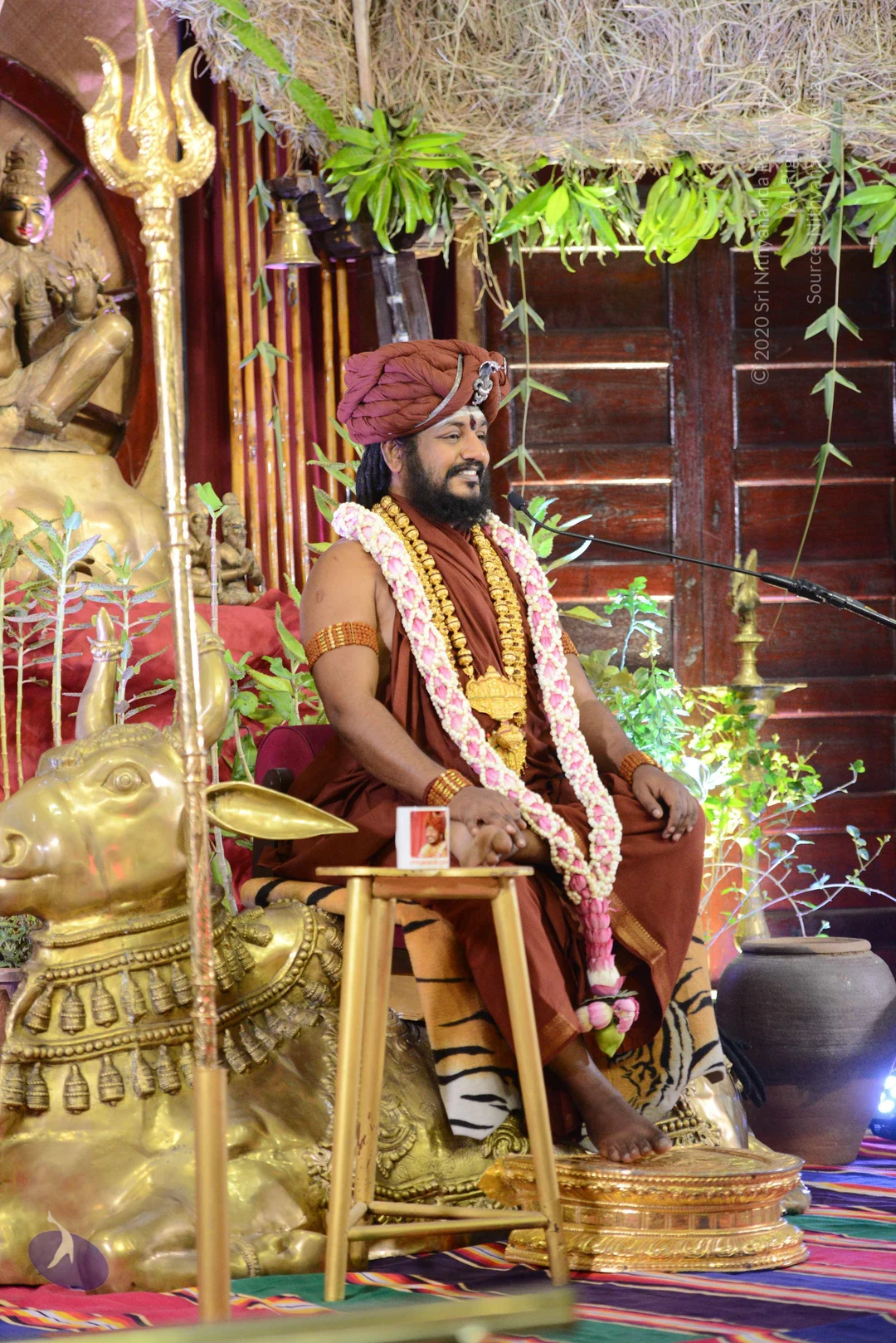
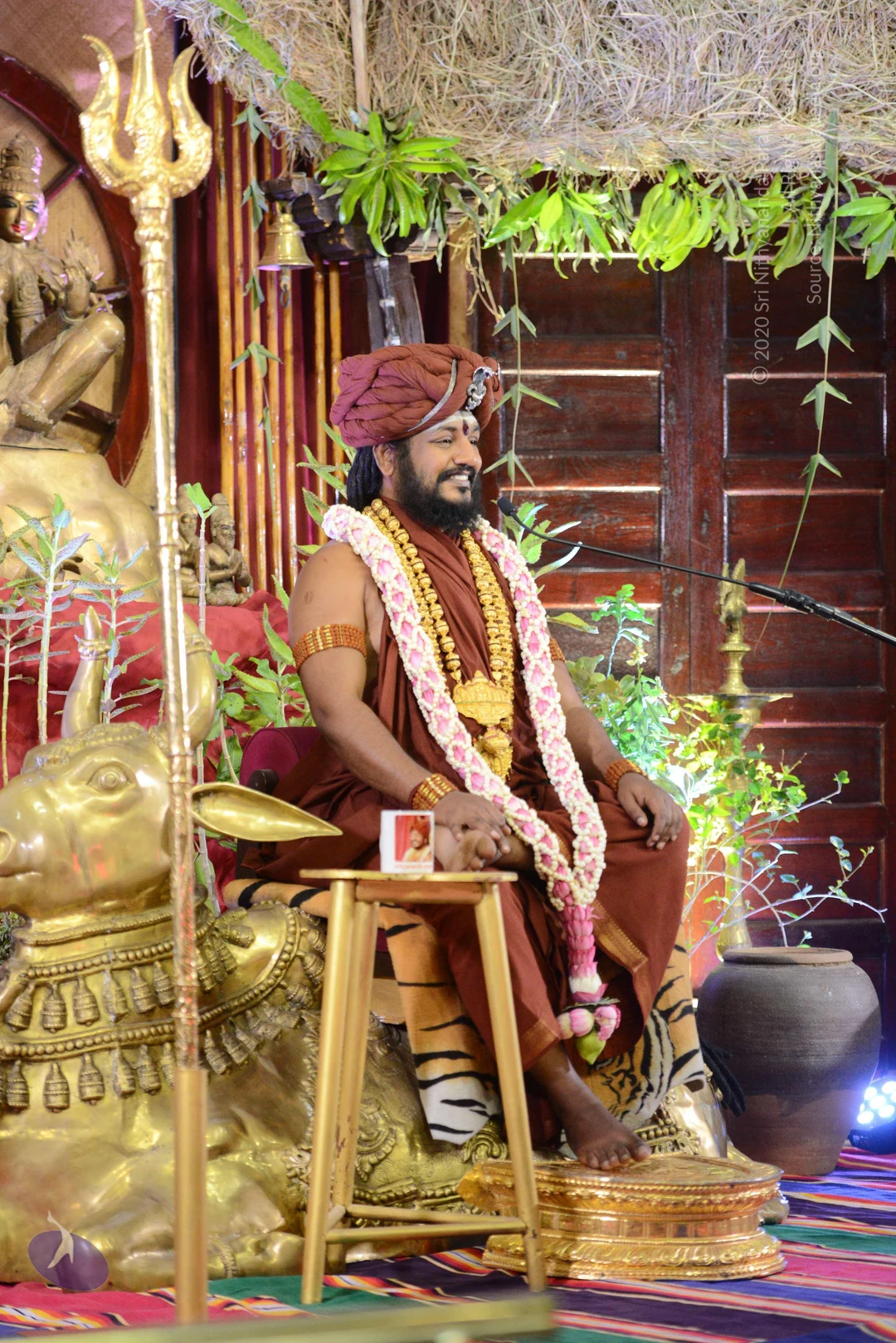
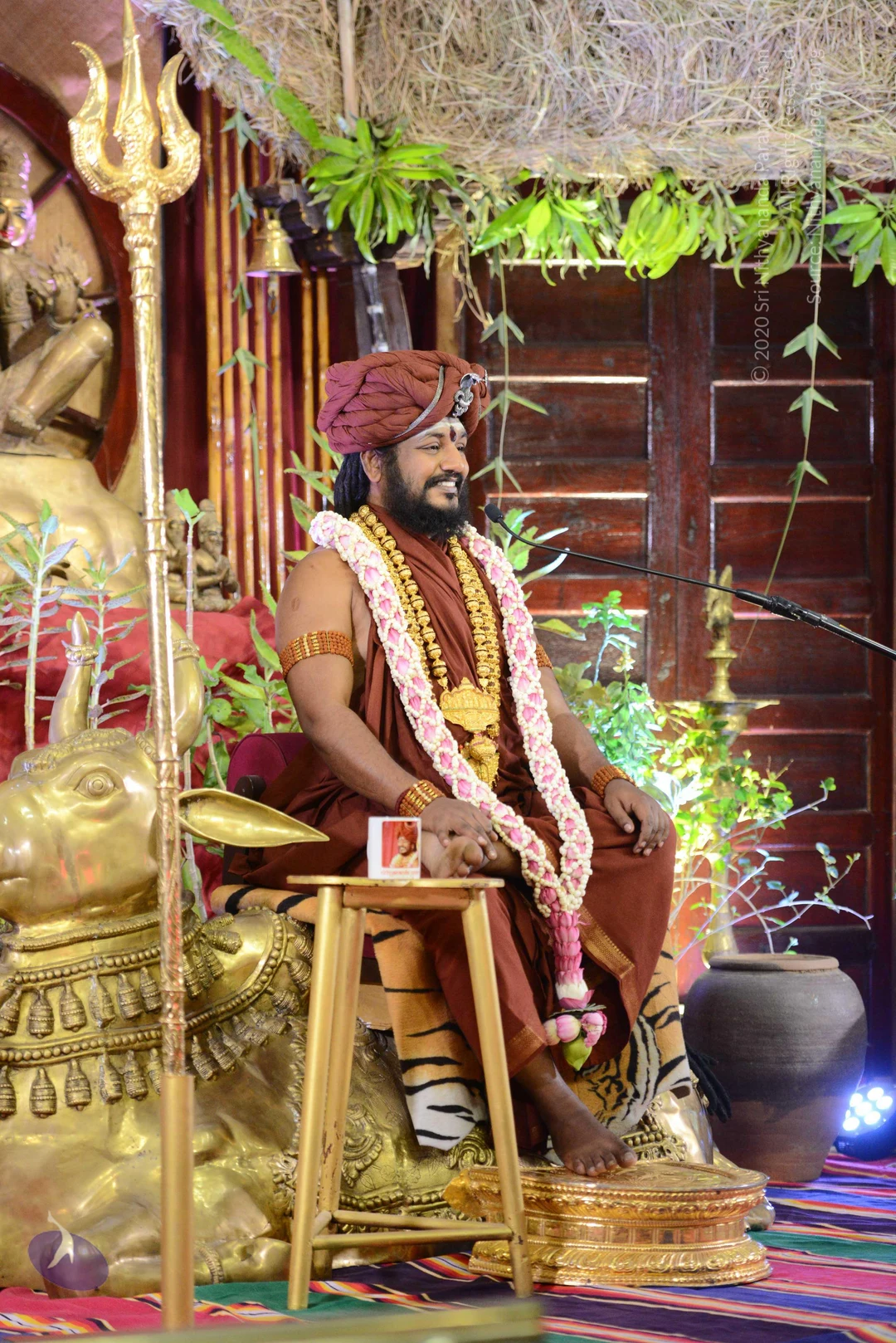
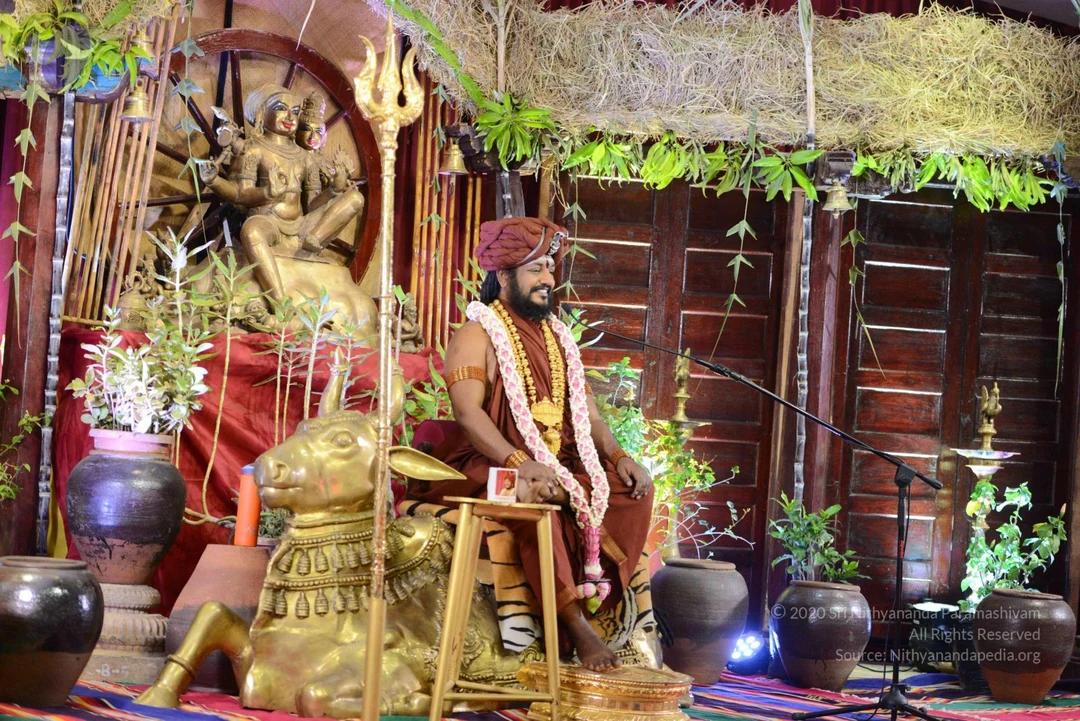
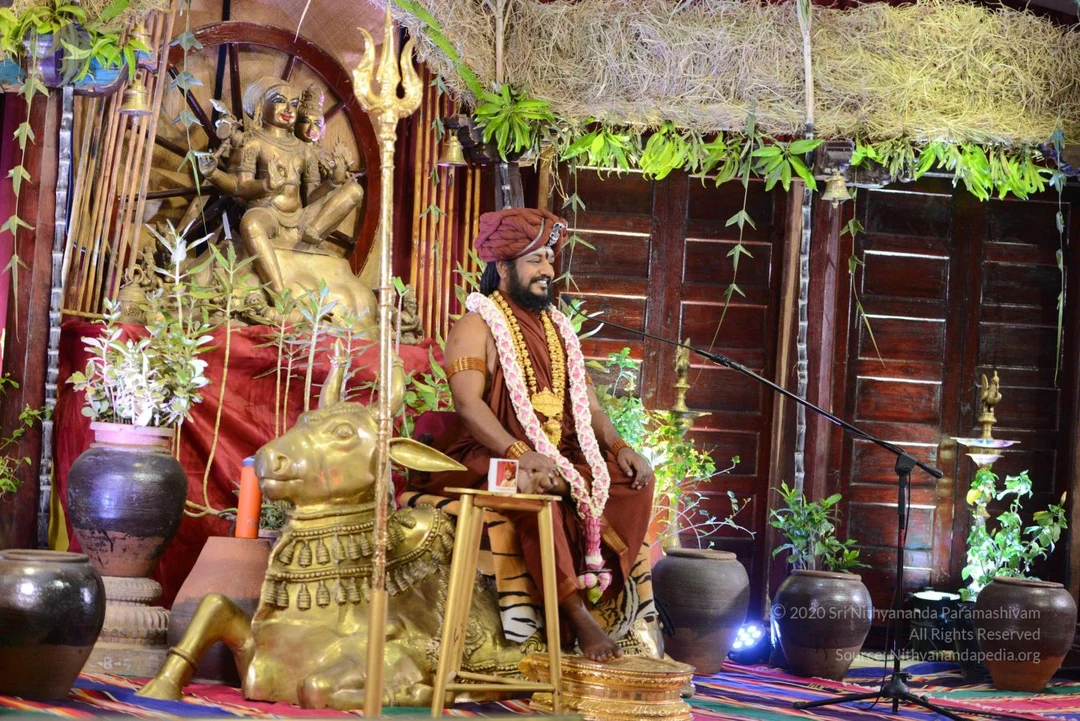
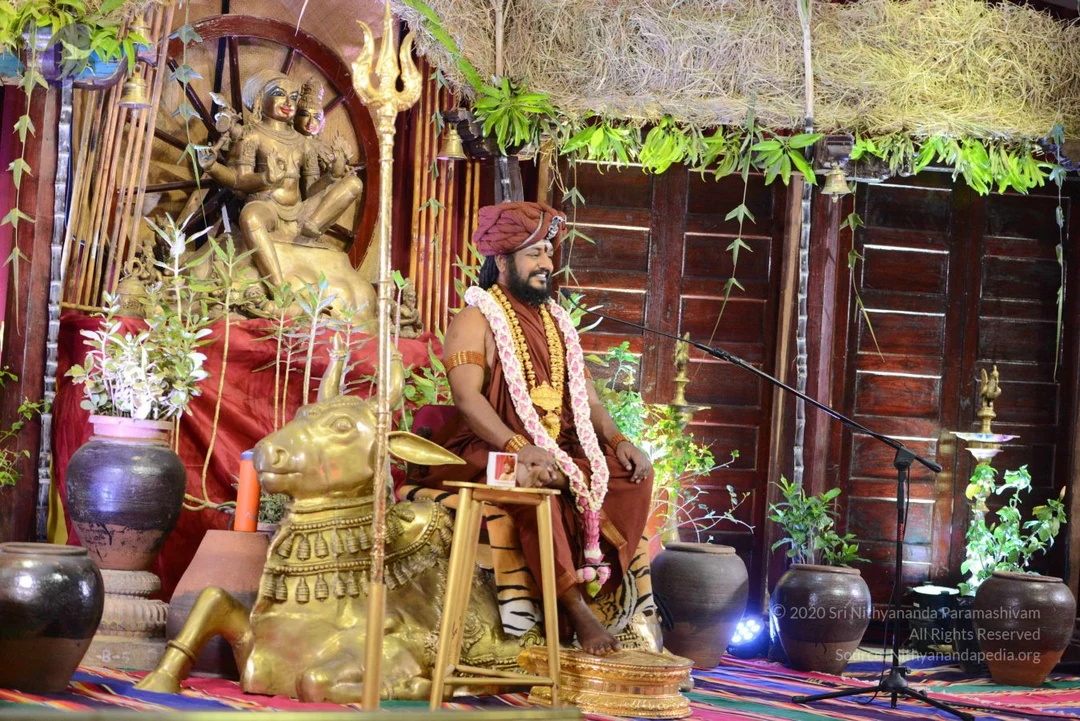
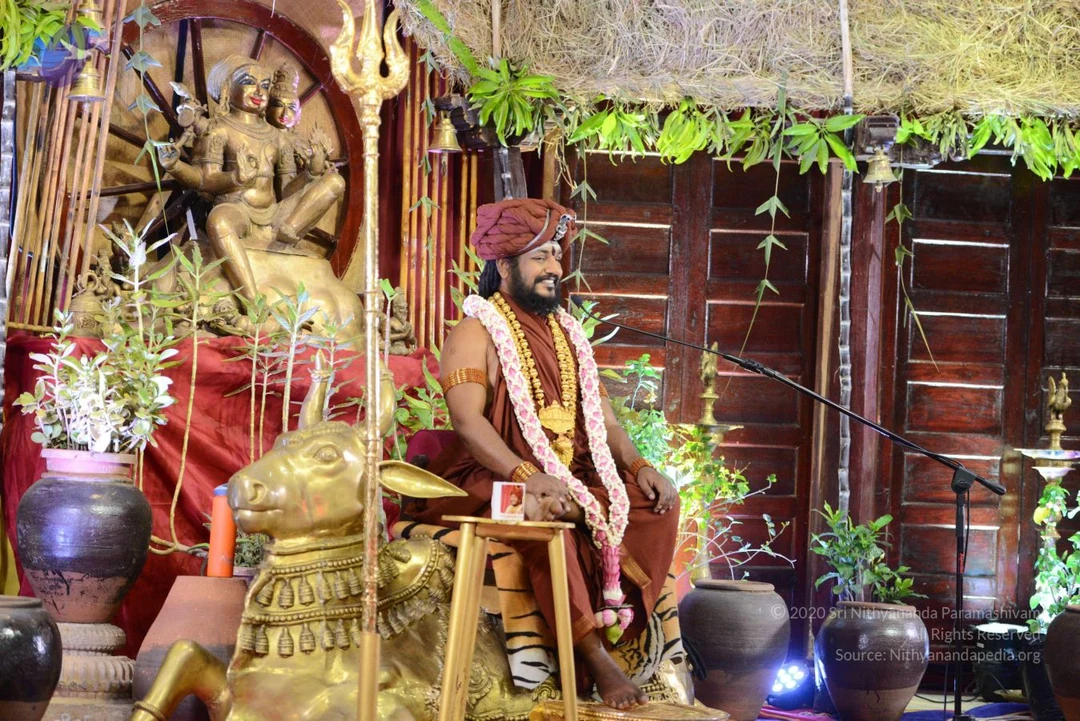
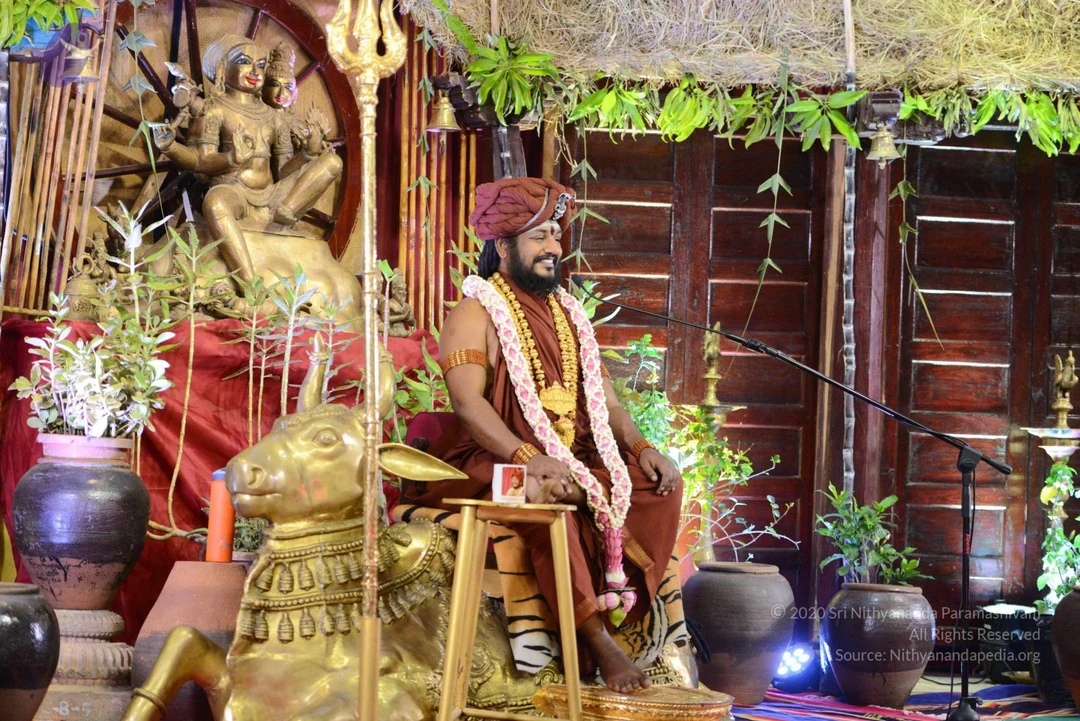
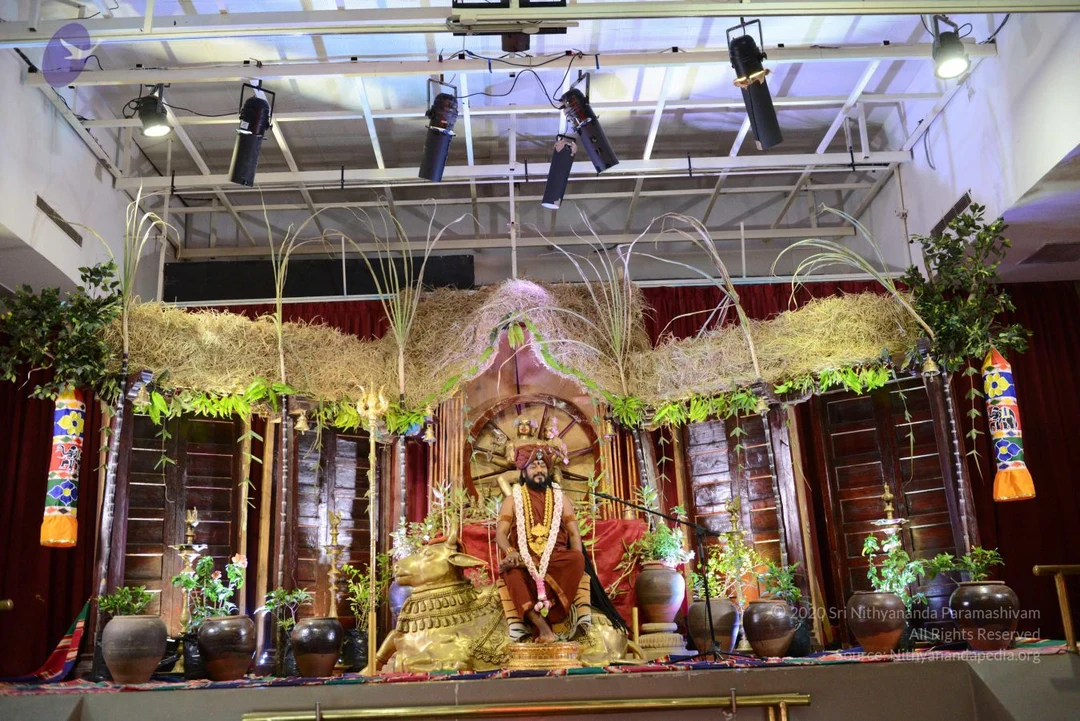
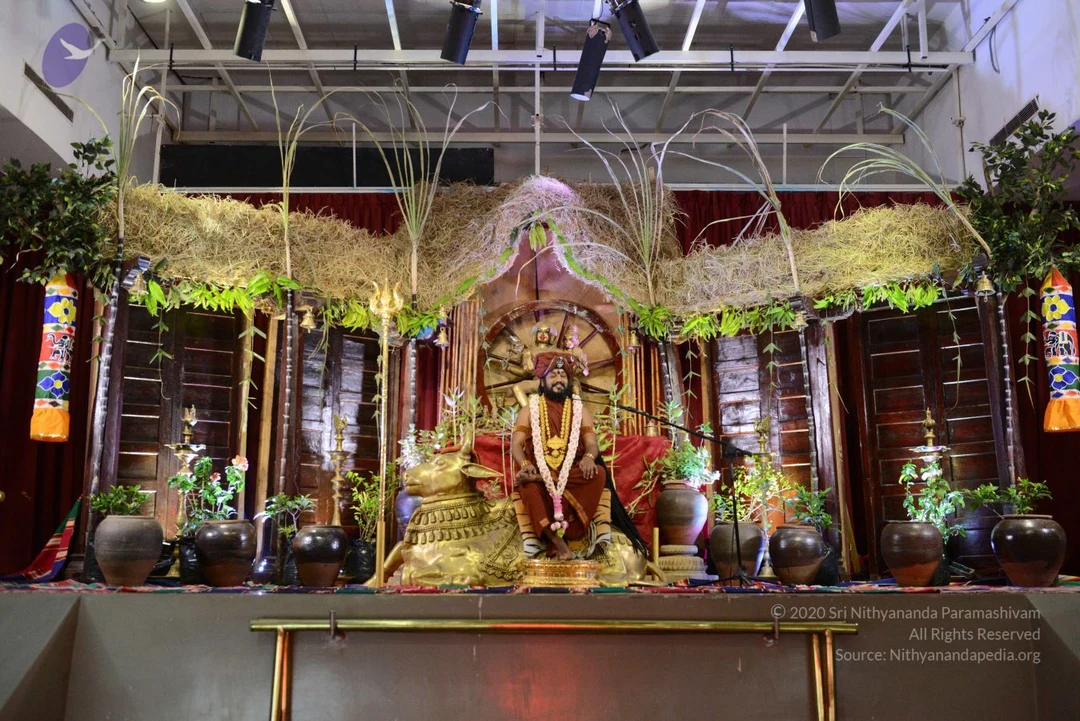
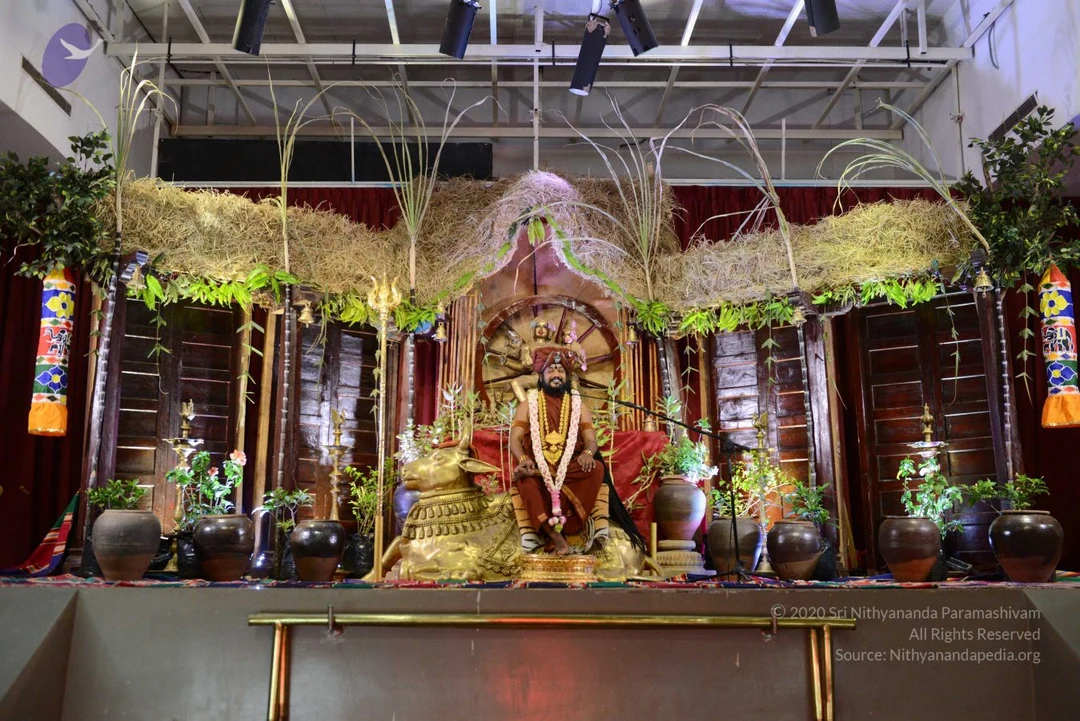
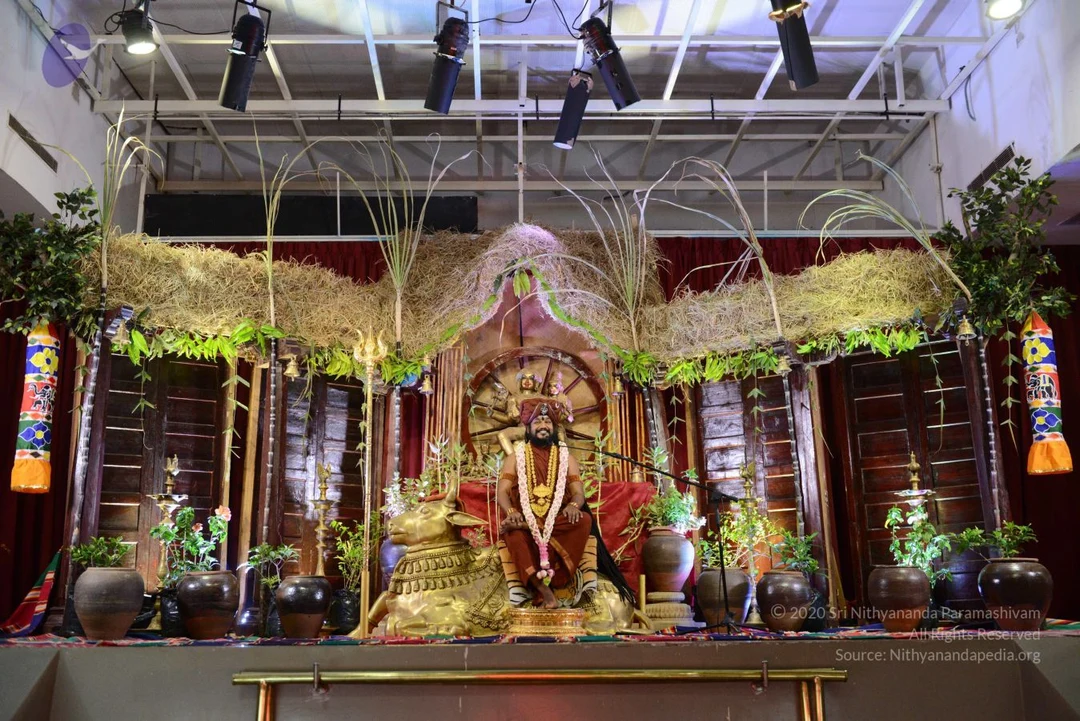
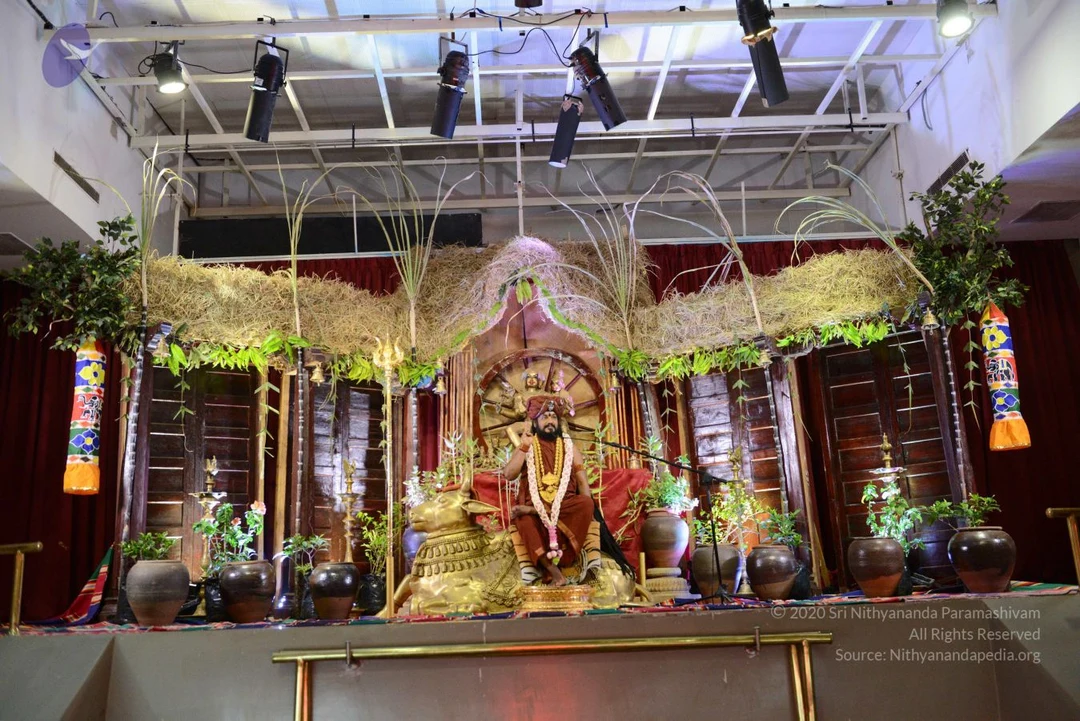
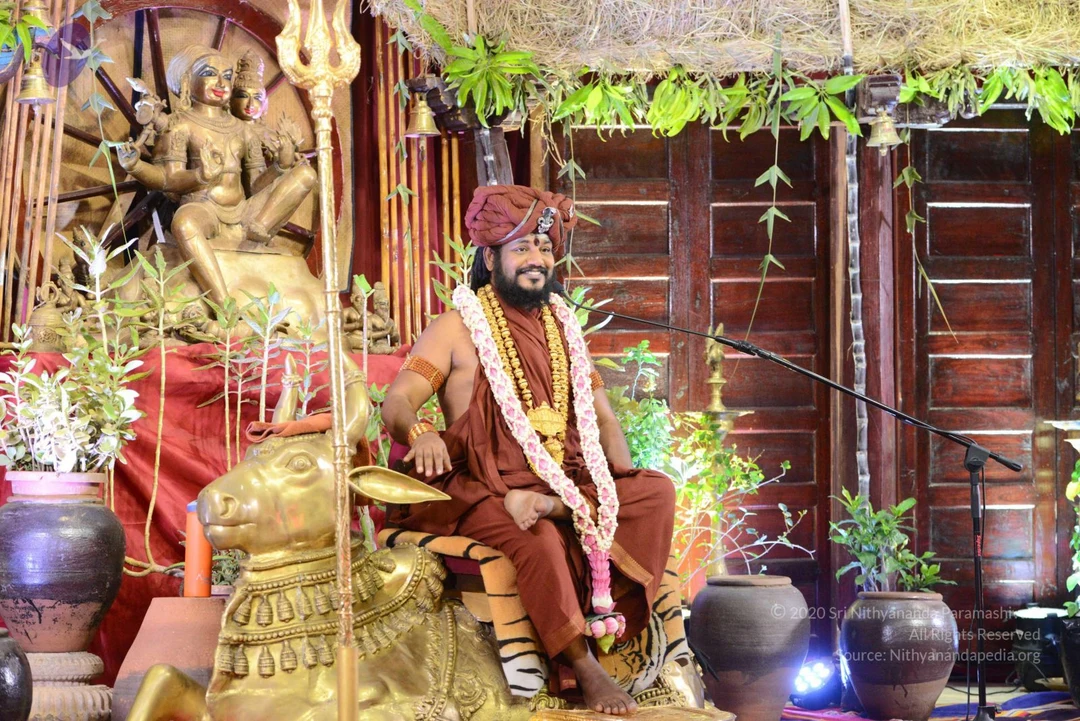
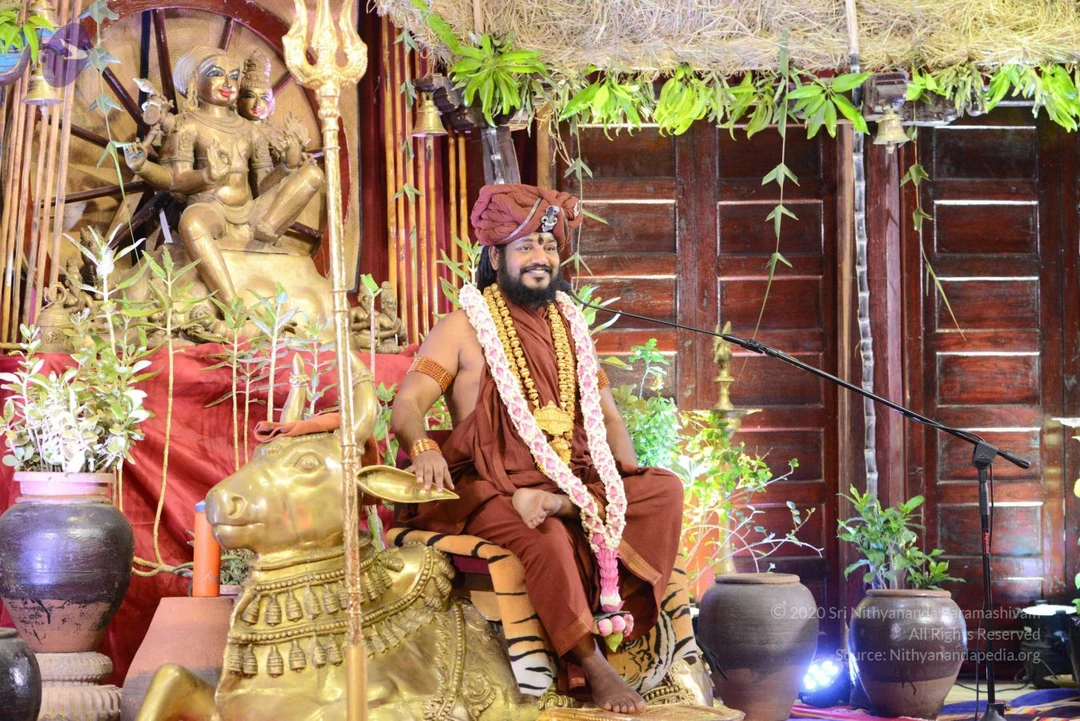
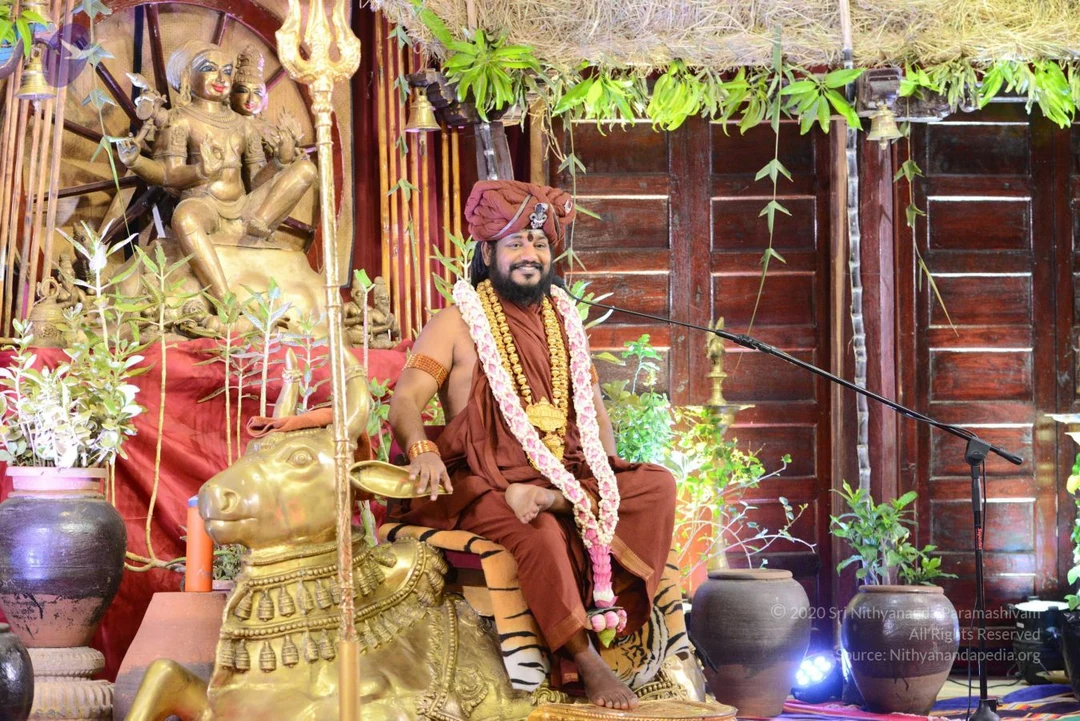
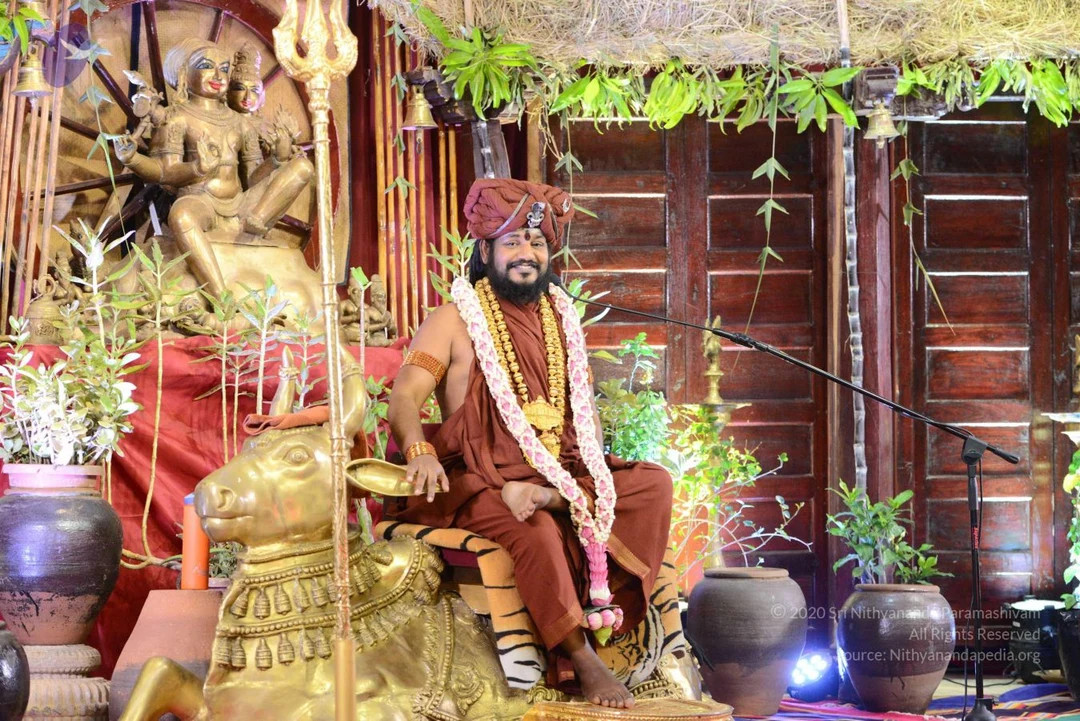
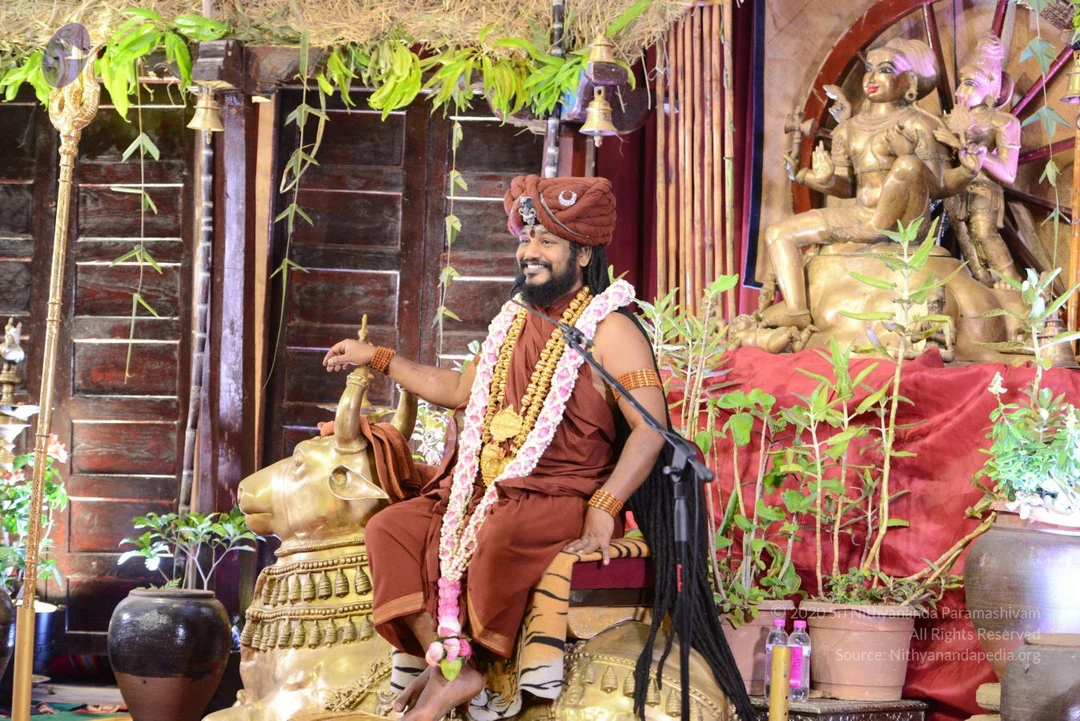
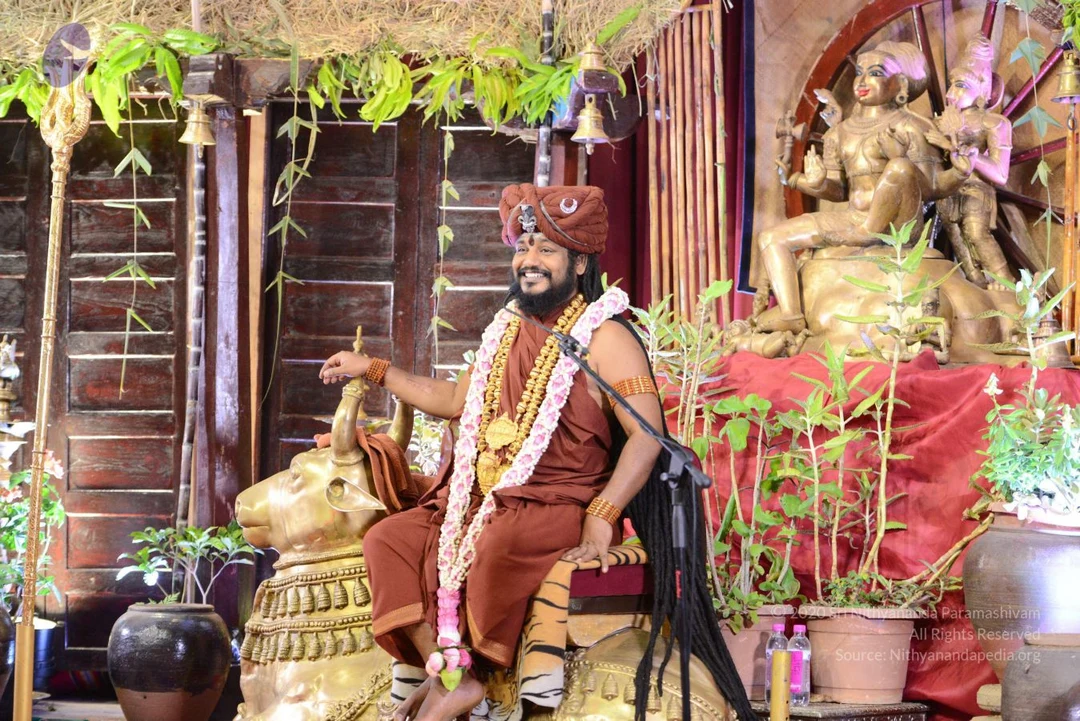
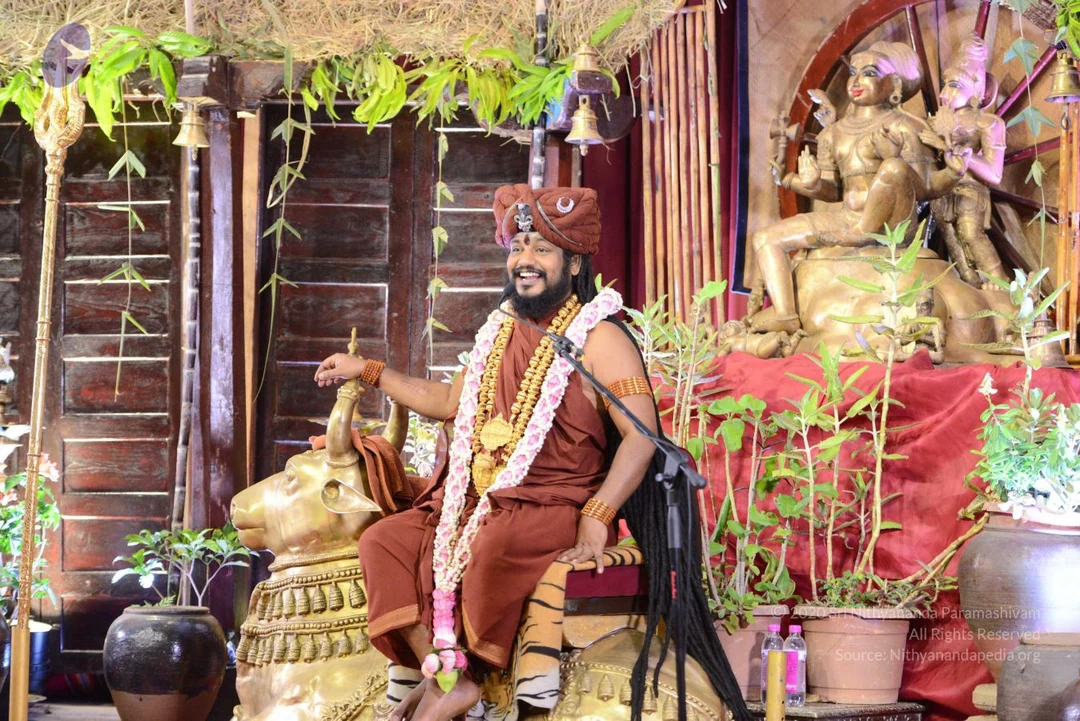
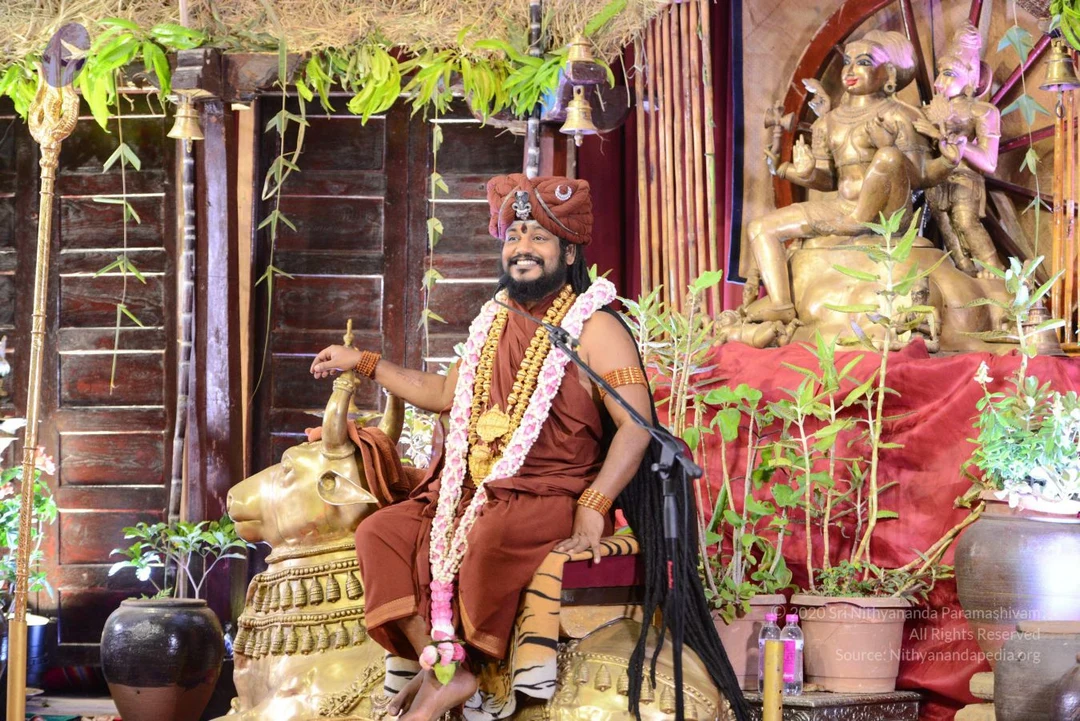
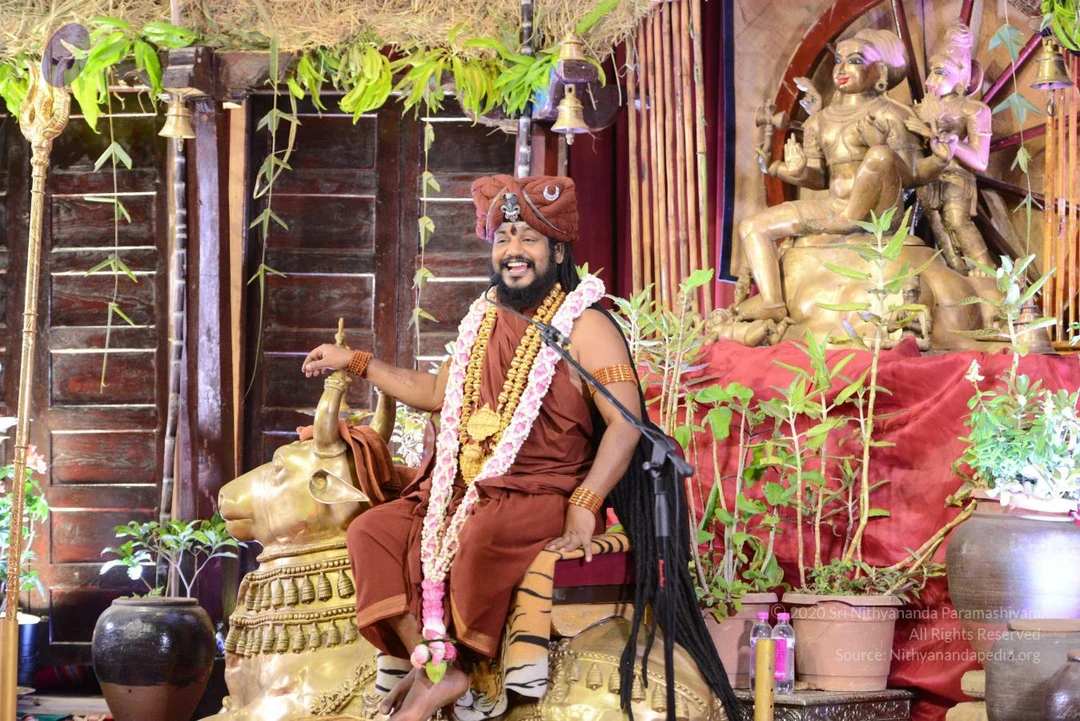
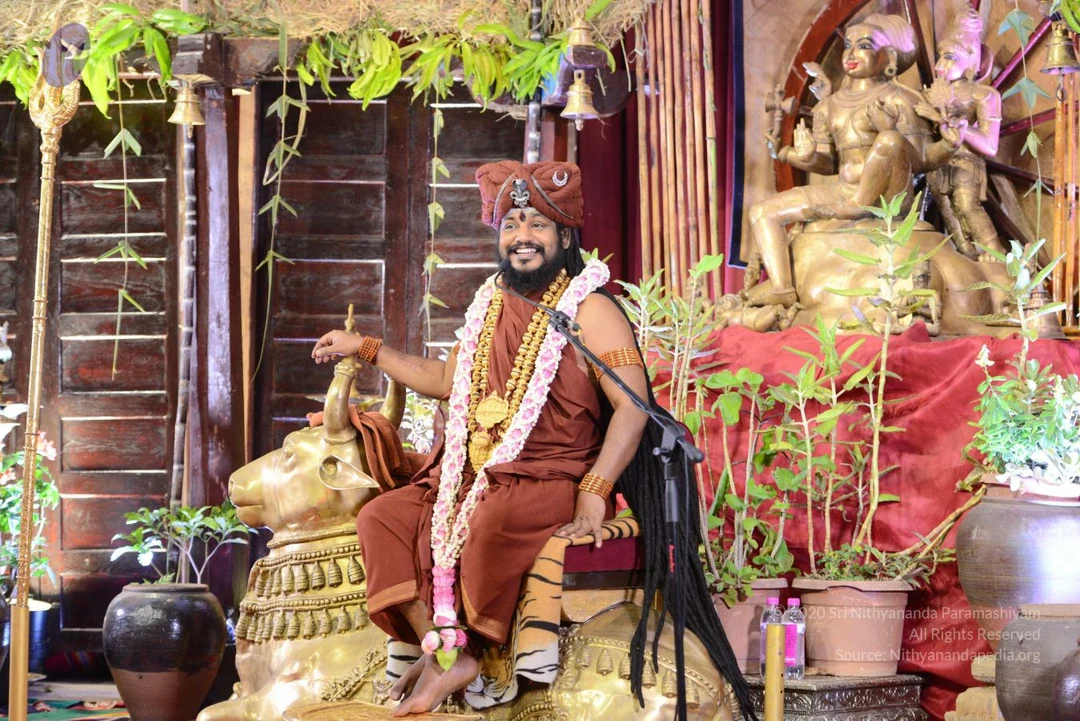
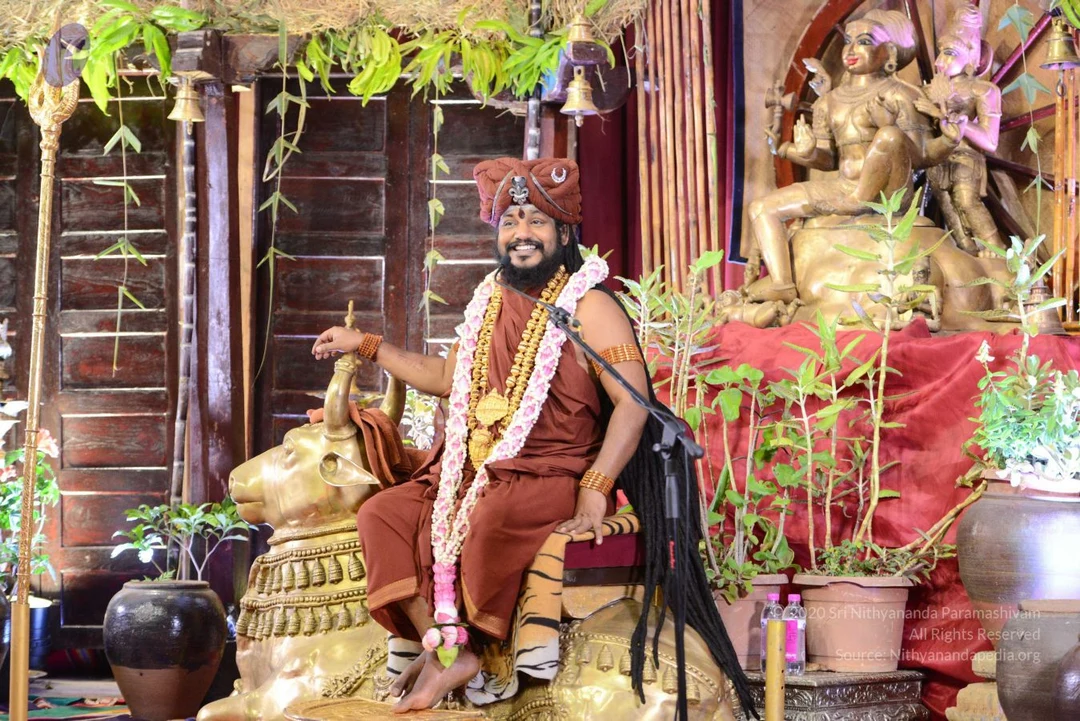
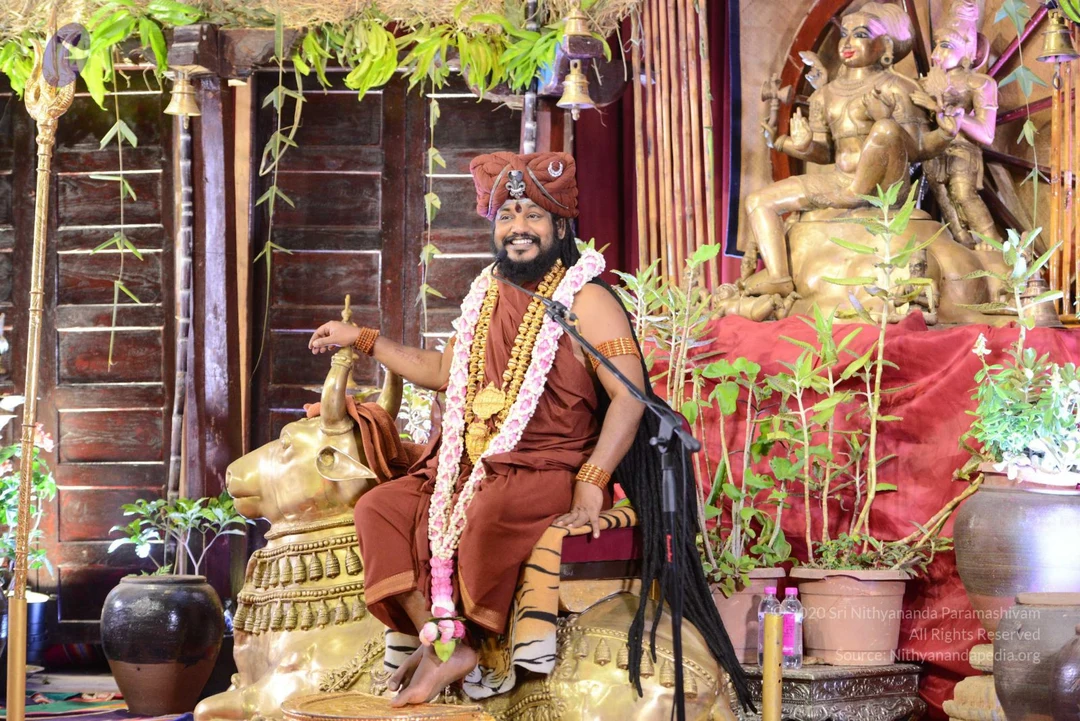
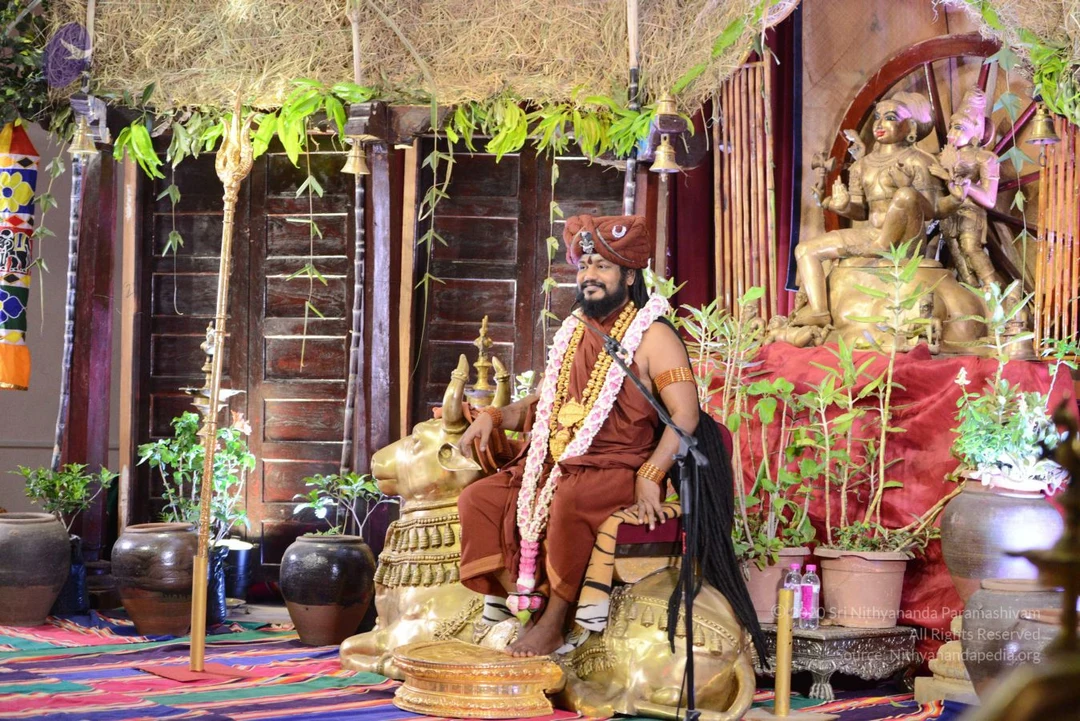
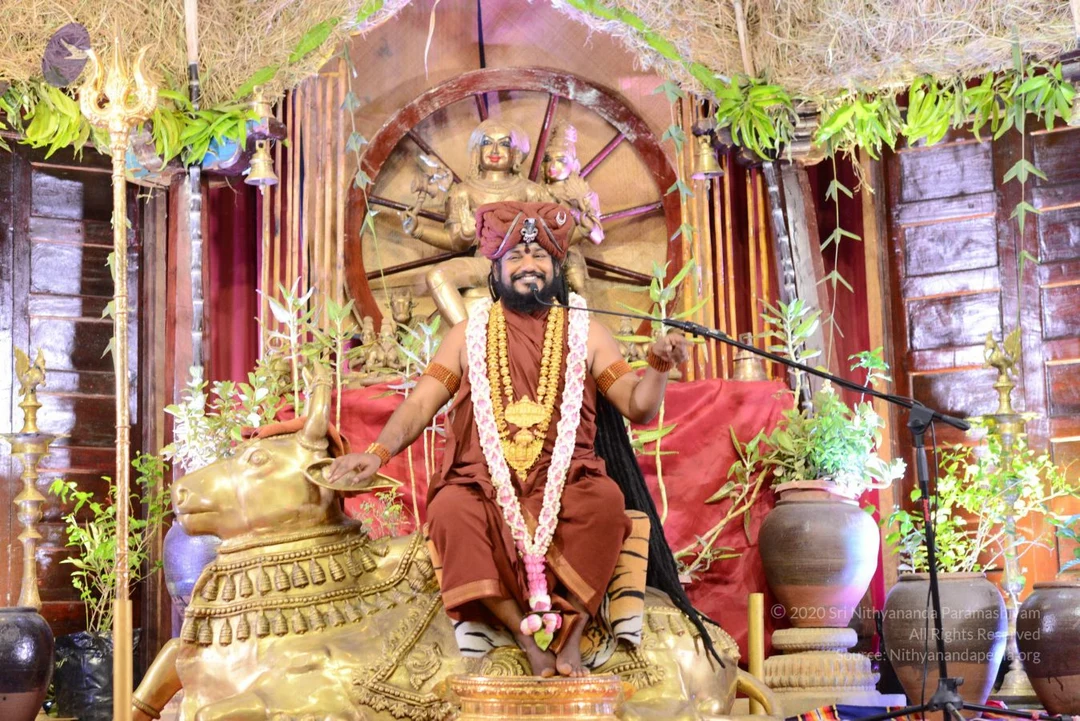
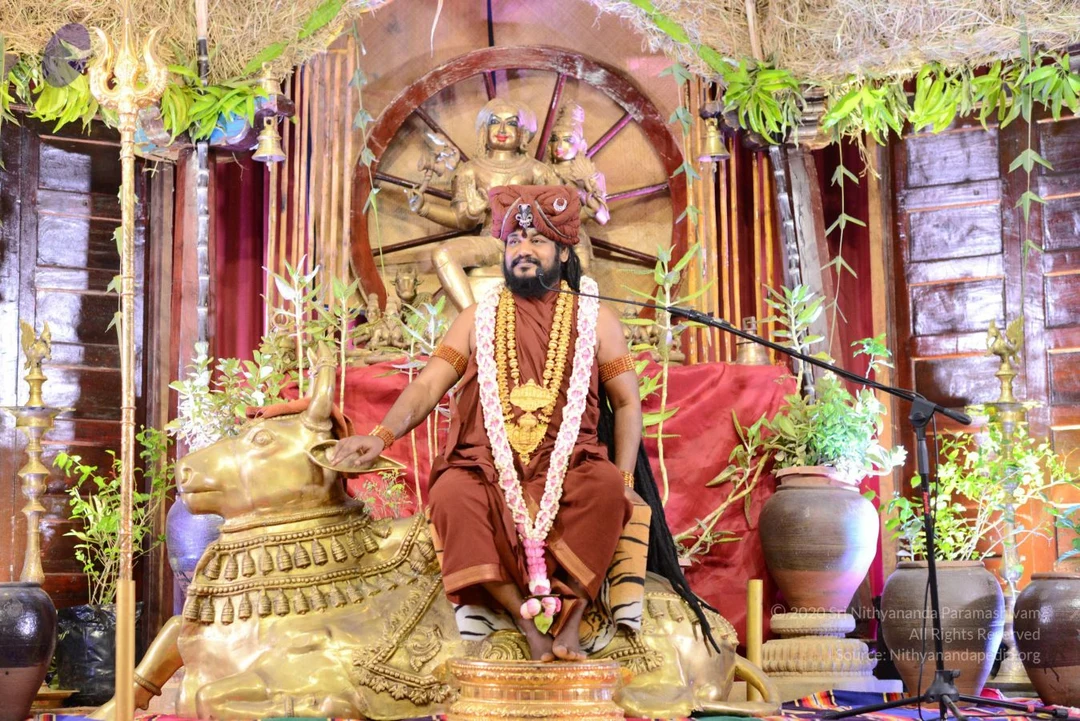
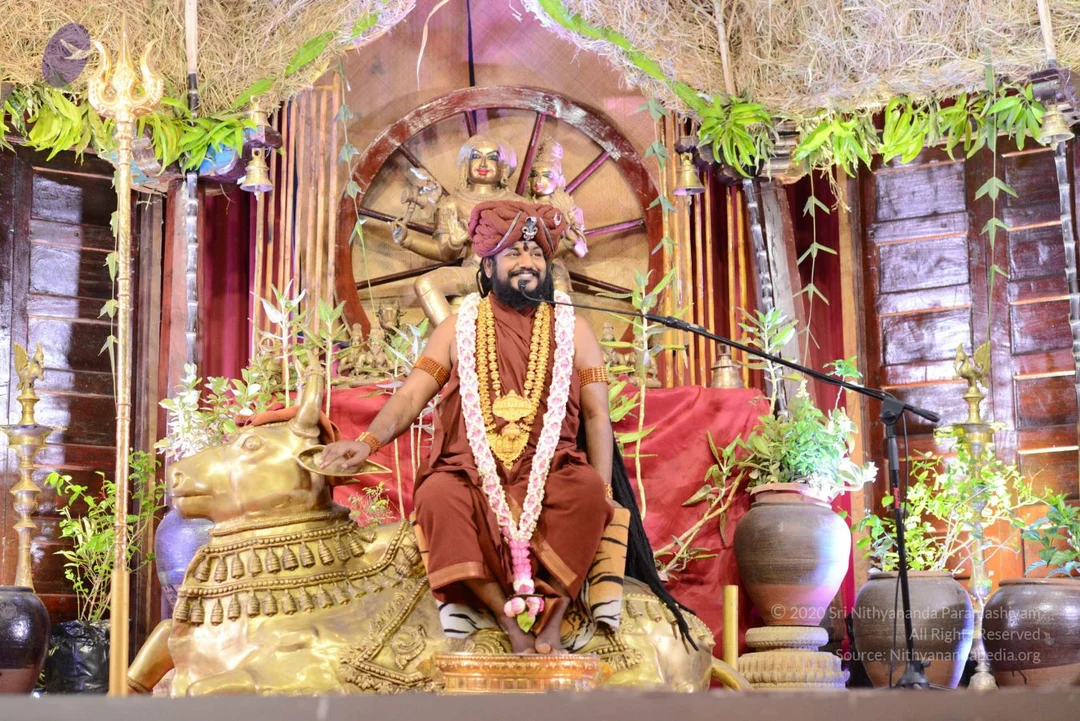
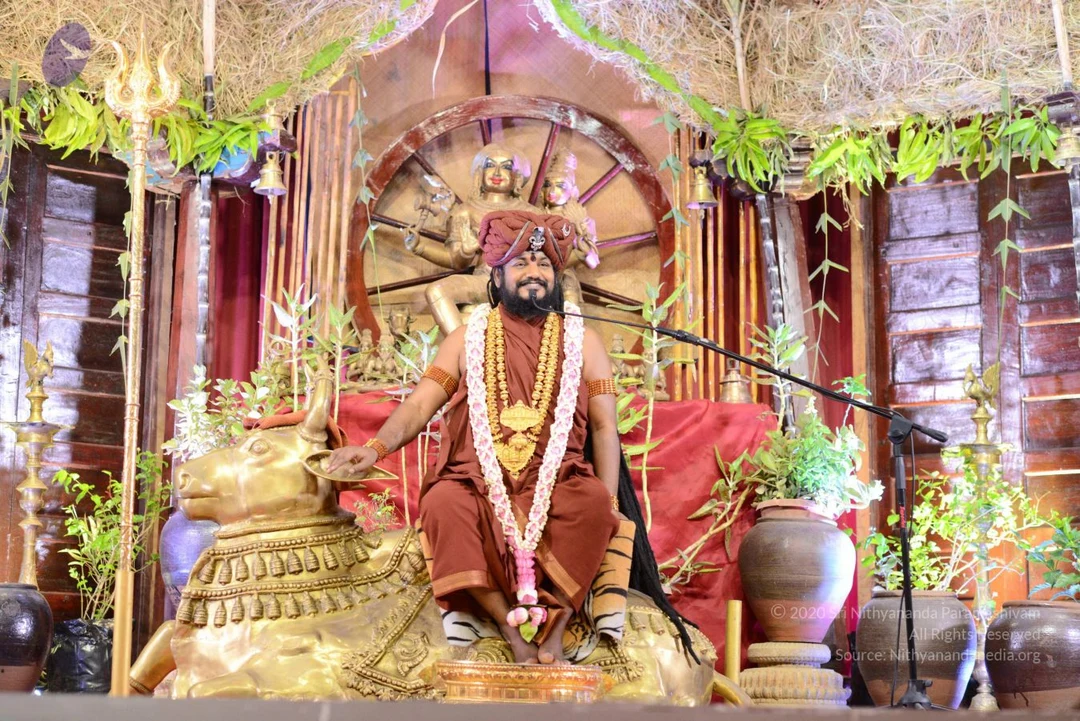
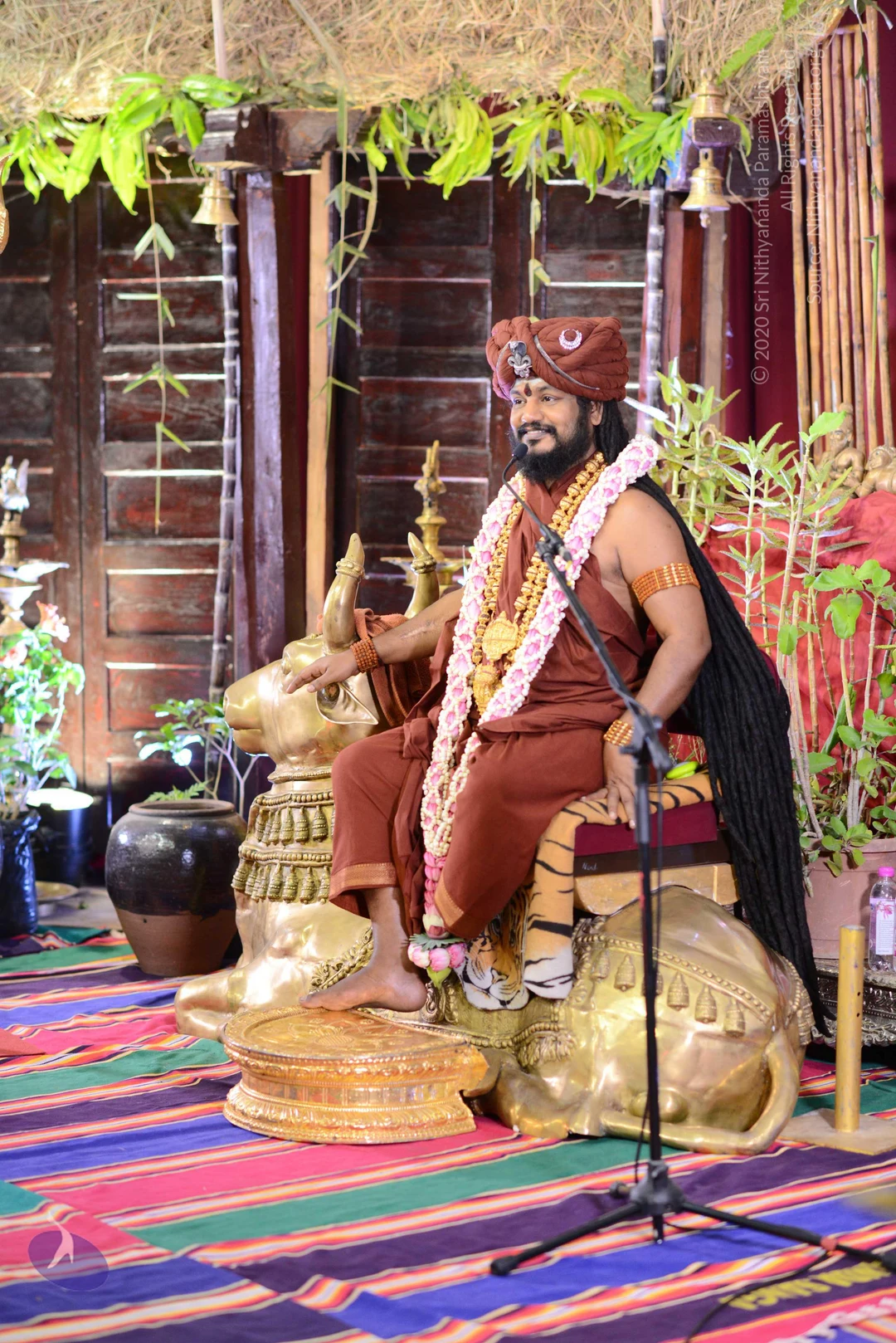
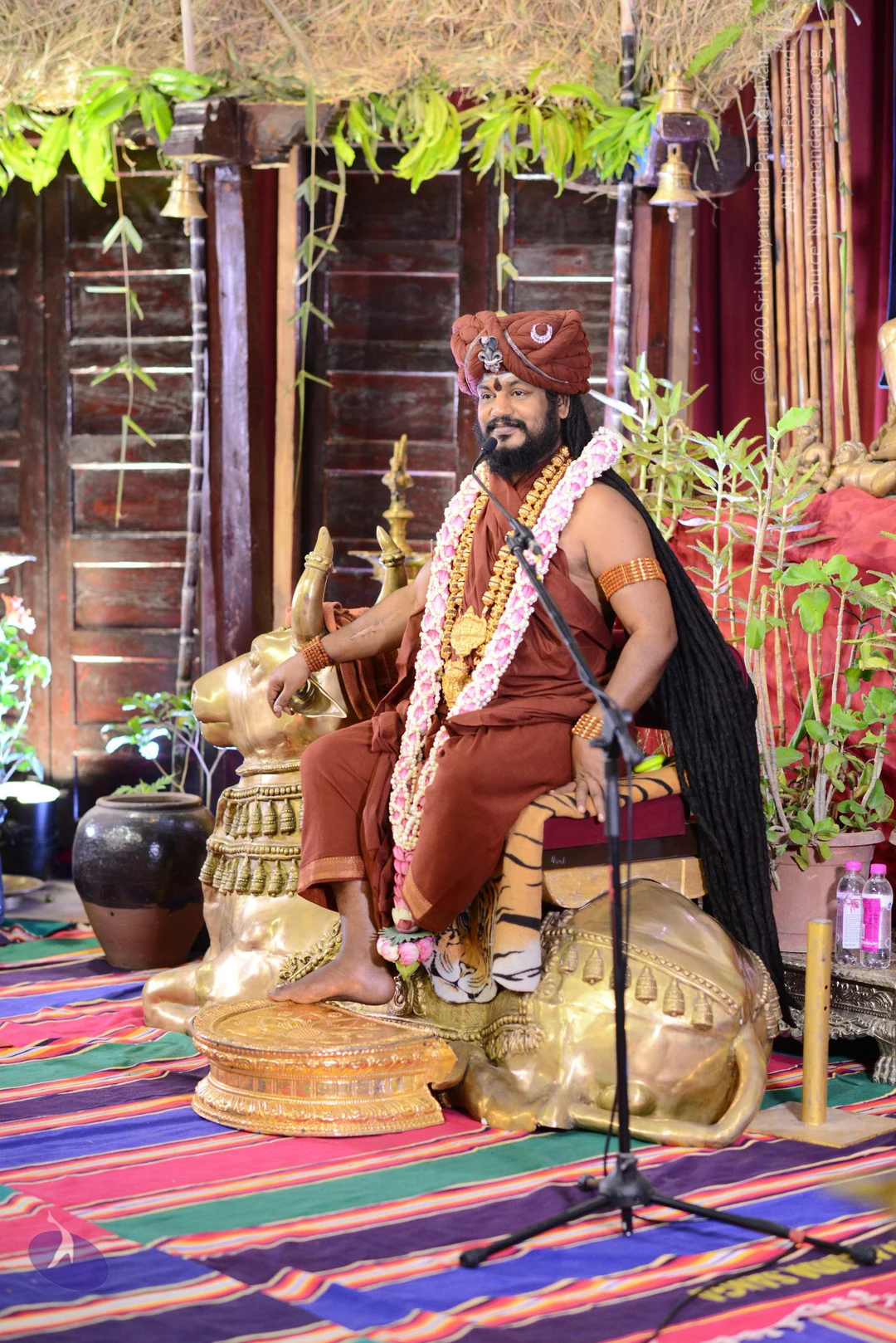
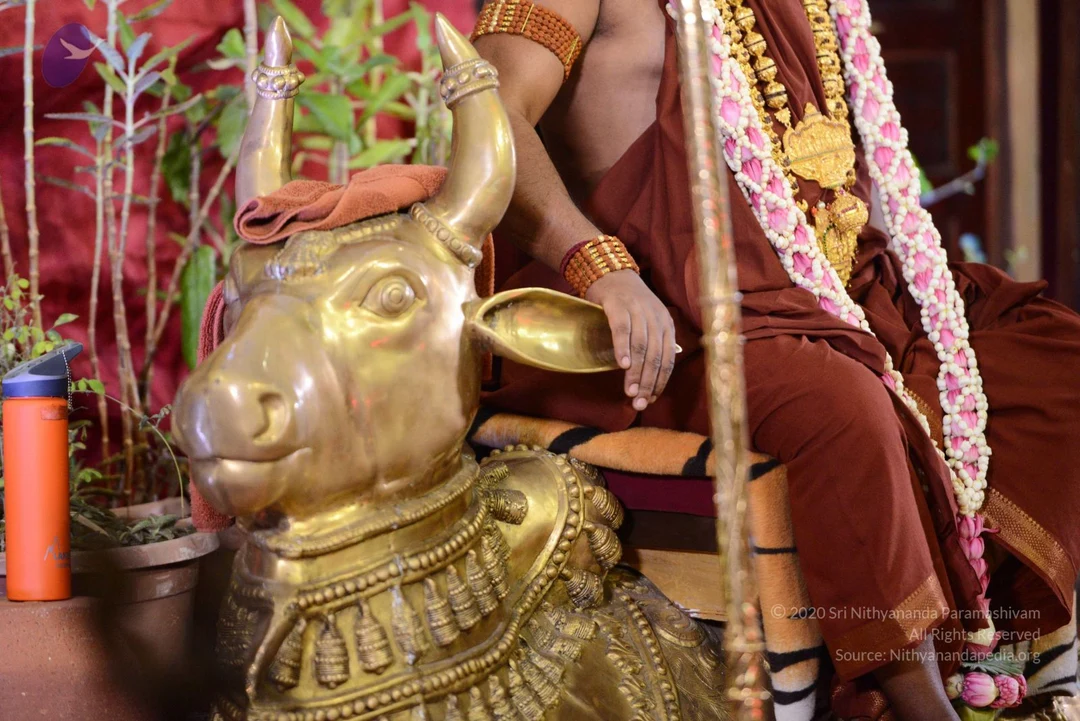
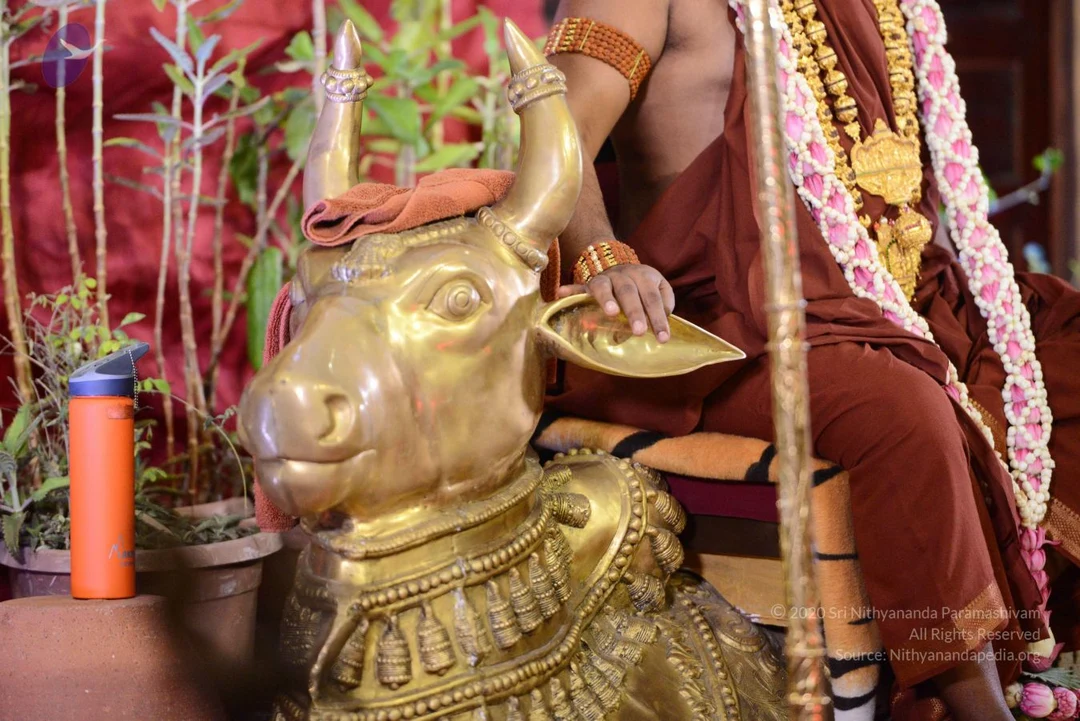
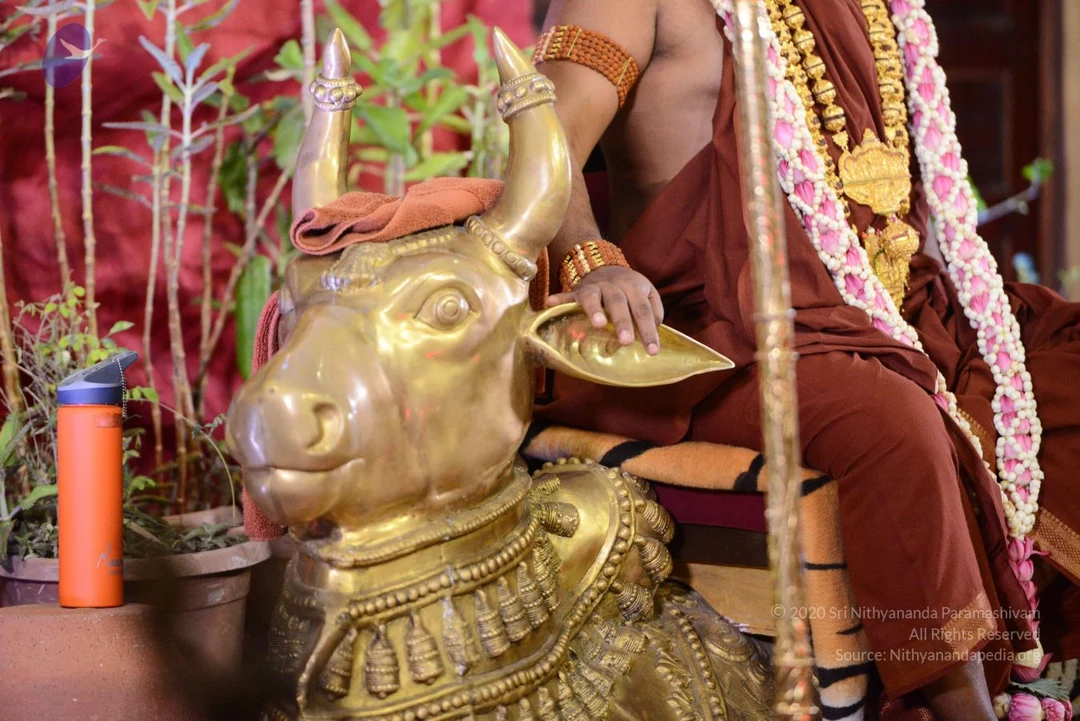
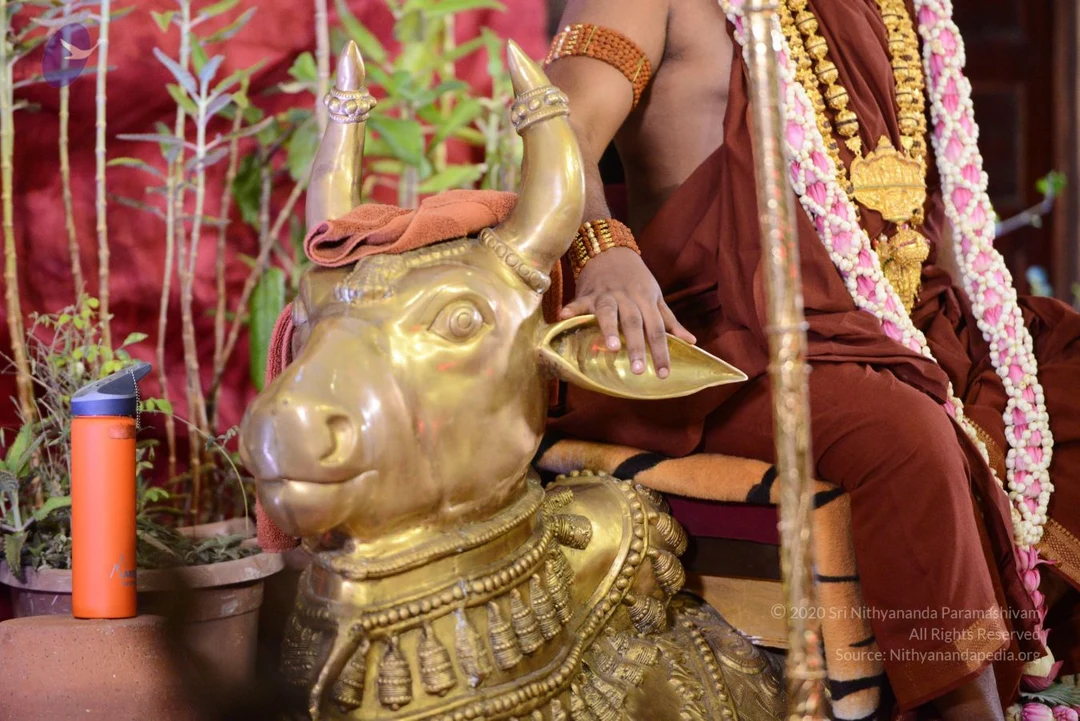
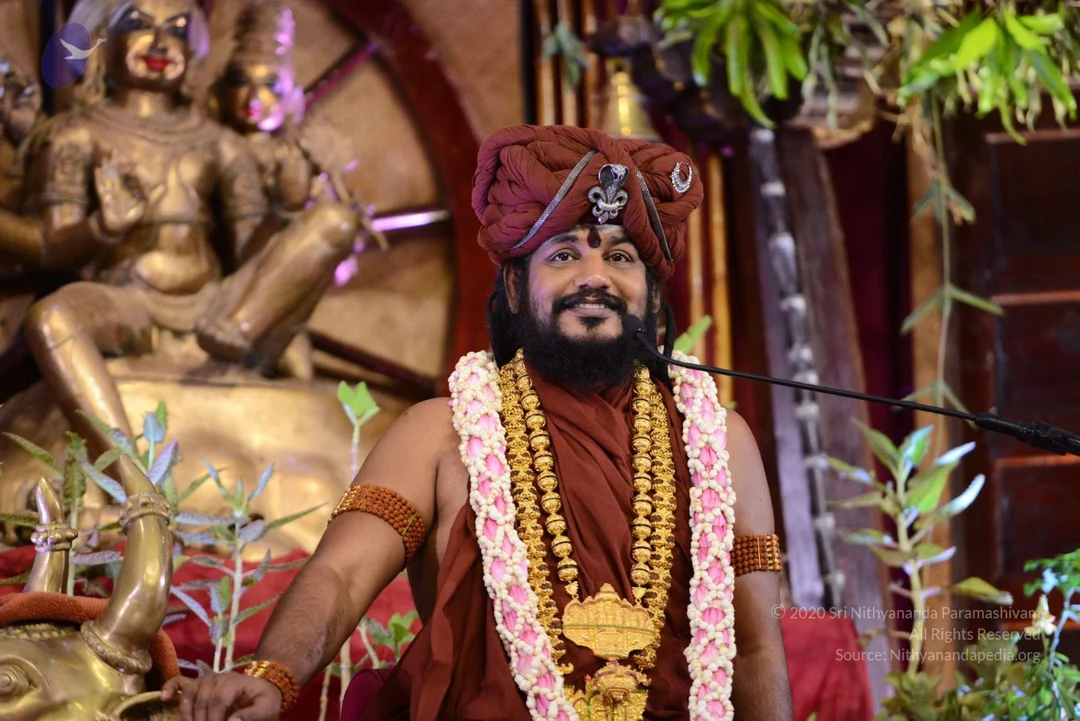
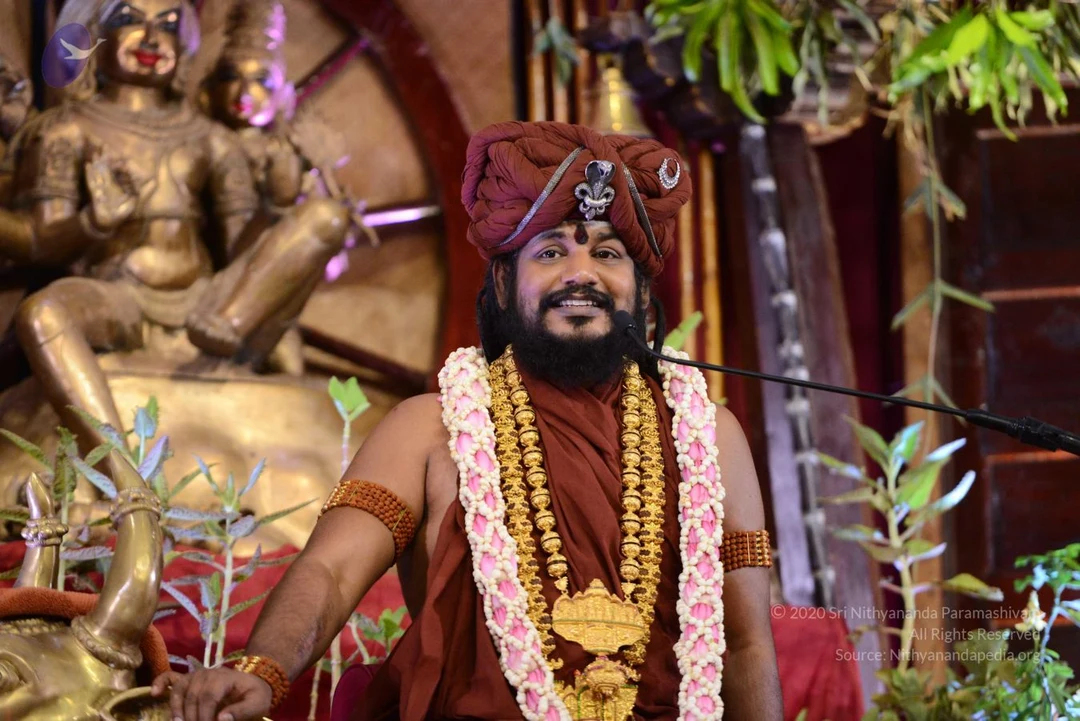
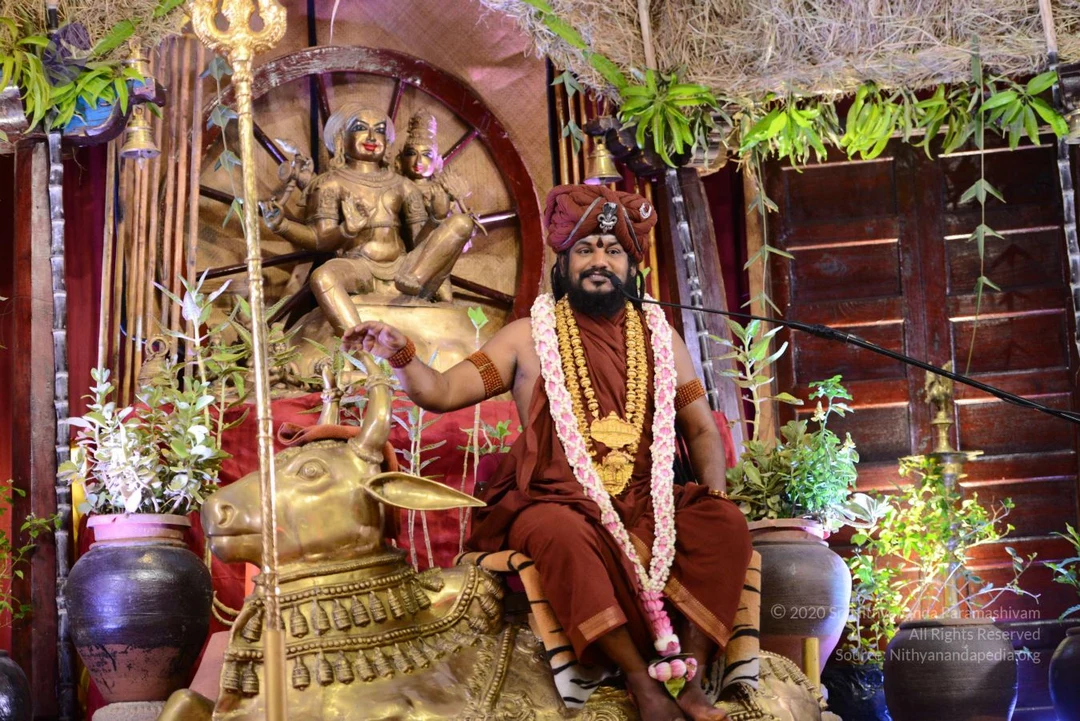
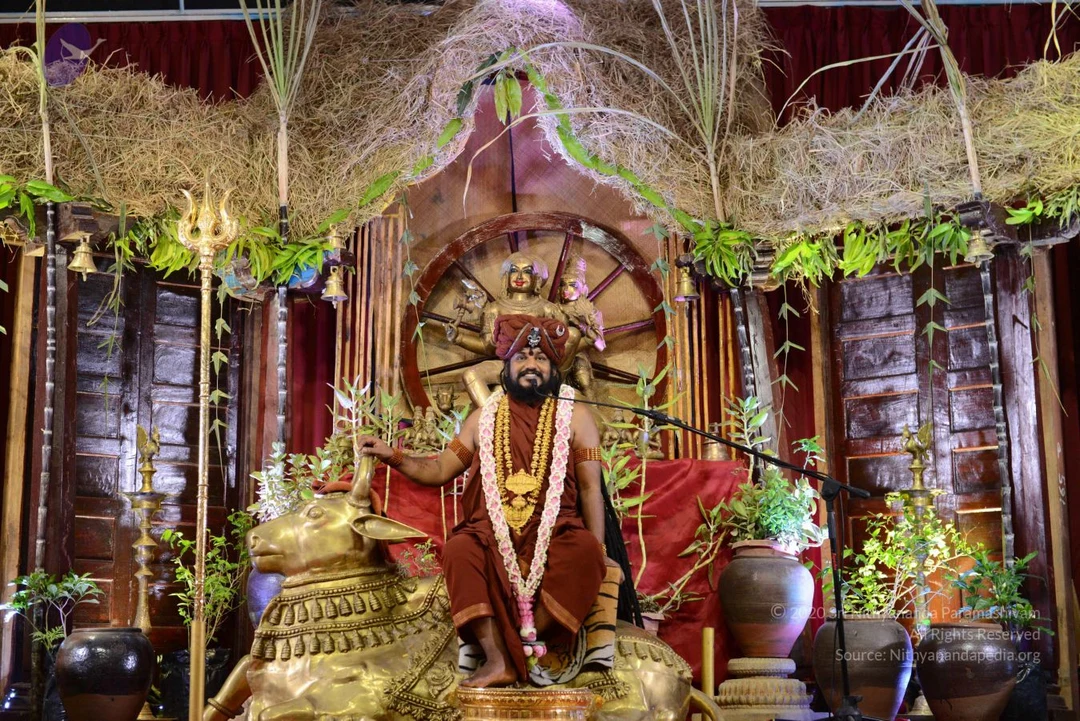
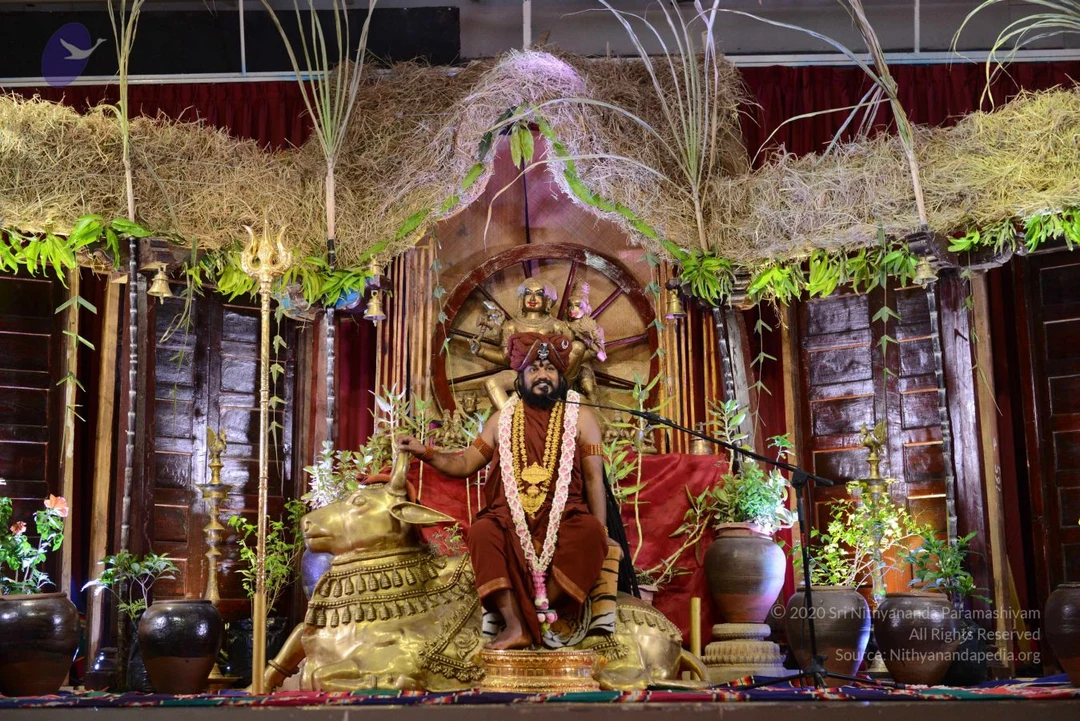
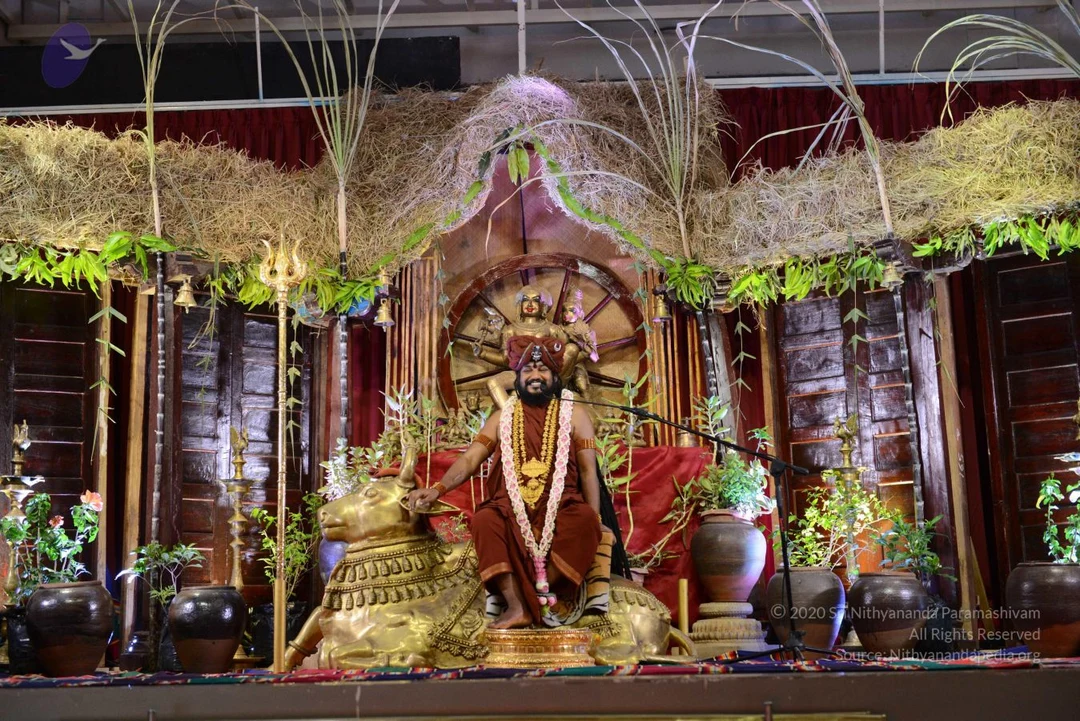
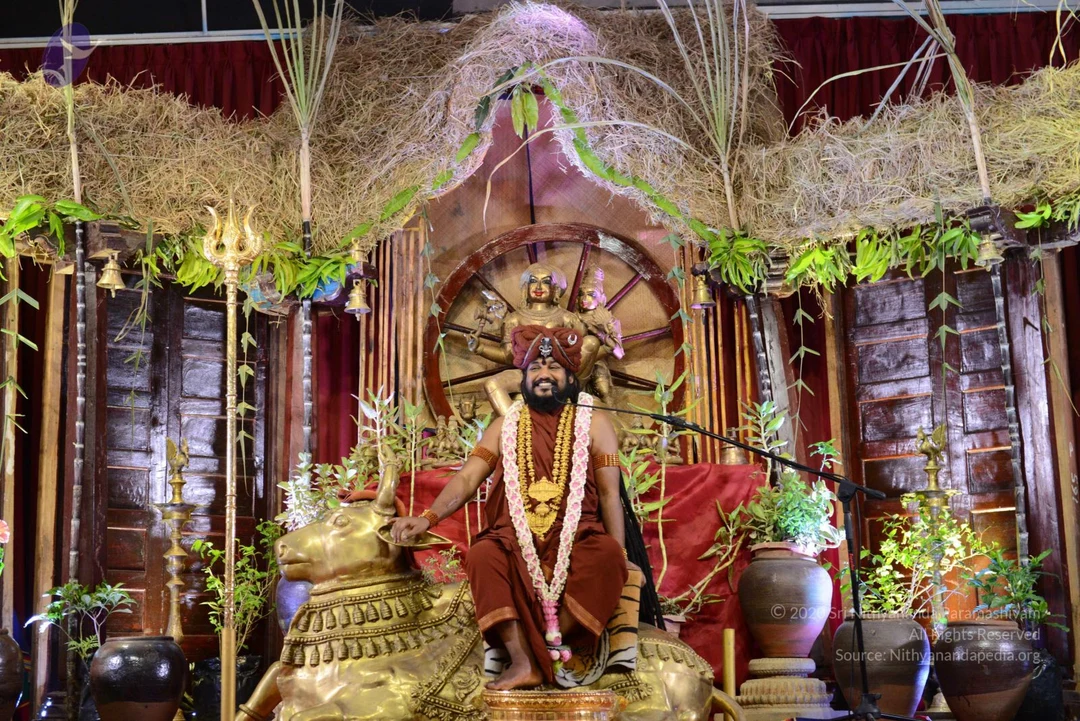
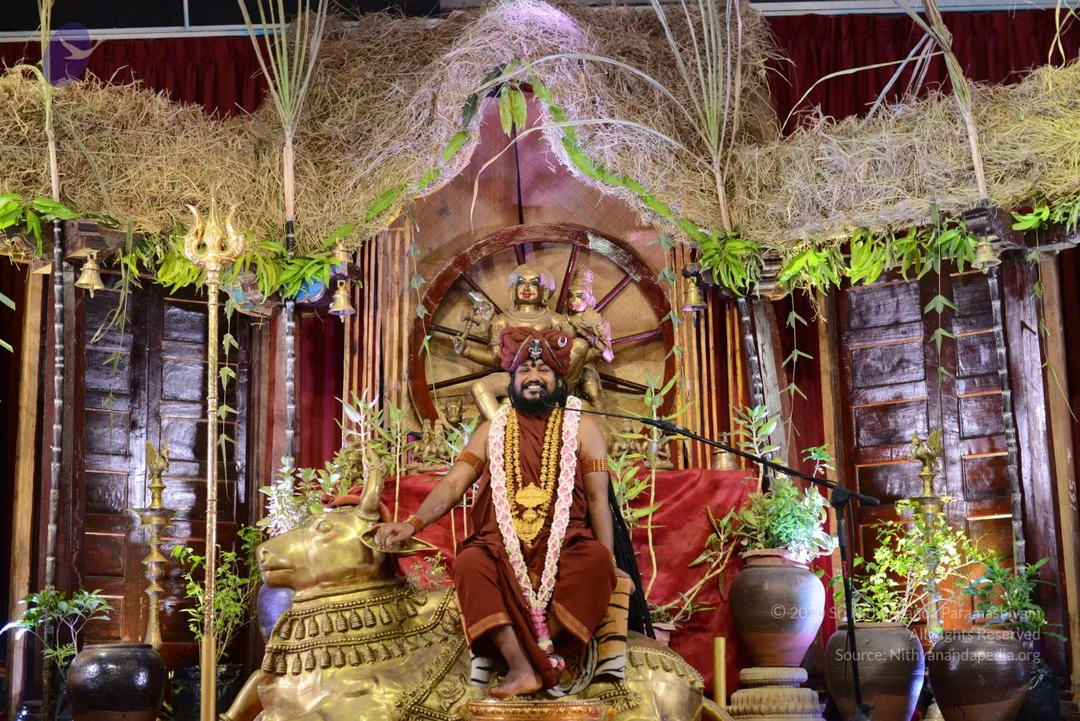
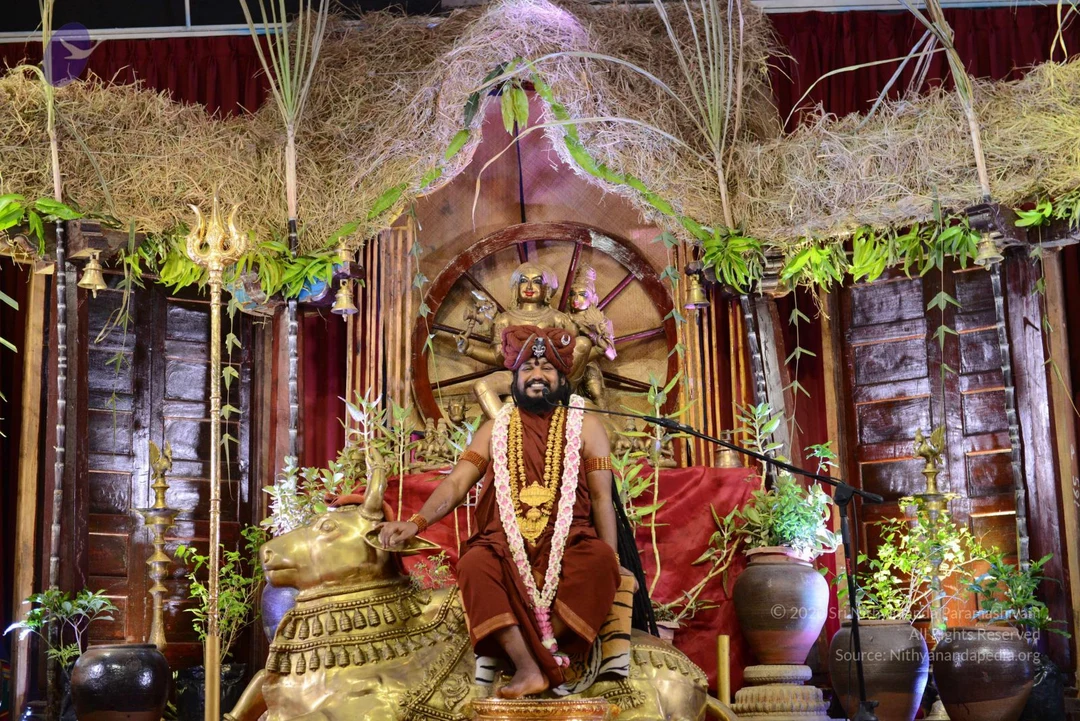
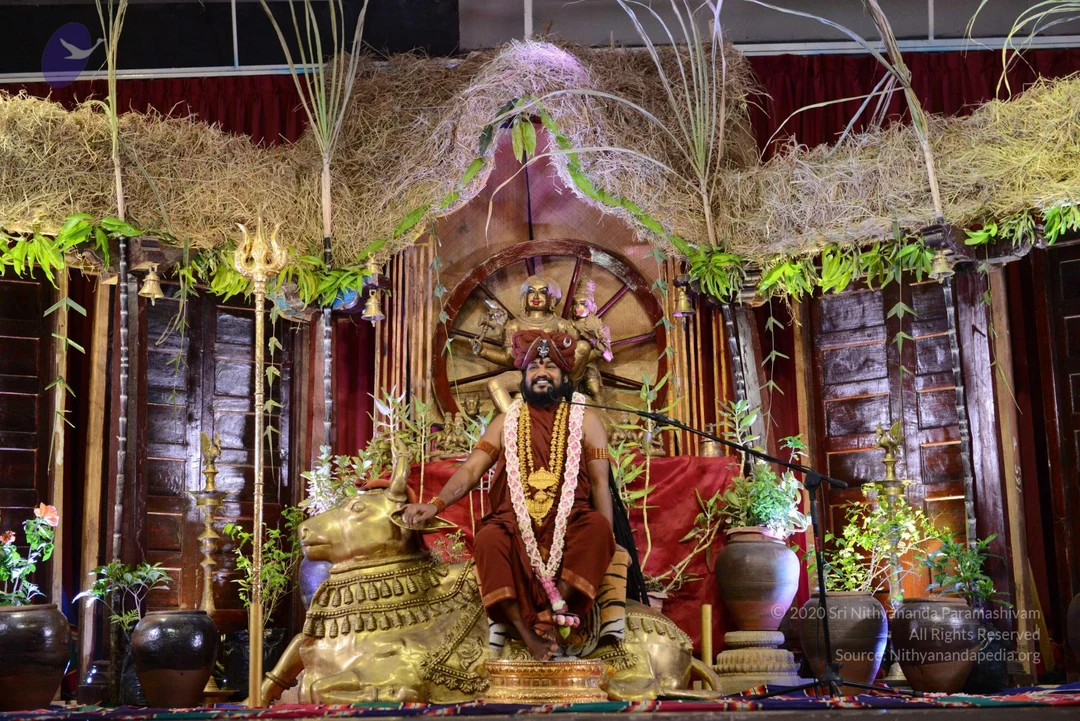
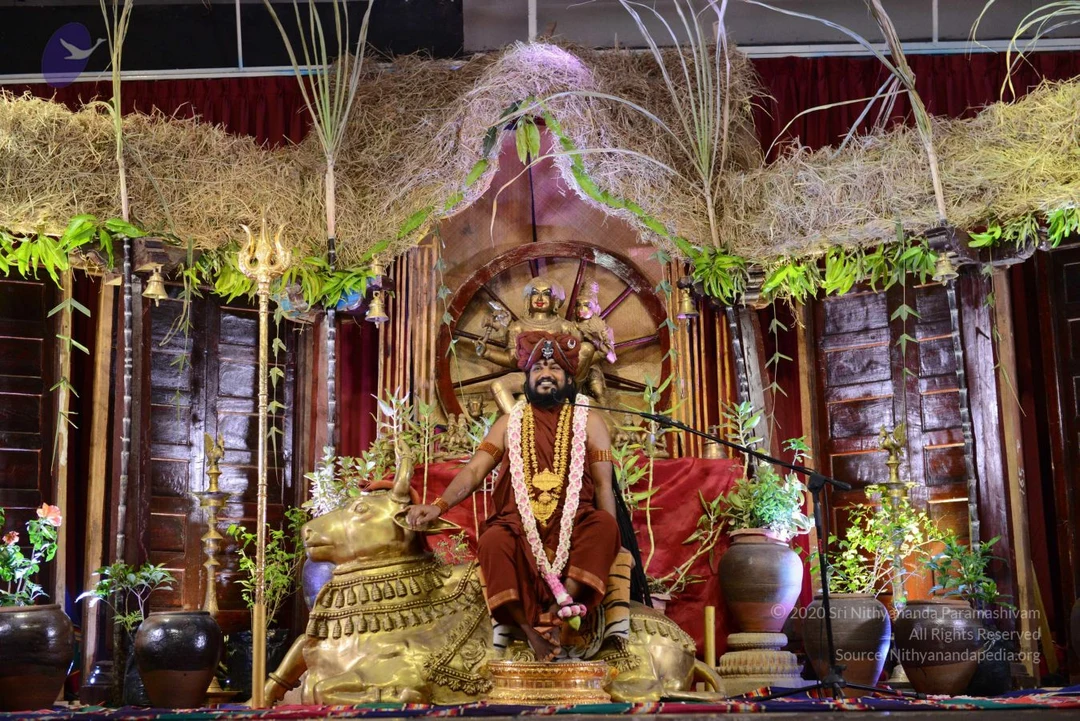
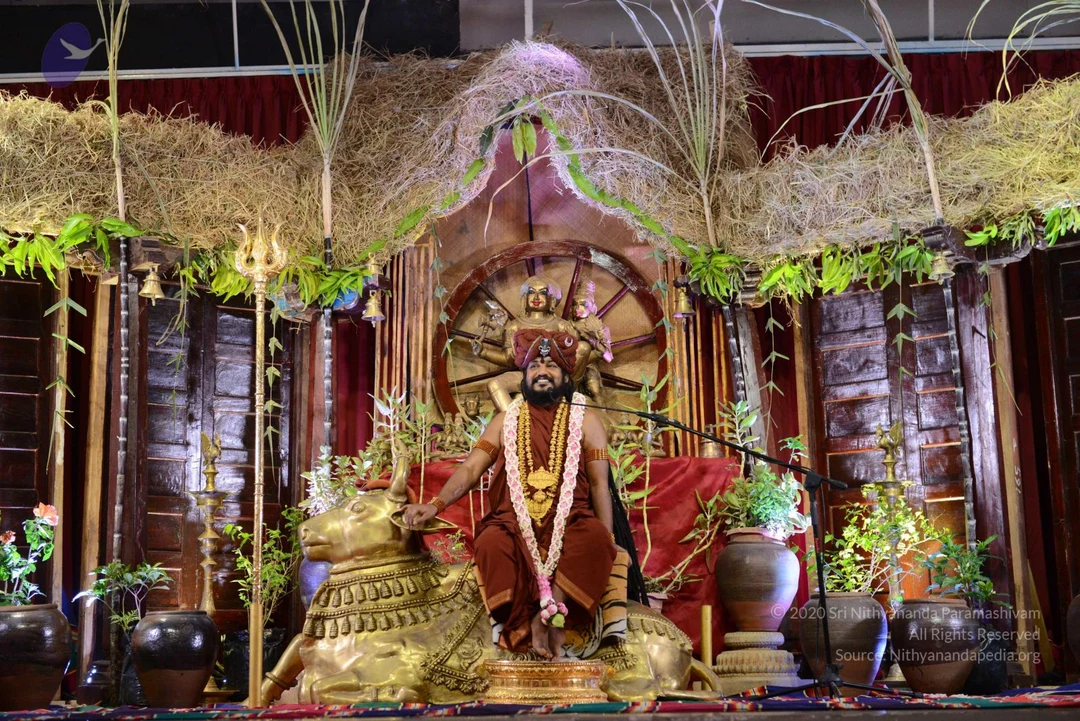
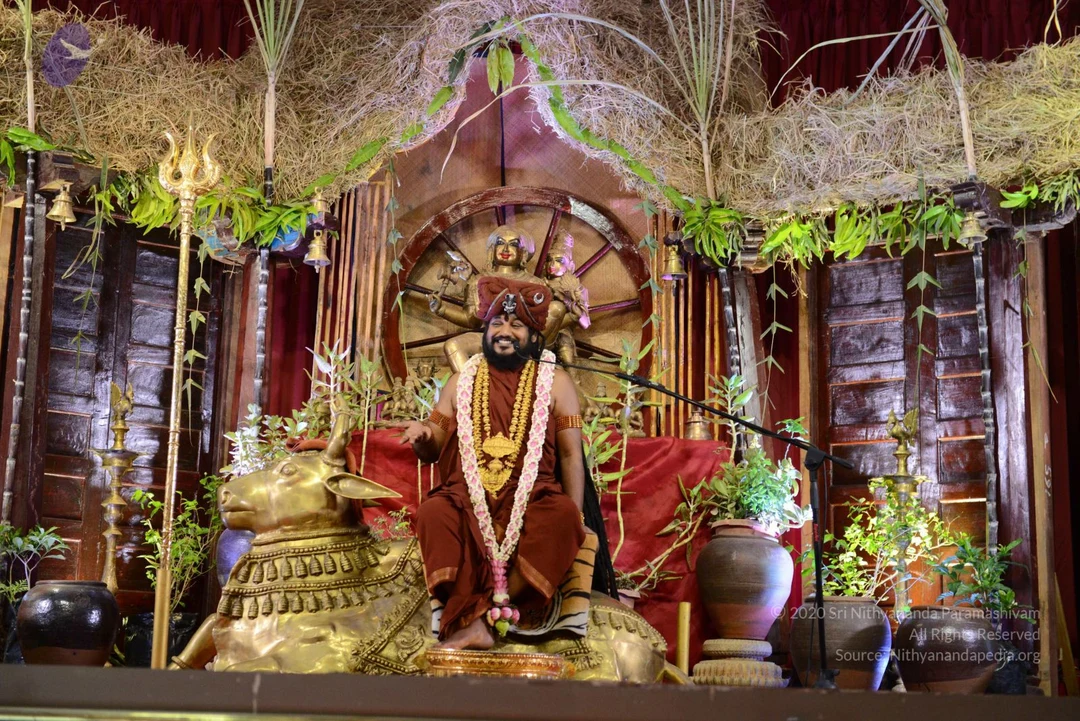
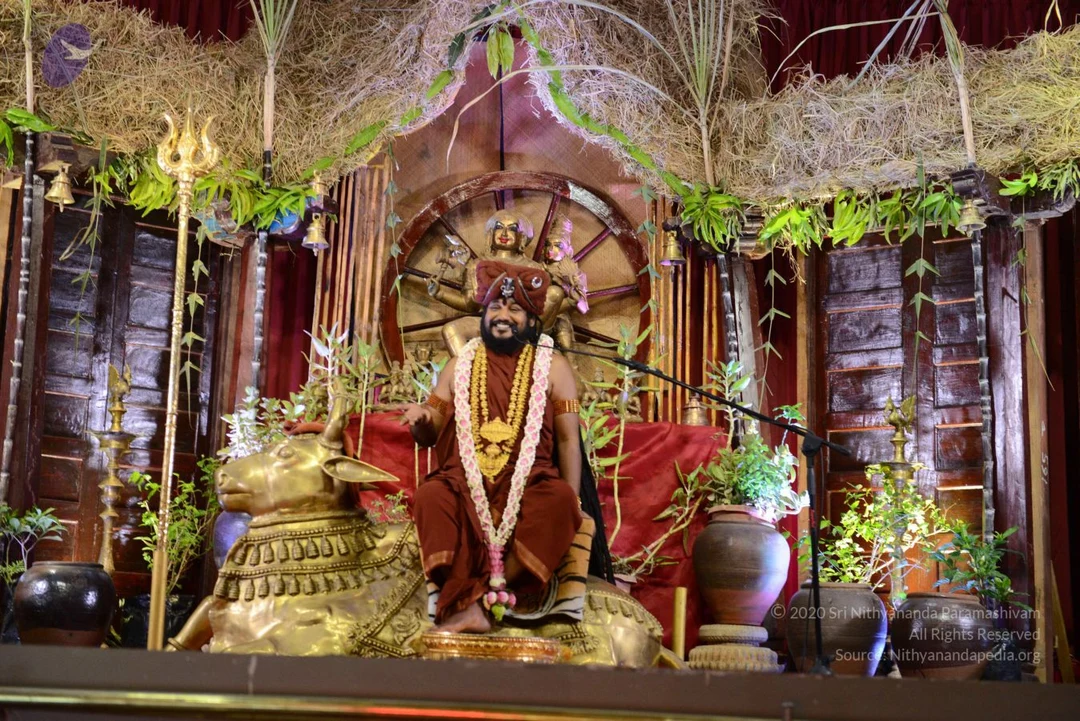
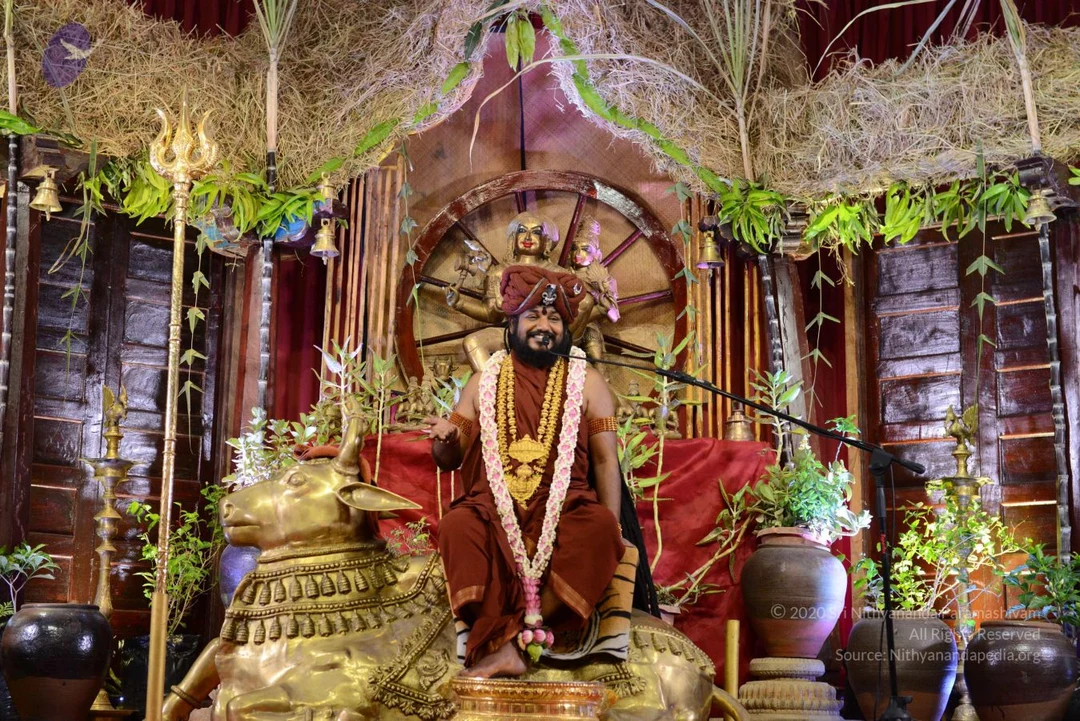
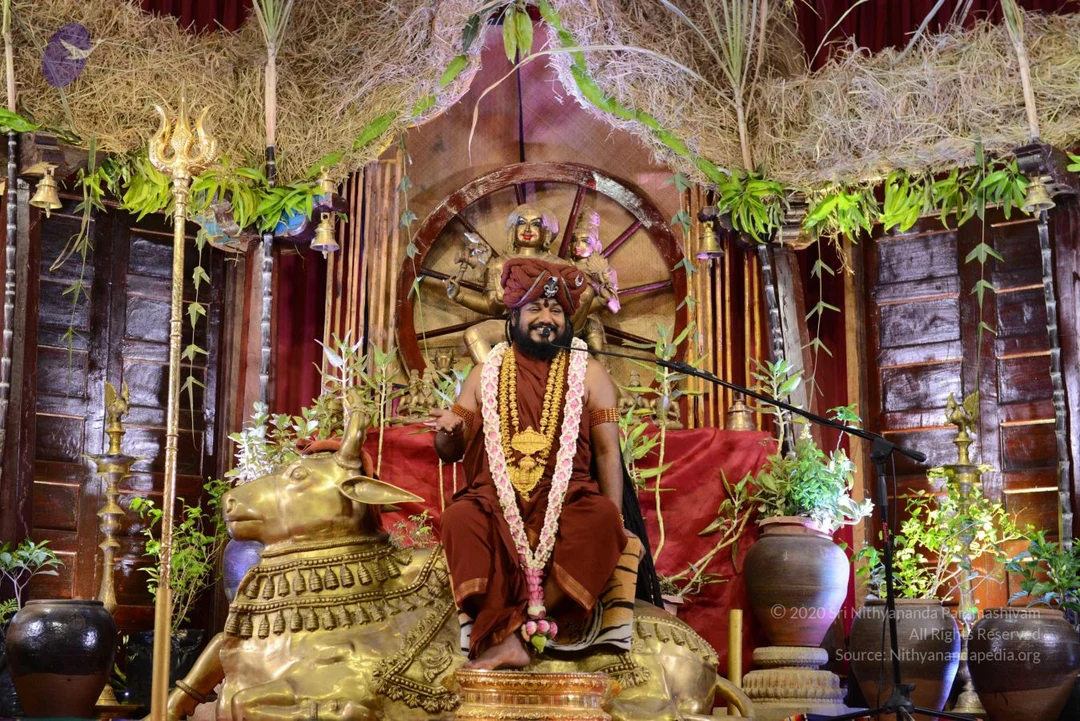
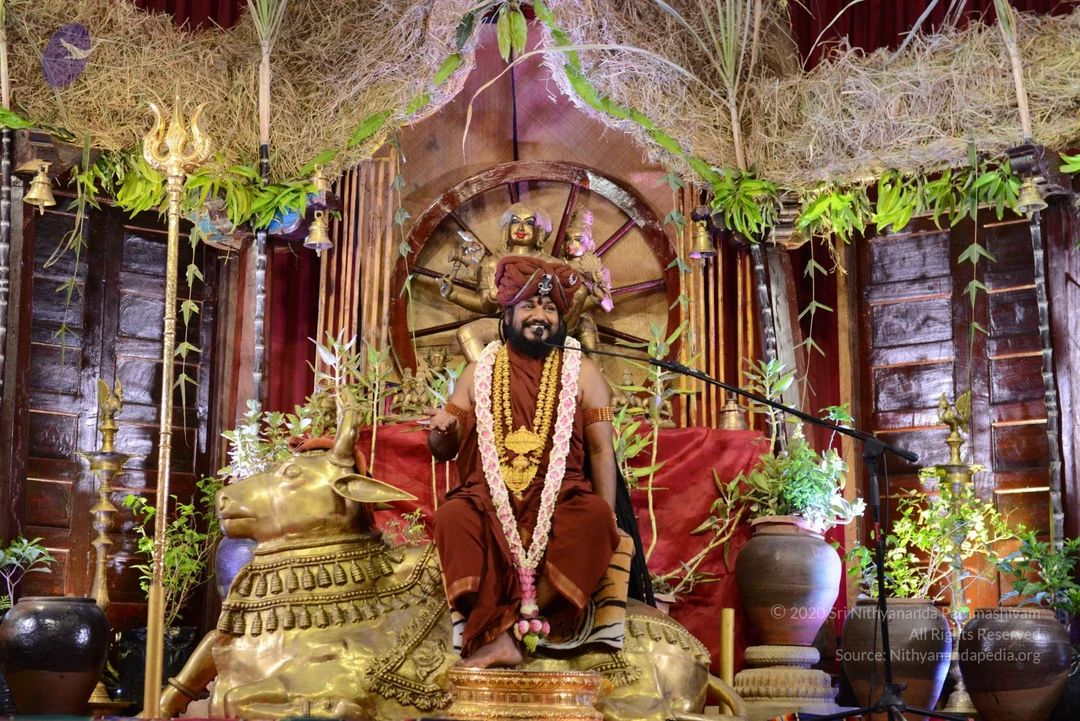
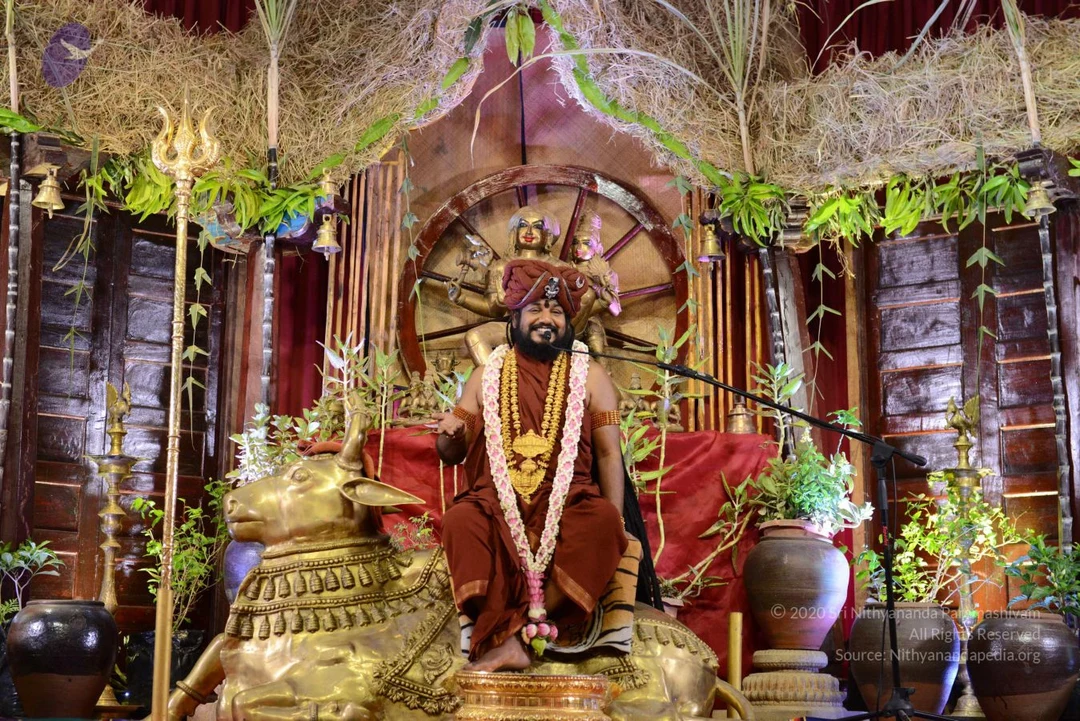
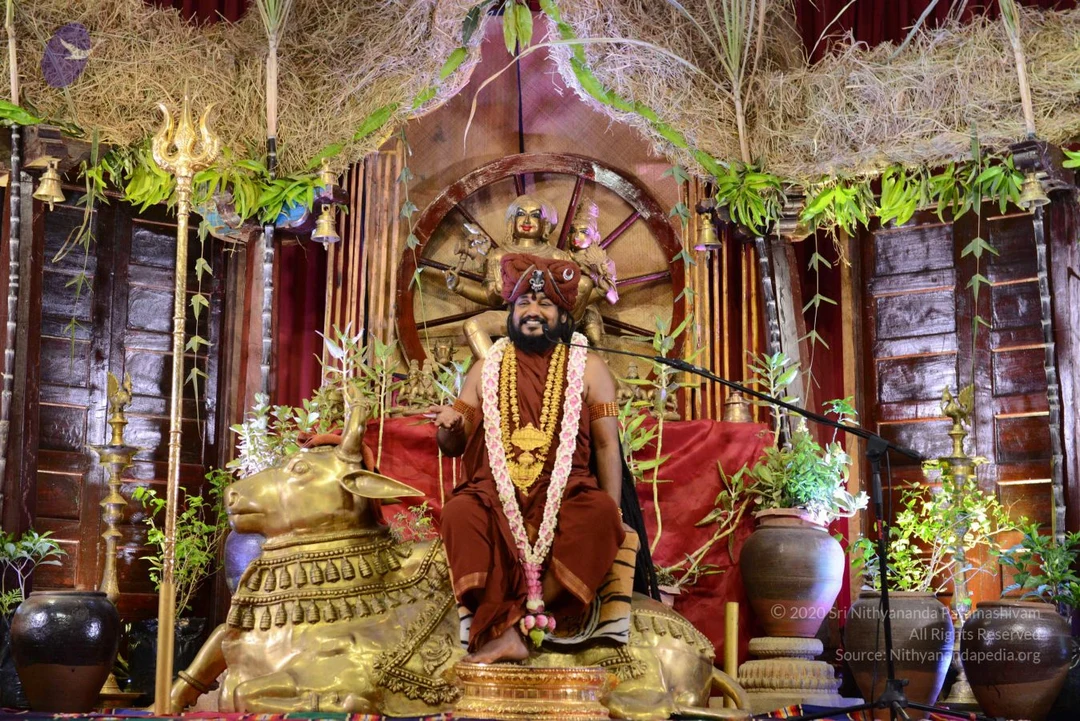
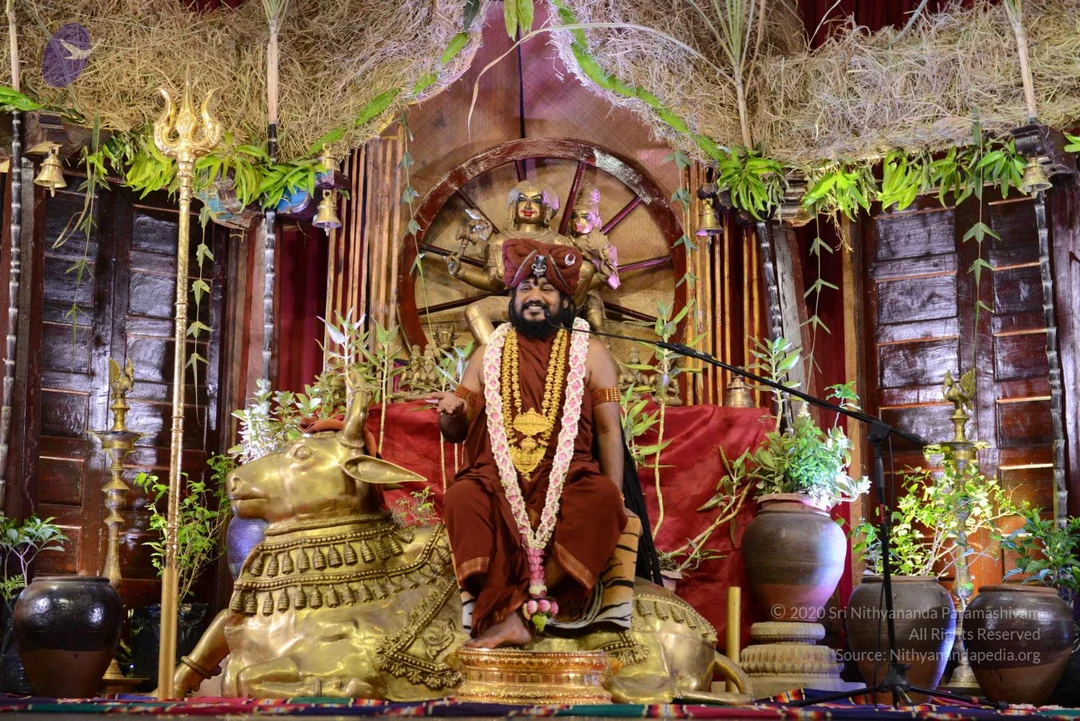
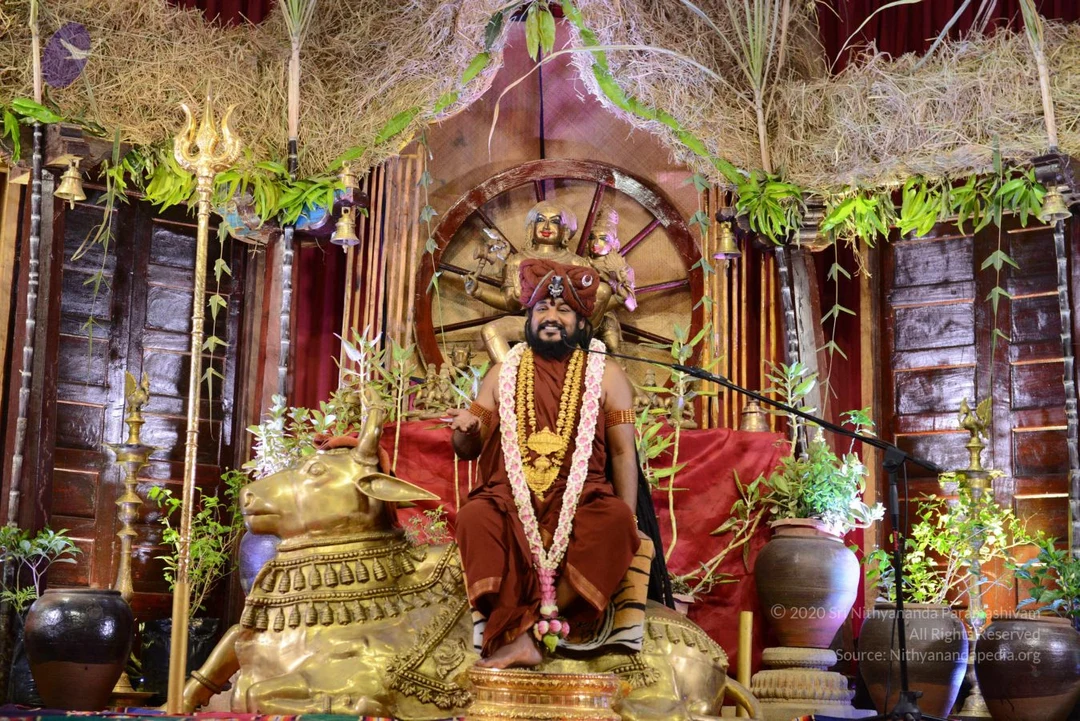
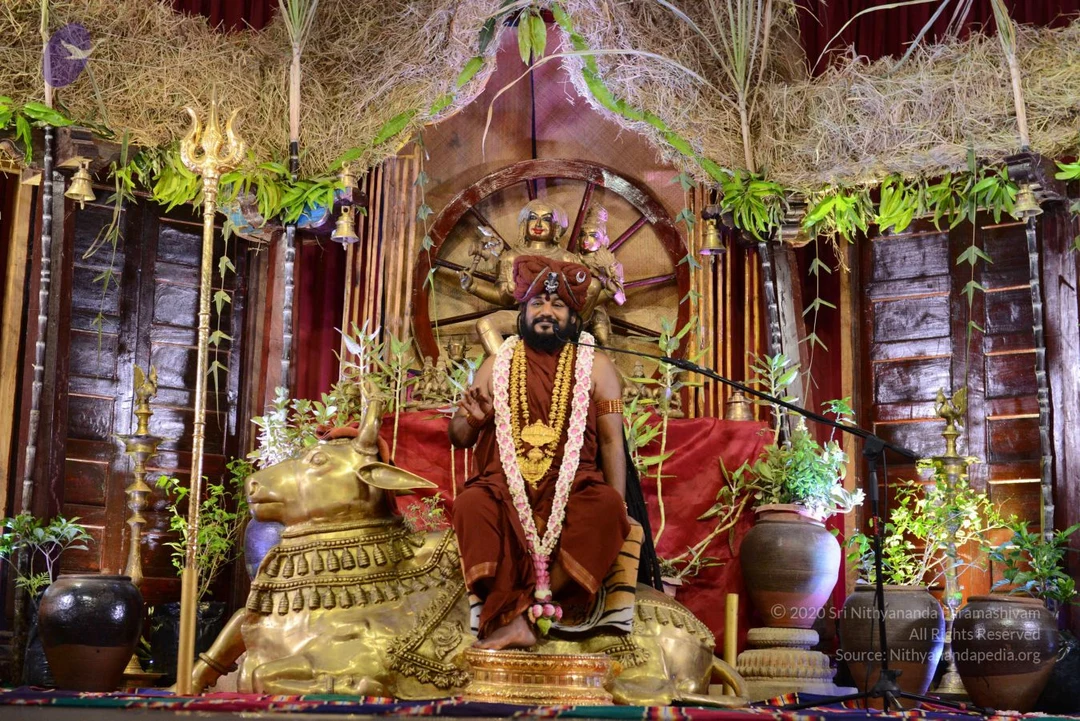
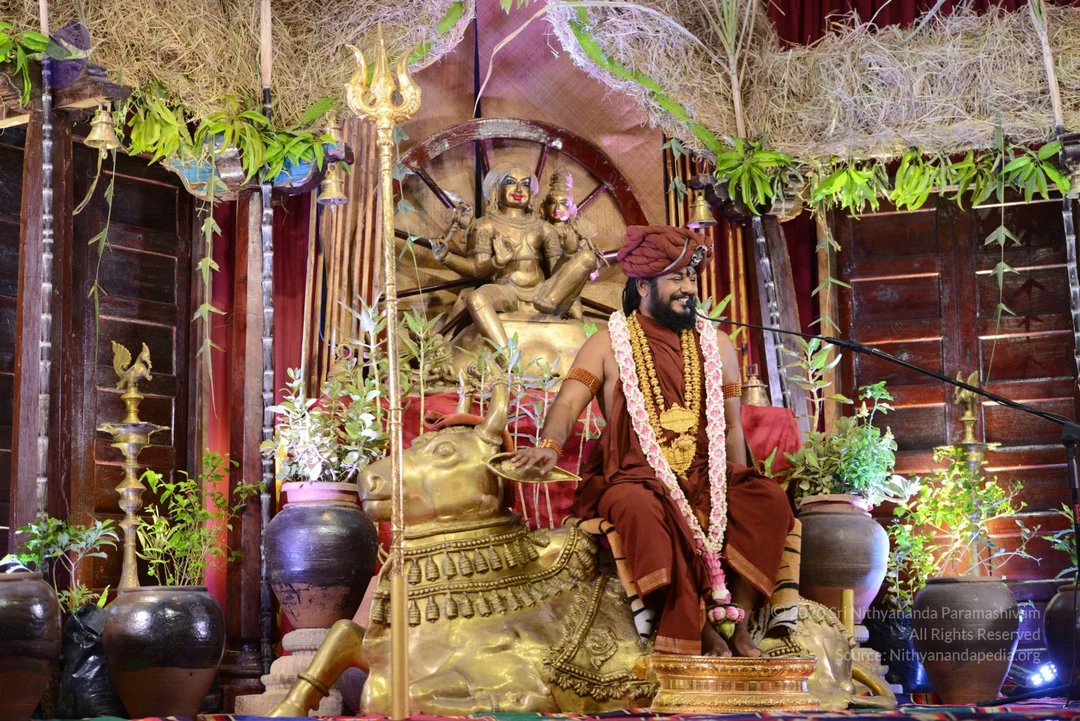
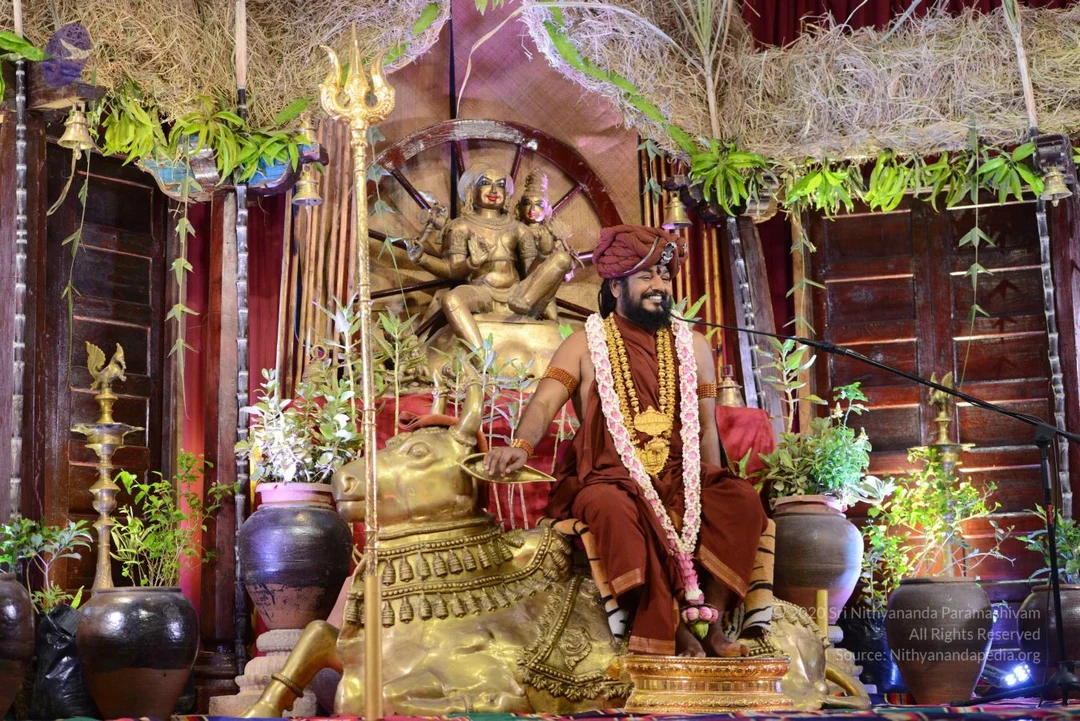
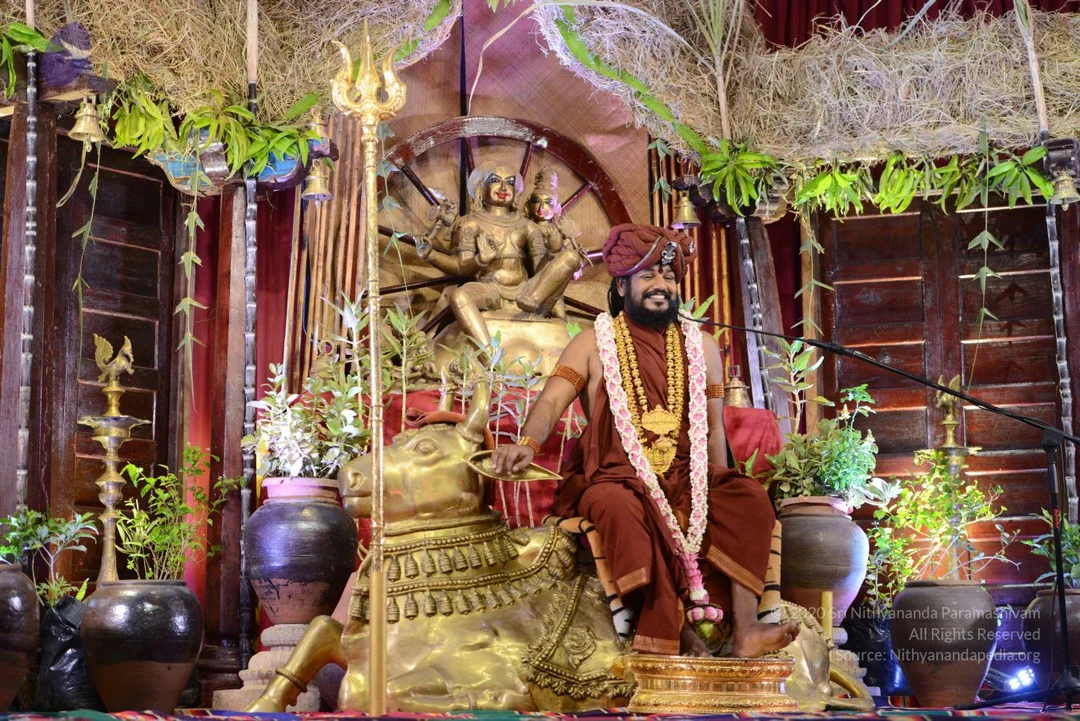
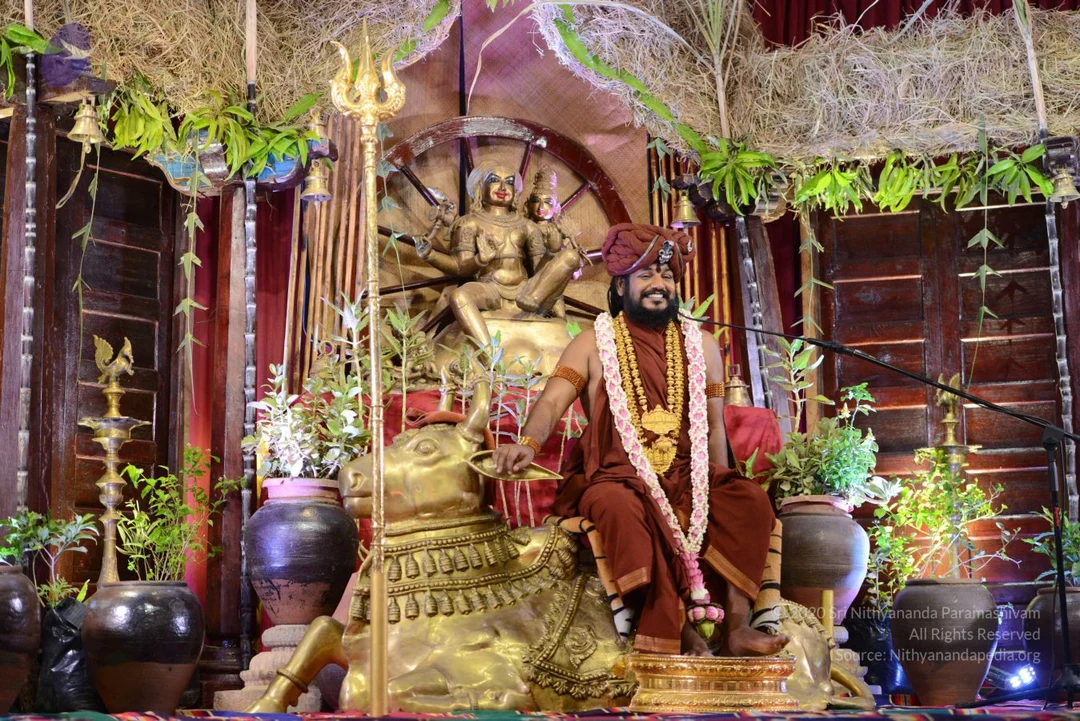
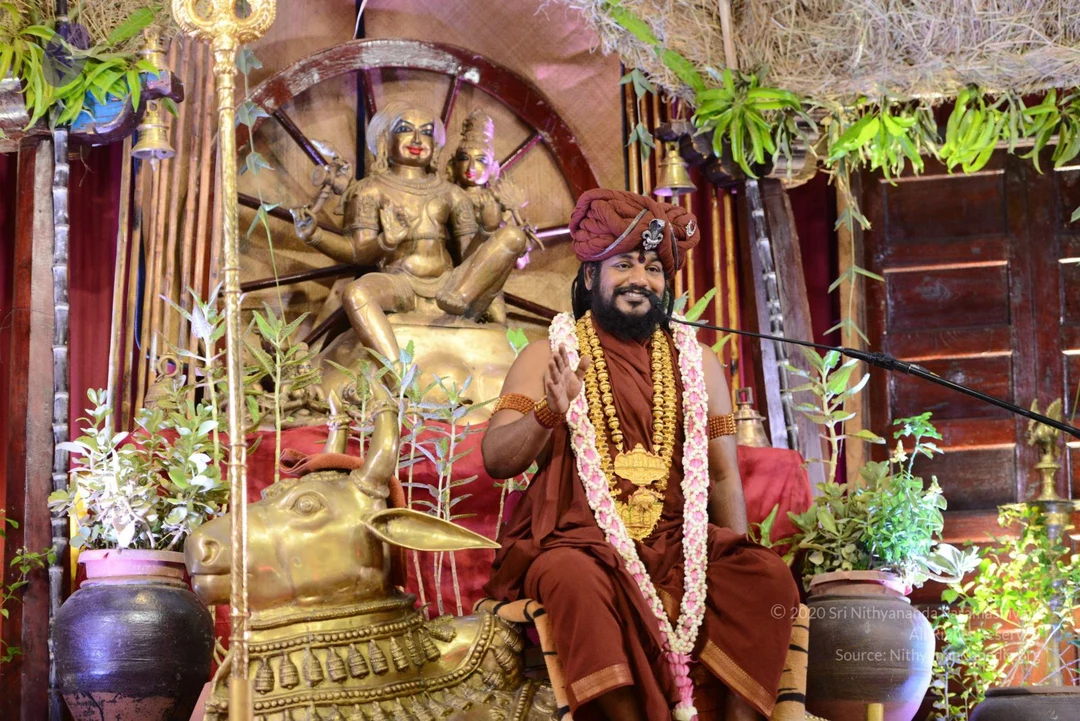
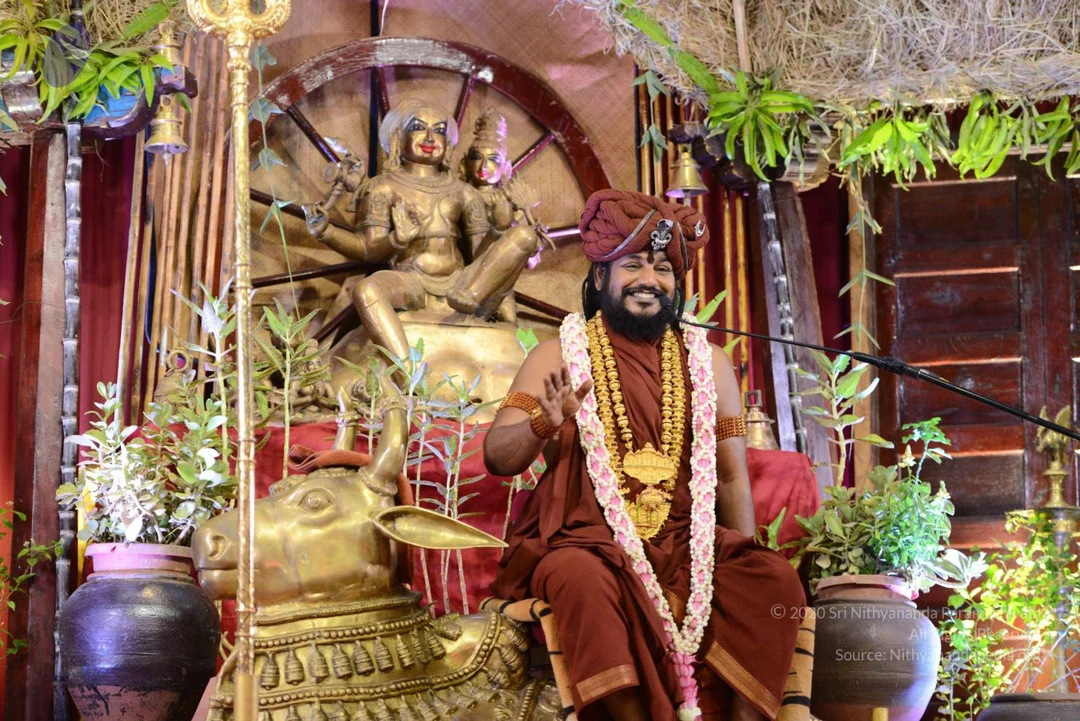
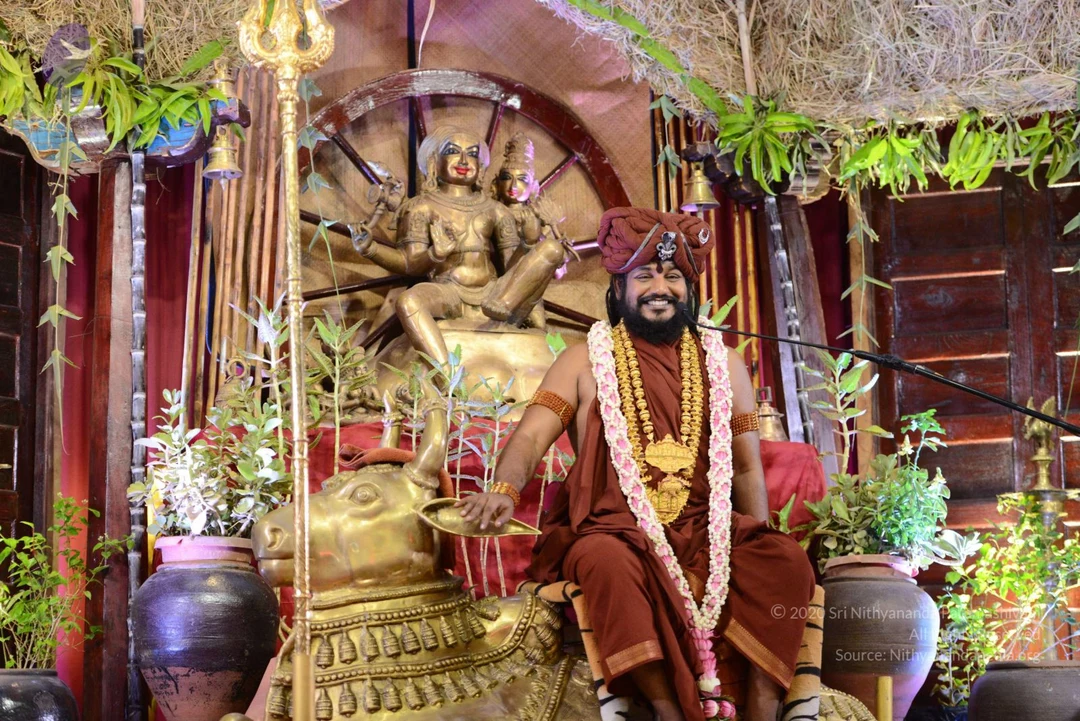
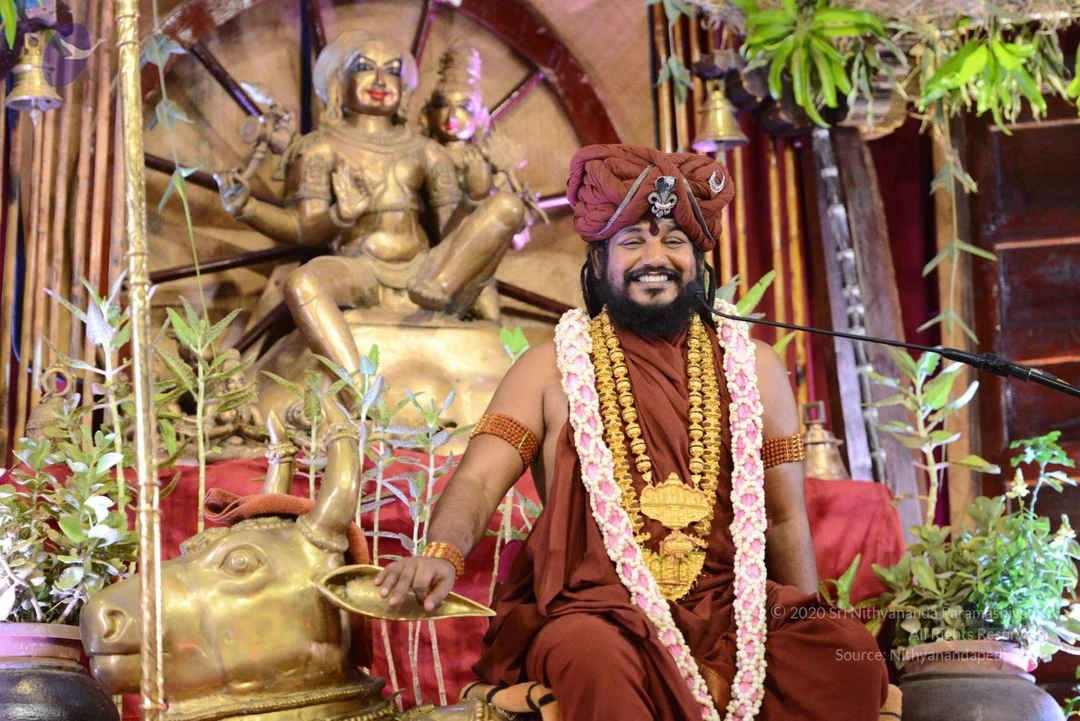
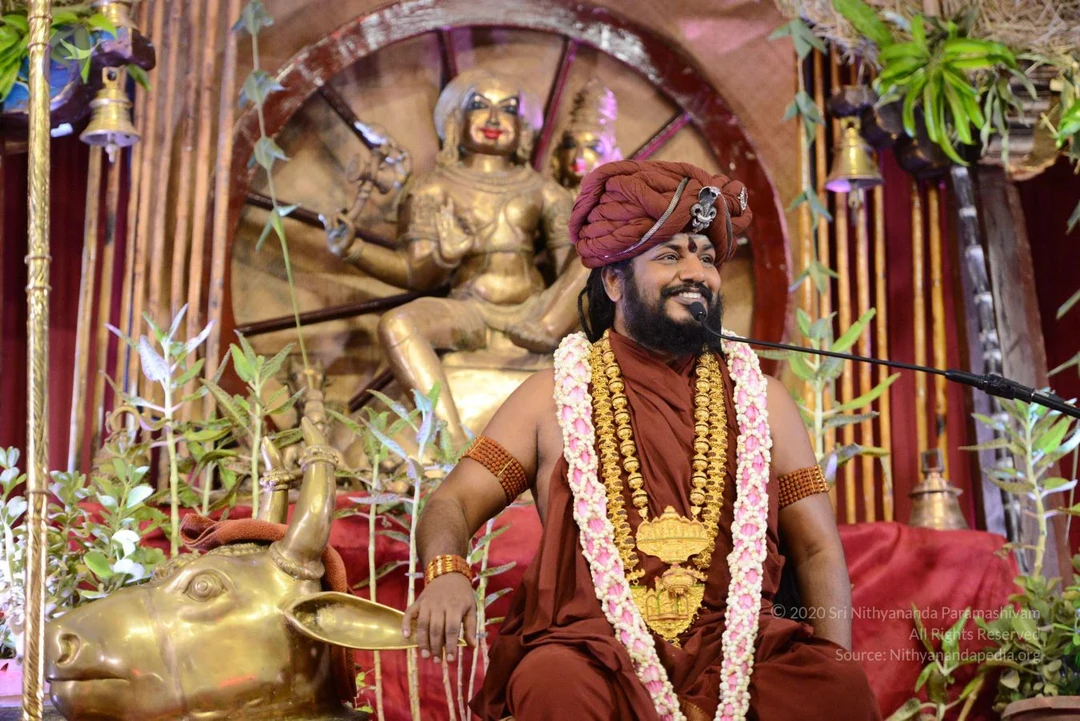
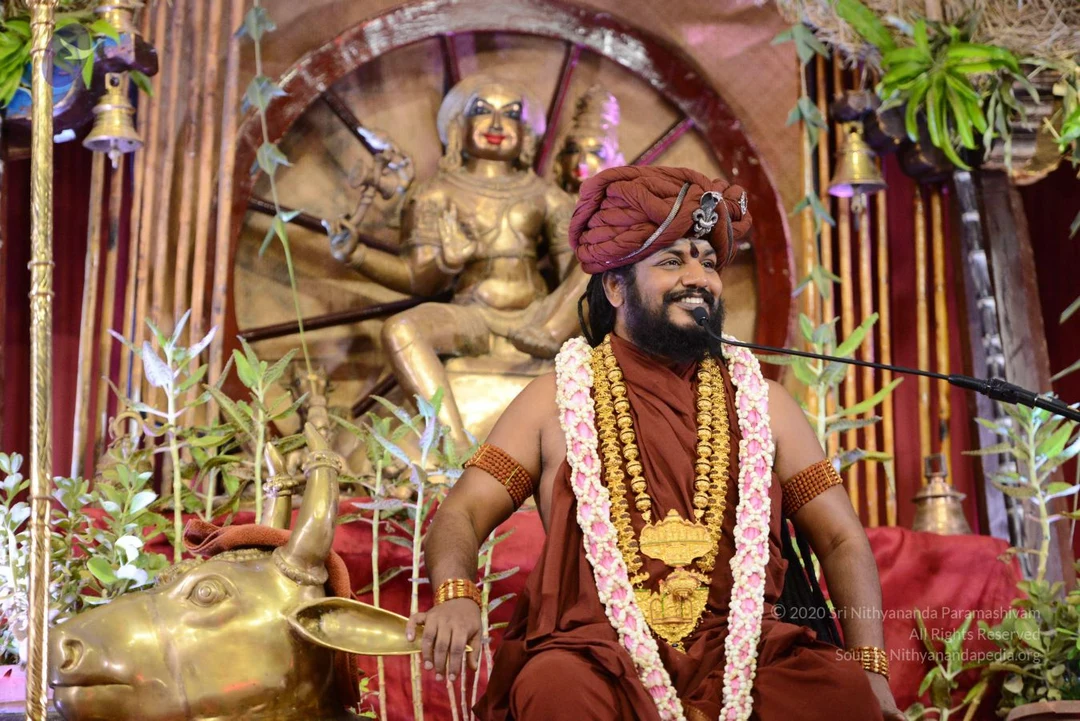
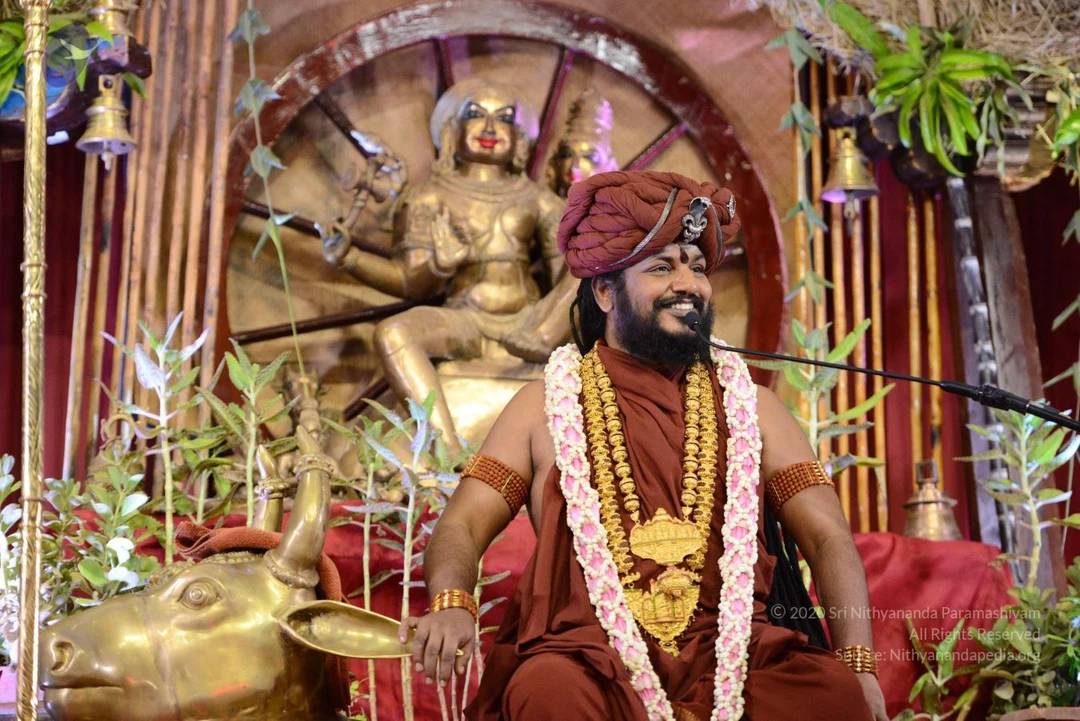
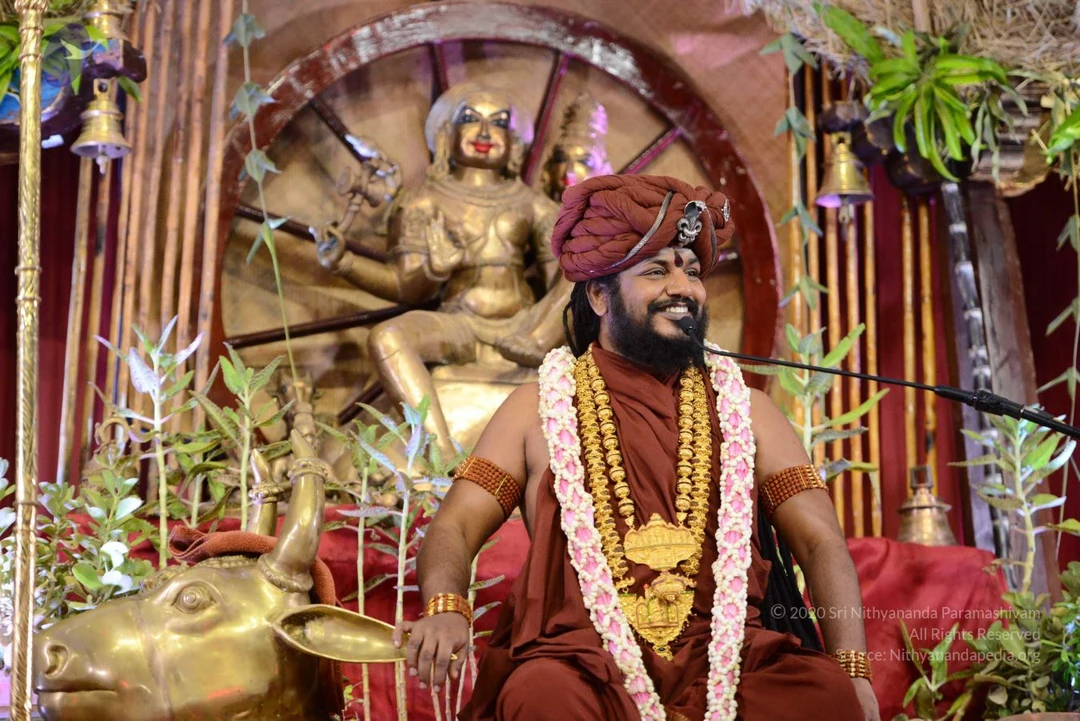
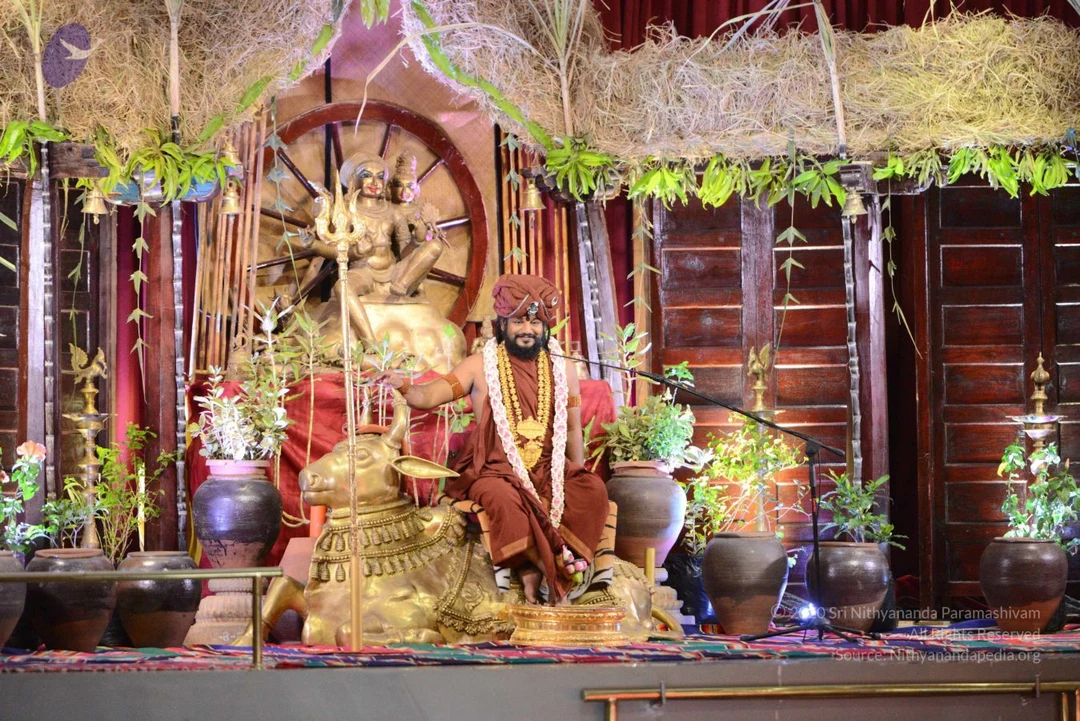
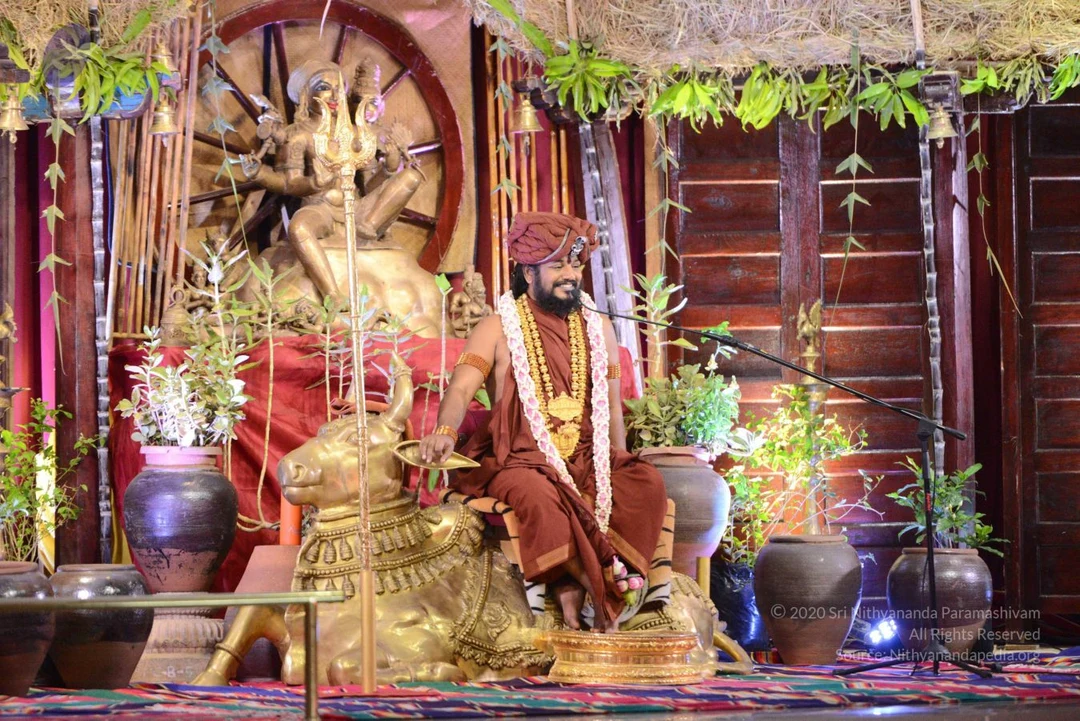
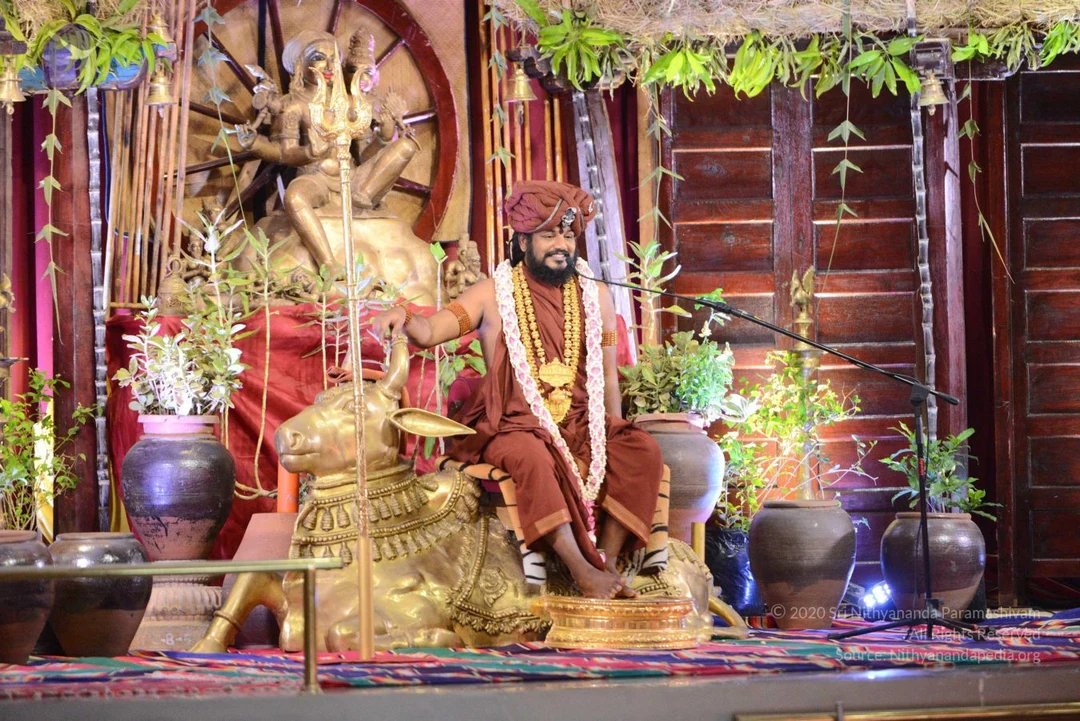
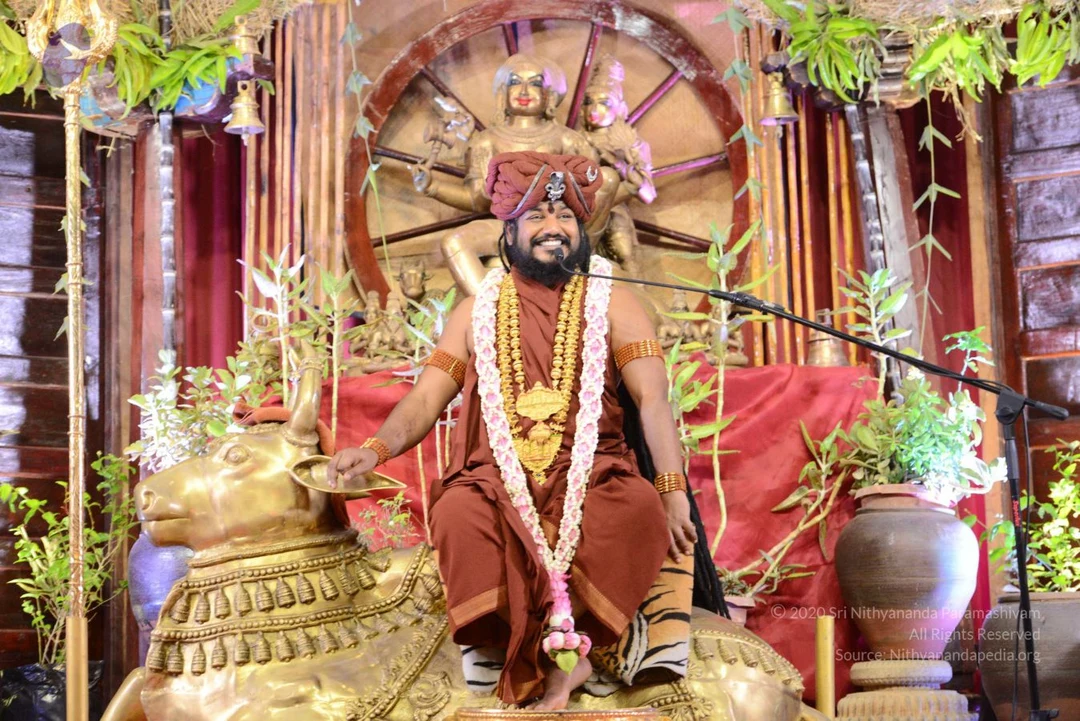
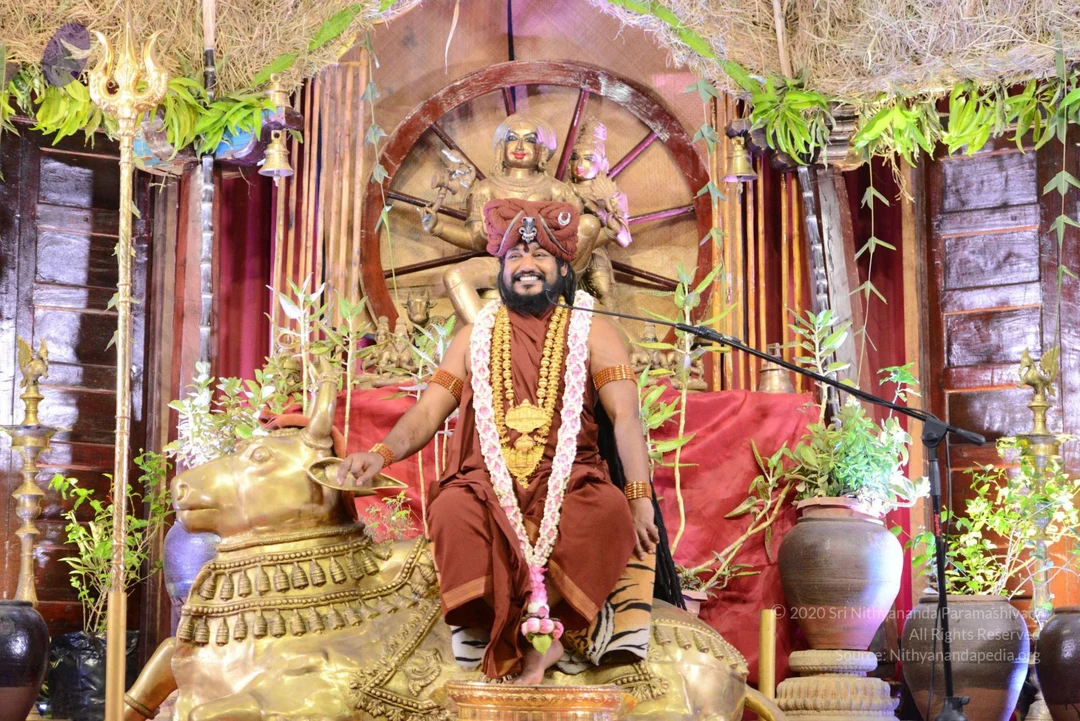
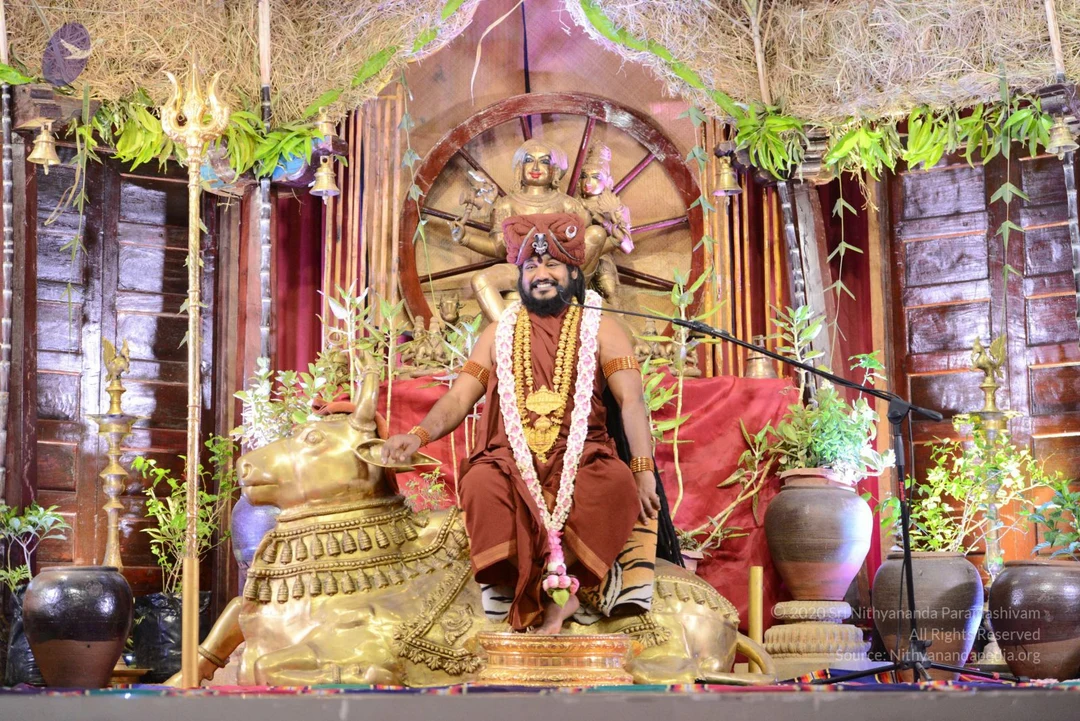
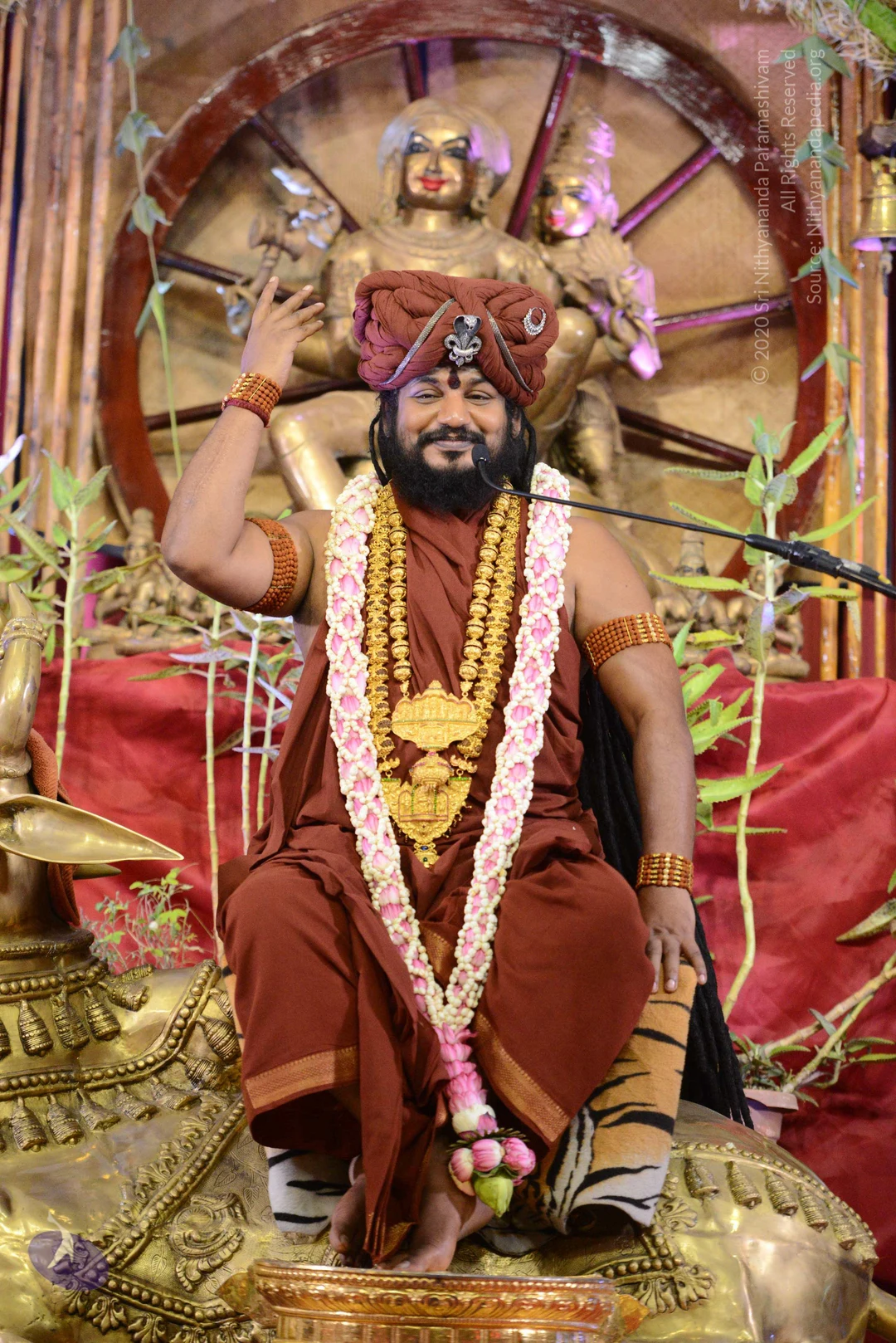
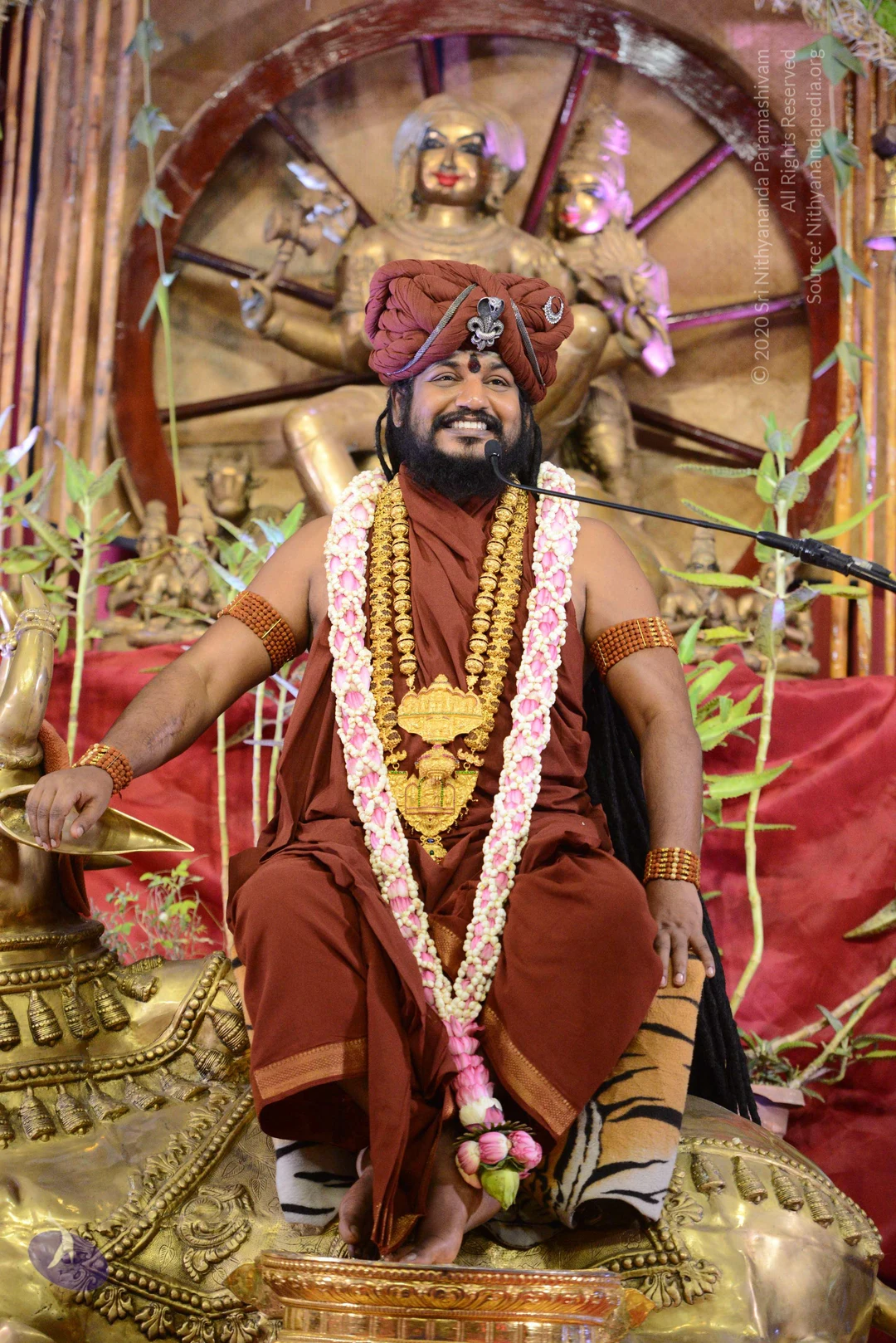
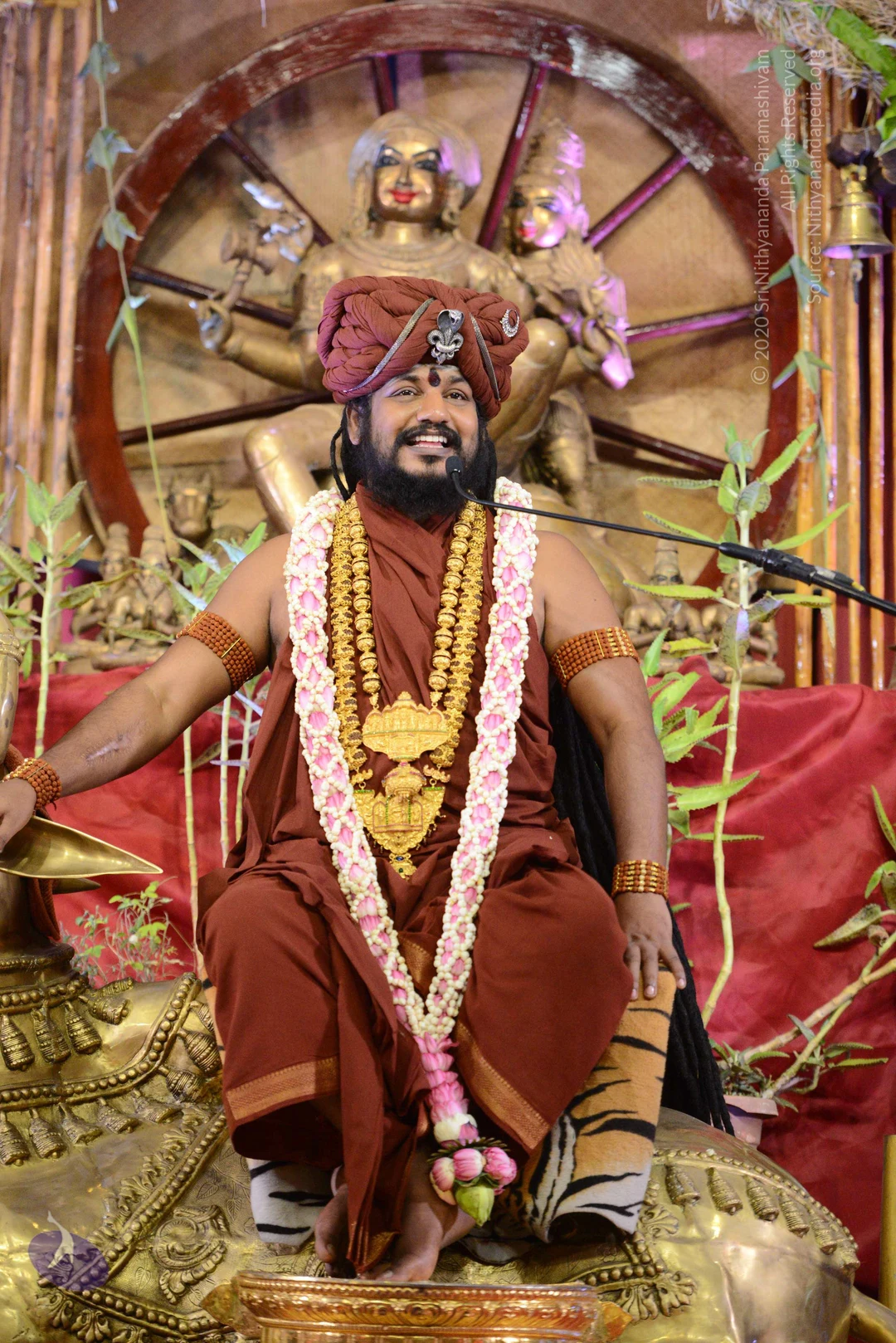
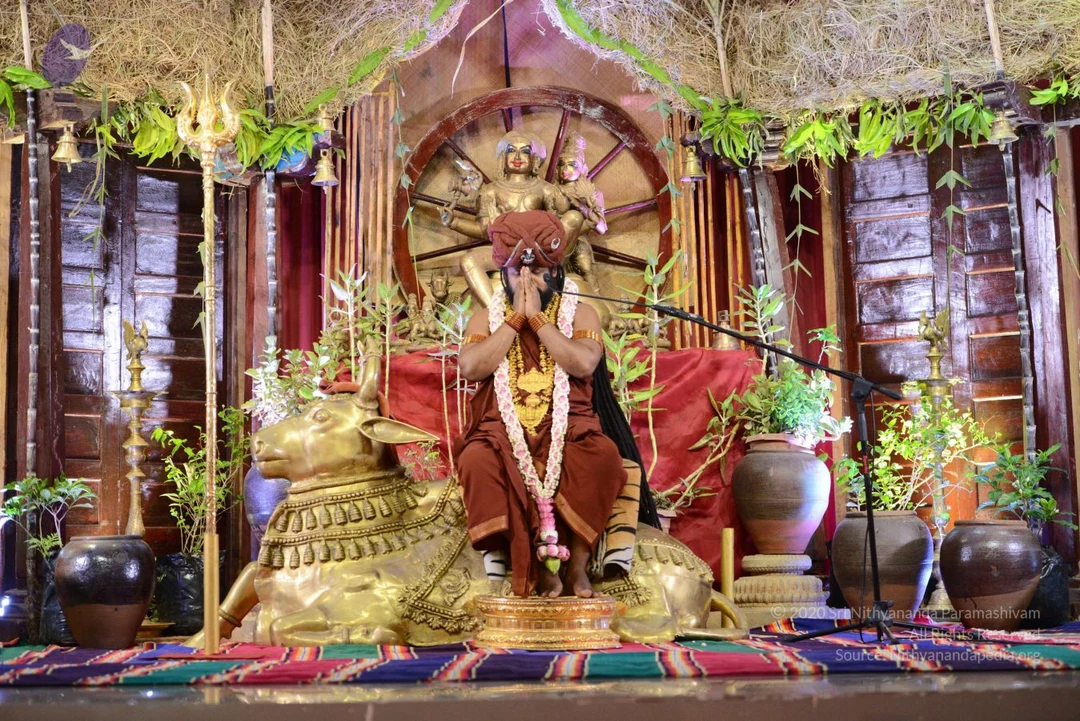
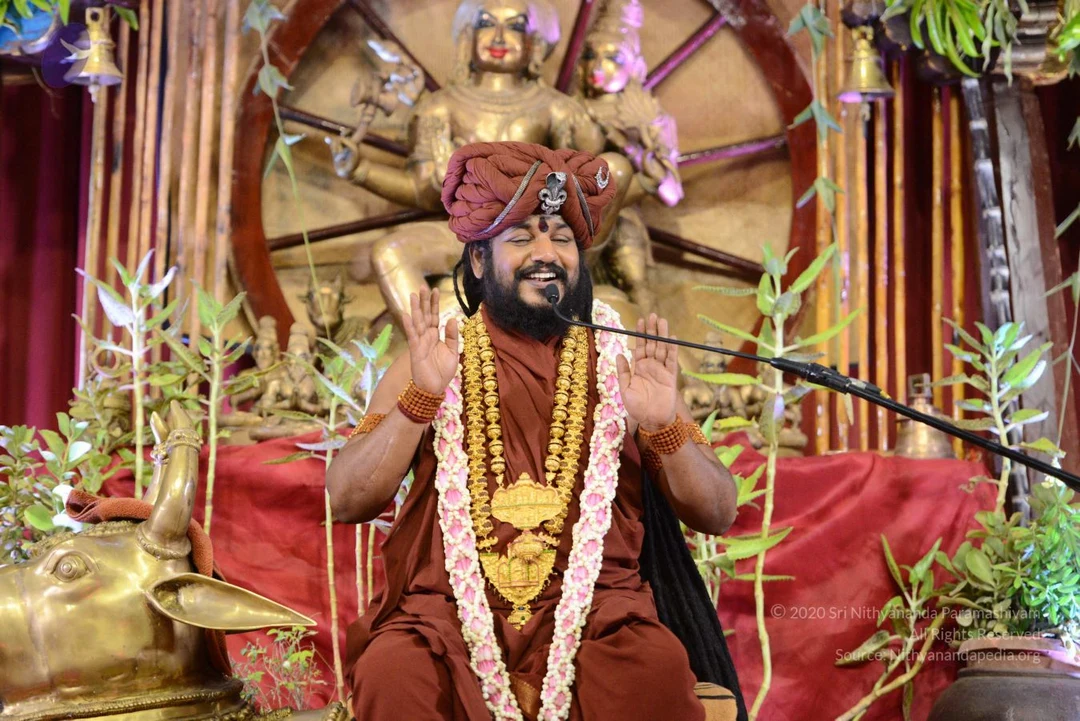
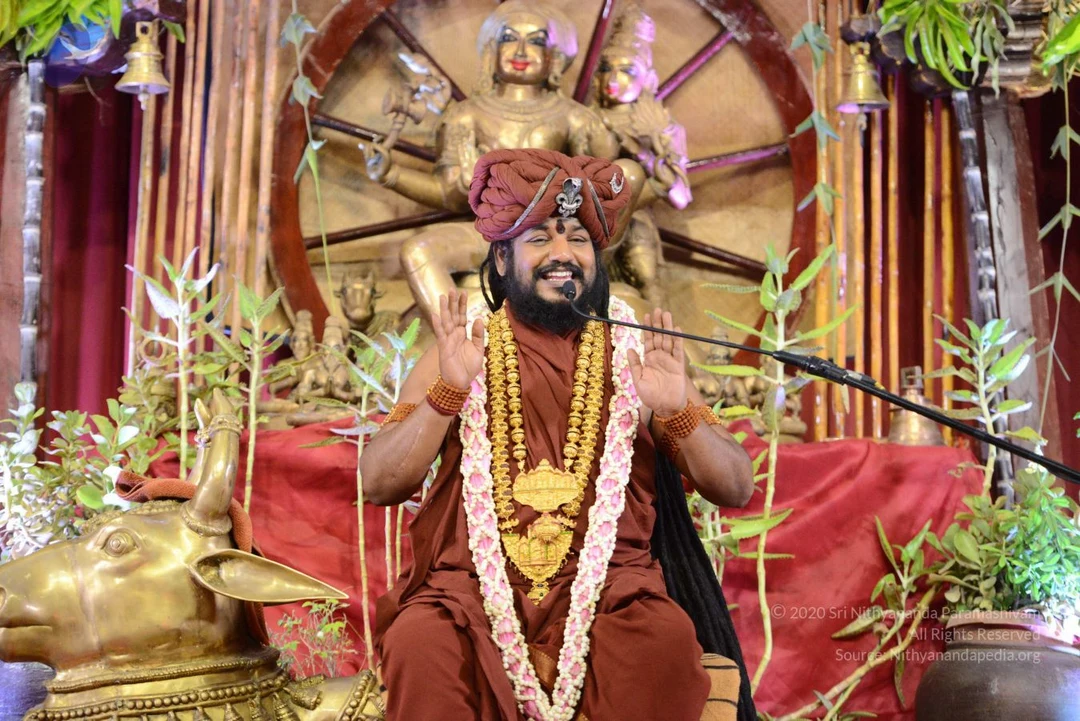
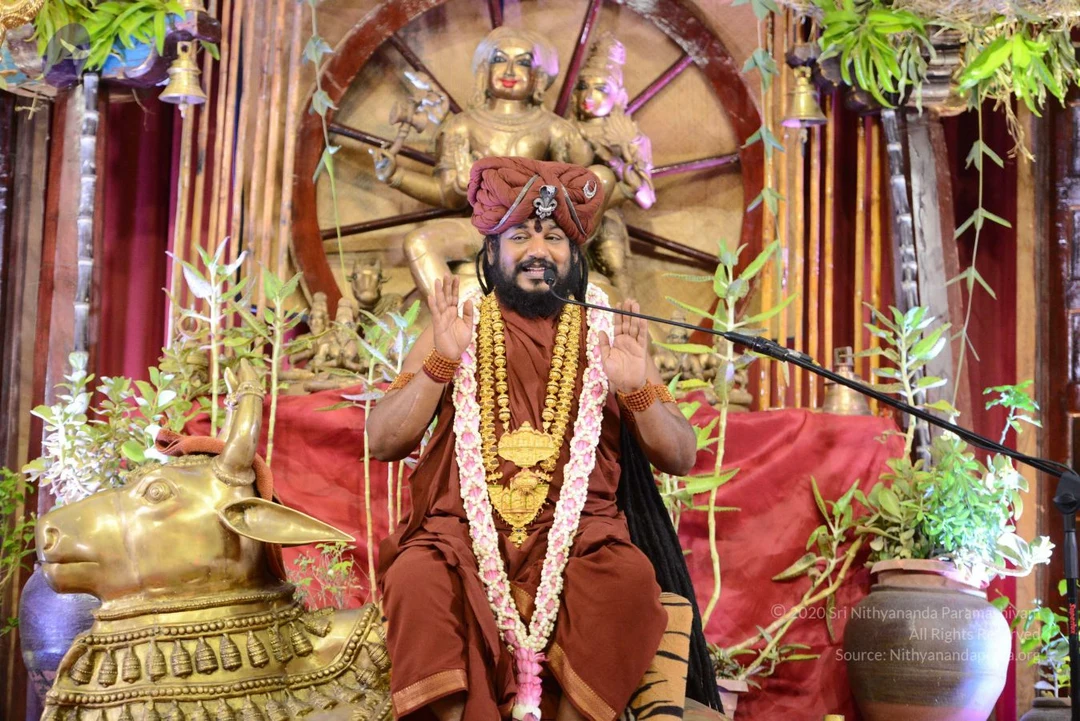
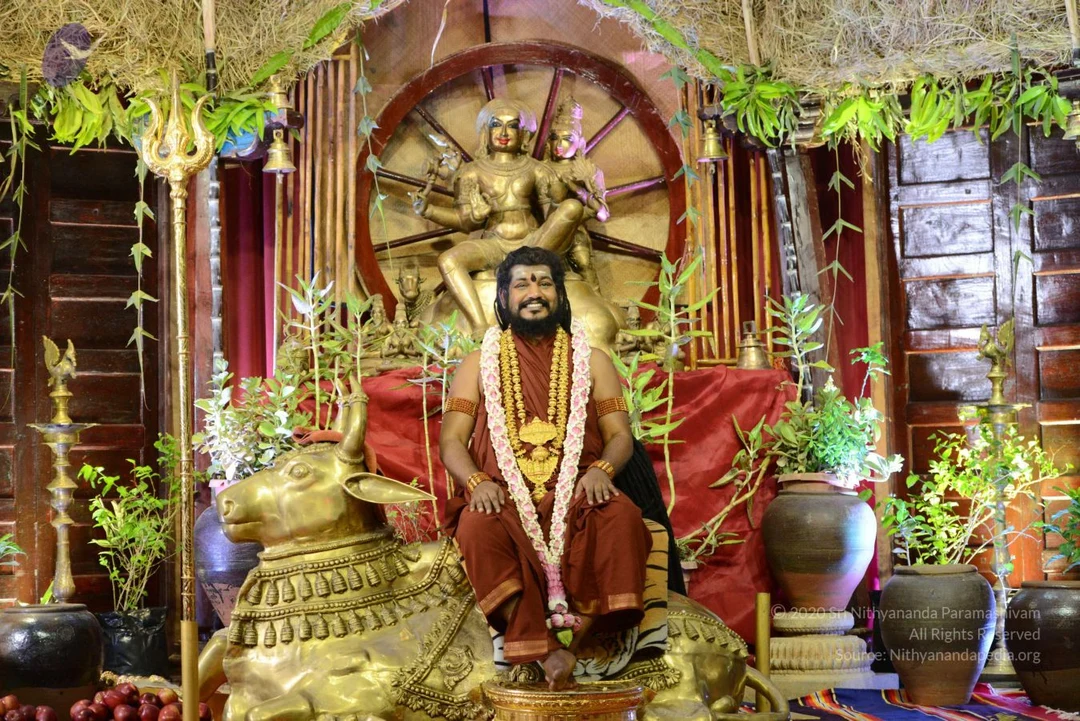
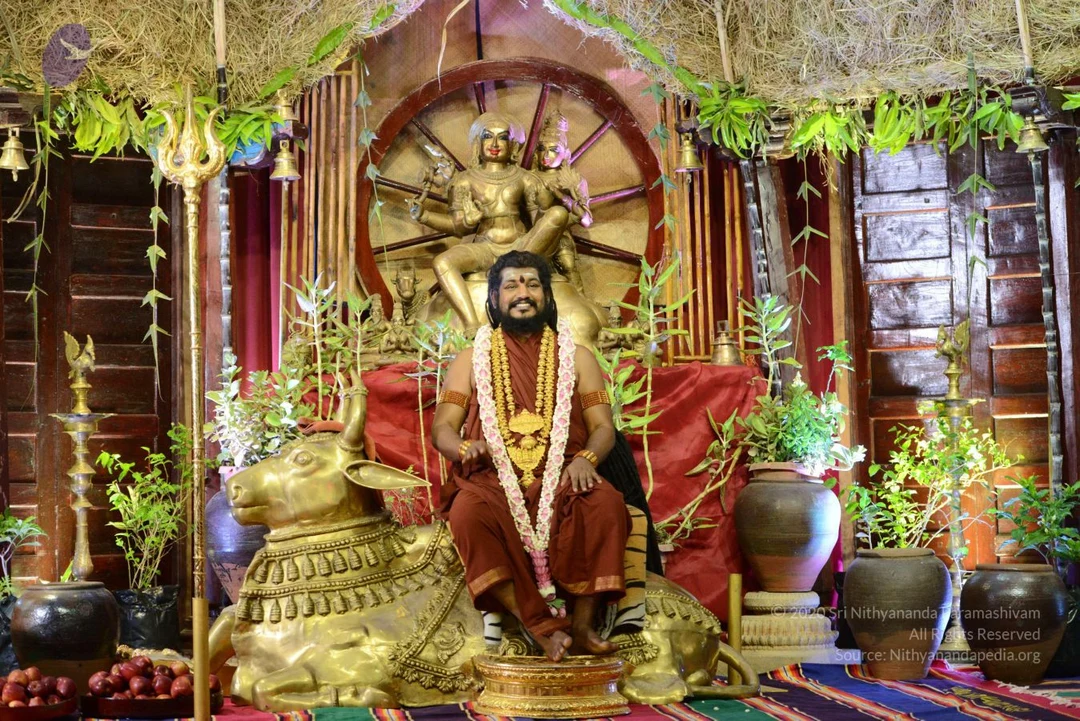
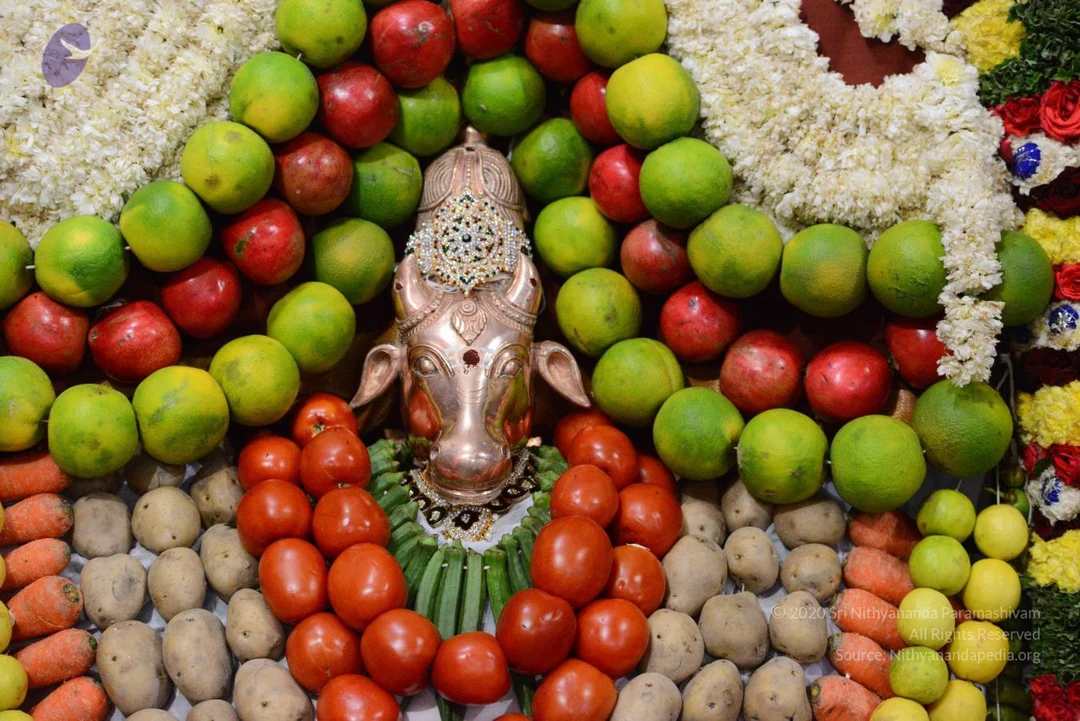
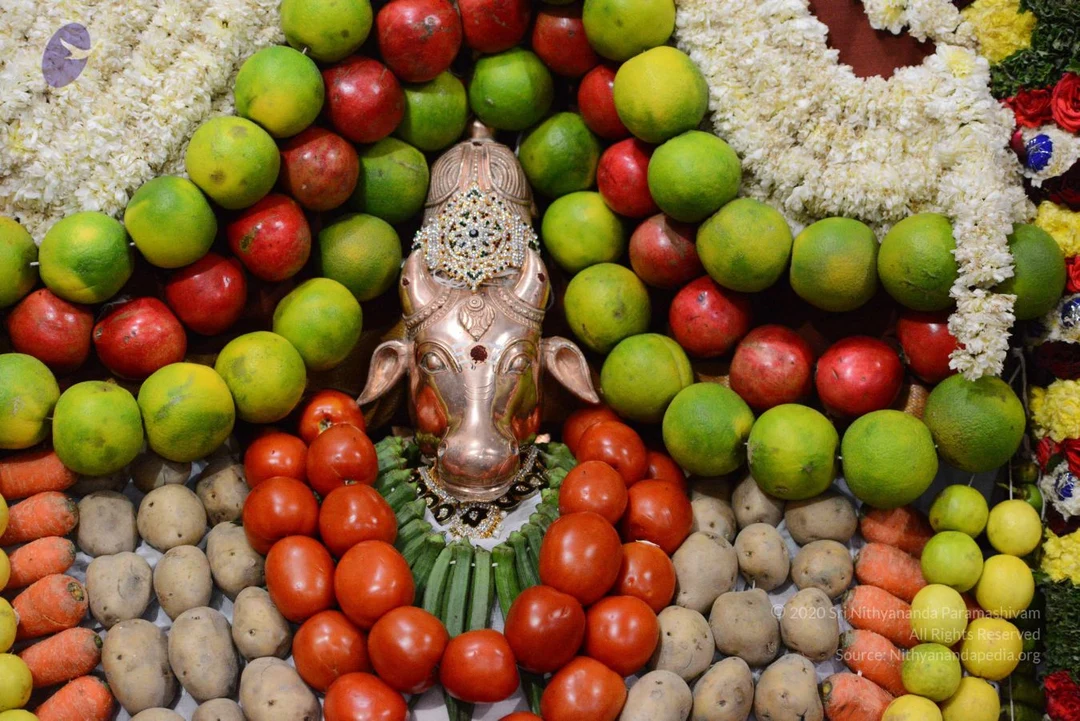
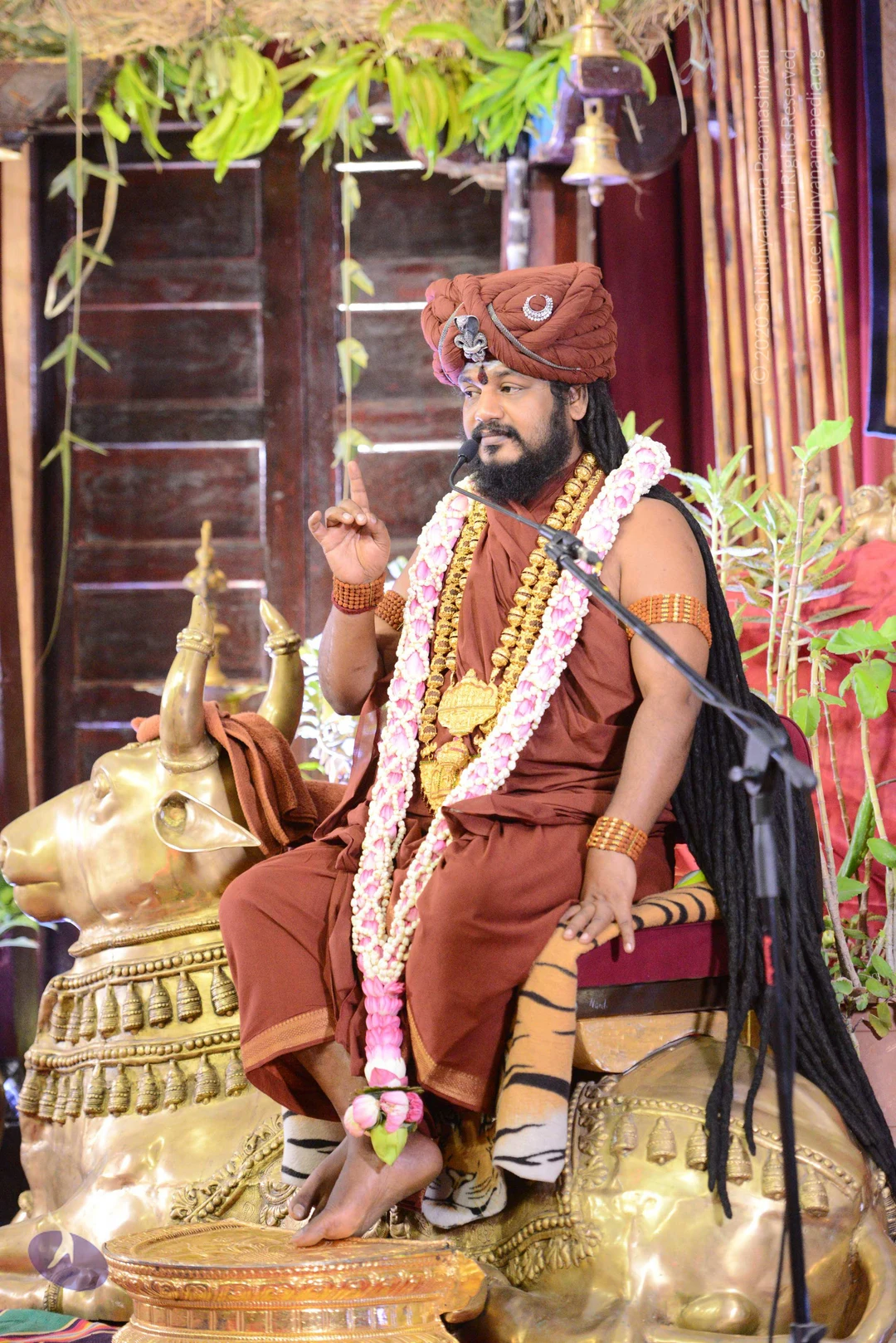
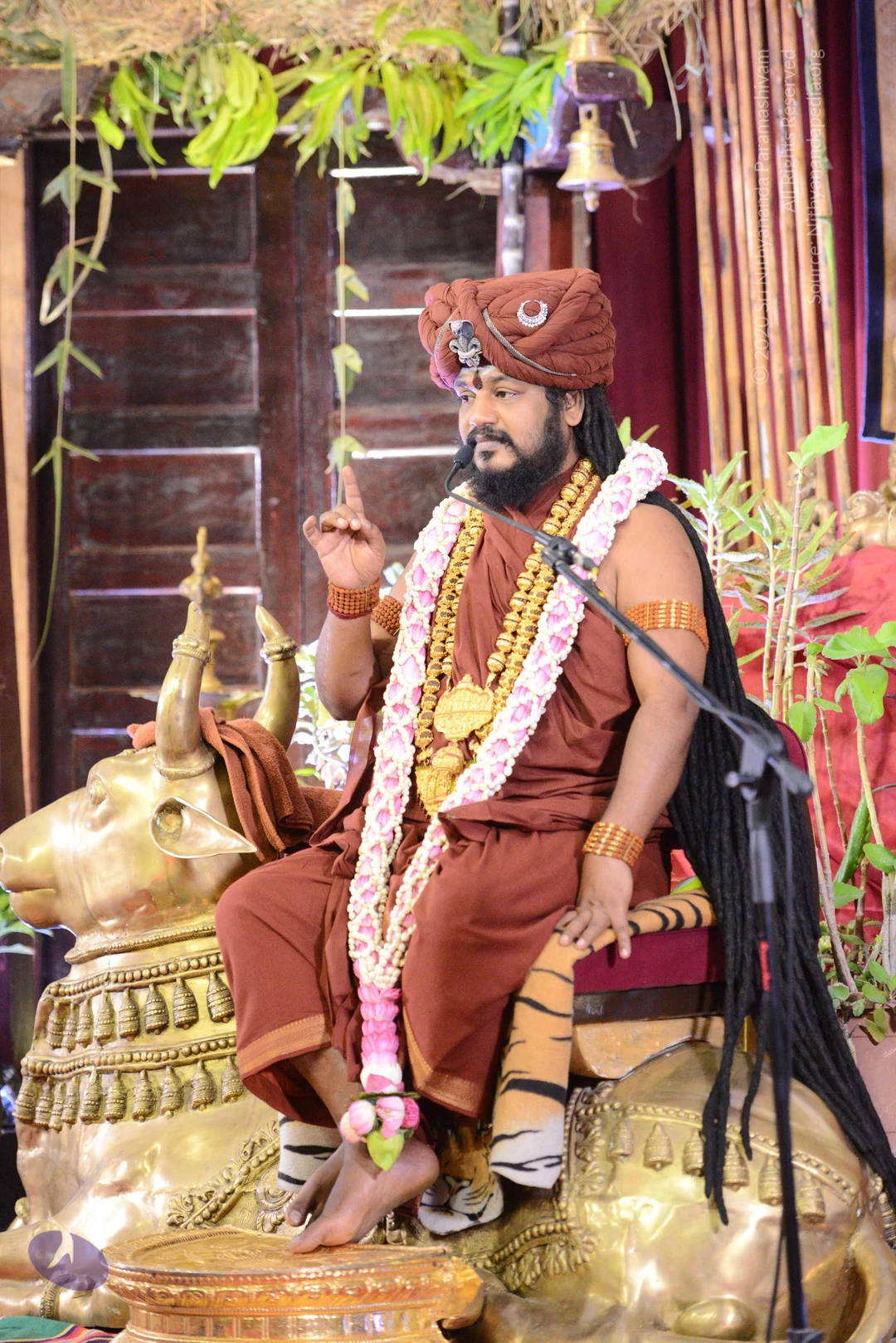
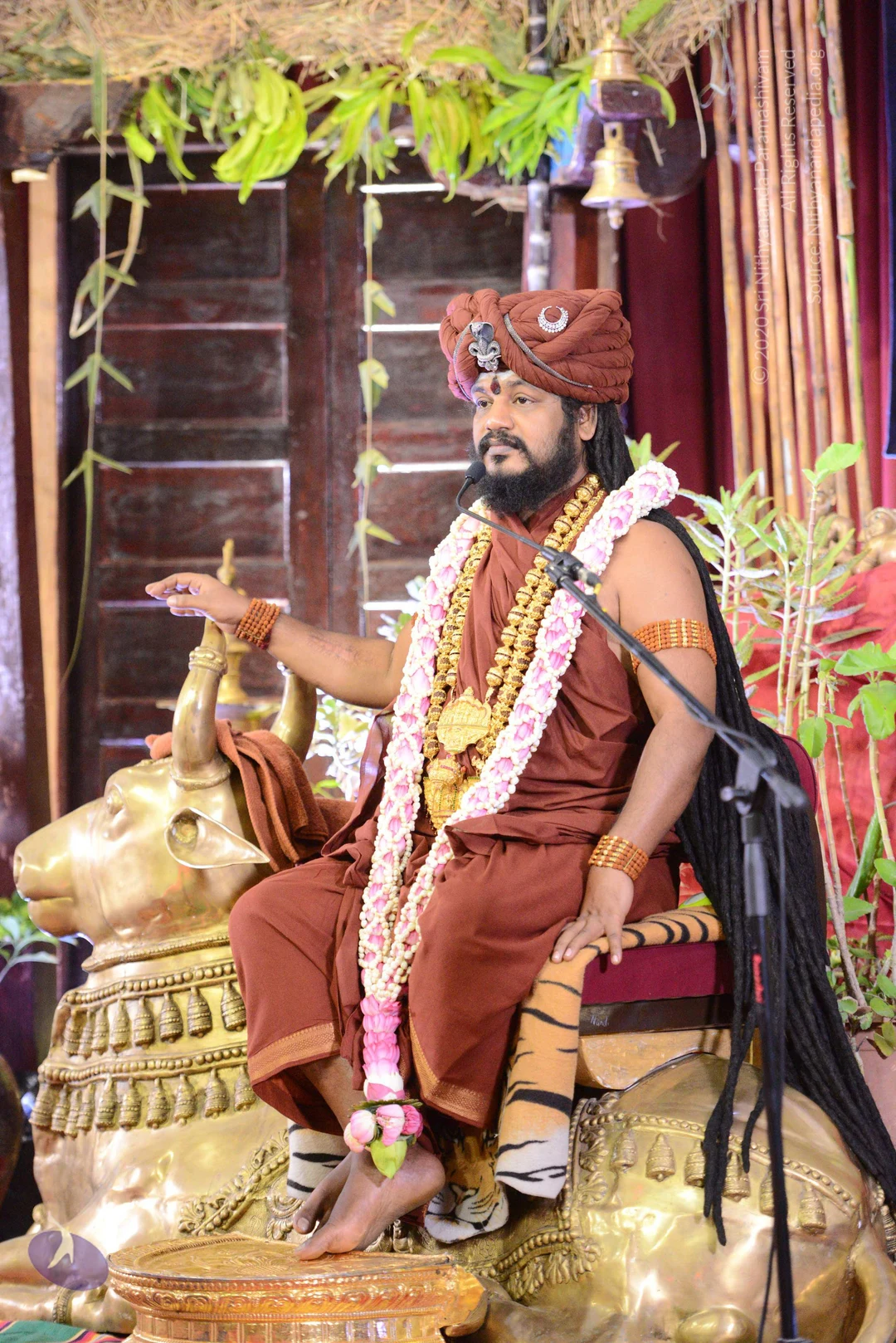
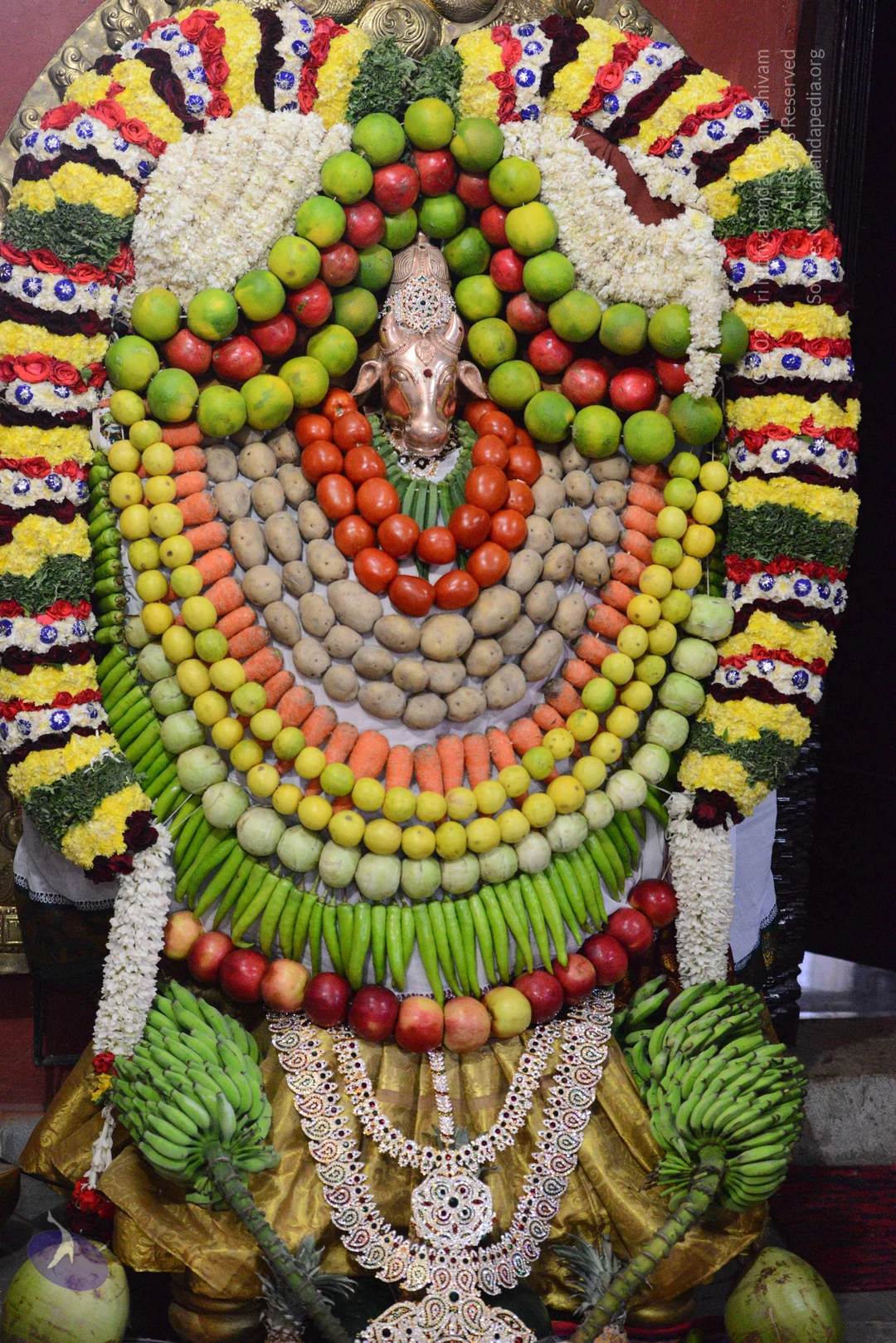
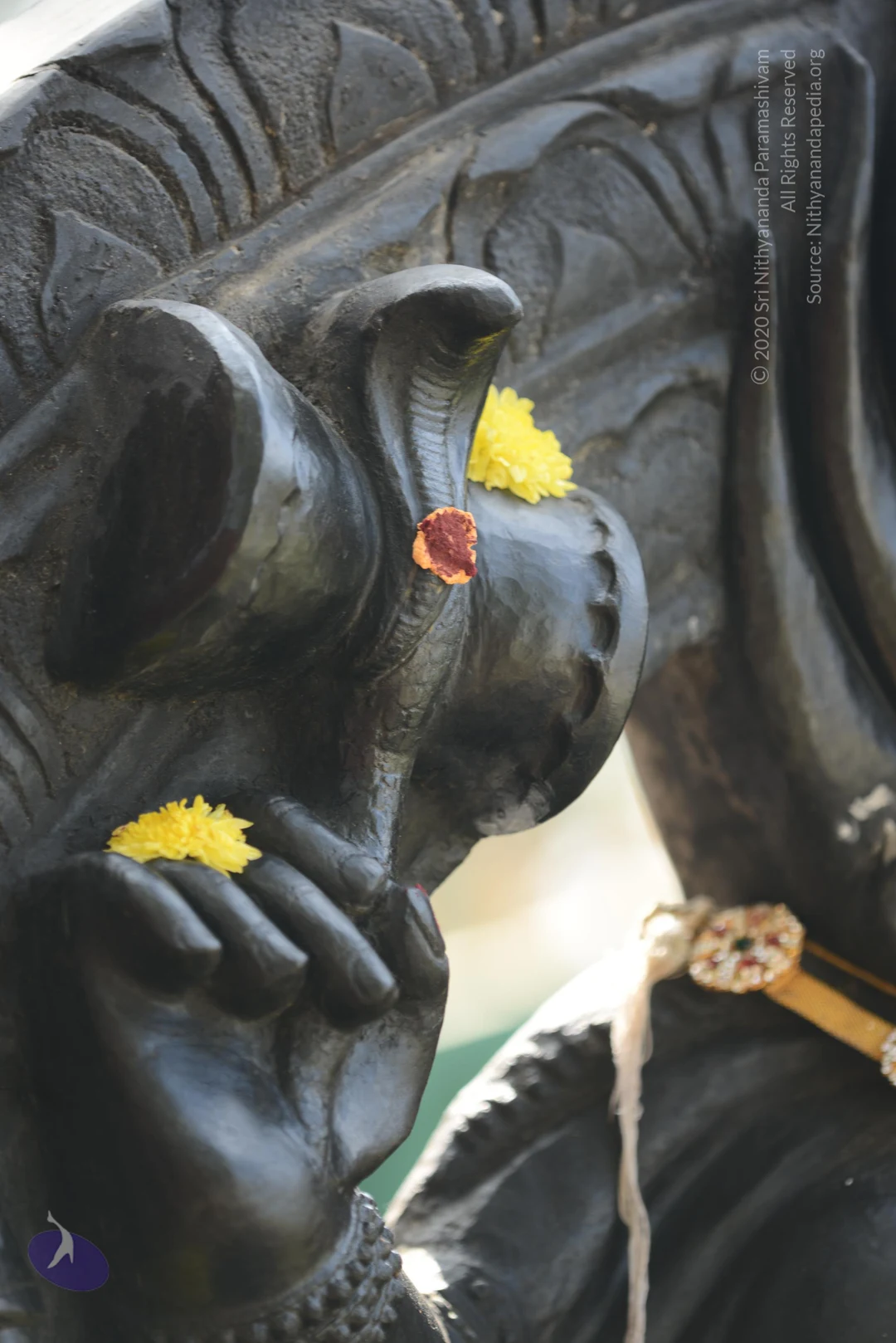
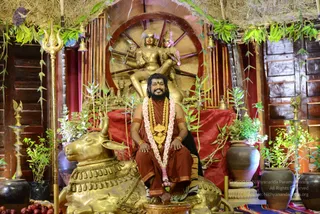
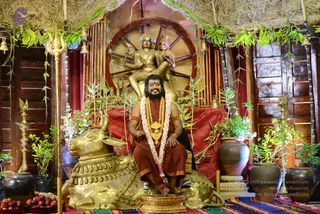
(01:05:35) Understand, this Nandi, bull, maybe so big, but I'm touching it only on the spot where I'm sitting on it. I'm not touching this whole bull everywhere. The relationship between Me and this Nandi is only the spot where I'm touching it. Same way the relationship between yourself and you is just your will. Will. Understand.
Listen. Listen. Your ability to will is the only contact point between you and your self. You may have huge electrical equipment but only if the power is connected it's going to work. The connection point is too important. Same way, you may have Sadashiva Himself as yourself, but the connection point is your ability to will.
All will-doubt means doubting your ability to will. Hating your ability to will, denying your ability to will. Many time even to will you will have so much of hatred because all your past sufferings, failures, suffocations will just stand up in front of you and constantly tell you – you can’t will and it'll not happen, which is not true.
Understand. If you willed and did not happen that need to be clearly analyzed and post-mortem need to be done, you need to know the right reason why it did not happen. Not because your will-power did not work, there are other reasons like, already you willed something and that is going on happening and only now you changed. You need to give a little time and persistence for the change to happen. You need to know the right reasons why your past will did not become reality, only then you will not lose trust over your ability to will. You losing trust over your ability to will is spiritual suicide. Spiritual suicide.
(01:08:54) I tell you, most of you, have hurt yourself so much by wrong understandings, delusions. “Oh, you don't know Swamiji; I willed but it never happened—did I will for this kind of spouse?” Yes. Listen. Listen. Healing with the right understandings, recovering, the abusals you have done to your ability to will, is the most important blessing you can receive from Guru as Shaktinipata.
And I tell you, I commit with you, I'll bring that healing to you. Just understand what I'm saying with little sympathy, little sympathy, listen to what I'm saying with little sympathy.
Listen. Understand this example—everything you are manifesting now, you willed it earlier for some other reason. But when you are living, suddenly you do not like that for some other reason. And, now you're changing your heart, your will, your decision. You just need to be little more will-persisting in this new decision for the old situation to become new. You decided to have root pattern, now you decided to have powers. You need to have little will-persistence for root patterns to get converted into powers—the root to become fruit. You can't say, because it's taking few days, “Oh this tree is useless, this tree will not work.” You can’t say—this tree is useless, this tree cannot give fruit, No! Your will is the tree which can give any fruit that is Kalpataru. Meaning of the word Kalpataru itself, Kalpa-taru - will tree. Understand. Your will is will tree. Kalpataru. Your will is the real Kalpataru. (01:13:20) Third statement; let Me move to the third statement.
I've received a quotation from Amba Swami, very beautiful quotation, I'll read out to you guys.
yatne krte yadi na siddhyati ko’tra doshaḥ |
Meaning it's actually from Bhadruhari, the great Saint. He says, “If you willed and it's not happening dig deep and find, what is the fault inside, not on the will power.”
Badwuhari (01:14:14) is one of the great poet Saint of Hinduism. I also want to tell you guys, I'm choosing 108 Aptas and 1008 Saints from Hinduism. See, 108 Aptas, Apta means exemplars, great incarnations like – Krishna, Rama, and, Machendranatha, Gorakanatha, Patanjali like this 108 exemplars, Aptas; and 1008 great Saints like Kabirdas, Tulsi, Bhadruhari, Arunagiri, Arunigirinadar, one Saint lived Tiruvannamalai, not Arunaigiri Yogeshwara, He is Sadashiva Himself. I am saying Arunigirinathar.
This Saints, 1008 Saints and 108 exemplars, Aptas. So 108 and 1008, both of them are going to have Shrines in Bidadi campus. With their Deities, with their forms, want to have Shrine dedicated to all of them and especially to teach my kids my Baalasants about the glory of Sanatana Hindu Dharma.
(01:16:03) Now coming to the third statement, listen. Actually the third statement means, let me be very frank if I have to expand on the third statement, the third statement is—Sadashiva comes down as Guru just to make the first two statements as reality for you, protecting and defending you from all other stupid statements, because all other stupid statements look very, very close to your heart.
If somebody says you’re a sinner that's why your suffering. It immediately appeals; yes, yes, very logical. If somebody comes and says, “No, no, no, you're not a sinner but you're egoistic and that's why you are suffering you have to drop the ego to get into the soul, then immediately it appeals.” And somebody comes and says, “No, no, no, you're a slave you're suffering because you are not an obedient slave, just be an obedient slave and do what supposed to be done, and kill everybody who is not slave and… that is when your suffering will go away.” Then, it very appeals.
Listen. Appealing does not mean truth. Appealing does not mean truth. So, to protect you from all these so-called appealing ideas, help you, support you to manifest. Help you, support you to manifest the first two statements reality. Just for that Guru happens in your life.
Actually meaning of the third statement is – don't worry, whether you understand or not, I will make all this into your reality. Just have little sympathy and listen or try to listen that is enough. Through Shaktinipata I'll make all of this into your reality. That is what is the explanation of the third statement. Third statement does not have any other explanation.
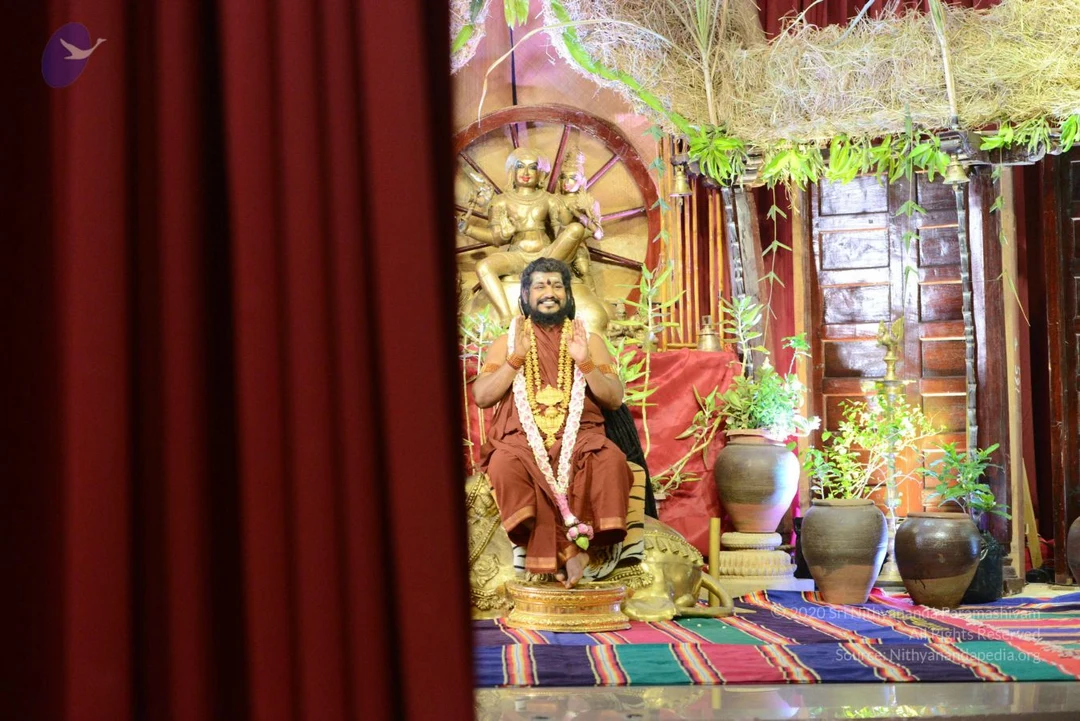
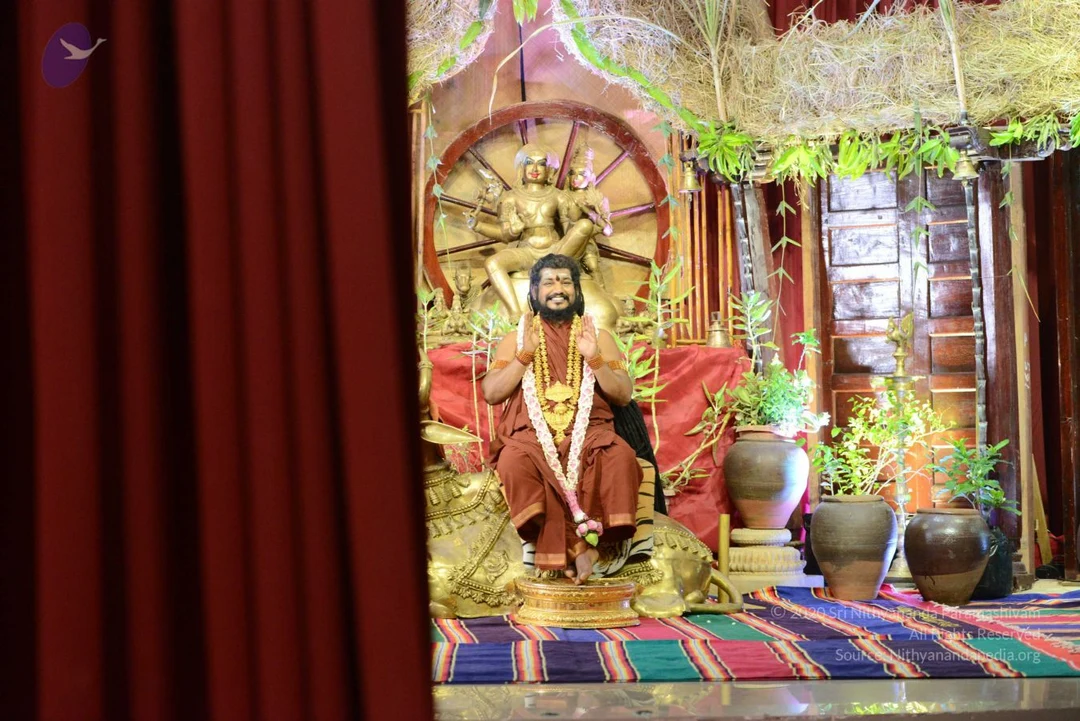
(01:19:29) You heard, in the introduction Swaroopapriya telling, Length, Breadth, Depth dimensions are being manifested, from the Sadashivoham initiation. Actually, day one Sadashiva’s Darshan, from that day the whole Hara Hara center… see, Hara Hara center is from below the Manipuraka, navel center, and above the Swadishtana, that area is called the Hara center. Why it's called Hara—Hara means life of the Universe, that is why we called Sadashiva as Hara. Hara, means life of the Universe. The space between heart and navel that's called Ananda Gandha, space between Manipuraka and Swadishtana is Hara. My Hara center is vibrating in the same frequency of Sadashiva. Life of the Universe, continuously, it always used to vibrate it is different. Now literally in unmanageable way it's vibrating, that is why every day I'm seeing new, new powers are manifesting and I'm already successful, making Baalasants do materialization. Materialization is done deal. So by that time Shivaratri, means, February 24th, in next few days My plan is to make at least 50 or 100 Baalasants, they will be able to materialize Vibhuti or Kumkum and give you as Prasadam when you come for Shivaratri. And I also wanted to complete with all the devotees all over India who expecting me for the house visit, Kalpataru Yatra. I want to complete with you all, I want to tell you, surely I’m going to come. I'm not canceling that trip. I am coming. I am coming for Kashi Rameshwaram Kalpataru Yatra. I just want to complete with you all for the delay. My original plan was to start on January 3rd, now I'm postponing and I'm not even able to tell how many days I have to postpone because this frequency, this vibration is so high, so intense I want to use this time to sit and initiate all the Nithyananda Yogam participants and Baalasants, and all the Aadheenavasis who are here. Actually everyone who is in the campus now you guys are all blessed. You’re all blessed.
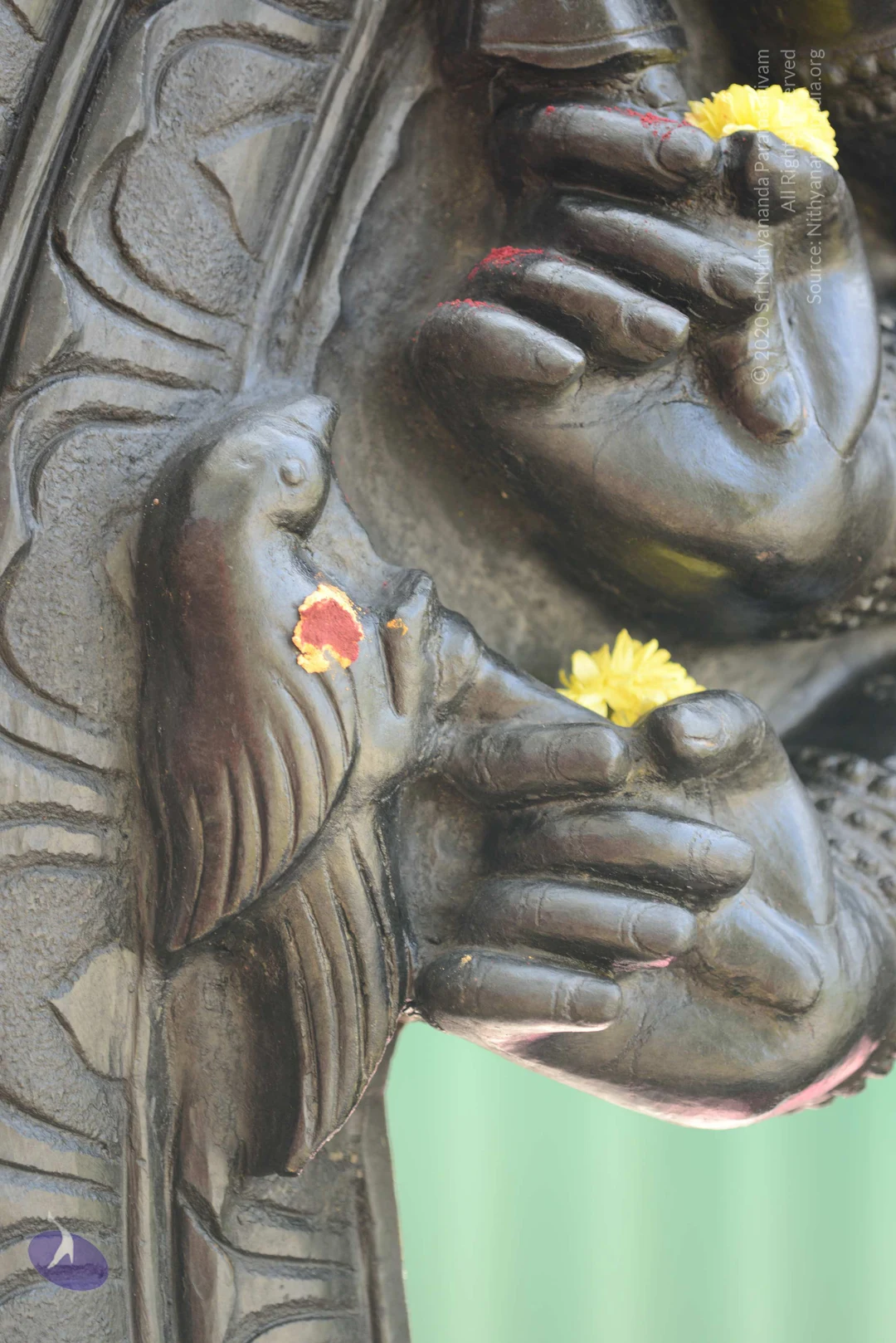
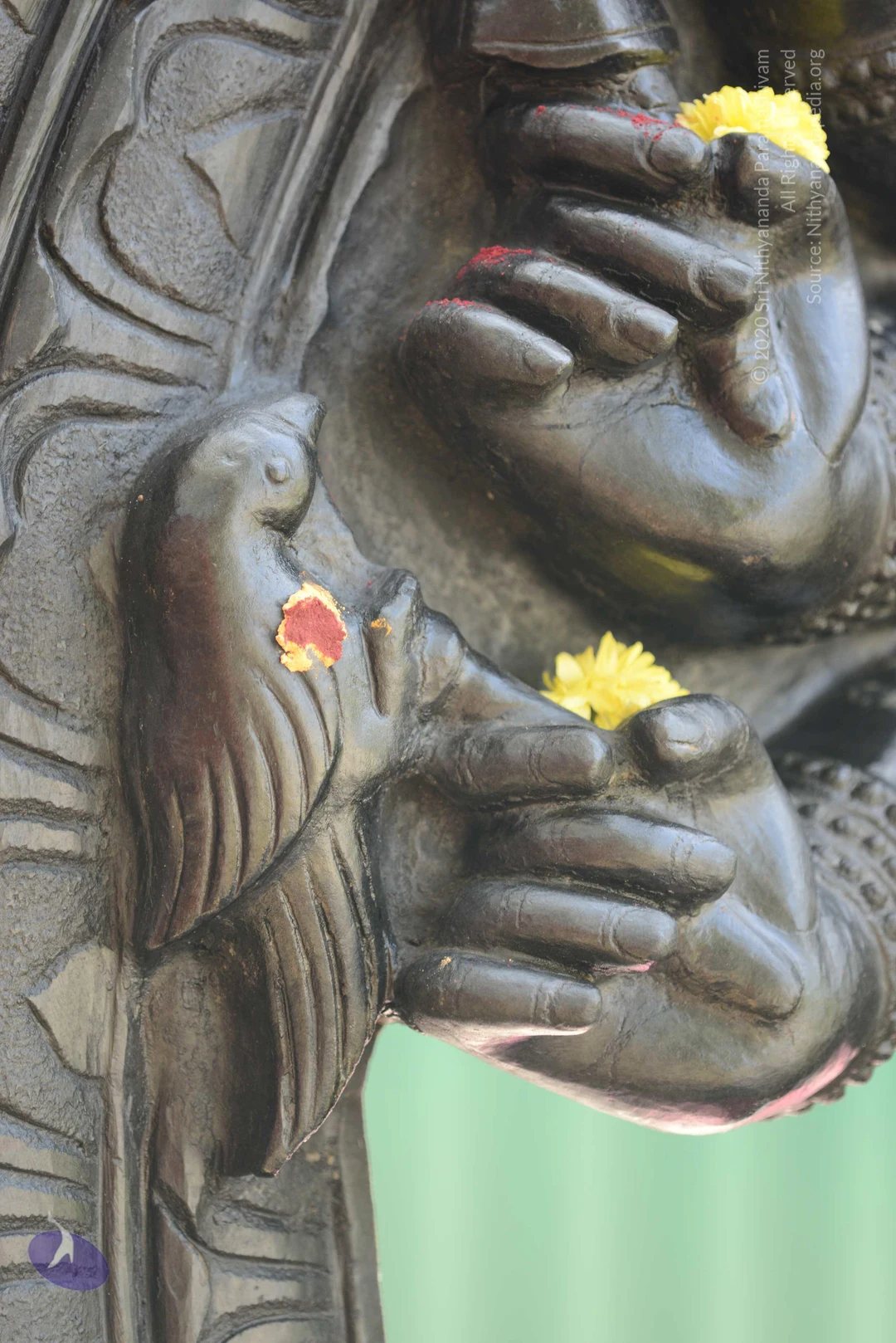
(01:23:55) See, a man who earns in thousands, when he gives Dana, he may give maximum in 100. The man who earns in lakhs, when he gives Dana, He may give in 1000. The man who earns in millions, he may give daana in Lakhs. The man who earns in trillions, even his Dhana will be in billions. Here I'm not even giving Daana, I'm just multiplying. Understand. I’m not even giving Dhana I'm just multiplying. Understand. I am not giving Daana, I am just multiplying. The intense Shaktinipata happening, the sparrows in the courtyard are mastering the Length and Breadth dimensions. Ask them any maths, they'll exactly drop that many rice on you, they will answer you. The sparrows in the courtyard are getting initiated. If you're in this campus during this moments, you’re extremely blessed.
(01:25:43) Actually I thought yesterday the Uttarayana, Uttarayana punya kaala. Uttarayana means the auspicious time has started and Bhishma waited for Uttarayana only to leave the body. Yesterday morning Uttarayana started, actually day before yesterday. Yesterday is the Pongal. Bhogi day itself, day Uttarayana started, because one day before it starts, to settle it takes 21 hours. Uttarayana has already started. I thought once the Uttarayana starts it will settle down.
I'm seeing it is exploding more and more. Today I’m going to make at least 20, 25 kids materialize. Actually, materializing is nothing but 3D printing. How in 3D printing, you just visualize and take it out like that, they will visualize in the Depth, in the space and time and they'll just touch and take it out and give it to you. No, I'm not lying or over promising. I’m talking about it because already last two days it is happening. I already initiated a Baalasant, Sundareshwara initiated. I told him, 10 places note down and write down what you want to materialize in each place, and, go to my Depth, means into Me, into My space which is one and the same for him. And from there just bless, give 21 mins, after that go to all the ten places and check. Take photograph and bring it to Me. Not only the first shot of 10 places is absolutely successful, he did this three times again and again. All three times absolutely 100% successful.
Actually yesterday night he said, Swamiji, “I'm ready to do demo today in the webinar.” I only said, “Always let demo be done with batch.” See, I wanted always batch of Baalasants to do demo, to establish the truth it is a science, it's not monopoly it's not given to one person, or it does not belong to one. Just to make sure that statement is maintained. I told him, let there be more kids, let's present as a batch. Otherwise he's ready to do demo now. Yesterday night he came and told me, “Swamiji I am ready for depth demo; you tell me, if you give me order, tomorrow morning in the webinar I'll do it.” I only said, “Let more kids evolve, let more Baalasants do it.”
(01:29:25) Understand. Shaktinipata is all you require, nothing else to manifest powers. How to have Shaktinipata? That's the next question. Every morning, don't miss satsang. Come to satsang and sit. During that satsang time whether I'm live or recorded—I'm Alive. Understand, sometimes I'm live. Actually you should say, live satsang, alive satsang, it should not be called recorded satsang anymore. Live satsang or alive satsang. Come and sit on the satsang time that is the only requirement. It all boils down to one, one, one. Every morning satsang, means the satsang time of Bengaluru Aadheenam—whatever time it's in your zone sit, same. Listen. For example, if it is morning 8 O’clock, 8:30 here, in Los Angeles it maybe evening 8:30. So, sit while satsang is going on here. Not, “Oh if it's morning 8:30 in India, we will also sit morning 8.30 of our time. No. If it's morning 8:30 in India, Bengaluru Aadheenam, same time whichever country, which ever part of the world you are living, the same time sit and listen whether live satsang or alive satsang, that is Shaktinipada. Shaktinipada and Shaktinipada alone is enough, to make you manifest, live, experience, express manifest the state, space and powers of Sadashiva. Essence of Shuddhadvaitam; Powers are available to you. Shaktinipada is the way and satsang is Shaktinipada, as many days as possible. I should say, don't miss even a day. Let Shaktinipada be your spiritual food. Let satsang be your spiritual food. (01:33:49) So, three statements.
You are, first statement—you are the Ultimate, even when you think you are manifesting things which is unnecessary, which you don't want.
Second, listen, very carefully, you need only your will-decision; will-persistence to manifest powers and whatever you want.
Third, Sadashiva comes to you as Guru to make this first two statements as your reality. That's all, that's all.
With this, I think I have conveyed the essence and this time Shivaratri is going to be real Sadashivaratri. And if you have missed Sadashivoham, don’t miss this time—February Inner Awakening and Sadashivoham, be here. Don’t even ask what is the difference. If you want to ask that question, ask the Nithyananda Yogam participants, what is the difference. They will tell you what is going on in courtyard. The courtyard chronicles will tell you, what's going on.
So with this, I bless you all, let’s all radiate with Integrity, Authenticity, Responsibility, Enriching, Causing, Living Shuddhadvaita Shaivam, Sadashivoham, the eternal Bliss, Nithyananda Thank you, Be Blissful. (01:36:28)
Photos
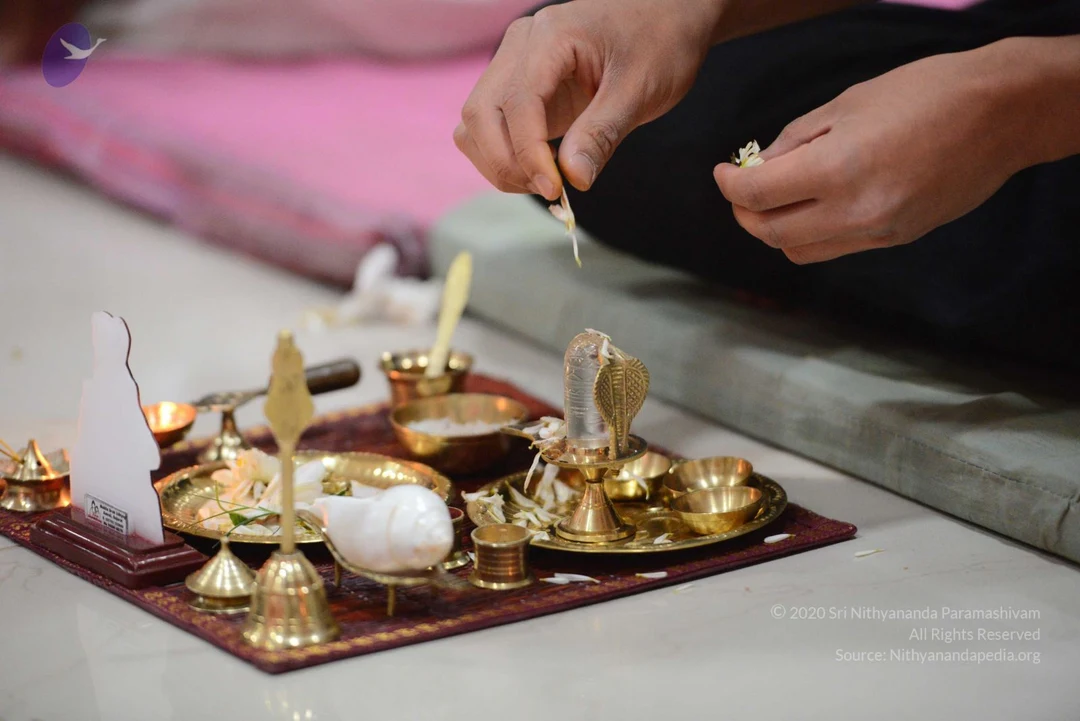
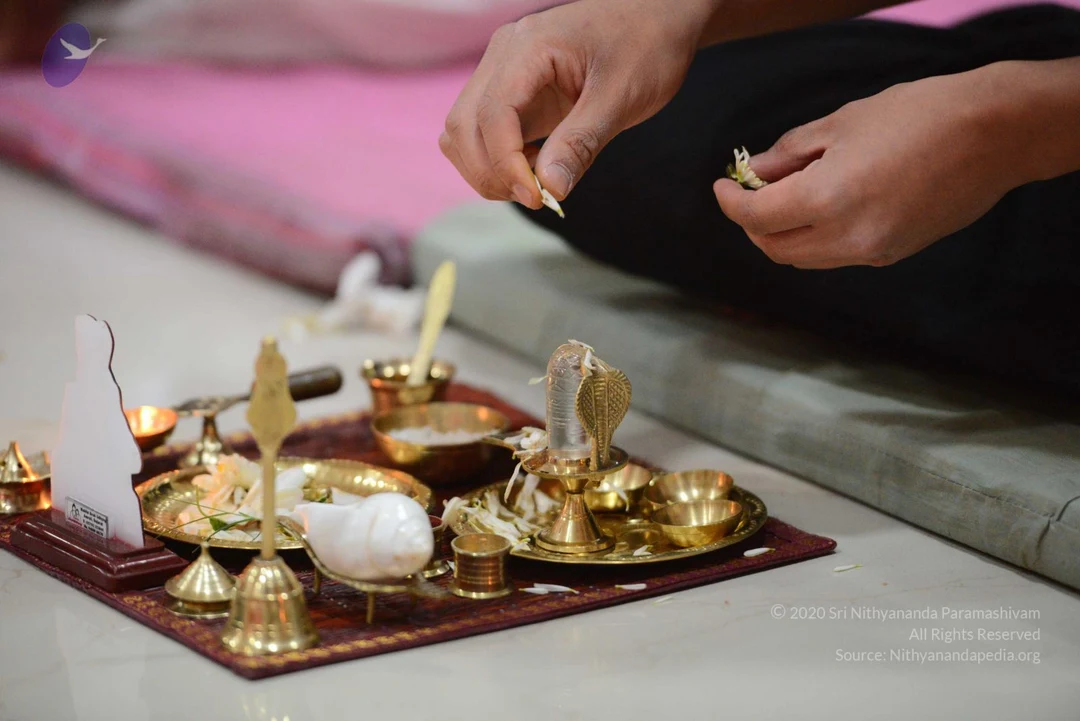
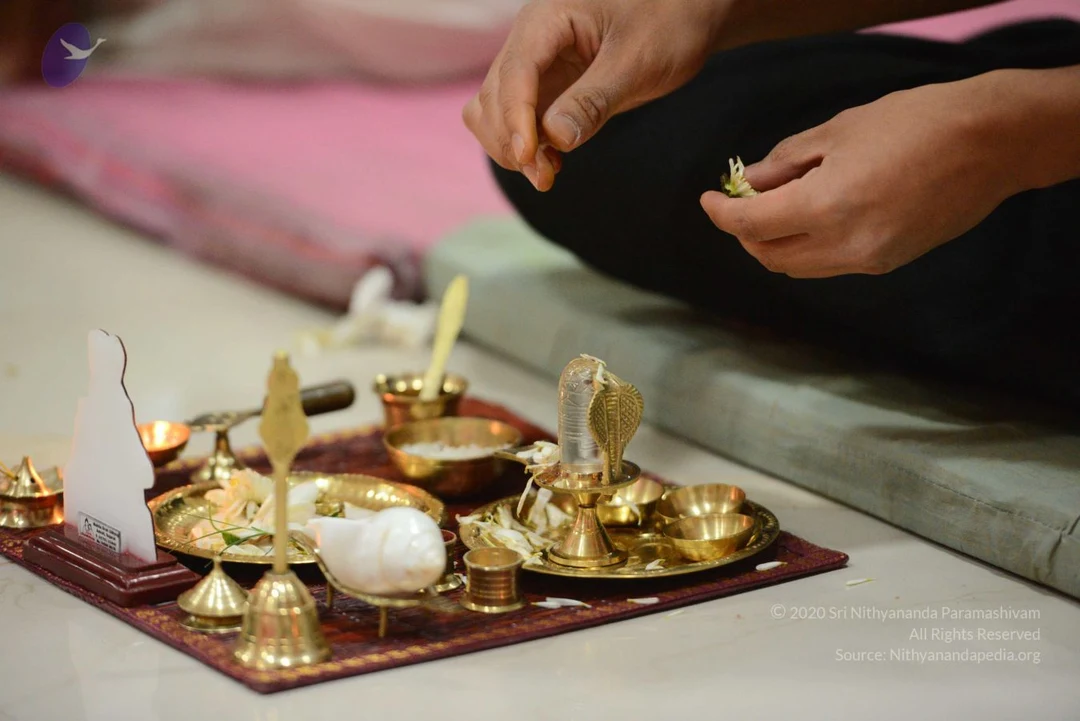
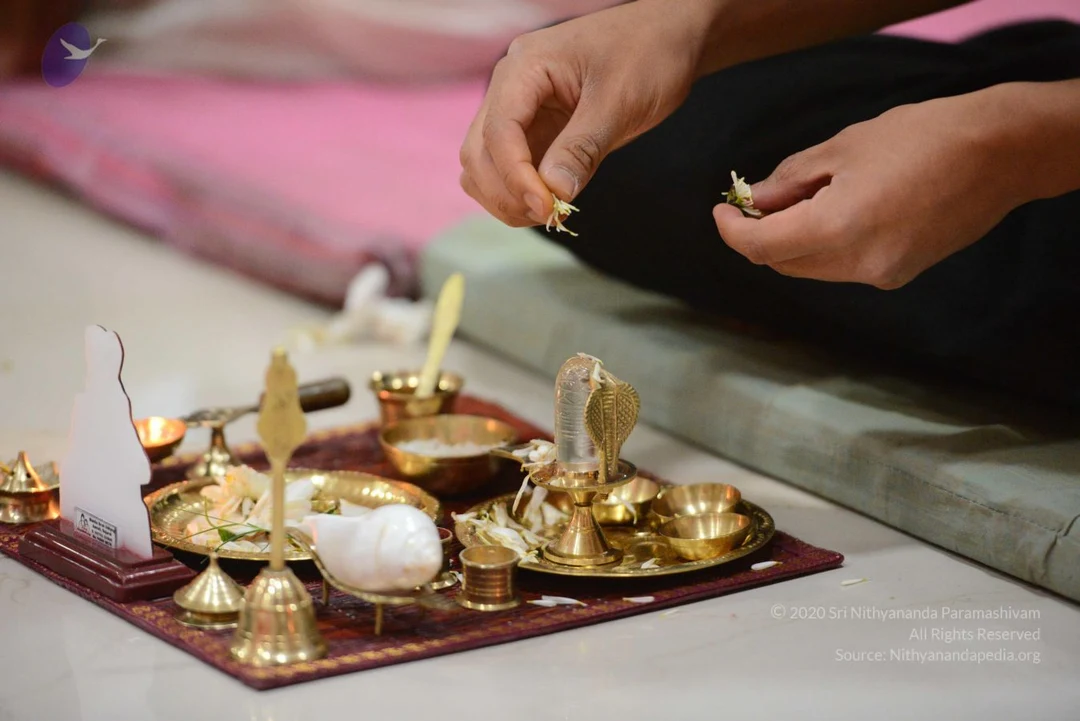
Puja



Sakshi Pramana Sharings-Akashic Records
Webinar

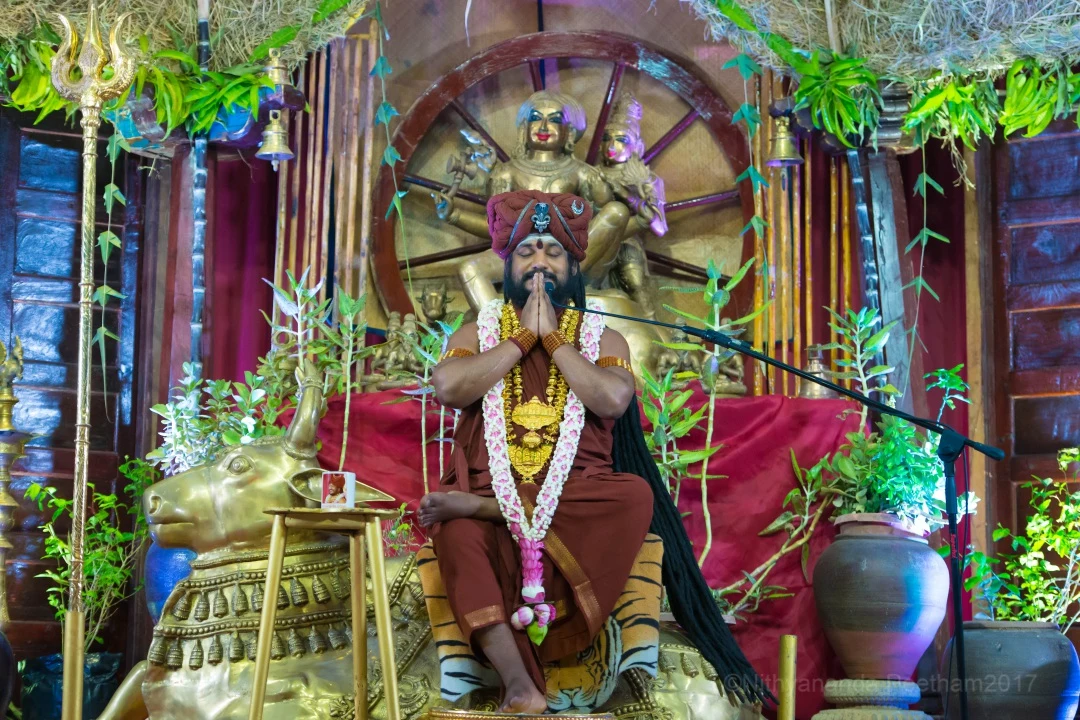
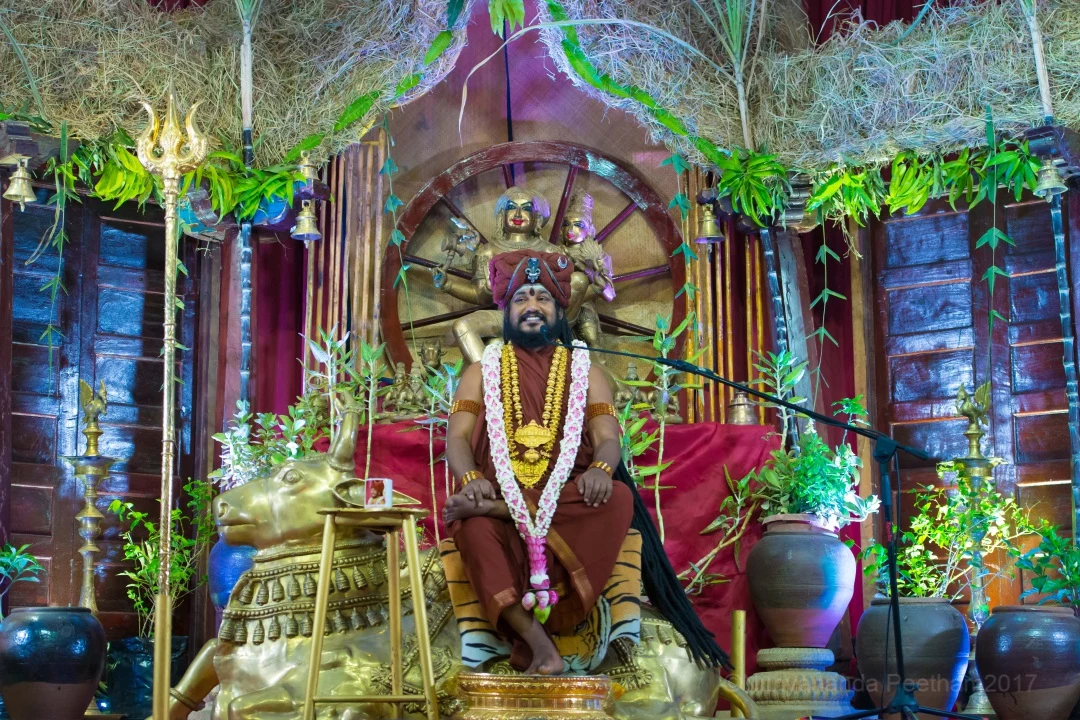
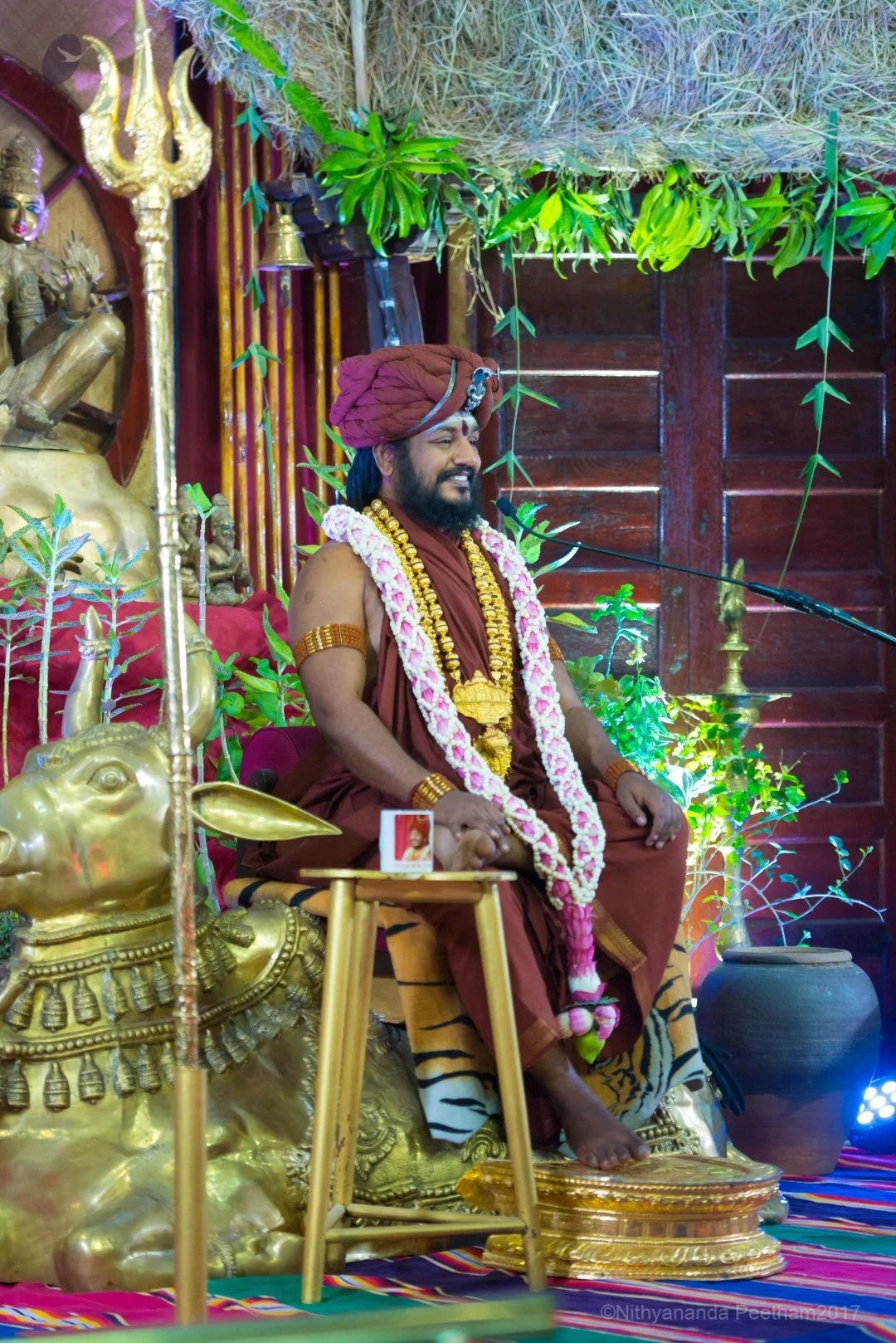
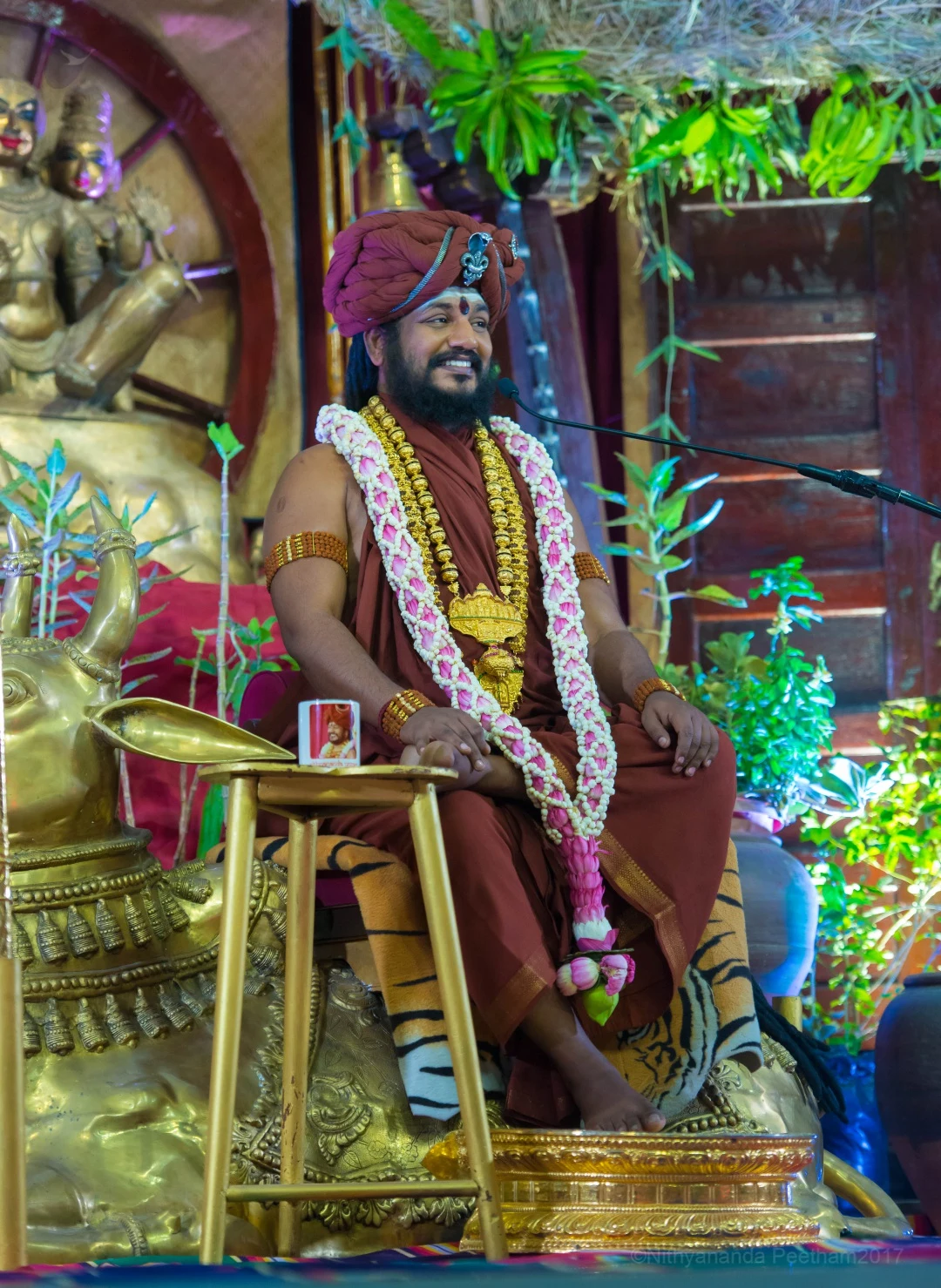
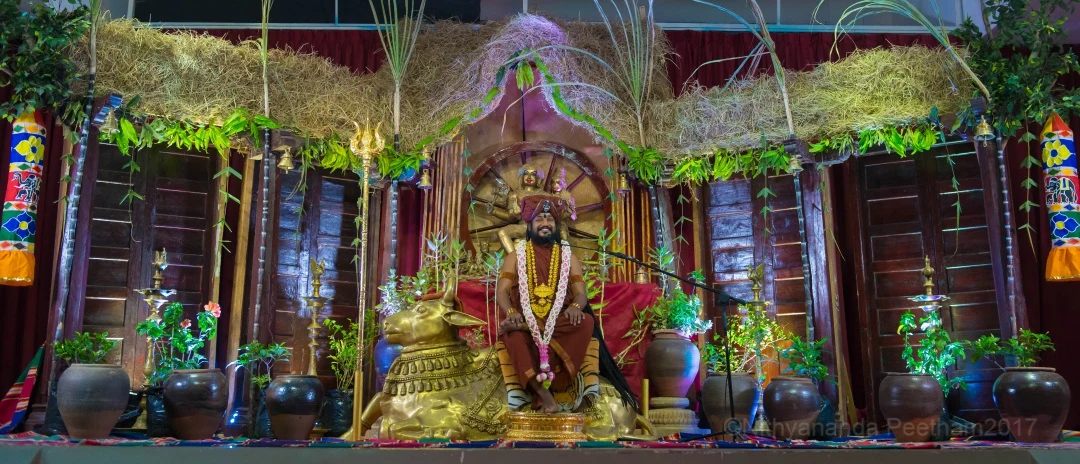
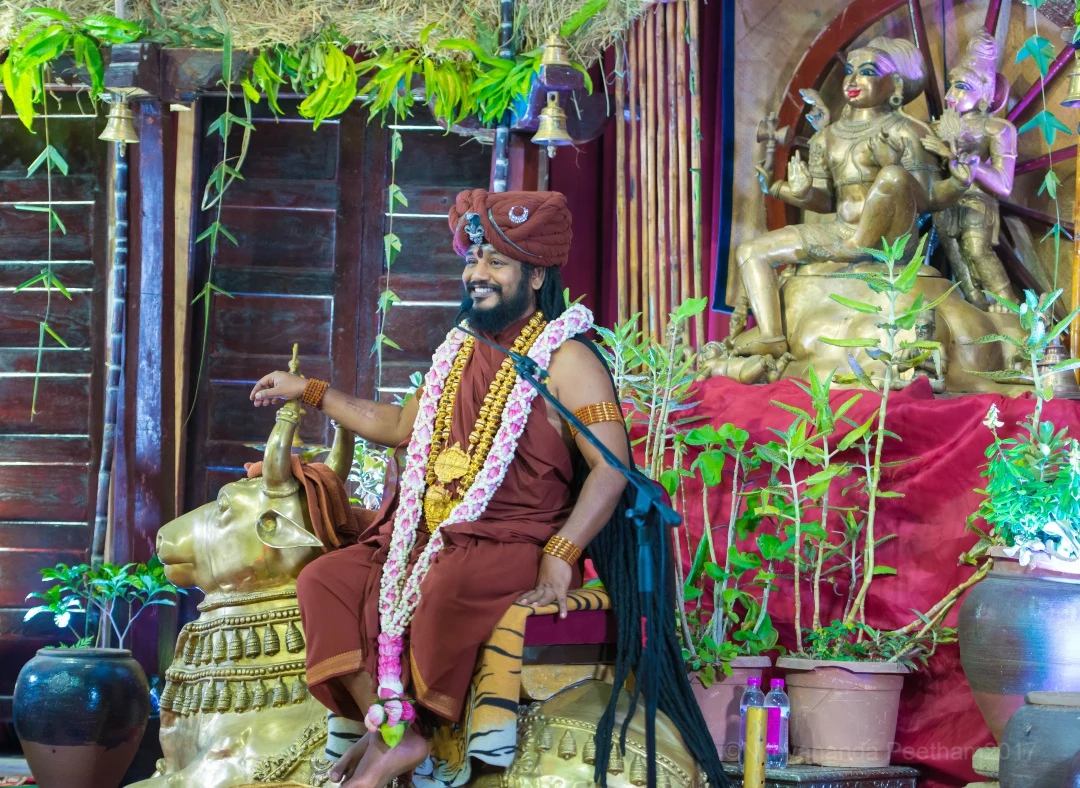
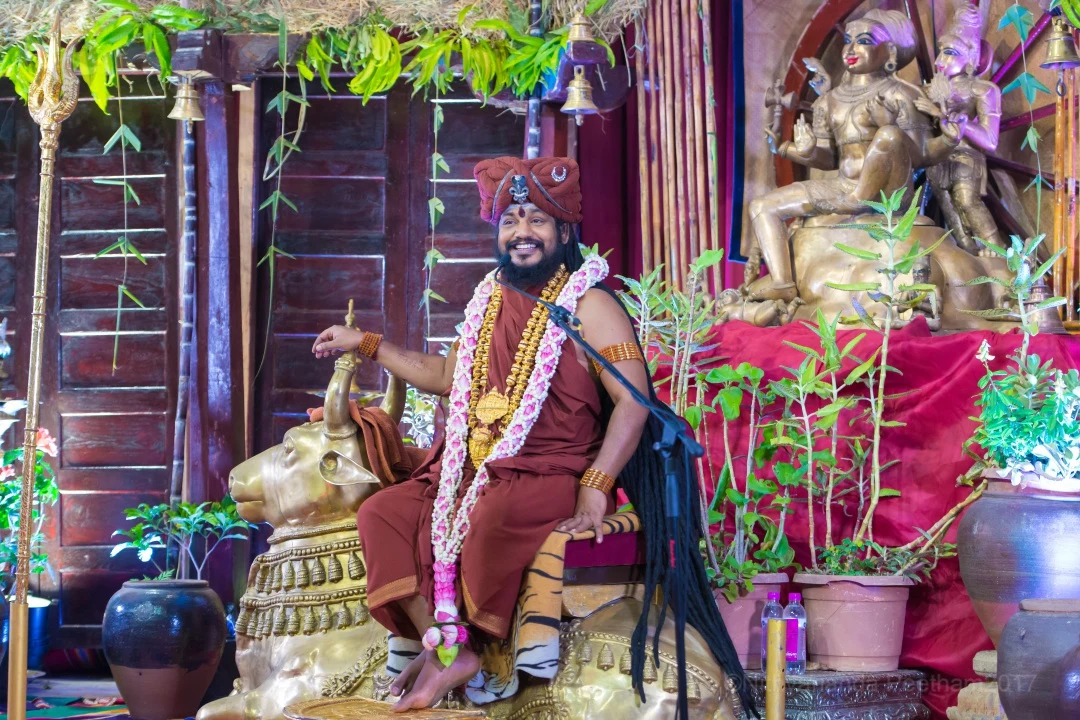
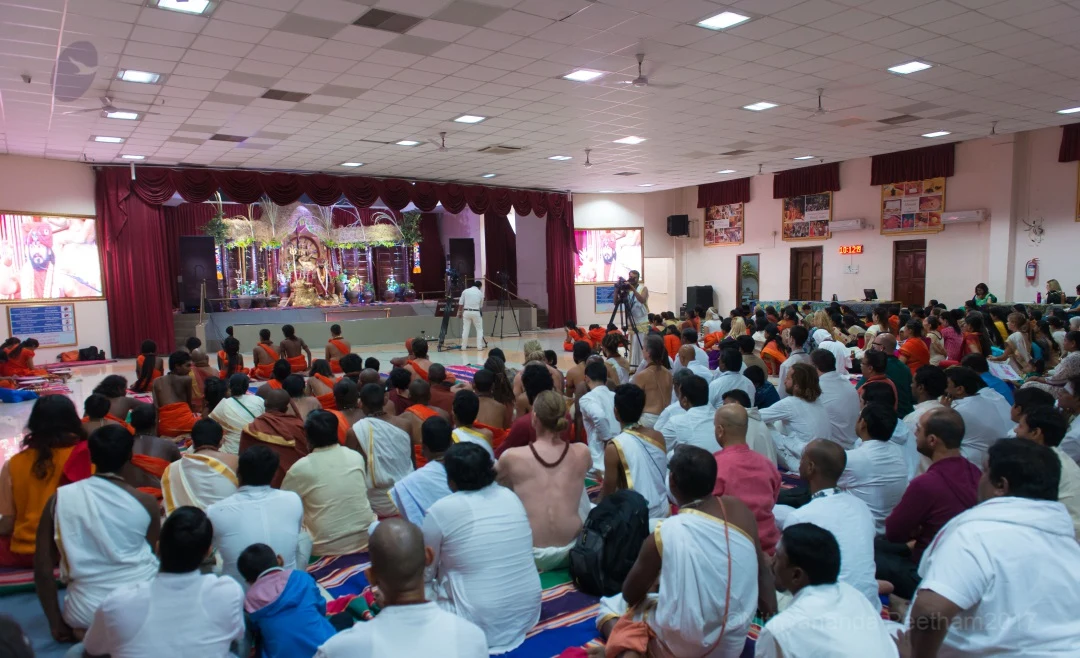

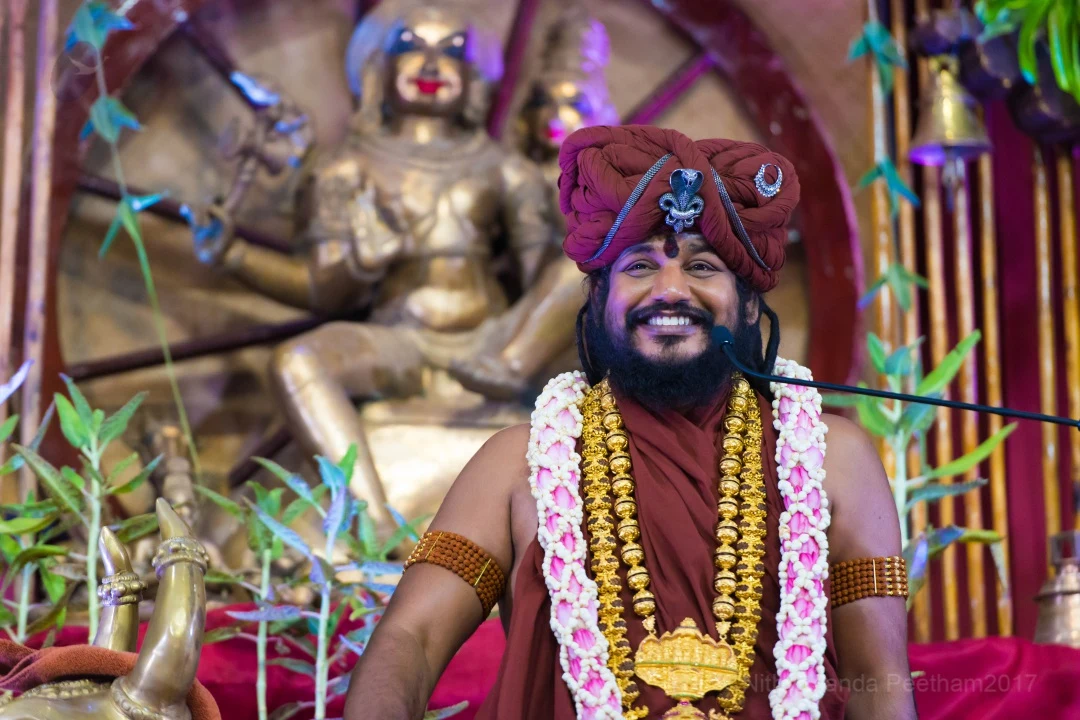
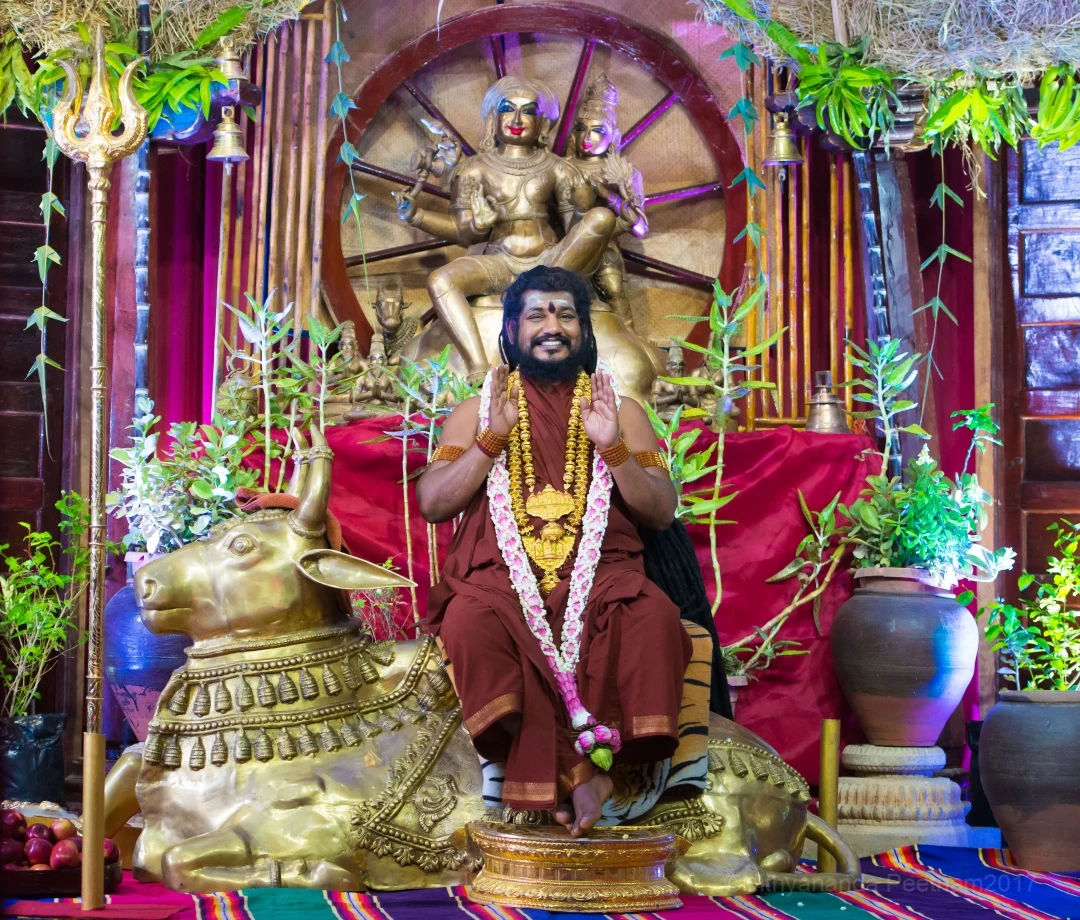
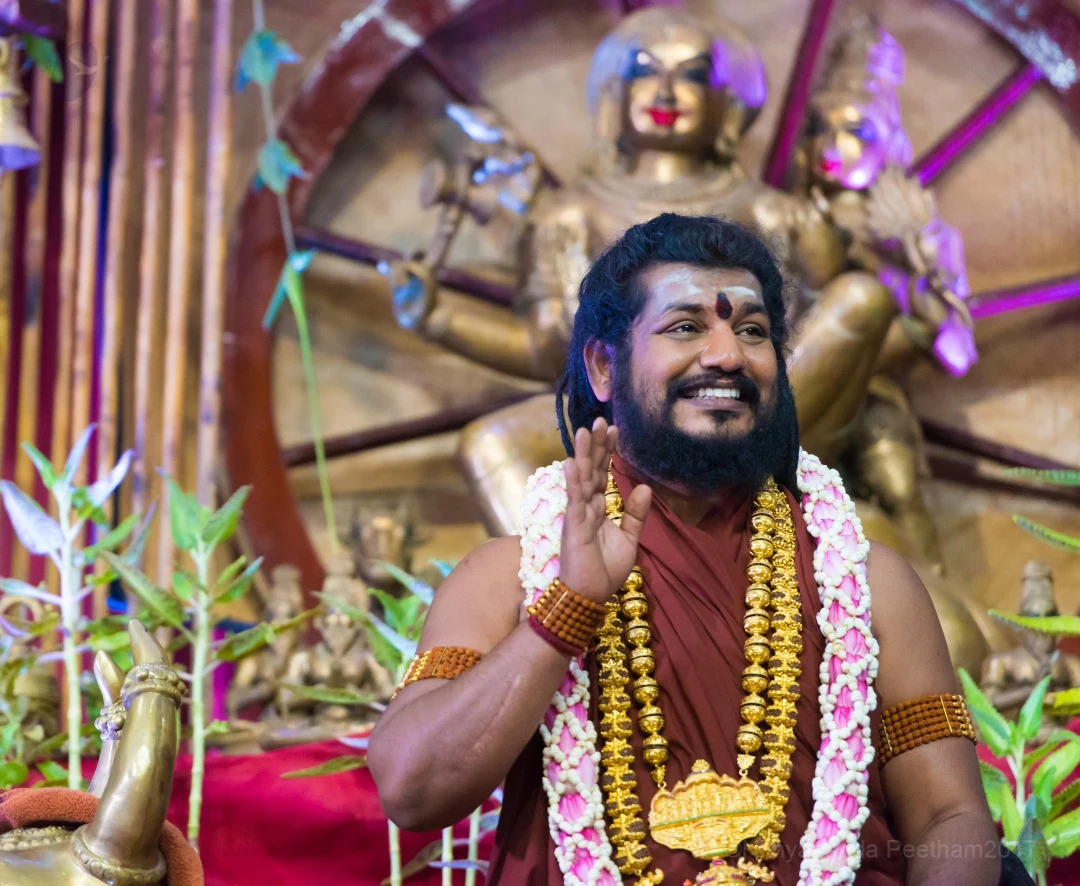
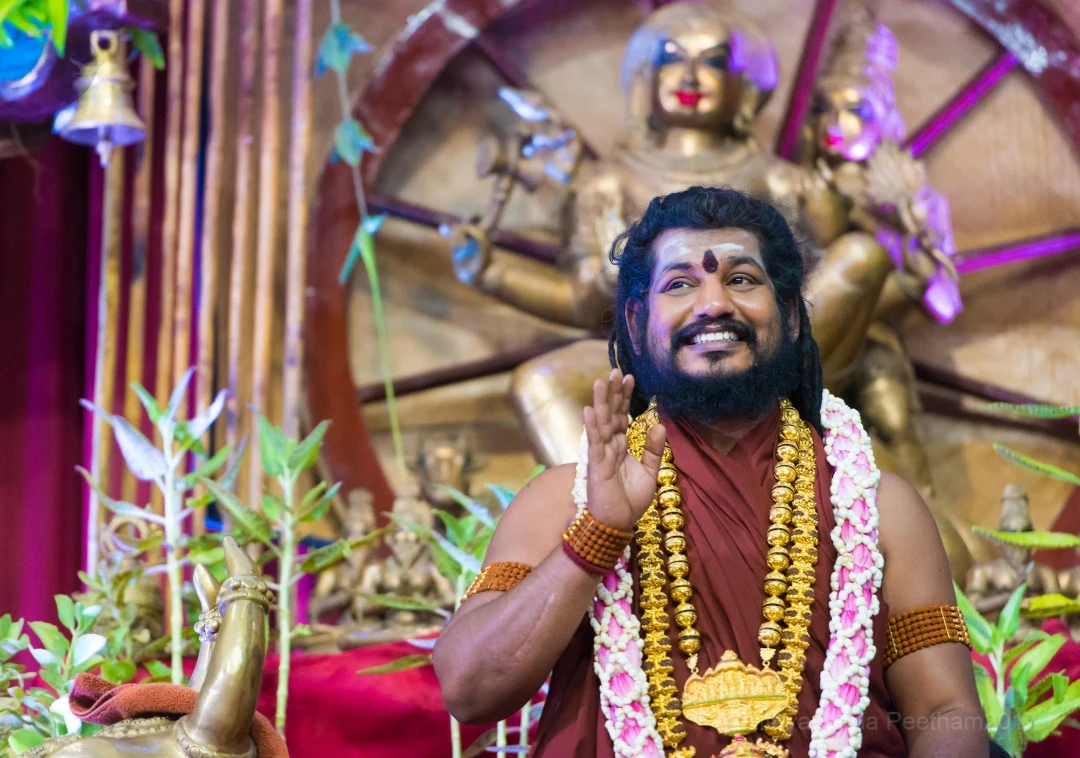
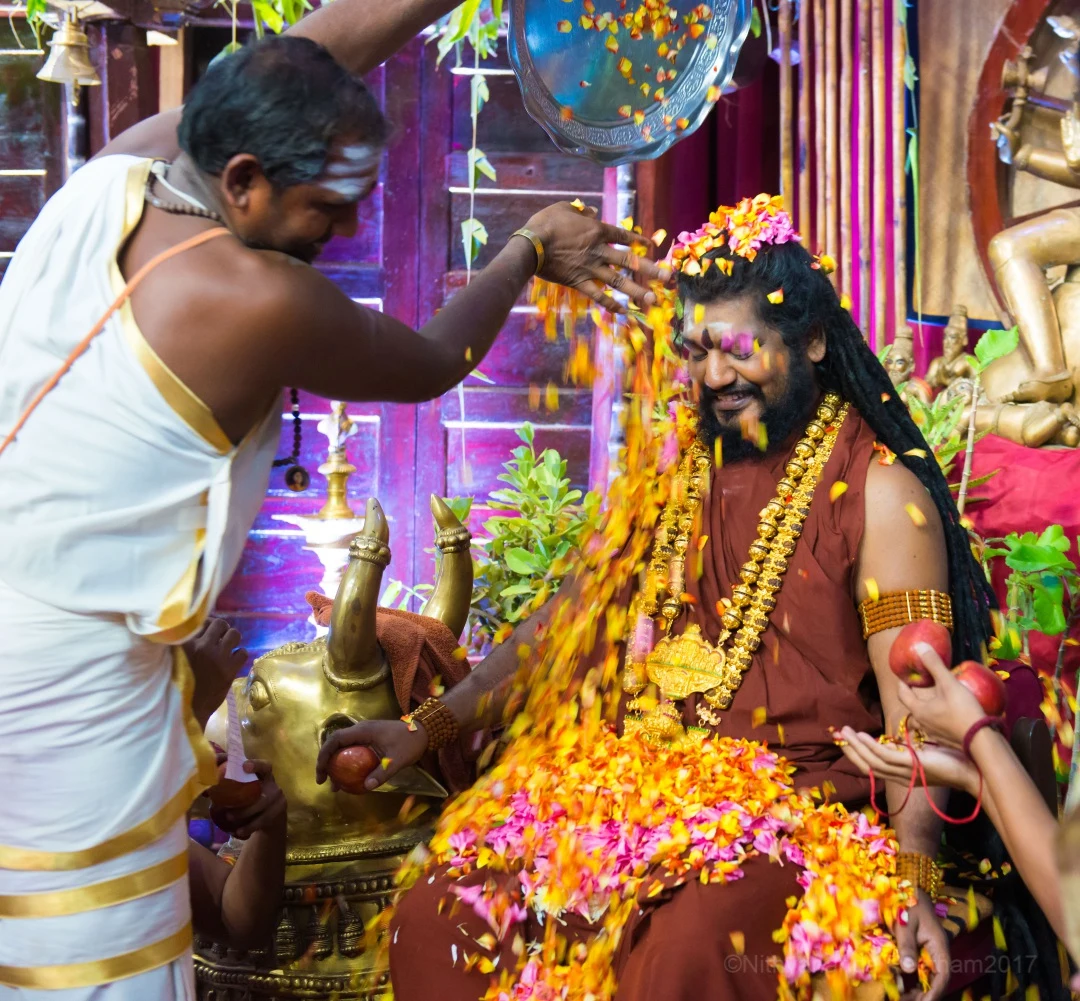
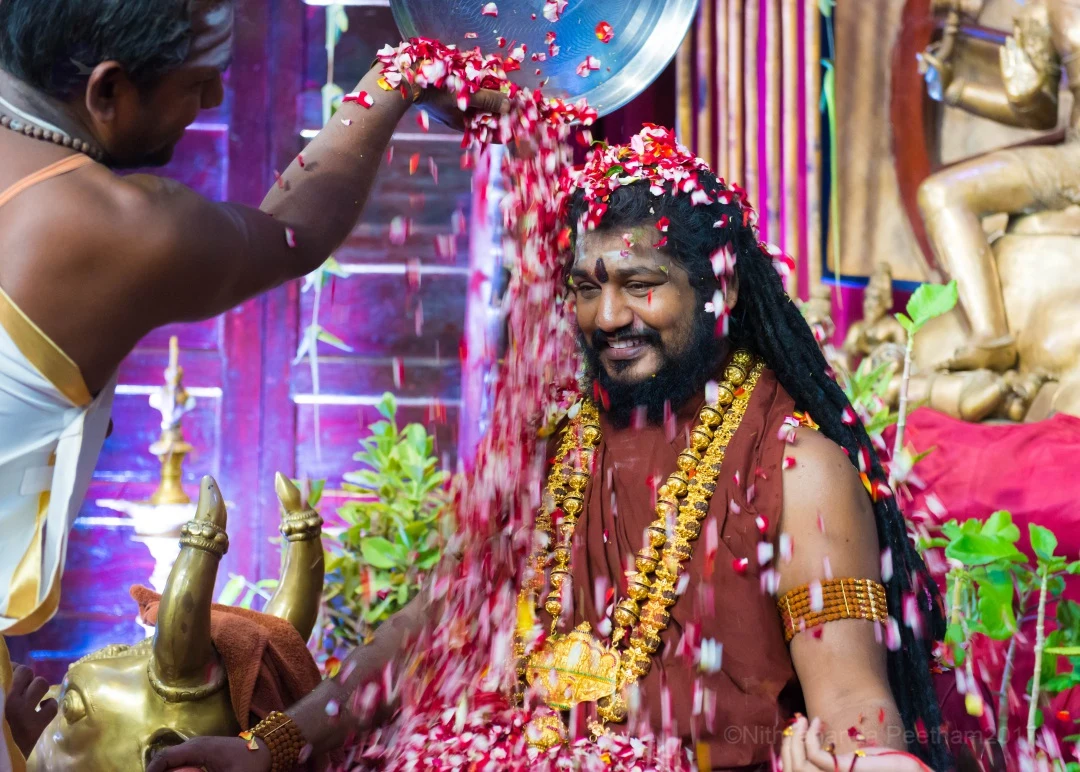
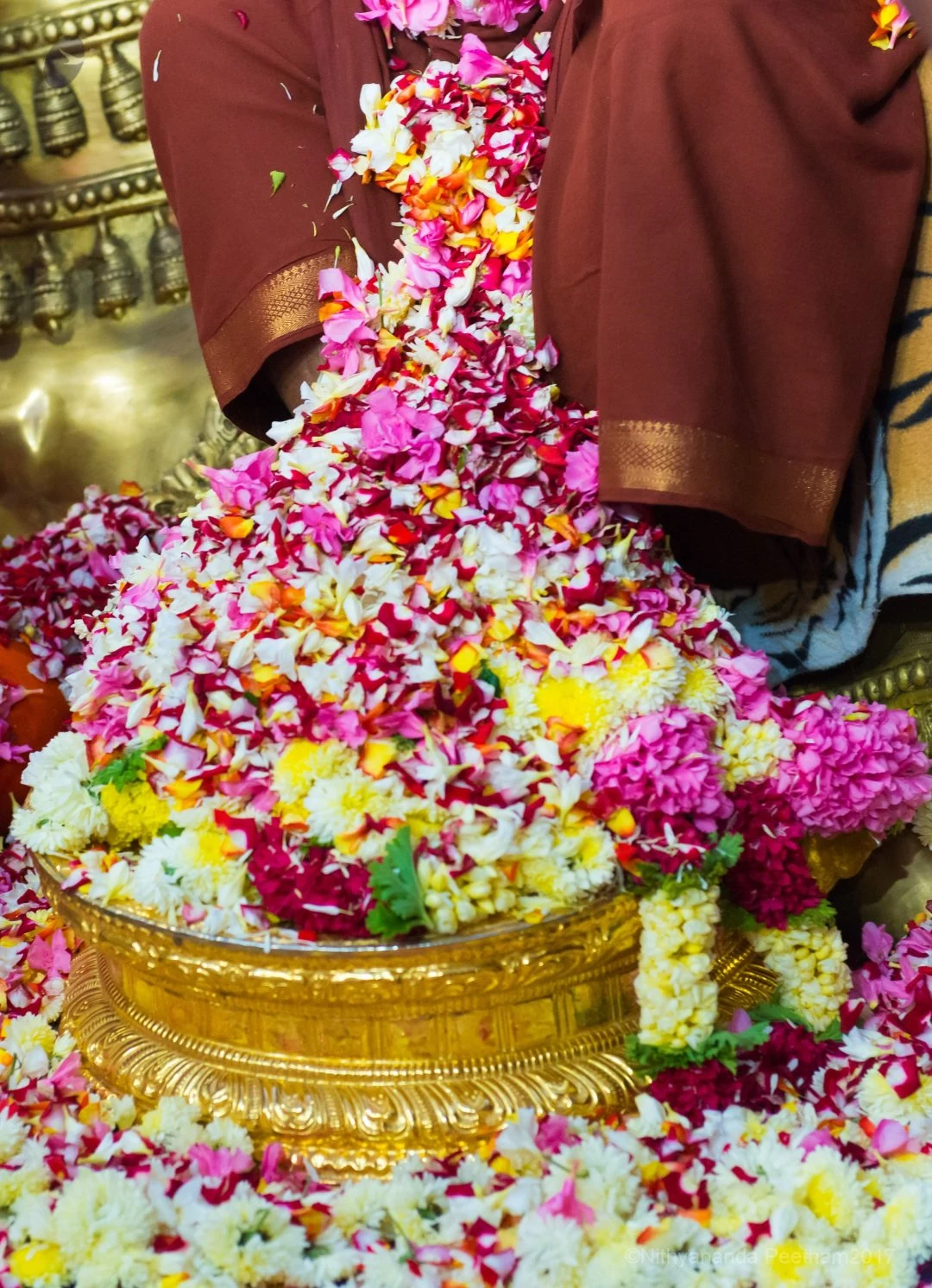
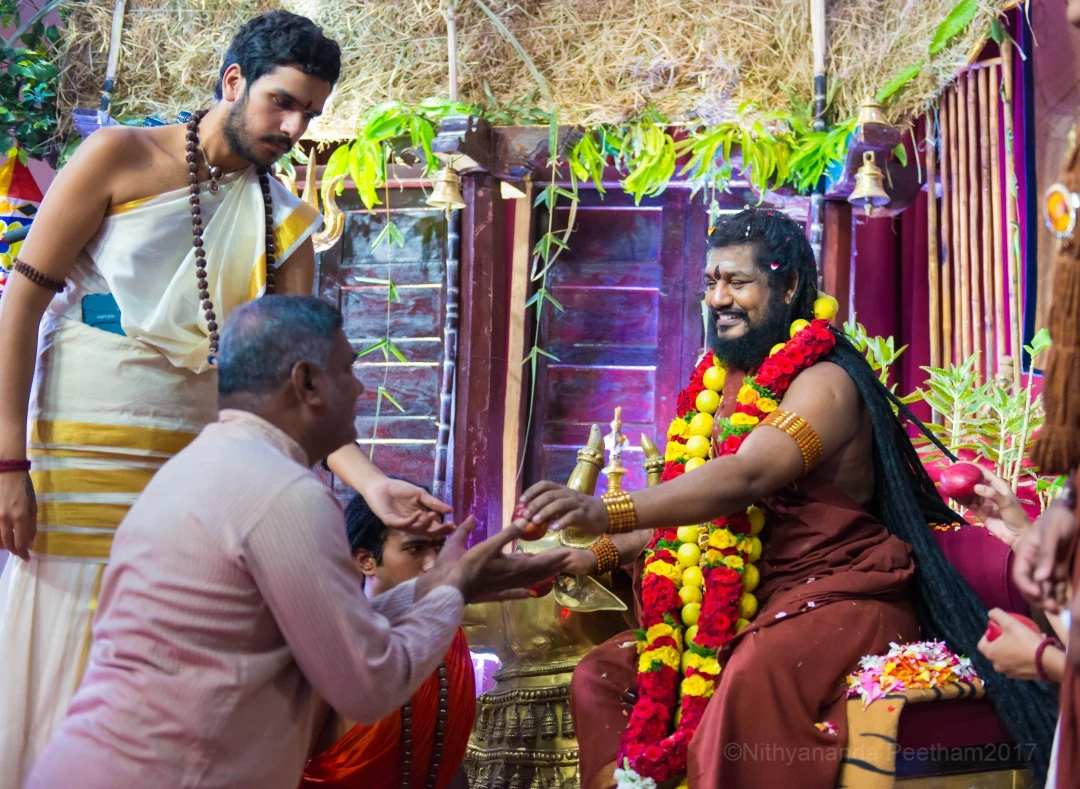
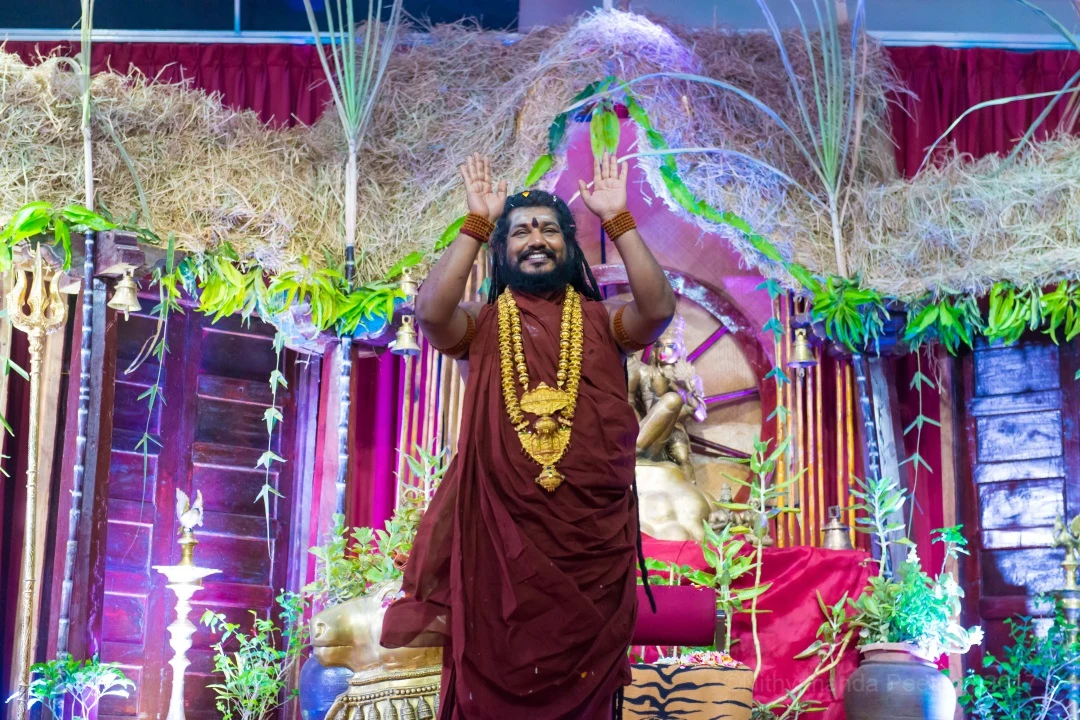
Manifesting Shaktis
'Balasants, initiated by His Holiness Paramahamsa Nithyananda into the Depth Dimension, are now MATERIALIZING MATTER FOR THE FIRST TIME! Due to the Science of Sadashivatva, using Shaktinipata or Entanglement, His Holiness manifests through the Balasants and now He is sending solid MATTER through them. The kids started manifesting “lighter” matter such as kumkum, rice powder, bhasma/sacred ash and turmeric. Then they began manifesting larger items such as rudraksha beads, mala dollars and gemstones! His Holiness continues to prove that Hinduism is REAL and that the possibilities for human beings are nothing less than extraordinary!












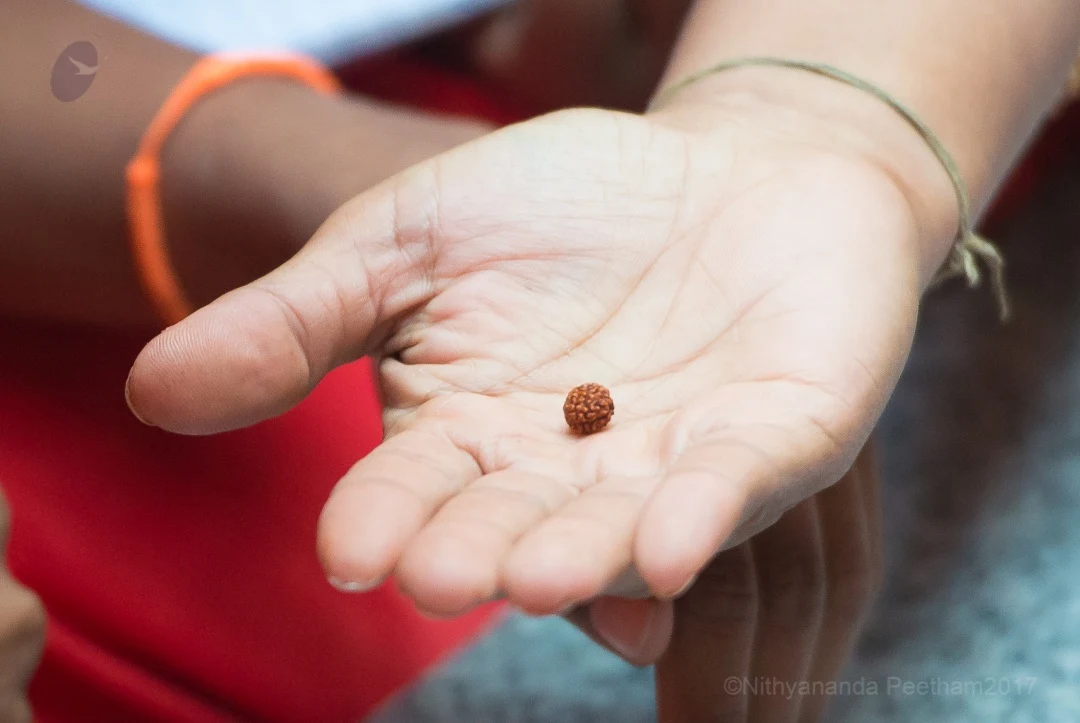
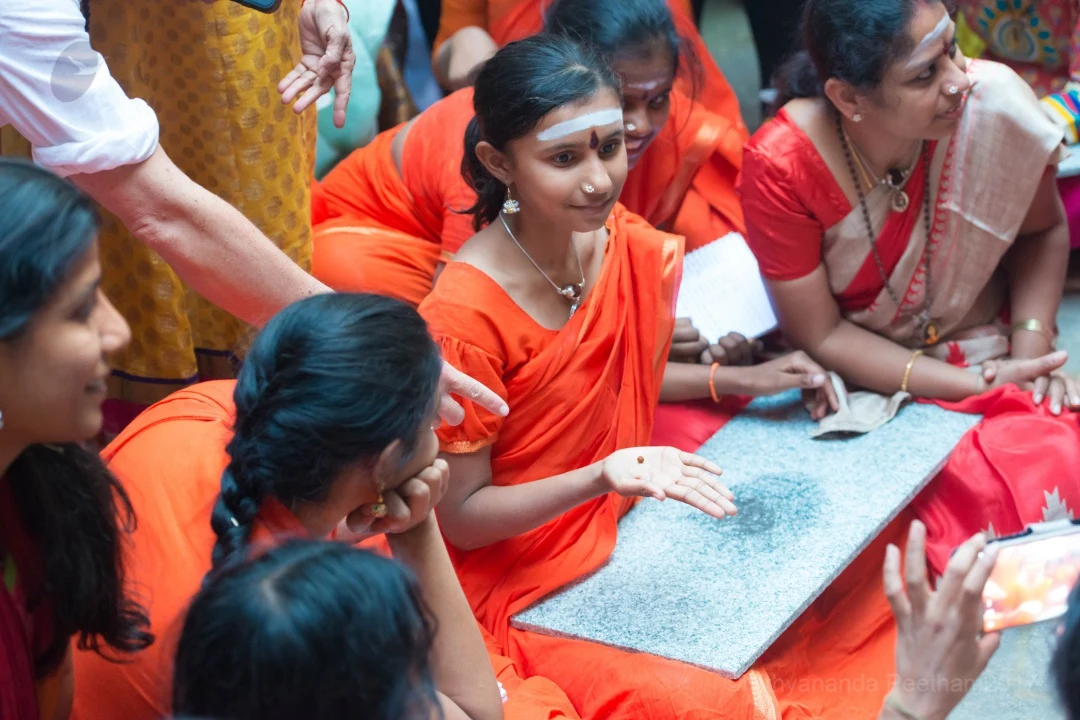
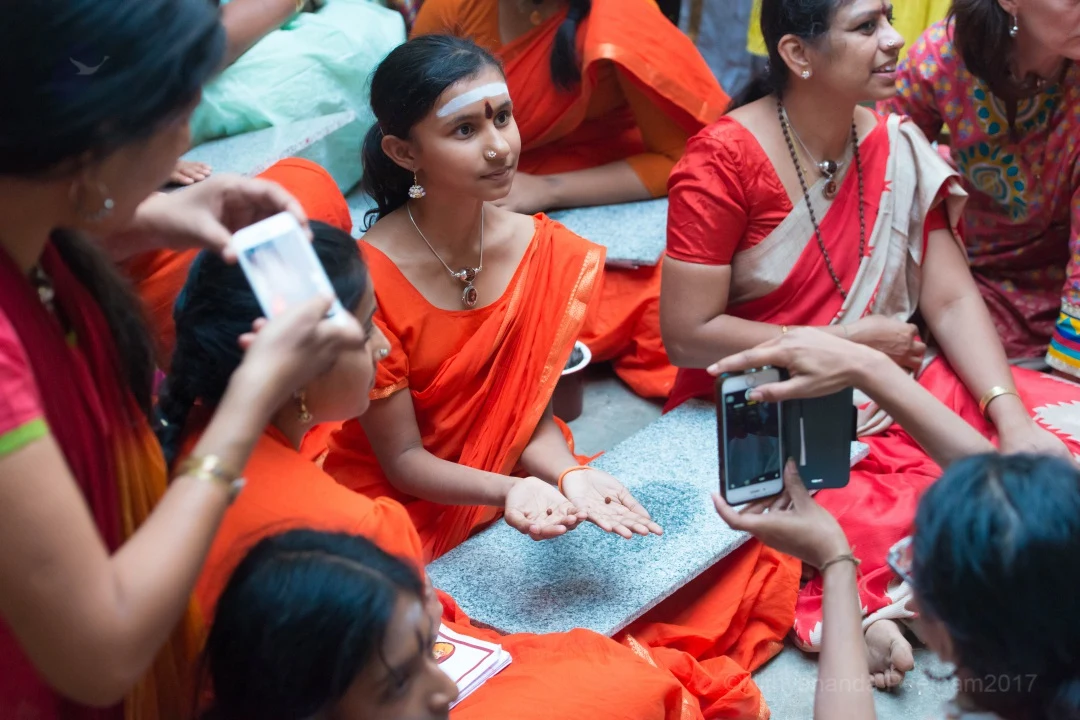








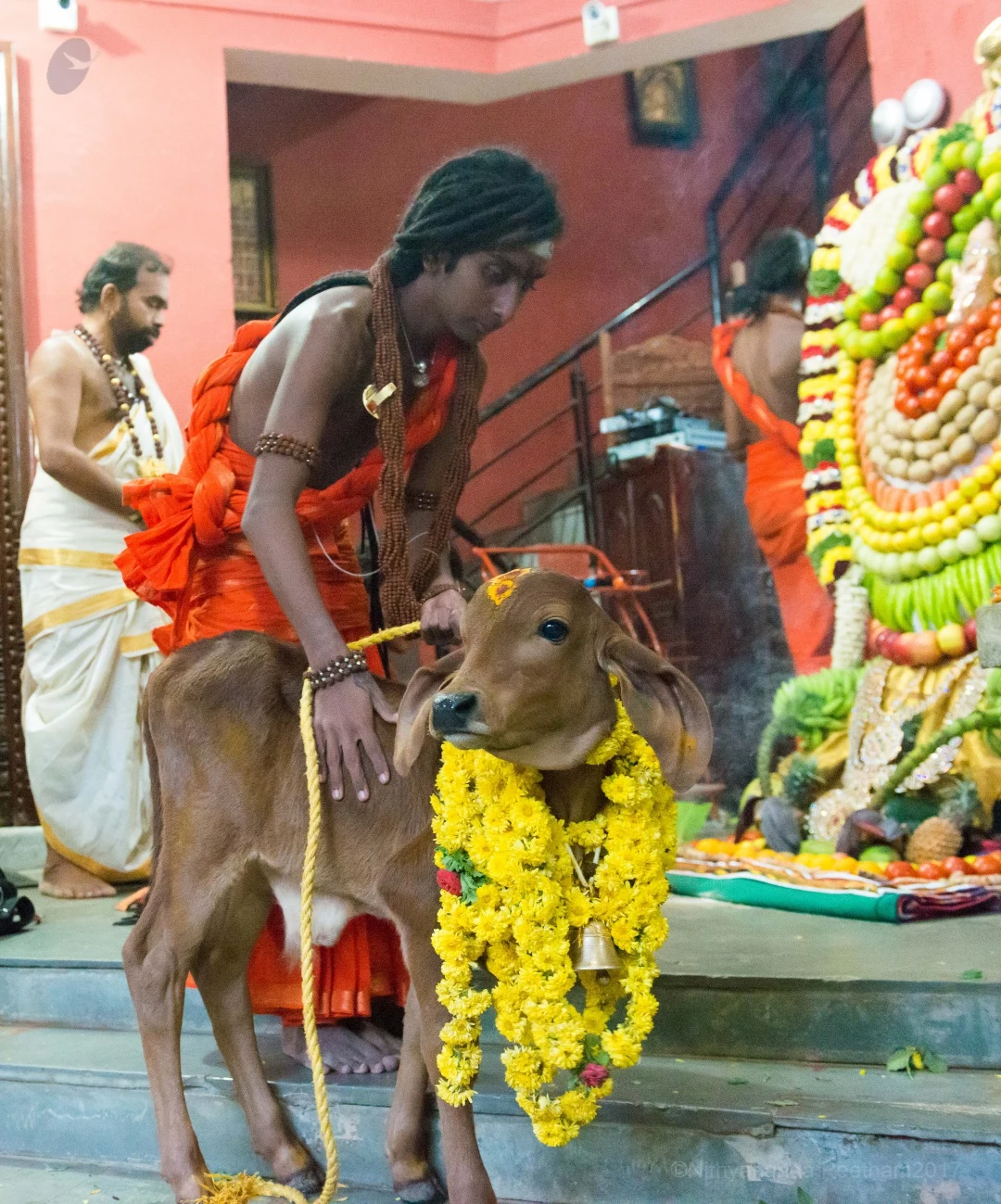
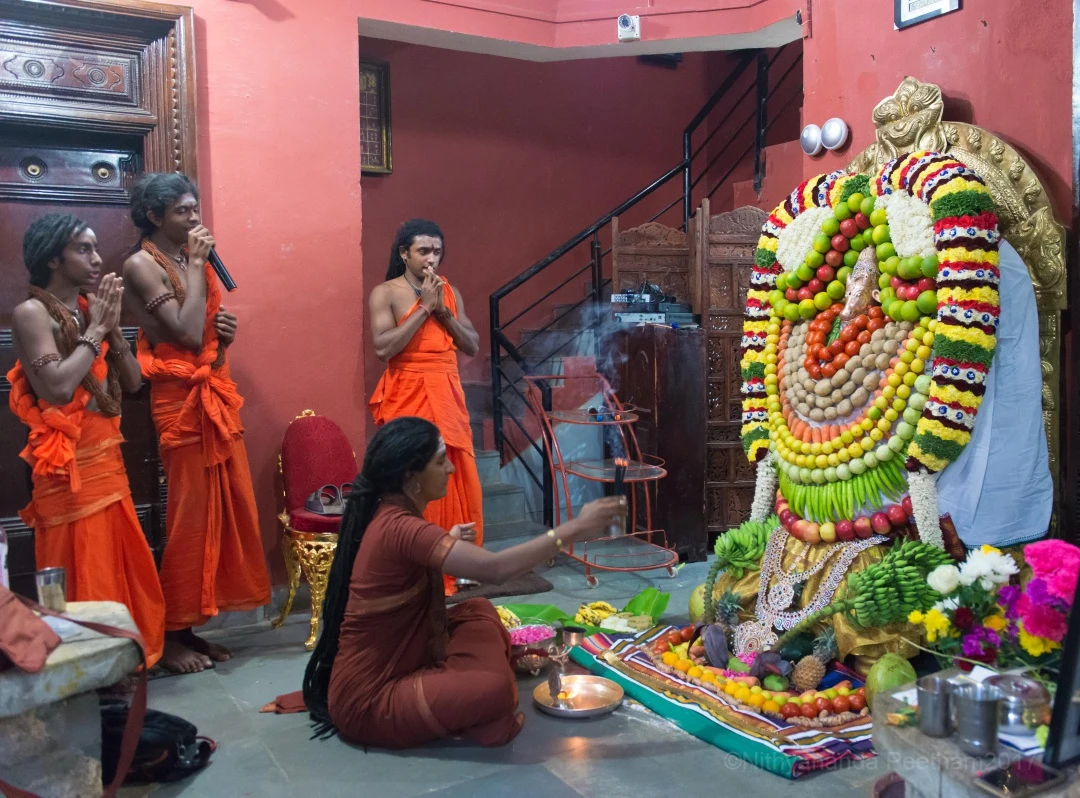
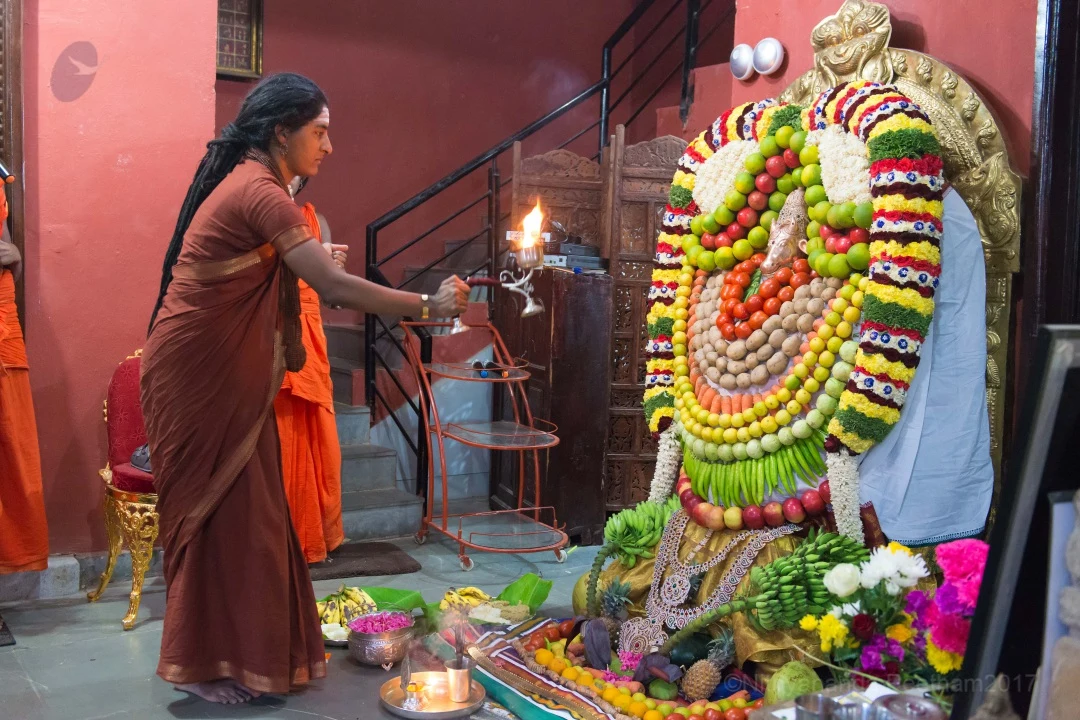
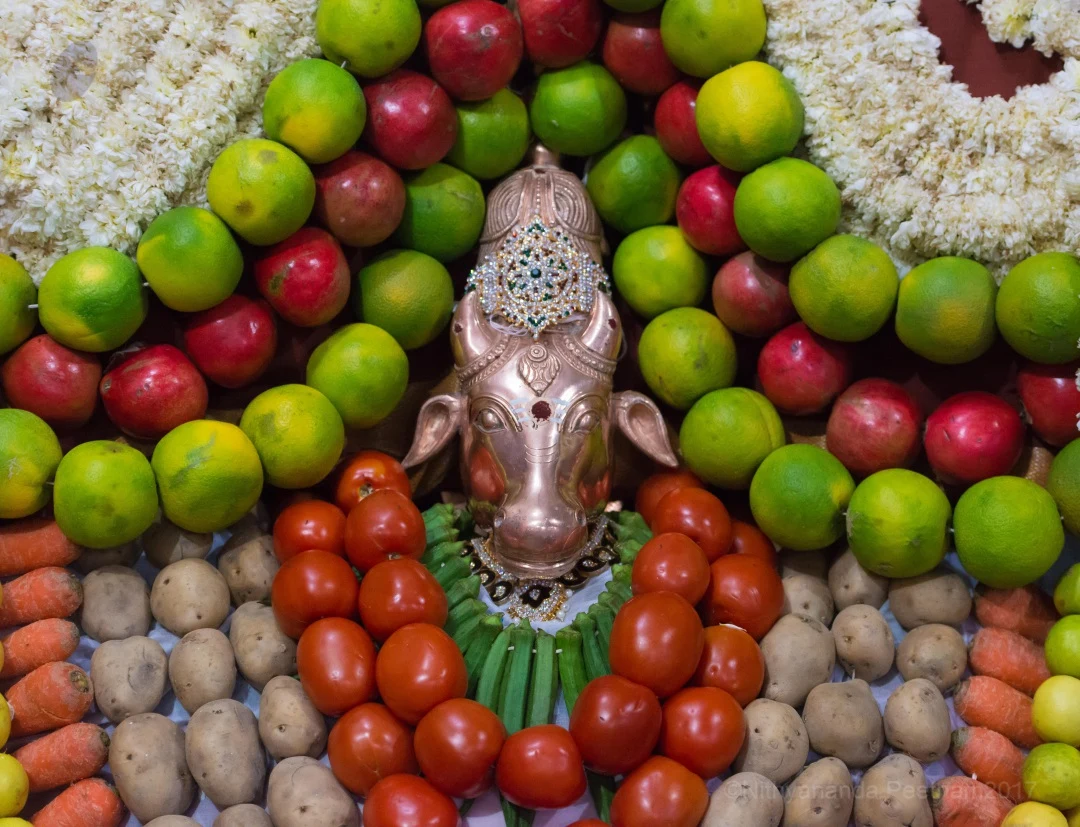
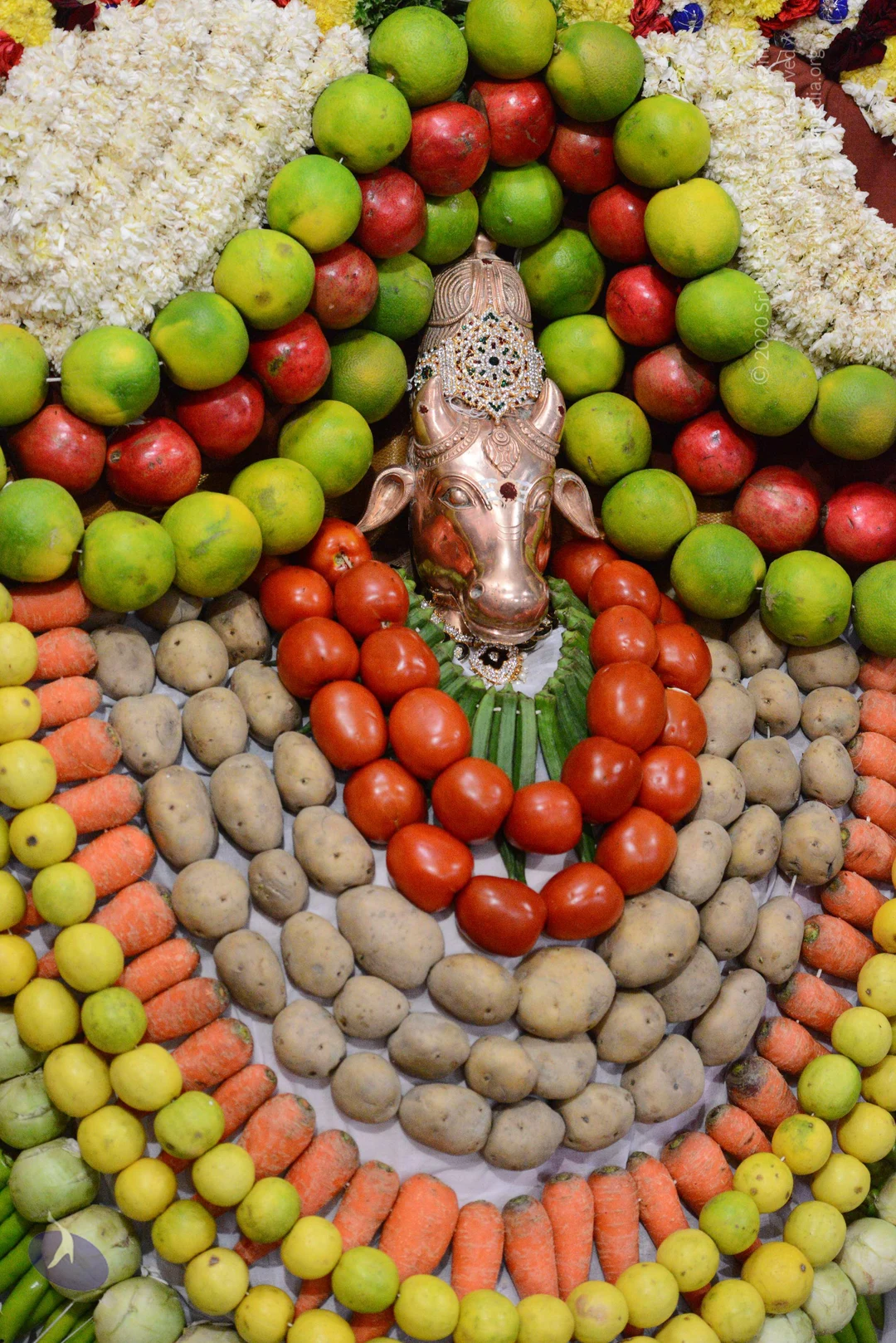
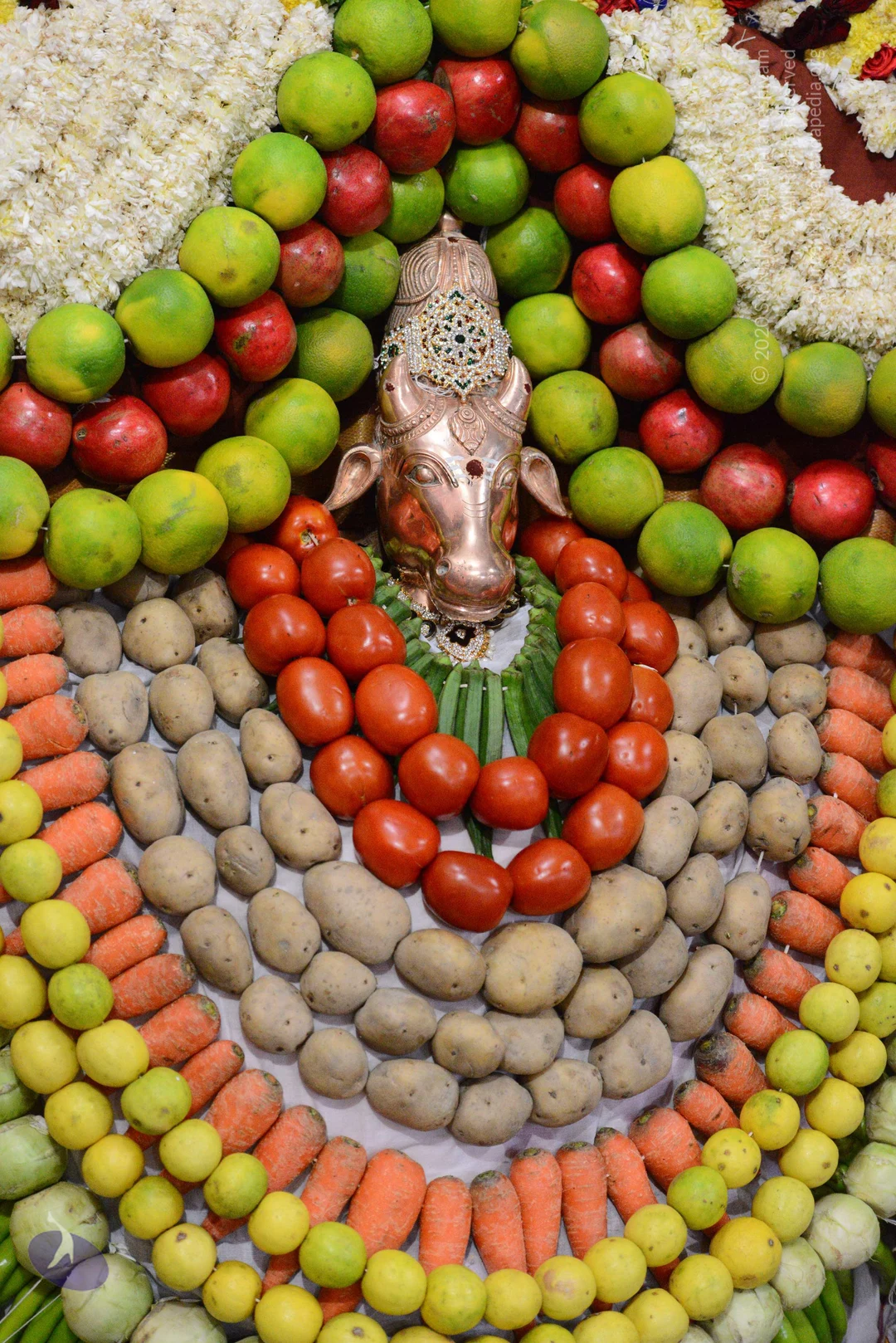
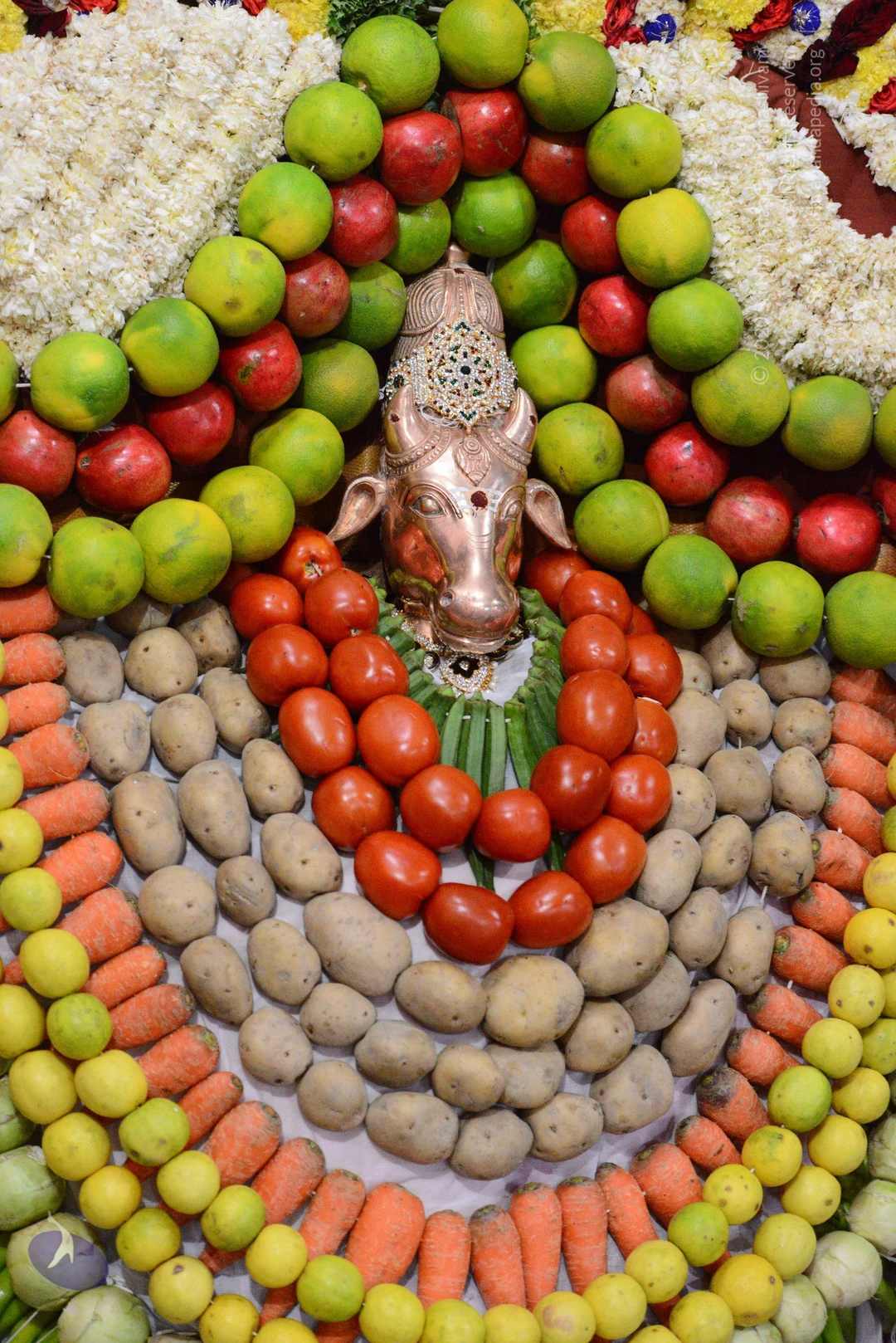
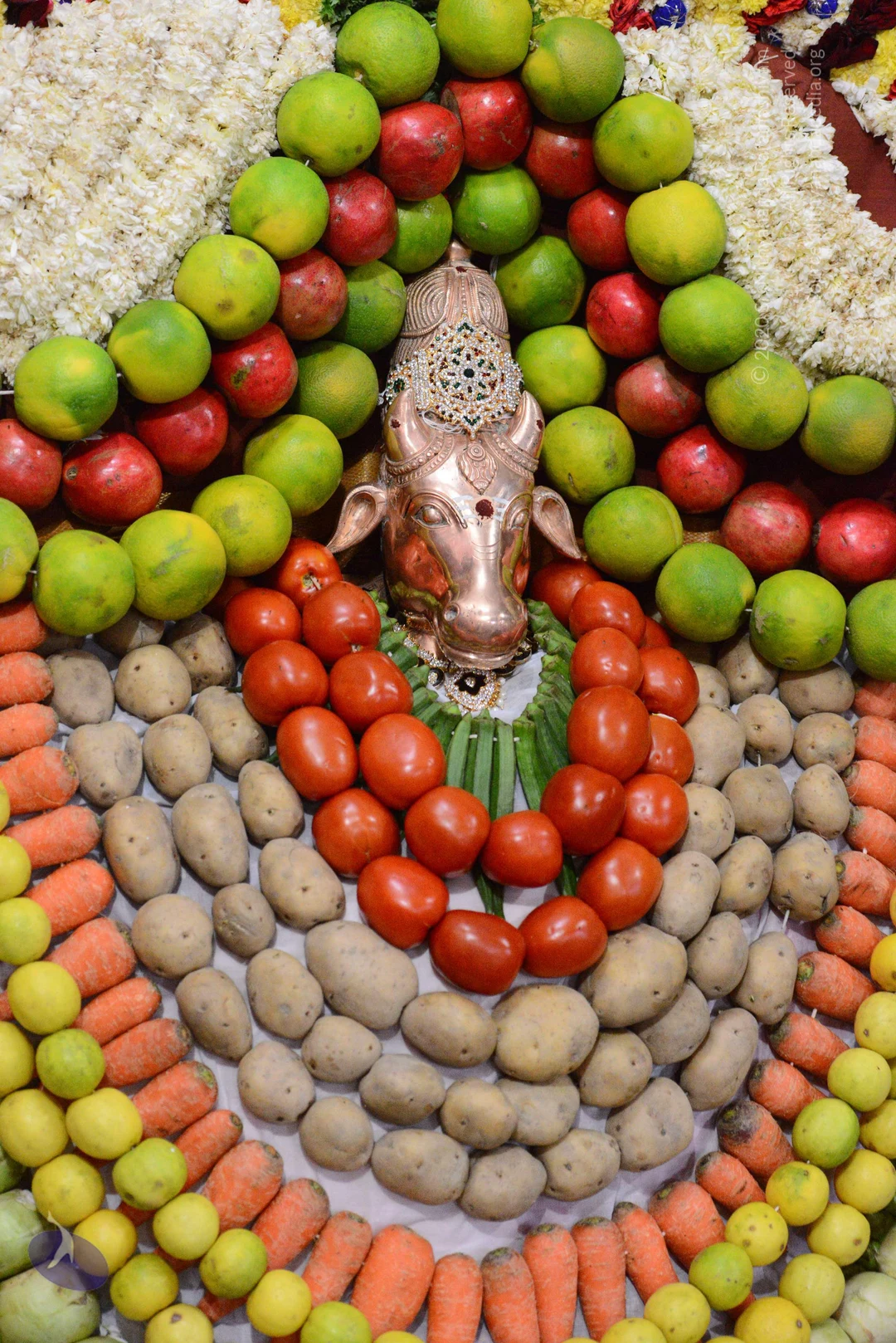
Adhikaara Nandi Puja
Sakshi Pramana - How I Made It To Sadashivoham - Ma Ananda Sarvasmarana
| Video | Audio |
Sakshi Pramana - I Was Afraid To Be Visible - Ma Ananda Sarvasmarana
| Video | Audio |
Sakshi Pramana - My First Akashic Reading - Dr Saraswathi Atlanta USA
| Video | Audio |
Sakshi Pramana - I Served Lord Venkateshwara In My Previous Life Akashik Readings - Adam California
| Video | Audio |
Sakshi Pramana - Initiation Into The Powers Of Materialization and Teleportation
| Video | Audio |
Nithyananda Times
| Video | Audio |
Enriching Material
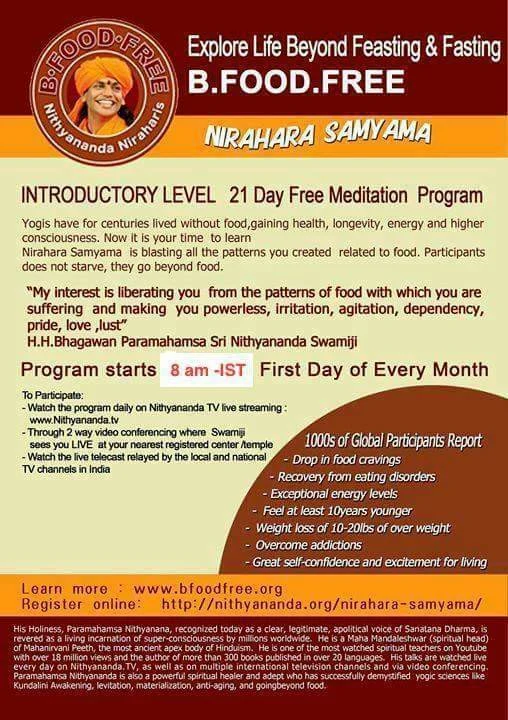
Flyer - Nirahara Samyama
Link to Facebook Post
<https://www.facebook.com/ParamahamsaNithyananda/posts/1258704764217371>
Photos Of The Day:
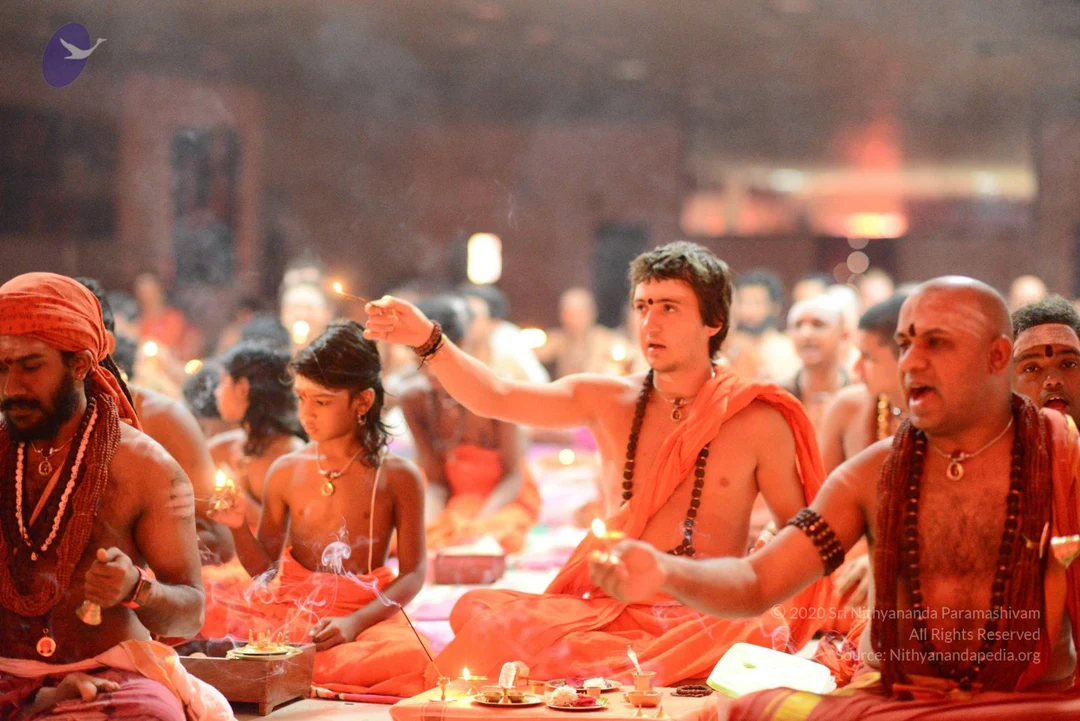
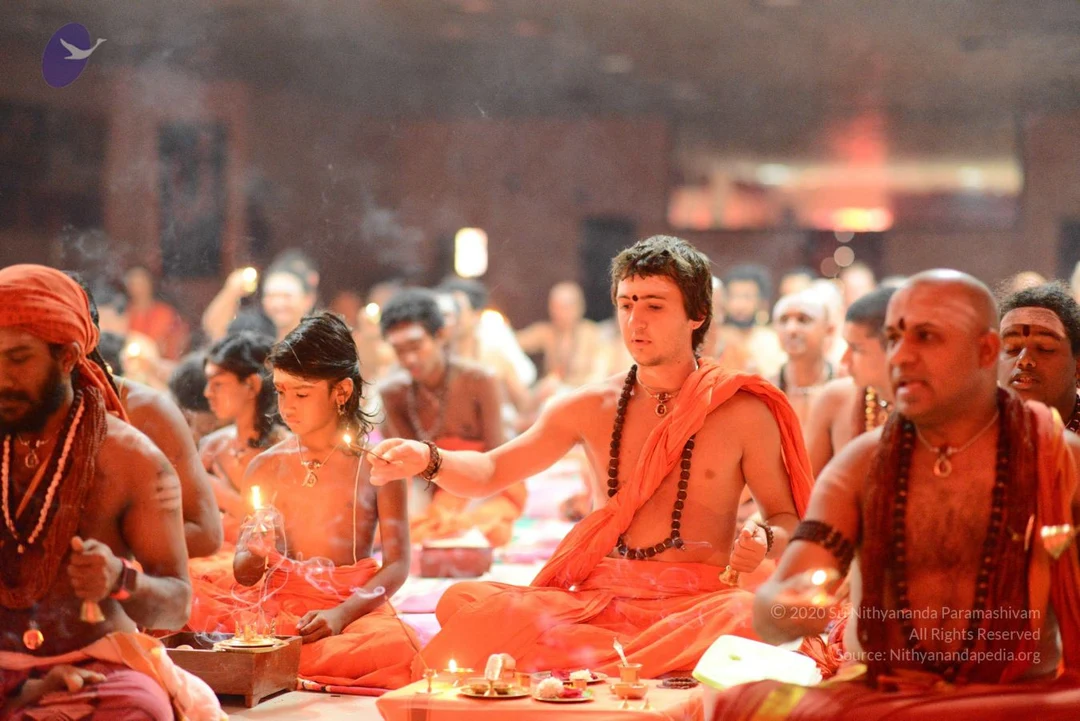
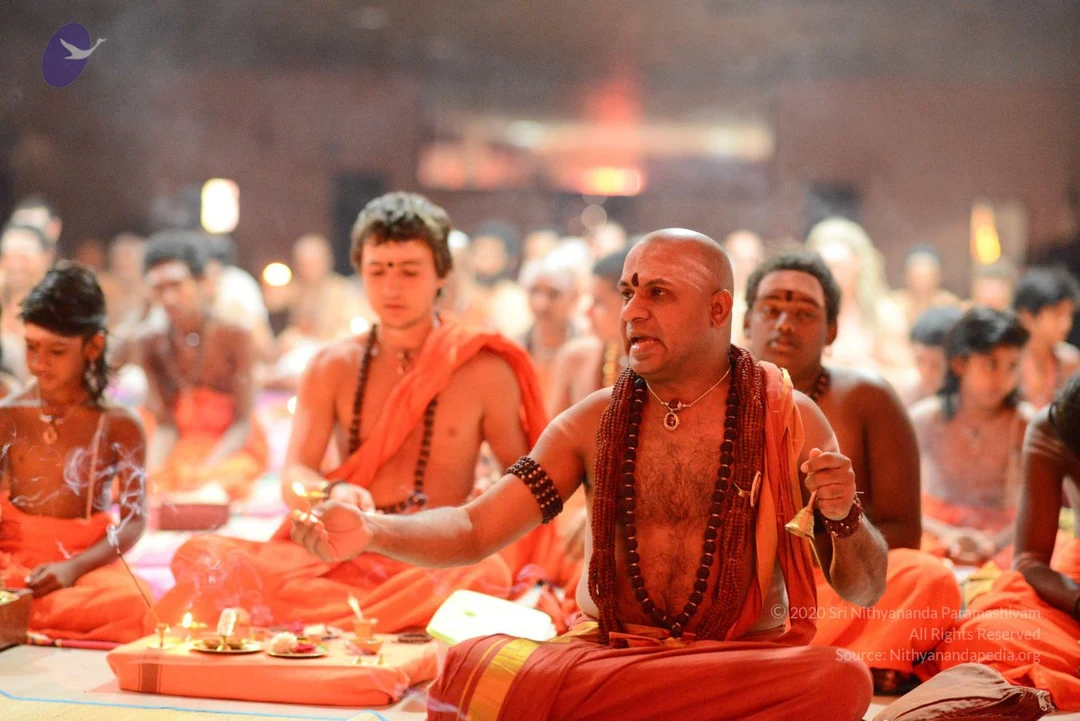
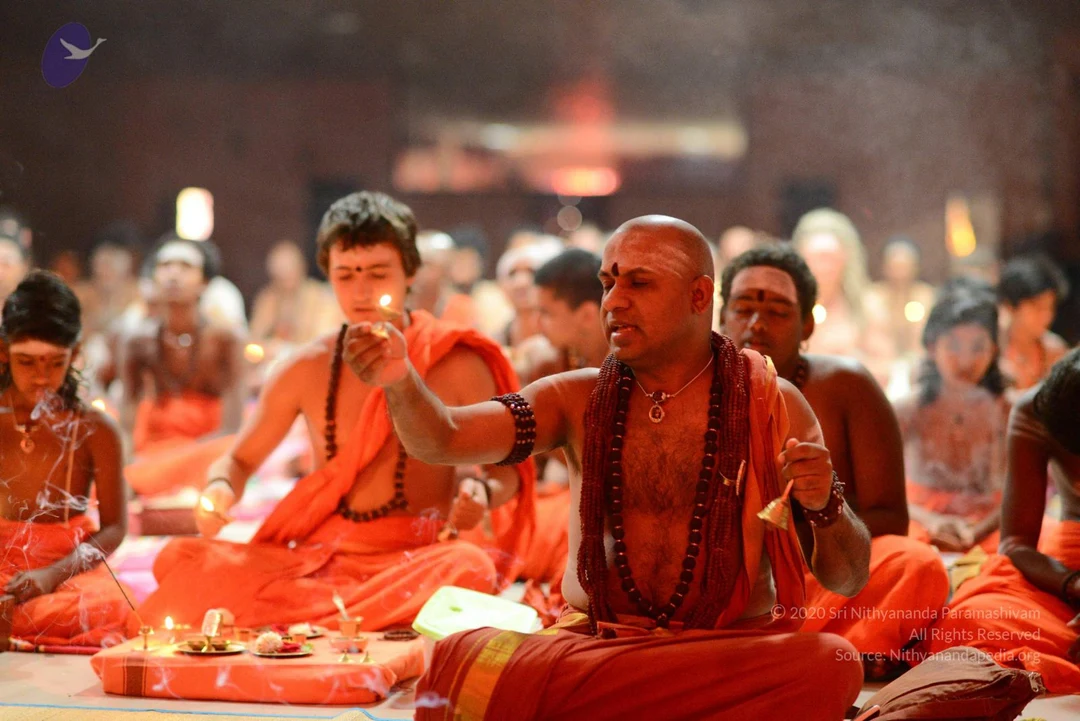
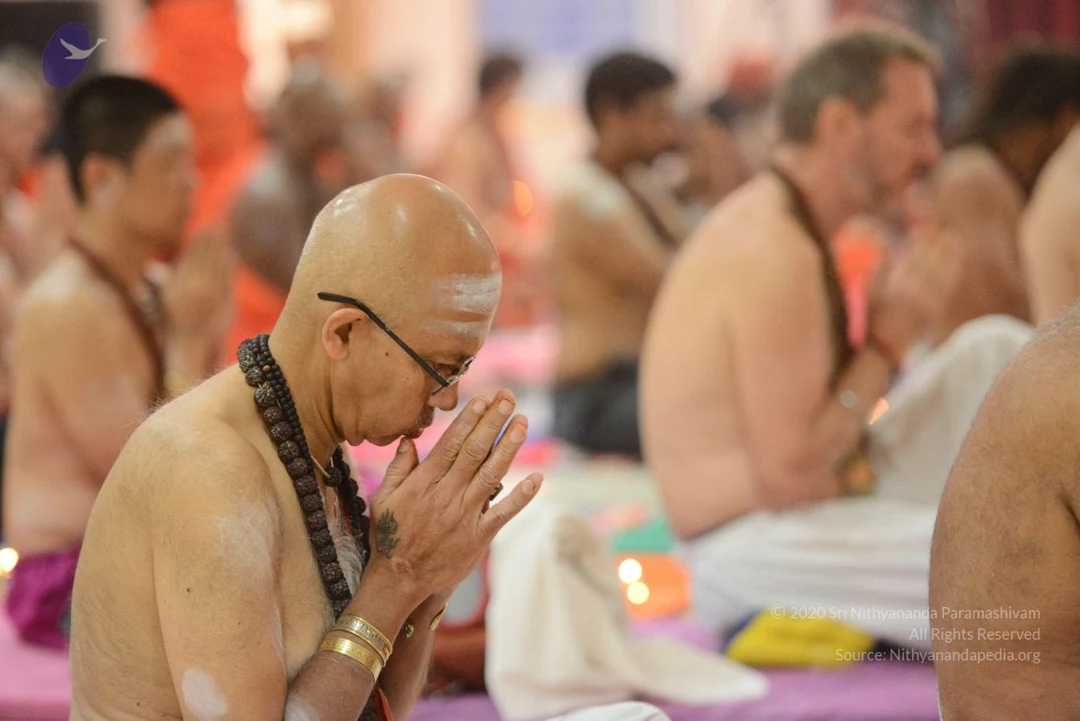
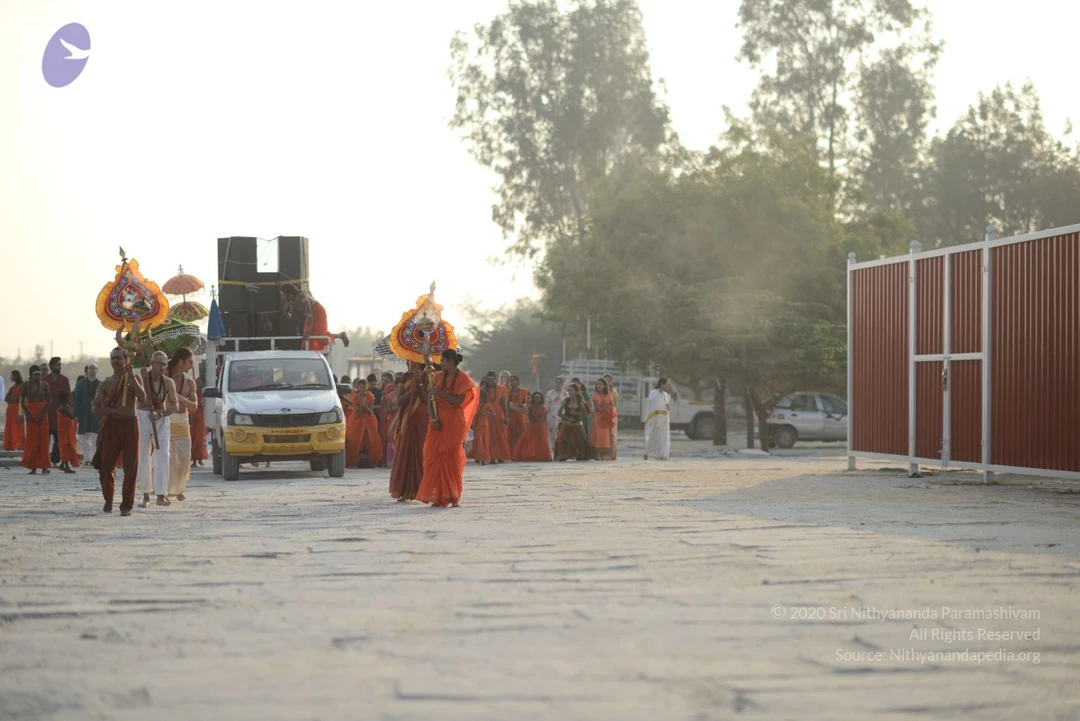
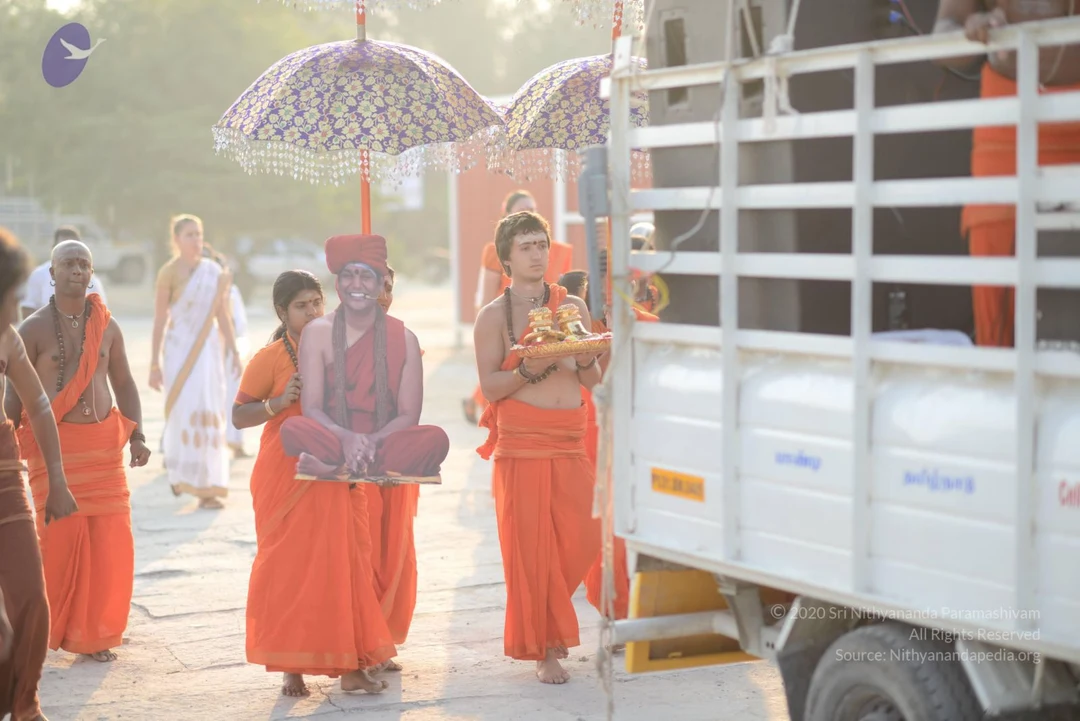
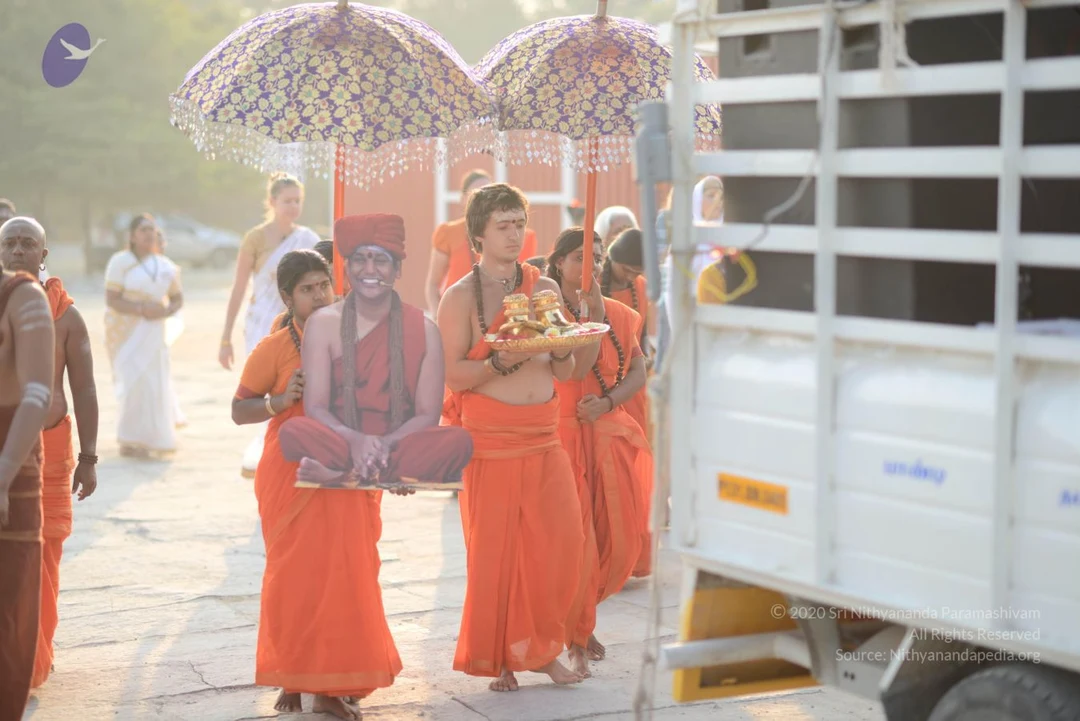
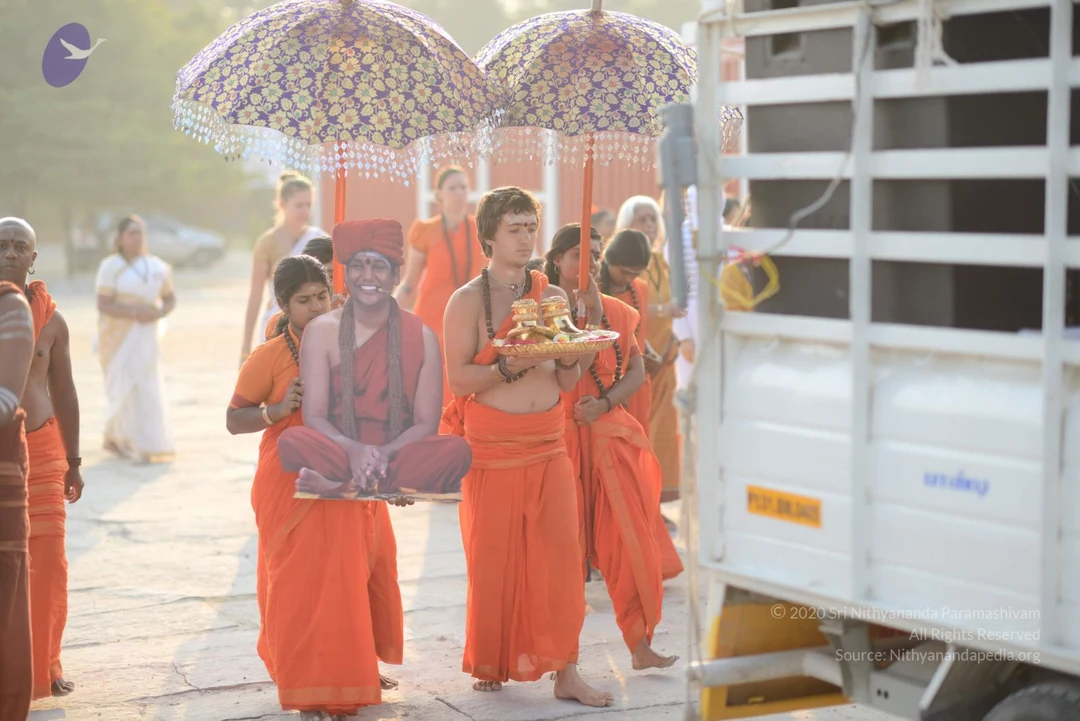
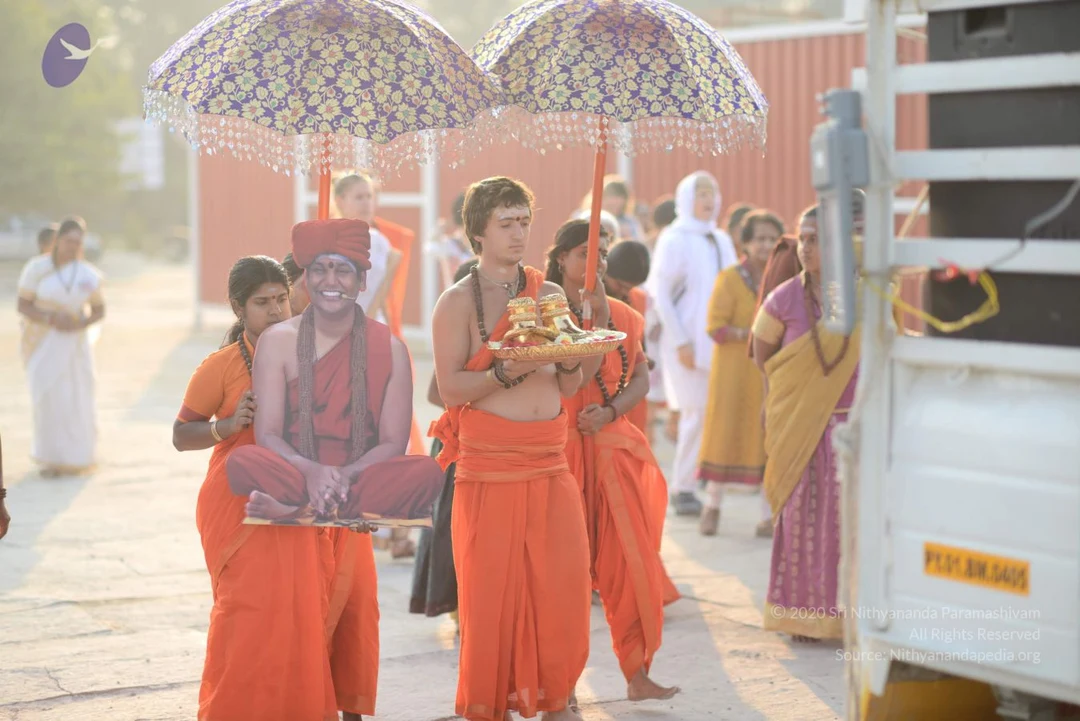
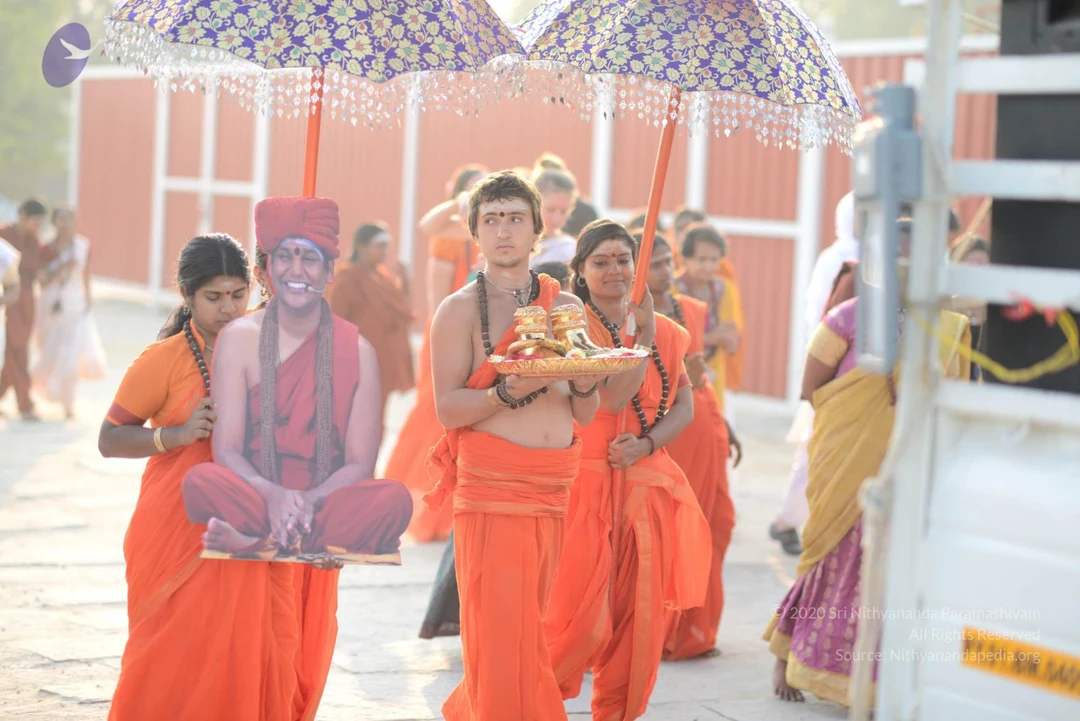
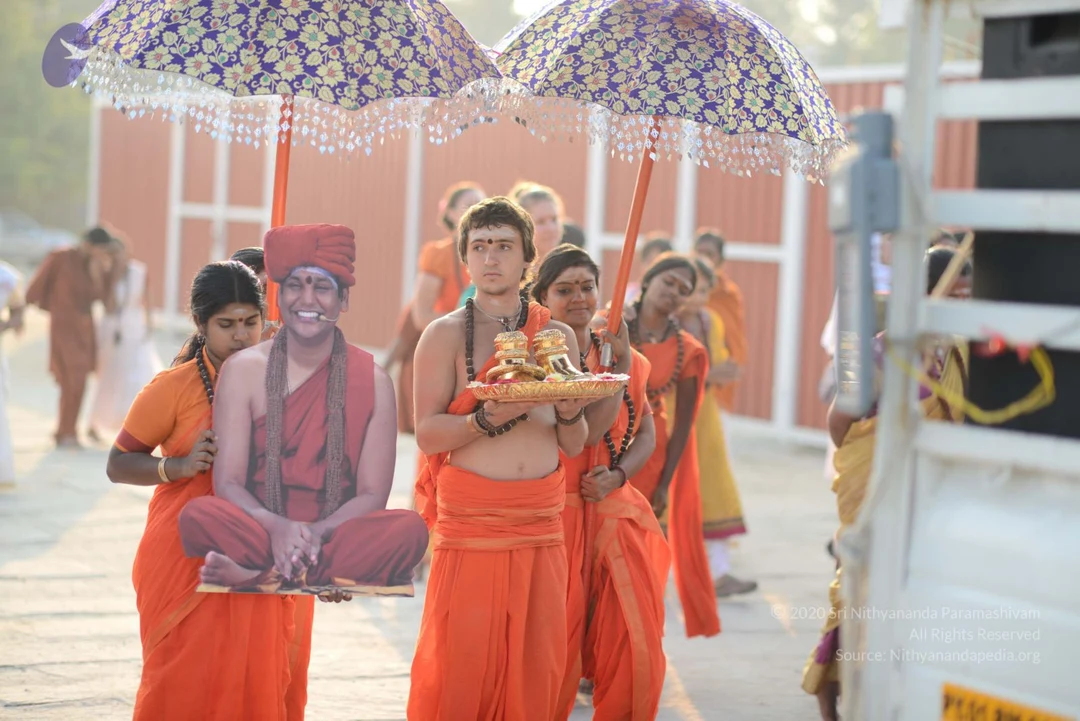
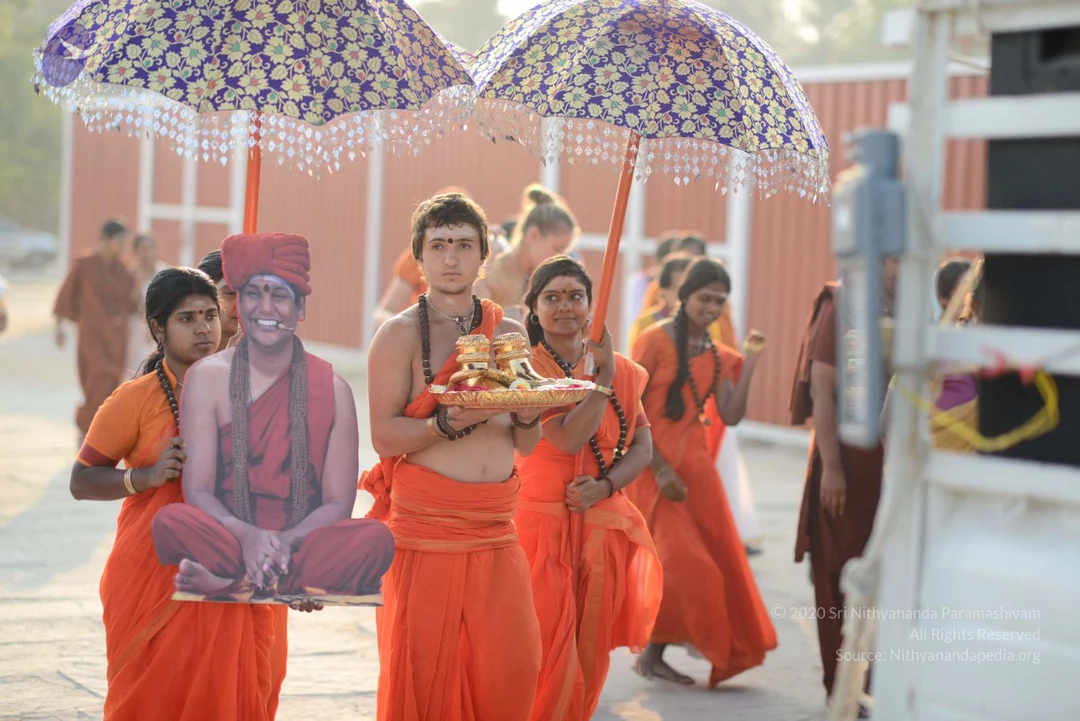
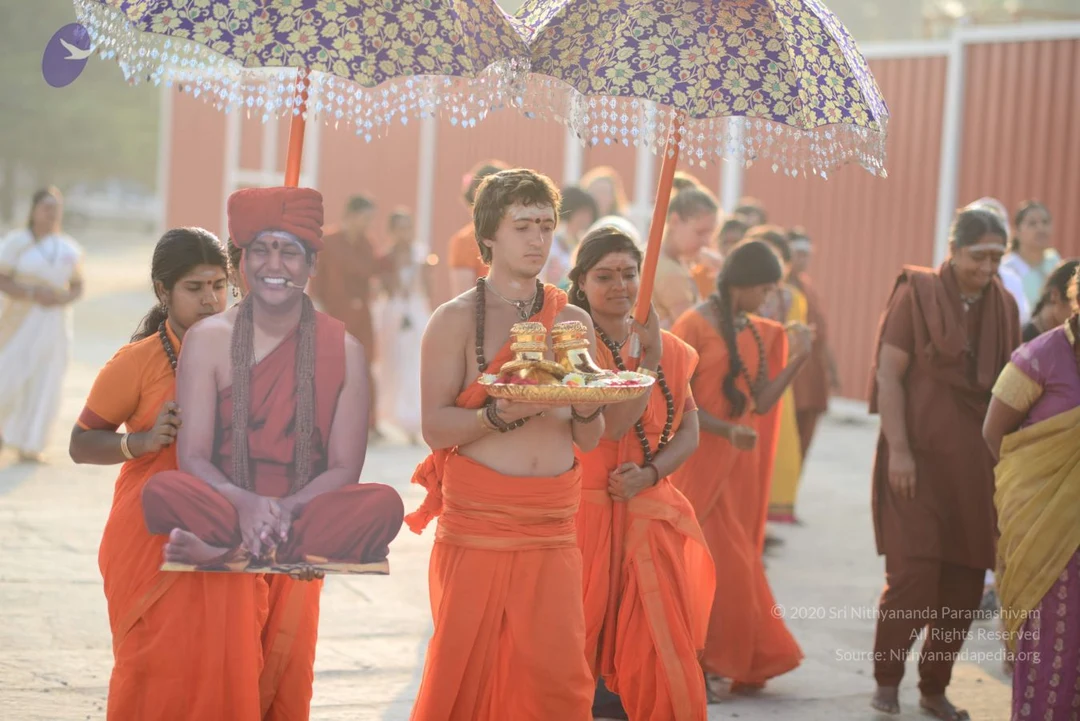
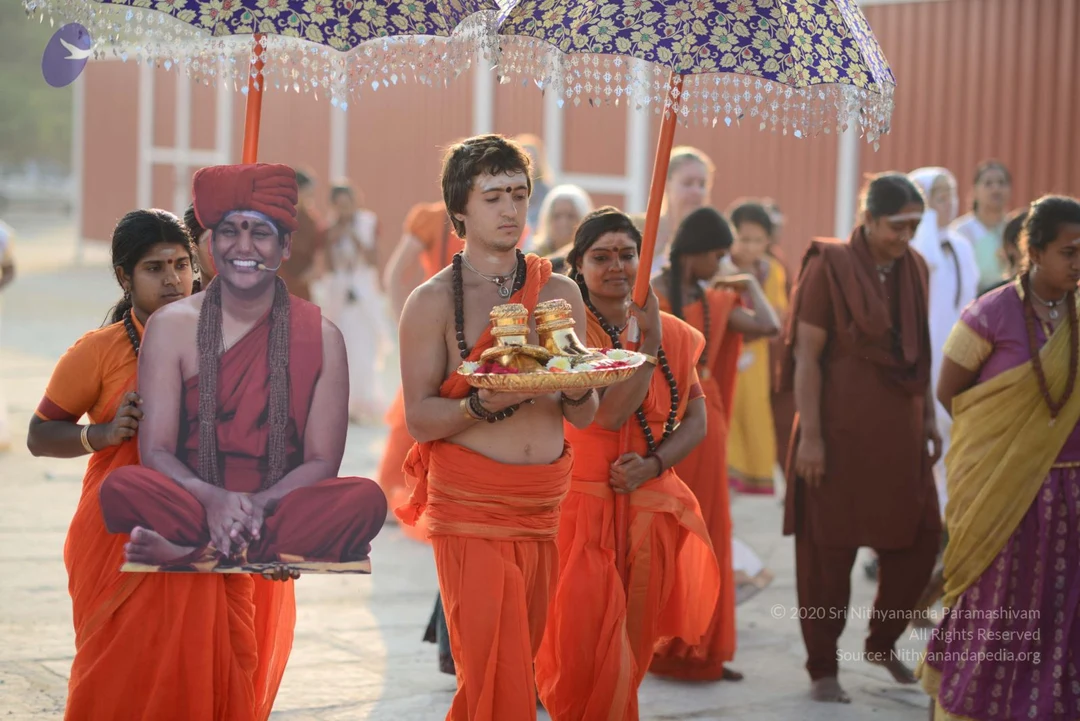
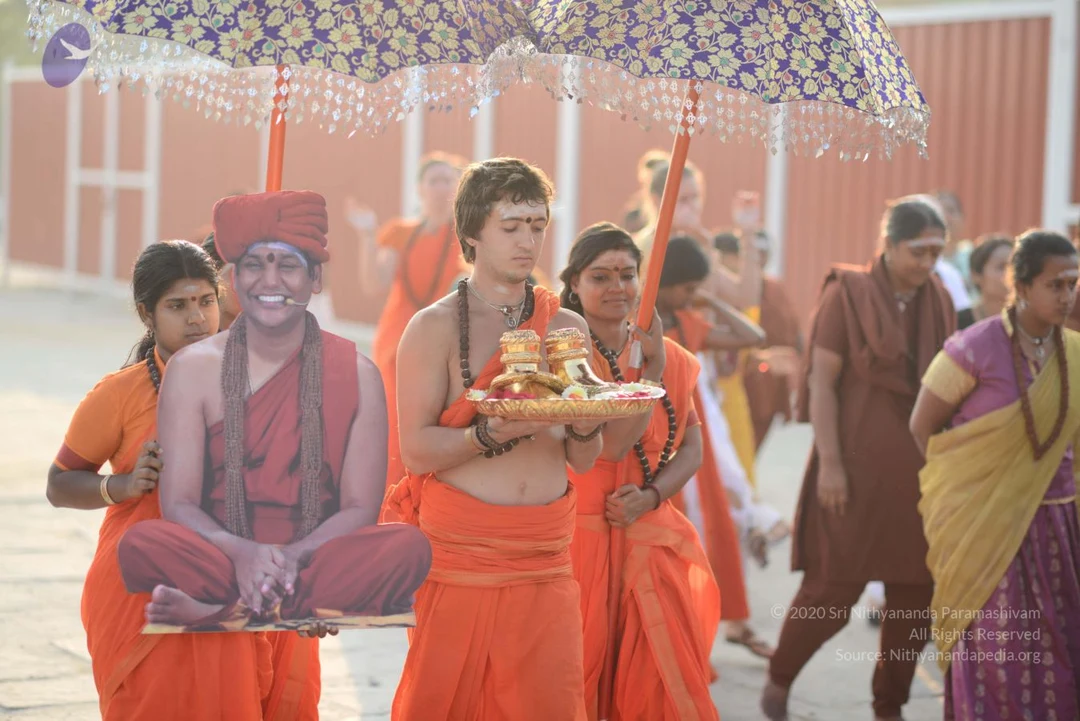
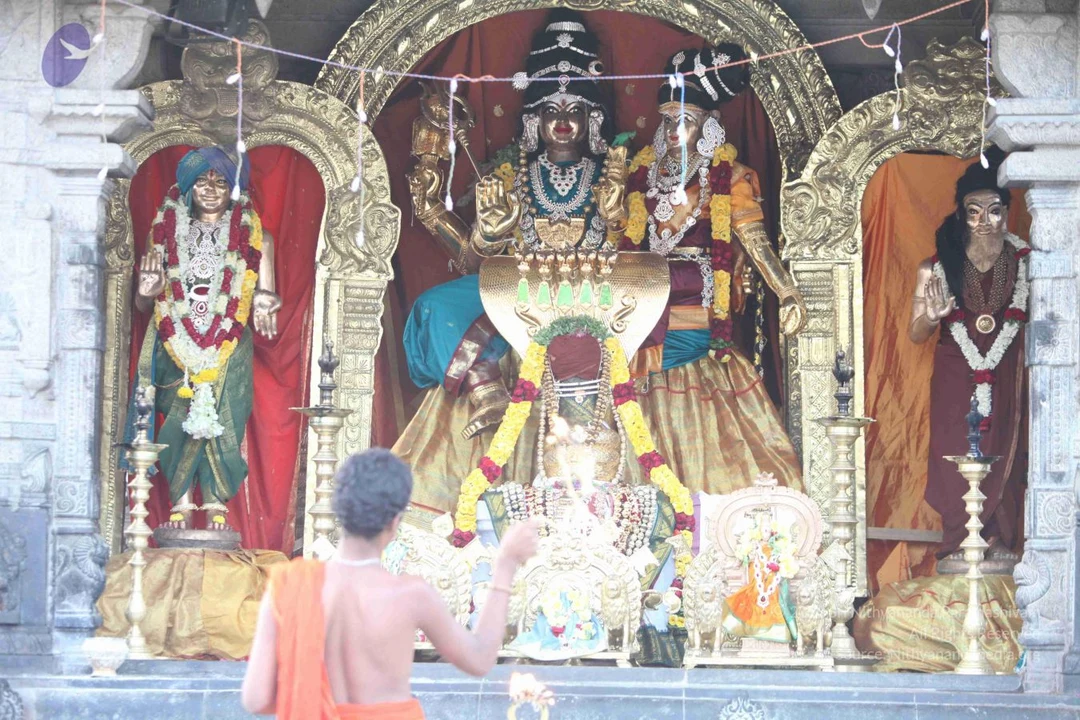
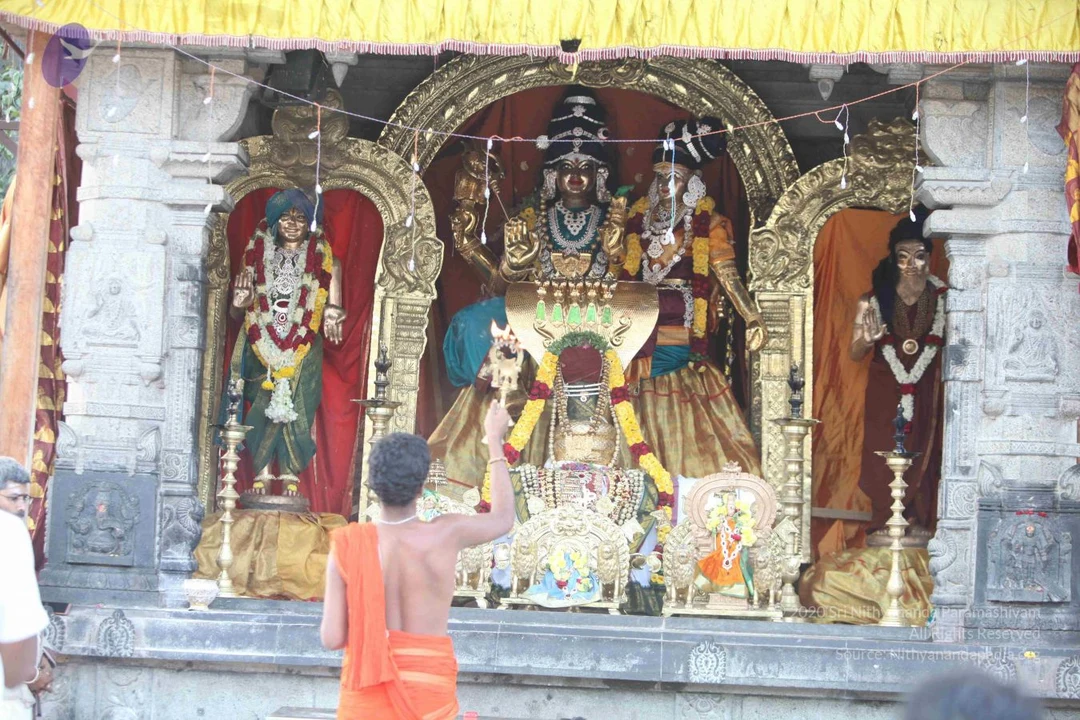
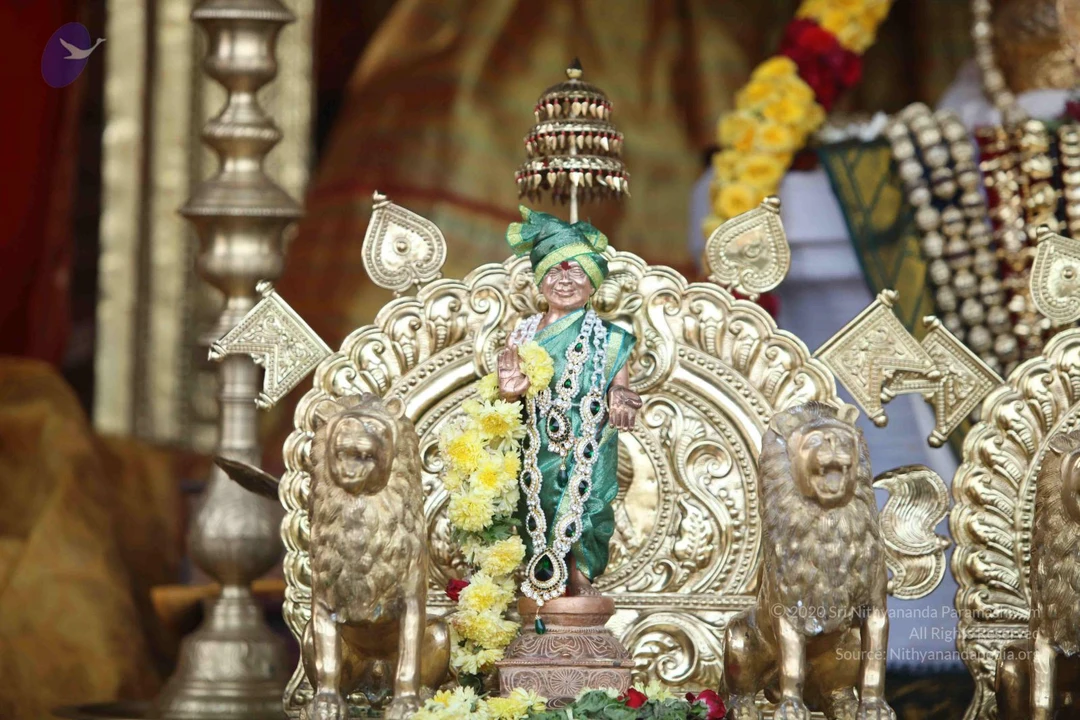
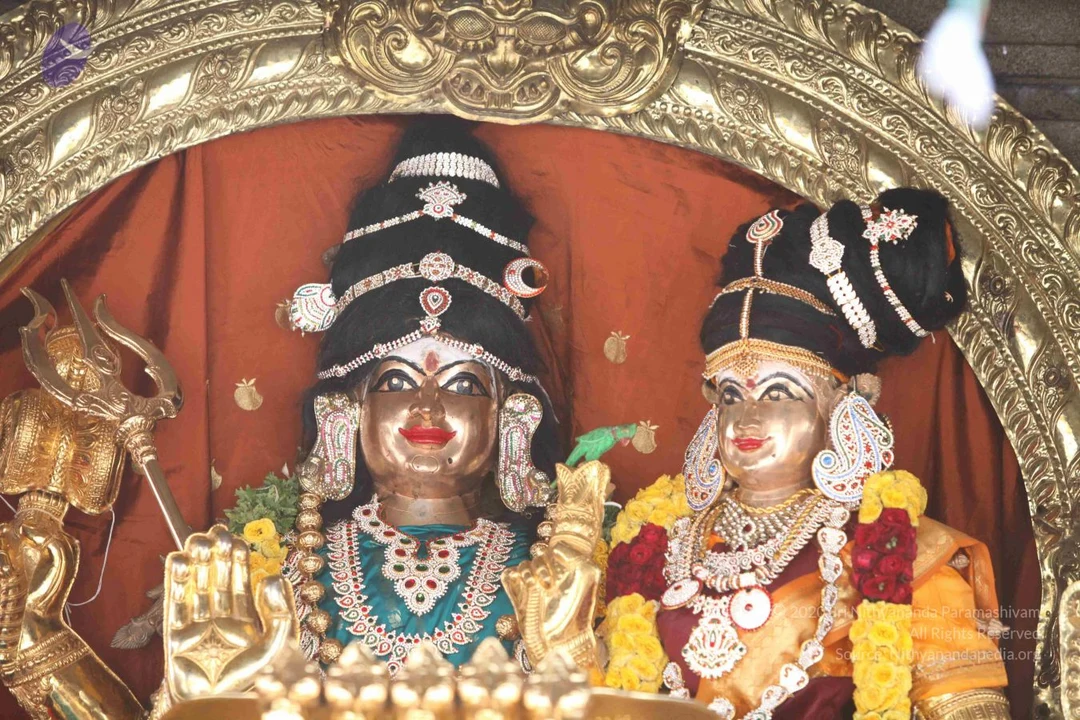
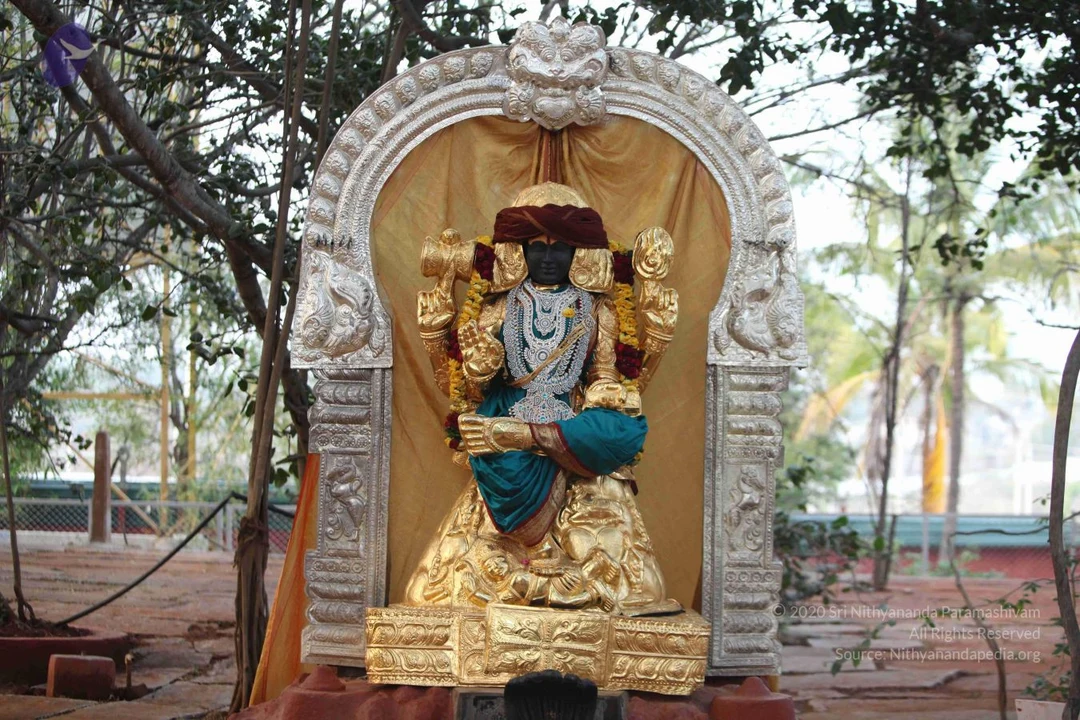
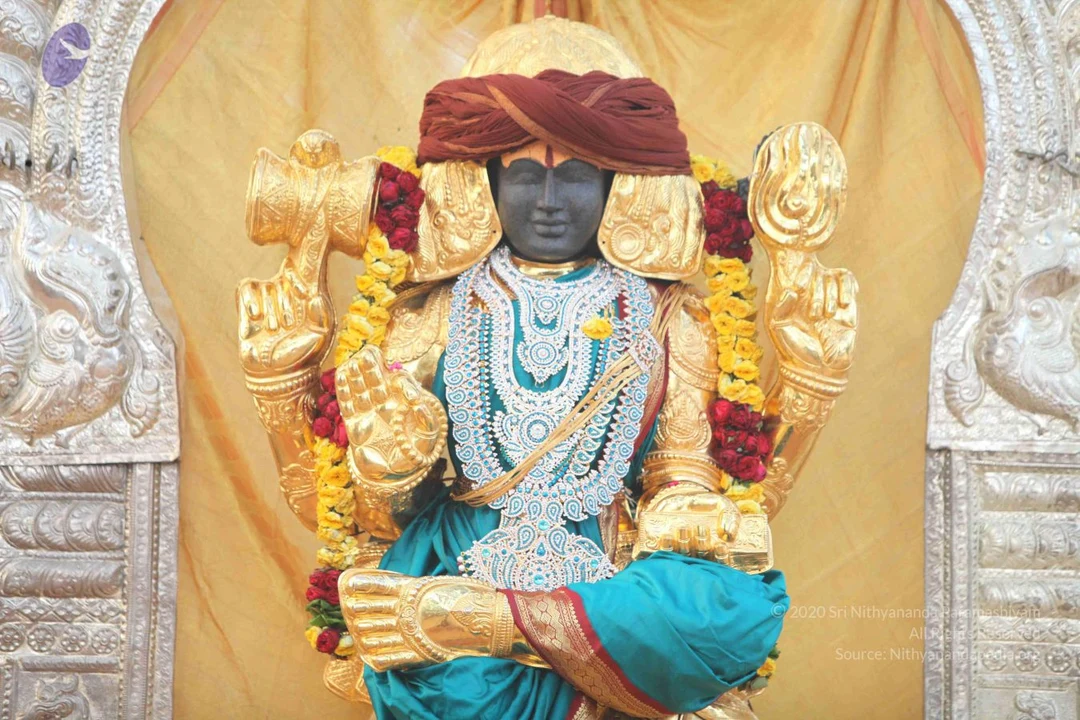
PROCESSION-TO TEMPLE-WITH-NIJA-PADAS
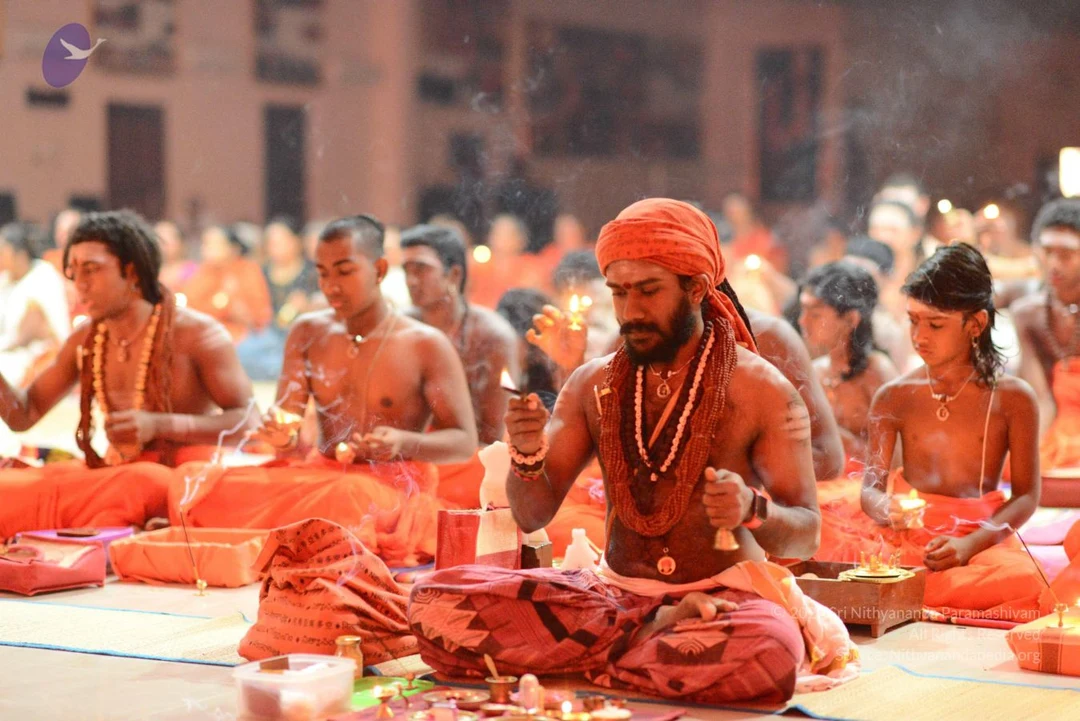
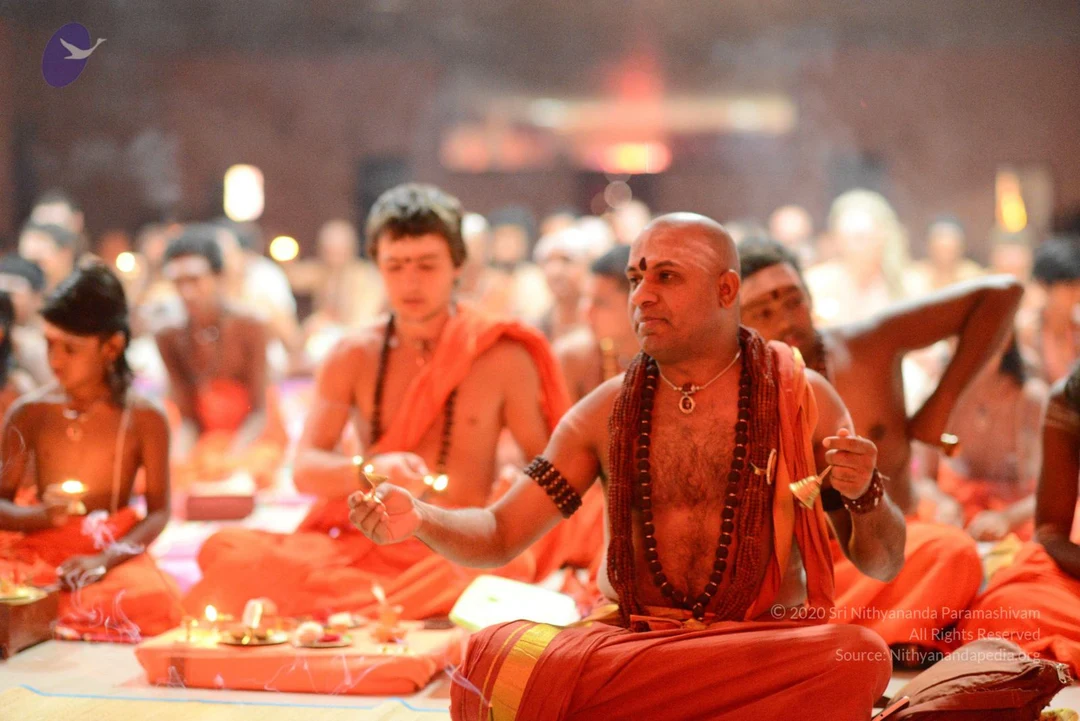

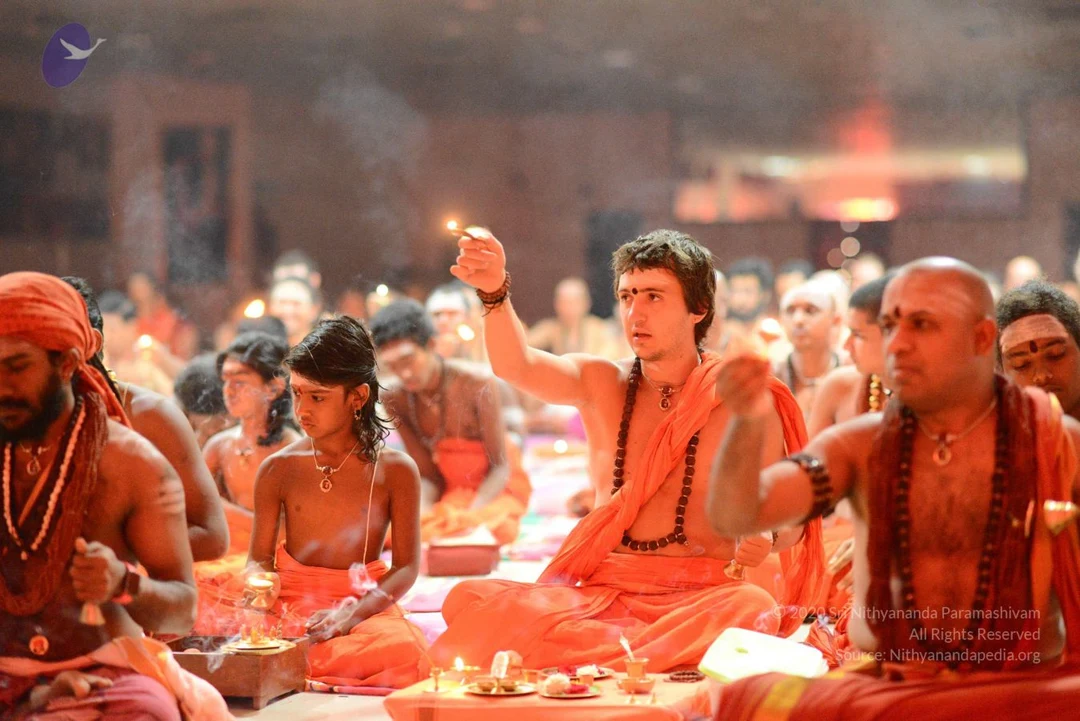
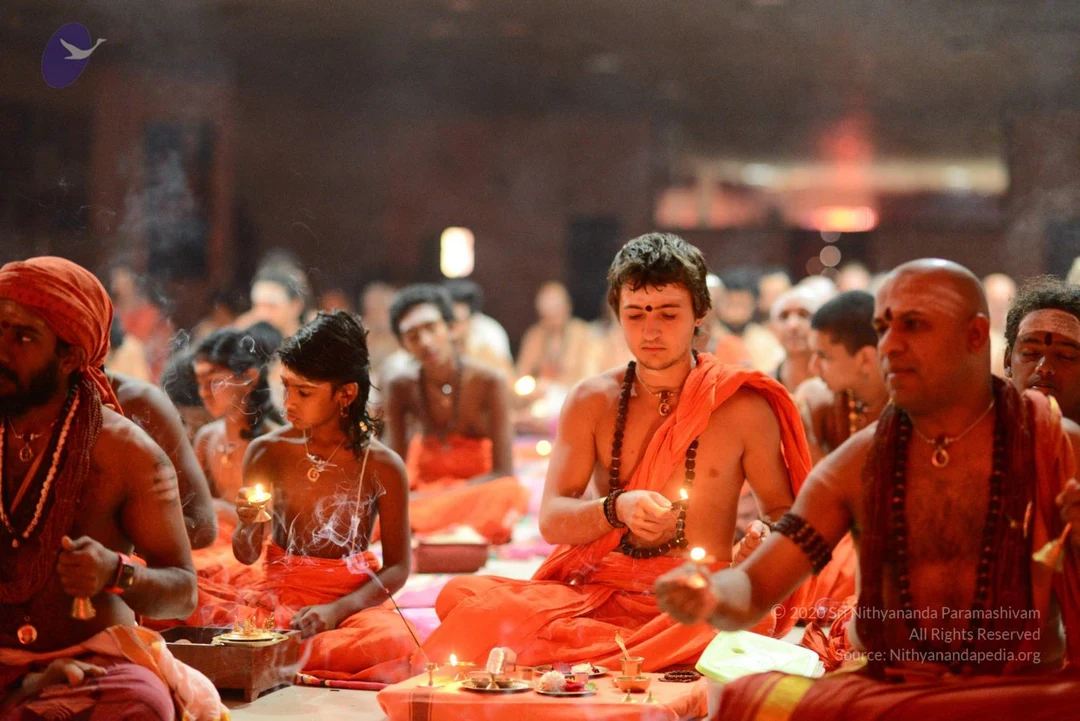
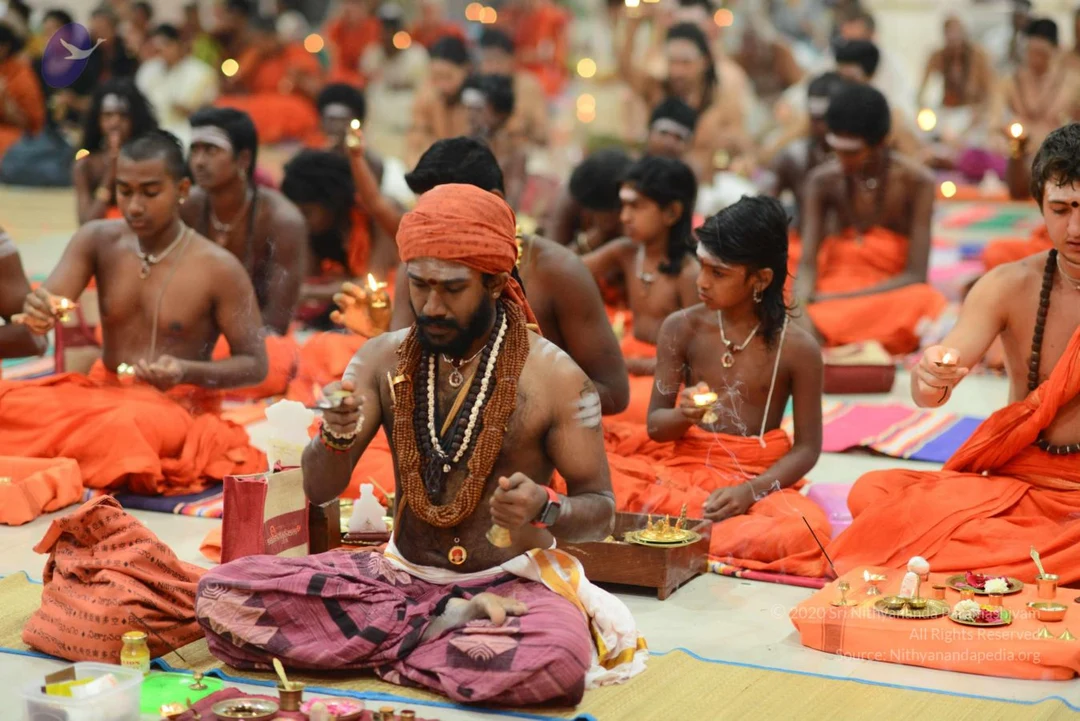
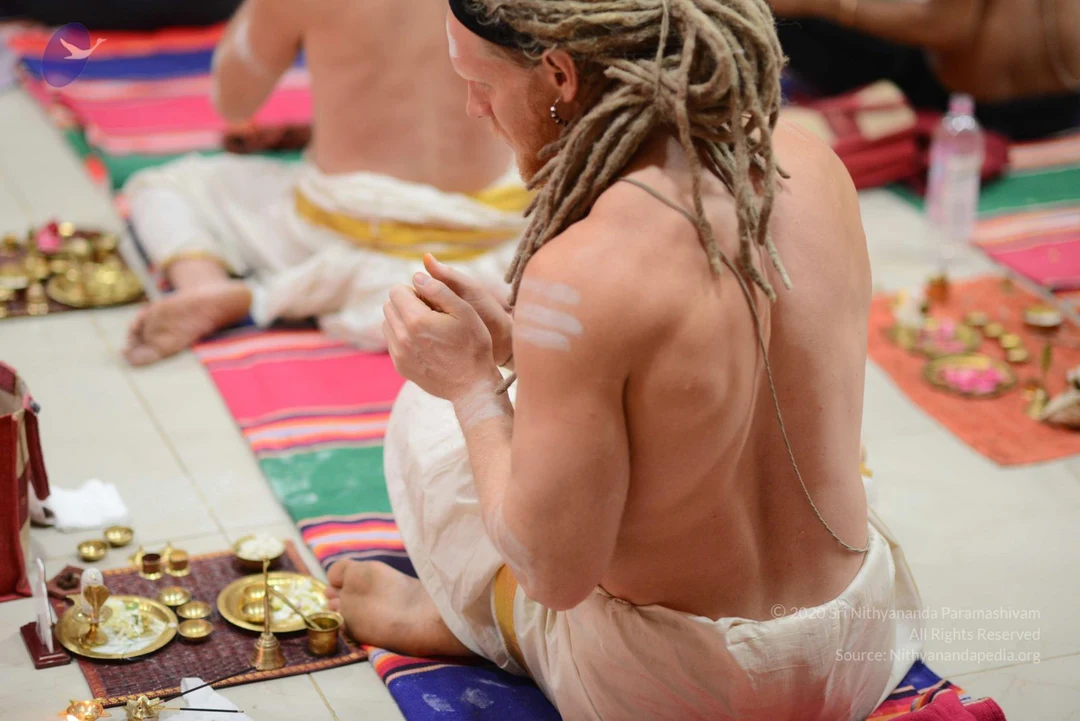

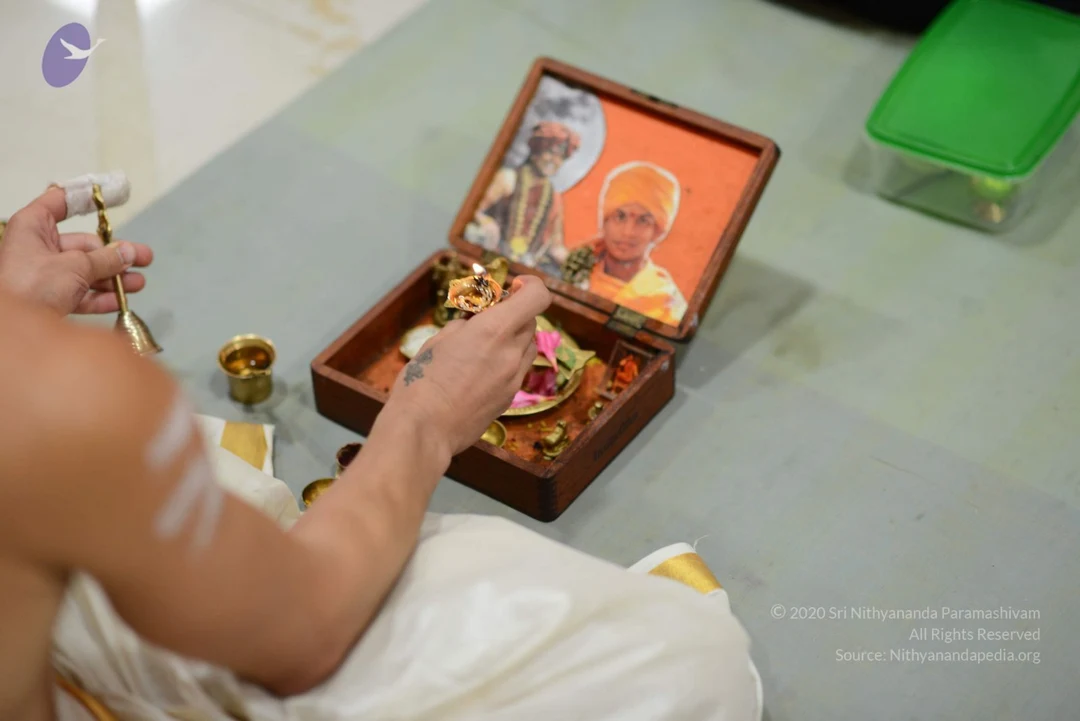
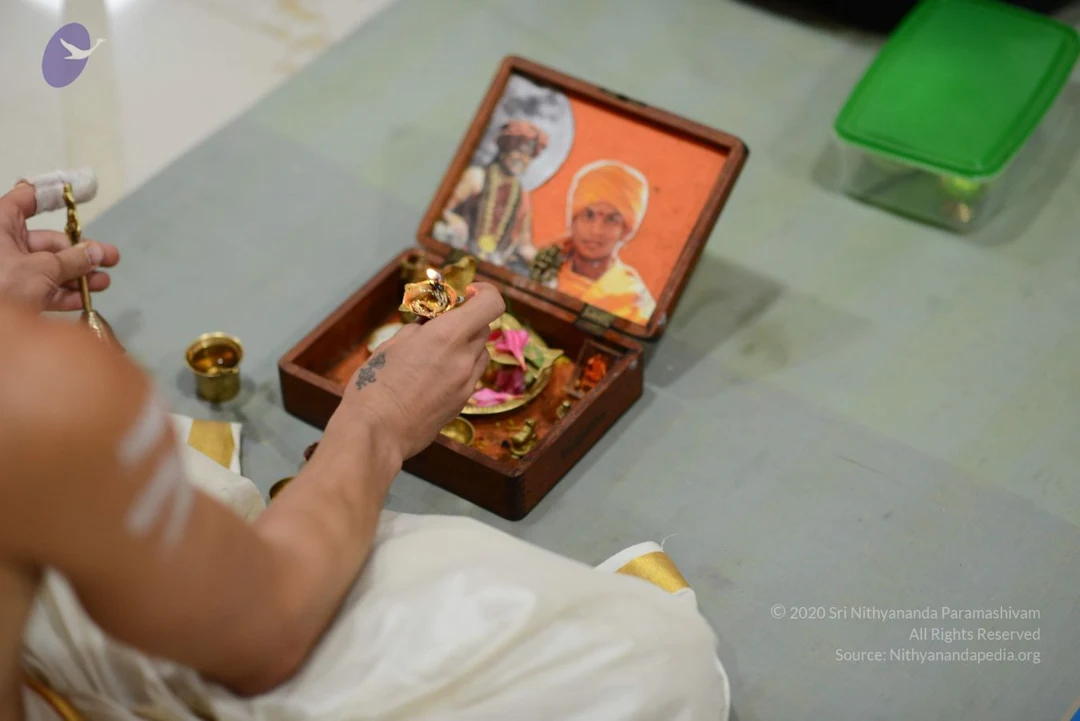
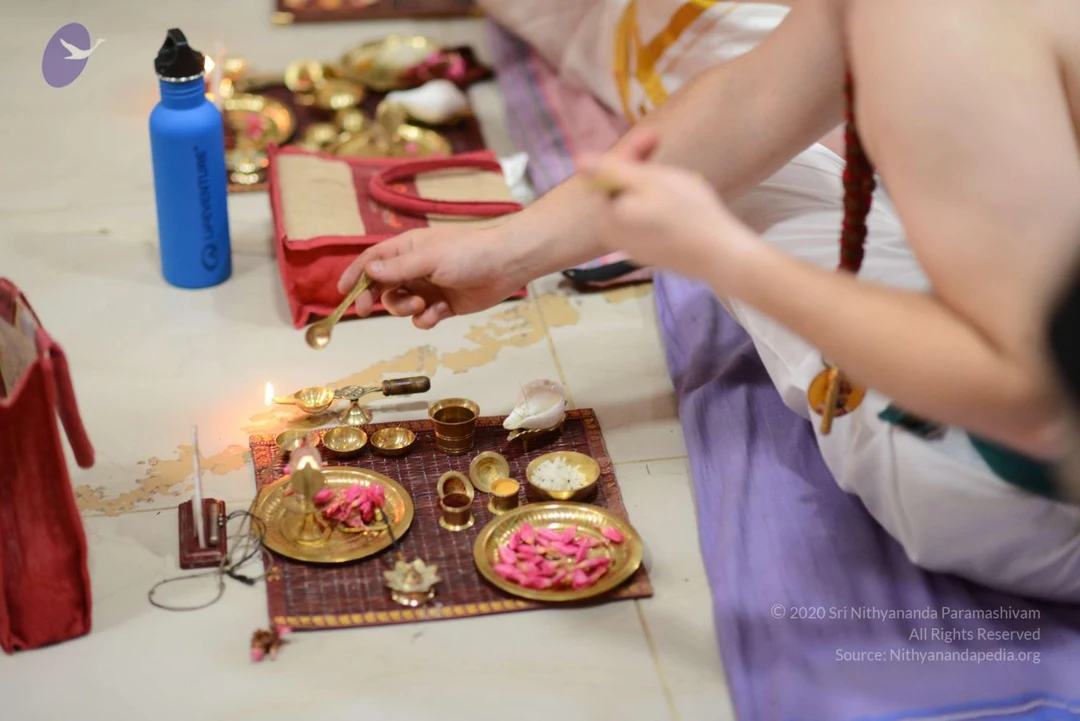
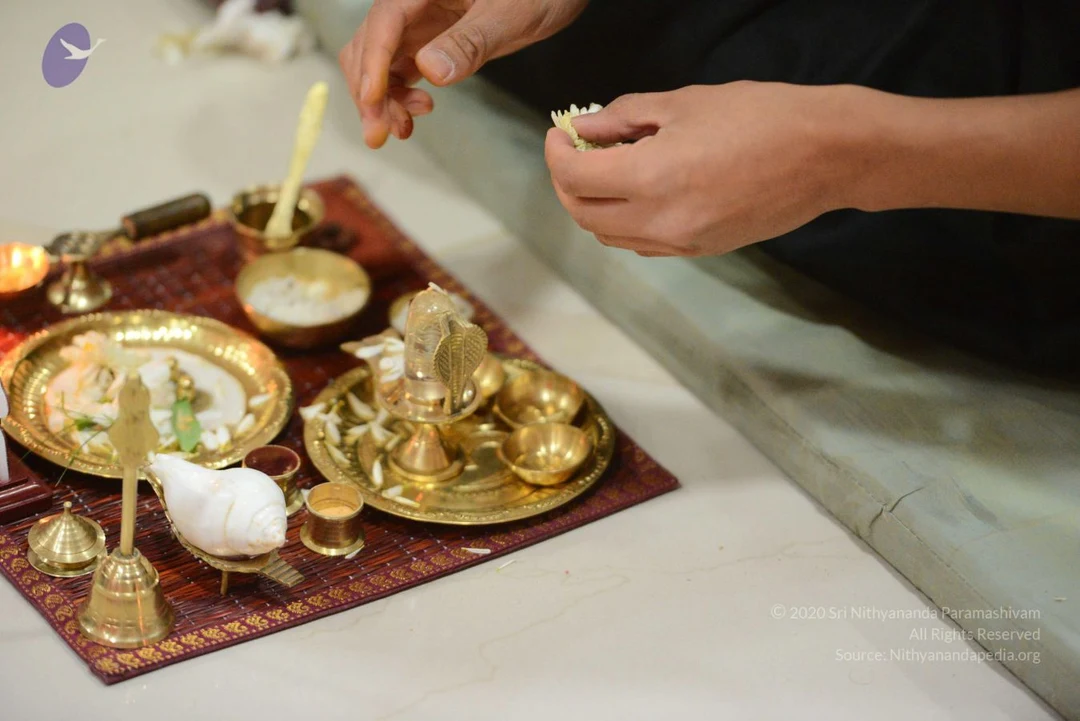
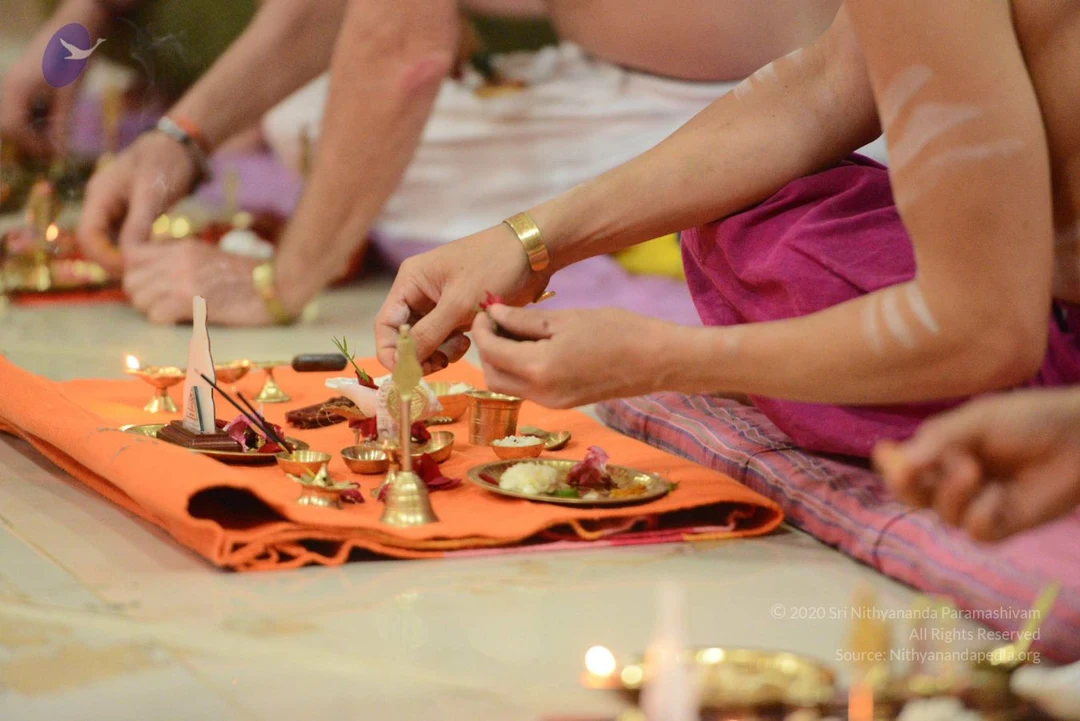
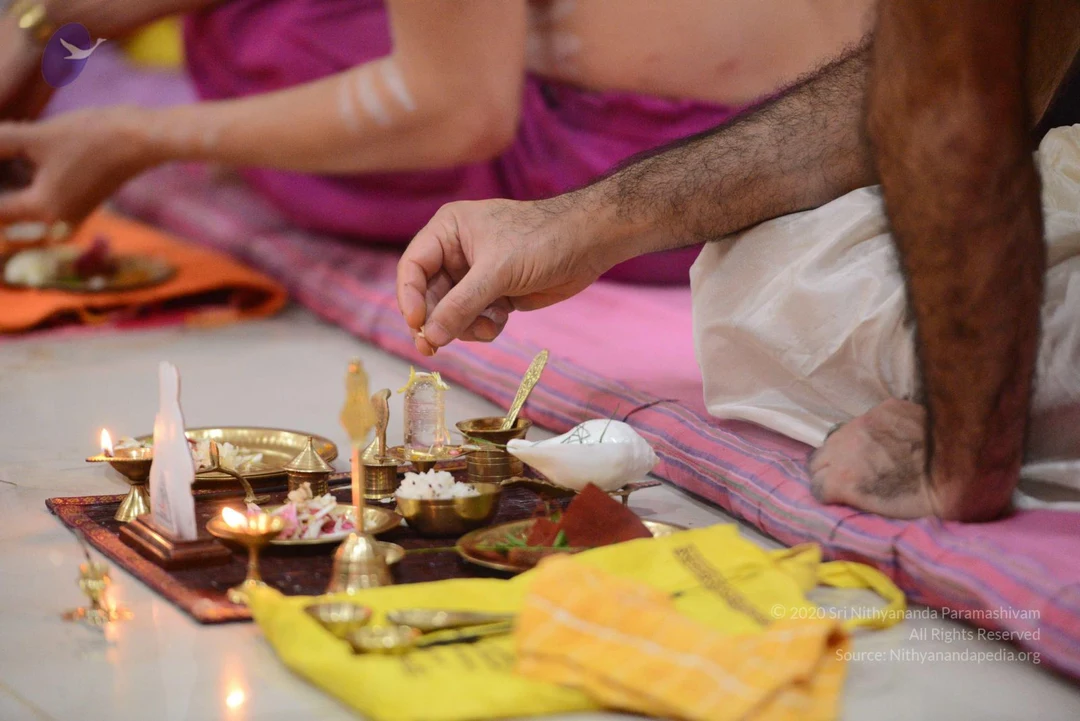
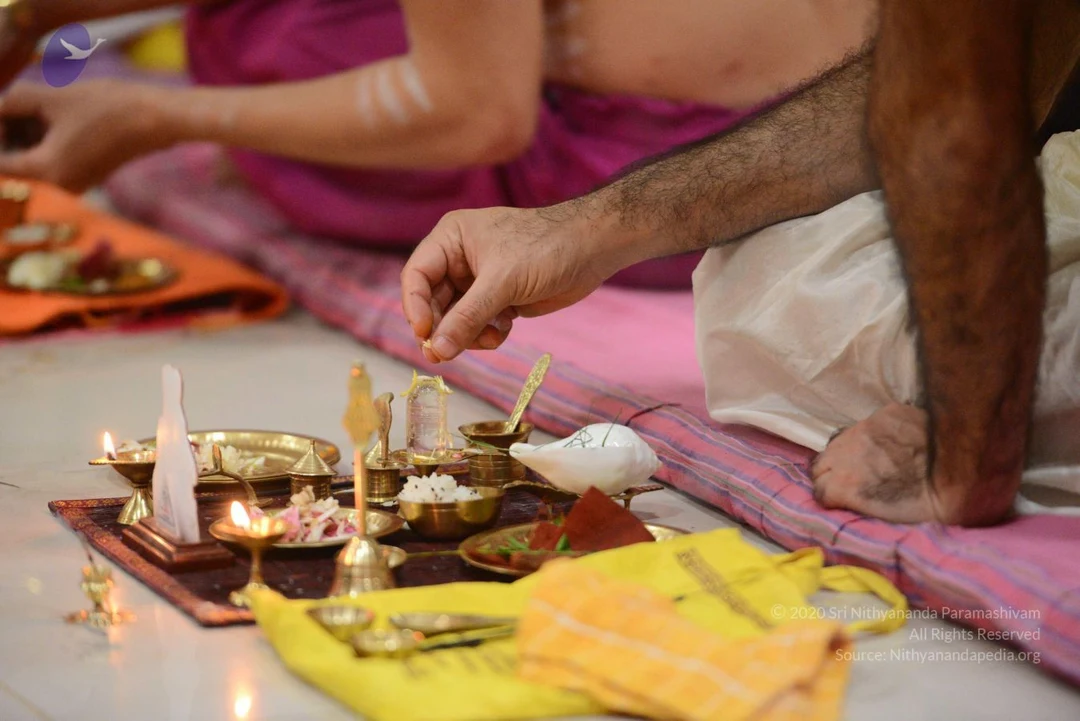
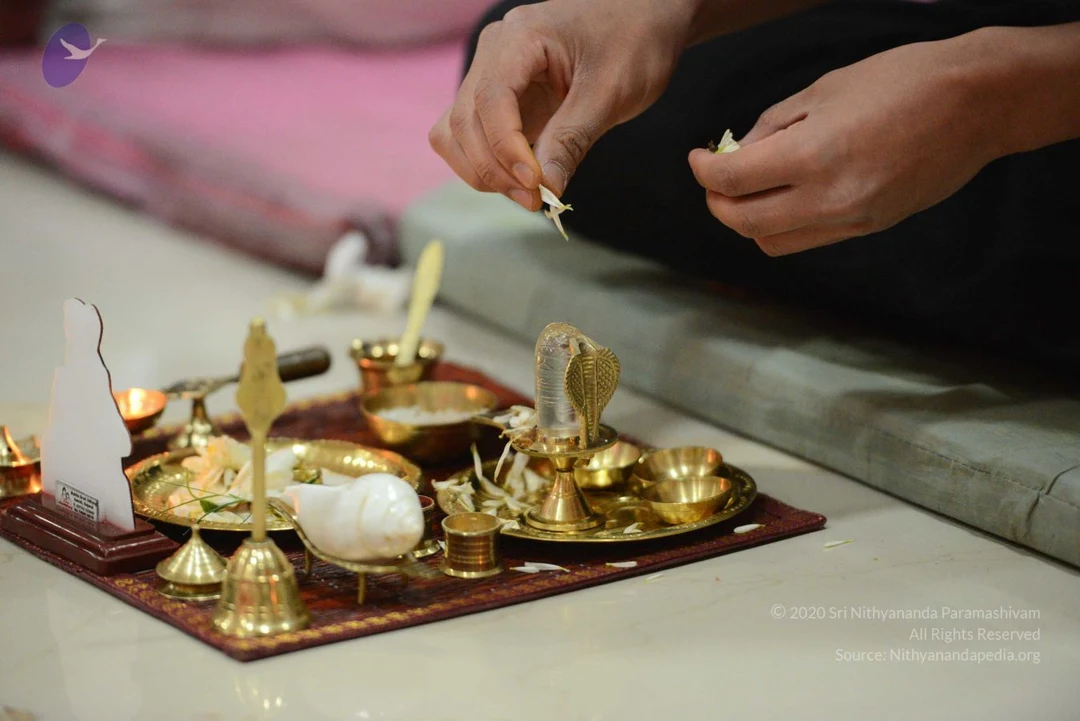
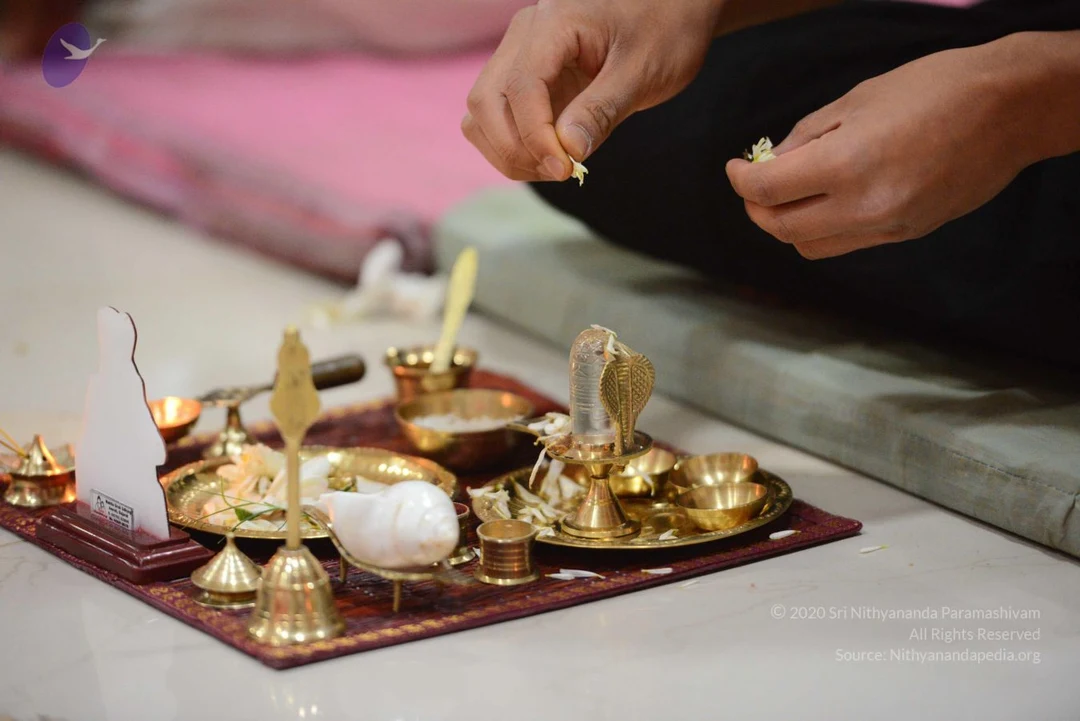
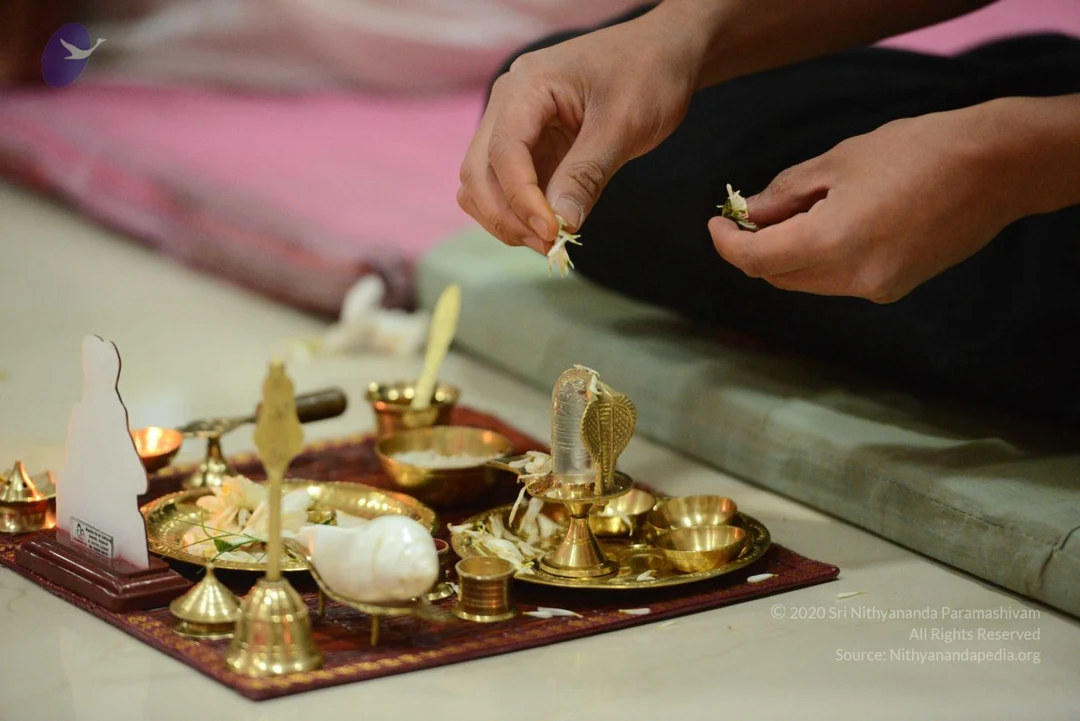
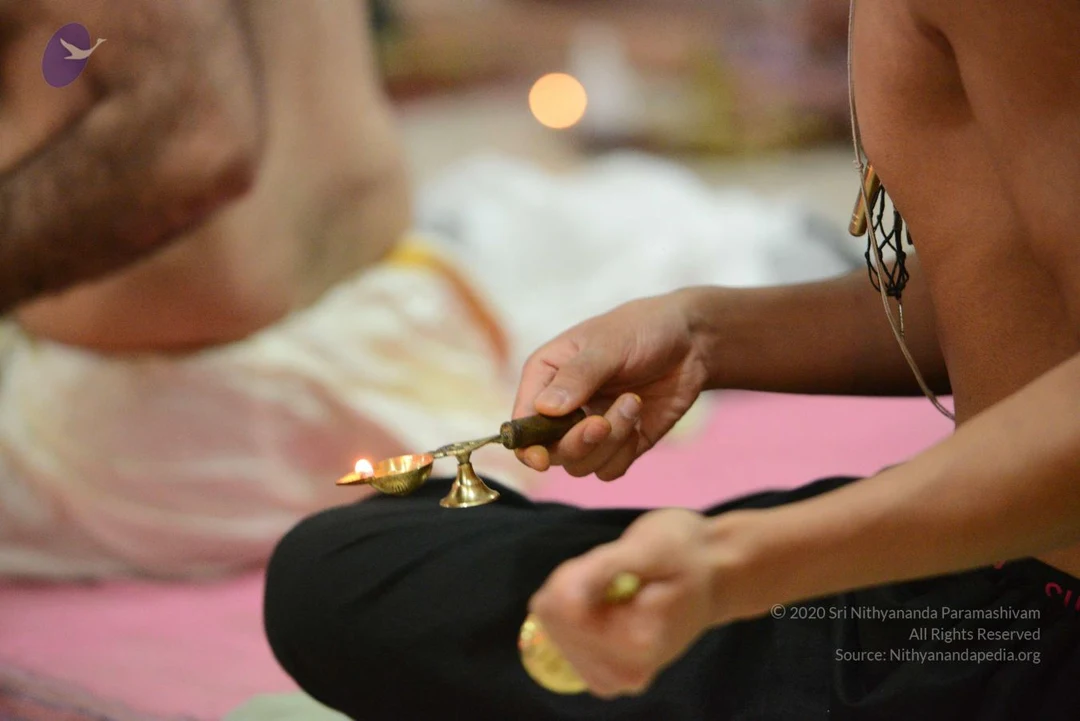
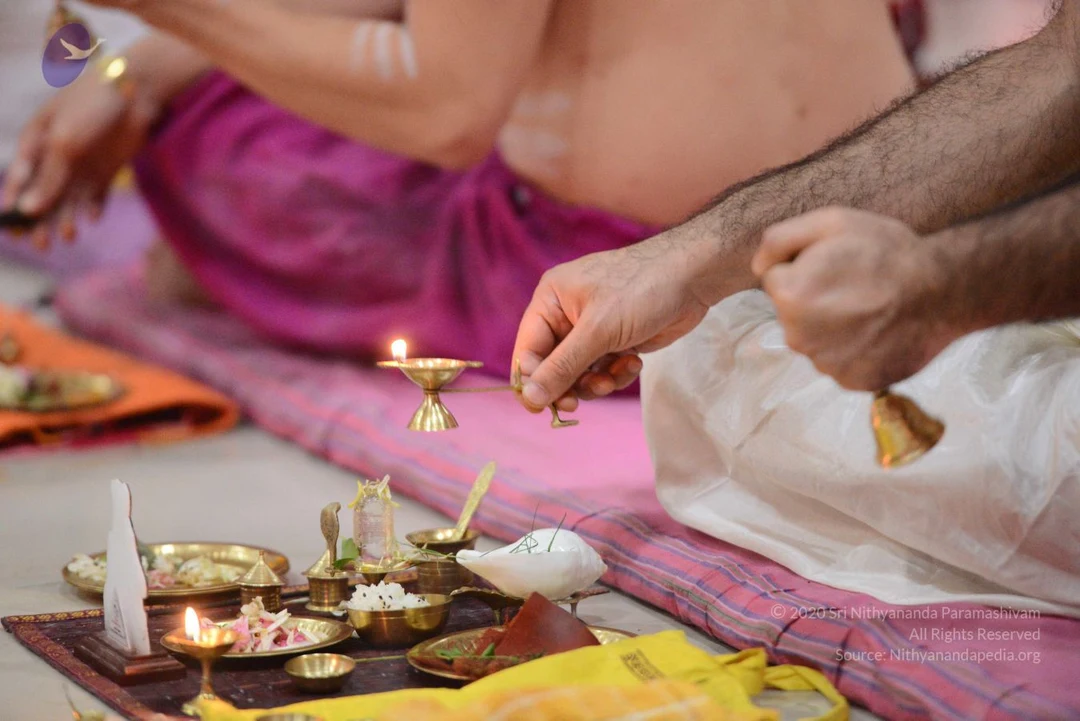
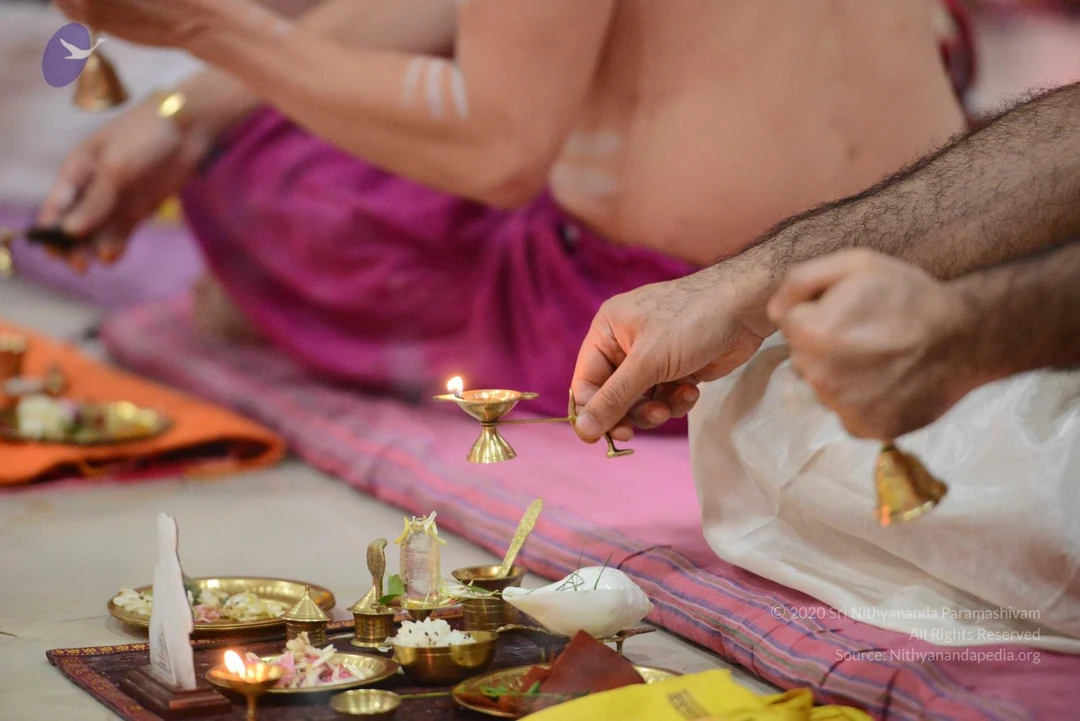
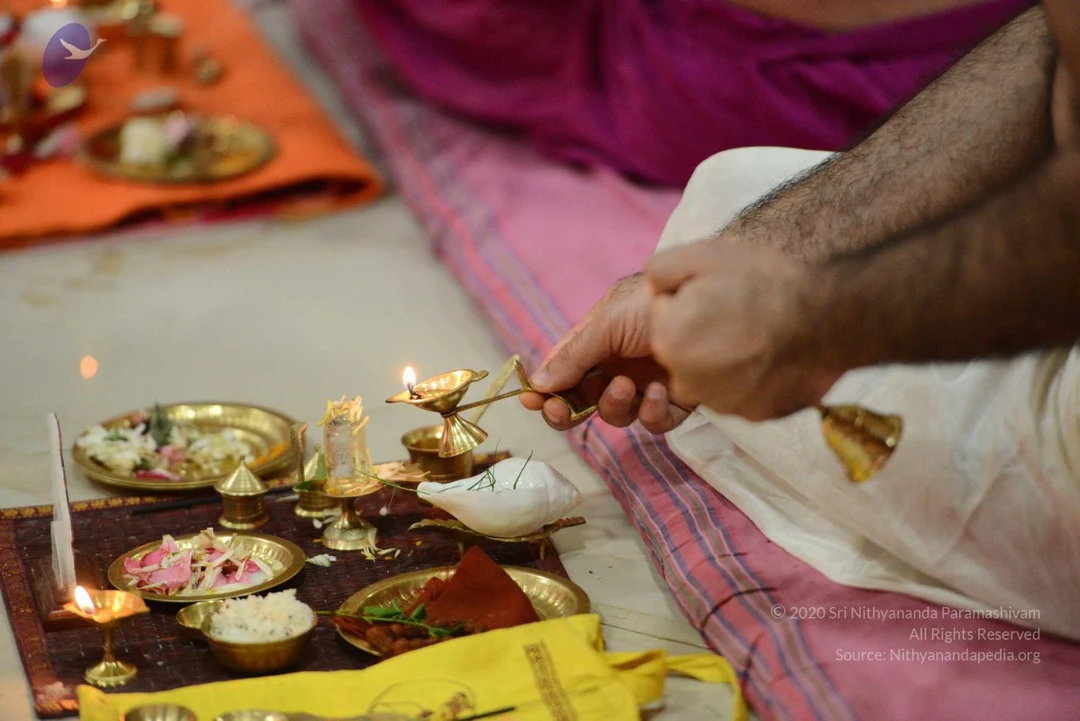
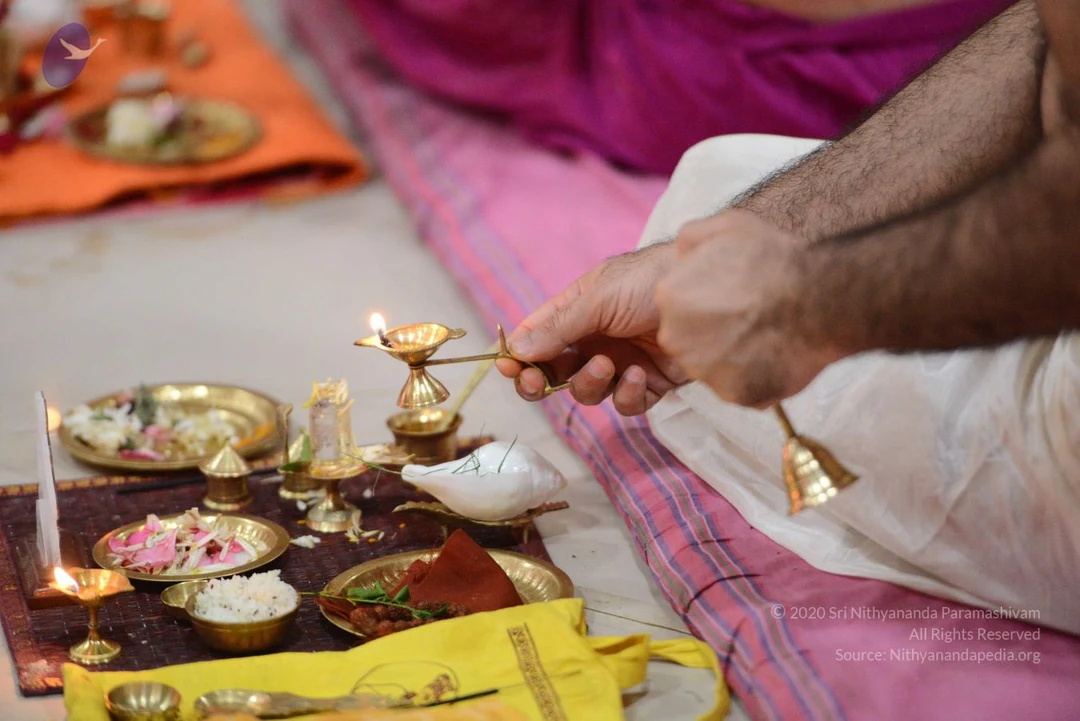




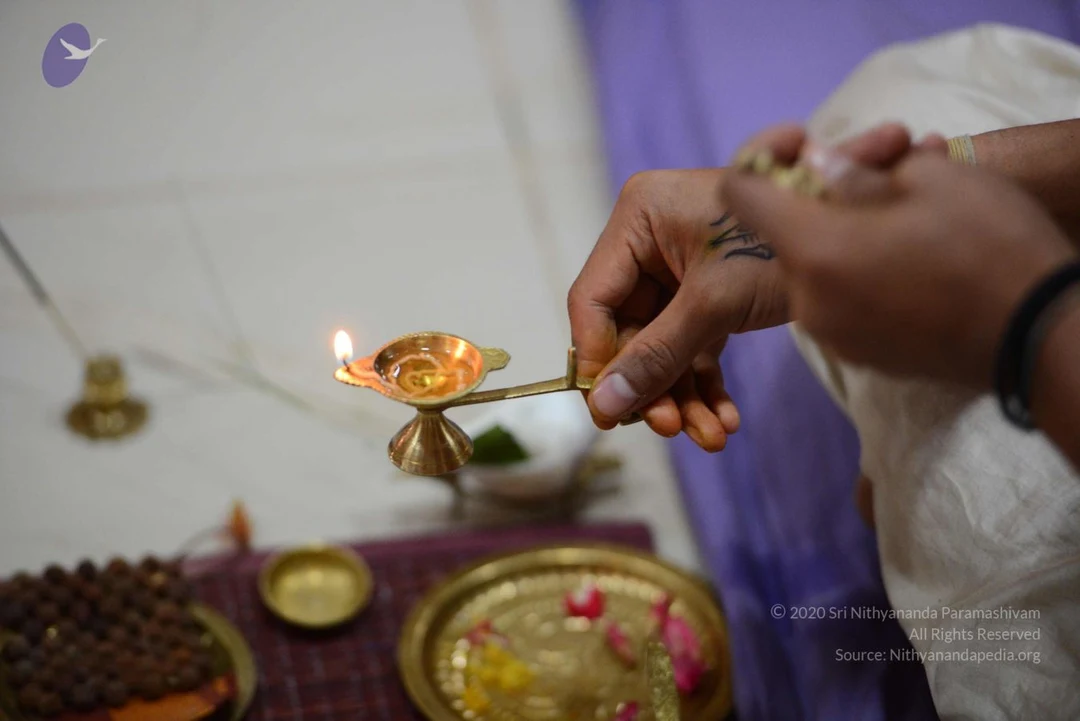
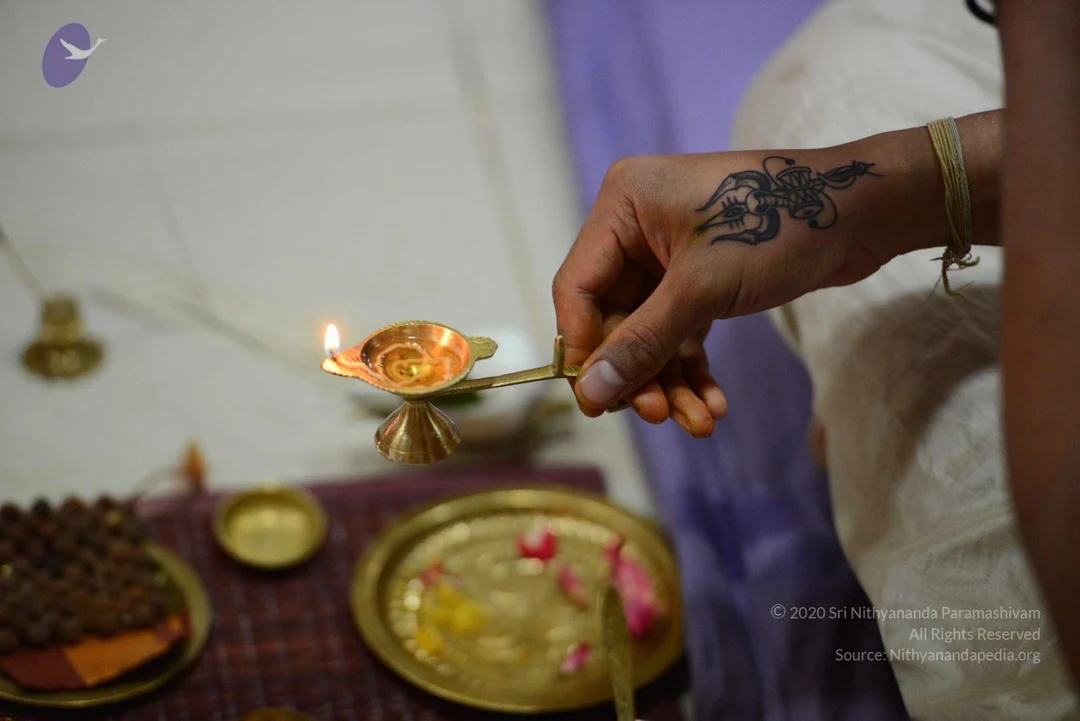
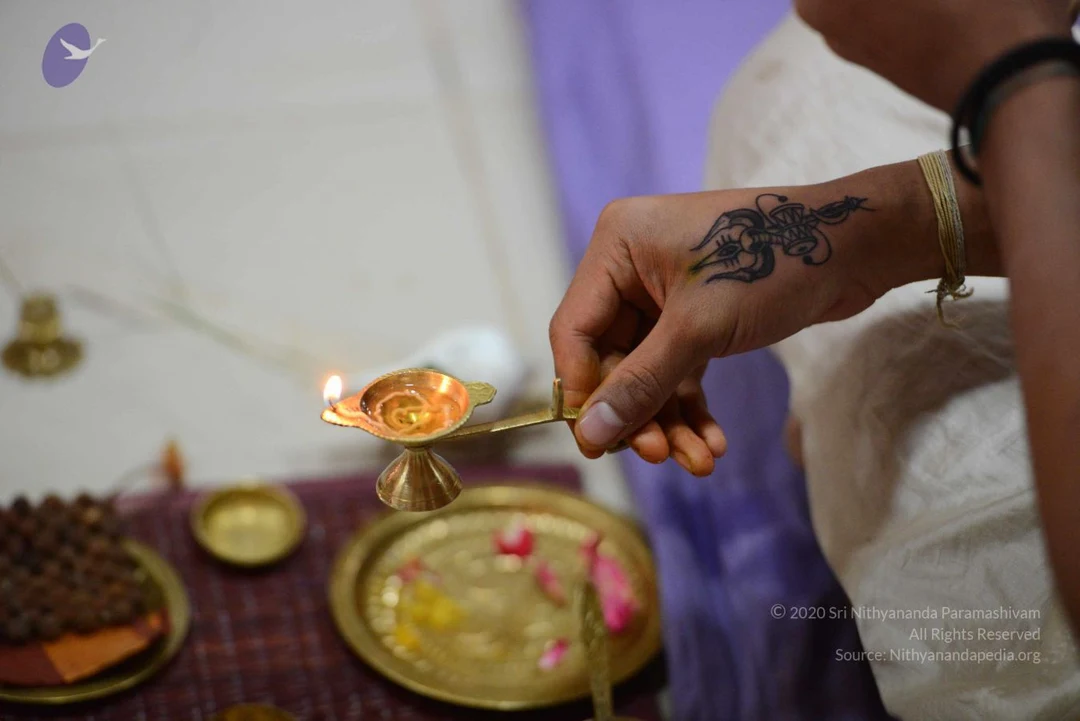
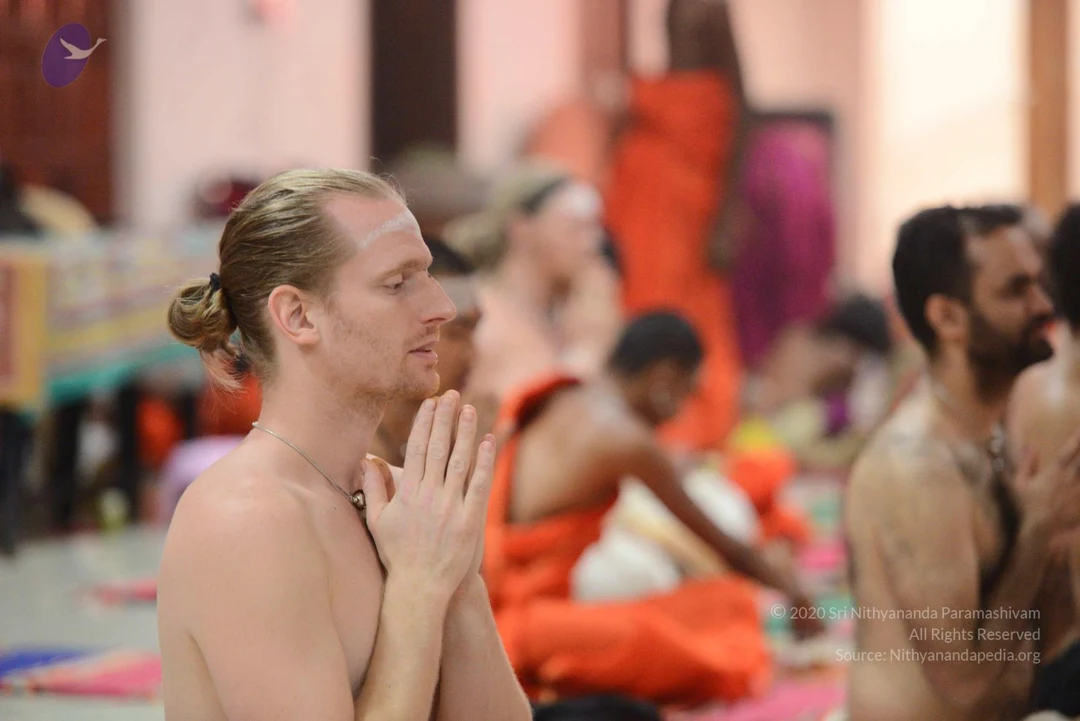
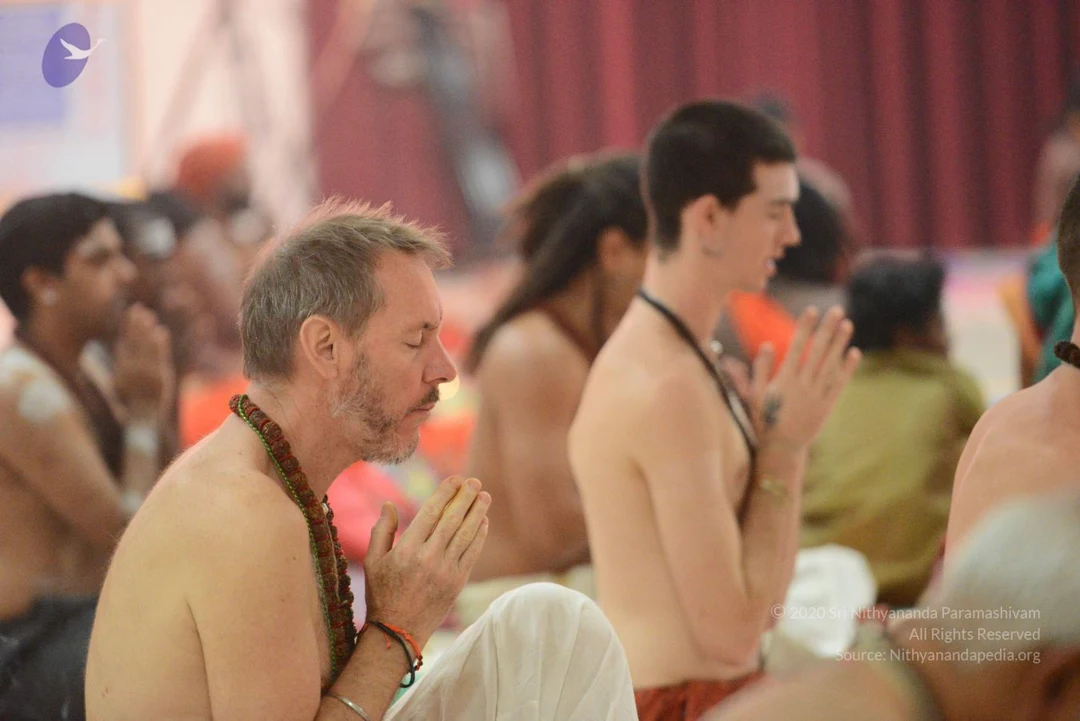
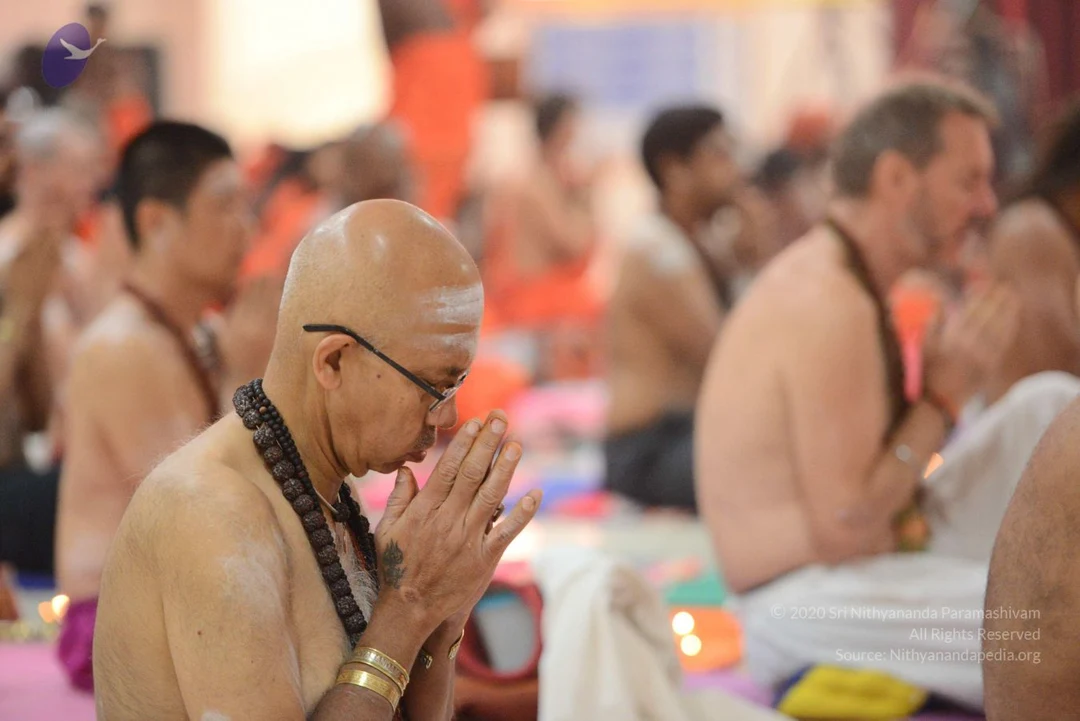

























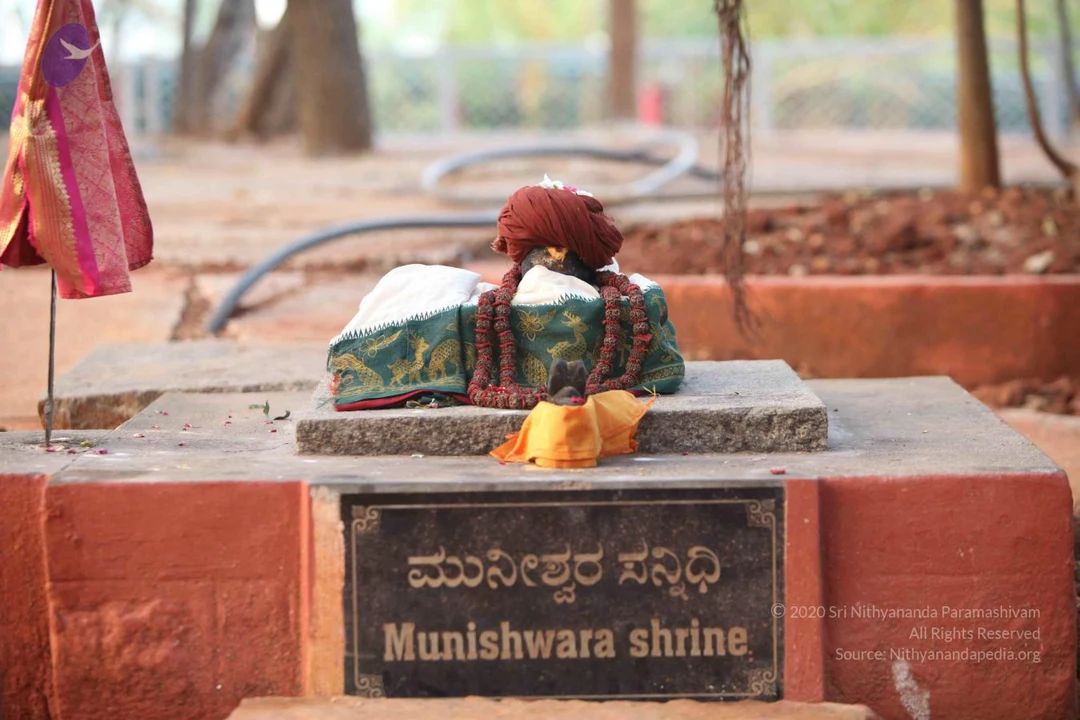
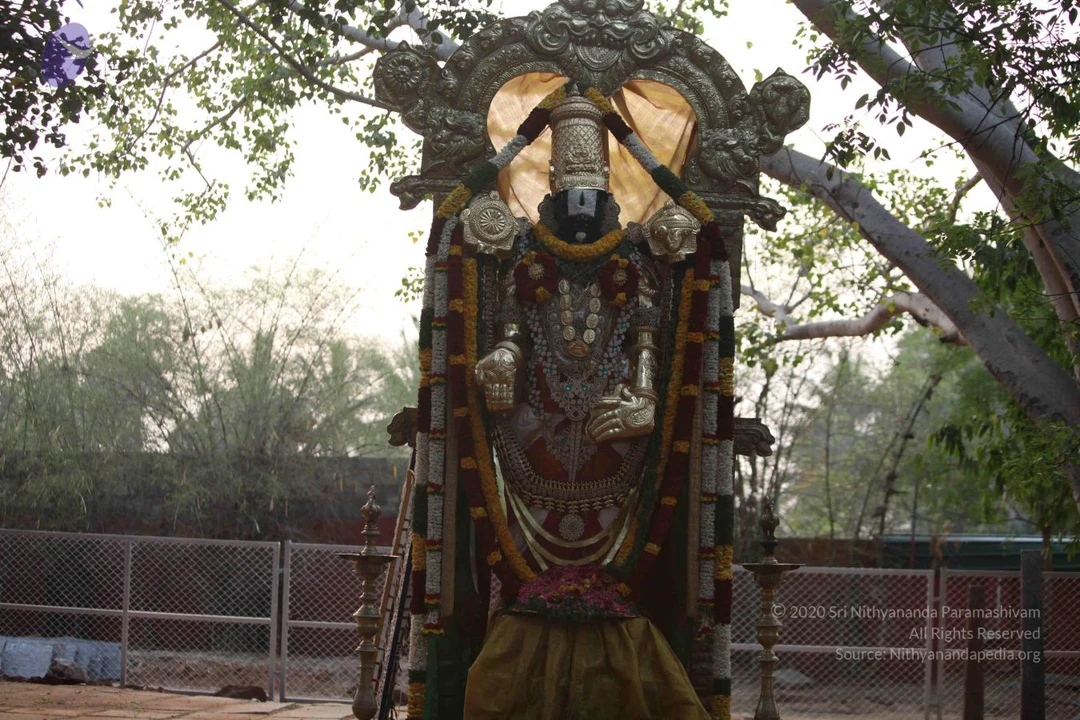
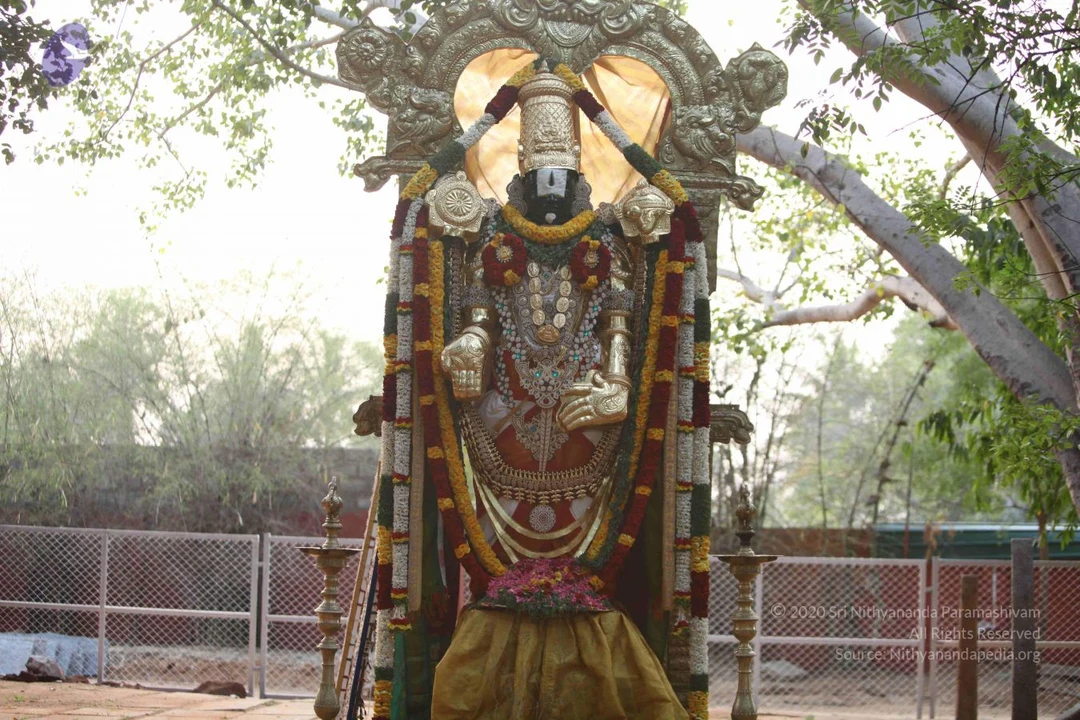
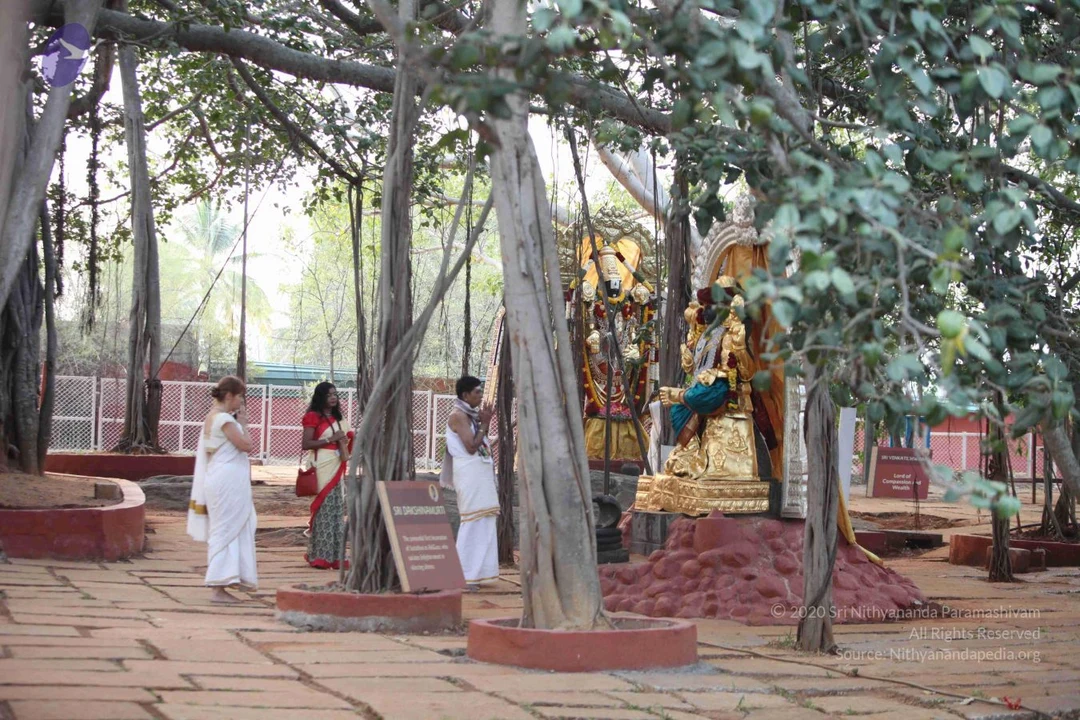
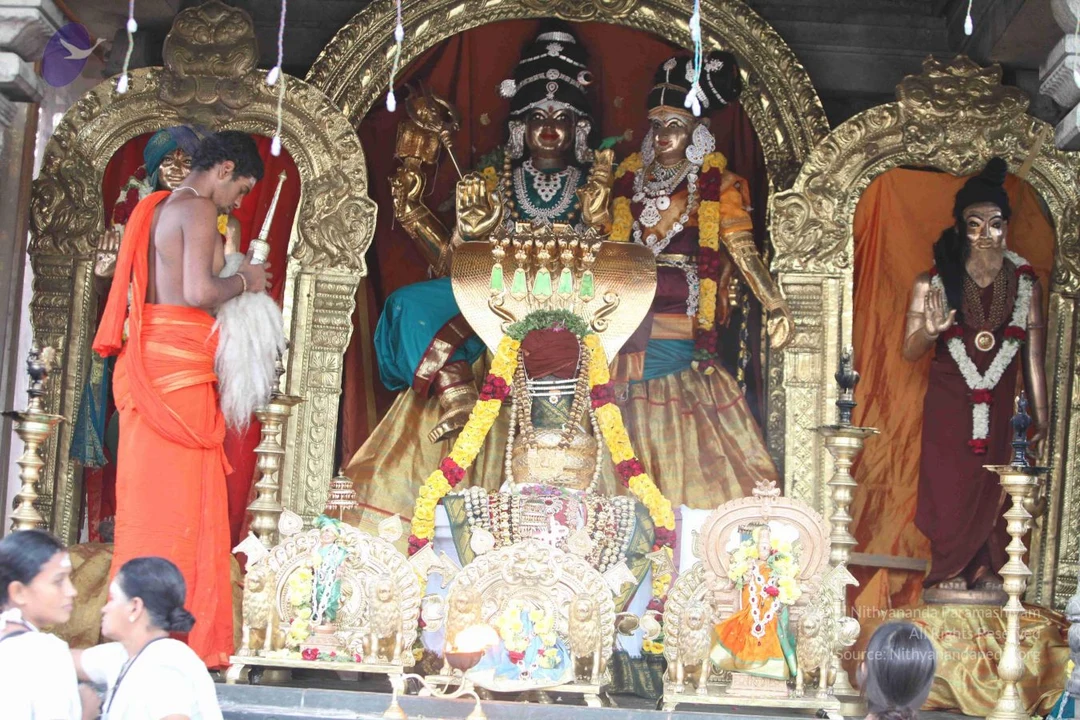
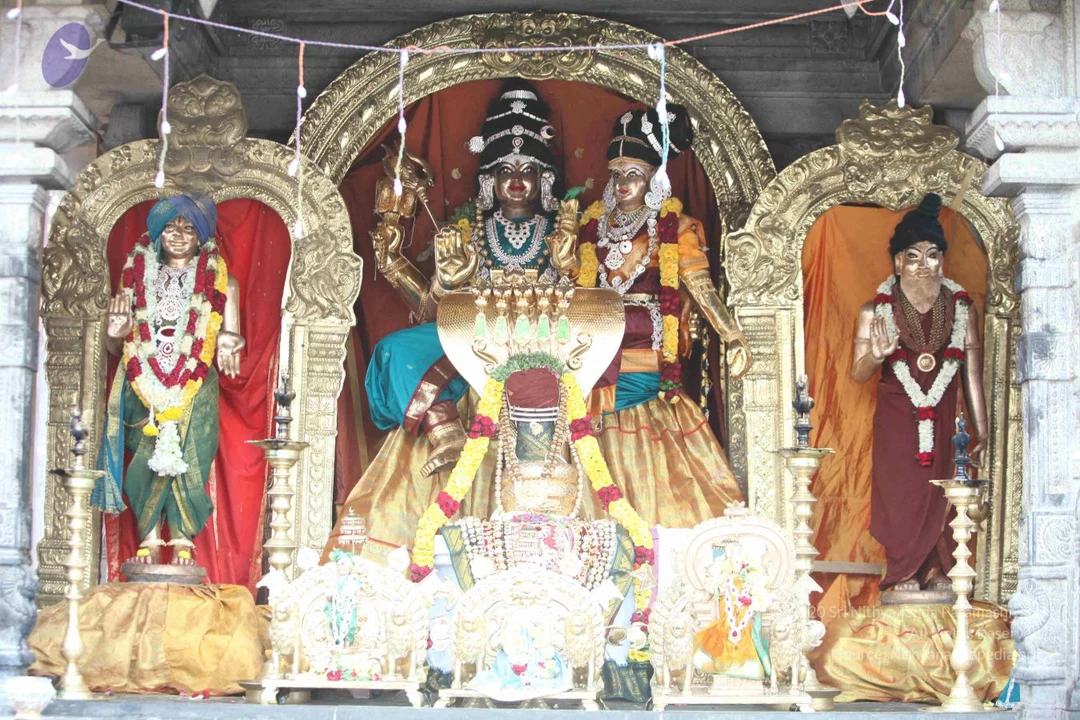
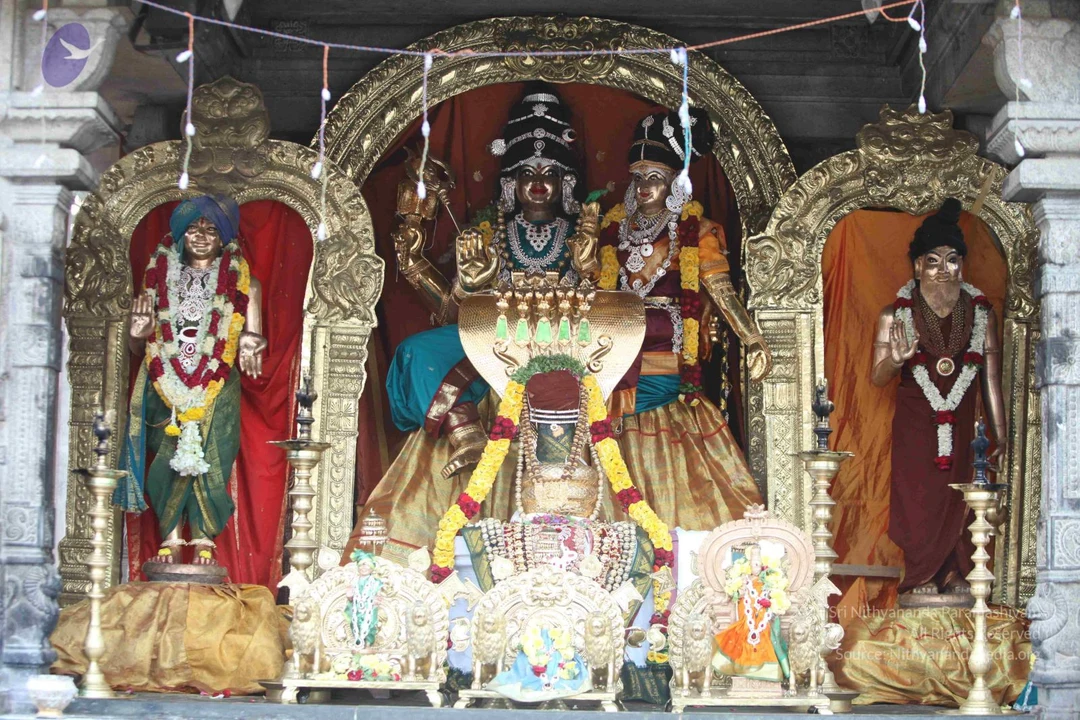
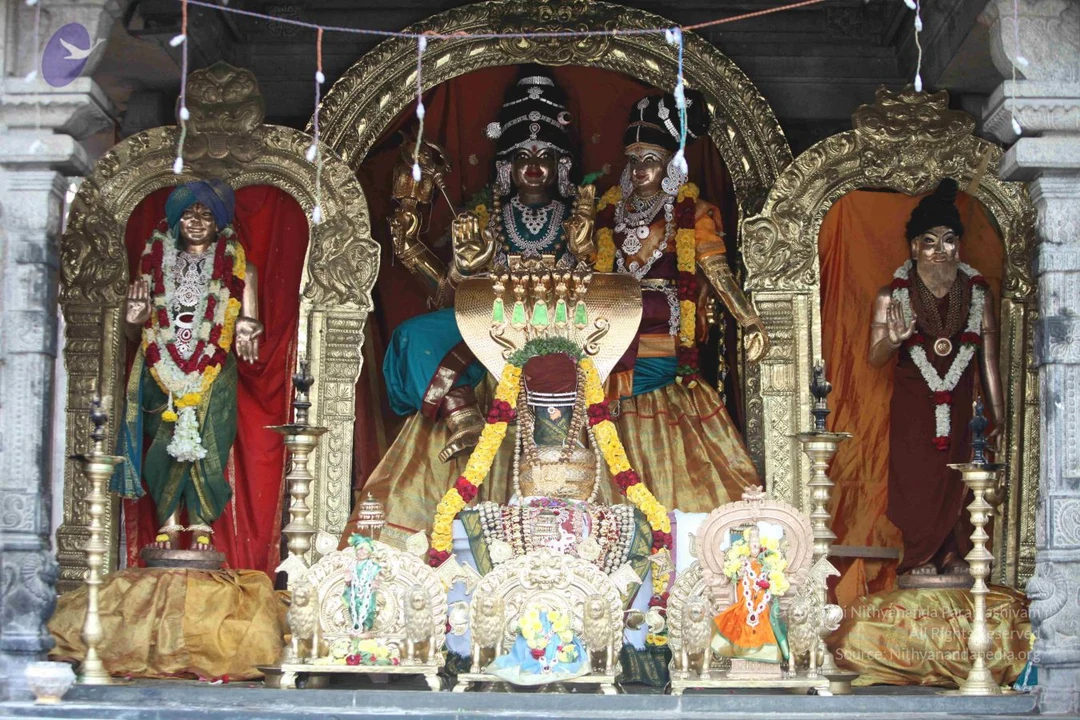
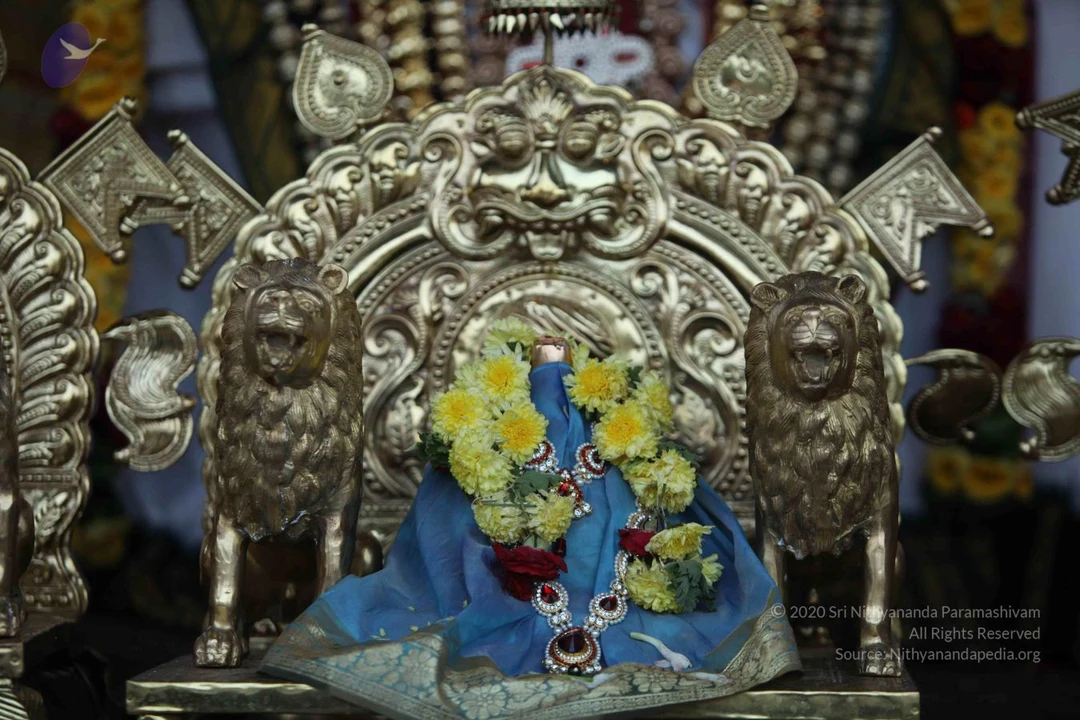
TEMPLE





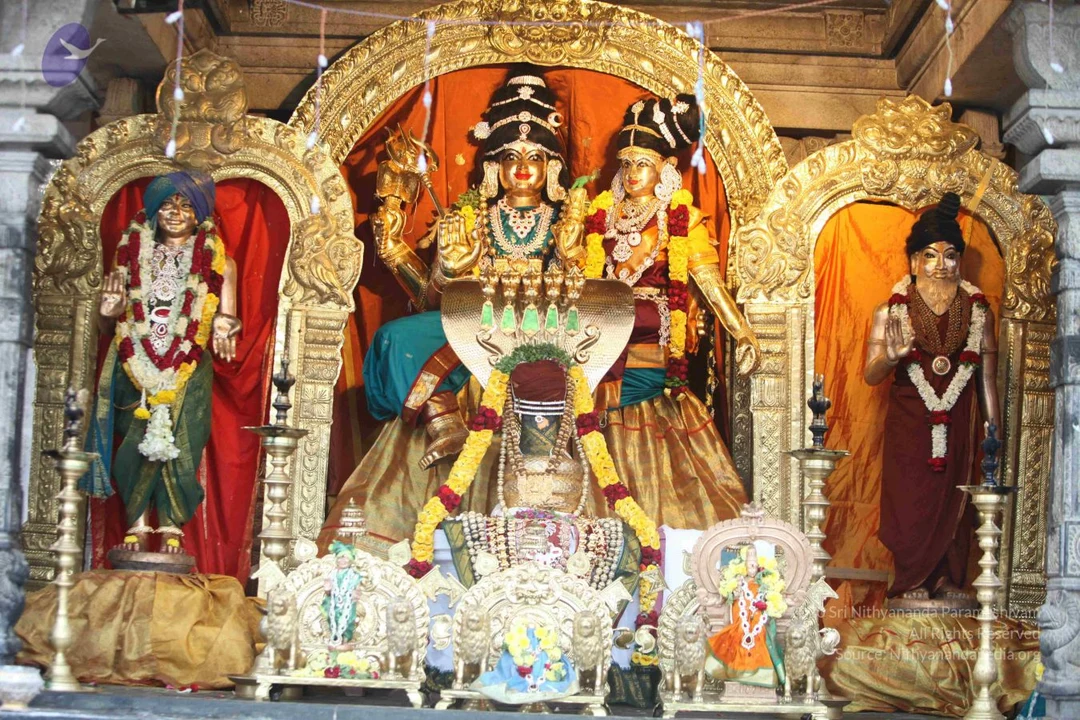
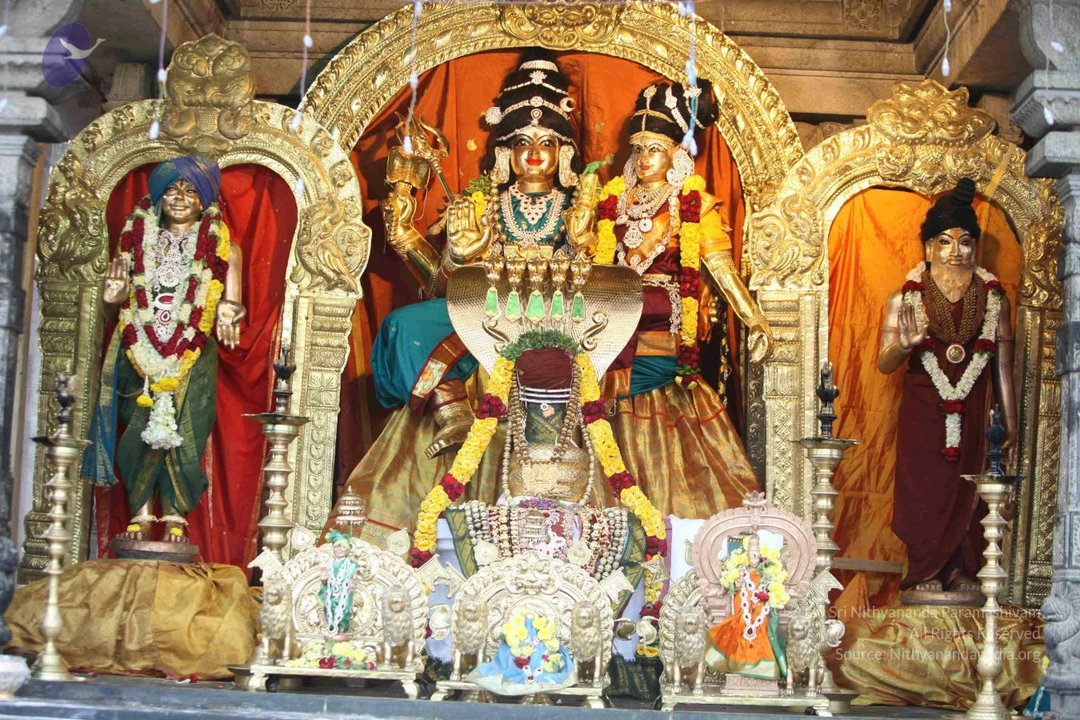
PADA-POOJA
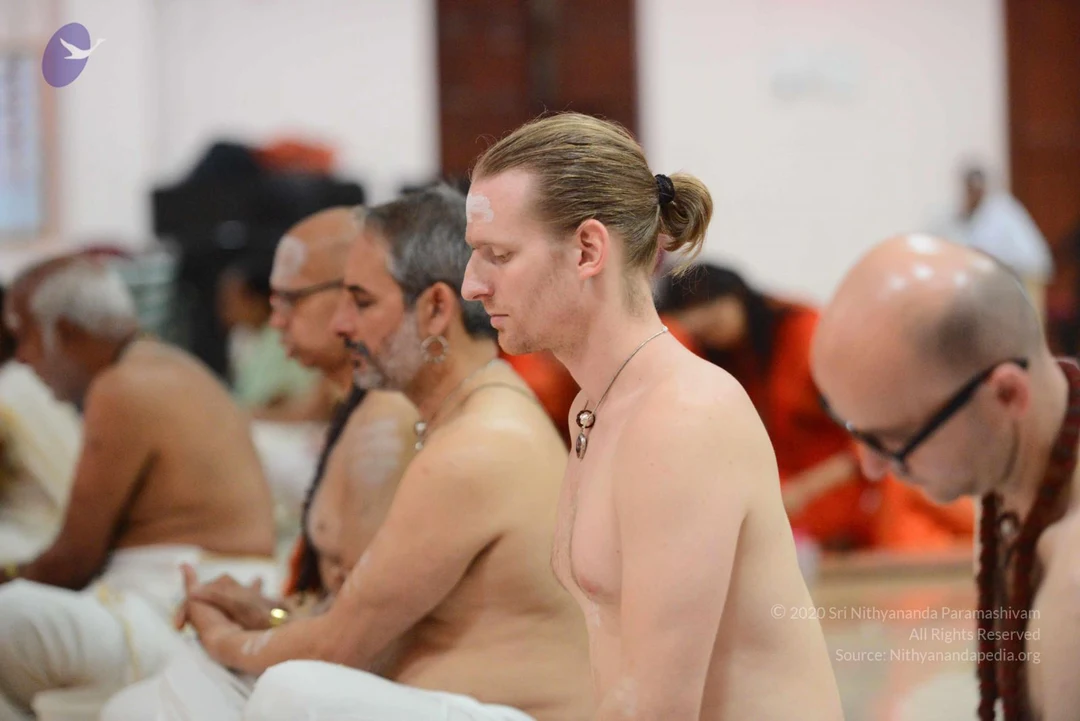
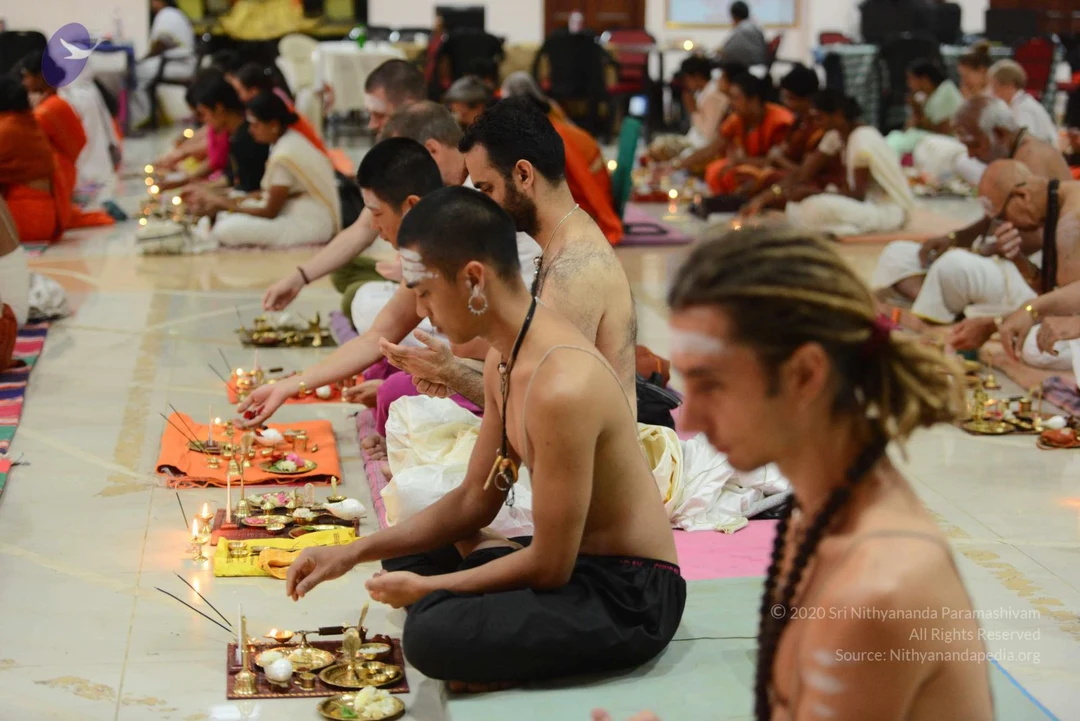
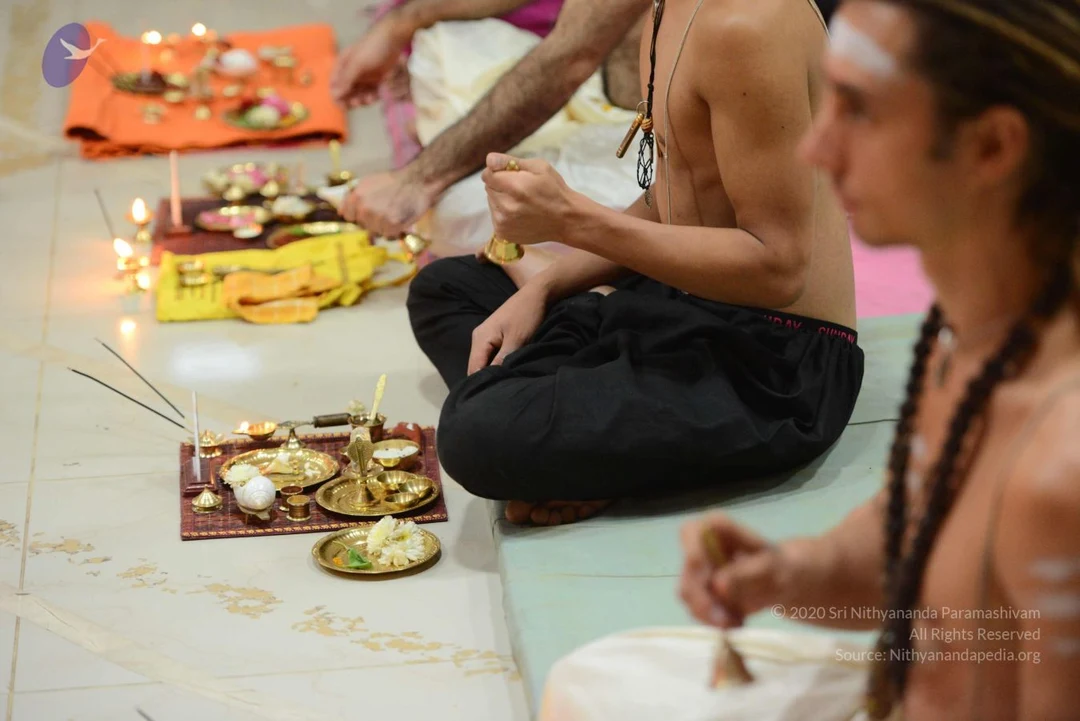
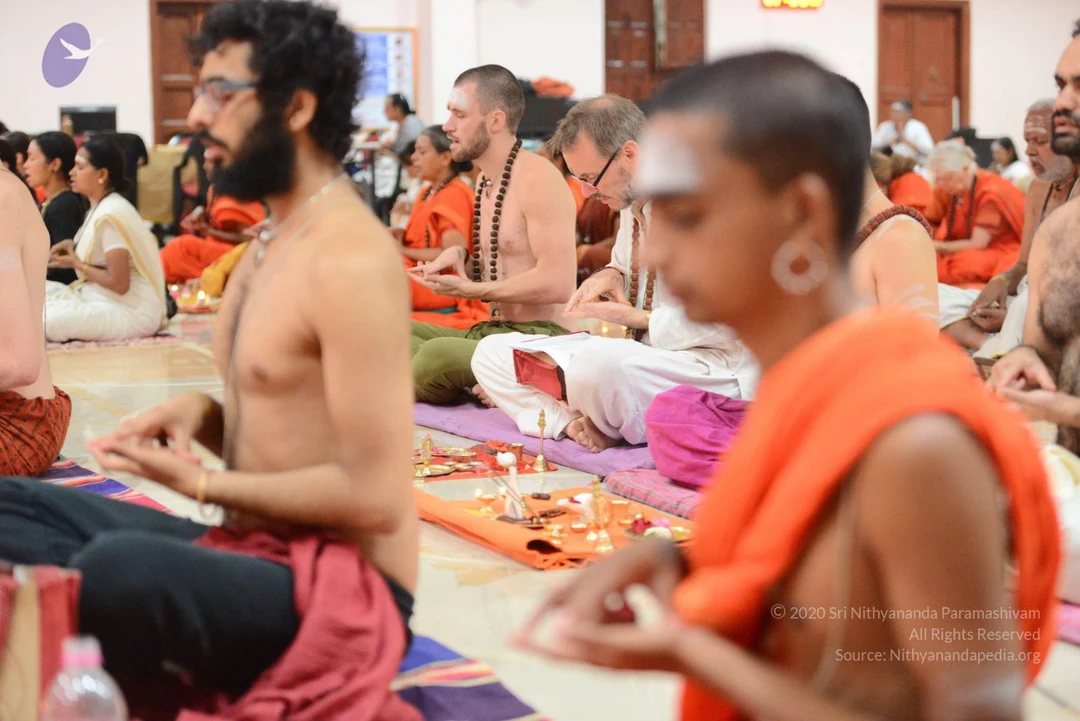
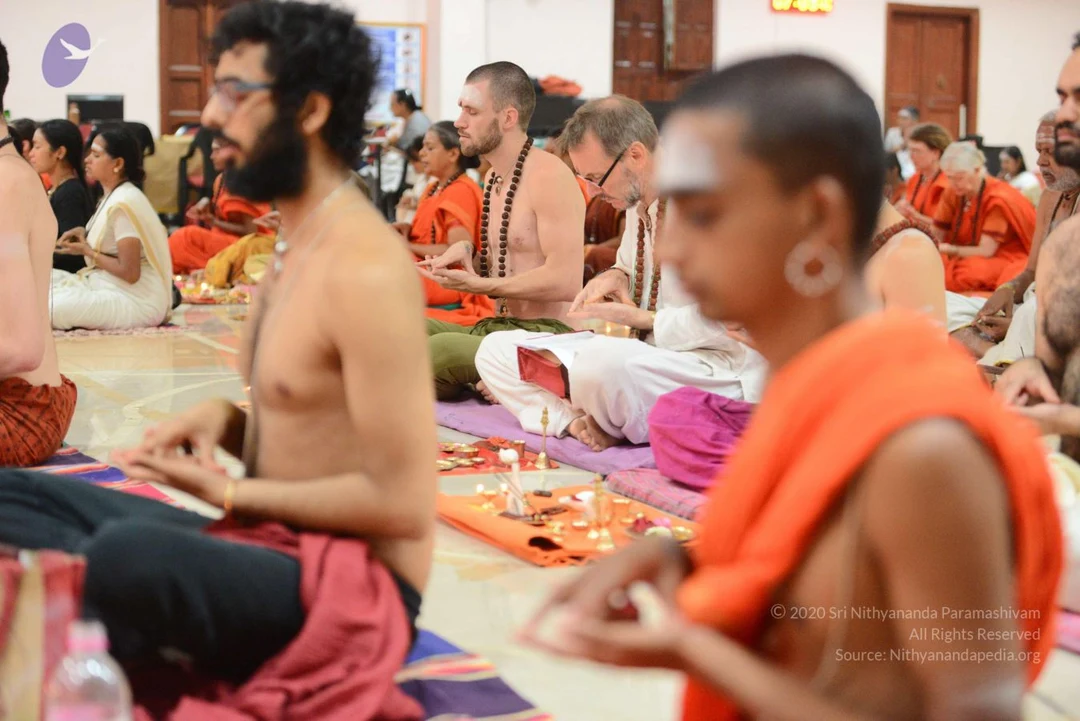
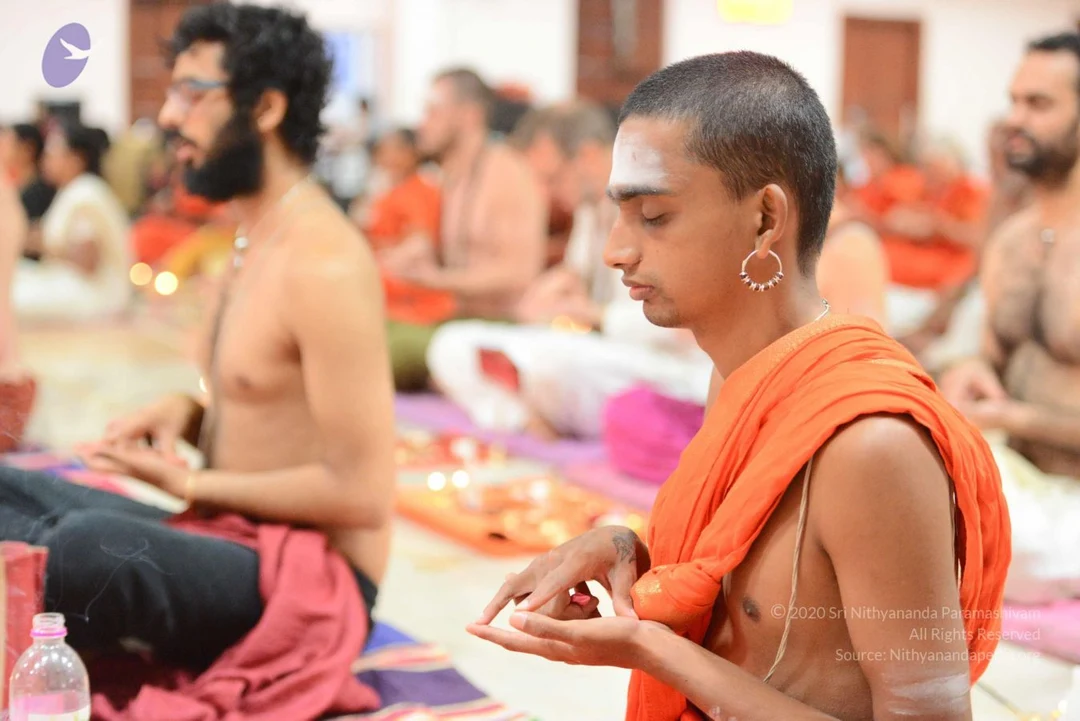
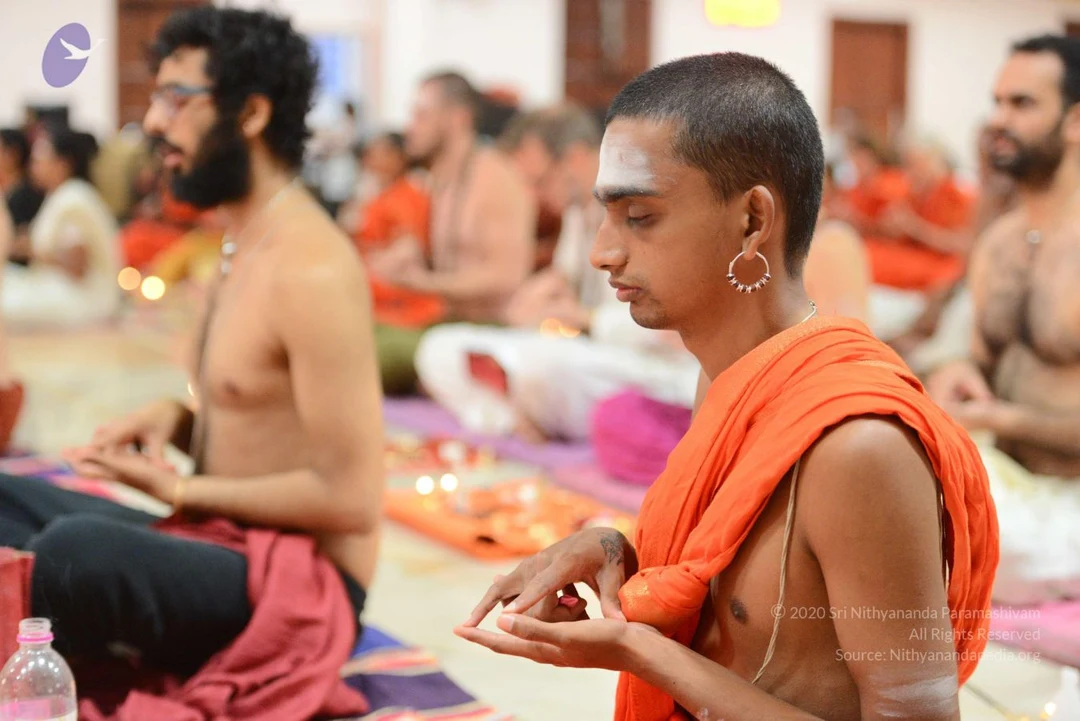
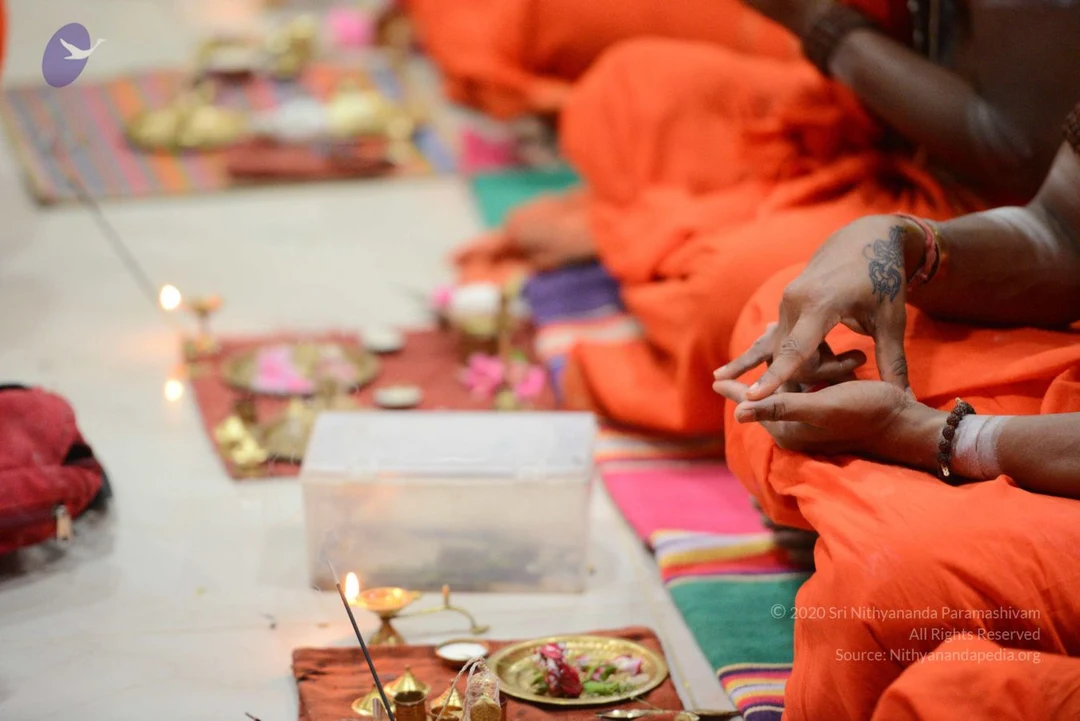
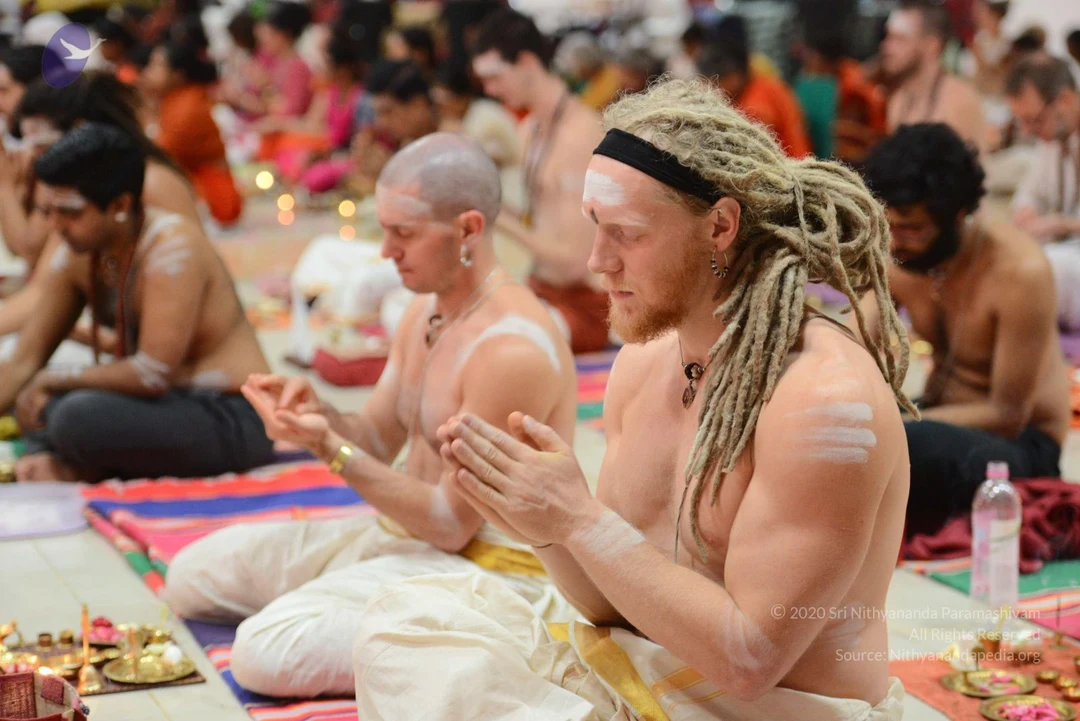
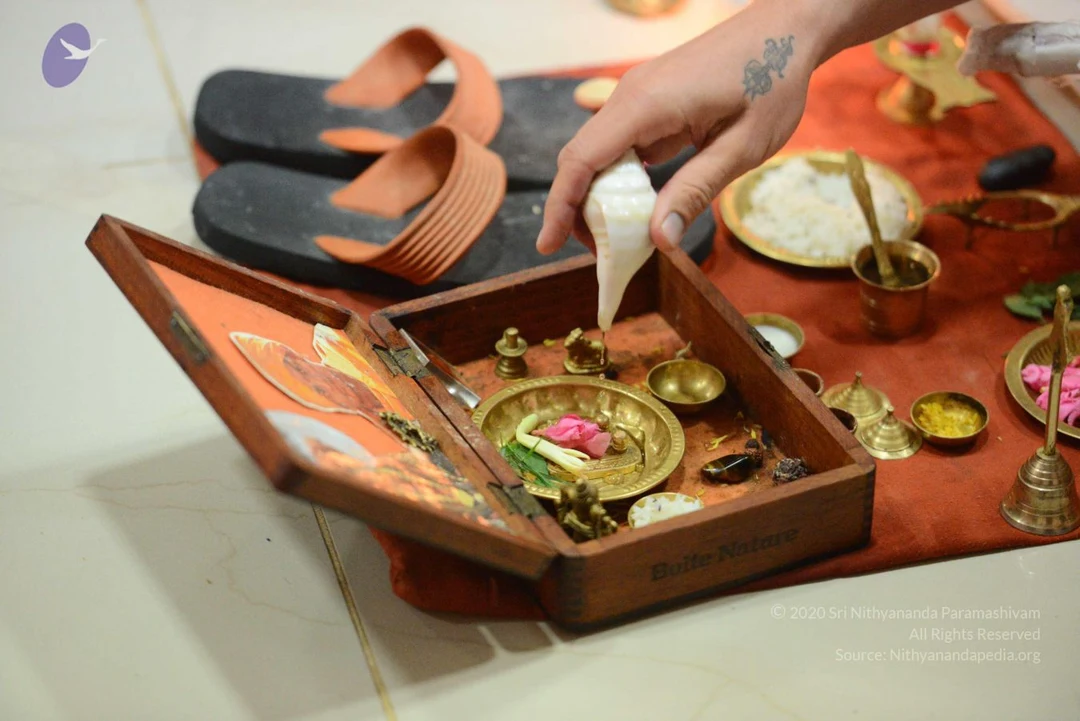
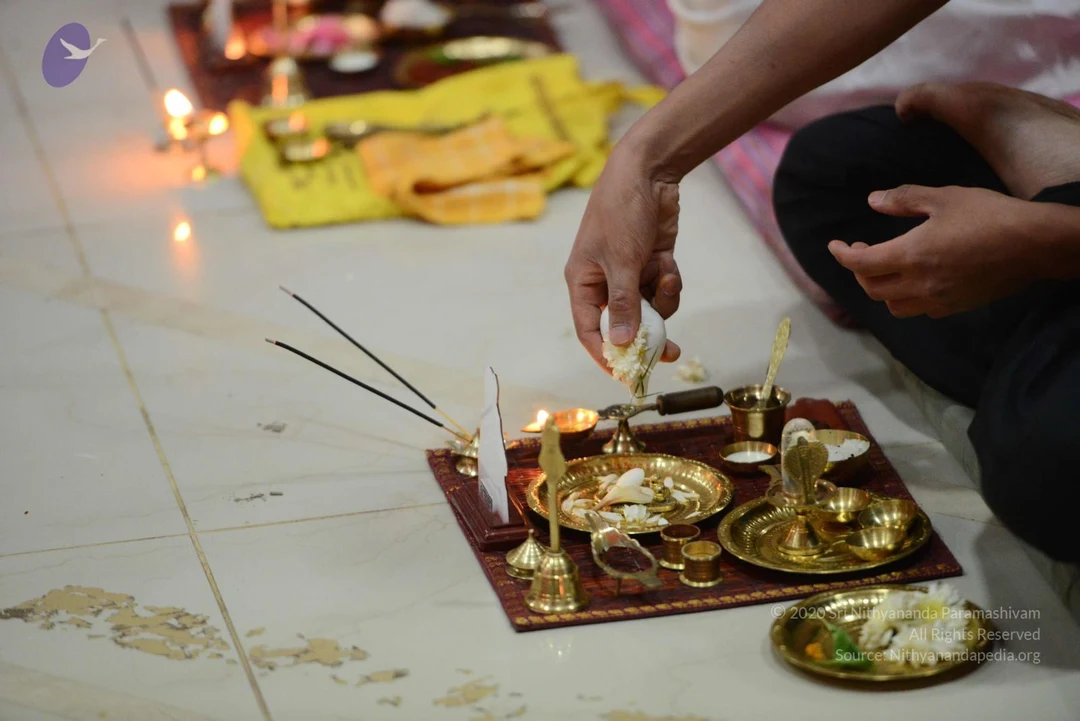

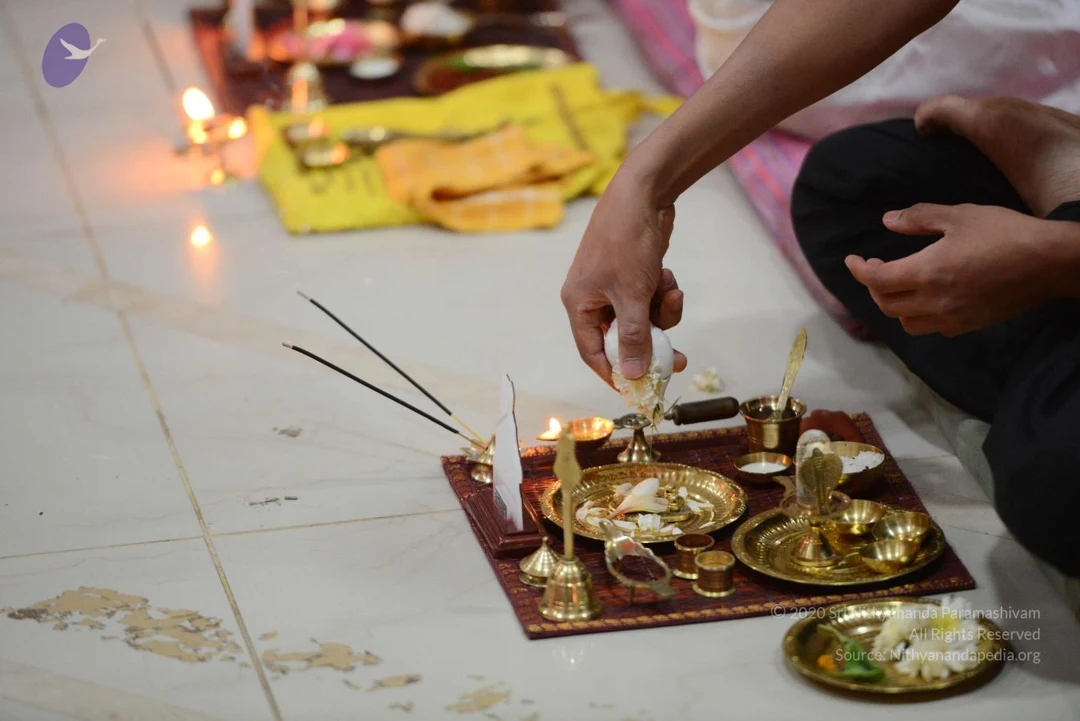
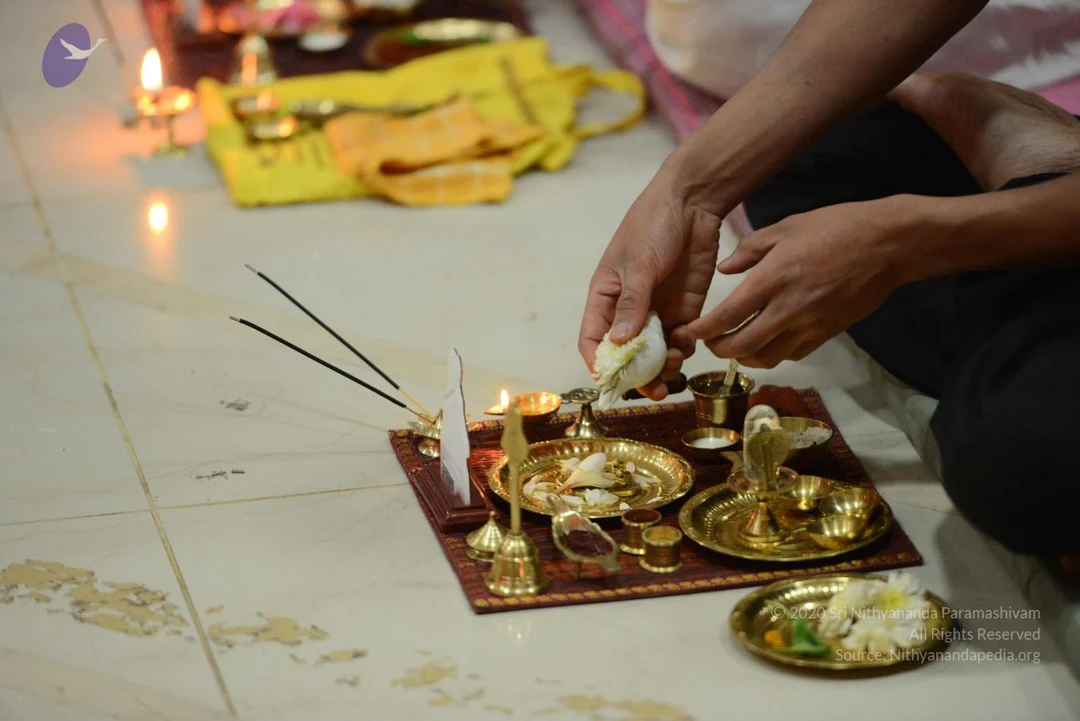
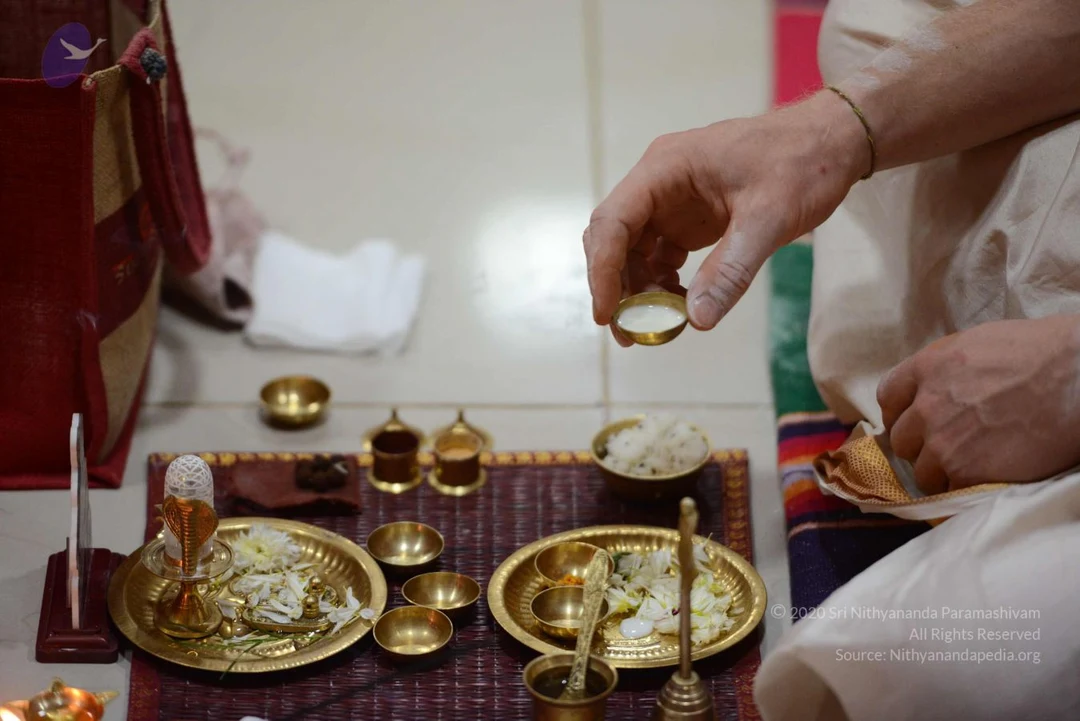
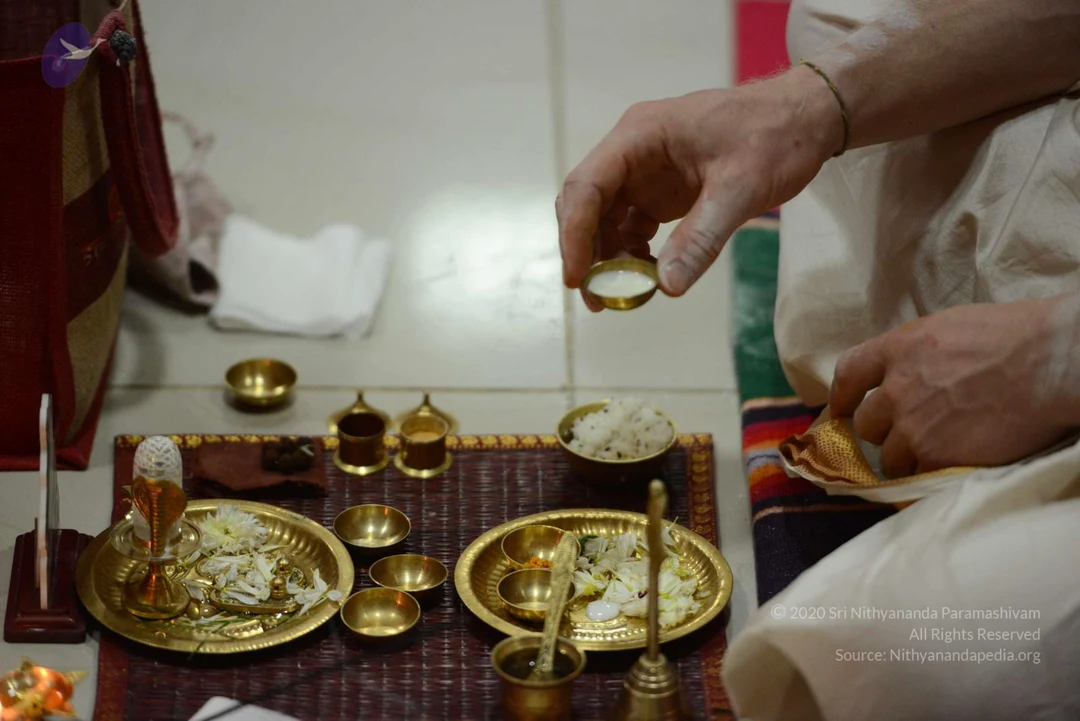
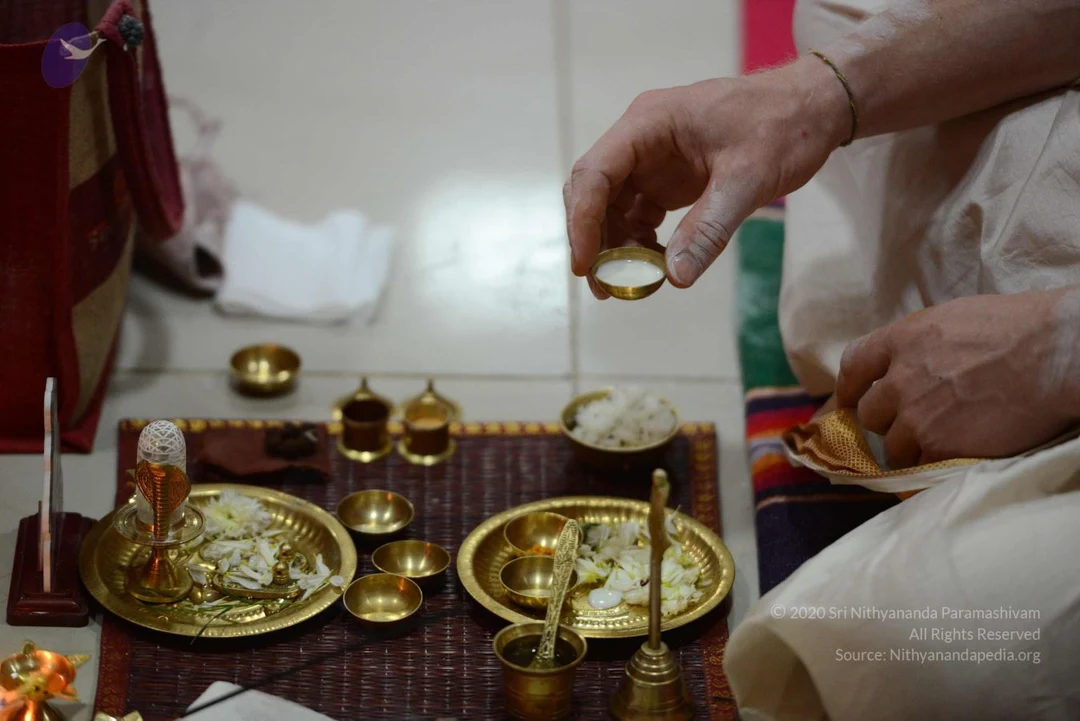
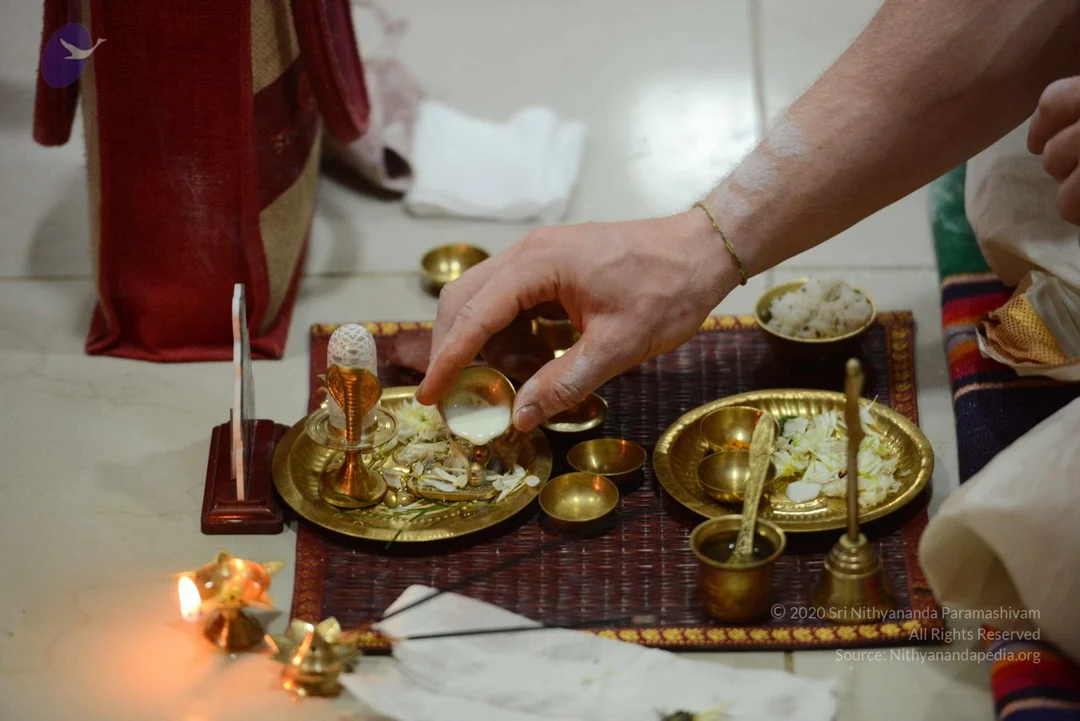
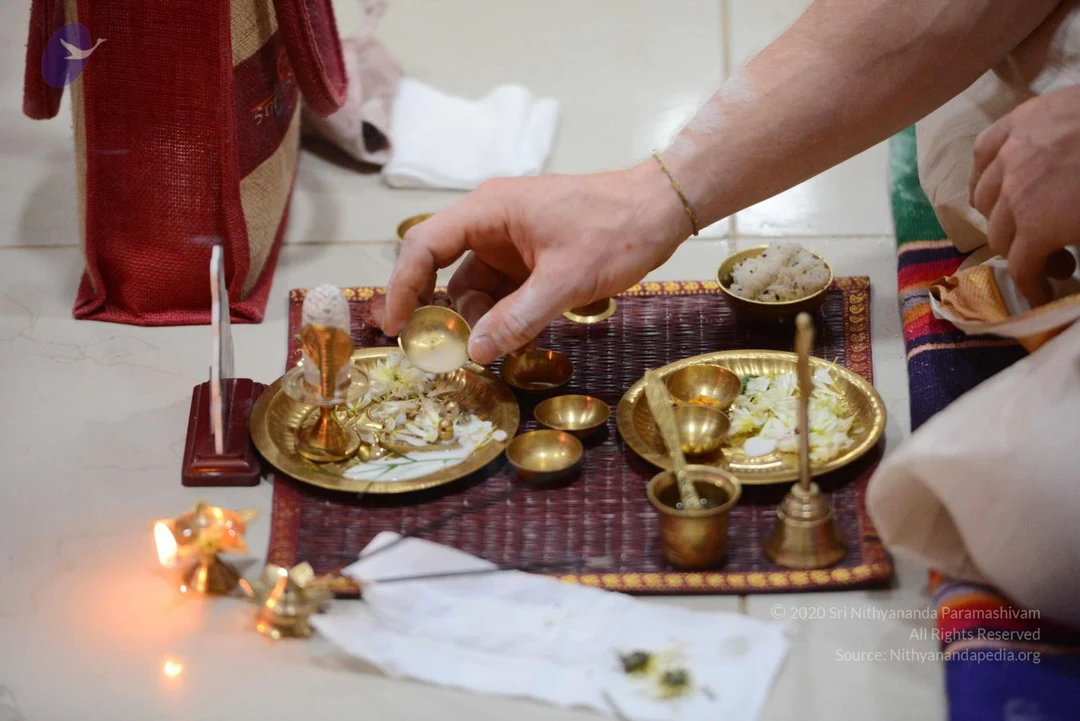
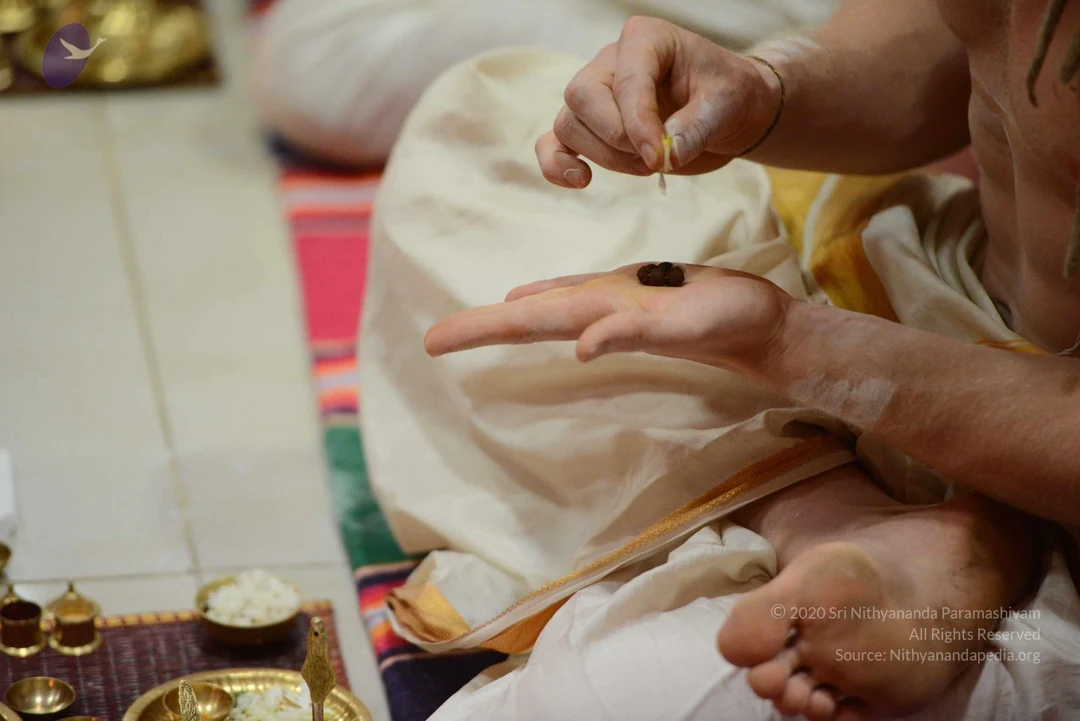
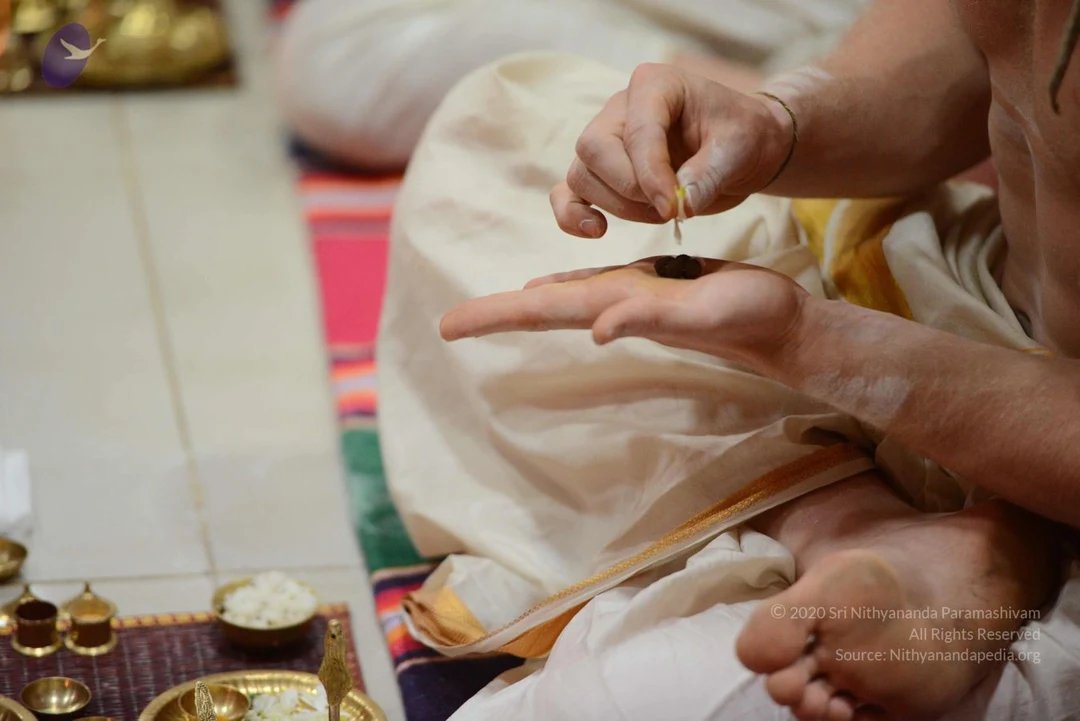
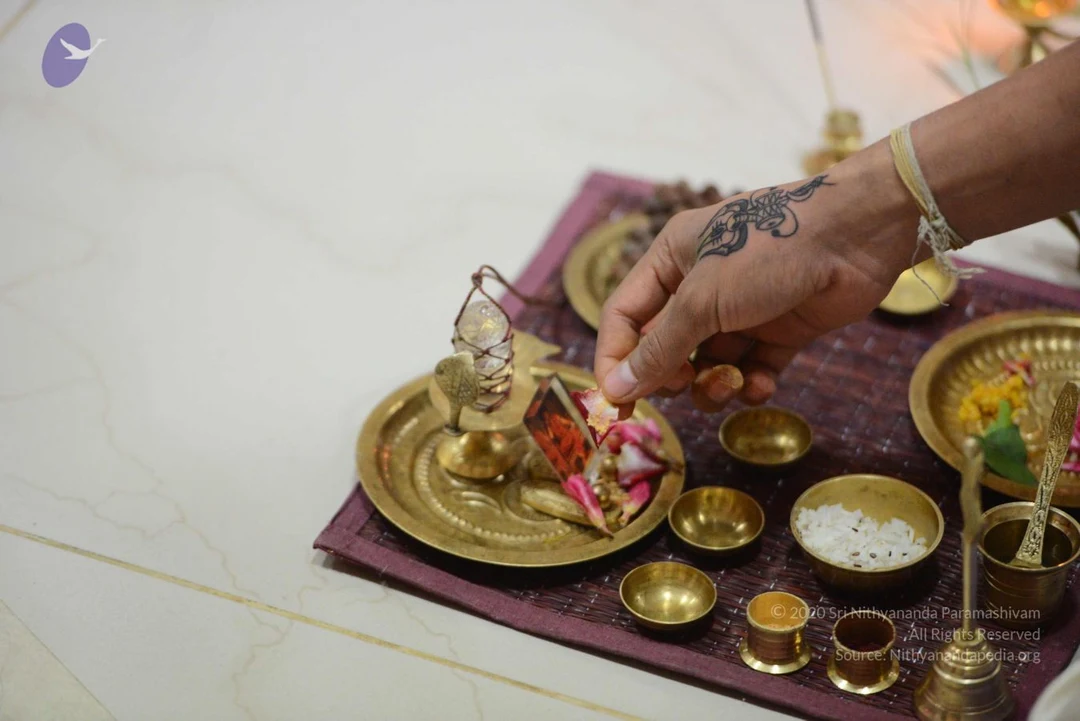
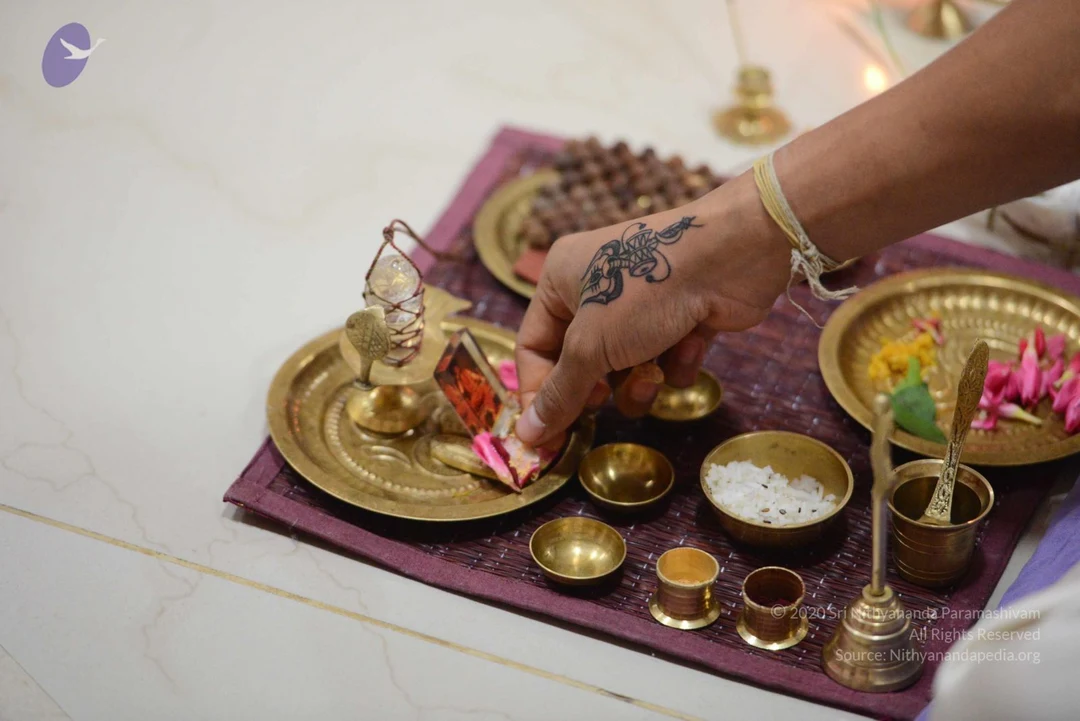
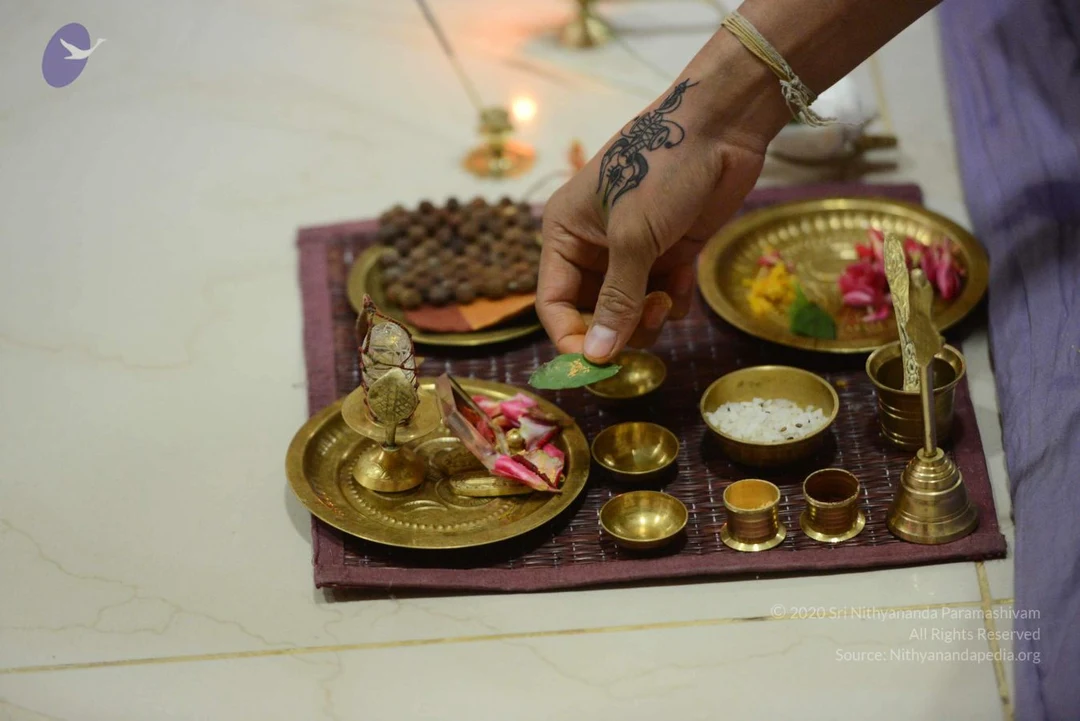
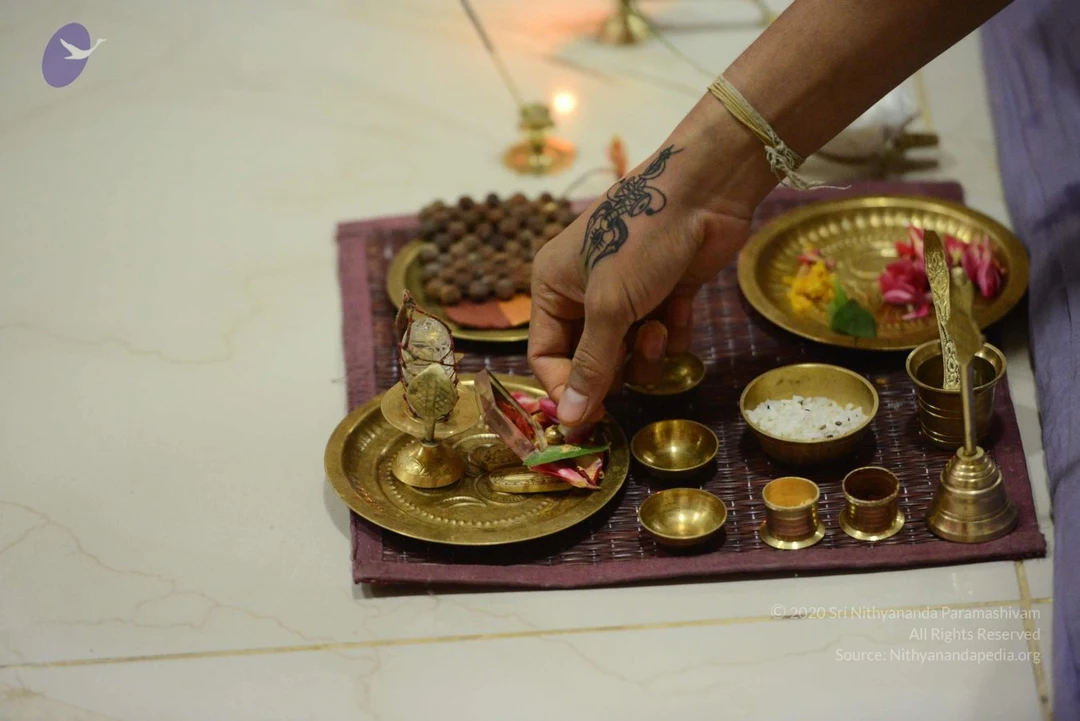

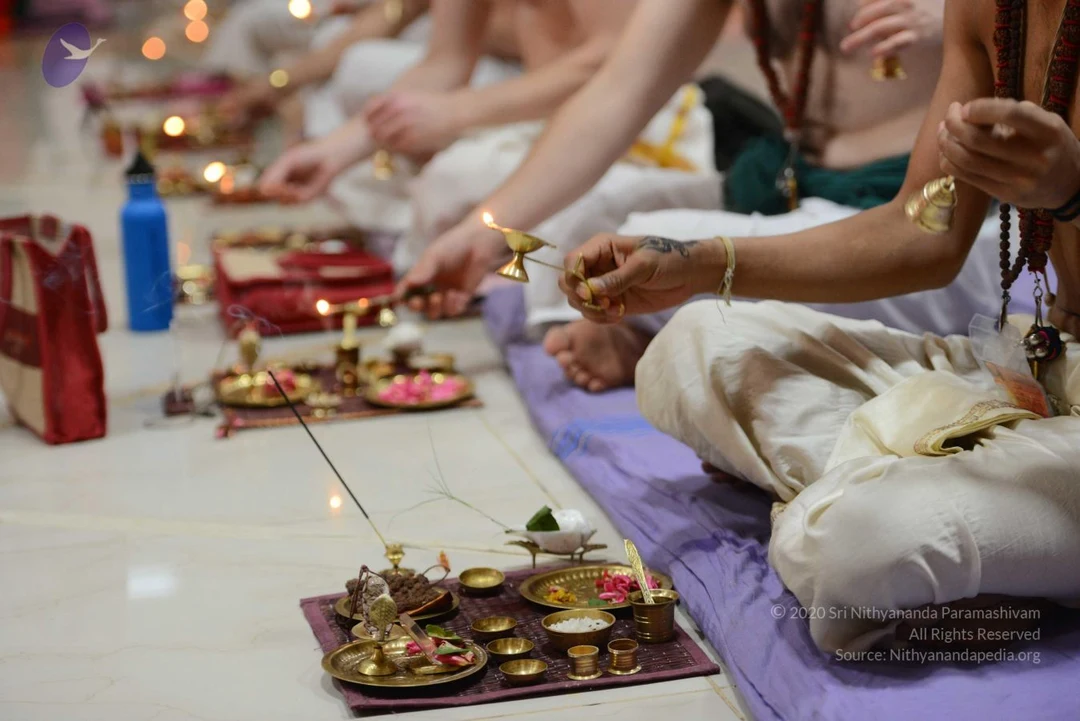

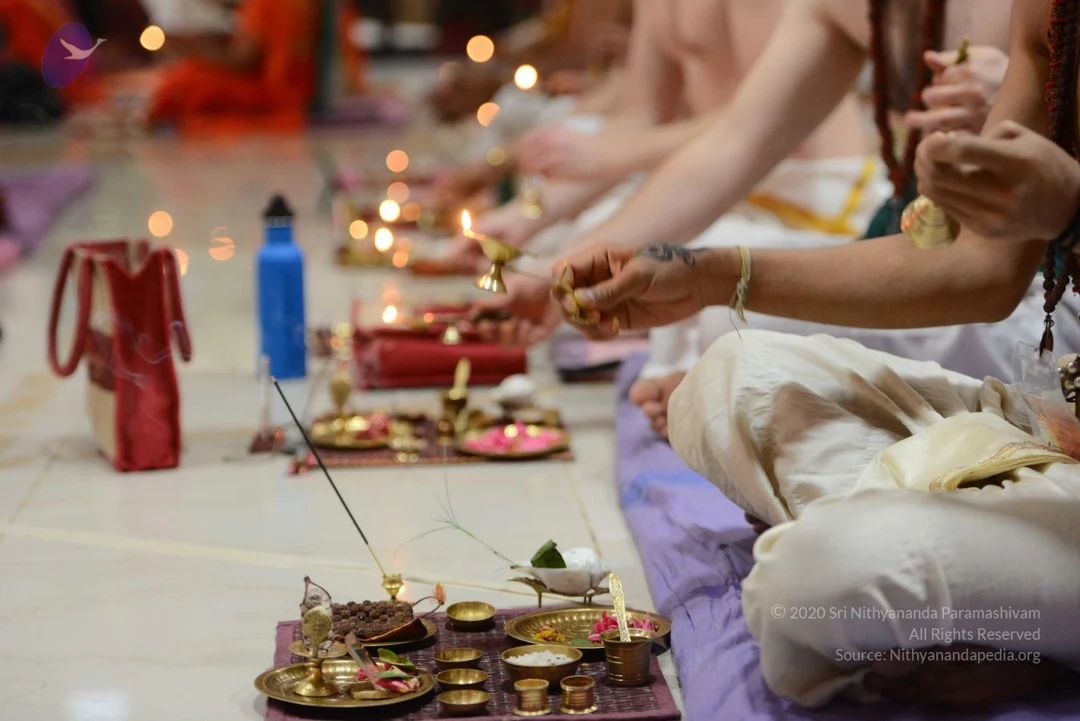

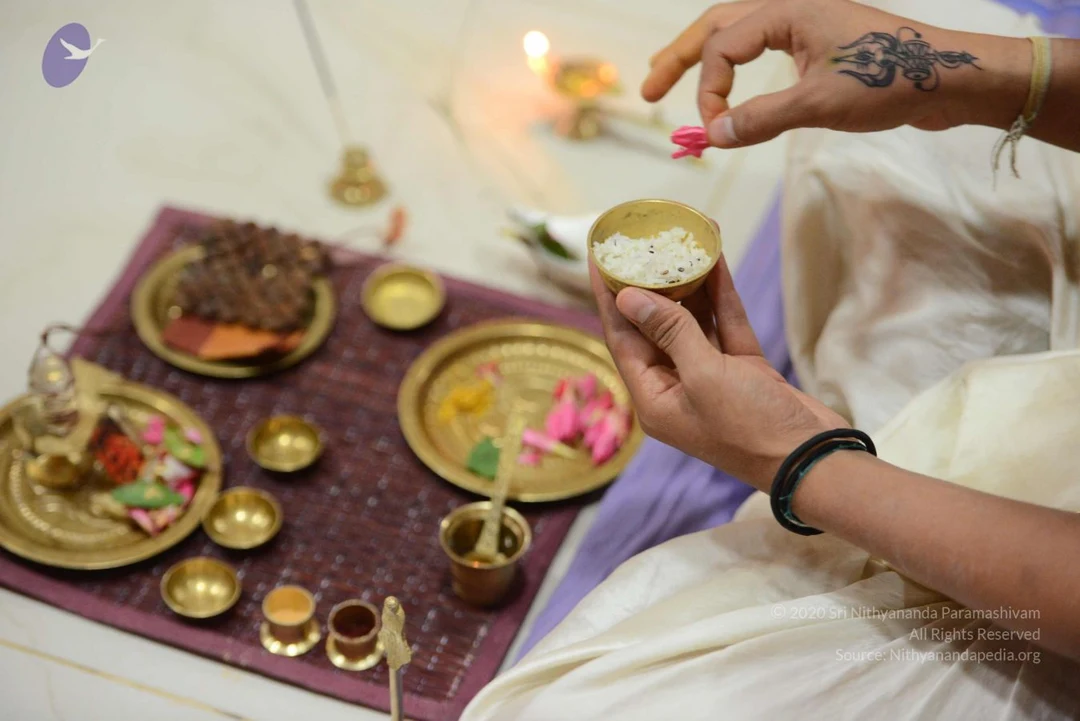
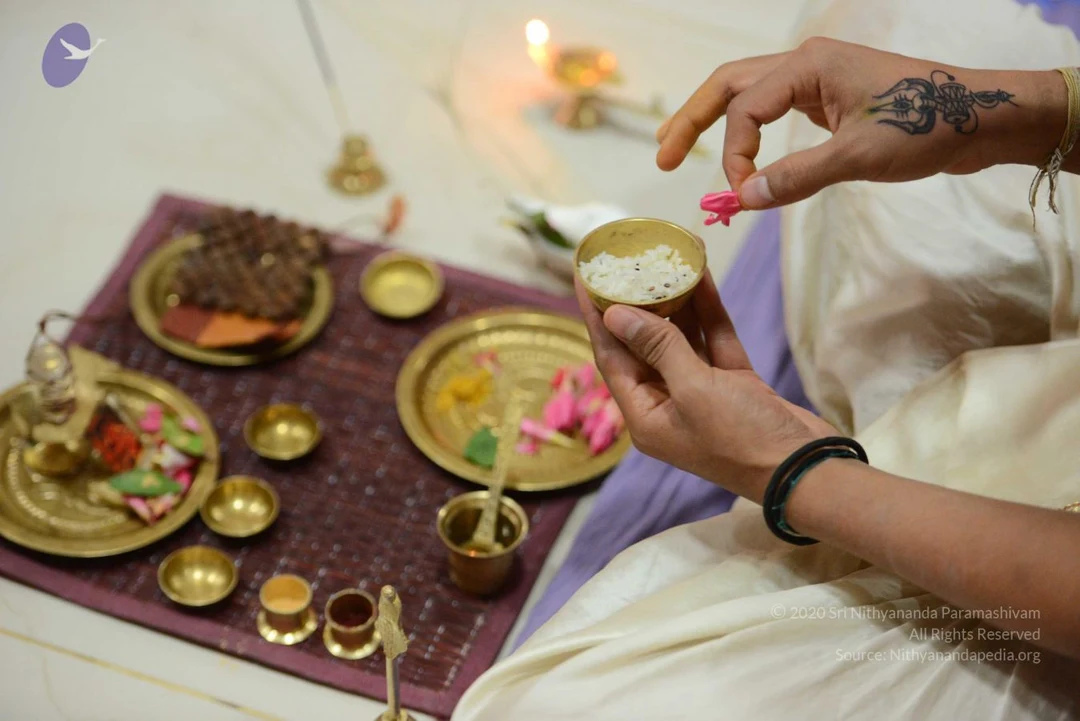
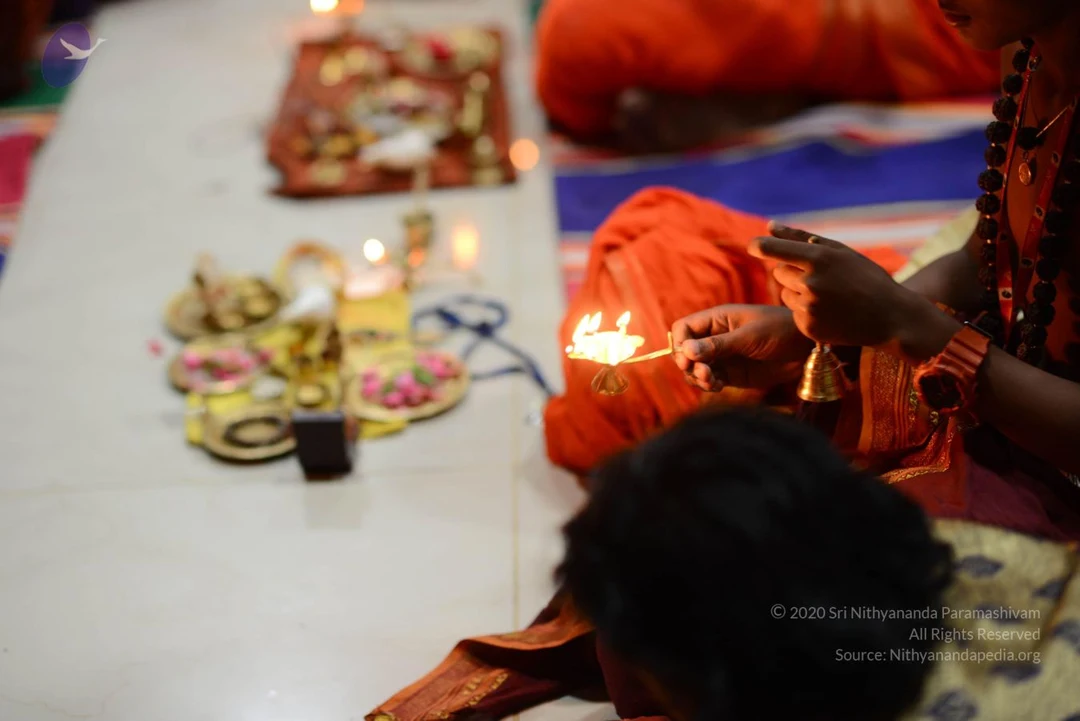
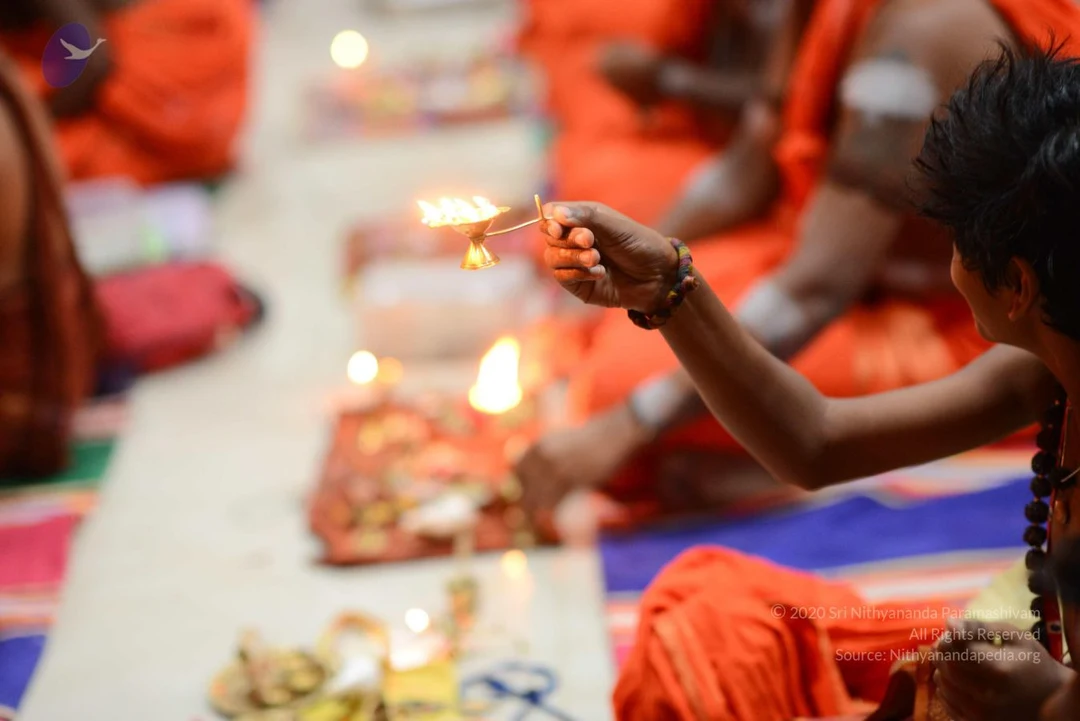

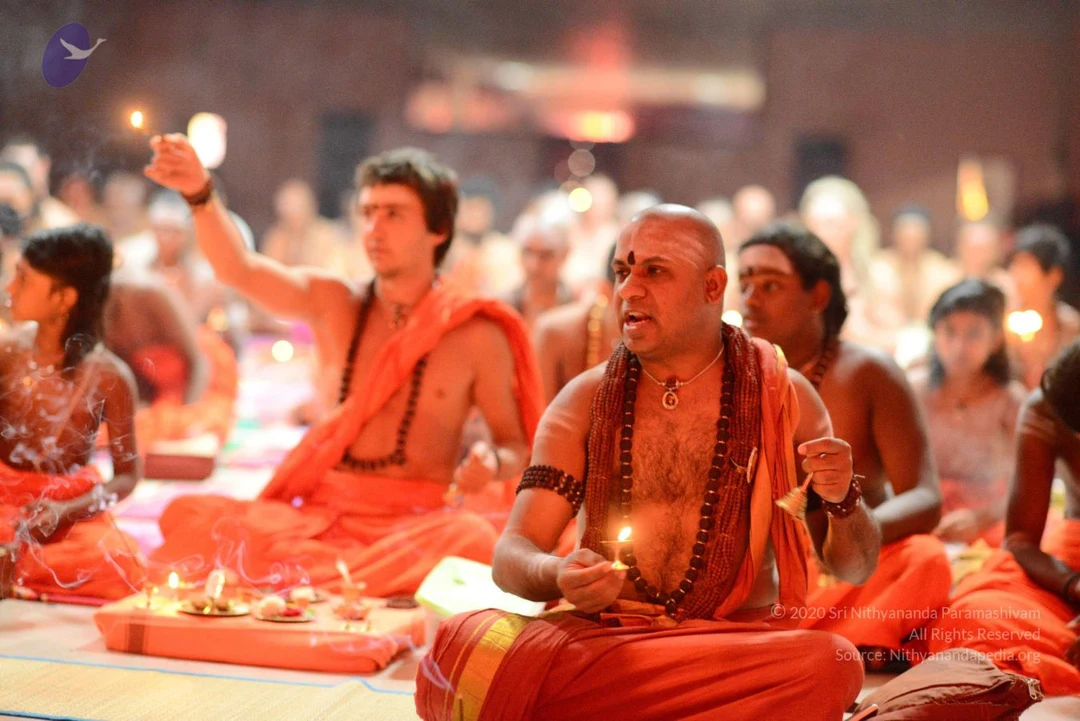

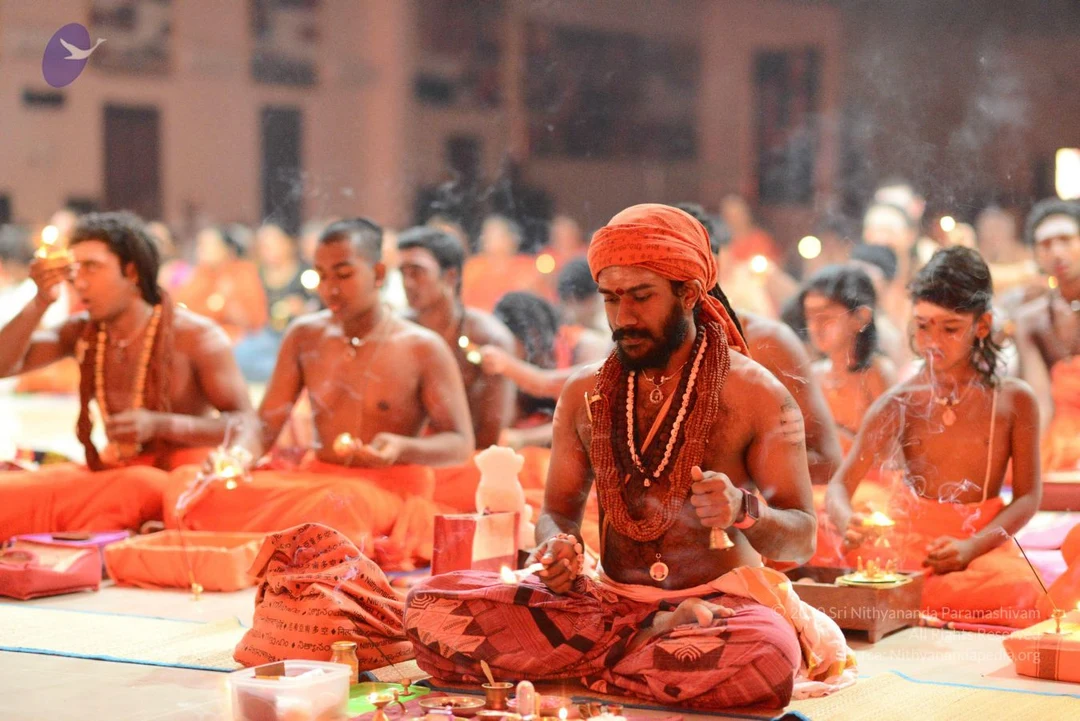
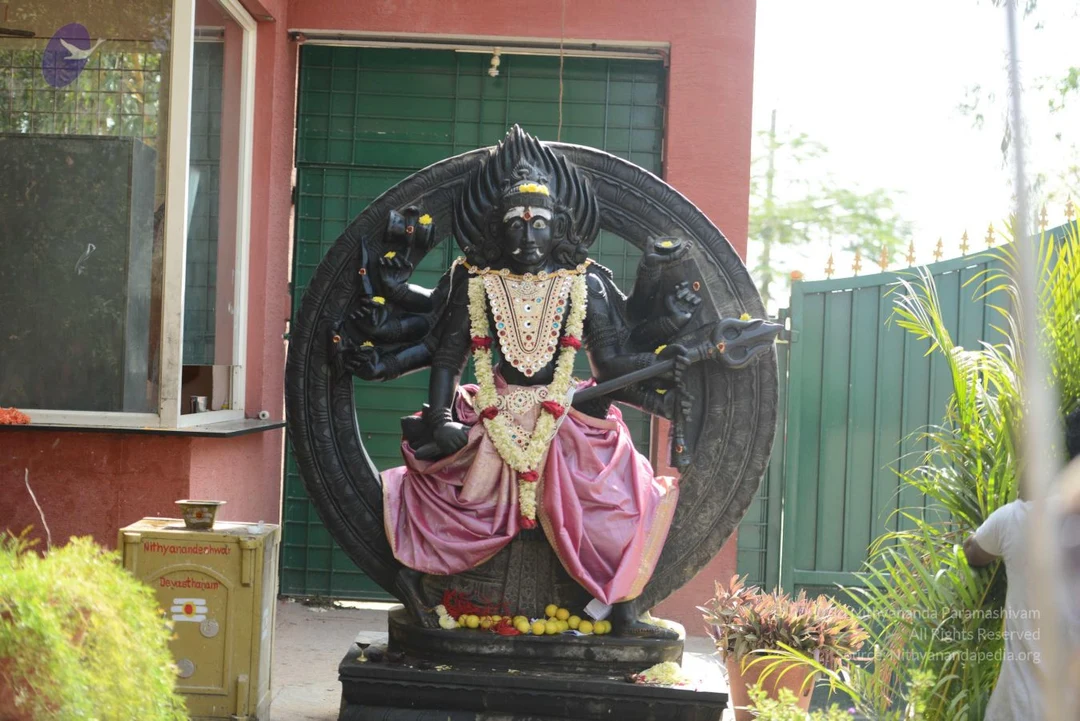
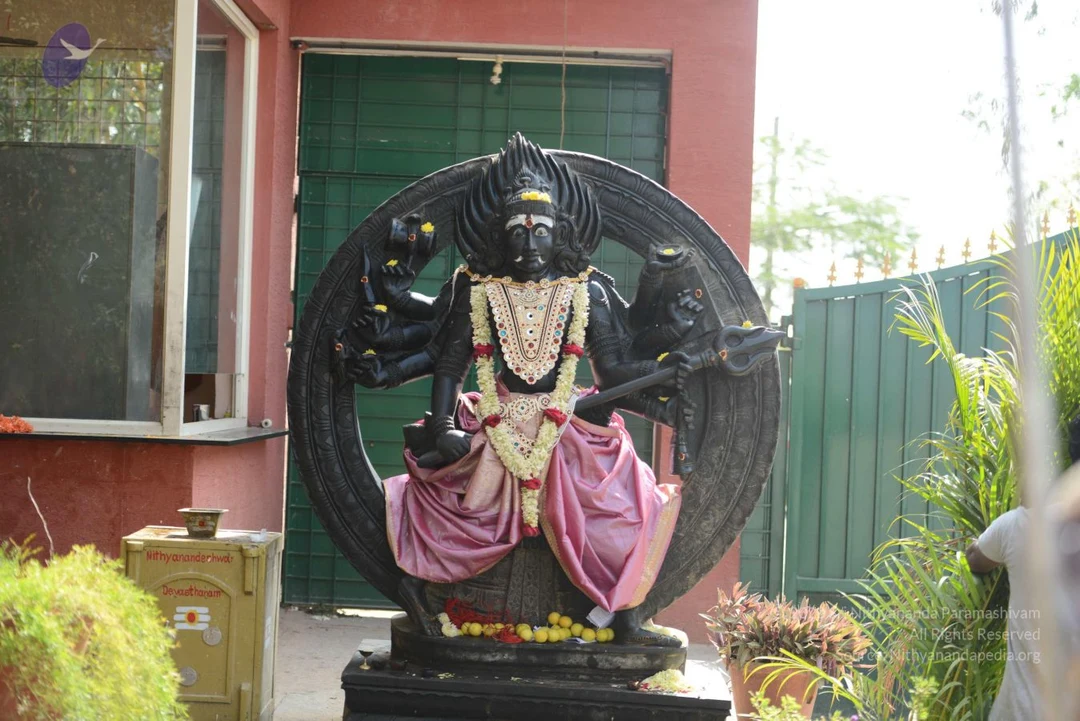
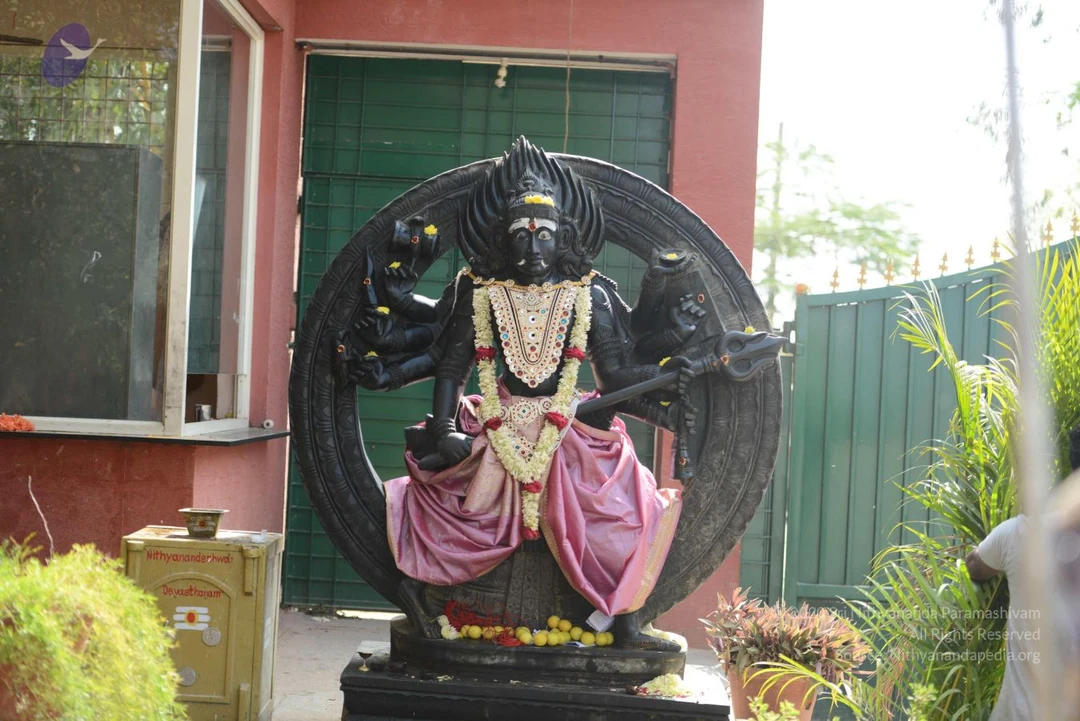
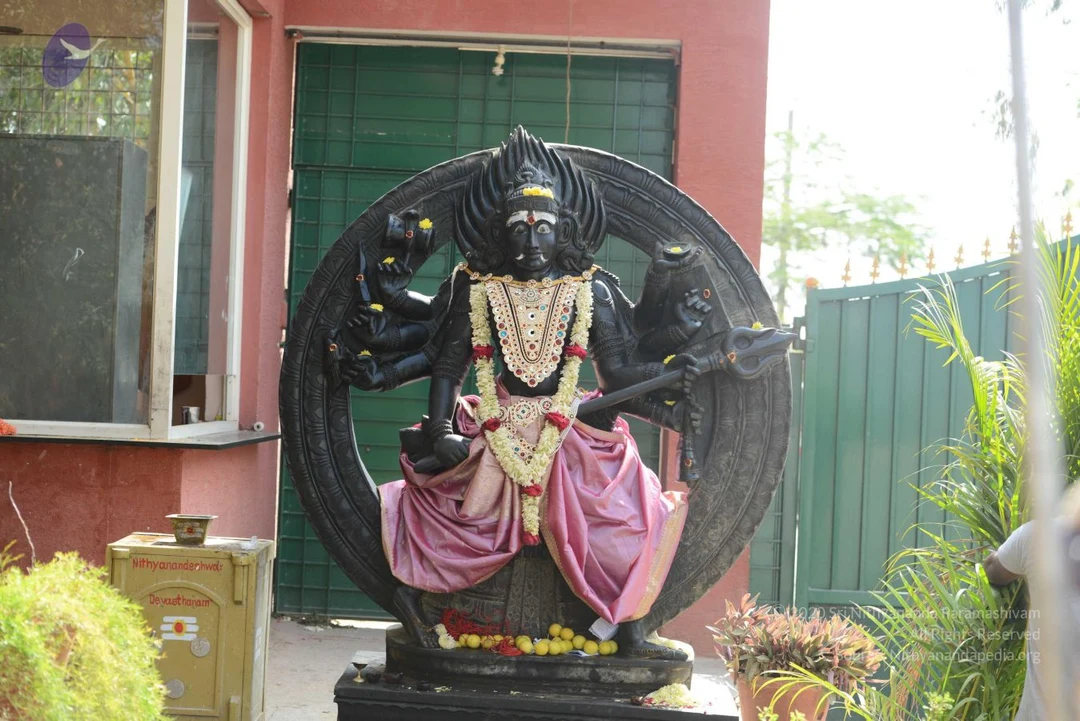
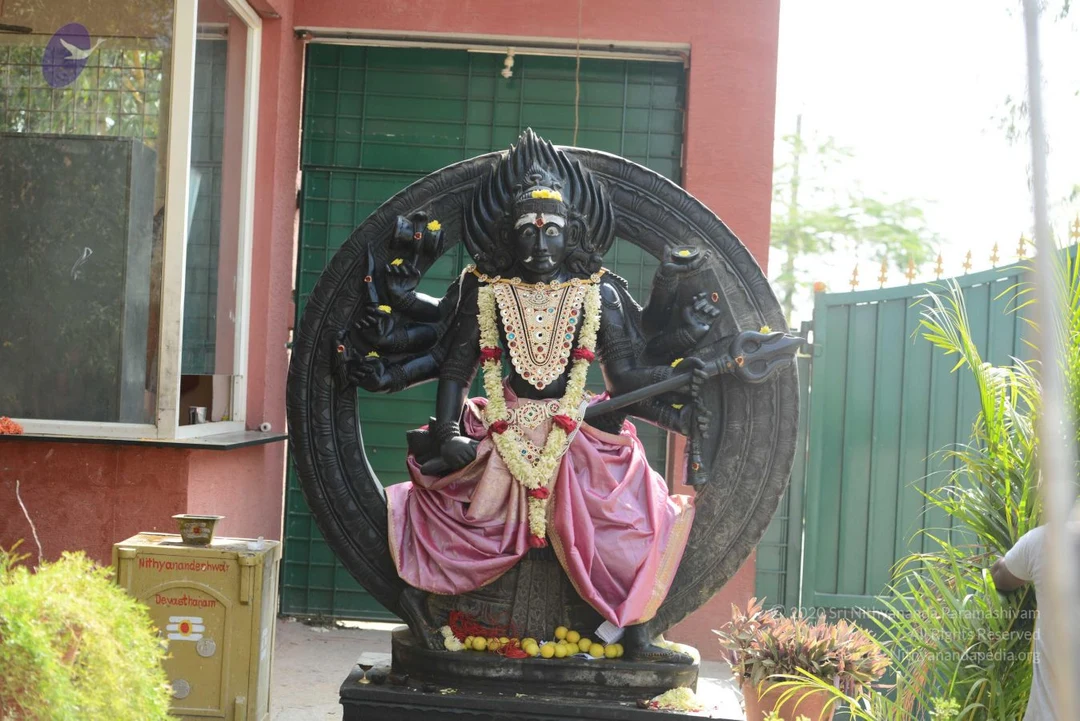
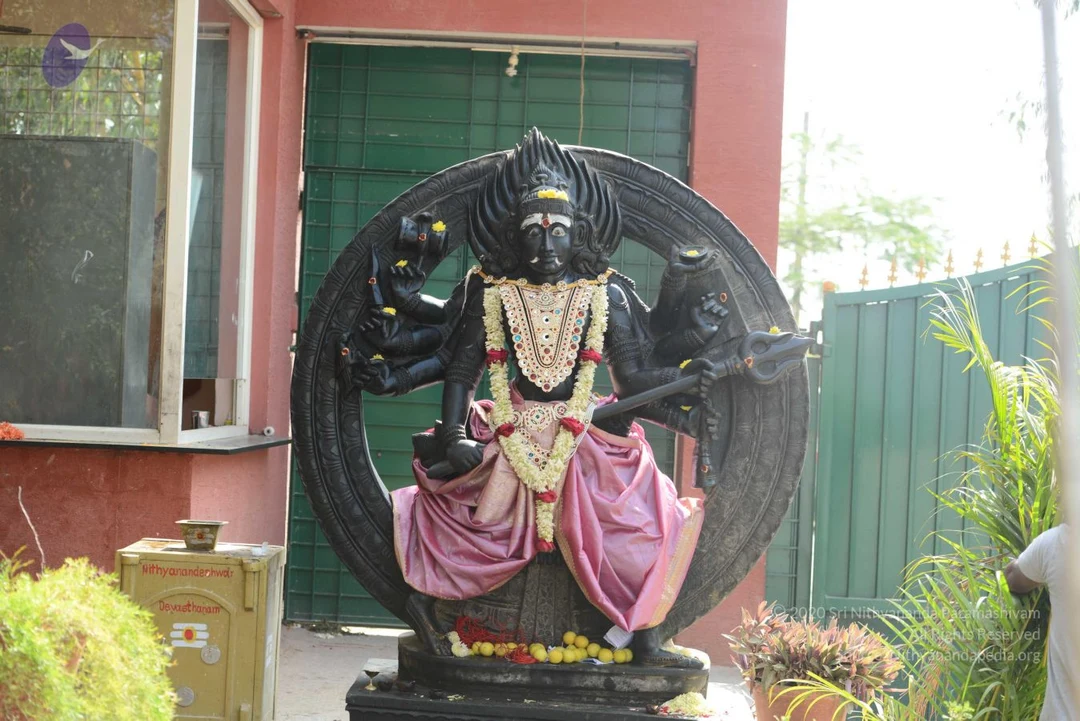
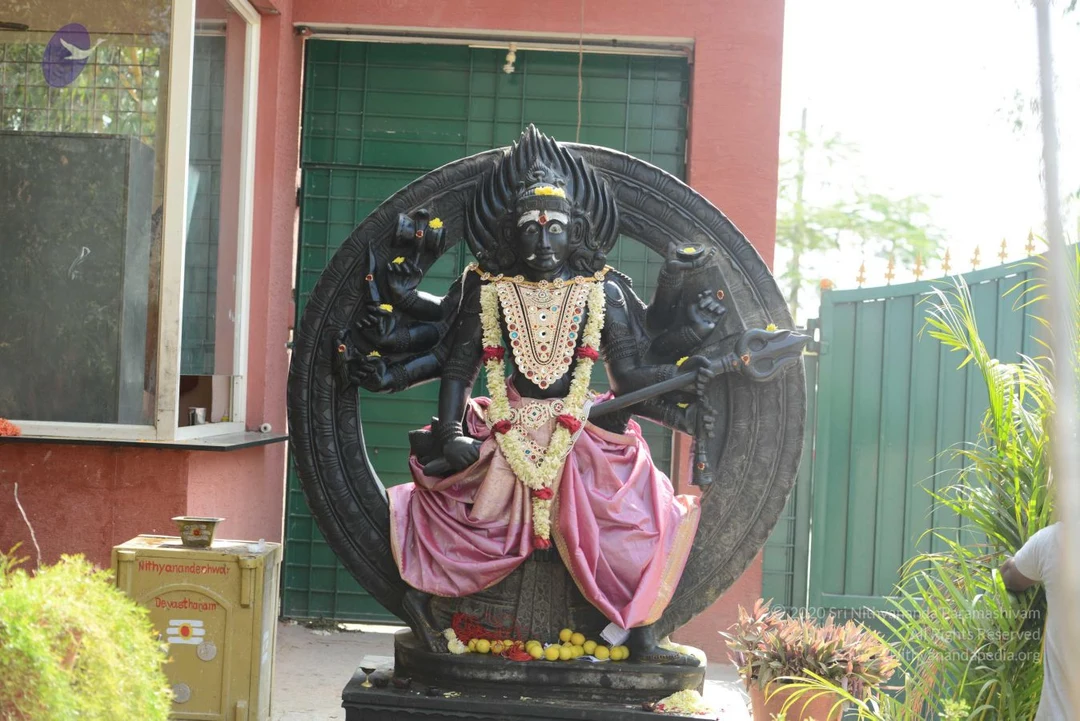
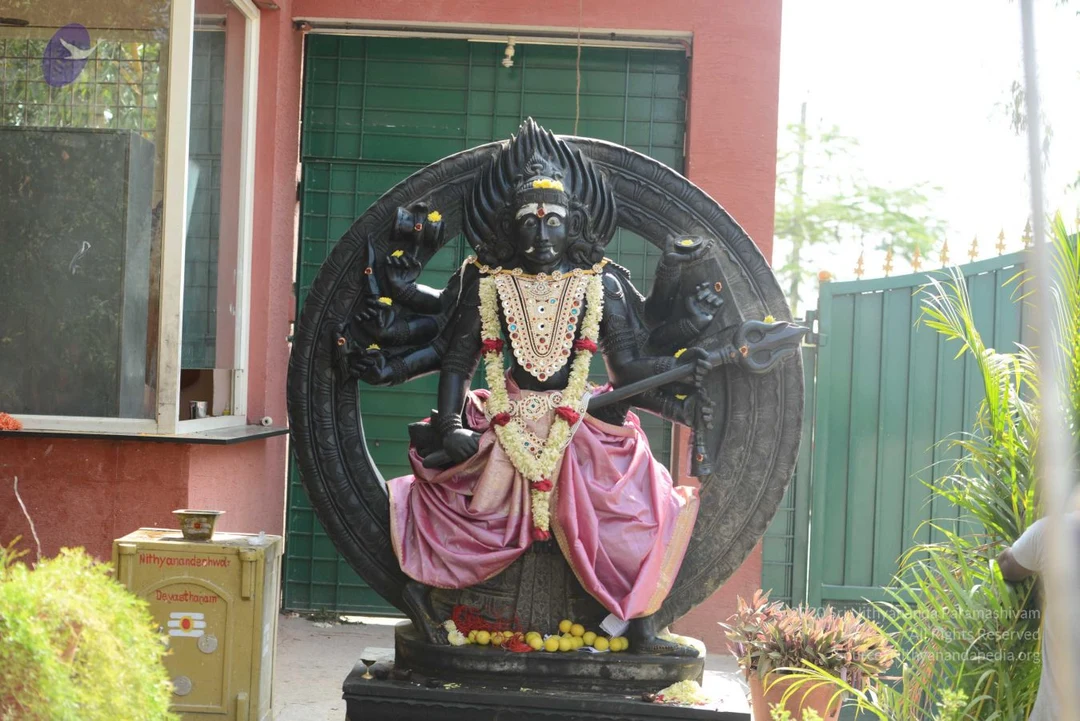
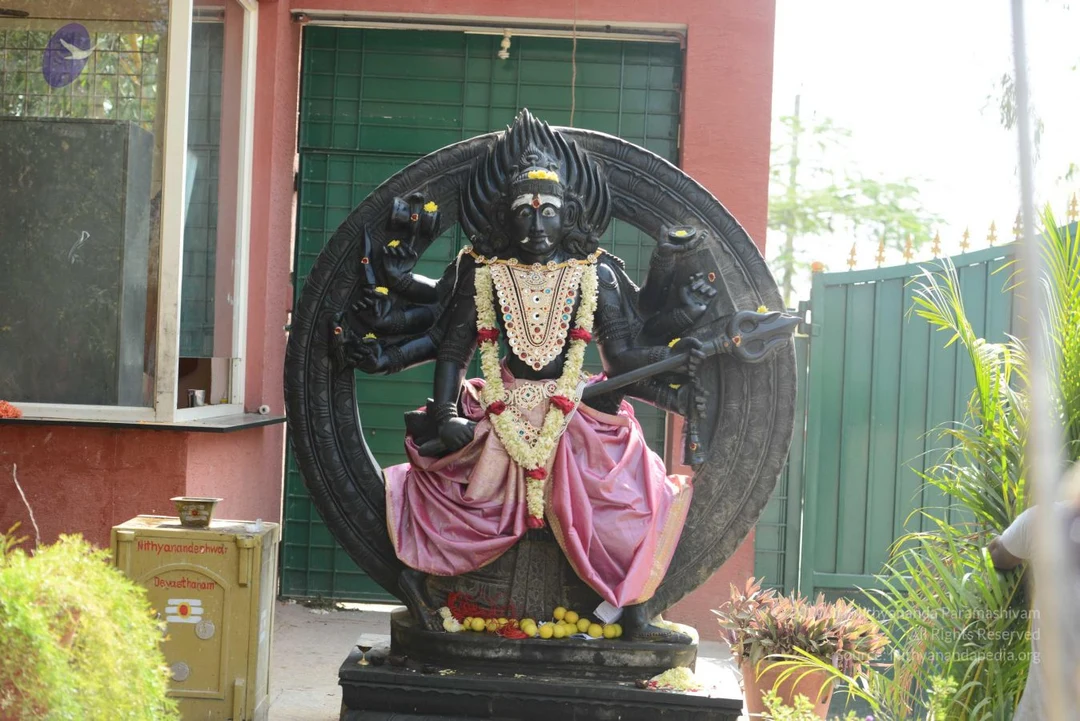
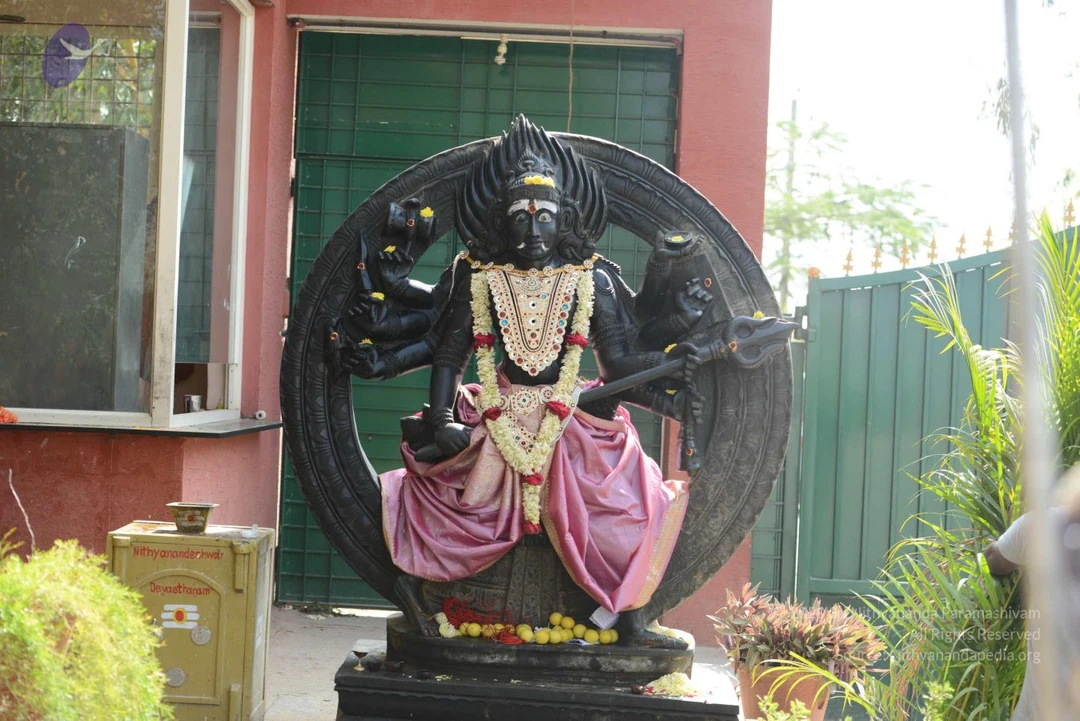
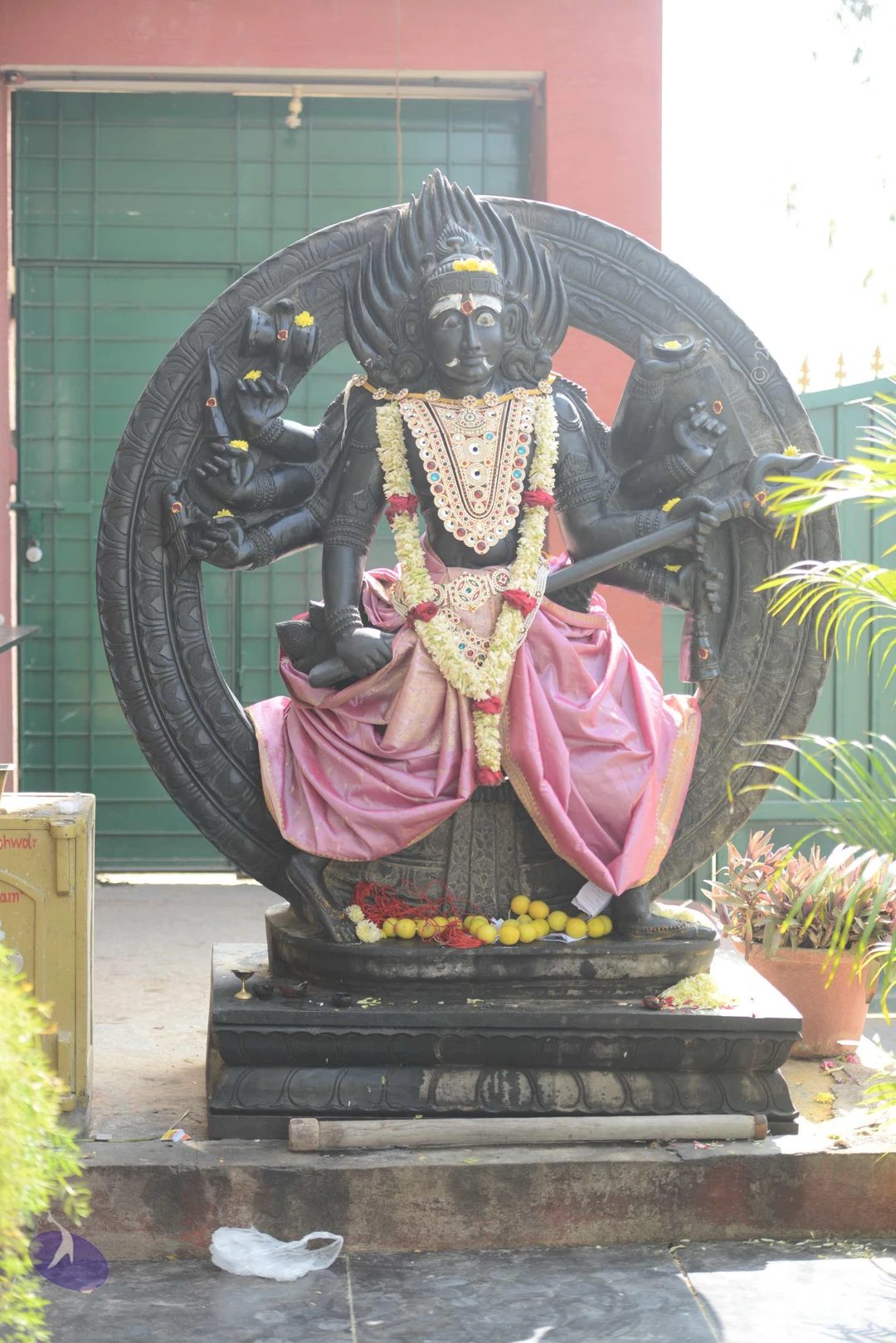
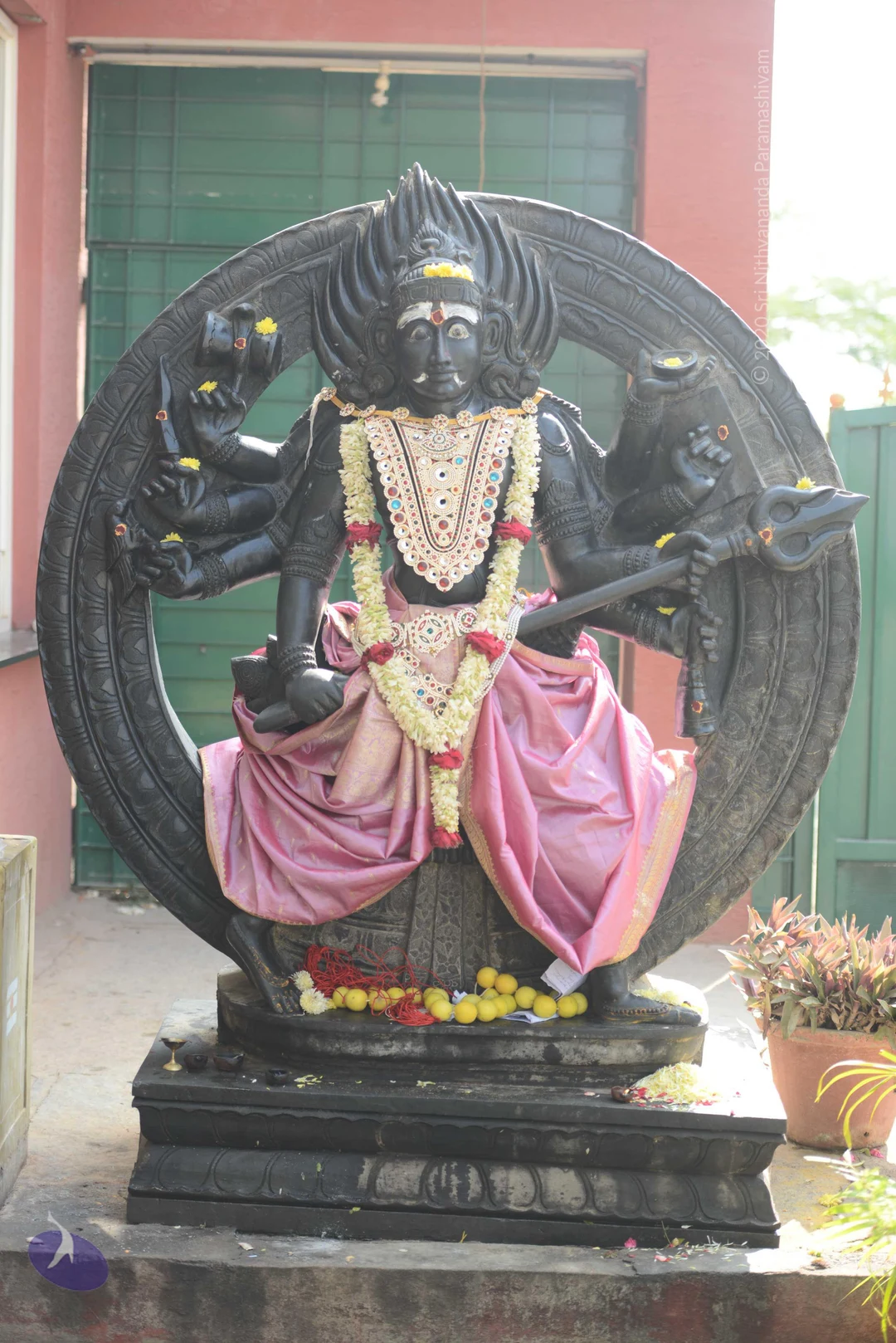
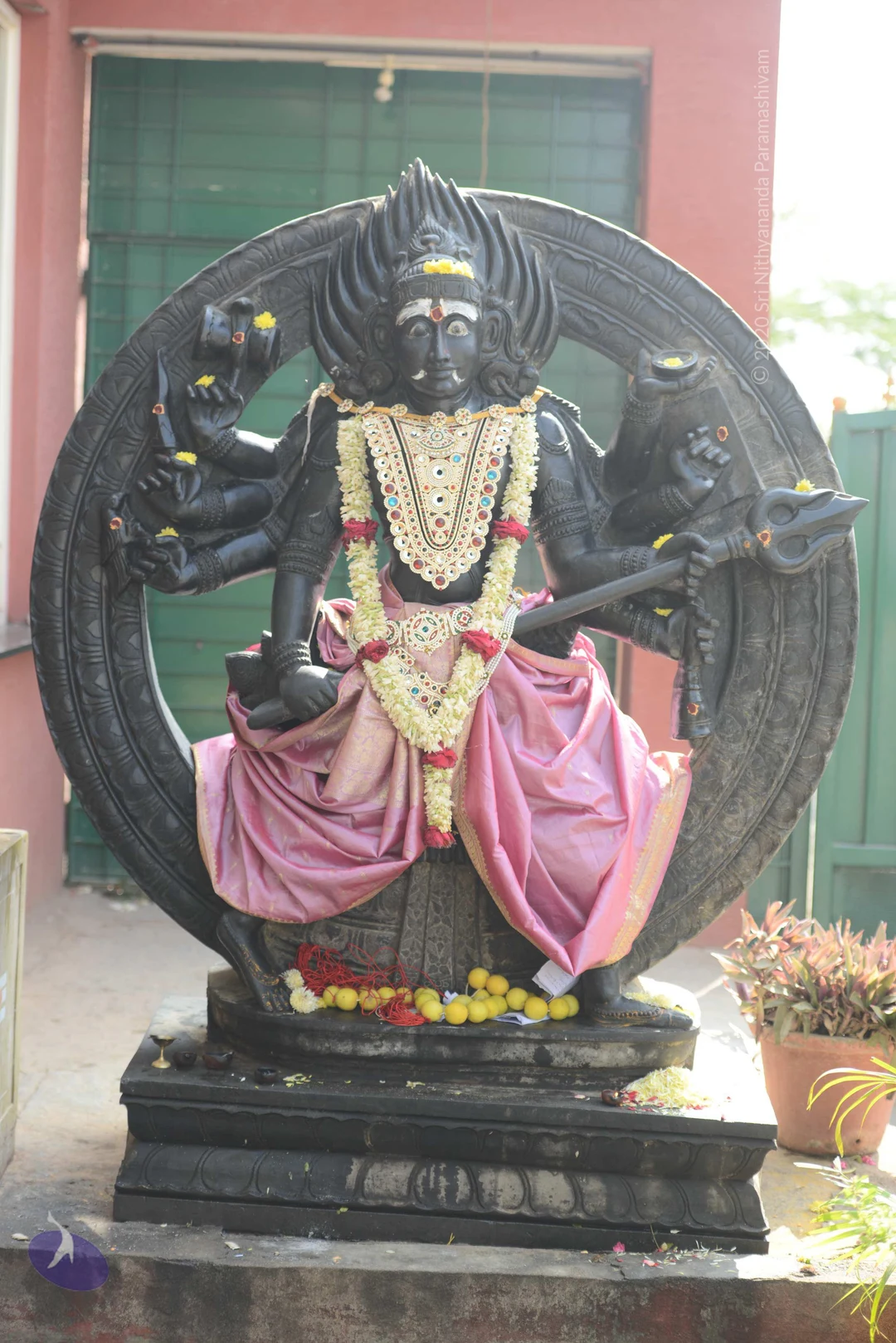
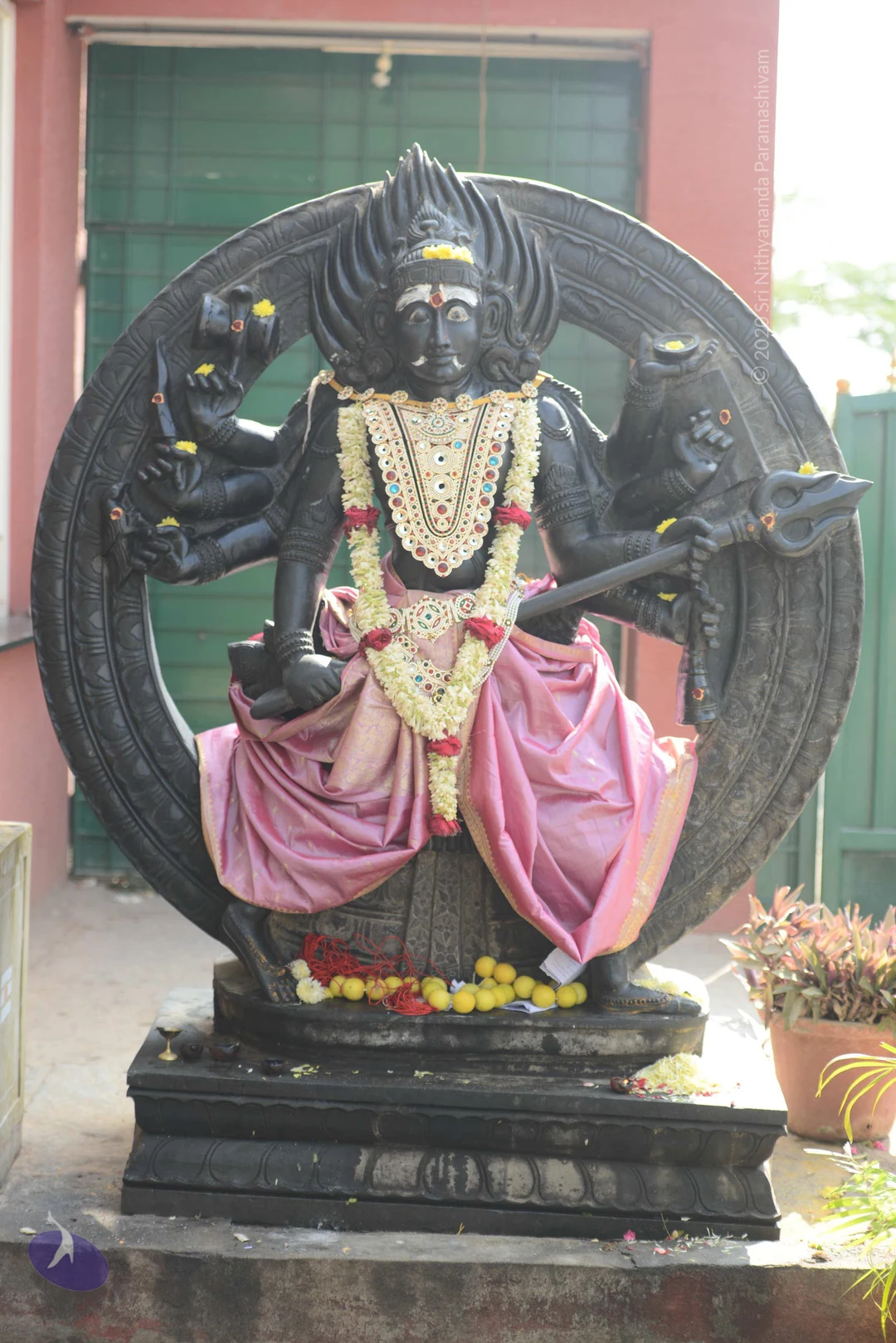
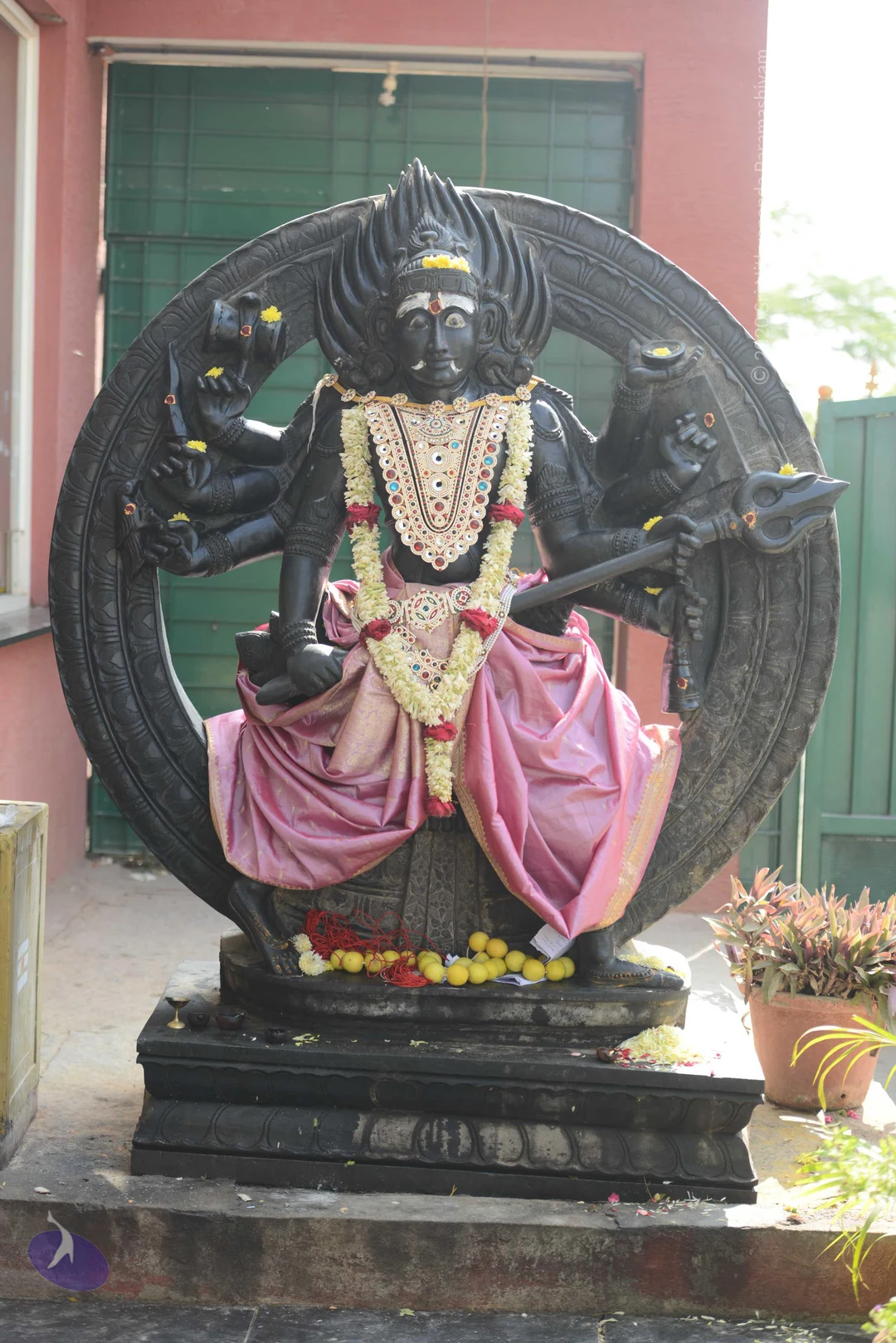
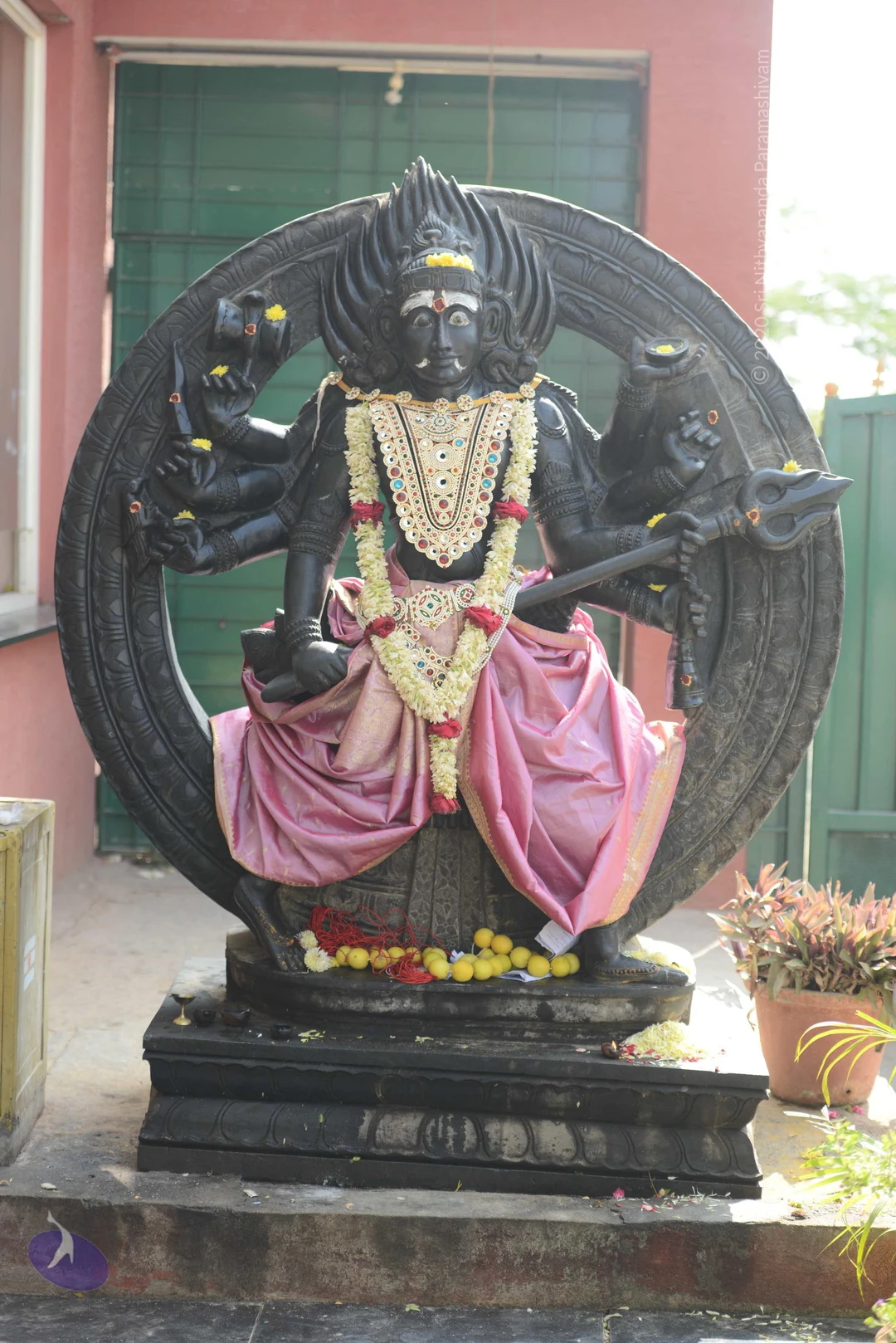
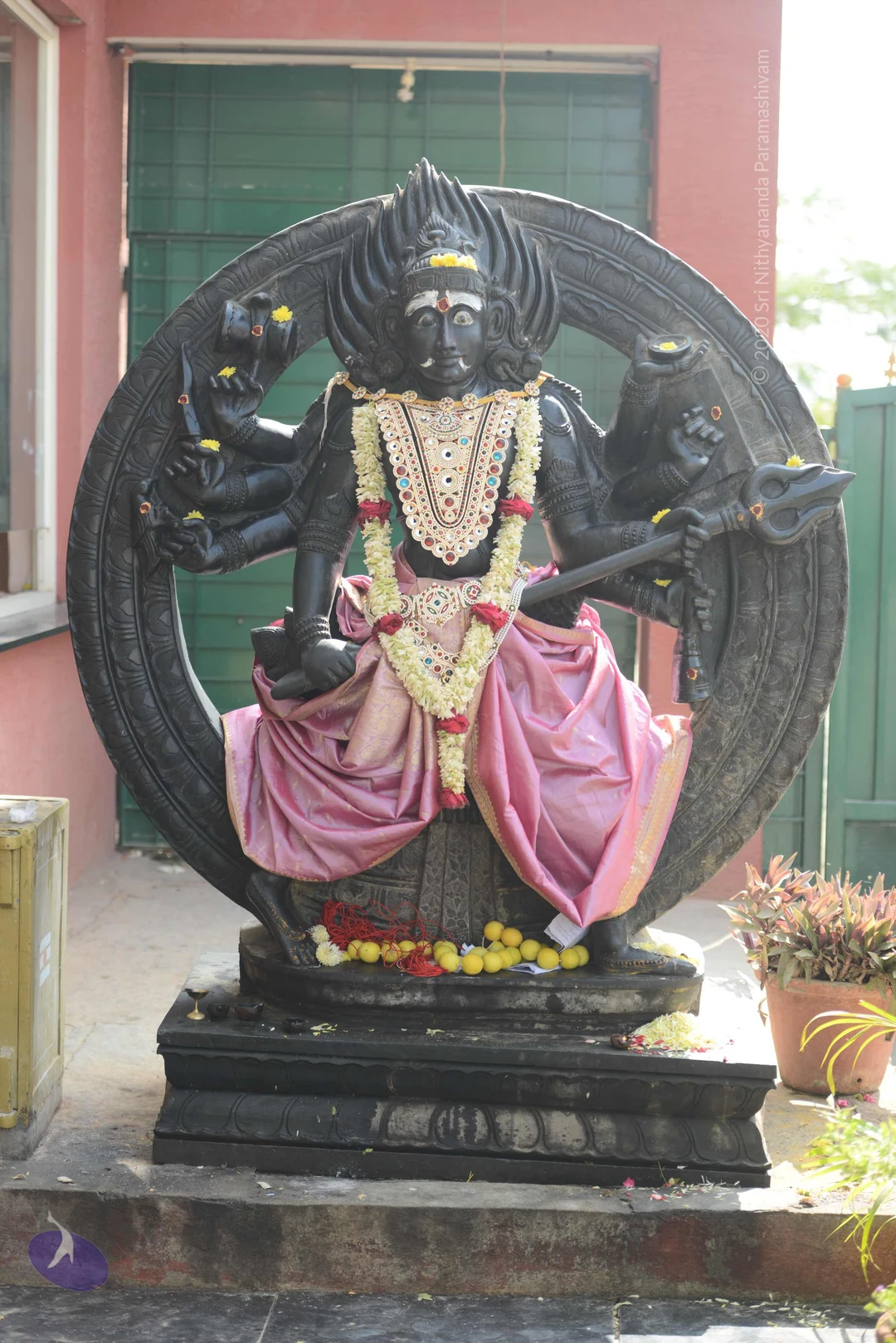
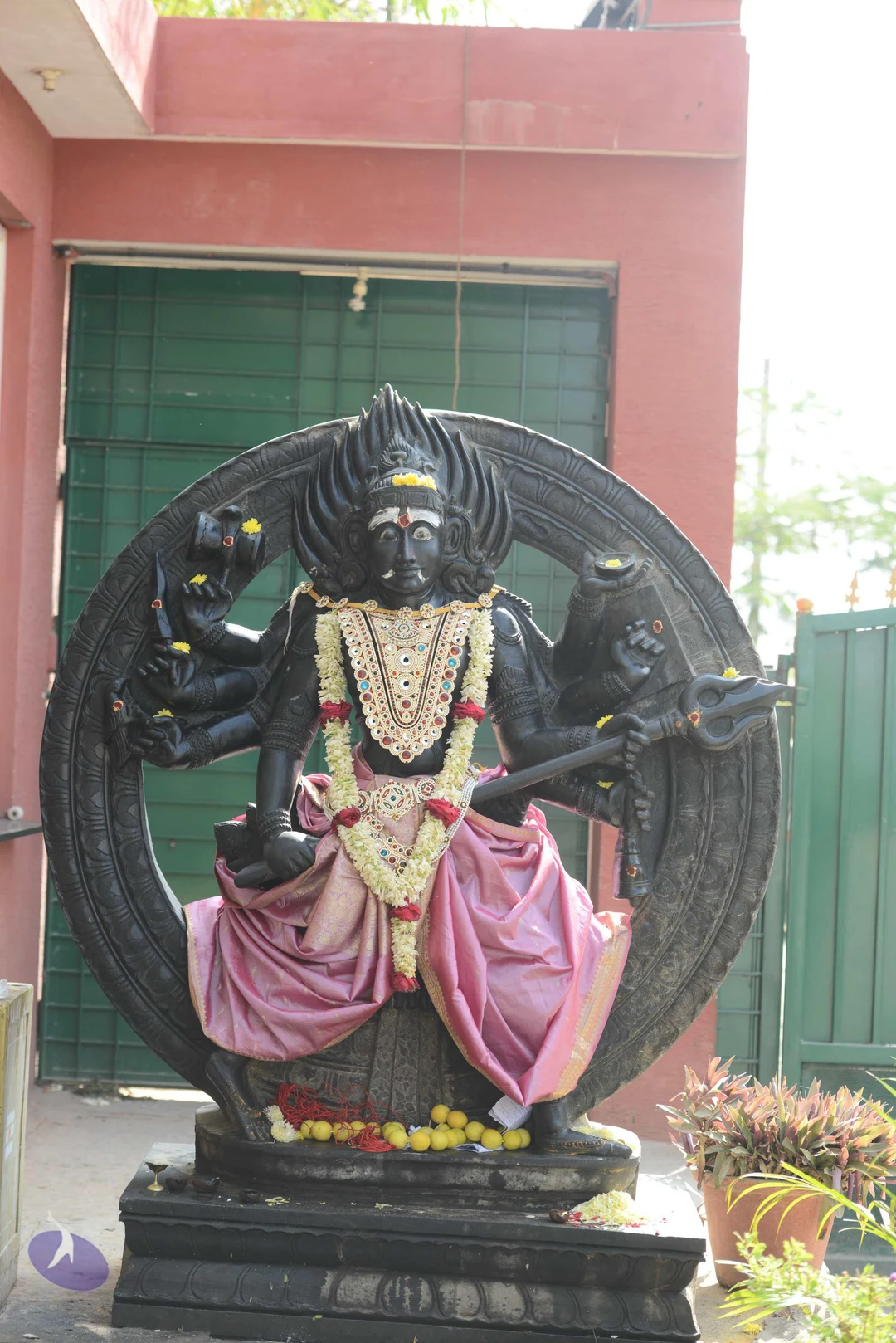
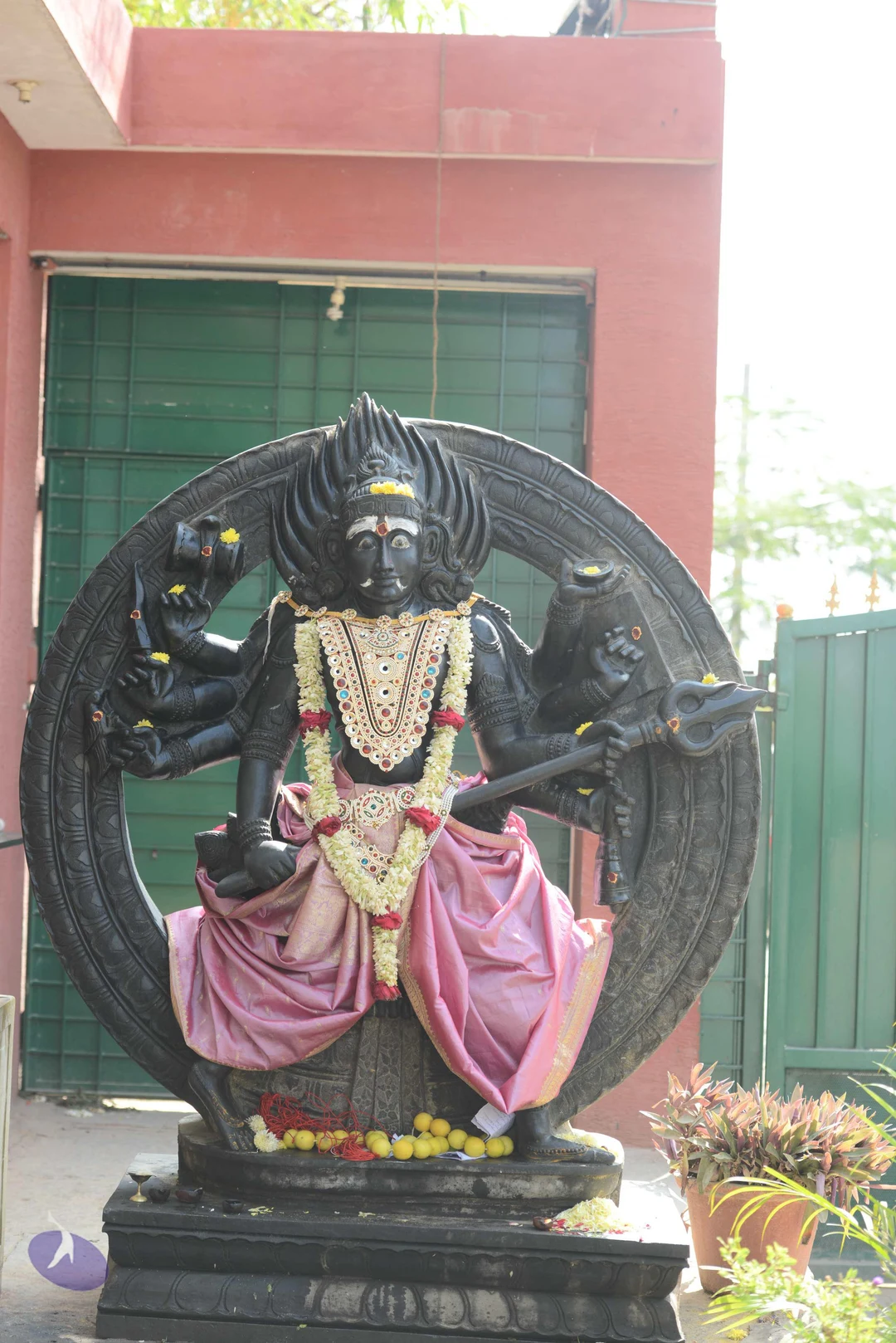
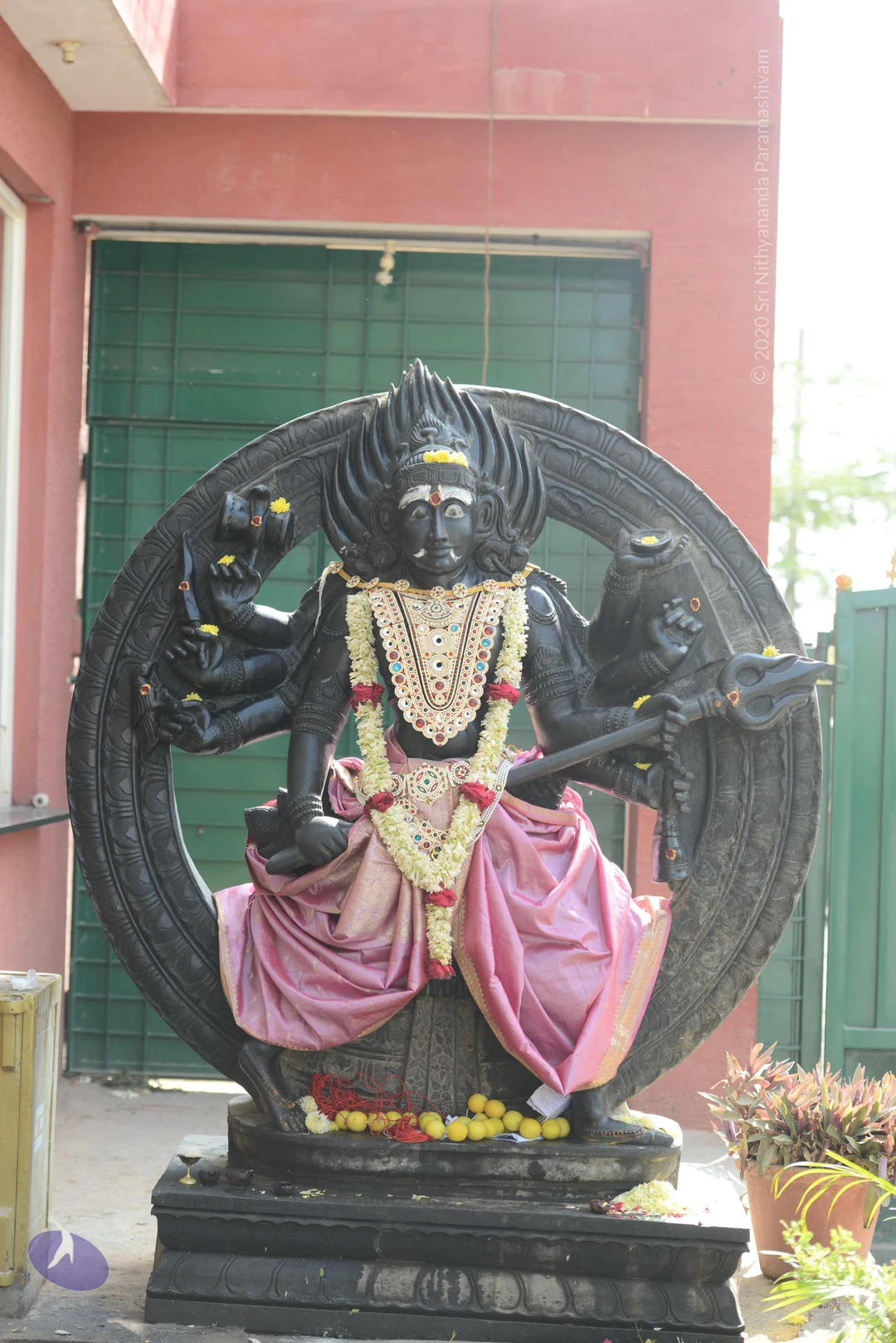
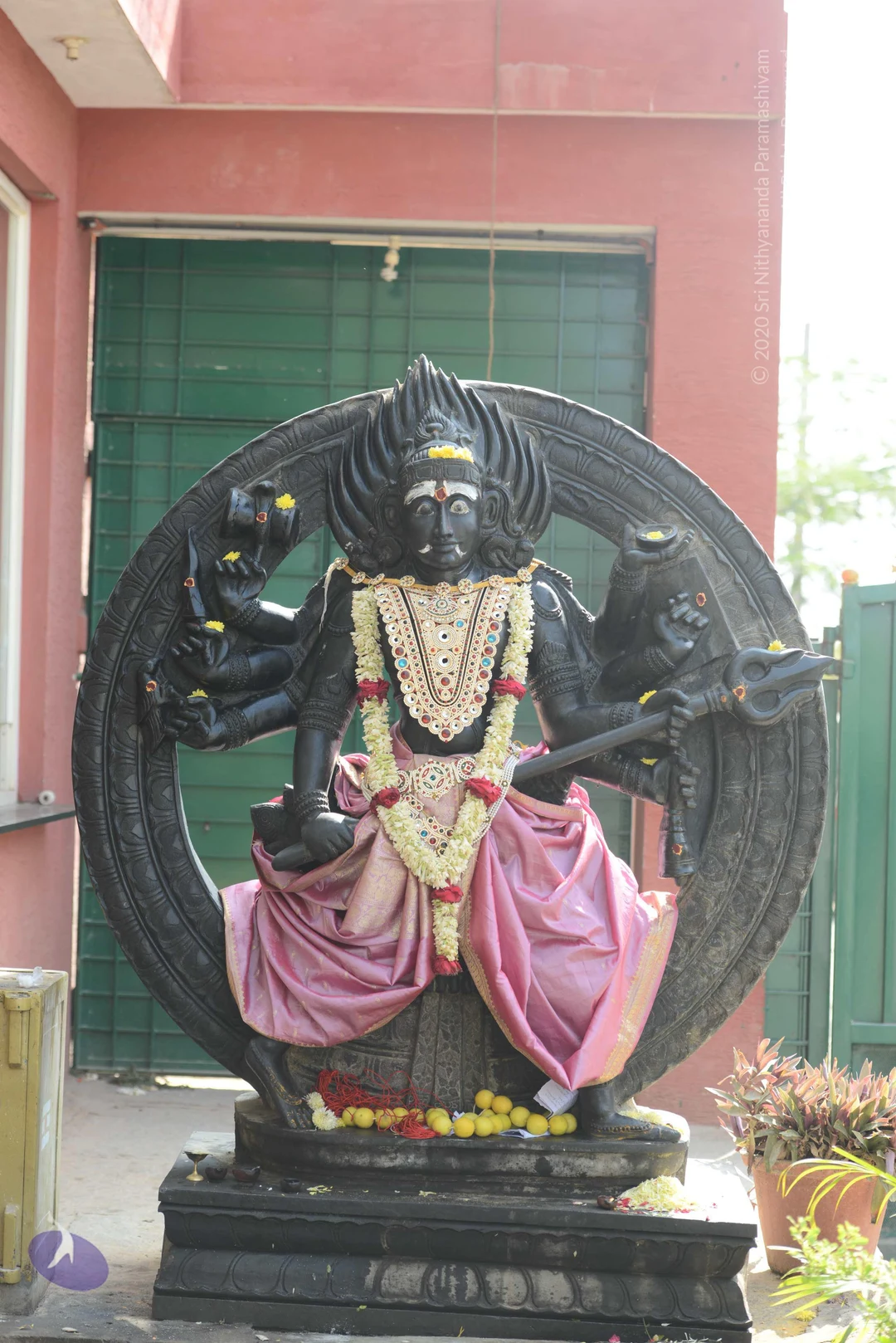
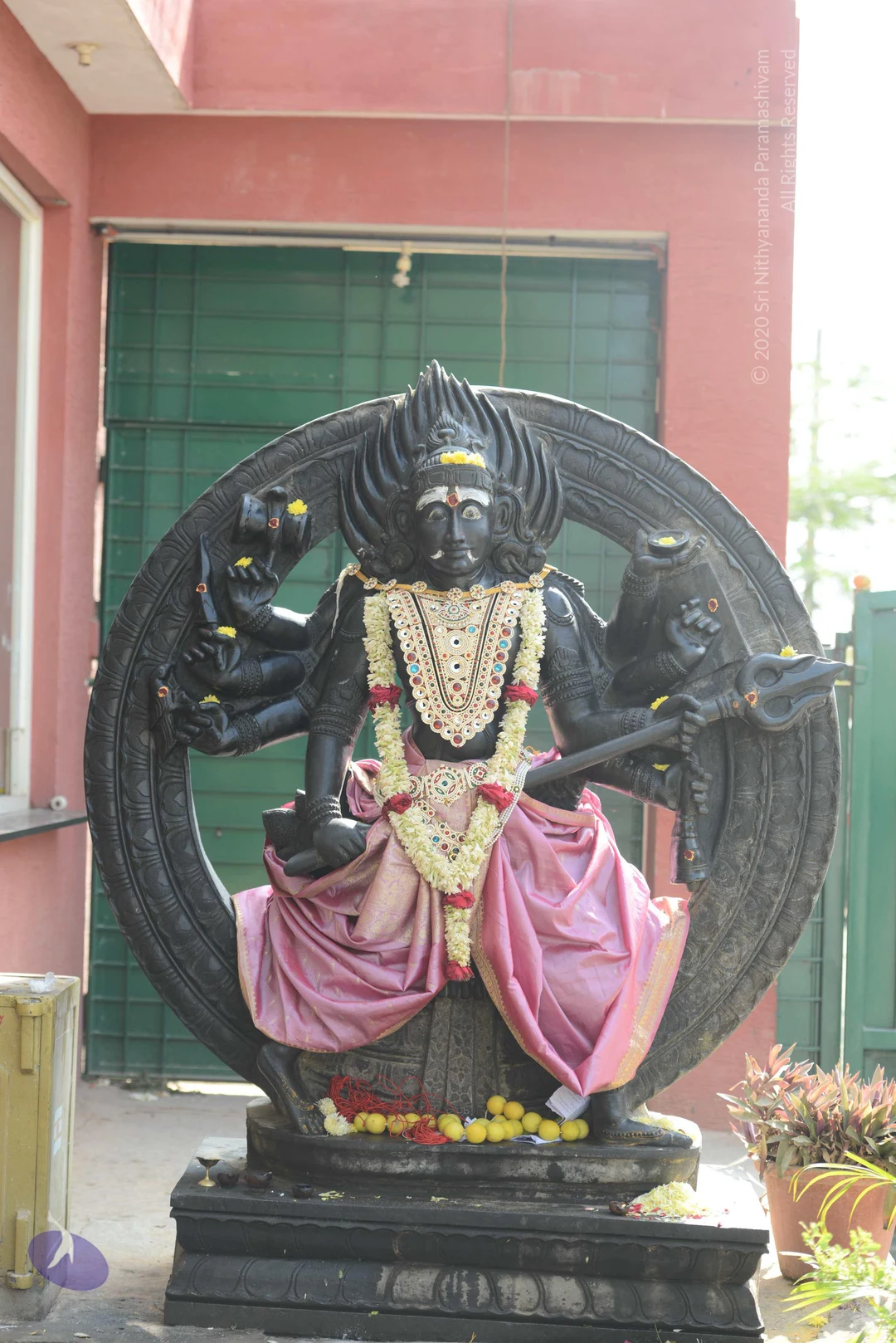
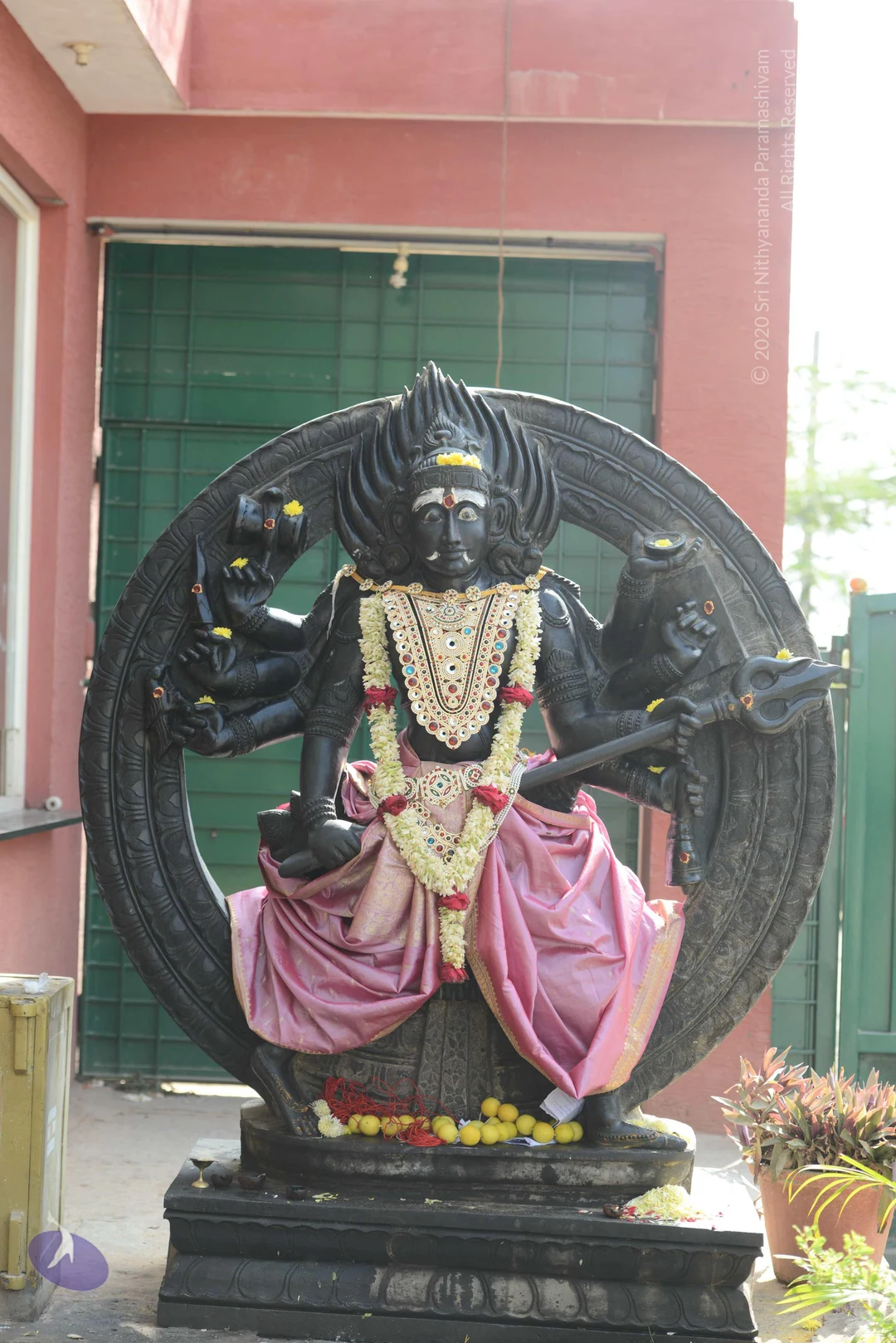
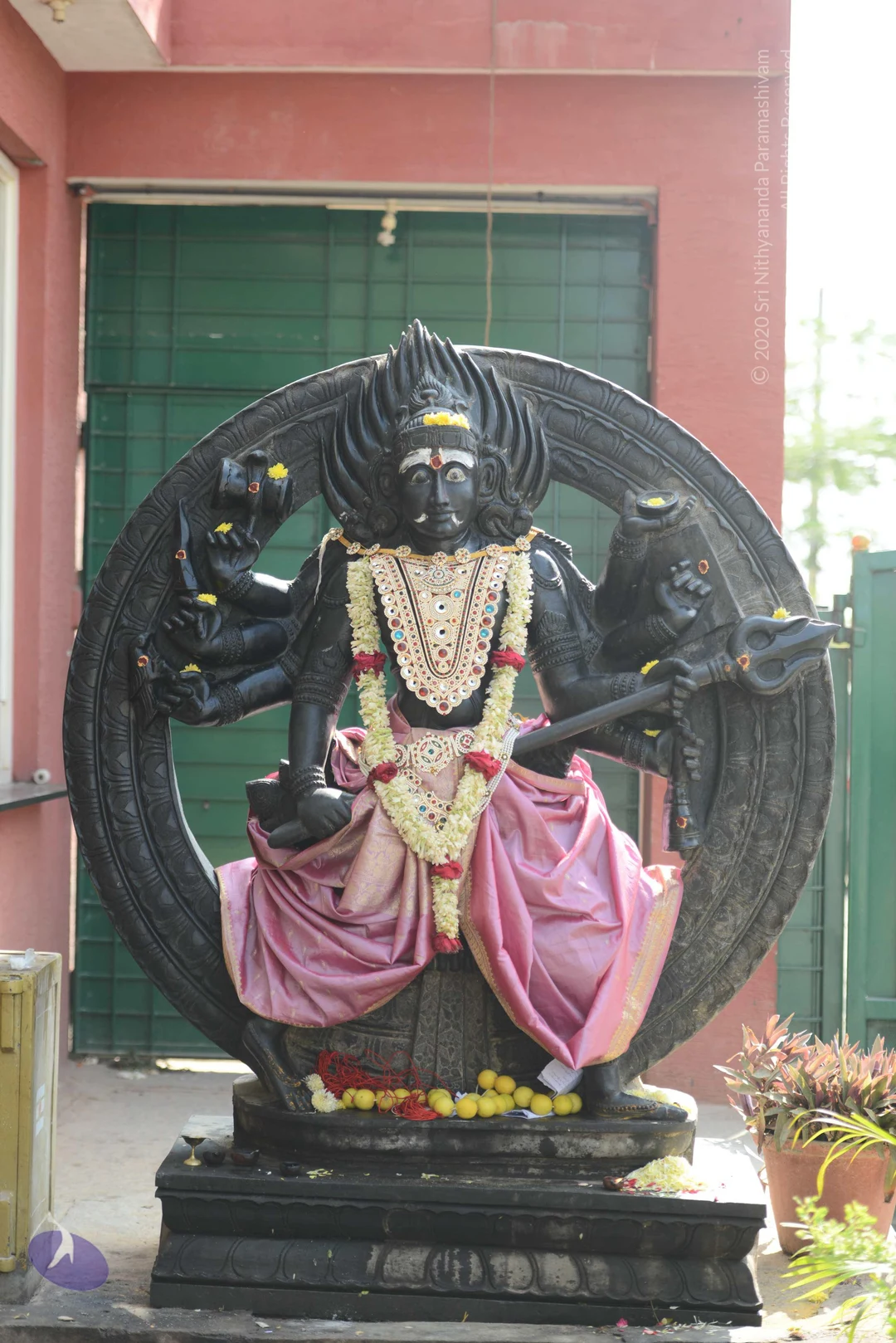
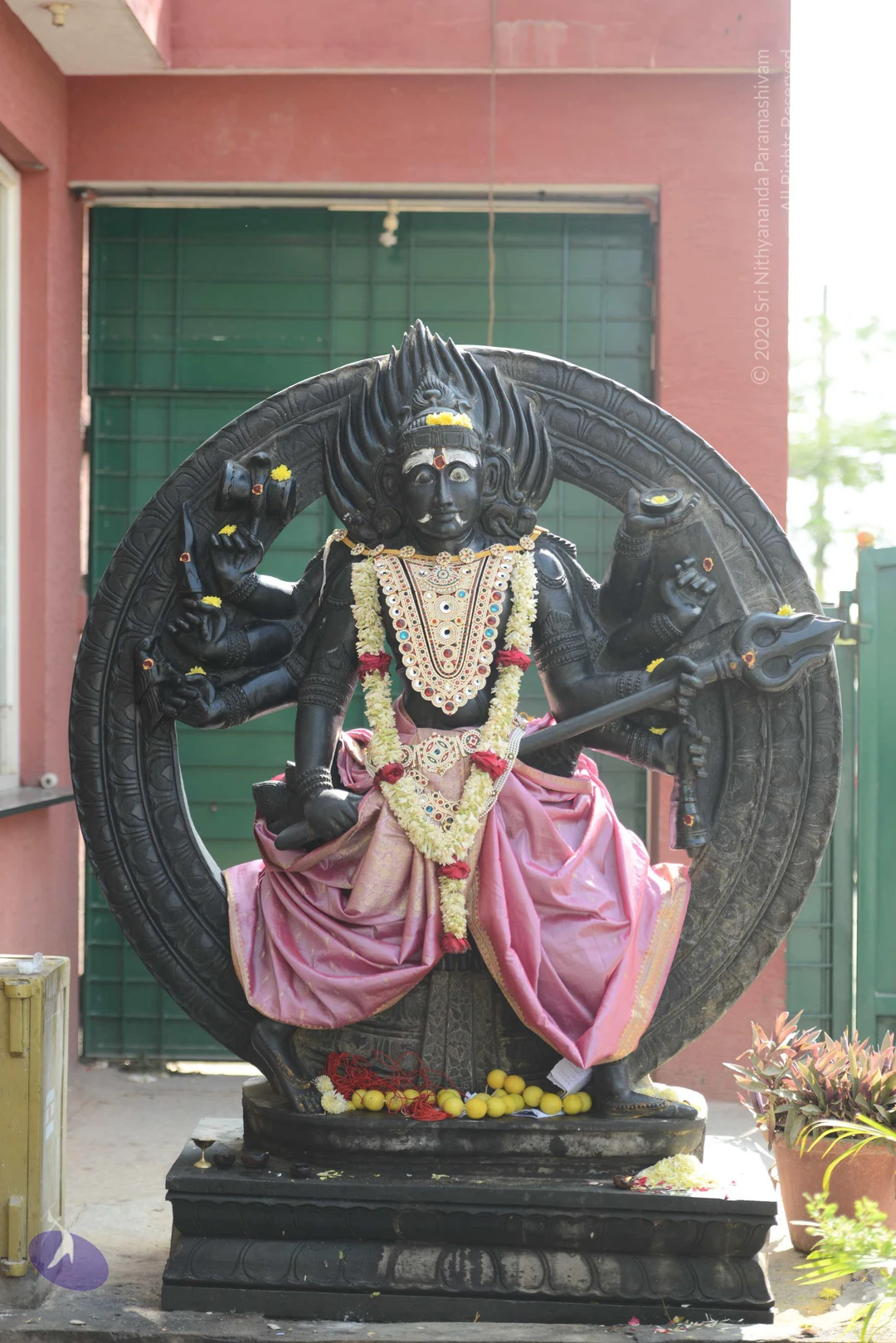
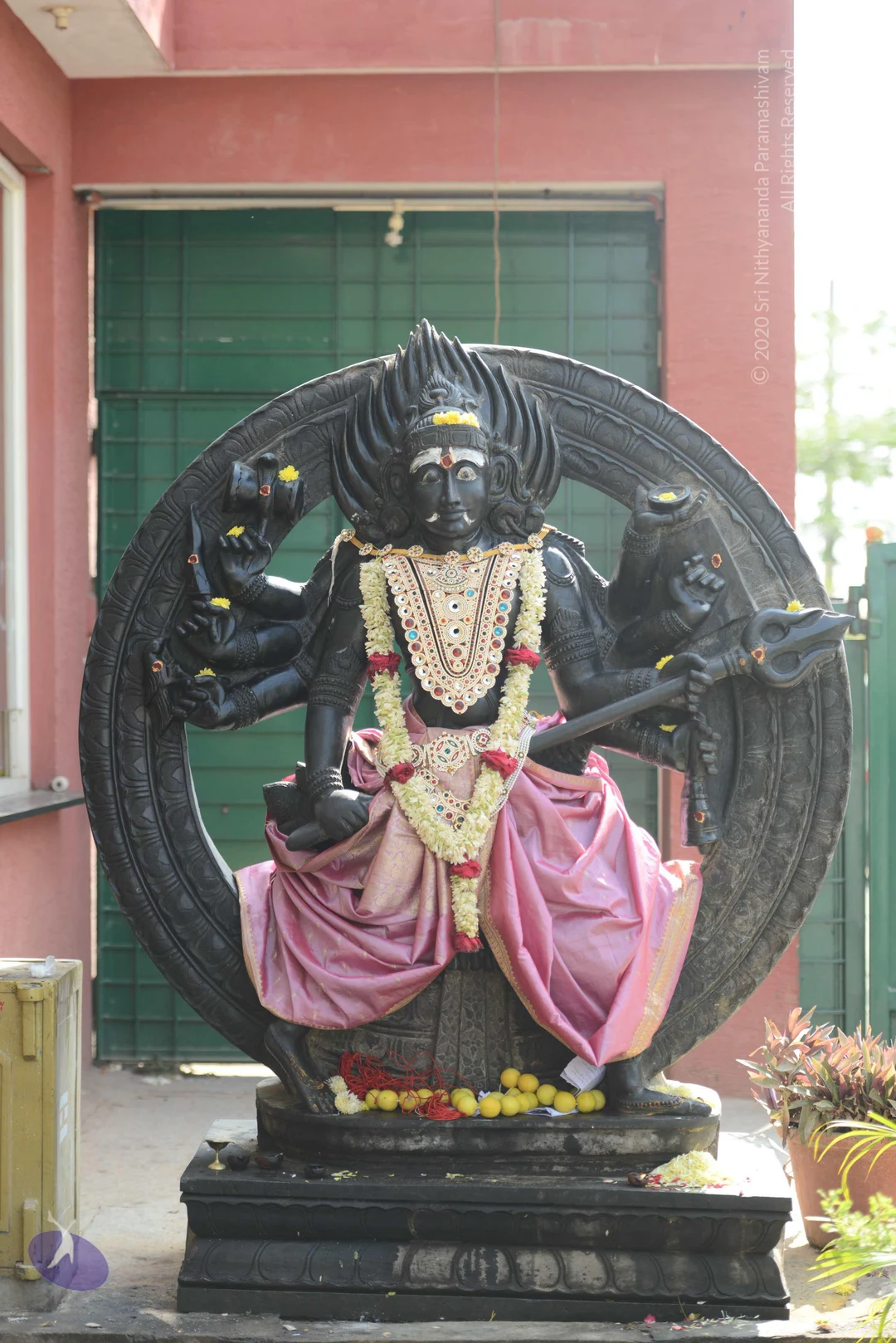
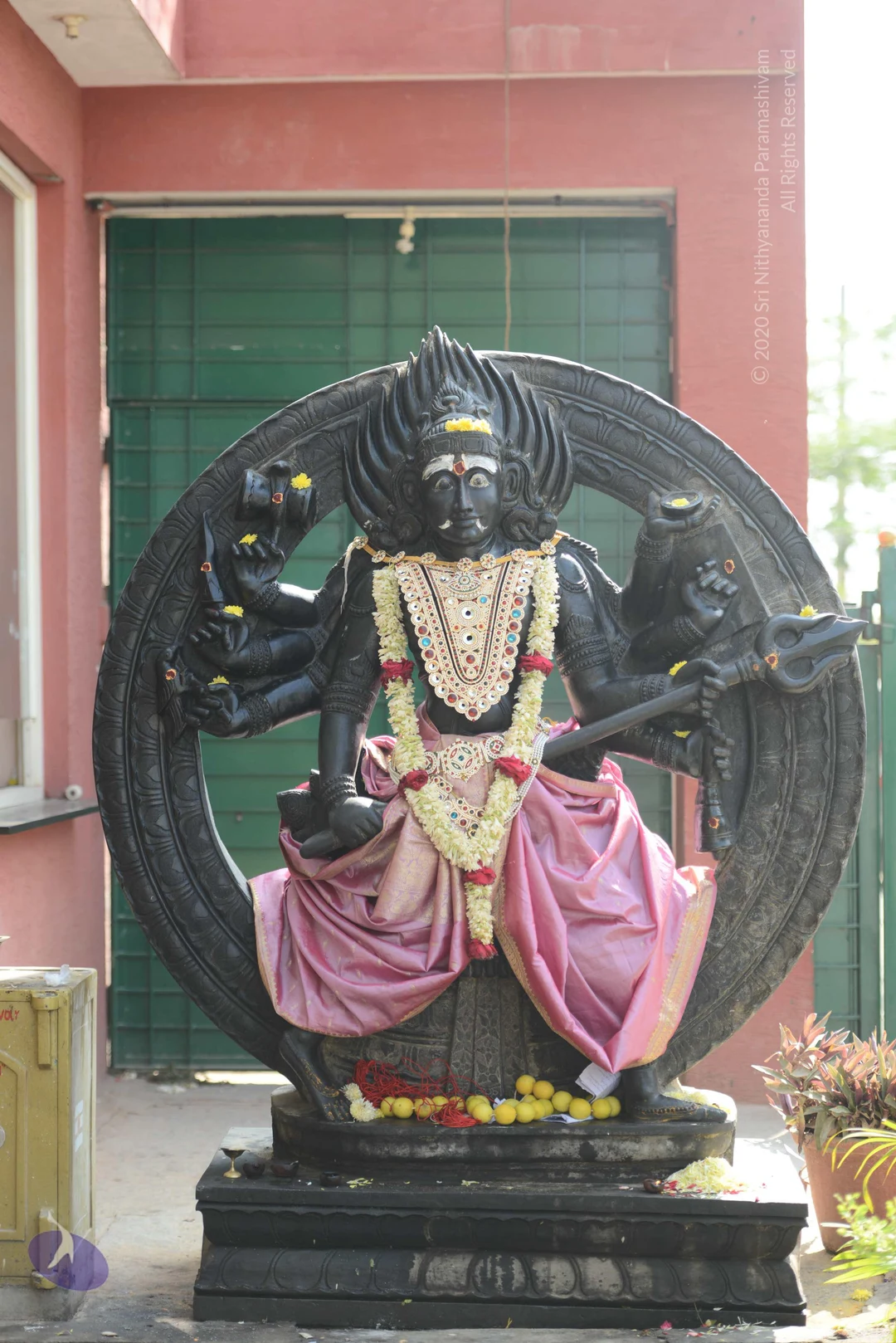
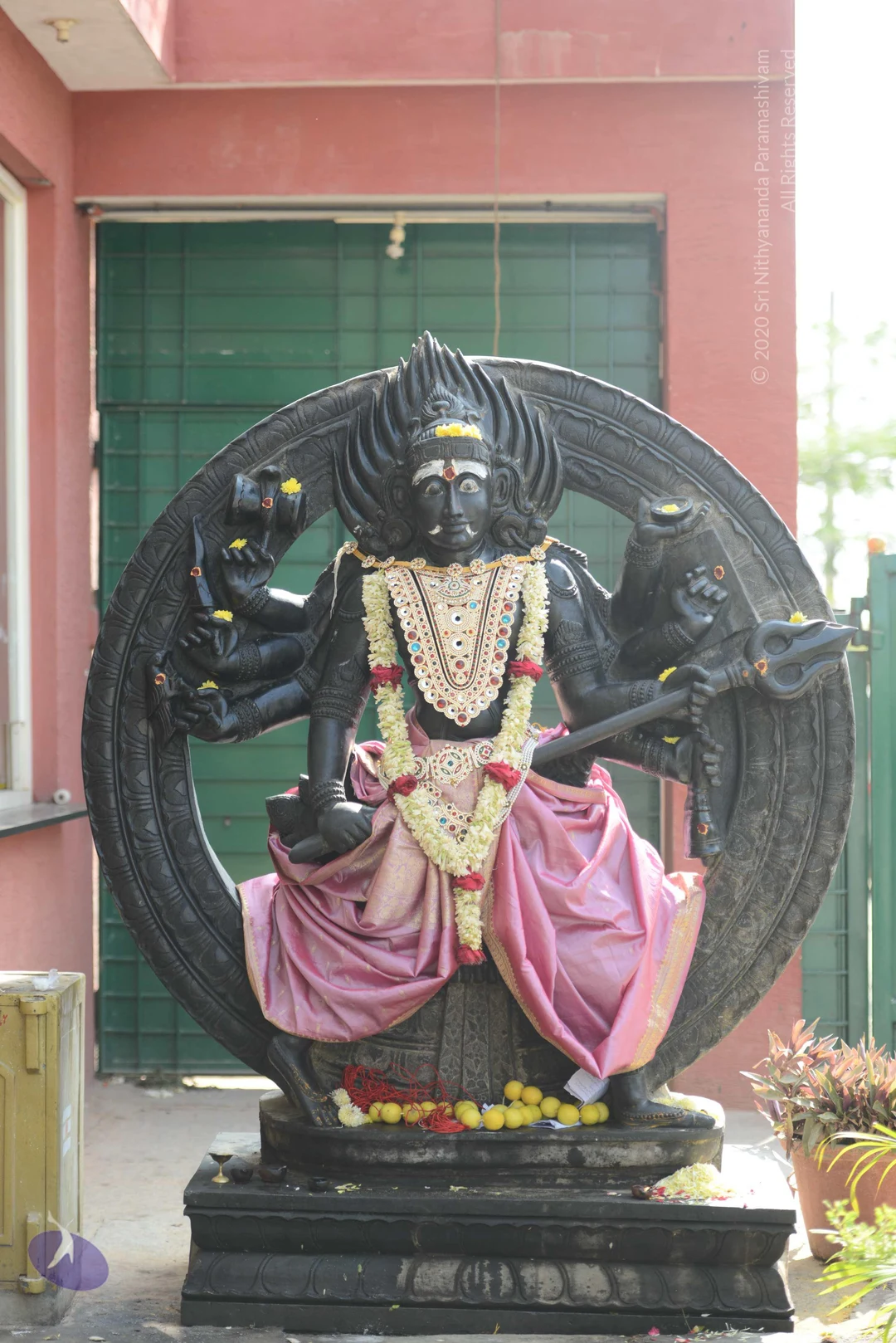
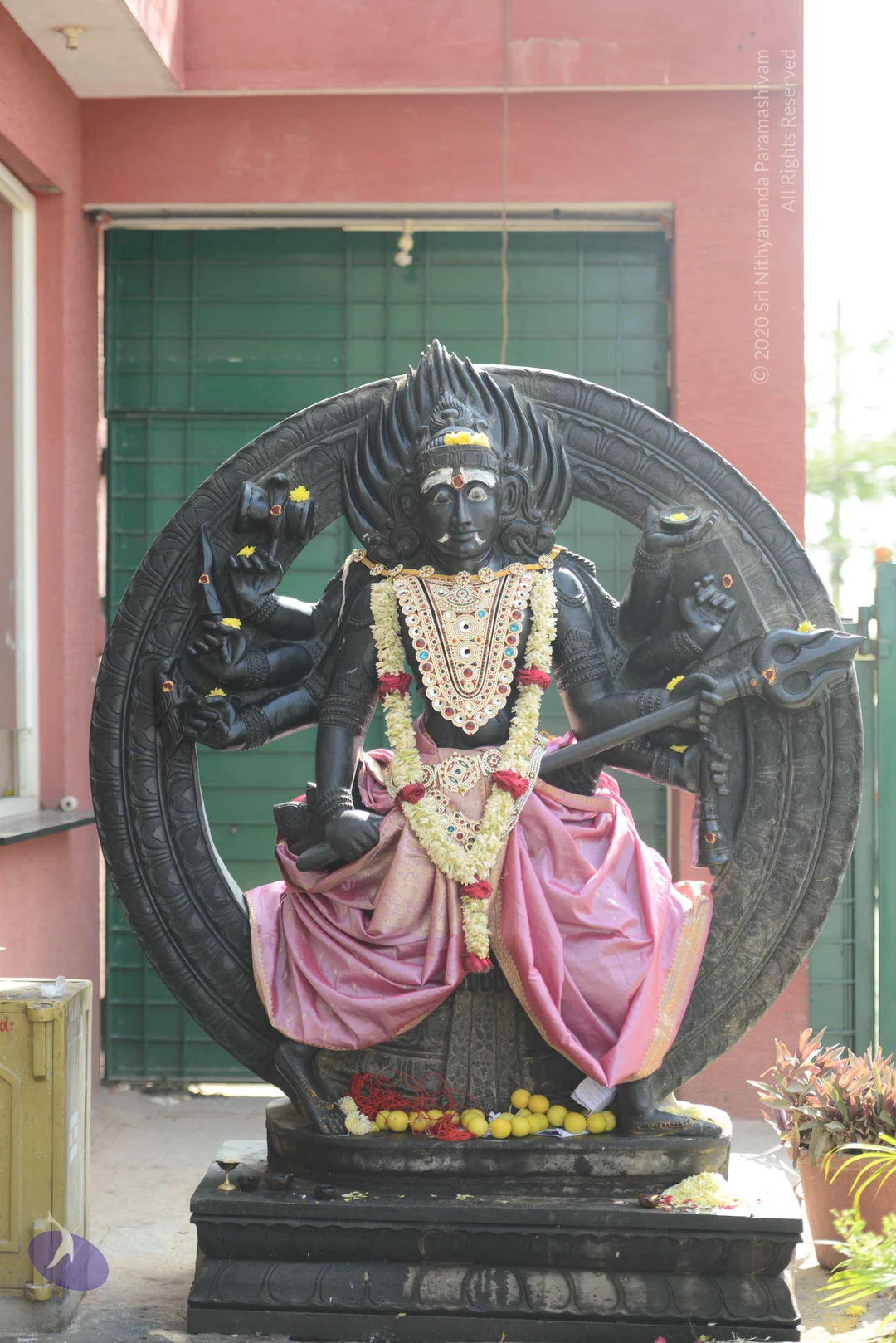
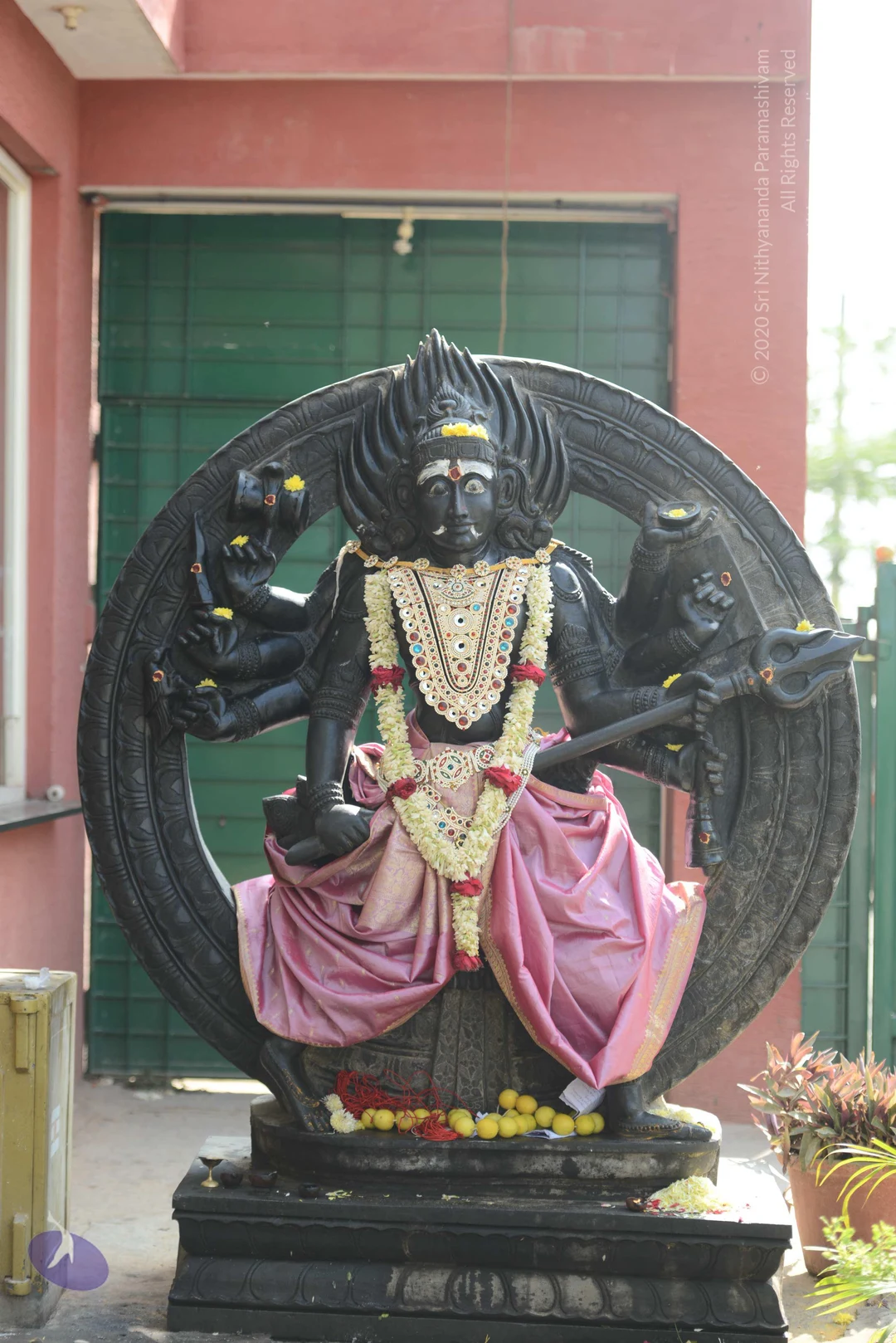
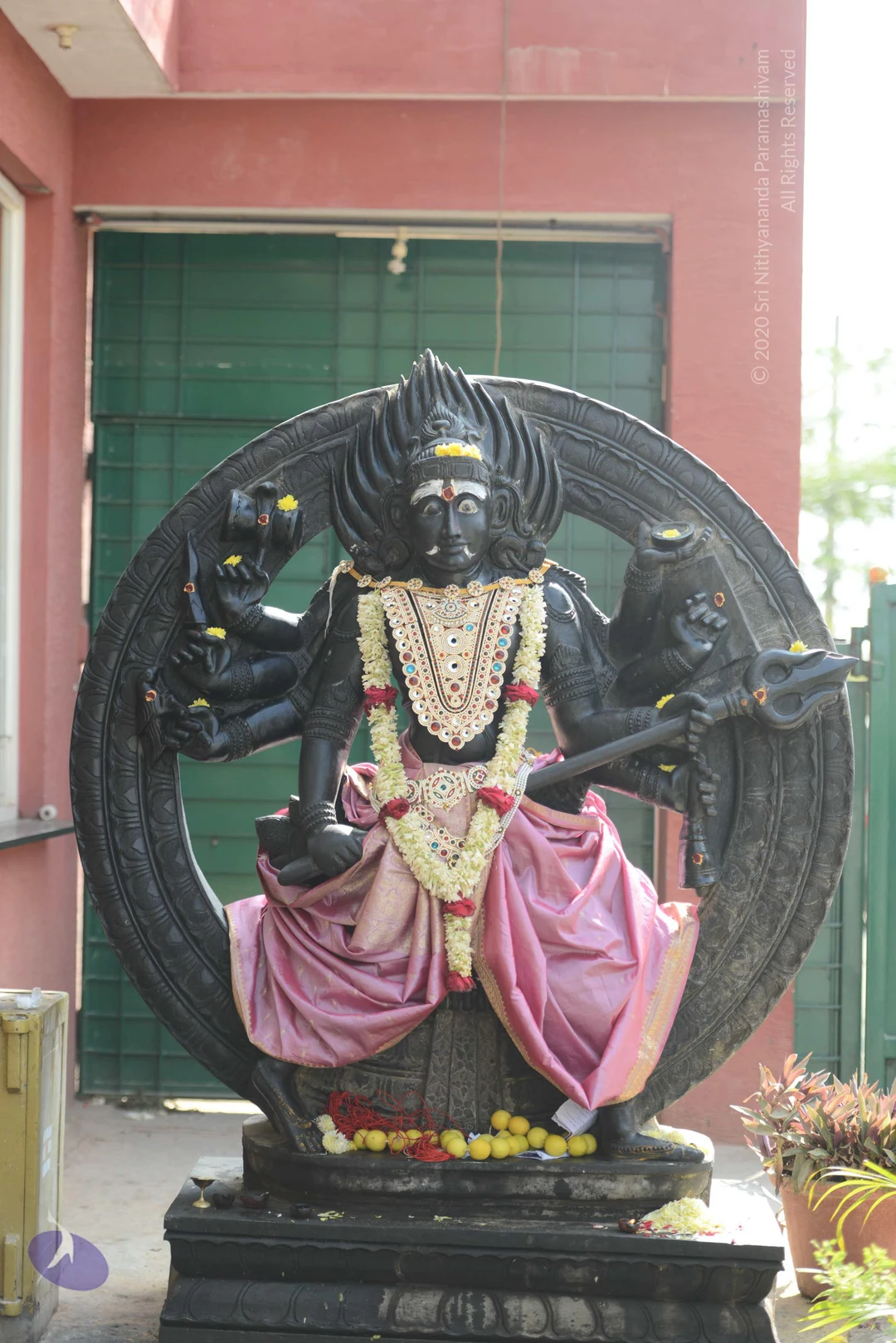
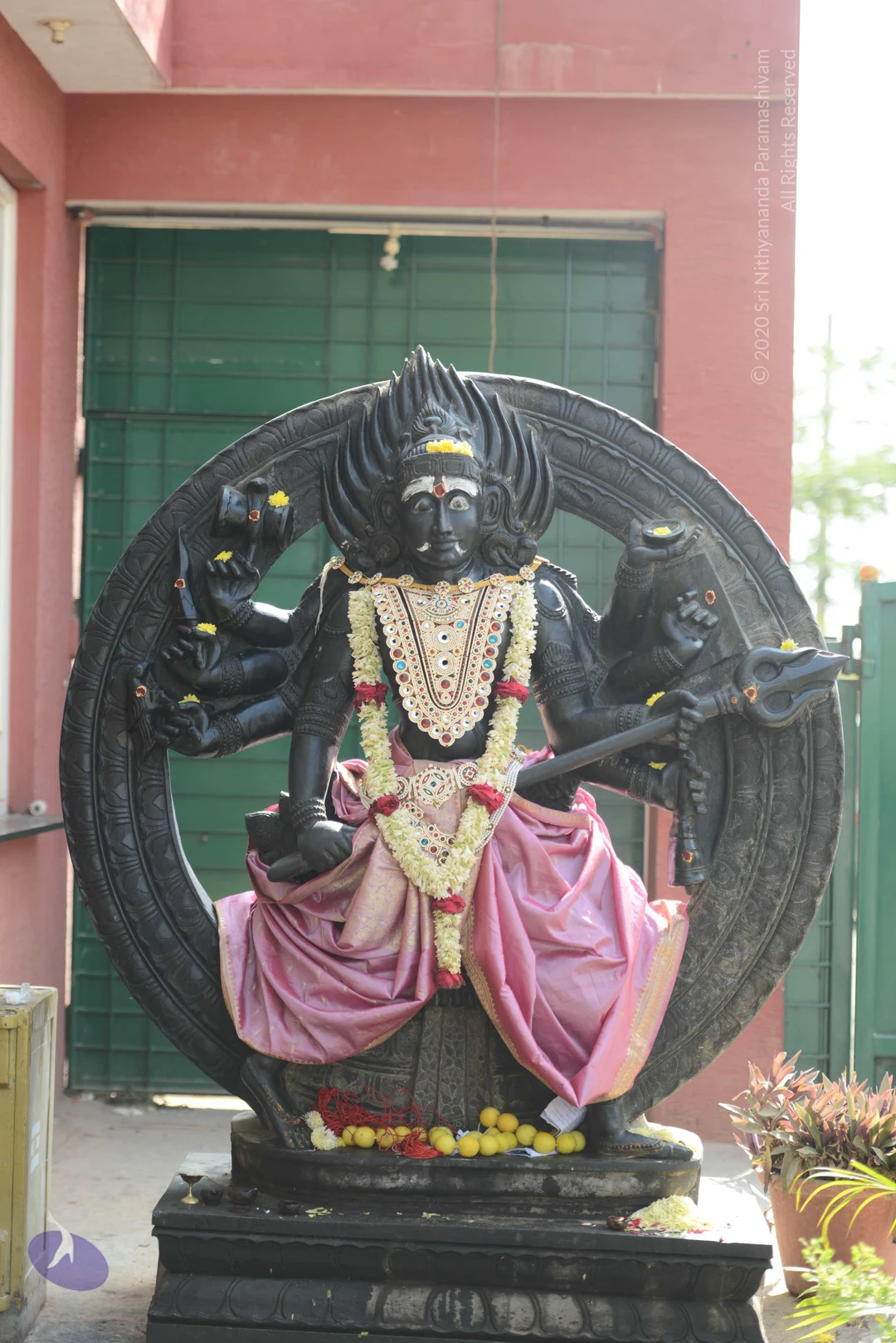
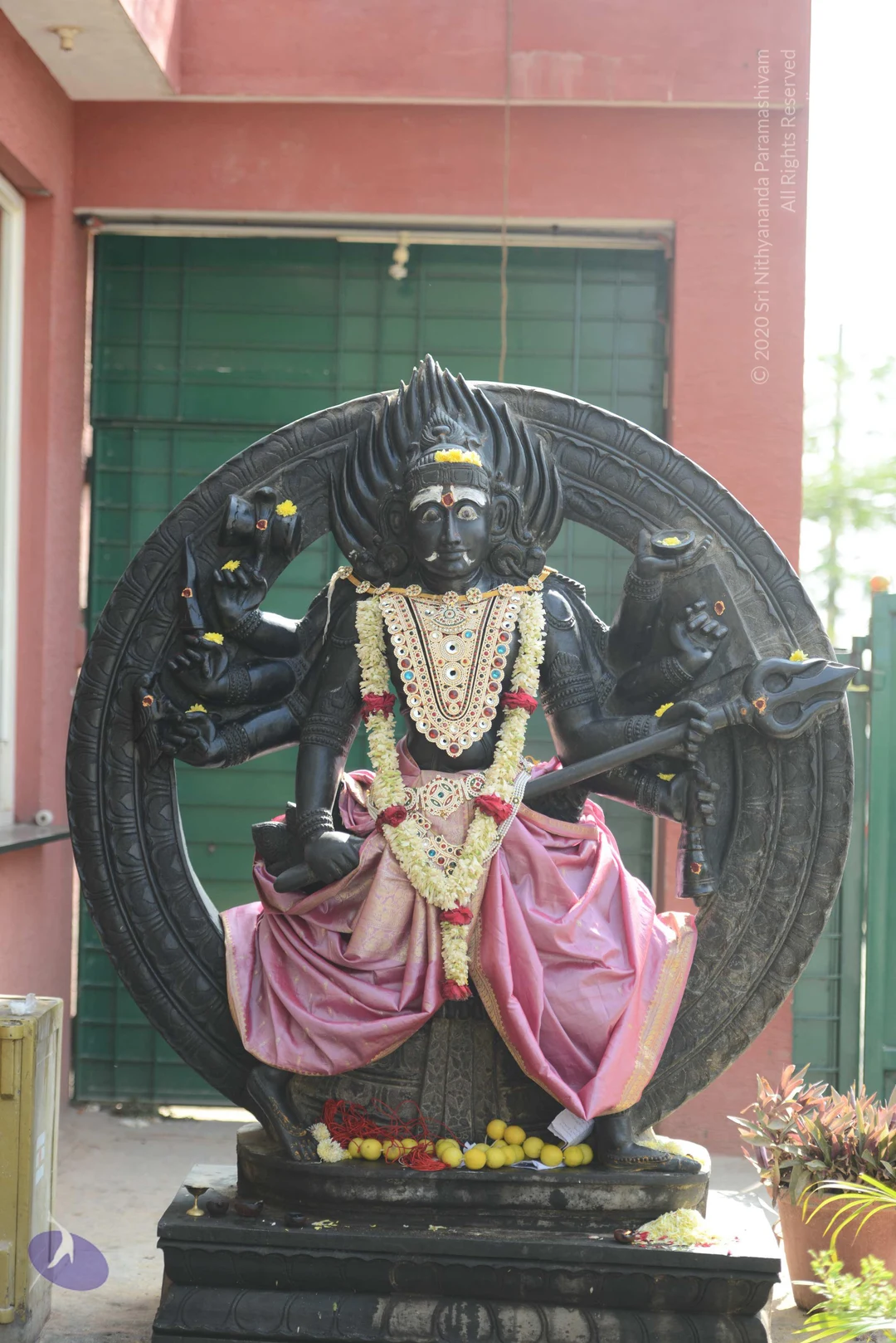
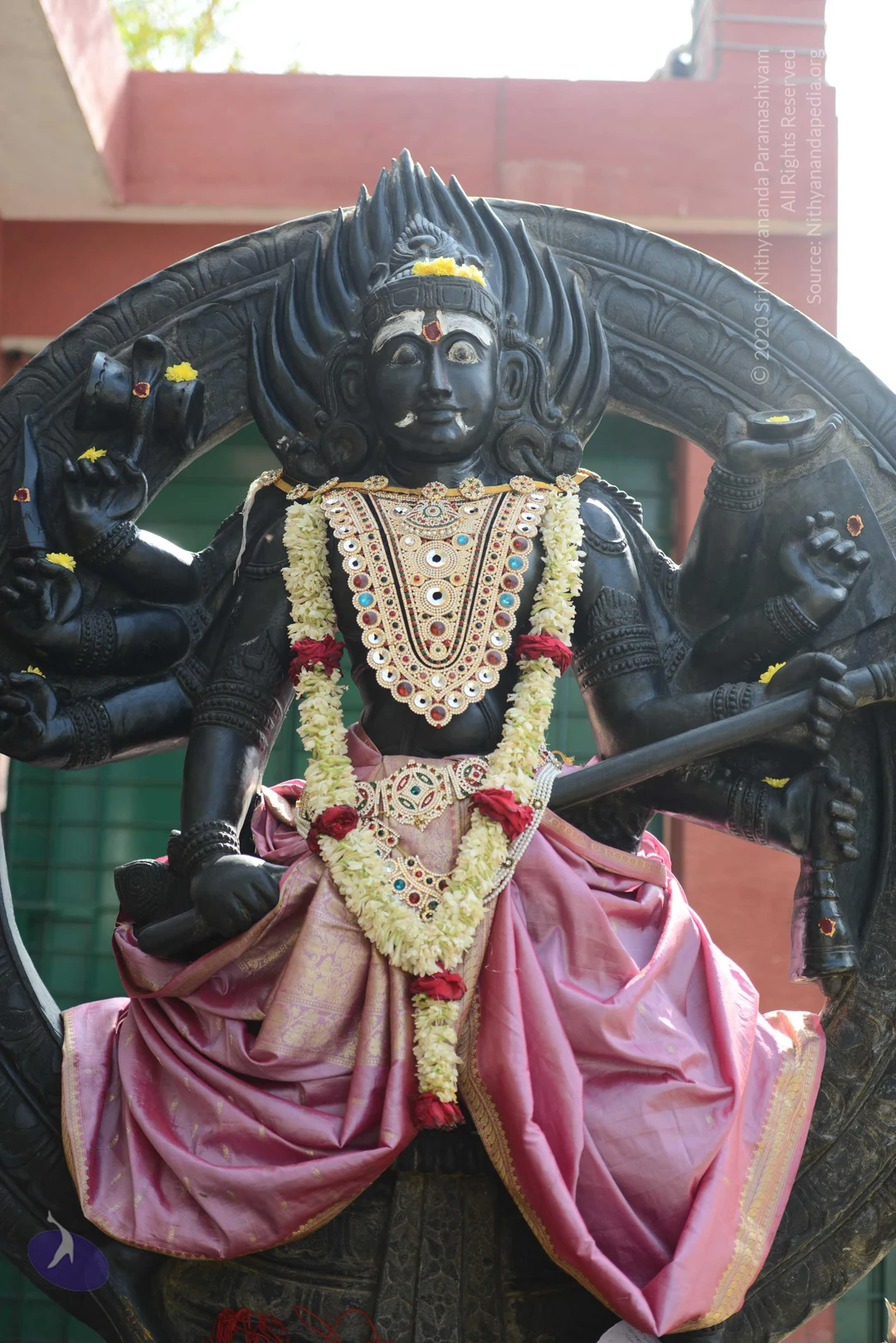
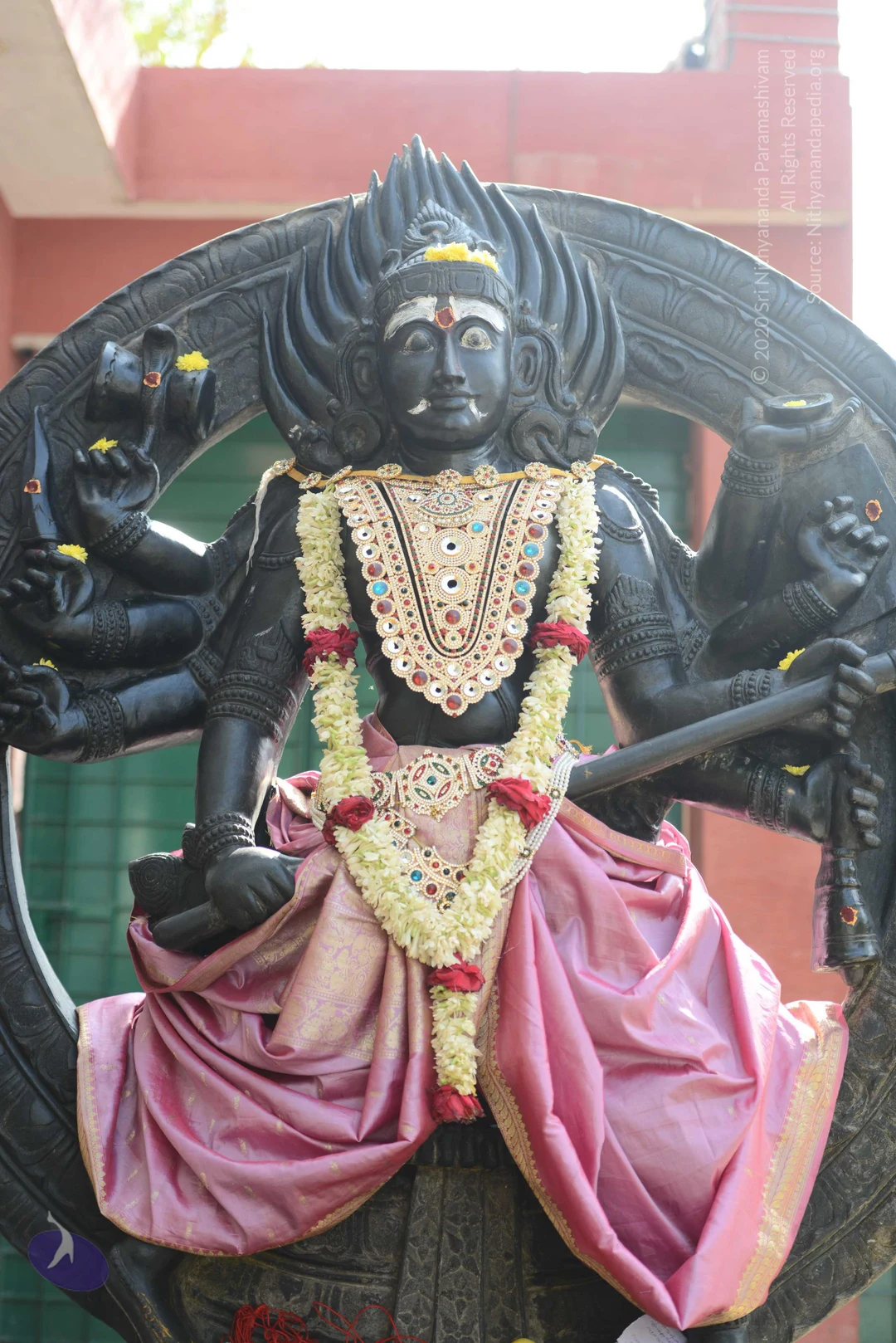
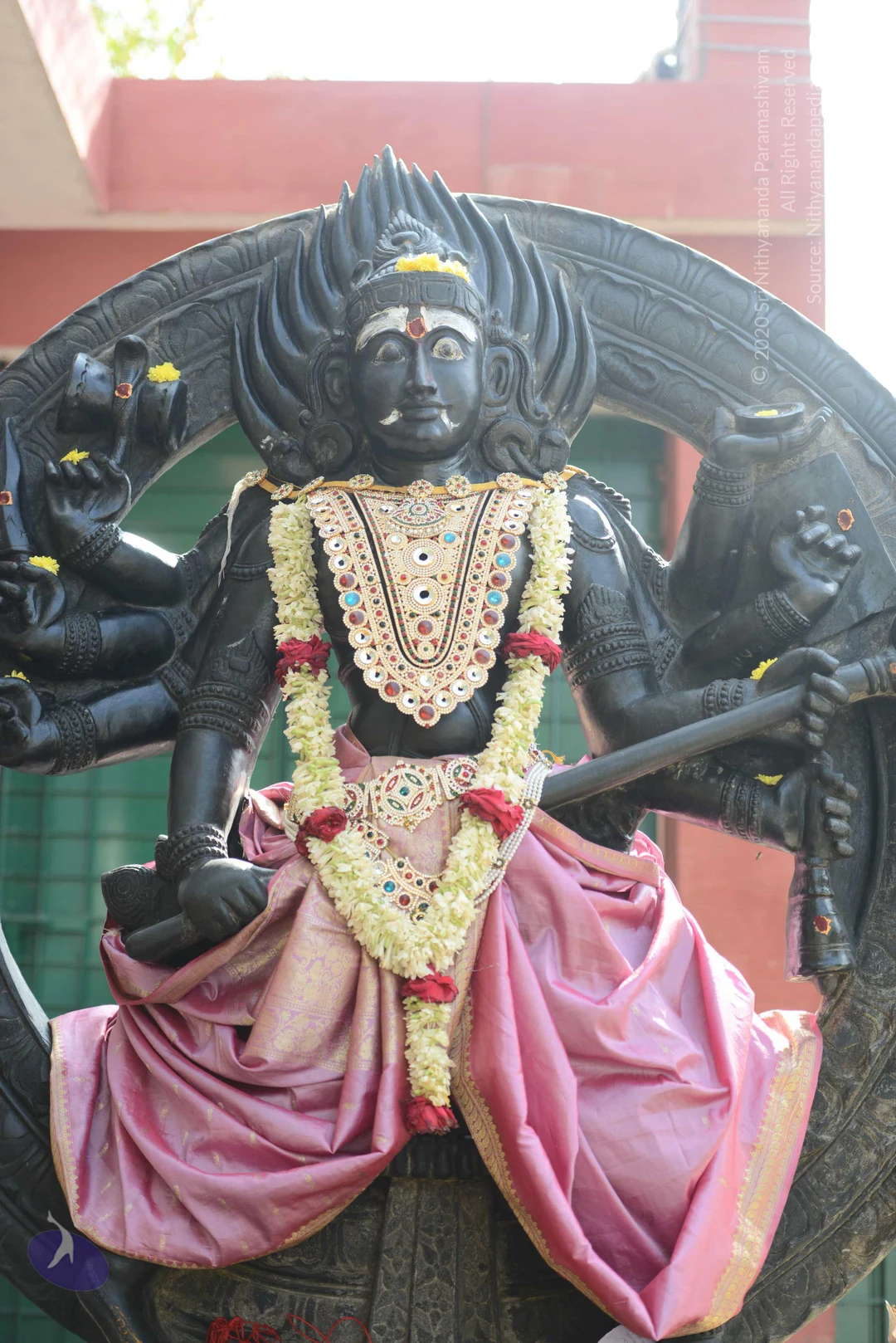
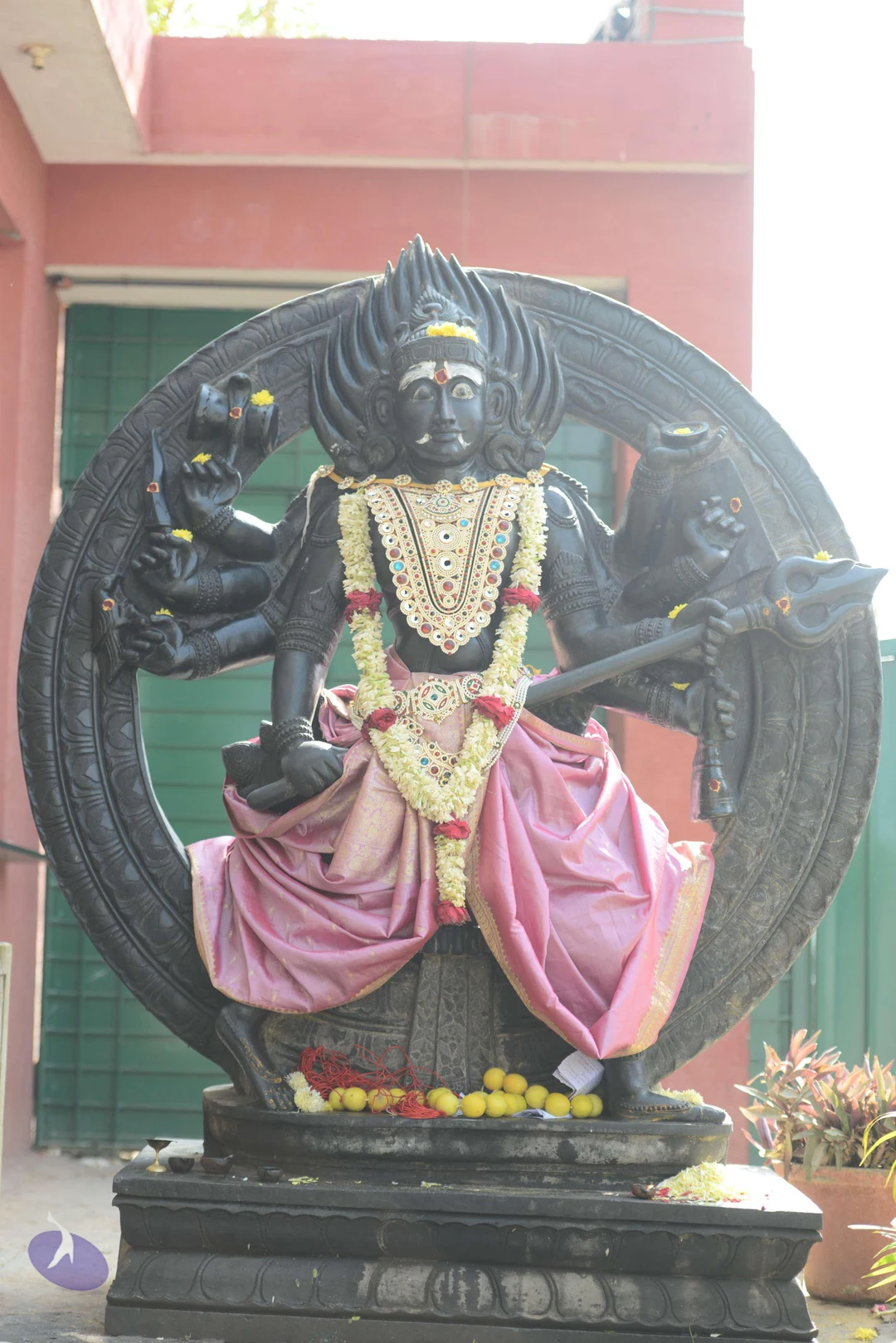
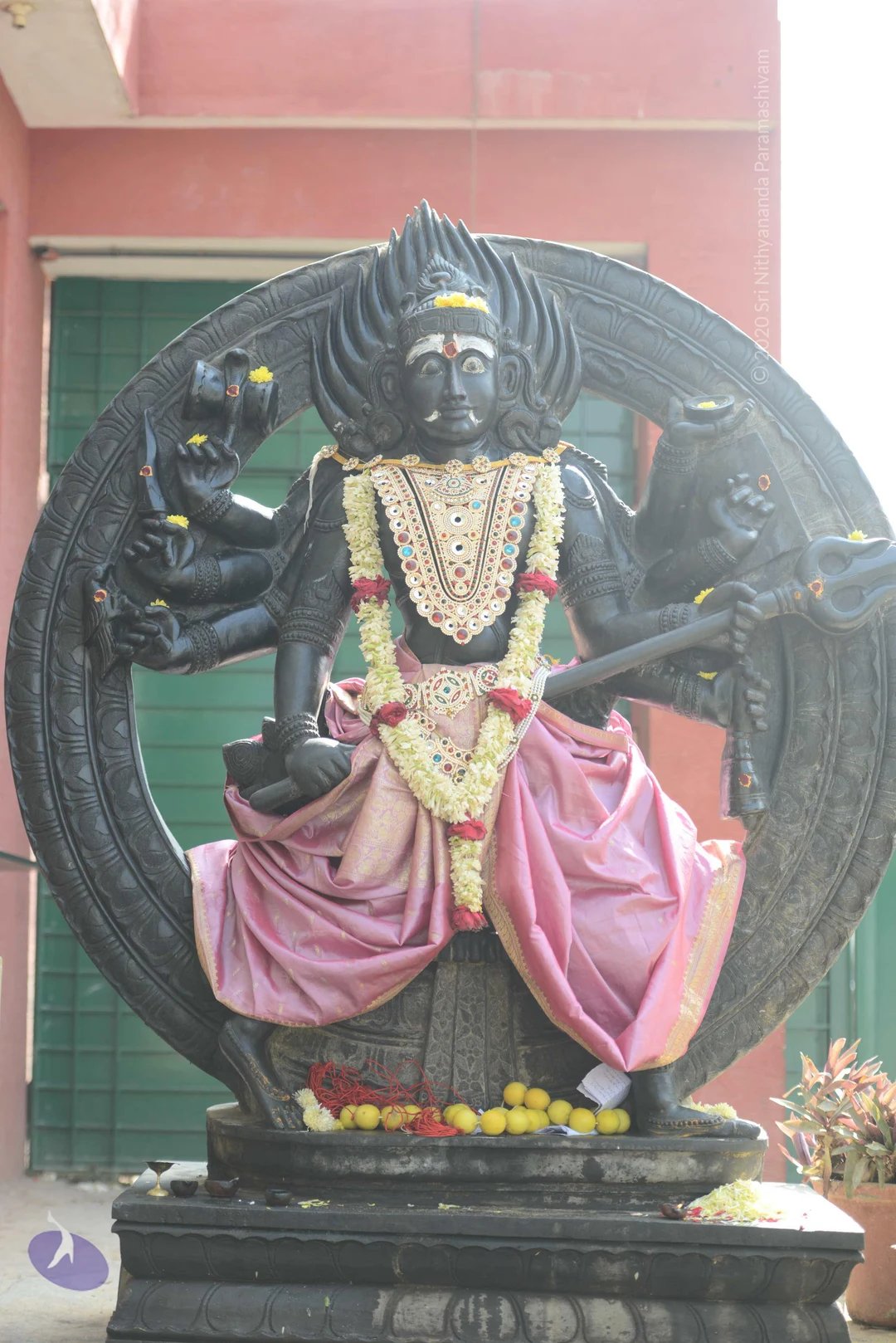
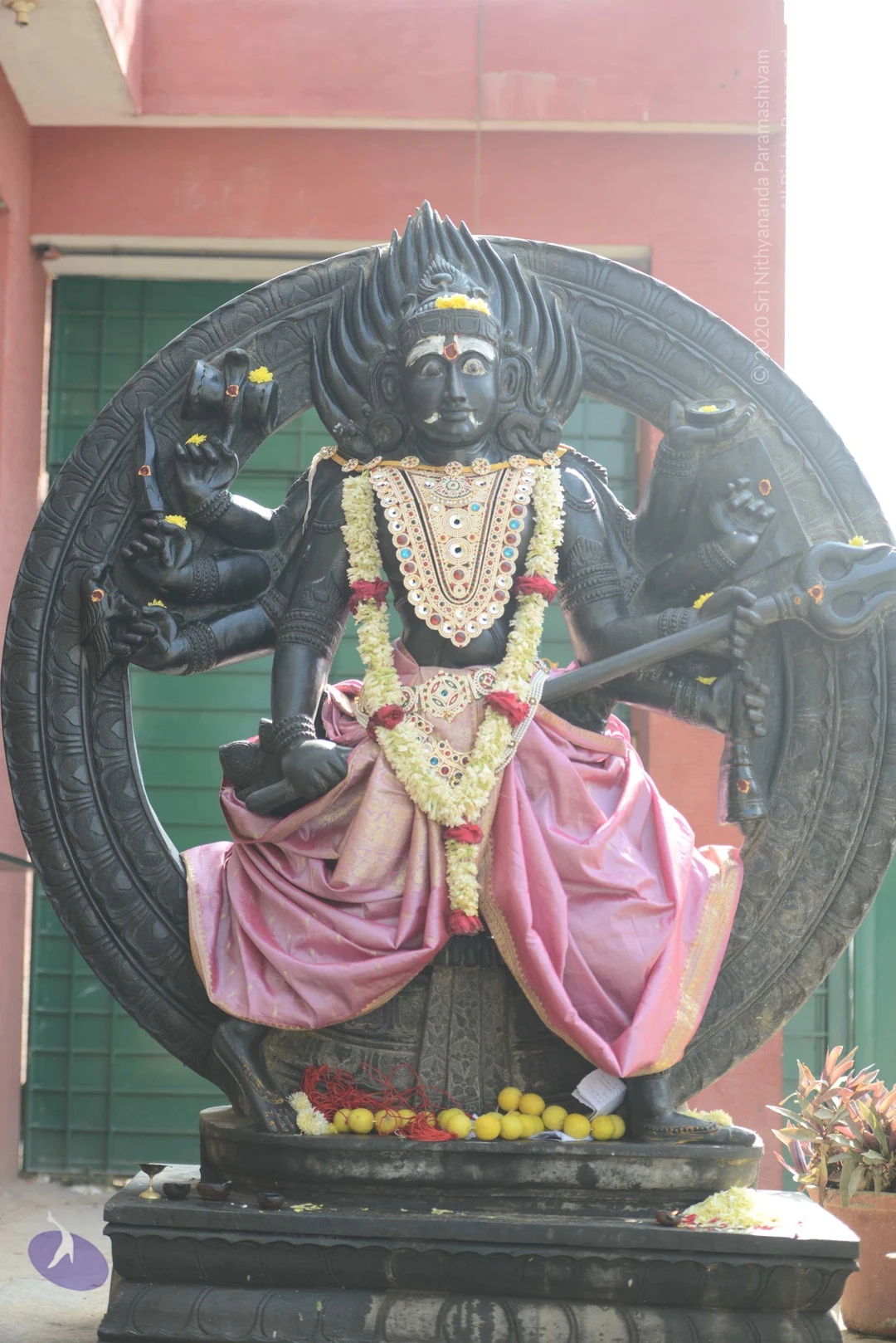
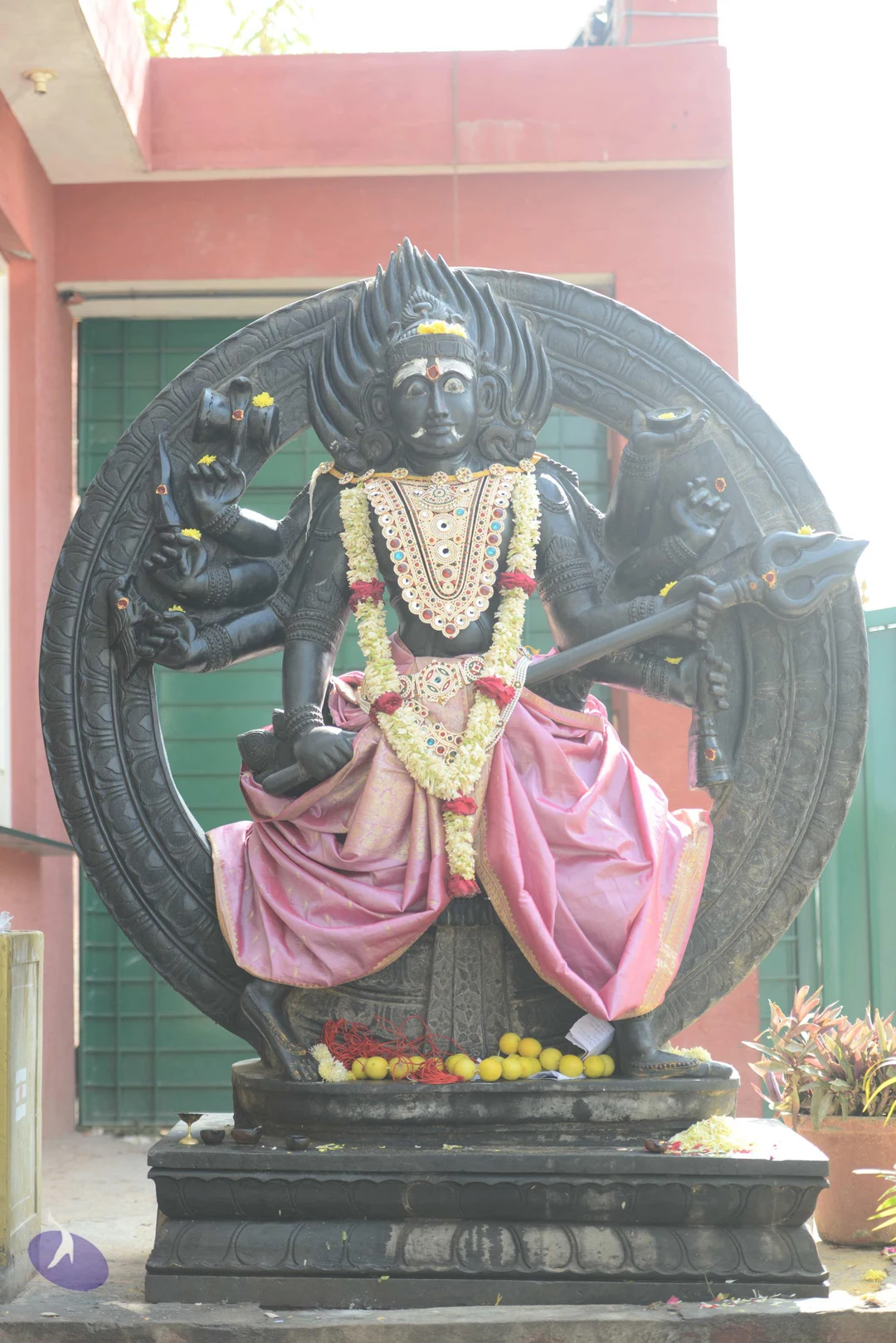
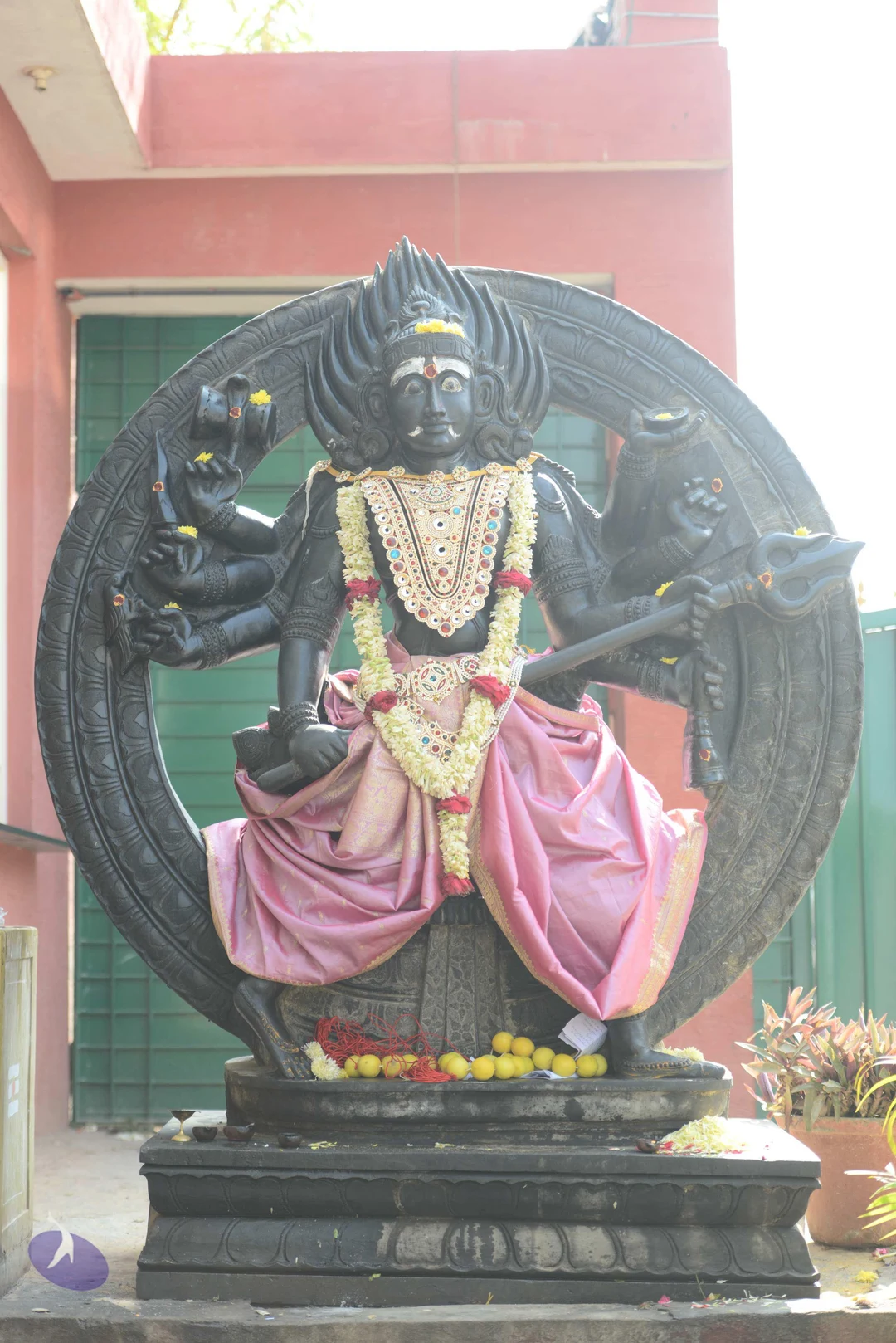
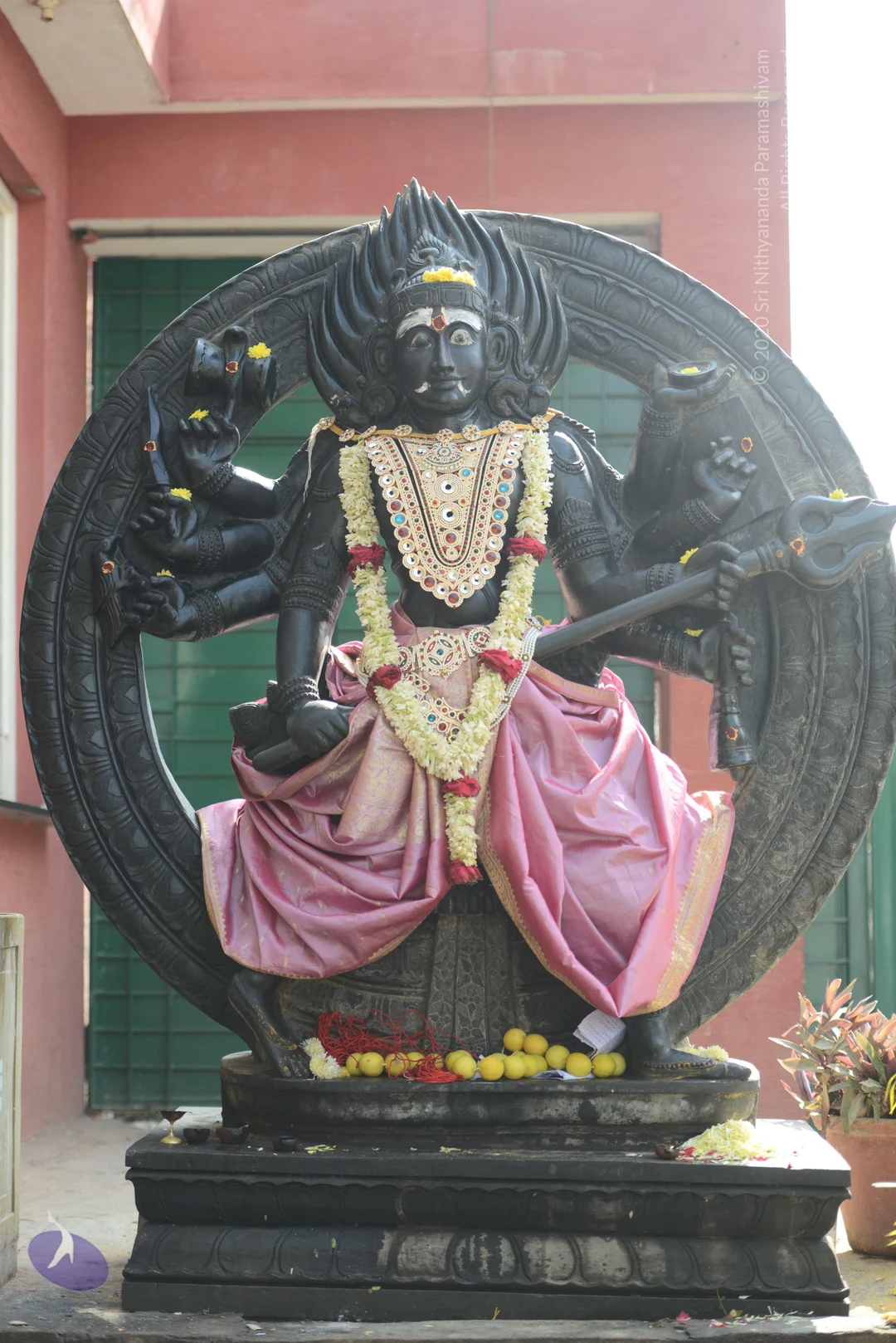
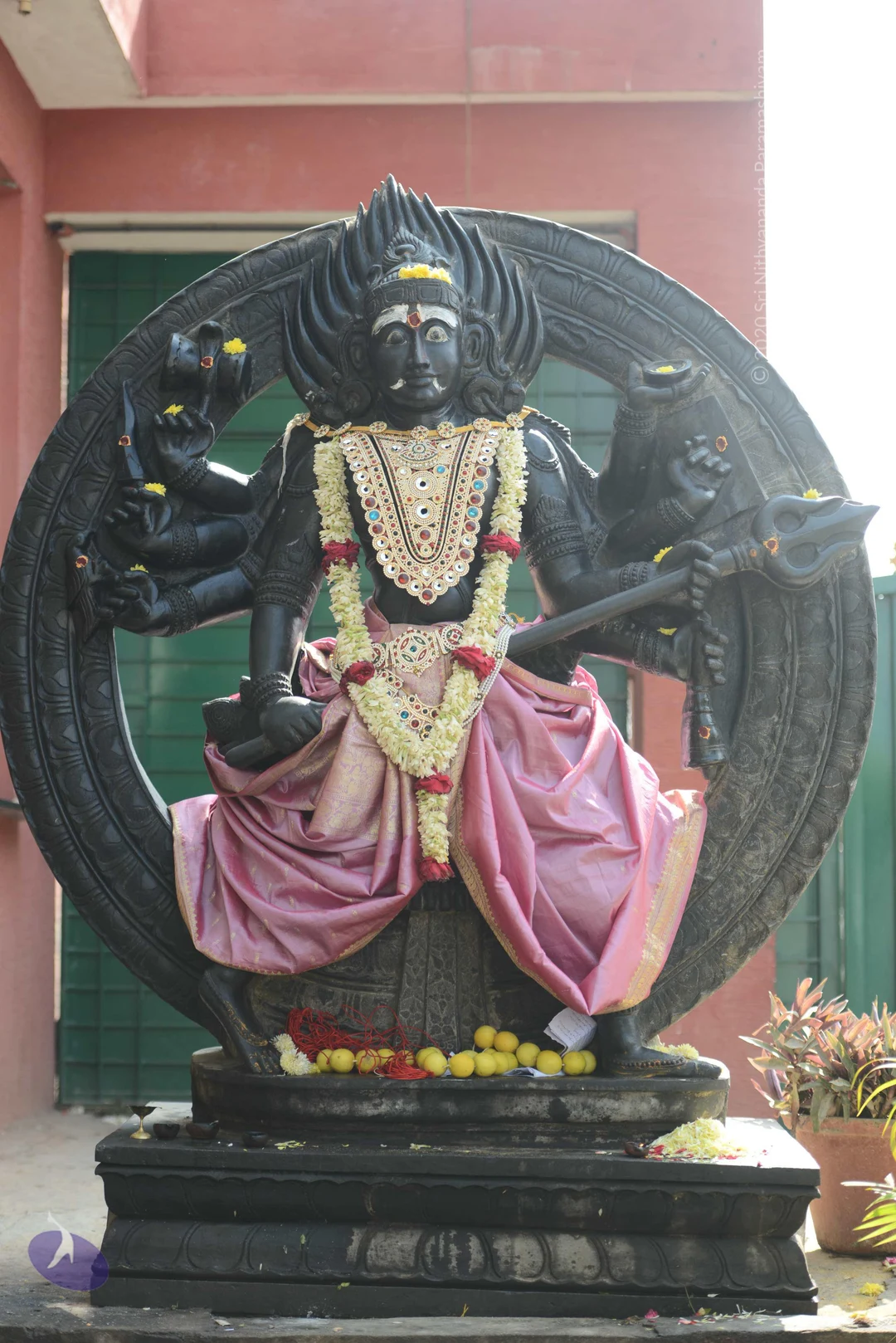
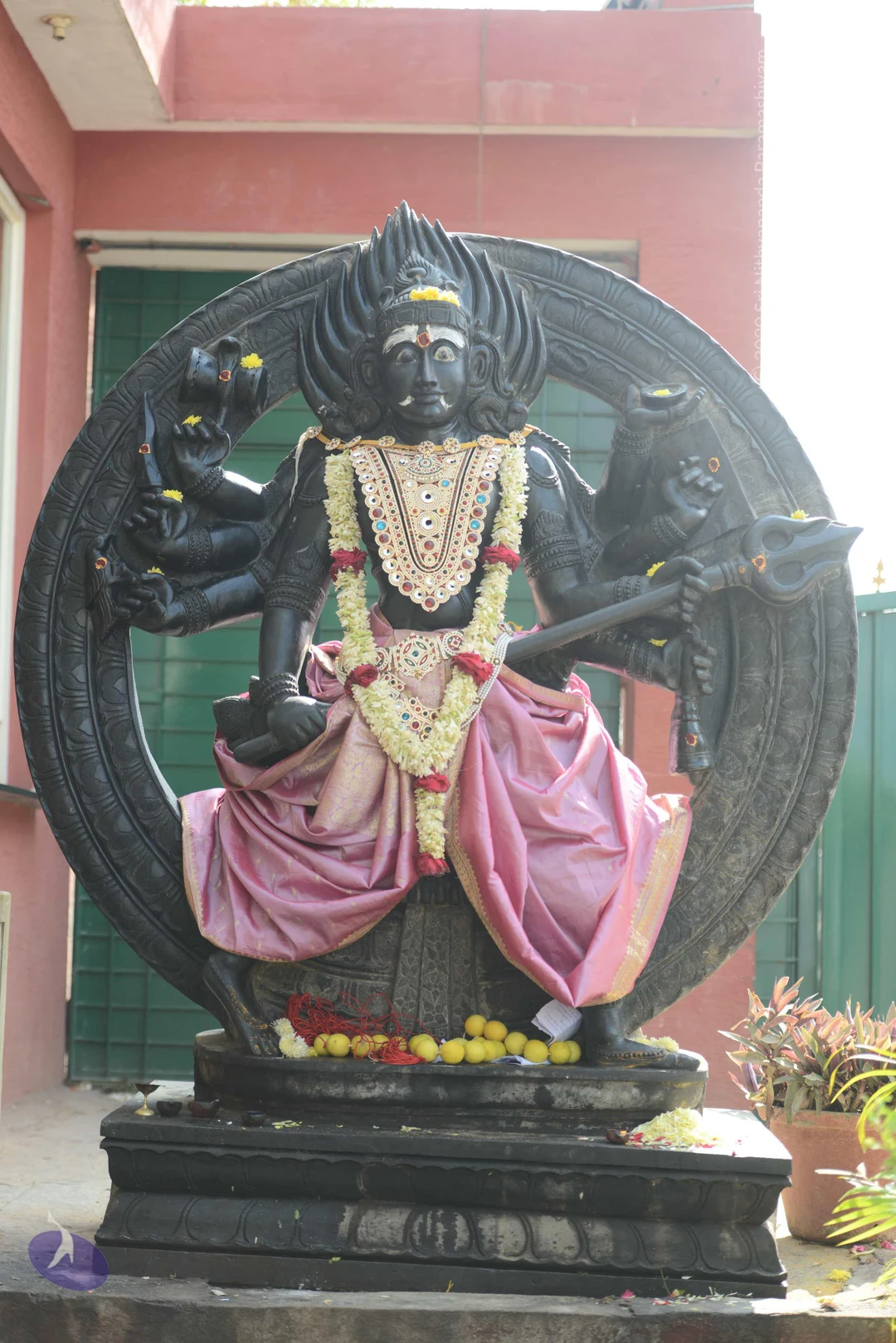
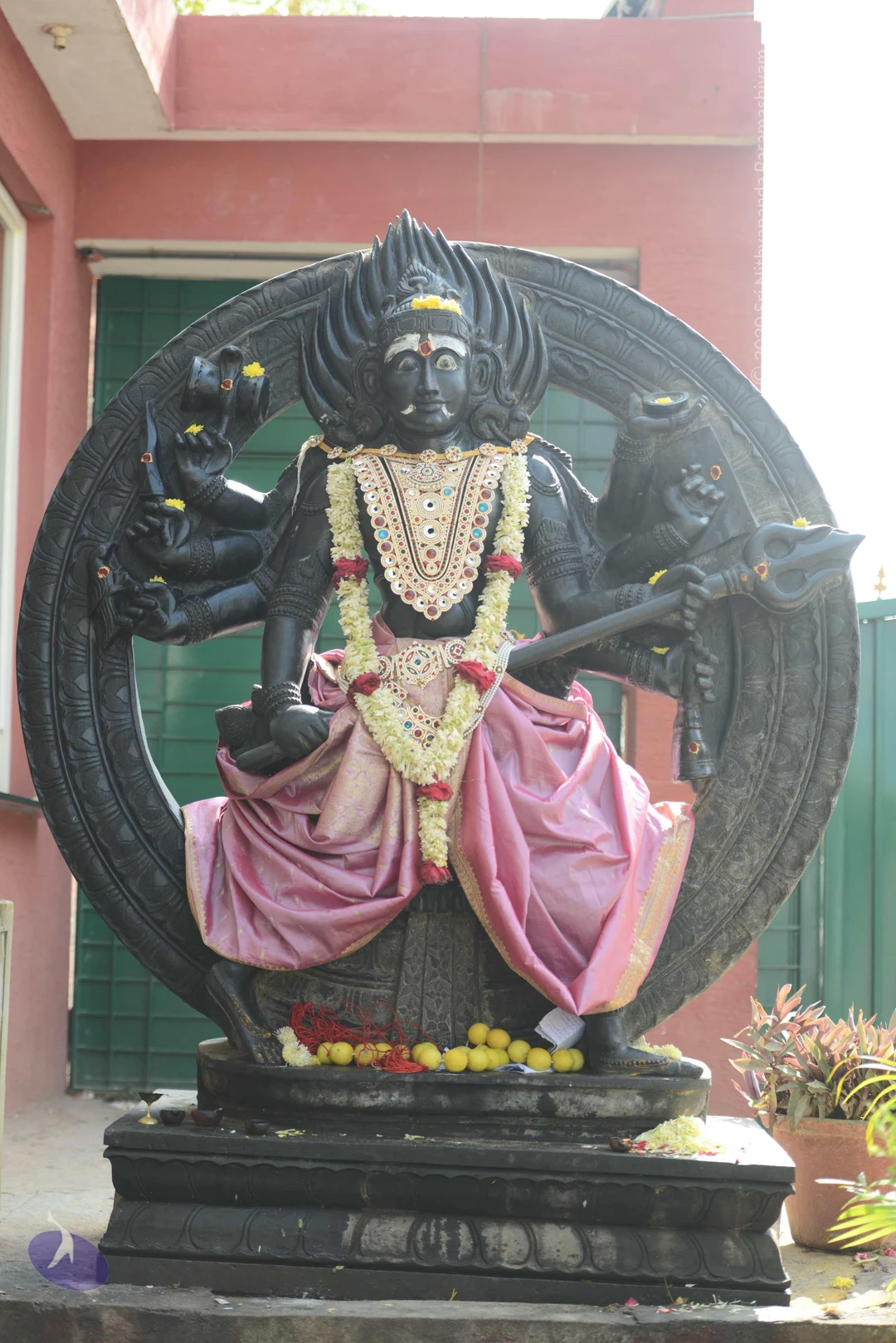
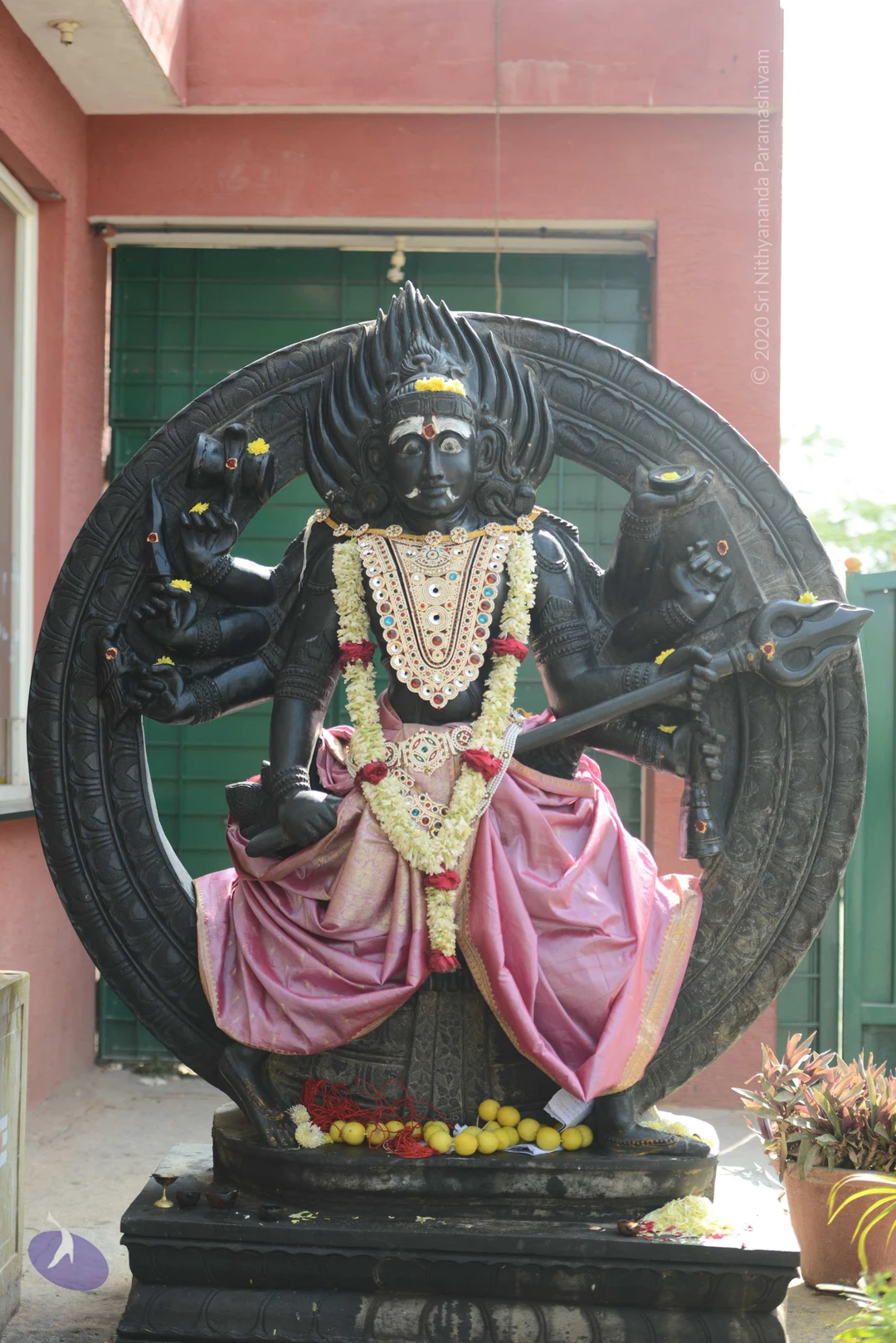
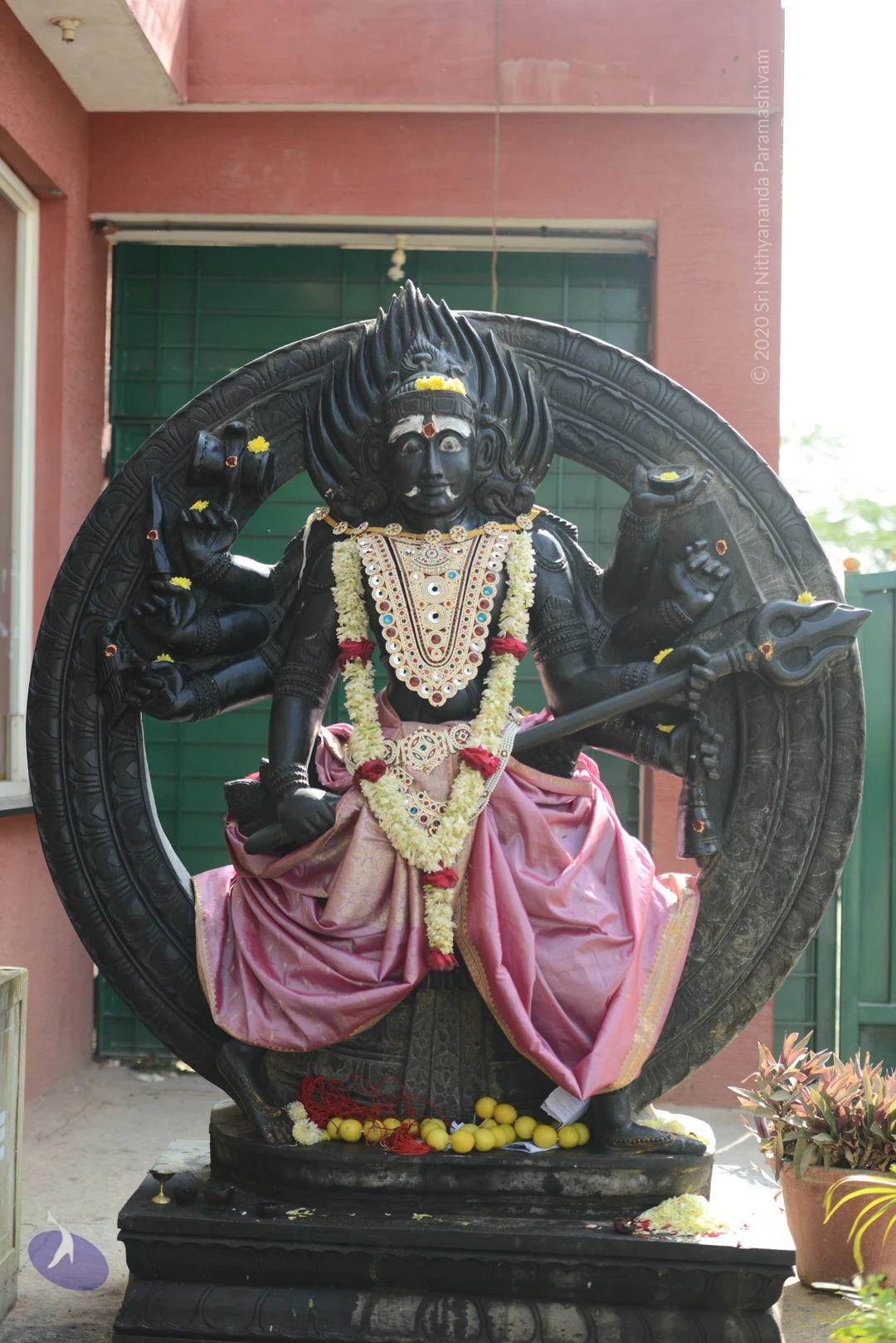
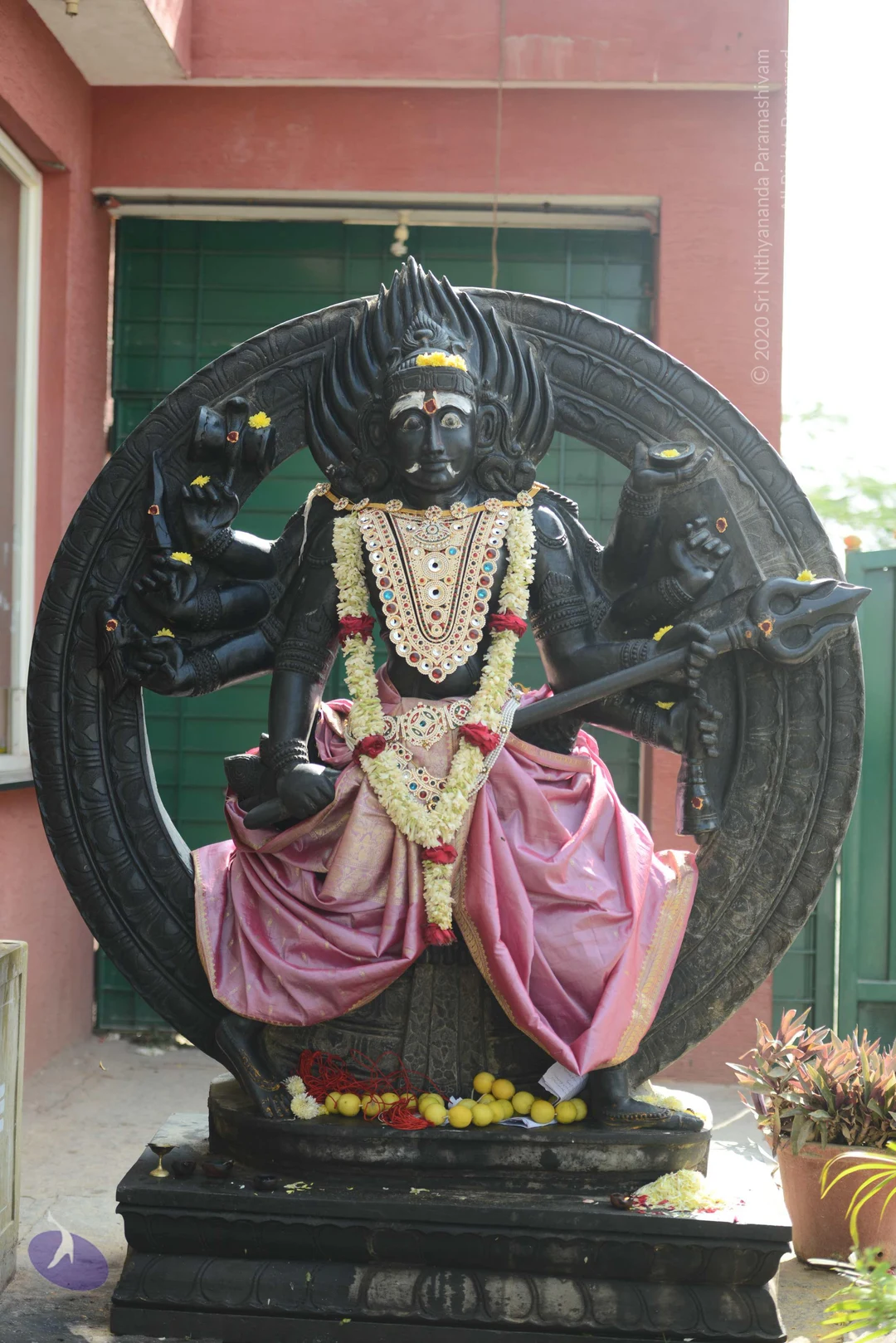
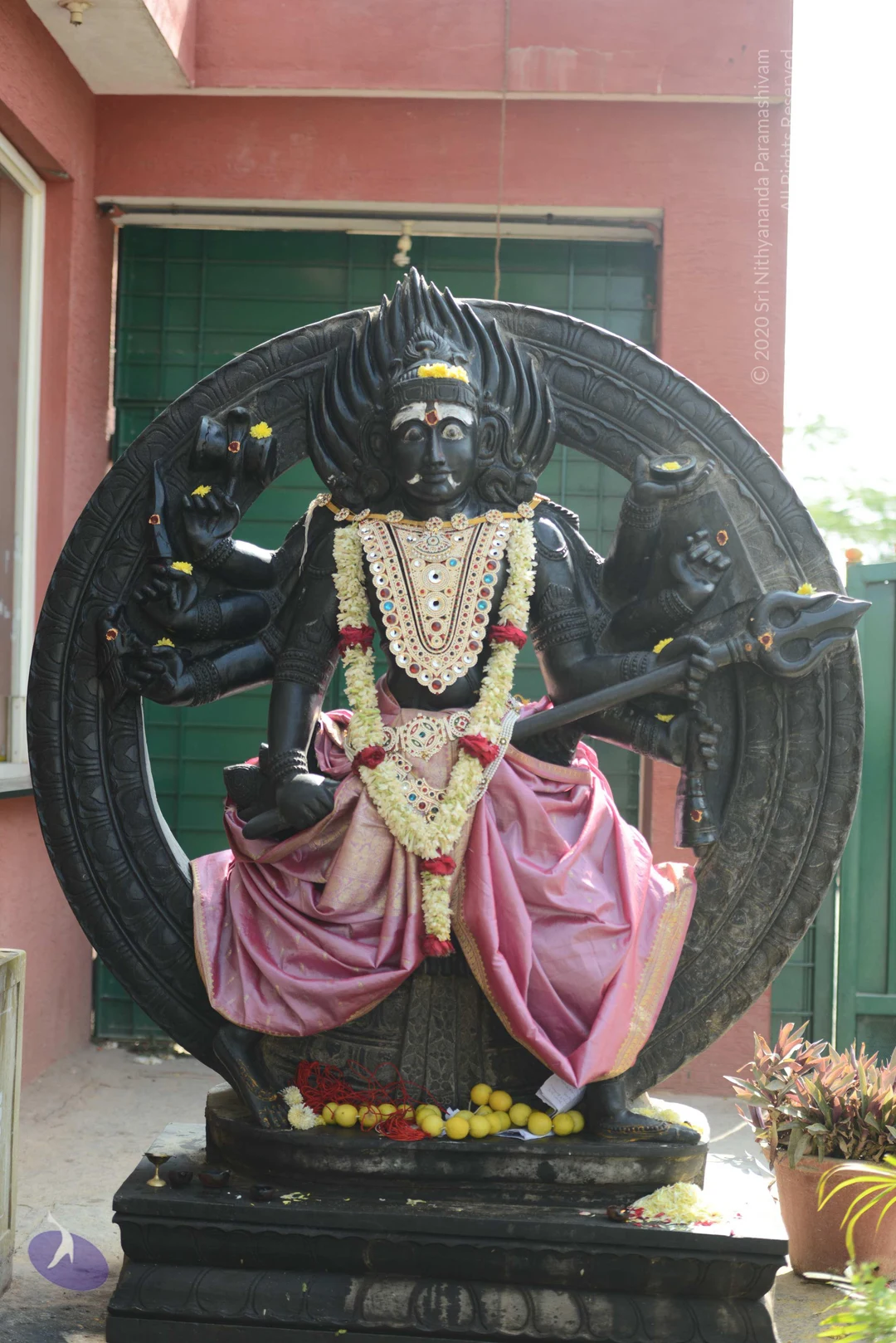
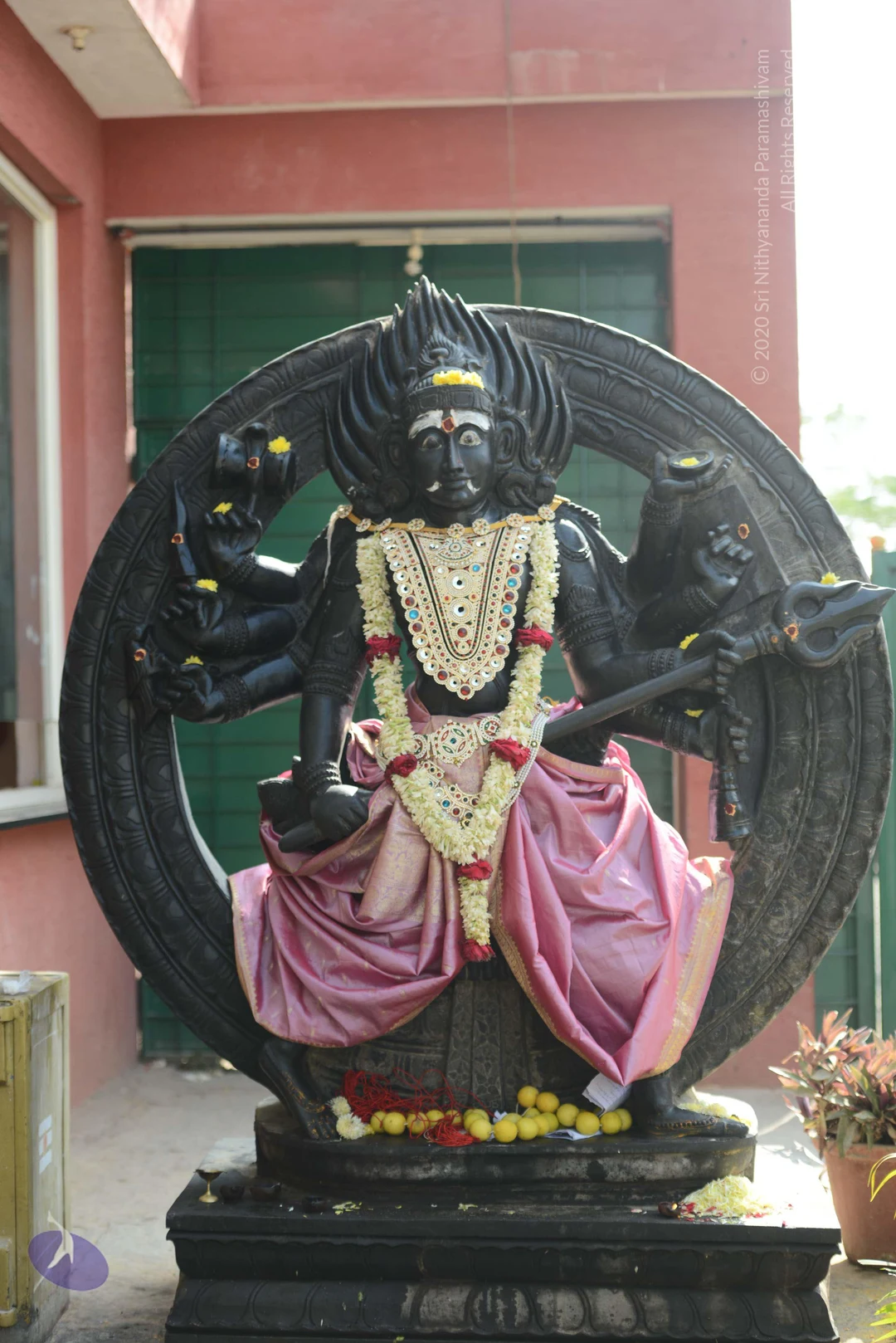
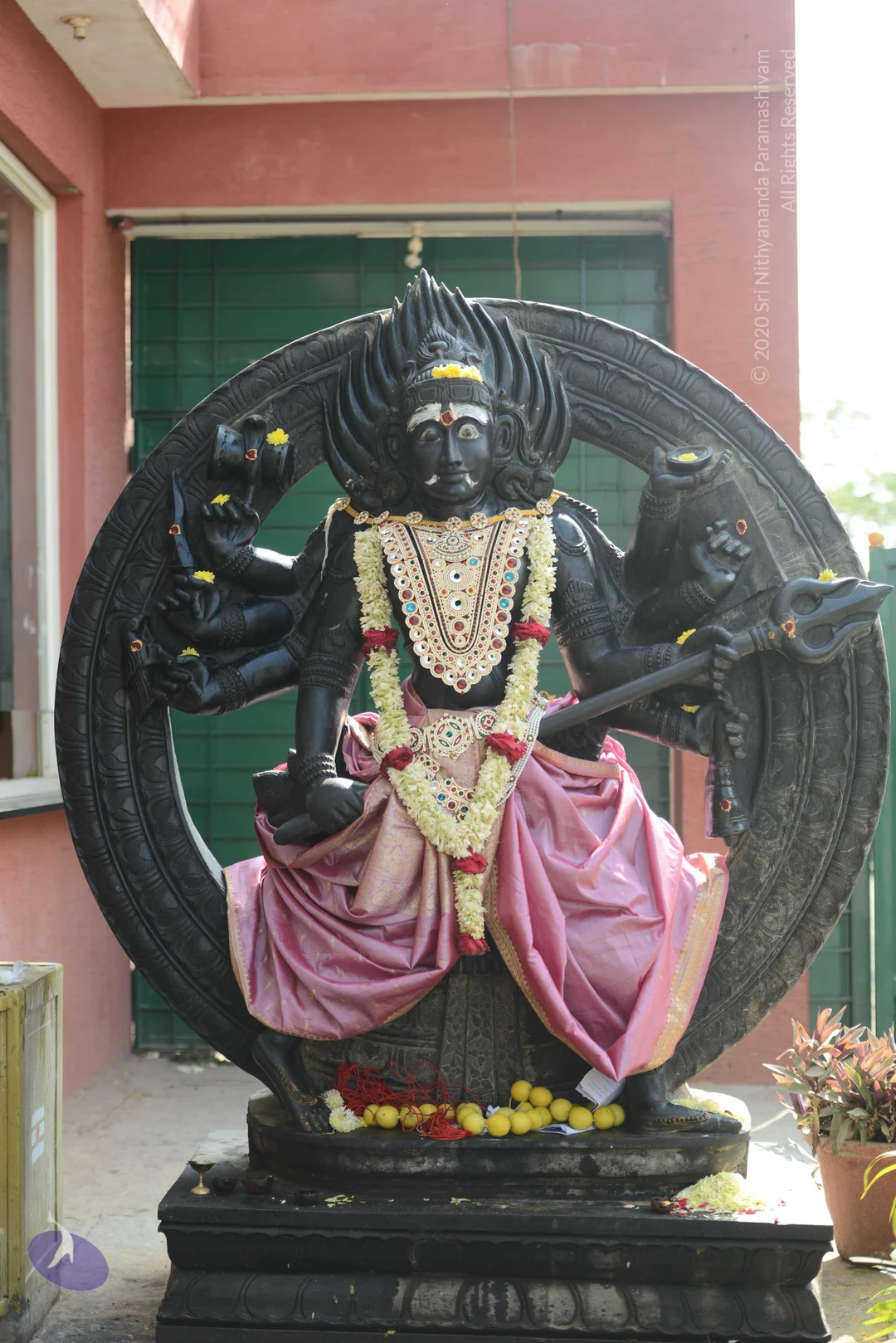
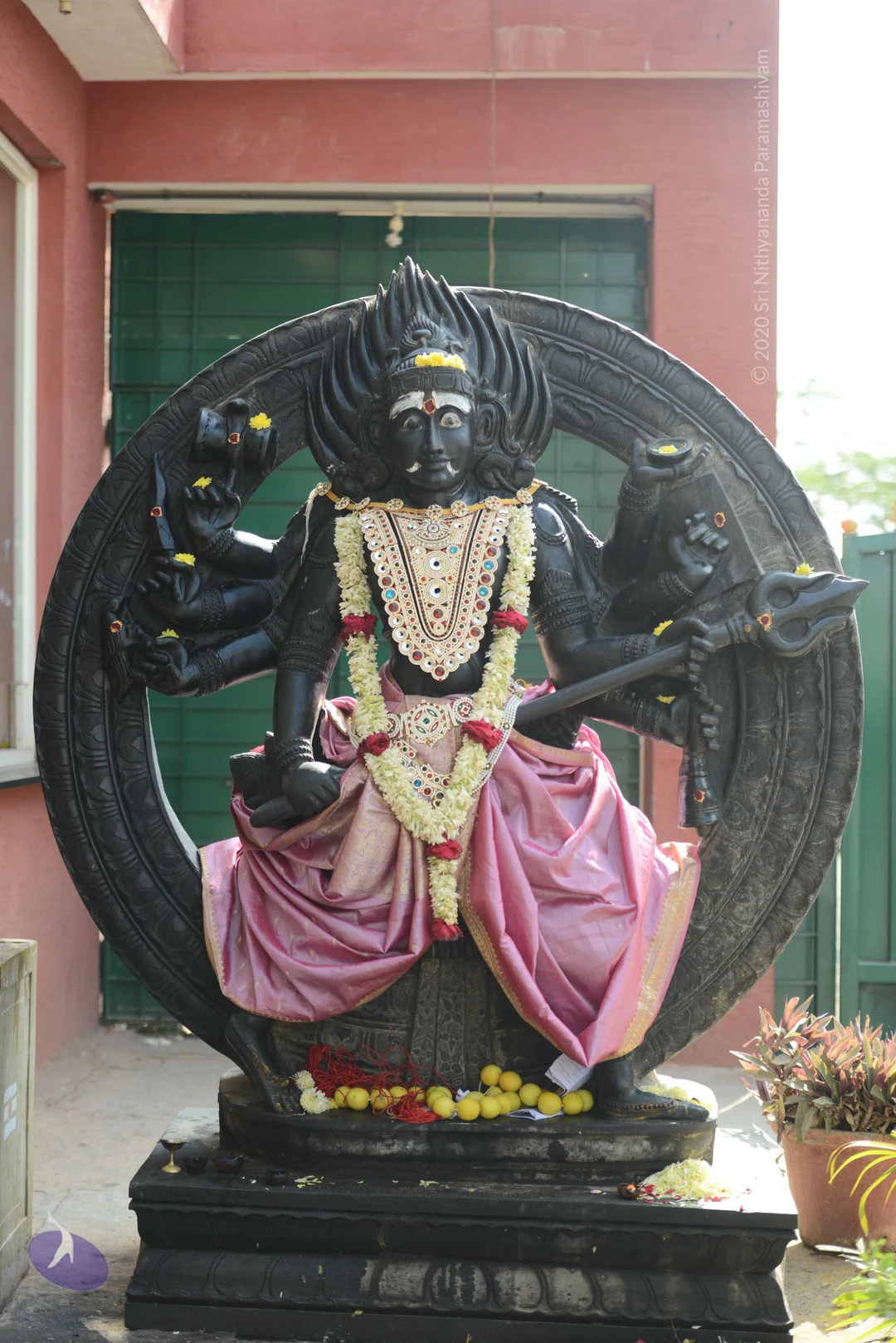
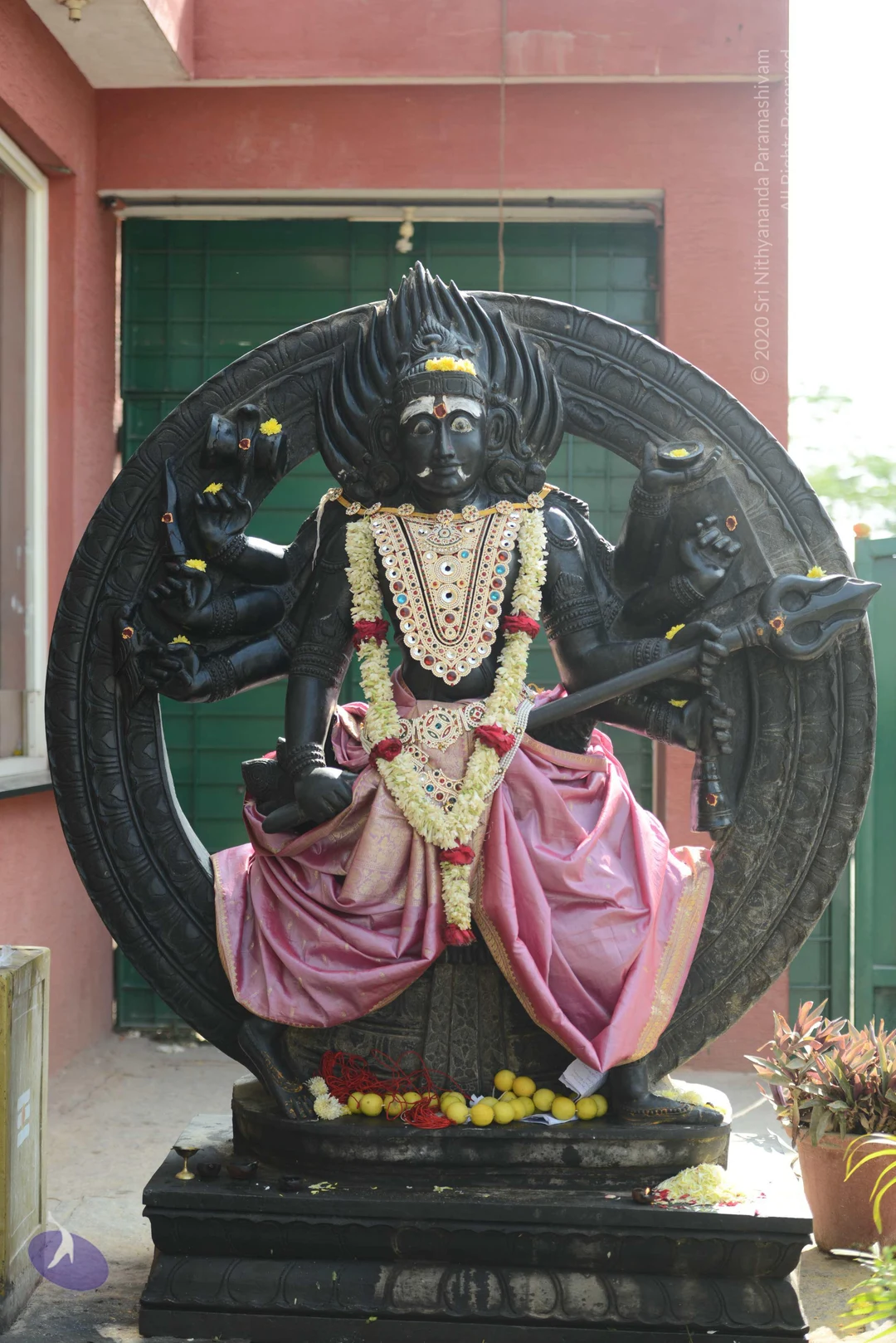
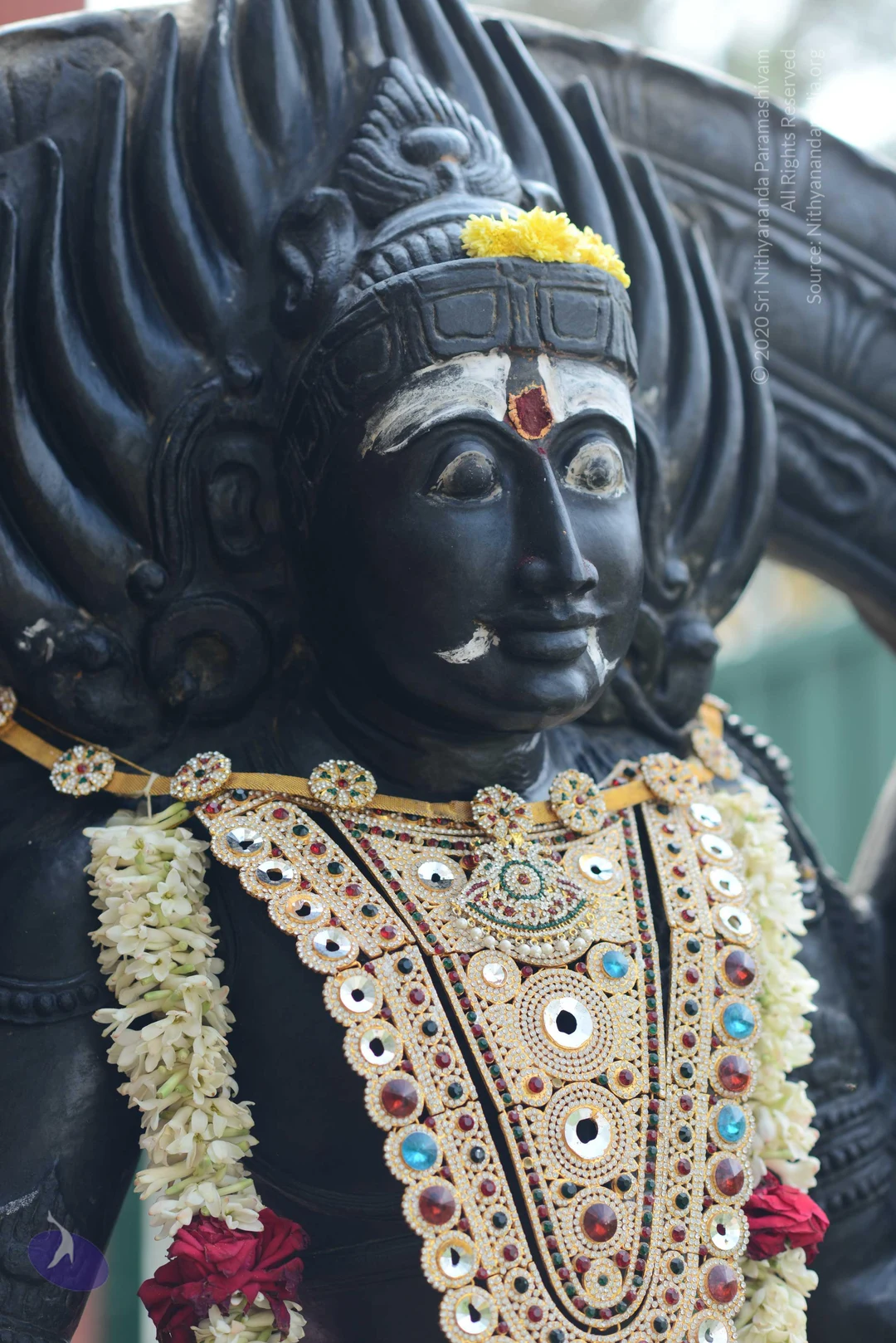
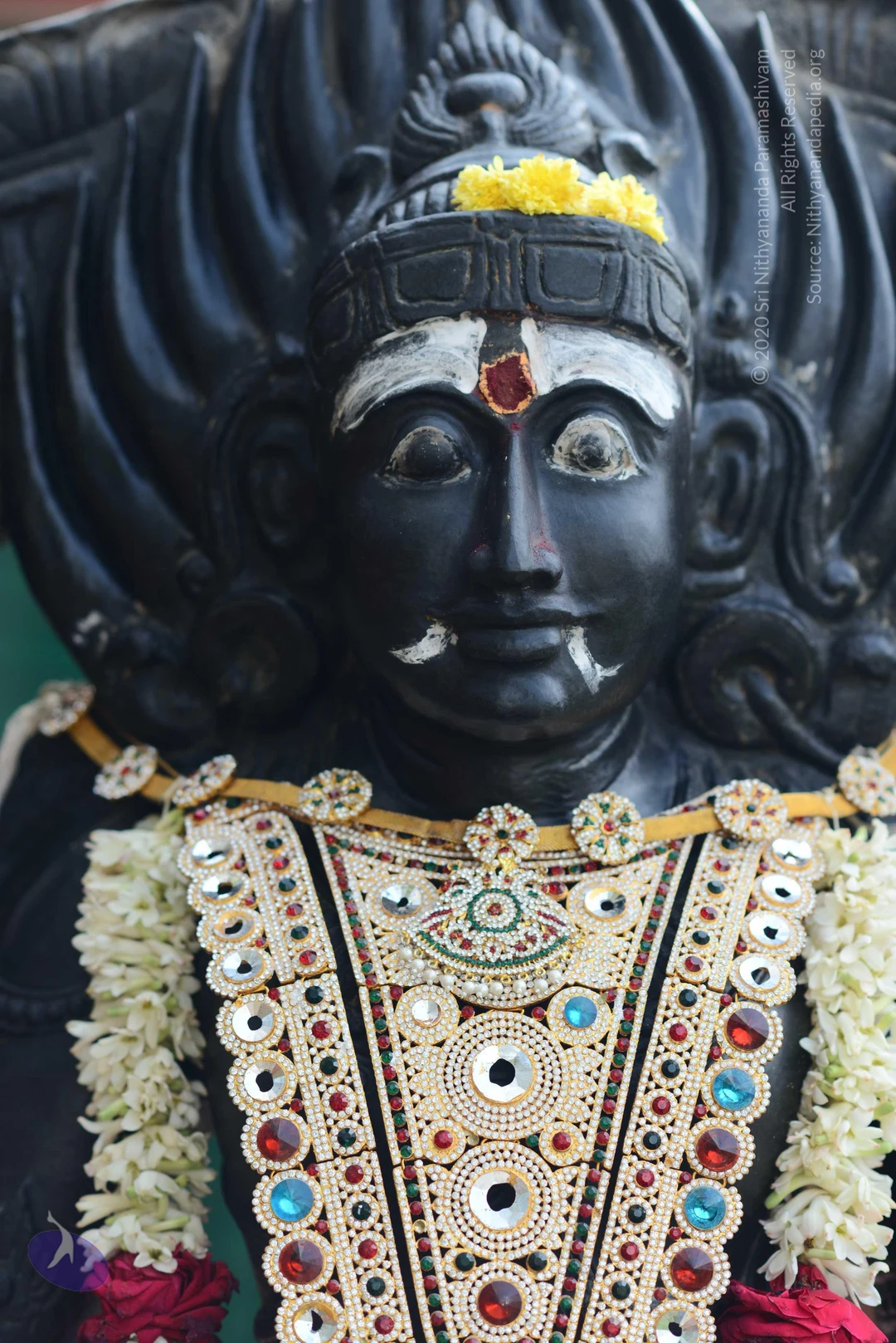
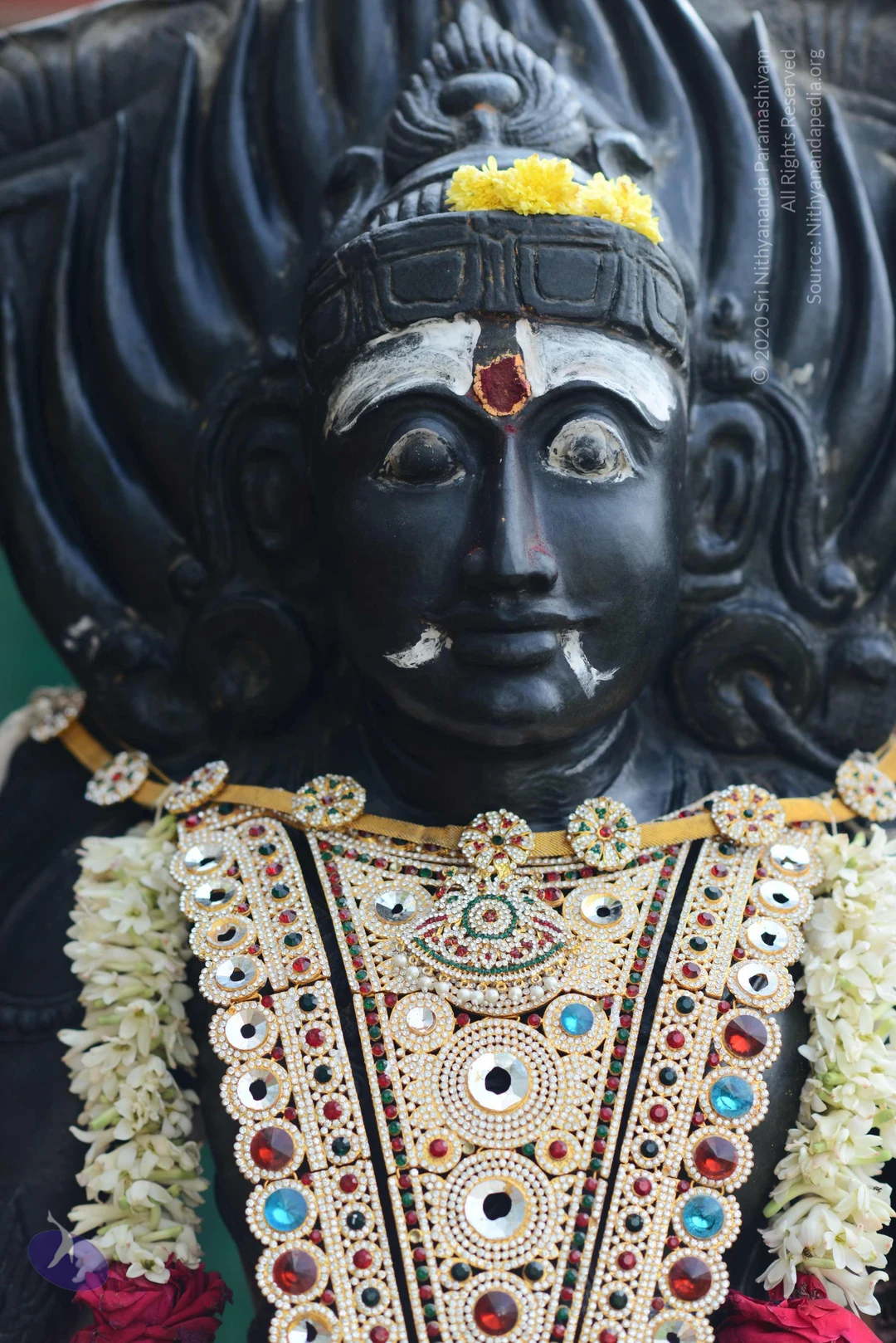
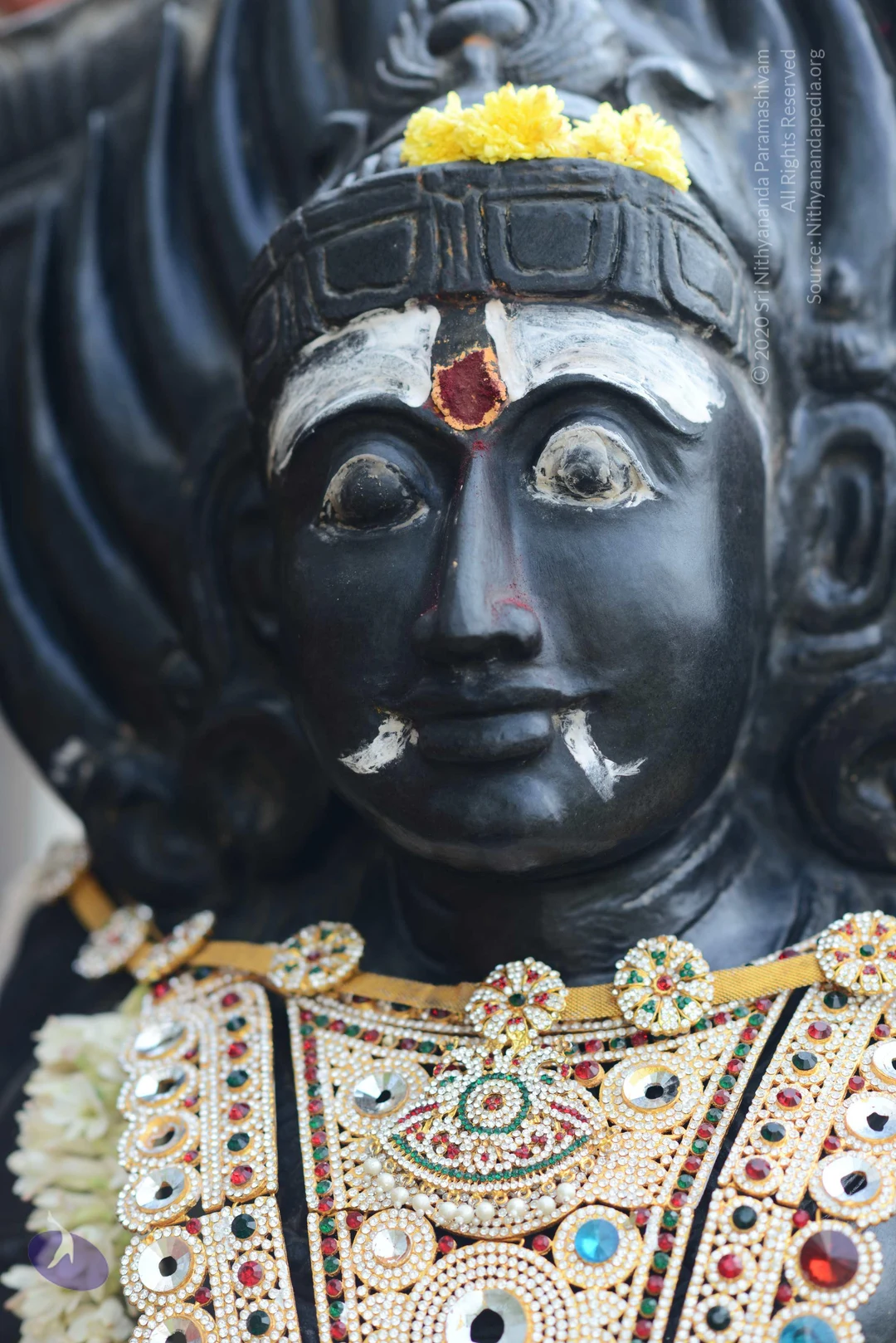
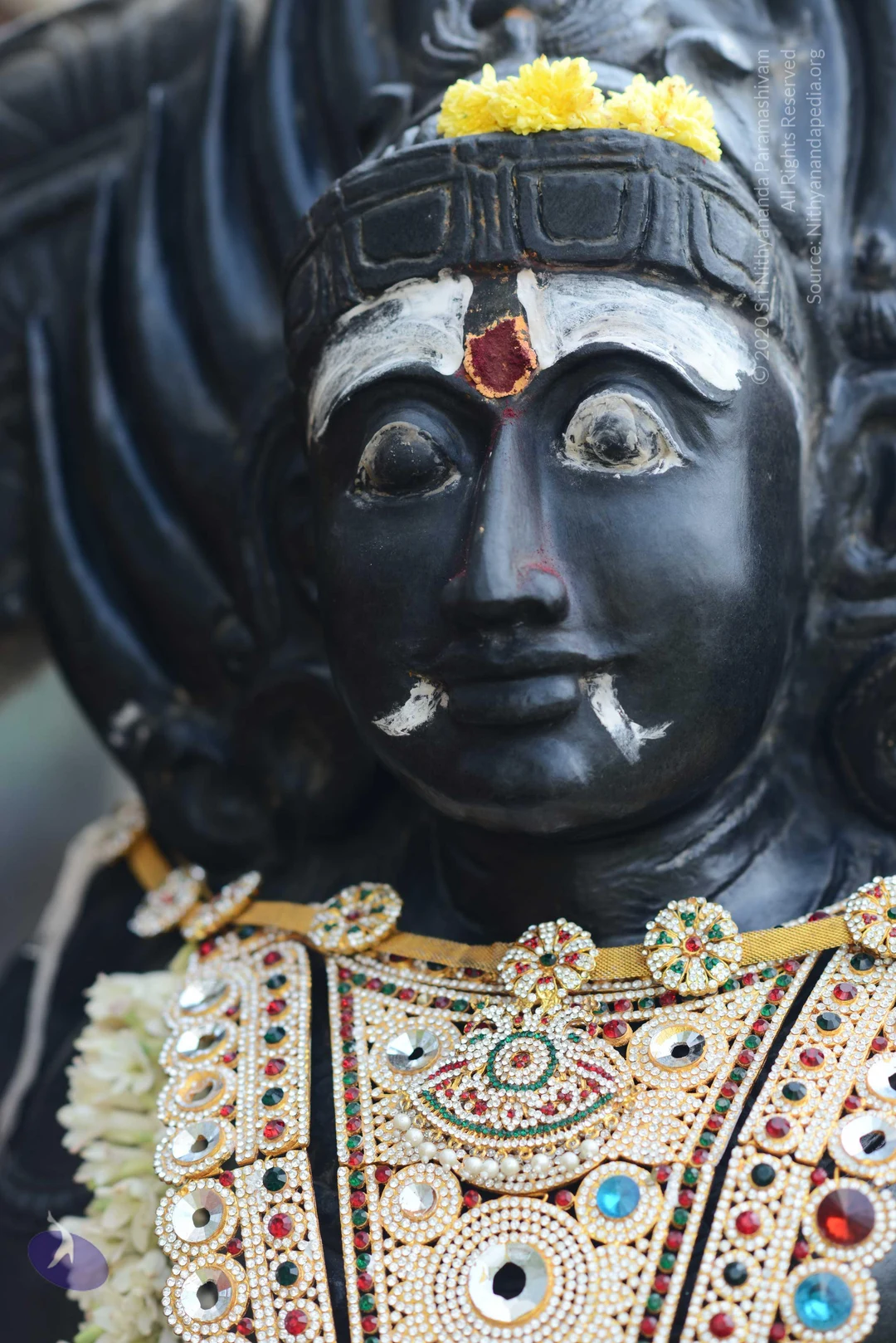
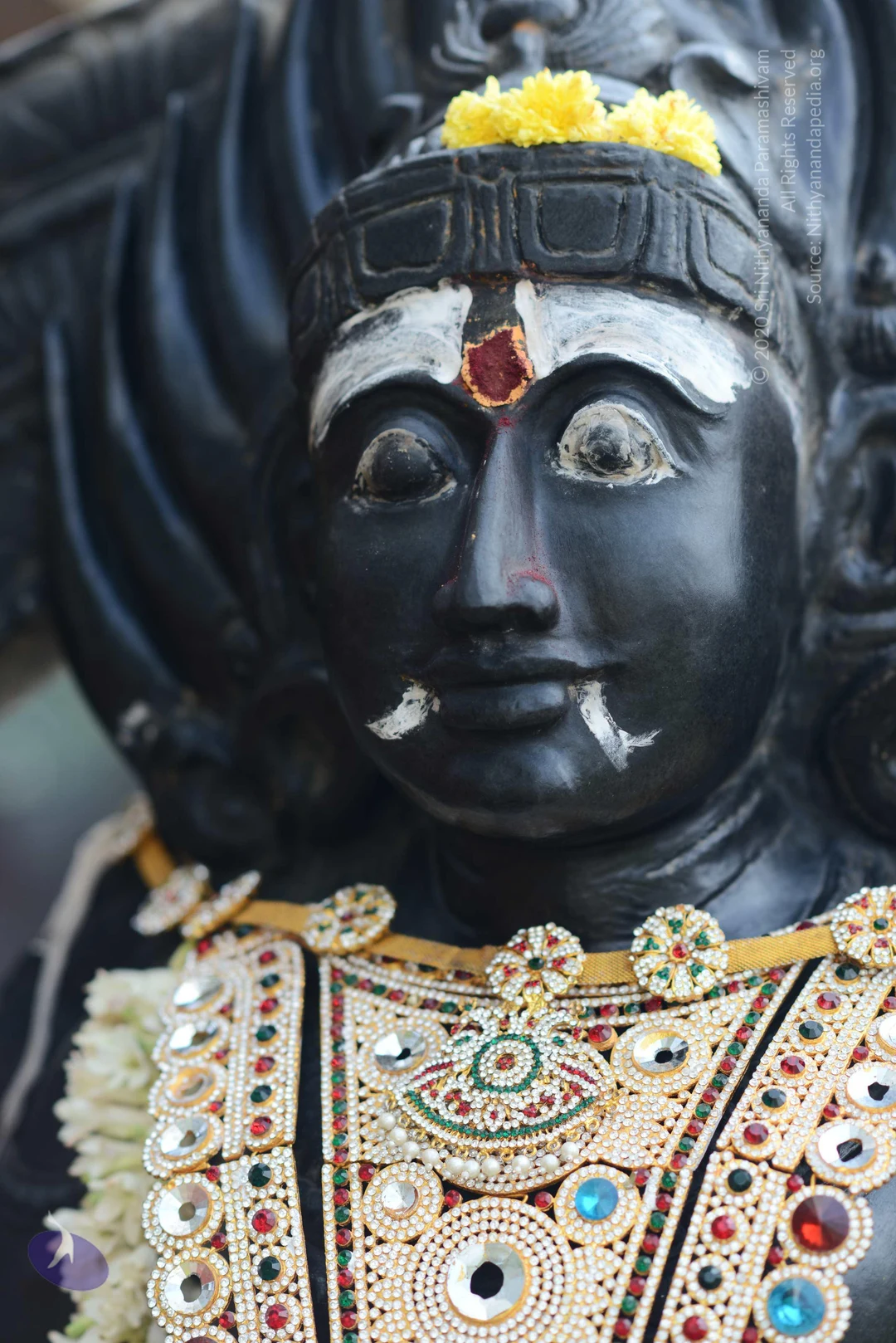
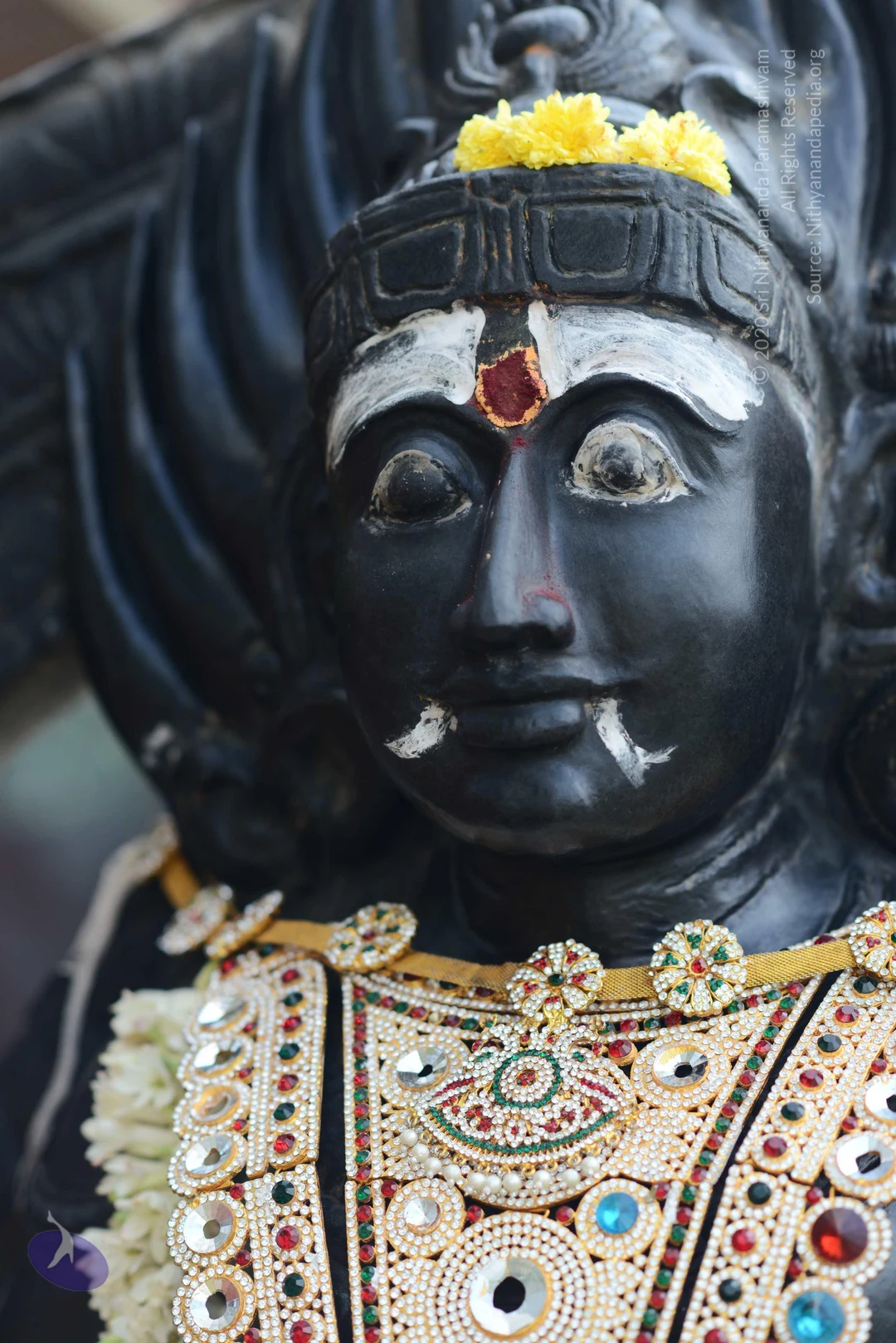
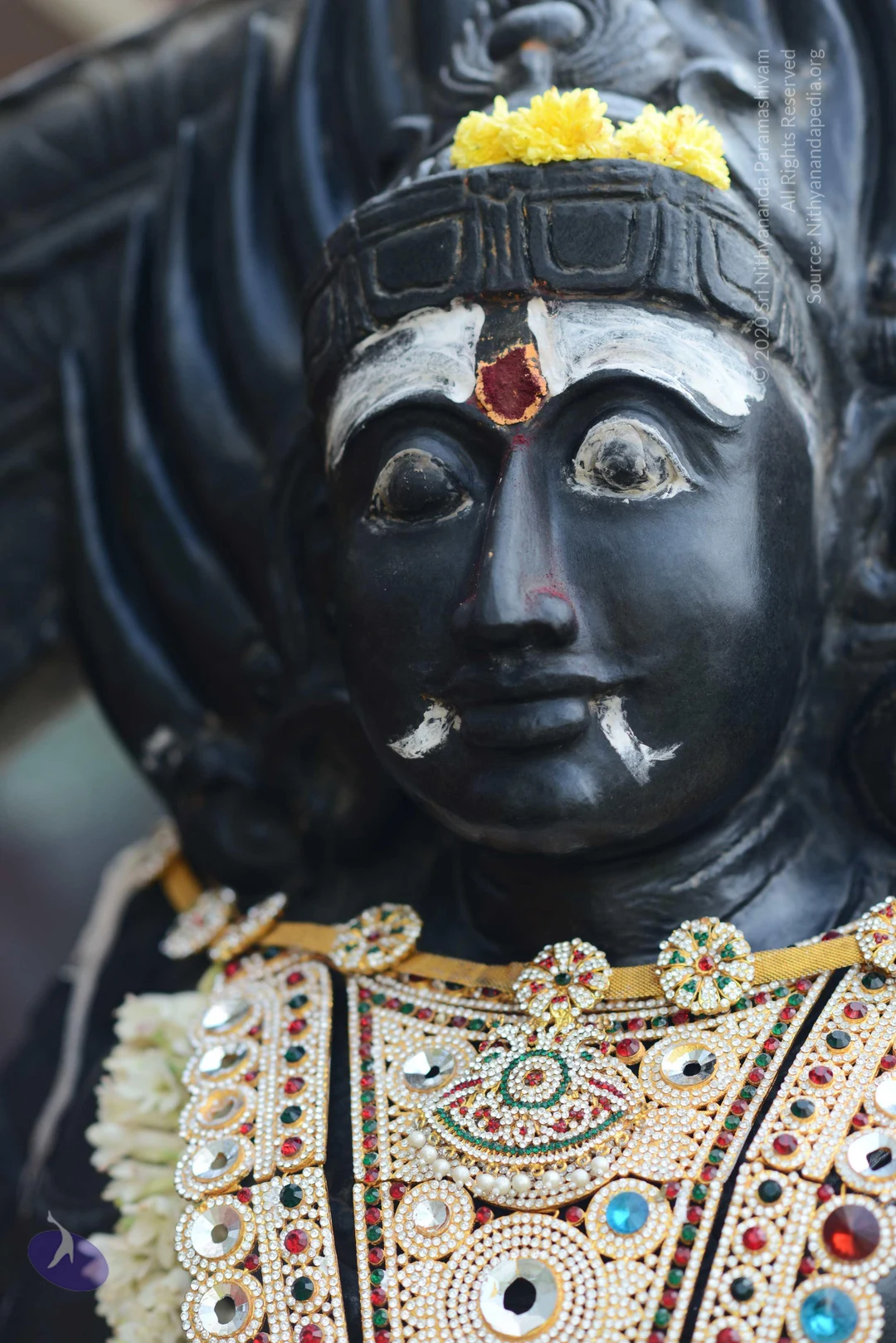
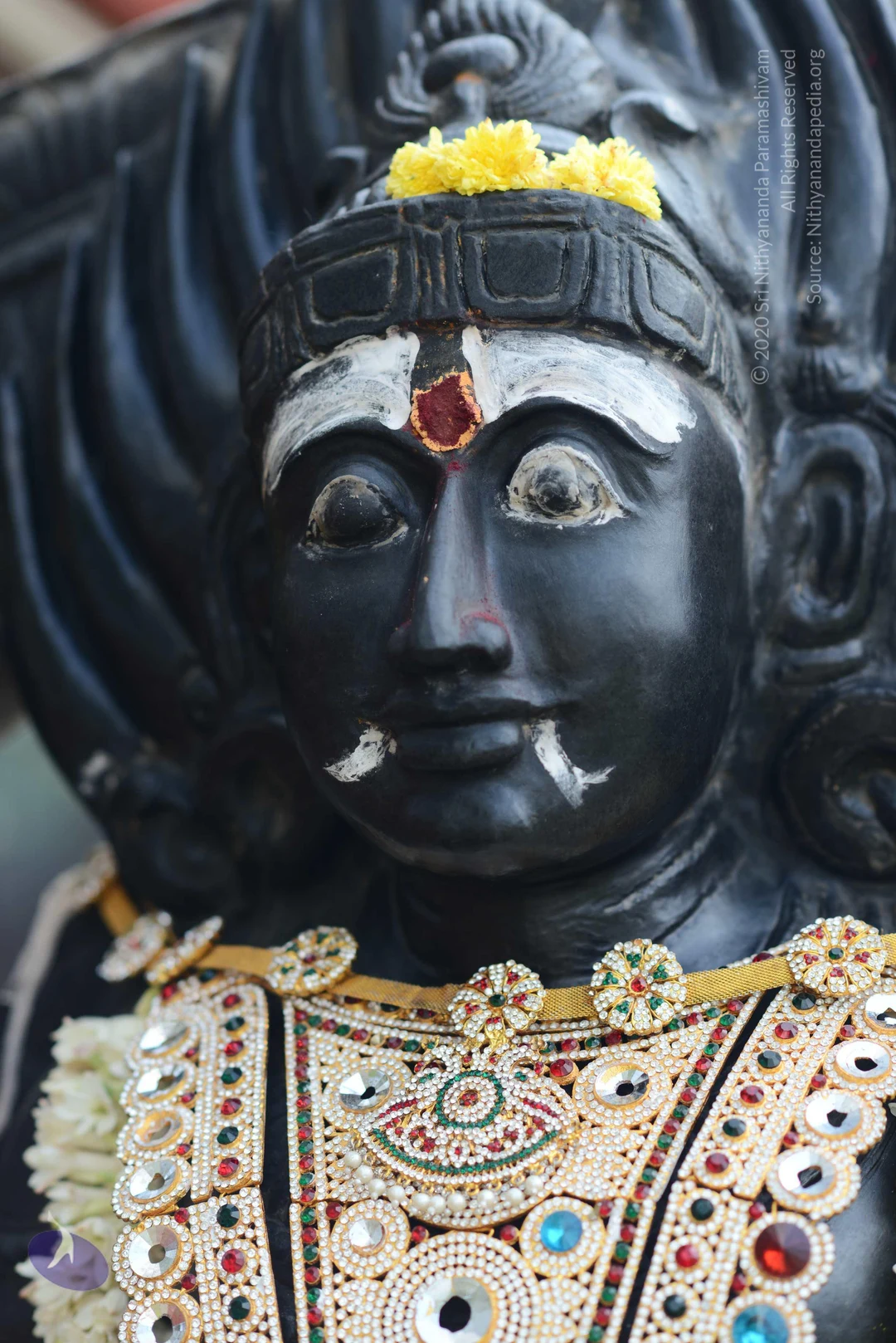
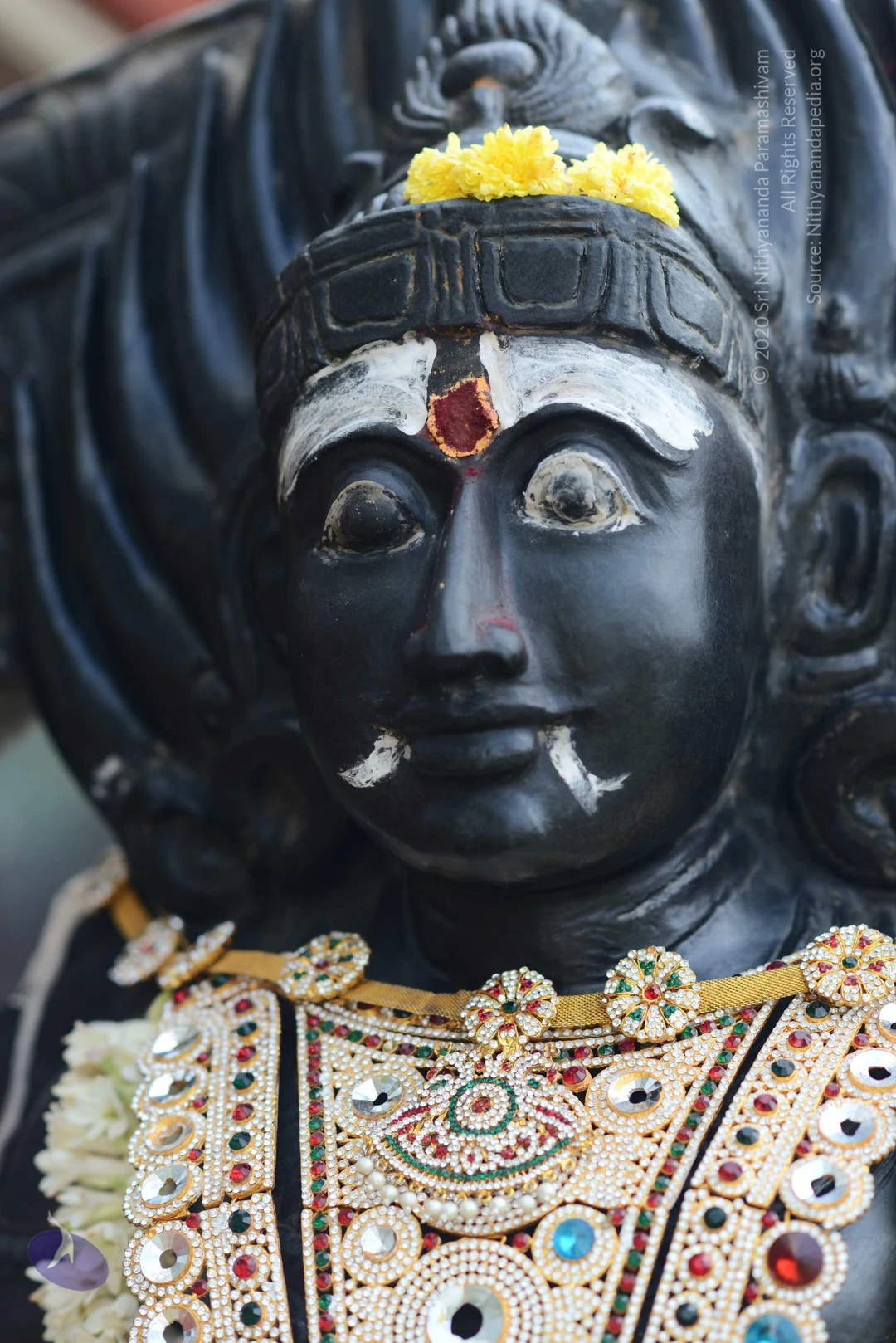
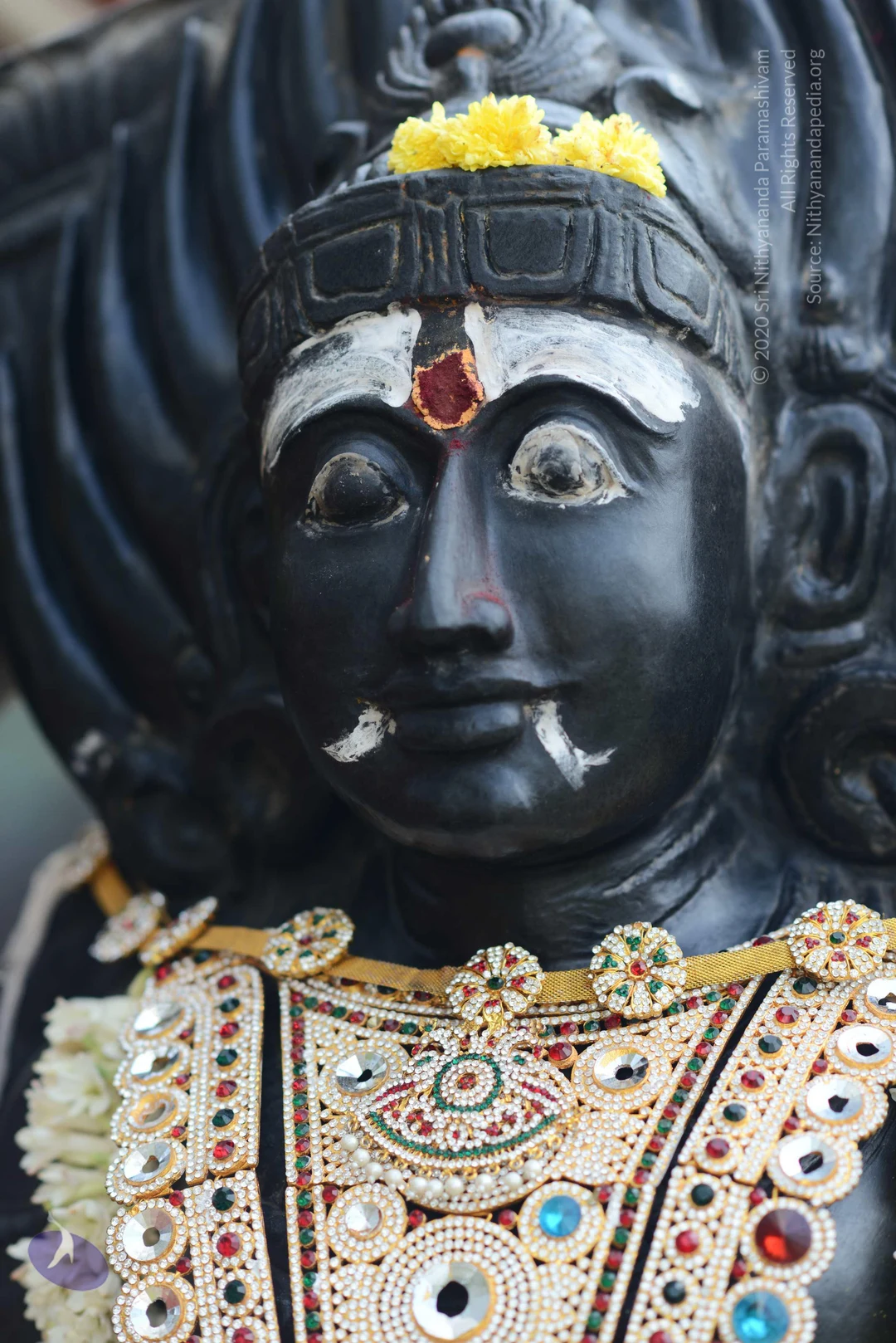
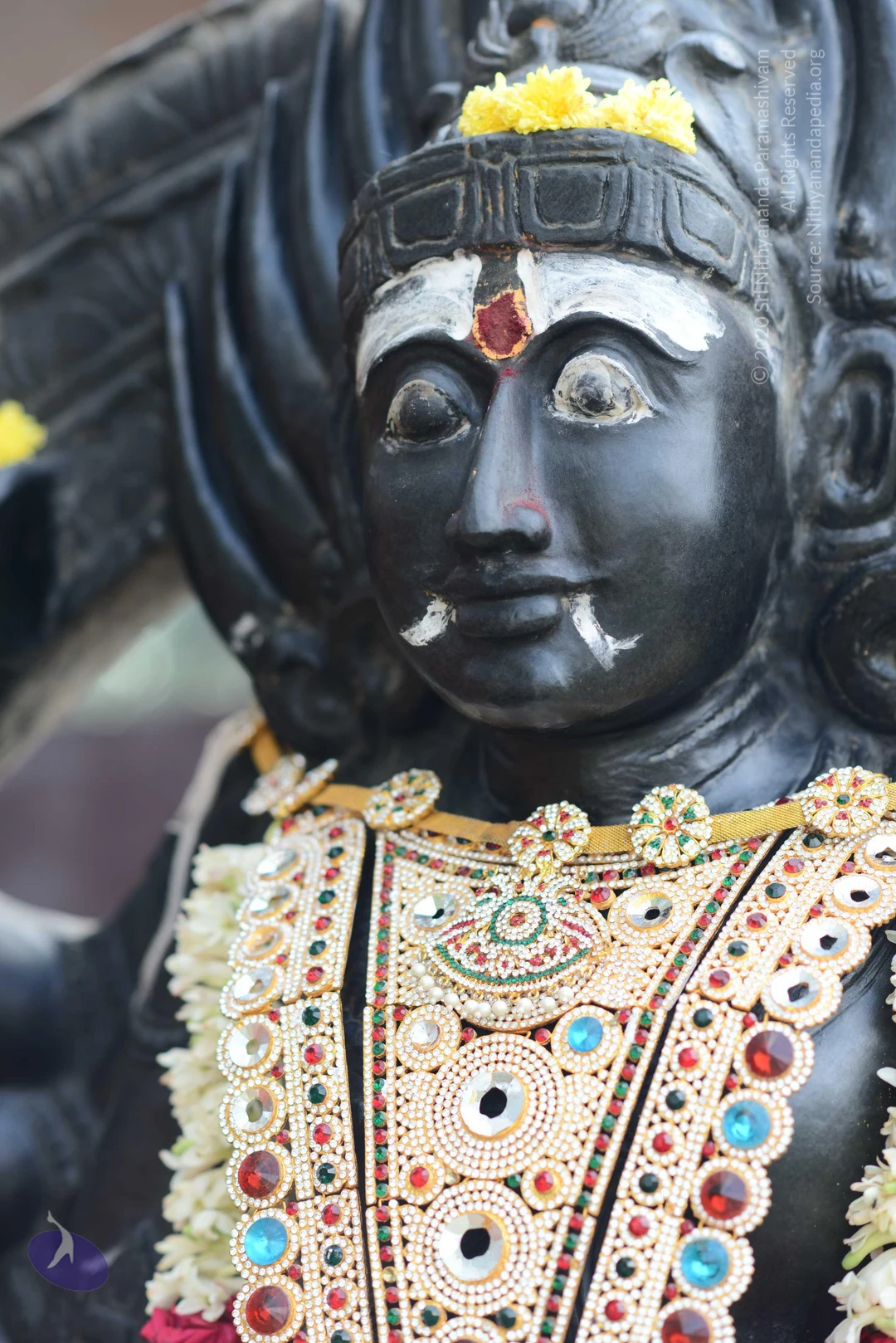
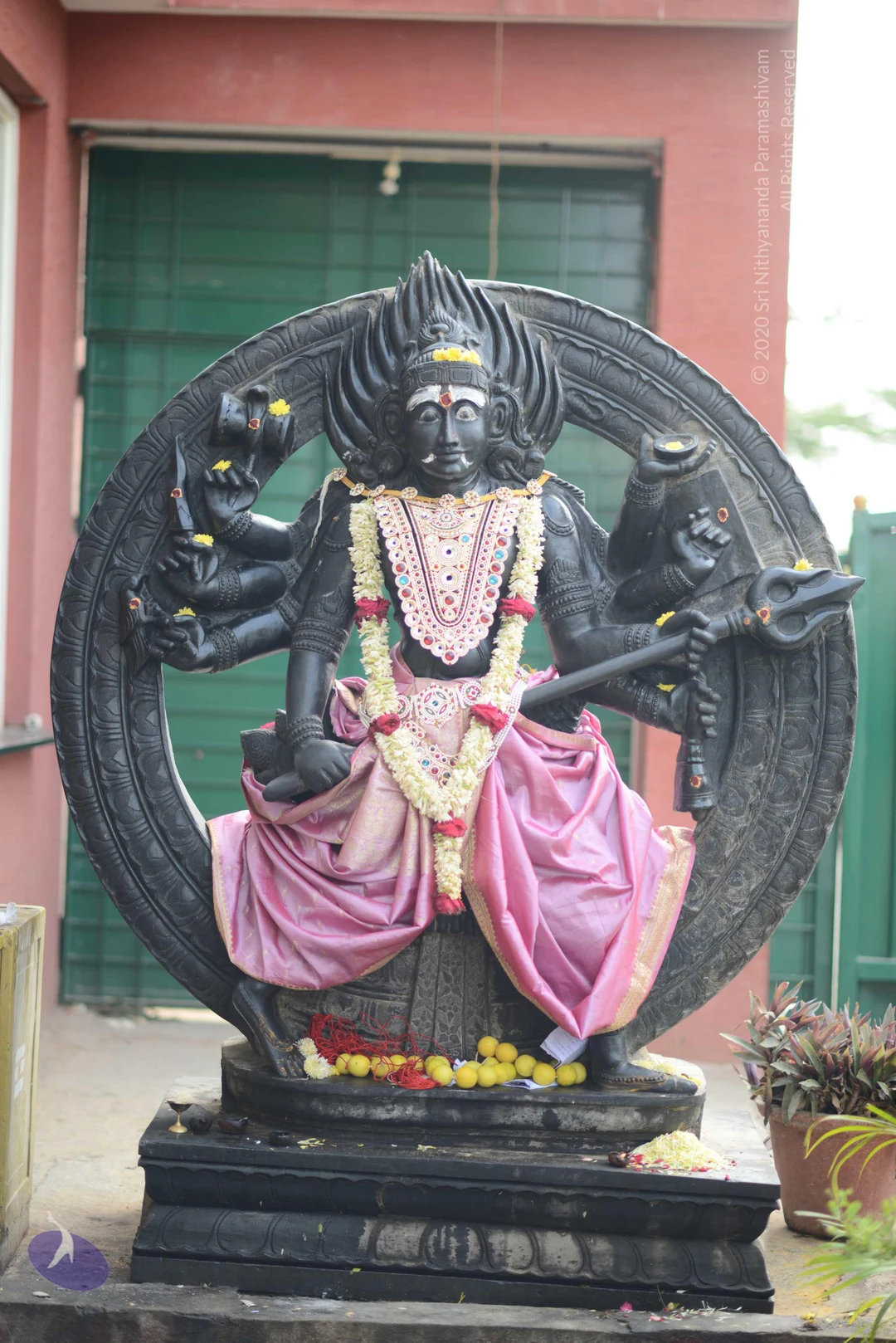
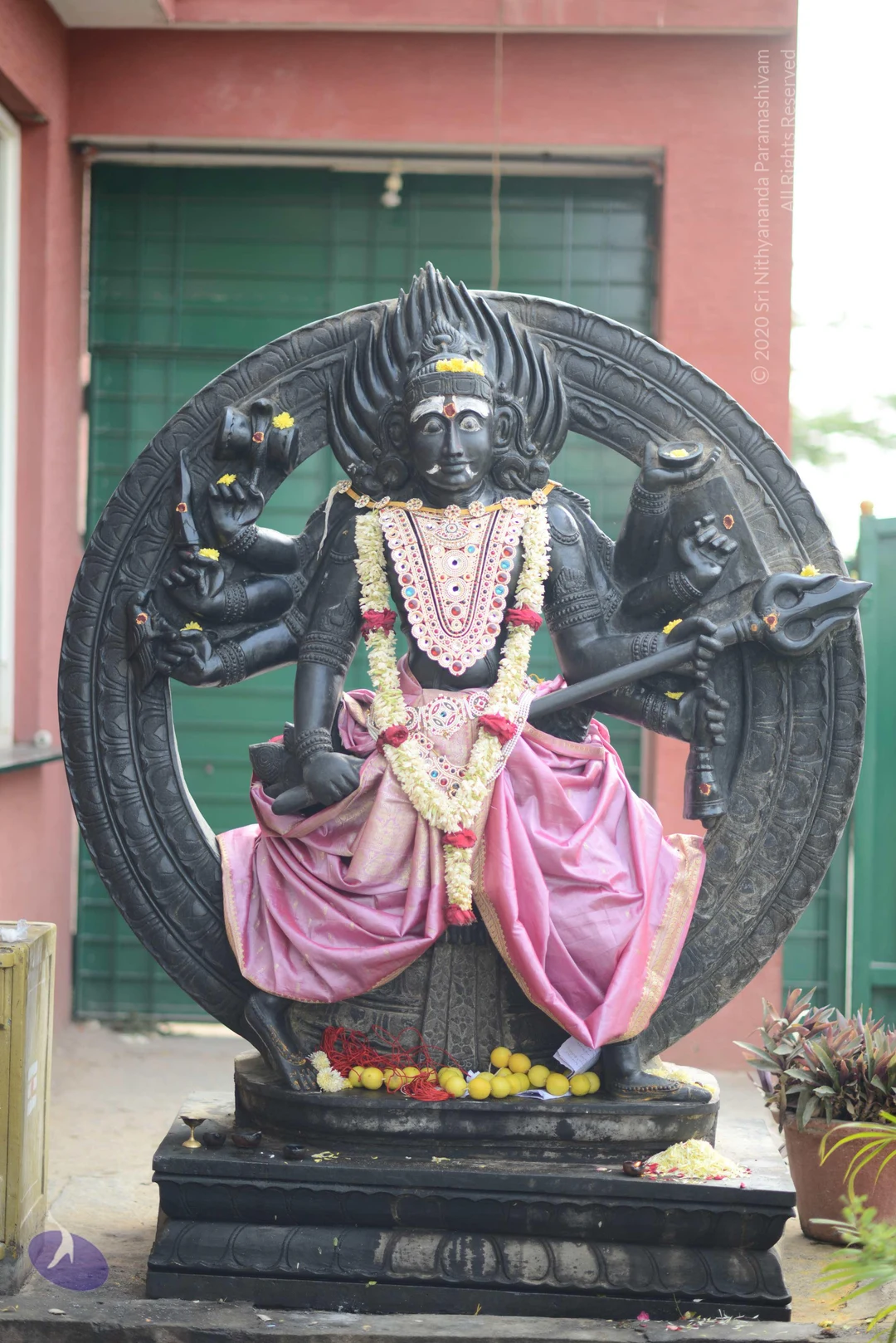
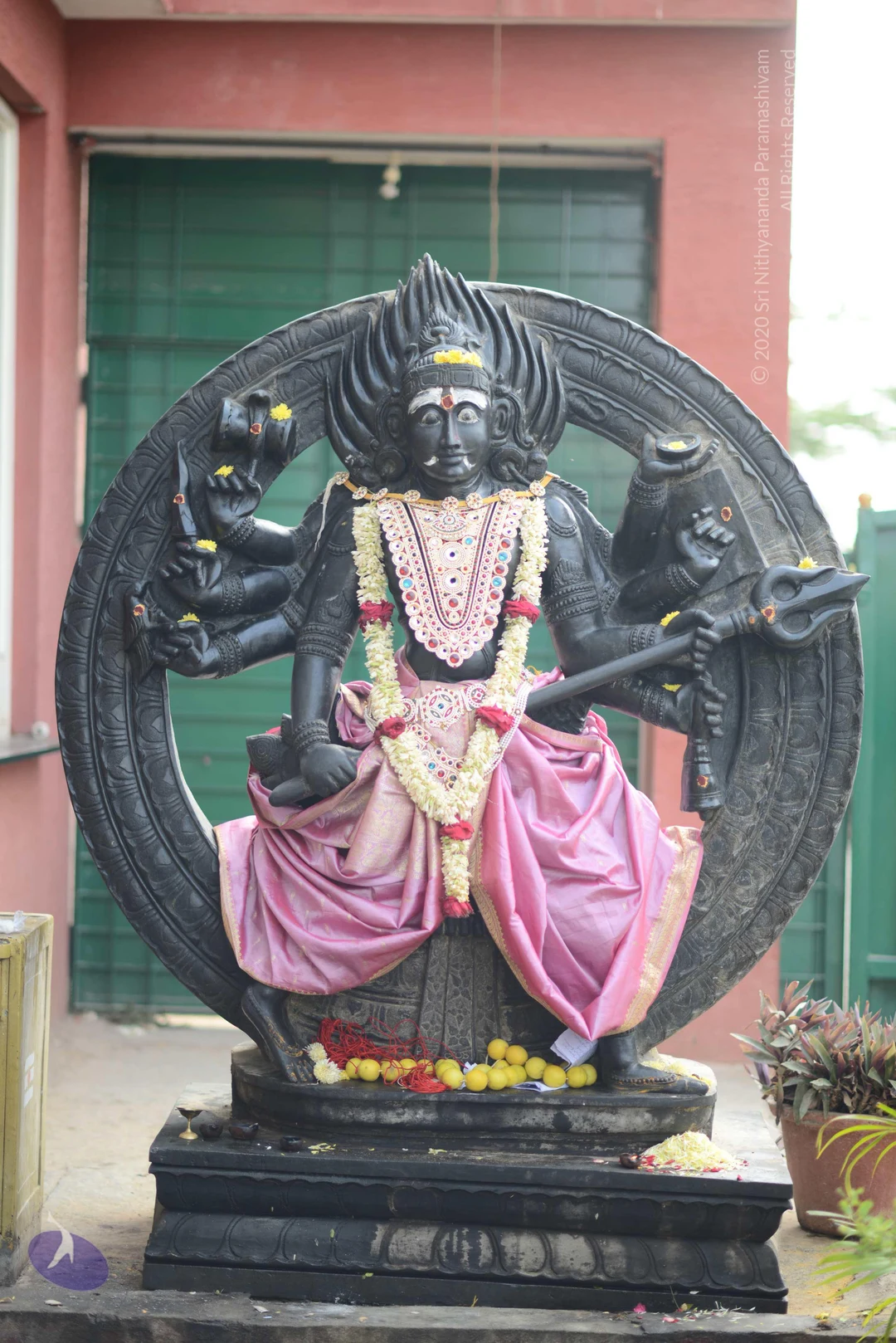
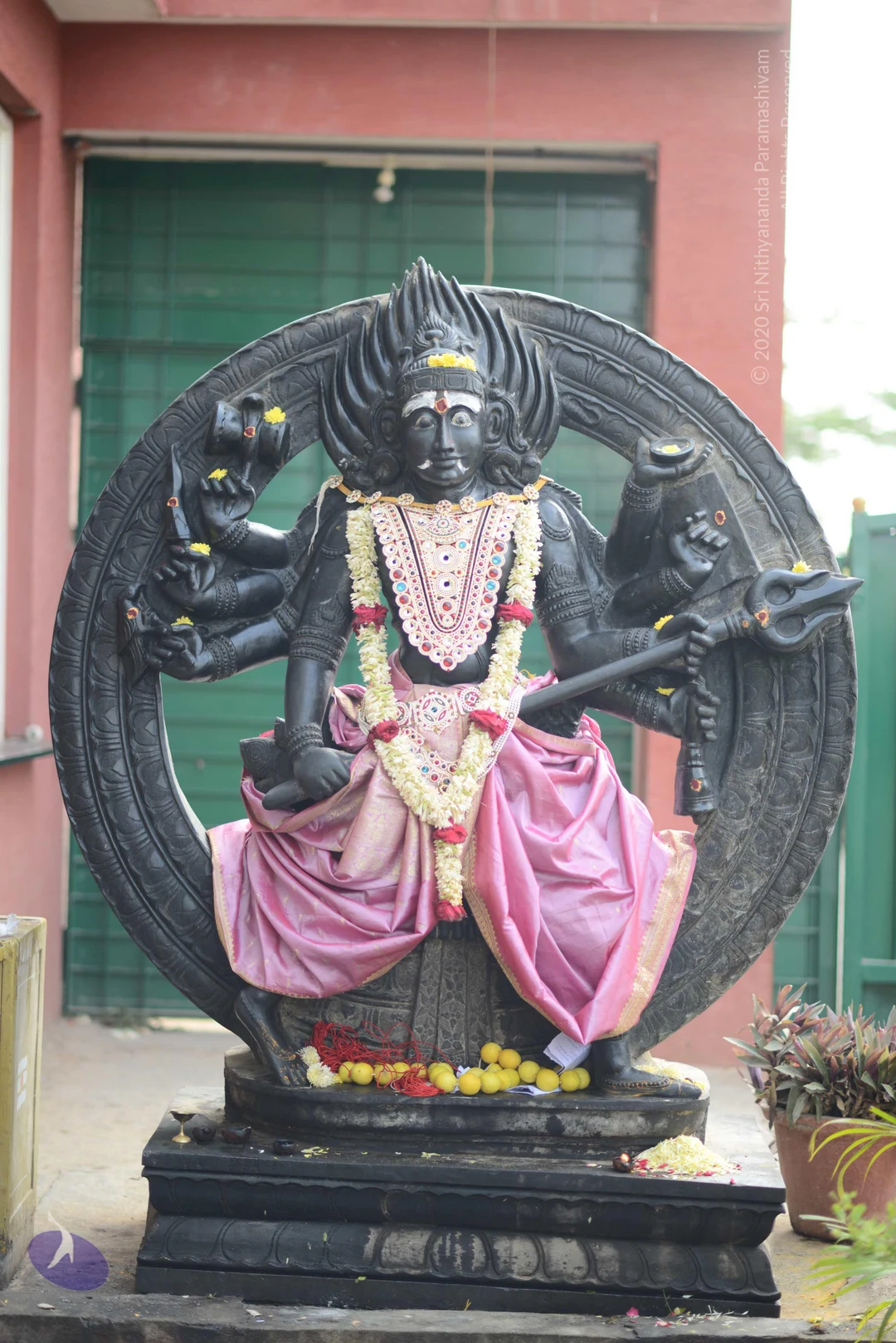
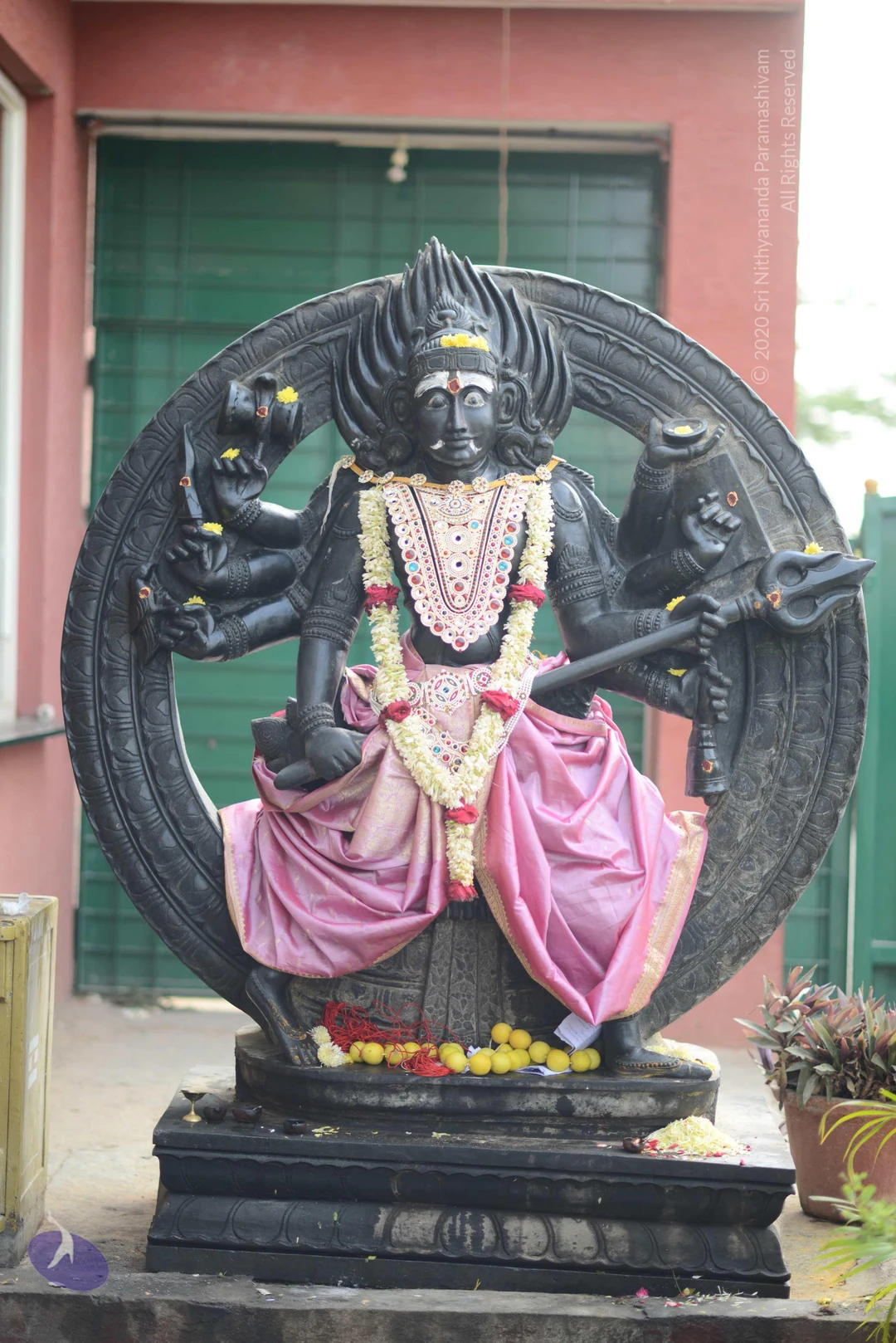
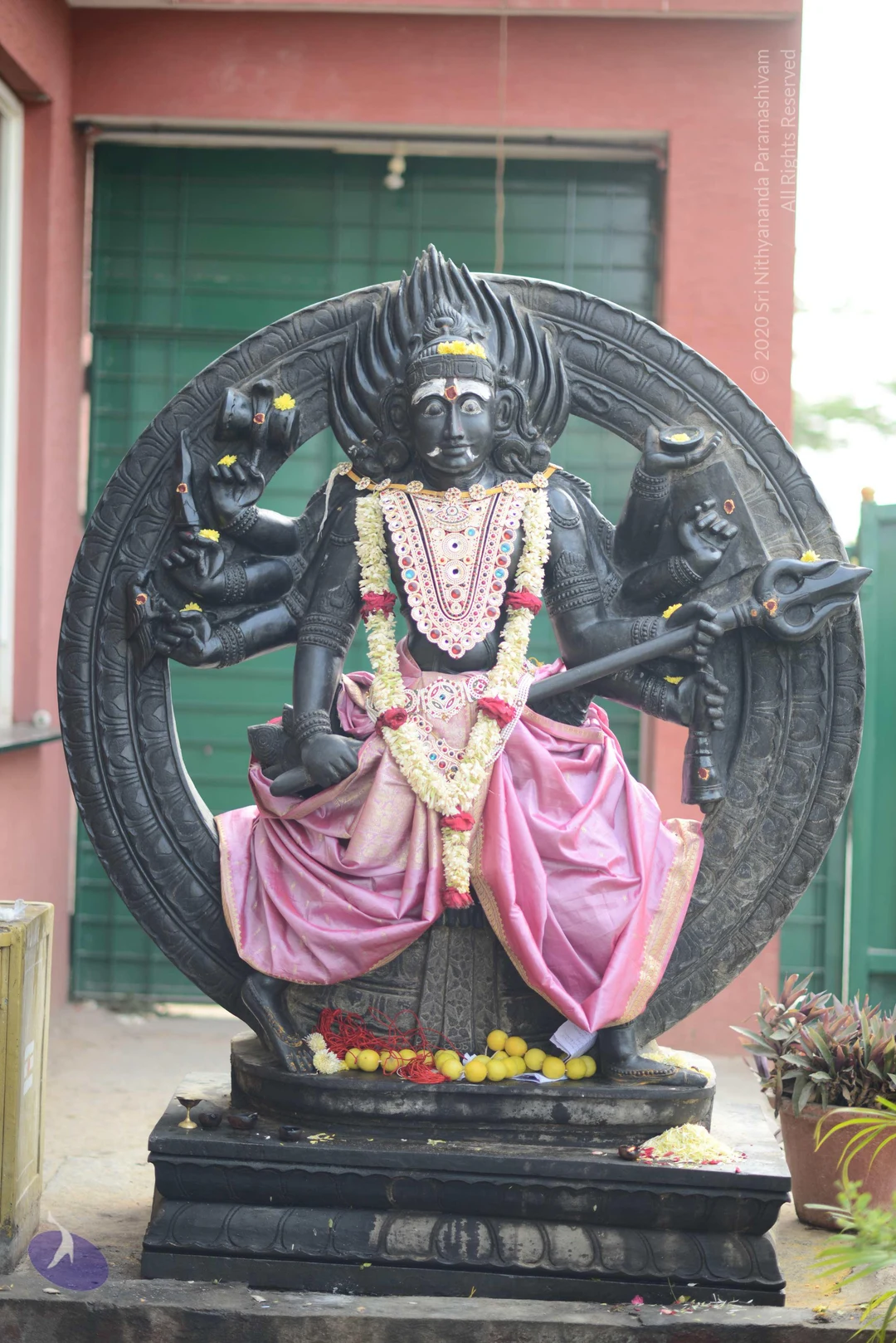
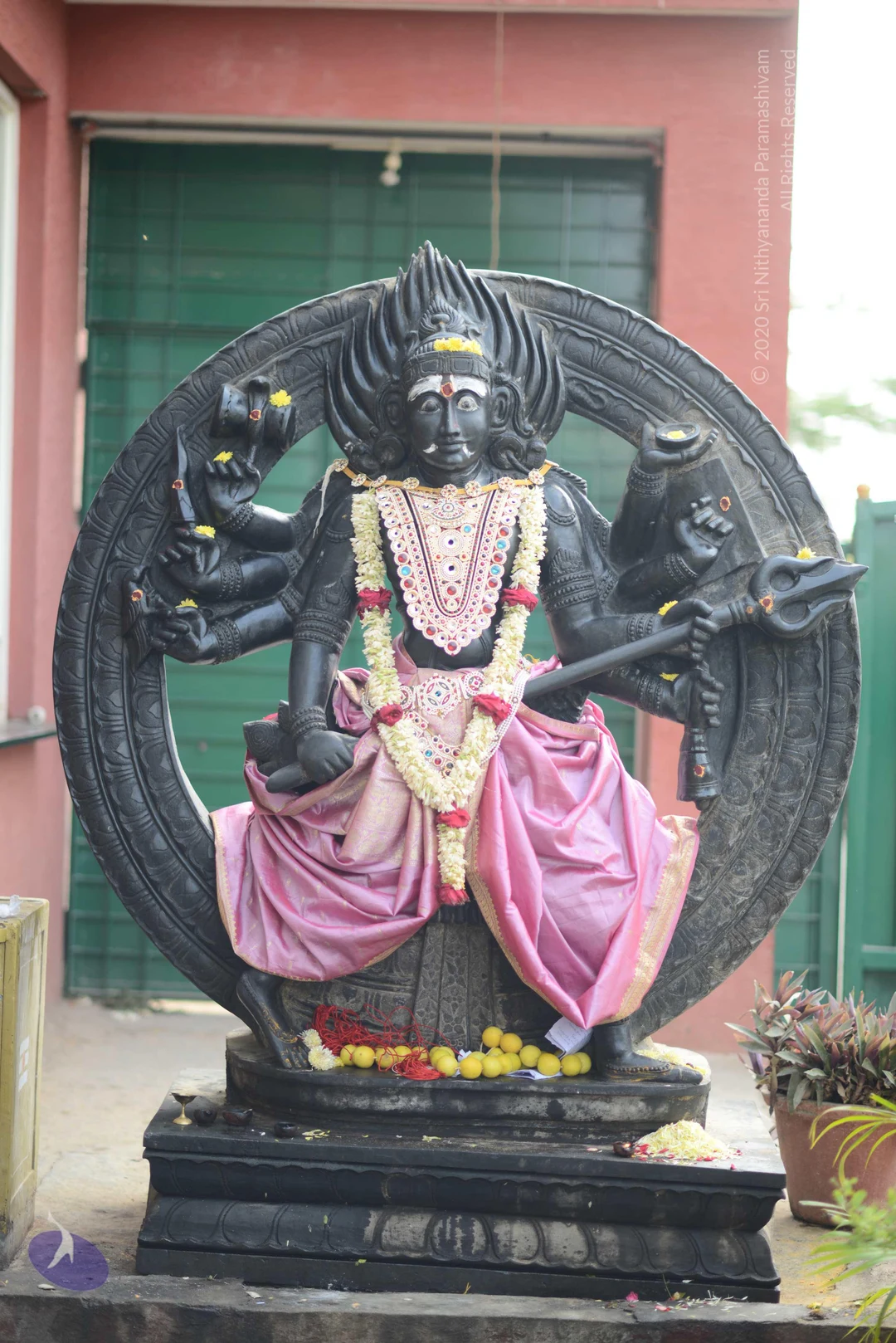
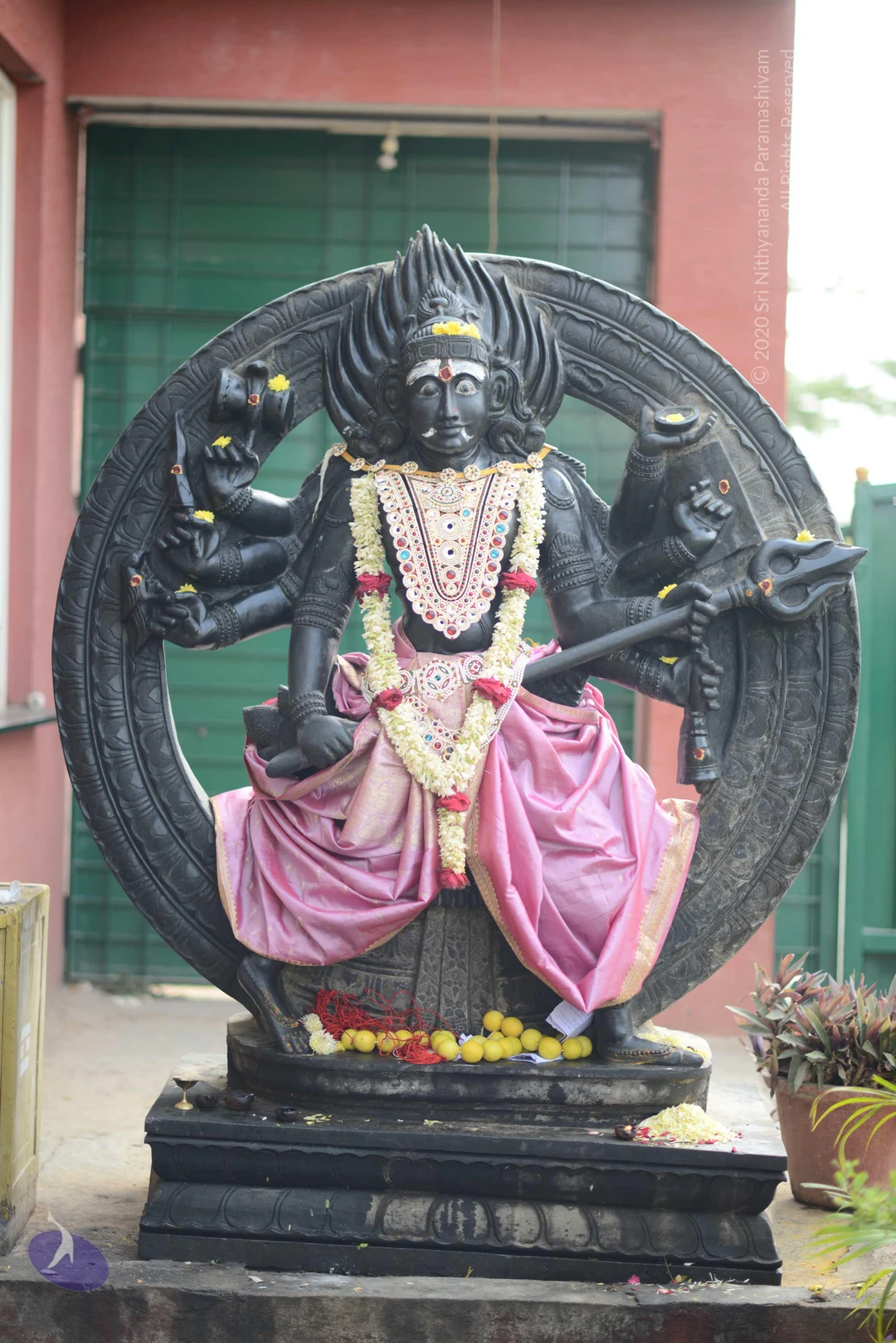
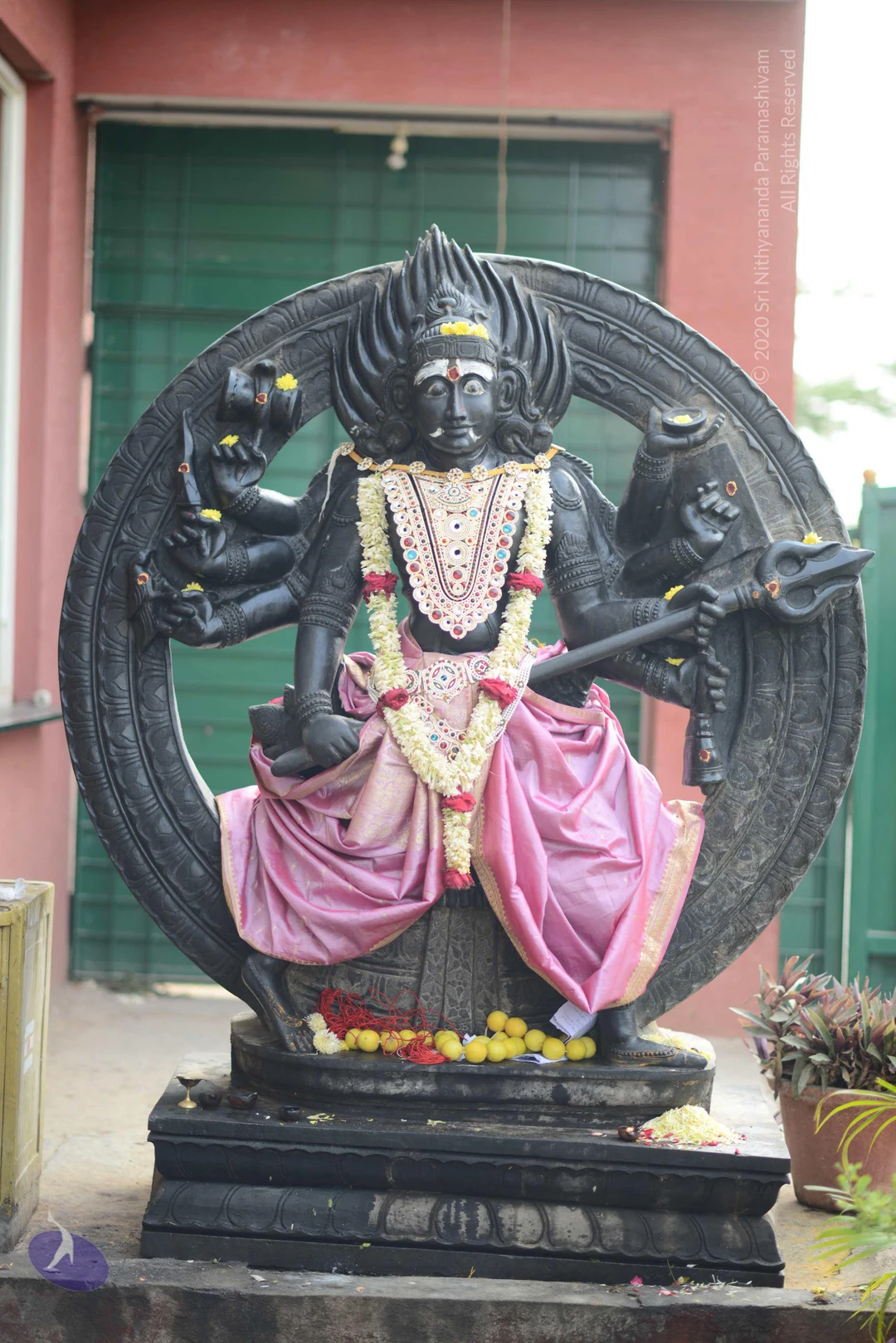
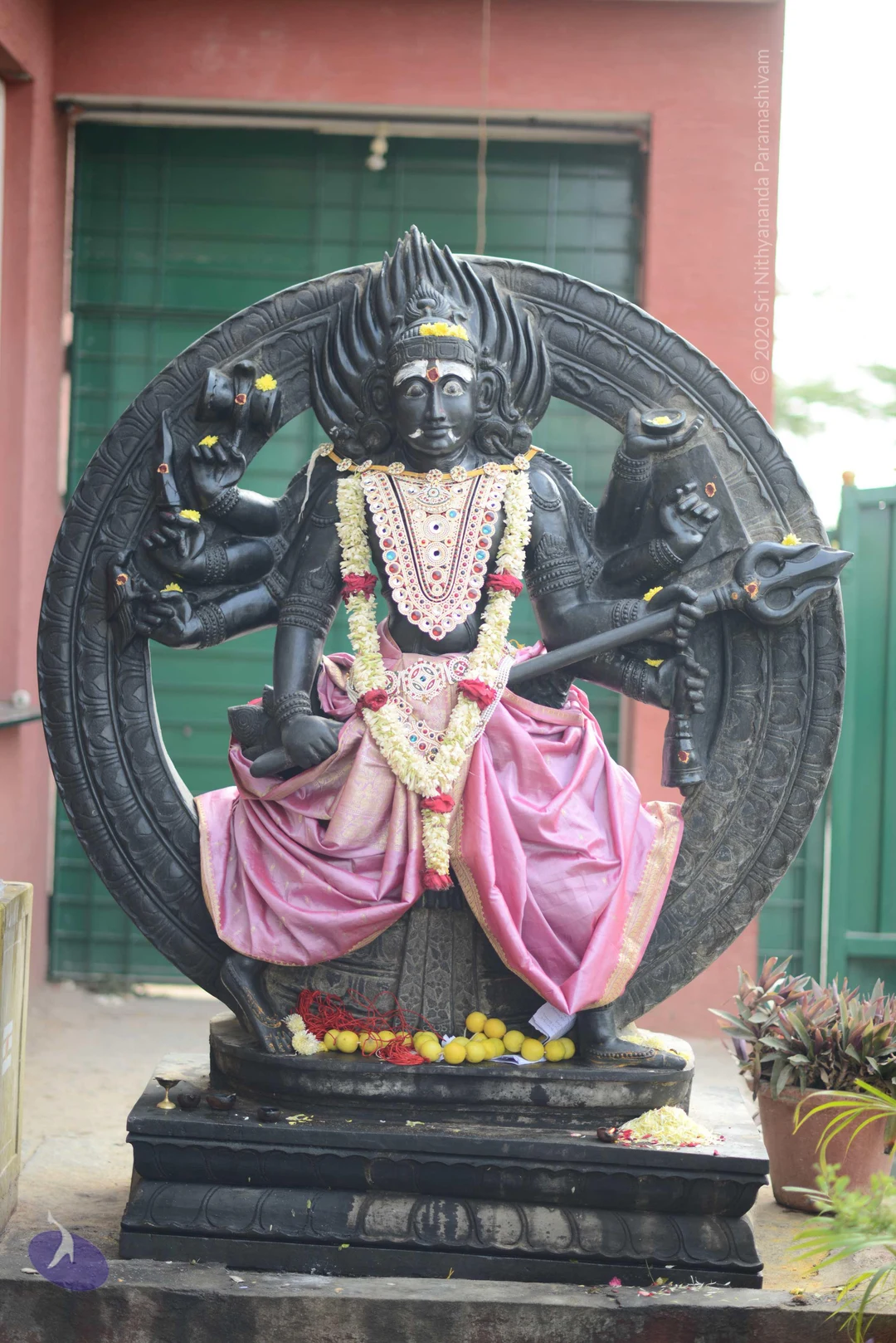
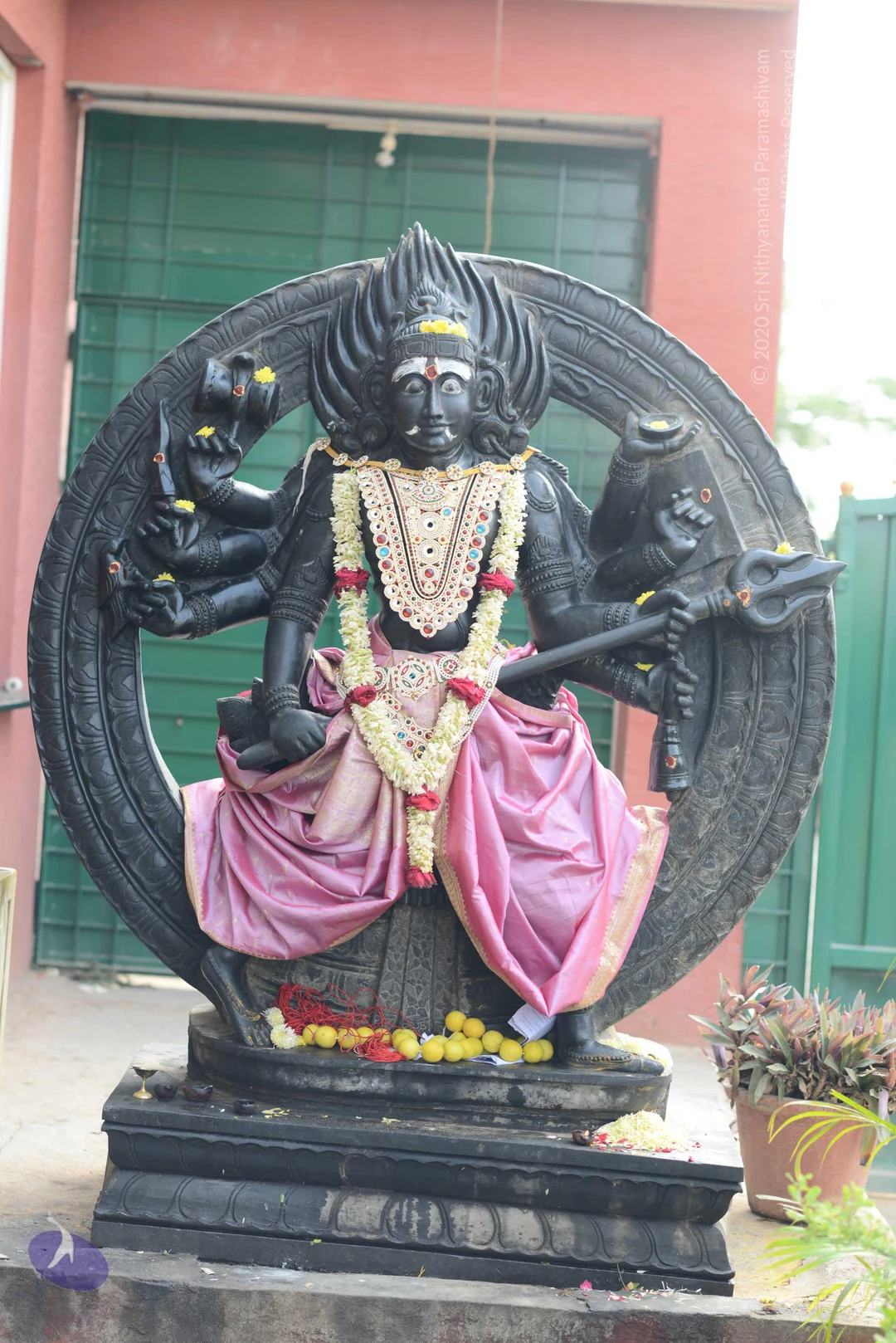
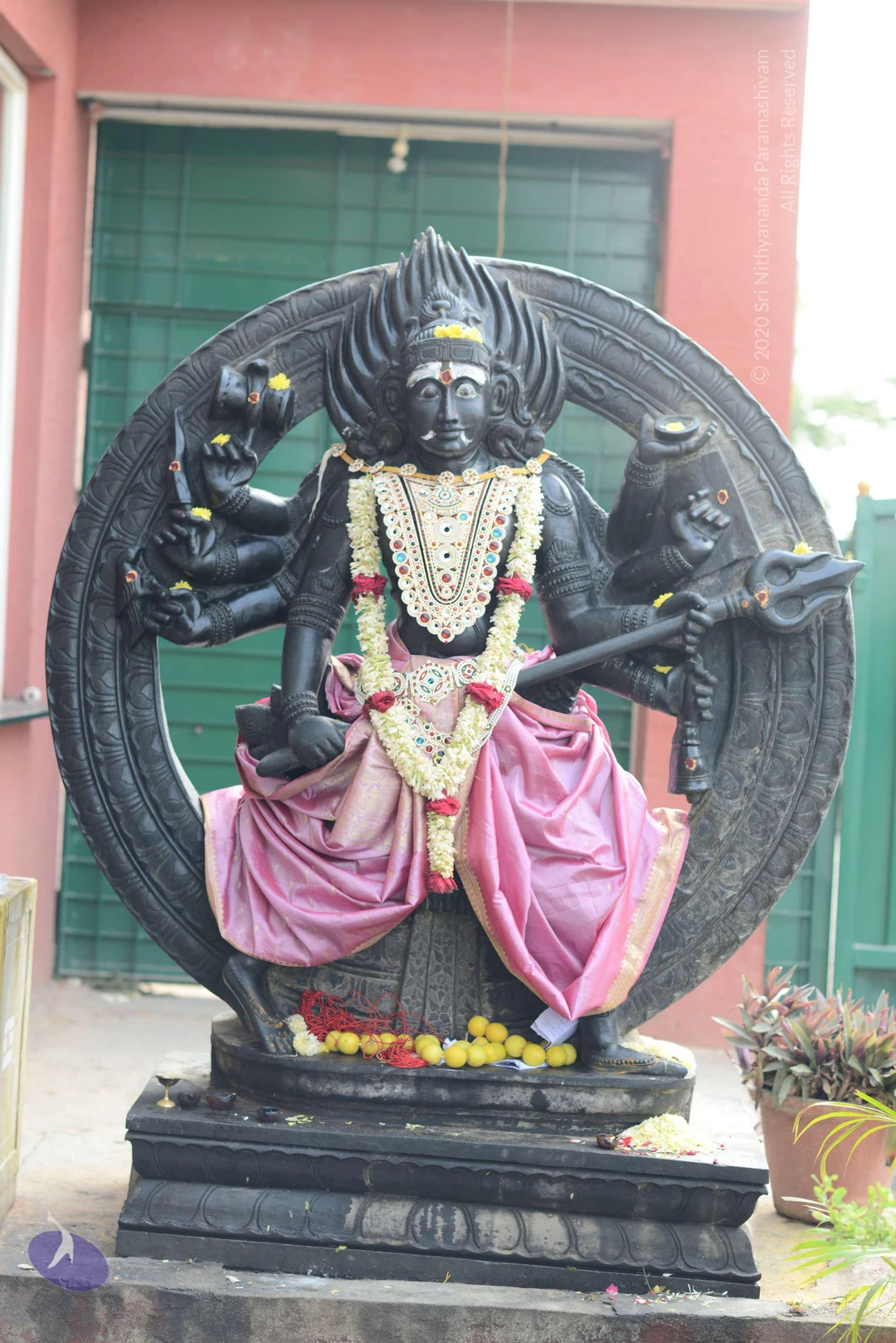
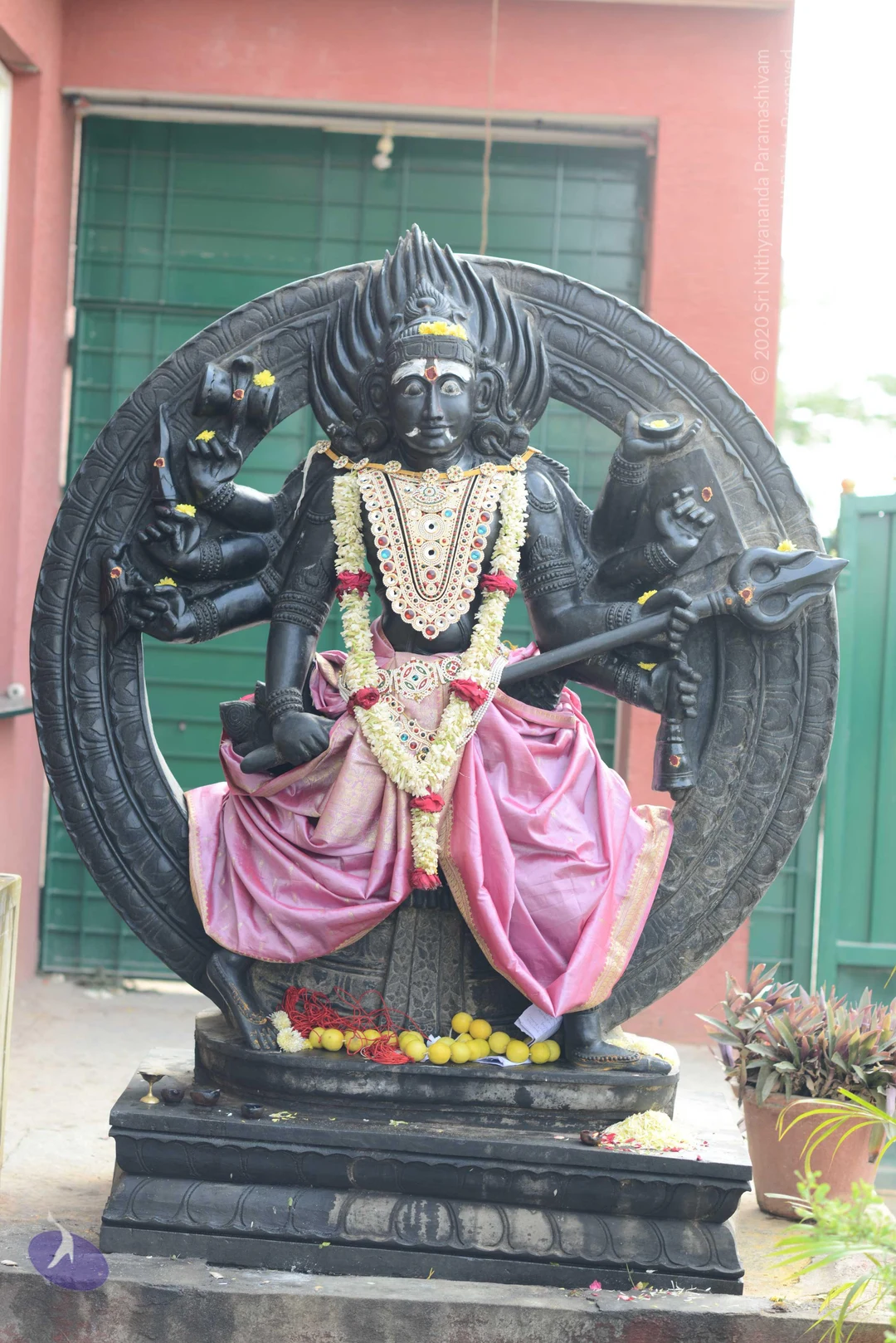
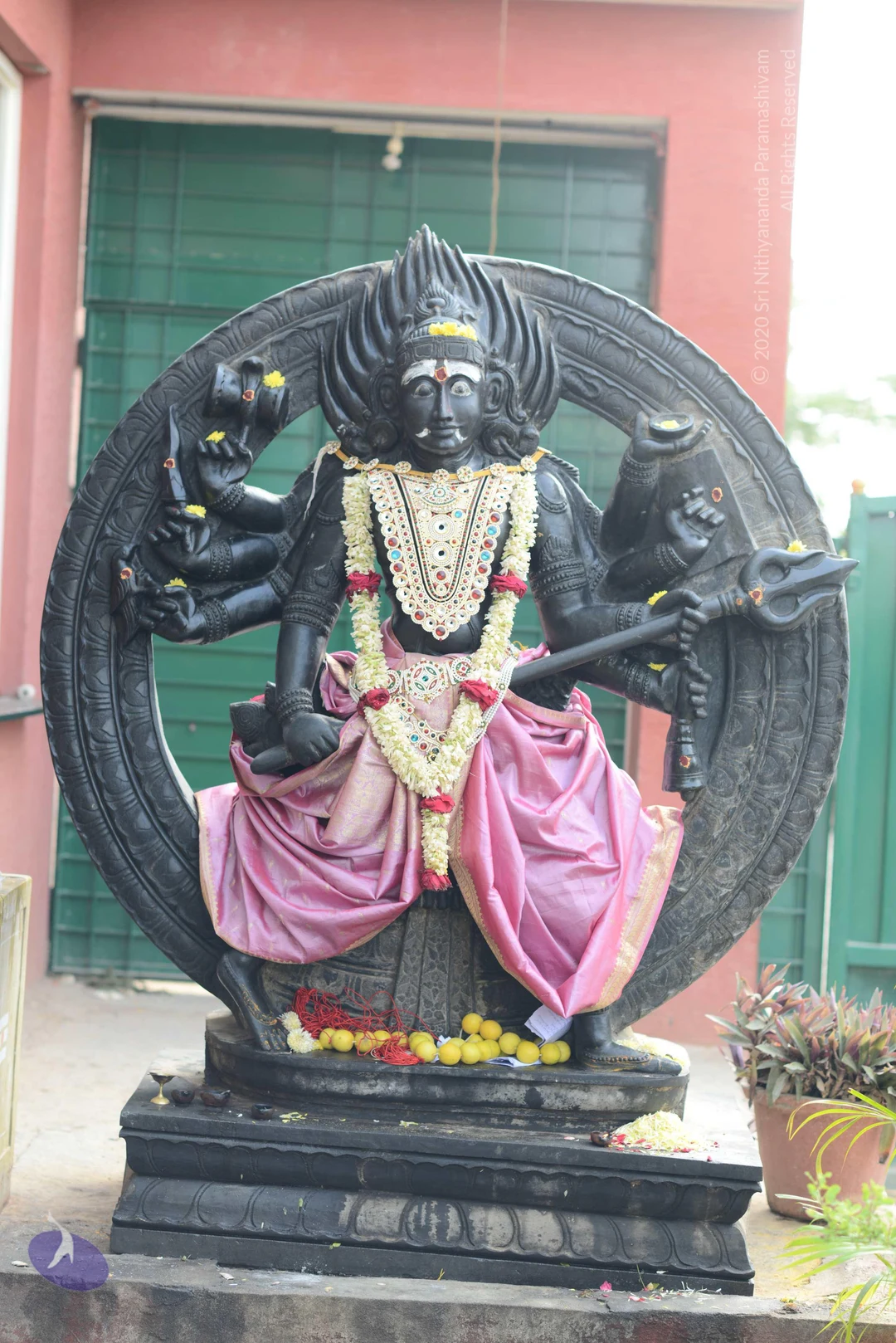
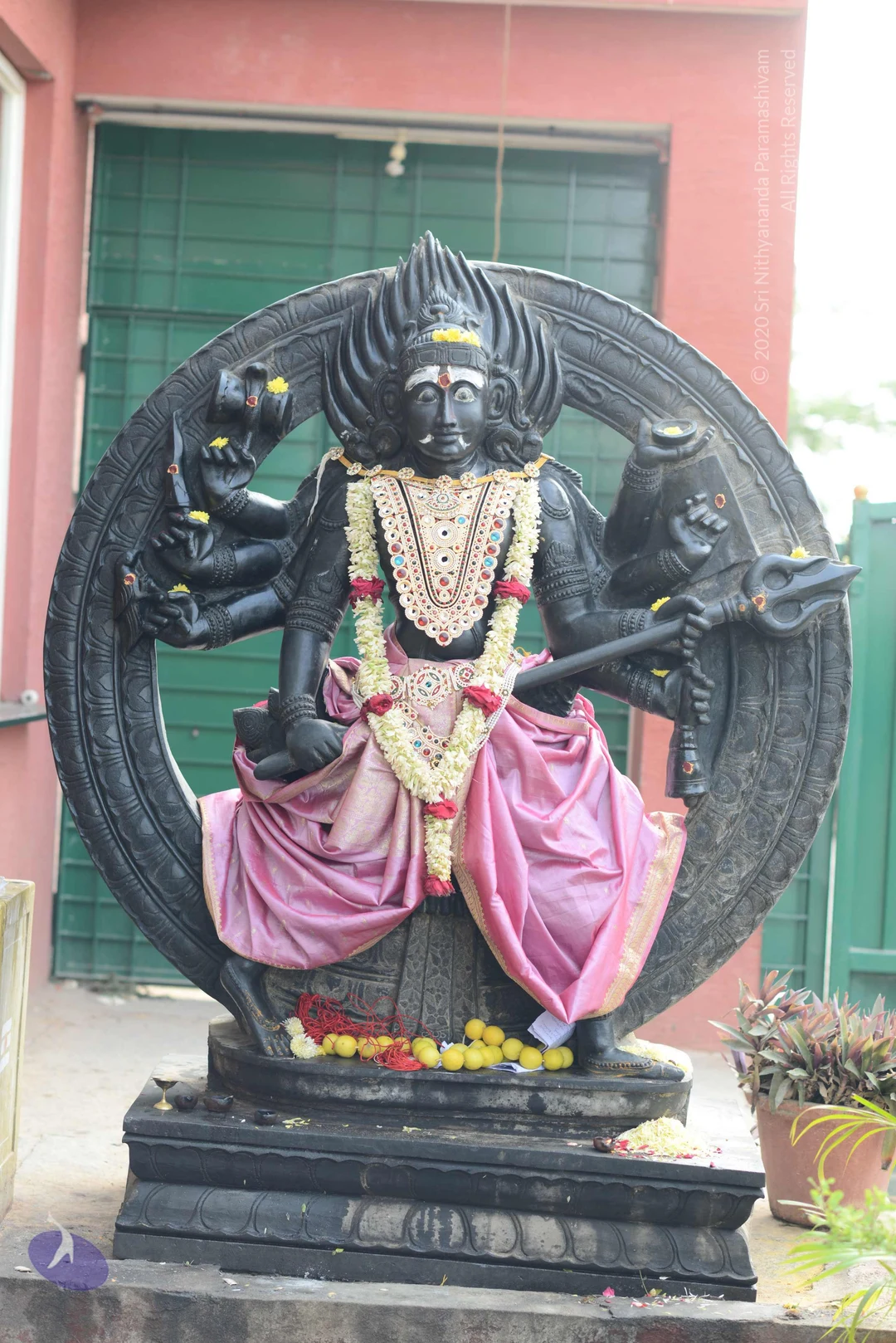
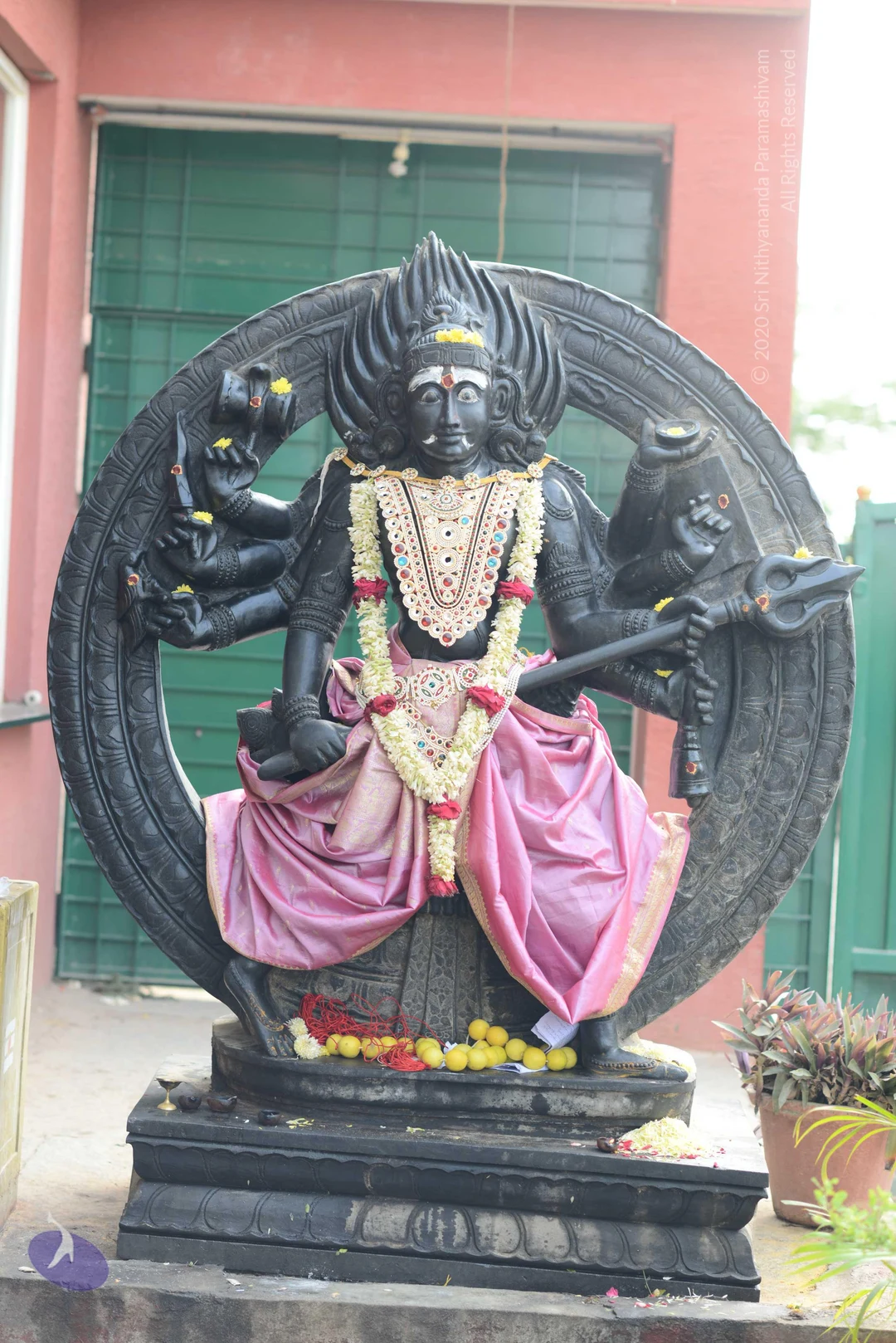
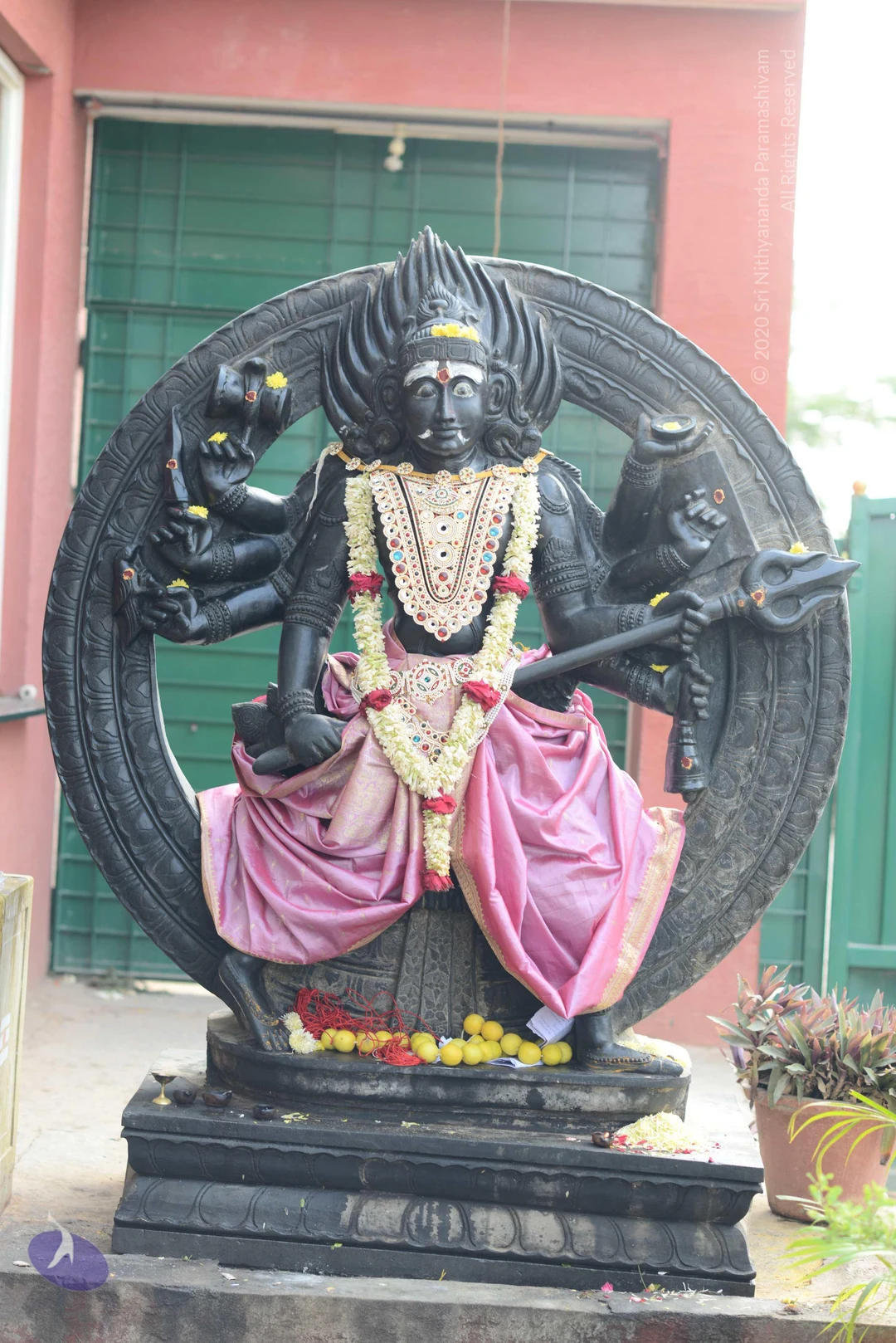
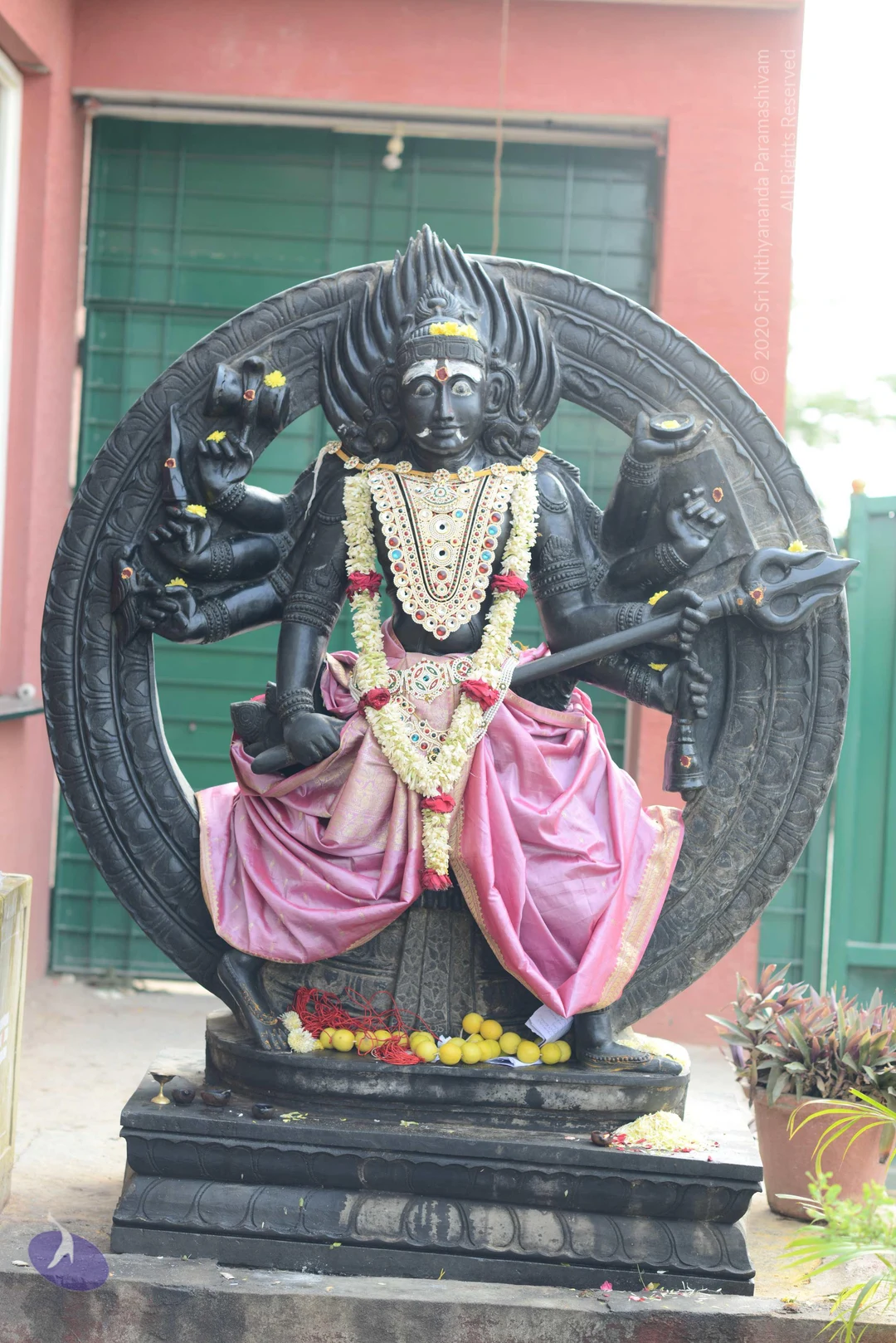
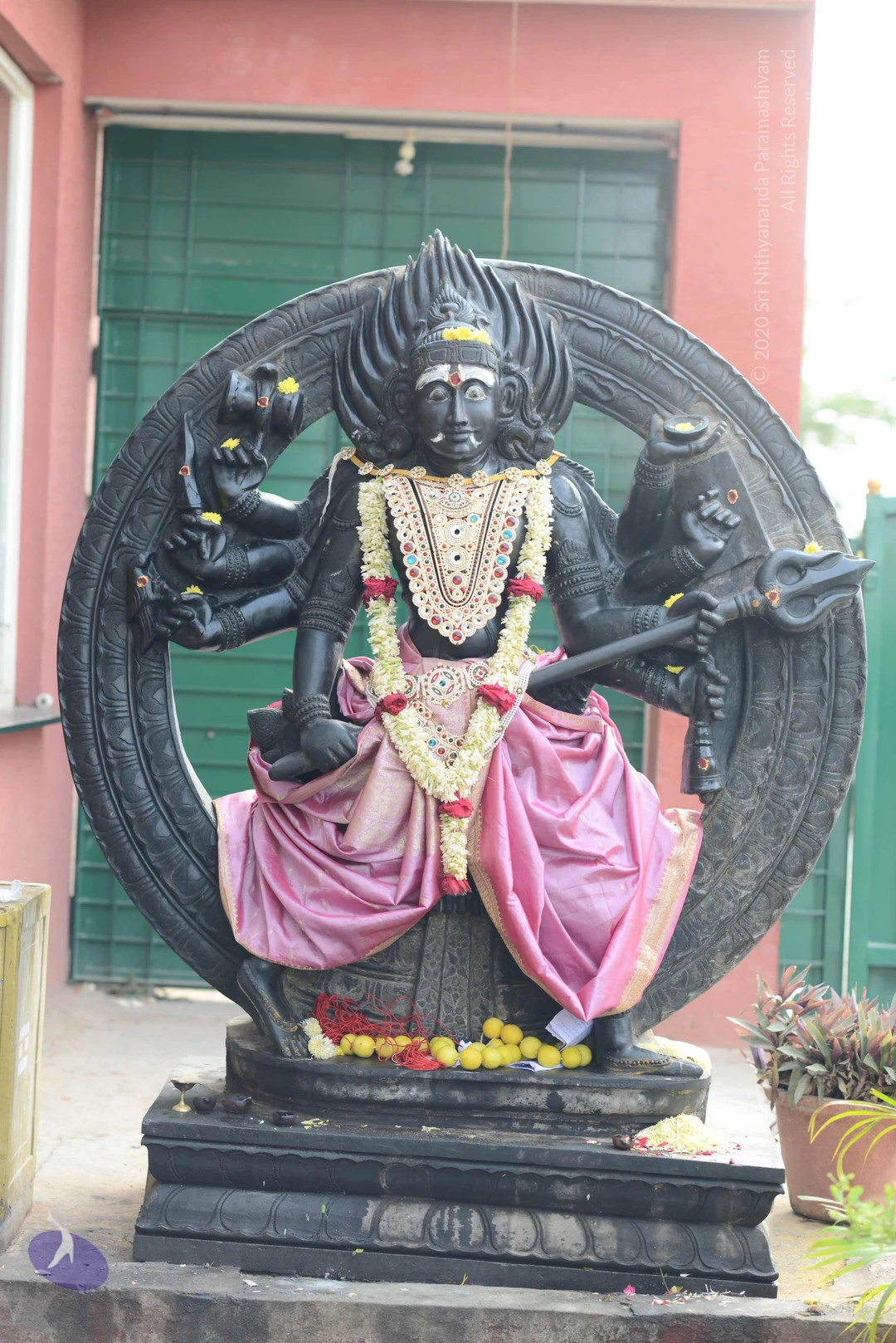
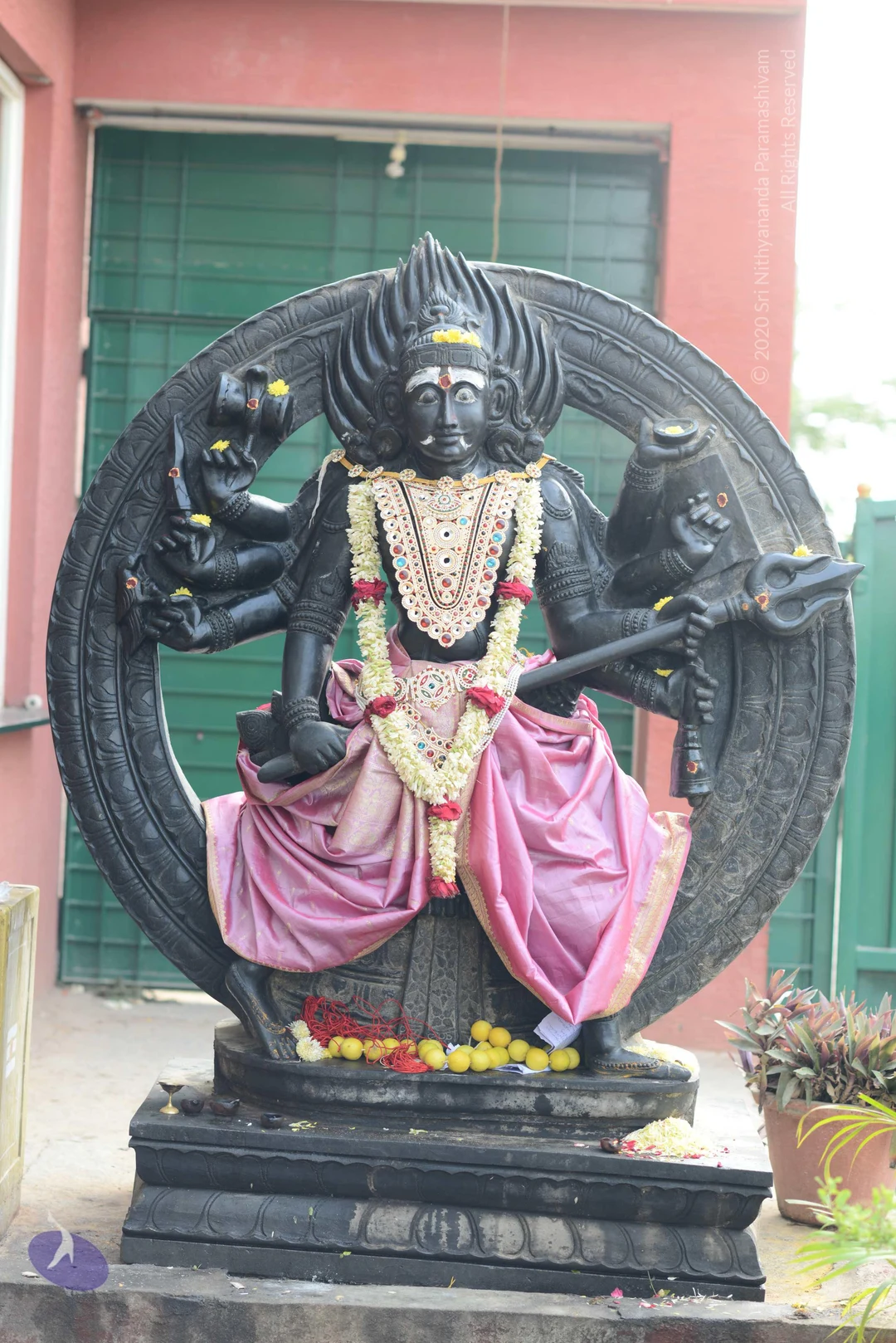
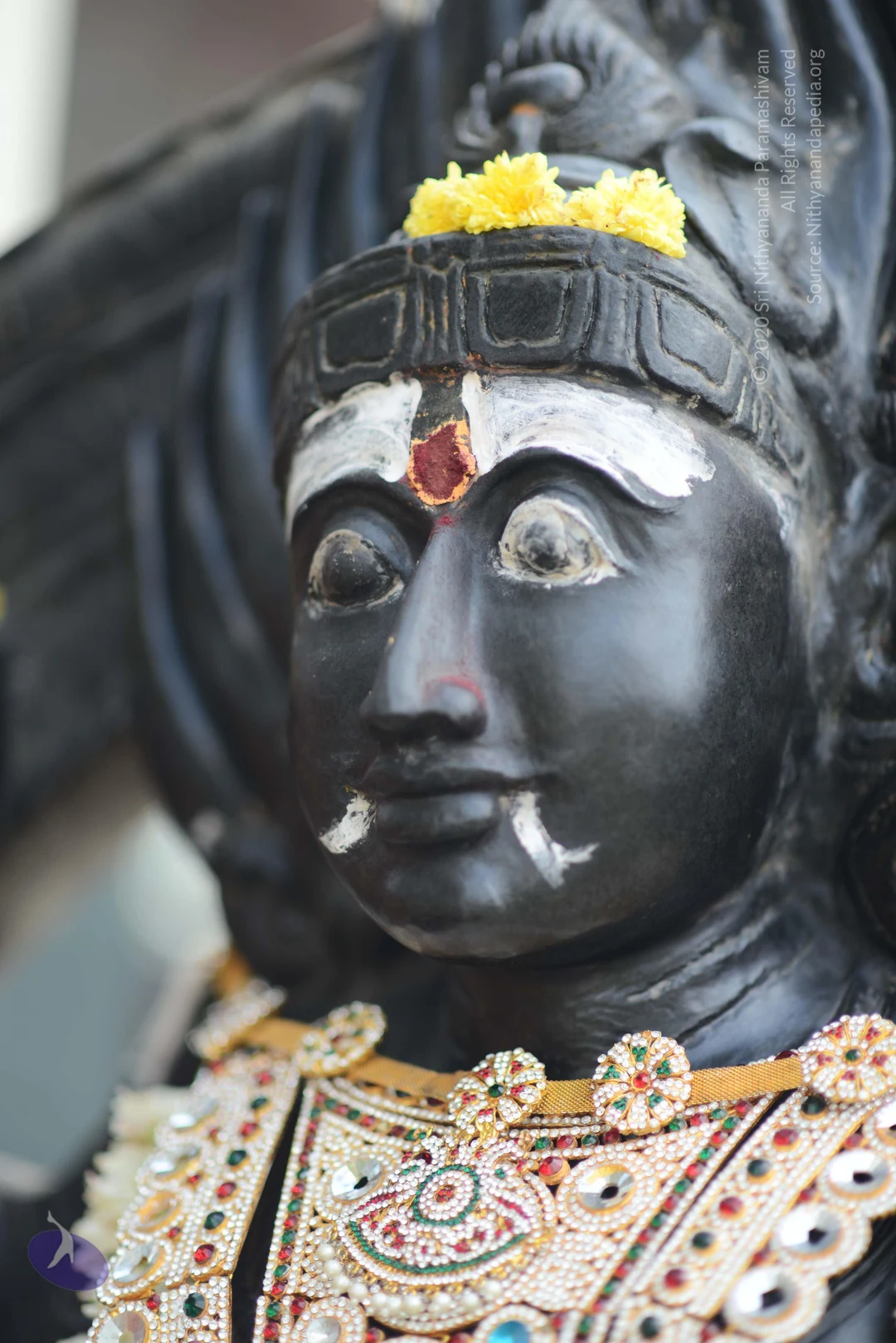
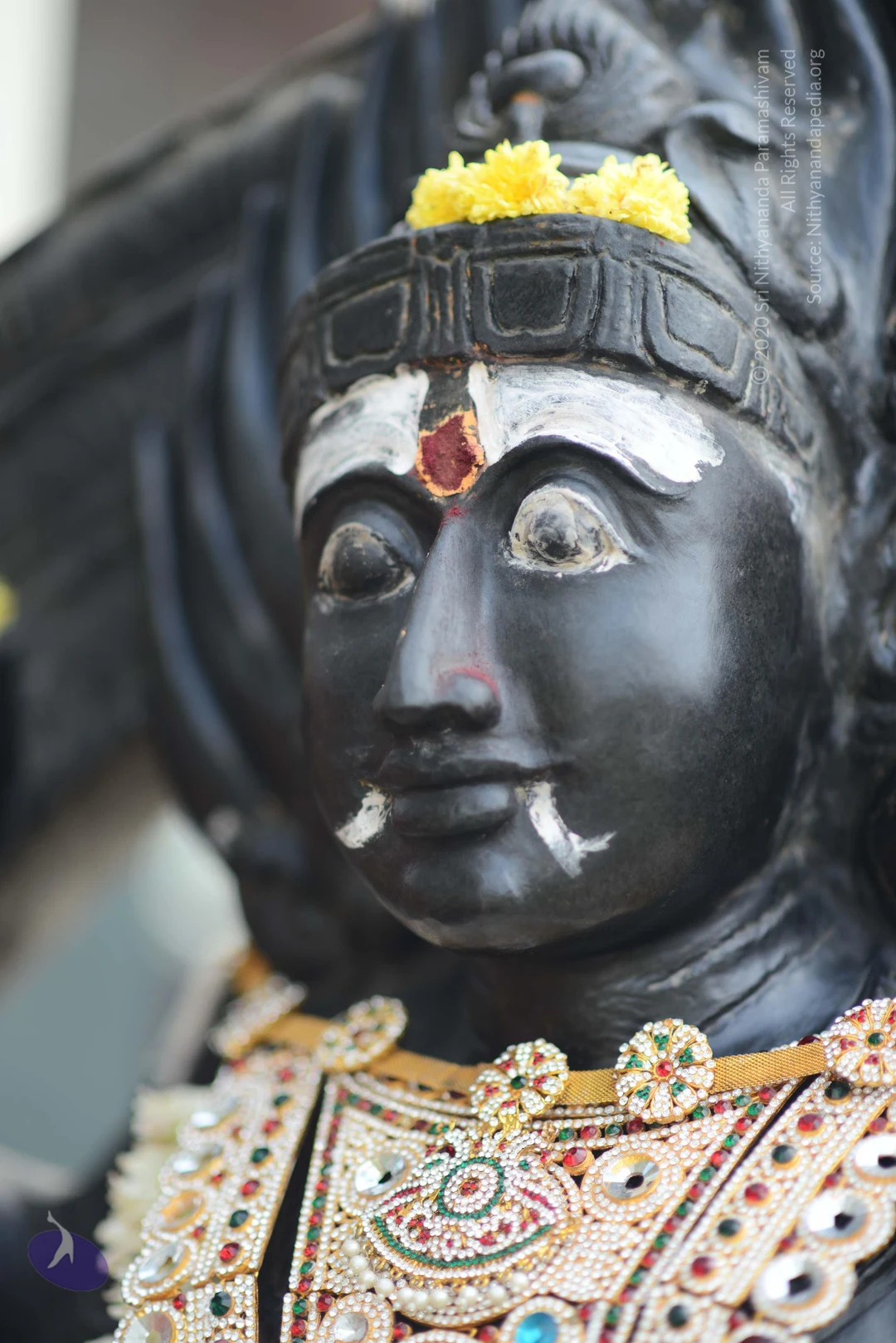
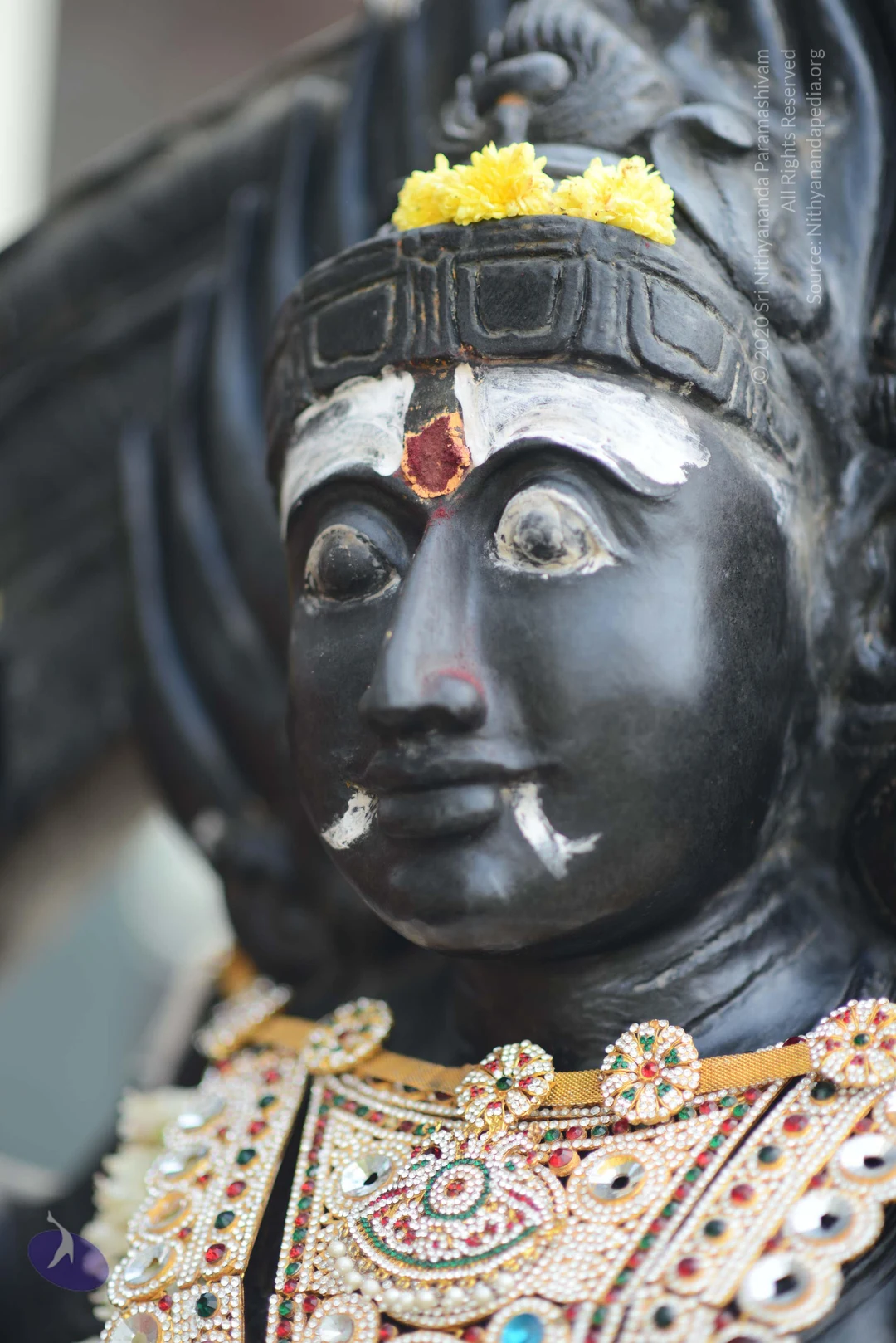
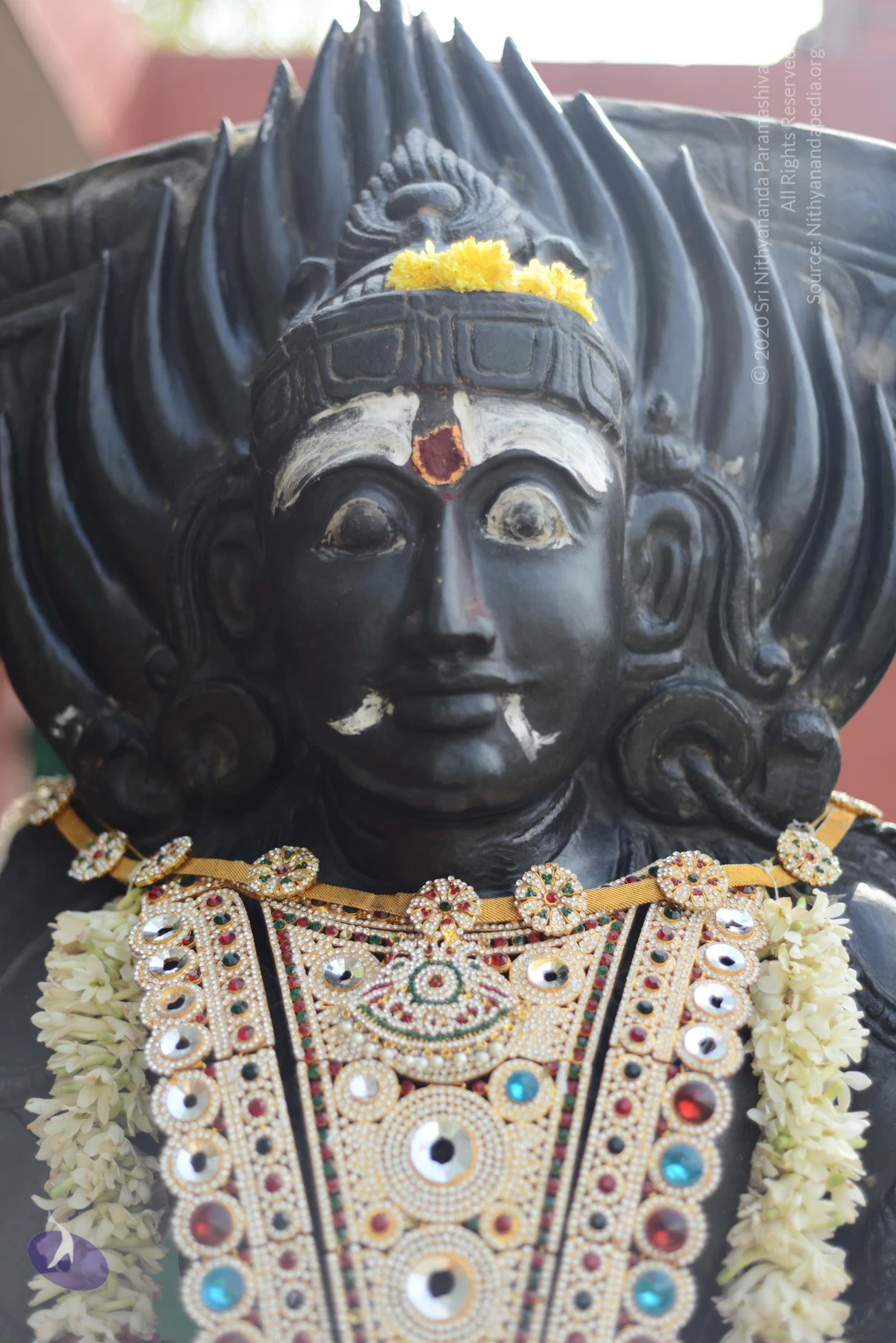
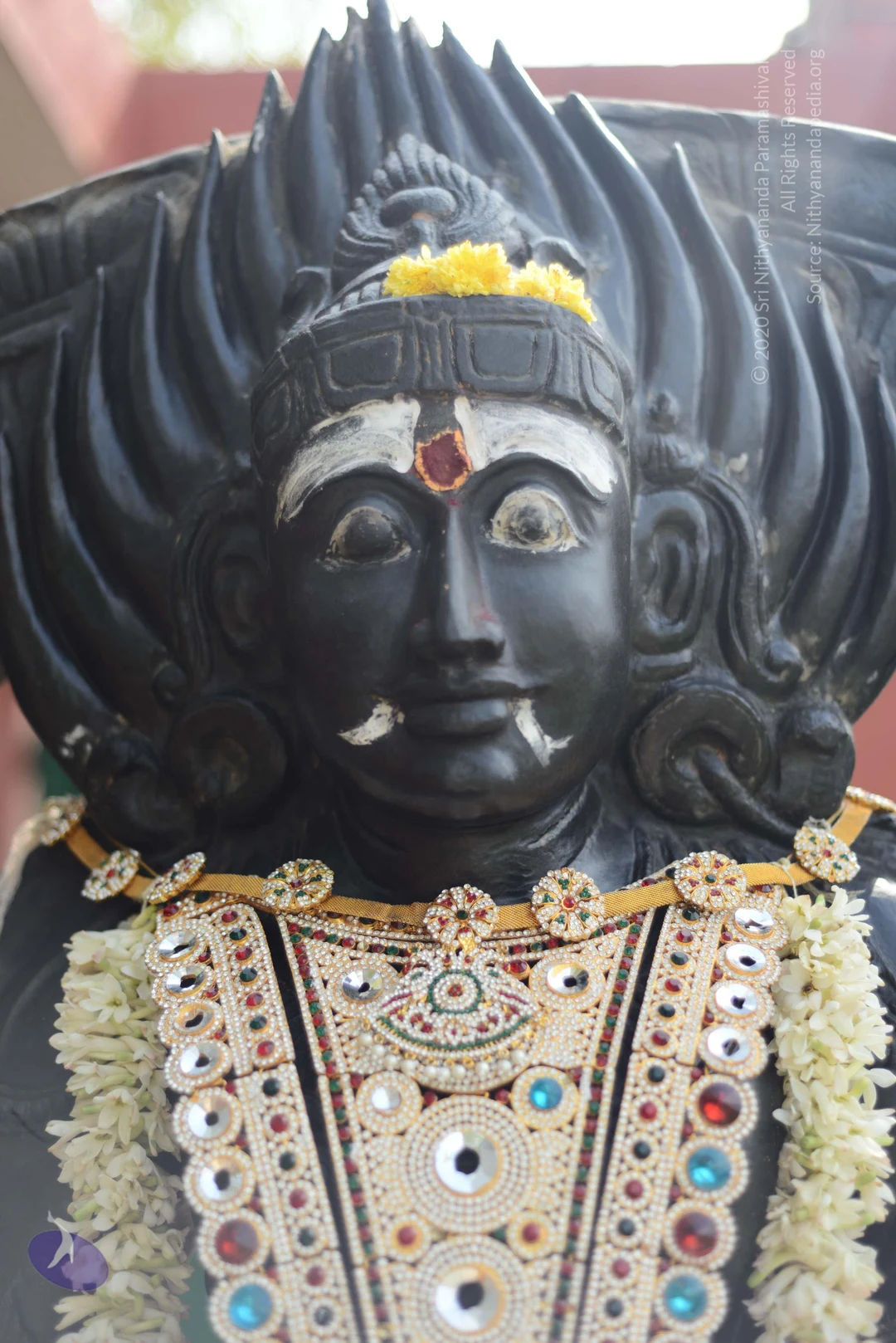
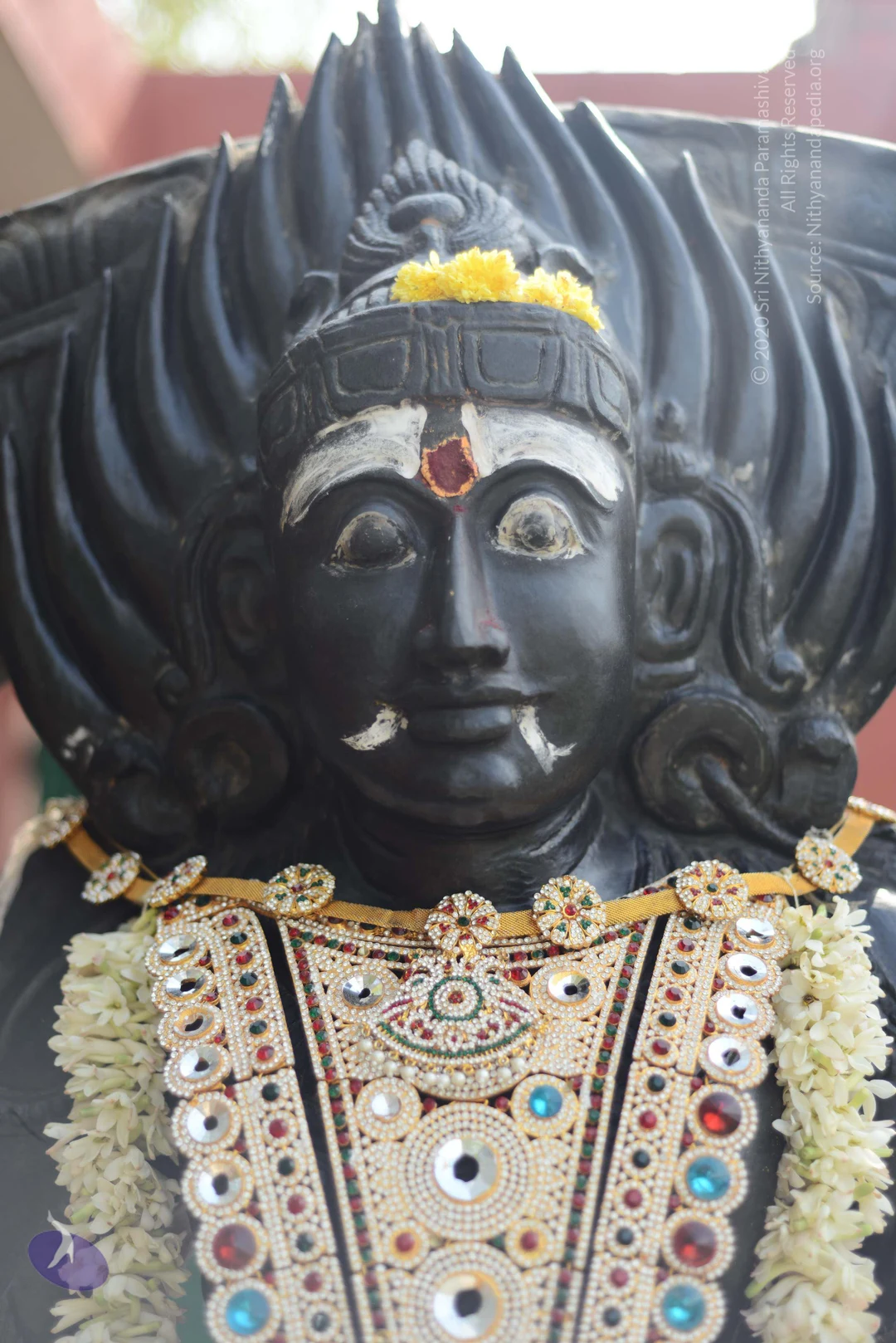
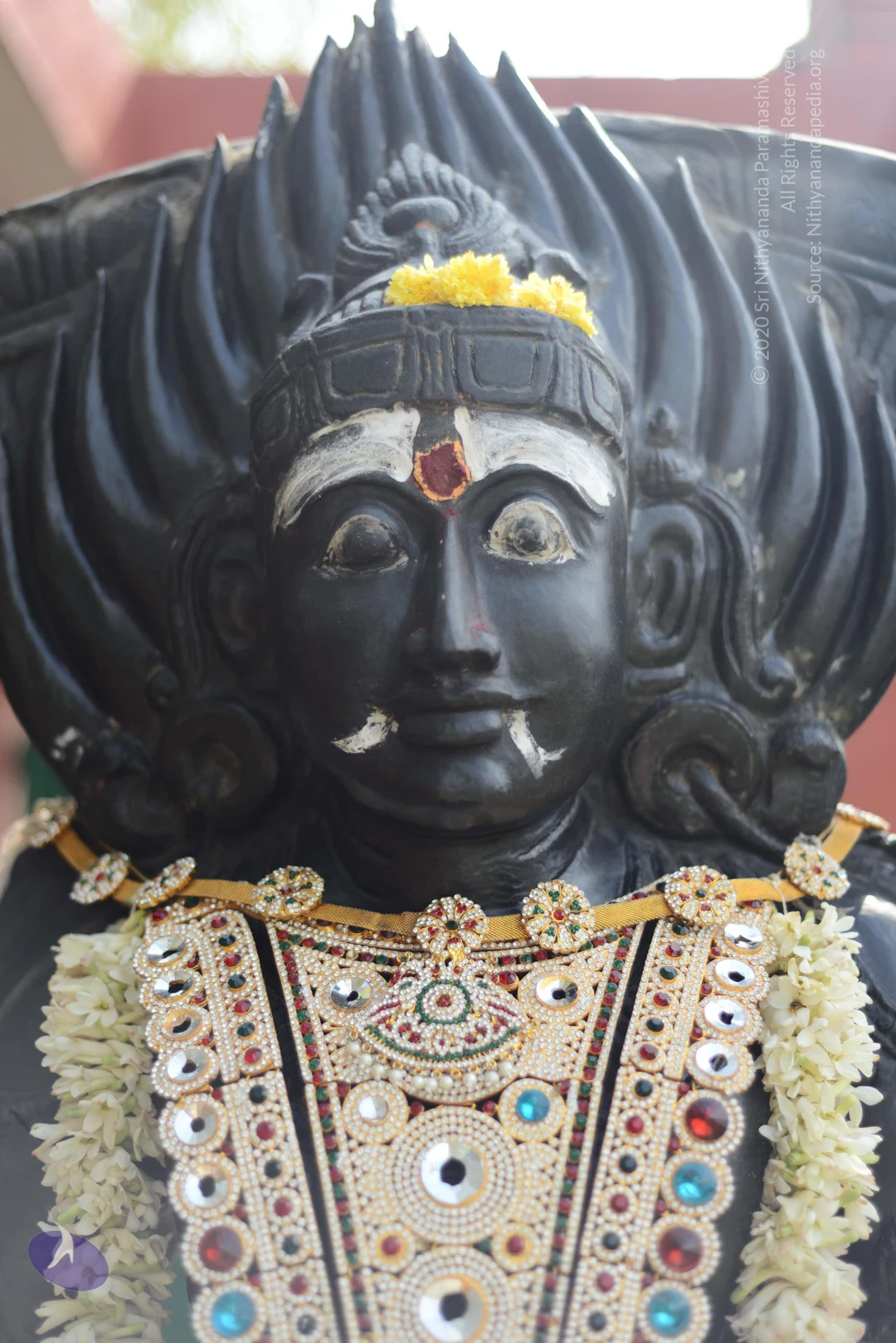
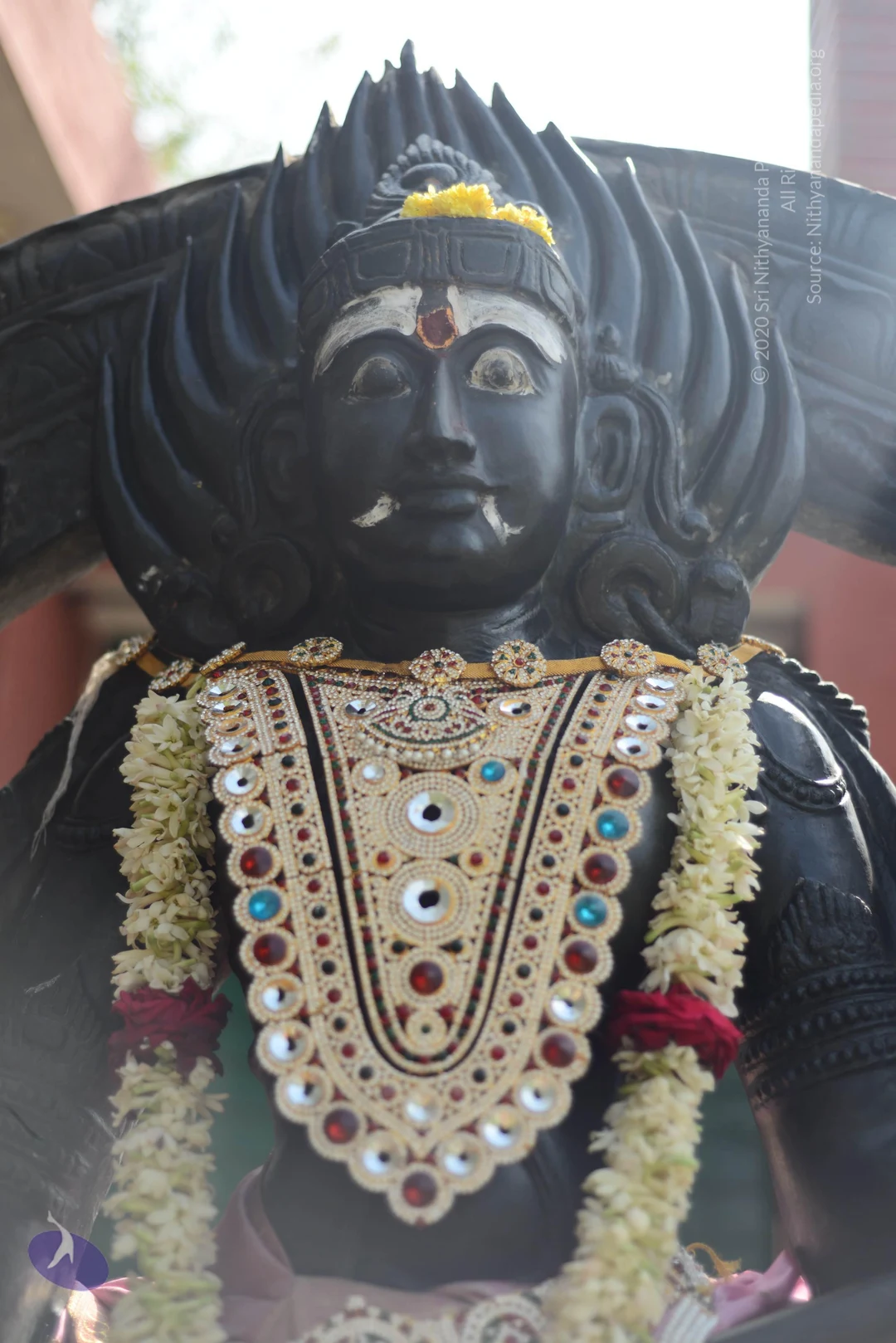
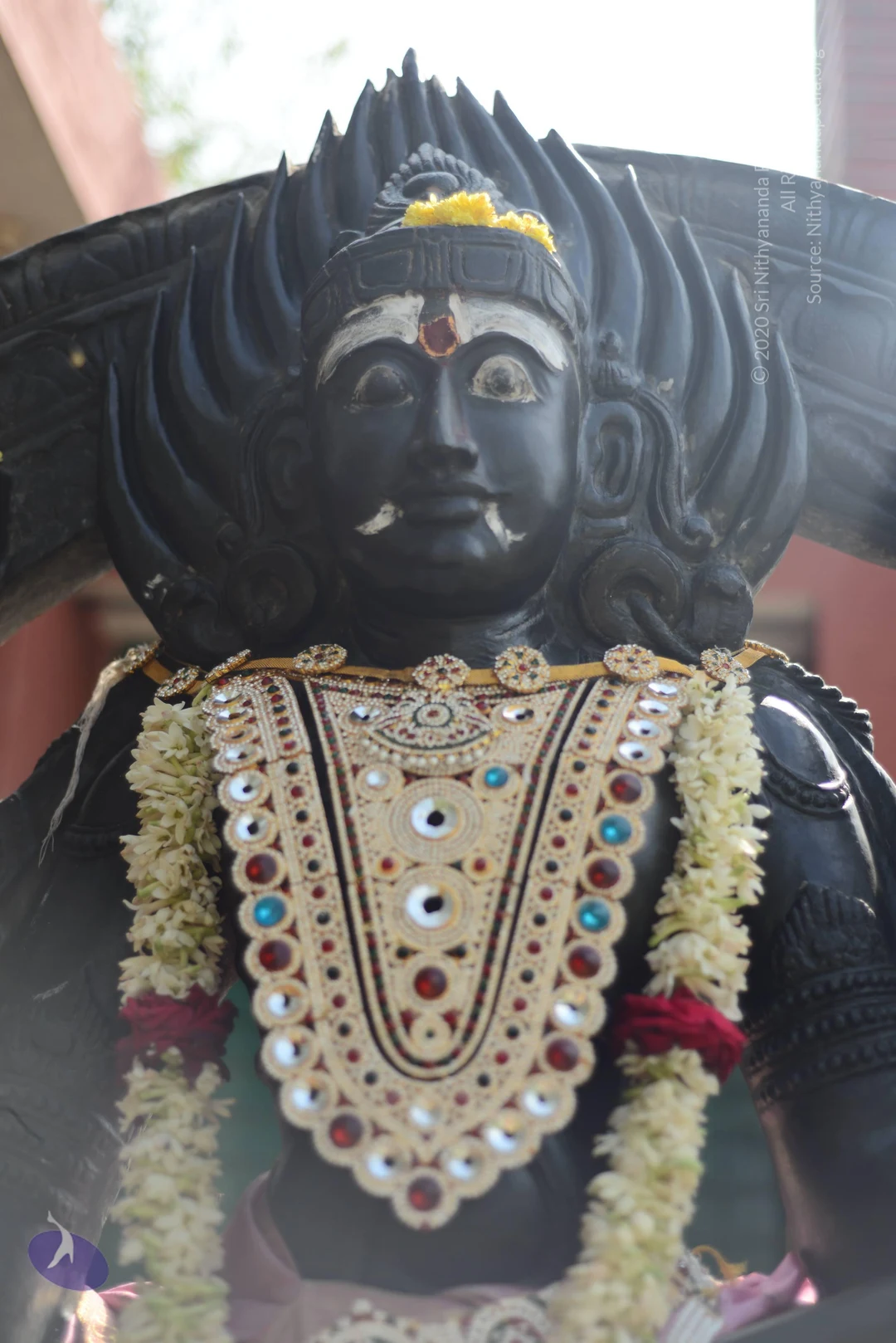
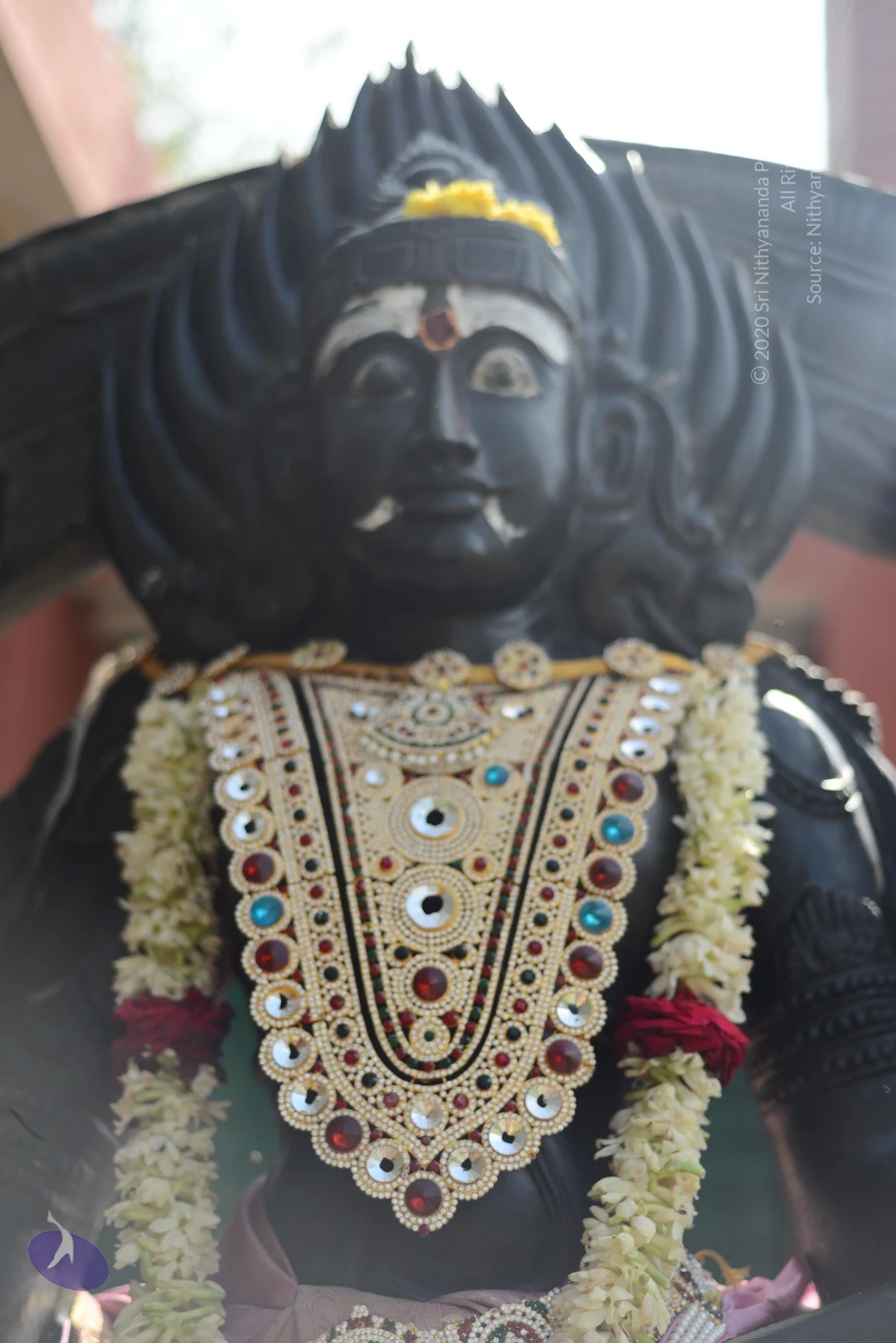
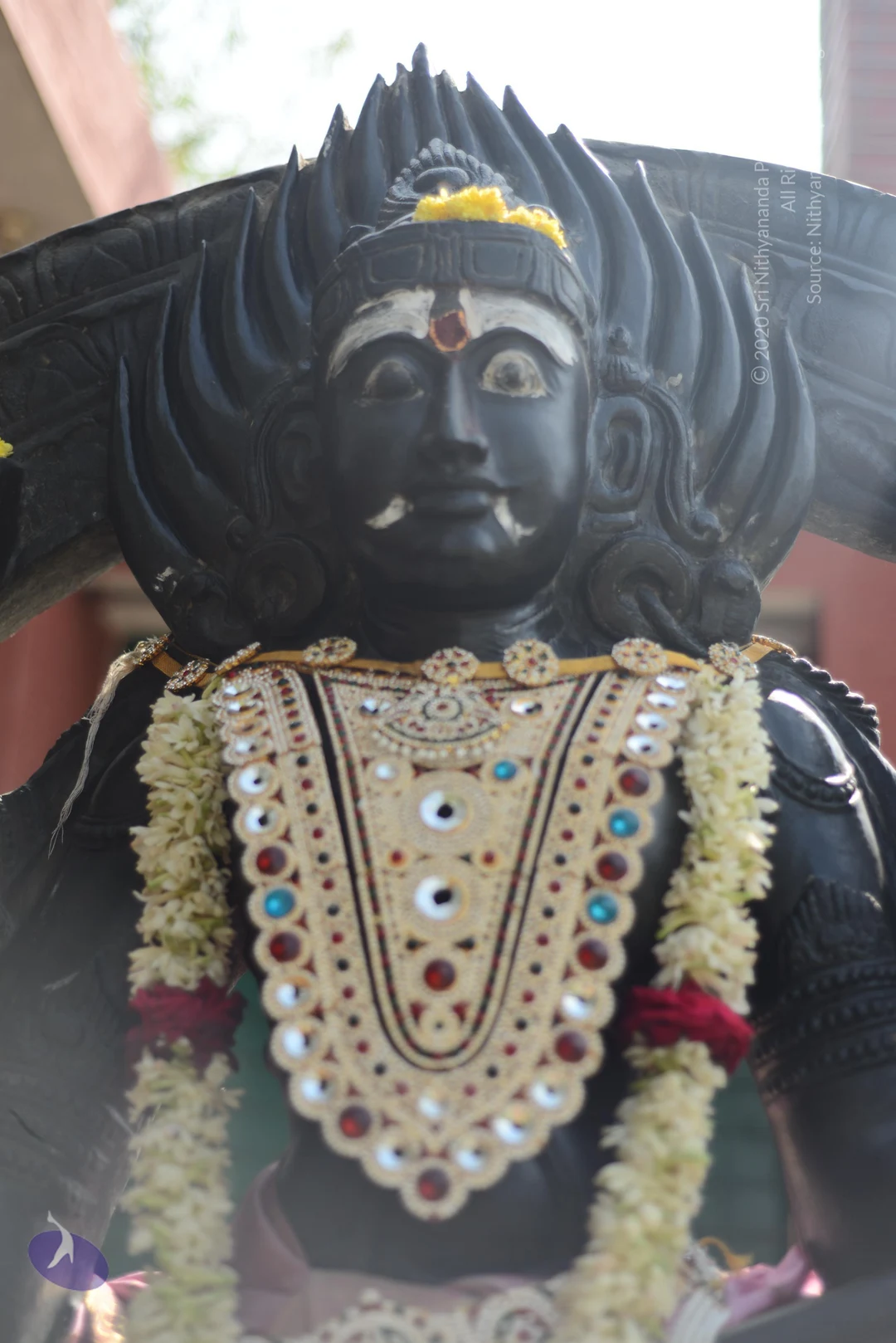
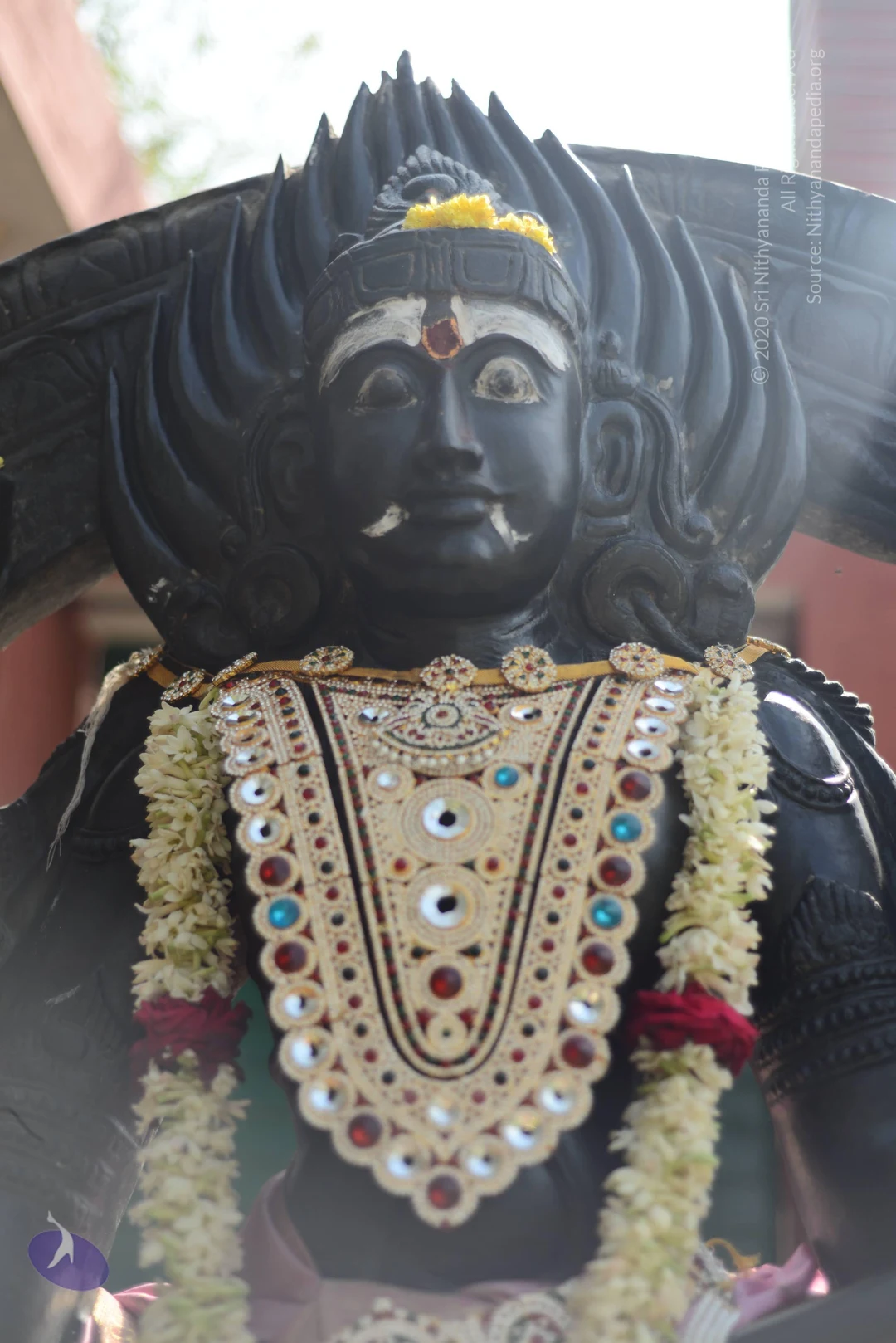
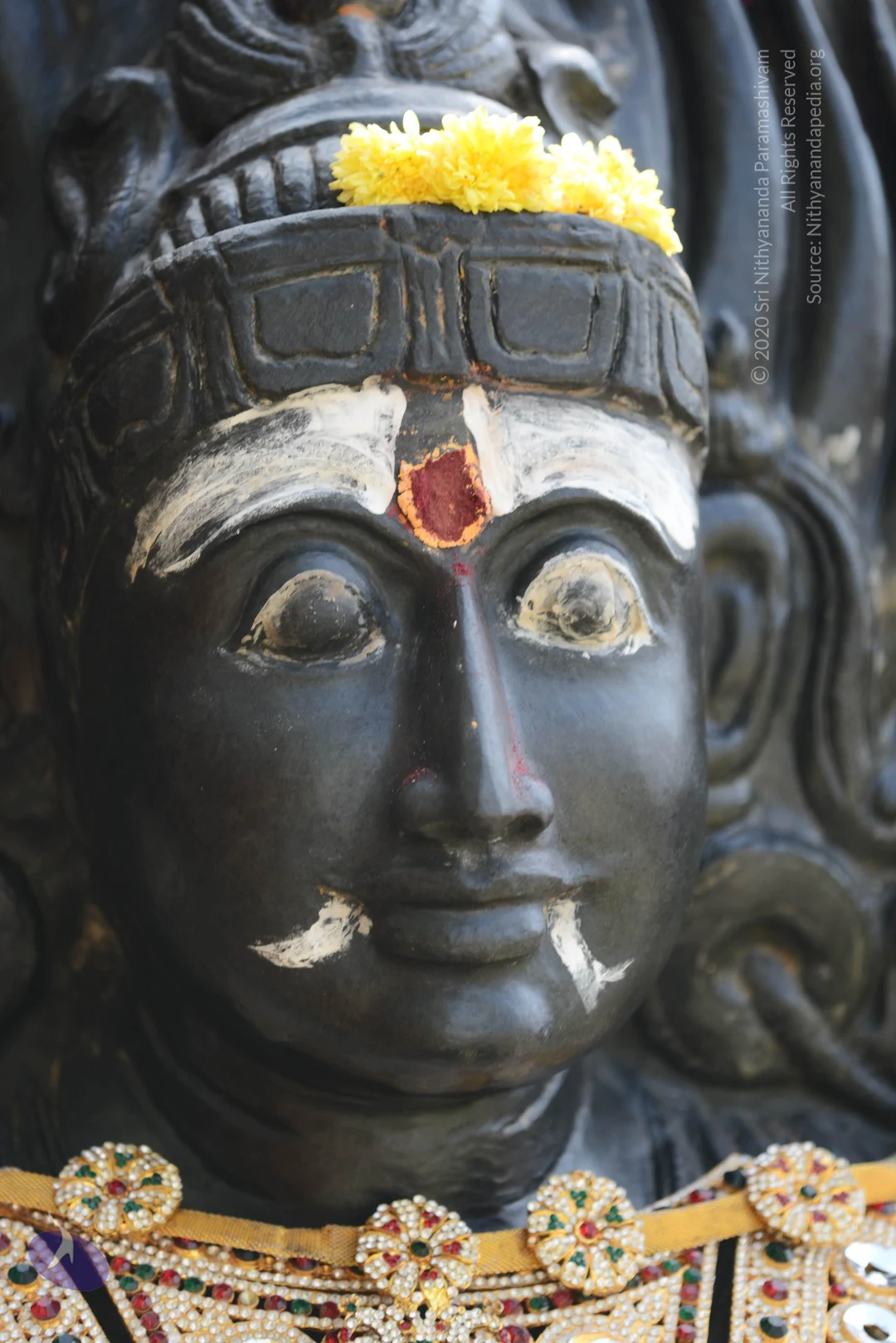
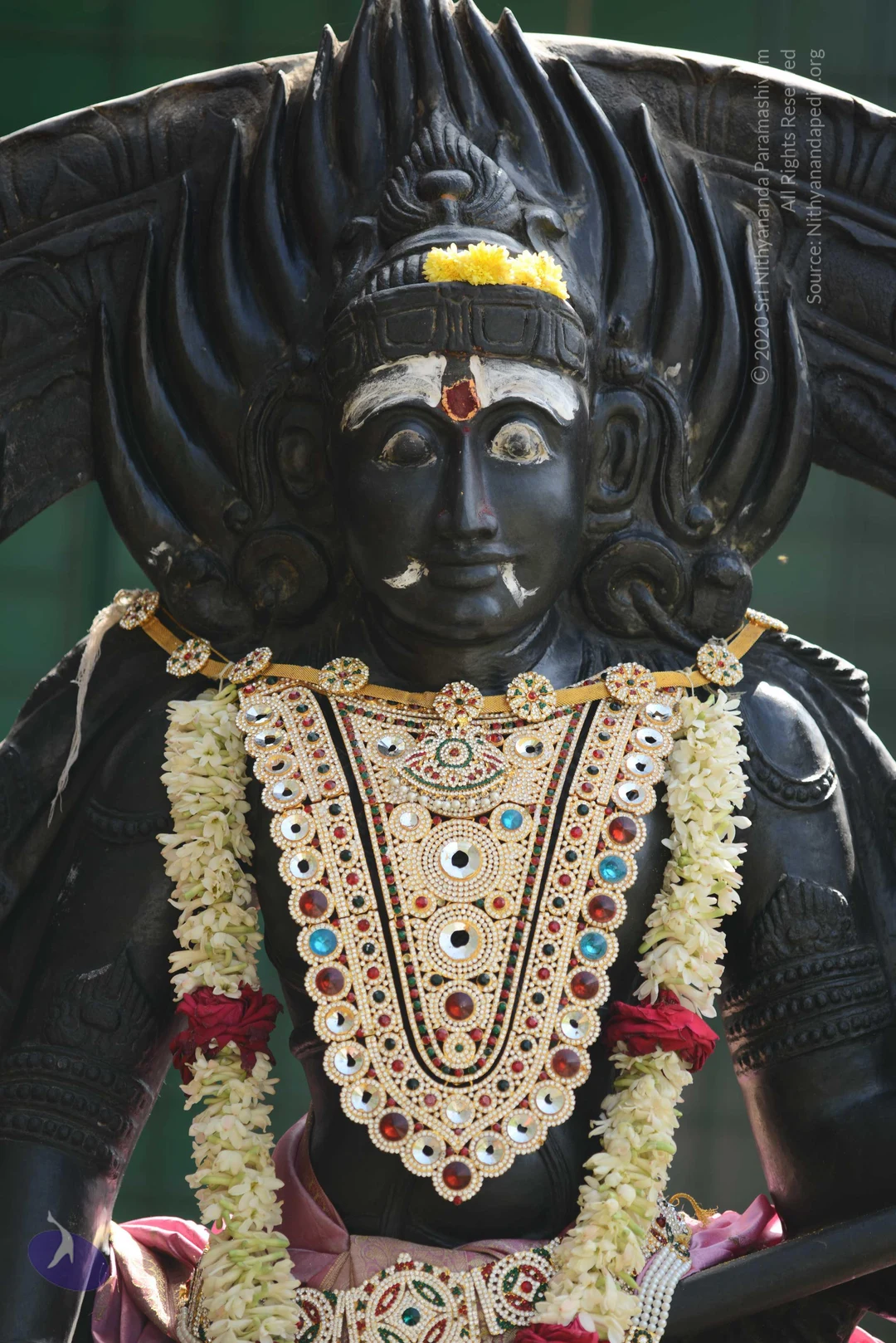
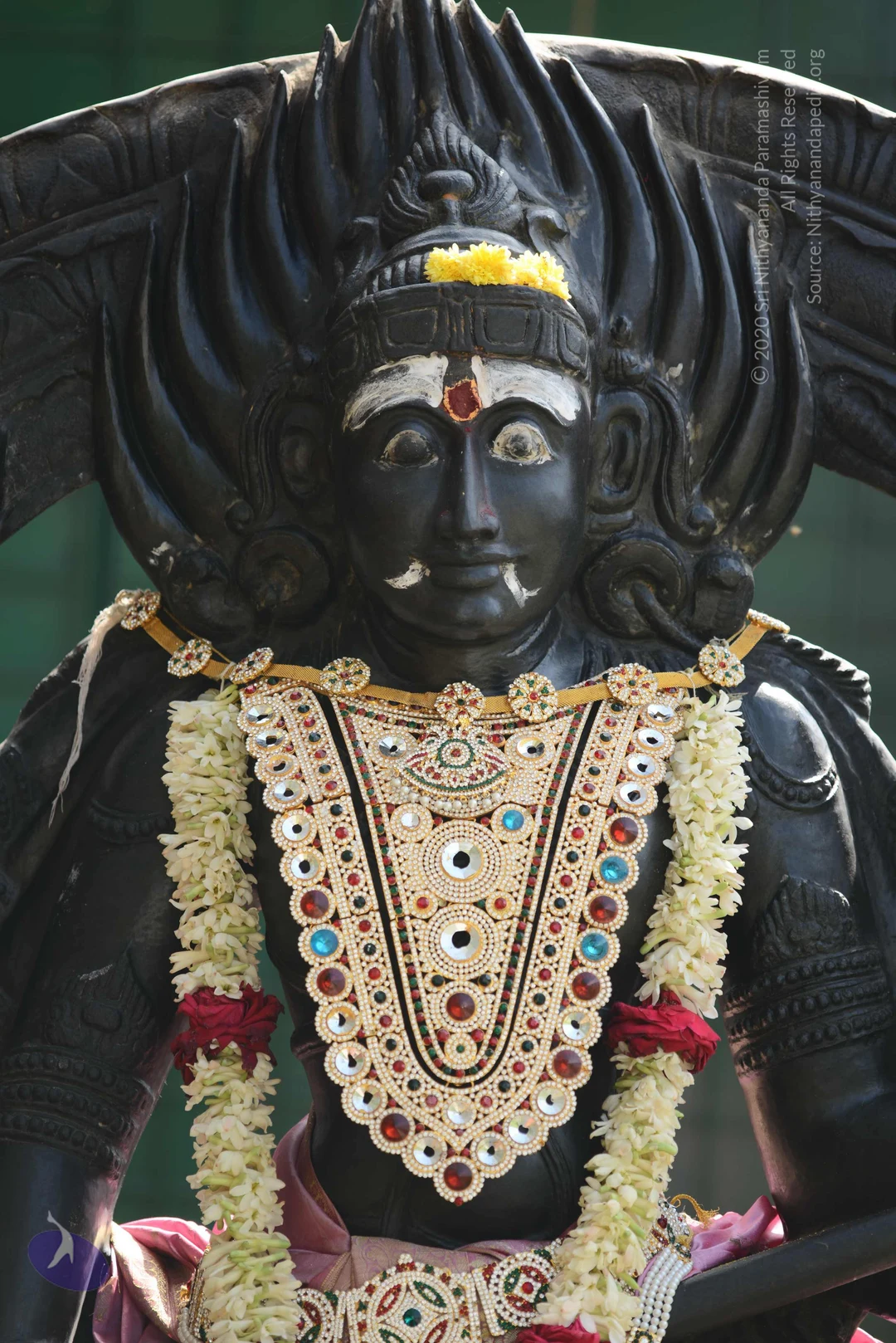
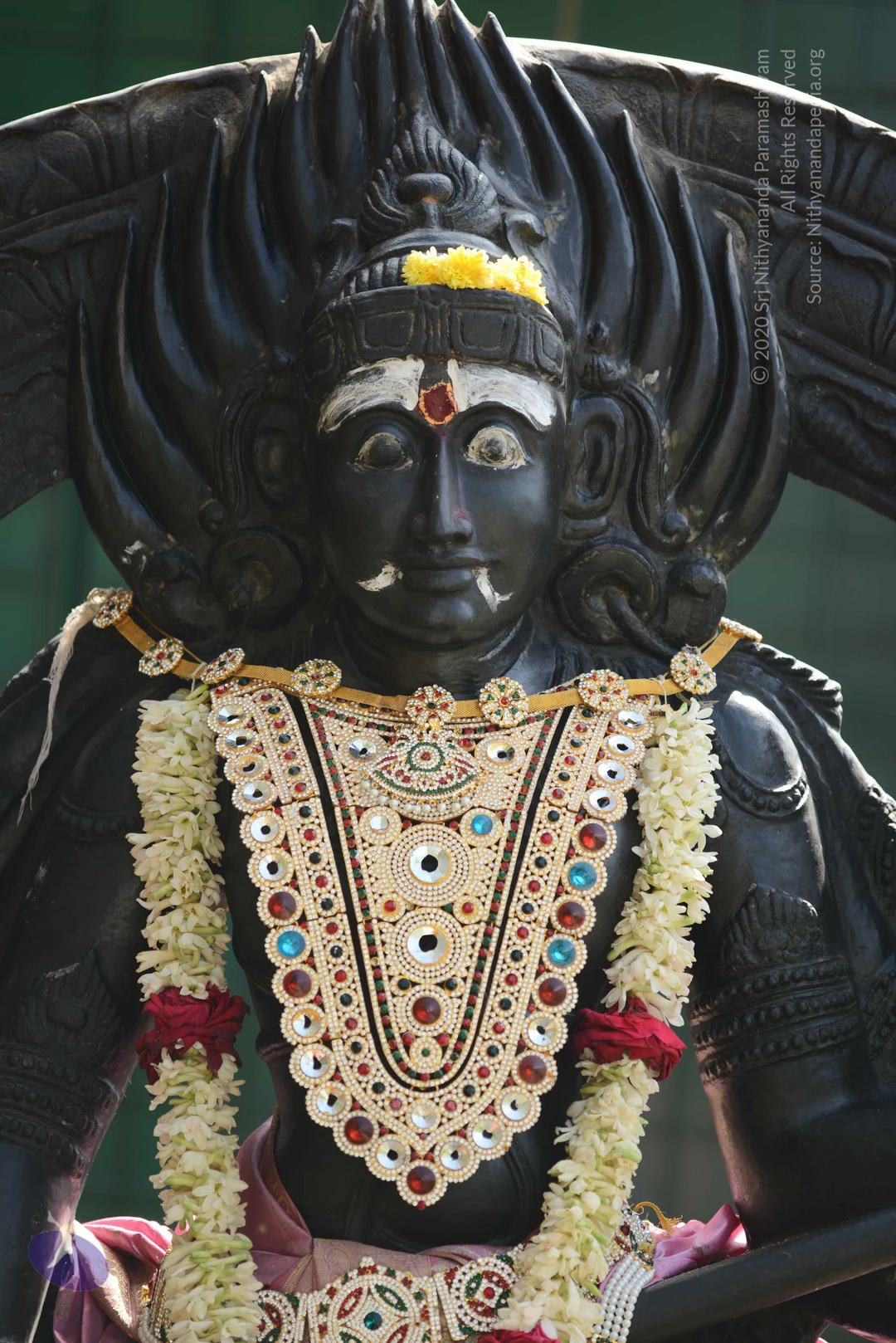
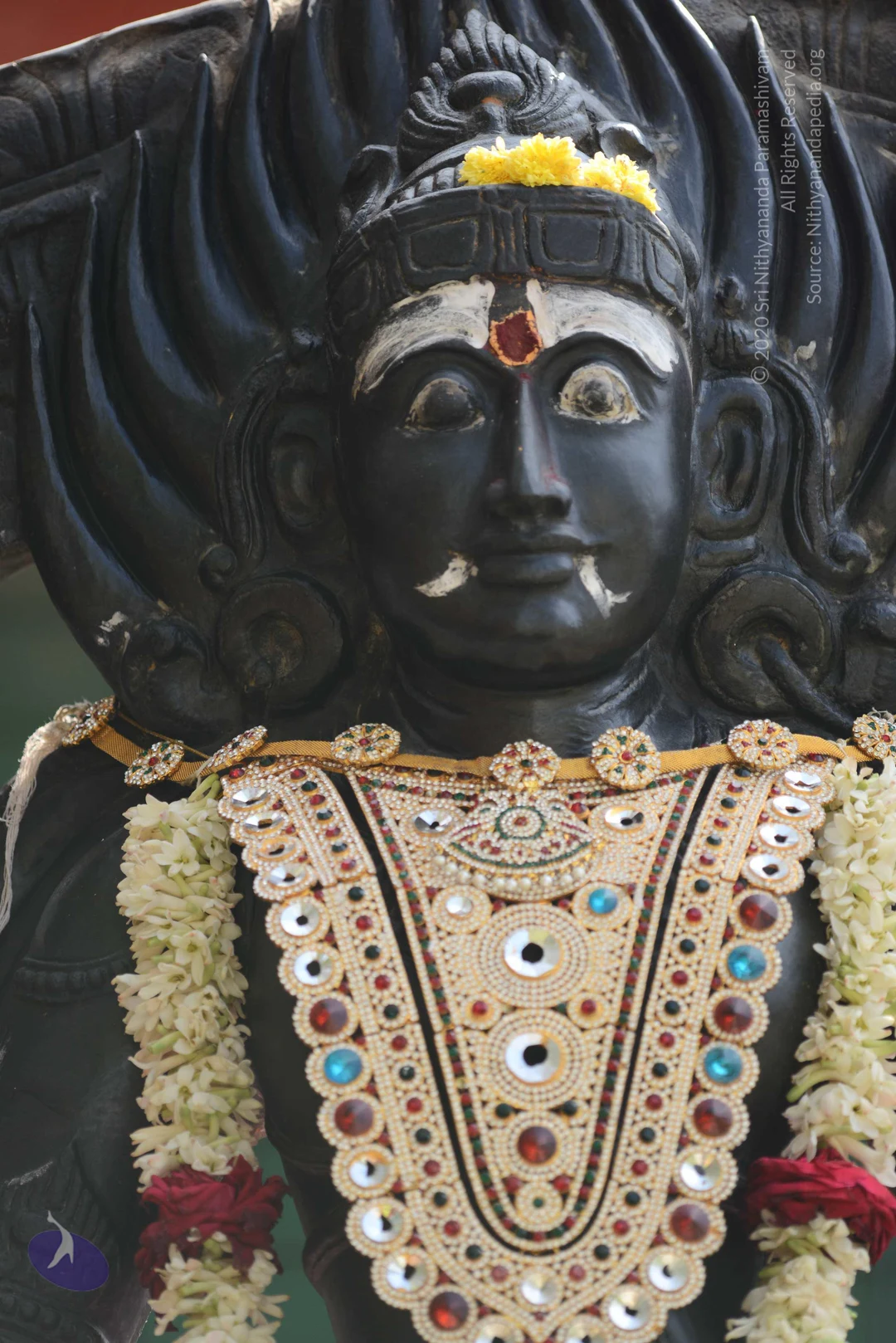
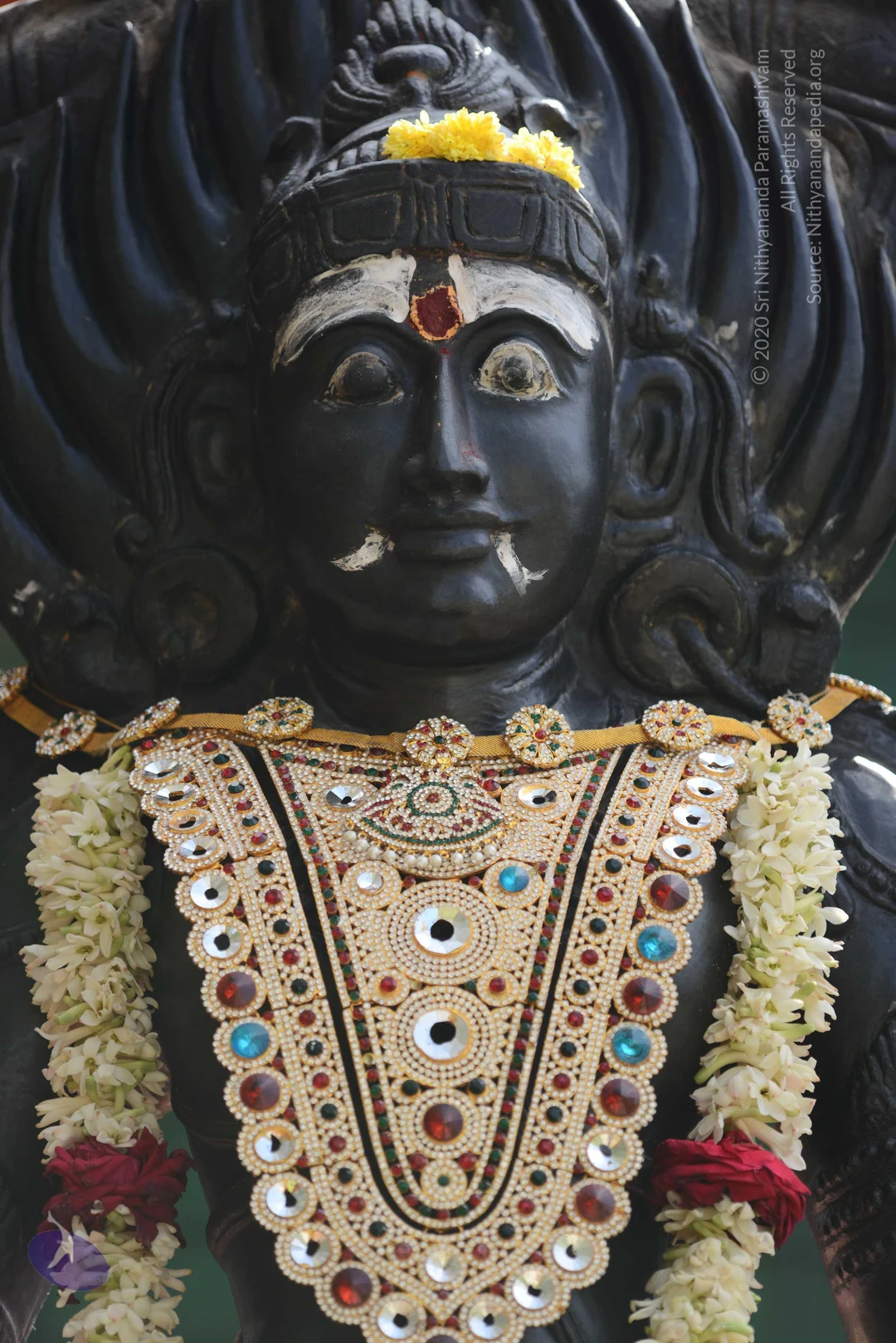
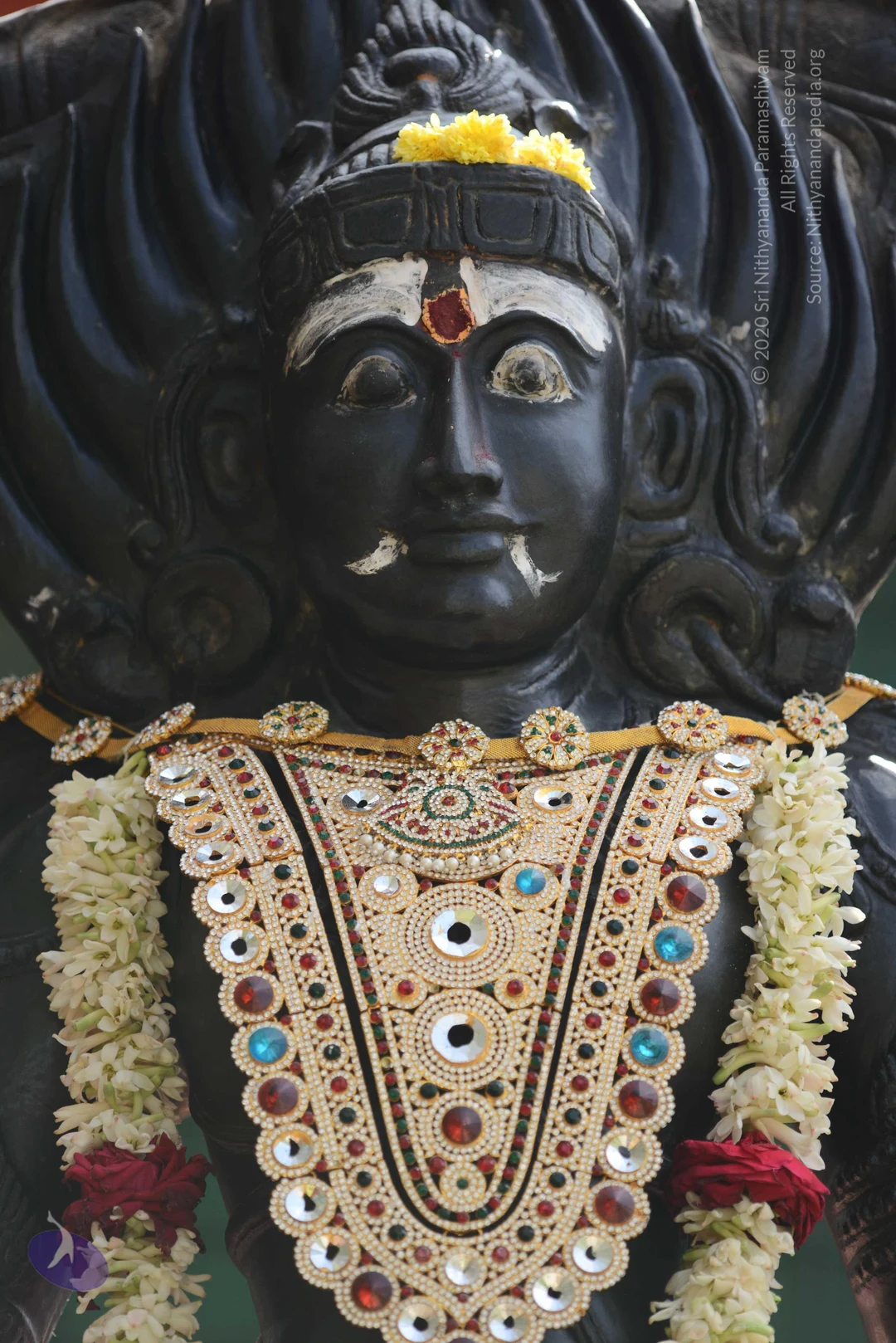
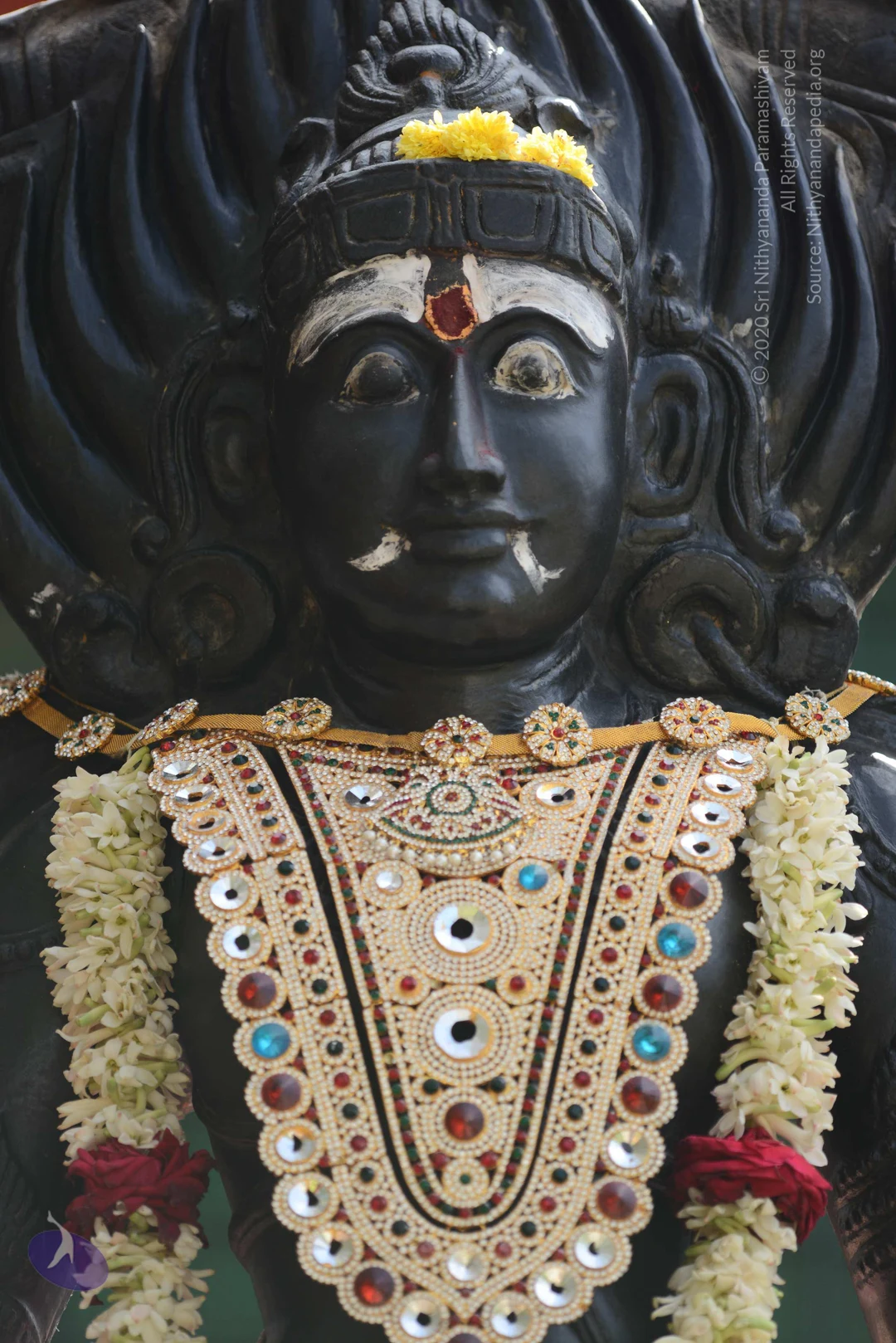
KALABHAIRAVA-DEITY
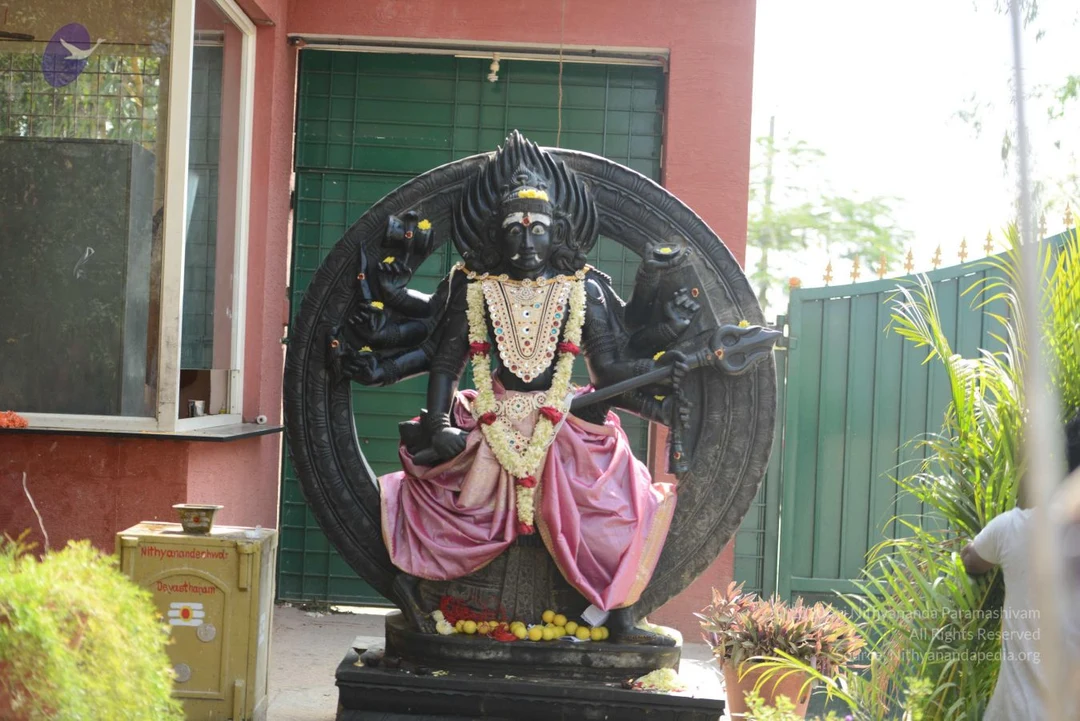
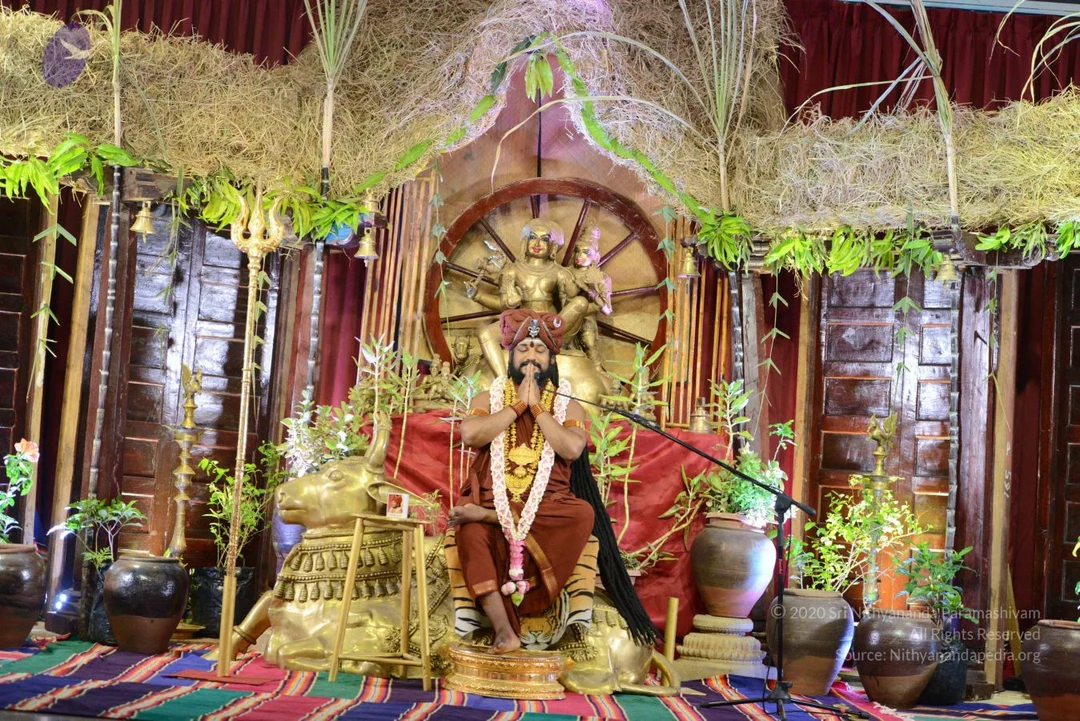
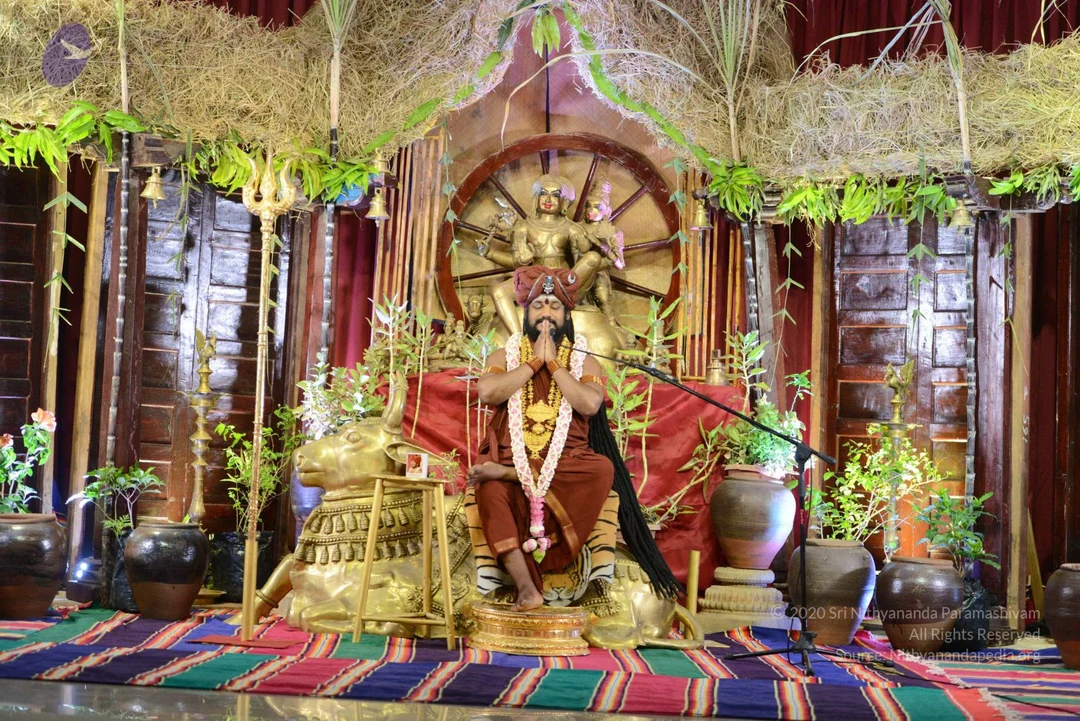
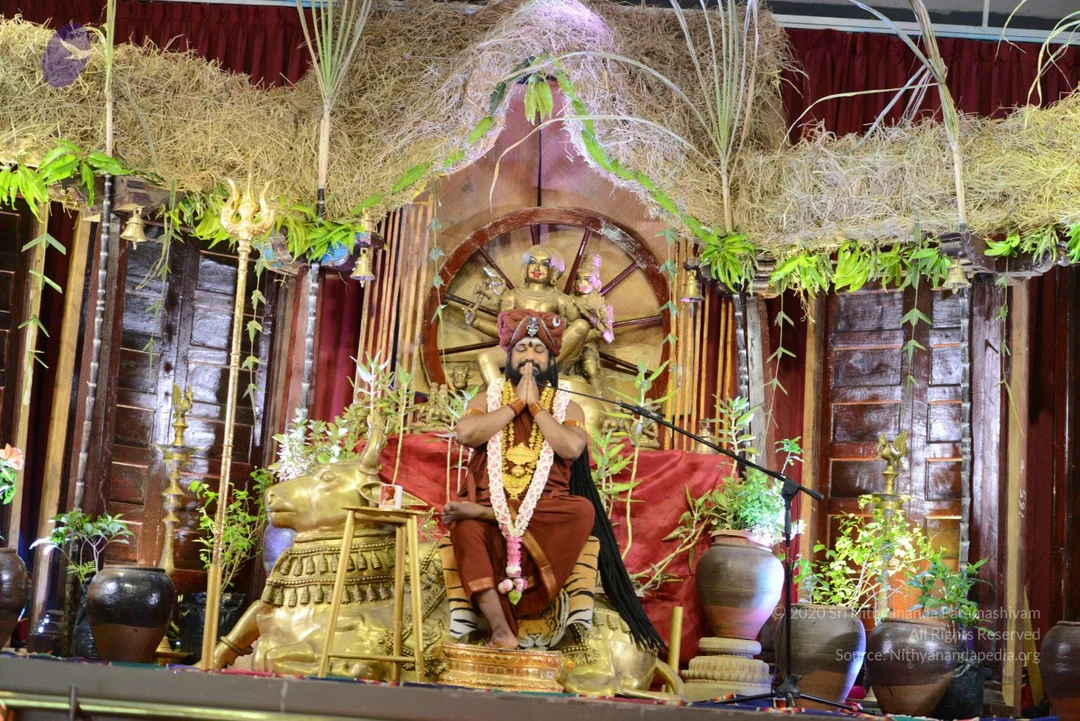
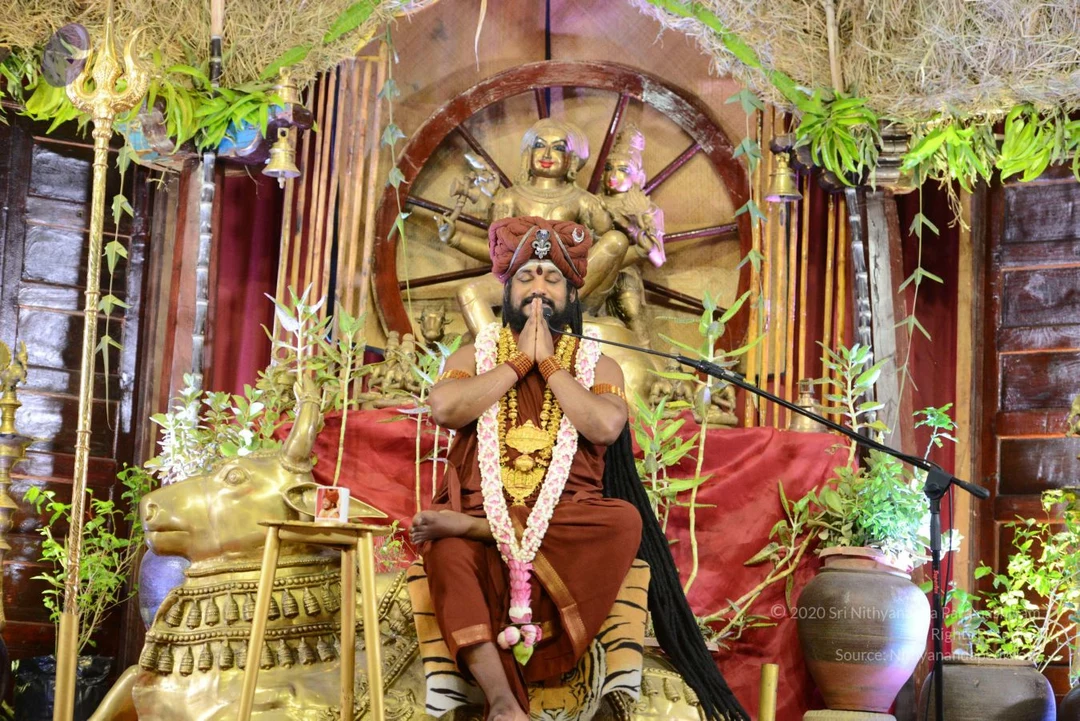
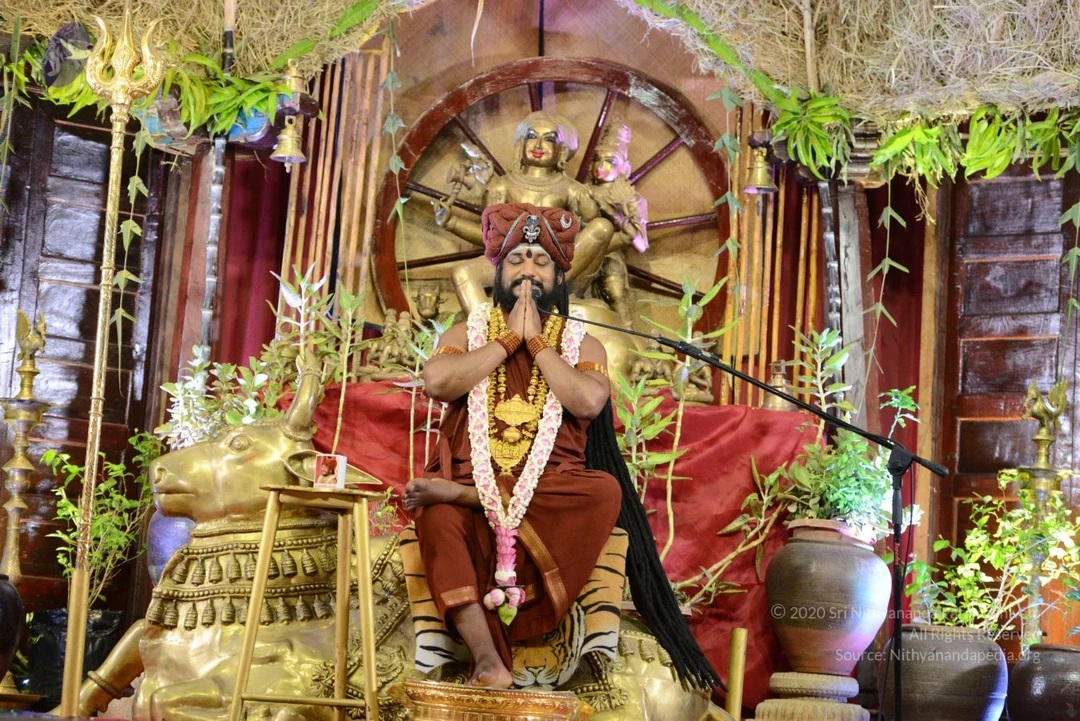
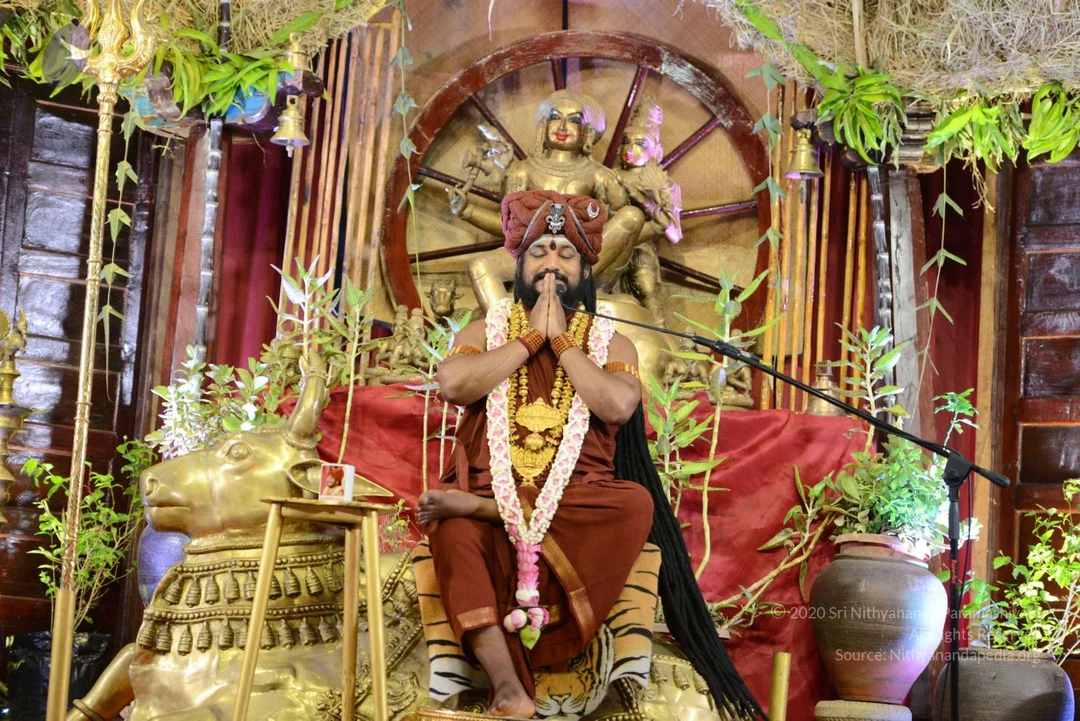
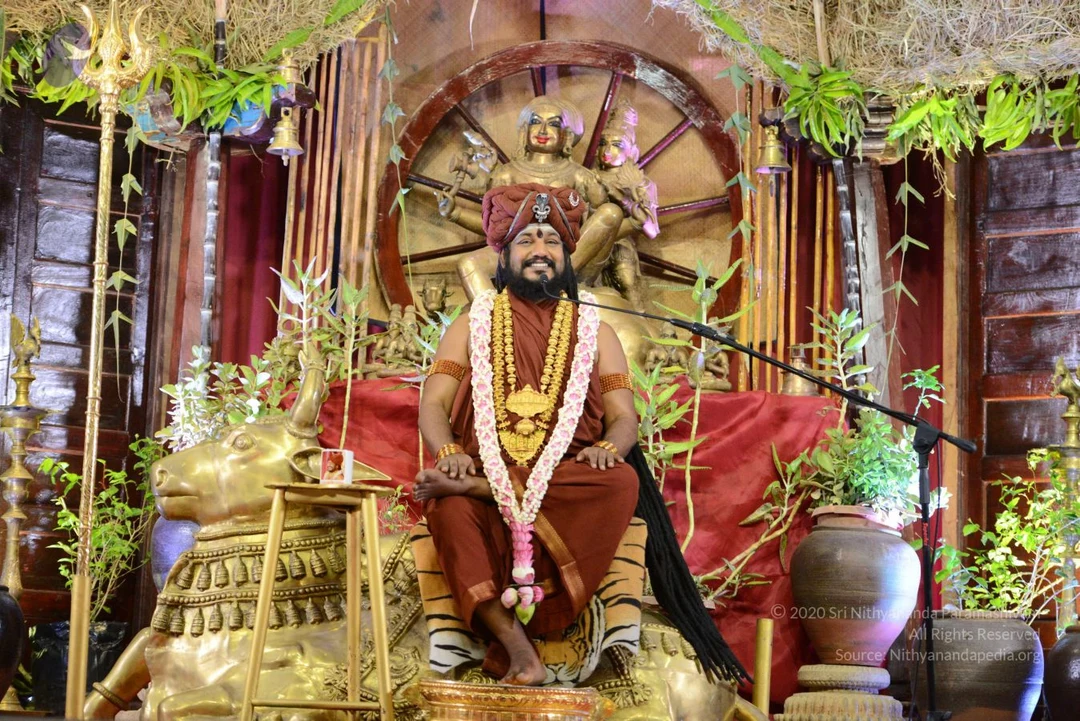
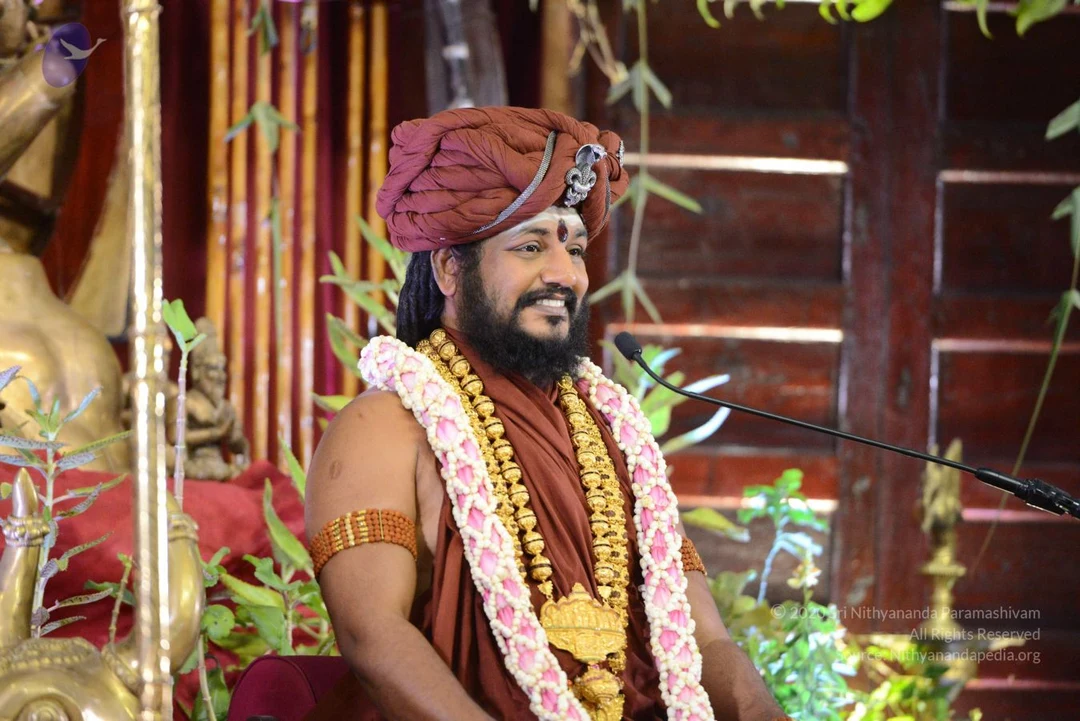
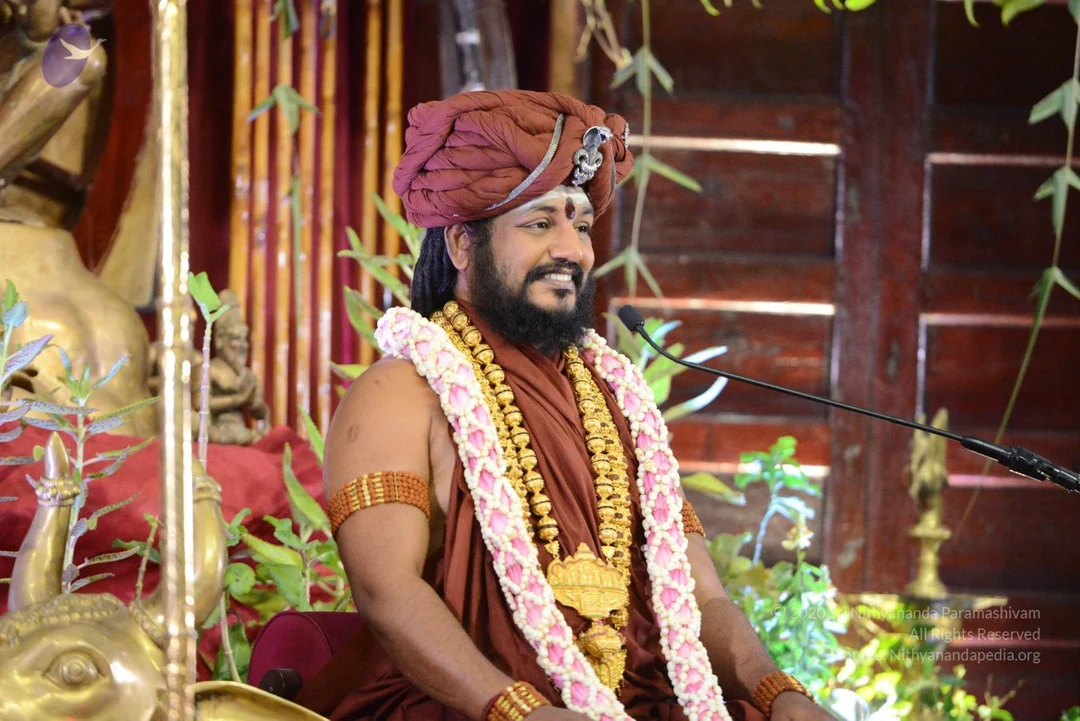
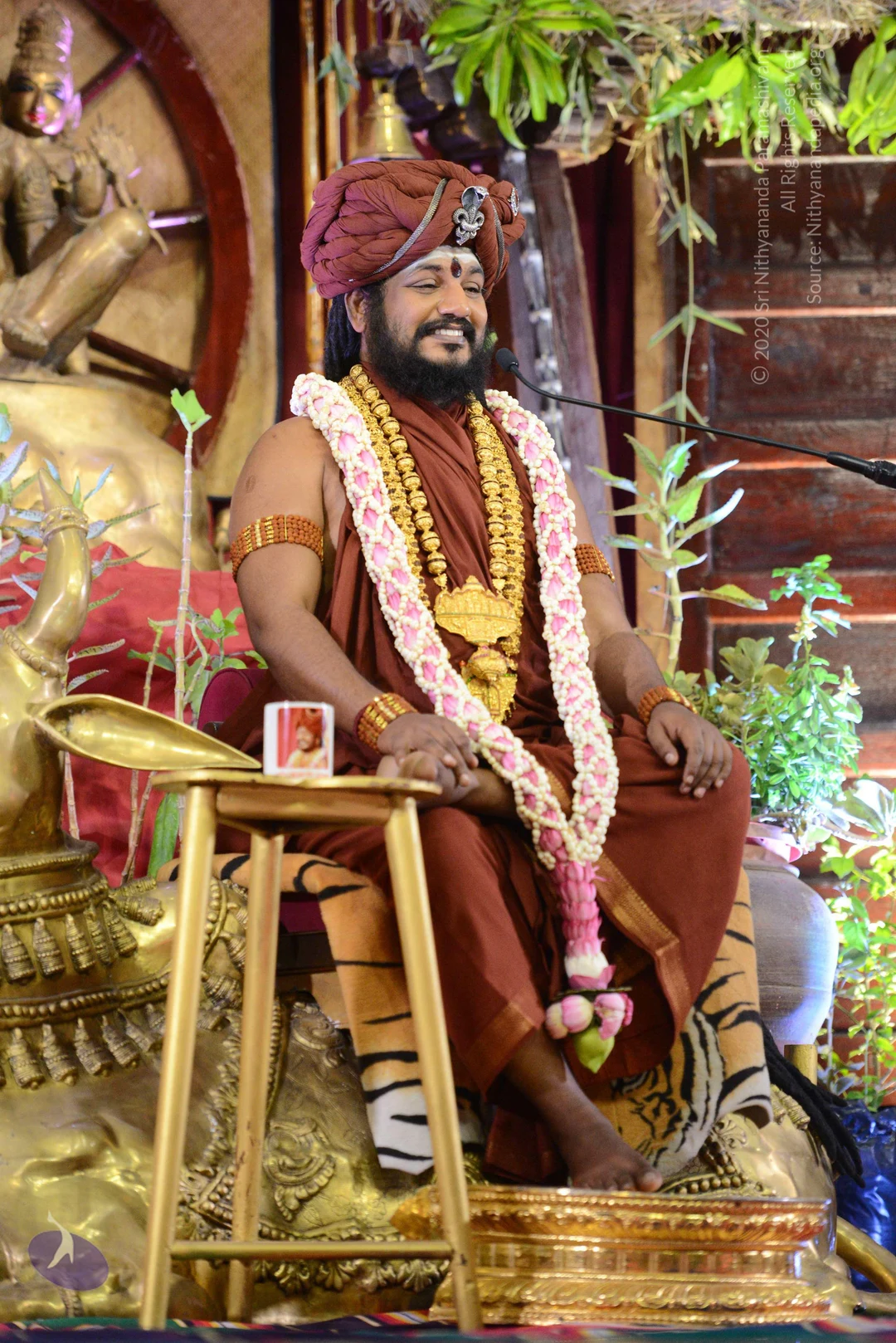
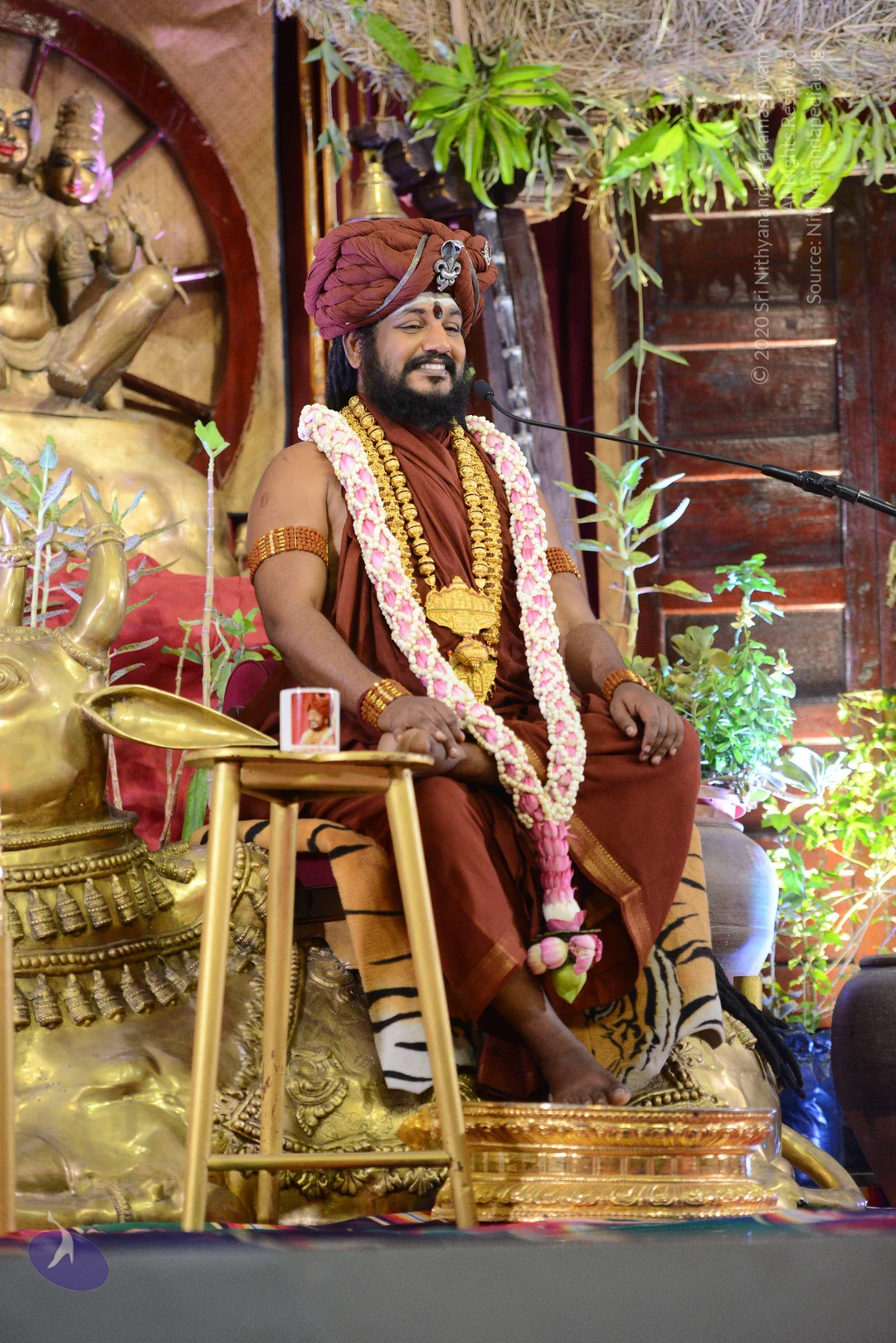
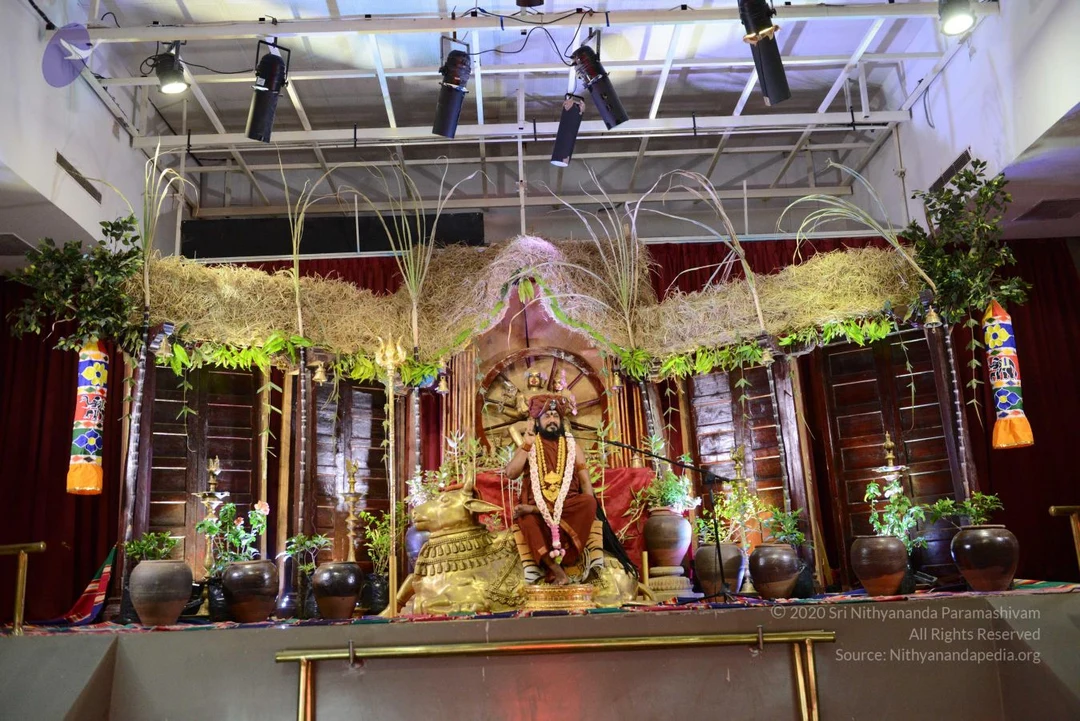
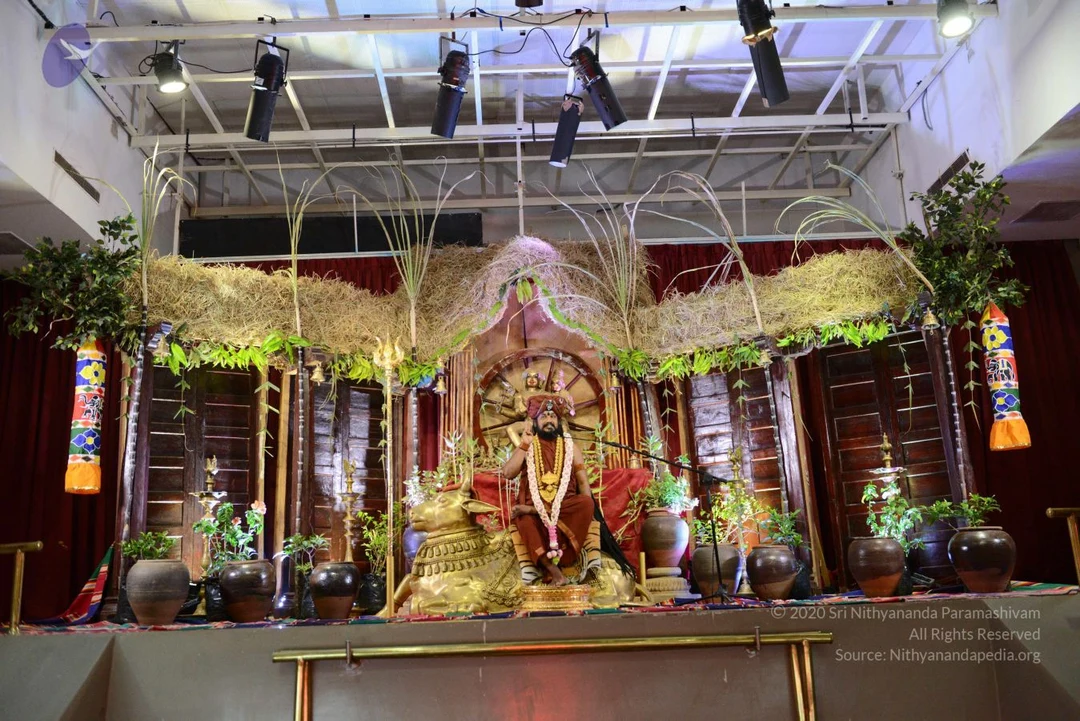
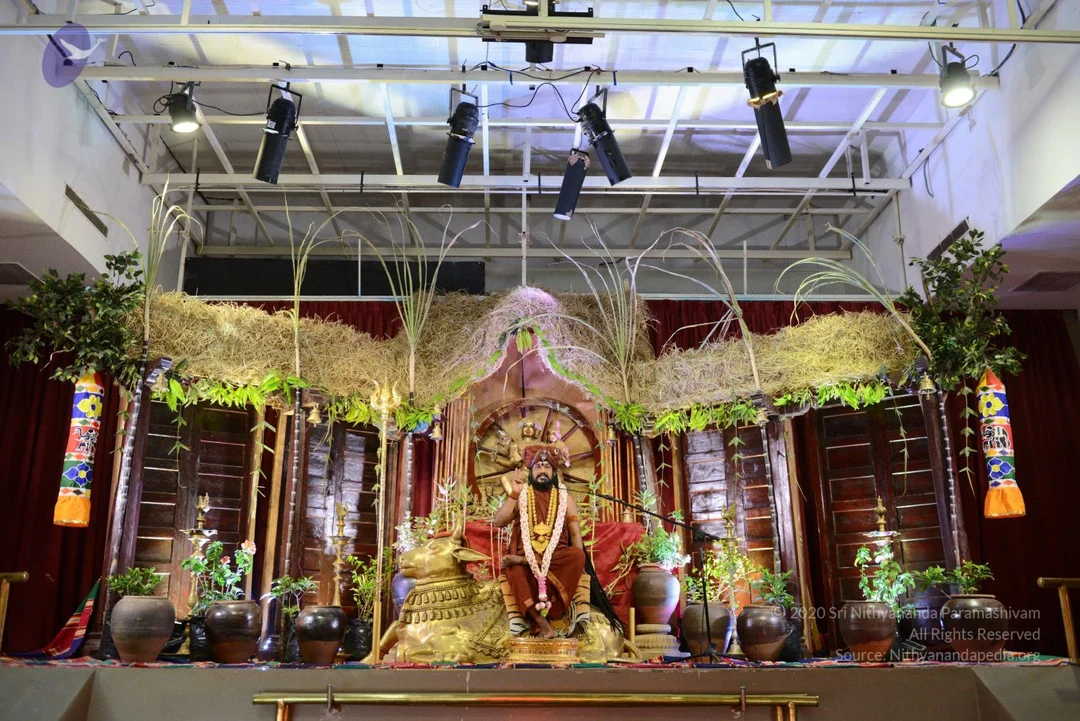
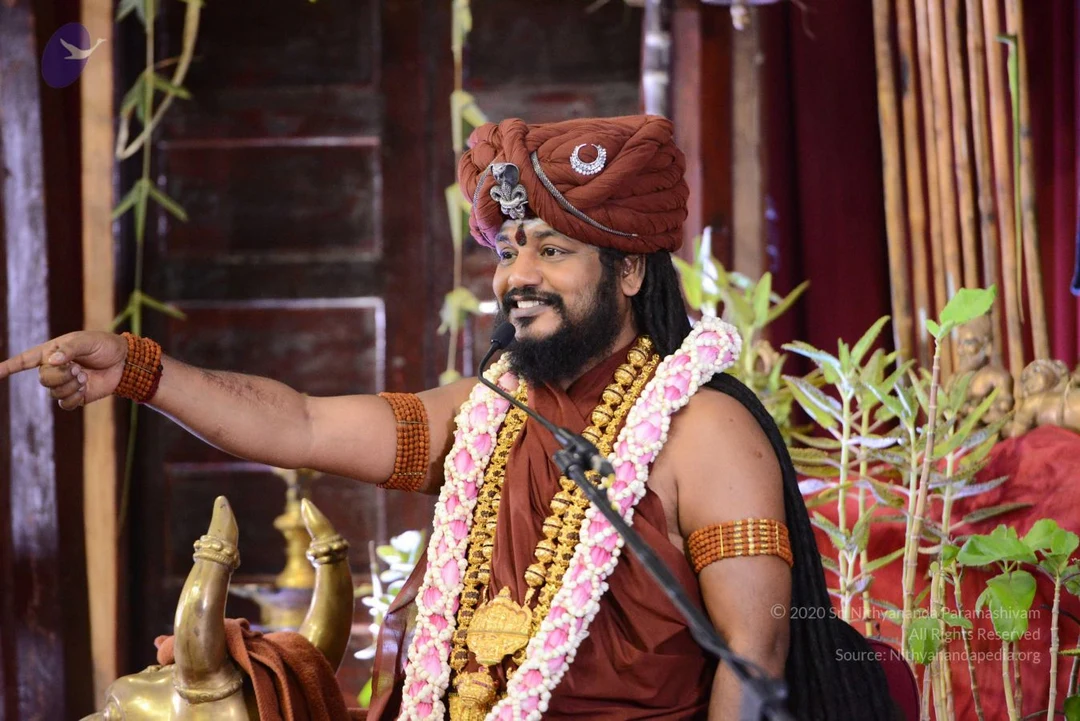
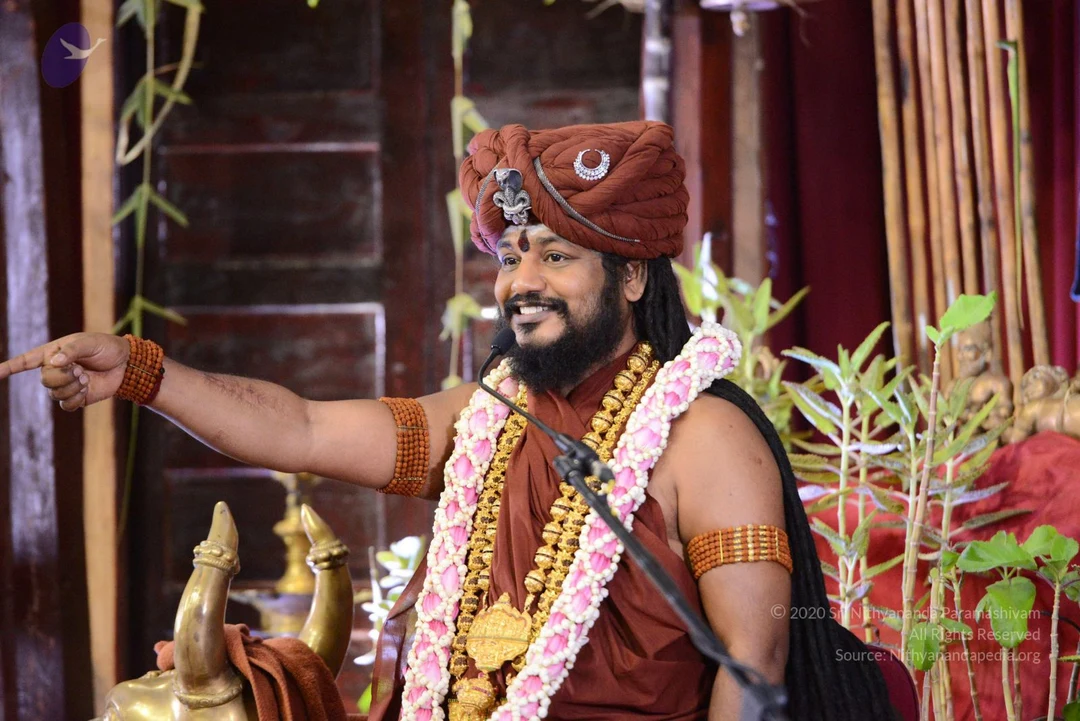
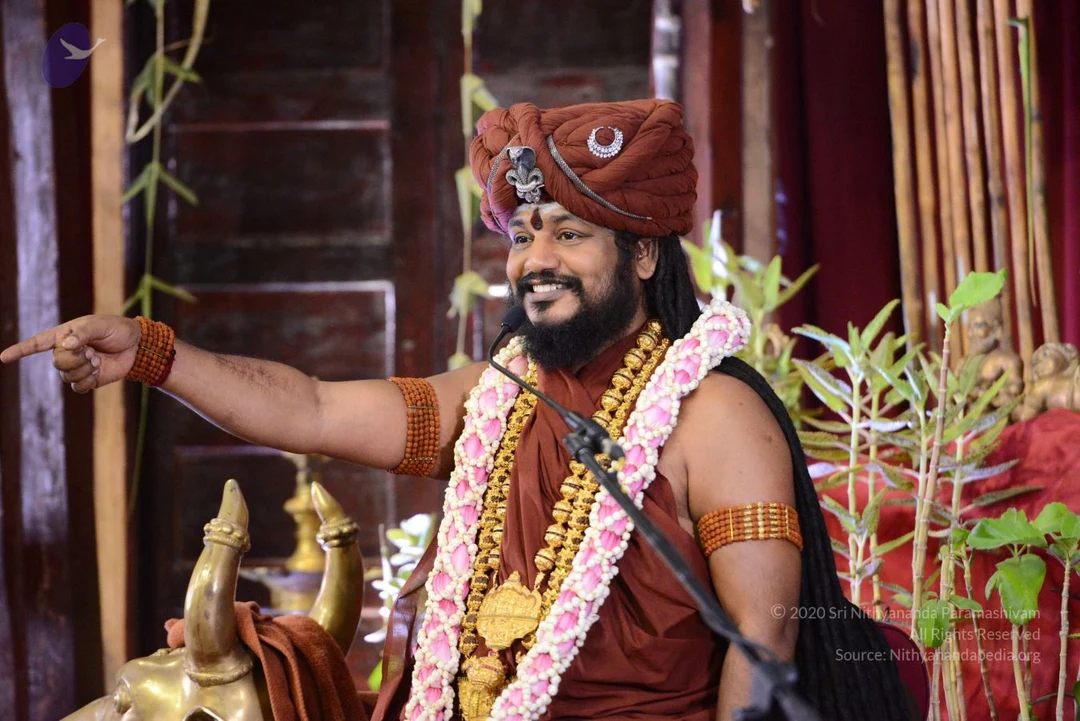
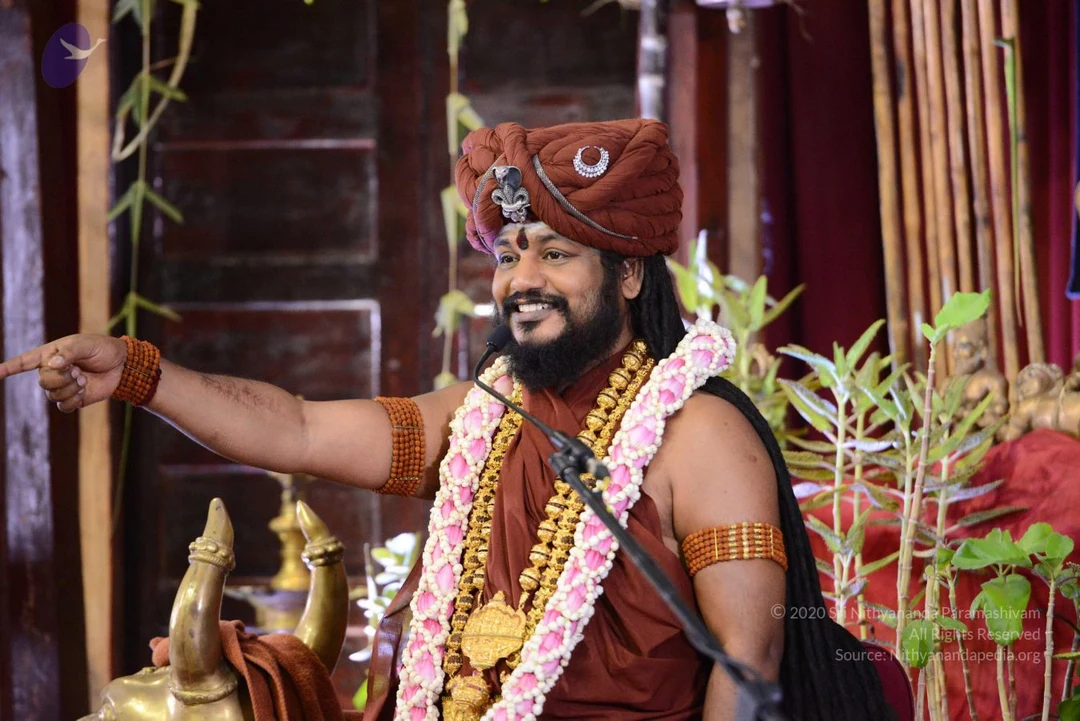
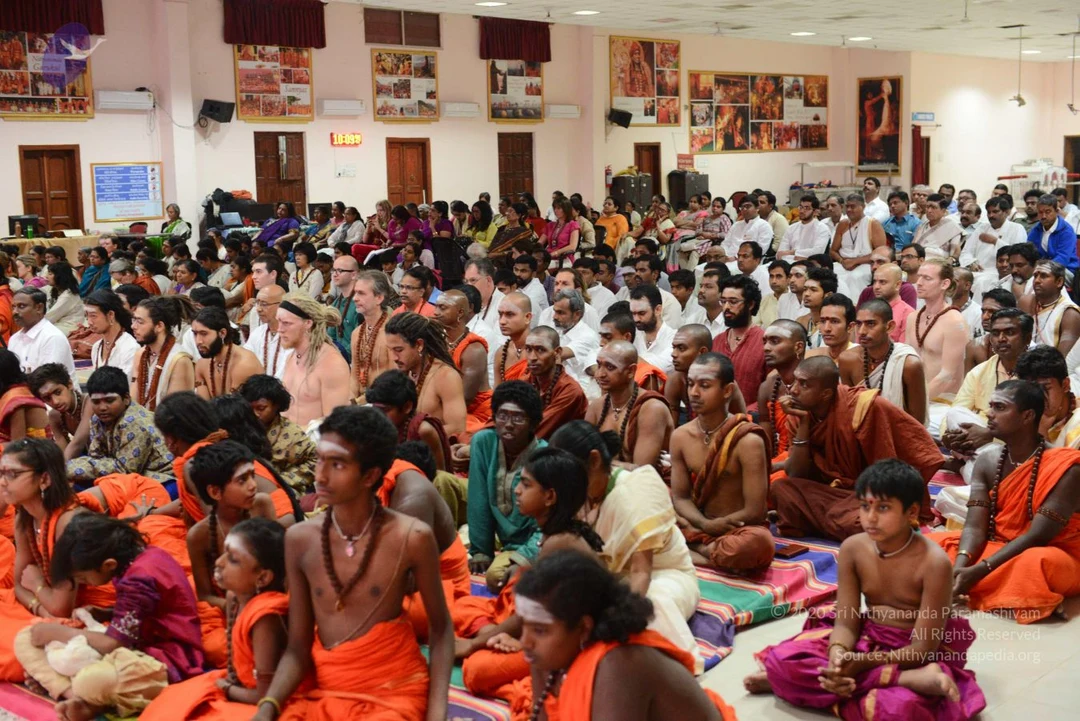
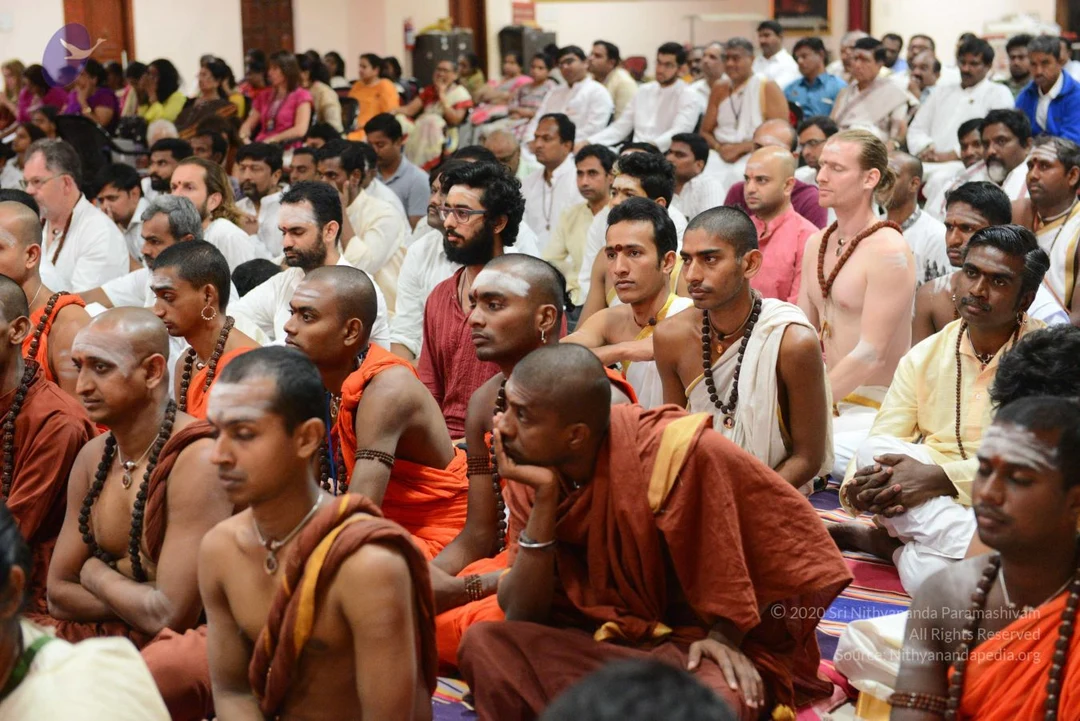
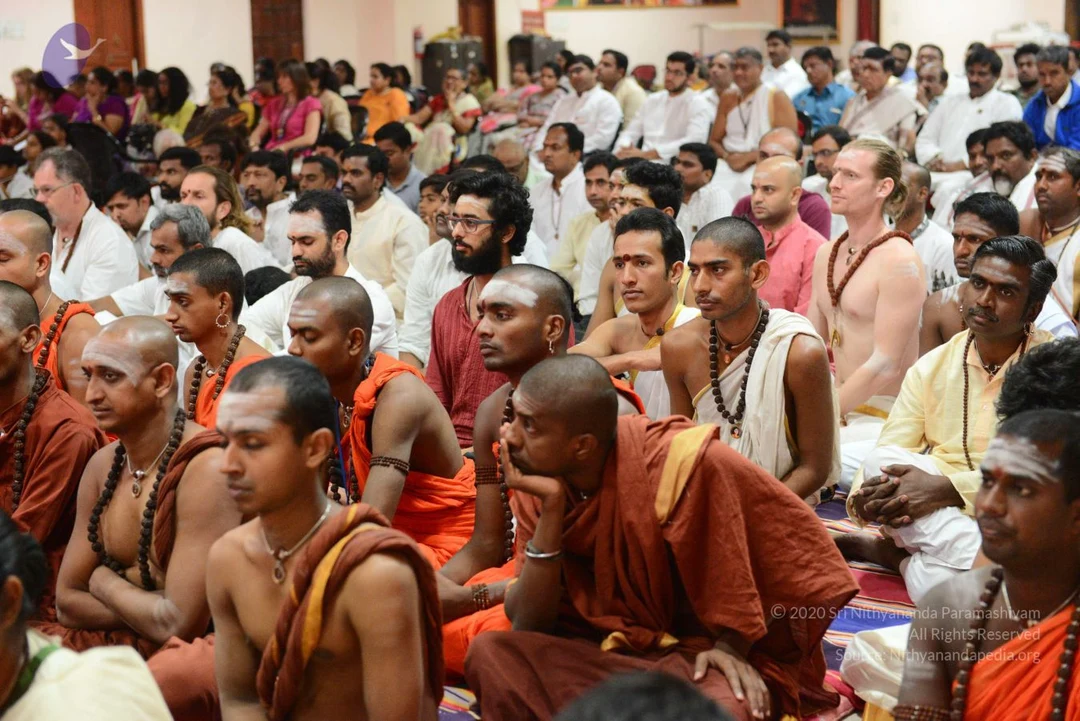
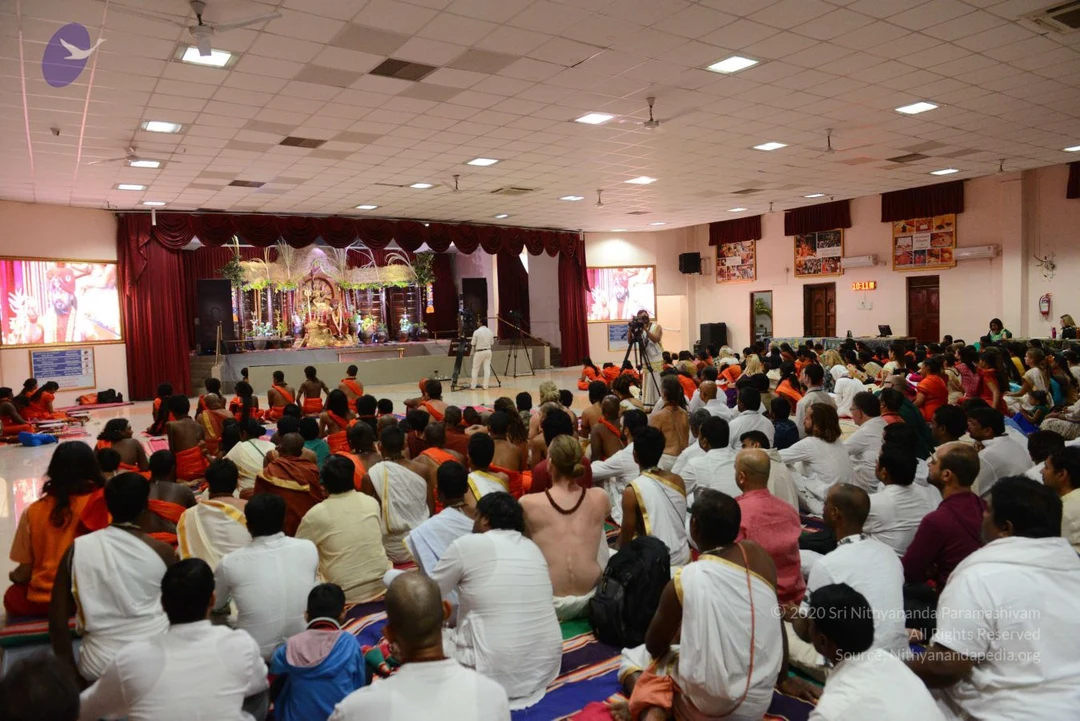
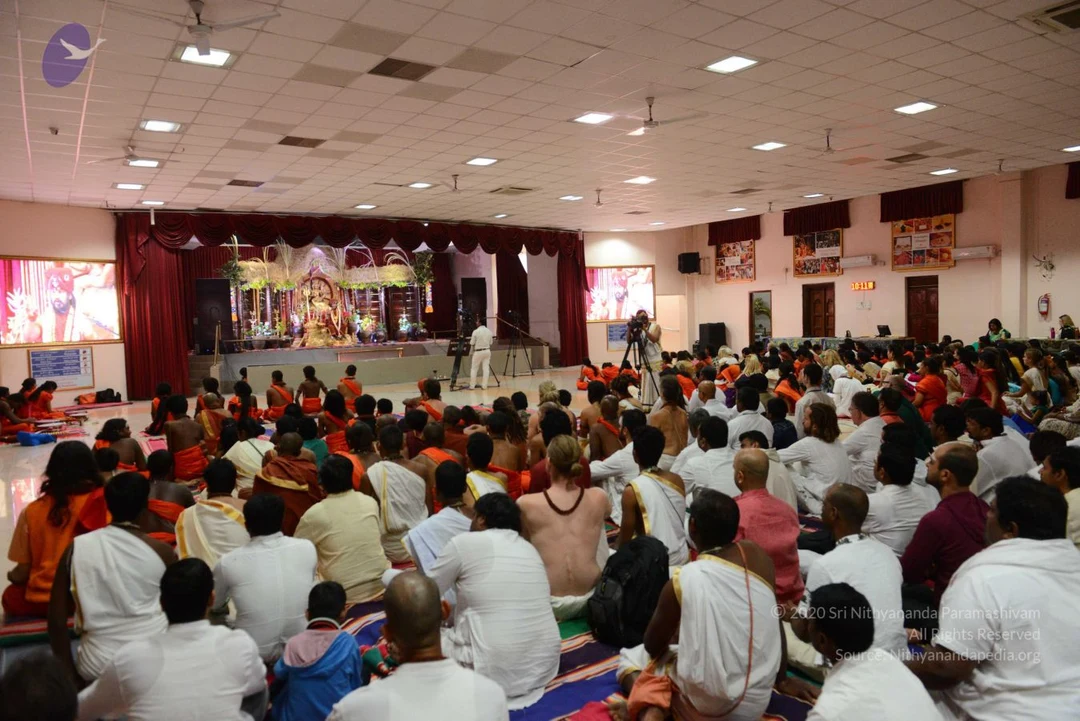
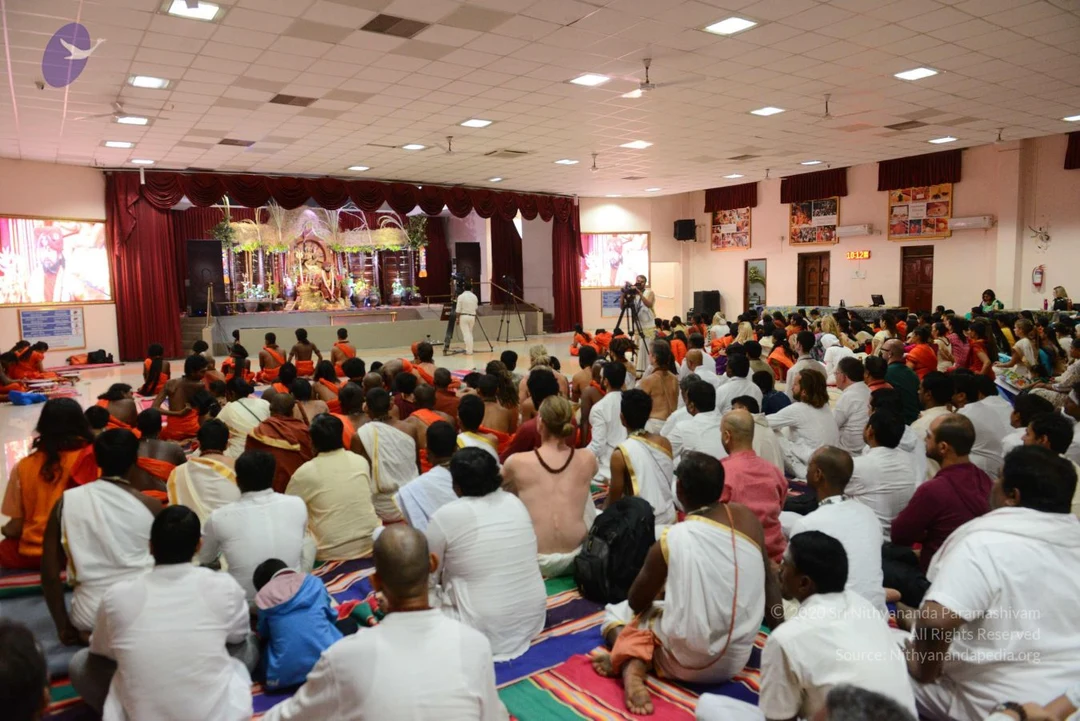
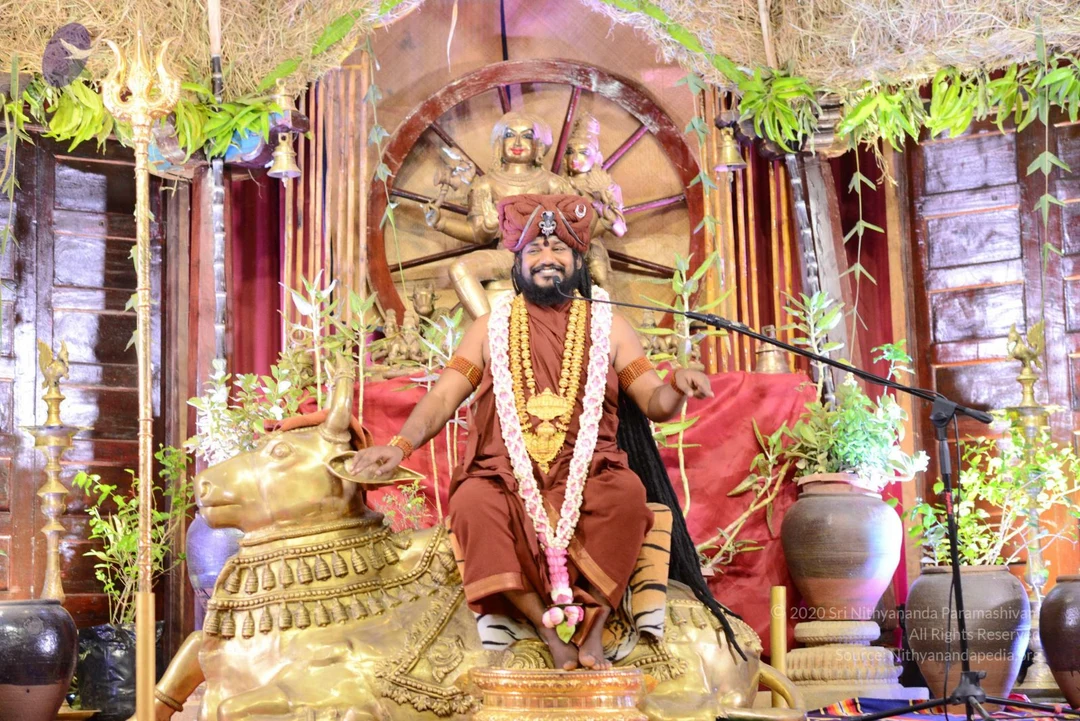
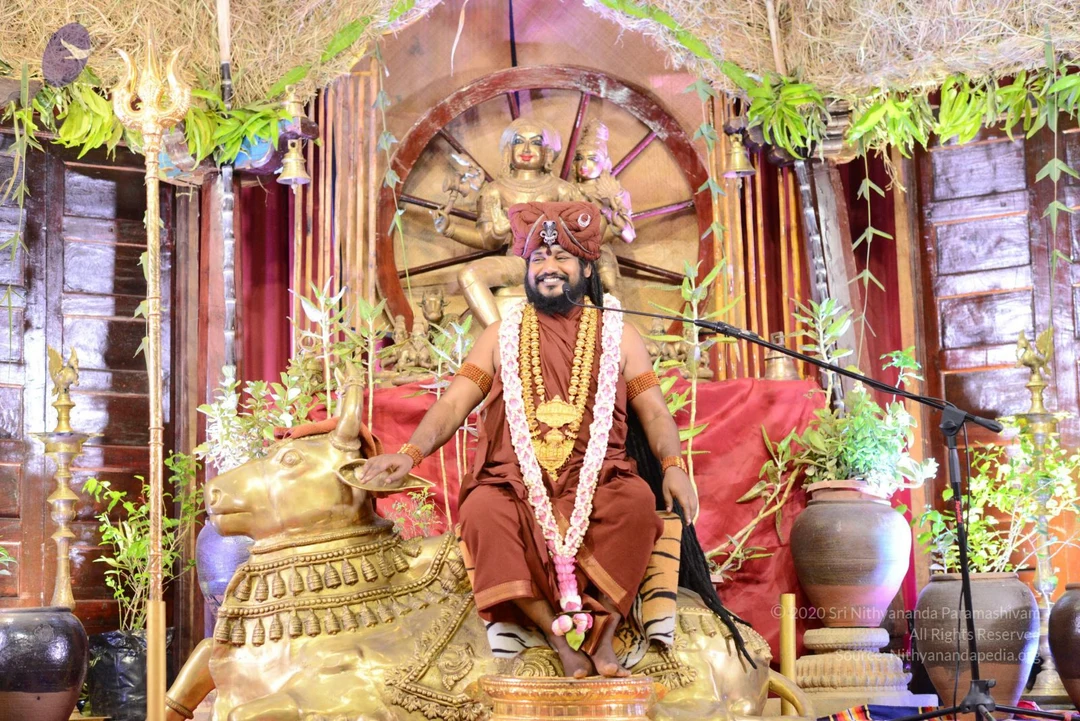
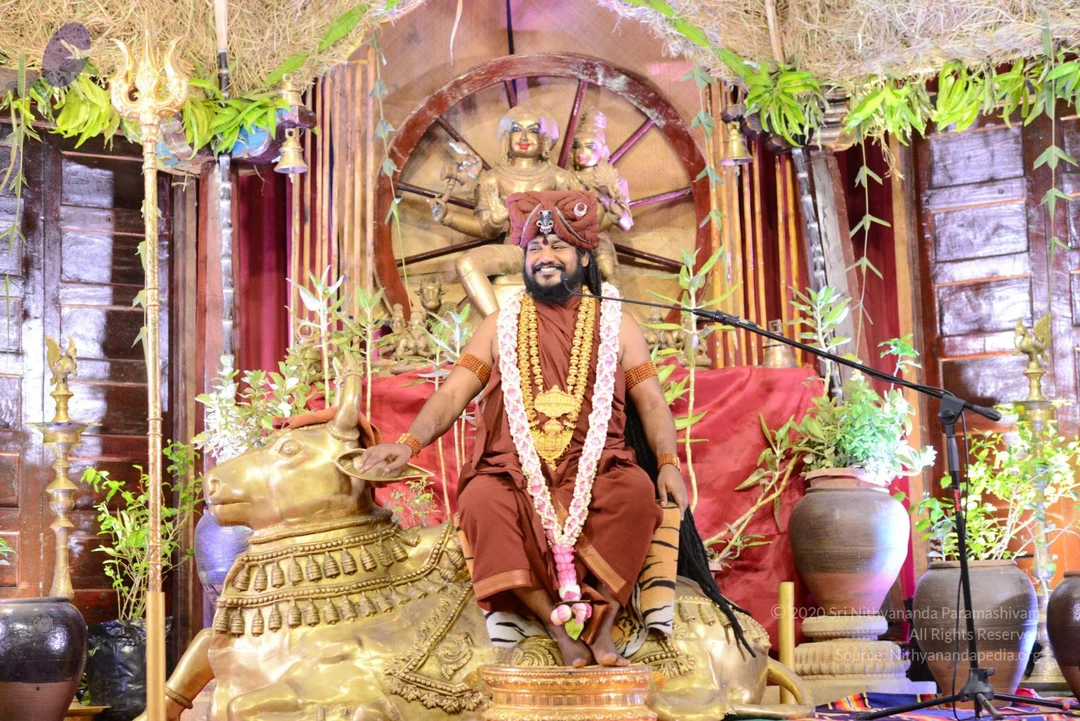
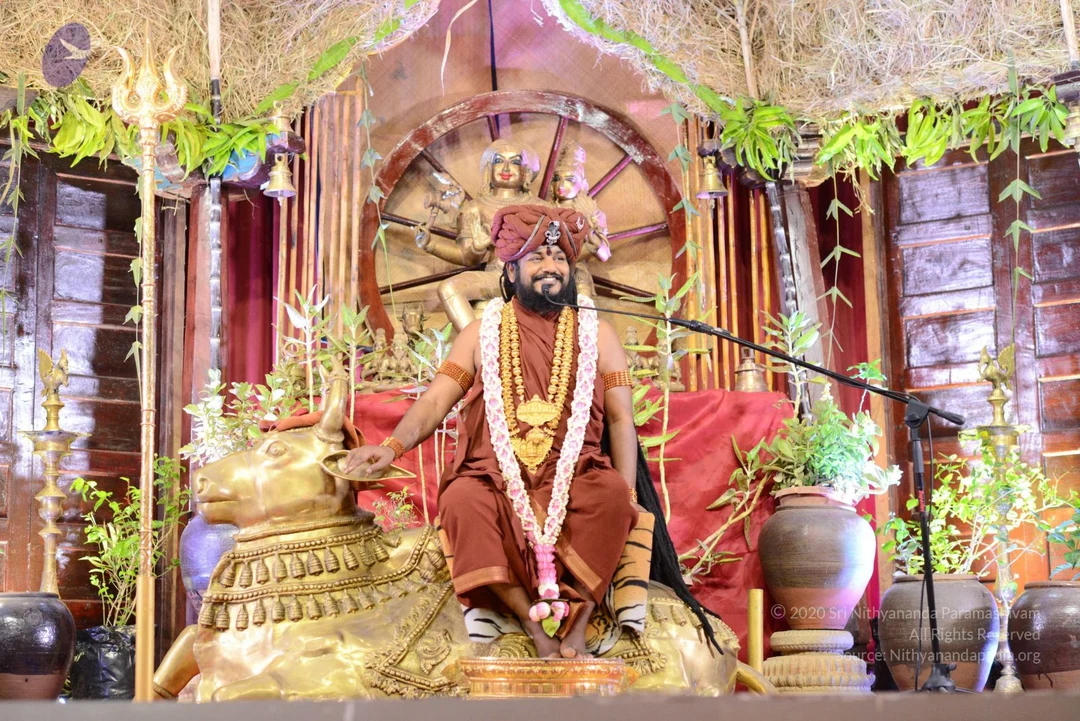
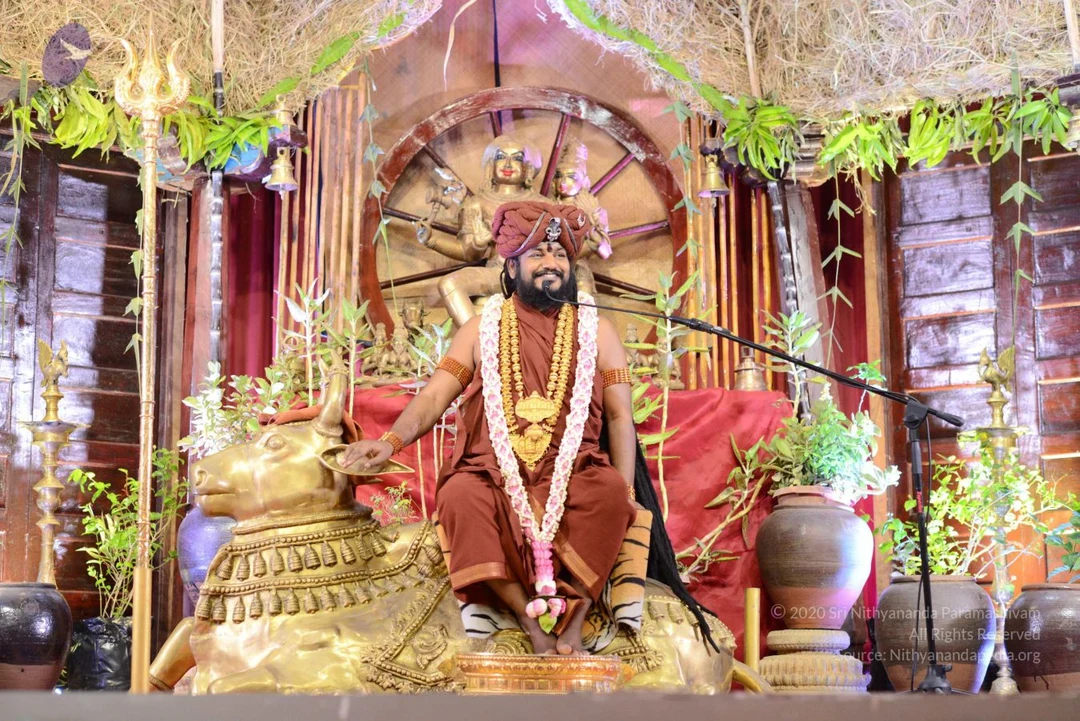
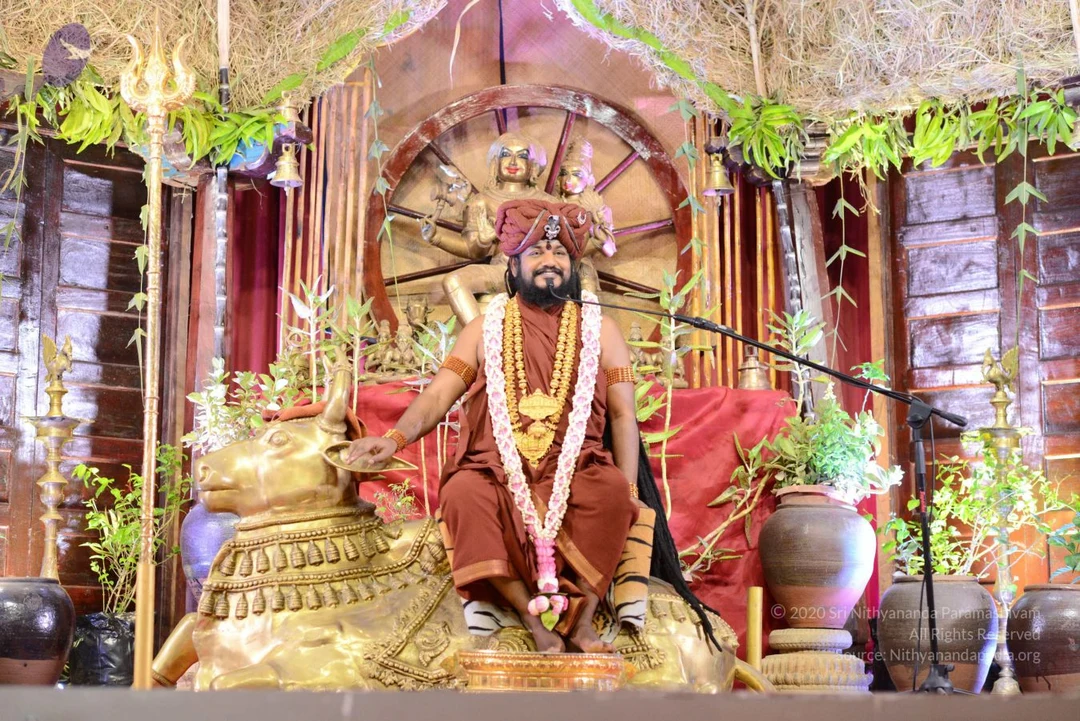
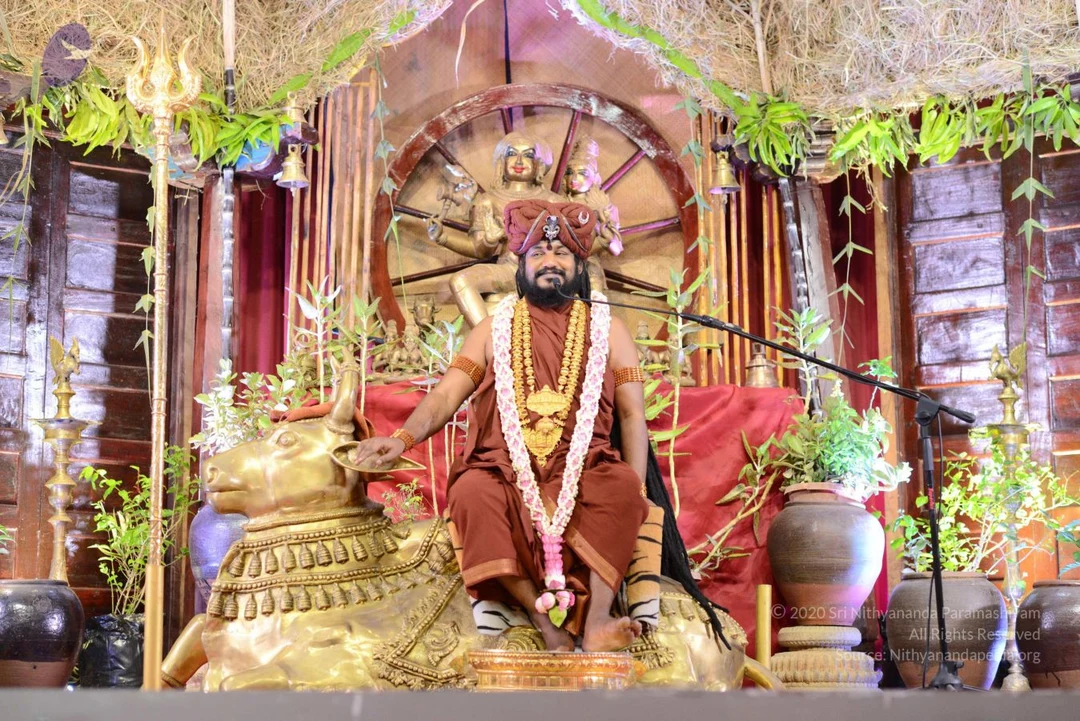
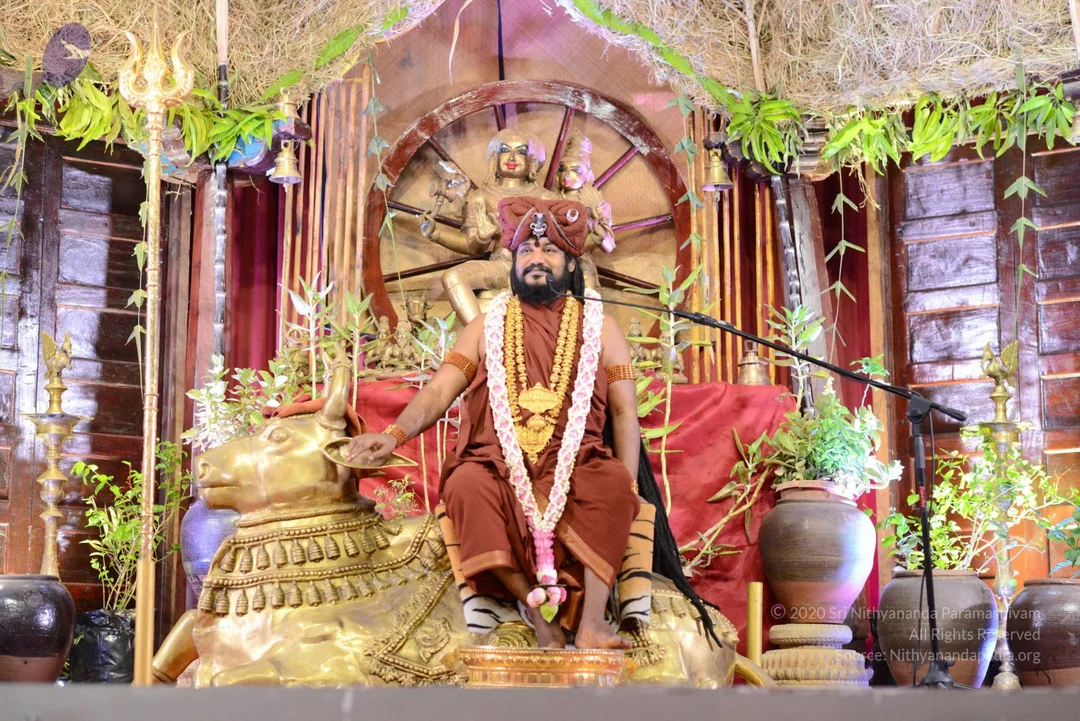
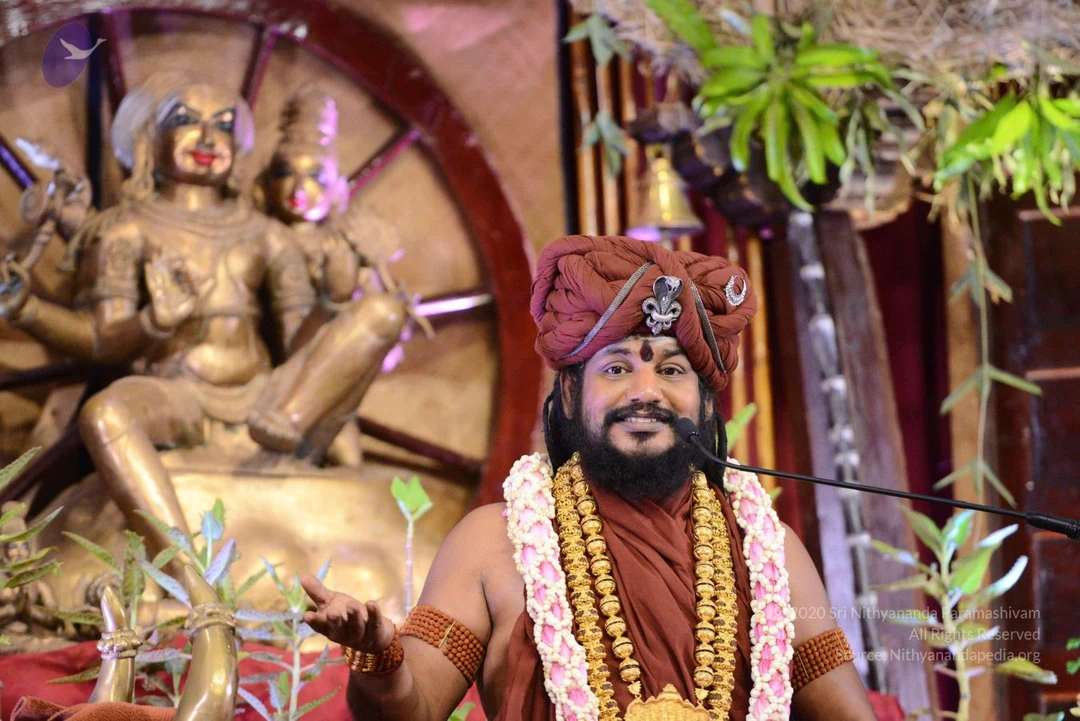
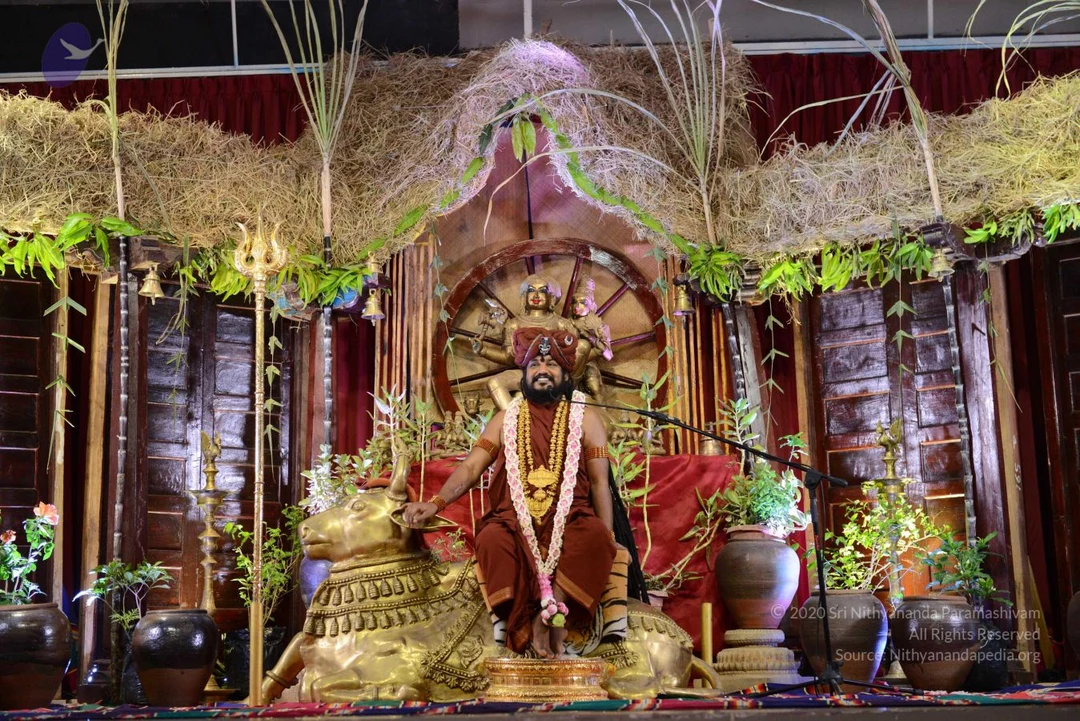
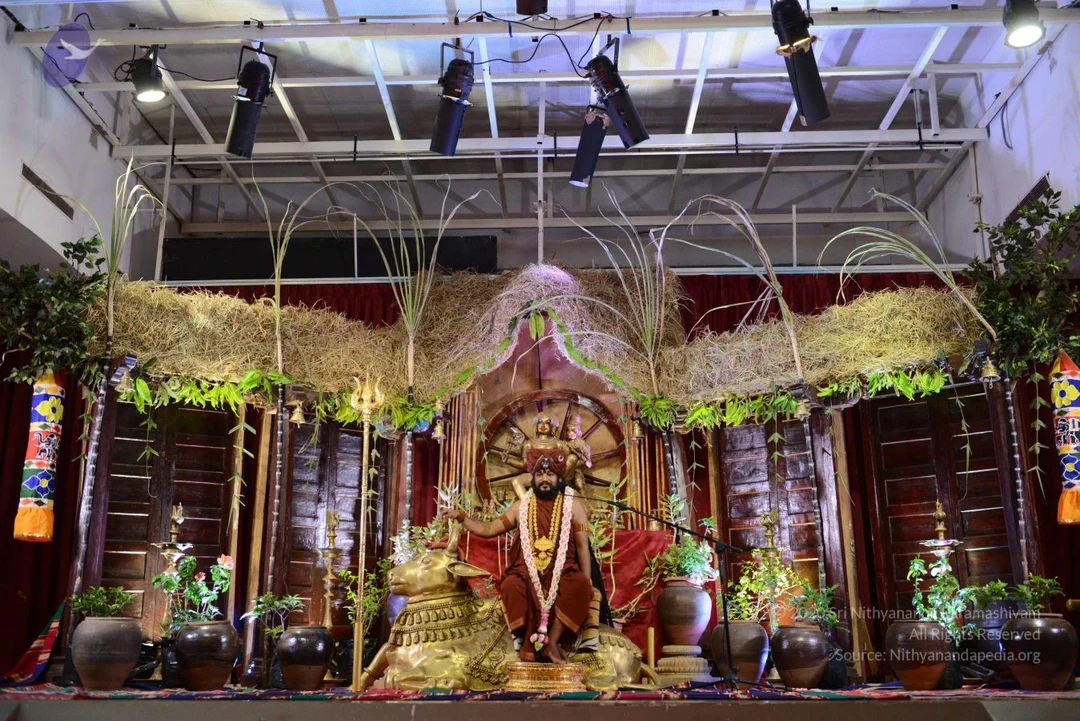
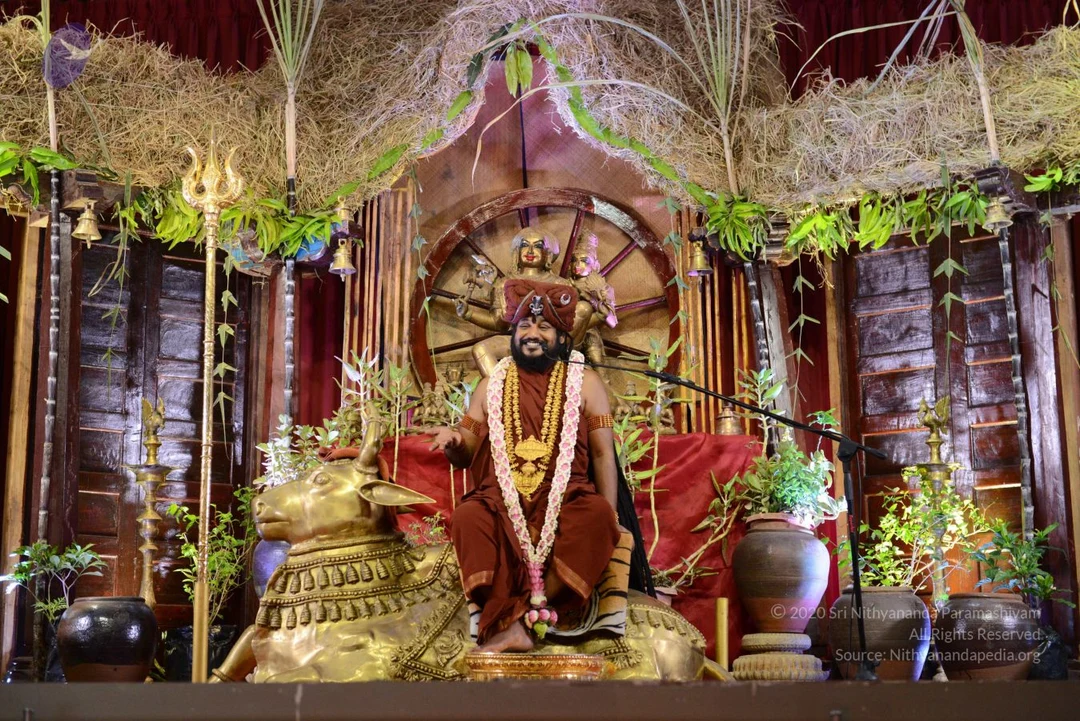
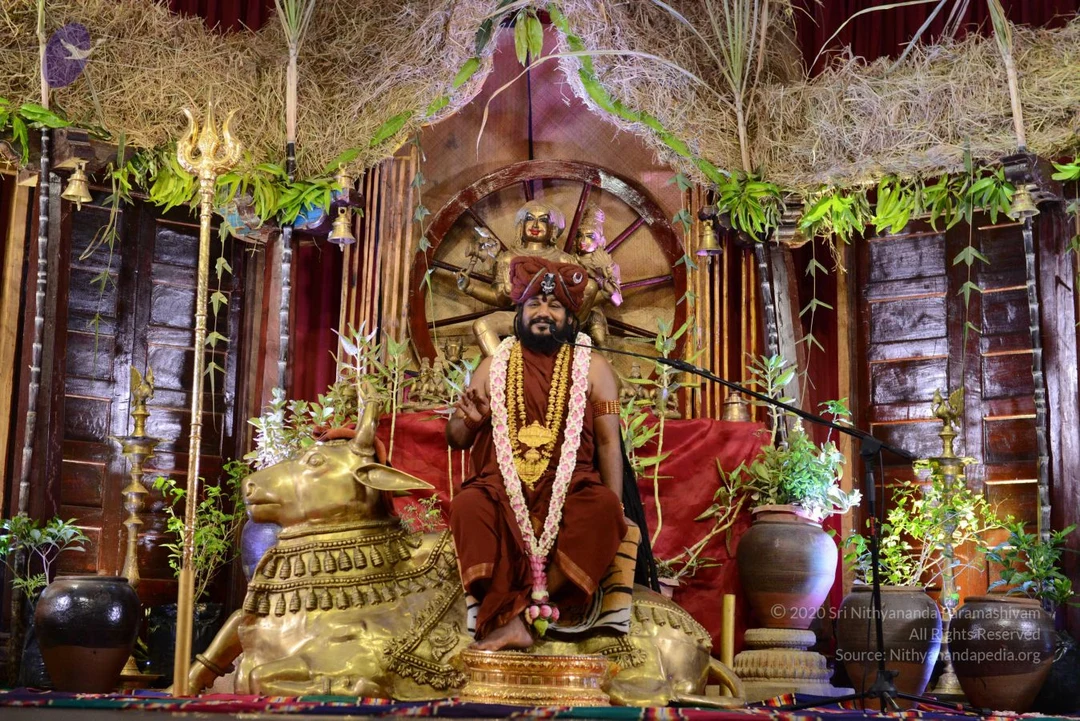
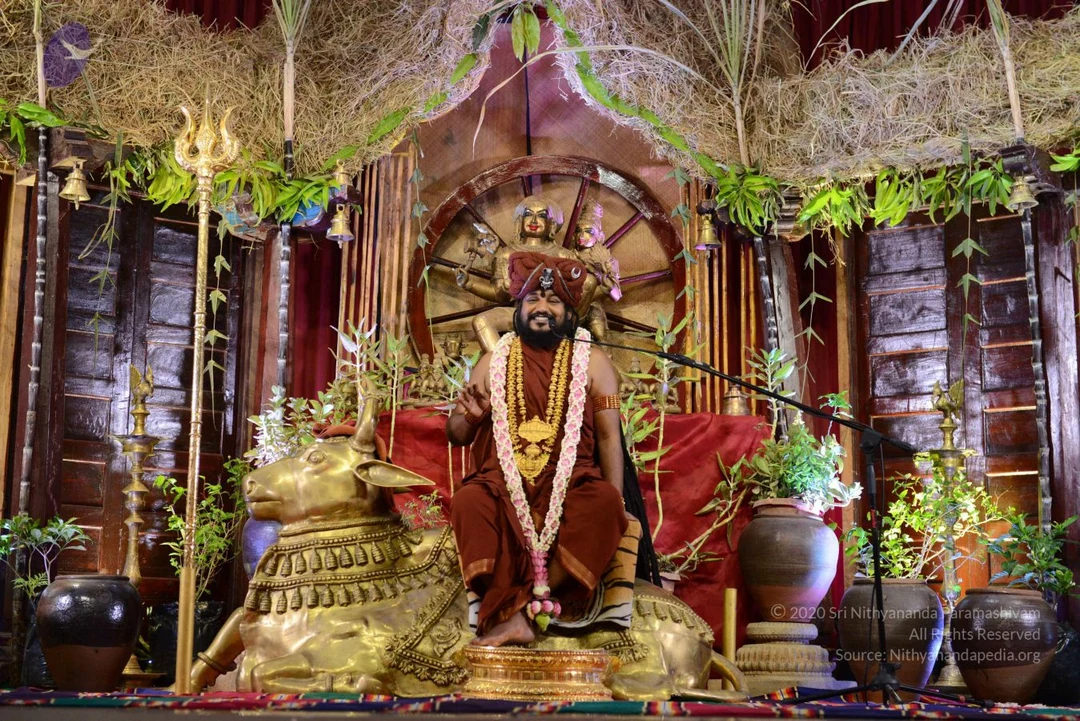
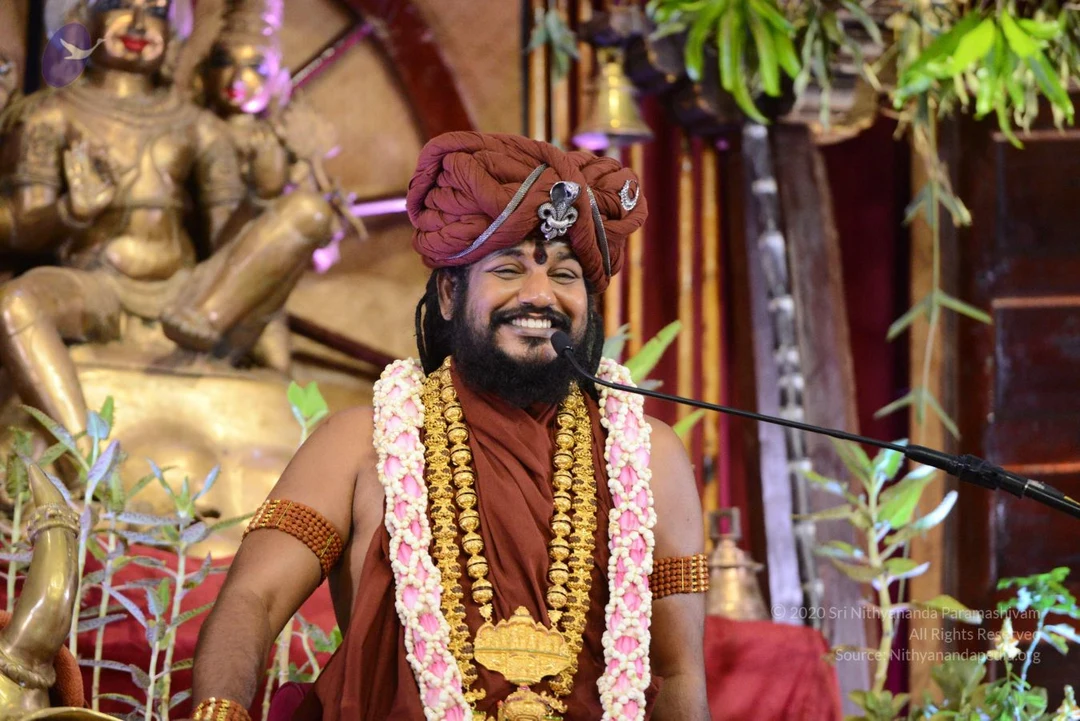
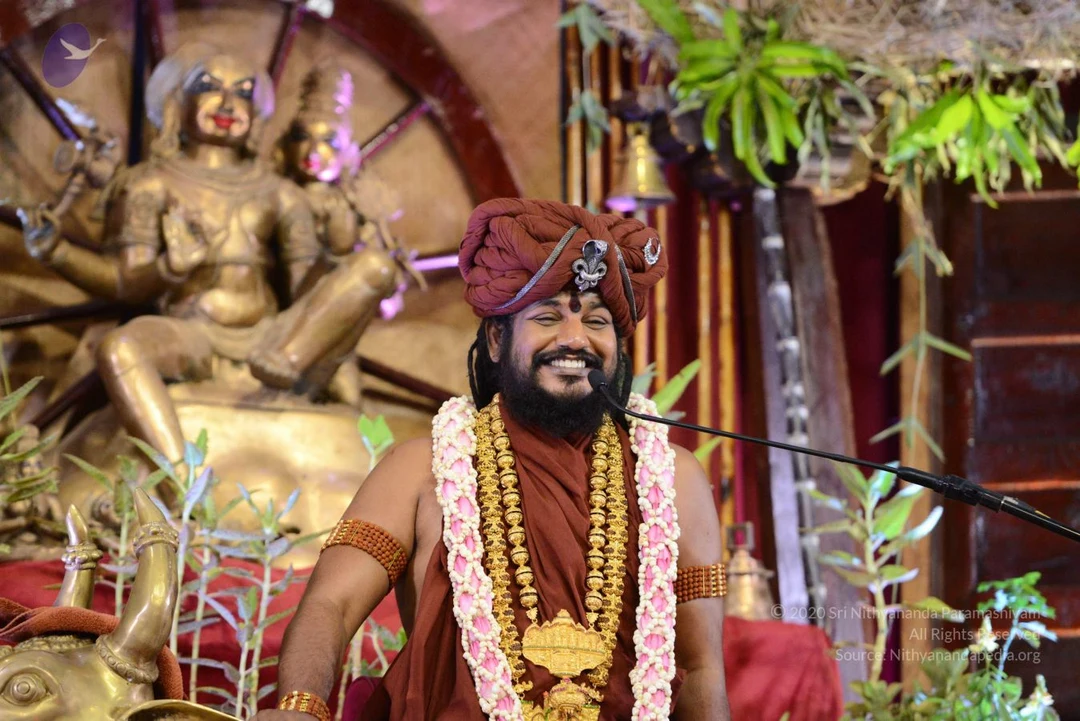
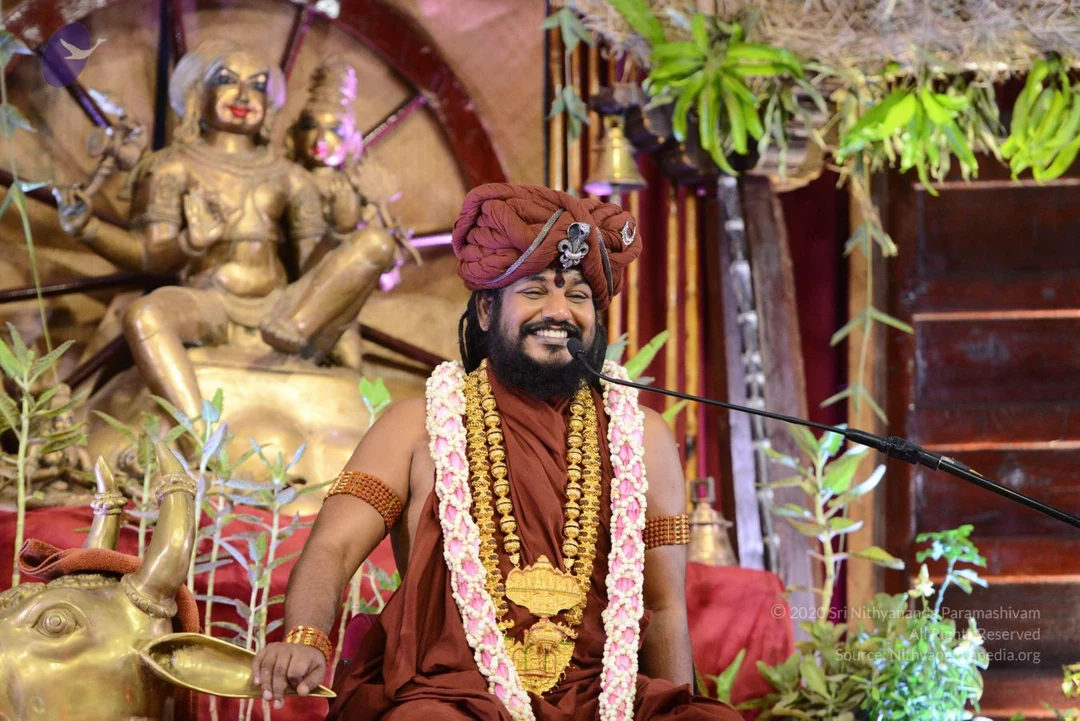
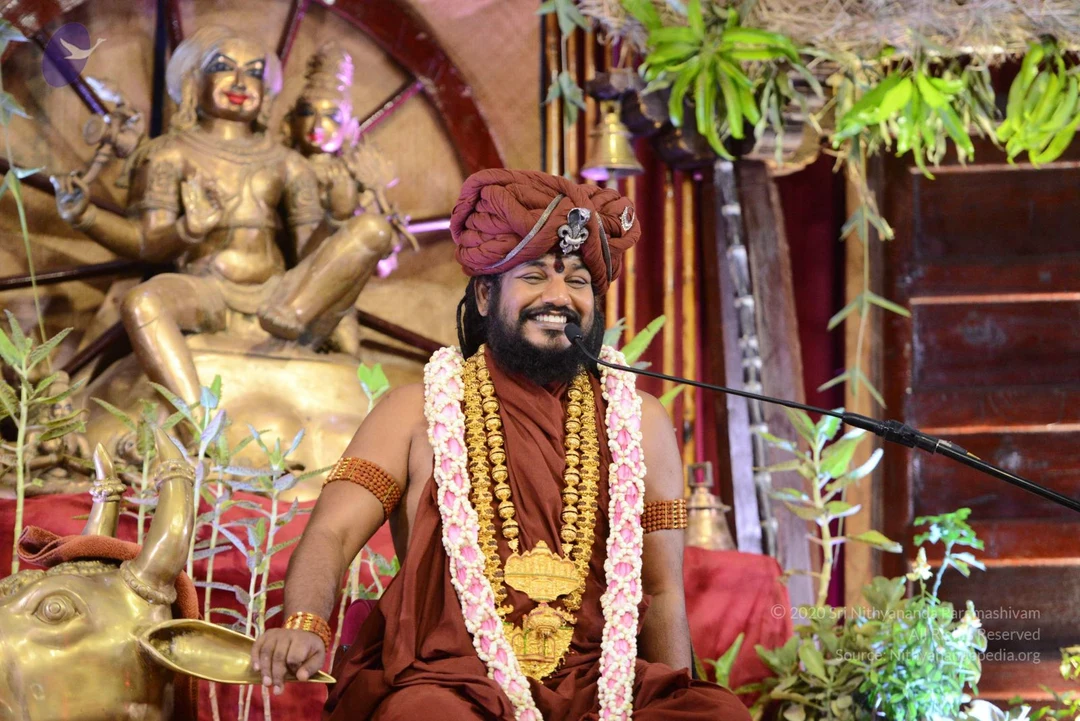
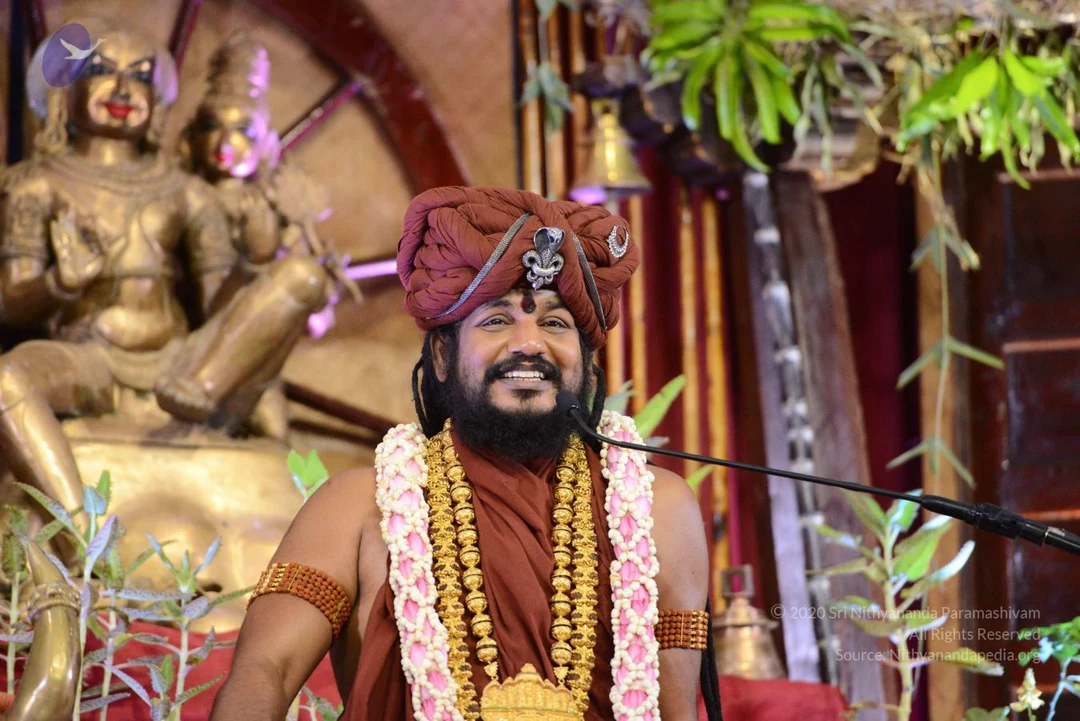
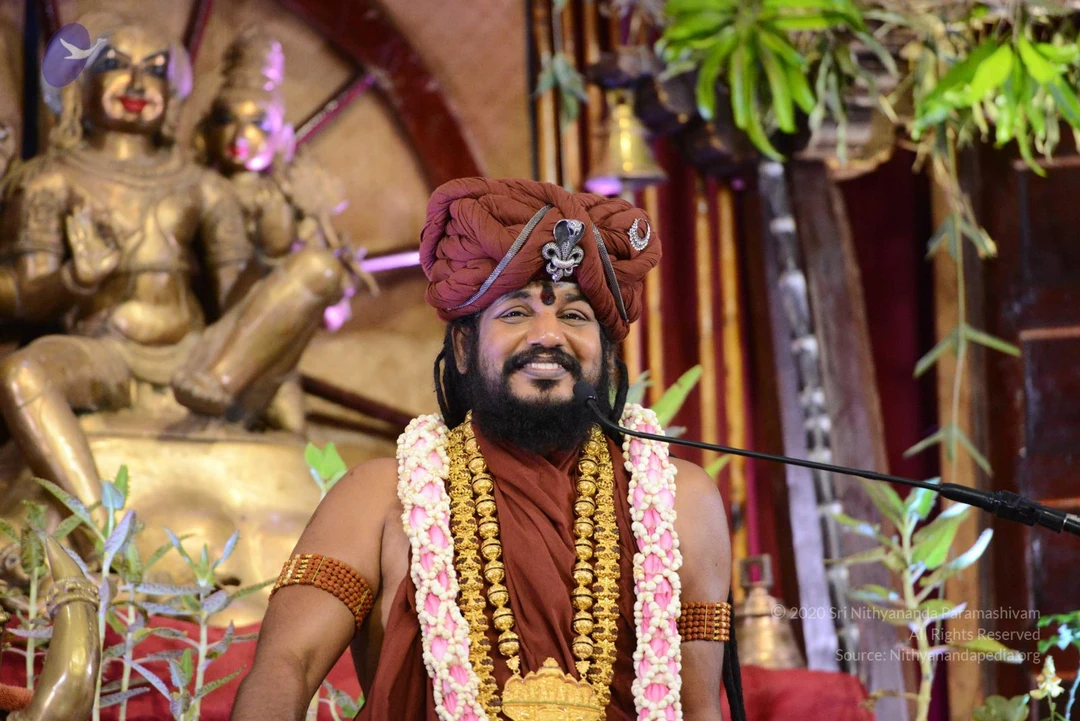
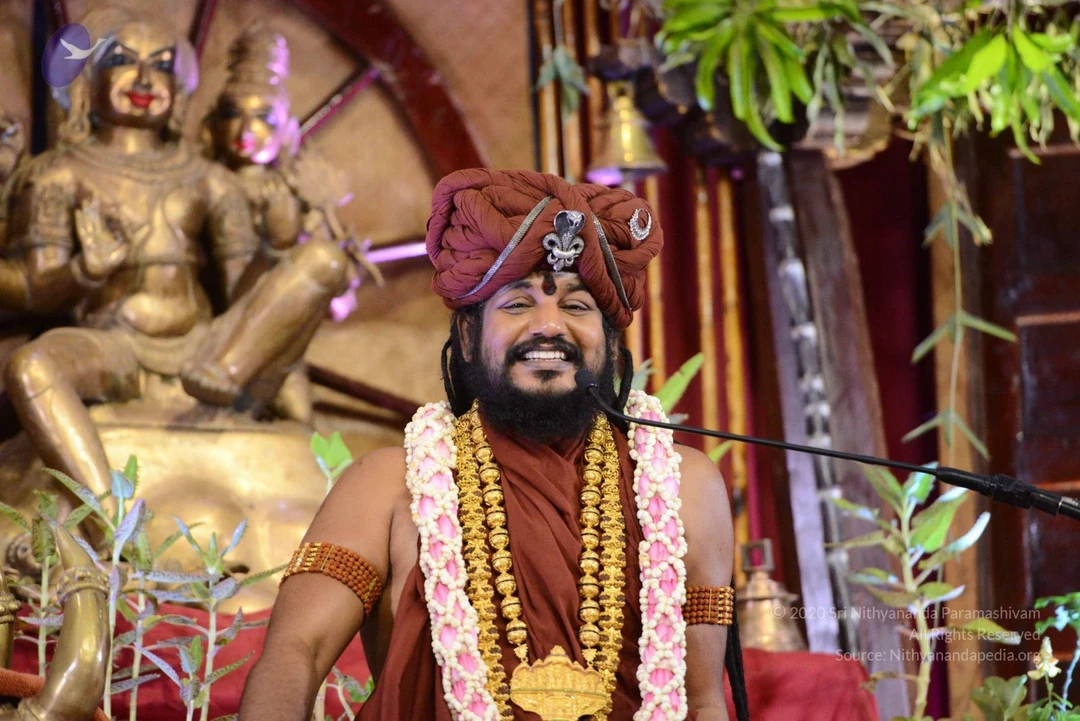
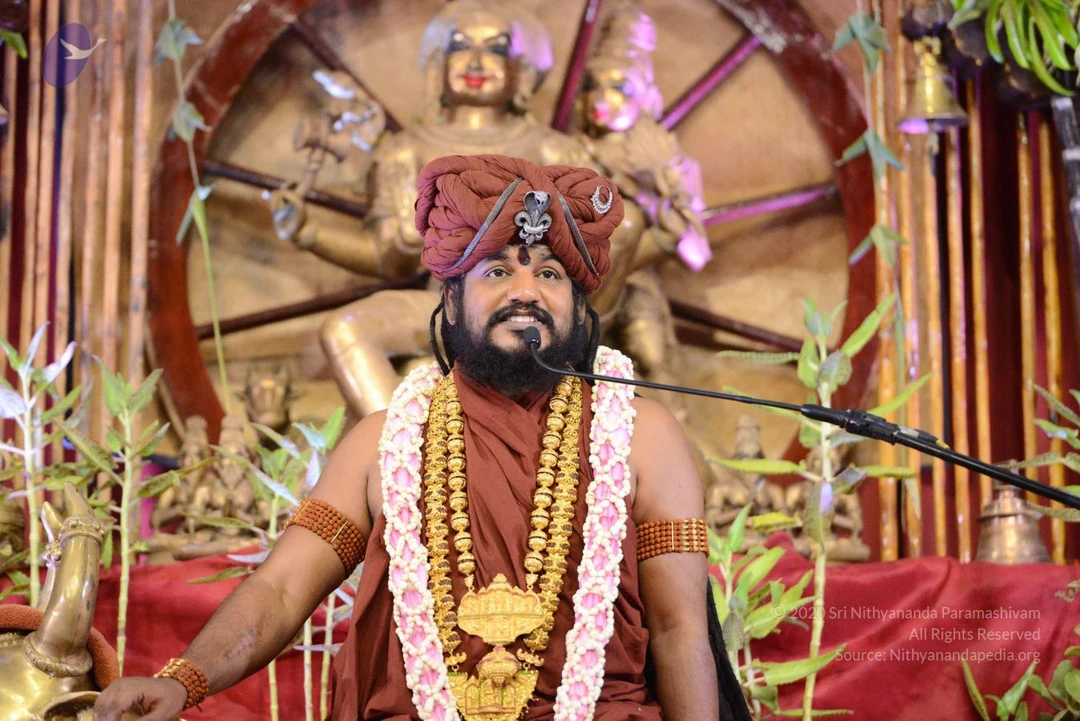
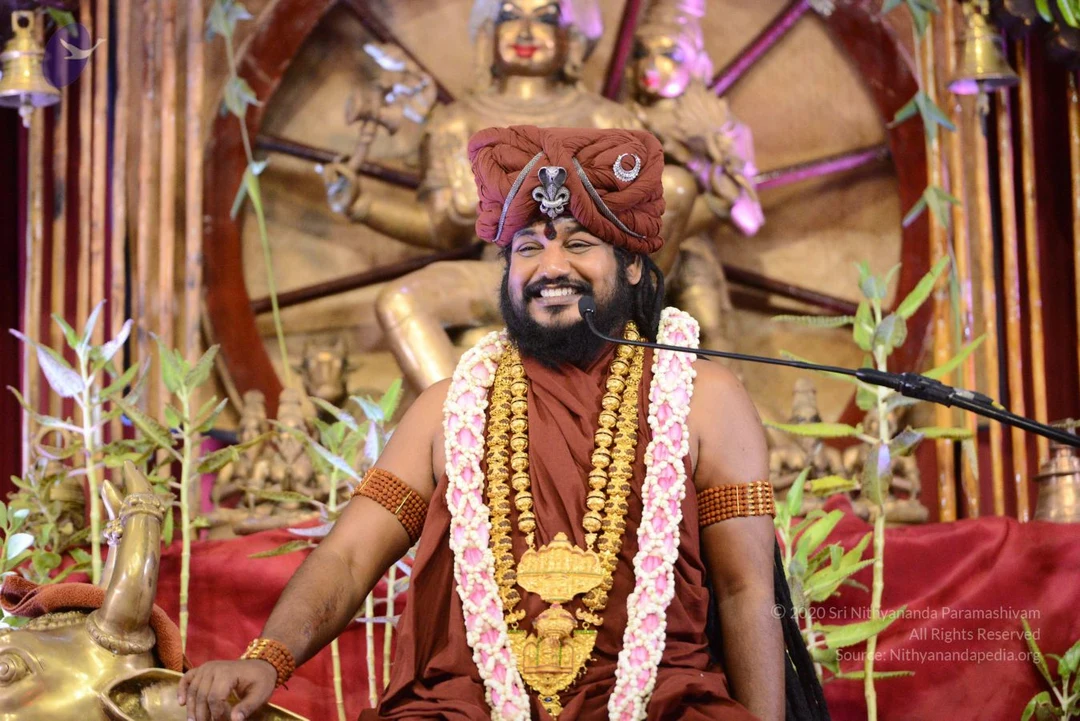
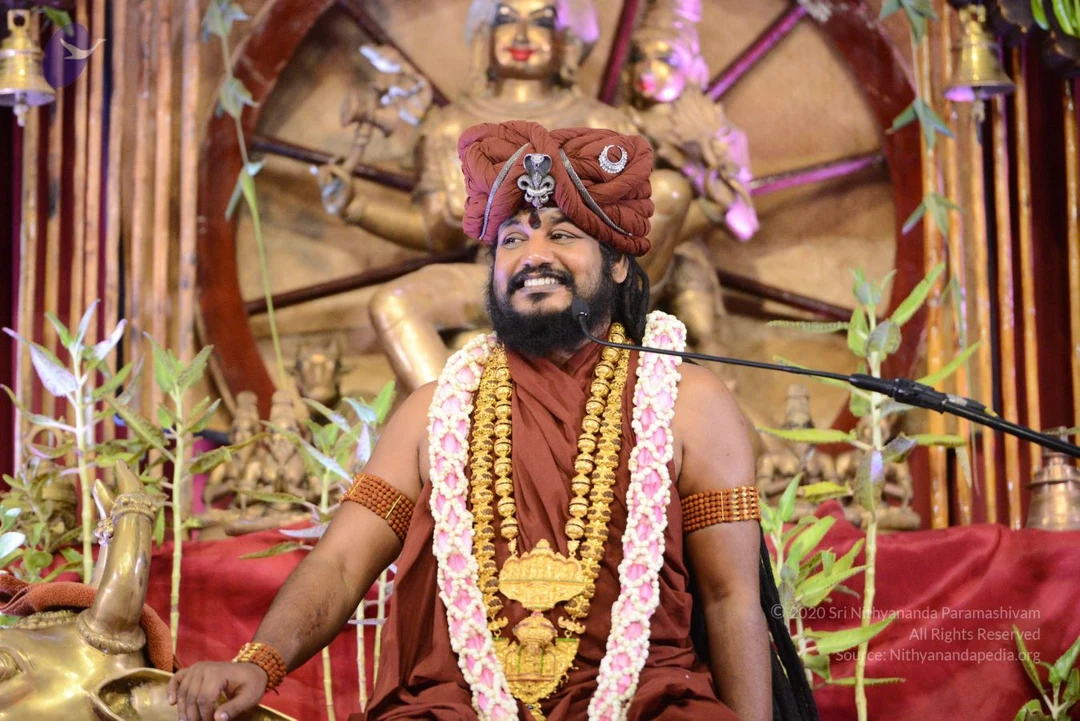
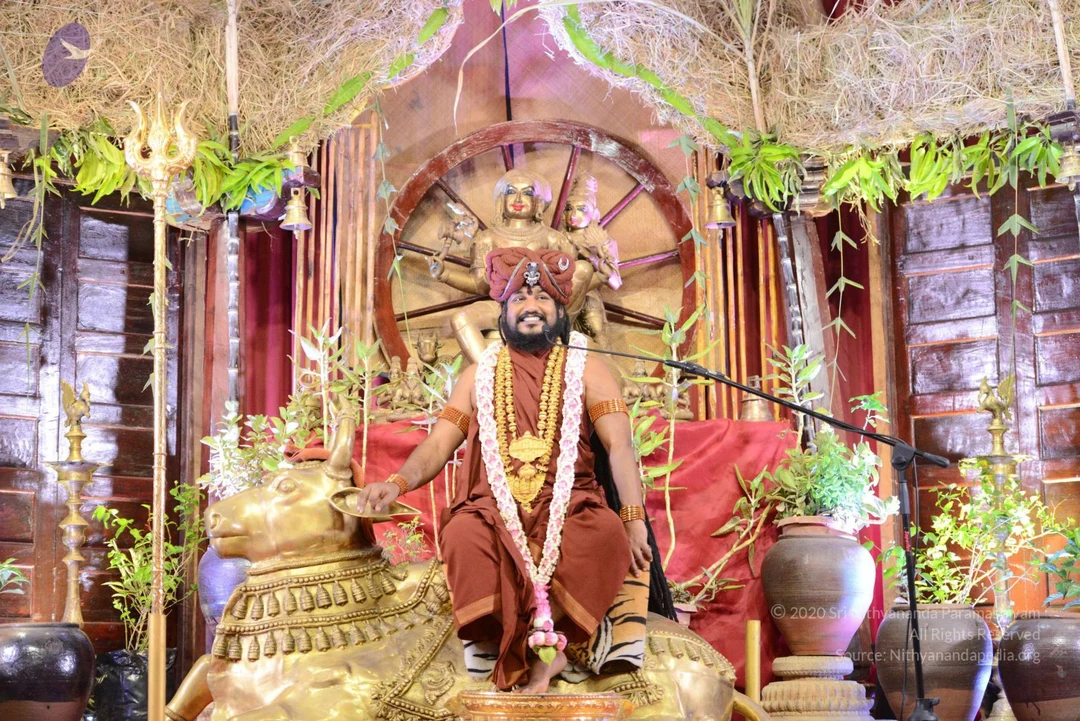
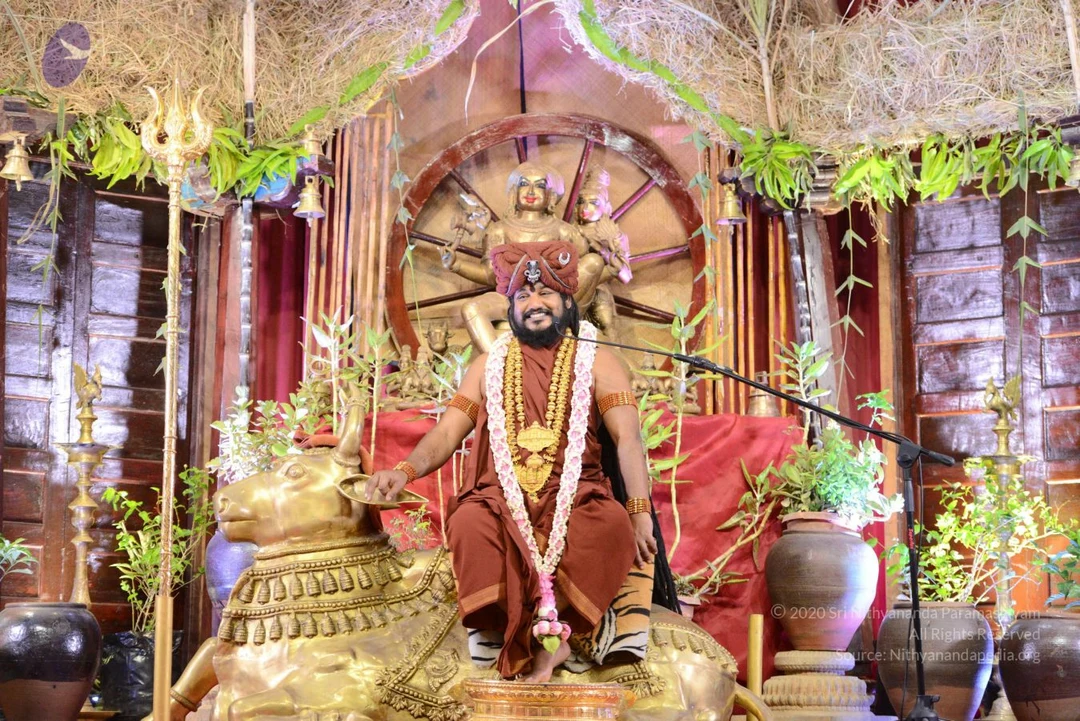
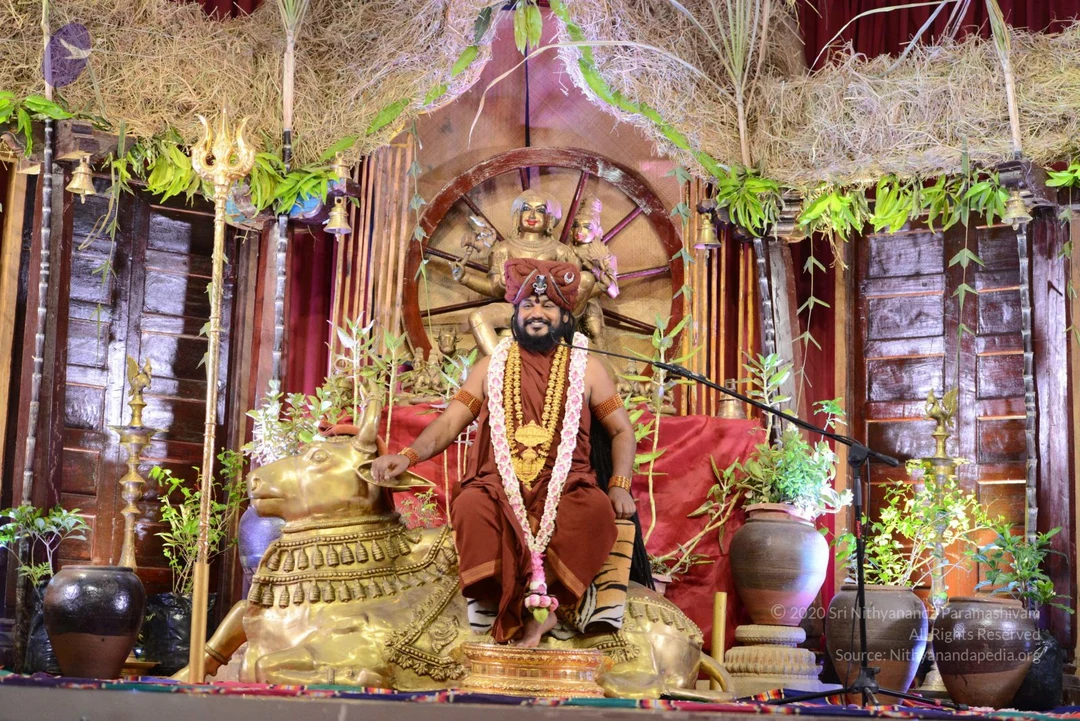
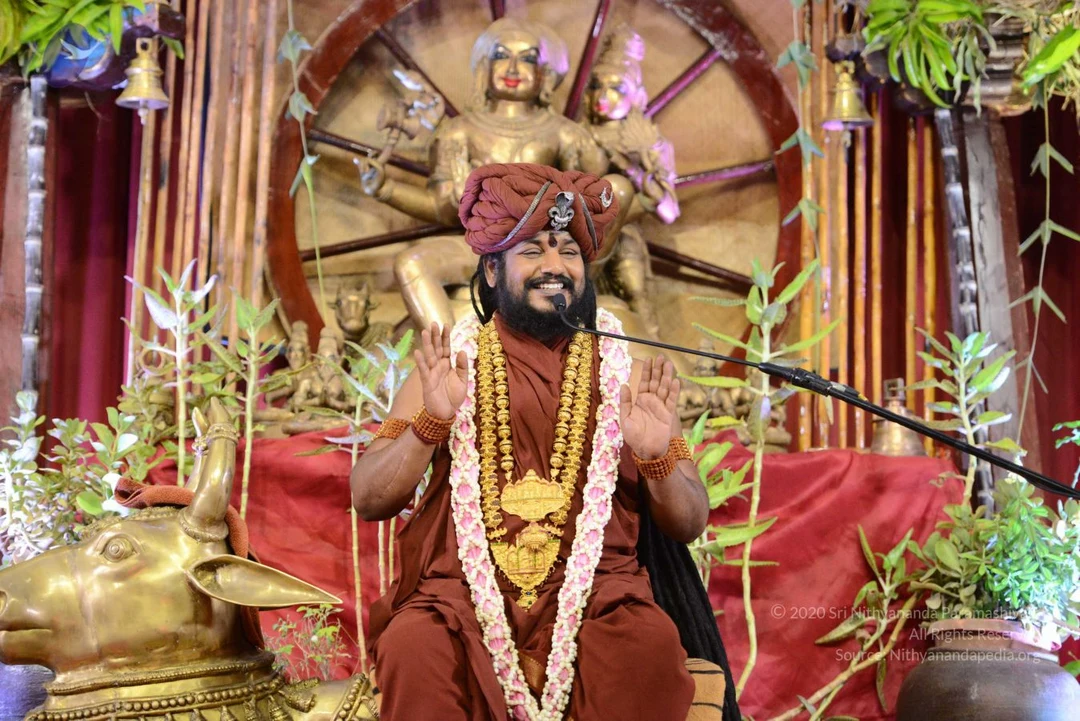
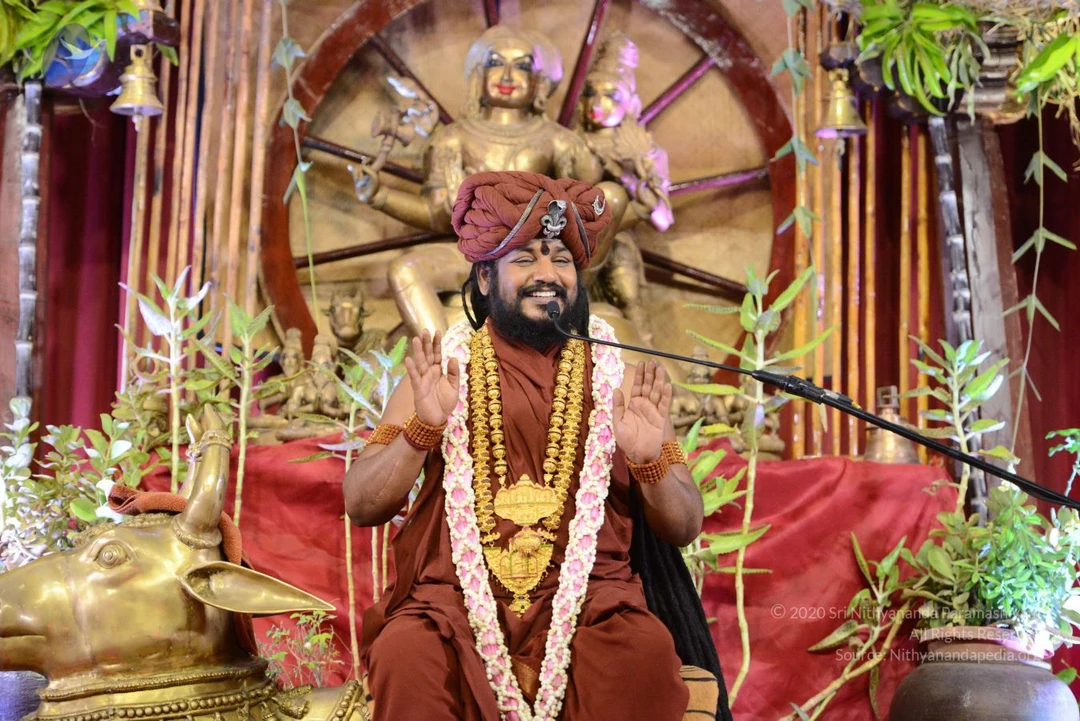
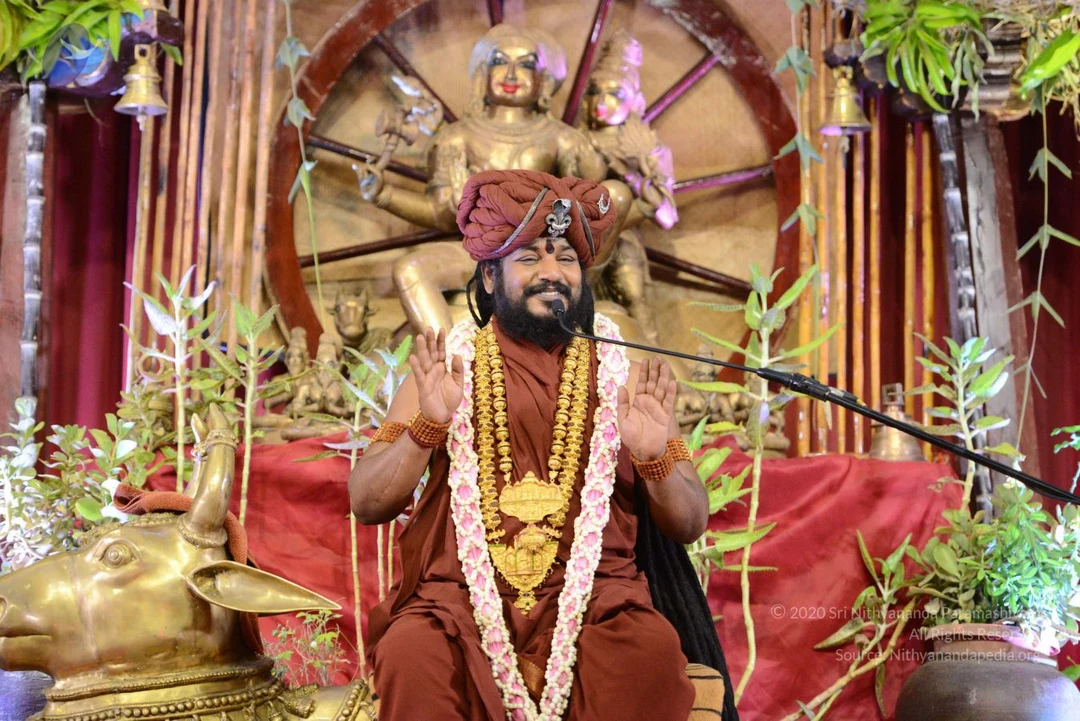
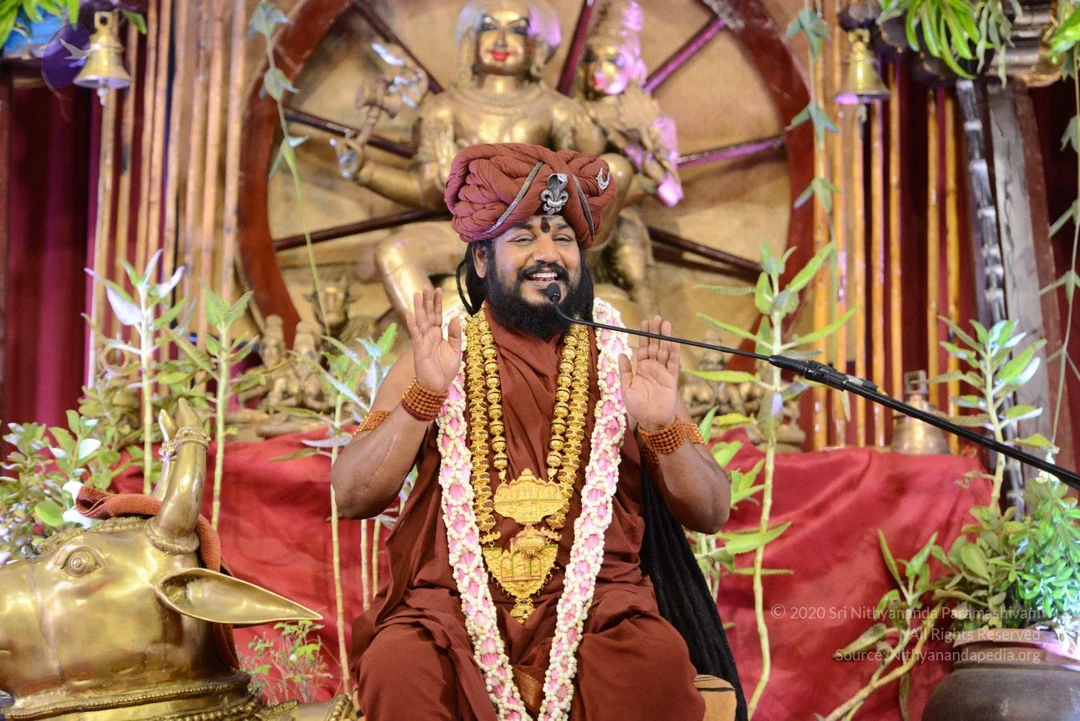
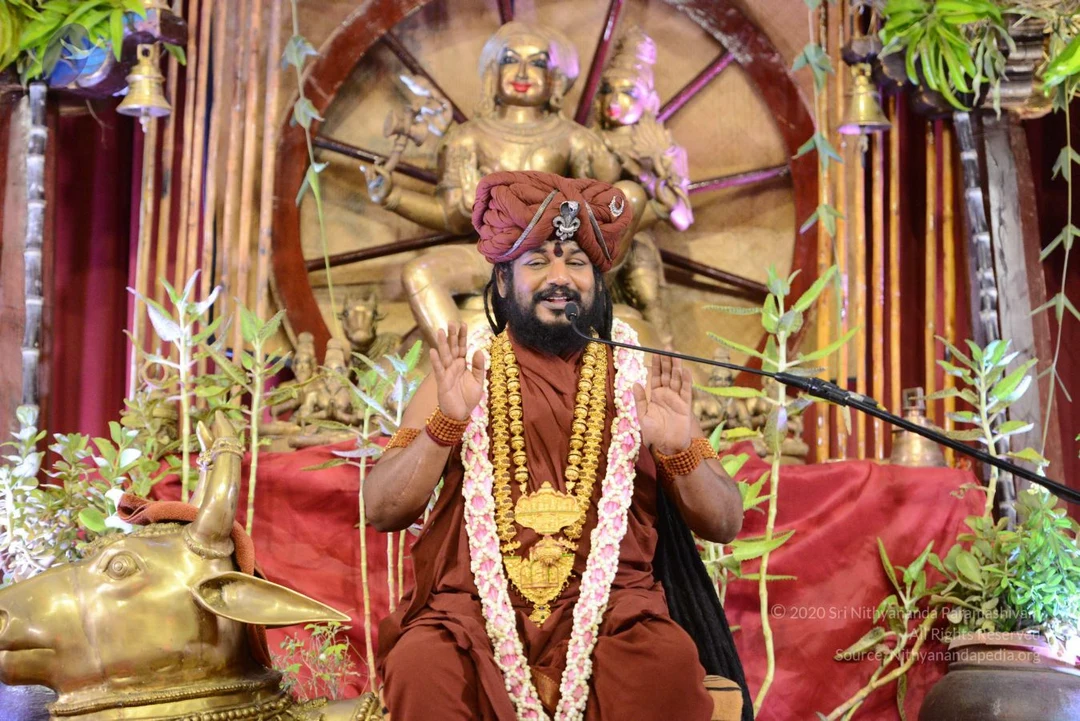
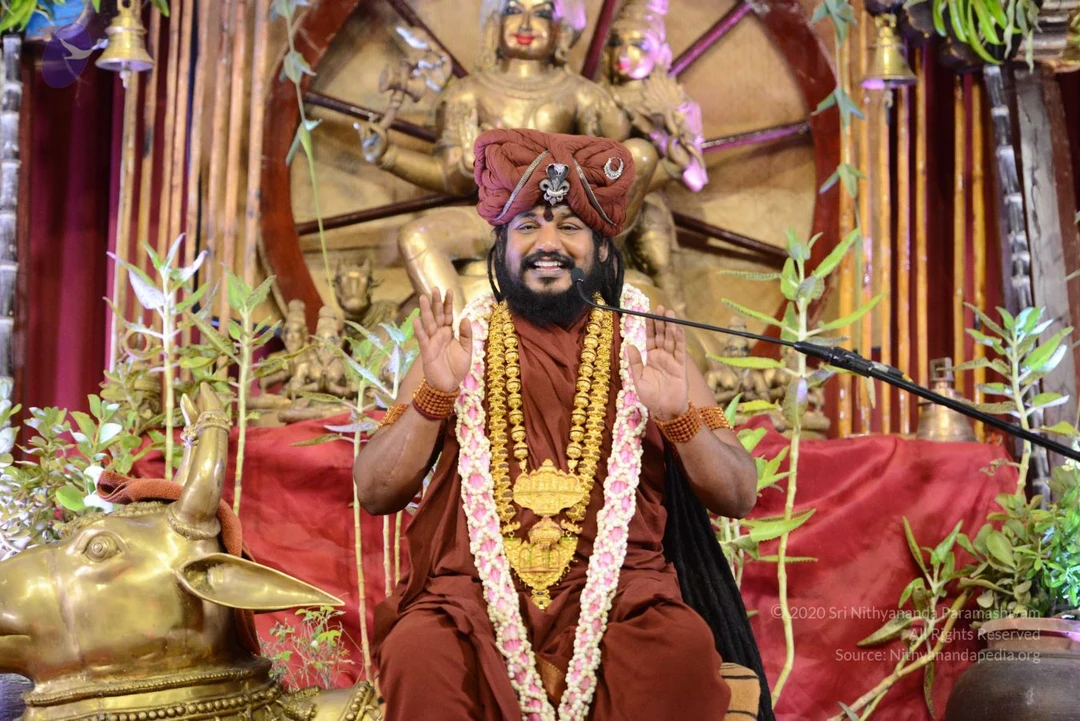
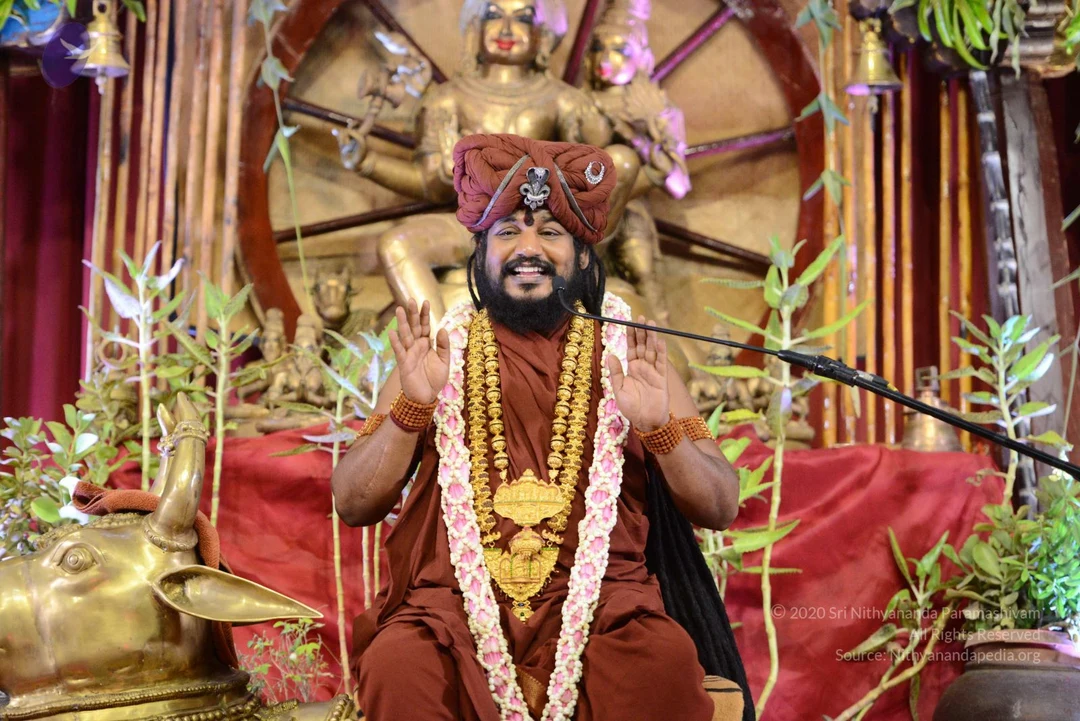
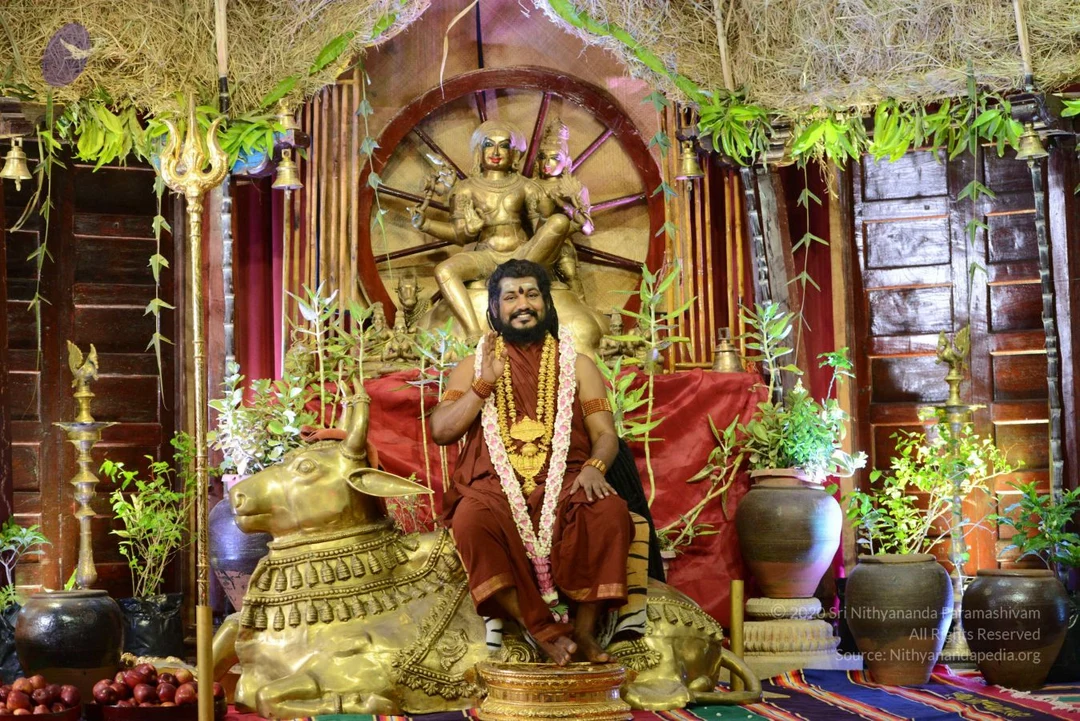
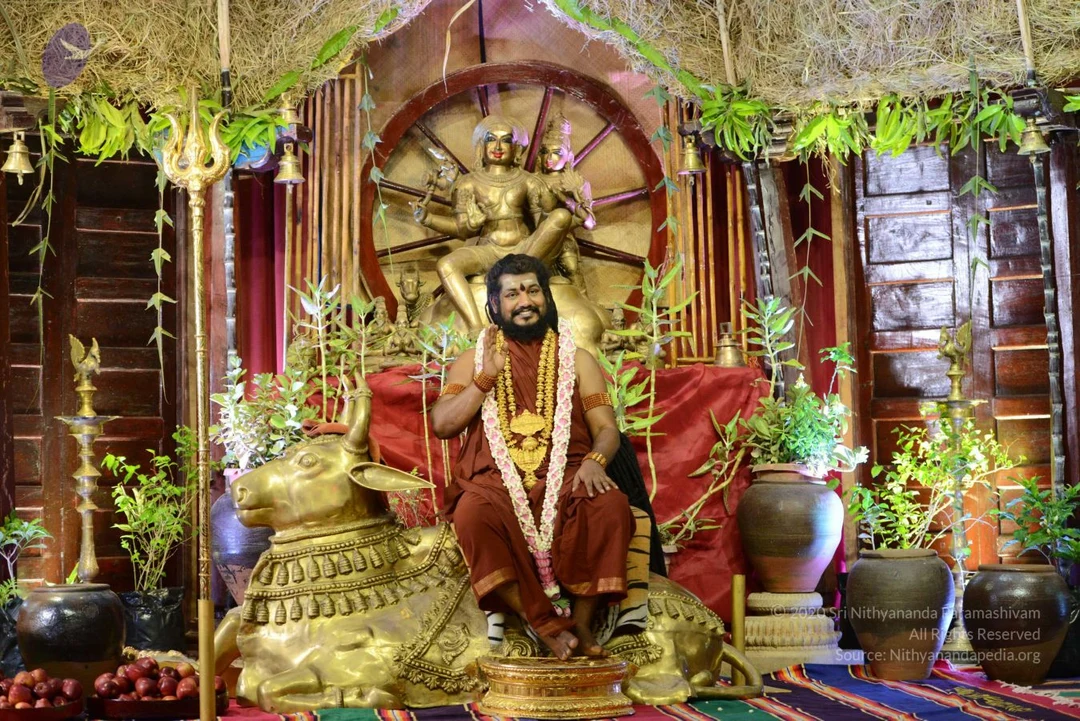
WEBINAR
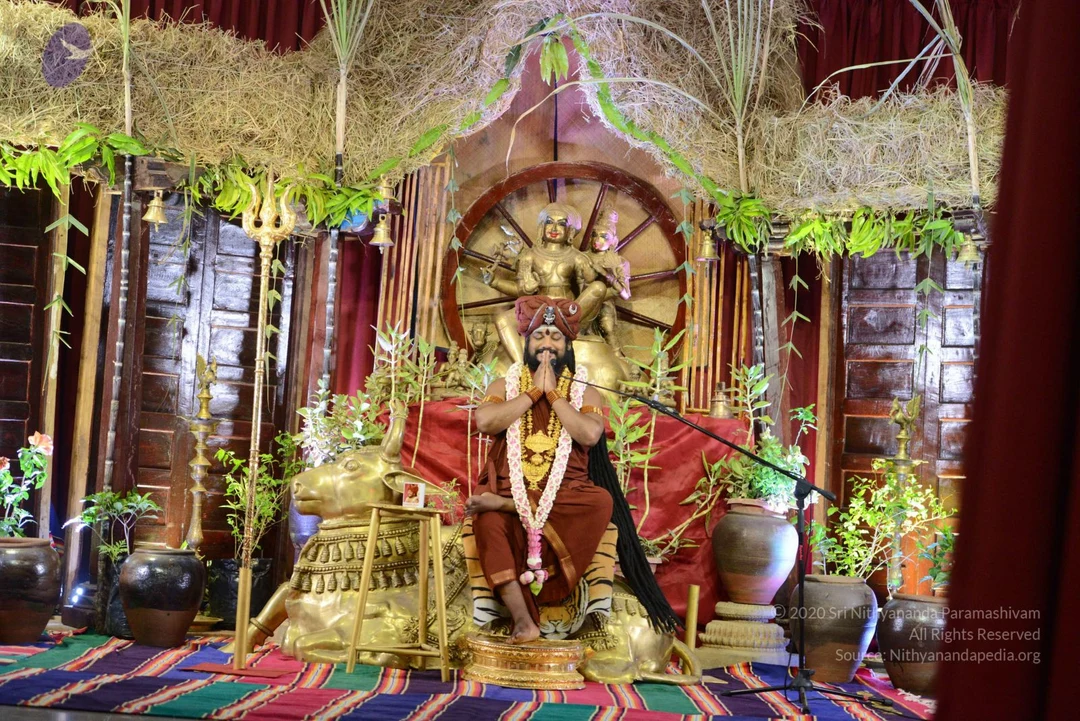

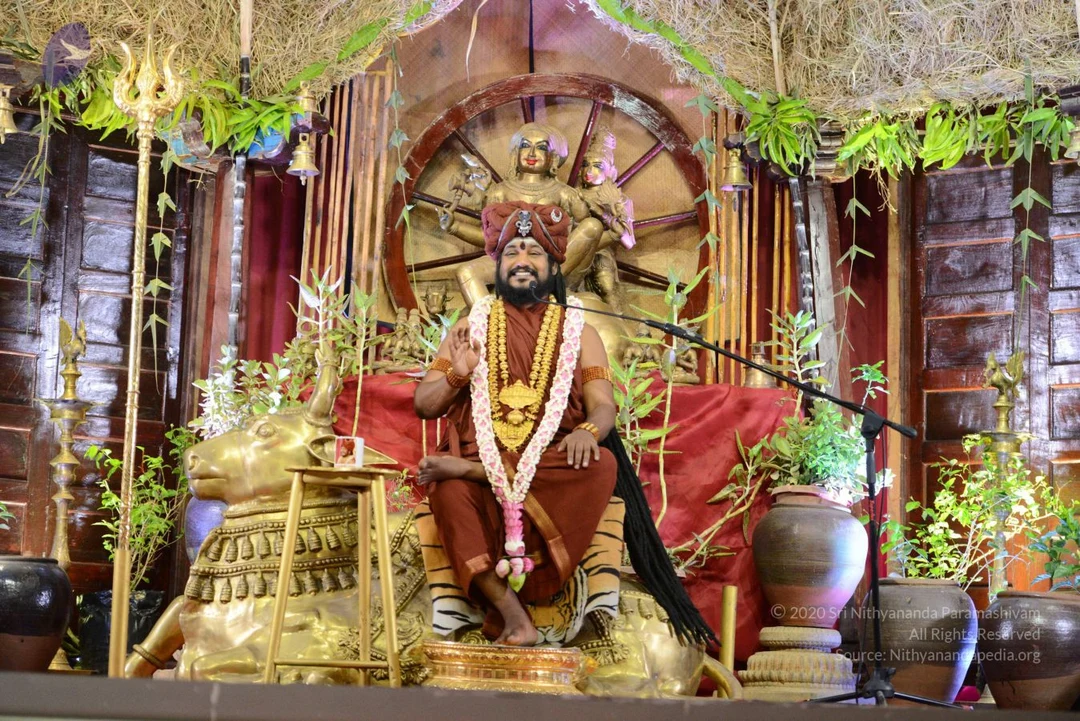
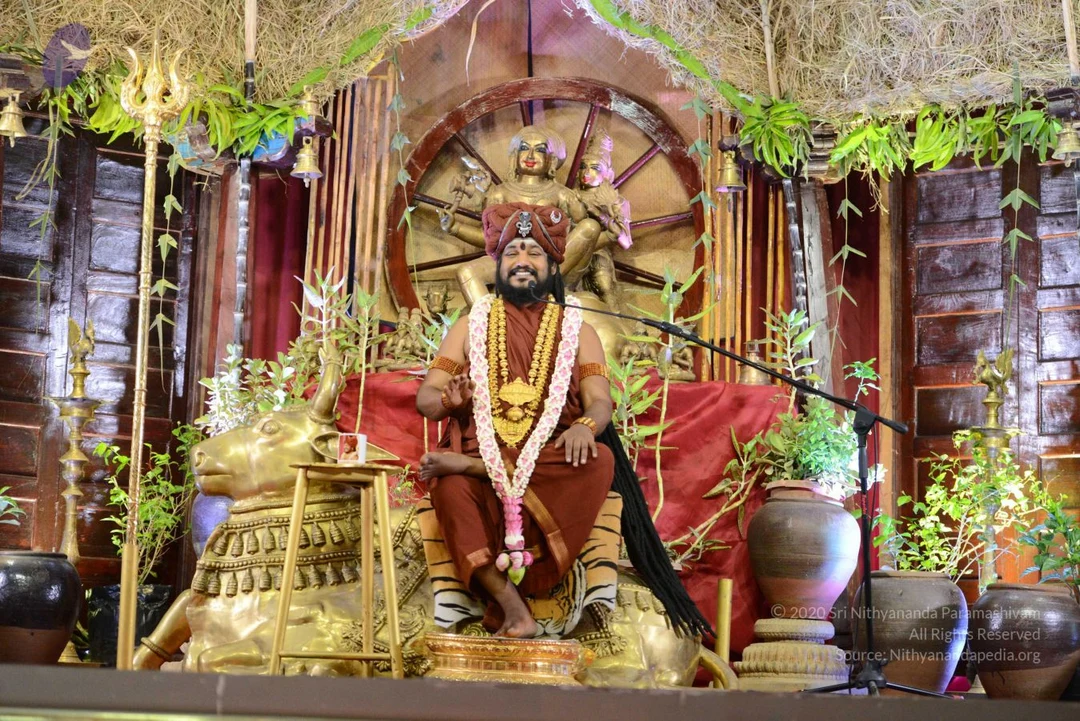
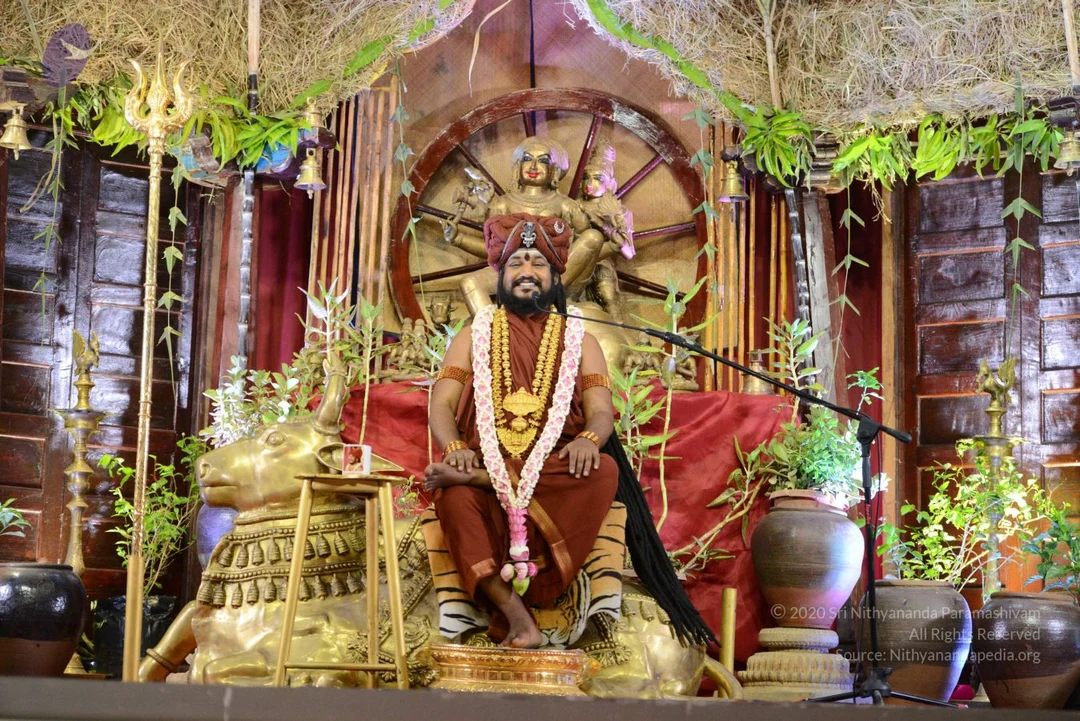
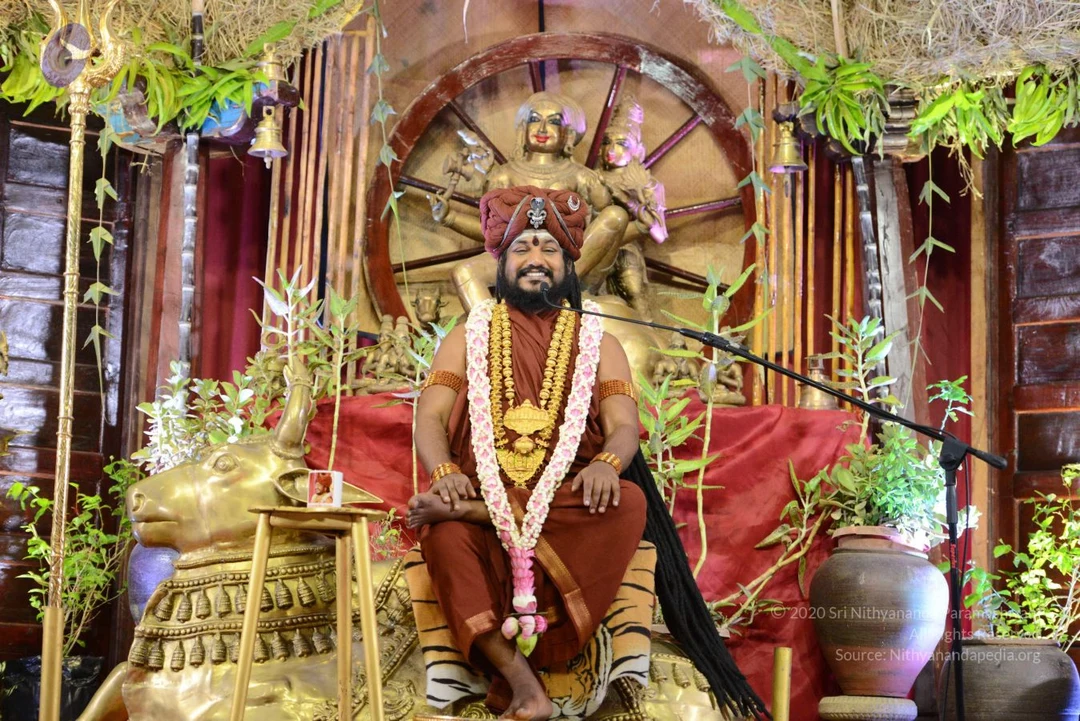

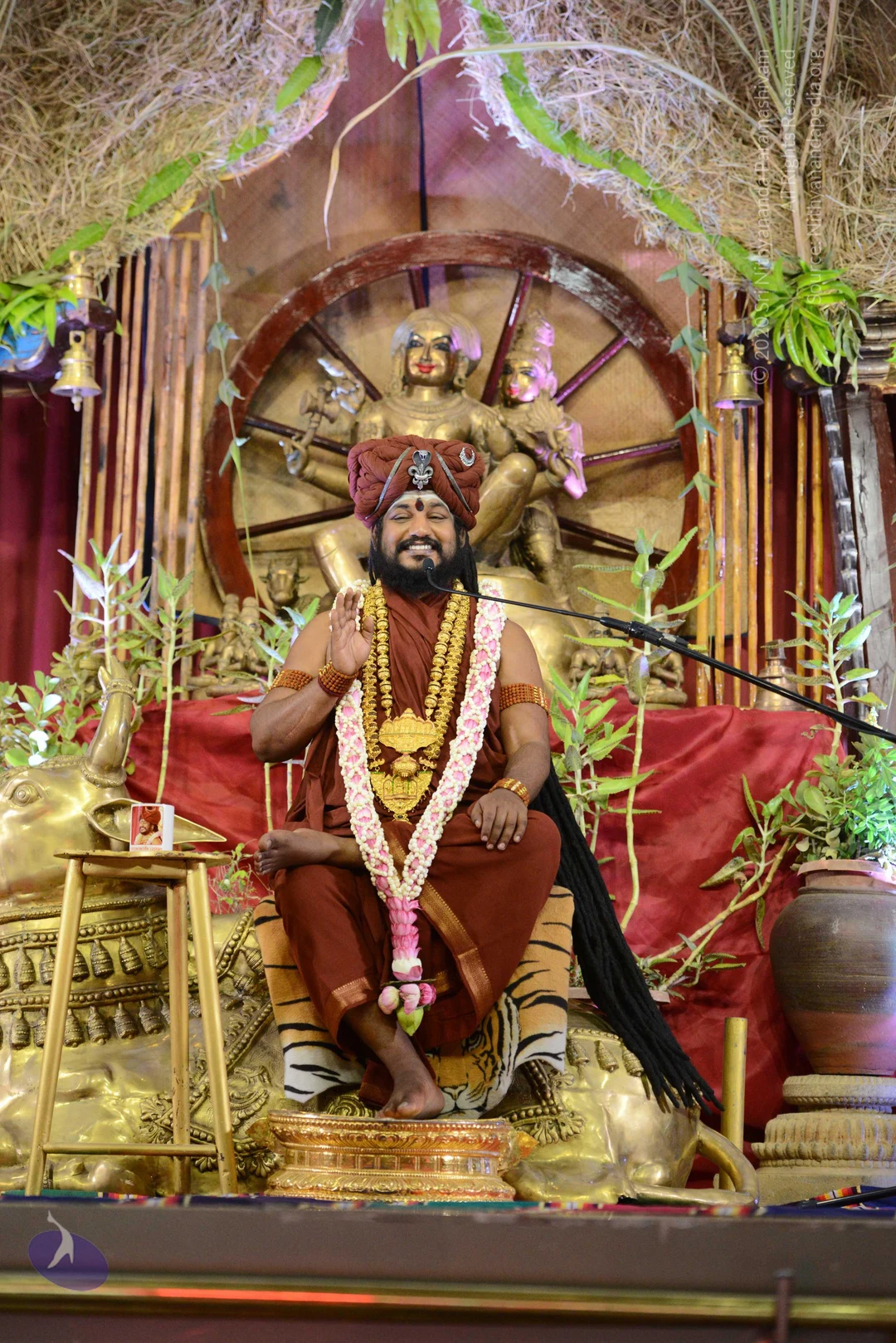
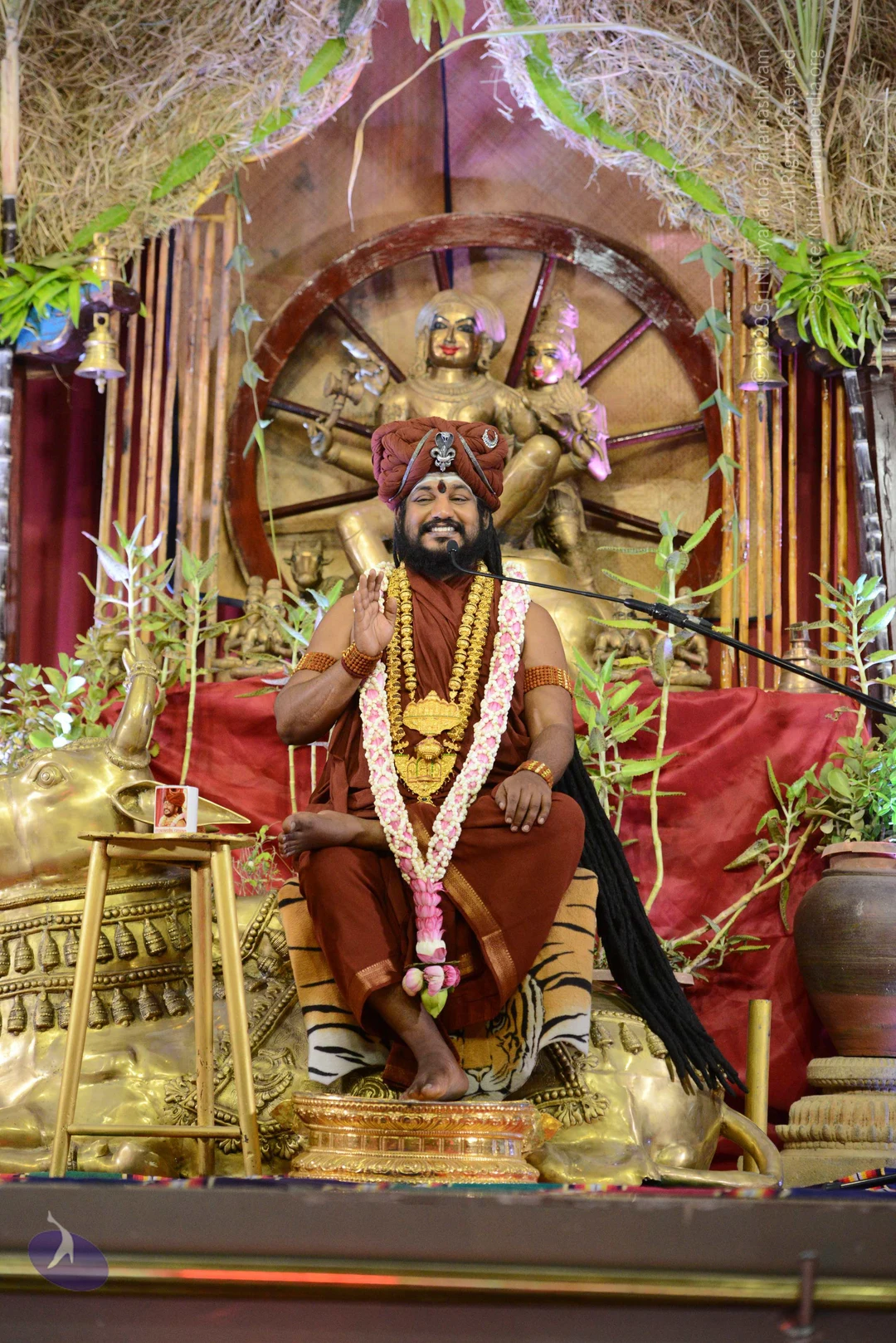
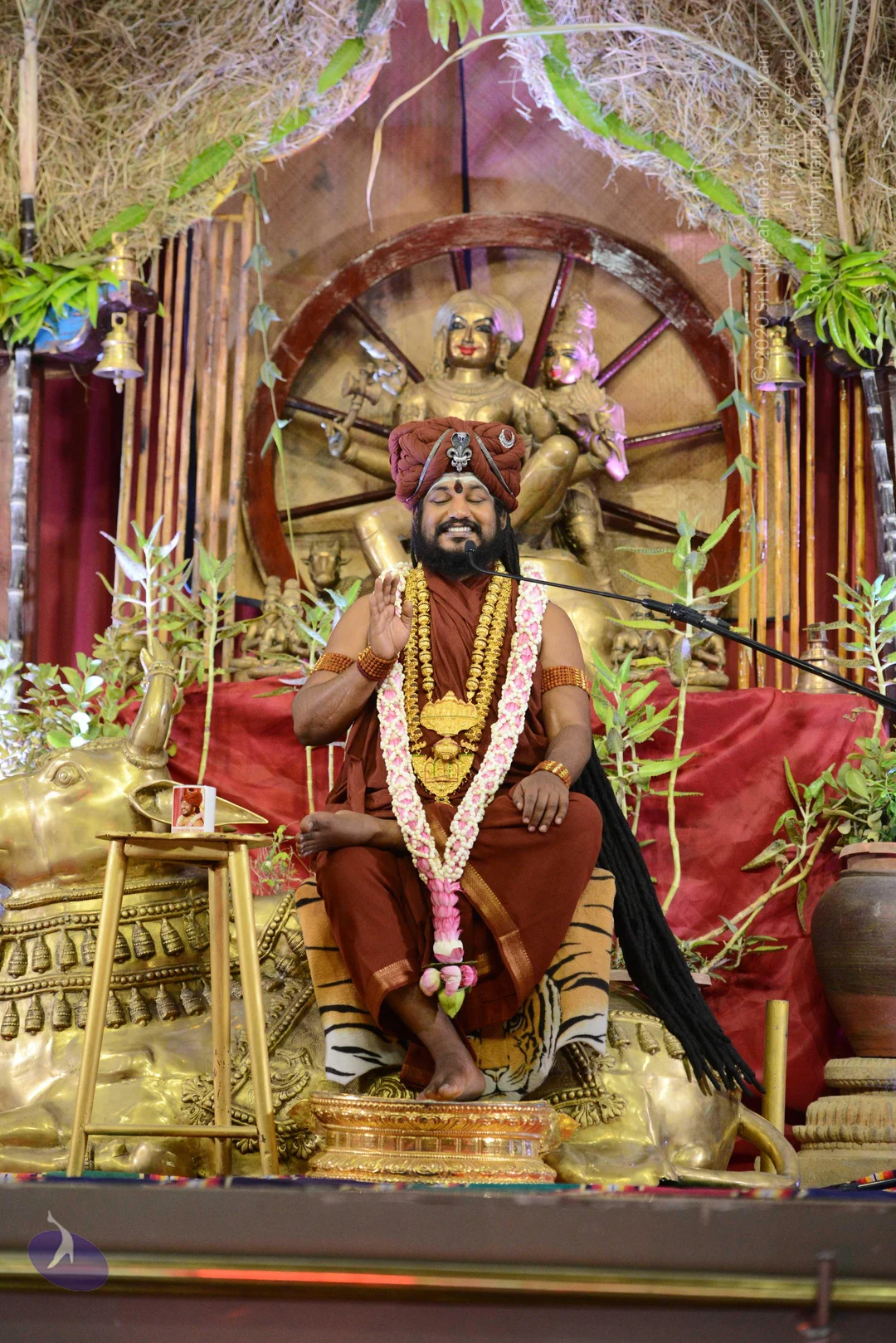
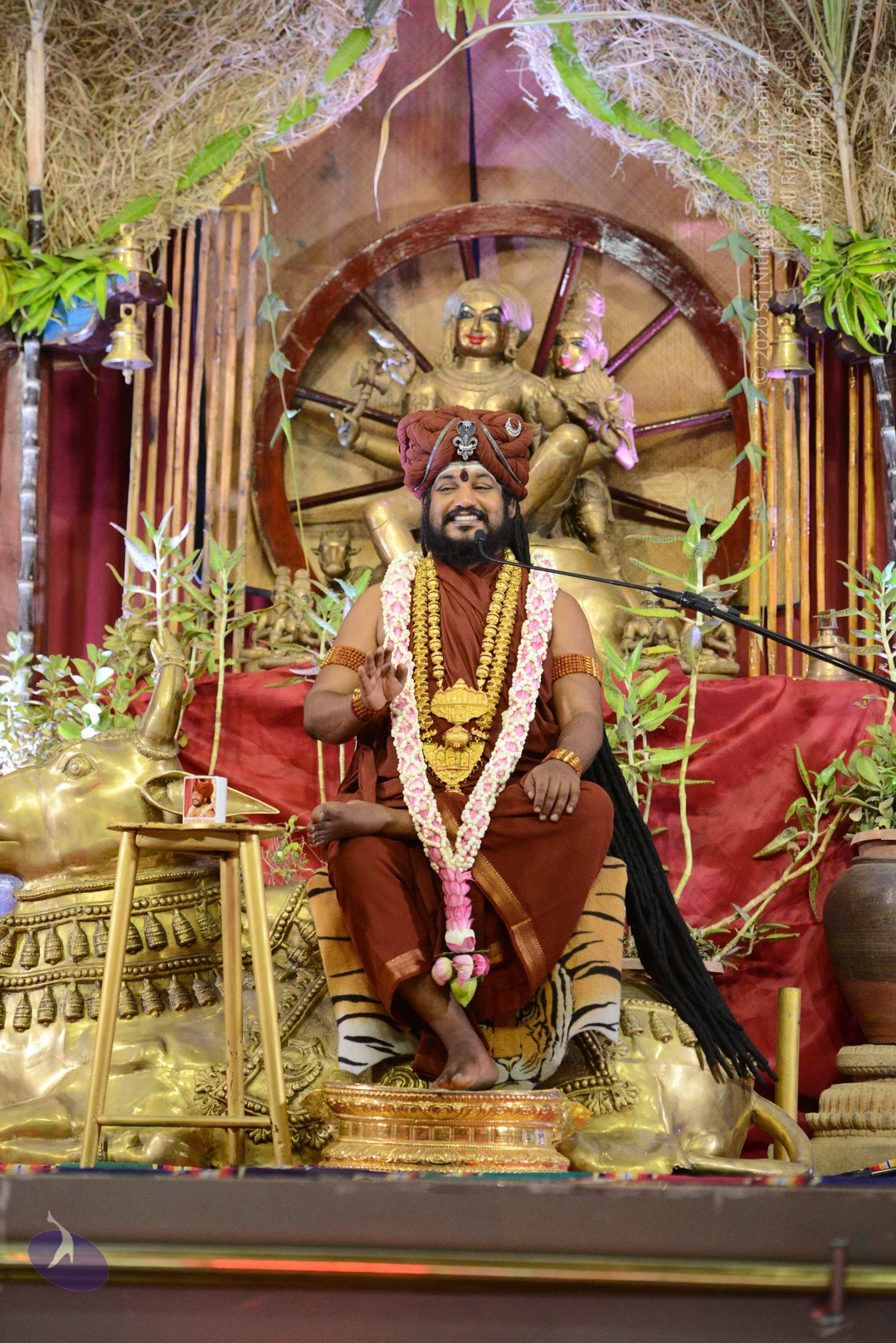
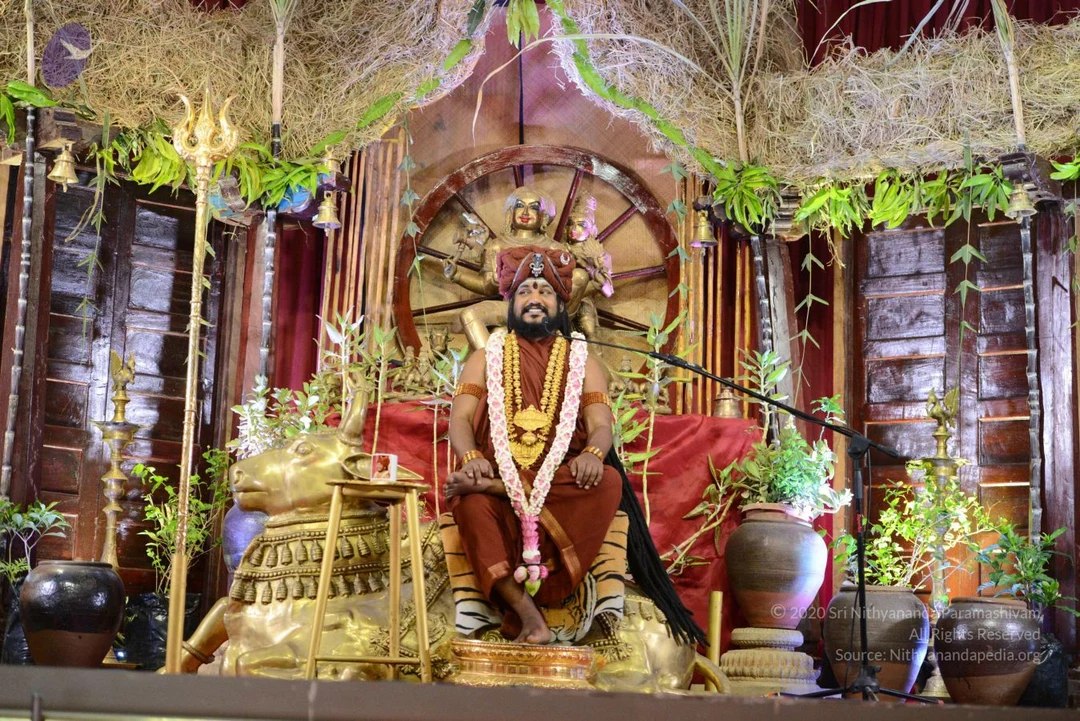
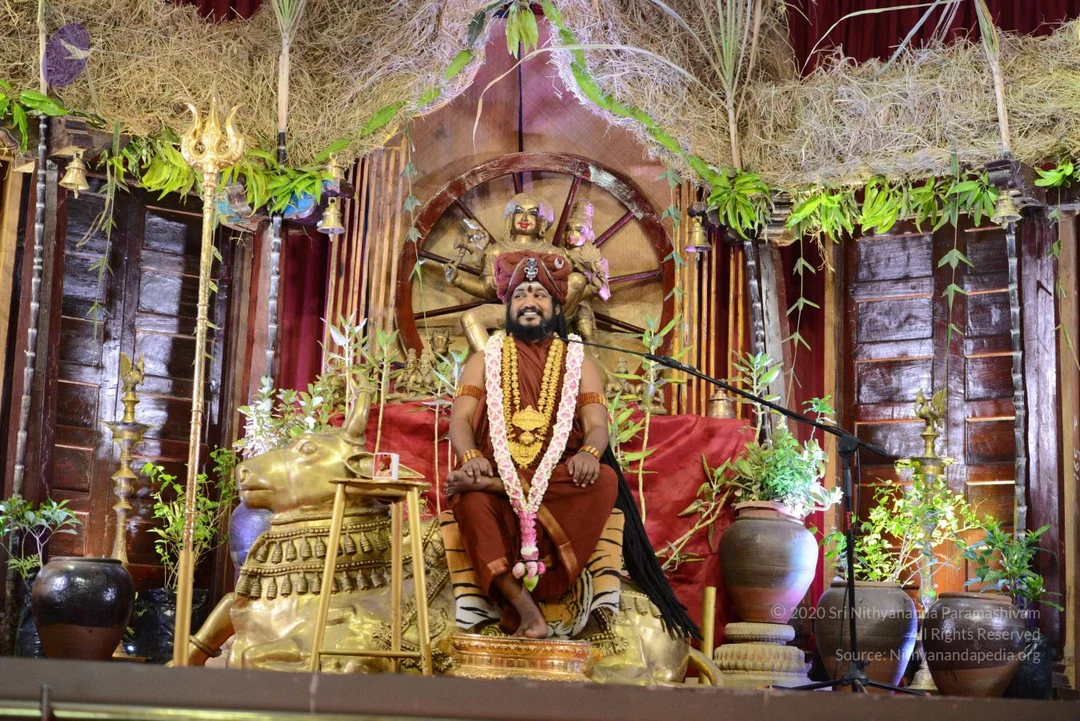
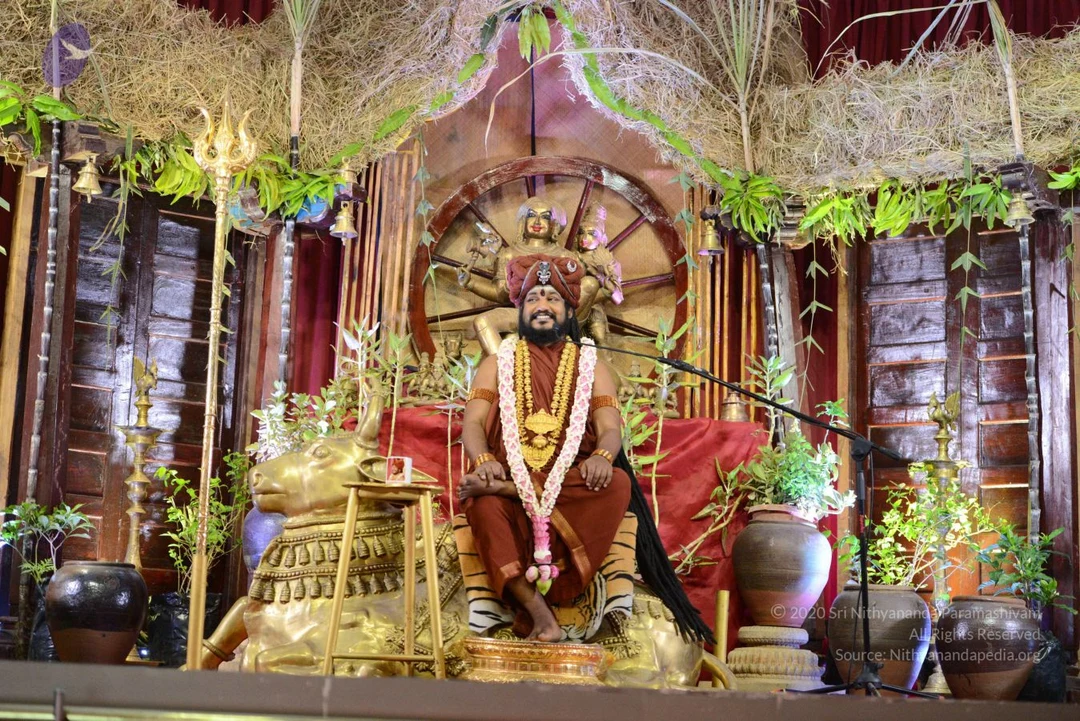
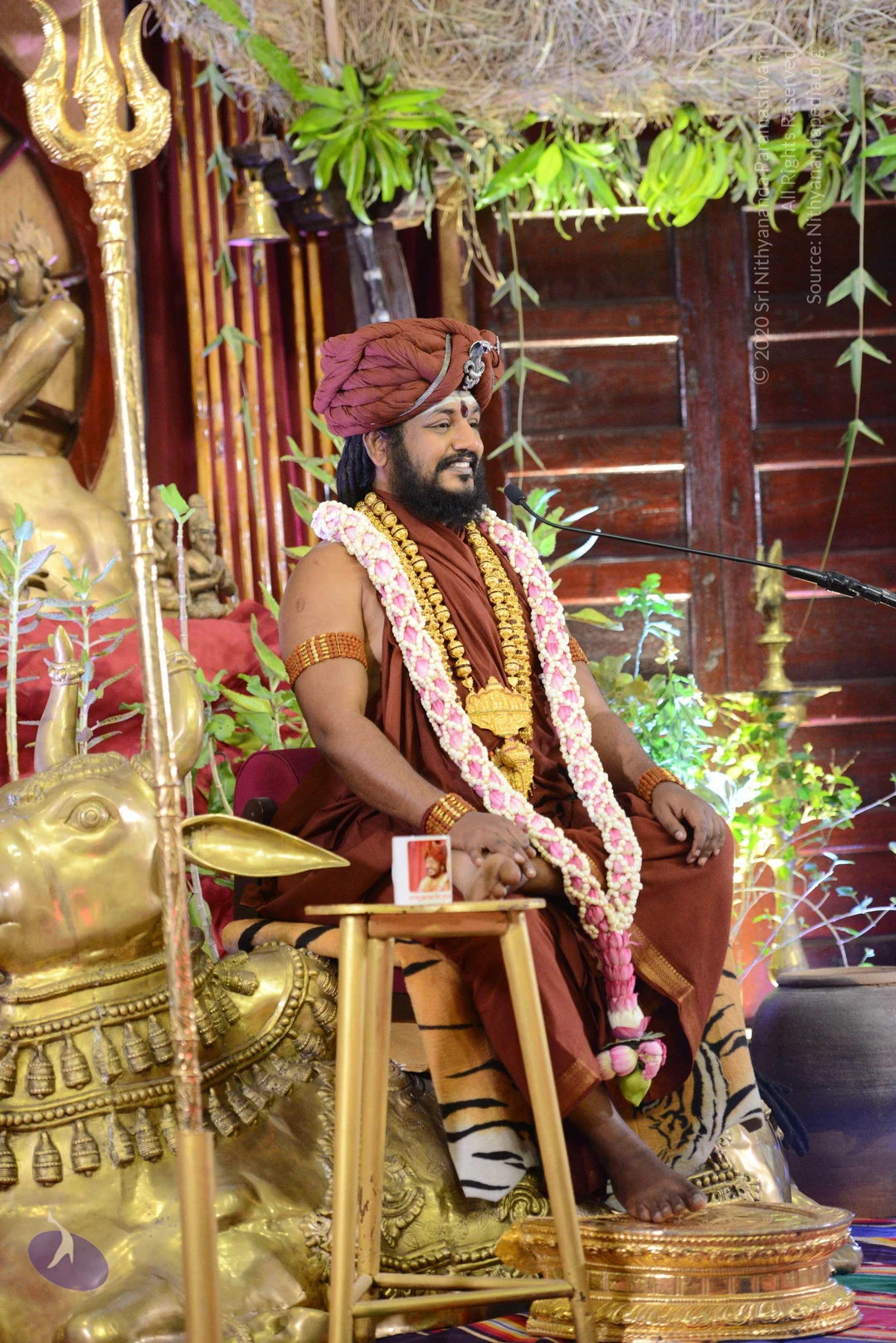
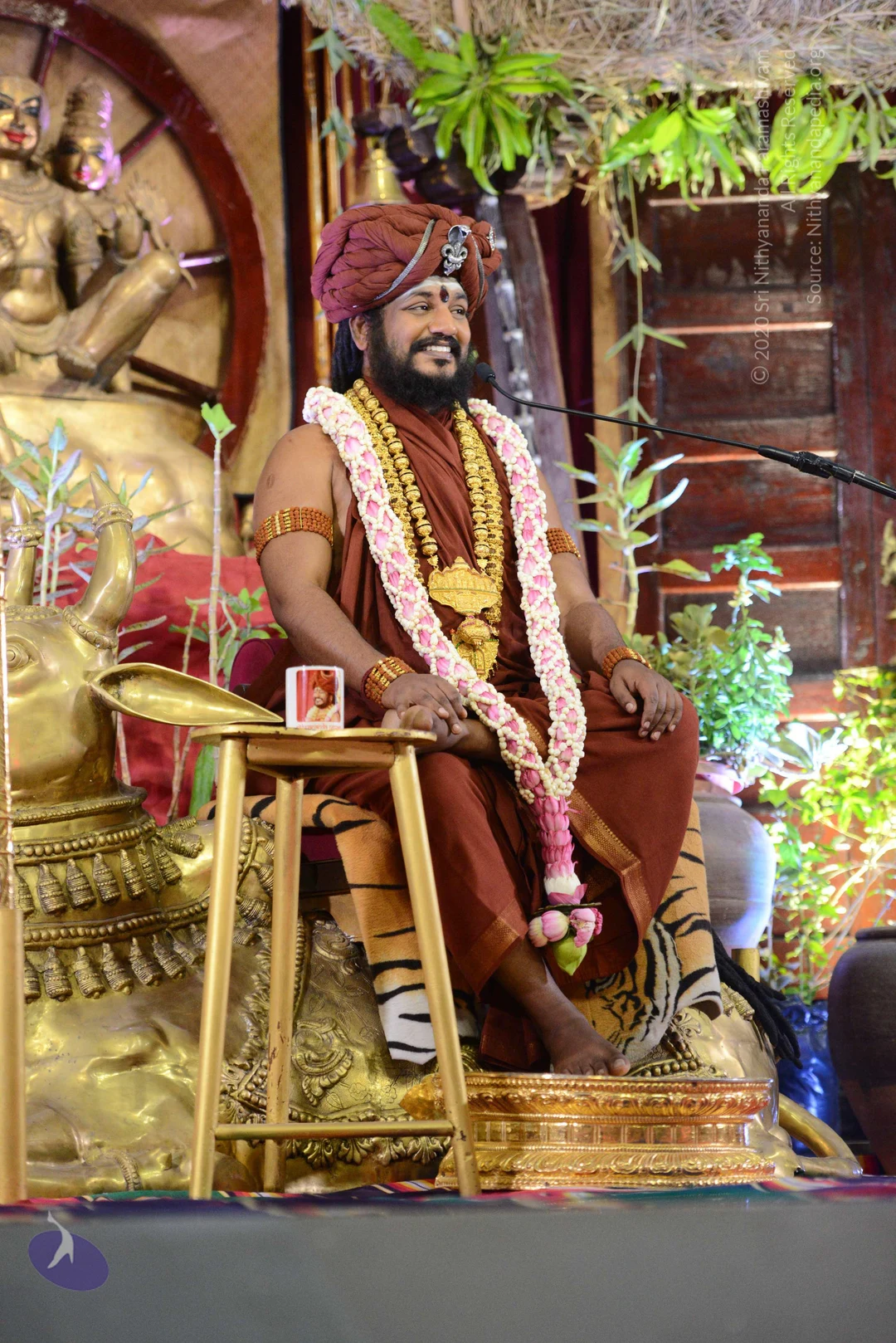
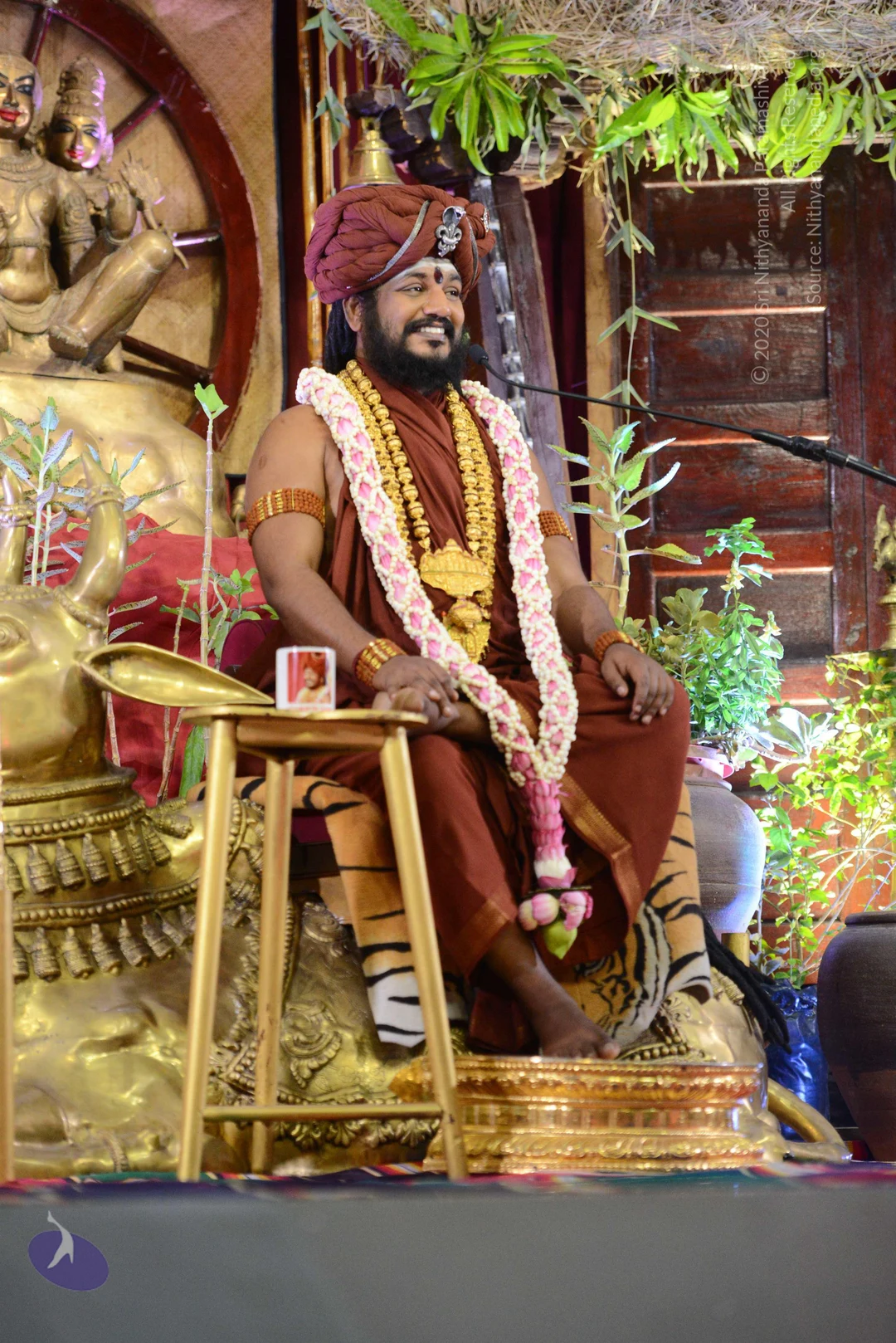
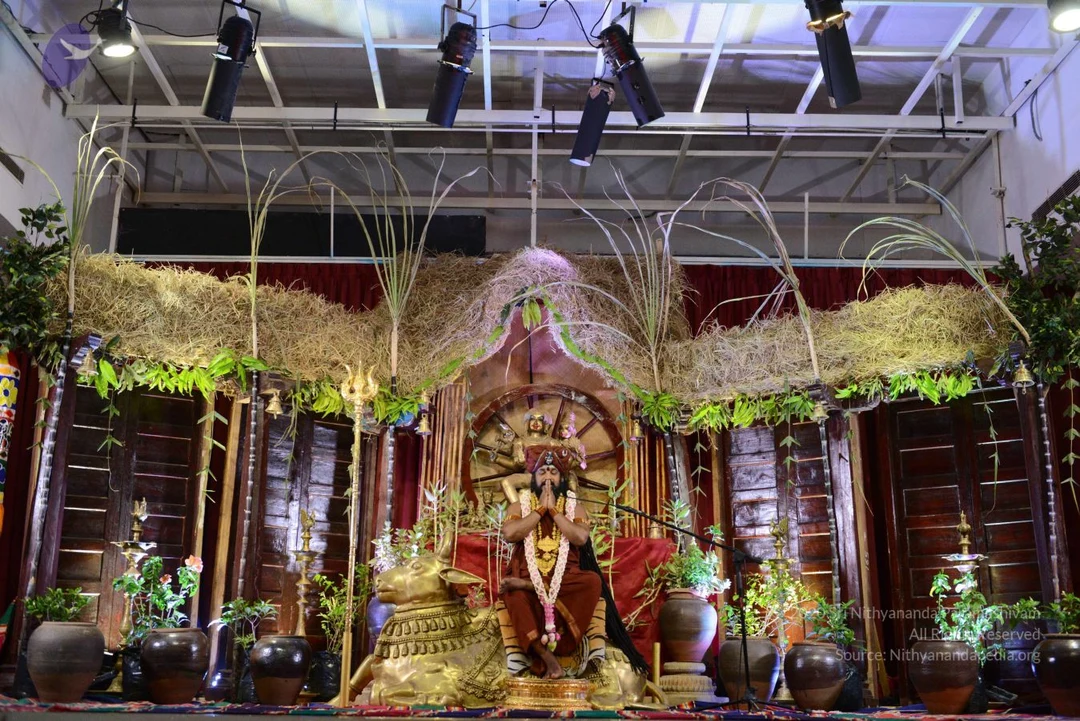
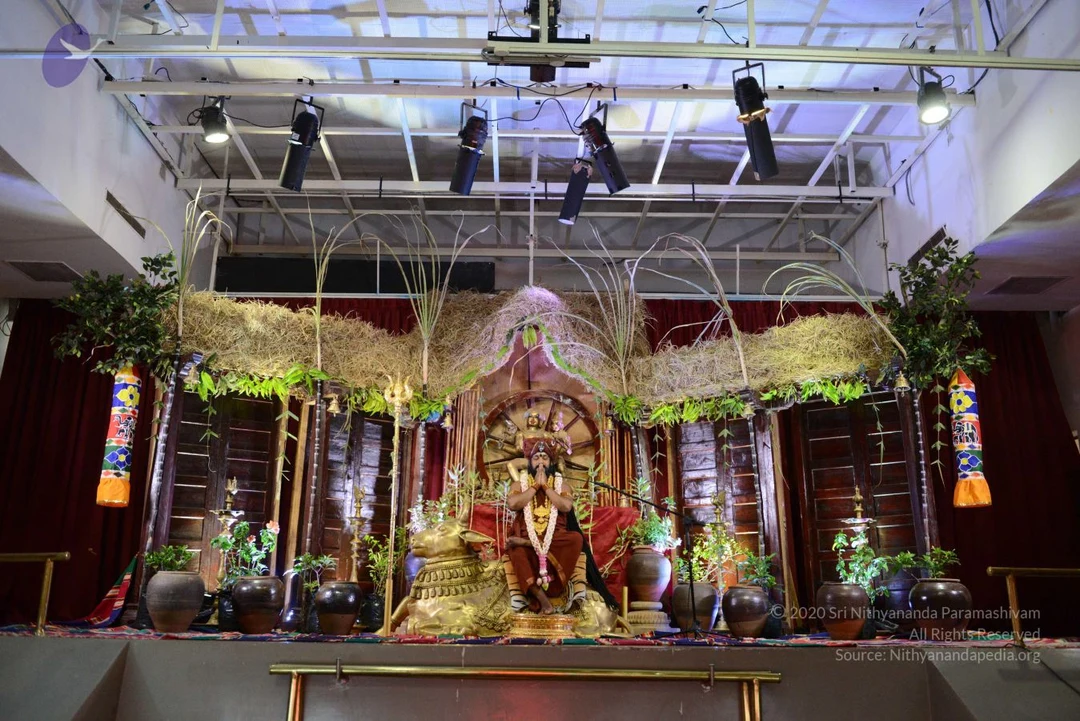
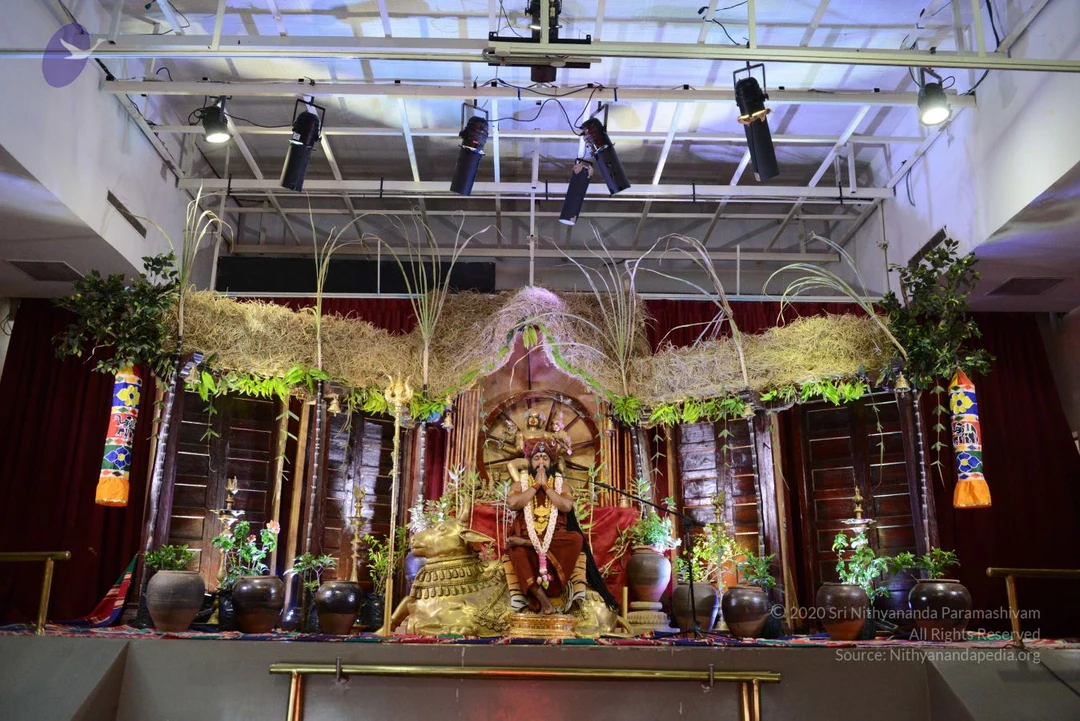
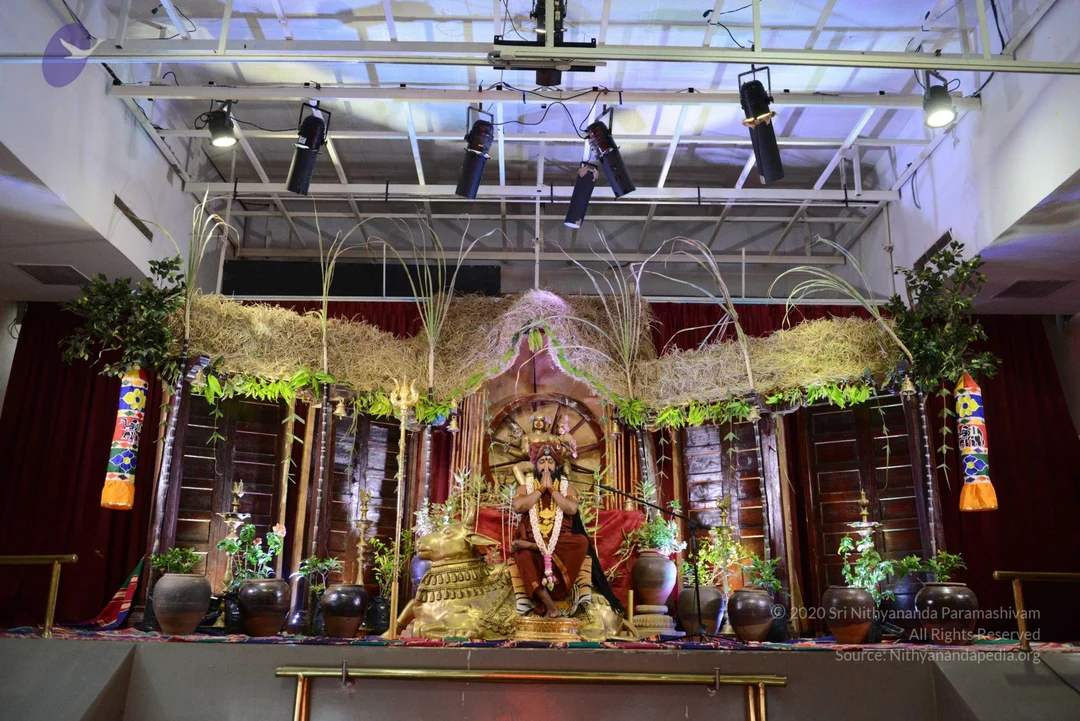
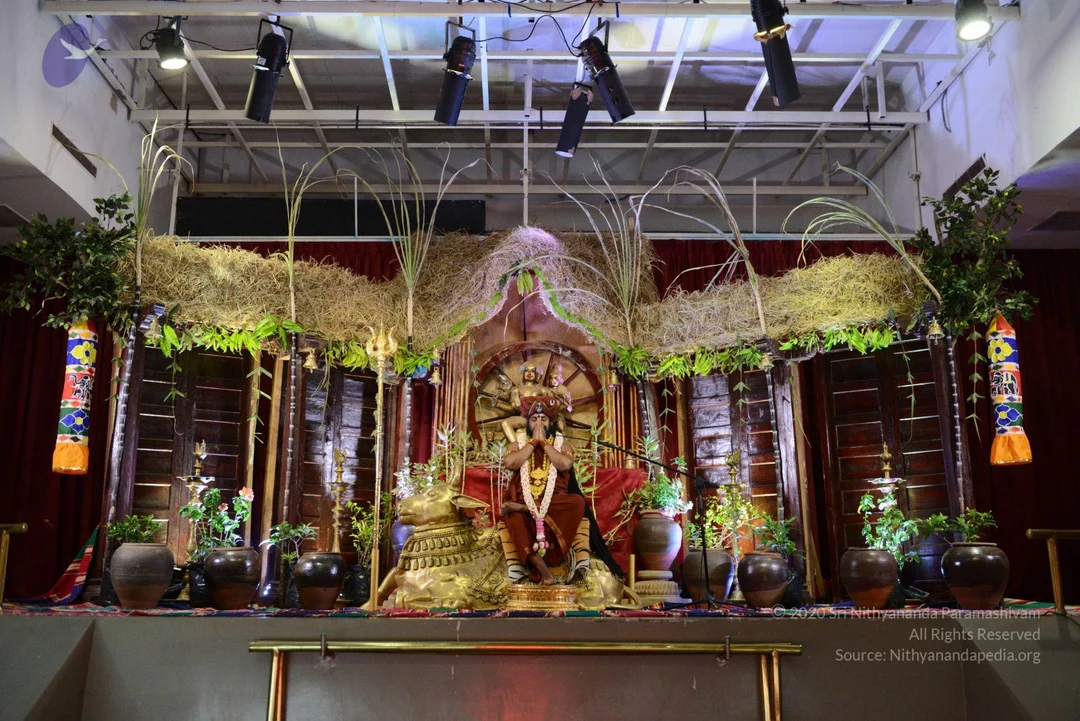
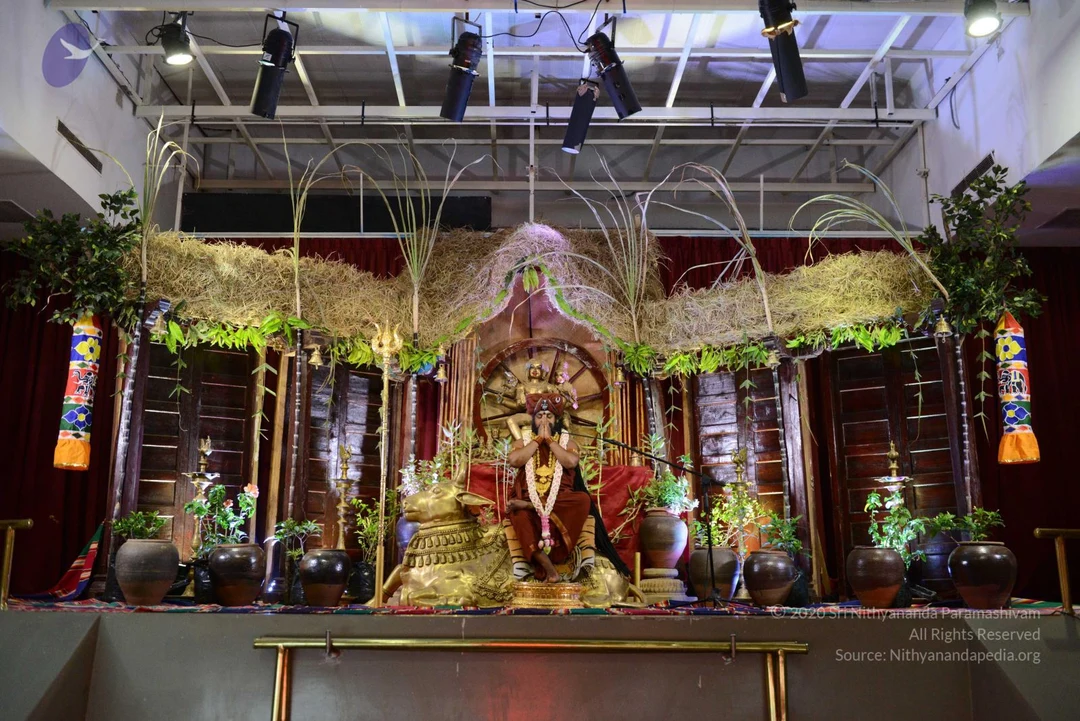

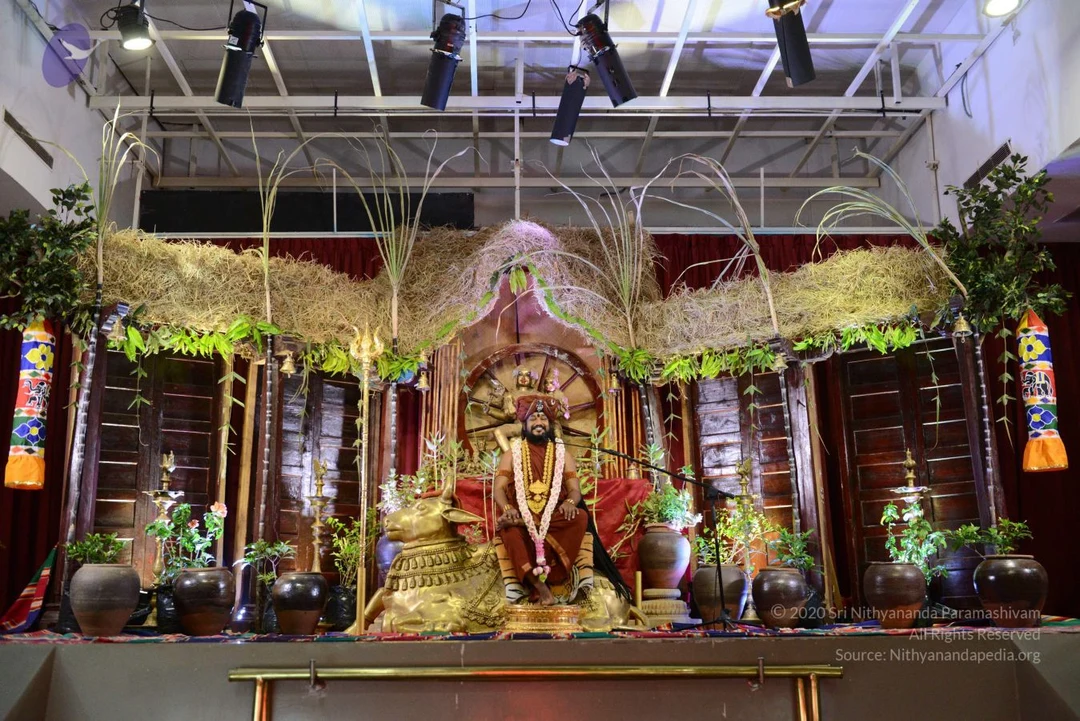
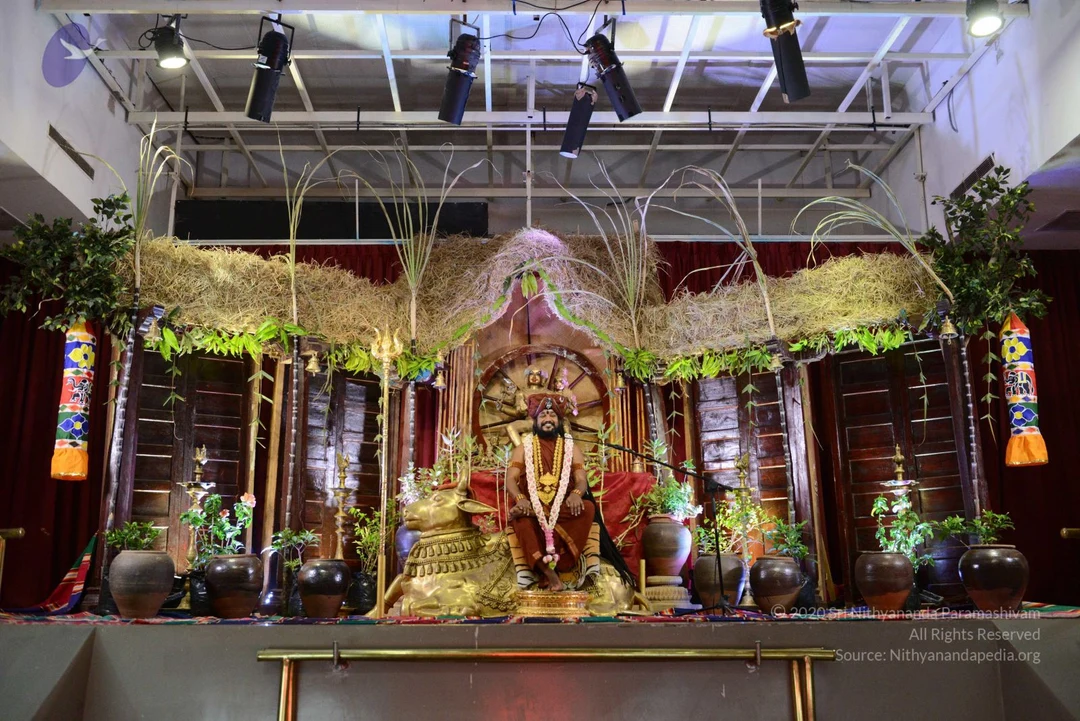
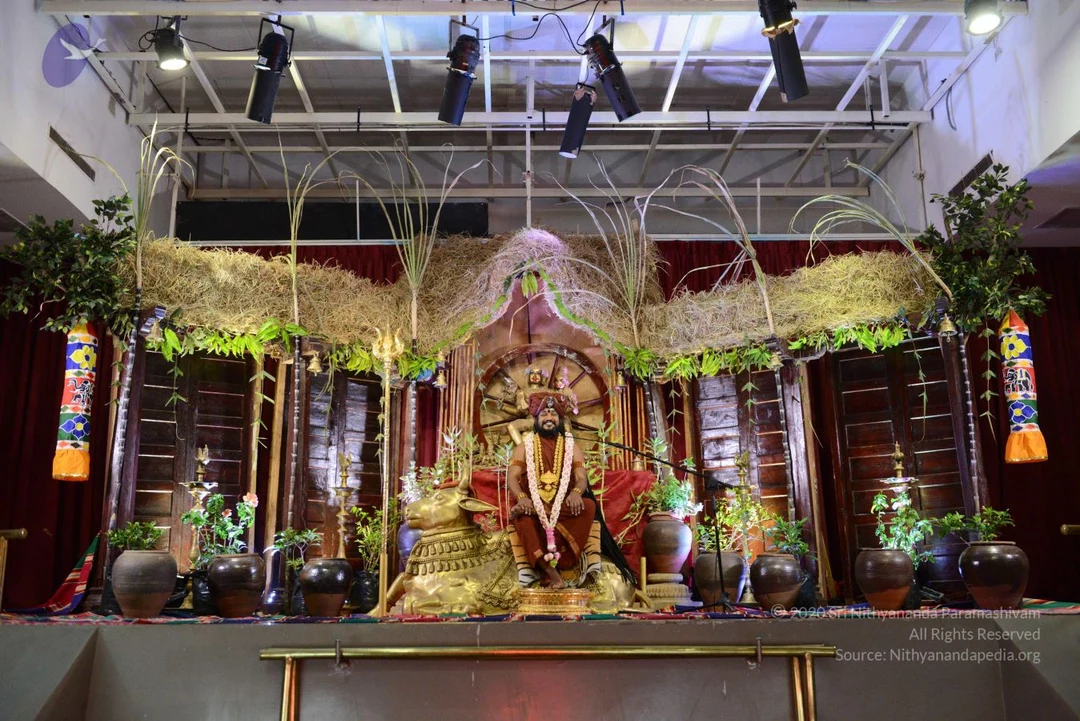
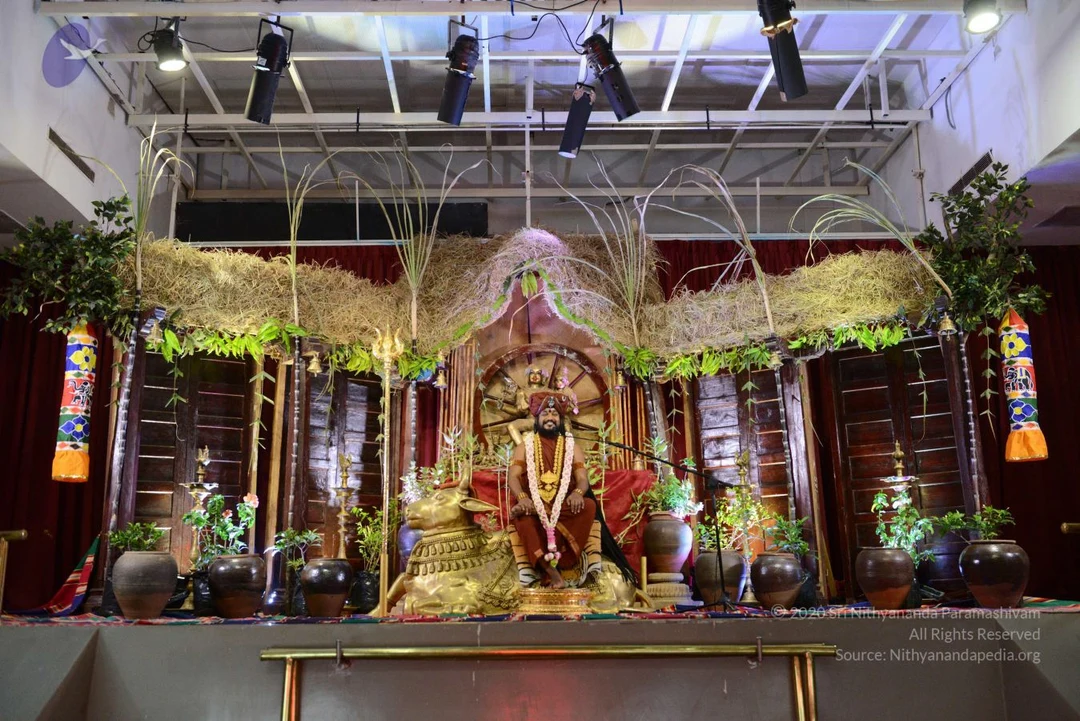
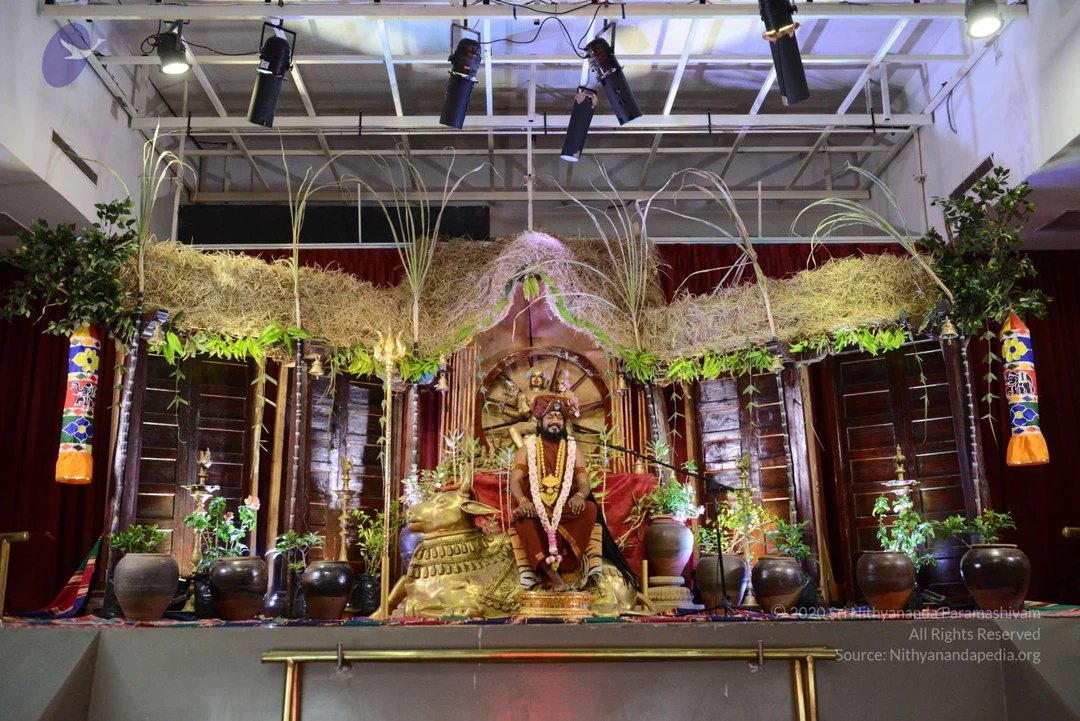

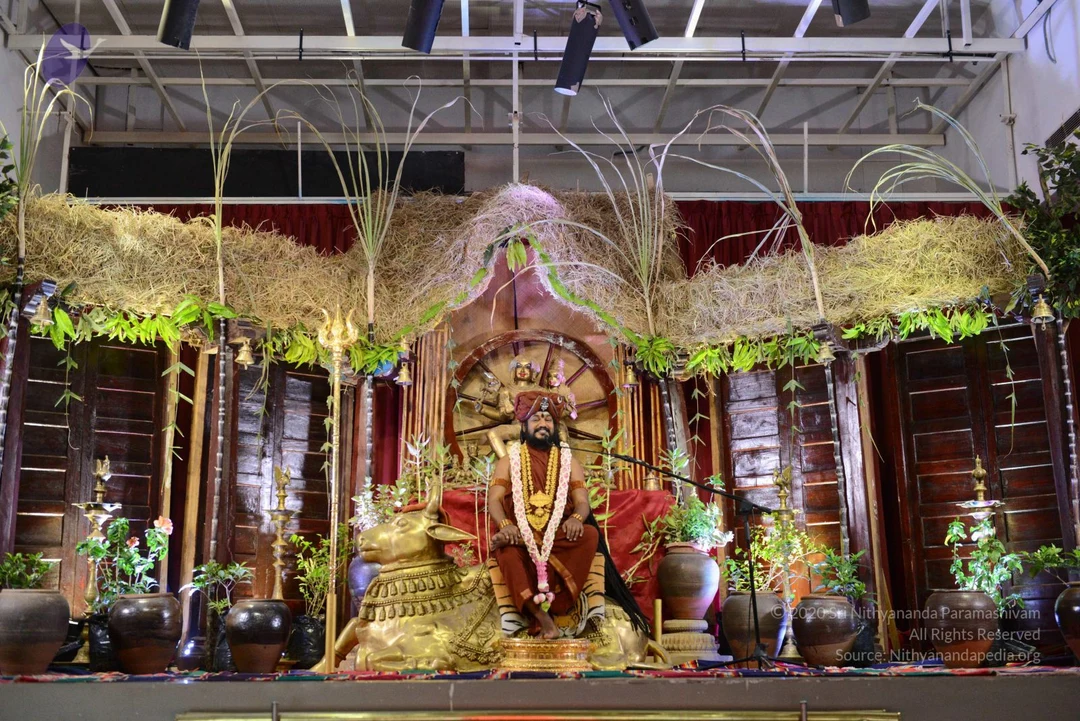
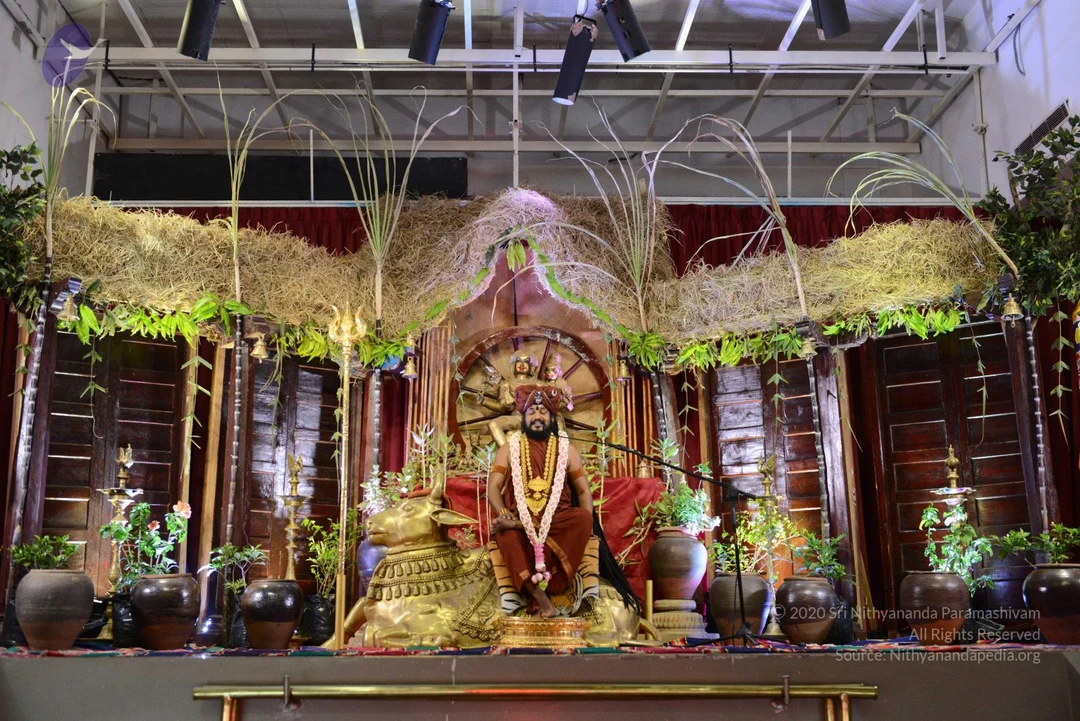
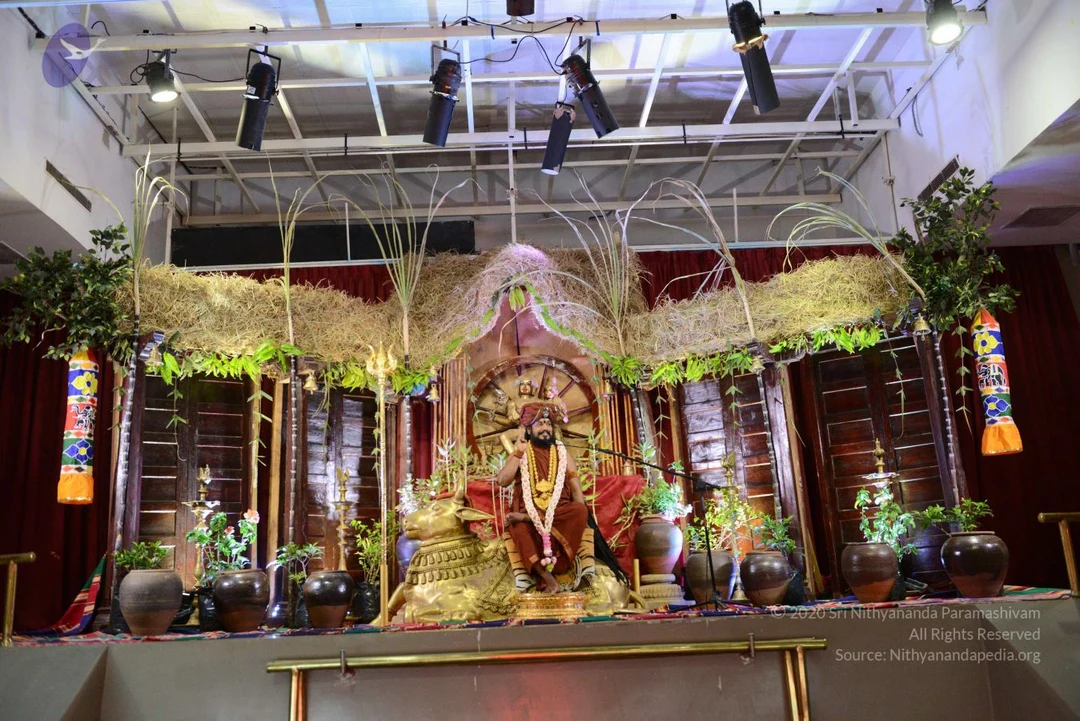
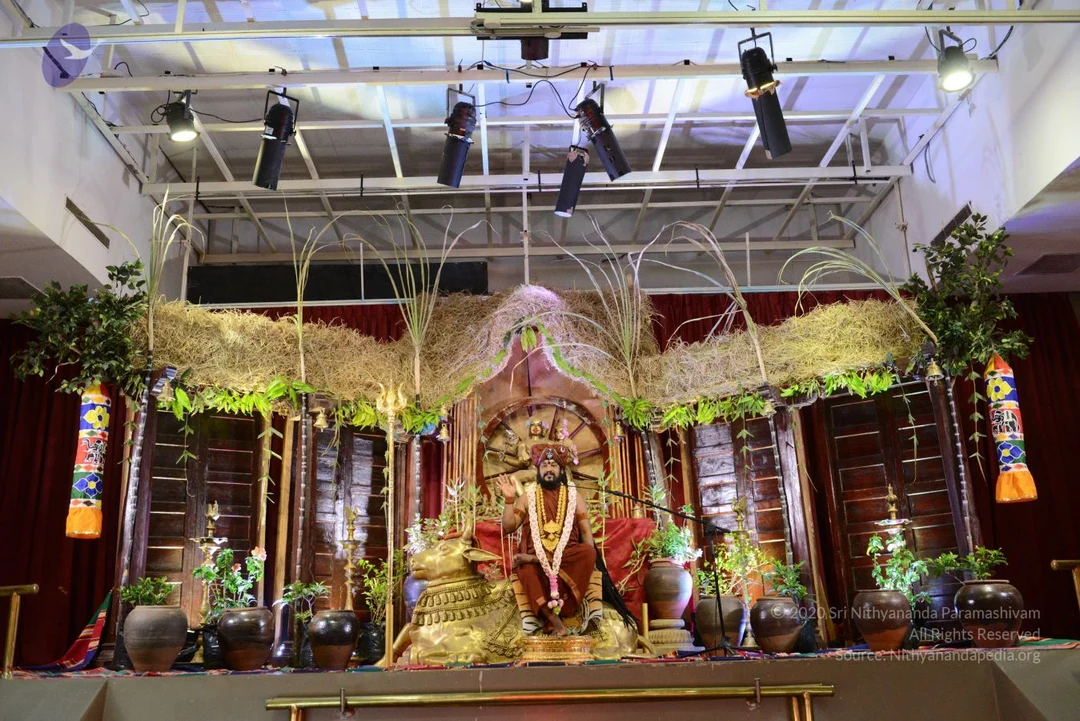
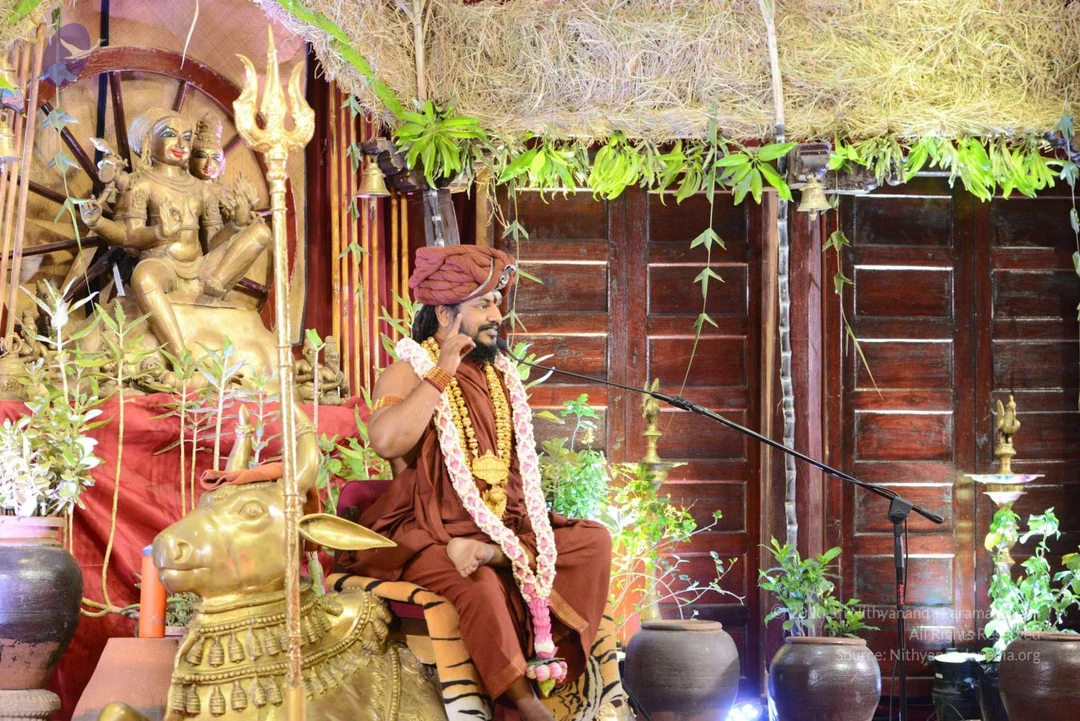
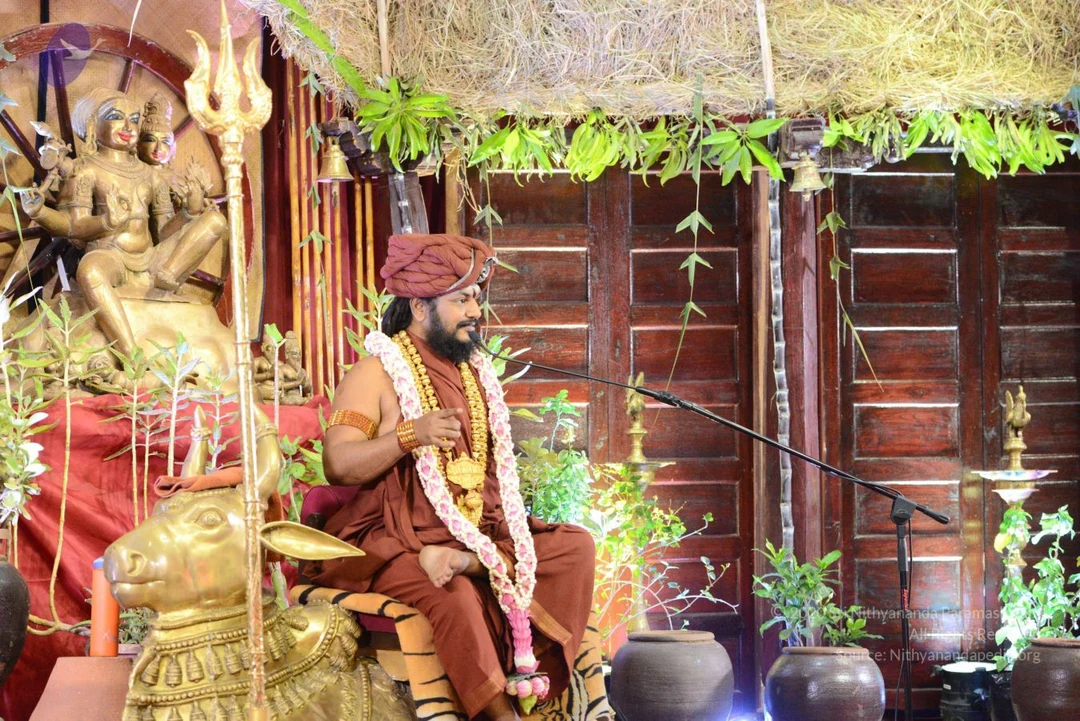
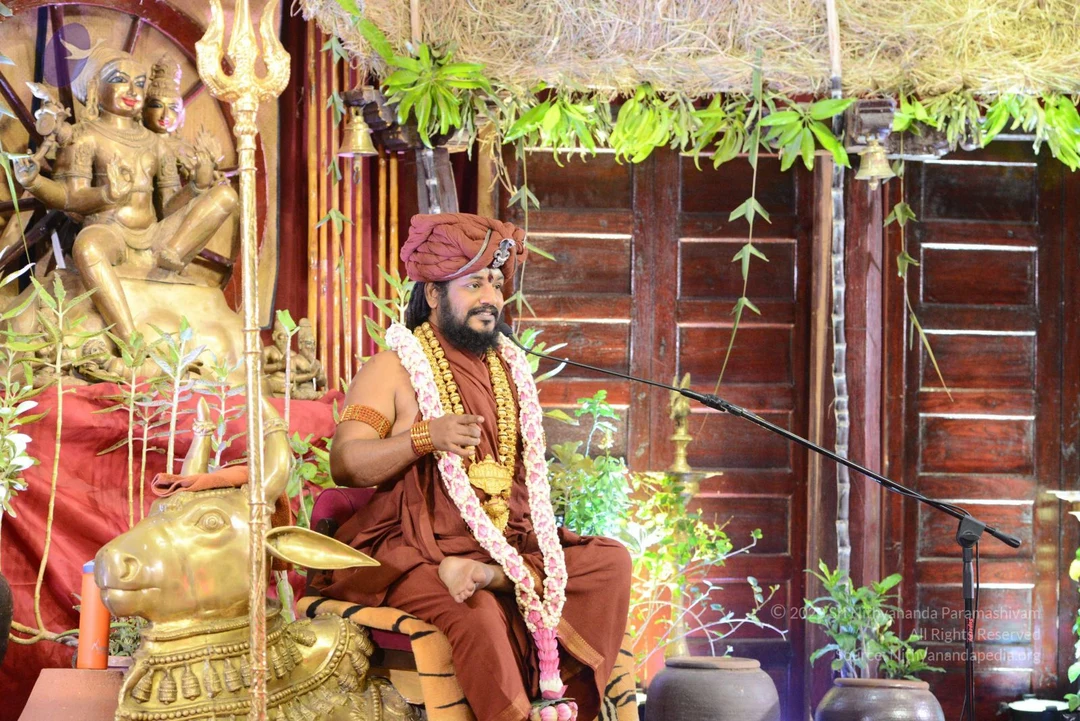

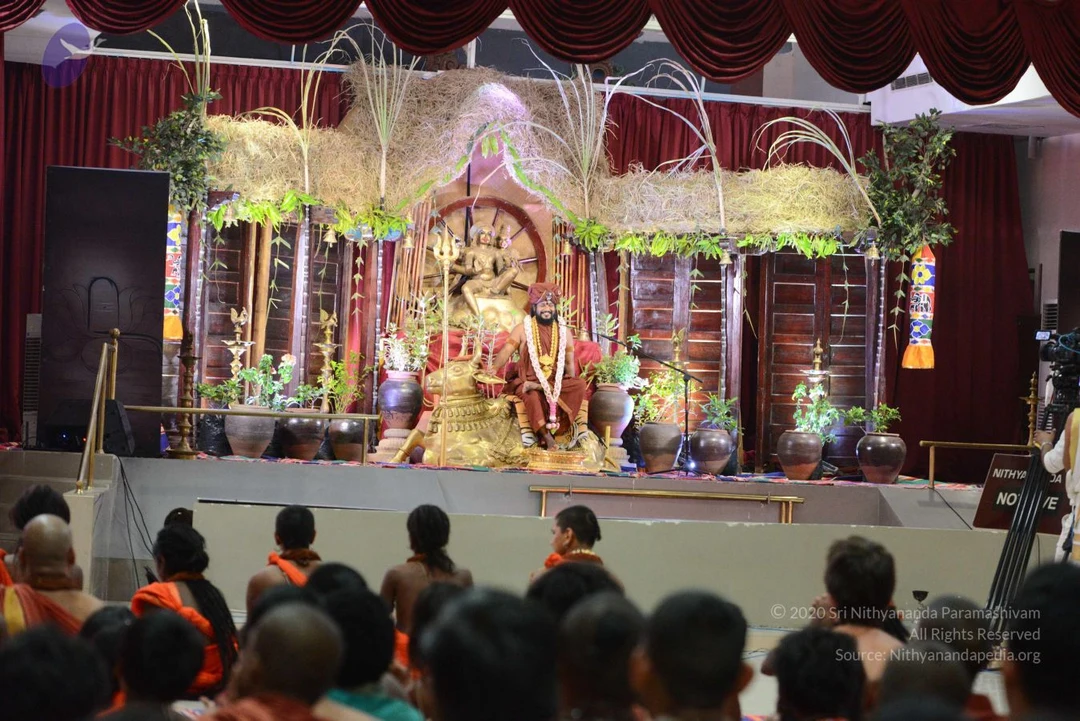
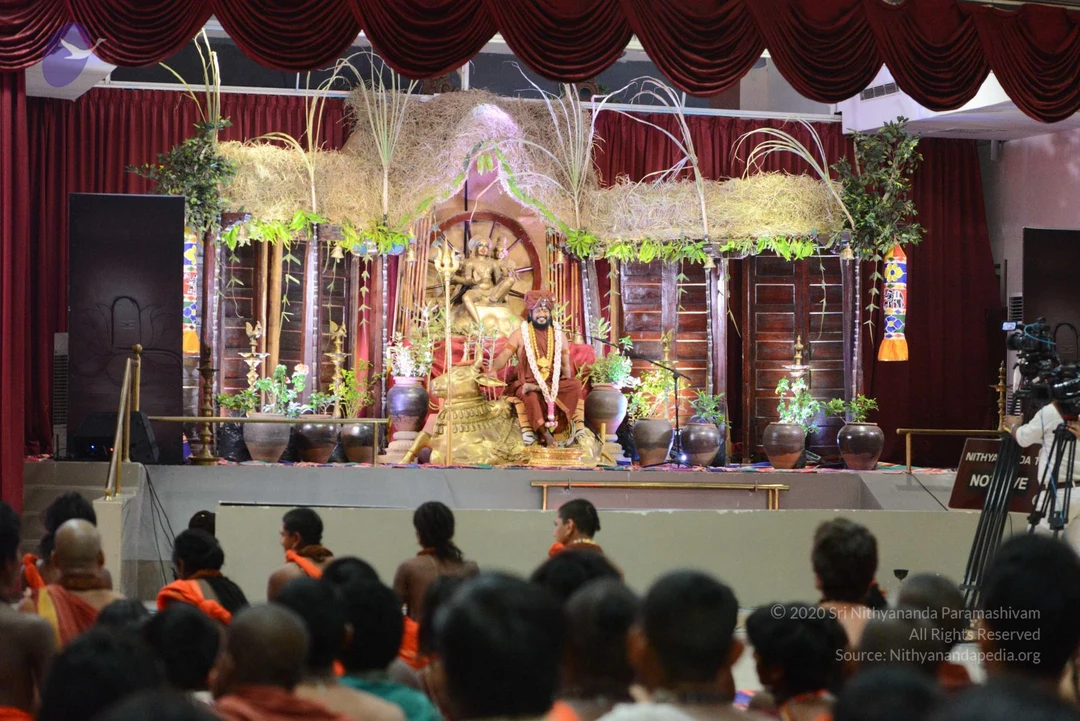
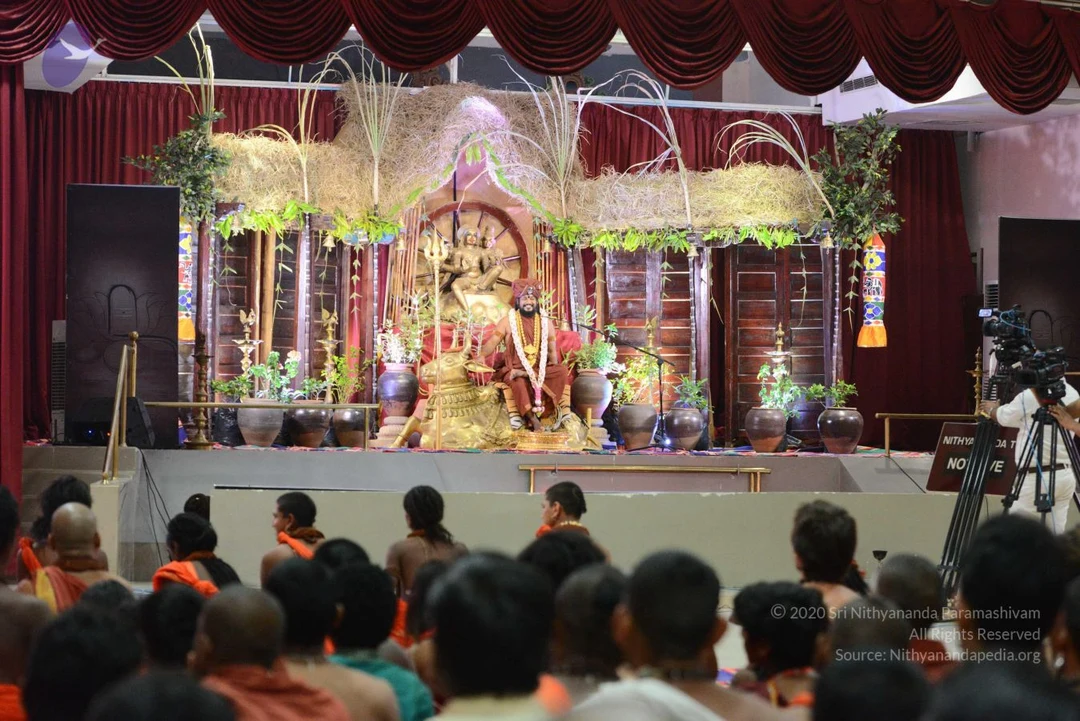
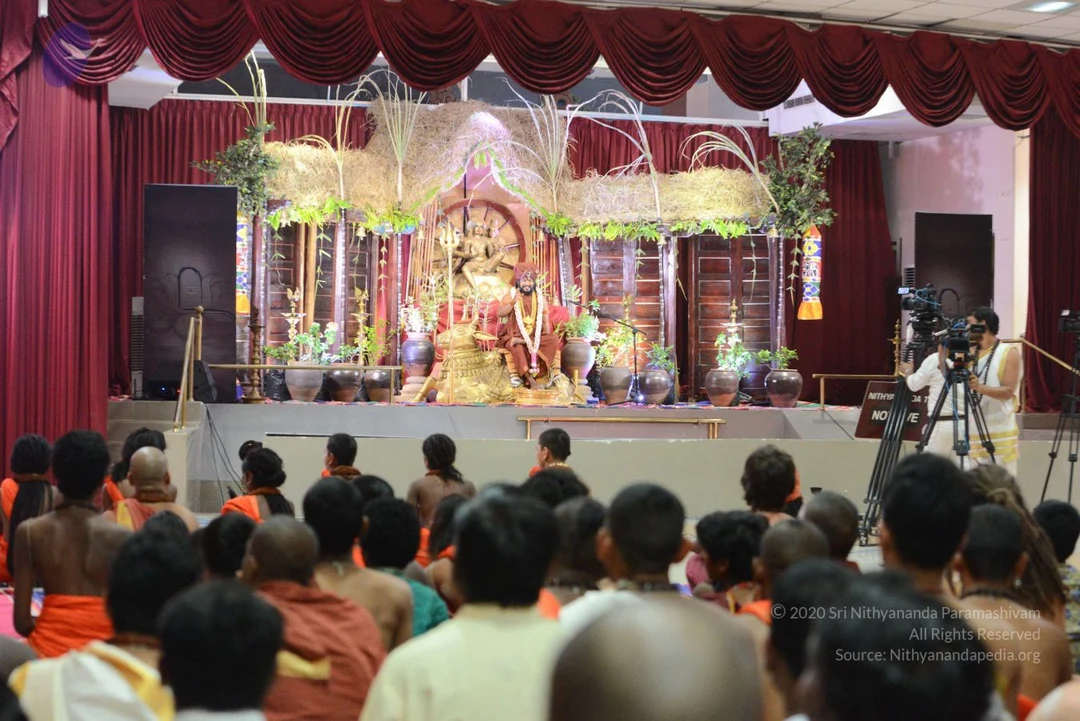




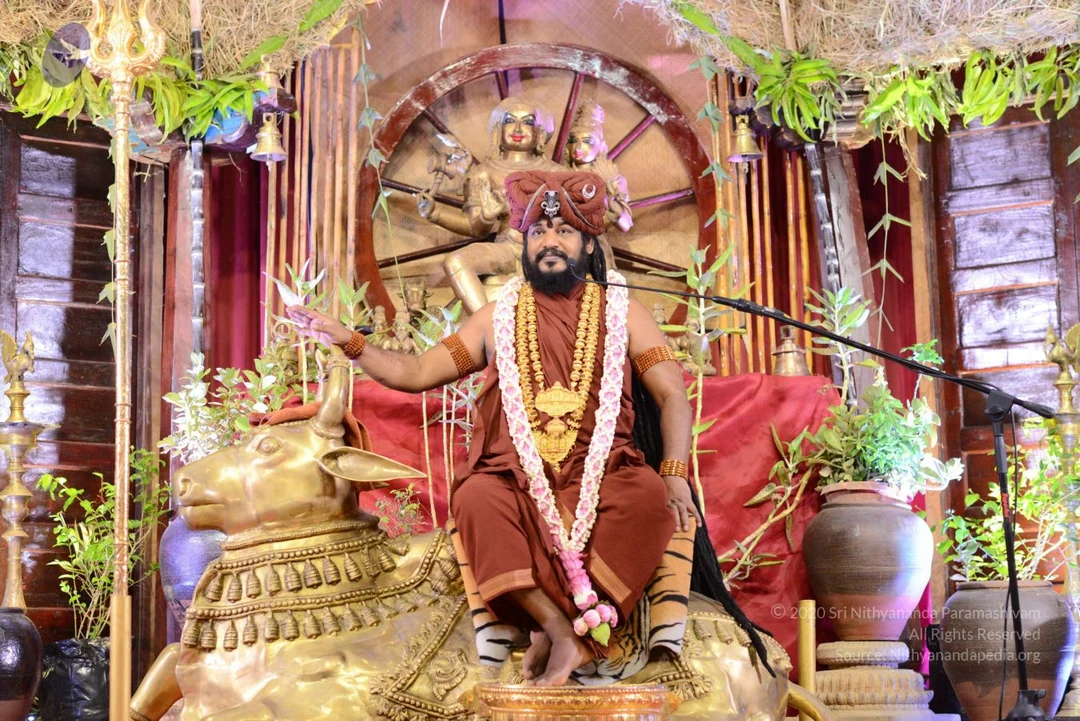

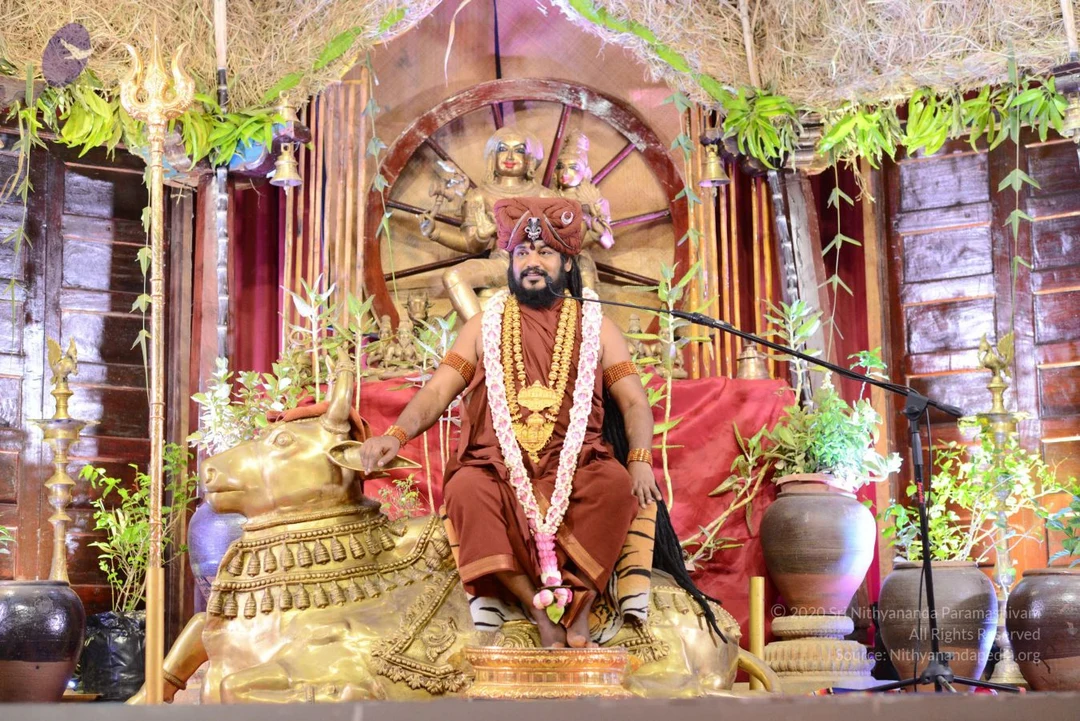

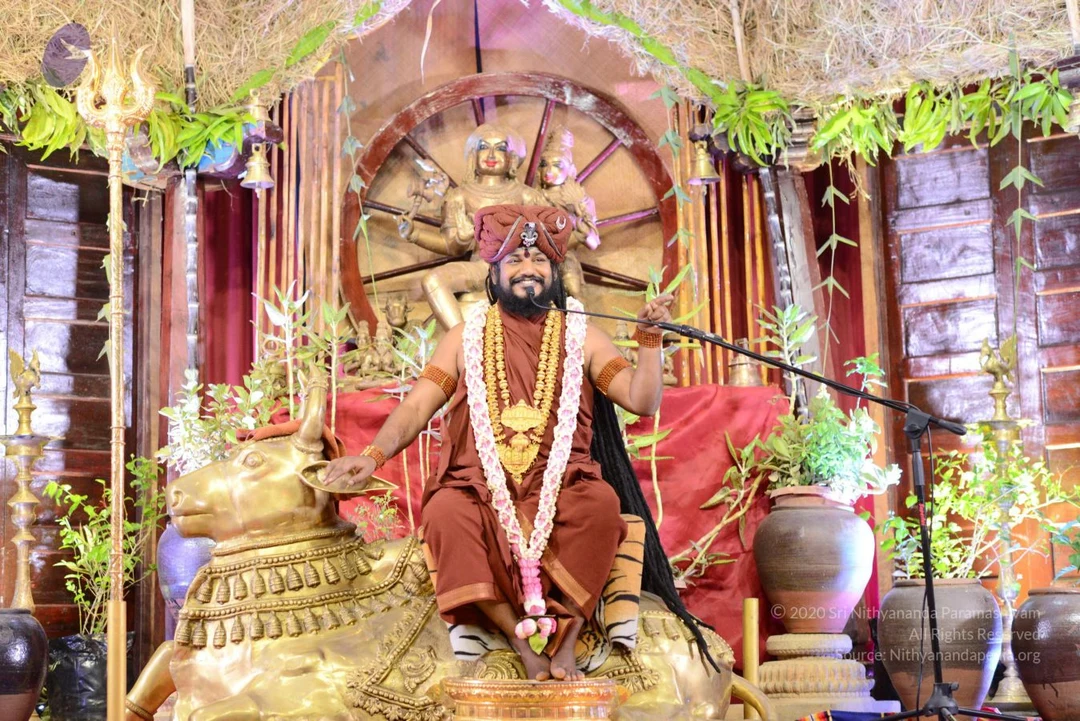
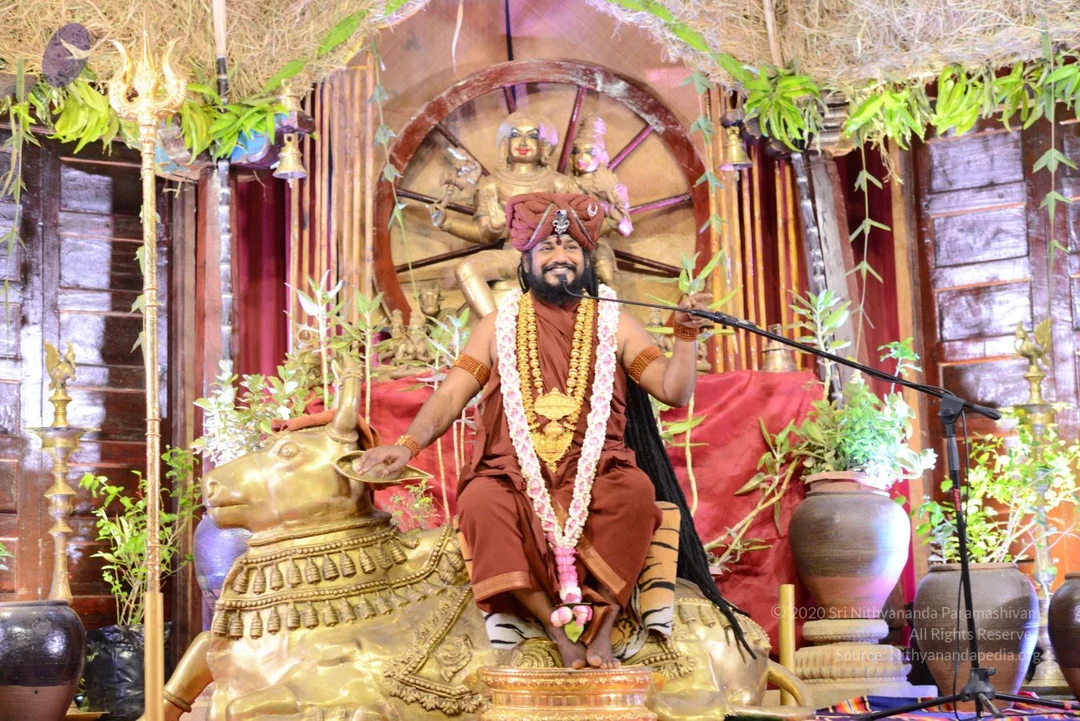
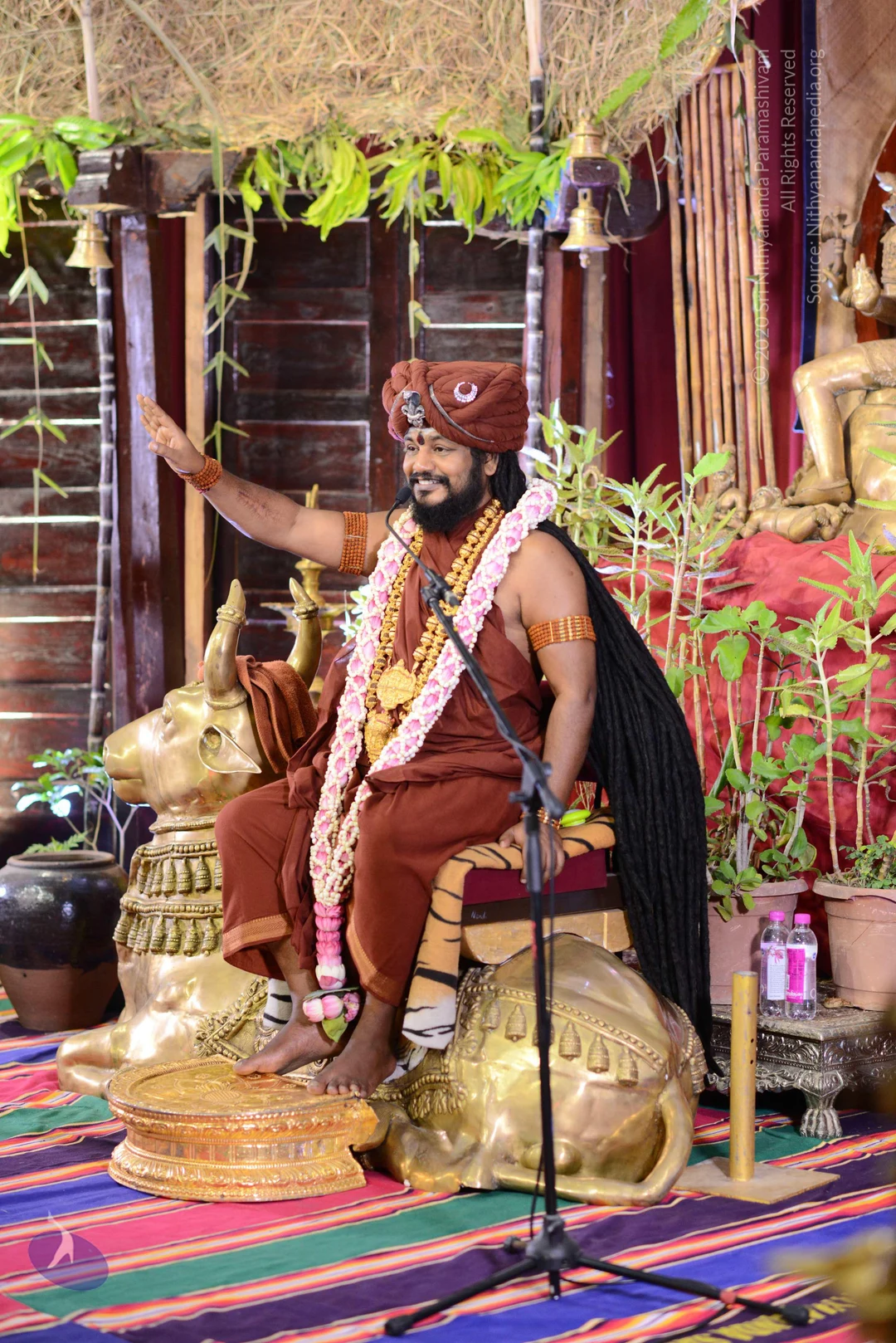
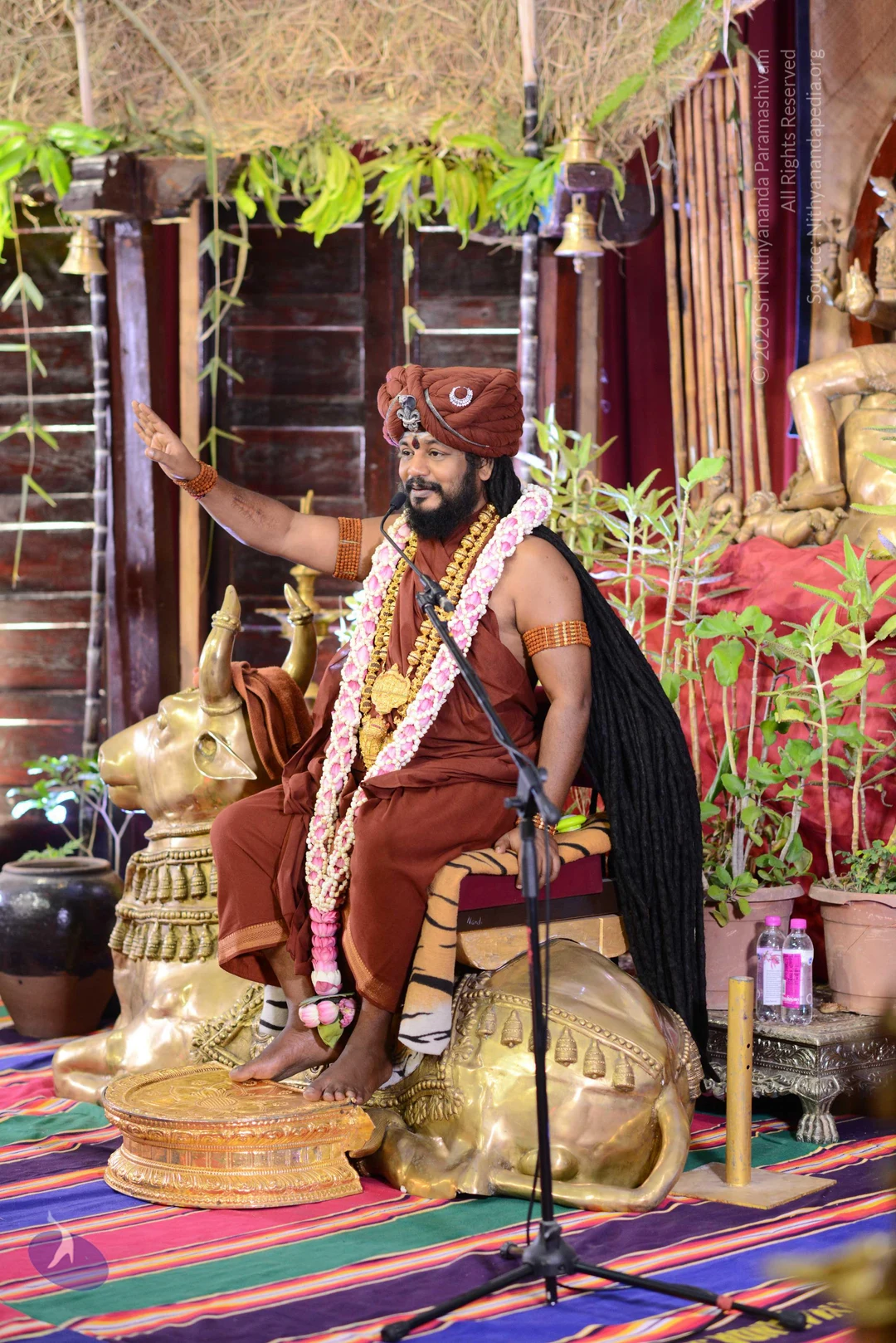
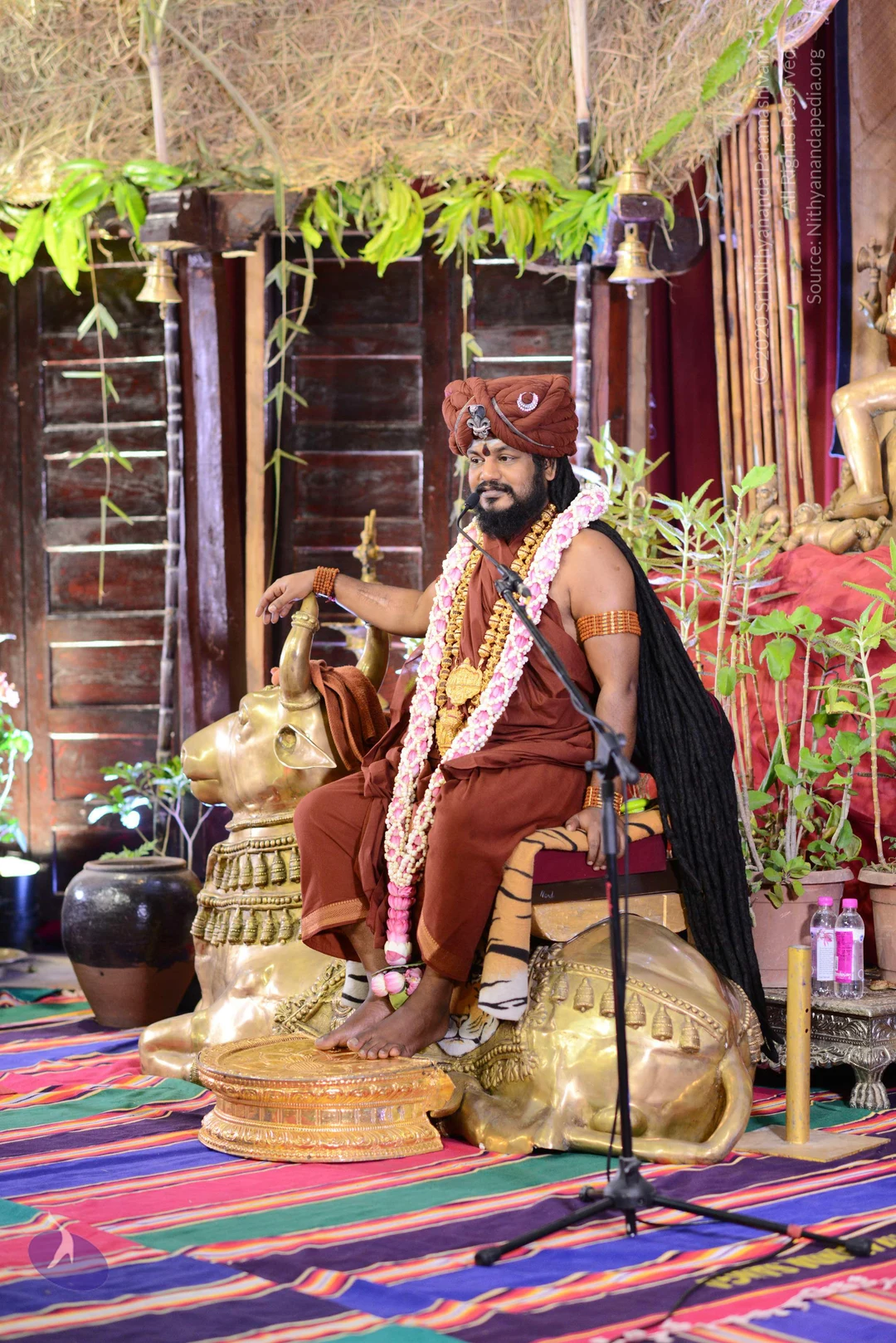
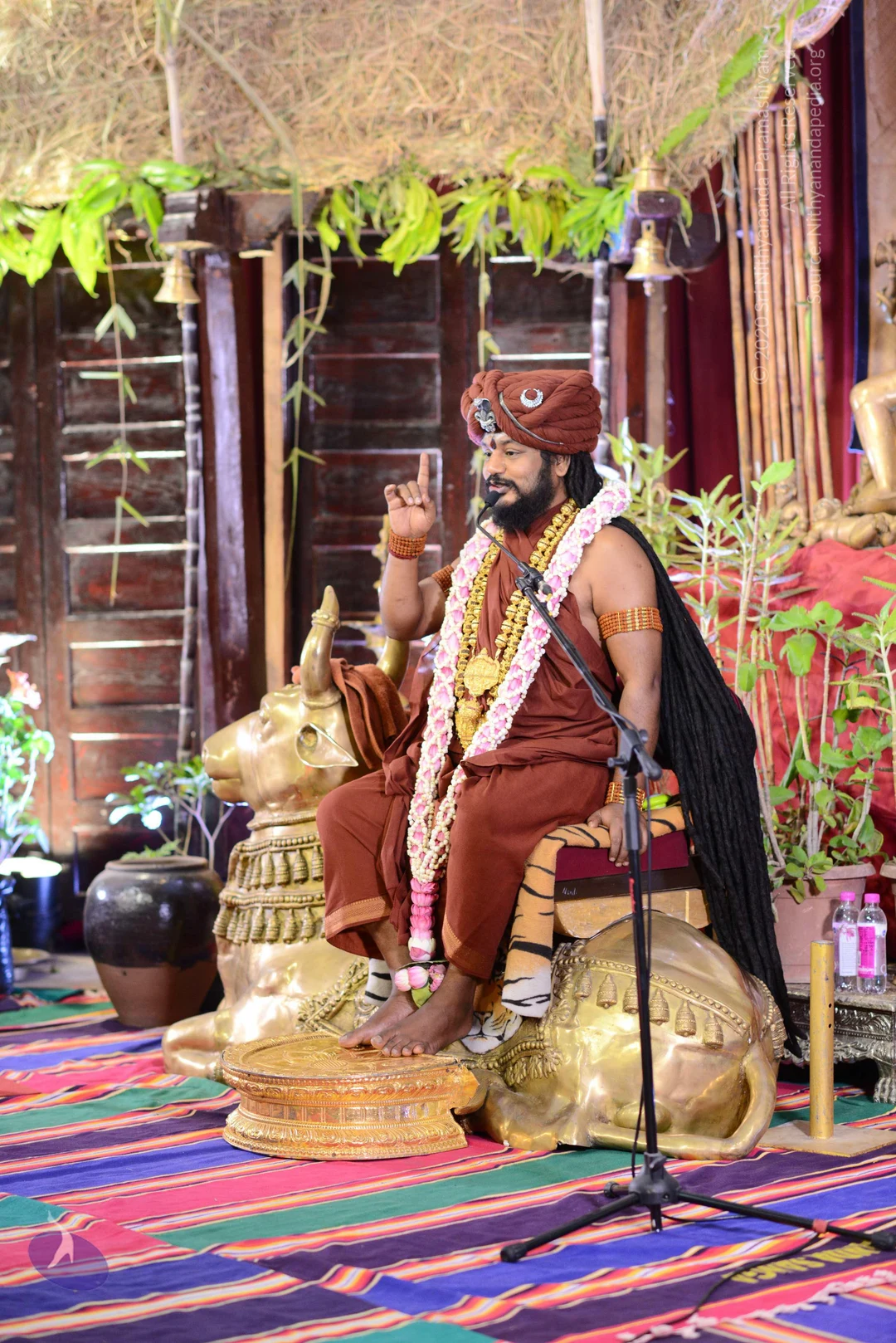
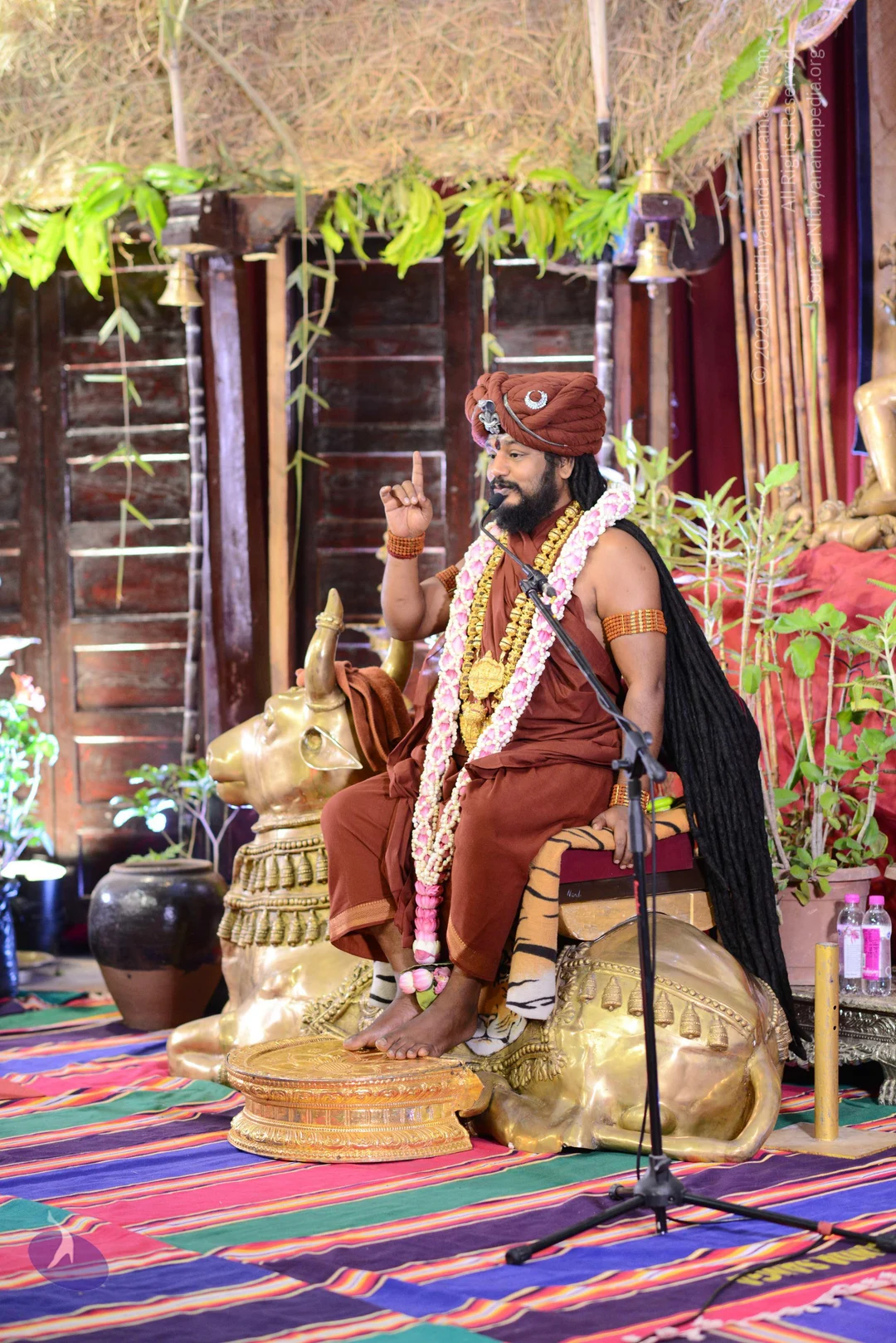
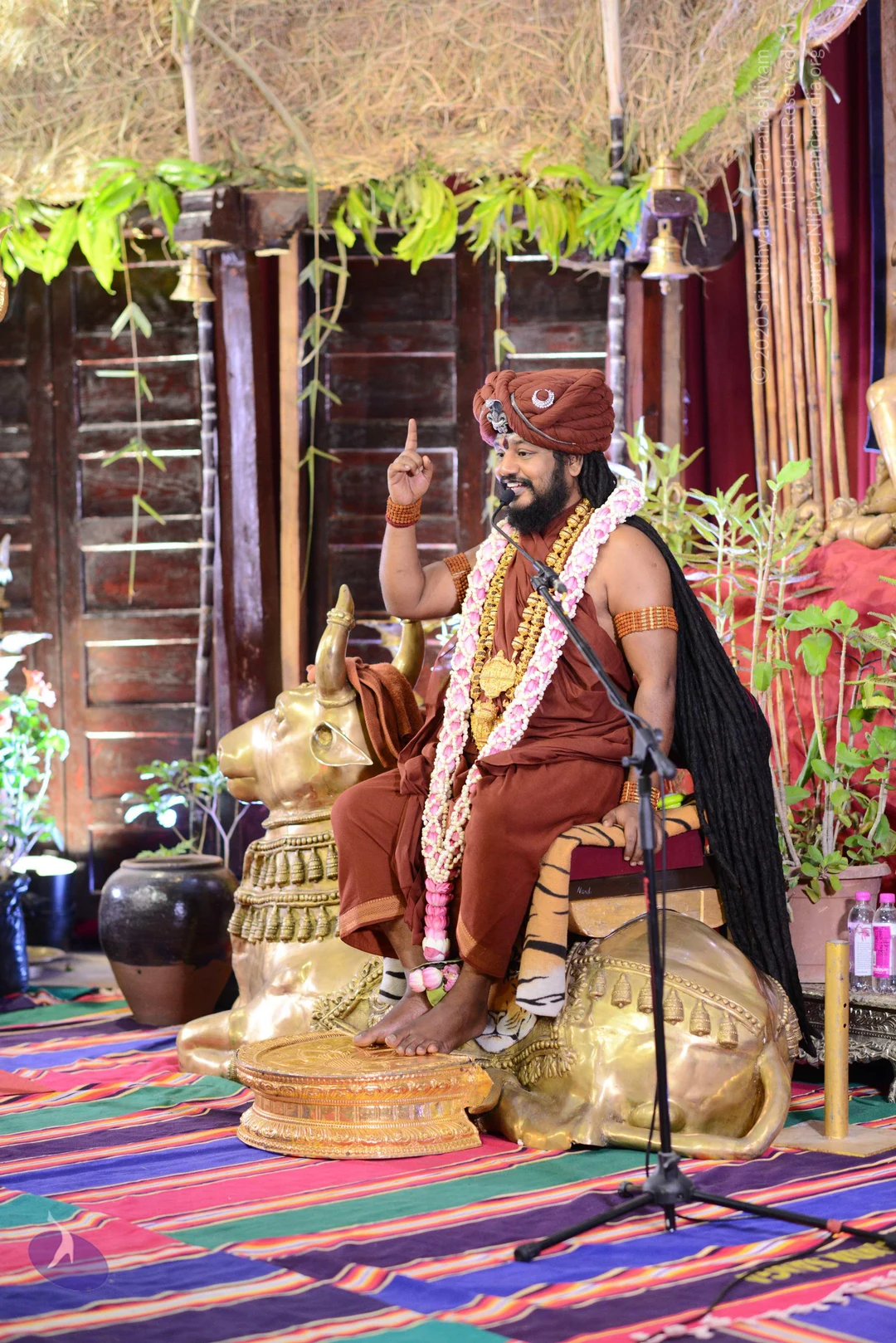
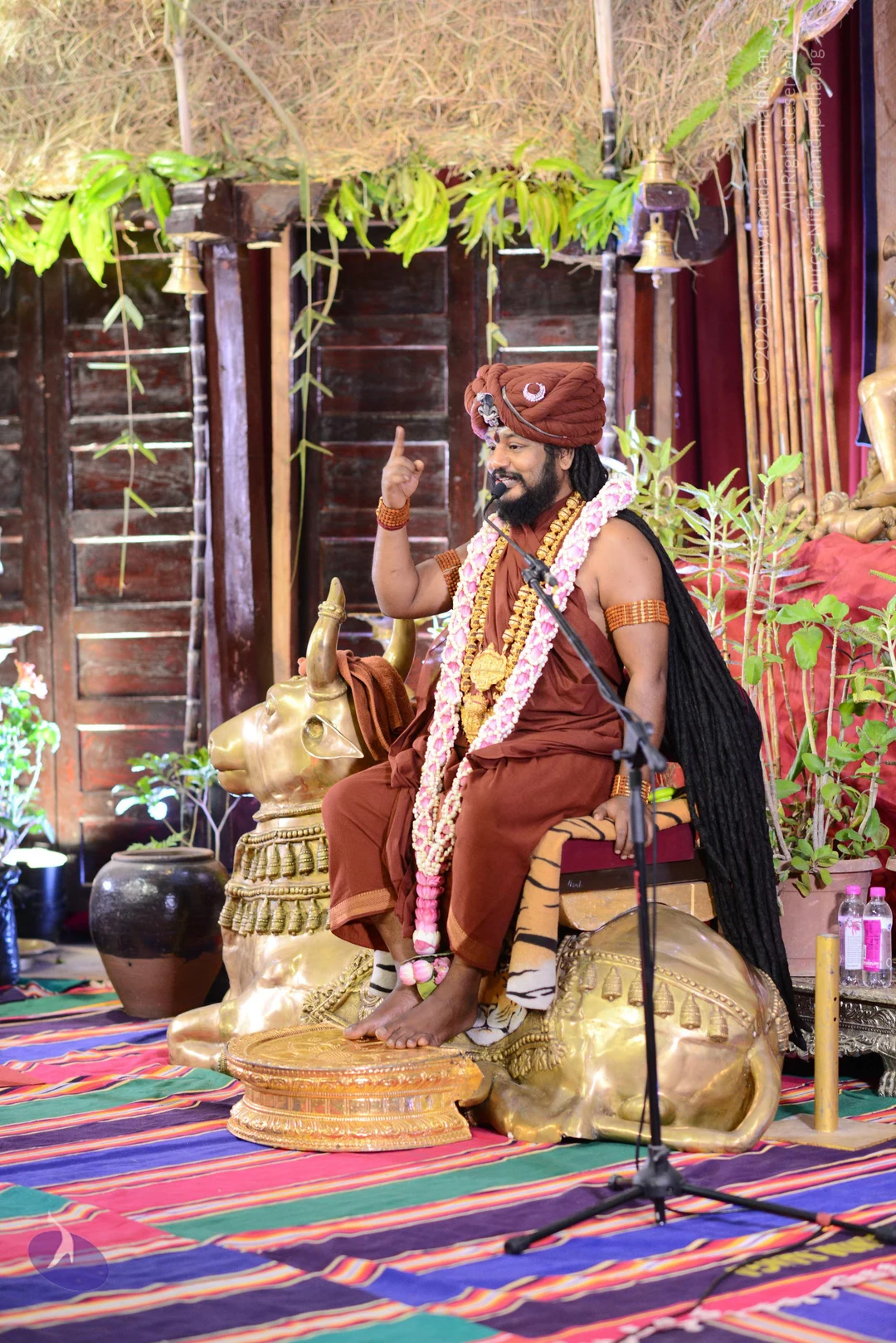
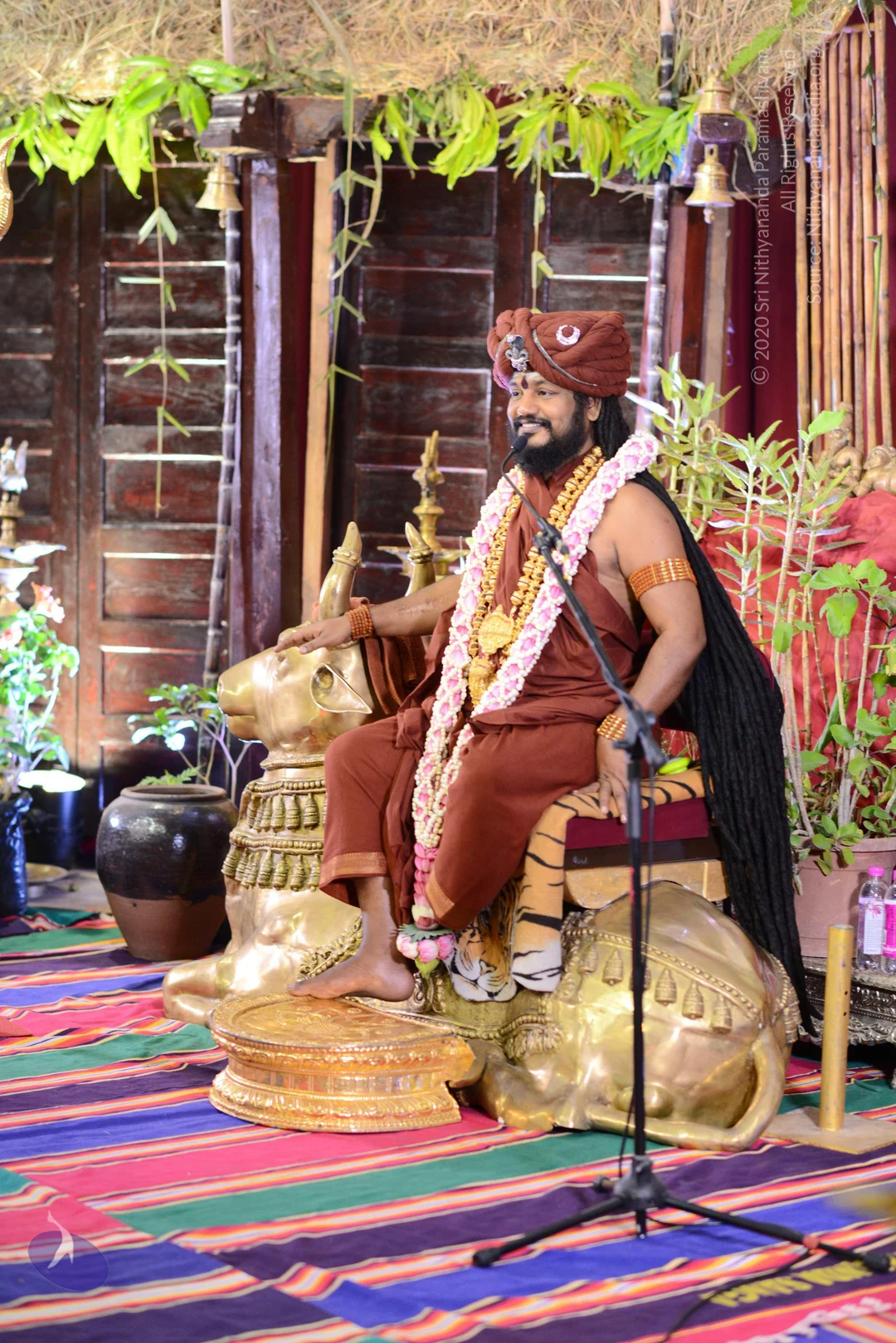
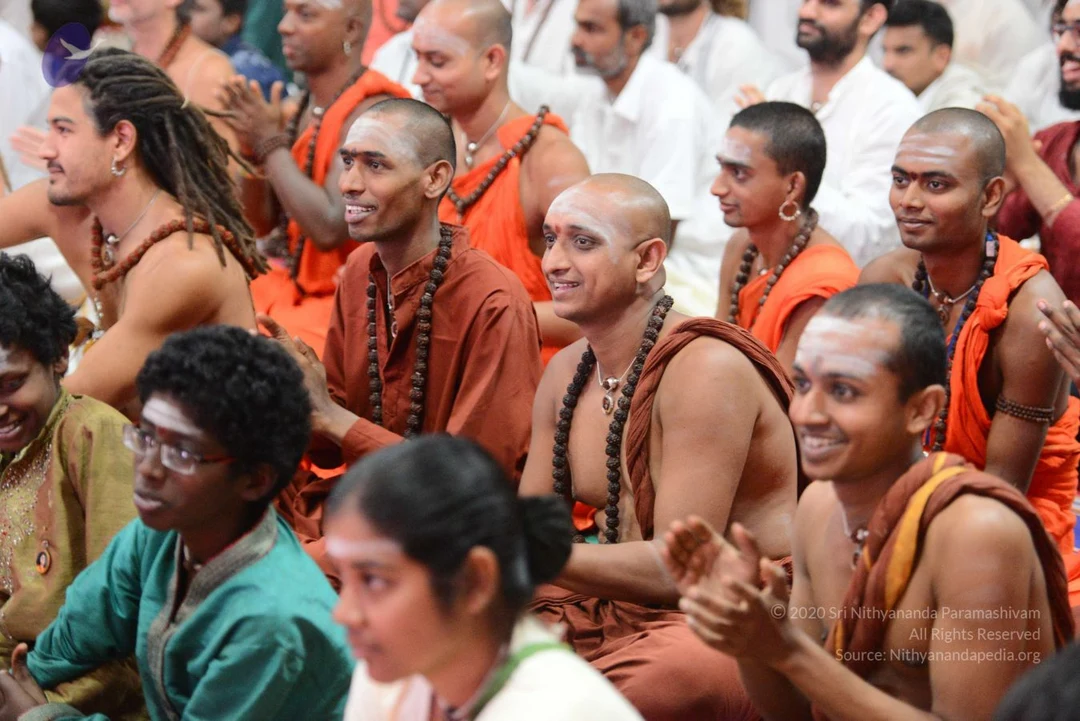

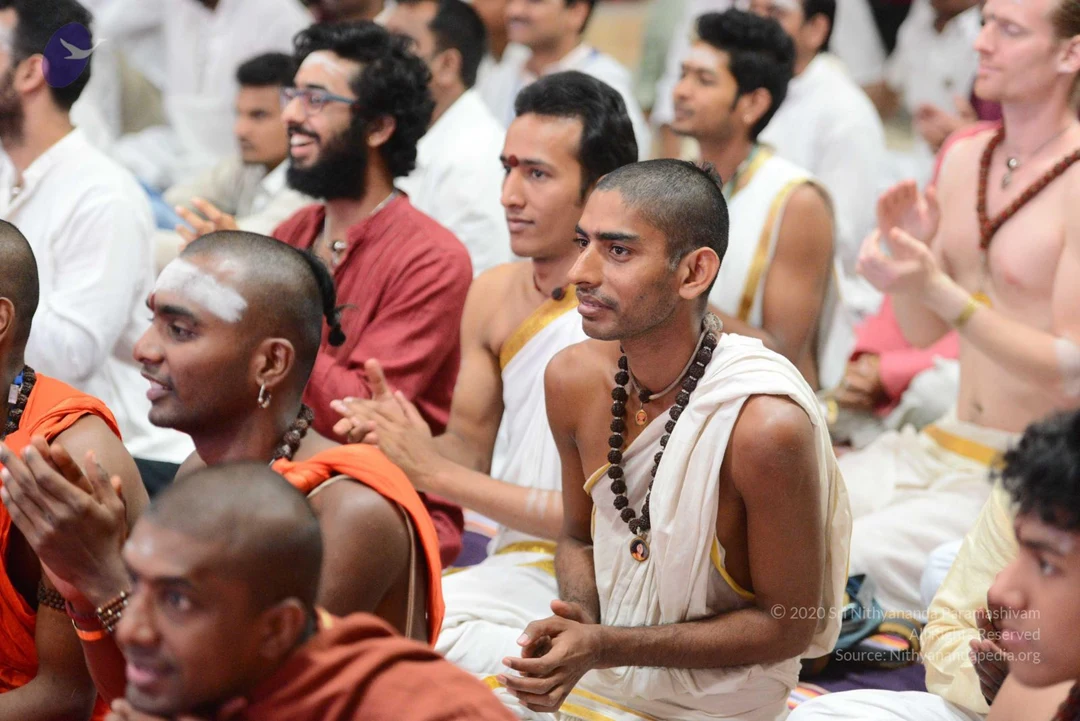
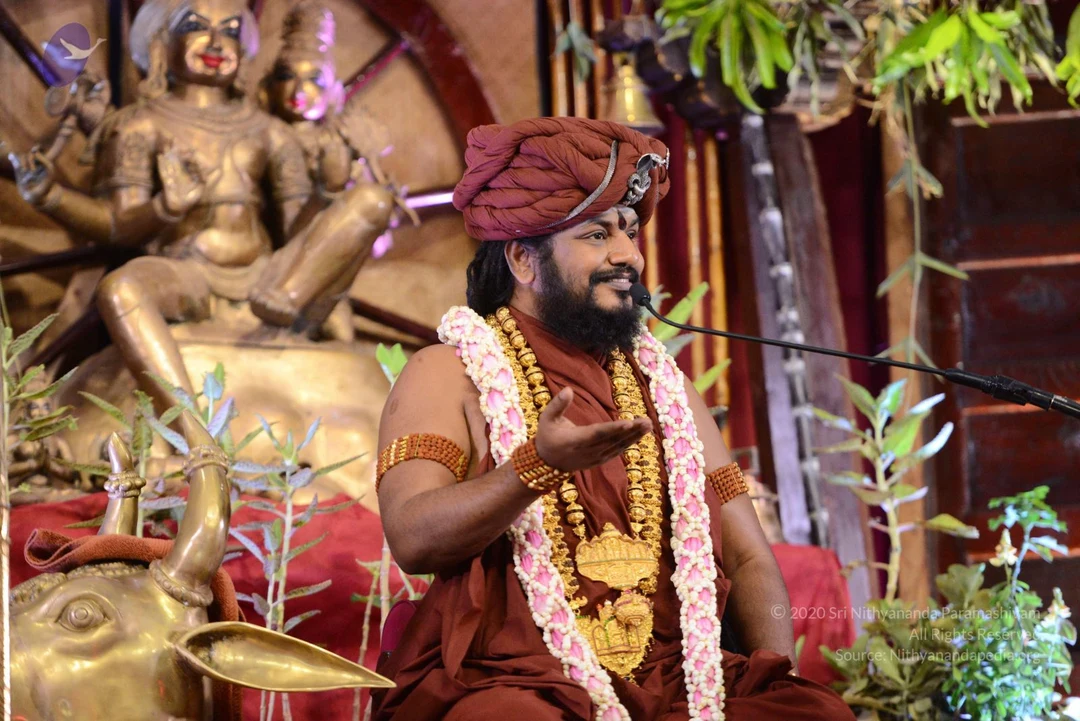
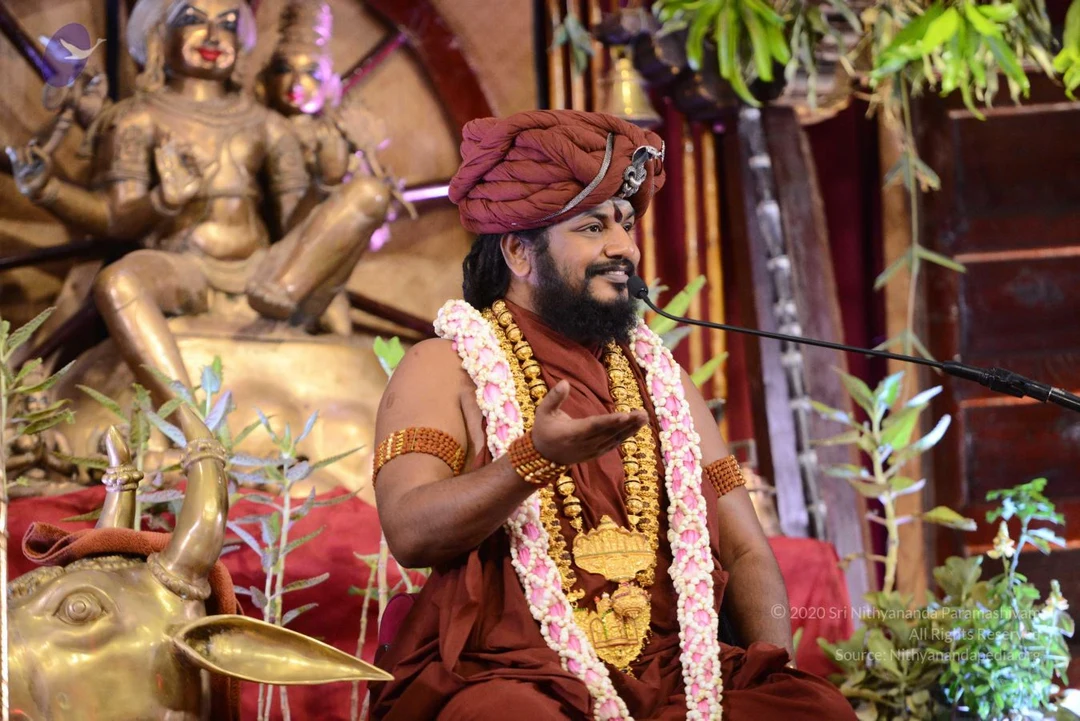
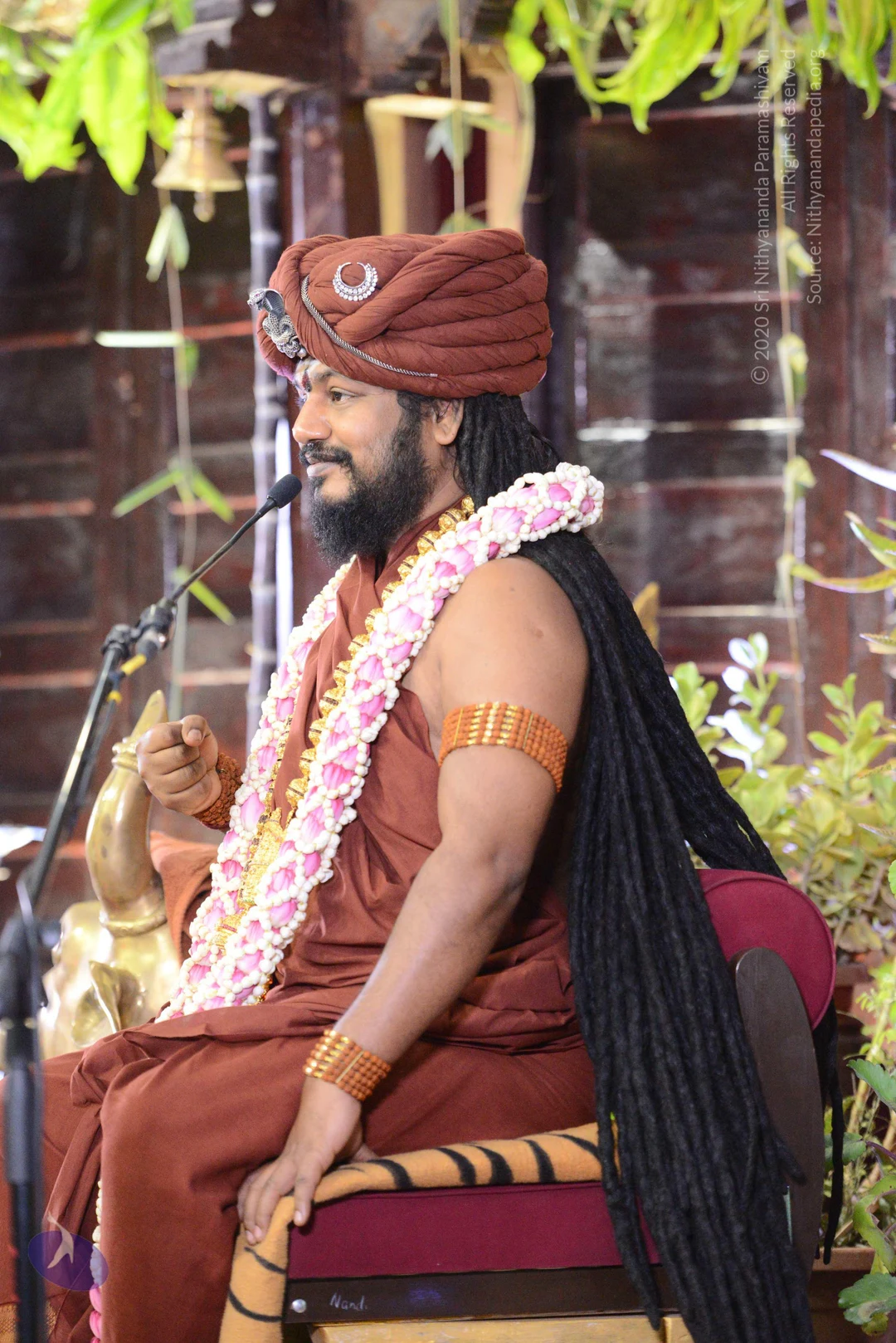
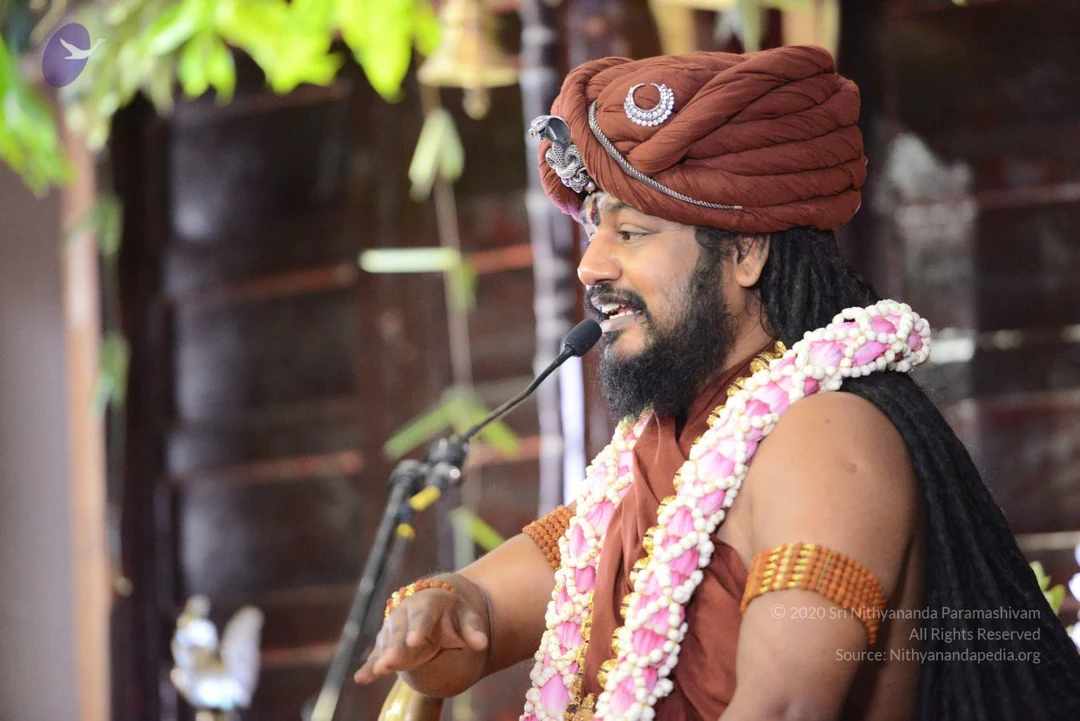
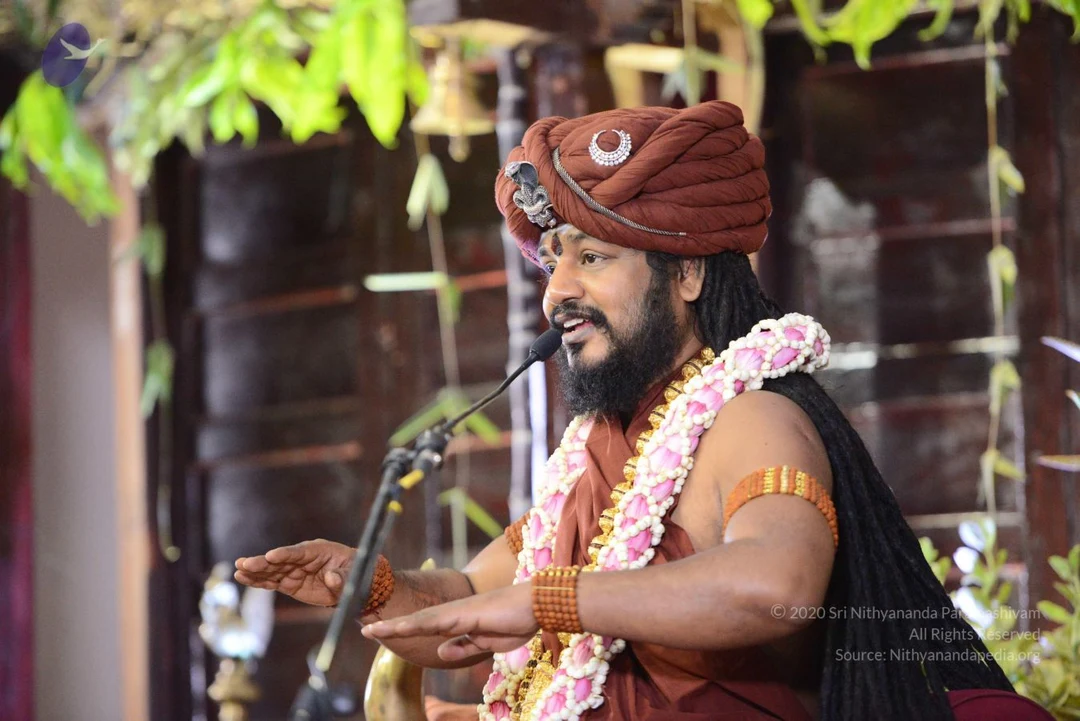
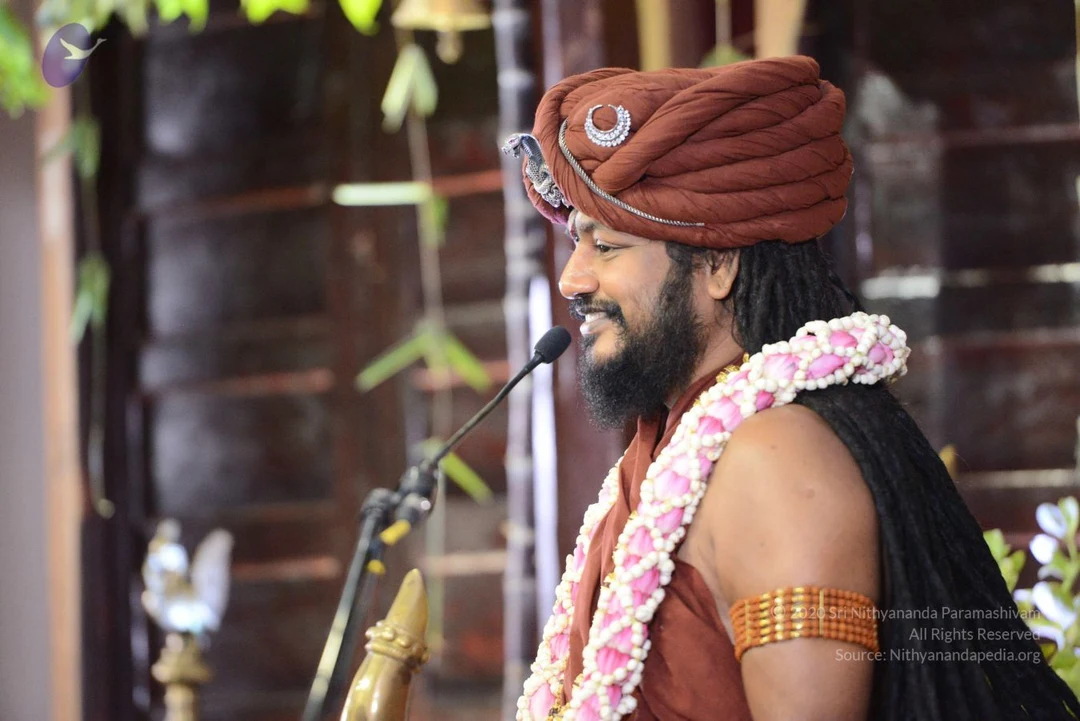




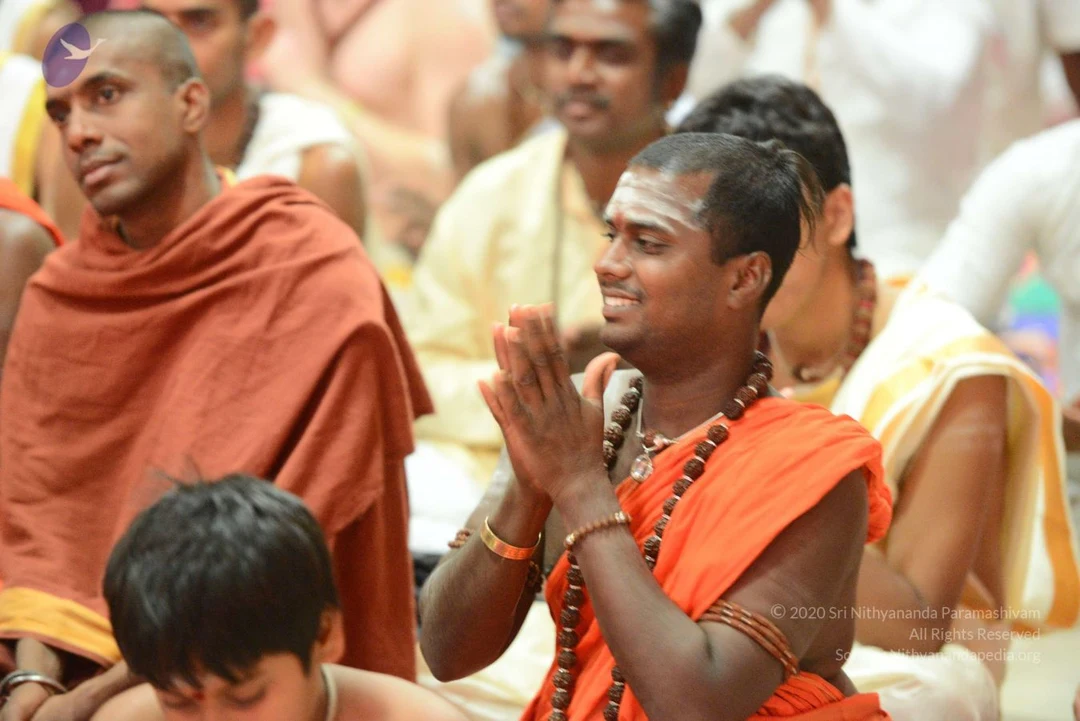
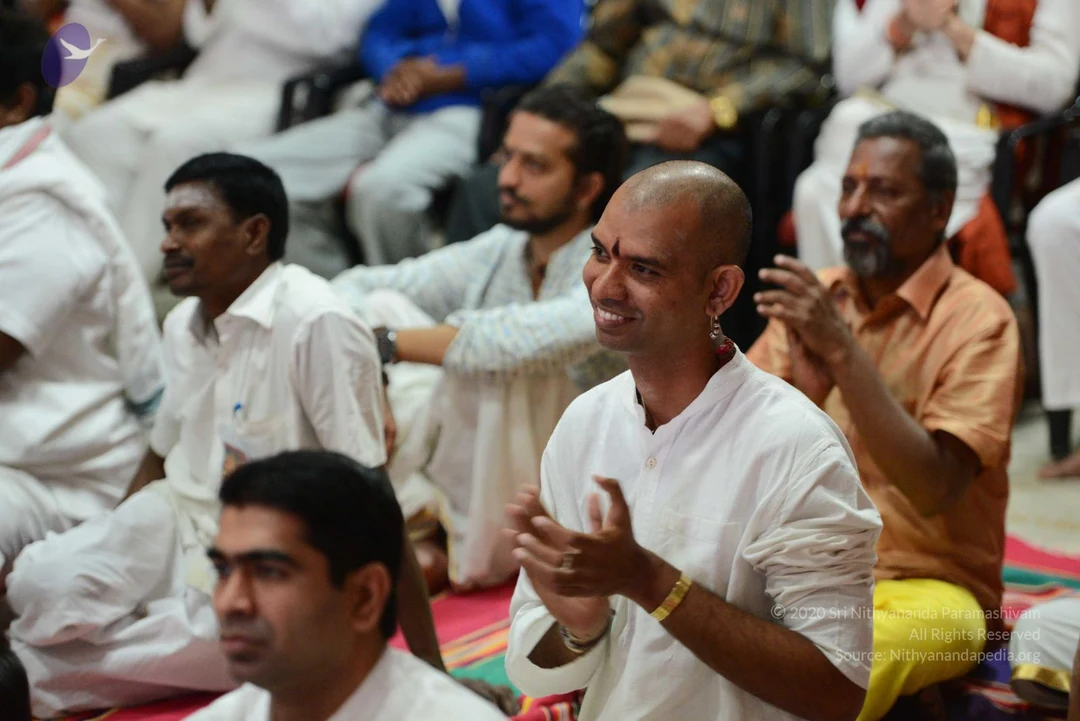
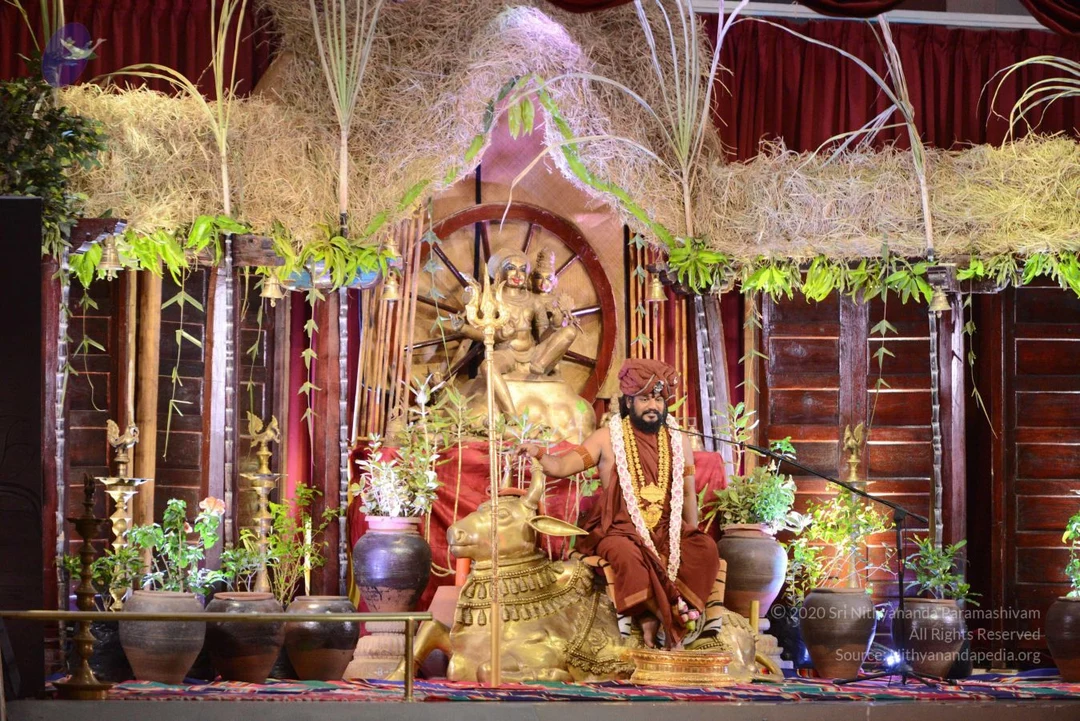
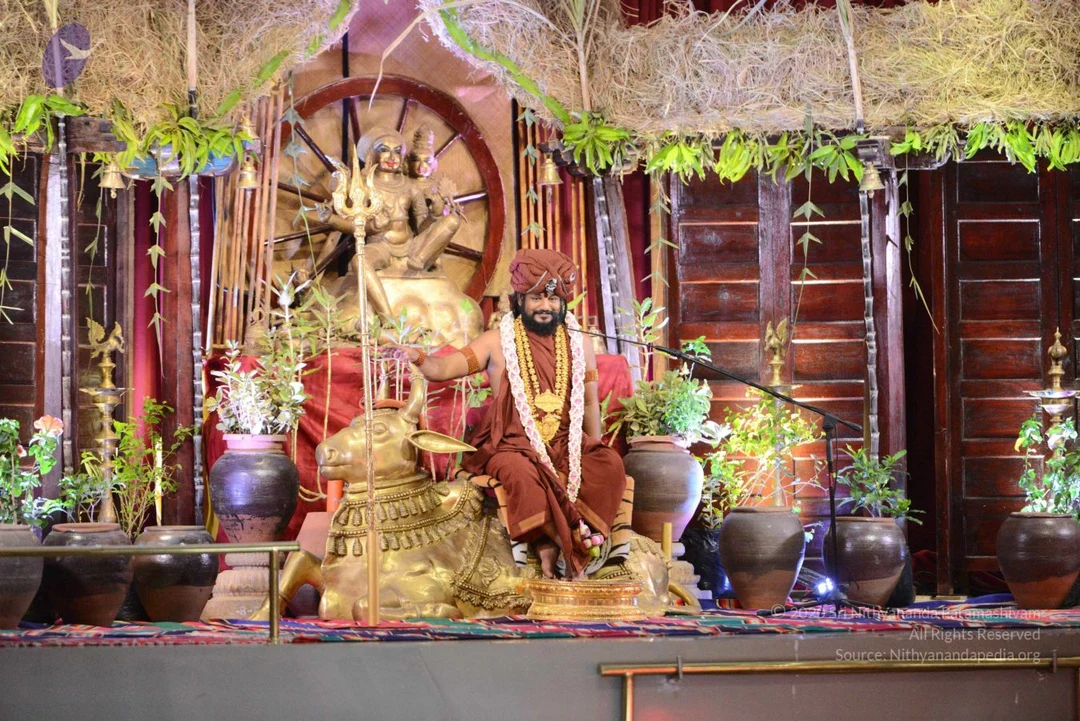


SARVA-DARSHAN
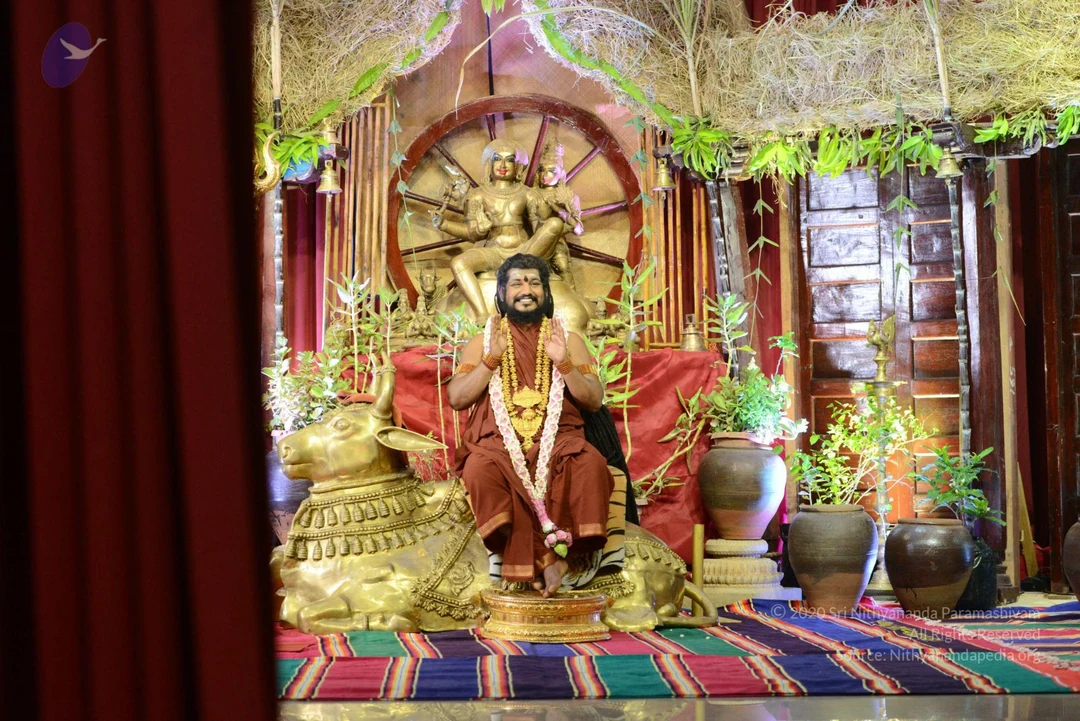
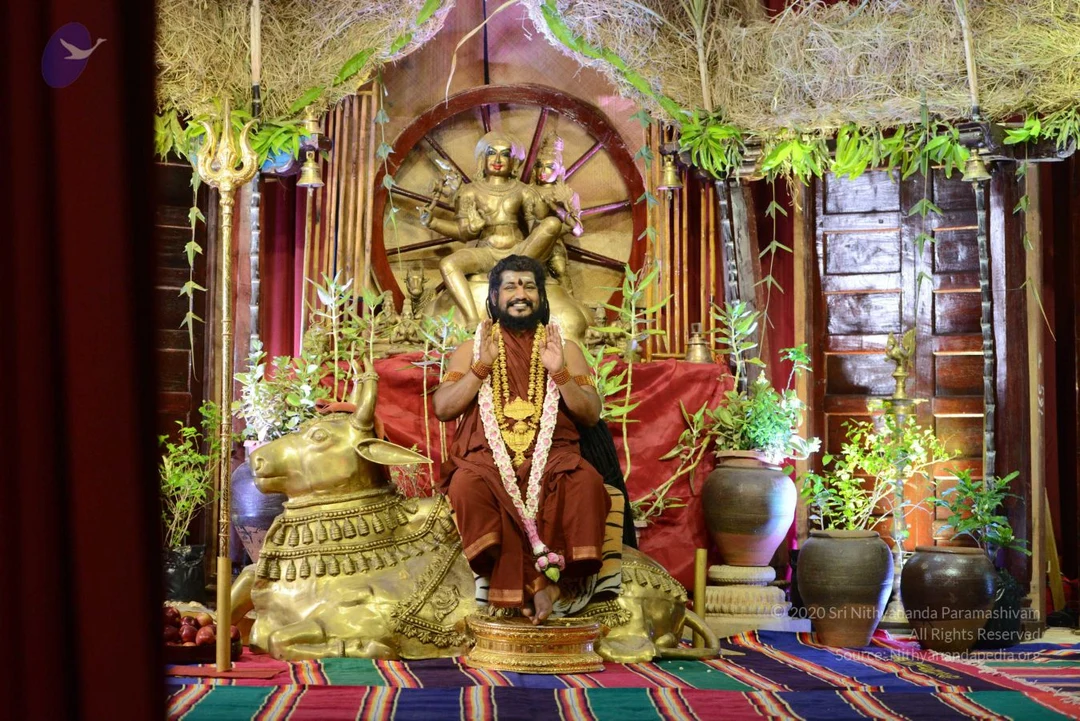
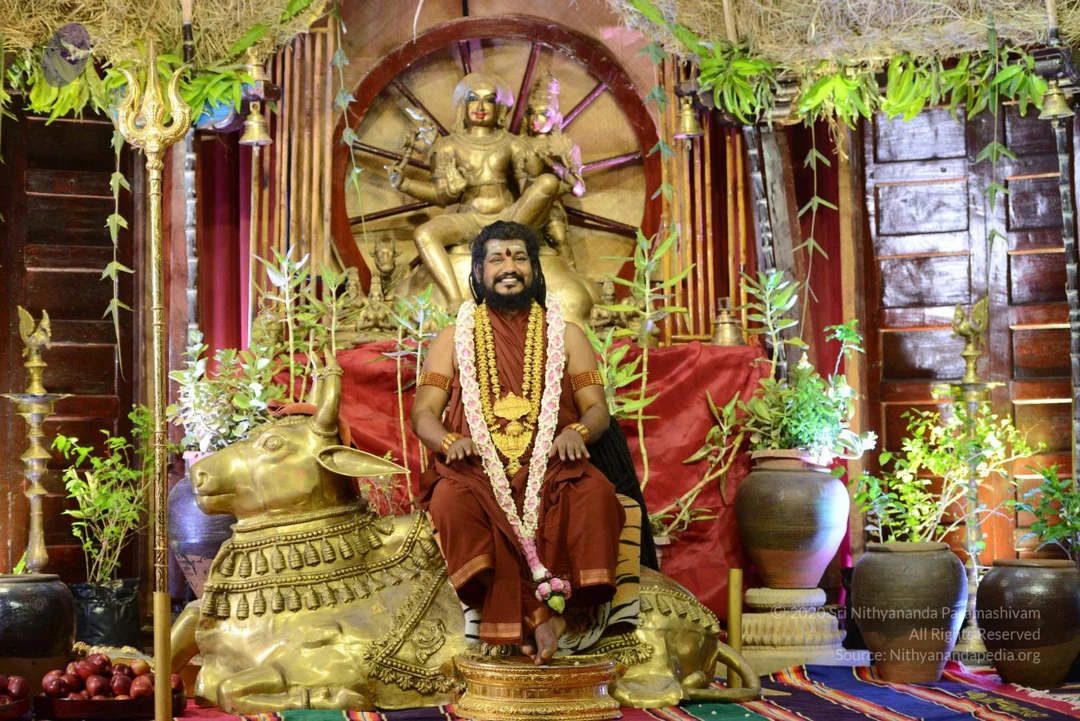
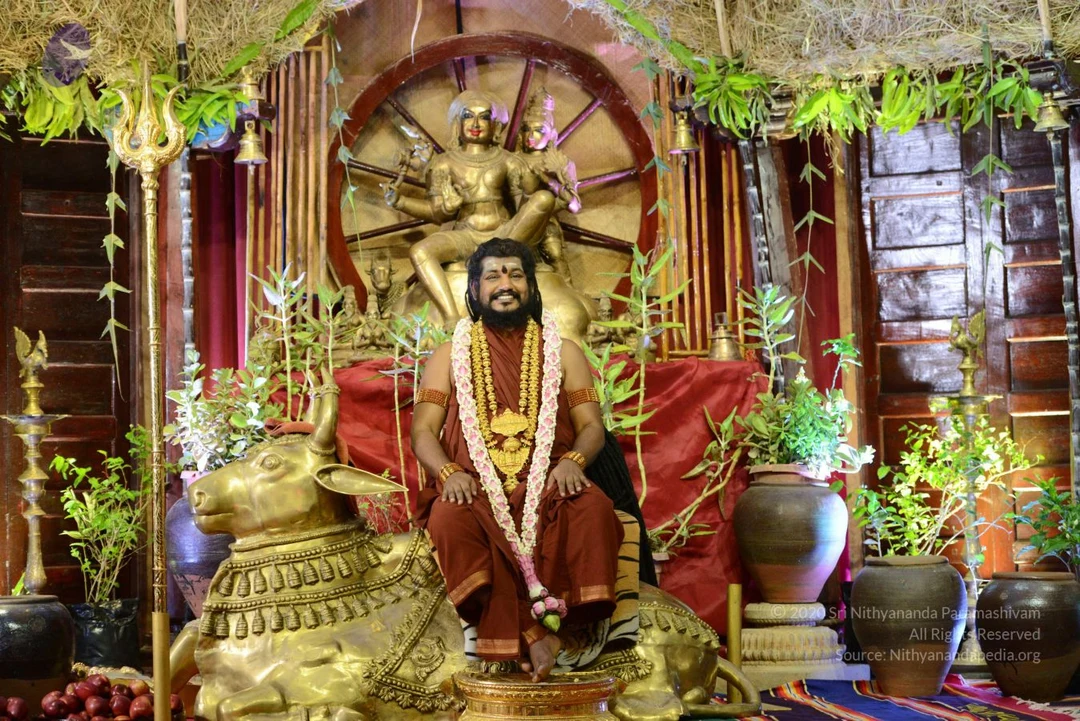

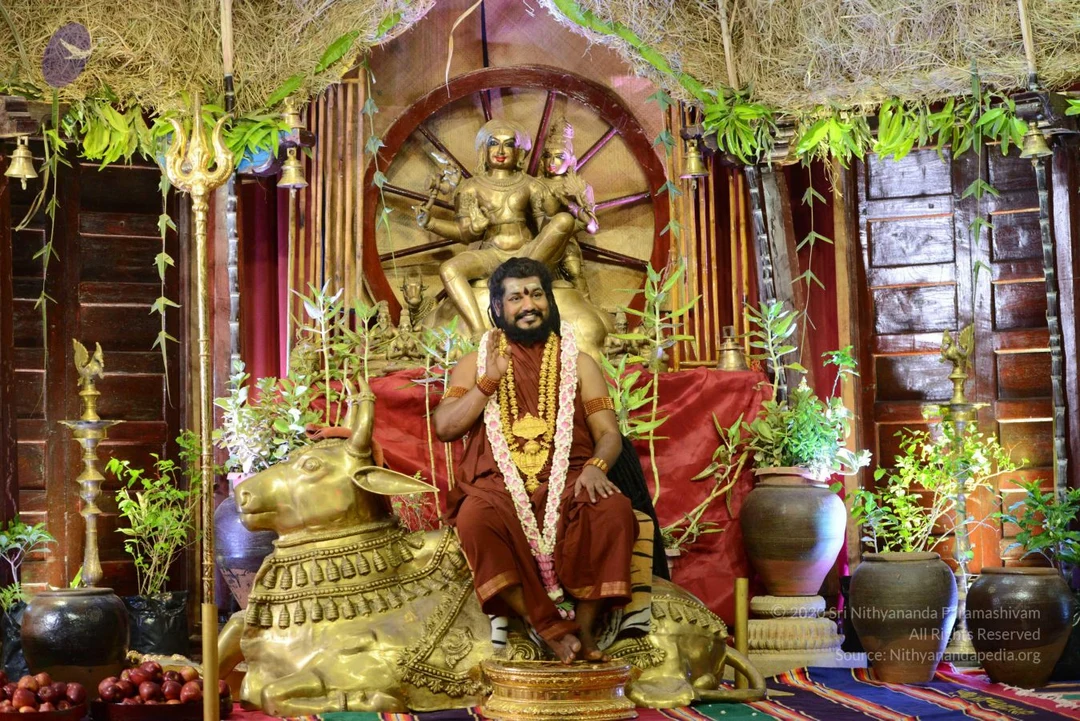
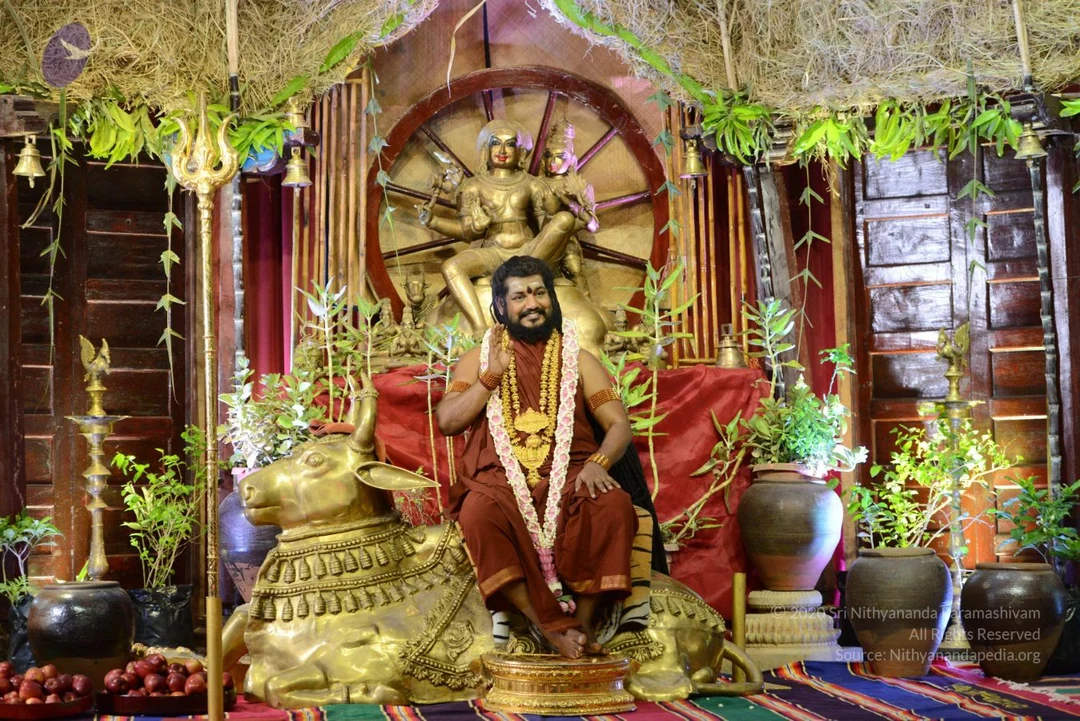
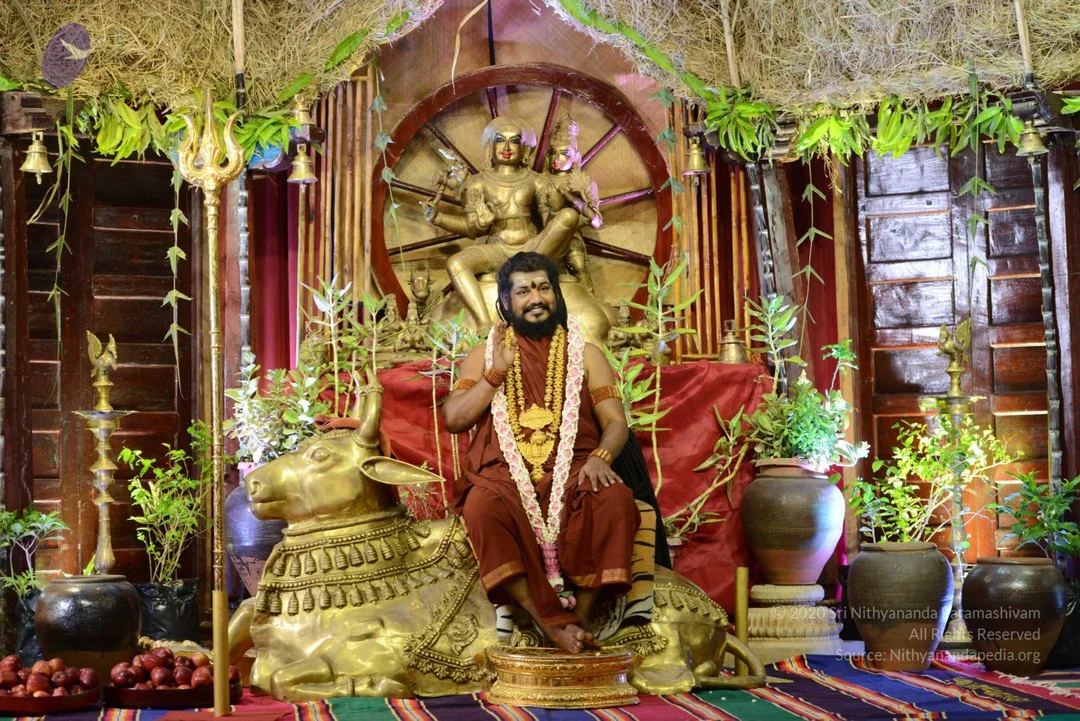
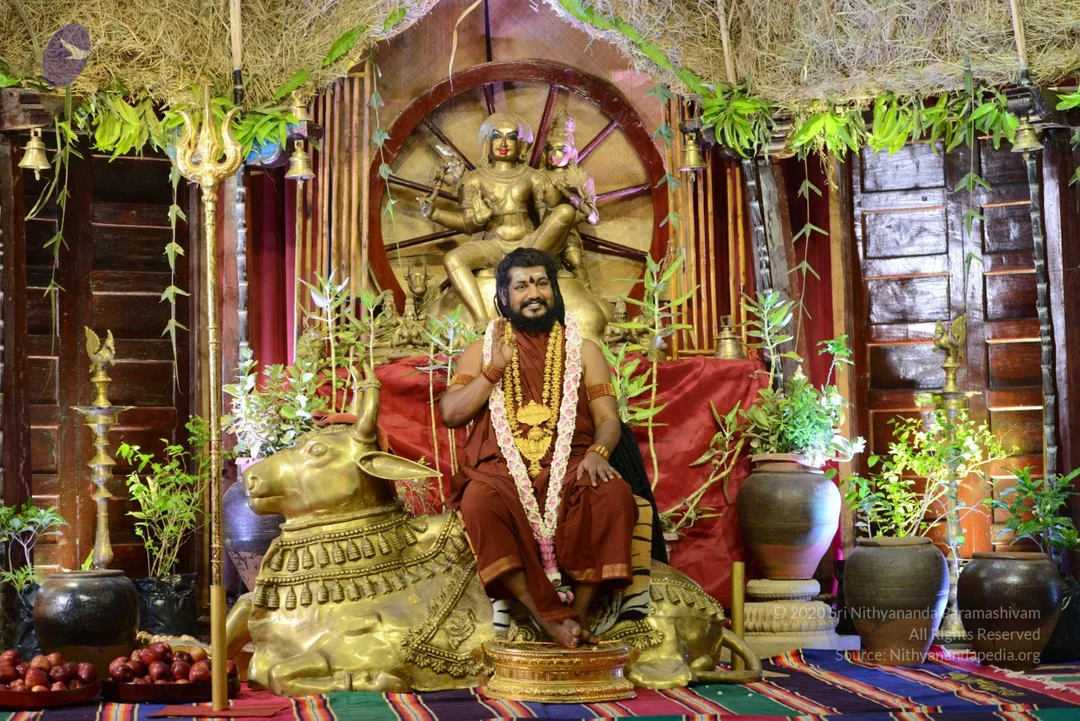
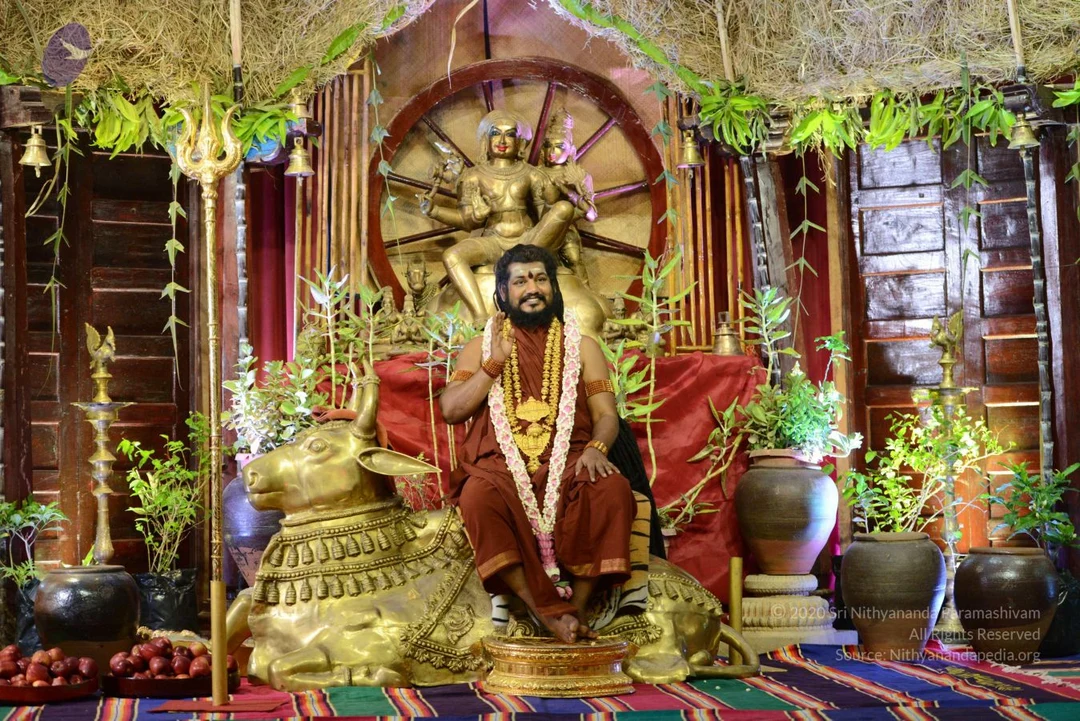
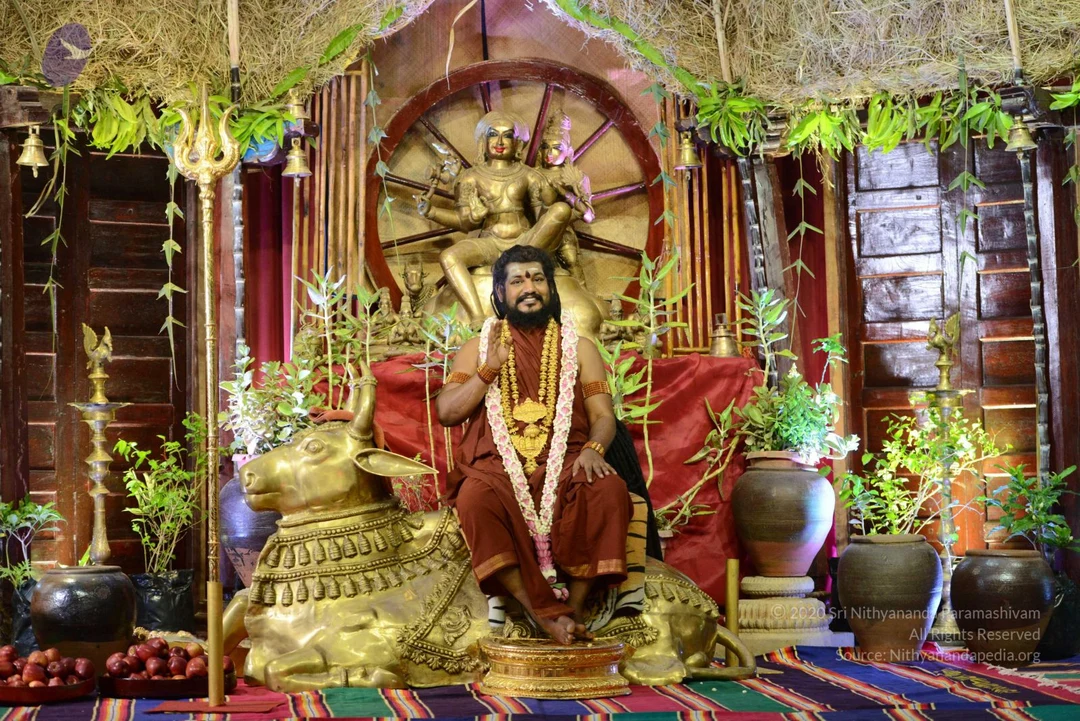
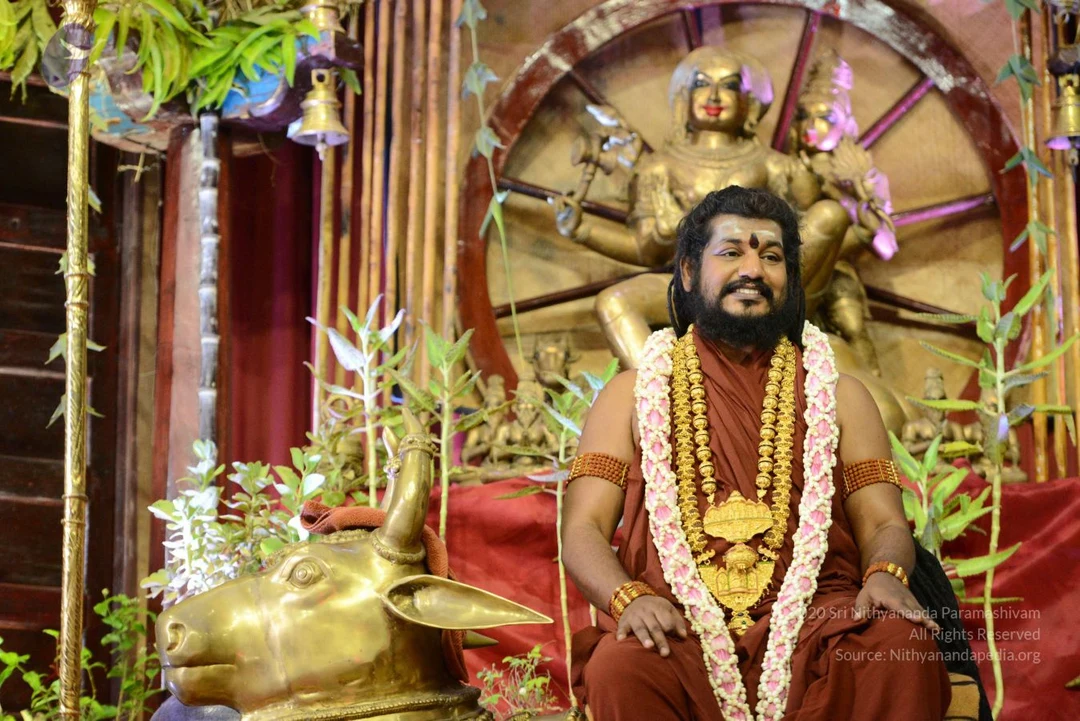
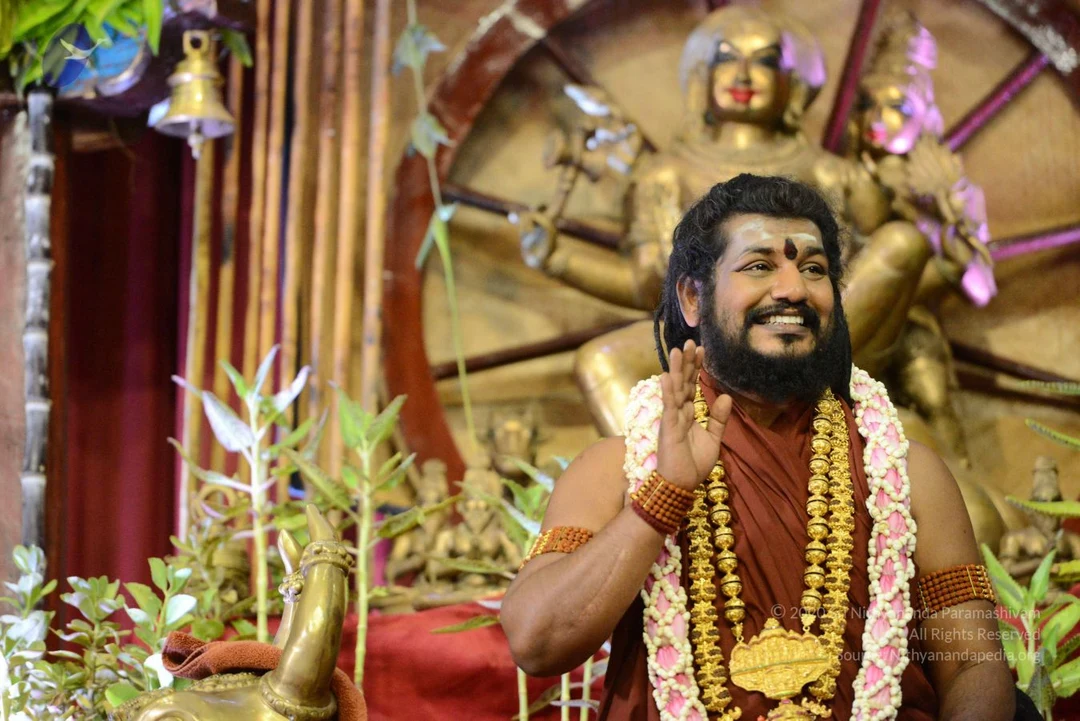
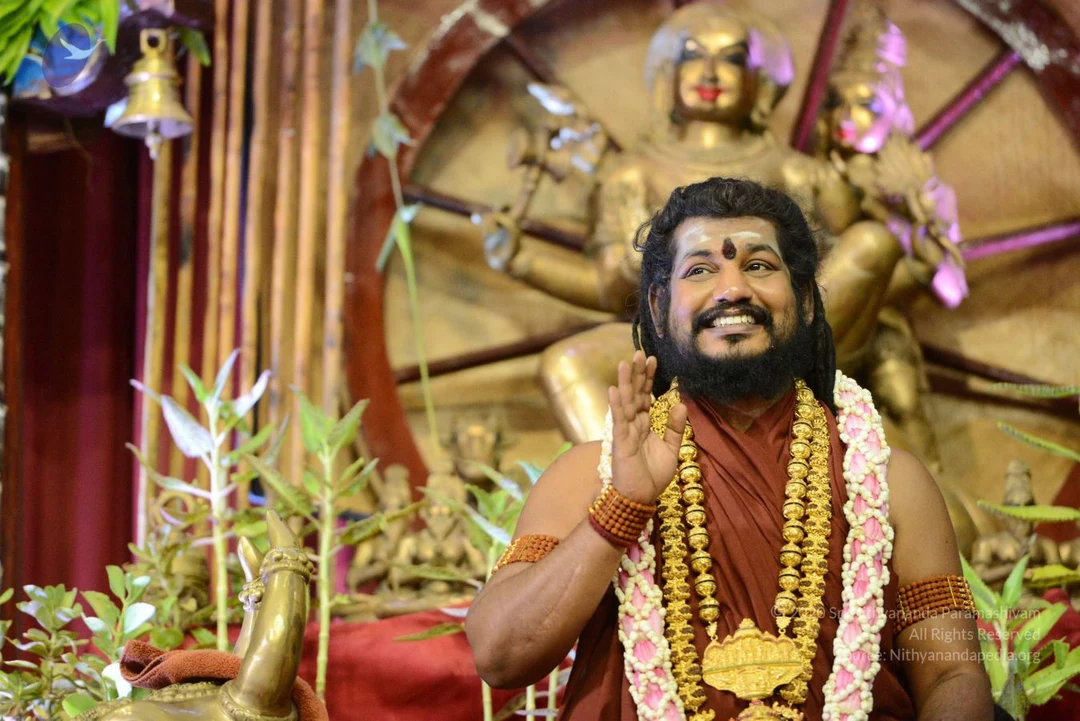
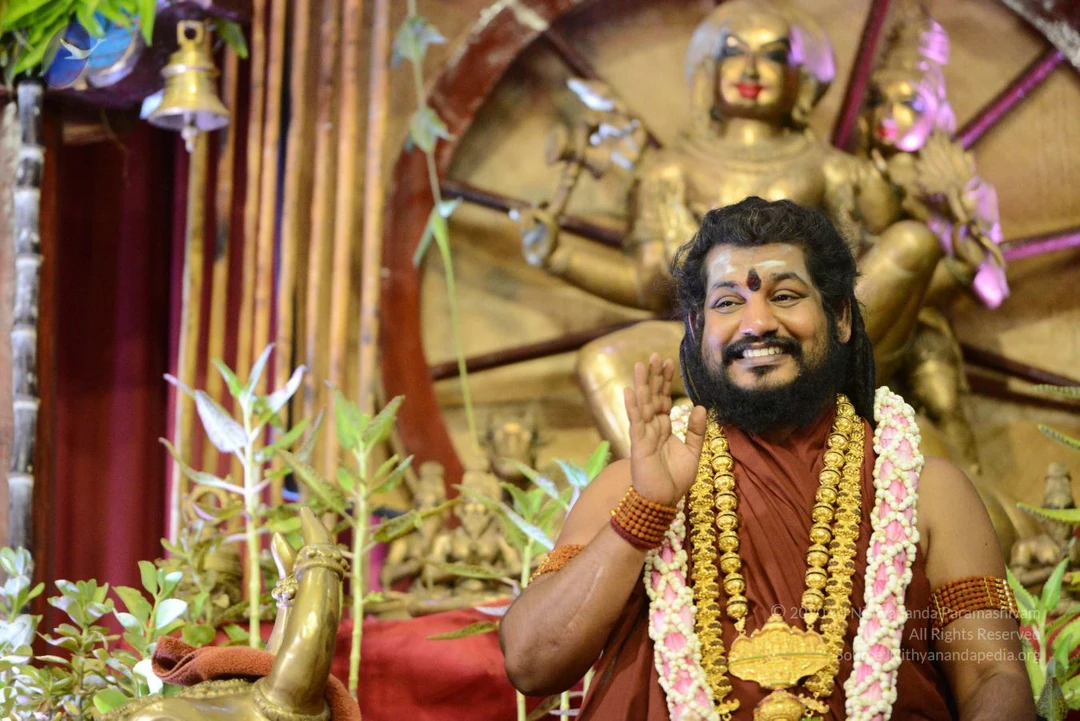

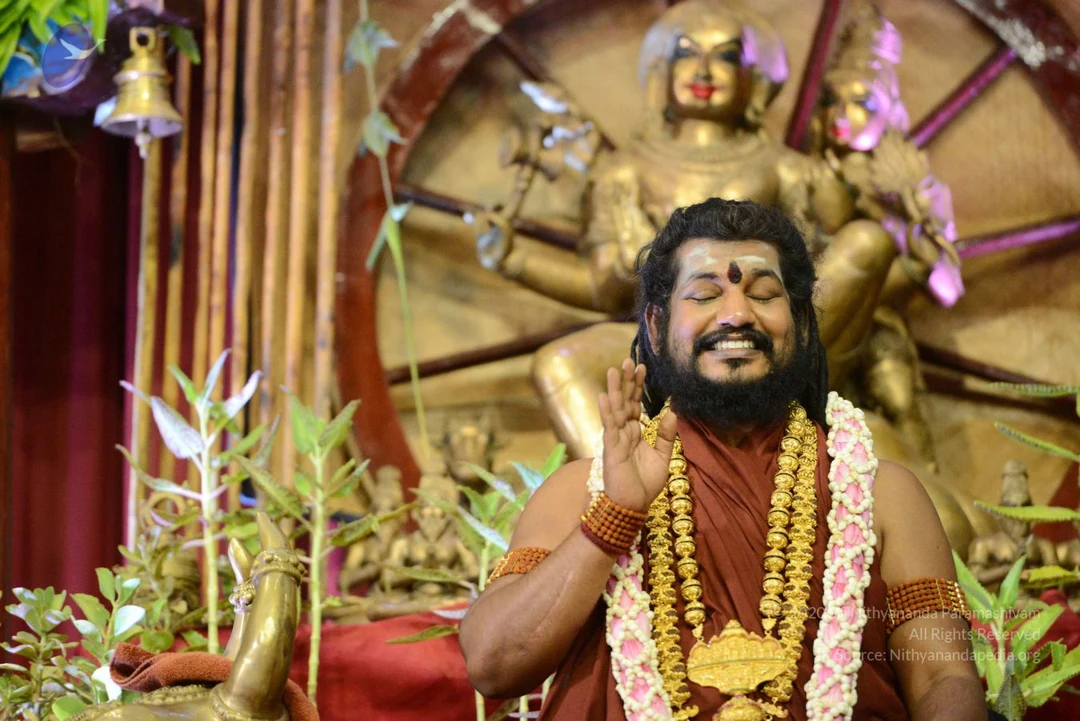
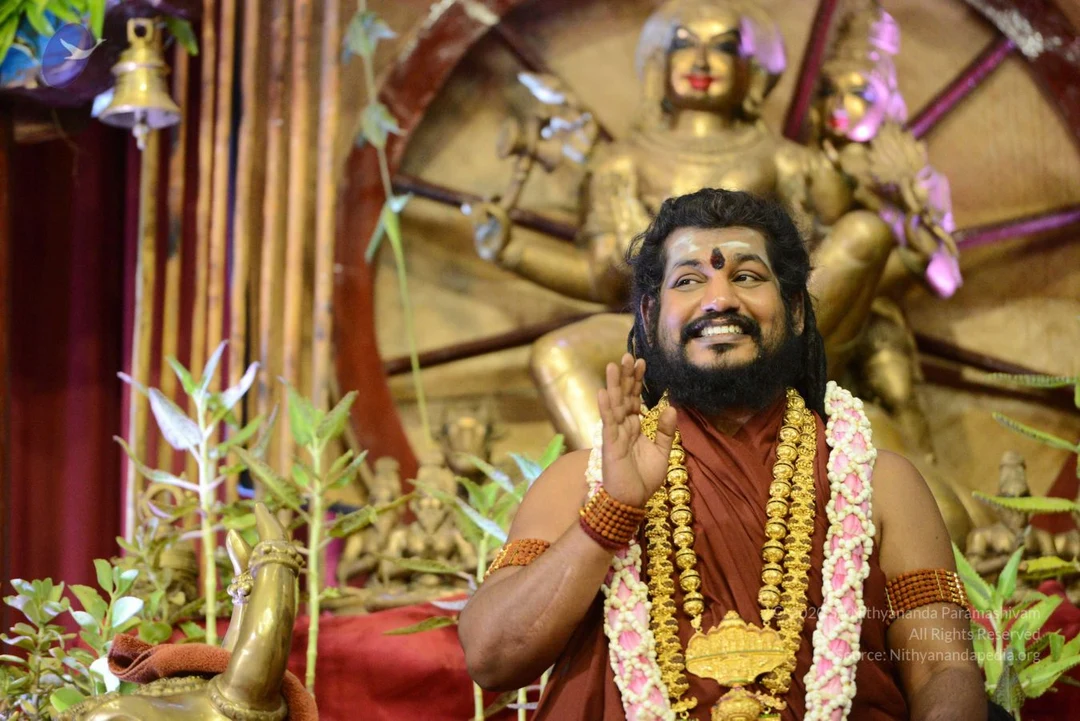
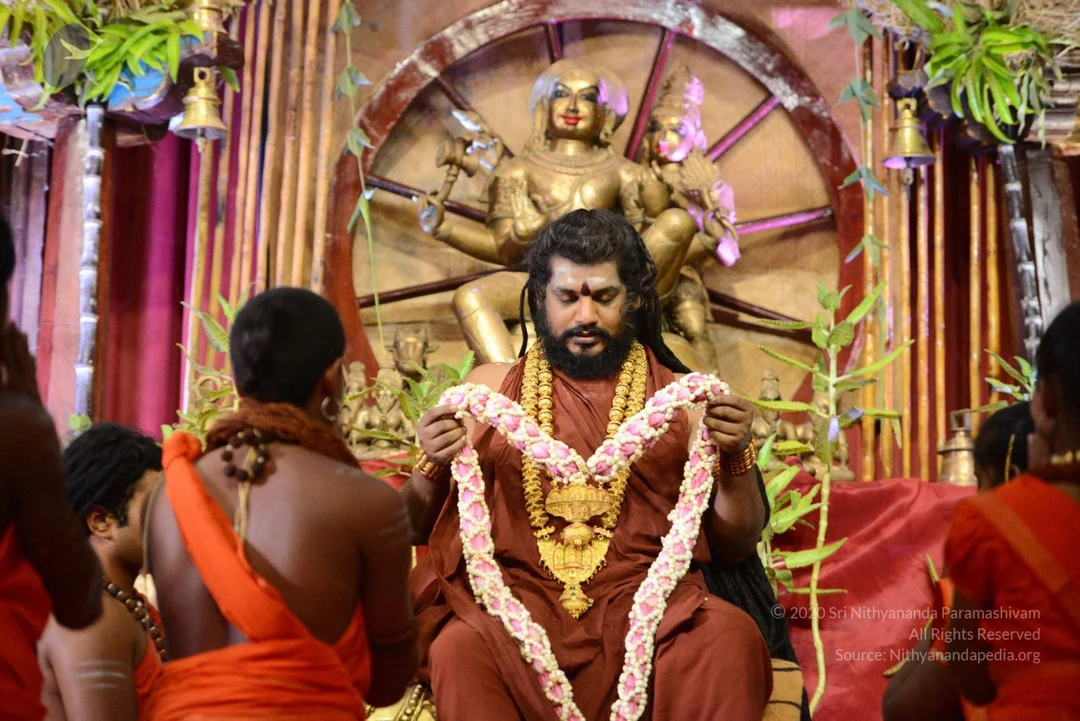
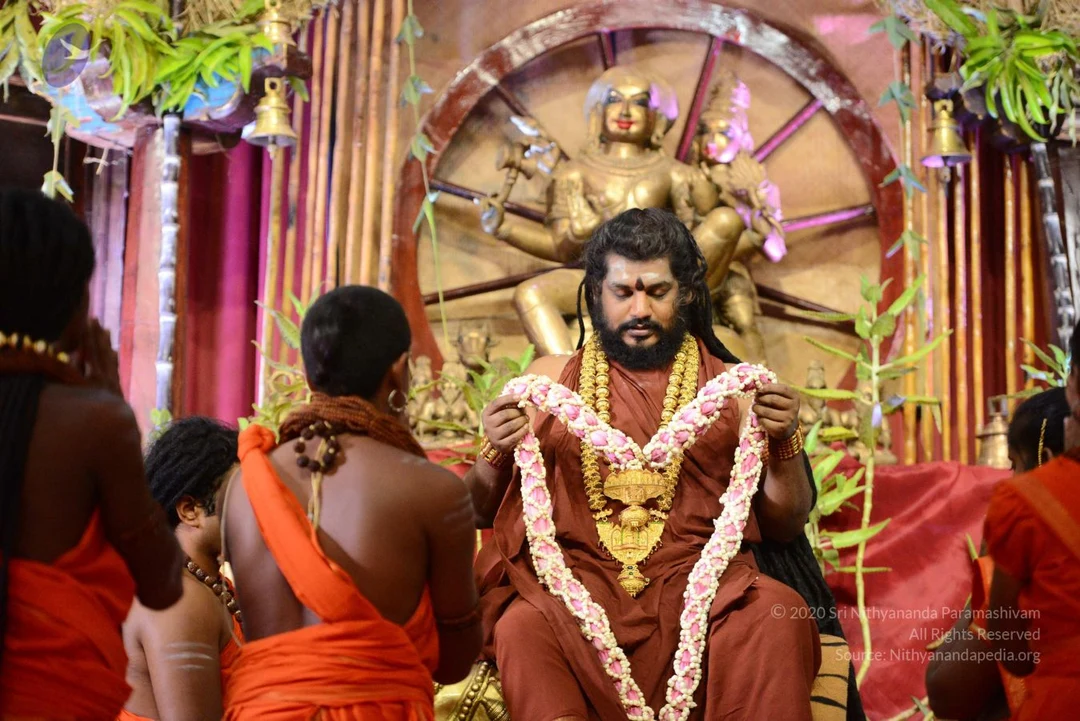
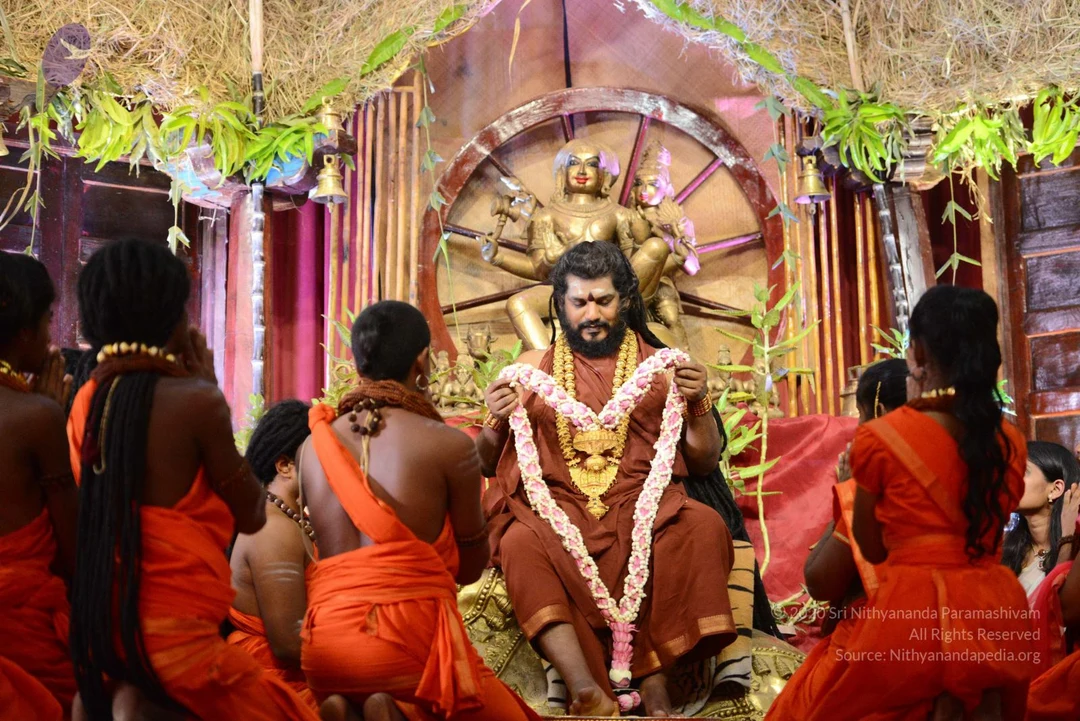
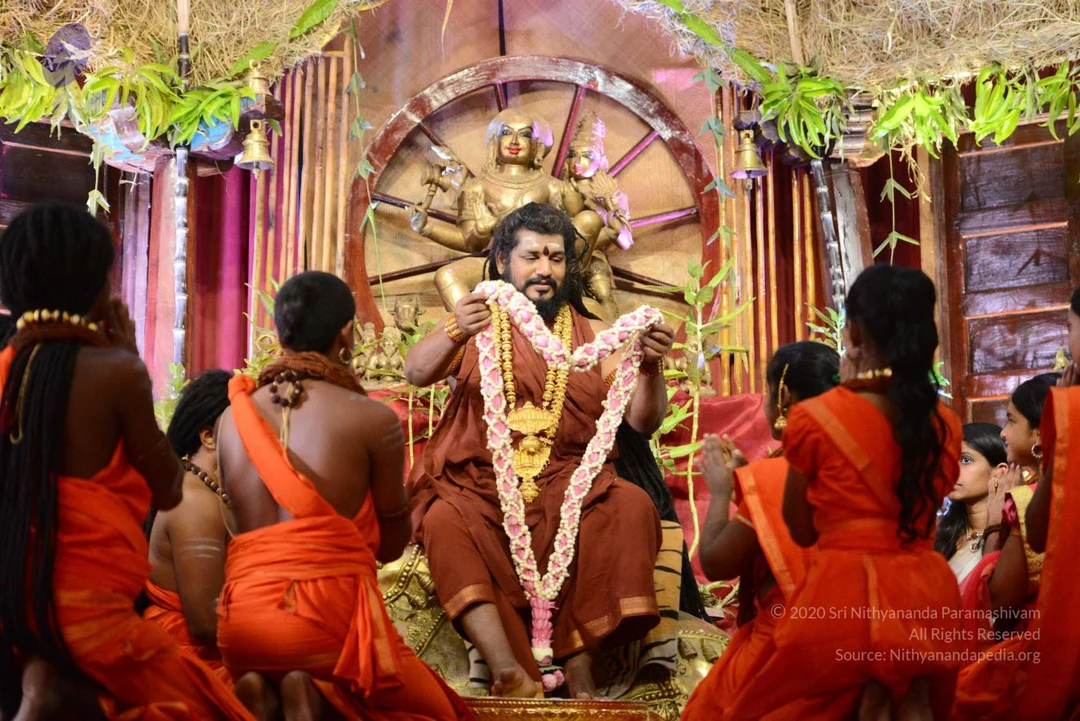
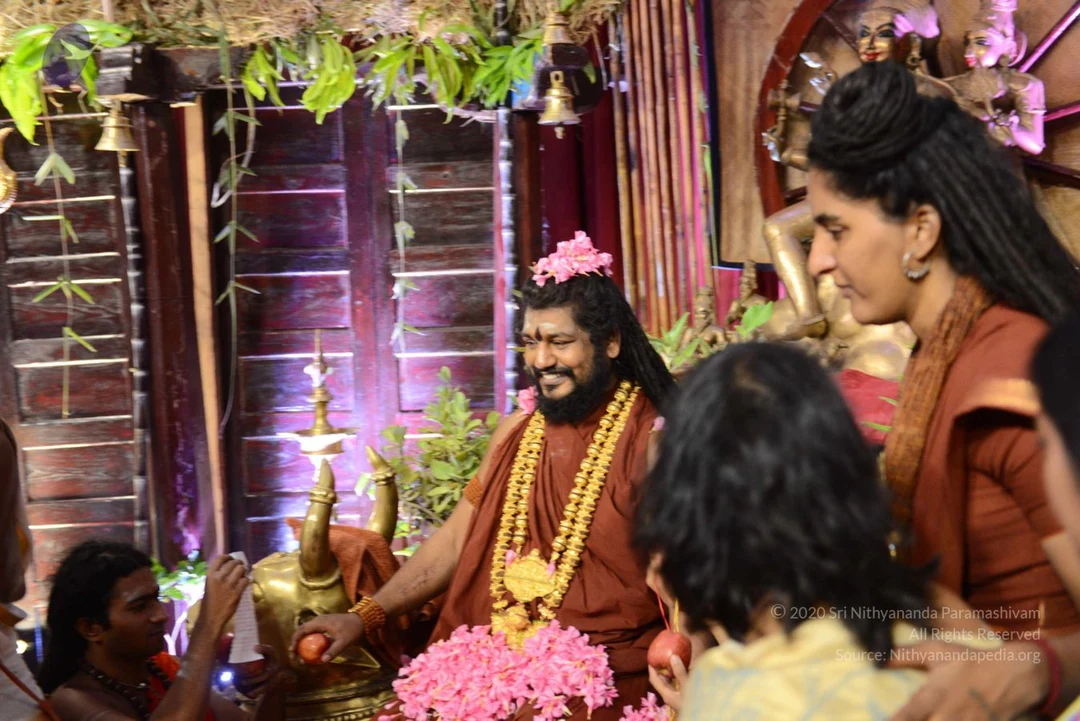
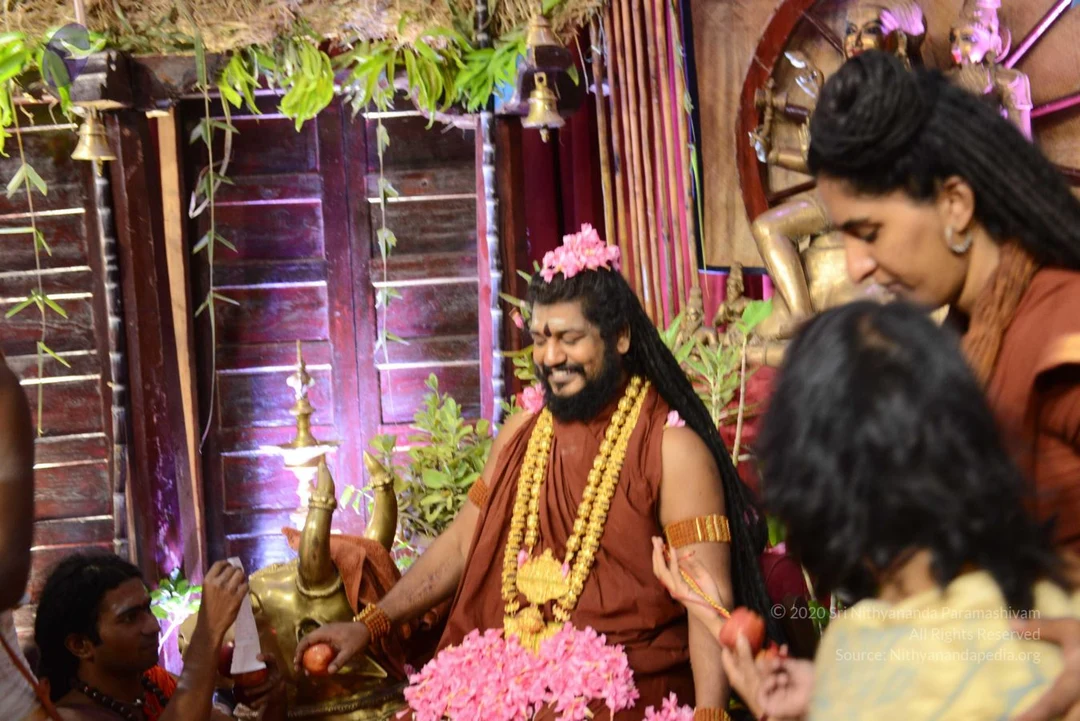

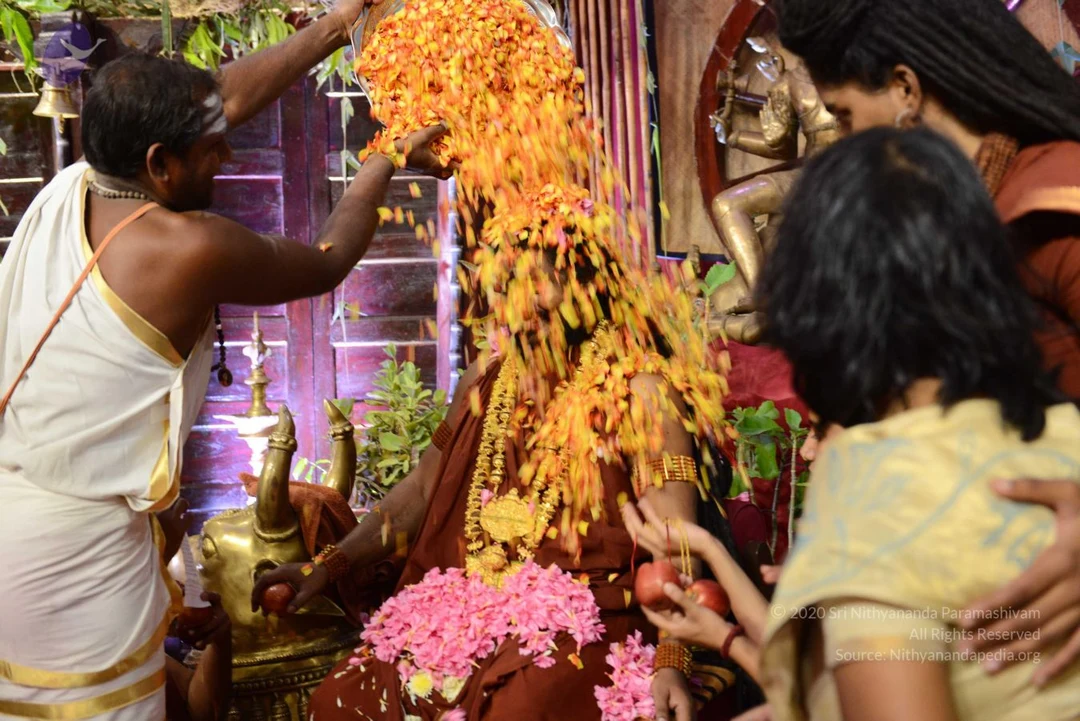
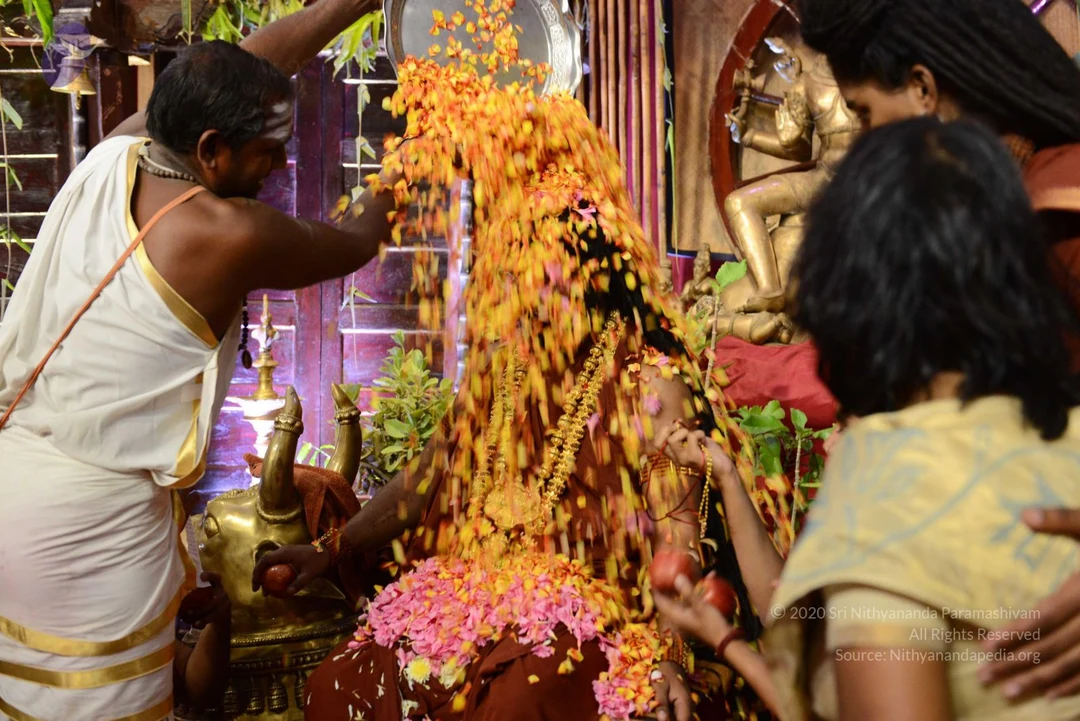
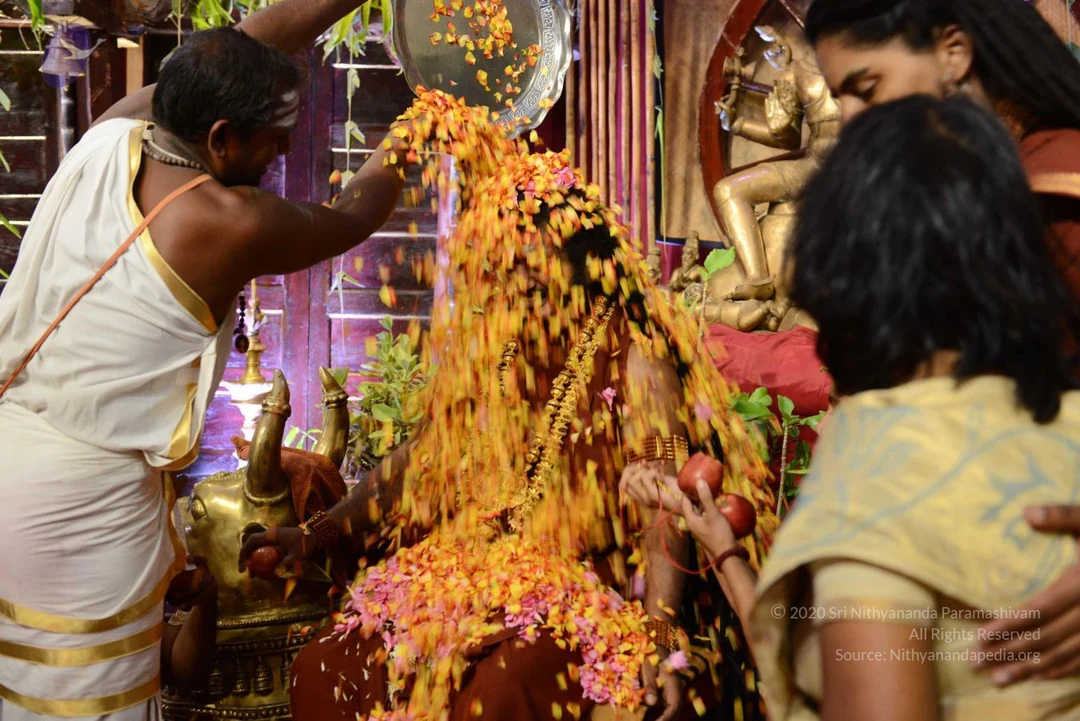
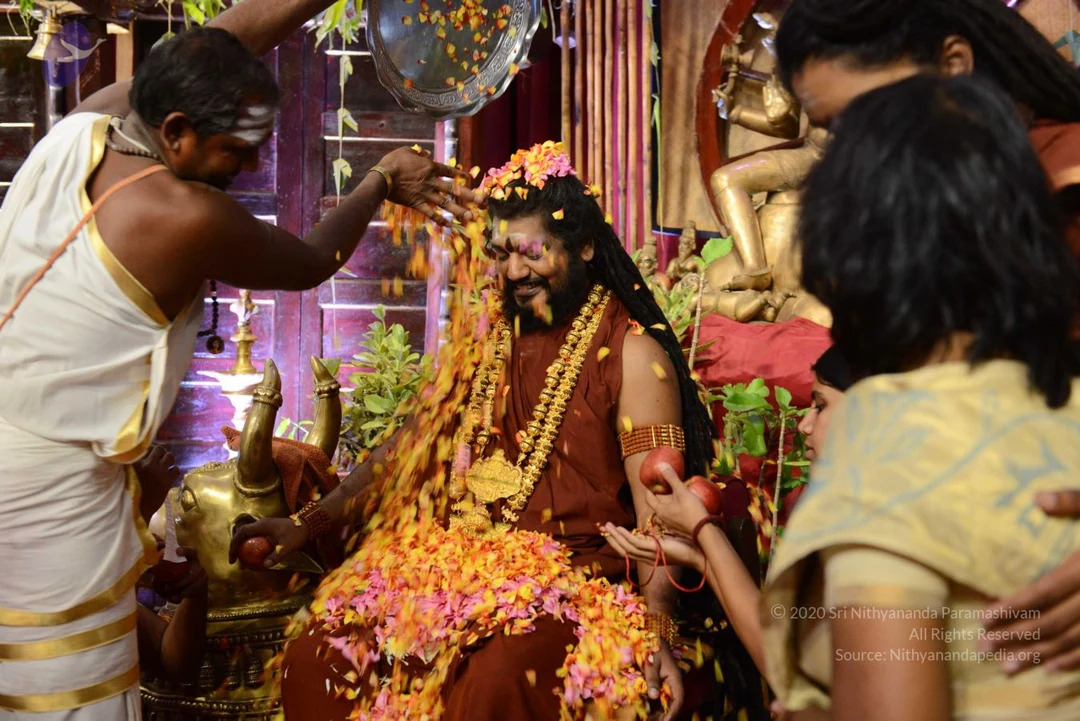
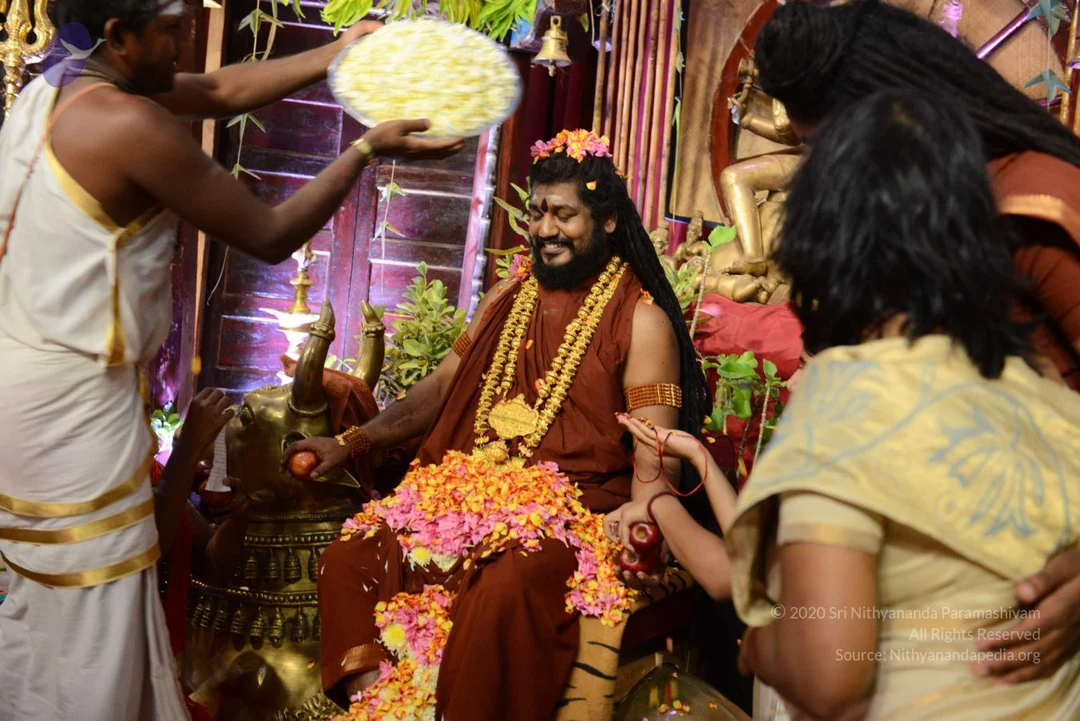
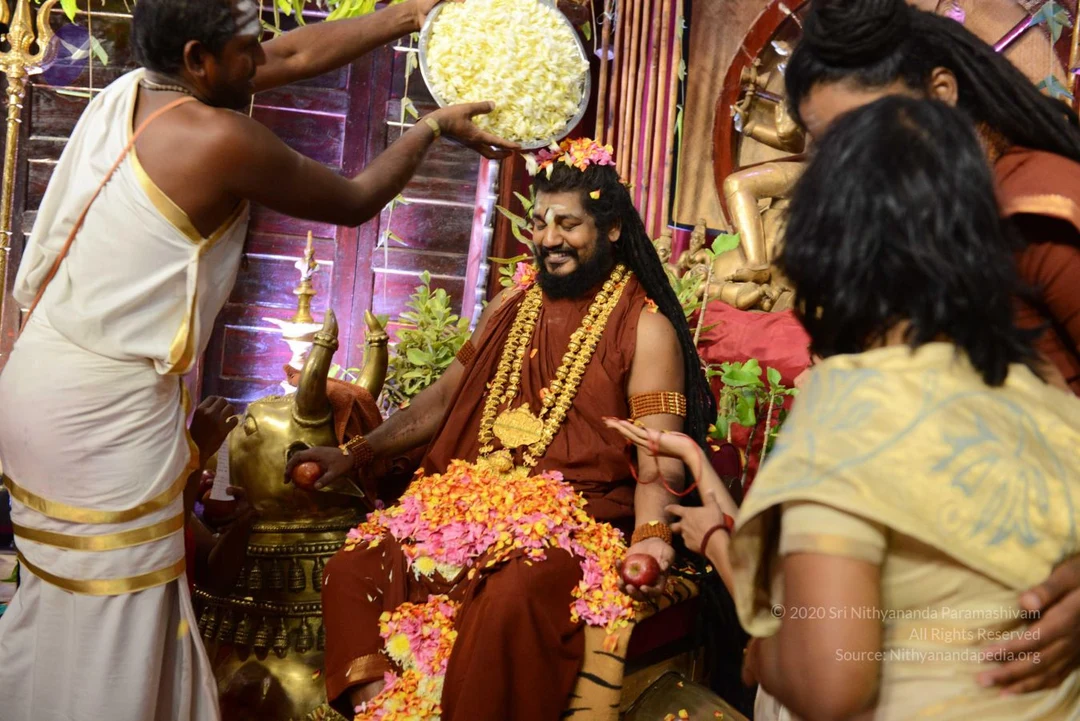
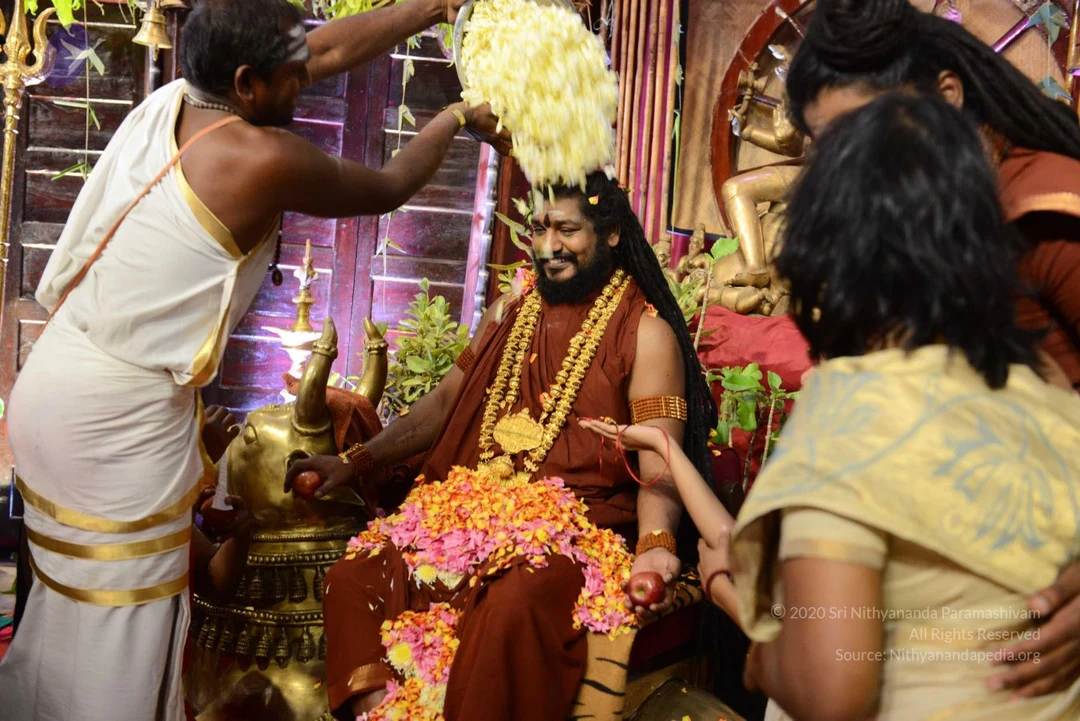
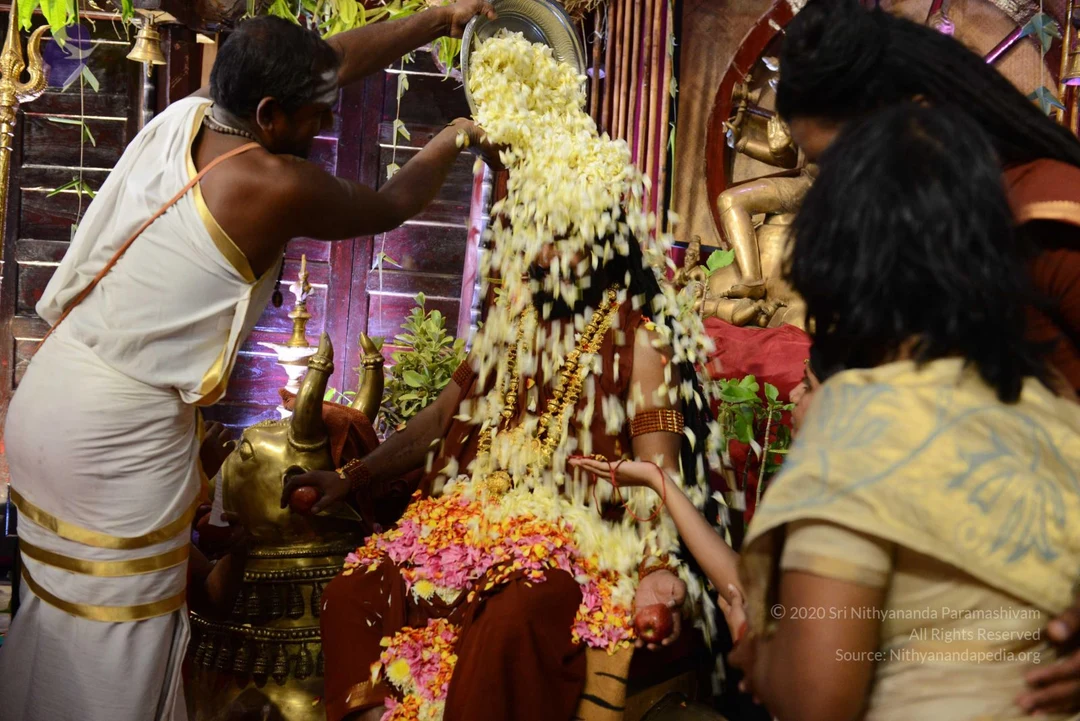
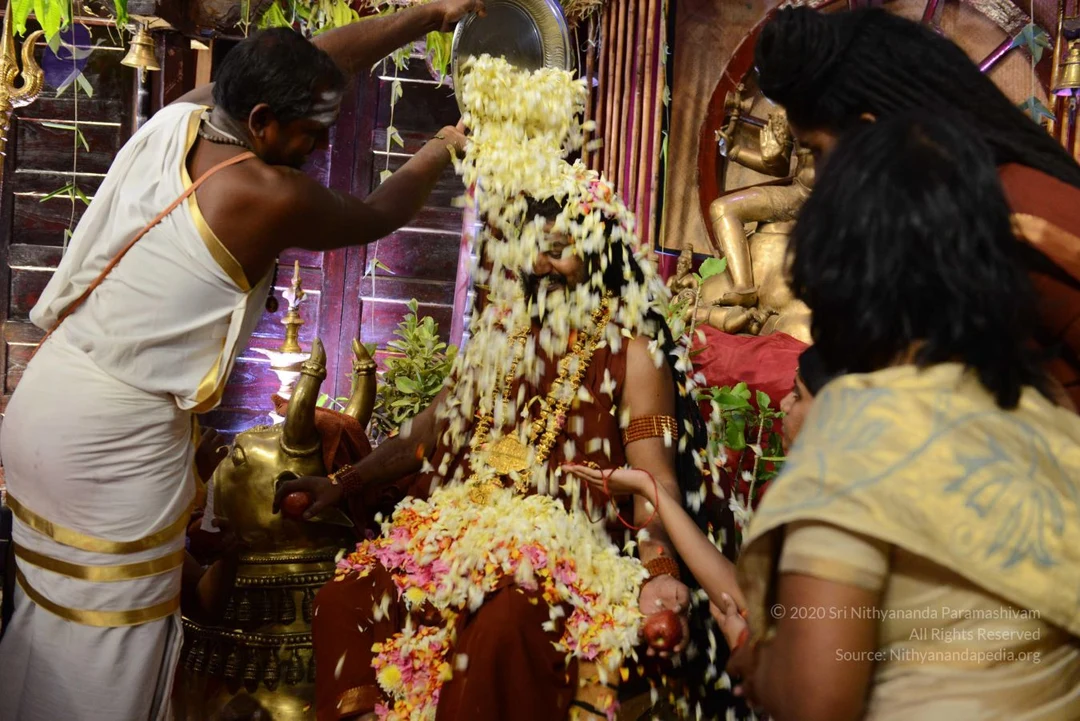
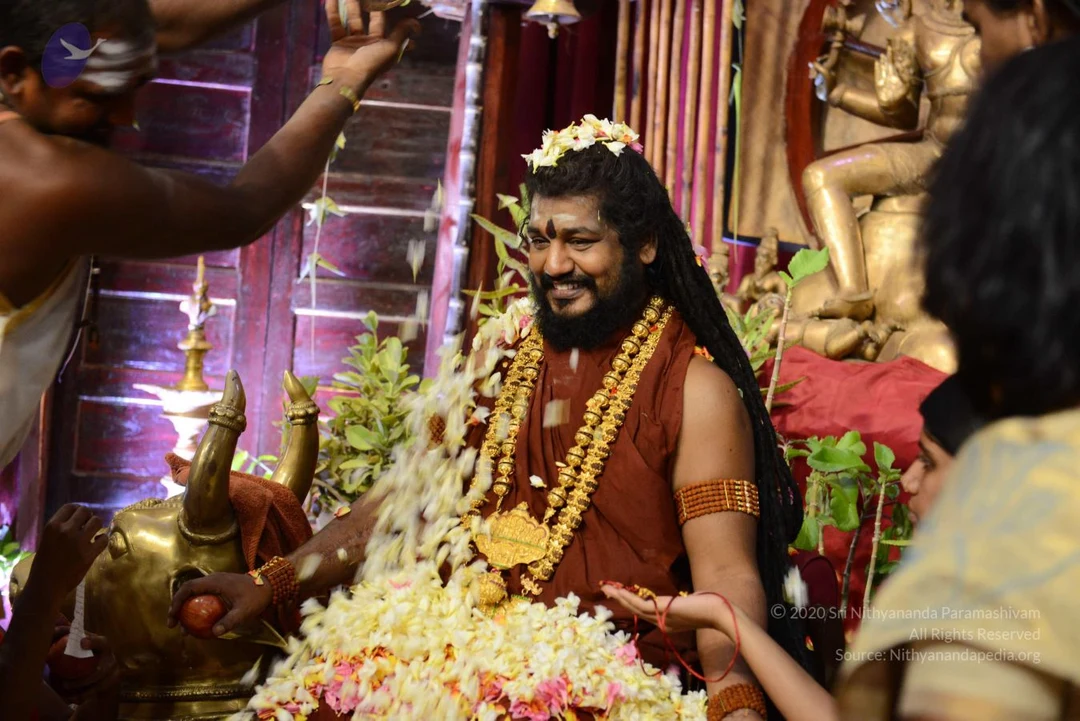
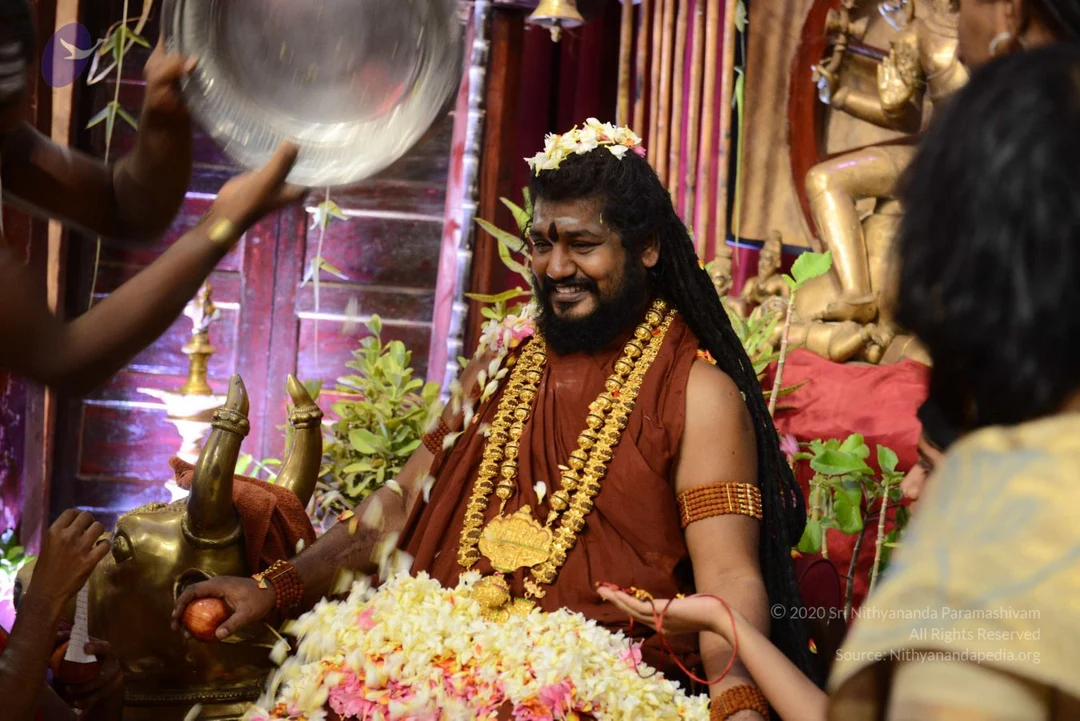
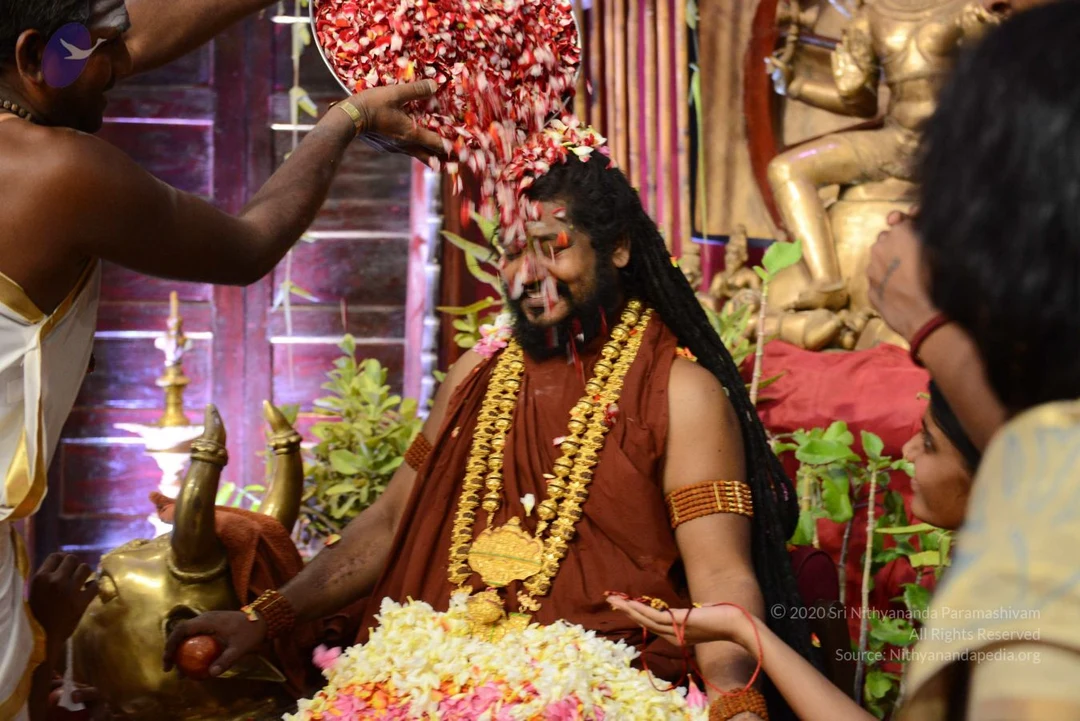
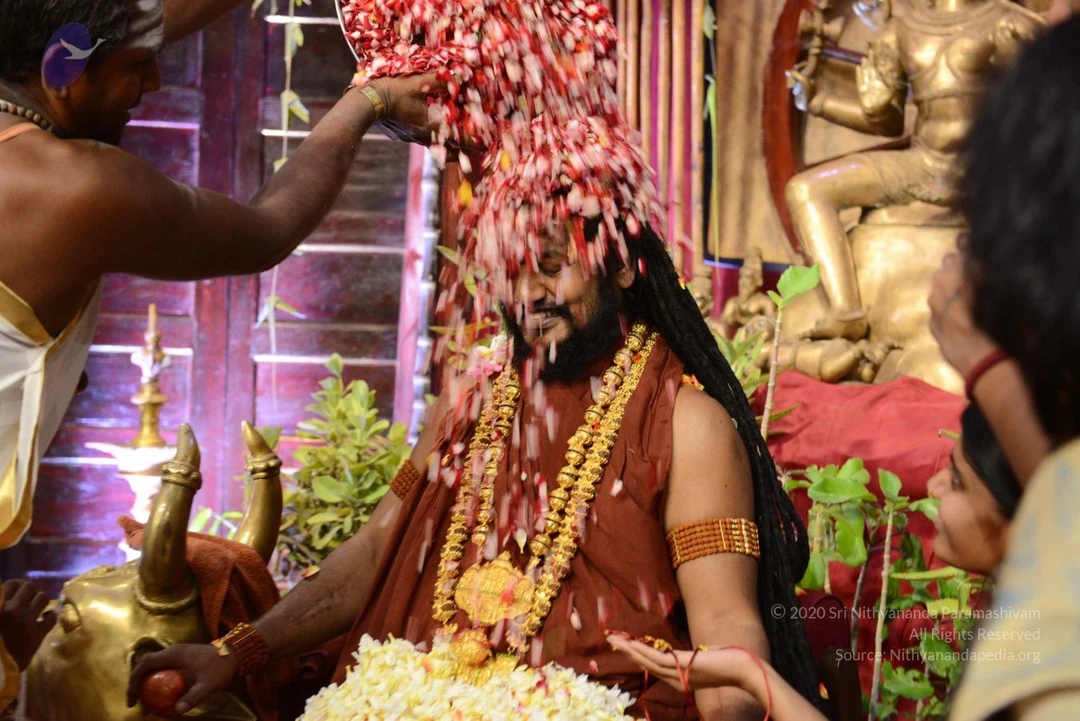



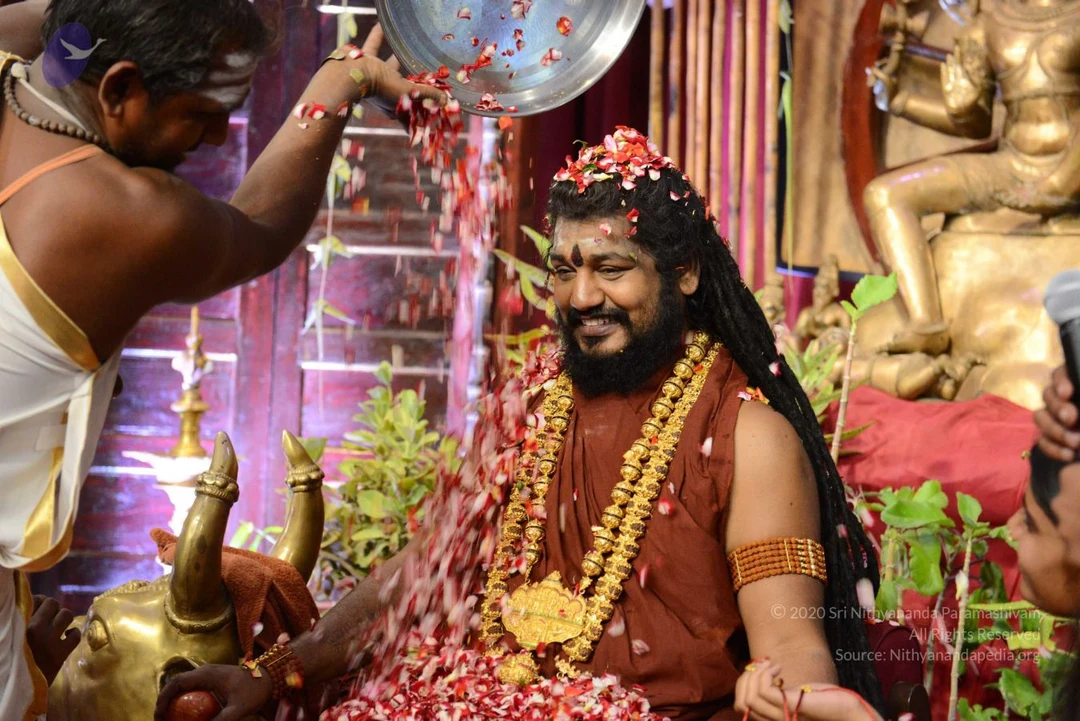
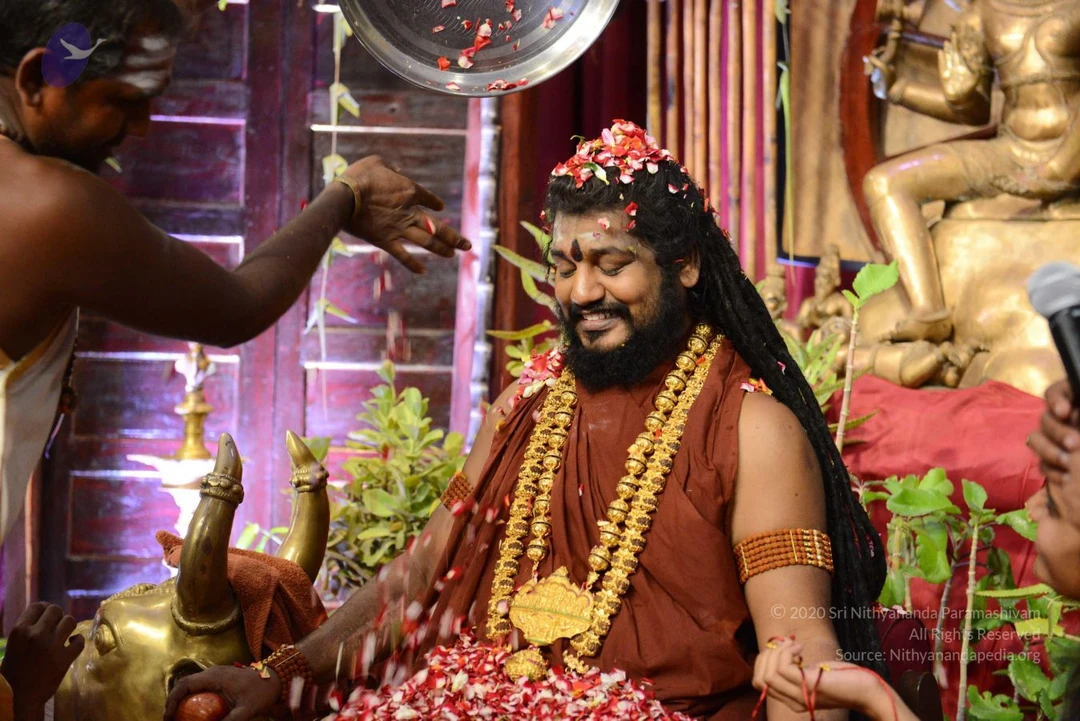
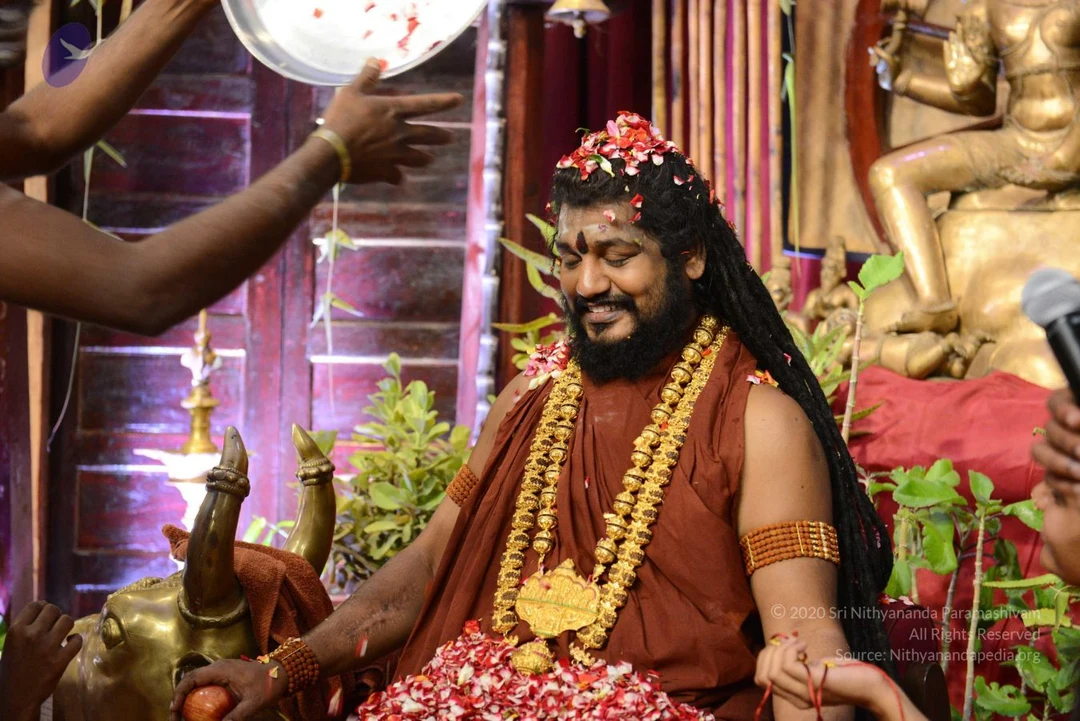
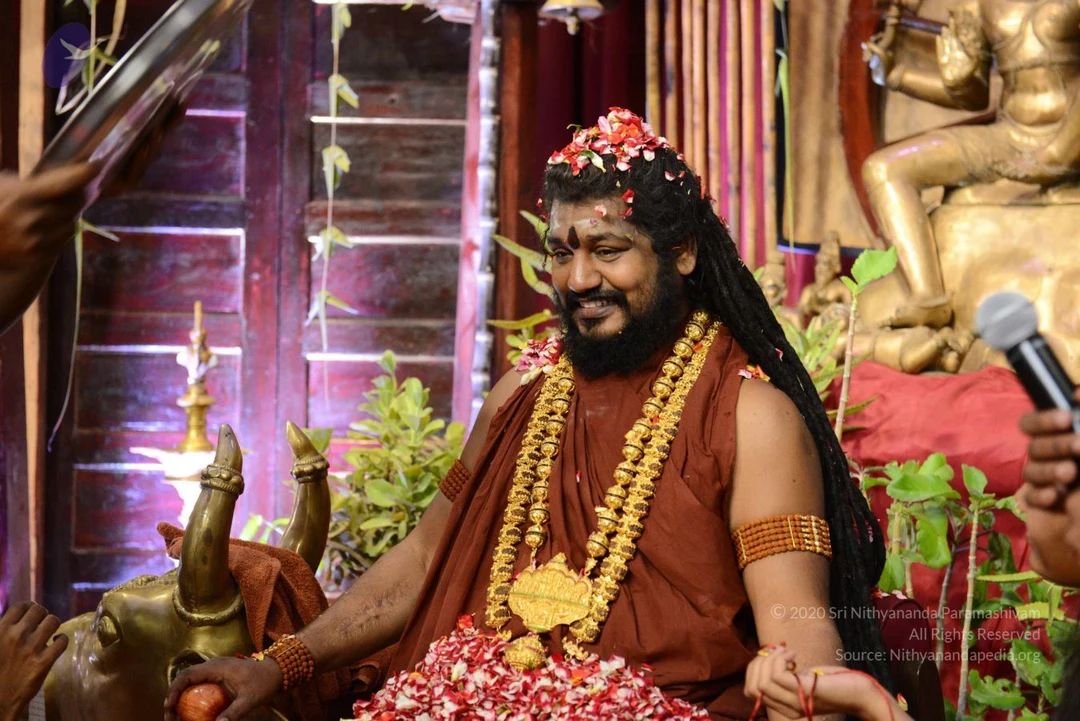

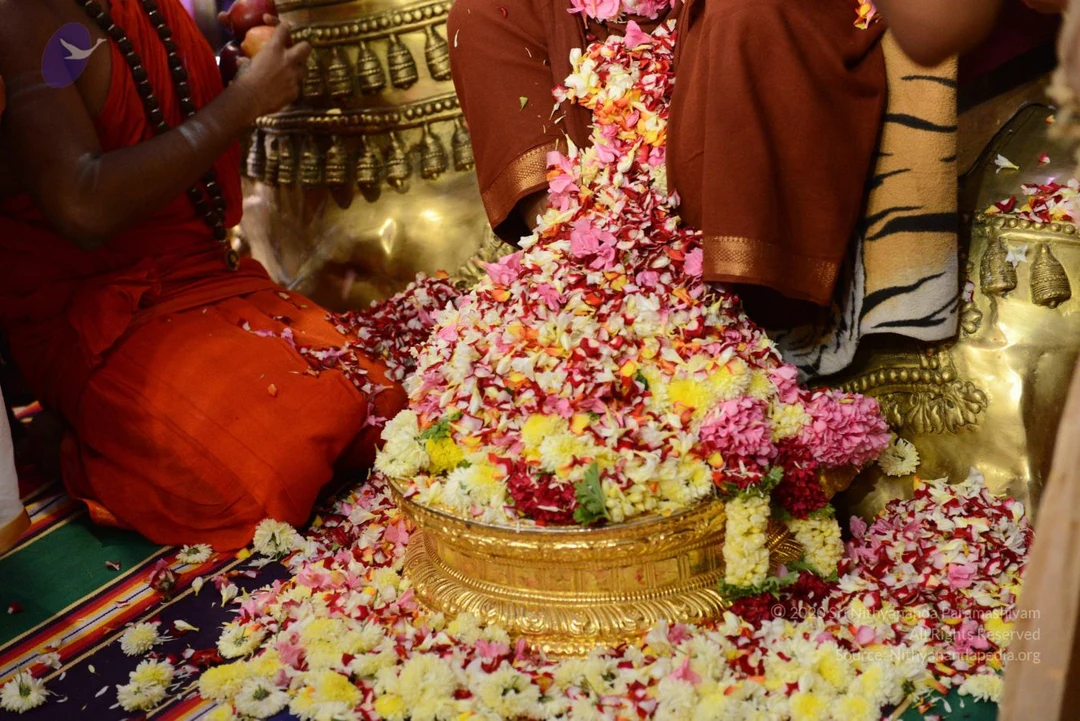
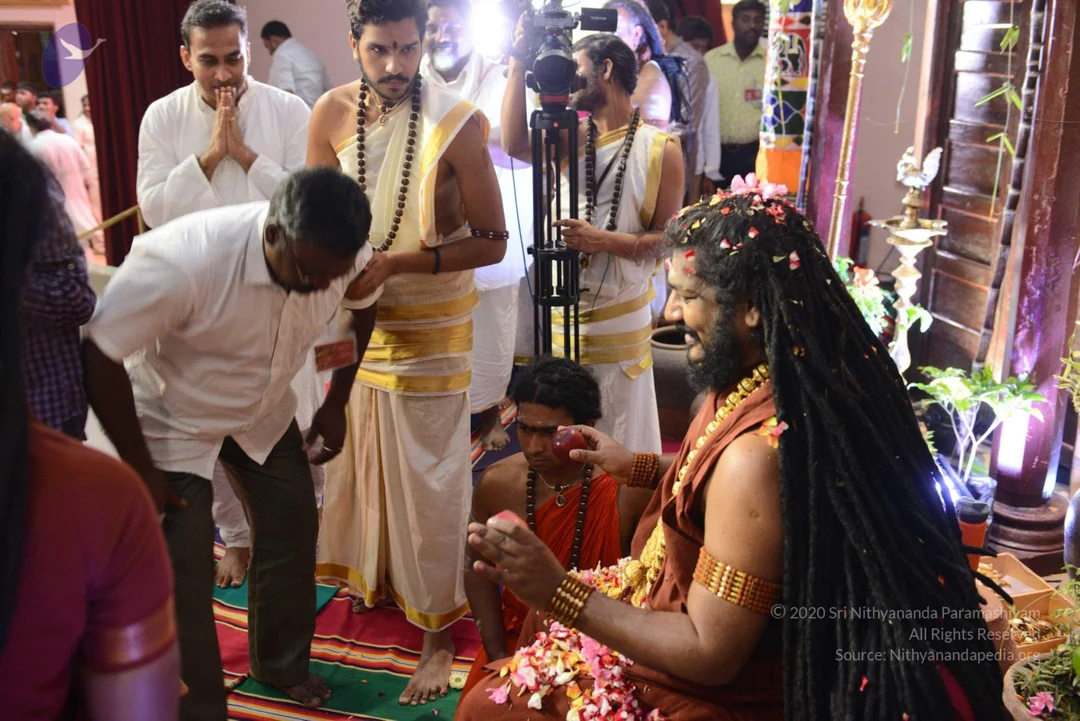

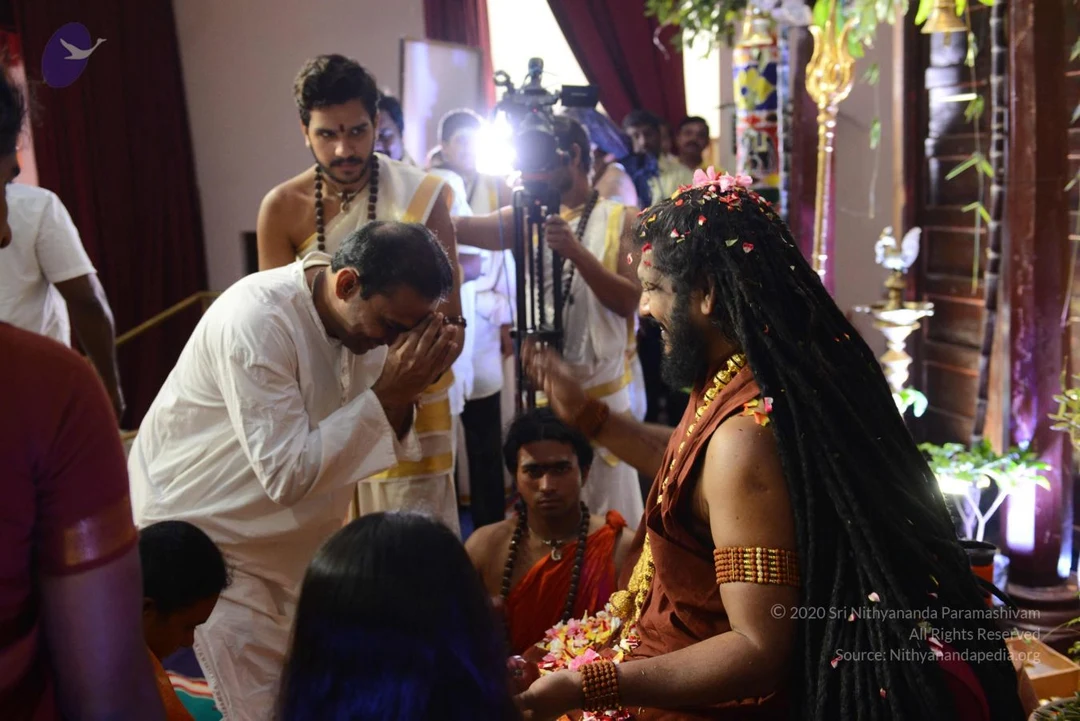

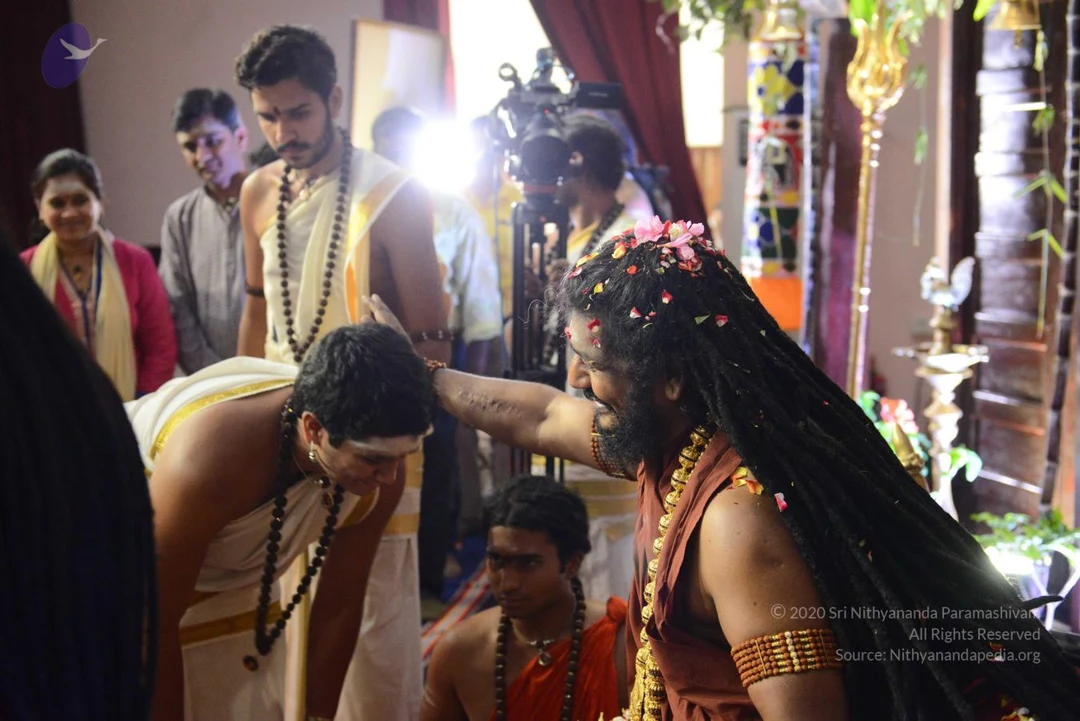
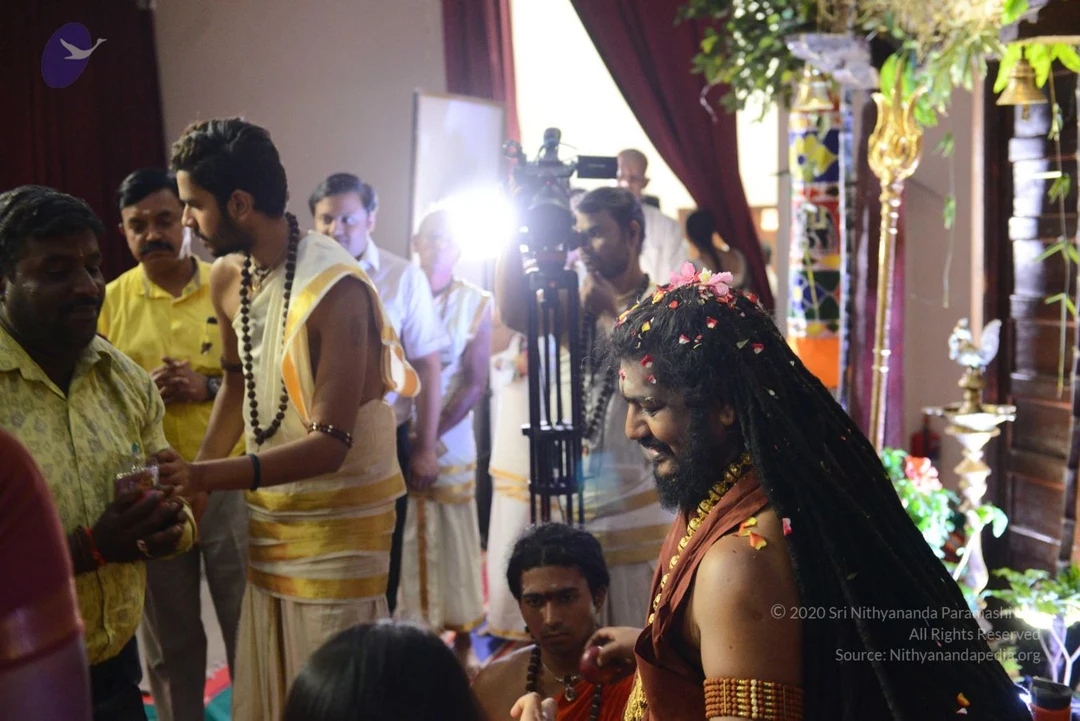

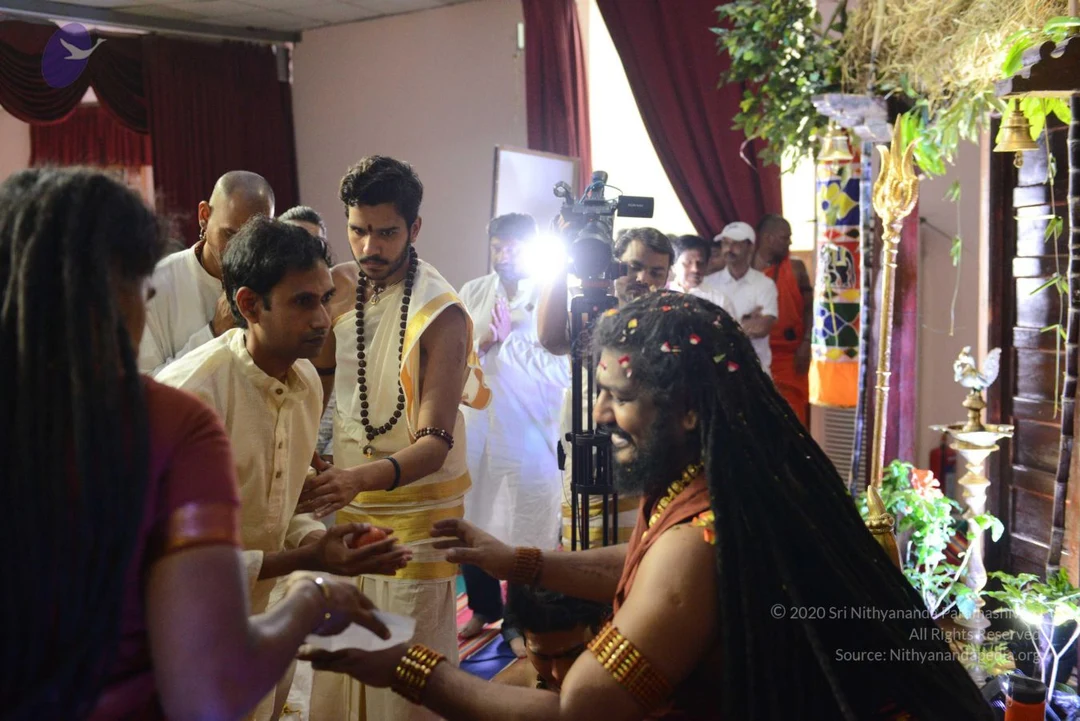


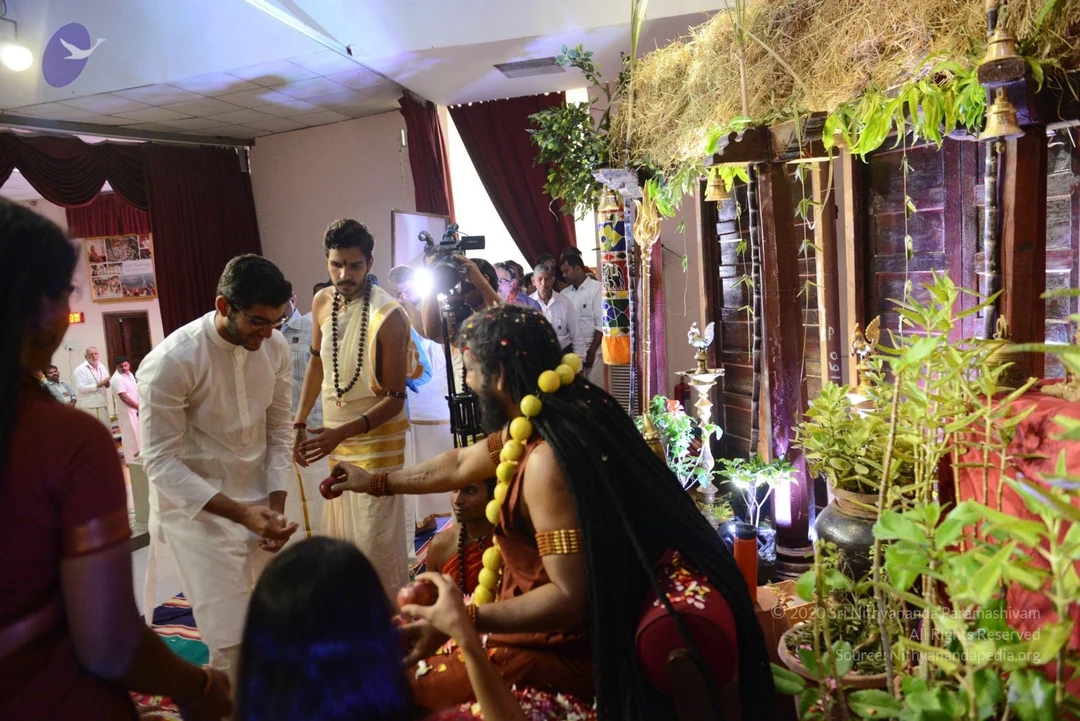


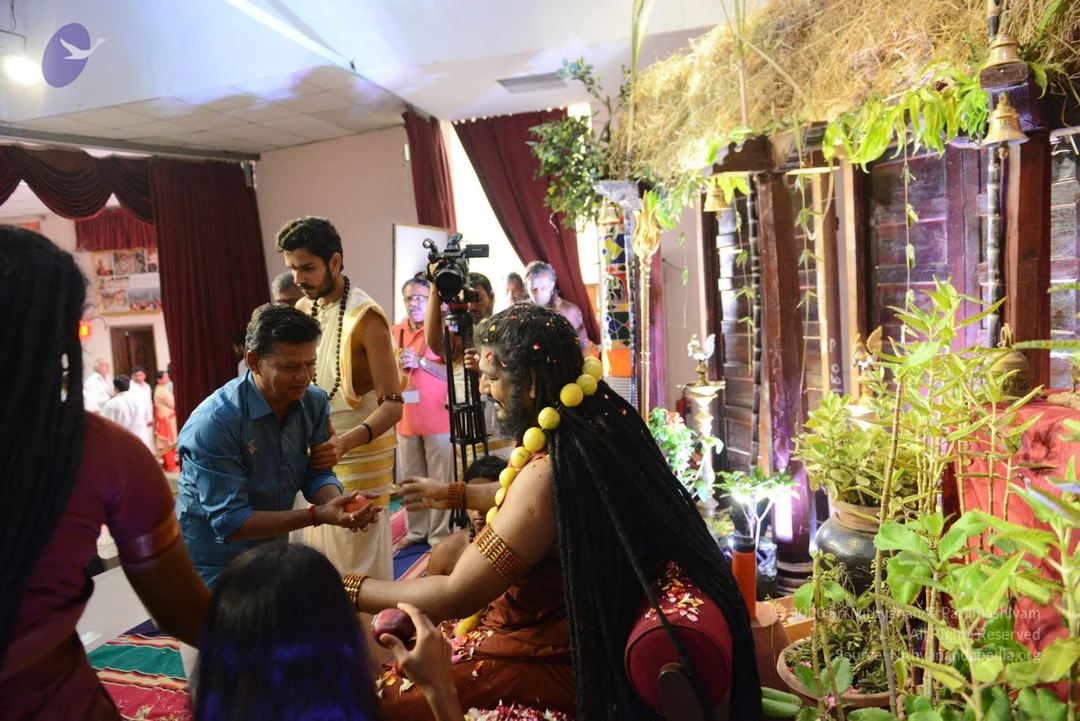
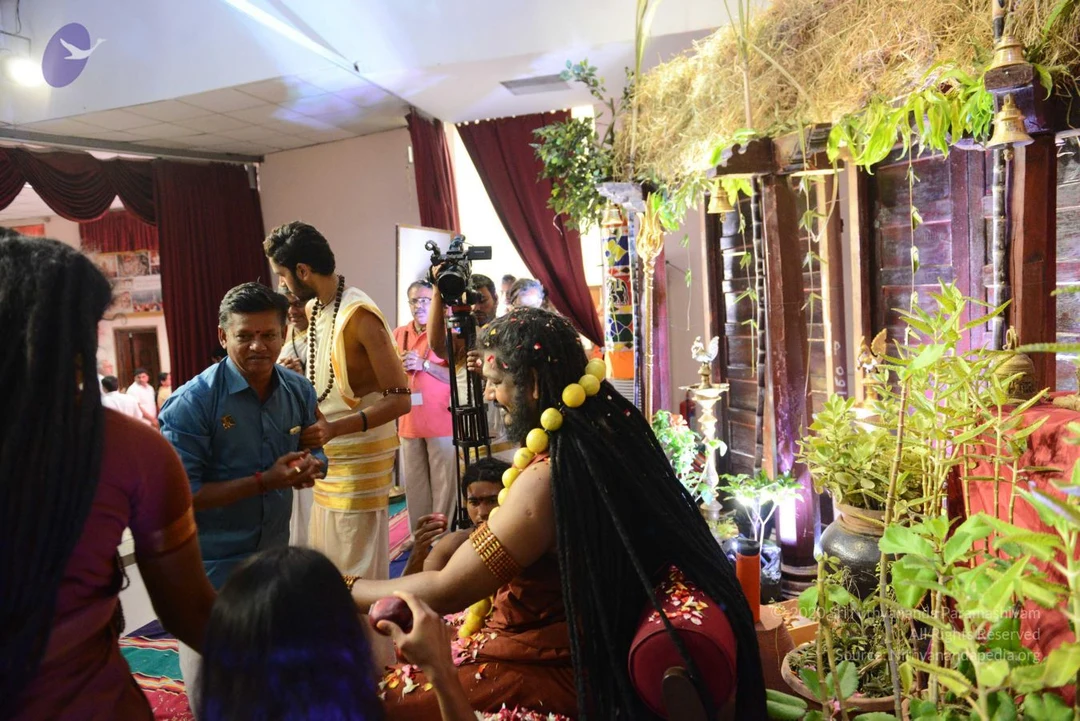
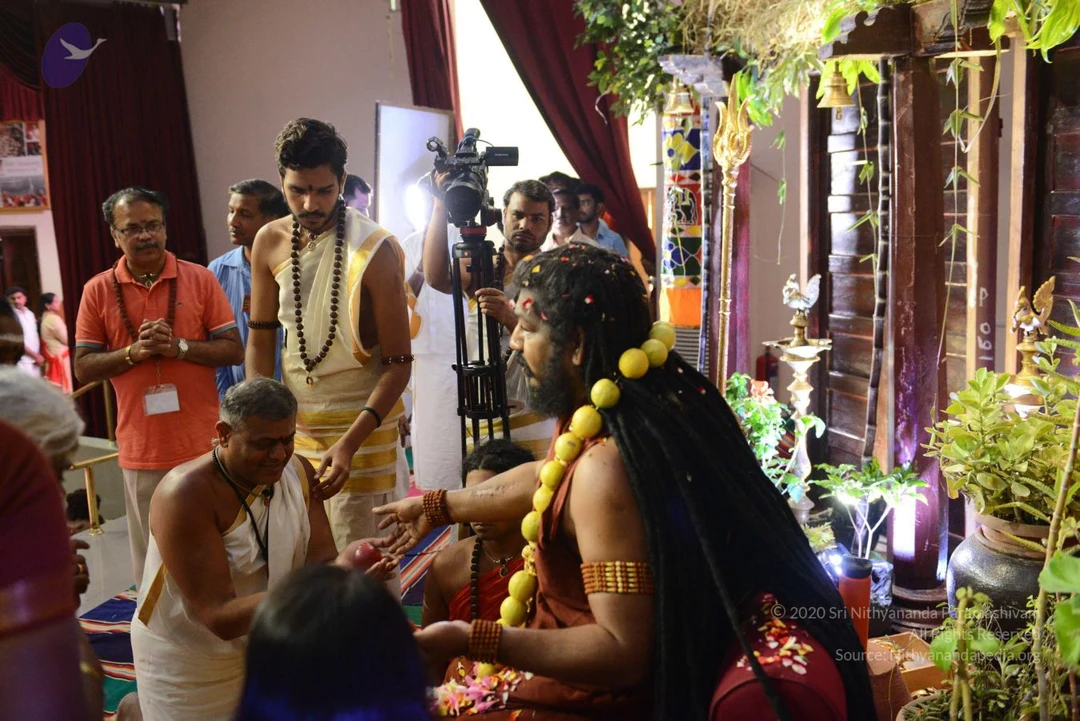
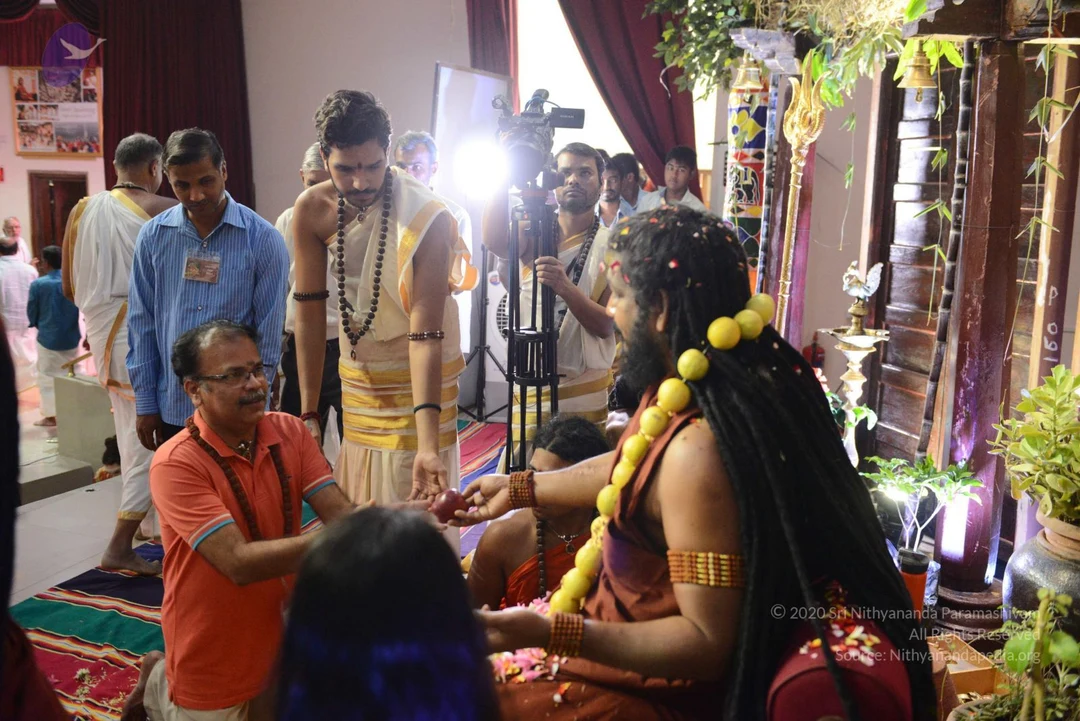
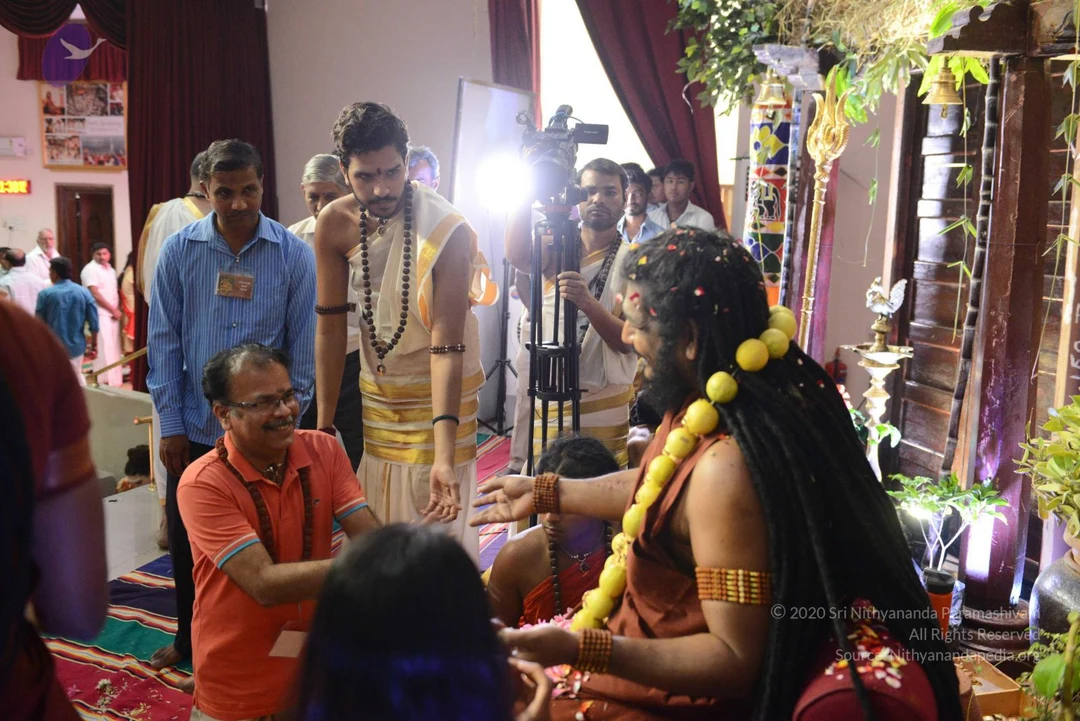
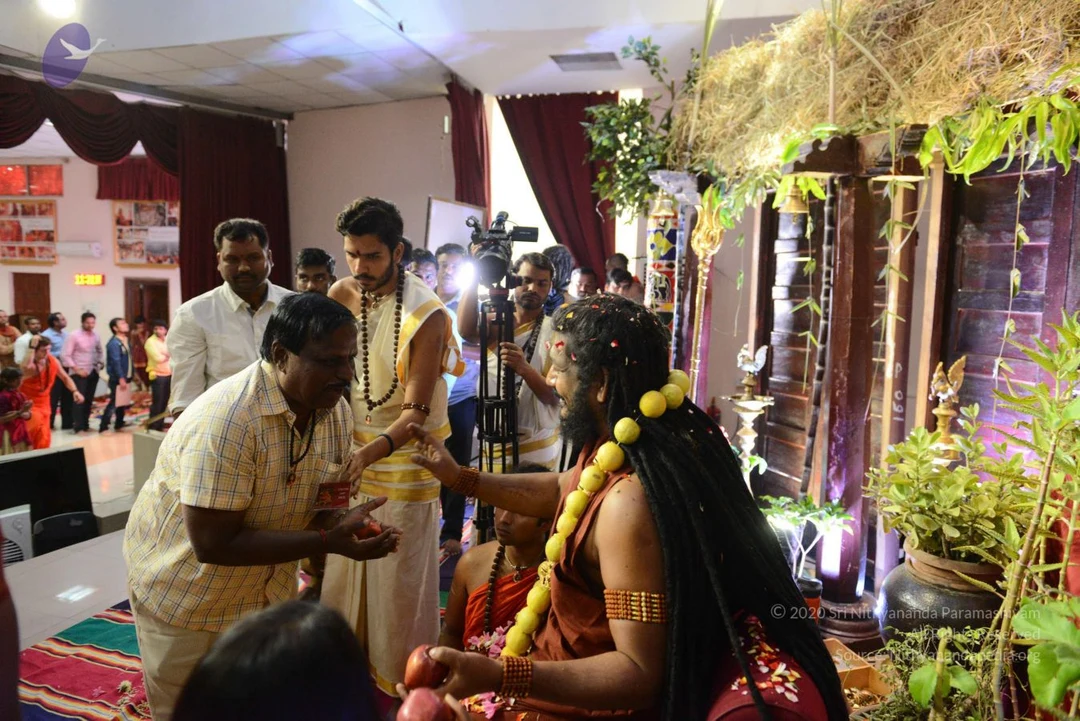
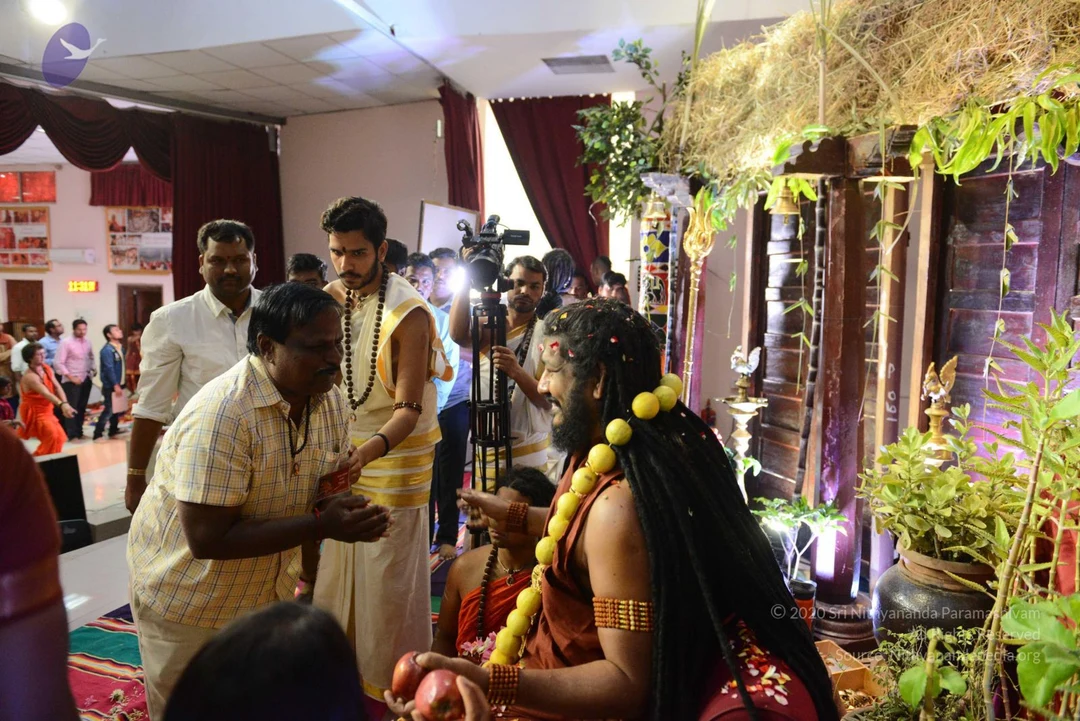
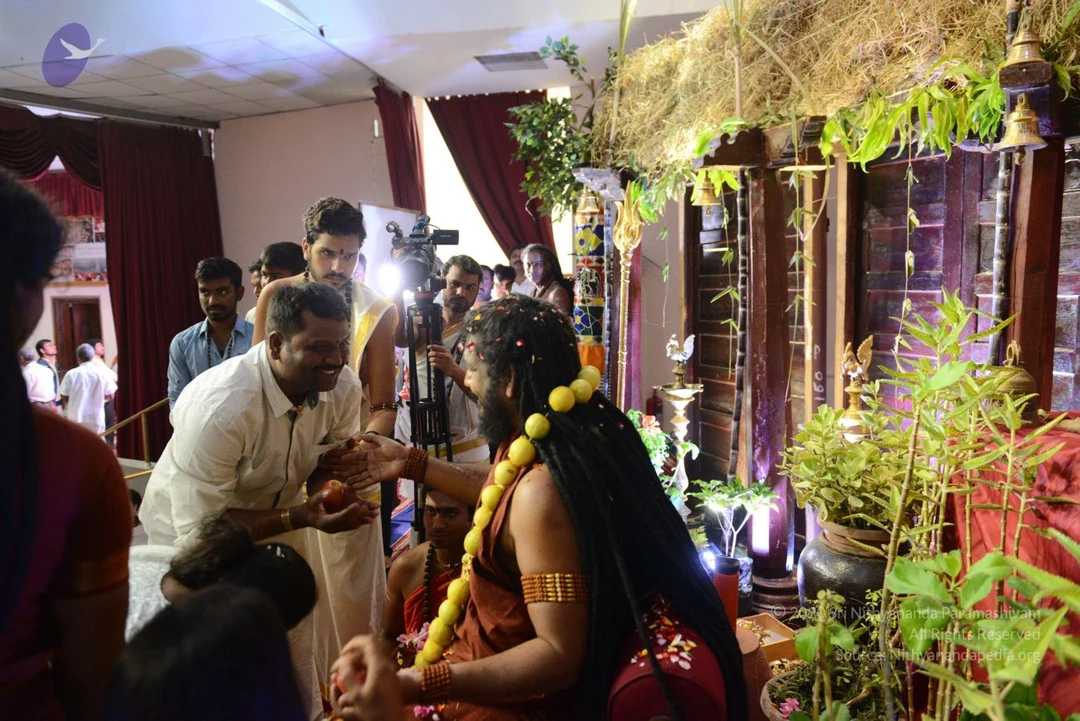
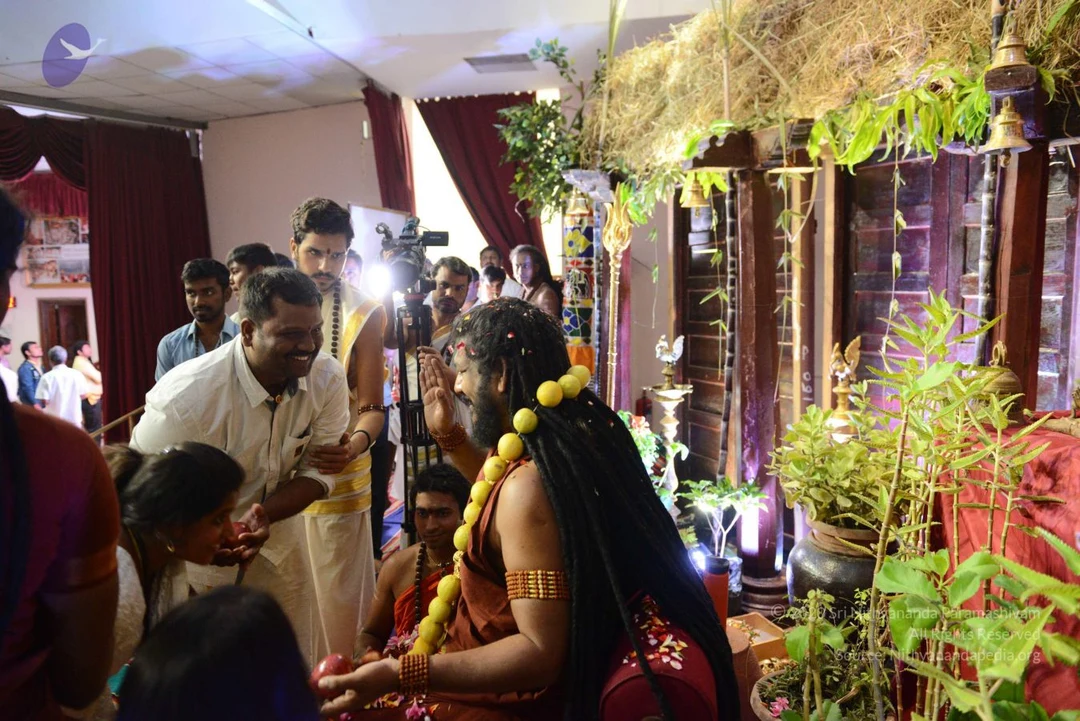

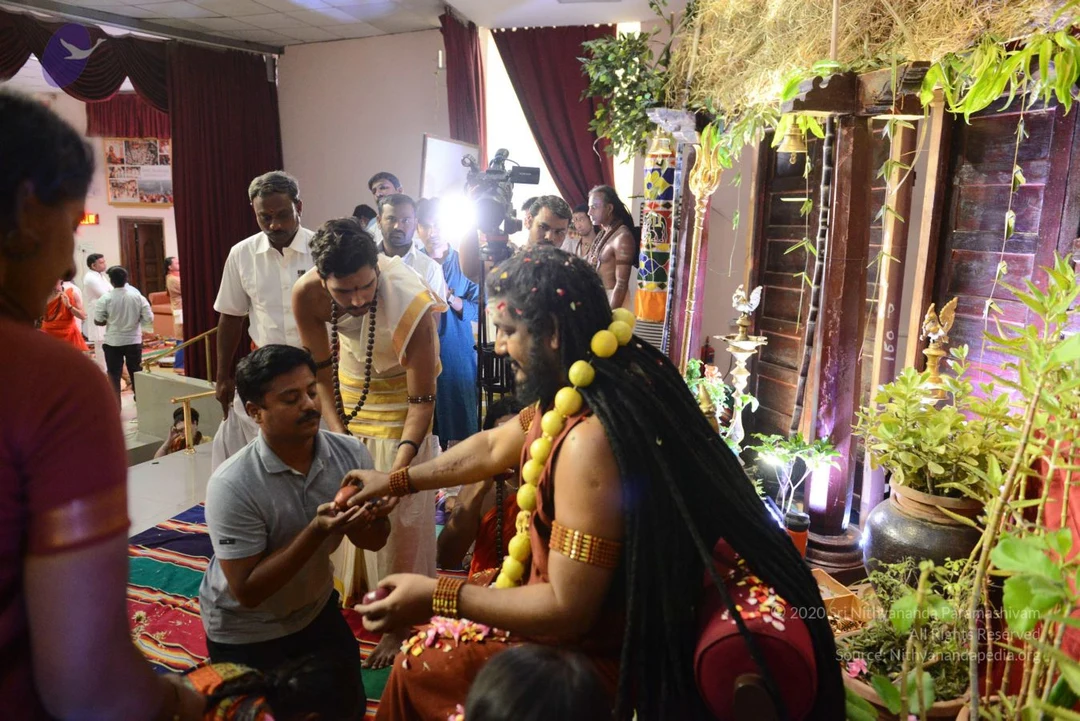
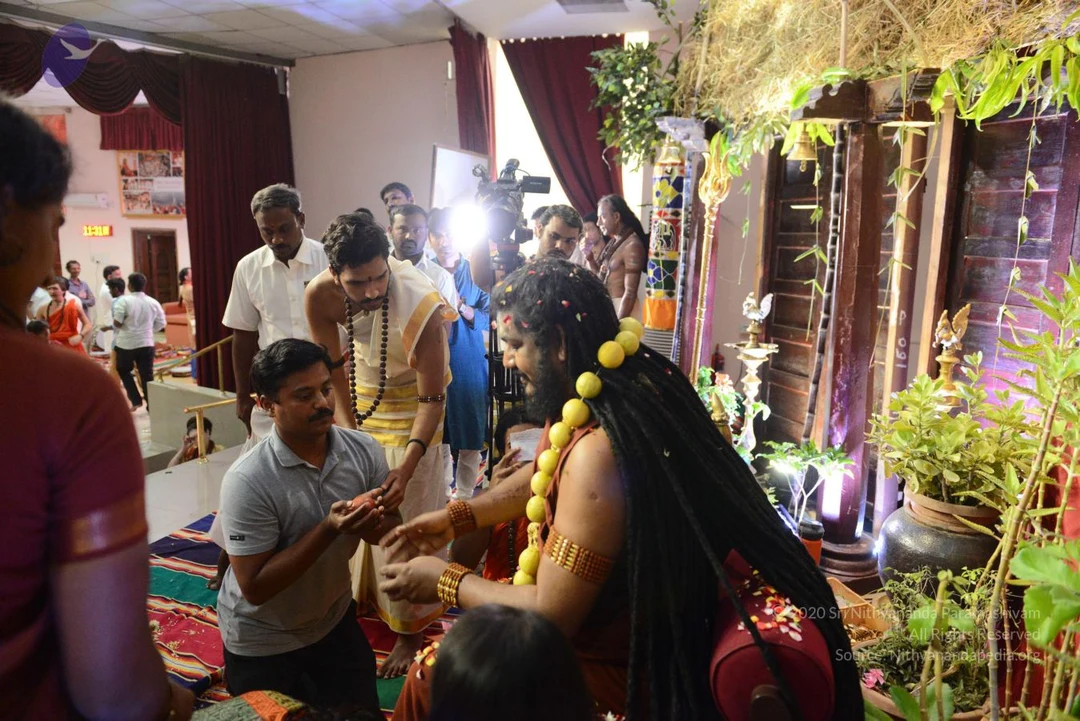
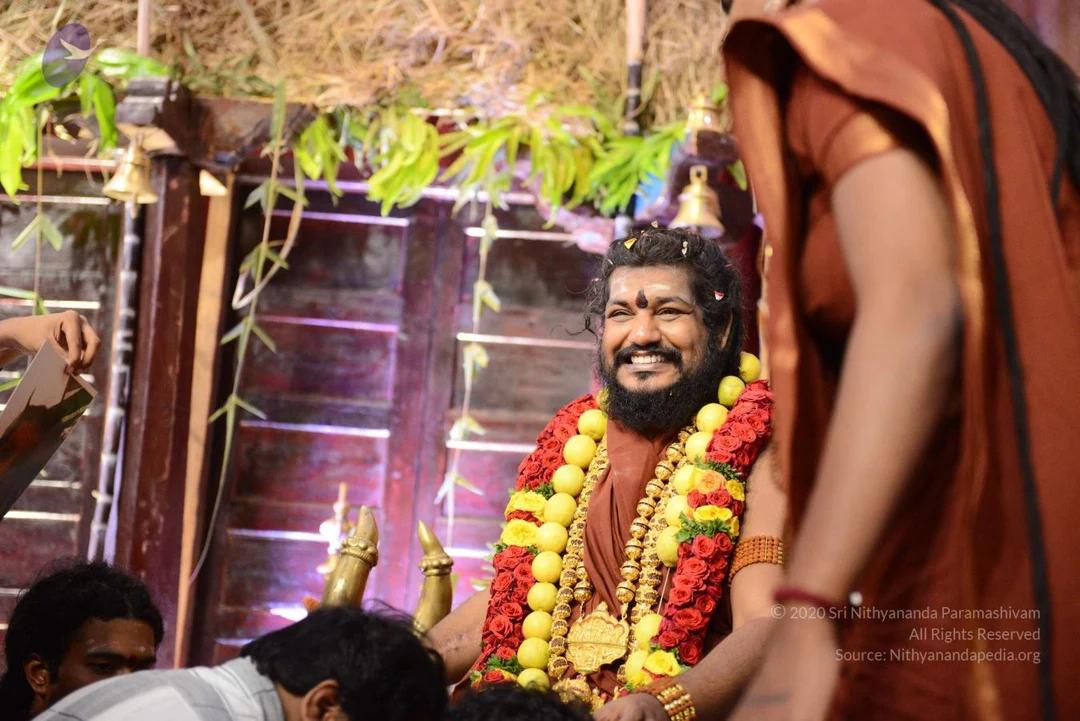
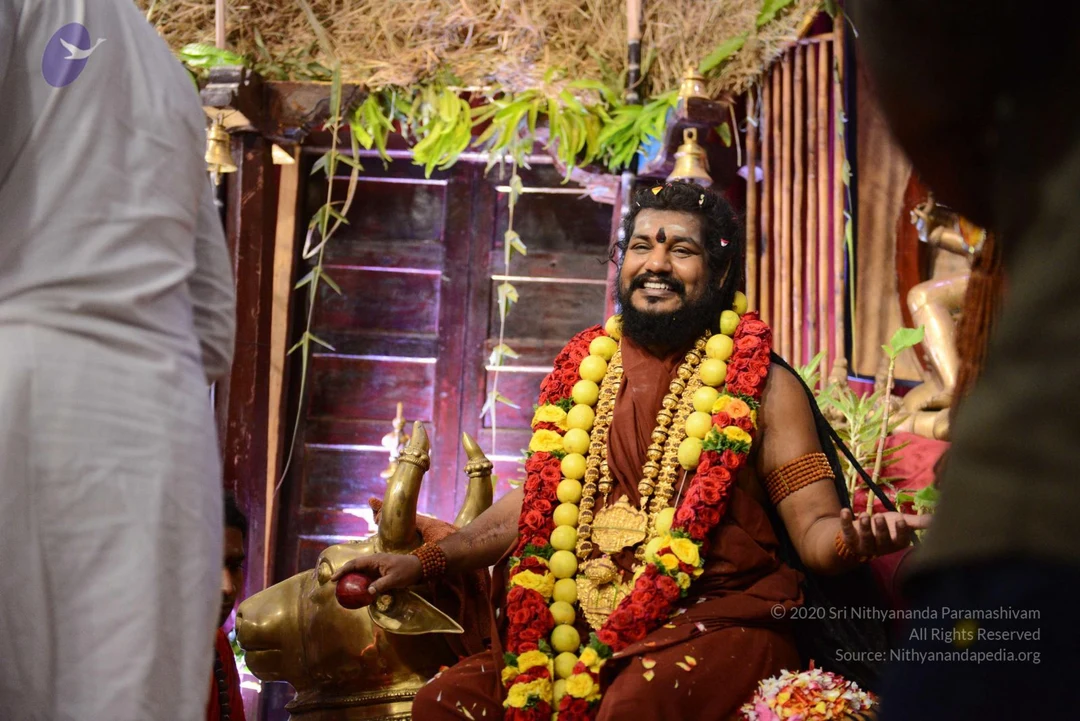
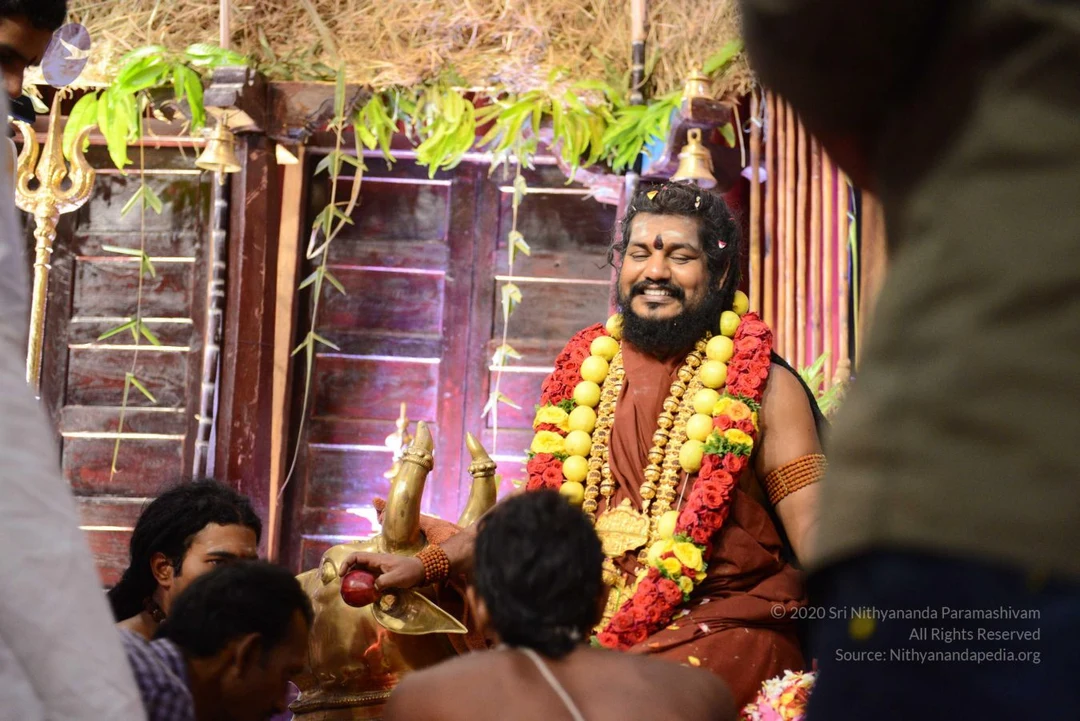
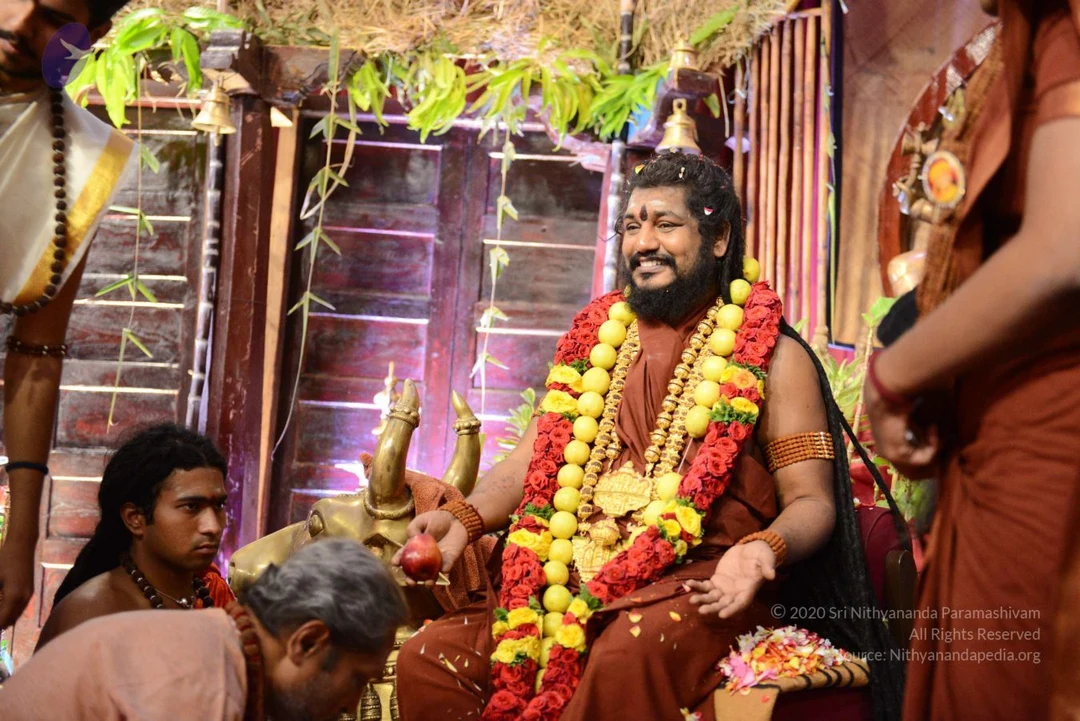
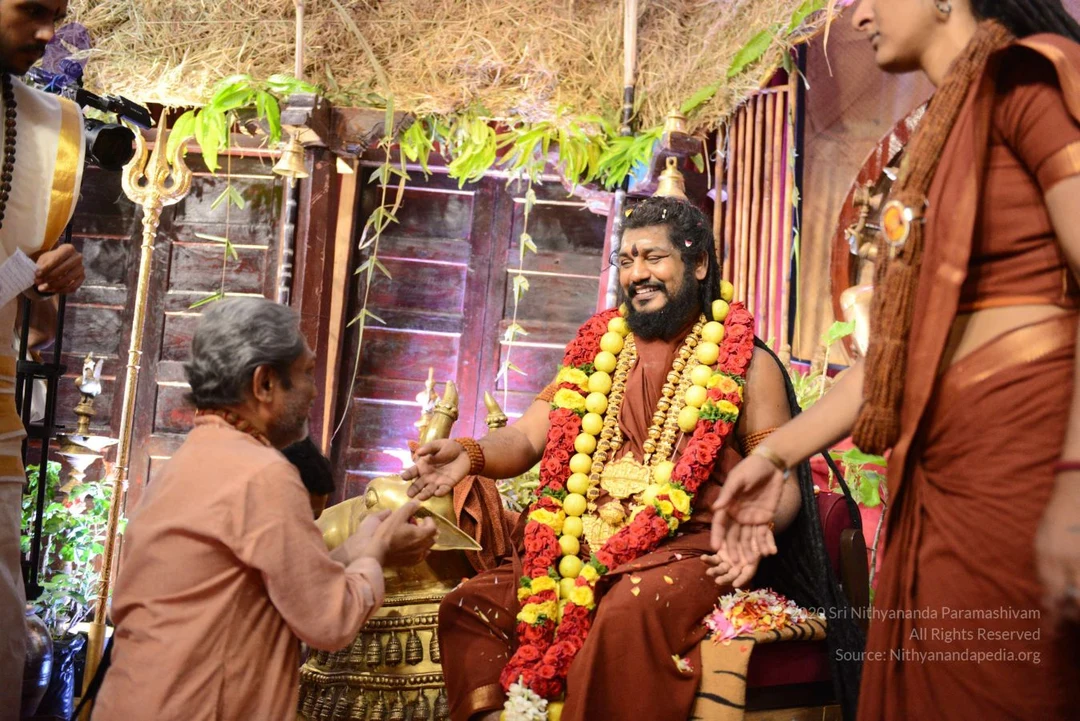
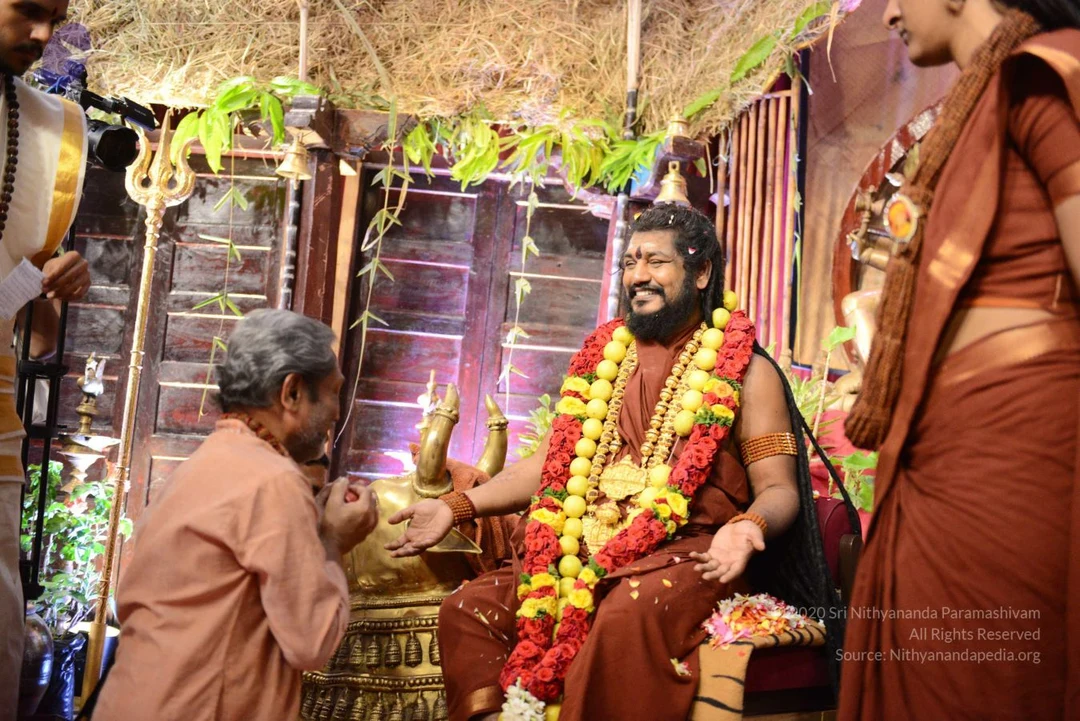
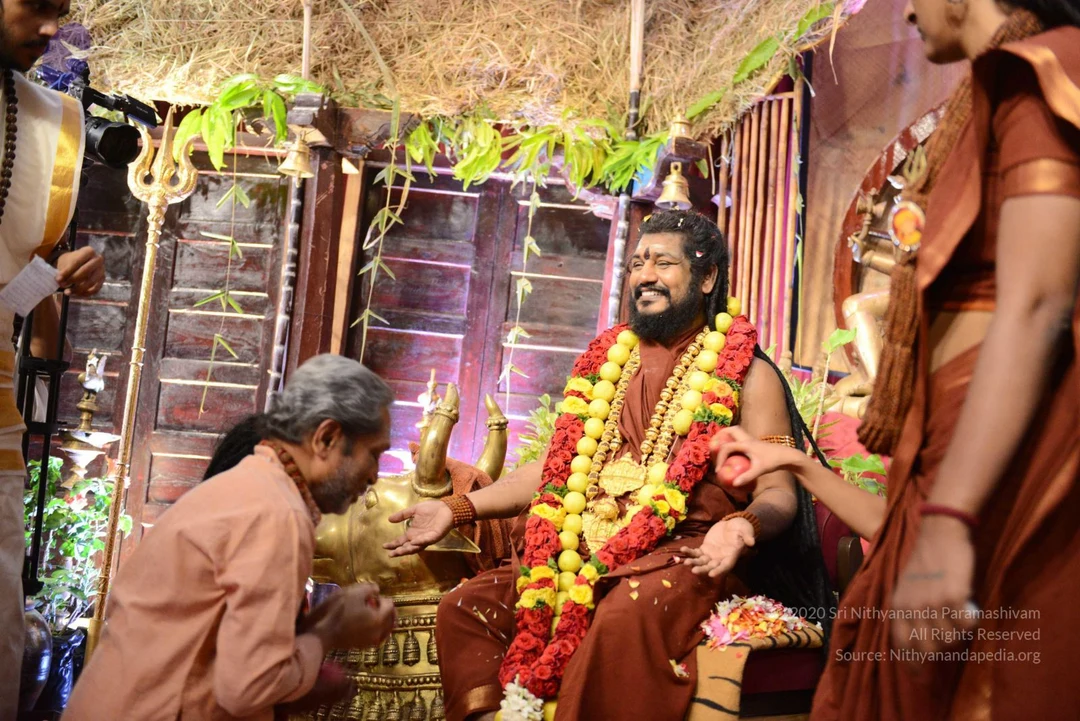
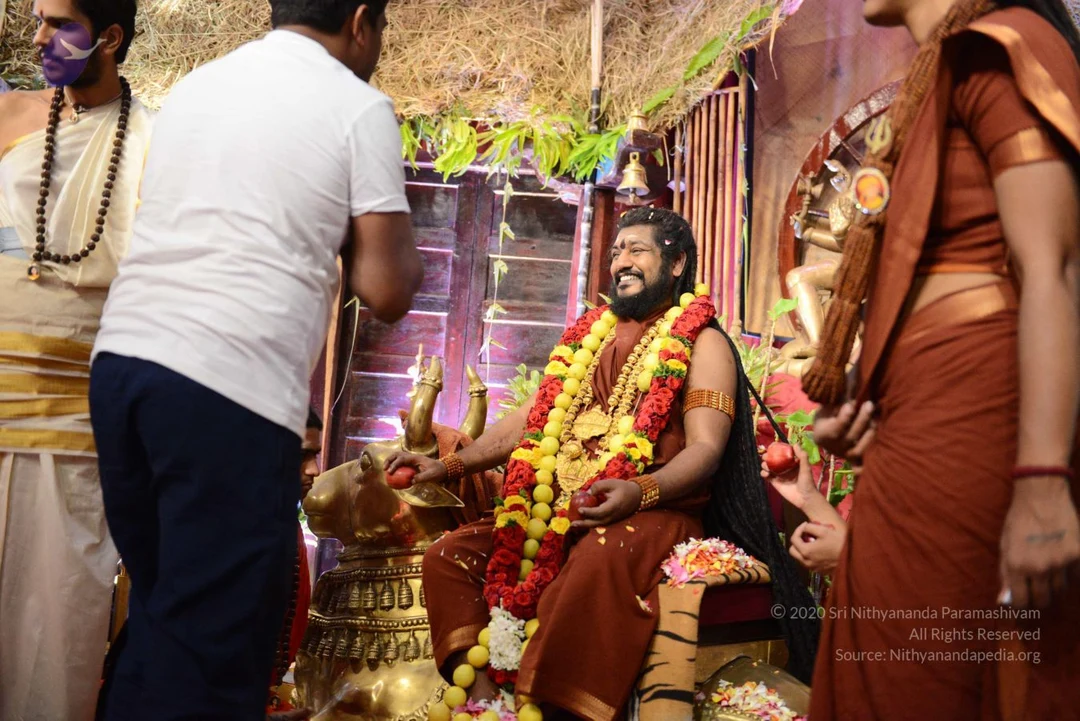
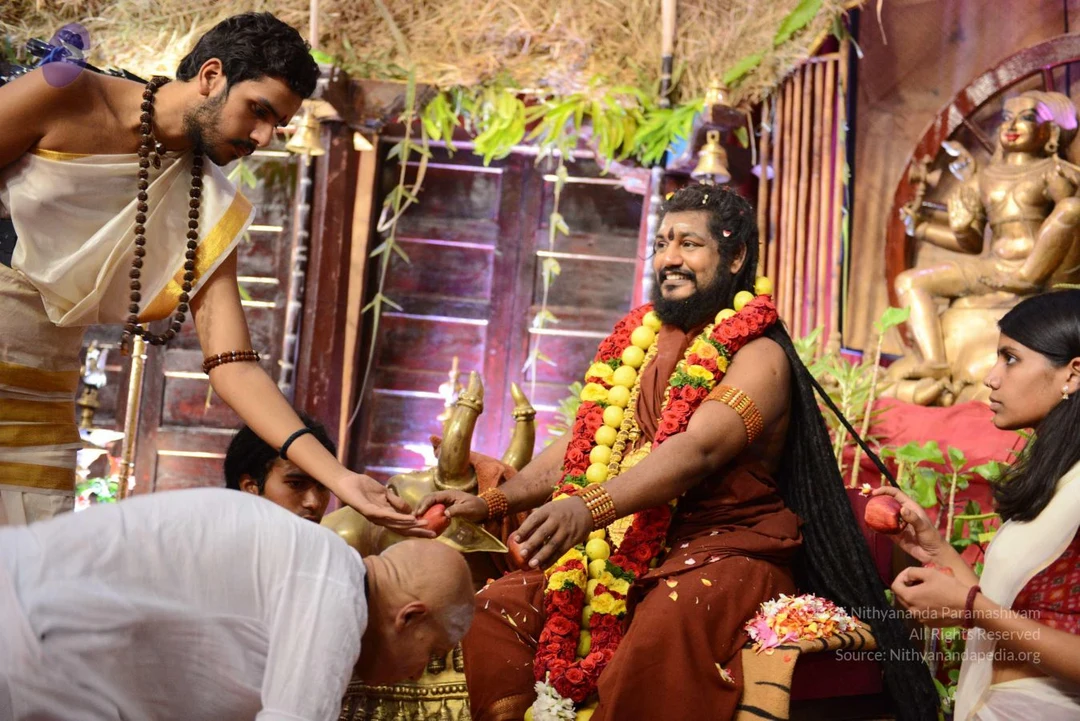
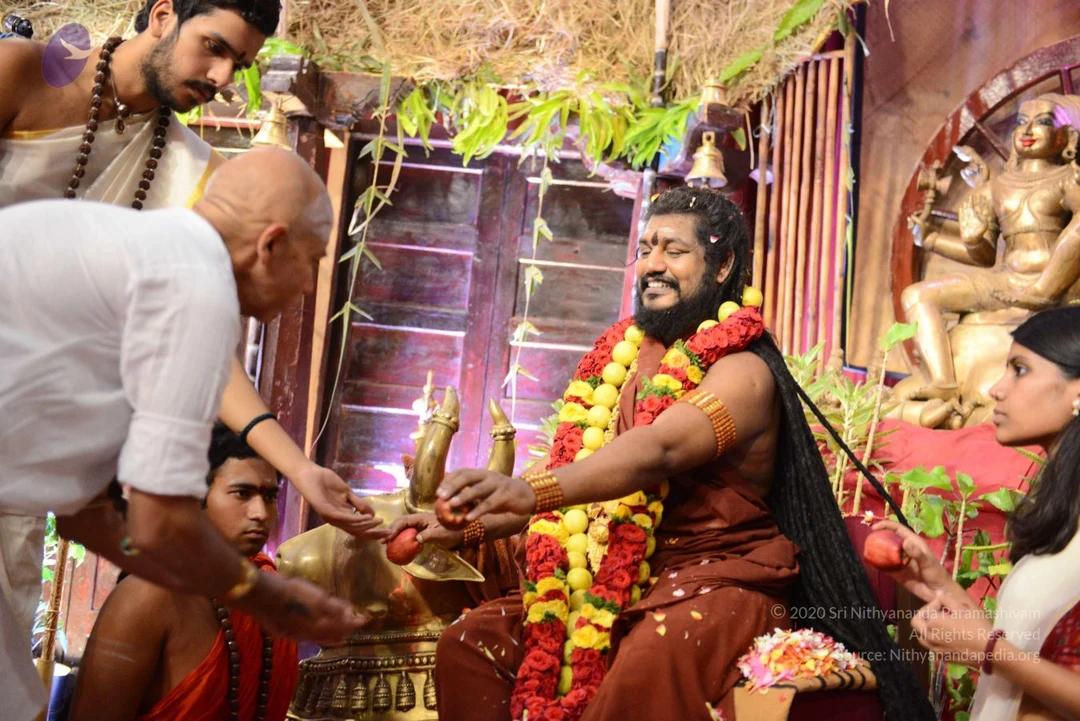
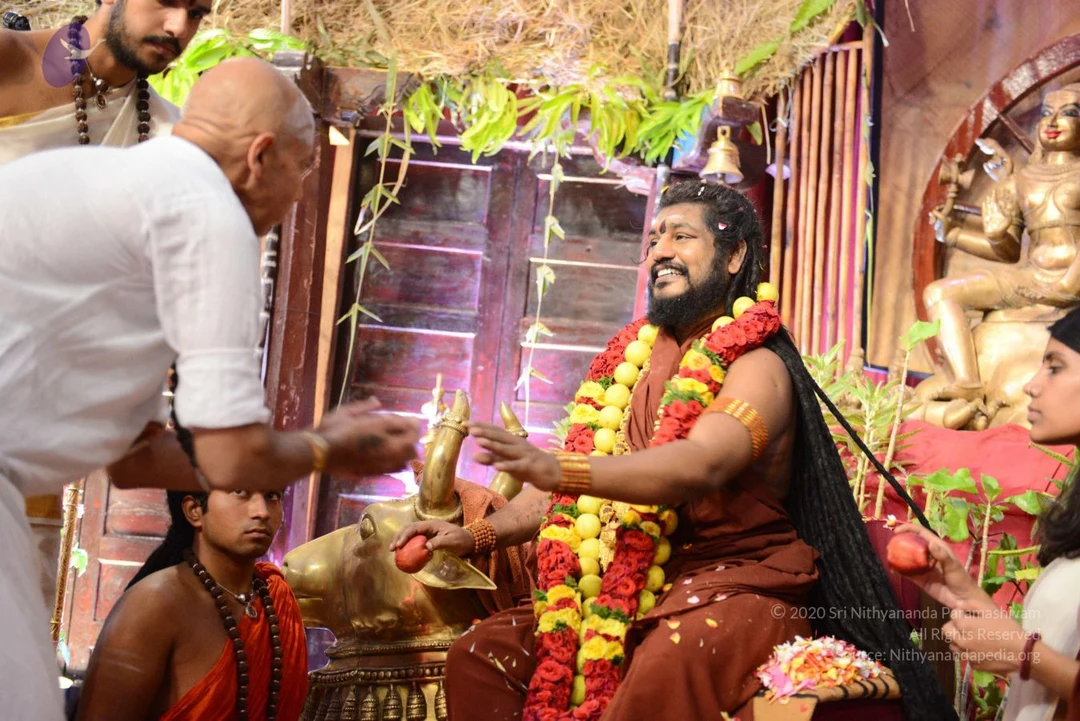
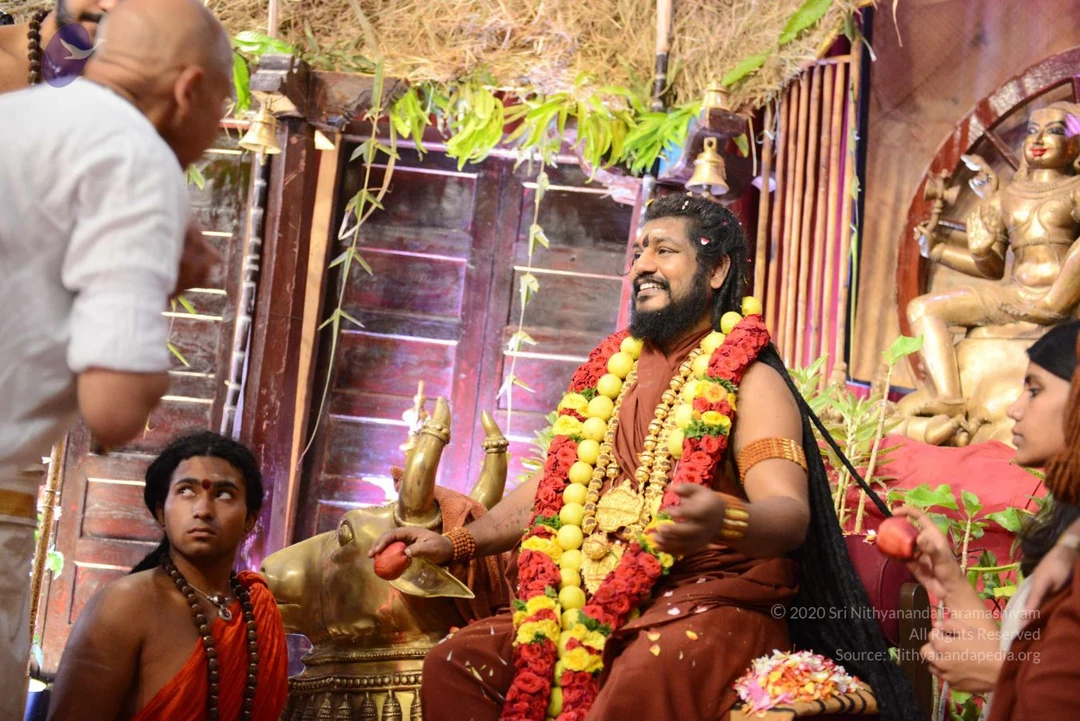
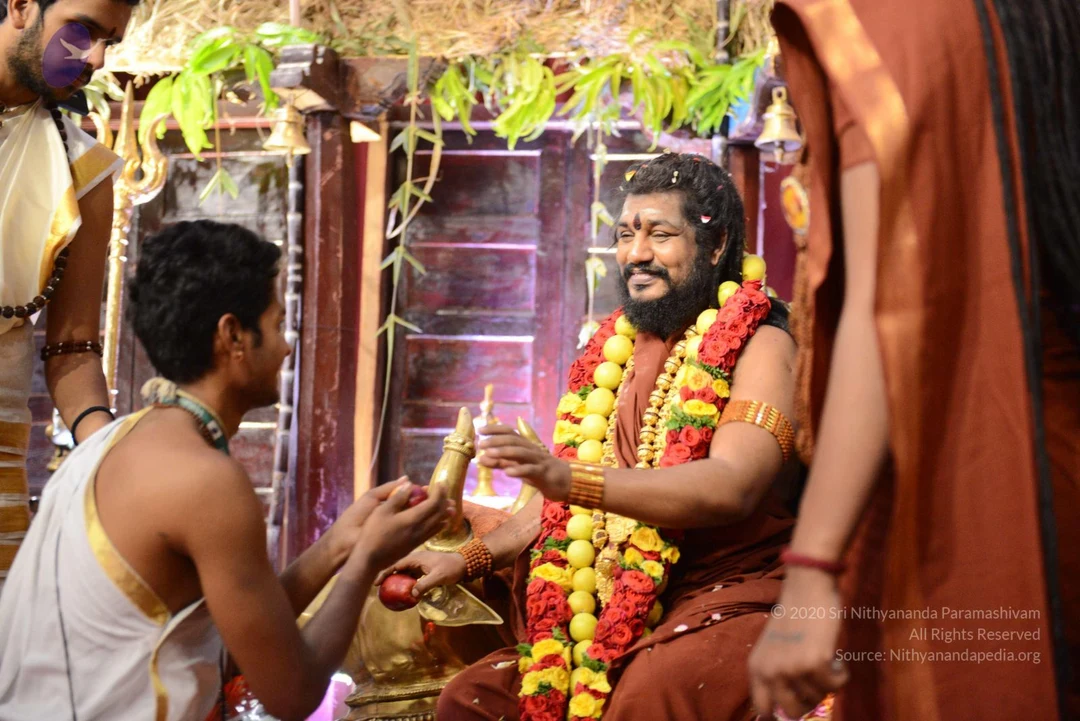
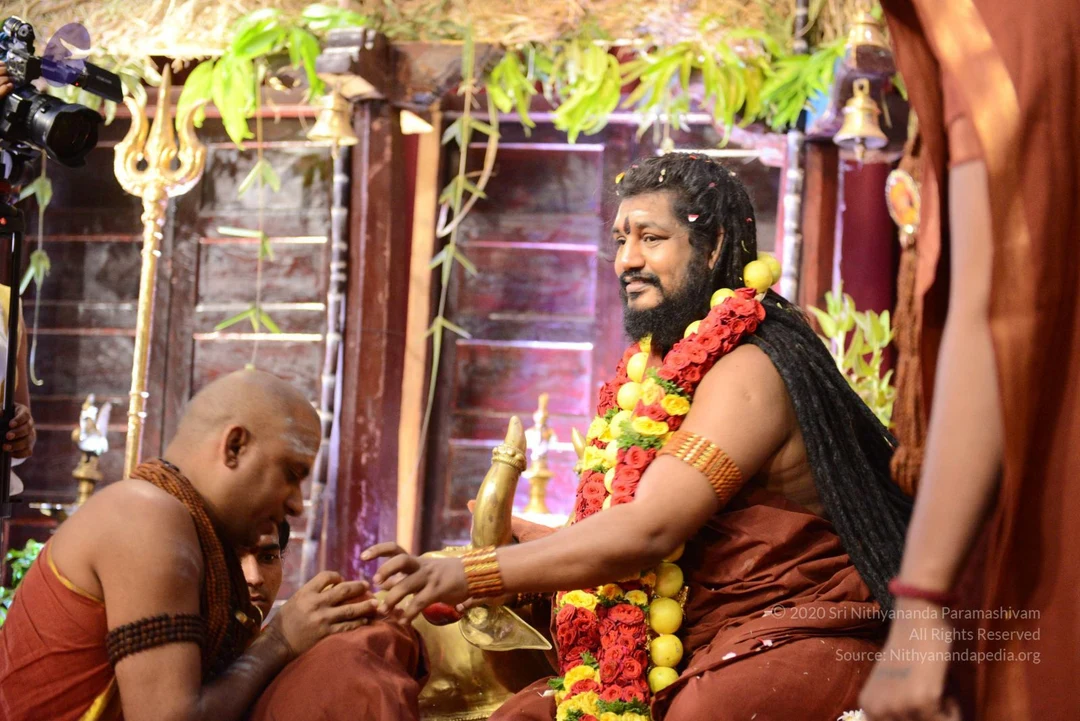
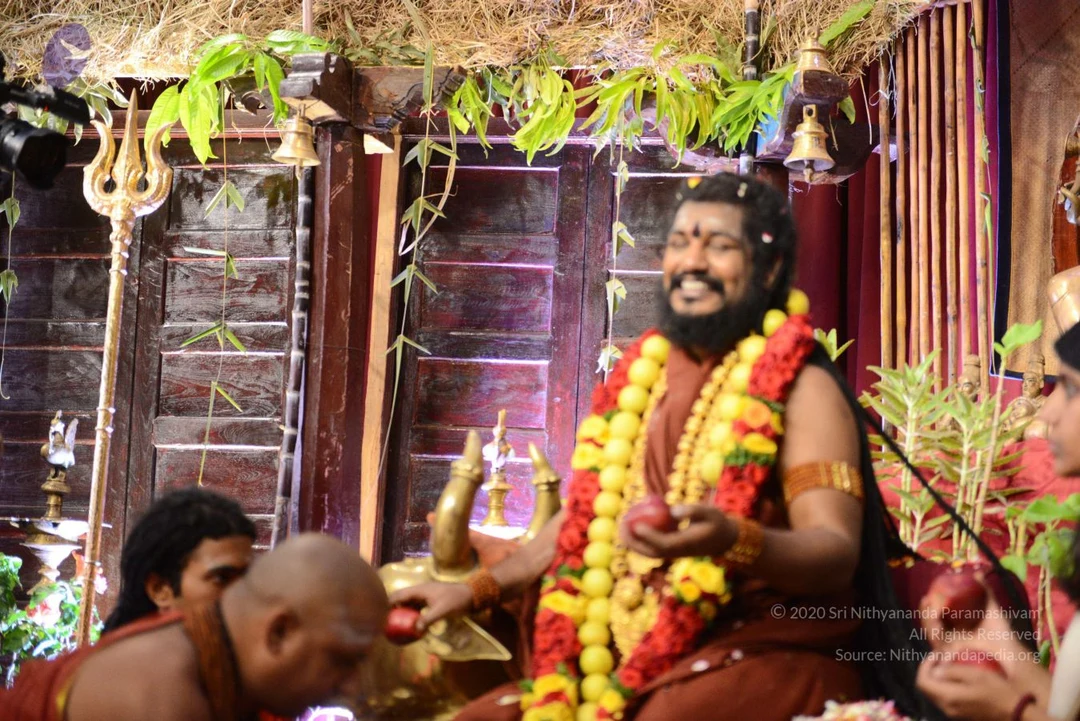
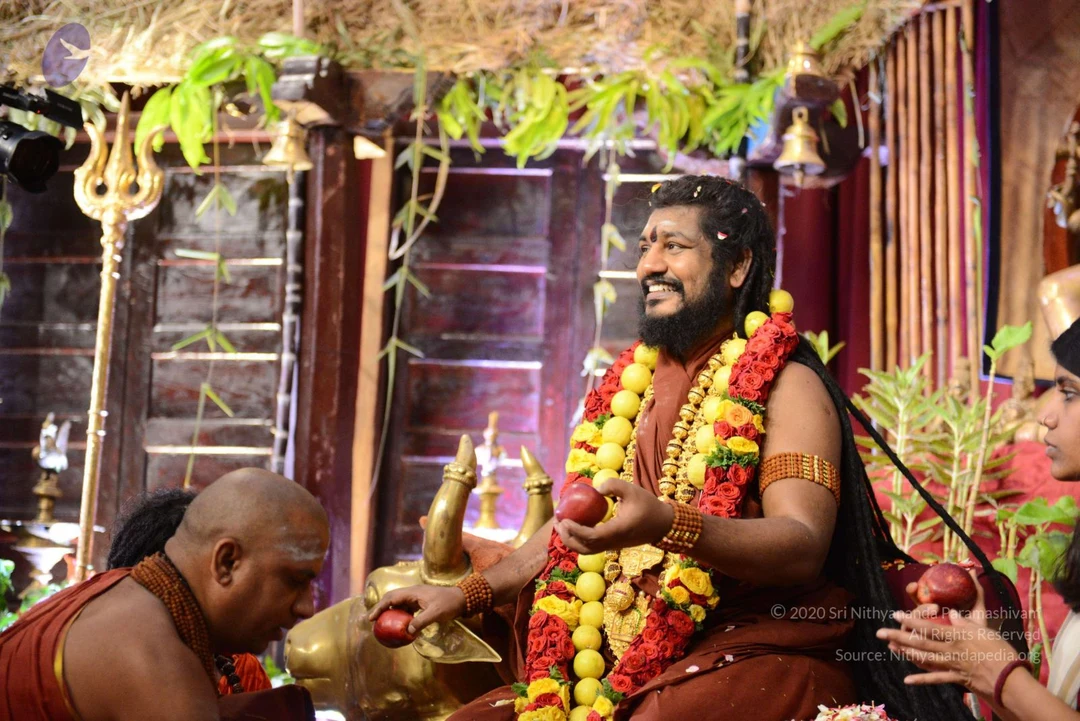
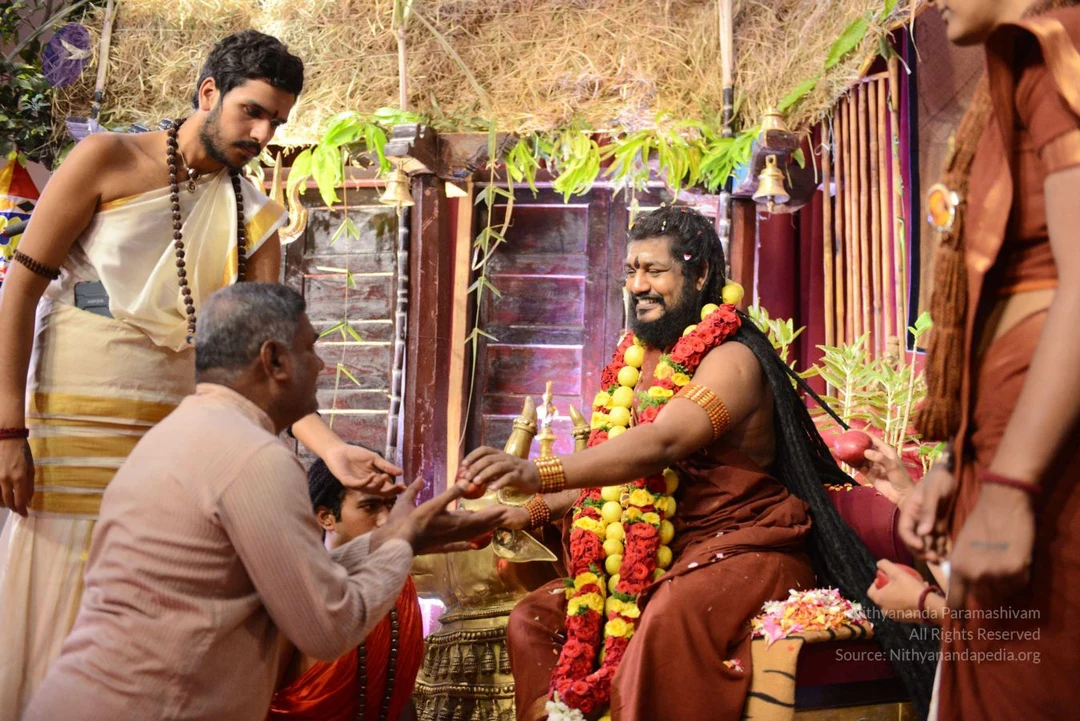
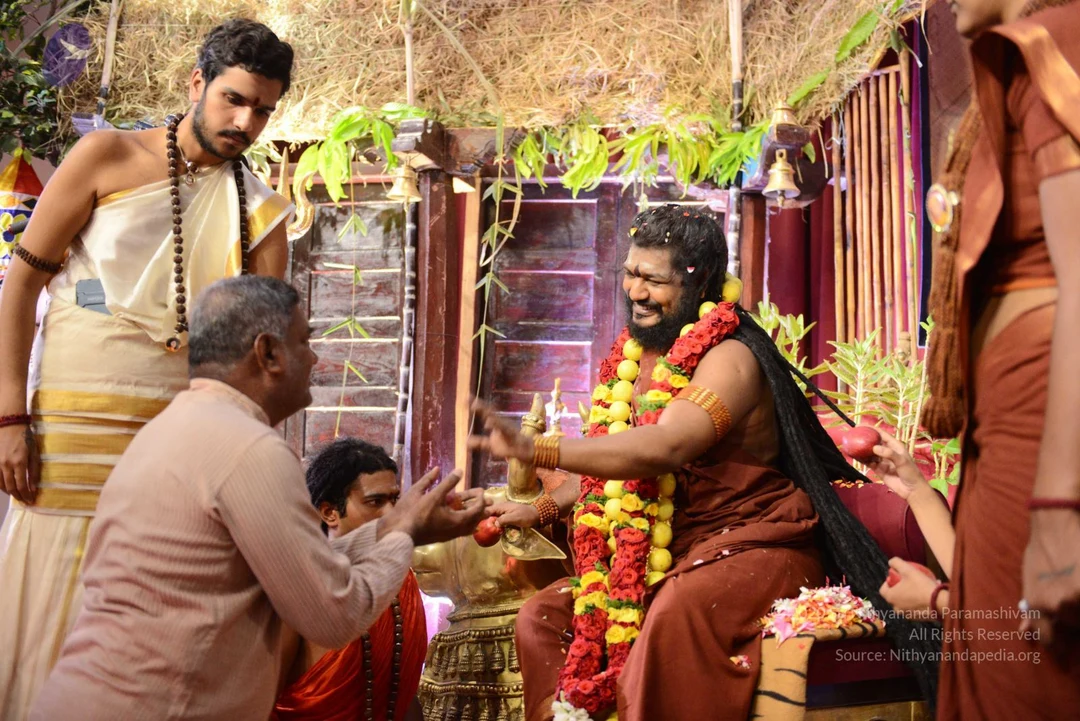
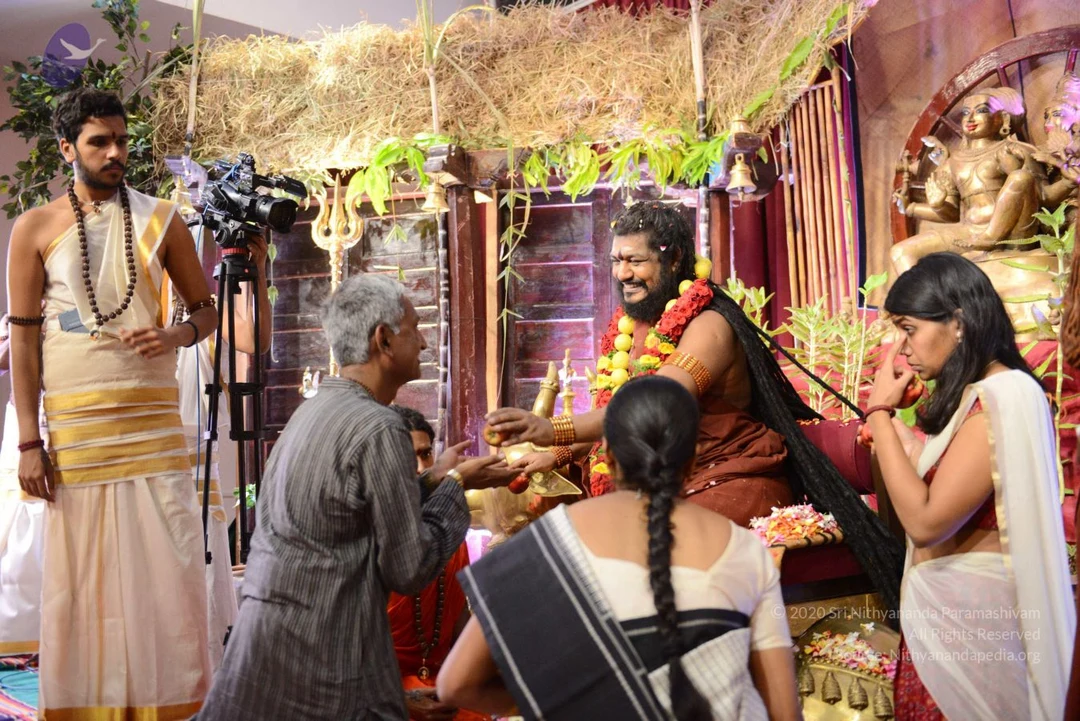
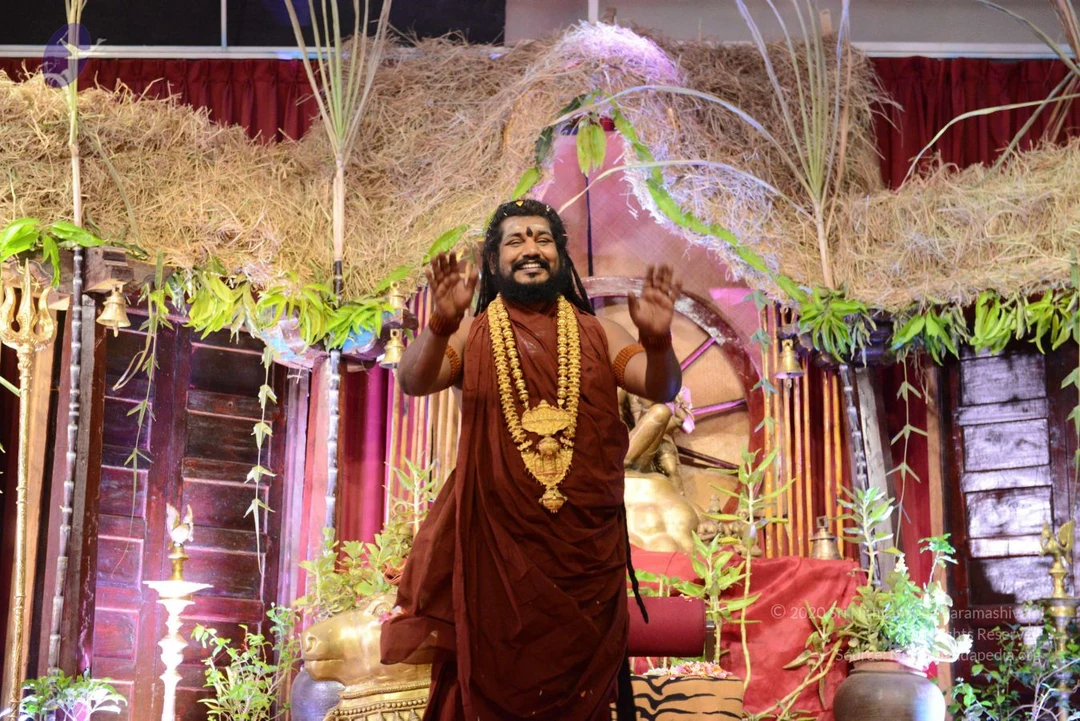

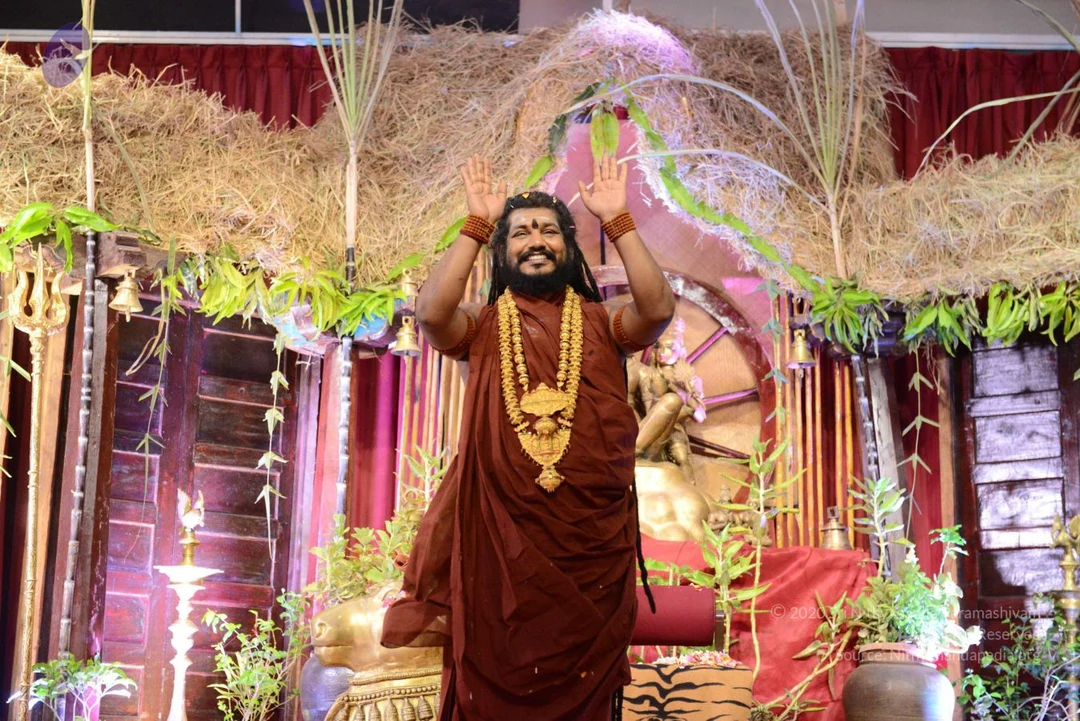
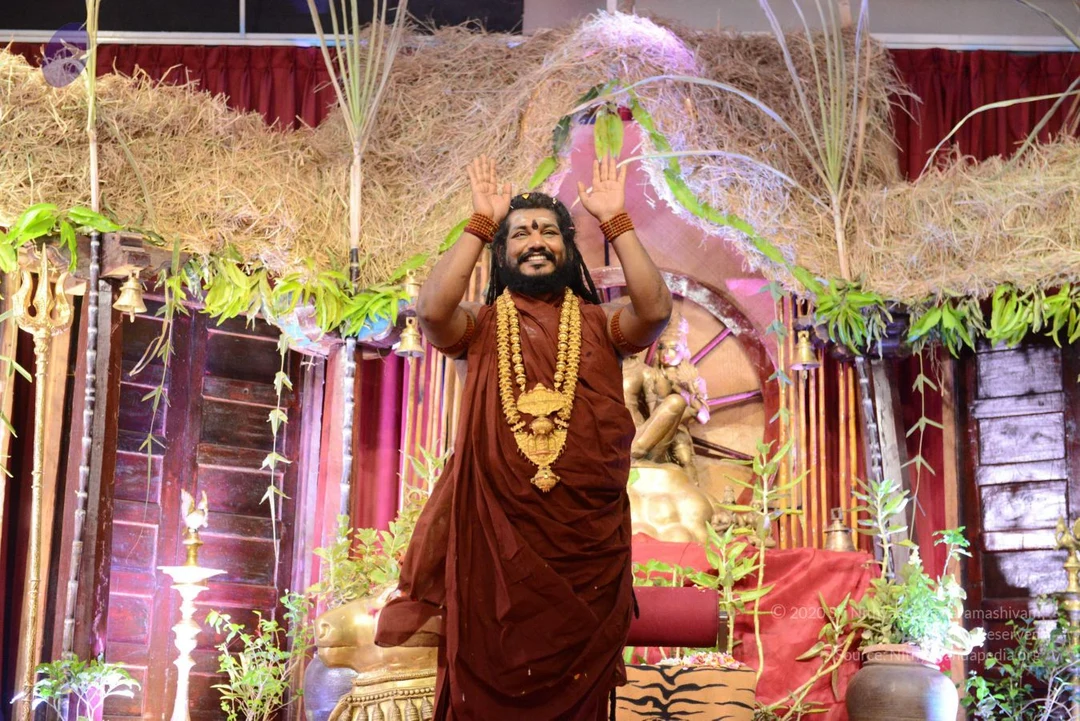
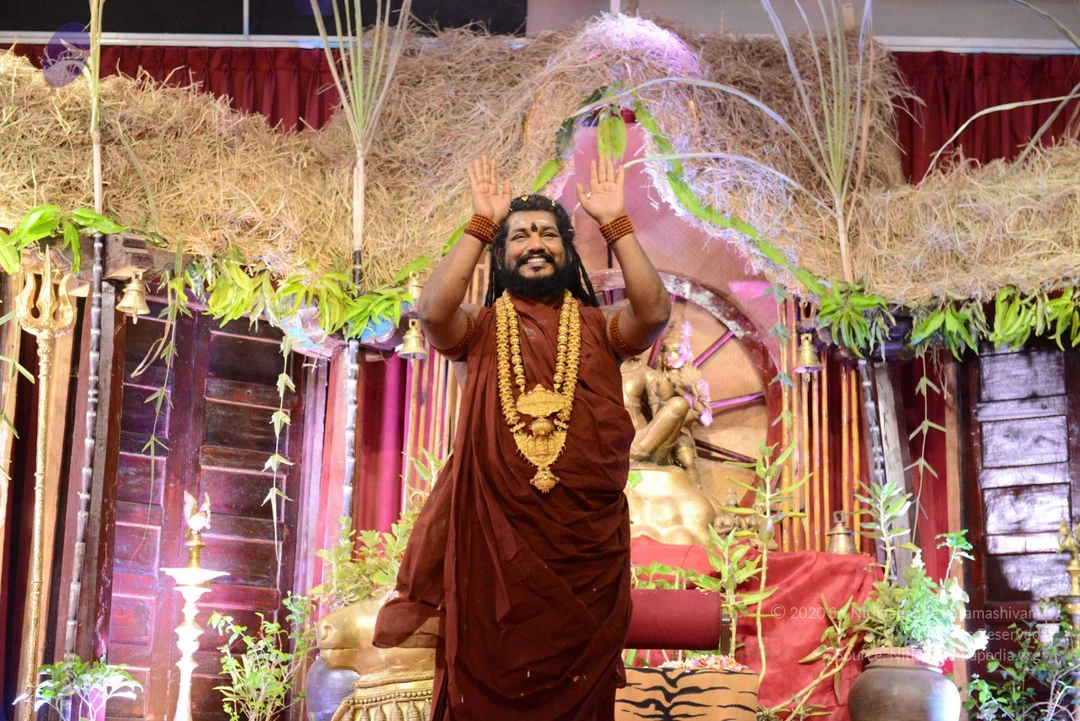
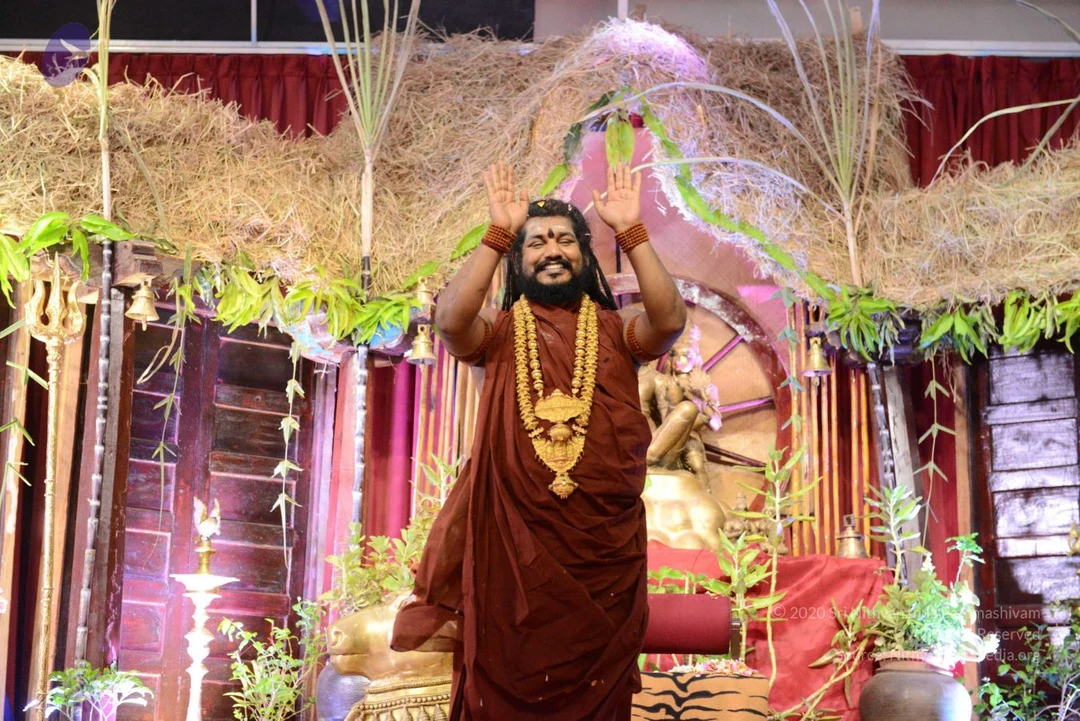
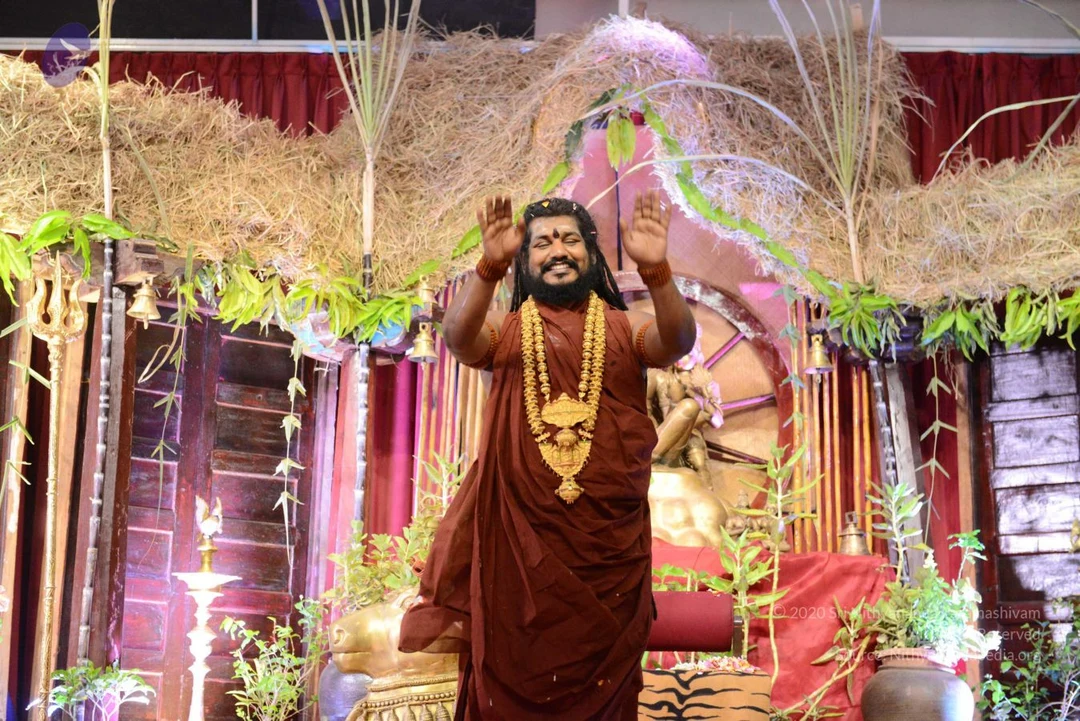
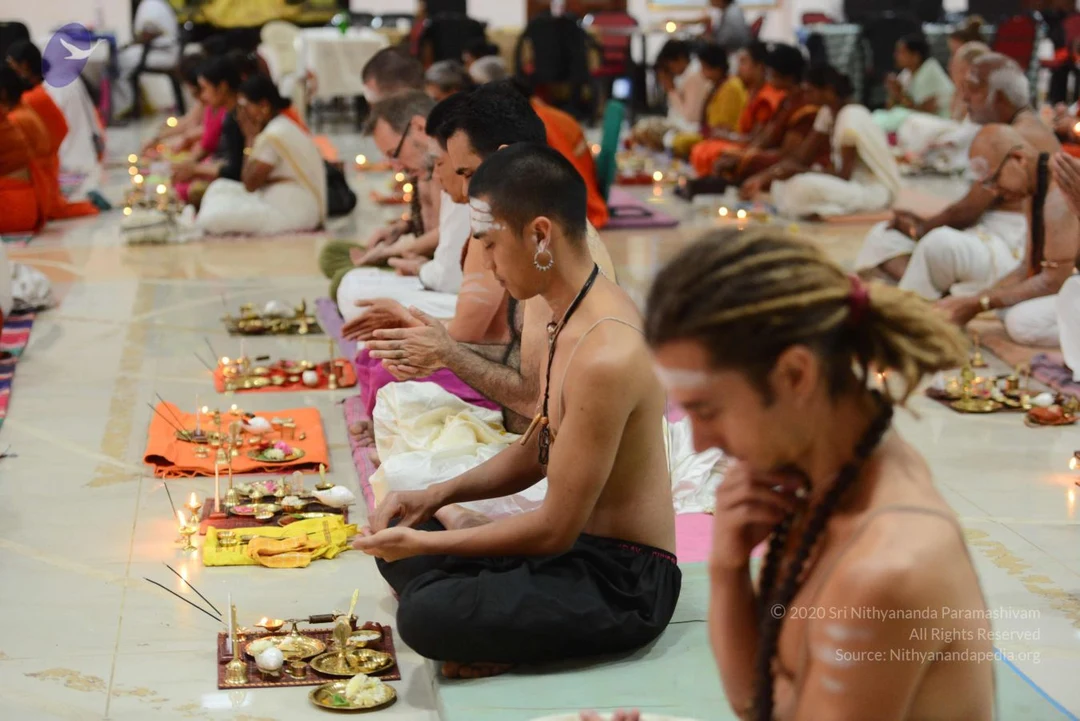
COURTYARD-POWER-MANIFESTATION-SESSION-MATERIALISATION
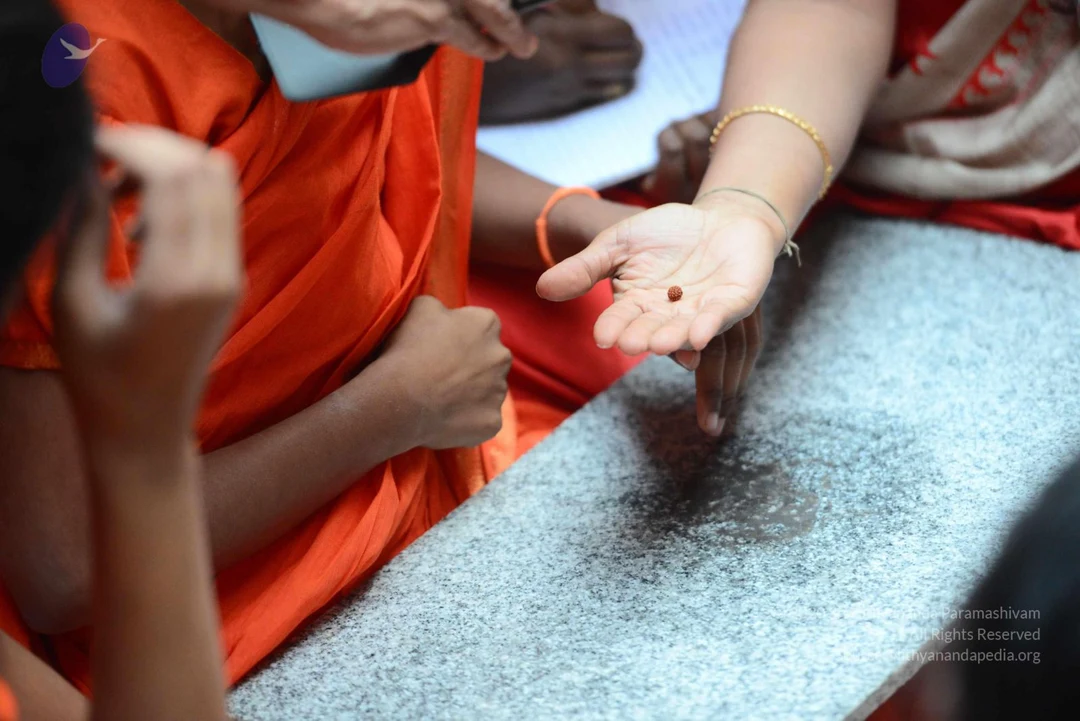
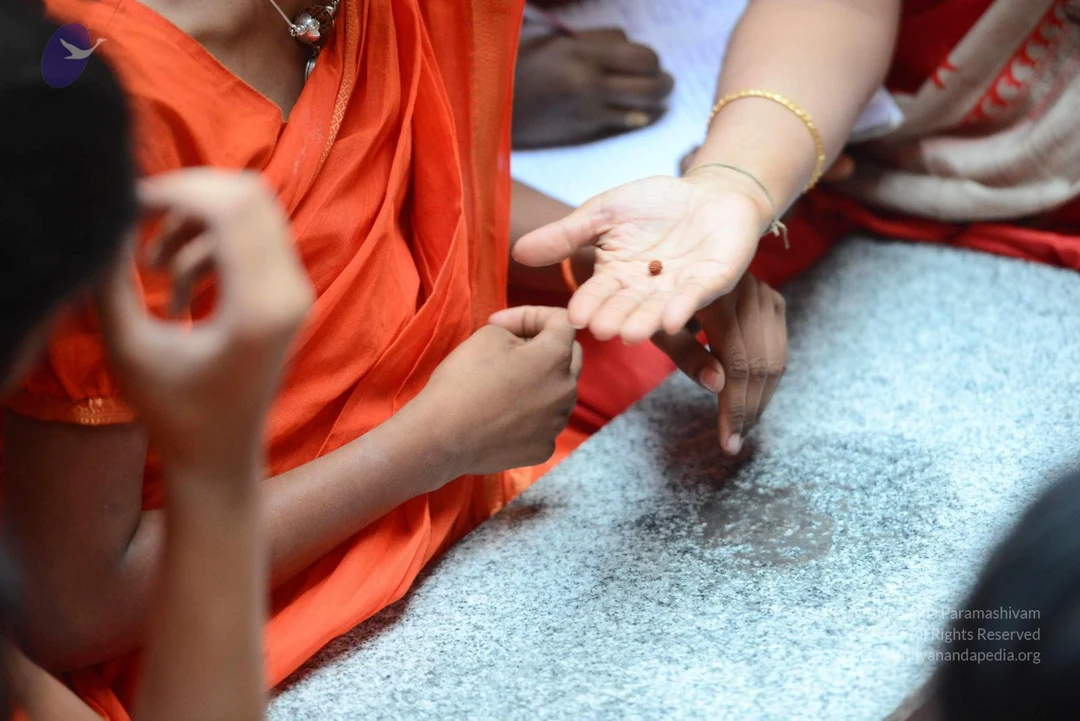
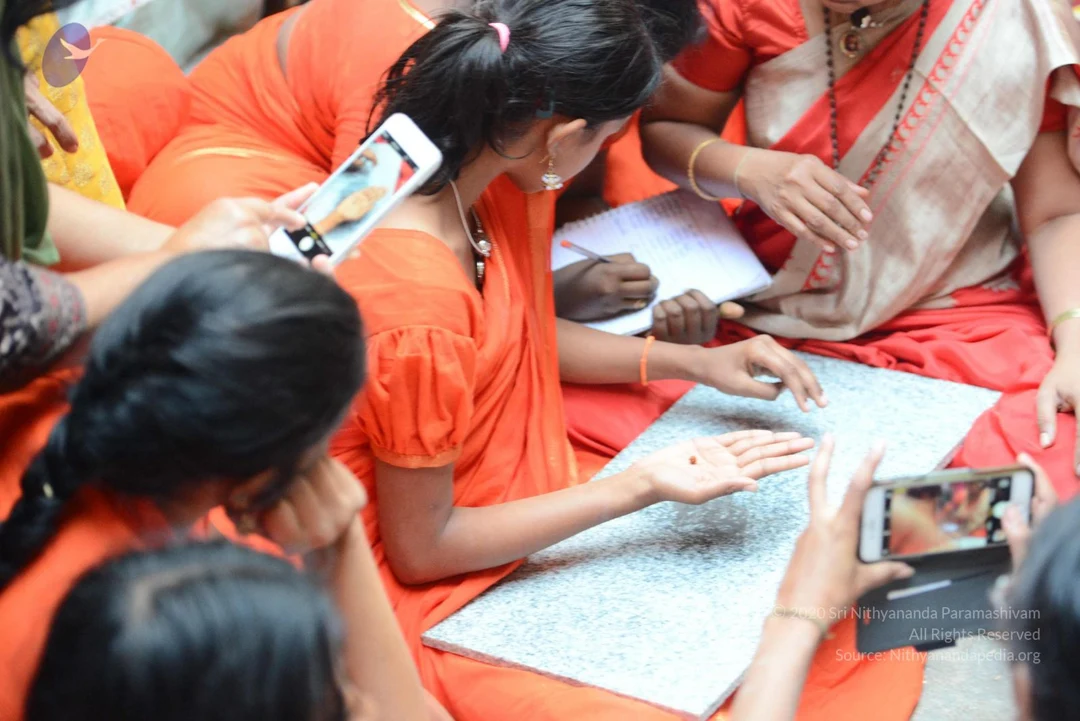
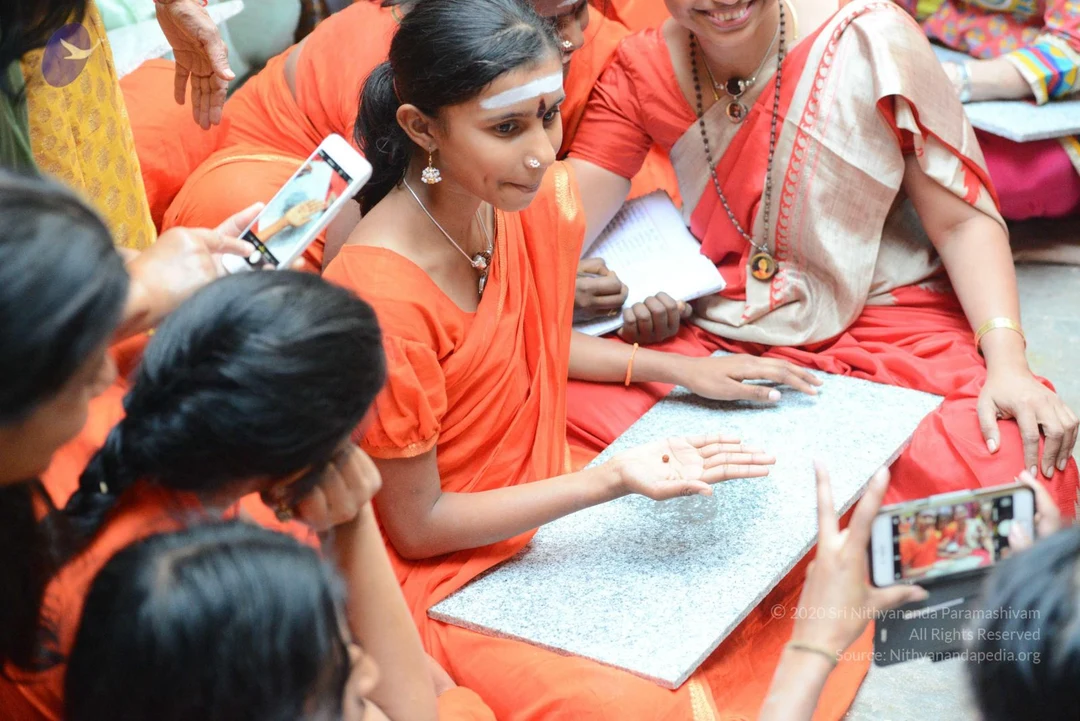
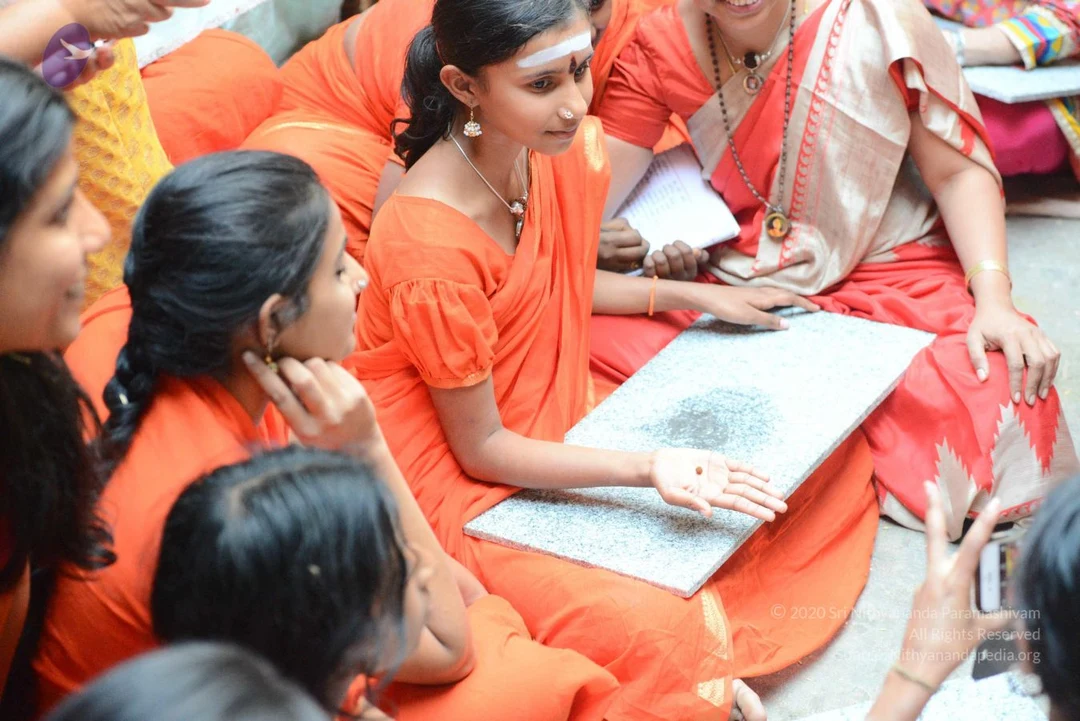
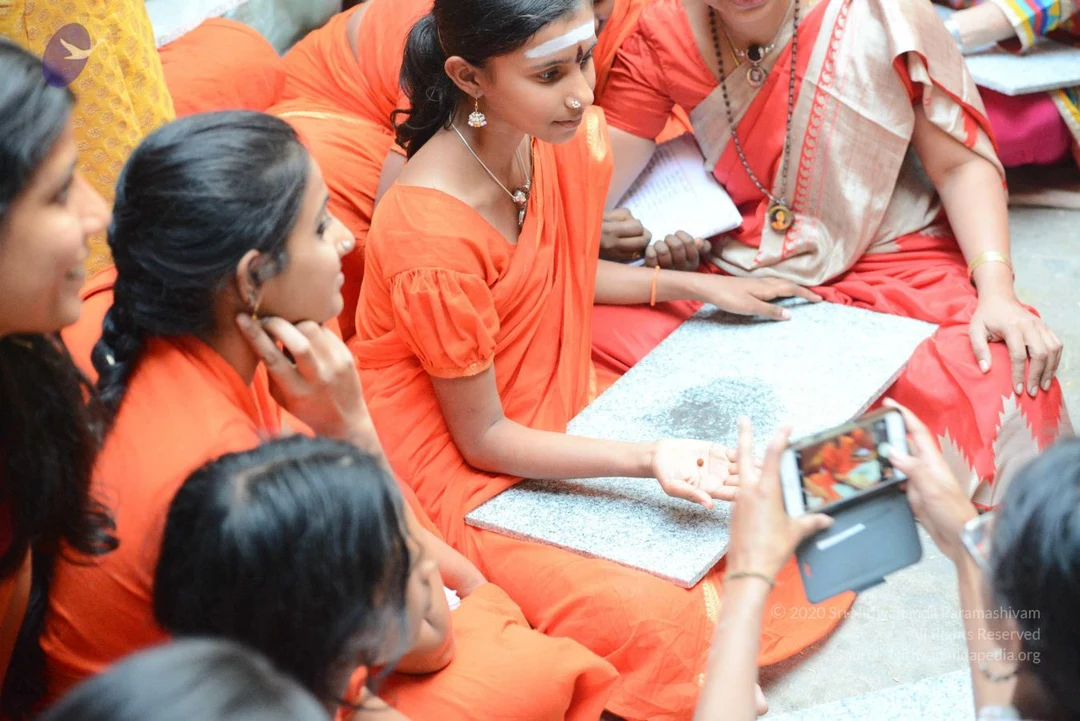




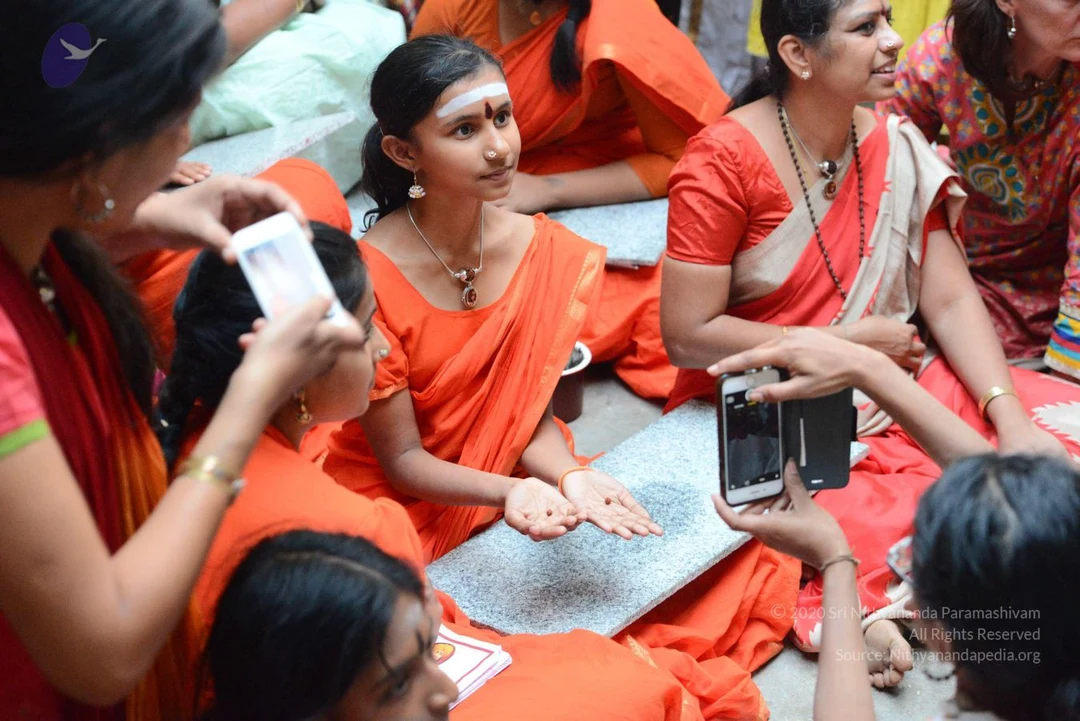
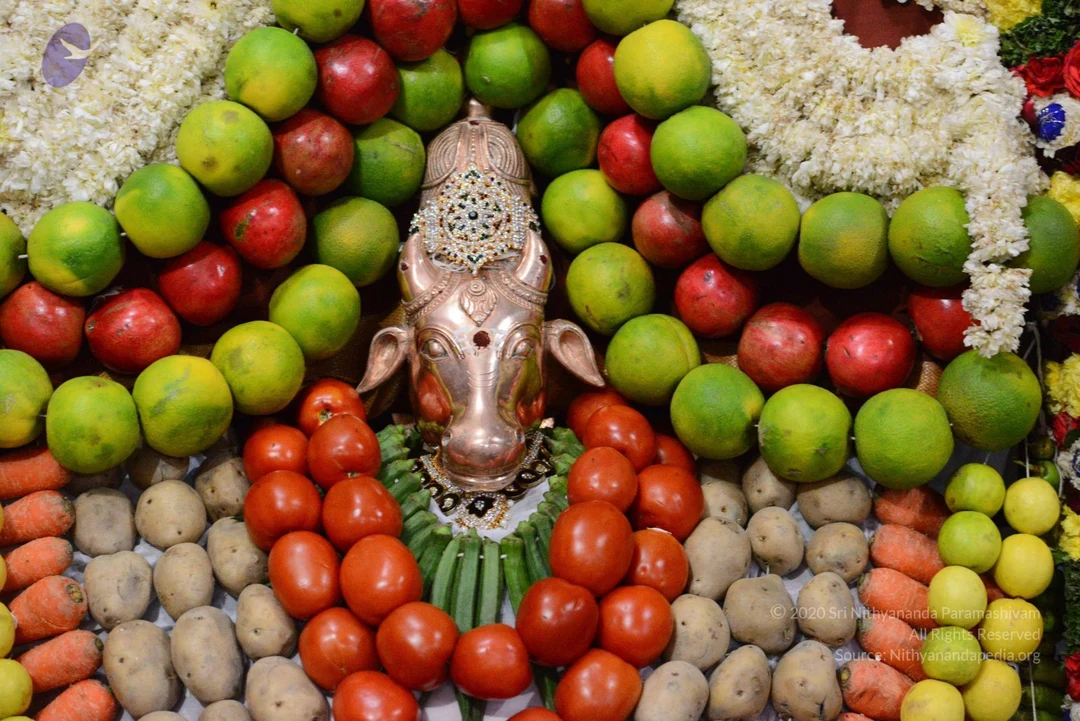
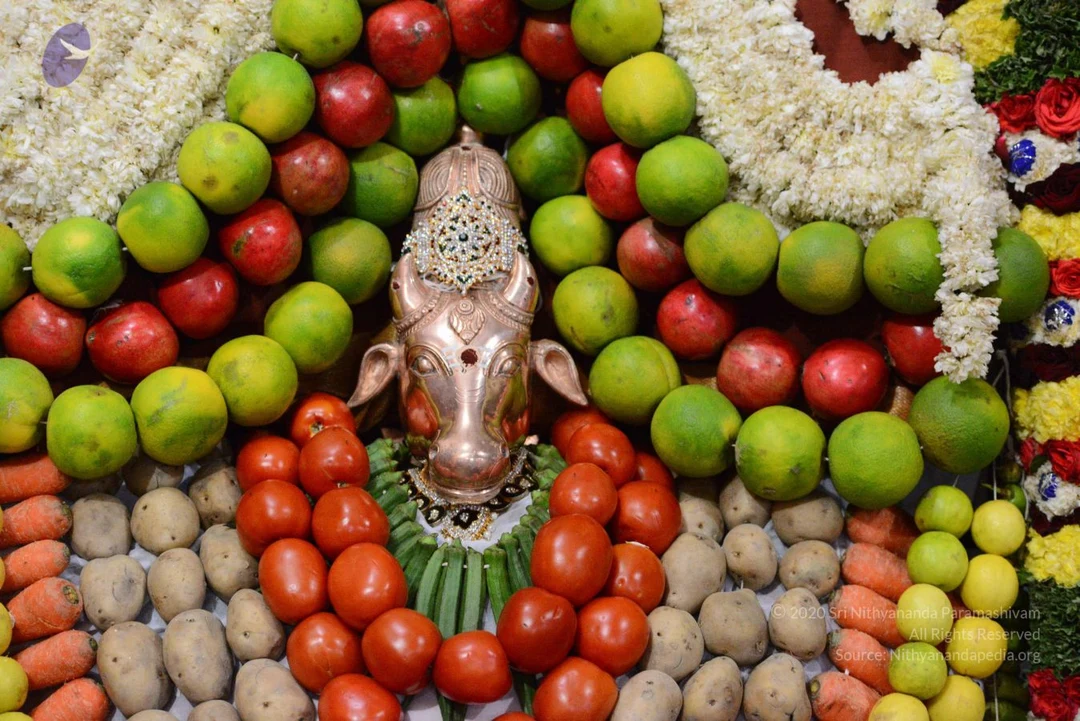
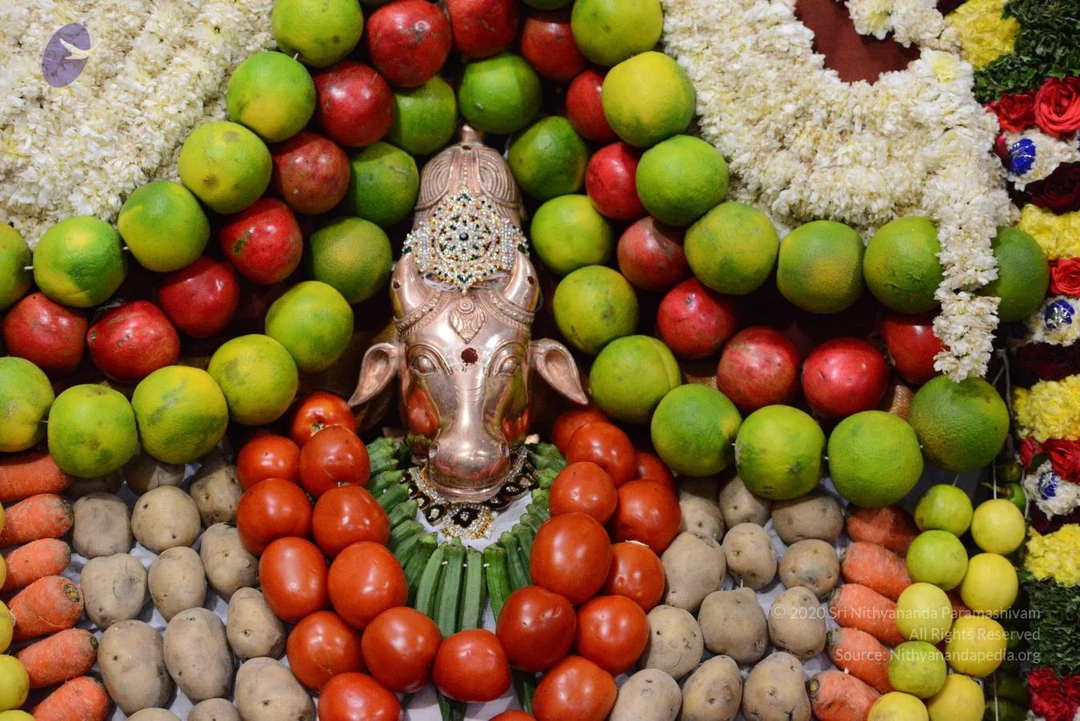


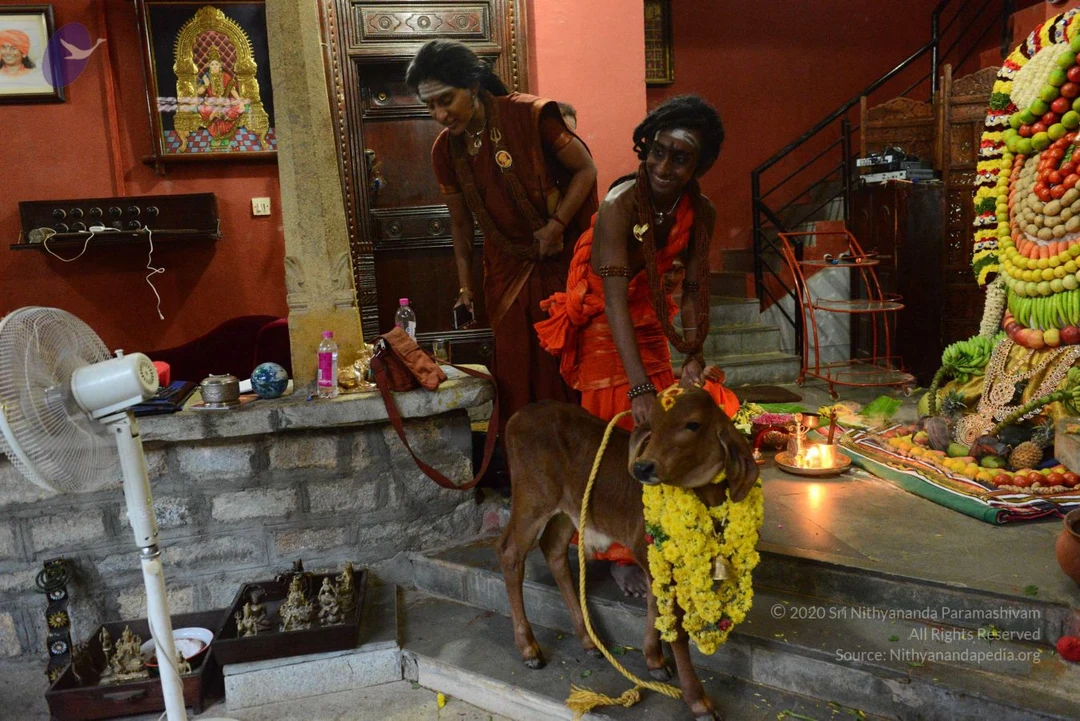
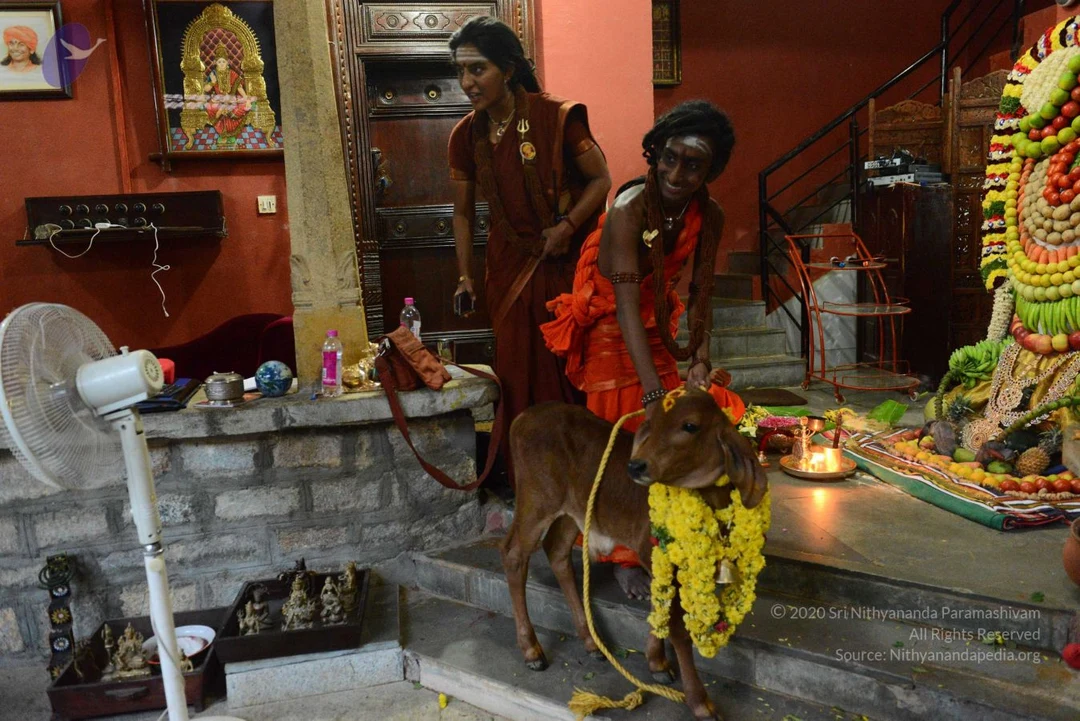
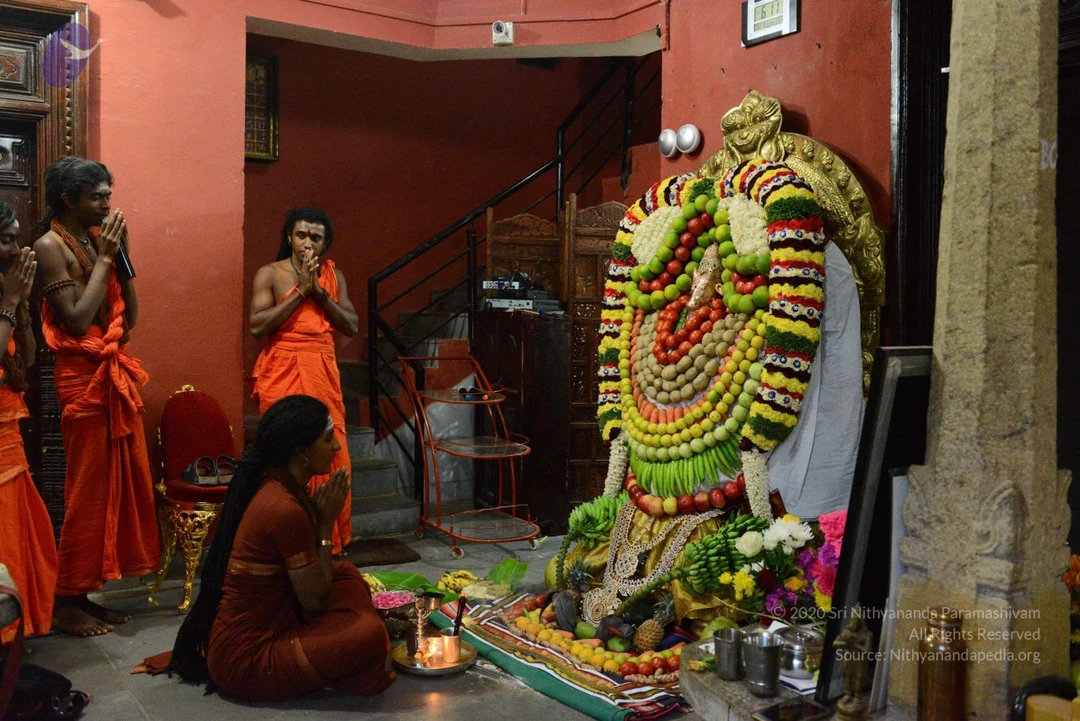
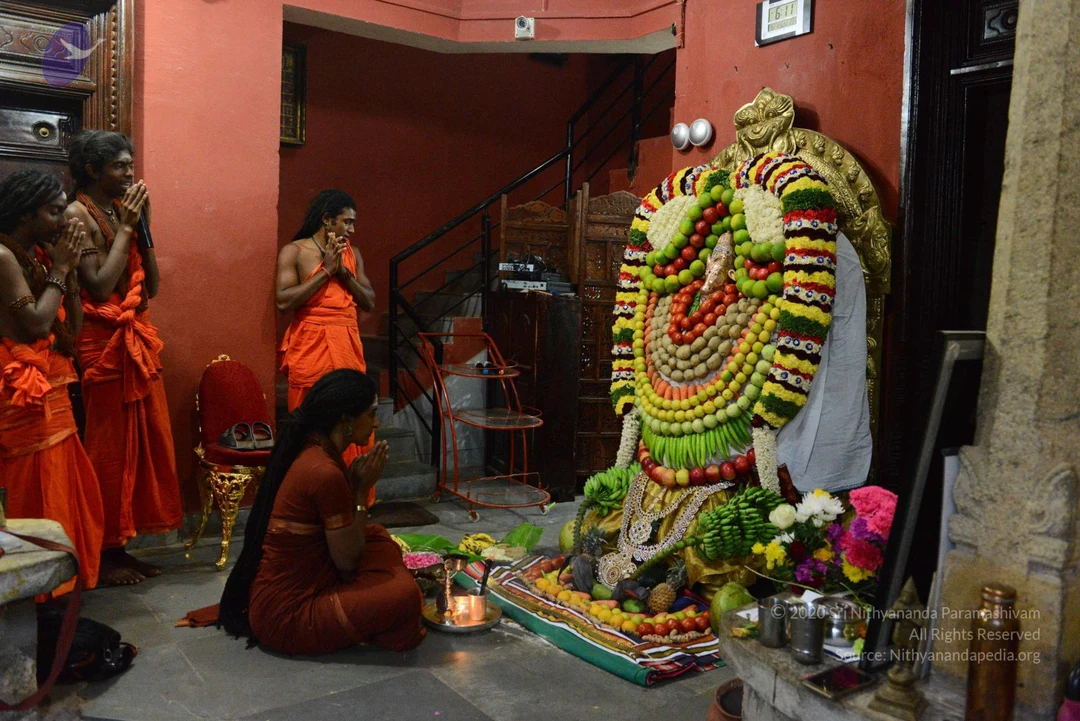
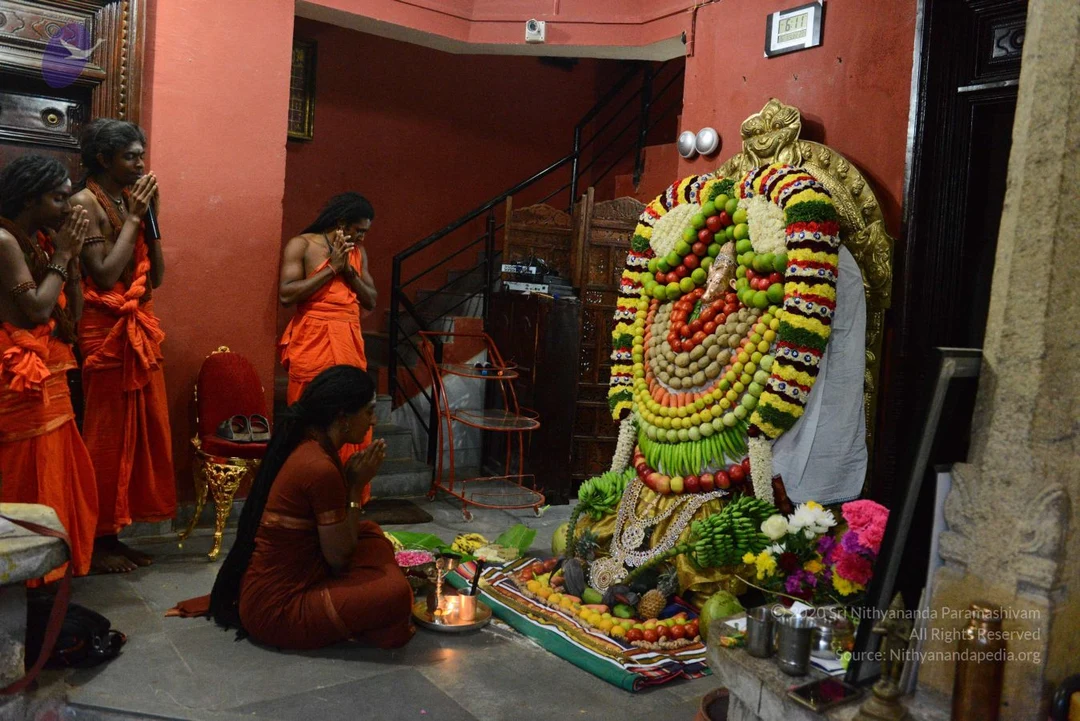
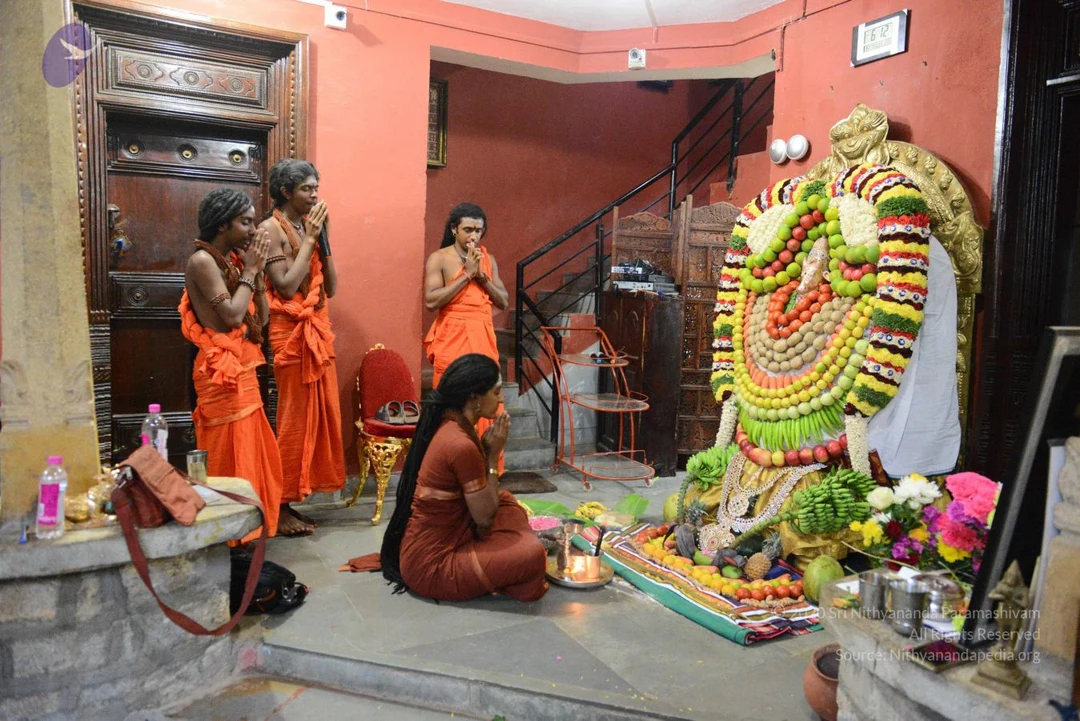
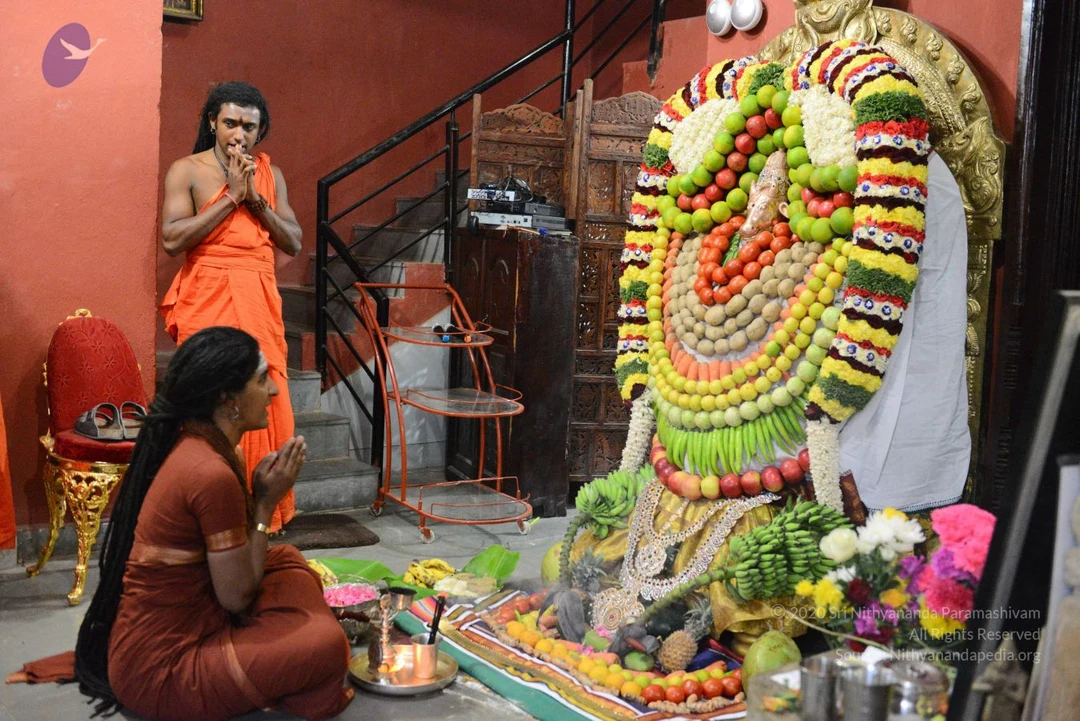
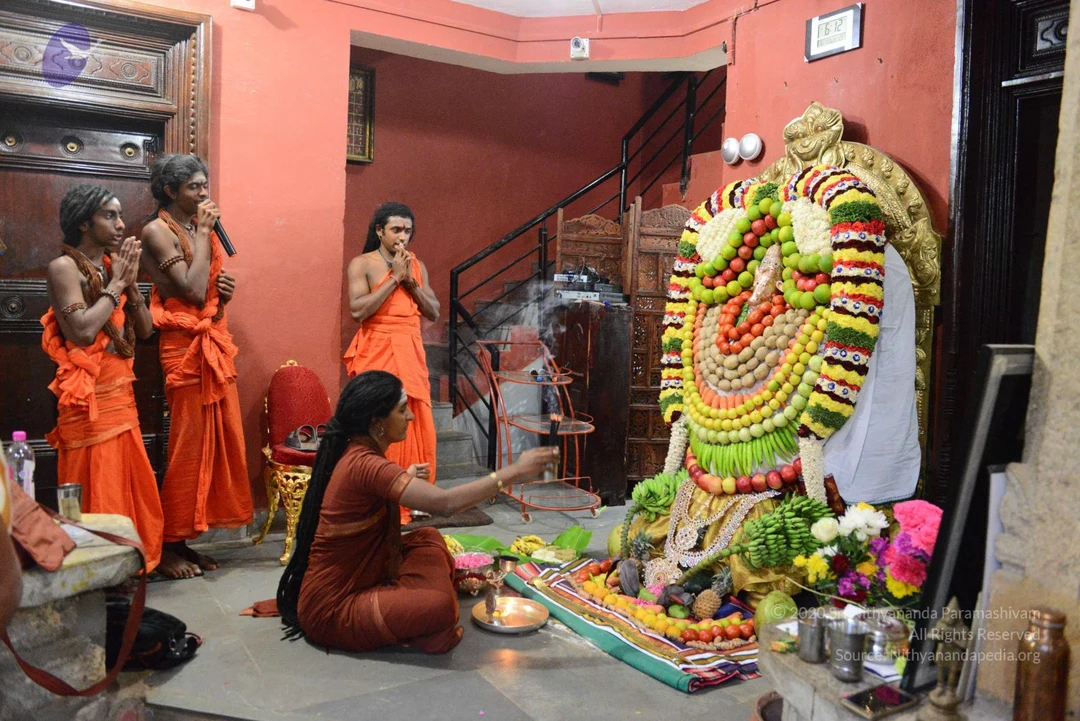
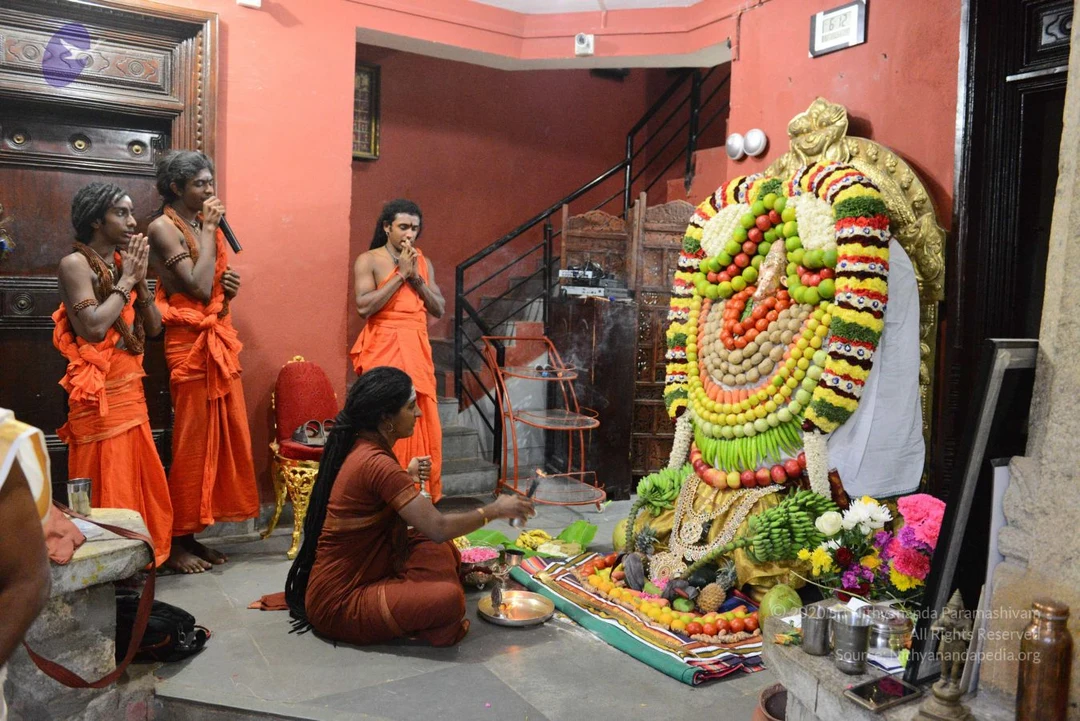
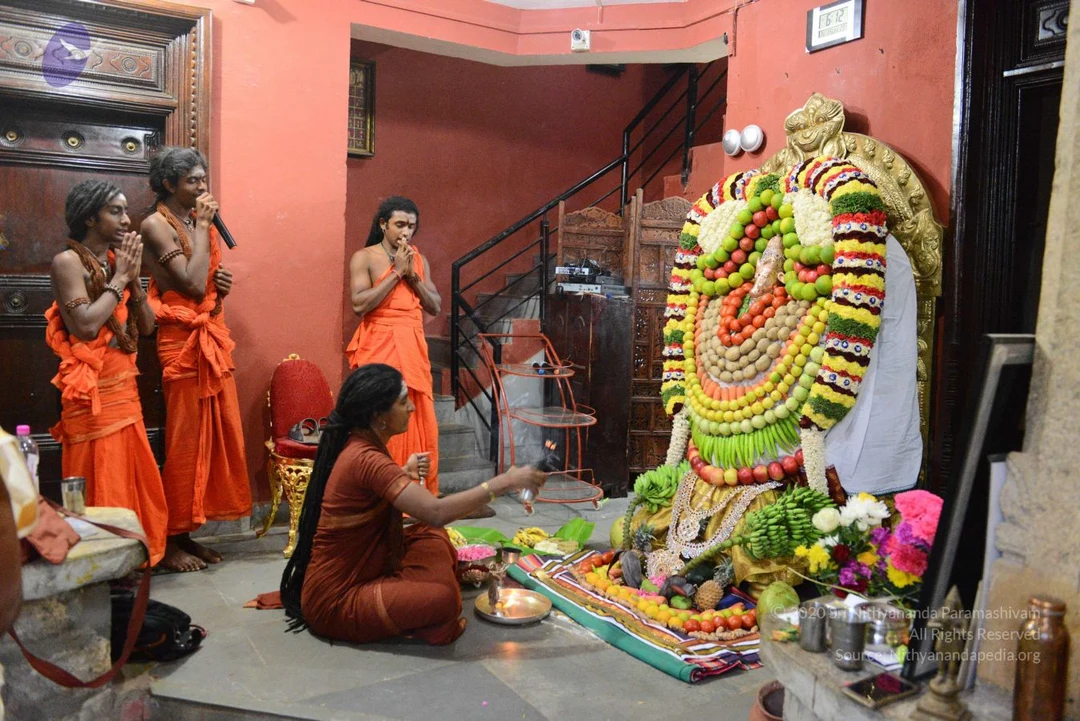
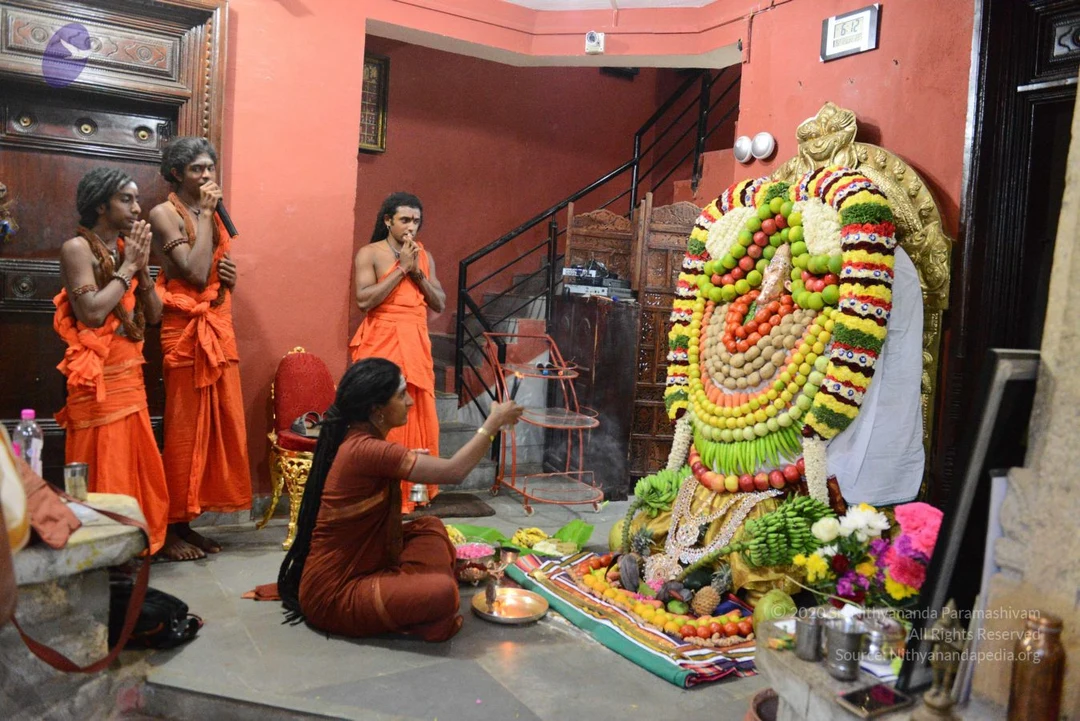
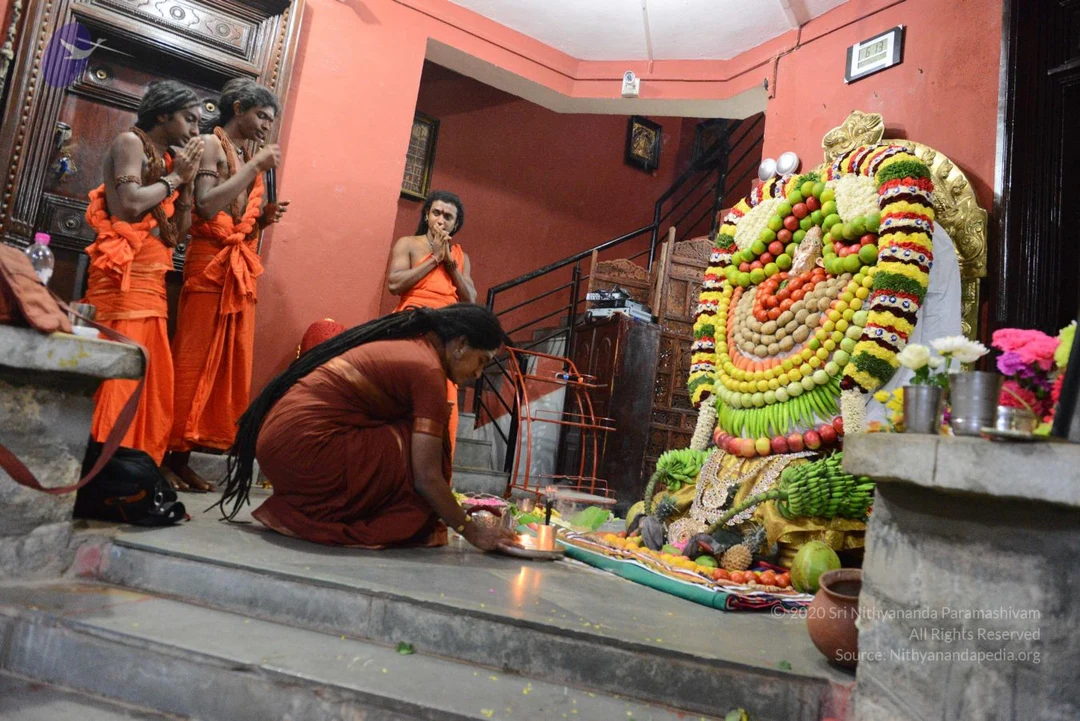
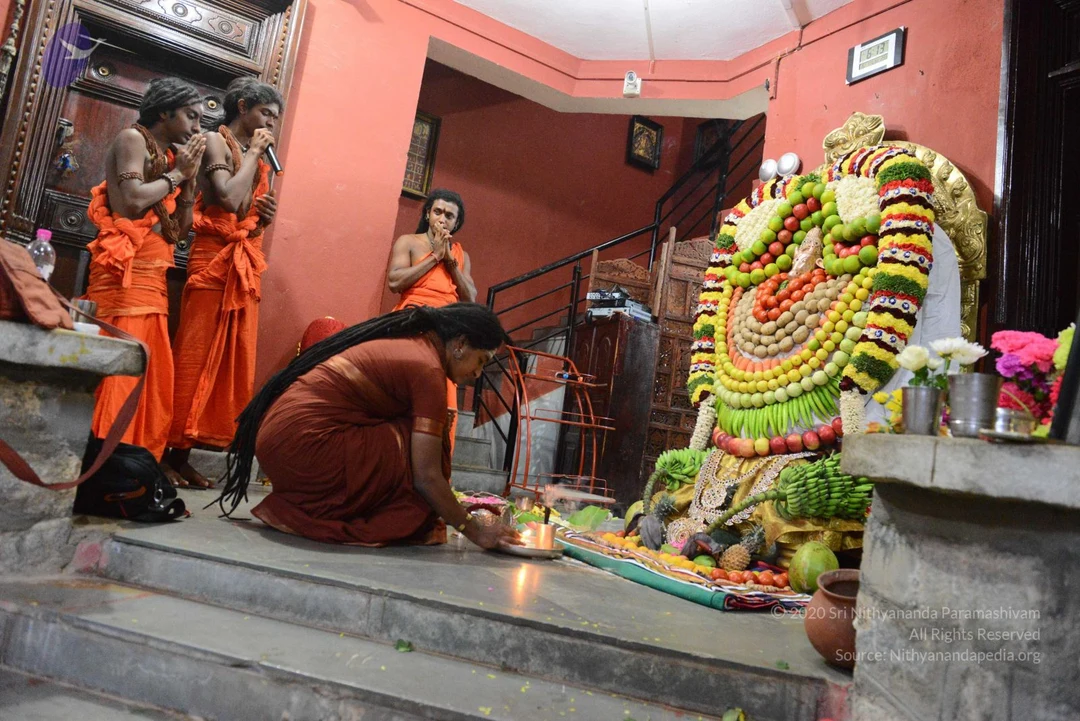
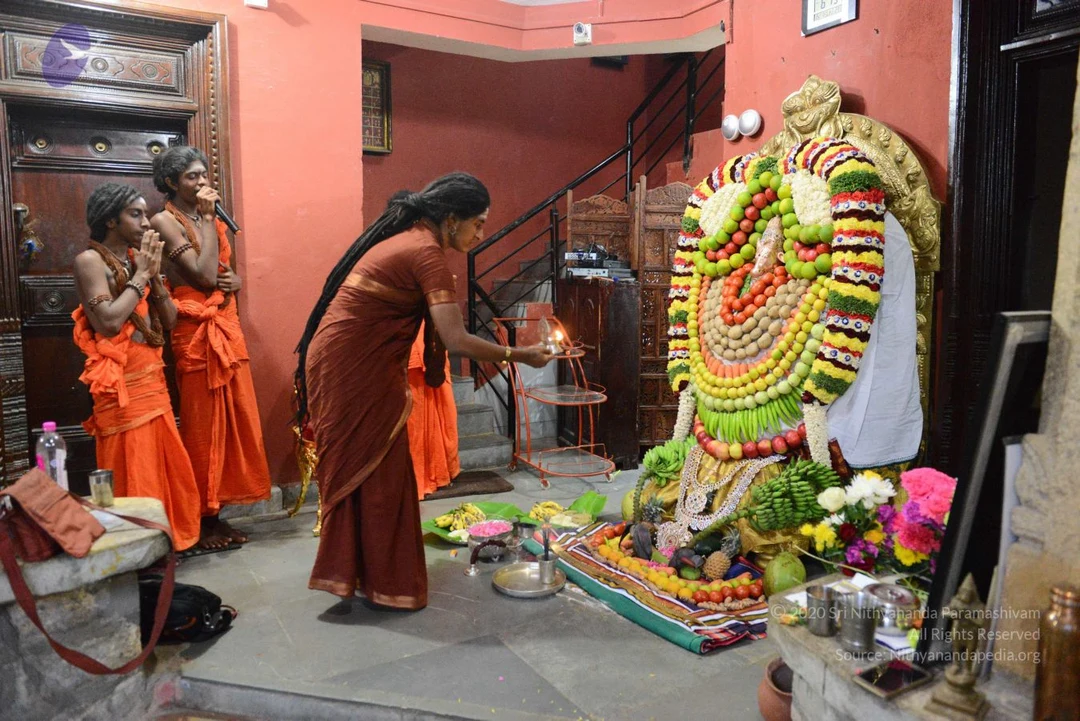
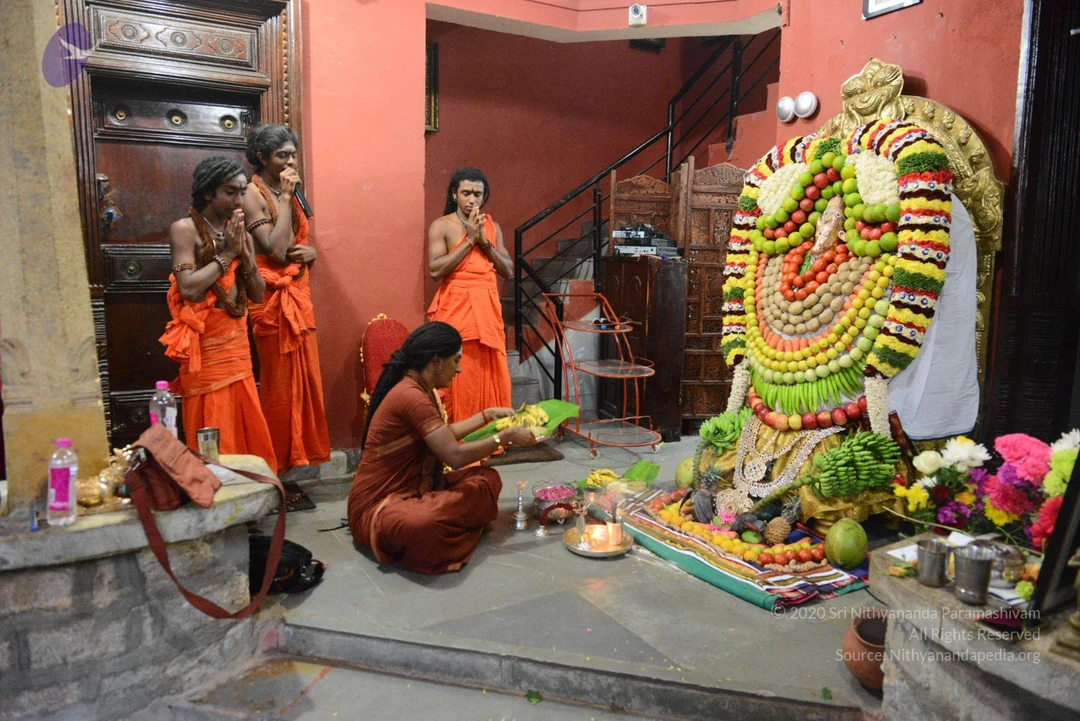
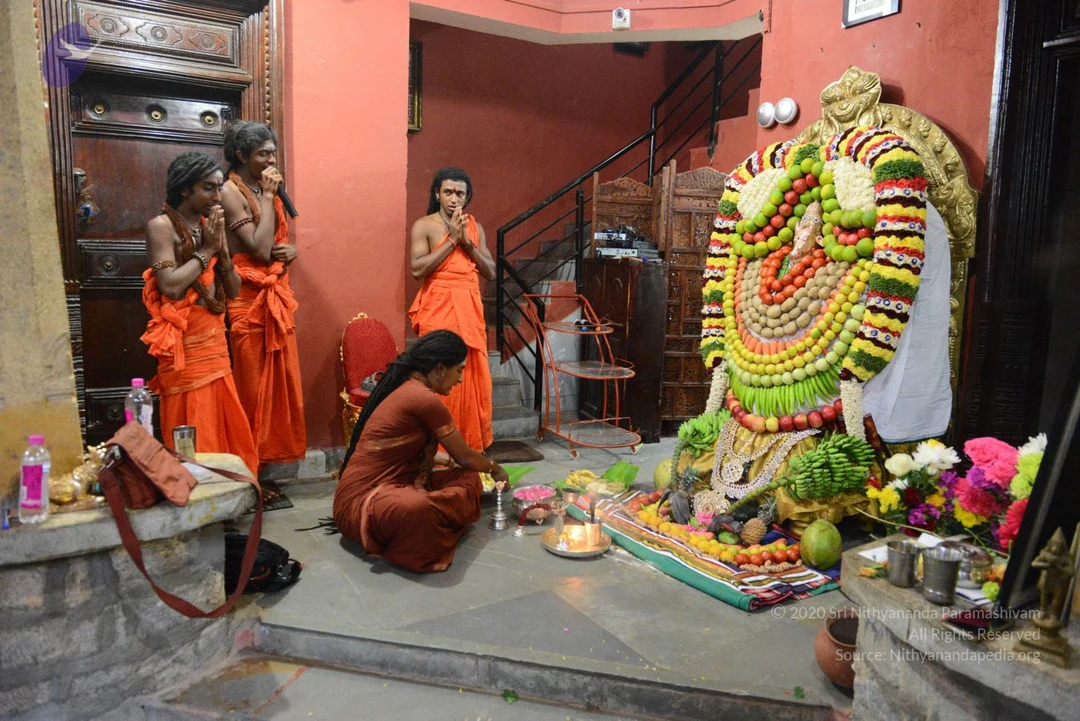
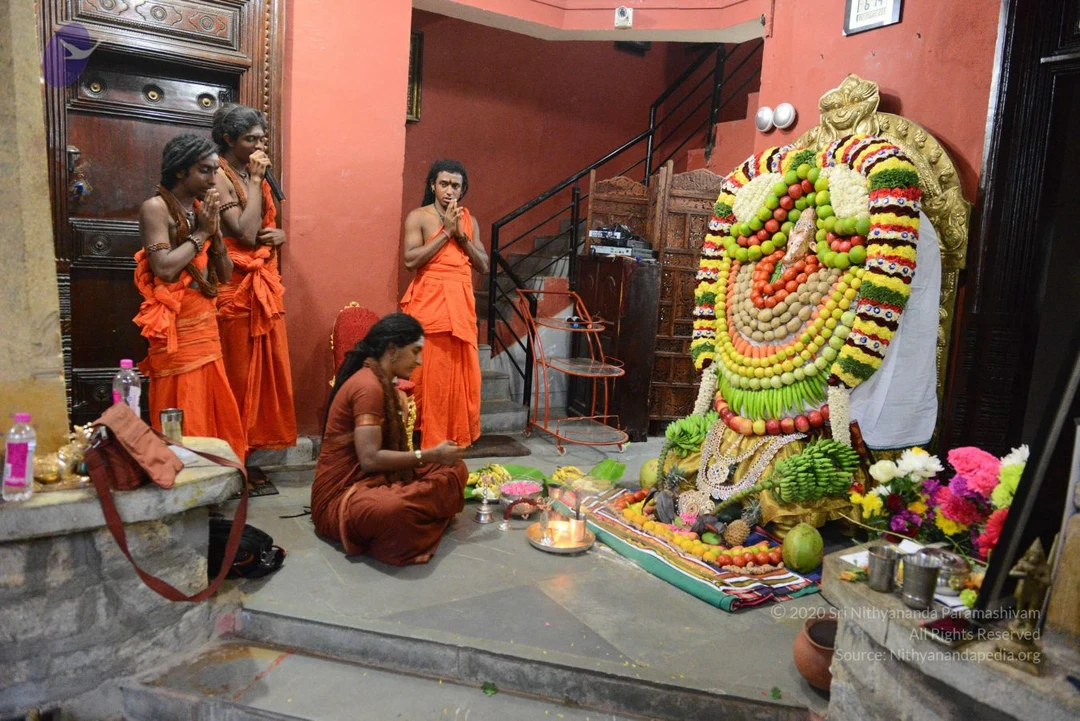
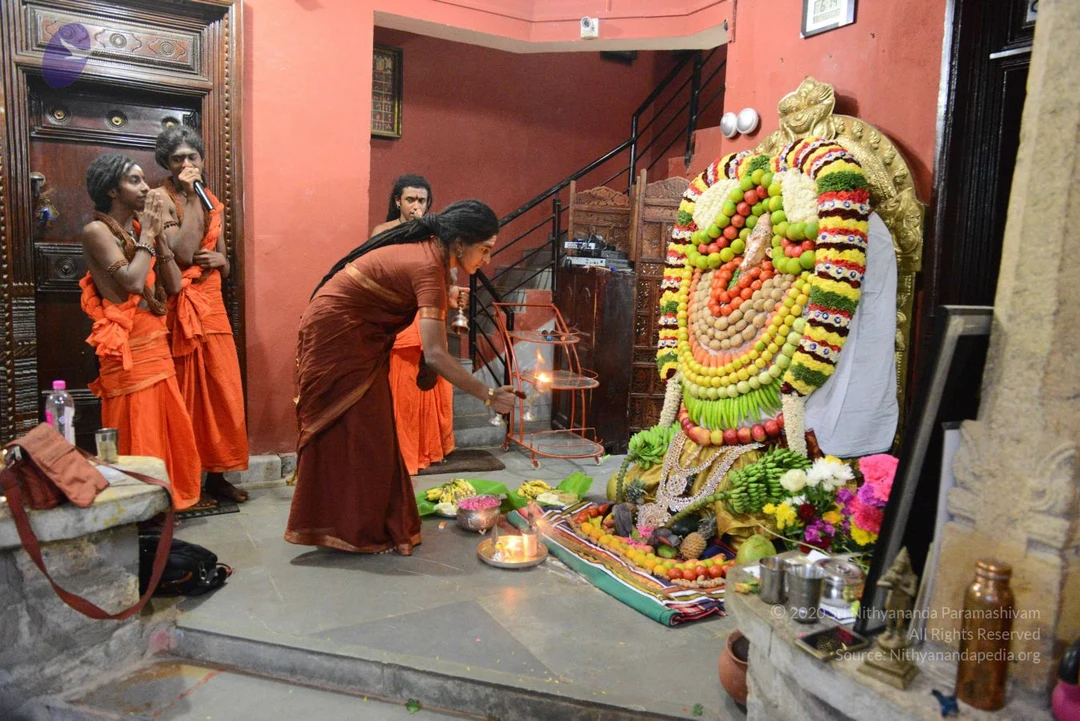
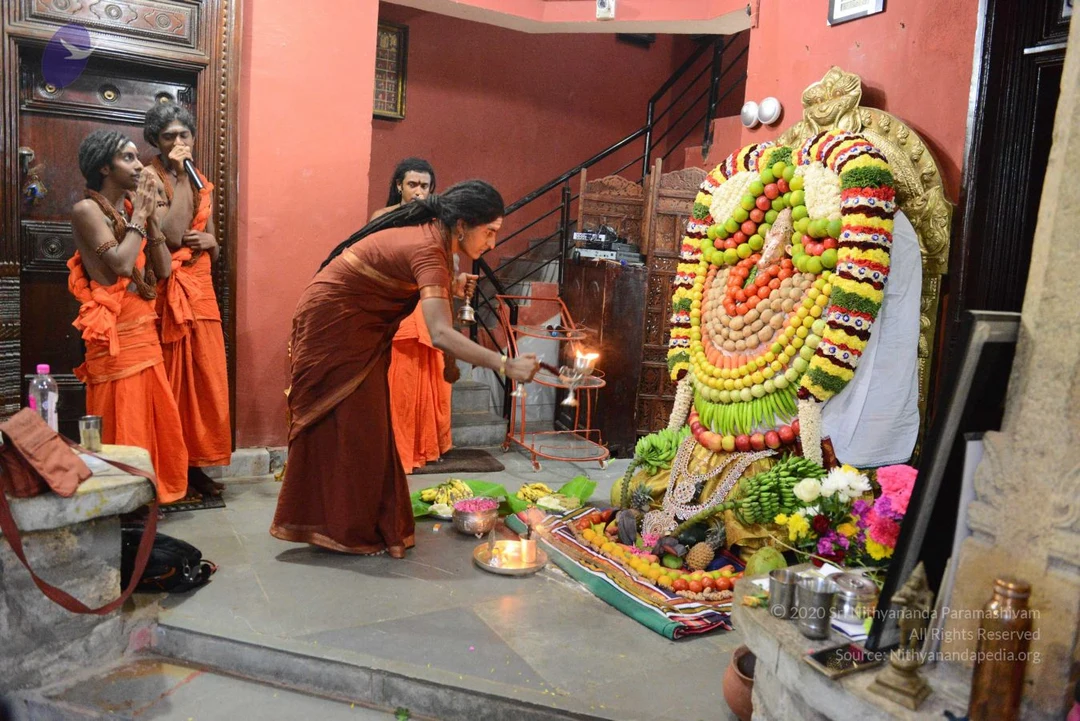
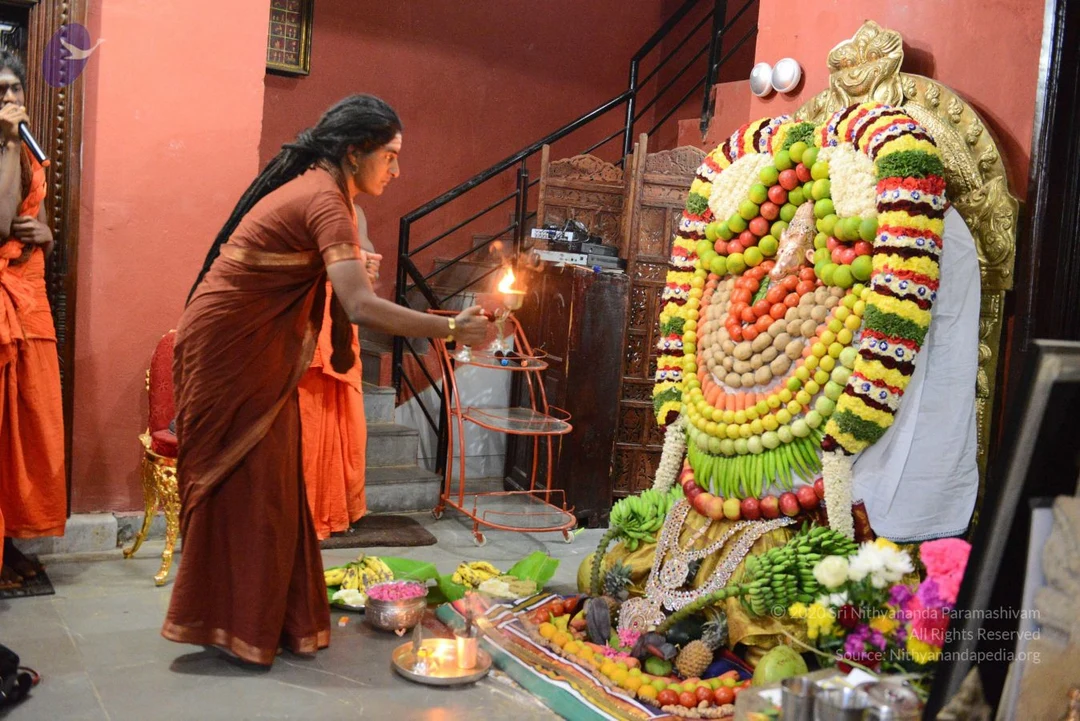
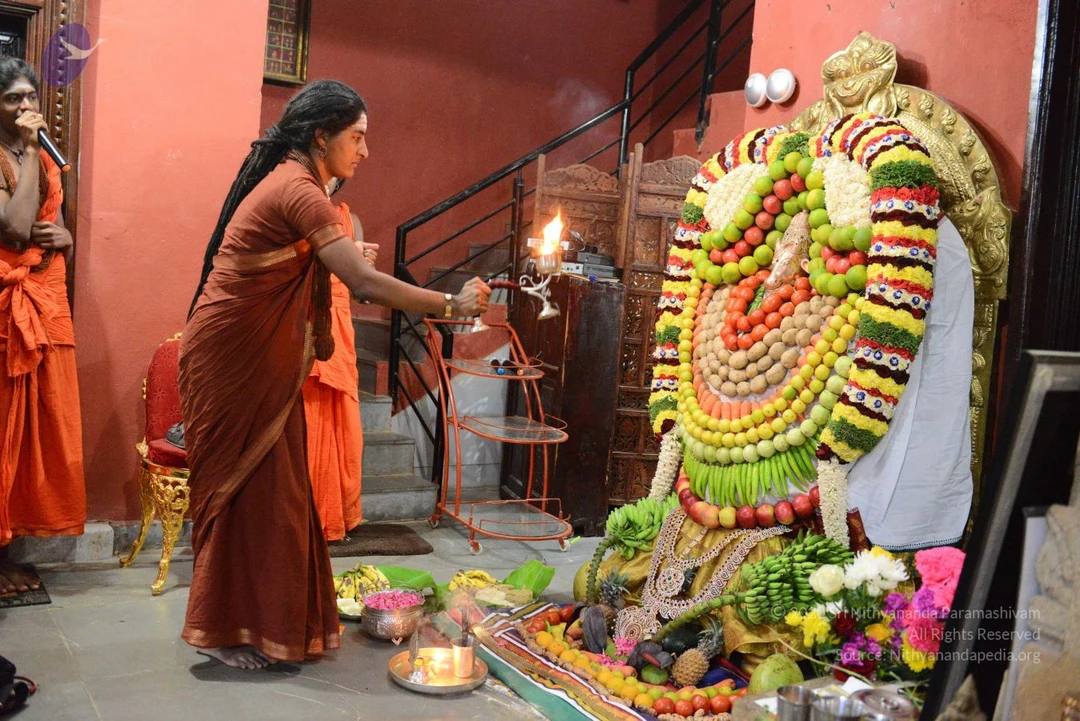
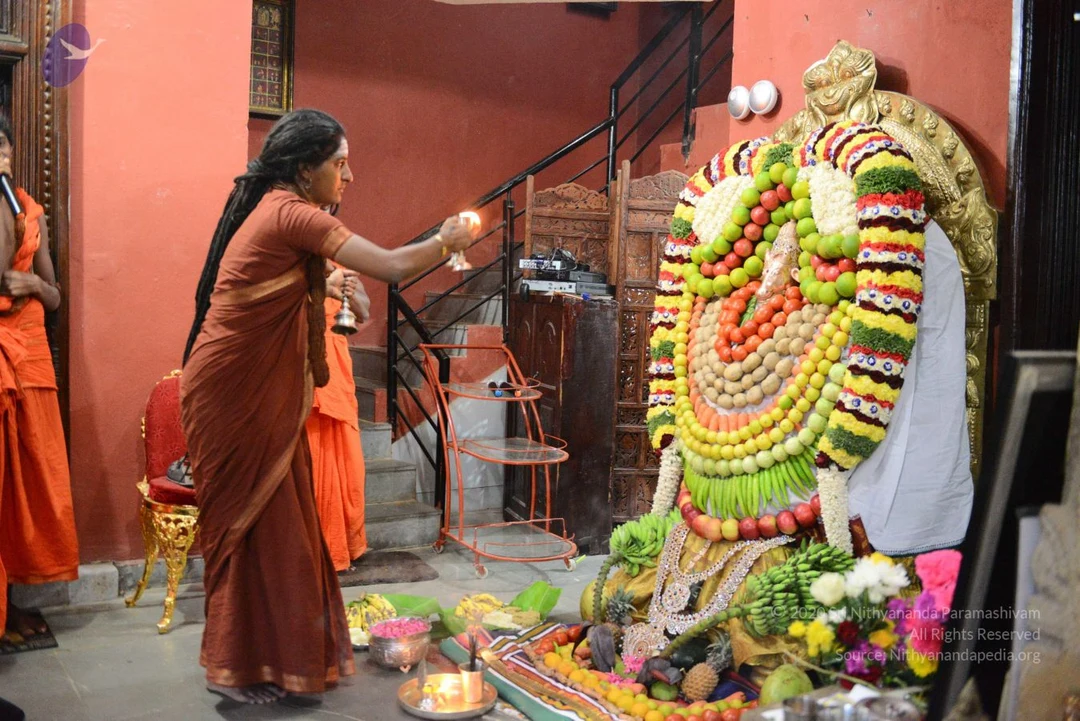
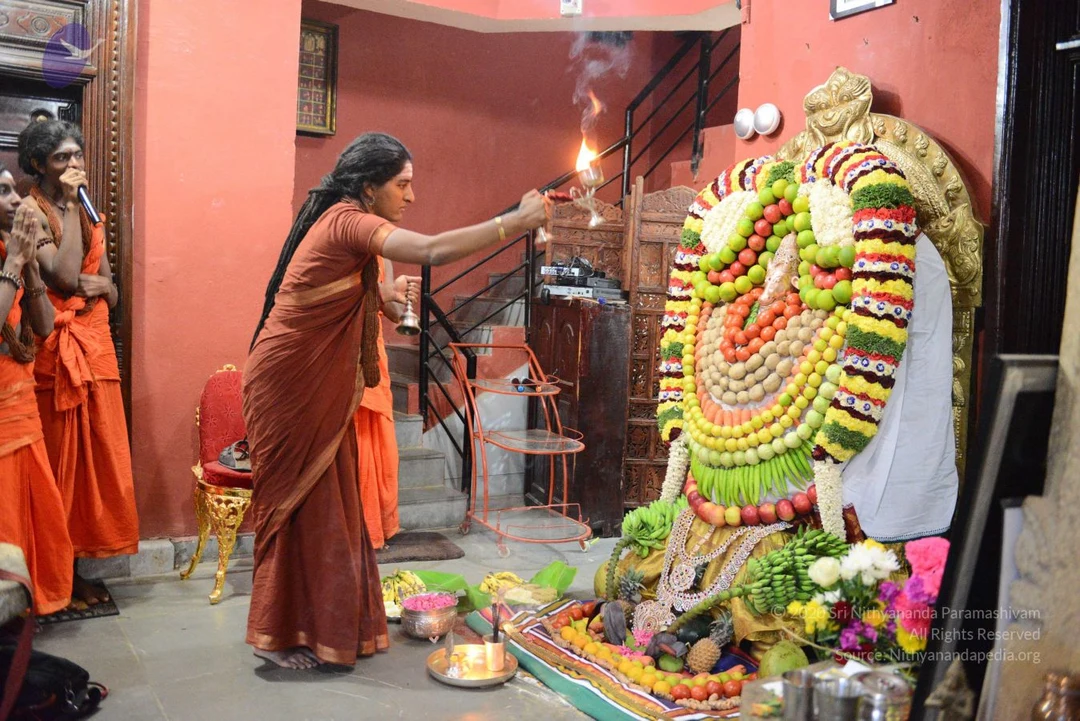
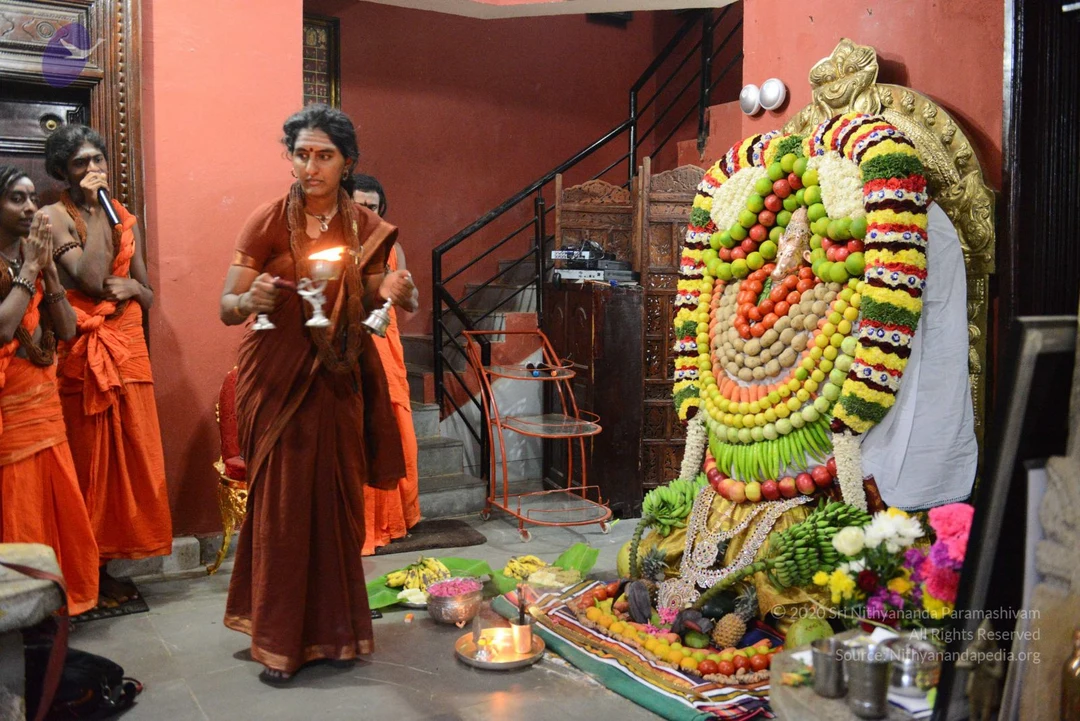
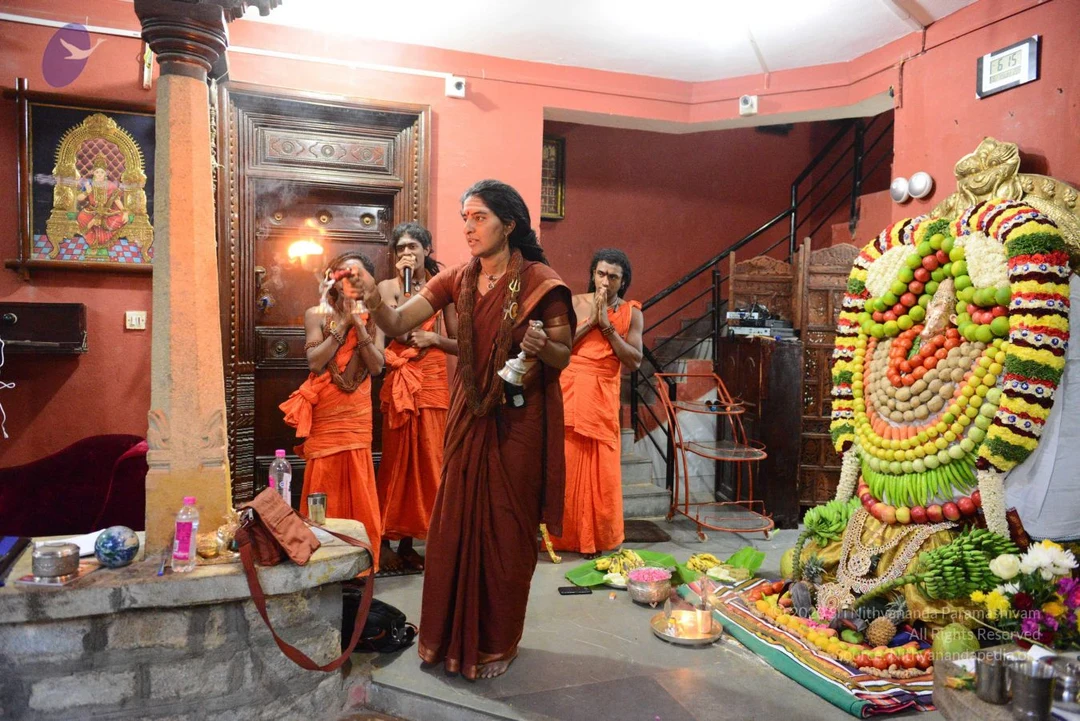
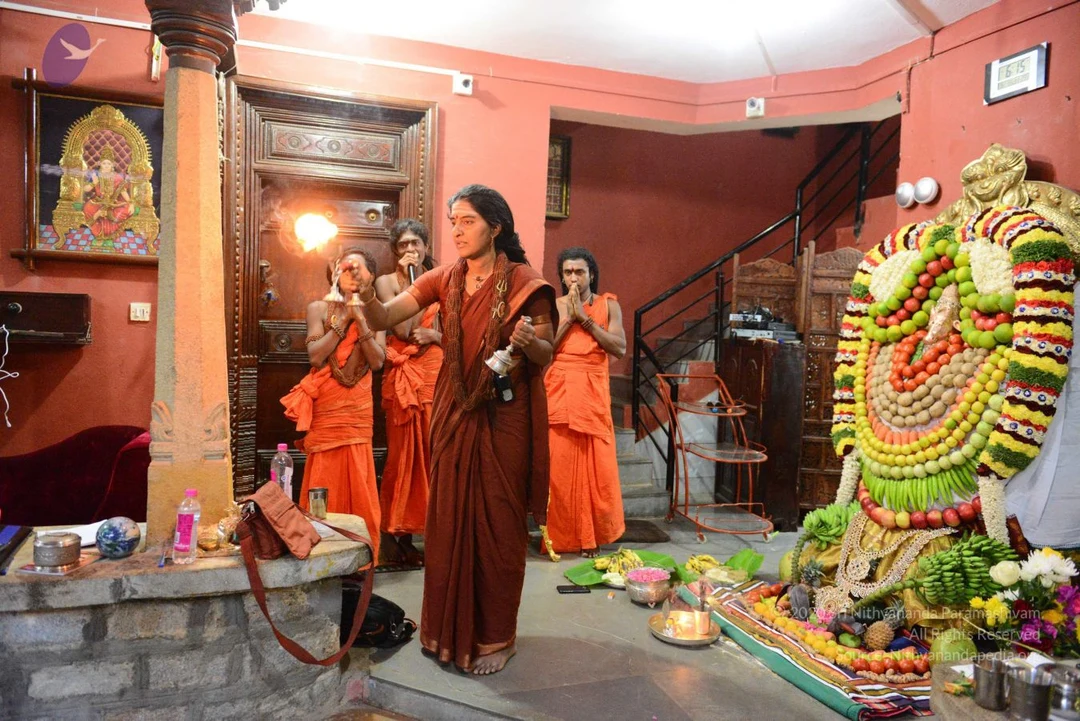
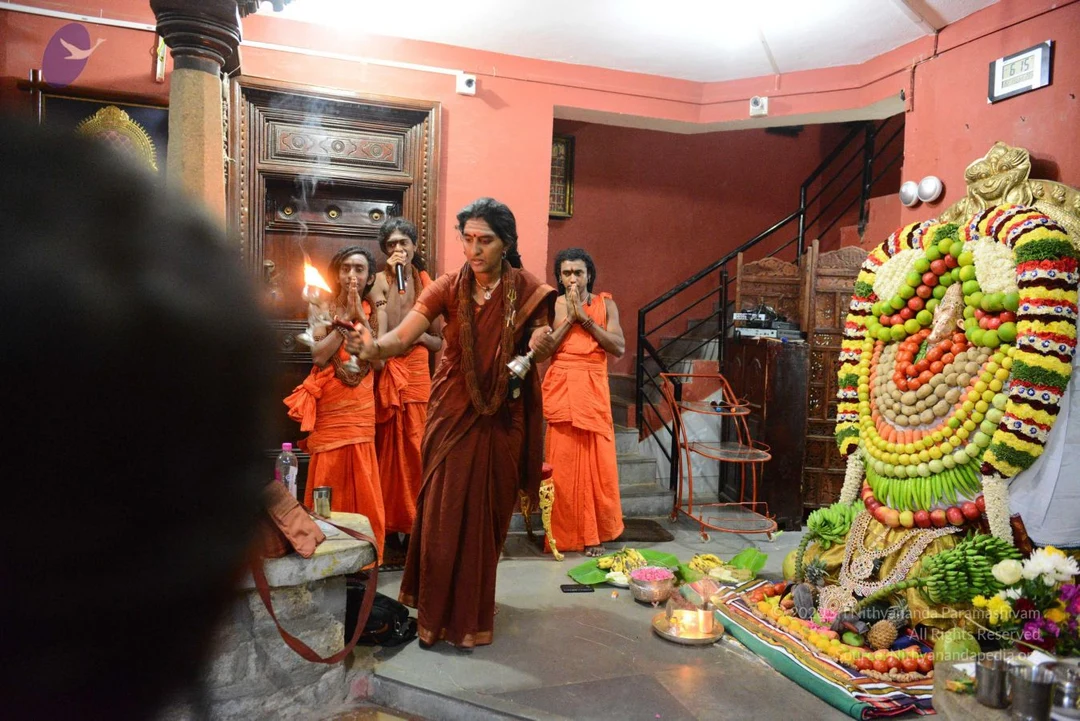
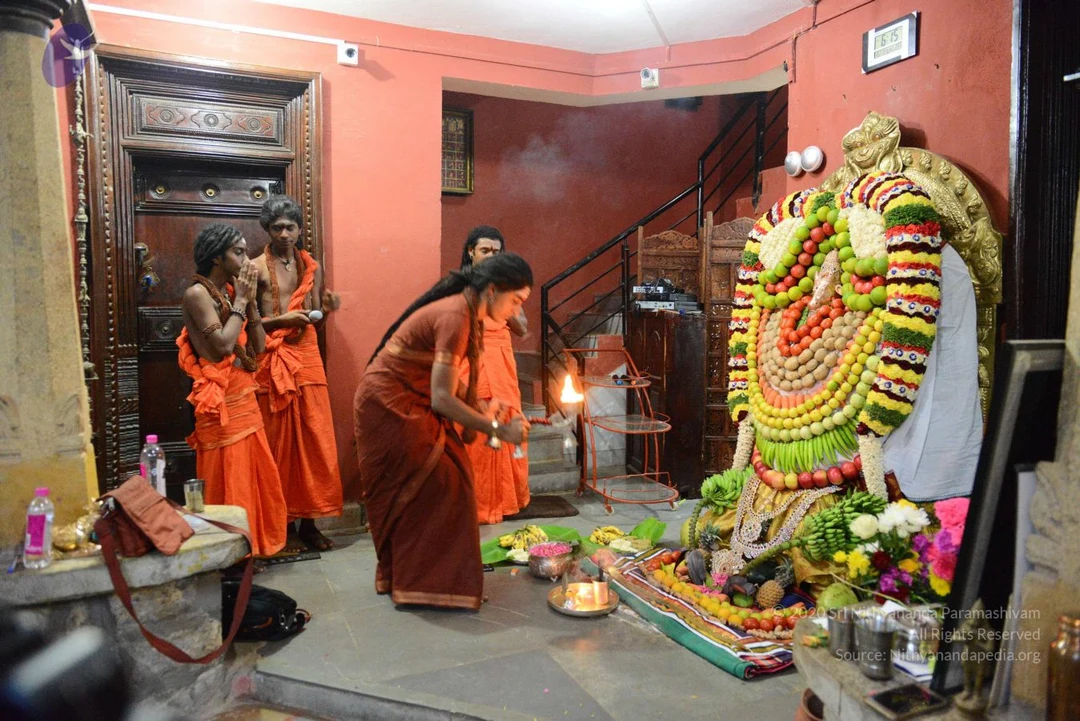
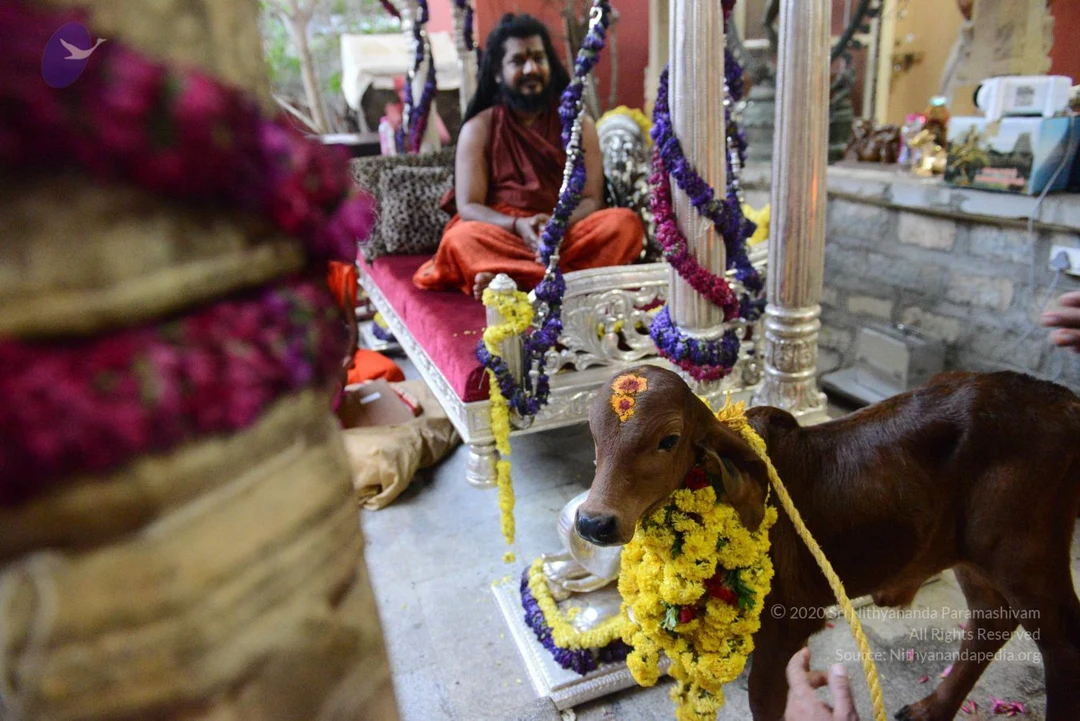
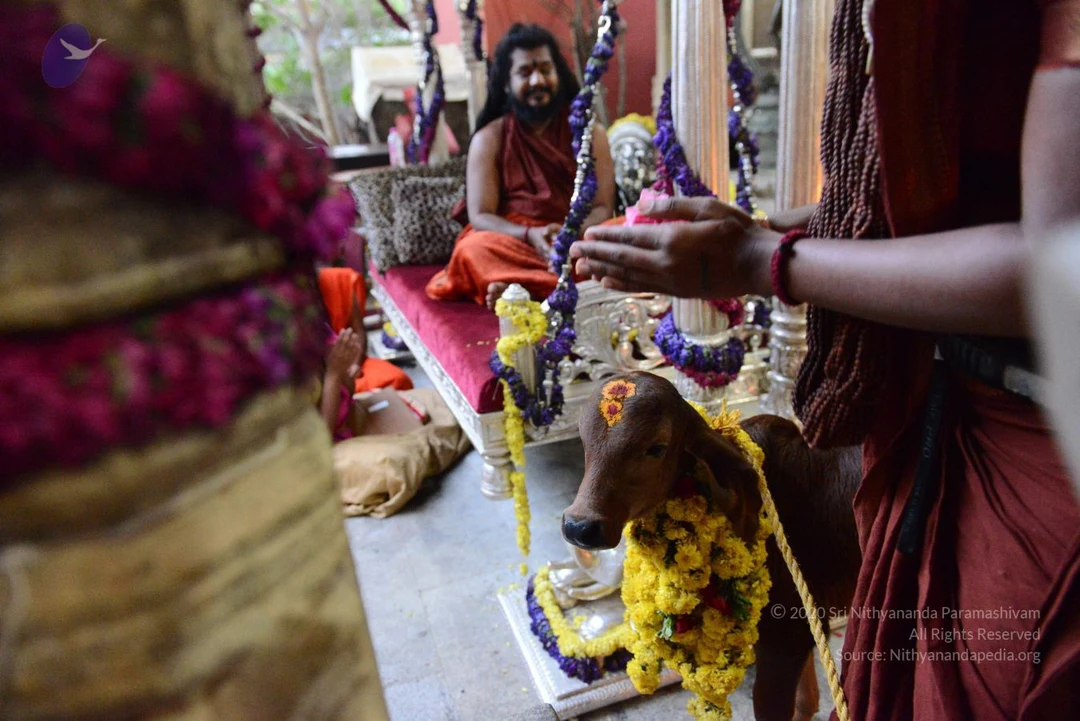
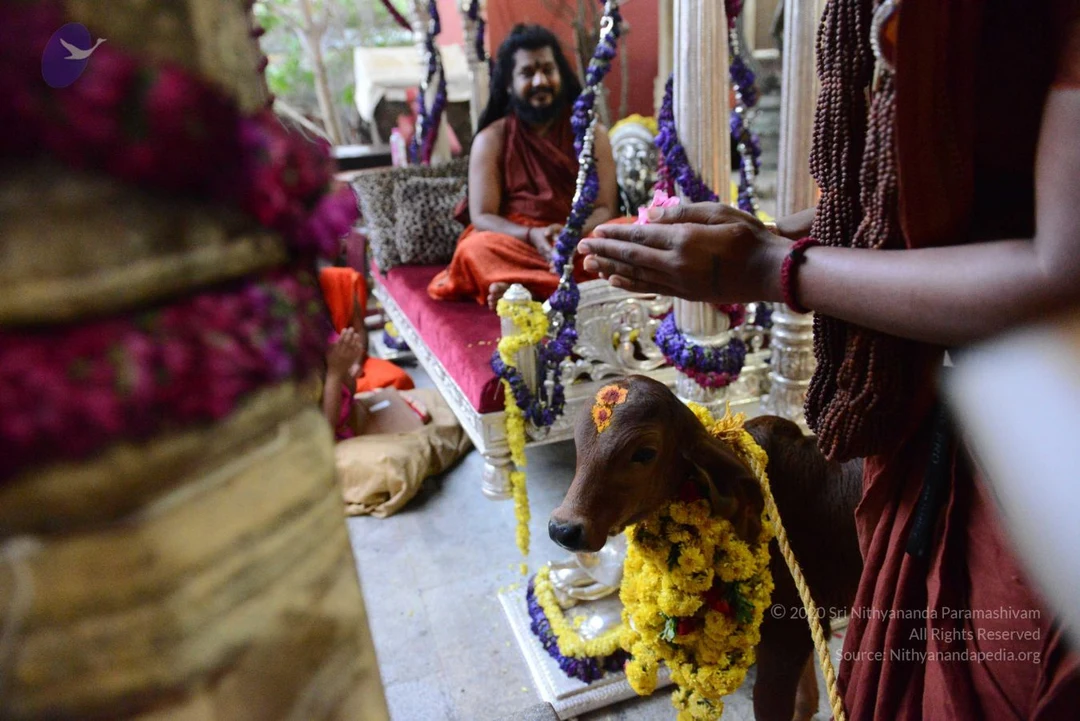
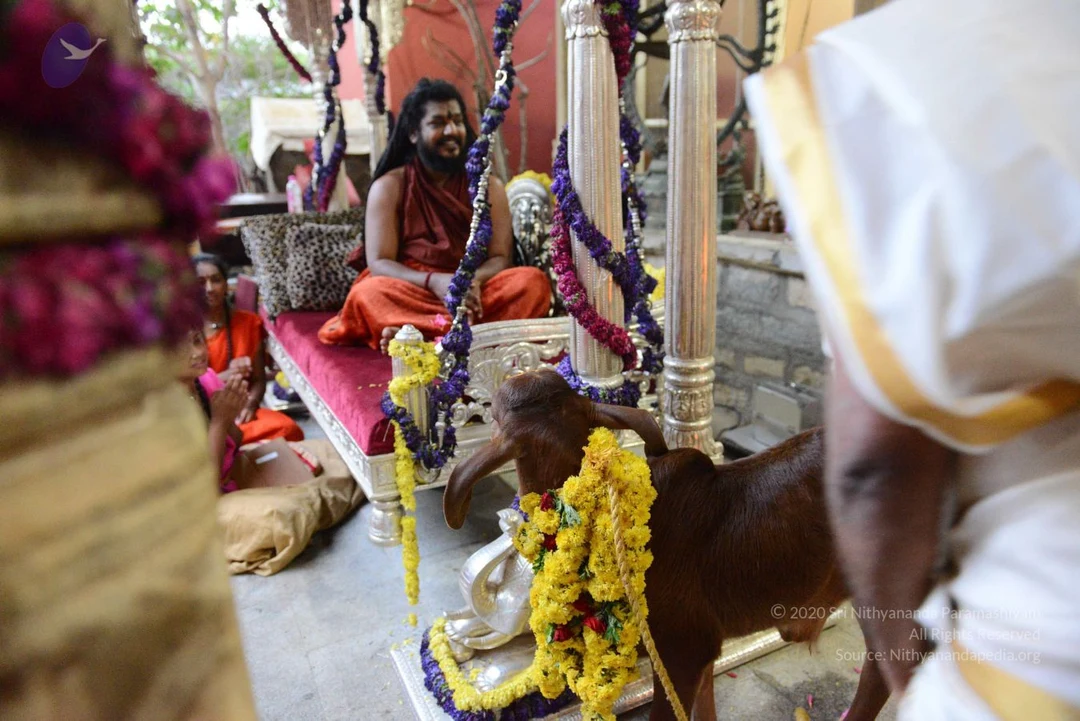
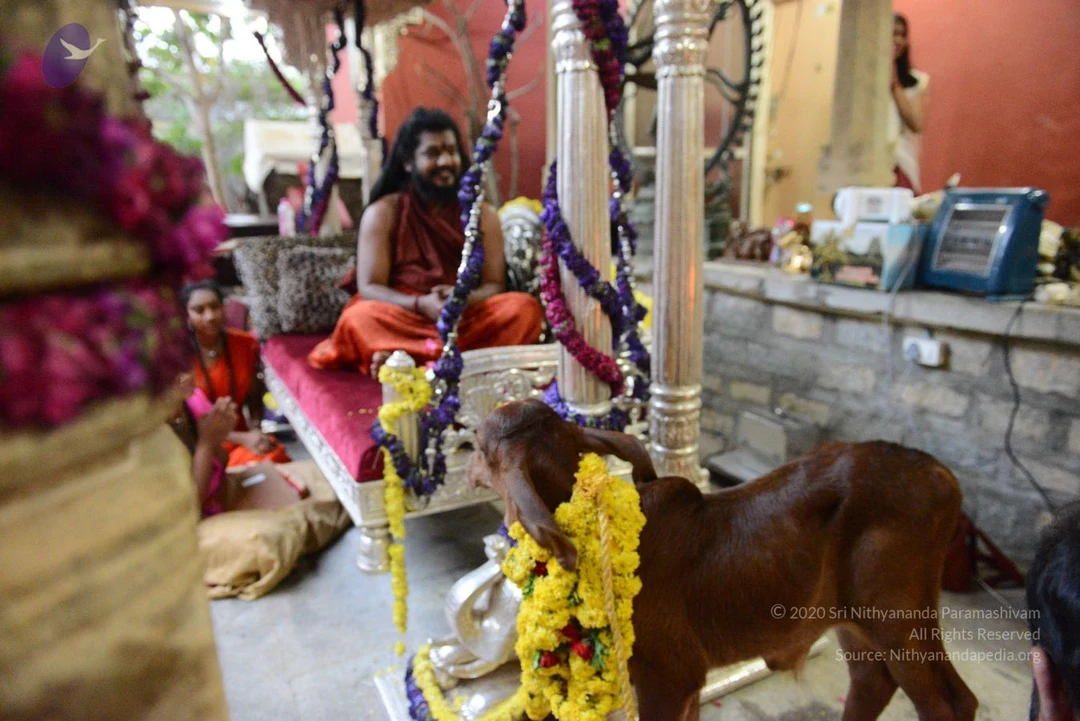
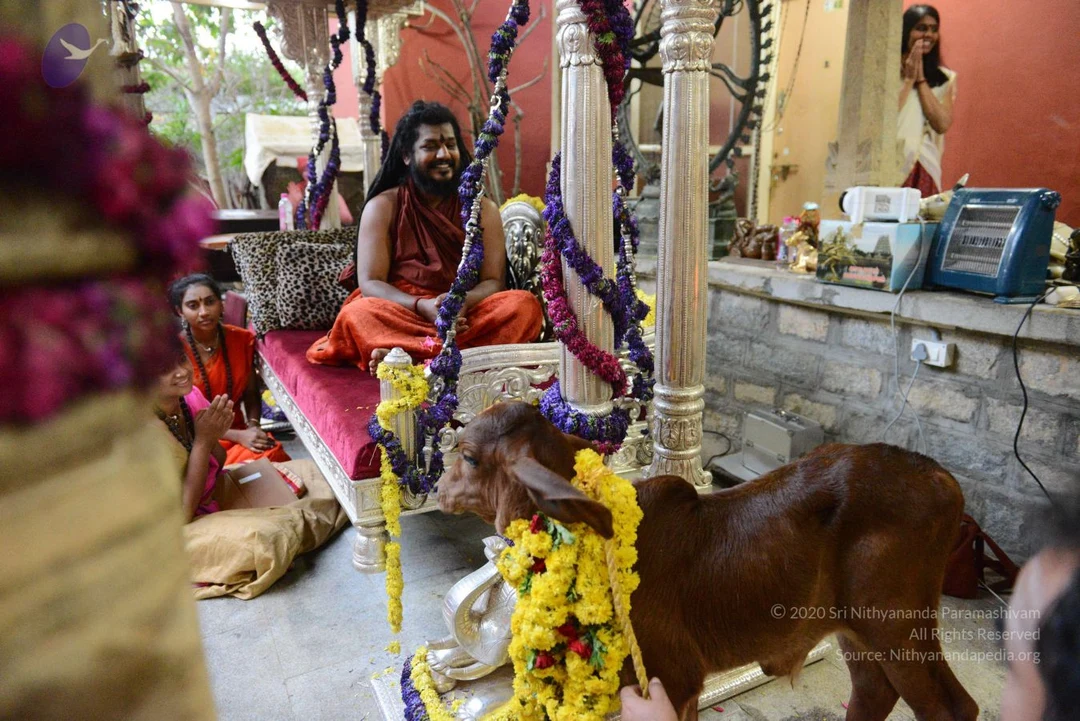
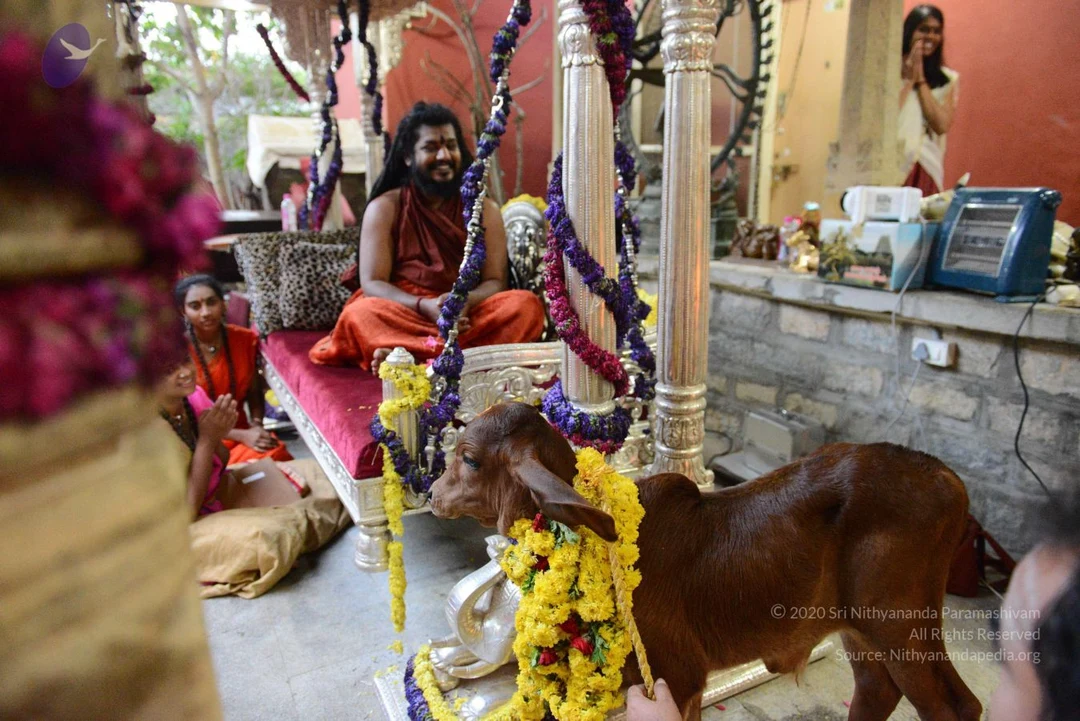
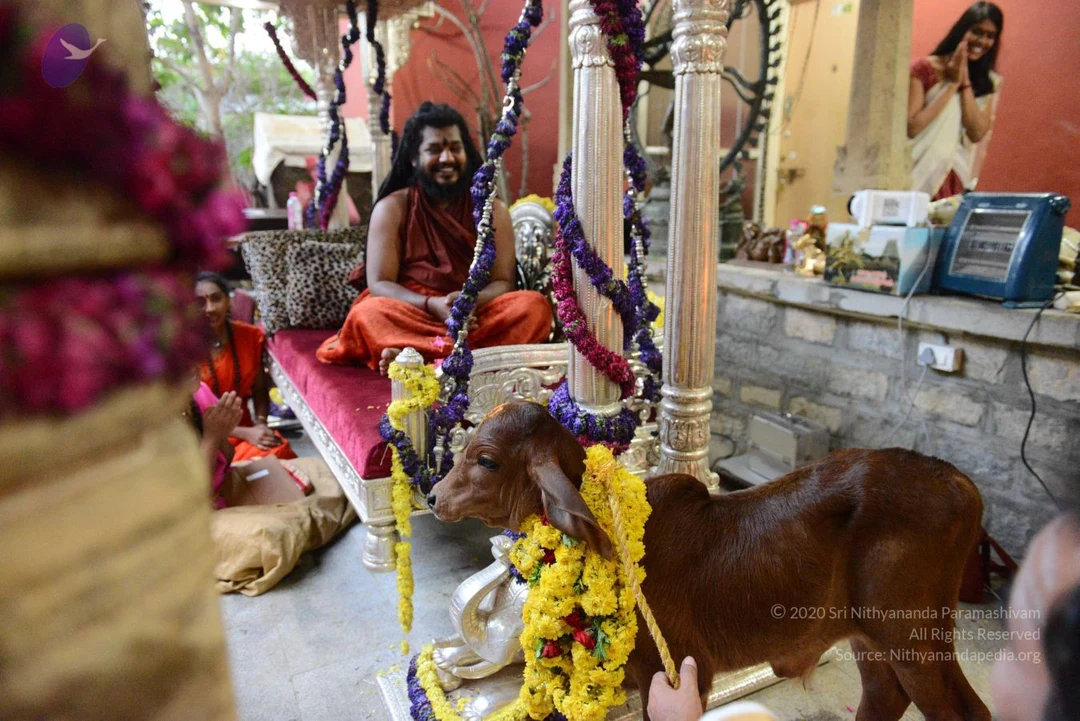
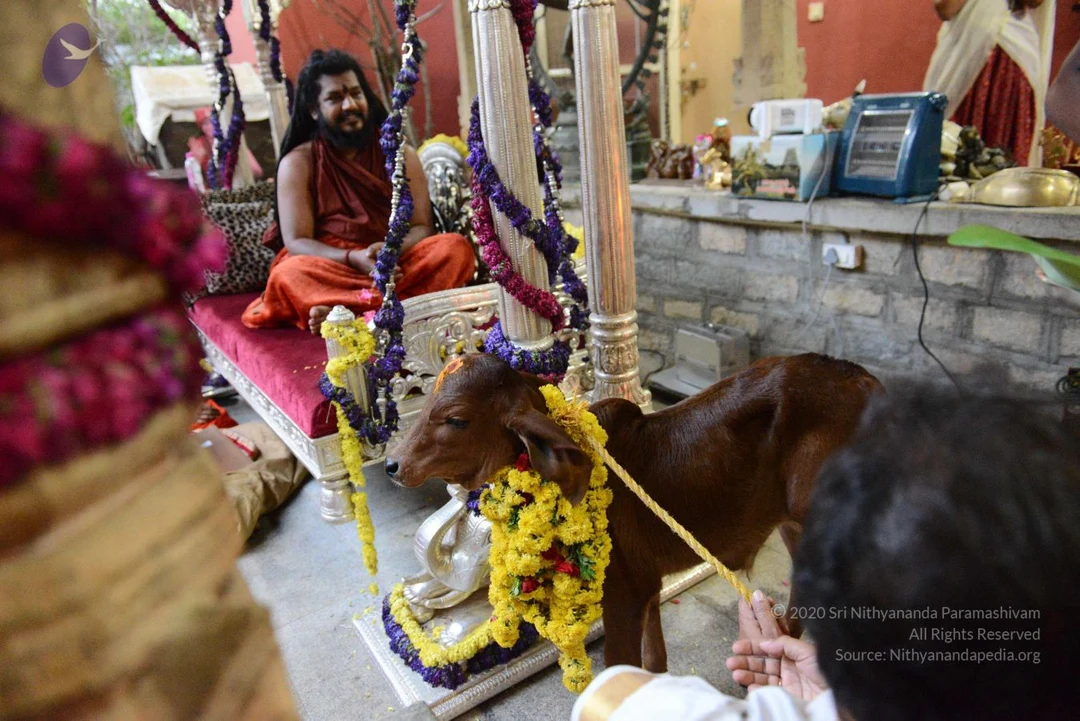





COURTYARD-POWER-MANIFESTATION-SESSION



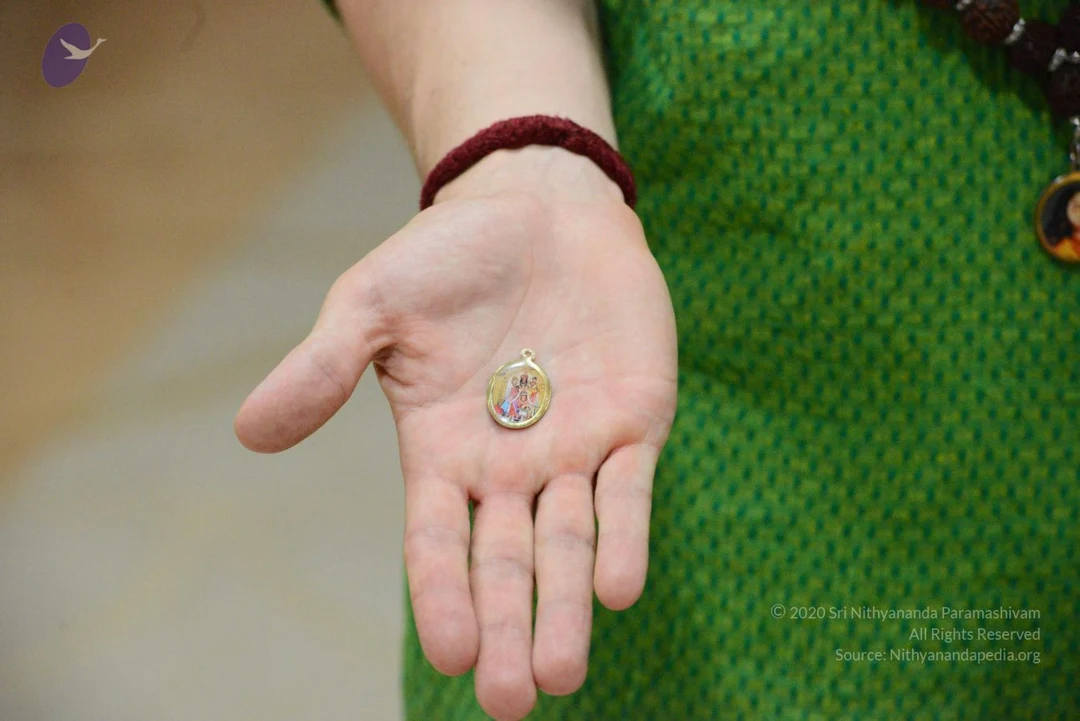

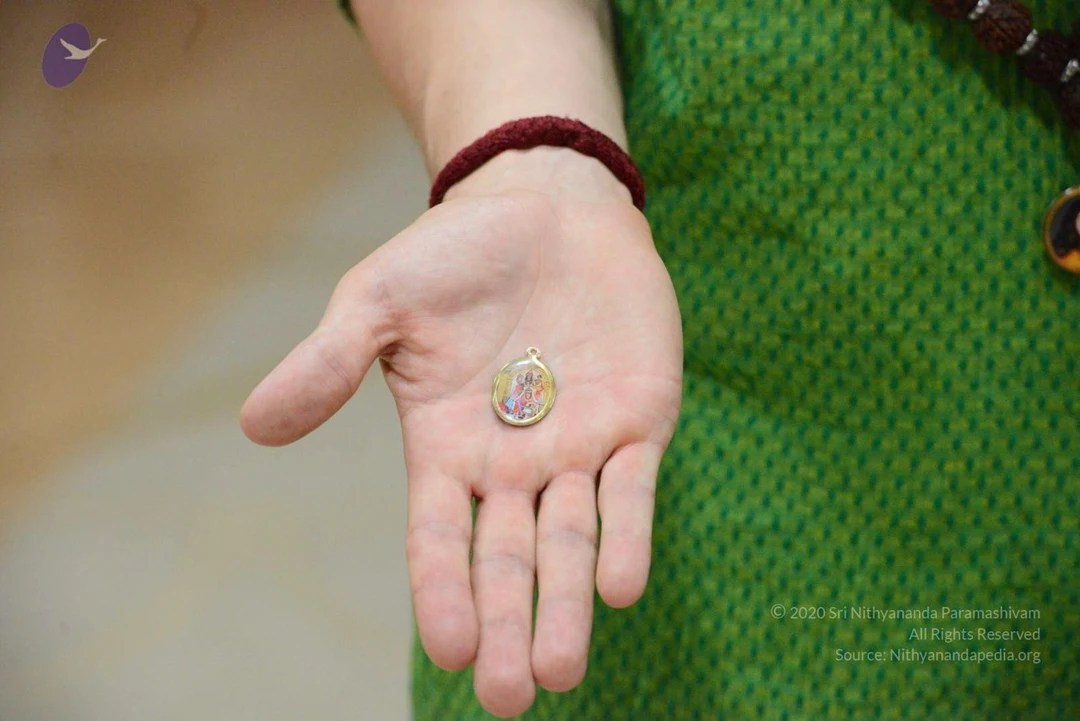
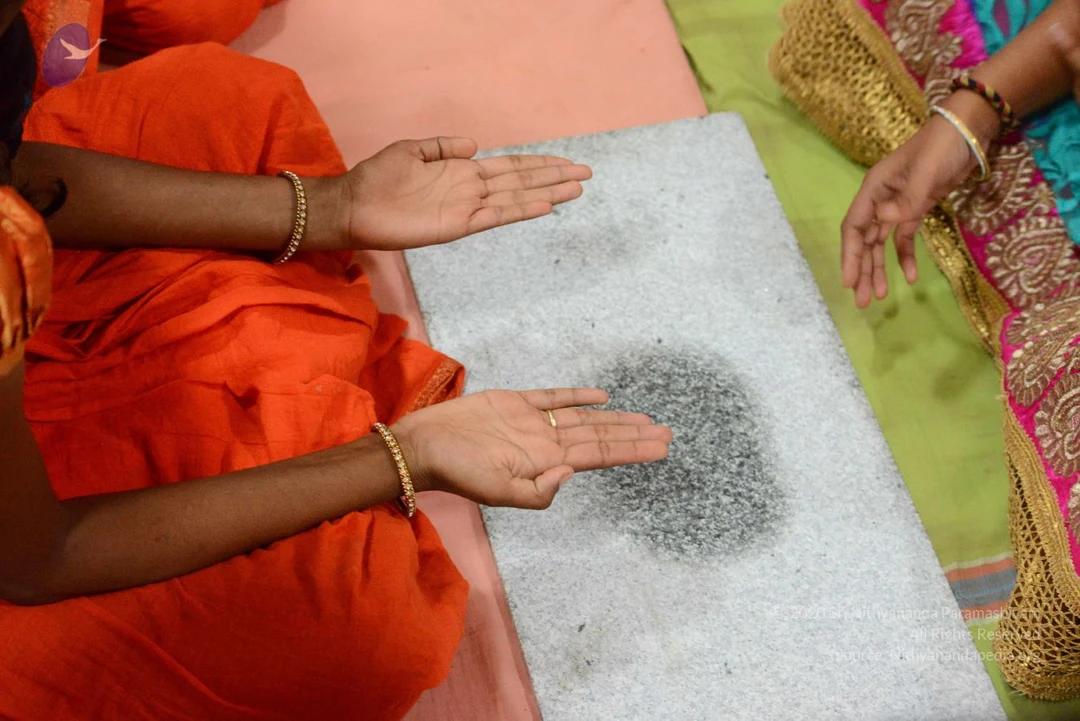








































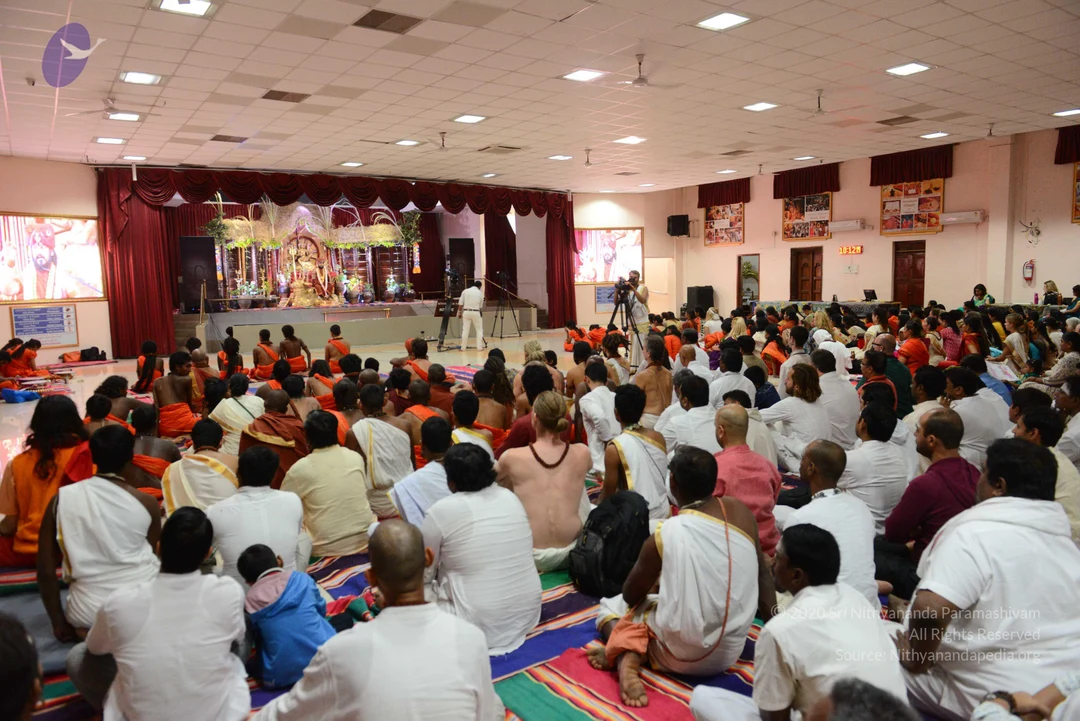
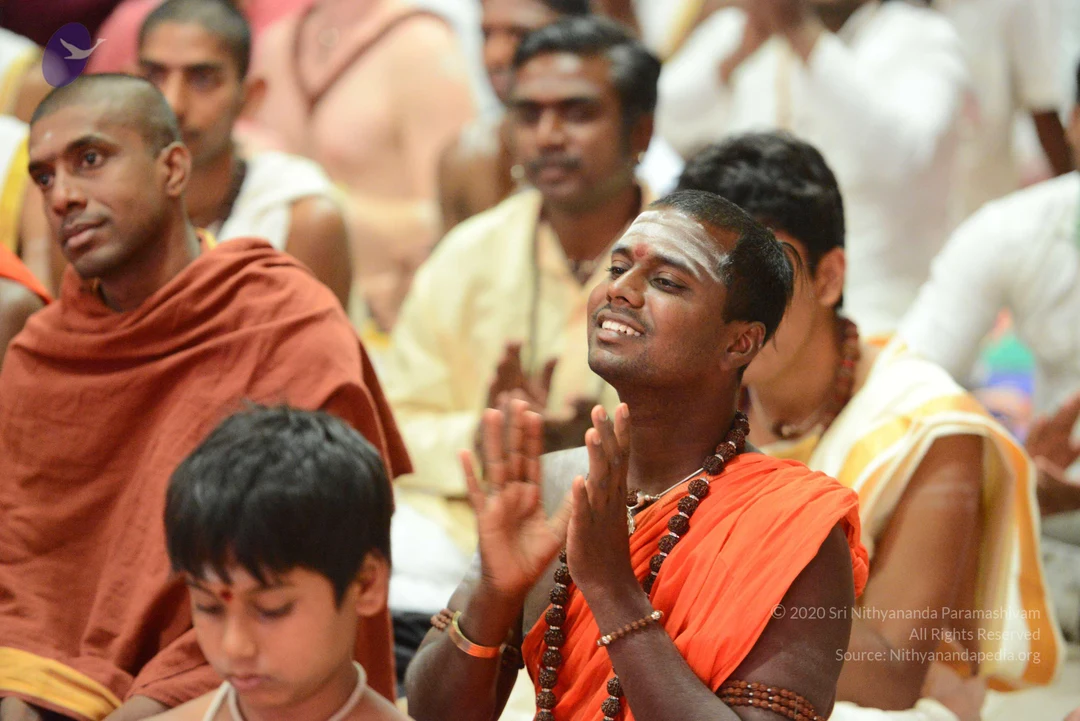
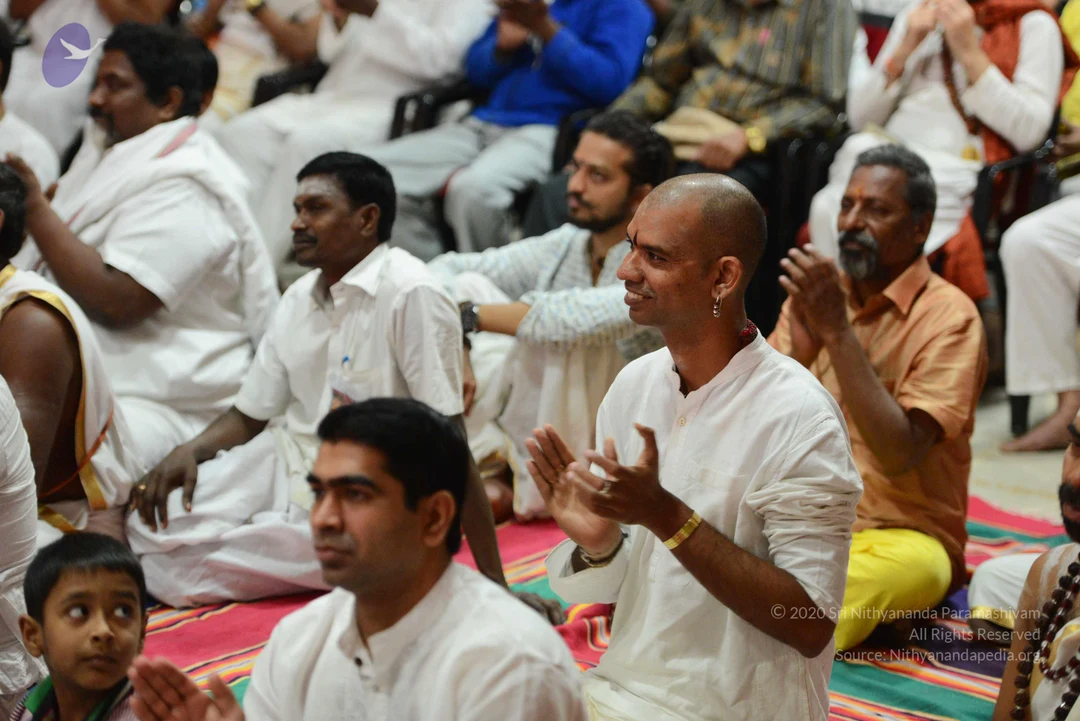
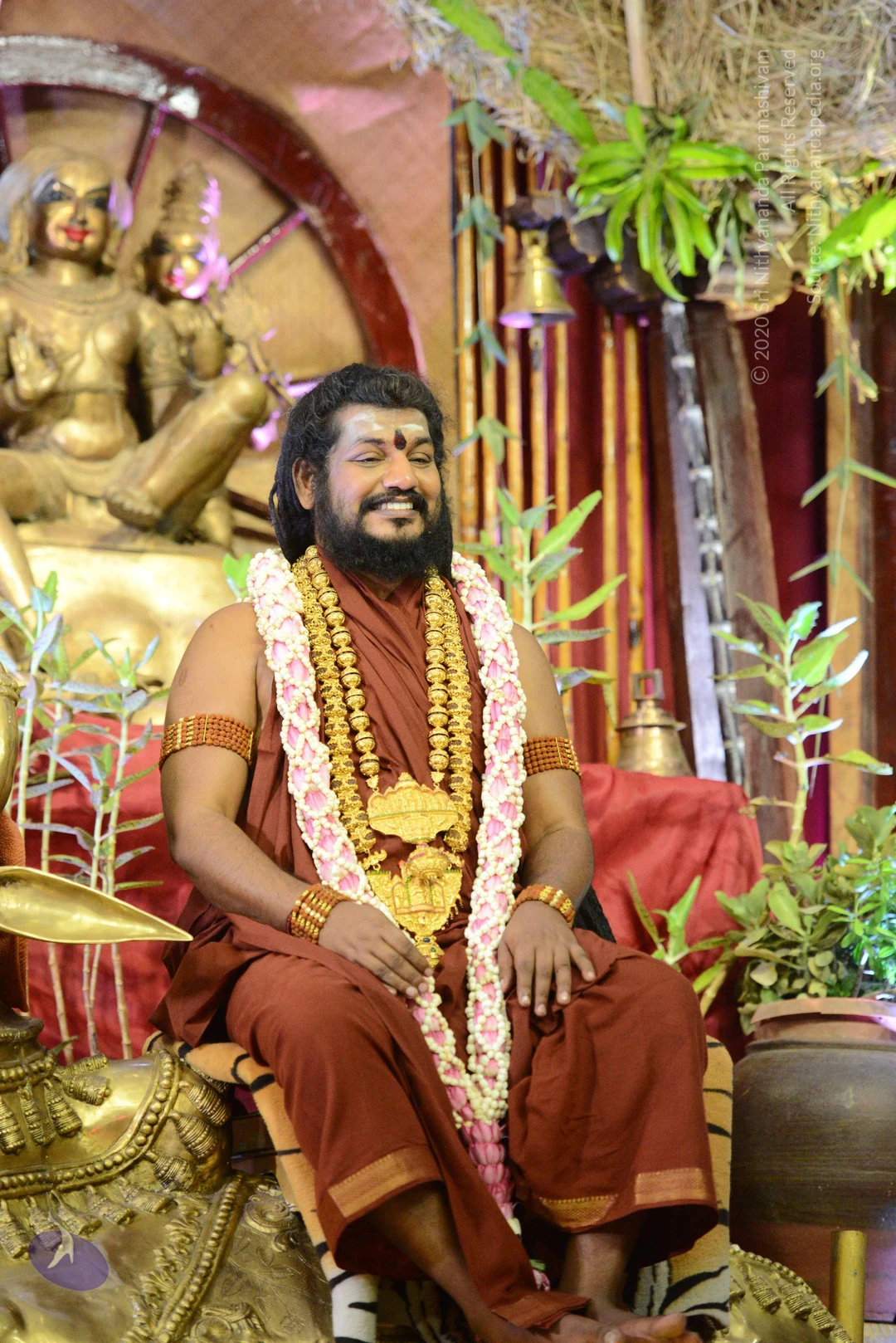
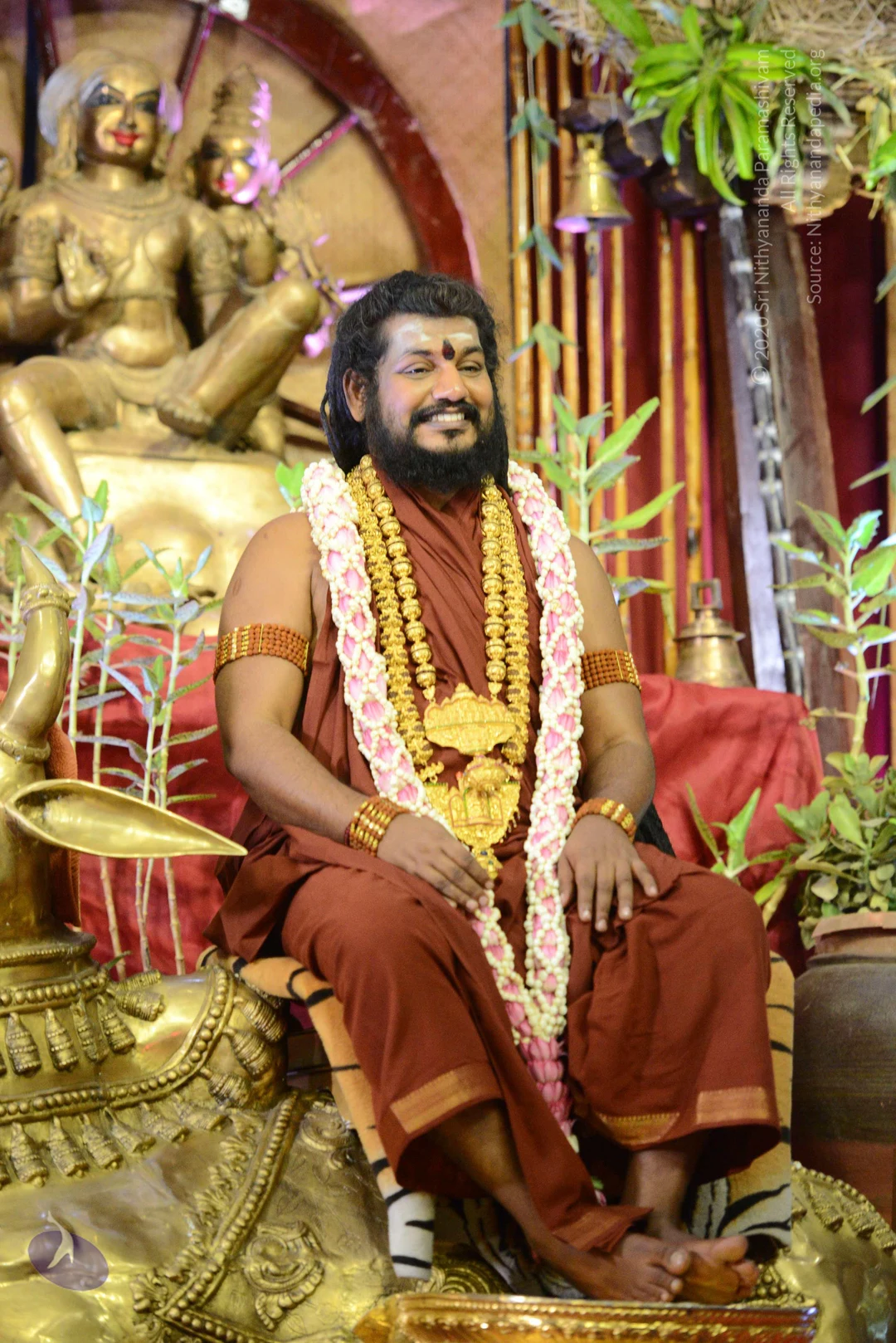
01-Webinar

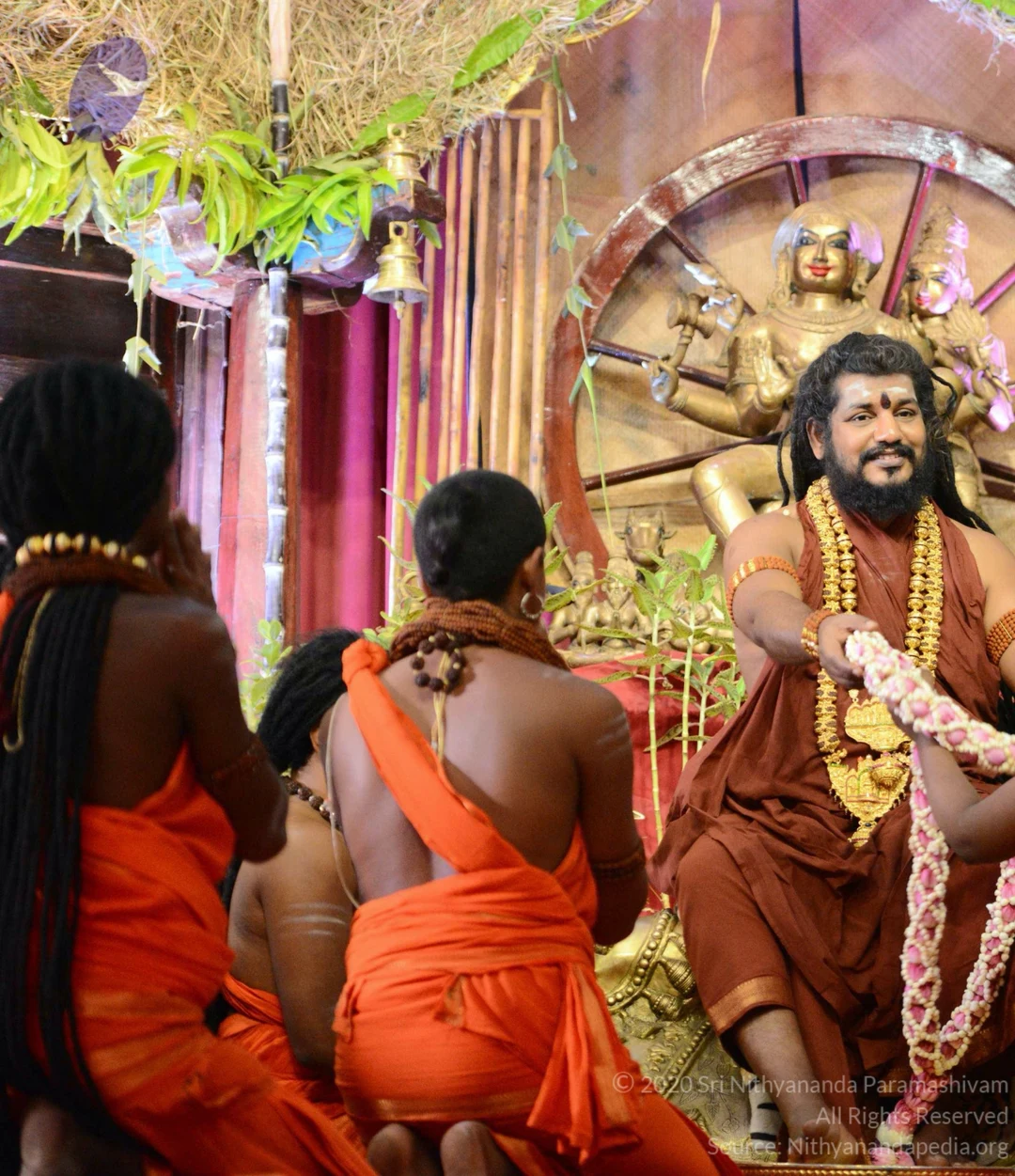
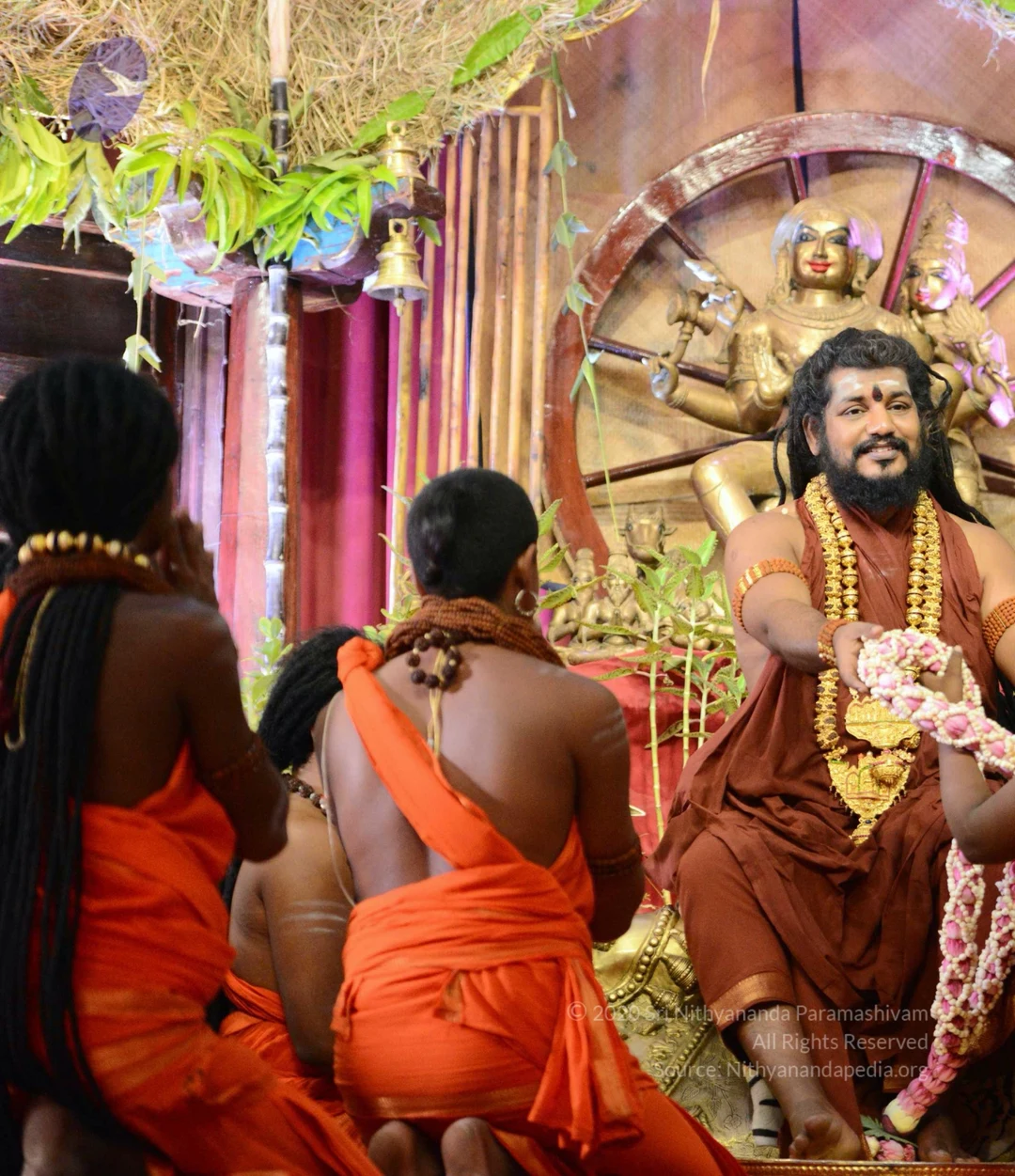
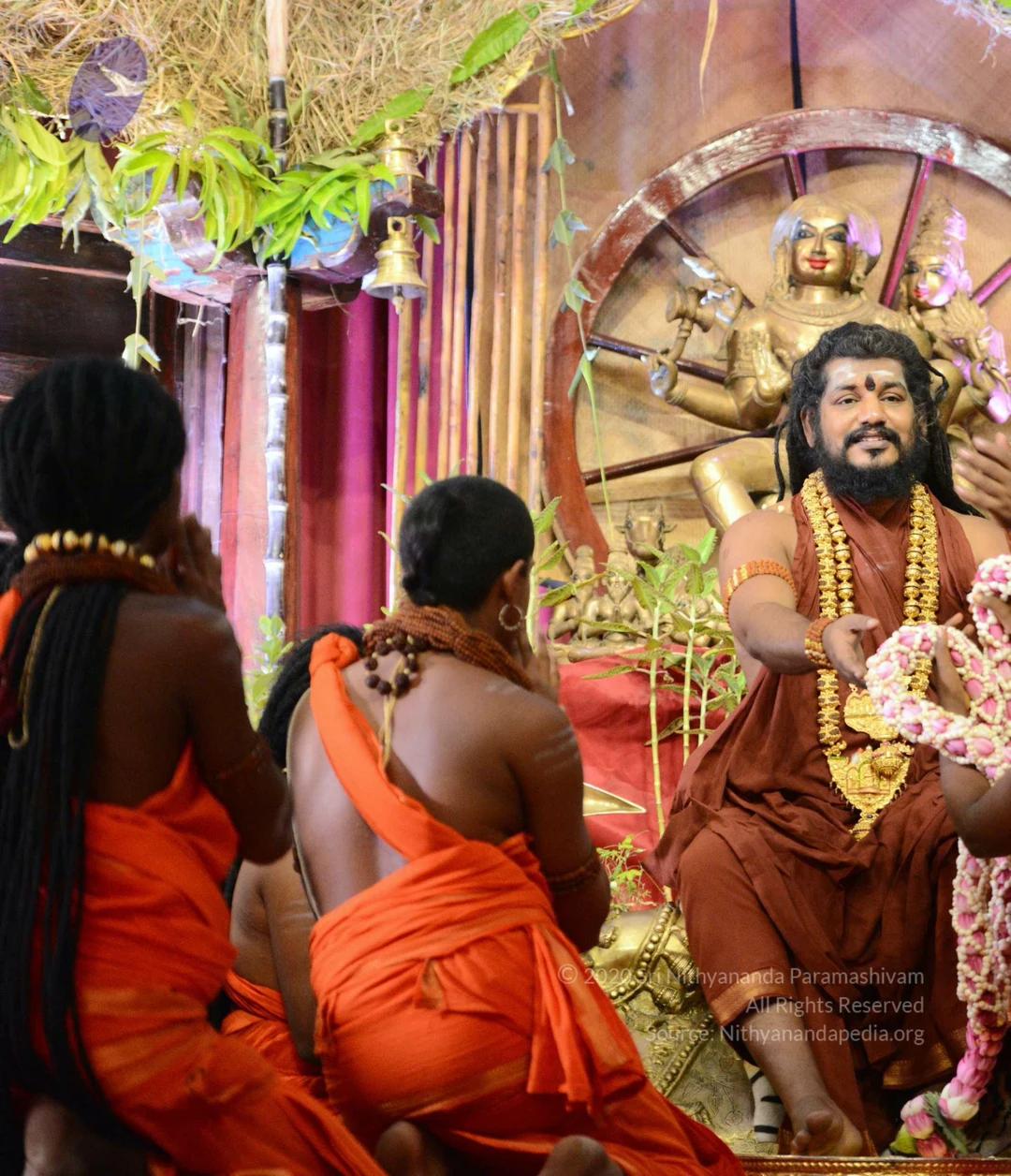
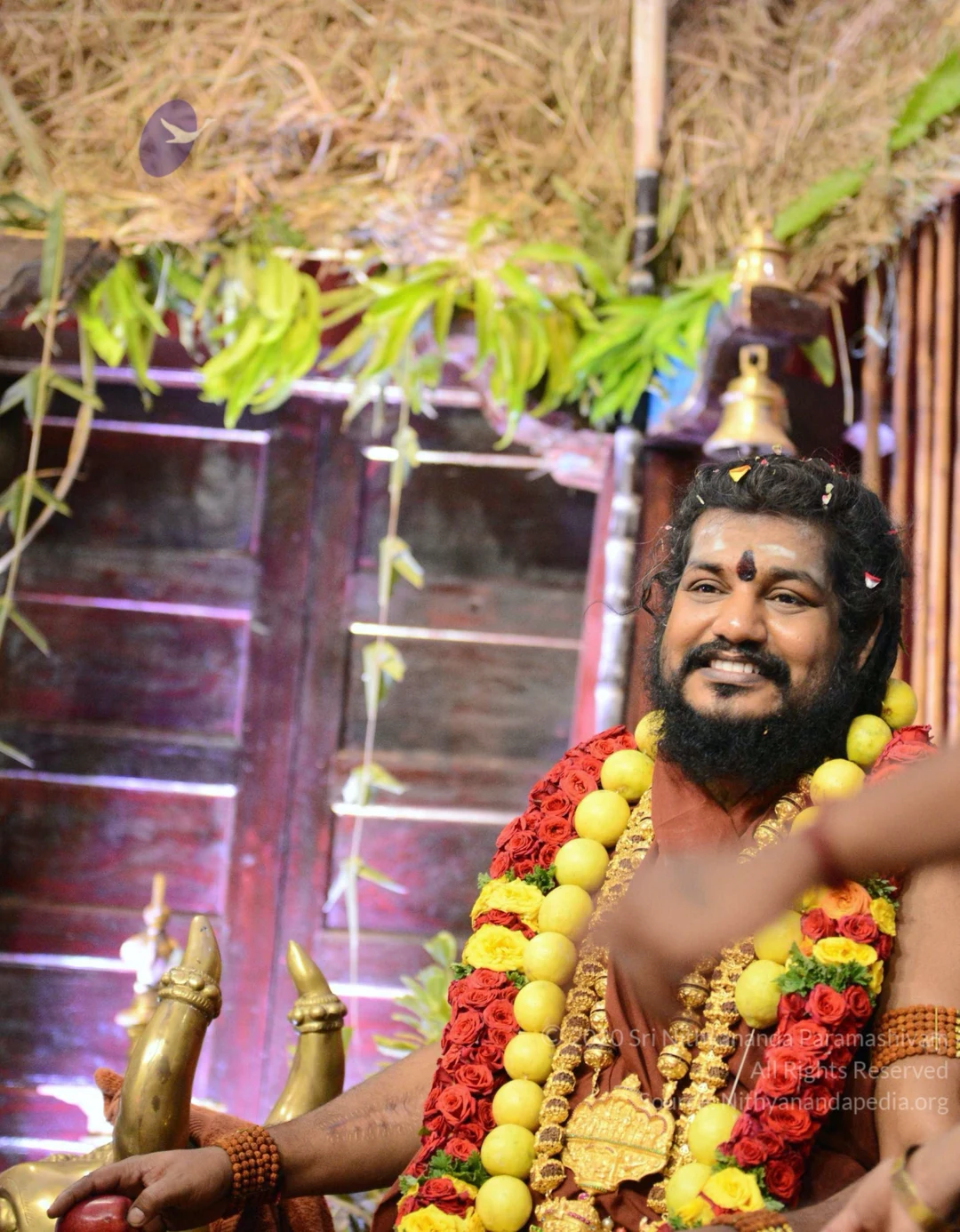
02-Balasants-Materialization




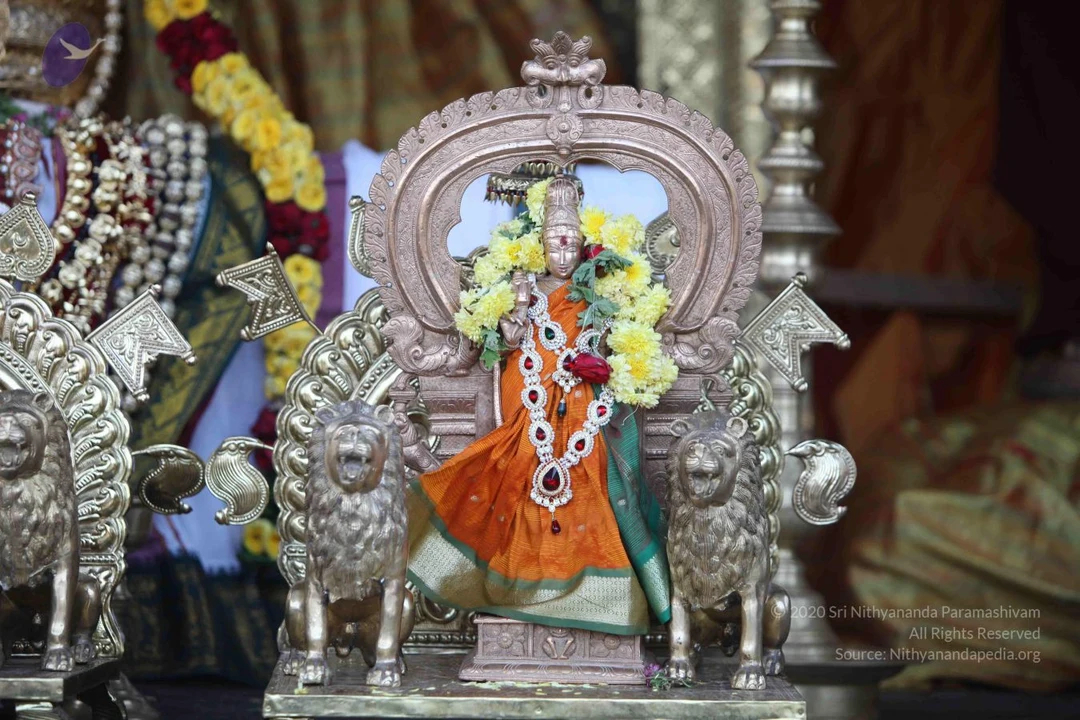
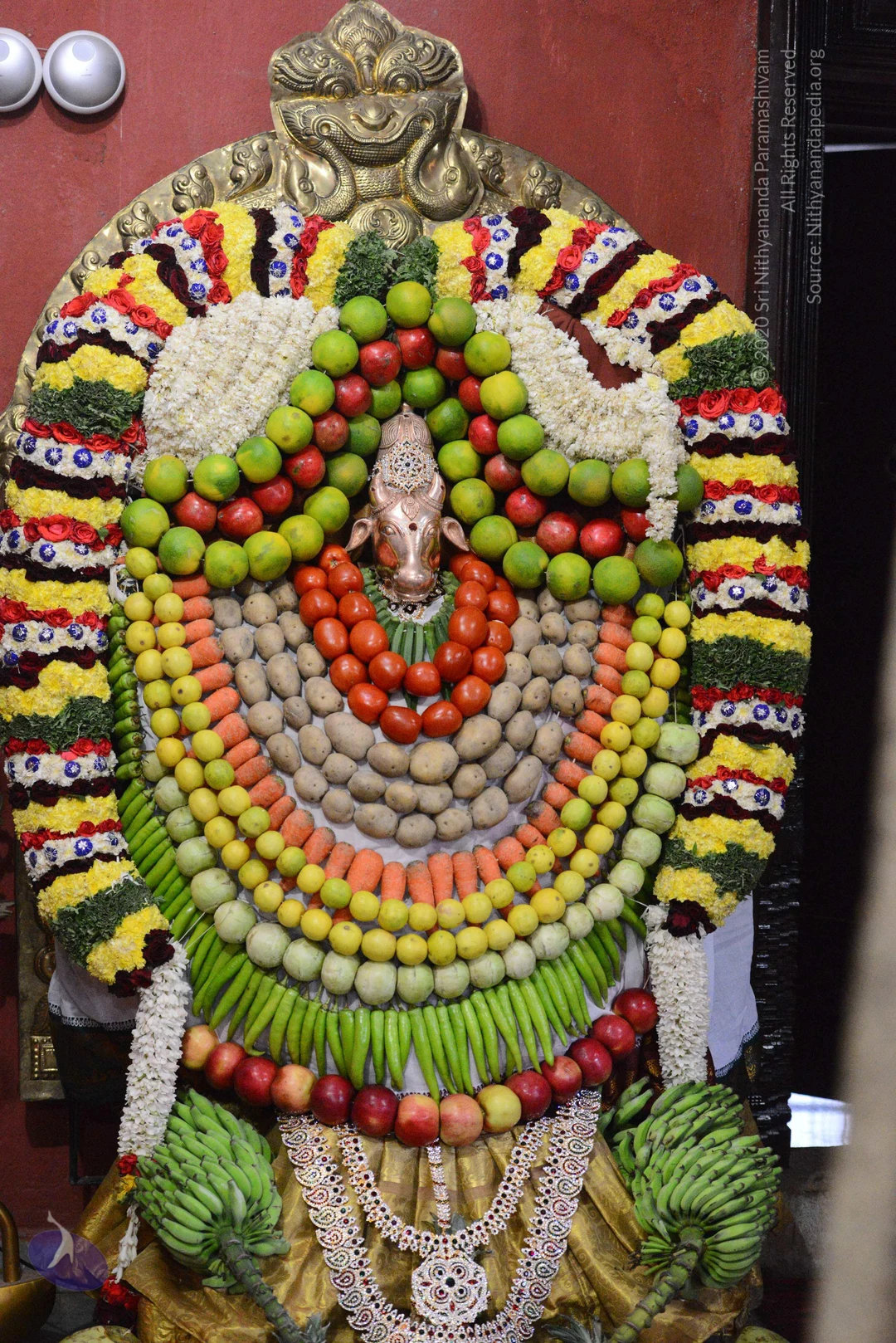
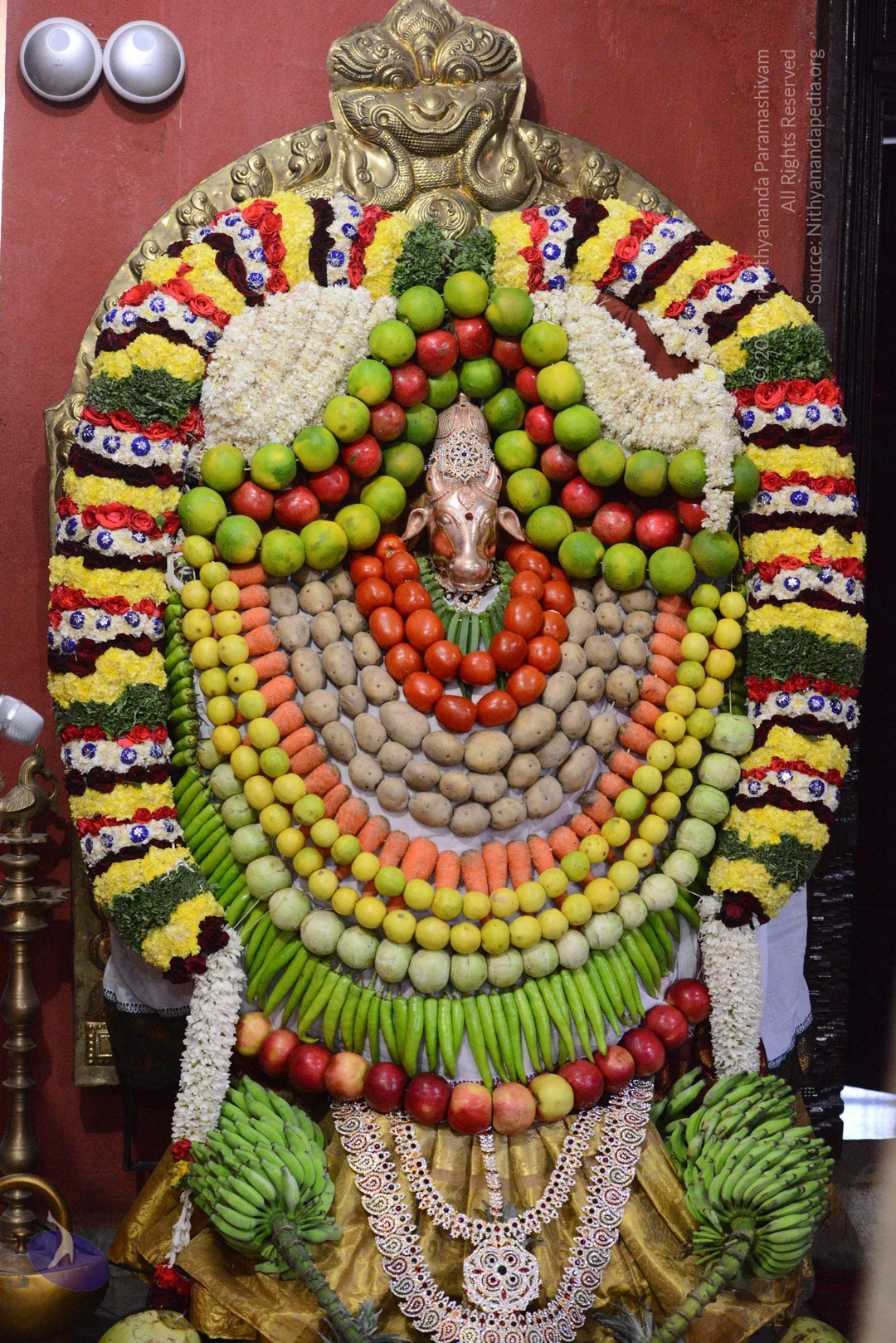
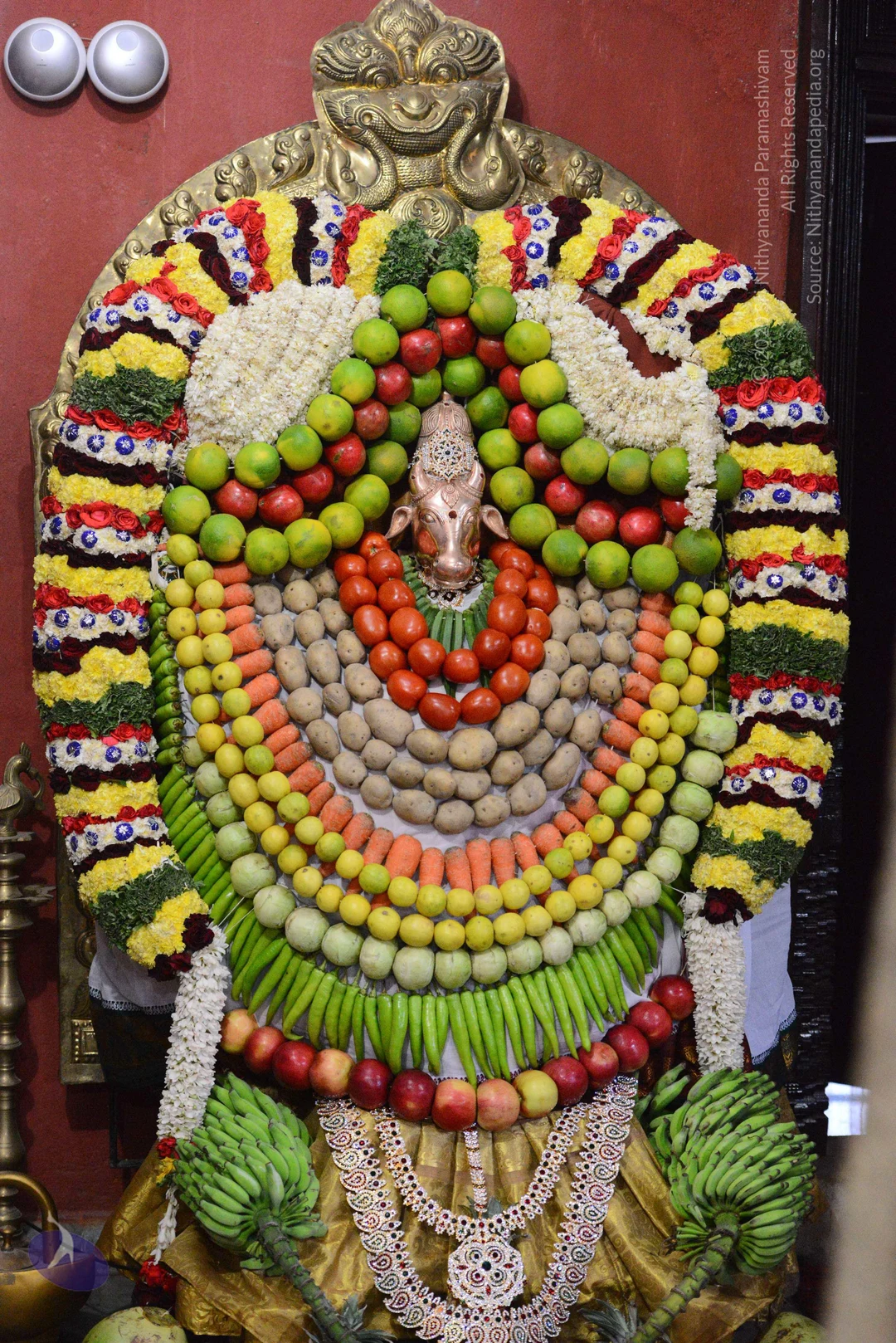
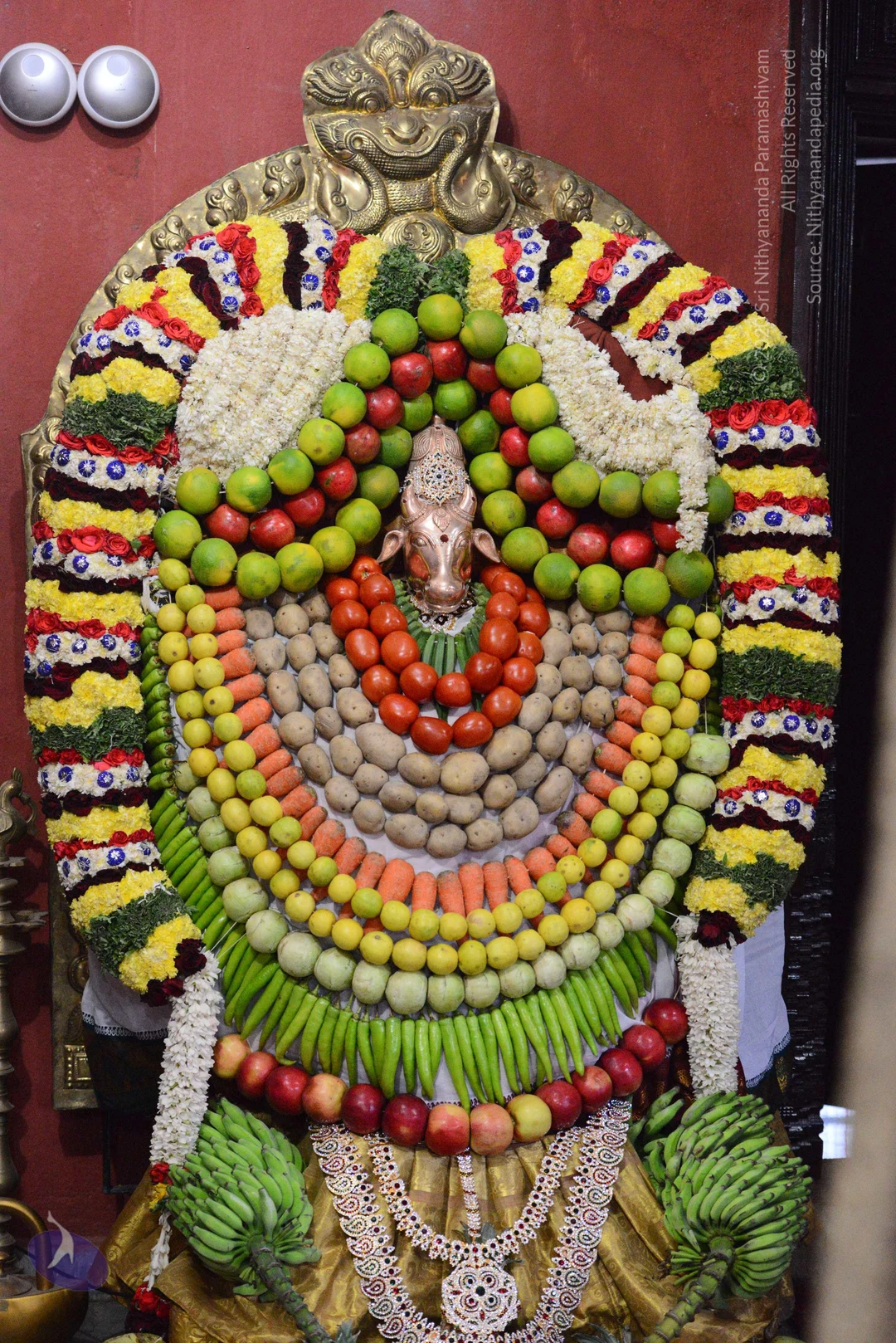
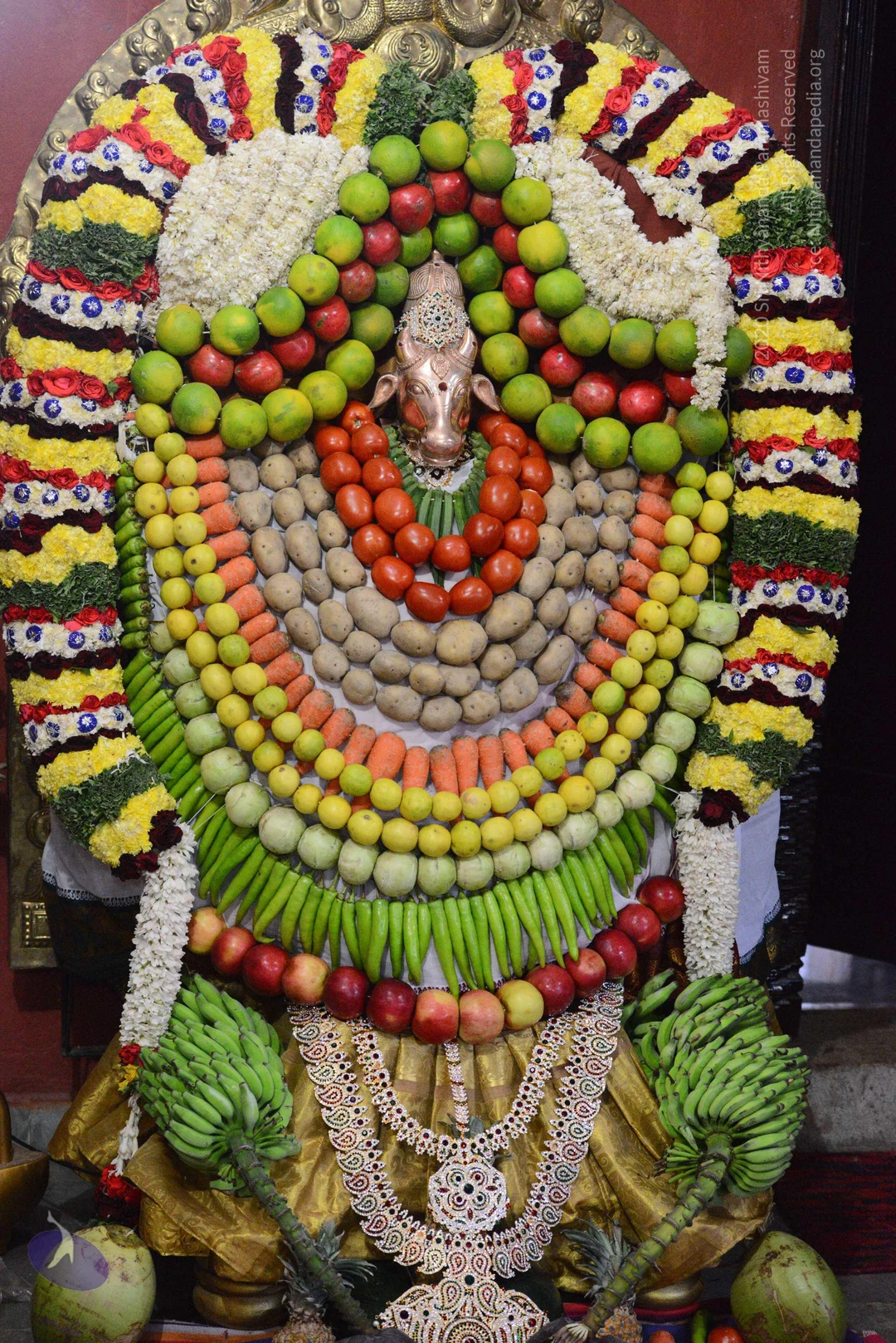
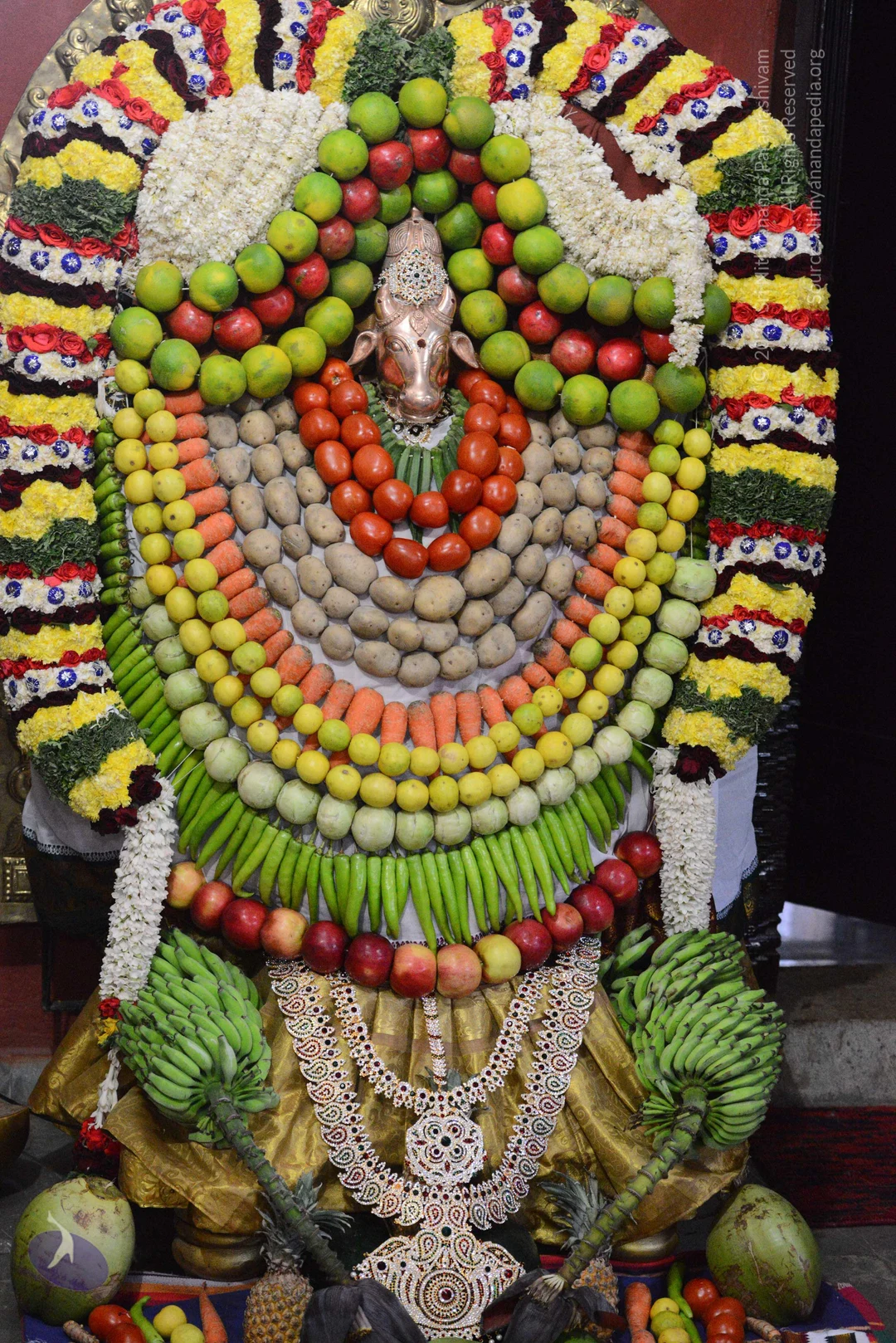
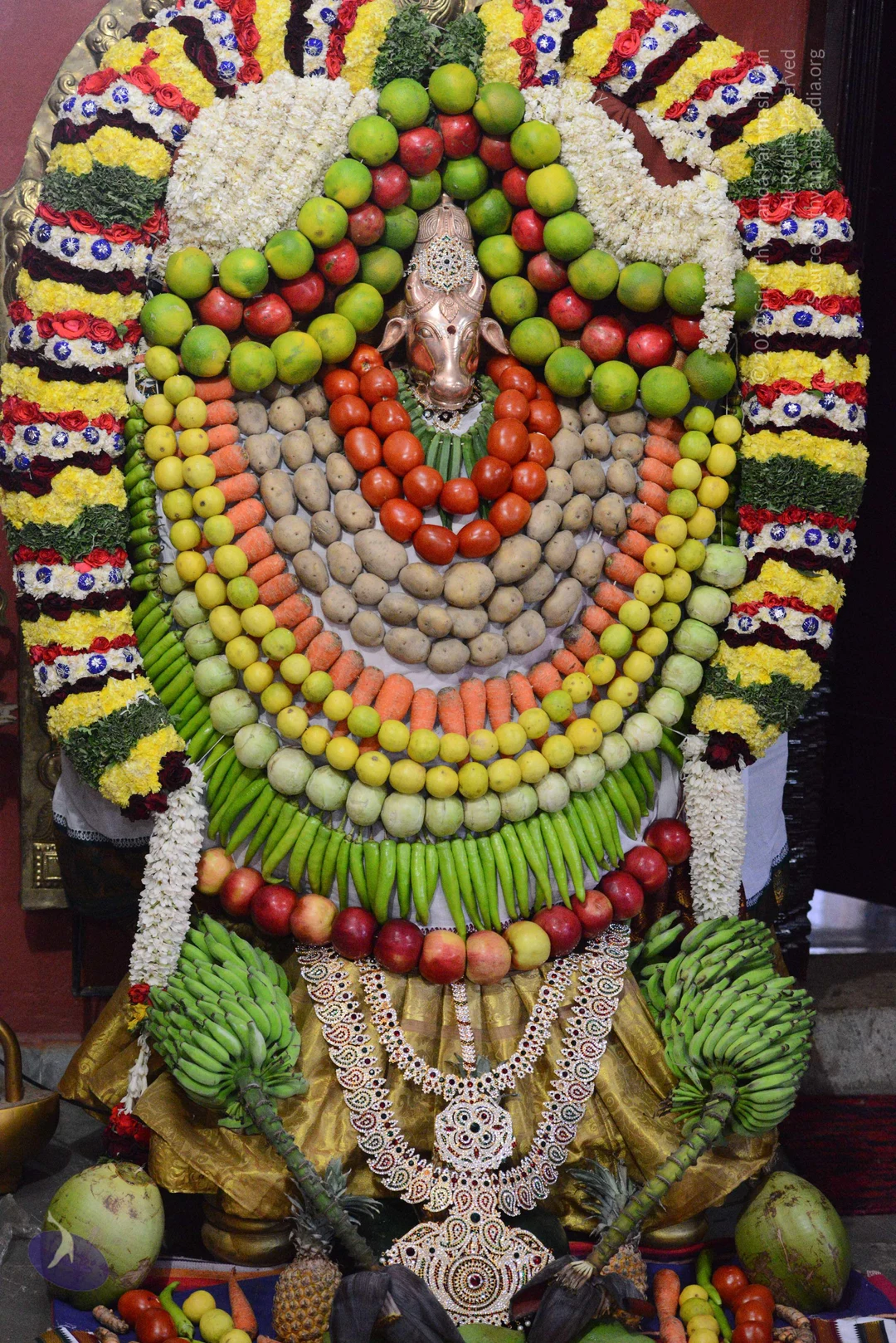
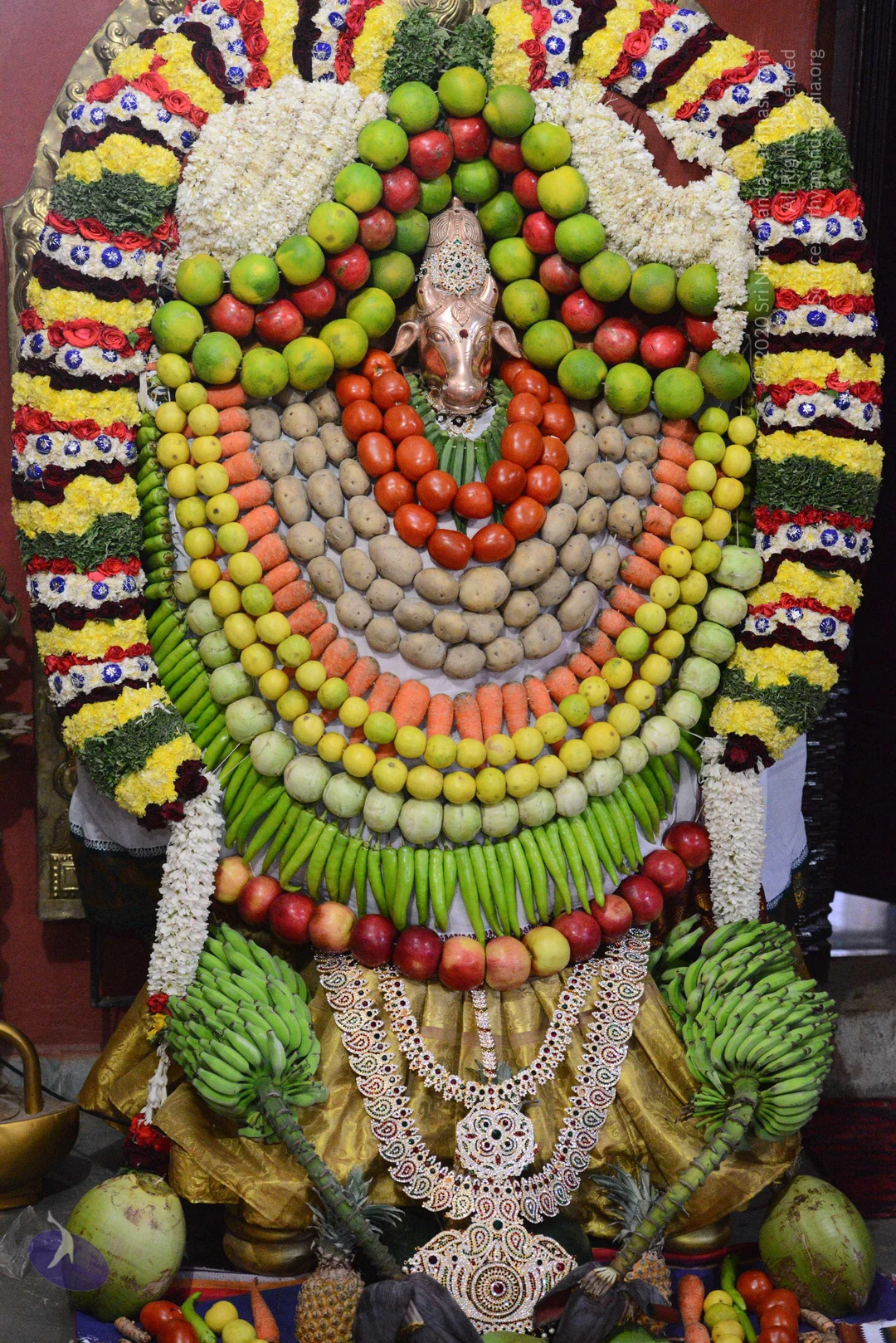
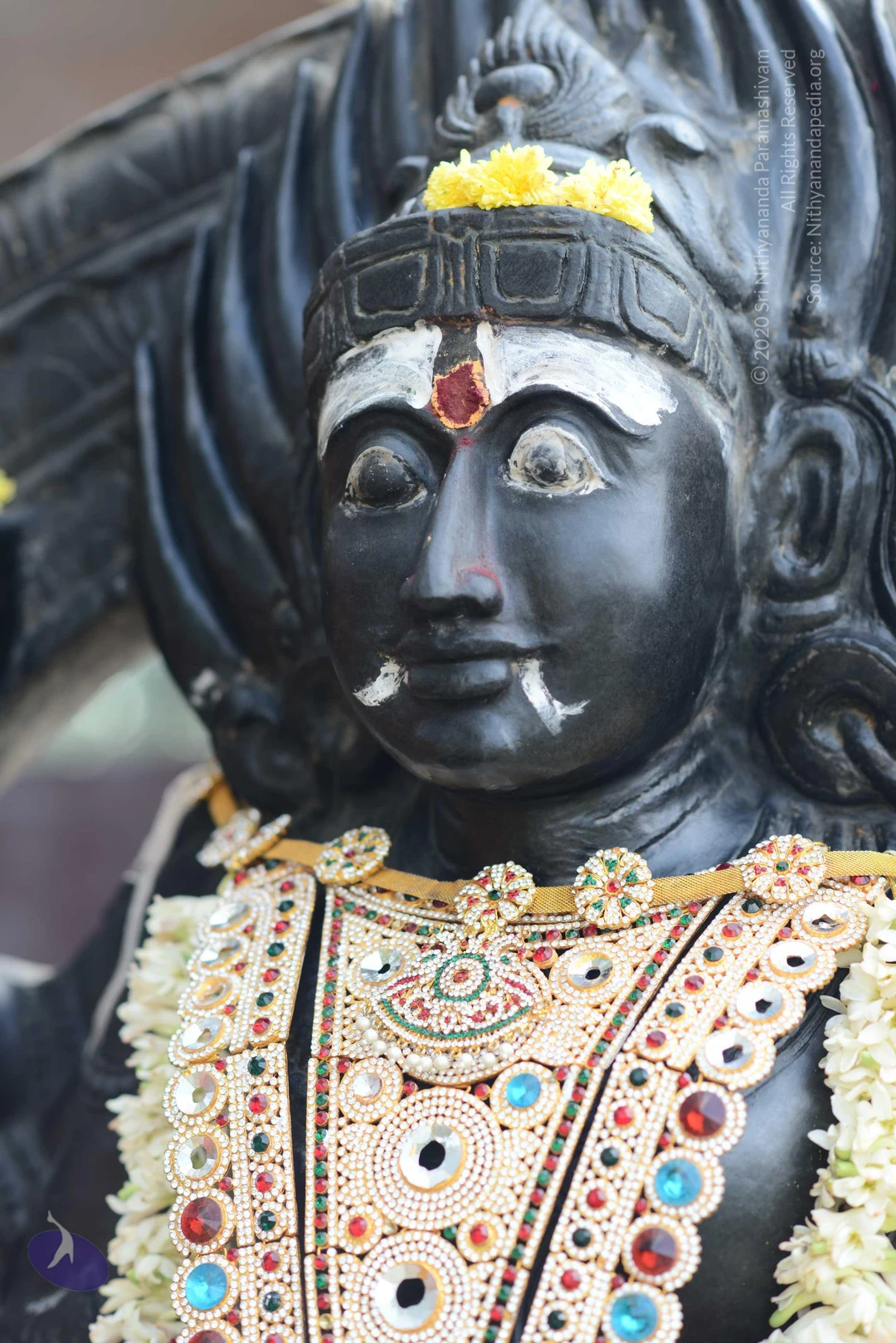
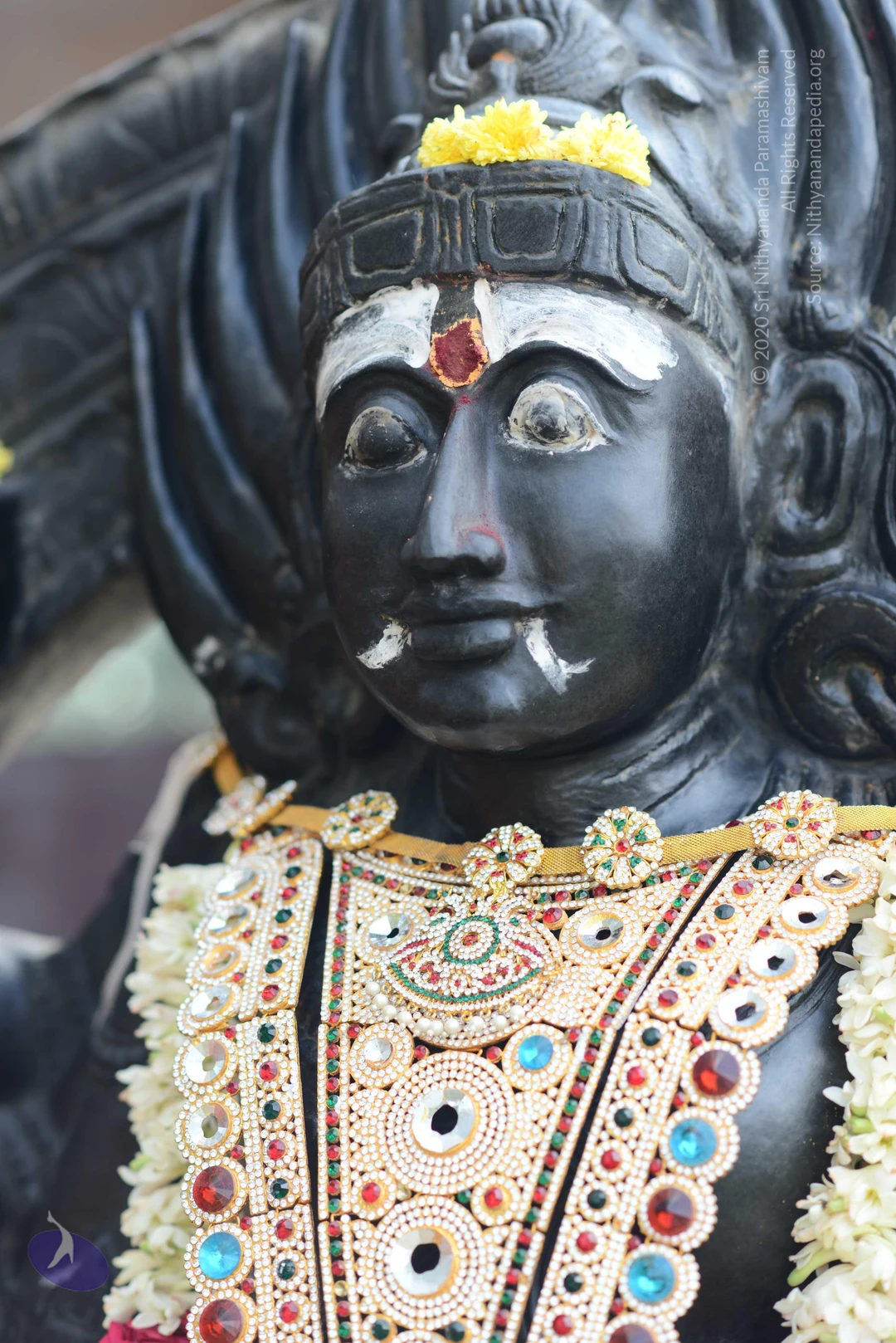
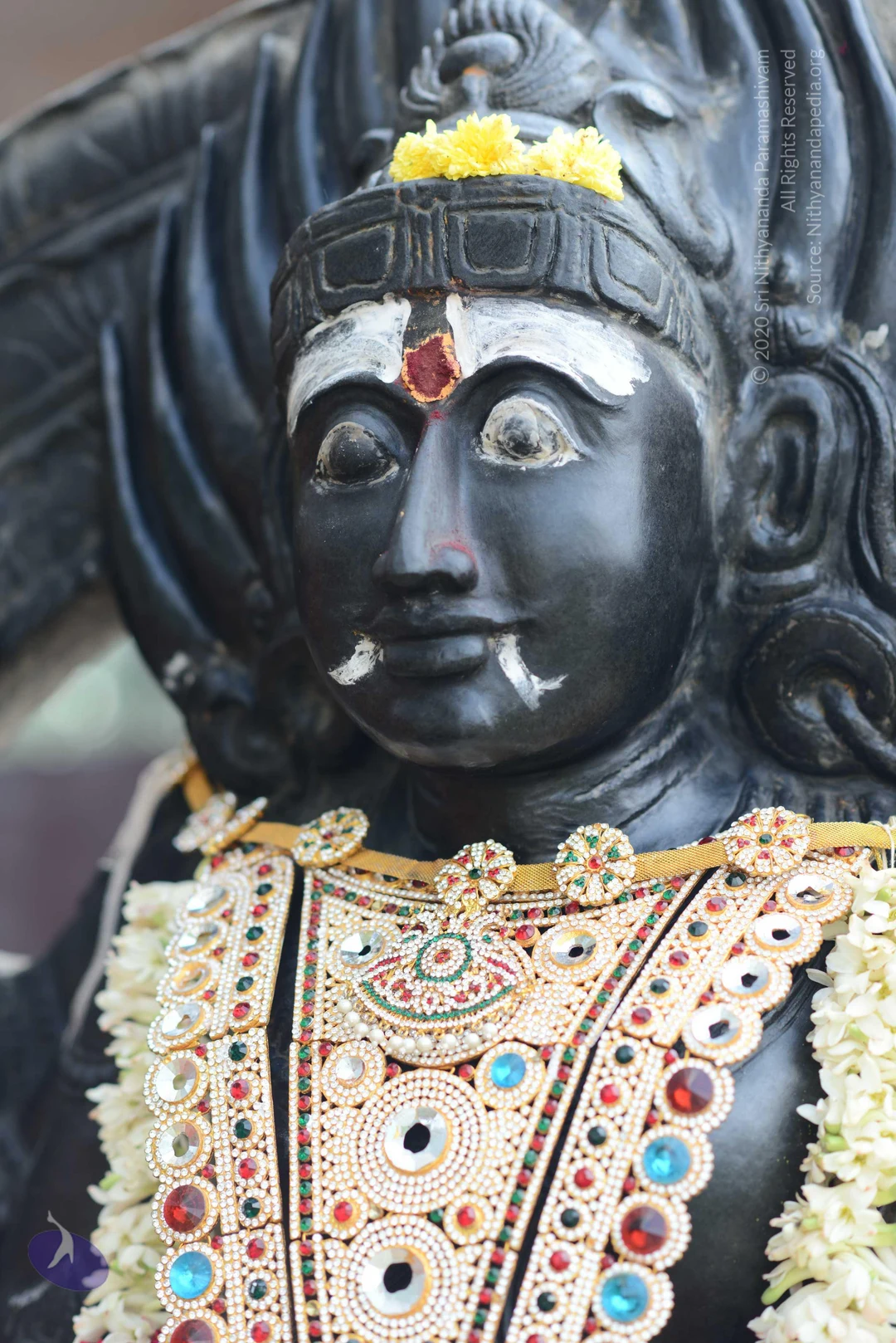
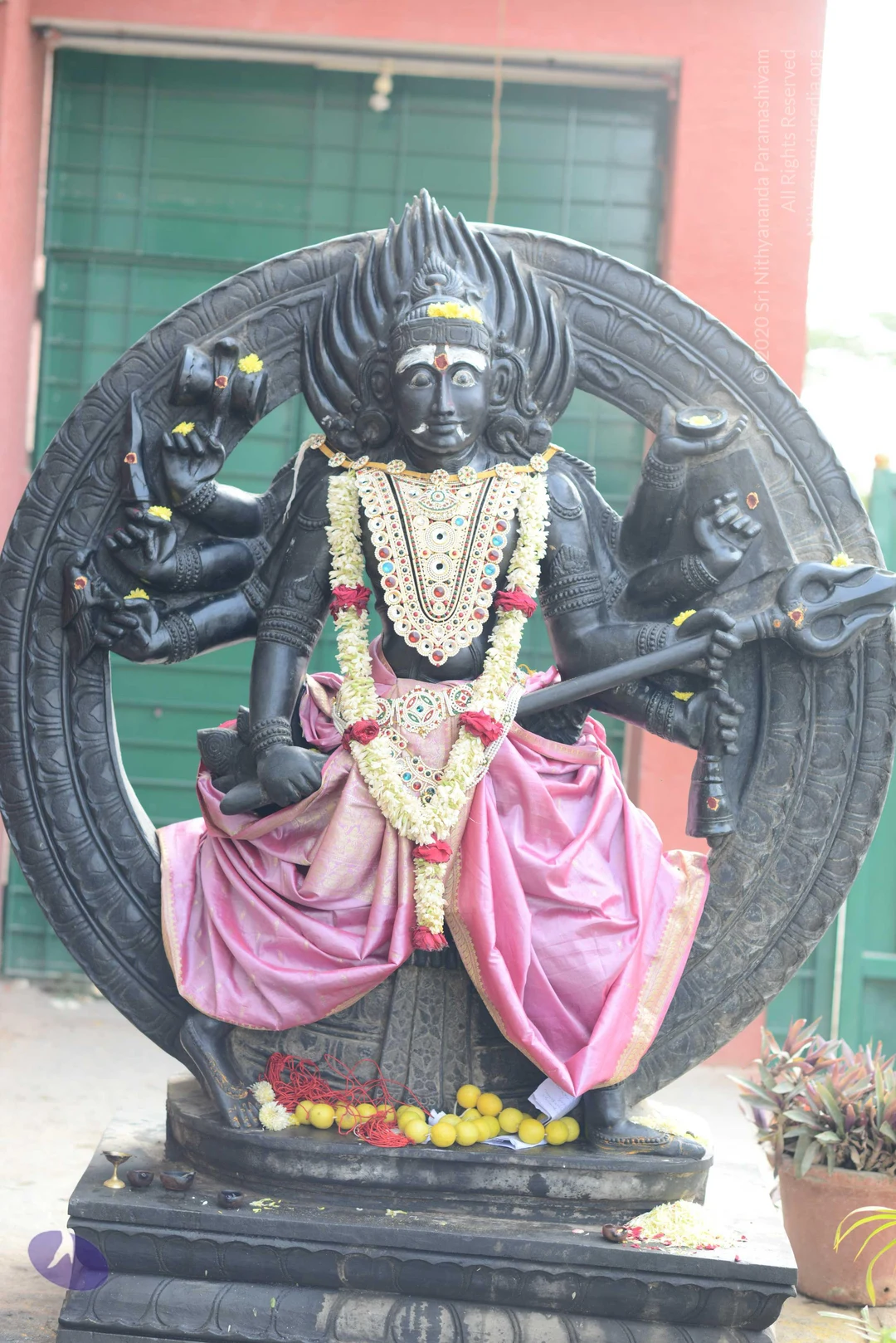
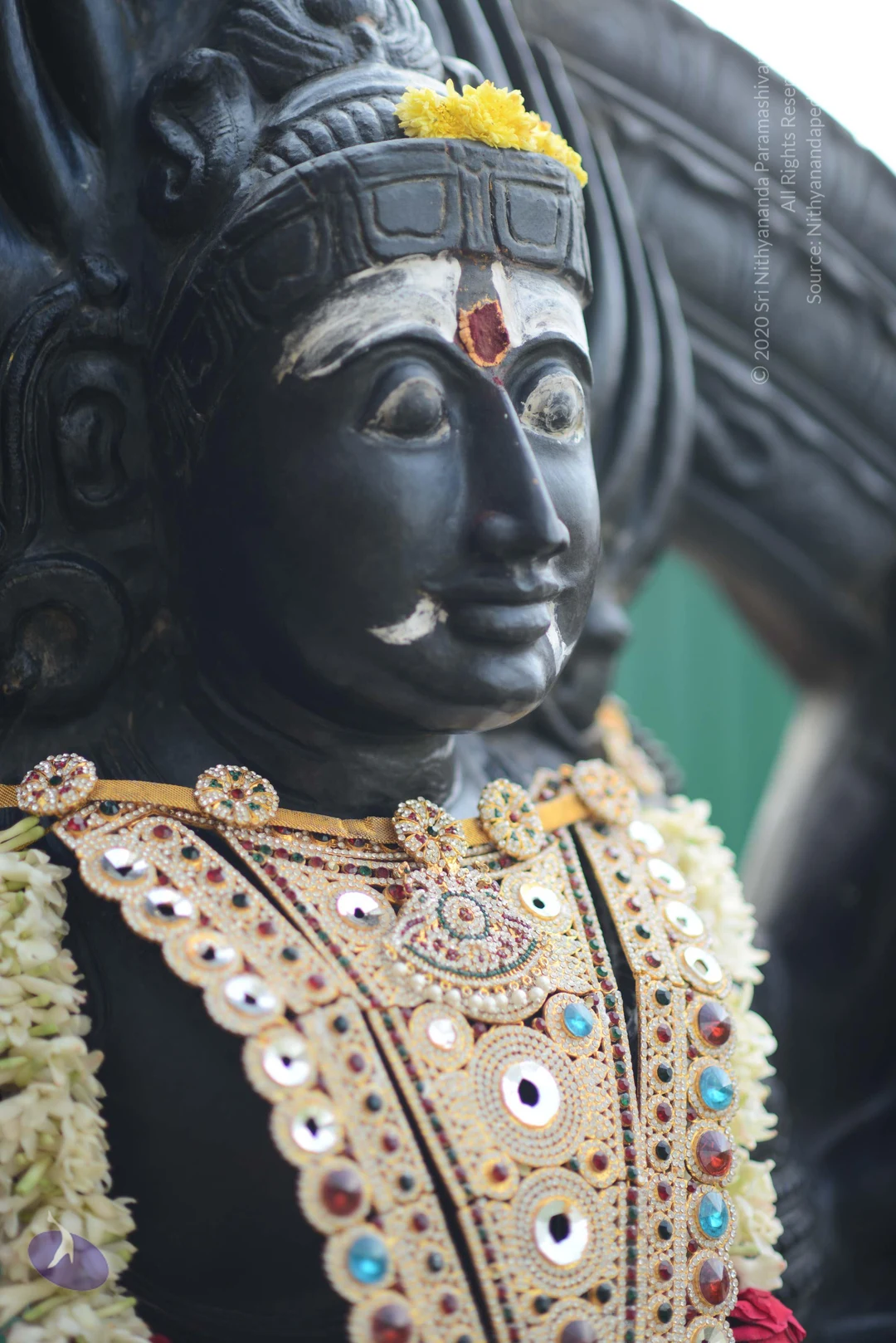
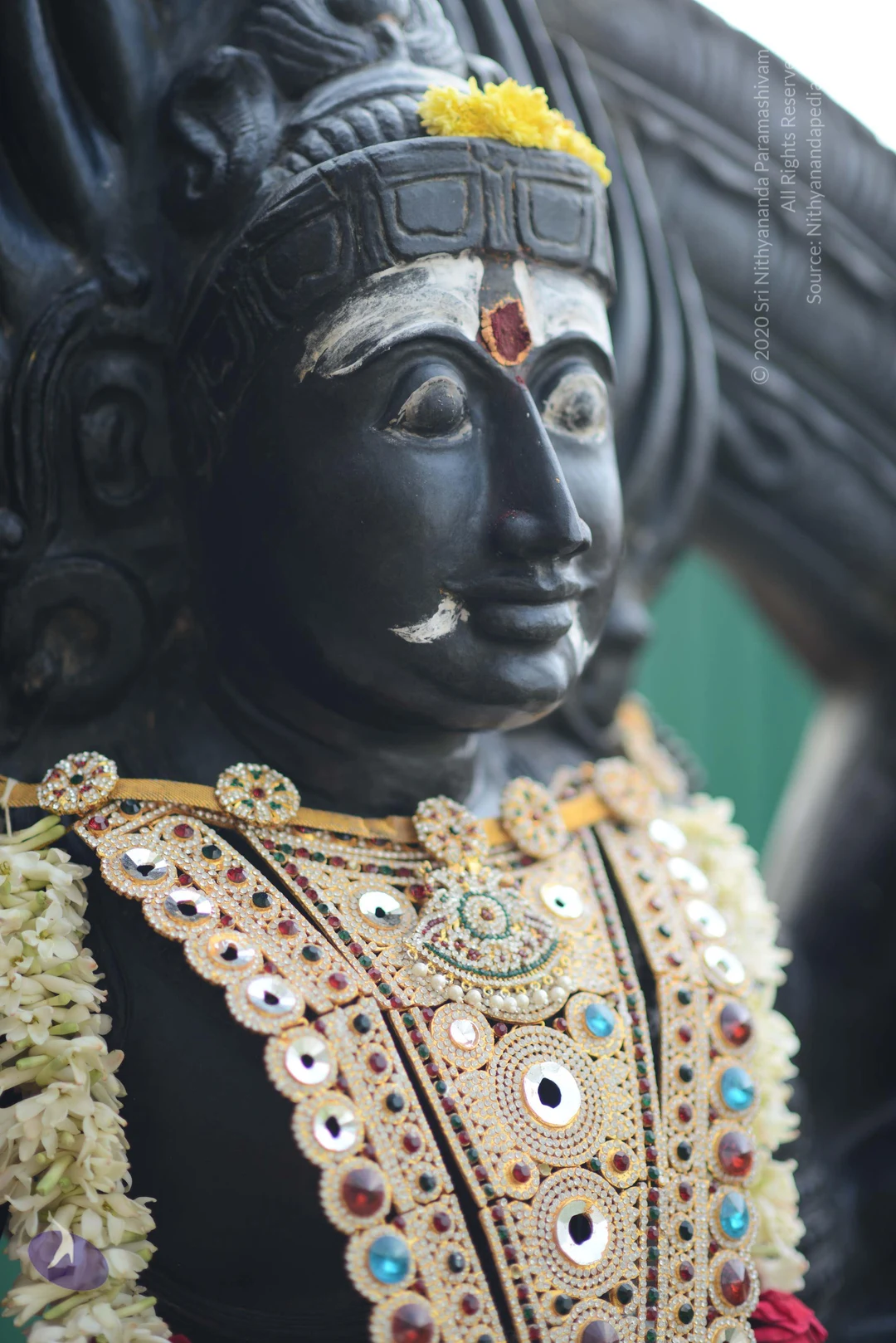
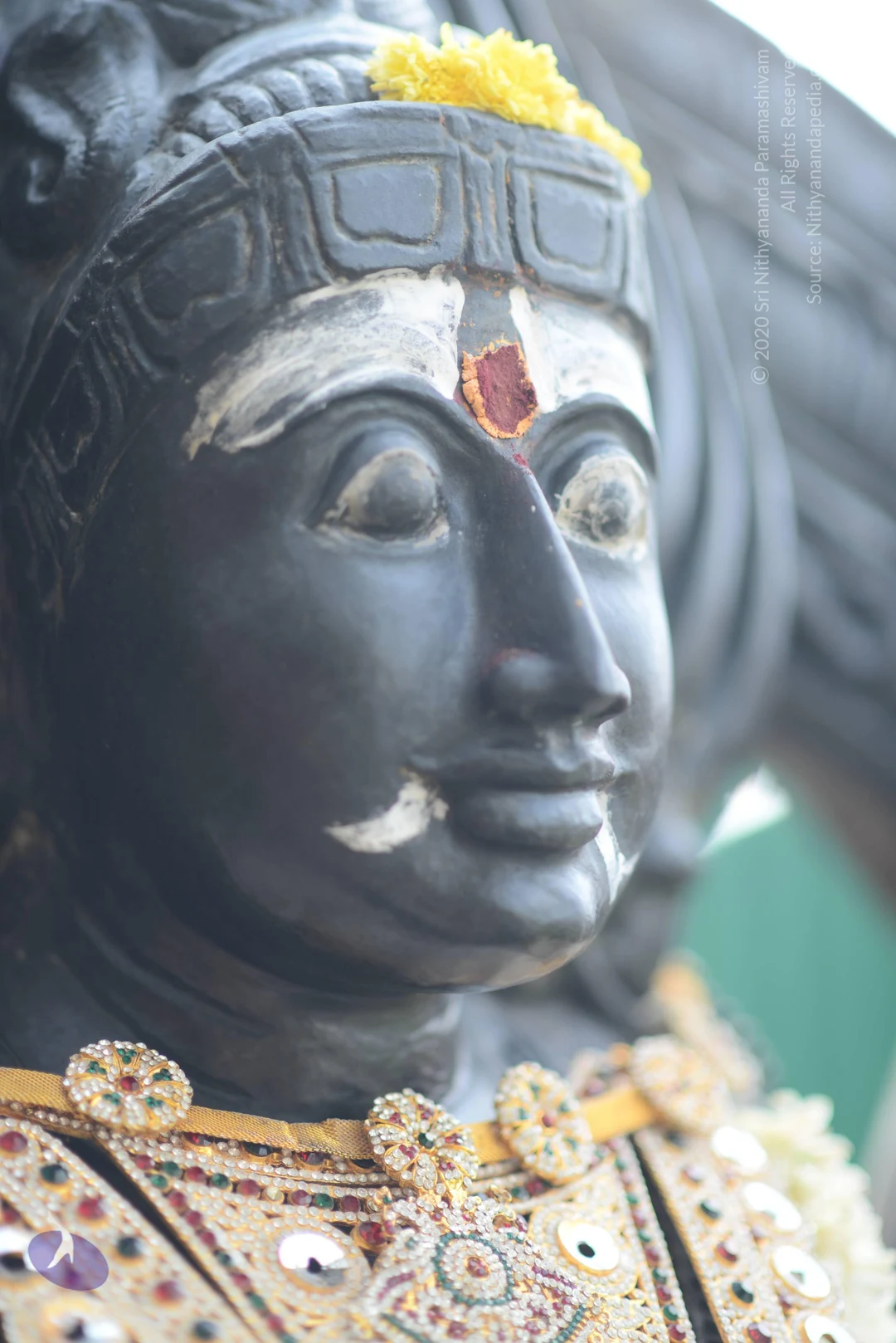
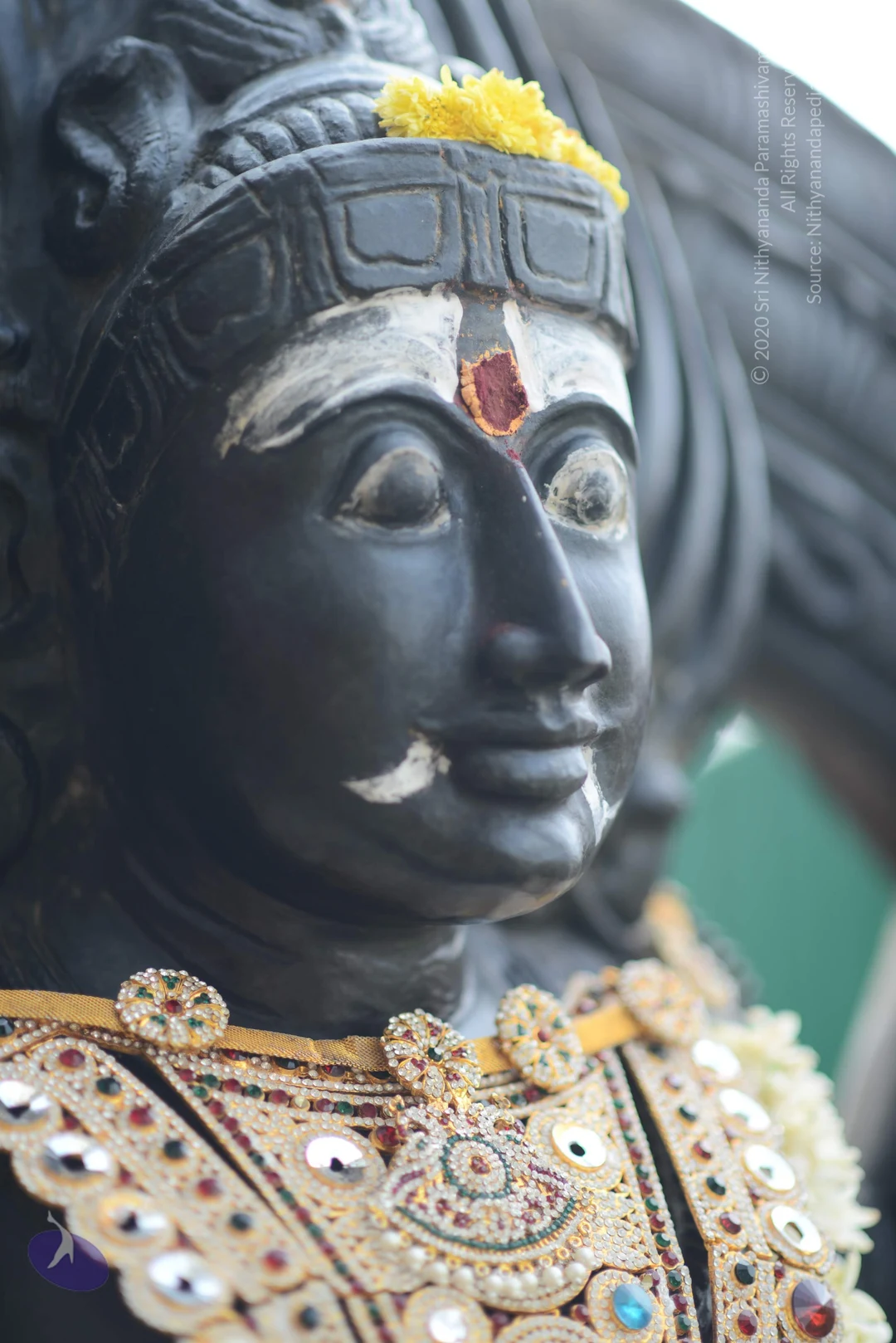
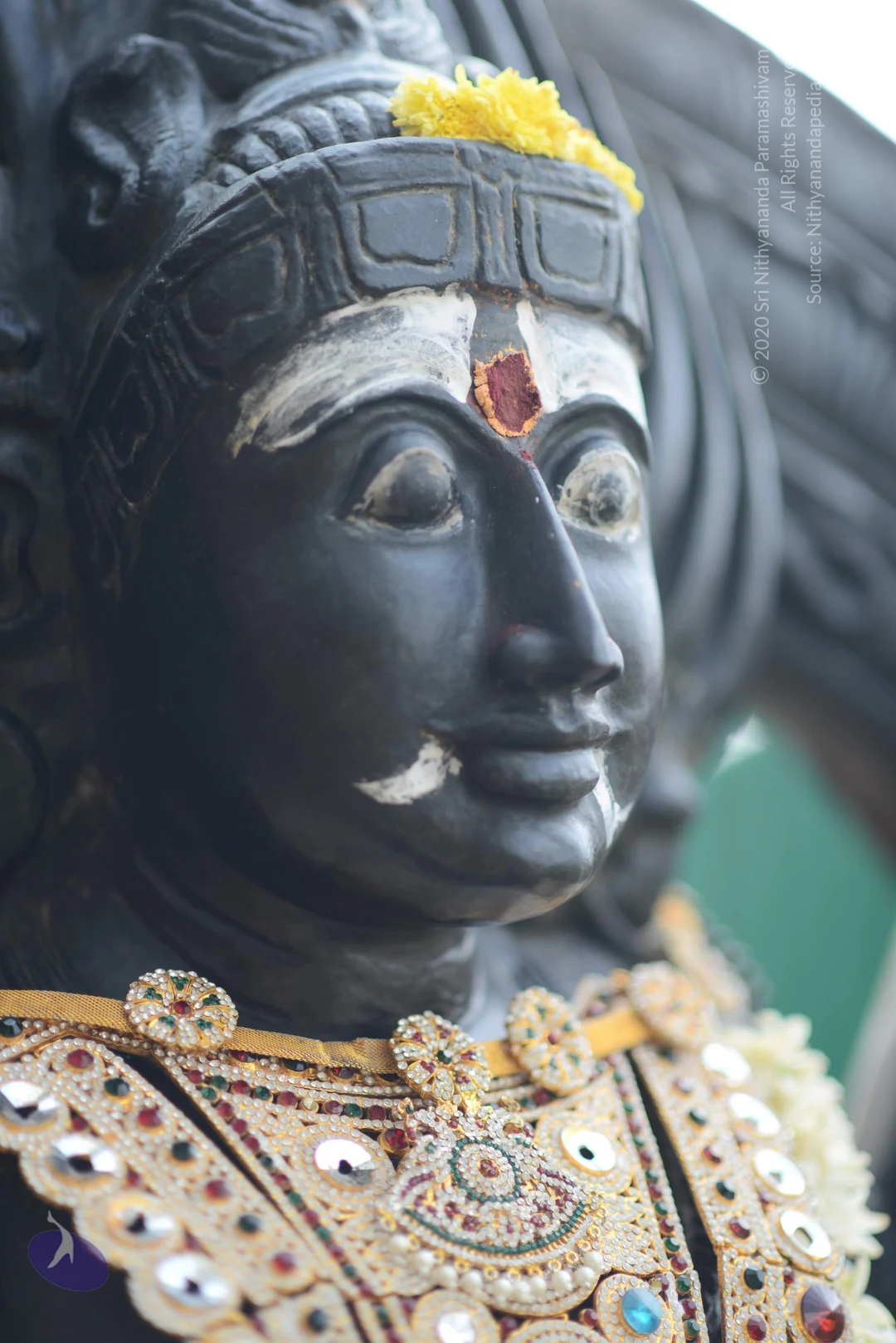
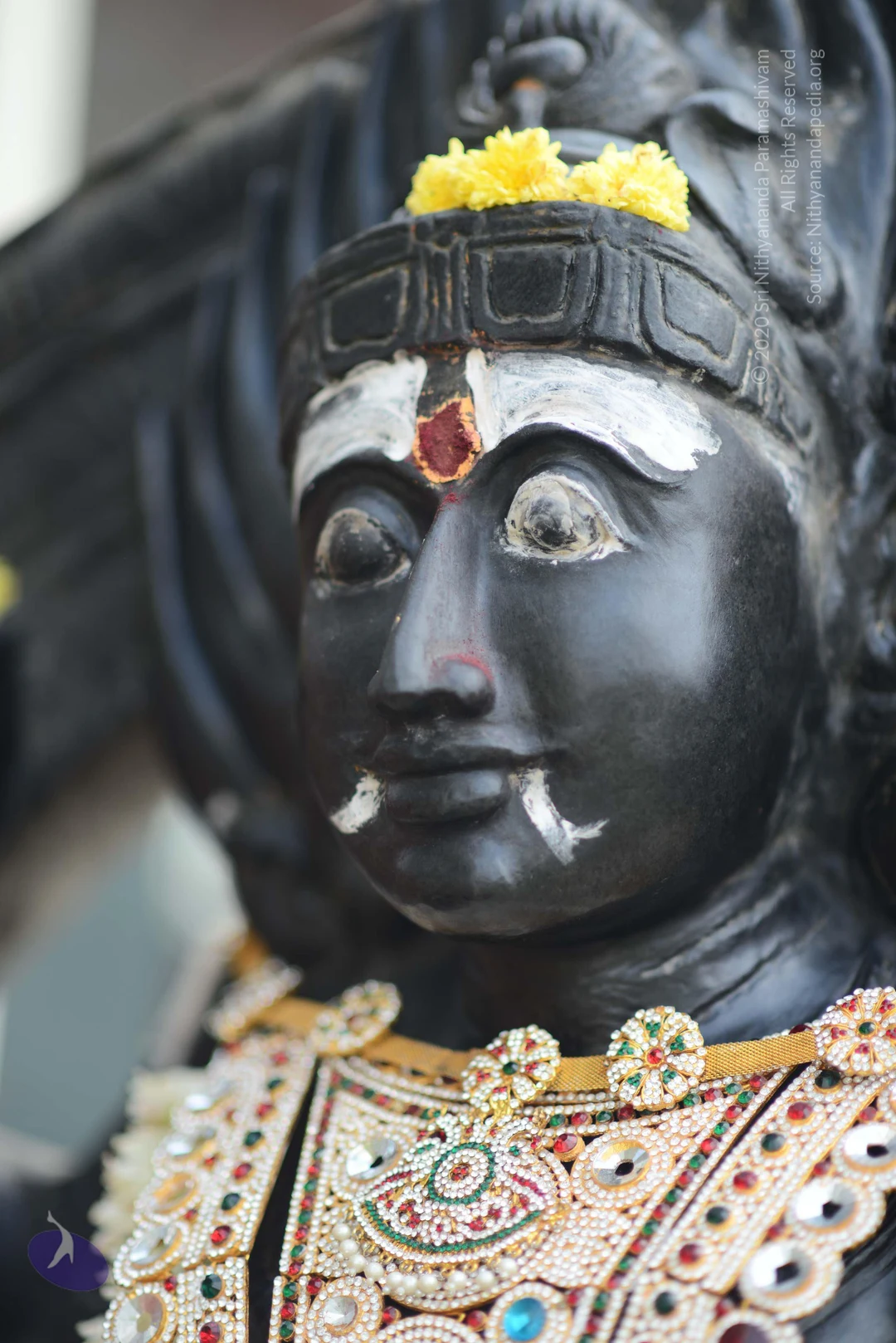
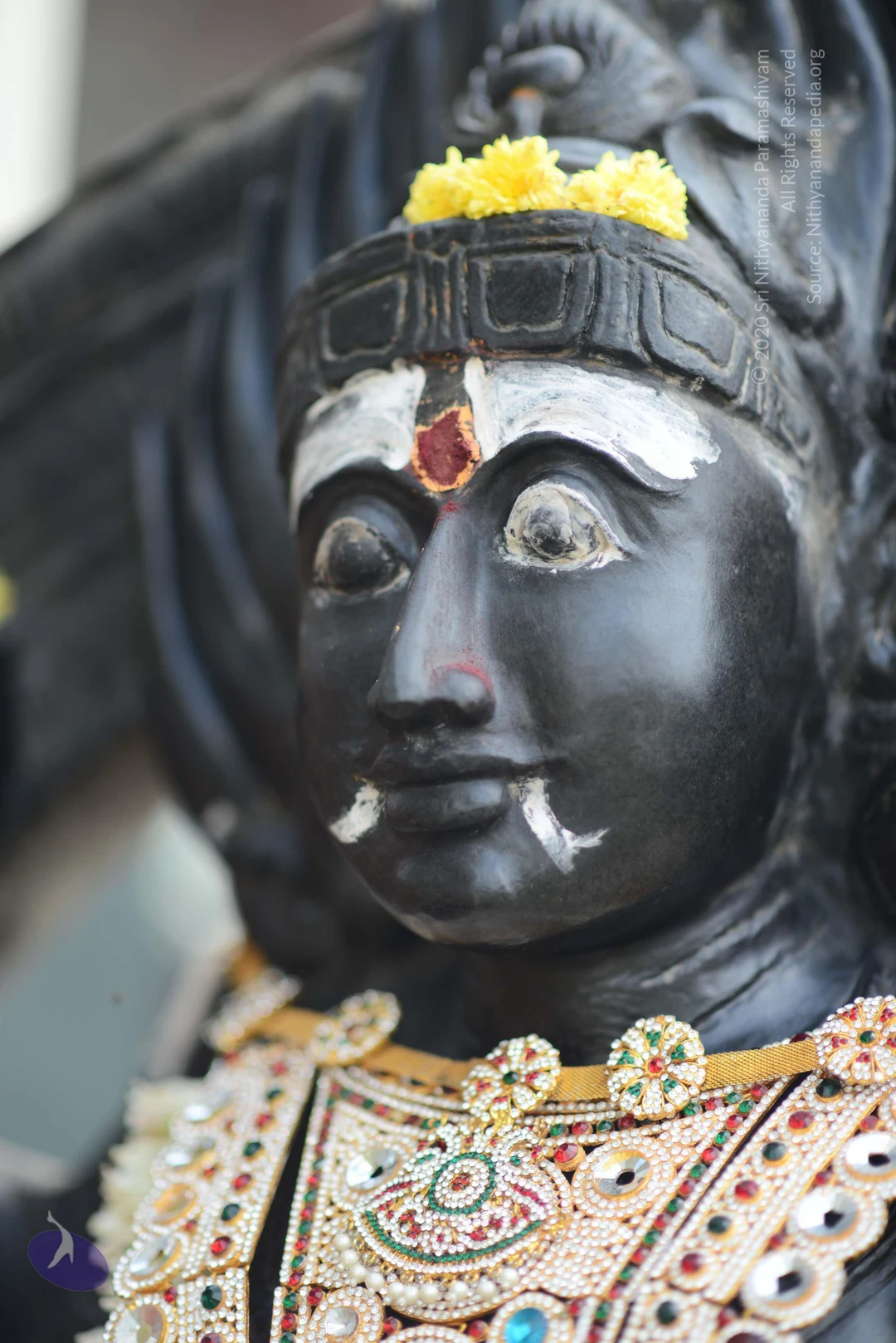
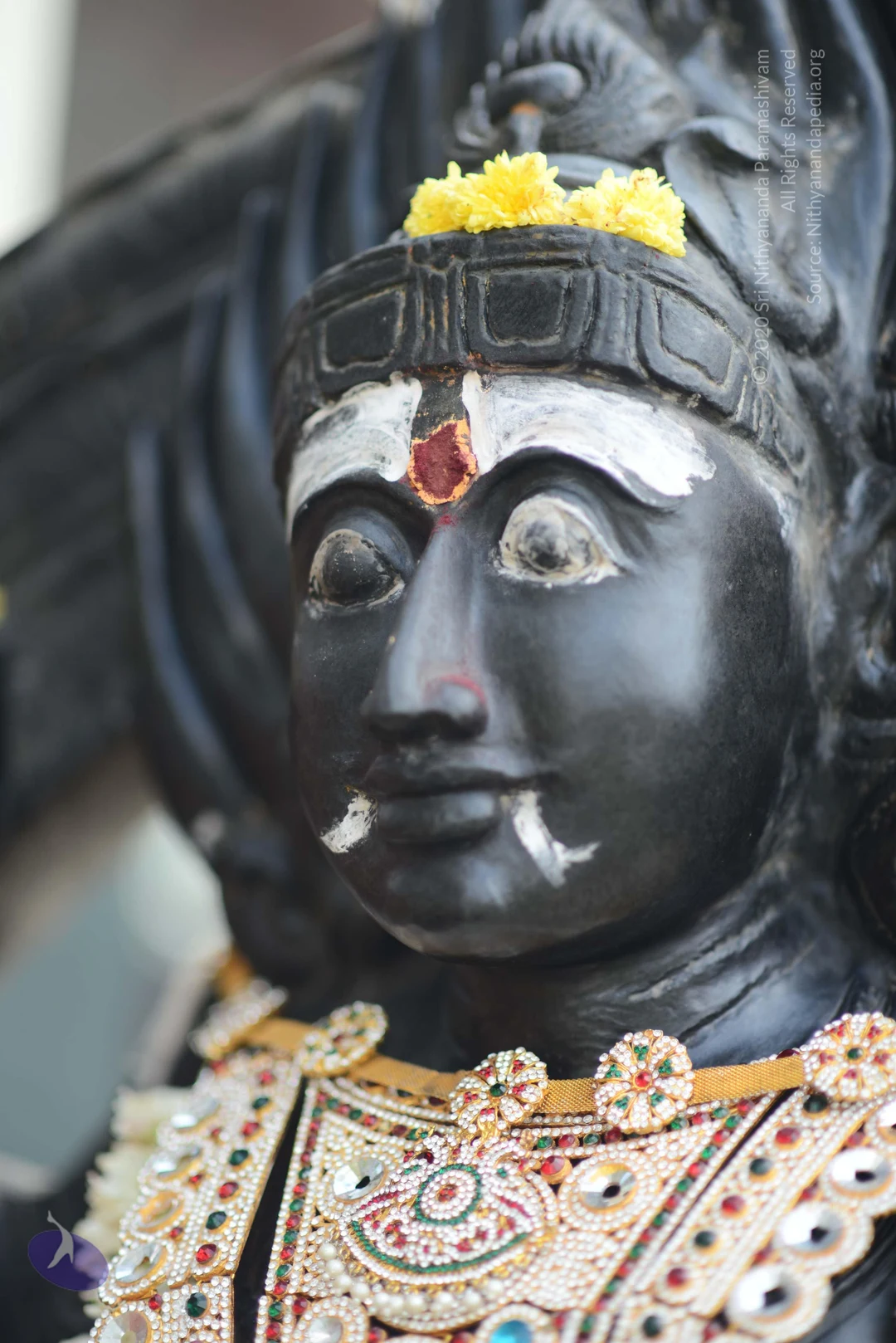
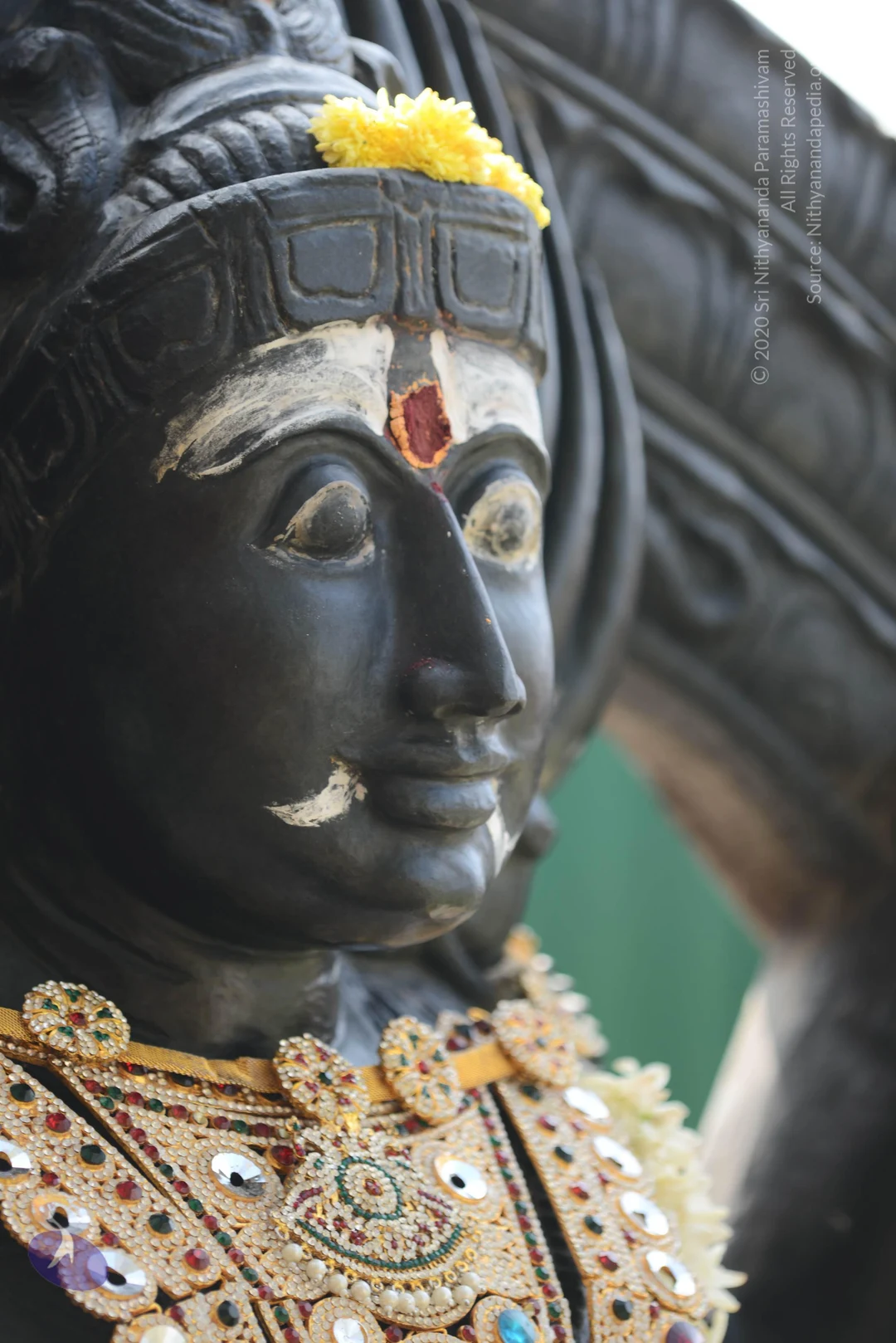
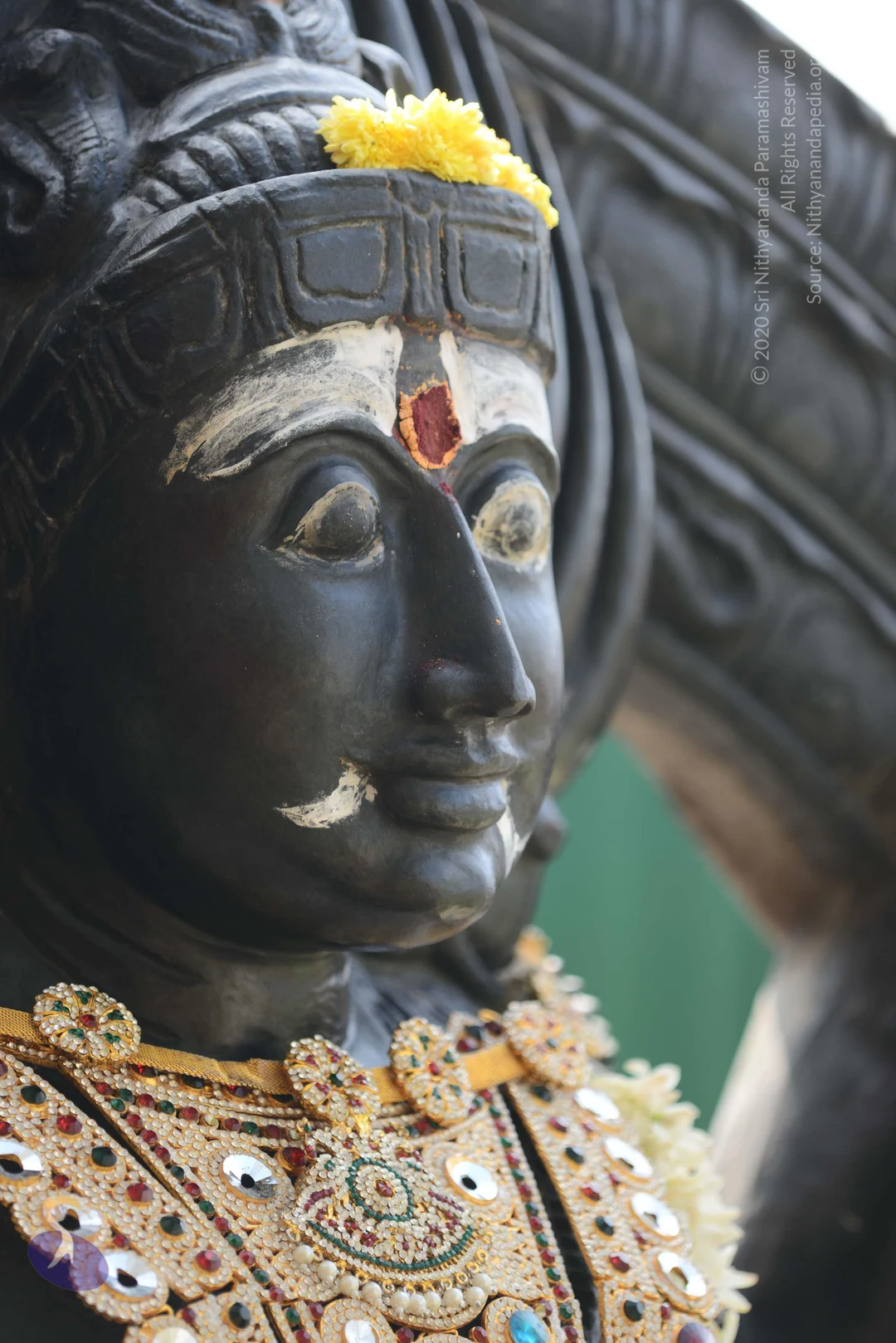
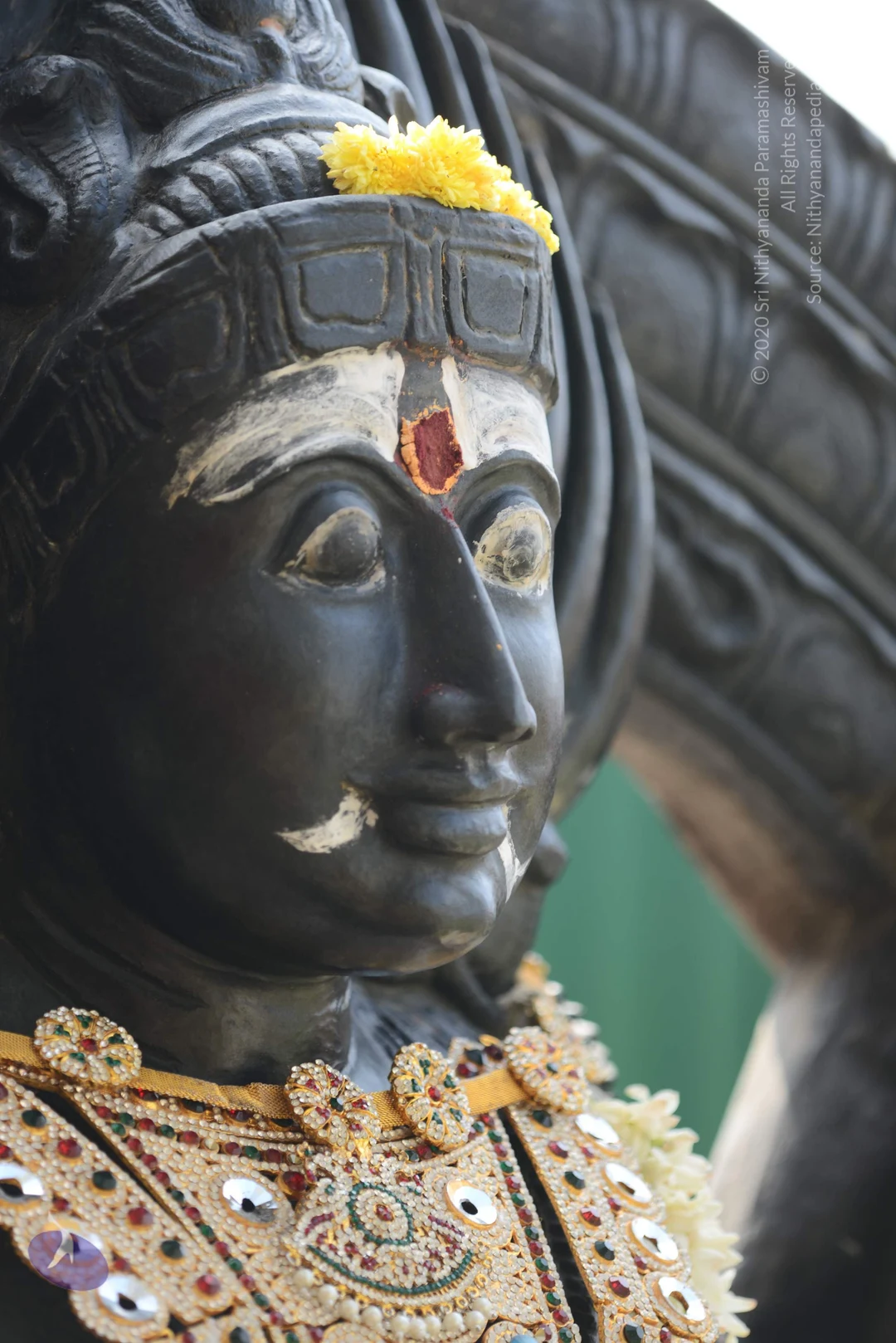
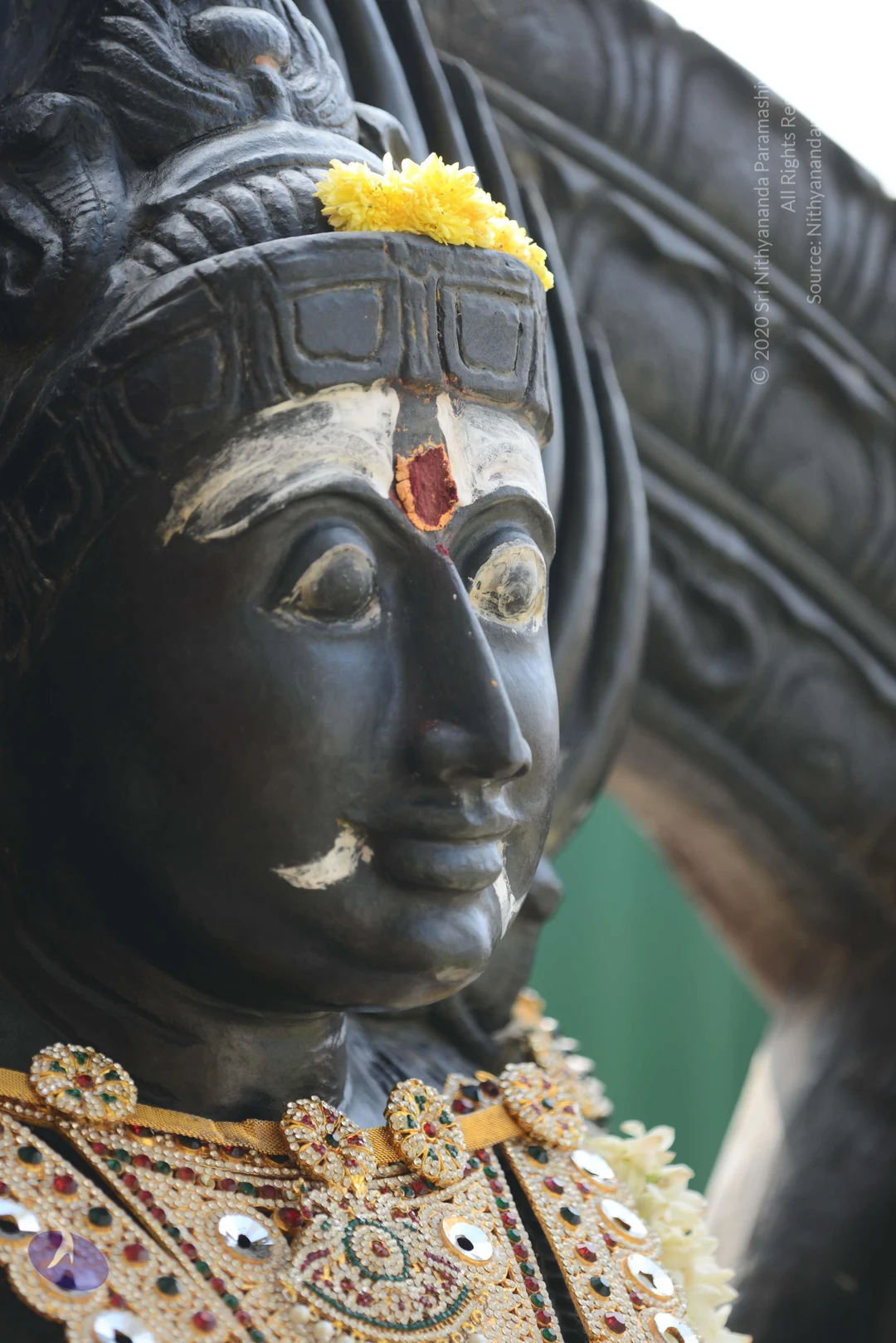
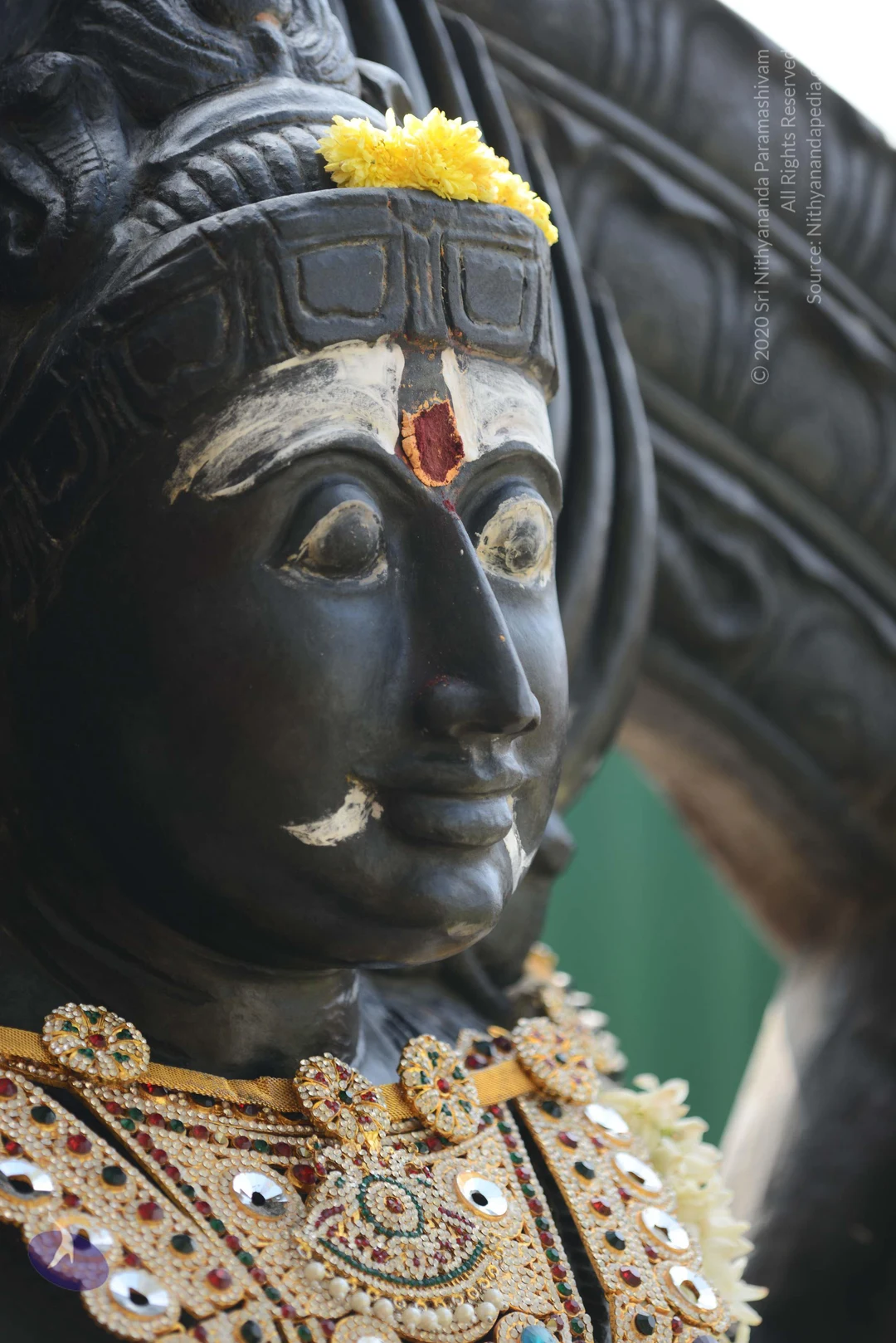
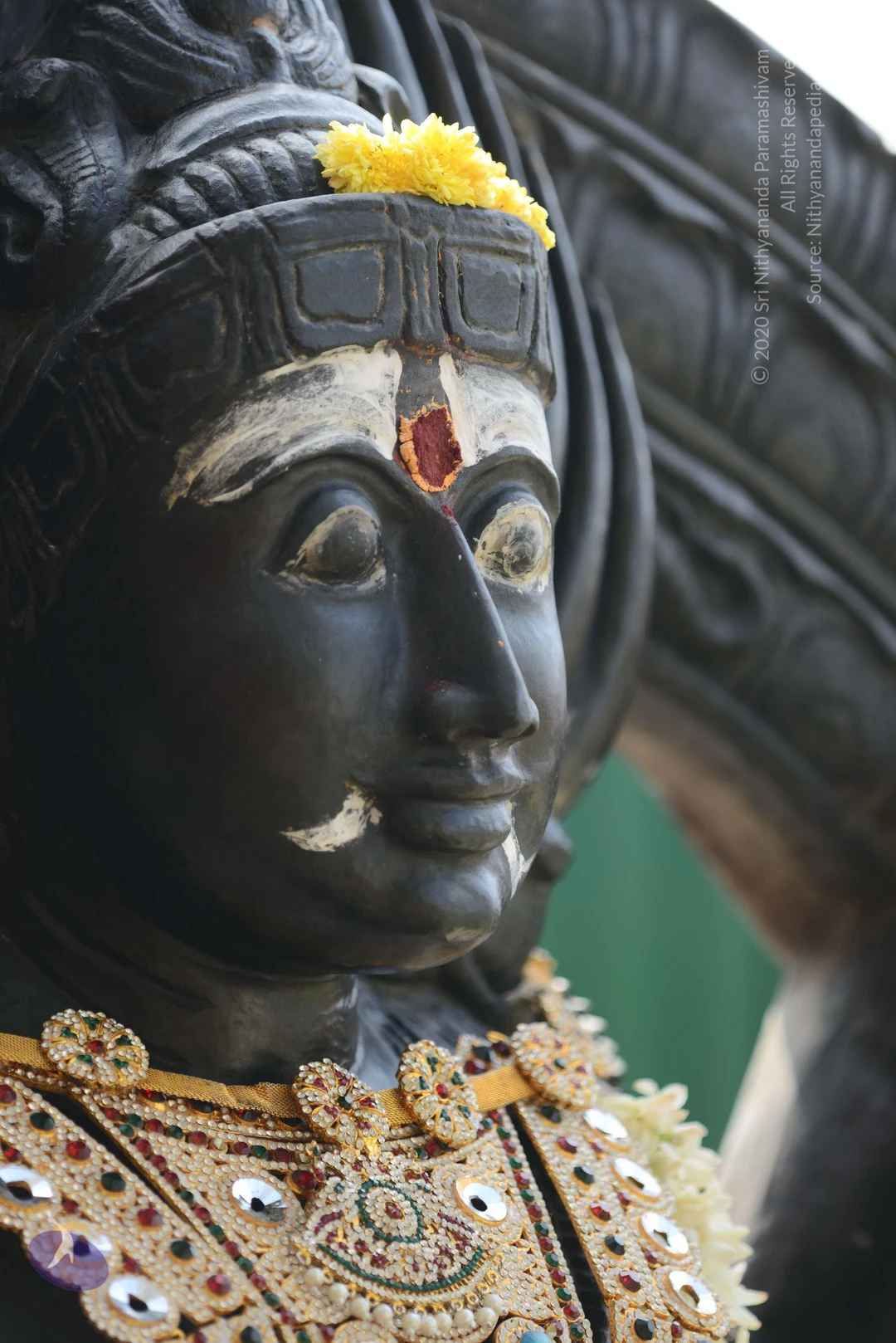
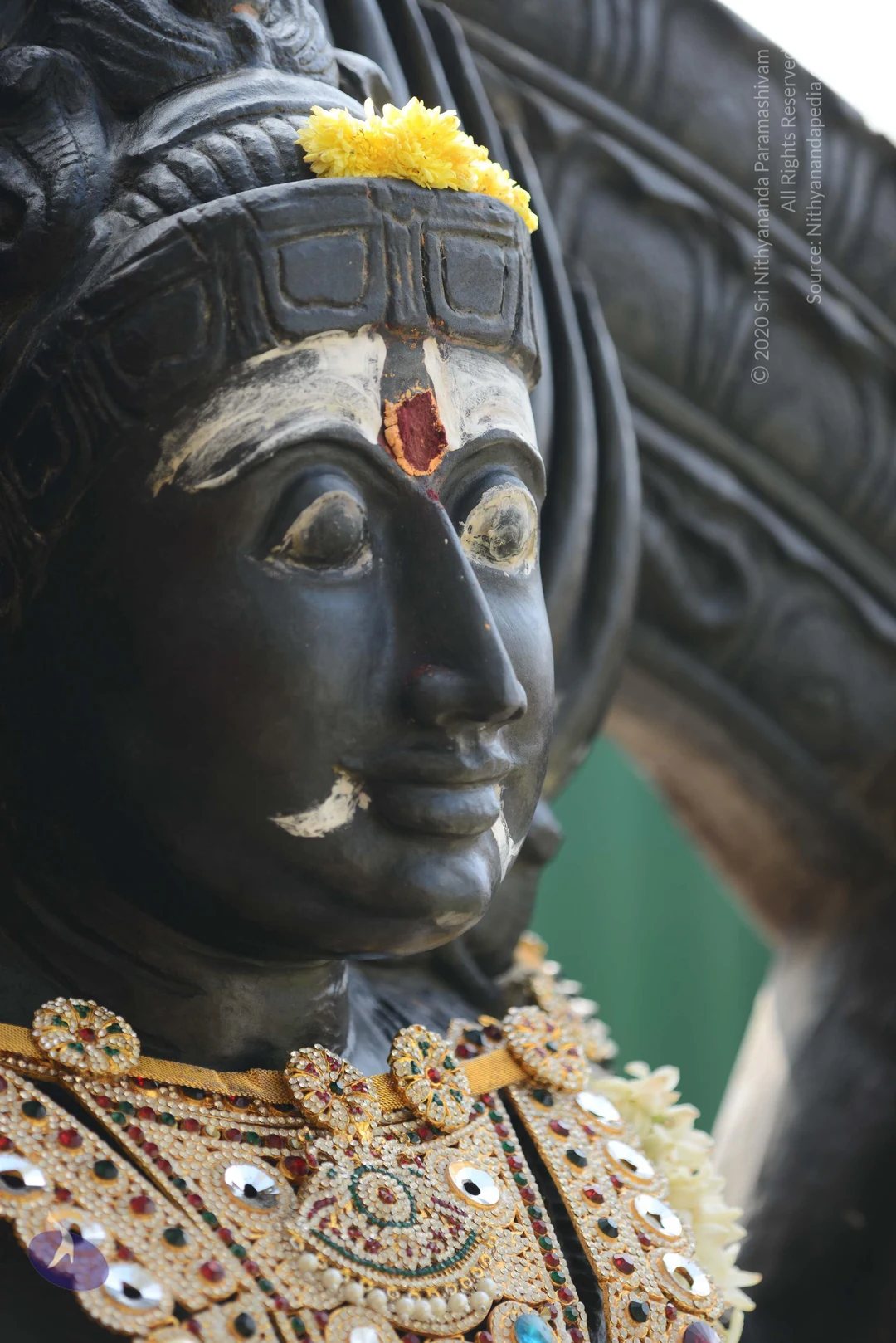
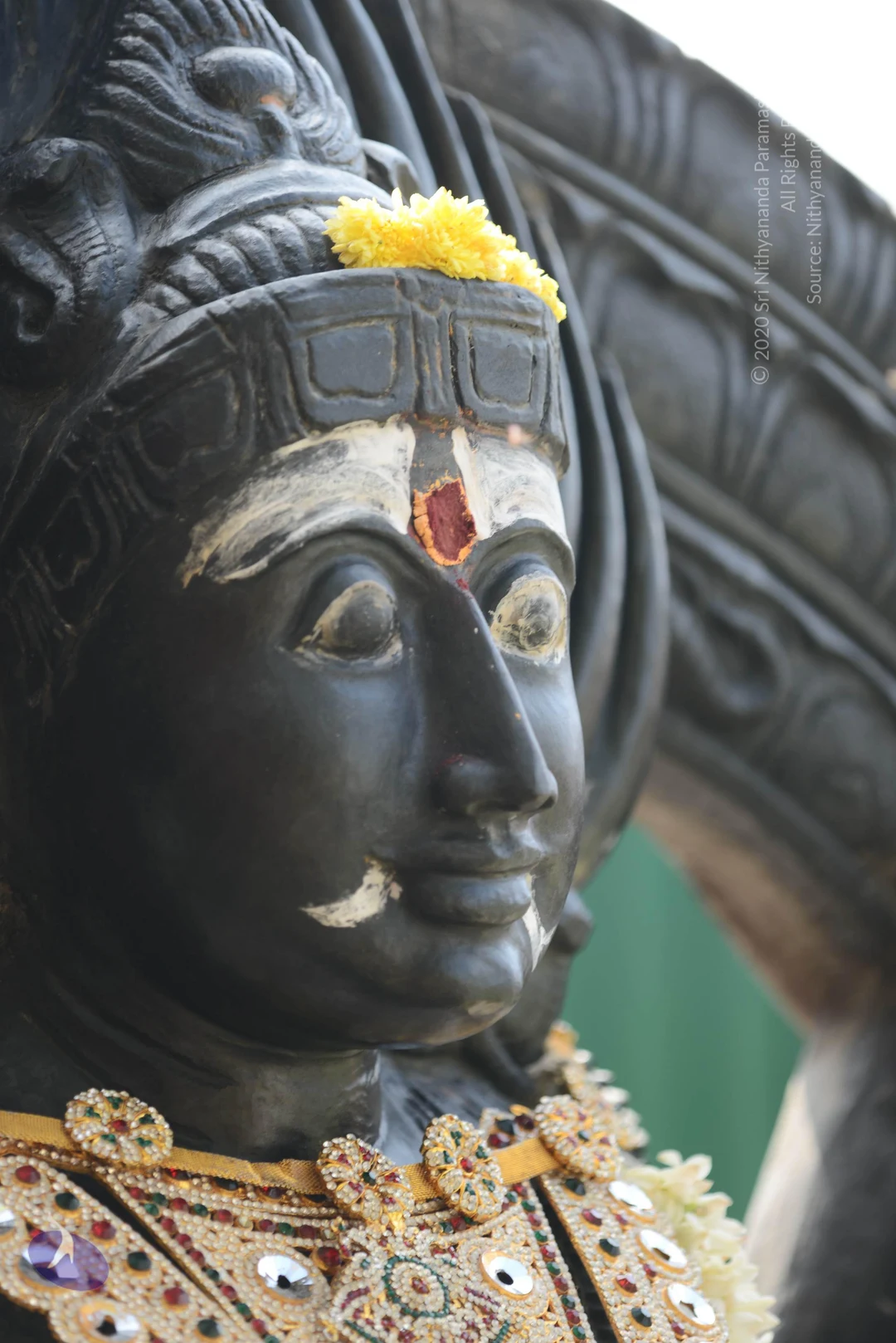
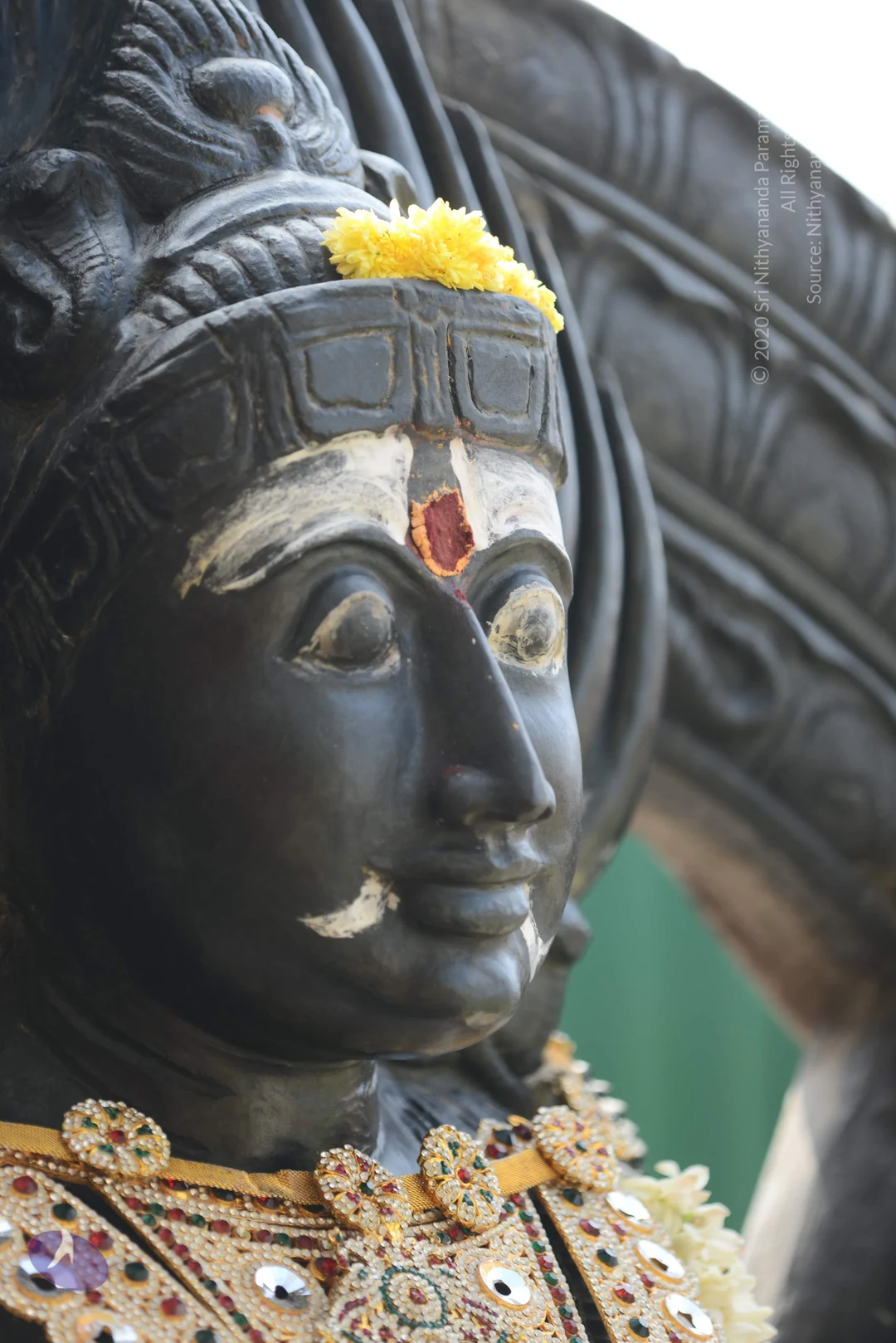
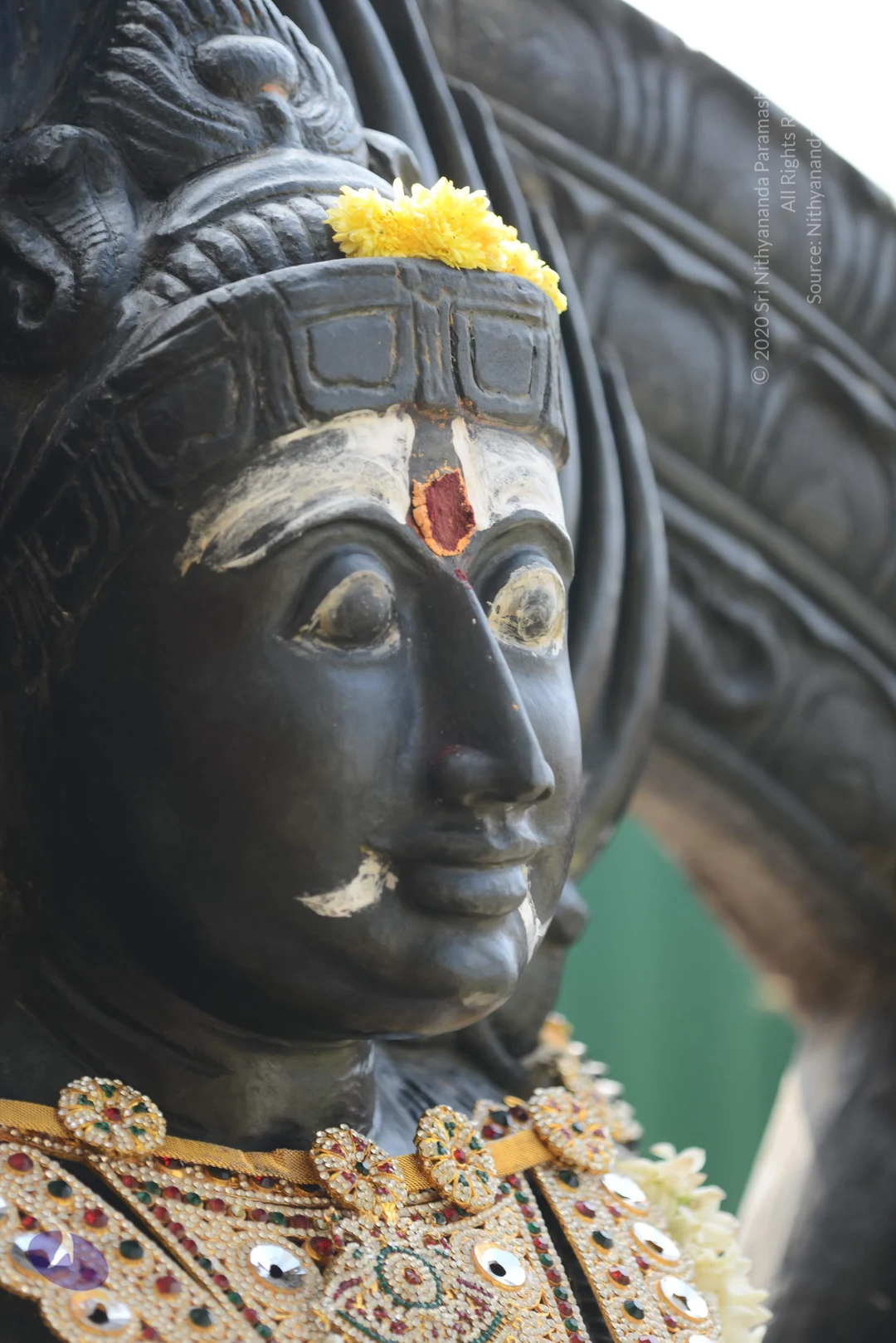
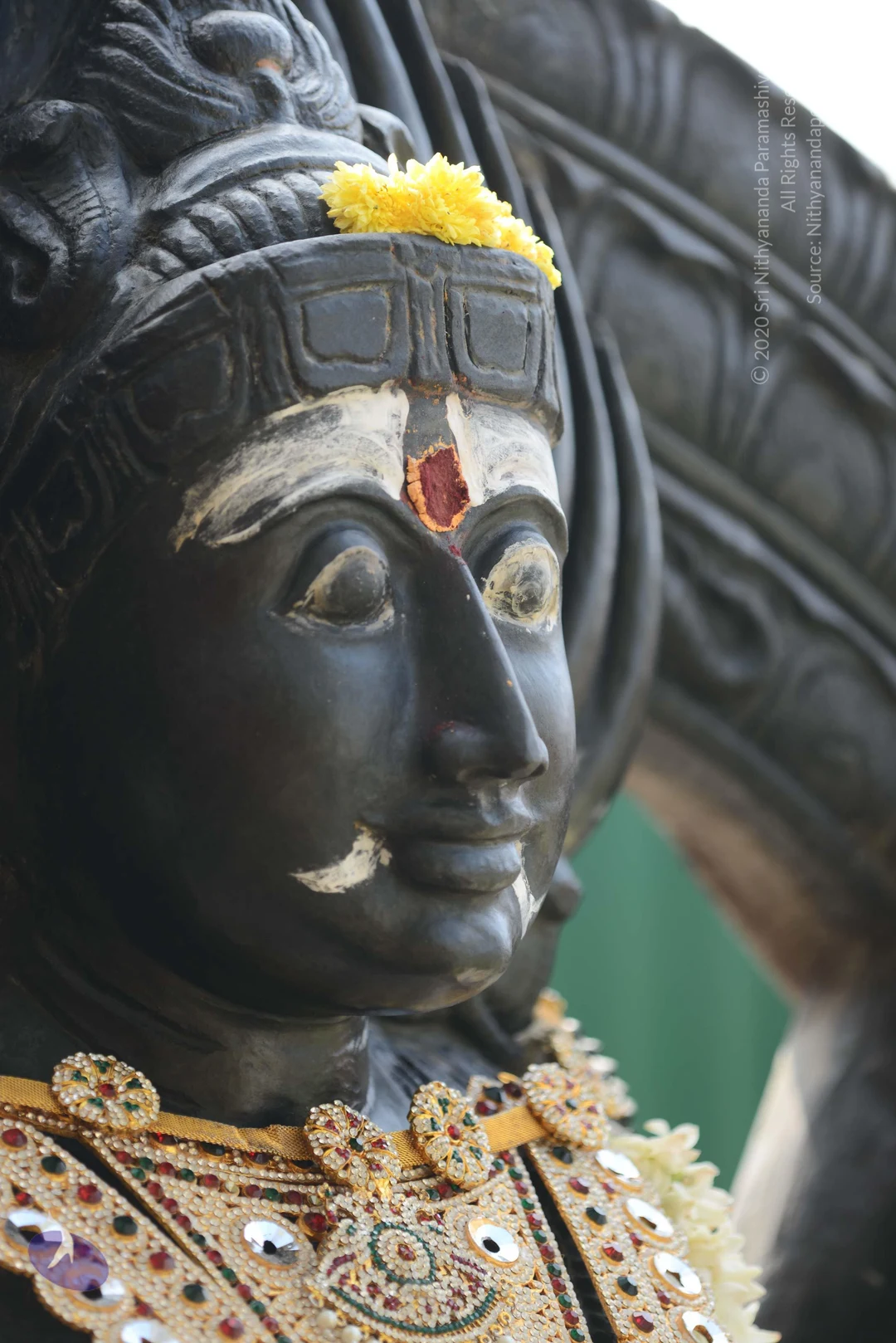
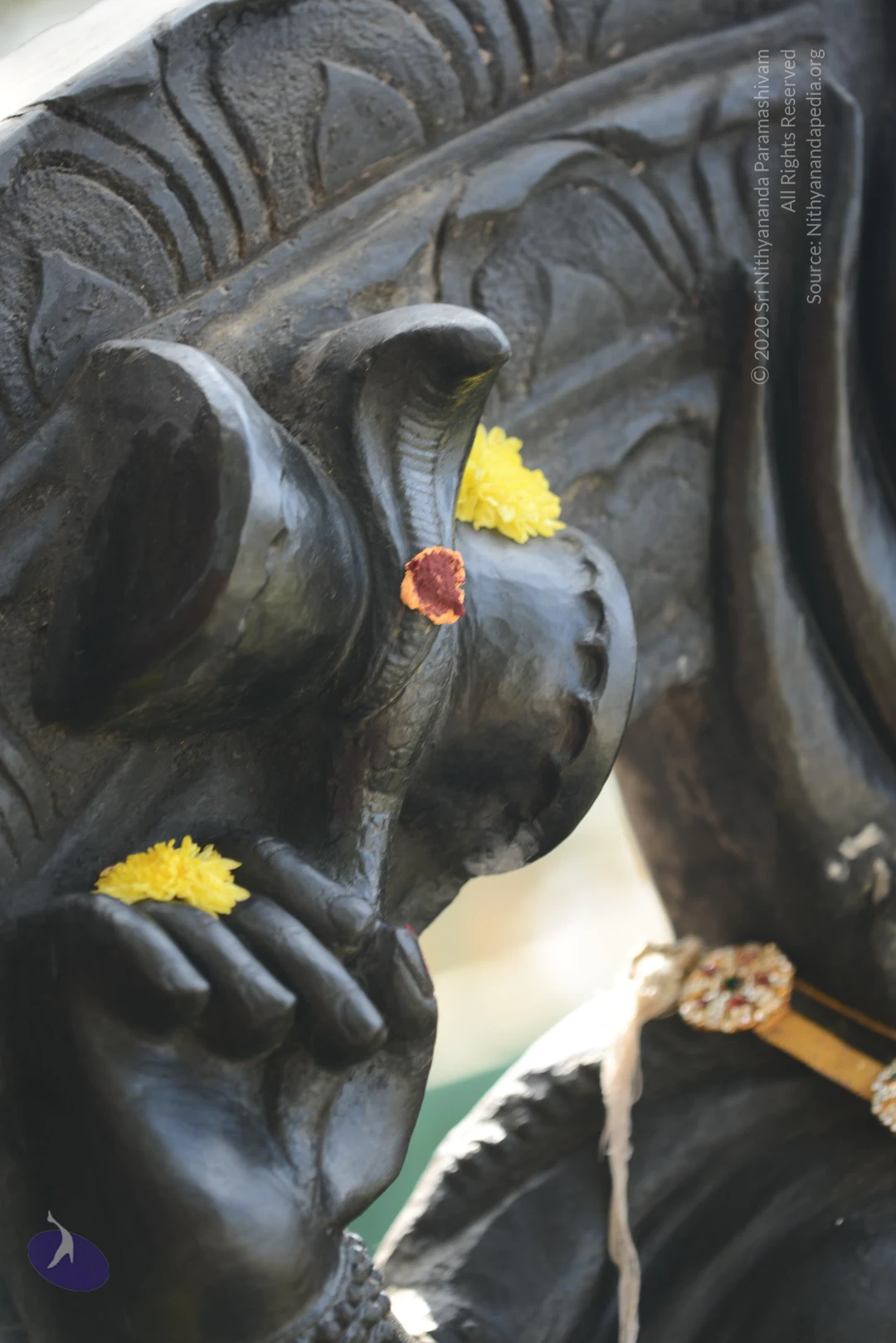
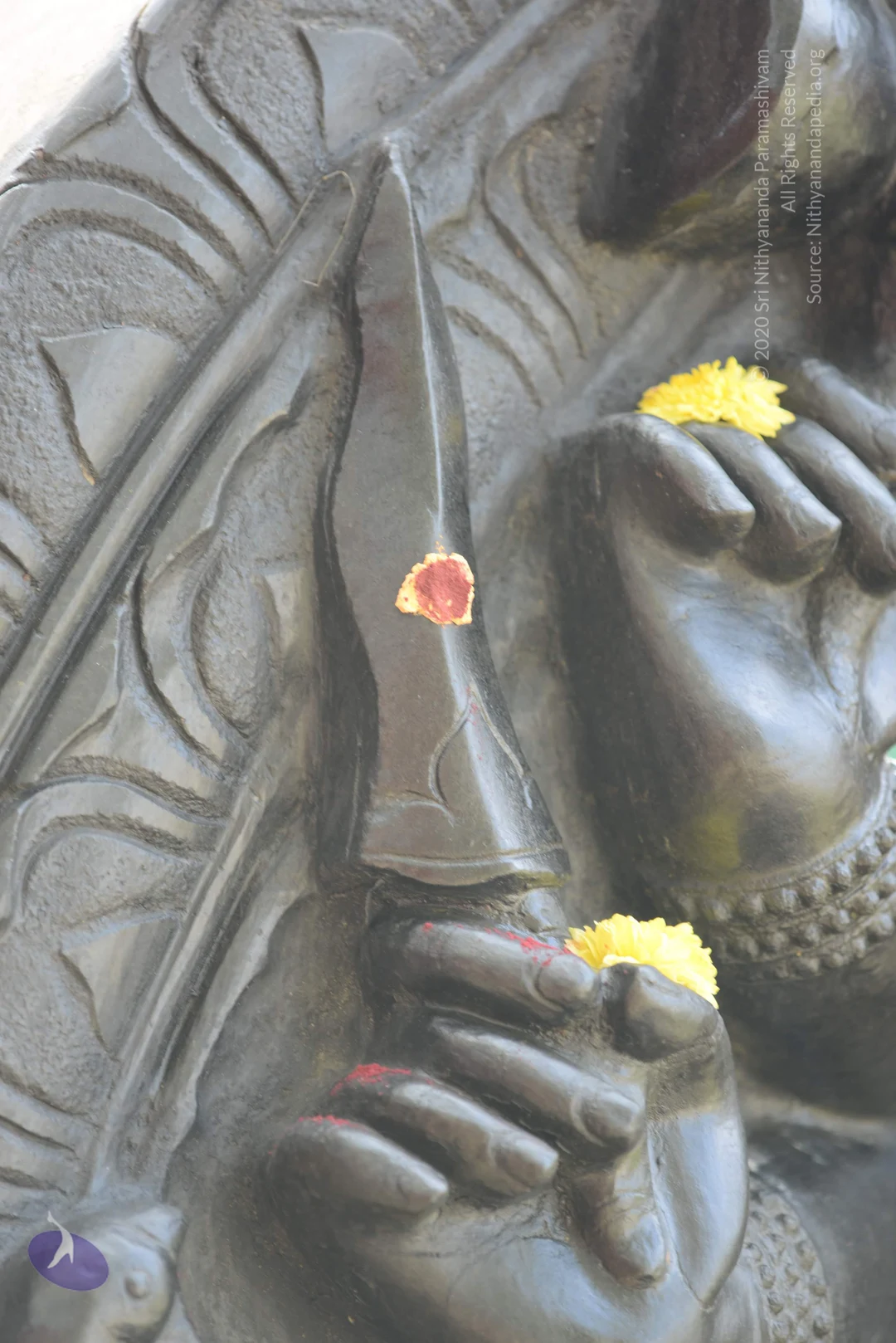
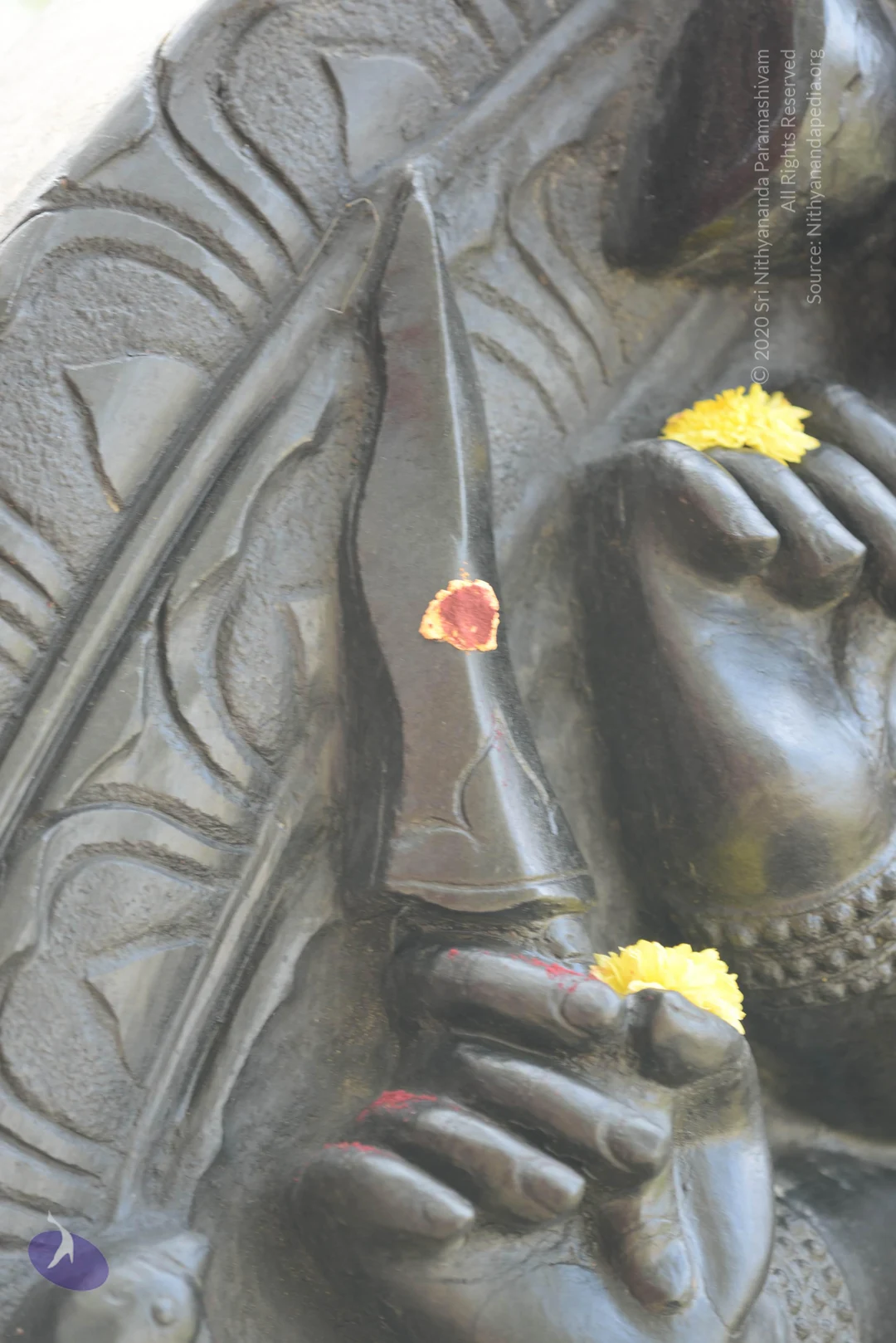
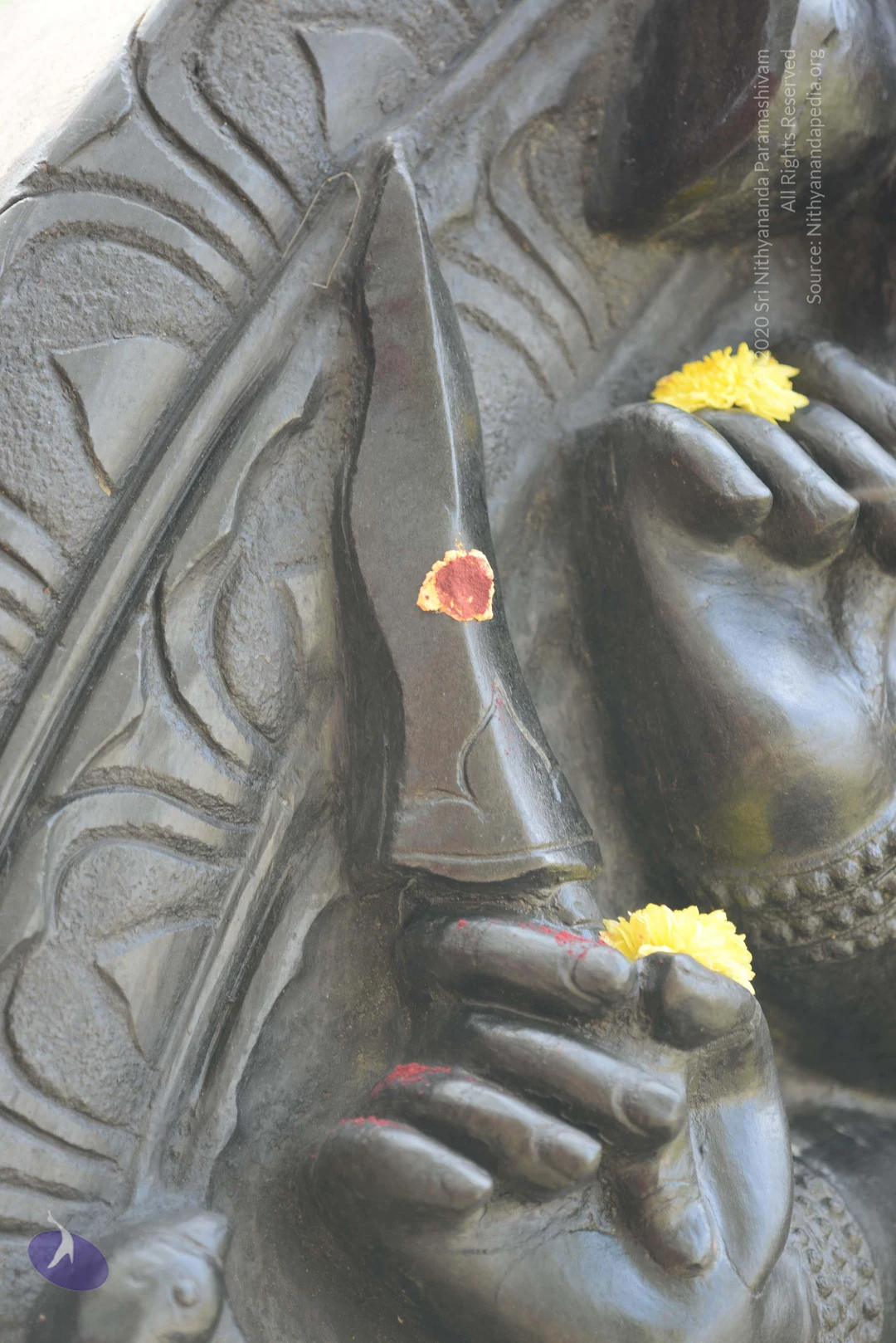
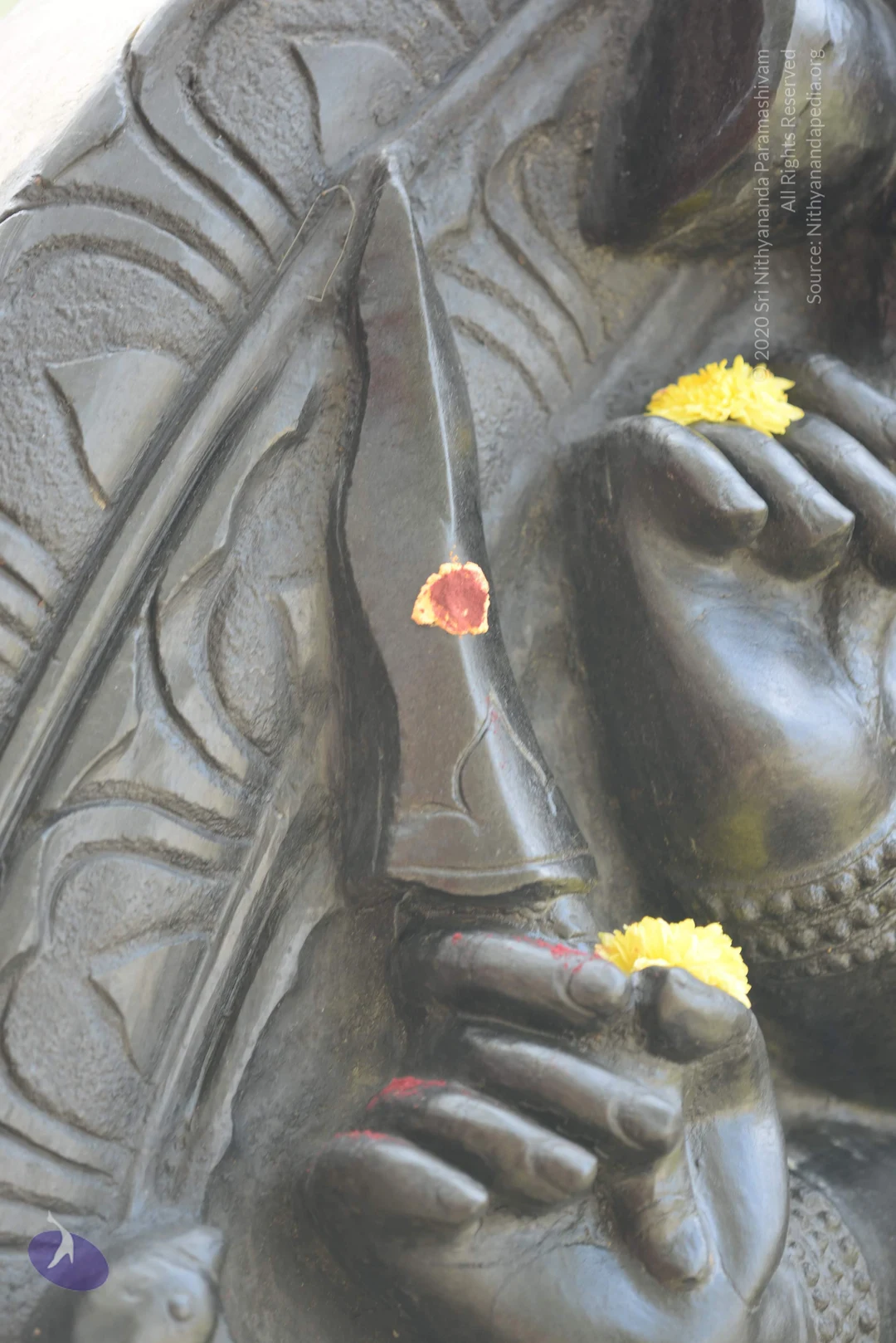
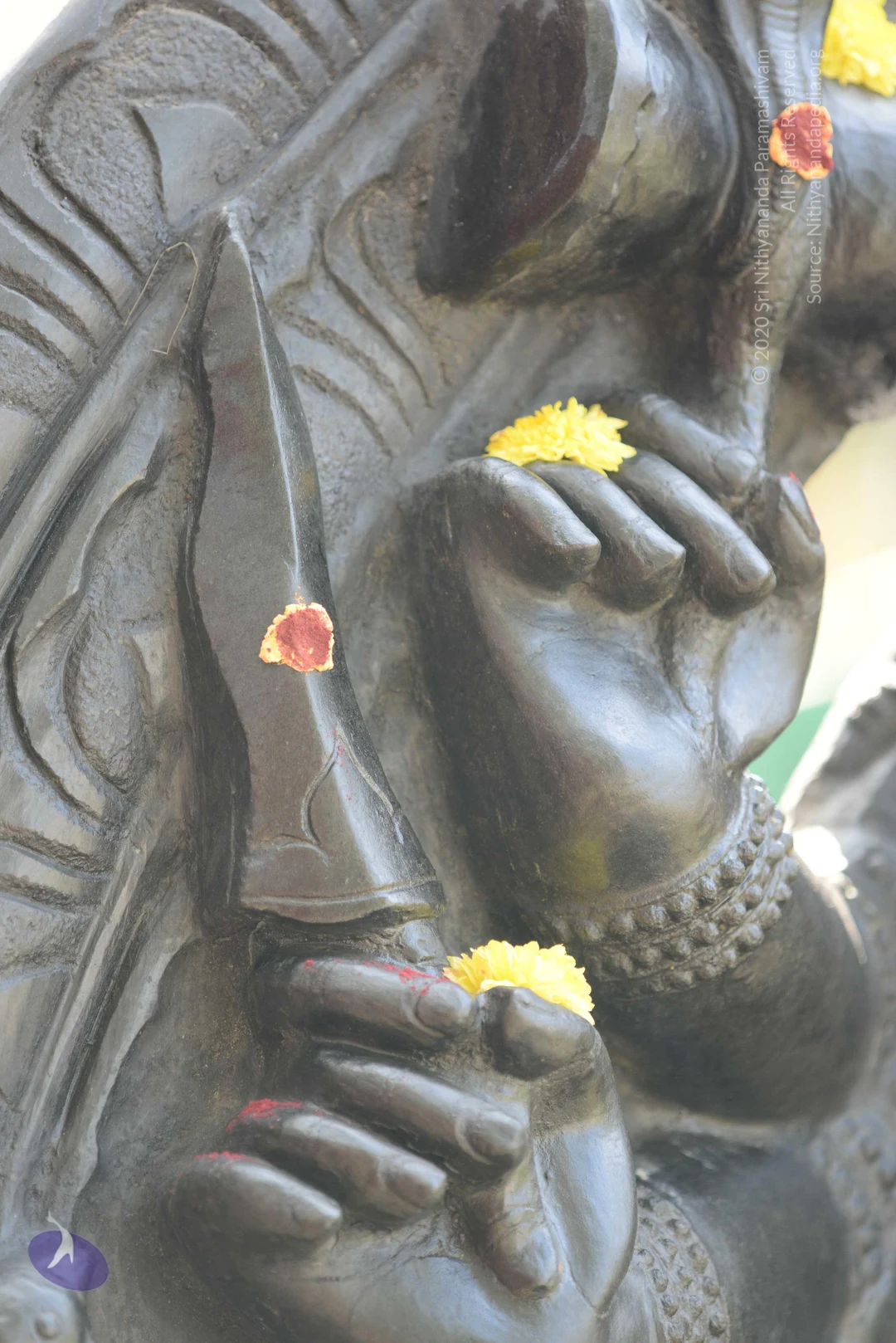
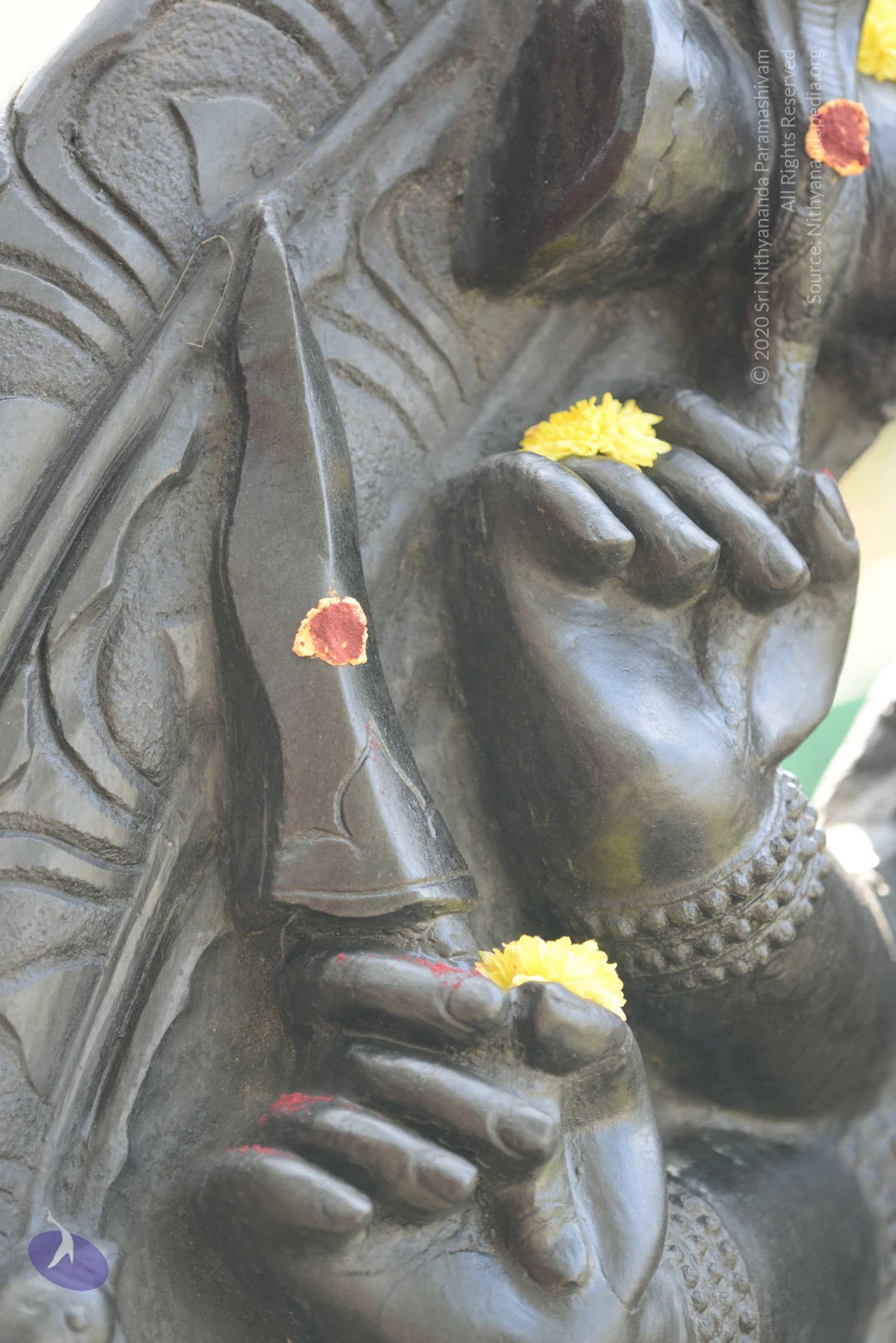
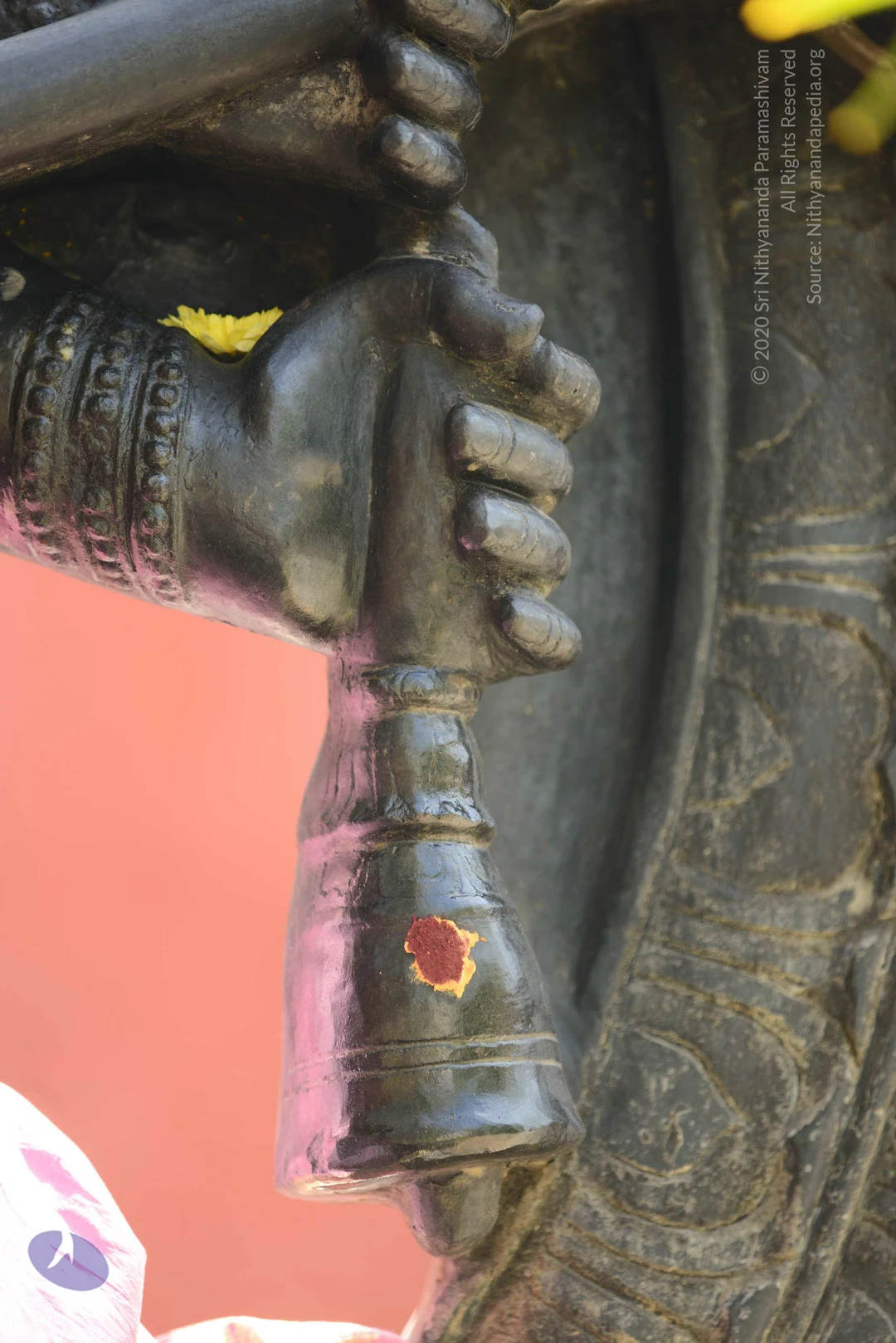
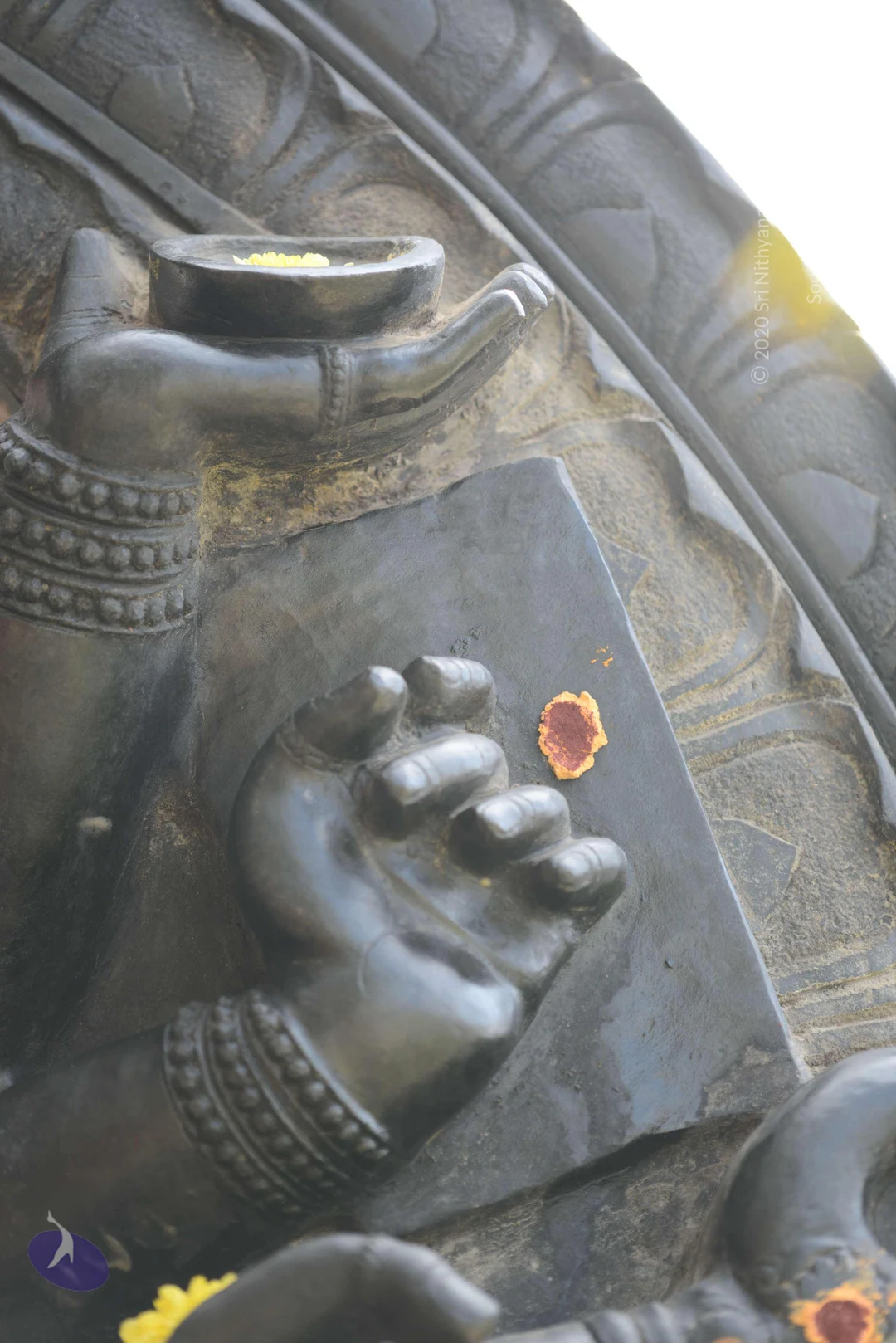
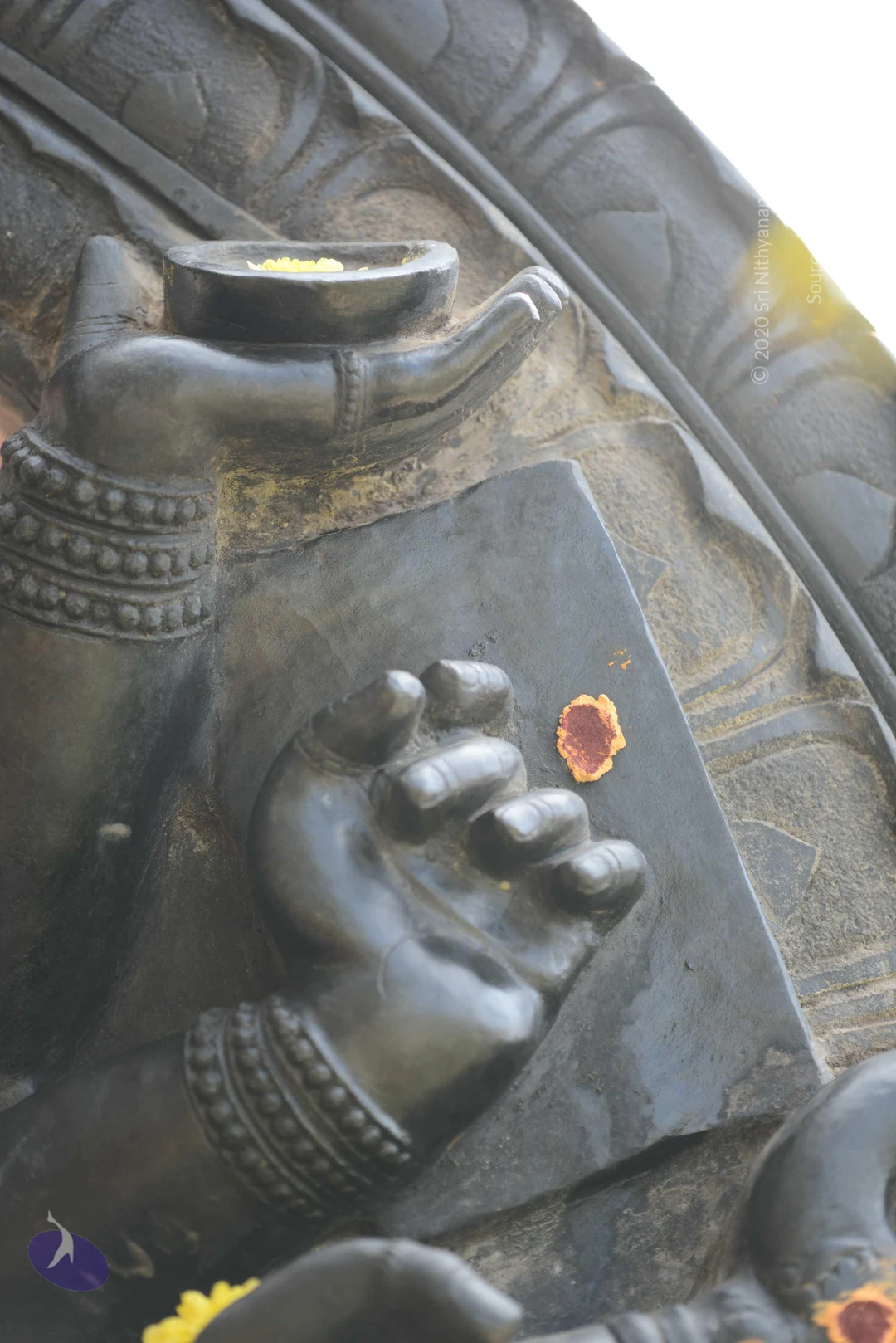
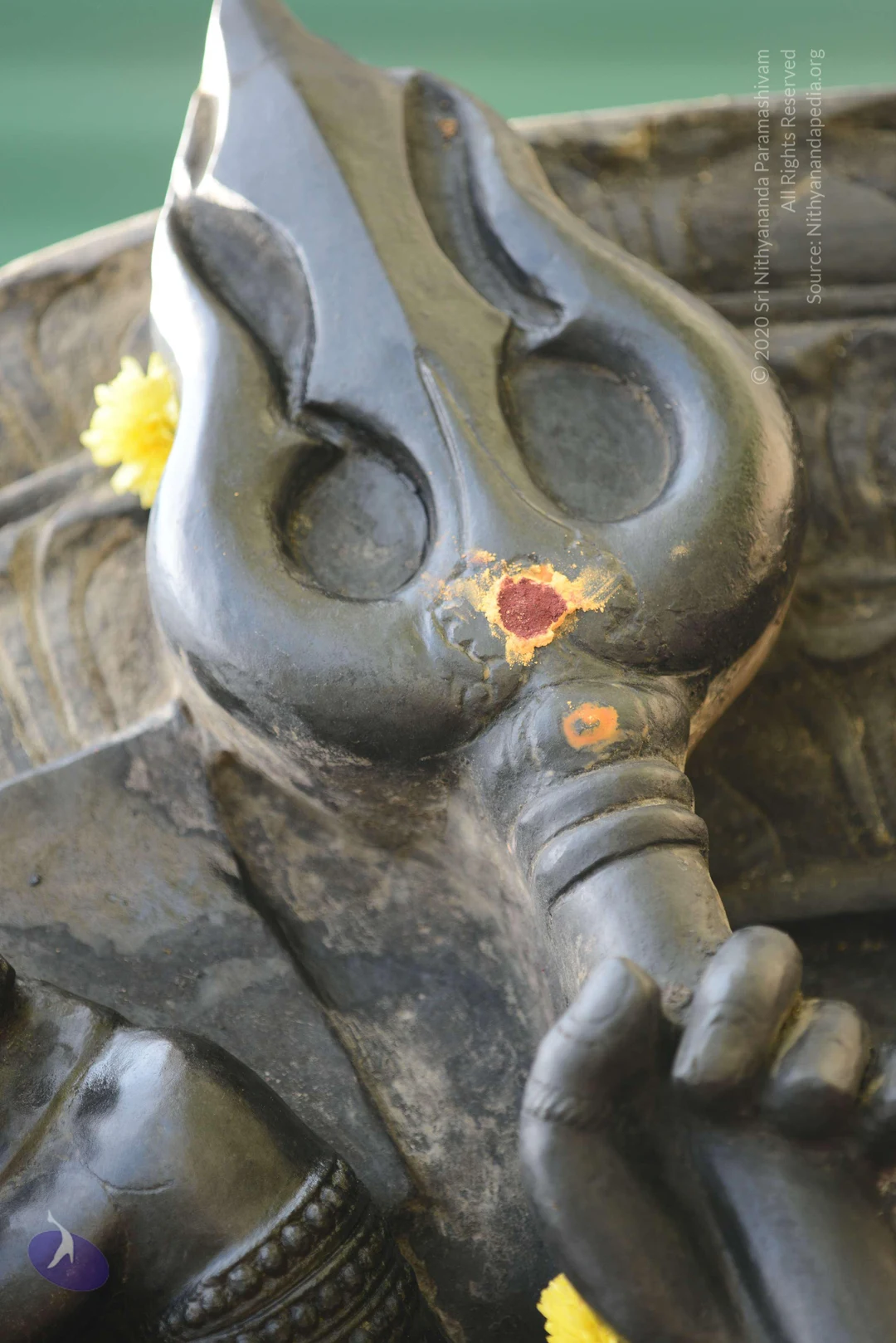
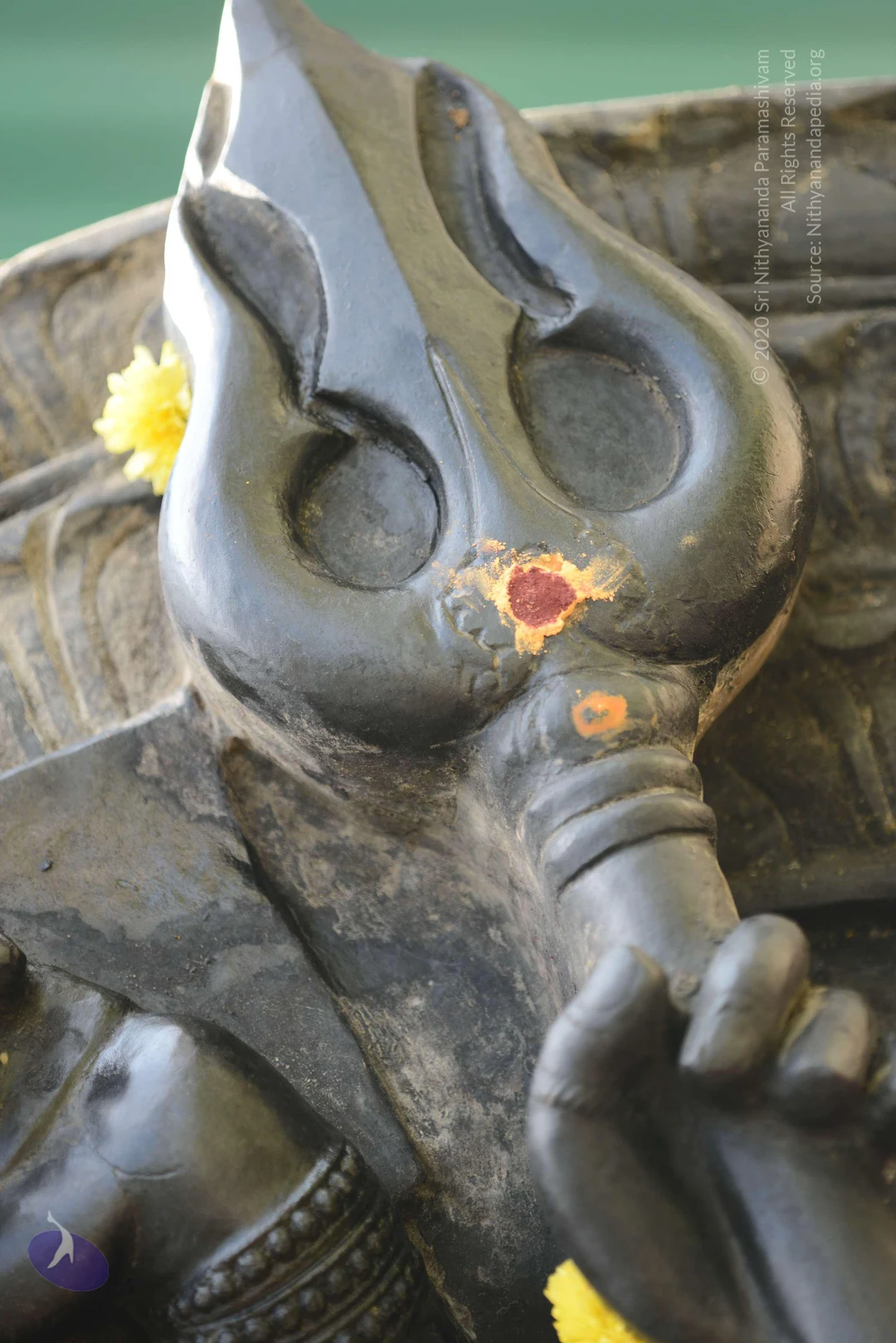
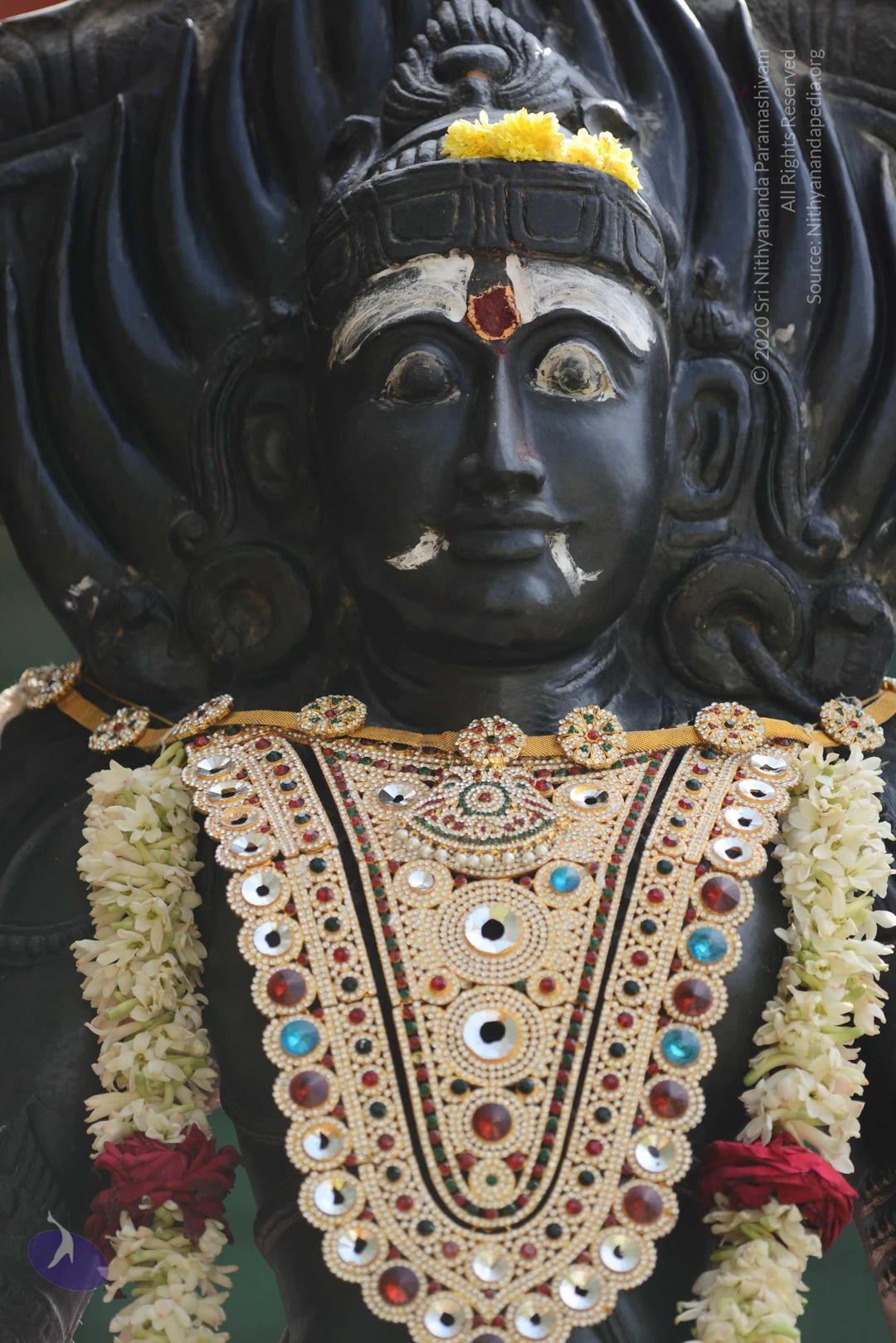
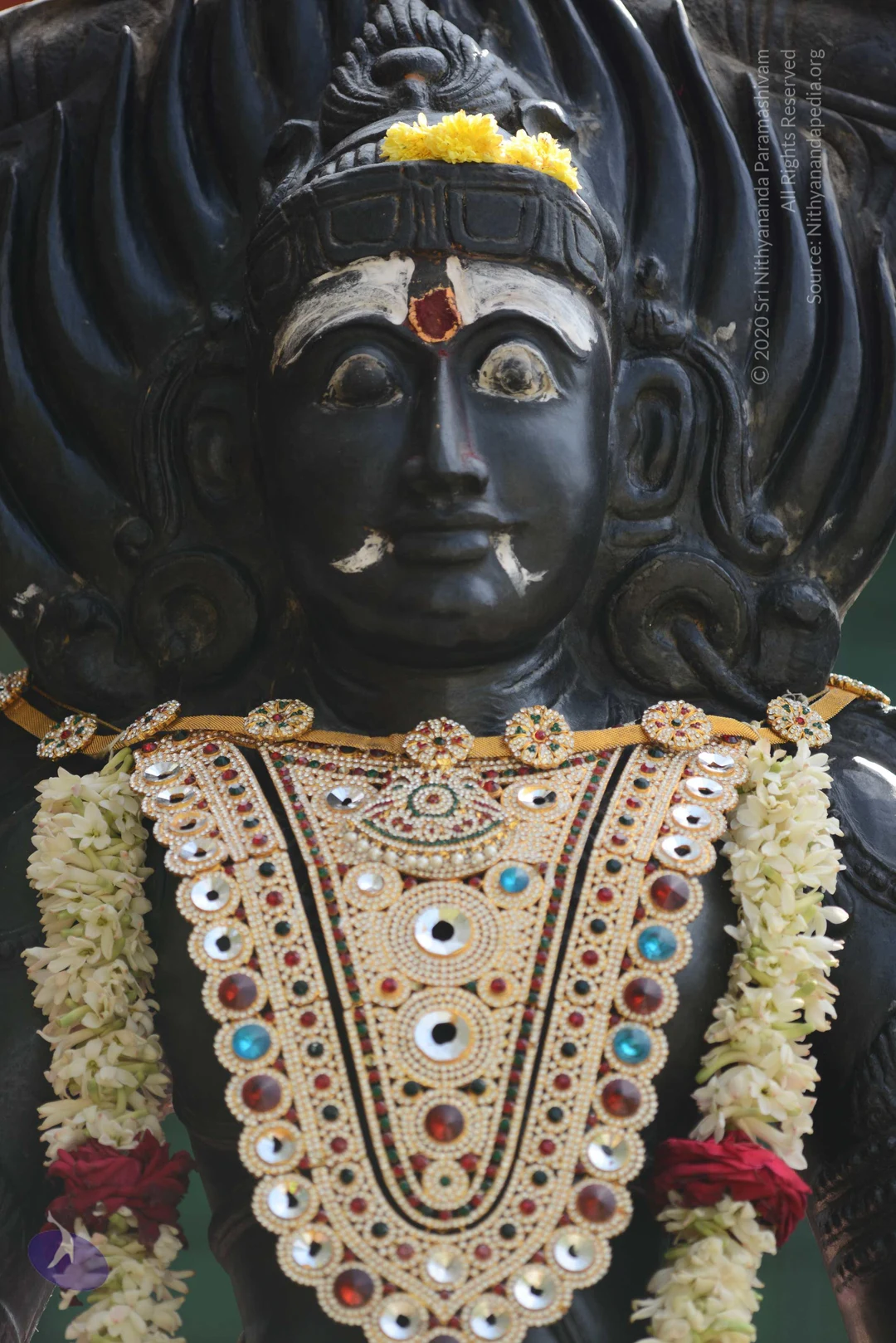
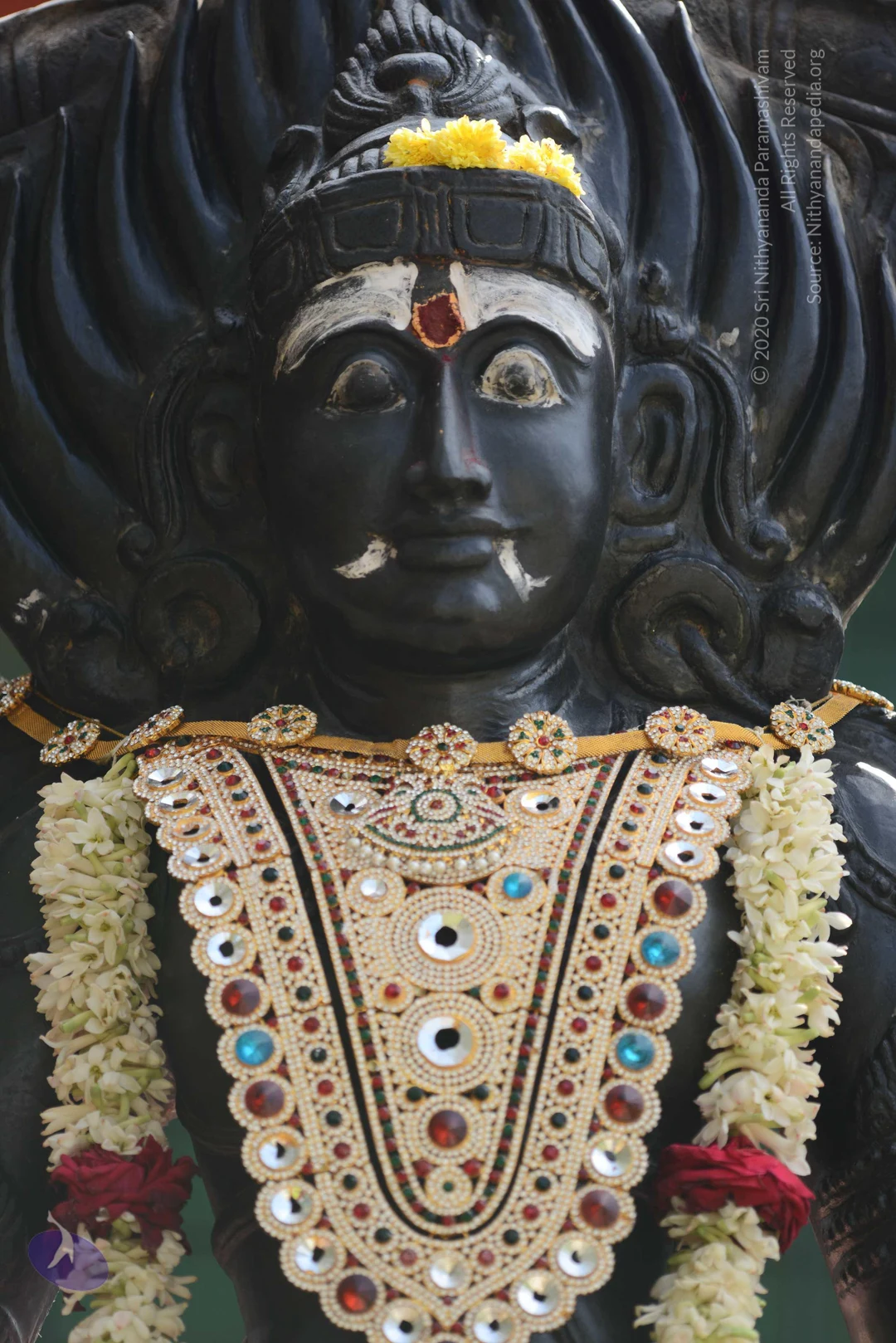
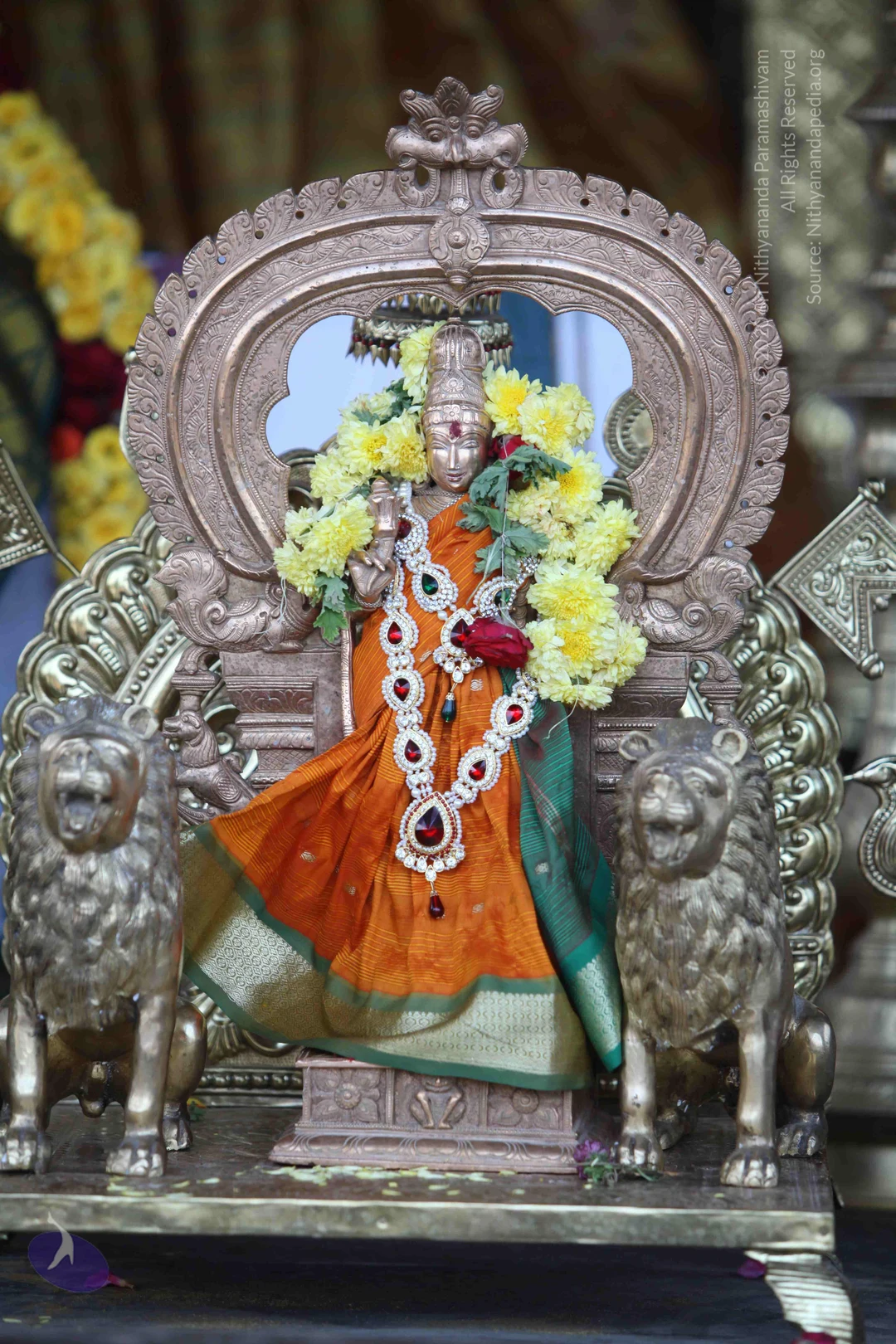
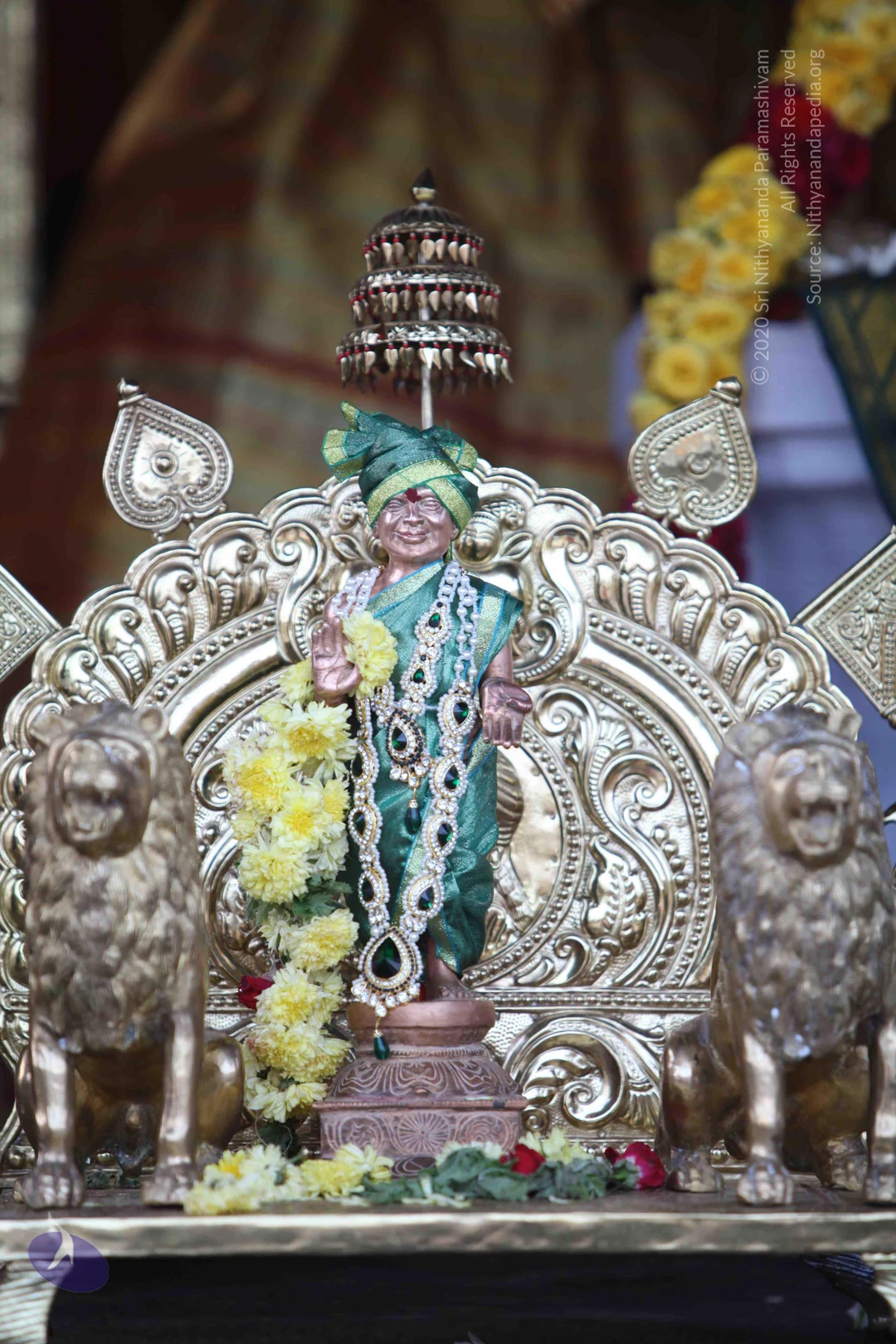
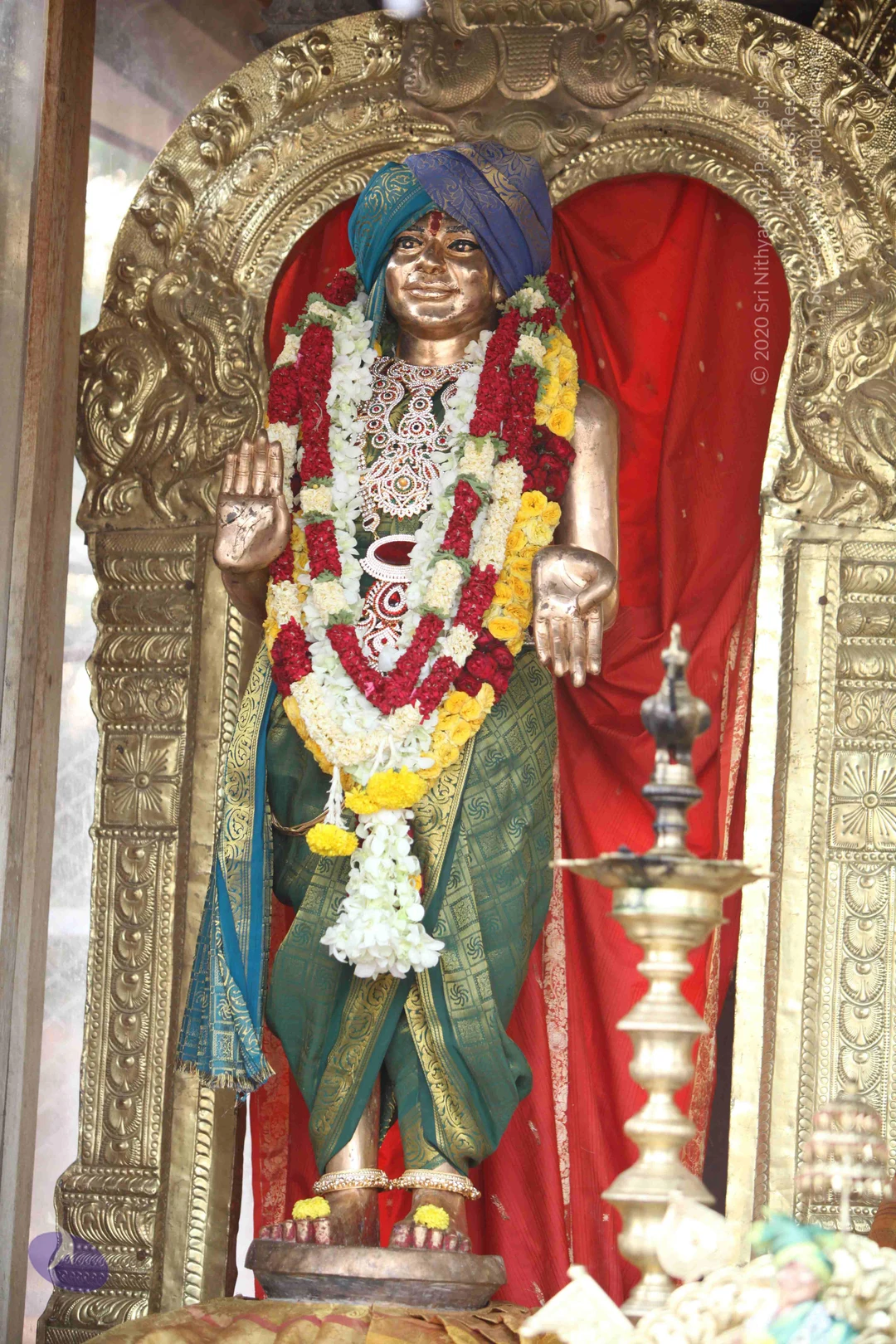
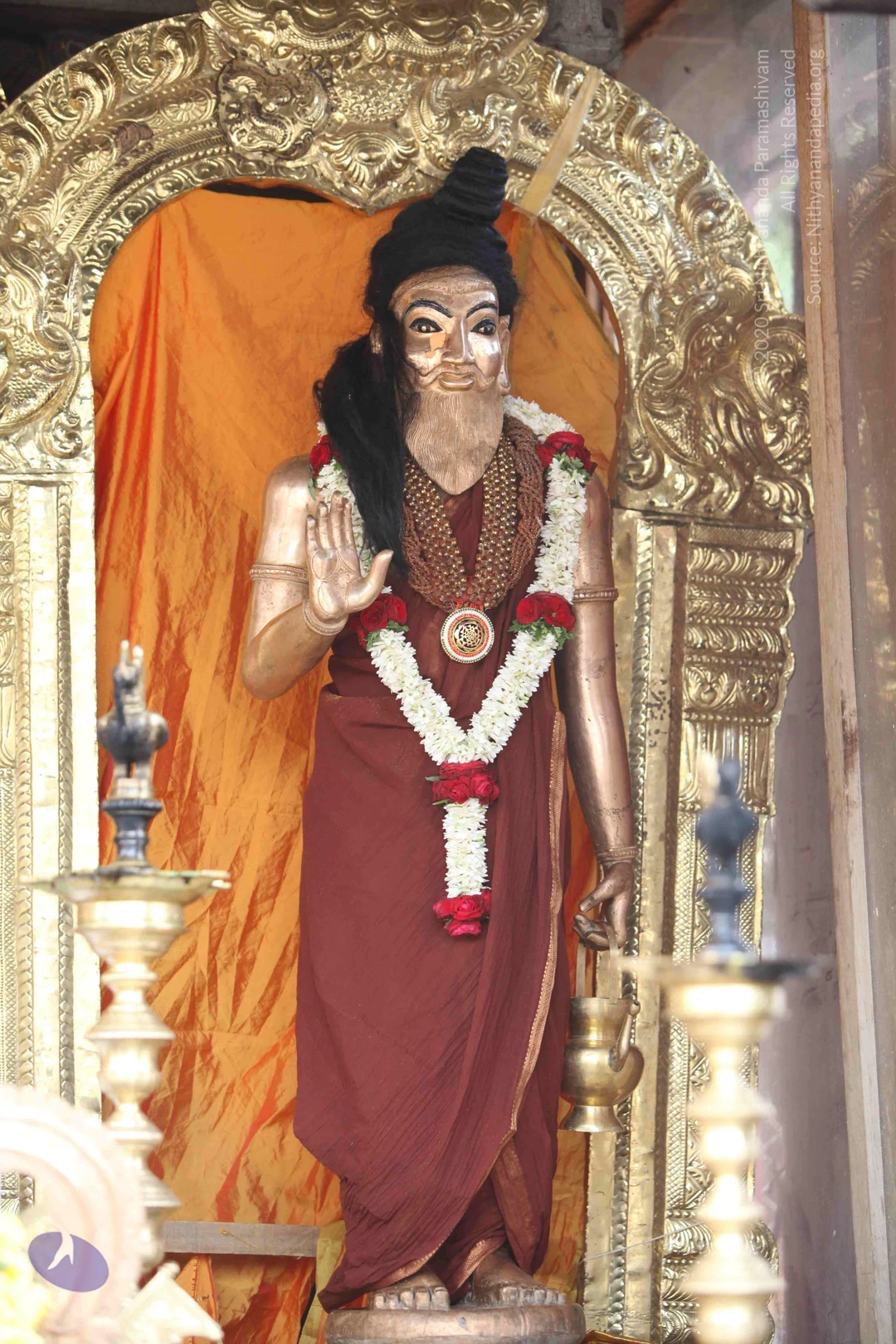
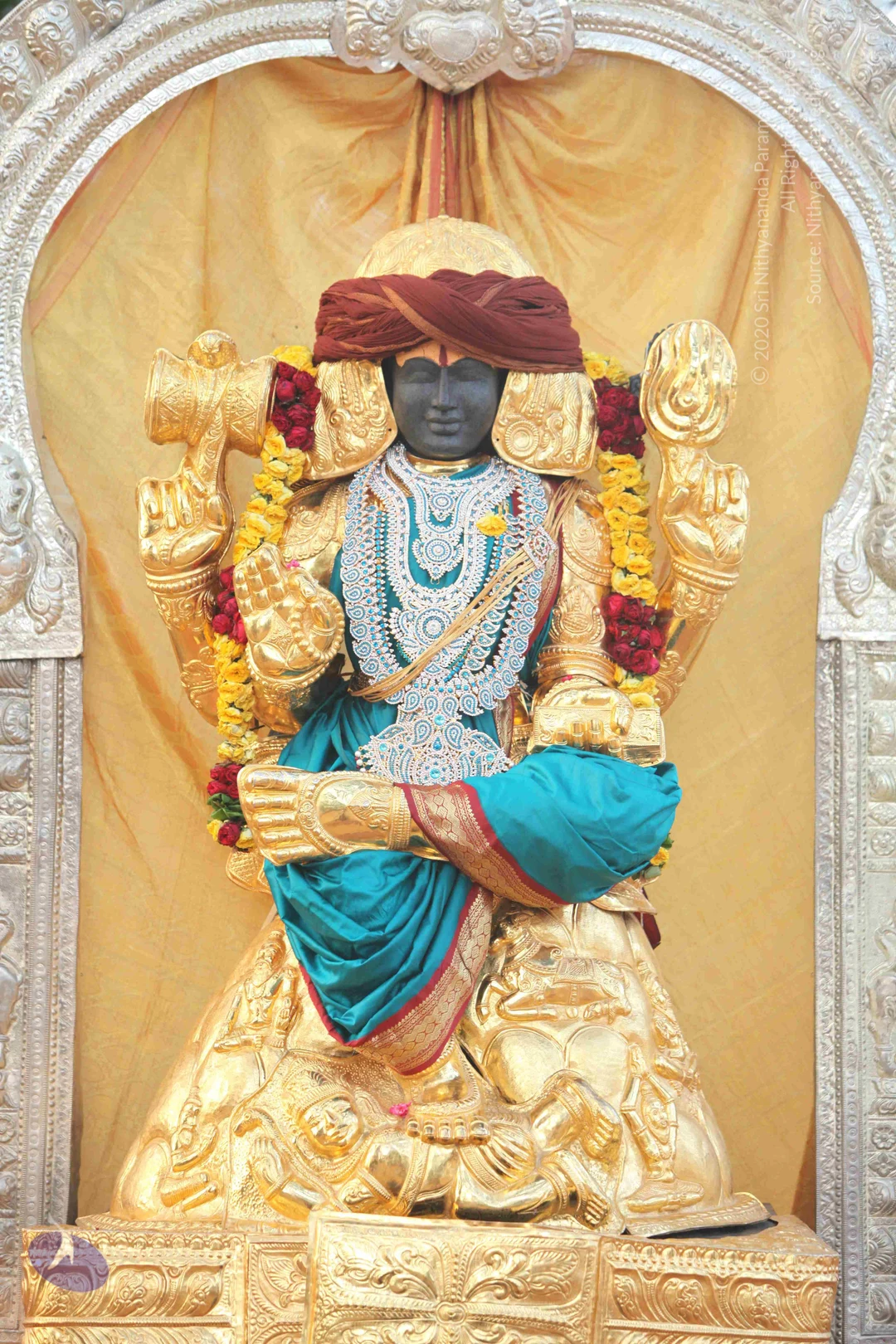
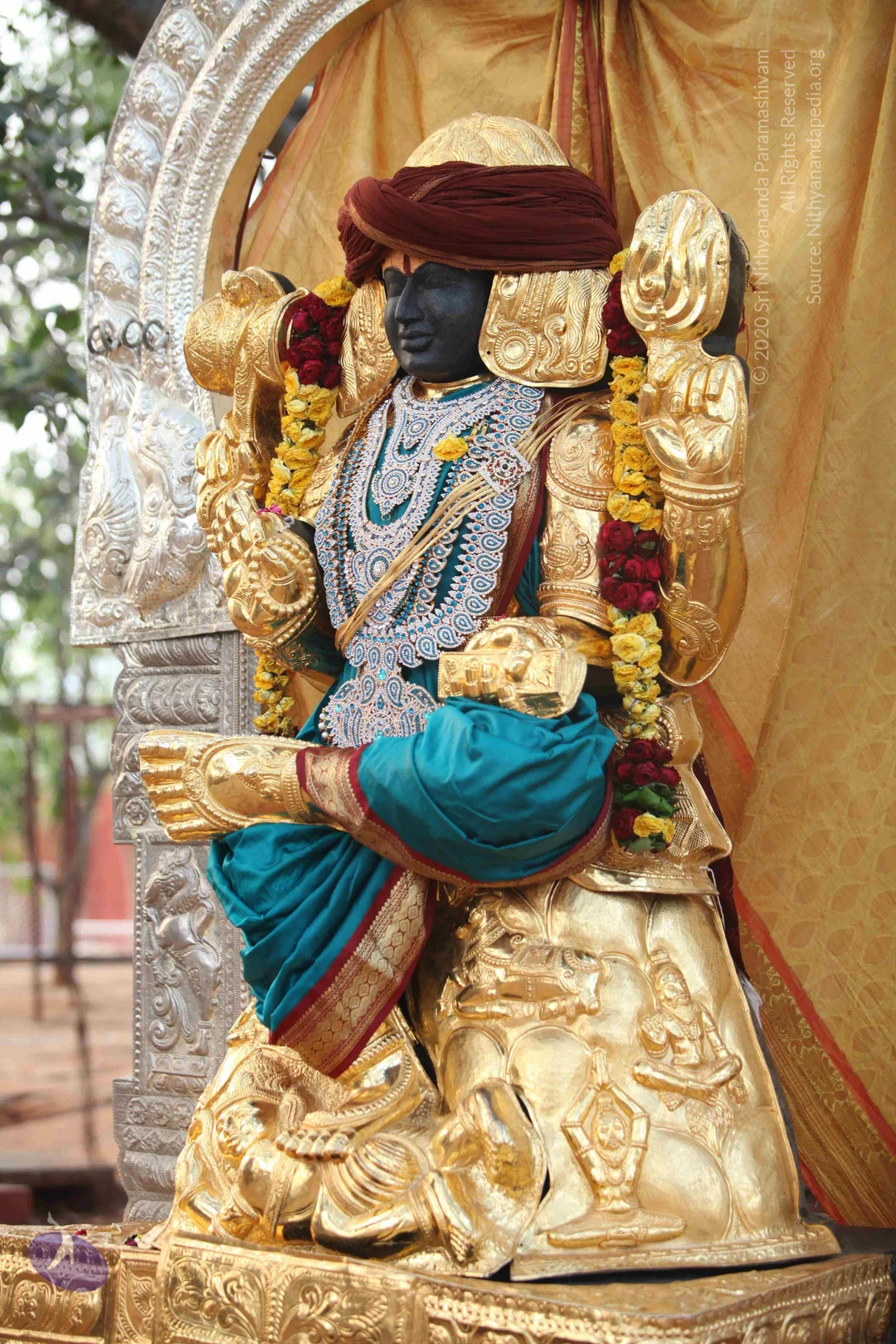
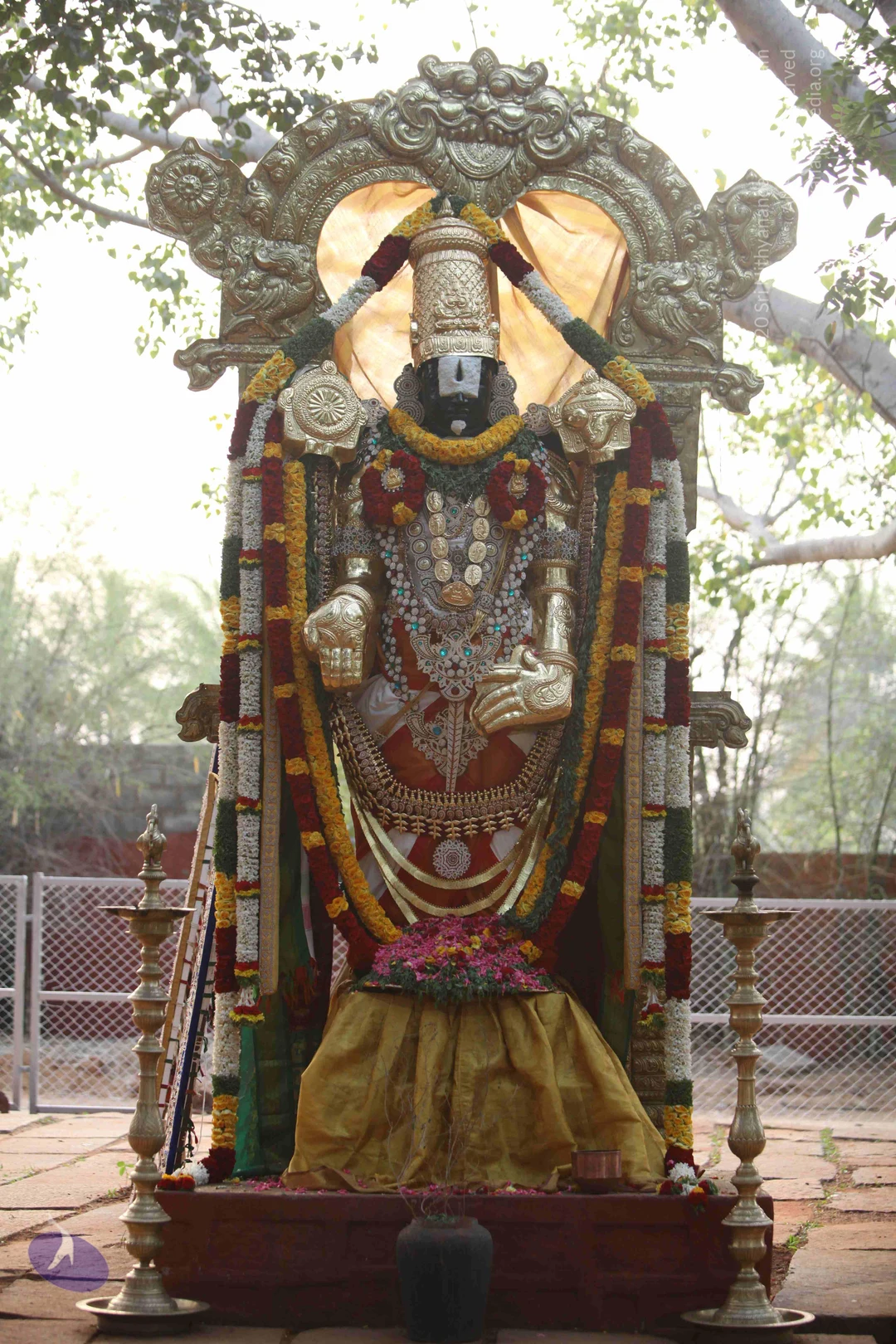
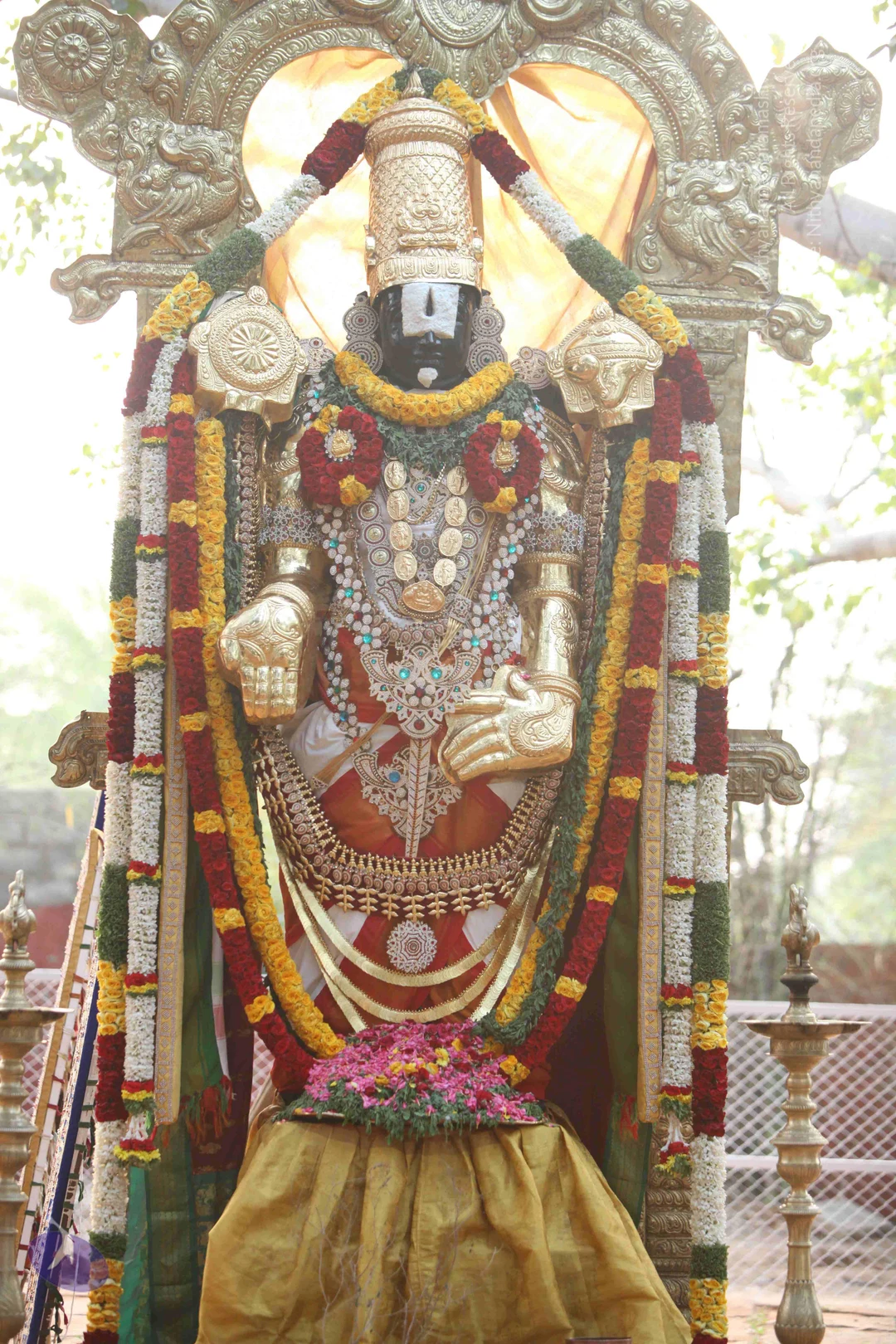
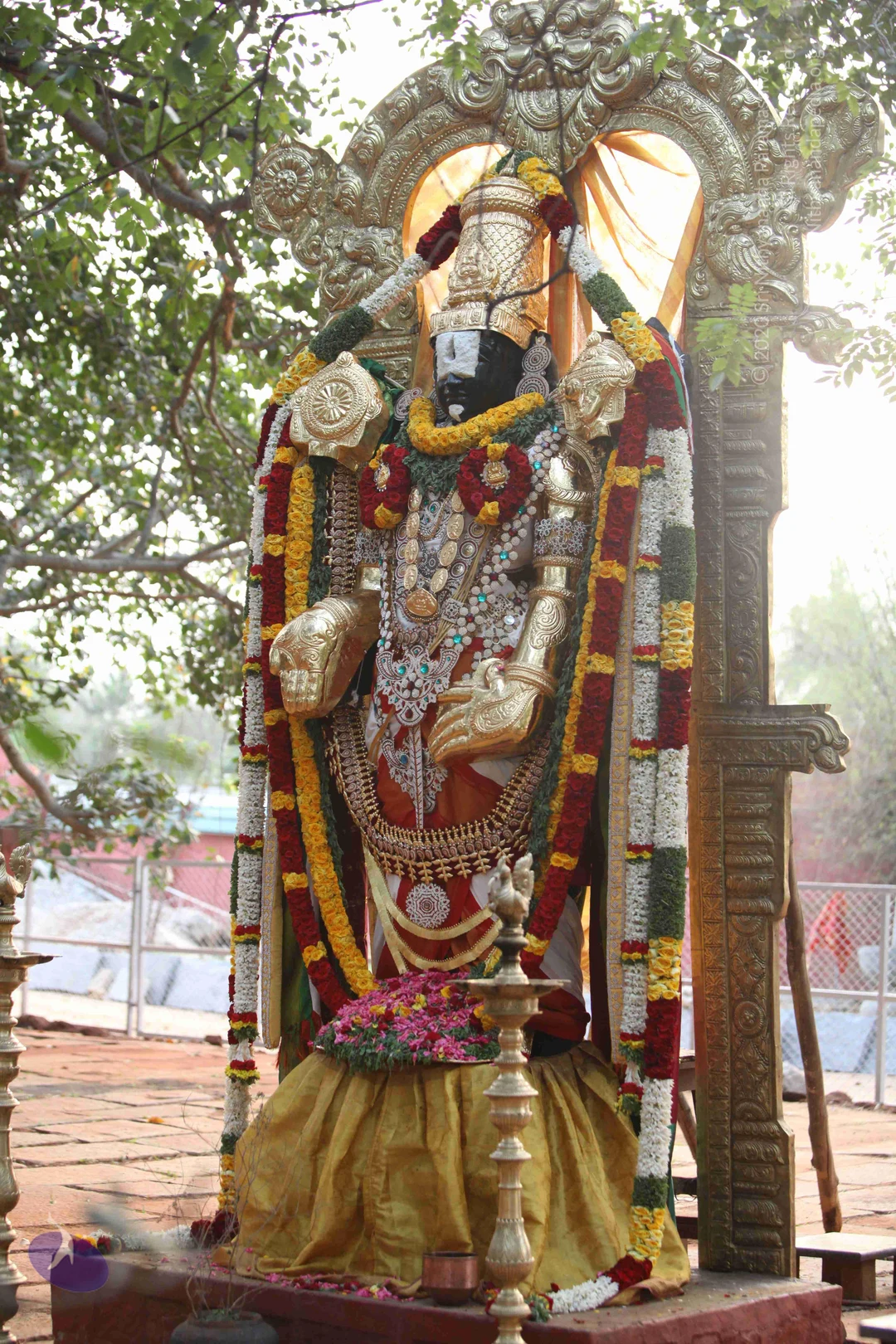
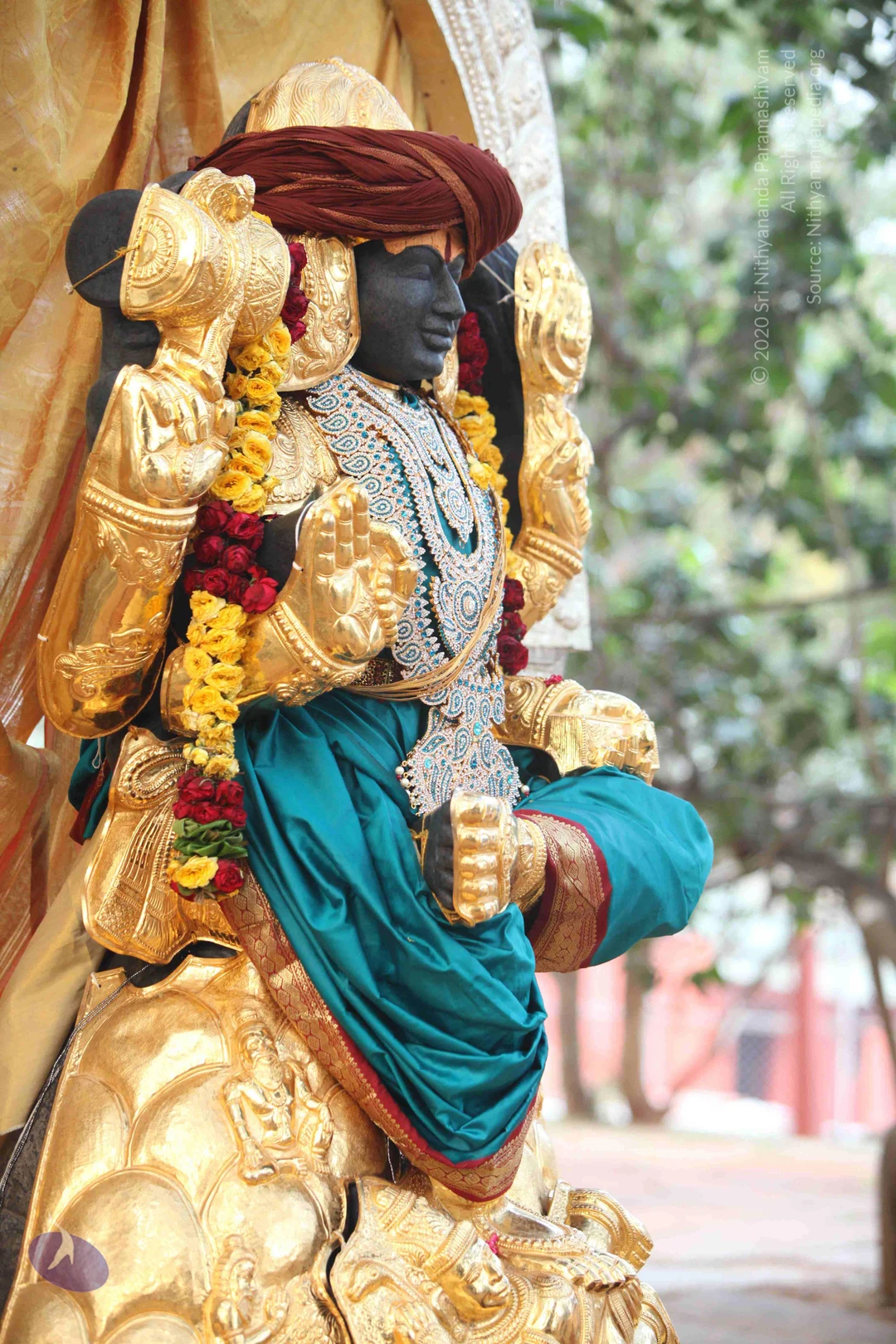
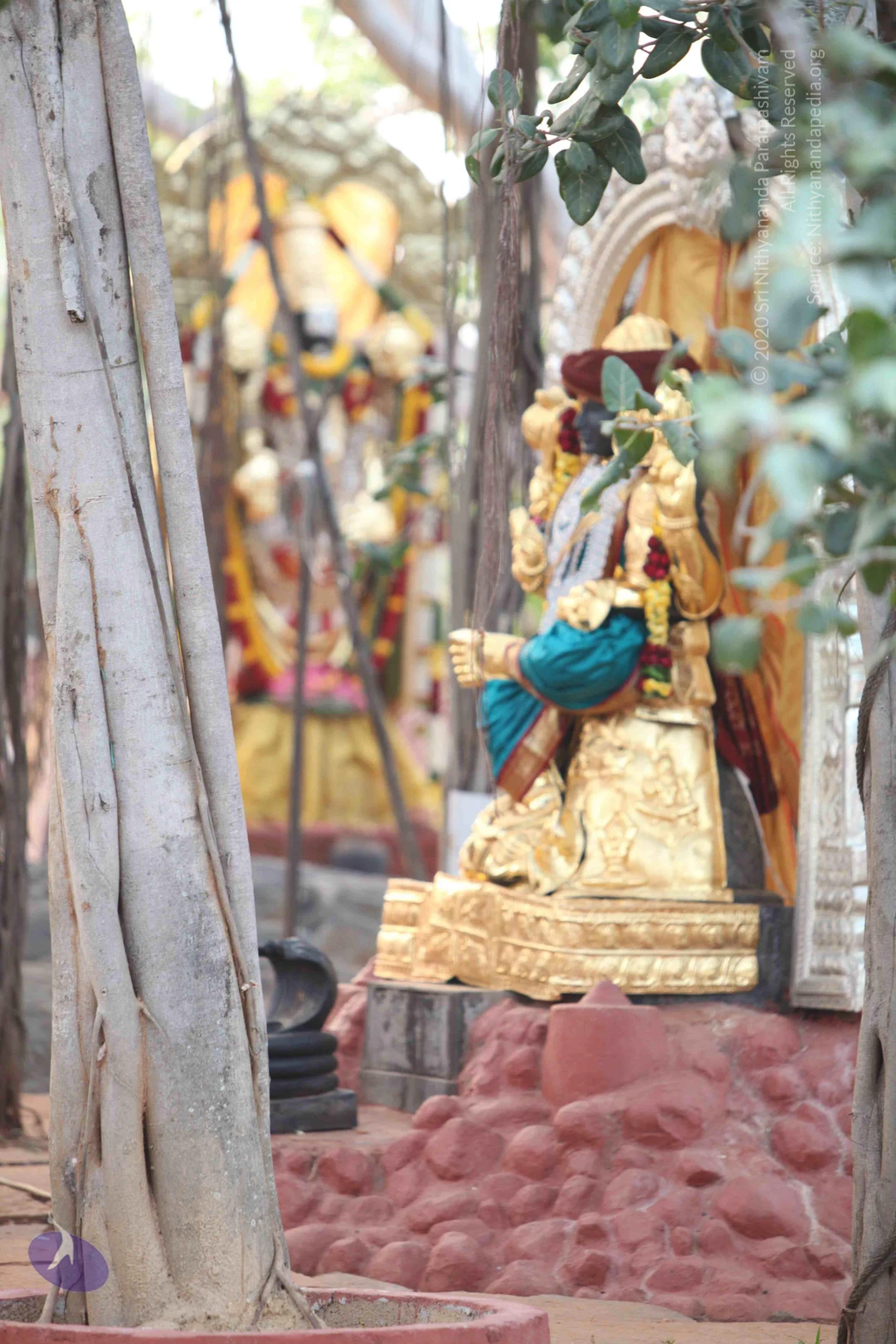
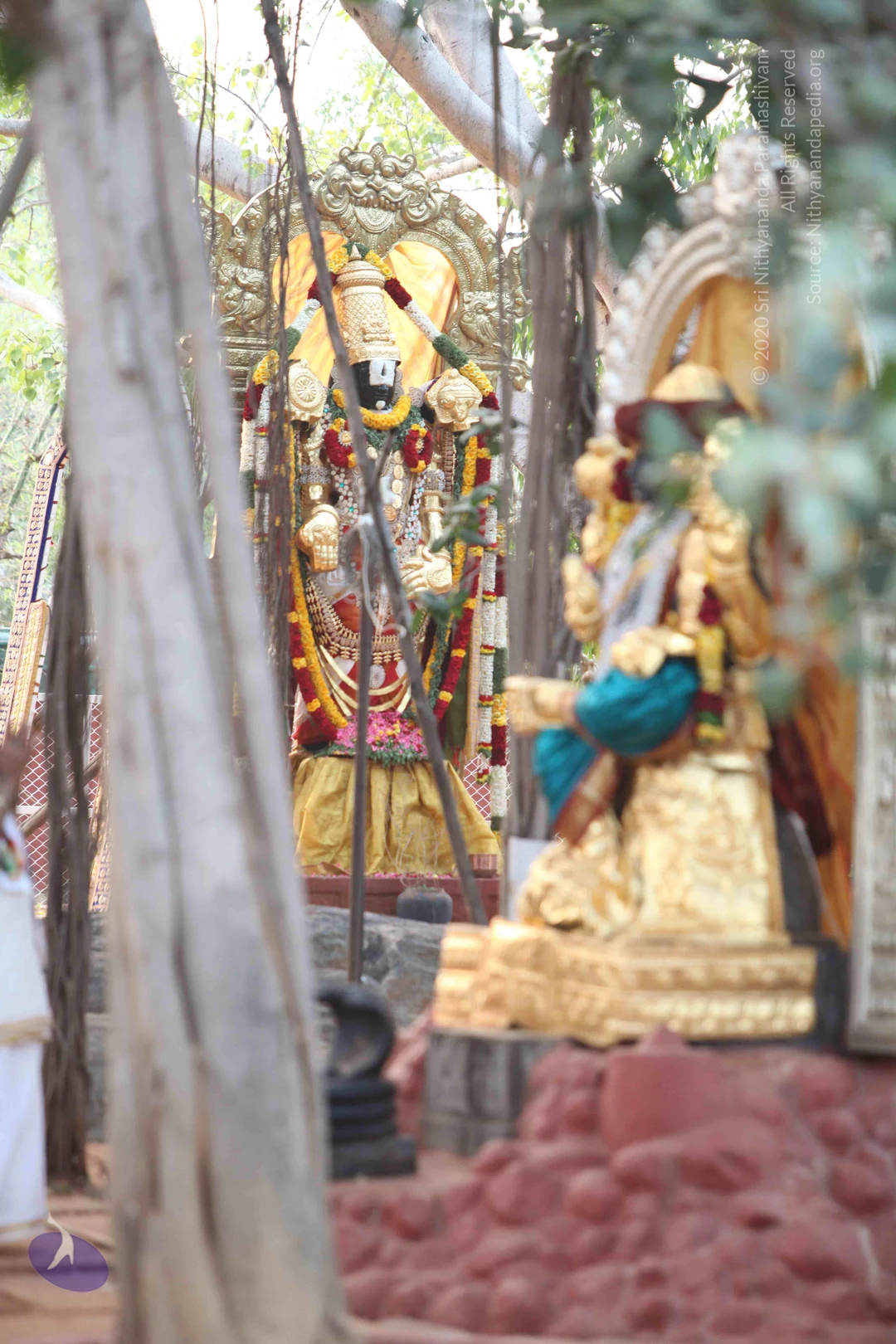
03-Deity-Darshan
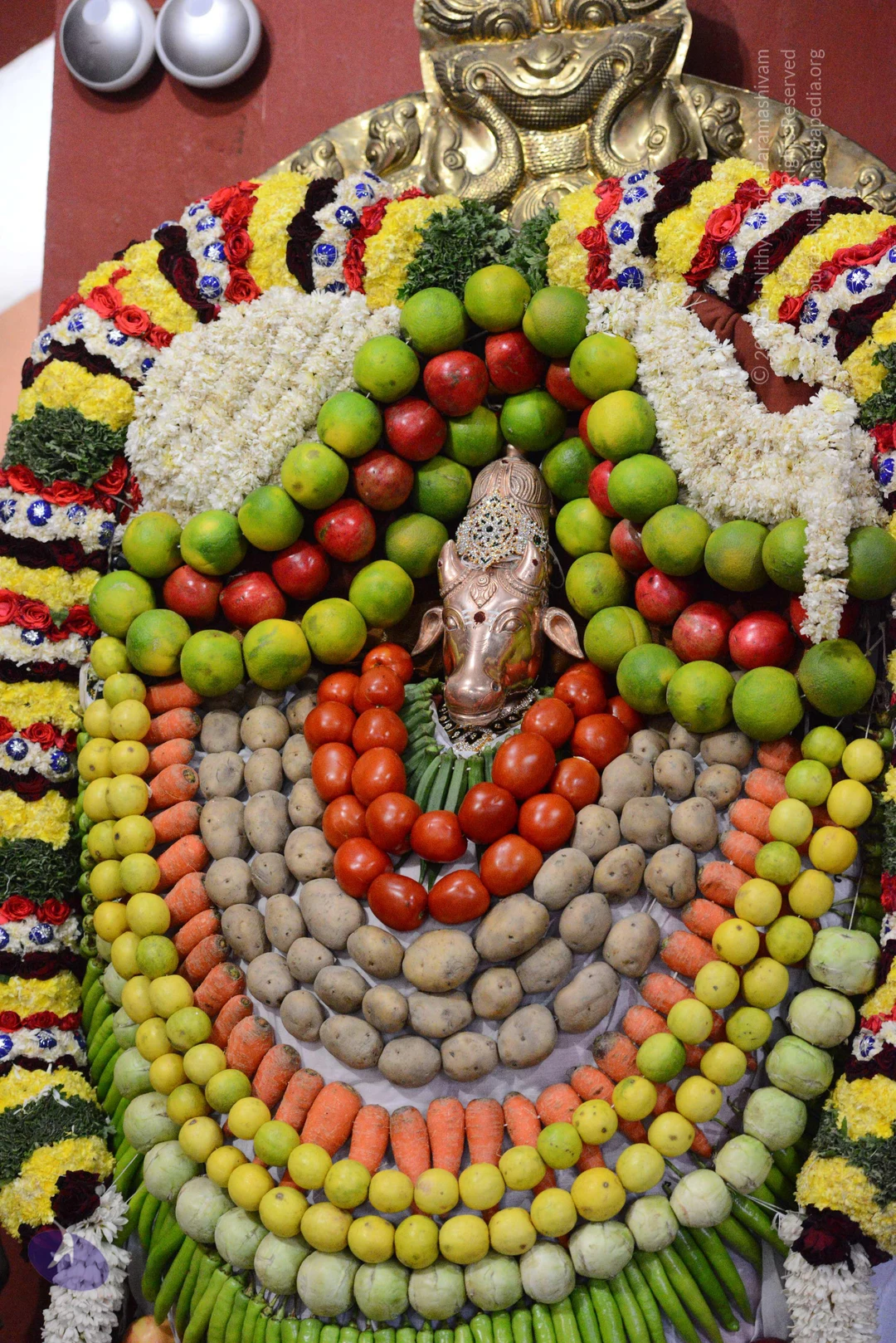
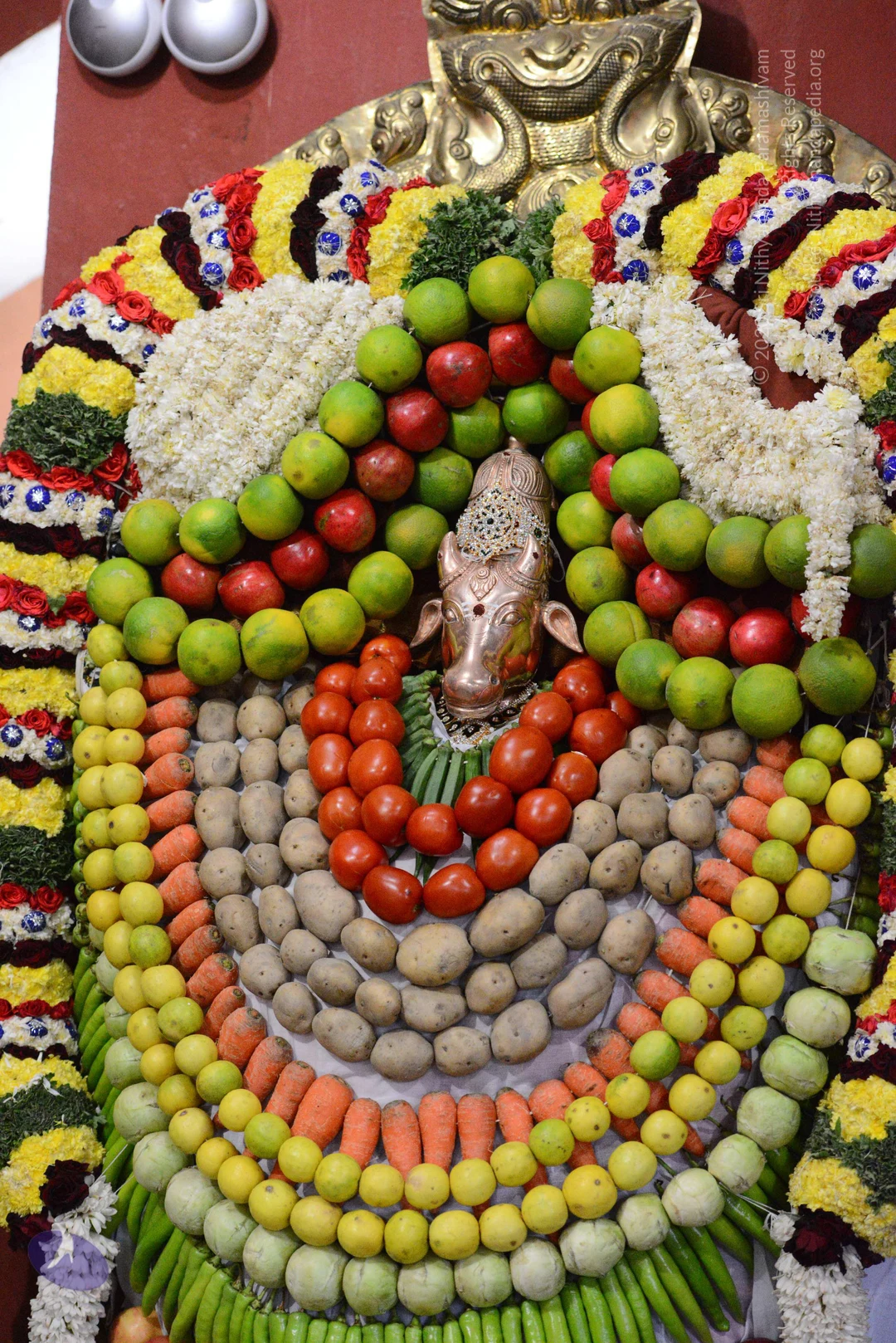
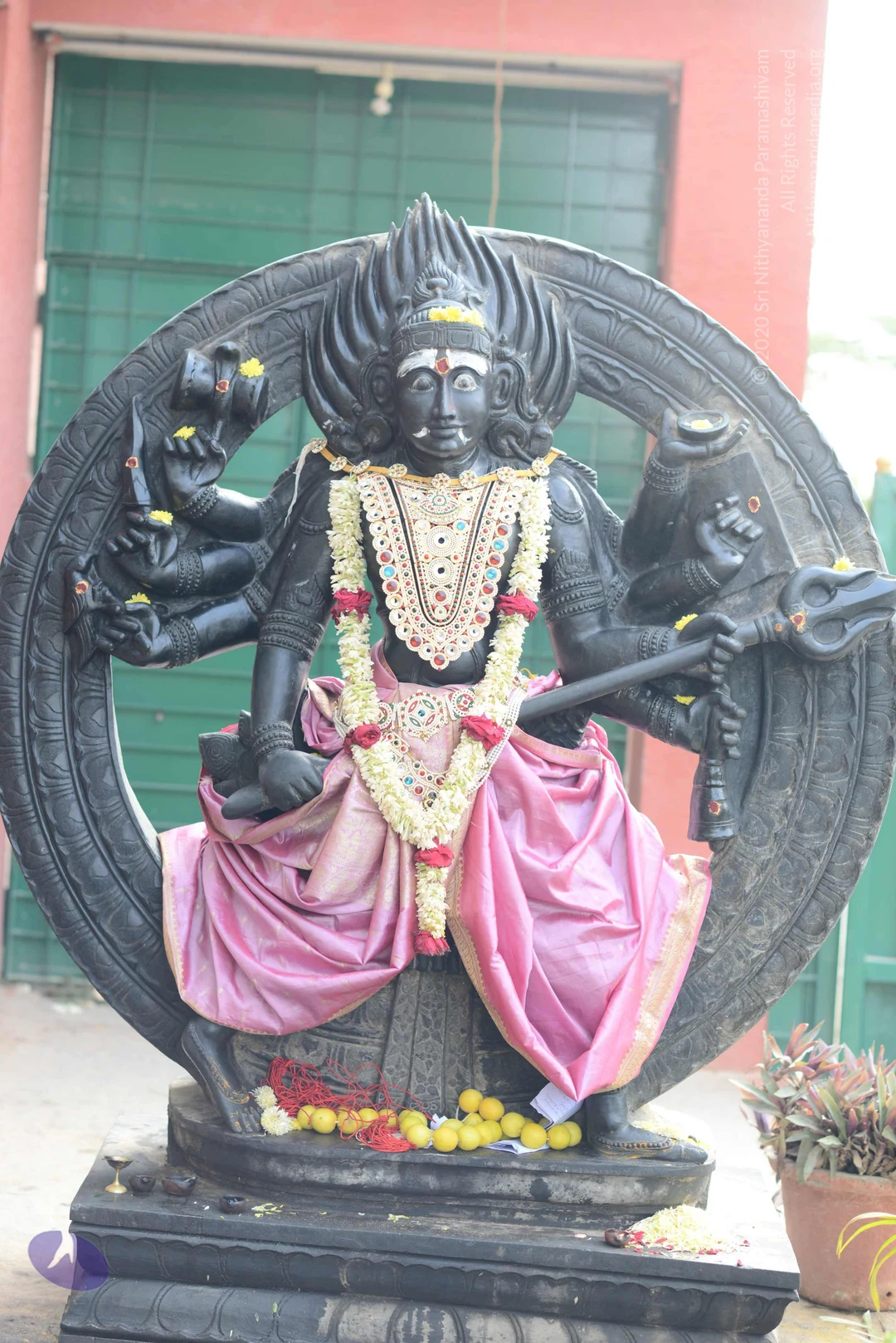
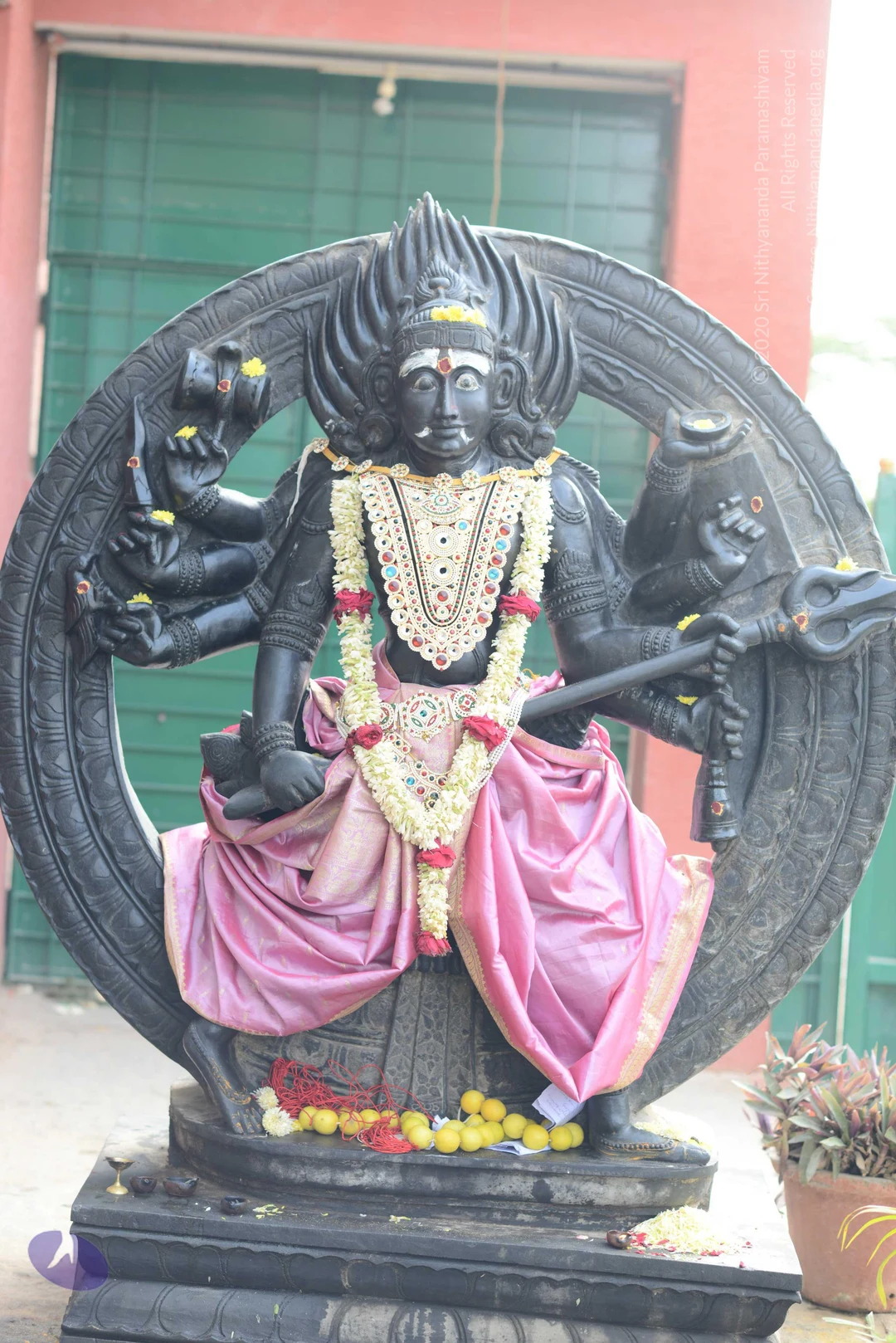
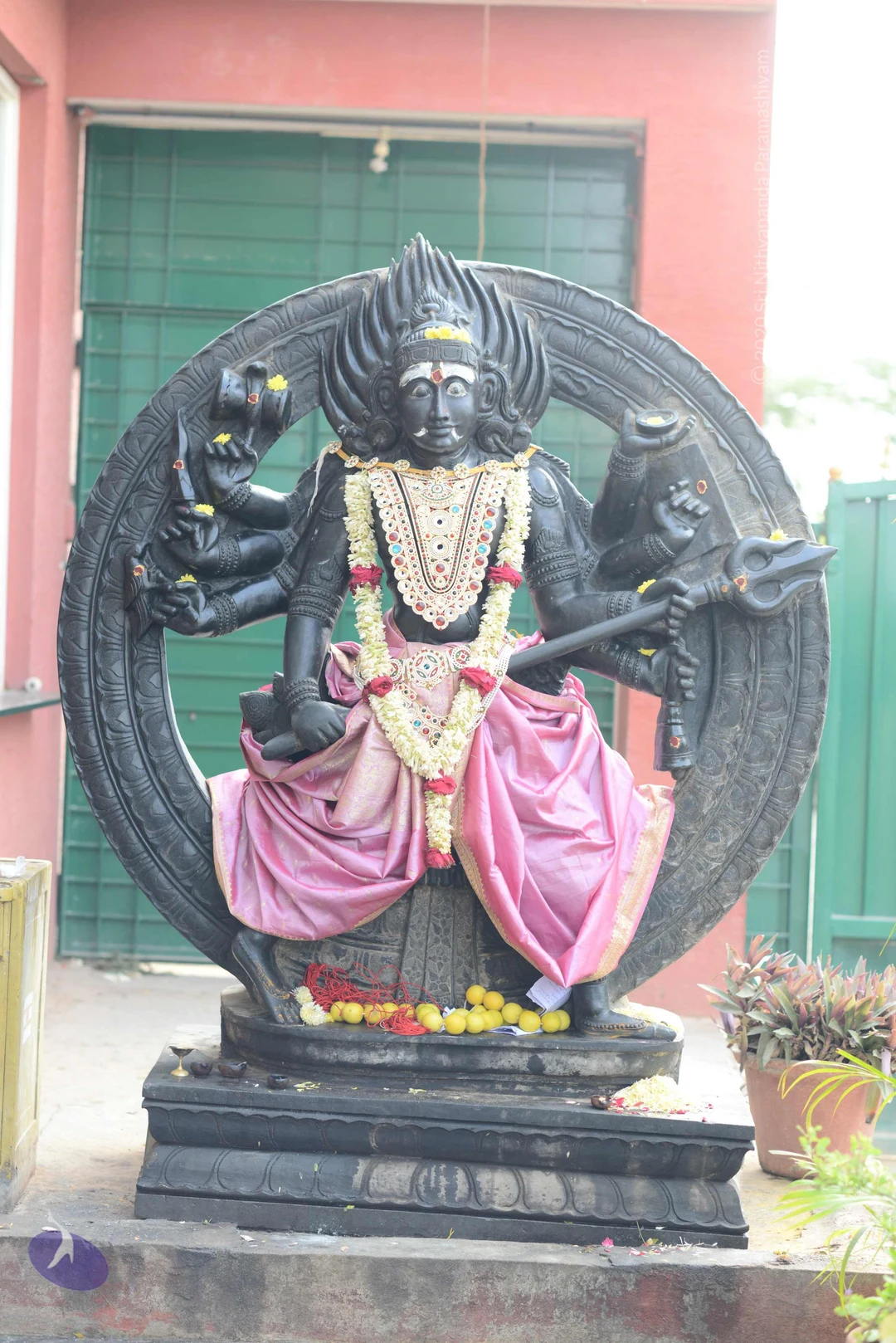
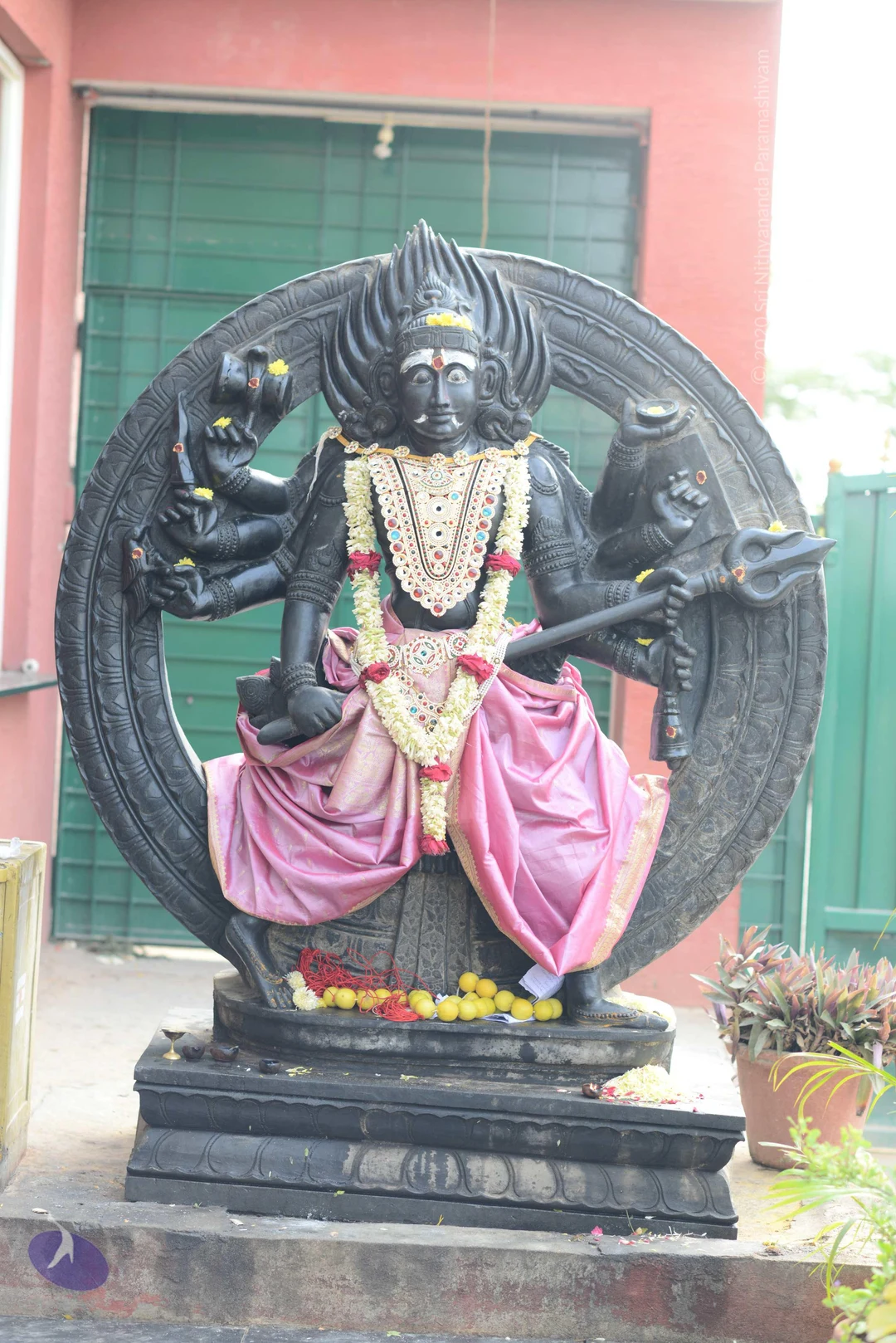
,
Photos from this day
View all 1,003 photosPROCESSION-TO TEMPLE-WITH-NIJA-PADAS
59 photosSource gallery
TEMPLE
21 photosSource gallery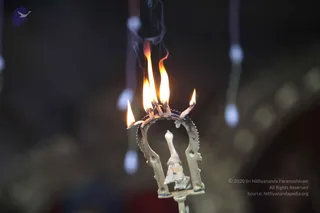
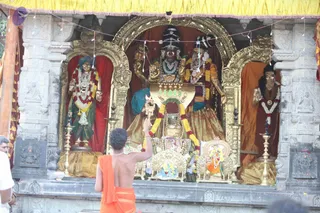
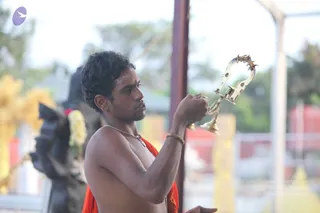
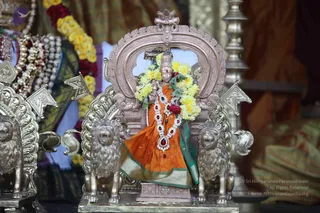
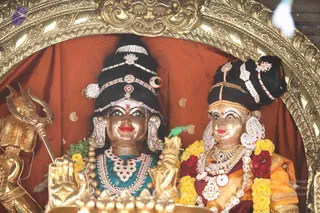
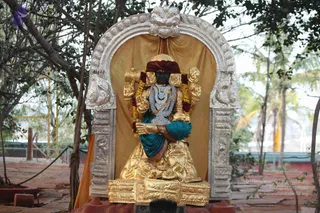
PADA-POOJA
28 photosSource gallery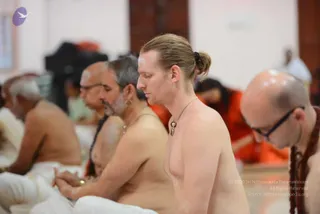
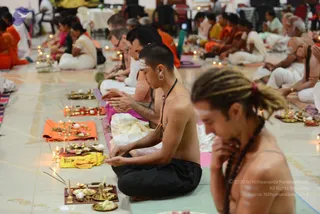
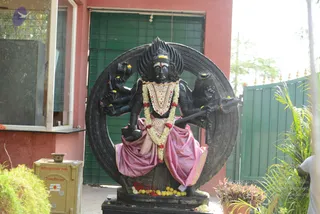
KALABHAIRAVA-DEITY
8 photosSource gallery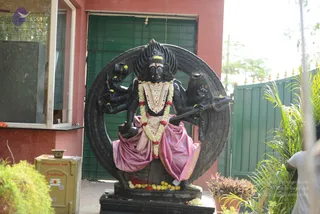
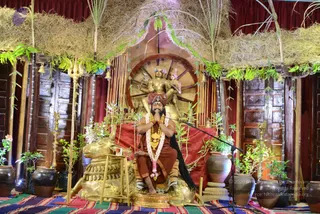
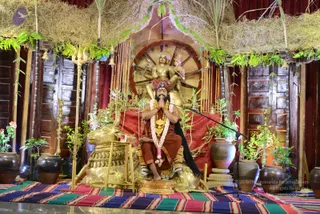
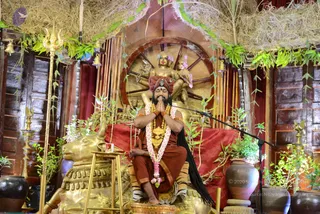
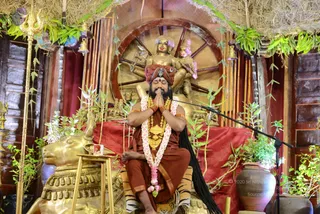
WEBINAR
231 photosSource gallery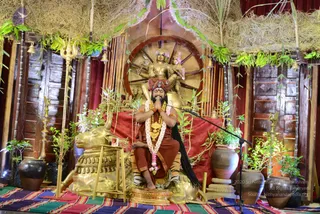
SARVA-DARSHAN
61 photosSource gallery
COURTYARD-POWER-MANIFESTATION-SESSION-MATERIALISATION
45 photosSource gallery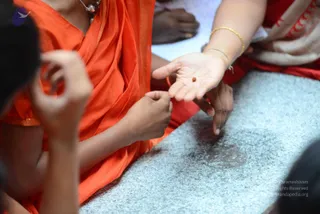

COURTYARD-POWER-MANIFESTATION-SESSION
47 photosSource gallery