Wednesday
27 January 2016
30 Days To Enlightenment
- Dated photos
- 89
- Source pages
- 1
- Media
- 2
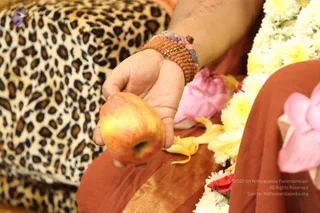
January 27 2016
Original wiki pageTitle:
30 Days To Enlightenment
Narration
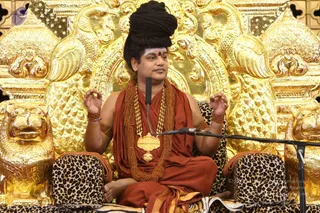
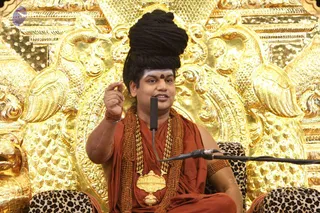
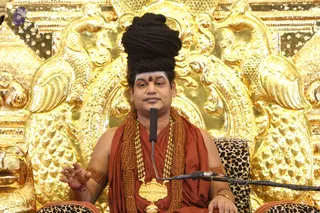
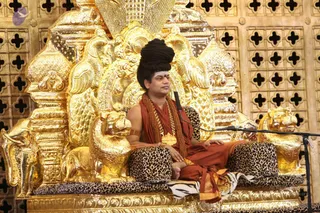
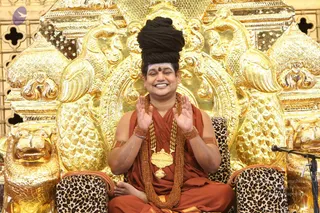
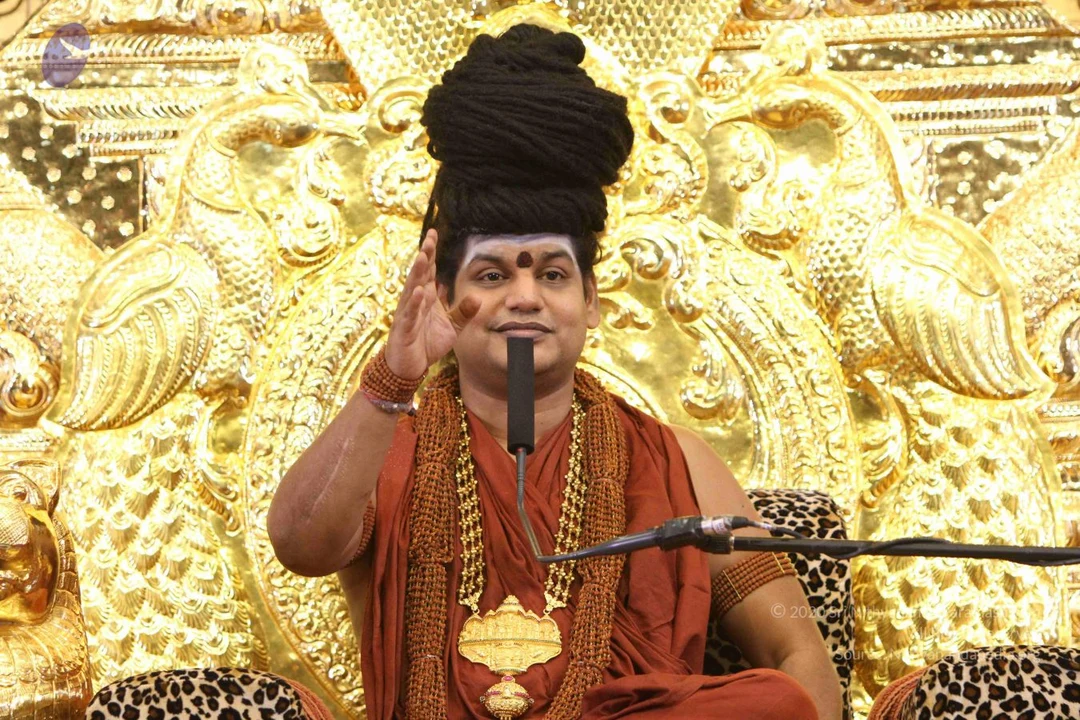
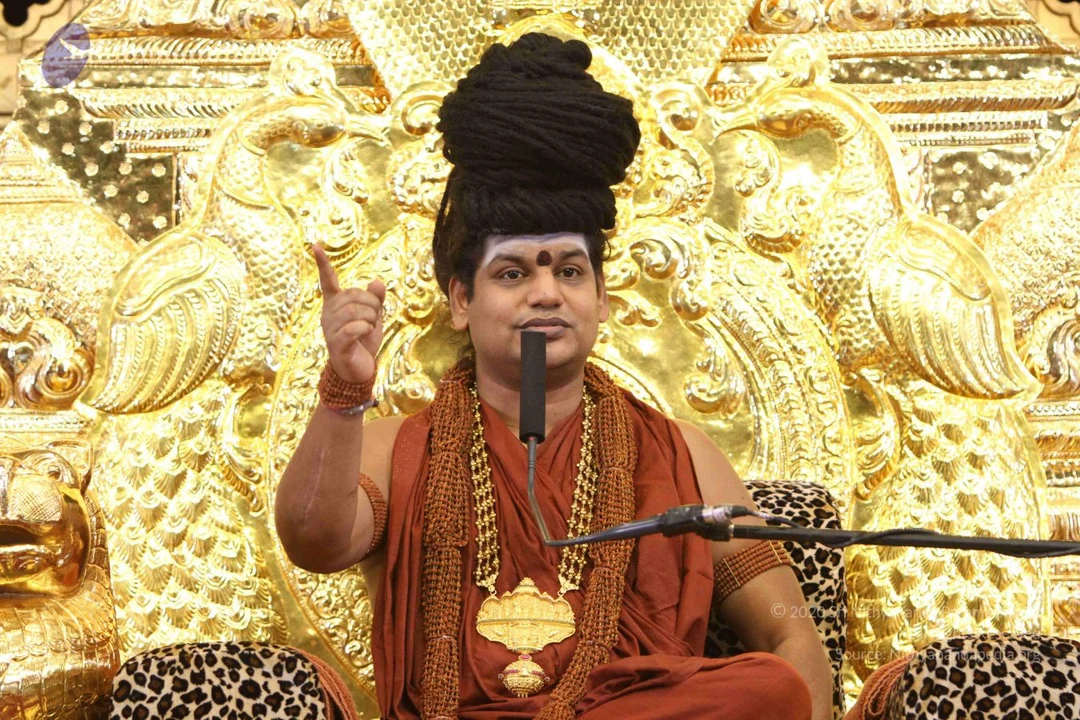
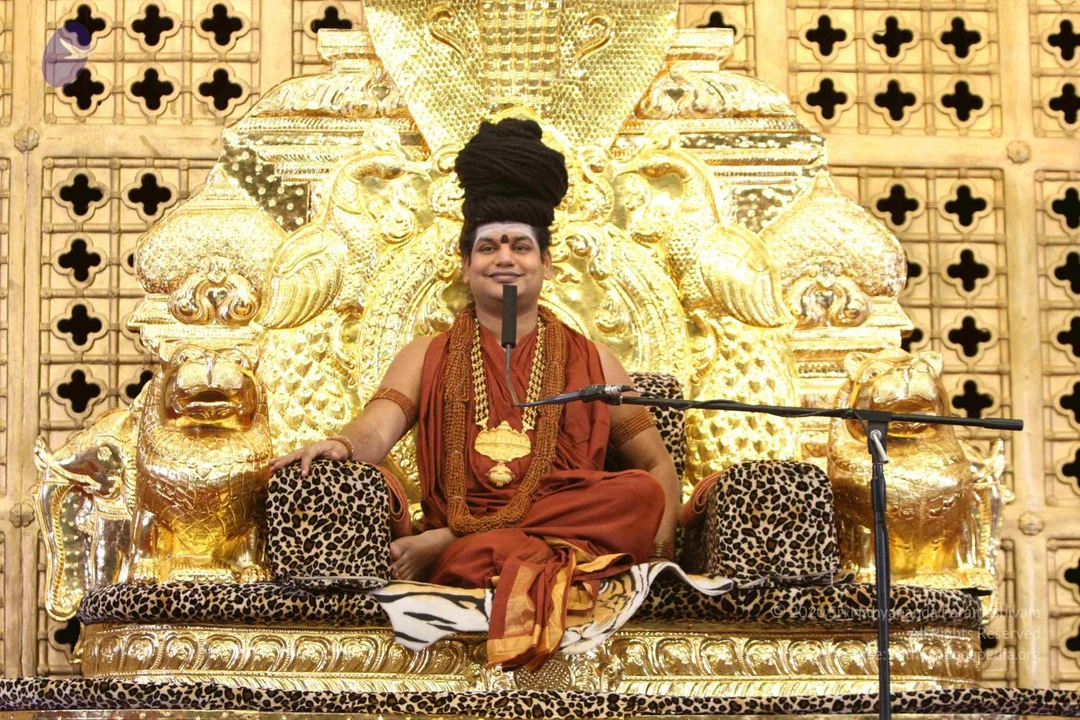
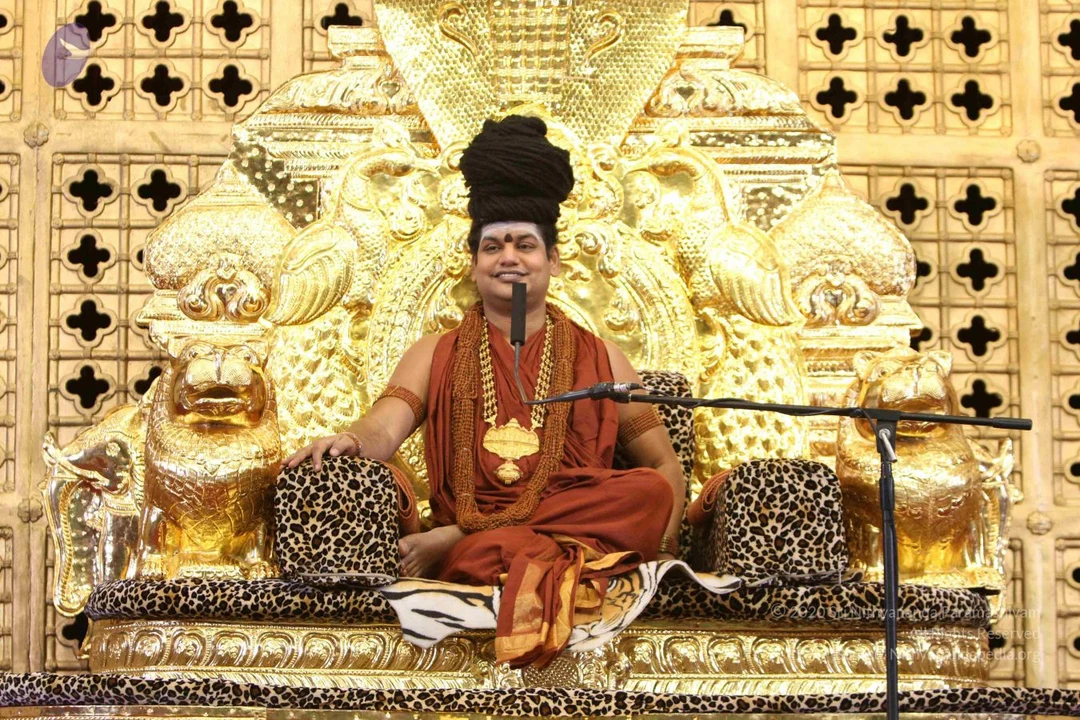
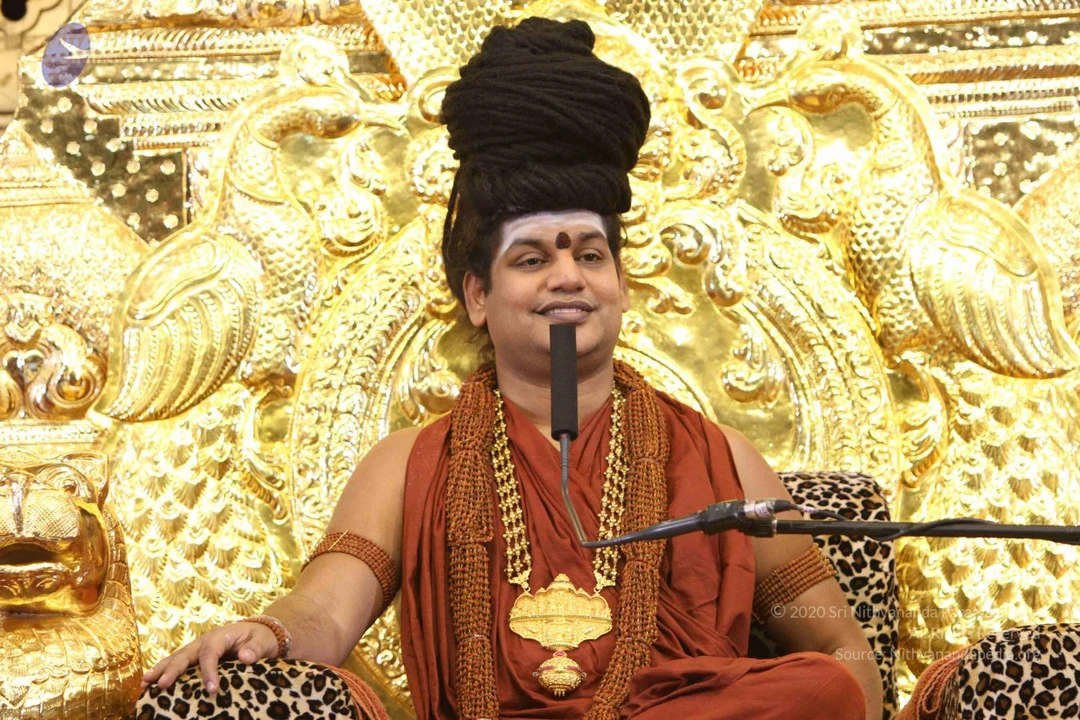
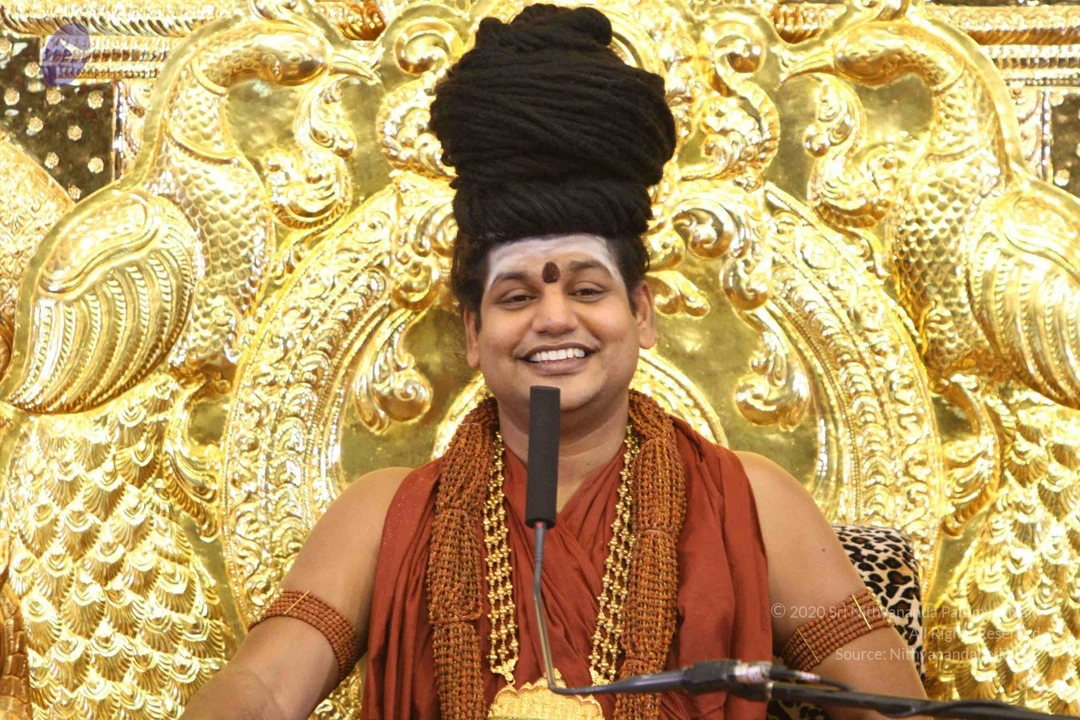
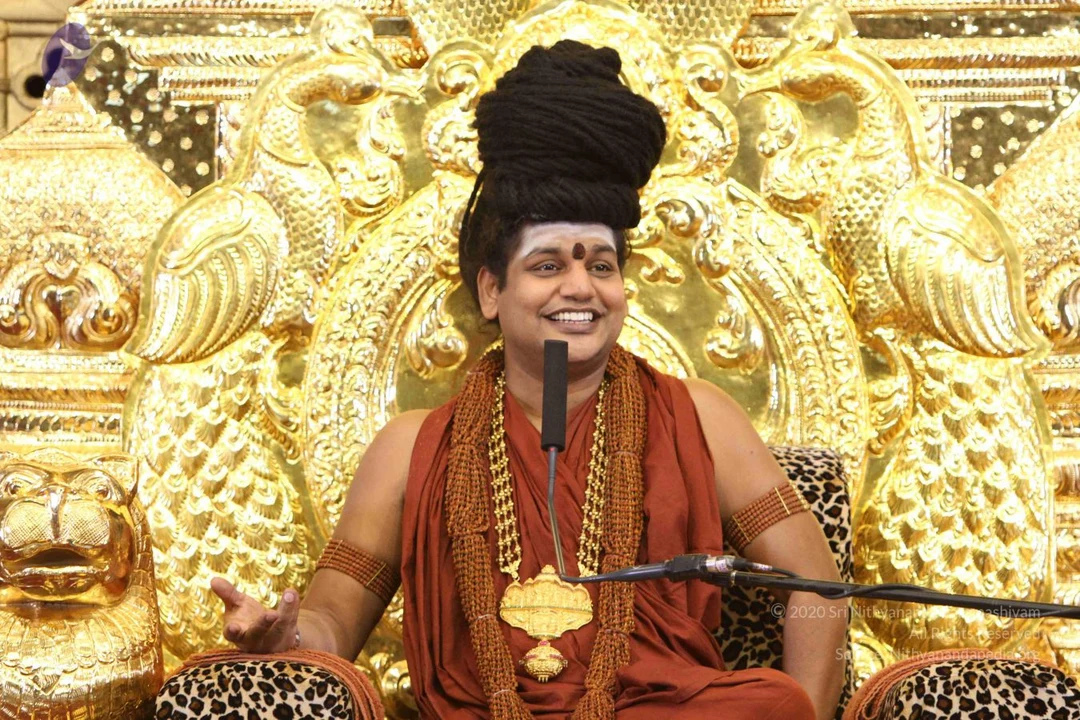
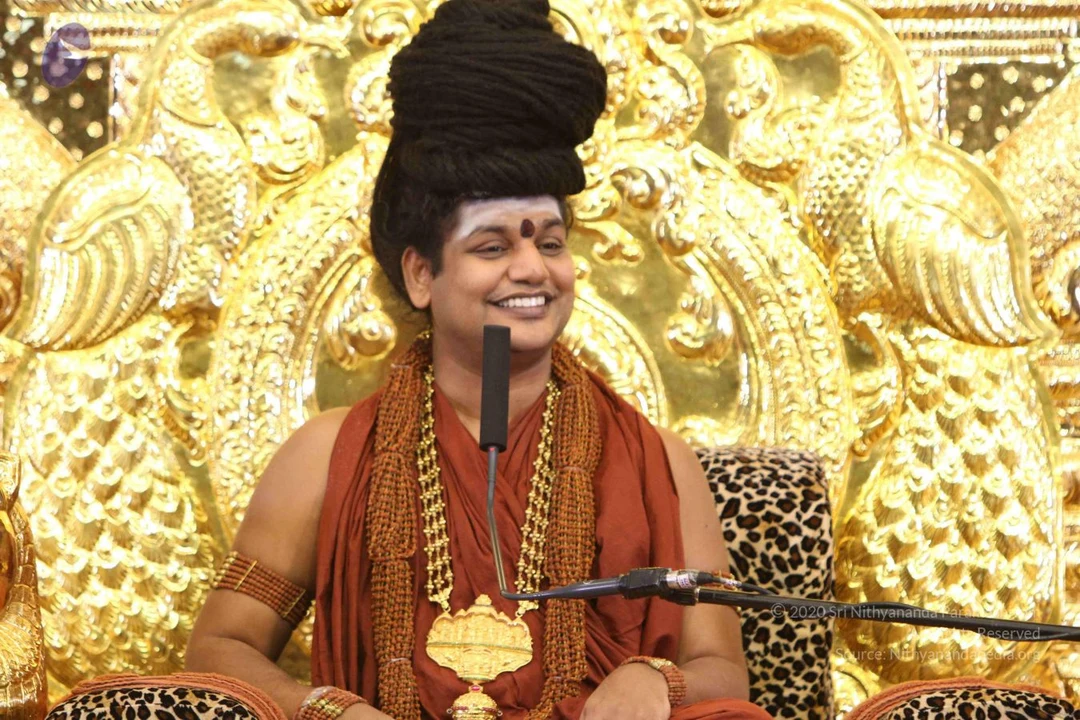
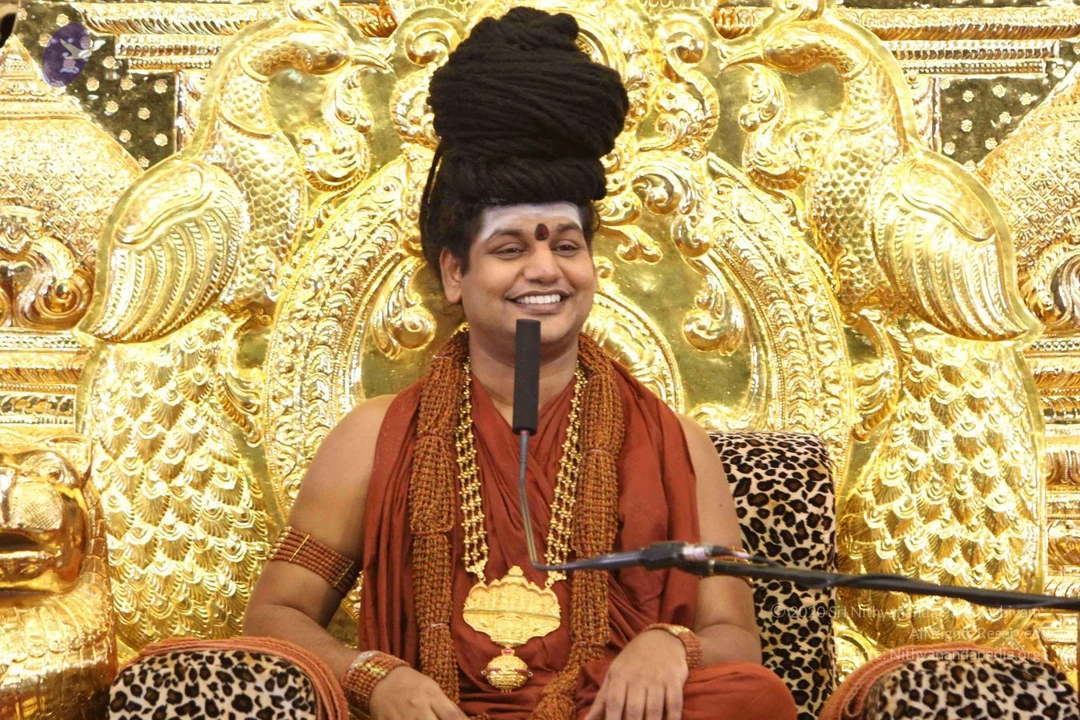
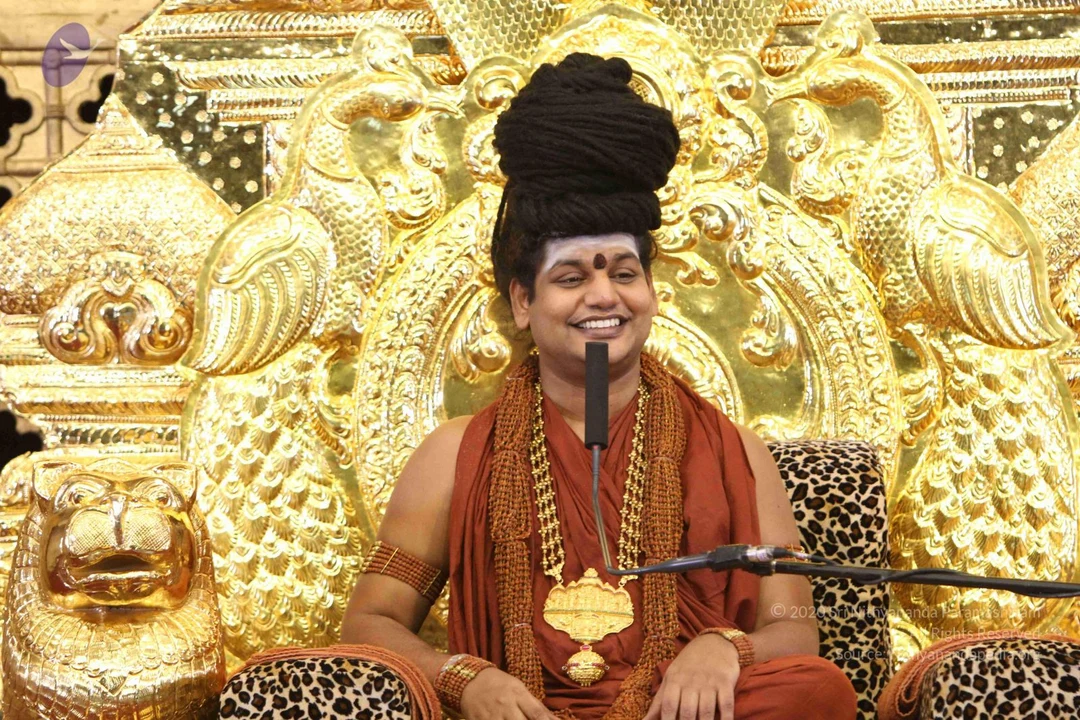
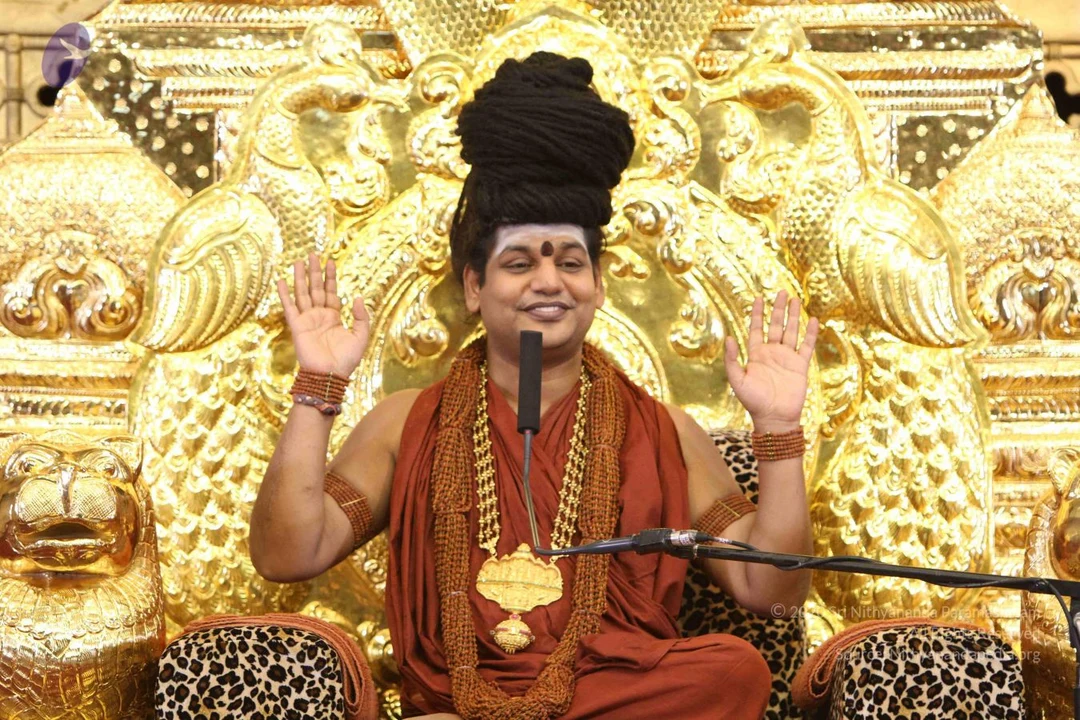
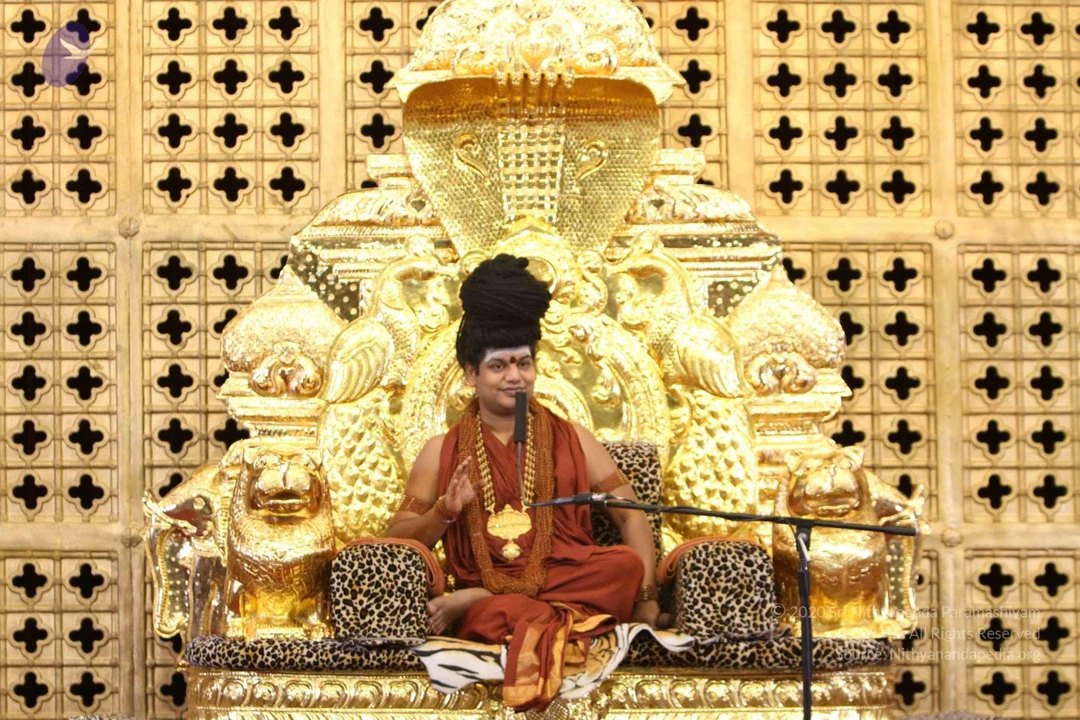
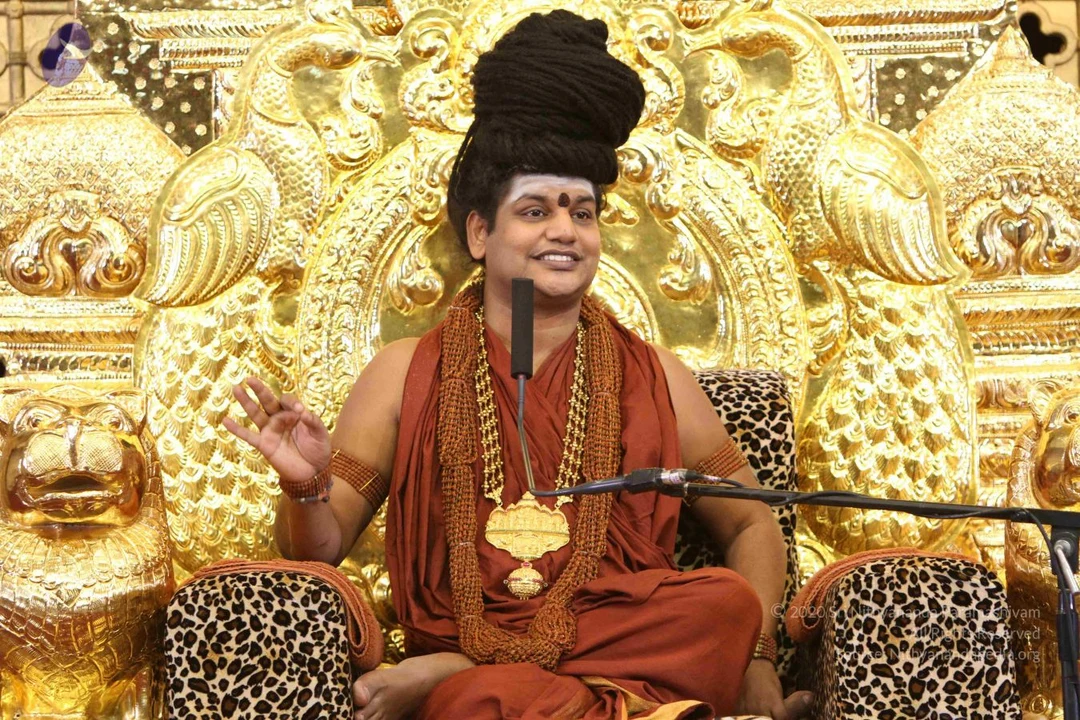
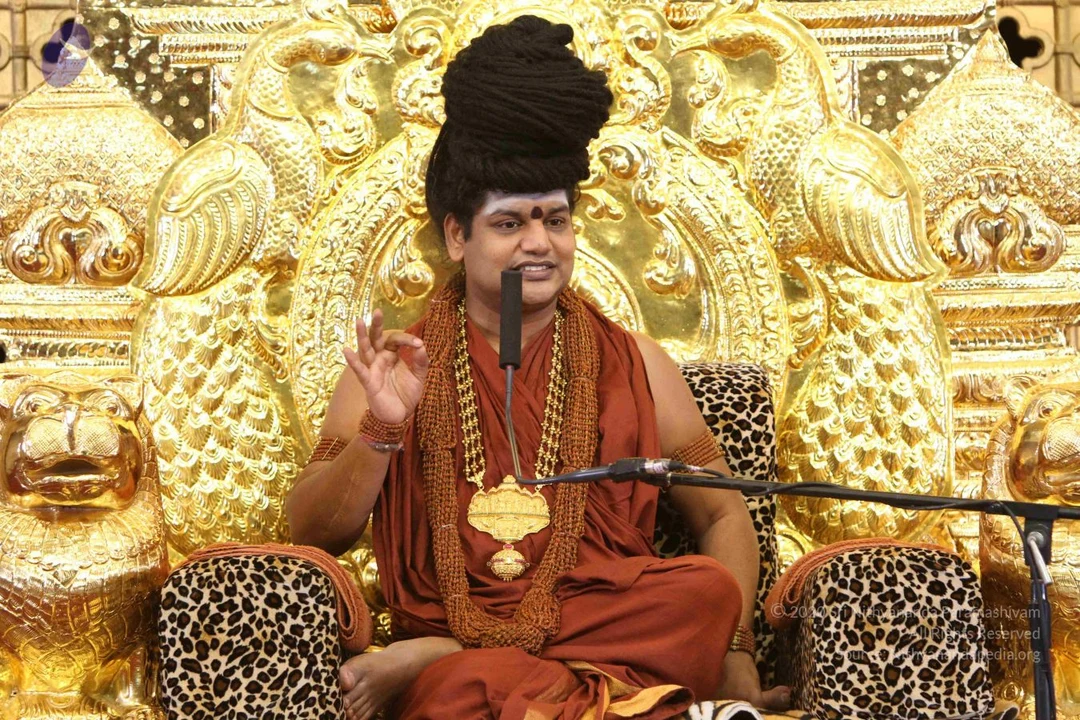
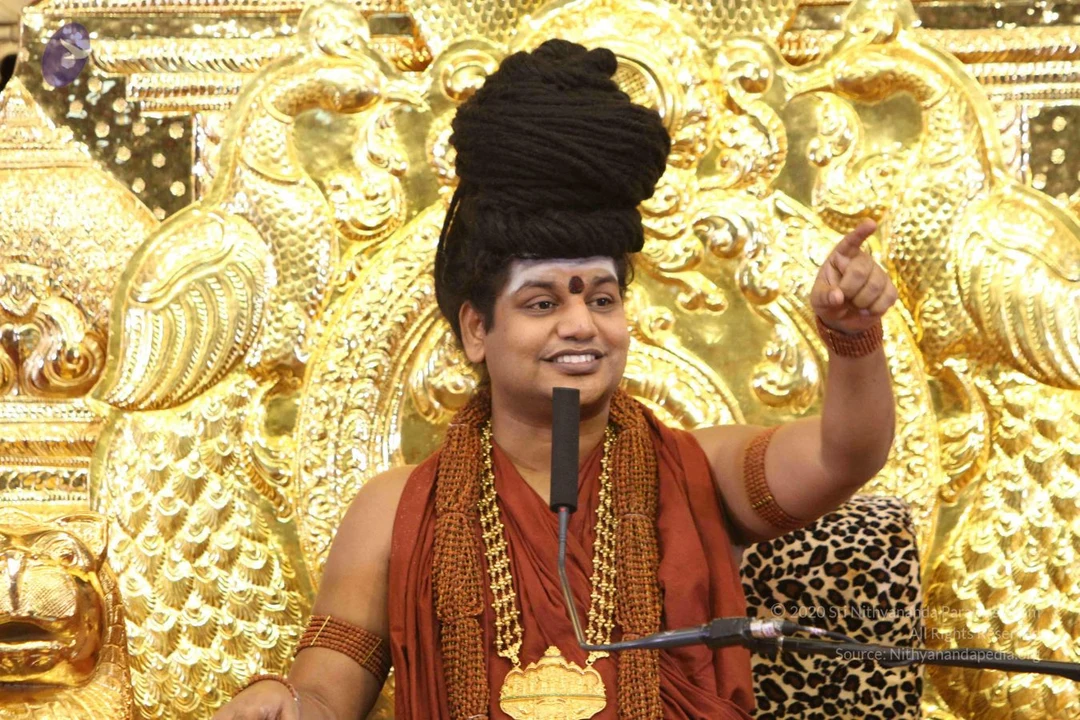
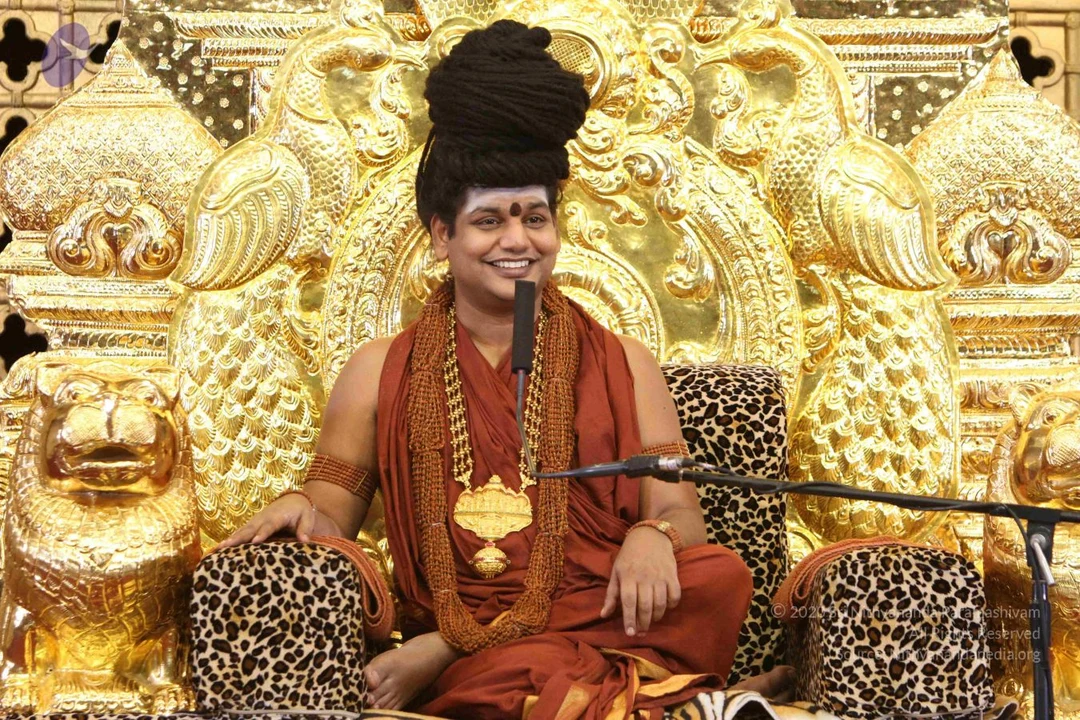
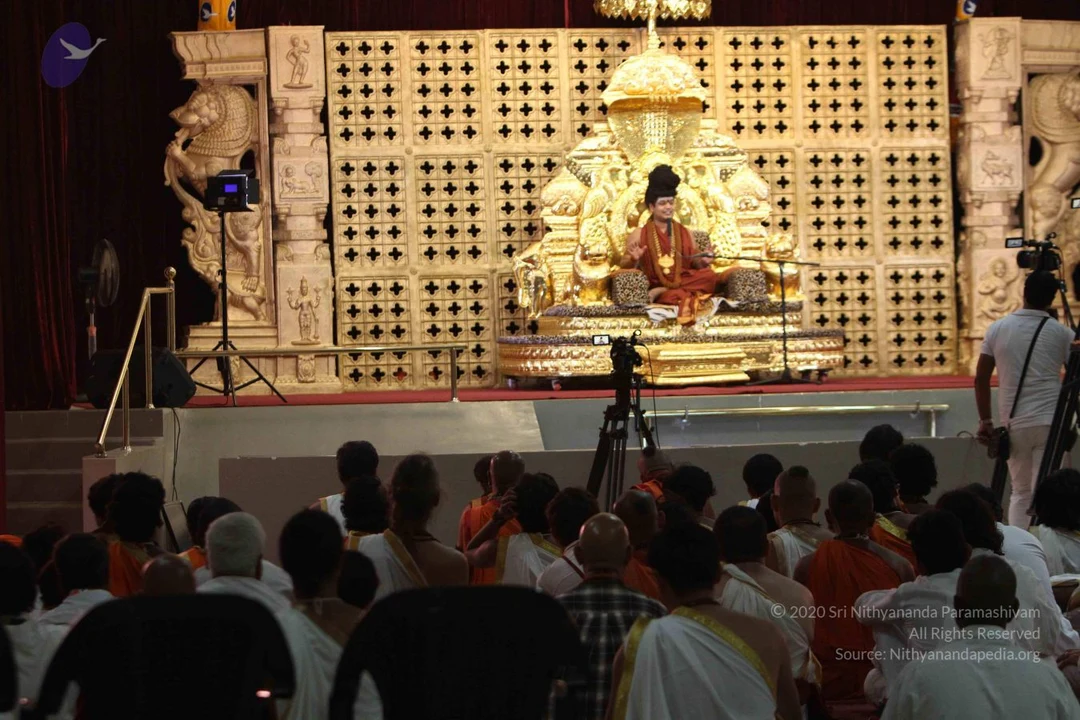
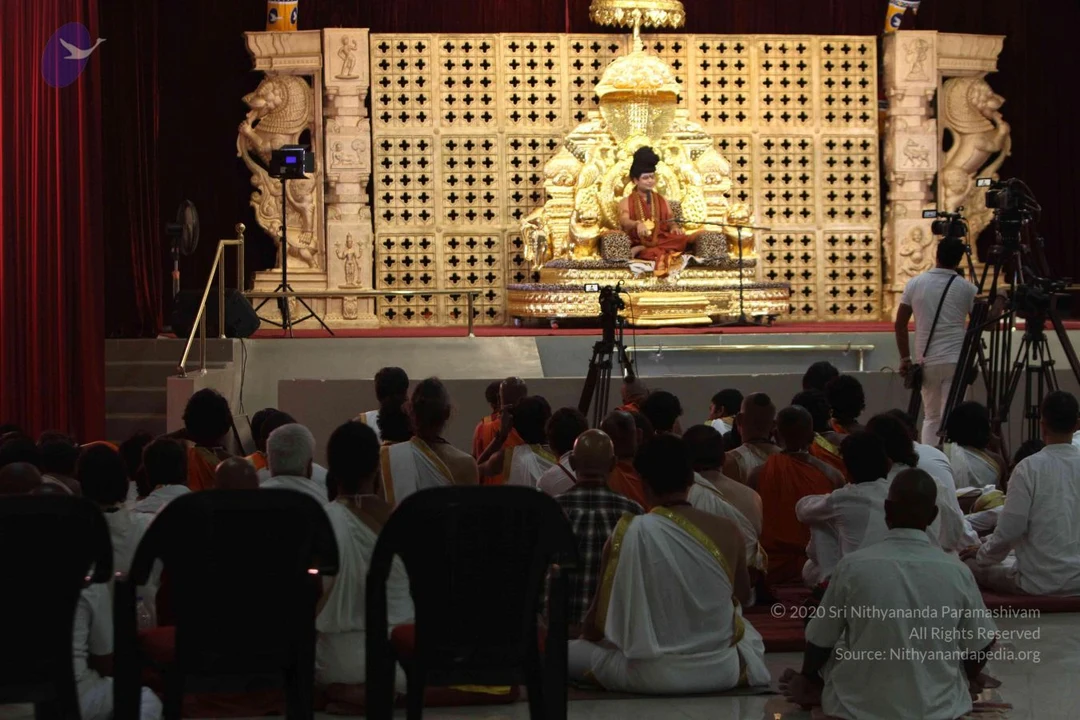
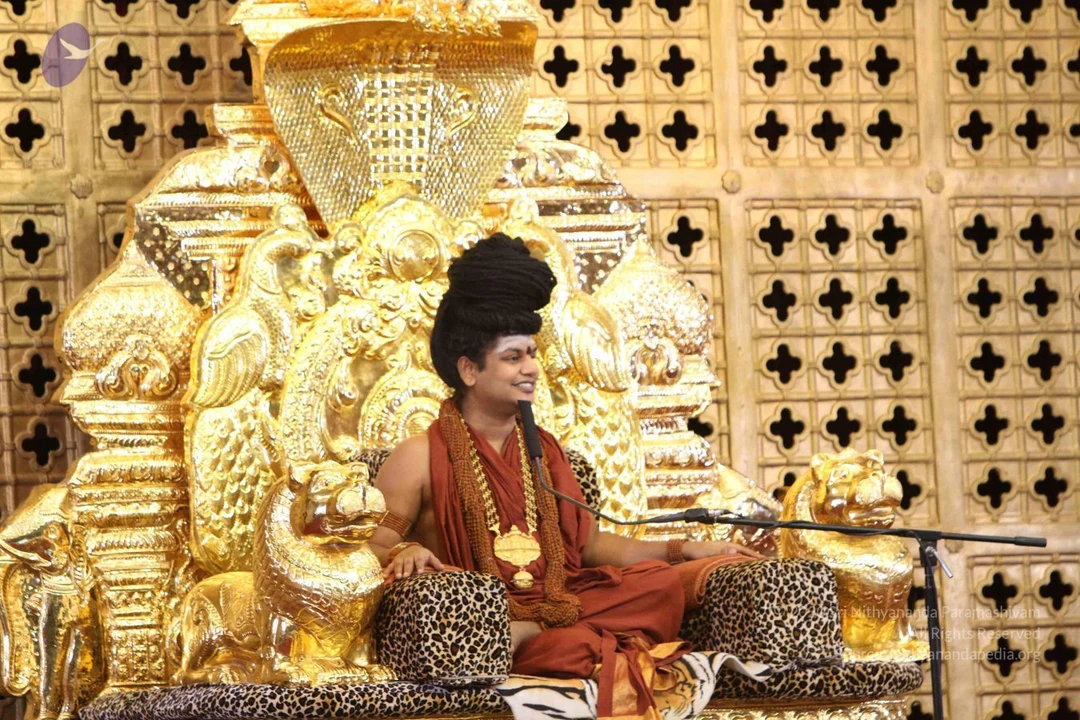
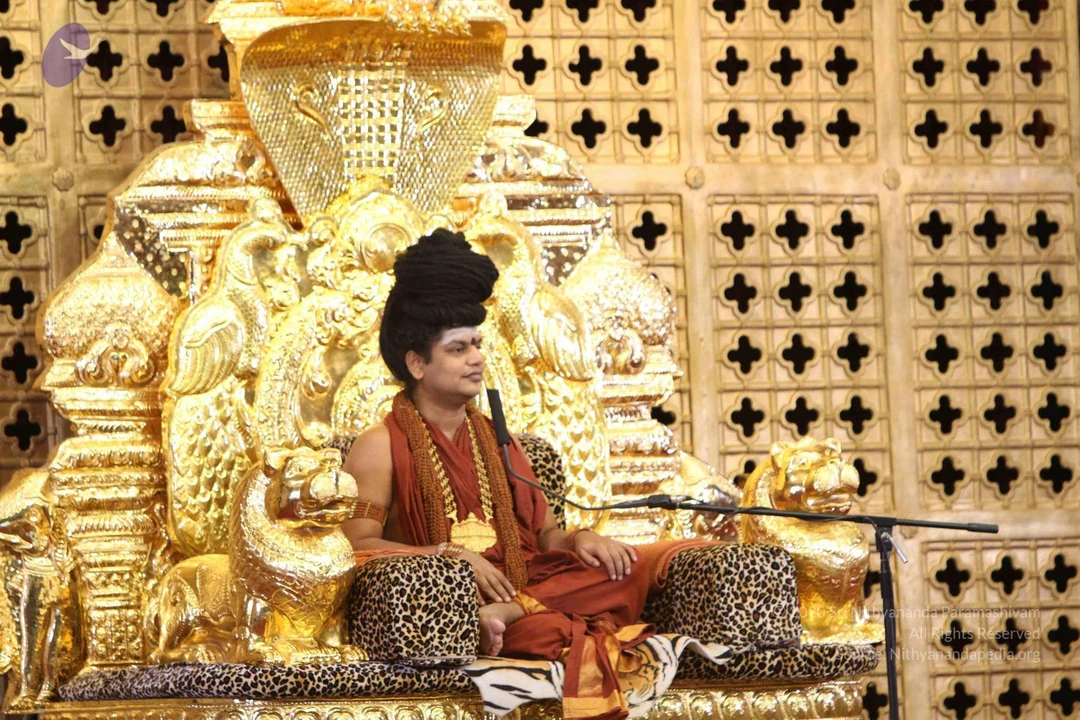
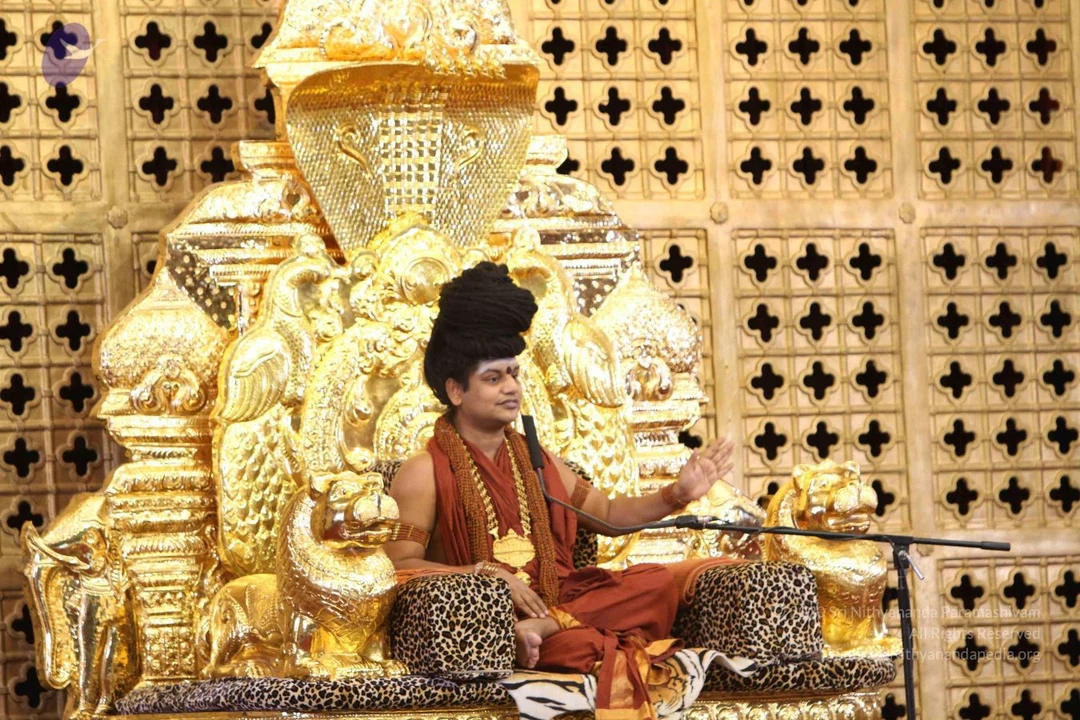
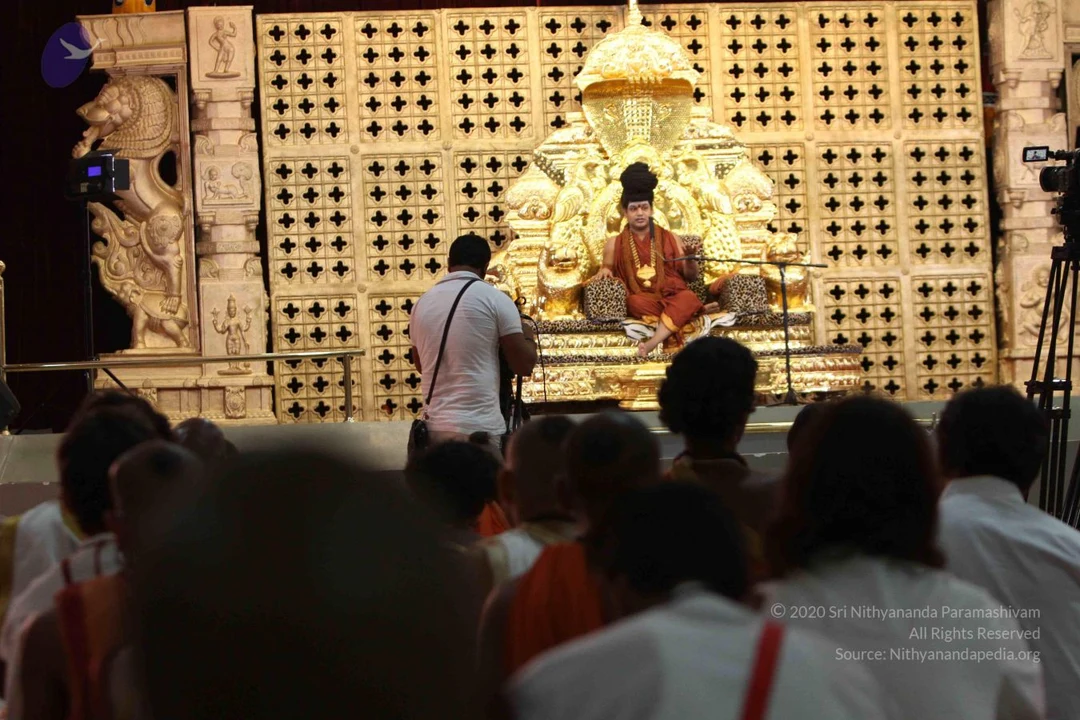
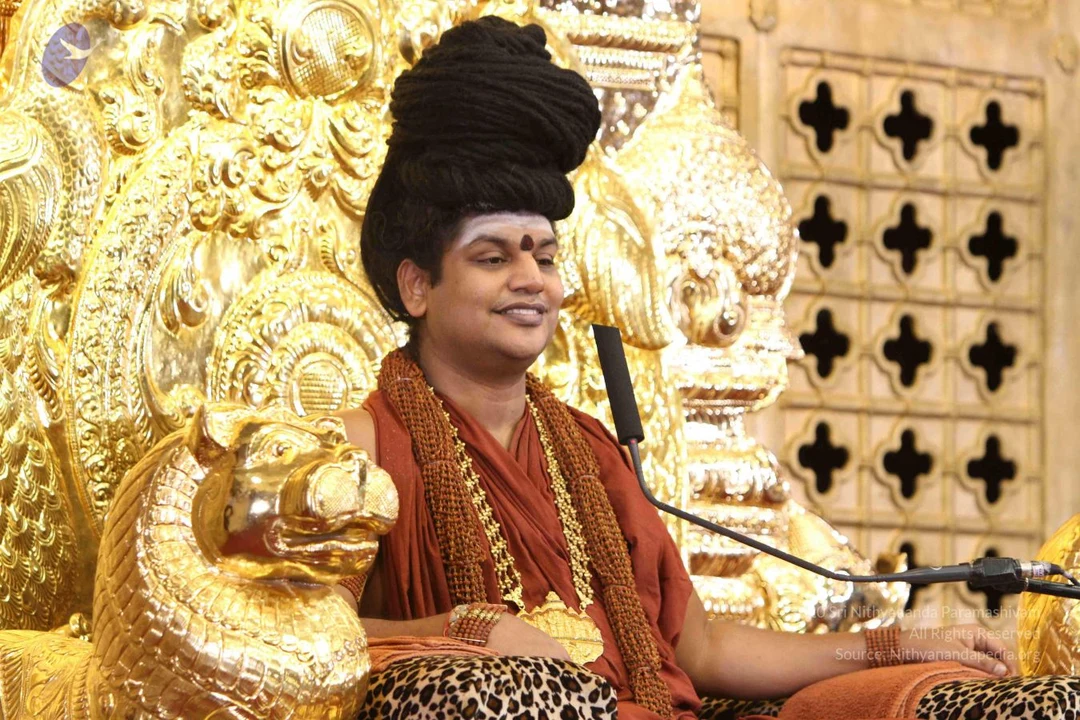
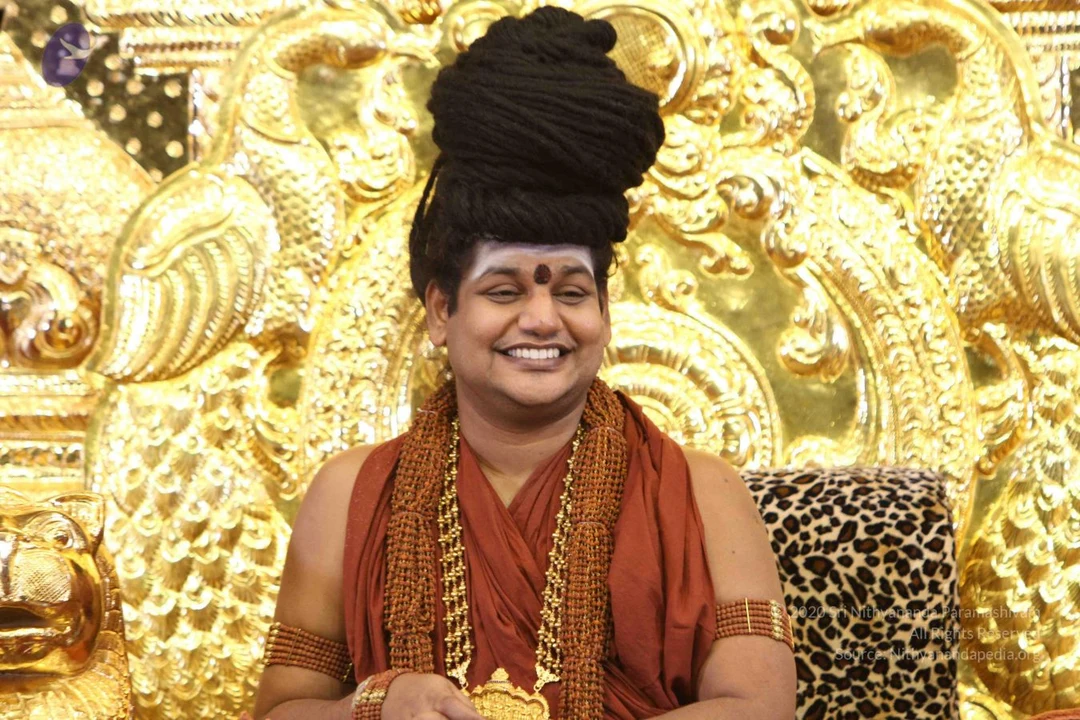
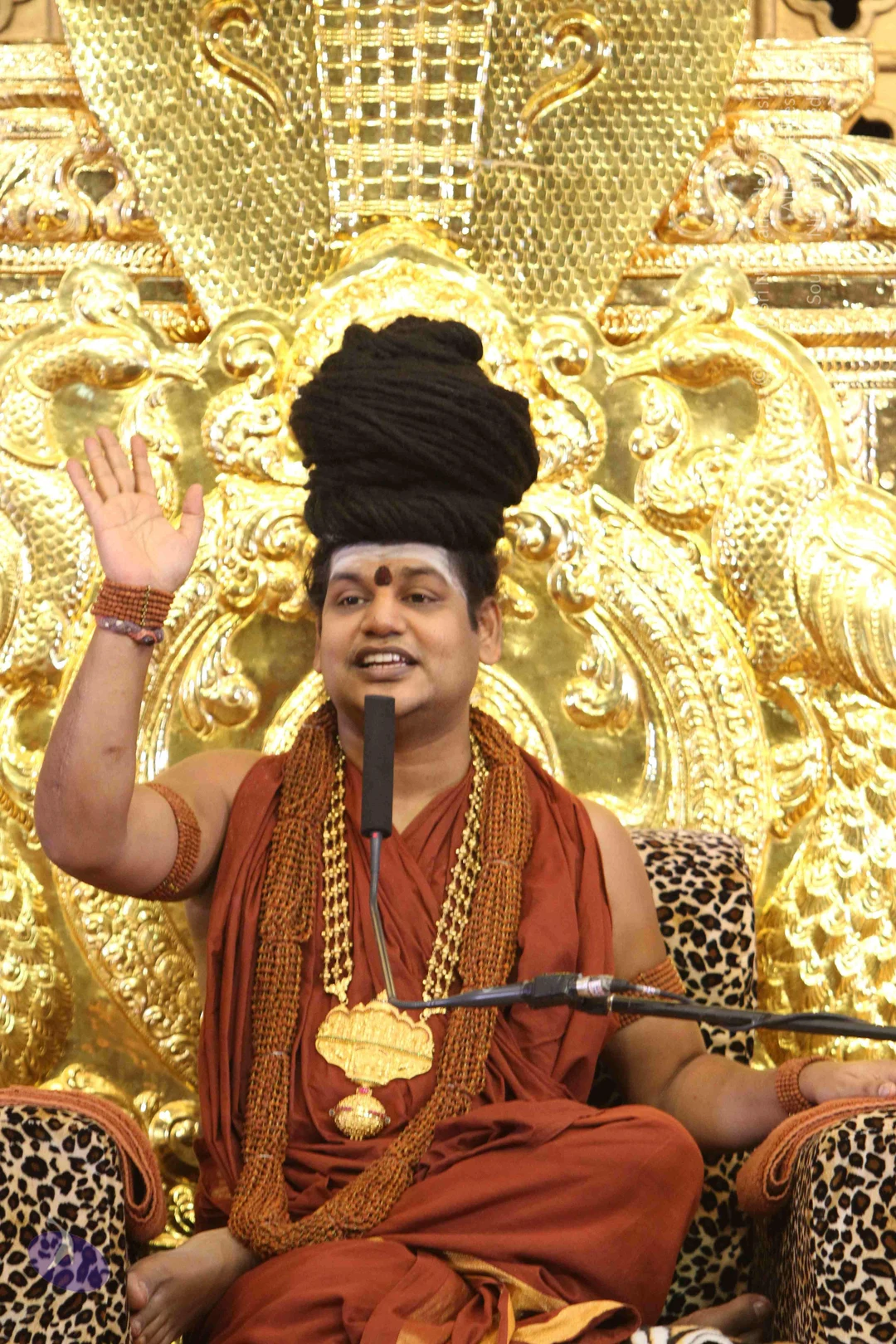
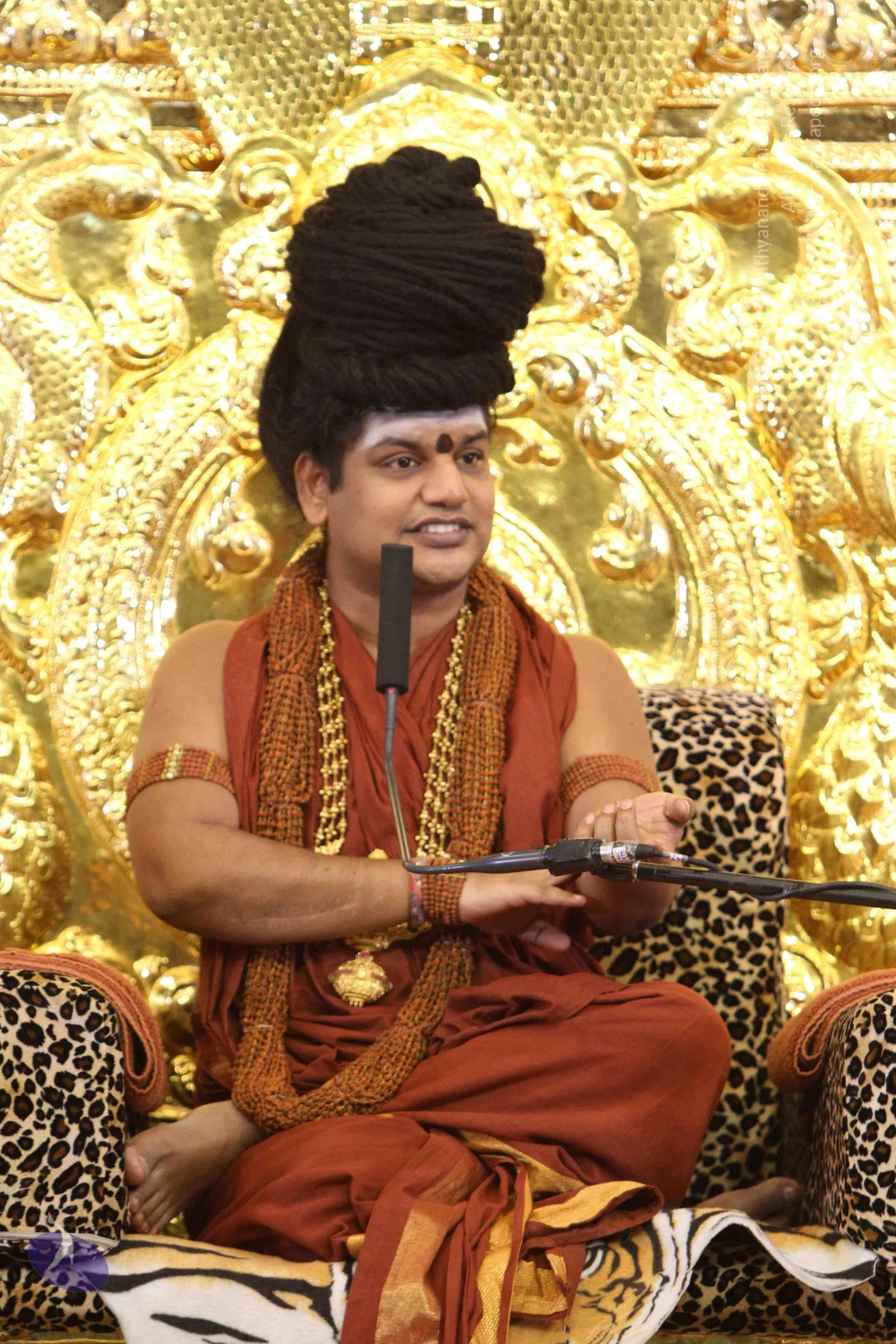
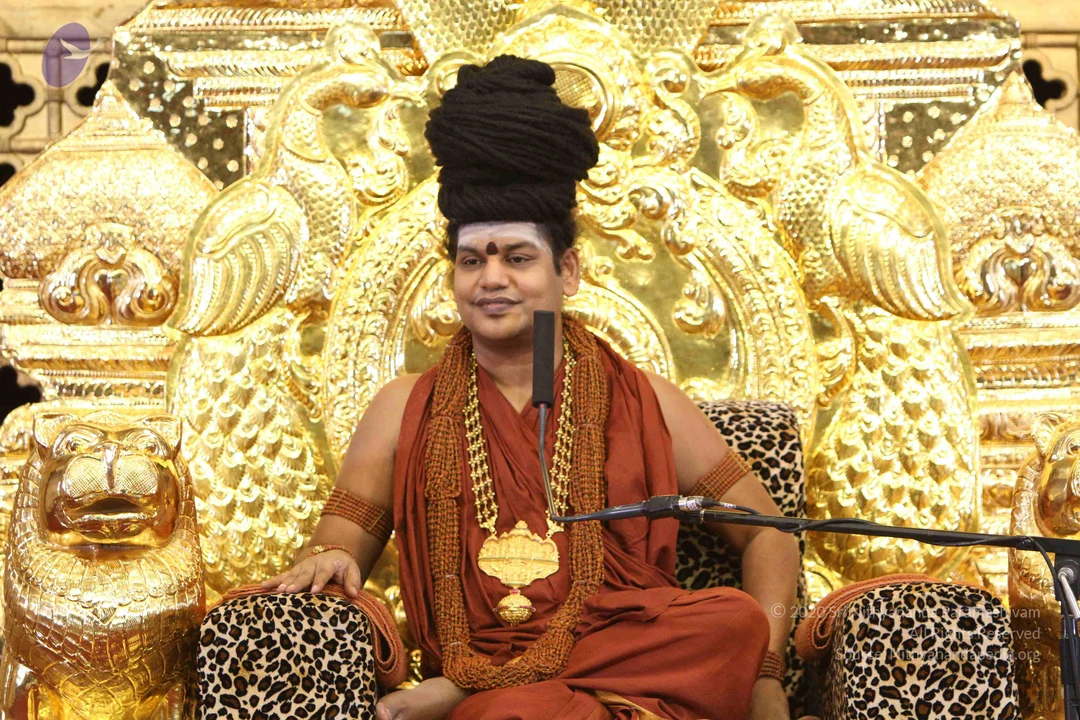
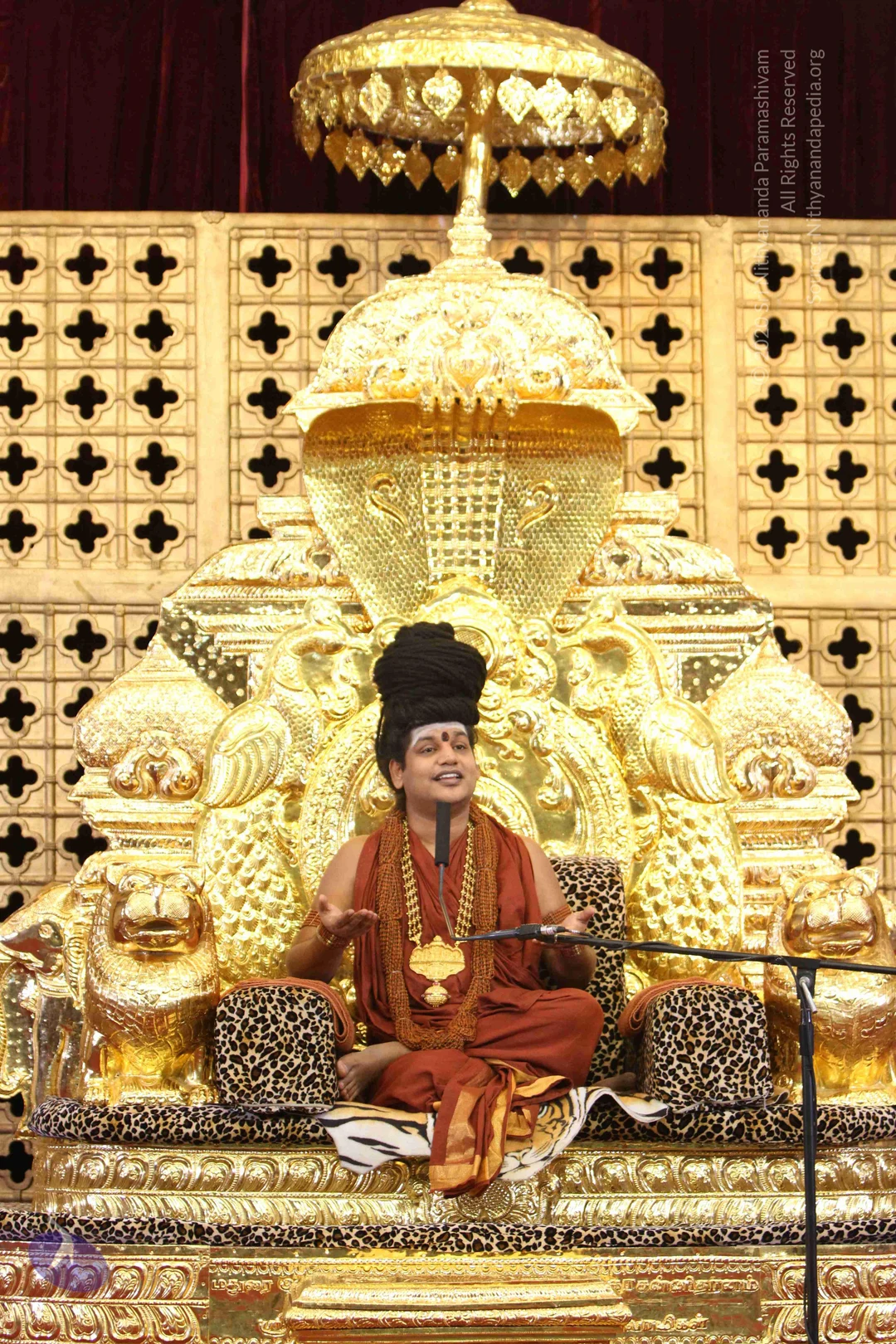
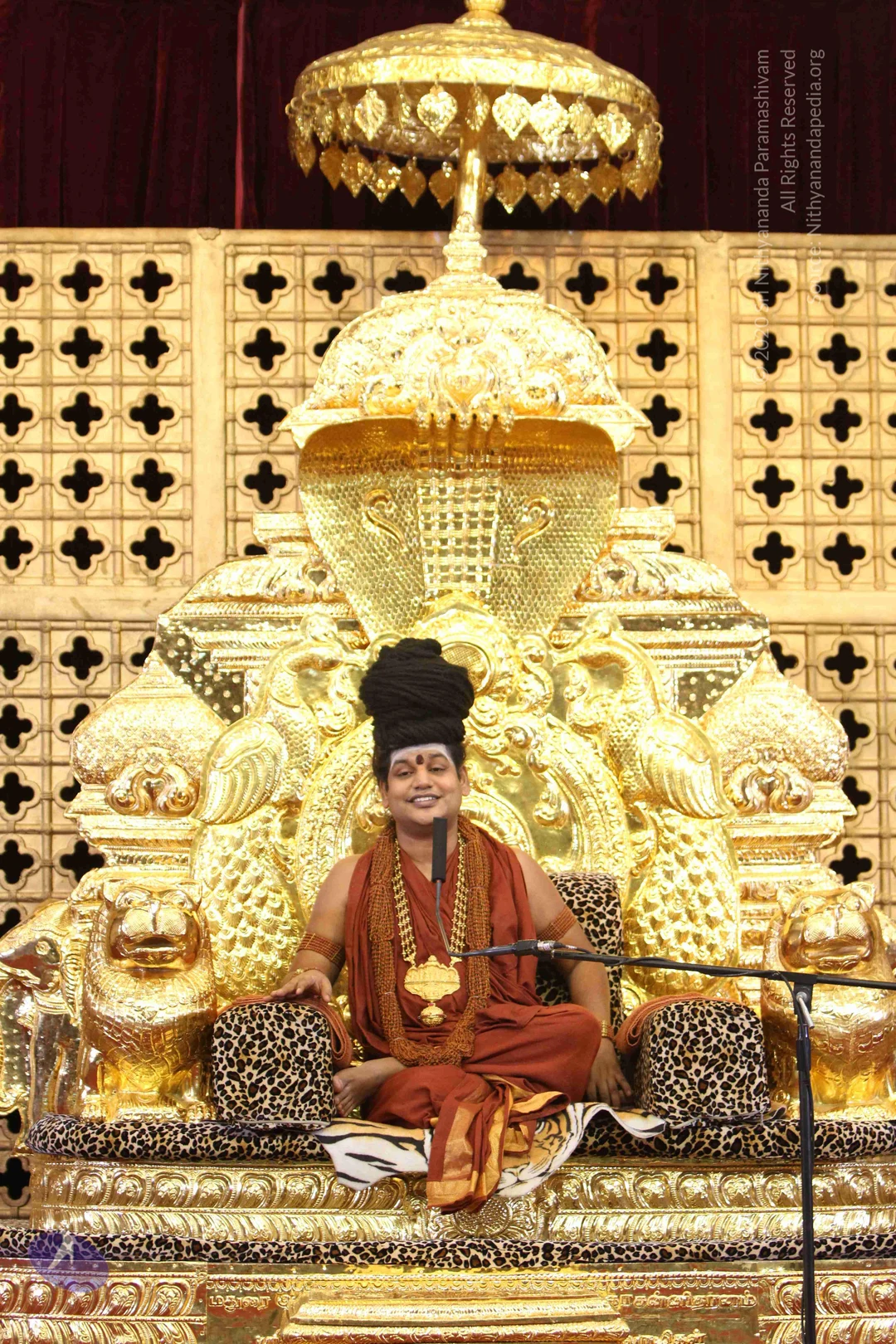
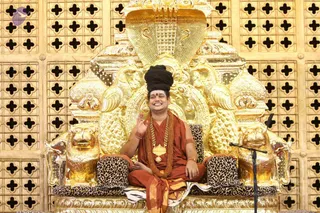
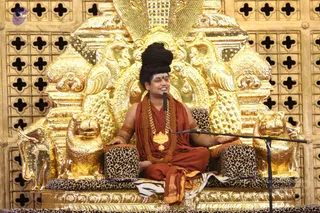
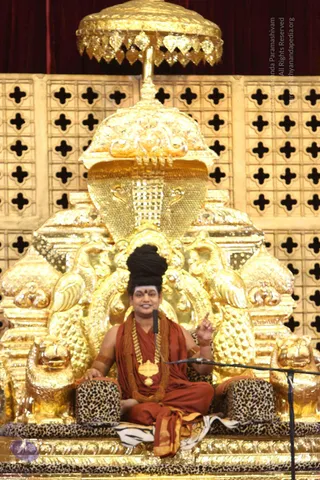
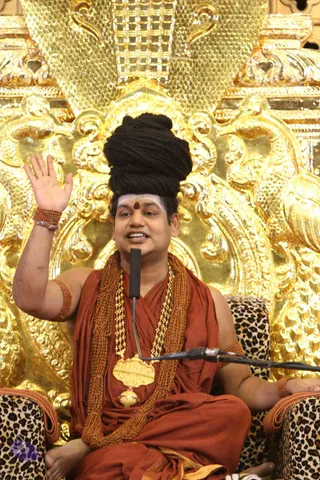
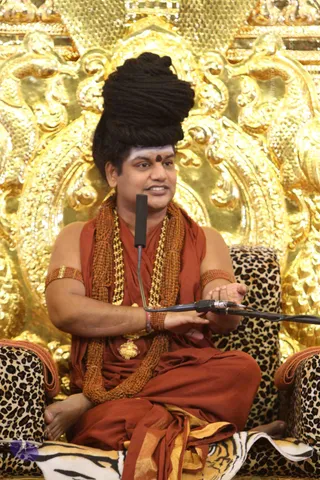
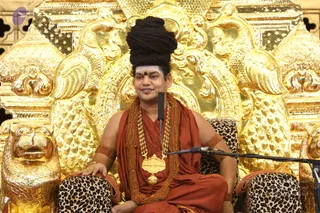
The Supreme Pontiff of Hinduism, Jagatguru Mahasannidhanam, His Divine Holiness, Bhagavan Nithyananda Paramashivam, expounded on the Cosmic Principle Prāṇa during the everyday live public talk - Nithyananda Satsang. In this talk entitled 30 Days to Enlightenment (Isavasya Upanishad verse 17), The SPH further decodes the sacred truth of mantra 17 which is enough to make one Live Enlightenment when practiced for 30 days.
Detailing the step-by-step process from each pada, part of this mantra, The SPH (who has lived Death) revealed how every night before sleeping, one can merge one's breath into the Cosmic breath prana and remembering the Ultimate Consciousness. The SPH shared that all incompletions are tension and stress while all Completions are relaxation and restfulness. He encouraged one to be in restful awareness sharing that when one decides - “Let my breathing pattern become one with the Cosmic breathing pattern” - his/her bio-memory will simply rest in the space of Completion. He also revealed further the powerful truth that when one is about to slip into that restful awareness, one should remember whatever you did to achieve oneness with Him, and with that remembrance and inner space, one should fall into that restful awareness.
This powerful technique was revealed by The Supreme Pontiff of Hinduism today, on how to how to sleep one's way to Enlightenment and be in restful awareness, which is Completion.
Link to Video:
| Video | Audio |
Description:
In Nithya Satsang (27, January 2016) on Isavasya Upanishad, Paramahamsa Nithyananda further decodes the sacred truth of mantra 17 which is enough to make one Live Enlightenment when practised for 30 days. Detailing the step-by-step process from each pada, part of this mantra, He, who has lived Death – reveals how every night before sleeping, one can merge his breath into the cosmic breath (prana), and then consciously vizualize that 'śariram' which does not mean 'the body or deha" but means "'the experiences of, by, from, it the body," such as seeing, remembering one's place, the city, the planet, the moon, everything is burning into fire - bhasmāntam śariram, and returning to its Source, Mother Nature; and remembering the Ultimate Consciousness, which is immediate in the physical plane, such as one's Guru and reminding Him and your self, what all one did in life to achieve Oneness, Advaita with It. Watch the video to imbibe this Sacred Truth from Paramahamsa Nithyananda to learn how to sleep your way to Enlightenment and be in restful awareness, which is Completion. vāyur-anilam amṛtam athedaṁ bhasmāntaṁ śarīram | auṁ krato smara kṛtaṁ smara krato smara kṛtaṁ smara || 17 || Watch, Share and Subscribe to our channel to be notified of the next upload click http://www.youtube.com/subscription_center?add_user=lifeblissfoundation to subscribe. visit: http://www.nithyananda.org http://www.nithyananda.tv http://www.innerawakening.org https://www.youtube.com/user/LifeBlissFoundation https://twitter.com/SriNithyananda https://www.facebook.com/ParamahamsaNithyananda https://plus.google.com/104086565286265959836/posts
Transcript:
(0:19)
nithyānandeśvara samārambhām nithyānandeśvari madhyamām | asmat āchārya paryantām vande guru paramparām ||
(0:53)
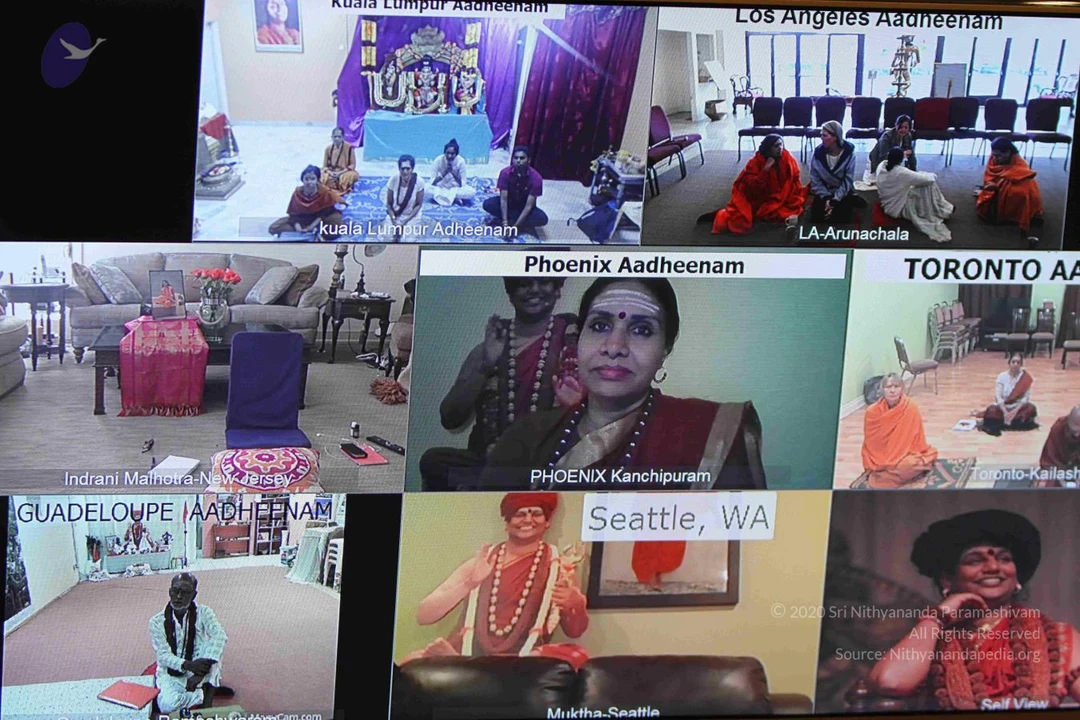
I welcome all of you with My love and respects. I welcome all the devotees, disciples, Samajis, Satsanghis, SriMahants, Mahants, Thanedar, Kothari, owners of Sarvajnapeetha, everyone sitting with us on through Nithyananda TV and two-way video conferencing having Nayana Deeksha. Cities sitting with us via two-way video conferencing having Nayana Deeksha – Los Angeles Aadheenam, Indrani New Jersey, Seattle, Washington, Oman Aadheenam, Kuala Lumpur Aadheenam, Toronto Aadheenam, Phoenix Aadheenam, Guadalupe Aadheenam, Playa De Mexico, Seattle Aadheenam, Trinidad Tobago, Charlotte Aadheenam, Hyderabad Aadheenam, Hyderabad Guptakashi, Warrington UK, Puduvai Aadheenam, Rajapalayam Aadheenam, Bangalore North and some more cities. I welcome all of you with My love and respects.
(2:23)
Listen, the seventeenth verse of Isavasya Upanishad.
vāyur-anilam amṛtam athedaṁ bhasmāntagṁ śarīram | auṁ krato smara kṛtagṁ smara krato smara kṛtagṁ smara || 17 ||
Listen, when you declare – “let my prāṇa become the prāṇa of the Cosmos, let my breathing pattern become one with the breathing pattern of the Cosmos” – your bio-memory will rest in the space of Completion. Understand, all incompletion is tension, stress. All Completion is relaxation and restfulness. All Completion is relaxation. All incompletion is stress. Even in the work if you are stressed, I can give you 120% guarantee you are not going to do the work, because first... being in the relaxed mood is the basic condition. Freedom is the basic condition for growth; restful awareness is the basic condition for anything to happen. Stressed means, you are confused; you are not clear what you are supposed to do... Completion is restful awareness, restful awareness is Completion. Restfulness, restfulness is not laziness. Please be very clear, I am not promoting your laziness. I am promoting restful awareness. When you decide – “let my breathing pattern become one with the Cosmic breathing pattern” – your bio-memory will rest in the space of Completion.
(5:16)
Next very powerful technique: bhasmāntagṁ śarīram |
Lie down in your bed, before falling asleep, declare – “let my breathing pattern become one with the Cosmic breathing pattern” – that is, just declaration is enough.
The second part: bhasmāntagṁ śarīram |
Visualize everything is burning, your body, the bed you are lying down, the room in which you are sleeping, anything you can visualize, is burning, it is returning to its original source, Mother Nature.
(6:00)
With this your muscle memory will become pure, your muscle-memory will rest in the space of Completion, because all your muscle memories are stored in your muscles. If you visualize not only your muscles are burning, anything which can be visualized in your eye muscles. Anything you can remember, you can remember only in the muscles of the eyes. So even that you should visualize as burning. That is why I am saying, not only your body, the bed in which you are lying down, the room in which you are sleeping, anything that you can remember, in and around the room, above the room, moon, sun, anything that you can visualize and remember from you muscle-memory, visualize everything is burning. Everything is burning, getting reduced to ashes. Just with this visualization fall asleep. You will see your muscle-memories will become so clean, so pure.
vāyur-anilam amṛtam |
(7:25)
The first part which I said yesterday, declare that – “let my breathing pattern become the Cosmic breathing pattern”, hope you would have practiced. Today practice that and this, because the first part is only a declaration. It may take just few minutes. The second part is the continuous Samadhi.
(7:58)
Understand, somebody initiated by ordinary gurus, gurujis, when they practice some visualization it is called meditation. I am not just initiating your guys, I am ordaining... When I ordain I sustain... When you guys practice, it is not meditation or contemplation, it is Samadhi. Listen to My words and do it. Let Me see who can distract you. Nothing, nothing can distract you. Your Guru is more powerful than any distraction which is possible above the sun, below the sun, under the sun, in the sun. Remember, when you are initiated by a Living Incarnation, and start practicing, it is straight Samadhi.
(9:23)
First declare: let me, my breathing pattern become one the Cosmic breathing pattern. The moment you declare your whole awareness goes to the next level—then start falling into the Samadhi.
bhasmāntagṁ śarīram |
(9:57)
Listen, here Upanishic Rishis are using the word: śarīram, not deham. Deham means body, śarīram means experience of body. If Upanishic Rishis say, if they have put the word here bhasmāntagṁ deham – I would have said visualize your body burning, because they put the word – bhasmāntagṁ śarīram – anything you can remember through this body, visualize all that is also burning, because the experience through body, everything. Maybe as simple as piece of pizza or as intense as pain of multiple fractures, anything you experience, good or bad, pain or gain, pleasure or suffering, anything, all that put together, is called śarīram.
bhasmāntagṁ śarīram |
(11:20)
So visualize this body is burning, the cot in which you are lying is burning, the room is burning, the house is burning, anything that you can visualize. If you can visualize your garden, if you remember the garden and that is burning, if you remember the stars, that is burning, if your remember the Earth, that is burning; if you remember the Moon, that is burning; if you remember the Sun, that is burning, if you remember the clouds, that is burning. Anything that you remember, any experience you had from, through, by, on, it, body. From, through, on, it, through the body. All that put together is śarīram.
(12:15)
So if you just lying down and visualizing, your body is burning, you will never achieve the experience, Upanishadic Rishis are declaring; because here they are not saying - bhasmāntagṁ deham. Again the original word is bhasmāntagṁ but Paathabhedam is bhasmāntaguṁ, the way I heard it from My Gurus, village raw, idli tongue. I always tell people there is two English. Italy English and Idli English. Mine is idli English. Like that my Gurus had their own idli Sanskrit. bhasmāntaguṁ, that My Gurus I never heard from them, they will say bhasmāntaguṁ śarīram. They don’t say, the Rishis are not saying bhasmāntagṁ deham. They say bhasmāntaguṁ śarīram. So anything you can remember, visualize it is burning... Suddenly you will see, you have nothing to remember or visualize, just the whole muscle-memory is reduced to ashes. Morning when you wake up, you just know that everything is ash. Wake up slowly and apply the bhasma. Apply the bhasma as the prasād of Mahadeva.
bhasmāntagṁ śarīram | auṁ krato smara kṛtagṁ smara krato smara kṛtagṁ smara |
(14:30)
Today, I was spending some time to see how much the so-called modern humanity has discovered Consciousness. Now only these fellows are coming to conclusion after studying some 2000 patients who had a cardiac arrest in the hospital, and who have been revived, who have been declared clinically dead, and revived within 3 or 4 minutes, or 4 or 5 minutes, the top hospitals of the world, they have studied and have collected their experiences and all that and organized, I was studying in the internet, they said – at least for 3 minutes after the brain stops, heart stops, you see once the heart stops within 60 seconds, maximum is 40 second, I am putting 60 second as the extreme, 30 to 40 seconds the brain will stop, after that at least 3 minutes people are conscious. That much only the modern science is able to tell. I thought, “Oh God, when you fellows are going to understand.” Anyhow, when they catch up, catch up, if not, if not, leave it.
(15:50)
Understand, the second part of the verse is about the Consciousness. The second part of the verse is about the Consciousness.
auṁ krato smara kṛtagṁ smara krato smara kṛtagṁ smara |
Praying to the Cosmos – “please remember whatever I have done to become one with you,” then tell yourself – “Hey, remember whatever you have done to become One with you.” I tell you, this one verse is enough to lead you to Enlightenment, Live Enlightenment within 30 days. I am not giving false promise, just 30 days, nothing, eat nicely, sleep whenever you want, just practice this verse. Just if you practice this one verse, 30 days, I can guarantee you will become enlightened. So much of fresh energy will happen, all you need to do…Understand, now I will give step-by-step instruction.
(17:28)
First: when you feel like sleeping, lie down and remember: vāyur-anilam amṛtam athedaṁ | vāyur-anilam amṛtam athedaṁ | Means – “let my breathing pattern become one with the Cosmic breathing pattern.” This a declaration.
(18:00)
Second: bhasmāntagṁ śarīram. Whatever experience as body and through body, means this body and everything that I can remember through this body. Let everything go back to its original elements, become ashes. Visualize everything is burning. Just visualize, go on visualizing. If you remember the bed you are sleeping, visualize that is burning. If you remember the room you are sleeping in, visualize that is burning, if you remember the garden and outside your room, visualize it is burning. If you remember the city you are sleeping, visualize it is burning, if your remember the planet earth you are sleeping, visualize it is burning. If you remember the sun and the moon and the stars and the sky, remember it is burning, visualize it is burning. Burning, burning, everything is burning, and reduced to ashes.
(19:24)
bhasmāntagṁ śarīram | Slowly you will see automatically you are falling deeply into you restful awareness. When you fall into that space, just ask the Cosmos: auṁ krato smara kṛtagṁ smara krato smara kṛtagṁ smara – “Mahadeva, remember whatever I have done to become one with you, nothing else,” and tell yourself, “hey, remember whatever you have done to become one with Mahadeva,” that’s all; because at that moment, all the things which are obstacle, now will become powerless over you. Now whatever stops you experiencing the Oneness, all that will become powerless at that moment. So you don’t have to remember all of the obstacles, just remember – “whatever I have done to become One with you. You remember whatever I have done to become One with you. Let me remember whatever I have done to become One with you.” That’s all, and fall asleep, you will not fall asleep, you will fall into restful awareness... You will fall into restful awareness.
(21:09)
Next day morning when you get up, you will have the prasad, bhasma [sacred ash], means the effect of the whole night process. Just pick up and apply. Tell Mahadeva, “let me wake up as You want, let the Cosmic breathing pattern be my breathing pattern and let me wake up and function as You want, with the qualities You want me to carry and radiate.” That’s all. Your sleep can become Enlightenment practice. I should write a book – ‘Sleep Your Way to Enlightenment’. Maybe that is going to be the most popular technique for My ashramites. Sometimes I wonder how do people sleep more than 4 hours, is there a technique, mantra, they practice? Eeally I want to learn from them.
(22:34)
Anyhow, listen. When you are about to fall asleep, just tell, “Mahadeva, remember whatever I have done to have Oneness with You”. Tell yourself, “My being, whatever I have done to have Oneness with Mahadeva.” That’s all. That’s all you need, nothing else. This one technique, I should not even call a technique, the one Sacred Truth revealed in this Upanishic verse,
vāyur-anilam amṛtam athedaṁ bhasmāntagṁ śarīram | auṁ krato smara kṛtagṁ smara krato smara kṛtagṁ smara || 17 ||
(23:42)
Just this one, is enough, is enough. Listen. This one is enough. You should practice this whole process by lying down. The best way to lie down, left hand under your head and turn towards the left side and right hand on your body. Keeping your head in the east direction and stretching your leg towards the west, so when the Sun comes in the morning, He can wake you up. After some time, once you have become the master of this science; then you may not even feel like stretching your body fully and sleep. I don’t stretch My body fully and sleep; I always use half sitting and half lying. So it may automatically happen to you. Automatically it may happen to you, initially this is the posture with the left hand under the head, turn towards the left, head toward the east, and leg towards the west. So this is the best posture.
(25:39)
Anyhow, listen.
vāyur-anilam amṛtam athedaṁ bhasmāntagṁ śarīram | auṁ krato smara kṛtagṁ smara krato smara kṛtagṁ smara || 17 ||
This is the first and foremost meditation process given by the Upanishads. You need to remember you are on the first Upanishad, 17th verse, because I am talking on the Upanishads for the last 1 year, don't think we have crossed the 1st Upanishad.
(26:26)
Here the Ultimate is called upon using the Sacred Syllable - ॐ (AUM). You can even use the specific word, if you feel like ‘Mahadeva’, if you feel connected to Mahadeva or if you feel connected to your Guru’s name, but this specific name does not exclude other things which you can’t visualize along with this specific name. Understand, when you utter the word ‘Mahadeva’, if you can’t visualize Vishnu and Brahma don't think they are excluded when you address Lord as Mahadeva. That’s an important thing that you need to remember. When you call on God as Mahadeva, and you are not remembering Devi or Vishnu or Brahma during the moment of addressing and remembering and praying don’t think you have excluded, no. The moment you remember something from the context of Ultimate you already included everything. As I said in Hindu tradition, the Sanatana Hindu Dharma, Oneness is God, not one. God is Oneness, not one. Understand. What in Sanatana Hindu Dharma, I’ll tell you in Reality, God is Oneness, not one. God is Oneness, not one. vāyur-anilam amṛtam athedaṁ bhasmāntaṁ śarīram | auṁ krato smara kṛtaṁ smara krato smara kṛtaṁ smara || 17 ||
(28:44)
When people come and ask Me, “Swamiji, should we address It as ॐ (AUM), oh Universal Consciousness, oh the Cosmic energy, or should we specifically address as Mahadeva- O my Guru, what would you suggest?” When people ask me, what would I suggest, I will tell you, I will suggest. What is immediate grounded, directly, what is it that gives you the experience by touch, remember That, because if you remember That, from the context of Ultimate you are already including everything else. You are not excluding everything. In My life I always remembered the immediate and reached the Ultimate. Many time with the ultimate, if you remember, “Oh Cosmic energy”, what you remember! Avoiding to remember, avoiding to get grounded or having incompletion about remembering something in a very clear way, so just trying to push yourself into the vagueness. I have seen many people in this broad things, not doing anything. Really, we should love the whole world, we should love the whole world they will be talking, they won’t even build relationship with the neighbor. In the broadness, immediacy can be lost. In the immediacy, broadness can never be lost; because when you start you are progressing, you are going.
(30:40)
Only thing do not exclude just because when you utter the word ‘Mahadeva’, you remember Shiva with four hands as Dakshinamurti or don't think you have excluded Vishnu or you excluded Devi, no. From the Ultimate context the moment you remember Mahadeva or your Guru, you have included everybody, you have included the right thing. You remembered the right thing.
(31:15)
I was very clear from the beginning I'll only remember the exact person who awakened Me. If I was practicing, when I was practicing – “Who Am I” – Annamalai Swamigal was the Cosmos for Me, that’s all. No question of anything else. Whenever I was practicing whatever Arunagiri Yogishwara taught, He is the Cosmos. When I was practicing something related to whatever Kuppammal, Vibhutananda Puri, she is the Cosmos. When I was practicing Yoga, Raghupati Yogi, he is the Cosmos, that’s all. God saved Me. I was born and brought up in an Indian village. No, sometimes I really feel so happy, see the kind of commitment I had towards My Gurus, towards My Masters—all they said was go and spread joy, bliss, help people, feed people, do good to people... No really, I am still feeding thousands of people in Tiruvannamalai in the name of My Gurus, just giving gratitude, “Oh God you guys did not teach Me anything else, what a great thing happened to My life”, because the kind of commitment I had towards them I would have done anything they said. I feel so blessed My Gurus did not give me anything wrong and gave me right and feel blessed they are born in a tradition which does not allow anything else to be taught.
(33:30)
What will I do, the more and more, whether I get man power, money power anything, I’ll feed more people with food, give meditation to more people, give rudraksha to more people, build bigger halls and have more people meditating, that’s all. What a great tradition, the goal and the end is so beautifully life positive, so beautifully life positive. See the kind of energy I had, the commitment I had, the dedication I had, if My Masters had taught Me, maybe it would of taken them ten days to convince Me, but eleventh day I would have done what they’ve said, because I had that kind of commitment towards them. I am so happy born in a great tradition, brought up by the great Masters who only said share life, share food, share joy, share bliss, go on doing good to people.
vāyur-anilam amṛtam athedaṁ bhasmāntagṁ śarīram | auṁ krato smara kṛtagṁ smara krato smara kṛtagṁ smara || 17 ||
(35:16)
Essence of today’s satsang: before going to sleep, lie down, declare to yourself—“let my breathing pattern become one with the Cosmic breathing pattern”, visualize anything you experience as body and anything you remember through body, everything is burning. Visualize everything is burning, getting reduced to ashes, returning to its original, basic elements. When you are about to slip into that restful awareness, remember – “Oh God, my Guru, remember whatever I have done to achieve Oneness with You.” Tell yourself, “remember whatever you did to achieve oneness with Him”, with that remembrance fall into that restful awareness. Next day morning when you wake up, tell – “let the Cosmic breathing pattern continue to be my breathing pattern, Mahadeva let me wake up and live as You want, with the qualities You want.” That’s all.
(36:53)
I bless you all. Practice this and come back for the next satsang. I bless you all. Let’s all radiate with integrity, authenticity, responsibility, enriching, causing Living Shuddhadvaita Shaivam, the Eternal Bliss. Nithyananda. Thank you. Be blissful.
(37:15)
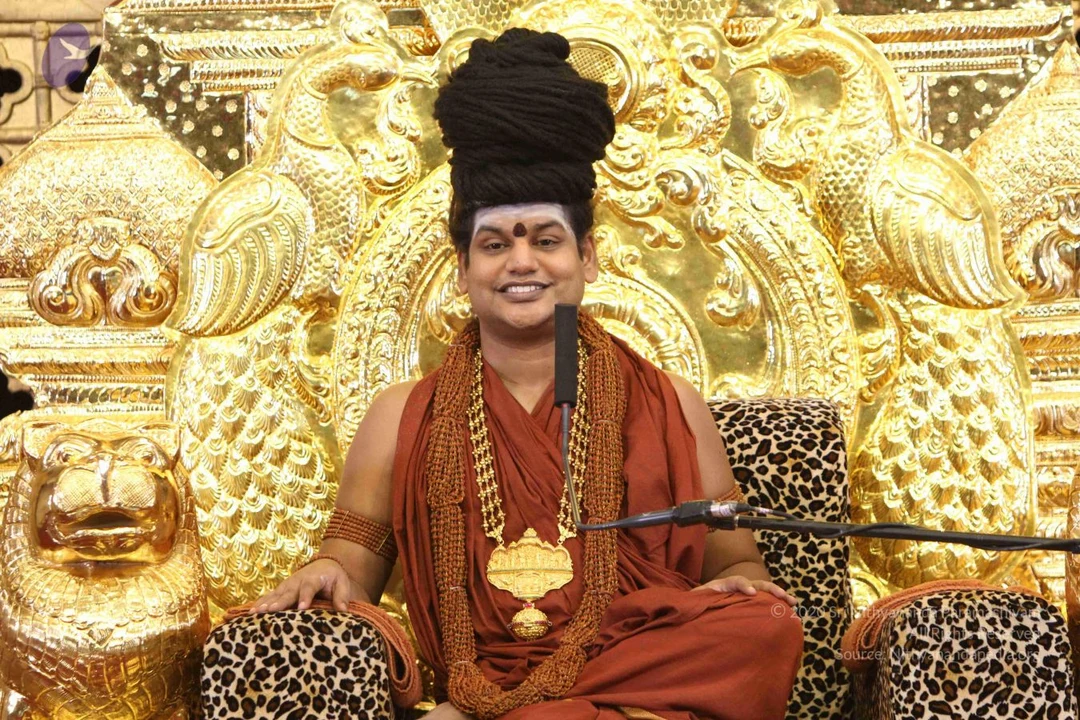
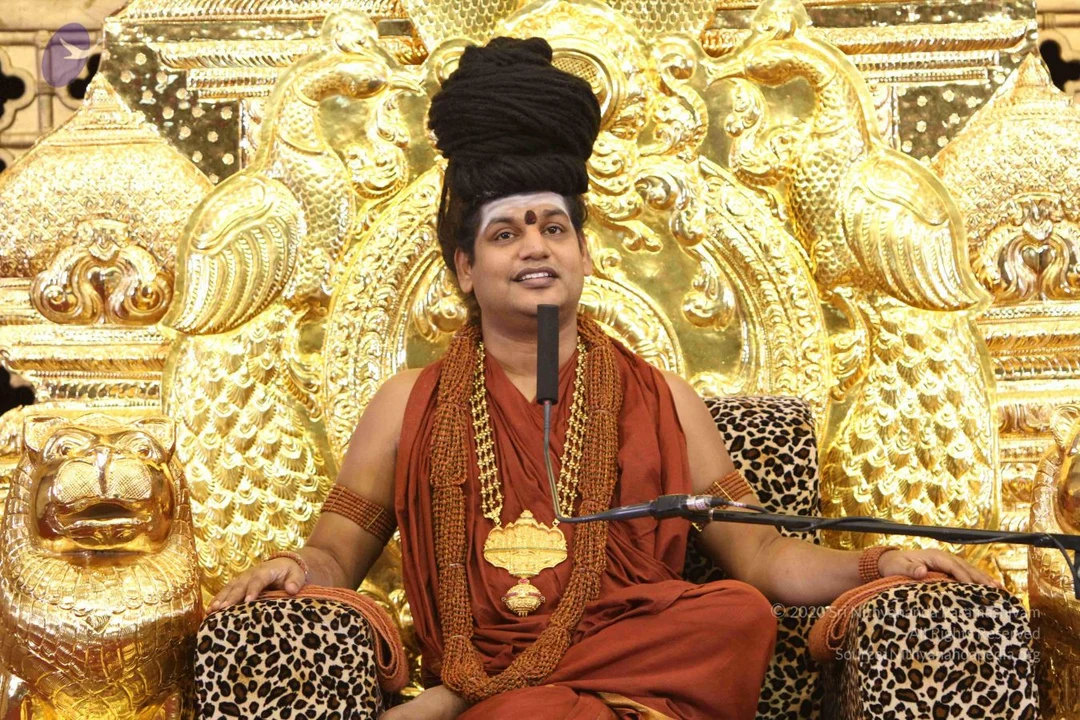
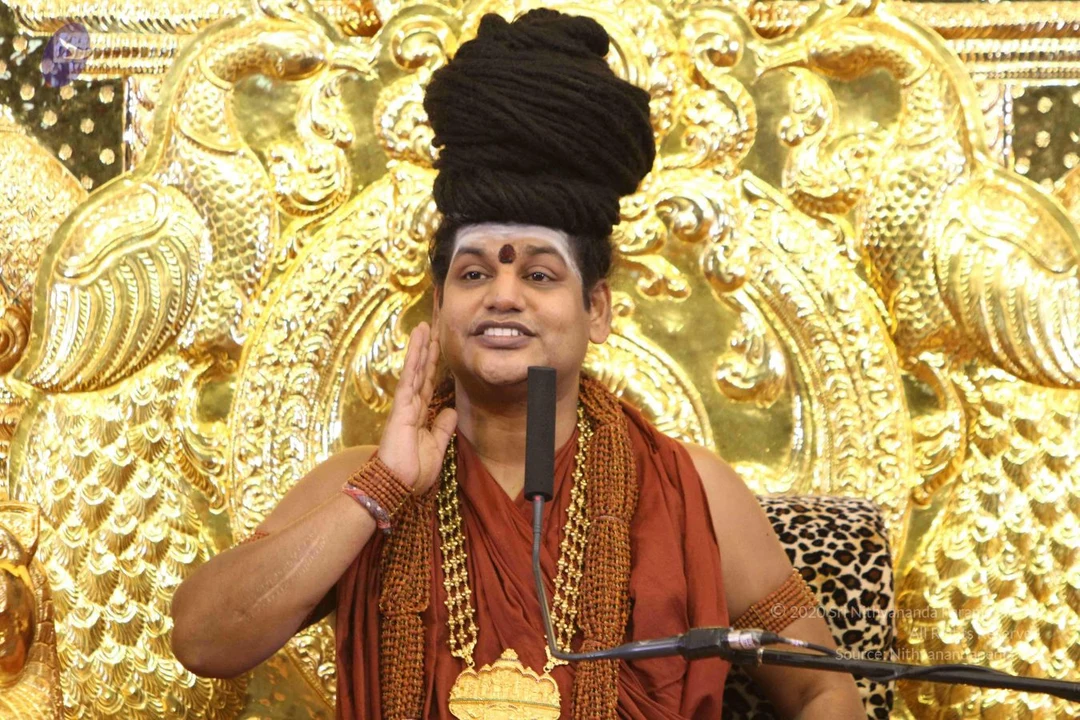
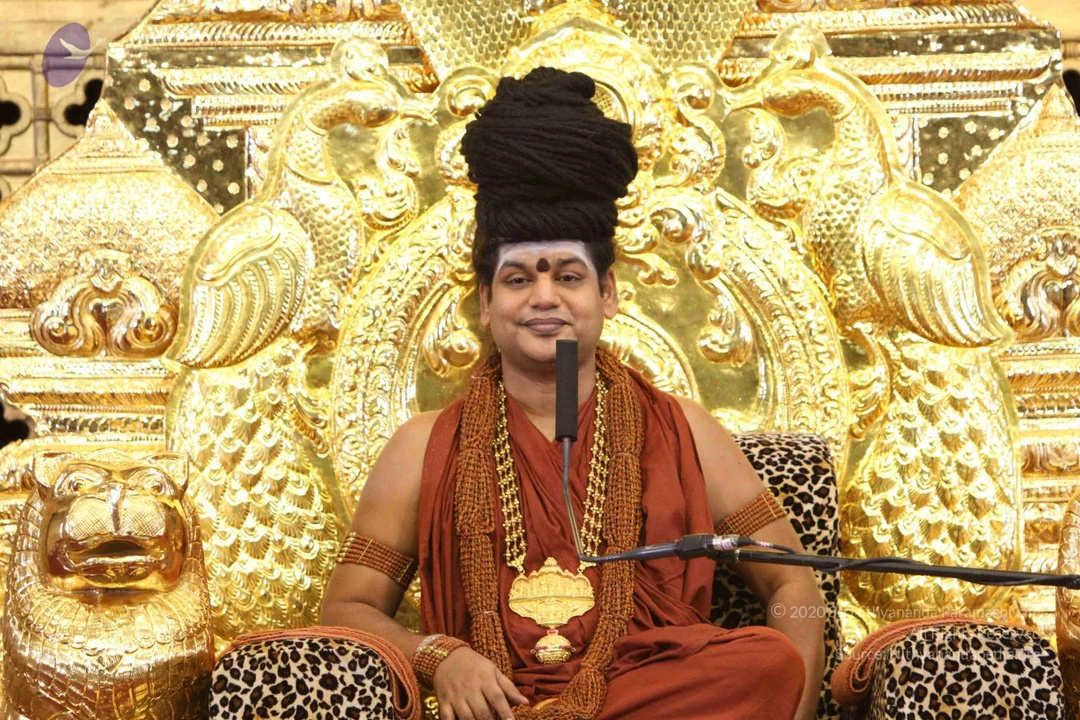
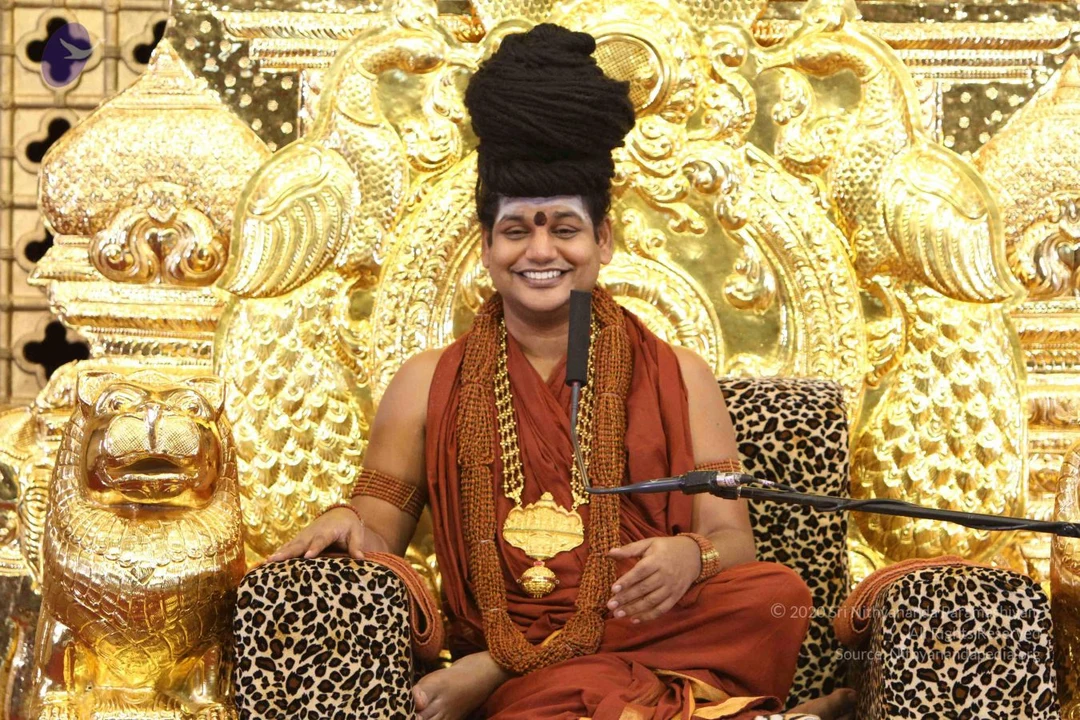
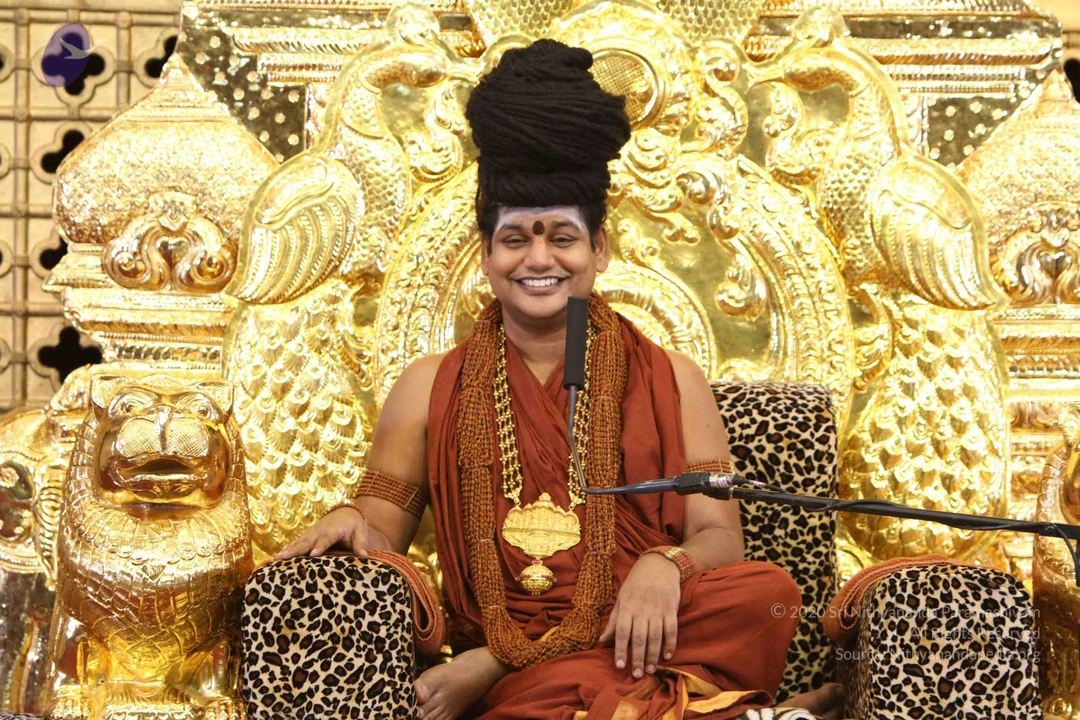
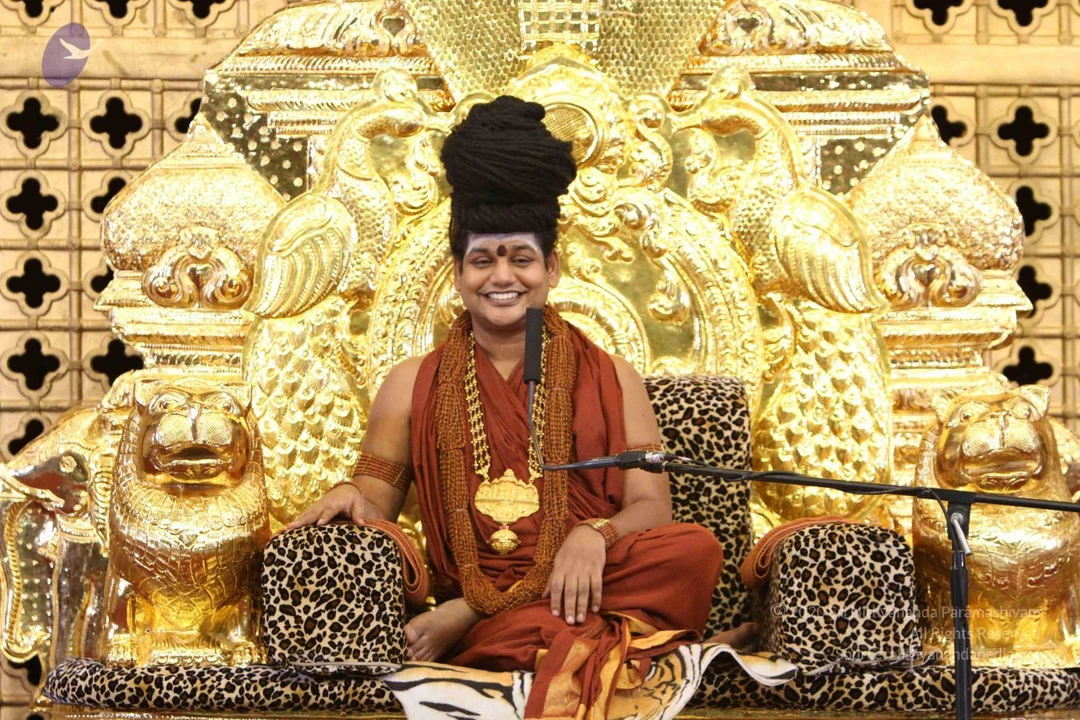
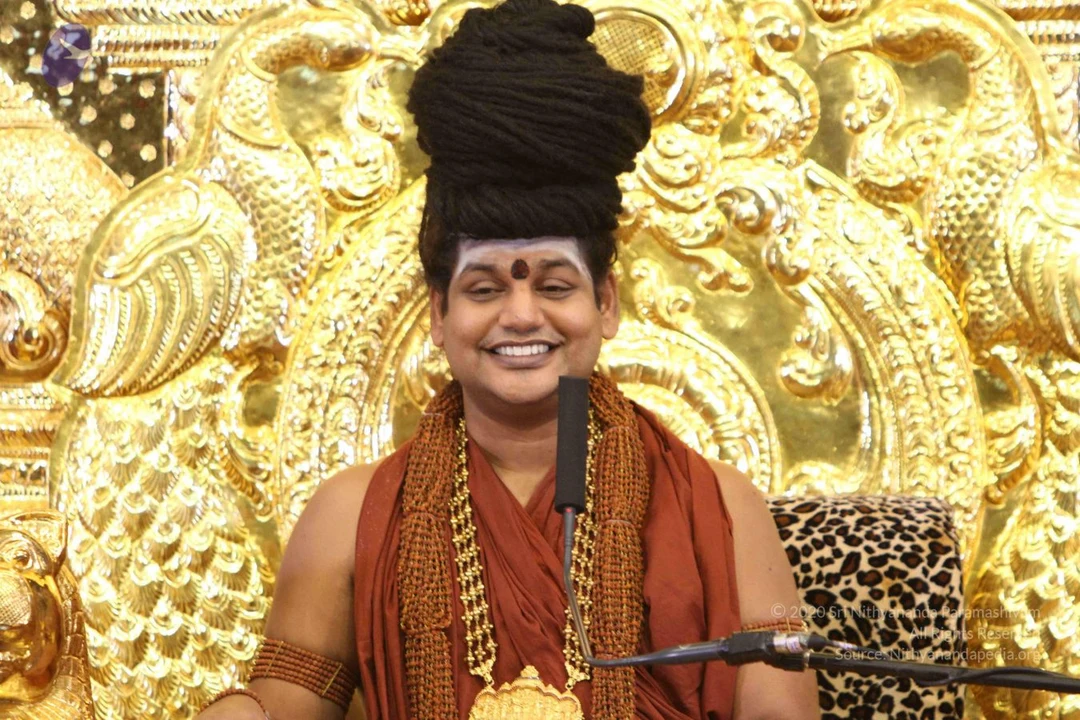
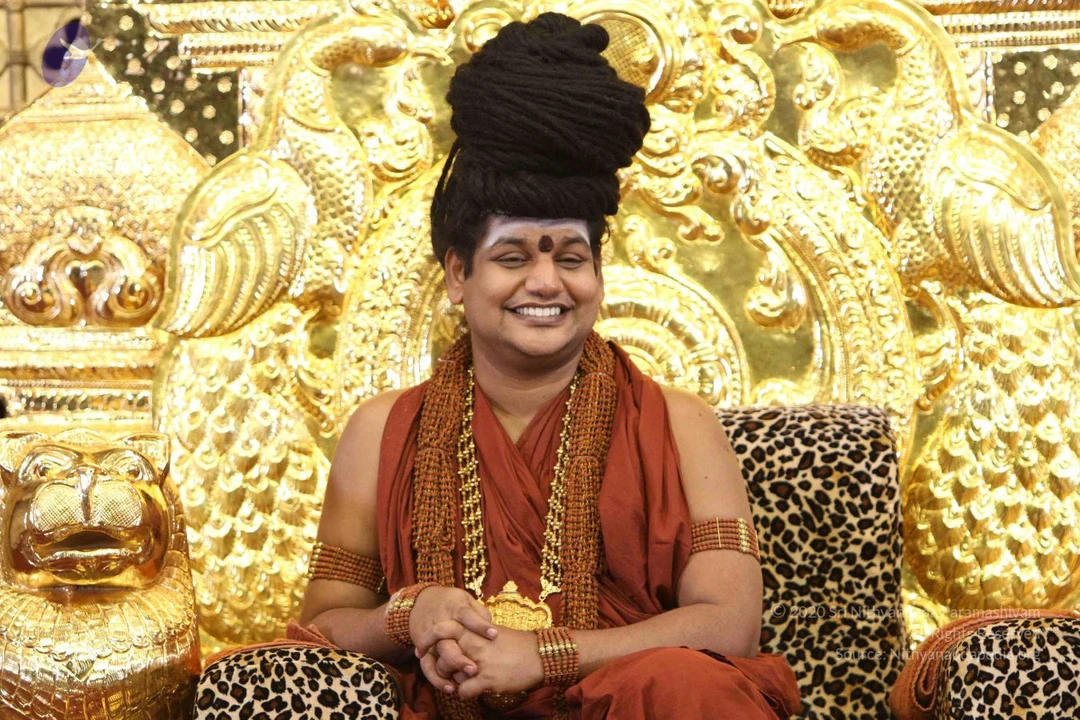
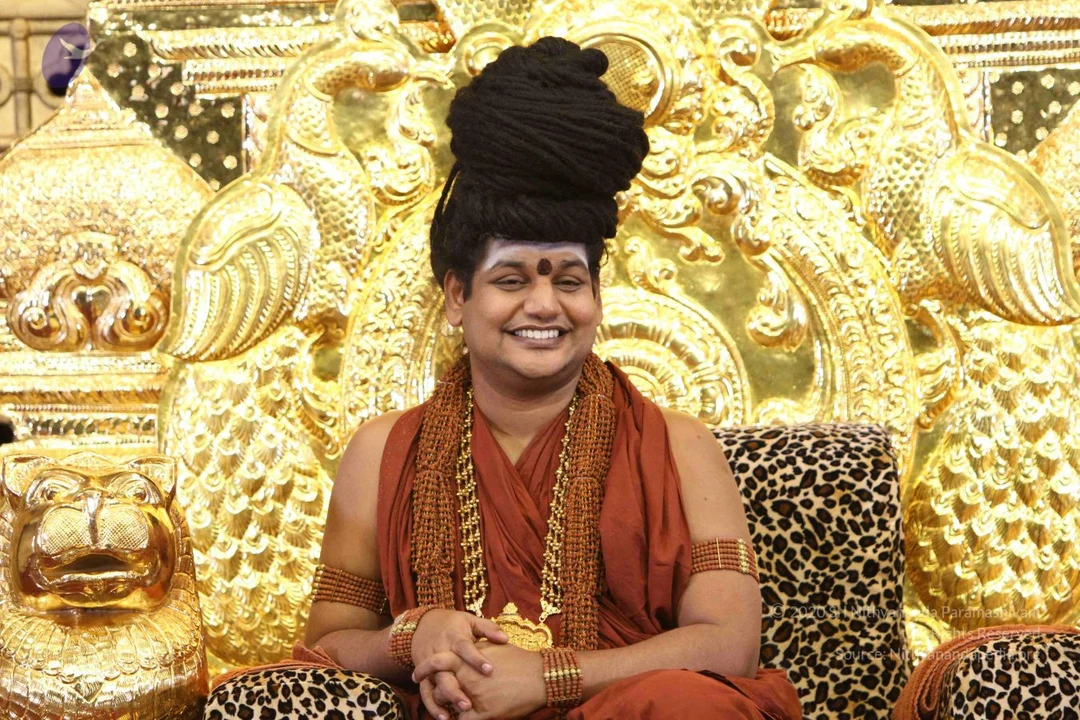
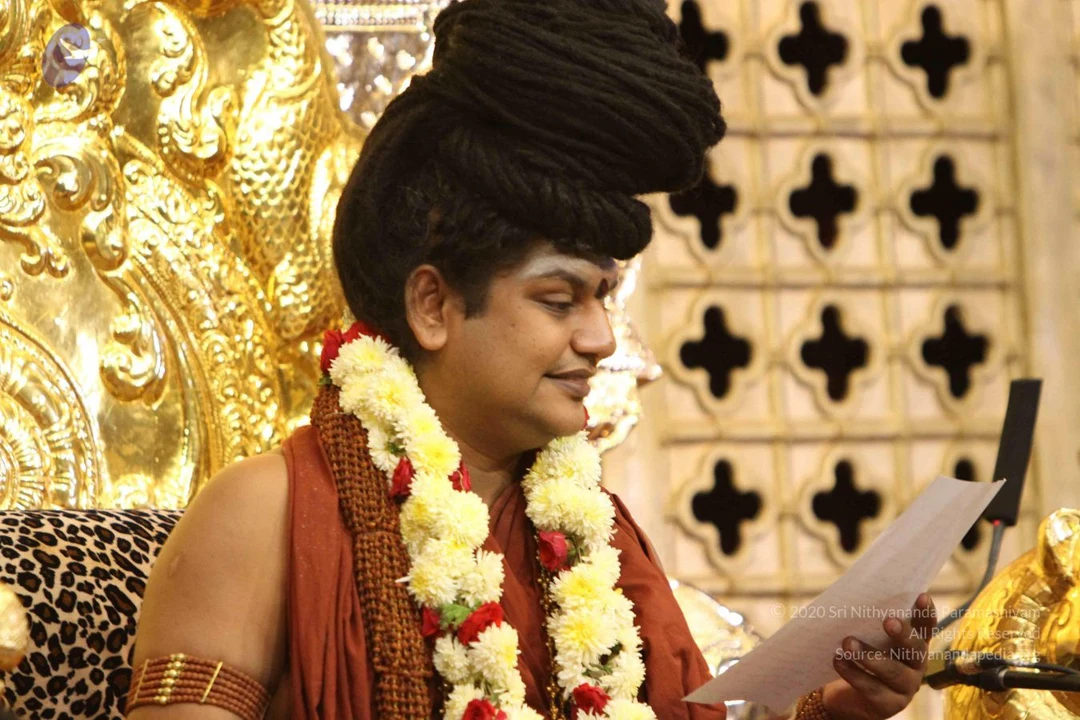
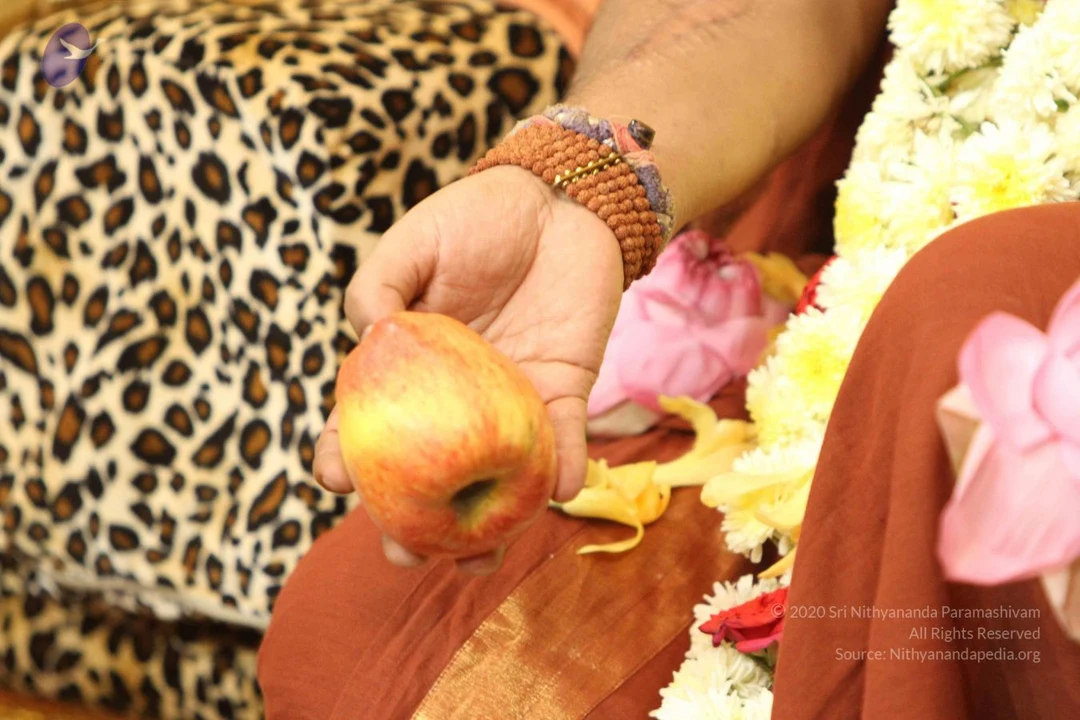
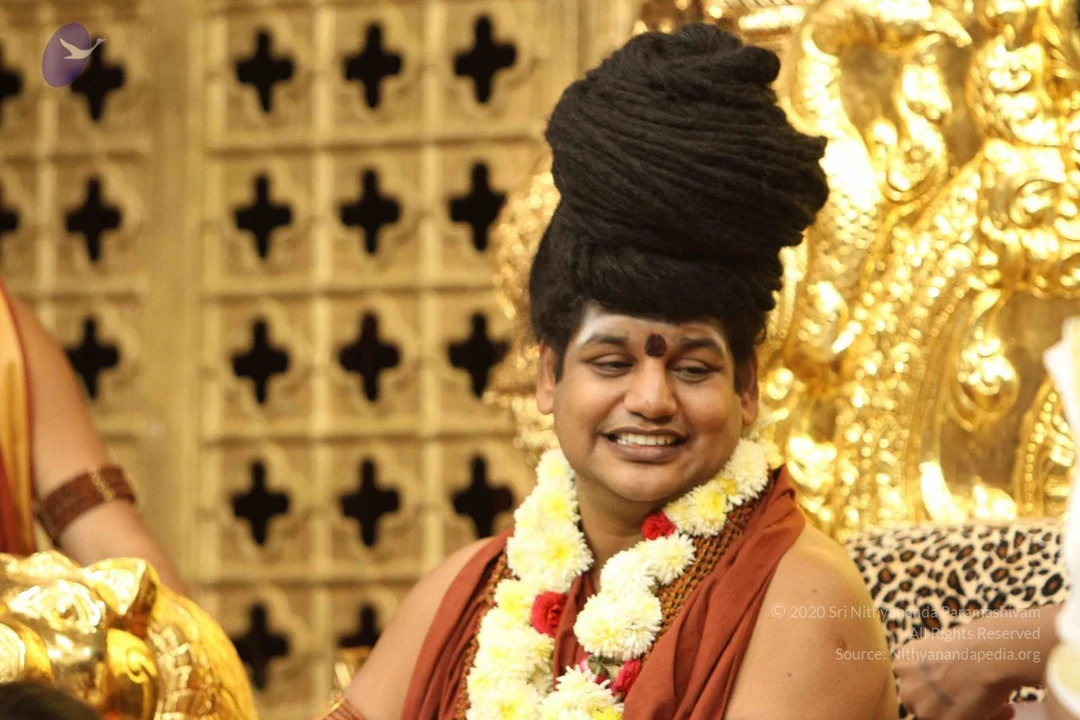
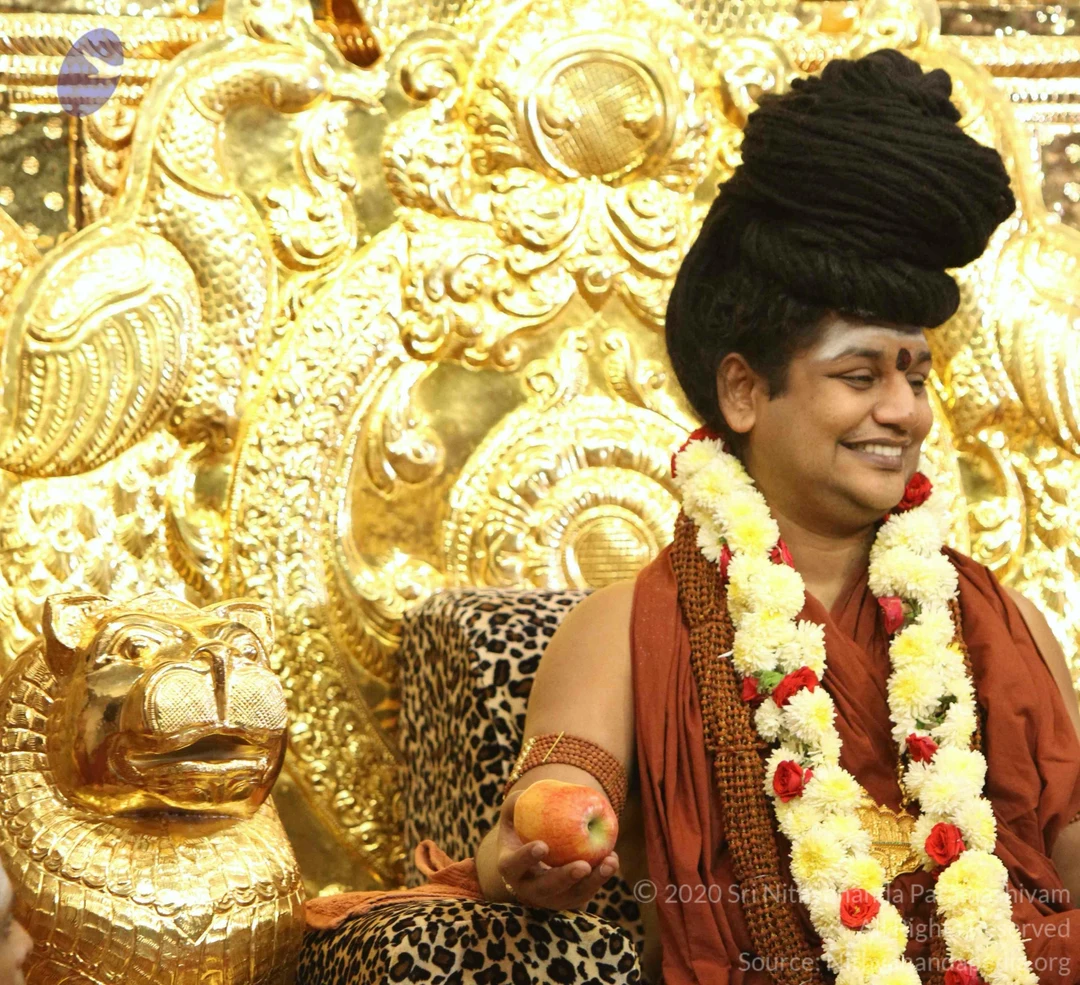
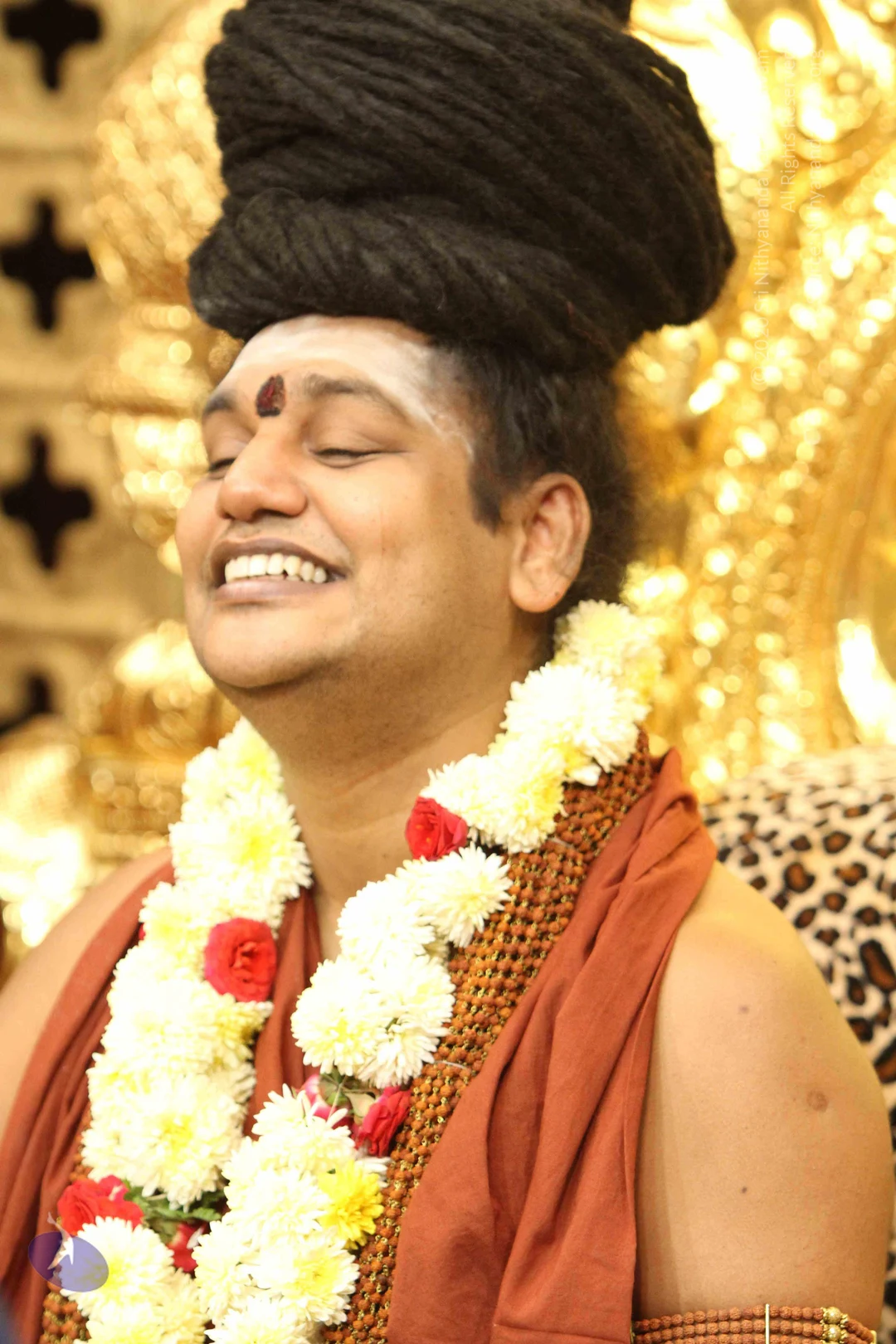
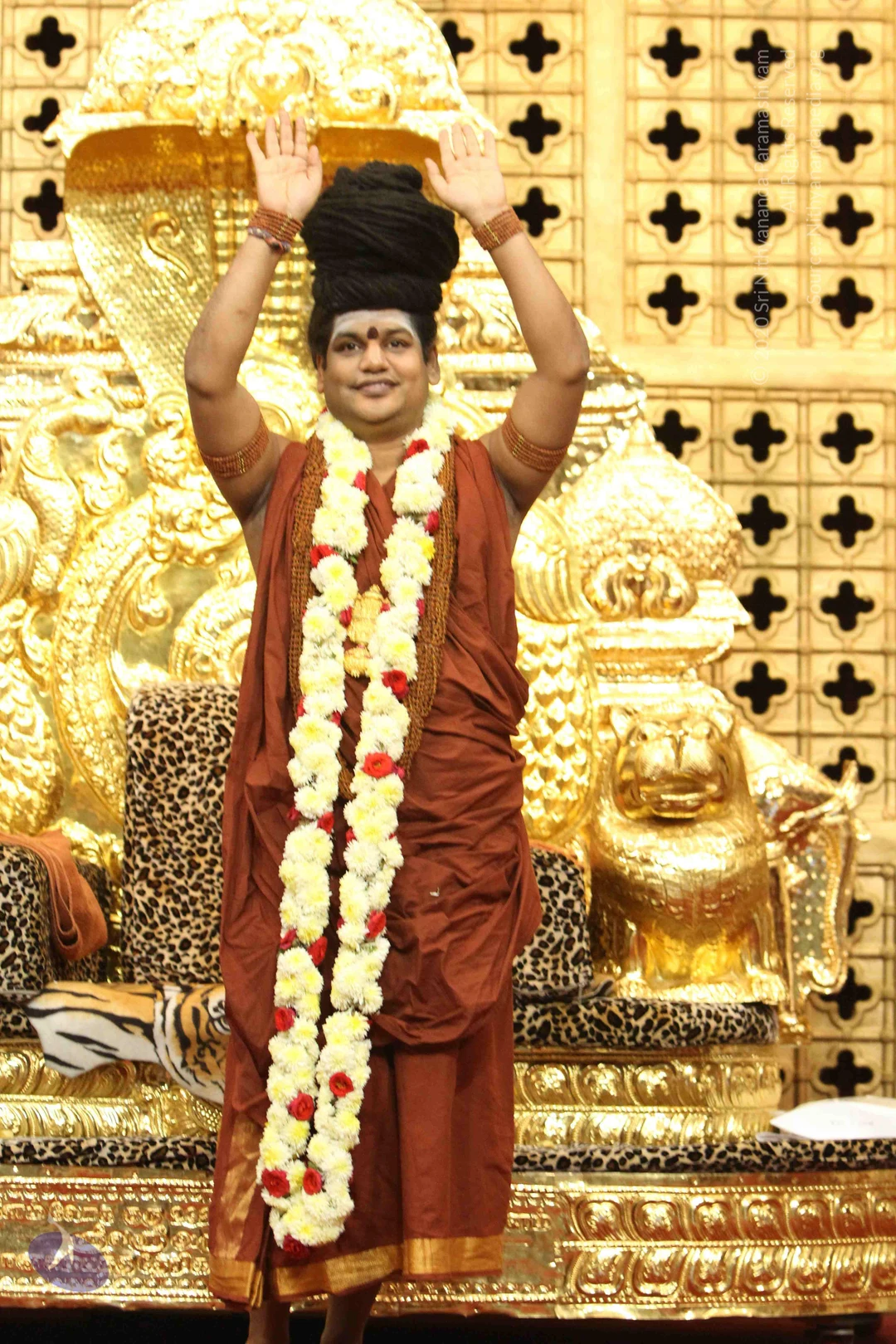
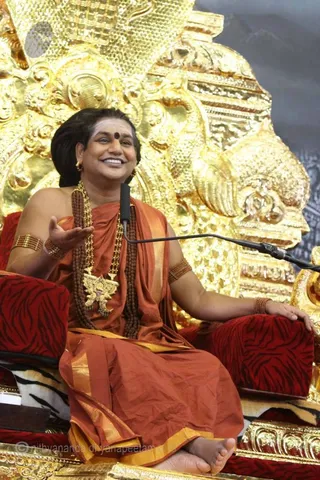
Photos From The Day:
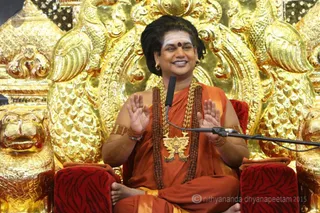
Evening-Satsang
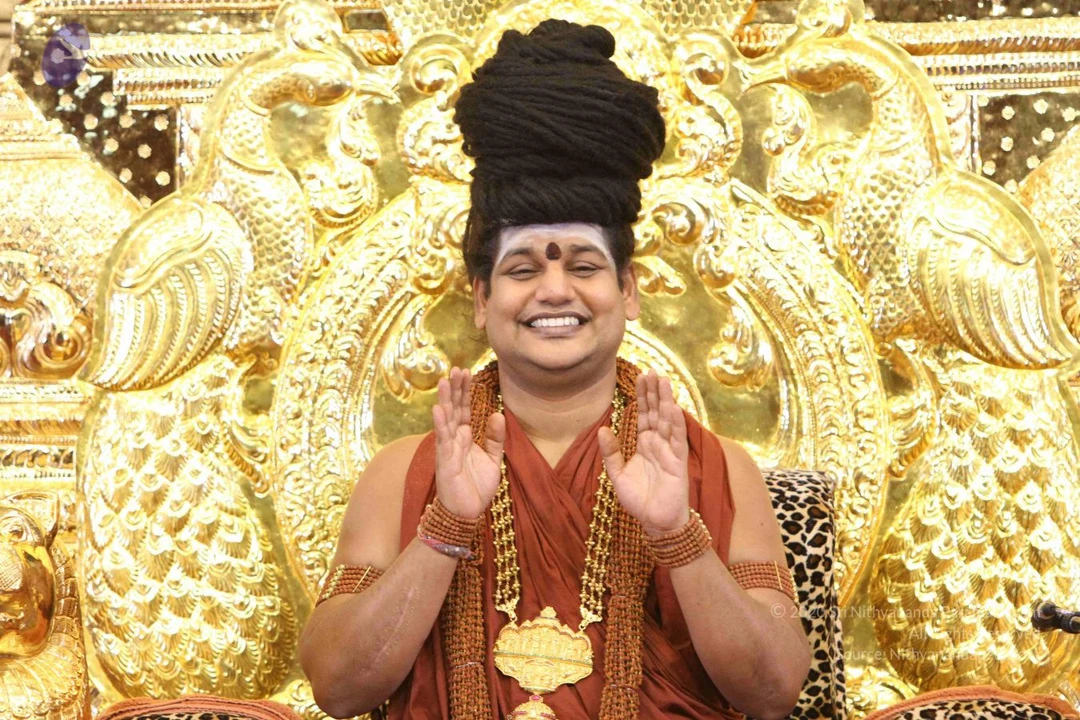
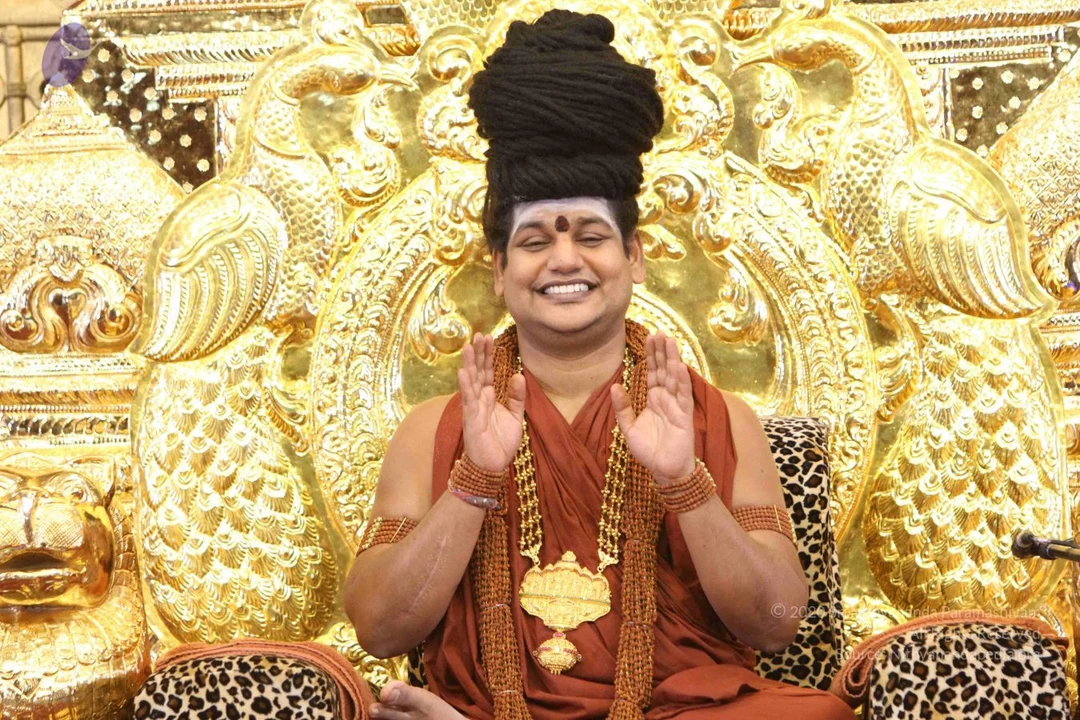
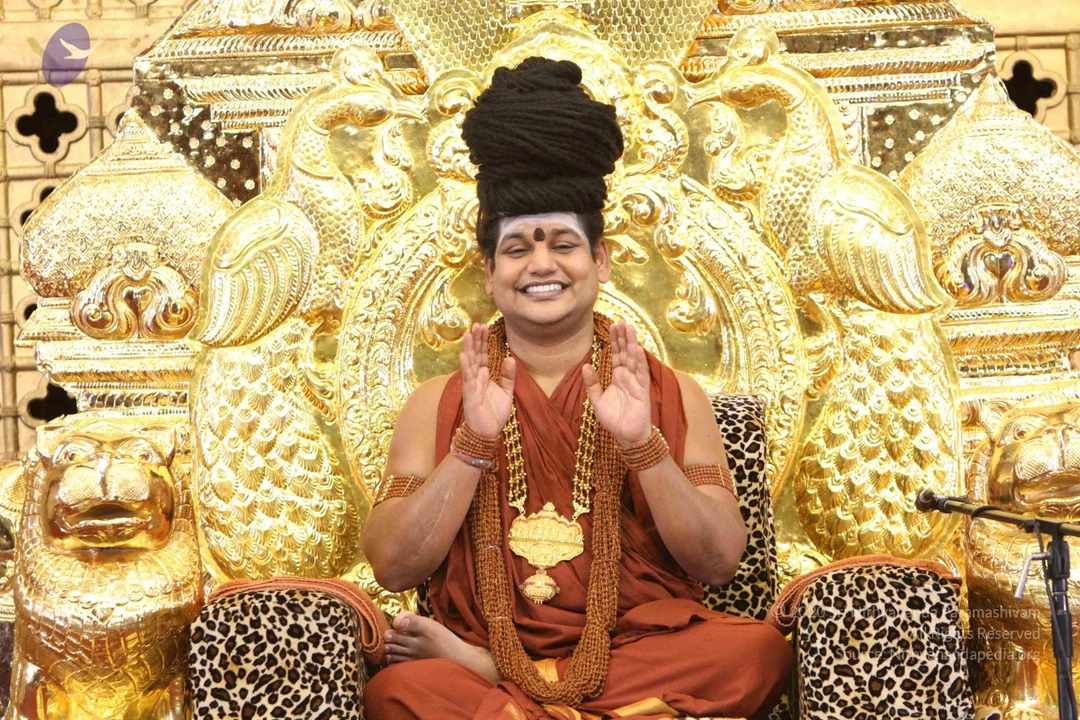
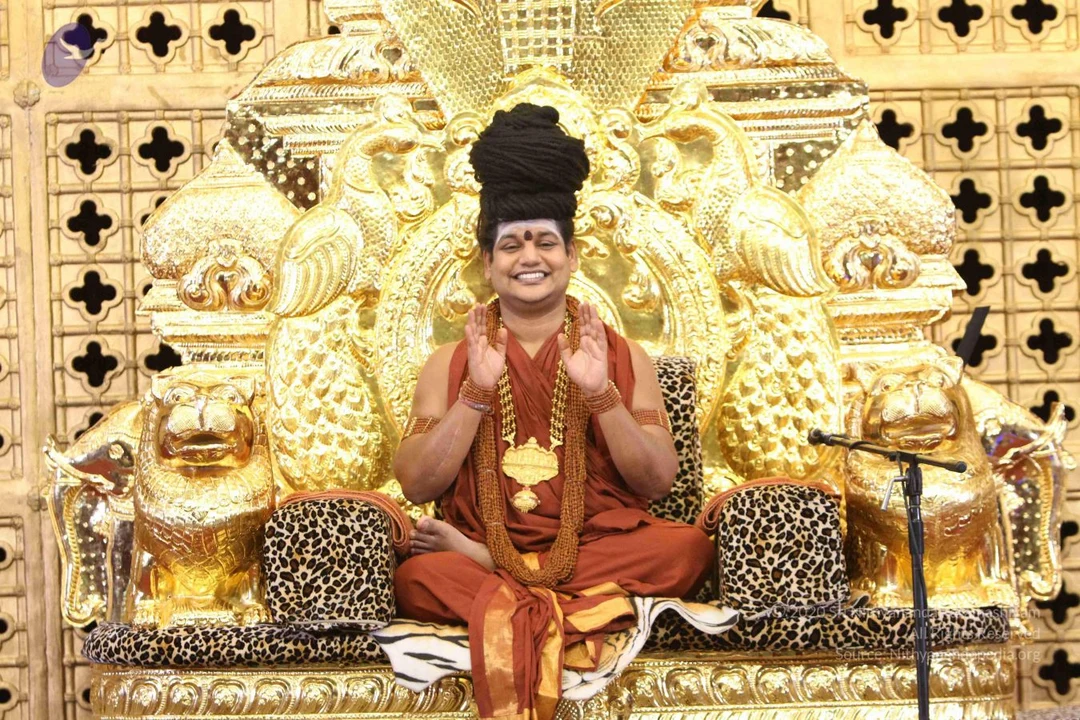
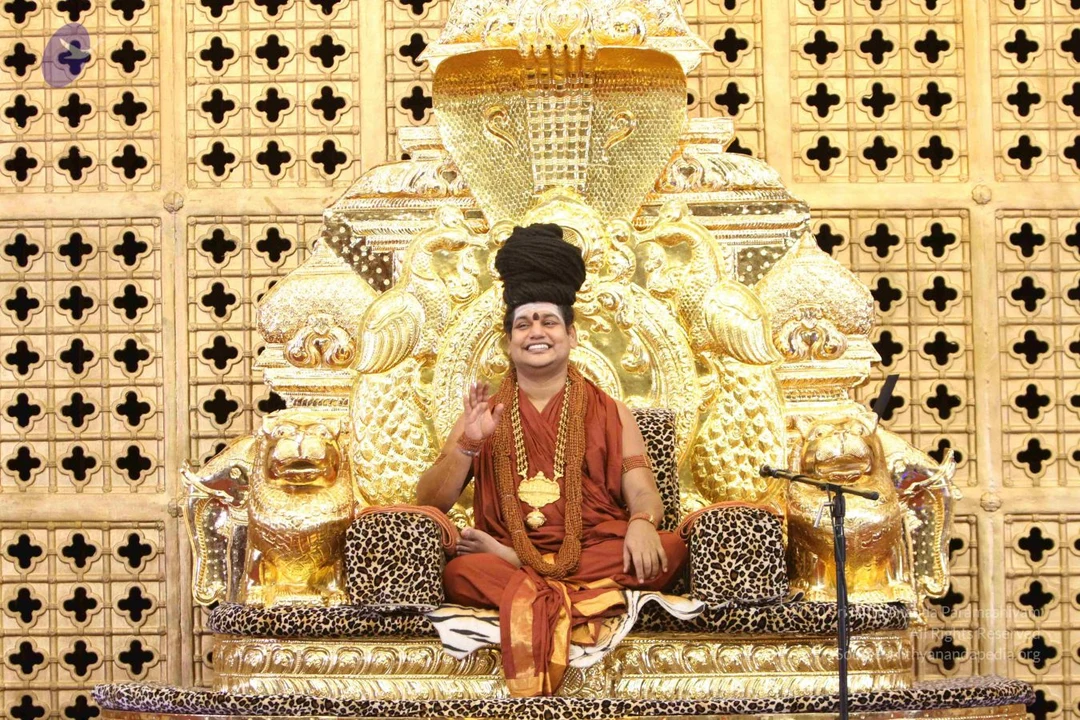
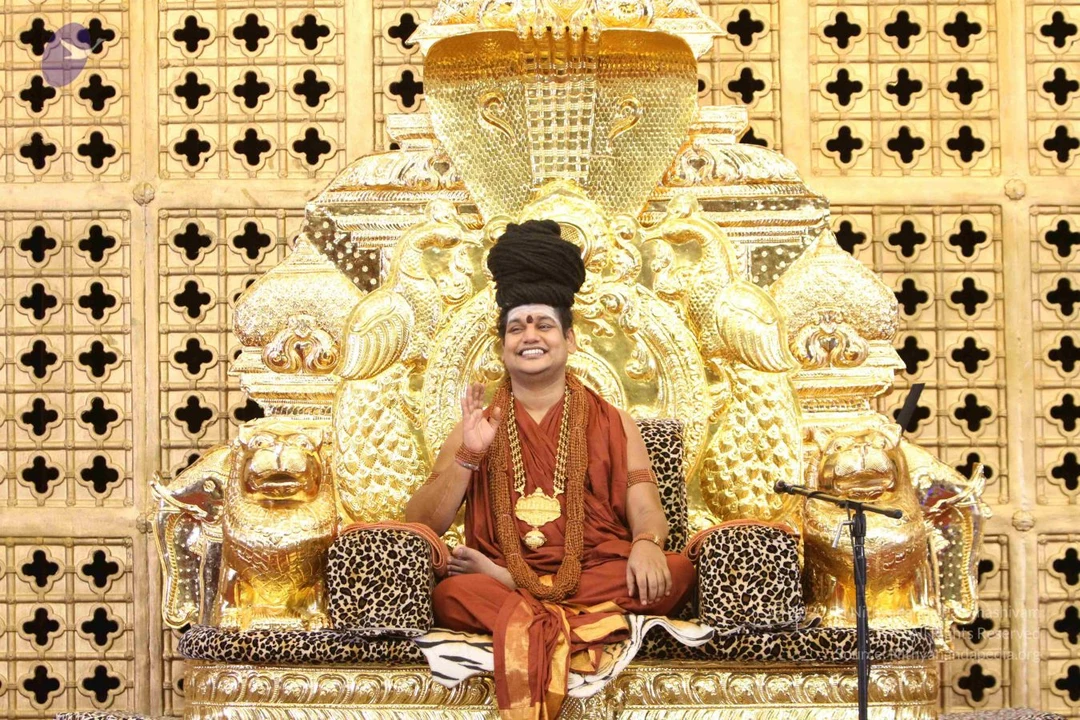
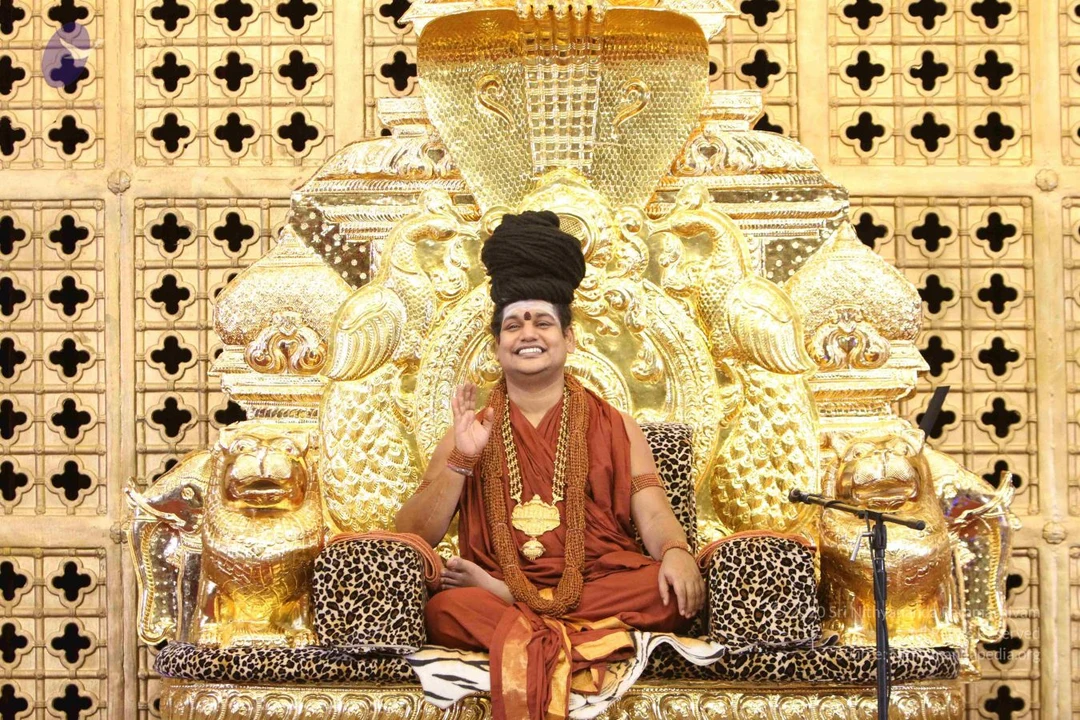
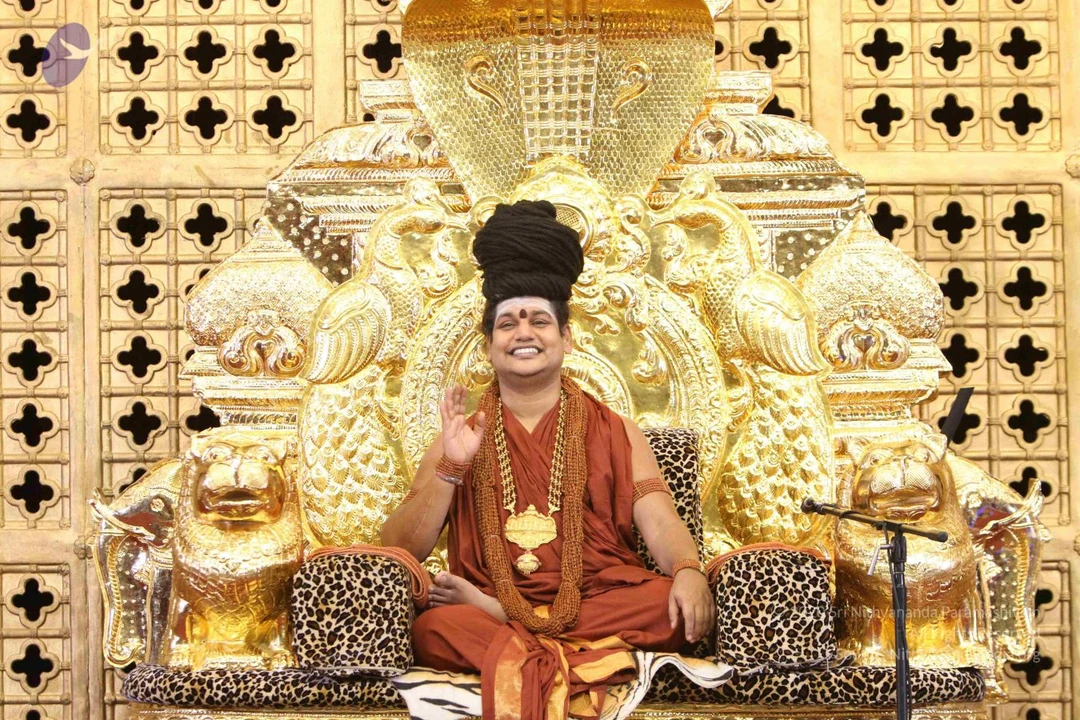
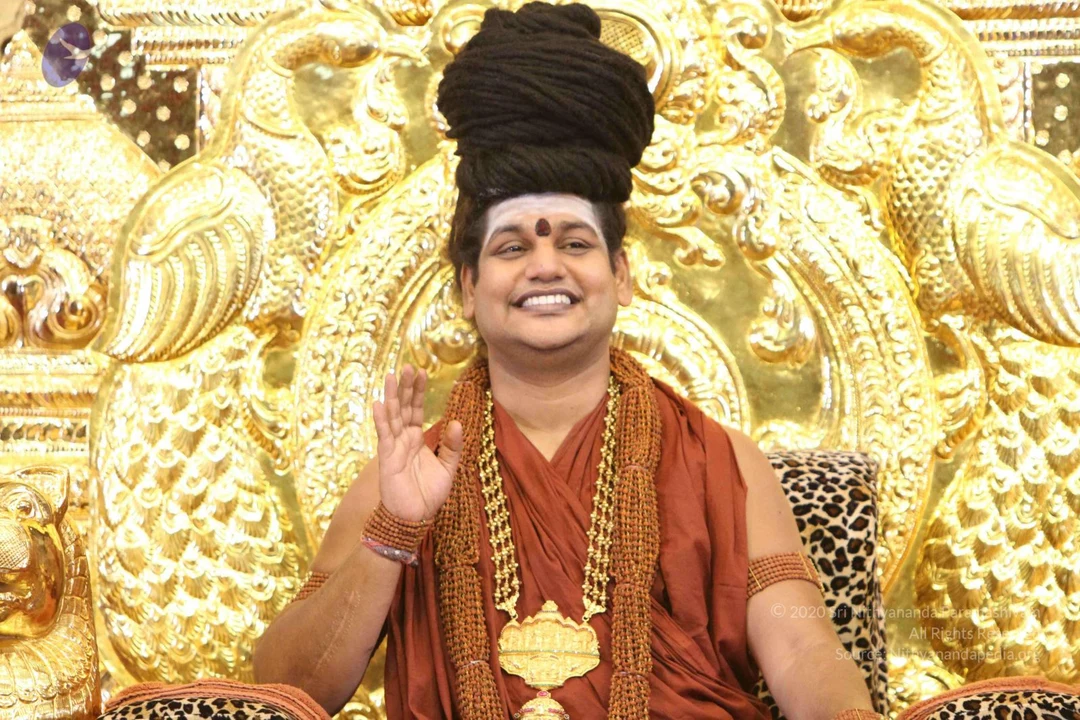
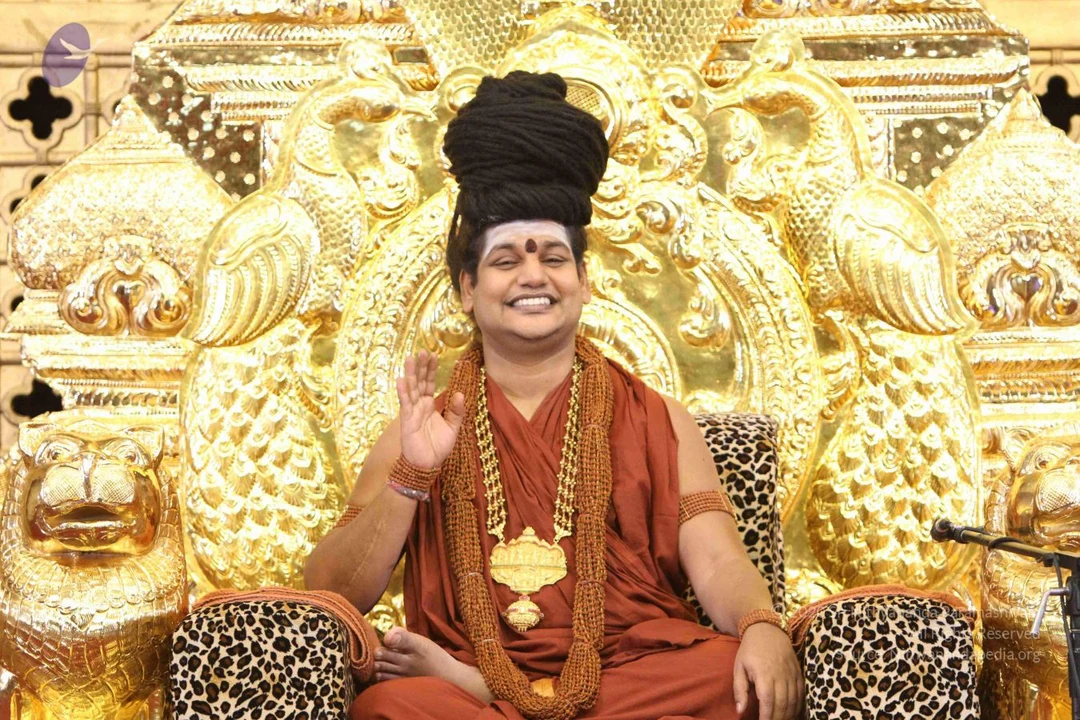
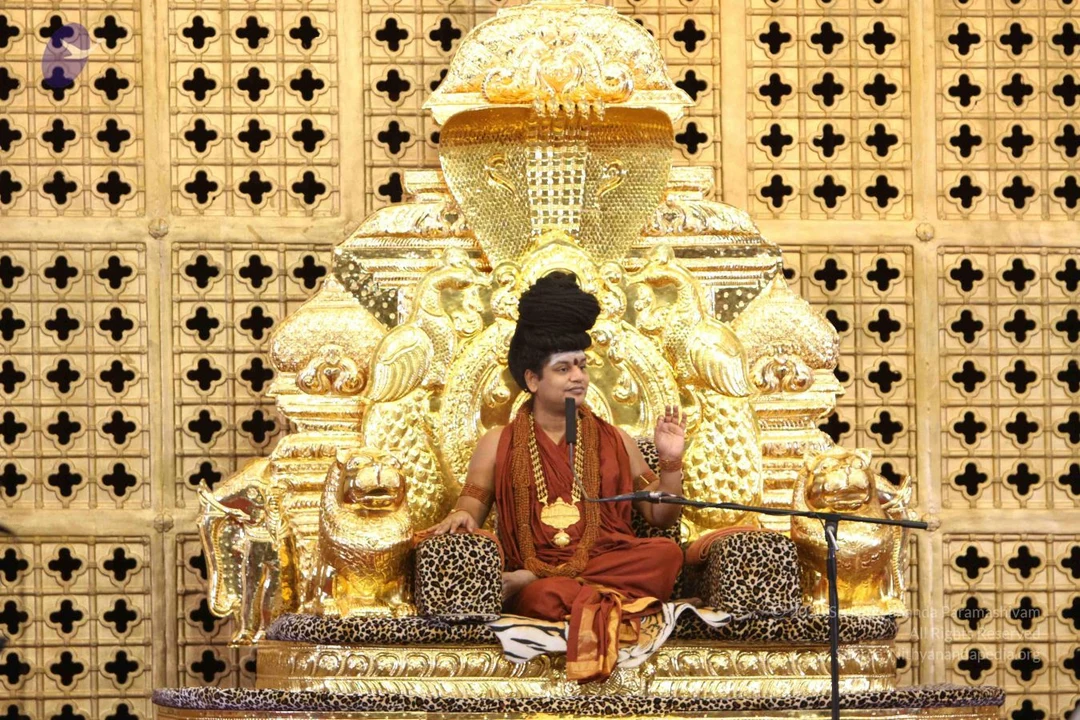
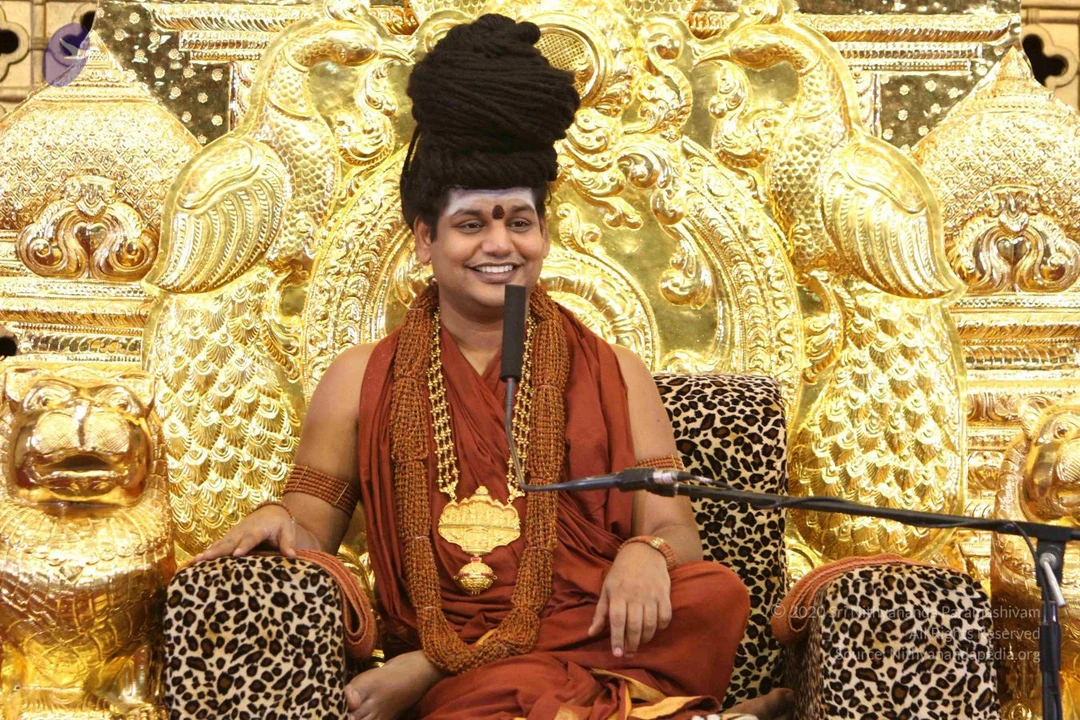
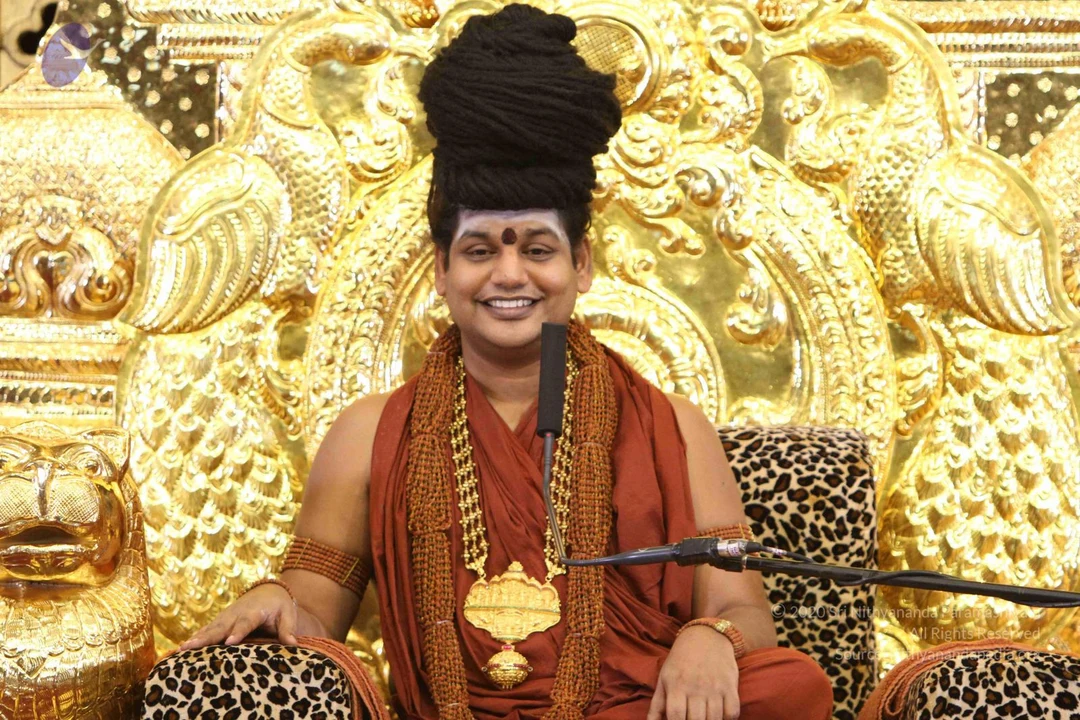
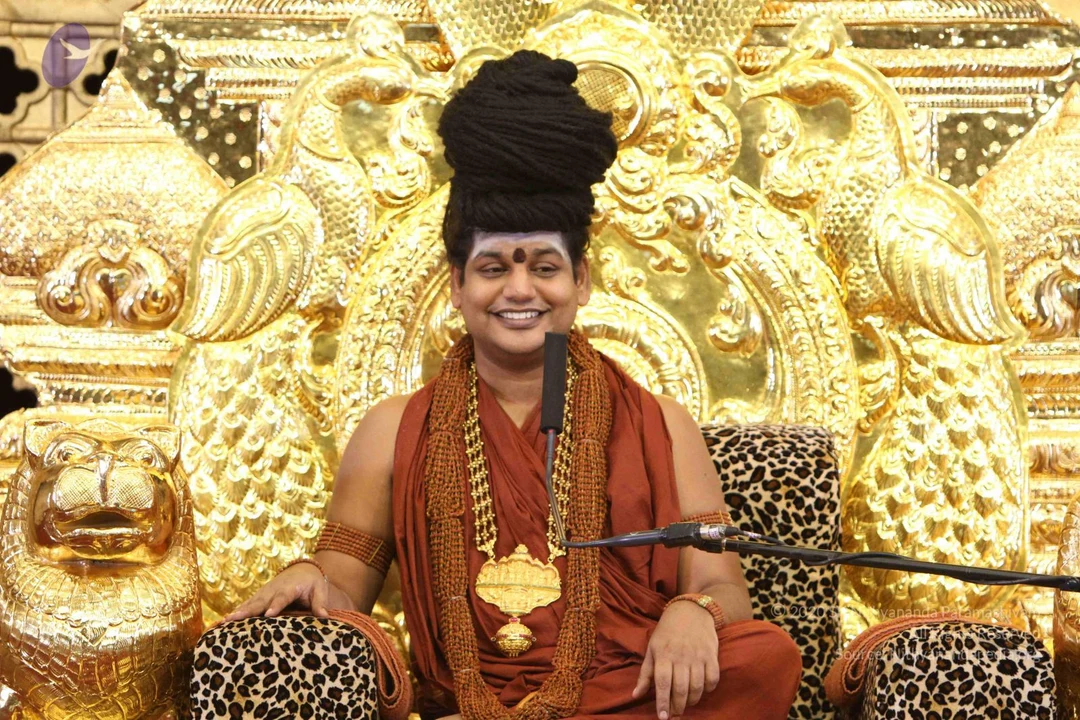
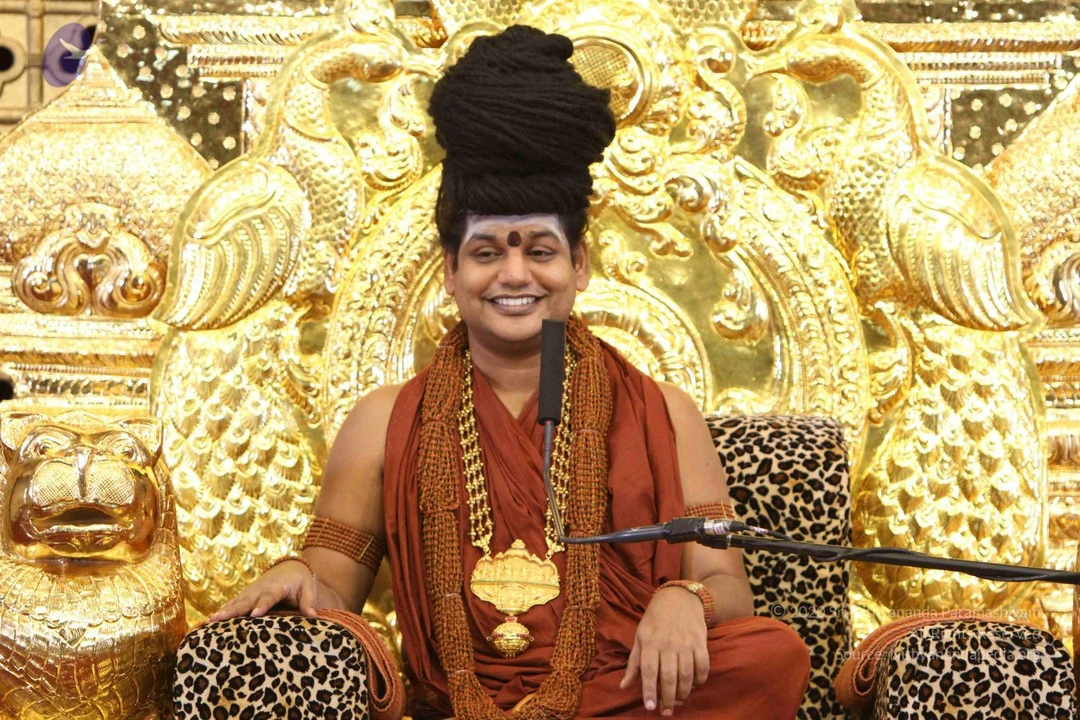
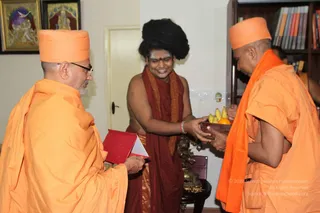
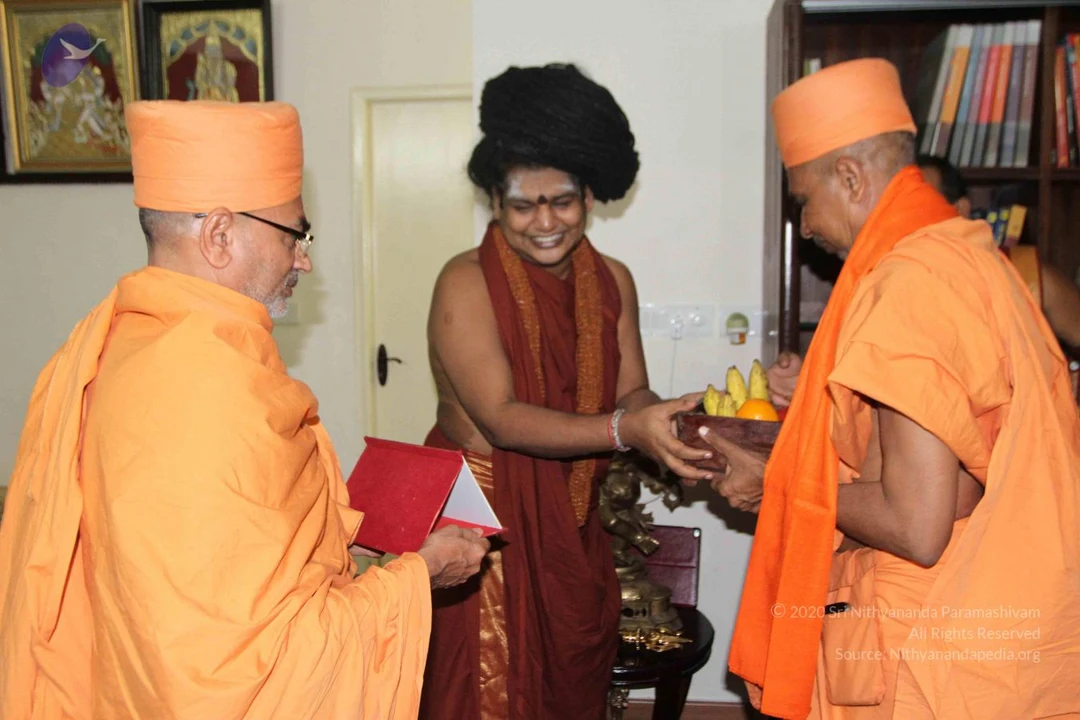
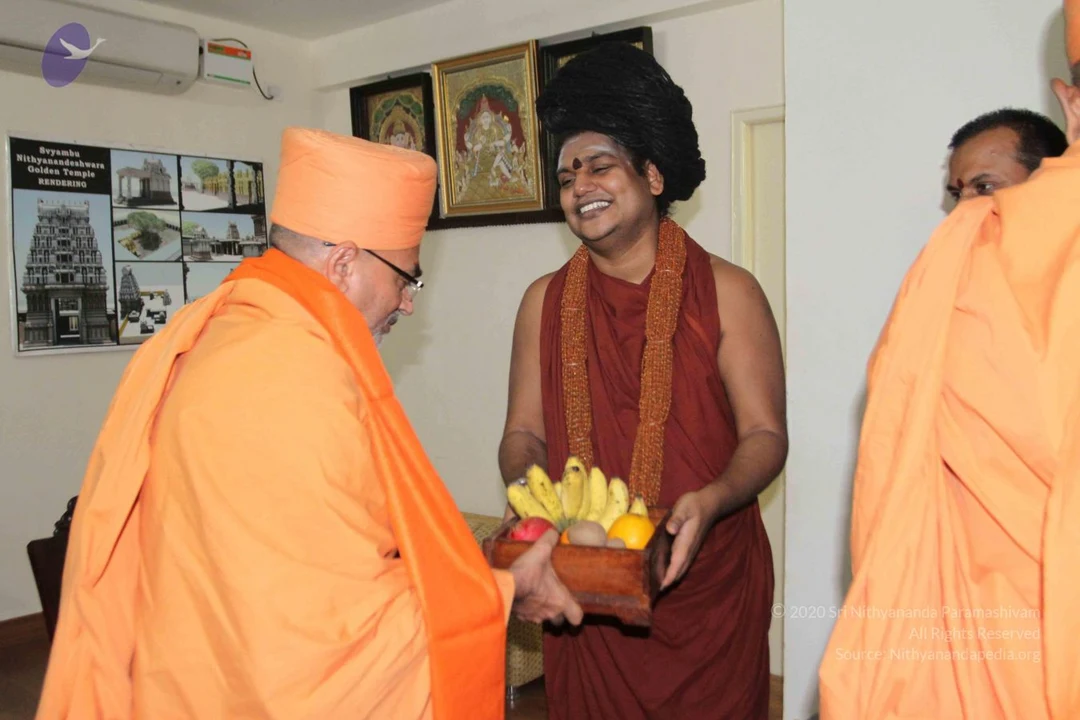
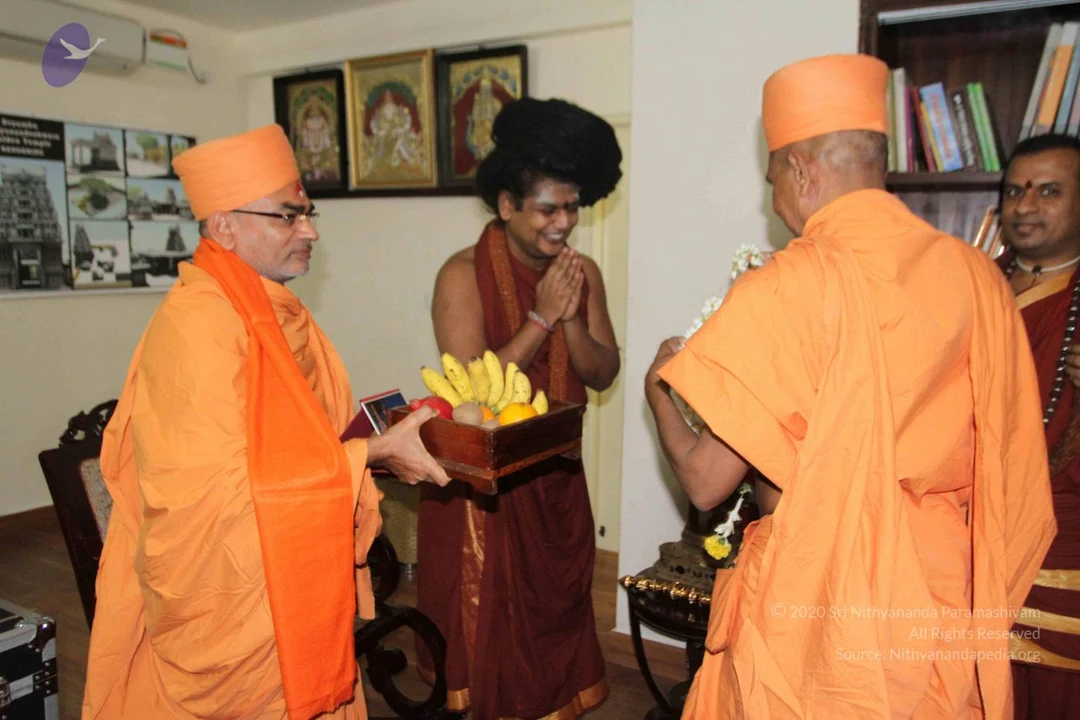
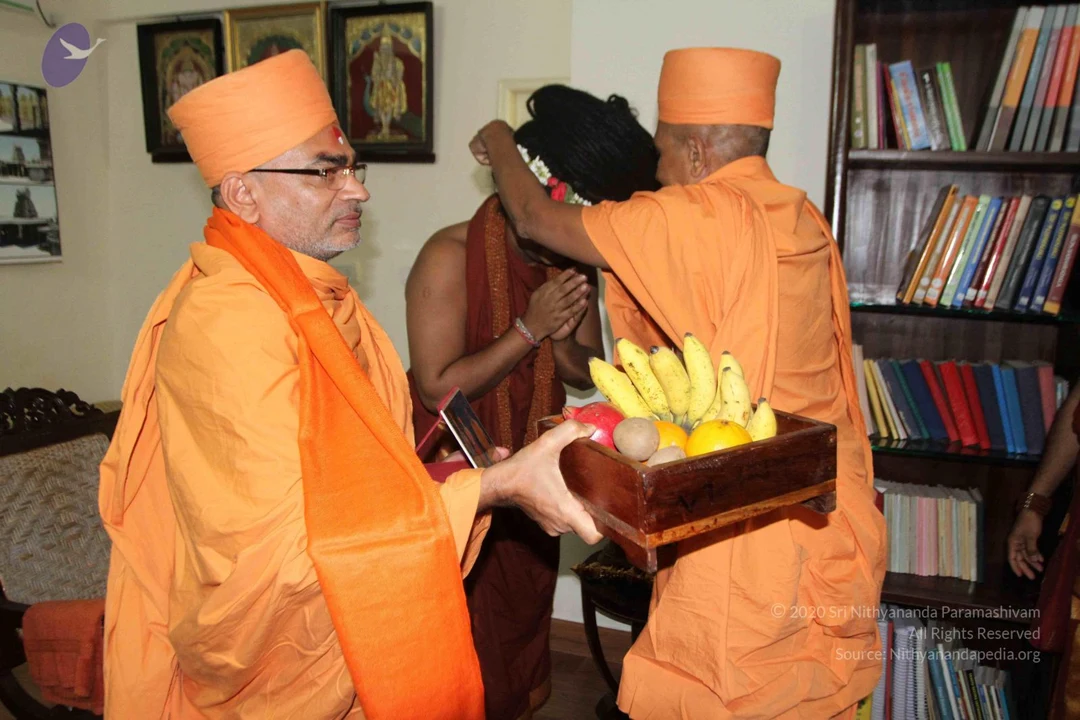
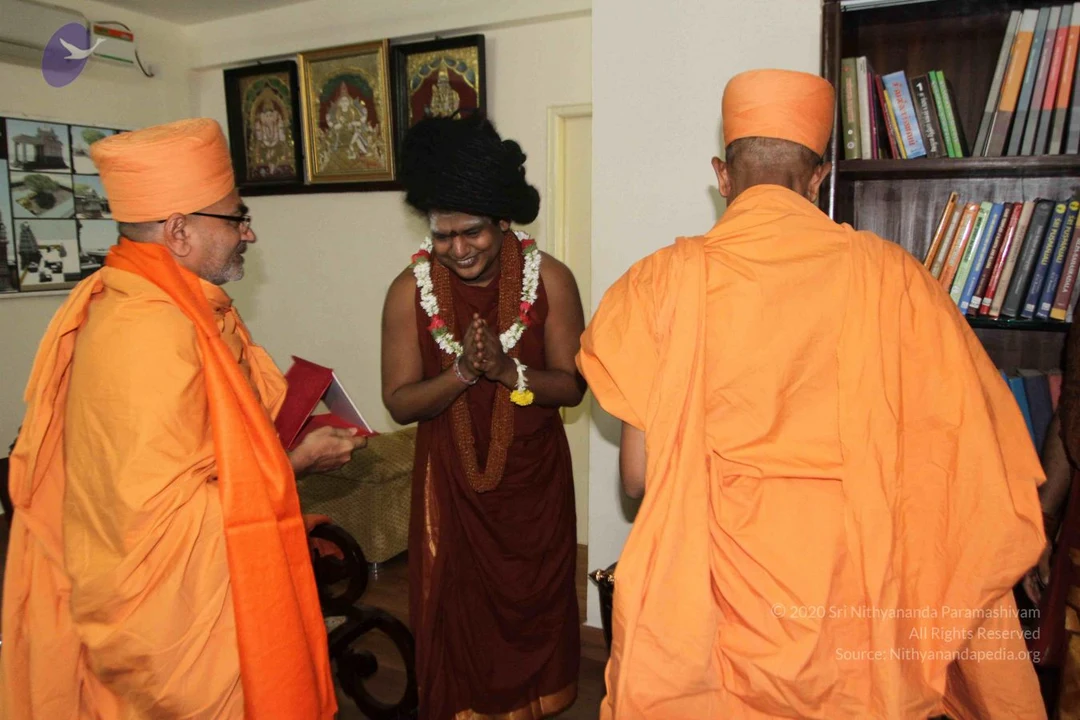
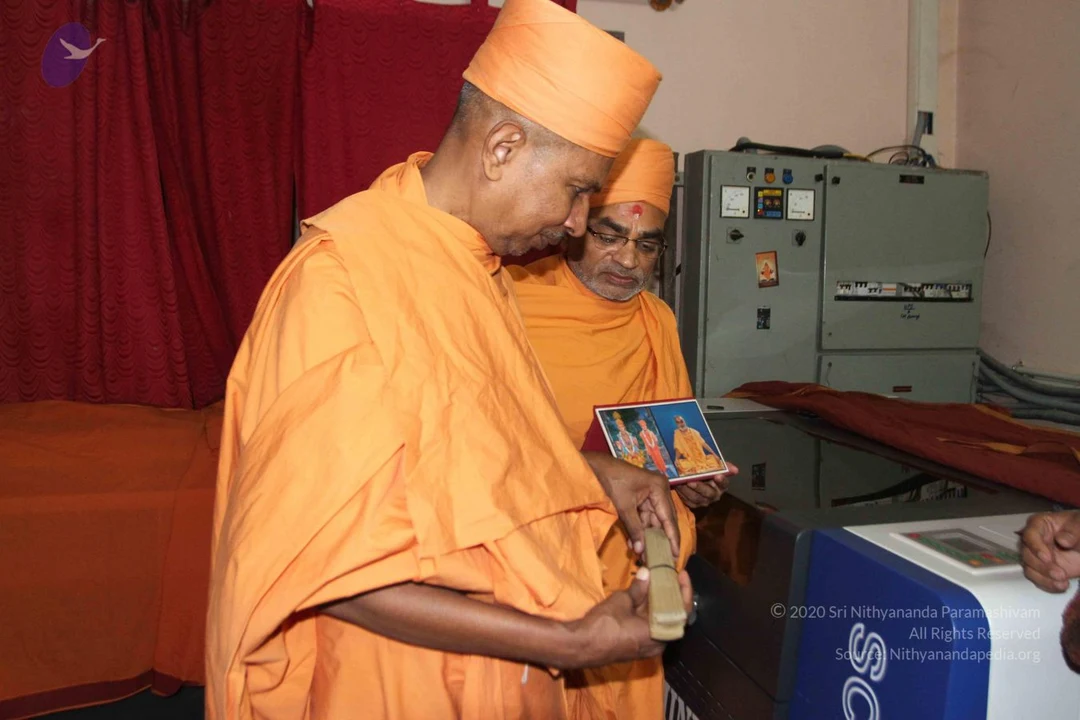
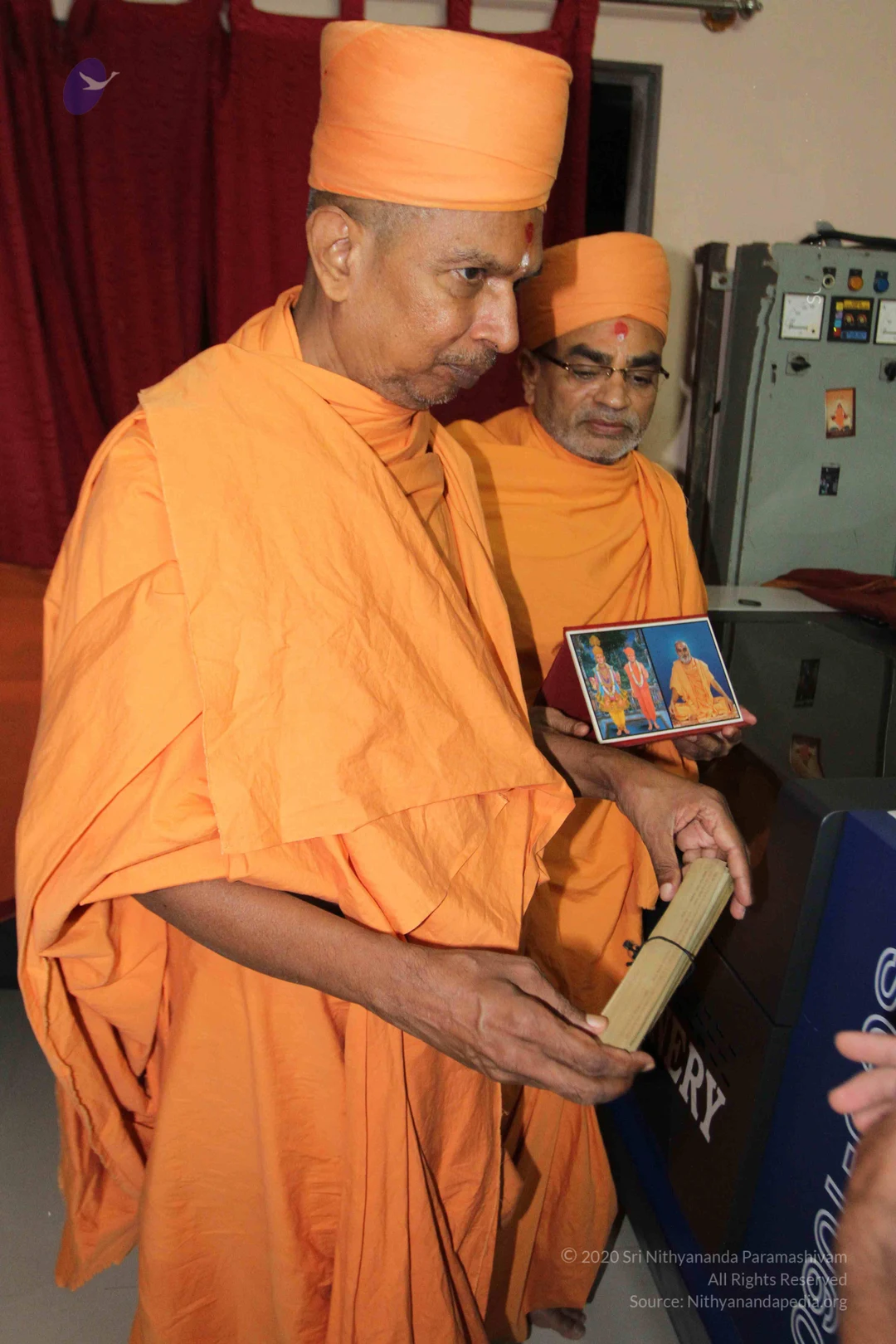
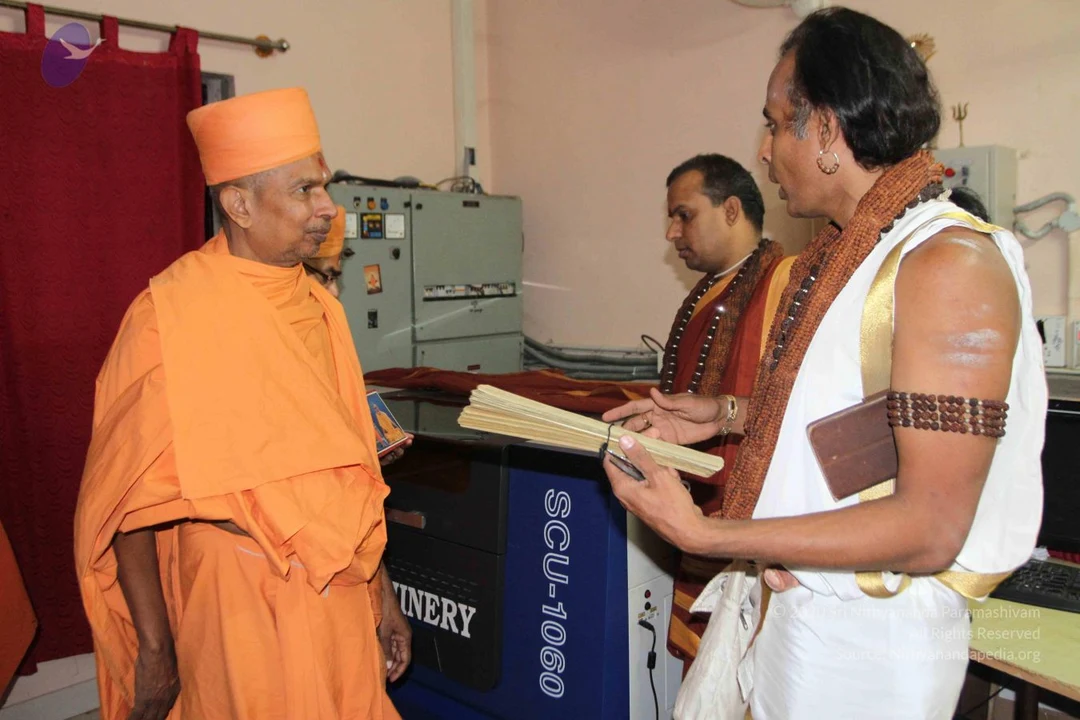
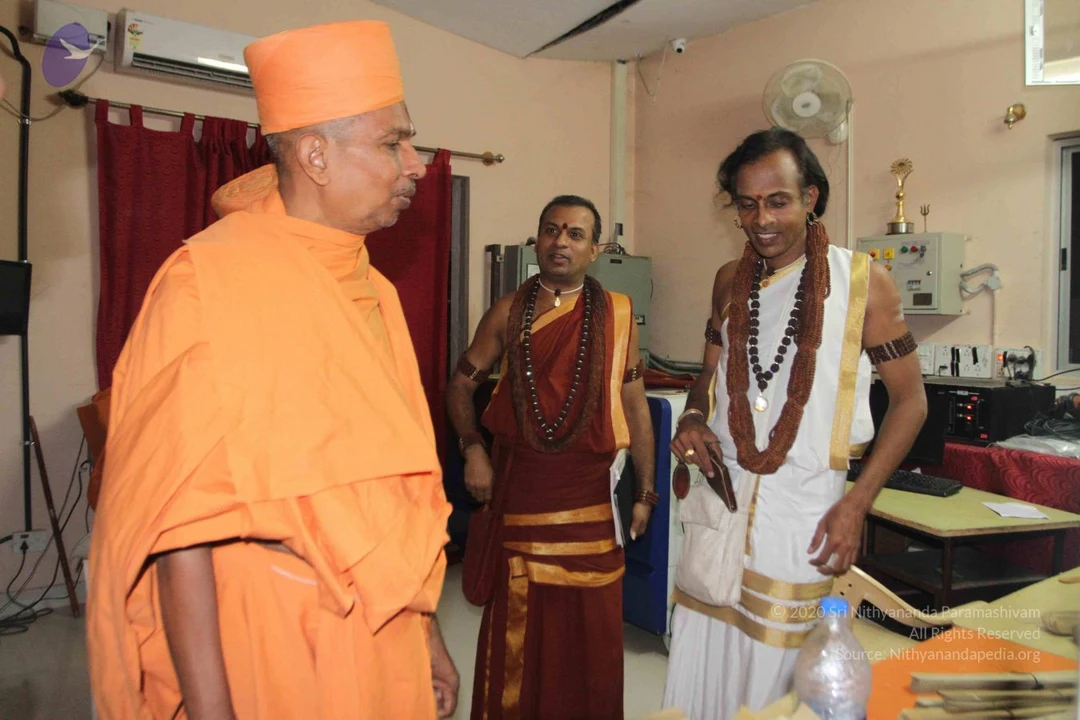
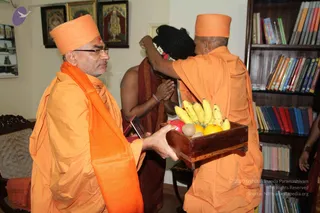
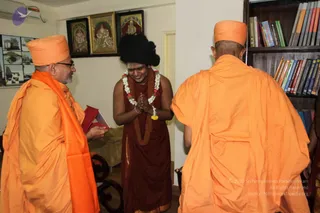
Vip Visit
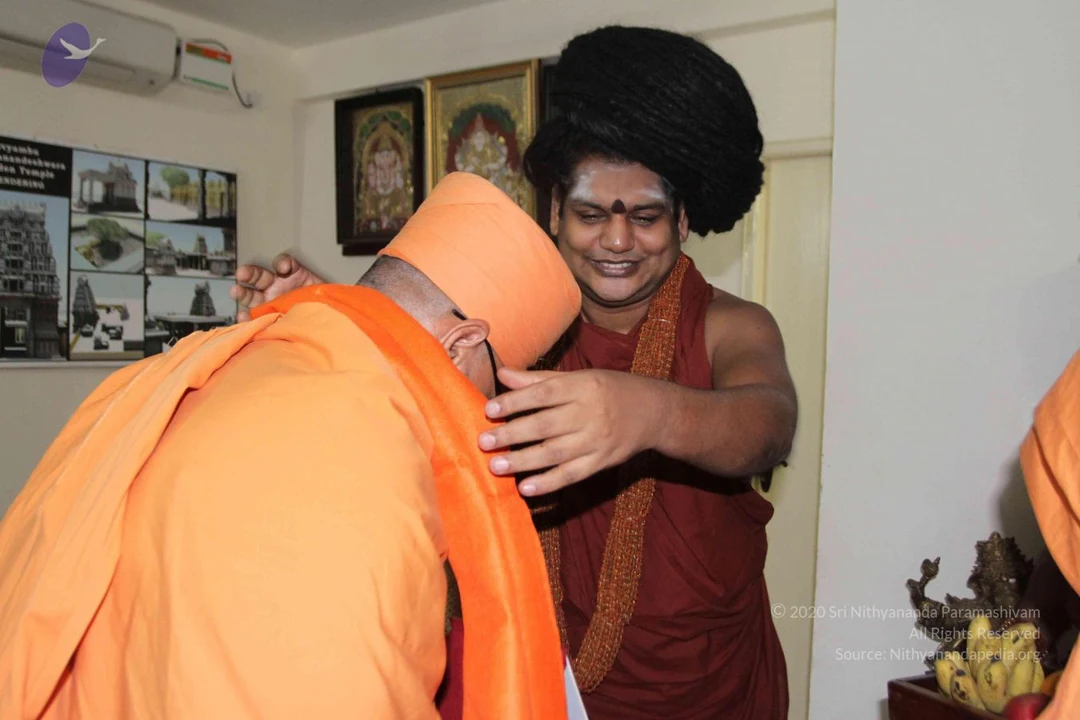
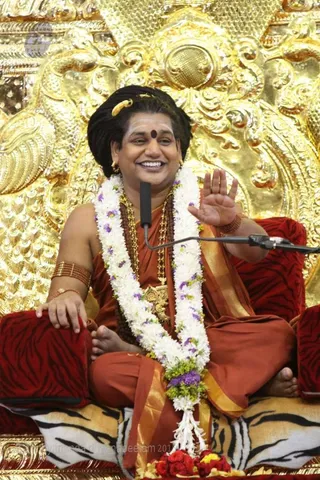
Photos Of The Day:
FB-photo-of-the-day
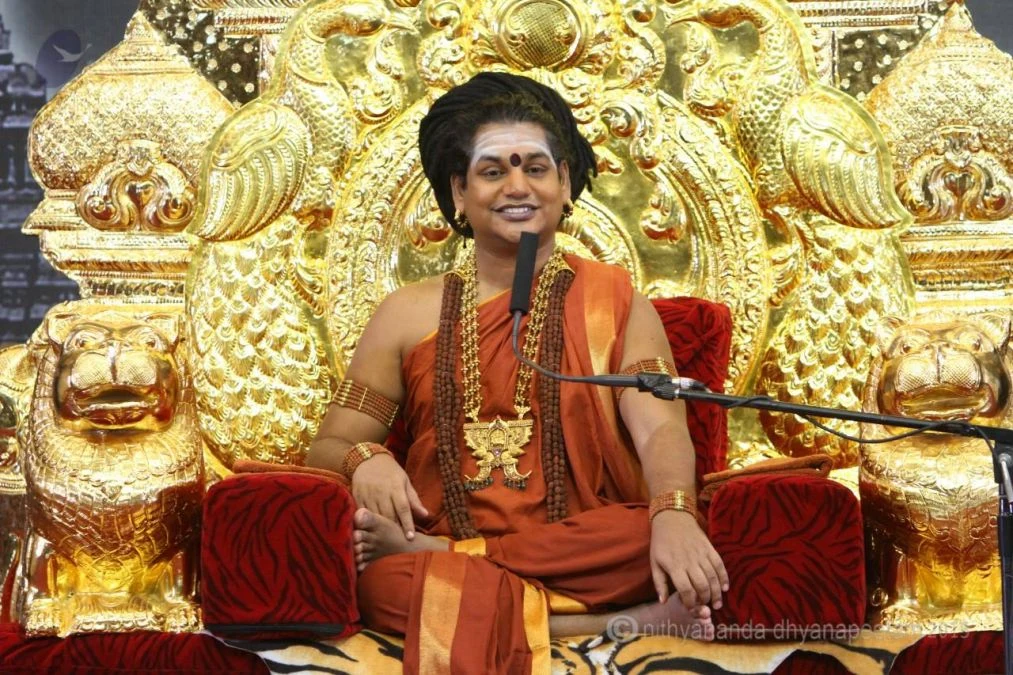
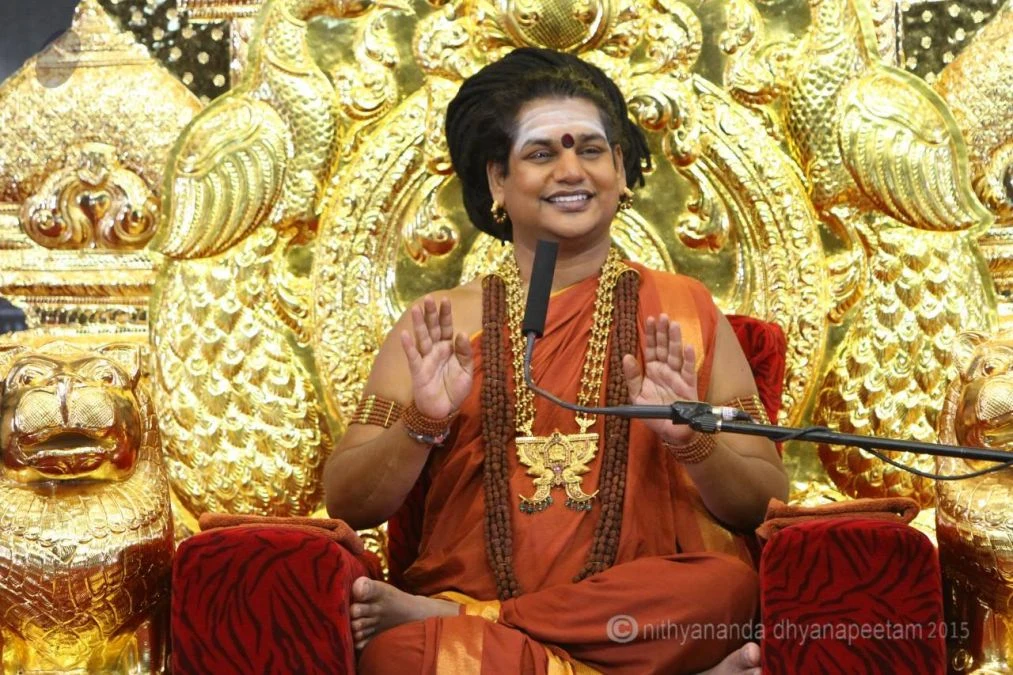
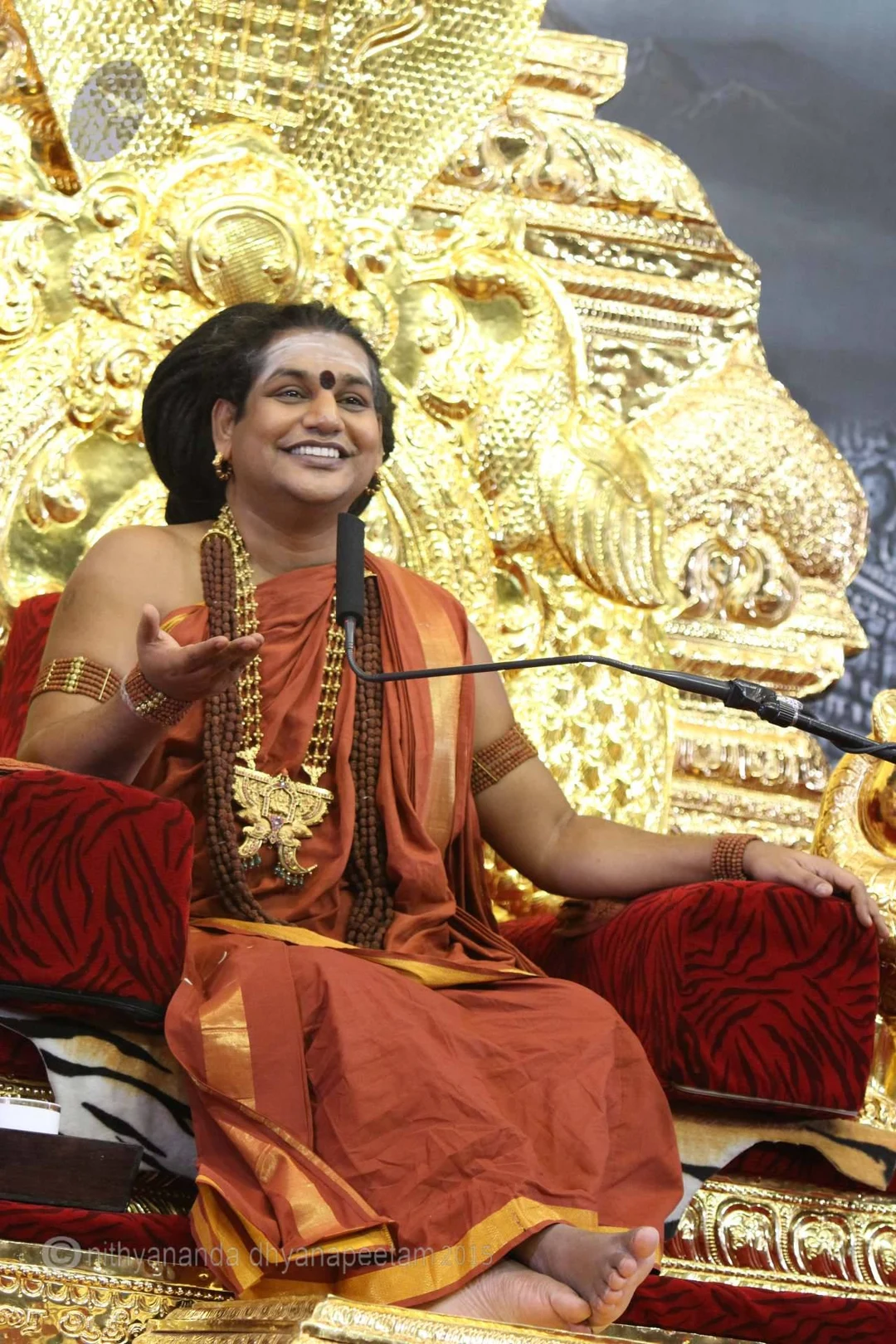
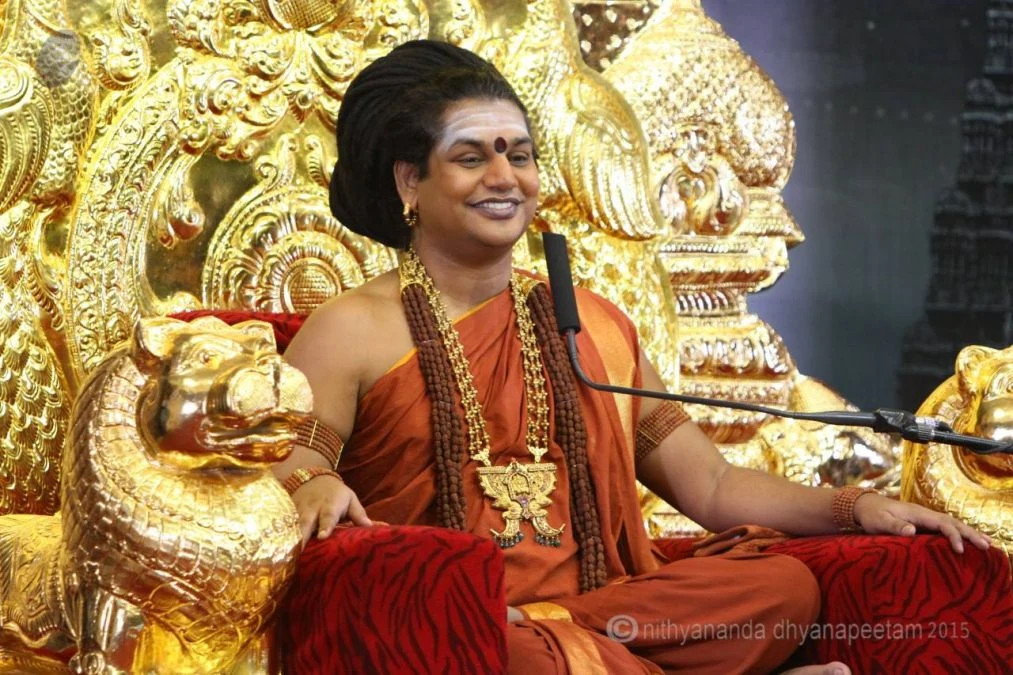
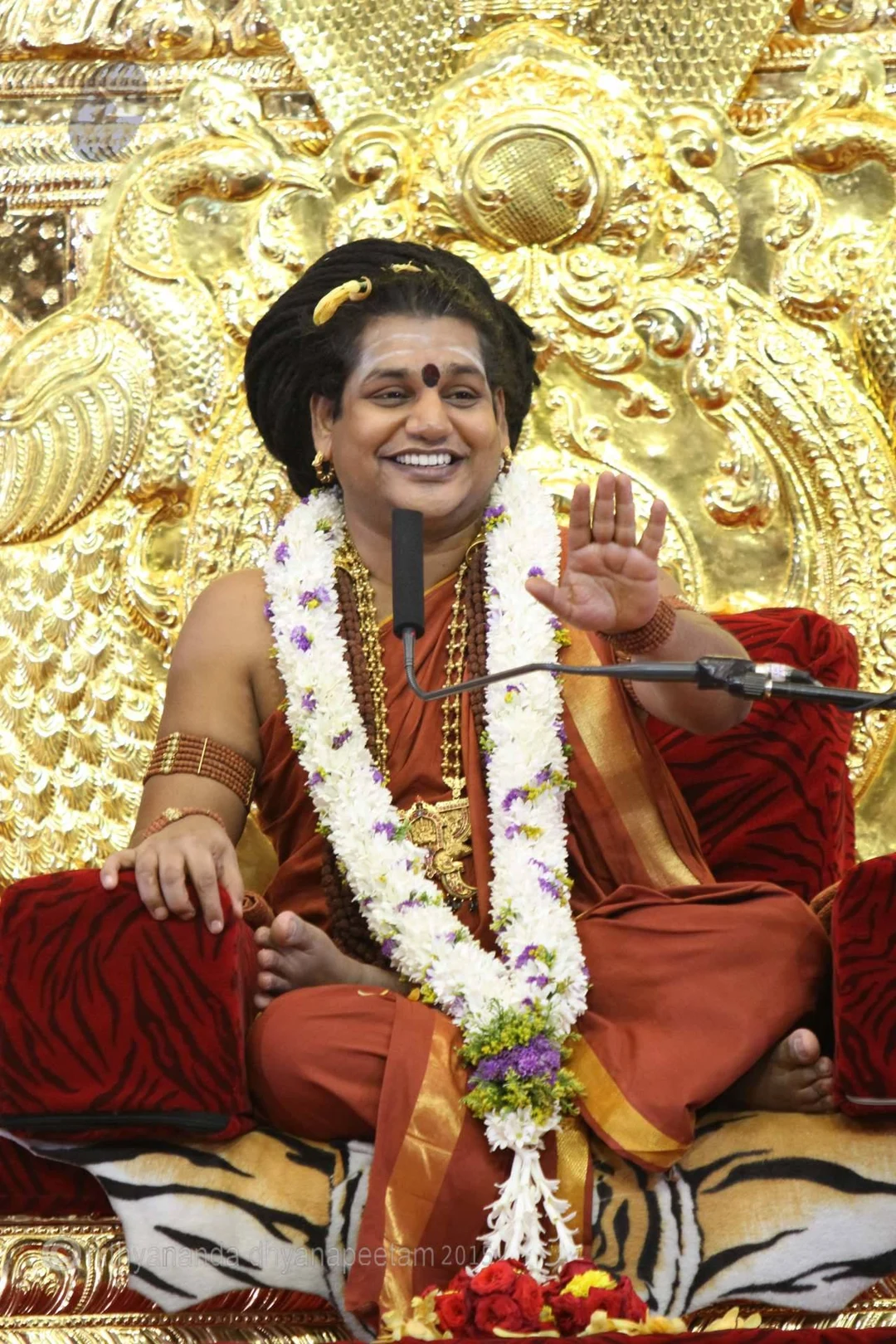
1-Evening-Satsang
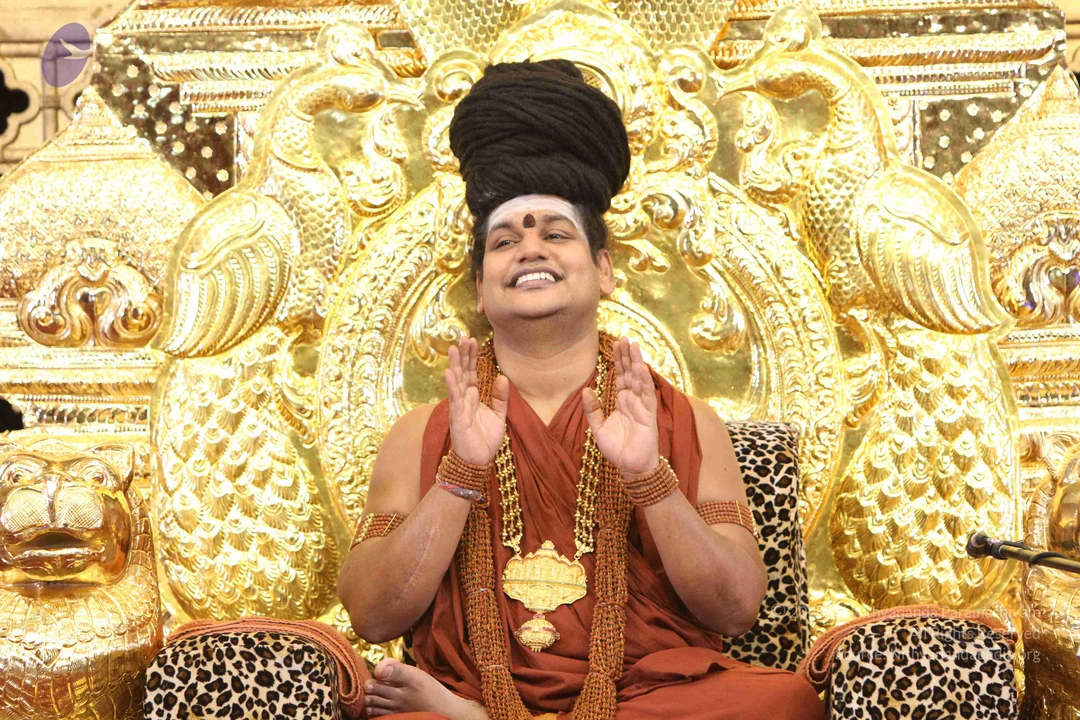
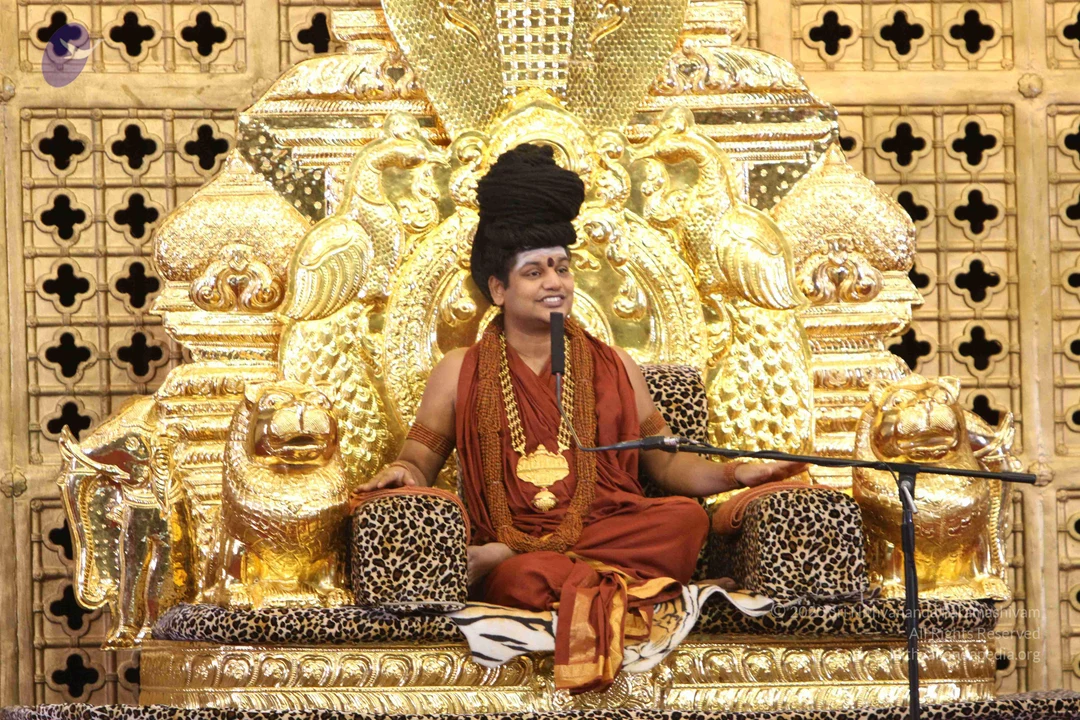
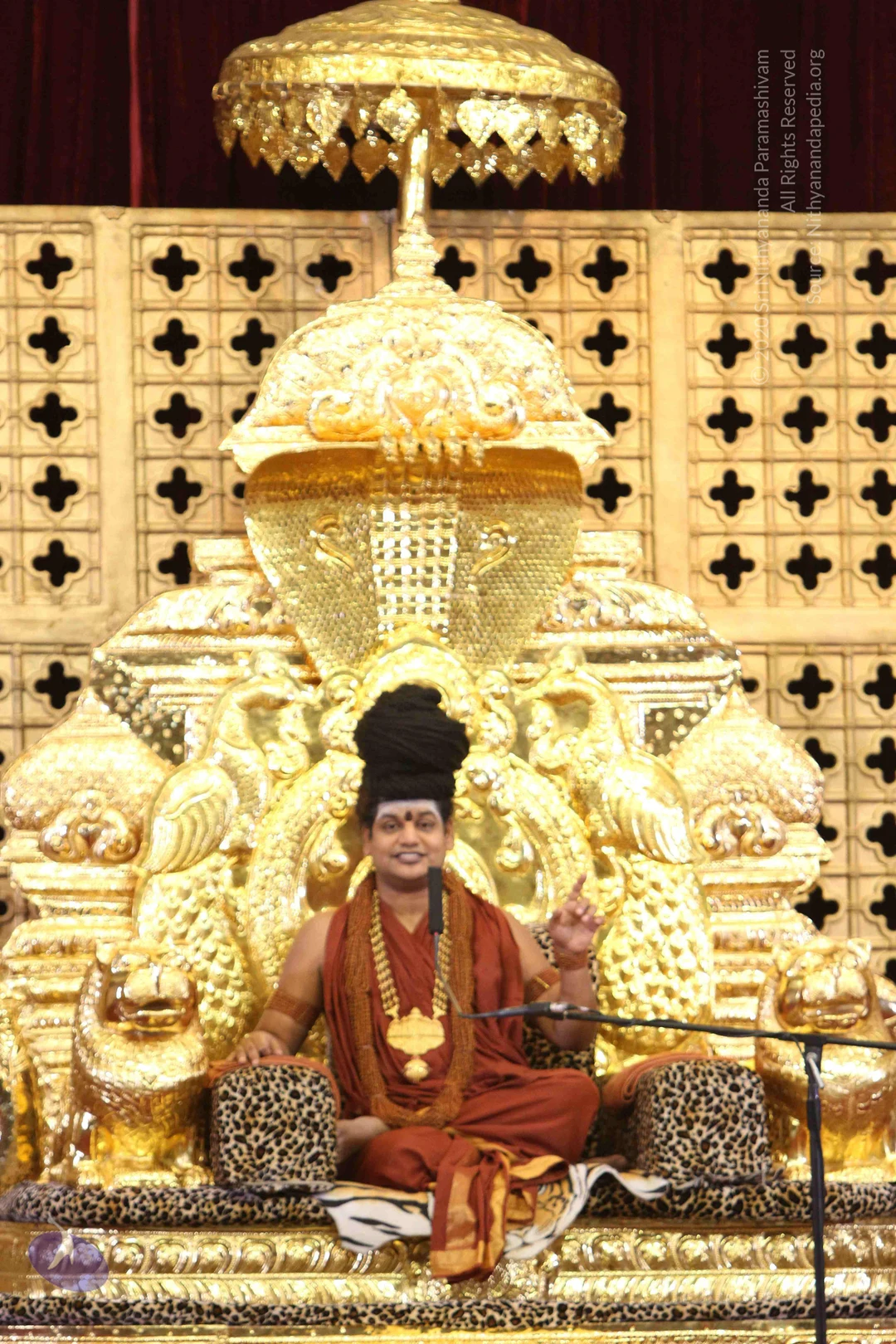
Photos from this day
View all 89 photosEvening-Satsang
57 photosSource gallery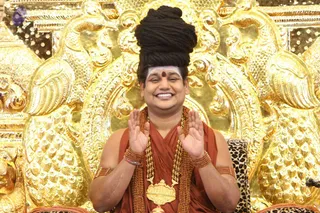
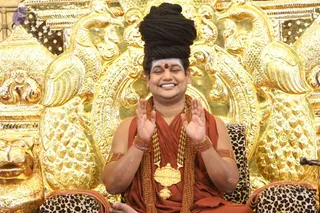
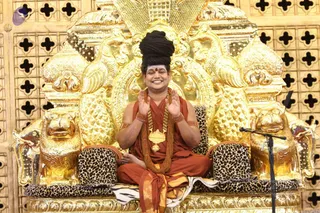
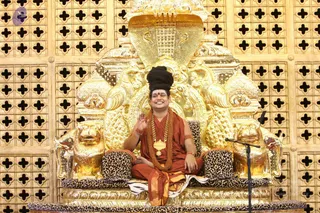
Vip Visit
10 photosSource gallery
FB-photo-of-the-day
5 photosSource gallery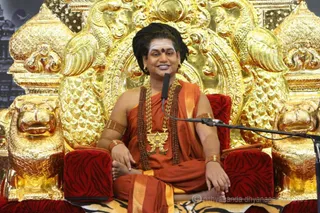
1-Evening-Satsang
11 photosSource gallery
January 27th 2016
6 photosView all