Sunday
29 March 2015
Oneness Is A Spiritual Power
- Dated photos
- 93
- Source pages
- 1
- Media
- 4
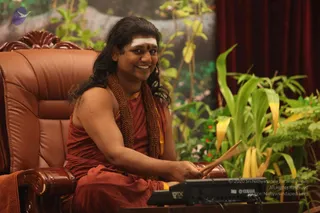
March 29 2015
Original wiki pageTitle:
Oneness Is A Spiritual Power
Description:
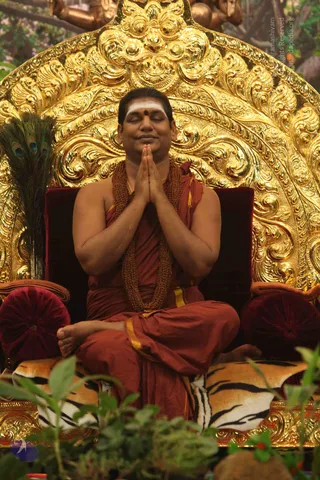
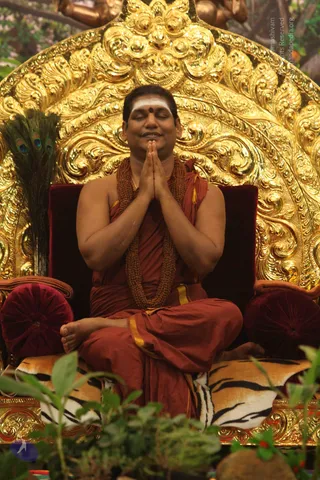
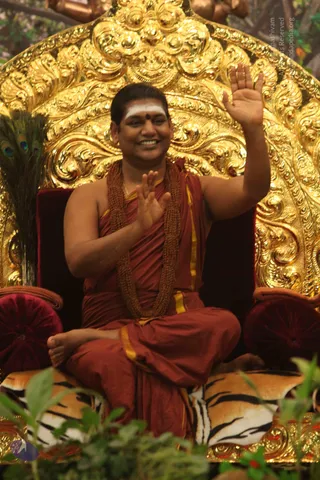
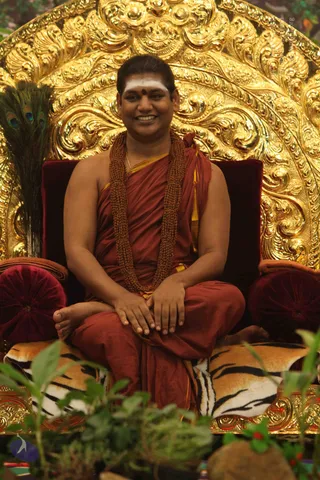
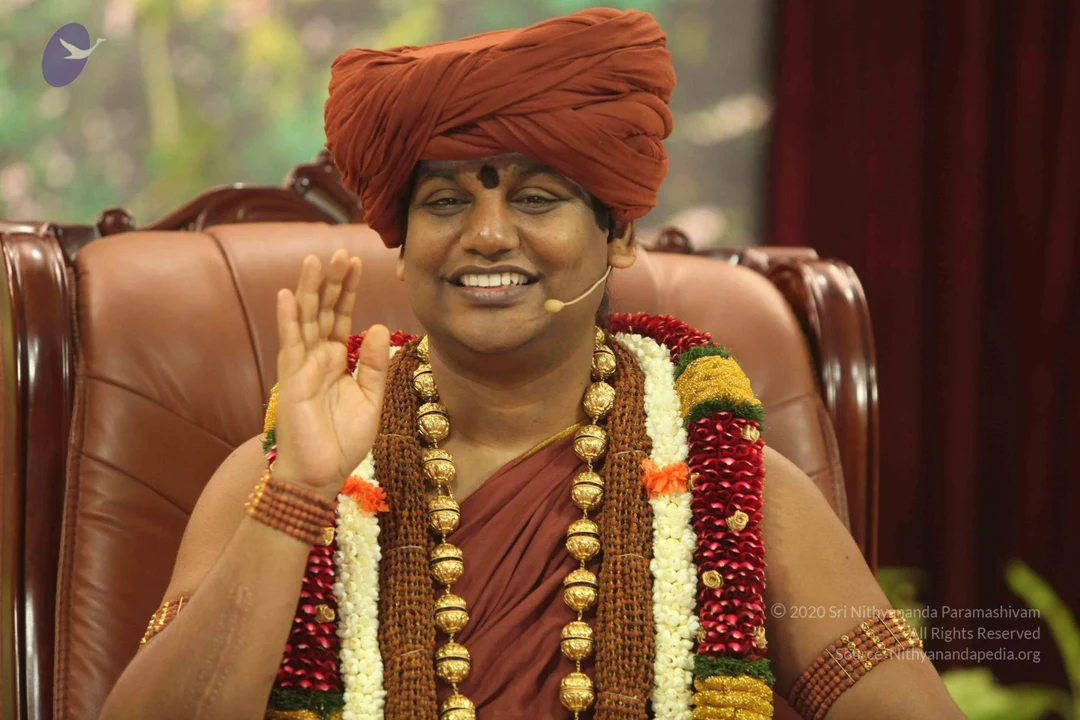
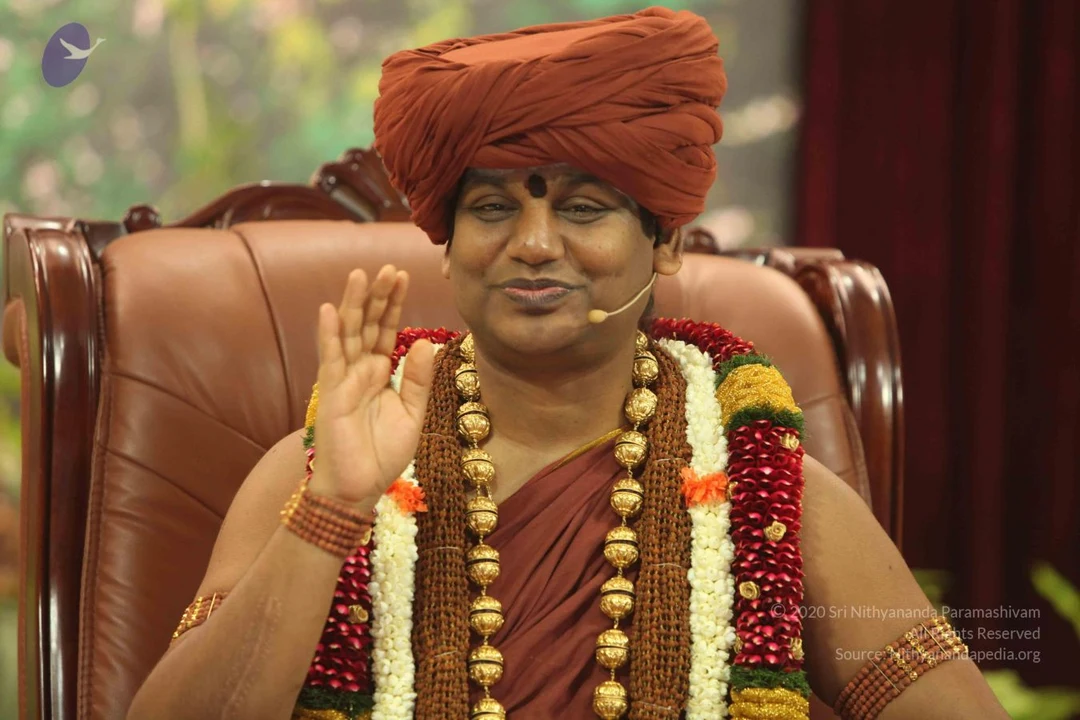
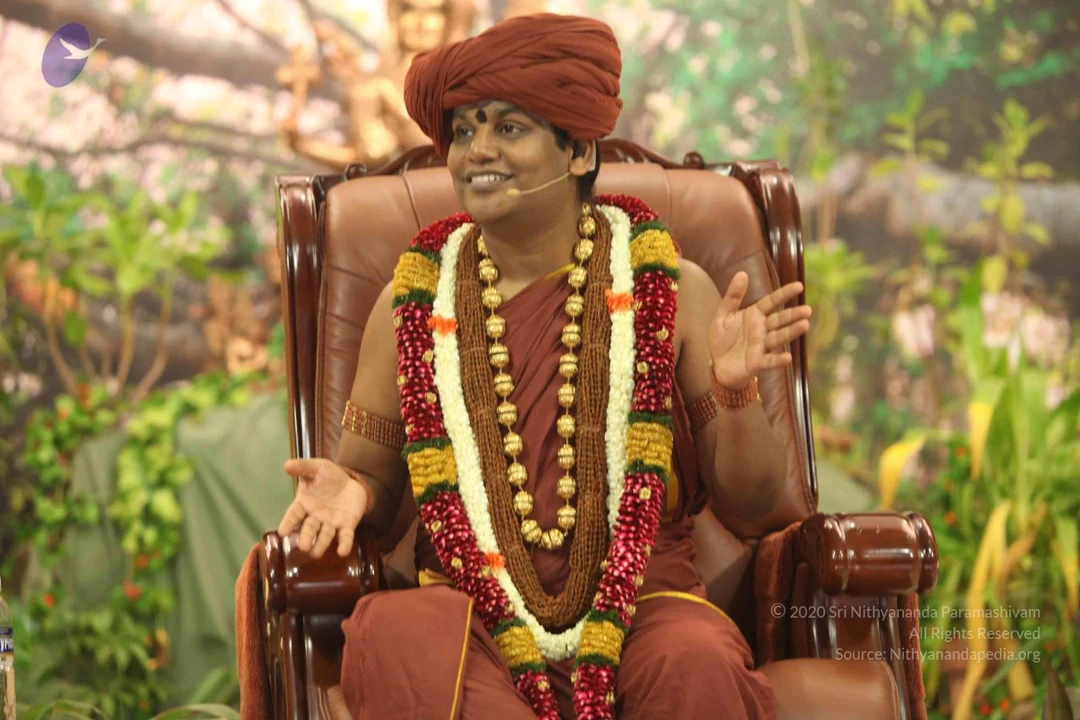
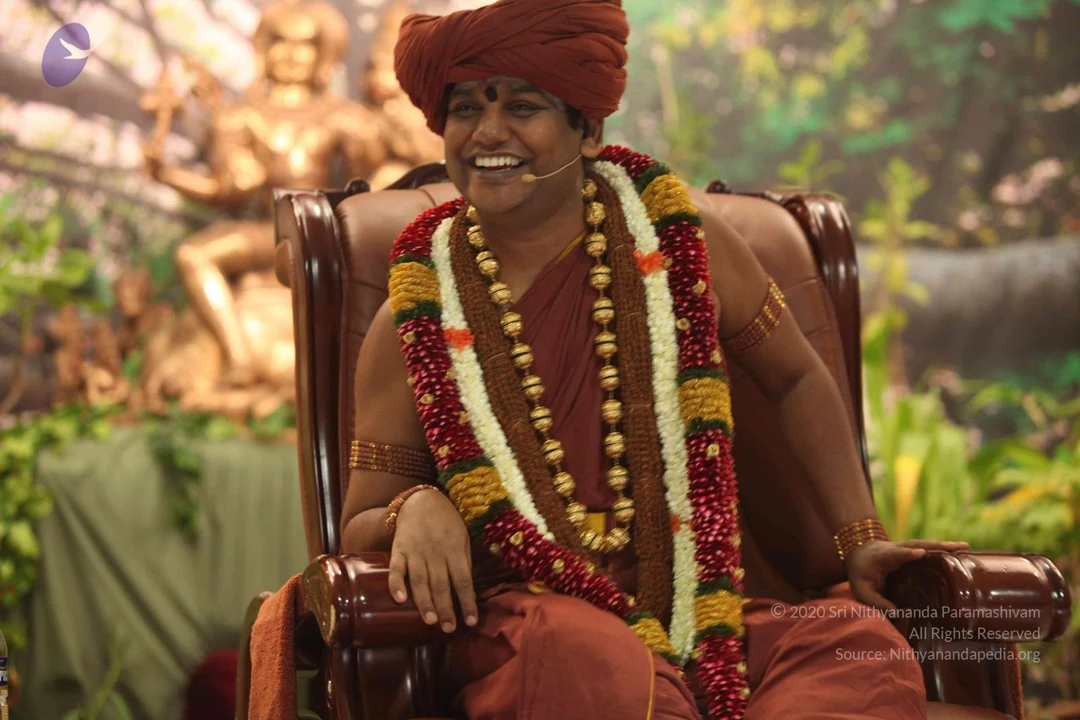
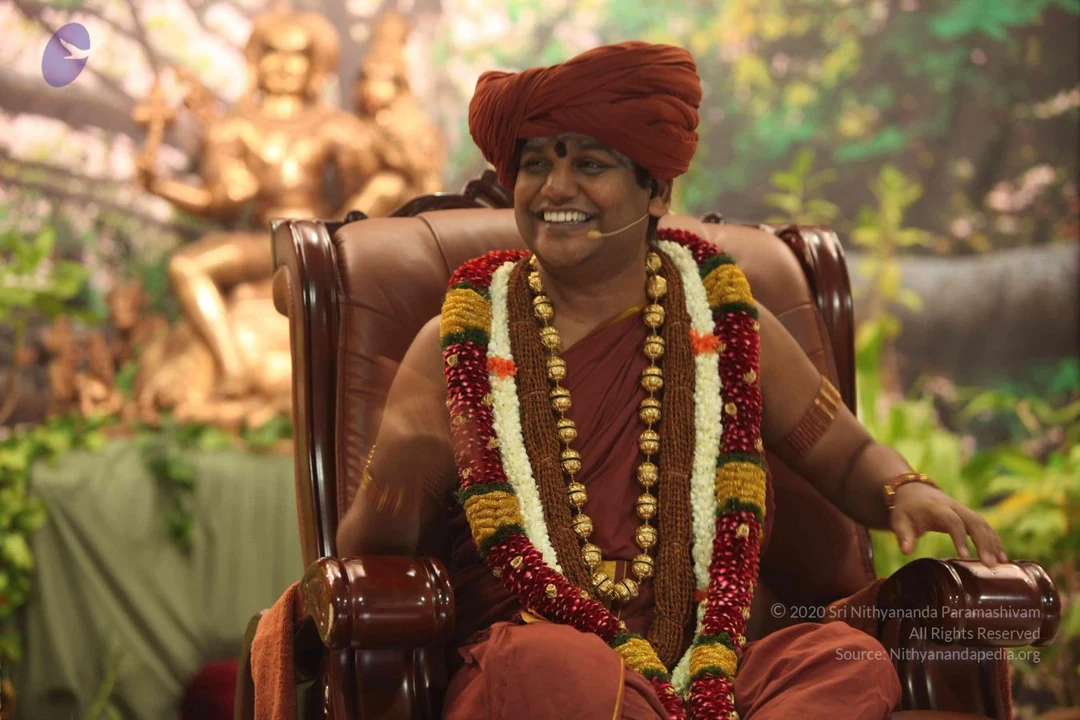
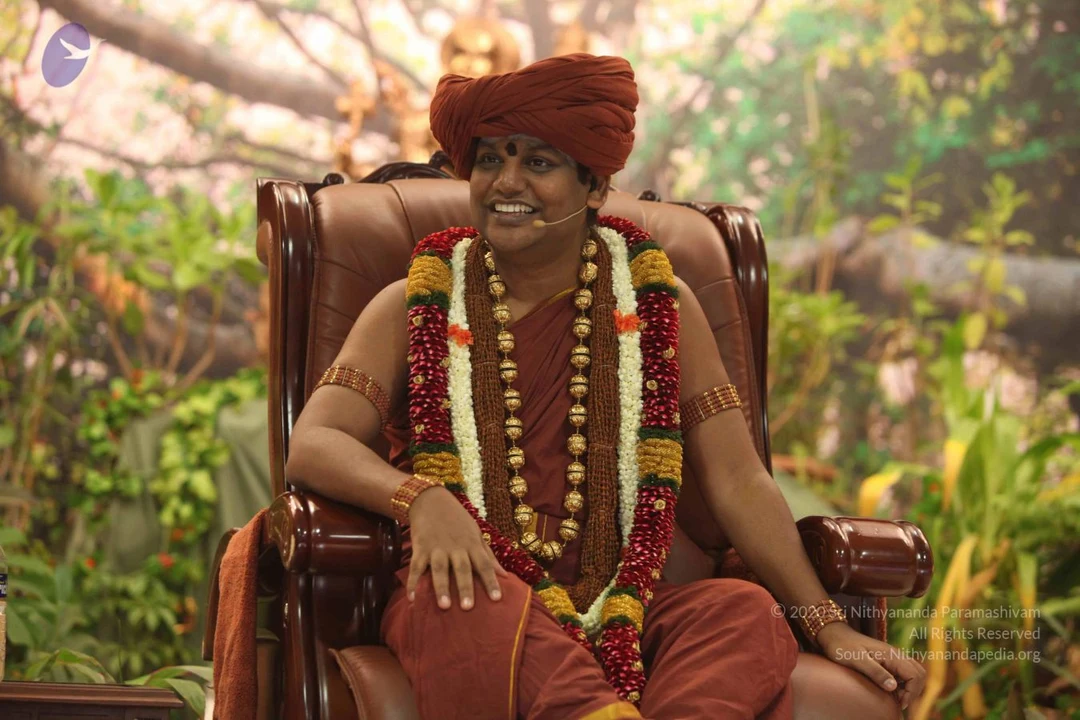
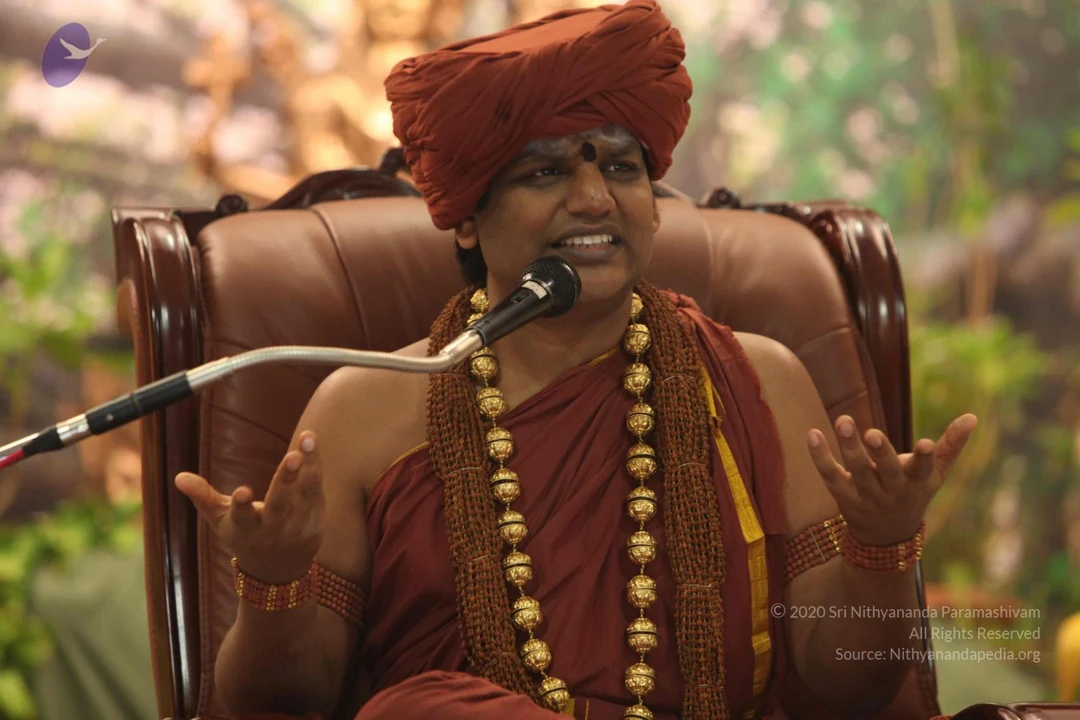
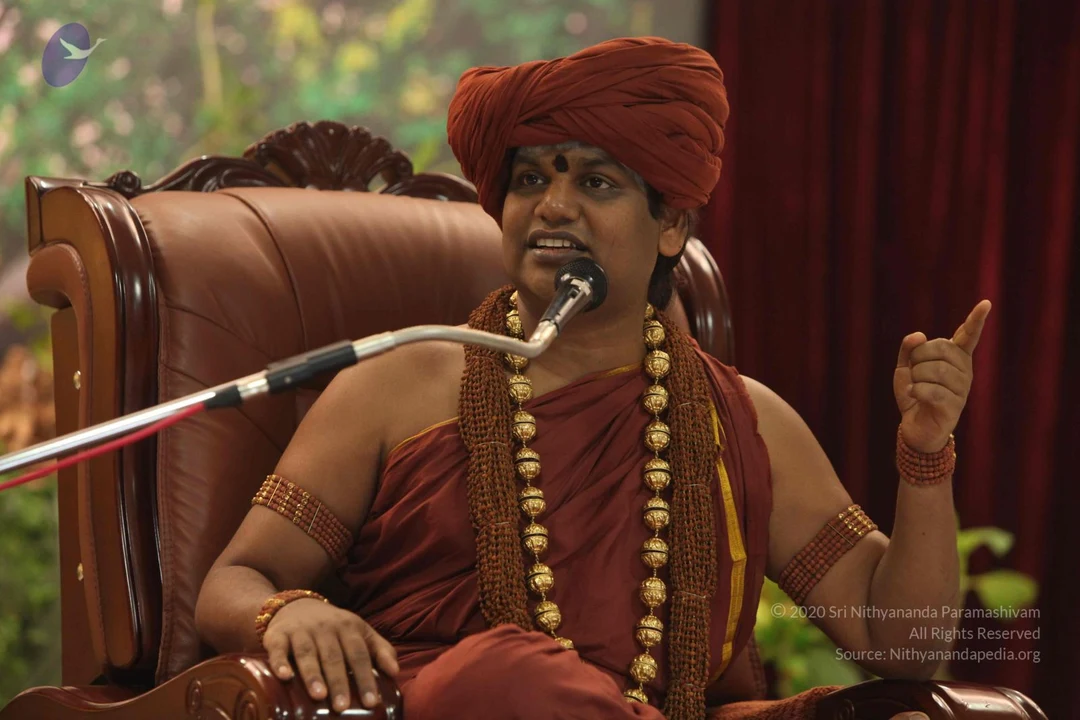
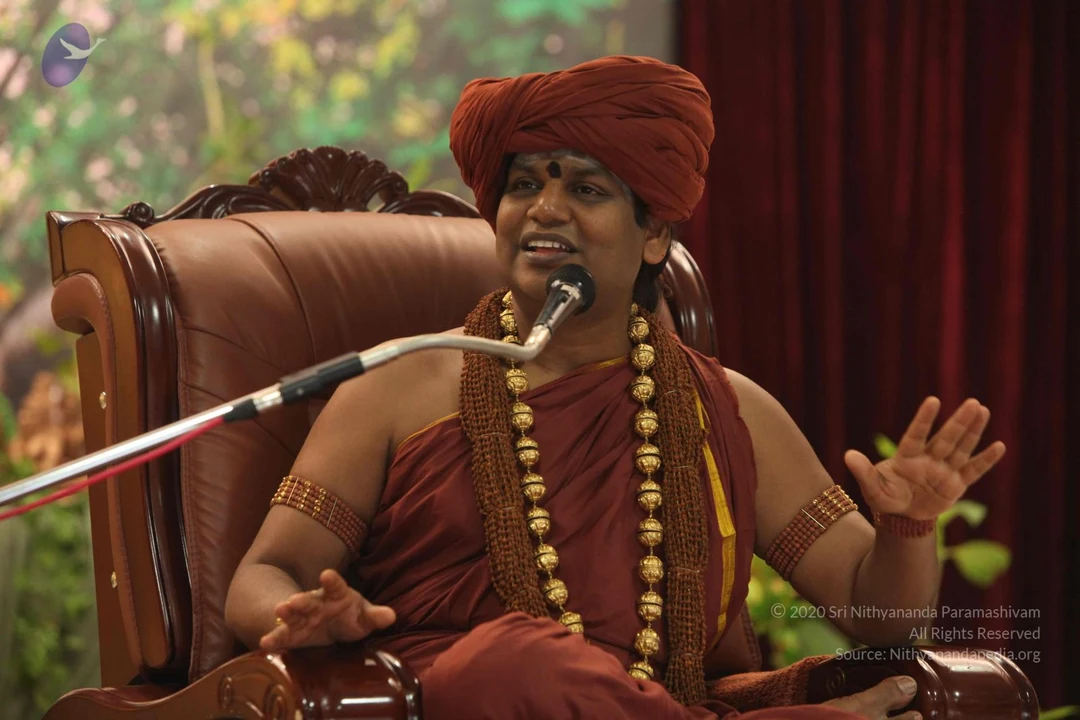
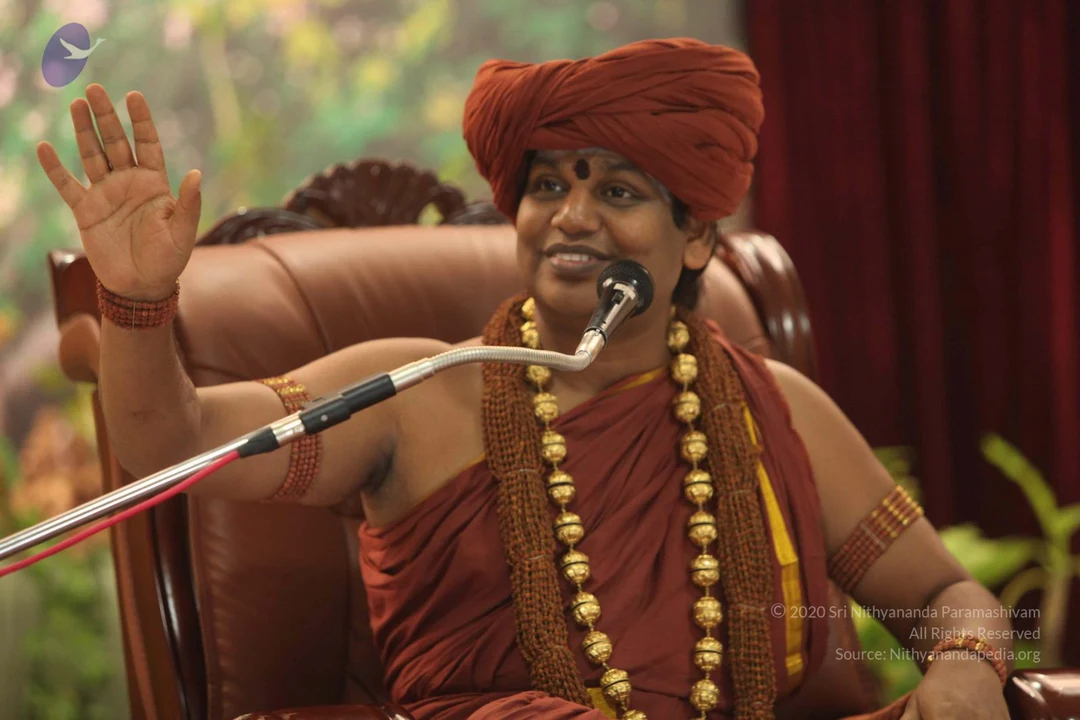
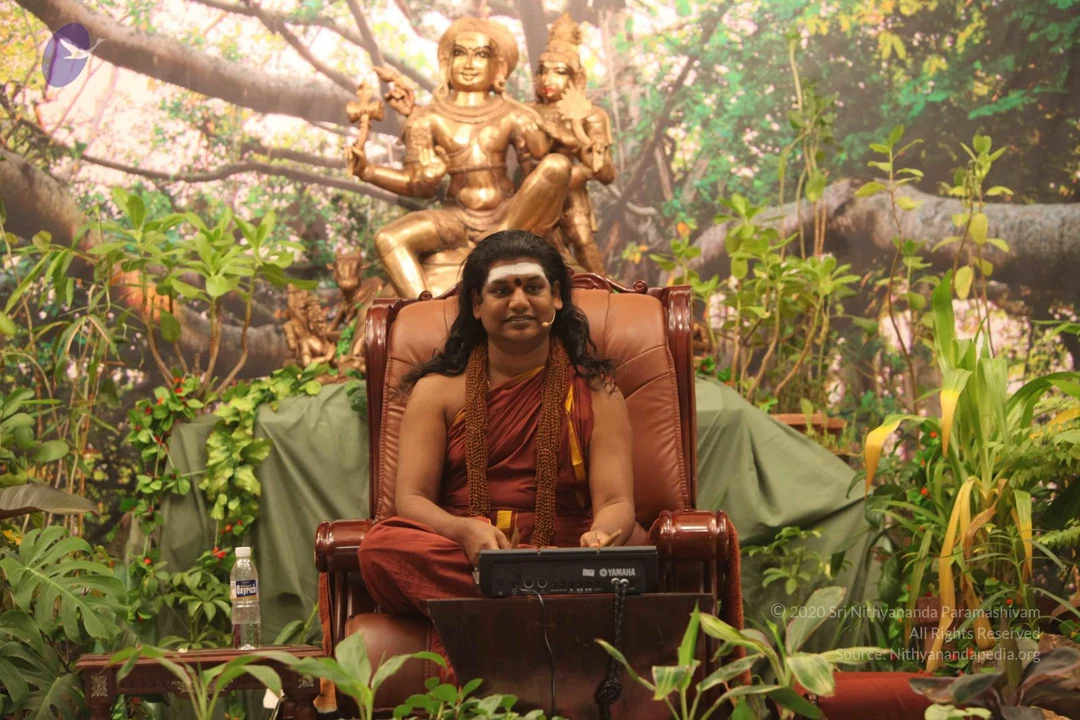
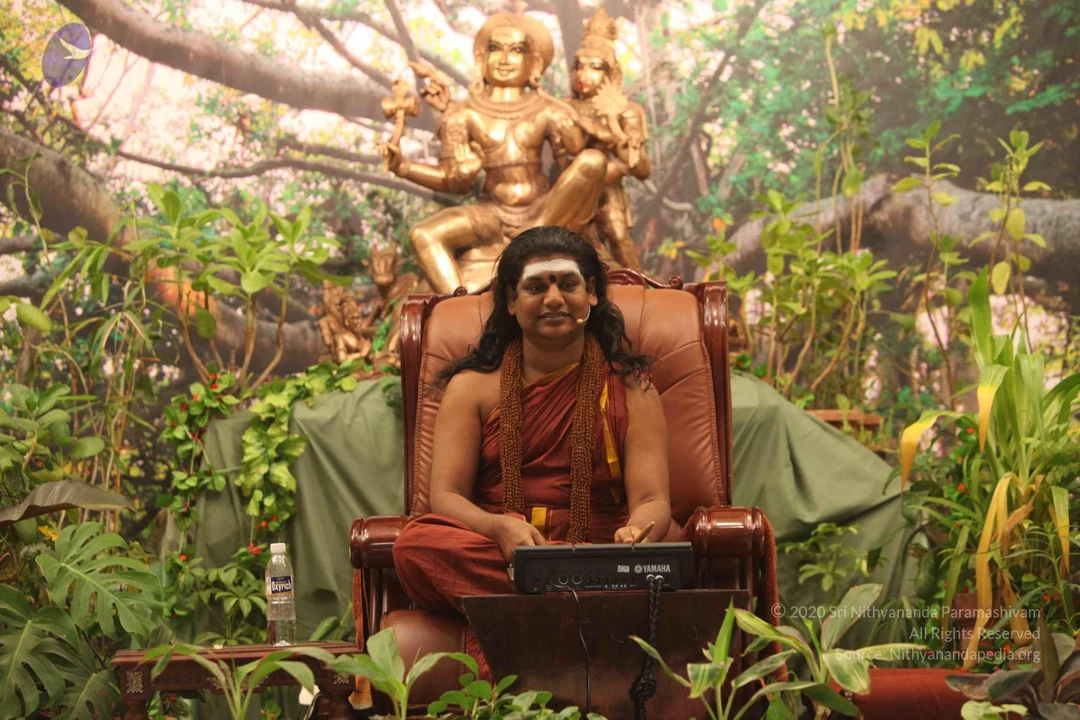
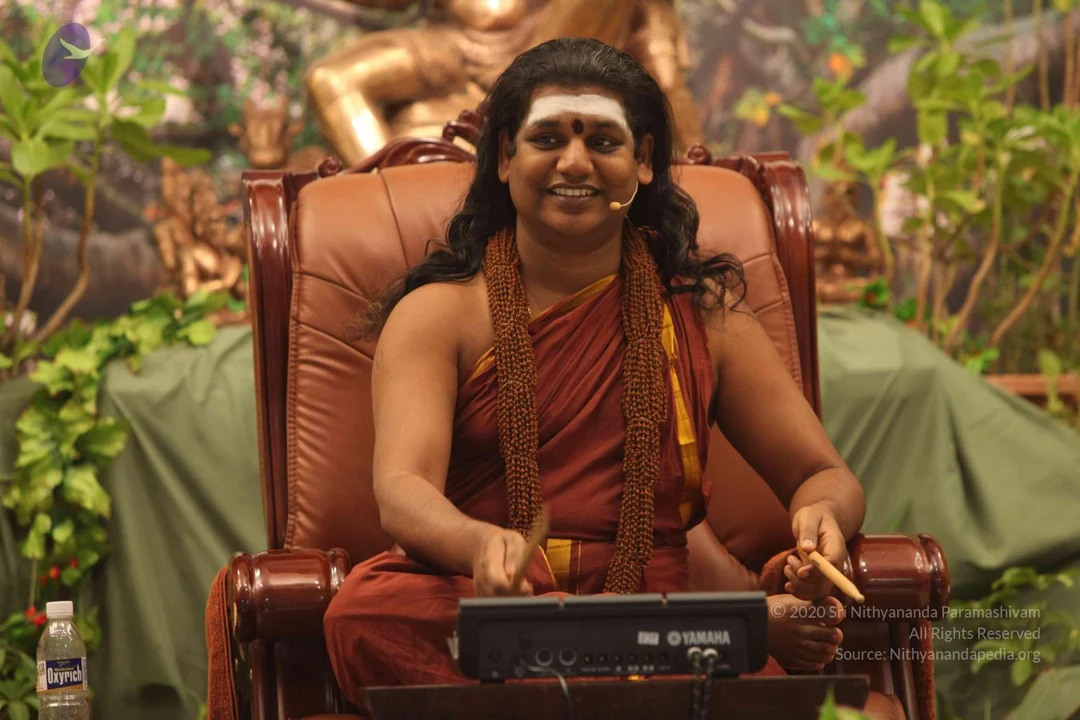
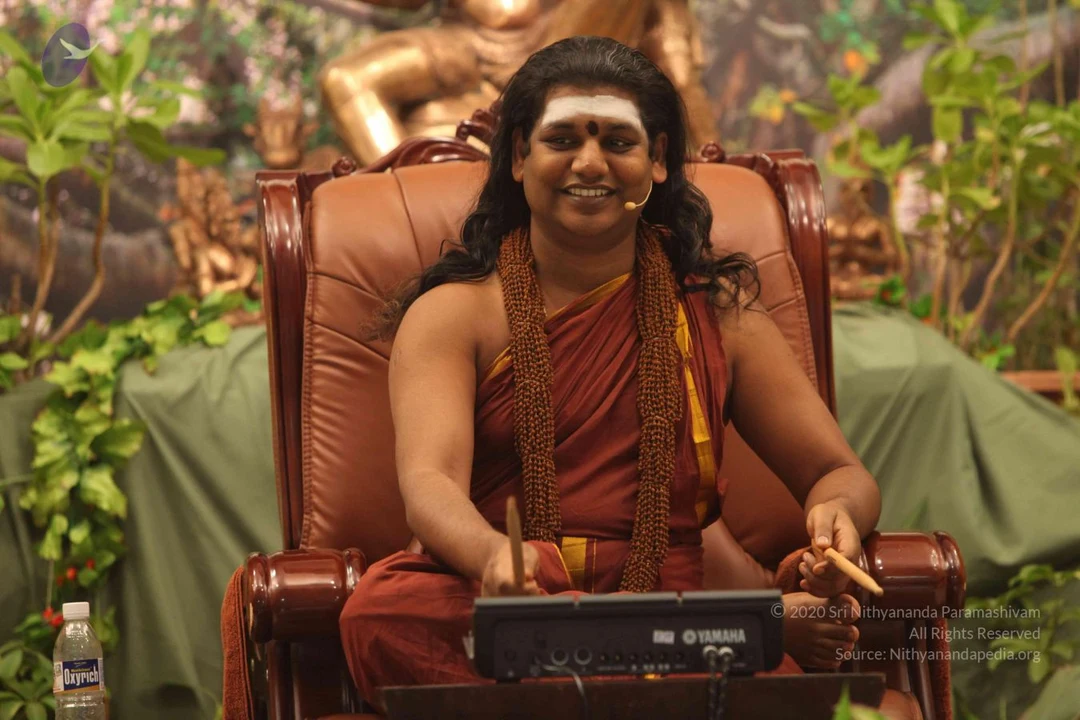
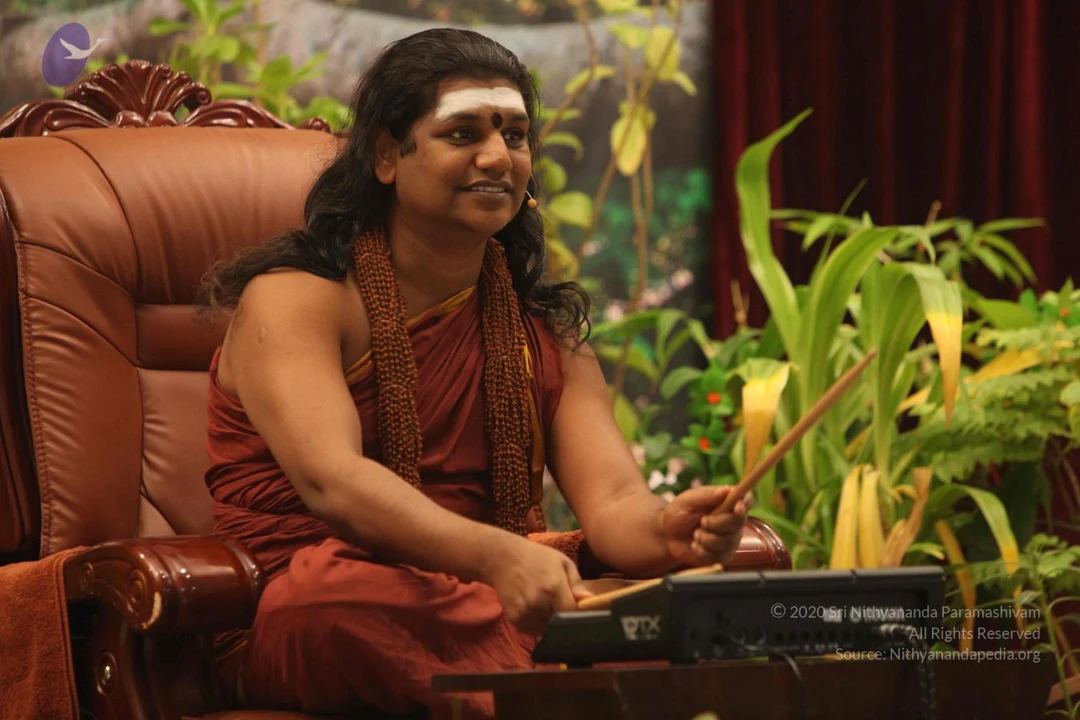
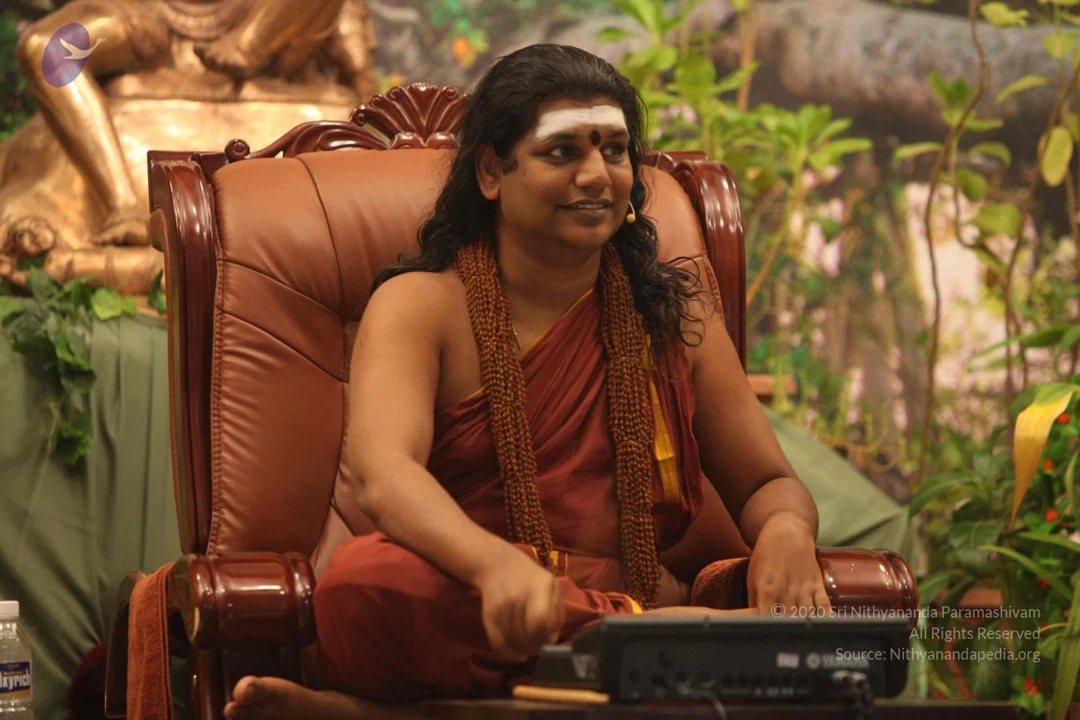
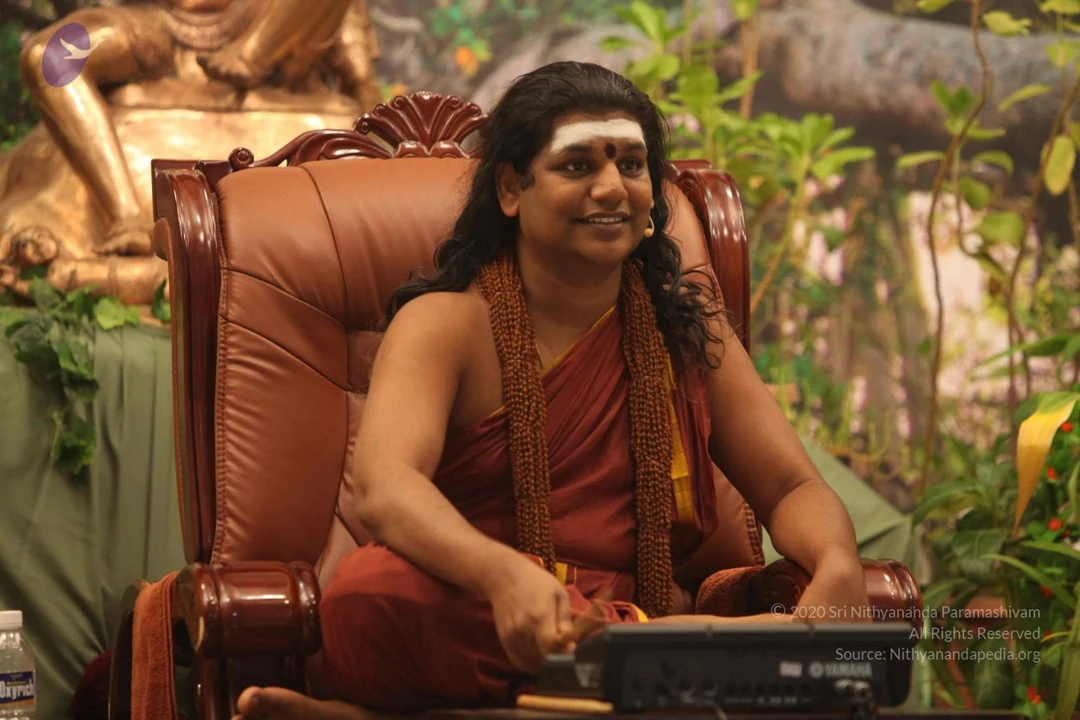
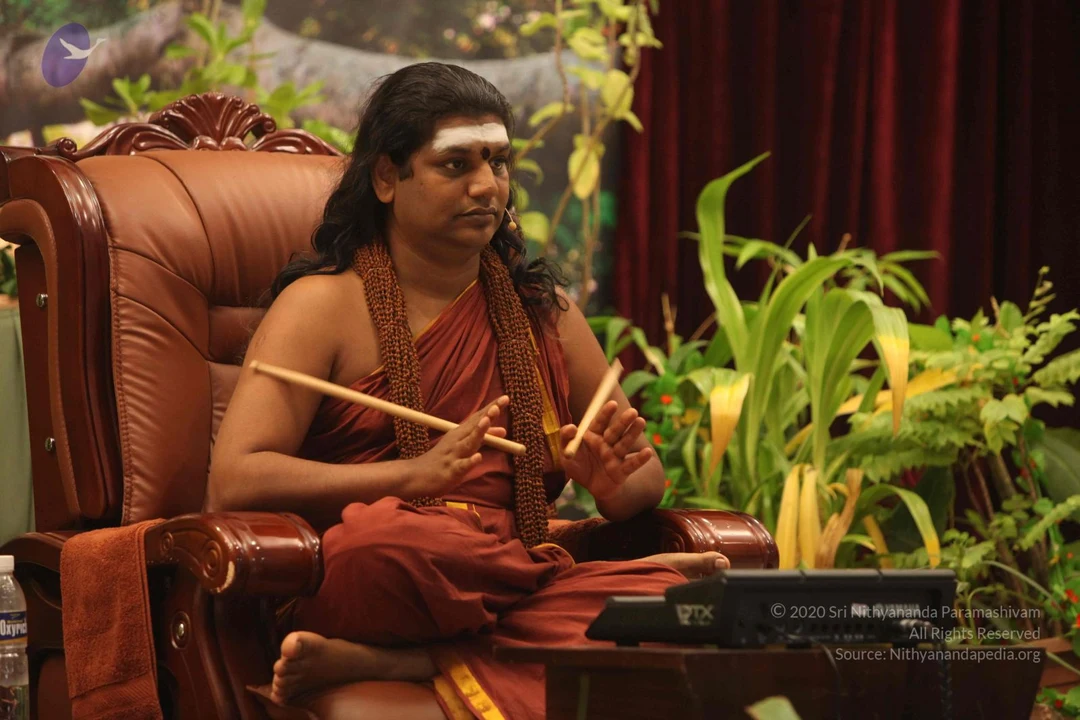
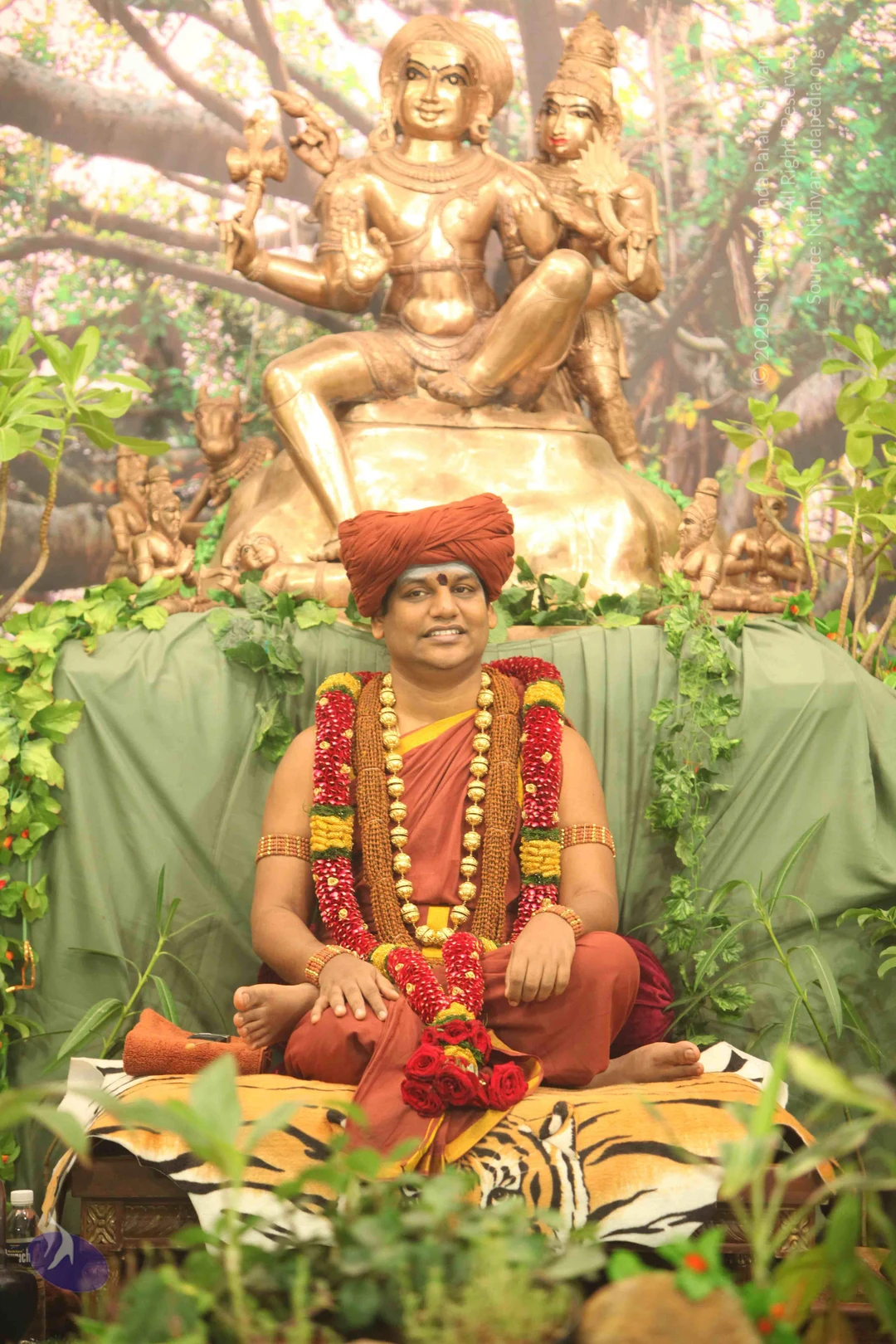
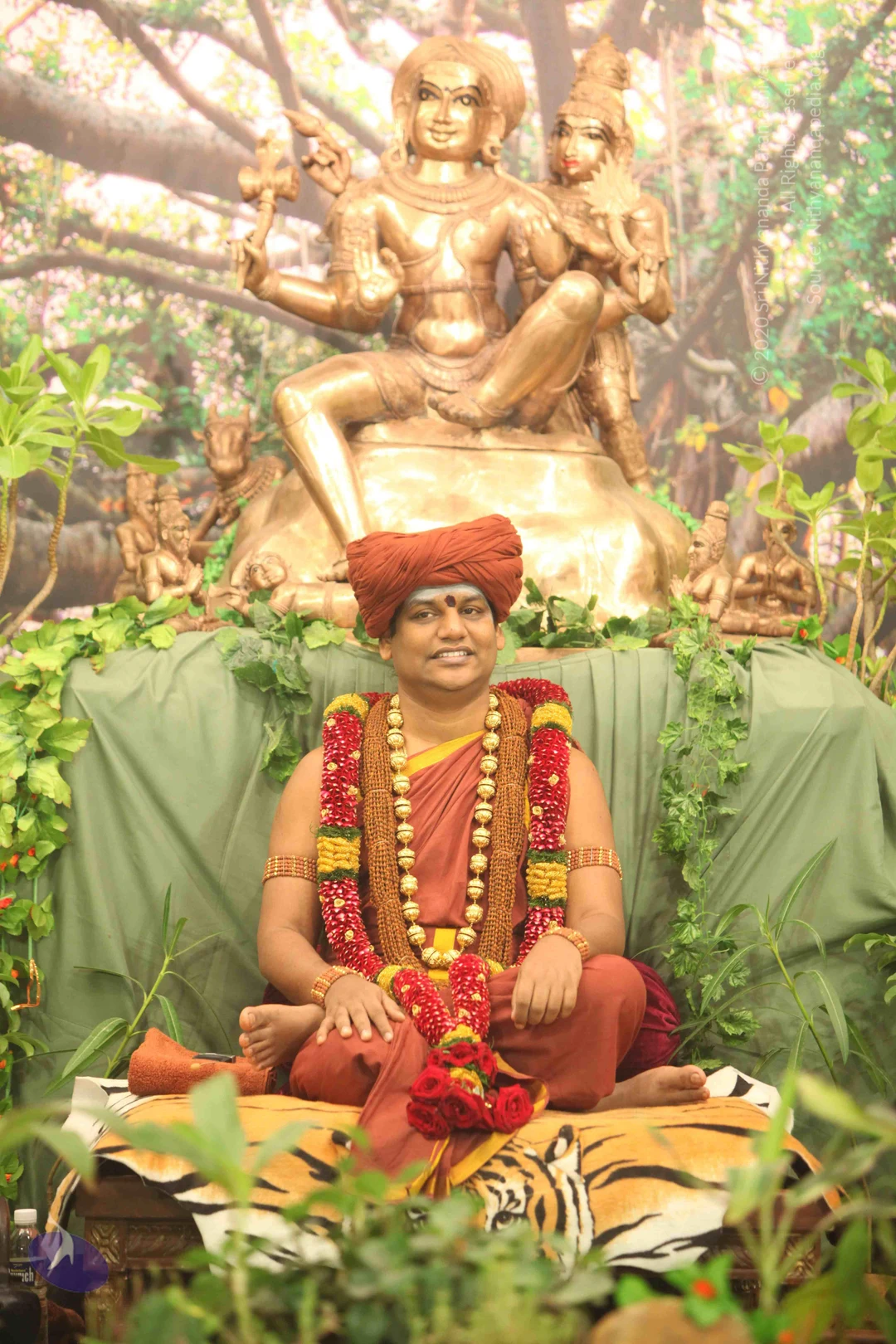
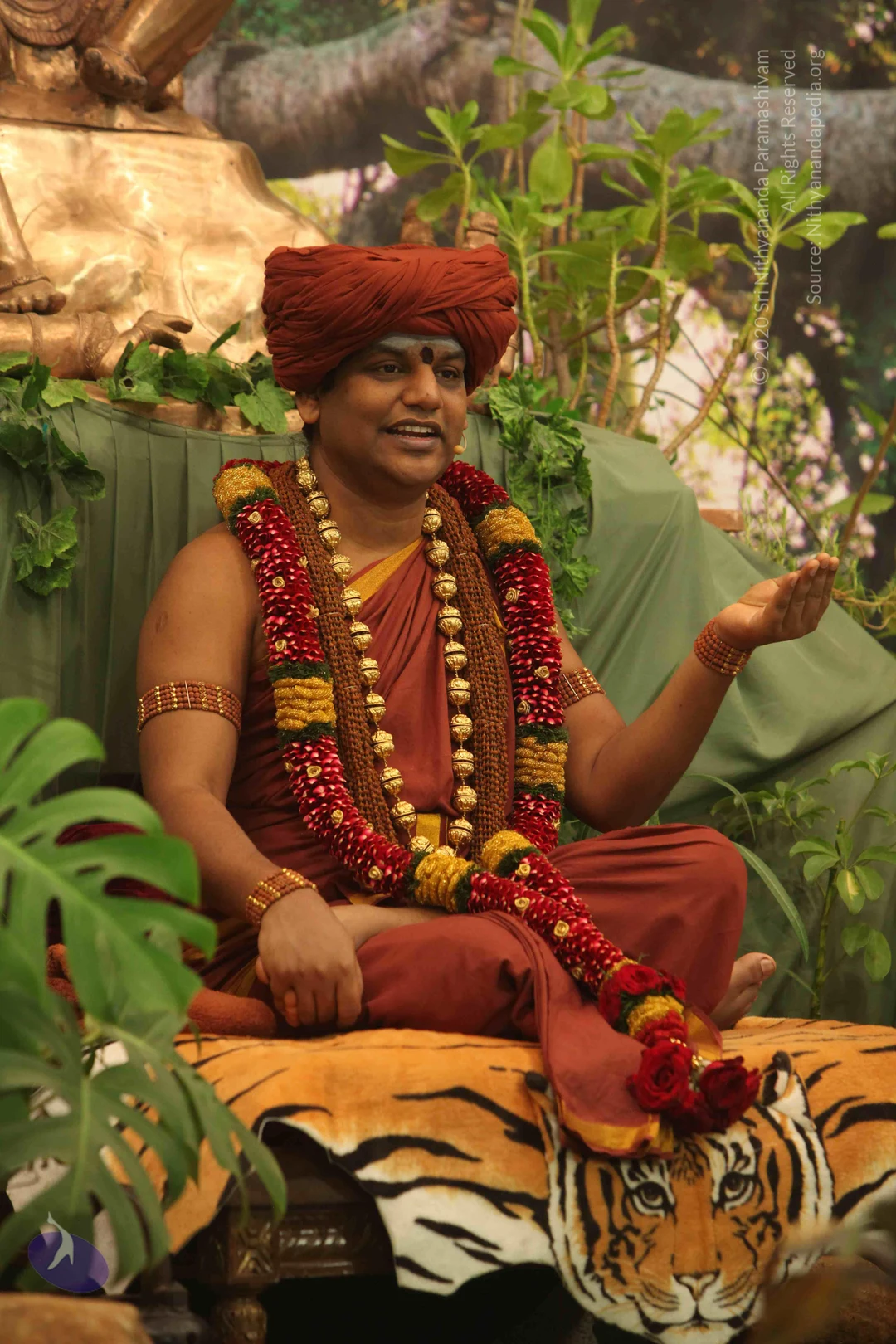
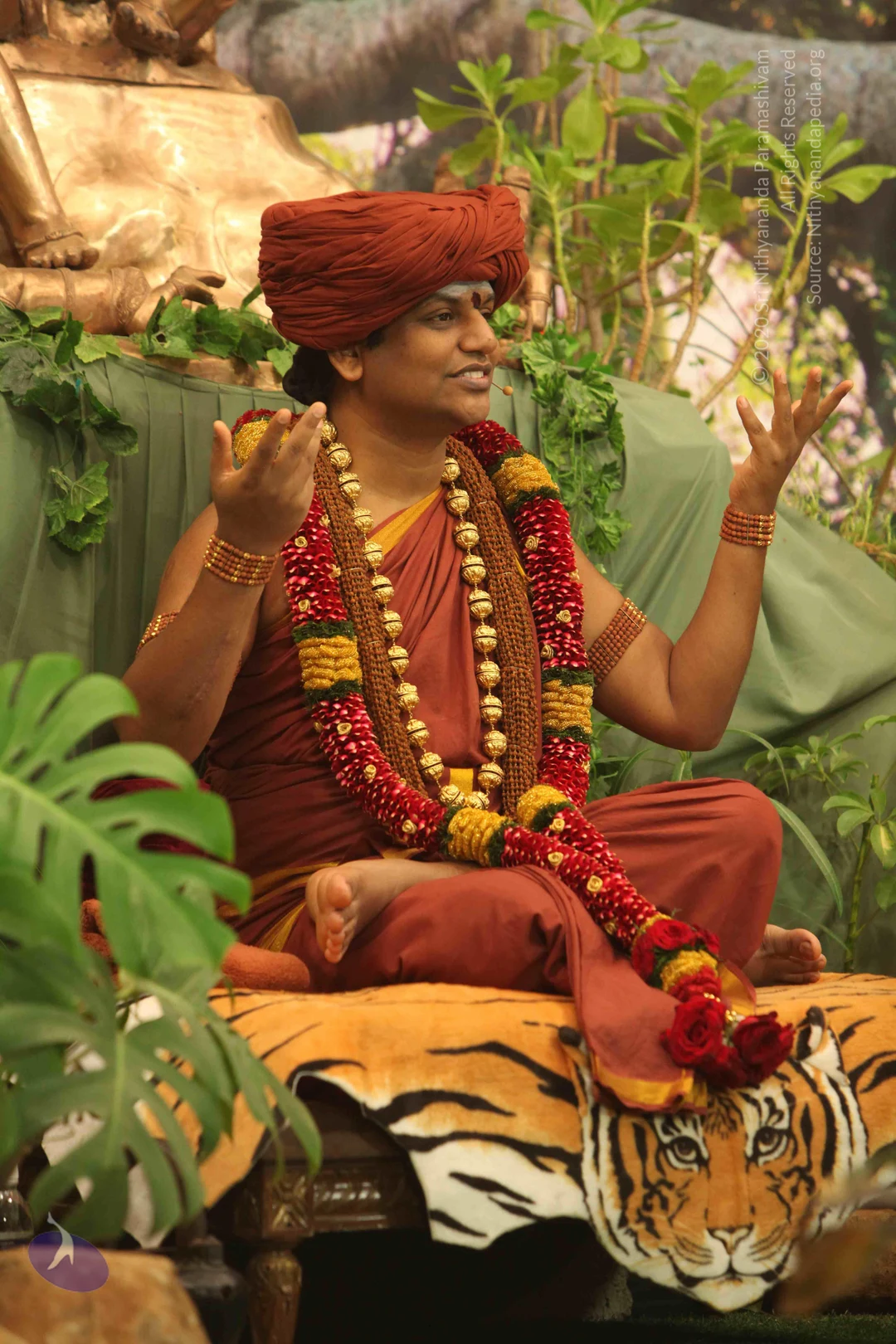
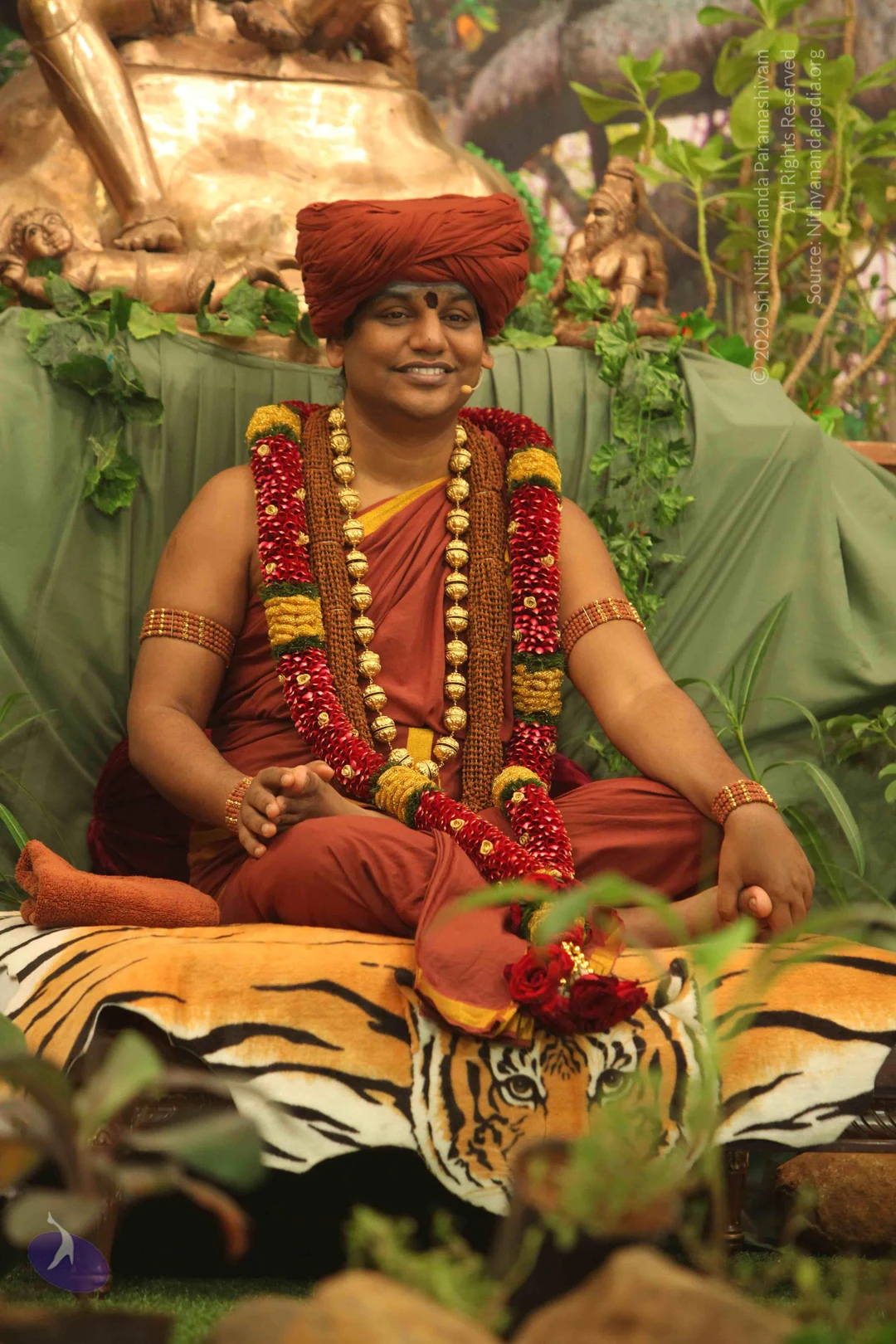
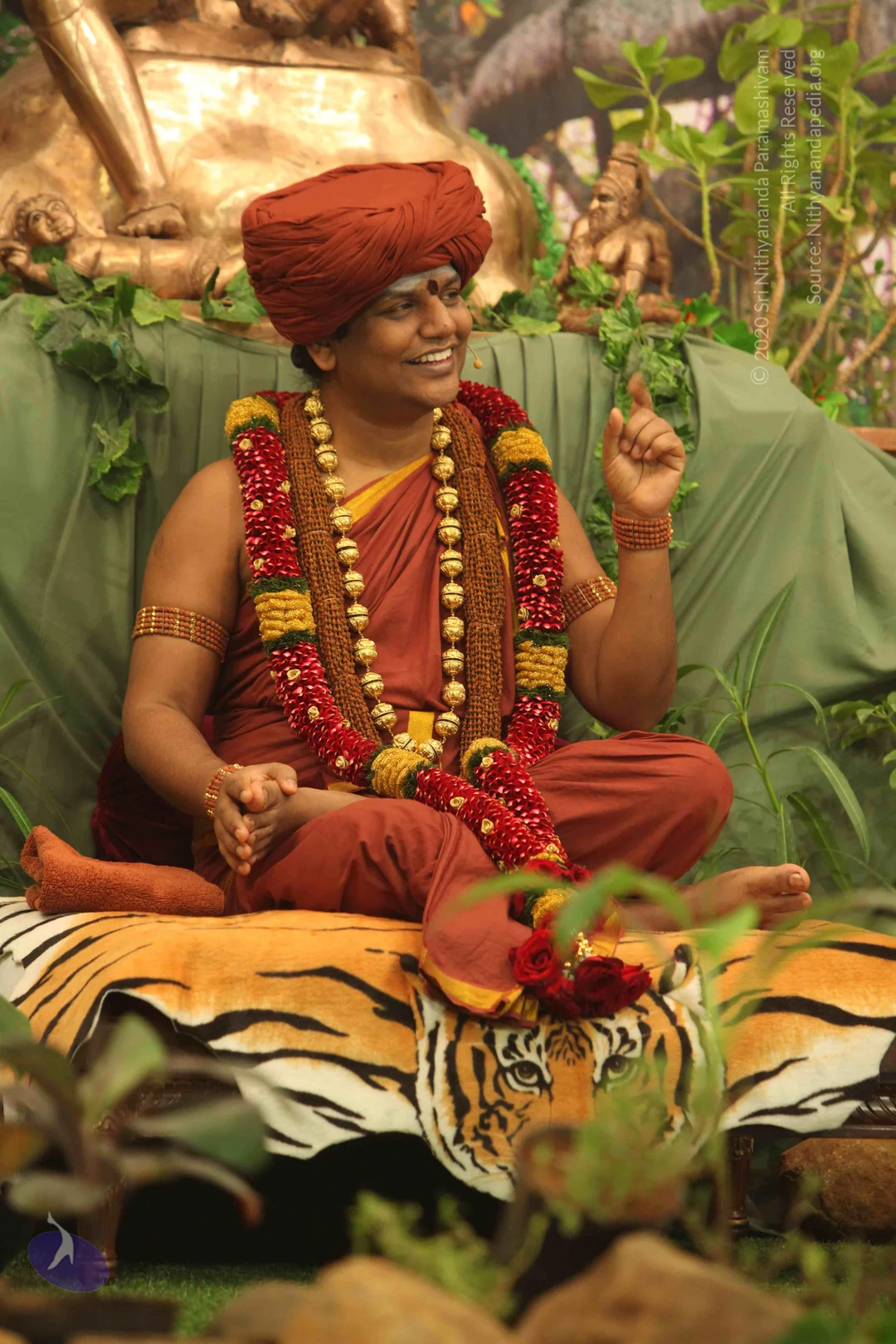
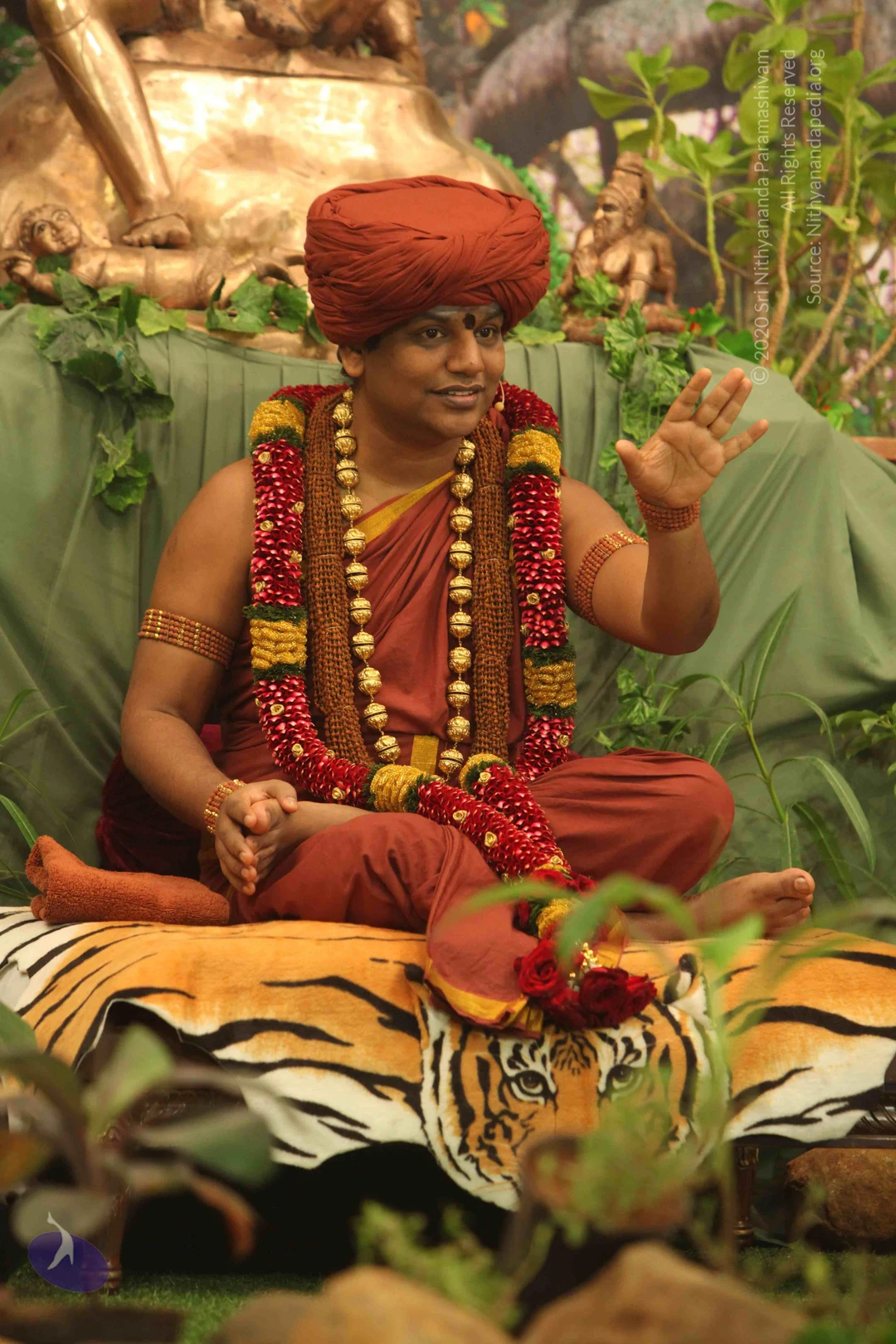
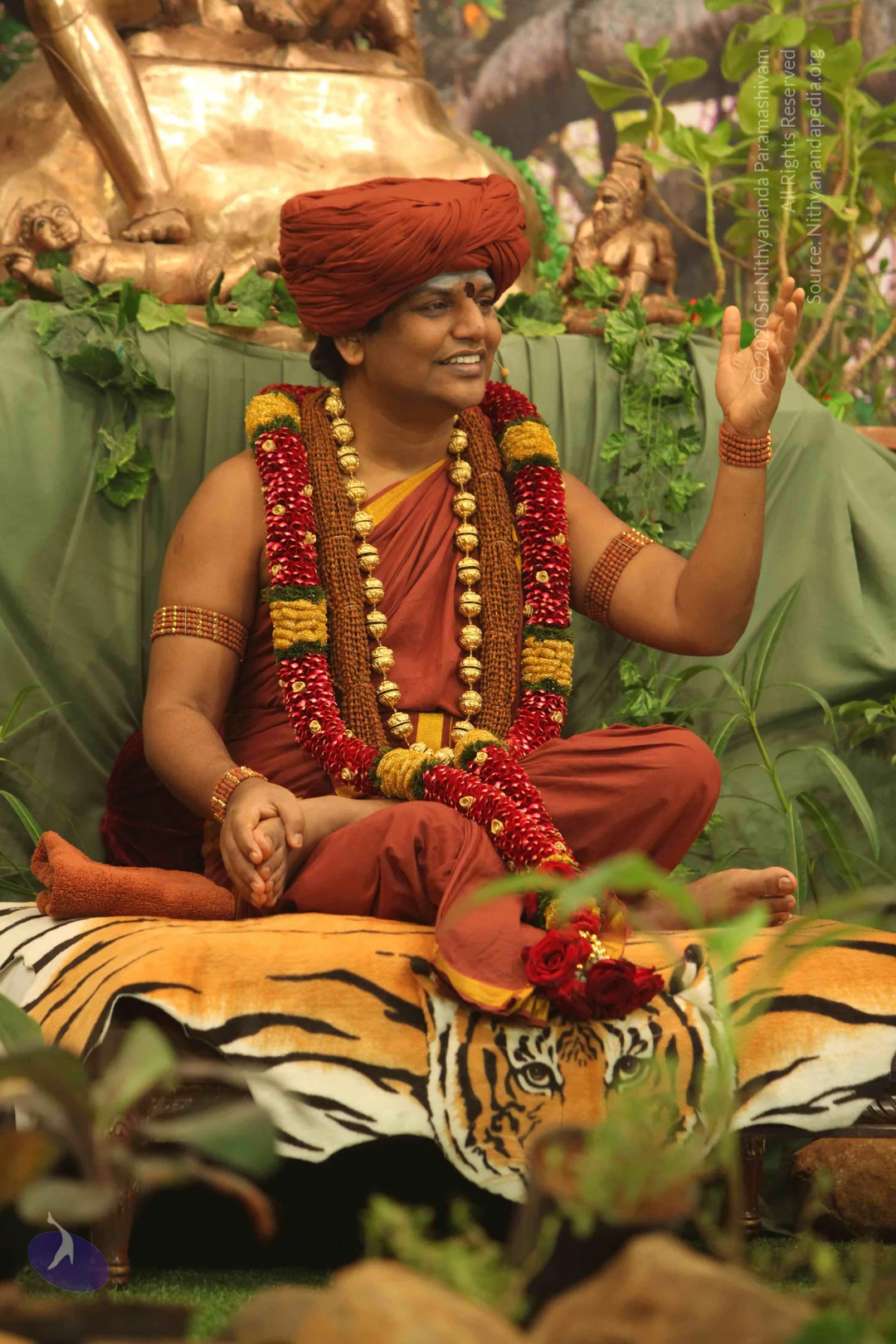
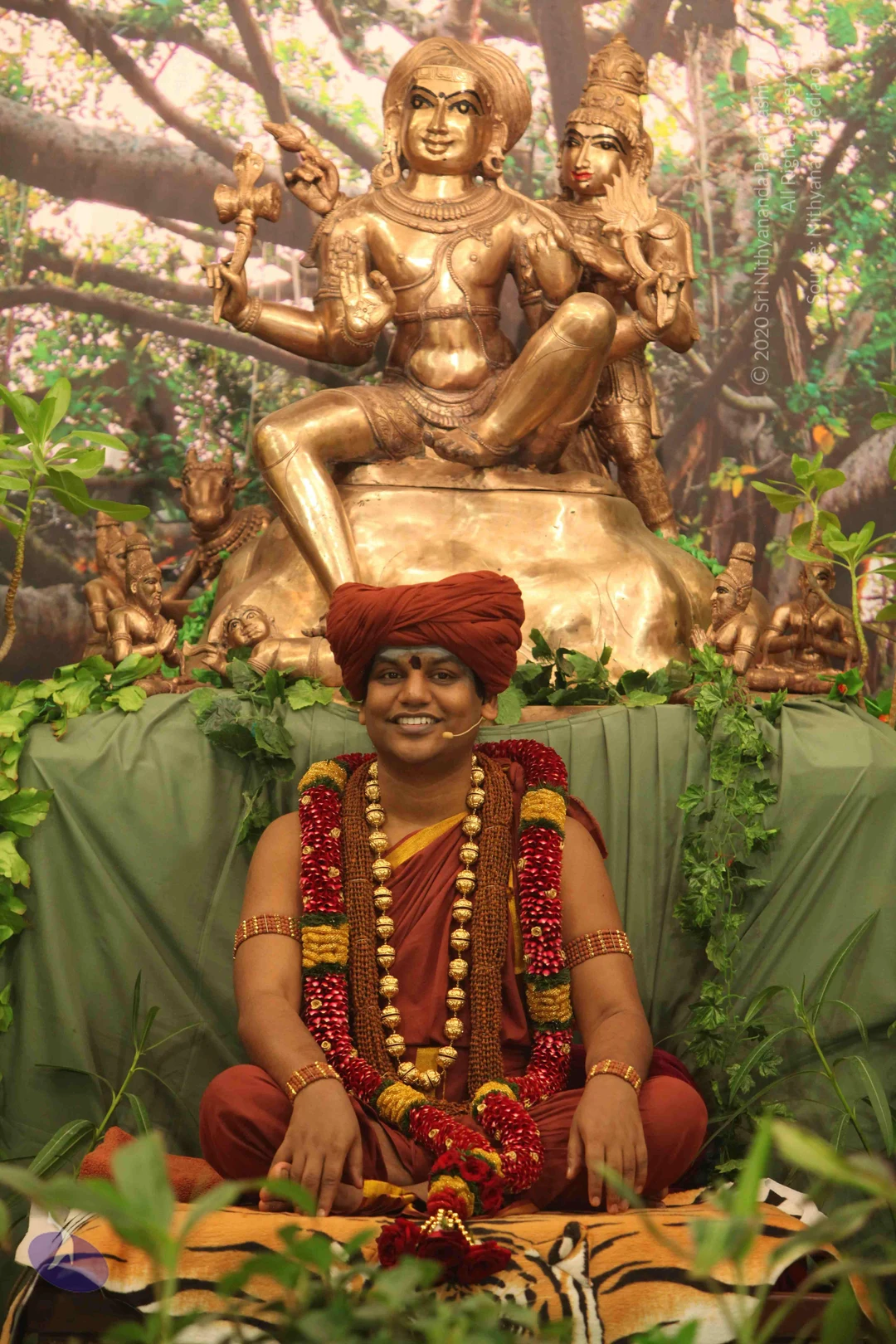
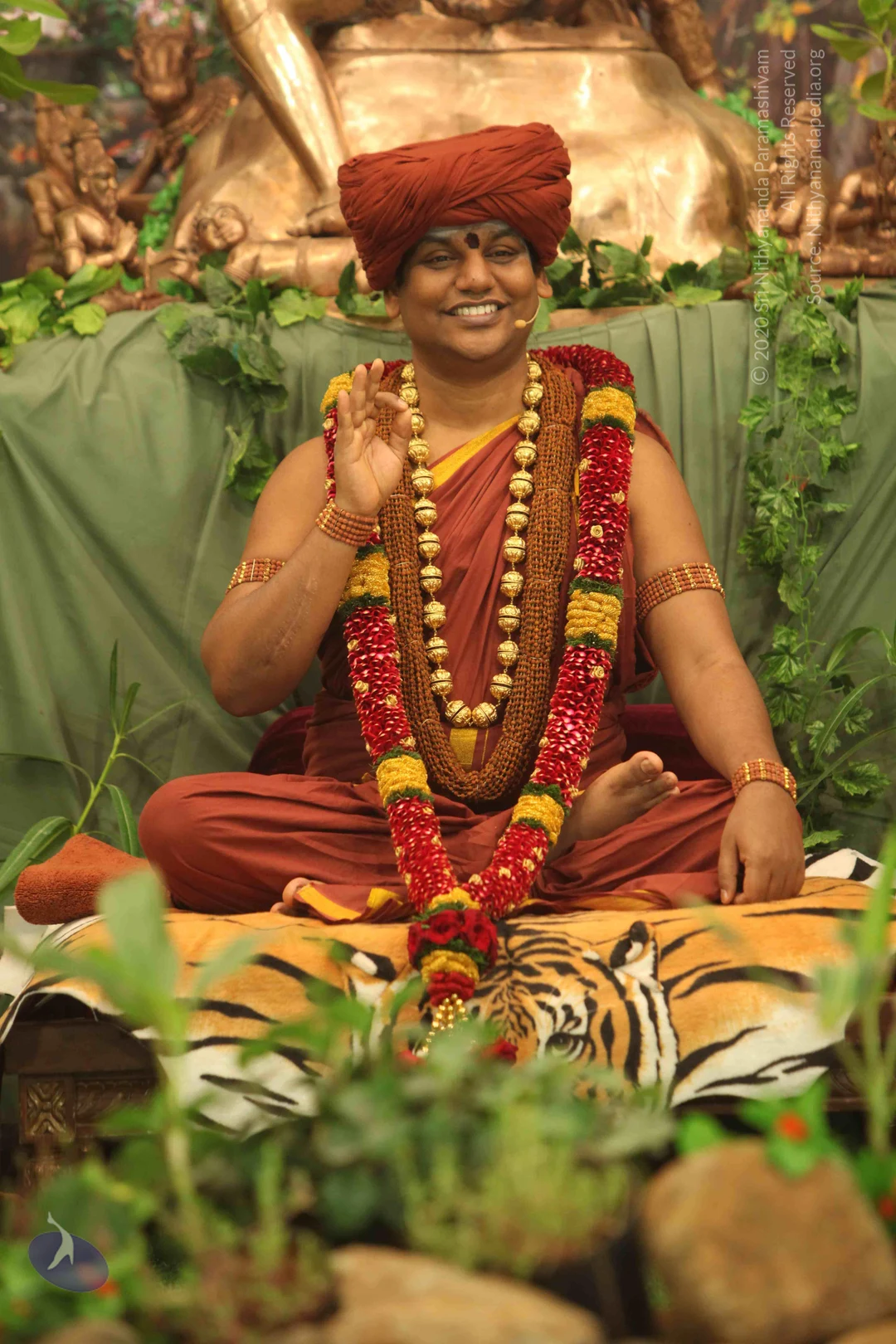
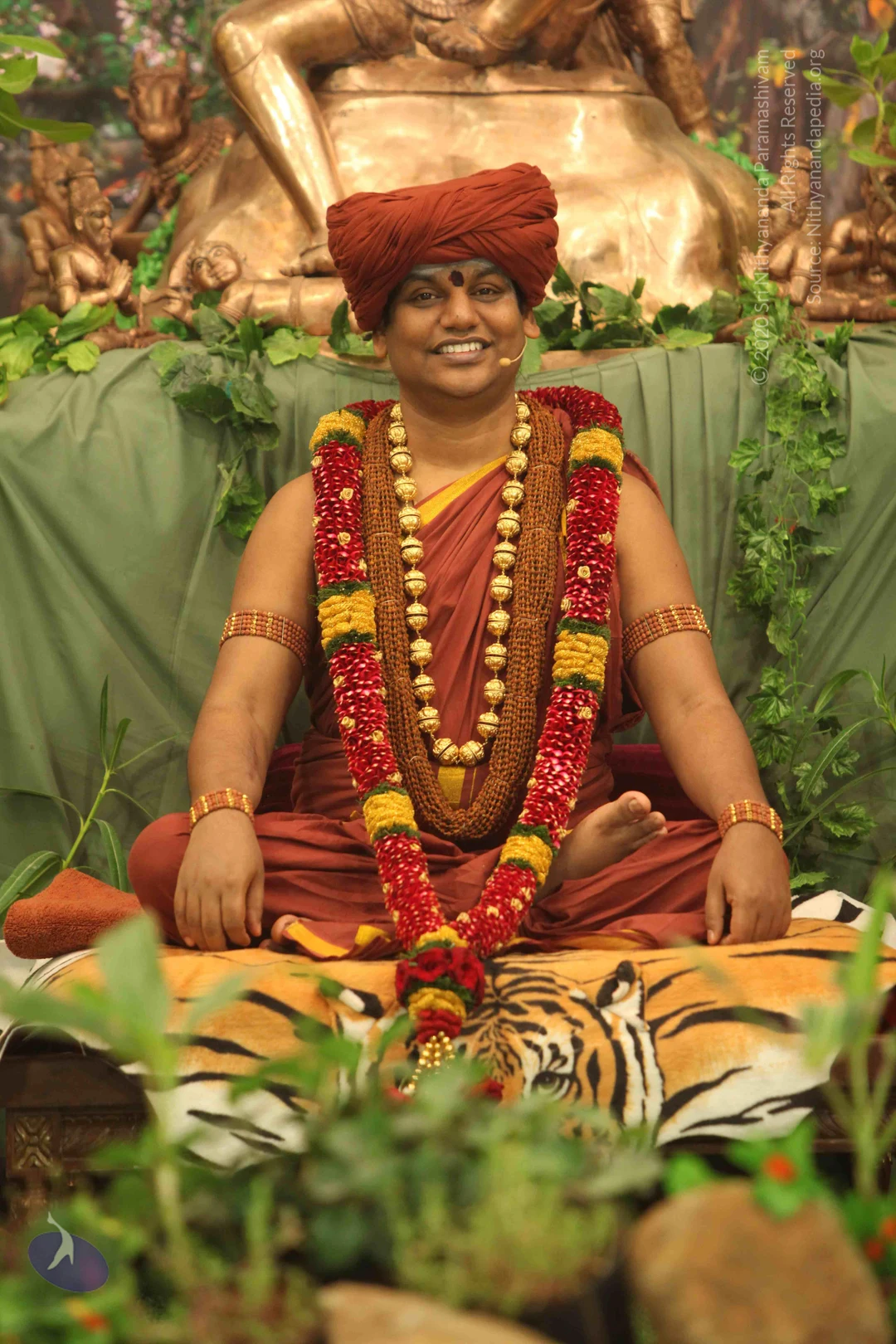
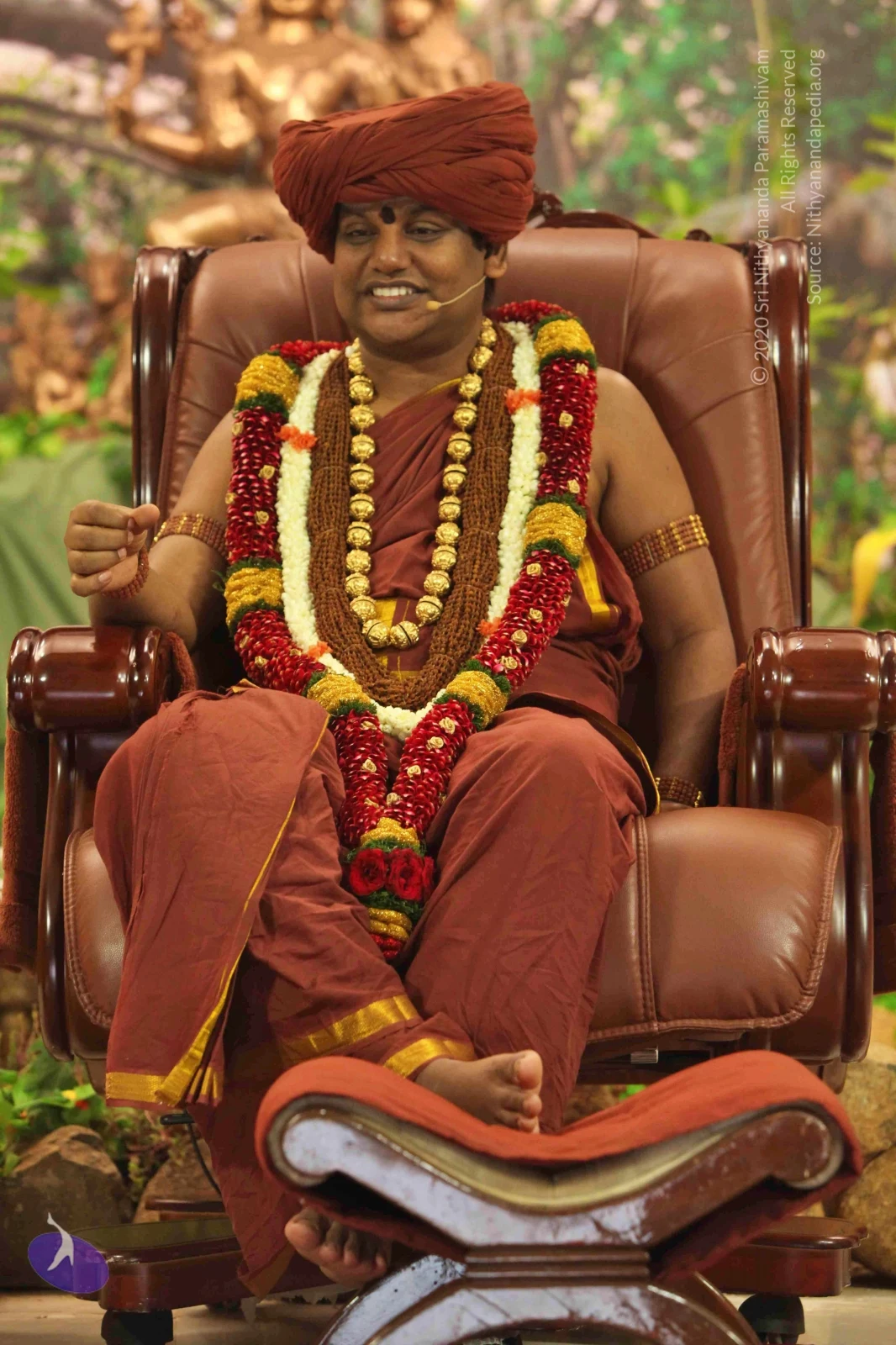
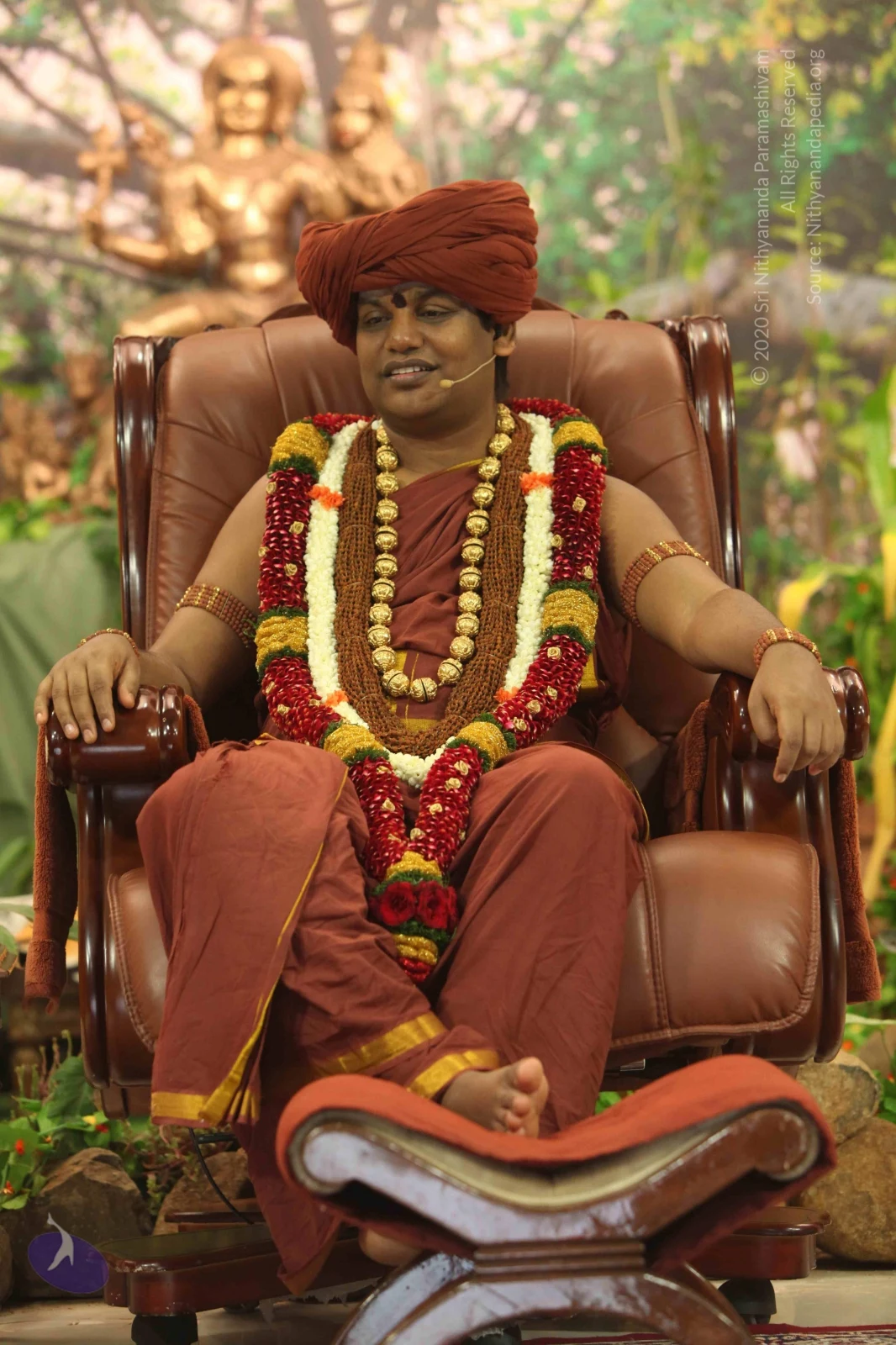
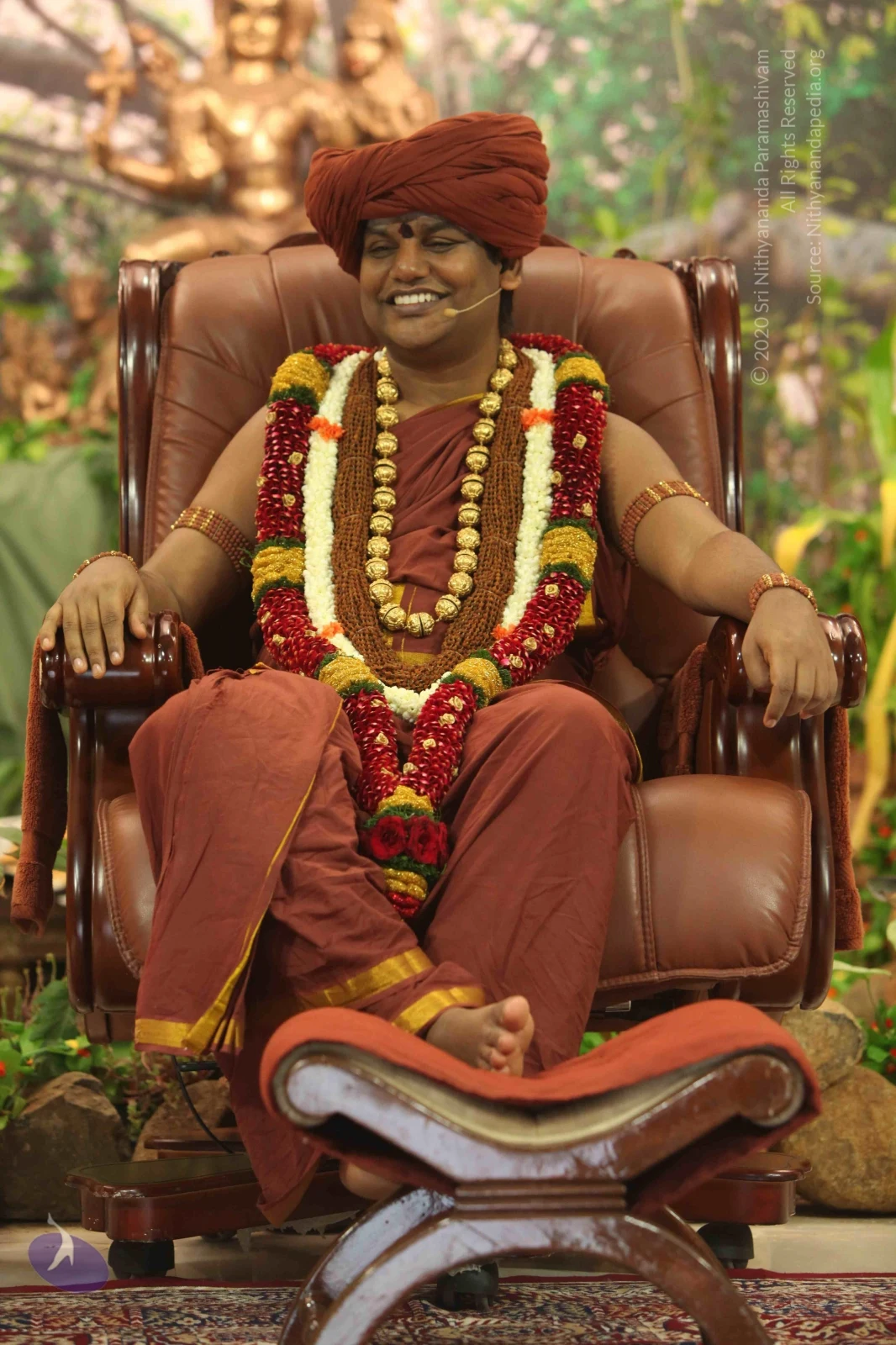
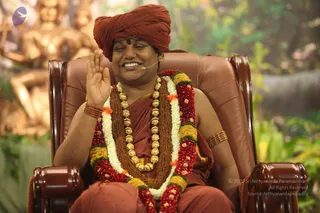
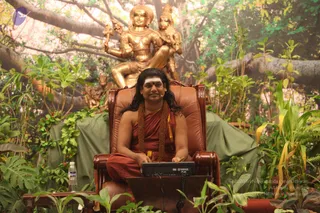
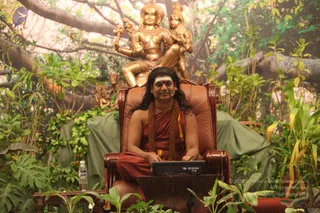
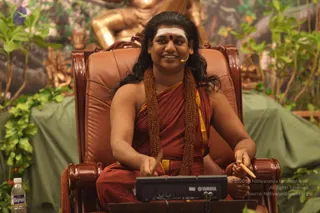
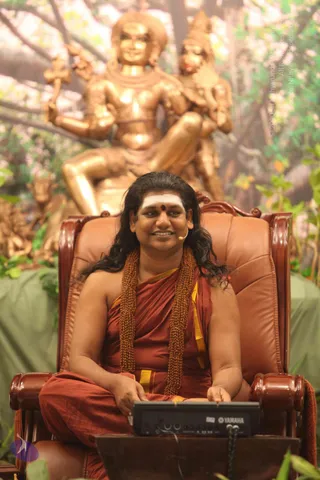
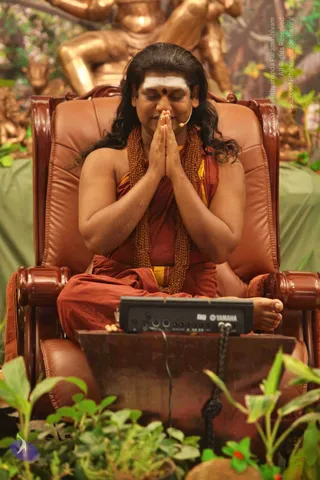
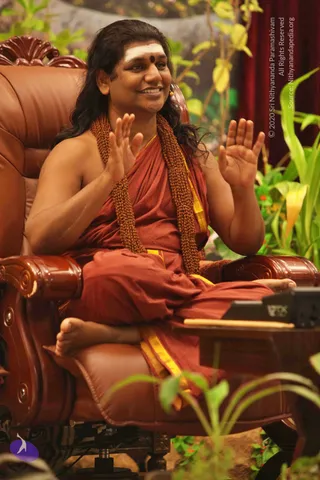
Today’s (29th March, 2015) Nithya Satsang on Isha Upanishad Series, in Living Advaita. Paramahamsa Nithyananda intercepts into the finer, subtler truths on ‘Spiritual Powers of Ekatvam, Oneness’ the energy current of verse 7. Oneness must become our experiential thought current, for unless some great truth produces results, we are not going to live it. Our life is a long bargain. Every experience we accumulated is worthy to be exchanged for the powerful Oneness experience. He, then reveals the technique to blossom the Oneness – our conscious decision to empower the Oneness experience makes that into Reality. Vedic tradition is the preparation to live and leave the body in the best way, till we achieve Oneness with Cosmos. Guru is the being who makes fashion statement about the experience of Oneness. Isha Upanishad – Verse 7 yasmin sarvāṇi bhūtany ātmaivābhūd vijānataḥ | tatra ko mohaḥ kaḥ śoka ekatvam anupaśyataḥ || 7 || Today’s essence and Vakyartha Sadas, topic for spiritual explorations on truth is – How can I give more and more attention to my Oneness experience and strengthen it. Putting your attention to the experience of Oneness, thinking about it, feeling about it, contemplating about it, entertaining it, what all the ways we can encourage, enrich Oneness in our being. What are the ways, we can make Oneness as the fashion statement, encourage, enrich, strengthen Oneness in our lives. How we can make that oneness as our very part, very core of our being. Watch, Share and Subscribe to our channel to be notified of the next upload click http://www.youtube.com/subscription_center?add_user=lifeblissfoundation to subscribe. visit: http://www.nithyananda.org http://www.nithyananda.tv http://www.innerawakening.org https://www.youtube.com/user/LifeBlissFoundation https://twitter.com/SriNithyananda https://www.facebook.com/ParamahamsaNithyananda https://plus.google.com/104086565286265959836/posts
Link to Video:
| Video | Audio |
Transcript:
(00:23)
nithyānandeśvara samārambhām nithyānandeśvari madhyamām | asmat āchārya paryantām vande guru paramparām || (01:10)
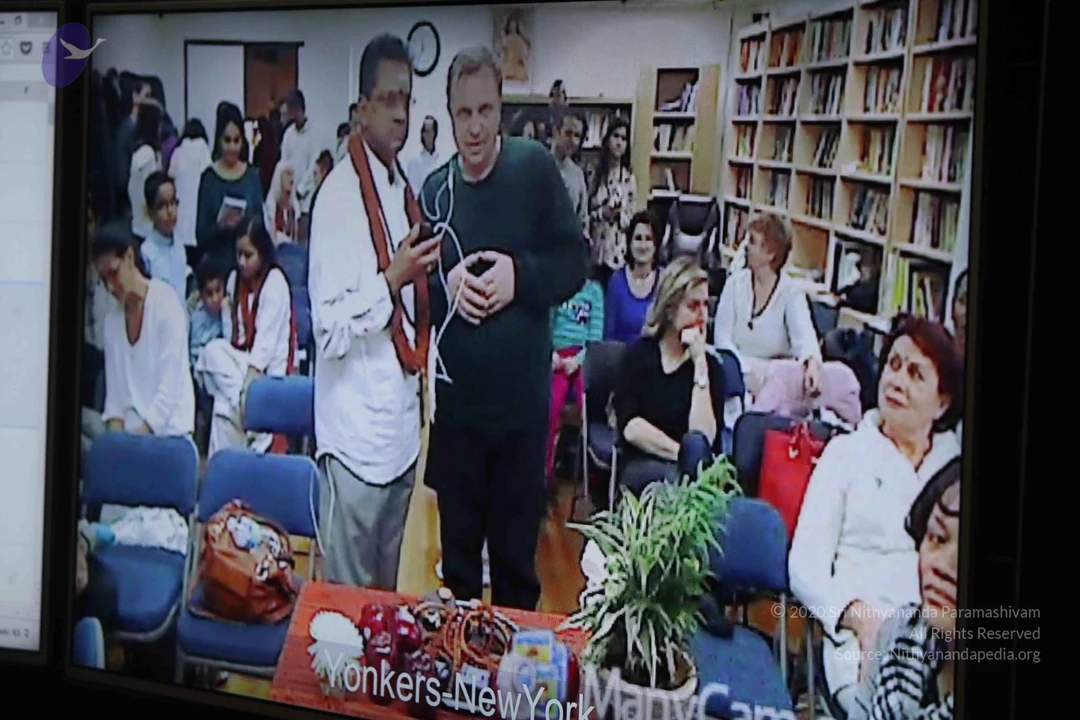
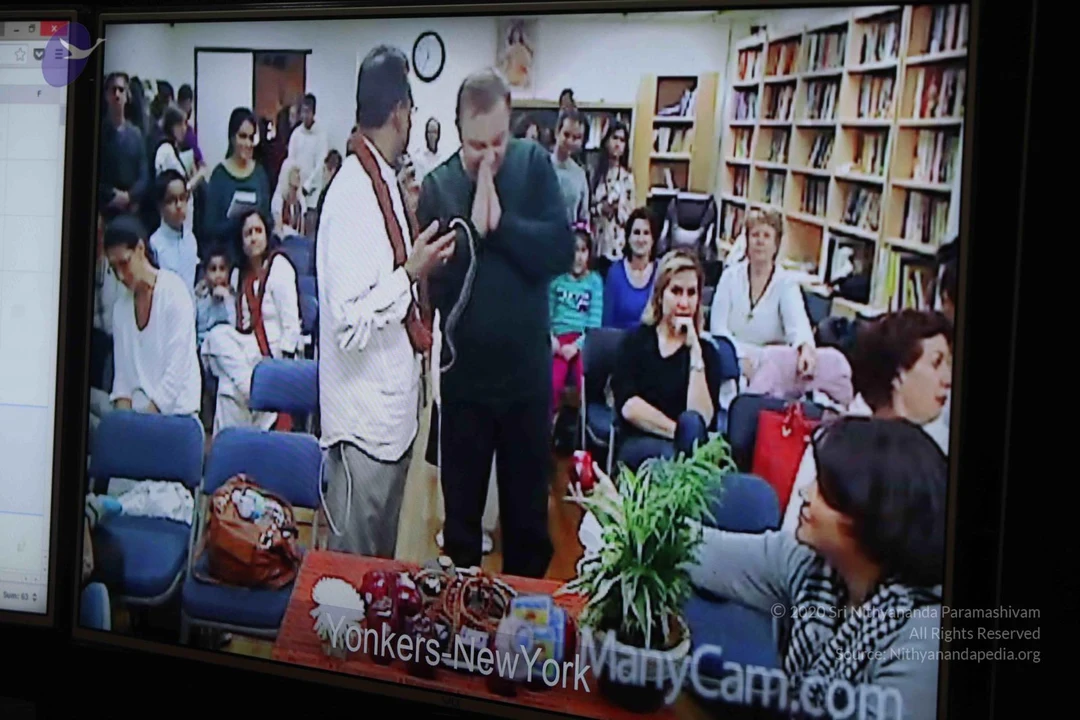
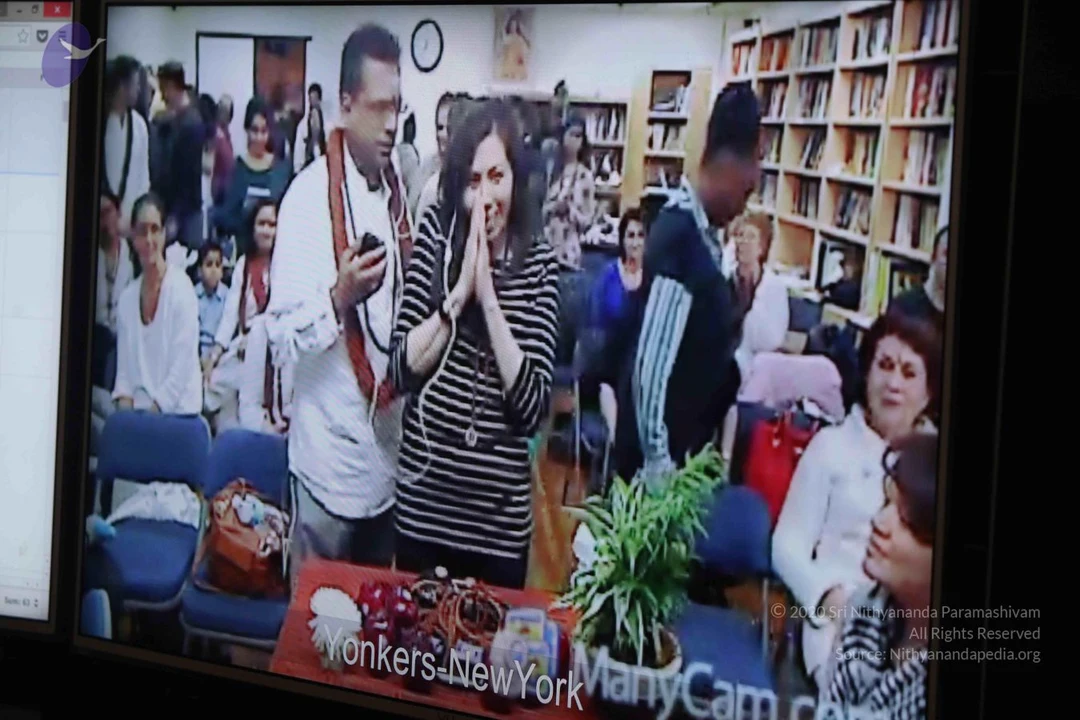
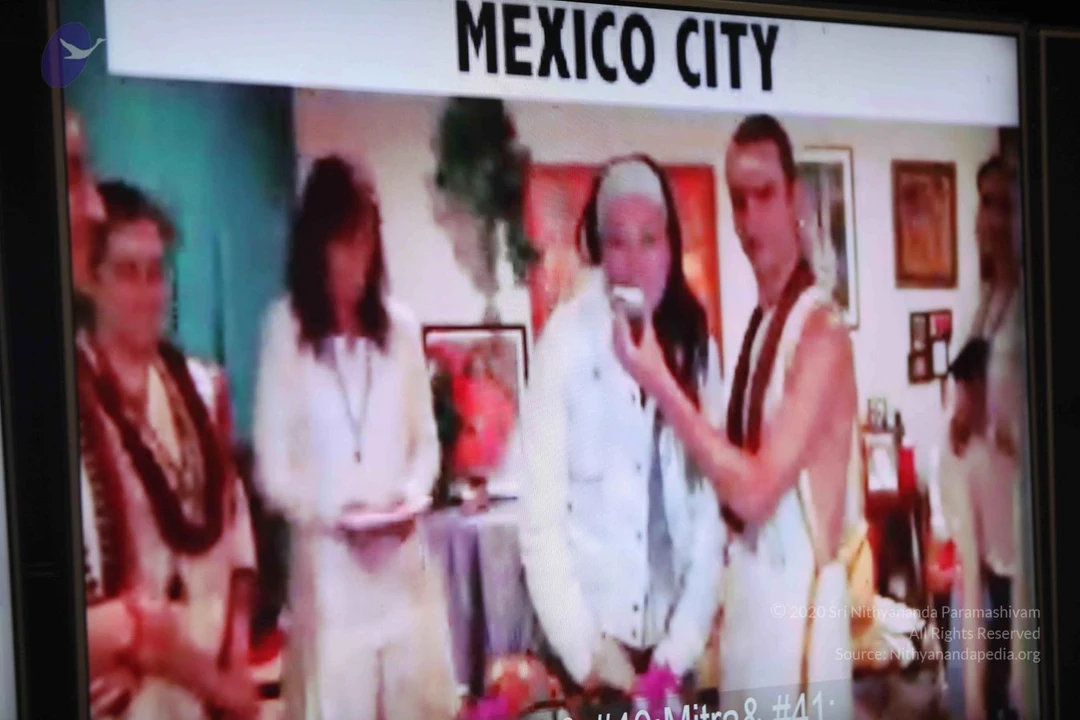
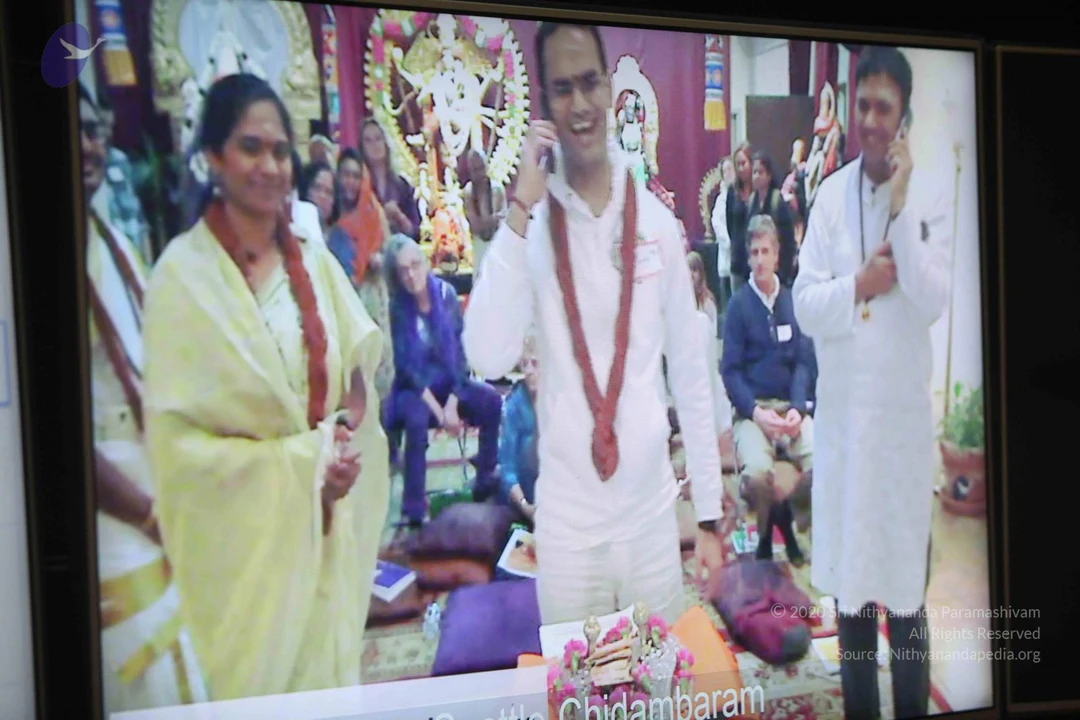
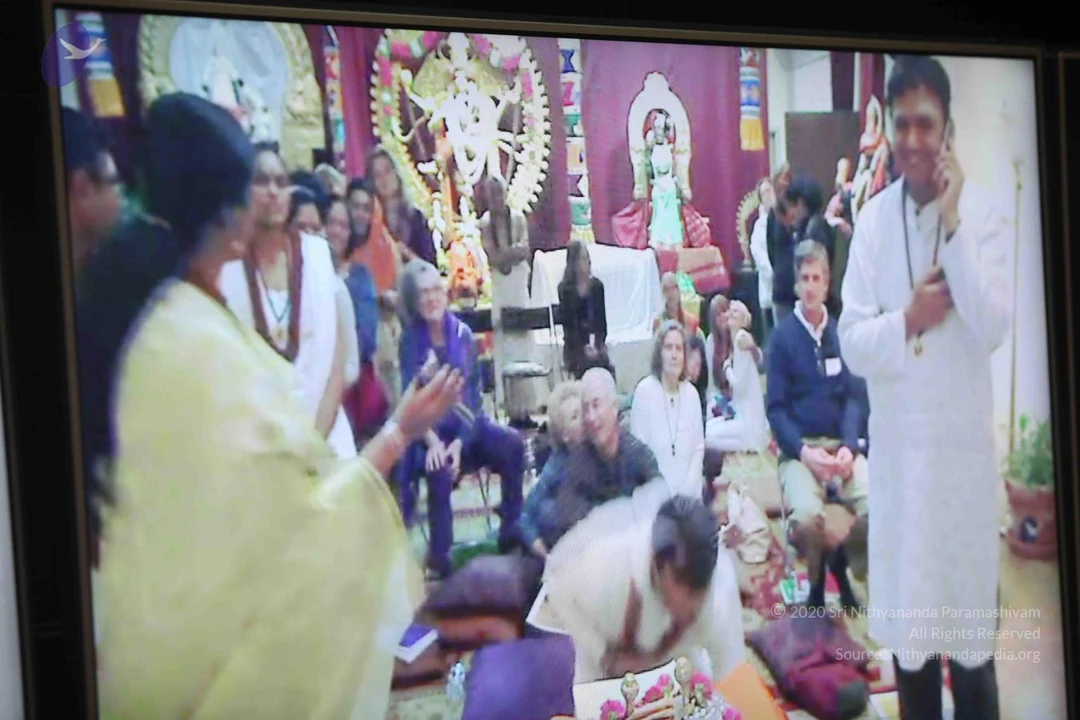
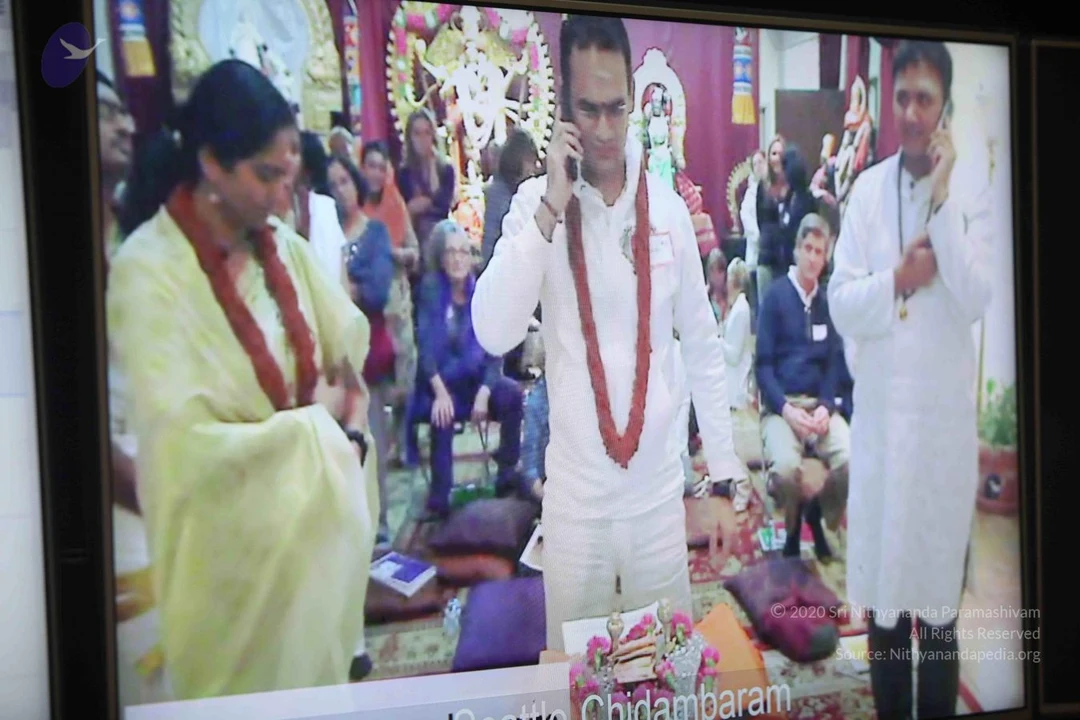
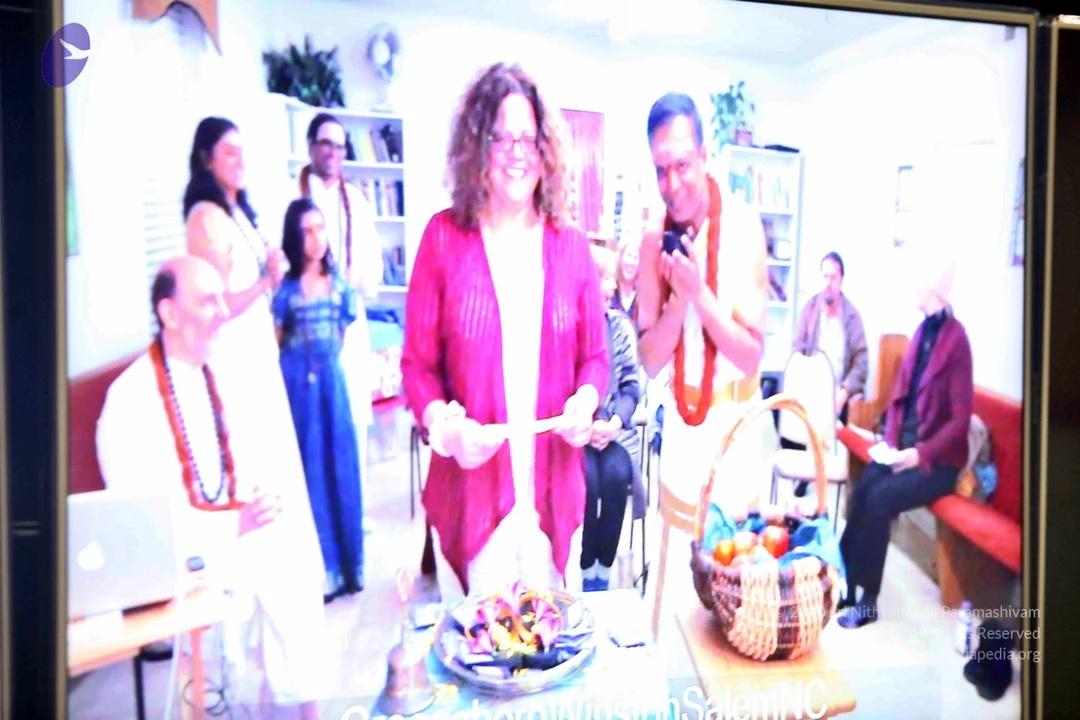
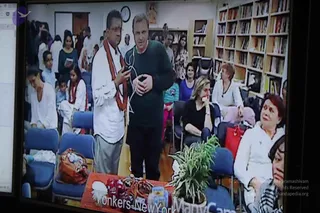
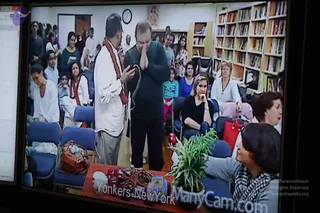
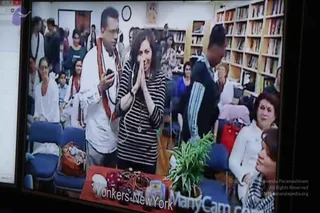
I welcome every one of you with My love and respects. I welcome all the devotees, disciples, Samajis, Satsanghis, Sri Mahants, Mahants, Thanedars, Kotharis sitting with us through Sadhana TV, Nithyananda TV, Arra TV and two-way video conferencing having Nayana Deeksha.
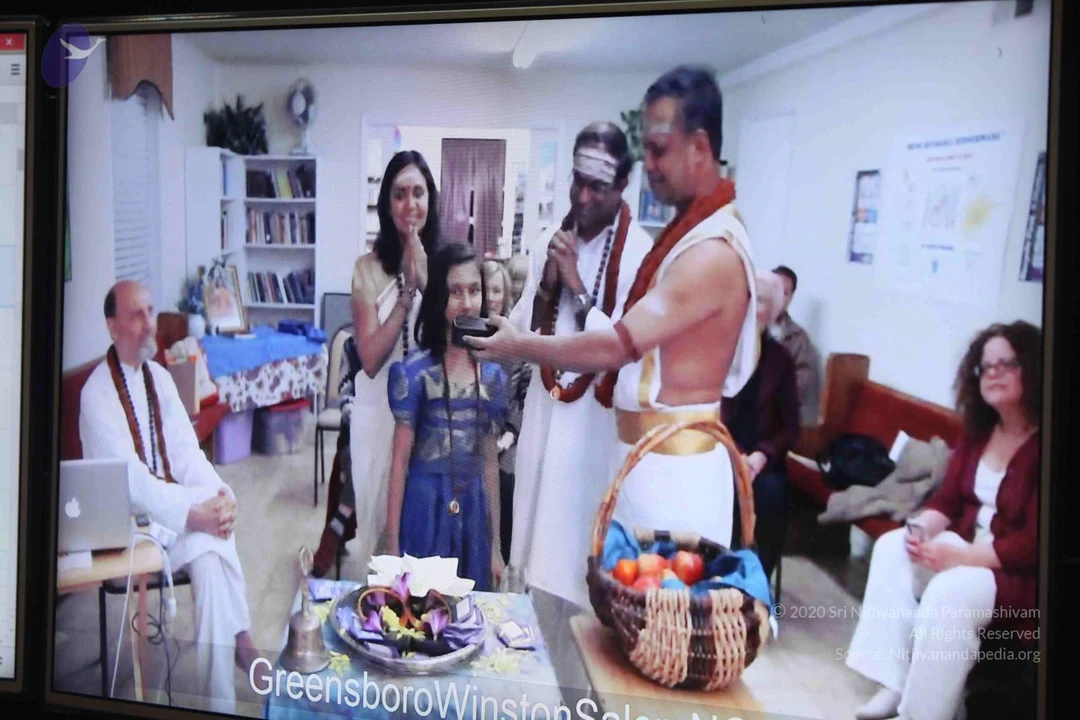
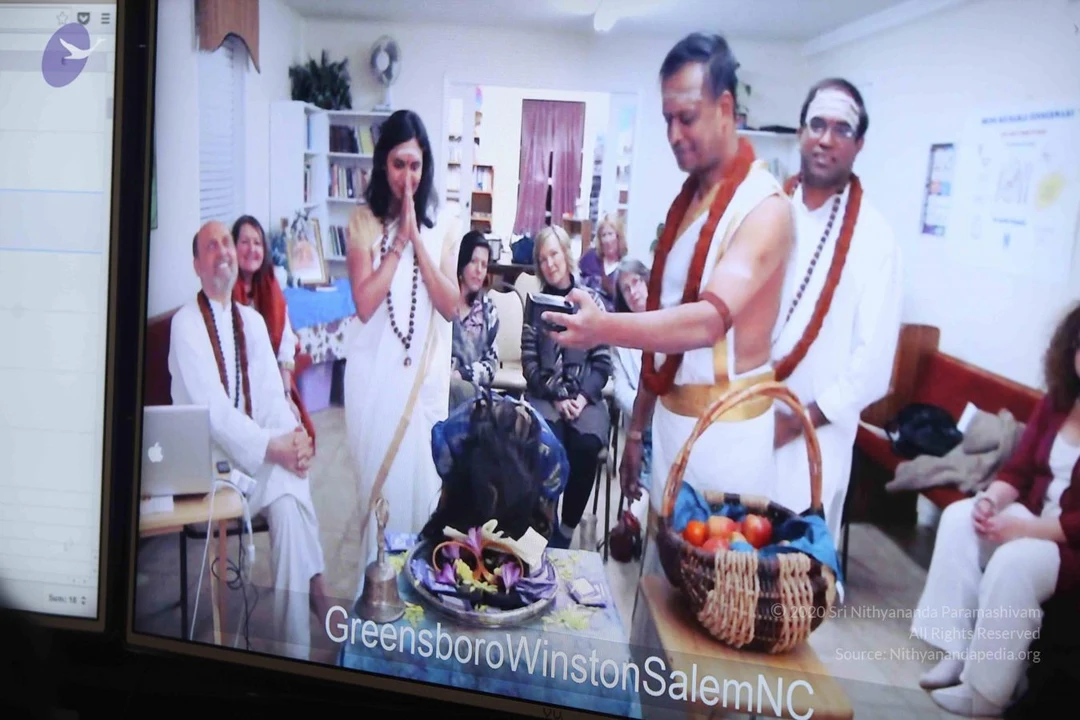
Cities sitting with us, in two-way video conferencing having Nayana Deeksha- Coimbatore, Pondicherry, Dubai, London, France-Gracey France, San Diego, Devon UK, Singapore, Hyderabad, Houston, Los Angeles, Hong Kong, Hyderabad Gupta Kashi, Trinidad Tobago, China, Torrance California, San Antonio Texas, Slovakia Kosice, Hong Kong, Toronto, Seattle, Kuala Lumpur, Kuching Malaysia, Chennai, New jersey, Oman, Los Angeles Arunachala, New York Varanasi, Guadeloupe, Ohio, San Jose, Phoenix, Melbourne and some New York…New York Varanasi.. Yes, and some more cities. I welcome all of you with my love and respects.
(03:29)
I’ll expand on 7th verse of Isavasya Upanishad. The thought currents, the under currents, the energy currents of this verse need to be explored. Please understand, whenever you explore a sacred secret, it should become a energy current in you – not just a thought current. If you contemplate on any spiritual truth for 24 hours maybe, it’ll become thought current. If you meditate continuously on it, that becomes your very Being, it becomes energy current. Till it becomes energy current… listen, till it becomes energy current, you have to meditate on the sacred secrets revealed in those verses.
This Upanishad verse, energy current of this verse, I’ll try to explain. Please recite the verse along with Me:
yasmin sarvāṇi bhūtany ātmaivābhūd vijānataḥ | tatra ko mohaḥ kaḥ śoka ekatvam anupaśyataḥ || 7 ||
yasmin sarvāṇi bhūtany ātmaivābhūd vijānataḥ | tatra ko mohaḥ kaḥ śoka ekatvam anupaśyataḥ || 7 ||
(06:51)
Listen.
In one who has cognized the reality, all existing beings become the very Self, then what delusion, what sorrow of incompletion, can there be there for that Seer living in the space of Oneness, Living Advaita.
Listen.
The Oneness, which makes you powerful, empowers you, should not be just a thought current – it should become a living experiential power current in you. Means, it should be producing results in you.
Listen. Unless some great truth produces results in your life, you are not going to live it. Please understand. Because basically, your life is a long bargain. At the age of 7, whatever you have, if you are going to get something better than that, you are ready for exchange. At the age of 14, whatever you have, you might have gathered it with tremendous efforts, love – but if some which is going to come, if that is going to be more beneficiary you will simply exchange it. Same way at the age of 25, which you collected with lot of sentimental attachments, emotional attachments whatever, whatever, whatever which was so important for your life at one time, even those things, if you find what is going to come is more beneficiary – you will simply exchange it. Your whole life is a long bargain.
(09:40)
Watch any Indian movie, this problem of father asking the daughter whether I am important or your lover is important, “I gave birth to you, I brought you up, I spent so much of my time, my energy, my money, my attention, my everything to you, the lover who came just few days before, he became so important for you, he became so important for you in your life,” watch any Indian movie, you will see this scene. Indian movies have some of the standard scenes – running around the tree and romancing. I don’t know how come the tree and romance is connected. And fight in the vegetable market; running around the tree and romancing, fight in the vegetable market, because that is the most easiest, cheapest thing available, which looks in large quantity. See. in the stunt you have to destroy something, you have to show lot of destruction happening in a fight, just beating the villain is not juicy enough to describe as a fight. You have to destroy lot of vegetables, you have destroy lot of fruits, you have to destroy too many things, only then it looks like wow – that wow feeling has to be given to the stunt. So what is the cheapest, easiest but large quantity which can be destroyed? Vegetable! There’s a logic behind why in almost every cinema, Indian cinema has fight in the vegetable market 😀 Fight in the vegetable market and running around the tree and doing romance – because trees are available everywhere, easy to shoot.
(12:19)
Above all, an important thing, this scene, father asking the daughter, “Am I important or the guy who walked into your life yesterday, he is important?”
Understand, if you are intelligent enough you will never ask this question, because life is a long bargain. You just know, whatever you acquired in your life, how much ever price you paid, difficulty you went through to acquire, everything has value because you can exchange when you want. Understand, you work, make money; money has value, why? Because you can give that for something great in the future. Same way experience, relationship, everything, everything, when you see a better opportunity, you exchange. In that, some sentiments are toned, some hearts are toned – that’s the way life flows. You can never, never, never stop this pattern of life as a long bargain.
(14:13)
Father asks the daughter upon her announcing her engagement, “What does he do? Does he have any money?”, Daughter replies to him, “You men are all alike, that’s the first thing he asked me about you, also.” 😀
Understand. You need to know life is a long bargain, that’s a truth; not reality, but truth. Every experience you accumulated in your life is worthy to be given up for the experience of Oneness. Please understand. The experience of Oneness is such powerful future, every experience you earned in your early life can be experienced, sorry can be exchanged, but you will decide to exchange only if this Oneness becomes your experience, not otherwise, because human mind moves only based on experiential bargains.
(16:06)
Listen. I don’t need to inspire you, if I can give you one glimpse of this experience of Oneness – if I can give you one glimpse of this Oneness I don’t need to inspire you to give up your whole past experiences as myth and reality. You will just exchange, because you are brilliant enough to go for amazing exchange offers. You are intelligent enough to go for any exchange offer. The moment you know something better is coming, you will simply give up the past. That is what now I am sitting and doing, giving you the experiential glimpse of what is Oneness. And Oneness is not just some good moral lesson, “Oh, everyone is one, just love.” No. It is a spiritual power. Please understand. I am not teaching Oneness as moral teaching, Oneness is a spiritual power!
(17:55)
Many time people think, “Oh, how can there be Oneness, I am separate, he is separate.” Please understand. Forget about experiencing Oneness with the other person, first decide to experience Oneness with your own body, start there. Most of us who use the logic, “I am this body, how can I experience Oneness with another one body, another one person, another one mind”, come on, get down to the ground, don’t be in a sky. Oh, if you talk “I am this body, how can I experience Oneness with other, another one body, another one mind – No, no, no, no how can Oneness be the truth.” If you talk like this, it is equivalent to a beggar, fool.
Foolish beggar, because he got one 100 dollar bill, he starts sitting and calculating, “Oh today, in 2 minutes I made 100 dollar and 24 hours if I make, how much I will make? So one week if I make, how much I’ll make? In this same ratio, if I make one month – Wow! almost it will be million dollar. And in a year, wow, it is almost like a 12 million dollar, wow. Then I should plan how to invest my money into the stocks and I should start buying newspaper from today and see which stocks are going up, which stocks are going down, what is the best way of investing my 12 million dollar money by the end of this year.” How stupid he is, you are in the same stupid level. Because he got 100 million… 100 dollar by mistake does not mean he is going to get 100 dollar every 2 minute. He is not going to make thousands of dollars in a day, he is not going to make millions of dollars in a week. He is not going to make billions in few years. If he thinks, he is a fool. He is deluded.
(20:40)
Same way, even if you think, “Oh, I am this body, they are all that body, how can these bodies experience Oneness, how can these minds experience oneness – I am this mind, they are that mind,” You are deluded exactly the same way like this stupid beggar. You are not even your body! Decide to experience Oneness with your body! Understand, this Oneness should give you the power to handle your body first.
Sit and do completion with all parts of your body. Each part of your body – even though it is not independent intelligent, it is independent stupidity. Understand, each of your senses are independent stupidity – they function in their own way. Bring completion among them. Bring completion with them.
(22:25)
Understand. Any great truth only if it becomes your power while you are in the body, you will live based on them. See, ultimately, all spiritual teachings are just needed as a power when you leave the body, that’s all. Why these spiritual truths, spiritual powers? When you leave the body, you should not be alone, you should not be in powerless space, powerless state – all the spiritual truths are for that only. Vedic tradition is nothing but a preparation to leave the body in a best way, and needed assume next body till you achieve Oneness with the Cosmos.
The day the child is born, the first day, the child starts getting prepared to leave the earth. Please understand. Even in the first rituals before the birth, Garbhādāna rituals, even Garbhadāna rituals the child is told about death. Vedic tradition is a looong preparation, looong preparation – for the beautiful journey. I am telling you, anything becomes experience for you now, only that’ll be your strength when you face crisis while you are in the body – or when you face crisis when you leave the body. In both situations, in both situations, any truth should become your experience. Oneness should become a truth which empowers you, then you will never drop it, you will never miss it, you will continue to live it, you will drop anything else but not the Oneness experience, cognizing from Oneness.
(26:11)
yasmin sarvāṇi bhūtany ātmaivābhūd vijānataḥ | tatra ko mohaḥ kaḥ śoka ekatvam anupaśyataḥ || 7 ||
Understand even this verse explains the utility value of Oneness. This says, when you live Advaita, where is incompletion, where is delusion? So only when the delusions and incompletions disappears, you are living Oneness. Niranjana, Nirvikalpa, Niramaya, Nijananda Bodham. Oneness should become your experience. Many of us have question, “Yes, I also want Oneness in my life, tell us how to make it into experience – that’s why we are here.” No, if I tell how to make it, then you will ask - how to make this how to make it, how to make this how to make it. If I give a technique, then you will ask ‘how to do this technique tell me?’
Then I’ll give one more technique, then you will ask, ‘how to do this technique of how make it happen to how to make it happen.’ Understand, finally, ultimately, your decision for any experience makes that experience as reality to you, please listen. Your attention is your energy; towards any experience you pay attention – that becomes your reality.
(28:43)
Listen. This is the technique; any experience, to any experience you pay your attention, that becomes your reality. If you constantly pay attention to your SDHD, self-doubt, self-hatred, self-denial, because it was taught to you by some great intellectuals, whom you respected in those days. Most of you learnt this SDHD from your school moral teacher – see all of you would have had one teacher who has really impressed you. That stupid fellow would have been the greatest hypocrite on the planet earth. He was able to build a amazing brand about himself in front of all of you, where he was able to show himself as a “ideal morale man” of you. He would have been the source of your SDHD, I tell you.
Somebody goes to Buddha and asks, “Tell me the way to get enlightened.” He says, “Give me the list of the people who made you, who molded you, who impressed you.” The guy says "my father, mother, one of my teacher”. Buddha says, “go and kill all them and come back. I’ll give you Enlightenment.” No, he doesn’t mean actually physically killing. I am not going to give you the suggestion go and physically kill, no. It’s not physically killing… mentally killing them and all their dash-dash on you. Not just vomiting, fill more and more things on that dash. Mentally being free from the ideas put into you by them.
(31:01)
Listen. It is those so called few people who impressed you, it’s from them you learnt self-doubt. It’s from them you learnt self-hatred. It’s from them you learnt self-denial. More and more attention you give it to your self-denial experience, that’ll become reality. More and more you give attention to your self-hatred experience, that’ll become reality. All I am asking you is decide, I’ll give more and more attention to my Oneness experience!
Today’s subject for Vaakyartha Sadas is this; how can I give more and more attention to my Oneness experience. How can I give more and more attention to my Oneness experience; how can I strengthen my Oneness experience?
There is a one liner; behind every successful student, there’s a good teacher. Somebody asked, “Then what about a failed student?” “A beautiful teacher.” 😀 Little difficult to understand if you are from Indian villages, but if you are from Indian city you can understand.
(33:08)
Listen… Don’t miss the truth in the joke; you go on visualizing the joke and miss the truth revealed by the joke. Joke is a joke is a joke... only when it reveals the truth in you. Listen. Your conscious decision to empower Oneness experience is enough for the Oneness to blossom in you, Oneness to take over you. It is just declaring your willingness, the conscious willingness. Look at your life, what you make it as fashion, whatever you look upon – you travel only towards that and only that is becoming reality in you.
(34:42)
Few days before when I was traveling in the car I just saw a scene— just the car in front of Me, that guy was throwing the Coke cans, empty Coke cans, first two came out, I thought, “Oh God, this fellow drank two Coke at a time, what’ll happen to him?” And then I saw ta tak ta tak ta tak ta tak some four, five cans came out and fell. Then I looked little deep and saw four people were sitting in the car. In Indian jugaad 25 people can go in one Omni 😀 50 people can be there in one Toyota Innova 😀 that is Indian jugaad, that is okay😀. tadak tadak tadak tadak.. So many Coke cans came out and fell on the road. And I saw another one garbage collector coming and picking up all the garbage and putting it in a bag, I just looked.
See this whole scene, the guy who’s… who drinks and throws the garbage out – he is looked upon, by society he is looked as a decent, modern, educated man. And the guy who is collecting the garbage and cleaning the floor is looked as uneducated, poor, low class man! See the context from which society approaches both the persons, but the results they are causing to the society. See. Understand. Context is always not decided with a logical thinking of the results caused by those people. When the context is not set as per the logical results caused by the person it is called “fashion.” All your so-called stupid fashion— Why McDonalds? Fashion. Why pizza? Fashion. Why jeans? Fashion!
(37:29)
Please understand, the result of eating the McDonalds is not in favor of your health. The result of eating pizza is not in favor of your health, but you go on doing because society makes you believe that is the highest experience. You also set the context that’s a great experience. So anything you pay attention and believe is a great experience, you crave for it and you achieve it. There’s no logic behind it. Whenever people need to be convinced about something which is not logically good for them but they have to do it, they should be made to do it, then declare that as a “fashion.” Understand how you are exploited. In every step, the people who decide what should be fashion for you are the greatest exploiters of you.
(38:54)
This whole theory, concept of money, bank balance... The other day I was reading, Nestle company’s top guy – one of the top guy of the Nestle company, he declares, “Water is not right of human beings, it should be privatized.” Oh God! Business should be all about more production, not all about more possession.
I used to wonder, in Vedic tradition, so less people used to work for needs of life and so much was available. Now almost 80% of the humanity is working for the needs of human beings, but why so much poverty? In those days, business is all about more production – now it is all about more possession, possessing it. Even the basic, freely available things - how to privatize, pack it and make it into a commercial product.
(40:41)
Actually in the Shiva Leela’s, in one of the story, Mahadeva comes down as a wood seller – He cuts the wood in the forest and sells in the cities. The first question the lady in the street asks Him, “Oh God, the times have become so bad even wood is being sold?” Means what? It was a right of human beings; it was not privatized in those days!
More and more time passes, more and more corporate culture evolves, more and more the capitalistic mentality spreads – don’t think more and more production is happening, no. Only more and more legalized snatching and possessing is happening. I am all-supportive of the producting – sorry, producing corporate companies…productive corporate companies. I am only against stealing and privatizing, possessing, making things more difficult for people and encashing on it.
(42:22)
Look in. The people who make statement of fashion, fashion statement, in your life – they decide to what experience you should pay your attention. I am telling you, pay your attention to Oneness experience. You will see it becomes power in you! Pay your attention to the McDonalds experience, you will become sick in 30 days – I think 30 days is too much time! Pay your experience to your Coca Cola drinking, you know what you will get. If you pay your attention to any of those you know what you will get. I am asking you, decide to pay your attention to Oneness experience – you will get what I have! Understand. Guru is a being who makes the fashion statement about Oneness experience. Incarnation is the being who makes that Oneness as your very own experience.
(44:33)
Anything becomes experience when you are alive only becomes your strength when you leave the body. Anything becomes a power in you when you are in the body, anything becomes a power in you when you are in the body – only that’ll be power for you when you leave the body also. That is why Inner Awakening in Varanasi, the land of living and leaving, the Shivoham experience, which becomes your power when you are in the body – the Oneness, Cosmic Oneness which becomes power when you are in the body will be power even when you leave the body. Understand. Decide to pay attention to the experience of Oneness, that very decision will make you constantly flow towards that Oneness experience. You will make that into reality in your life.
(46:24)
As a Guru in the Satsang, I can only make a fashion statement about Oneness experience; as an Incarnation in Shivoham experience, I transmit that very experience into you. Everyone who decided to have the experience of Oneness in Shivoham, from now – prepare yourself by constantly putting your attention on Oneness experience, by thinking, contemplating, empowering Oneness experience. How you are one with the Whole, let this Oneness become empowering experience in you. Oneness is higher than Highness or Holiness titles. Understand. The Highness and Holiness titles are nothing compared to the experience of Oneness. Let Oneness be your experience! Let Oneness be the center of your life, give attention to your Oneness experience.
Prepare yourself before even you come to Varanasi by paying attention to Oneness, so that becomes reality in you when you sit in the Shivoham process in Varanasi.
(49:01)
With this, the essence of today’s satsang: putting your attention to the experience of Oneness - thinking about it, contemplating about it, feeling about it, encouraging it, entertaining it – what all the ways we can think, contemplate, encourage, enrich Oneness in our being.
This is the subject for today’s Vaakyartha Sadas. What all the ways we can make Oneness as a fashion statement in our life – how we can encourage, enrich, strengthen Oneness in our life, how we can make that as very part, very core of our being.
I bless you all. Let you all radiate with Integrity, Authenticity, Responsibility, Enriching, Causing, Living Advaita, the Eternal Bliss, Nithyananda…Thank you, be Blissful.
(50:40)
Description
Nithyananda Times- 29th March, 2015
Link to video:
| Video | Audio |
Link to Facebook Page
https://www.facebook.com/ParamahamsaNithyananda/photos/a.321615927926264/812003042220881/
Tags:
Paramahamsa Nithyananda, Nithyananda, Bhagavan Sri Nithyananda Paramashivam, Oneness, Advaita, Life is a Long Bargain
Photos Of The Day:
NDY-morning-session
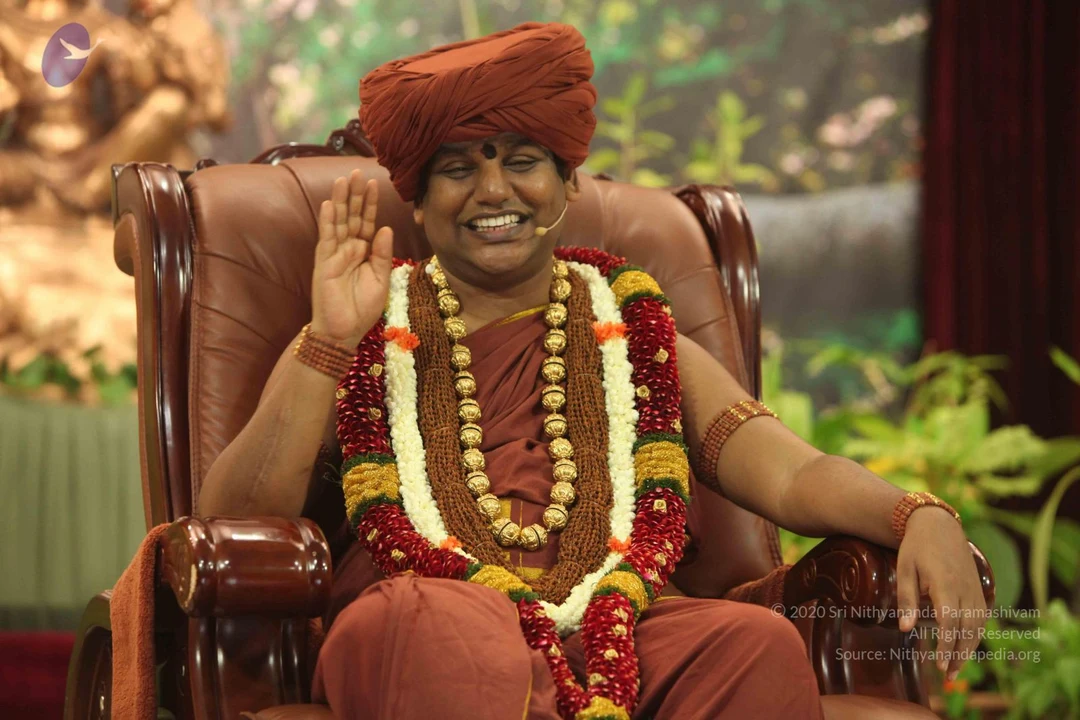
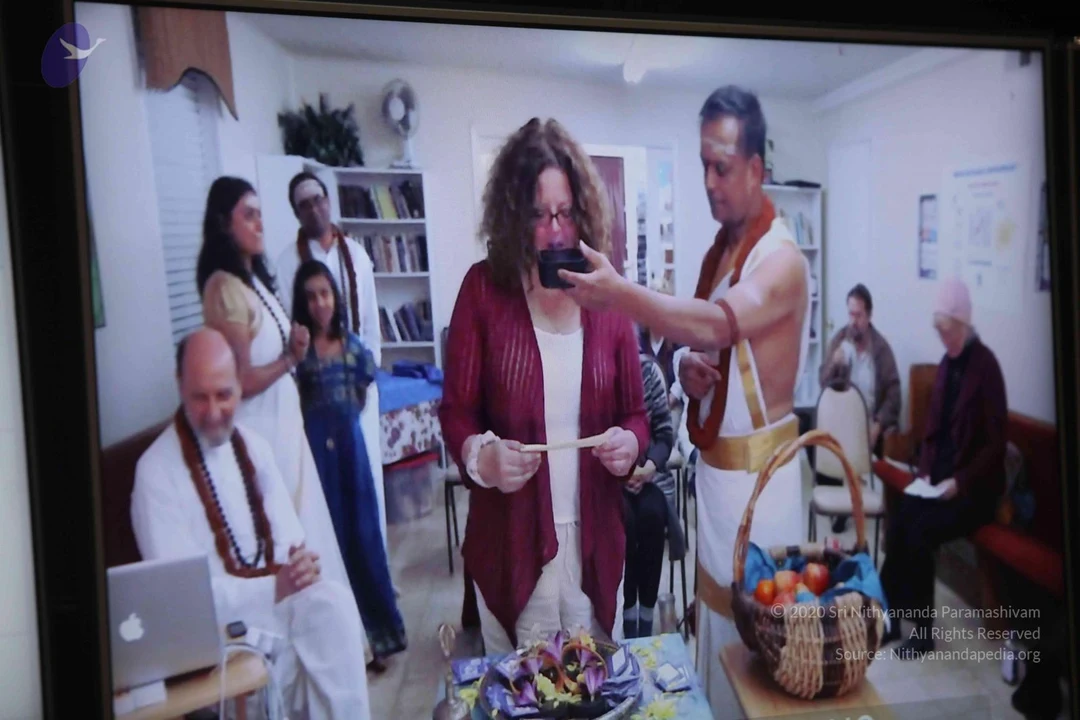
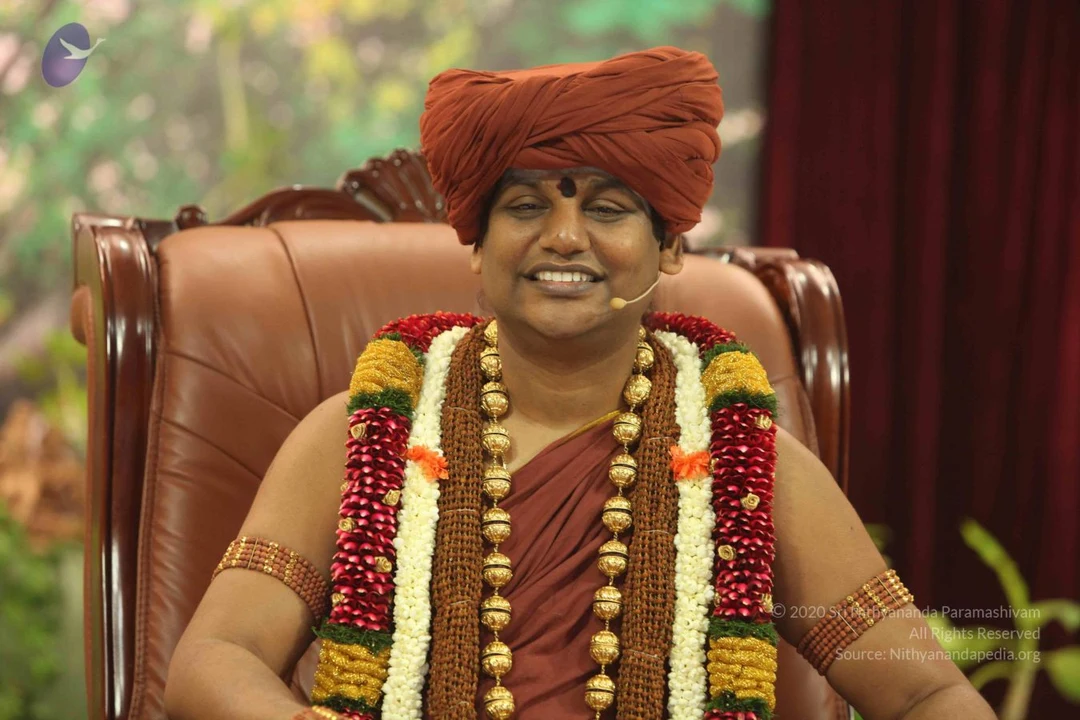
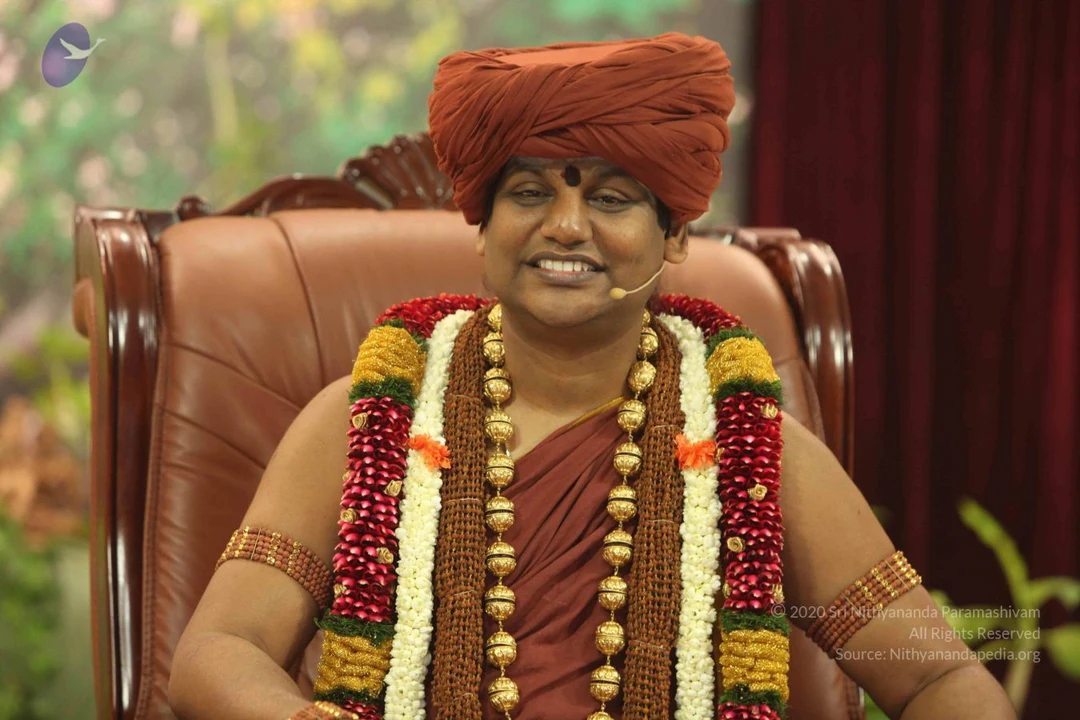
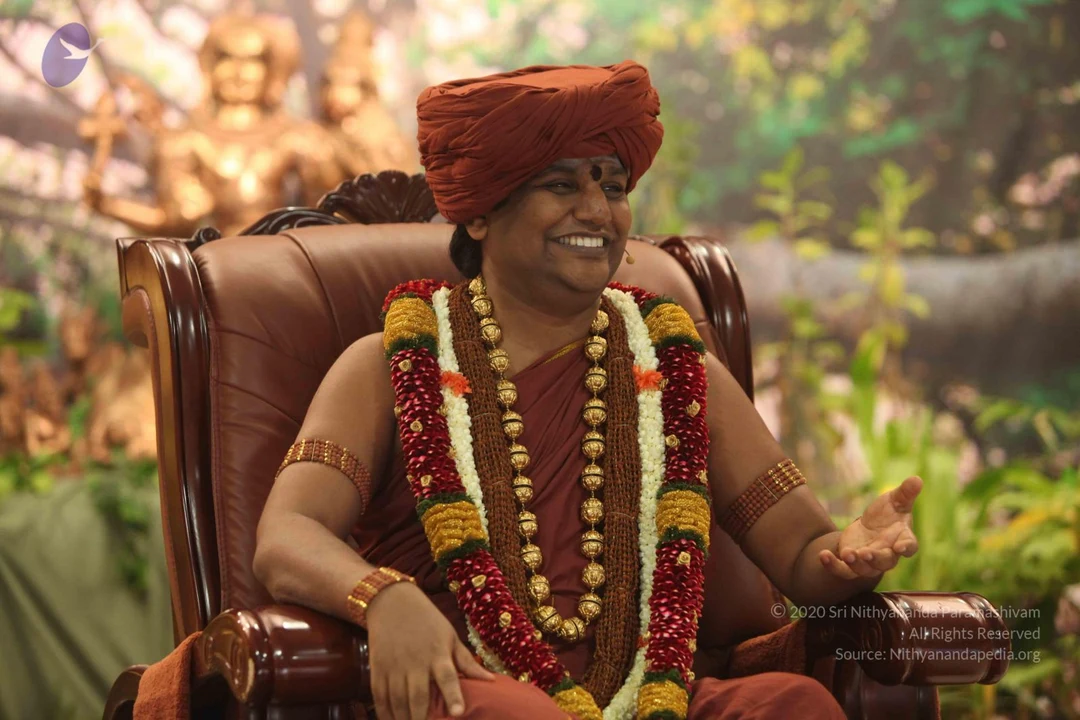
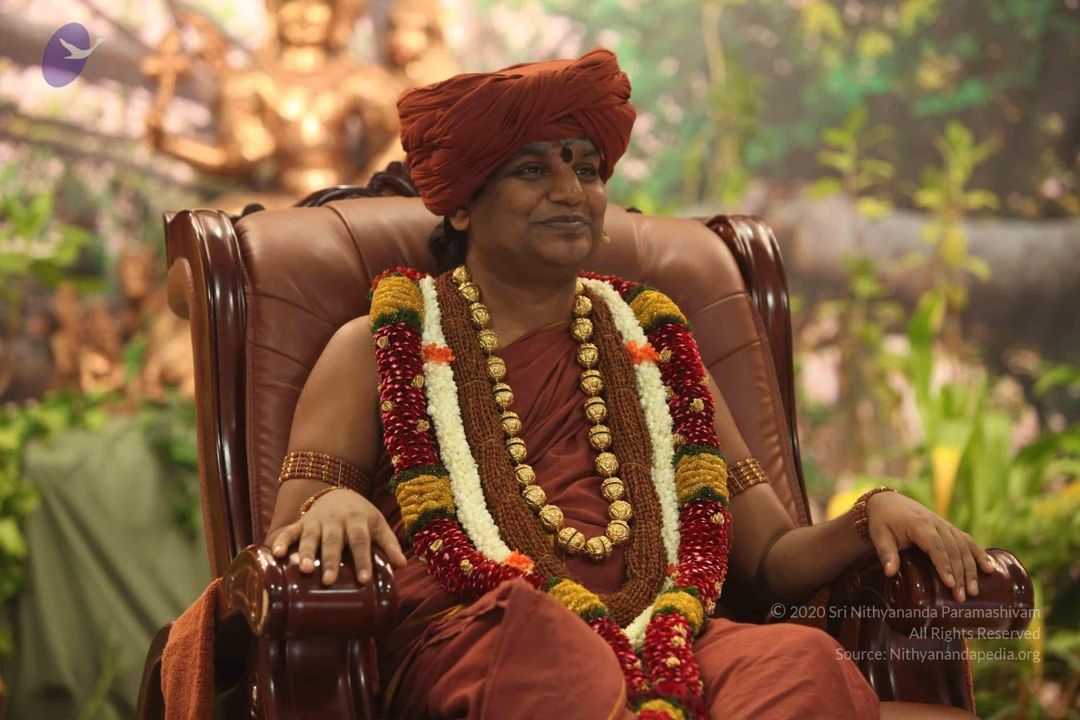
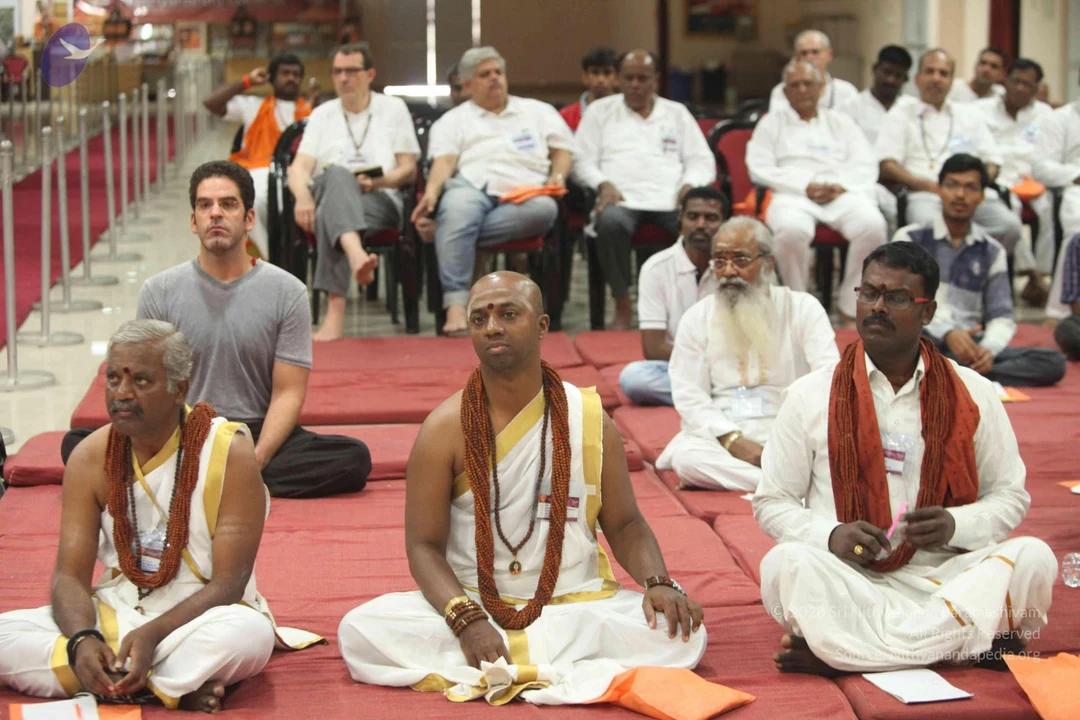
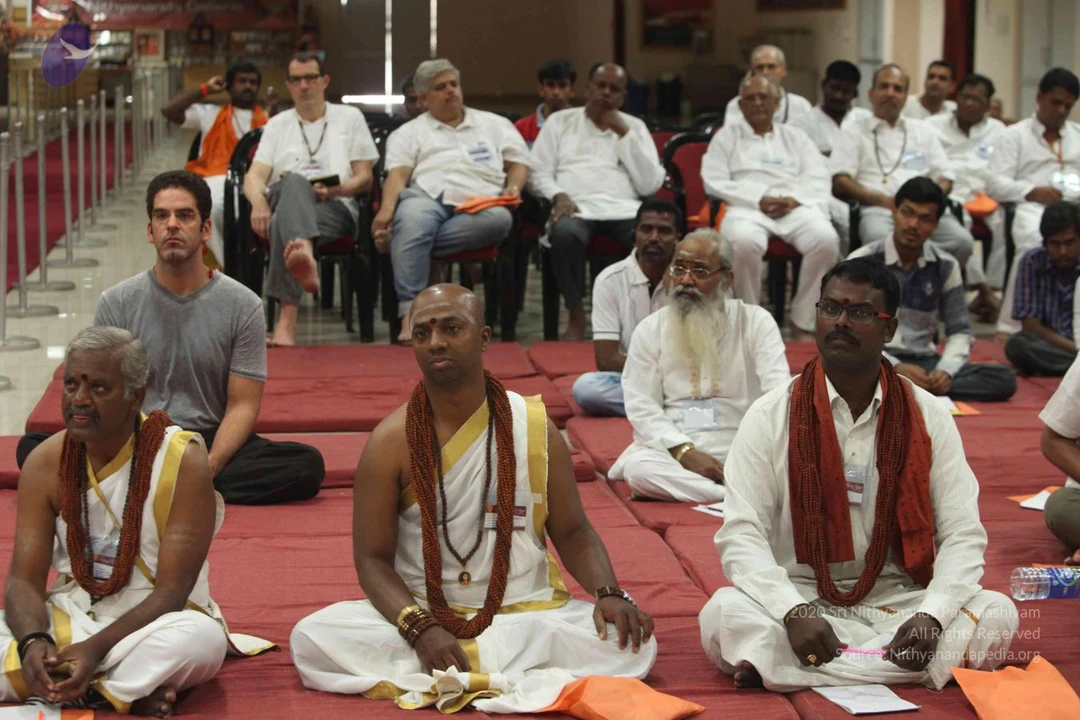
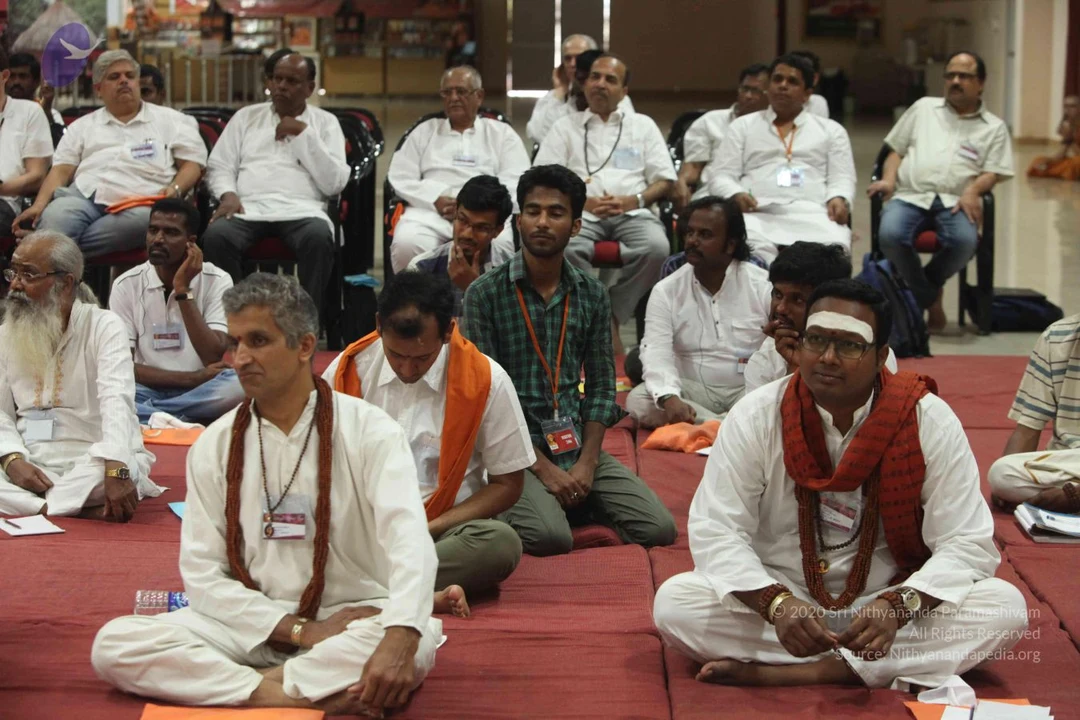
NDY-Shivoham
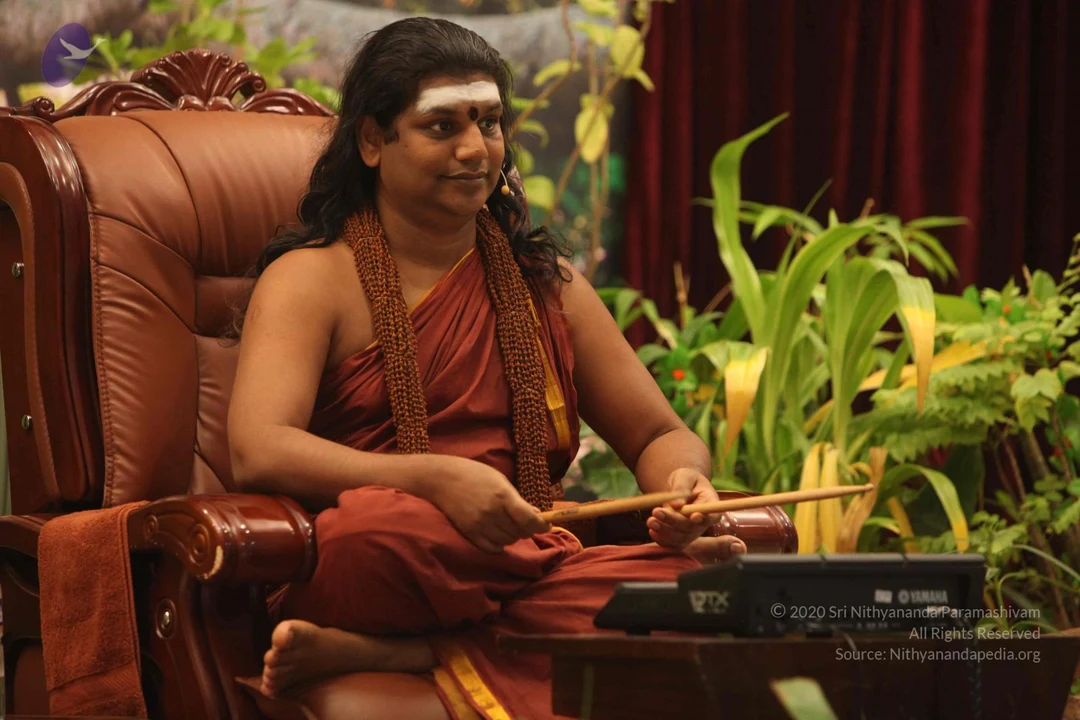
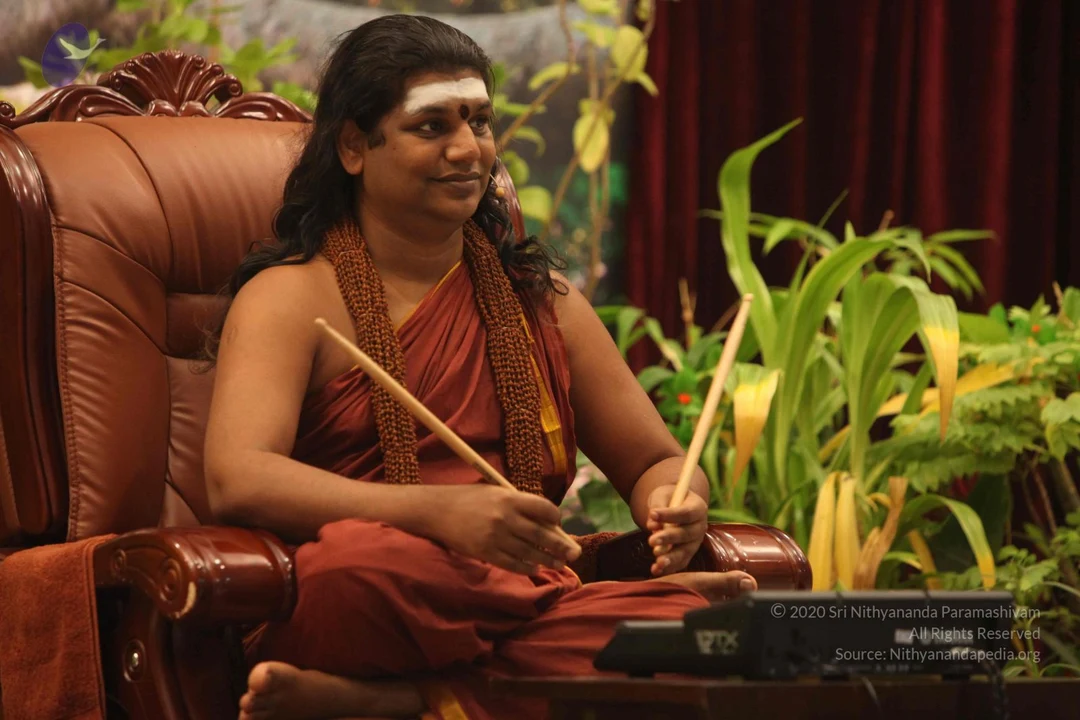
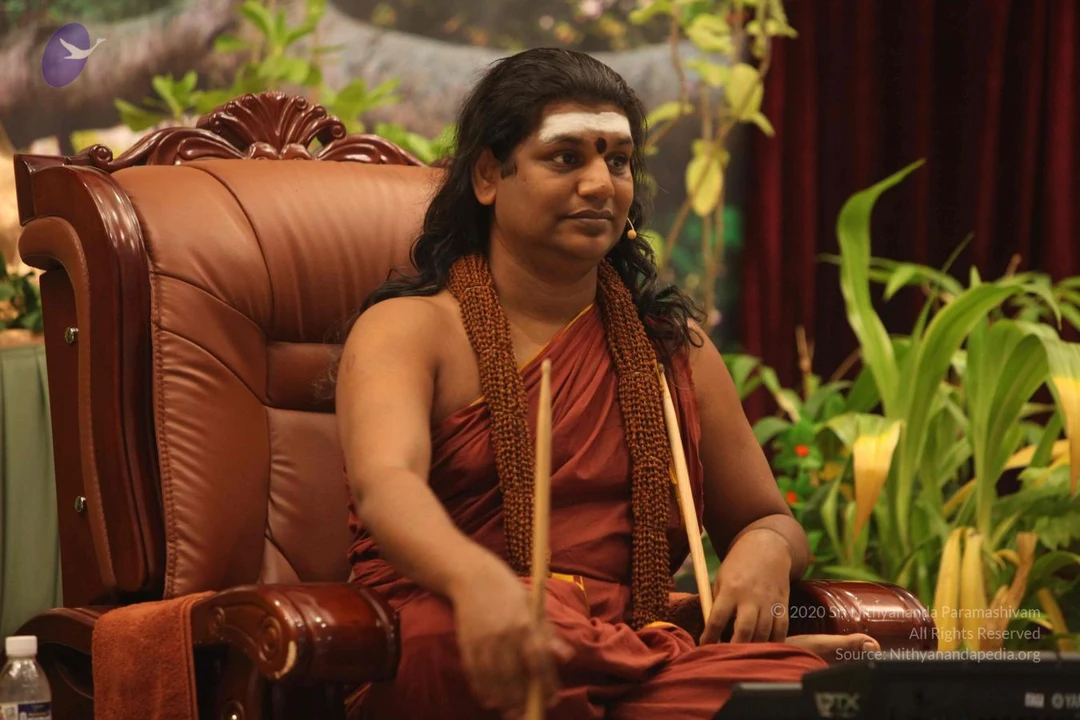
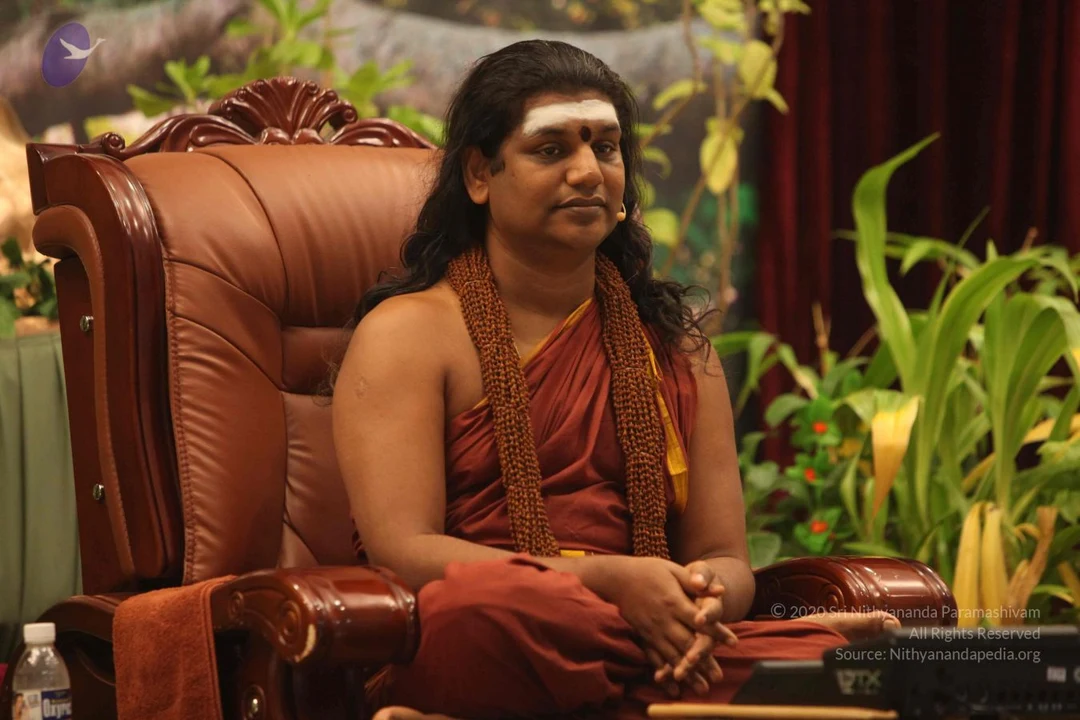
Photos Of The Day:
FB-photo-of-the-day
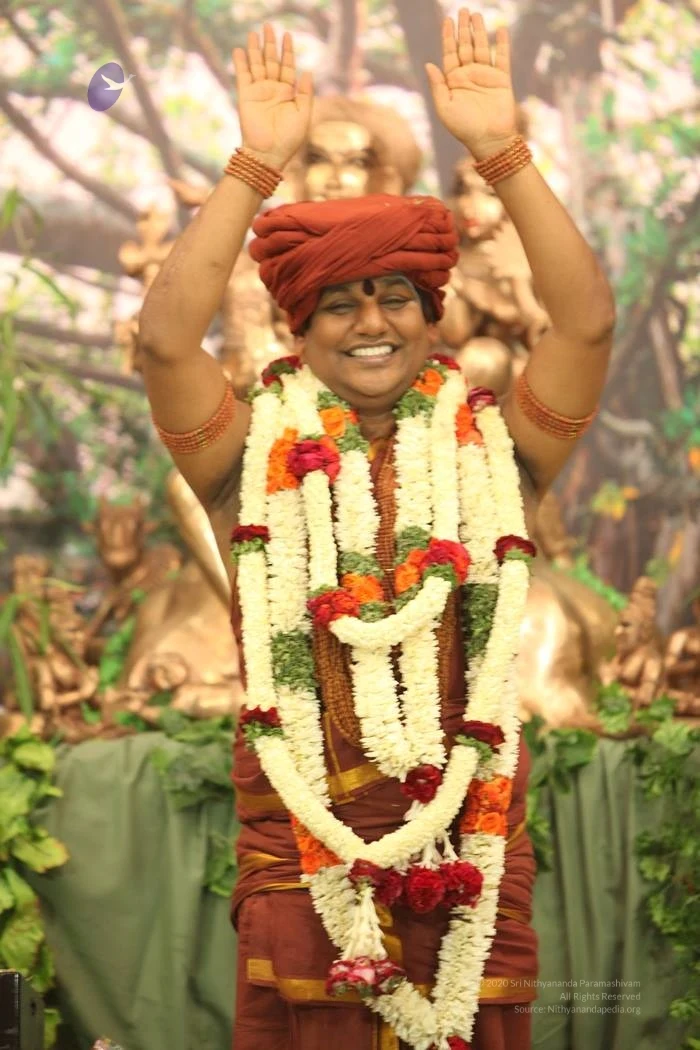
Photos Of The Day:
NITHYA-SATSANG
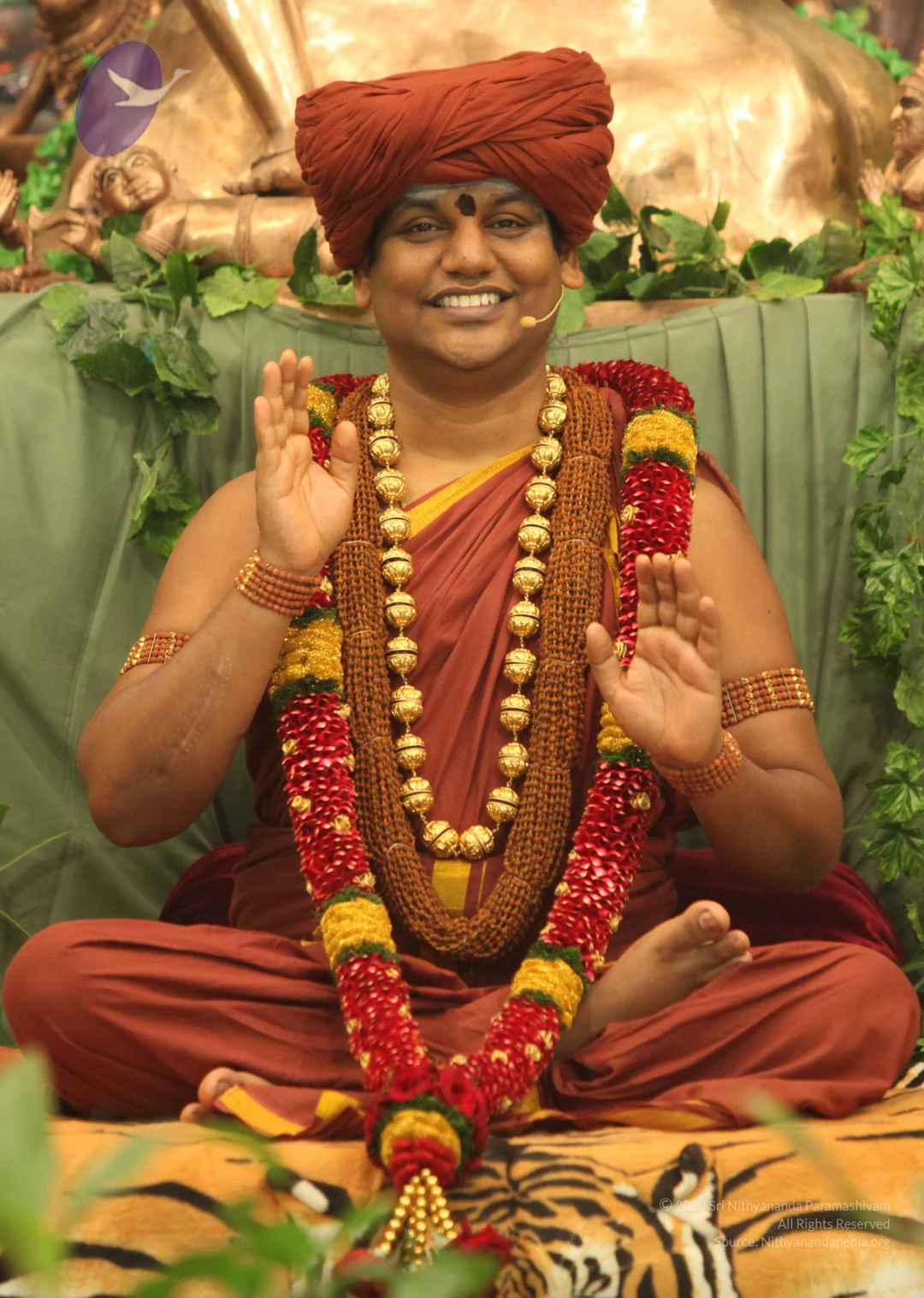
SATSANG
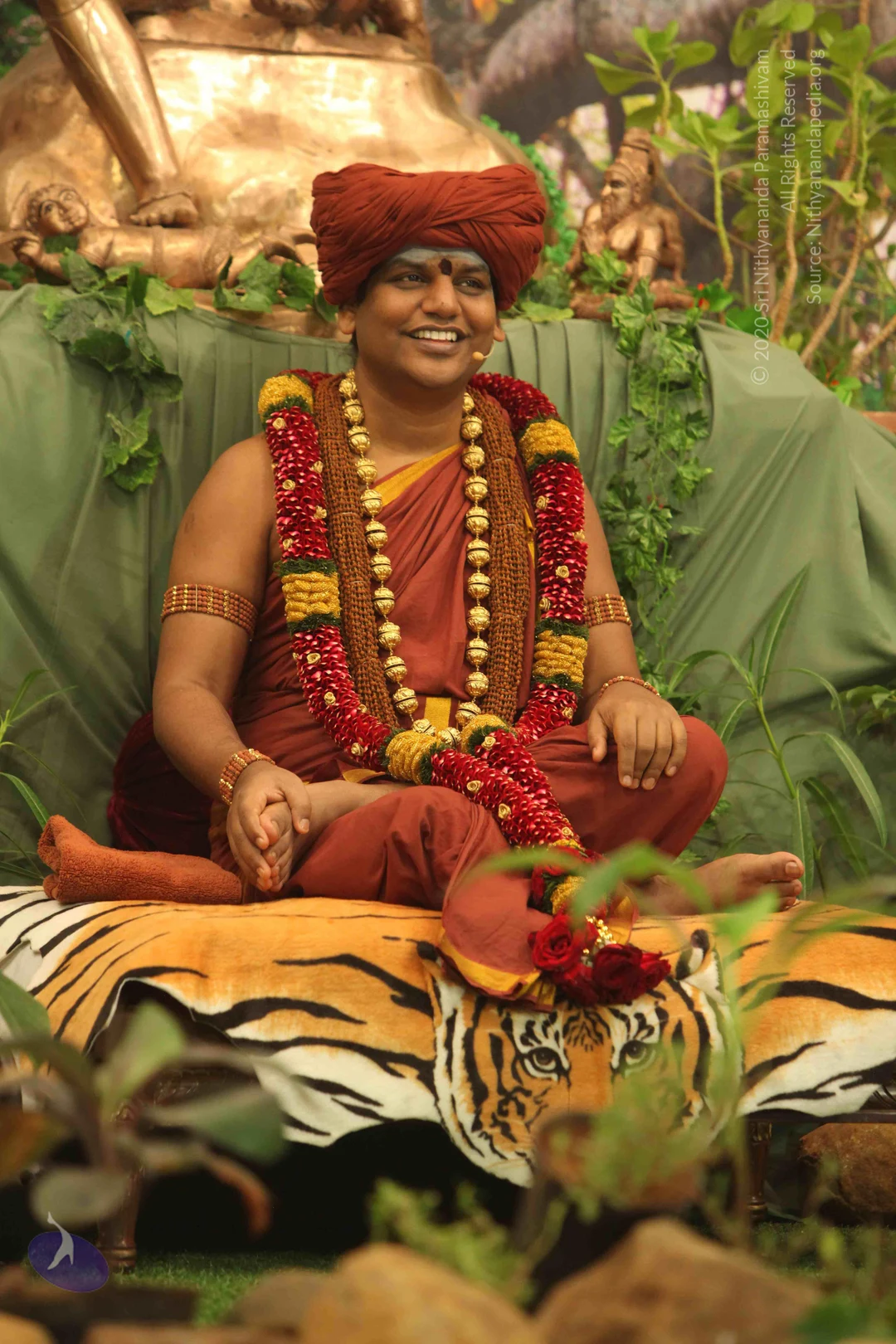
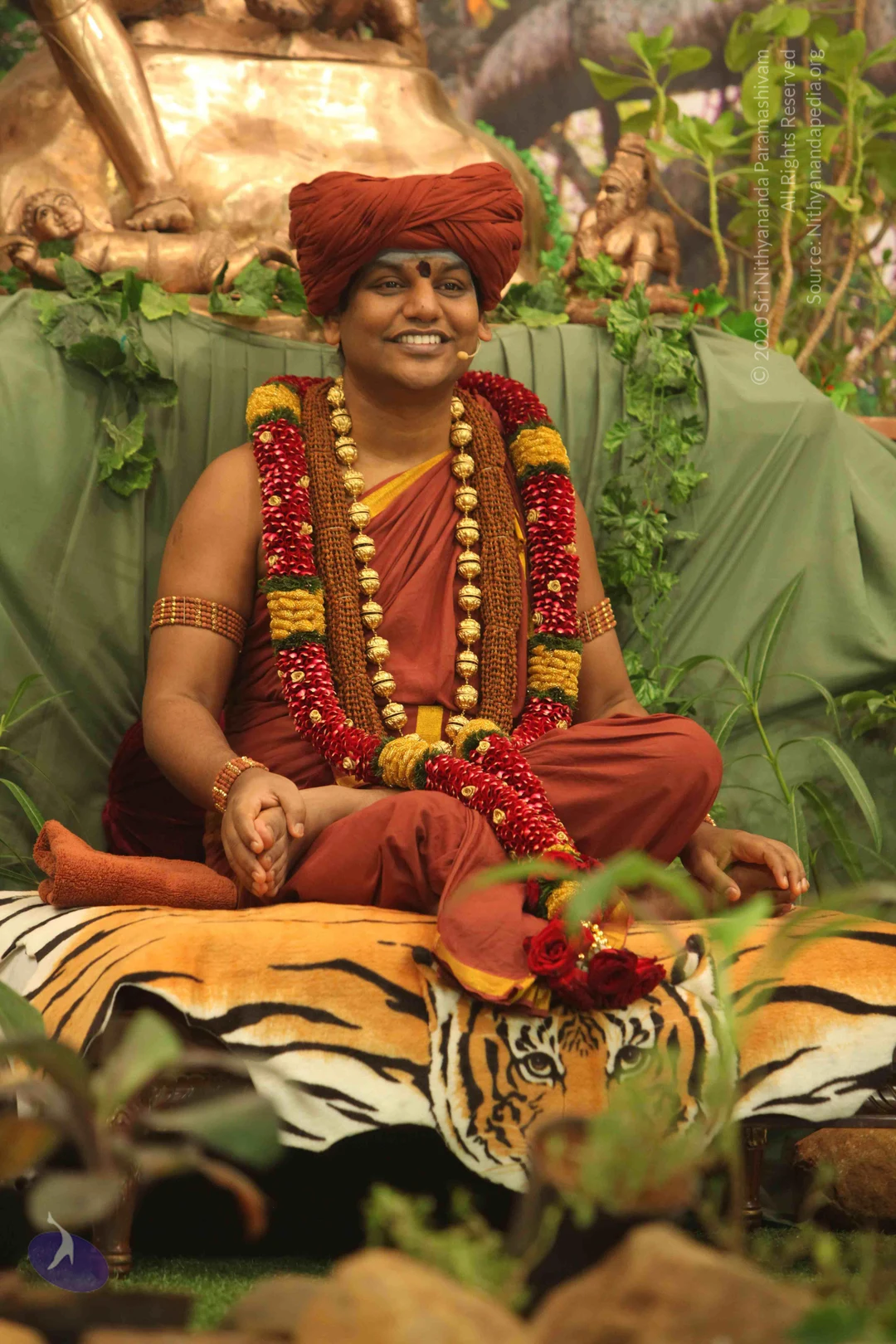
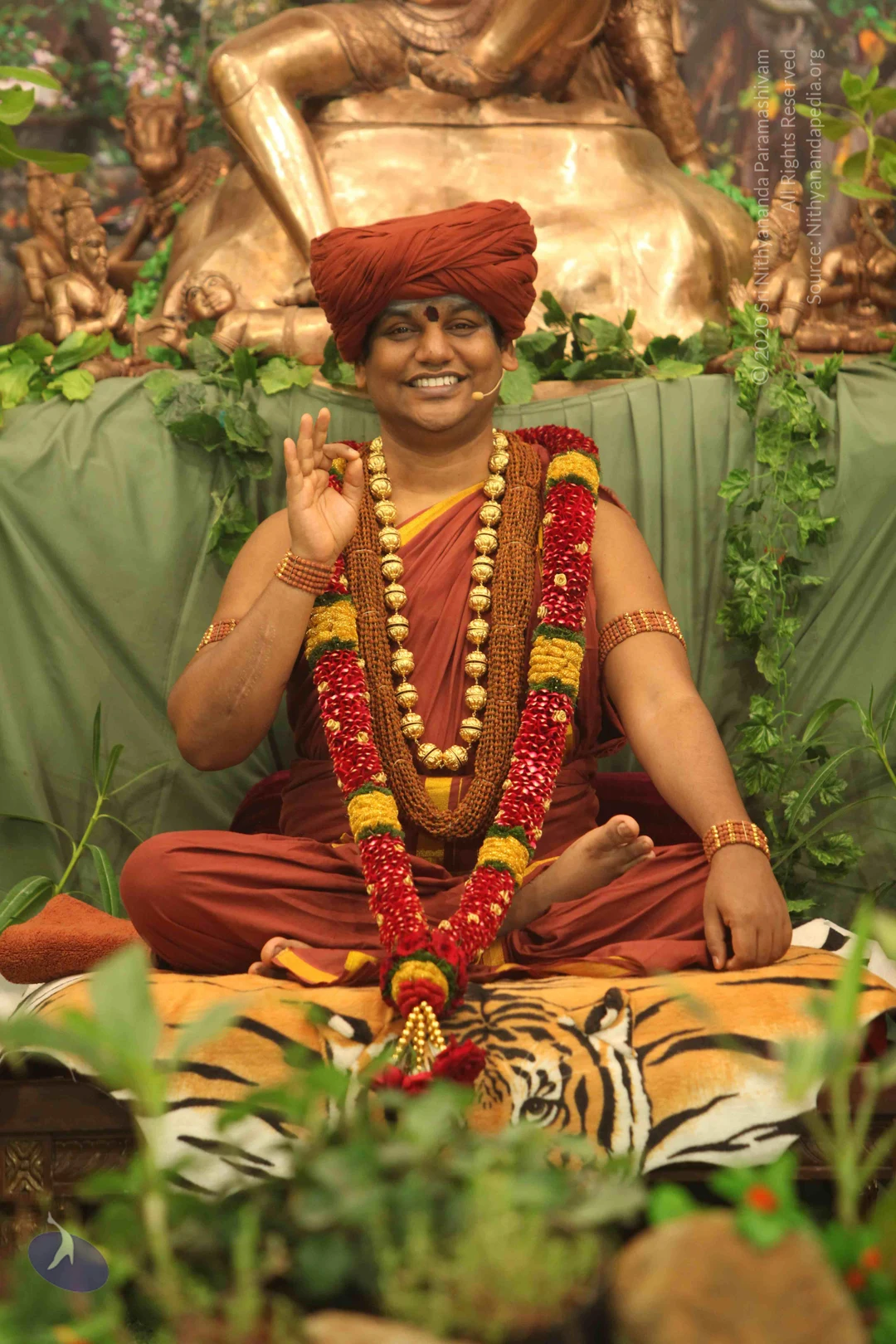
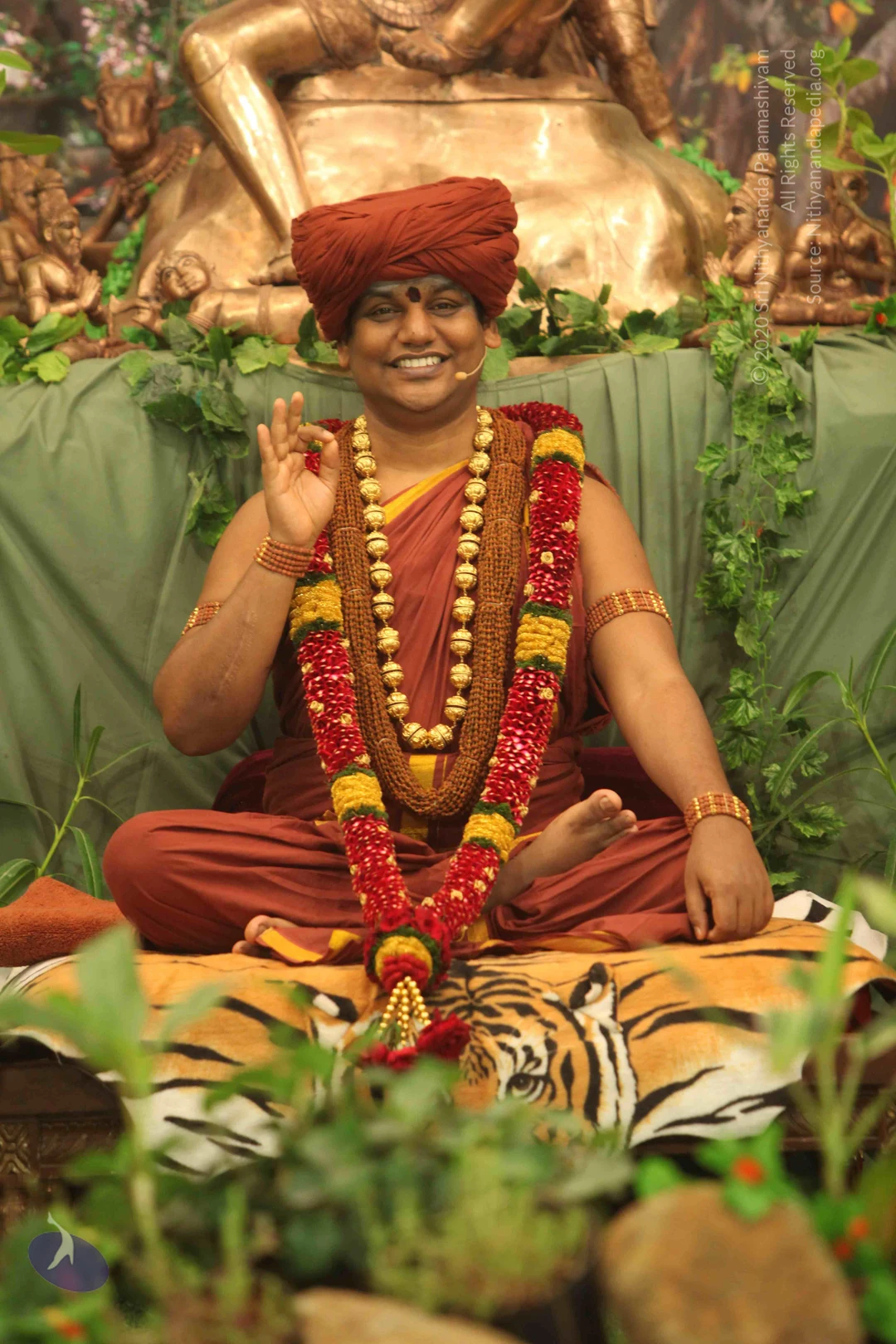
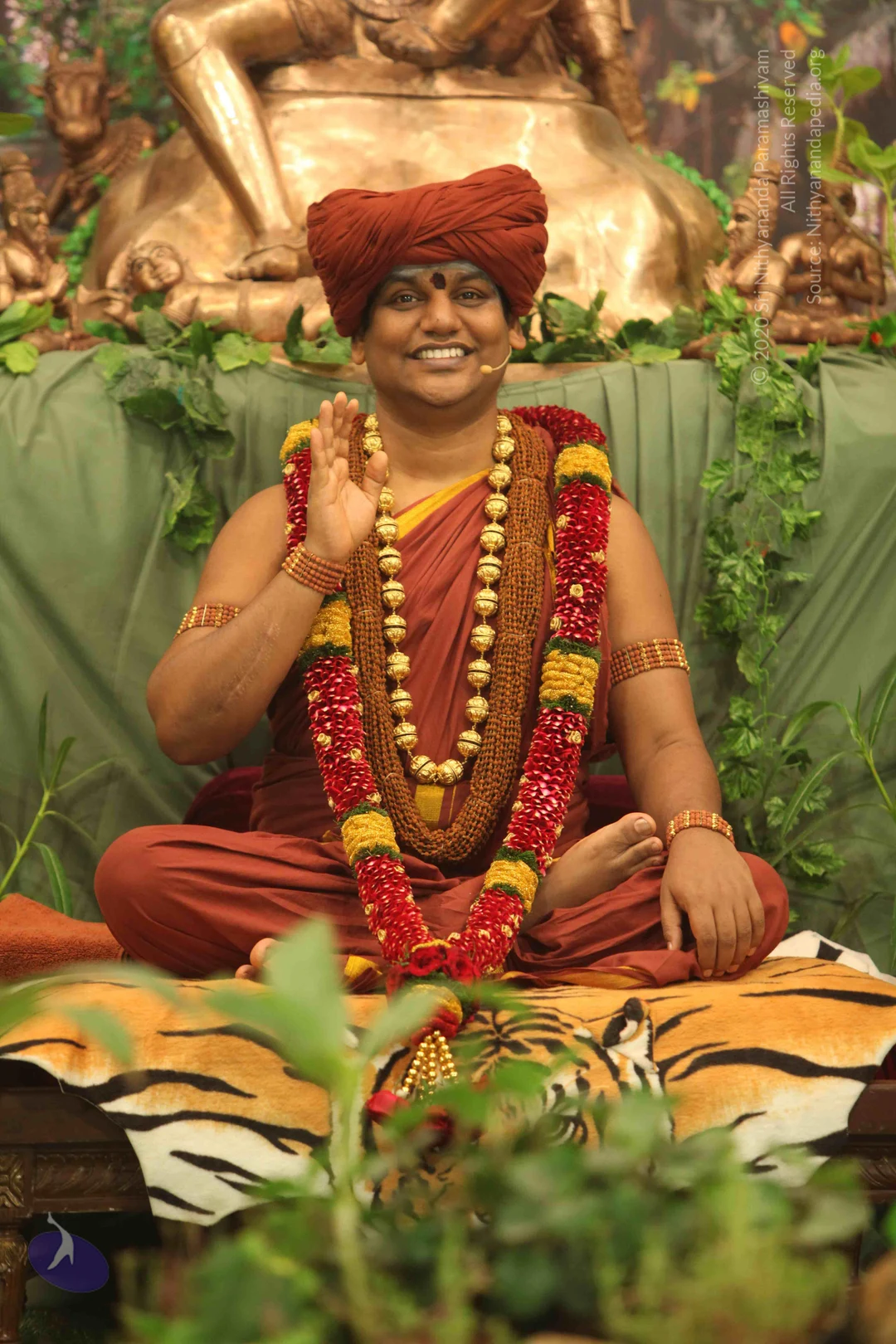
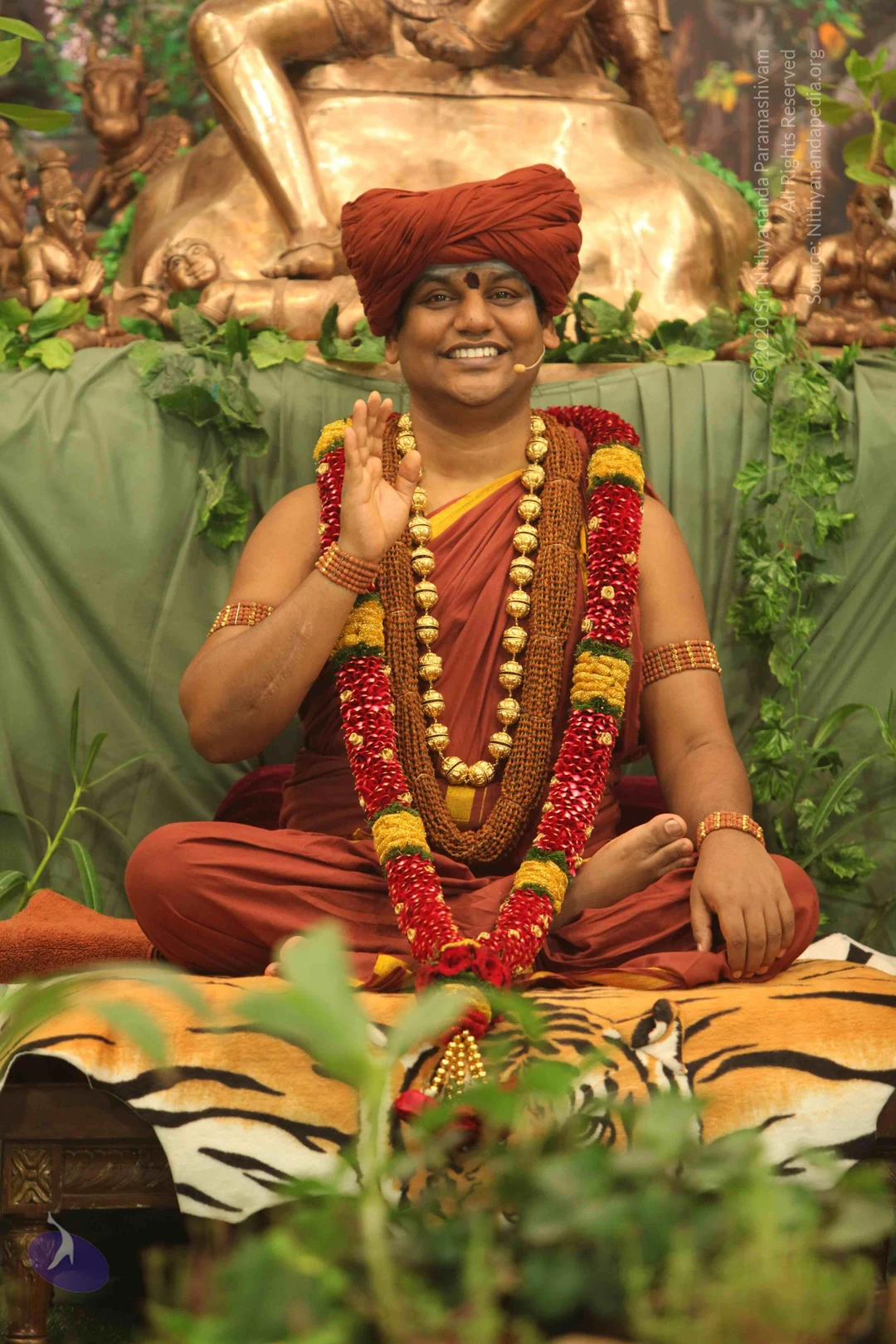
NDY-Morning-Session
NDY-Shivoham
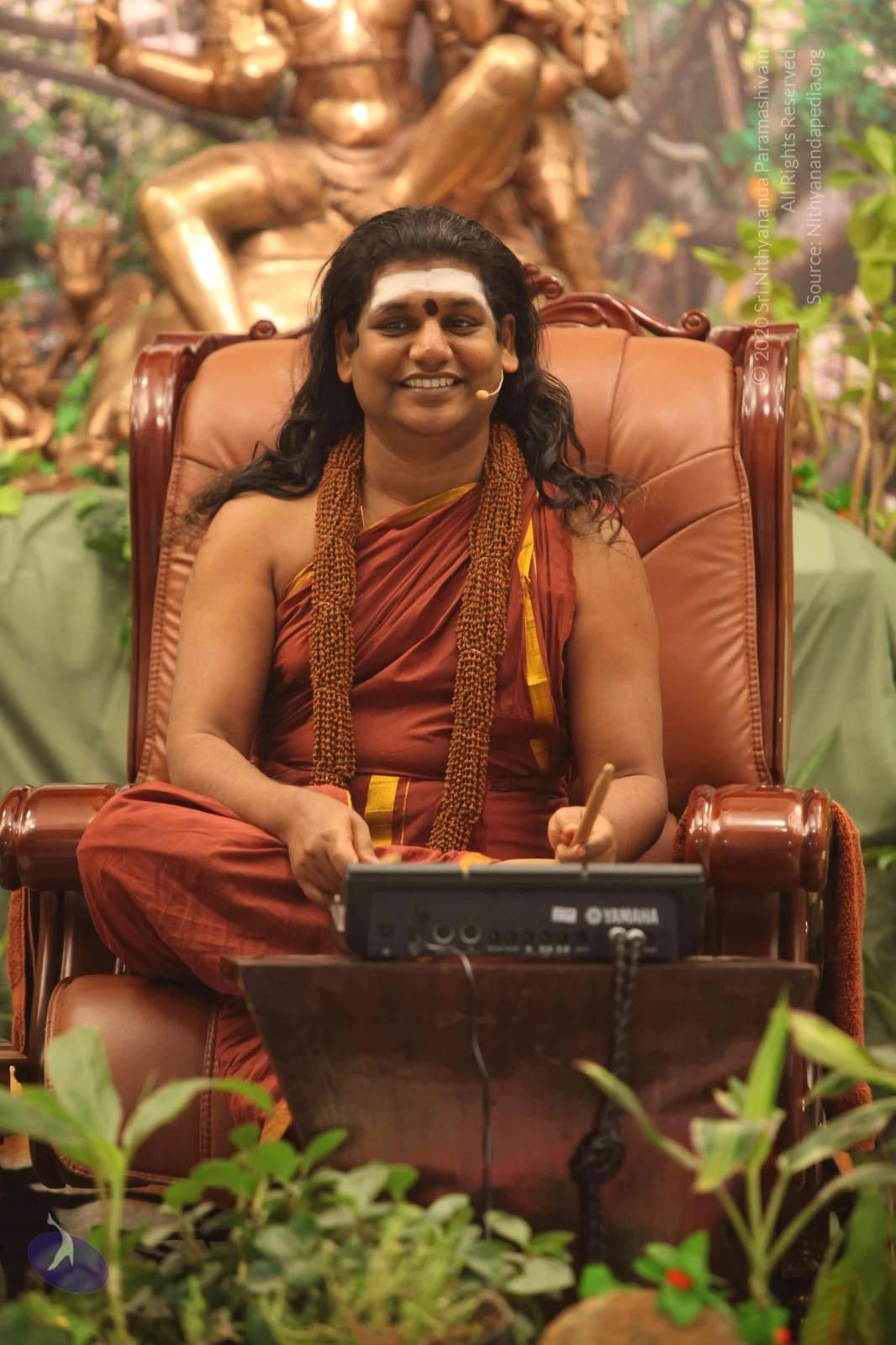
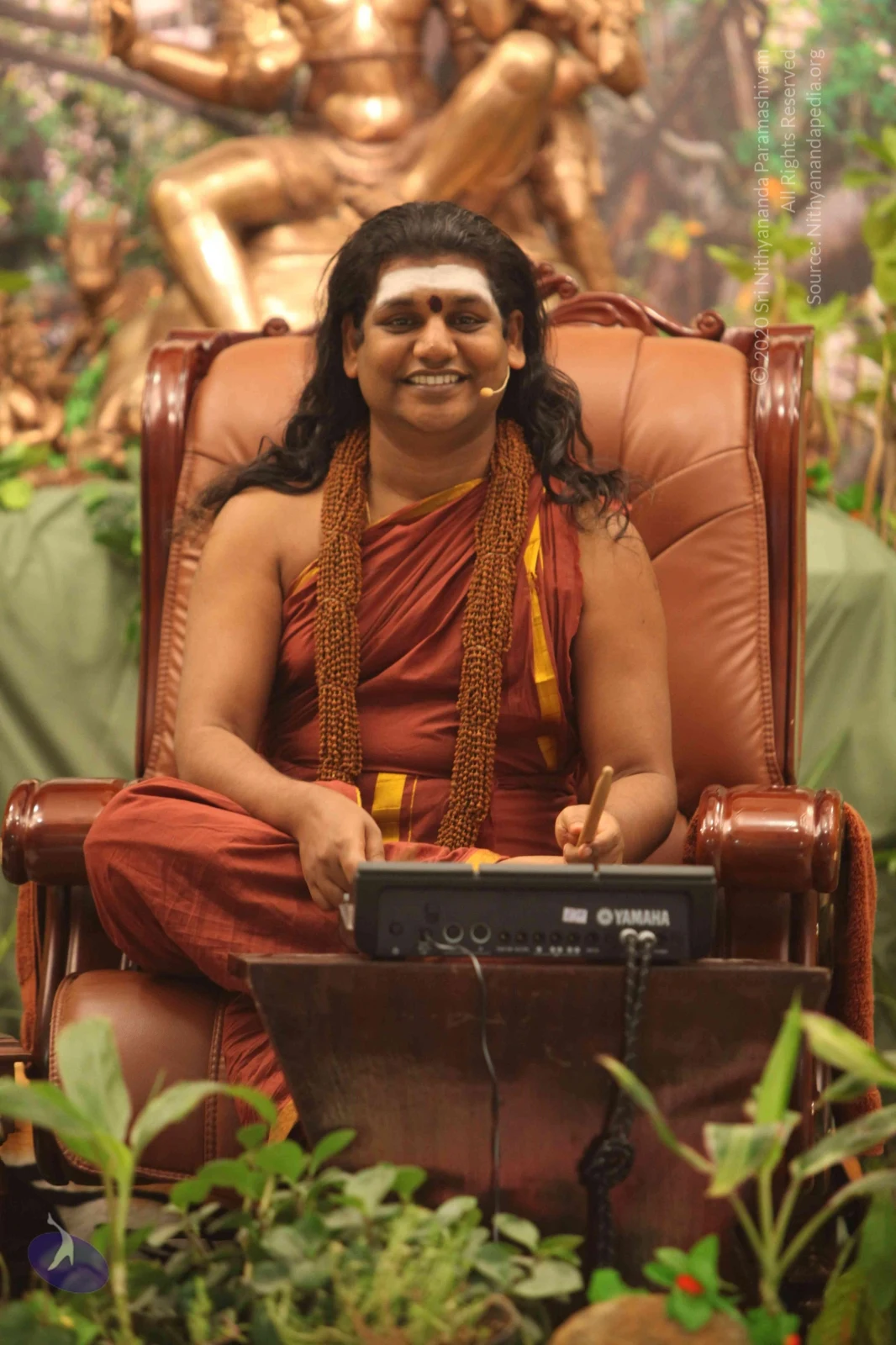
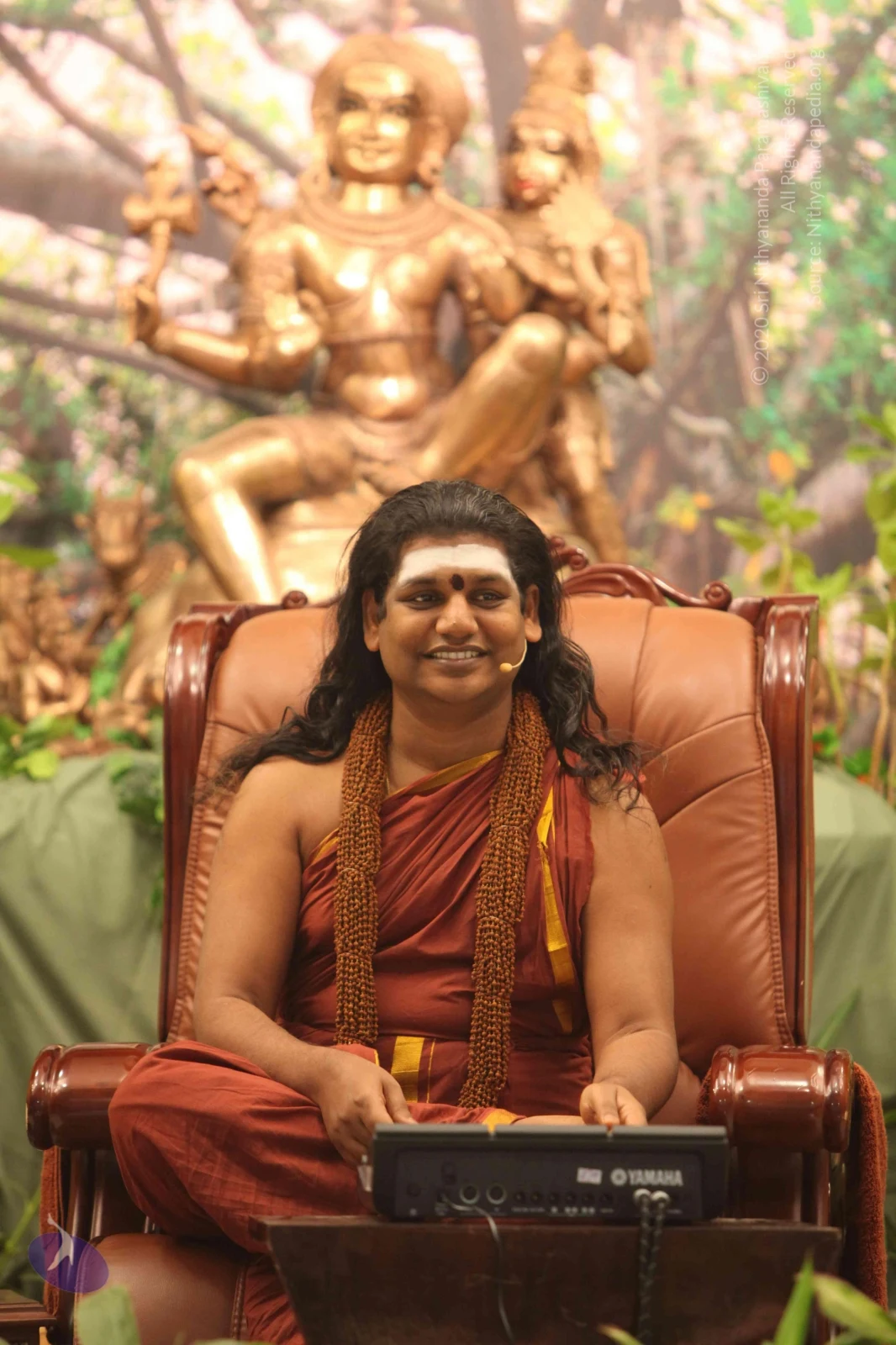
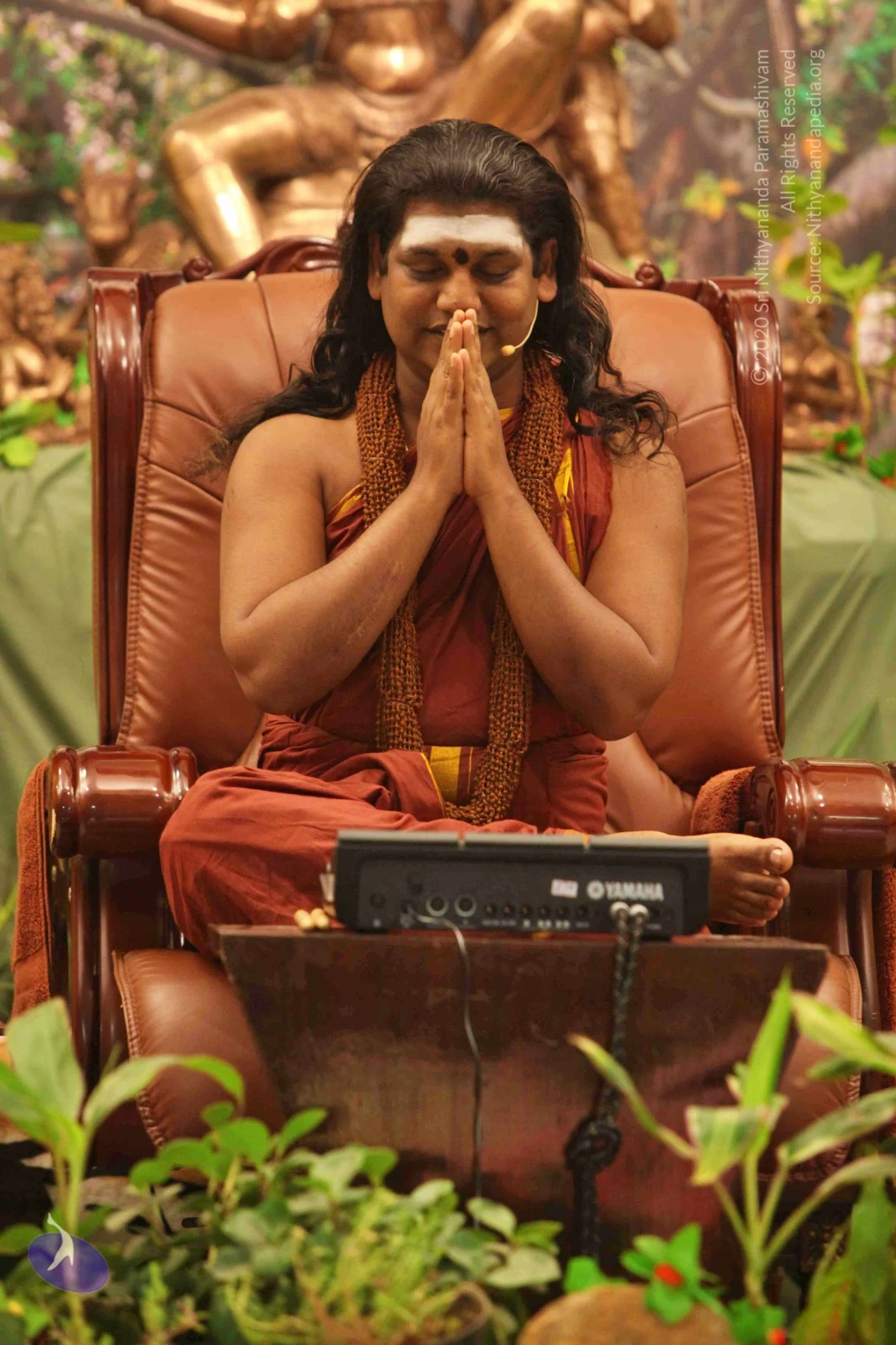
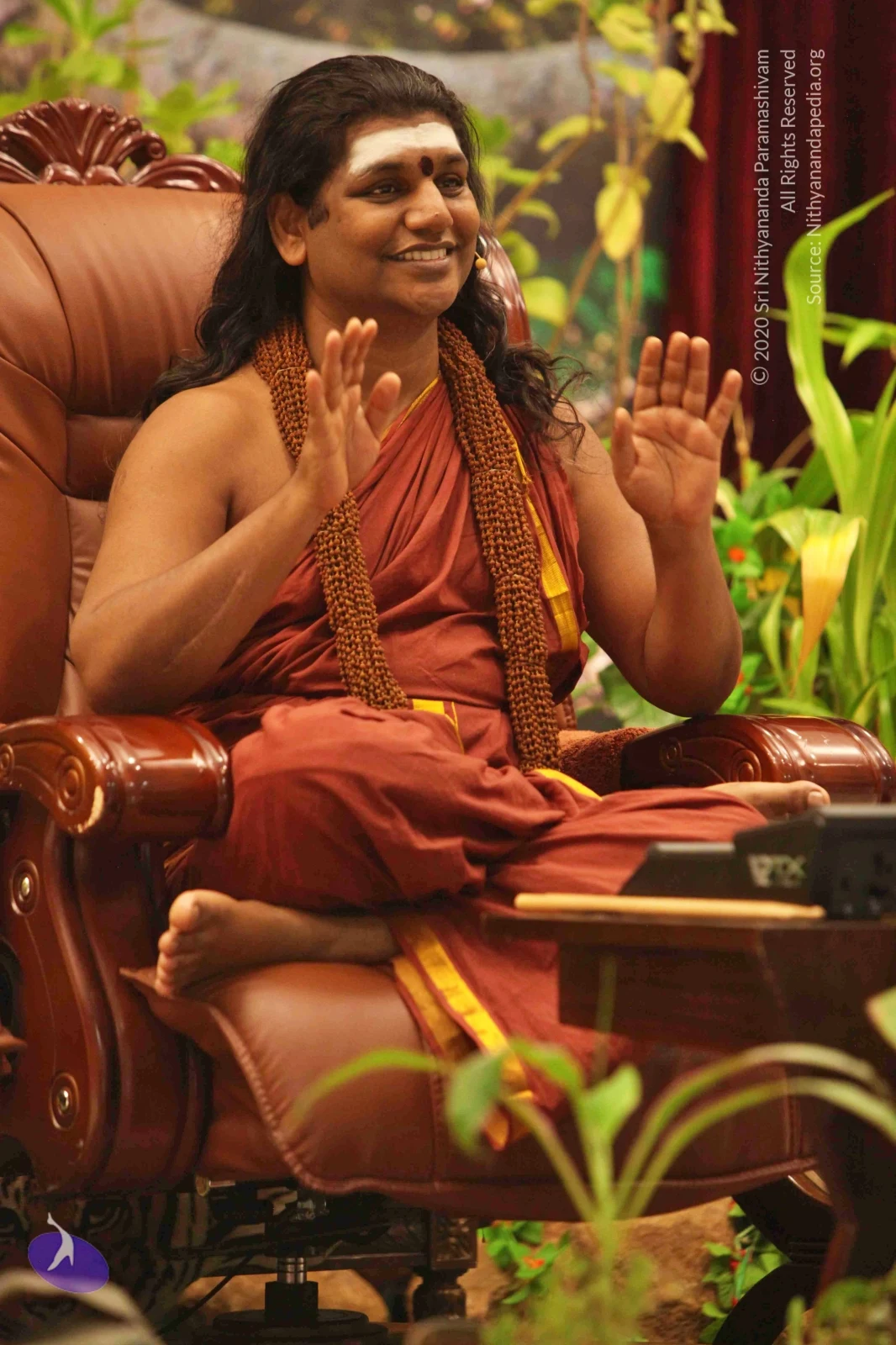
NDY-DARSHAN
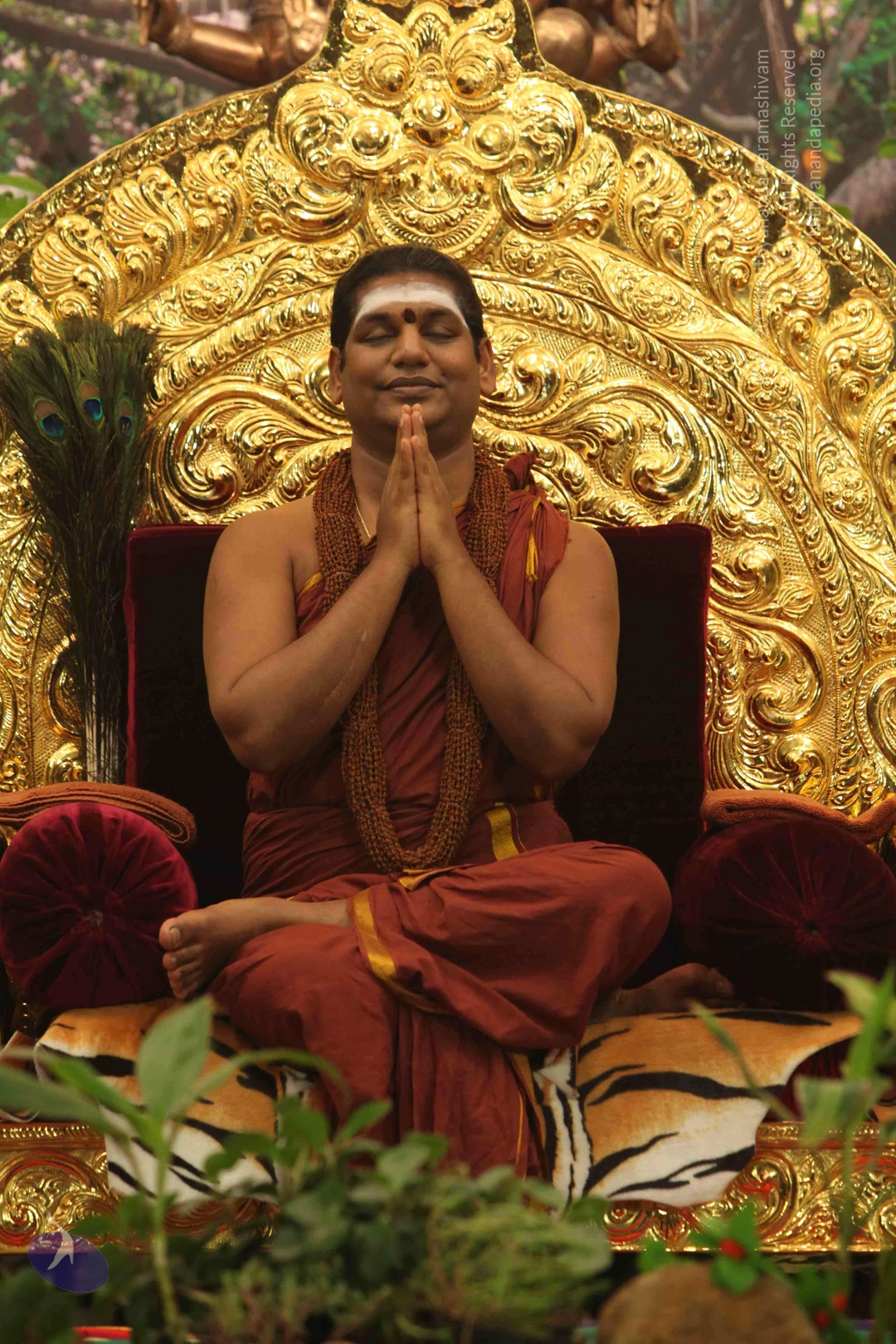
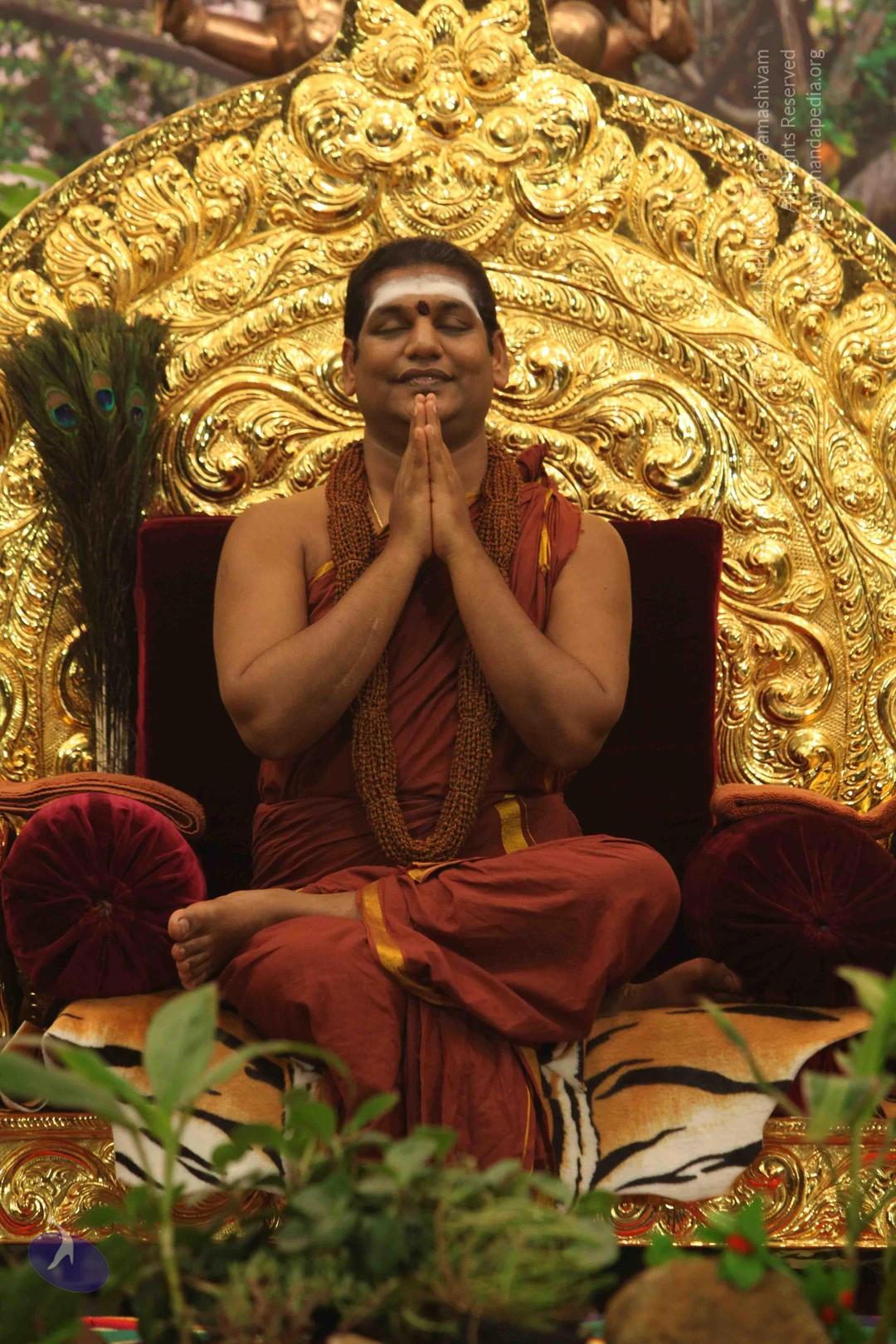
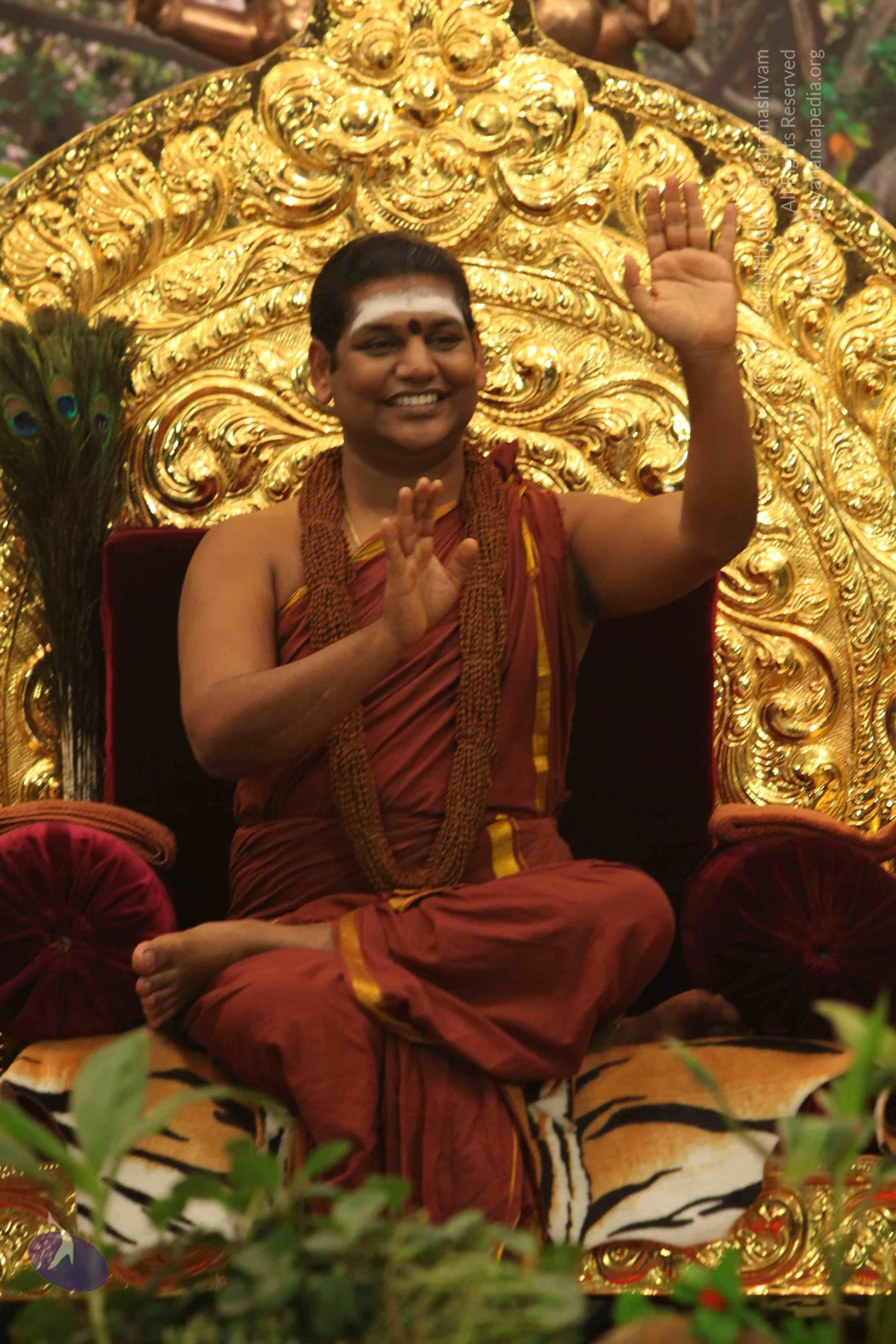
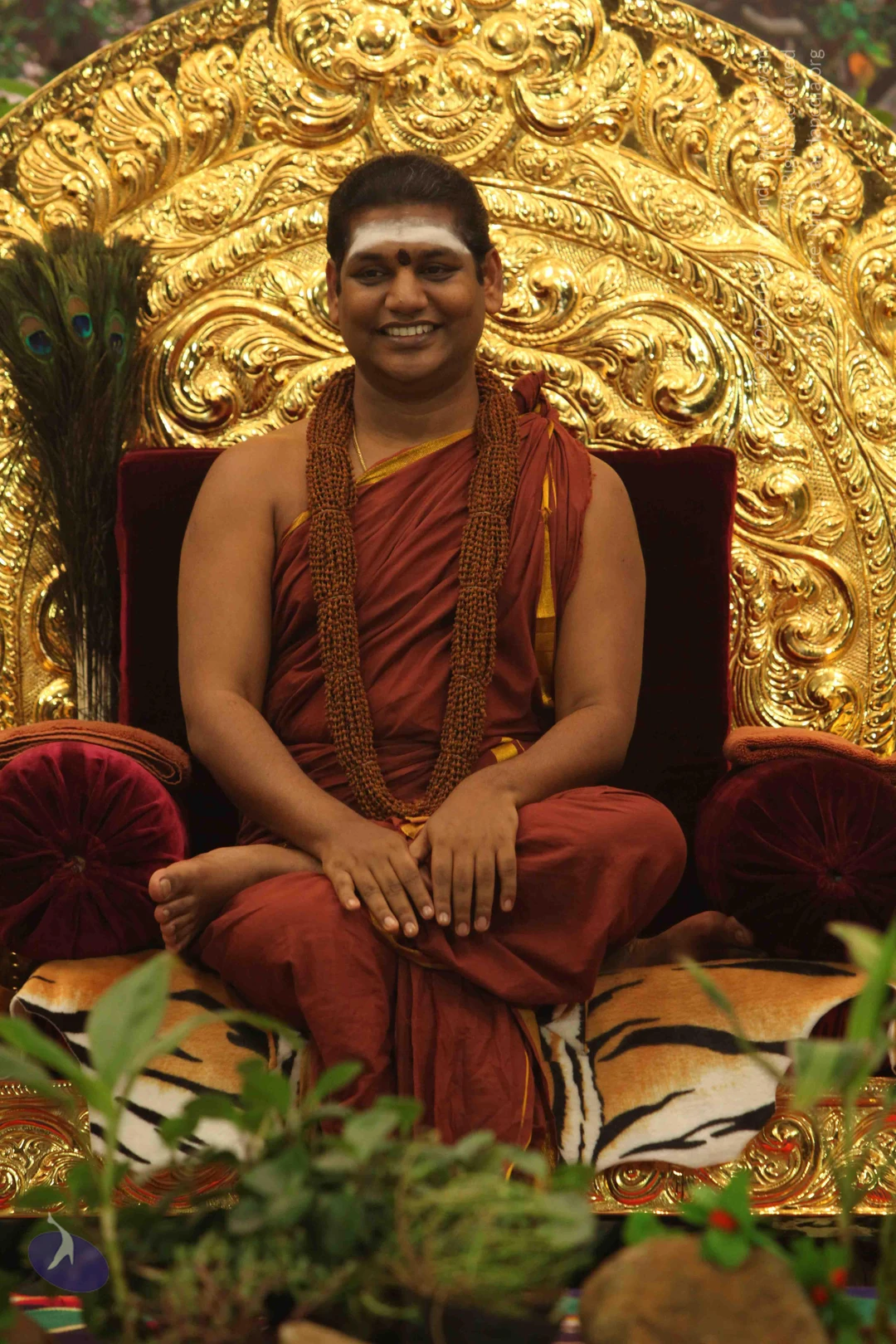
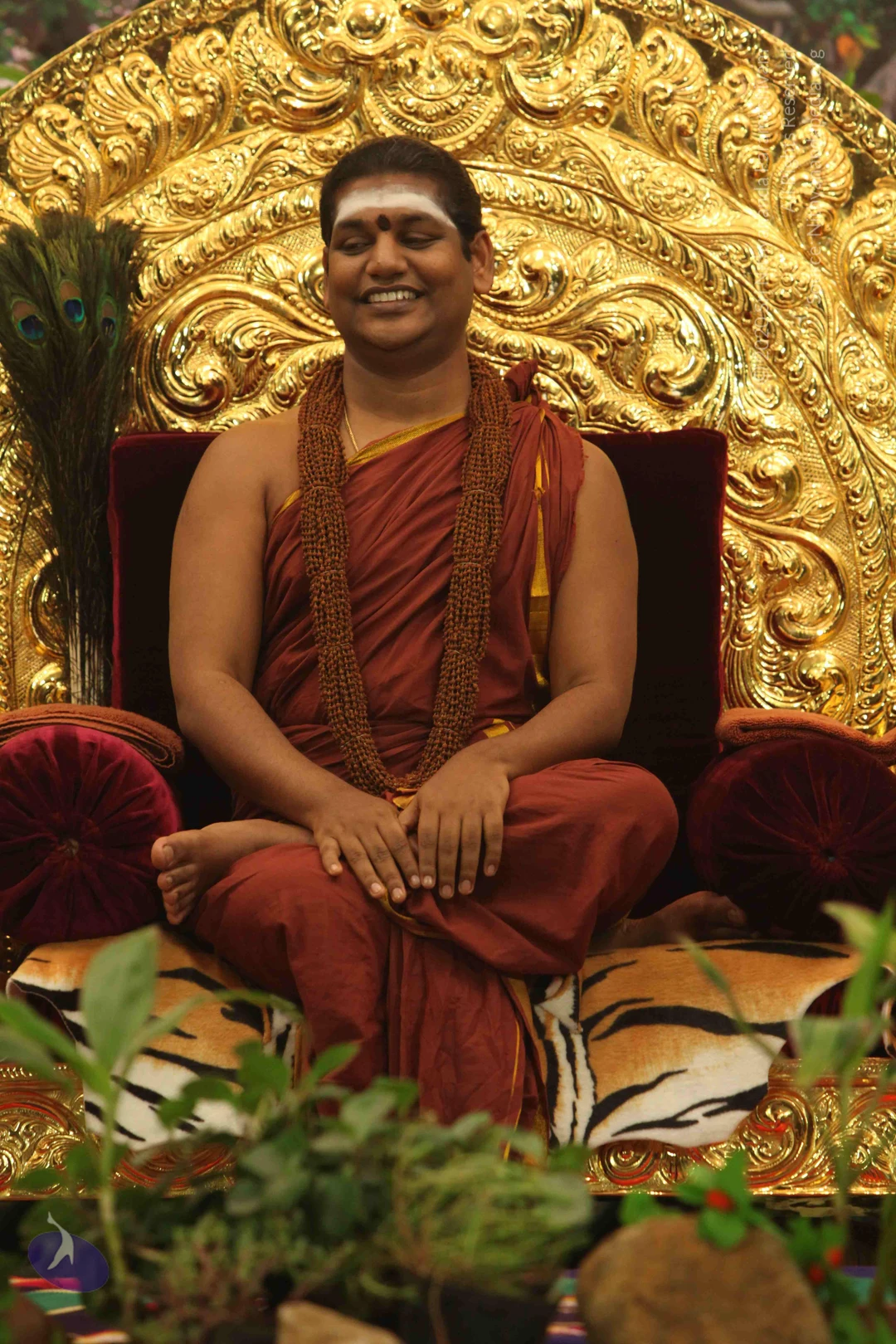
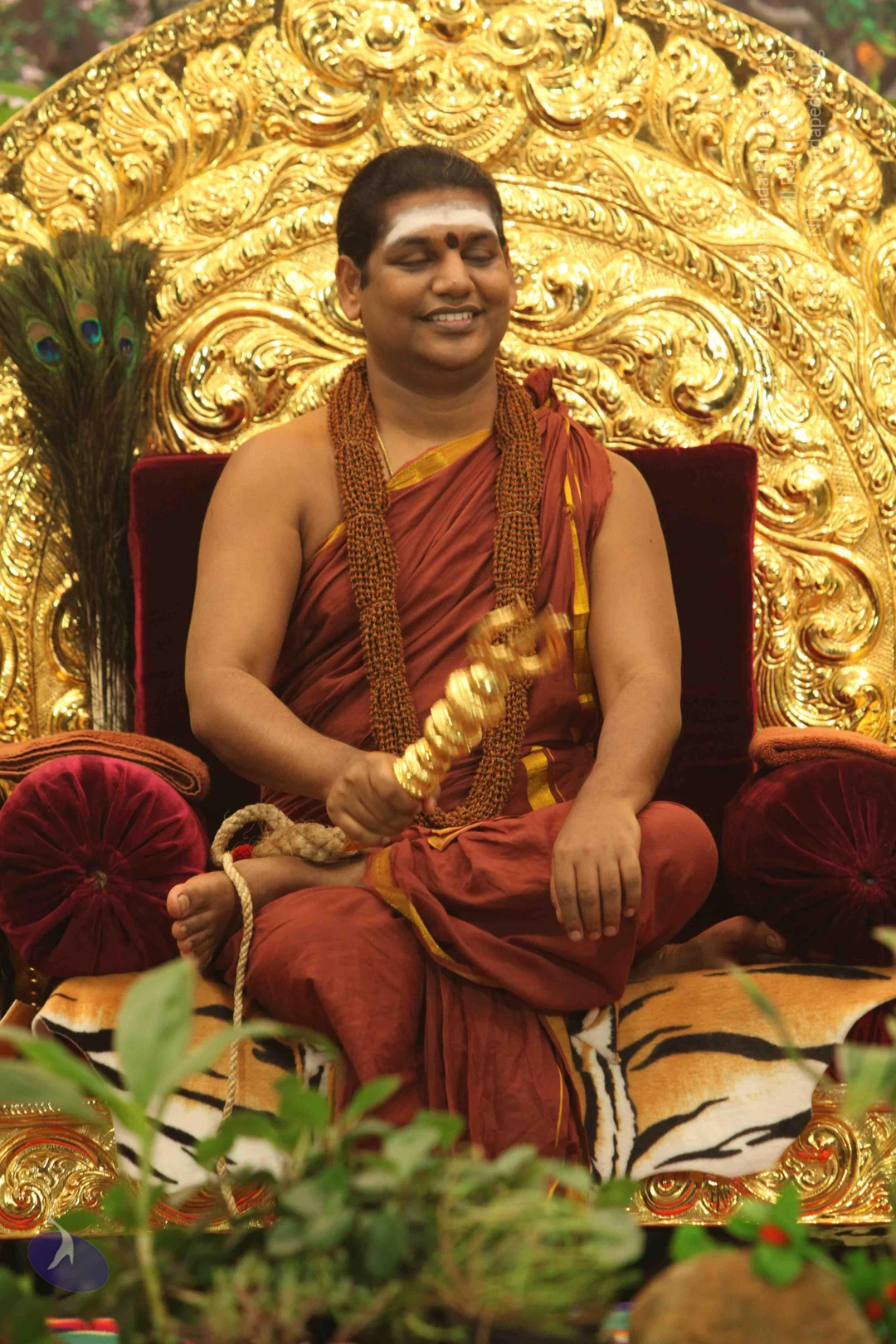
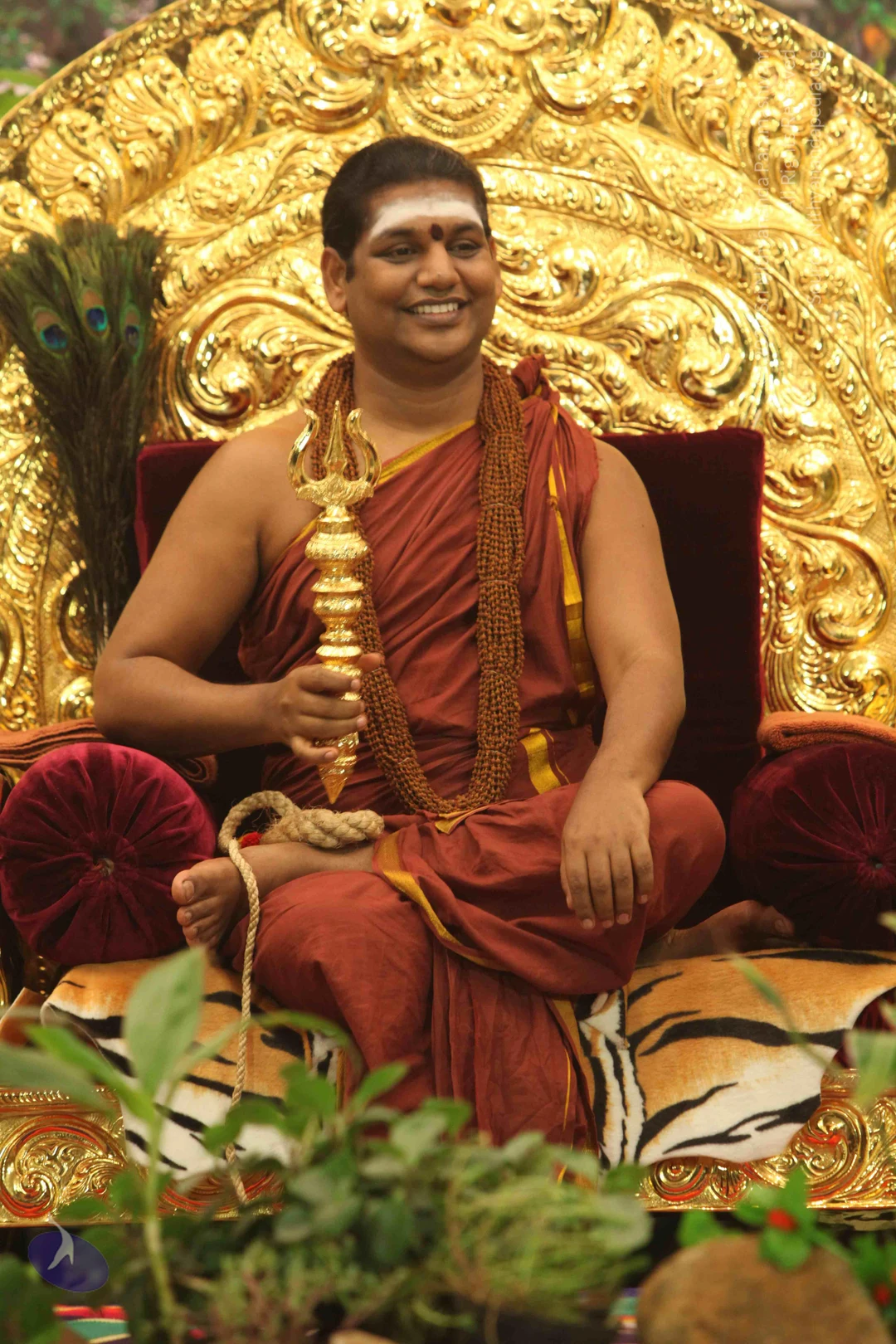
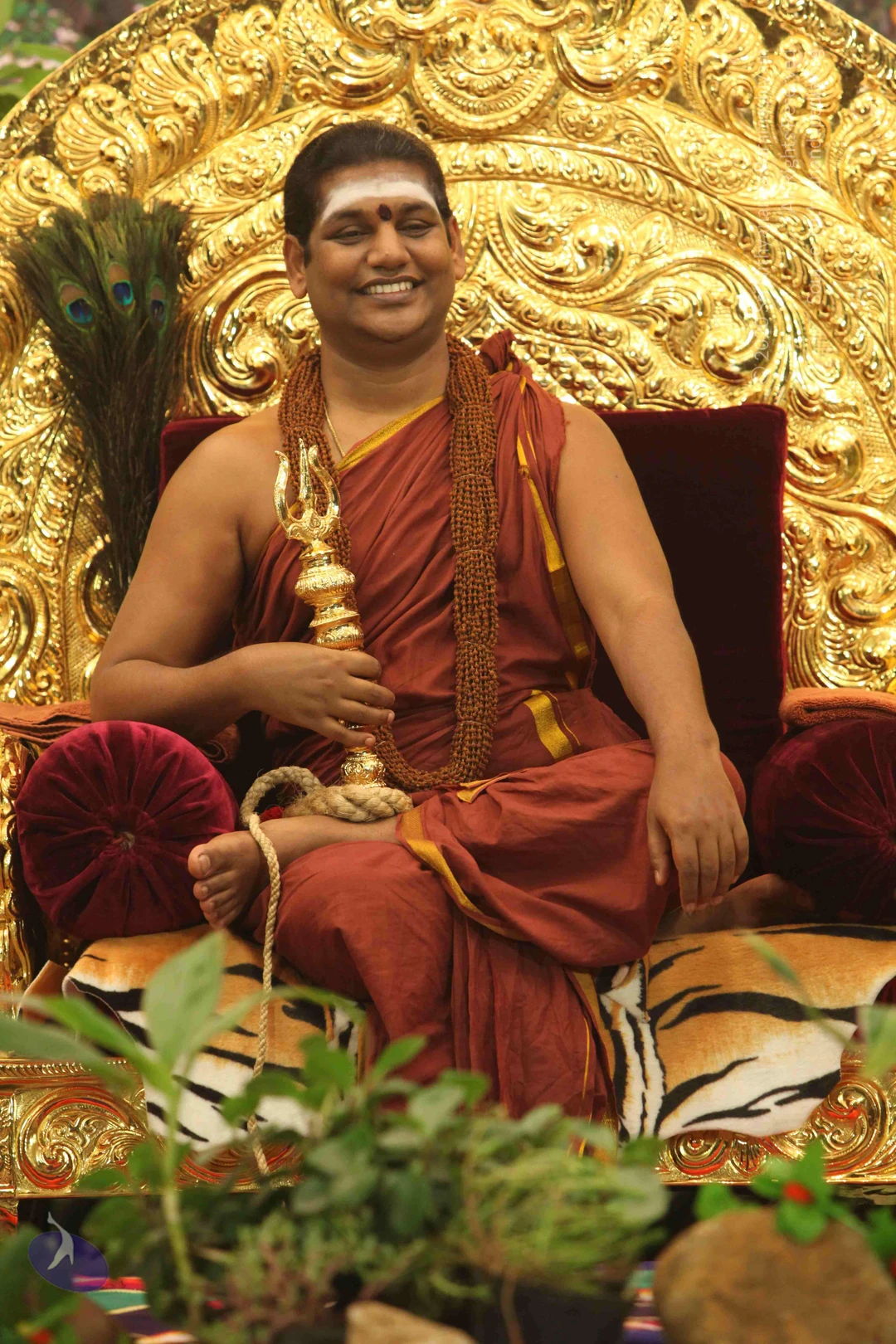
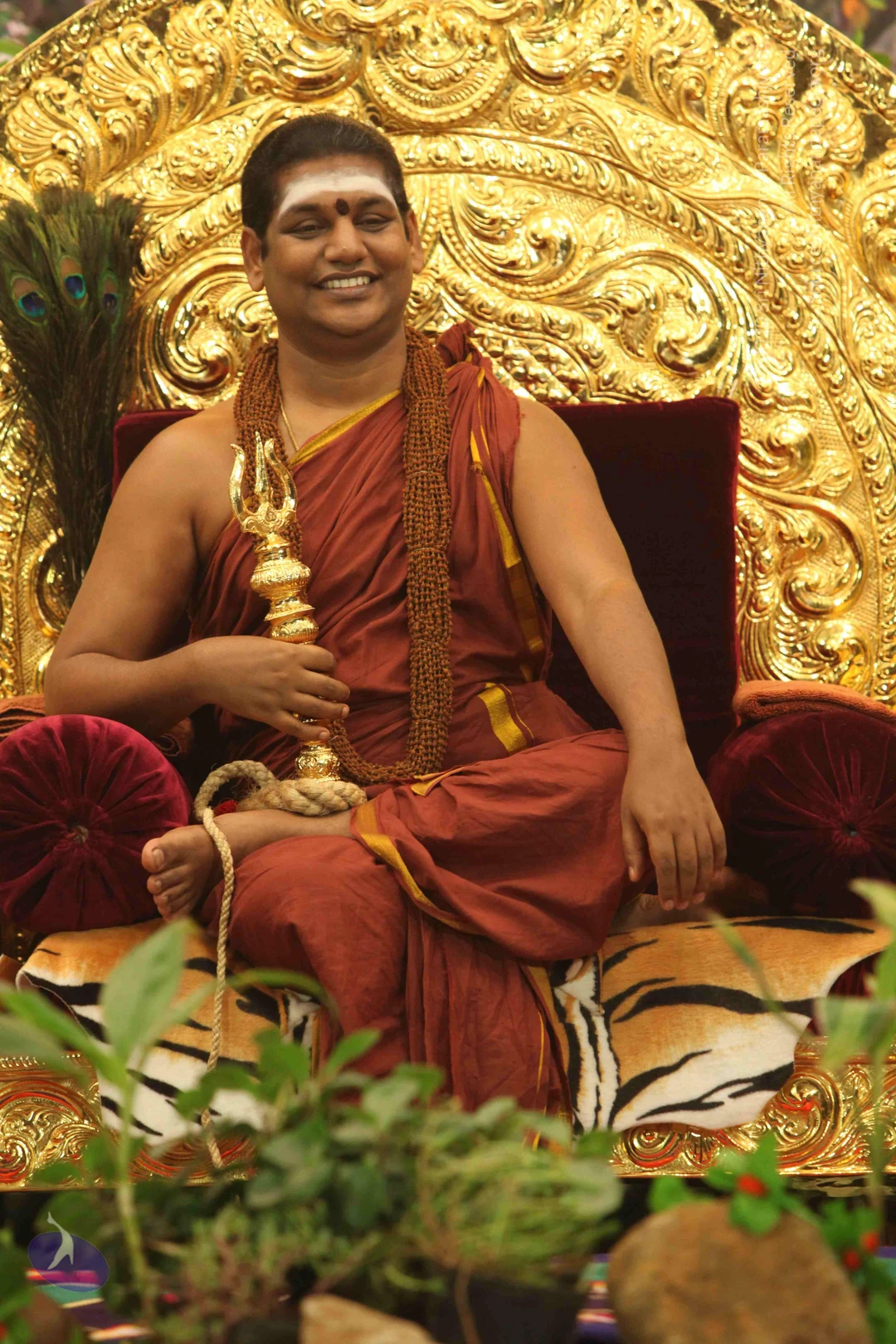
Photos from this day
View all 93 photosNDY-morning-session
38 photosSource gallery
NDY-Shivoham
17 photosSource gallery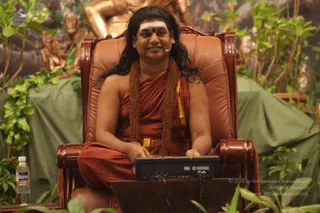
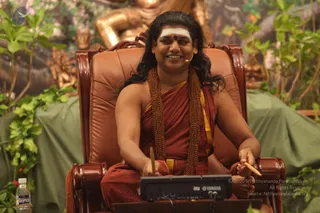
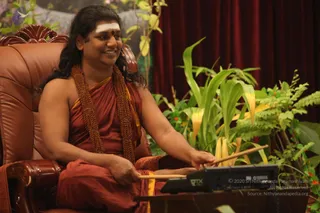
FB-photo-of-the-day
1 photoSource gallery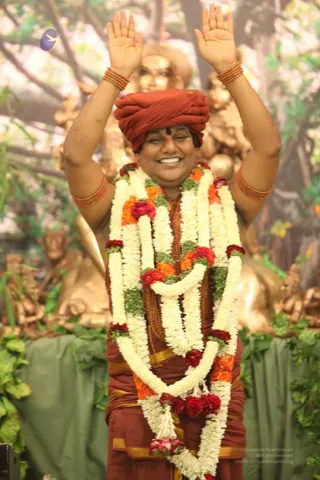
NITHYA-SATSANG
1 photoSource gallery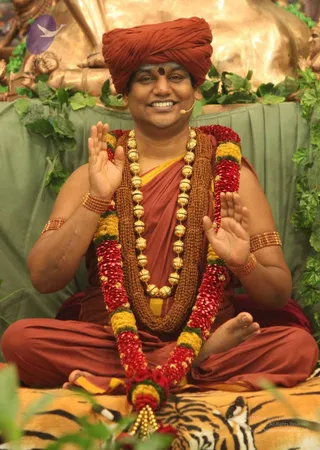
SATSANG
18 photosSource gallery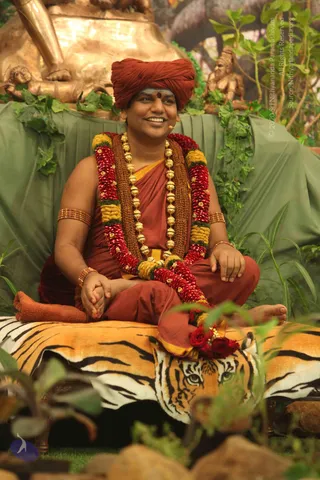
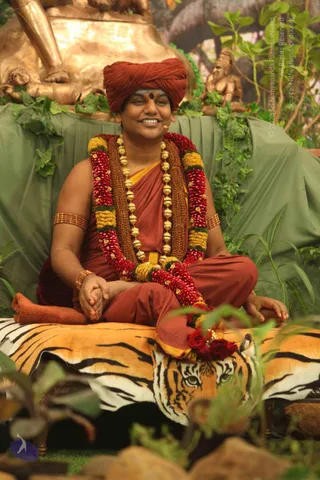
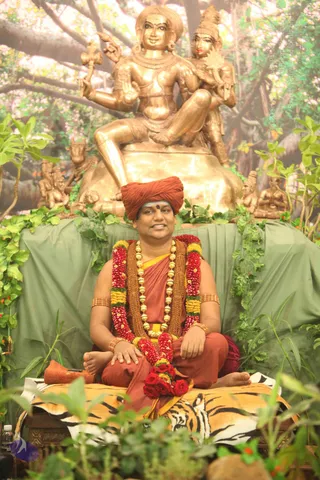
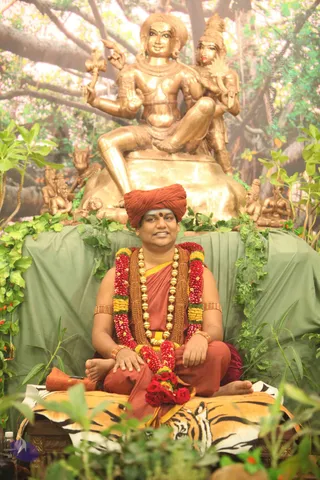
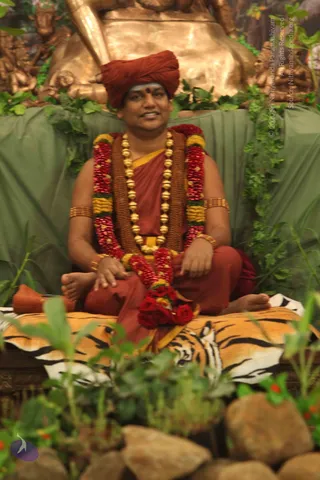
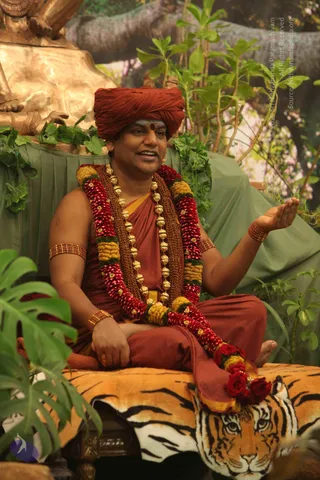
NDY-Morning-Session
4 photosSource gallery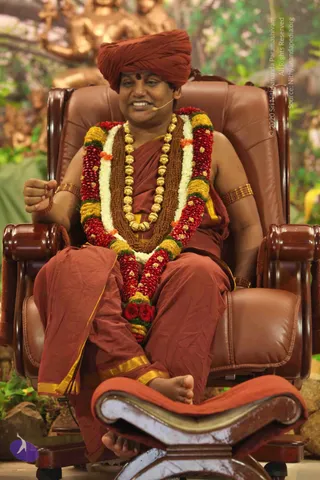
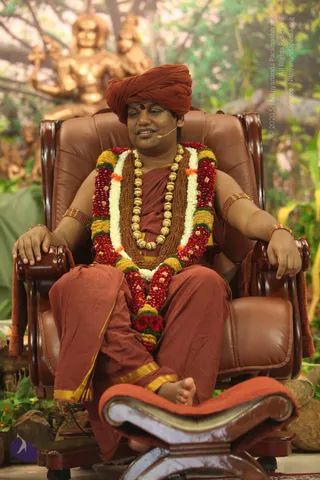
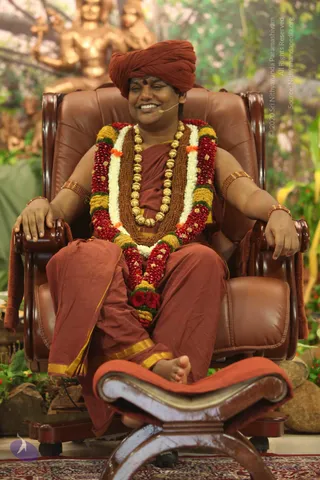
NDY-Shivoham
5 photosSource gallery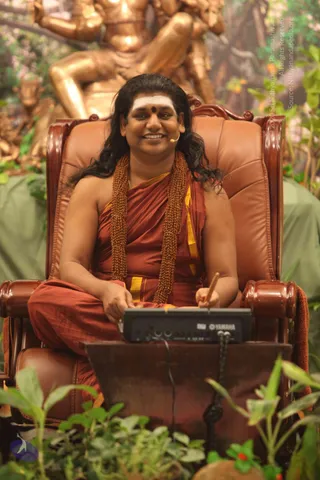
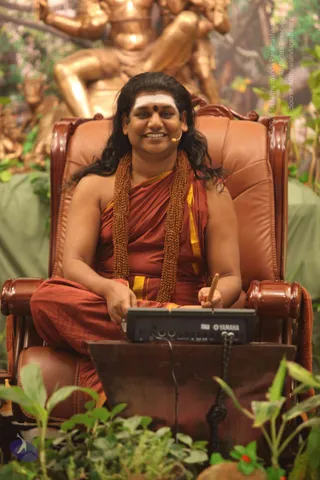
NDY-DARSHAN
9 photosSource gallery