Friday
6 February 2015
Live Forever Blissfully
- Dated photos
- 96
- Source pages
- 1
- Media
- 3
February 06 2015
Original wiki pageTitle:
Live Forever Blissfully
Description:
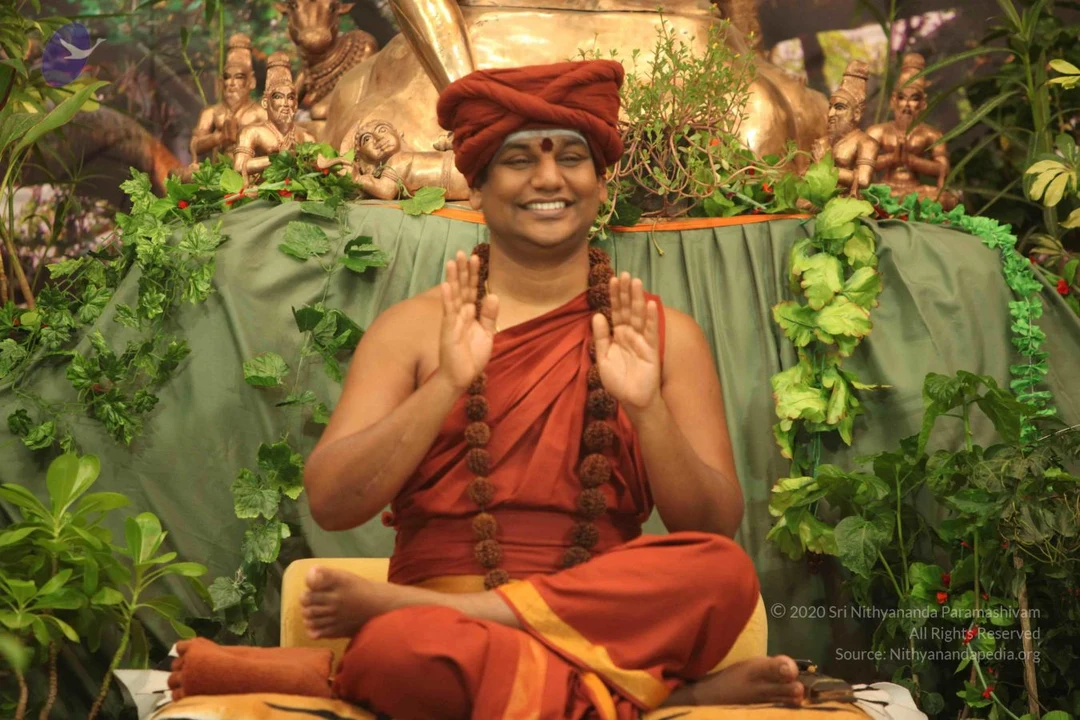
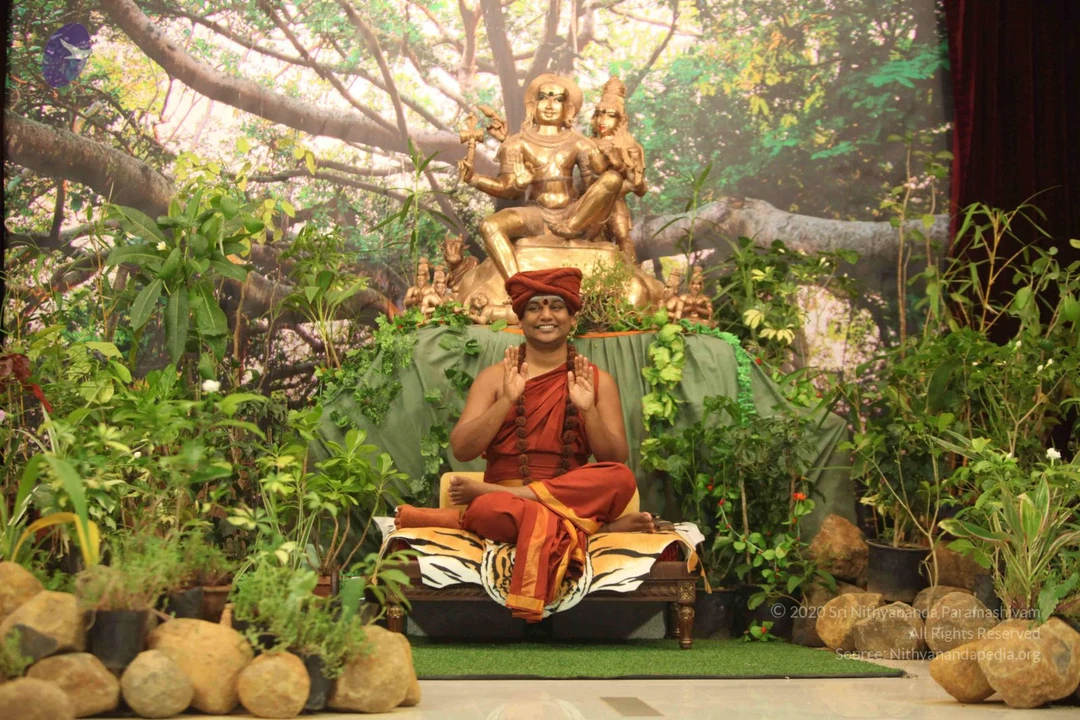
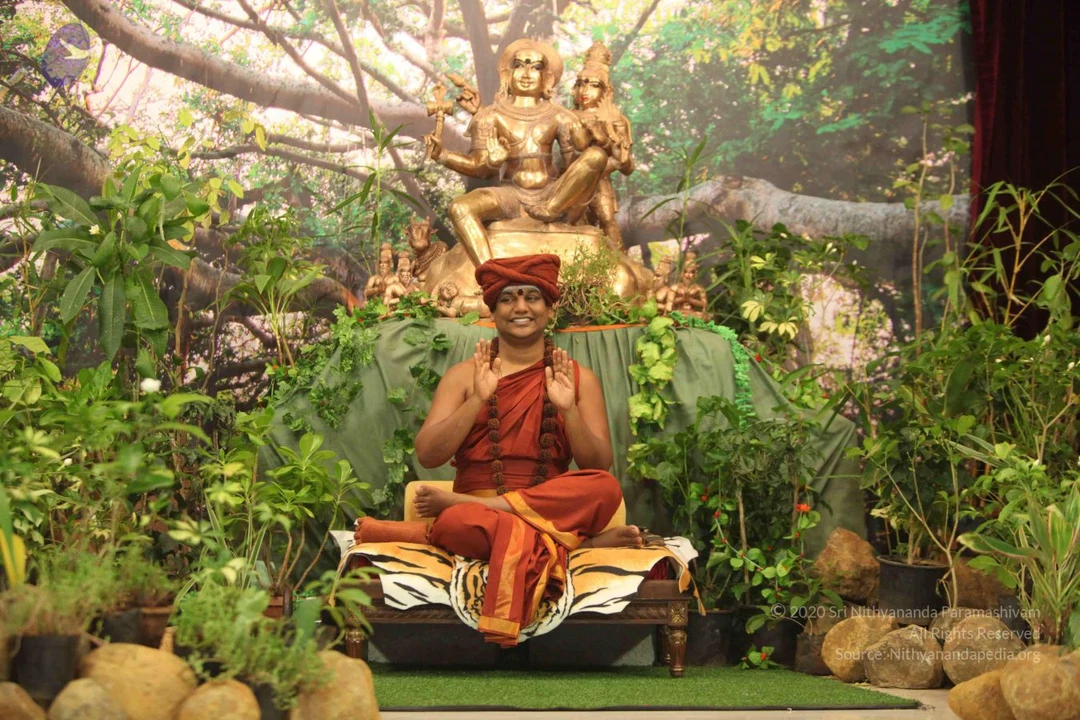
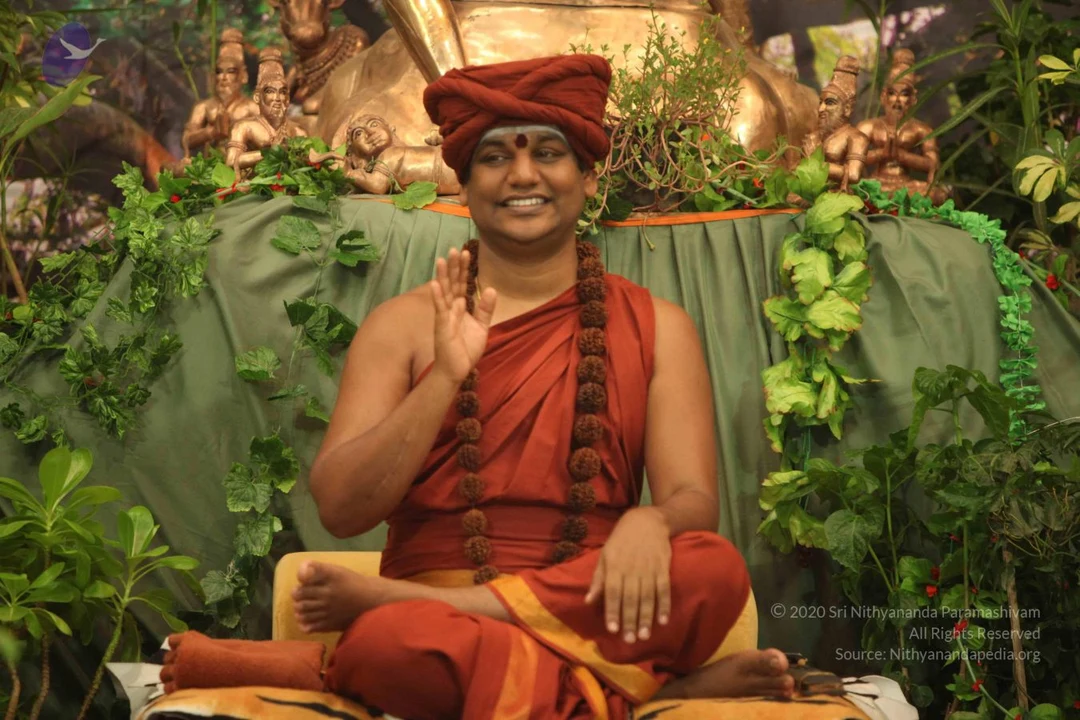
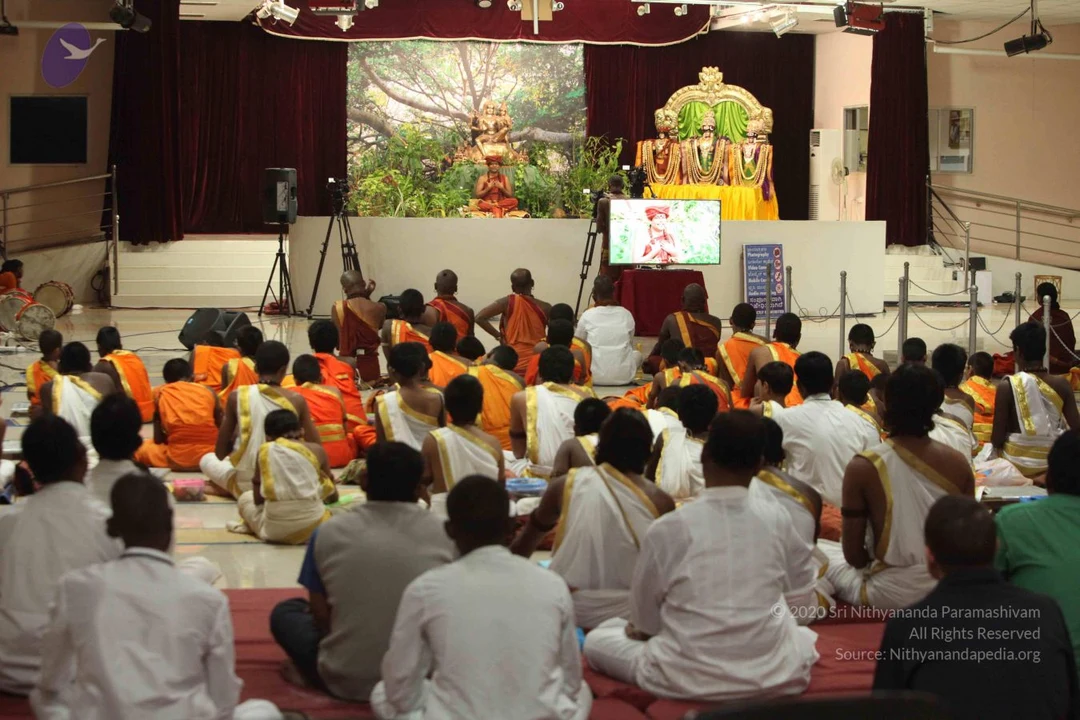
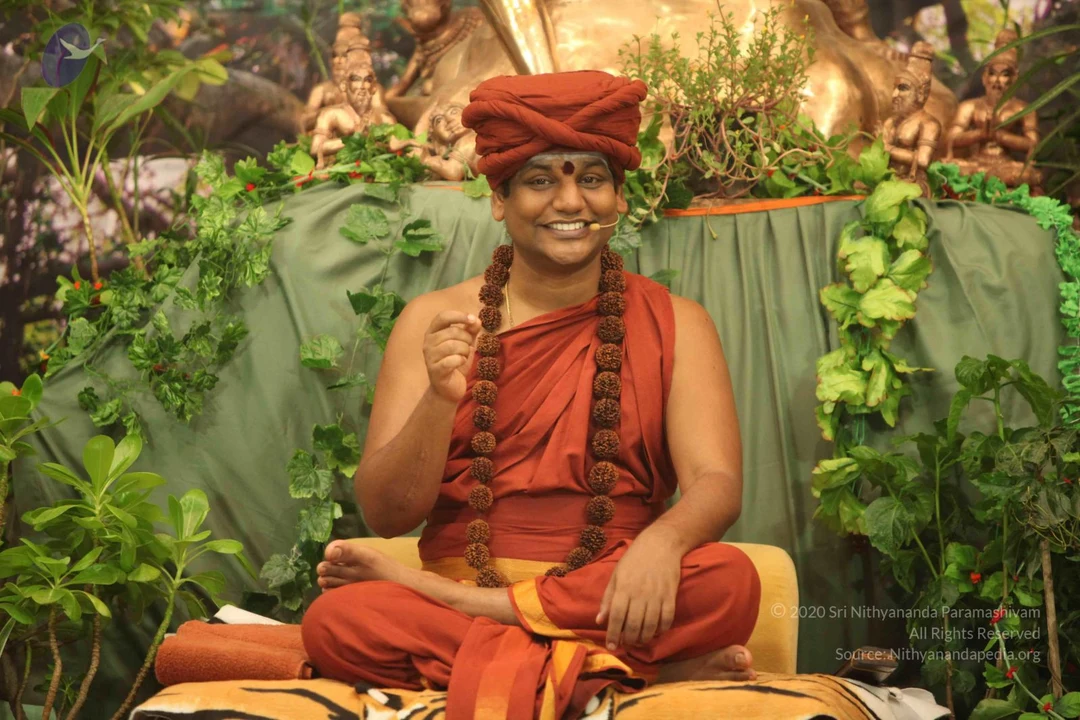
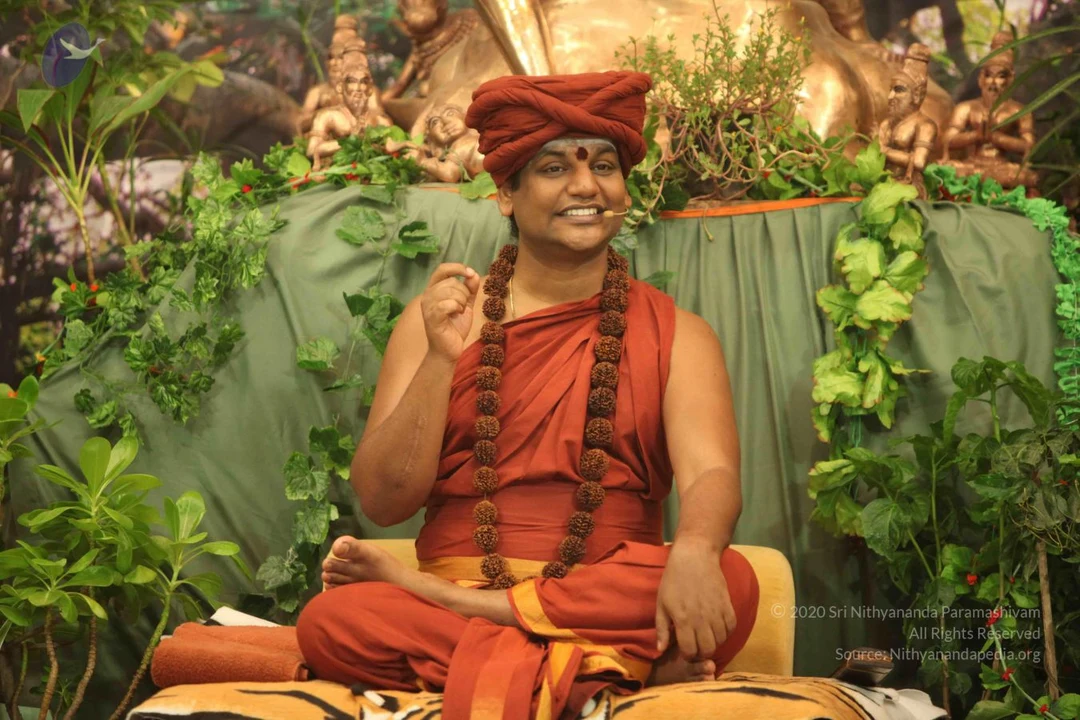
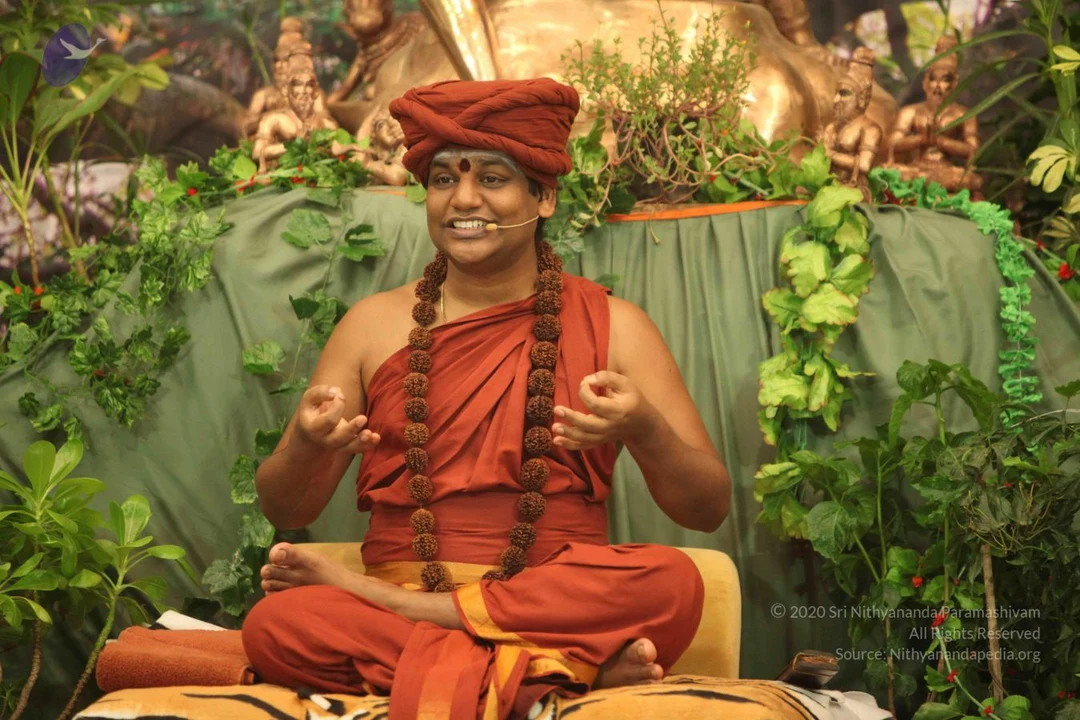
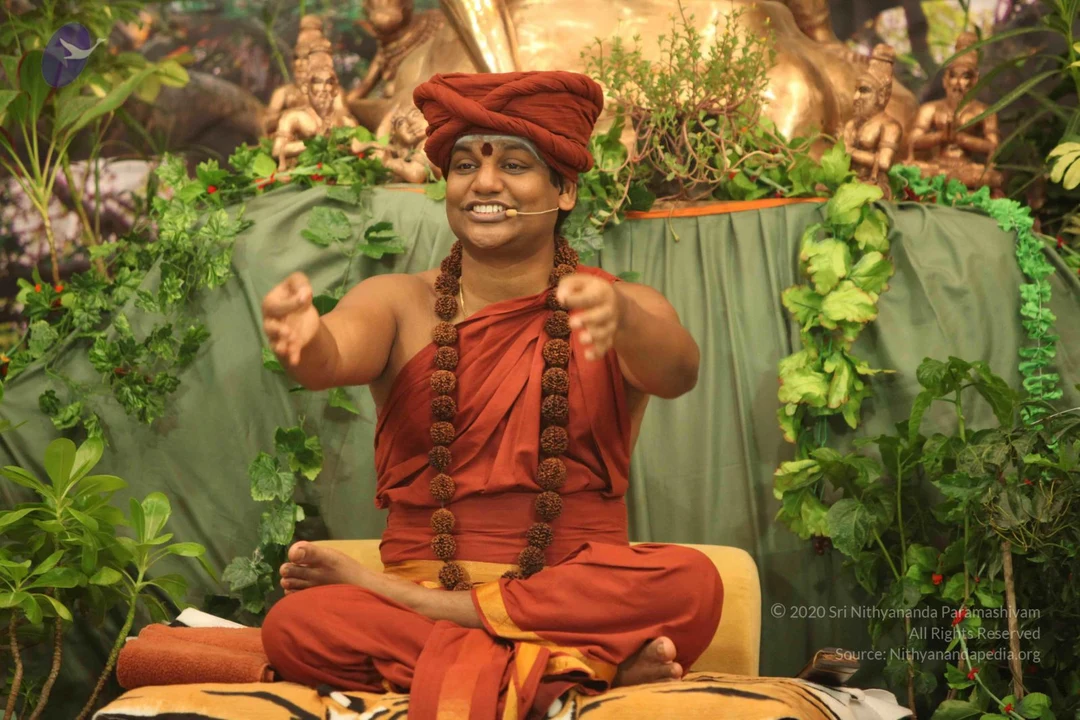
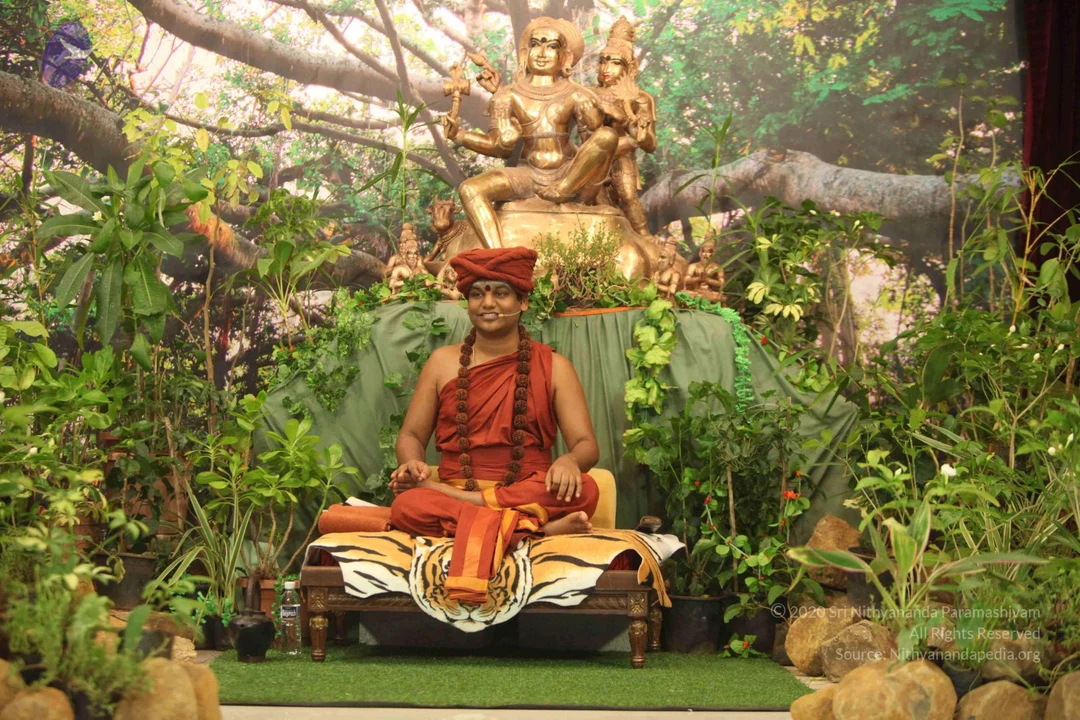
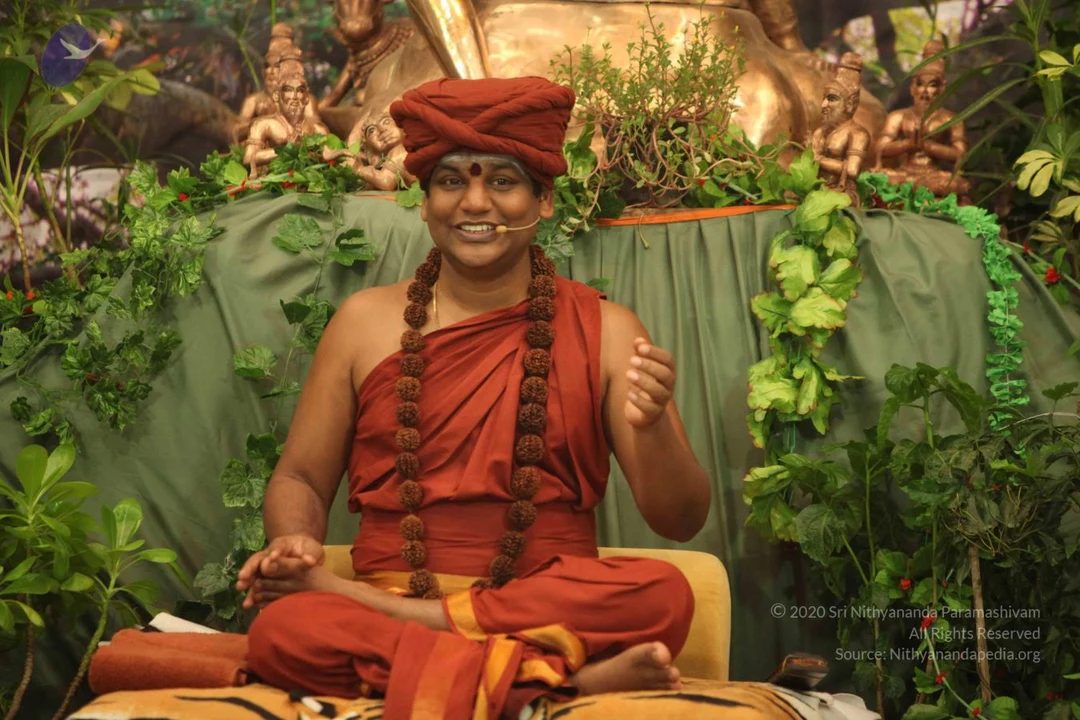
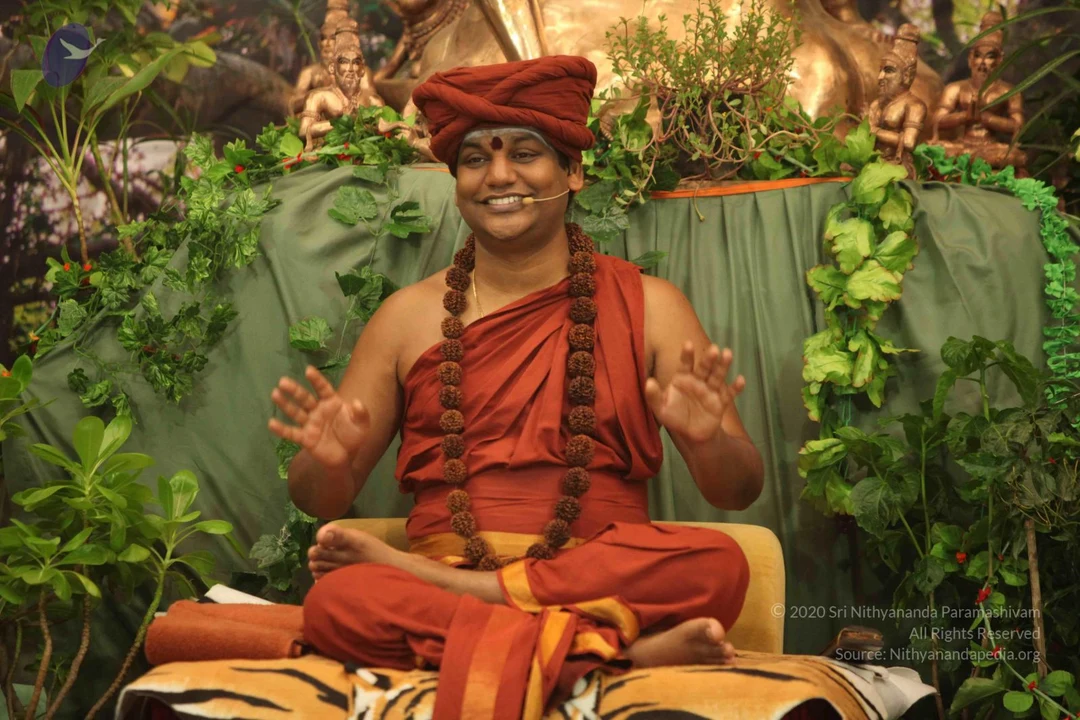
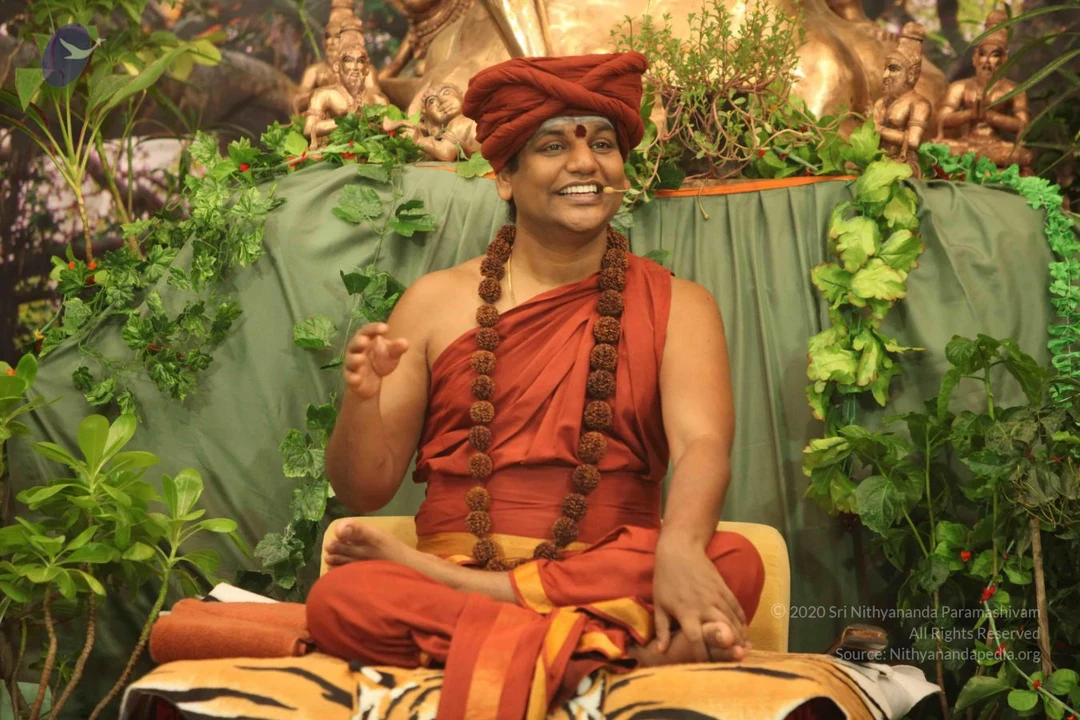
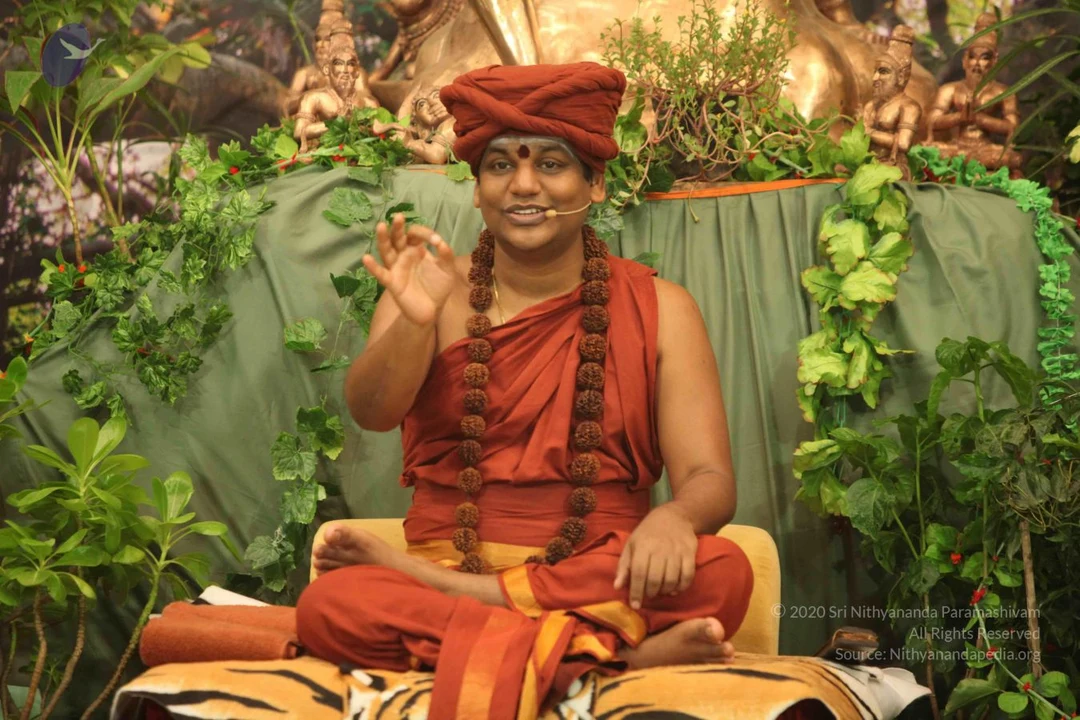
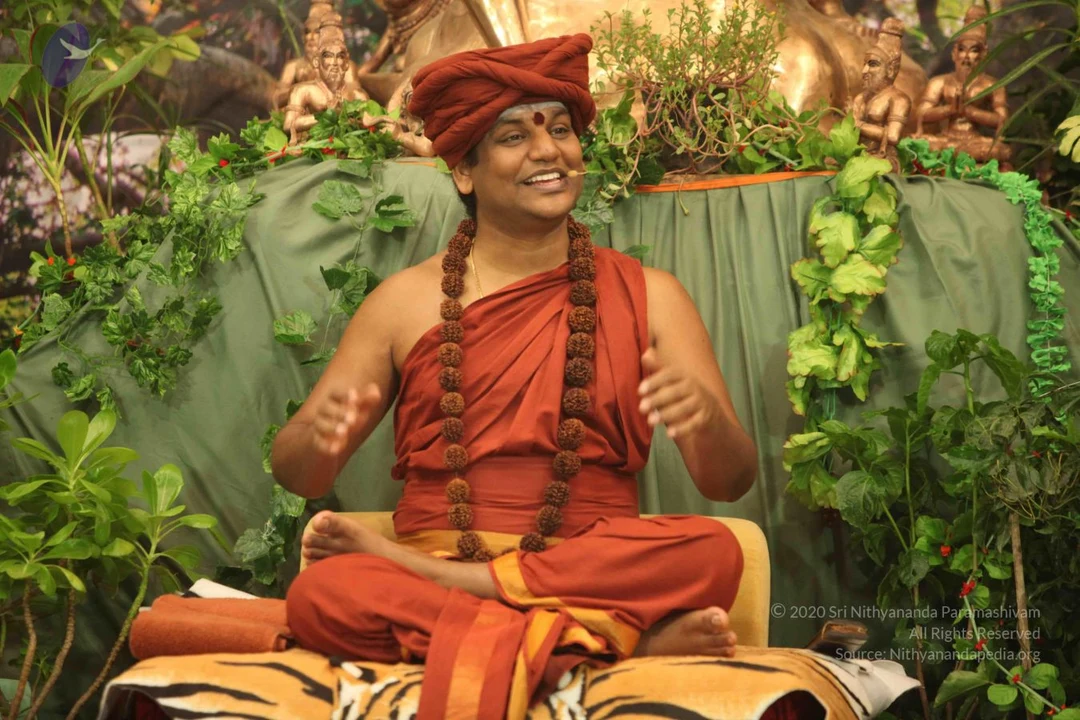
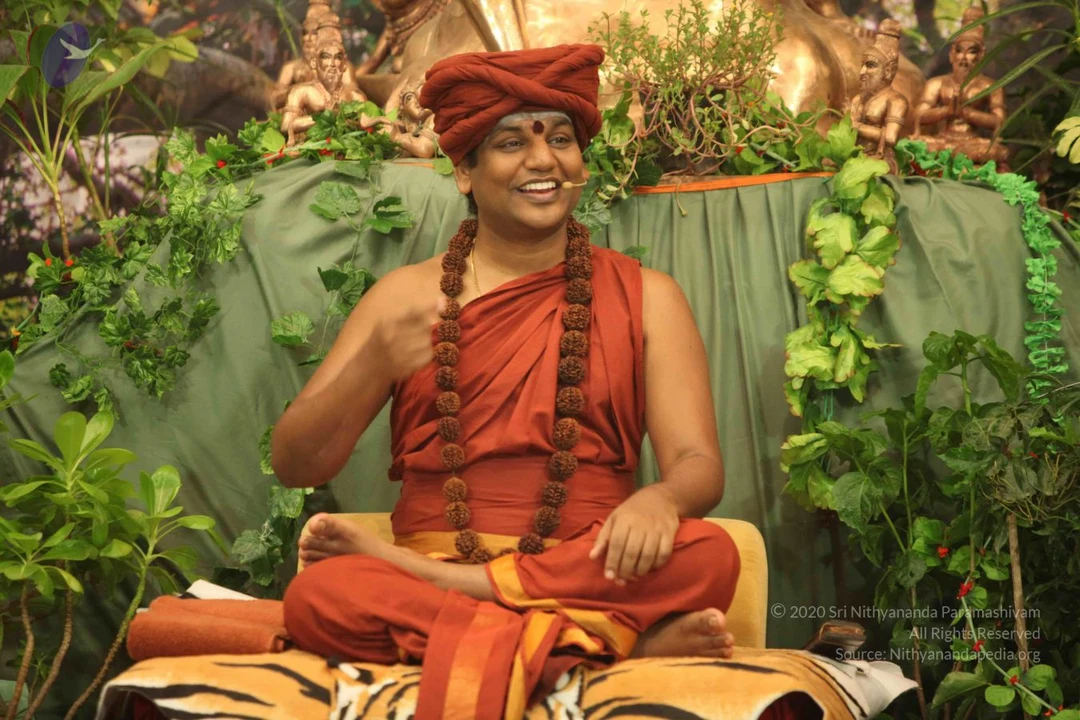
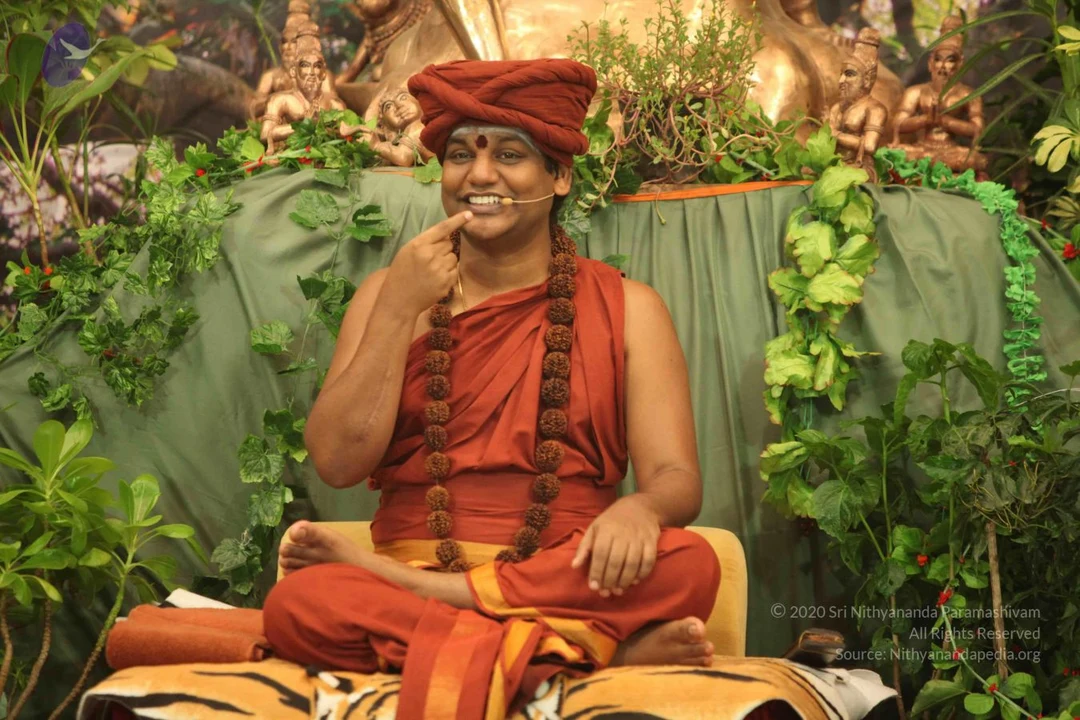
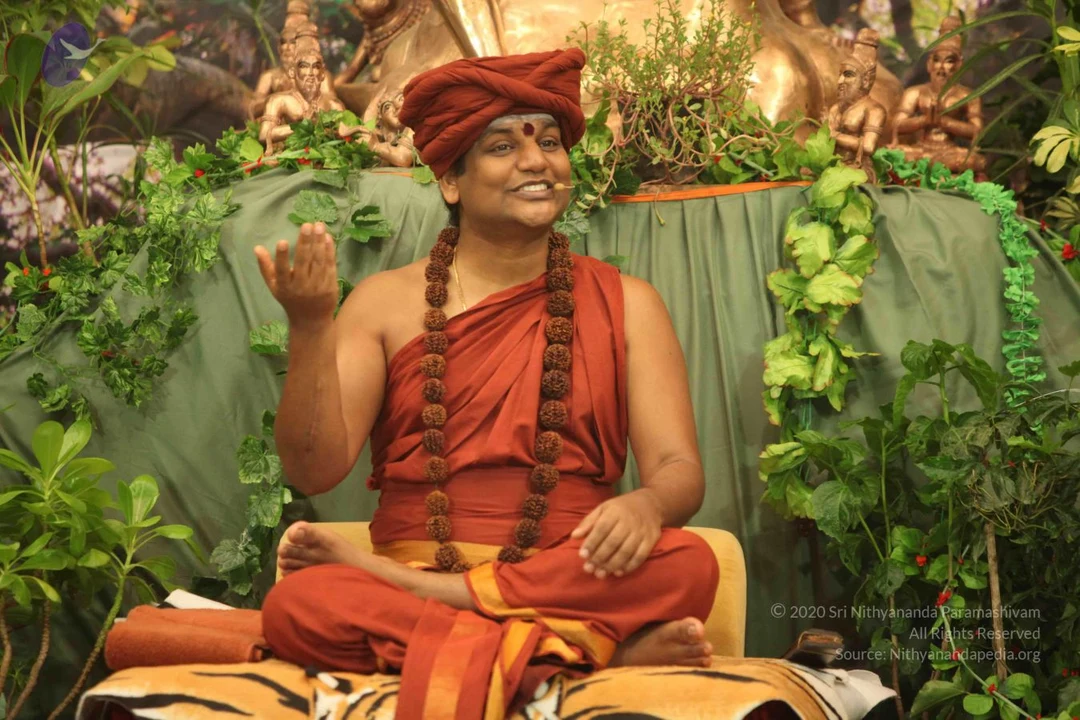
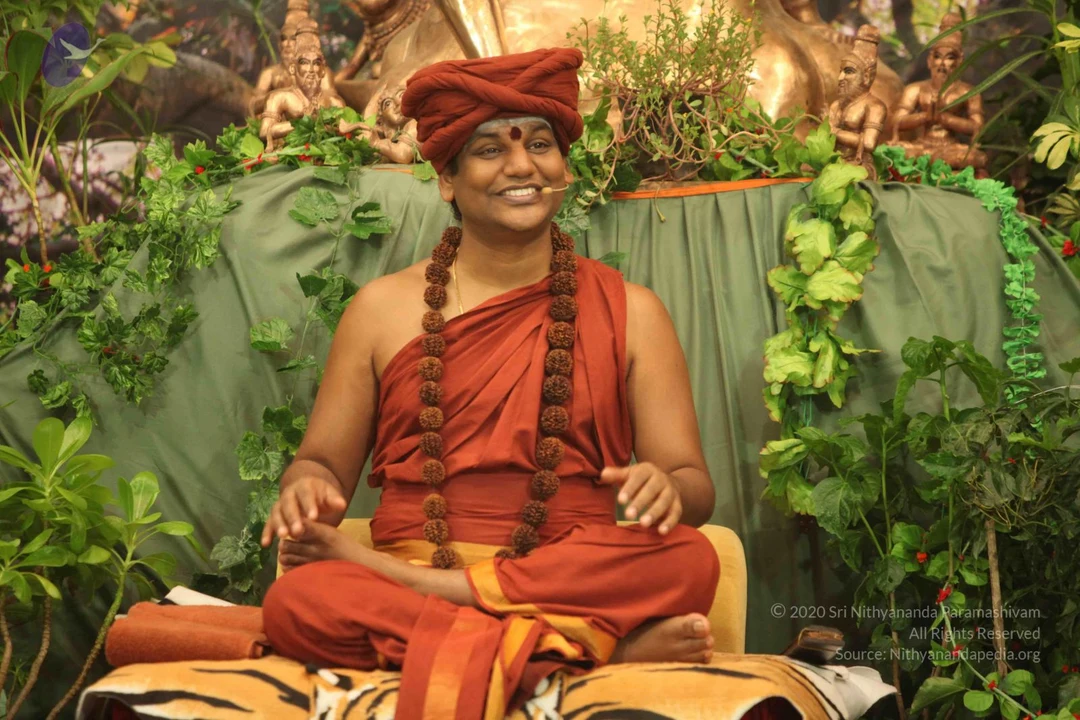
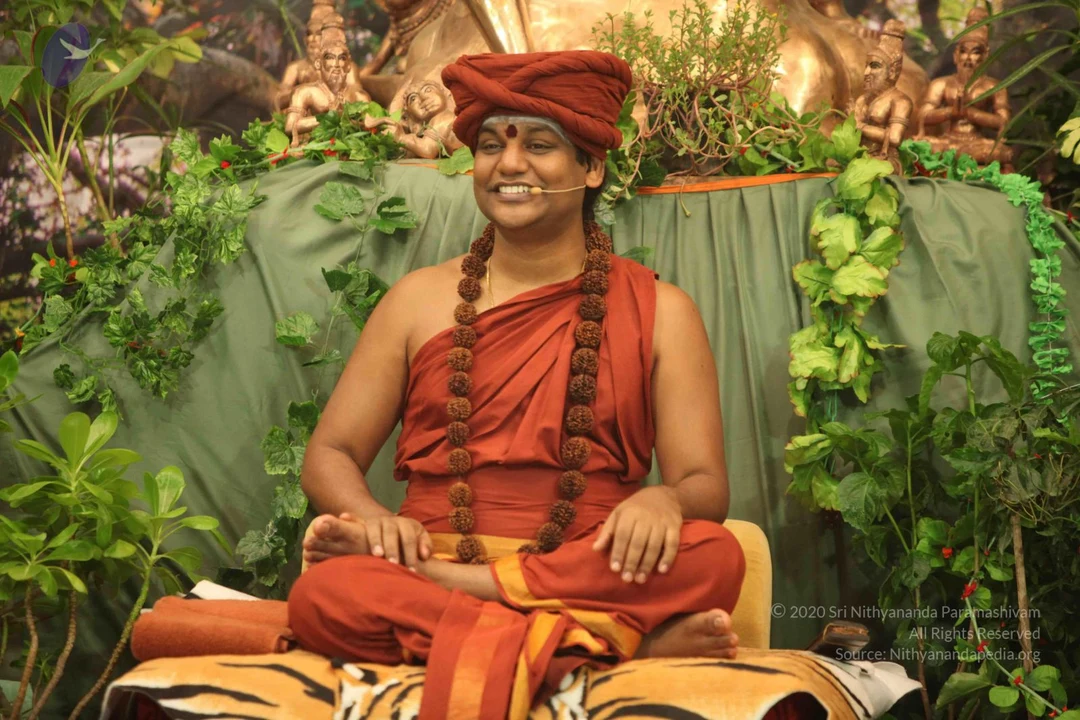
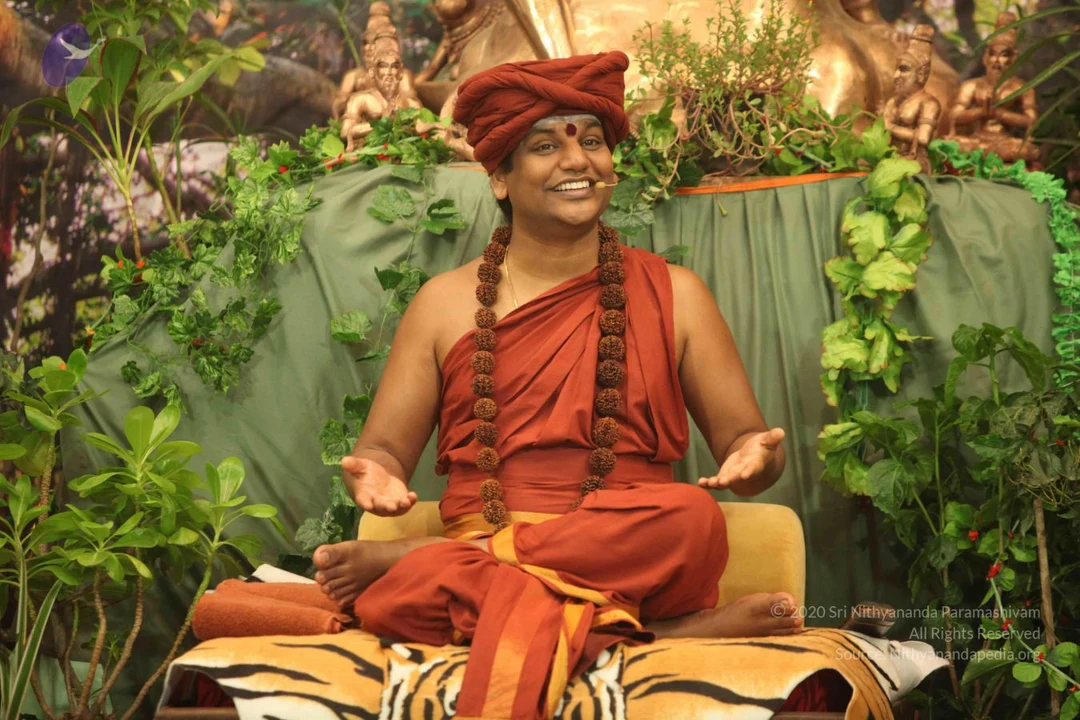
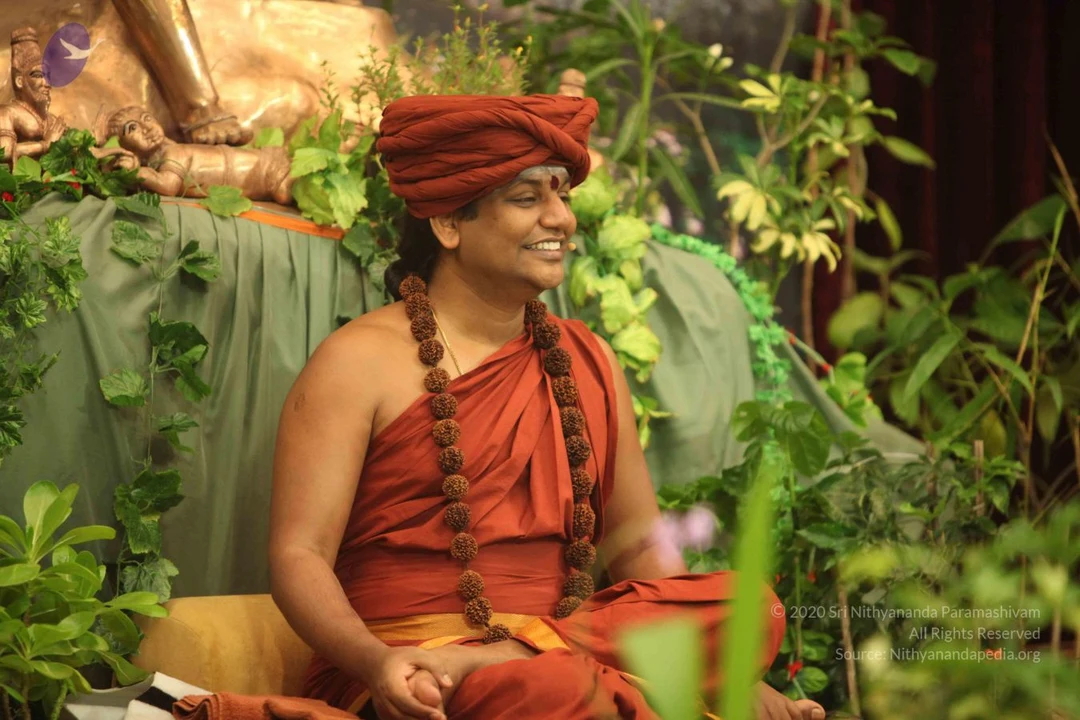
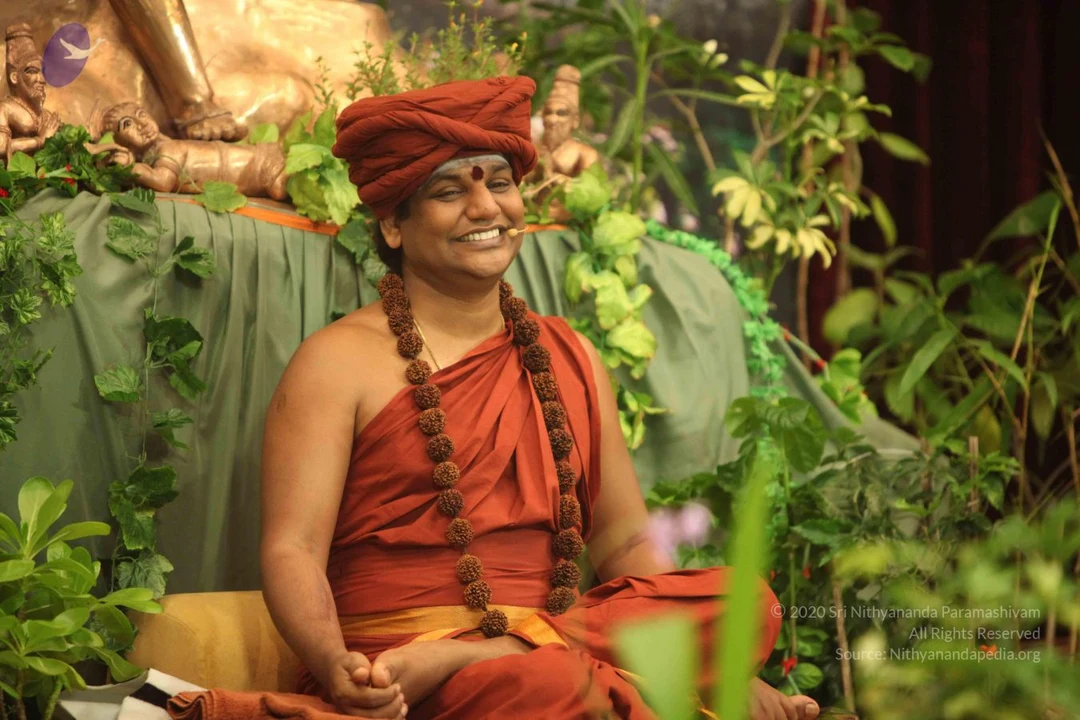
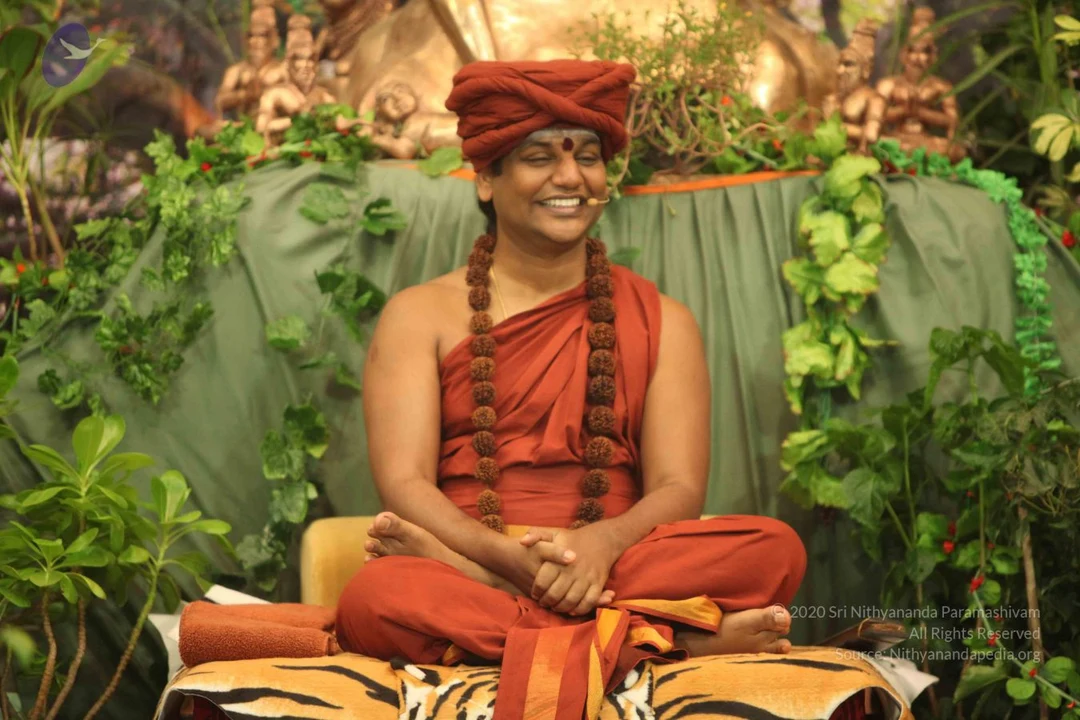
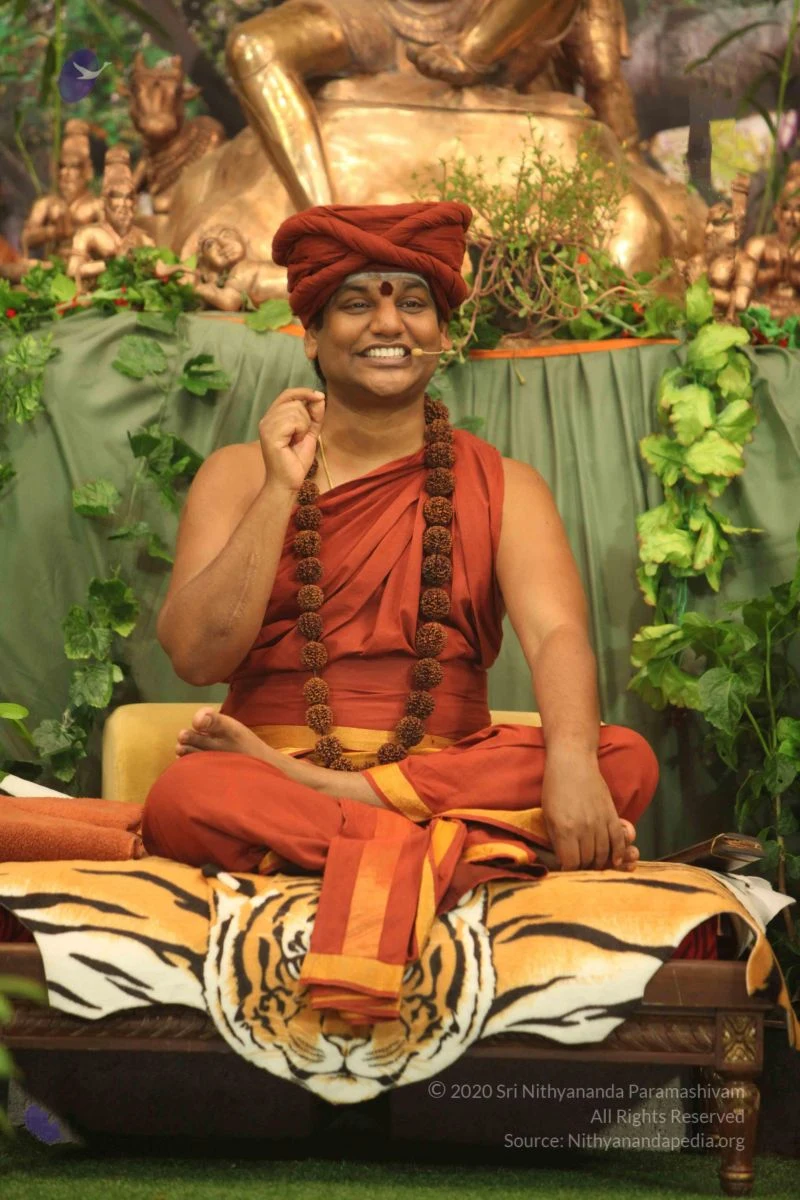
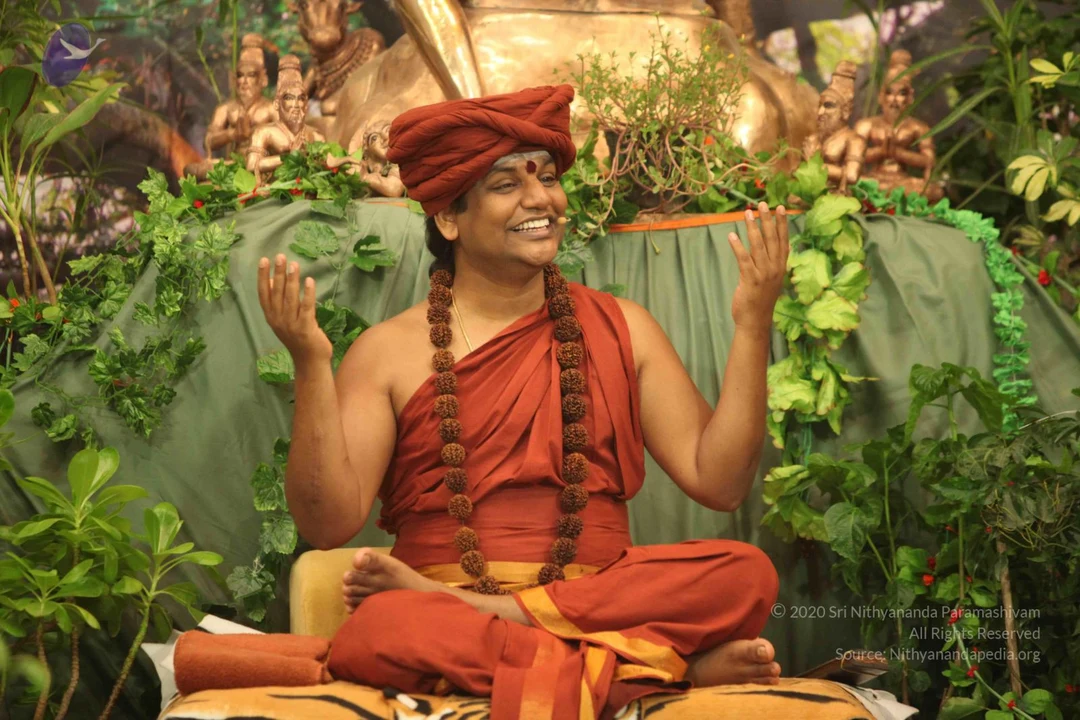
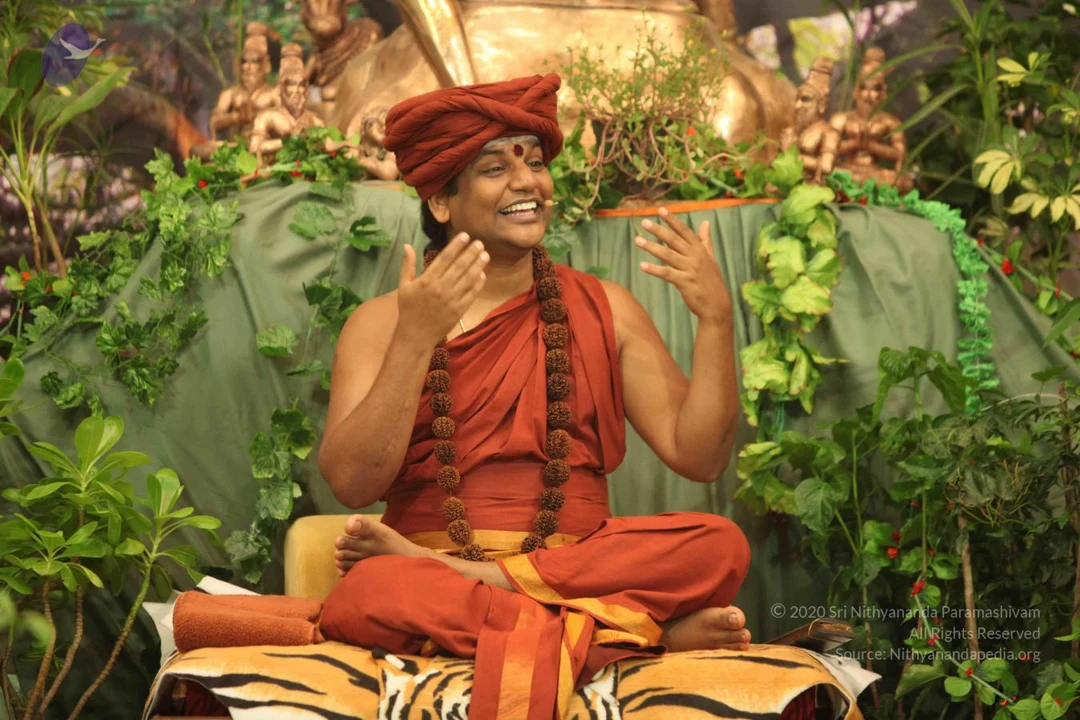
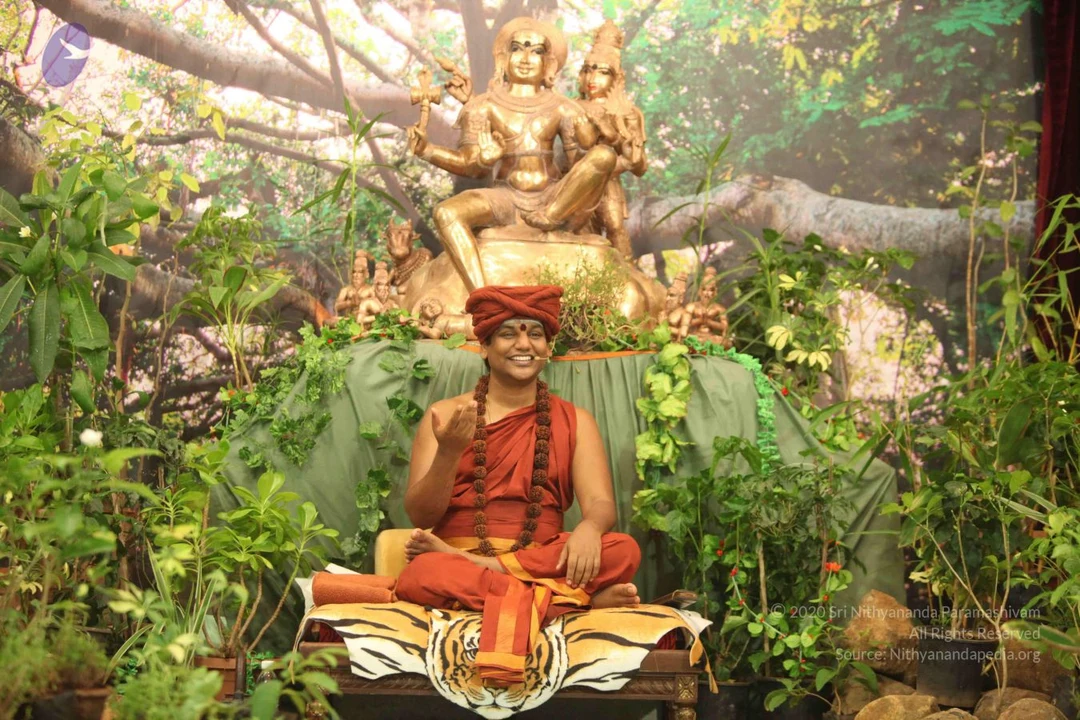
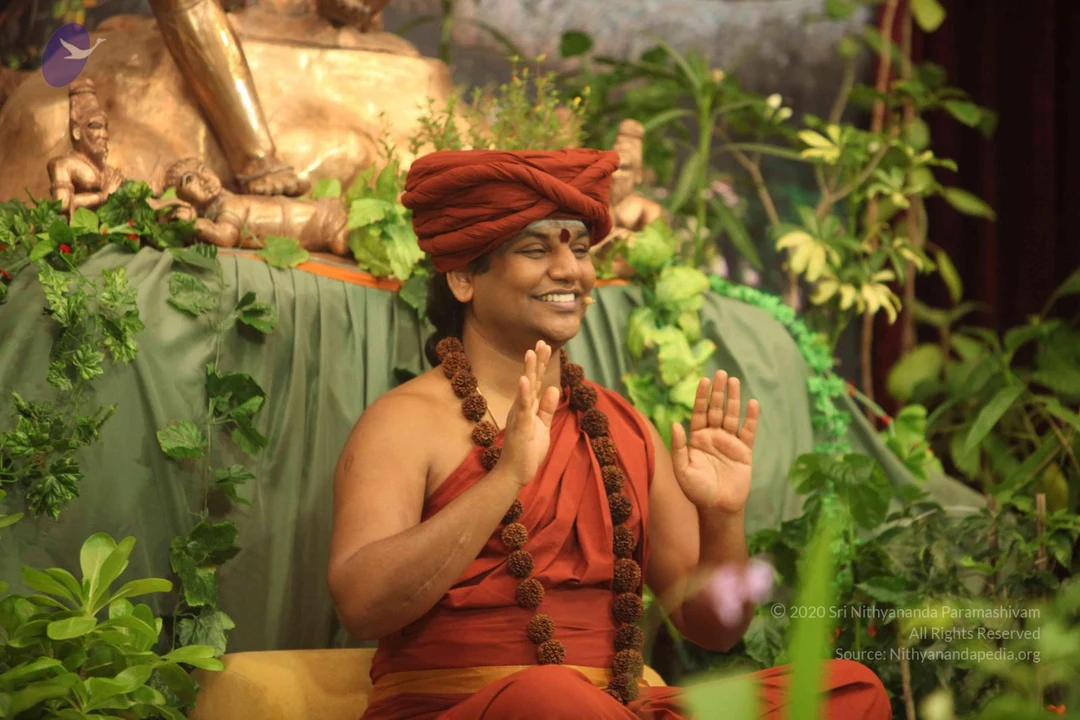
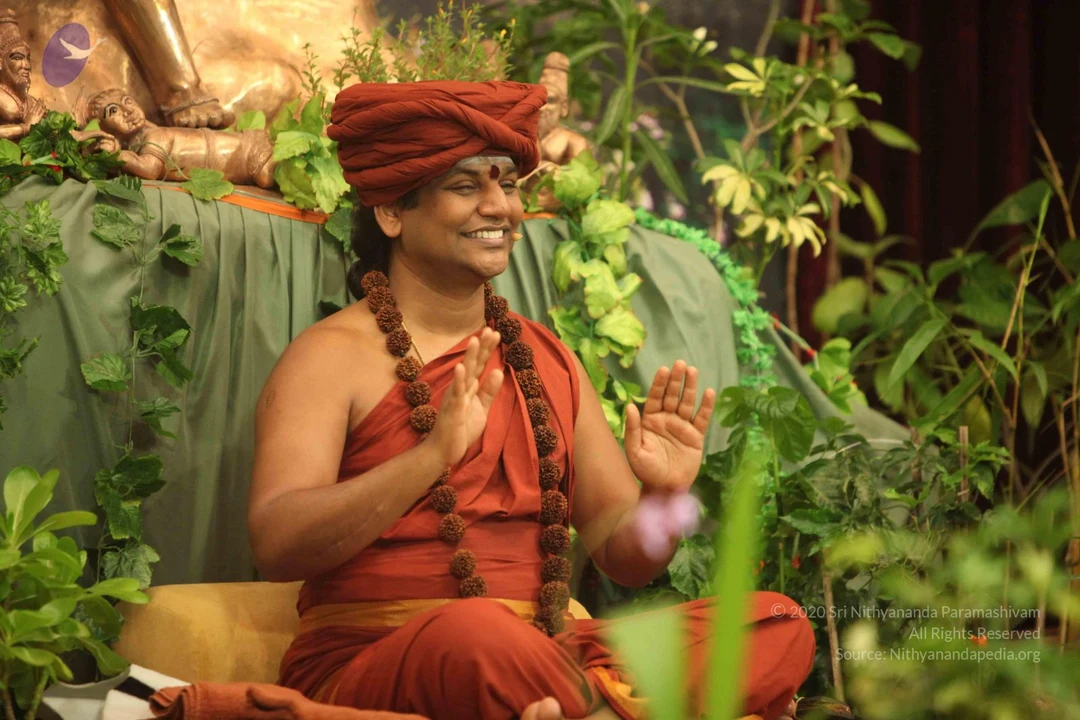
Today’s (6th February, 2015) Morning Satsang continues with the Upanishads Series - Living Advaita.
Isha Upanishad–Verse 2
kurvann eveha karmāṇi jijīviṣec chataṁ samāḥ| evaṁ tvayi nānyatheto ‘sti na karma lipyate nare || 2 ||
In this profound delivery of the Isha Upanishad, Paramahamsa Nithyananda begins the second Verse and declares: Upanishads is THE principle book for Hinduism, our Sangha and the whole of humanity. And the ultimate, lifestyle book, that was delivered by Mahadeva to Parvati, is the Kamika Agama. He sums up the Vedic Tradition in just one word and that is Live!
Link to Video:
| Video | Audio |
Transcript:
[00:14]
nithyānandeśvara paramashiva samārambhām nithyānandeśvari parashakti madhyamām | asmat āchārya paryantām vande guru paramparām ||
[00:39 ]
I welcome all of you with My love and respects. I will directly enter into Upanishads. Today, I will enter into the second verse. Please chant along with Me. कुर्वन्नेवेह कर्माणि जिजीविषेच्छत्ग्ण् समाः | एवं त्वयि नान्यथेतोऽस्ति न कर्म लिप्यते नरे ॥
kurvanneveha karmaaNi jijeeviShechChathgN^ samaaH | evaM thvayi naanyaThethoaAsthi na karma lipyathe nare || kurvanneveha karmaaNi jijeeviShechChathgN^ samaaH | evaM thvayi naanyaThethoaAsthi na karma lipyathe nare || The translation says: Even while doing deeds here, one may desire to live a hundred years. Thus, on you, not otherwise, that this is it, the deed adheres, not the man. Listen. This verse is the essence of Vedic Tradition. I again and again and again insist, Vedic Tradition is all for Life. If I have to put the whole Vedic Tradition in one word LIVE. That’s all. LIVE. Live so powerfully, so clearly, that all your patterns, engrams, fears, don’t find any place; you are just radiating; you are just overflowing. LIVE, LIVE, LIVE! kurvanneveha karmaaNi jijeeviShechChathgN^ samaaH | evaM thvayi naanyaThethoaAsthi na karma lipyathe nare || This verse is actually a blessing. See, Upanishadic rishis expect you to achieve everything just by the first verse: ईशावास्यमिदं सर्वं यत्किञ्च जगत्यां जगत् । तेन त्यक्तेन भुञ्जीथा मा गृधः कस्यस्विद्धनम् ॥ 1 ॥
Eeshaavaasyamidham Sarvam Yathkincha Jagathyaam Jagath | Thena Thyakthena Bhunjeethaa Maa Gridhah Kasyasviddhanam ||
[04:37]
Over. They do not expect you to have any doubt. The kind of a space they are carrying. Rishis feel with this verse you are enlightened. Now you just need a blessing. A disciple who is enlightened needs the blessing from the guru. Actually, this verse – kurvanneveha karmaaNi jijeeviShechChathgN^ samaaH | evaM thvayi naanyaThethoaAsthi na karma lipyathe nare || This verse is a blessing. Somebody was telling Me the other day... One Swami came and met Me; that Swami was telling, he heard some of the great scholars, pundits, telling him… it seems they asked this Swami who came to meet Me, “What right this Nithyananda has to comment on Upanishads? Where has he studied Sanskrit? Who is his guru teaching all the bhashyas? Who taught all the bhashyas?”. All these scholarly questions. Scholarly questions.
[06:26]
This Swami, it seems, asked only one question, “I am also seeing his satsang. You are also seeing his satsang. Come on, lets have a open discussion. Tell me honestly, all his words, does it make sense or not?” It seems that pundit who was questioning, he put his head down and, “psst It makes sense, no doubt. But, how can he speak? Who taught him? There should be a parampara. There should be... He doesn’t have any guru who taught him different baashyas, commentaries, varthikas, tikas. Then how can he comment on Upanishads?” To that Swami, I gave only one answer. “Understand. Yes, I have not formally studied. The gurus who taught Me does not even know how to chant the mantras with the so-called perfection and they were not Sanskrit scholars. They taught Me little bit whatever they can. They may not have taught Me what the Commentators said, what the Commentary on Commentary, those Commentators on Commentators said, what the footnote says, what the interpretation says; they have not taught Me all types of interpretations; but, surely they pushed Me to an experience to intercept what has happened exactly. So, that is the authority I have to speak on Upanishads.”
[08:51]
Listen. Listen. Listen. I am telling you: kurvanneveha karmaaNi jijeeviShechChathgN^ samaaH | evaM thvayi naanyaThethoaAsthi na karma lipyathe nare ||
Kurvan (कुर्वन्) means: “Performing”. Eva (एव) means: “Alone”. Iha (इह): “In this world”. Karmaani (कर्माणि) means: “As per the earlier sutras, the earlier sutra, from that context - working, being active, established in the cognition of the earlier sutras, earlier verse – Eeshaavaasyamidham Sarvam Yathkincha Jagathyaam Jagath (ईशावास्यमिदं सर्वं यत्किञ्च जगत्यां जगत्)”. Jijeevisheth (जिजीविषेत्): “You should desire to live”. Please understand. You should not fall into depression, collapse, knowing that ‘All change is established in change, and it is Consciousness; so what is there?’ No. No. It should not make you feel tired or bored. ShathgN^ Samaaha (शत्ग्ण् समाः) means: Literally it means “Hundred years”. But, I will clearly tell you: Hundreds of years. Those days, the hundred was the bigger number like a… just to tell forever and ever, they say hundreds of years. So it is not ‘A hundred years’, Hundreds of years - ShathgN^ Samaaha. Evam (एवं): “Thus”. Thvayi (त्वयि): “You”. Na (न): “Not”. Anyatha (अन्यत): “Other alternative”. Asthi (अस्ति): “Is”. Na (न): “Not”. Karma (कर्म): “Work”.
Adheres; Lipyathey (लिप्यते): “Adheres”
Narey (नरे): “Man” IthaH (इतः) “Than this”. Every day I have decided I will give you the word-by-word translation also, so that you can understand.
[11:53]
Now I will give you the whole translation. Actually, in this verse Upanishads are declaring: by internalizing the great, beautiful, great, beautiful, first verse of the Ishavasya Upanishad – ईशावास्यमिदं सर्वं यत्किञ्च जगत्यां जगत् । तेन त्यक्तेन भुञ्जीथा मा गृधः कस्यस्विद्धनम् ॥ 1 ॥ Eeshaavaasyamidham Sarvam Yathkincha Jagathyaam Jagath | Thena Thyakthena Bhunjeethaa Maa Gridhah Kasyasviddhanam || By internalizing these verses, by making that verse as your cognition, now rishis are are telling you, Upanishad is declaring: Live forever in this cognition. Sometime when you feel, “Oh, everything is God, everything is Consciousness; so what is there for me? Come on, get a blanket. Let me do Nidra Devi Puja.” Everyone wants to do that one puja happily. Unfortunately, many are not able to do even that puja. Nidra Devi Puja means falling asleep. Listen. Knowing this truth, don’t give up on yourself, don’t give up on yourself. This truth should be inspiring you, exciting you, entertaining you, expanding you. Actually, when you internalize that there is no need to worry about anything, change is established in change, and even the change established in change is Pure Consciousness. Actually you become free from all fears and greed. You become so excited, alive, living, bubbly, joyful. You just know your whole life is in front of you. I tell you, when you feel your whole life is in front of you, with so much of excitement, then you look at them again, look at the Upanishadic rishis, Upanishad, ‘Now what you want me to do?’ Then the Upanishad is giving the blessing: kurvanneveha karmaaNi jijeeviShechChathgN^ samaaH | evaM thvayi naanyaThethoaAsthi na karma lipyathe nare || O, beings, enjoy the life. Live the life being established in this cognition and living.
[16:15]
Actually, the last few days, that joy is really flowing into Me and into the Sangha. Because, one of the greatest discovery I have done in My research and development has happened in last few days. I don’t want to say it is an accident, I don’t want to say it is a incident. I only have to say it is a miracle. For quite a long time I was feeling that I should take out and give a best lifestyle for all My disciples and devotees. See, I Myself used to be… and still follow the lifestyle of Manu. Means, how to brush, how to wash yourself, how to take bath, how to dress – in all these I follow Manu. But even then I was feeling Manu is a human-being. So, these instructions are from him. I was looking, searching, searching in the vast, the forest of spiritual literatures of Vedic Tradition, ‘Is there any book where Mahadeva himself gives instruction about all these day-to-day actions, the lifestyle instructions?’ I went on doing research. Of course, all the 112 Upanishads are only about the abstract principles. They do not talk about how many times you have to brush, how many times you have to wash your mouth and how you have to keep yourself clean, or how you have to dress, how you have to cook, how you have to eat. Somehow I wanted, from Mahadeva himself if these instructions have come, it would have been so beautiful! Because, every day when I brush I only remember Manu and say, ‘Manu, as you said I am brushing.’ When I wake up I say, “Oh, Manu, as you said I am waking up.” When I take bath, I say only “Oh Manu, as you said I am doing it.” Of course, Manu has the authority from Mahadeva, but there is a possibility the person who has authority can miss few things. Like a.. when I put somebody as a Mahant, they may follow the broad concept of what I gave; but there is a possibility to miss few things because of their own understandings and perceptions. So, I used to wonder, “Is there any book?” I was searching, searching, searching.
[20:12]
The whole Upanishads, all the Upanishads were also delivered by Mahadeva in His formless space and the space of no word-no form, where He sat as Dakshinamurthy. His very presence vibrated and all the rishis received that great truths. And, in one part of the Tantras which was given by Mahadeva directly to Devi, even there He speaks more about meditation techniques – Vijnana Bhairava Tantra, Kularnava Tantra, Shiva Sutras. Then, further in few books, He speaks about the pujas, rituals. I was looking at some book where Mahadeva Himself will give a precise instructions like how to cook and how to offer to Him, and how to eat, and how to wear dress, how to brush the teeth, how to wake up, how to brush teeth, and how to take bath, and how to wash ourself, and how to wear rudraksha, how to wear the bhasma, all these. See, always the abstract principles He gave, once it becomes experience, when, from that experience I can also give you the instruction how to do all these; but, somehow, I wanted instructions directly from Him. Suddenly I should use only this word, I stumbled upon an amazing, beautiful, beautiful, ultimate lifestyle book.
[22:50]
Please understand. If Upanishads are the ultimate principle book, means, which gives you the enlightenment and cognition of pure enlightenment, this book is the ultimate precise lifestyle book, and which is direct instruction from Mahadeva to Parvathi. And I want to tell you, as far as the science of enlightenment is concerned, Upanishads are our principal book, first and foremost for Hinduism and for our Sangha and for the whole humanity. And as far as the day-to-day lifestyle, how to brush, how to take bath, how to wash ourself, how to dress, how to apply sacred ashes, and how to wear rudraksh, in all these, this is THE book for the whole world, directly given by Mahadeva to Devi. This is THE book for the whole Hindu tradition. And this is THE book for our Sangha. The book is: KAMIKAGAMA - Lifestyle to Cause Your Reality. Exact meaning of the word Kamikagama means: Lifestyle to cause your reality.
[25:08]
When I read, I was just moved. Moved. Such precise instruction on what should be the size of your brush, what should be the way, and where, how, which direction you should be facing and taking bath. And it is just mind blowing because of its exhaustive, precise narration and instructions handed over. See, it is like a...when I sit and give My vision to the ashramites how the ashram should be, and people should be, and Sangha should be, what precise, including the doorstep how it should be, I will give the instruction. Whether both the doors should be kept always open, or one should be open and one… to that precise Mahadeva has given instruction. I feel, when I read that book, My work is done. Already He said it. He said it. He said it. And, I vouch for that one truth with all My integrity, it IS Mahadeva’s instruction to the whole world through Devi. And, when He Himself has said it, all we need to do, just start living it; that’s all. I am just overflowing with the joy, because from today, every day when I wake up I am going to say, “Oh Mahadeva, as You said I am waking up.” When I am putting My brush into the teeth, “Mahadeva, as You said I am brushing.” When I am pouring water on My body, I am going to say, “Oh Mahadeva, as You said I am washing Myself.” Even when you wash yourself, please understand, the Agama gives the description of how to clean your bowels, and how to wash yourself - to that precision. Even when we wash ourself, we will say, “Oh Mahadeva, as You said we are washing ourself”. When we apply vibhuti, we will say, “Oh, Mahadeva, as You said we are applying Vibhuti.” When we are eating: “Oh Mahadeva, as You said we are eating.” When we are dressing: “As You said we are dressing.” Literally, eating like Mahadeva, living like Mahadeva, sleeping like Mahadeva, everything as Mahadeva wanted us to do. And, I tell you, Mahadeva is such a selfless being, whatever is best He discovered and he practices, He gives that exactly to all of us; He doesn’t dilute. The moment I discover something new, first thing I will do is, next day come to the satsang and reveal it to all of you. Mahadeva does exactly the same. So, understand, it is just so exciting to know Mahadeva loves us so much, every single minute detail He attended with so much of care, and he has given us that beautiful instructions.
[29:39]
I wanted to tell all of you, let us start imbibing Kamikagama as much as we can, as much as we can, into our life. Because, the best way to exist is as Mahadeva said, as Mahadeva revealed, as He has ordained, as He has given. So, this great enlightened cognitions is, Eeshaavaasyamidham Sarvam Yathkincha Jagathyaam Jagath | Thena Thyakthena Bhunjeethaa Maa Gridhah Kasyasviddhanam || “Yes, I have this cognition now, whole future is in front of Me. I am free to live as I want. How should I live?” Then Mahadeva comes down and gives the instruction, “Come on. Take this Kamikagama. This is the way you should live.” Understand. How to cook offering for God to how to offer and how to take - everything. It is not just dress-fashion book, it is not just make-up book, it is not just cookbook; it is all put together. Hygiene book, makeup book, dressing book, cookbook, ritual book, worship book, health book, everything. This verse, the meaning of this verse: kurvanneveha karmaaNi jijeeviShechChathgN^ samaaH | evaM thvayi naanyaThethoaAsthi na karma lipyathe nare || Performing your actions, from this context of the earlier verse... I can add one line: “.....as per the Kamika Agama, live forever blissfully. Live forever blissfully.”
[32:36]
Please imbibe Kamika Agama as much as you can joyfully. Don’t feel bound. Don’t feel restricted. Don’t feel conditioned. I tell you, when I started living..... Of course, from My birth I was brought up with this orthodox traditional lifestyle; but, when I discovered it, it was such joy. It was such joy. I know, I am doing everything as the great beings like Manu said. Now, I know I am doing everything as My Mahadeva Himself said, as instructed by Mahadeva. And, it was such joy to have discovered Kamika Agama where Mahadeva gives such beautiful, precise instruction. He says very clearly, when His puja is done what all should be played. He says, “Mantra Gaana, Veena Gaana and Veda Adhyaayana, all these have to be done when My puja is done; the upacharas.” Such beautiful way He Himself is describing. When I called a few of the ashramites and shared this joy..... Because it was like a revelation to Me. I know there are some book, there is somewhere Mahadeva has given these instructions precisely. But only now I stumbled upon.
[35:09]
I looked at, “Why only now I stumbled upon this book?” I understood: Only now all you guys are prepared to live it. That is why He is revealing it now. He is revealing it now. When I revealed the joy of Kamika Agama discovery, discovering Kamika Agama to some of our ashramites, they took the responsibility, “Swamiji, we will make short videos of how to do everything as per Kamika Agama, like a brushing teeth, taking bath. Every instruction, precisely we will make it as short videos, and release it to public, so that everyone who wants to follow Mahadeva’s instruction, they can follow – brushing as per Mahadeva’s instruction, taking bath as per Mahadeva’s instruction, washing yourself as per Mahadeva’s instruction. With the animation some places and some places description, some places instruction, some places demonstration - we will use all these and precisely make every one of you understand and apply Mahadeva’s teachings in your day-to-day life.” We are launching the first video today. Already ready. The first video on Mahadeva’s instruction about our lifestyle, from Kamika Agama: “Dantha Shuddhi”; means, brushing your teeth. So, it is presented by team of our sannyasis. You can watch and enjoy the video and live it.
[37:30]
KAMIKA AGAMA VIDEO ON “DHANTHA SHUDDHI” IS PLAYED..........
[42:33]
And, please understand, not only we will make the video available, soon we will start making even these products available for all of you. And, you can enjoy the brushing teeth as per Mahadeva’s instruction. And, I tell you, even while you are brushing, you can be in Samadhi with Mahadeva, “See, I am brushing as per Your instruction, directly from You. Not only I am thinking as per Your instruction, I am even brushing as per Your instruction”. So, the Kamikagama is available in the Internet for free download in many websites. You can get any one of… any one link. And there is a.... I myself can say few links: agama academy [1], agamam.com, in all these links, agamaacademy.com, agamam.com, in all these websites they have put it… put the whole thing freely for people to download and use it. Even Himalayan Academy [2] has put these Agamas freely for people to download and use it. And, we too have some of the palm leaves related to Agamas and we will also scan and upload. So, now whatever available resources, you can take it, download, and start using as much as possible, make Kamika Agama as your lifestyle. Soon, we are coming up with more and more demonstration videos and products, demonstration videos and products to make Kamika Agama as lifestyle.
[45:11]
And, even the vessels in which food should be cooked, how we should cook, how we should eat, all that, we are soon coming up with demonstration videos with the original verse and the instructions, instructions, and the products to make Kamikagama as our lifestyle. And, through this I formally declare Kamikagama will be our Lifestyle Book. Our lifestyle – cooking, eating, worshipping, rituals, homas, everything – everything will be done as per Kamikagama. So, I will continue to expand on these Upanishad verses in the further satsangs. I request all the Mahants, Shrimahants, ashramites, to download the Kamika Agama and just go through, read. Its already is emailed to all the Shrimahants and Mahants. Now even Kotharis and Thanedars can download and try to make this, as much as possible, part of our life. With this, I bless you all! Let you all radiate with Integrity, Authenticity, Responsibility, Enriching, Causing Living Advaita, the eternal bliss, Nithyananda. Thank you. Be blissful.
[47:14]
Link to Video:
Link to Facebook Page
https://www.facebook.com/ParamahamsaNithyananda/photos/a.321615927926264/785239818230537/?type=3
Tags:
Isha Upanishad, Paramahamsa Nithyananda, Isha Upanishad Verse 2, Upanishads, Hinduism, Sangha, Mahadeva, Parvati, Kamika Agama, Agama, Vedic, Vedic tradition, tradition, live,Paramahamsa Nithyananda, nithyananda, Bhagavan Sri Nithyananda Paramashivam, nithyananda video,
Photos Of The Day:
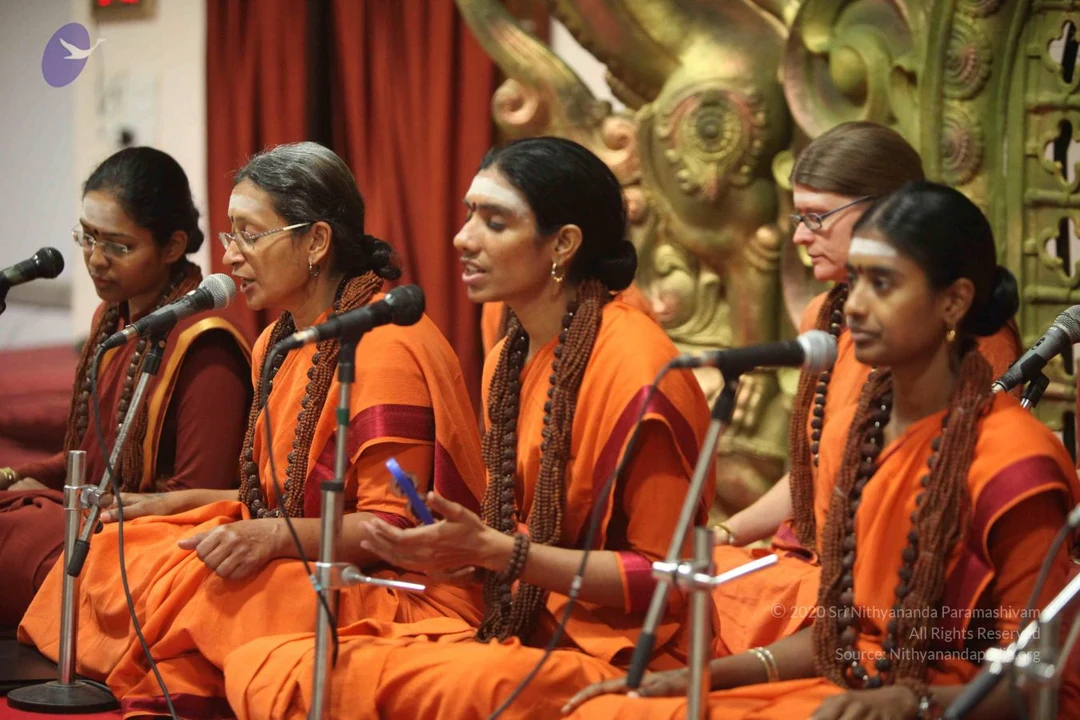
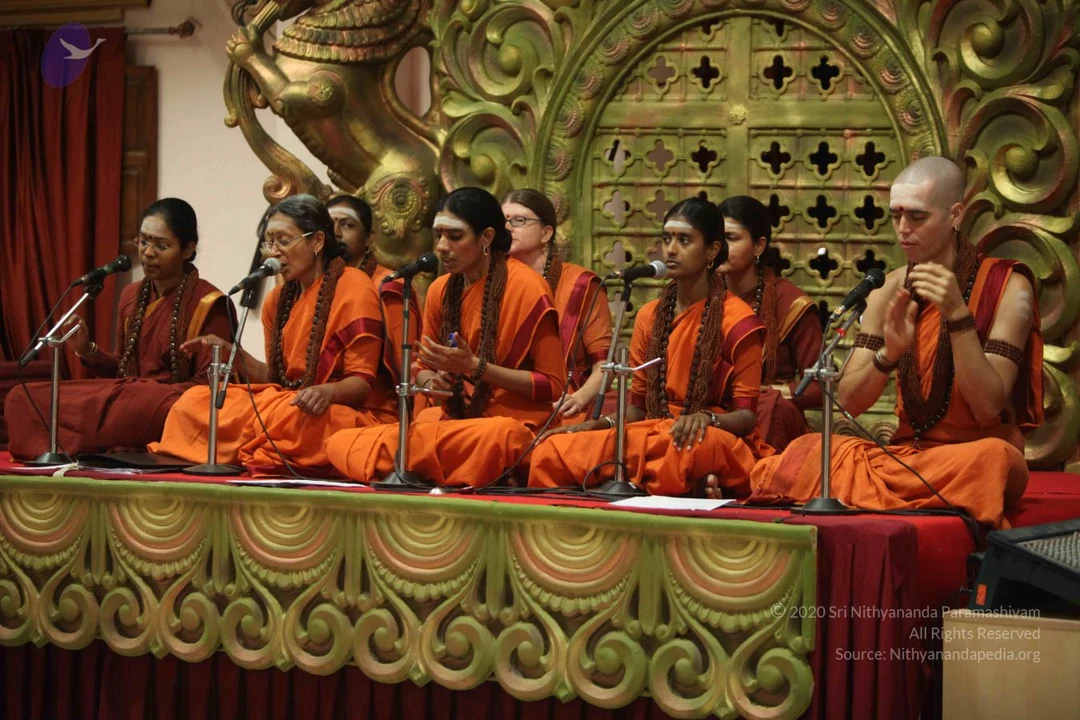
NithyaKirtans
NithyaSatsang
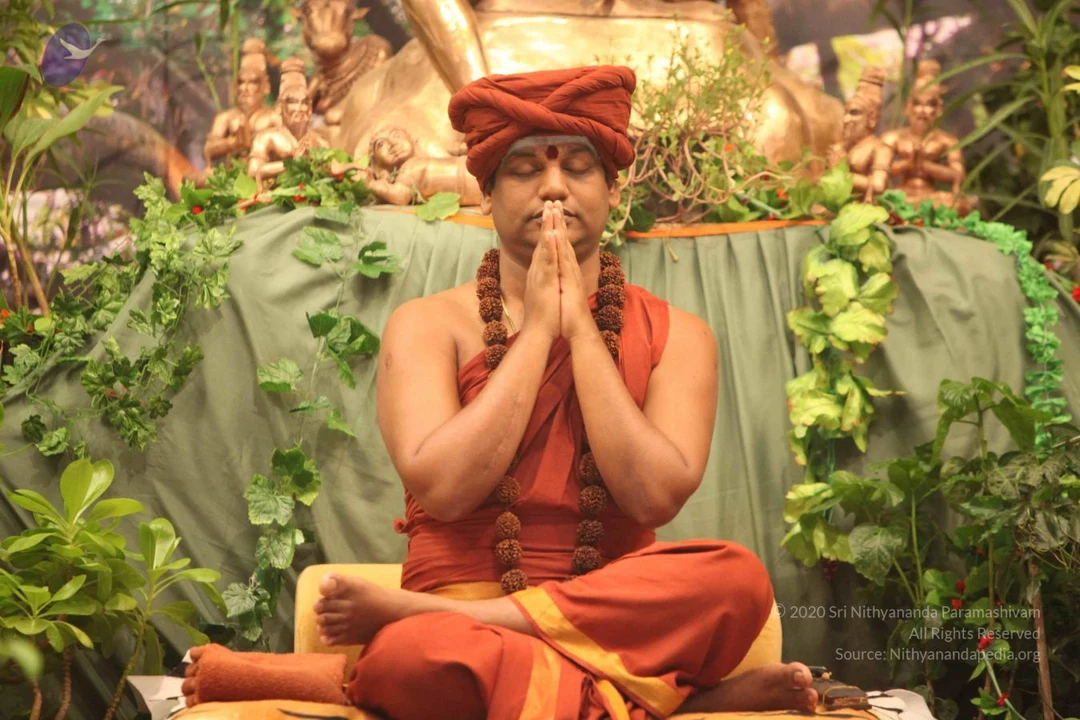
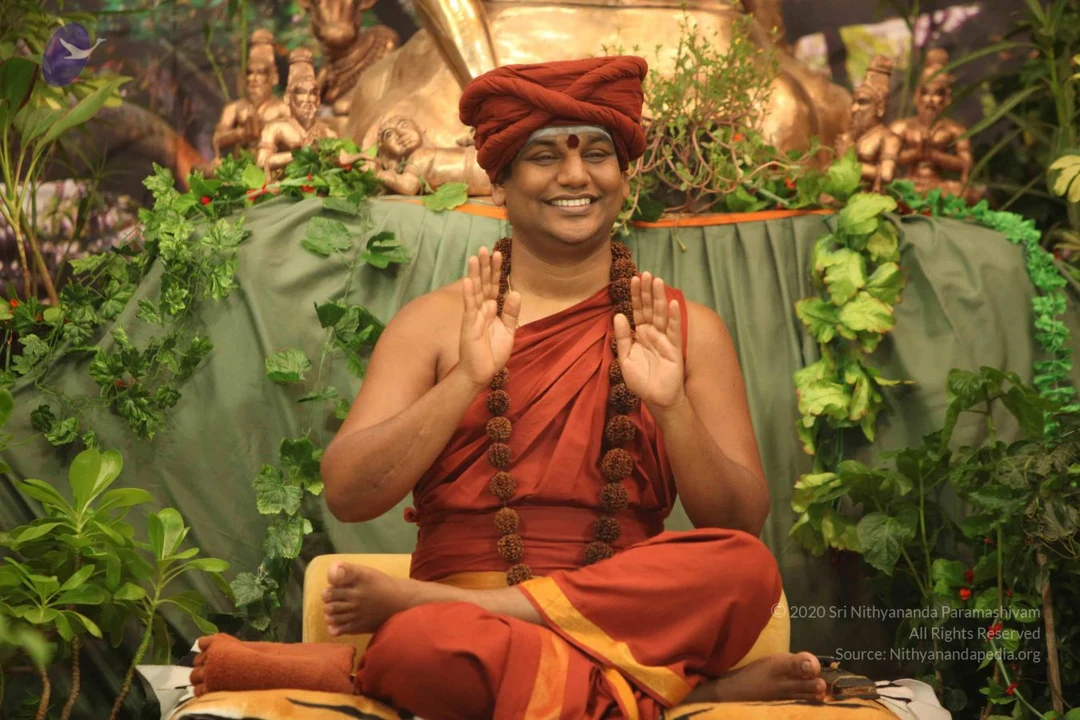
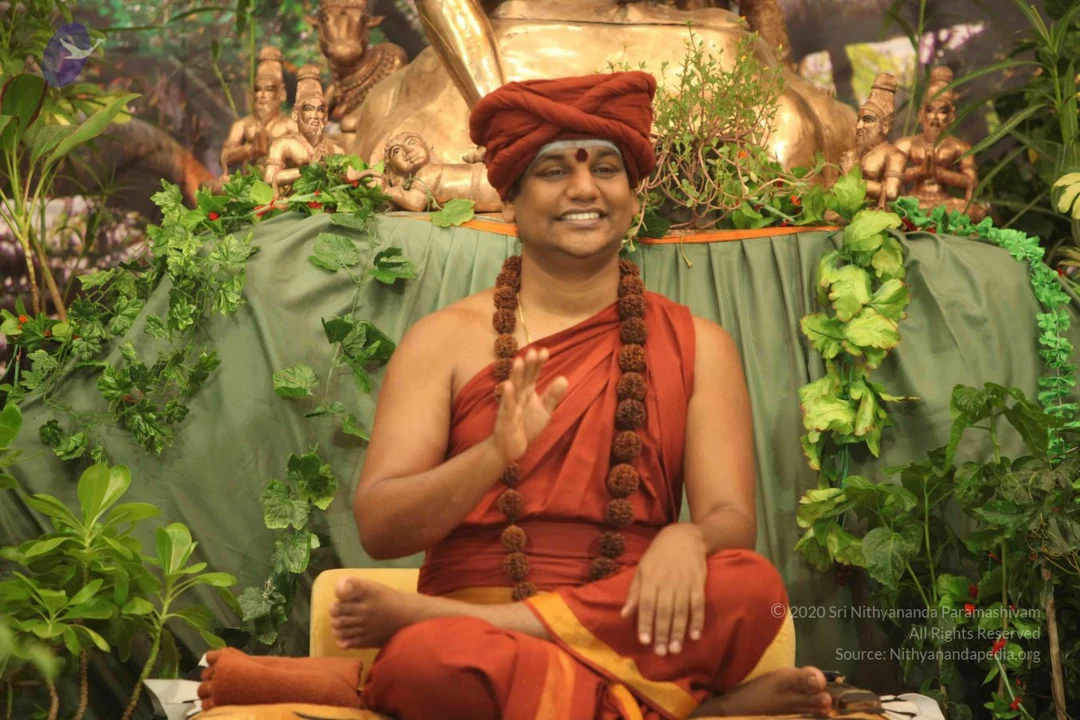
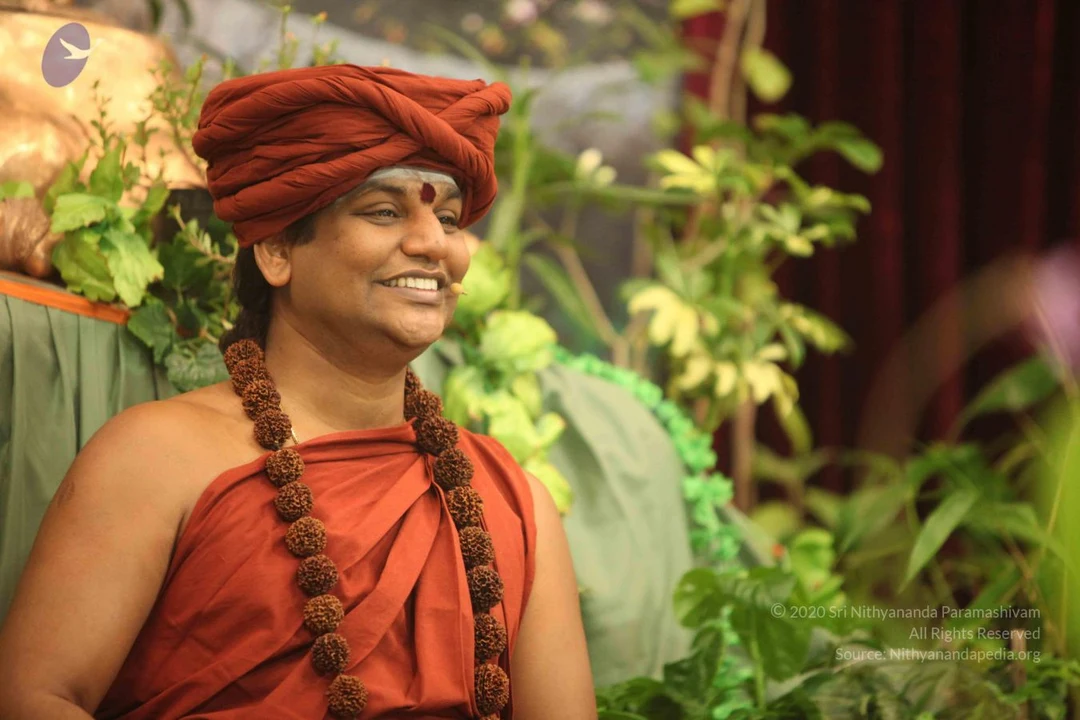
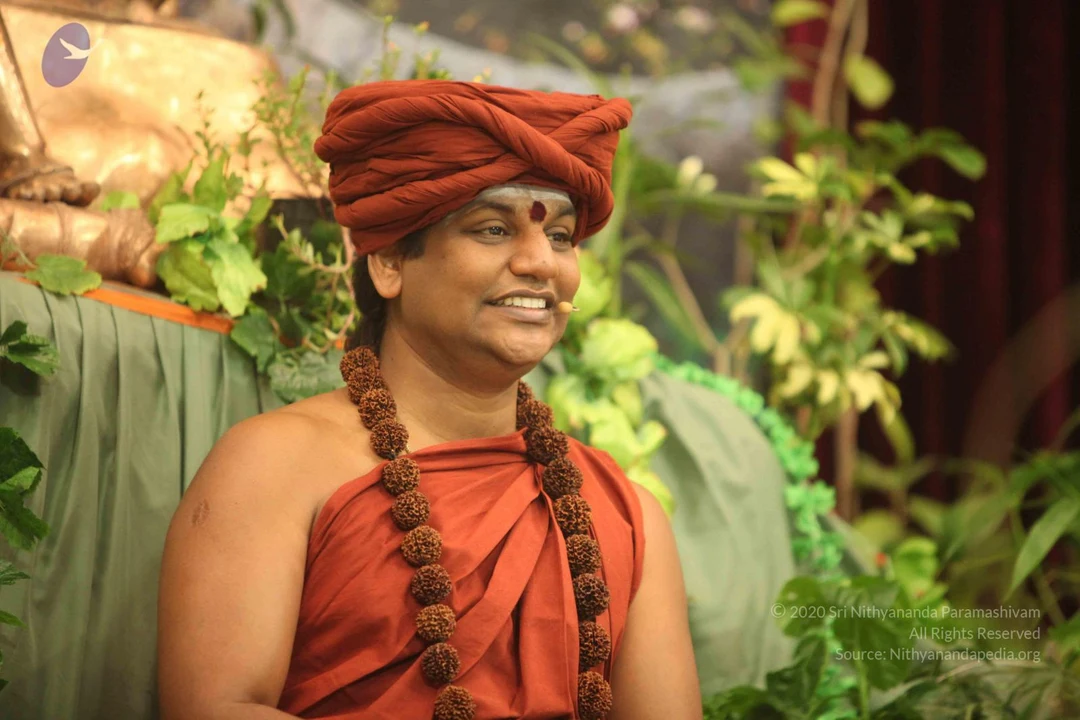
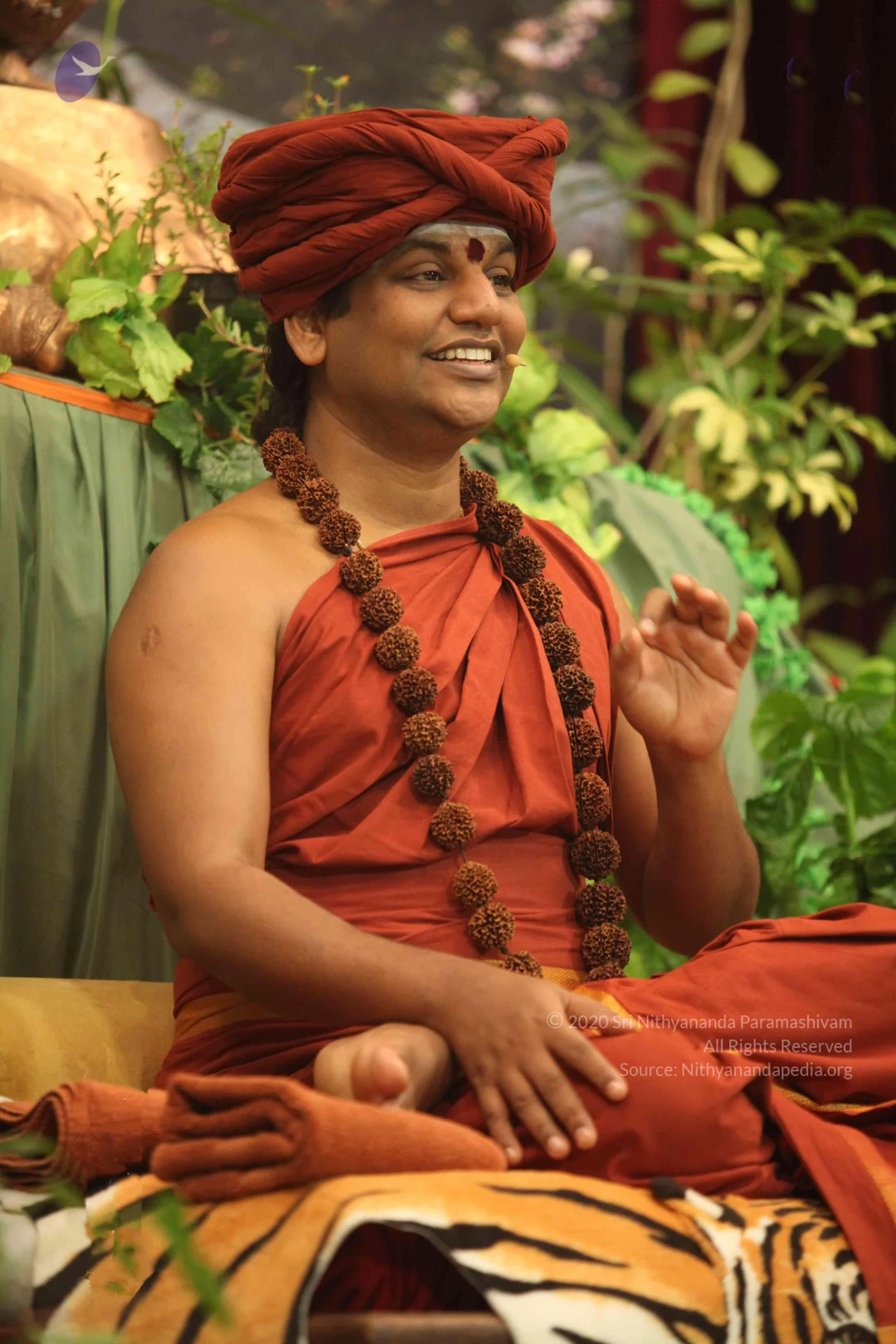
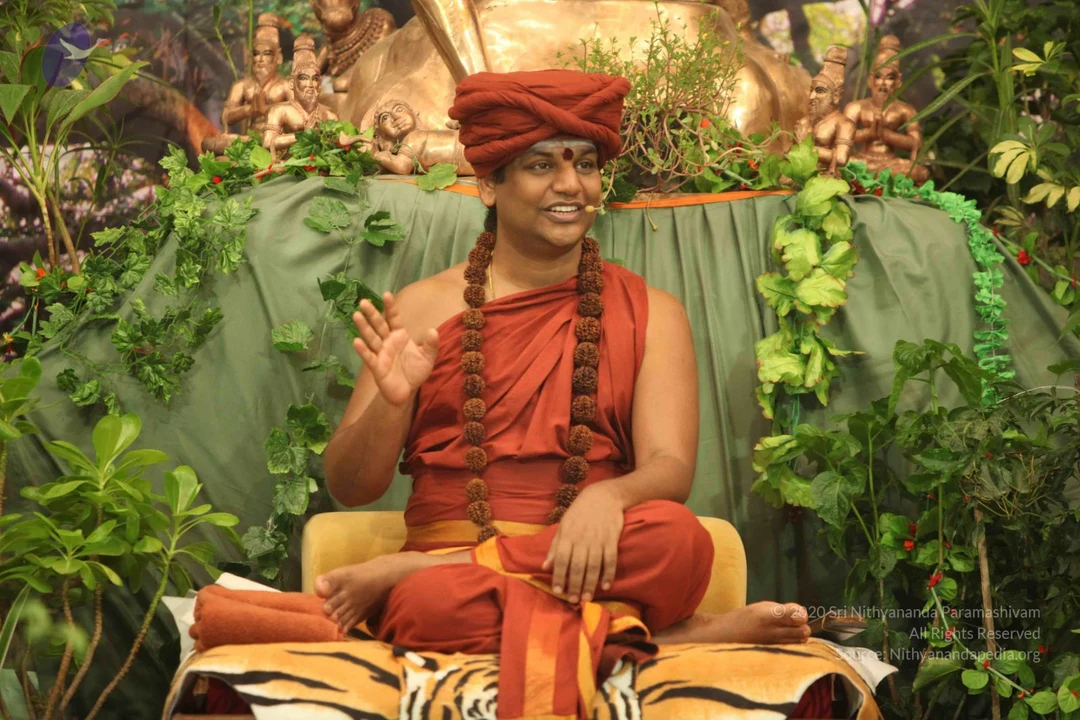
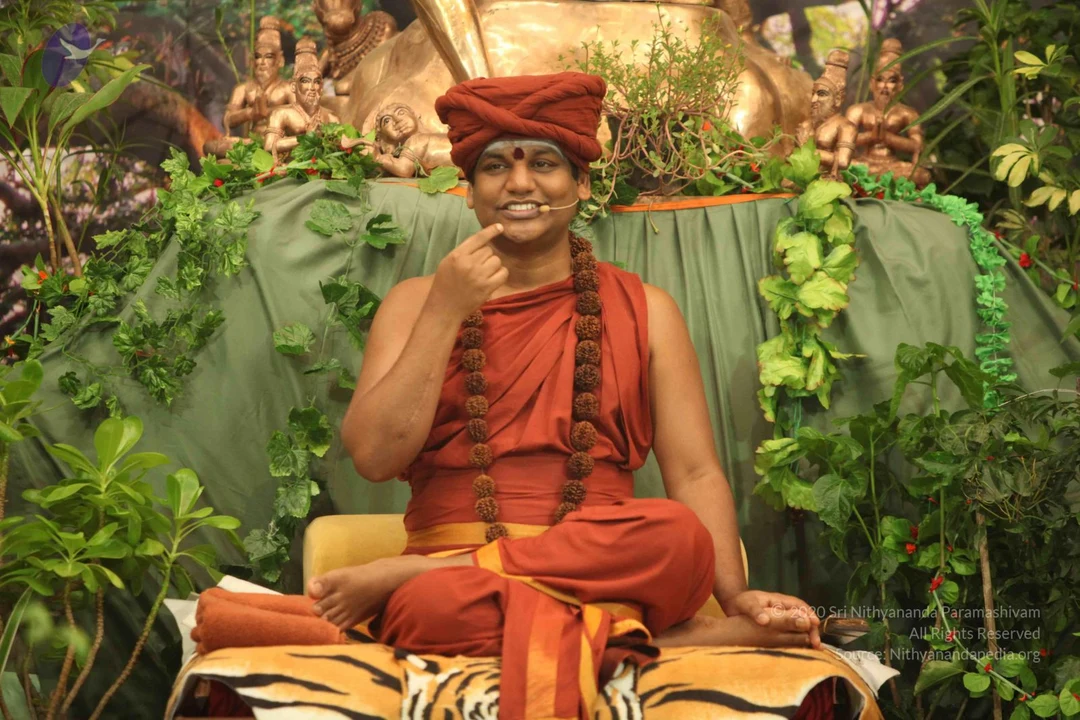
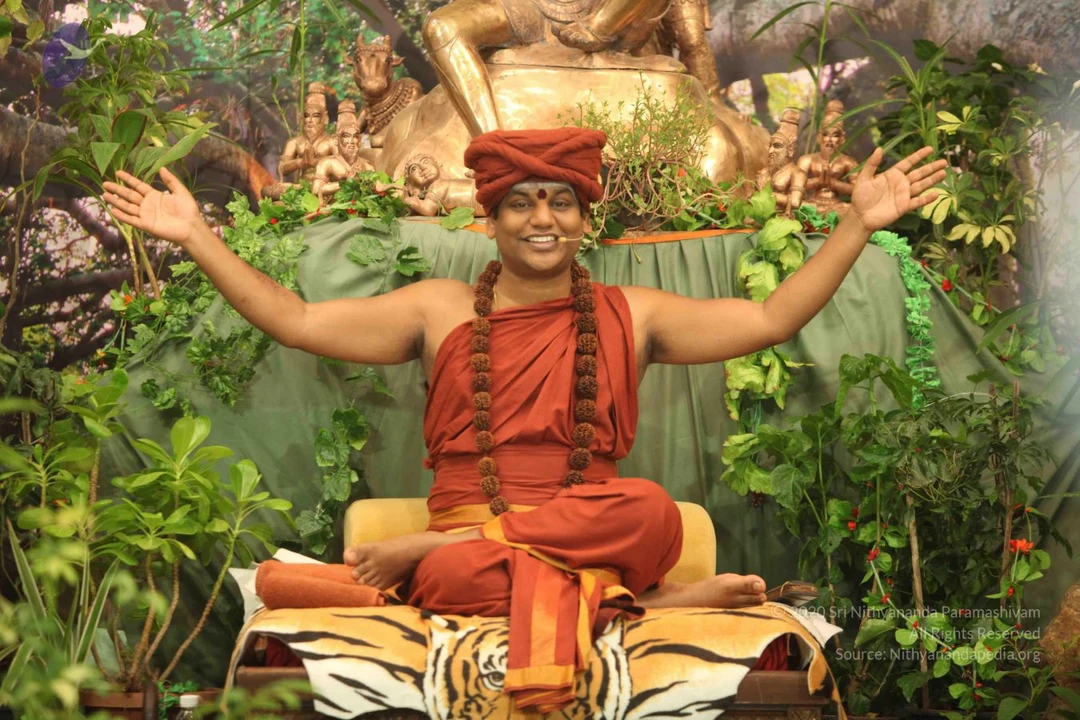
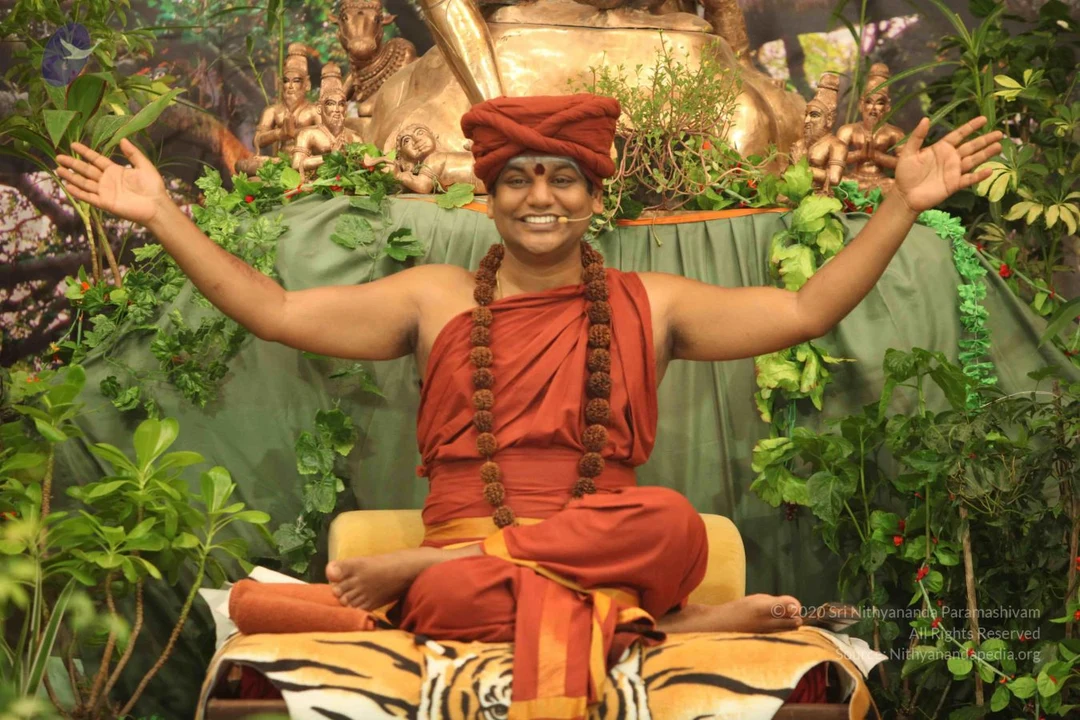
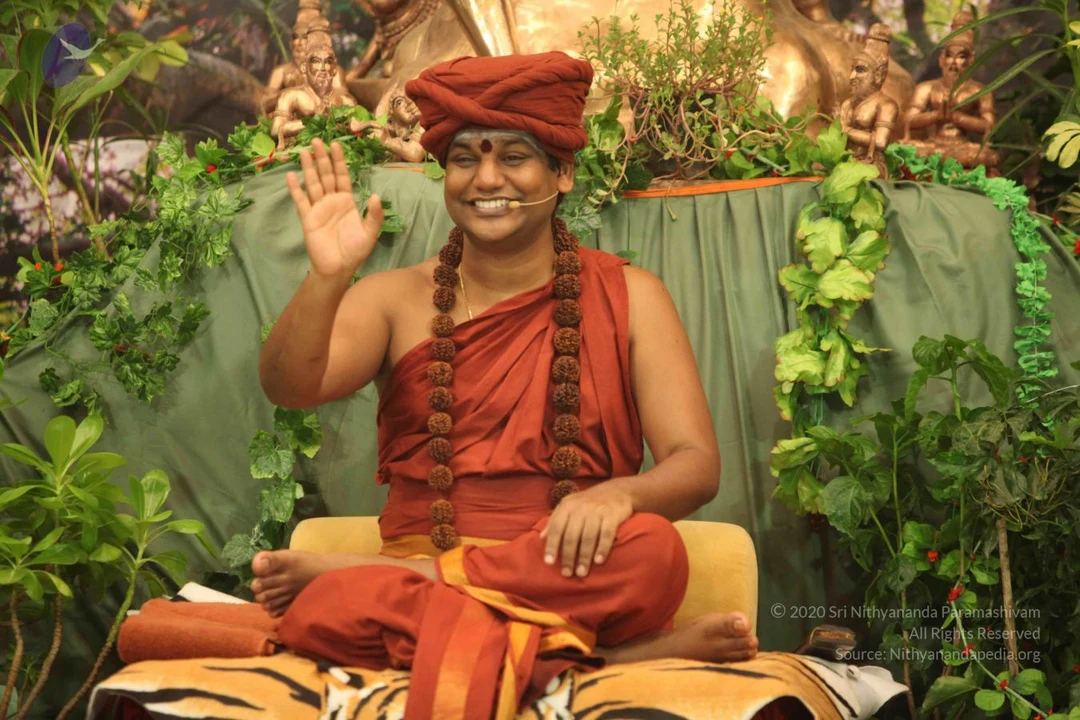
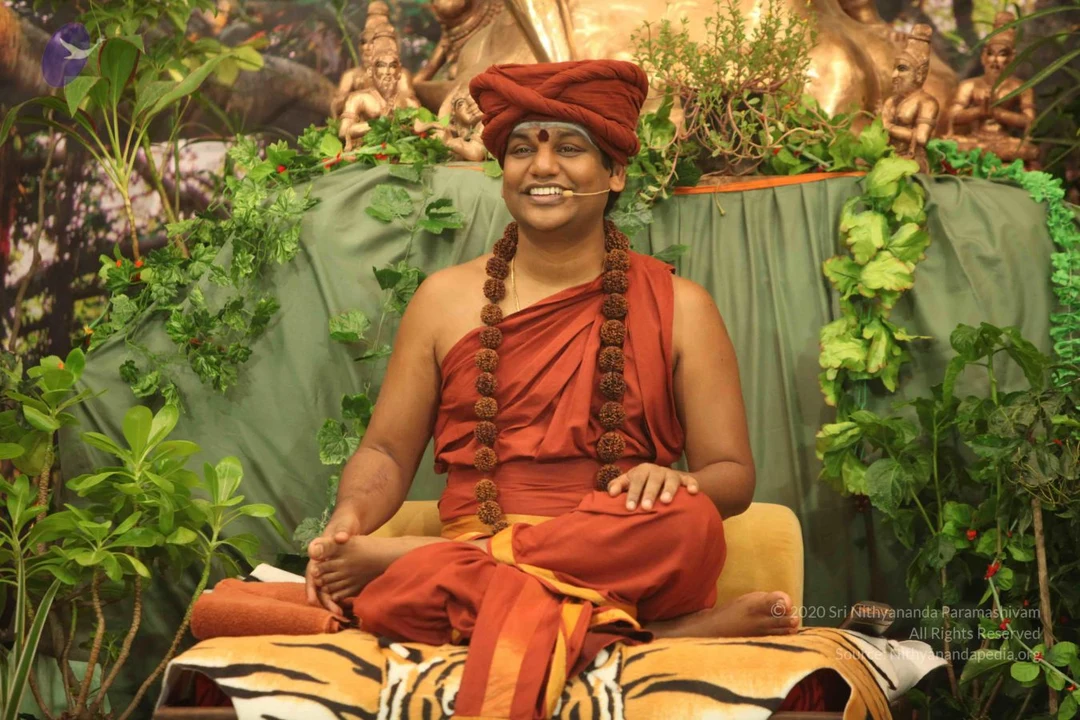
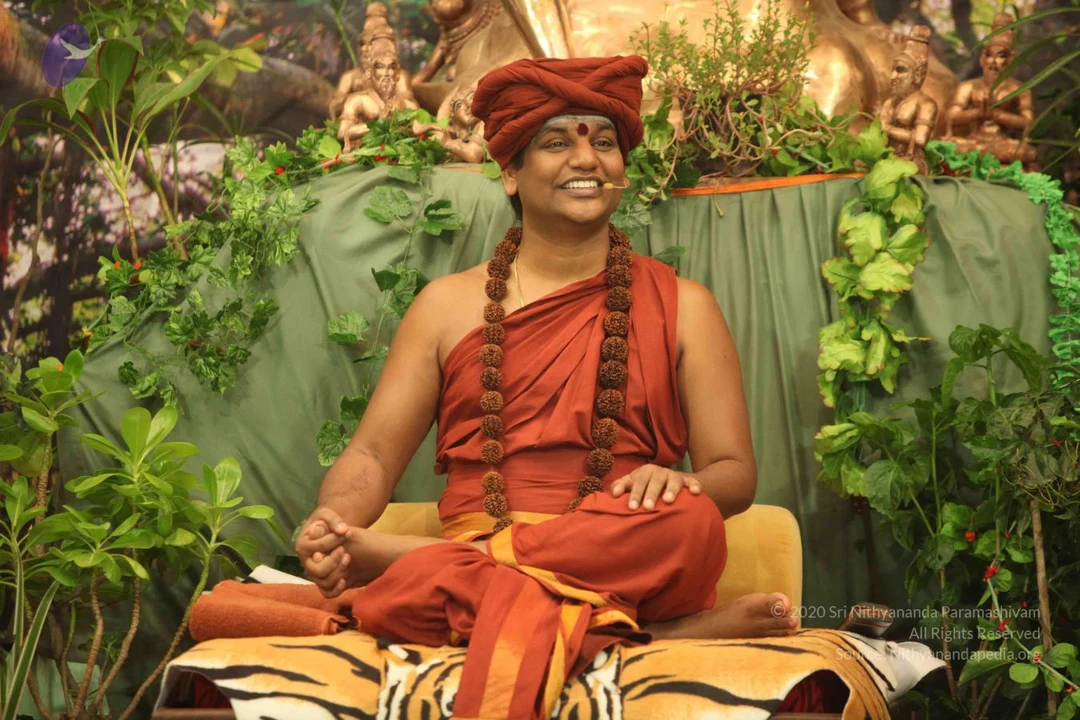
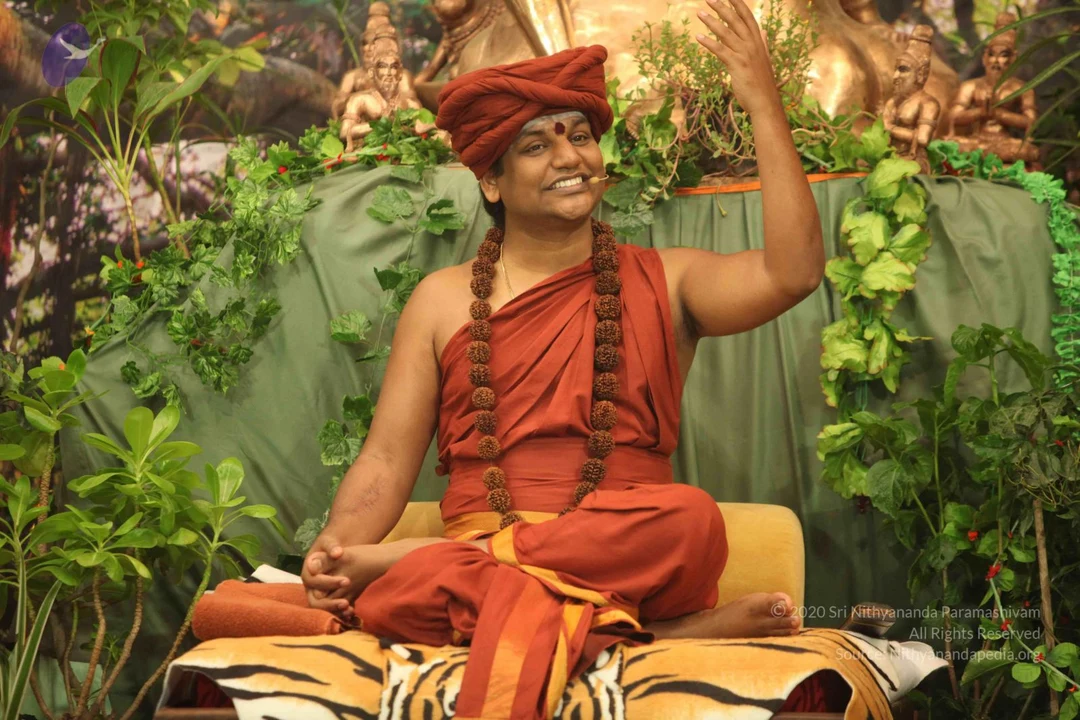
KalpataruDarshan
Photos Of The Day:
FB-Photos-of-the-Day
Photos from this day
View all 96 photosNithyaKirtans
2 photosSource gallery
NithyaSatsang
56 photosSource gallery
KalpataruDarshan
37 photosSource gallery
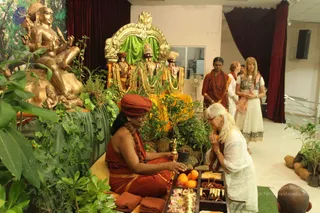
FB-Photos-of-the-Day
1 photoSource gallery