Skip to content
Wednesday

18 June 2014

Dated photos
35
Source pages
1
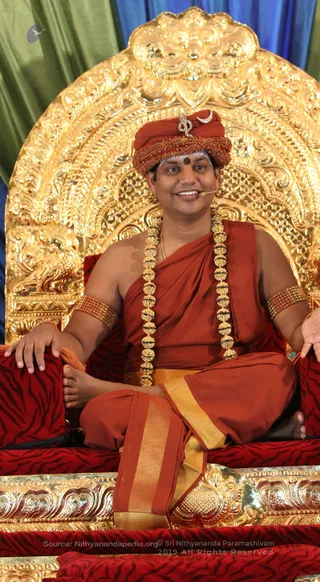
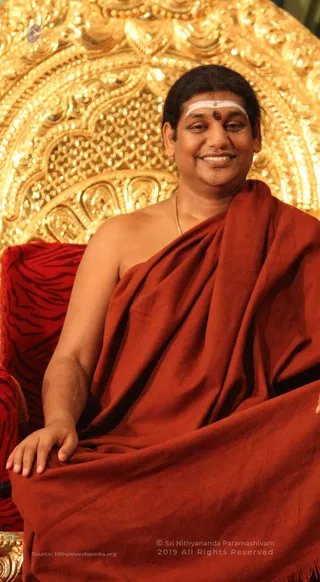
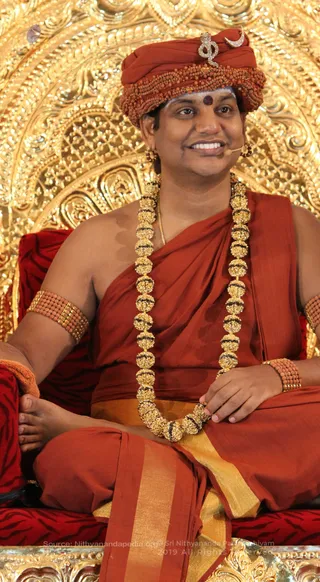
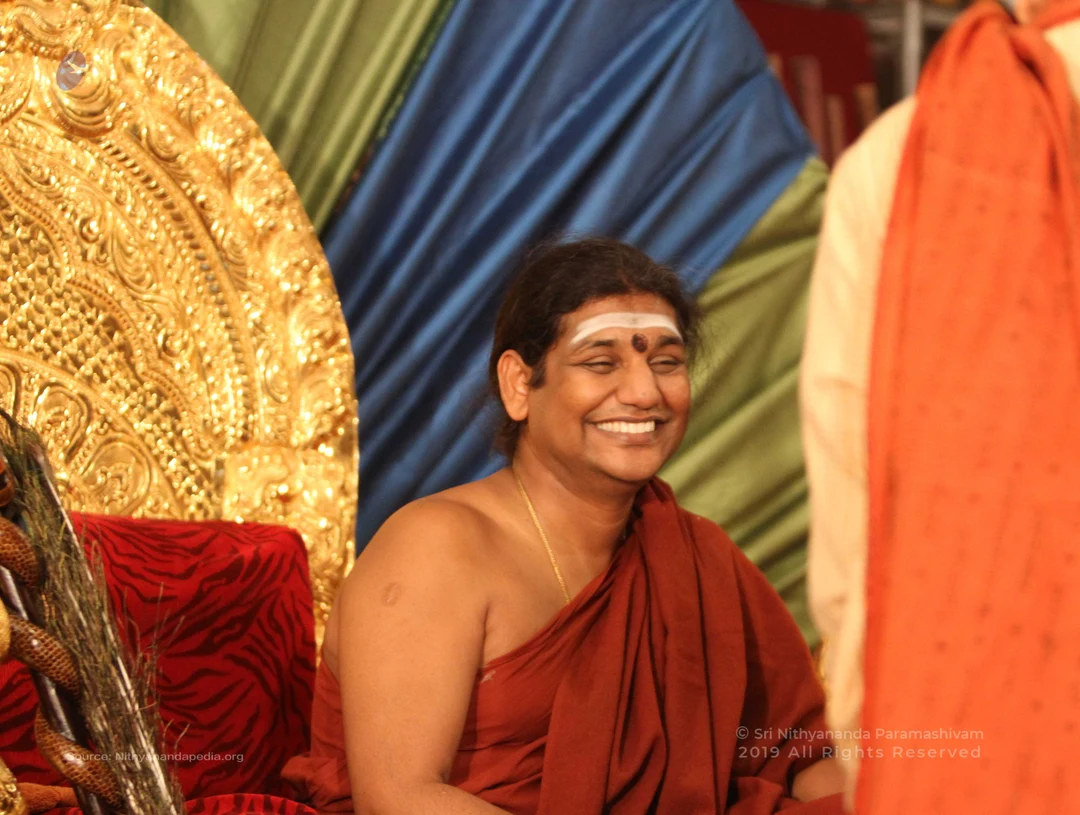
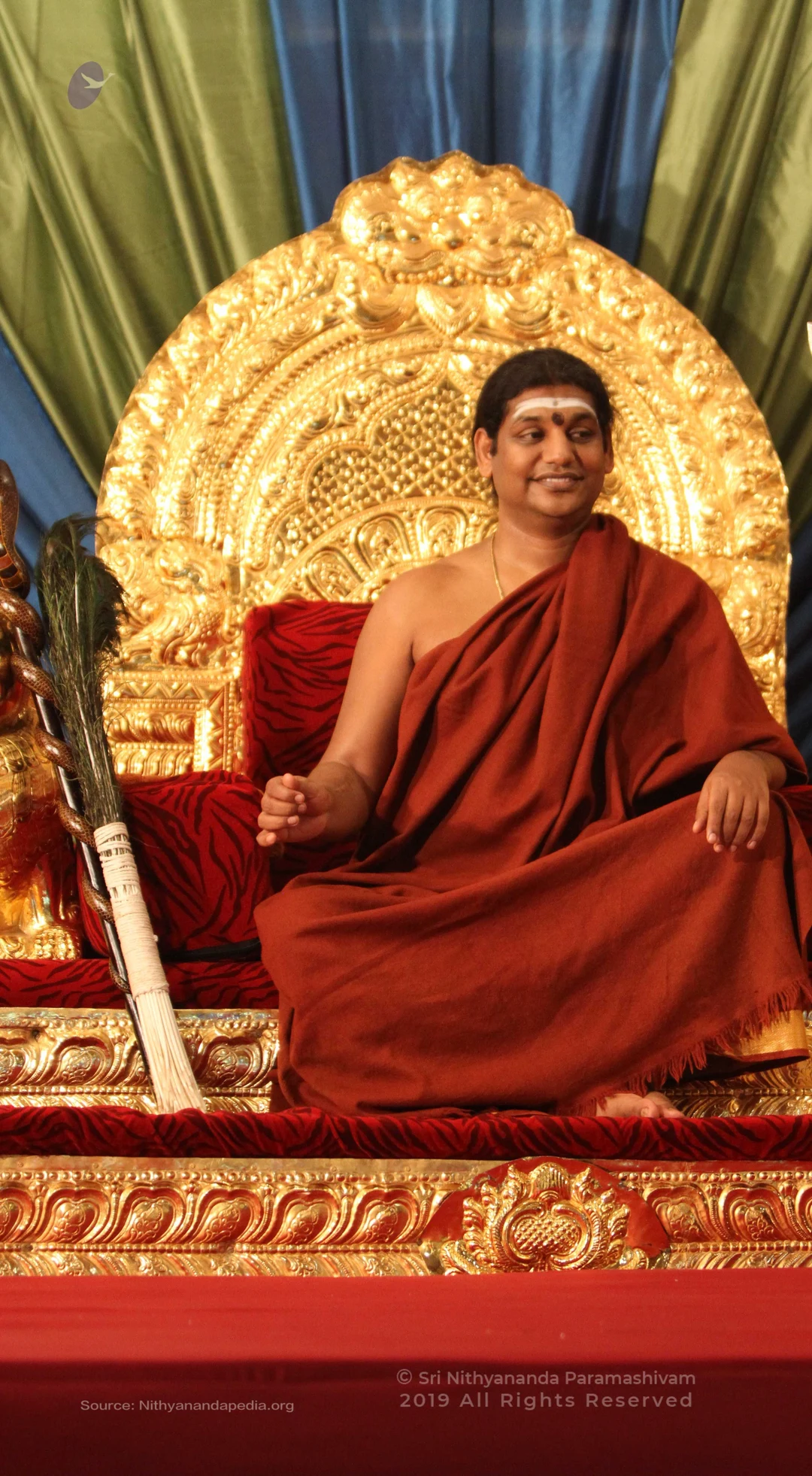
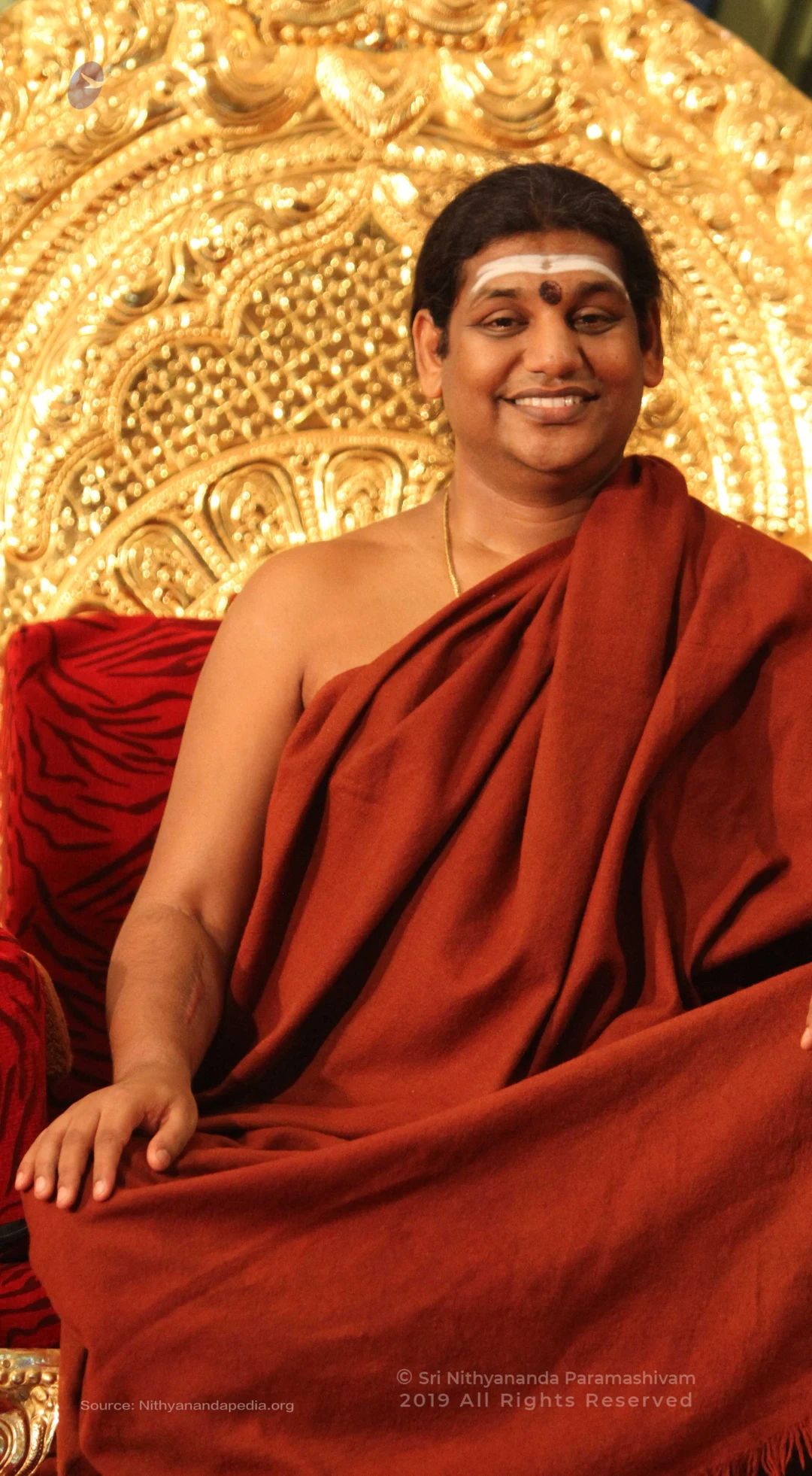
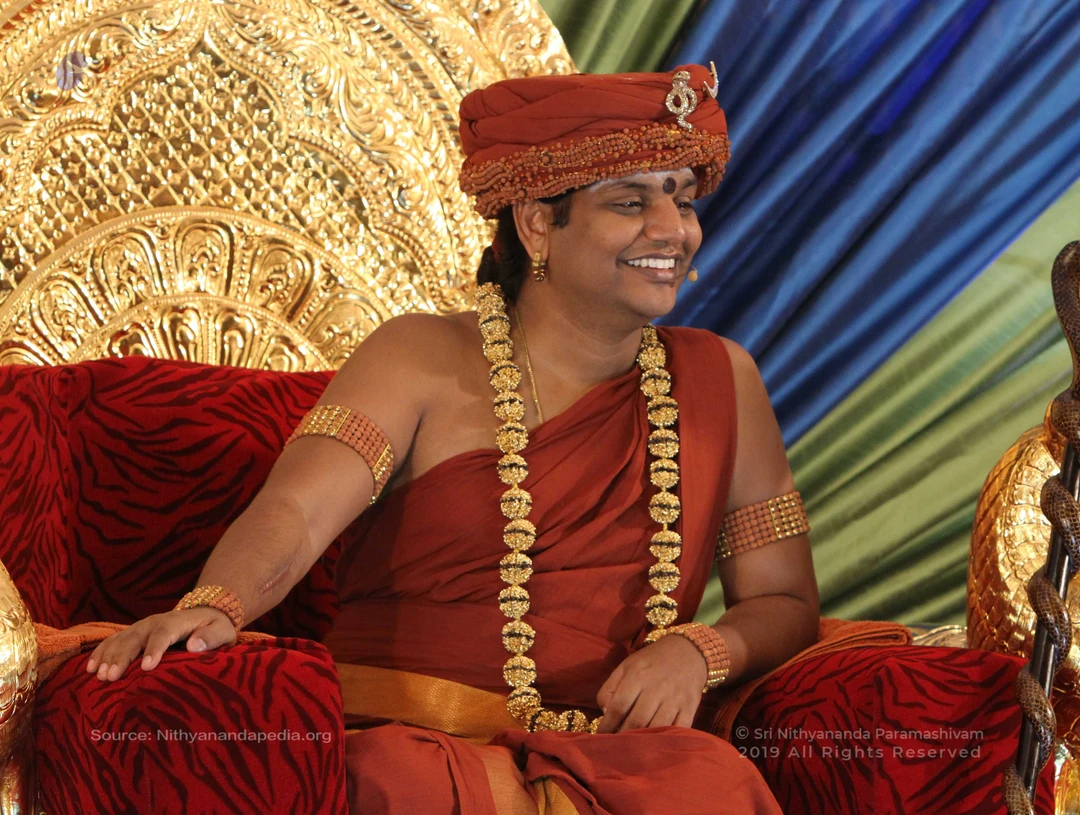
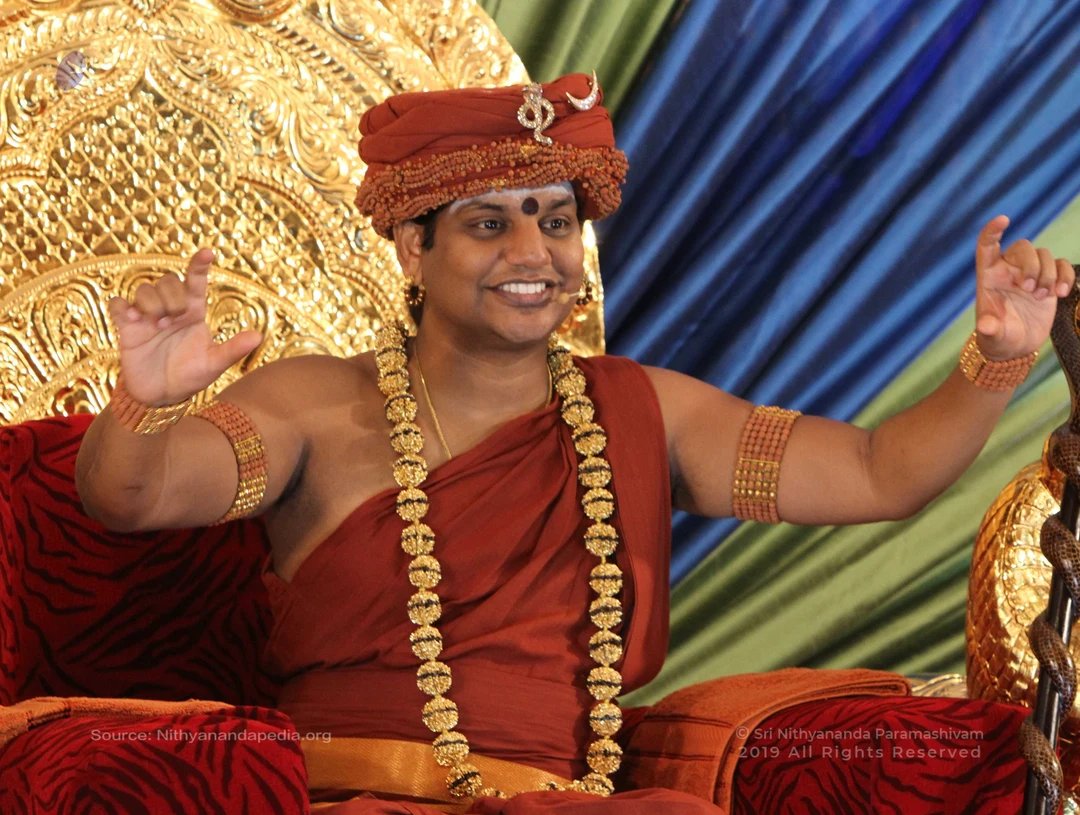
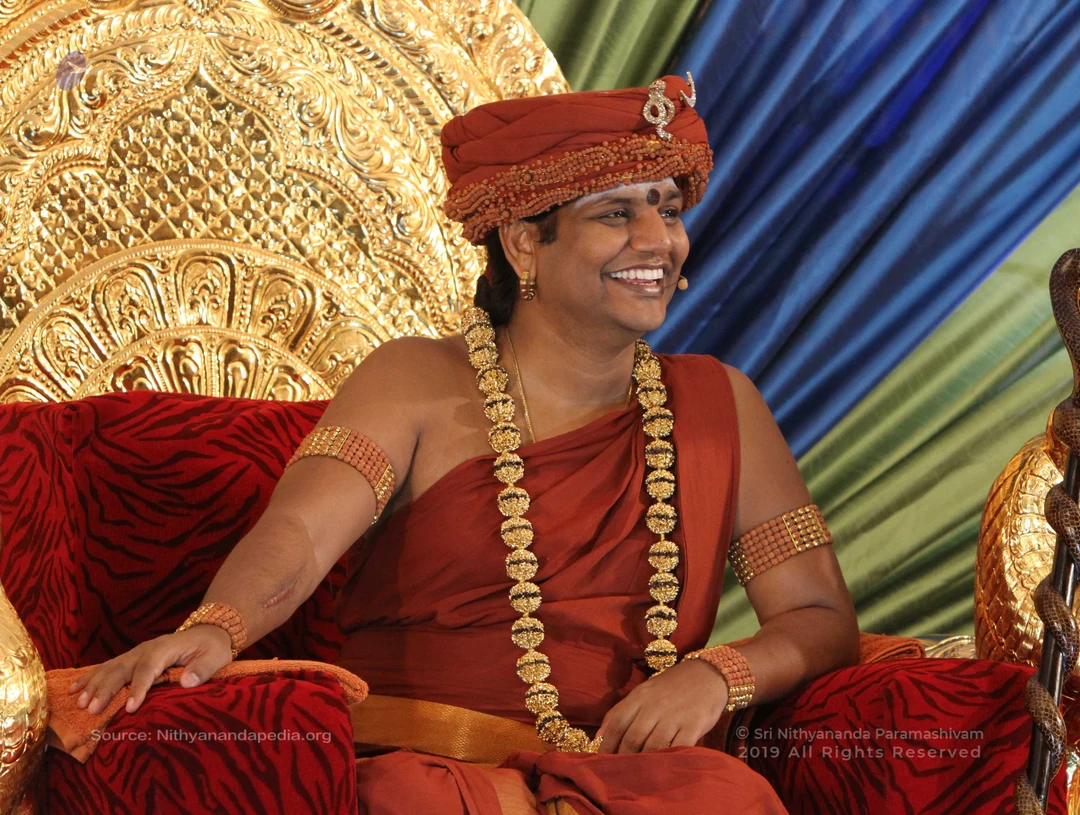
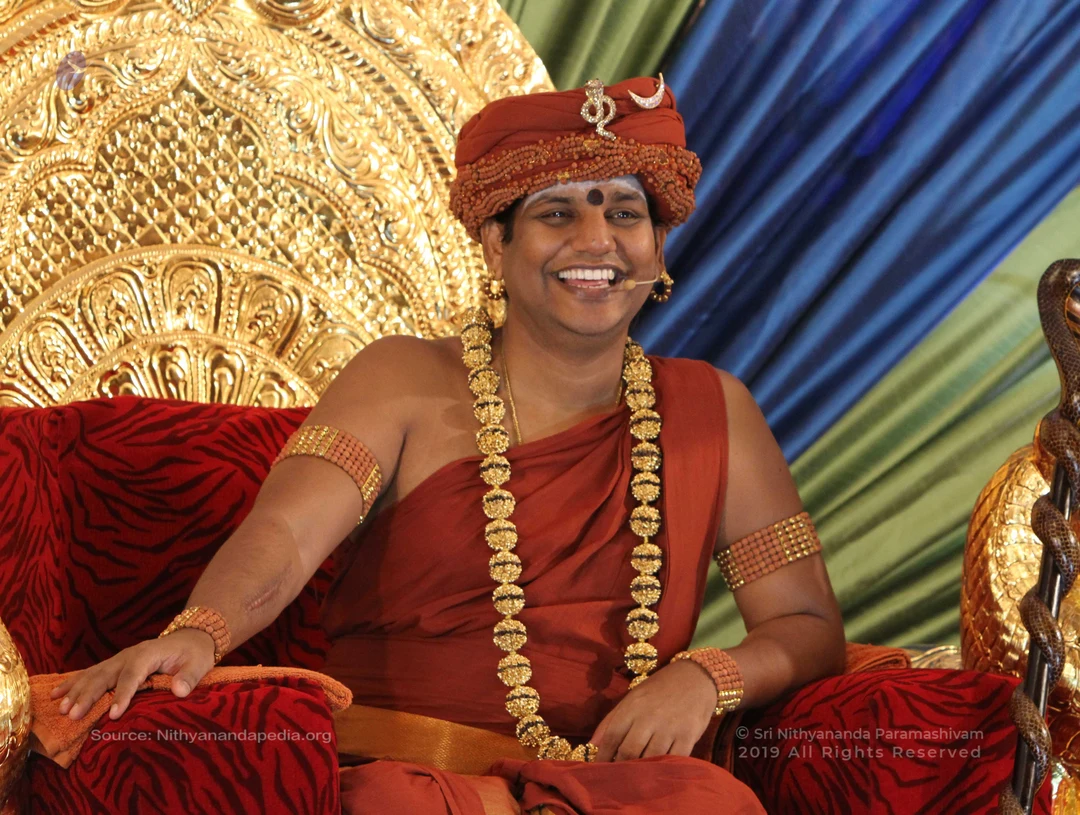
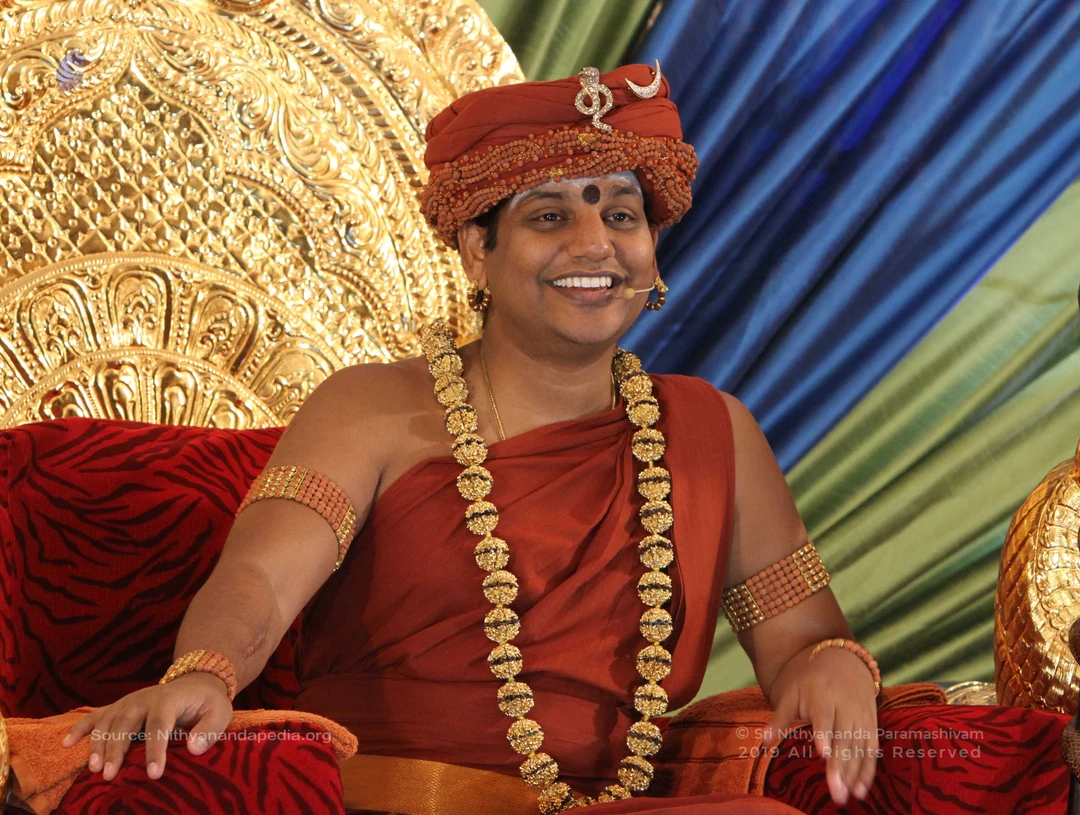
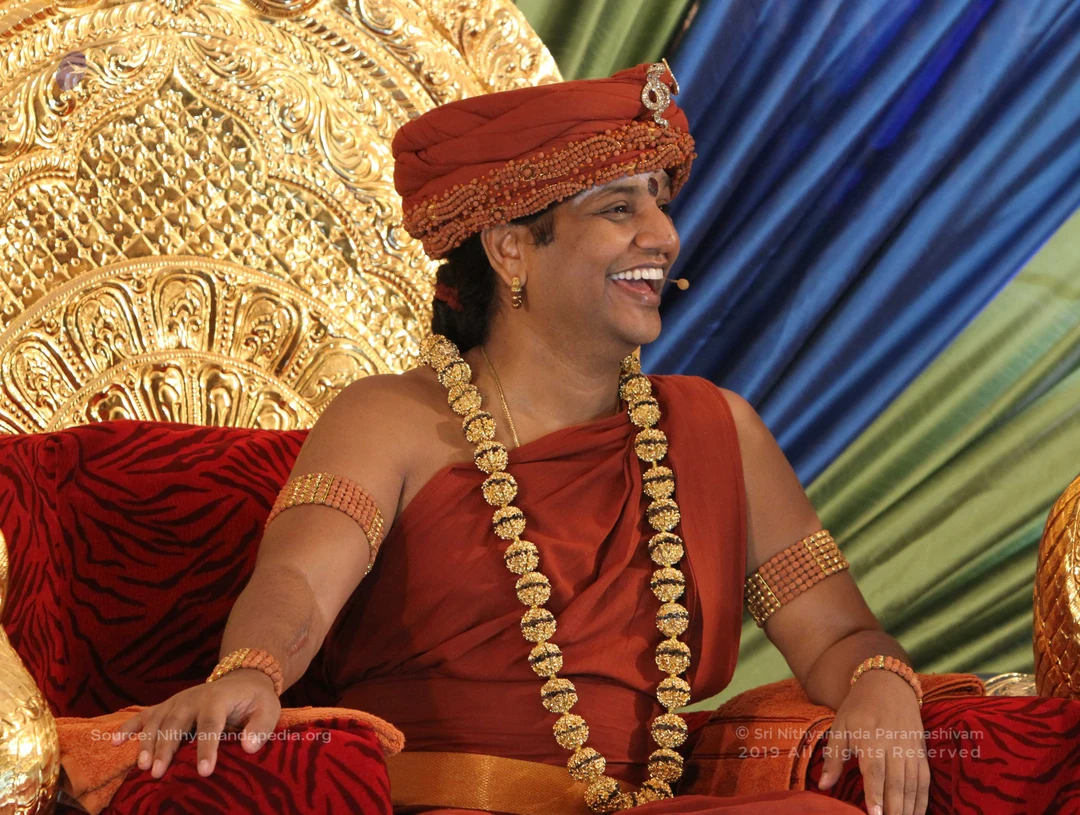
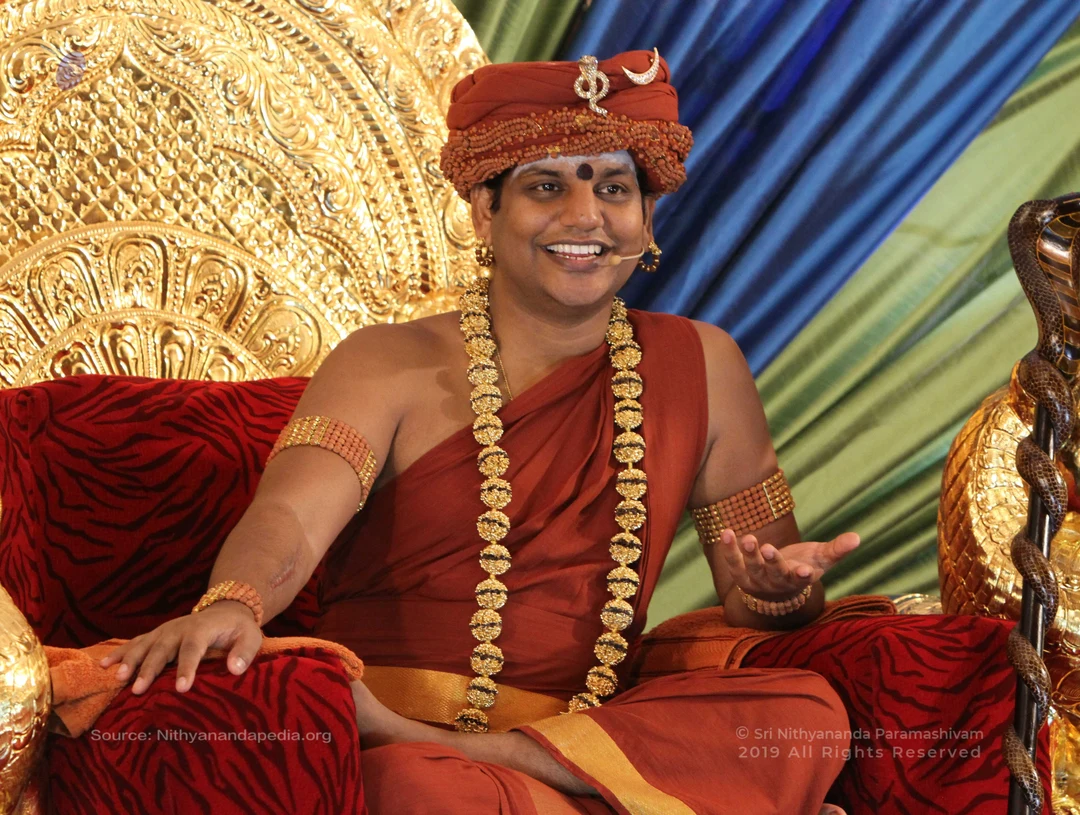
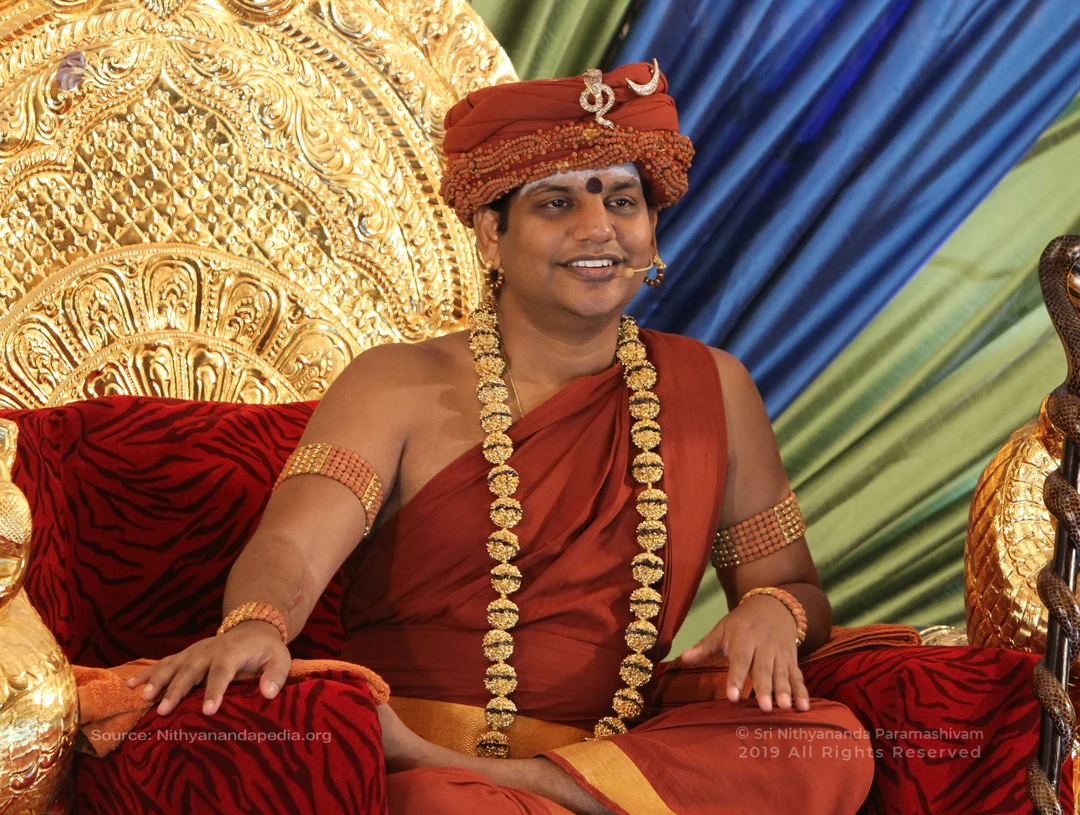
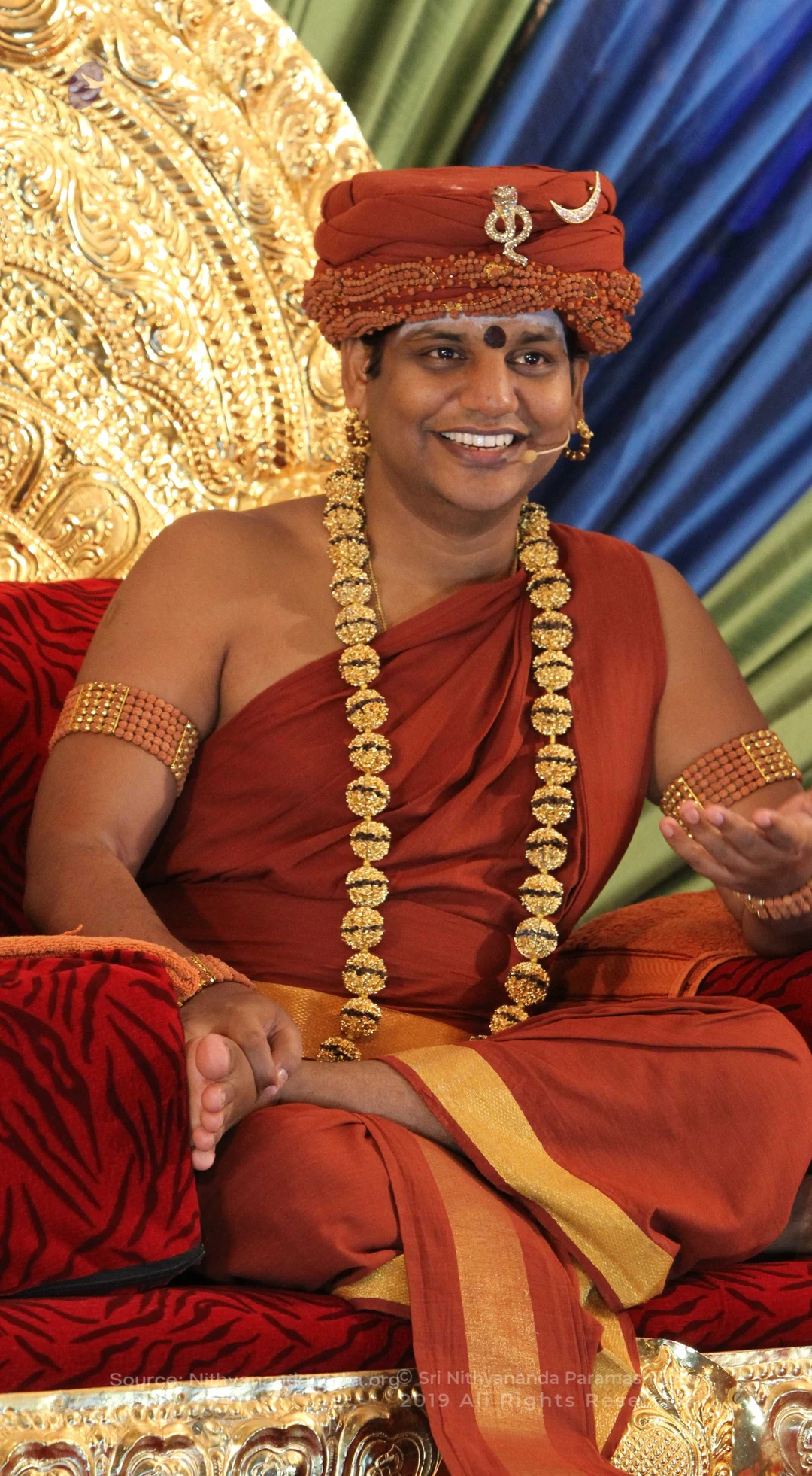
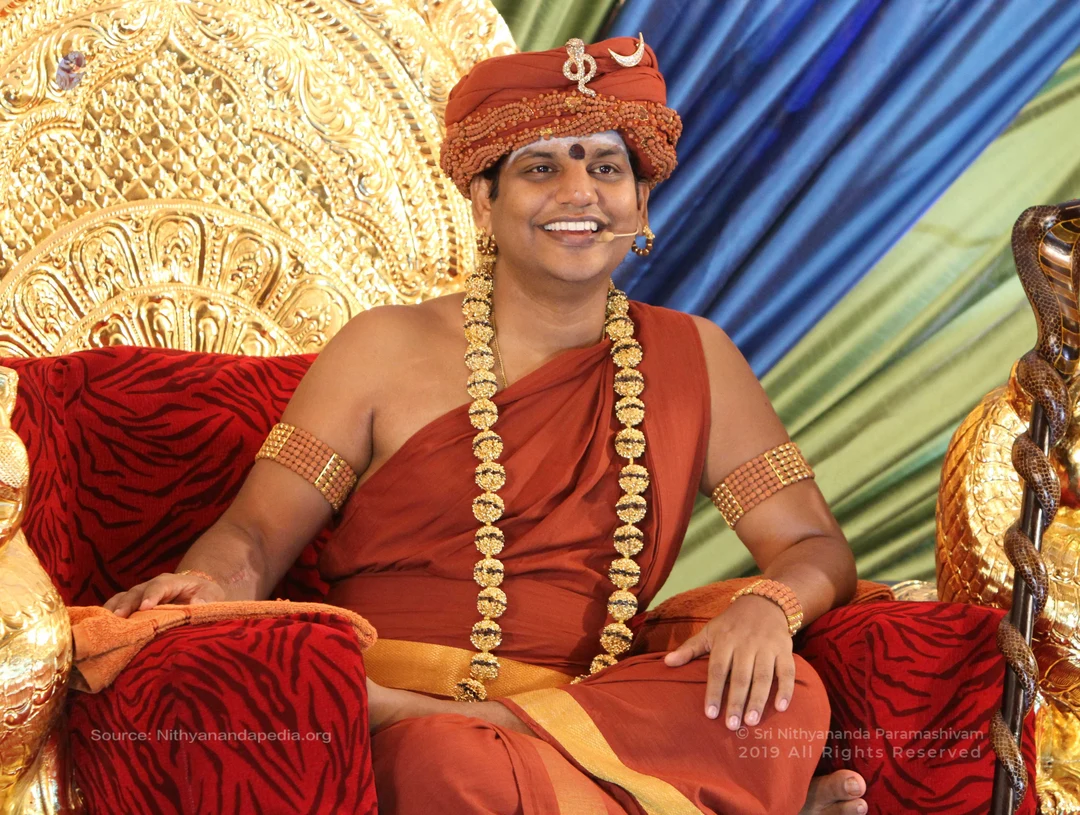
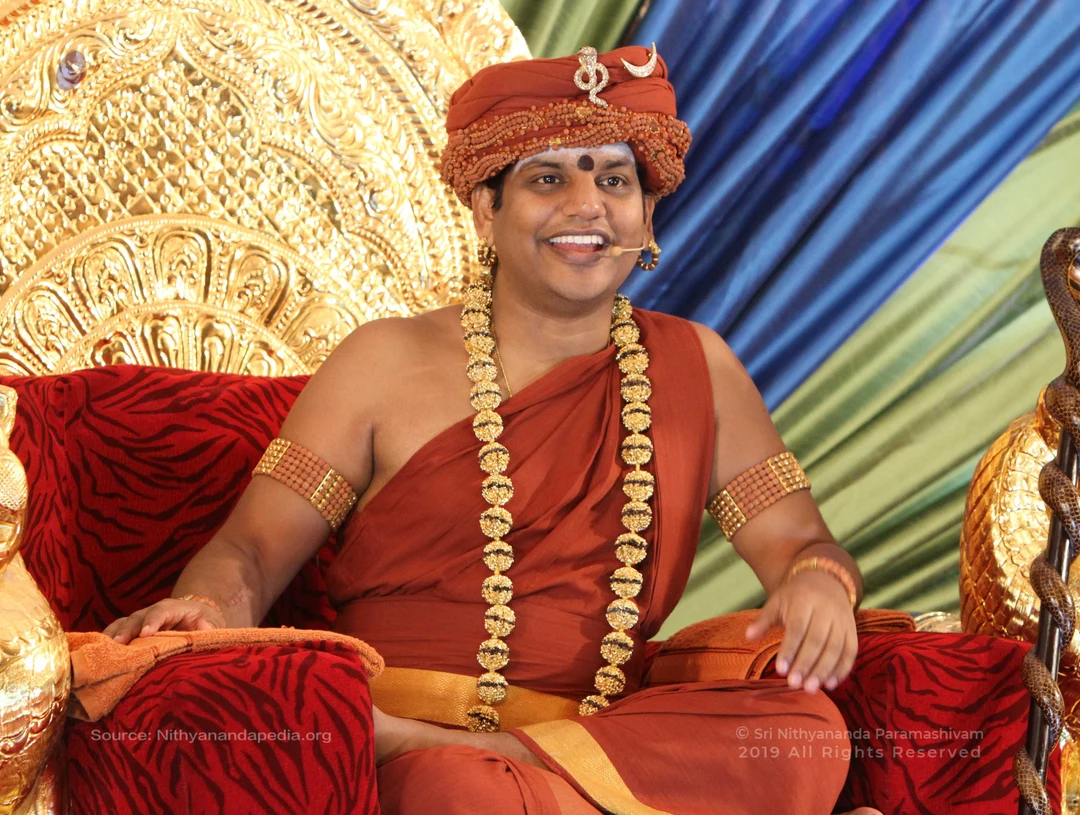
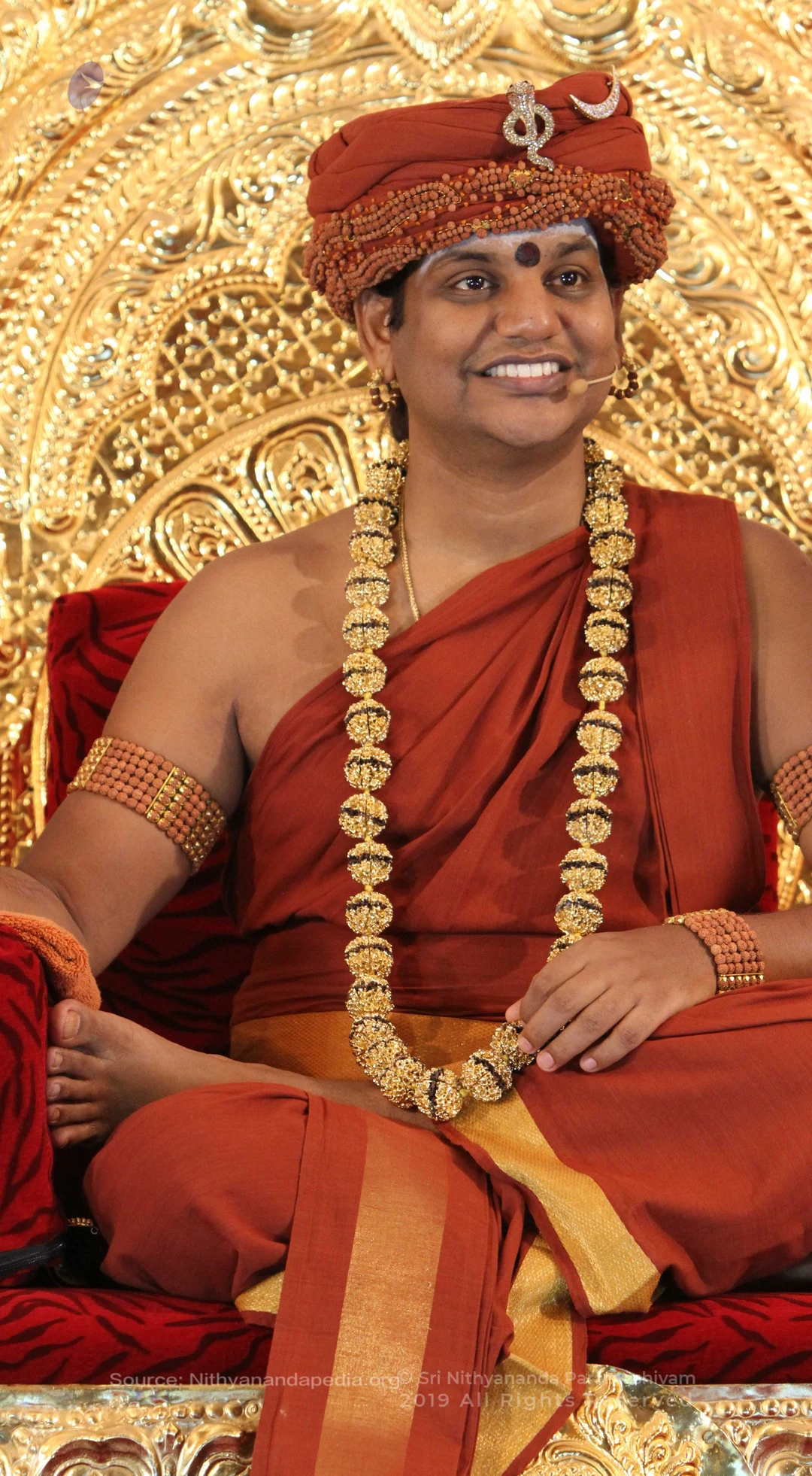
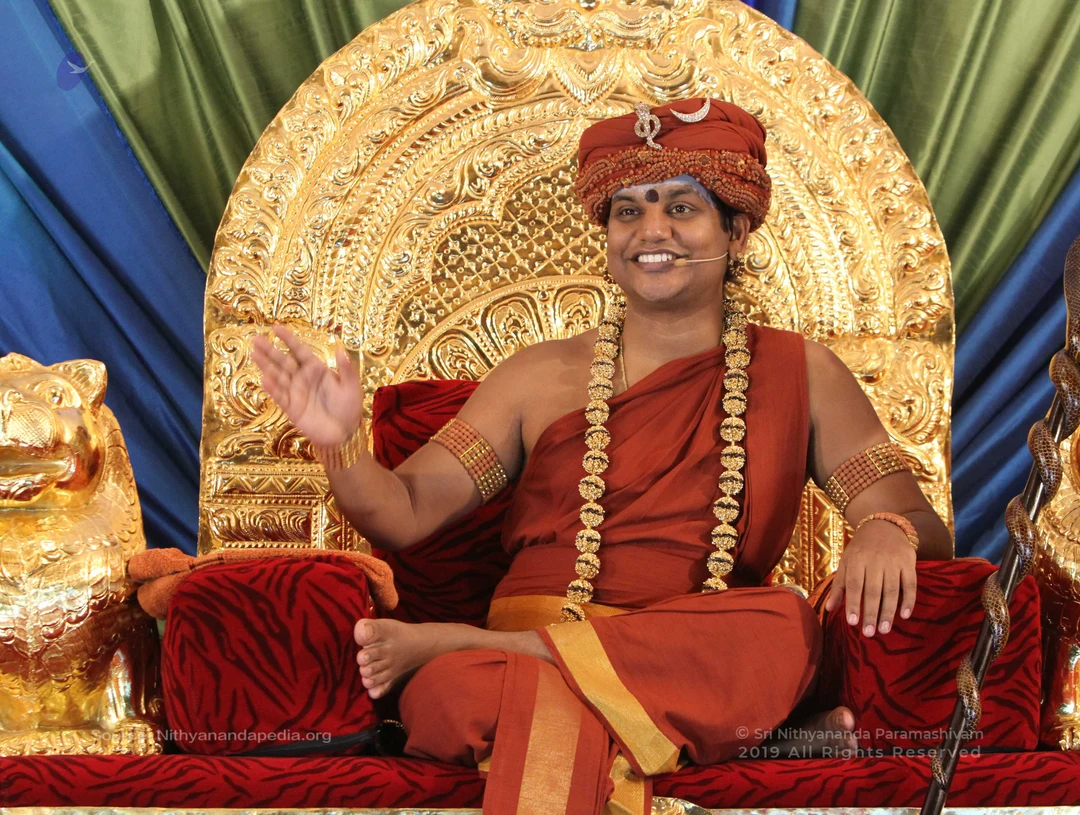
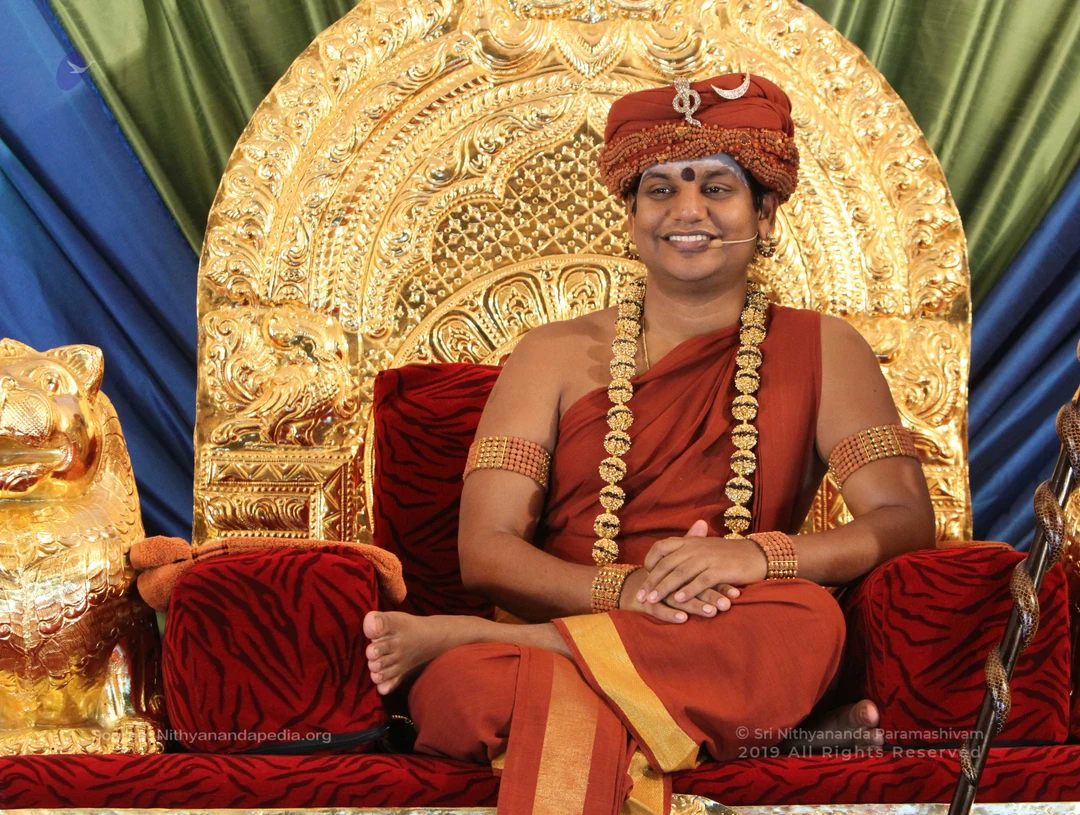
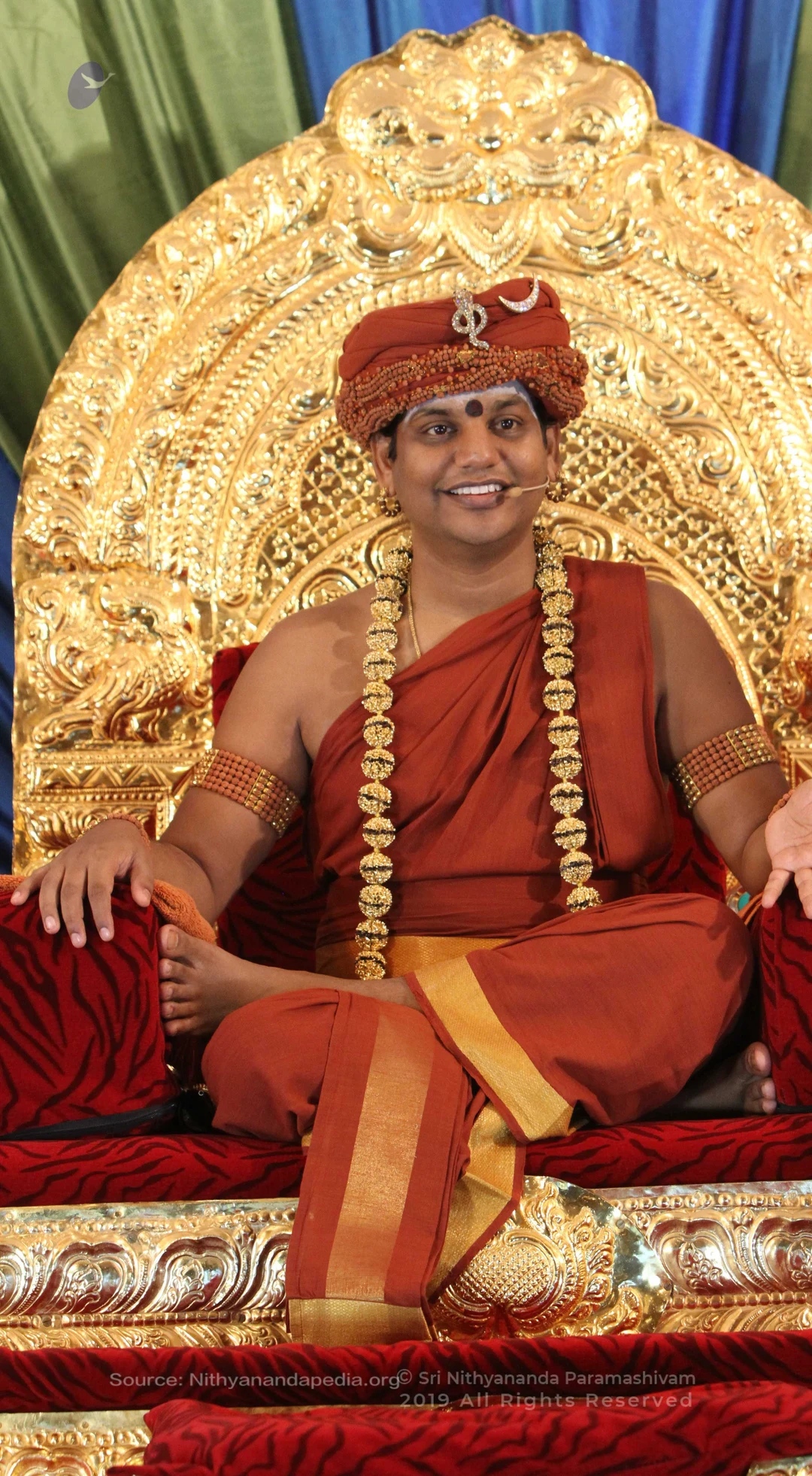
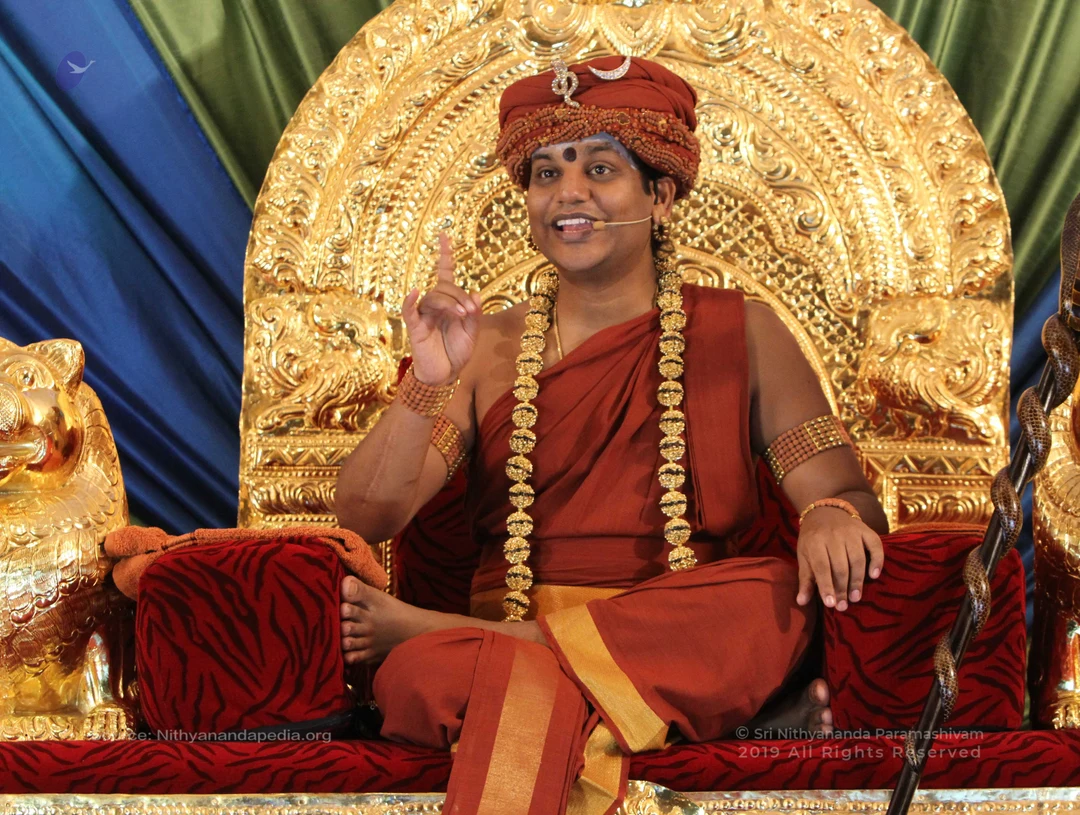
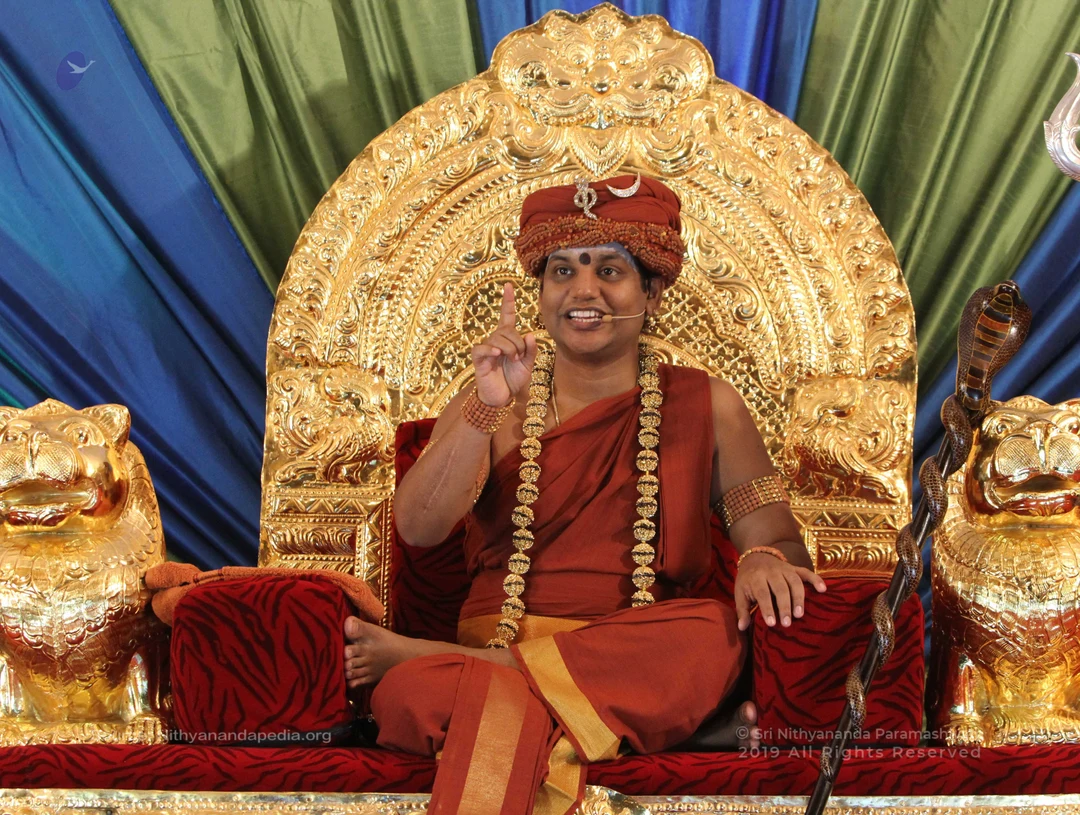
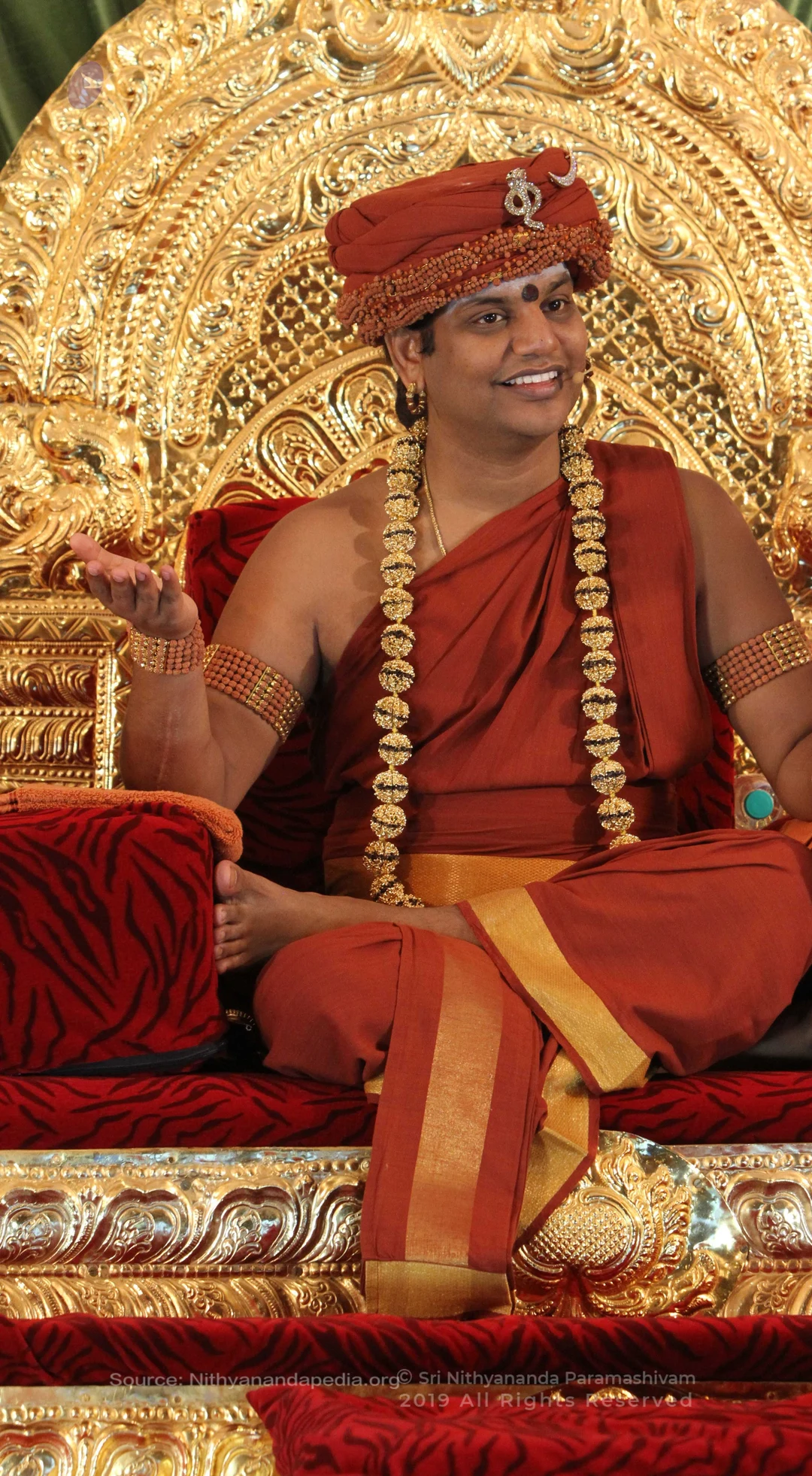
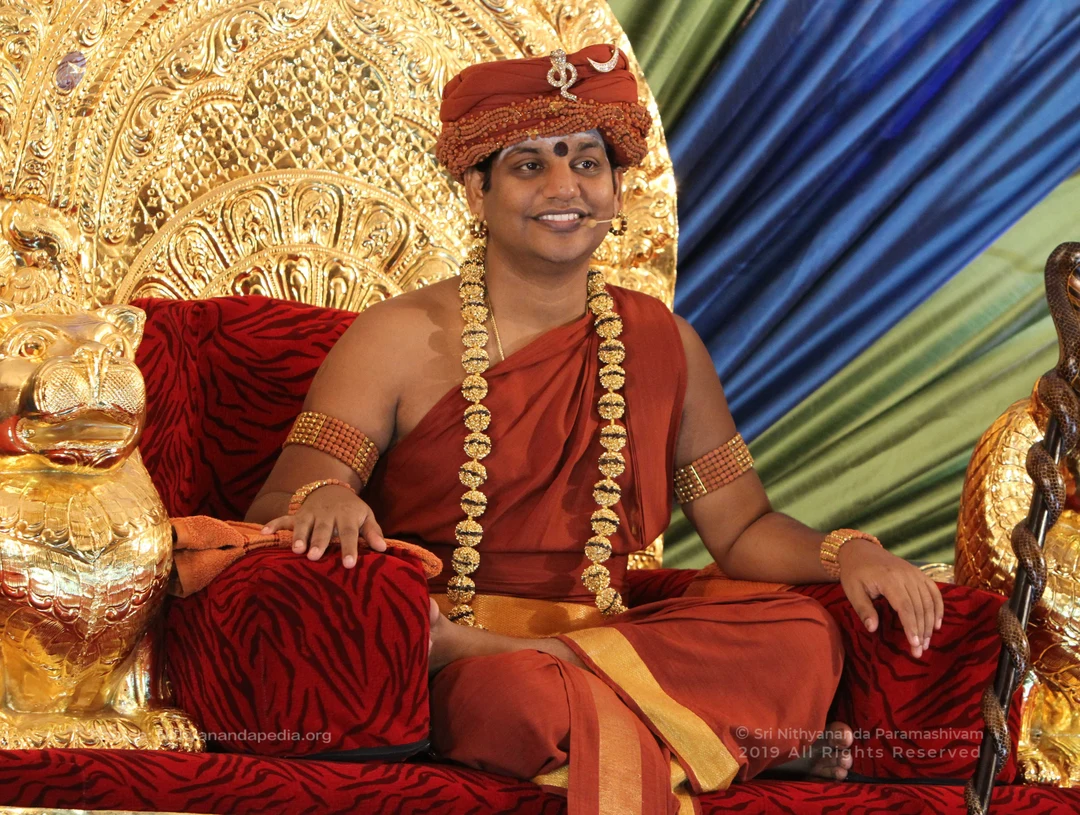
A seated man on an ornate gold throne with an arched gilded back and red tiger-striped cushions, smiling toward the camera. He wears a rust-orange turban decorated with a silver crescent and emblem, rust-orange draped robes with gold-bordered dhoti, a long gold bead necklace, and rust-orange beaded armlets. A small red bindi and a headset microphone are visible. Green and blue drapes hang behind the throne.A smiling man with short dark hair and a white vertical tilak with a red dot on his forehead sits on an ornate gold throne with a richly carved, glittering backrest. He wears a draped rust-red saffron shawl over bare shoulders and a thin gold chain at his neck, resting one hand on a red tiger-striped cushion. The scene is a close, warmly lit photograph of a seated person on a ceremonial throne.A seated man in saffron-orange robes sits on a red velvet throne with ornate gold repoussé backrest. He wears an orange turban decorated with rudraksha beads and a jewelled ornament, a gold rudraksha mala draped to his waist, and rudraksha bracelets on wrist and upper arm. A small dark bindi and a headset microphone are visible; he is smiling.

June 18 2014

Original wiki page
Contents

Photos

Photos from this day

View all 35 photos
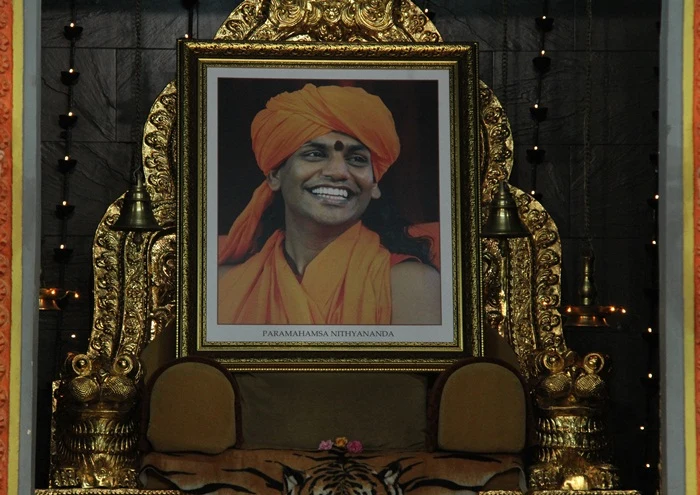
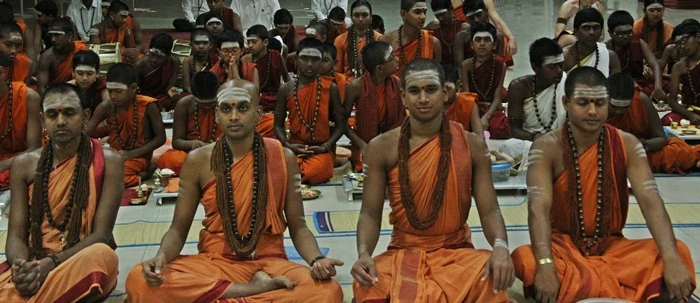
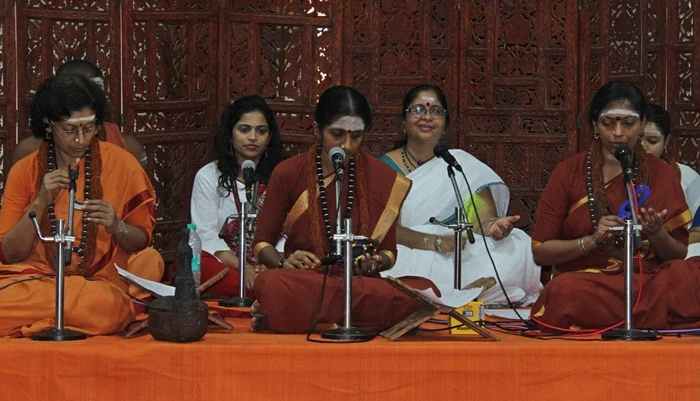
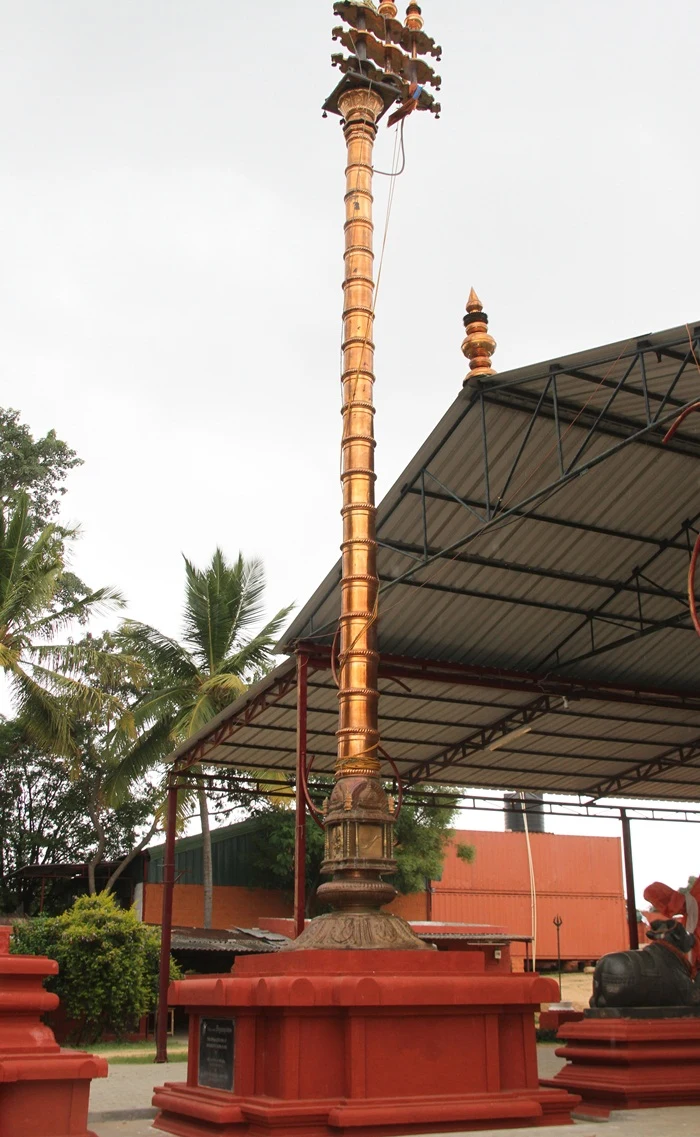
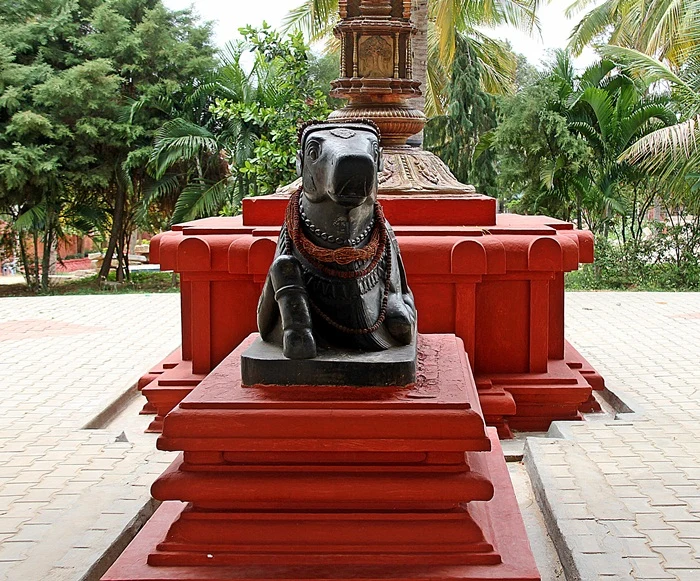
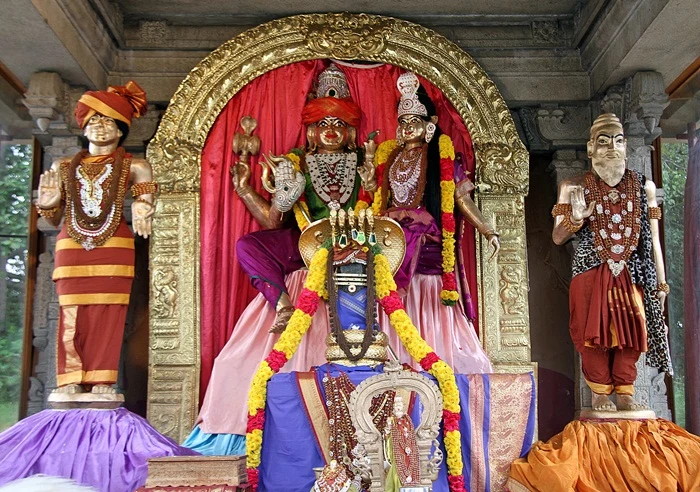
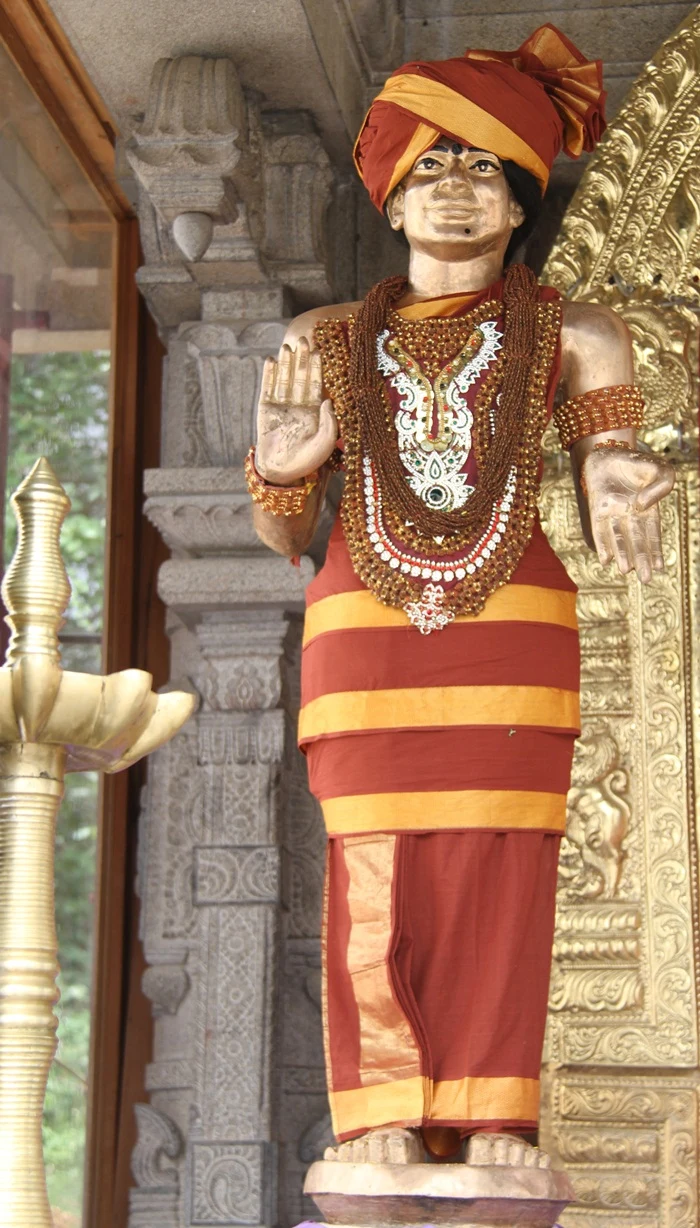
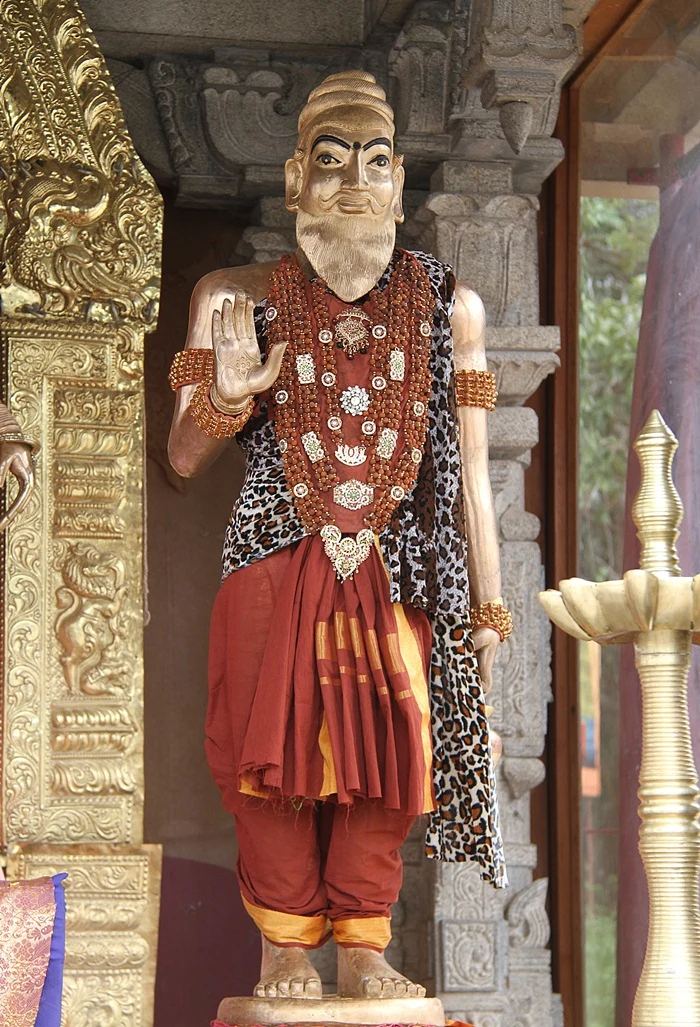
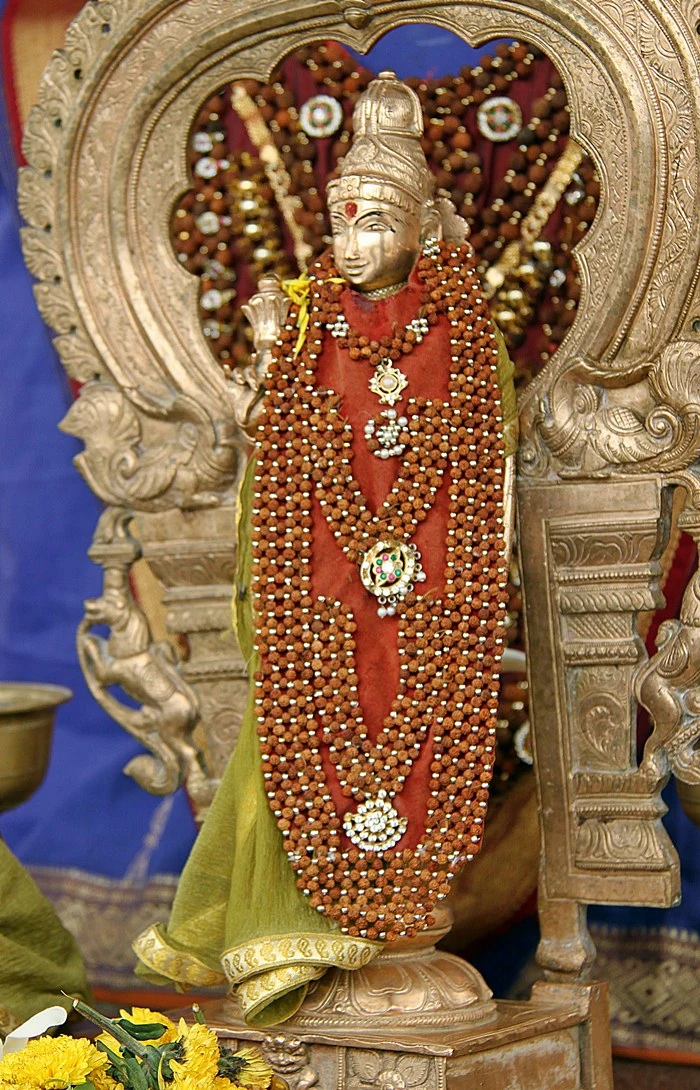
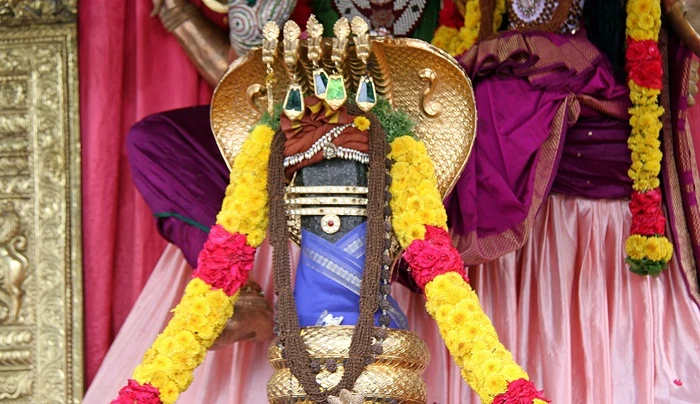
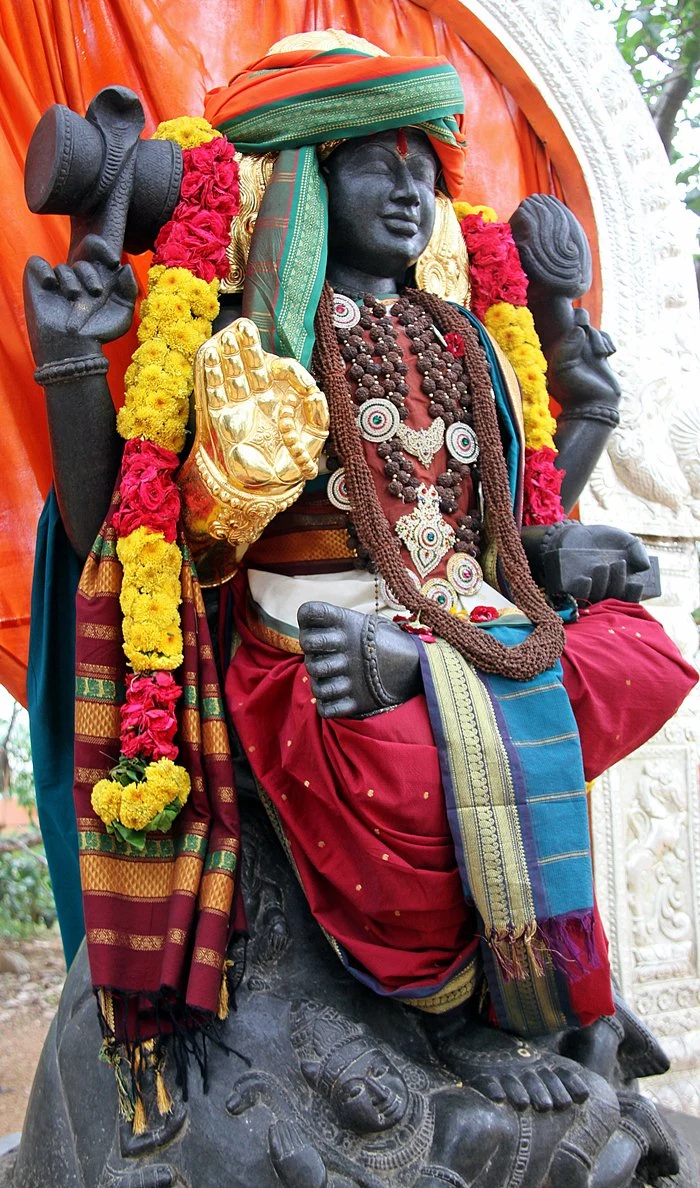
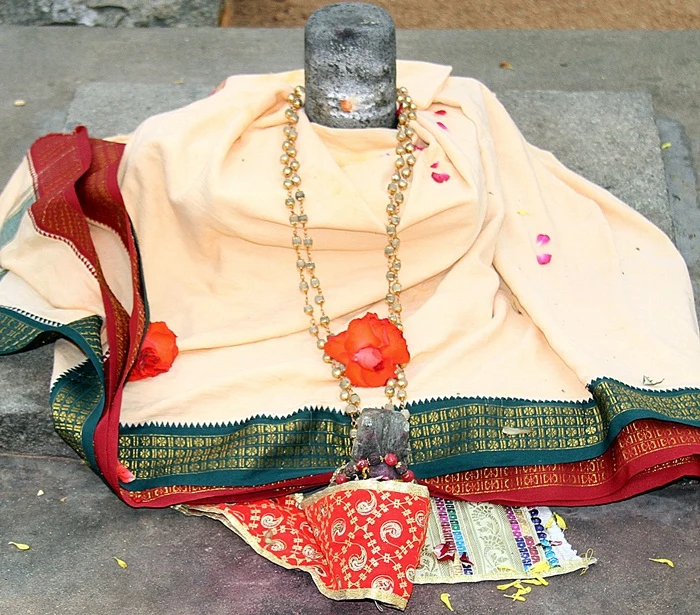
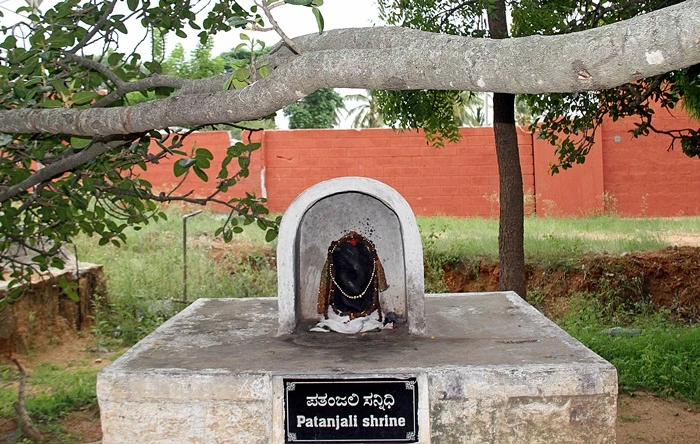
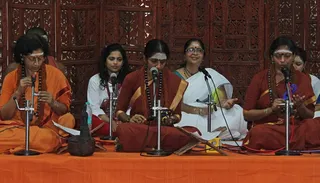
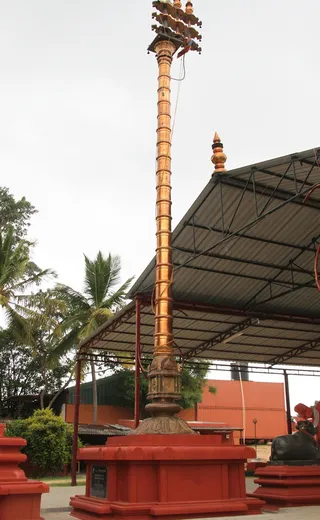
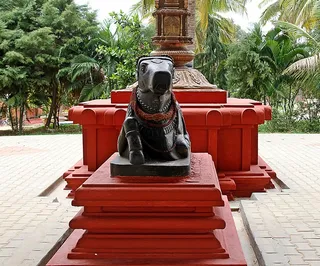
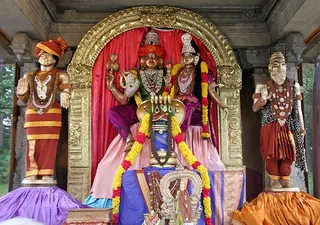
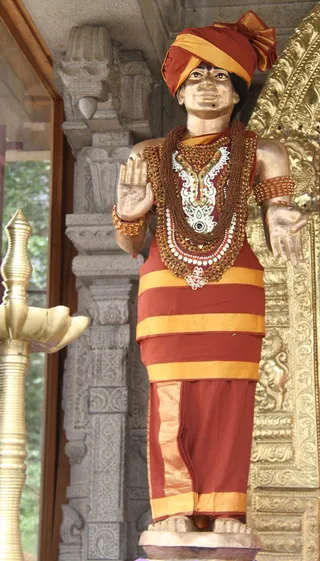
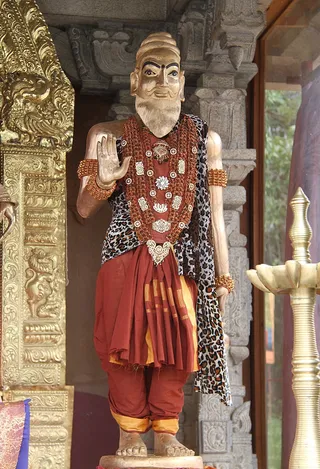
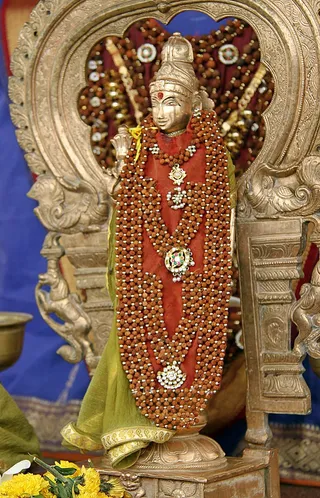
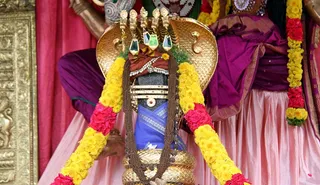
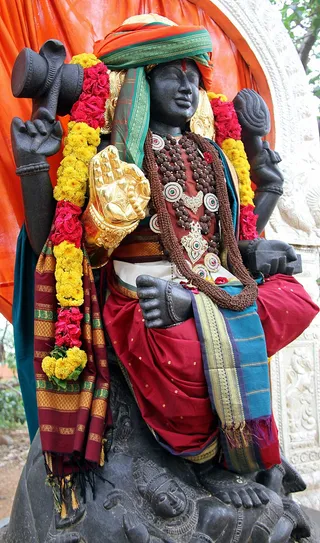
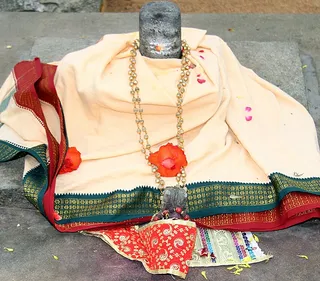
A framed portrait labelled "Paramahamsa Nithyananda" sits on an ornate golden throne (peetha) with carved lion-faced armrests and a tiger-skin cushion below. The portrait shows a smiling man in an orange-saffron turban and orange shawl, with a red bindi. Brass oil lamps (diyas) and hanging bells flank the throne against a dark wall, with a small pink flower offering on the seat. No physical people are present in the scene; the figure appears only as a printed portrait.A photograph of a large group of young men seated cross-legged on a hall floor in saffron-orange robes, wearing long rudraksha mala necklaces and white tilak markings on their foreheads and arms. Several in the front row sit with hands folded or in meditation poses, while others behind them sit with eyes closed. Small brass vessels and offerings sit on the floor in front, and white banners or walls form the backdrop. The scene suggests a sannyasi group in a satsang or meditation session.A bhajan performance on an orange stage before an ornately carved wooden lattice screen. Seated cross-legged, a woman in an orange robe with a rudraksha mala plays a flute at left. Next to her, a woman in a maroon sari with gold border and rudraksha mala sits at a microphone, with a tilak on her forehead. At right, a woman in a white sari with a teal blouse gestures while singing, and another woman in a maroon sari with rudraksha mala plays a small hand instrument. A young woman in white stands behind, and a glass water bottle and a brass pot sit on the stage. Microphone stands and cables are visible.Outdoor photograph of a tall polished copper dhwajasthambha, a ceremonial flagstaff, rising from a dark bronze base on a red stepped stone plinth. Its top carries an ornate finial with tiered projections. A corrugated metal canopy with a steel truss frame shelters the area, and palm trees and a red-walled building stand behind. A small black Nandi bull sculpture rests on a red pedestal at the right edge, and a small trident is visible in the background. No people are visible.A black stone Nandi bull statue sits on a tiered red pedestal in an outdoor temple courtyard. The bull wears a red and orange garland, a beaded necklace of rudraksha-style beads, and a decorated headpiece, facing the viewer. Behind it a tall ornate wooden or stone pillar rises, with palm trees and green foliage around a paved brick path. No people are visible in the scene.A temple shrine photographed at Bidadi with a central deity murti of a multi-armed figure in a red turban and crown, adorned with marigold garlands, rudraksha-style beaded necklaces and a golden arch behind it. Flanking statues stand on purple and orange pedestals: a figure on the left in an orange turban and red-and-yellow striped dhoti with beaded necklaces, and a bearded figure on the right in a patterned black-and-white garment with red dhoti and rudraksha malas. A red drape backs the shrine, and offerings of flowers and a small lingam sit at the base. No living people are visible.A life-size golden-brown statue of a standing male figure in a rust-red and saffron-striped turban, rust-red and gold-striped garment, and layered brown rudraksha-style beaded necklaces with a white and red jeweled chest ornament. The statue raises its right hand in abhaya mudra and extends its left hand outward, with beaded bangles on both wrists. It stands before carved grey granite pillars and an ornate gold-leaf doorway, with a gold oil lamp at the left edge. The figure is a statue depiction, not a physical person, and the page's a person flag does not establish identity from appearance, so no identification is made beyond the statue's ceremonial dress and gestures.A life-size carved wooden statue of a bearded figure stands on a pedestal beside a temple pillar. The figure has a raised hand in abhaya gesture, a tall topknot, and wears a leopard-print sleeveless garment over a rust-red dhoti with yellow borders. Multiple strands of rudraksha beads, a red-beaded necklace with white and gold ornaments, and gold bangles adorn the body. Ornate gilded carving and a brass lamp stand frame the scene. No living people are present.A metal murti of a deity seated on an ornate bronze throne with a carved arched back. The figure wears a tall crown and a red tilak, and is draped in a long red garment covered with a dense rudraksha bead garland with silver accents and a jewelled pendant. A green sheer cloth with gold border falls at its side. Yellow marigold flowers lie in the lower left, with a brass vessel at the left edge and a blue cloth behind the throne.Close view of a deity murti at a temple, adorned with a golden hooded crown with a cobra-hood canopy above a tall snake-like headpiece set with green stones. Yellow and red marigold garlands drape over the figure's shoulders and chest, with a brown rudraksha-style beaded necklace and a blue striped cloth at the waist. Behind it, a large figure in a purple garment and pink skirt stands against a pink backdrop, with gold ornamented panels at the left edge. No physical people are visible.A dark stone statue of a four-armed deity, shown seated on a carved base, stands before an orange cloth backdrop and a white carved stone arch. The murti wears a red and green turban, a brown rudraksha mala, ceremonial gold and multicolour medallion necklaces, a red and gold dhoti, and a gold armlet. Garlands of yellow marigolds and red roses drape over its shoulders, and a maroon and gold shawl hangs at its side. Its raised hands hold ritual objects, and the figure is a deity murti rather than a living person.A stone Shivalinga, a cylindrical black stone form, is draped with a cream cloth bordered by a dark green and maroon band with gold zari patterns, forming a shawl-like covering over the base. A long beaded necklace of pale metal beads hangs down the front, with a bright orange flower garland and loose orange petals scattered around. Small red and white offerings lie at the base on the stone floor, along with a red paisley-patterned cloth and a striped embroidered cloth. No people are visible; the scene is a shrine offering arrangement with abhishekam-style dressing of the linga.