Monday
21 April 2014
- Dated photos
- 27
- Source pages
- 1
- Media
- 2
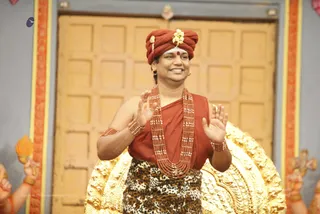
April 21 2014
Original wiki pageDescription:
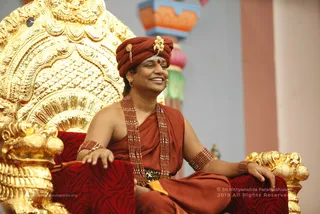
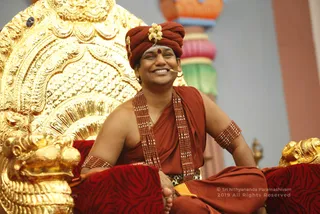
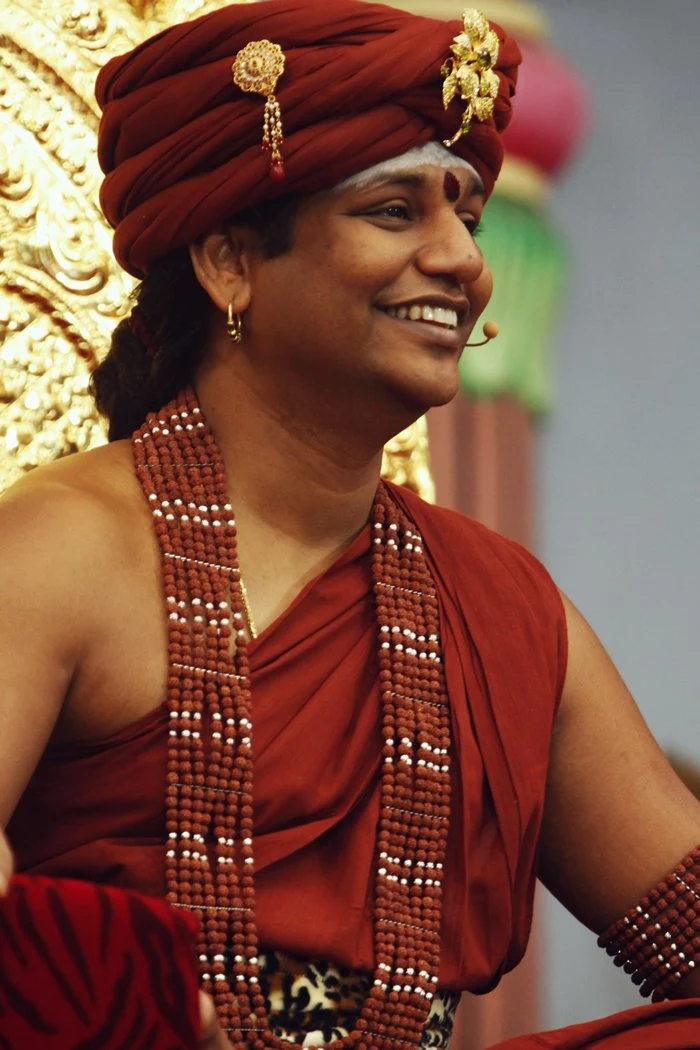
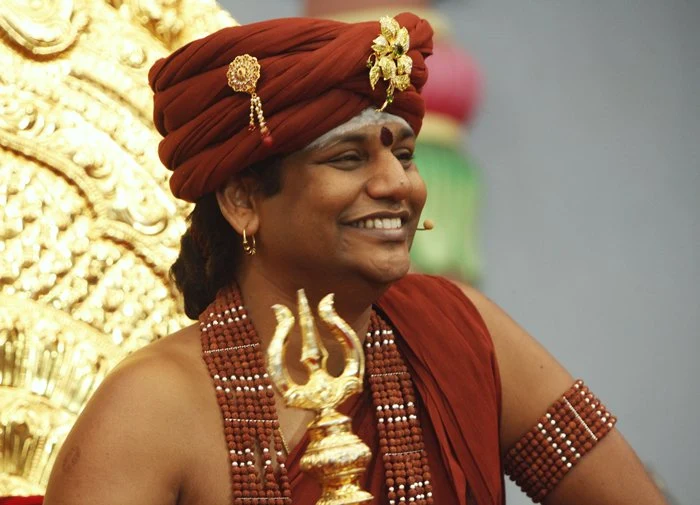
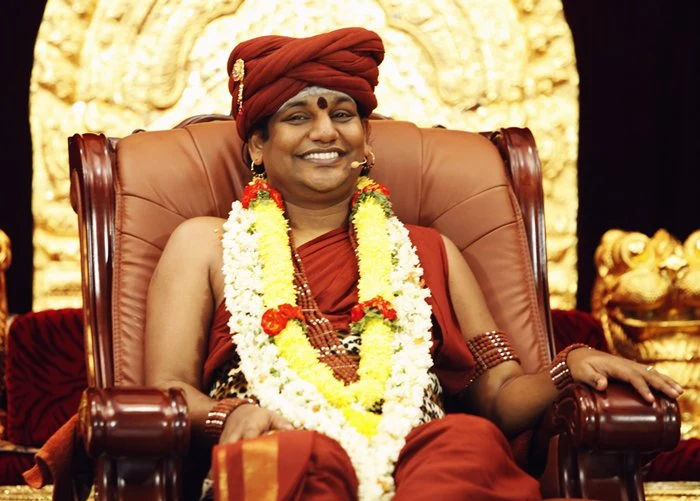
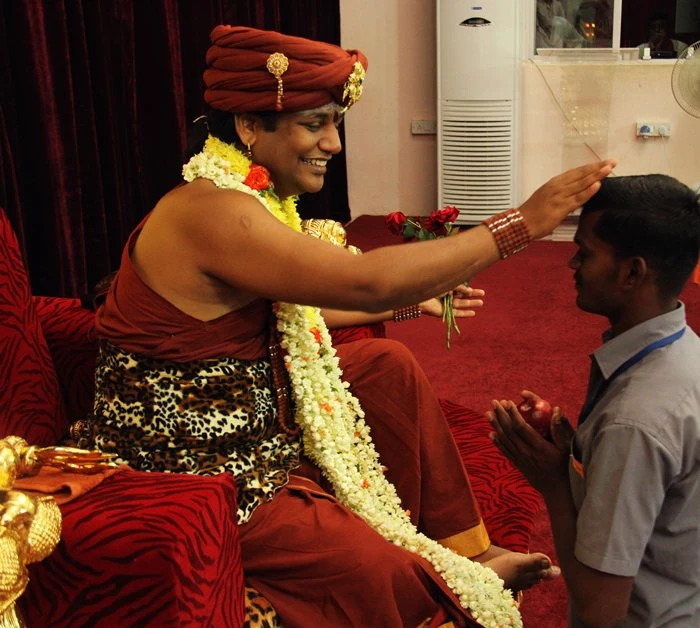
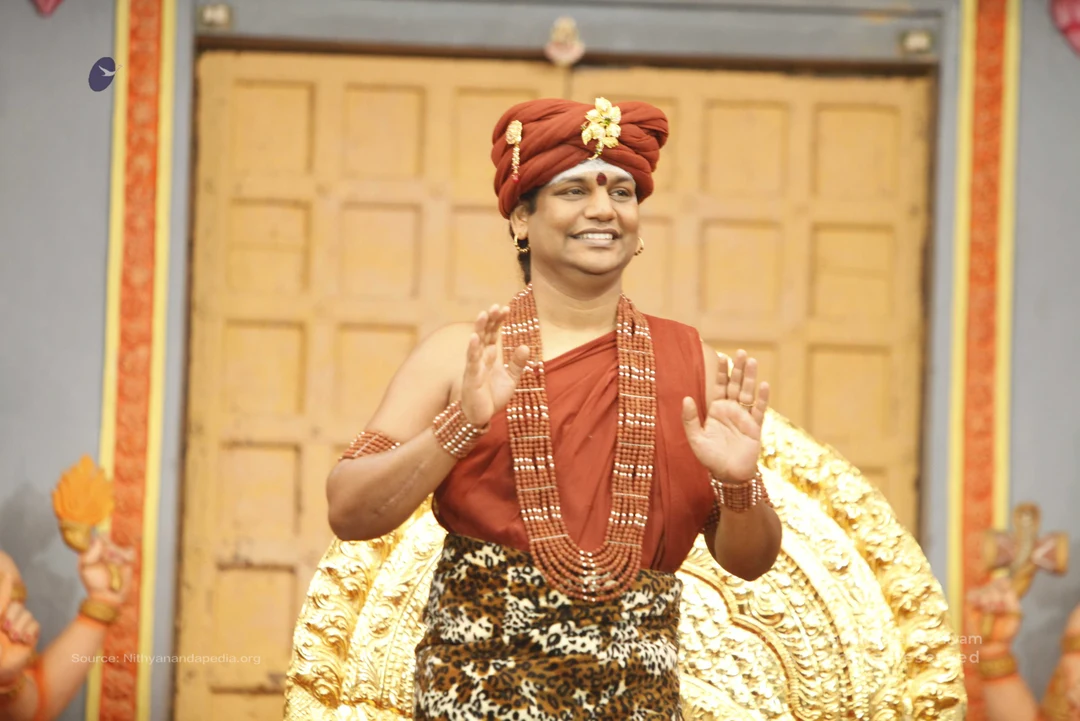
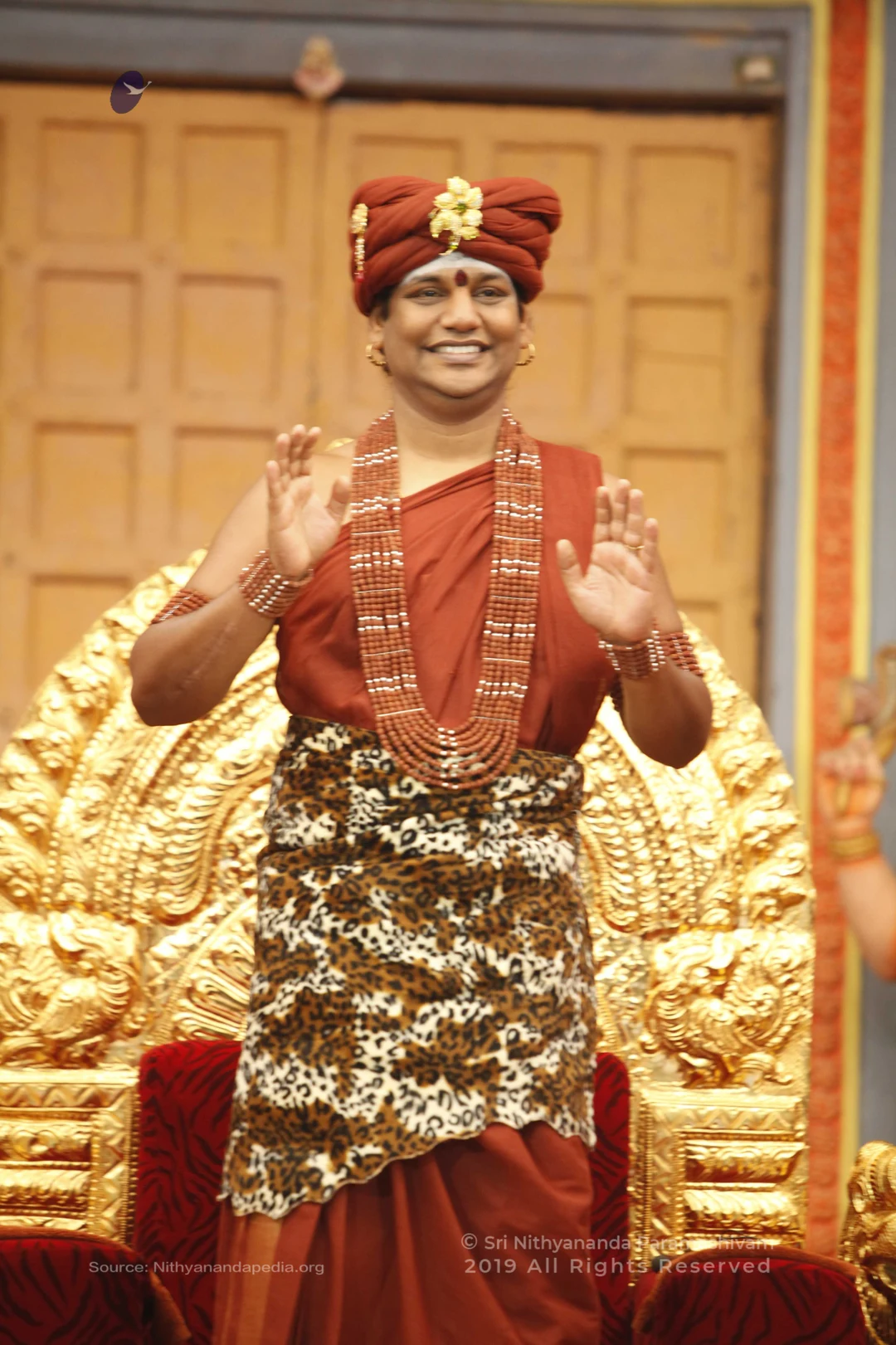
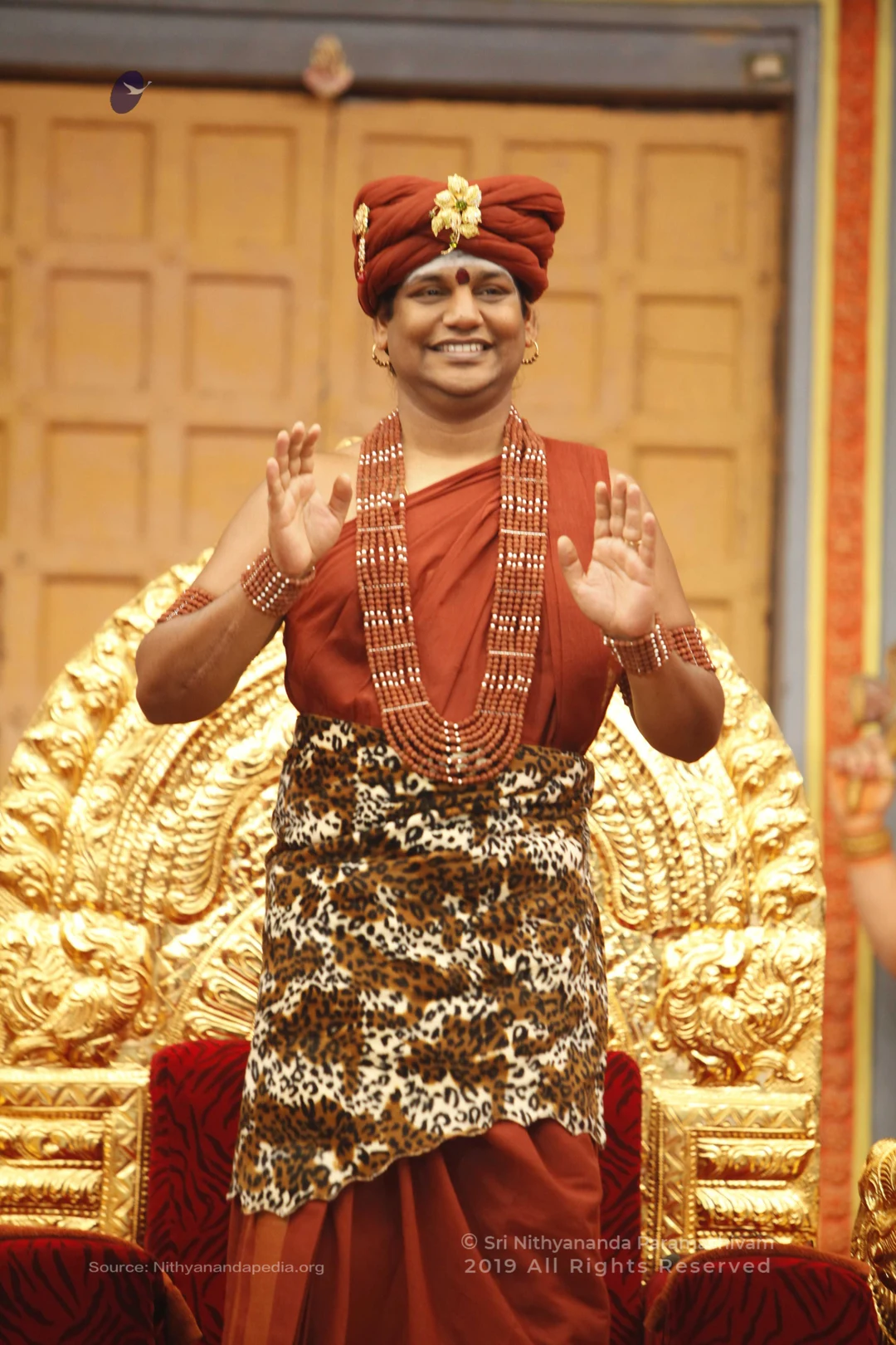
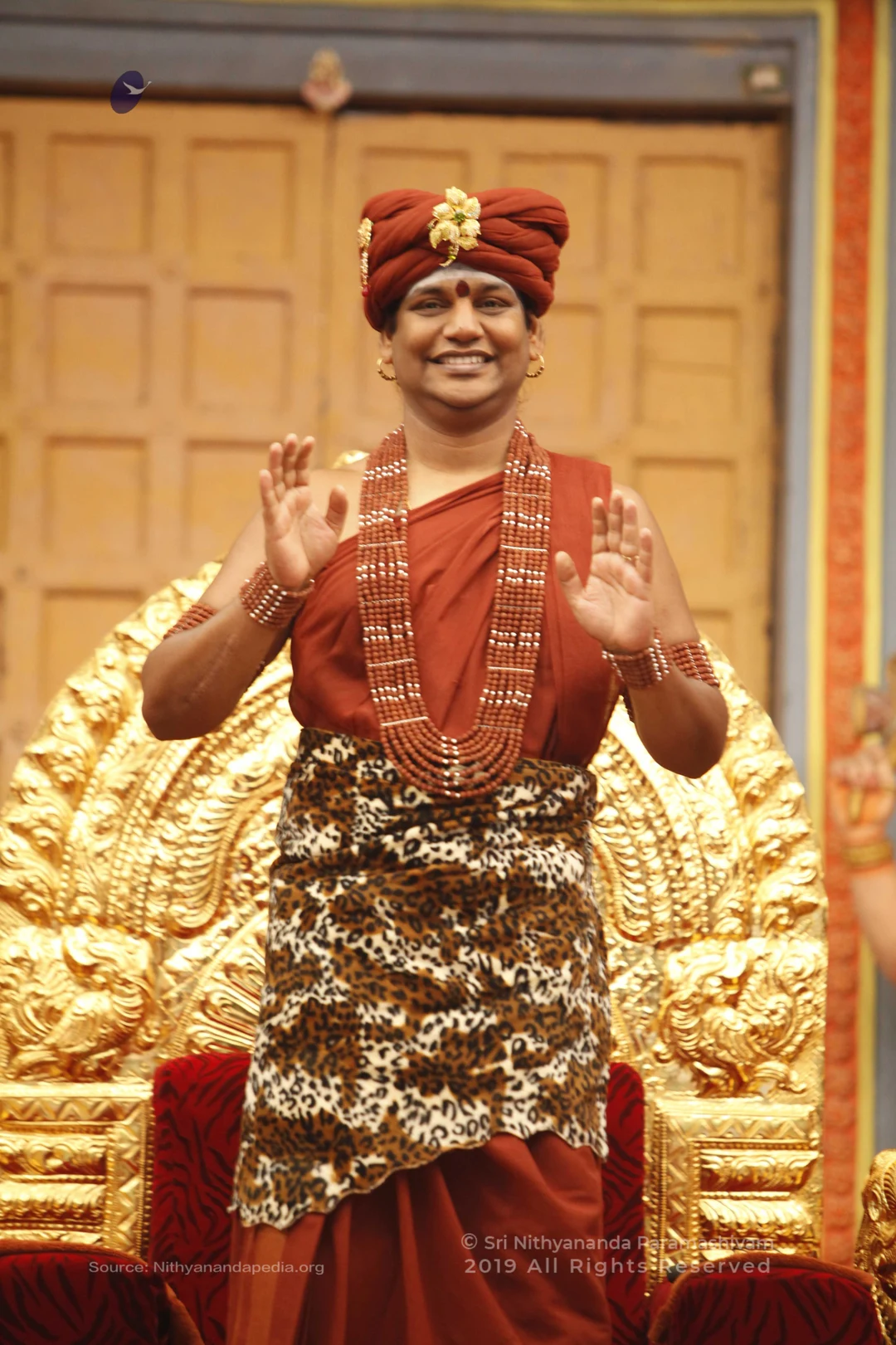
In today’s (21st April, 2014) morning Satsang Paramahamsa Nithyananda spoke about the tradition of Yatras and going to the energy fields that give strength to the people. He followed this with a Question and Answer session for people preparing to come to Inner Awakening in which he shed light on people’s incompletions about poverty. He finished off with Dial the Avatar, answering more devotees questions.
Link to Video:
| Video | Audio |
Transcript:
[00:14]
nithyānandeśvara paramashiva samārambhām nithyānandeśvari parashakti madhyamām | asmat āchārya paryantām vande guru paramparām ||
[00:34]
I welcome you all with my love and respects. I welcome all the devotees, disciples, samajis, satsangis, Srimahants, Mahants, Kotharis, Thanedars, Balasants, who are sitting with us through Nithyananda TV, Lotus TV, Janashree TV, Eshwar TV, Sadhna TV, and two-way video-conferencing all over the world.
The cities sitting with us in two-way video-conferencing: Kuala Lumpur-Palani, Nithyananda University-Los Angeles, Oklahoma-Somanatham, Ohio-Prayag, Toronto- Kailasam, Nithyananda Nagaramu-Hyderabad, Simi Valley-California, Washington DC-Sripuram, Seattle-Chidambaram, San Jose-Madurai, Charlotte- Srisailam, Phoenix -Kanchipuram, Thiruvanmiyur-Chennai, Nithyananda University-Paris, St. Louis, Varanasi, New York-Varanasi, Dakota Dunes, Guadeloupe, Jorpati-Nepal, Bogota- Colombia, Hyderabad-Gupta Kashi, San Antonio-Texas, New Zealand-Adi Arunachalam, Houston-Kalahasti, High Point-North Carolina, Bangalore North, Austin, London-Kashi, Port Washington-New York, Winston-Salem-North Carolina, Abu Dhabi, Colorado Springs-USA, Oman-Sivagangai. I welcome all of you with My love and blessings. [02:24]
I specially welcome the Kalpataru participants who have gathered in Seattle. I welcome all of you with My love and blessings. Feels like I am already in Varanasi! The impact of kshetras and theerthas on the spiritual growth is something extraordinary. Actually My whole life a long yatra. I am born in a theertha kshetra which liberates people just by remembrance and spent so much of My time in travelling to theertha kshetras in My life. Even now I don’t stay in a city or a village if there is no temple there. I stay only if I can go to temple morning. The influence of theertha kshetras, especially theertha like a Jeevan mukthi nagaras.
Please understand in Hindu Tradition, we have seven cities as Jeevan Mukthapuris – Kanchi, Kashi, Maya (Haridwar), Avanthika, totally seven cities, Mathura, Ayodhya. These seven cities are called Jeevan Mukthi Puris, which gives liberation either when you visit or by leaving the body there, or by living there. There are some like Arunachala, just by remembering. Apart from all this, Kashi has a very fascinating influence over people. It is really, really, fascinating. Not because we are doing now our Inner Awakening; even by very essence, the moment I remember Kashi, I am..... If I plan to go to Kashi, few days before itself already I am in Varanasi, I am in Kashi.
[05:02]
I wanted to define “Yatra”. Yatra is traveling to a place which puts you in a highest space! Going to a place which gets you back to the space! Going to a place which gets you back to the space! Going to a place which gets you back to your own space! Going to a place which gets you back to your own space is Kshetra. Kshetra is a space stands for certain spiritual energy, certain ideology. All our temples and ashrams are the modern-day Kshetras. All our temples and ashrams are the modern-day Kshetras. Please listen! All our temples and ashrams are the modern-day Kshetras.
And this concept of Yatra is unique to Hinduism, please understand. Tens of thousands of years before any religion invented any Yatra or any pilgrimage, we were doing pilgrimage, we were doing Yatra. It is through Yatra, the India was kept united. Please understand the priests from Karnataka are doing puja in Kedarnath. Priests from Maharashtra are doing puja in Rameswaram. Priests from different parts of the country do puja in the other parts of the country in the temples. By this great spiritual tourism, this country’s fabric of enlightenment was kept alive. The backbone of this country..... Even backbone is a too small word; fabric is the right word. Means, the whole basis of this country is enlightenment.
[07:25]
Yatra is one of the very important aspect in Hinduism. Going to the energy fields, being there, giving people the experience, strength. You can’t compare among the Kshetras, Varanasi to any Kshetra. The city, world’s largest floating population. Please understand, per day three lakh people enter the city and leave the city. The floating population of the city is three lakh people. It means, per month almost 3 into 30, 90 lakh per year almost ten crores! It is far, far, far ahead of any other religion’s any pilgrimage center. And the funny thing is that throughout the year this pilgrimage happens. All through the year this pilgrimage happens. I have so much to tell about Kashi such fascinating city. Such an amazing city.
As I said yesterday, if you do good or bad in some remote village, no one will know. Even if you are fasting for some purpose, or protesting, it is done in a remote village, no one will know. But if you are sitting in the Headquarters, Jantar Mantar, Delhi, whether you do good or bad, the whole world will know, especially decision-makers will know. Same way… you will be able to influence the decision. Same way, if you do any spiritual practice for Inner Awakening anywhere in the corner, you may, may not get, but doing it right under the nose of Vishwanatha, Annapoorni, in their breathing space is unimaginable, extraordinary experience.
[10:13]
I don’t even want you to think because Inner Awakening is happening now there in the Kashi I am promoting Kashi. Kashi does not need to be promoted by anybody. It stands by itself and Mahadeva has committed, he won’t give up on Kashi. Never forsaken! Avimuktha Kshetra! So, now I’ll move to the next segment of the morning satsang. Today, Ma Jnanatma, Mahant Ma Jnanatma has some questions. I’ll answer to all those questions. Please go ahead with the questions.
Ma Jnanatma: Many of them seem to be asking questions in terms of ‘How do we create wealth and abundance in our life?’ Most of them are saying, ‘I can’t seem to overcome this obstacle of creating wealth and abundance in my life. What am I doing wrong? I keep hearing from others to “create the space”. Also I hear stories where people get money, but it is not happening to me how much ever I try. What should I do?’
[11:25]
Swamiji: Please understand, whenever you are not getting anything while you are trying, you should stop trying in that direction. Look into the way you are trying. Please listen. You need to see the pattern from which you are trying. So many time, even when you put your effort, you see clearly your own blueprint: ‘I will try my best and not get it and prove to Swamiji what he is telling is not working for me.’ Or ‘Anything extraordinary will not work for me! I am grounded in rationalism.’ Understand you are not grounded in nationalism. Sorry you are not grounded in rationalism. If a pig is rolling in the dirt, the pig is not grounded in the dirt! Same way, most of the time, our so-called patterns like – ‘I’ll try my best, and it will not happen. I’ll prove it to him it is not happening to me.’ – understand, when you start itself, your whole blueprint is ready; your whole blueprint is ready for you! Your whole blueprint is ready for you. Your whole question starts from the space, ‘I can’t seem to overcome this obstacle.’ Please understand I am hundred percent sure you have not even started trying. People who never even start trying only use this word, ‘I can’t seem to overcome this obstacle.’
[13:36]
Then you are asking the question, ‘What am I doing wrong? I keep hearing others saying to “create space”. Also hear stories where people get money.’ It means, you do not even know the science of creating space, but you already came to the conclusion ‘I can’t seem to overcome this obstacle.’ First understand you need to look into the incompletions from which you are operating. Even when you talk to people, if you are so sure the relationship is not going to go through, naturally you will put that seed into the other person; the way you talk, you won’t start, ‘let’s live happily.’ ‘If we separate, this is yours, this is mine.’ 😀 ‘If we separate, this is yours, this is mine!’ ‘You won’t behave badly with me na? If we separate….’ Means the starting itself, the way you put the seed, the way you put the idea into others.
I tell you, it is you who decide what should happen to people. I am telling you with all My sincerity and integrity. I get all types of bhoota, pretha, pishachas which is 120% useless! Sometimes, 200% useless! But I can very happily say, at least 80% to 90% I am able to polish them and make them as a responsible beings, raise them. Even though there’s a lot of struggle and resistance from the person who gets trained and evolves, end of the day, even the persons who are struggling, they know they should become responsible. Finally, it all boils down to YOU.
[16:20]
So, now you need to look into the incompletions why you are not creating wealth, why you are enjoying your poverty, why you are enjoying your impossibility, why you are so happy about saying ‘I don’t have’. Maybe you attributed that ‘I don’t have’ to a very good character, the self-sympathy, showing as if you are a victim, you are a very good person? It is unfortunate, all movies, all cinema stories, the poor man is always shown as a very good person. It’s a sadist mind. But that fellow who is taking the movie, and acting as a poor man itself is a very rich man. There is one TV show recently I saw. One actor, he is coming and advising everyone left and right. He says all doctors should treat the patients free of cost. Then I googled and found out, to tell this for one hour he charges three crore! 😀 To tell doctors should treat the patients free of cost, what he does? He charges three crores! And these fellows who act as a poor person, very good person, they themself are very rich.
[18:09]
Attributing goodness to poverty is the way society exploits you. Poverty is not cute, be very clear! And poverty is not the way God wants you to live, be very clear. He neither wants you to be rich nor he wants you to be poor. He just wants you to be authentic to what you are. If you want to do some big work, and for that you need money, he blesses – ‘Tathaasthu’! If you feel, ‘No, I don’t want to touch money, I want to be a great sadhu, I don’t want to associate money with my security’, then Bhagawan says, Mahadeva says, ‘Tathaasthu’! Then you say, ‘No, I don’t want money for my security, but I wanted to handle money to enrich the world.’ Like our sadhus, they do not own anything but they handle the whole world. 😀 They handle the whole world. They do not own anything! My Swamis are the Swamis who handle all currencies of all the world, all the country. All available currencies they know, but they don’t own a single penny. They know this country dollar, that country dollar, all dollars but they own only Master dollar [meaning the Swamijis pendant in the mala] , that’s all. 😀 They don’t own anything. They may handle all dollars, but they own only Master dollar, no other dollar. If you decide to be that way, Mahadeva says, ‘Tathaasthu’ for that also.
[20:16]
So, God is neither interested in making you rich or poor. Stop attributing cuteness, goodness to poverty. Mentally stop attributing poverty as your greatness. No, it should not be. If you are cherishing poverty as a greatness inside you, you will never, ever, sincerely try. You will never, ever, be sincerely interested in generating the wealth. It may look very superstitious if I make this statement, but the brains which think this statement is superstitious, those brains are very superficial. If your brain is superficial, whatever statement I make will look superstitious. If your brain has little depth, whatever statement I make you will understand it is not superstitious, it is super-conscious. I am telling you, neither have goodness attributed to poverty, nor have badness attributed to poverty. Decide very clearly what you want to do in your life and for that do you need wealth or not? I have decided very clearly I wanted to enrich people in my life; means, making them understand and experience Science of Enlightenment. So, for this what kind of a lifestyle I want, what kind of wealth I want, I am very clear.
[22:44]
So, I neither feel poverty is good nor feel poverty is bad. Because, if you see My personal life, I am the poorest person. I don't even have a single penny. My… the wealth I own is zero and My yearly income is zero! I should not say even zero, minus because I work so many hours and don’t get anything. I do not have anything. I do not own anything. And, already I made a by-law, if somebody has put something in My name, with My knowledge or without My knowledge, due to their sentiments… See as I am worshiped by so many people as their Guru and Ishta Devatha, if they put anything in My name, that also goes to Sangha. I already made a clear understanding. Now I am making it publicly. Anything given to Me, directly or indirectly goes to Sangha. I don’t own anything. The people of the Sangha has the right over everything. They also have the right only to use that to enrich the world. No one has a personal right. So, I am very clear. And neither I am poor, nor I am rich. Wealth is handled as and when required. It is generated for that, only that purpose.
[24:42]
See, the wealth should stop being a “pain factor” in your life. In most of us the wealth is a “pain factor”, because you do not know what kind of a wealth you need. For example, you want to live a very luxurious life and you start buying all different lands in different parts of the world. It is no way useful for you. Putting all your money into real-estate is not going to make you luxurious. Same way, if you want to become a real-estate king, means doing big business, and you put all your money in that stock.....! No! You need to know what kind of wealth you need, what for you need. It is very unfortunate. Because we do not have clarity about what we want in our life, because we are not authentic about our need, our existence, wealth always remains as a “pain factor” in our life. So first get to the bottom - why you need wealth? What all the “pain factors” you carry about wealth? I’ll continue to expand on this in tomorrow’s satsang and answer some more questions about this point and also the Advaitic process is waiting. So from tomorrow we will start that process also.
I bless you all. Let you all radiate with Integrity, Authenticity, Responsibility, Enriching and Causing eternal bliss, Nithyananda. Thank you.
[27:05]
Photos
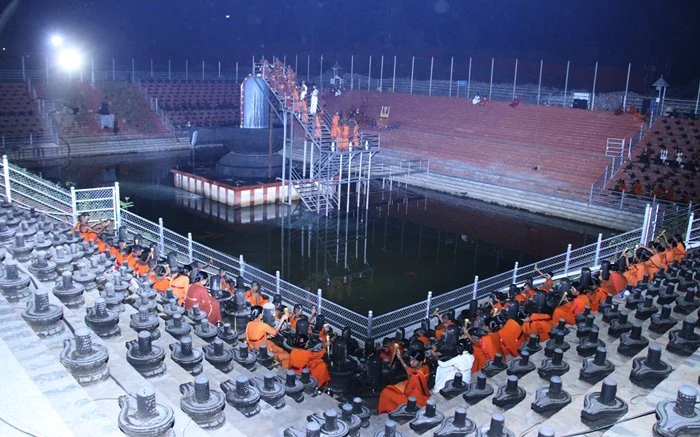
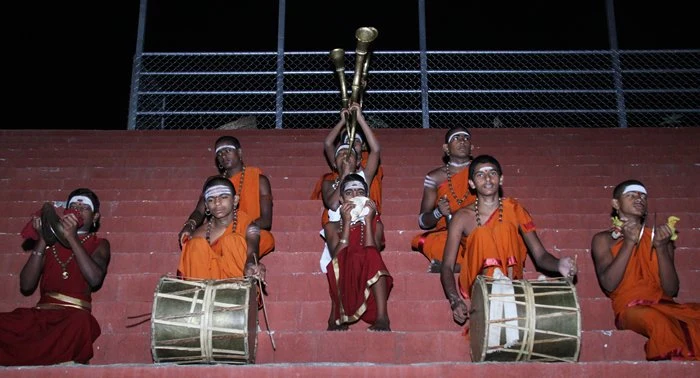
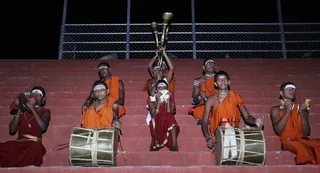
Rudra Abhishekam
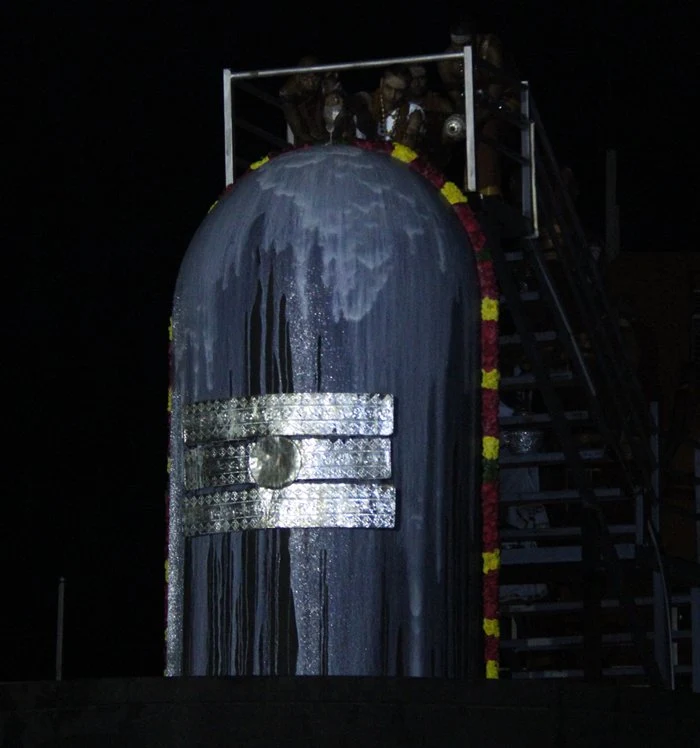
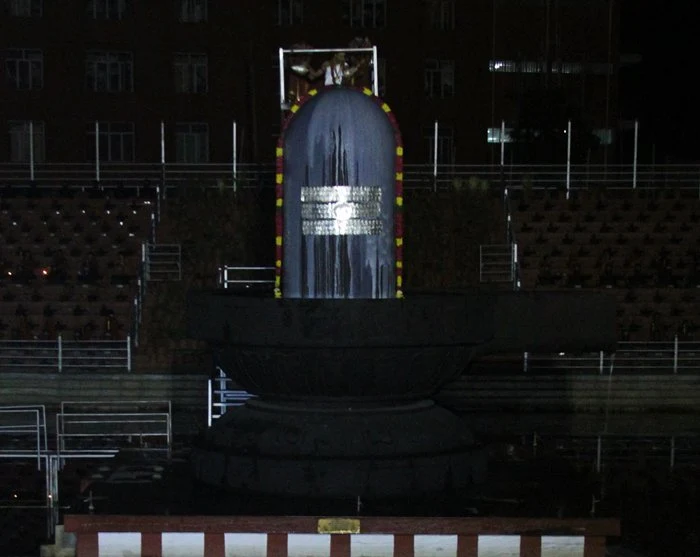
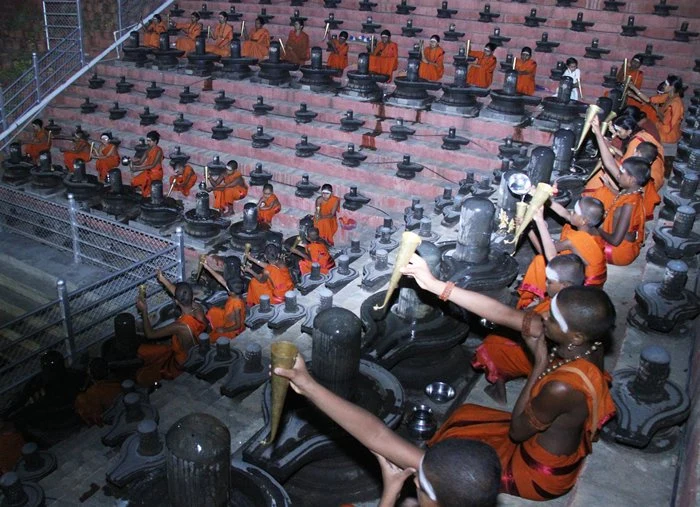
Pada Puja =
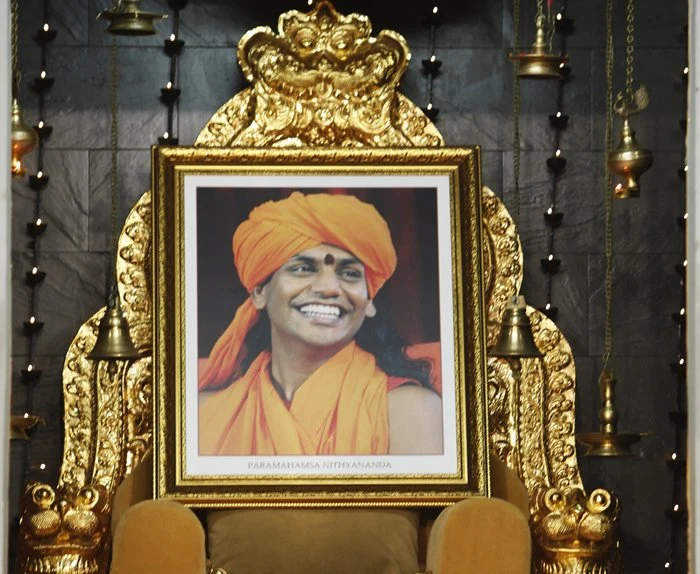
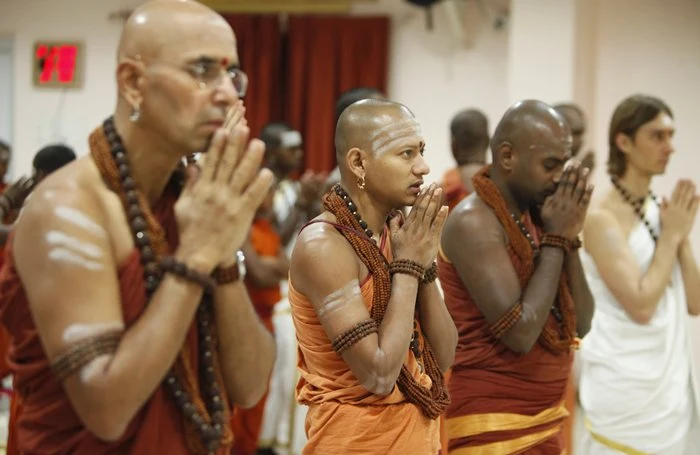
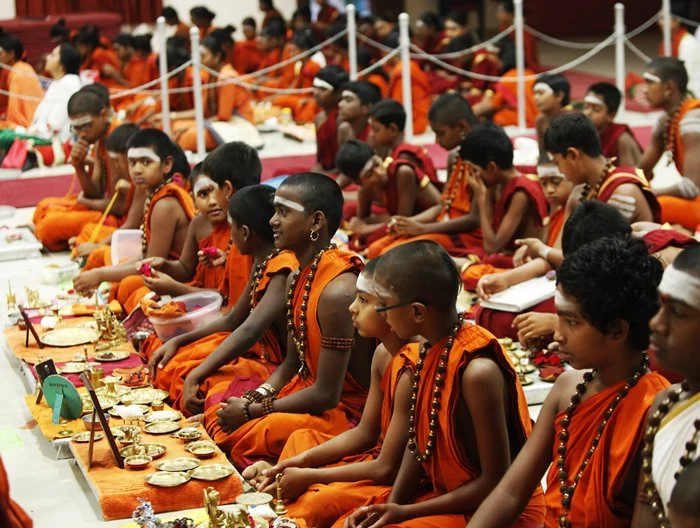
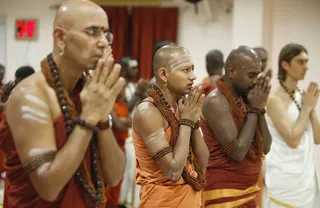
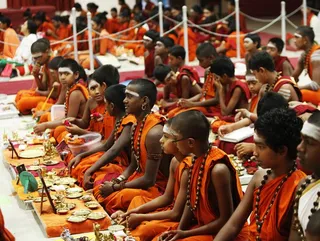
Nithya Satsang
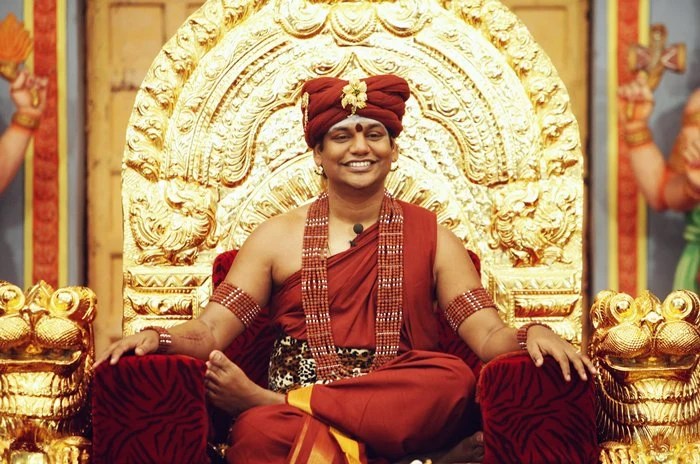
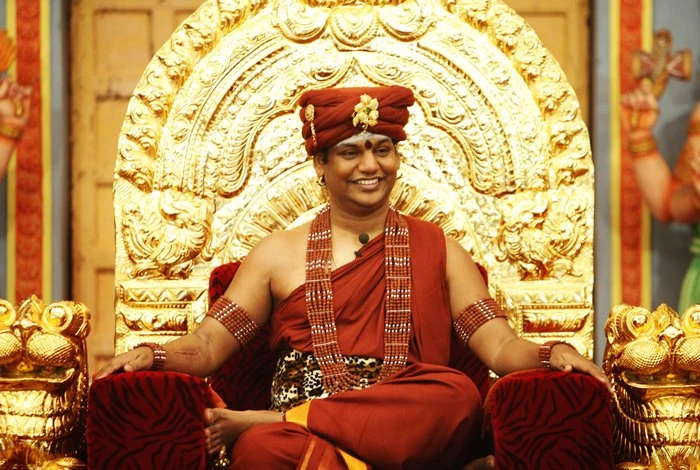
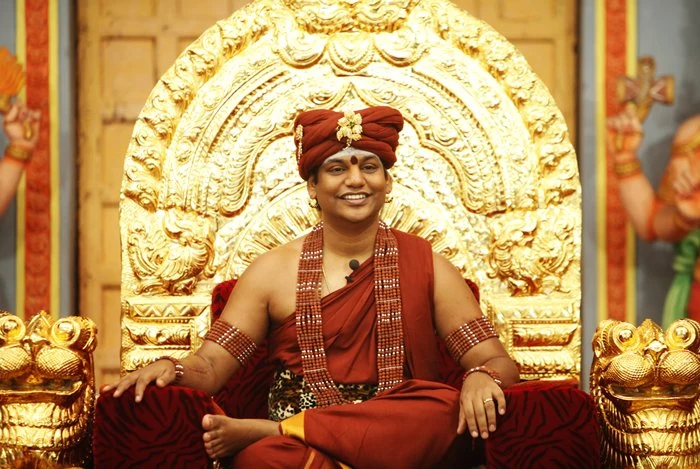
Tags:
Paramahamsa Nithyananda, Yatras,energy fields, Inner Awakening, incompletions, poverty, Dial the Avatar
Photos from this day
View all 27 photosRudra Abhishekam
5 photosSource gallery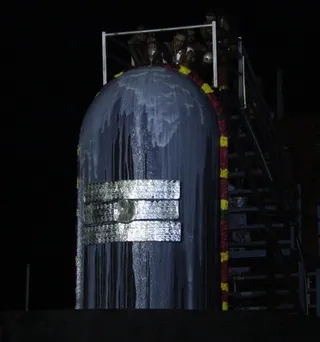
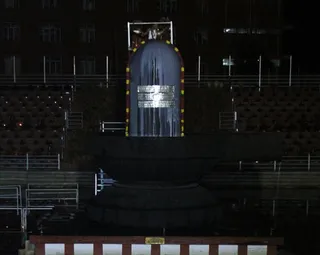
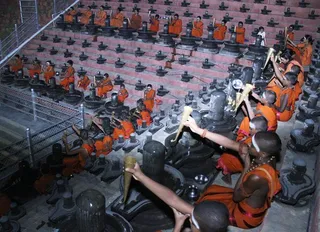
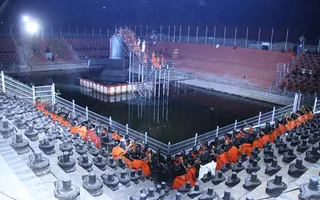
Pada Puja =
3 photosSource gallery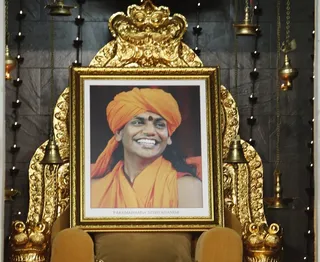
Nithya Satsang
19 photosSource gallery