Skip to content
Friday

25 October 2013

Listening is a Survival Need!

Dated photos
146
Source pages
1
Media
2
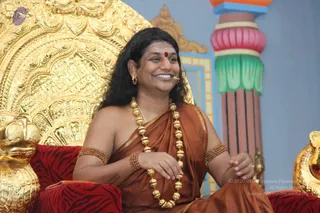
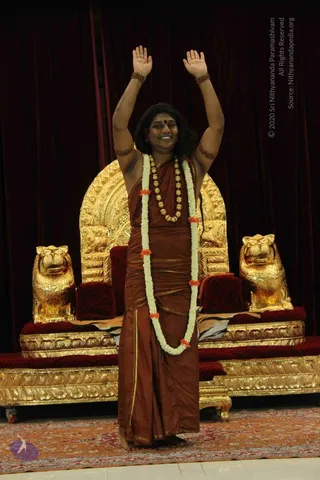
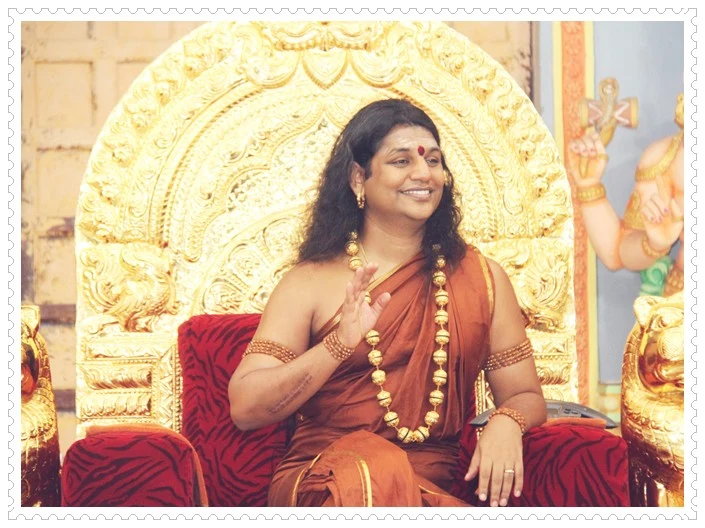
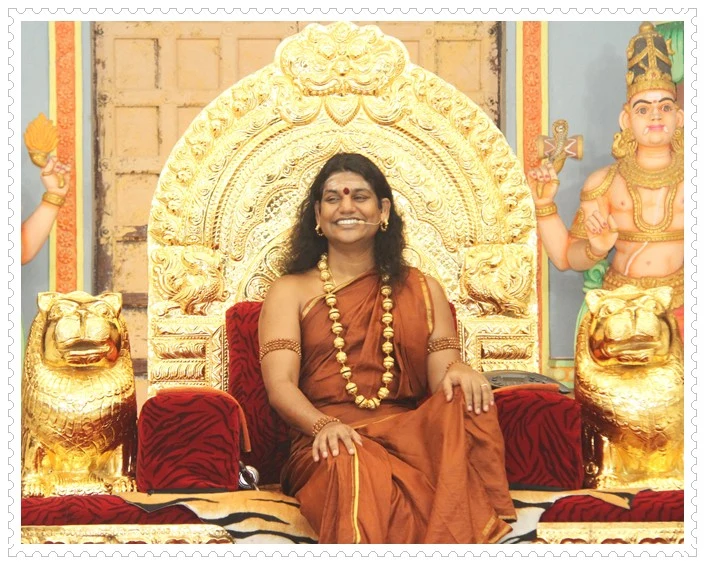
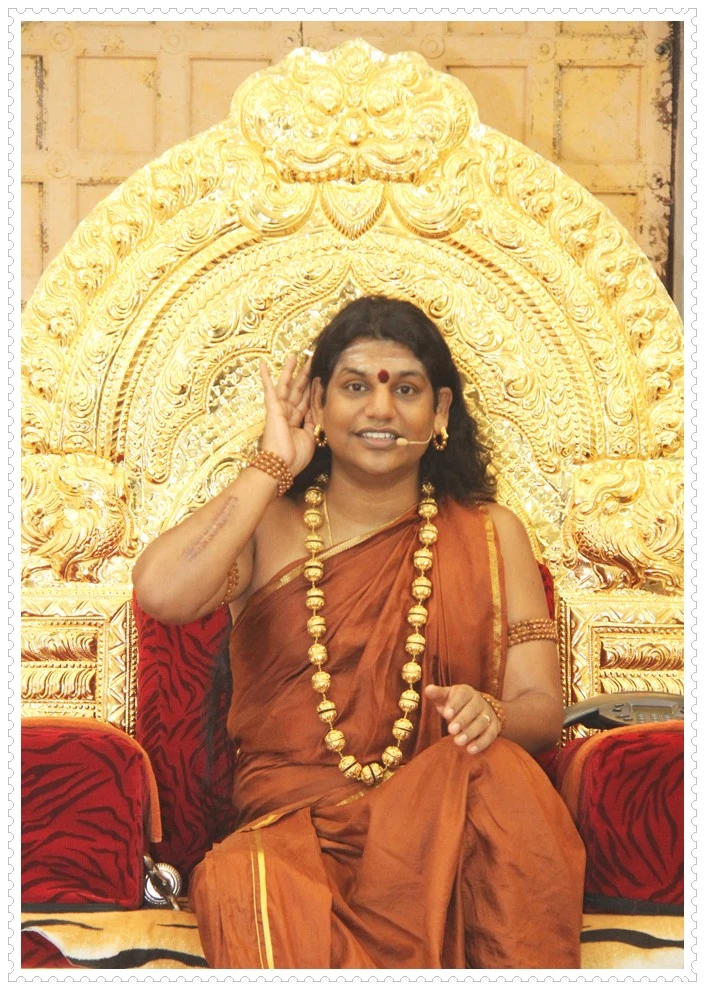
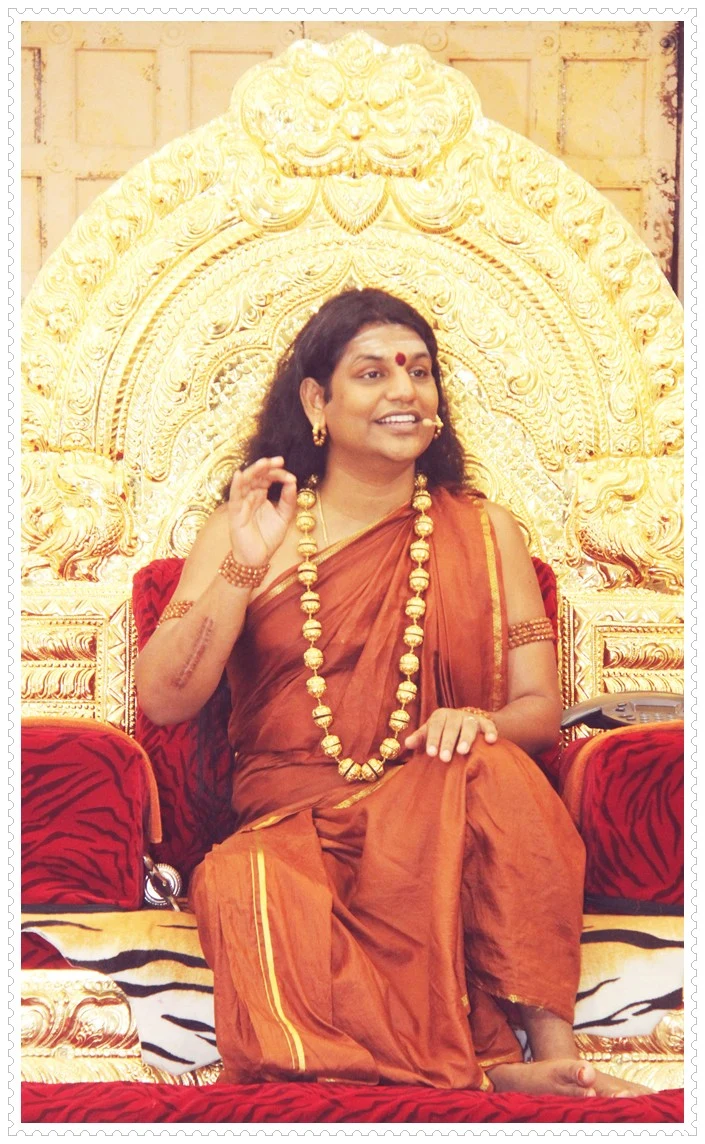
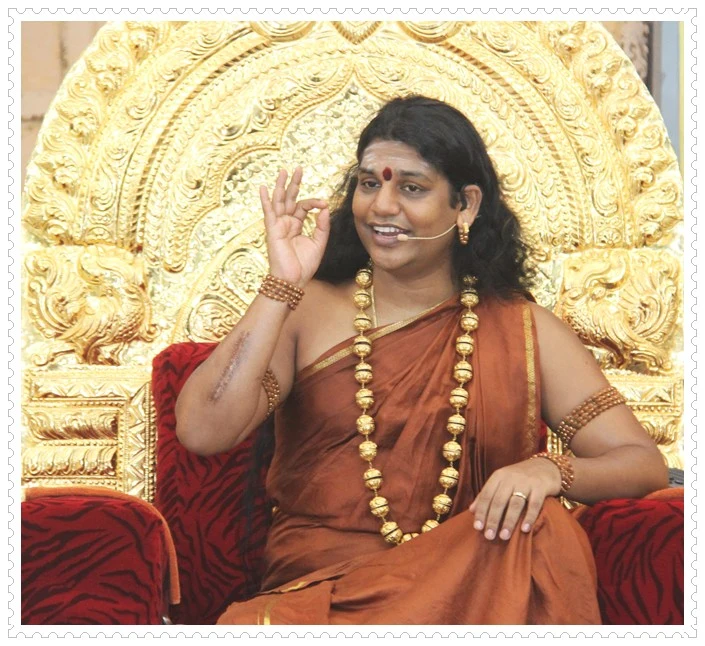
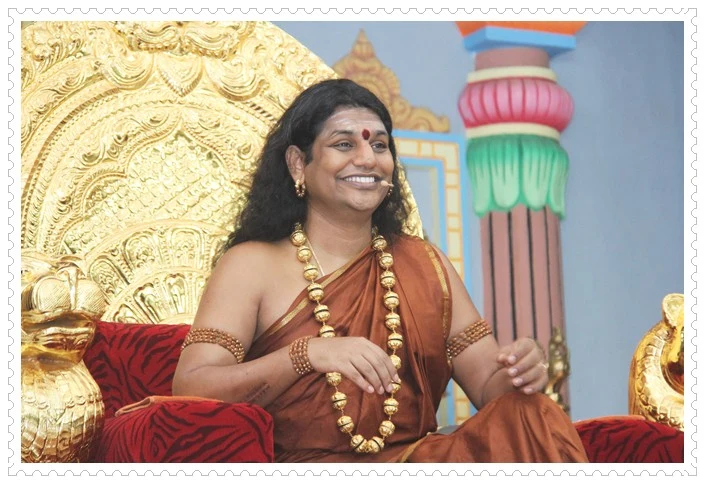
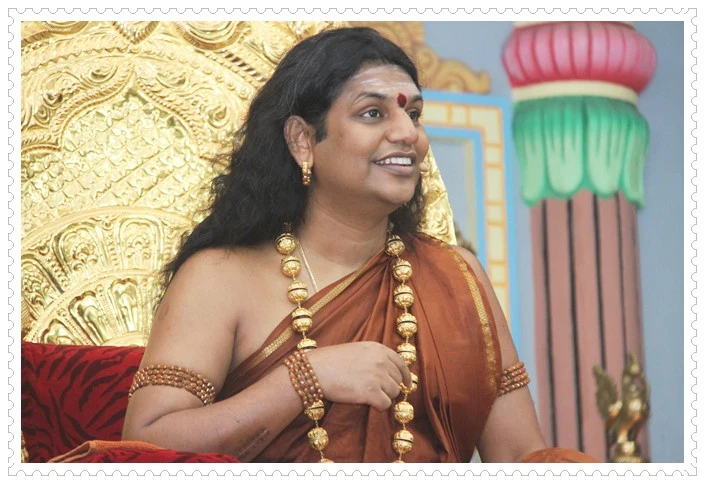
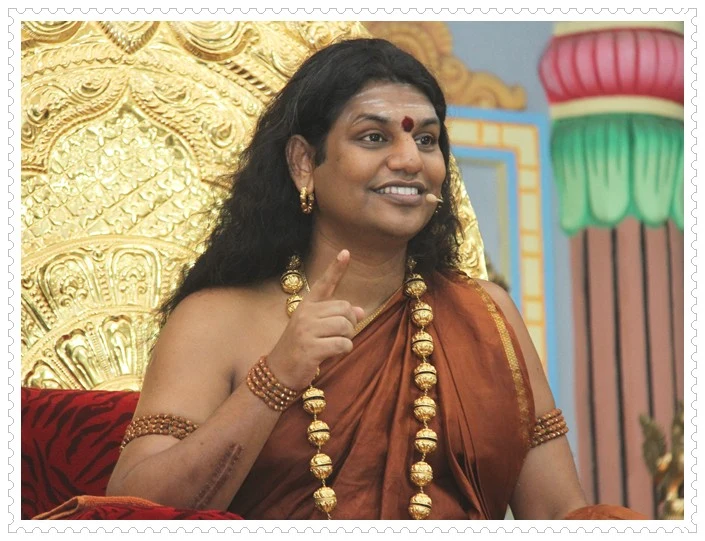
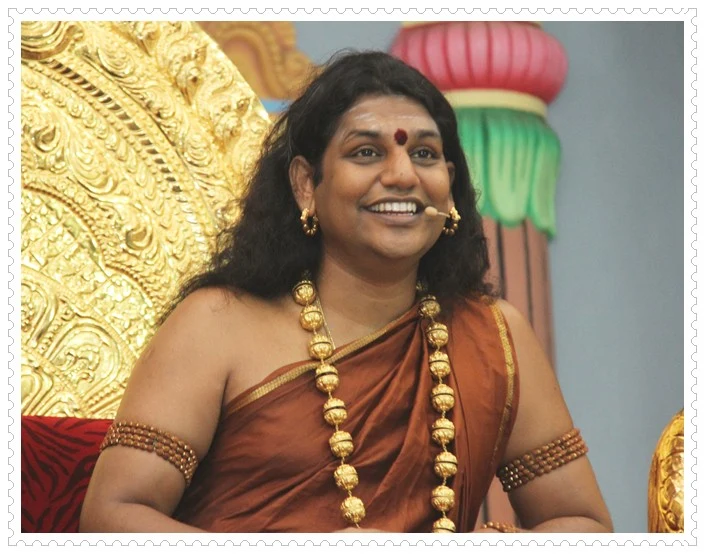
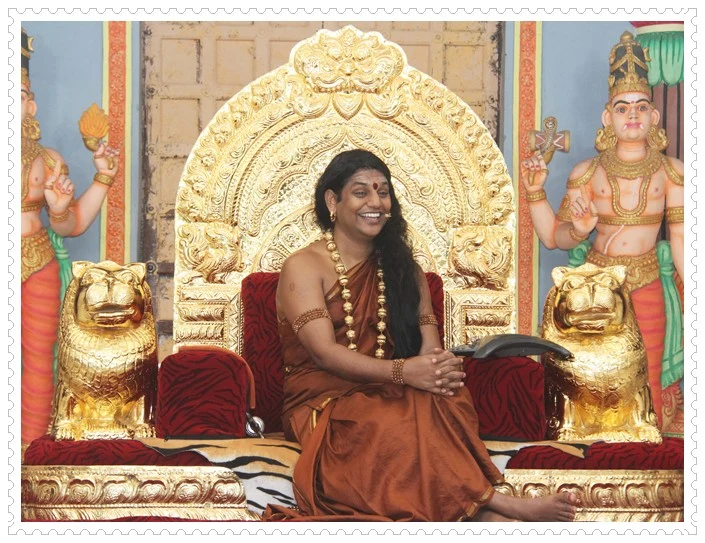
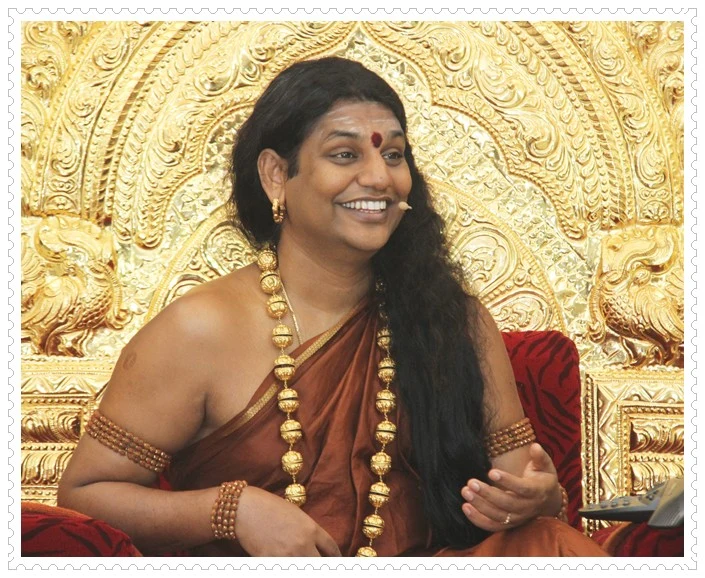
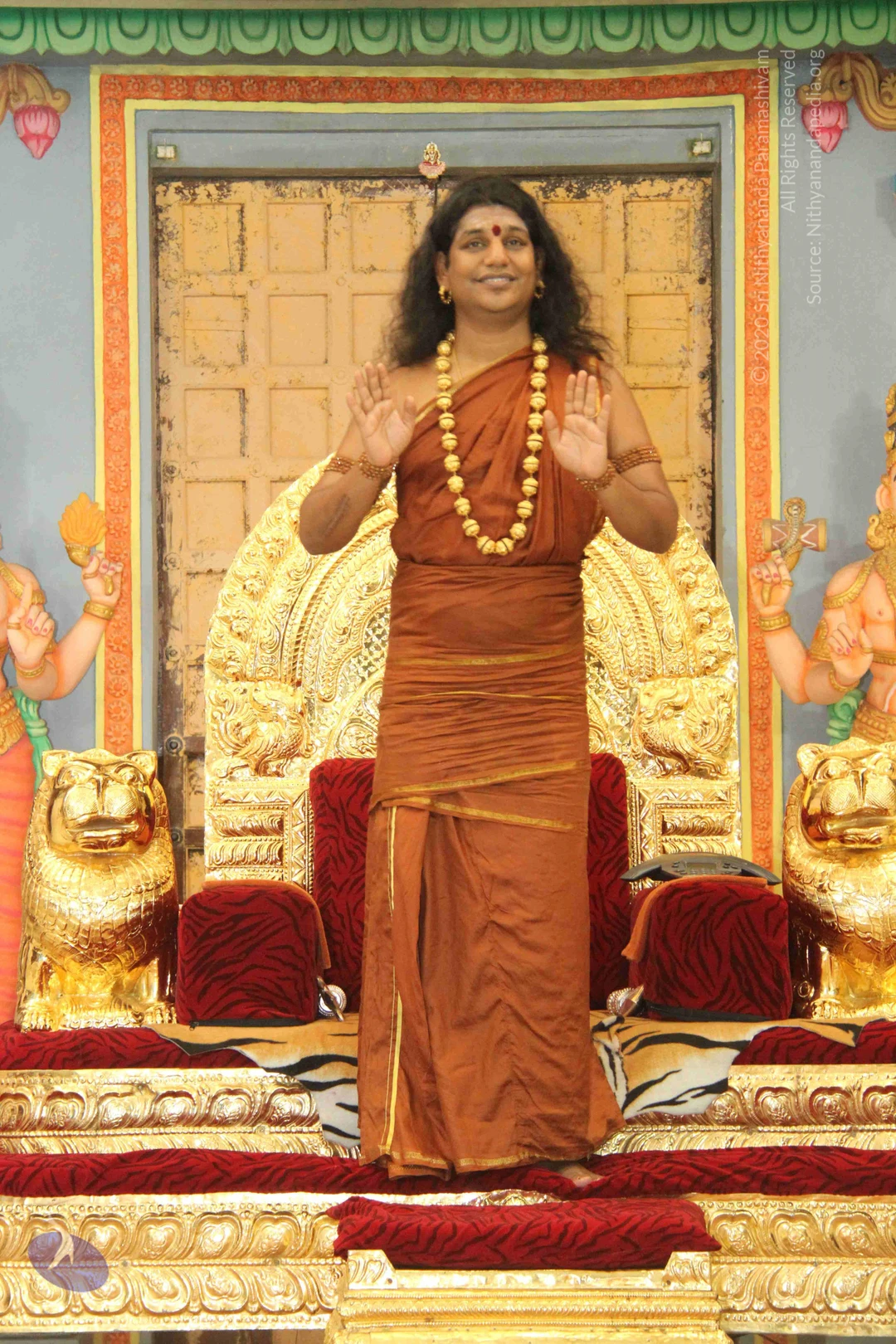
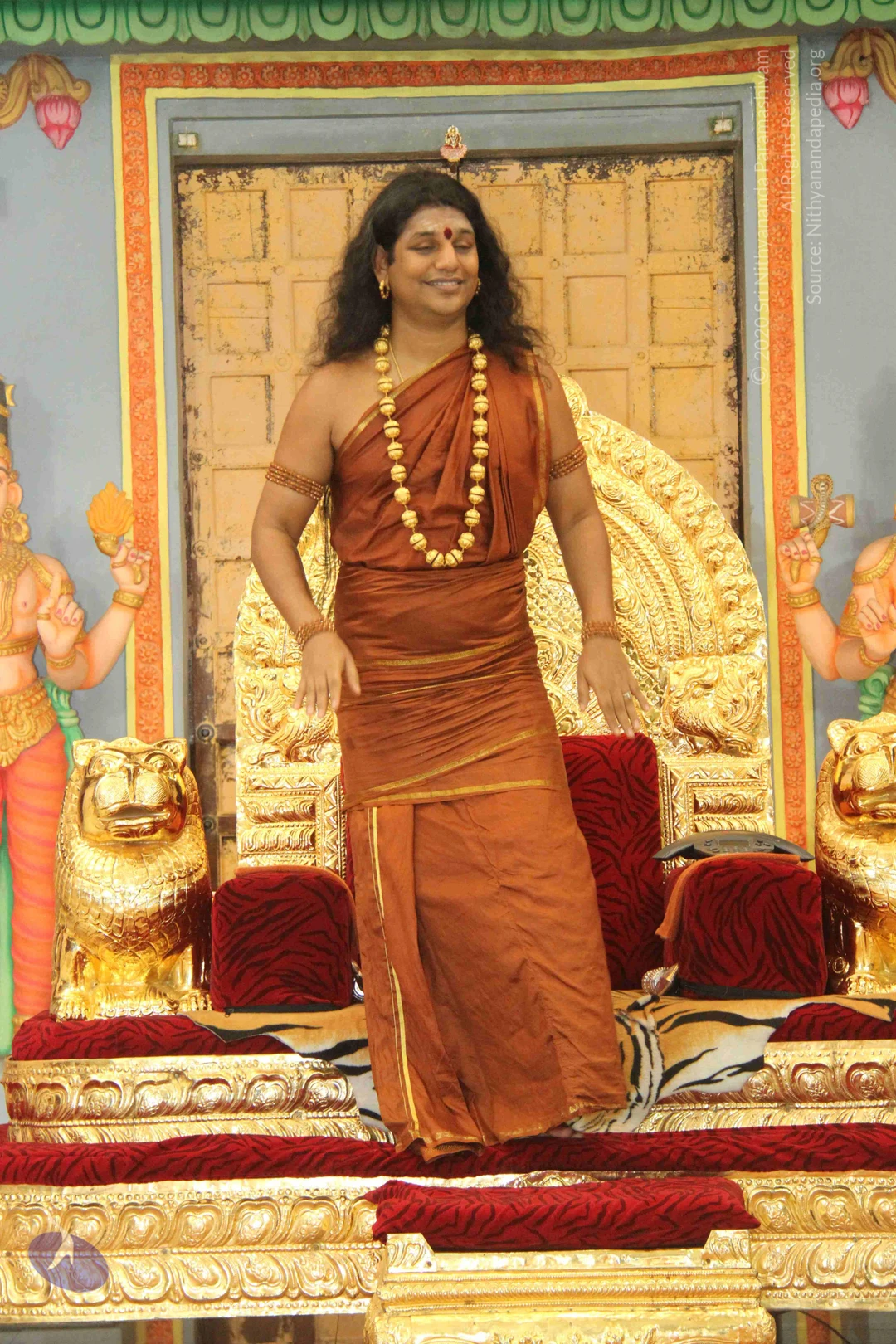
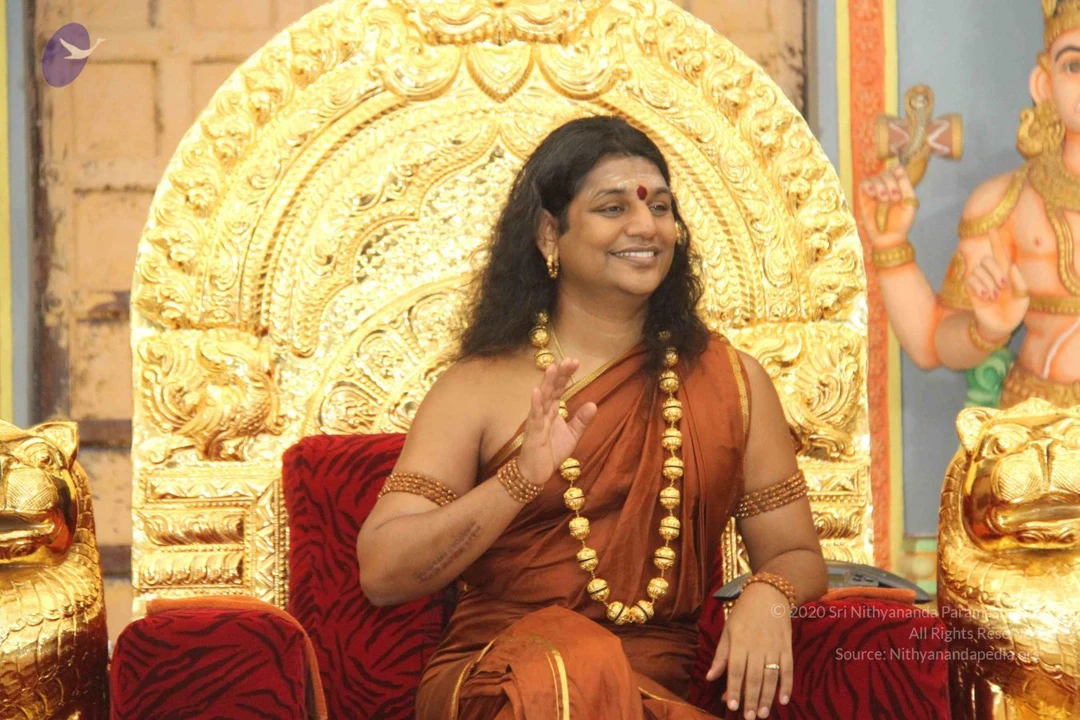
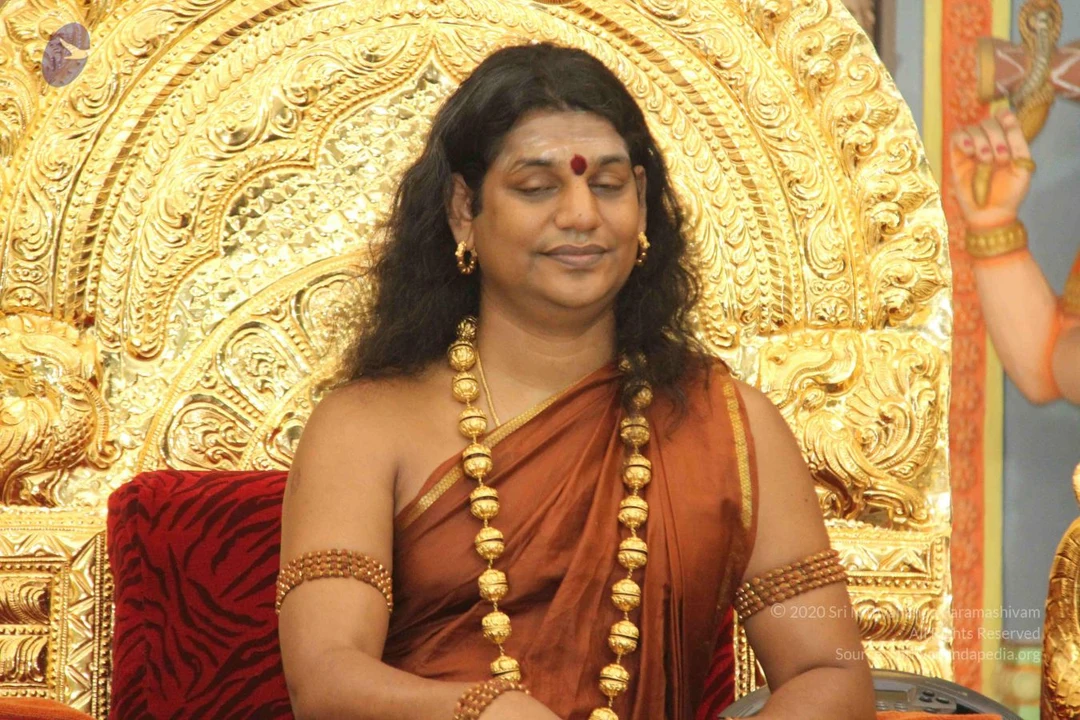
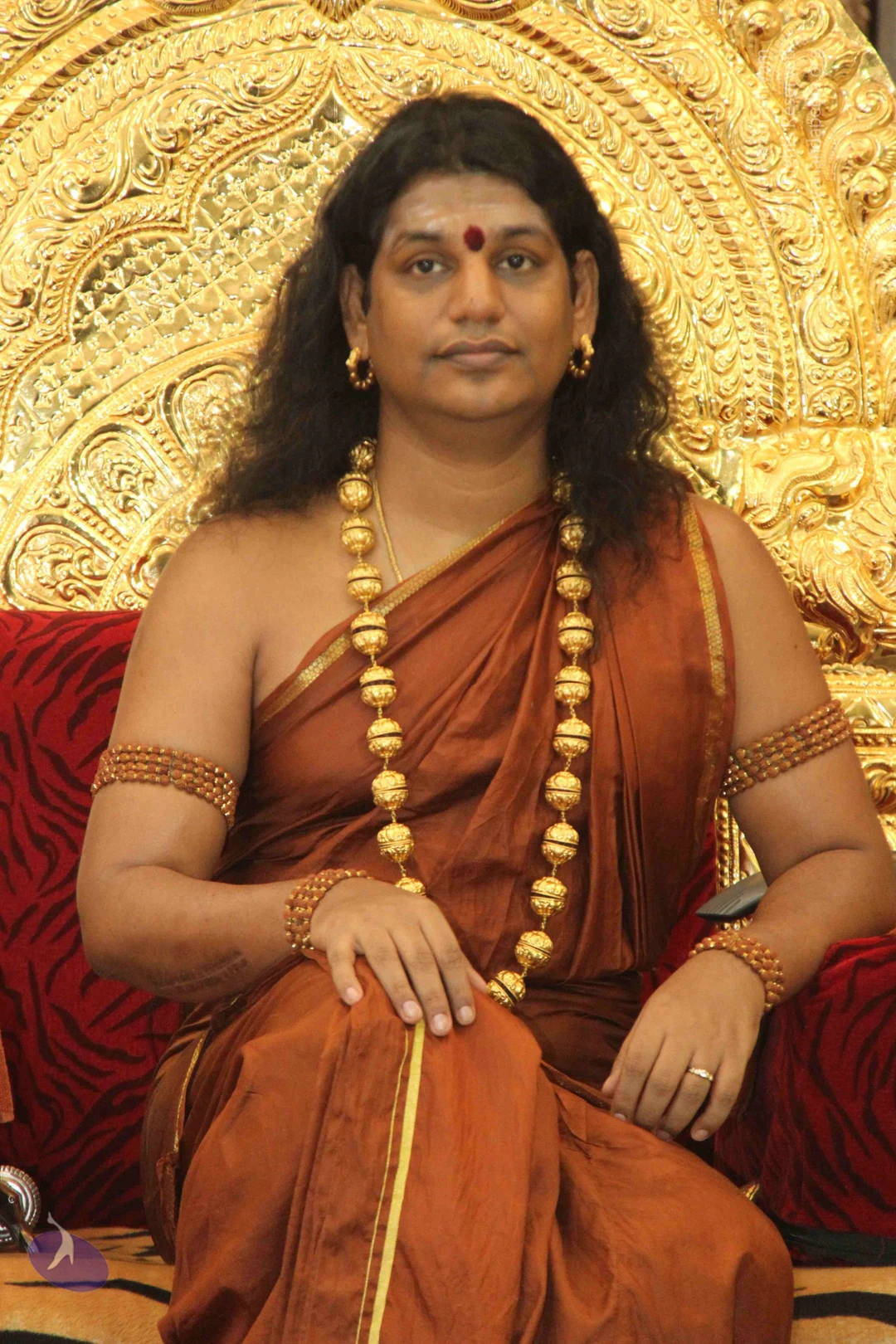
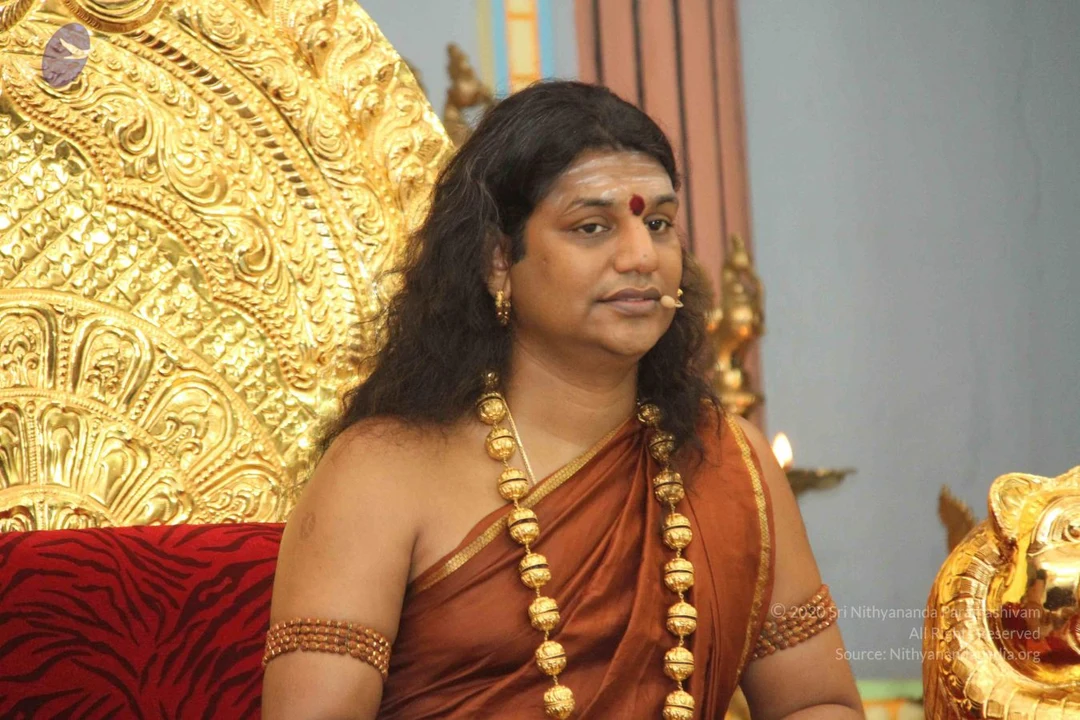
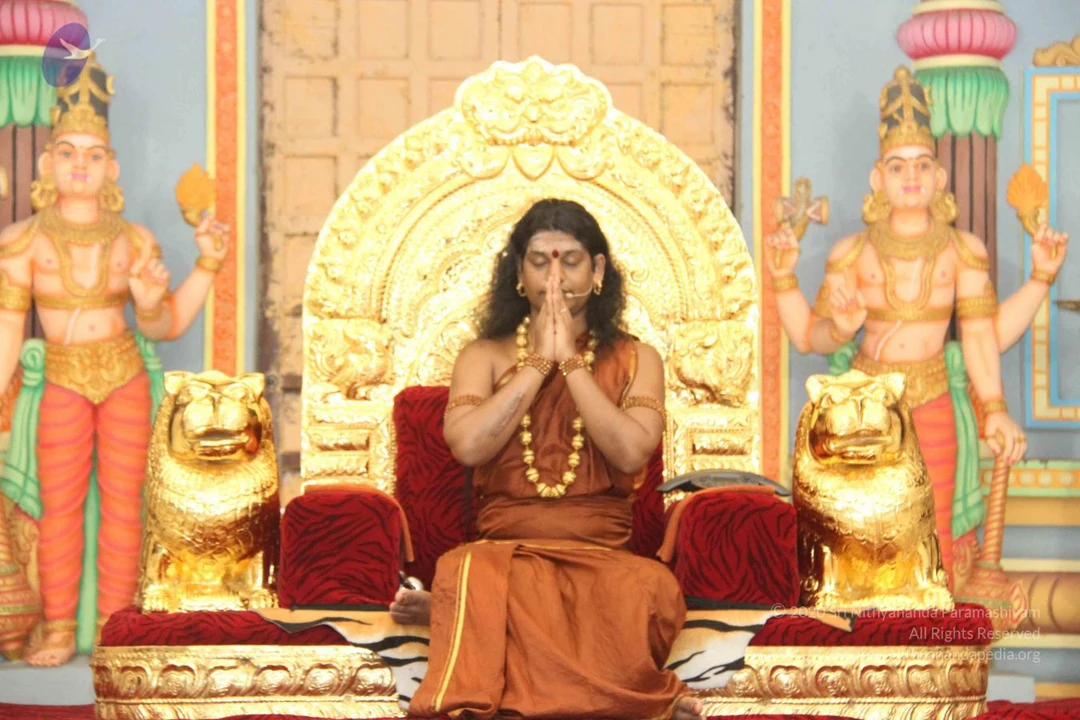
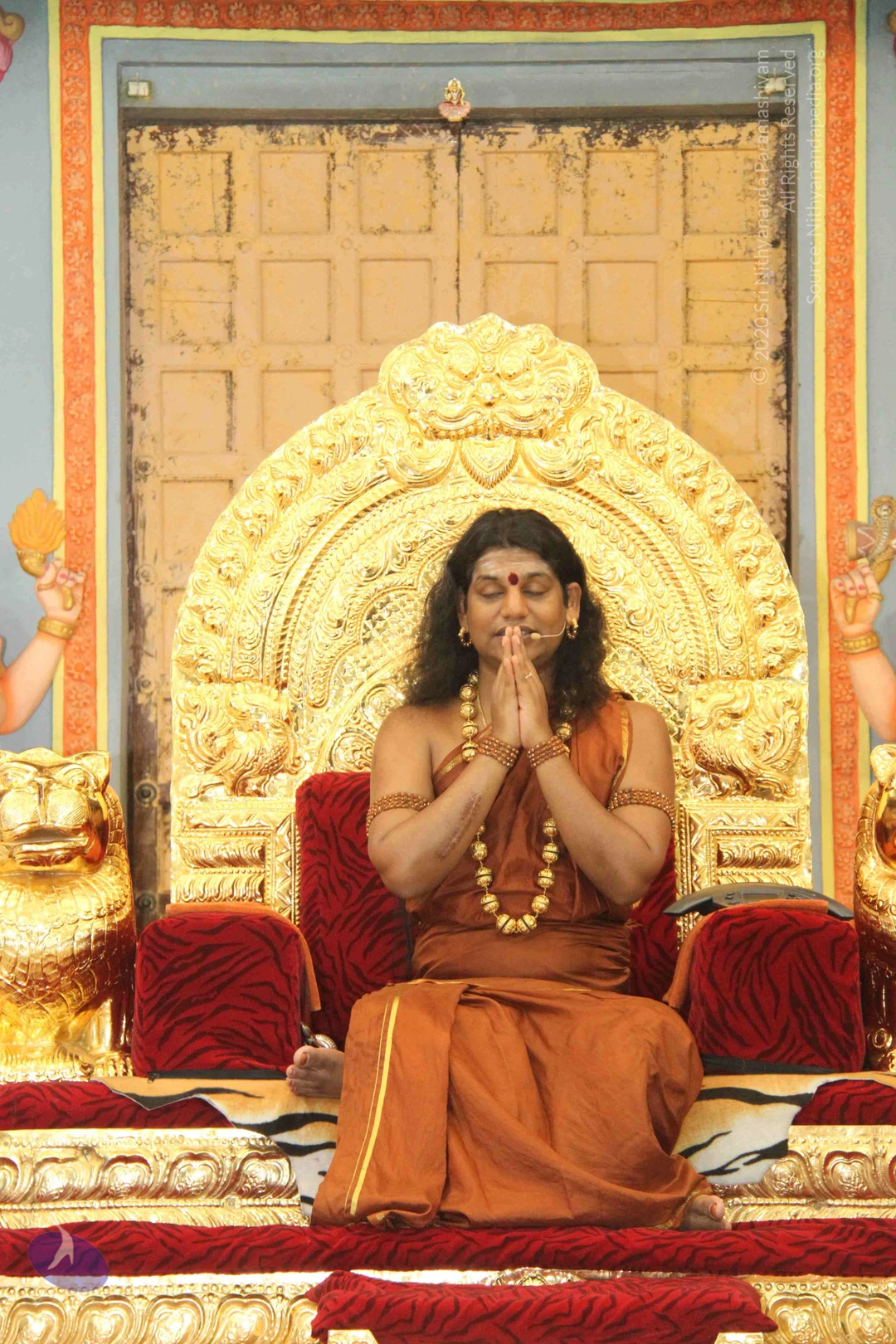
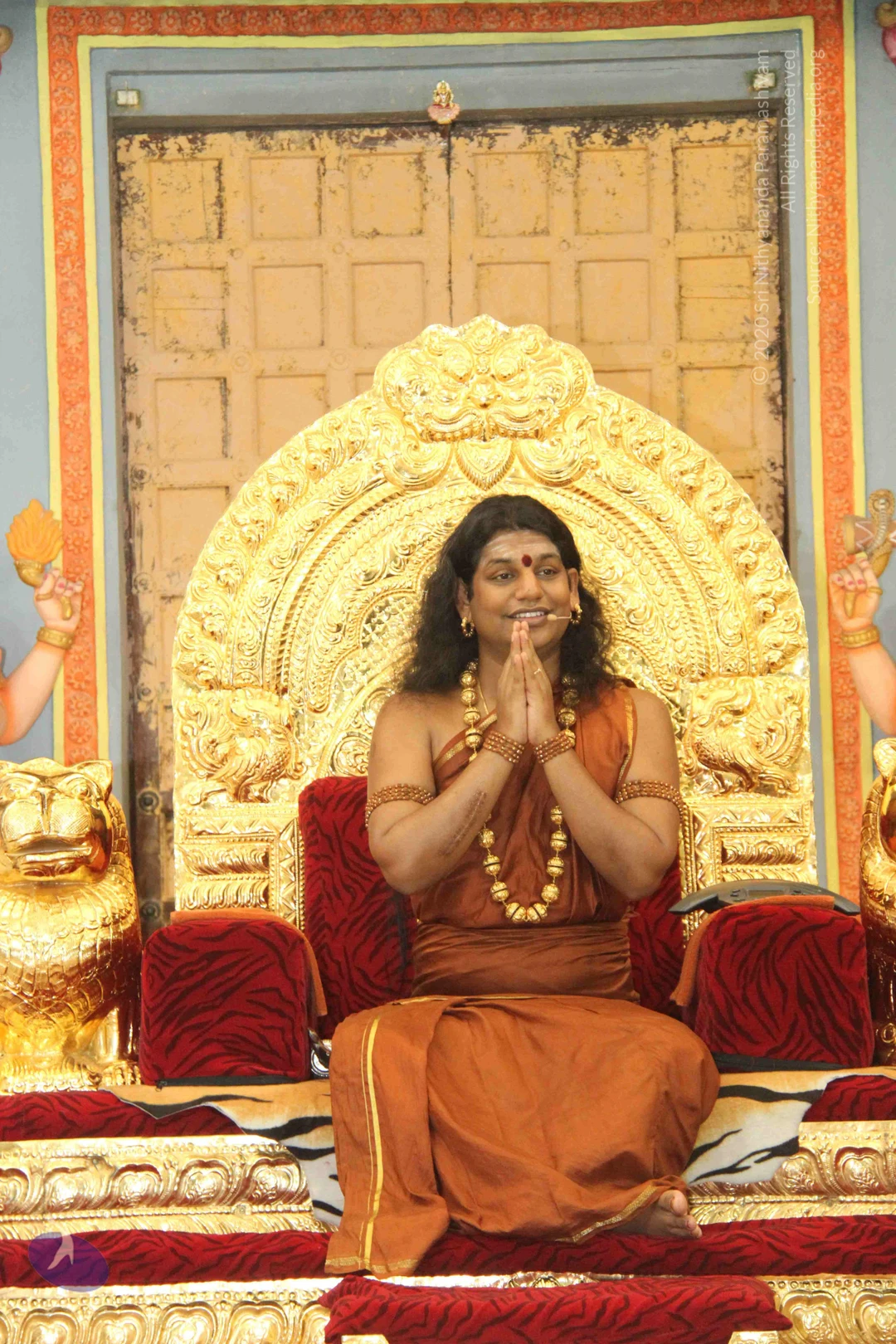
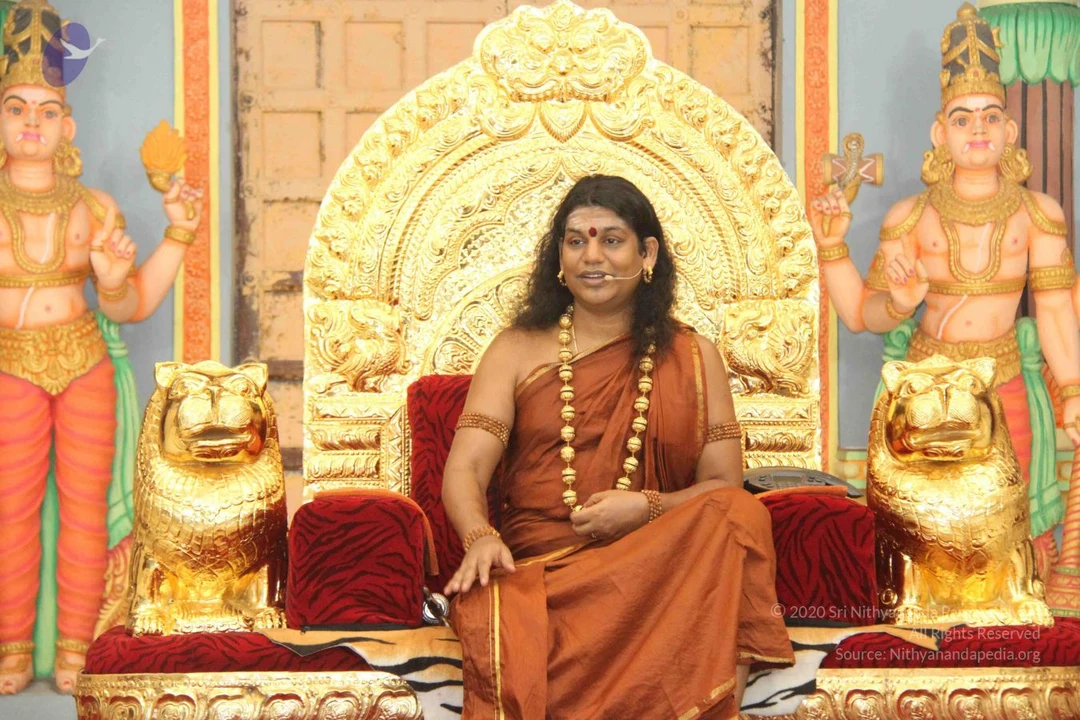
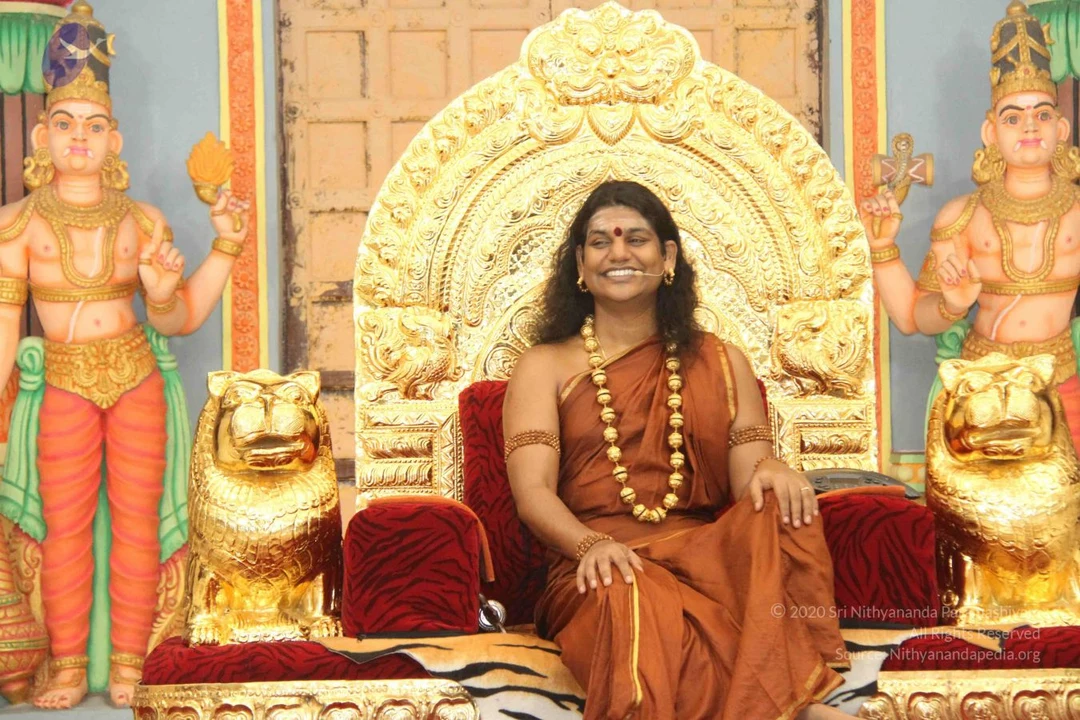
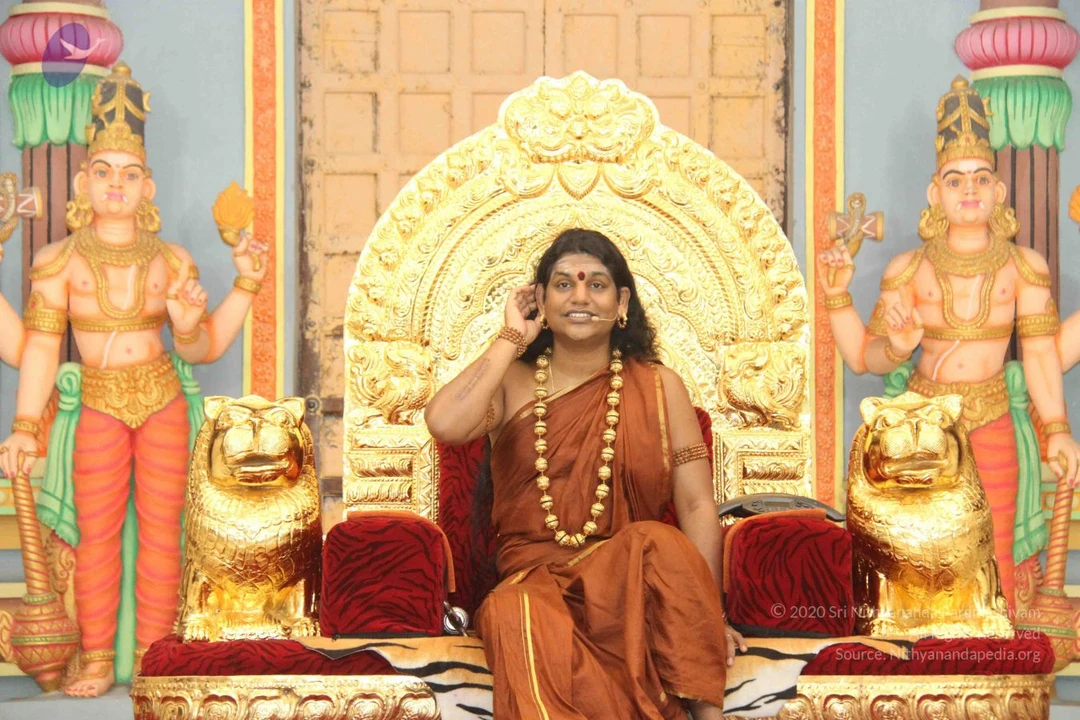
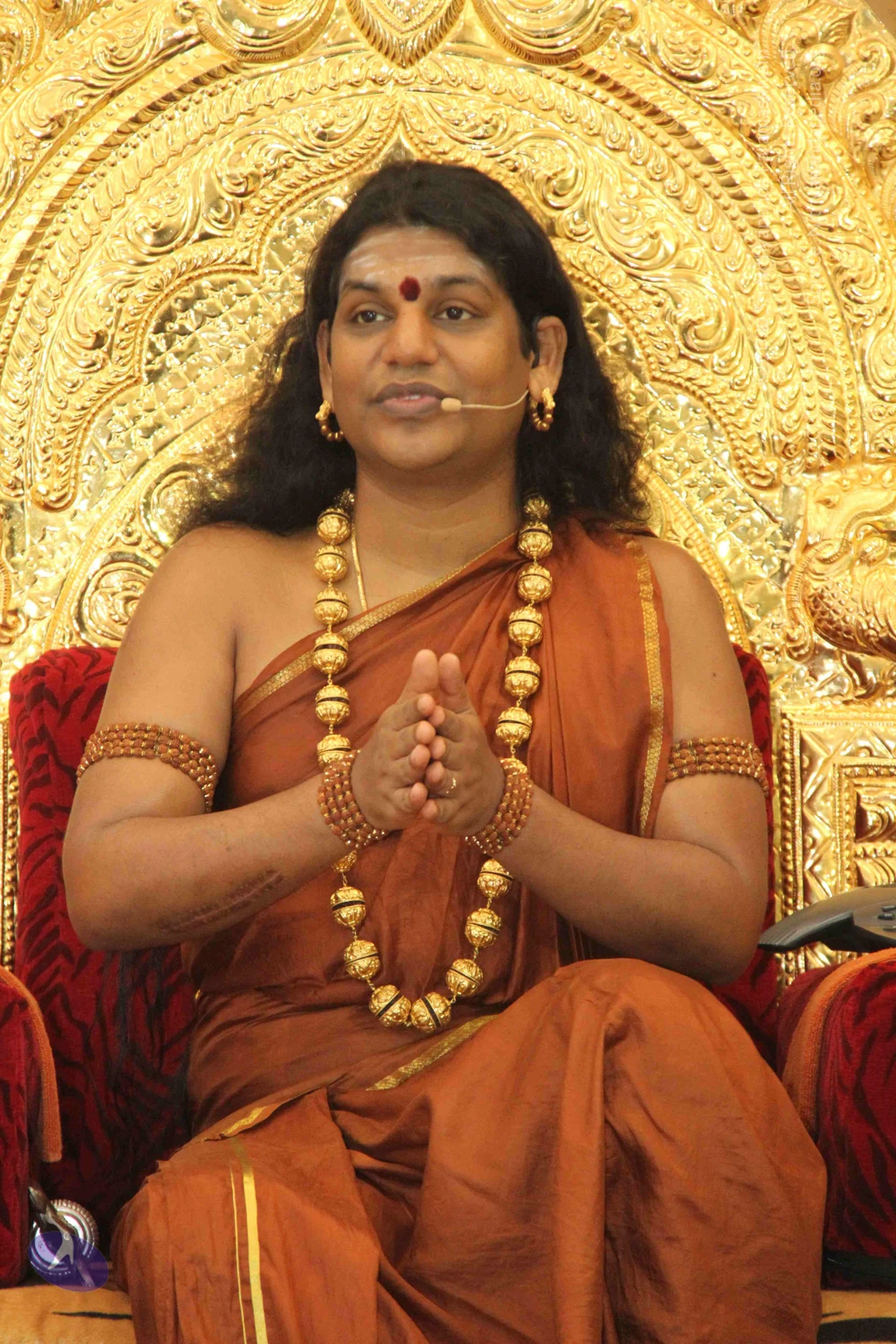
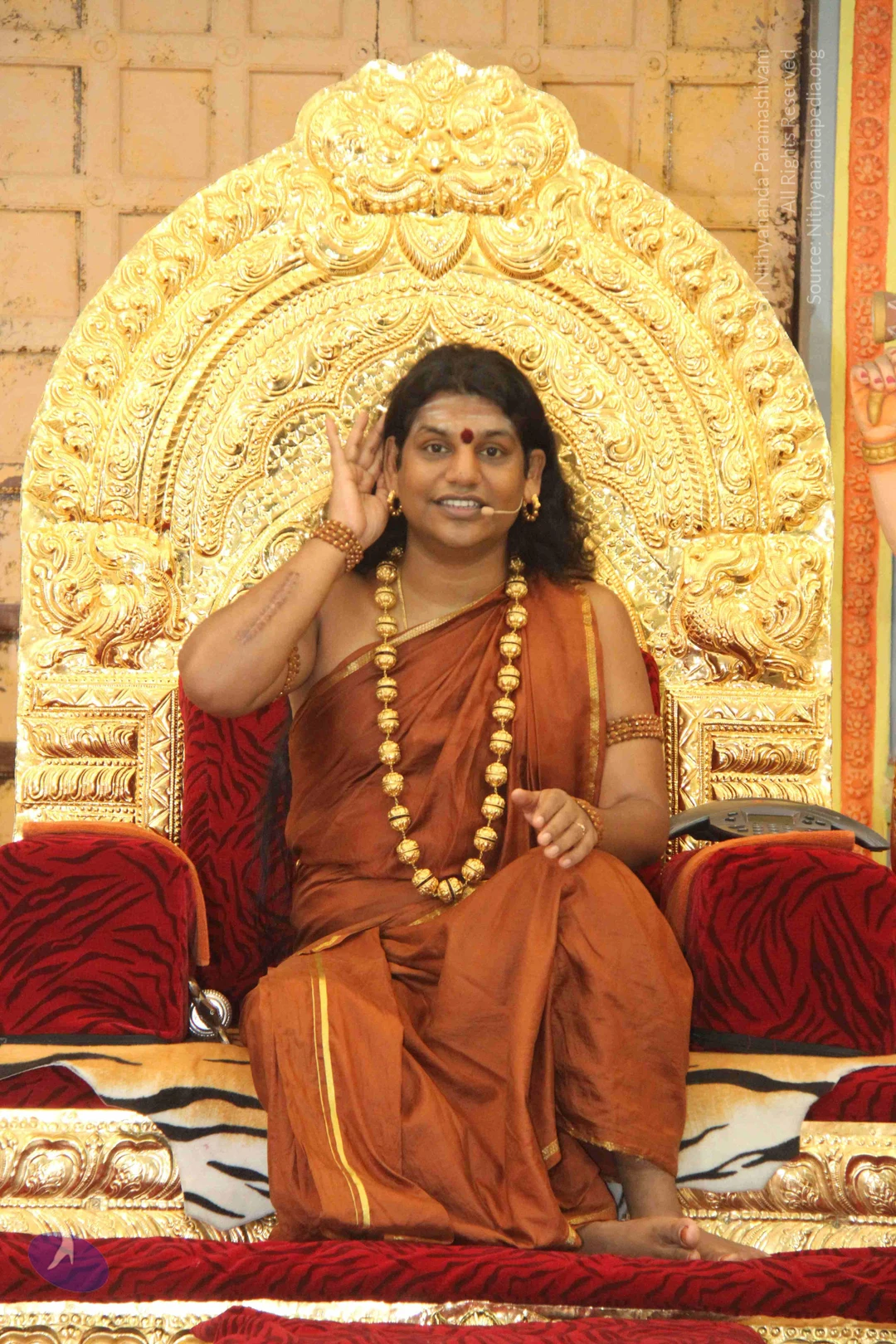
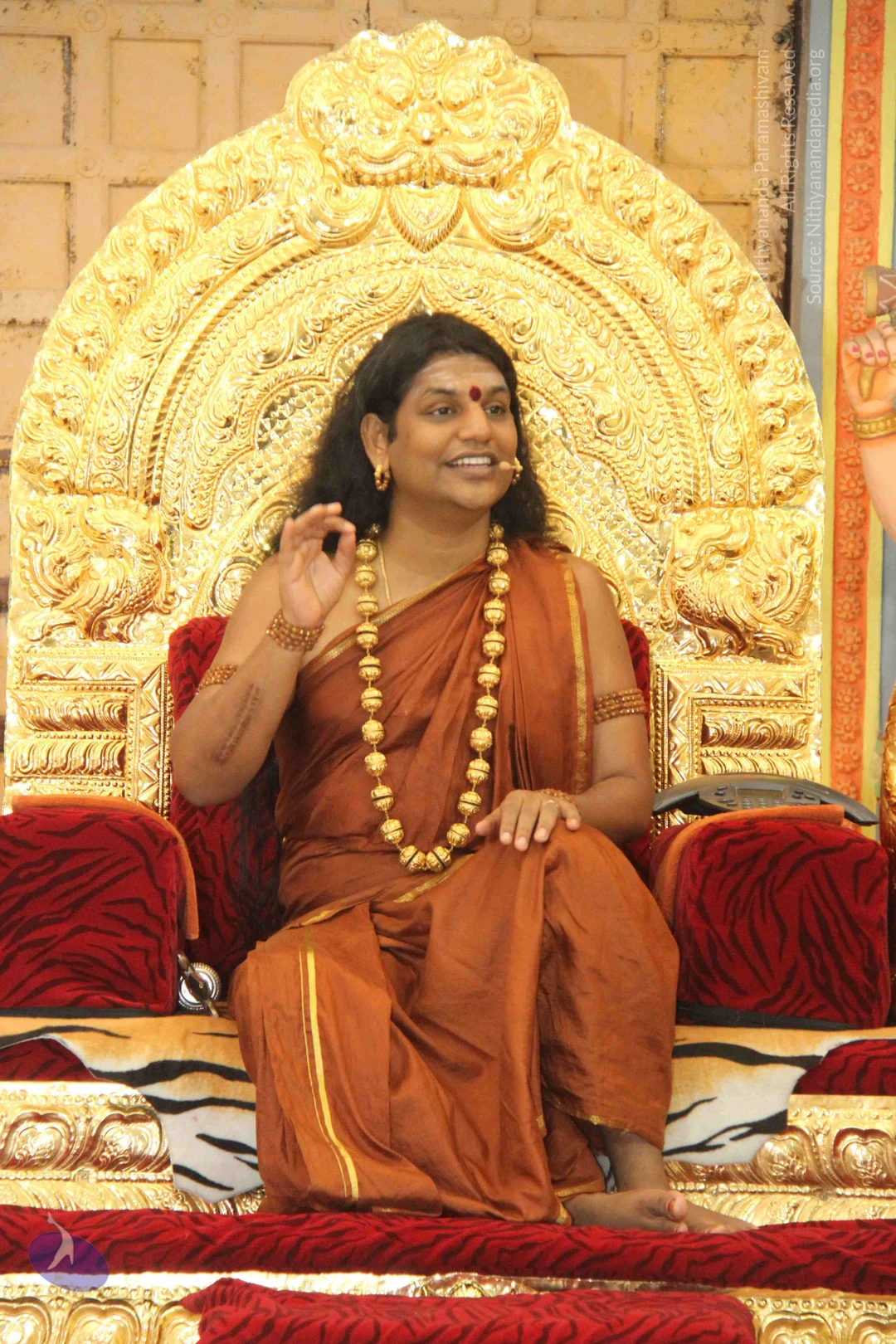
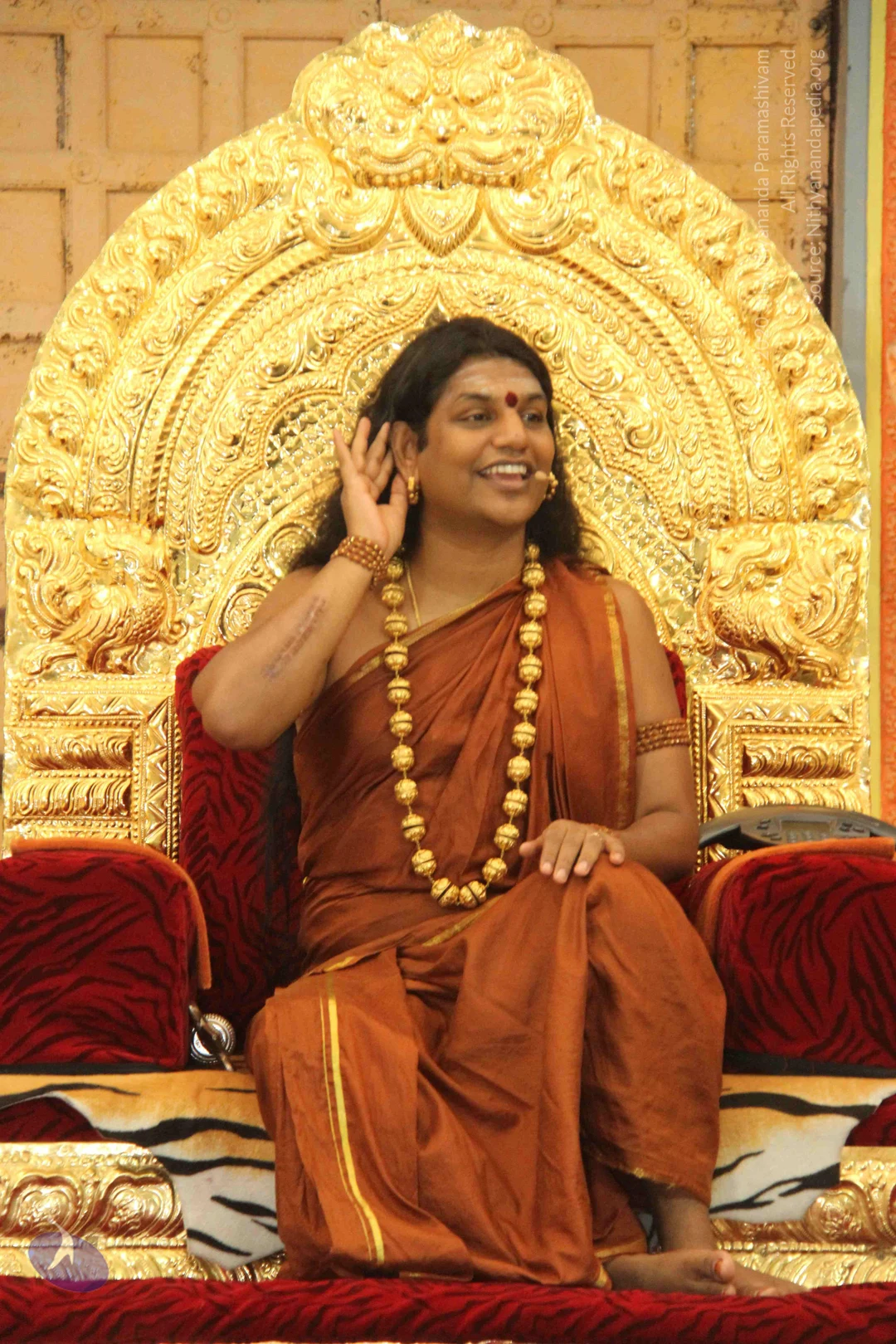
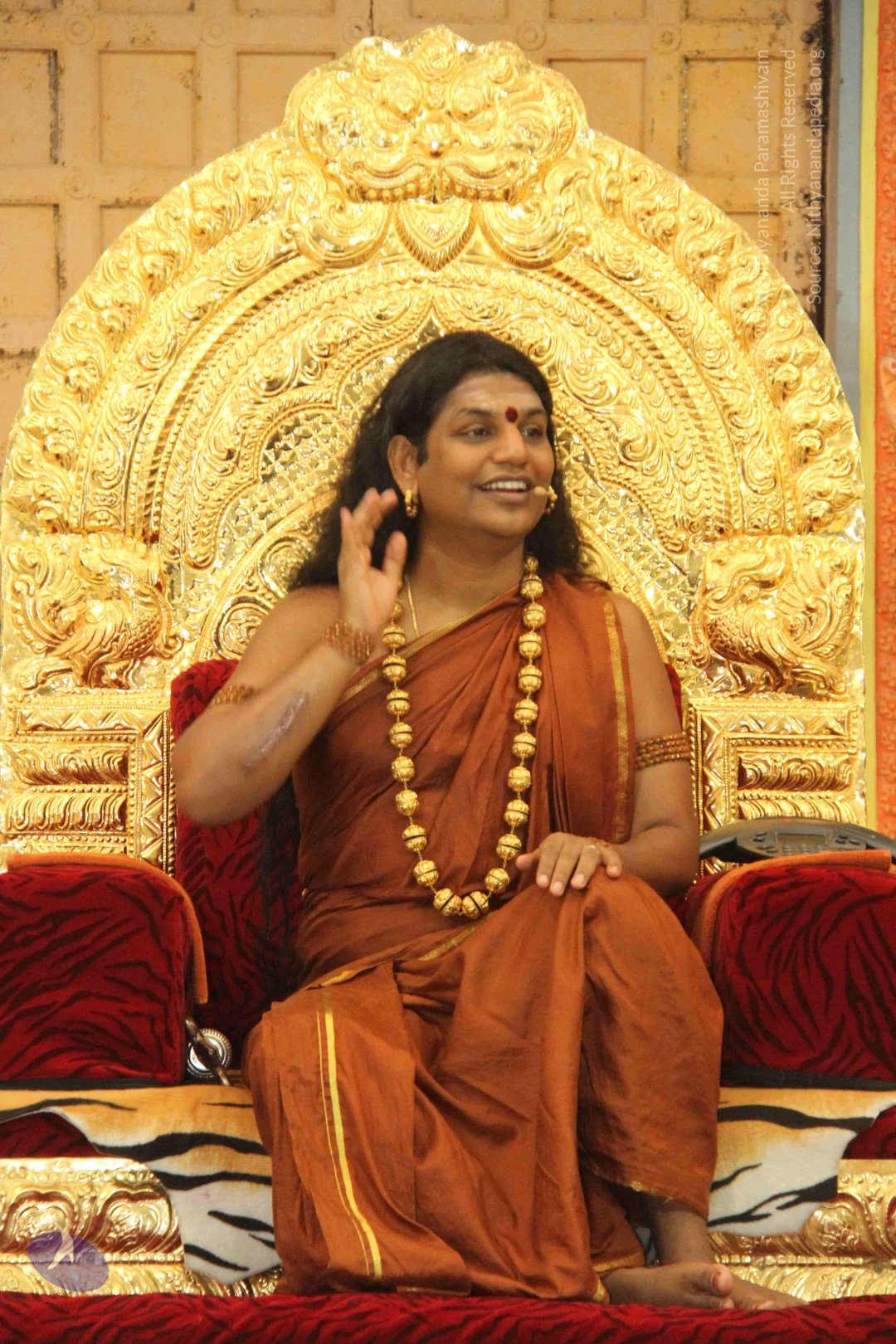
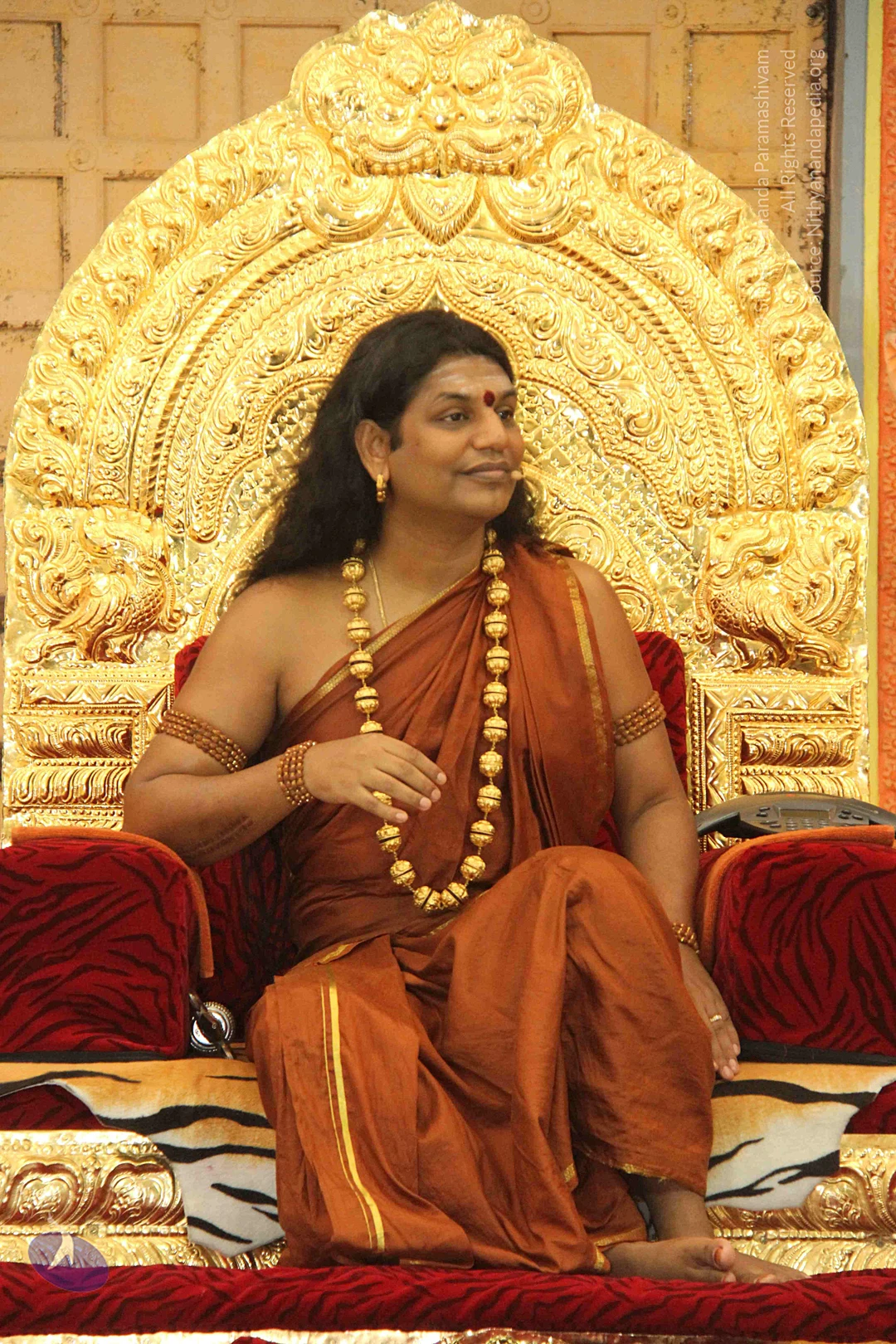
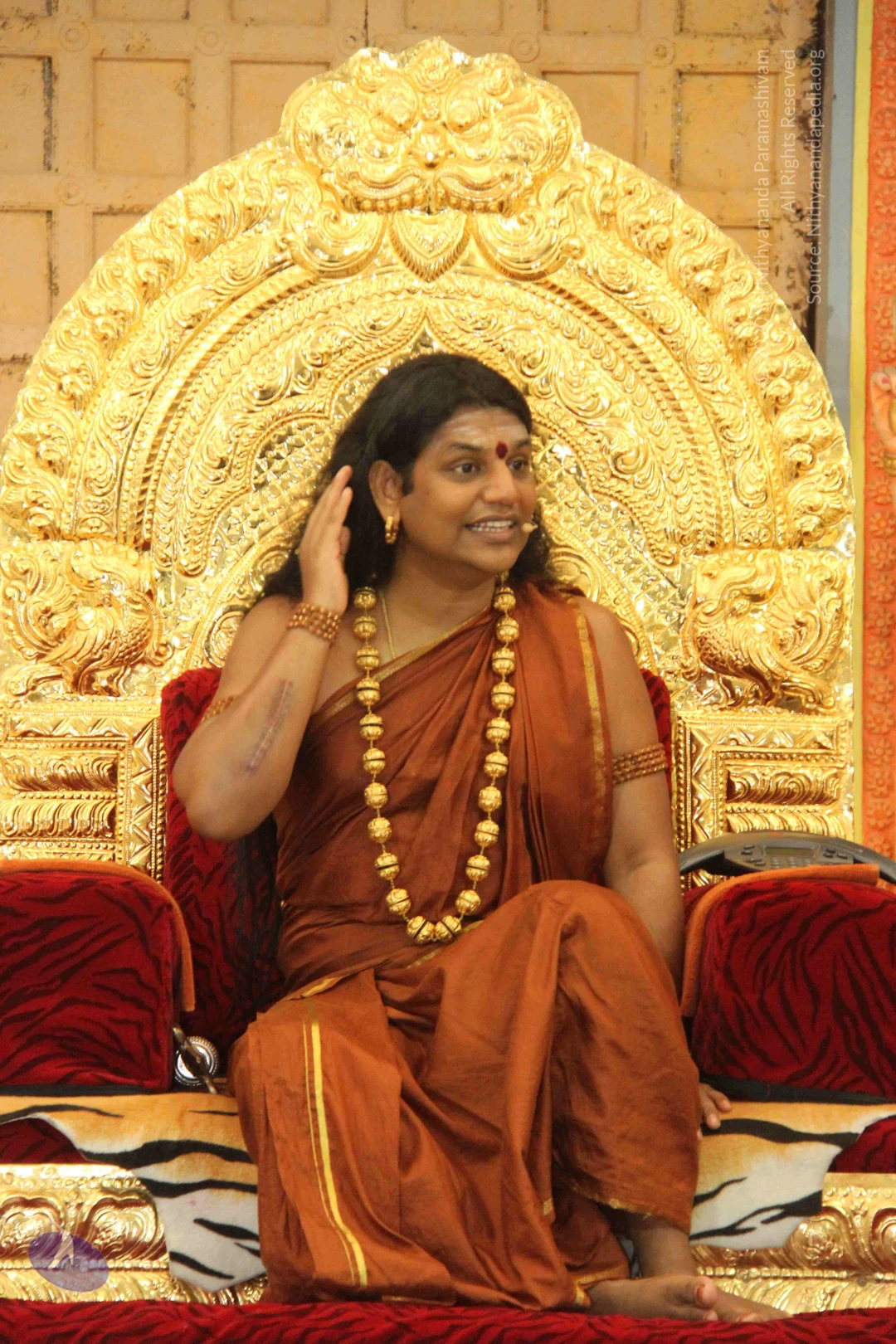
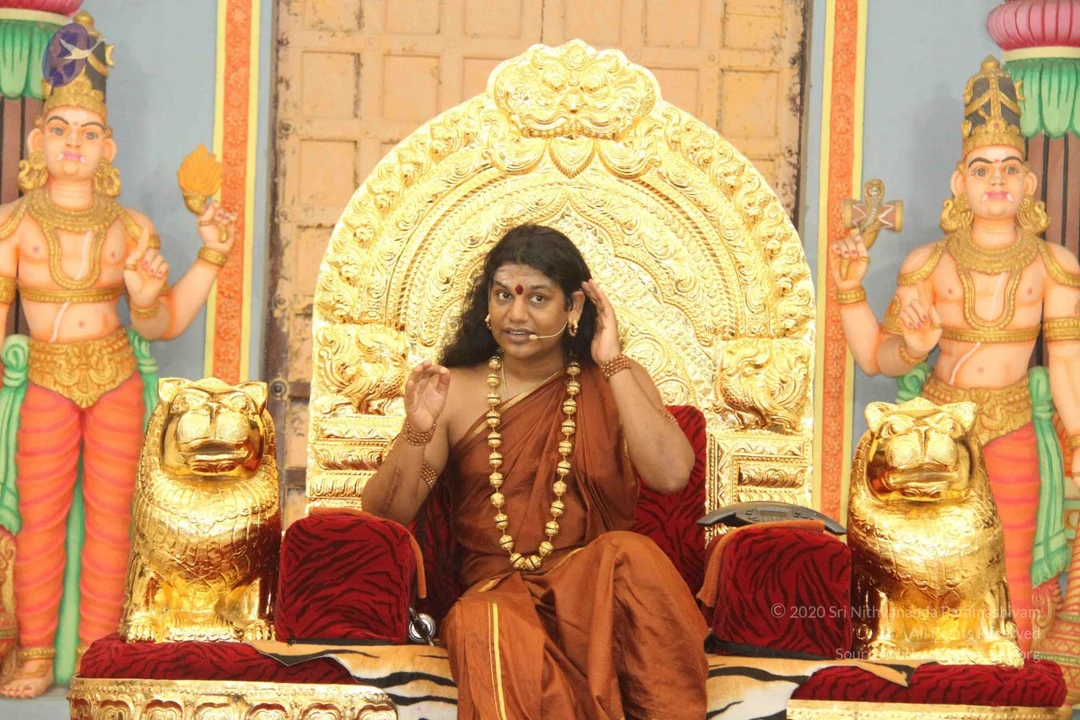
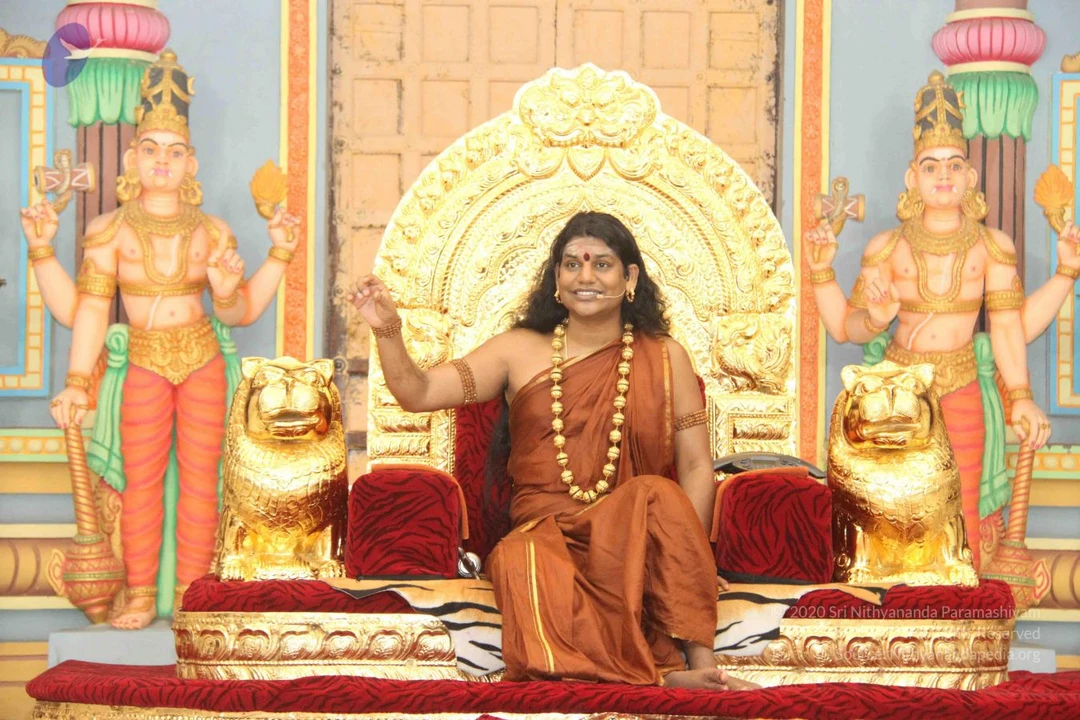
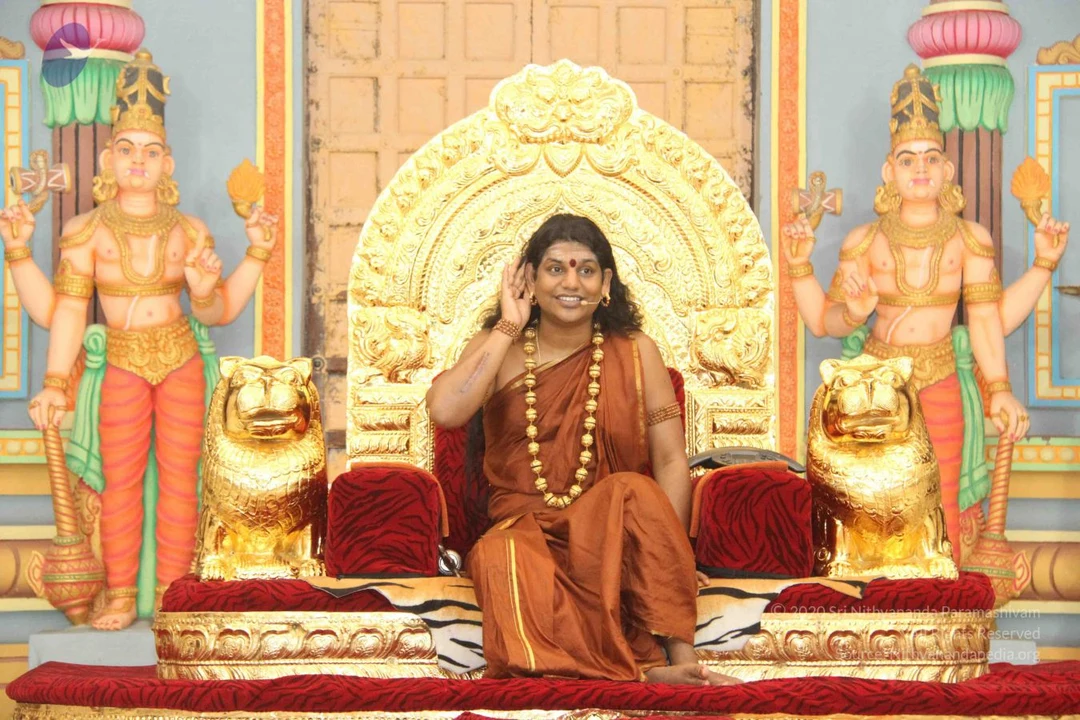
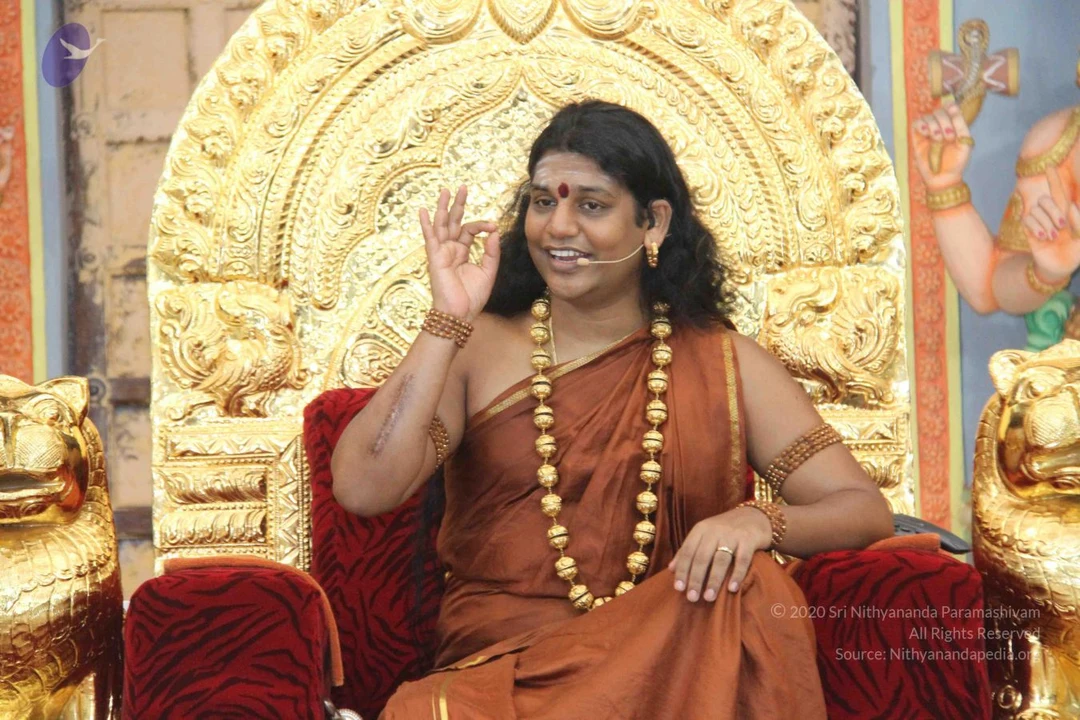
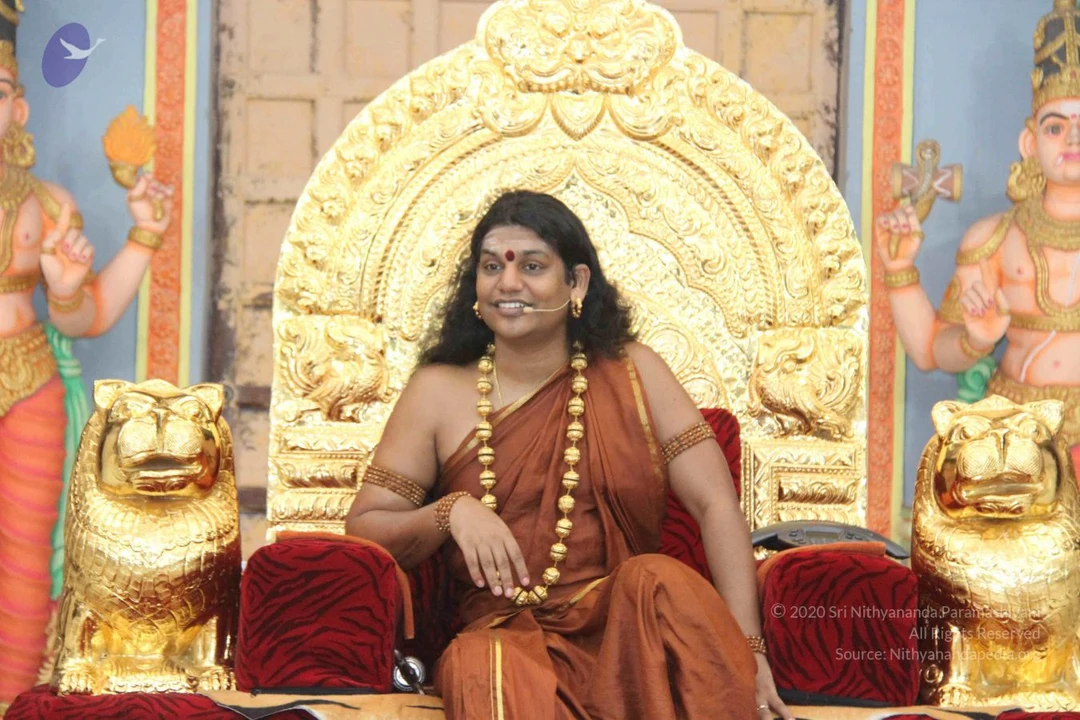
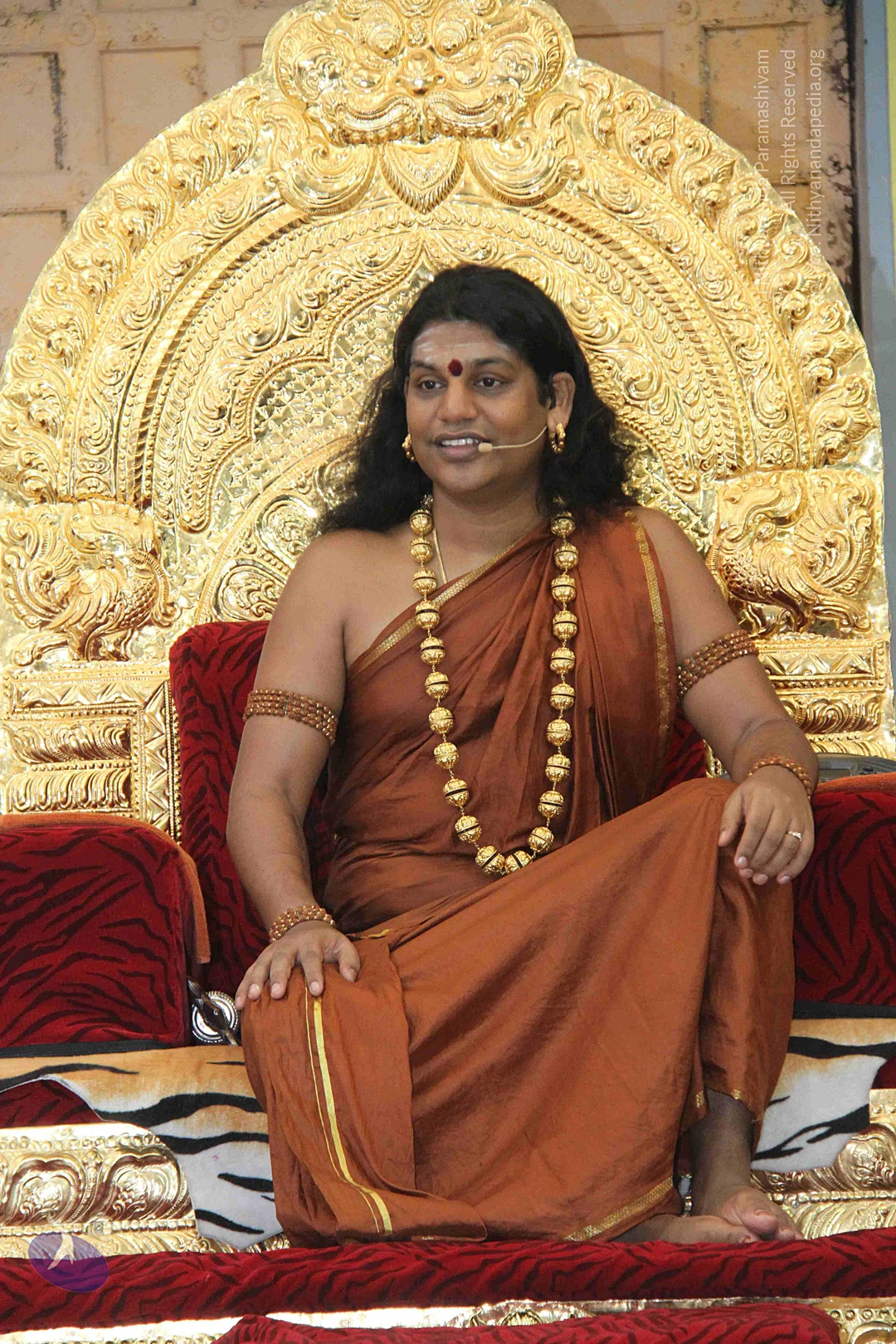
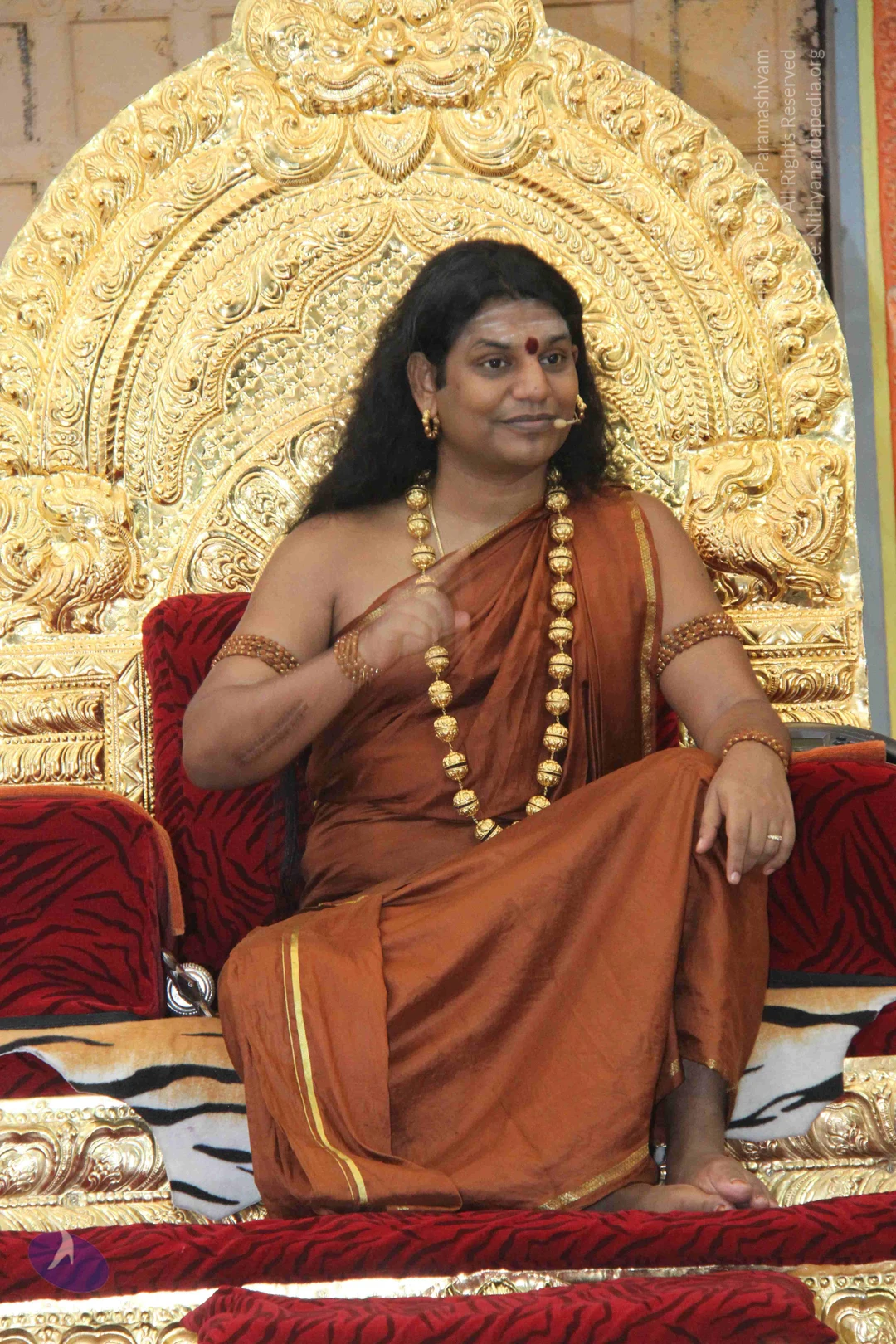
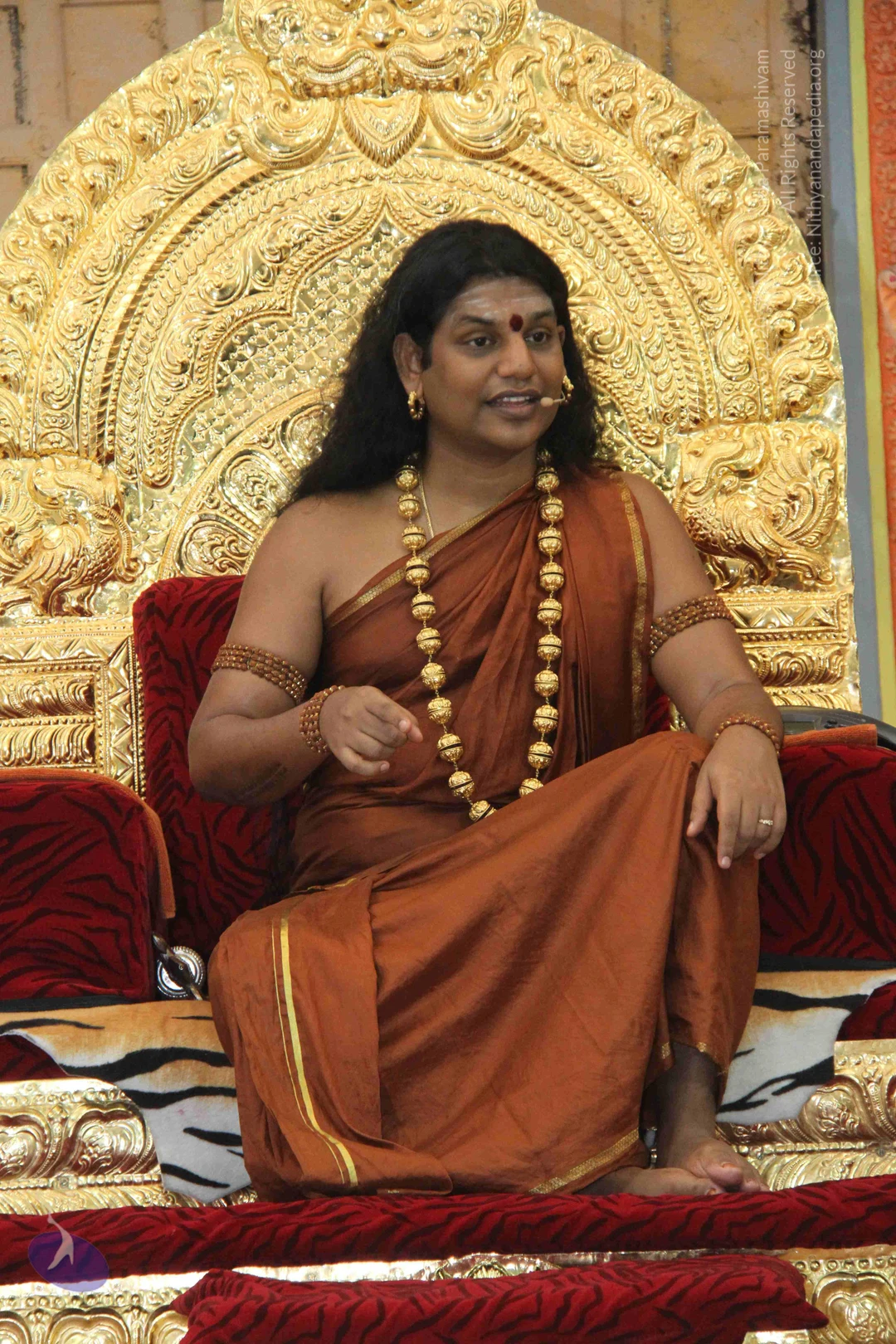
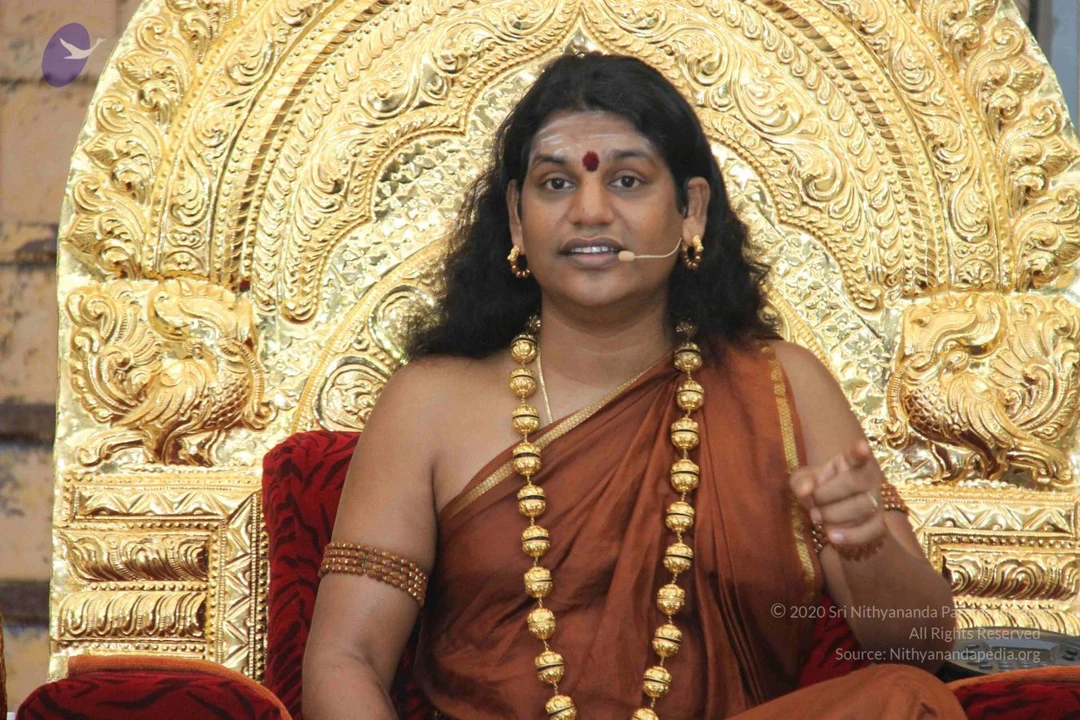
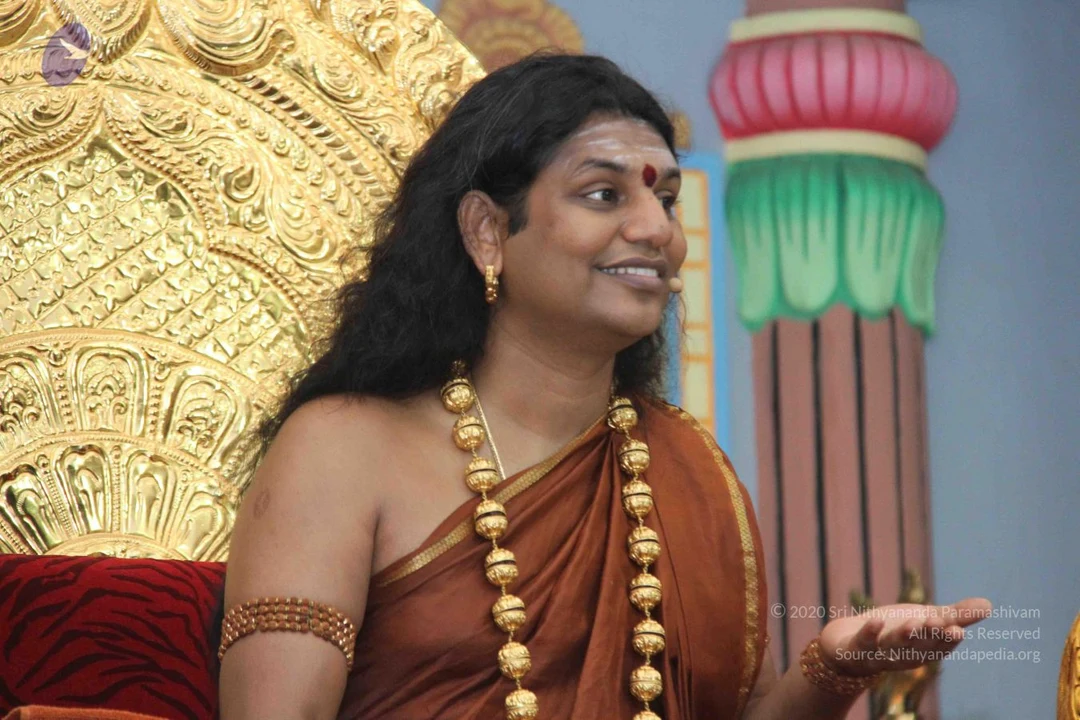
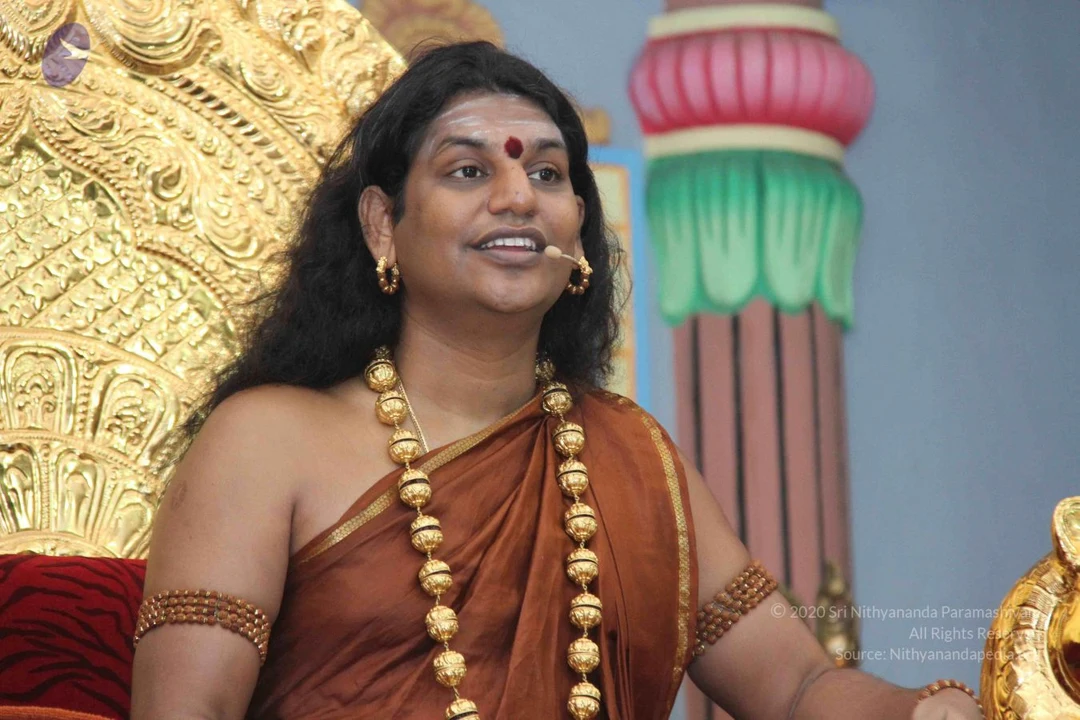
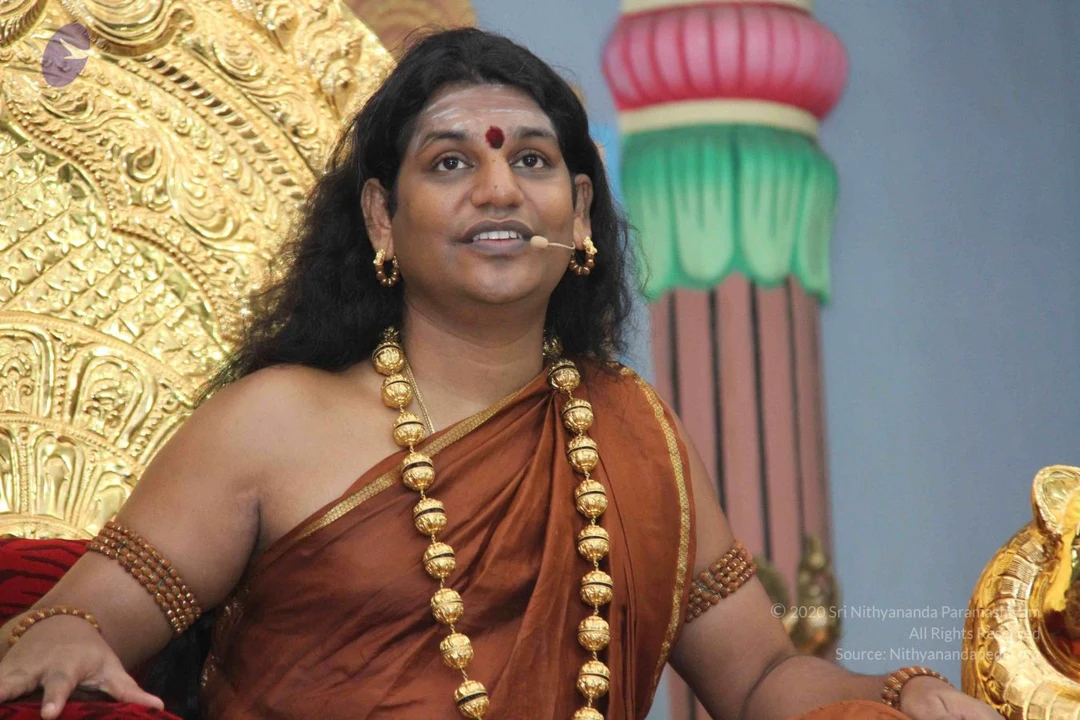
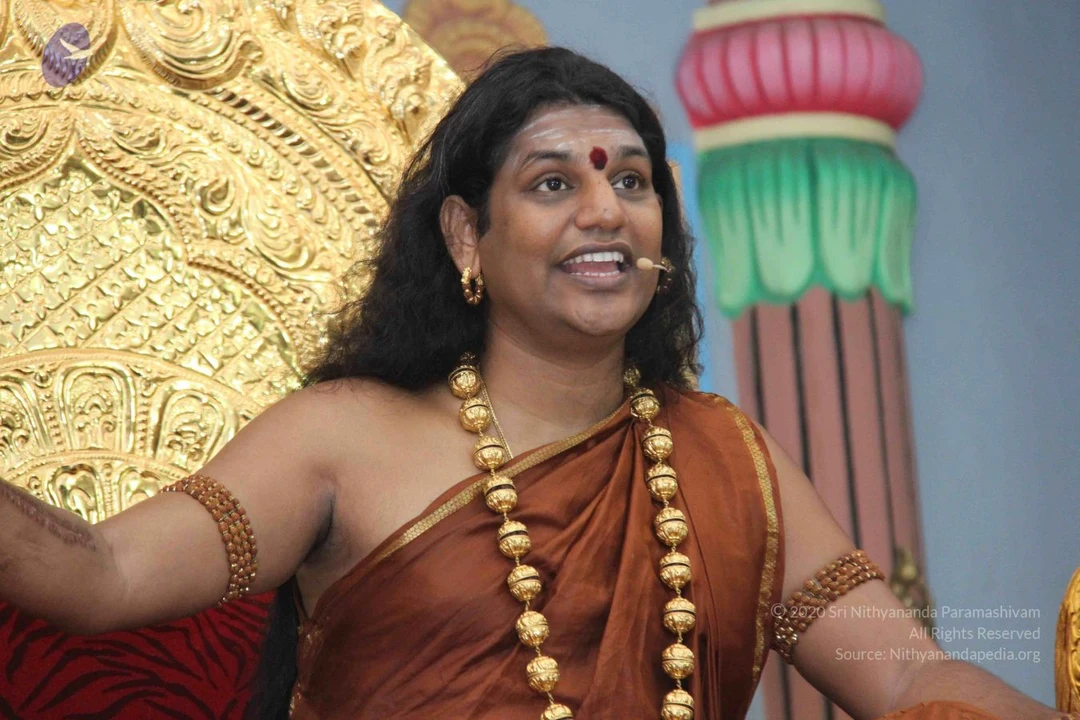
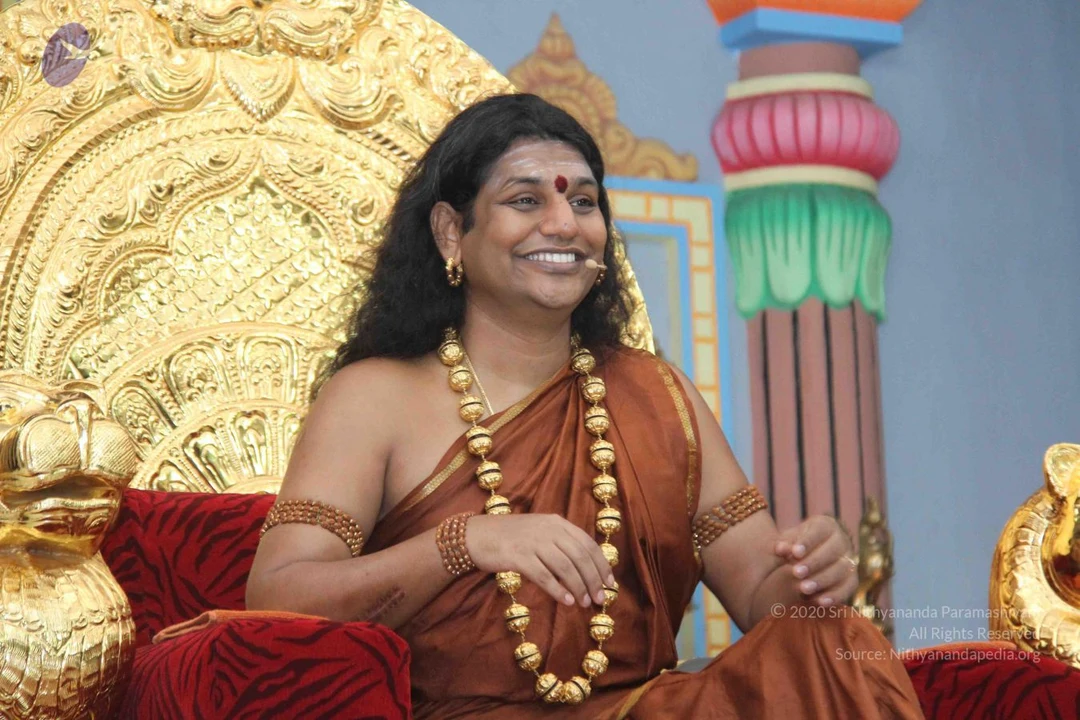
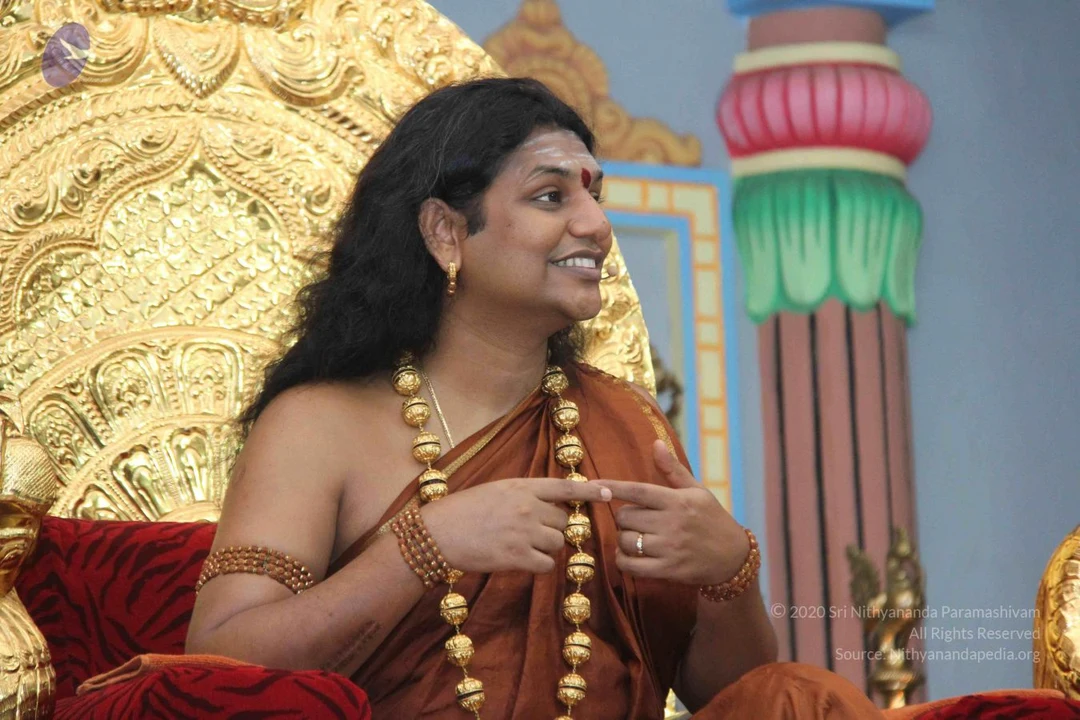
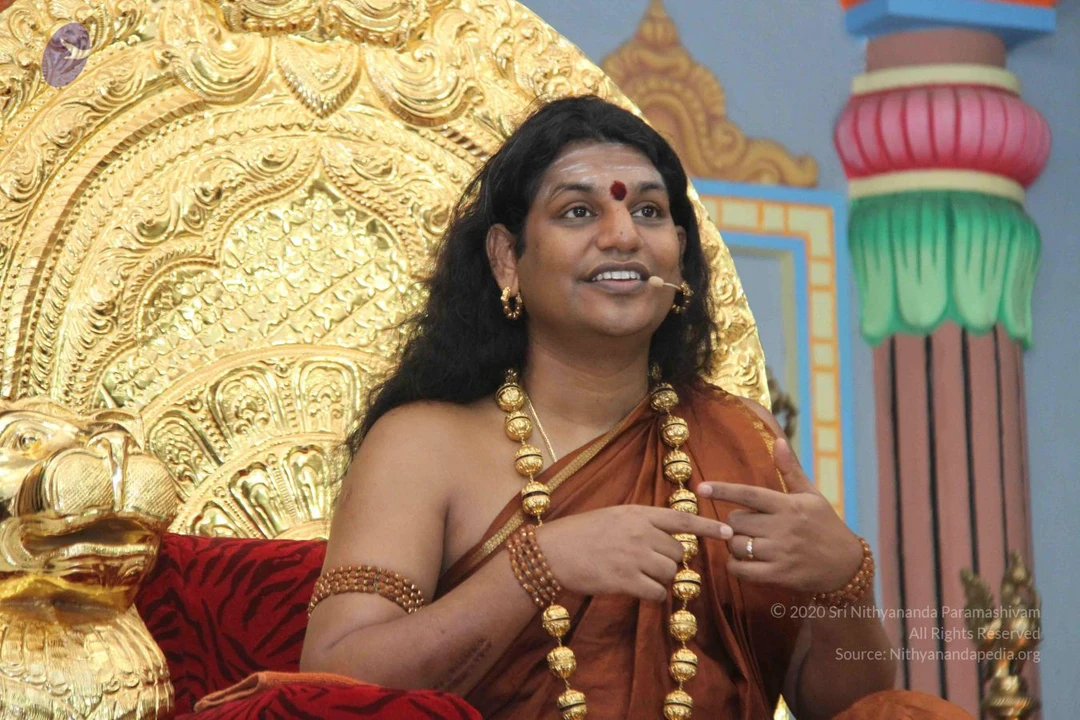
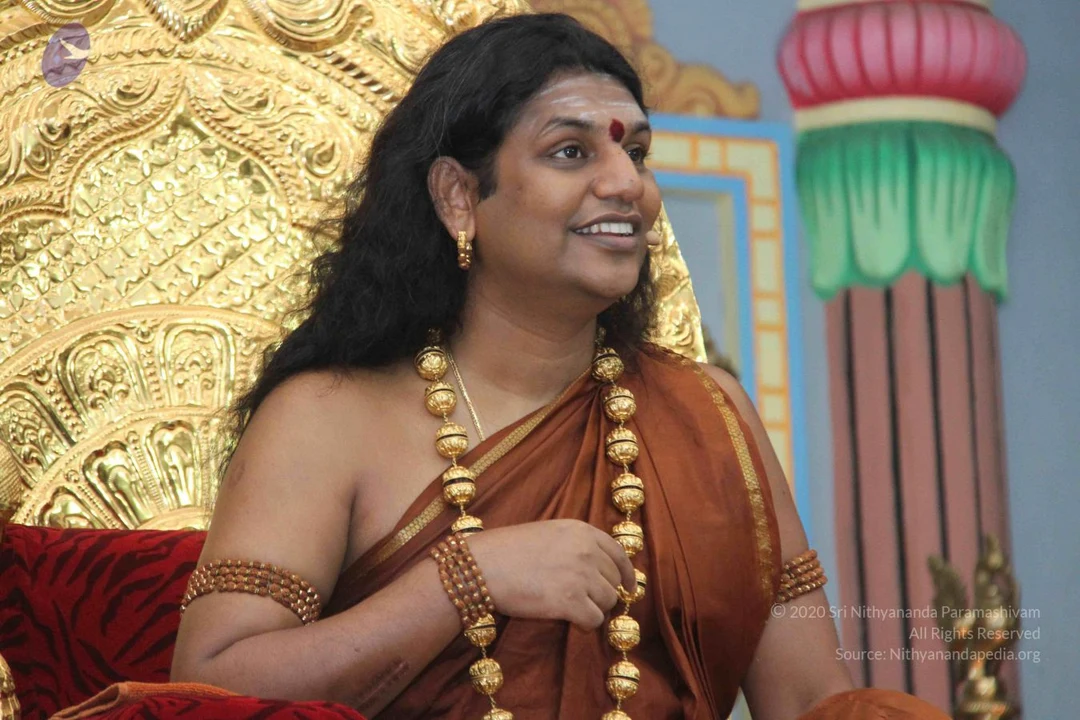
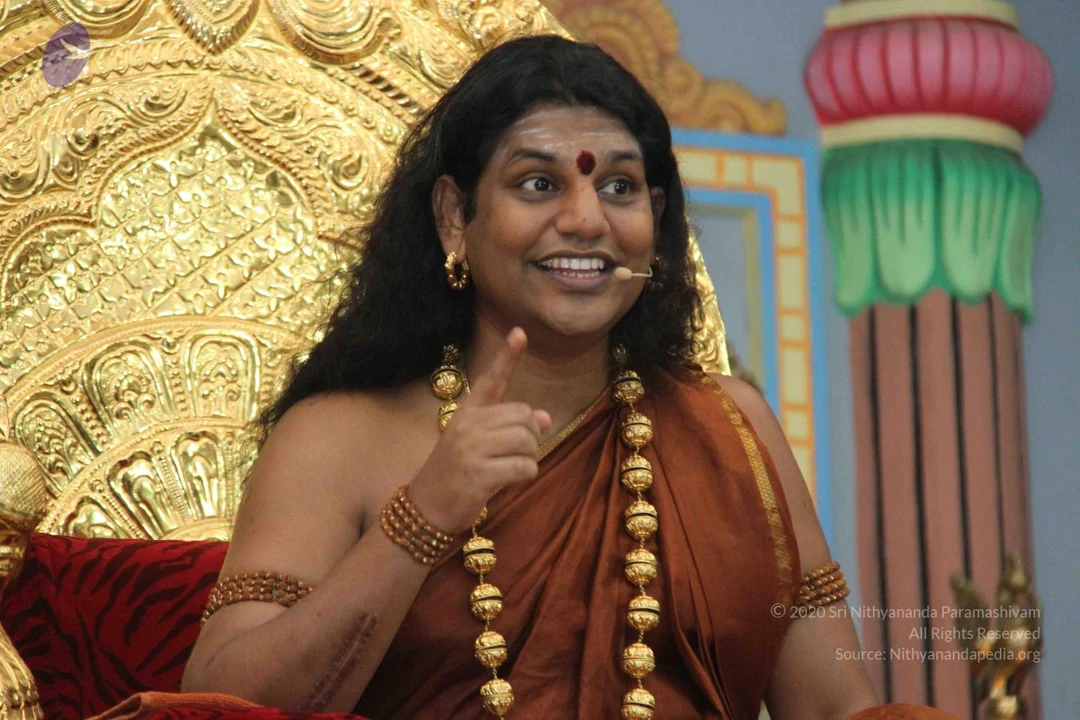
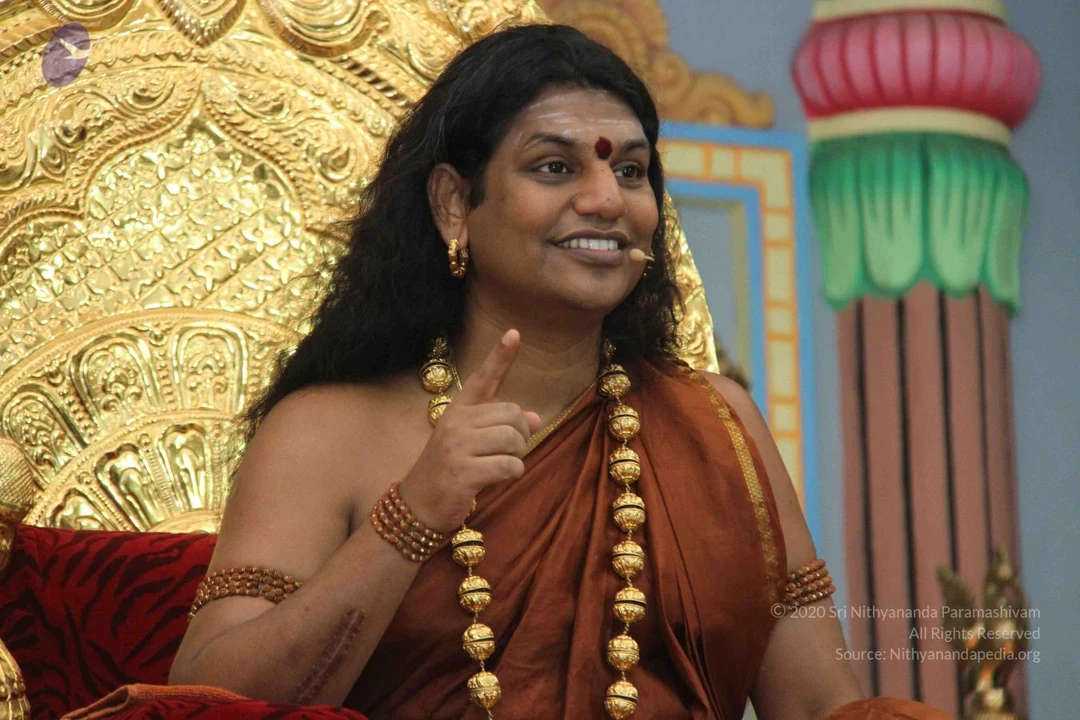
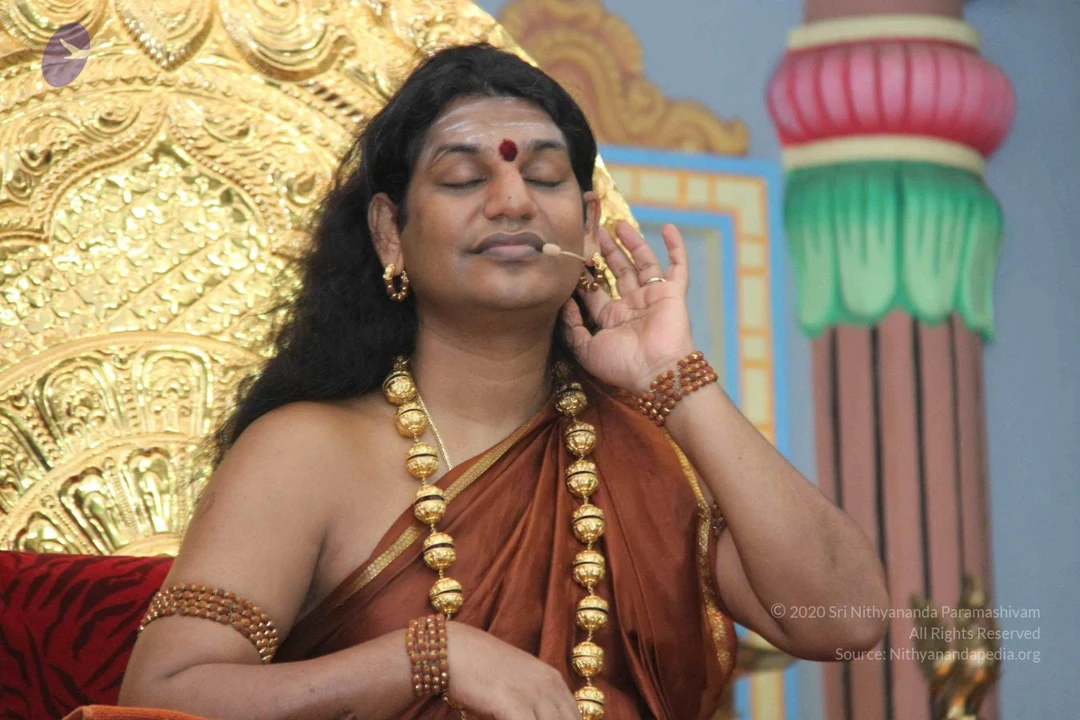
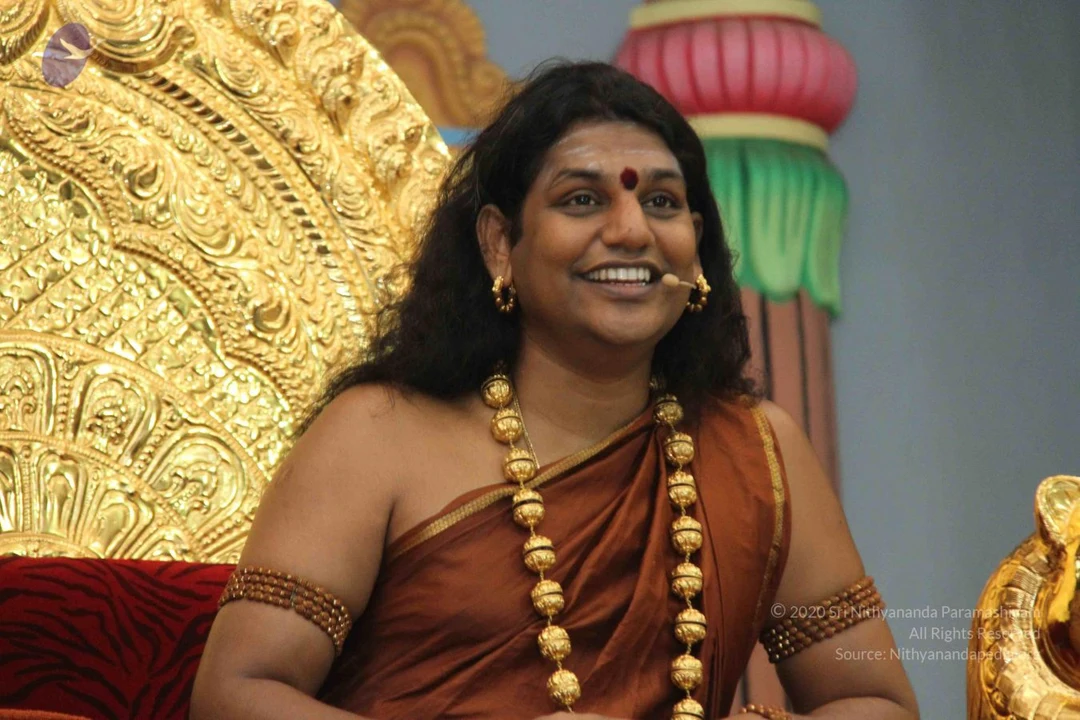
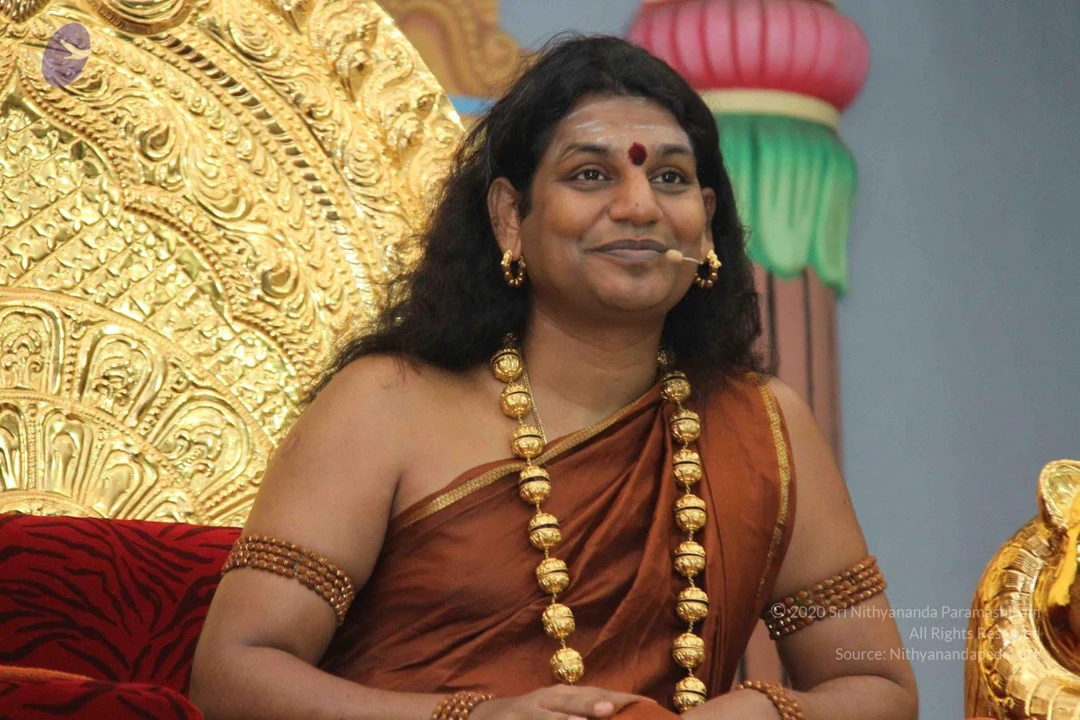
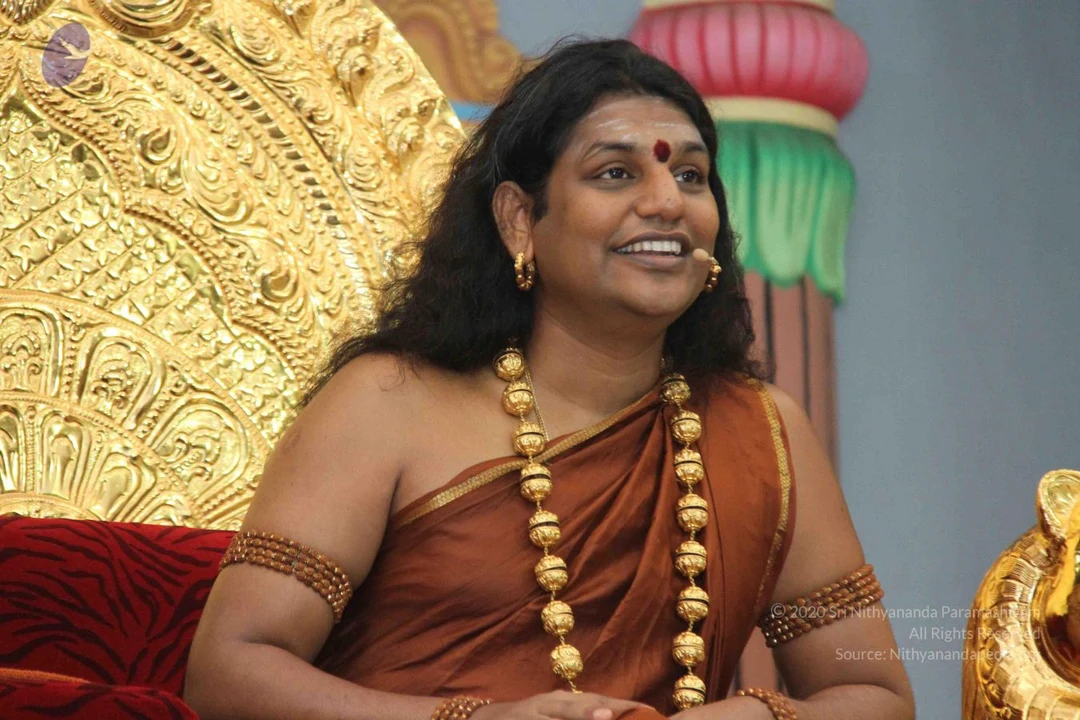
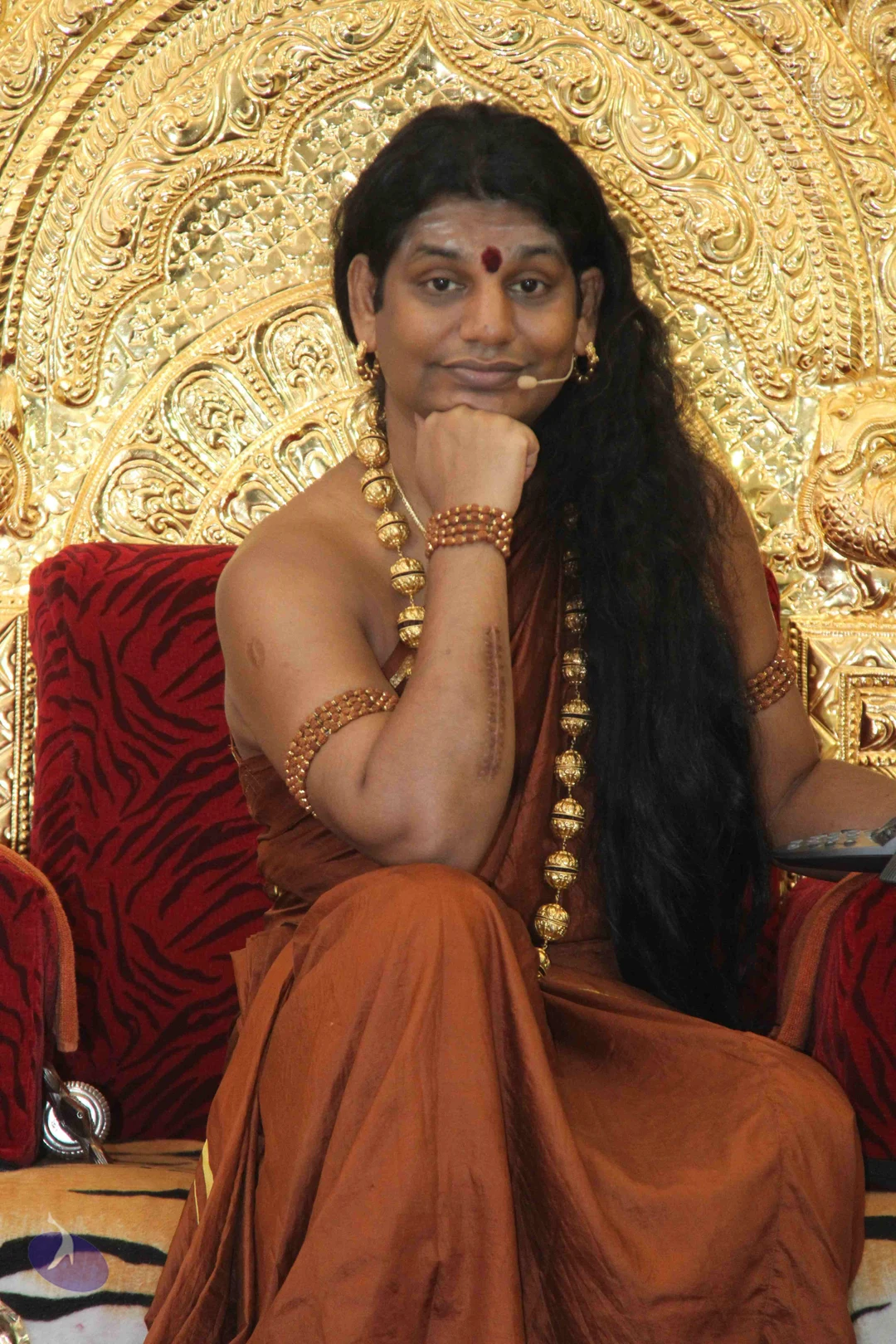
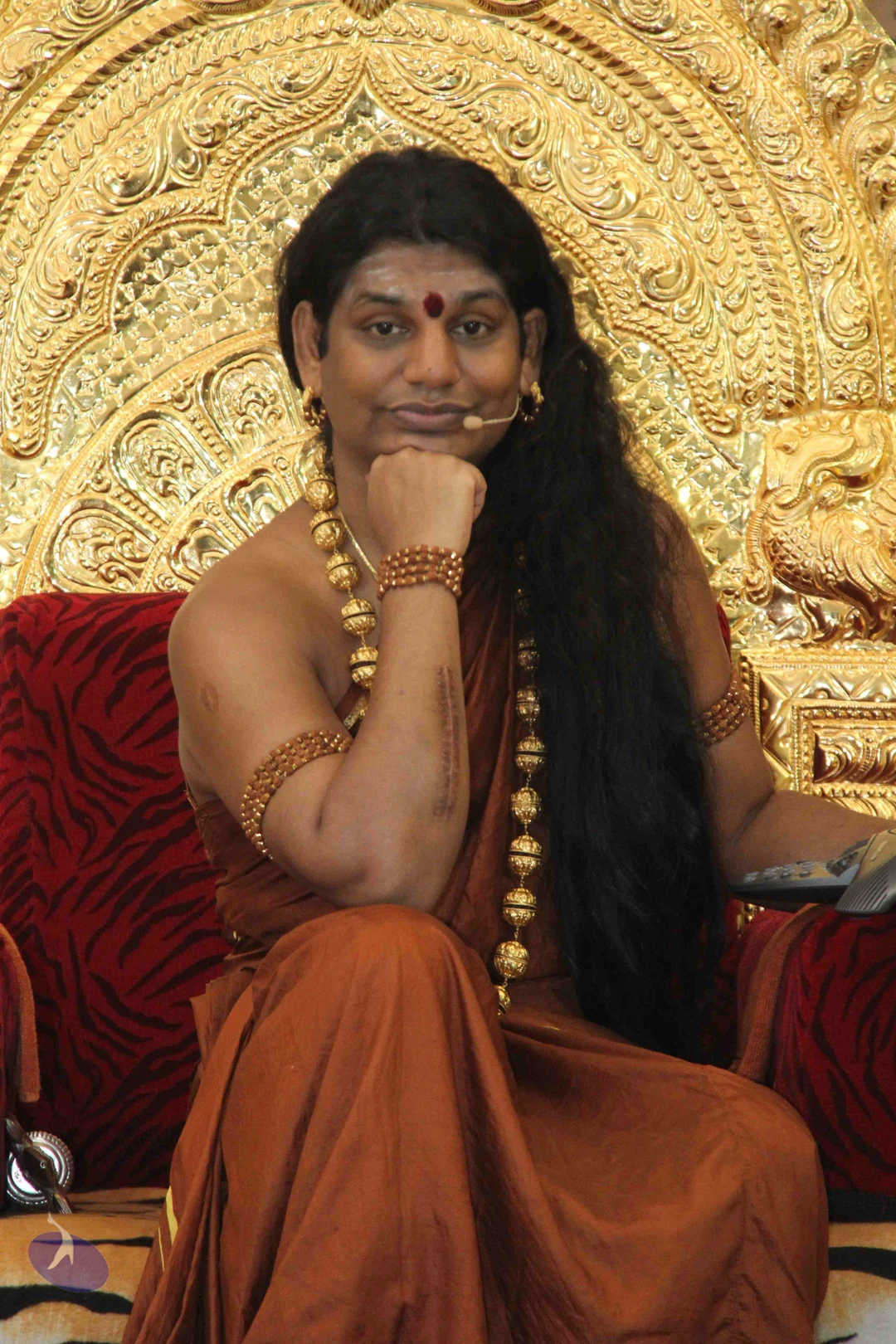
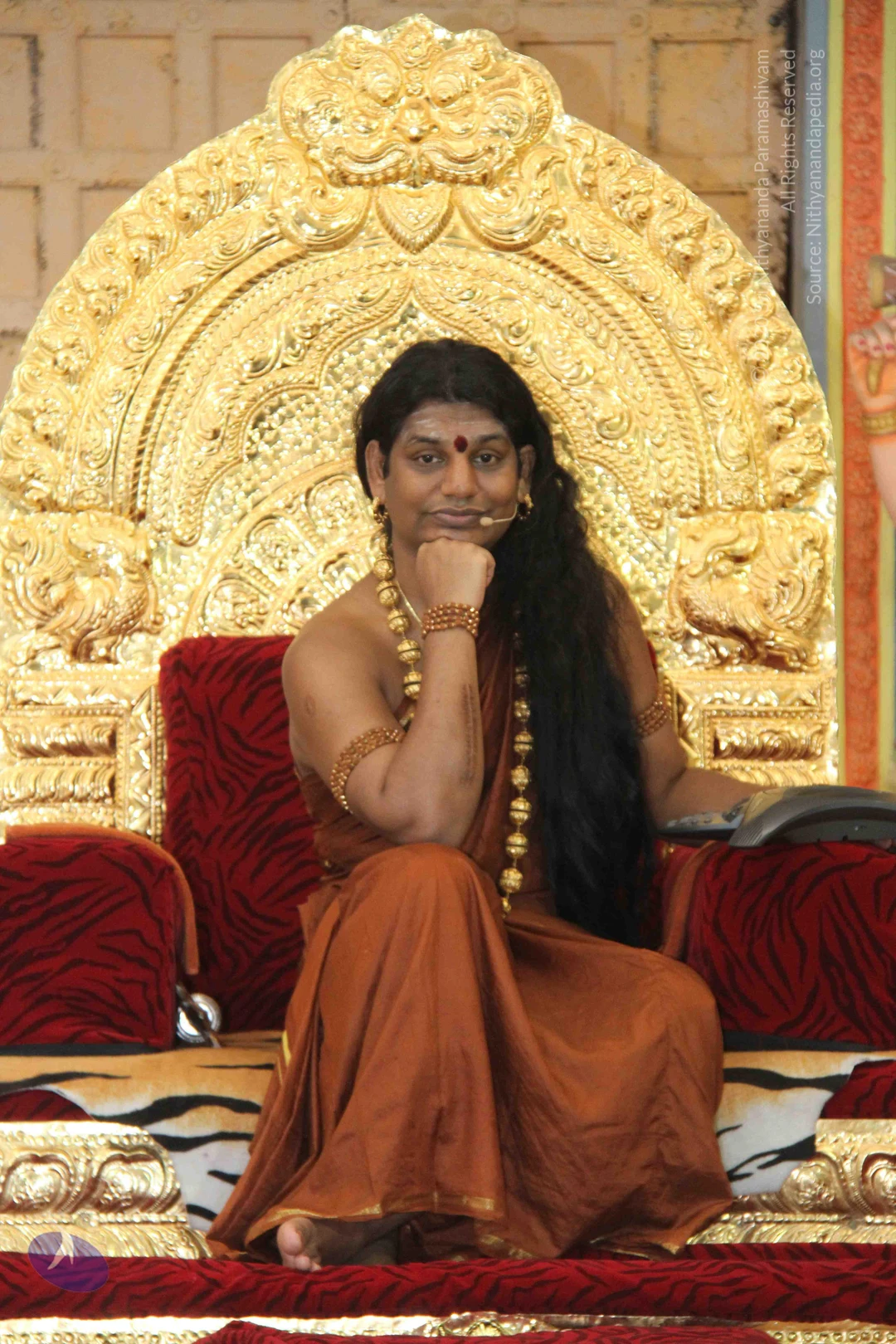
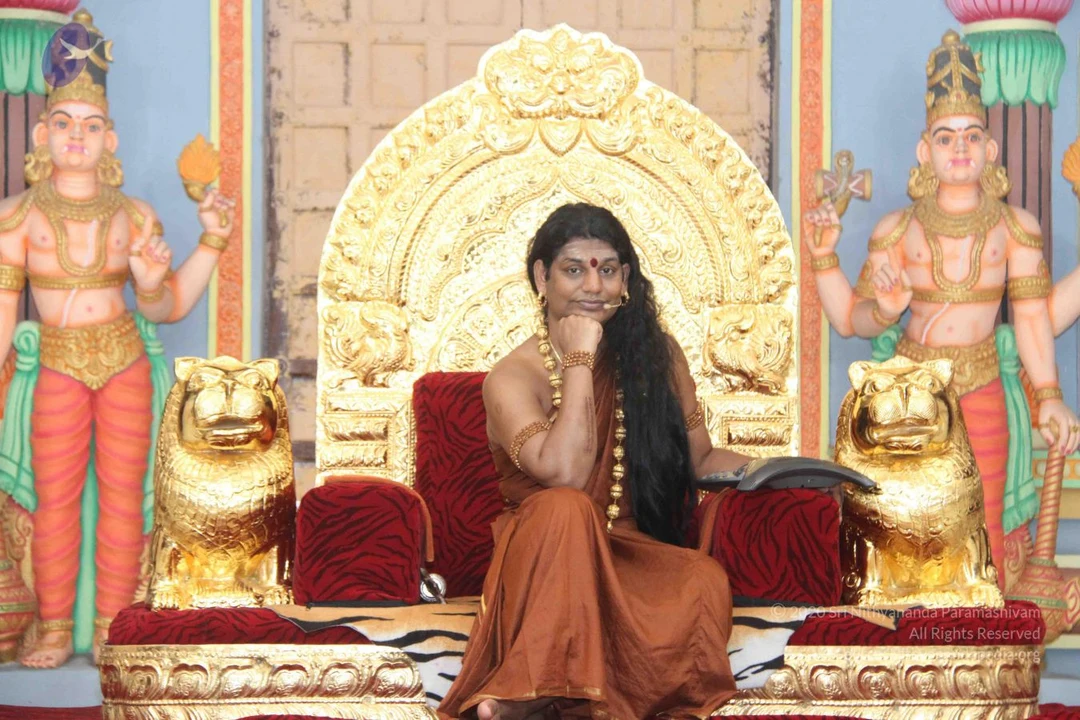
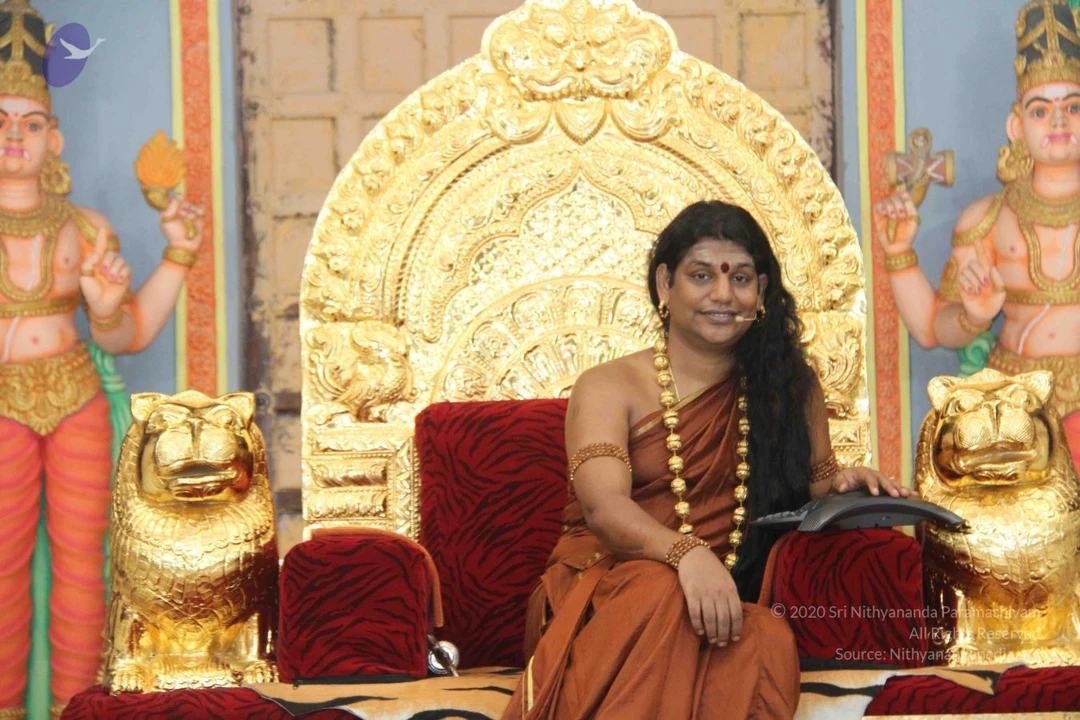
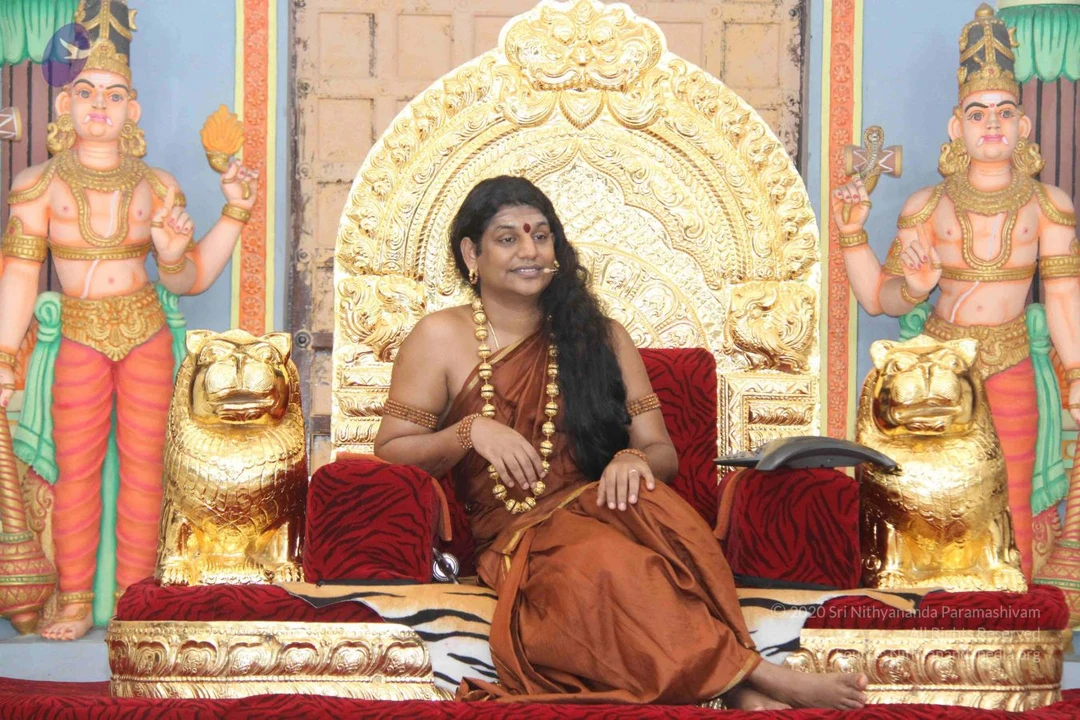
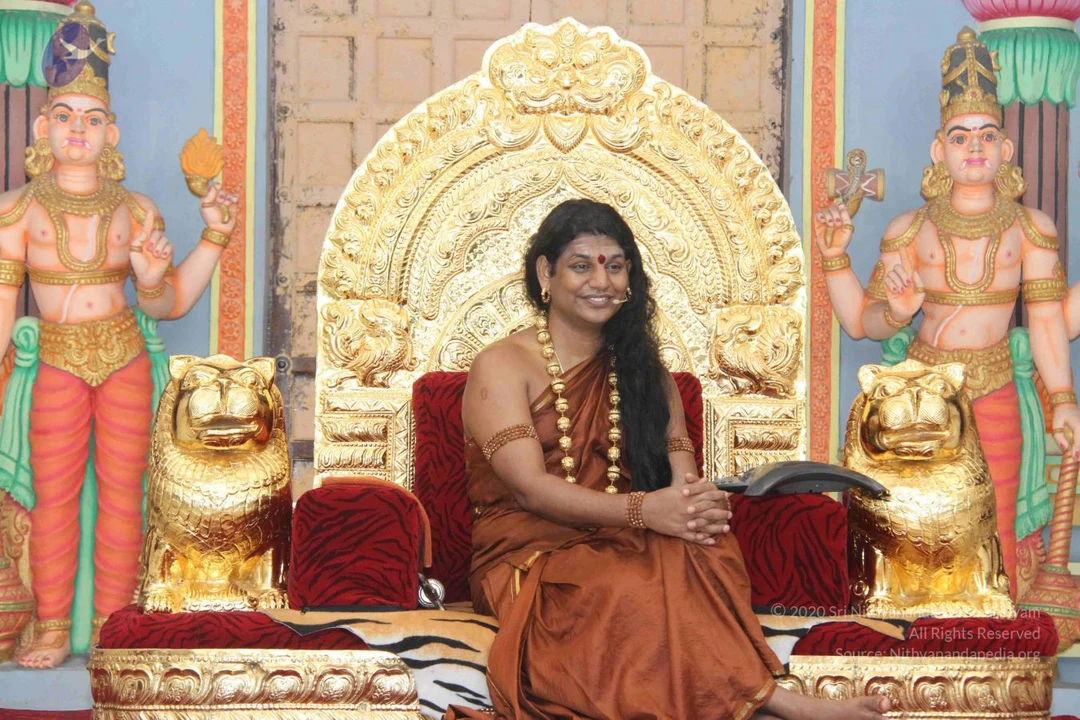
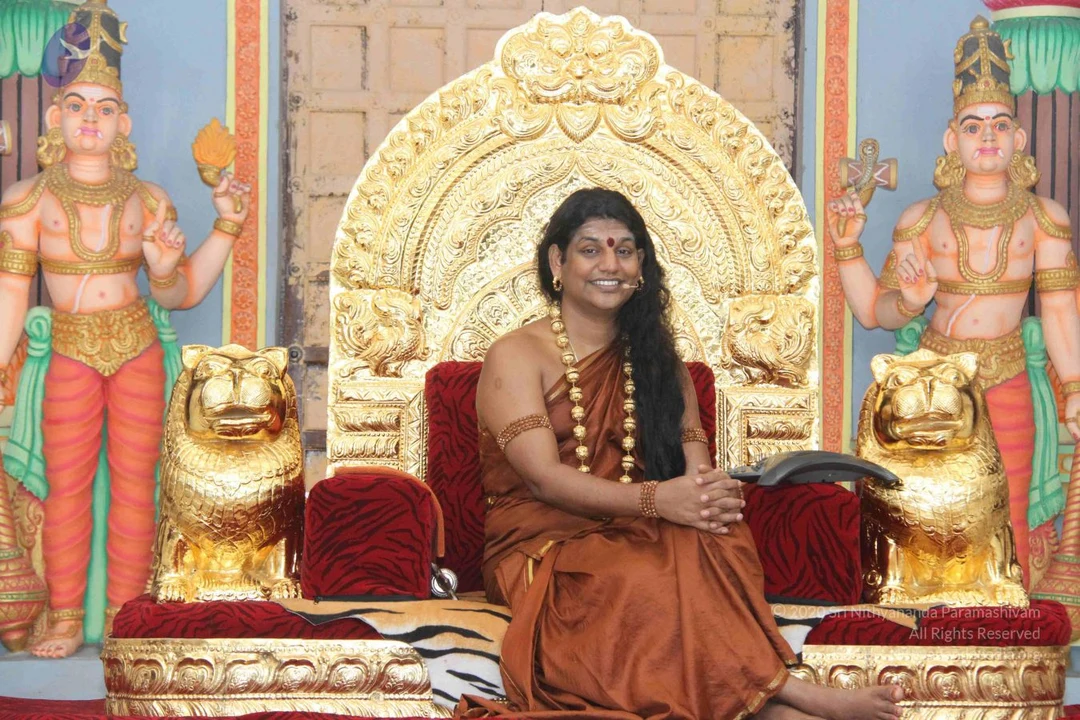
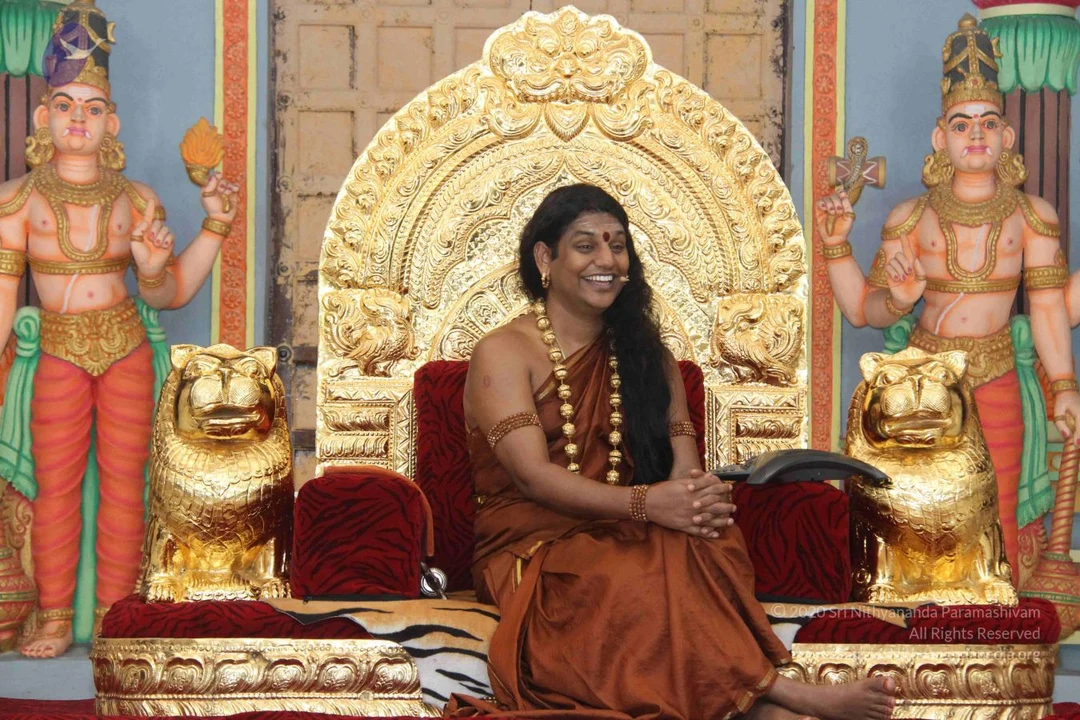
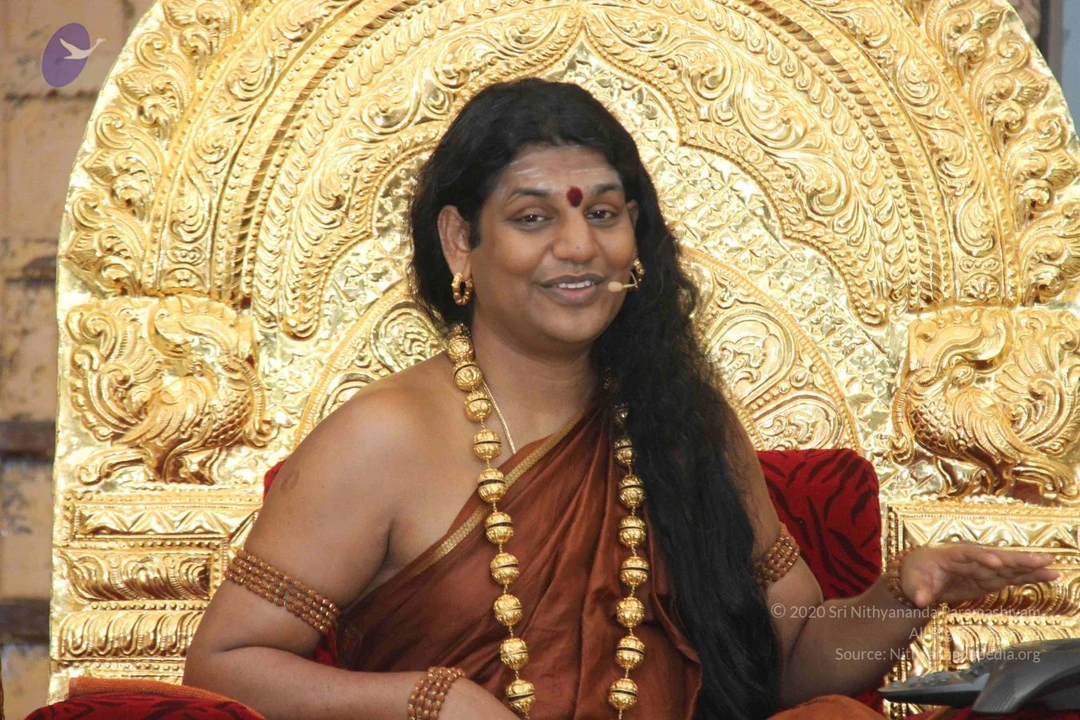
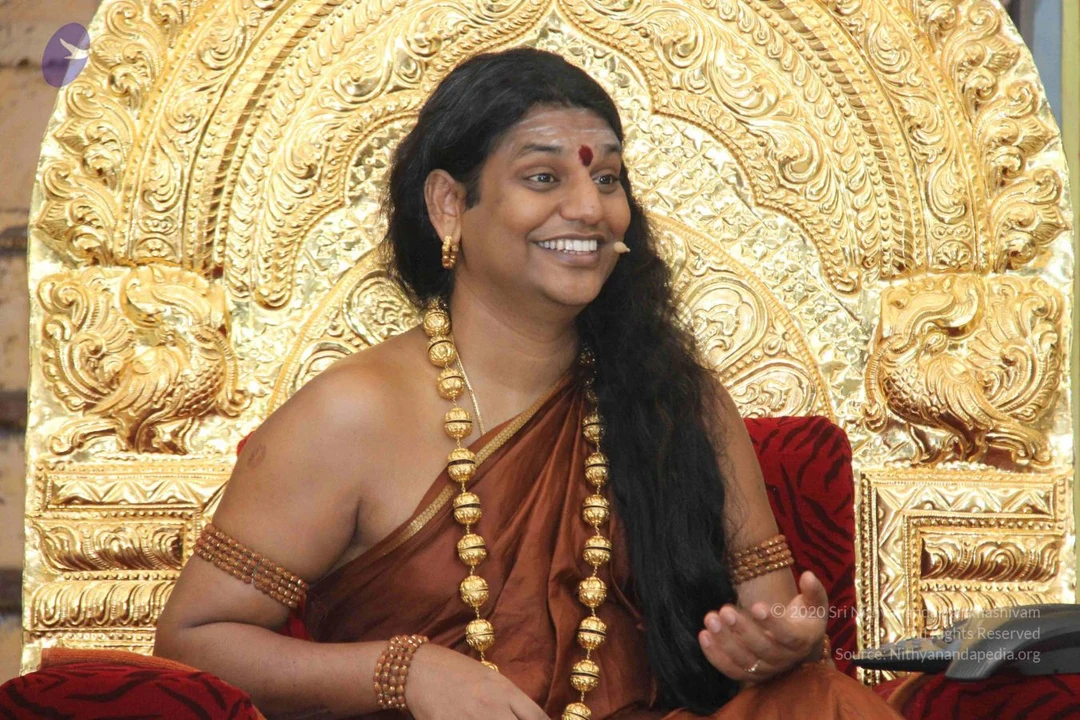
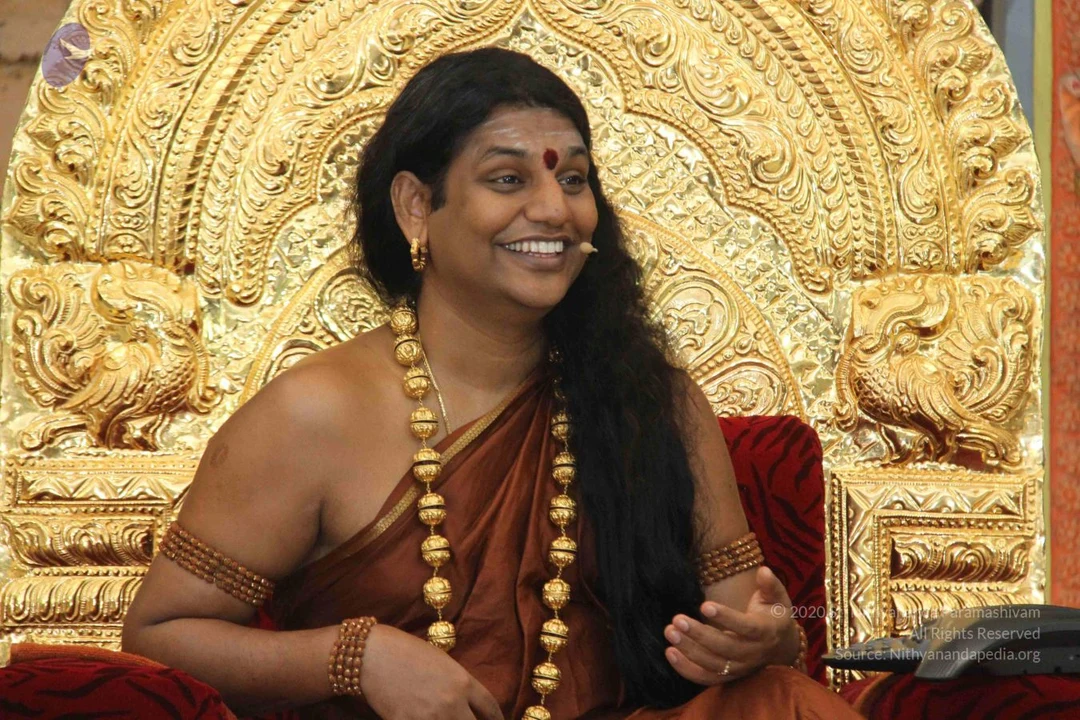
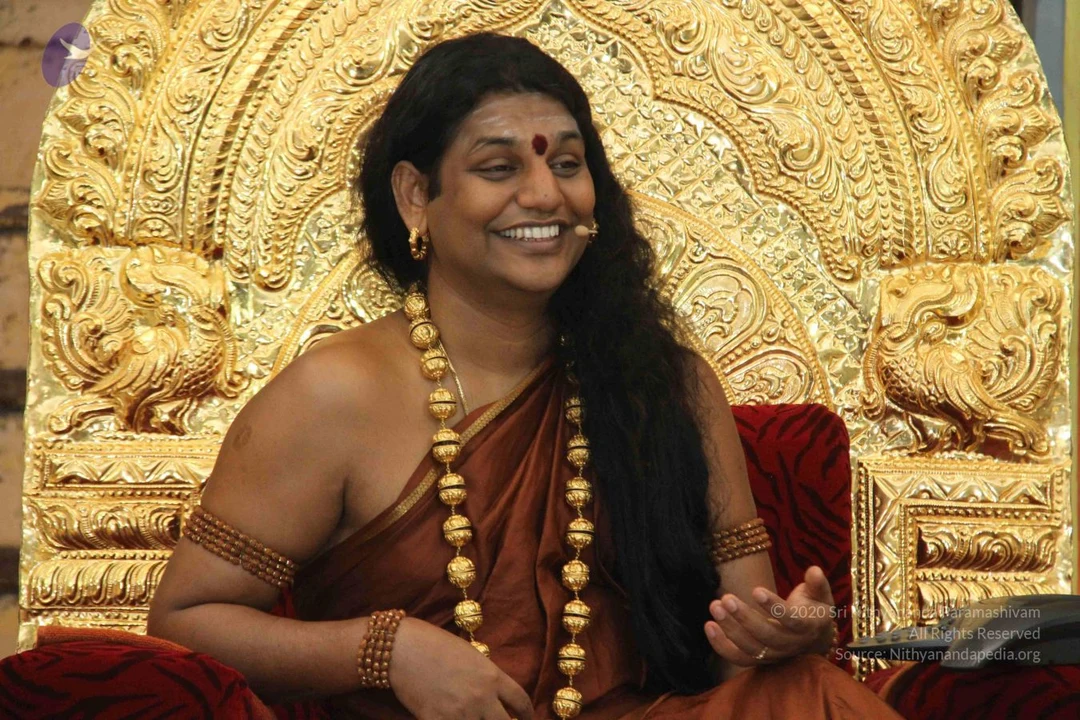
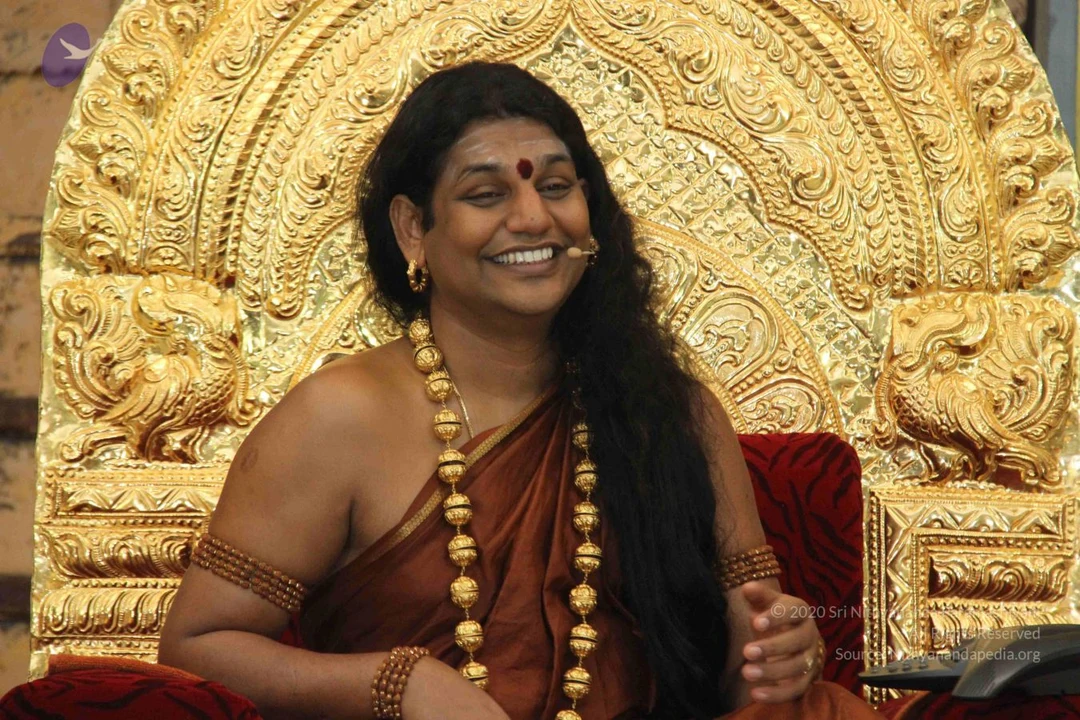
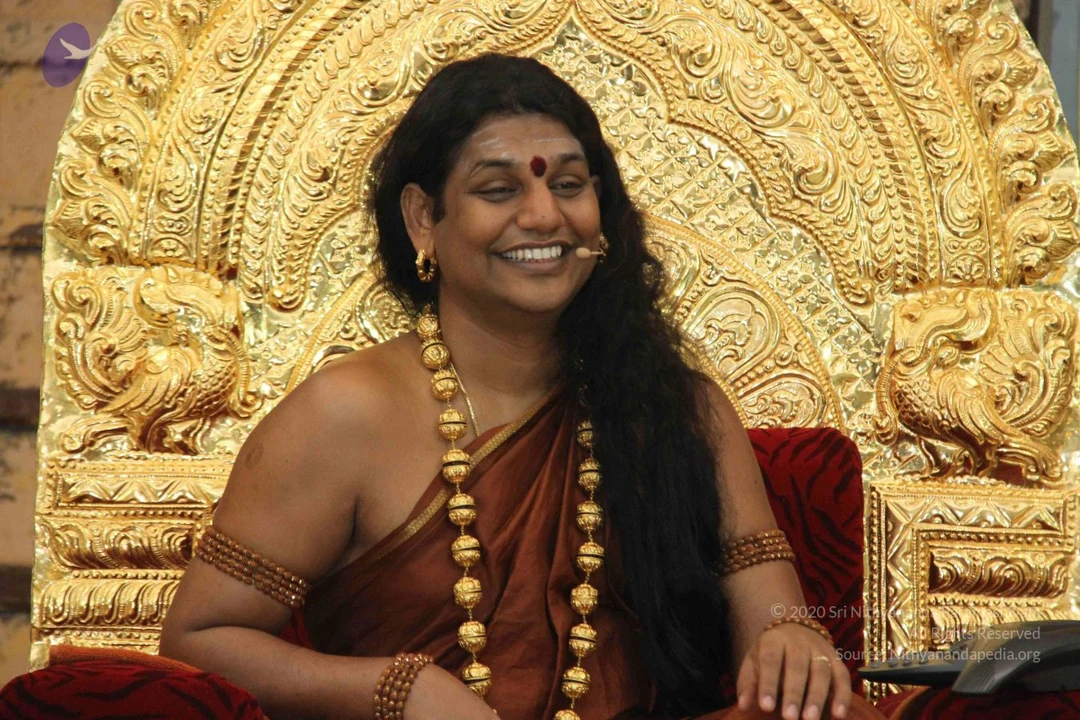
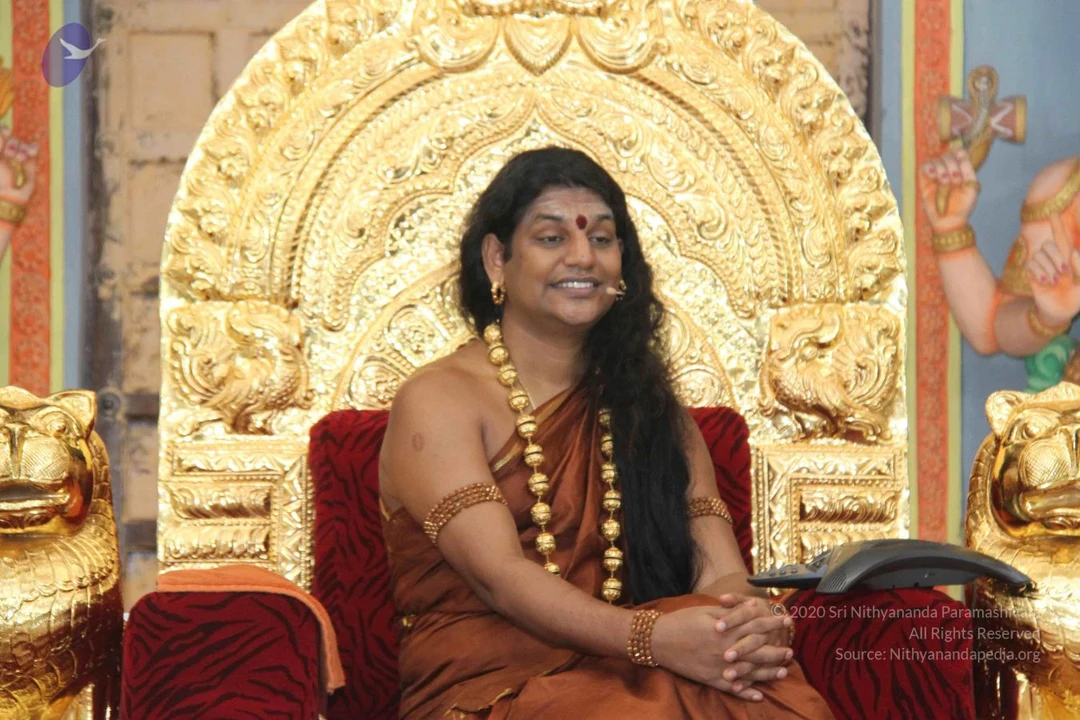
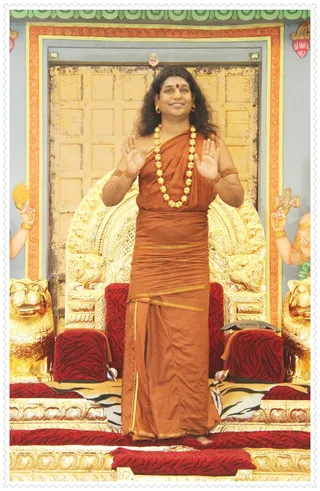
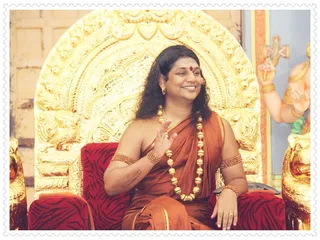
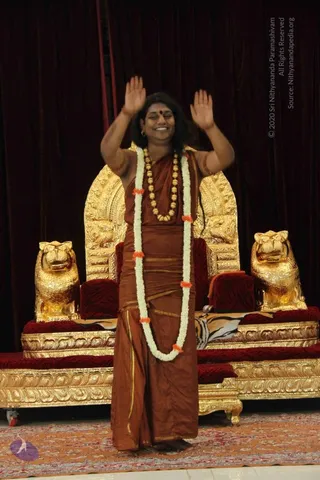
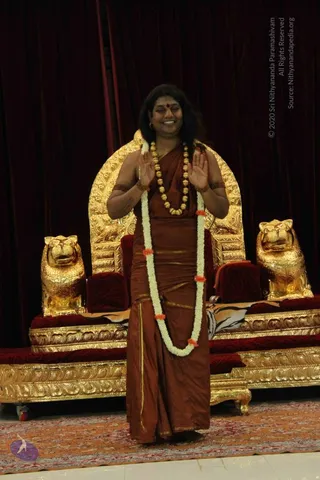
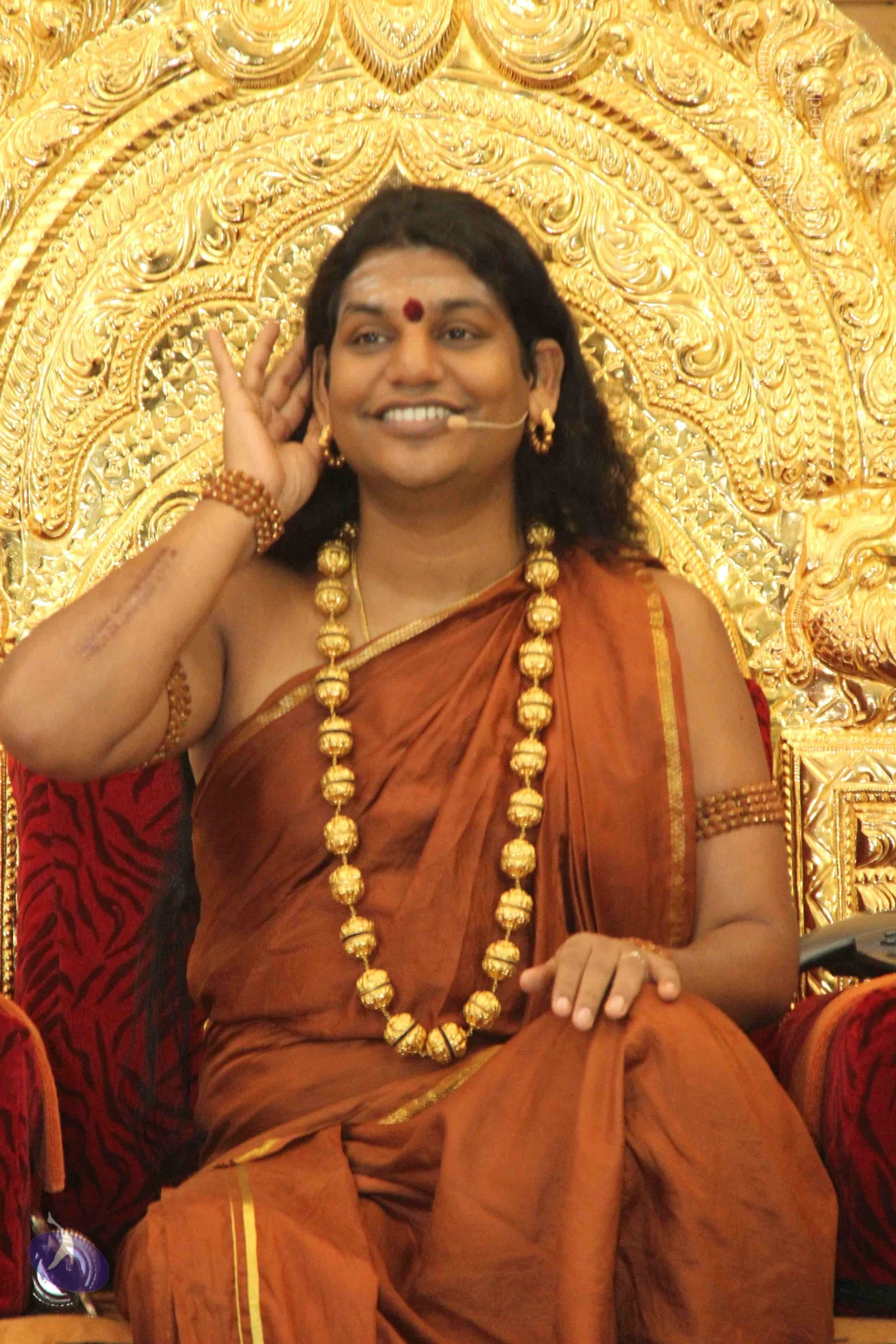
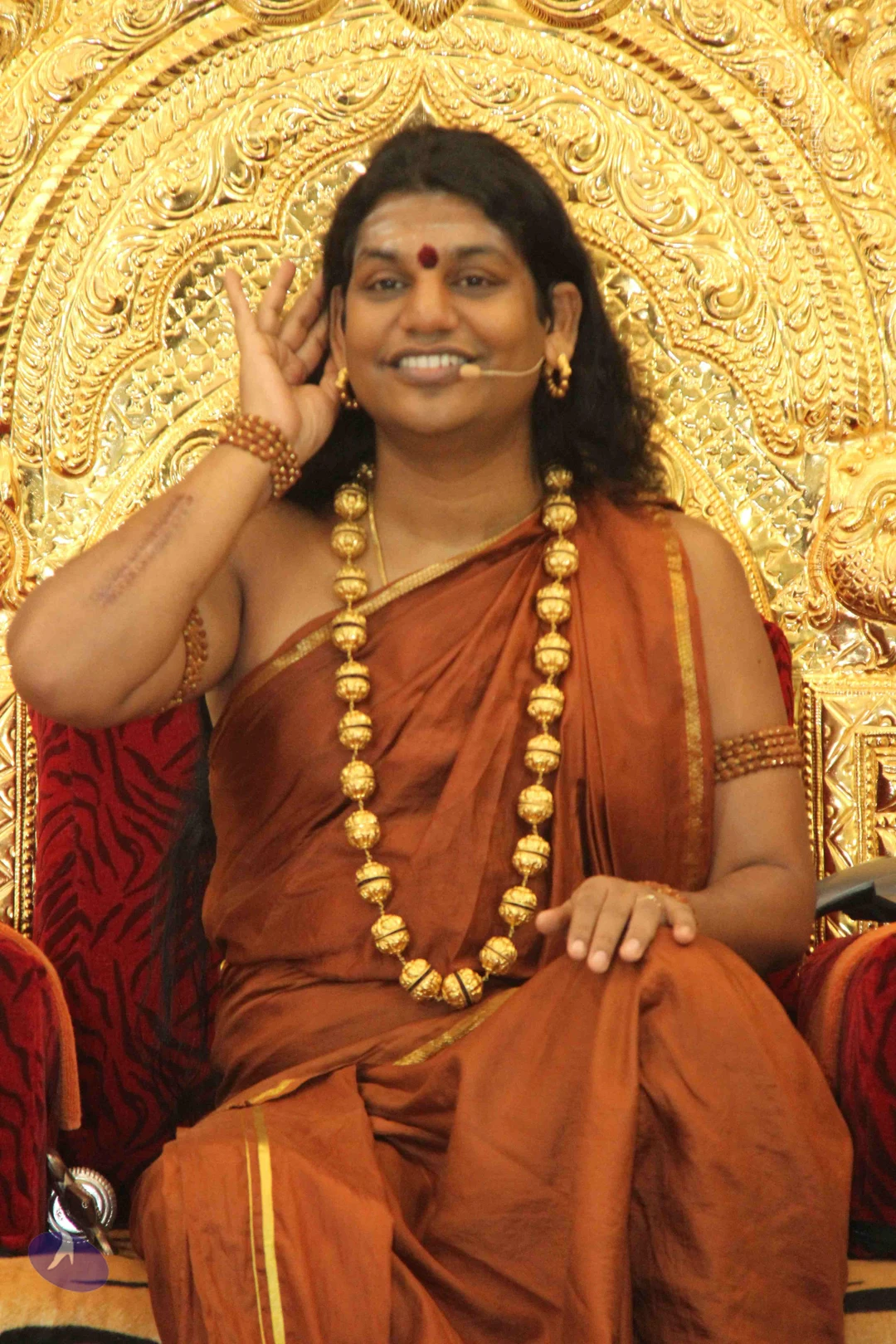
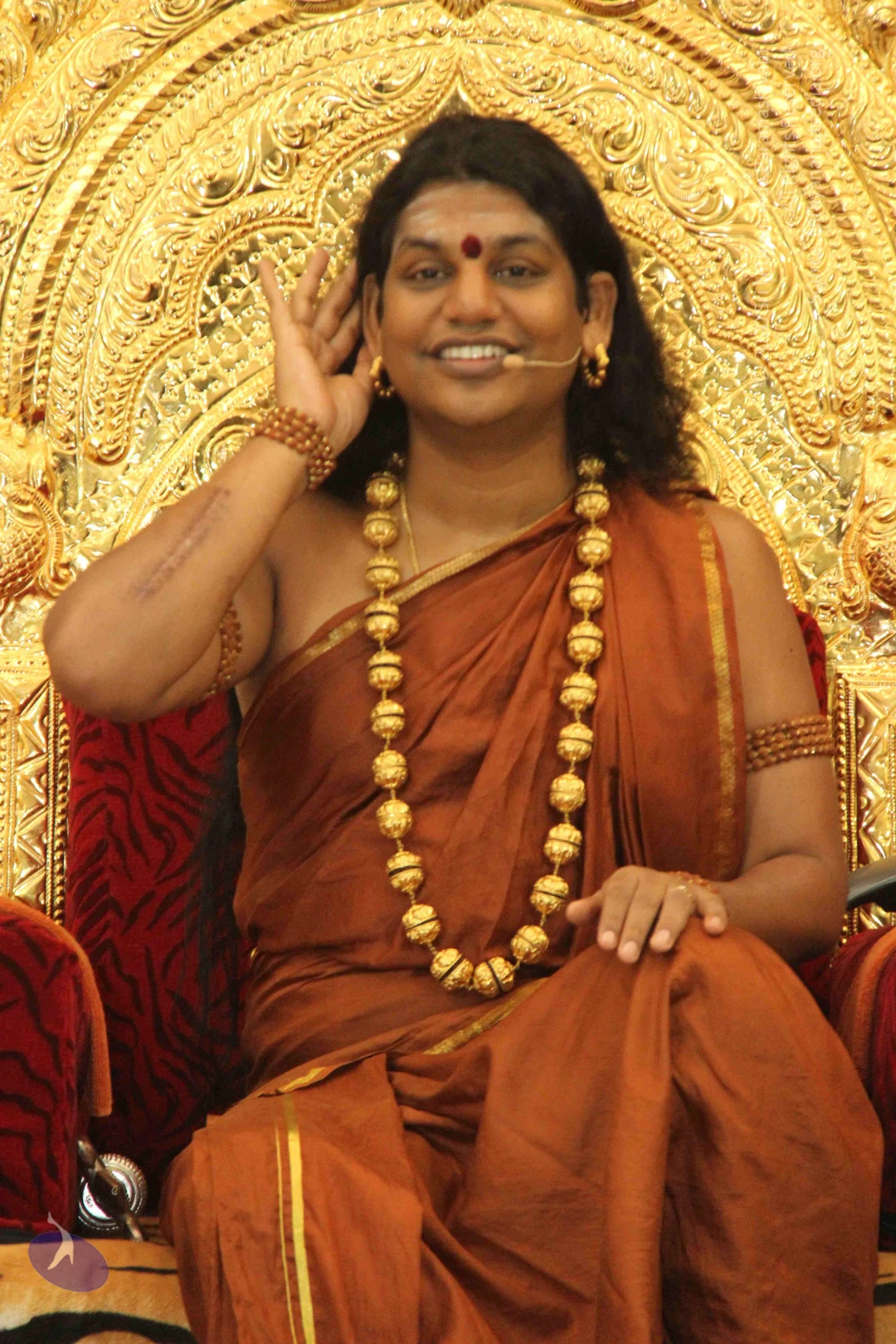
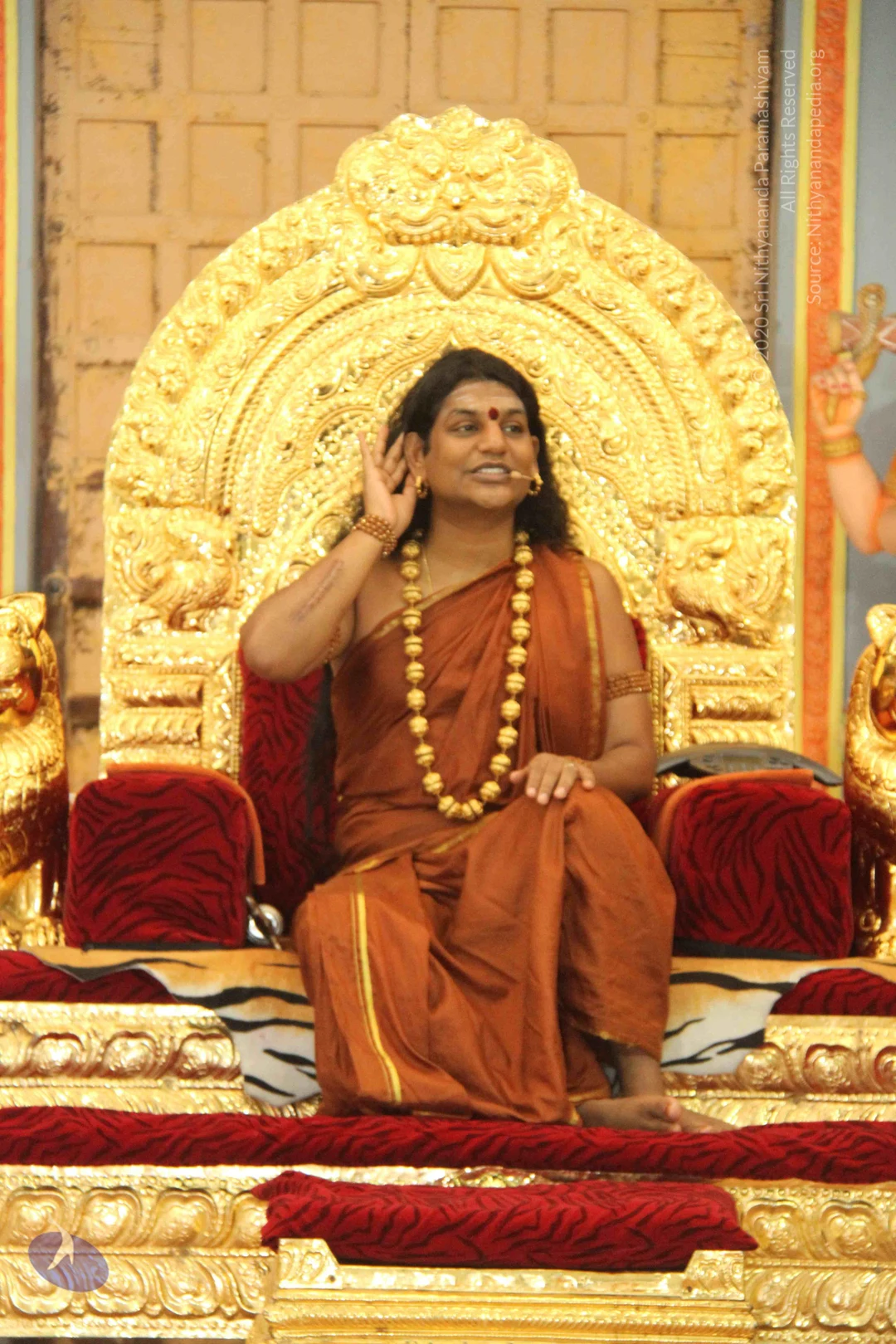
A smiling man with long dark hair sits on an ornate gold throne with a red tiger-striped cushion. He wears an orange-brown silk garment, a heavy necklace of gold-toned beads, gold bangles on his upper arms and wrists, and a small red bindi with a tilak mark. A small headset microphone is visible near his ear. Behind him are a pink and green lotus-style pillar and a pale blue wall. Swamiji (probable): long swept-back hair, orange-brown robe, ornate gold necklace and bead malas, seated on a golden throne as a teacher during a satsang.A photograph of a long-haired man seated on an ornate gold throne with a red tiger-print cushion. He wears an orange-brown shawl draped over bare shoulders, a heavy gold bead necklace, beaded rudraksha-style bracelets and armlets, and a red bindi on his forehead. He smiles and gestures with one hand near his chest. Behind him are a pink and green lotus-topped pillar and a blue-framed panel. Swamiji (probable) cues: long swept-back hair, orange shawl and gold bead necklace, seated on a throne in a satsang setting.A standing person in a rust-brown silk drape with a gold-edged border raises both arms overhead with palms open, smiling. The person wears a white and orange flower garland, a multi-strand gold-bead necklace, gold bangles and a red bindi, and stands barefoot on a patterned red carpet. Behind them is an ornate gold throne with a carved arched back, flanked by two gold lion figures, with red velvet cushions and a tiger-striped cloth draped over the seat. Dark red velvet drapes fill the background.

October 25 2013

Original wiki page
Contents

Title:

Listening is a Survival Need!

Description:

In today’s morning Satsang, Paramahamsa Nithyananda teaches us about the Power of Listening – it is a survival need! We can reduce or eliminate suffering in our lives by listening to our mind, body, and other people. When we listen, we are practicing one of the most important aspects of our spiritual practice – completion. Life starts with listening. Completion is listening.

Link to Video:

VideoAudio

Transcript:

Nithyanandeshwara Samaarambhaam Nithyanandeshwari Madhyamaam | Asmath Aachaarya Paryanthaam Vandhey Guru Paramparaam ||

I’ll enter into today’s satsang.

Understand, today I wanted to expand on the Power of Listening and how it is directly connected to ability to handle sufferings, ability to handle reality.

See, the inability to handle the reality is suffering. You need to know, inability to handle the reality is suffering. The moment you have the ability to handle reality, it is no more suffering. And listening plays a very major role in that. When you don’t have listening, you always come to the conclusion before the information is cognized in you.

Please listen, the moment you start talking to somebody, when you don’t have listening, you start coming to your own conclusions either by rejecting that person or taking that person as a big threat. Both will lead you to suffering. If you take some joker as a villain, you will be suffering unnecessarily. If you take the villain as a joker, you are neglecting the great problems and big sufferings going to come. To gauge a villain as a villain, a comedian as a comedian, you need listening.

Please understand, it is listening which is important to see the guy who is in front of your life is going to be a comedian or a villain or your friend. Just because it’s a close persons opinion I don’t take that as hundred percent proof . Just because it’s opponents opinion I don’t take that very lightly. In every moment I put my listening and separate the comedians, villains and heroes. Heroes let them be encouraged to support, comedians laugh at them, villains attend to them and give them the right reply.

Please understand listening is survival need, listening is survival need. If you just have listening towards your mind it cannot cause any more suffering to you. Your mind is also one of the close attendants you have. Because of your confidence over that guy, that guy tries to give you false information and exploits you. I have seen this happening, I have seen this happening. It is not that he is a criminal but he does not have listening. People ask me, ‘How can we get to the space of pure listening? How is it practically possible to be in listening? ‘

Each time in our so busy daily lives I can give you simple few techniques: Listen to your heart whenever you have a suffering thought, panic attack. Whenever you are confronting something , listen to your heart, listen to you blood flow, listen to your liver it will really help you. You will learn listening. Once in a while, sit with a tree, sit with a river, sit with a water-body. When I say “water-body”, I mean hundred times more quantity water than your blood level is a “water-body” It can be anything; it can be a tank, pond, river. I think your body carries almost five to seven liters of blood based on your size. So, around seven hundred liter water if it is there, it can be considered as a water-body. Even a water-tank seven hundred liters water. If you sit with a water body and listen, it may look very funny in the initial level; but, I tell you, it’ll develop listening!

In the Inner Awakening Level-4, the first initiation you are going to have is “Shravana Deeksha”, initiation into Listening.

I am really telling you, listen when you are feeling confronted. Listen when you are feeling conflict. Listen when you are sick and tired. Listen when you feel why life is like this. Listen whenever you have a resistance towards something. Listening.

Your inability to listen will make anything in the life as suffering. Even milk will become poison. Your ability to listen will make even poison into nectar. If you have the listening, when the idea starts in your throat. Please understand, listening in the source where the ideas are happening is “Unclutching”. If you just sit with you and listen you talking to you.

- See largest gathering of human beings is Kumbha Mela, largest action of human beings on same day, see like festival or celebration is also India, Indian election. That is the largest action or happening where largest number of human beings are participating. China has more population but they don’t have election. Largest gathering of human beings and largest active participating celebration of human beings both happen in India. Please understand your mind behaves like a mike starving mahatma. I tell you, sit and listen it out, listen it out.

Listening out to your mind is “Unclutching”. Every day, listening out to your mind before going to sleep is “Completion”. Completion is nothing but listening. If you are listening, you will be in the space of Completion. Listen to your physical ailments. When you have headache, listen to your head. When you have stomach pain, listen to your stomach. If you have diabetes, listen to your tiredness. If you have blood pressure, listen to your agitation. Listen to every conflict, every contradiction, every confrontation you face in the life. When you are in the space of Completion, you will be naturally listening without any struggle or effort.

Bring listening to your thinking. Bring listening to your words. Bring listening to others’ words. Bring listening to the conflicts you are going through. I tell you, when you don’t listen, your mind will behave with you like a politician. When you listen, your mind will behave with you like an enlightened being. If you listen, your own mind will behave with you like an enlightened being. Your mind will be Guru for you. It will take you away from all sufferings. It will melt down all worries, all sufferings, all conflicts.

Listening, listening whole day, Completion whole night, is the life of a Yogi. Listening whole day, Completion whole night, means being in the space of listening throughout the day, being in the space of Completion throughout the night. I tell you, listening is Dhyana, Completion is Samadhi. When you listen in the source of the words and thoughts, which is the neck, which is the throat, you will be in the space of Unclutching, even poison will not cross this and grow and disturb your body. That is what is the meaning of “Neelakanta”; because Mahadeva is established in the pure space of listening, even poison cannot cross his listening, the power of listening, and affect his body.

13:30 Hindi - 15:23

Listening is the first step in life. From today, every day I am going to expand on the initiation you are going to have in the Inner Awakening-Level 4. The first initiation you are going to have in the Inner Awakening Level 4 is “Shravana Deeksha”, methodology and experience into listening, methodology and initiation into listening. Listening, with listening, life starts, when you stop listening, life ends.

Let you all achieve, experience, live, express, radiate, share and explode in eternal bliss, Nithyananda.

Photos From The Day:
Photos Of The Day:

PadukaPuja_CrowdShots_Individuals

NithyaSatsang_Swamiji

SarvaDarshan

Final_blessing

Tags:

Paramahamsa Nithyananda, power, survival, suffering, mind, body, spiritual, completion, listening.

Photos from this day

View all 146 photos

Photos From The Day:
19 photosSource gallery
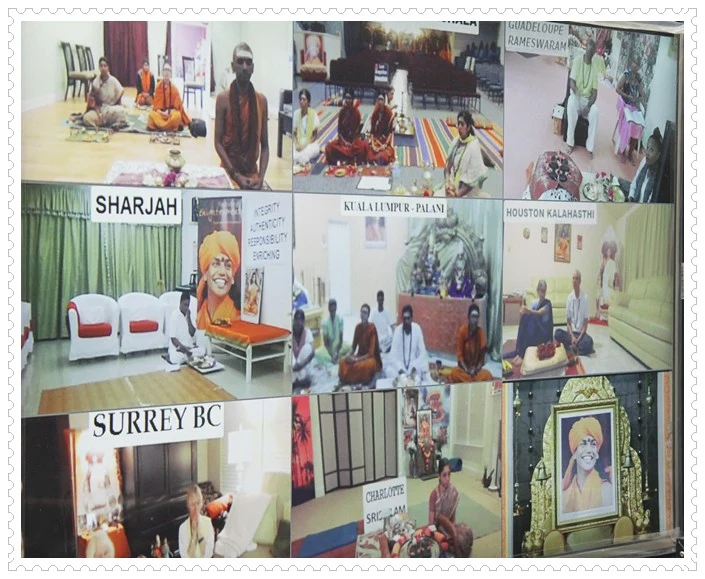
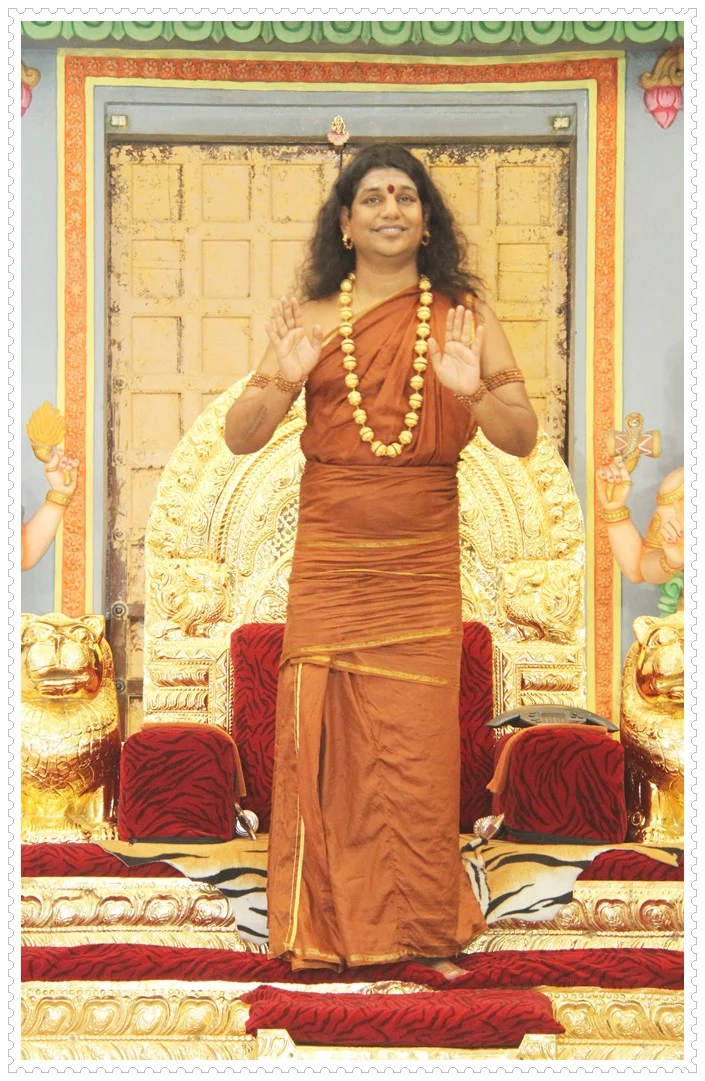
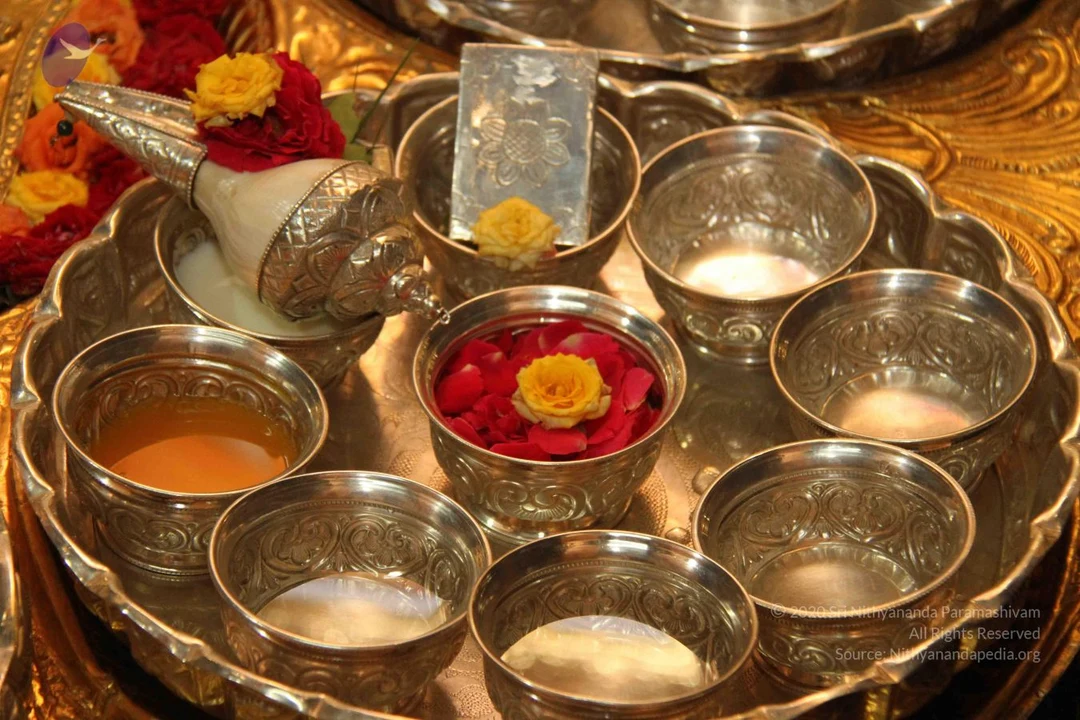
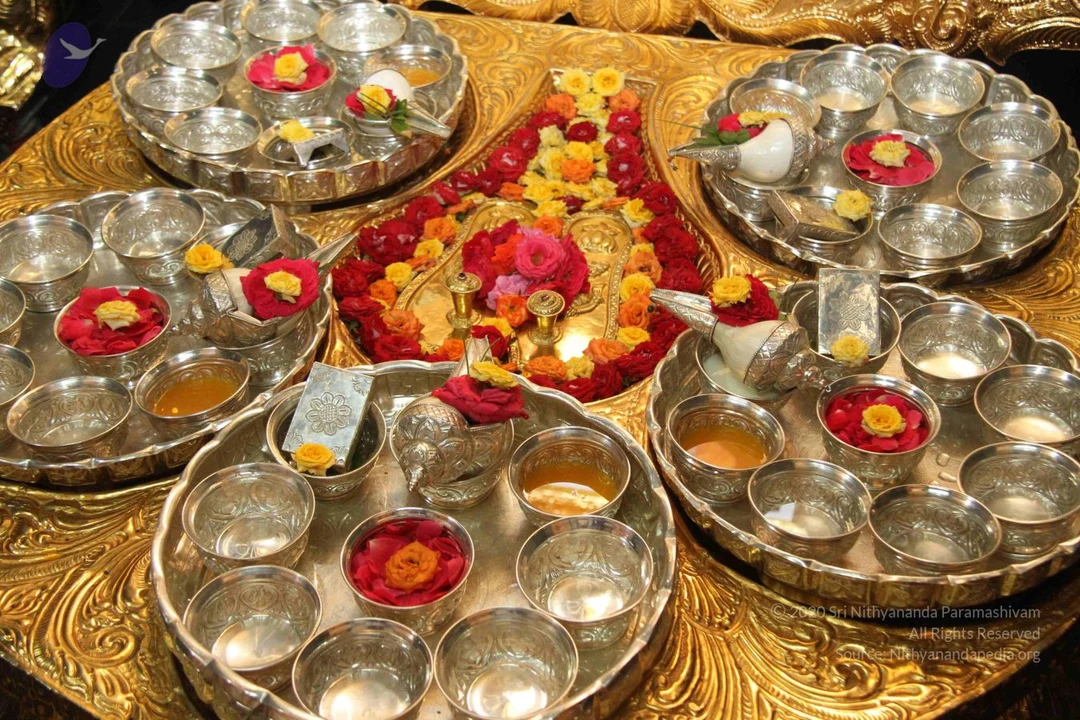
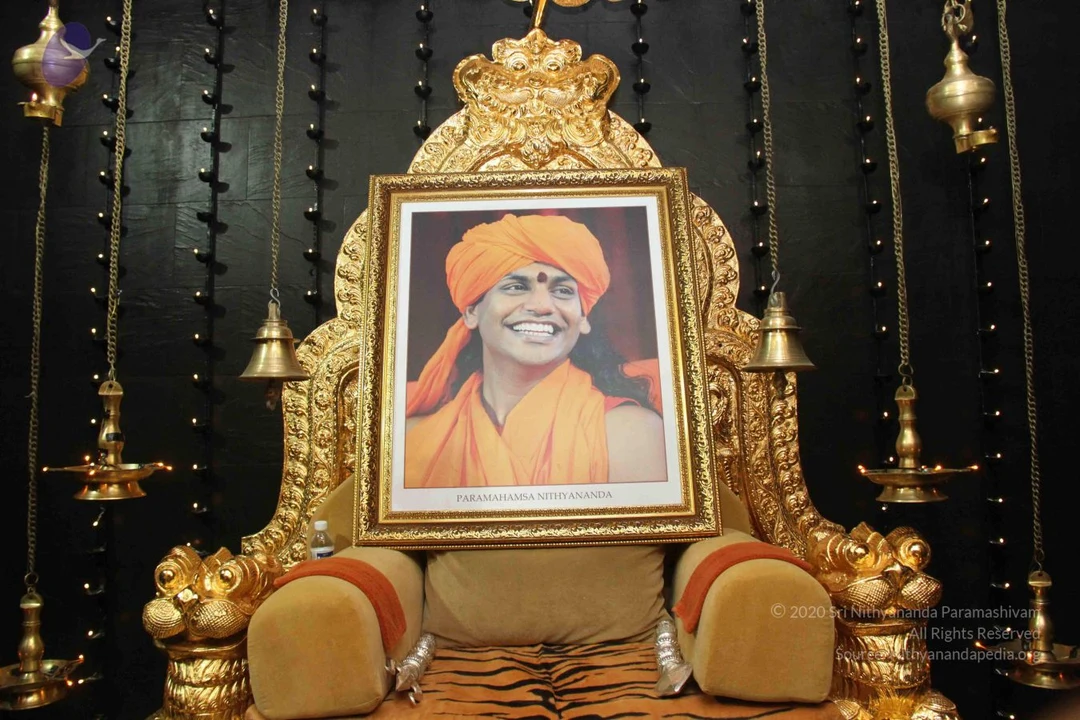
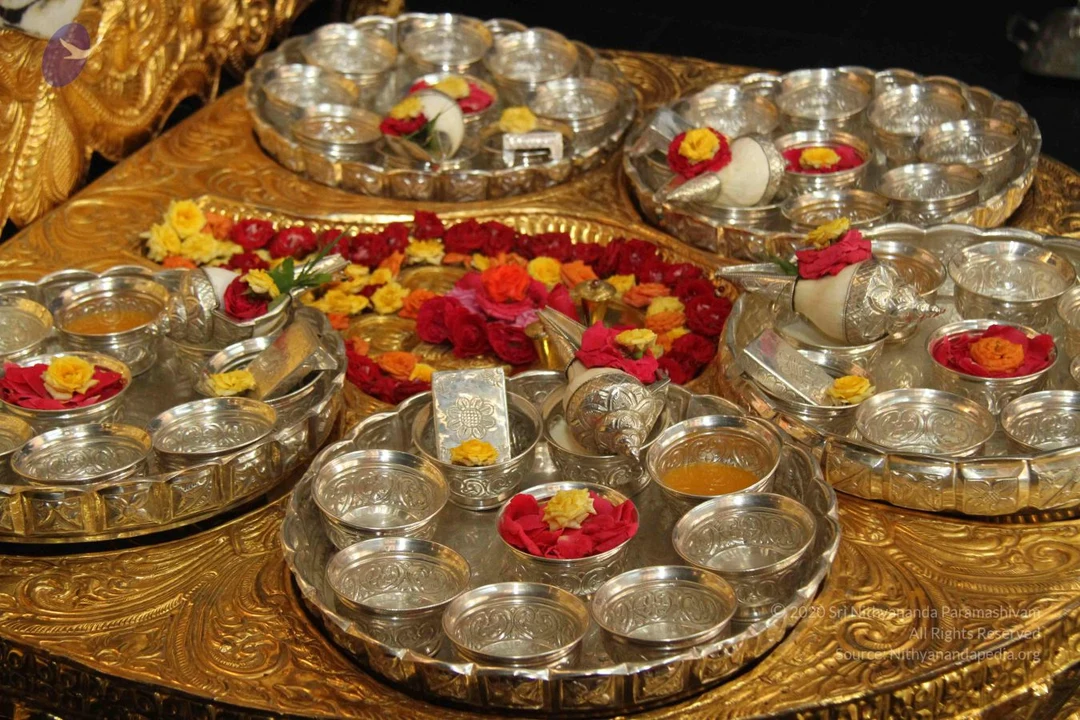
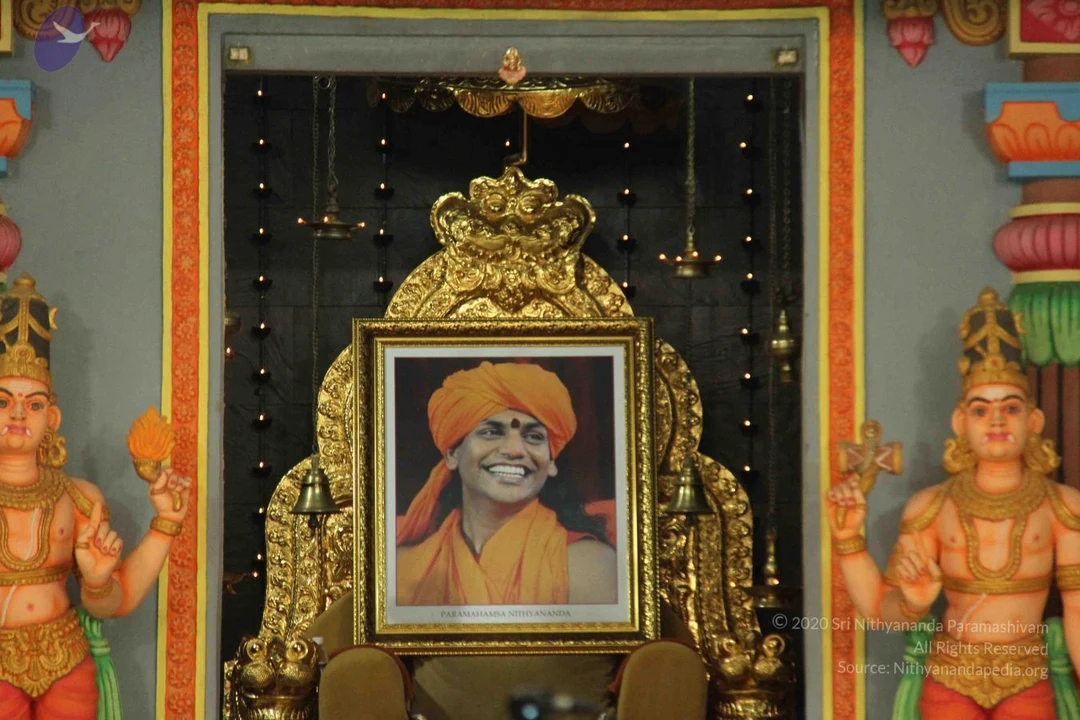
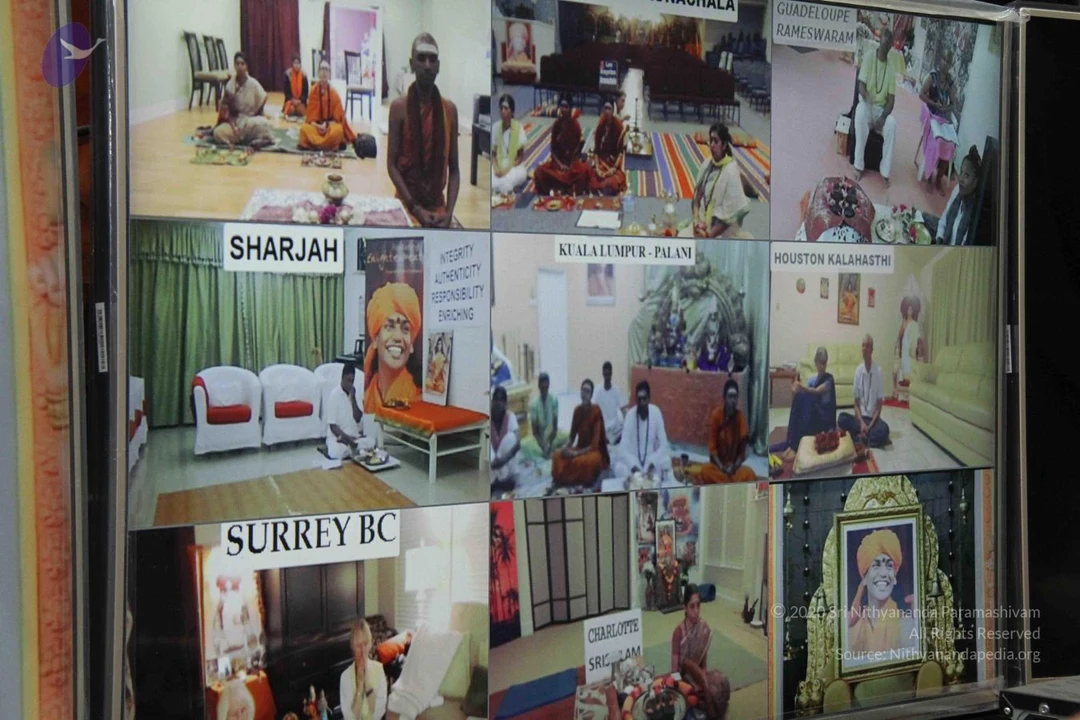
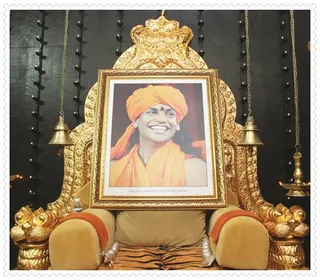
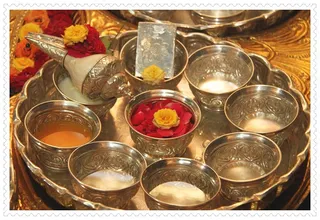
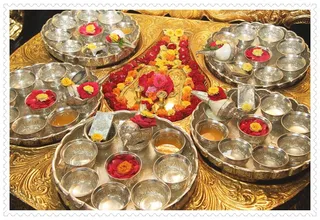
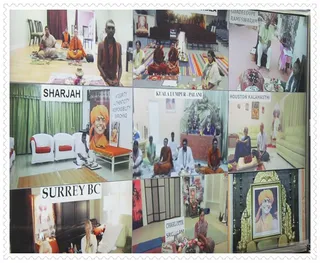
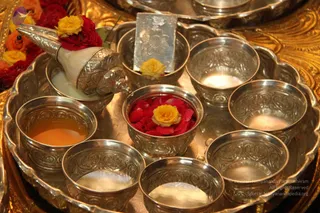
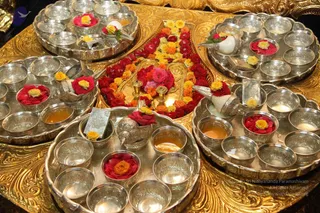
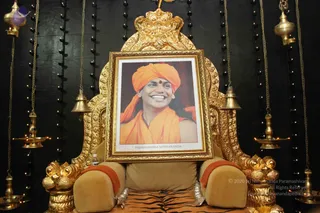
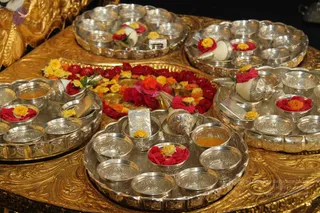
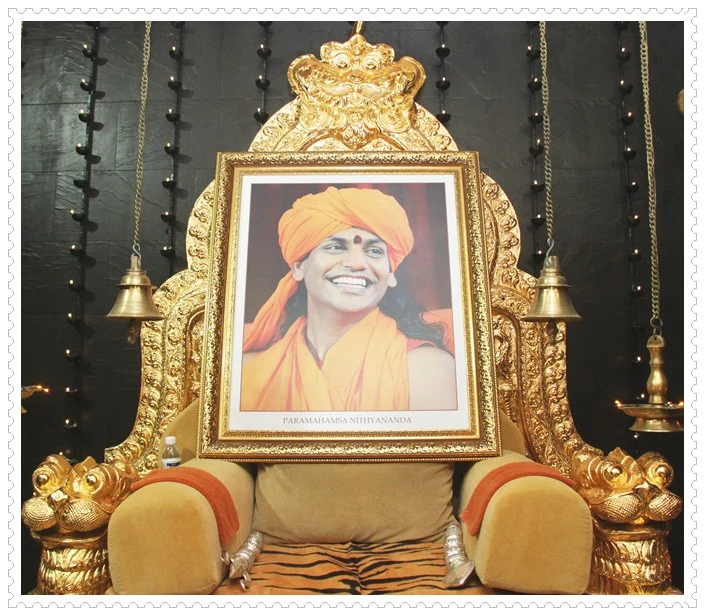
A large ornate gold throne with a carved crest and tiger-striped seat cushion stands empty against a dark backdrop hung with strands of beads. A framed printed portrait sits on the throne's seat, showing a smiling man in orange saffron turban and orange robe with a red bindi, captioned as PARAMAHAMSA NITHYANANDA. Two brass hanging bells dangle on chains on either side, and a brass oil lamp stands at the right edge. No physical people are visible.Close-up photograph of a large ornate engraved silver-and-gold tray holding a set of small engraved silver bowls for ritual offerings. The central bowl is filled with red rose petals topped with a yellow flower. Other bowls contain milk-white liquid, honey-coloured liquid and a yellow-orange liquid. A silver conical vessel with a spout, decorated with red and yellow flowers, sits at the upper left, and a small silver plaque stands among the bowls. No people are visible; the setting suggests abhishekam offering items.Close top-down view of an offering arrangement on a gold-embossed tray. At centre, a decorative deity murti or shrine piece is ringed by red, orange and yellow marigold and rose garlands. Around it sit four large engraved silver thalis, each holding small silver bowls with red and yellow rose and marigold petals, a silver spouted vessel, and small amounts of yellow liquid or food. A small silver container and a silver pot appear on the lower left. No people are visible.A multi-panel collage of nine video-link satsang screens, each labelled with a location: Sharjah, Kuala Lumpur-Palani, Houston Kalahasthi, Surrey BC, Charlotte Sri Ramam, Guadeloupe Rameswaram, and a Trichy-style panel at top. Panels show ashram-style rooms with devotees seated on mats, some in orange and white clothing, a white-dressed attendee kneeling beside a low table, offerings and flower garlands, and a large framed portrait labelled with a robed figure in orange with a crown-like headdress, shown on a gold-framed altar in the bottom-right panel. The collage itself contains no physical people; the figures are on screens.A standing figure in a saffron-orange draped robe with a gold bead necklace and a red bindi stands before a gilded throne with lion-head arms, red velvet cushions and a tiger-striped cloth. a person stands centrally with both palms raised in greeting, long swept-back hair, gold bangles and gold earrings. Behind is a carved gold door, and gilded deity figures with raised hands flank the edges of the frame. Only one physical person is visible.A seated figure on an ornate gold throne with red tiger-striped cushions gestures with a raised right hand while smiling. The person wears a rust-orange sari-style wrap, a gold bead necklace, gold earrings, gold armlets and bangles, and a red bindi. Long dark hair falls past the shoulders. Beside the throne, a gold-coloured deity murti with raised arms and gold ornaments is partly visible on the right, and a gold lion-carved armrest frames the left. The setting suggests a satsang discourse.

PadukaPuja_CrowdShots_Individuals
16 photosSource gallery
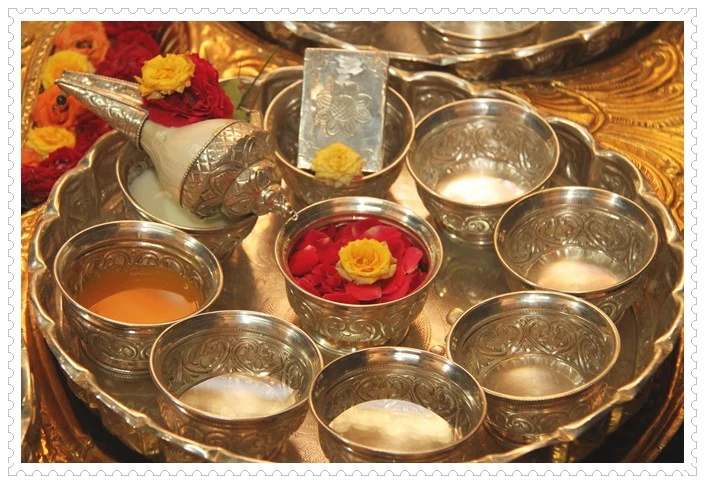
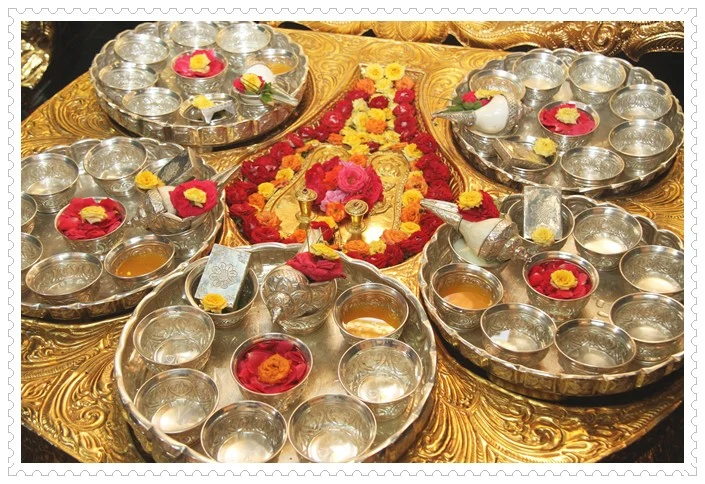
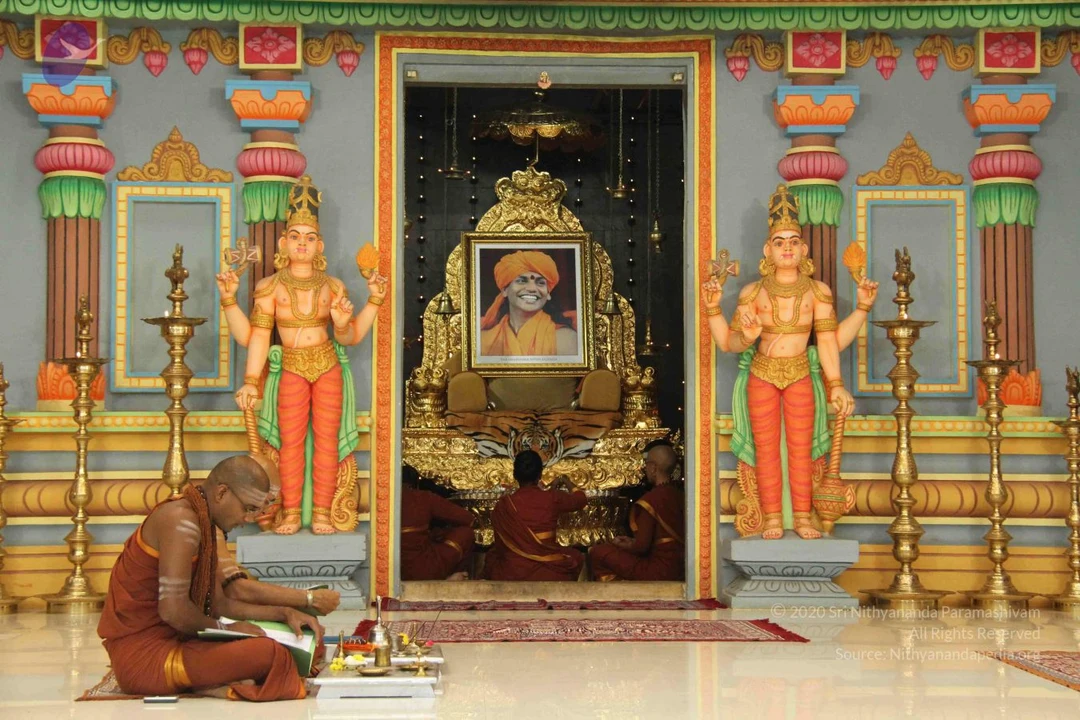
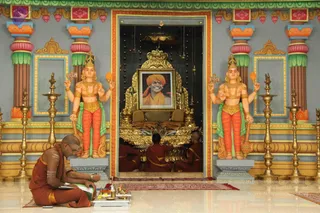
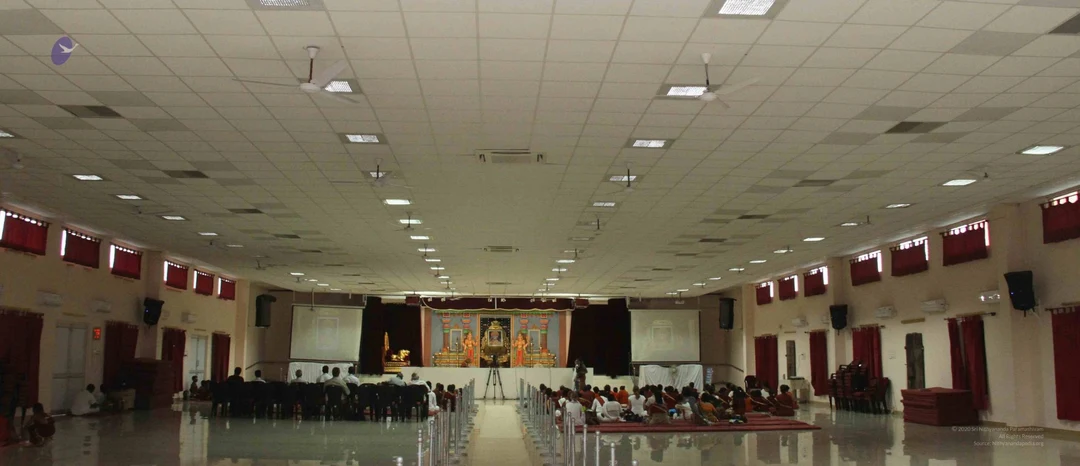
A close view of a polished brass ritual tray holding several engraved silver bowls. Bowls contain red rose petals topped with a yellow rose, a golden liquid, milk-white liquid, and a small silver pitcher with a spout and a yellow rose. A silver rectangular plate with floral engraving rests among the bowls, and red and yellow flowers sit at the upper left. No people are visible.Ornate silver puja trays arranged on a gold-embossed surface, filled with small silver bowls containing yellow and orange liquid, and red and orange flower petals. Central tray holds a bed of red, pink, orange and yellow flowers with two small brass lamps. Silver ladles and silver containers with petal offerings surround the arrangement, with no people visible.A framed portrait of a smiling man in orange and saffron clothing is displayed on an ornate golden throne against a black backdrop. He wears an orange turban with a red dot on his forehead and an orange shawl. The throne has carved gold lion-head and floral motifs, a tiger-striped seat cushion, and tan armrests with orange bands. Hanging brass oil lamps on chains and brass bells flank the throne. A printed caption on the frame reads PARAMAHAMSA NITHYANANDA. The image is a depiction on a portrait, not a person physically present.A photograph of ornate silver puja trays arranged on a gold-embossed altar table. Several round silver plates with scalloped rims hold small silver bowls filled with red rose petals, yellow and orange marigold flowers, and amber-coloured liquid. White conch-shaped vessels with silver fittings and silver spoons sit among the offerings. A large central tray is heaped with red and orange petals and yellow flowers. No people are visible; the setting suggests a ritual offering arrangement such as puja or abhishekam preparation.A photograph inside a temple shrine with painted pillars in red, green and yellow, and two large painted deity statues flanking a central doorway, each holding ritual objects. Behind the doorway, a framed portrait of a smiling man in an orange turban and orange garment sits on a gold ornate throne draped with a tiger-striped cloth. Three saffron-robed figures sit near the throne, one reaching toward it. In the foreground, a shaved-headed man in orange robes with white markings sits on the floor writing in an open notebook beside brass oil lamps, flowers and a small offering plate on a red-patterned mat. The portrait is a depiction, and the person on the throne is not physically present.Wide view of a large hall with white ceiling tiles, ceiling fans and rows of ceiling lights. At the far end stands a stage with a painted backdrop, a central ornate seat or throne flanked by colourful figures, and two projection screens on either side. Rows of seated devotees fill the floor, some in white and some in orange-saffron clothing, facing the stage. Red curtains hang along the side windows, and speakers are mounted on the walls.

NithyaSatsang_Swamiji
79 photosSource gallery
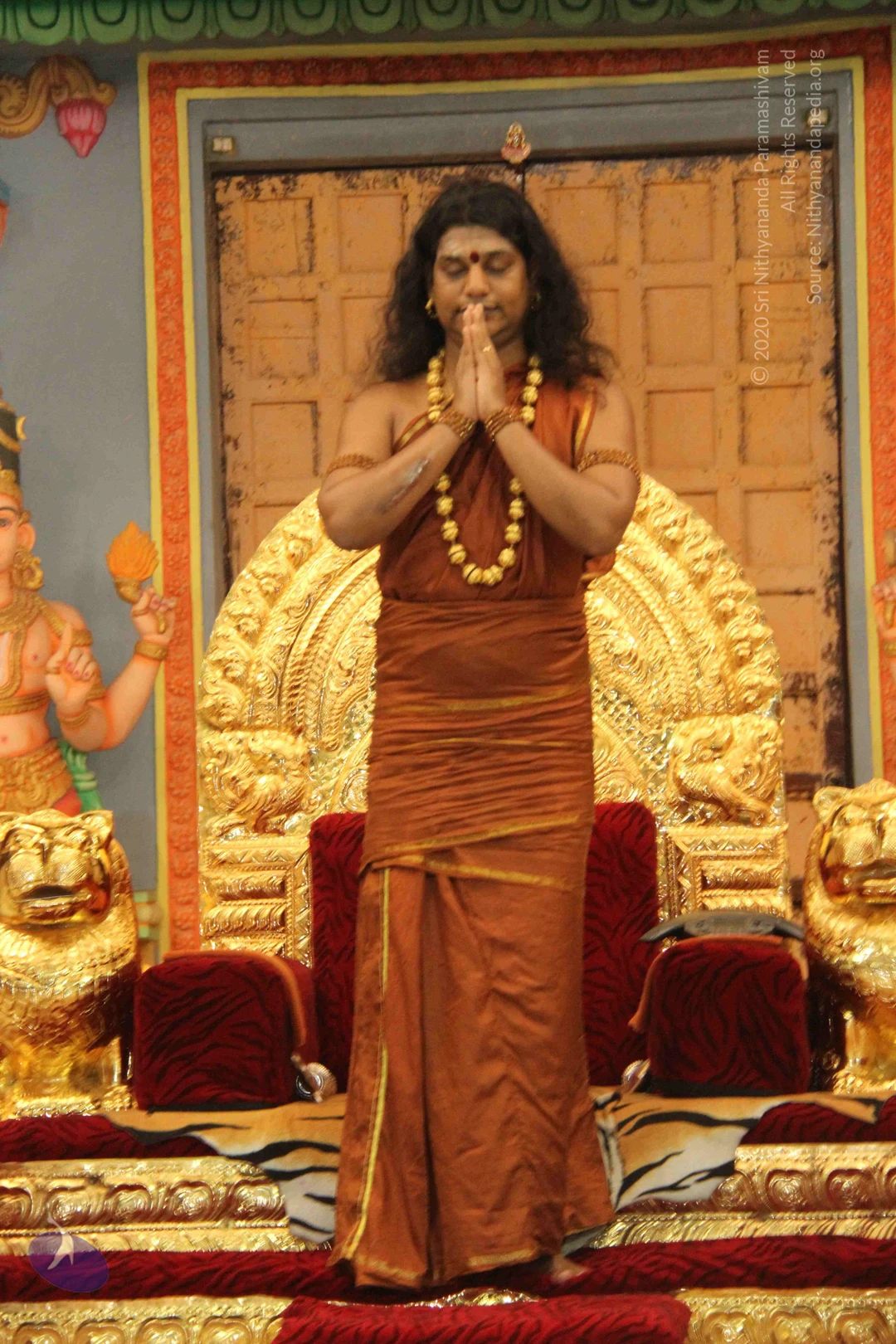
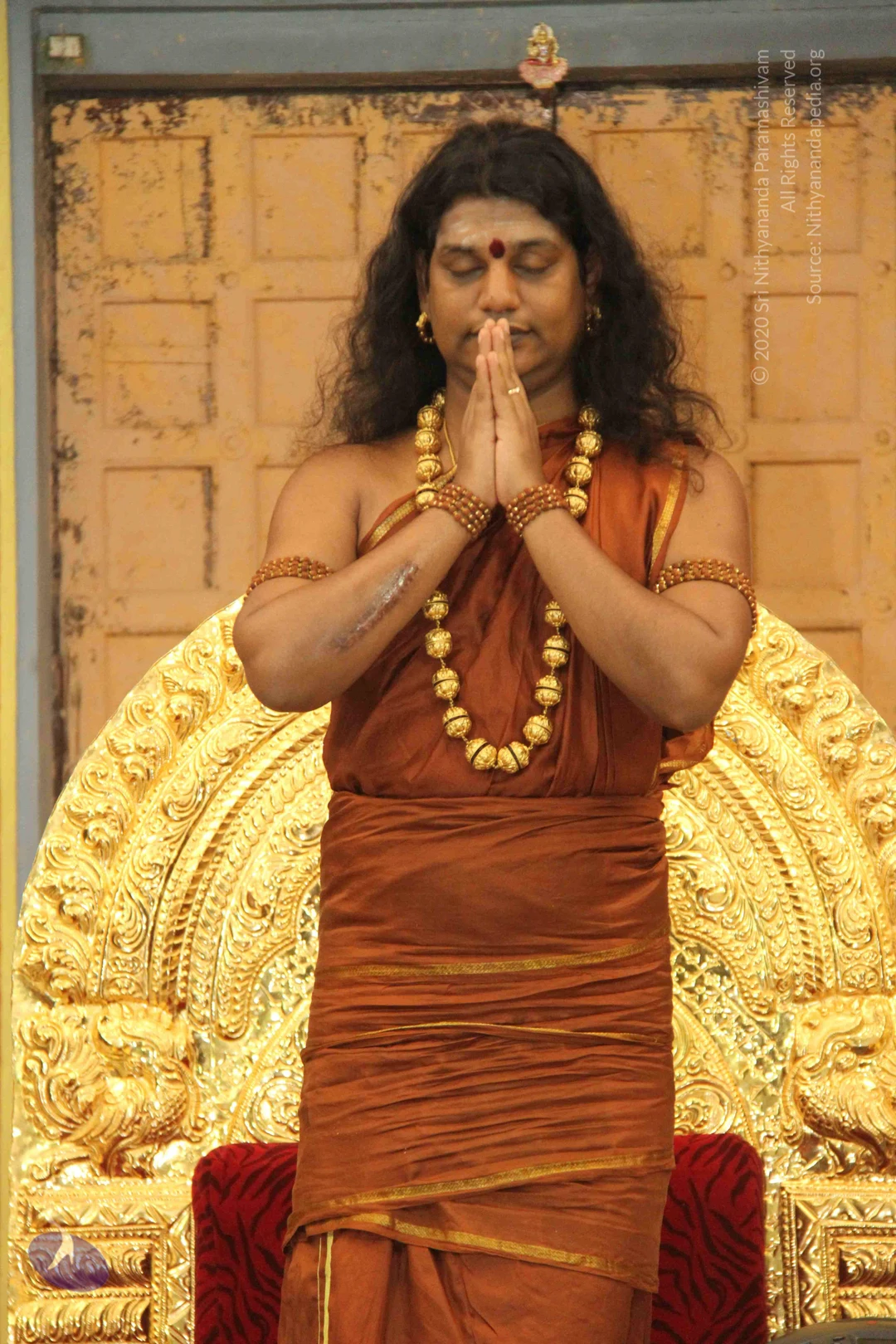
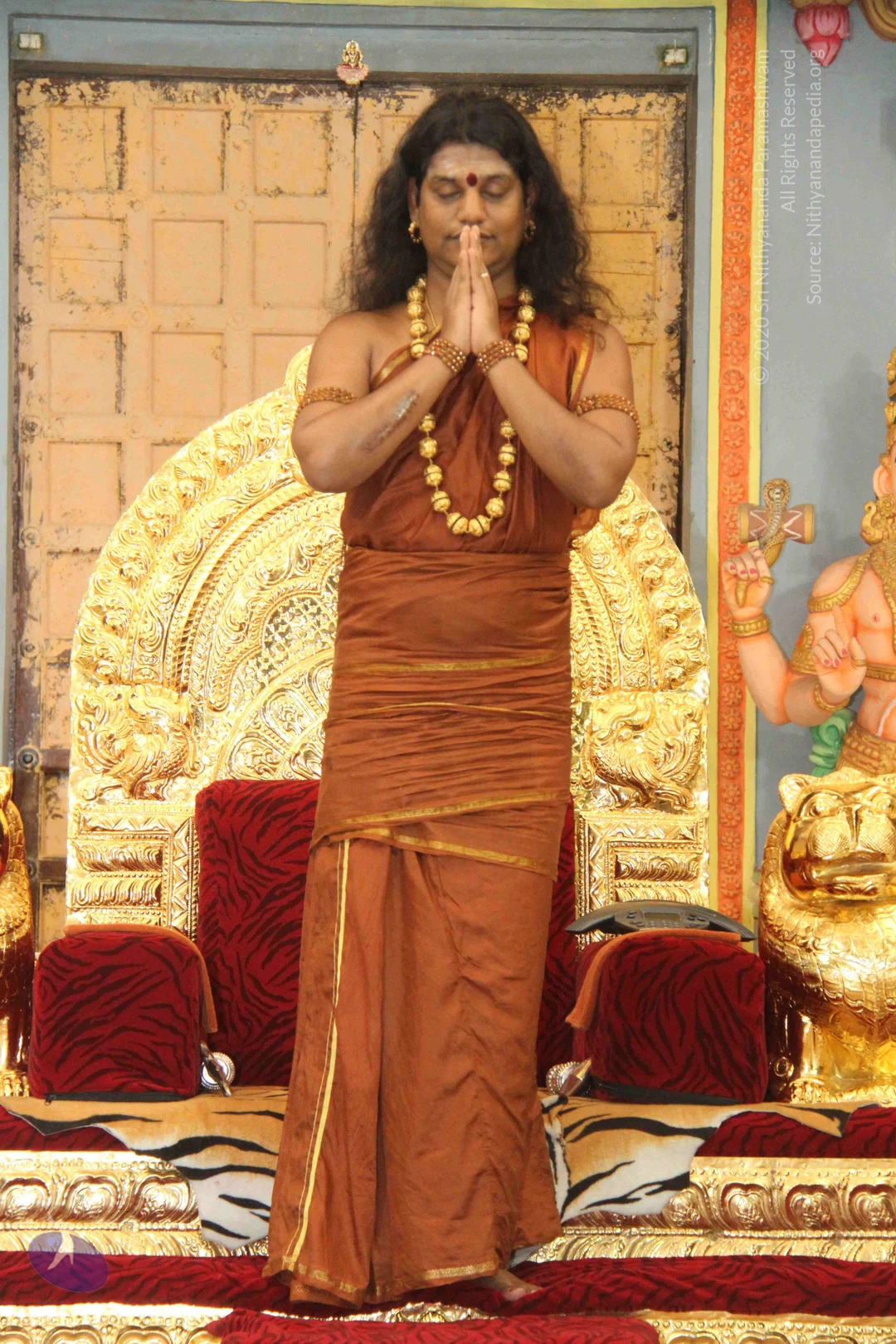
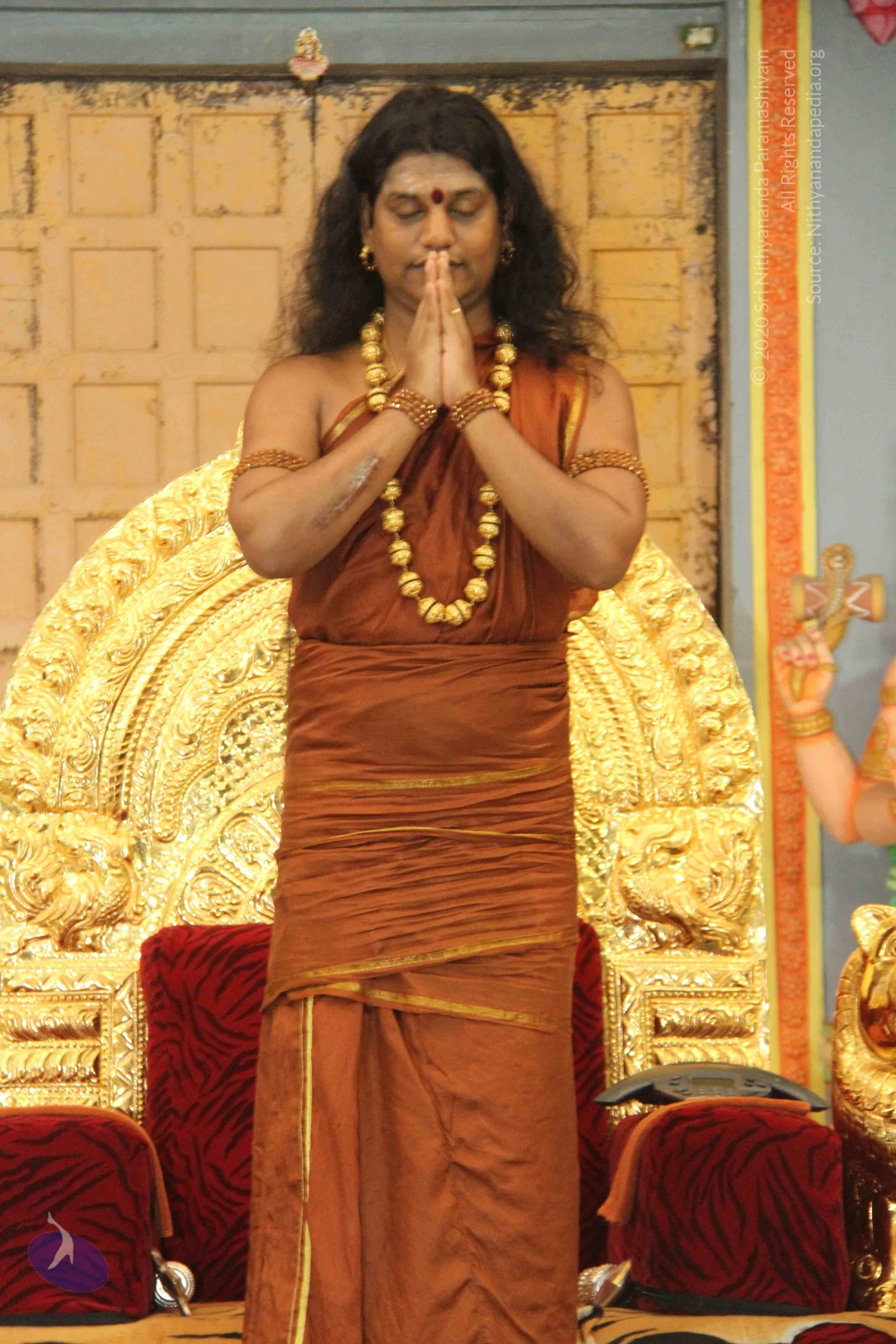
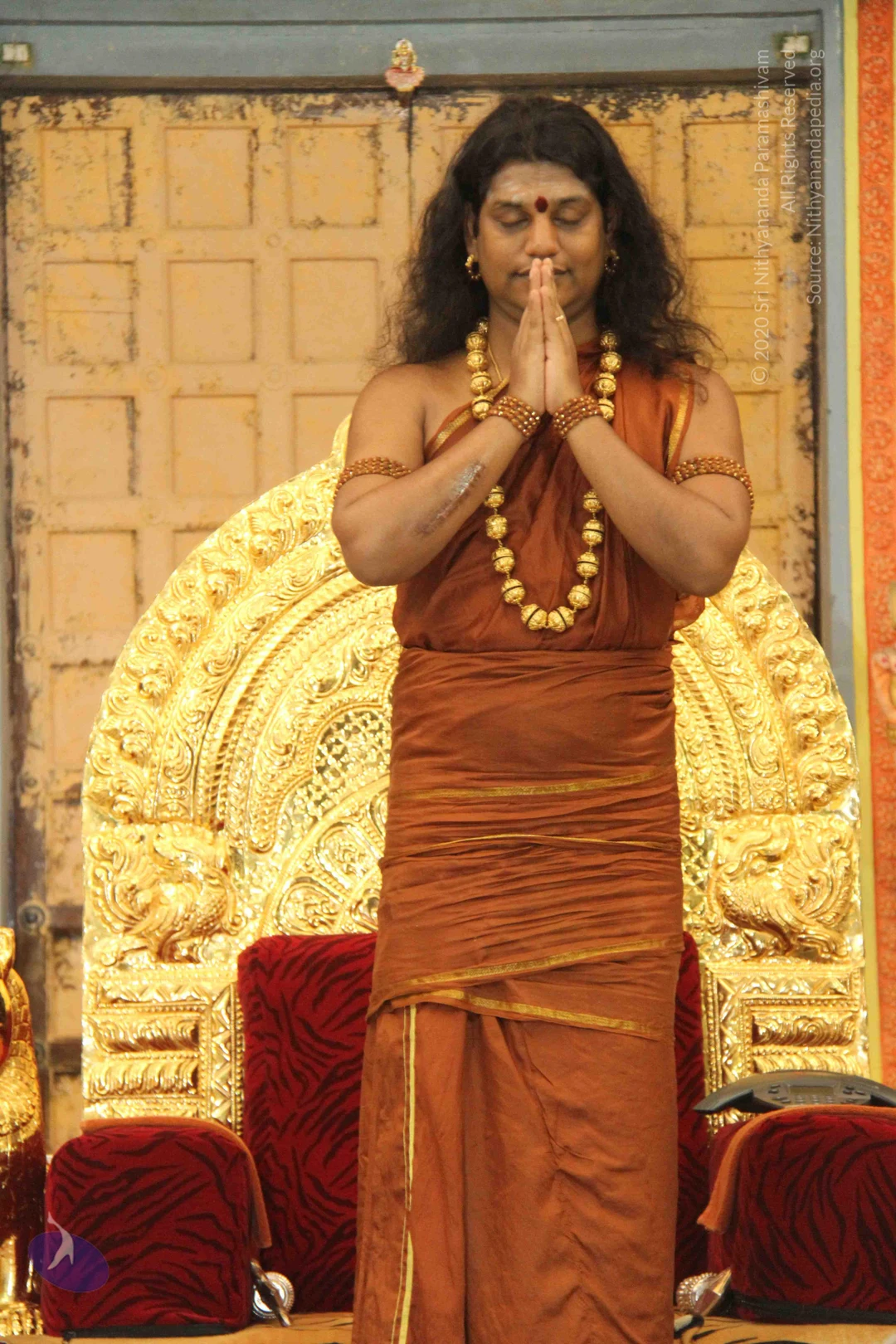
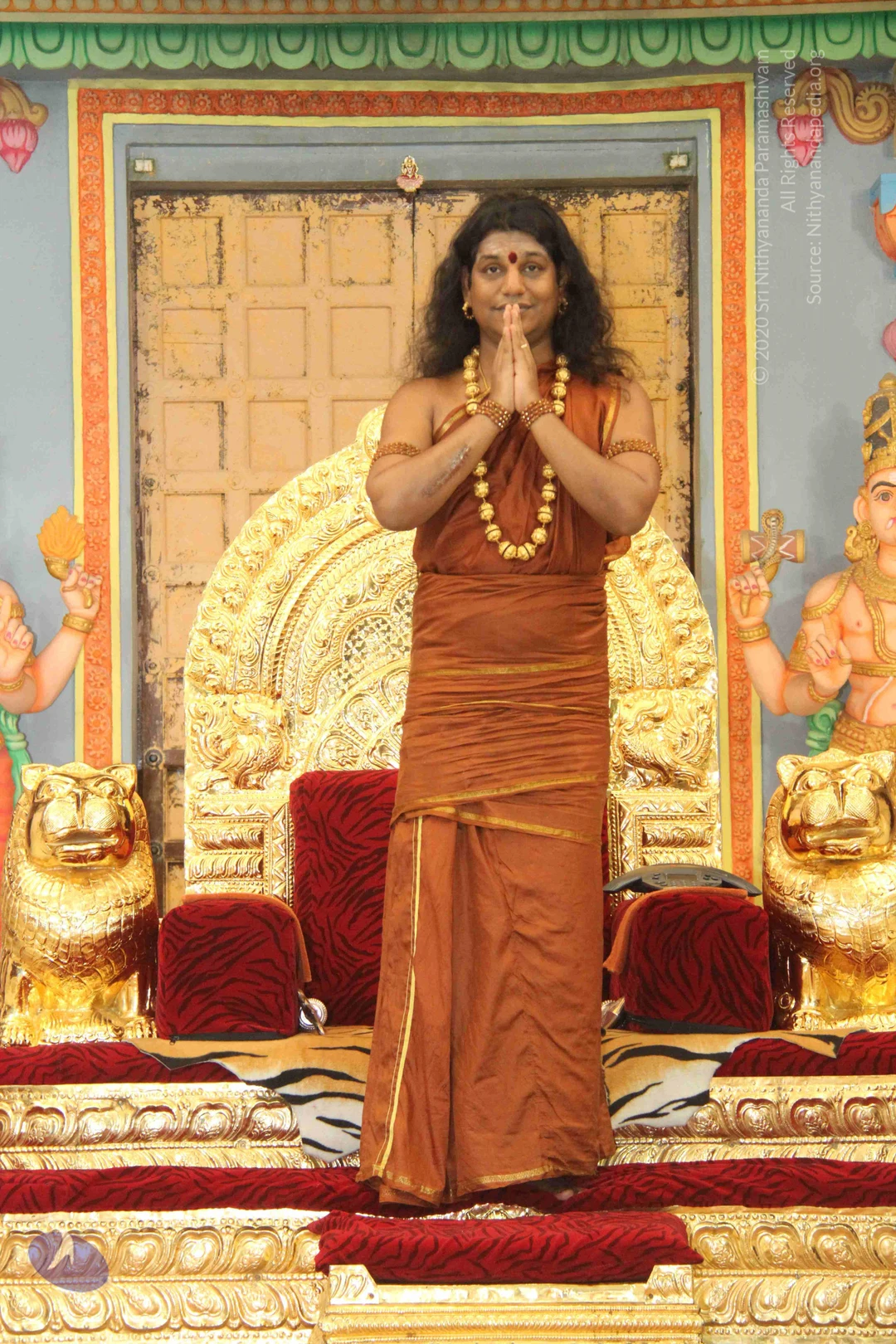
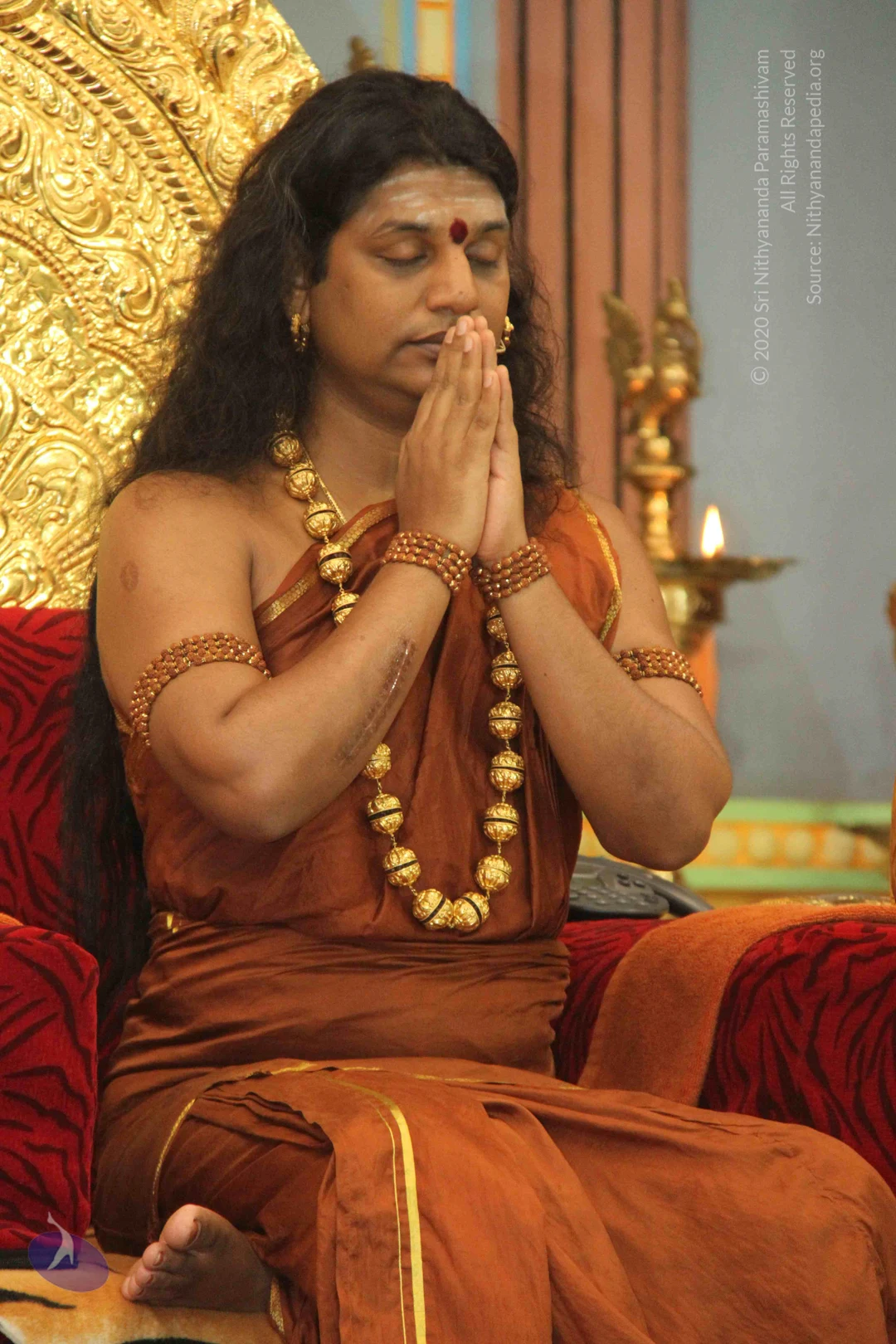
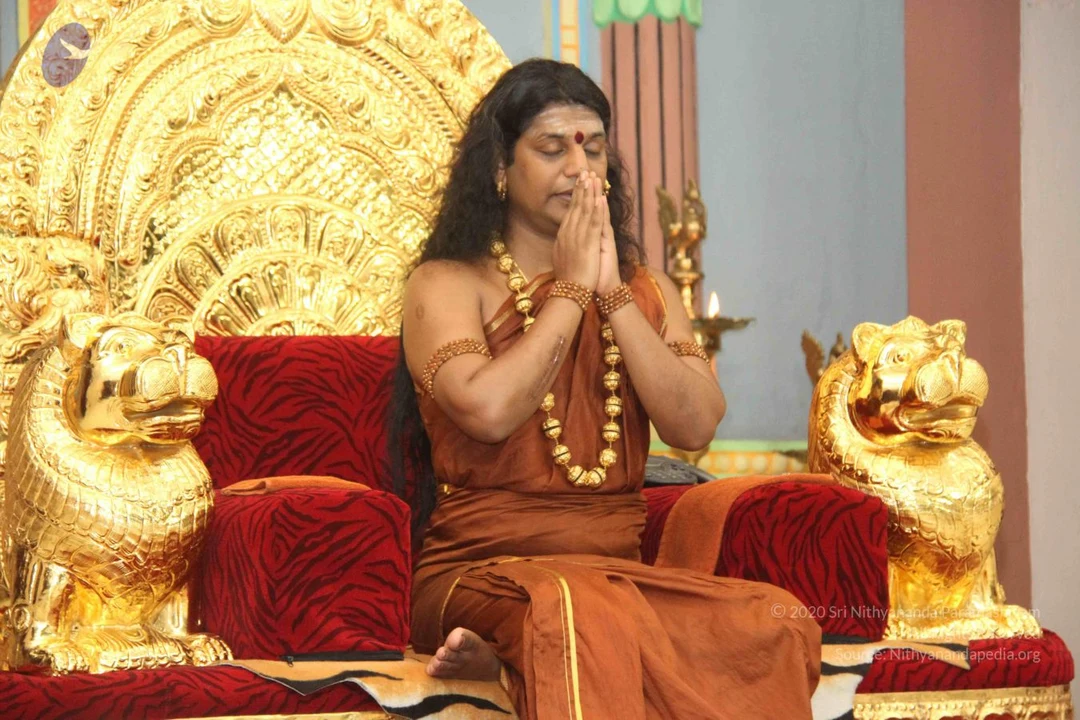
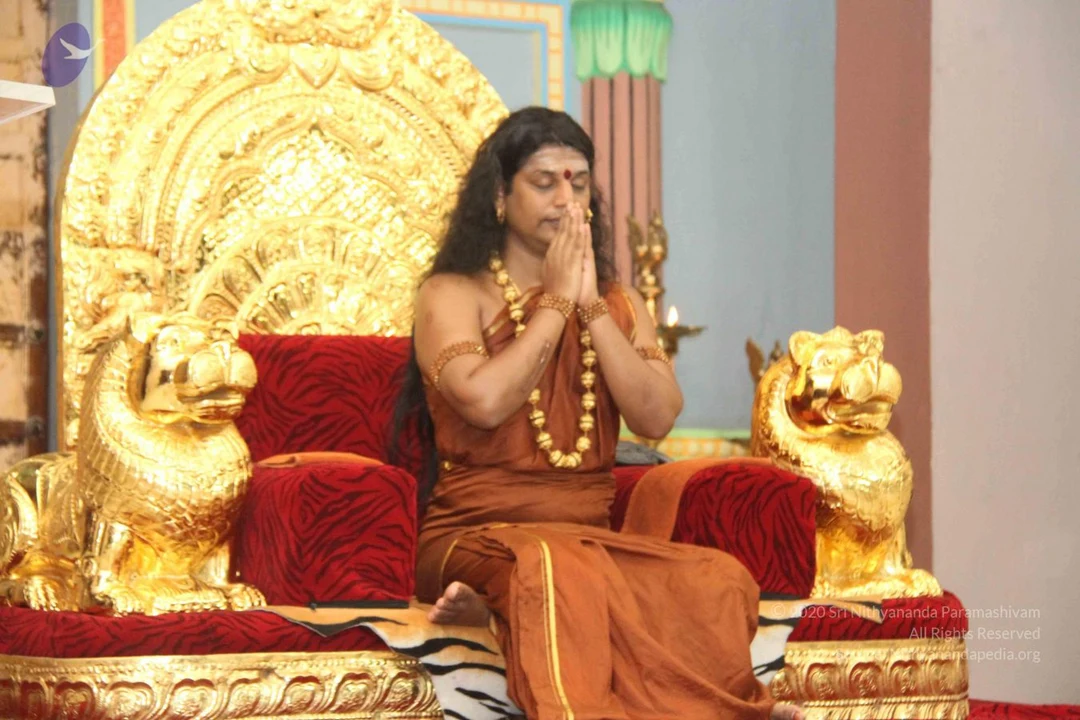
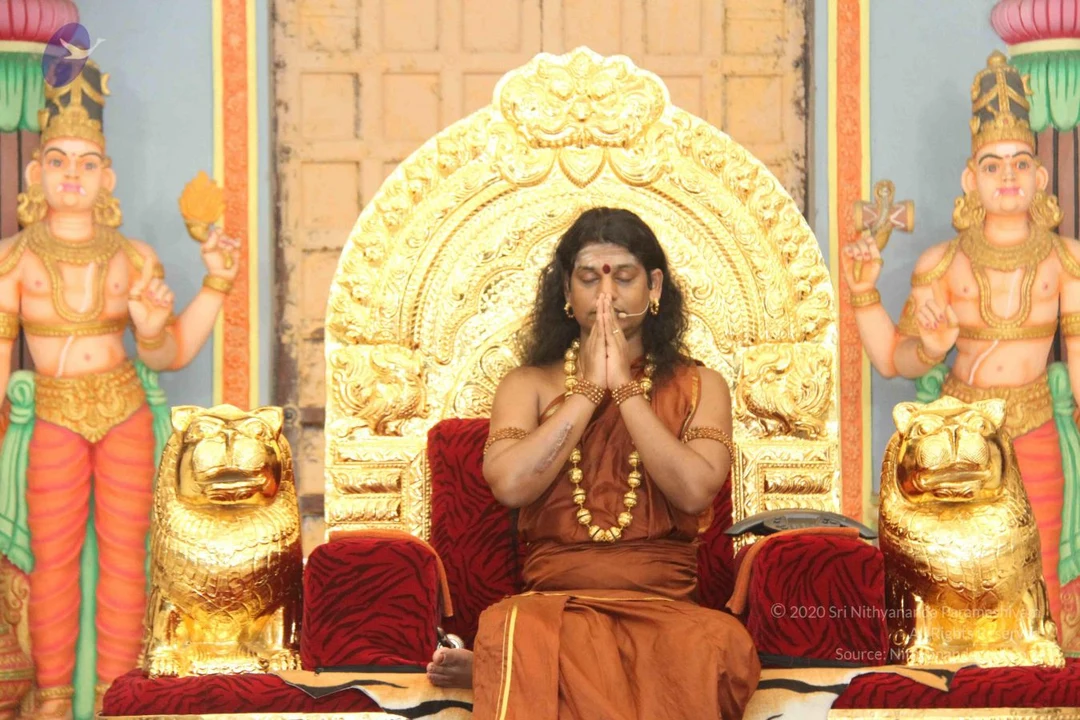
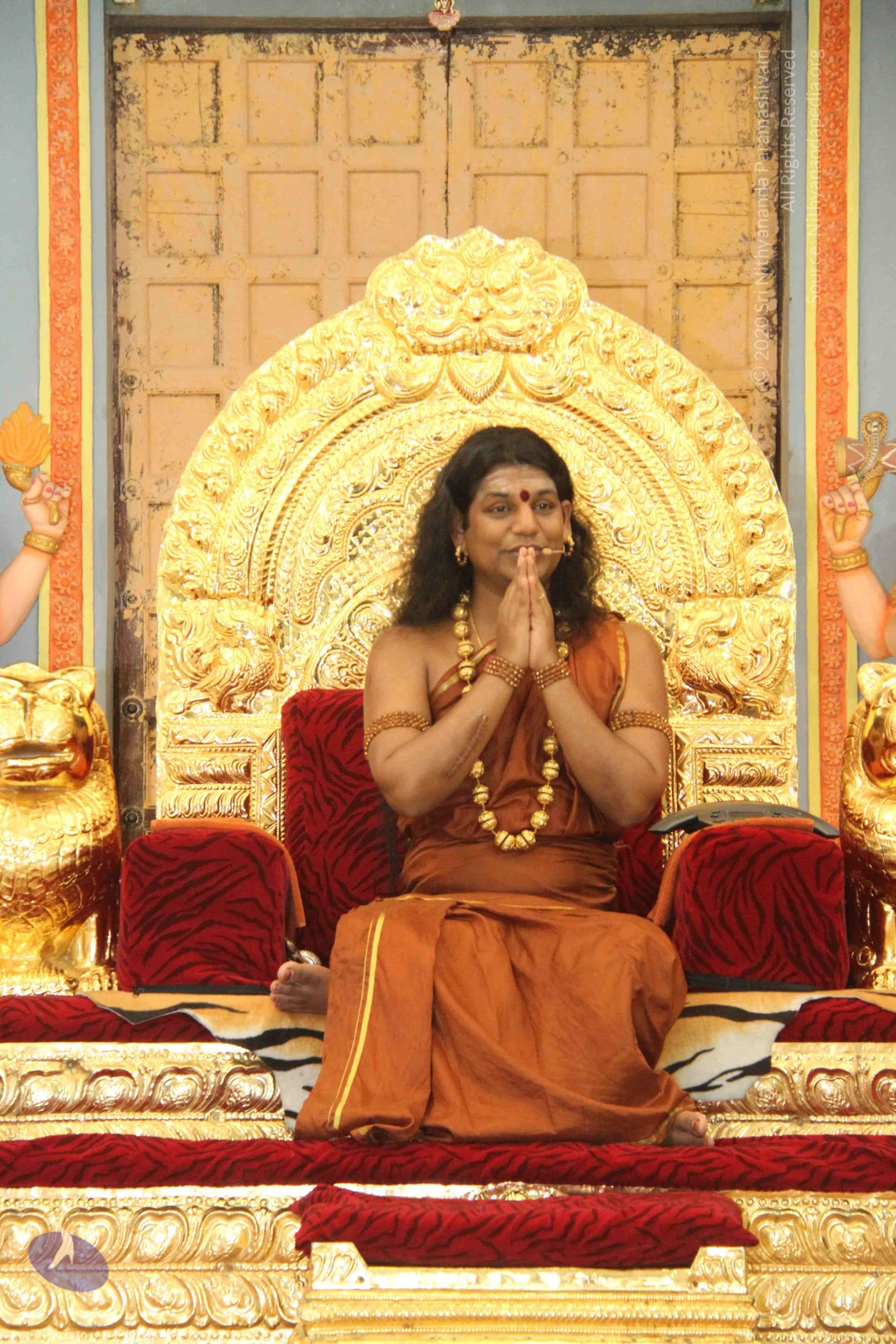
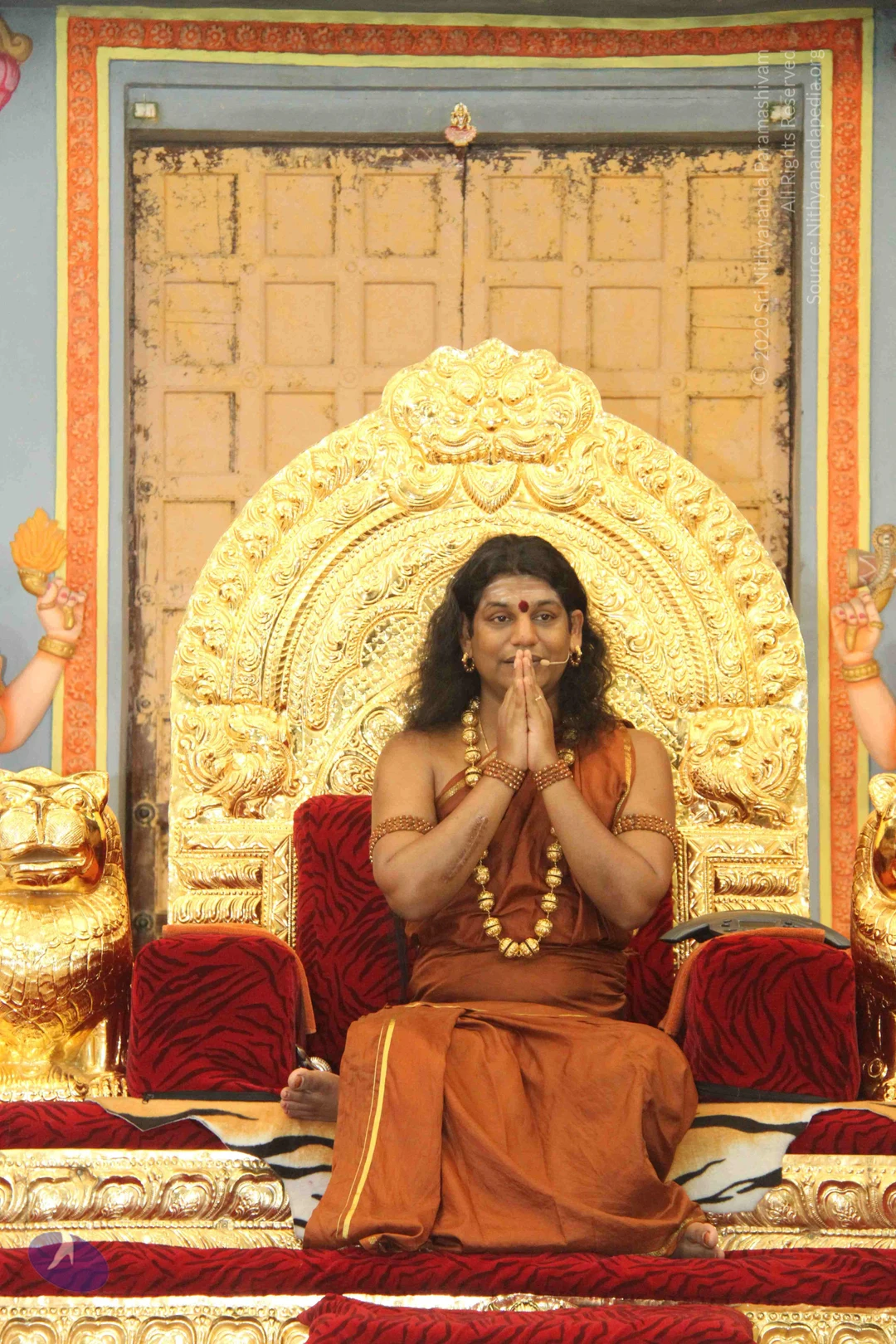
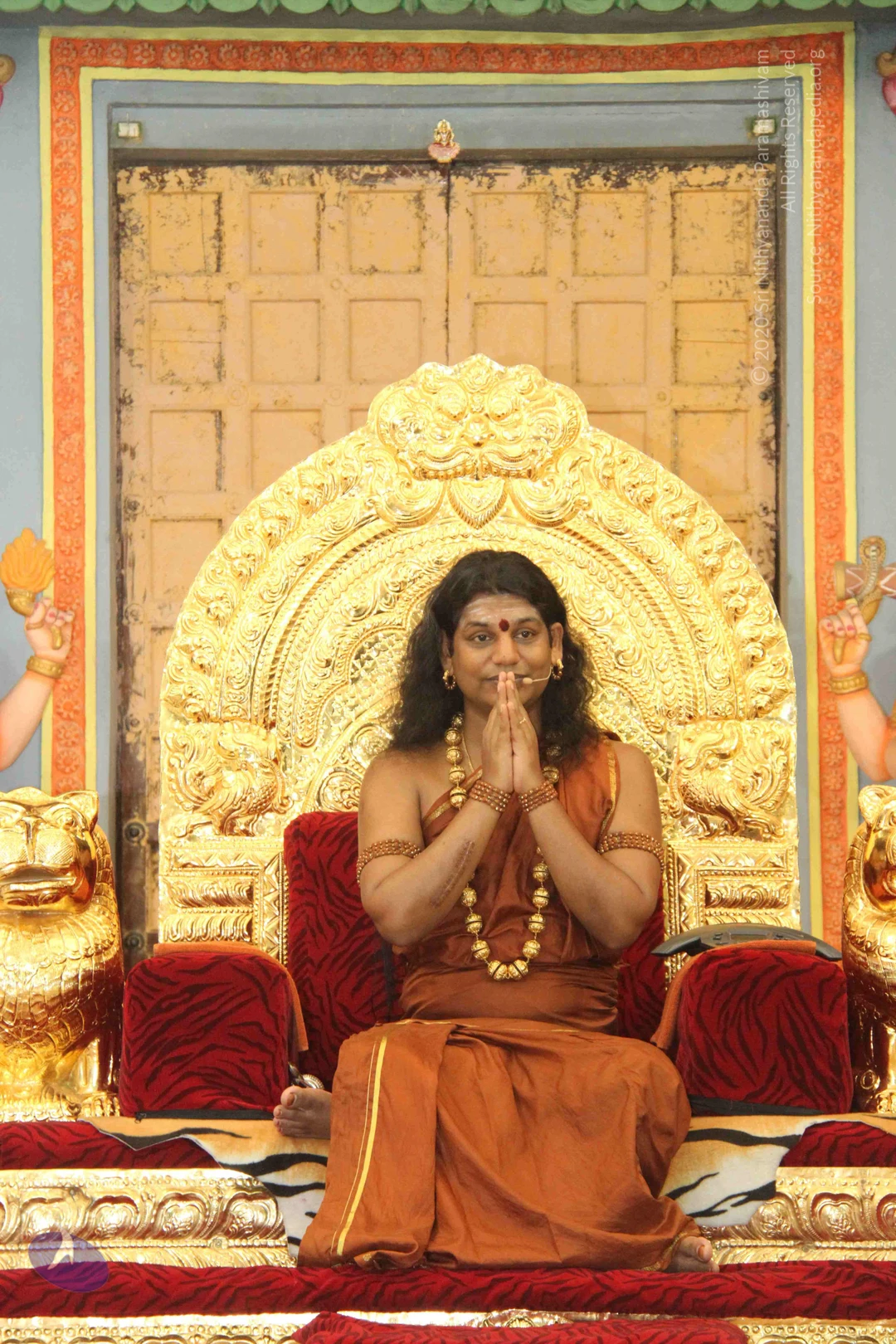
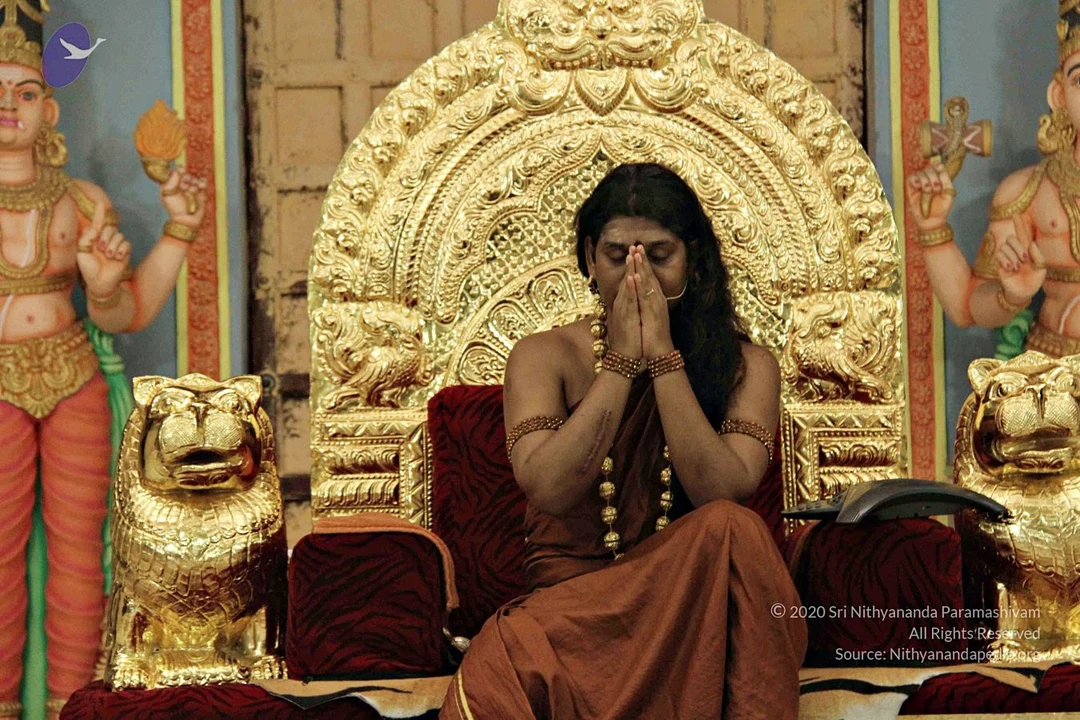
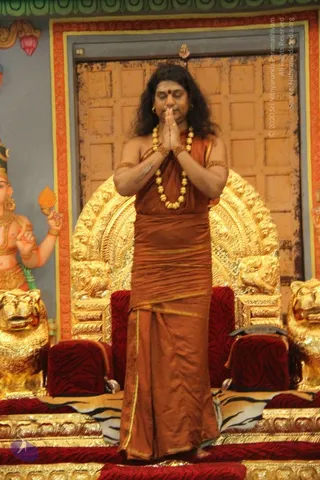
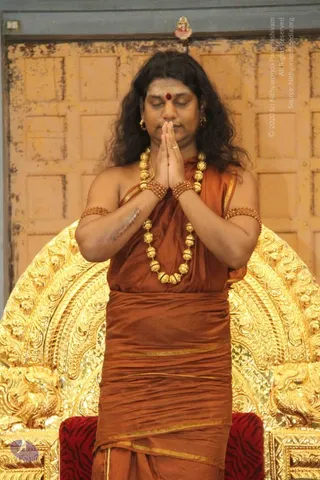
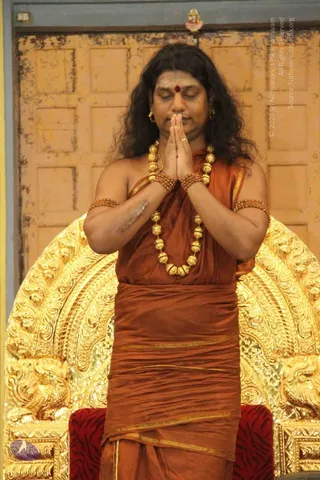
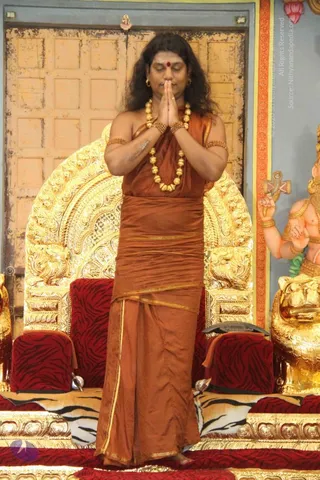
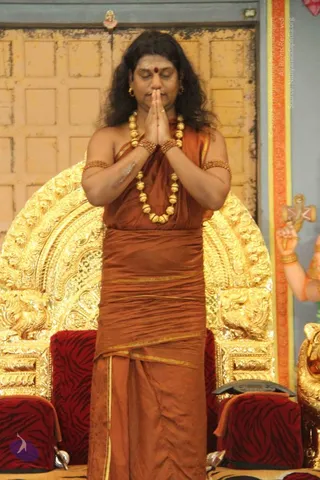
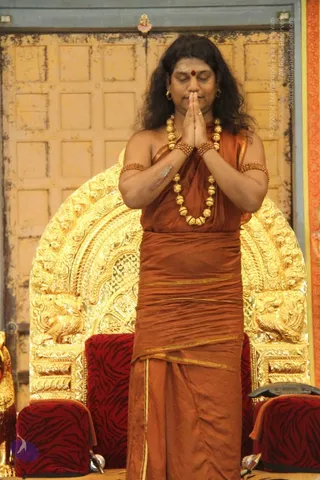
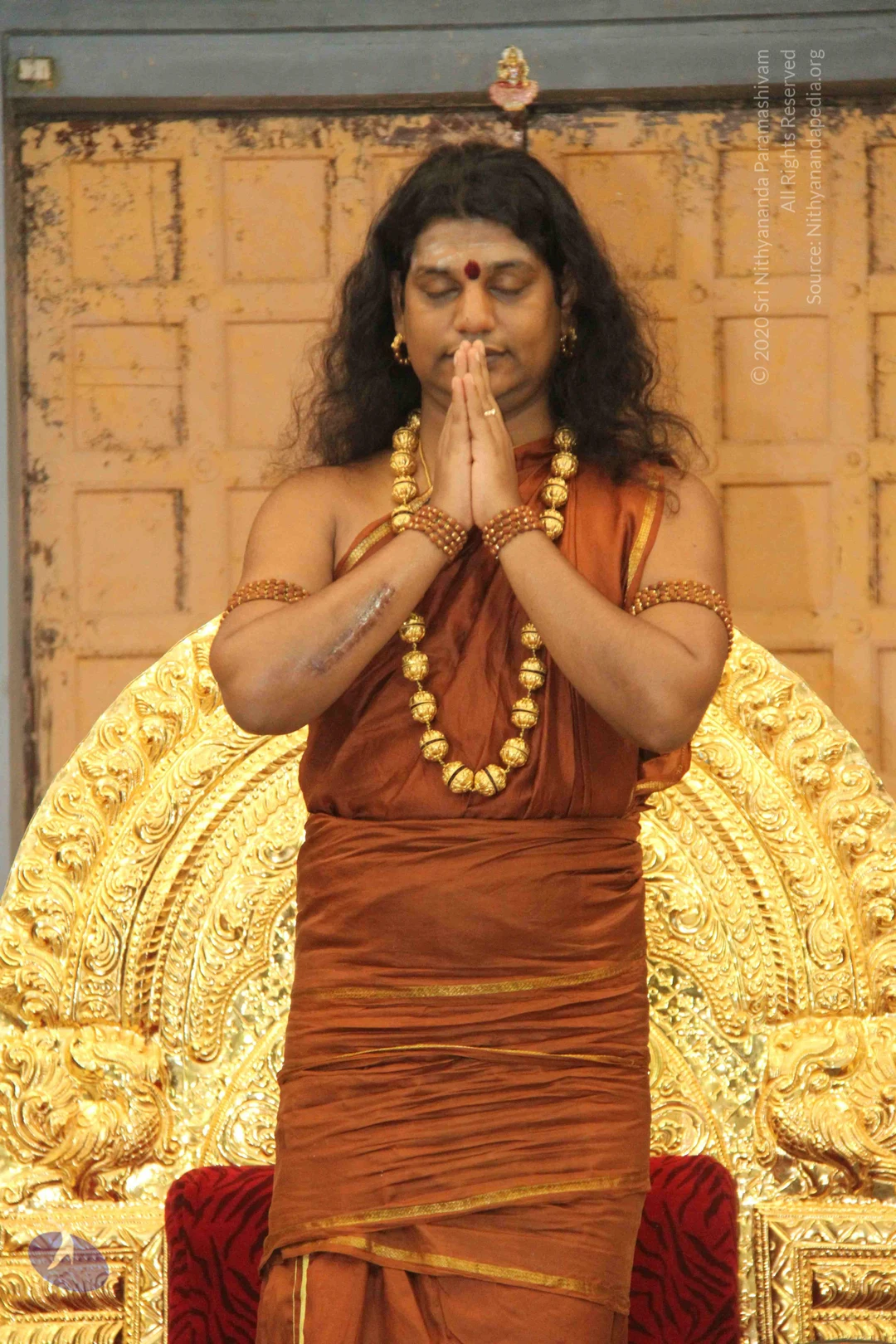
A standing man with long dark swept-back hair and a red bindi, eyes closed, palms pressed together in namaste before a golden throne with lion-carved armrests and red velvet cushions draped with a striped tiger-print cloth. He wears a rust-orange dhoti and shawl, a gold bead necklace, gold bangles and armlets. Behind him is a wooden panelled door, and a painted deity figure with a flame-like lamp stands at the left edge. Appearance-based label: Swamiji (probable), standing in front of the throne in orange robes with long hair and ornate gold necklace, performing namaste.A figure with long, swept-back dark hair stands before a golden ornate throne with carved floral and bird motifs, hands pressed together in anjali mudra with eyes closed. He wears a rust-orange silk garment wrapped at the waist, multiple gold beaded necklaces, and rudraksha-style beaded bracelets and armlets. A red kumkum dot marks the forehead and gold earrings are visible. Behind him is a carved wooden door with a small gold figure above it. Swamiji (probable): long hair, ornate gold necklaces and orange clothing, seated in a satsang setting.A man with long, dark, wavy hair stands with palms pressed together in namaste, eyes closed, in front of an ornate gold throne with carved floral and scrollwork backrest and a red-and-black striped cushion. He wears an orange-brown silk garment wrapped at the waist with gold-edged border, a heavy gold bead necklace, rudraksha bead bracelets and armlets, a red bindi and a small gold earring. A wooden panelled door with a small figure above it forms the background. Swamiji (probable) candidate: long hair, orange silk clothing, rudraksha armlets and ornate gold necklace, seated on a golden throne in an attitude of greeting.A standing man with long, wavy dark hair and a red bindi stands barefoot on a raised dais in front of an ornate gold throne with red tiger-striped cushions. He wears a rust-orange silk garment wrapped around the body and draped over one shoulder, with thin gold borders, a heavy gold bead necklace, gold bangles and armlets. His hands are pressed together in anjali mudra, eyes closed. A golden deity murti with a trident-like staff stands to the right beside a golden lion-form seat. a person by appearance cues of long swept hair, ornate gold jewellery and saffron-toned clothing, shown in an active satsang setting.A standing person with long, dark, wavy hair, eyes closed and palms pressed together in anjali mudra before the chest. The person wears a rust-orange garment draped over the shoulders with gold-edged pleats, a red bindi on the forehead, gold bead necklaces, and gold-coloured bangles and armlets. Behind stands an ornate gold throne with carved lion heads and red tiger-striped cushions, and a deity murti with a trident is partly visible at the right edge. This appears to be a satsang or darshan setting. The person matches the appearance cues of a person, with long swept hair, saffron-orange clothing and rudraksha-style gold beads, seated or standing before a throne in a devotional gathering.A standing man in rust-orange robes presses his palms together in namaste with eyes closed. He wears long dark hair, a red bindi, gold drop earrings, a gold bead necklace, and beaded rudraksha-style bracelets and armbands. Behind him is an ornate gold-leaf throne with carved lion heads and red tiger-striped cushions, set before a weathered wooden door. Printed copyright text runs down the right edge.
SarvaDarshan

22 photosSource gallery
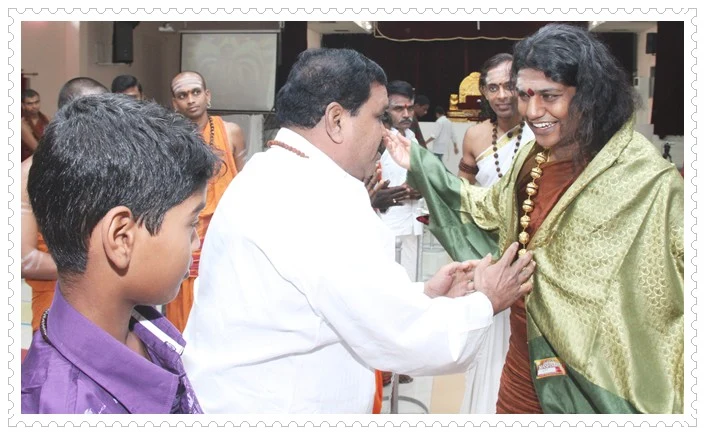
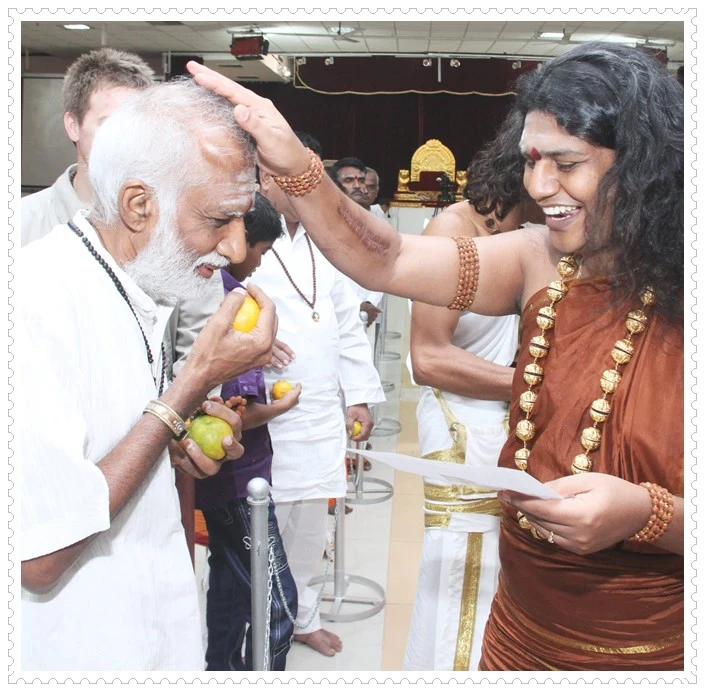
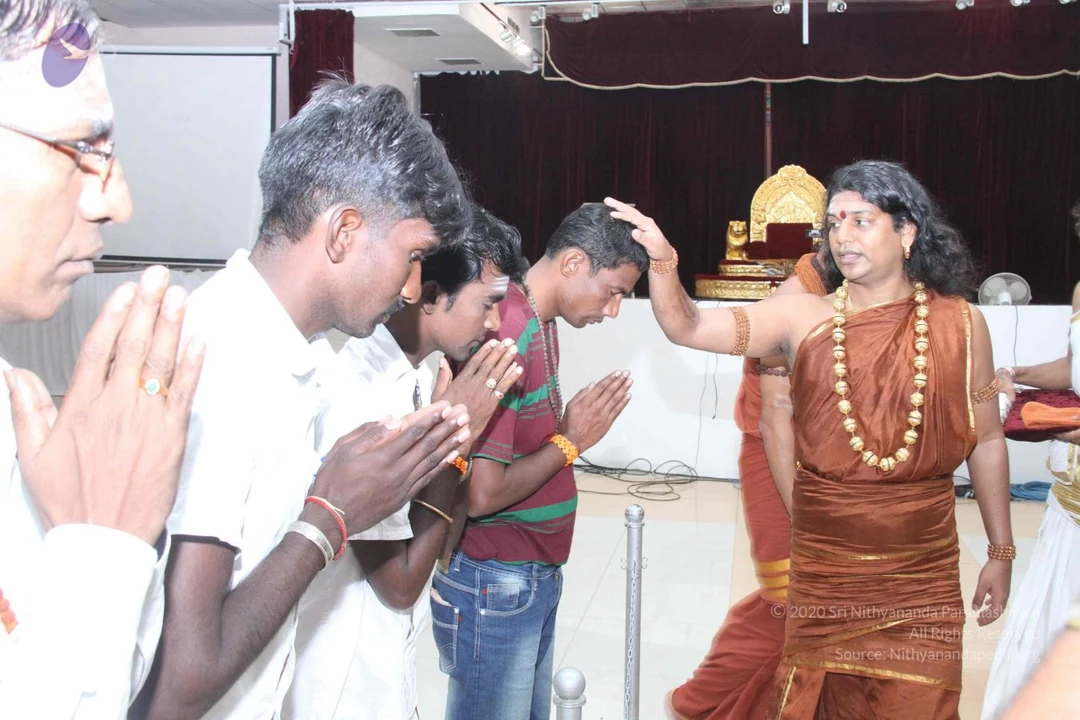
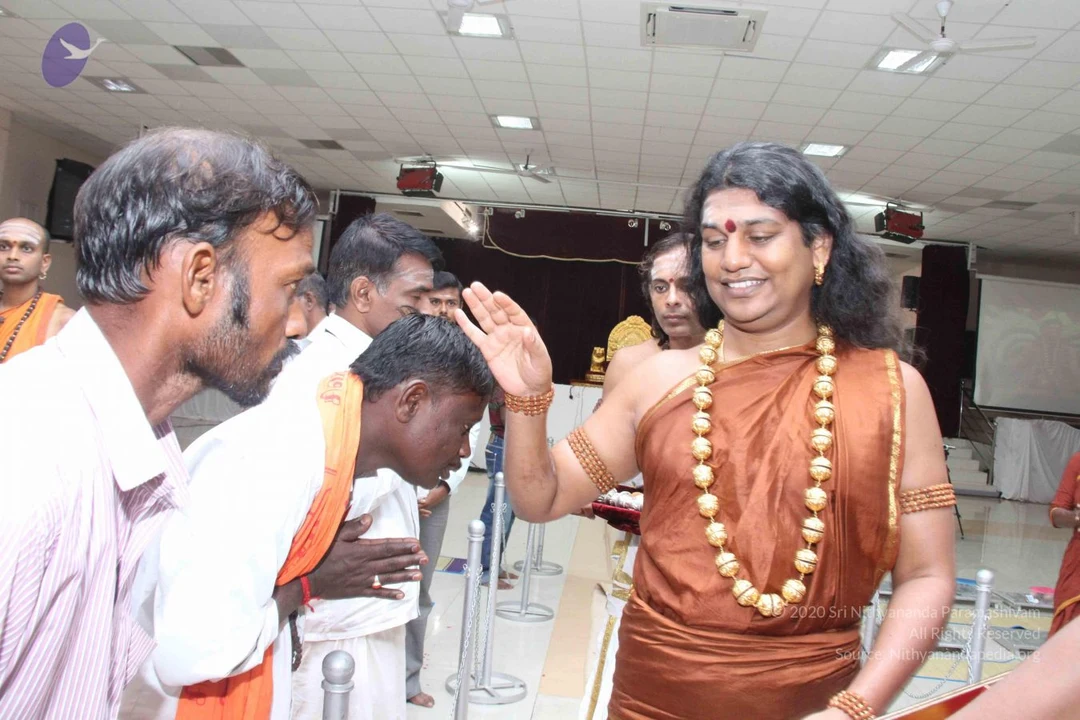
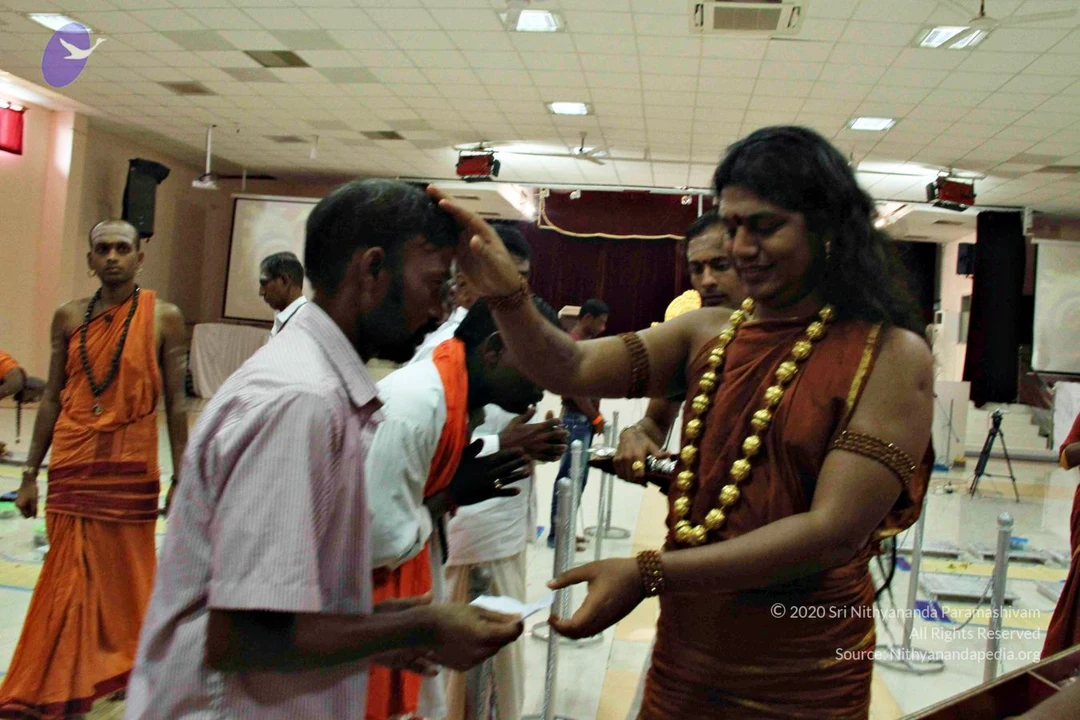
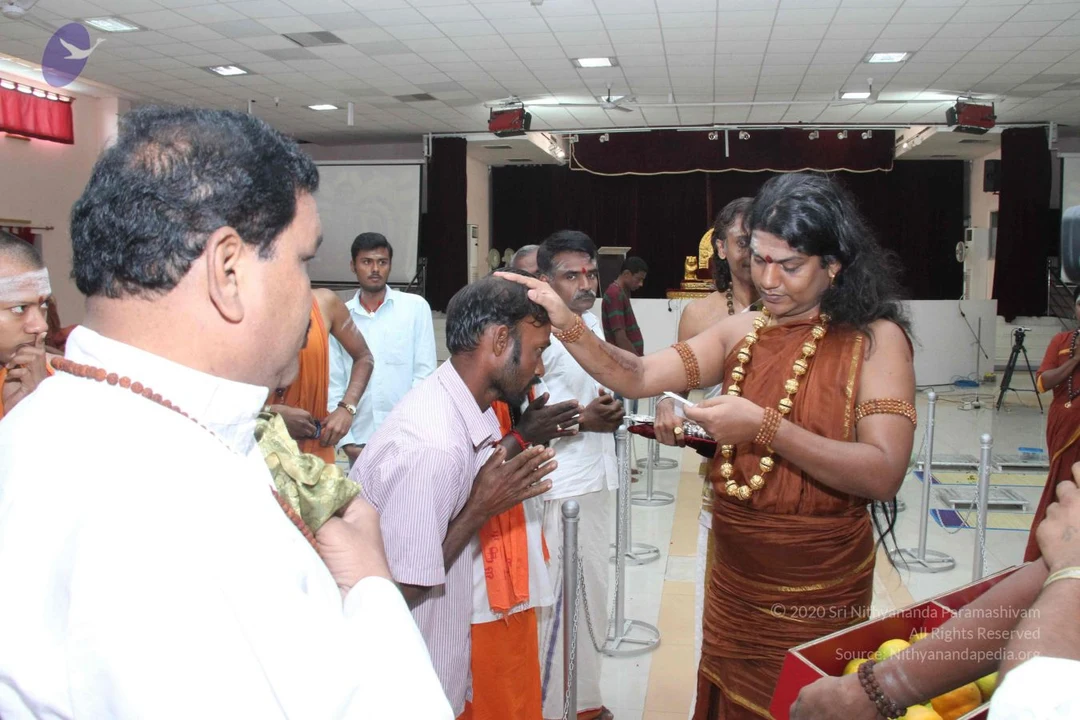
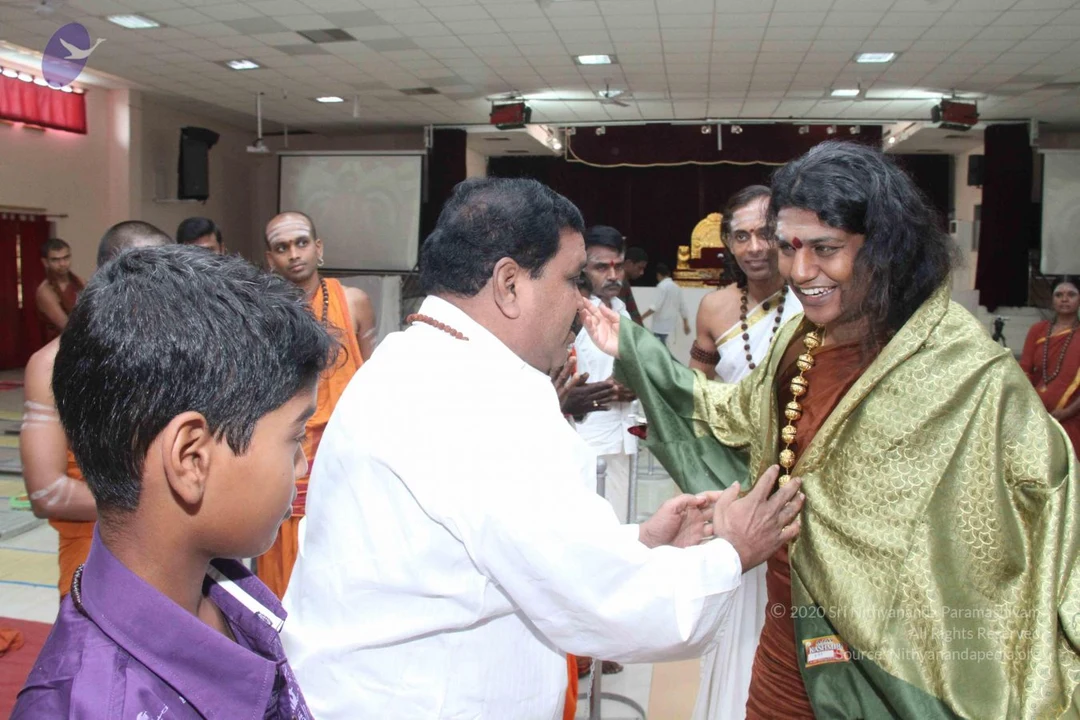
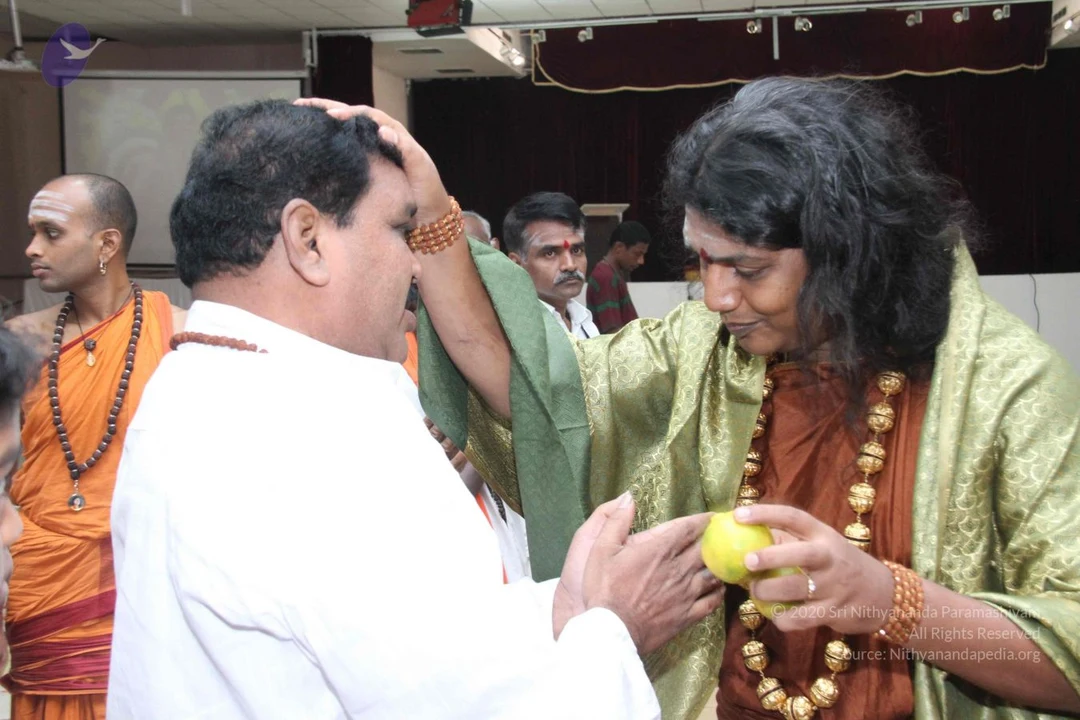
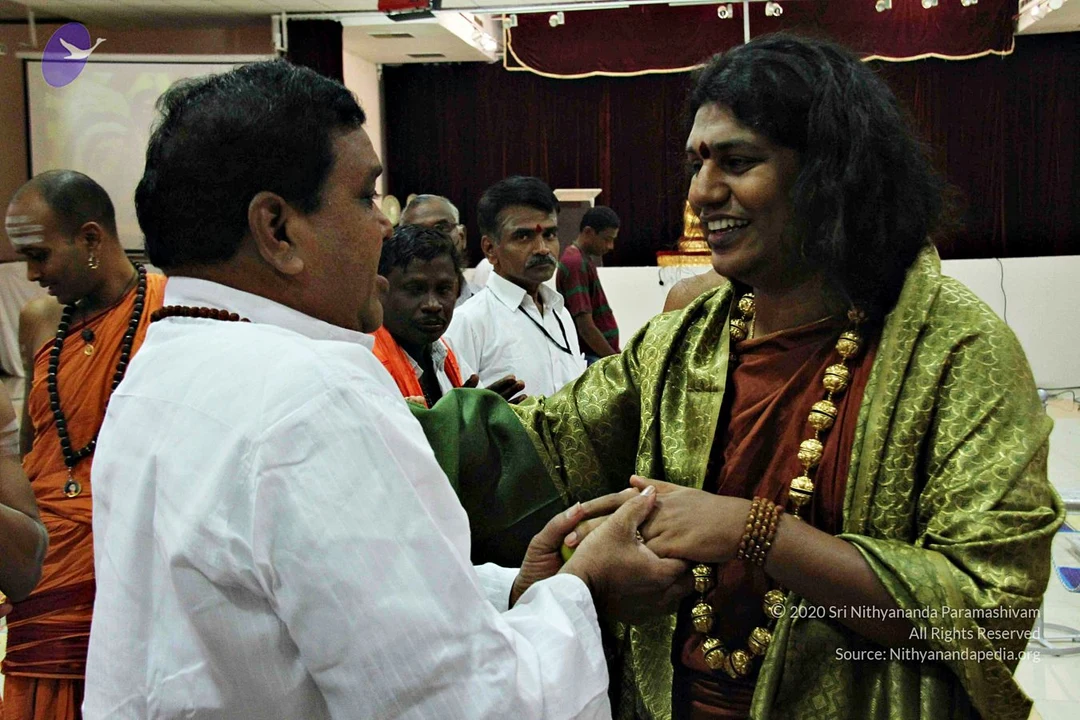
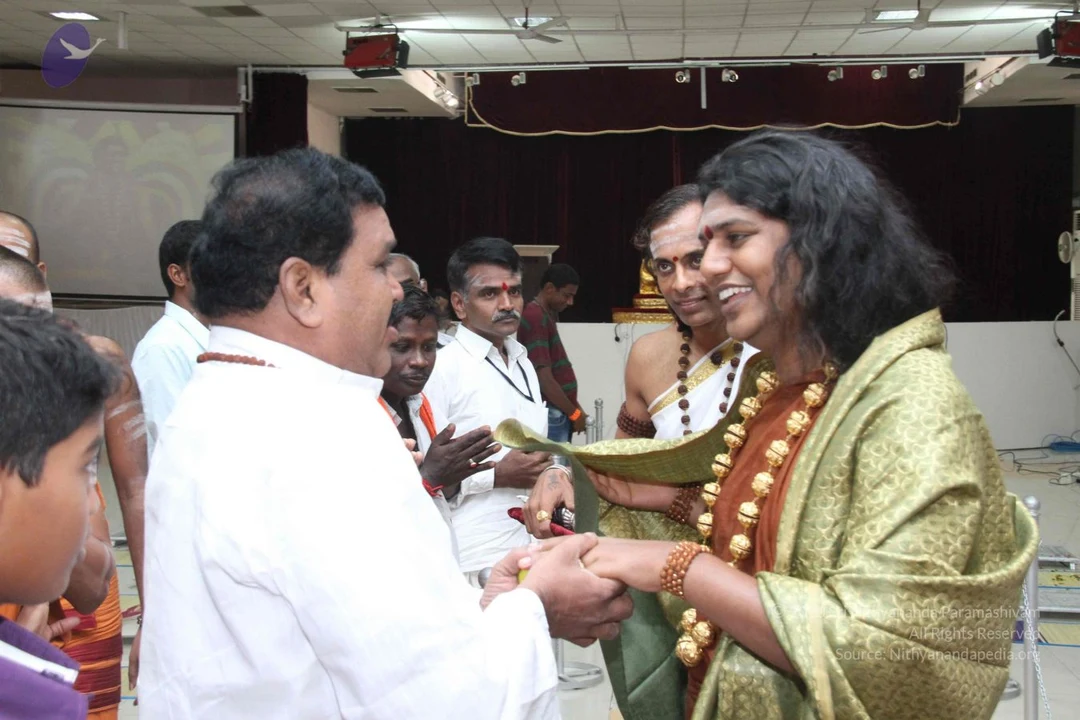
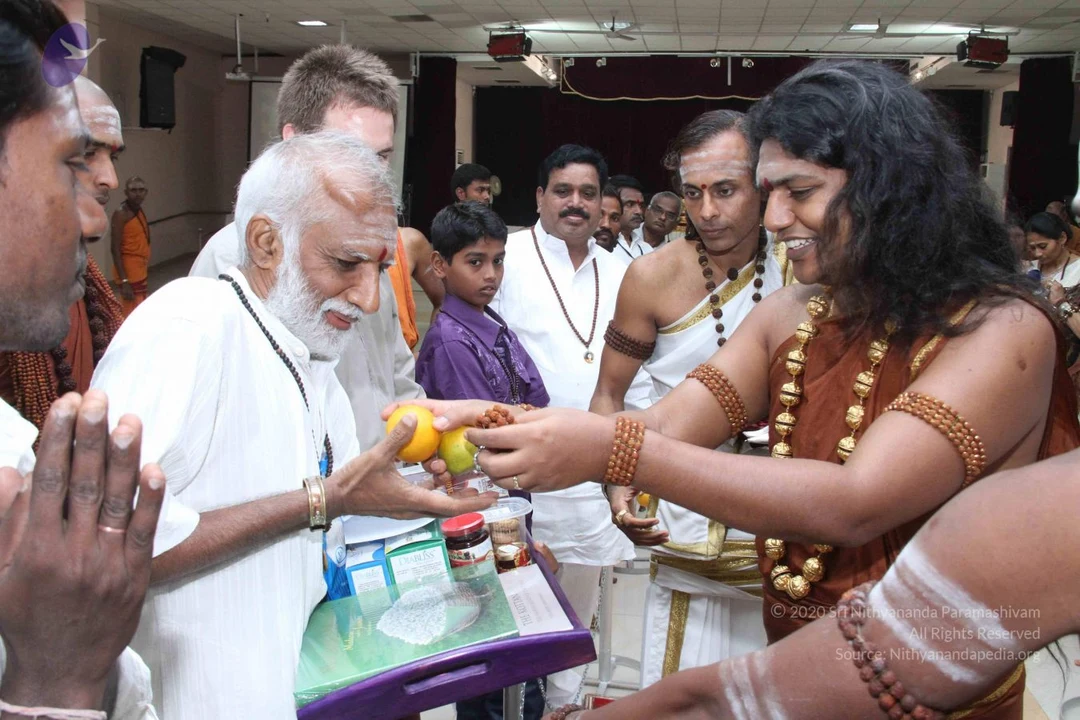
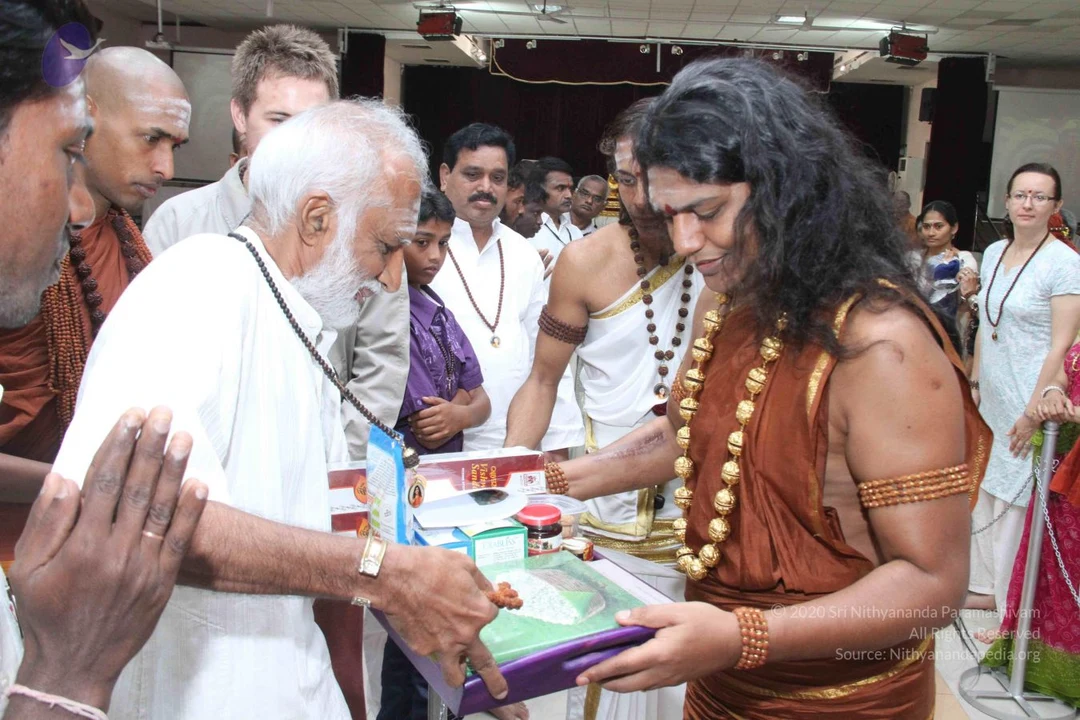
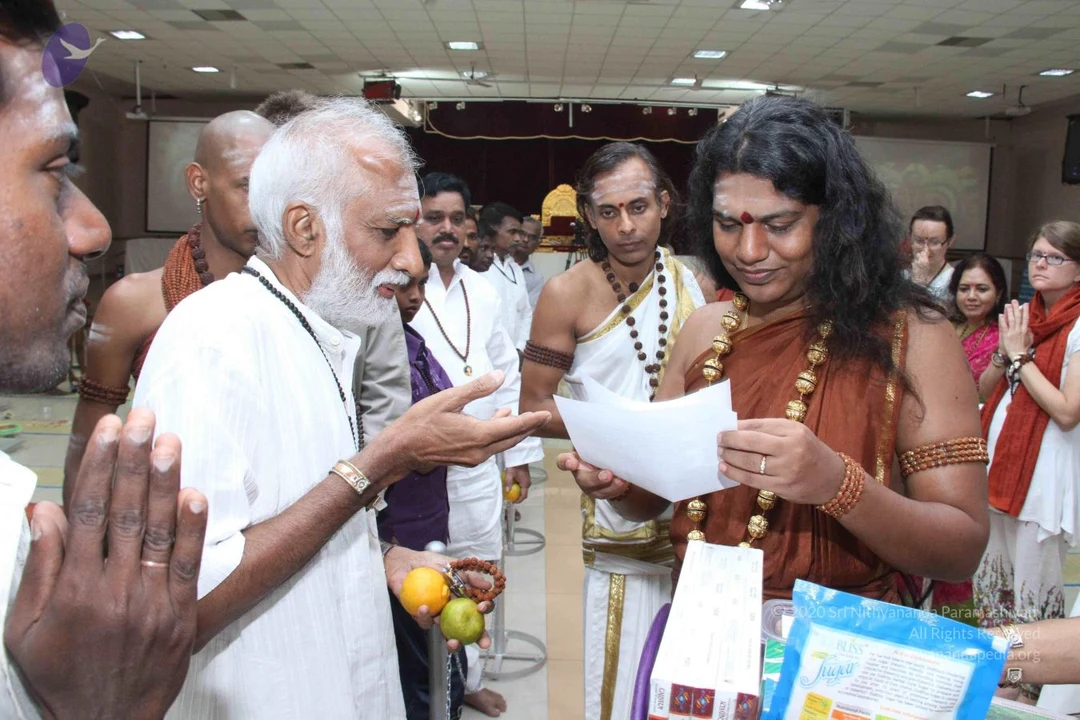
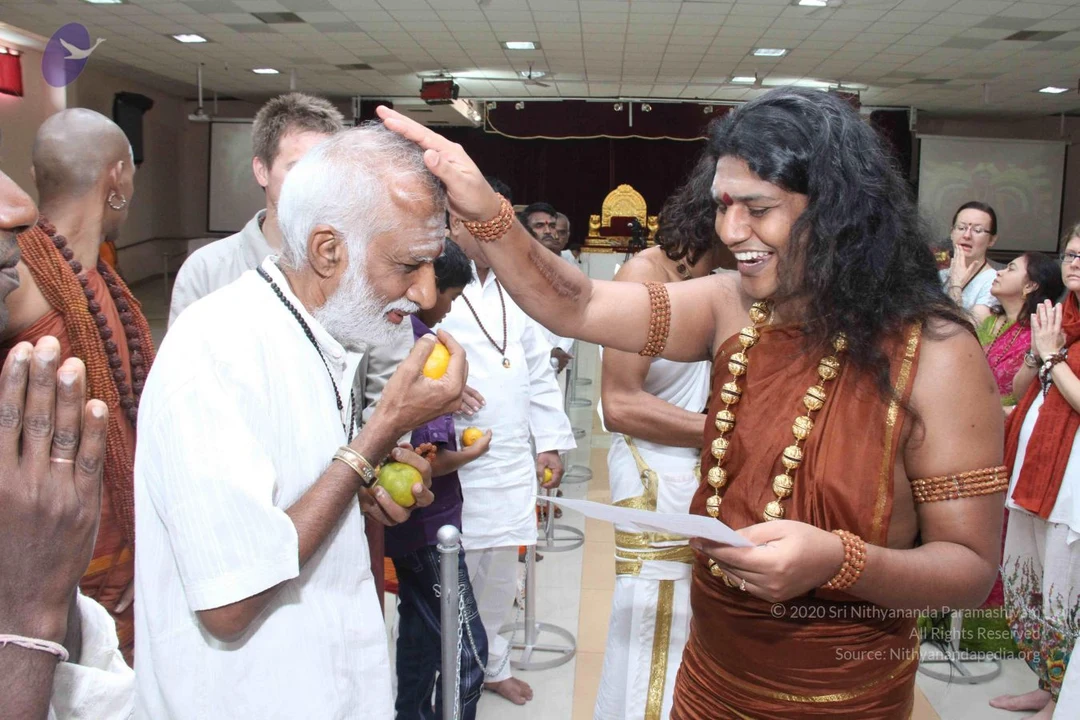
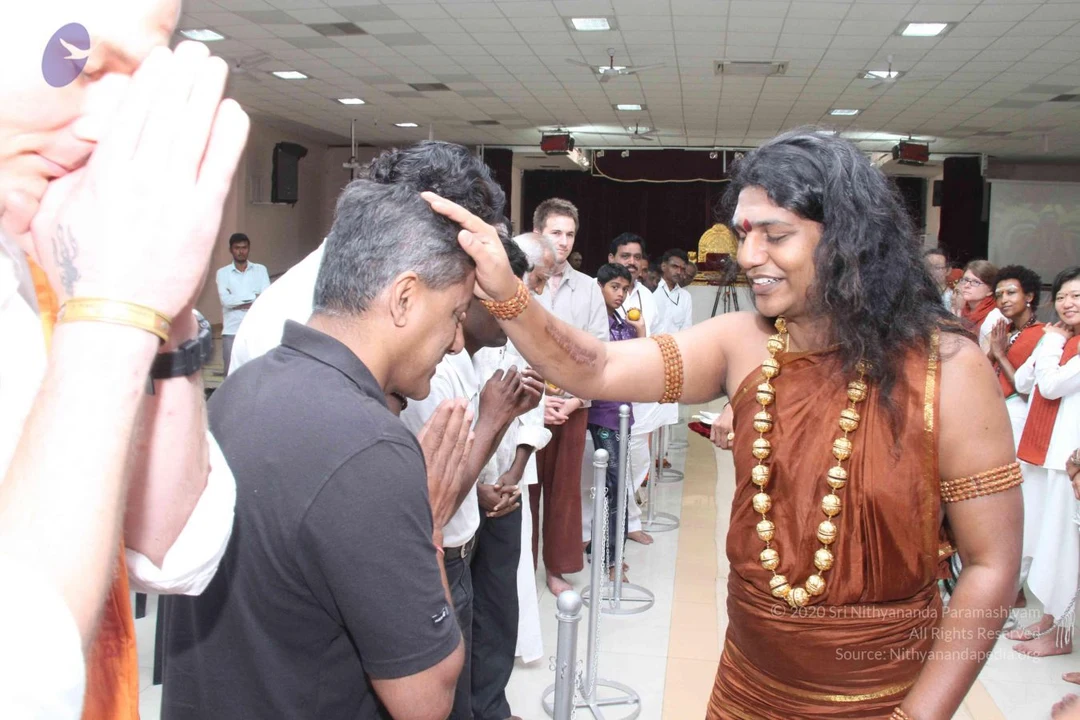
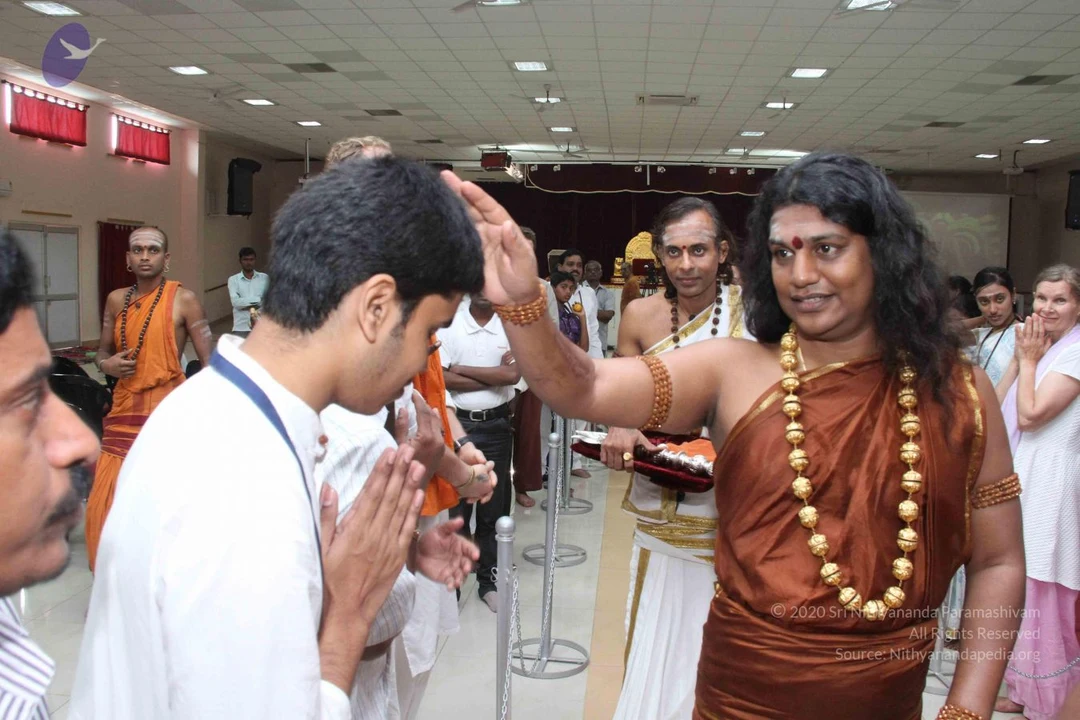
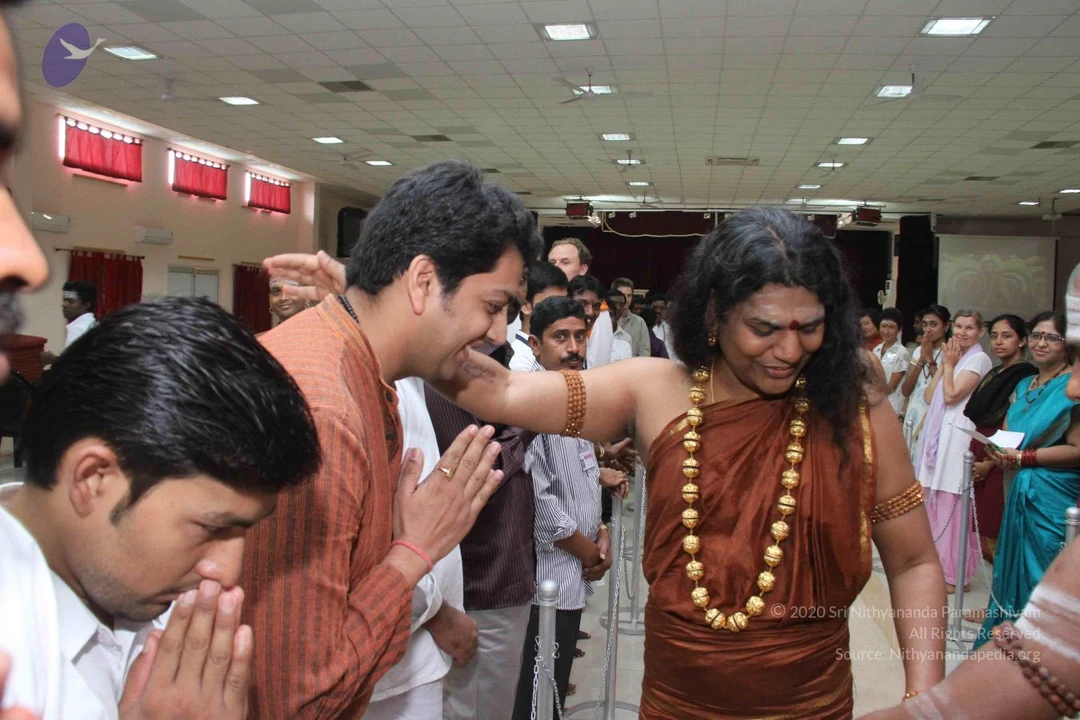
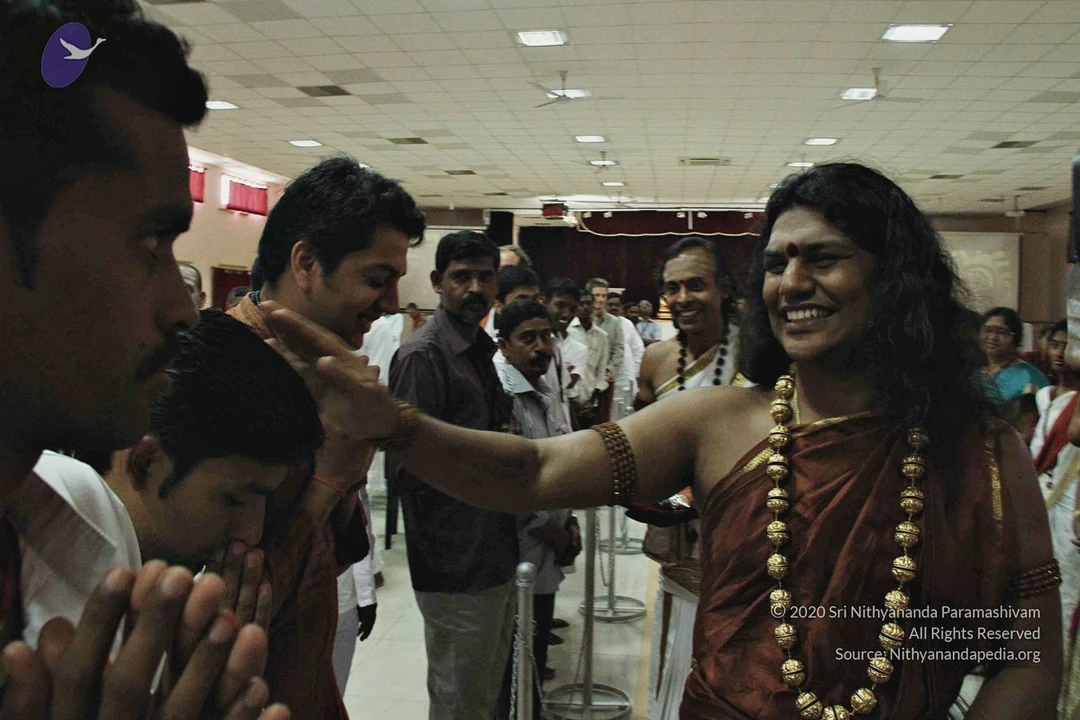
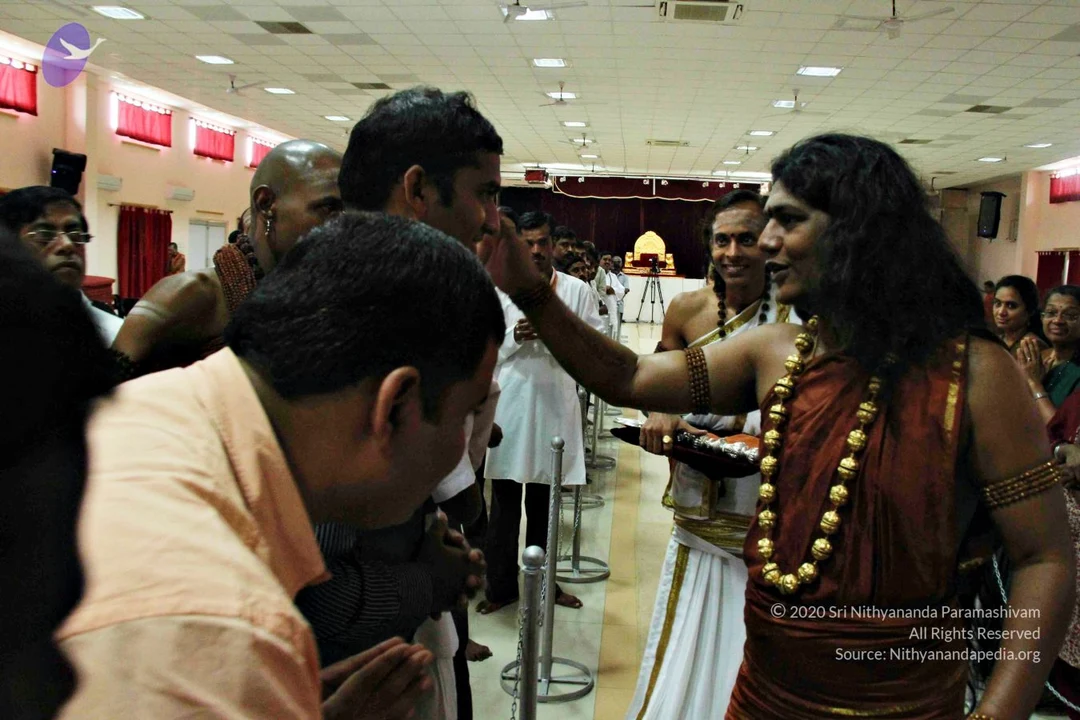
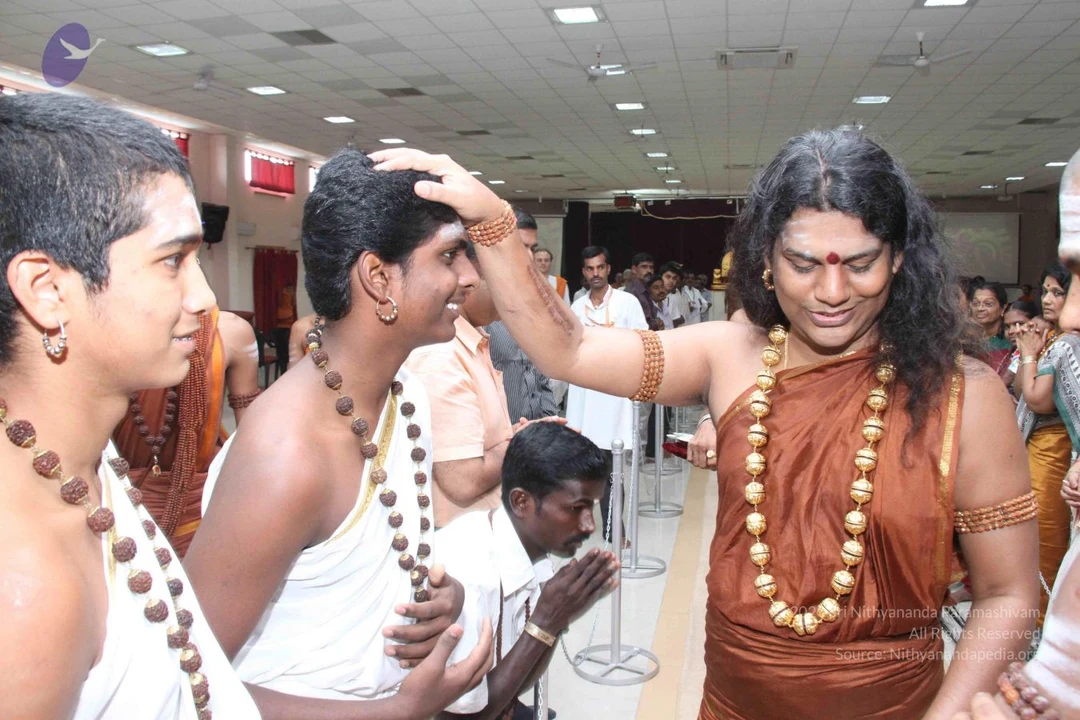
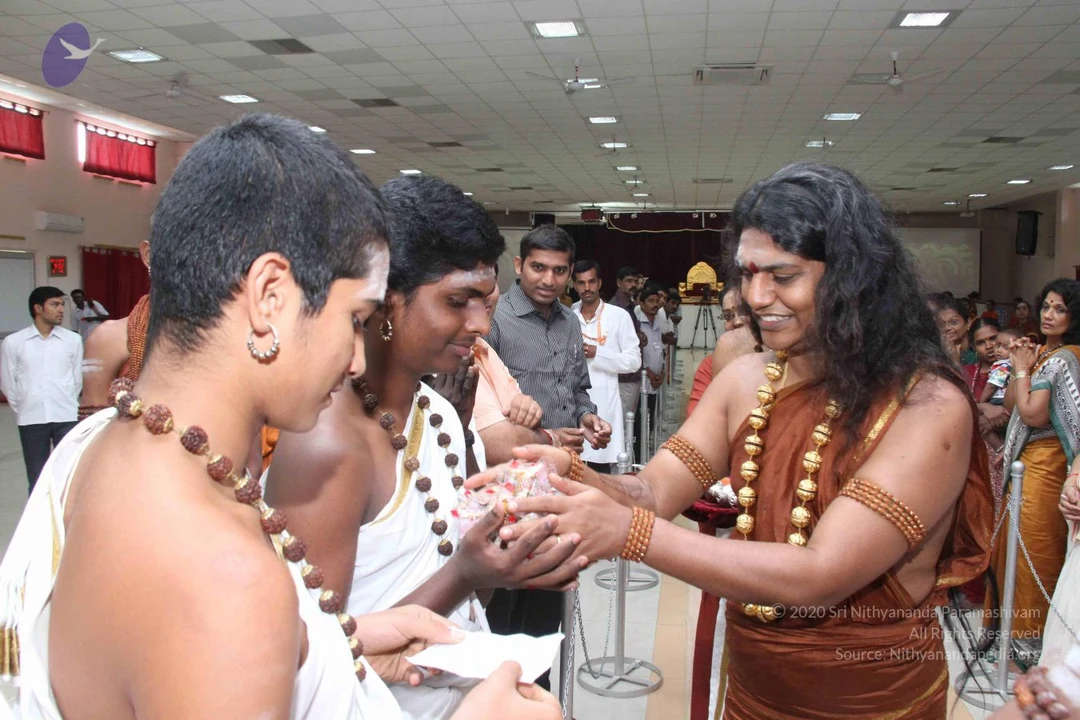
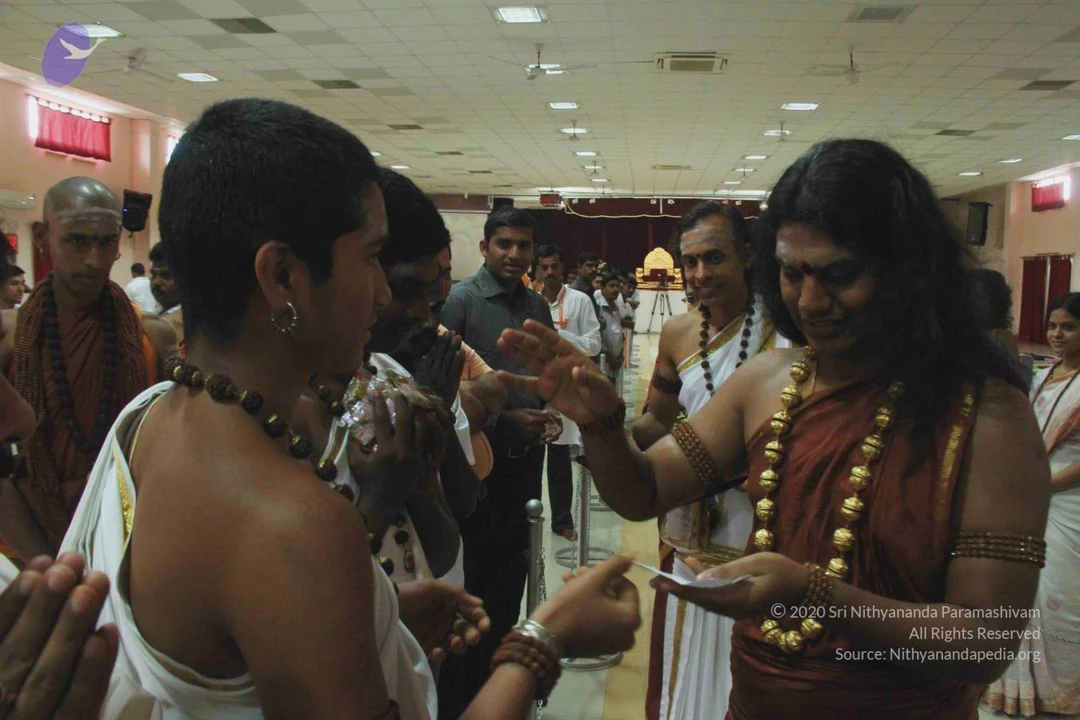
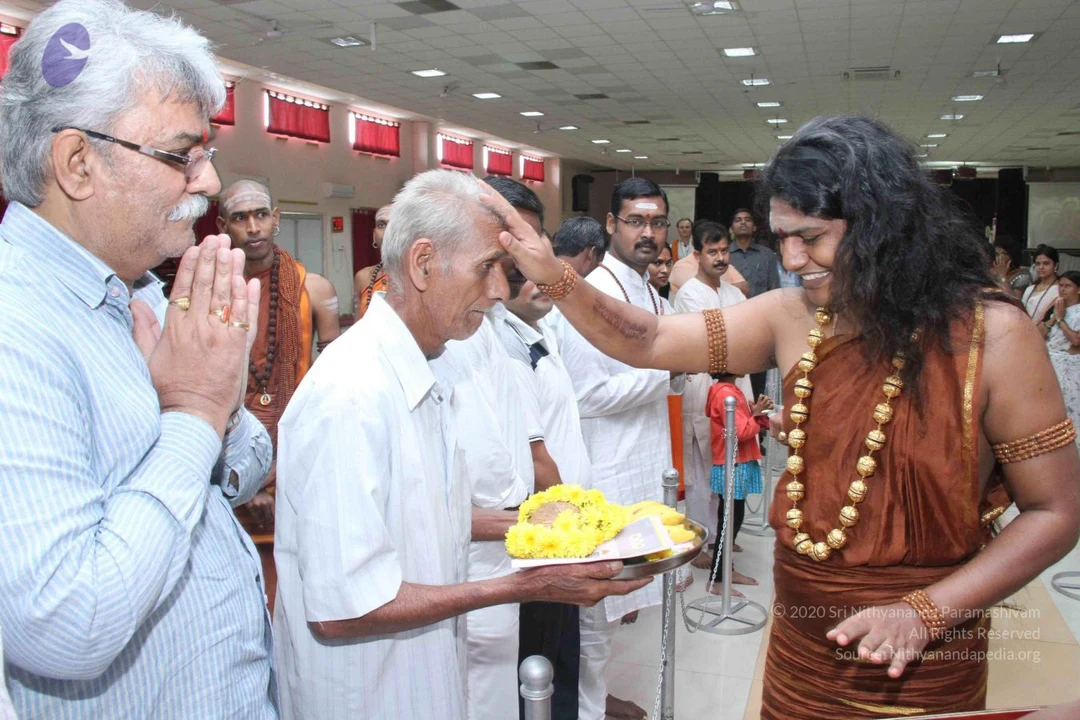
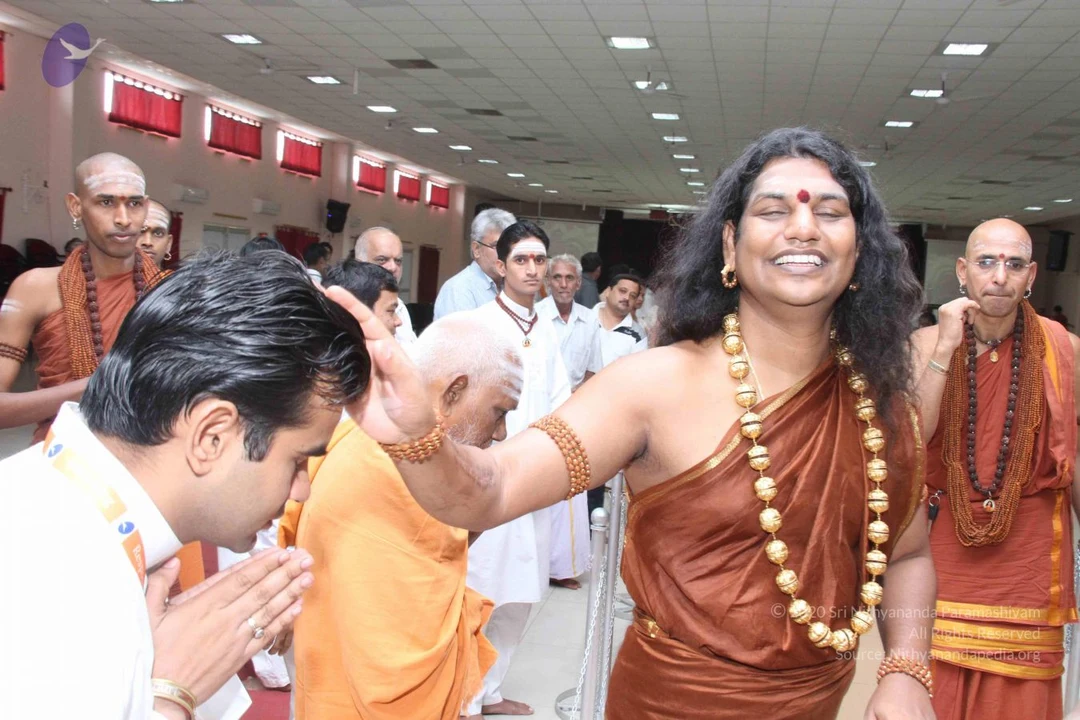
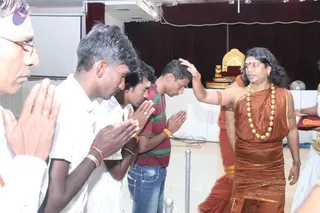
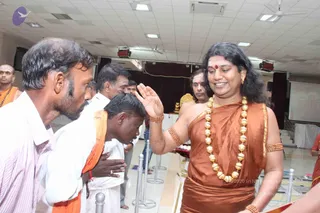
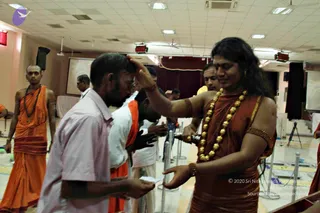
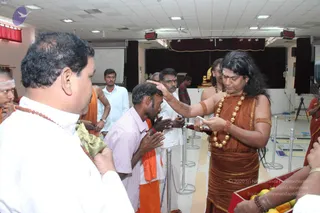
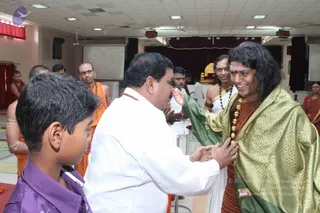
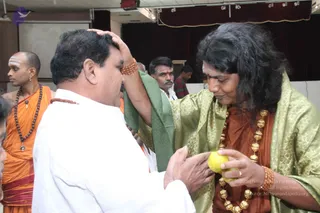
A photograph of a devotee line in an indoor hall with a dark maroon curtain and a golden throne-like seat with a lion-form armrest in the background. A tall figure in saffron-orange robes with long, swept-back dark hair, a red bindi, a gold bead necklace and gold armbands stands at right, one hand raised in blessing over a bowed young man's head. Around him, several men with palms pressed together in namaste, including one in white shirt and another in a red-and-green striped shirt with a rudraksha-style mala. An elderly man with glasses and a ring stands at left. A devotee in an orange dhoti assists nearby.Photograph of an indoor hall with a tiled ceiling and recessed lights, where a long-haired figure in a saffron-orange wrap with a heavy gold bead necklace and orange beaded bracelets raises a palm in blessing toward a man in a white shirt and pink-striped shirt who bends forward. Beside him a man in white and an orange-bordered shawl bows his head, and a bald priest in orange robes stands at the left edge. A red bindi marks the central figure's forehead. Behind them are stanchions, a stage backdrop, a projection screen and a golden deity murti on a table. The figure is described by appearance cues only, with saffron clothing, long swept hair and gold beads as a person receiving devotees in a darshan-style blessing.Indoor photo in a hall with a drop ceiling, recessed lights and a projection screen behind. A person in a rust-red robe with a long gold bead necklace and gold armbands stands at right, long dark hair falling loose, placing a hand on the forehead of a man in a pink-and-white striped shirt who bows his head. Behind them, a man in a plain orange robe and rudraksha-style beads stands near a metal barrier rope, and other people in white and orange clothing move through the room.Indoor photograph of a devotional blessing in a hall with white ceiling tiles, red and dark curtains, a projection screen and a small golden altar in the background. A long-haired figure in a saffron-orange robe with a gold necklace of beads, gold bangles and red tilak marks on the forehead raises a hand to the head of a kneeling man in a striped pink shirt and orange shawl, who has his hands folded in namaskar. The figure holds a small tray in the other hand, and a red box of yellow flowers sits at the lower right. Around them, men in white shirts and orange shawls stand behind metal stanchions, and a man with a white forehead mark and rudraksha beads stands at left. Appearance-based label: Swamiji (probable), with the saffron robe, long swept-back hair, gold necklace and bangles as cues, shown being honoured by the kneeling devotee.Indoor hall event with a man in a white dhoti and white shirt with a rudraksha mala placing a hand on the chest of a long-haired figure in a rust-orange garment draped with a green-gold shawl, long gold-bead necklace, and red bindi, who is smiling. A young boy in a purple shirt watches at left. Behind them, saffron-robed priests with white tilaka and beaded necklaces stand near a gold-and-red throne, with a stage, screen and red curtains in the background. a person: the central figure has long swept-back hair, ornate gold necklace, and shawl-draped saffron-orange clothing, though the image is ambiguous.Indoor photo of a satsang-style gathering in an auditorium with a dark red curtain and a projector screen behind. A woman with long dark hair, a red bindi and a green-and-gold silk shawl, wearing a brown-red top and a long gold bead necklace, holds a yellow fruit in one hand and places her other hand on the forehead of a man in a white shirt with a rudraksha-style bead necklace. Behind them a bald man with white tilak marks wears an orange robe and a long rudraksha mala. Other men stand in the background, including one with a moustache in white clothes. Whether the woman is a candidate for a person is uncertain from appearance alone, so the a person field is set to unsure.
Final_blessing

10 photosSource gallery
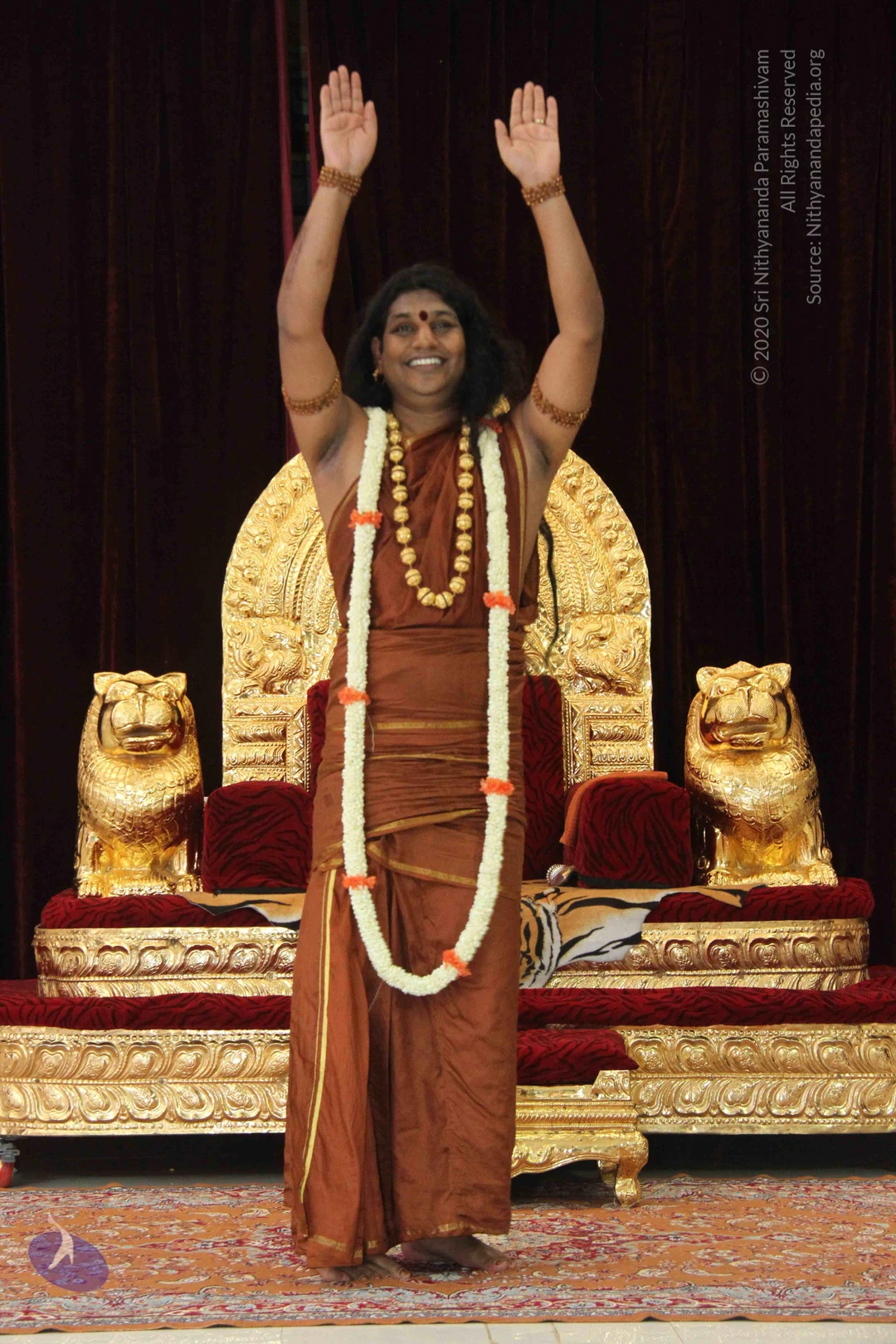
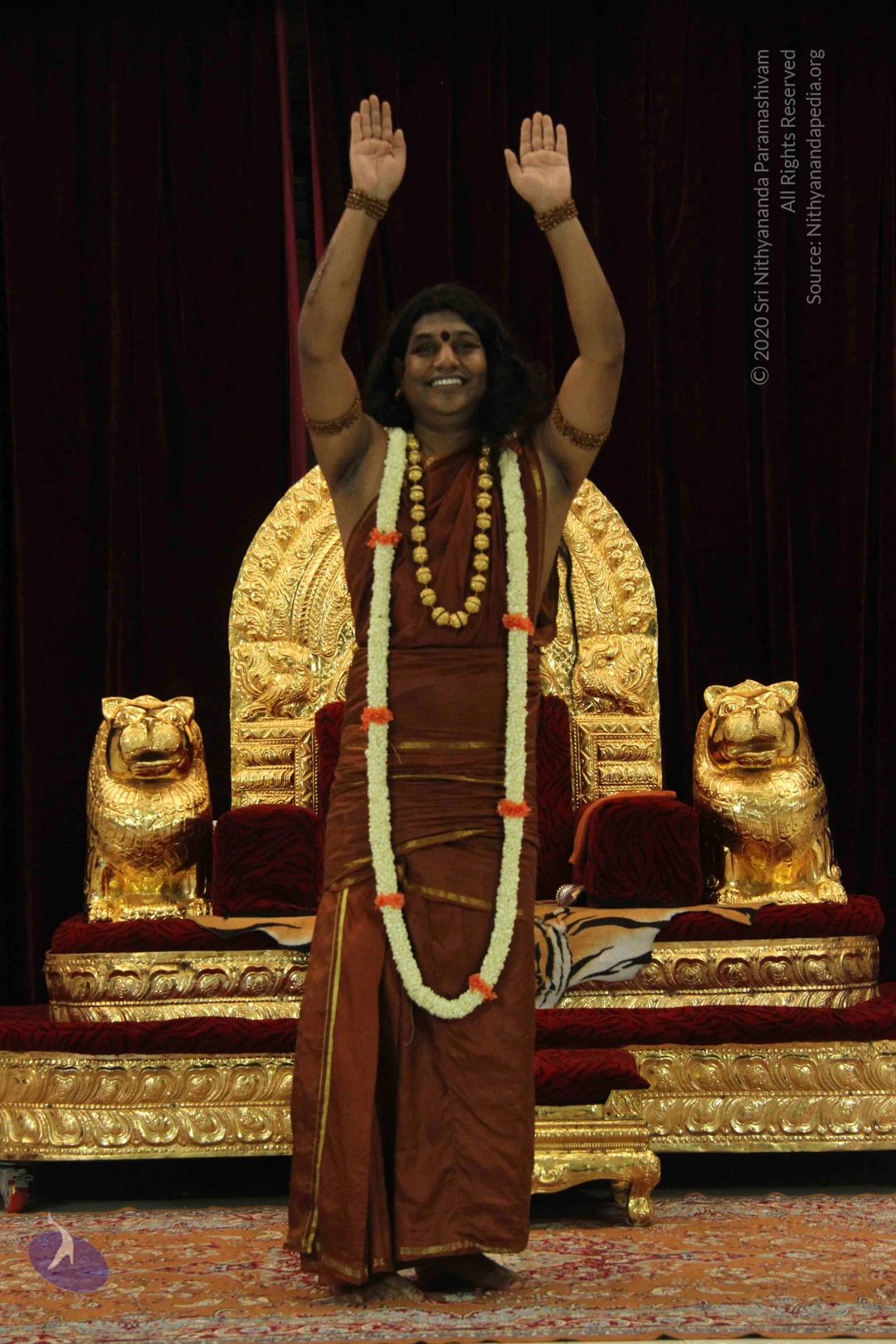
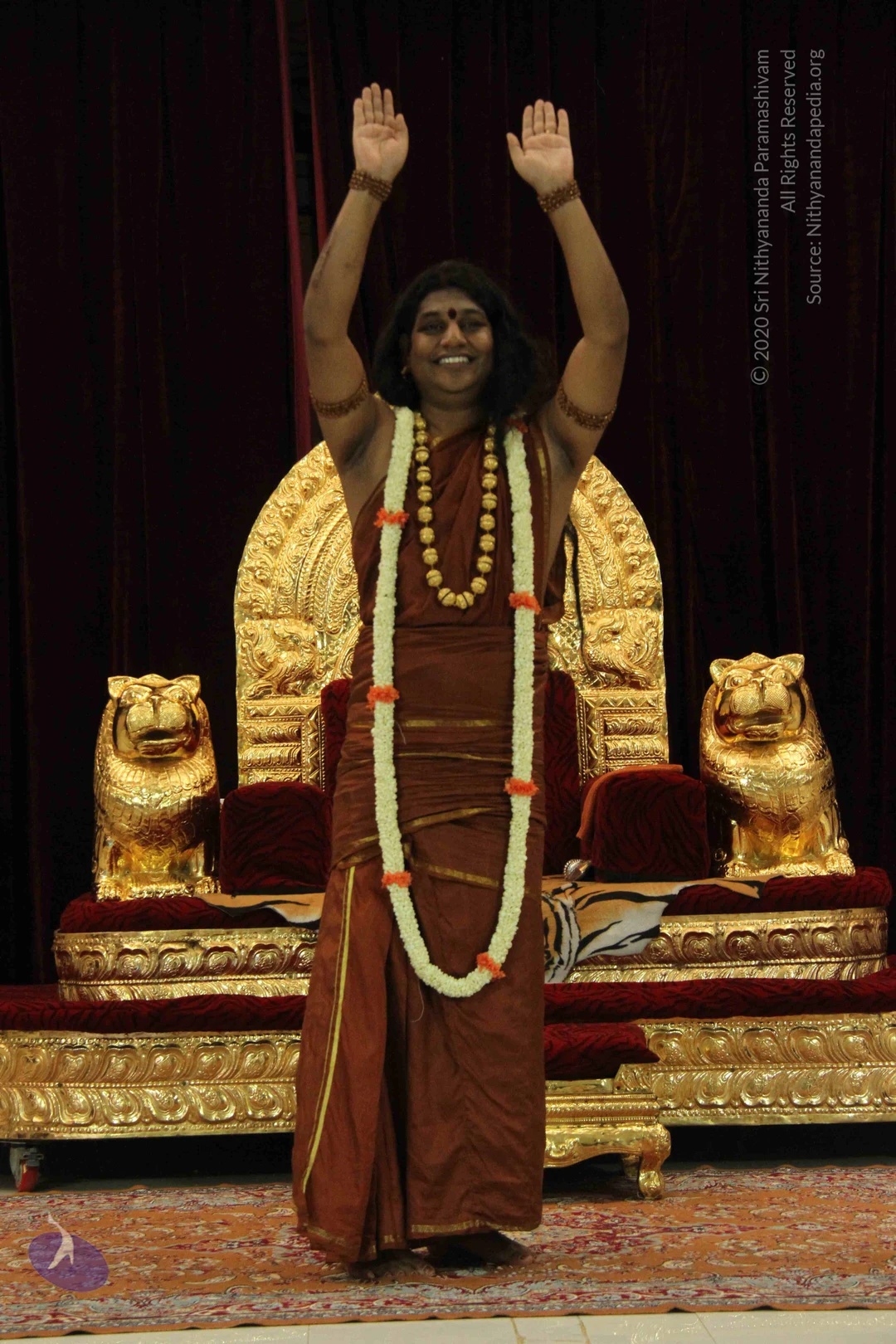
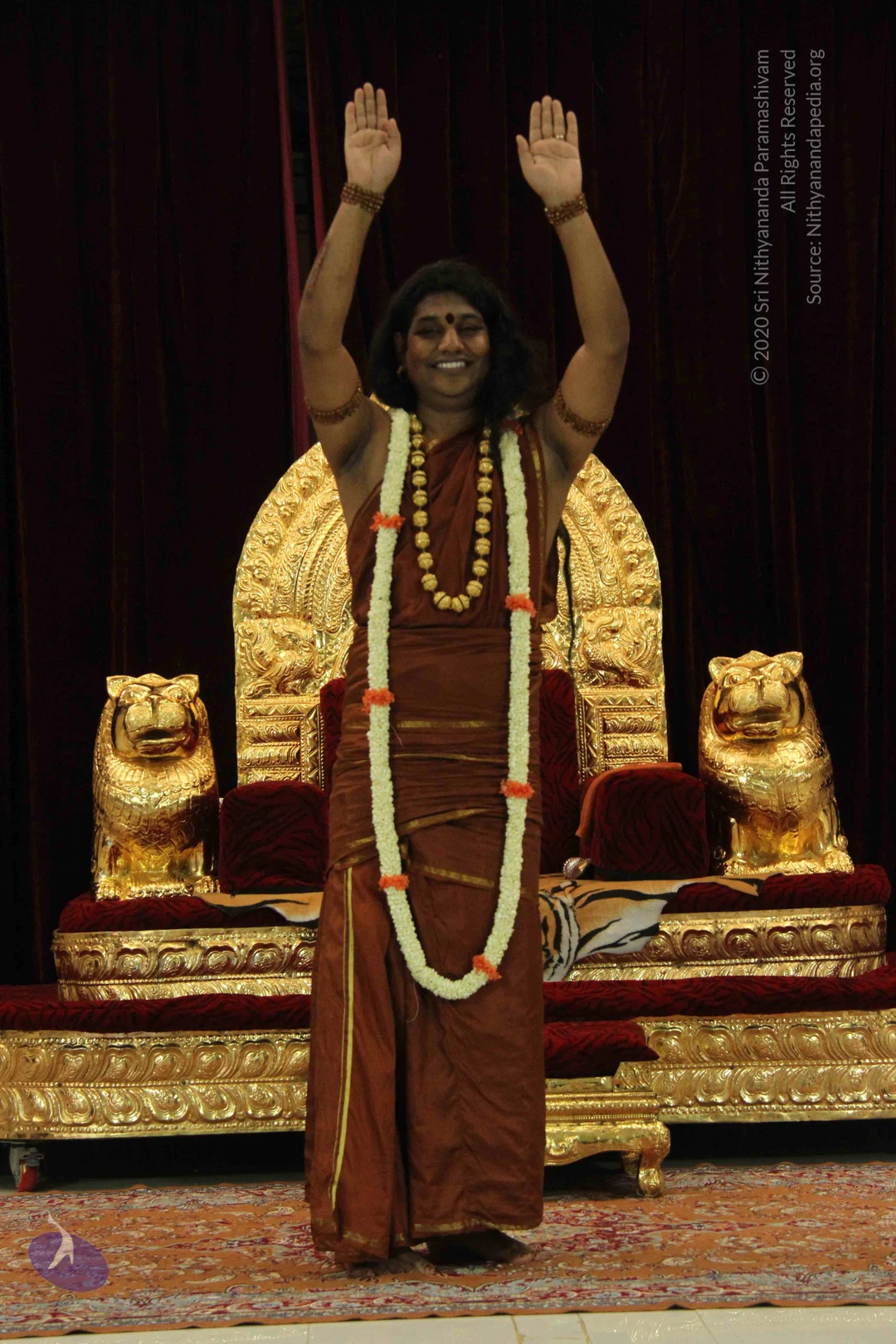
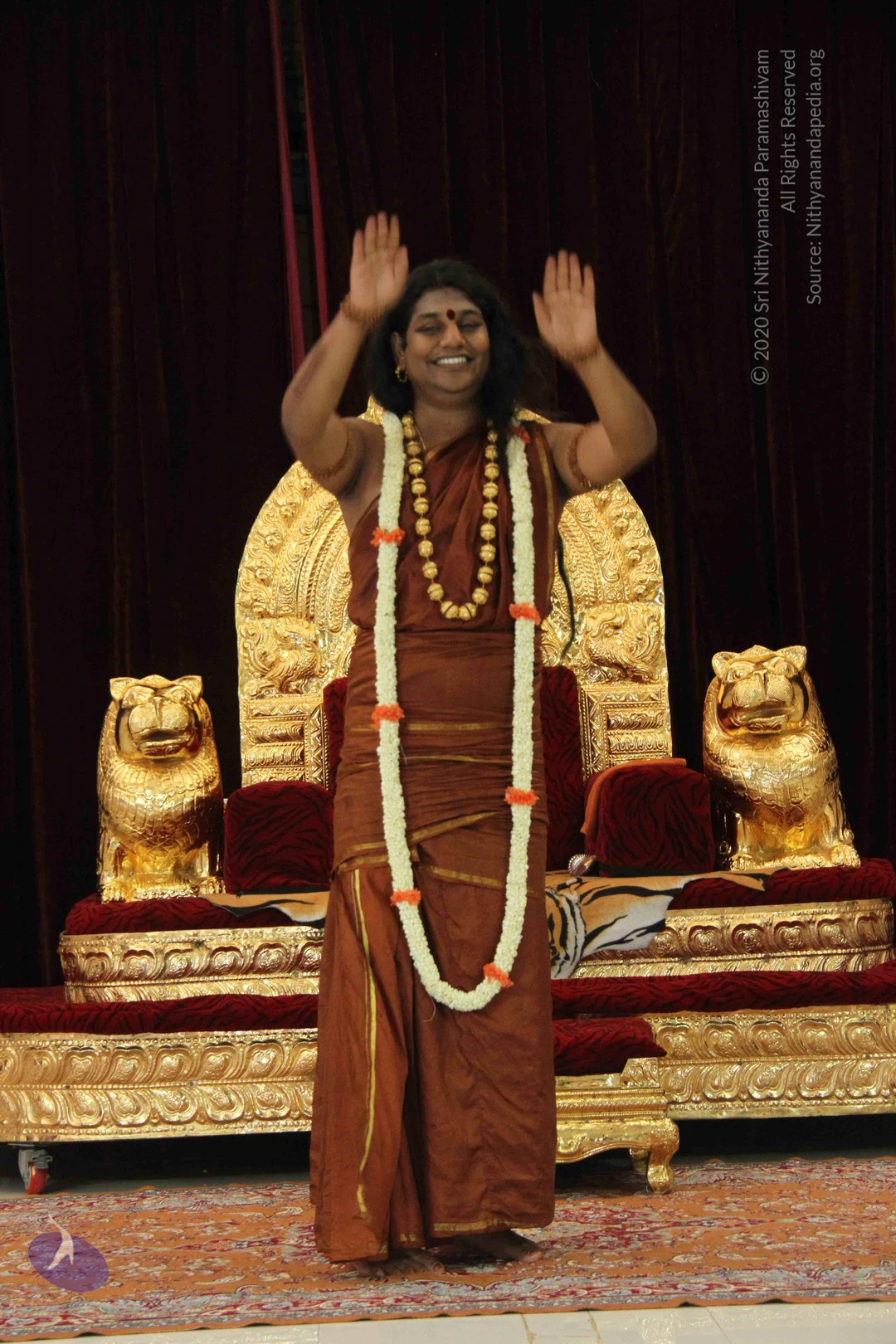
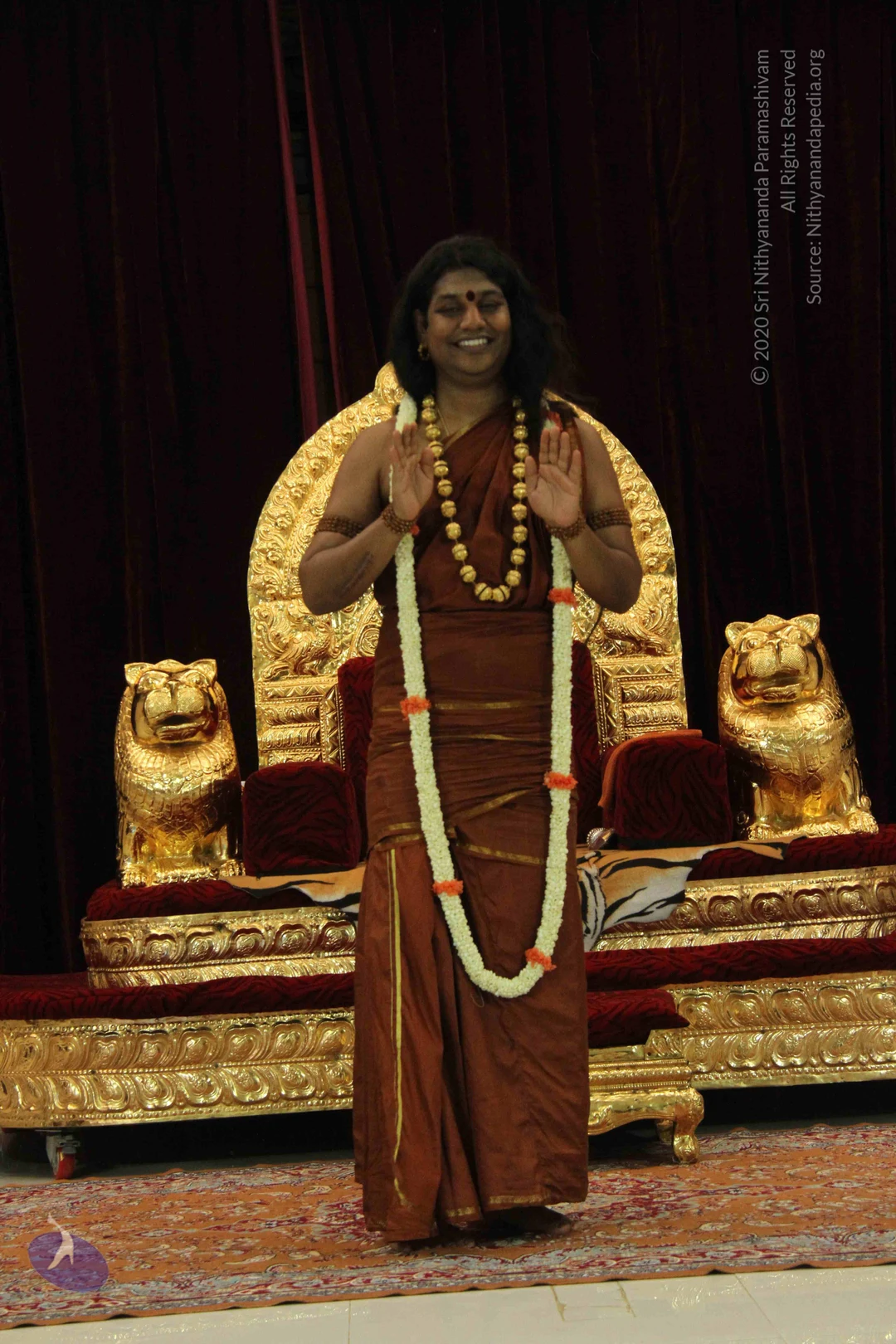
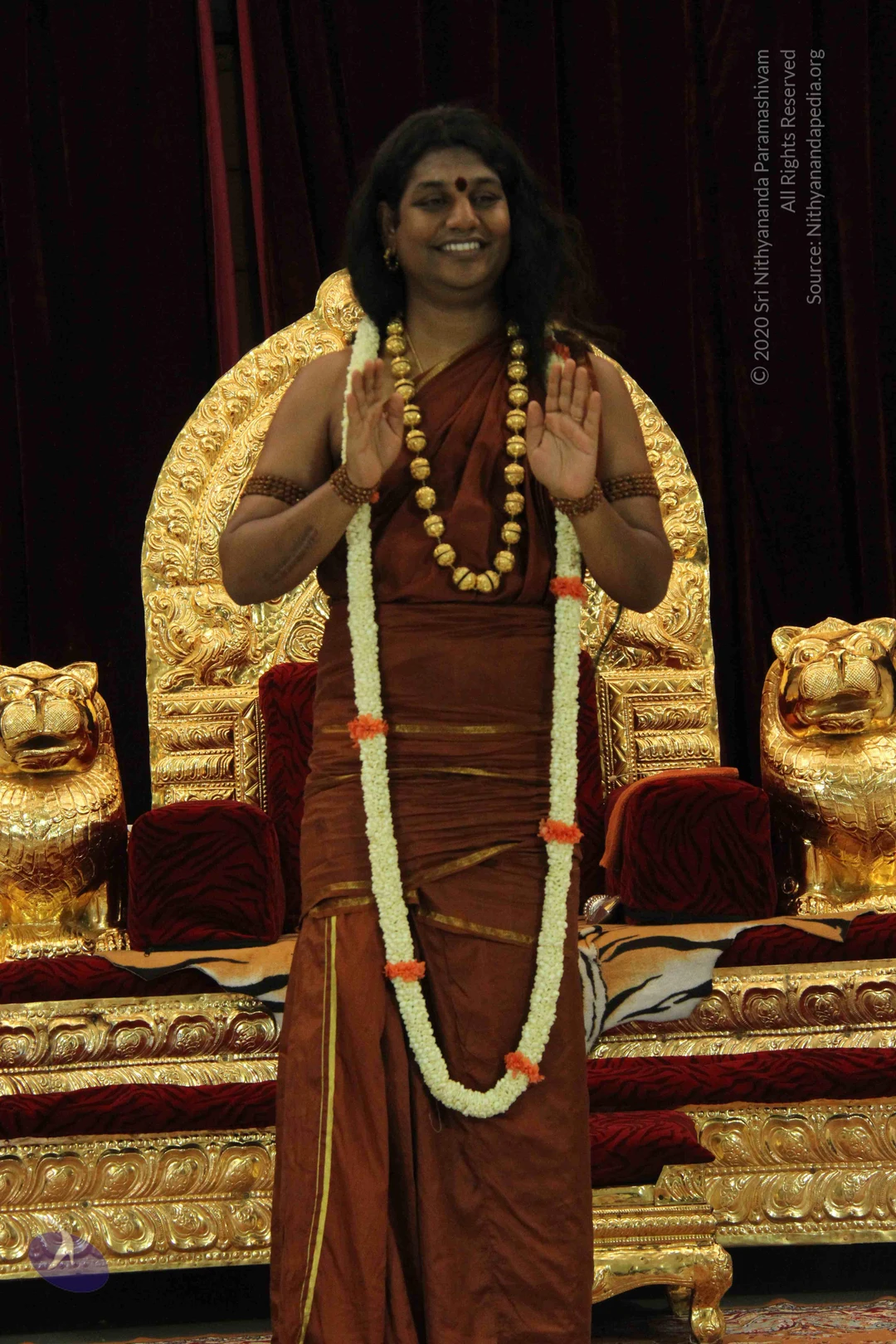
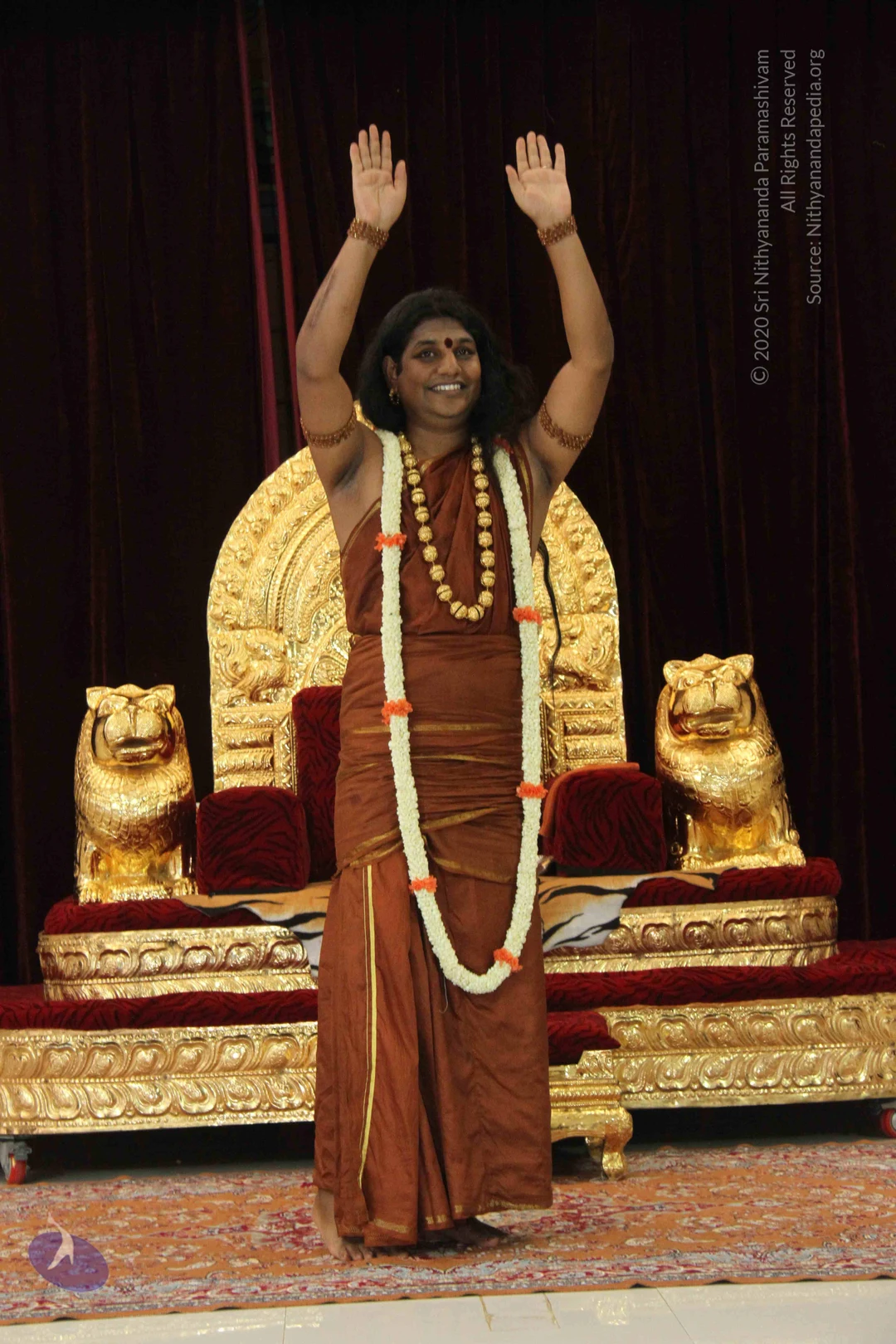
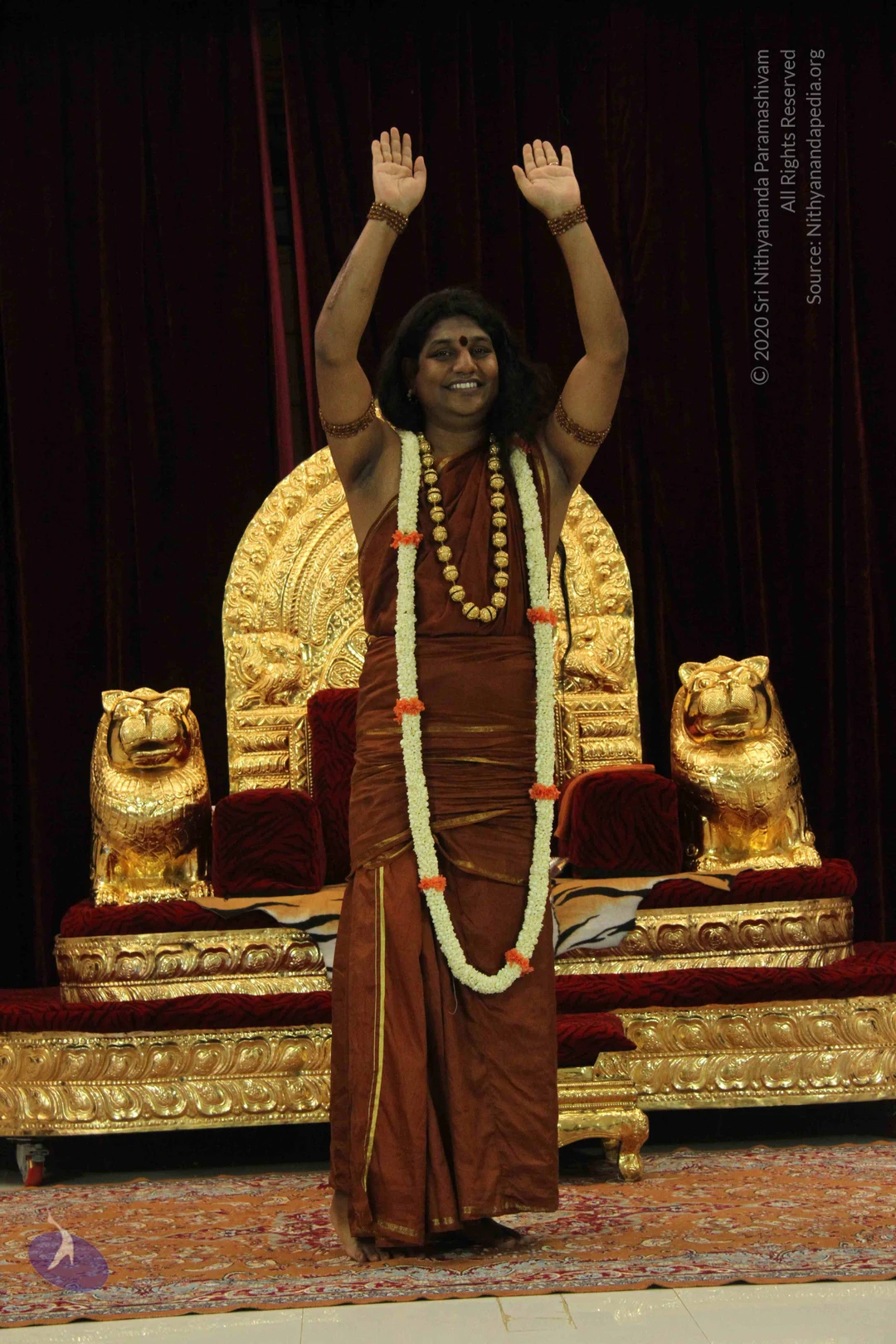
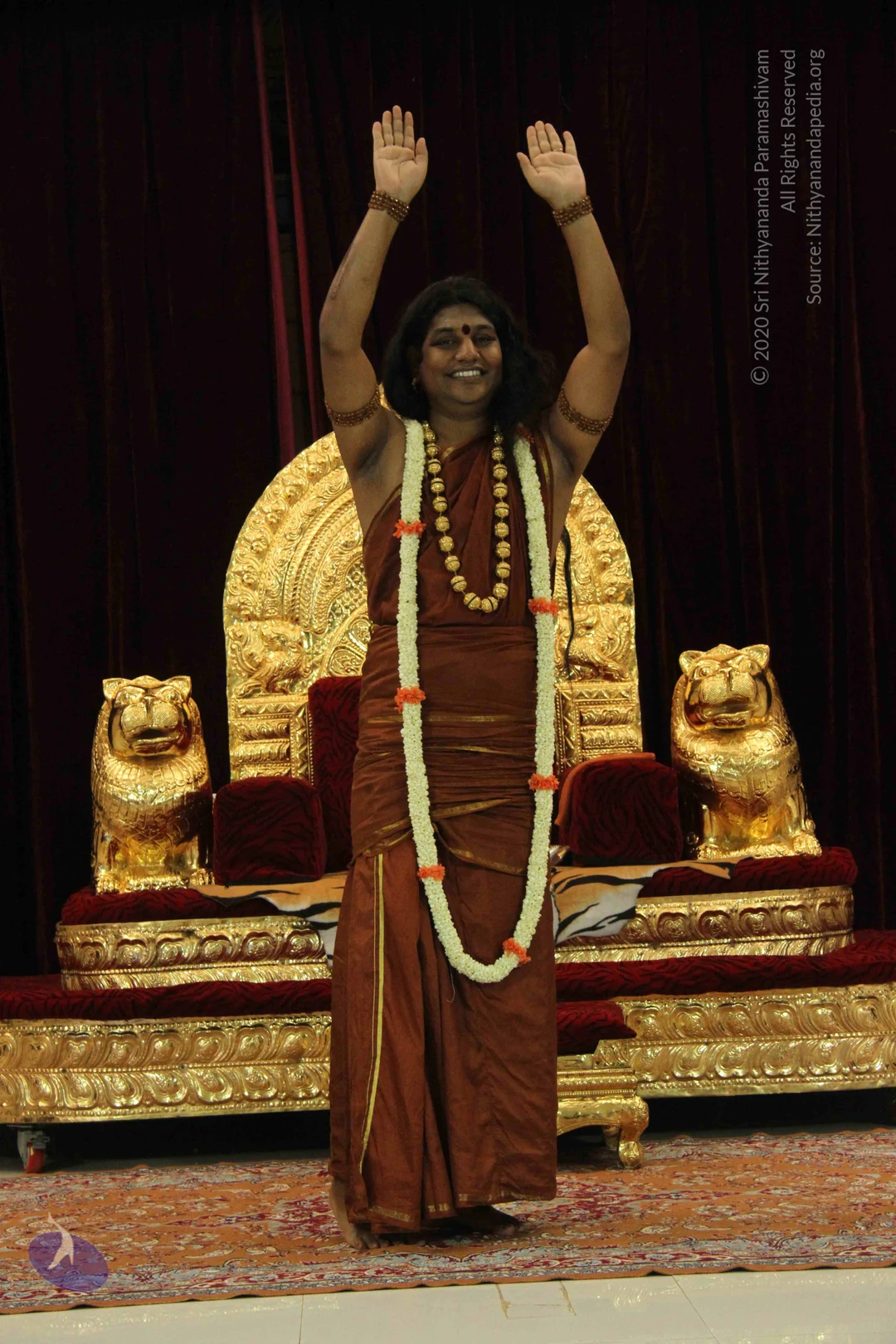
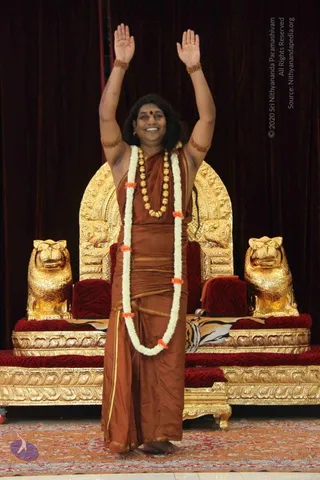
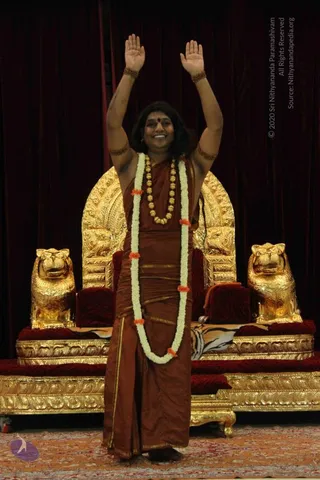
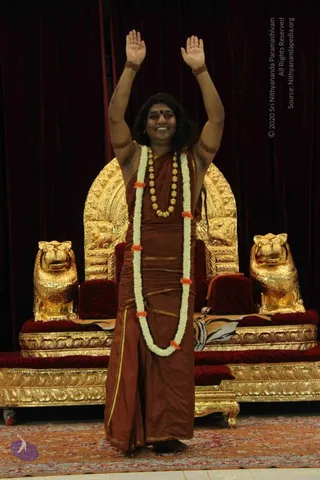
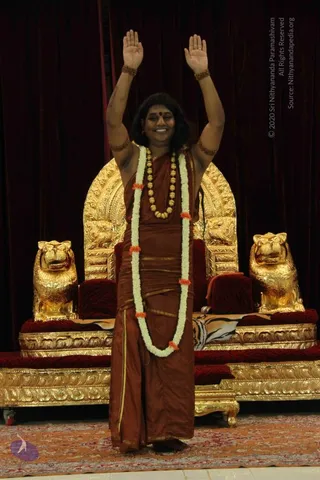
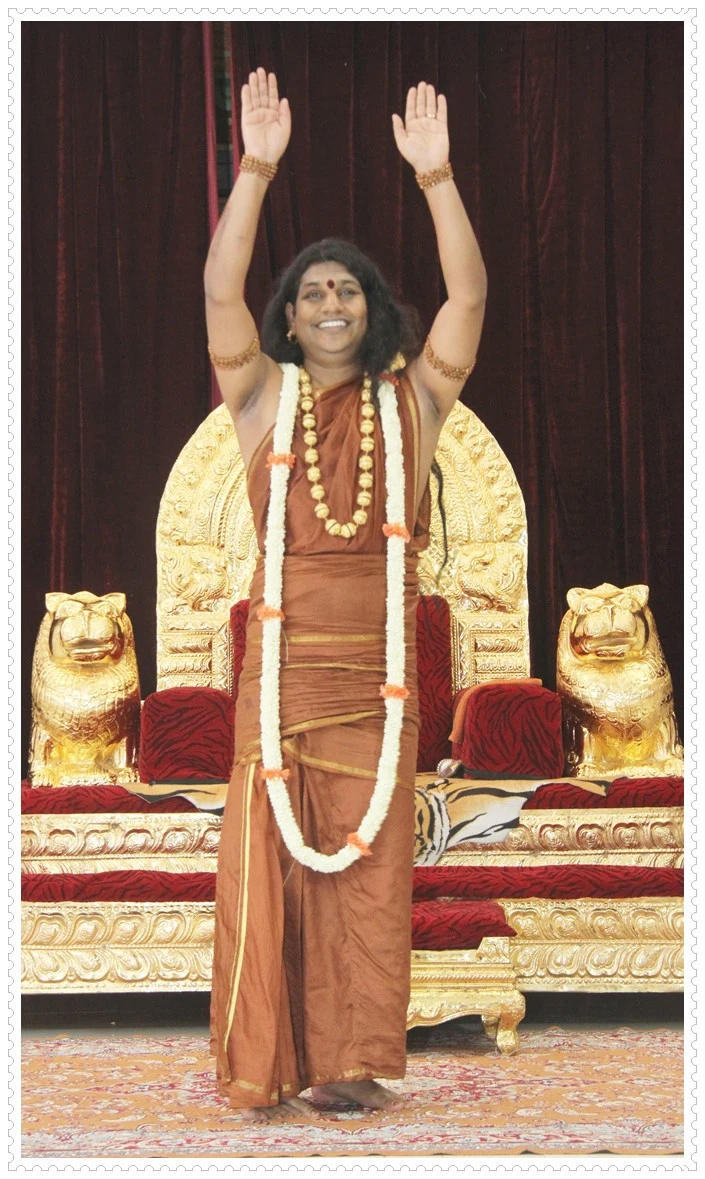
A smiling person stands barefoot on a patterned red-and-orange rug with both arms raised overhead, palms open, in front of an ornate gold throne with carved lion-head arms and red velvet cushions draped with a tiger-striped cloth. The standing figure wears a rust-brown dhoti-style garment with gold-edged border, a white flower garland with orange blossoms, a multi-strand gold bead necklace, a red bindi, and beaded bracelets on the wrists and upper arms. Dark maroon drapes form the background. The figure is presented as a probable Swamiji (appearance cues: long swept-back hair, ceremonial gold necklace, garland, distinctive ornate throne setting), standing as the central figure in a seated-dais setting.A man with long dark hair stands barefoot on a patterned rug, arms raised high, smiling, in front of an ornate gold throne flanked by two golden lion figures. He wears a rust-brown dhoti and shawl, a white and orange flower garland, a gold bead necklace, a red bindi and gold armlets. Swamiji (probable) is the central figure: long swept-back hair, a ceremonial gold necklace and garland, and a seated-throne setting with lions. Dark red velvet drapes and a tiger-skin cloth cover the throne platform behind him.A smiling person stands barefoot on a patterned red carpet in front of an ornate gold throne flanked by two gold lion sculptures, with dark red velvet drapery behind. They raise both arms overhead, wearing rust-brown draped robes, a white flower garland with orange accents, a long gold bead necklace, beaded bangles and a red bindi. The setting resembles a satsang stage.a person stands barefoot on a patterned rug before a golden throne with carved lion-head arms and a tiger-striped cloth, smiling with both arms raised in blessing. He wears a rust-brown robe with a gold-striped wrap, a white jasmine garland with orange-red beads, a gold bead necklace, a red bindi and wrist bands. Behind him hang deep maroon velvet curtains. A single person appears in a photograph of a satsang setting.A person stands barefoot on a patterned rug before a golden throne flanked by two gold lion sculptures, with a tiger-striped cushion and red velvet seats behind. The standing figure, with long dark hair and a red bindi, raises both hands high, smiling. They wear a rust-brown draped cloth, a white and orange flower garland down to the knees, and a heavy gold bead necklace. The dark red drapery forms the backdrop.A smiling person with long dark hair and a red bindi stands on a patterned rug in front of an ornate gold throne with carved gold lion figures, dark red velvet curtains behind. The person wears a rust-brown robe draped over the body, a long white jasmine garland with orange flower accents, and a gold bead necklace, with hands raised palms-forward in greeting. Appearance-based candidate: a person, wearing rust-brown robes, a gold bead necklace and a jasmine garland before a throne, in a satsang setting.