Friday
20 April 2012
- Dated photos
- 463
- Source pages
- 1
- Media
- 5
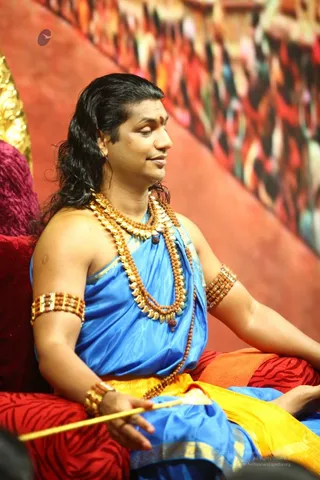

April 20 2012
Original wiki pageTitle:
Take Responsibility For Your Enlightenment
Description
In today's morning satsang, Paramahamsa Nithyananda (Swamiji) gives answers to the questions of Inner Awakening participants. One devotee asks for Vedic wisdom on our duties to parents, teachers, priests and Master. Paramahamsa describes each: for parents, to give emotional support, but not surrender our lives to them; for teachers, keep the knowledge they gave us fresh and growing; for priests, use their teachings to achieve enlightenment; and for Master -- become enlightened. Another participant asks whether Inner Awakening can give the ultimate push into enlightenment. Paramahamsa's answer is Yes! The third question concerns losing sleep in order to meditate before work. Paramahamsa replies that any sleep beyond 4 to 5 hours is entrenched laziness and boredom. When we increase our productivity and become excited, we reduce our need for sleep. The final questioner asks why Kailash is such a special energy field. Paramahamsa responds that Shiva administers the cosmos from Kailash, therefore the area radiates uniquely intense creative energy.
| Video | Audio |
Transcript
Minute for Peace has crossed one million minutes. God! And saving 200,000 US dollars in crime cost. Abbah ! Just In last few days we already saved 200,000 dollars in US cost , in crime cost, God ! Let’s enter into today’s satsang. Start with the questions. The first question is from Dharsha Divya, IA No.85: Question: She is asking, “Swamiji, would you please say something about our duties to our parents, teachers, priests and the Master according to Vedic culture? This kind of knowledge is almost lost in the West. Especially, I would like to know about disciple’s duty to the master according to Vedic culture. Thank you again.” Swamiji: Dharsha Divya, her question, First thing, you are asking “Would you say something about our duties to our parents, teachers, priests anf master?” Understand, your duty to your parents is giving them emotional and moral support when they need. I wanted to make it very clear. You are not bound by your parents to live the life they wanted. It is not your duty or responsibility. Many times you mistake your attachment and weakness as a duty and responsibility. No. See, if you are completely bound by your parents’ way of living, if that becomes your responsibility and duty, there is no possibility for upgrading, don’t you understand? Then the whole humanity has to be in the same low consciousness because nobody is going to take the risk and courage and breakthrough and upgrade themselves. That is not your duty. That is not your responsibility. Responsibility to the parents is giving them emotional support, moral support. Very beautifully one of my brahmacharini told me yesterday “The best thing I can do for them is I brought them to you, that’s all. Now my responsibility is over. Best thing I can give them is you. After this, now it is between you and them.” I tell you, your highest responsibility for your parents is helping them to become enlightened. Next, teachers, your highest responsibility, duty to your teachers is keeping the knowledge which they gave you, alive and making it to grow, flourish. And responsibility for your priests is using the knowledge they gave, to achieve the ultimate. Responsibility for your master, duty for your master is you becoming enlightened. Nothing else! Give your emotional, moral support to your parents, grow the knowledge given by your teachers, use the knowledge given by your priests to achieve the highest possible consciousness. Finally, achieve that highest consciousness using the master’s presence. This is what is your duty, towards all of them. Nothing else, nothing more, nothing less! Be very clear, you are not bound by anything else, other than these understandings. Next question: Question: From Rajesh : IA ID No.72 When one has already passed glimpses of enlightenment; for example characteristics of sthitaprgnya , lamp not affected by glowing wind, tortoise like senses , verses like in Ashtavakra Geeta flowing inside the heart on its own, glorifying eye consciousness, feeling the depth of time etc ; will Inner Awakening take to the same space and beyond clearing all obstructive bio-memories, so as to sustain the enlightenment in tune with this world ? Swamiji: Rajesh, please understand, Inner Awakening is the program that will help whether you are in the beginning state, initial stages or you need just the last push towards enlightenment. Now you are asking this question that will I have the last push towards the ultimate enlightenment through this program. Yes! Especially the experiences you are talking, this will all become permanent in you. All the obstructing bio-memories will be cleared. I tell you, in this mood, the space you are in; other than master’s presence no other technique will work; because you have finished all other techniques. Now only his presence can mature your bio-memory and sustain the enlightenment, push you to that falling in tune with the enlightenment in this world, to that experience; especially after having certain spiritual experiences, glimpses of enlightenment, not getting that experience eternally, ultimately, strongly, is almost like a torture, suffering, suffocation. This is the moment you should have the physical presence of the master. You should be in the physical presence of the master. I tell you IA will take you beyond all the obstructing bio-memories and sustain you in the enlightenment. One more thing I want to tell you; only Inner Awakening program can take you beyond these bio-memories and establish you on the enlightenment. No other, no other technique, no other process can take you to that state. In the planet earth no other process is available as on now to establish yourself in that state other than Inner Awakening. Question: From : Gyan Raipuria IA ID # 20 : Pranam to Guruji. This is regarding minimum hours of sleep required. I work in Mumbai and go to sleep at around 11 pm. Last month I tried for few days waking up at 4 am so that I can do puja, meditation between 5 to 7 am. But I felt sleepy in office. Later it changed to 5 pm. Whether it is advisable to get up at 4 am when we sleep at 11 pm. At your feet, with gratitude. Swamiji: Gyan Raipuria, first thing, sleep is nothing but your own boredom and laziness getting solidified and withdrawing you from your actions. Please understand, reduce the boredom and laziness in your life. The quantity of sleep will reduce and the quality of sleep will increase. Unfortunately your whole life is filled with so much of laziness and boredom. I tell you, laziness and boredom creates RCC of depression. Laziness is the cement, boredom is the steel. When you mix both and allow it stay in your being, it becomes concrete of depression. If you are sleeping more than 4, 5 hours, you need to be admitted in waking up lab. See in west and all if you don’t get sleep for 8 hours they will admit you in the sleep lab and try to check, do so many things. I tell you if you sleep more than 4, 5 hours it means your quality of sleep is not good and your life is moving in the direction of depression concrete. Laziness is cement, boredom is steel rod. When laziness and boredom gets solidified in your life, be very clear, you are moving very fastly towards depression. Actually laziness is cement, boredom is the steel. When both stay together in your inner space, it will simply become concrete of depression. After that nobody can get you out of it. Breaking that and coming out will be literally impossible. 10, 20 years you will be just taking depression medication to maintain your life but you won’t be able to break it. I tell you, never allow this laziness and boredom together settle-down in your life. Boredom means what; not being able to inspire yourself to your reality. Only if the fantasy reality - what you want - if that is happening, you will not have boredom. You will just jump. Boredom and laziness together forms depression. Boredom is the steel rod, laziness is cement. When you keep both together in your inner space it becomes the concrete of depression. After that you will not be able to break the concrete, understand. You may unclutch; do ajapa japa; so many things. It will all be only like drilling the concrete like one nail, one nail, one nail. But by putting one nail, one nail, one nail and drilling the concrete, when are you going to break the concrete? I tell you, boredom and laziness is the curse you bring upon yourself. Any component in you, if it is not used again and again, it will lose its power. It will become dull, numb. For example, if you discover one ability of you, like thinking authentically about a subject or planning authentically about a subject or executing tirelessly and suddenly you just get into lazy mood and boredom and don’t use that capacity again and again, then you will see the capacity will be lost once for all. Same way boredom and laziness, when it settles down in you, now for survival, you will naturally have to grow cunningness. Without cunningness you cannot survive any more in the life. I am not just telling about my sangha. I am talking about the regular life itself. When you have grown boredom and laziness in you, created the concrete of depression around you, even to survive, you need to develop cunningness. So you literally become the pond of poison - pool of poison. Whenever that grows, I just feel, oh god, this fellow is cursing himself, he or she is destroying herself. Around the age of 30 to 40, that is the age you start growing this cunningness, usually. Sometimes it can happen little early, sometimes little late. Usually that is the age you start growing cunningness. Because now boredom and laziness is settled in your system, not only you can’t, you don’t want to brake, you can’t break. It becomes RCC-concrete in you. Even 10 minutes of laziness , do not allow. I tell you laziness is the crime. Nothing else is a crime. If you are womanizer, it is not a crime. If you are drunkard, it is not a crime. If you are smoking addict, it is not a crime. Even if you are a thief, it is not a crime. Understand, I am not encouraging all those things. If that laziness and boredom settles down in your life, your own life will be eaten and destroyed. I know. I have seen. Same batch 2 doctors passing out of their medical college, close friends. One becoming the owner of the chain of hospitals. The other one is still sitting in a village reading the same Hindu news paper, trying to get patients who will pay 10 rupees per visit. I have seen both extremes. One side one guy will be the CEO of the chain of the hospitals, the other guy will be sitting in the same village having 10 feet x 10 feet clinic with a board “All diseases will be attended in a very low cost” and one table chair and one stethoscope and the old Hindu news paper with the glass and one old compounder who can’t even read or write anything but he himself will attend most of the patients and send them away behind the screen because if you go to doctor it is 10 rupee if you come to me, 5 rupee. People run, people live. What is the difference between this guy and that guy? This guy who is sitting in the village waiting for the 10 rupee patient has allowed laziness and boredom to settle down in his pattern. I tell you, laziness and boredom destroys your whole life, eats away your whole life. There is one demon even now I need to be afraid, I need to be careful, I need to be cautious - that is laziness and boredom - of course boredom does not come. Laziness! As long as your body is under the nature, you have to be afraid of this one demon – laziness. See the person who is talking about being afraid of being laziness! If I am saying I am afraid of laziness then what you guys are supposed to do? Non-planning leads to dishonesty. See, then dishonesty becomes survival mode. I tell you dishonesty destroys your life. Because dishonesty takes away your life from you. Dishonesty is just committing suicide not just physically, destroying your lives after lives. Dishonesty and cunningness destroy your lives after lives. Once you start creating the pattern of dishonesty and cunningness, even I cannot save you, nobody can save you. Nobody can save you. Because even the relationship between me and you will have the dishonesty and in-authenticity. Then even if I stretch my hand you are not going to hold my hand. I won’t be able to lift you. Sleeping more than 4-5 hours means you are allowing laziness and boredom to settle down in your life. Increase the long breath in your day. Day time, whole day, whenever you remember, take at least 11 long breaths. The moment you start taking long breaths, you see your palms are feeling the tingling sensation, your finger tips are feeling the tingling sensation. Means the prana circulation, the samaana circulation is increasing. Just do this simple process continuously for 21 days. Your sleeping quantity will reduce and quality will increase. Do this, reduce the quantity, increase the quality of sleep. Reduce the boredom and laziness pattern in your life. Increase the authenticity and honesty in your life. Question: Swamiji, you spoke about the mountain being home to many enlightened beings. Were they from all different cultures and if so why Kailash? The Energy Darshan you gave in the valley at the foot of Kailash produced many miracles. What was so special about that place? Swamiji: First thing, once somebody becomes enlightened, then there is no more difference in cultures. Please understand whether you become enlightened through Buddhism or Shaivism or Jainism or Hinduism or Christianity or Islam, once you reach that state, there is no difference in cultures. Second, Kailash happened to be the energy center- Ananda Gandha of cosmos. If you ask why, I don’t know the answer. If you ask me why did you settle down in Bidadi, I don’t know the answer. That is the way it happened. That’s all. So I can only say Shiva settled down in the physical Kailash when he was in the physical body and he created energy field. Why, I don’t know. May be he would have liked the place. Very lone, he can just be alone. Shiva is a guy who enjoys the solitude and being in samadhi. He would have liked that place and very difficult to reach, so he will not have unnecessary harassments from inauthentic fellows. Many fellows, dishonest and inauthentic, come near you, who are not worthy of your love, come near you, which is not right. So, for so many reasons may be he decided to be in Kailash. Of course he is available everywhere, he makes himself available everywhere. But even then Kailash is something totally different. See now I am available through videoconferencing in so many places all over the world. But even then Bidadi, sitting directly in front of me physically. See, in video conferencing you can see only what is shown by the cameraman. But here you can move your eyes this side and that side, something more can be seen. That is what exactly happens in Kailash. Kailash, something more can be seen. All the temples deities are all like a camera, screen. How much shown in the camera, only can be seen. But Kailash is directly seen. You are saying “The energy darshan you gave in the valley at the foot Kailash produced many miracles. What was so special about that place?” The place is called Ashtapad from where Shiva administers the cosmos. Please understand Kailash has a different side. One side, from the south side he shares enlightenment; from the east side he does the administration; from the west side he is available as a JyothirLinga. His presence is available. That’s all. You can do what you want with it. So each side he expresses unique energy. The place where I was giving darshan, Ashrapad, that is the side from which he administers the cosmos. So naturally administration energy, the unique energy of creativity, that is why so many miracles happened, continue to happen, even now people give me their experiences about the continuity of the Kailash experience. What happened in Kailash, from there it started, and even now it is continuing. I get many emails and experiences. Nothing, nothing Iike Kailash ! Even now if I remember or talk about it, I feel like going there. That is a place to be in.
Title:
Master Breaks Your Laziness Patterns
Description
In this discourse from 20 APR 2012, Bhagavan Sri Nithyananda Paramashivam speaks on the presence of the Master. His presence breaks all tiredness, laziness and boredom patterns and even increases the quality of one's sleep while reducing the quantity needed. Bhagavan Sri Nithyananda Paramashivam reveals what is one's responsibility to parents, teachers, priests, and Guru. He reveals secrets about Paramashiva in Kailash.
| Video | Audio |
Transcript:
sadāshiva samārambhām shankaracharya madhyamām | asmat āchārya paryantām vande guru paramparām ||
I welcome you all with My love and respects. I welcome all the Devotees, Disciples, Samajis, Satsanghis, sitting with us around the world at this moment, 672 places through Nithyananda TV and 25 places in 2-way Video Conferencing, having Nayana Deeksha, 188 Cities in 18 countries around the world. Cities sitting with us Los Angeles Arunachalam, San Jose Madurai, Seattle Chidambaram, Phoenix Kanchipuram, Toronto Kailasam, Singapore Singapuram, Ohio Prayag, Malaysia Palani, Dubai, Calgary Amarnath, Madurai Aadheenam, Bangalore Sri Satchit, Anna Nagar Chennai, Houston Kalahasti, Austin, Victoria Australia, Oman Shivagangai, Abu Alifa Kuwait, J J Nagar Chennai, Thiruvannamalai Arunachalam, Washington DC Sri Puram, Guadualope Rameshwaram, Oklahoma Somanatham, Atlanta Ujjaini, Vancouver Puri, Charlotte Sri Sailam.
(2:22)
We’ll start the satsang. The first question. Let’s enter into today’s satsang. Start with the questions.
(2:32)
Durja Vidya. Her question - Would you please say something about our duties to our parents, teachers, priest and a Master, according to Vedic culture. This kind of knowledge is almost lost in the West, especially I would like know about disciple’s duty to the Master; again according to Vedic culture. Thank you.
First thing, you are asking, “Would you say something about our duties to our parents, teachers, priest and Master.” Understand. Your duty to your parent is giving them emotional and moral support when they need. I wanted to make it very clear. You are not bound by your parents to live the life they wanted; it is not your duty or responsibility. Many times, you mistake your attachment and weakness as a duty and responsibility. No! You see, if you are completely bound by your parent’s way of living, if that becomes your responsibility or duty, there is no possibility for upgrading. Don’t you understand! Then the whole humanity has to be in same low Consciousness; because nobody is going to take the risk and courage and breakthrough and upgrade themself. That is not your duty. That is not your responsibility. Responsibility to the parents is giving them emotional support, moral support. Very beautifully one of My Brahmacharini told Me yesterday, “The best thing I can do for them is I brought them to you; that’s all. Now my responsibility is over. Best thing I can give them is You! After this, now between You and them.” I tell you, your highest responsibility for your parents is helping them to become Enlightened.
Next, teachers - your highest responsibility, duty, to your teachers is, keeping the knowledge which they gave you alive and making it grow, flourish.
And responsibility for your priests, is using the knowledge they gave, to achieve the Ultimate.
Responsibility for your Master, duty for your Master is - you becoming Enlightened, nothing else.
Give your emotional, moral support to your parents. Grow the knowledge given by your teachers. Use that knowledge given by your priest to achieve the highest possible Consciousness. Finally, achieve the highest Consciousness, using the Master’s Presence. This is what is your duties towards all of them... nothing else, nothing more, nothing less. Be very clear. You are not bound by anything else, other than these understandings. Next question.
(6:48)
When one has already had past glimpses of Enlightenment, characteristics of Stitha prajna, lamp not affected by blowing wind, tortoise like senses, verses like in Ashtavakra Gita flowing inside the heart on its own, glorifying ‘I’ Consciousness, feeling the depth of time, etc. Will IA take to the same space and beyond, clearing all obstructive bio-memories, so as to sustain the Enlightenment in tune with this world?
Please understand. Inner Awakening is a program, will help whether you are in the beginning state, initial stages or you need just a last push towards Enlightenment. Now you are asking this question that, “Will I have the last push towards the ultimate Enlightenment through this program?” Yes. Especially the experiences you are talking... this will all become permanent in you. All the obstructing bio-memories will be cleared. I tell you, in this mood, the space you are in, other than Master’s Presence, no other technique will work; because you have finished all the techniques. Now only His Presence can mature your bio-memory and sustain the Enlightenment; push you to that...falling in tune with Enlightenment in this world, to that experience. Especially after having certain spiritual experiences, glimpses of Enlightenment, not getting that experience eternally, ultimately, strongly, is almost like a torture, suffering, suffocation. This is the moment you should have the Physical Presence of the Master. You should be in the Physical Presence of the Master. I tell you, IA will take you beyond all the obstructive bio-memories and sustain you in the Enlightenment. One more thing I want to tell you, only Inner Awakening program can take you beyond these bio-memories and establish you on the Enlightenment. No other...no other technique, no other process can take you to that state. In the Planet Earth, no other process is available as on now, to establish yourself in that state other than Inner Awakening. Next question.
(10:06)
Gyan Raipuraya # 20. His question is - This is regarding minimum hours of sleep required. I work in Mumbai, go to sleep around 11pm. Last month I tried for few days, waking up at 4am, so that I can do puja and meditation between 5 - 7am. But I felt sleepy in office. Later I changed to 5am. Whether it is advisable to get up at 4am when we sleep at 11pm?
First thing Gyan, sleep is nothing but your own boredom and laziness getting solidified and withdrawing you from your actions. Please understand. Reduce the boredom and laziness in your life... the quantity of the sleep will reduce and the quality of sleep will increase. Unfortunately, your whole life is filled with so much of laziness and boredom. I tell you, laziness and boredom creates RCC of depression. Laziness is a cement, boredom is a steel. When you mix both and allow it stay in your Being, it becomes concrete of depression. If you are sleeping more than 4-5 hours, you need to be admitted in Waking Up Lab. See, in West and all, if you don’t sleep more than eight...you don’t get sleep for 8 hours, they’ll admit you in the Sleep Lab and try to check, do so many things. I tell you, if you sleep more than 4-5 hours, it means your quality of sleep is not good. And your life is moving in the direction of depression concrete. Laziness is cement - boredom is steel rod.
Yesterday I was telling one of My ashramite, “If you are…..” I saw very petty, cheap, cheating she was doing. She was supposed to go to her department after the darshan, she was not there and she gives all kinds of foolish reasons, which will not stand even in front of our Gurukul kids. And she is giving those reasons to Me. I just looked at her and said, “Only thing….”
(13:03)
Actually this is useful for all of you, that is why I am repeating. When laziness and boredom gets solidified in your life, be very clear, you are moving very fastly, towards depression. Actually laziness is cement, boredom is a steel. When both stay together in your inner space, it will simply become concrete of depression. After that, nobody can get you out of it; breaking that and coming out will be literally impossible. 10-20 years, you will be just taking depression medication to maintain your life, but you won’t be able to break it. I tell you, never allow this laziness and boredom together settle down in your life. Boredom means what? Not able to inspire yourself to your Reality. Only if the fantasy reality, what you want, if that is happening, you will not have boredom, you’ll just jump. I know that Brahmacharini. She… you see, if she was asked to take a class, where her ego is satisfied, where she is projected and respected….I know, all her boredom disappears. But when you need to do some work in the back end, boredom comes back! Boredom and laziness together forms depression.
Boredom is a steel rod - laziness is cement - when you keep both together in your inner space, it becomes the concrete of depression. After that you will never be able to break that concrete. Understand. You may unclutch, do Ajapa Japa, so many things. It will all be only like a drilling the concrete like one nail, one nail, one nail. But by putting one nail, one nail, one nail and drilling the concrete, when are you going to break the concrete?! I tell you, boredom and laziness is the curse you bring upon yourself.
(15:51)
Any component in you, if it is not used again and again, it will lose its power, it will become dull, numb. For example: if you discover one ability of you - like thinking authentically about a subject or planning authentically about a subject or executing tirelessly, and suddenly, you just get into lazy mood and boredom and don’t use that capacity again and again, then you will see, the capacity will be lost once for all. Same way, boredom and laziness, when it settles down in you, now for survival you will naturally have to grow cunningness. Without cunningness you can’t survive now anymore in the life. I am not just telling about My sangha. I am talking about the regular life itself. When you have grown boredom and laziness in you, created the concrete of depression around you, even to survive, you need to develop cunningness. So you literally become the pond of poison, pool of poison.
Whenever that grows, I just feel, “Oh God! This fellow is cursing himself. He or she is destroying herself.” Around the age of 30 to 40, that is the age you start growing this cunningness. Usually, sometimes it can happen little early, sometimes little late. Usually that is the age you start growing cunningness; because now, boredom and laziness is settled in your system. Not only you can’t, you don’t want to break - you can’t break! It becomes RCC, concrete in you.
(18:34)
Even an incarnation’s body, body which did not even have a pain for complicated fracture, body which has withstood 9 months of Arunagiri Yogeshwara’s darshan, body which has gone through so many spiritual practices and tapas...not for pride, I can...but I can make this statement very solid – “This body is the personification of 60,000 years of the Vedic tradition and the tapas done by billions of yogis. It has done everything possible and impossible, done by all the yogis and siddhas.”
Even this body, as long as it is under the Prakruti, nature, it has to be kept away from the laziness. Even I tune Myself for the 10 minutes. “No, last one month, I was seeing, it is always slowly becoming from 7 to 7:10 – 15.” Just yesterday I told her. Today morning I moved My biological alarm, biological clock... 10 minutes early I was out.... by 6:50 from the room to the temple, 7 sharp I was here. Even 10 minutes of laziness, do not allow. If that laziness and boredom settles down in your life - your whole life will be eaten and destroyed.
(20:19)
I know, I have seen, same batch 2 doctors passing out of their medical college, close friends; one becoming the owner of chain of hospitals, the other one still sitting in a village, reading the same Hindu newspaper, trying to get patients who will pay 10 rupee per visit. I have seen both extremes. One side one guy, he will be the CEO of the chain of hospitals, multispecialty hospitals, the other guy will be sitting in the same village, having 10 feet by 10 feet clinic, with the board “Shanta Clinic” - all diseases will be attended in a very low cost and one table, chair, one steth and the old Hindu newspaper with the glass and one that old compounder... who can’t even read or write anything, but he himself will attend most of the patients and send them away behind the screen; because “if you go to doctor it is 10 rupee, if you come to me 5 rupee.” ☺
People run, people live! What is the difference between this guy and that guy? This guy who is sitting in the village, waiting for the 10 rupee patient, has allowed laziness and boredom to settle down in his pattern. I tell you, laziness and boredom destroys your whole life, eats away your whole life. There is one demon, even now I need to be afraid, I need to be careful, I need to be cautious - that is laziness and boredom. Of course, boredom doesn’t come - laziness! As long as your body is under the nature, you have to be afraid of this one demon - laziness. See the person who is talking about...afraid of being laziness. If I am saying, “I am afraid of laziness”, then what you guys are supposed to do?!
(23:05)
Non-planning leads to dishonesty. You see then, dishonesty becomes survival mode. And I tell you, dishonesty destroys your life. Gone! Dishonesty takes away your life from you. Dishonesty is just committing suicide. Not just physically; destroying your lifes after lifes. Dishonesty and cunningness destroys your lifes after lifes. With this, once you start creating the pattern of dishonesty and cunningness, even I cannot save you, nobody can save you. Nobody can save you... because even the relationship between Me and you, will have the dishonesty and inauthenticity. Then even if I stretch My hand, you are not going to hold My hand, I won’t be able to lift you. Sleeping more than 4-5 hours means, you are allowing laziness and boredom to settle down in your life.
Increase the long breath in your day, day time. Whole day whenever you remember, take at least 11 long breath. The moment you start taking long breath, you see your palms are feeling the tingling sensation, your fingertips are feeling the tingling sensation, means the prana circulation, the samana circulation is increasing. Just do this simple process continuously for 21 days. Your sleeping quantity will reduce and quality will increase. Do this. Reduce the quantity, increase the quality of sleep. Reduce the boredom and laziness pattern in your life. Increase the authenticity and honesty in your life. Please, next question.
(25:56)
Swamiji, you spoke about the mountain being home to many Enlightened Beings. Were they from all different cultures and if so why Kailash? The energy darshan you gave in the valley at the foot of Kailash, produced many miracles. What was so special about that place?
(26:16)
First thing, once somebody becomes Enlightened, then there is no more difference in cultures. Please understand. Whether you become Enlightened through Buddhism or Saivism or Jainism or Hinduism or Christianity or Islam; once you reach that state, there is no difference in cultures. Second, Kailash happen to be the energy centre, ananda gandha of Cosmos. If you ask, “Why?” I don’t know the answer. If you ask Me, “Why did you settle down in Bidadi?” I don’t the answer; that is the way it happened. That’s all. So I can only say, Shiva settled down in the physical Kailash, when He was in the physical body and He created a energy field. Why - I don’t know! Maybe He would have liked that place, very lone, He can just be alone. Shiva is the guy who enjoys the solitude and being in samadhi. He would have liked that place... and very difficult to reach, so He will not have unnecessary harassments from inauthentic fellows.
Many fellows, dishonest and inauthentic come near you, who are not worthy of your love come near you, which is not right. So for so many reasons, maybe He decided to be in Kailash. Of course, He is available everywhere. He makes Himself available everywhere, but even then Kailash is something totally different. See now, I am available through video conferencing... in so many places all over the world. But even then Bidadi, sitting directly in front of Me physically….see, video conferencing, you can see only what is shown by the cameraman. But here, you can move your eyes this side and that side. Something more can be seen; that’s what exactly happens in Kailash. Kailash something more can be seen. All the temple’s deities are all like a camera, screen. How much is shown in the camera only can be seen; but Kailash is directly seeing.
(29:14)
You are saying, “The energy darshan you gave in the valley at the foot of Kailash, produced many miracles. What was so special about that place?” That place is called Ashtapad, from where Shiva administers the Cosmos. Please understand. The Kailash has a different side. One side...from the south side, He shares Enlightenment. From the east side, He does the administration. From the west side, He is available as a Jyotirlinga. His Presence is available; that’s all. You can do what you want with it. So each side He expresses unique energy. The place where I was giving darshan – Ashtapad... that is the side from which He administers the Cosmos. So naturally administration energy is a unique energy of creativity. That is why so many miracles happened, continue to happen. Even now, people give Me their experiences about the continuity of the Kailash experience. What happened in Kailash, from there... it started and even now it is continuing. I get many emails and experiences; nothing, nothing like Kailash. Even now, if I remember or talk about it, I feel like going there.
(31:02)
I bless you all, who are sitting with us around the world. Let you all achieve, experience, live, express, radiate, share and explode in eternal bliss - Nithyananda.
Thank you.
(31:21)
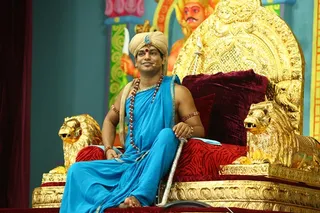
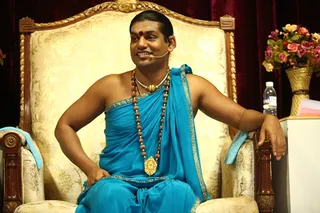
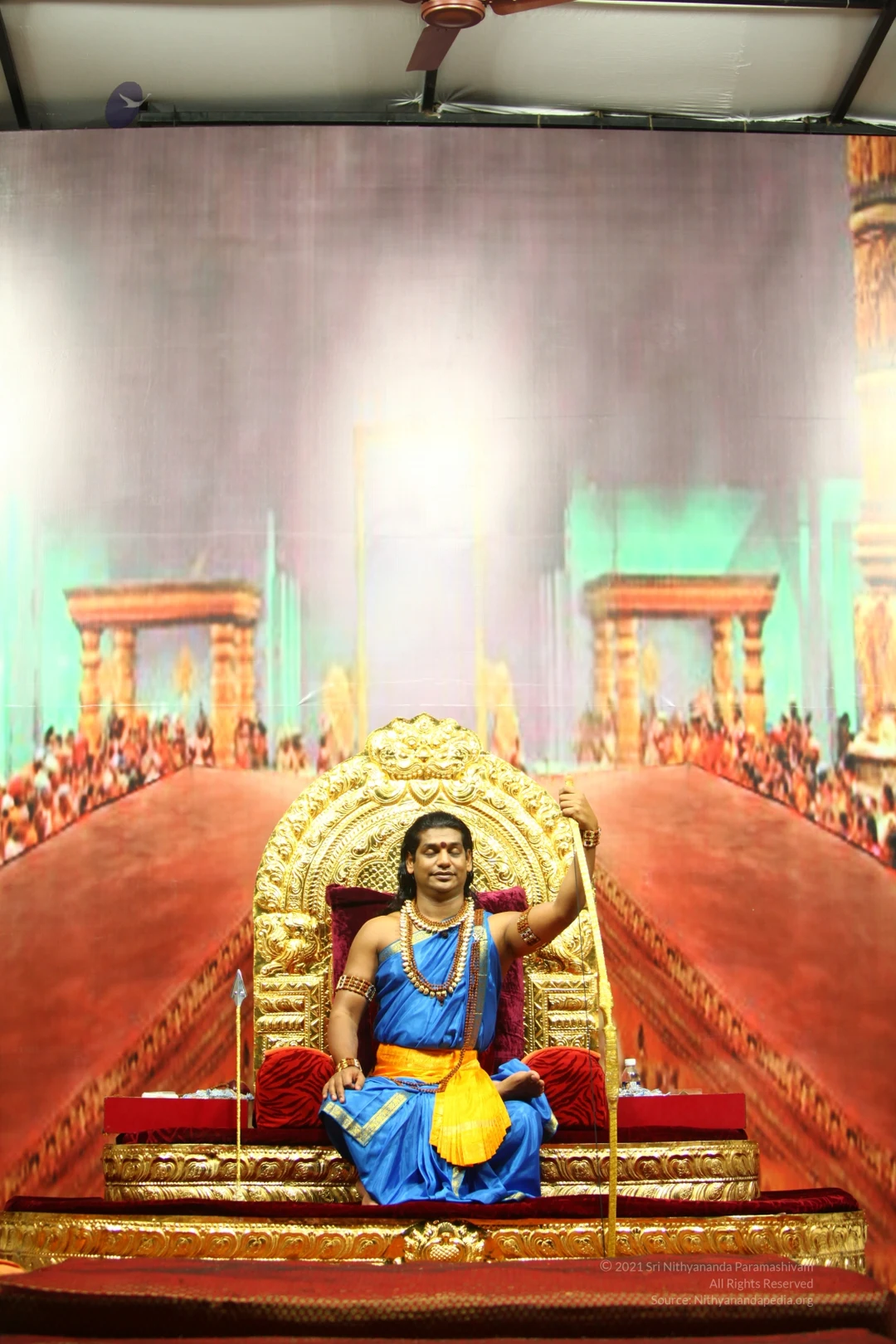
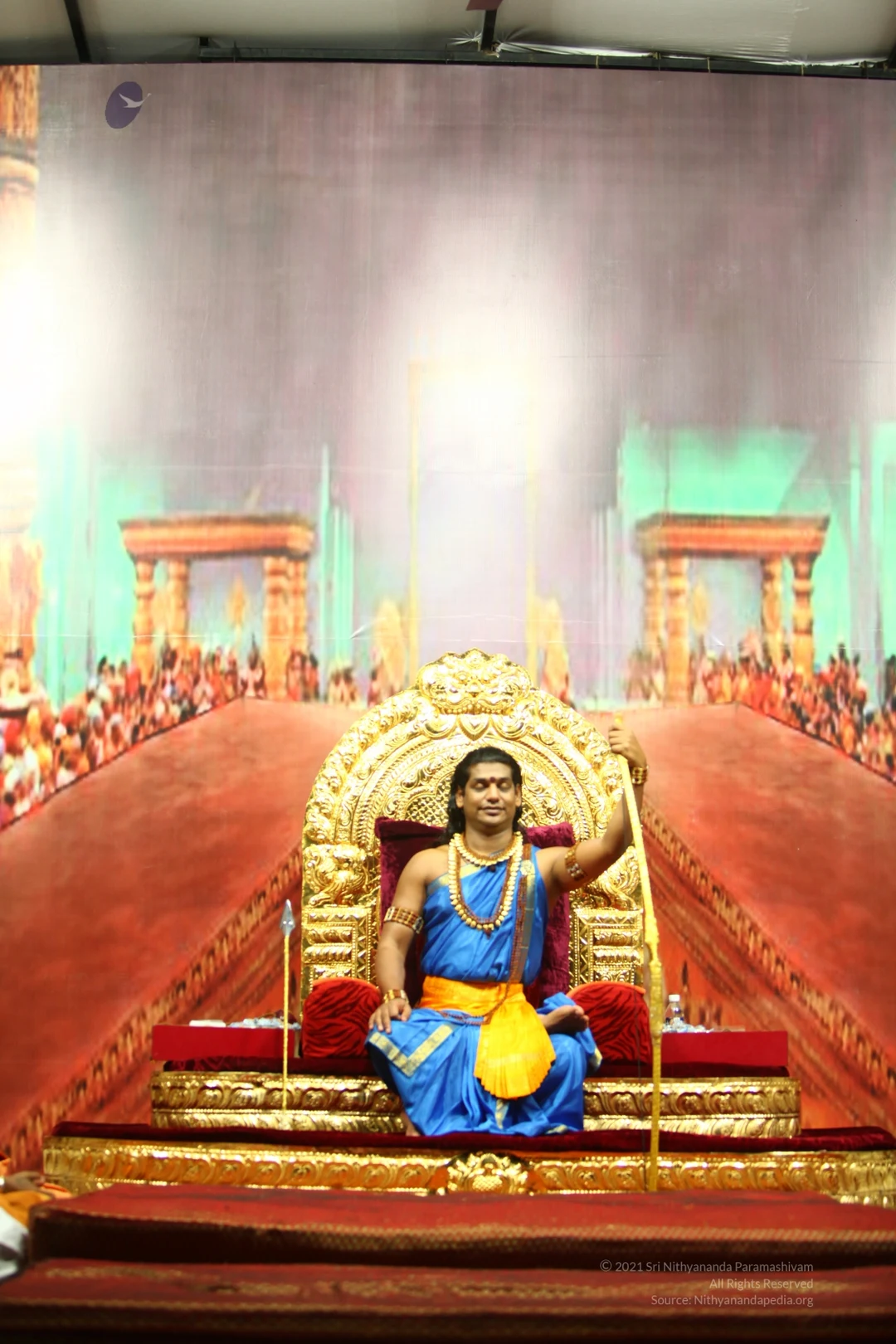
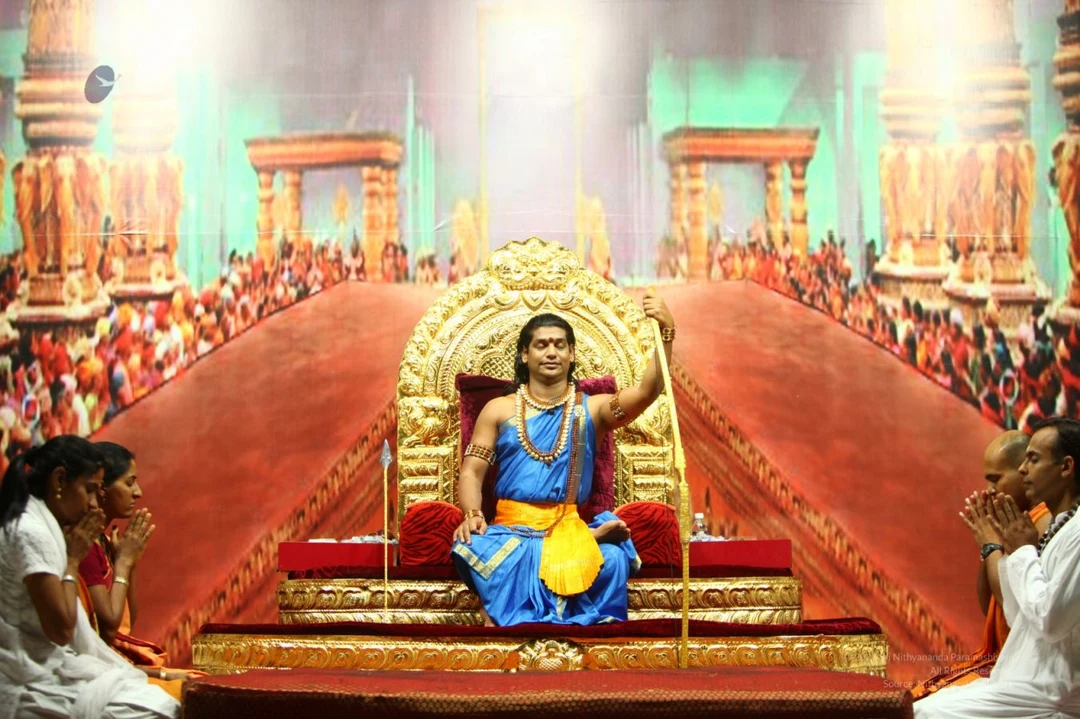
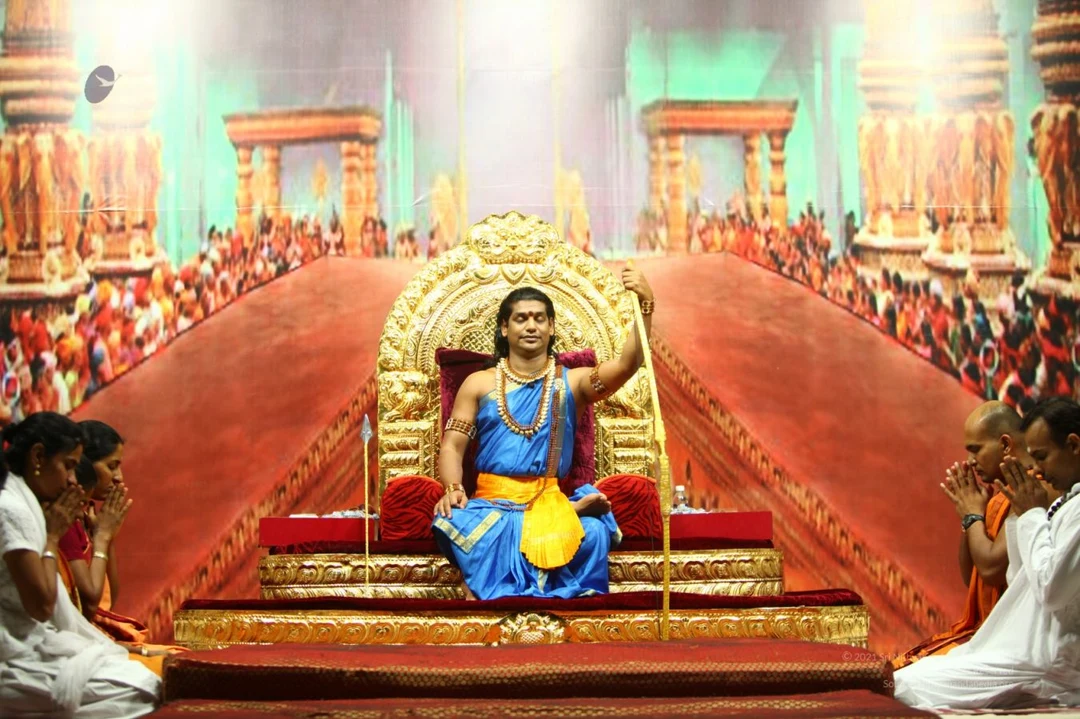
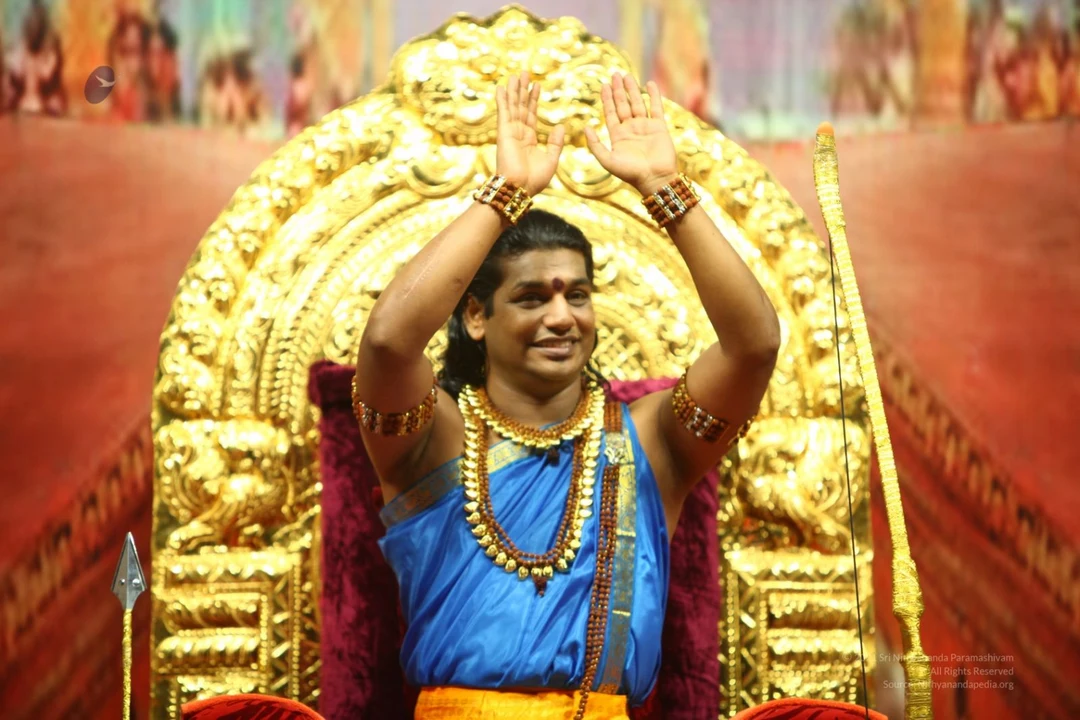
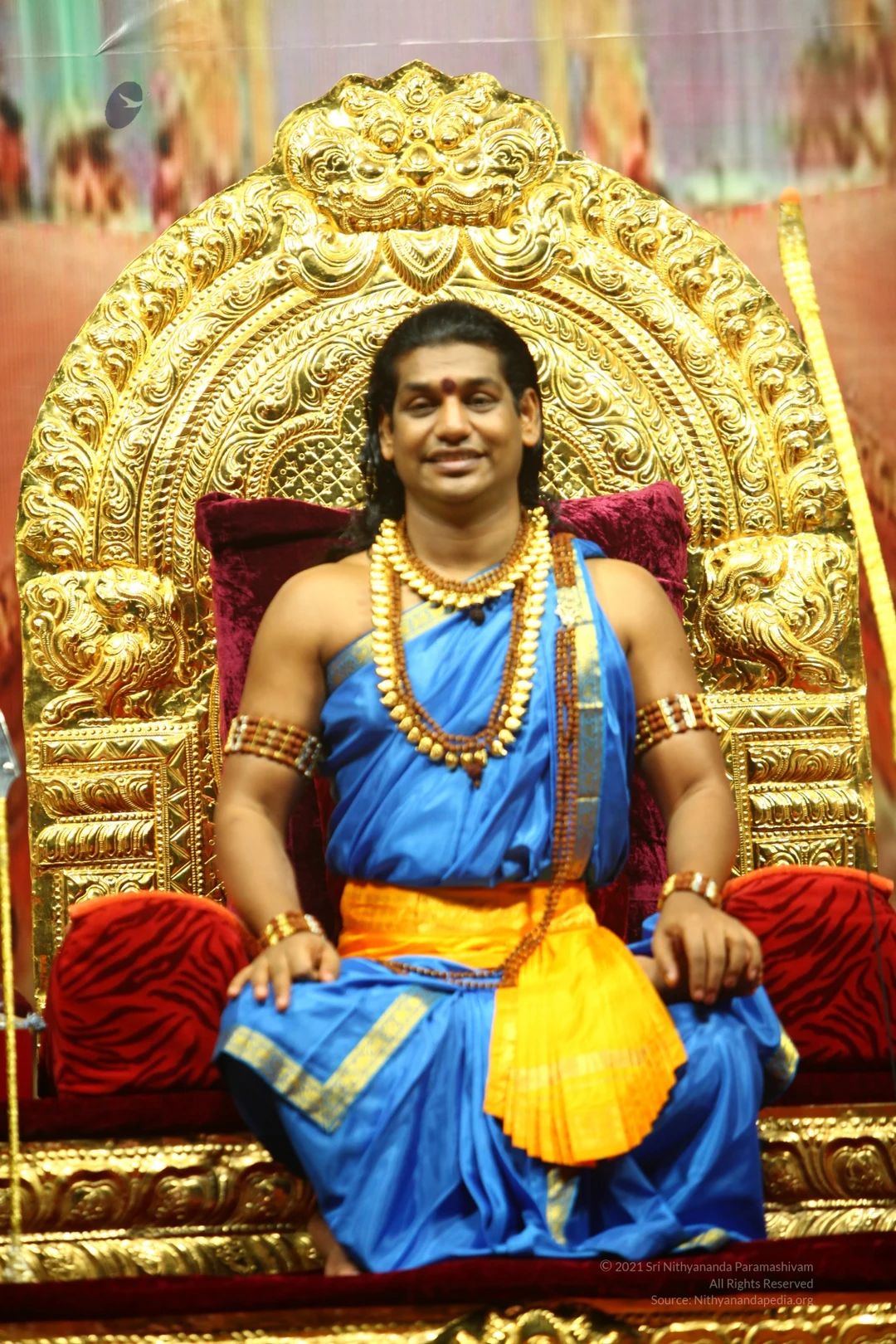
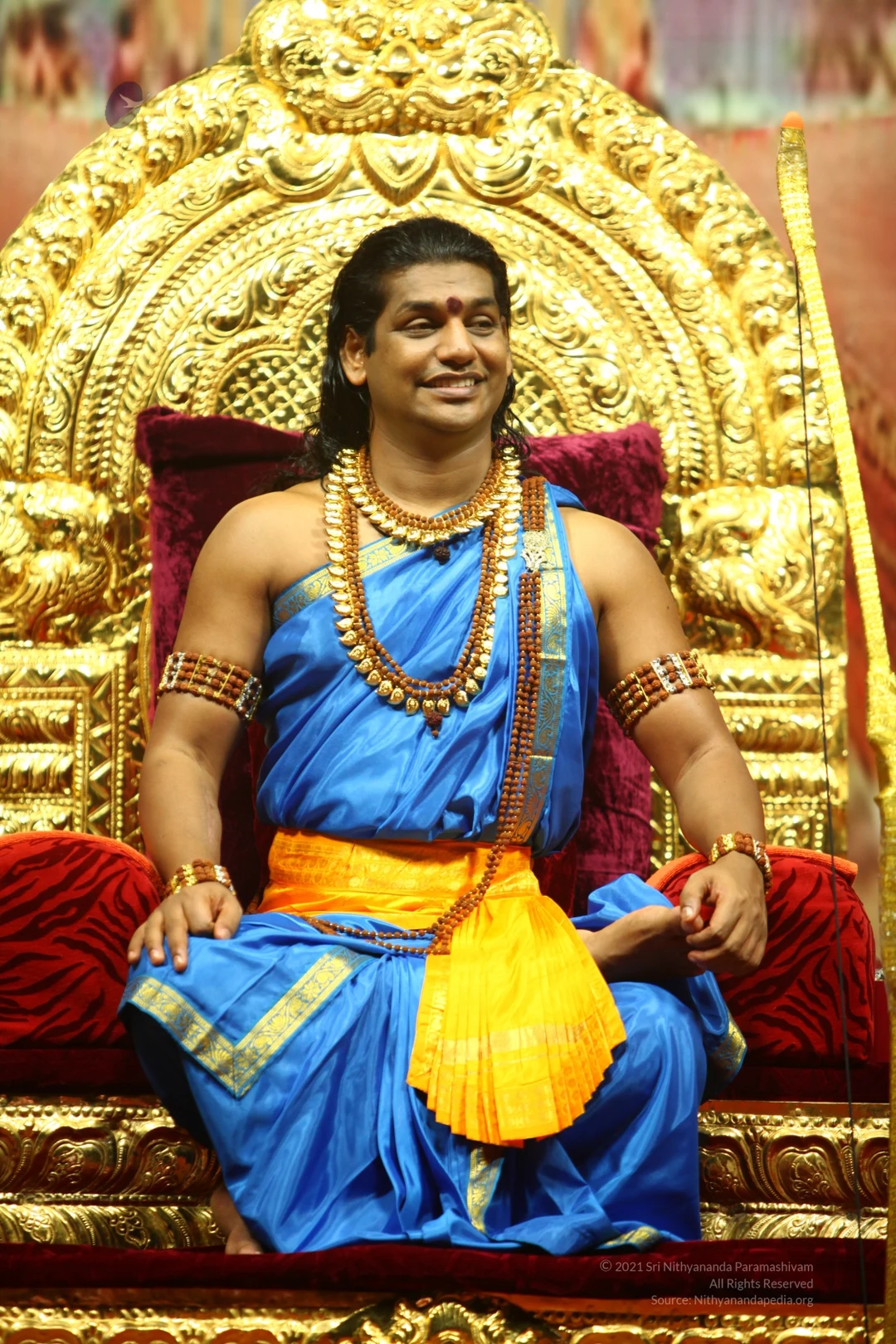
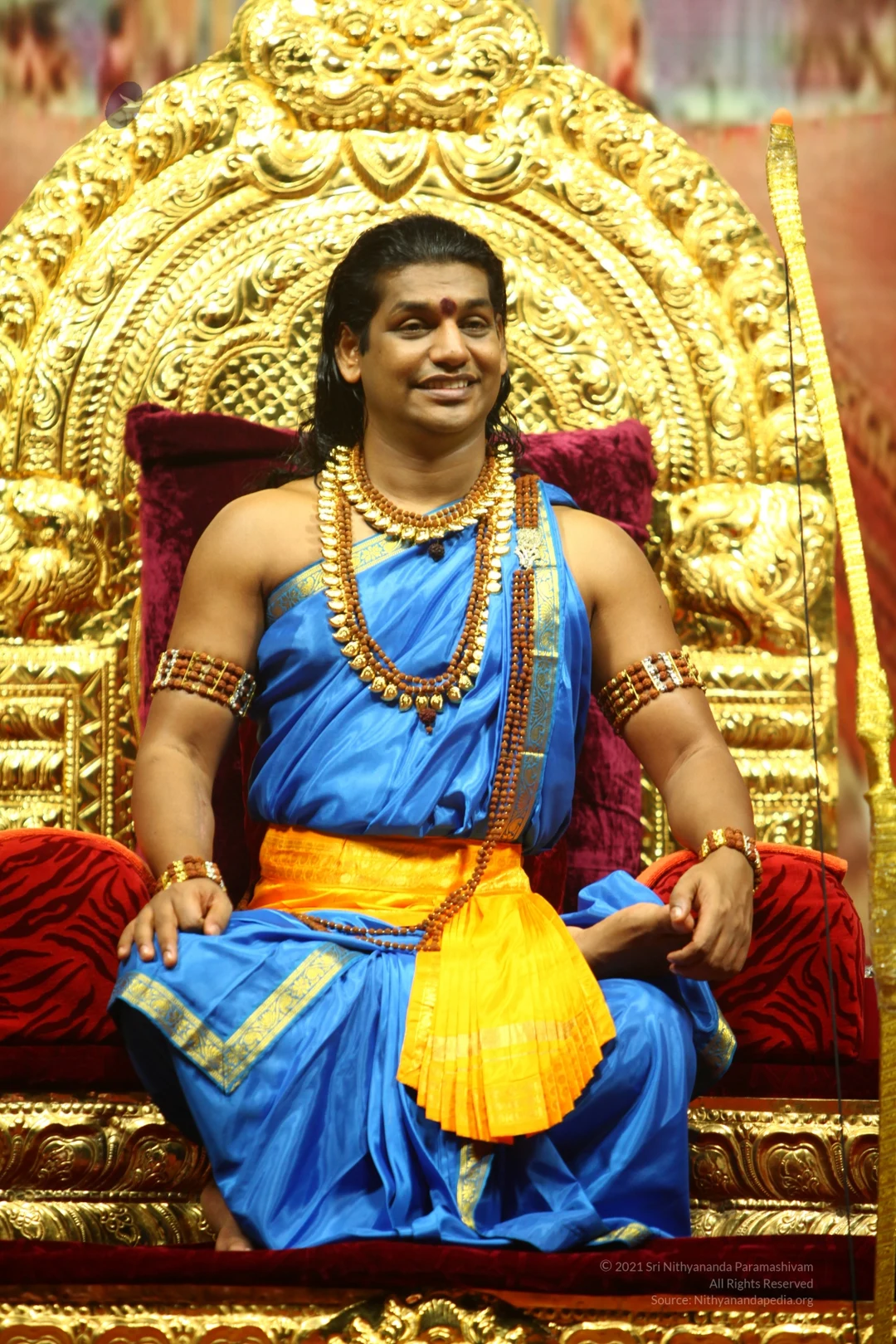
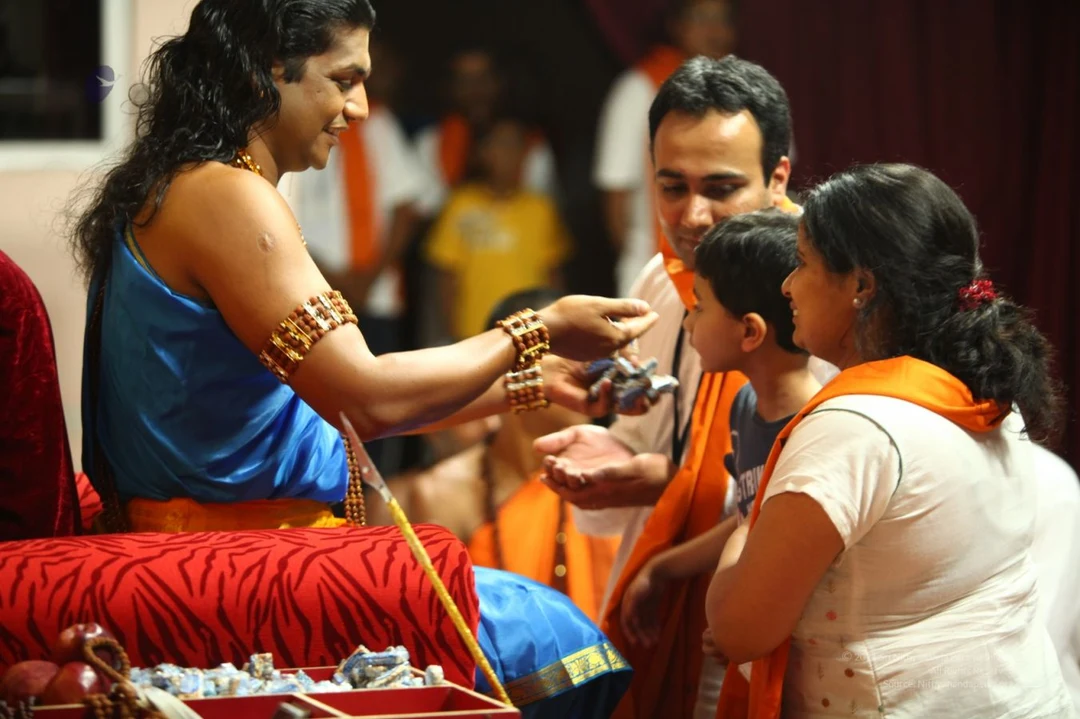
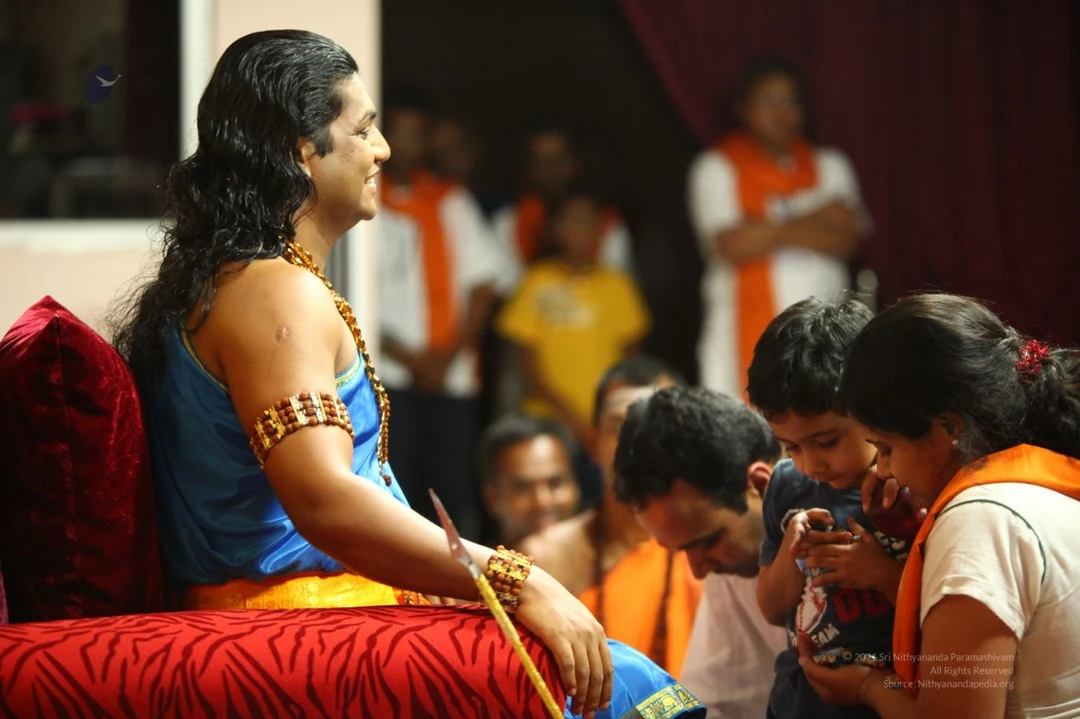
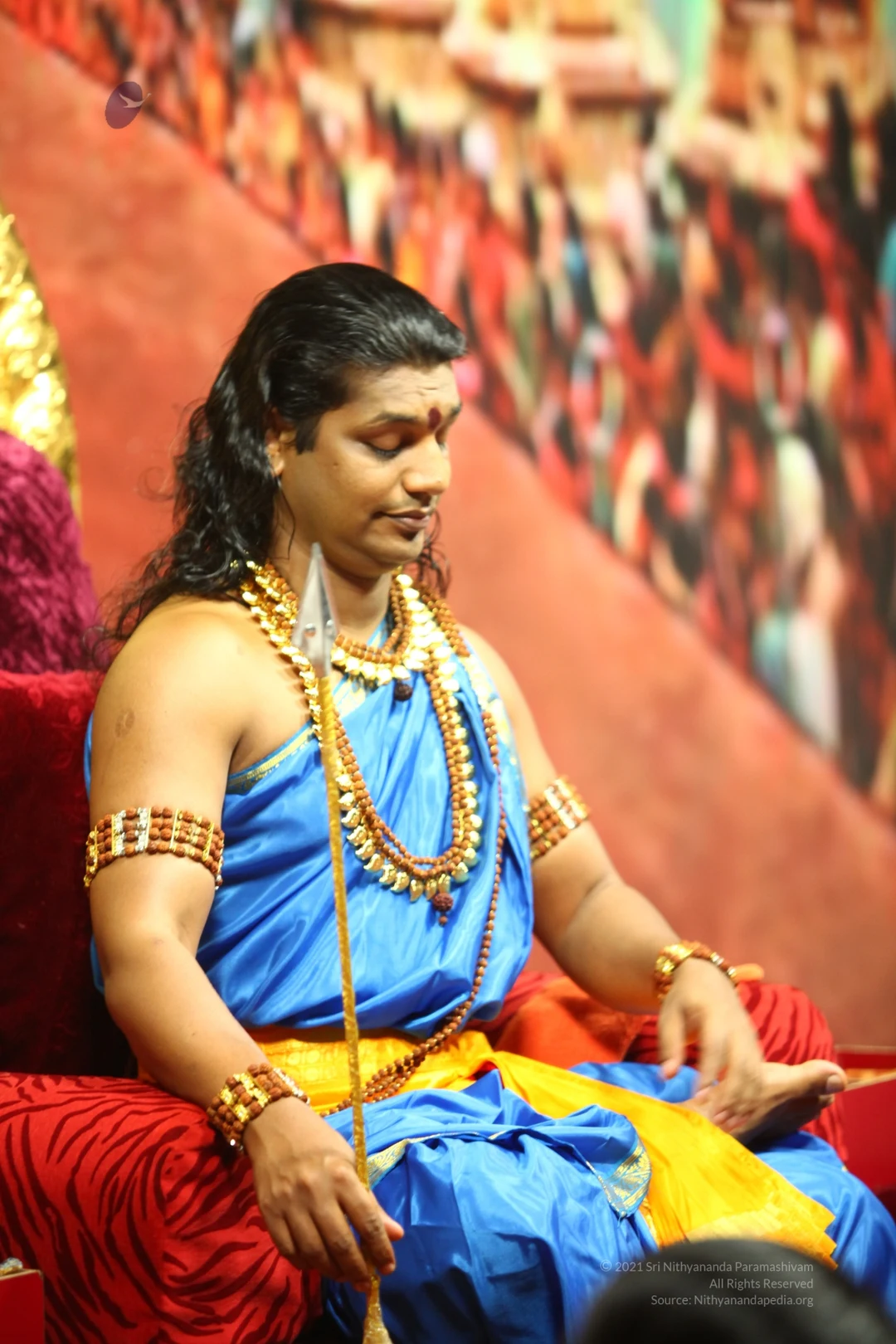
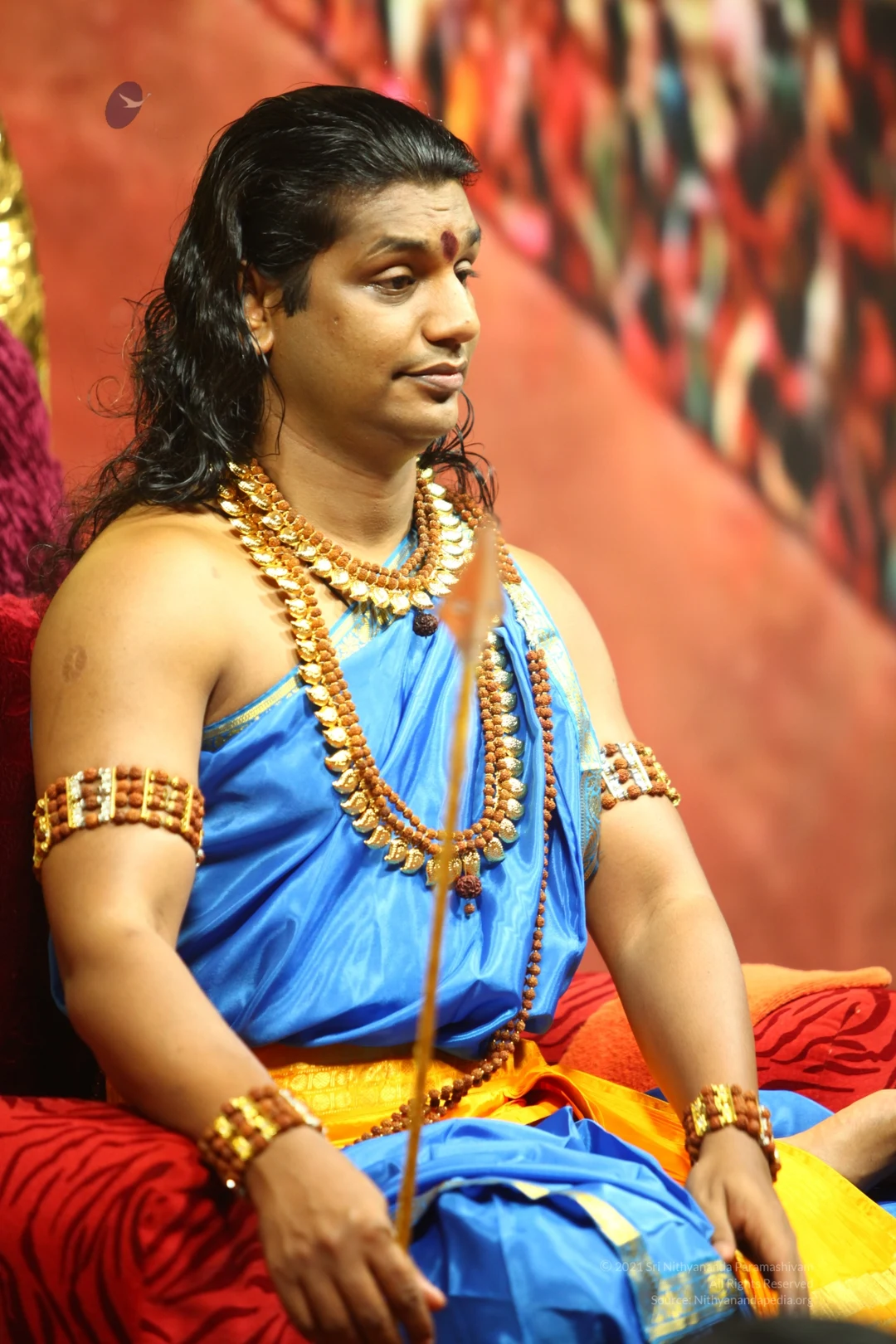
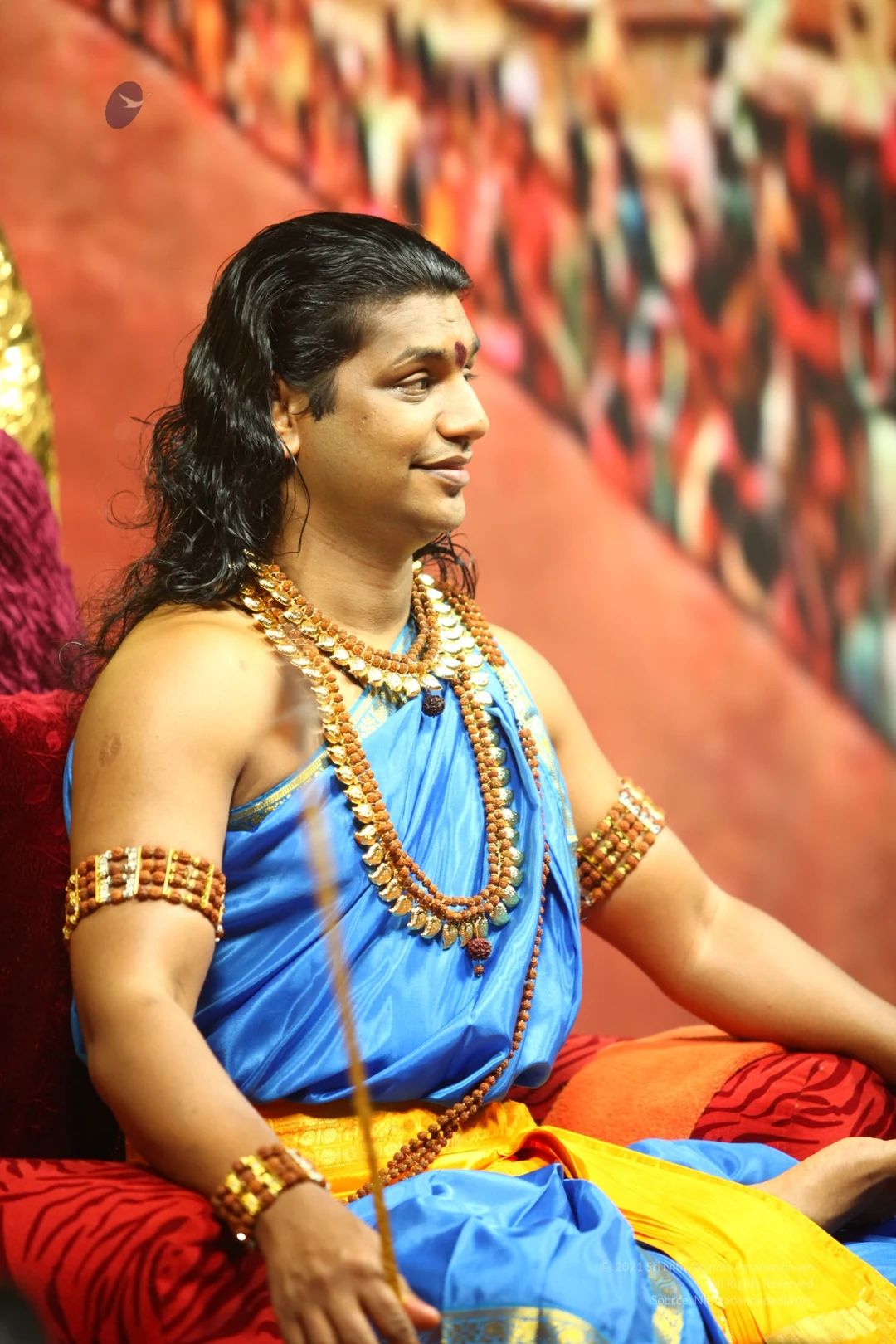
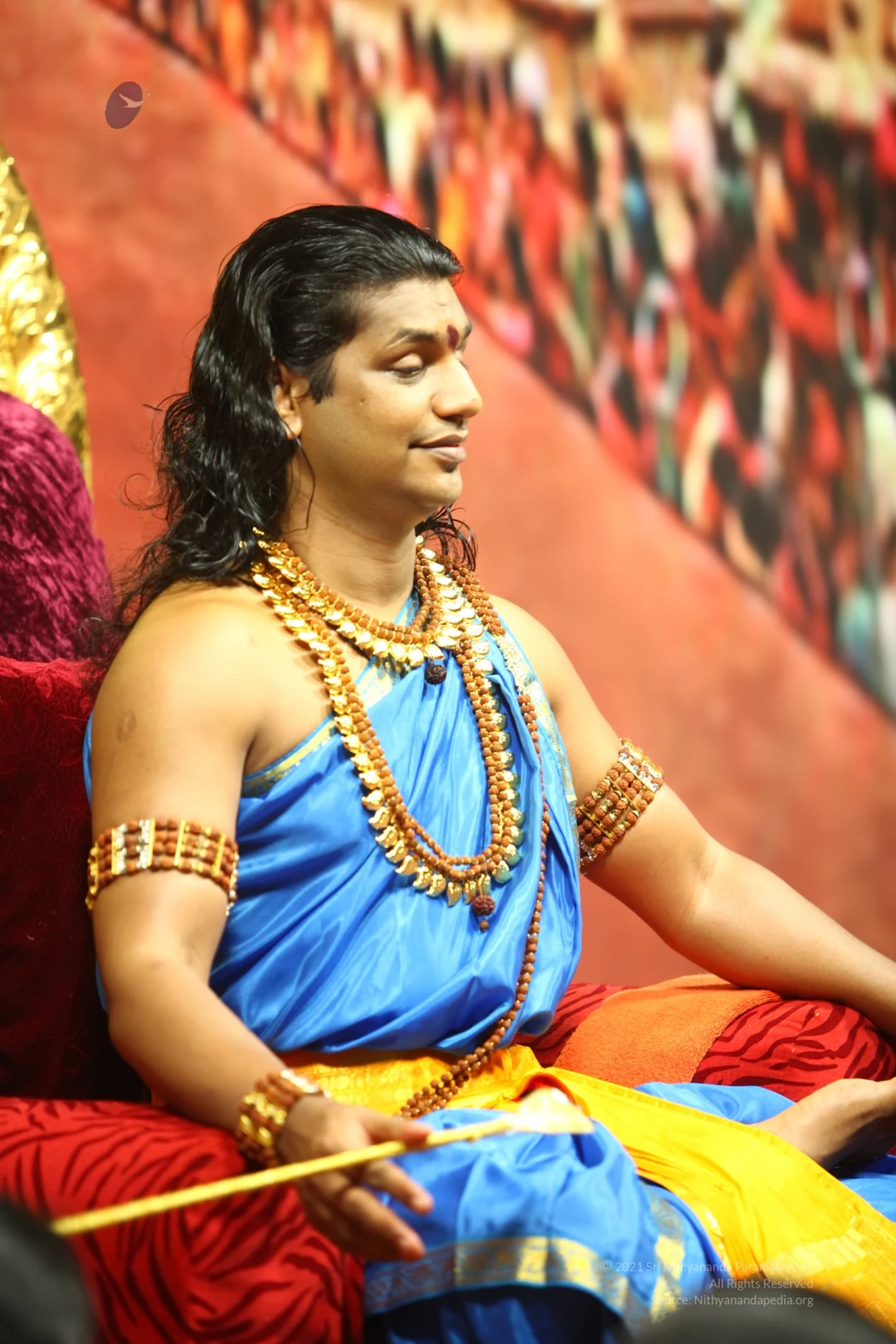
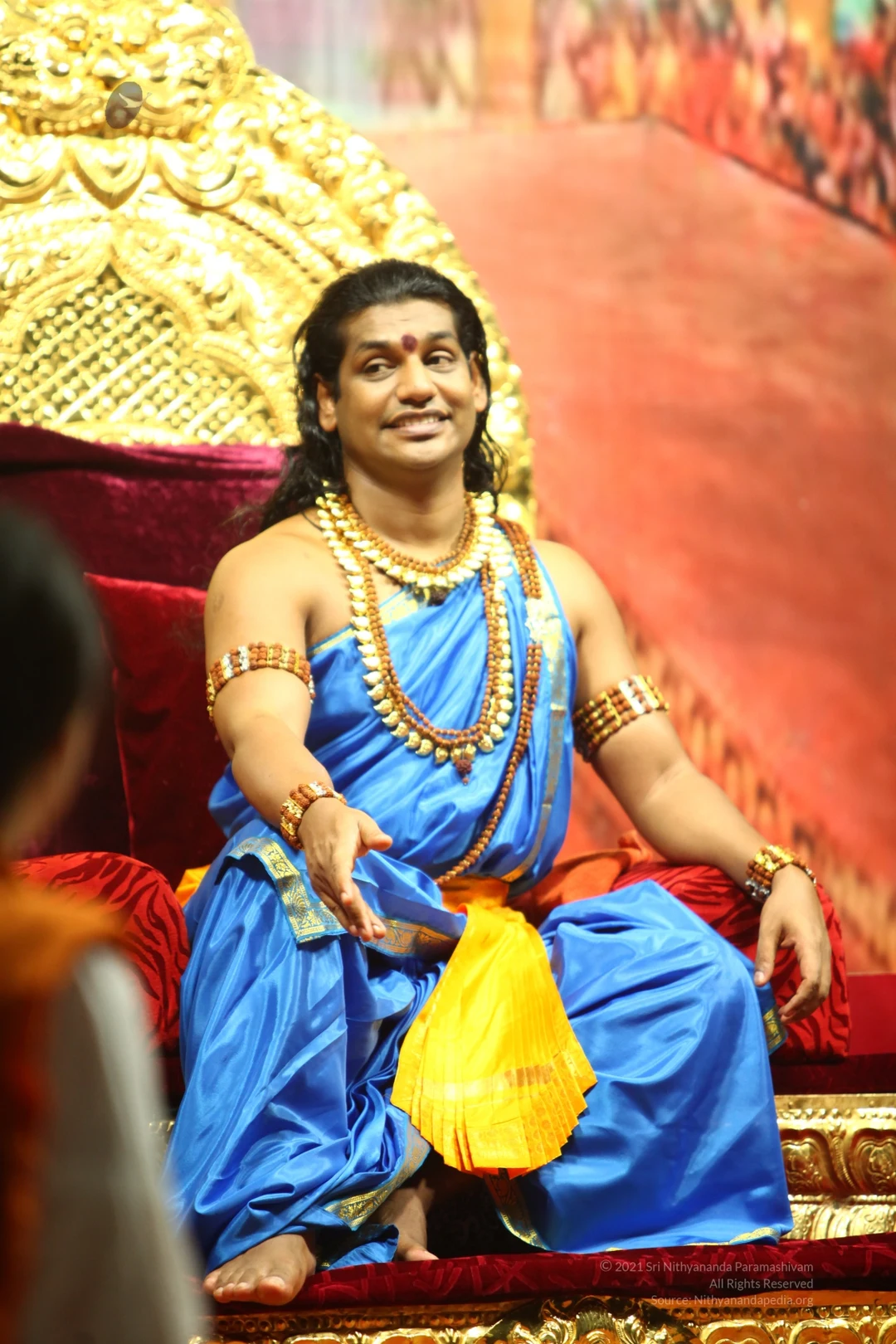
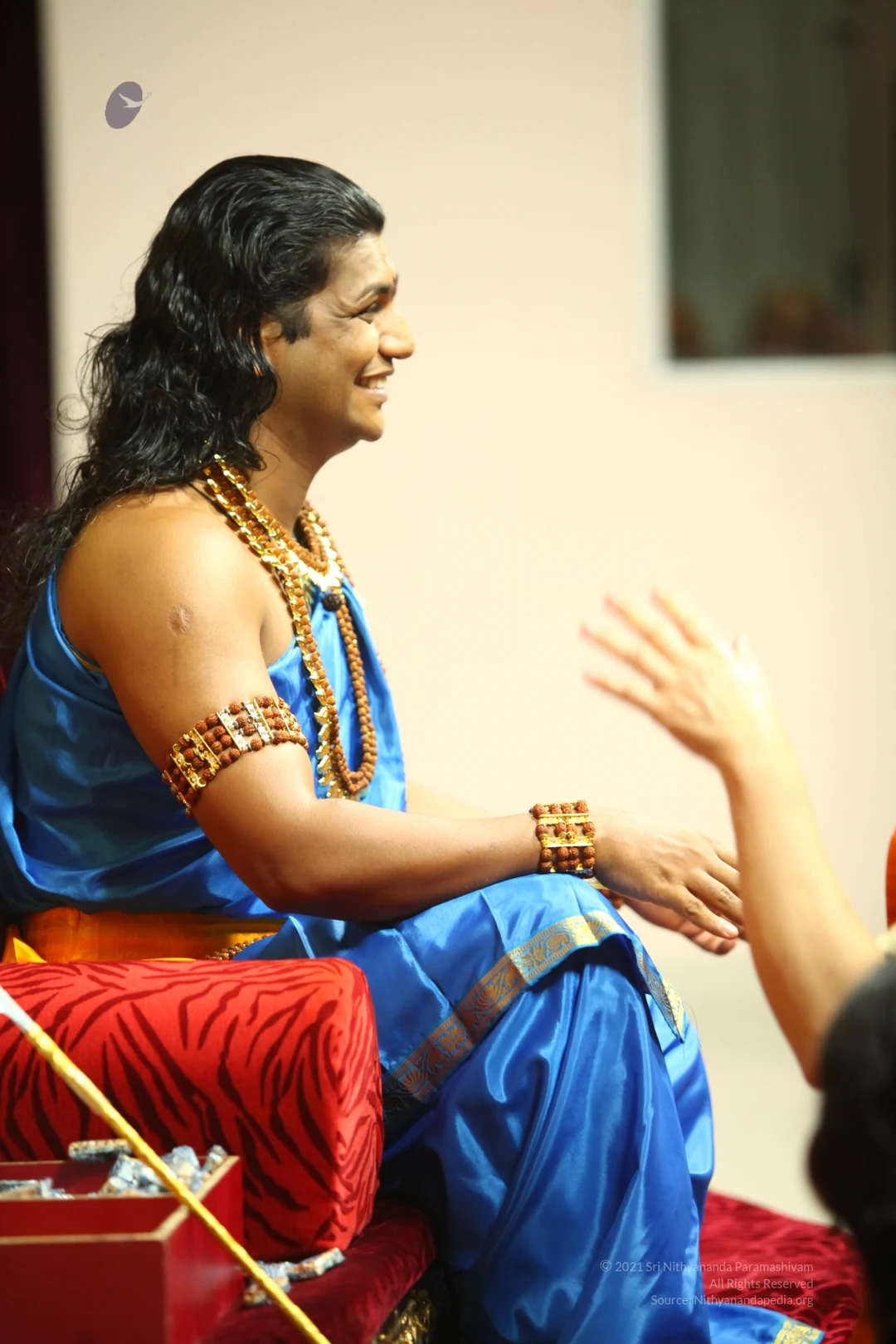
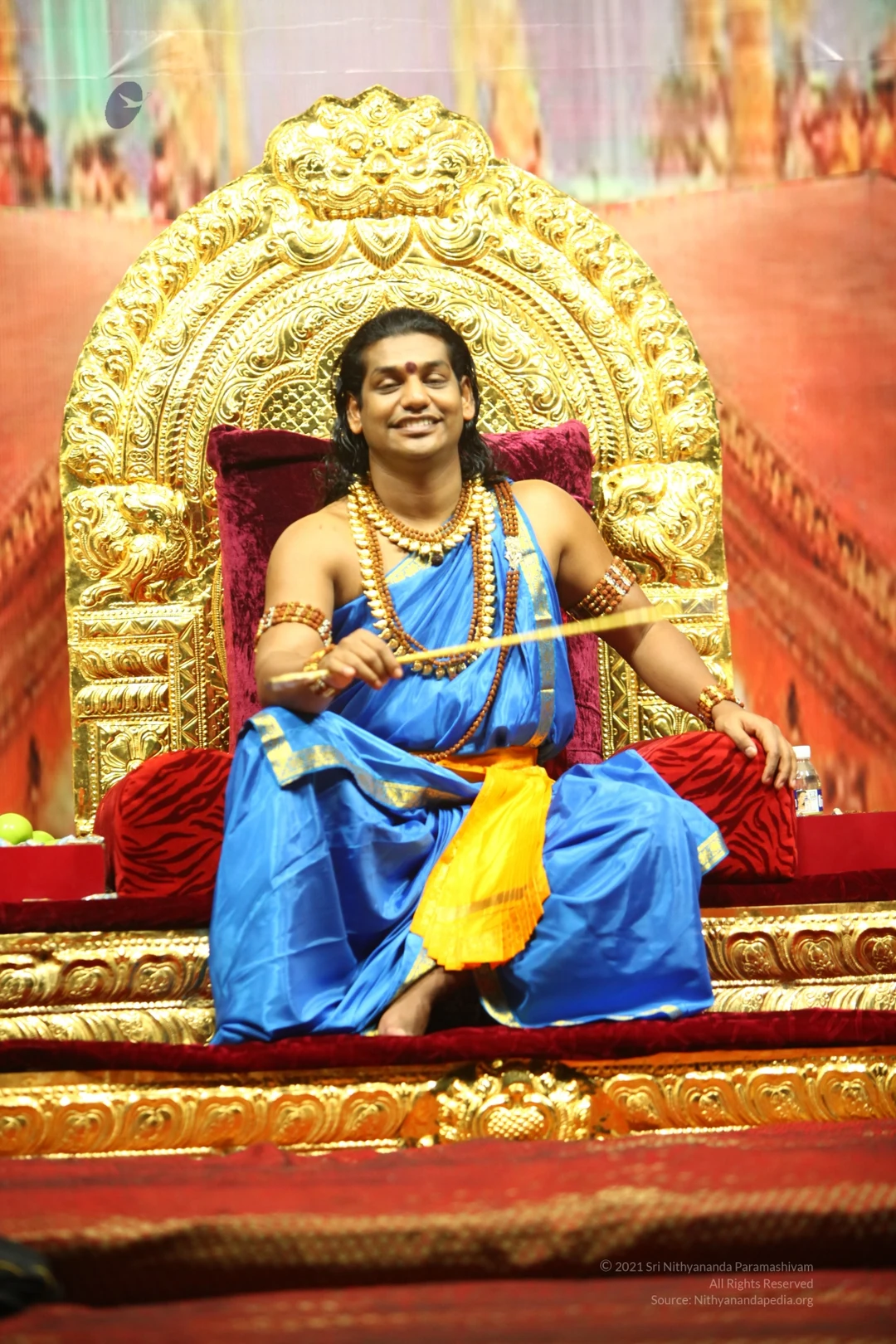
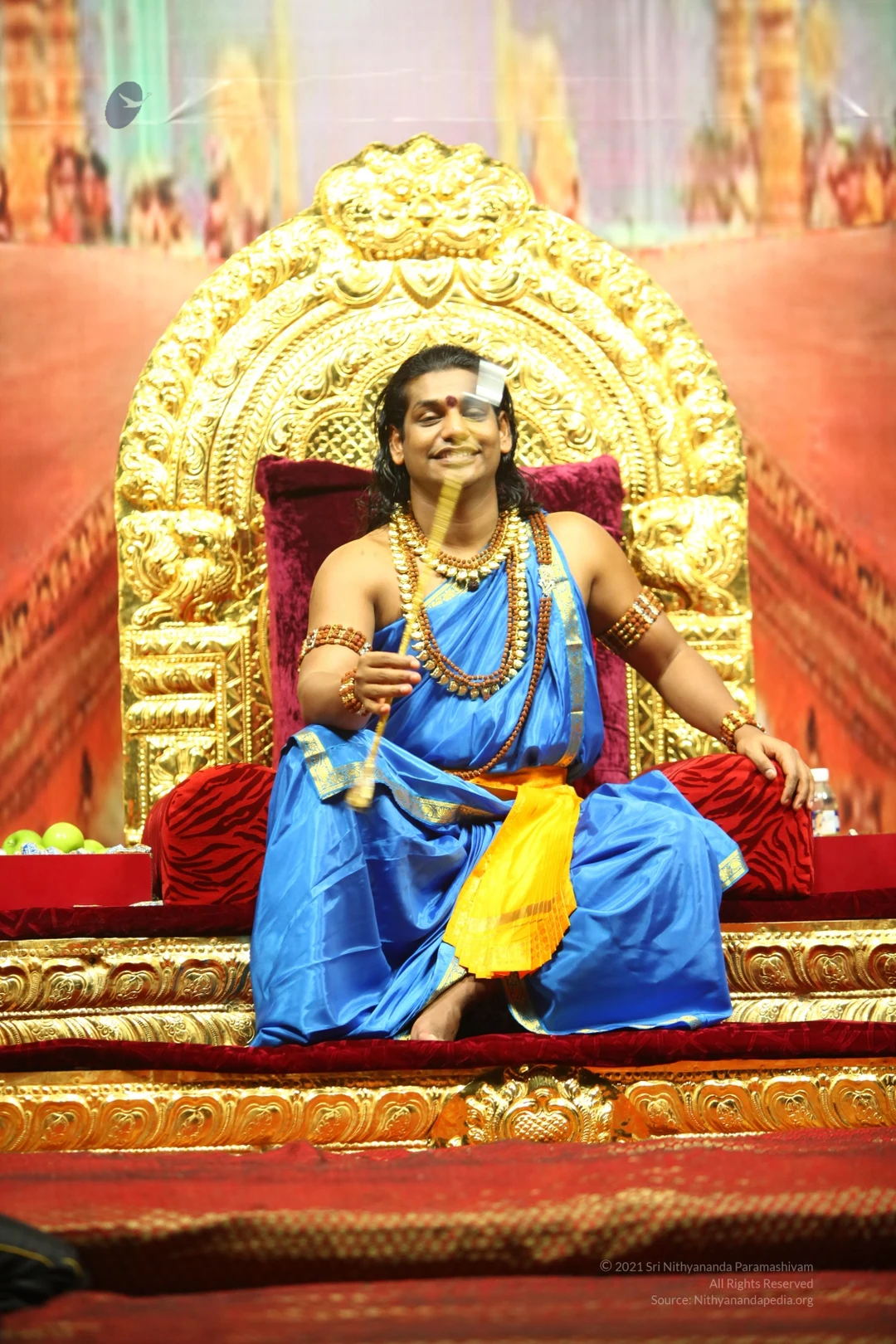
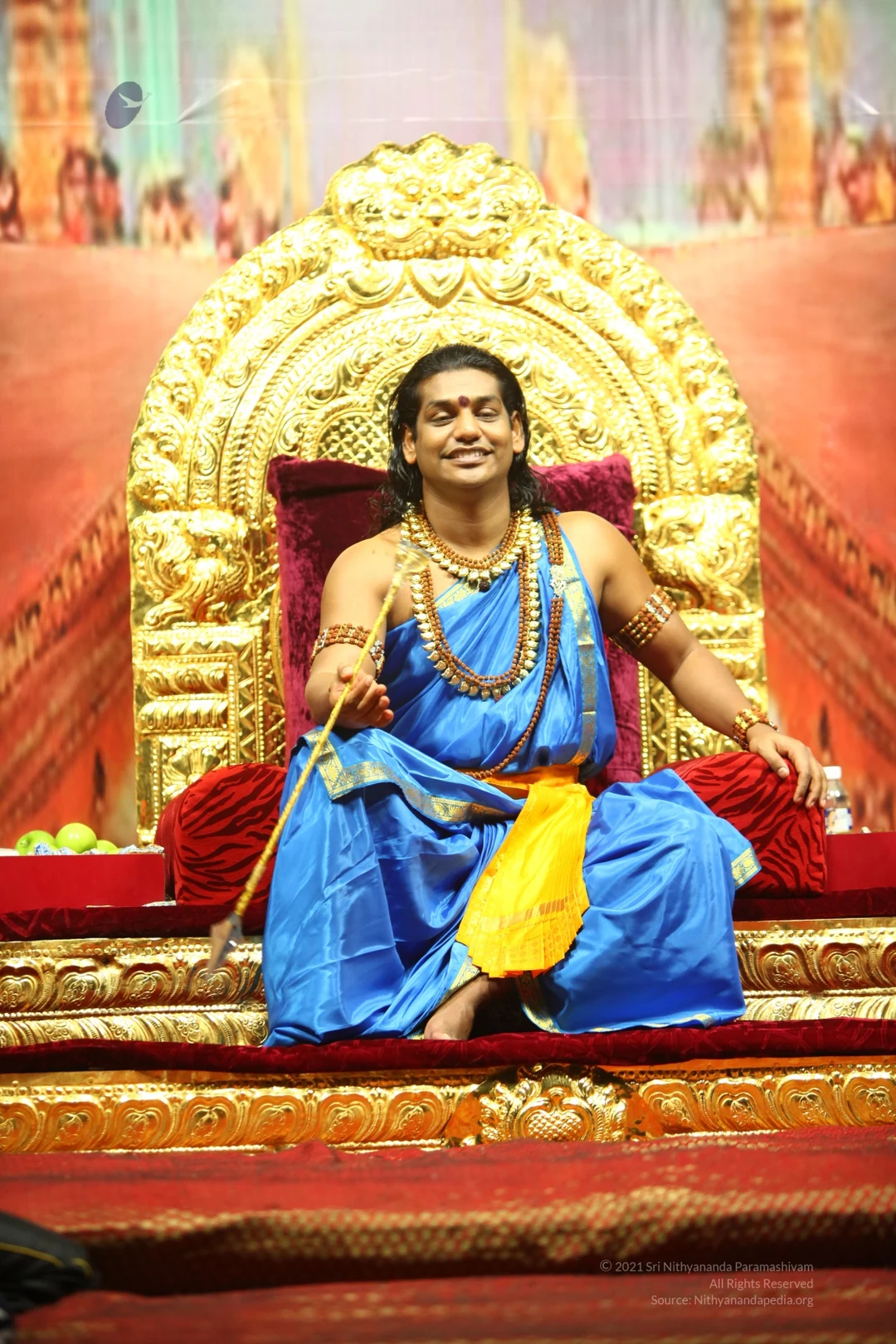
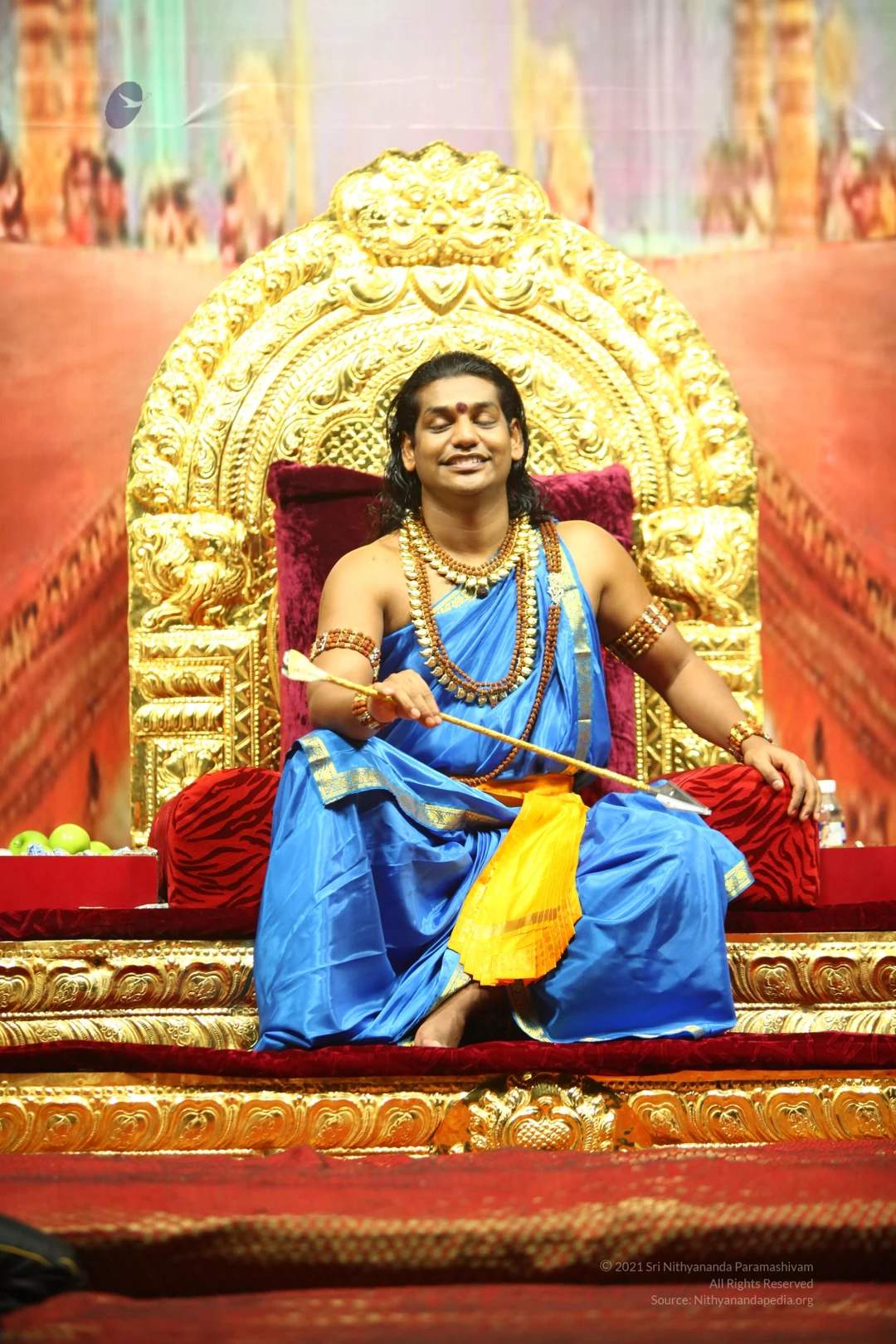
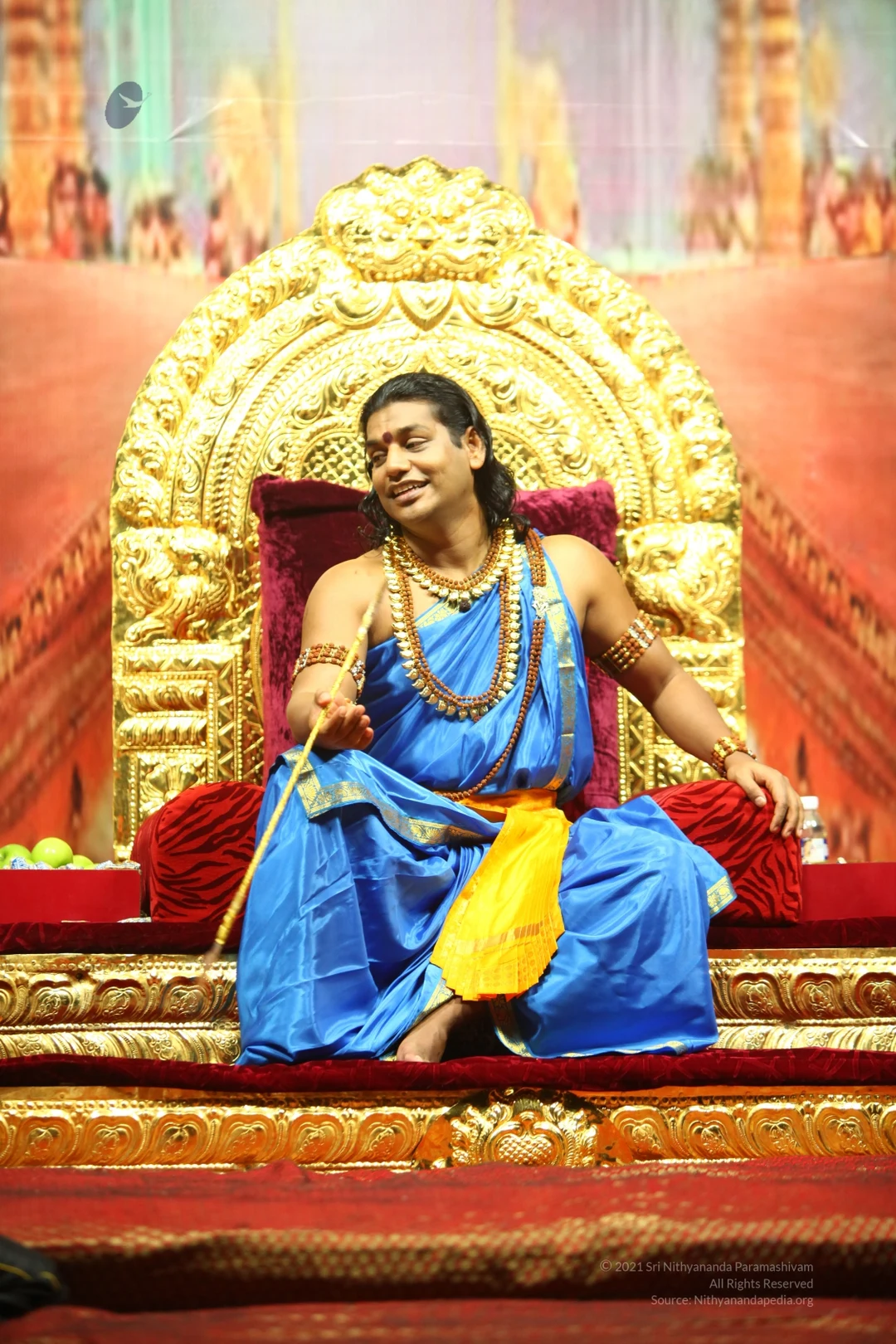
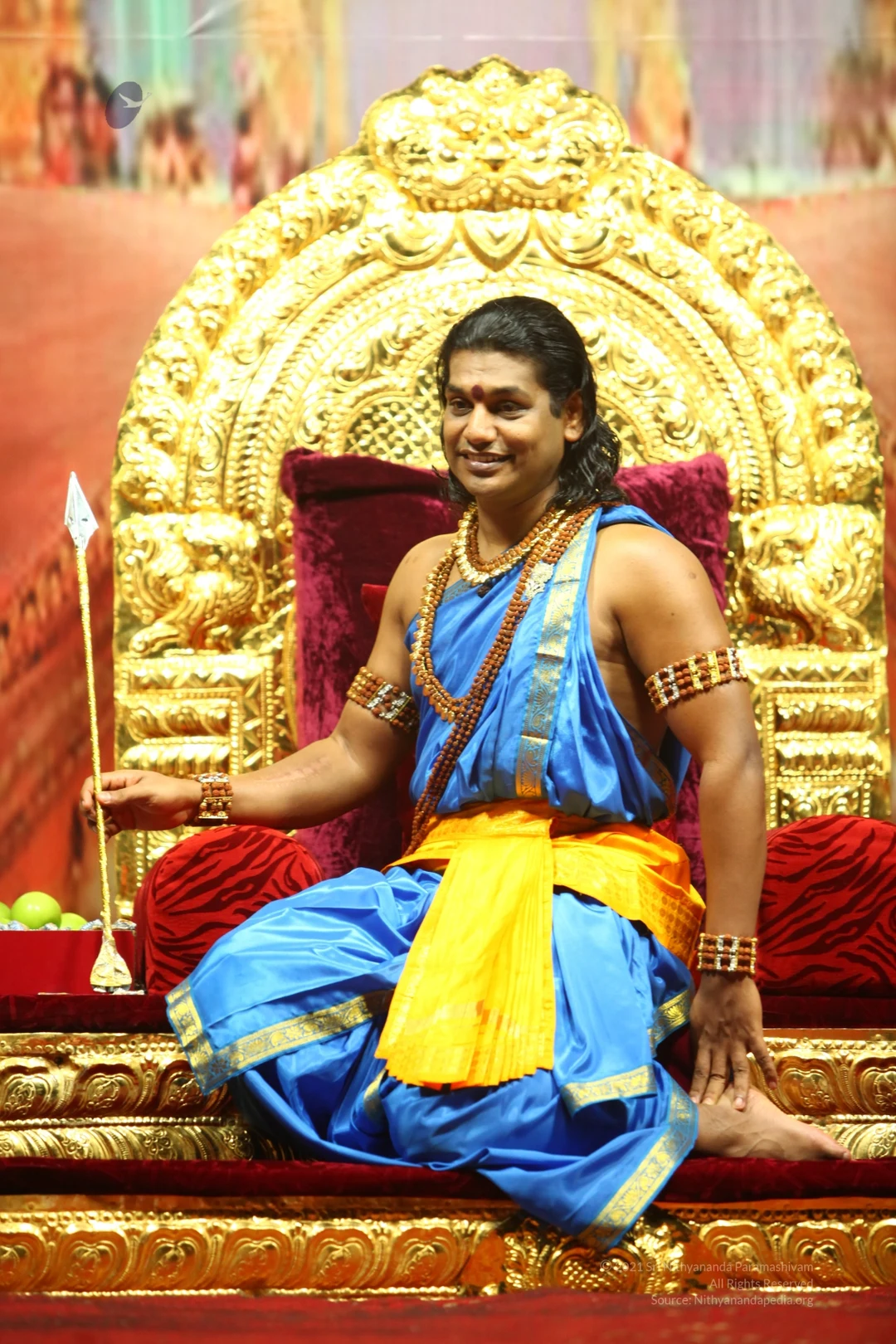
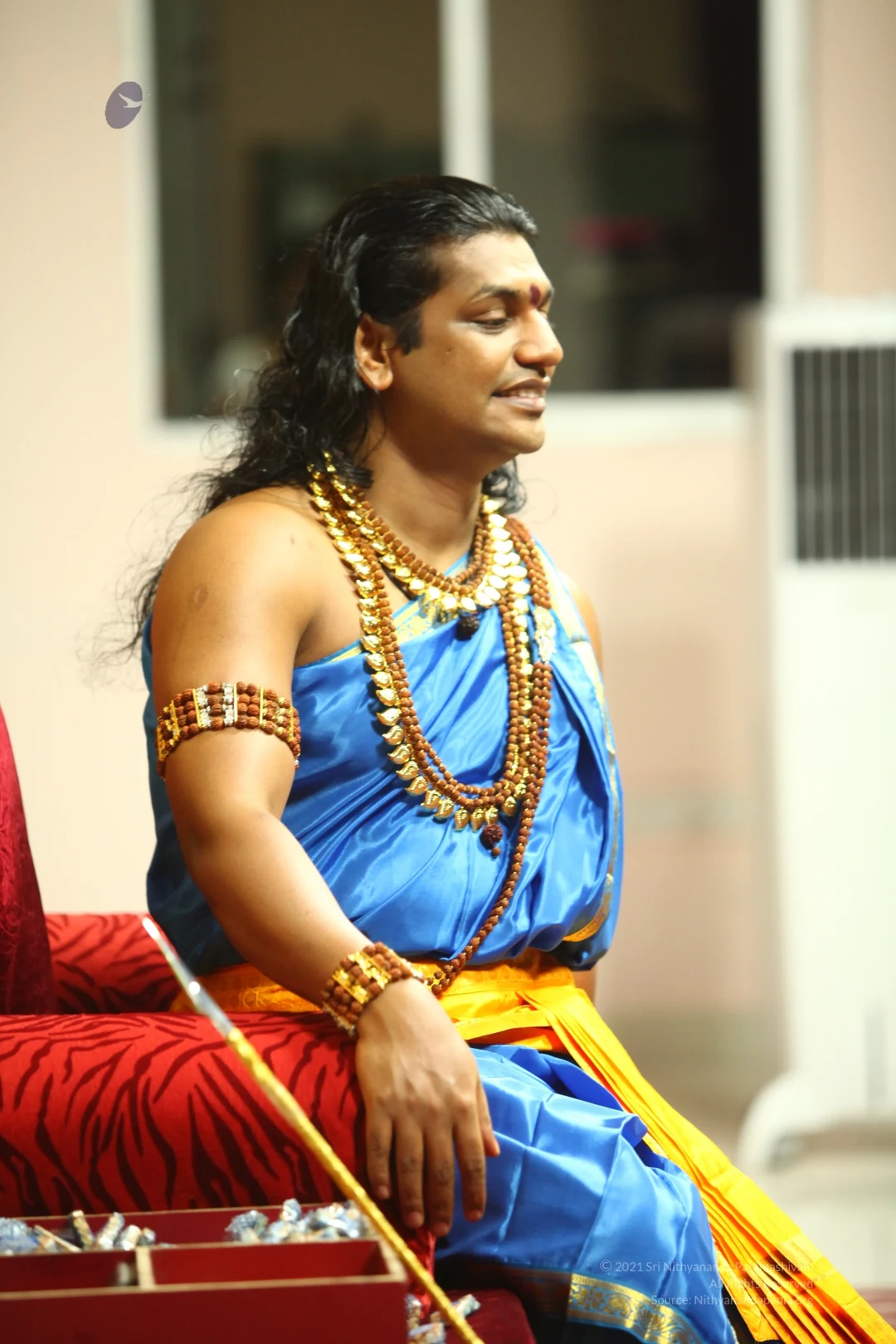
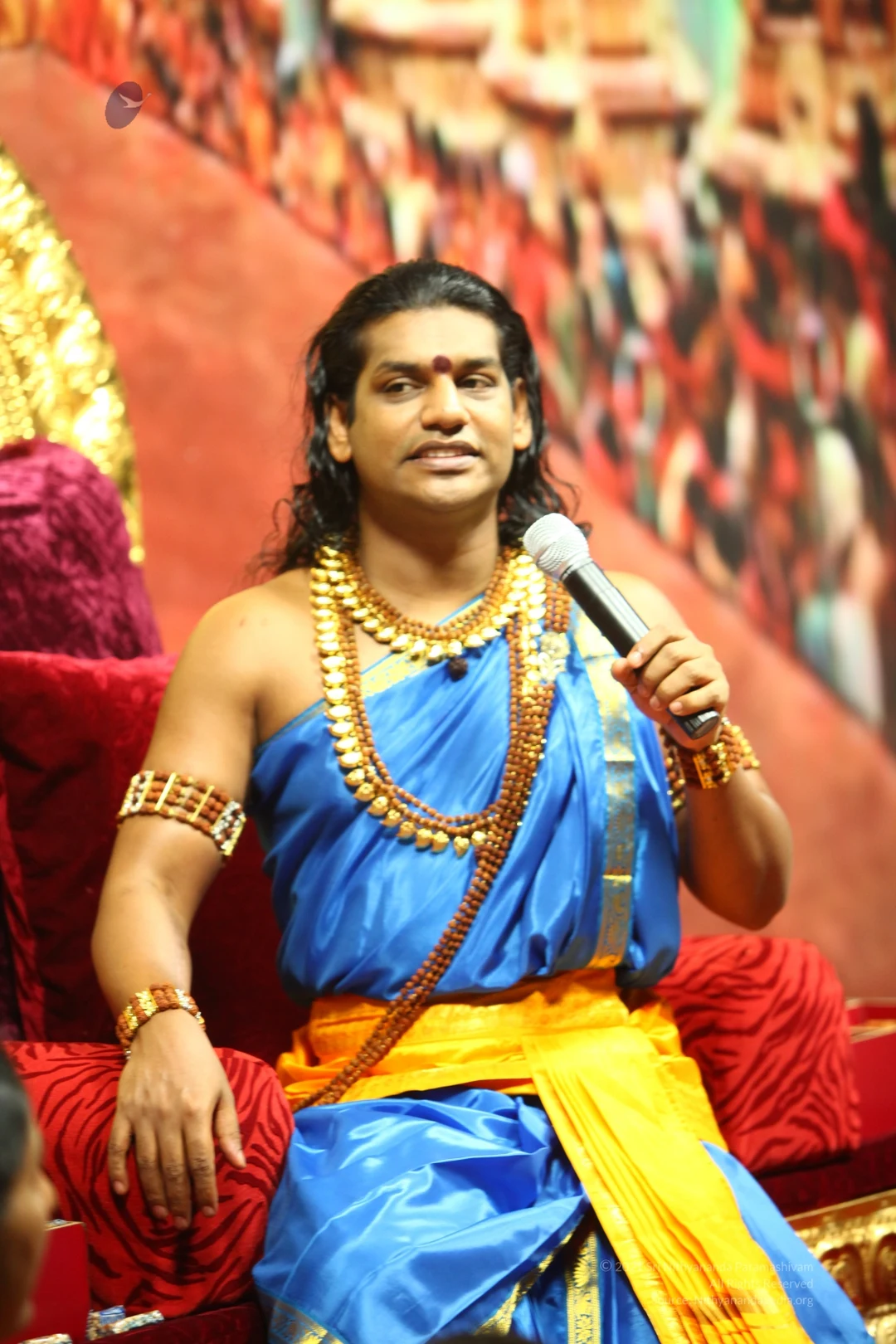
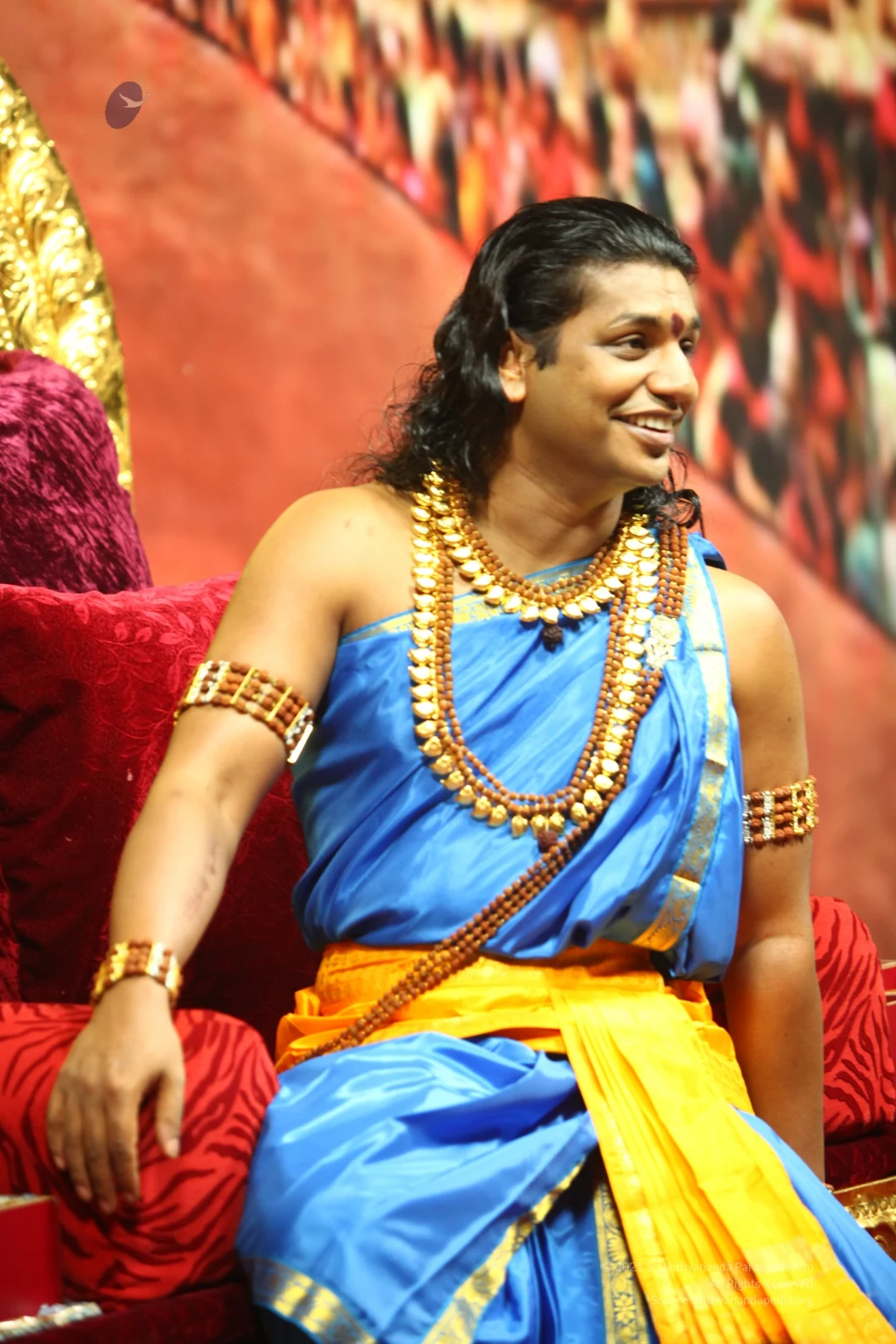
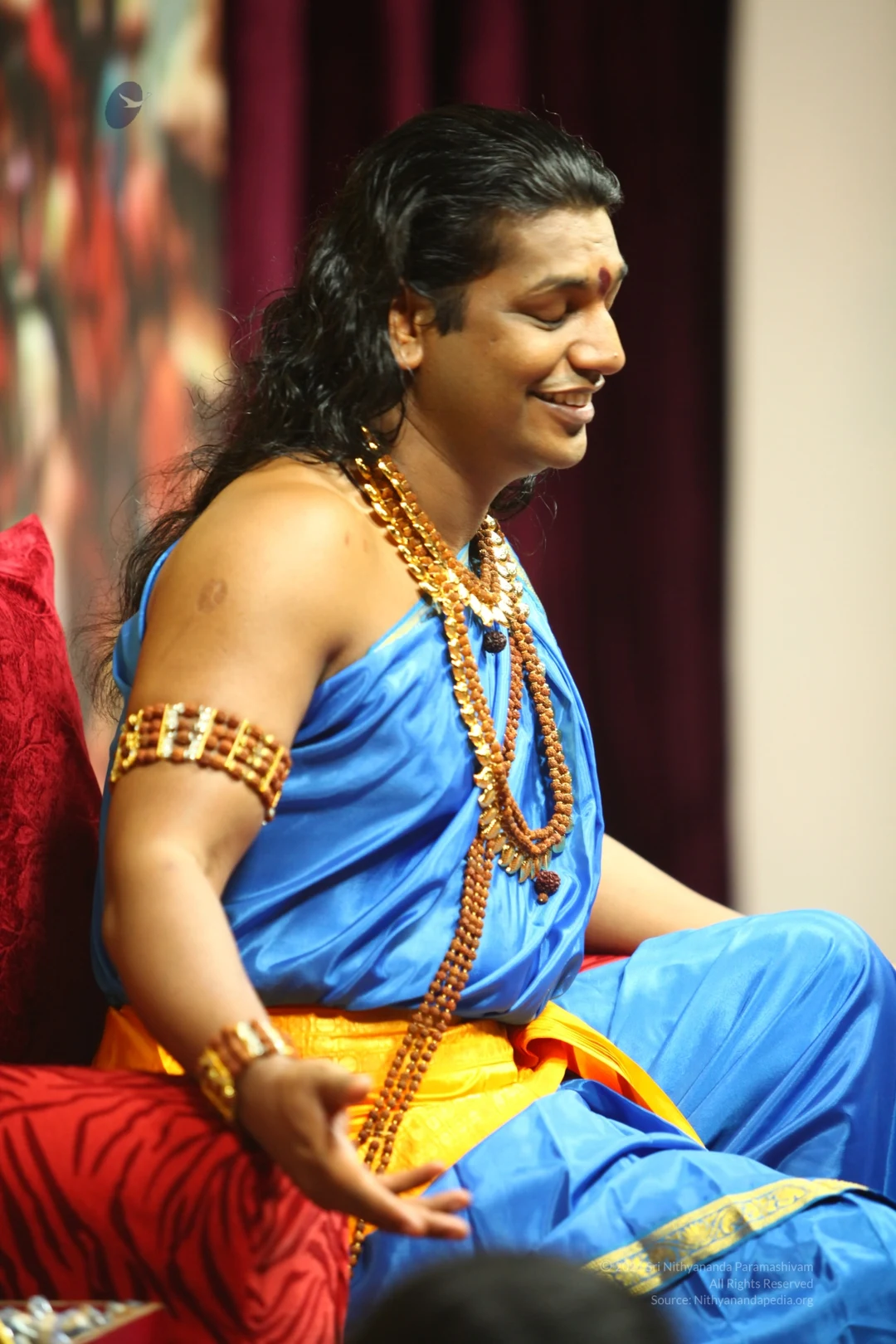
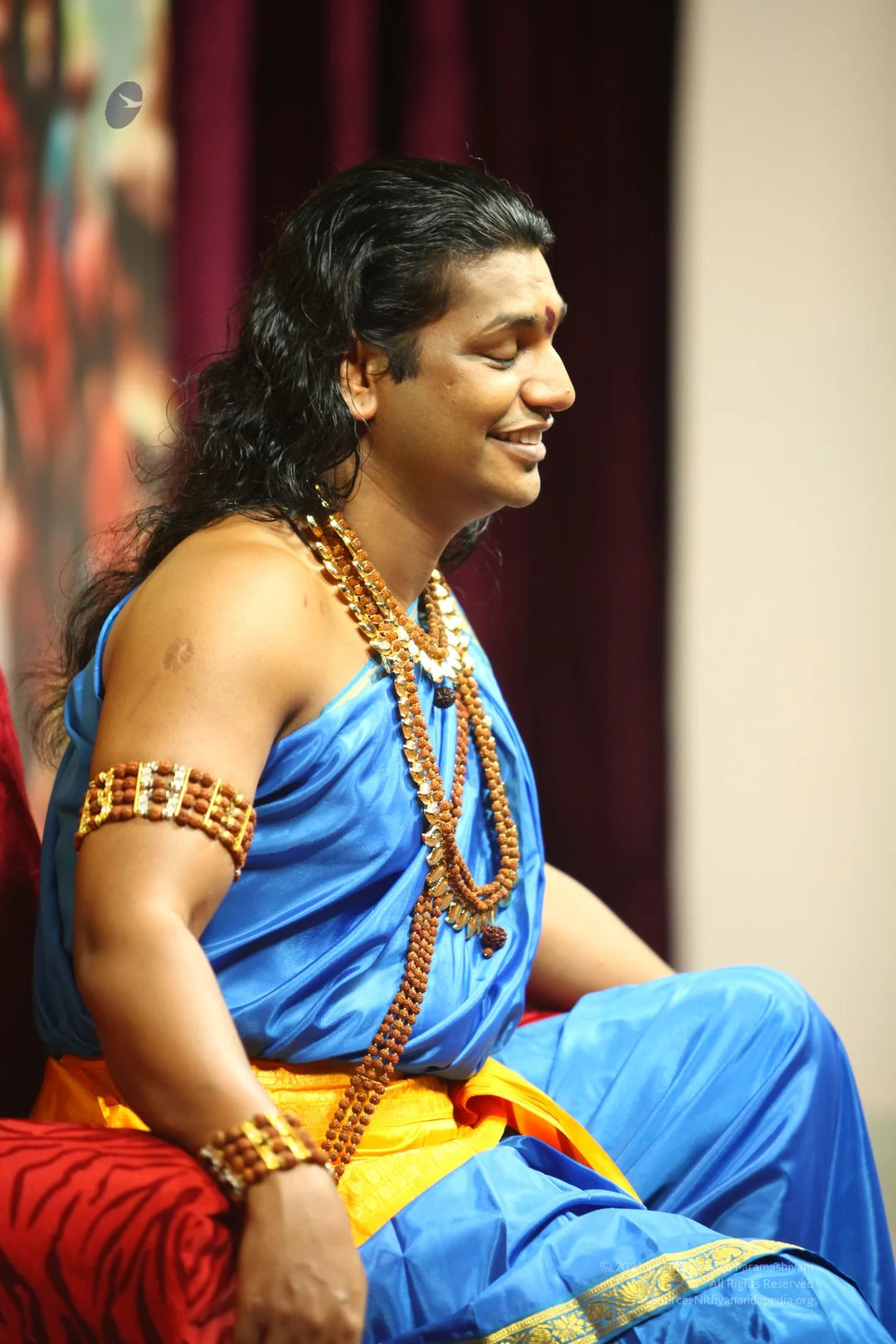
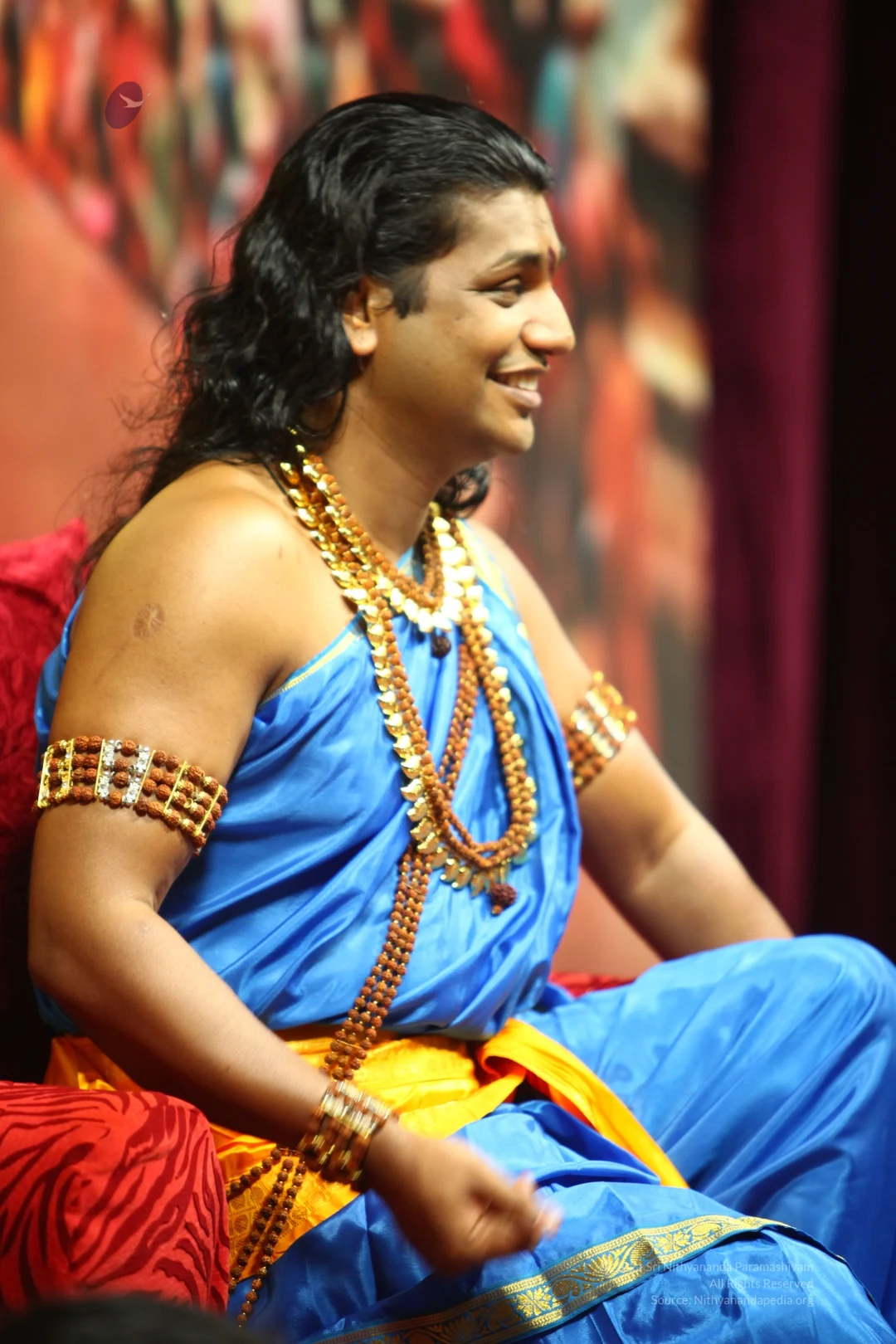
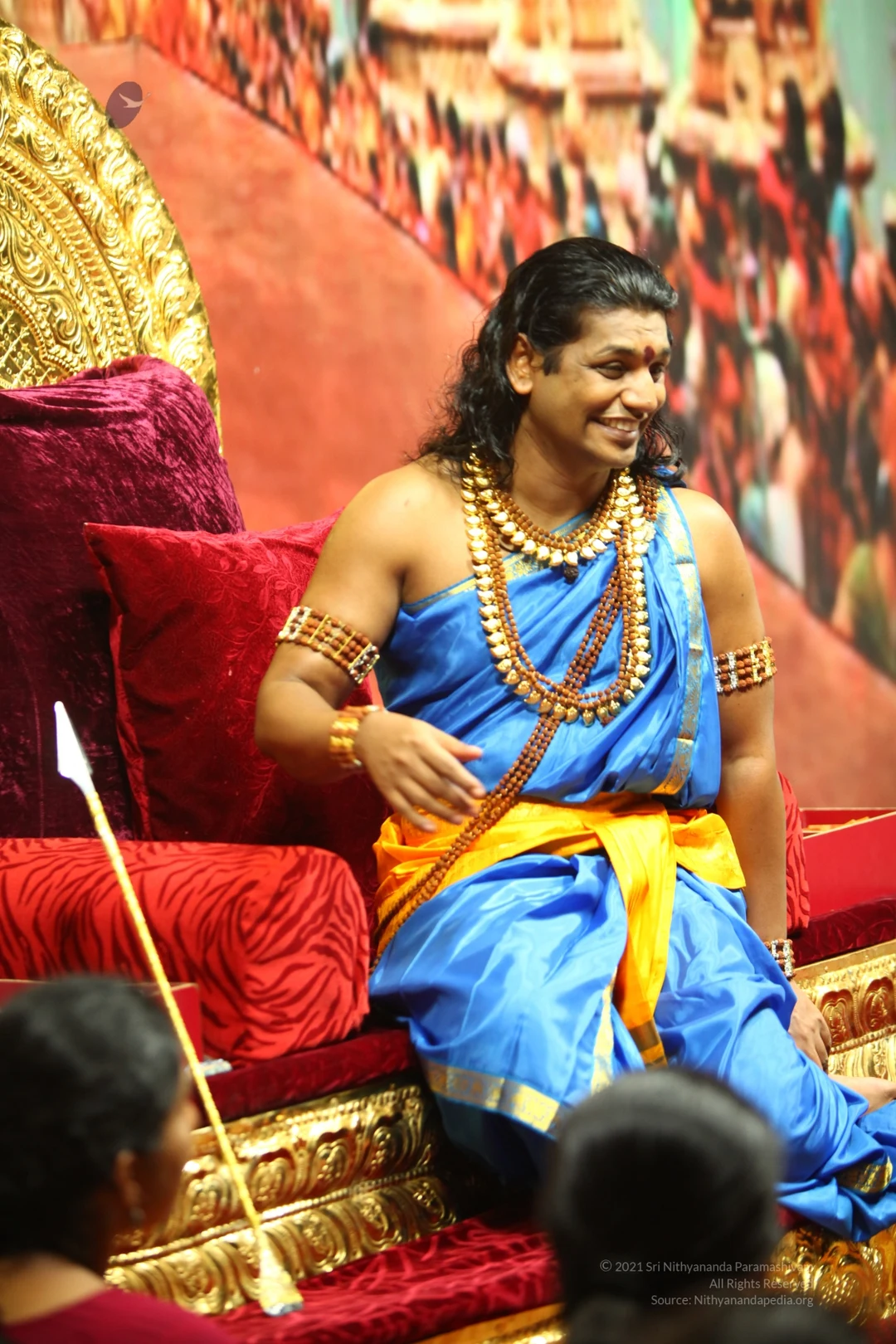
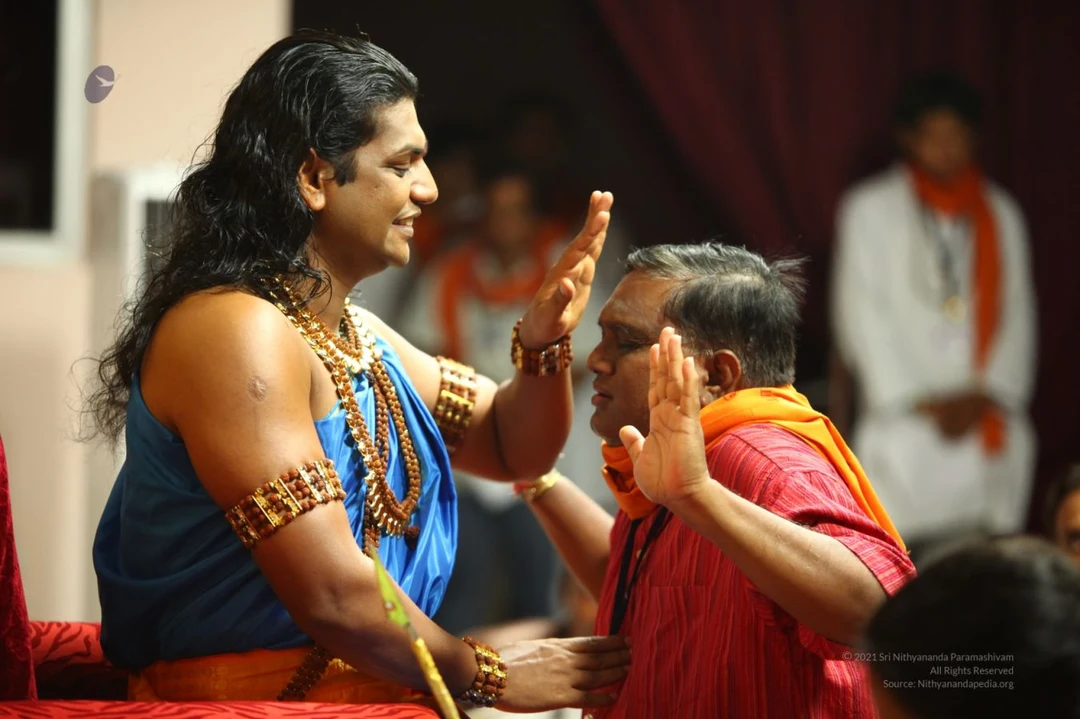
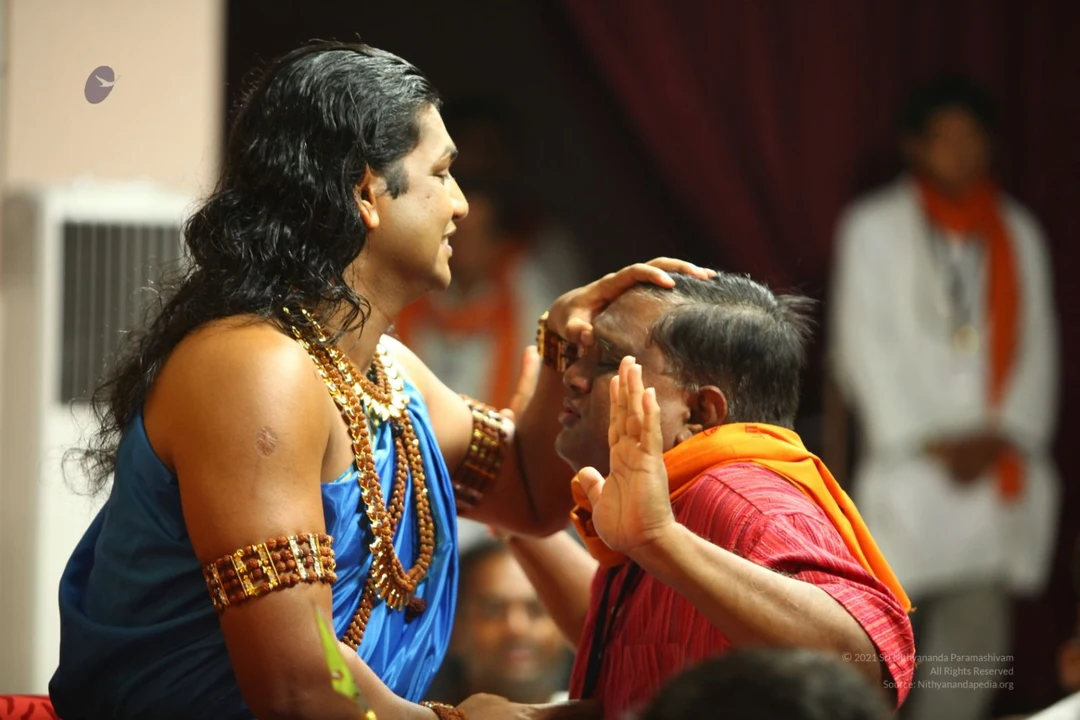
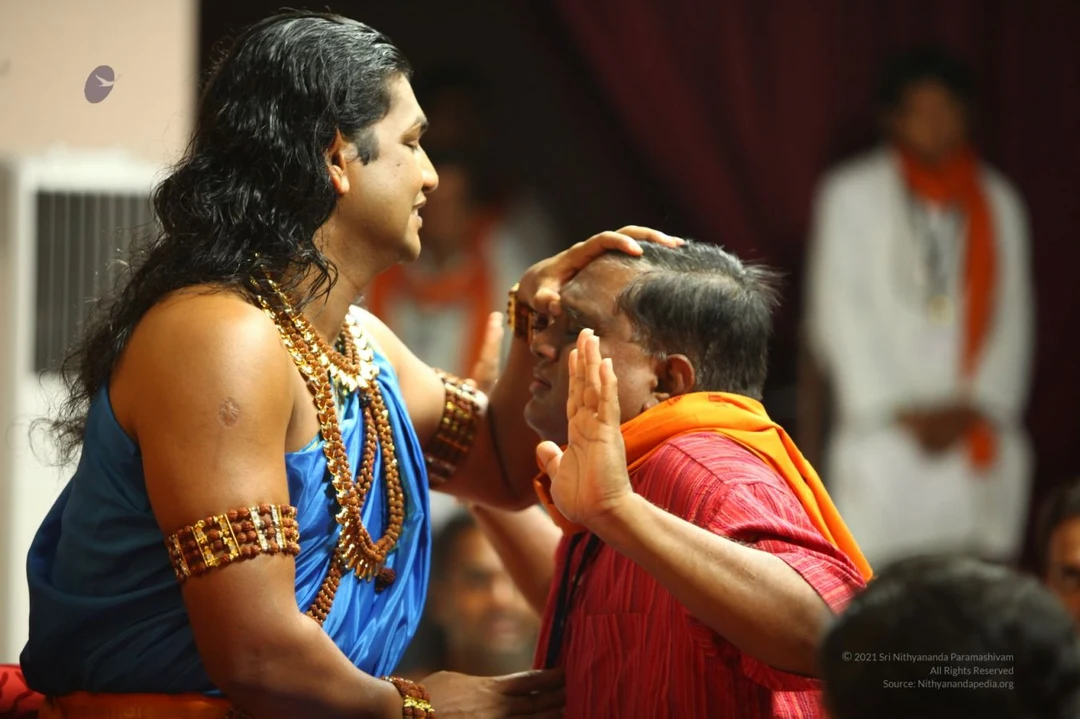
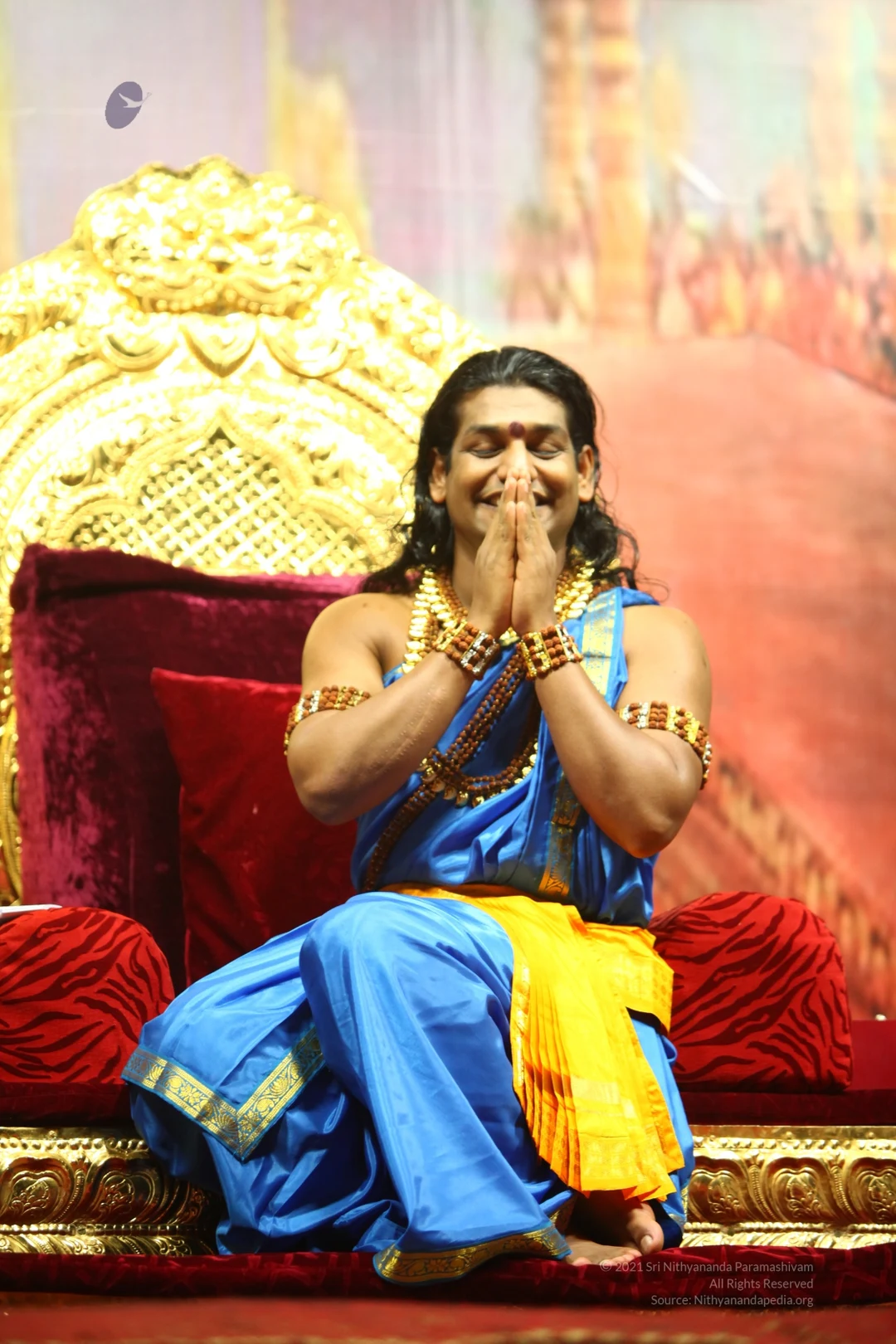
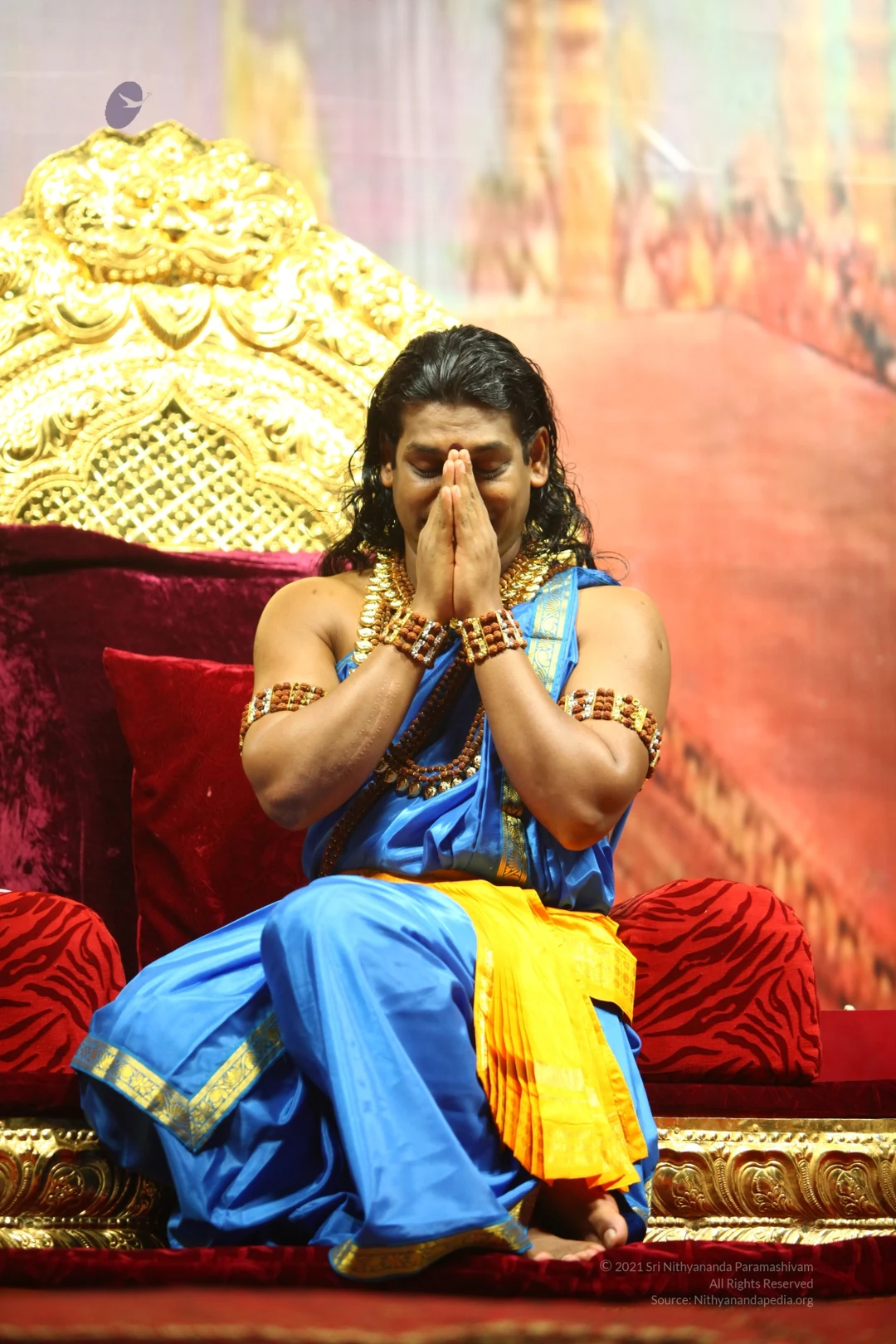
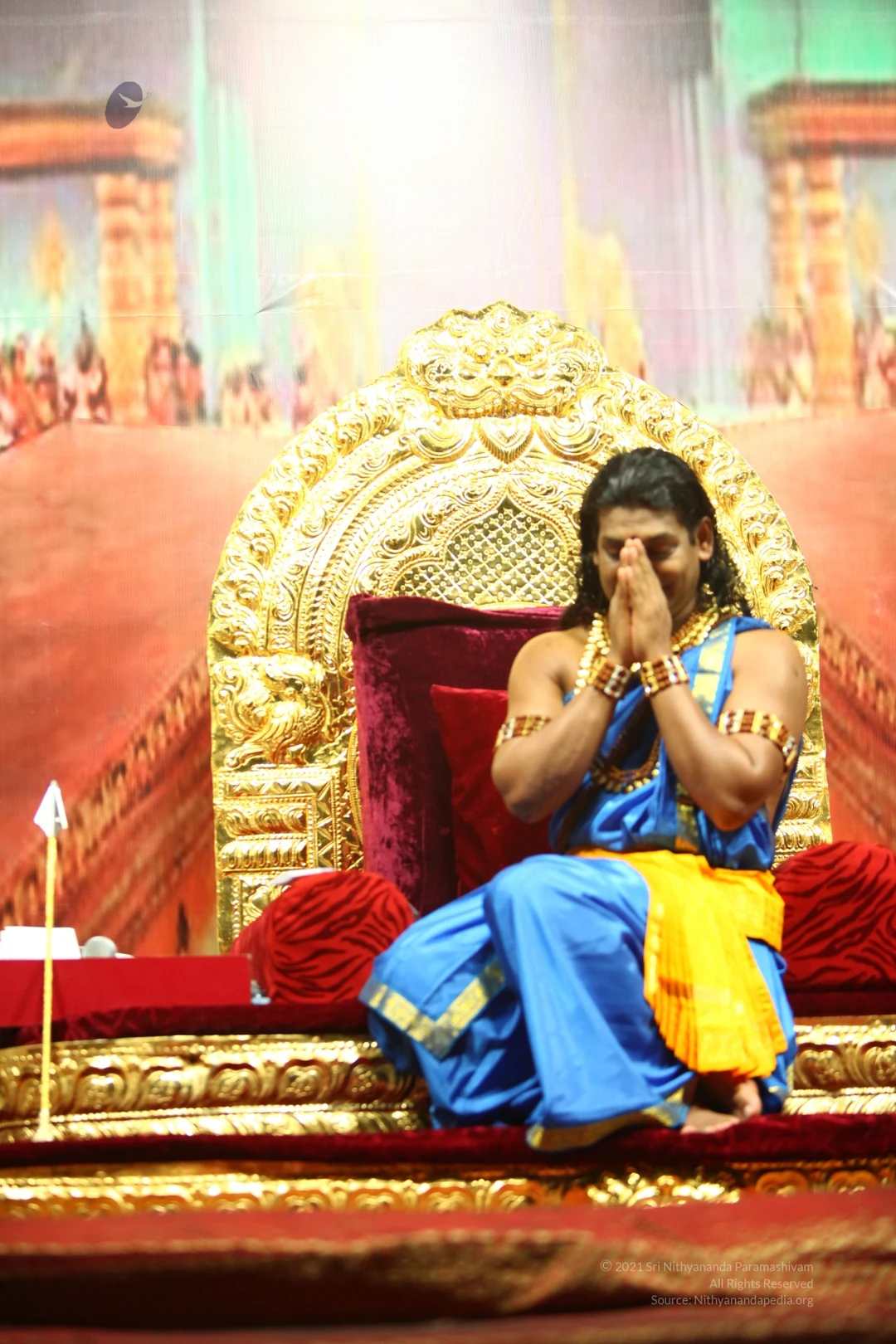
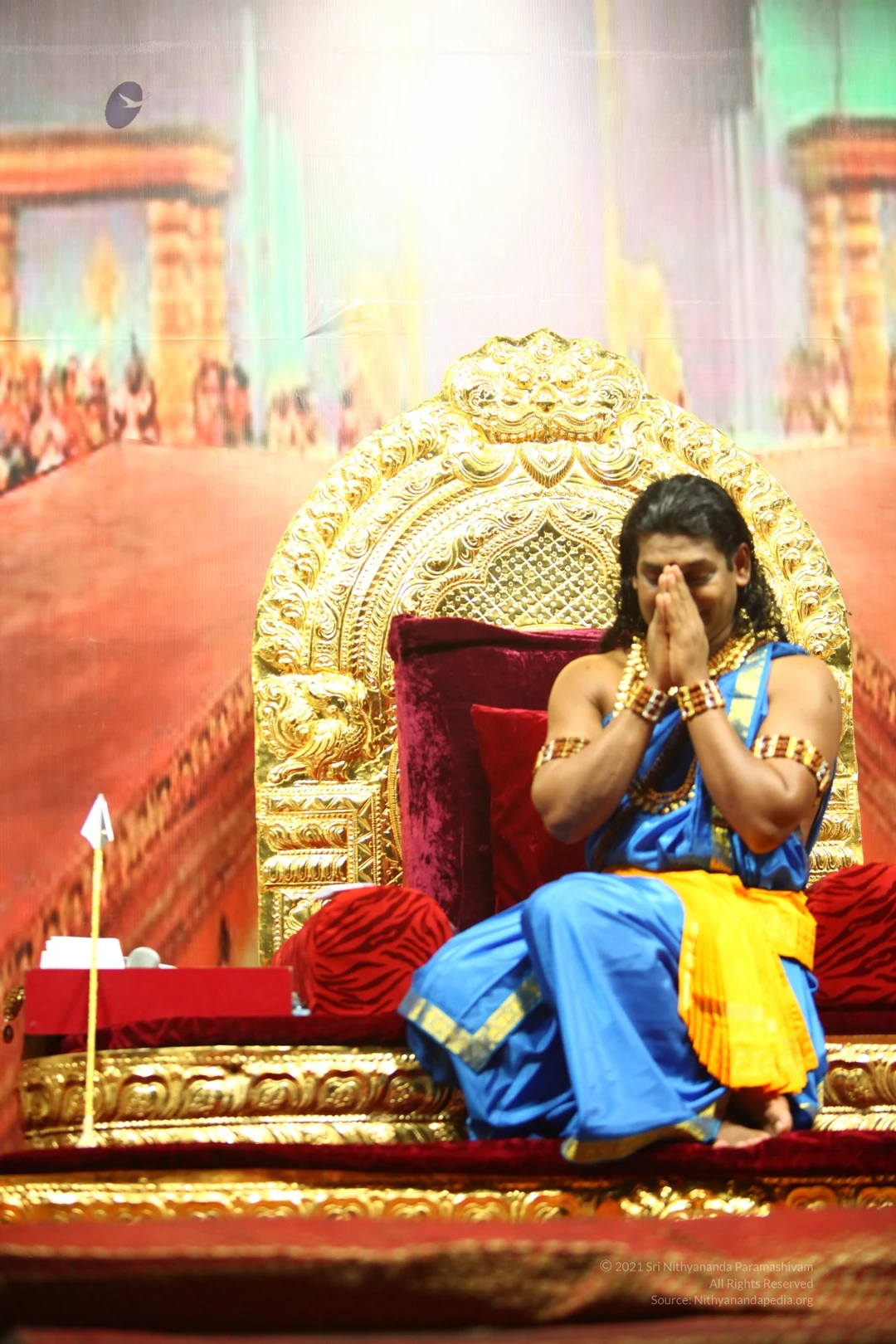
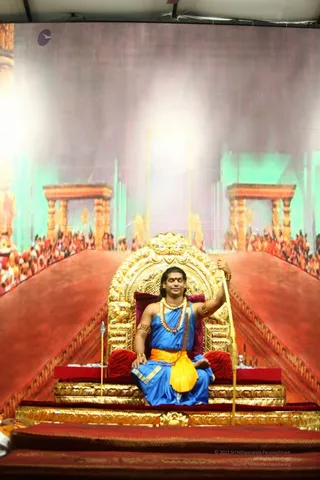
Photos From The Day:
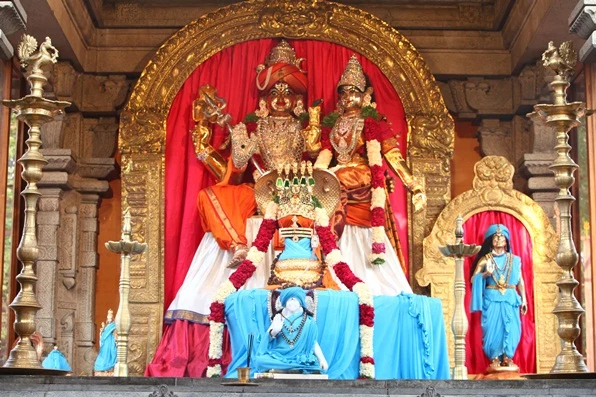
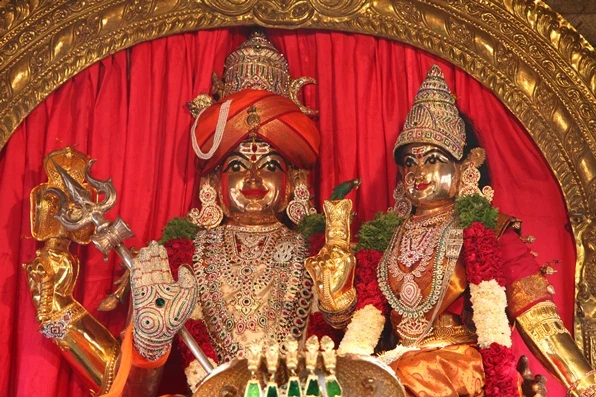

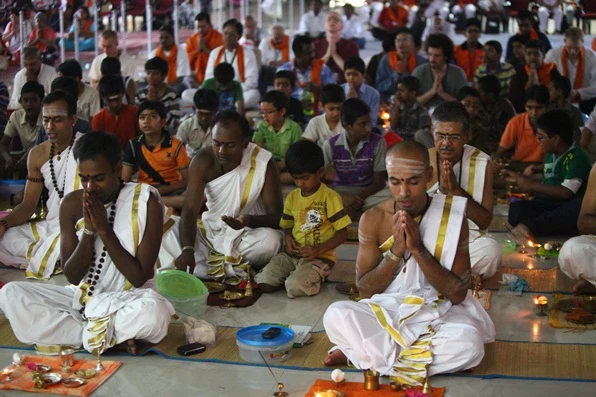

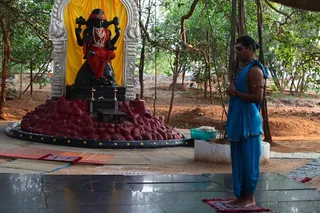
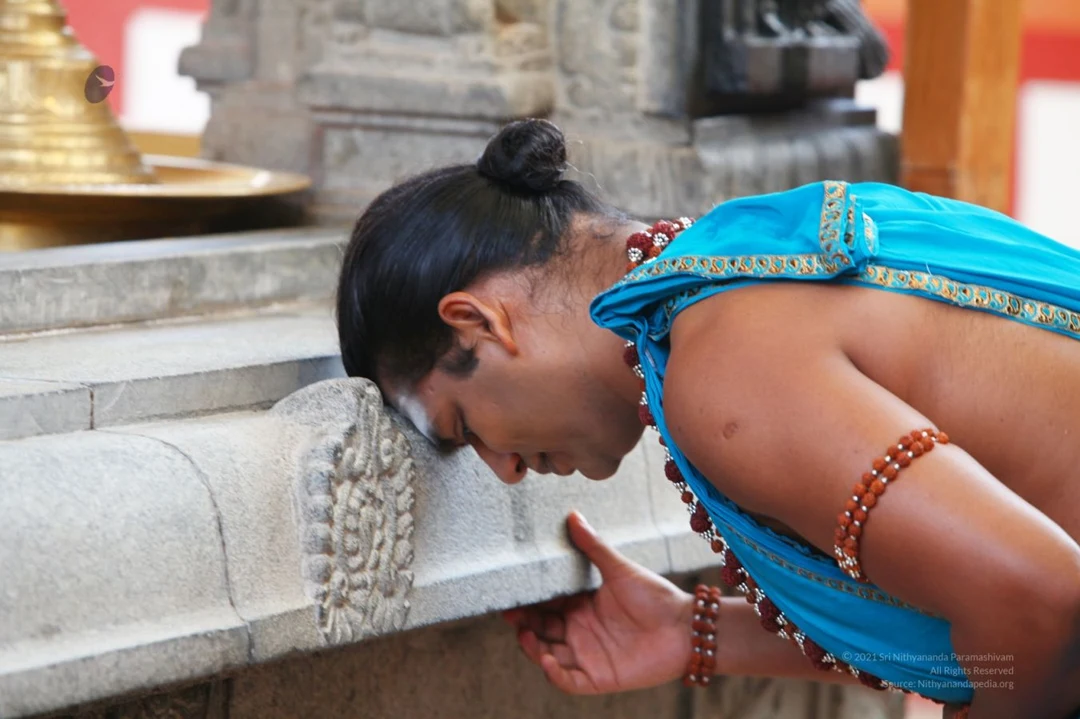
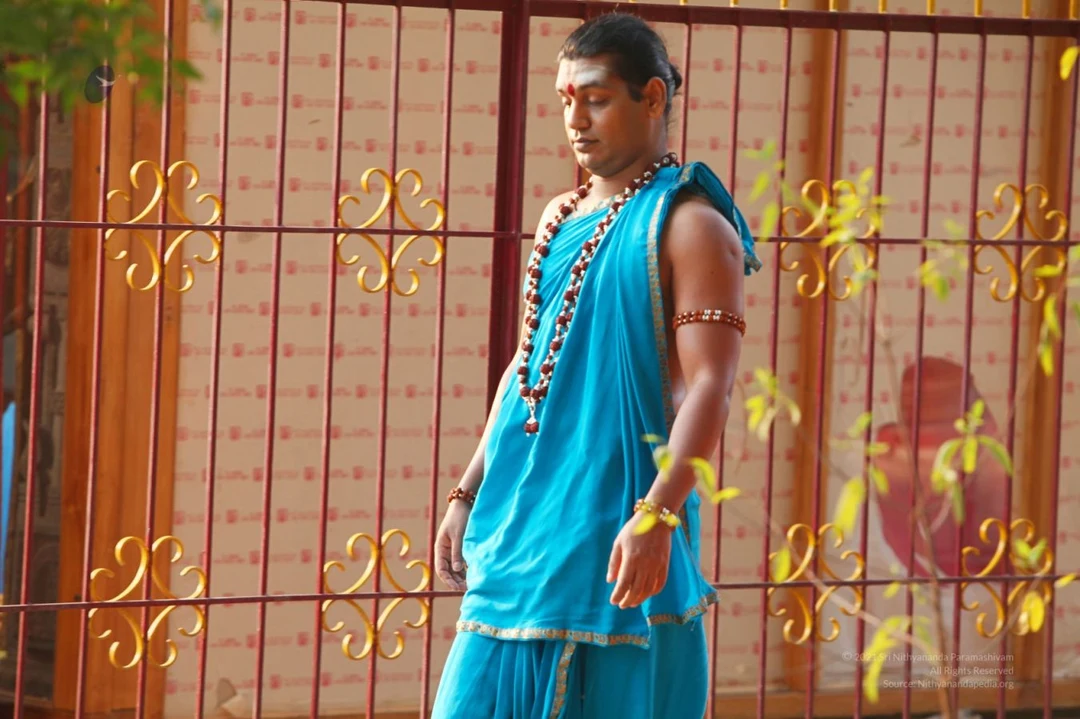
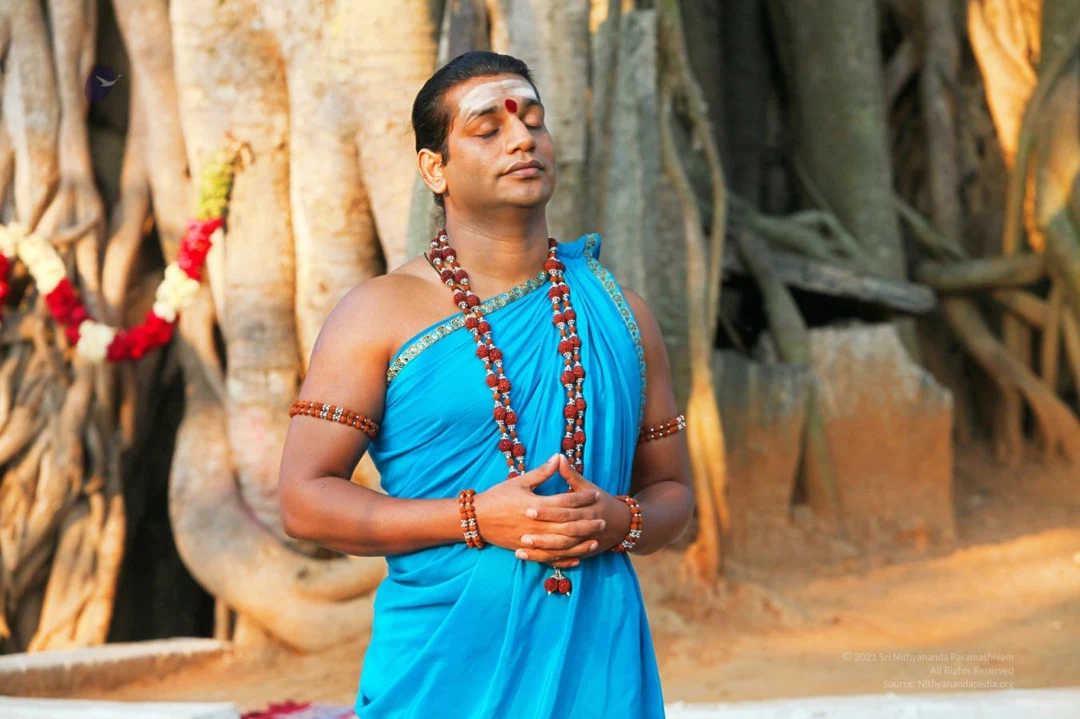
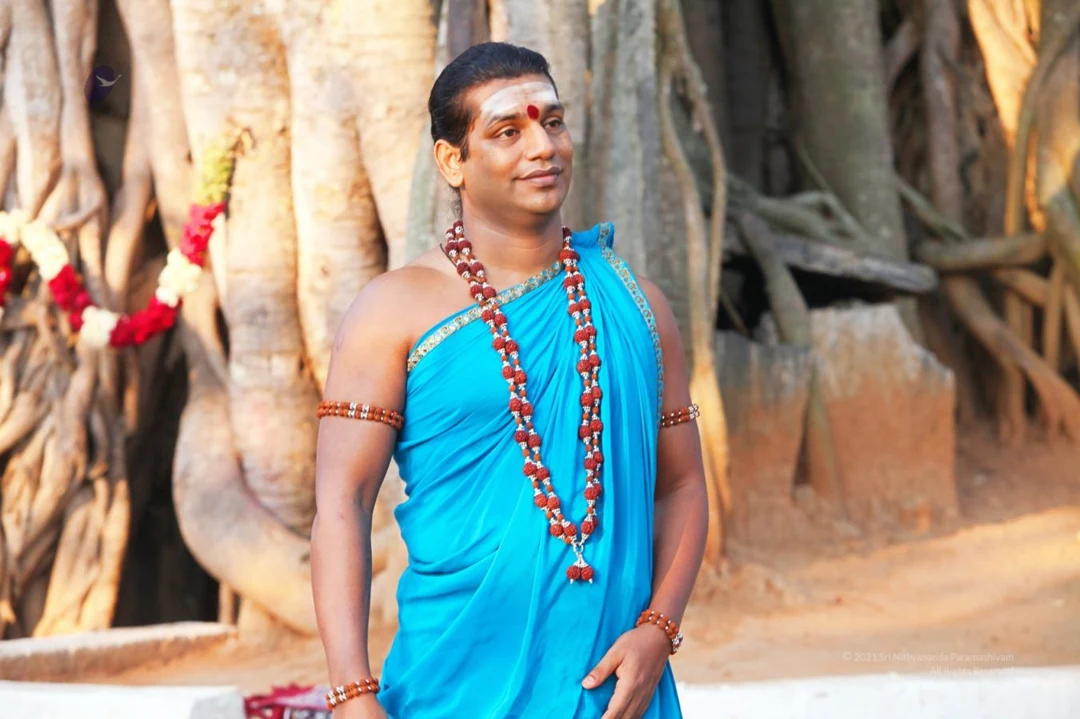
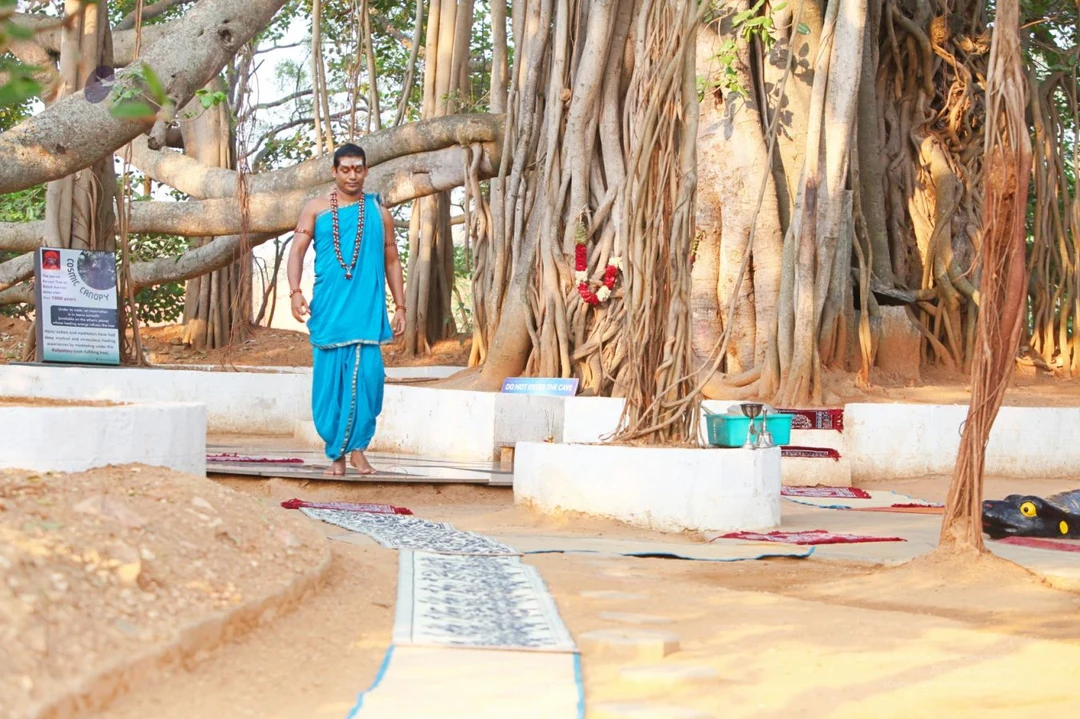
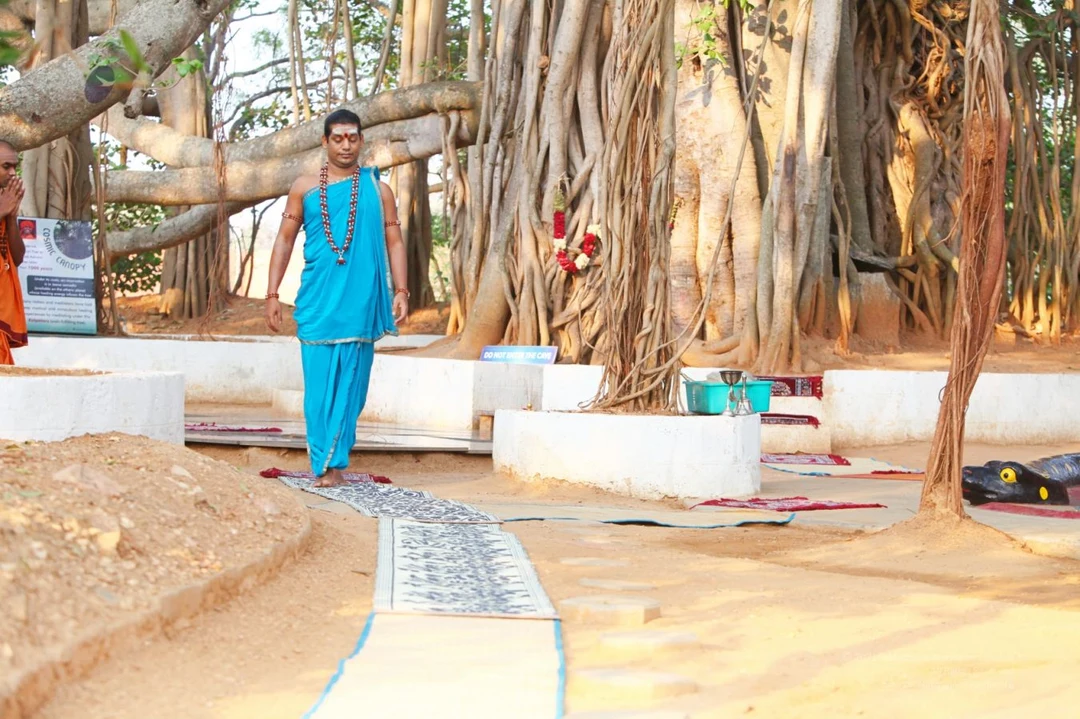
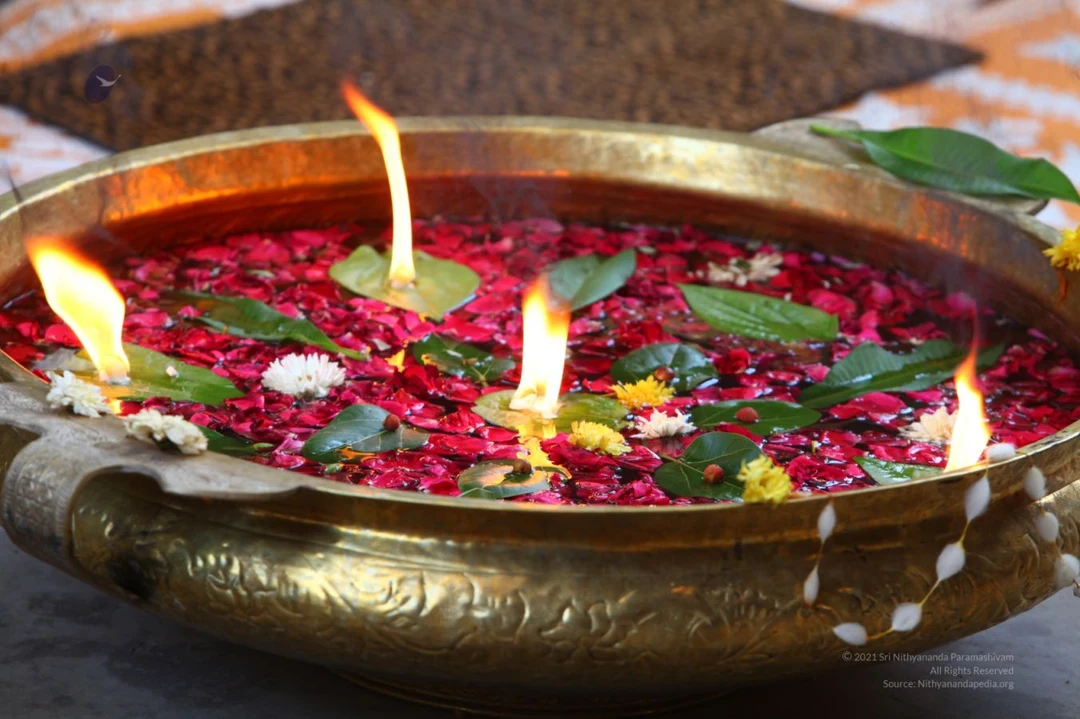
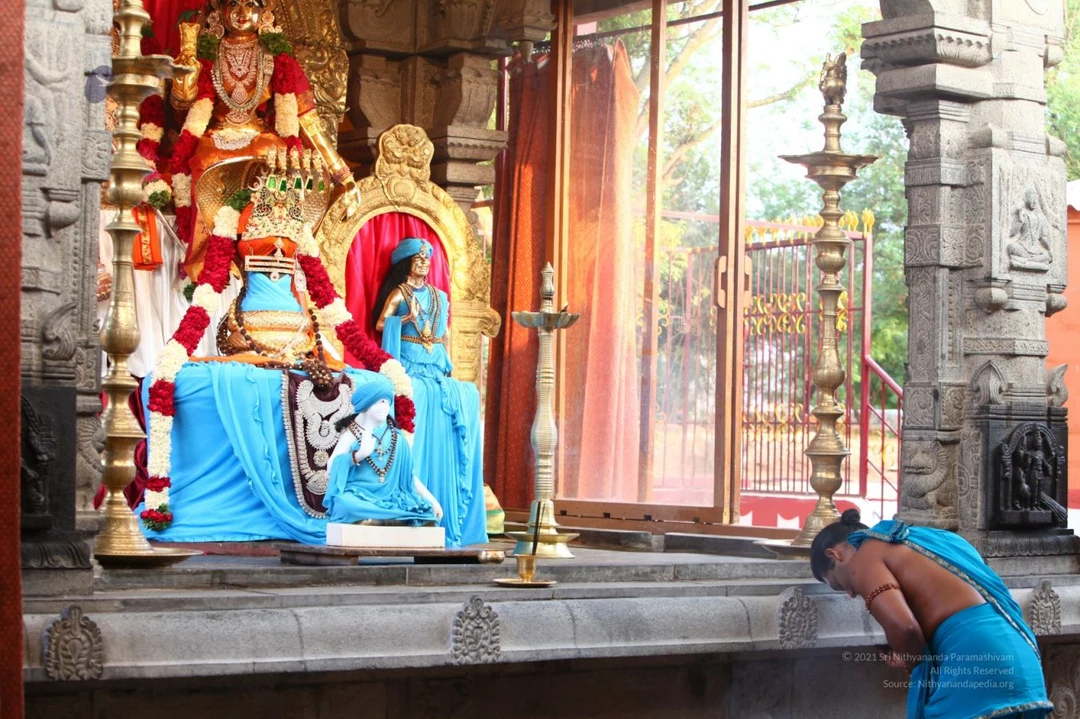
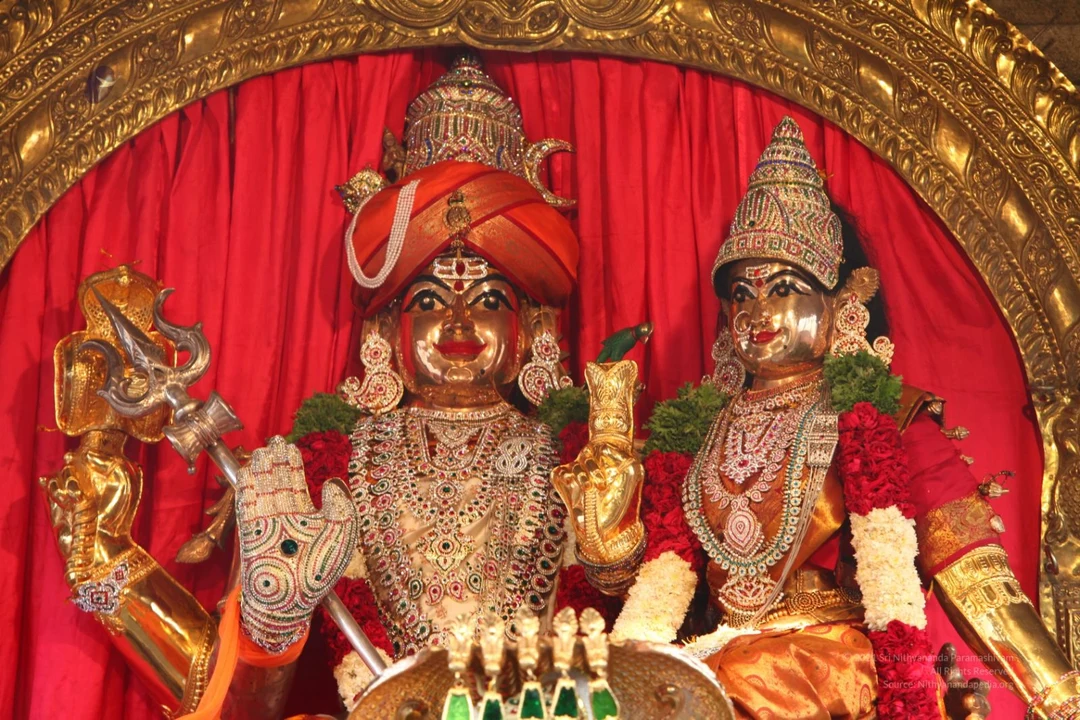
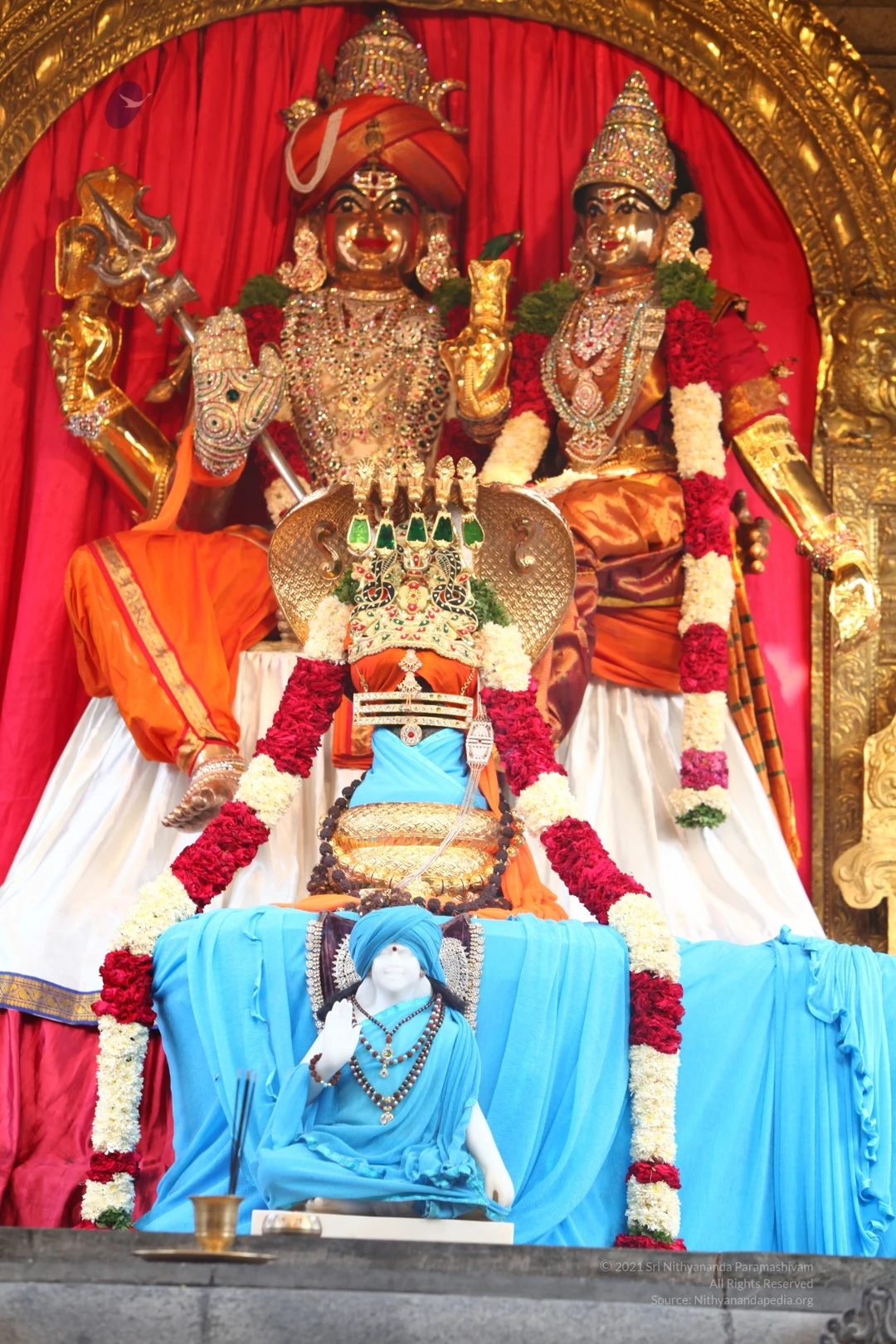
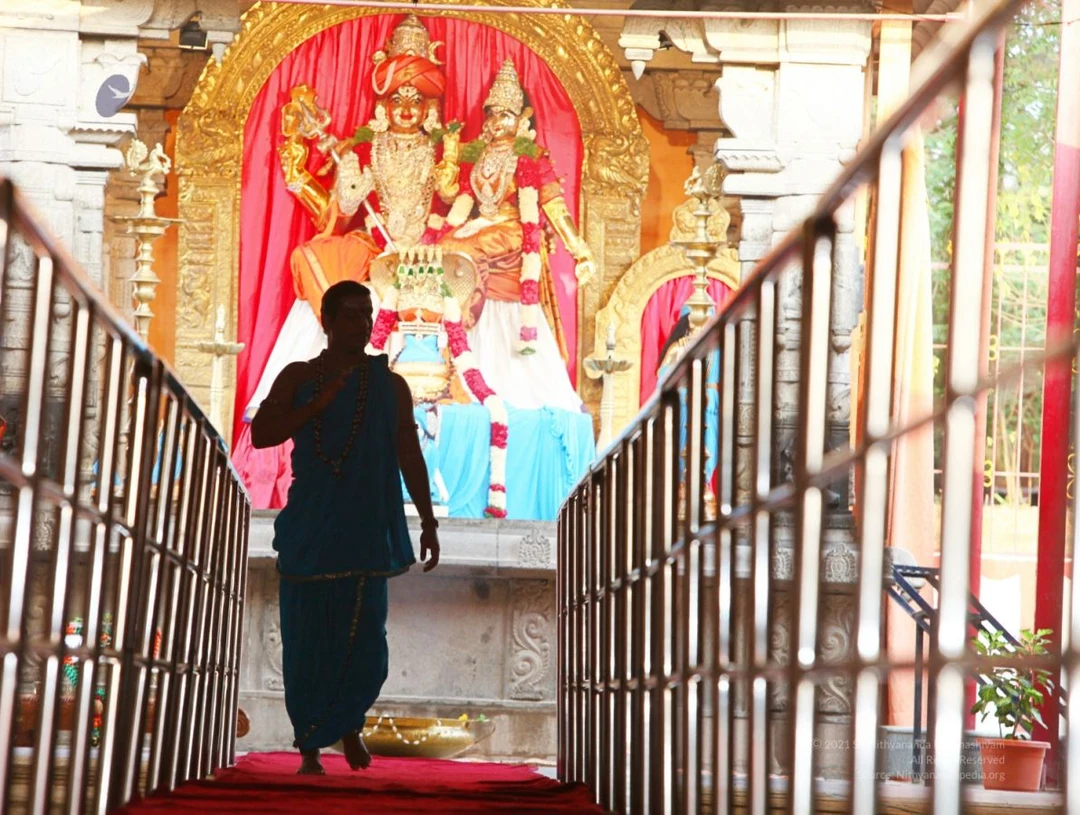
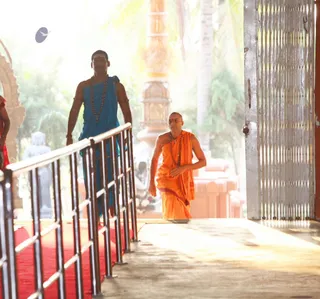
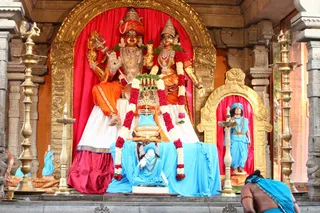
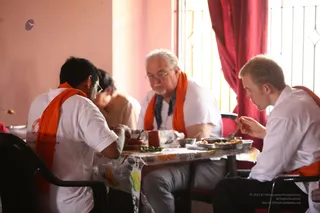
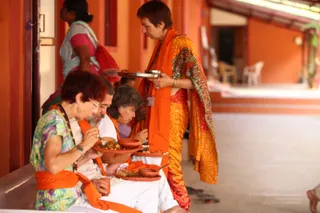
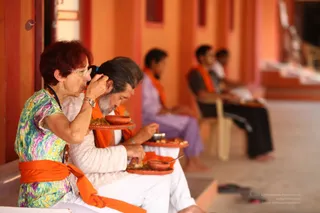
Temple Visit
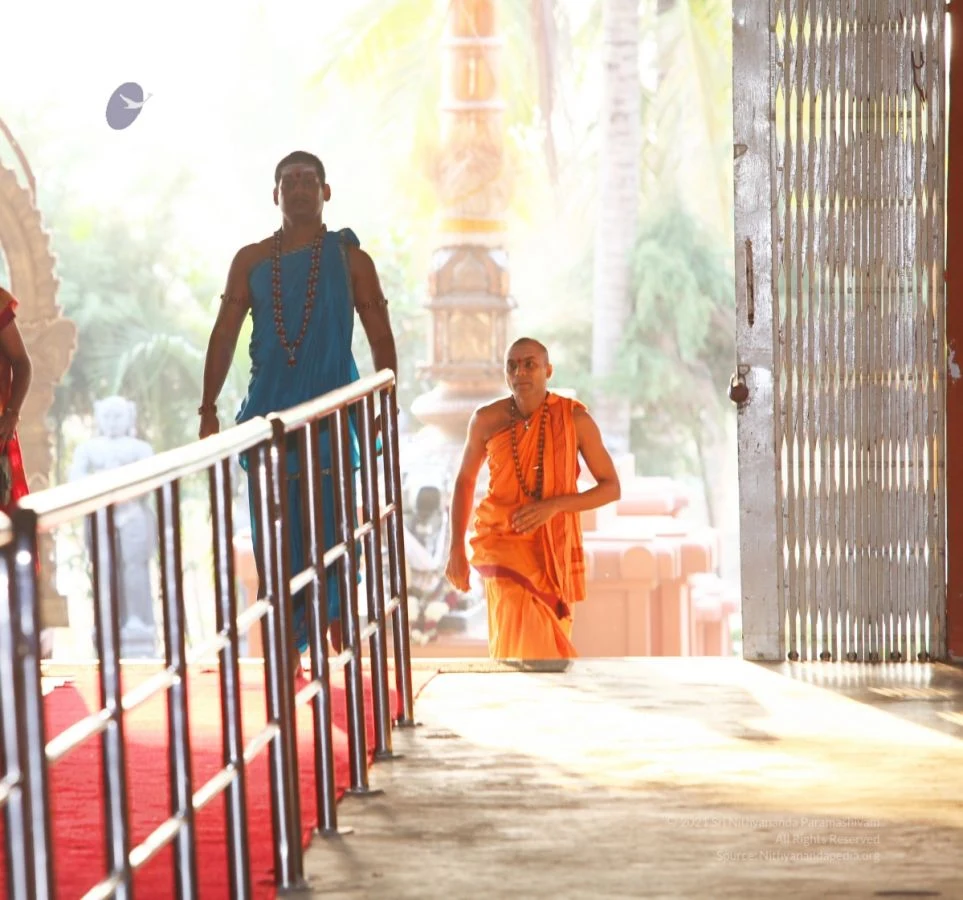
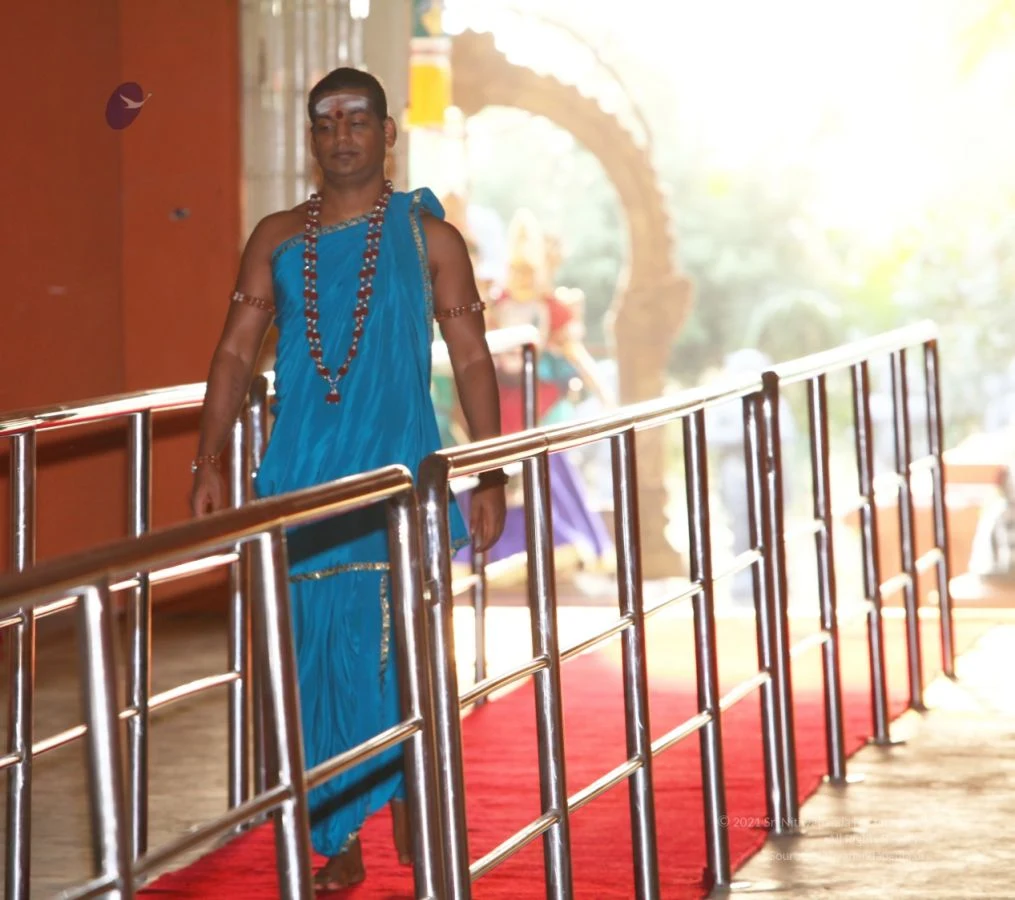

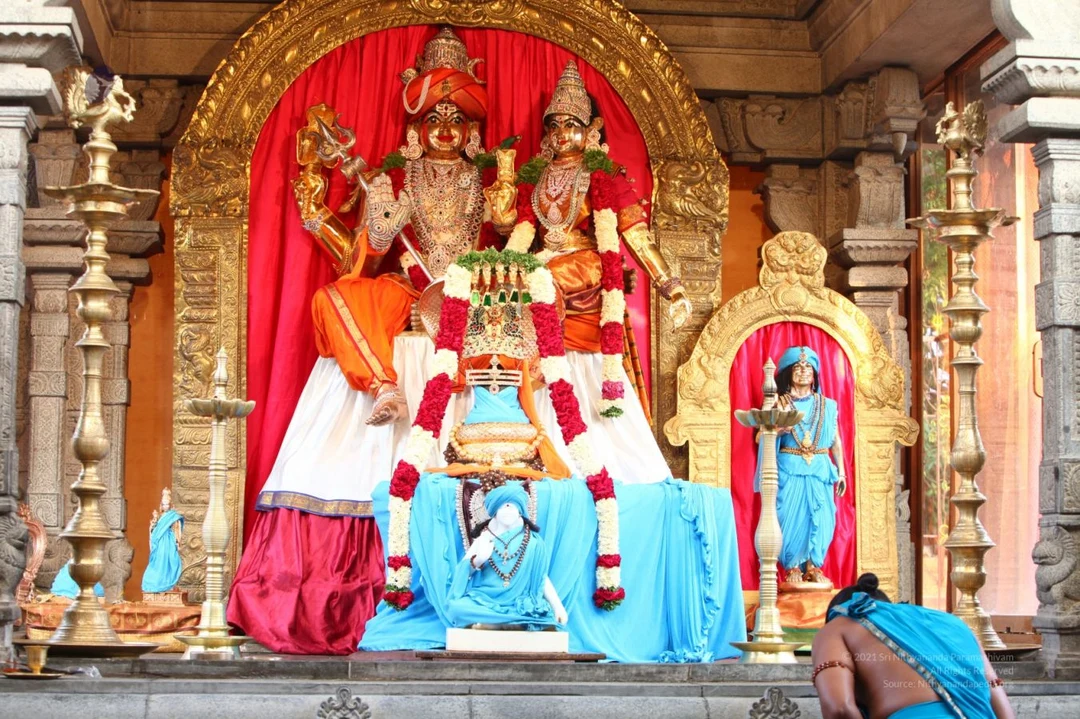
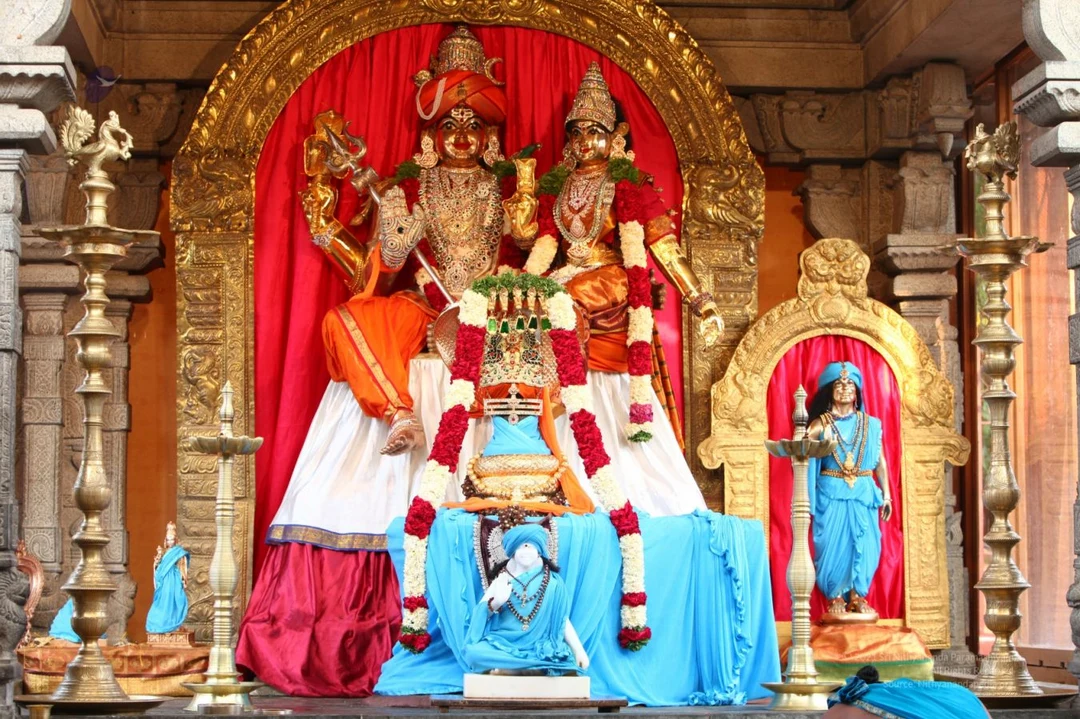

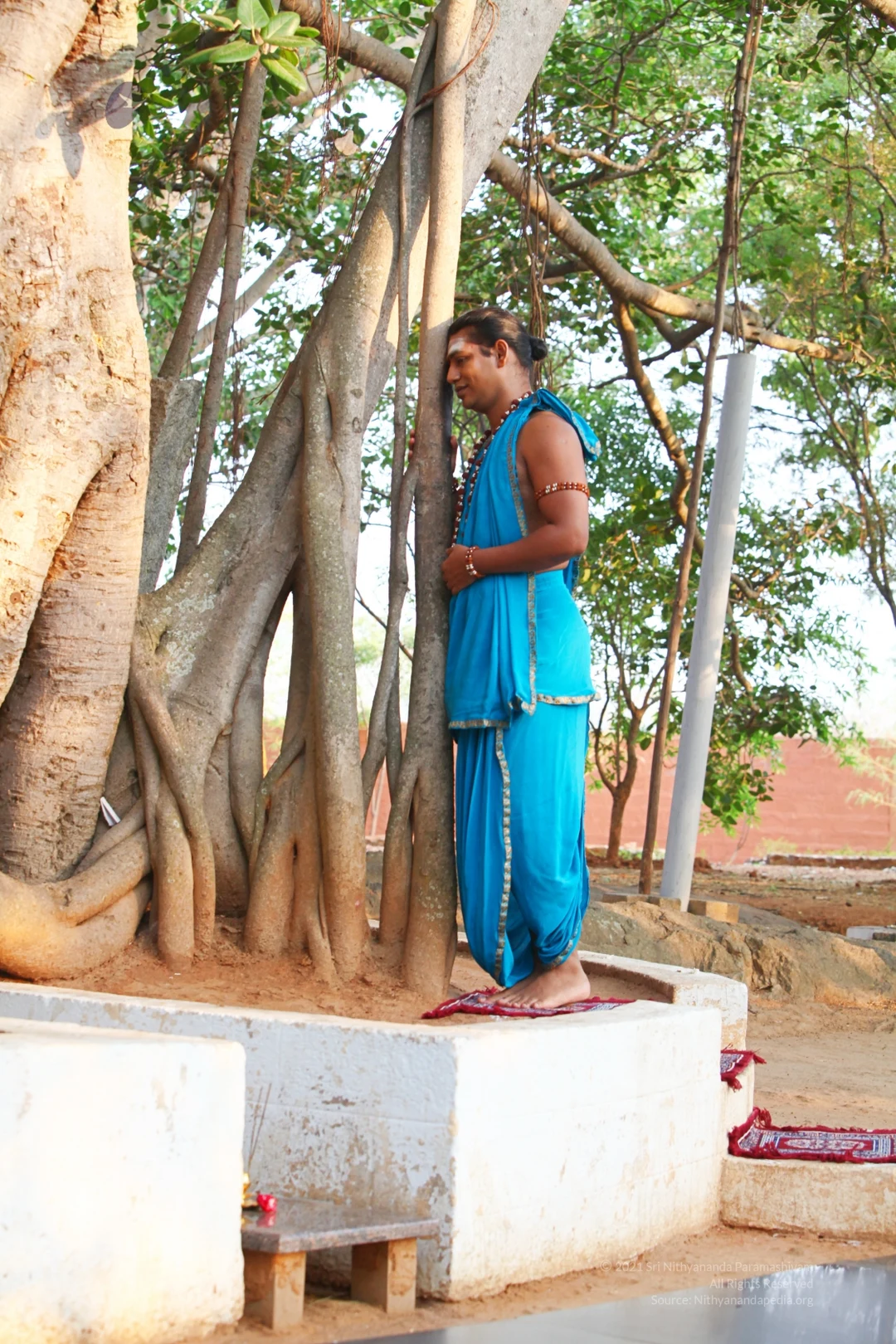
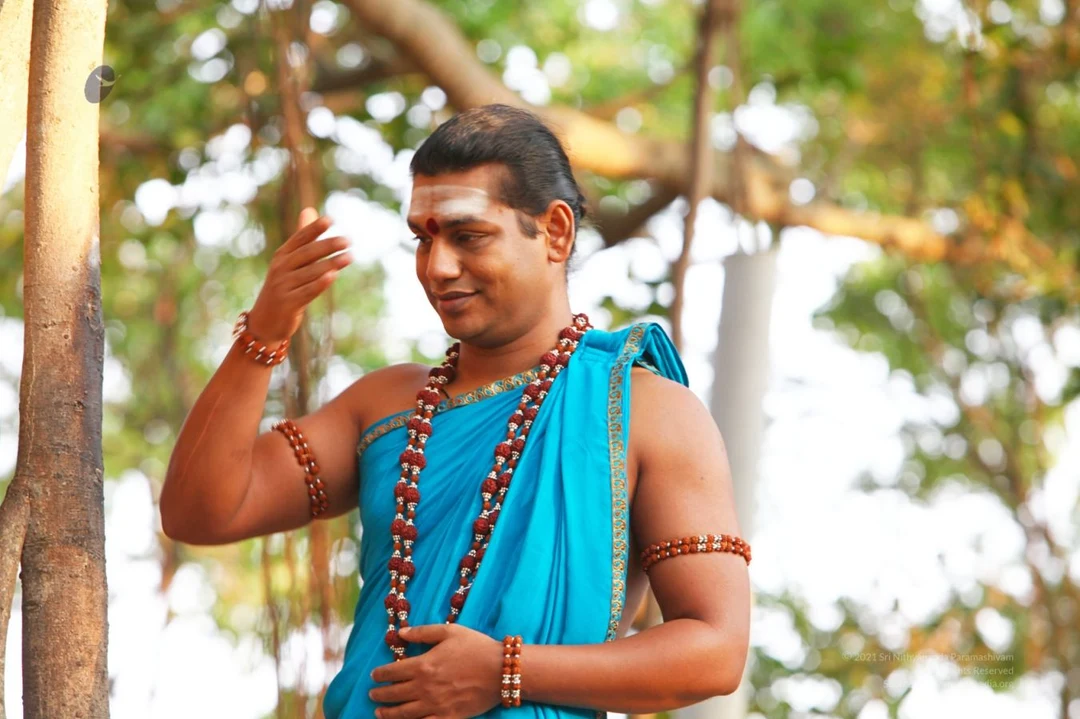
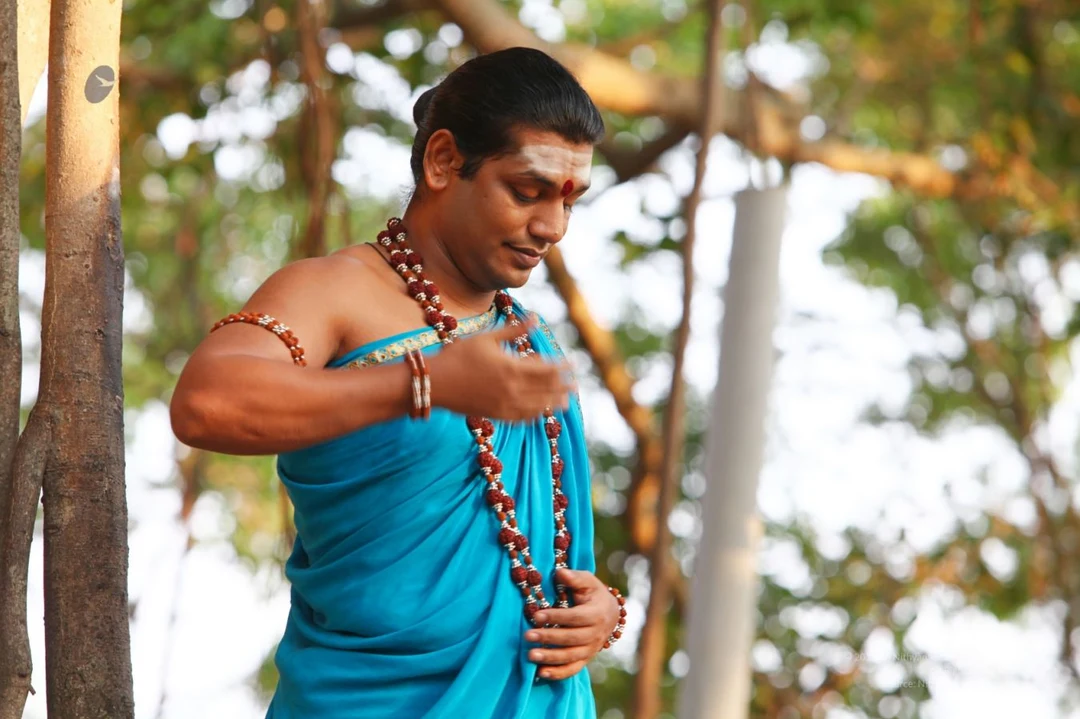
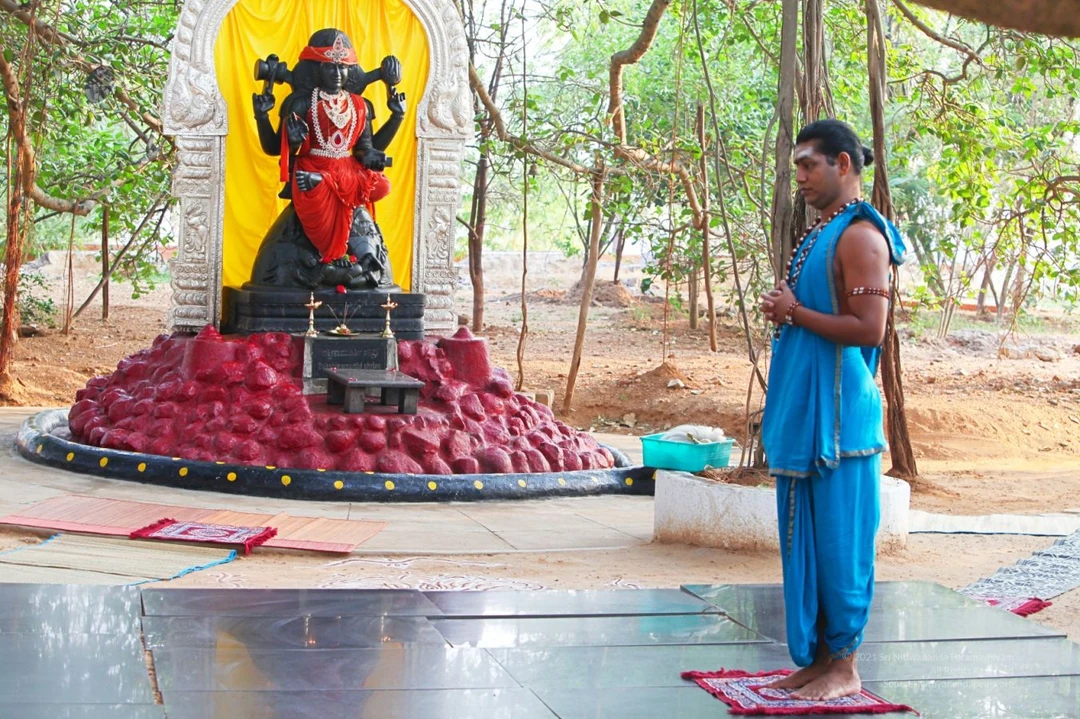

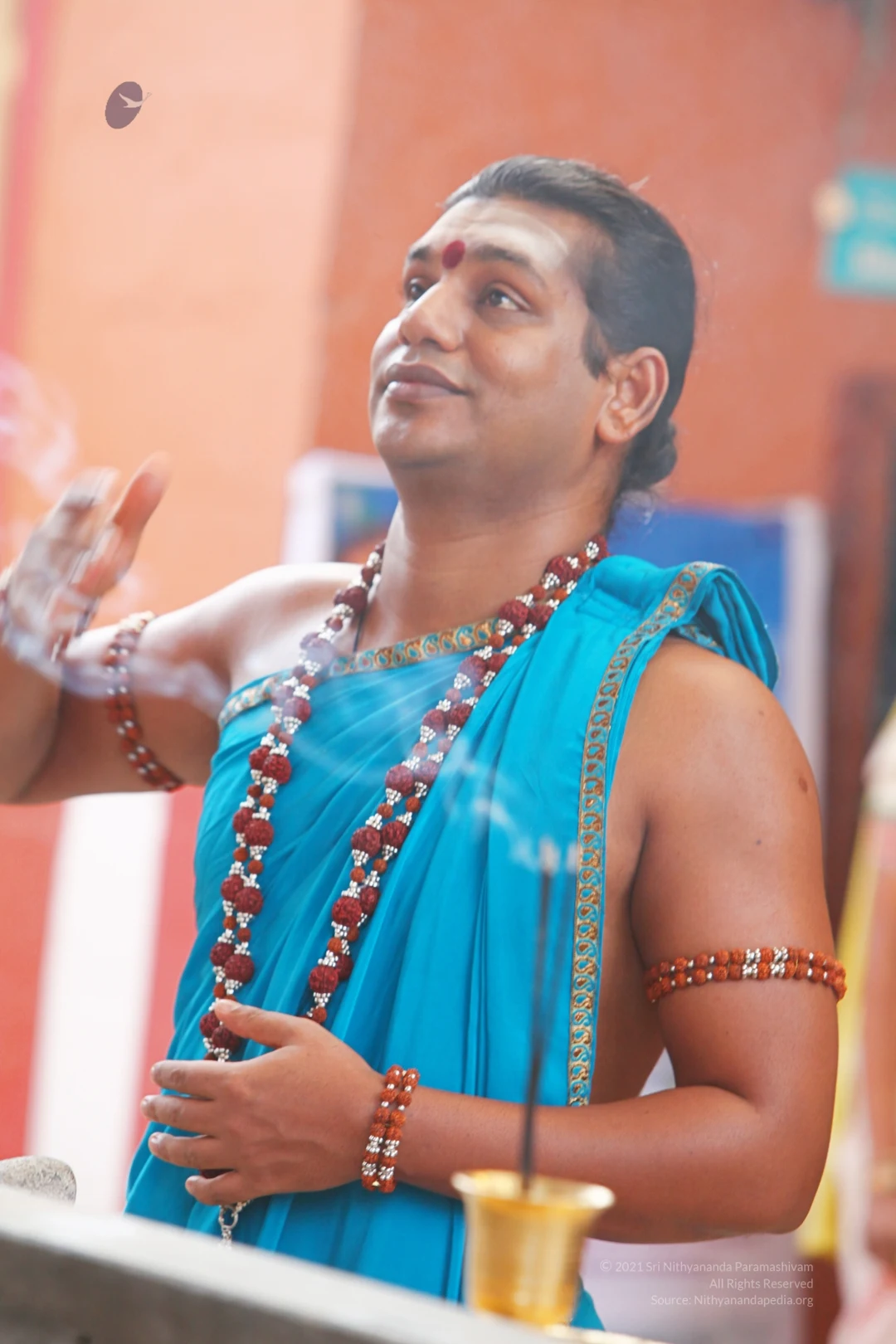
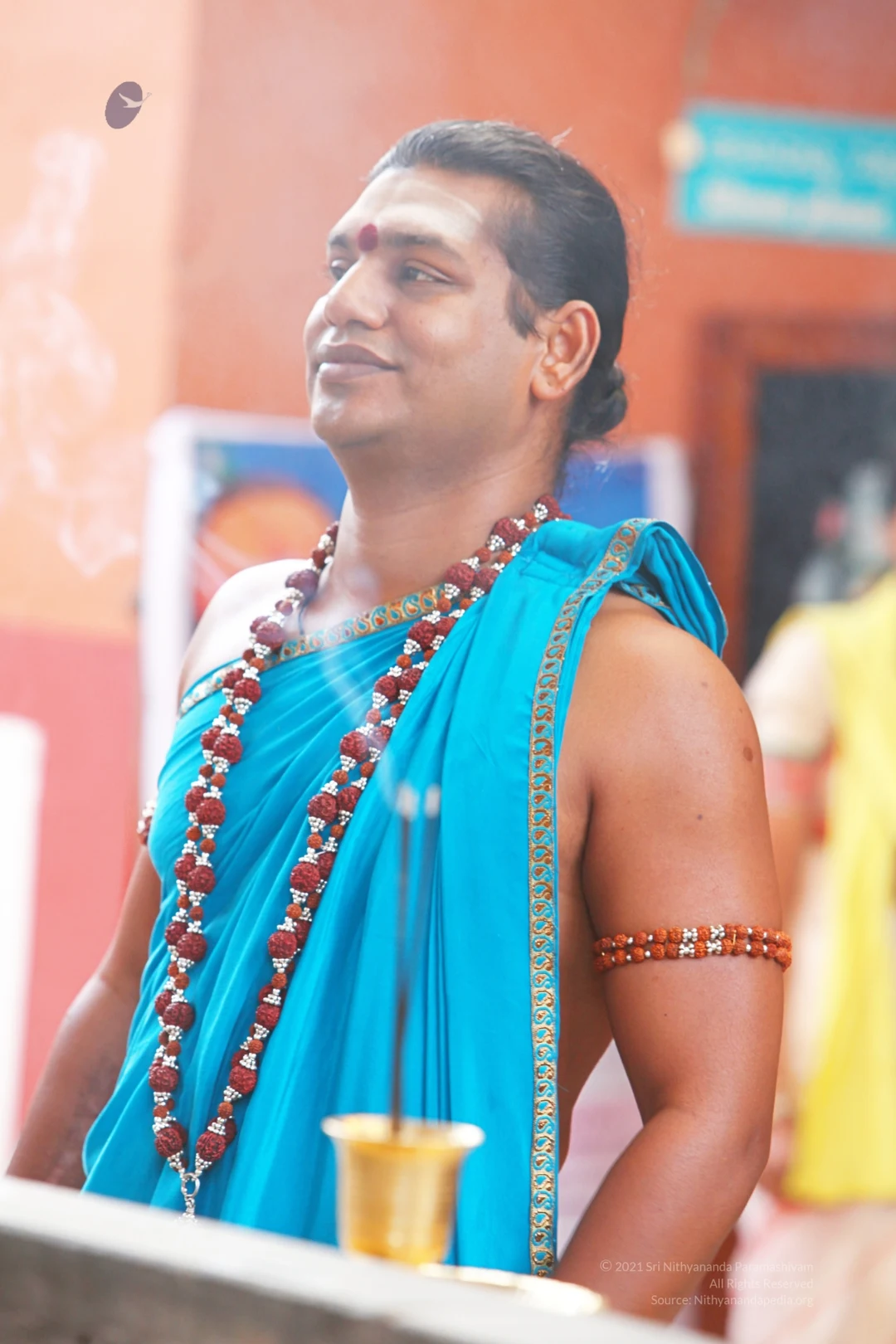
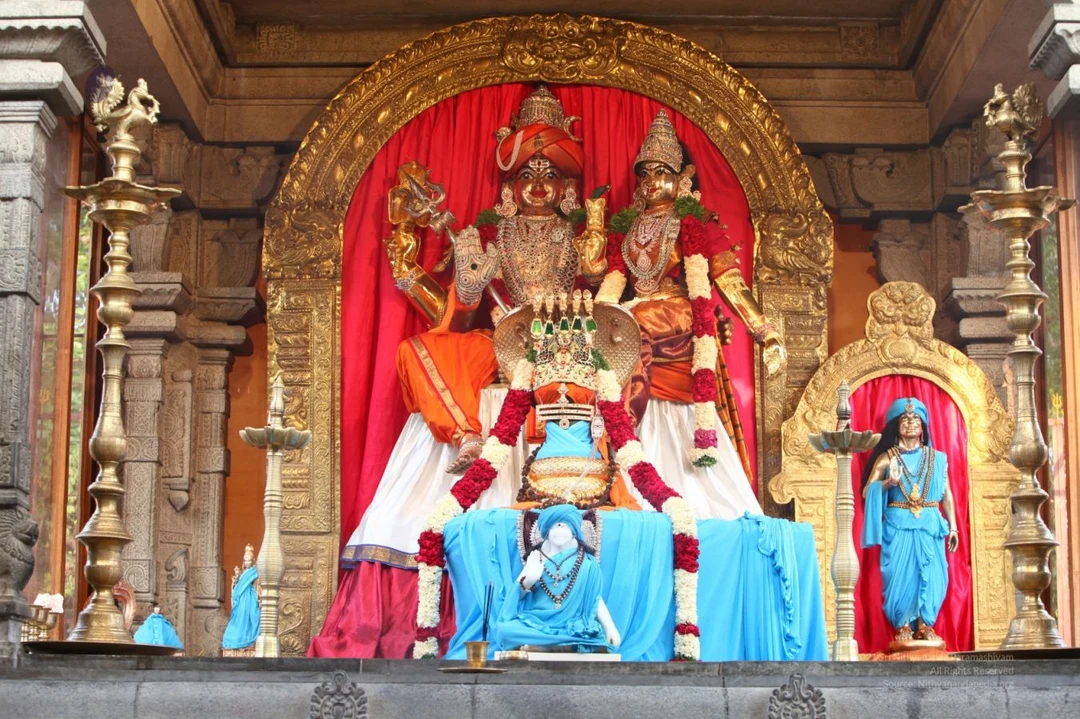
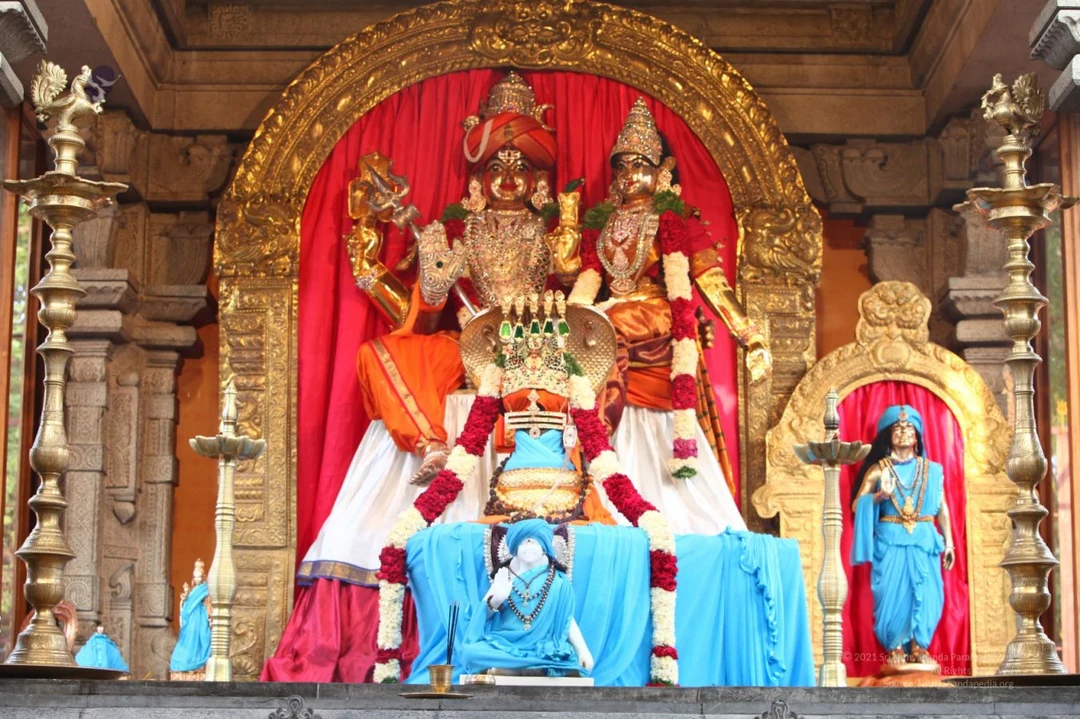
Pratyaksha Paada Pooja
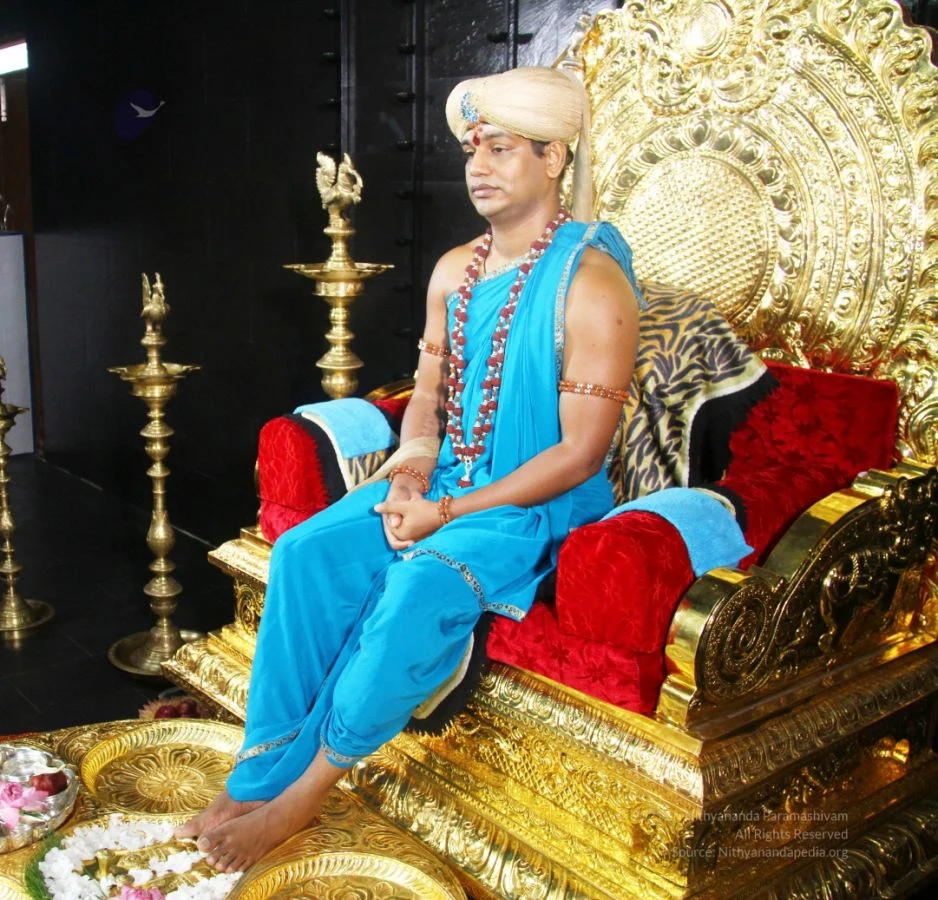
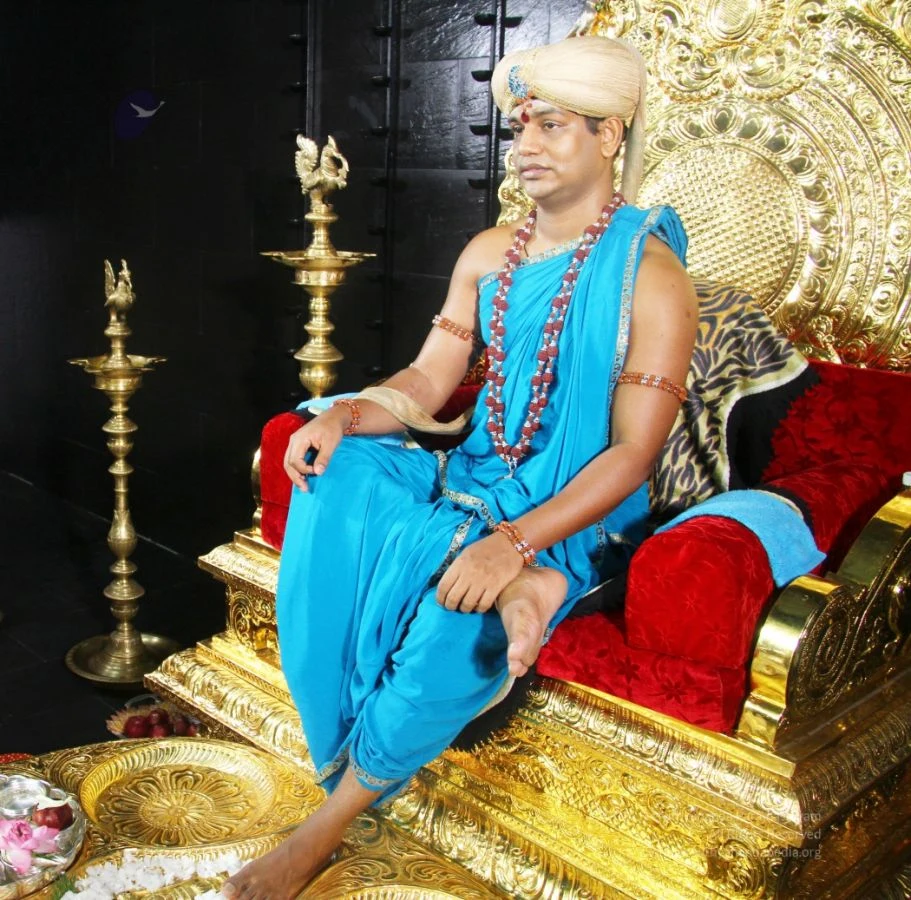
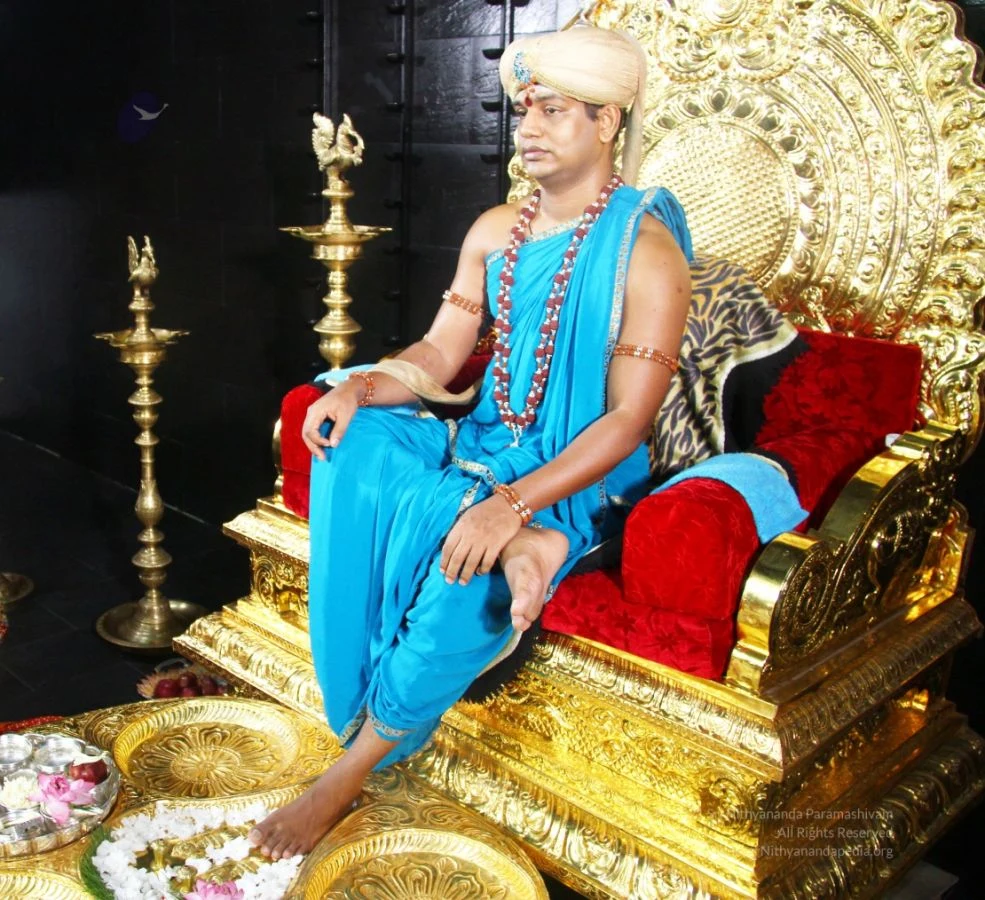
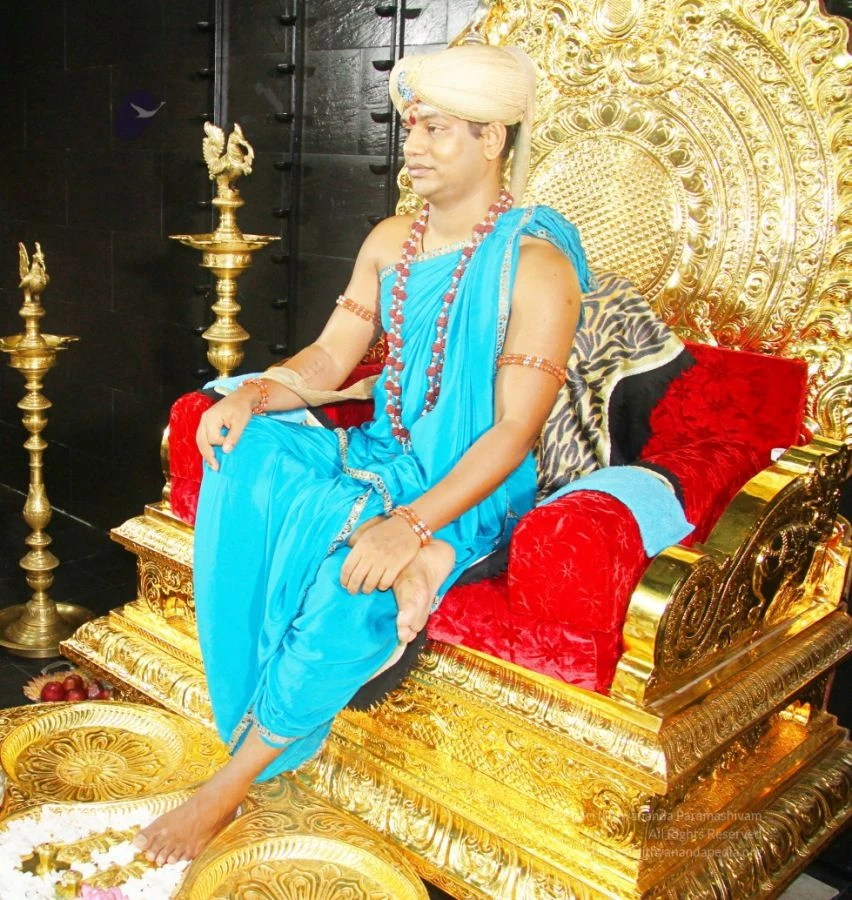
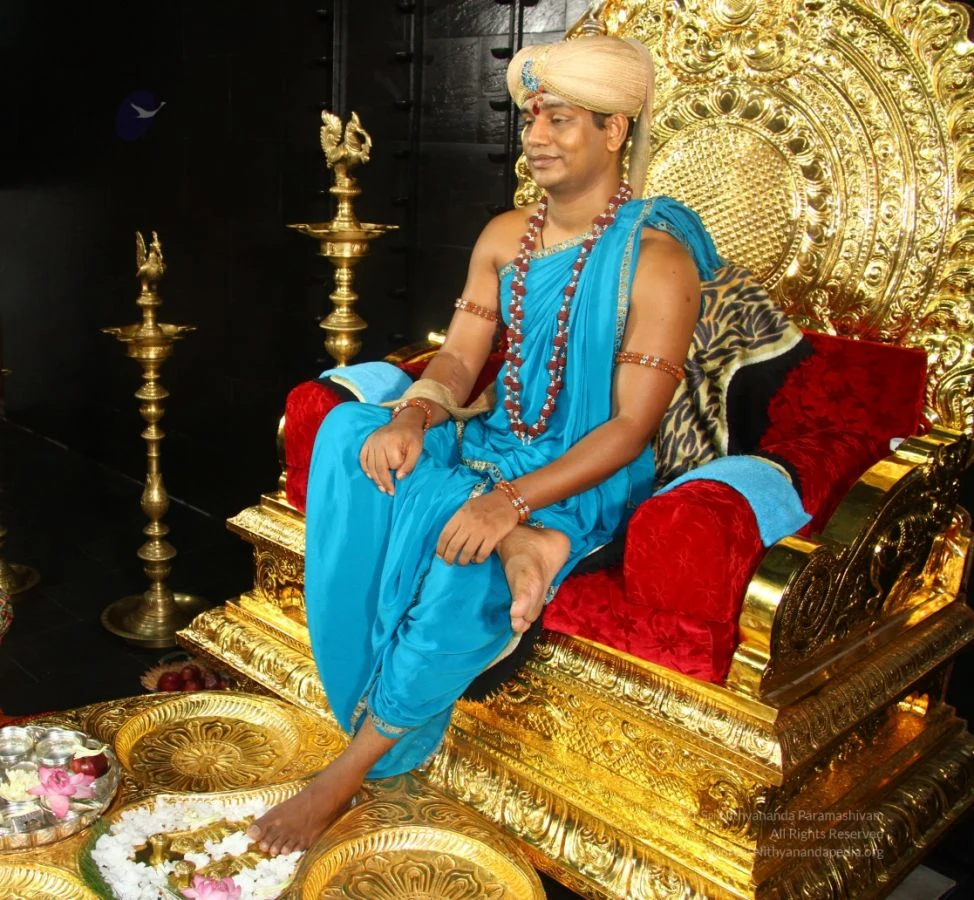
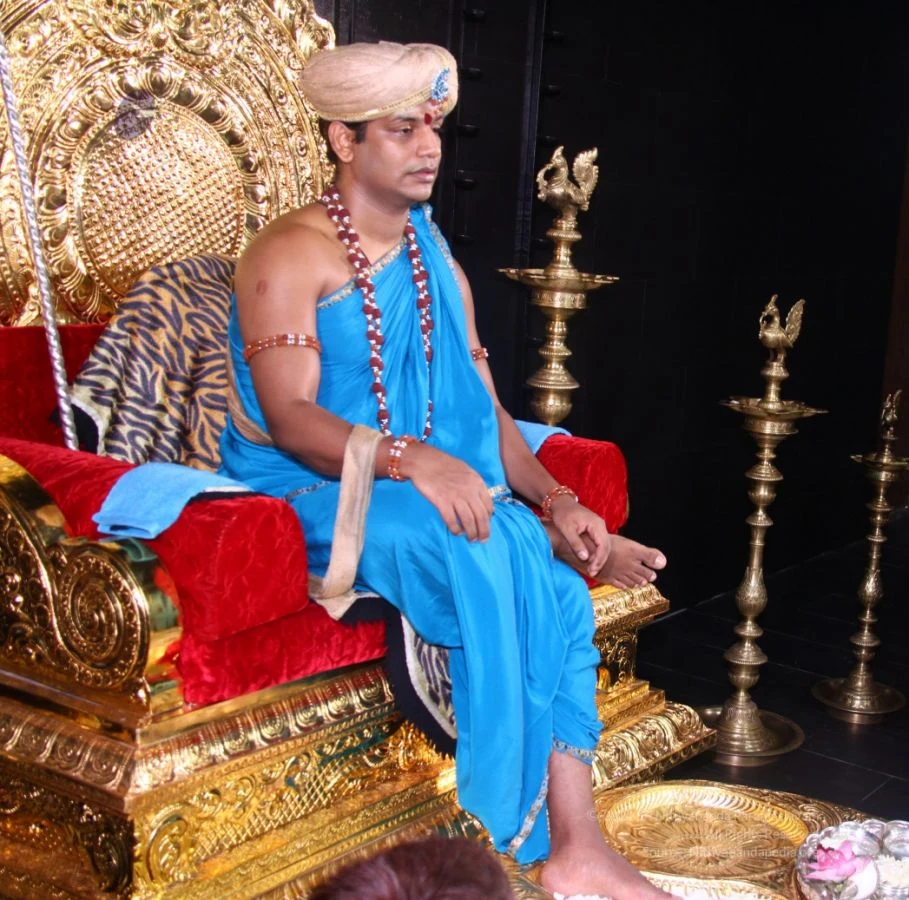
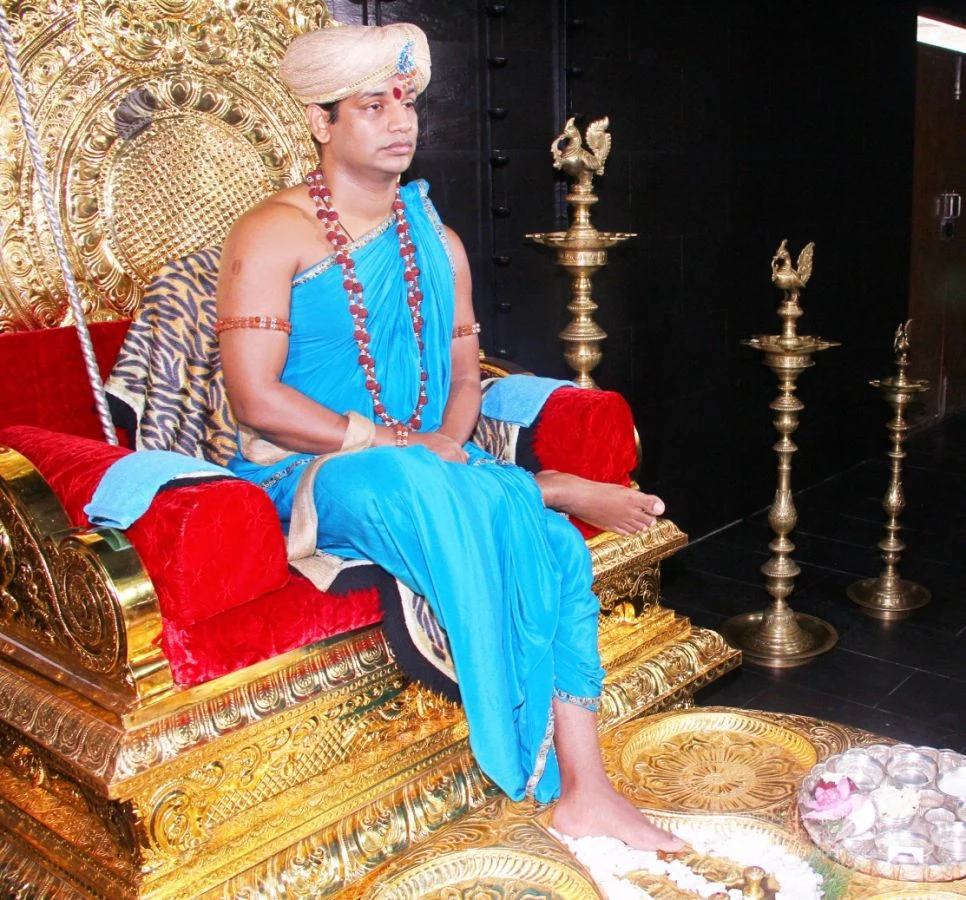
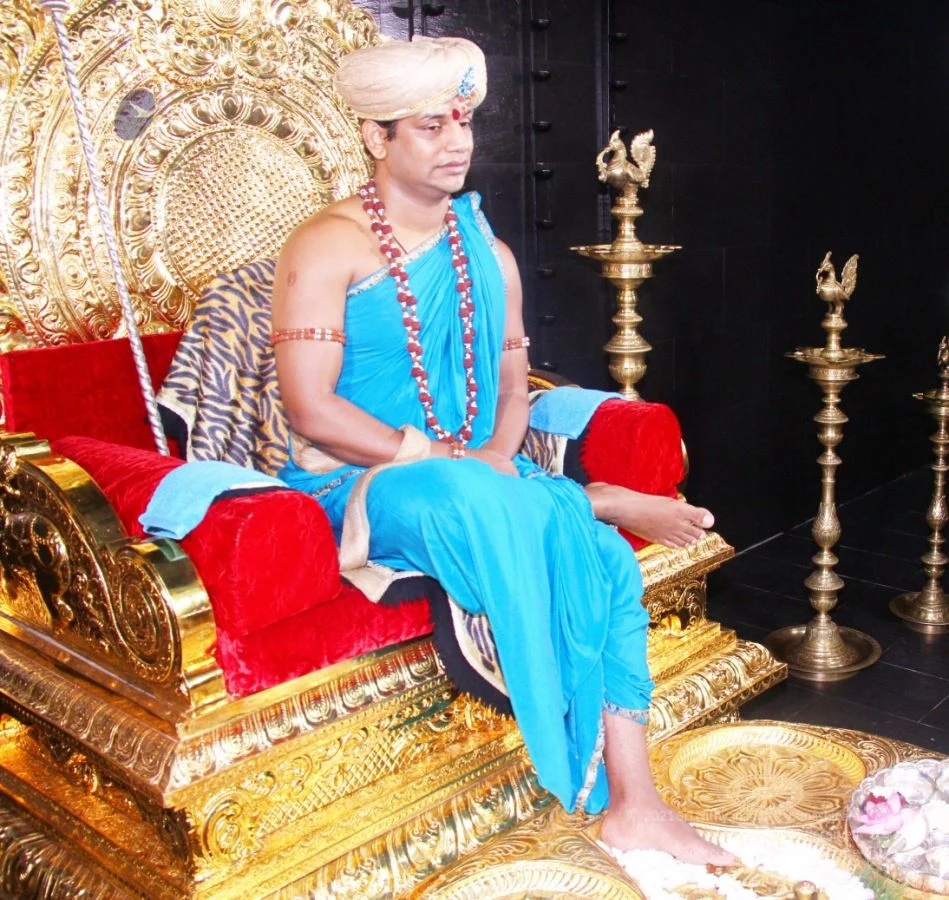
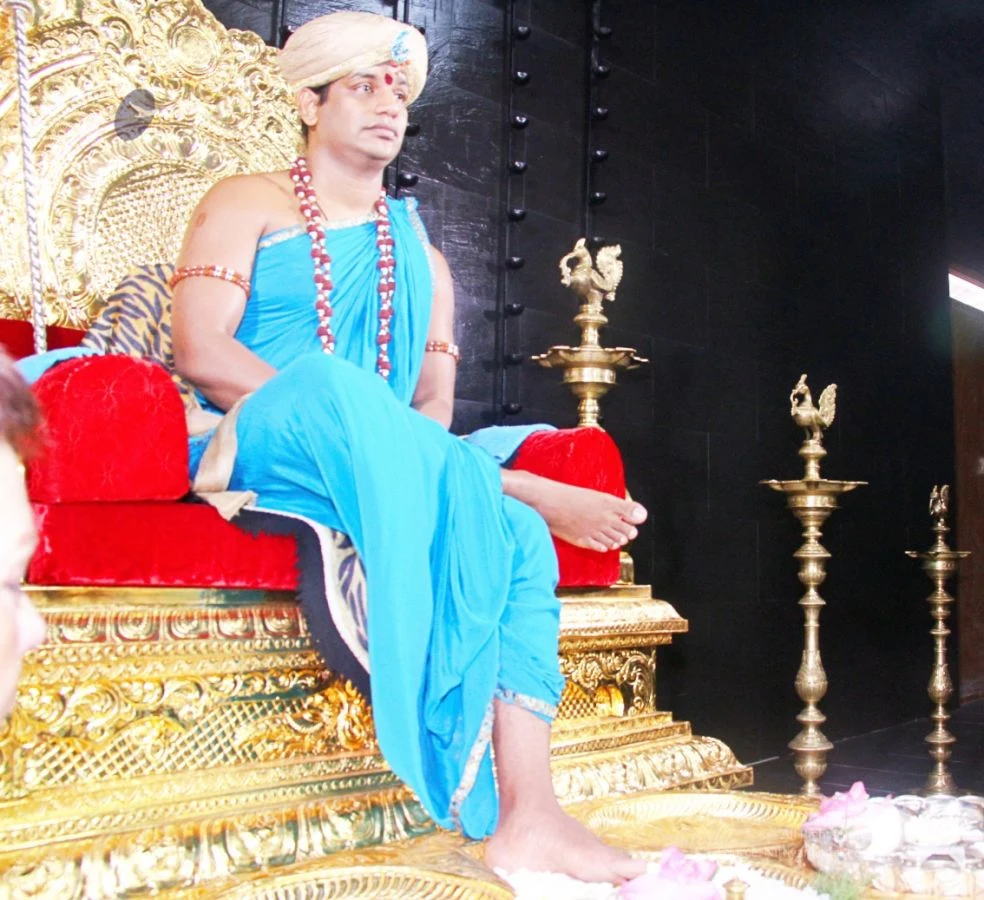
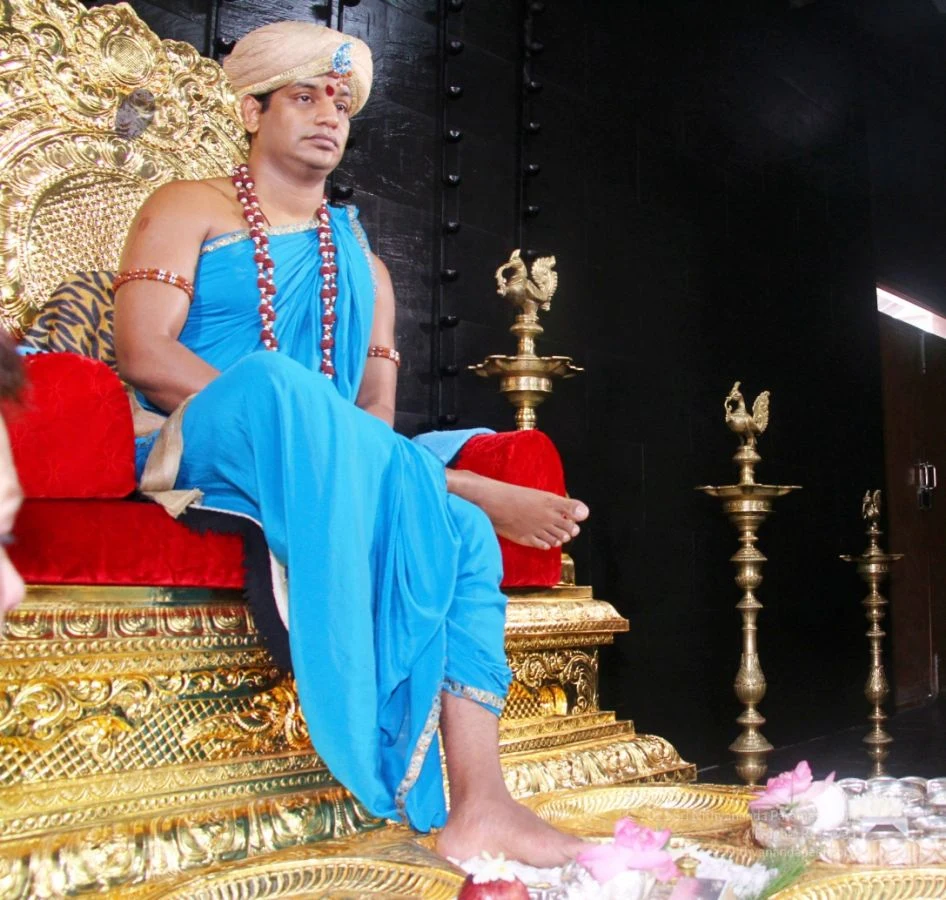
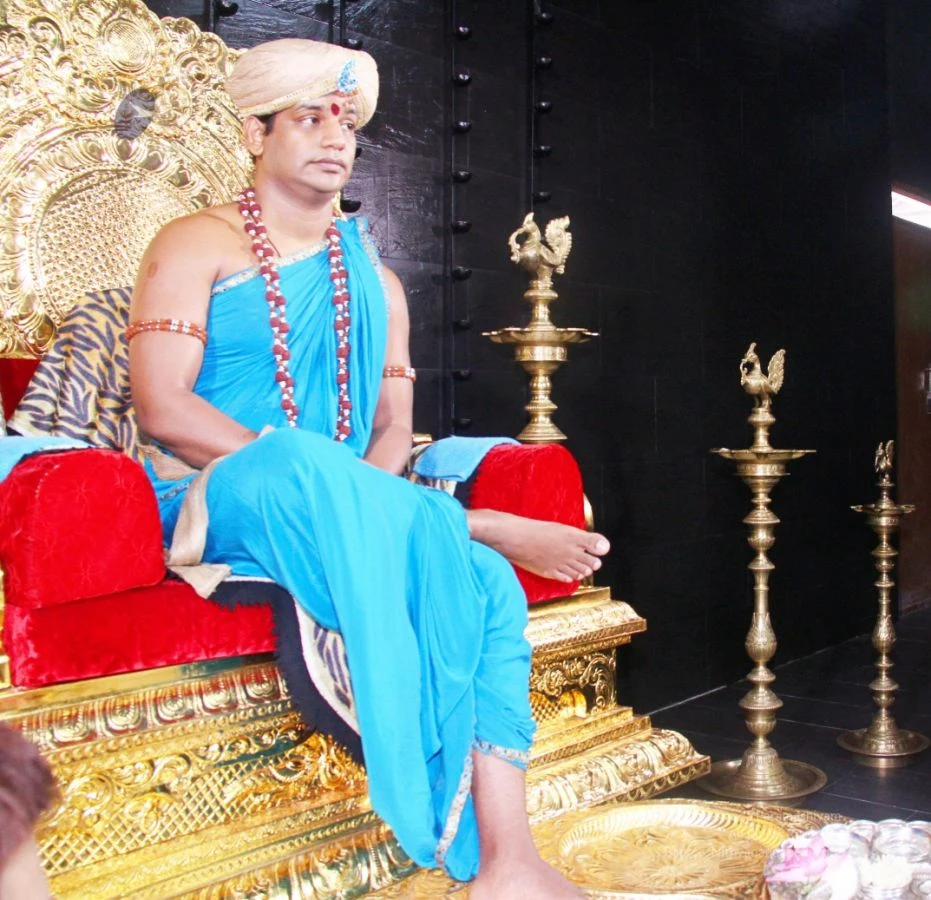
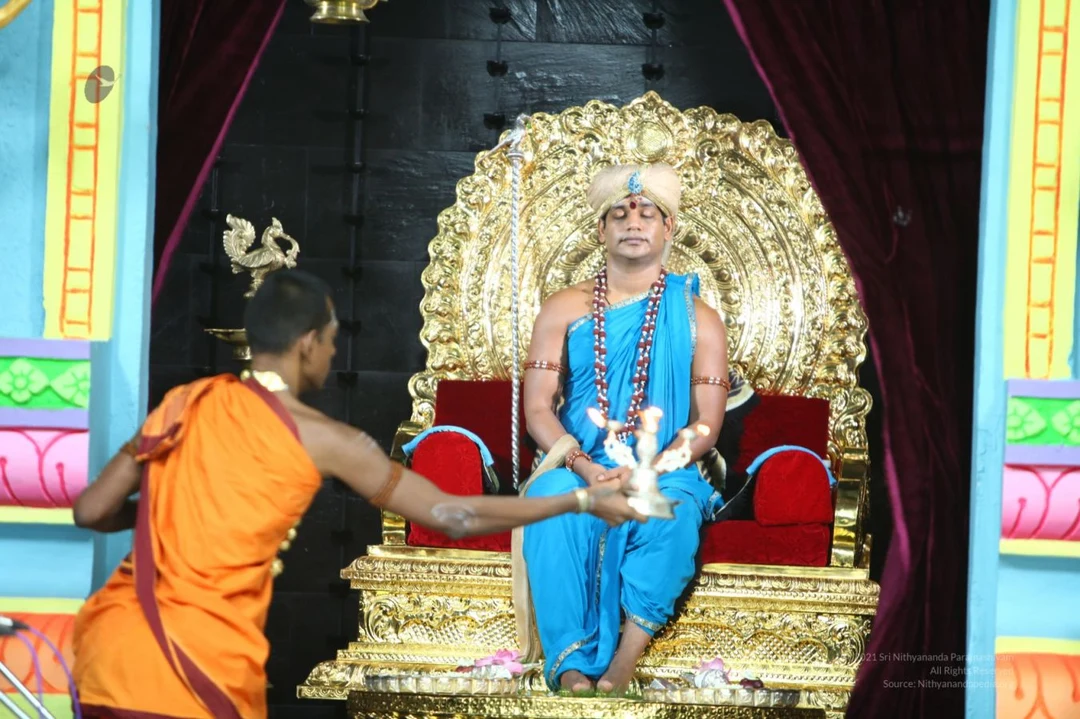
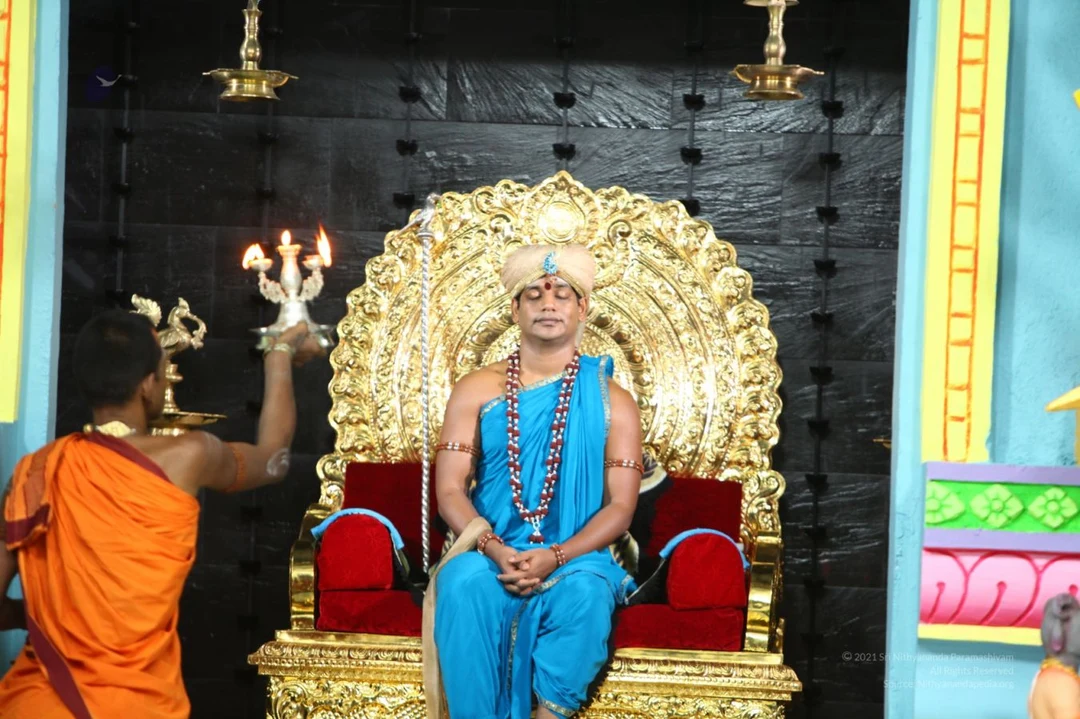
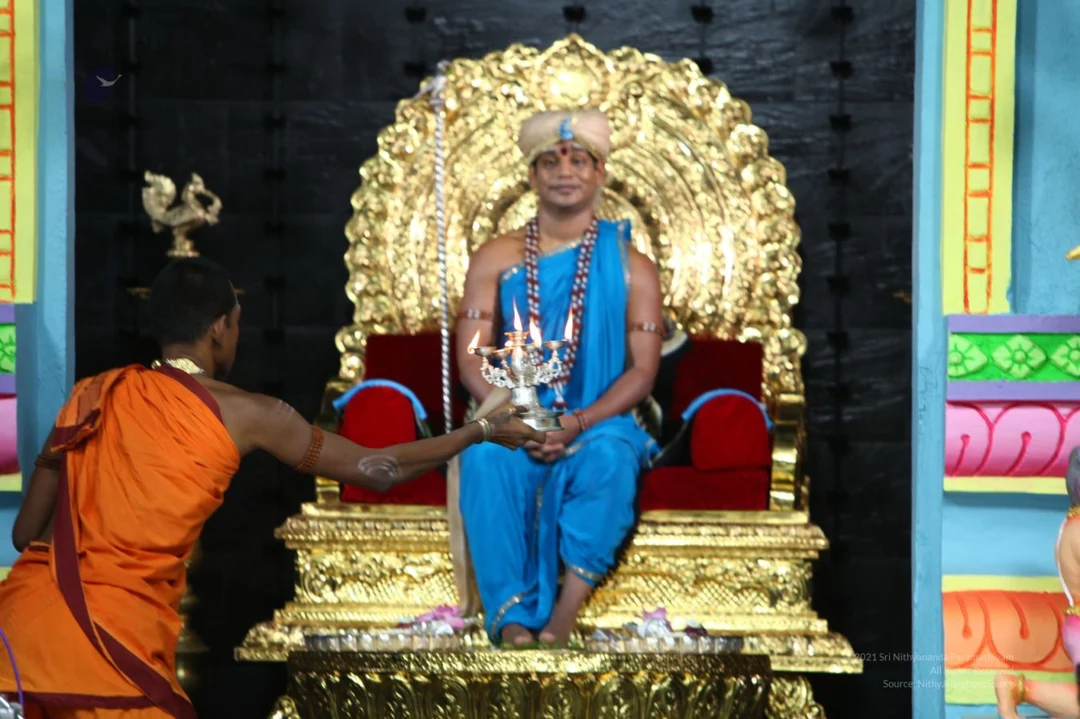
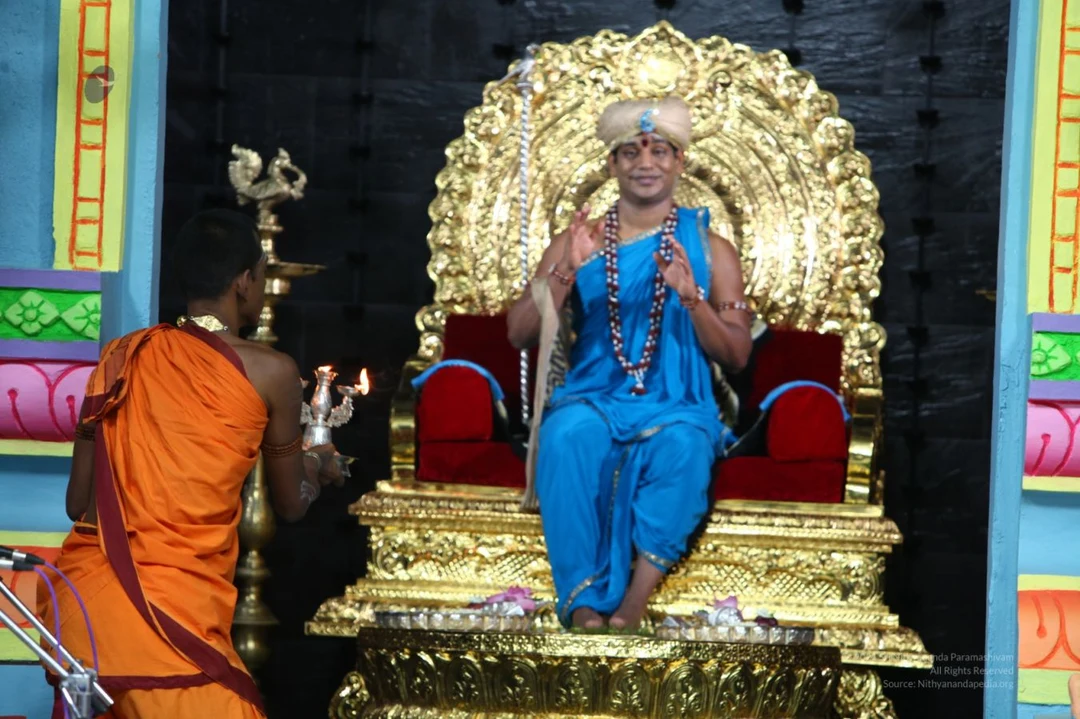
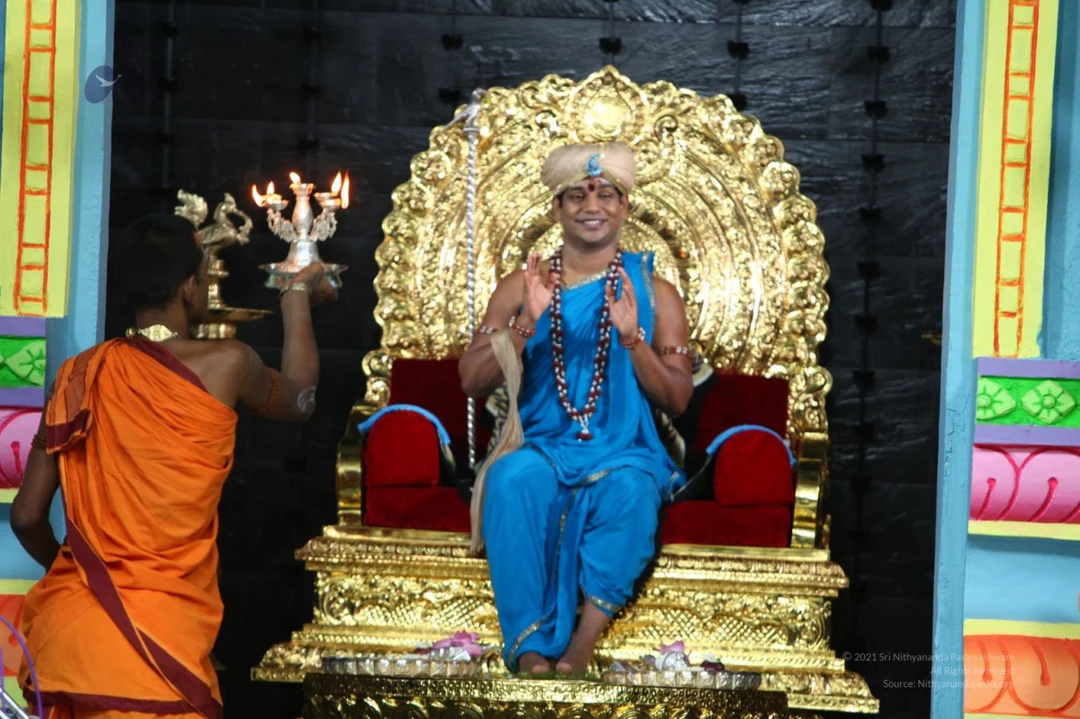
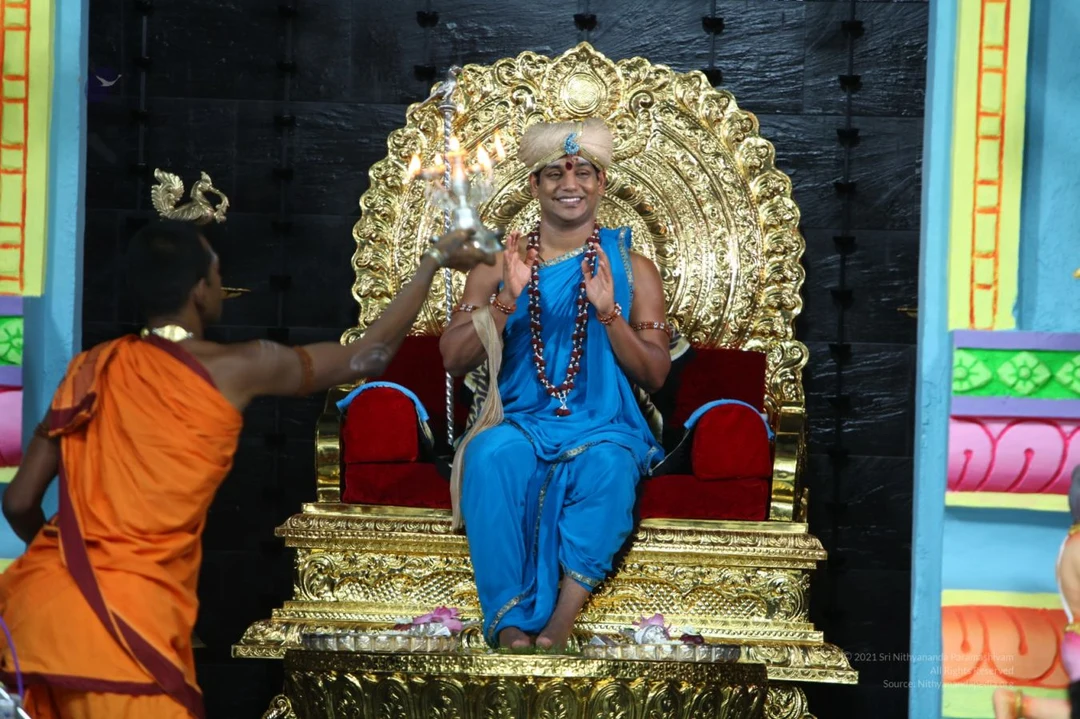
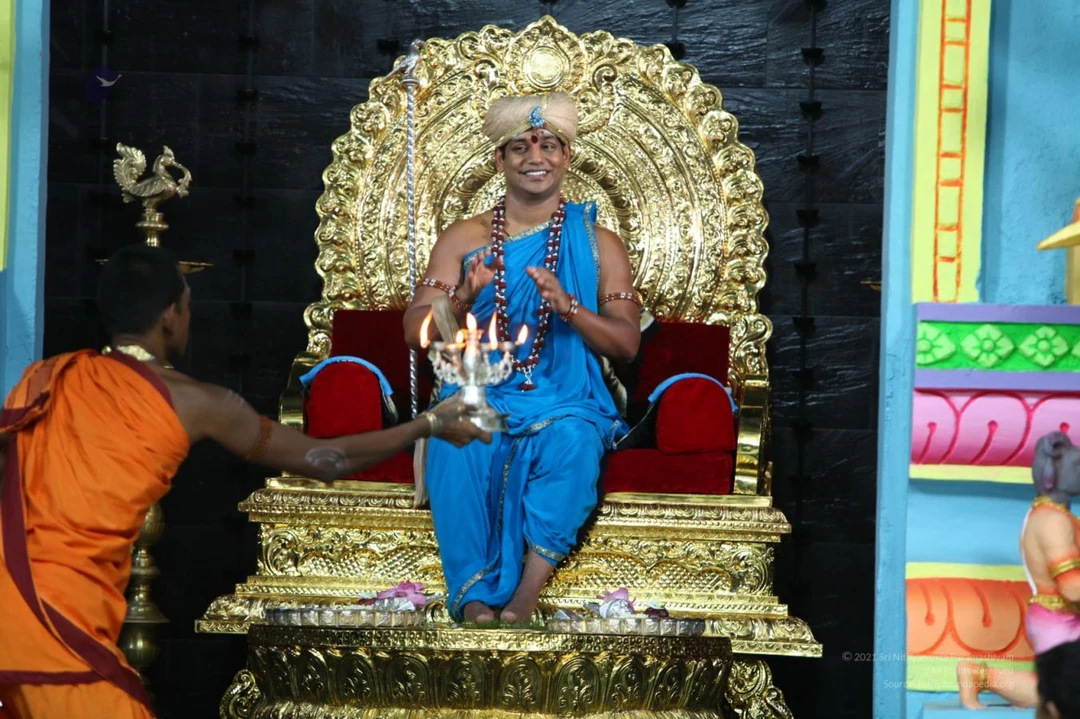
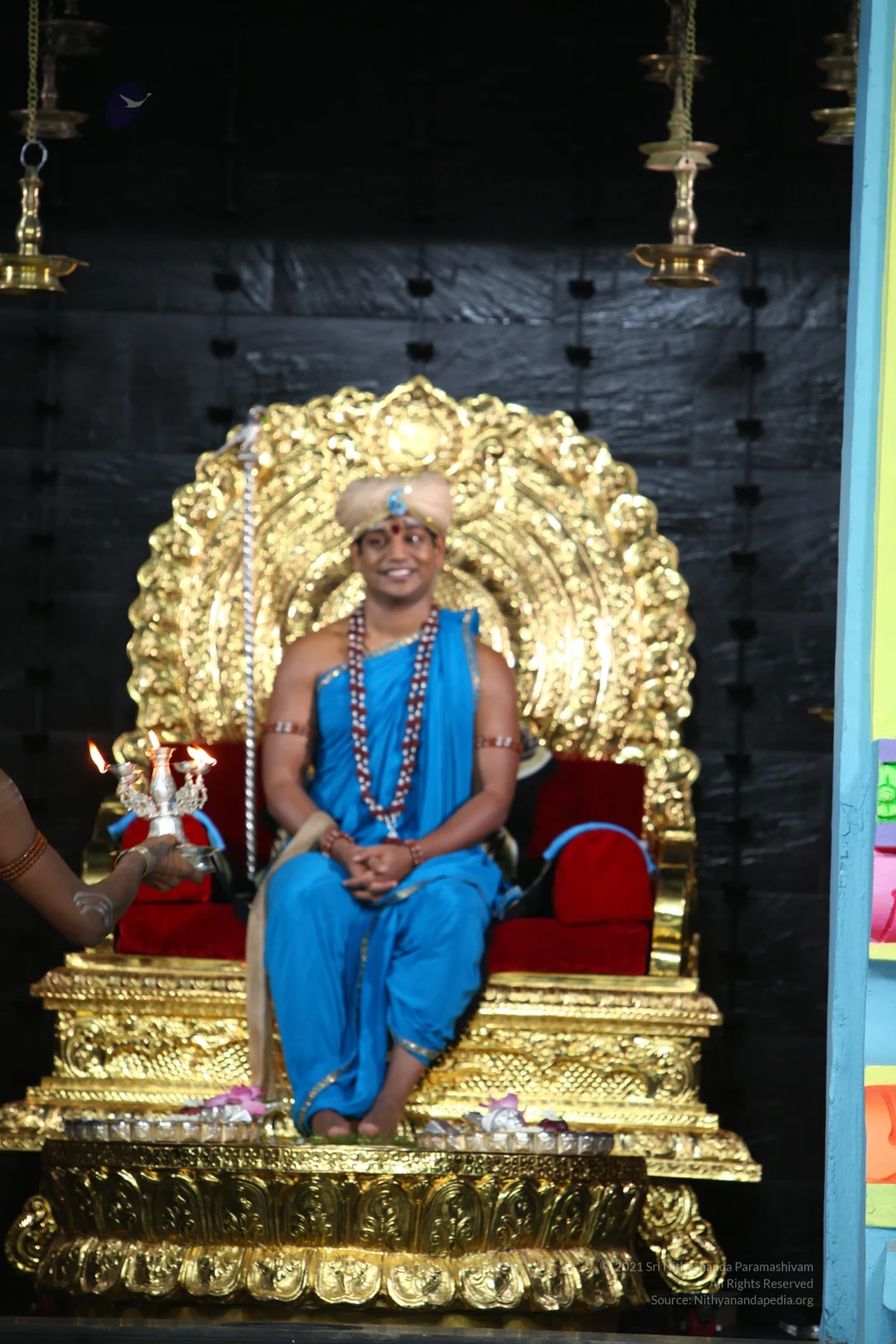
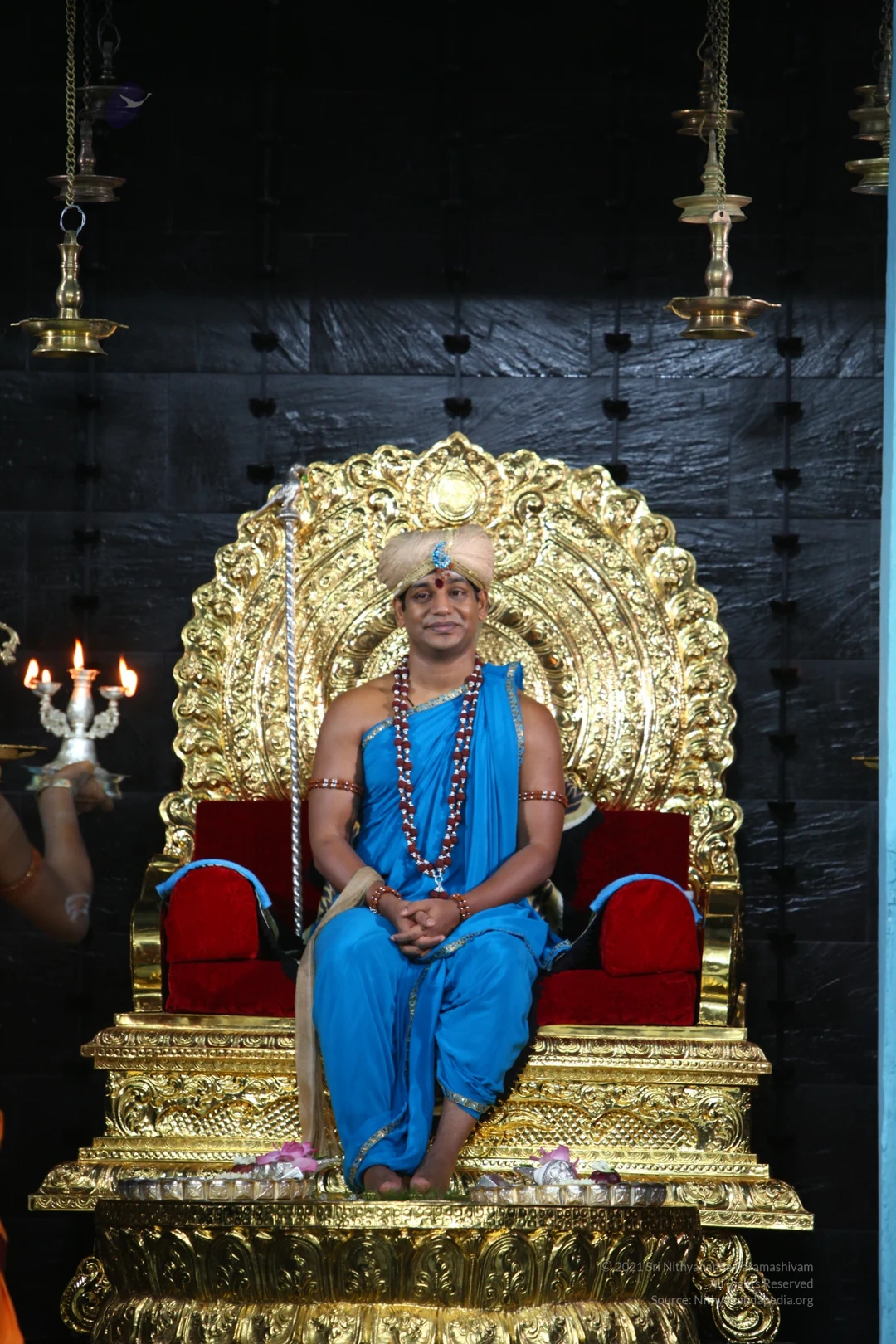
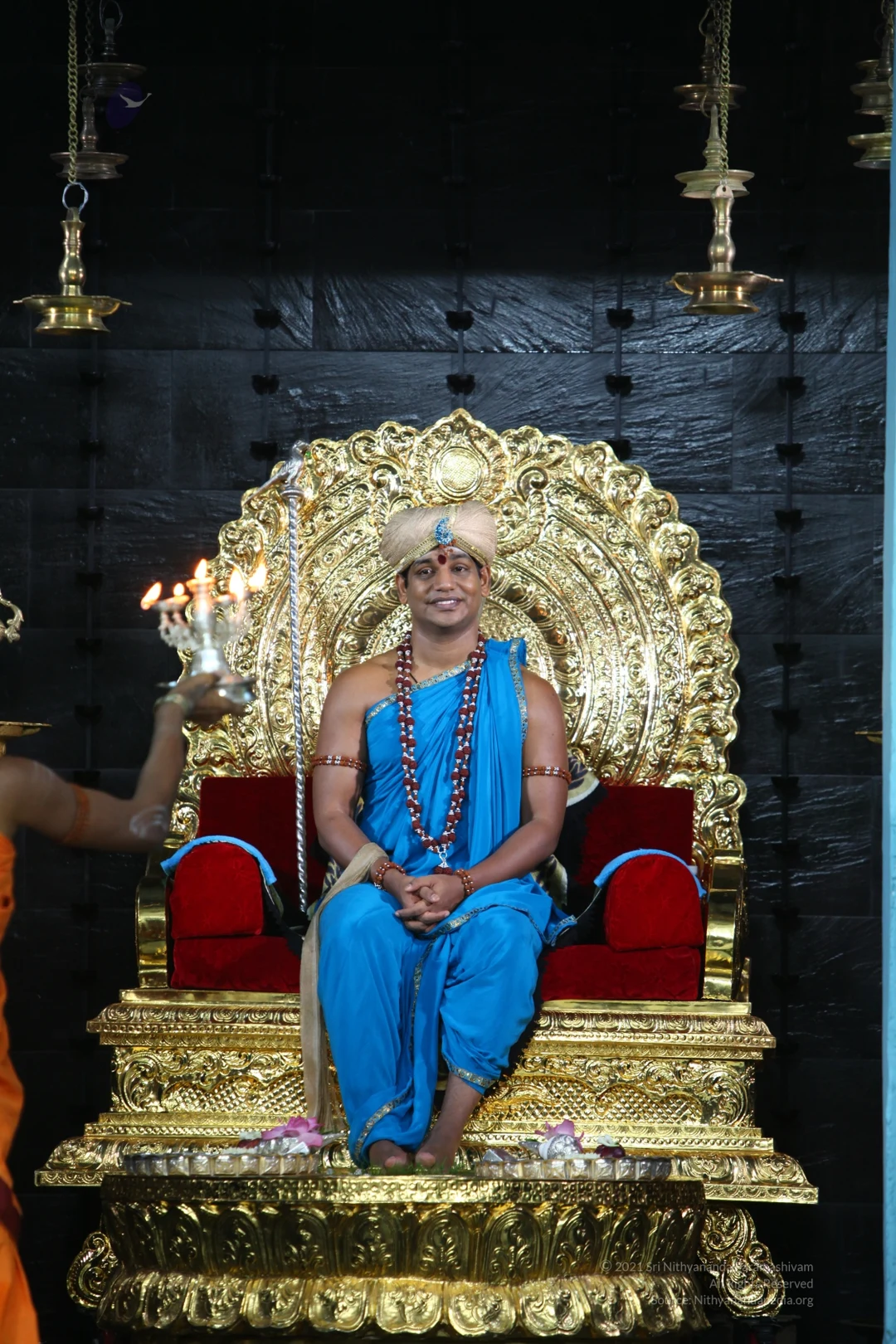
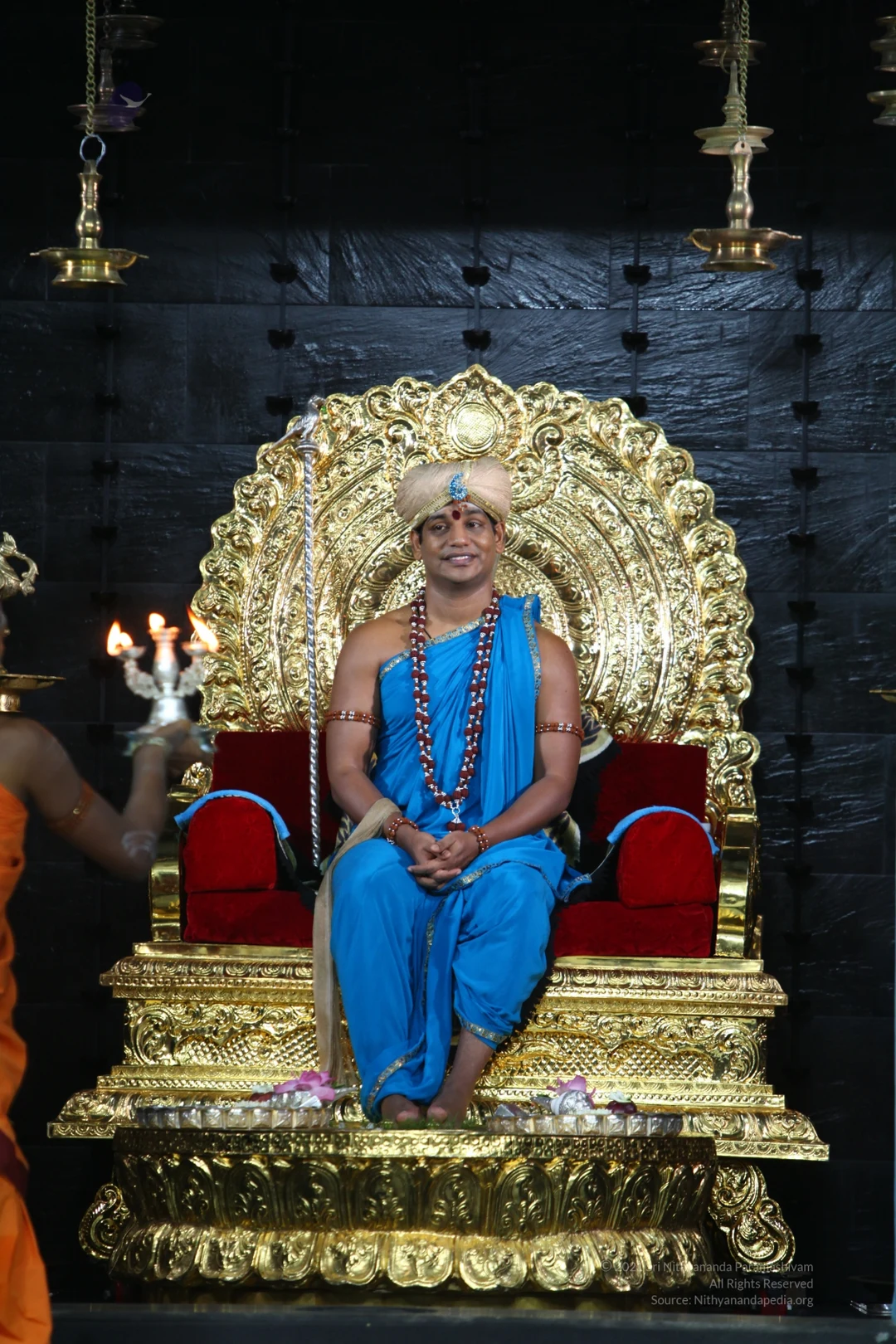
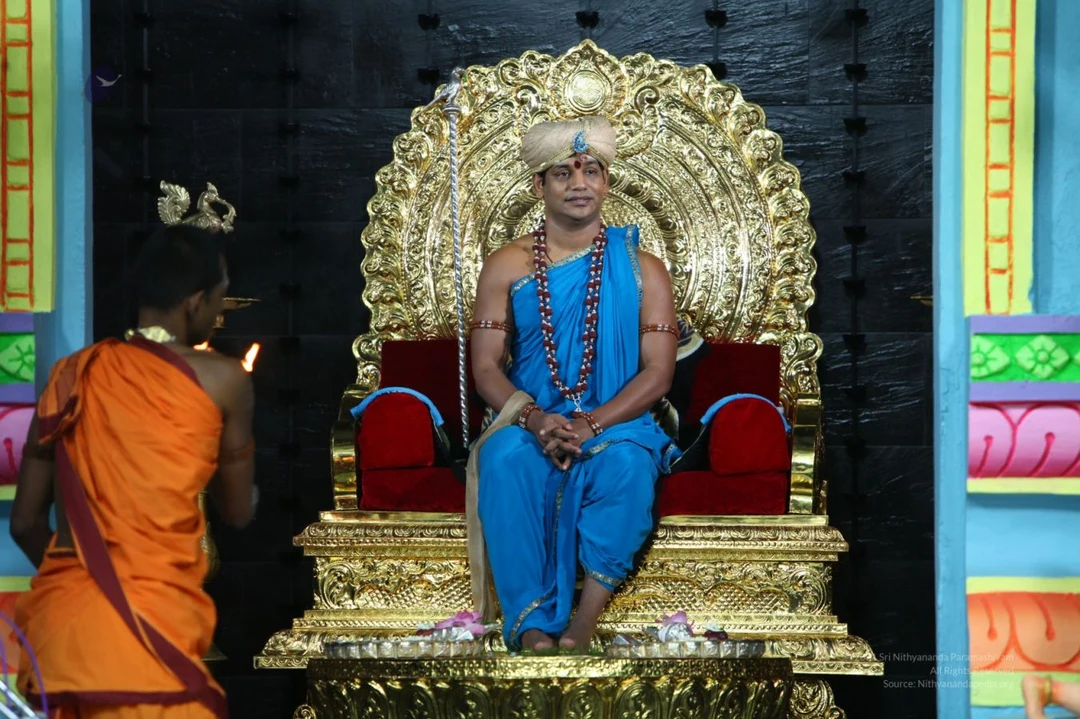
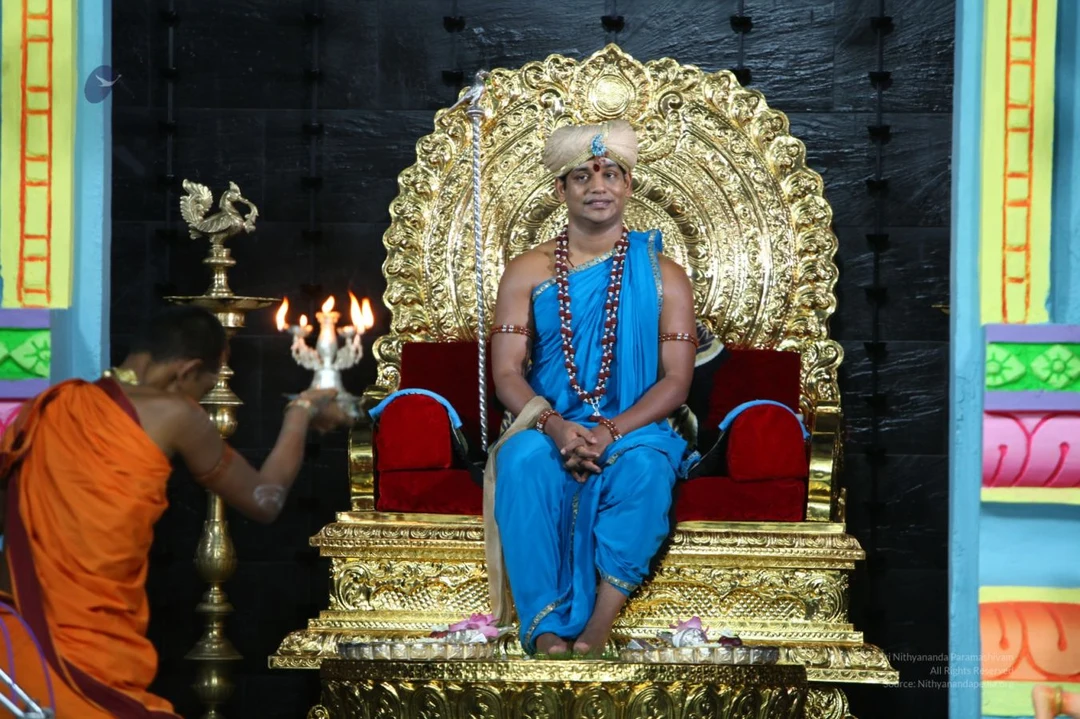
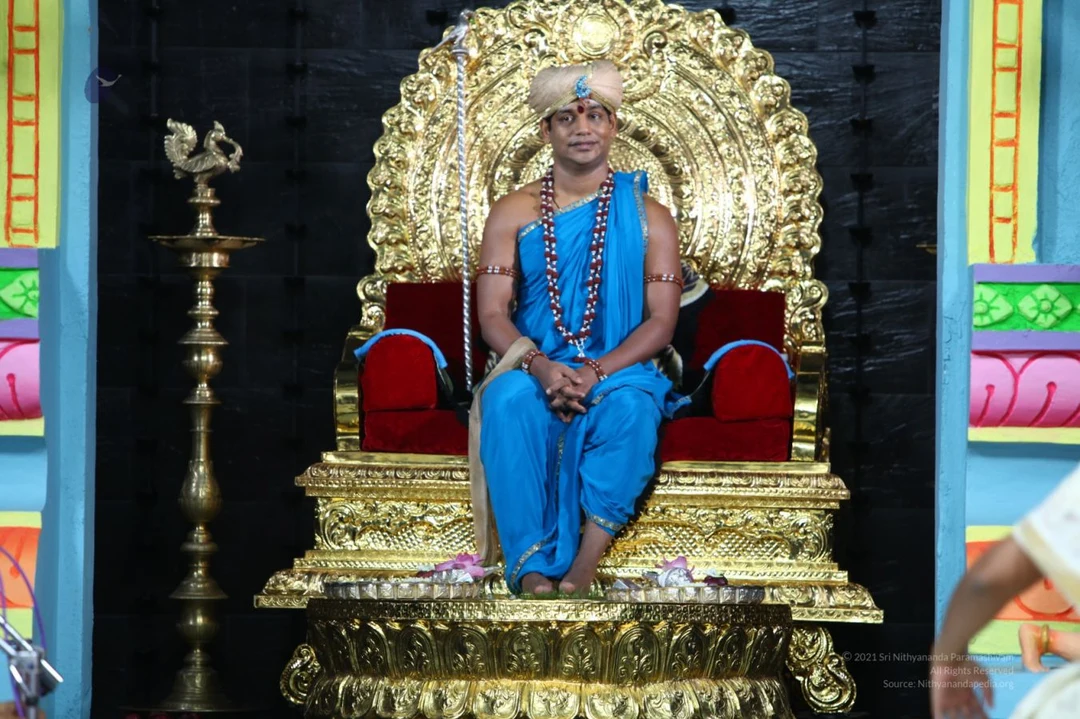
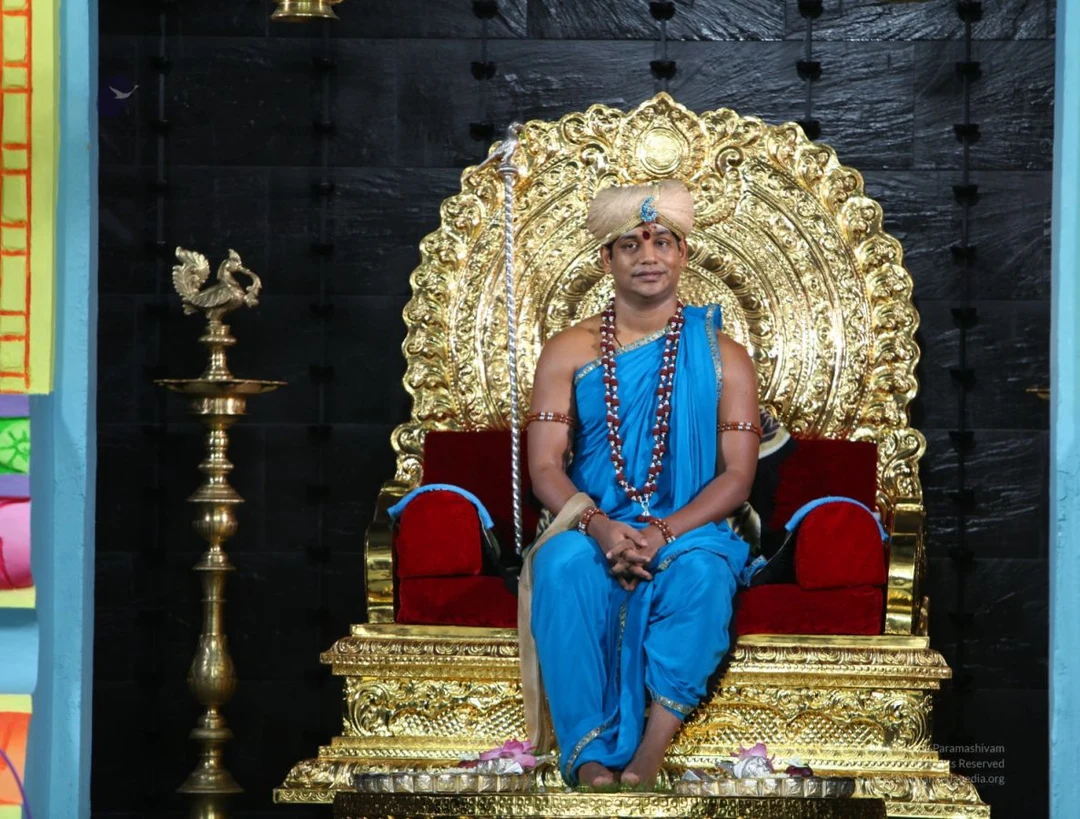
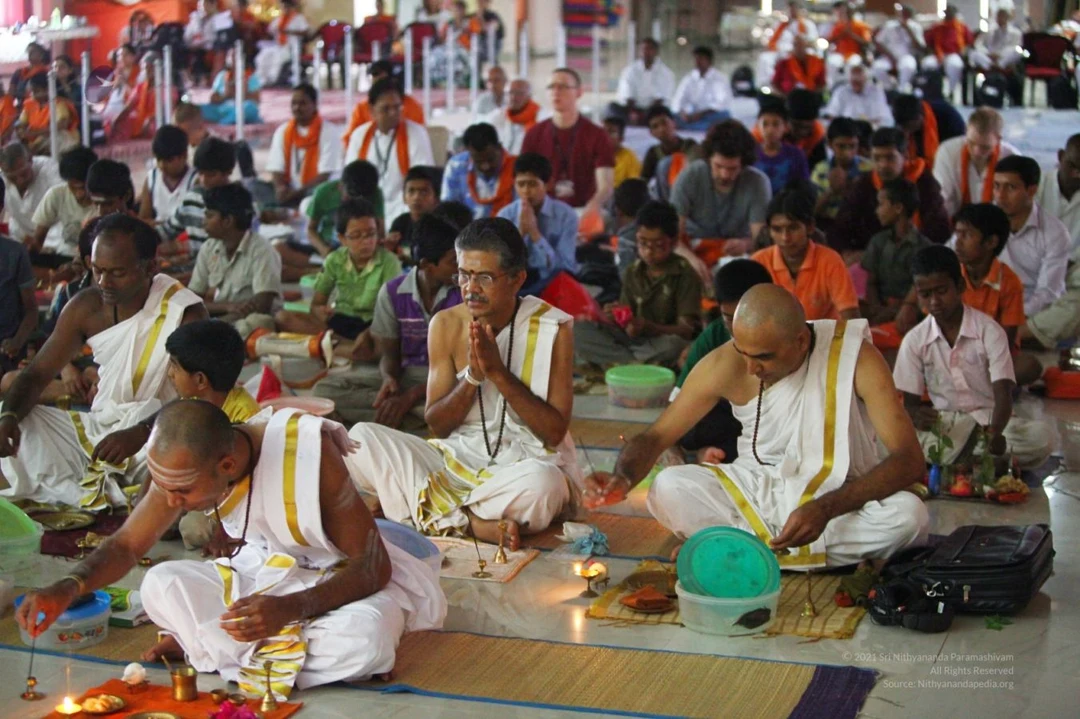
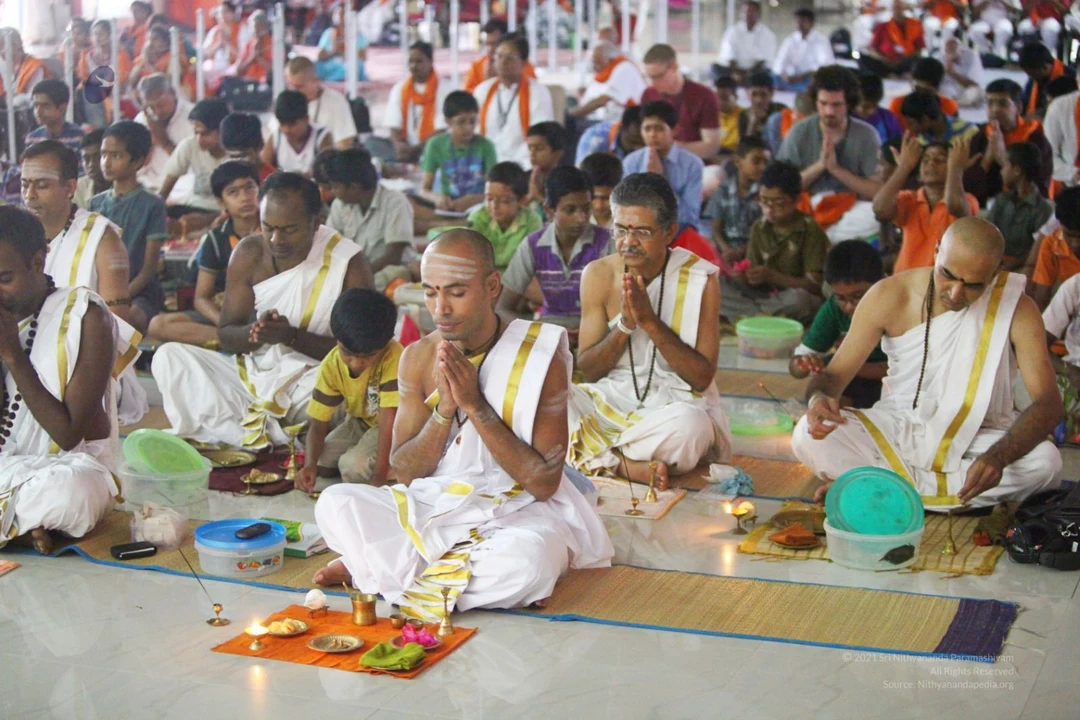
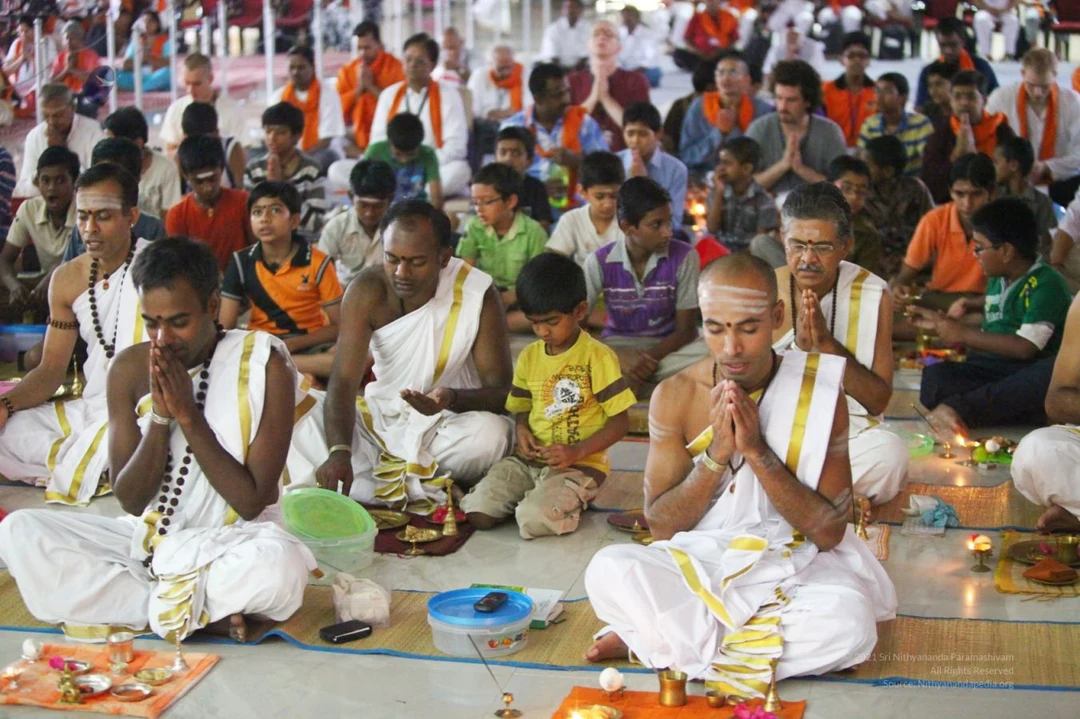
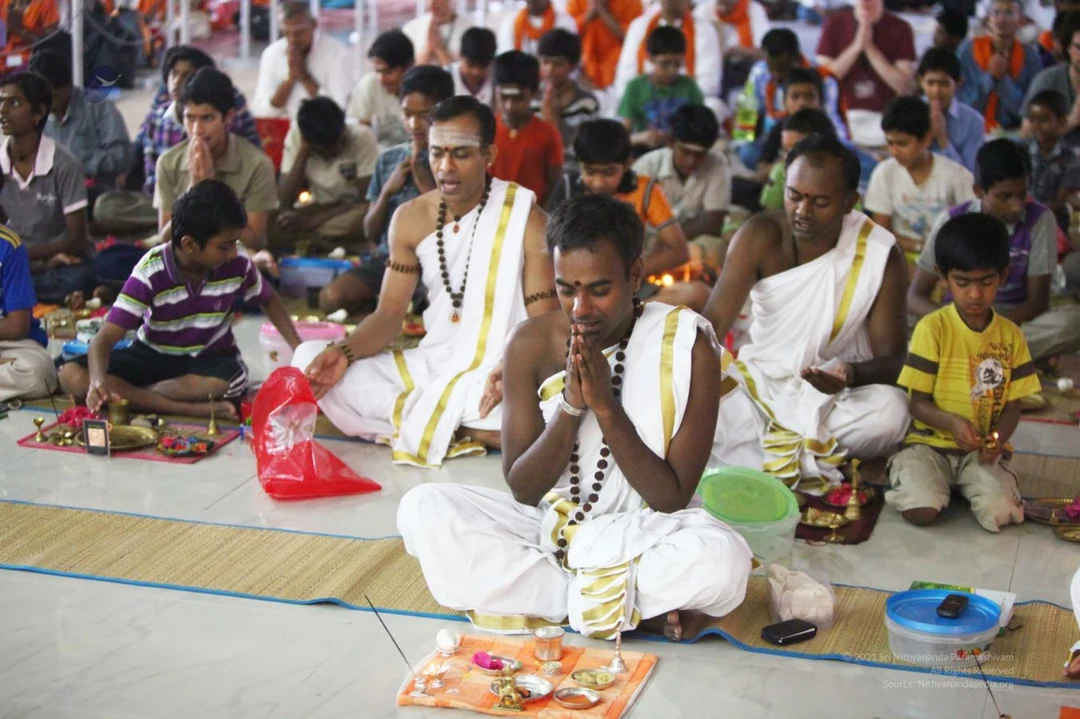
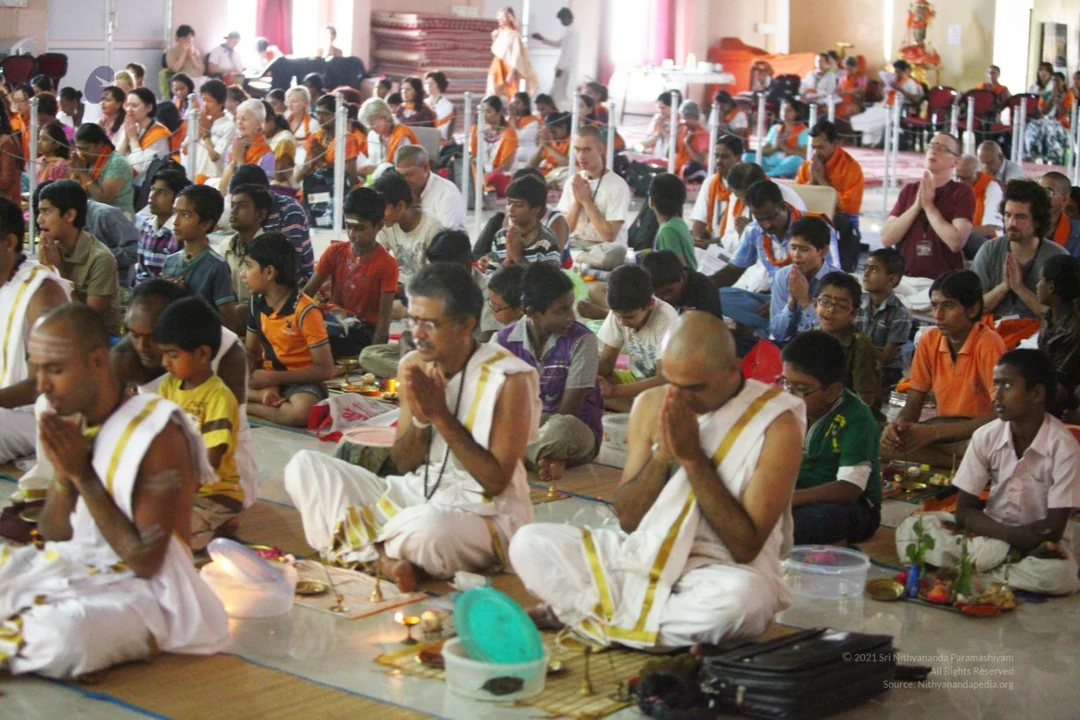
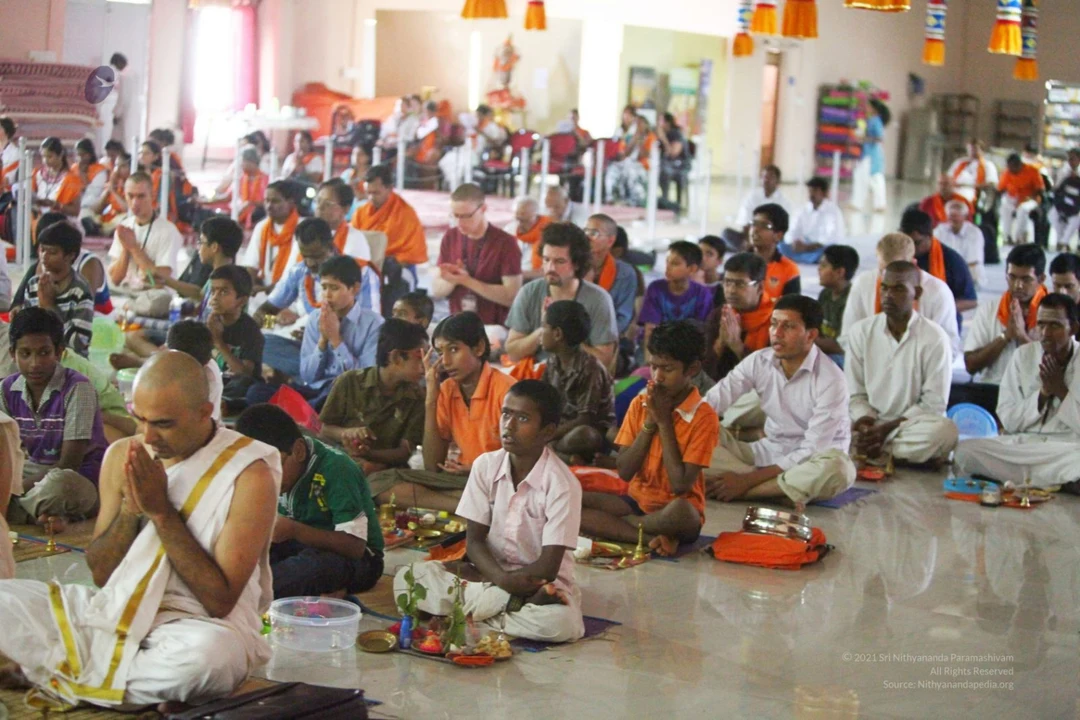
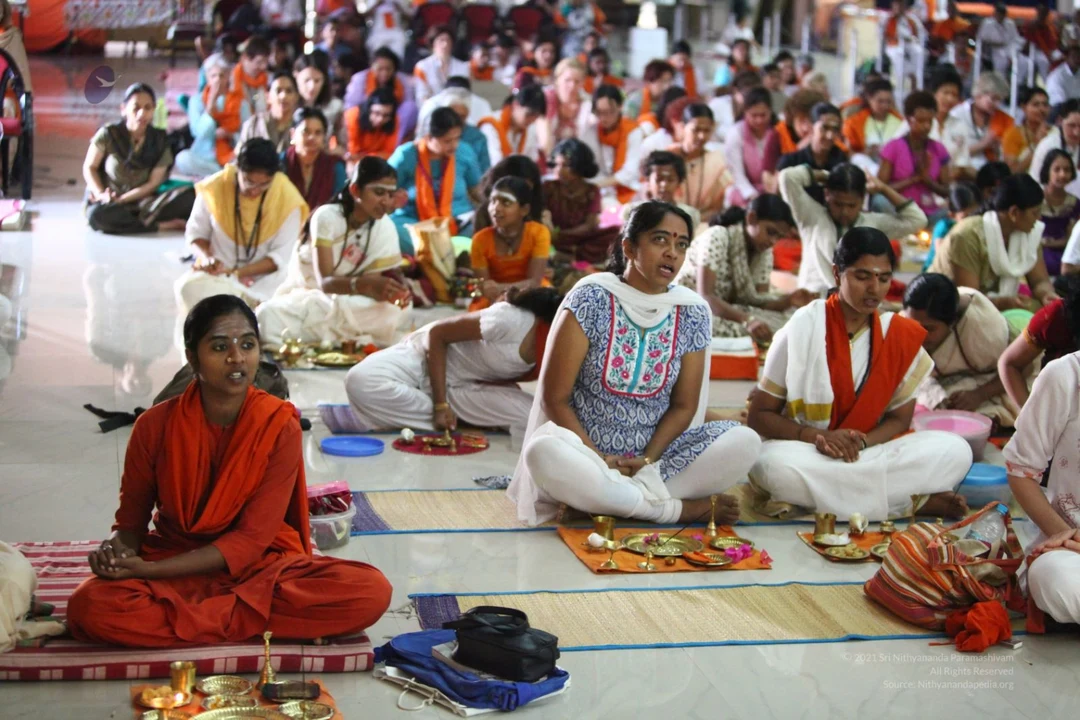

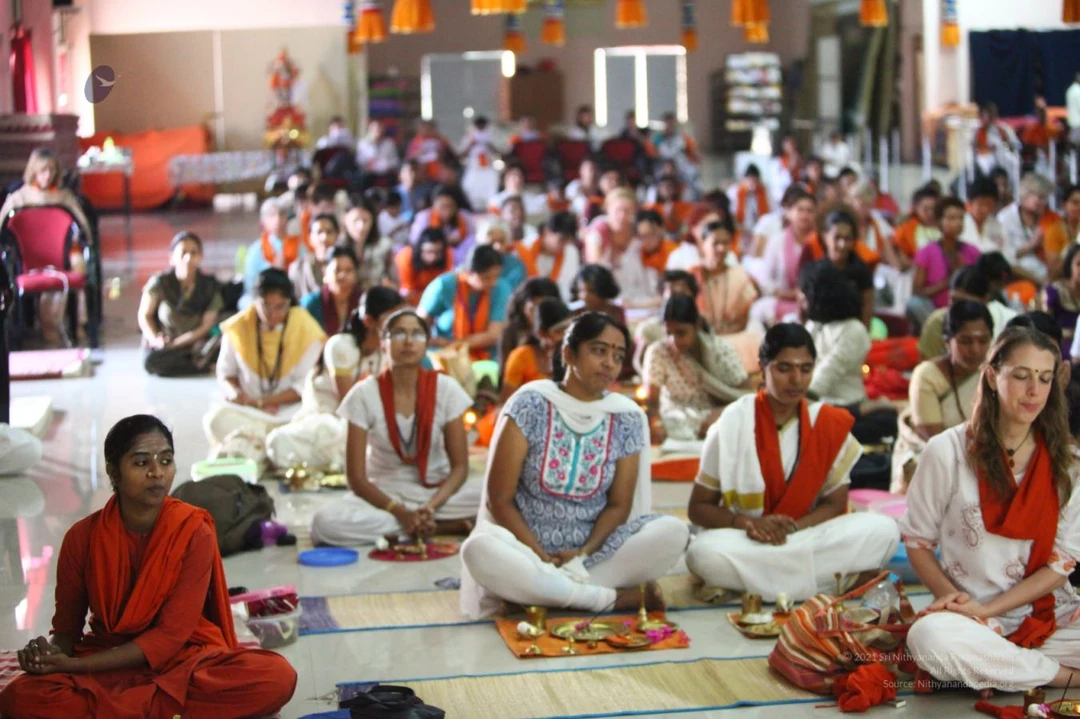
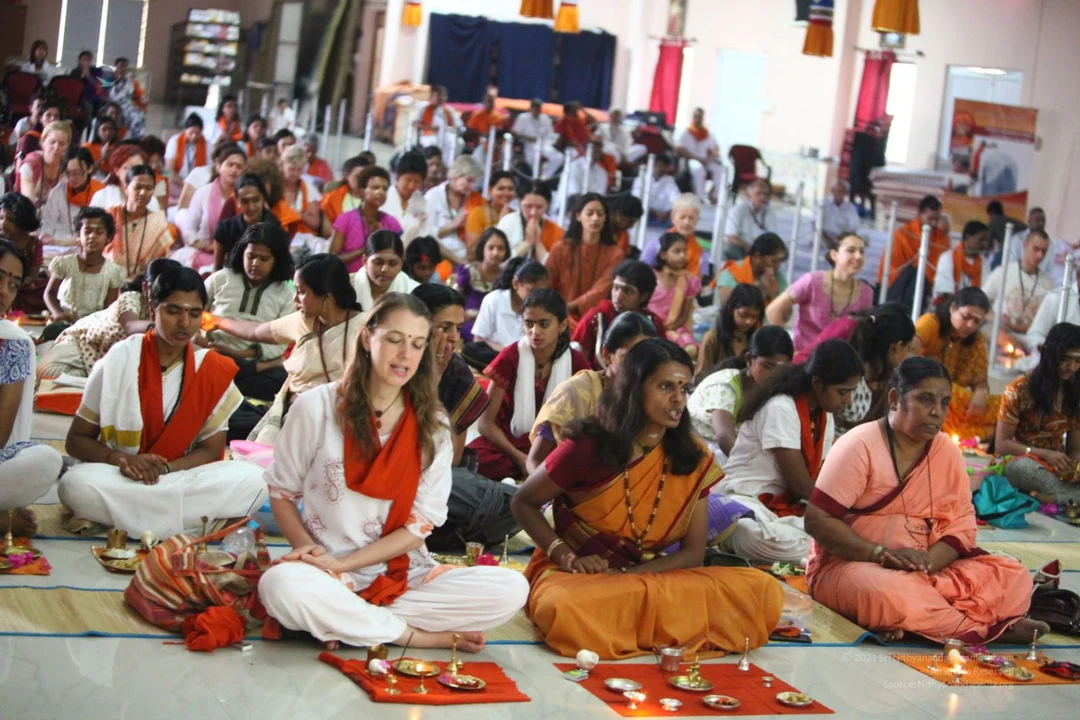
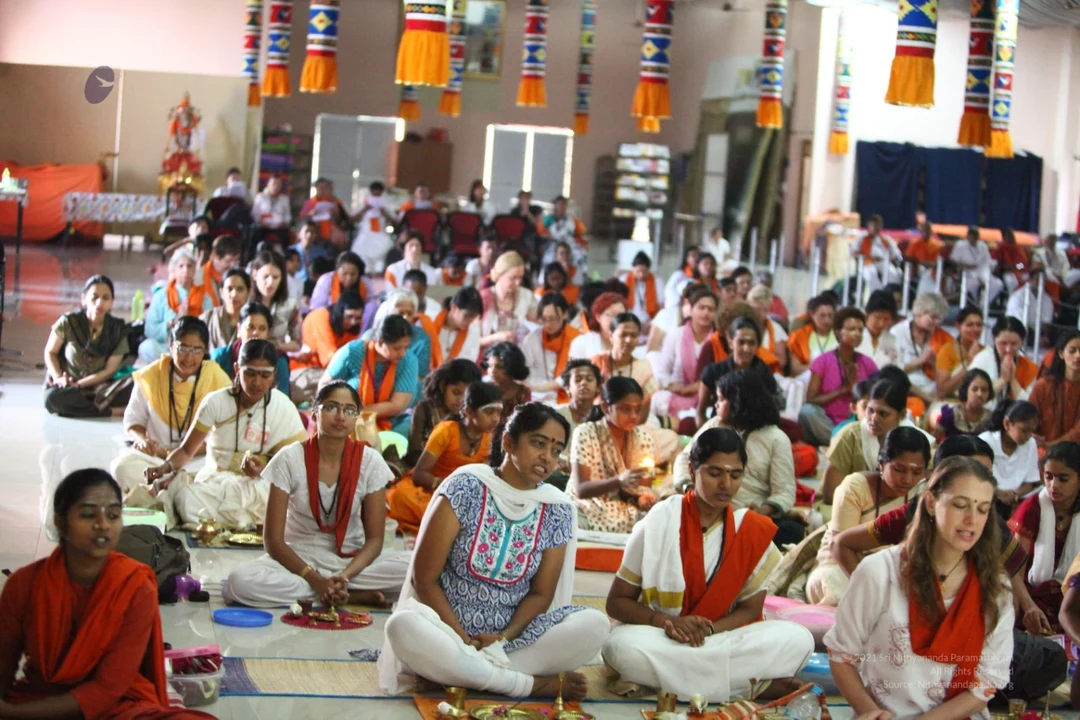
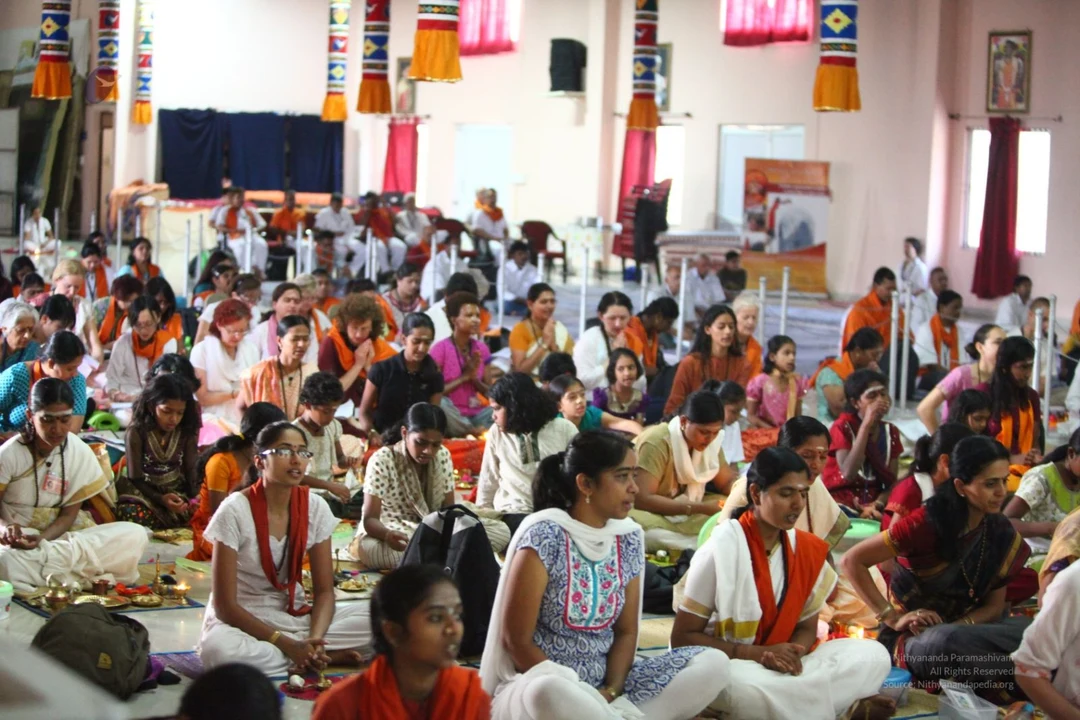
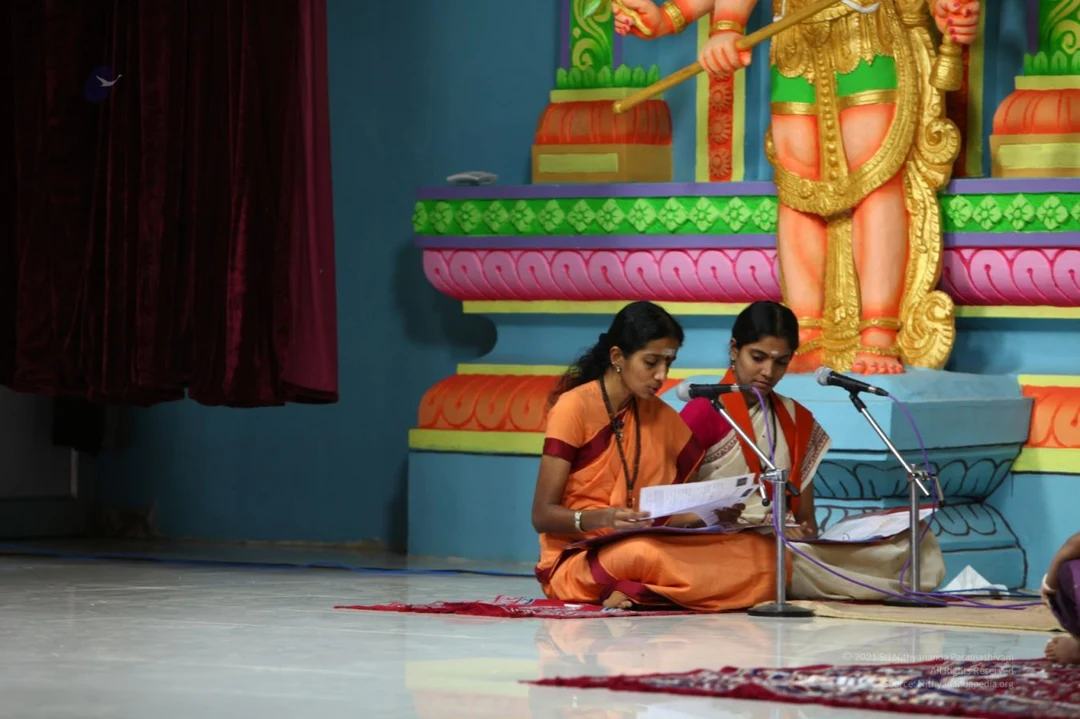
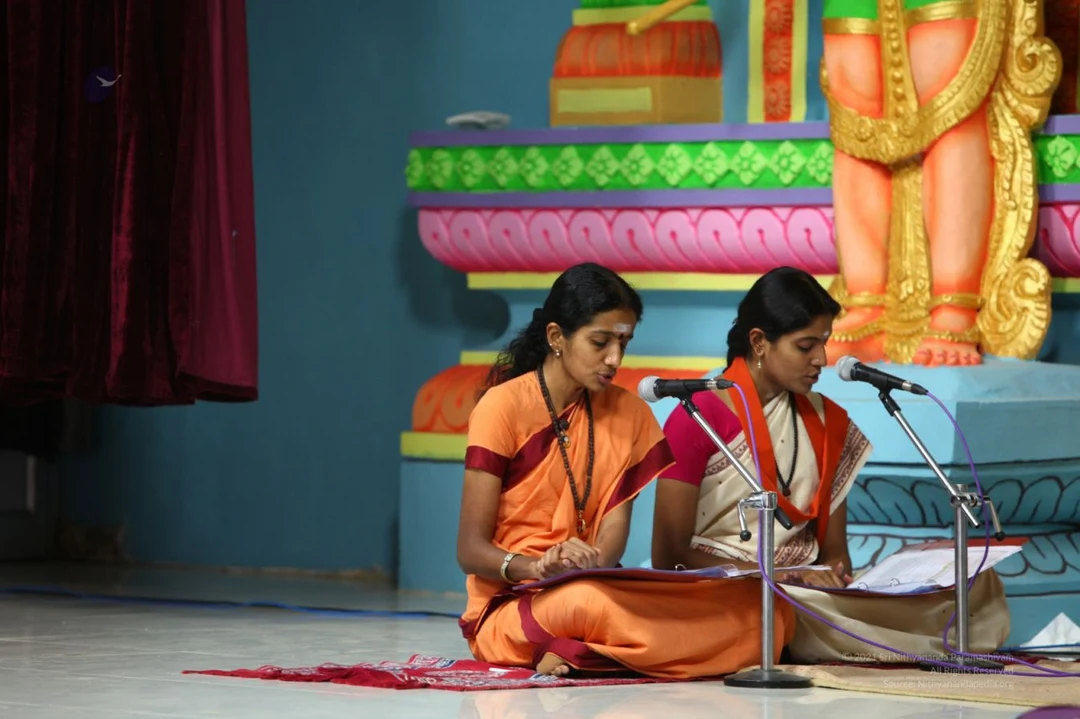
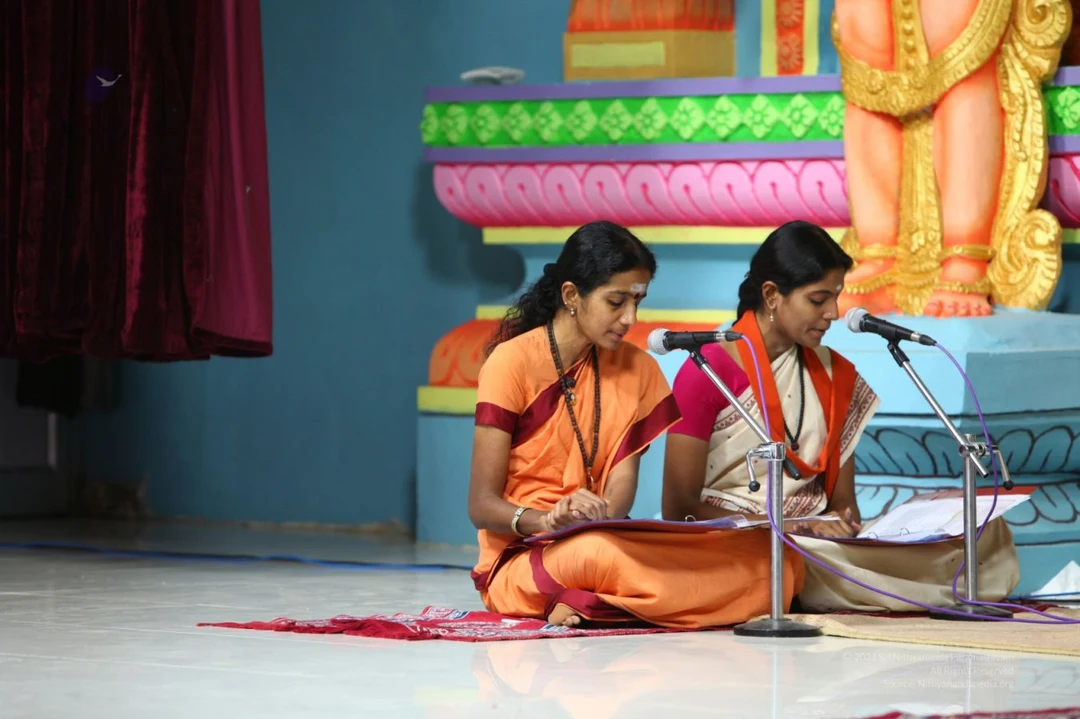
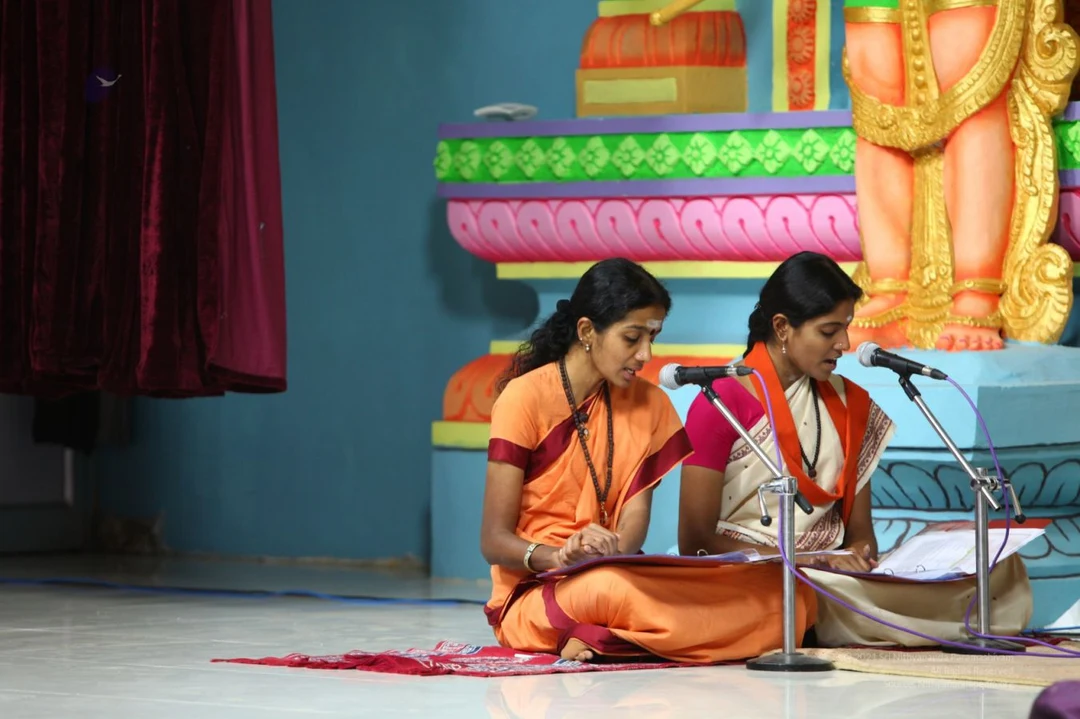
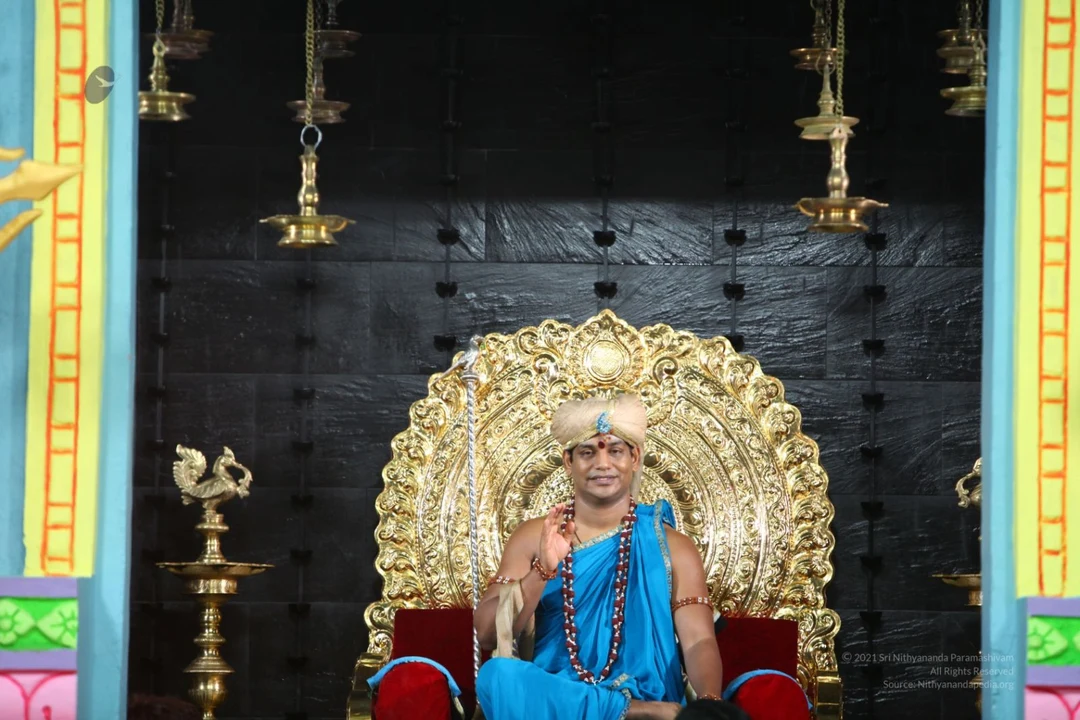
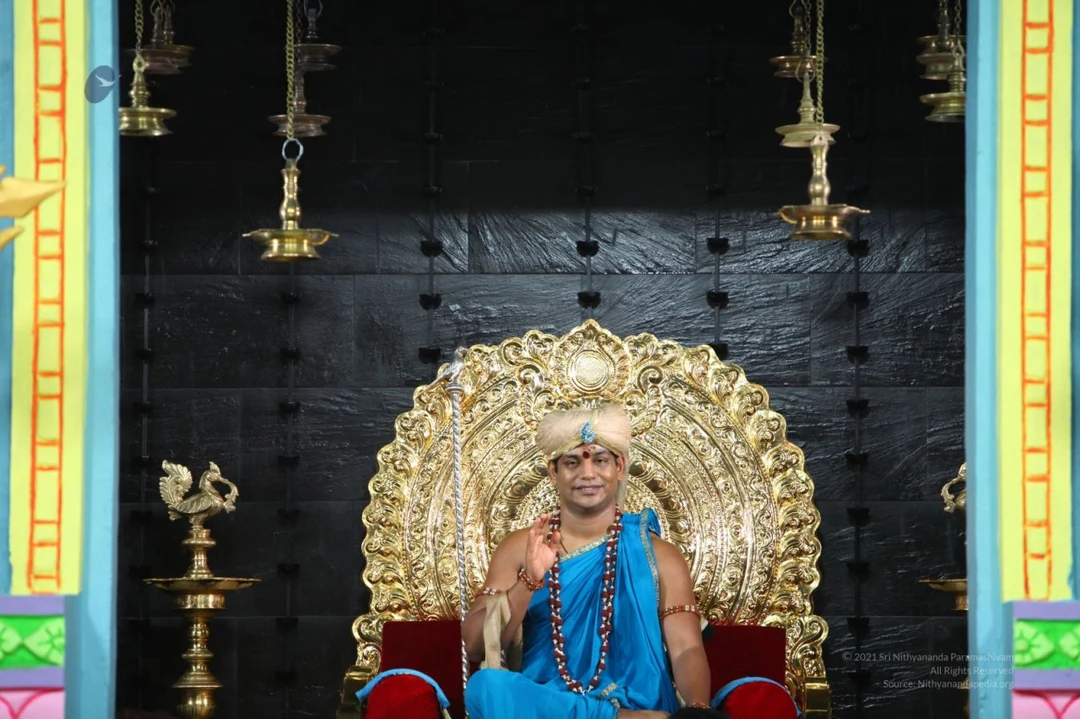

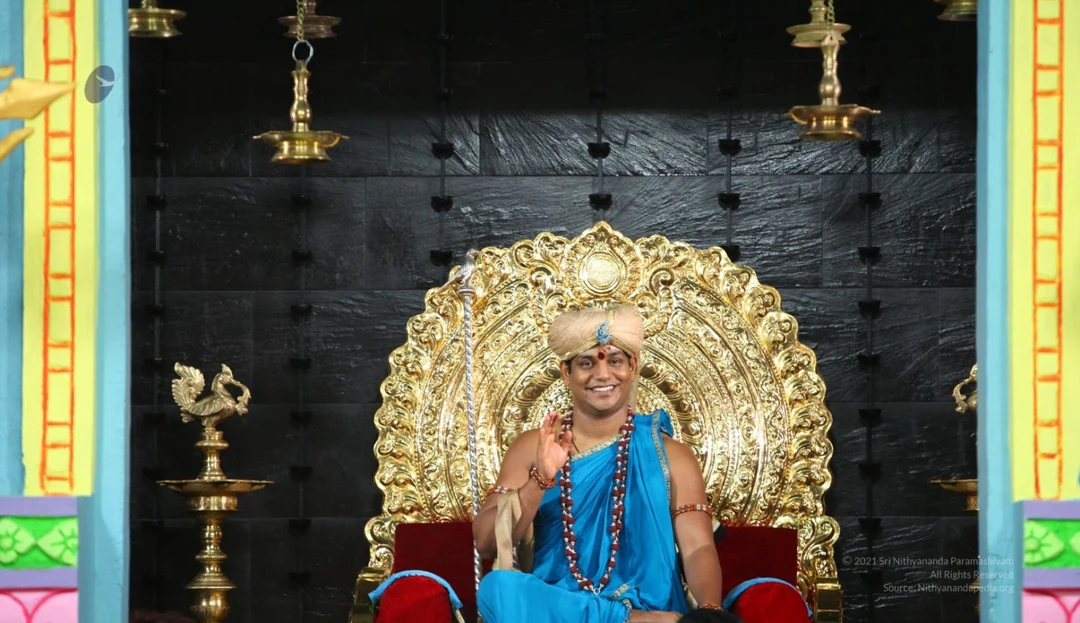
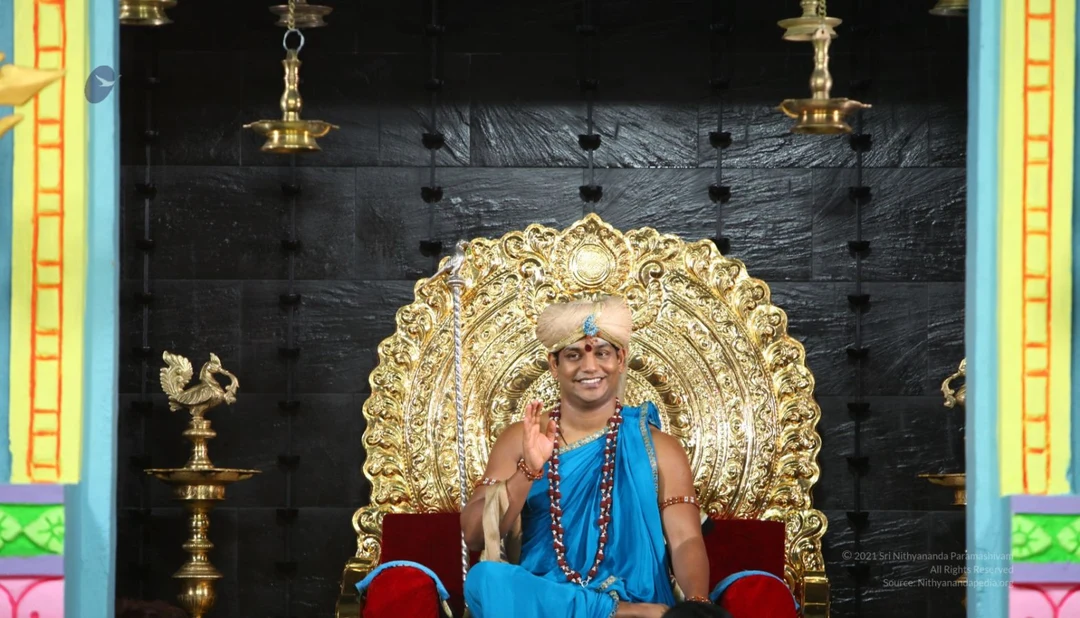
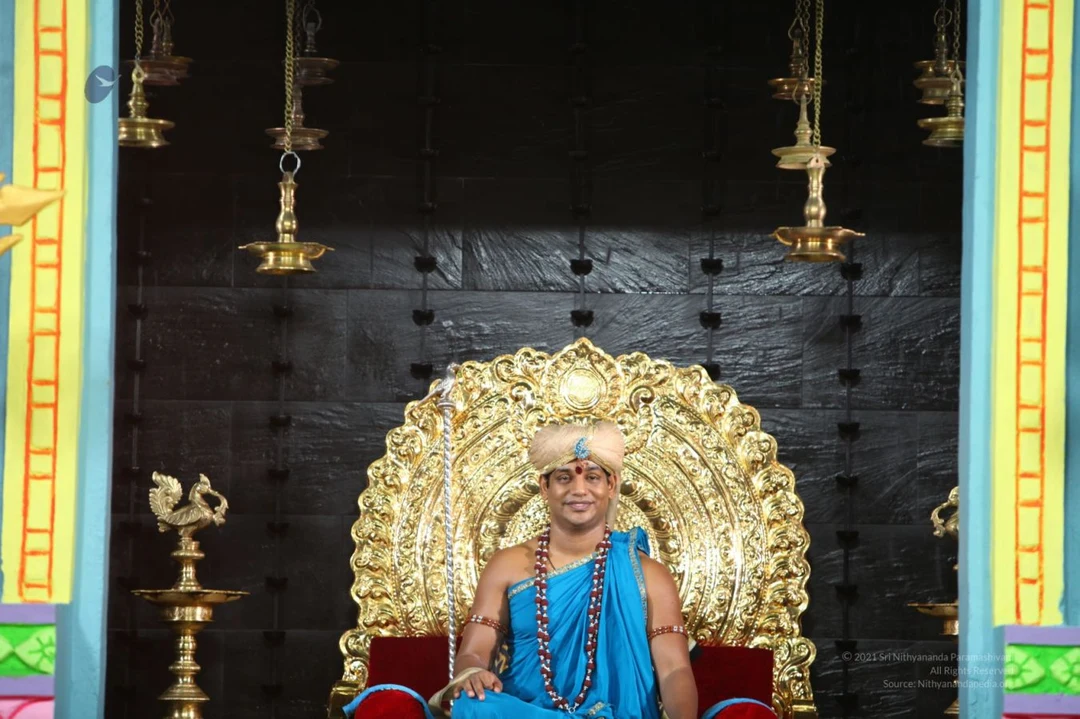
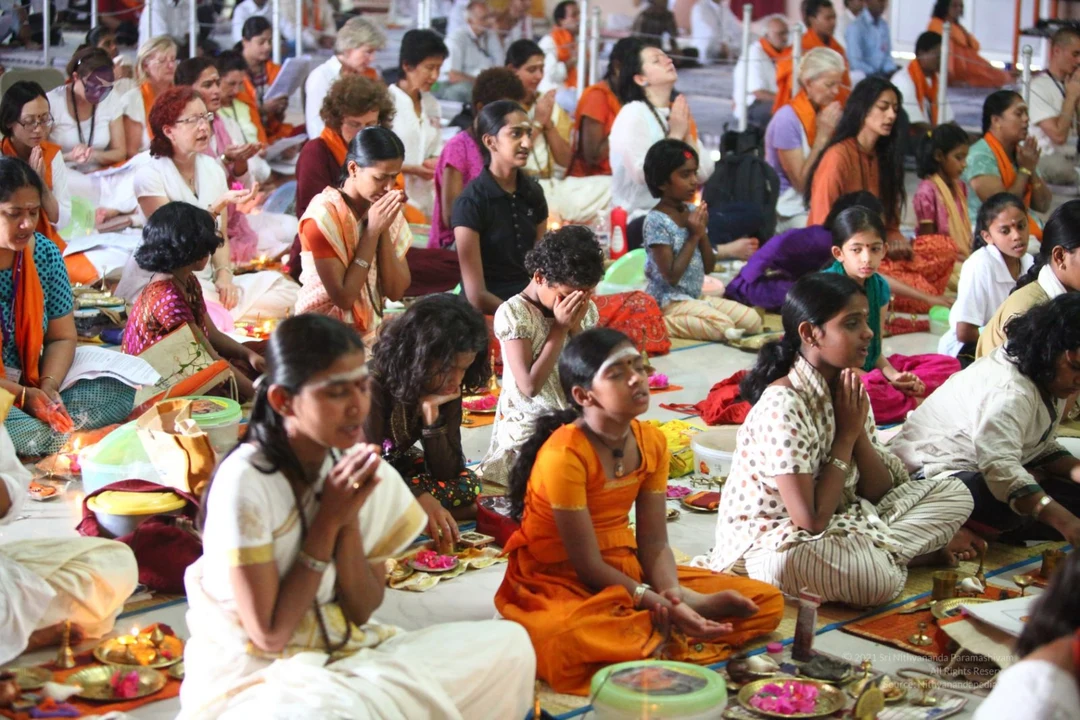
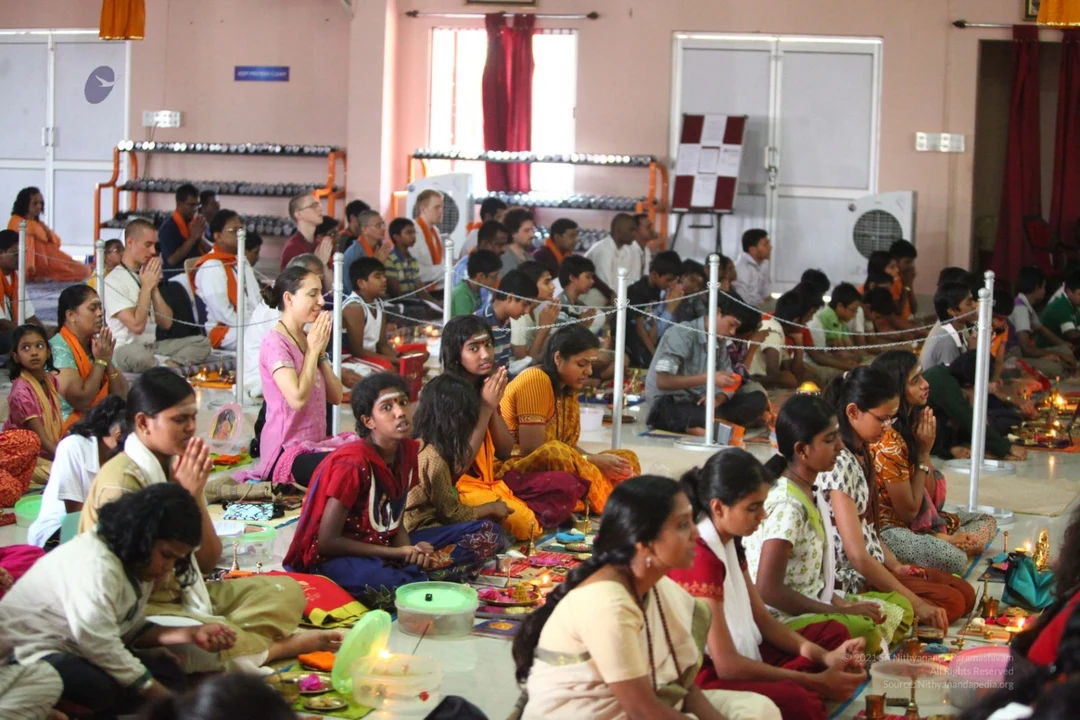
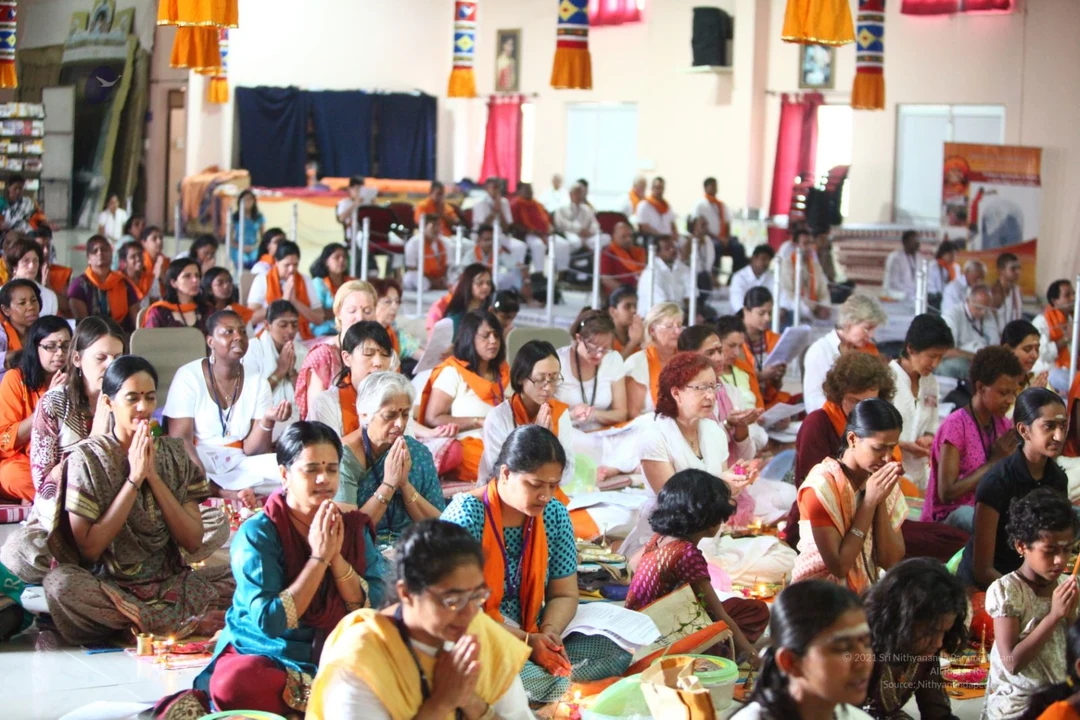
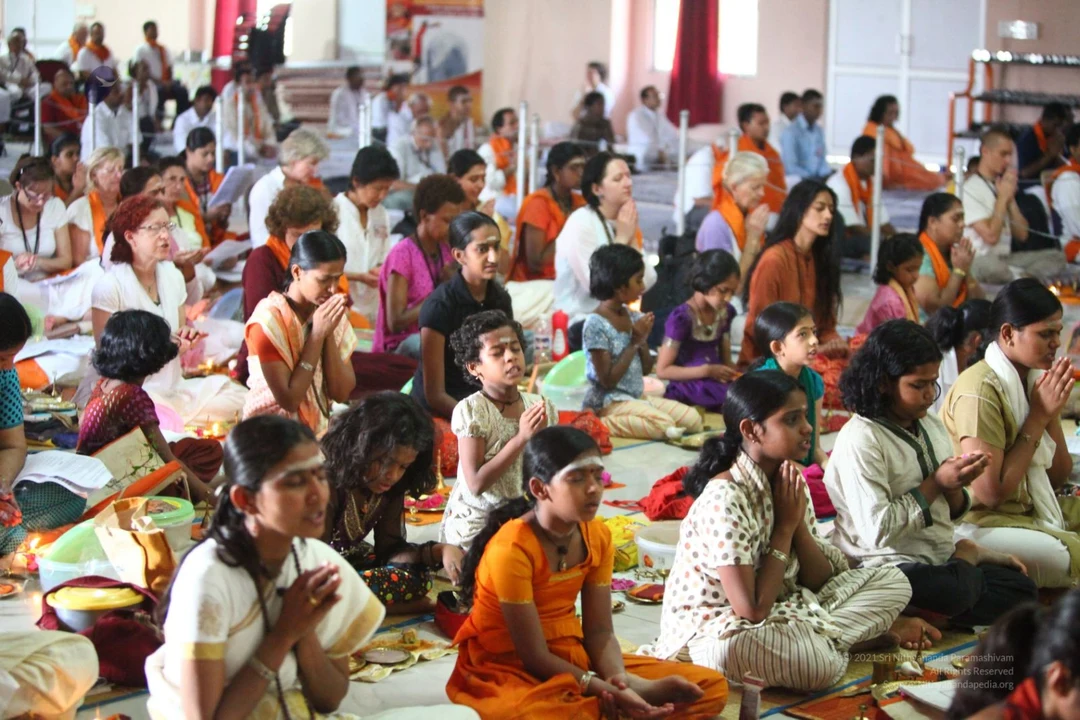
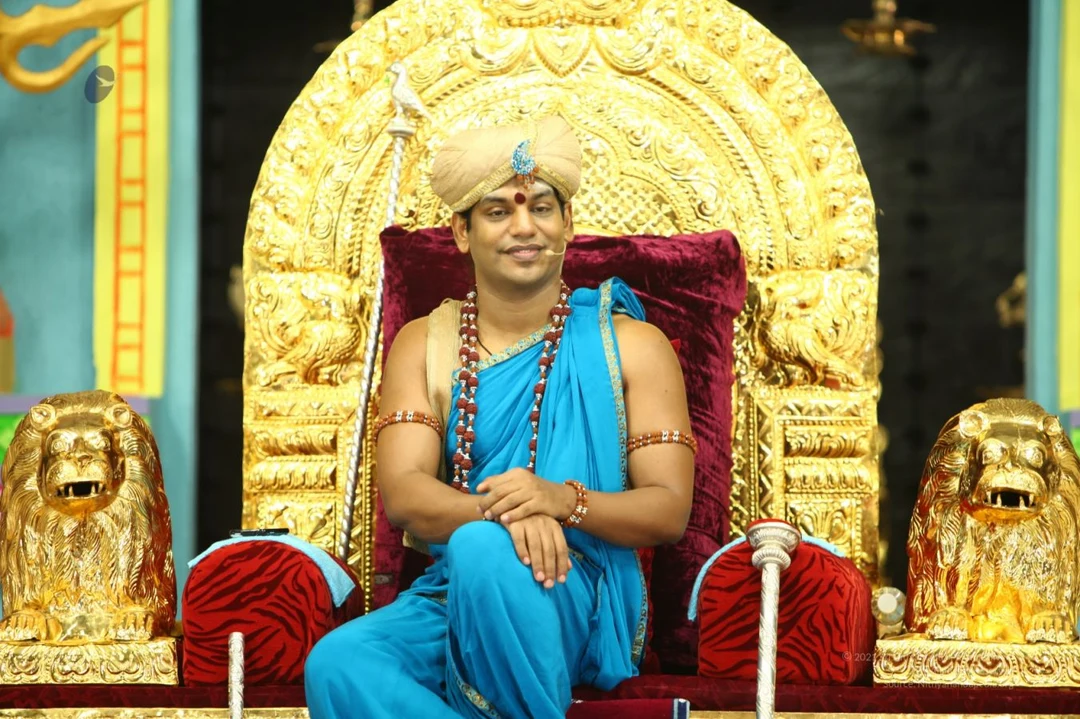
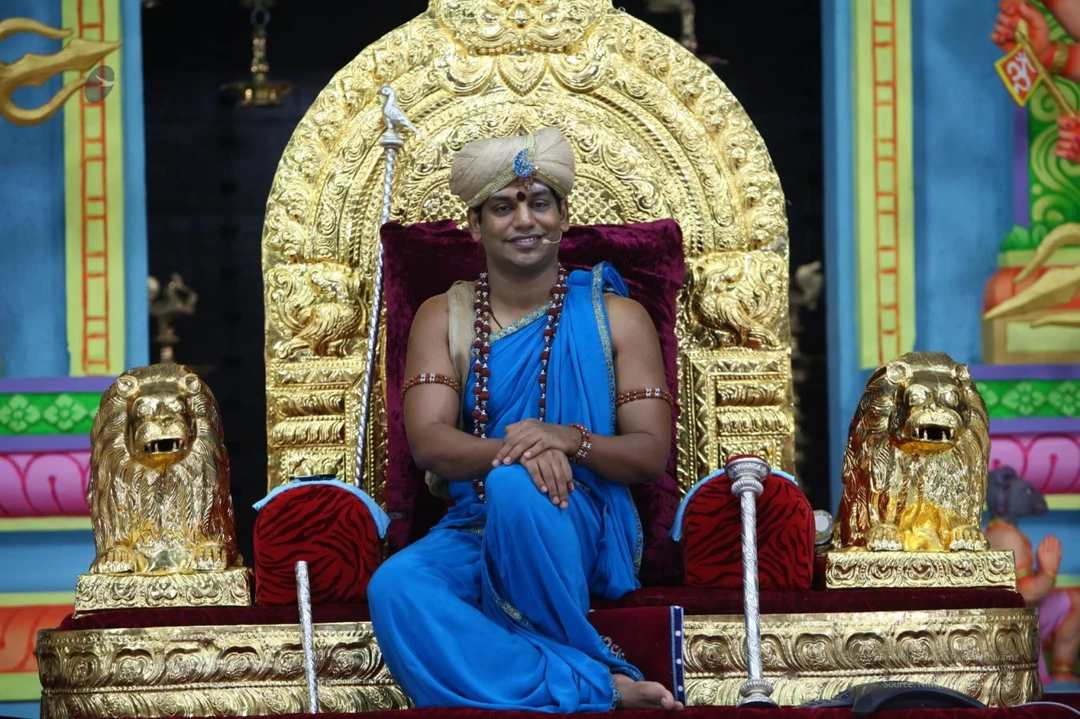
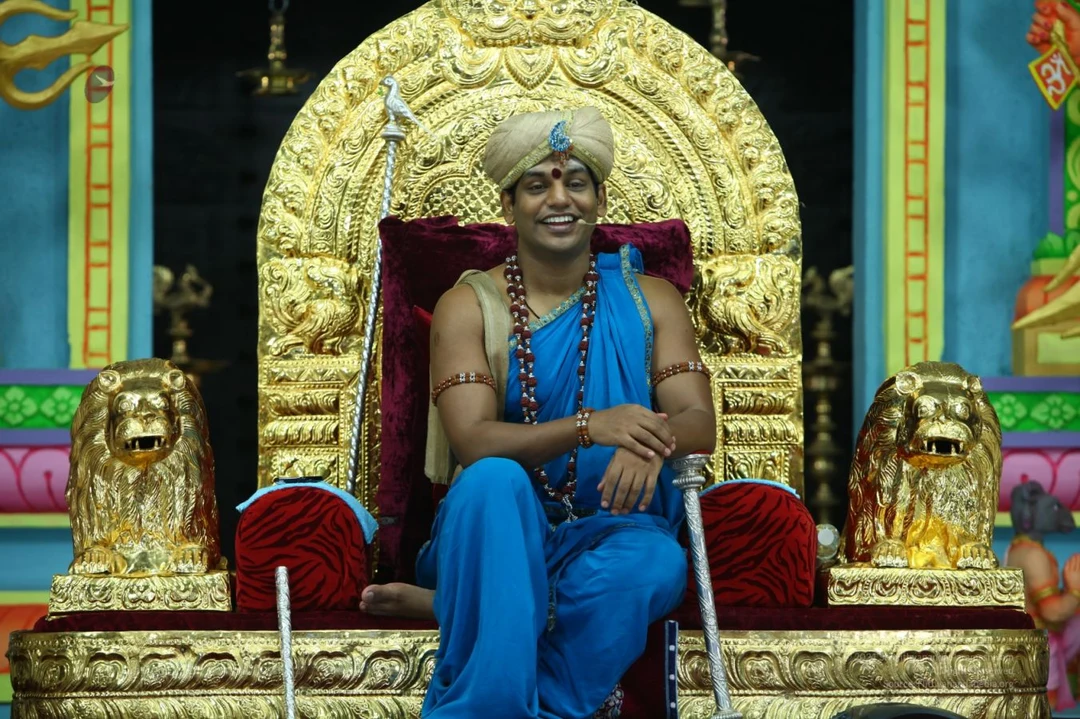
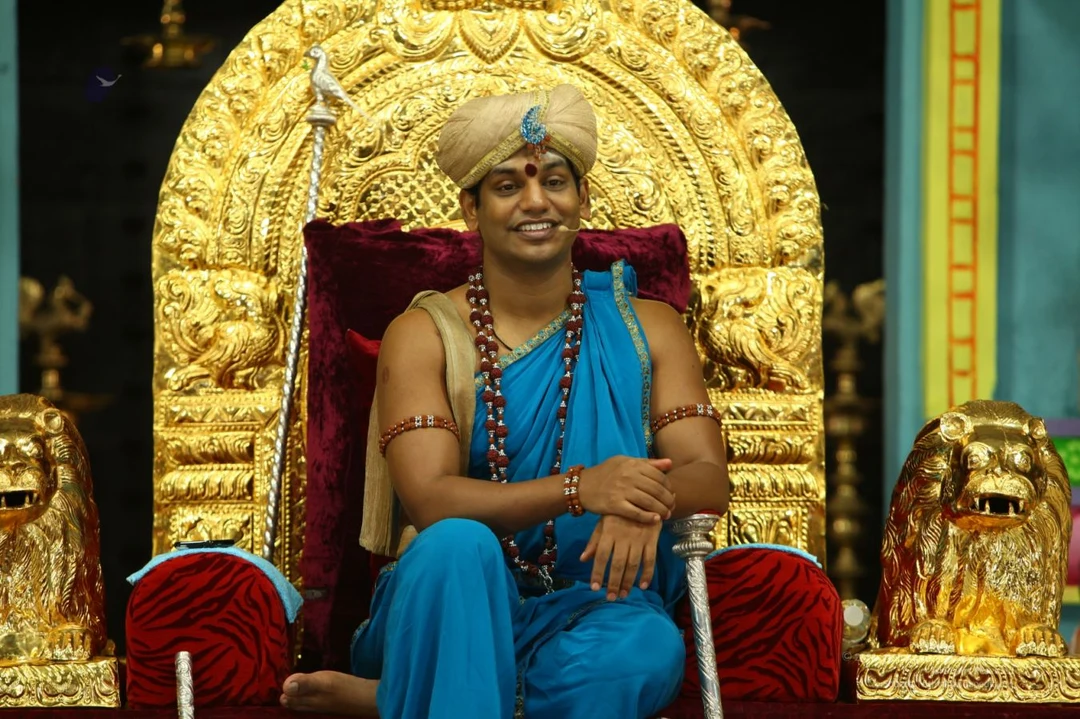
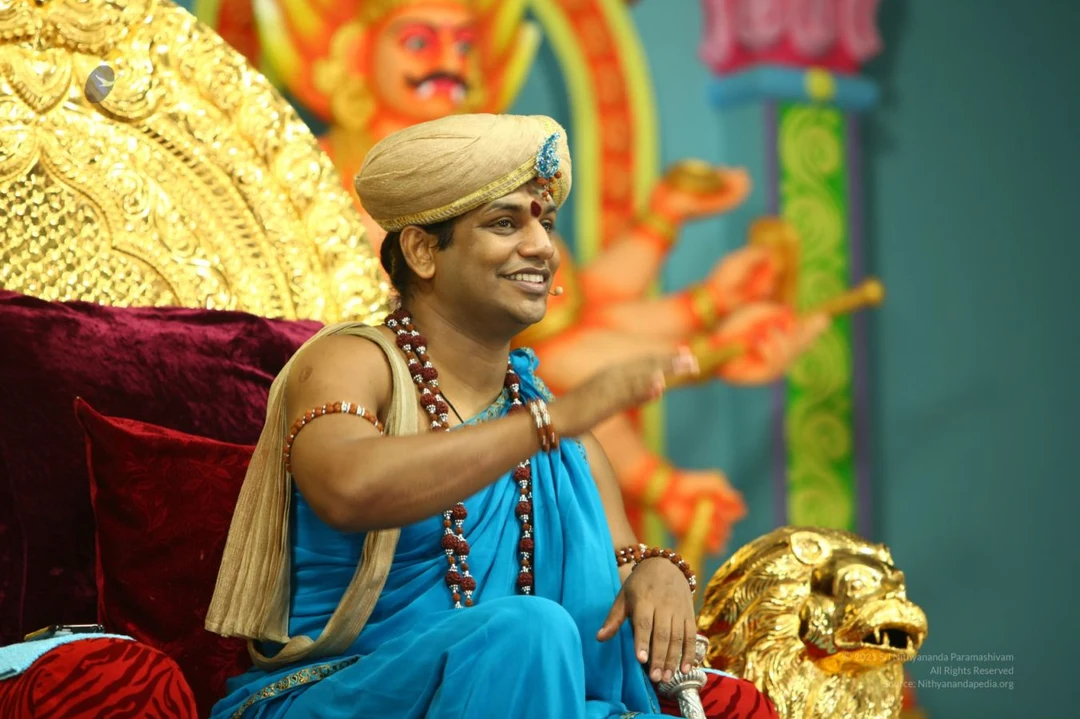
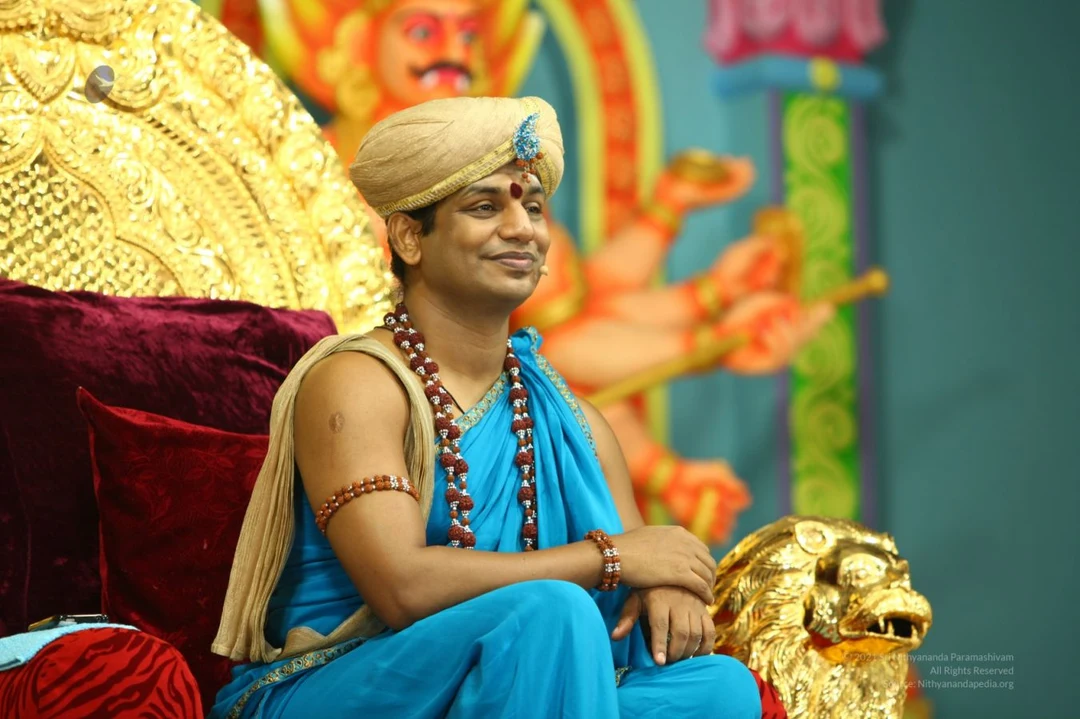
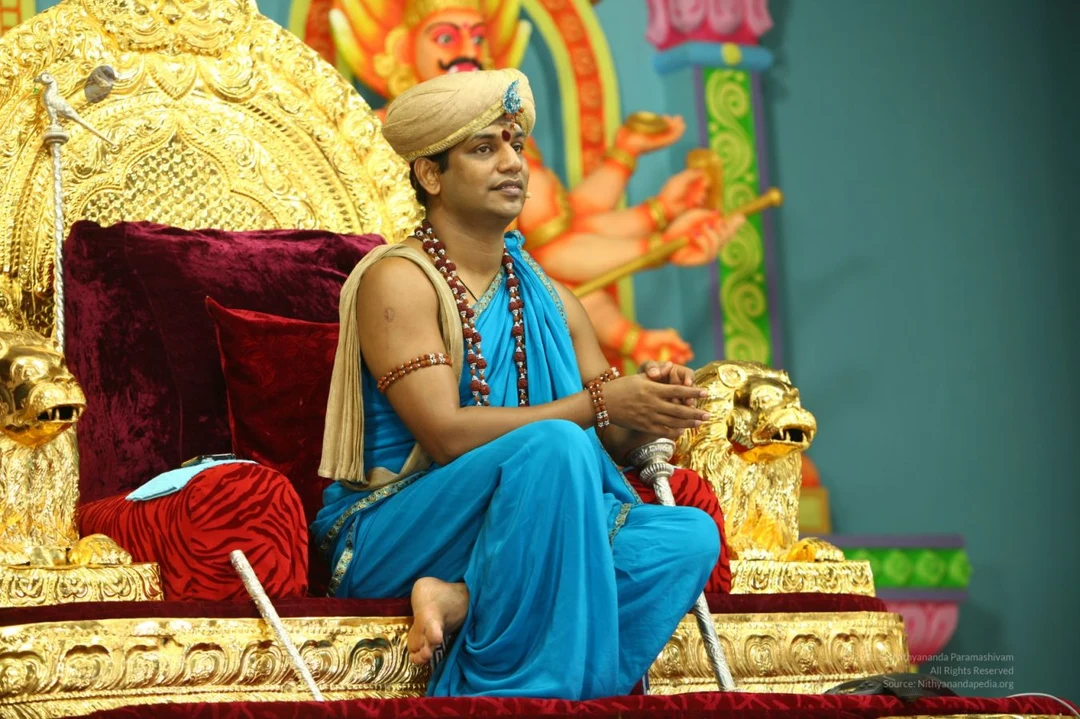
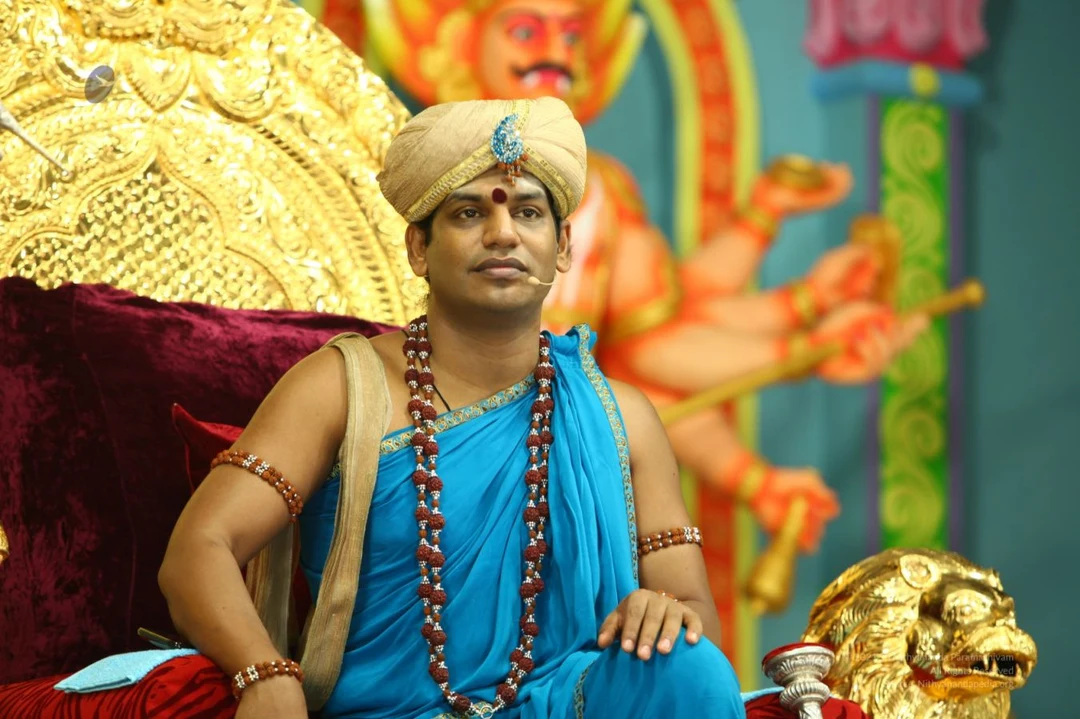
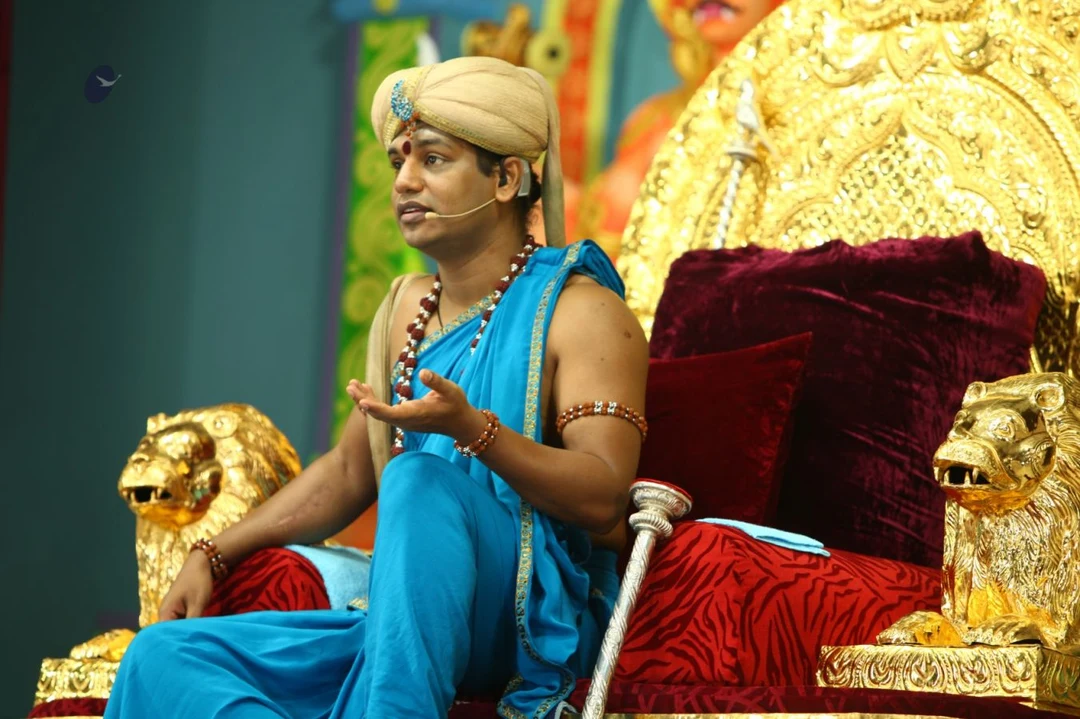
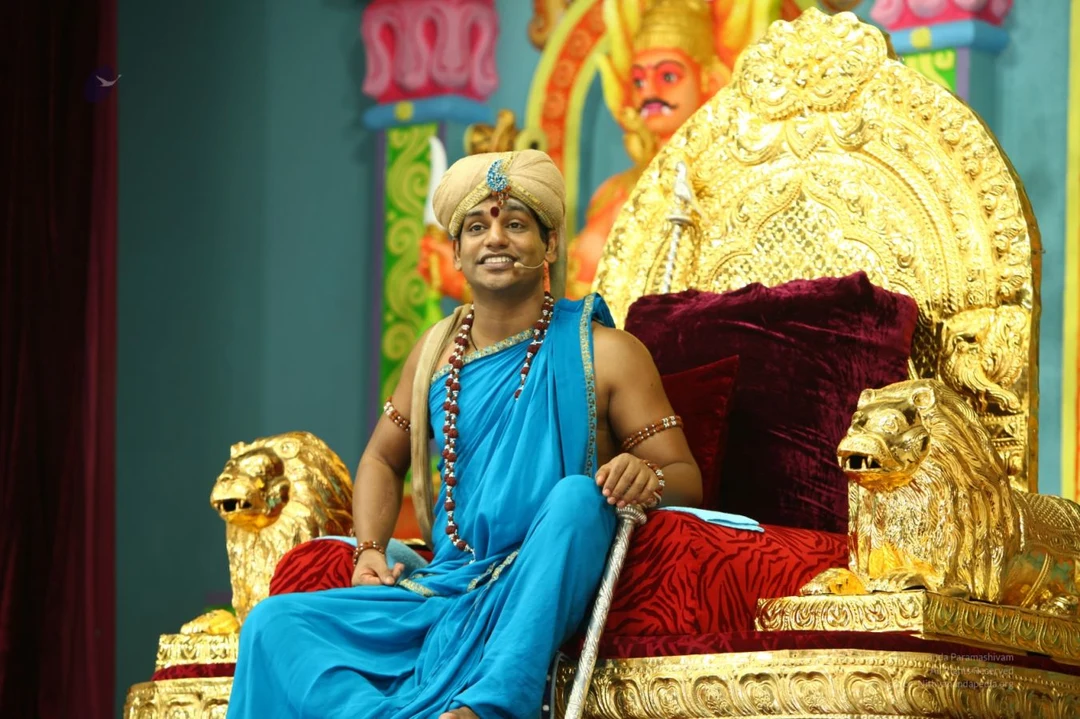
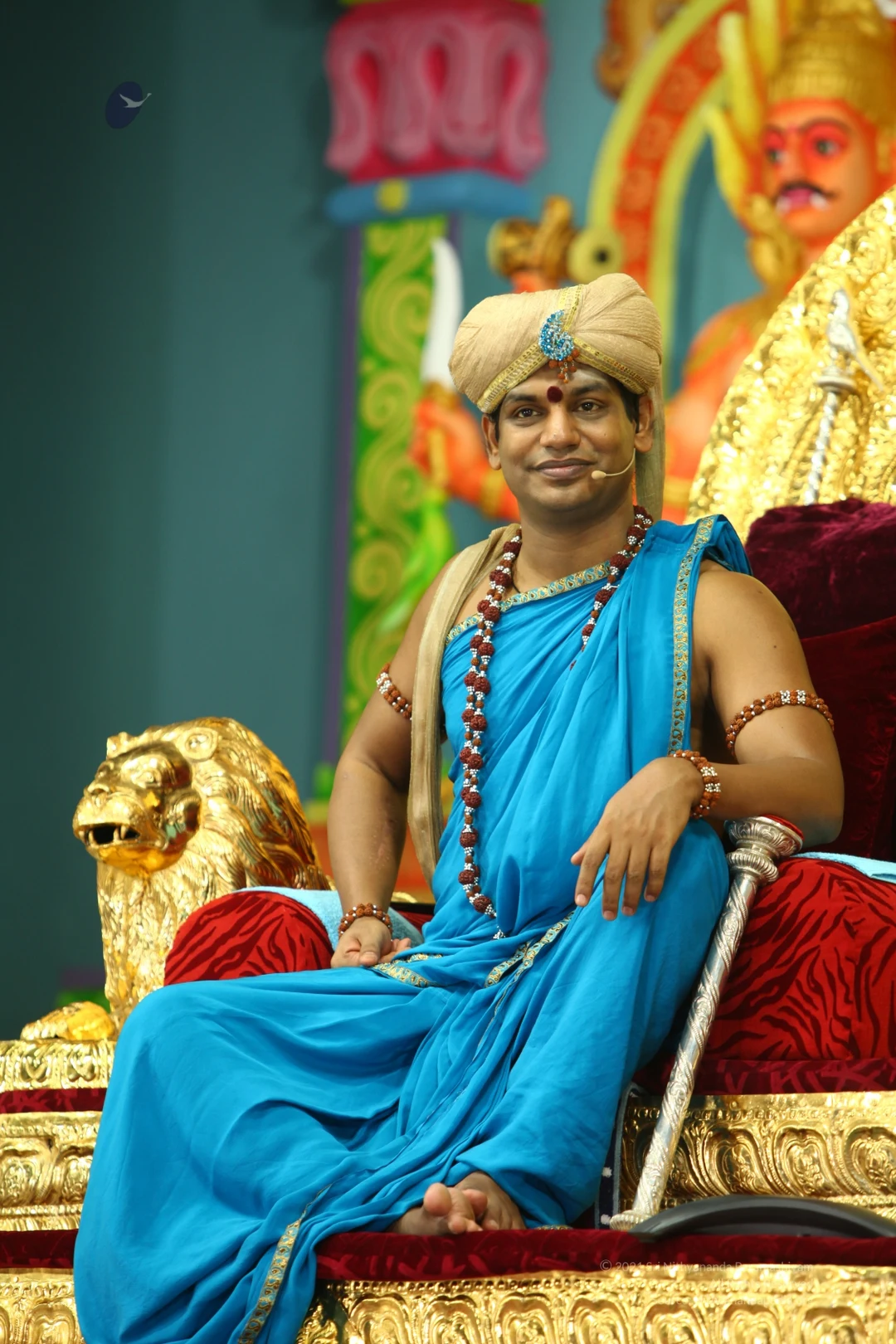
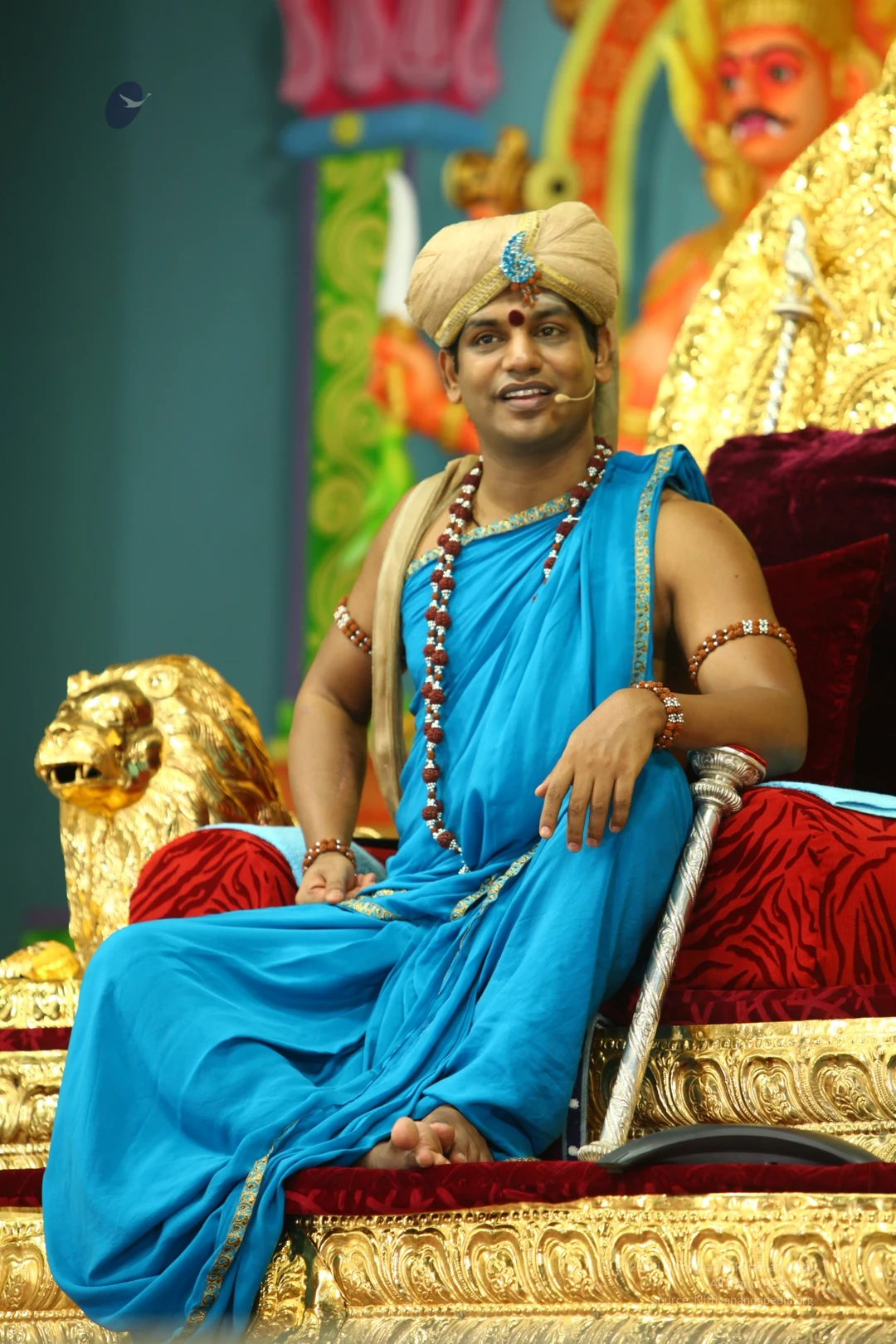
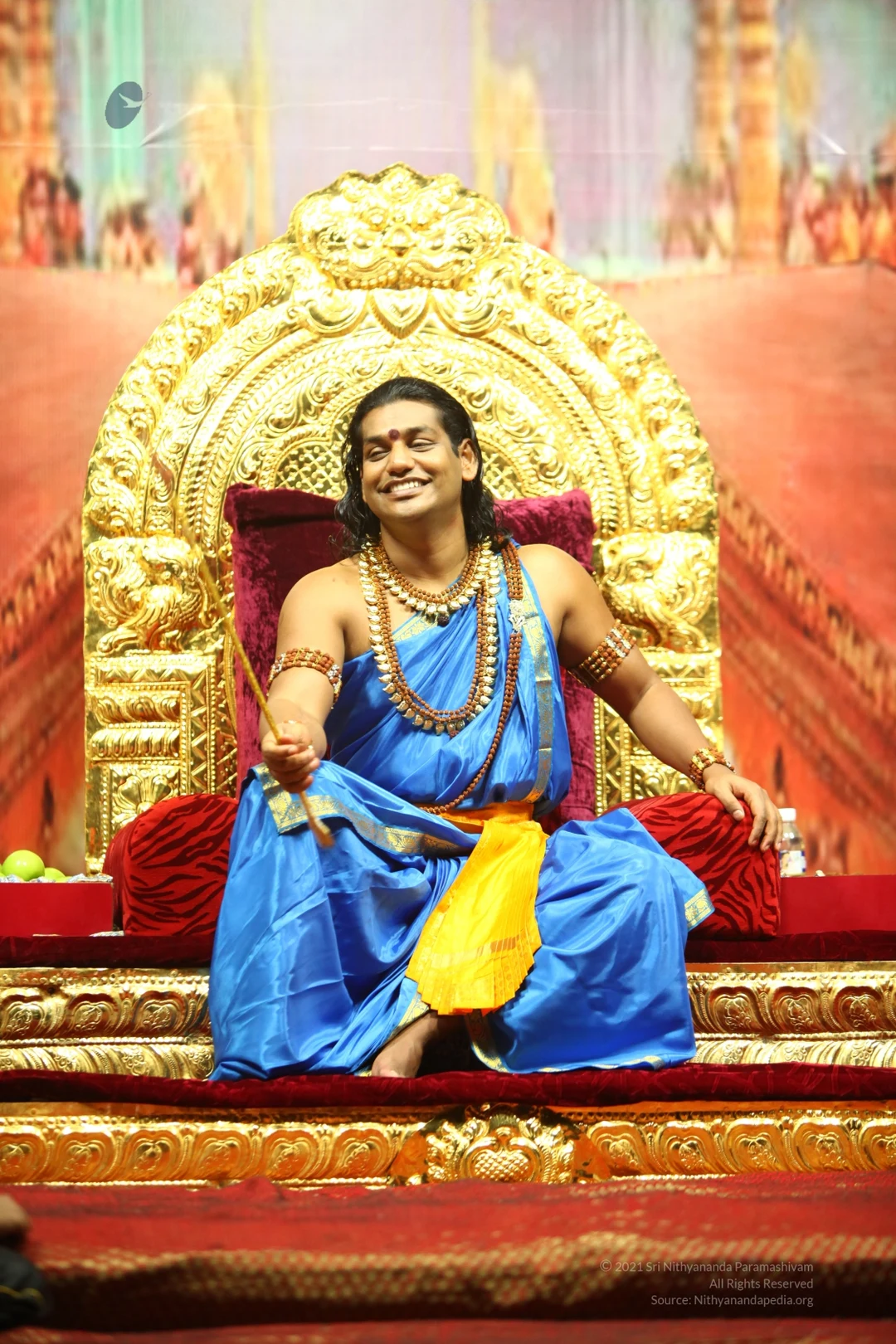
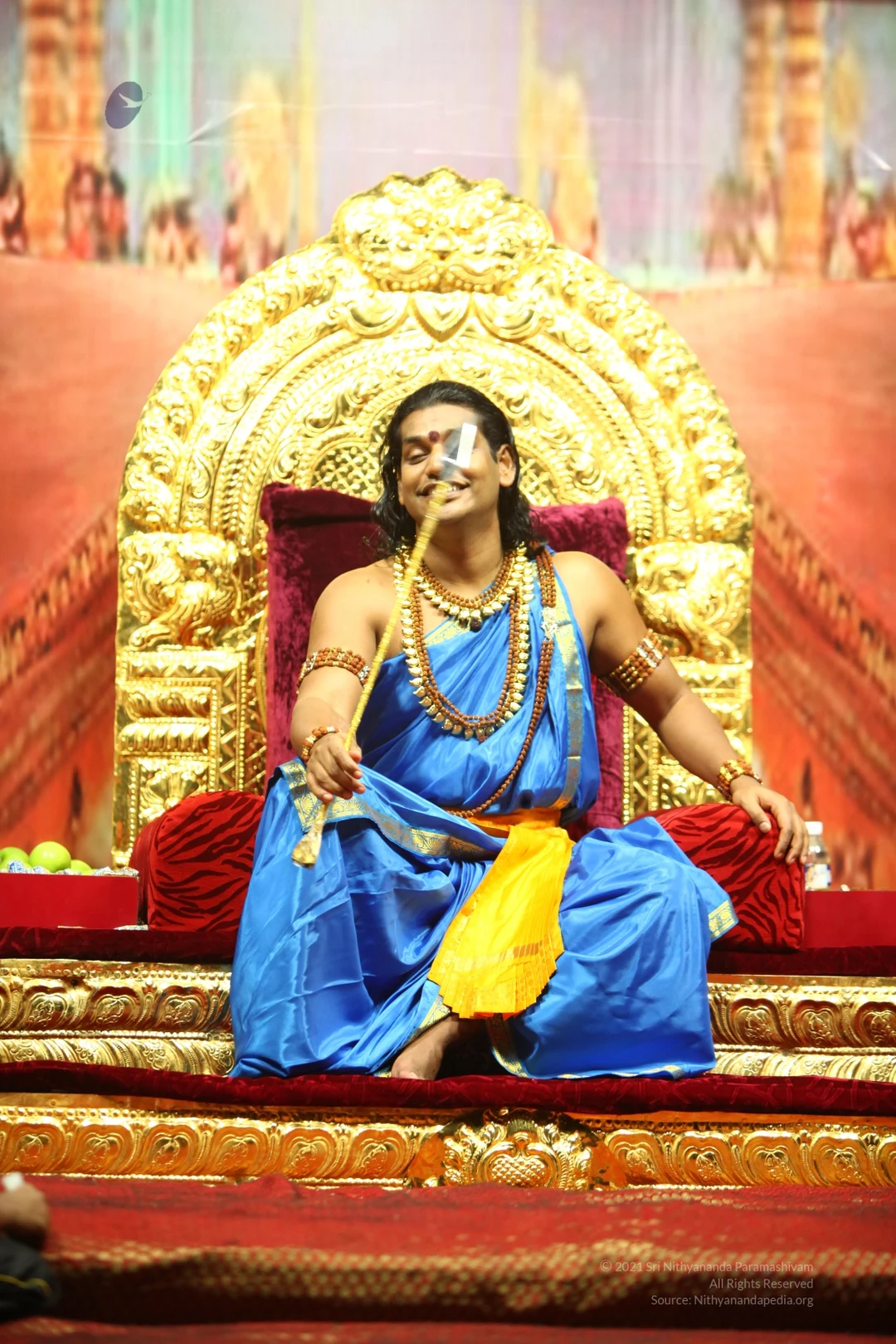
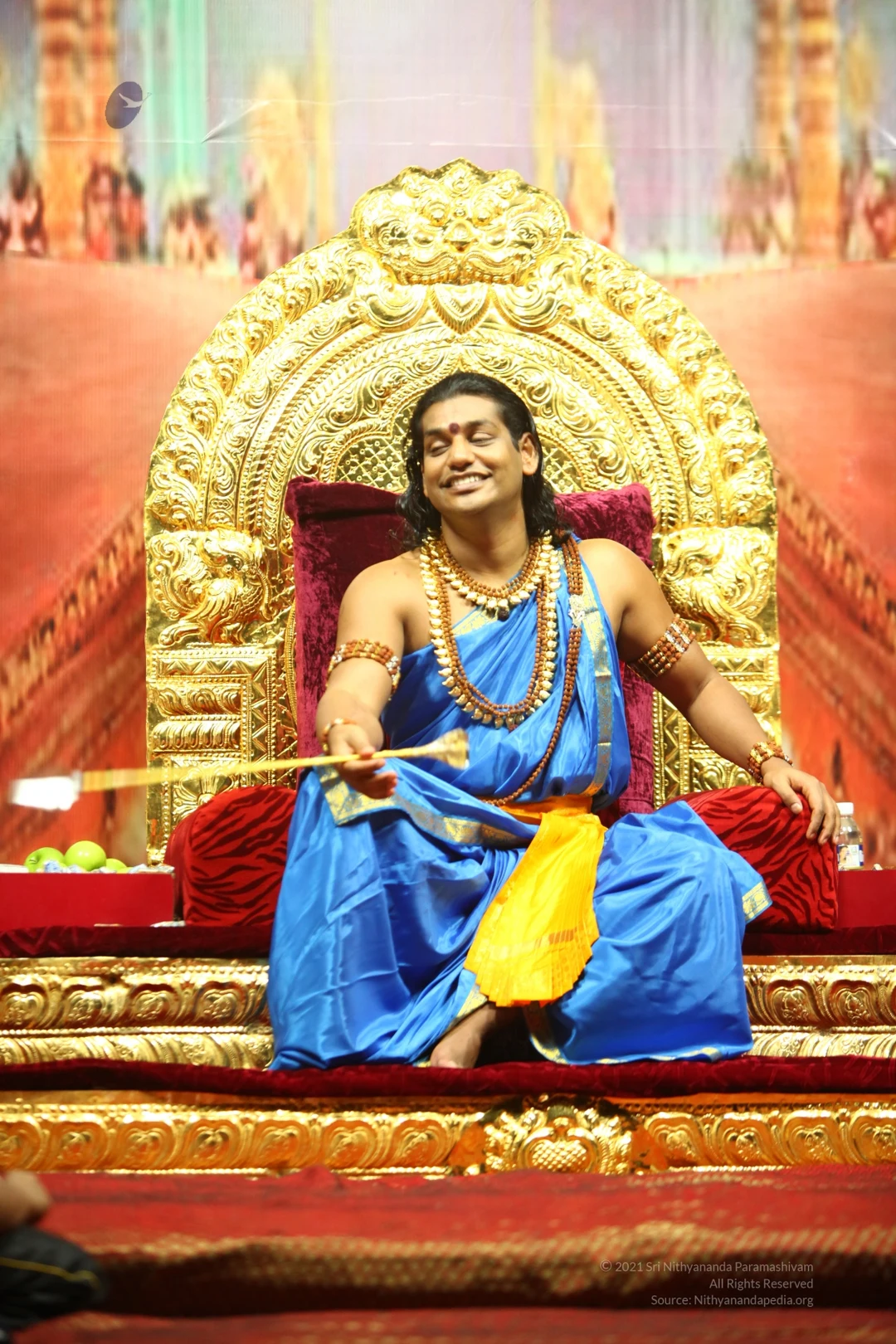
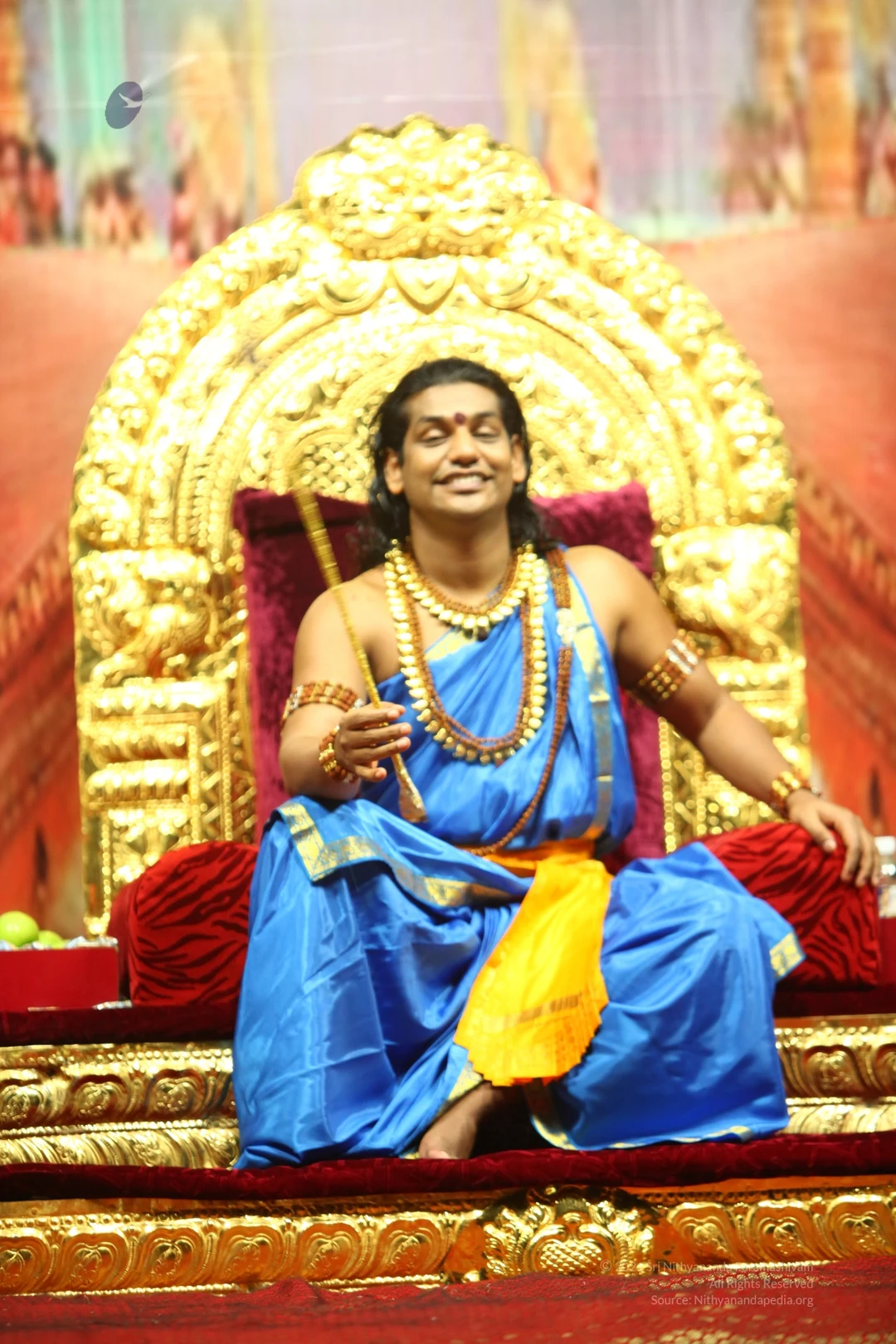
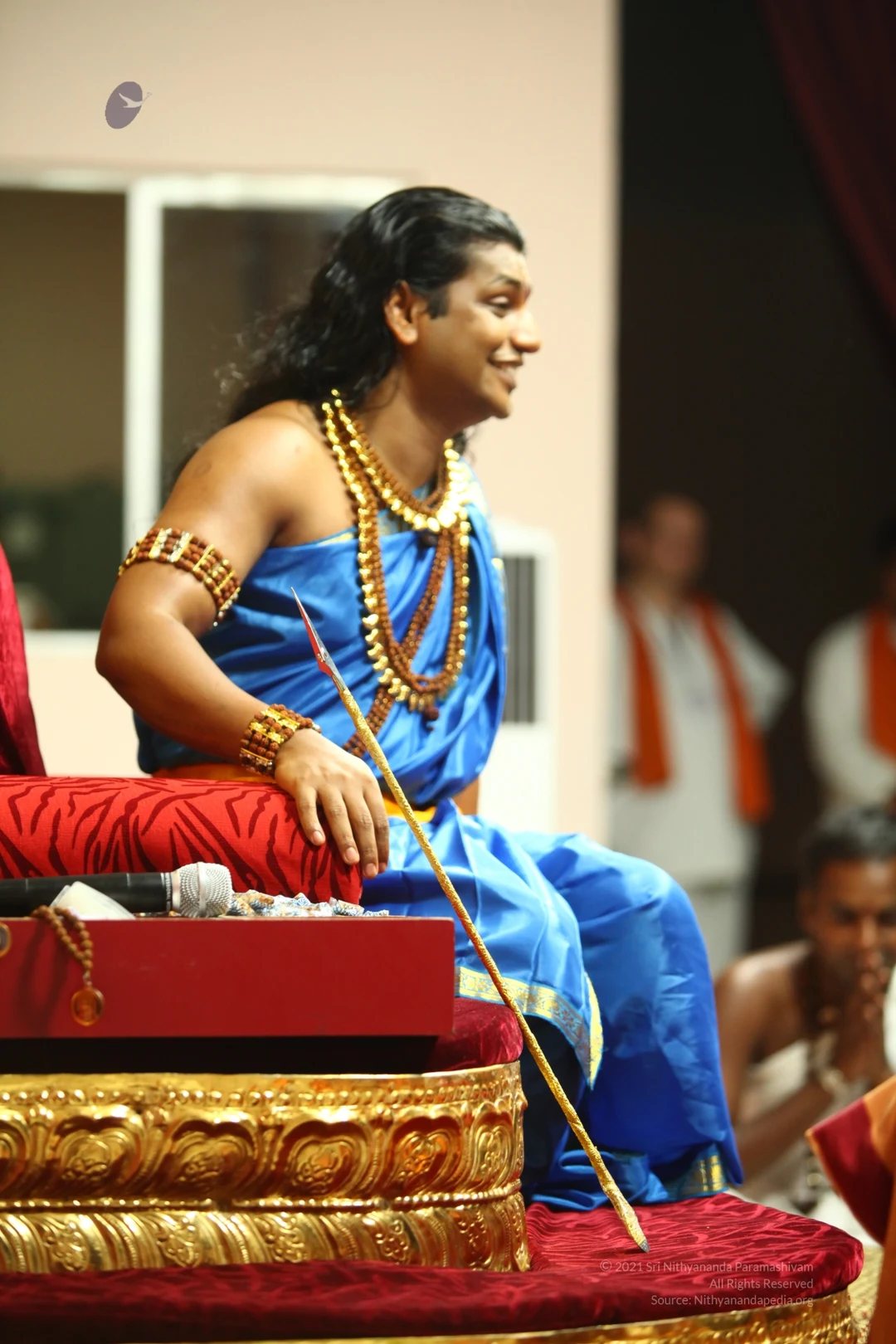
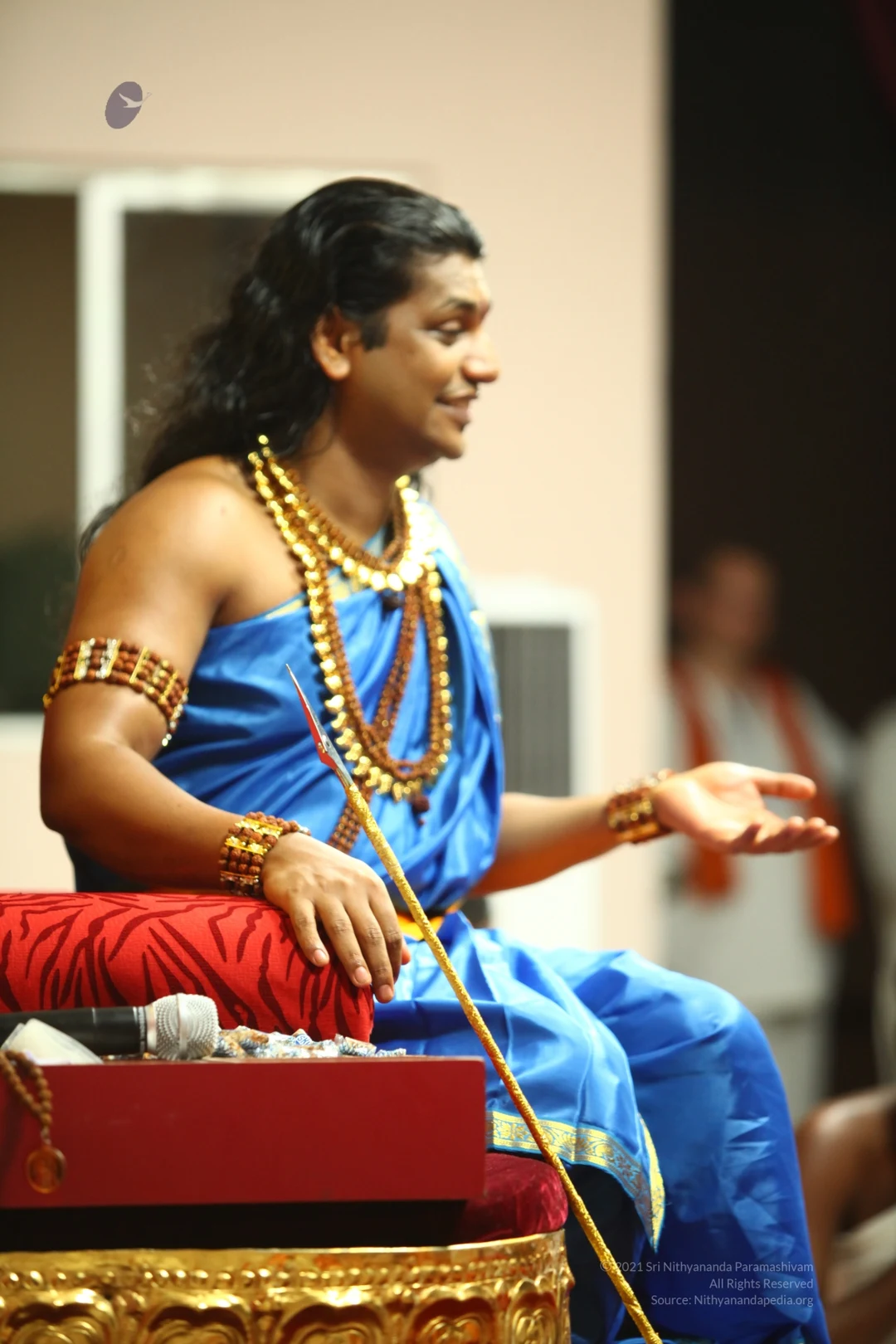
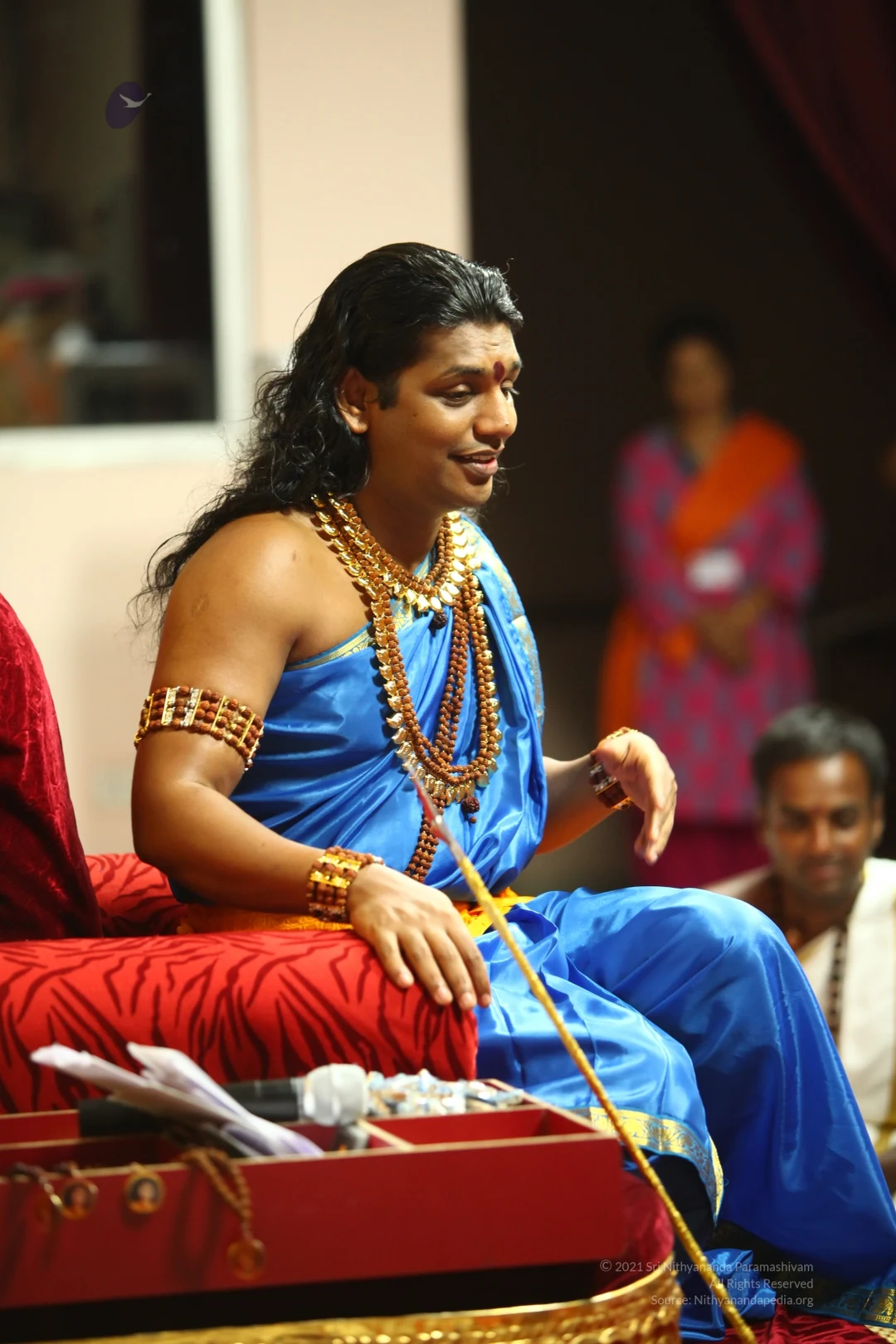
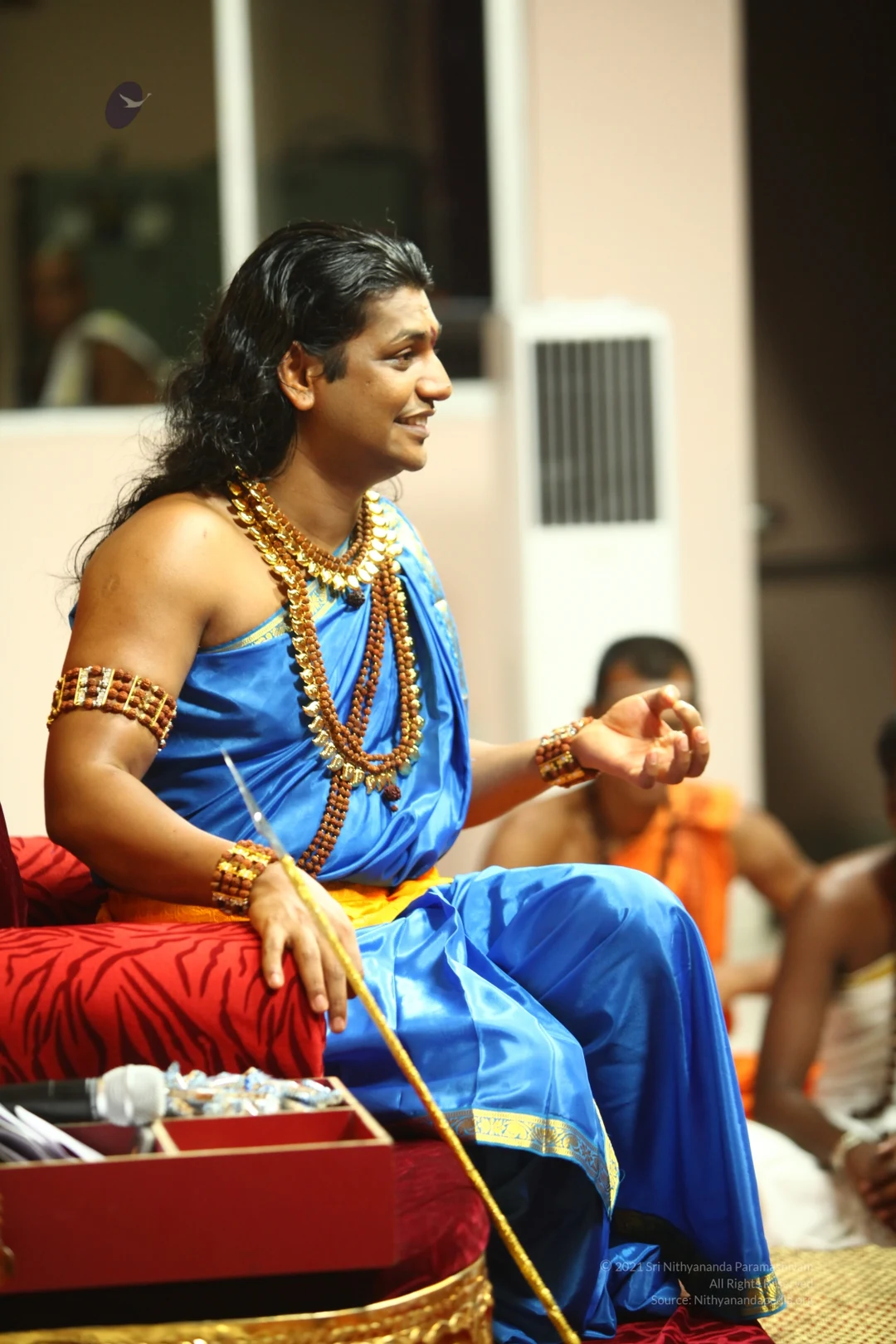
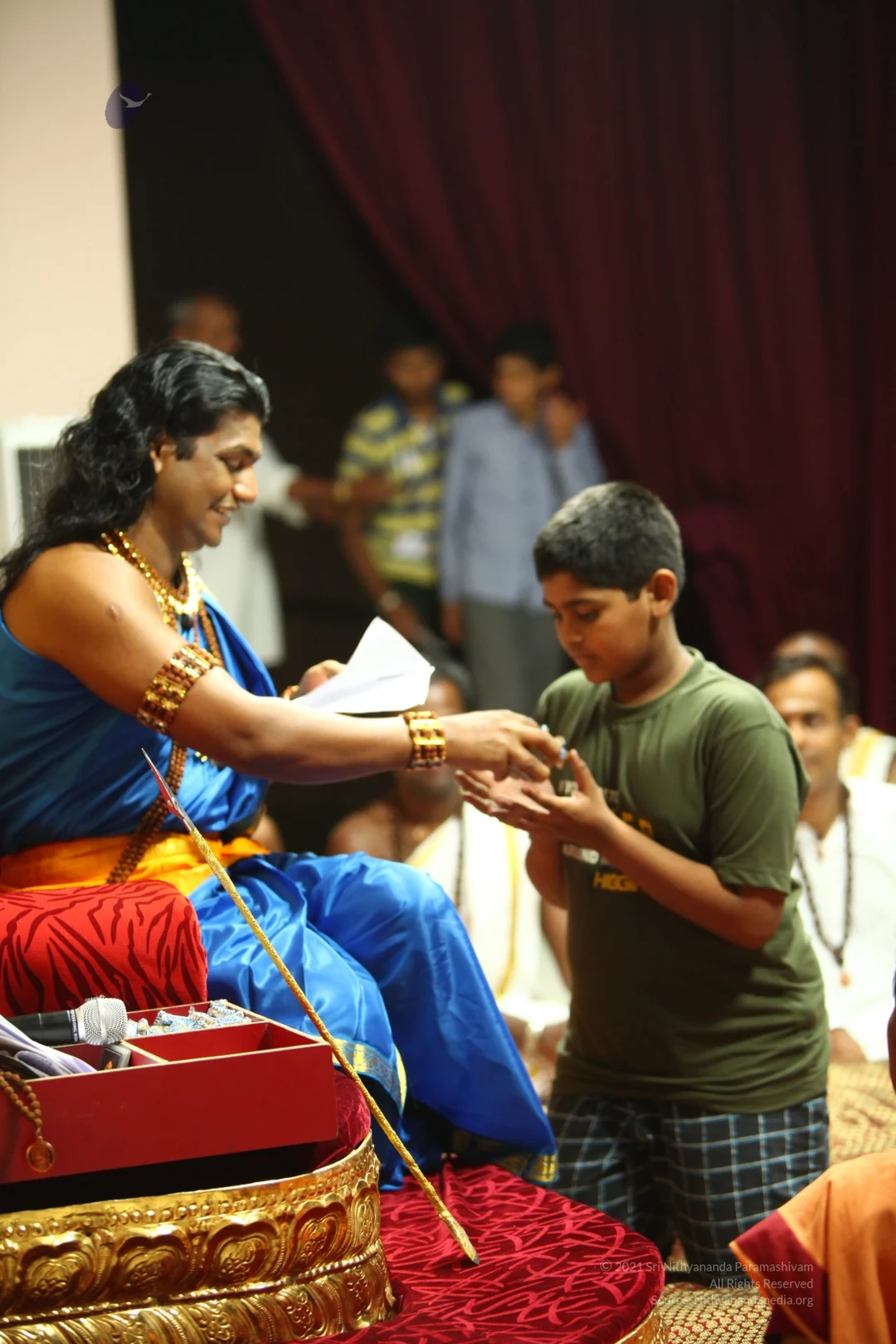
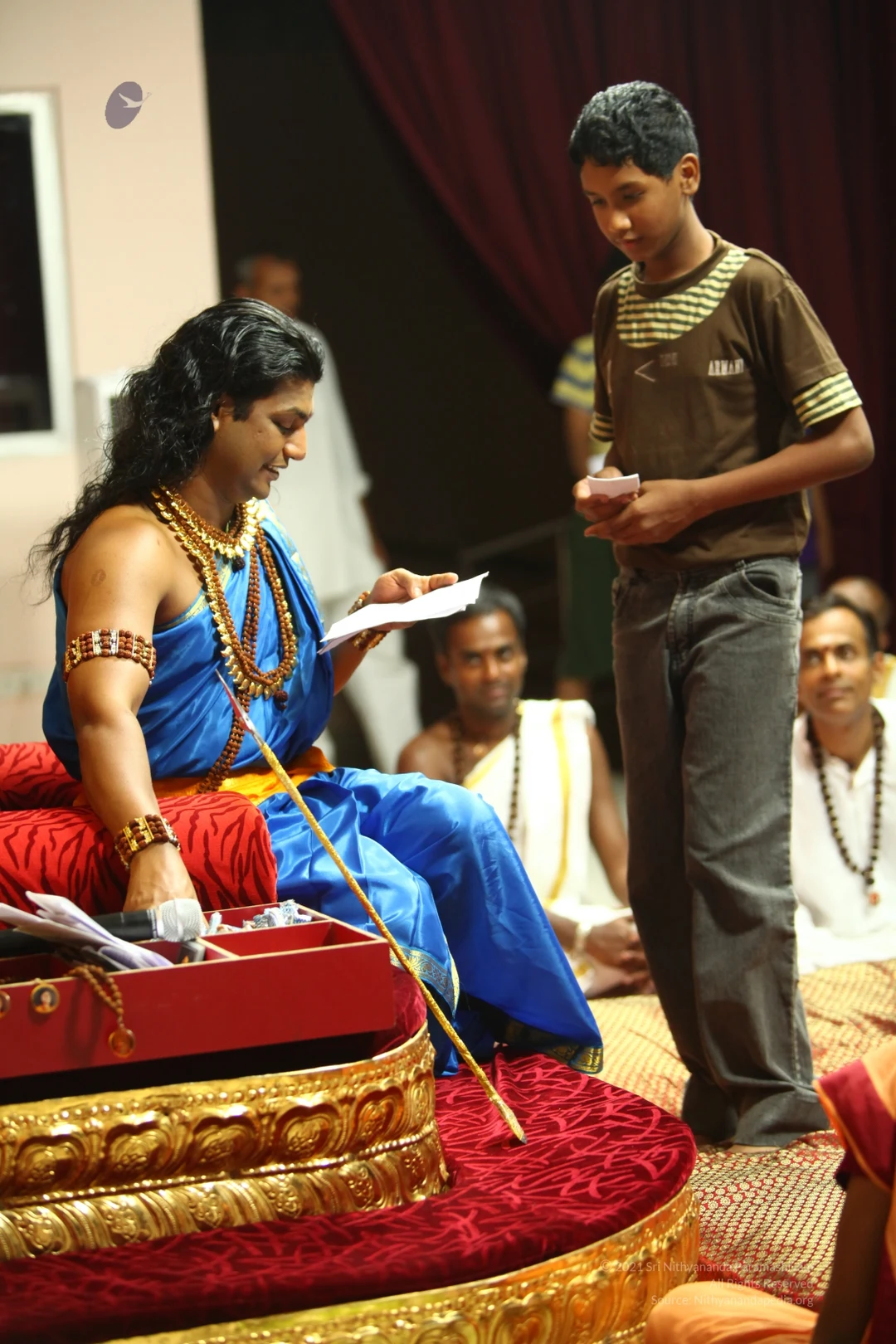
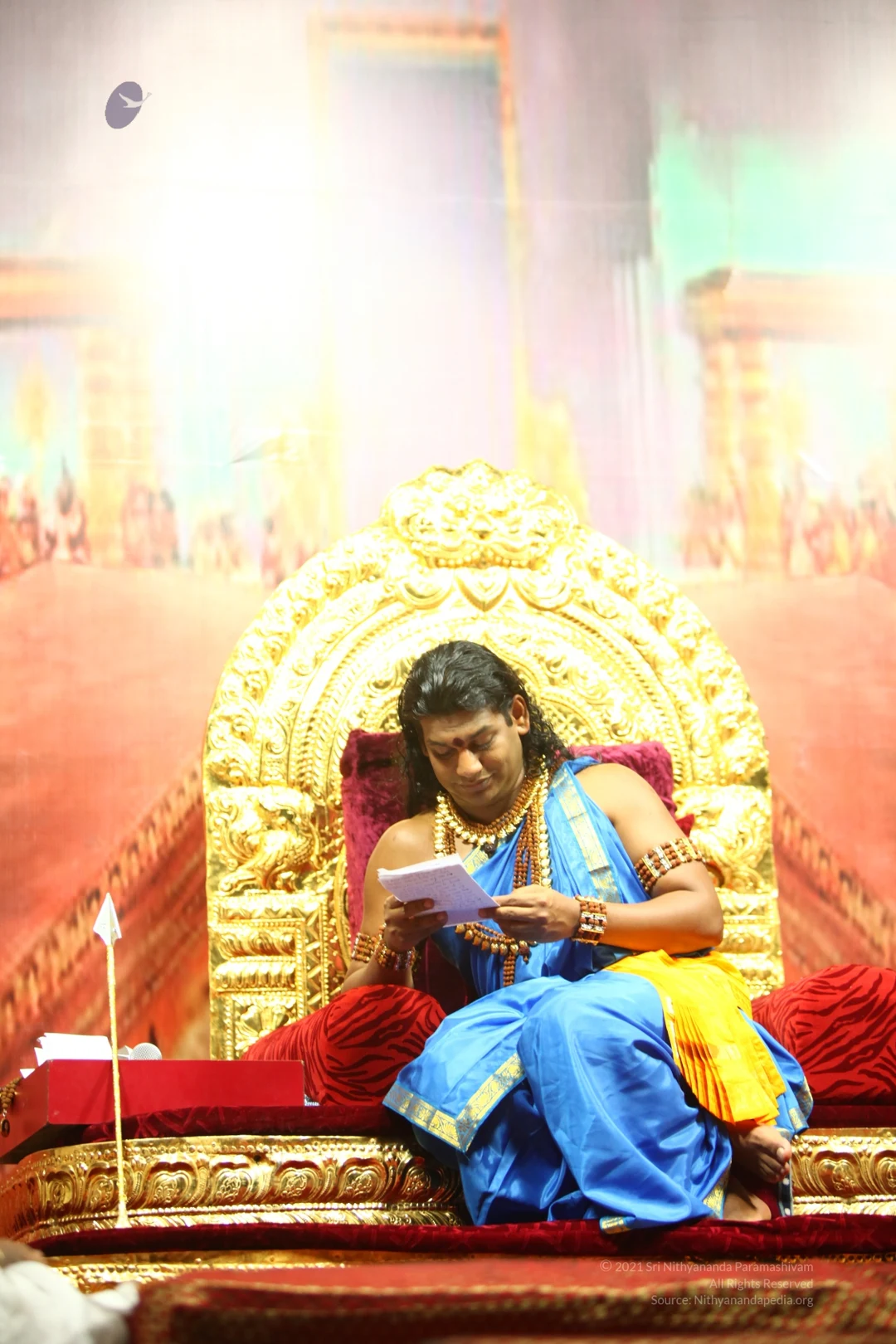
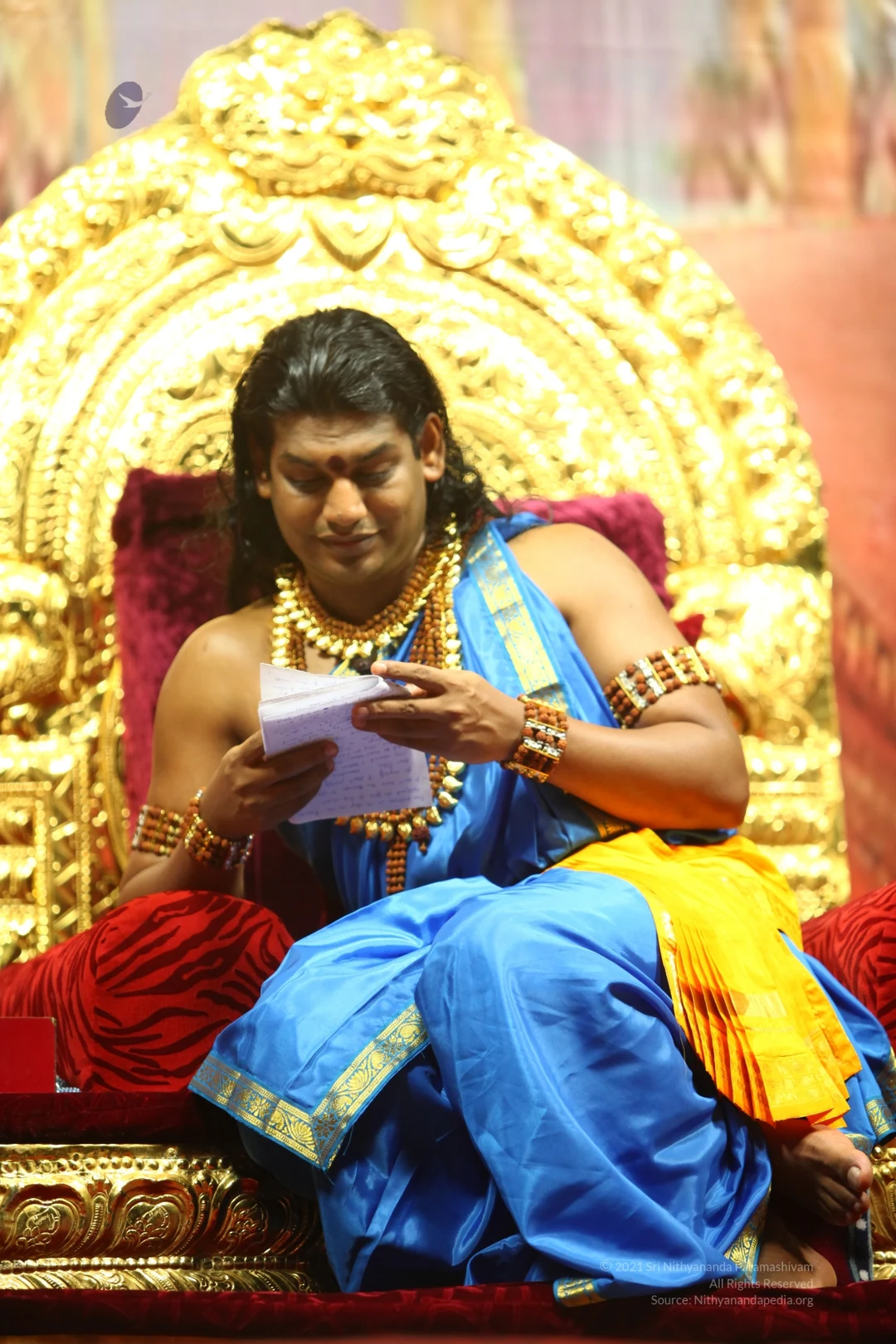
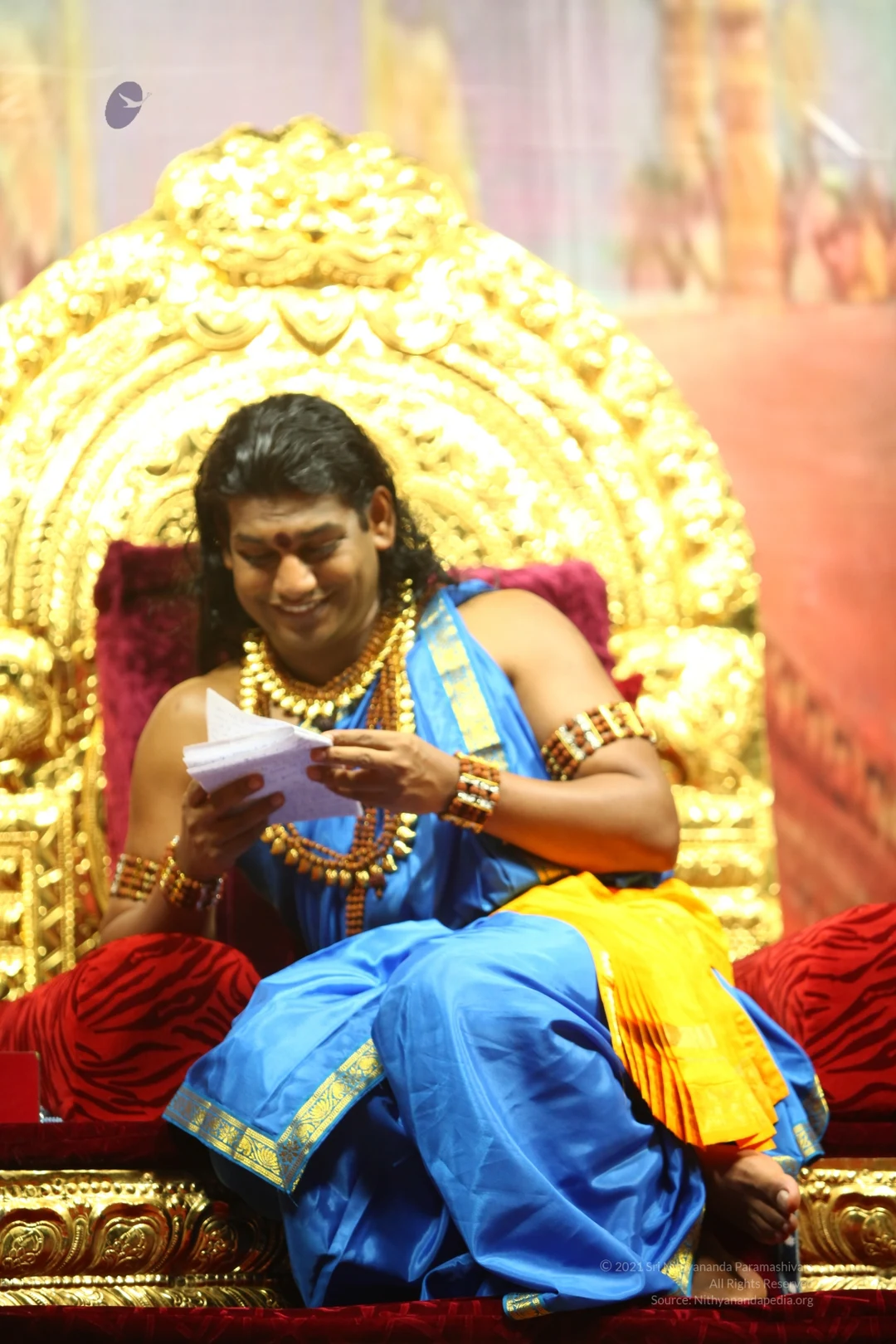
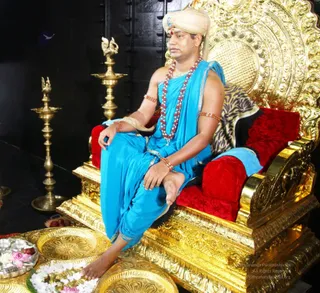
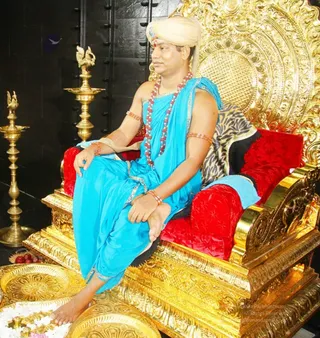
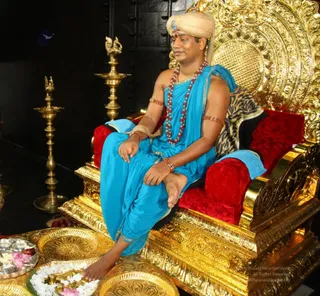
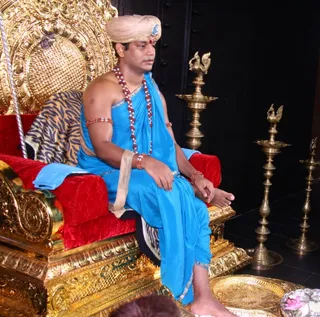
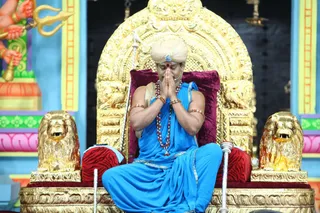
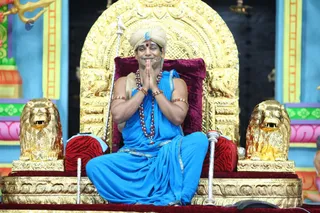
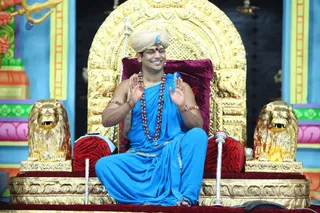
Nithya Satsang
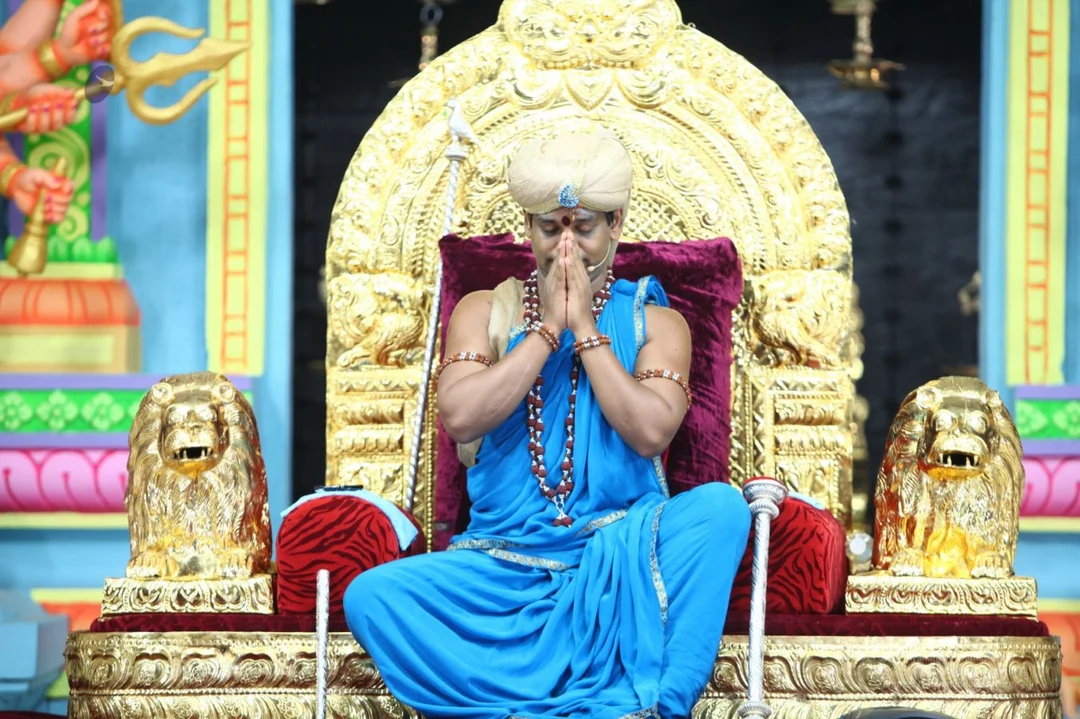
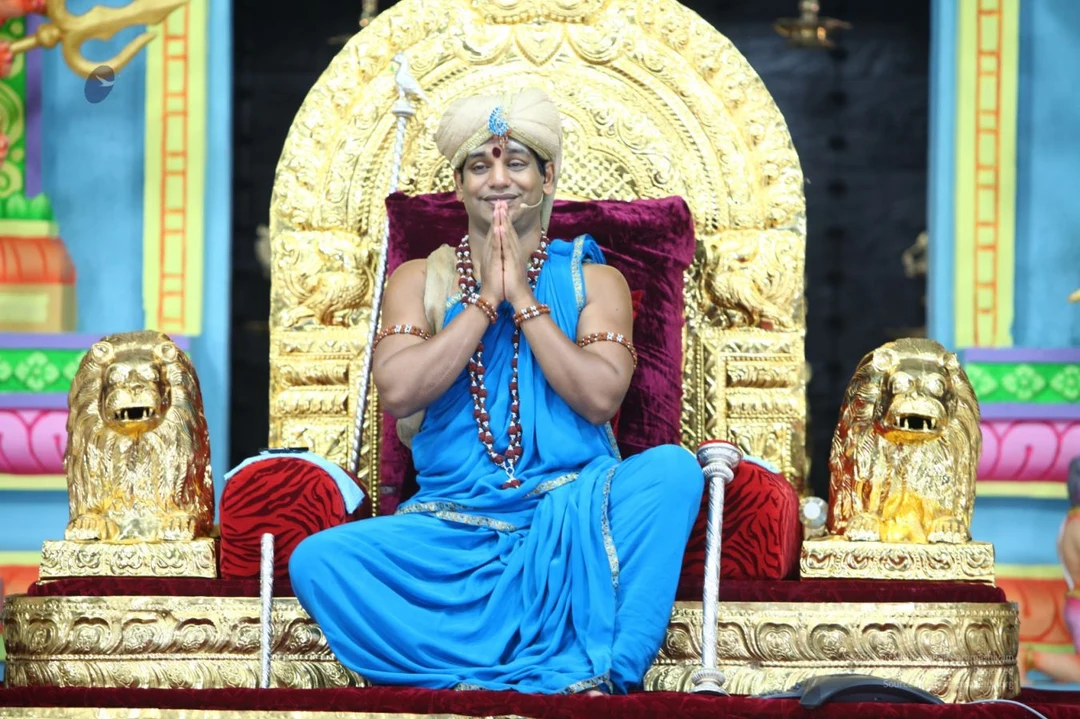
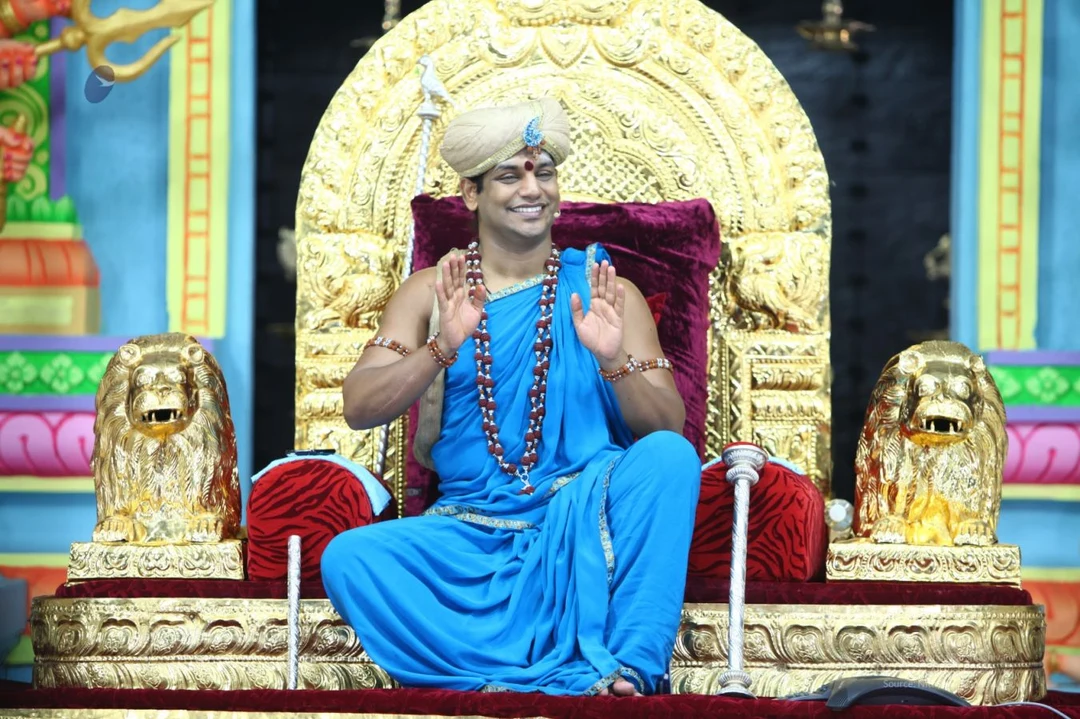
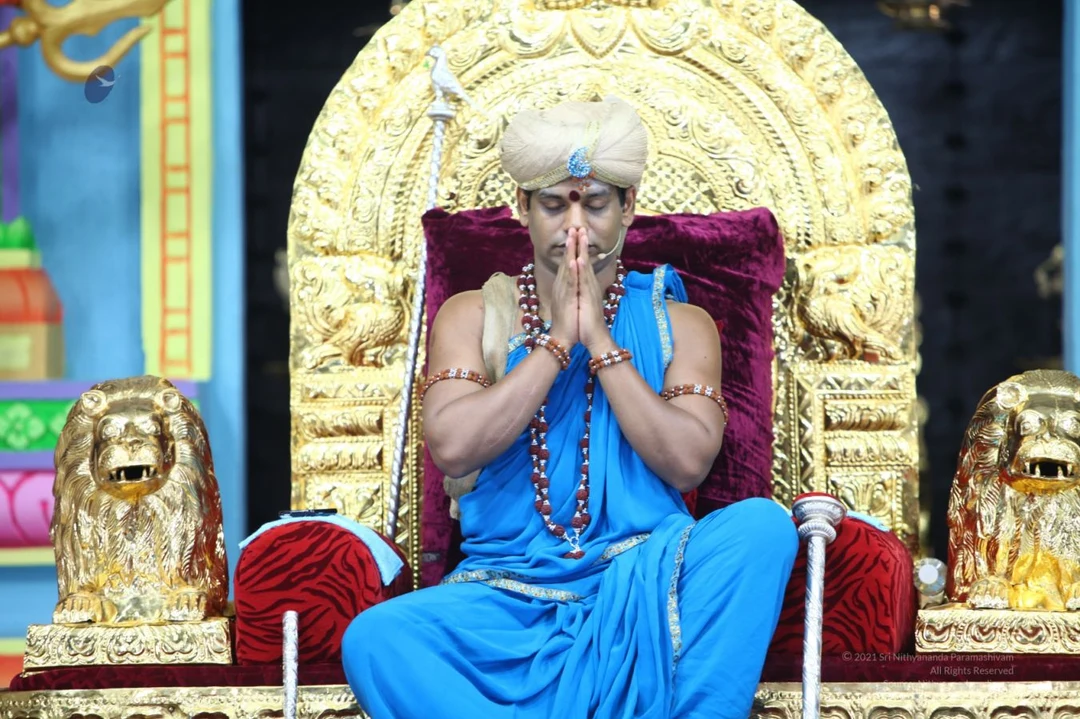
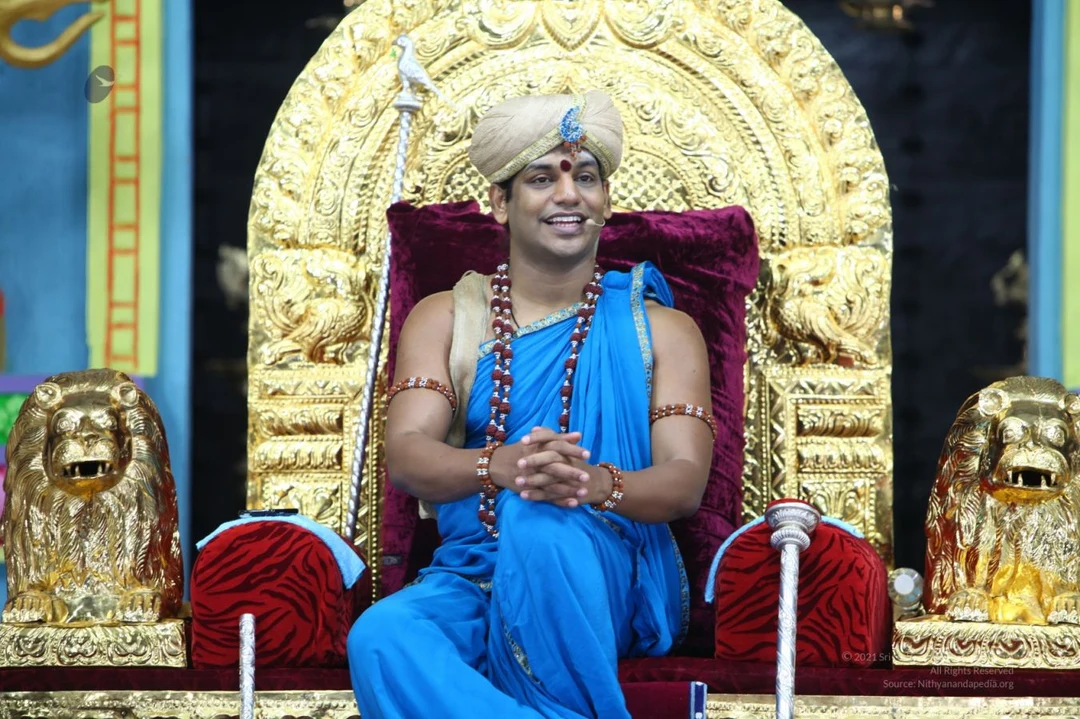
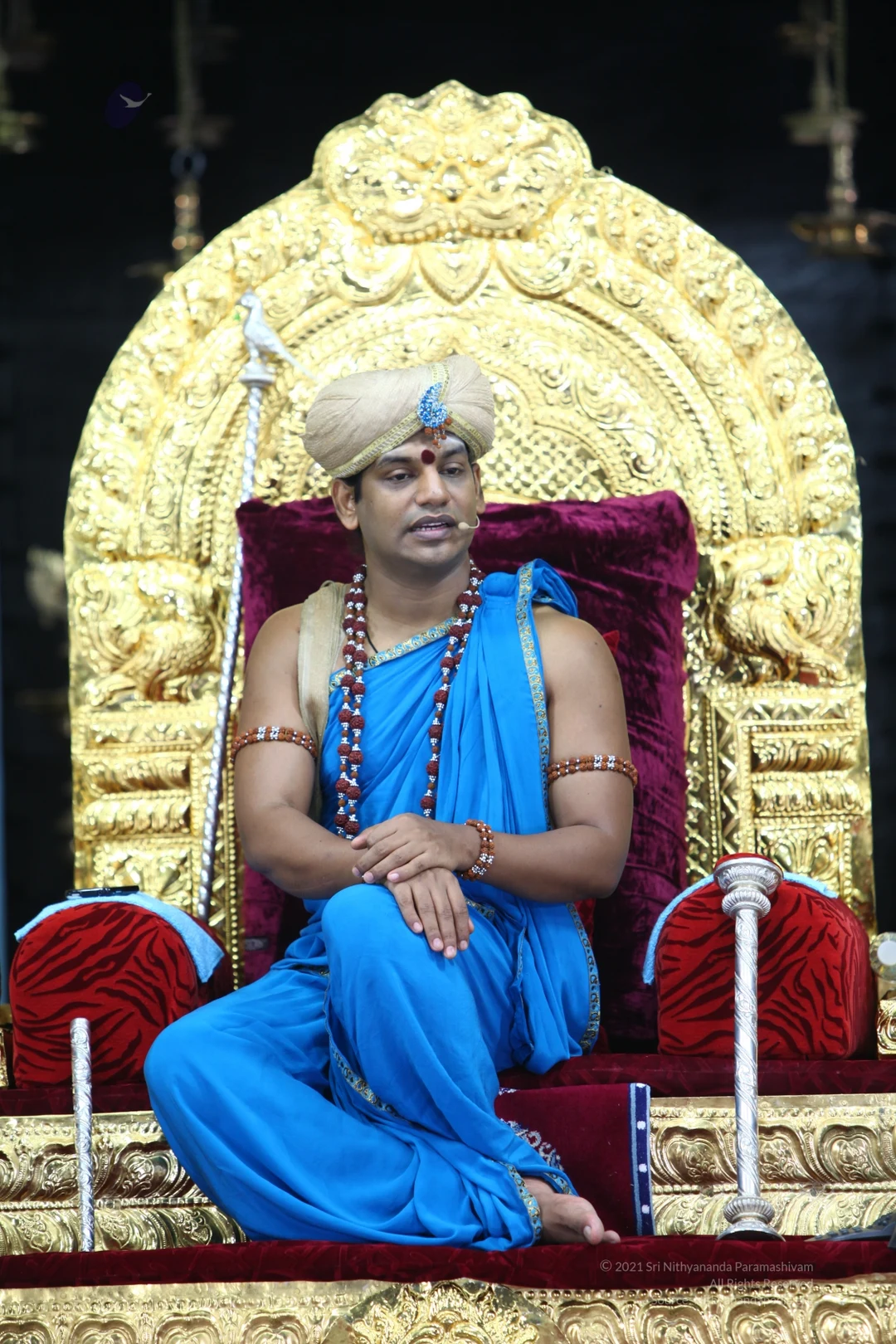
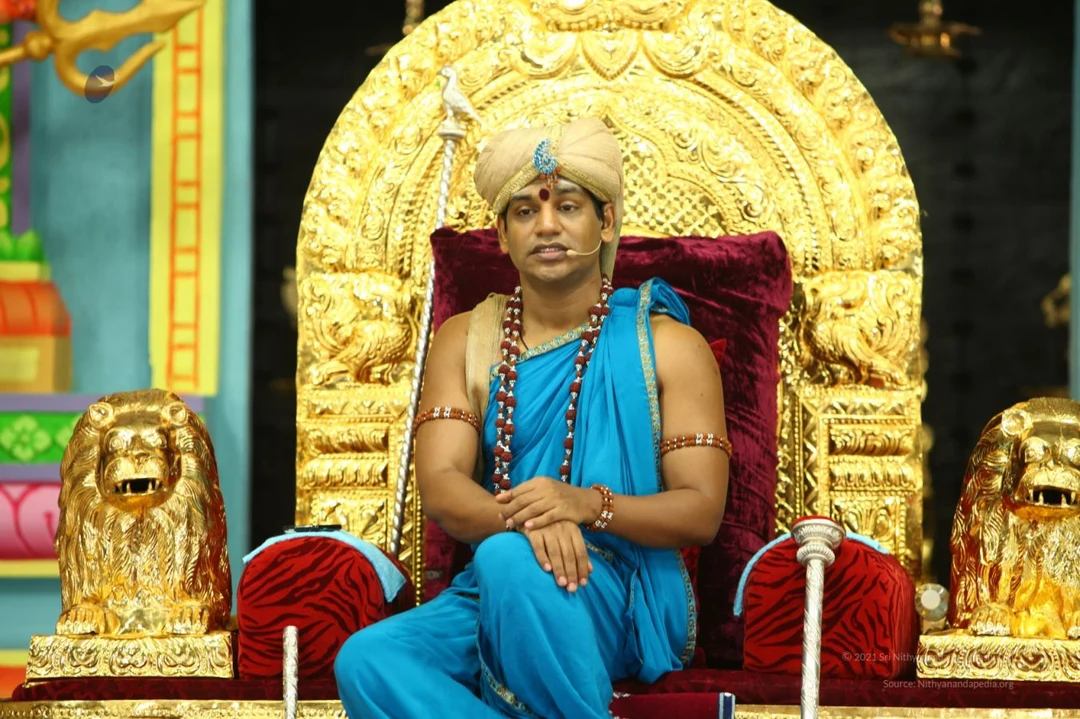
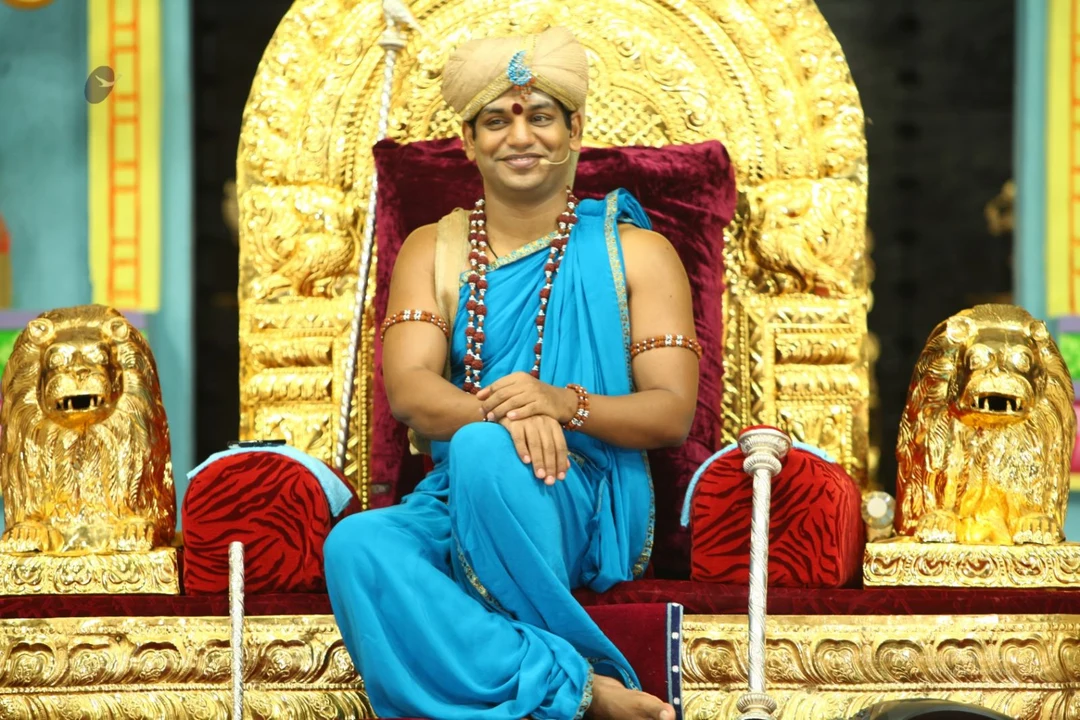
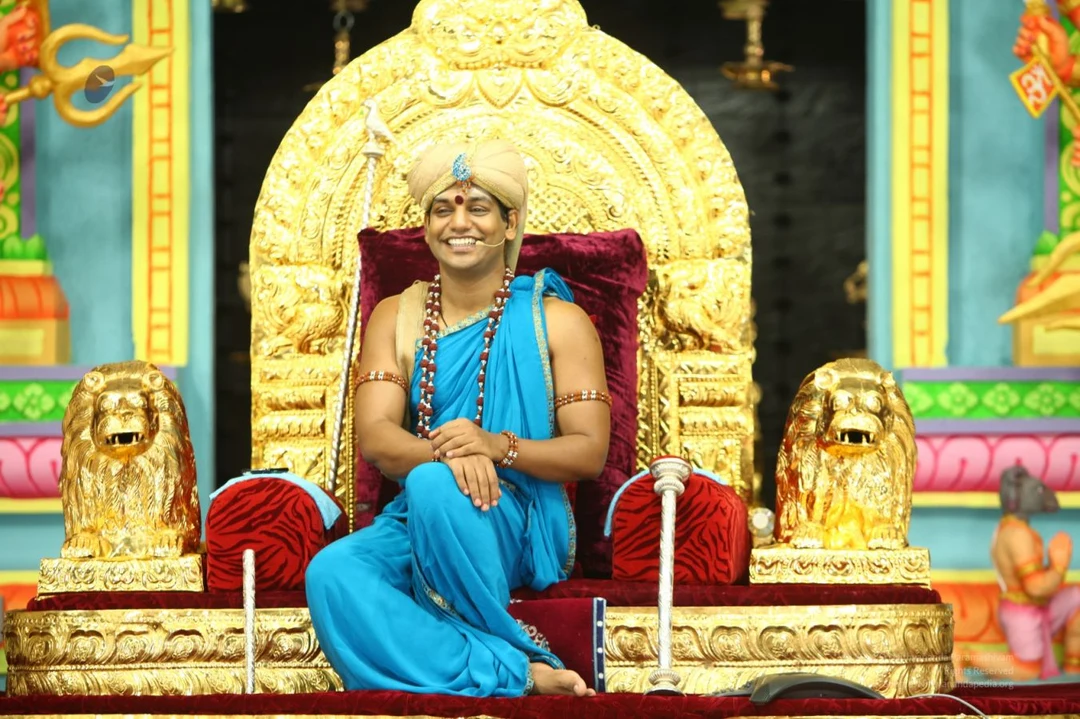
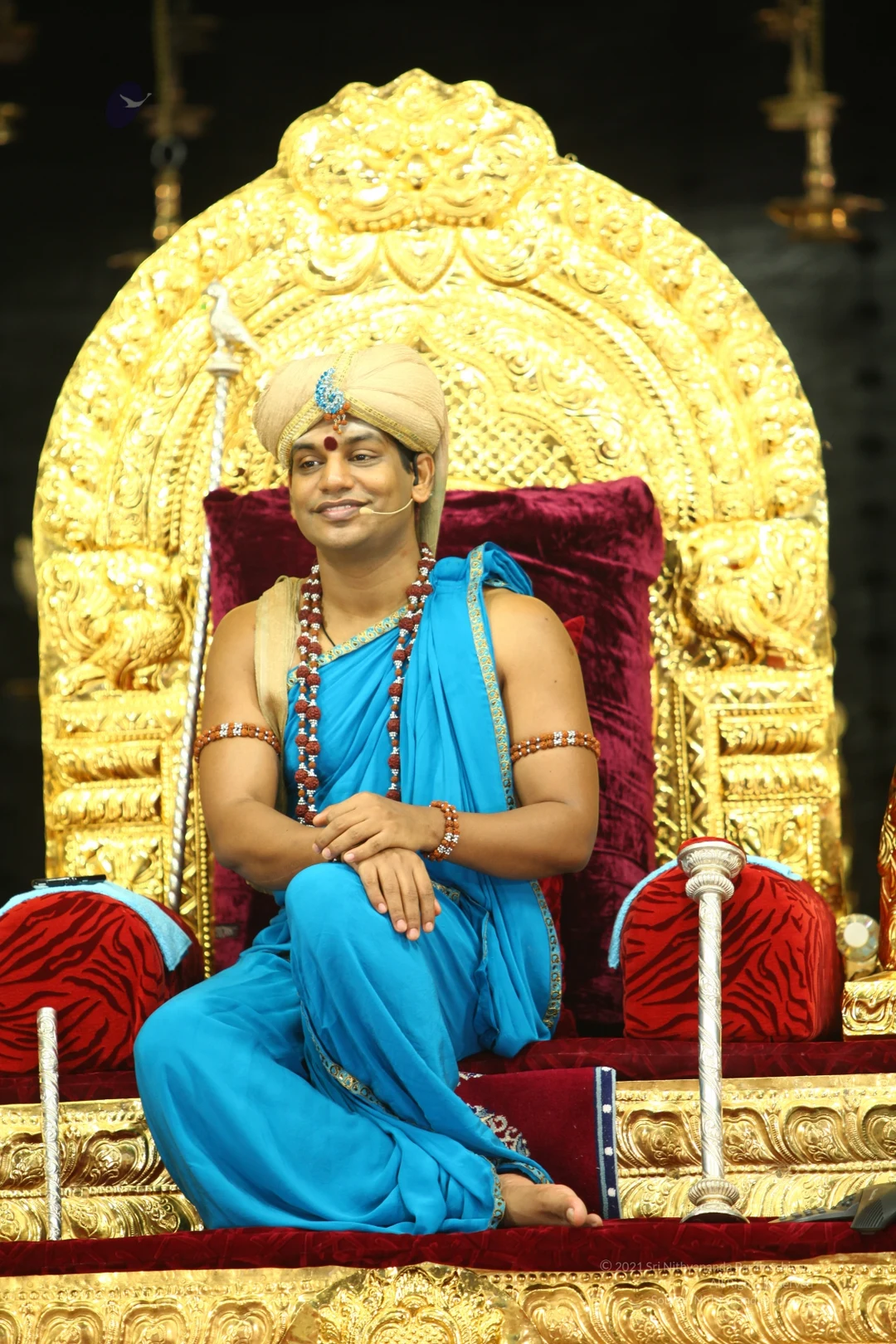
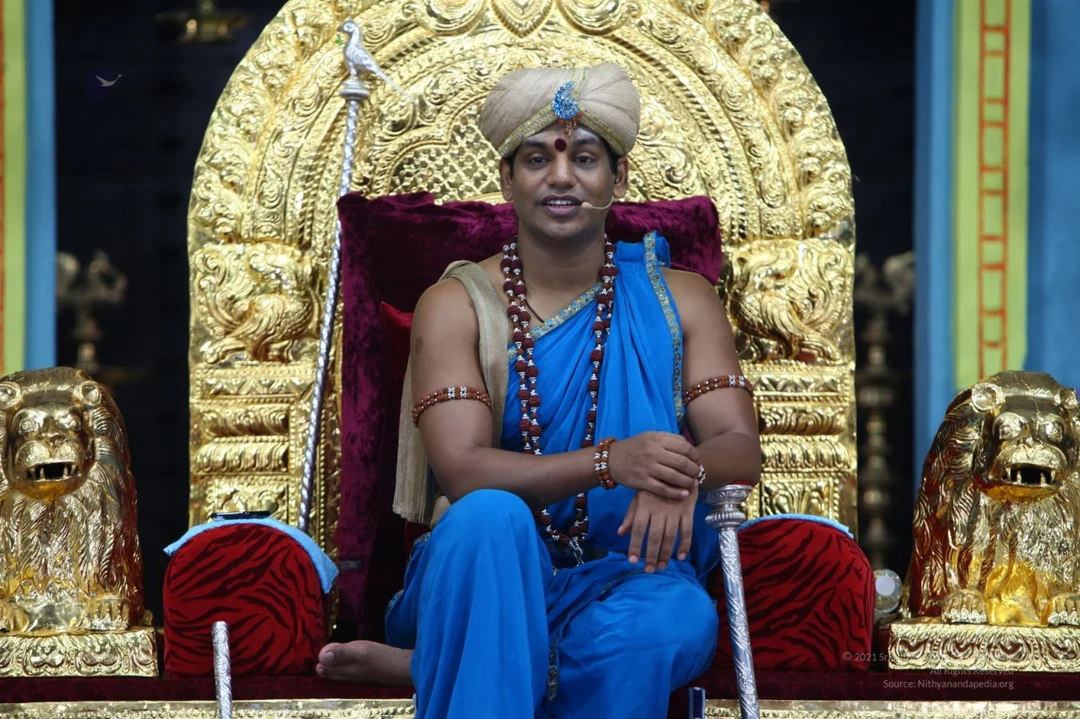
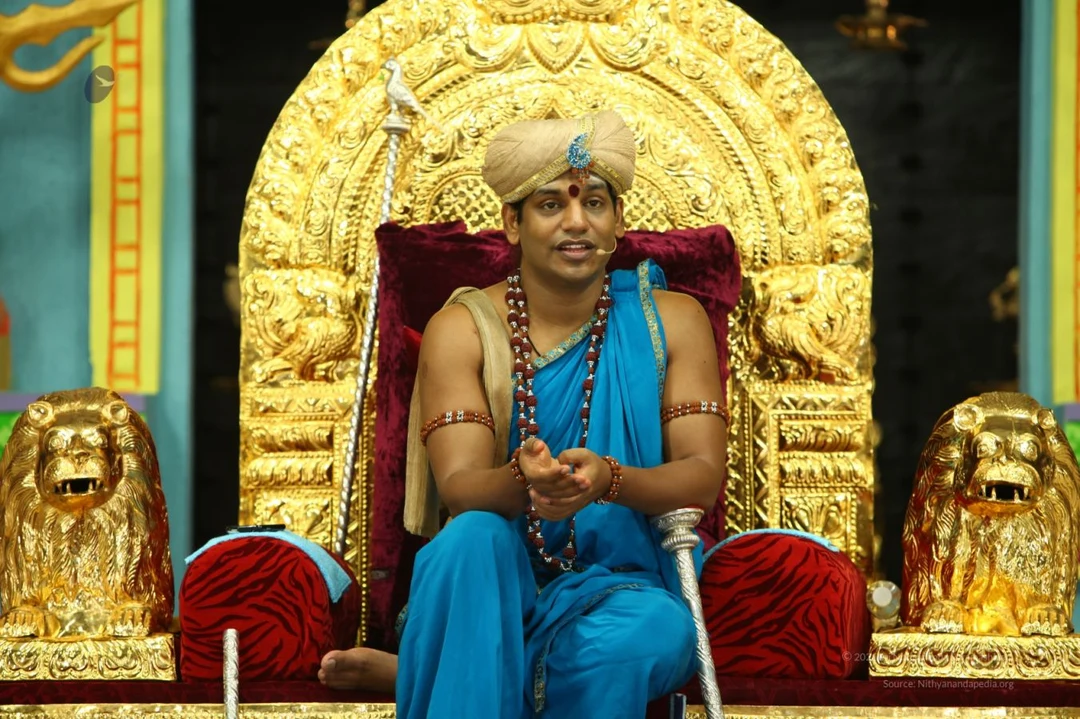
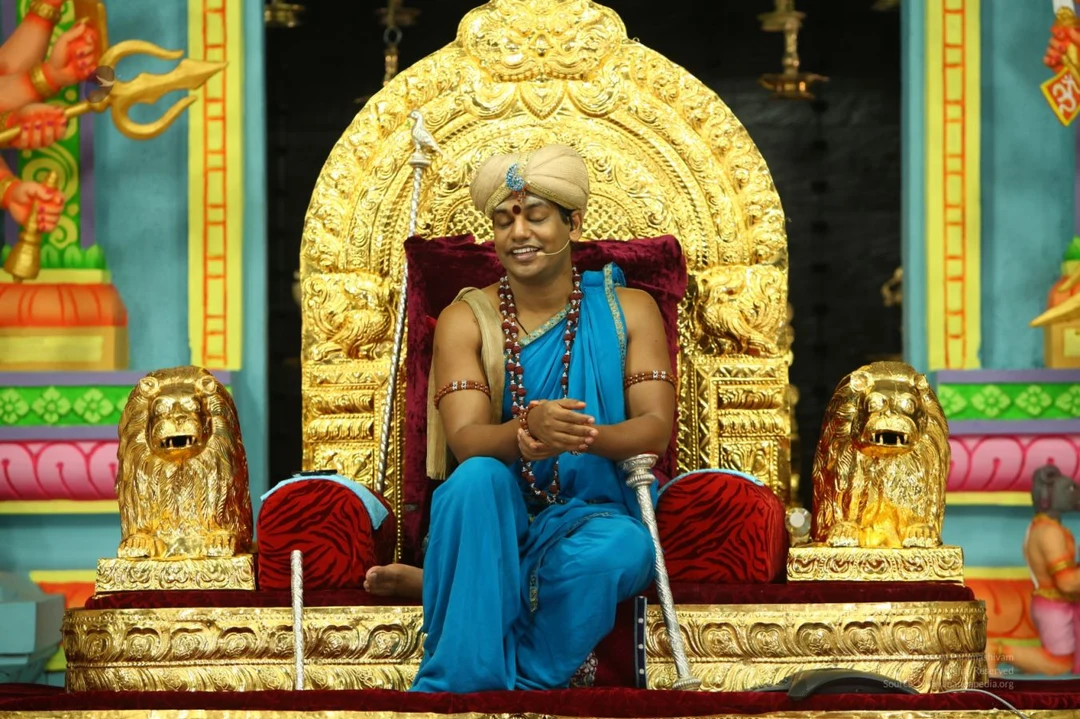
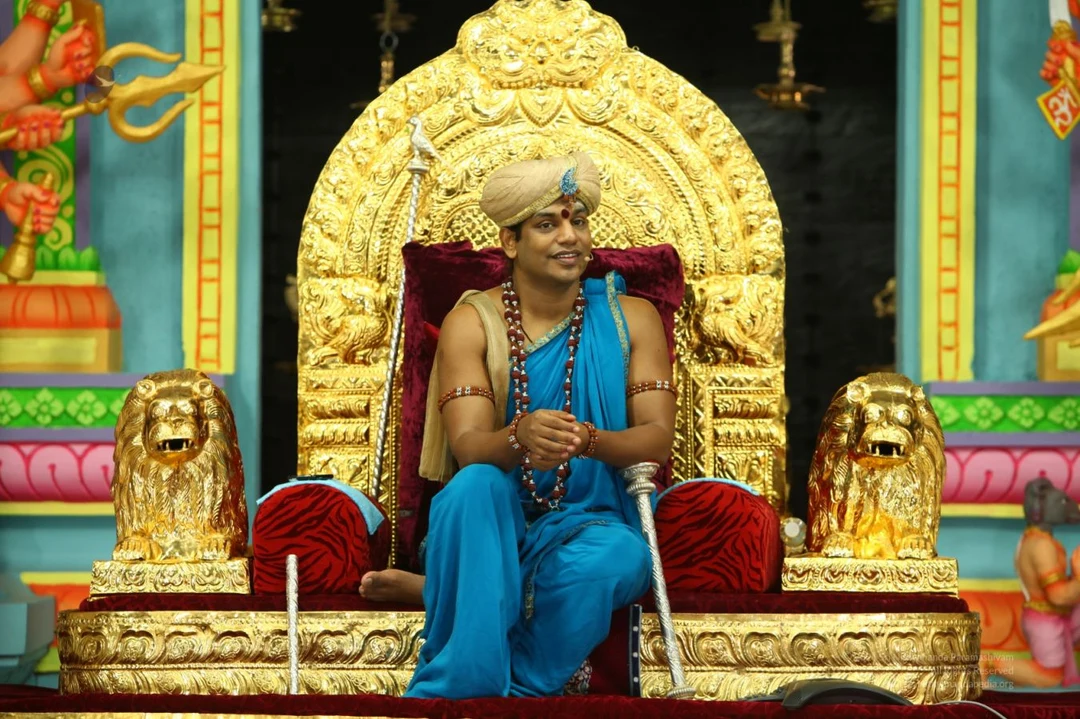
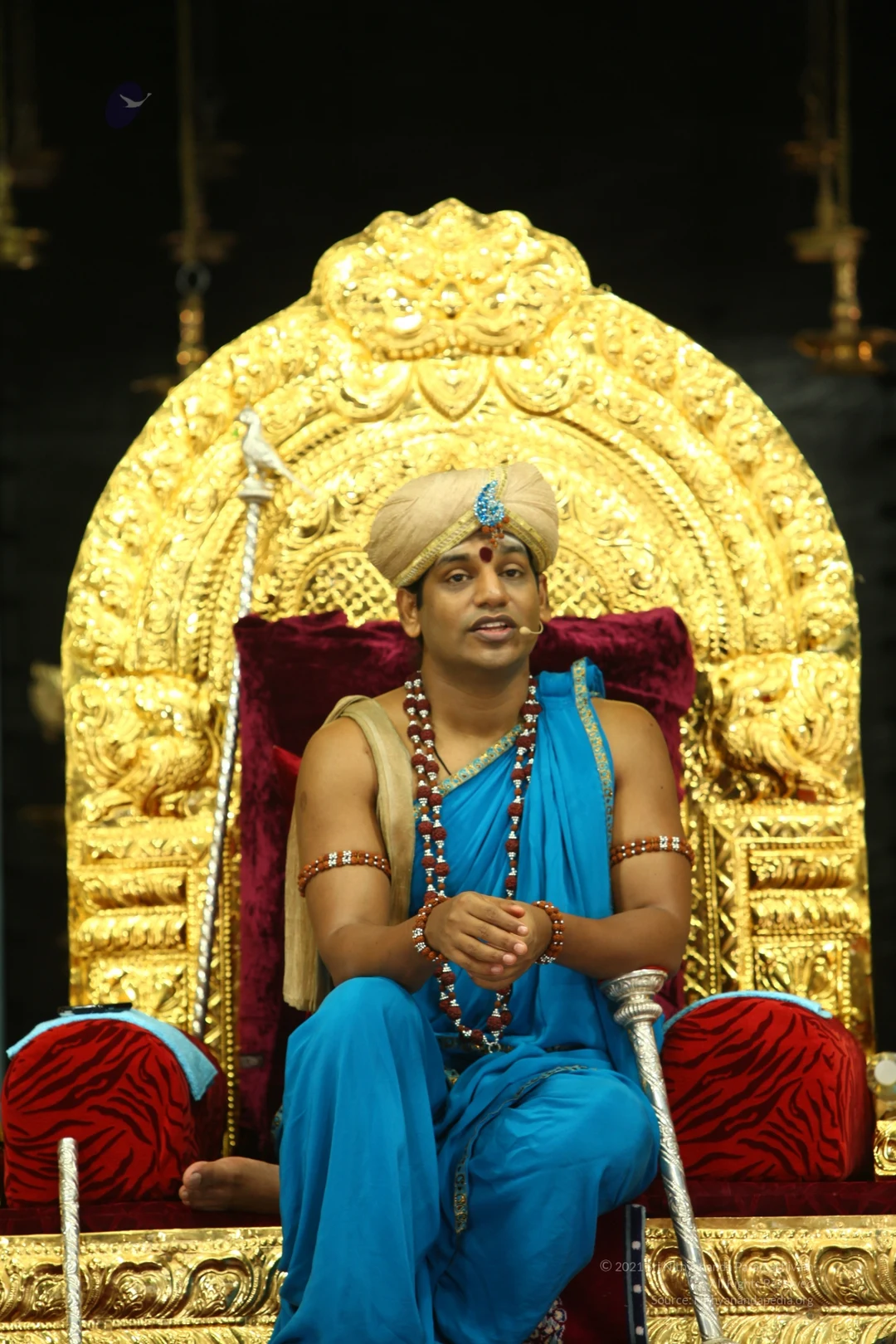
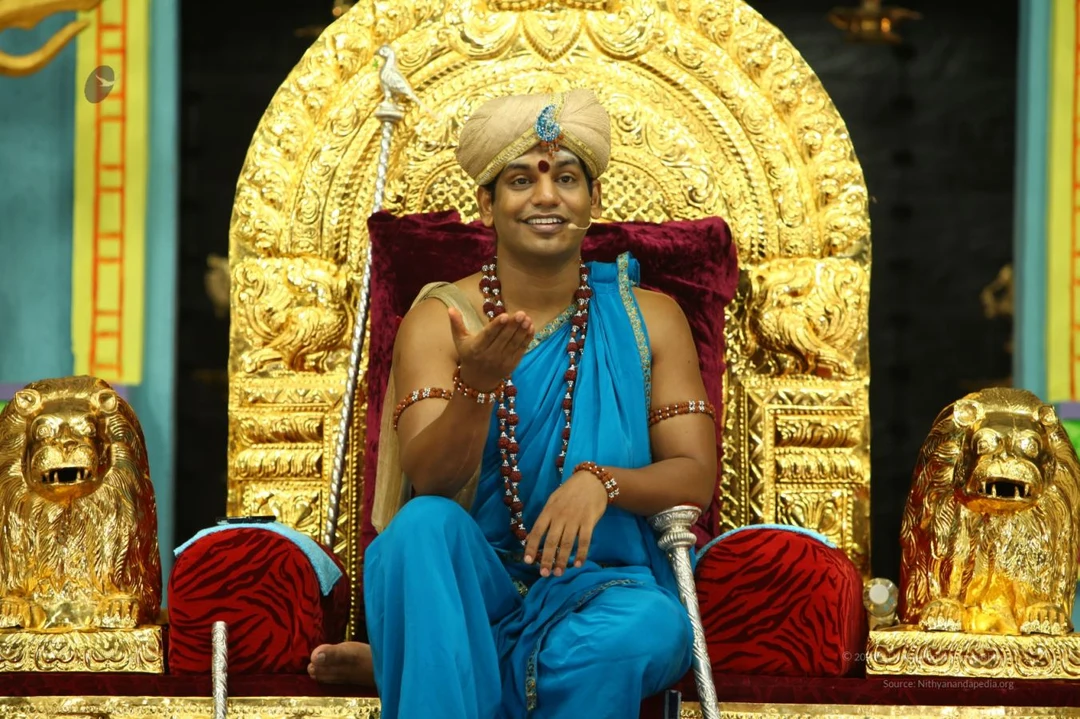
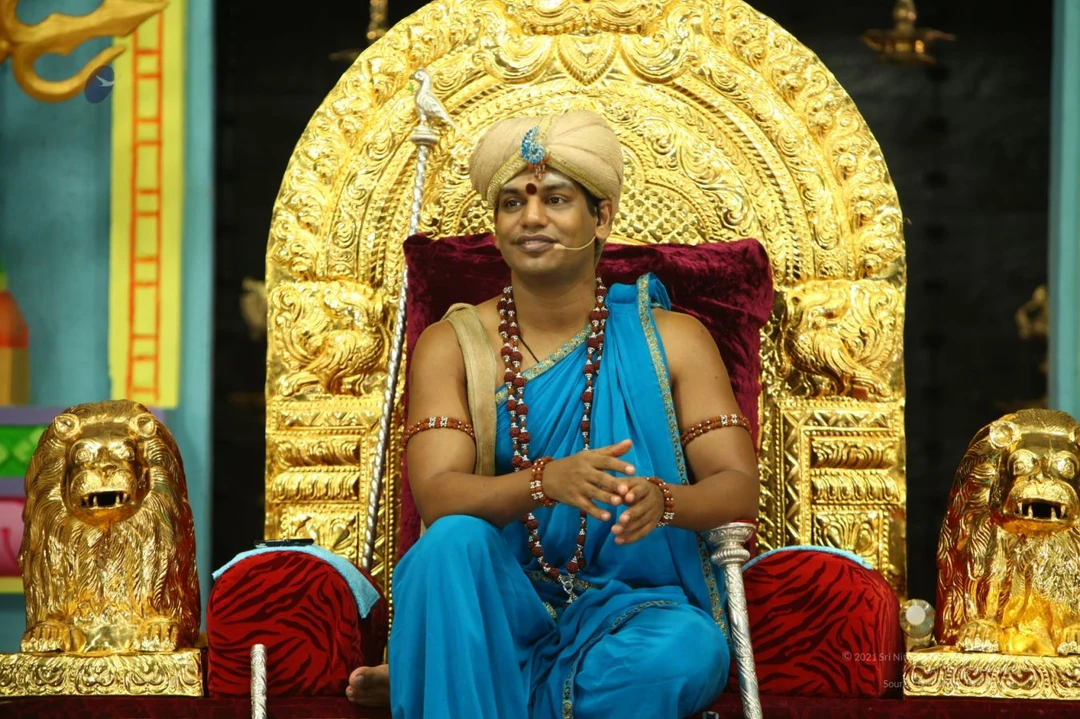
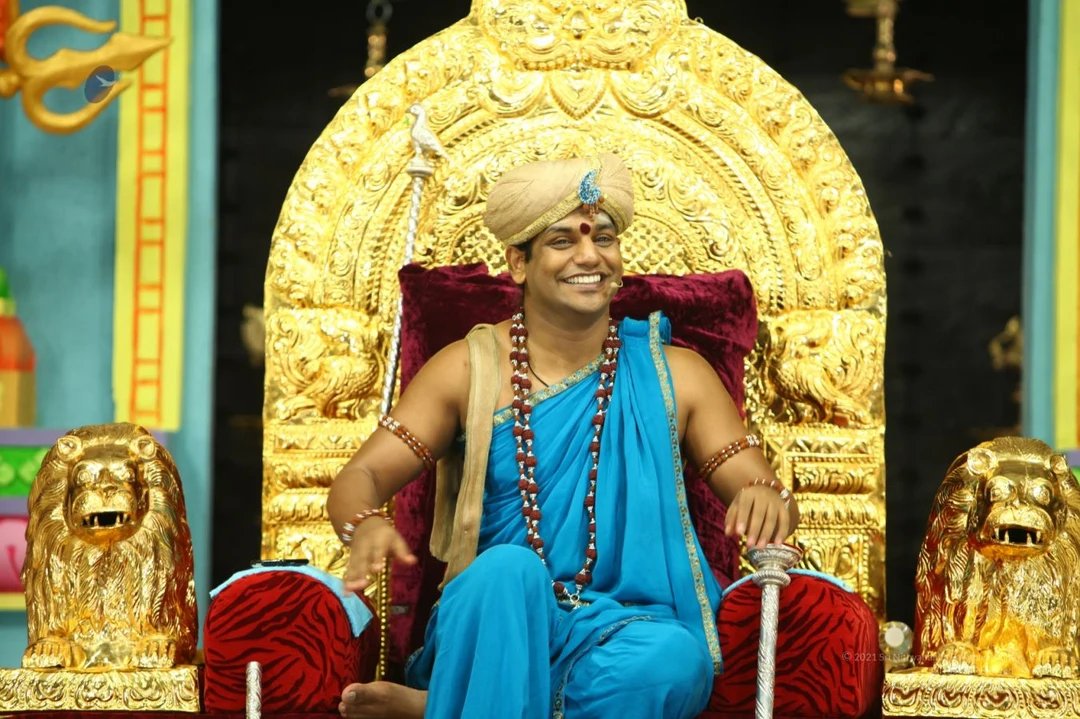
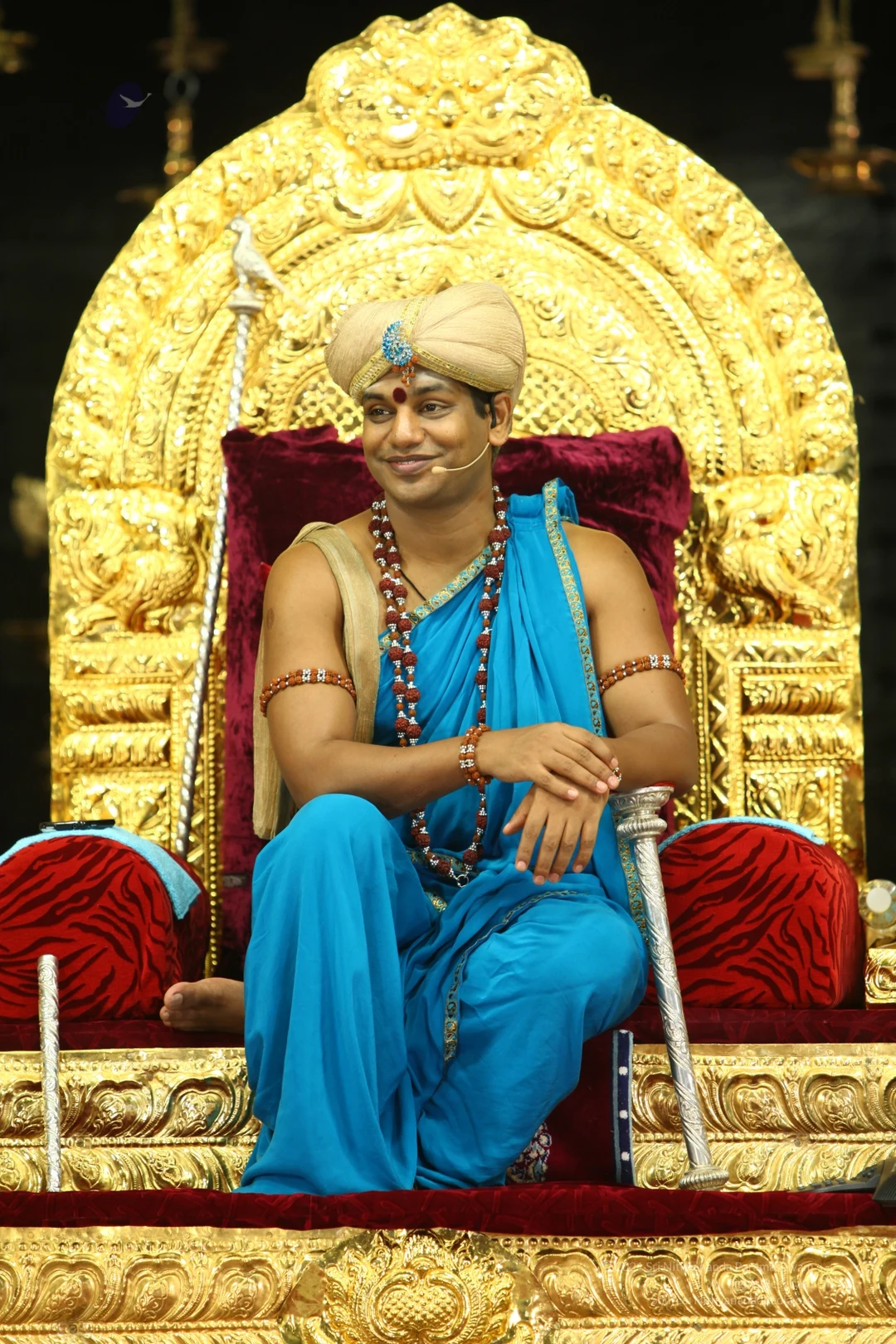
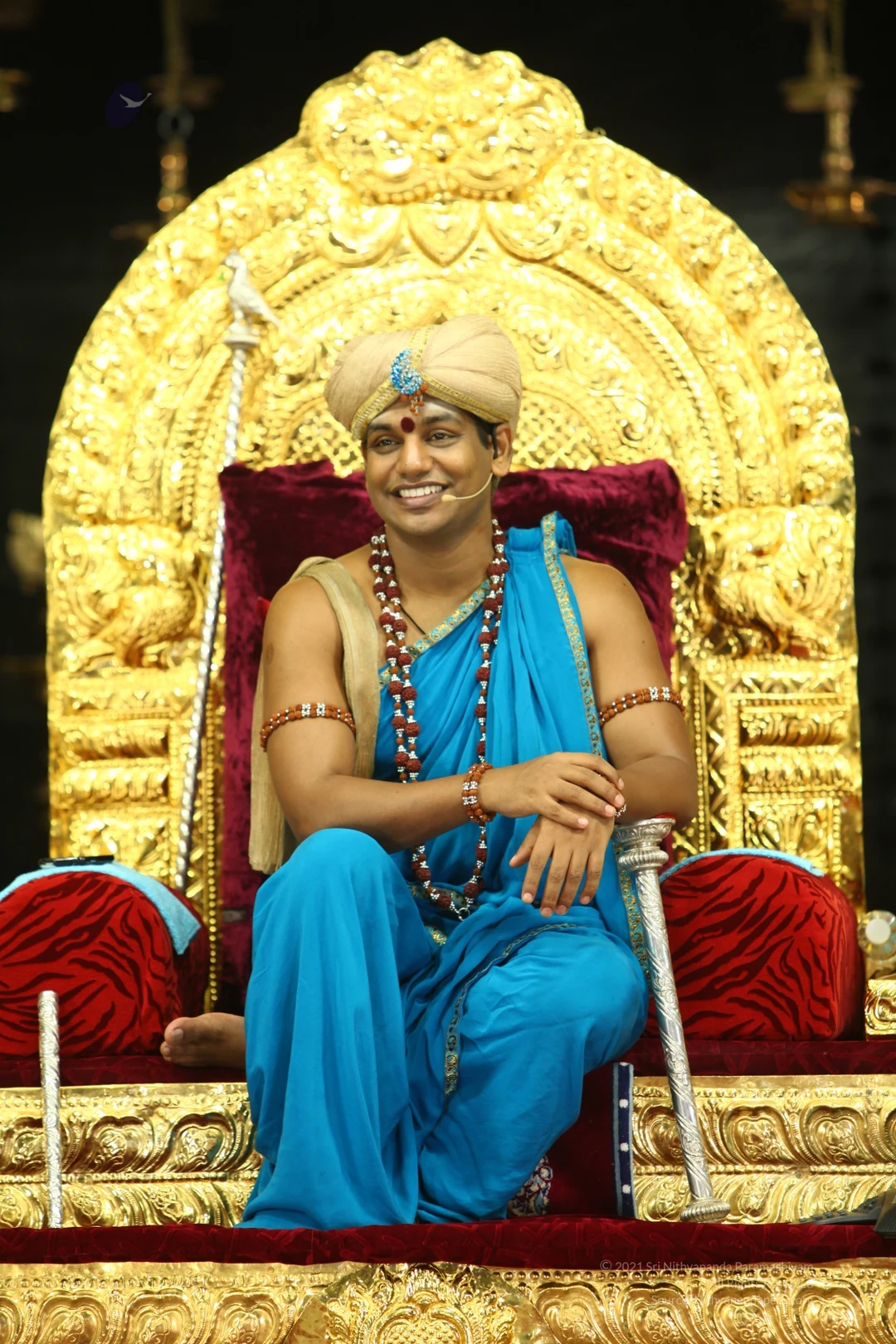
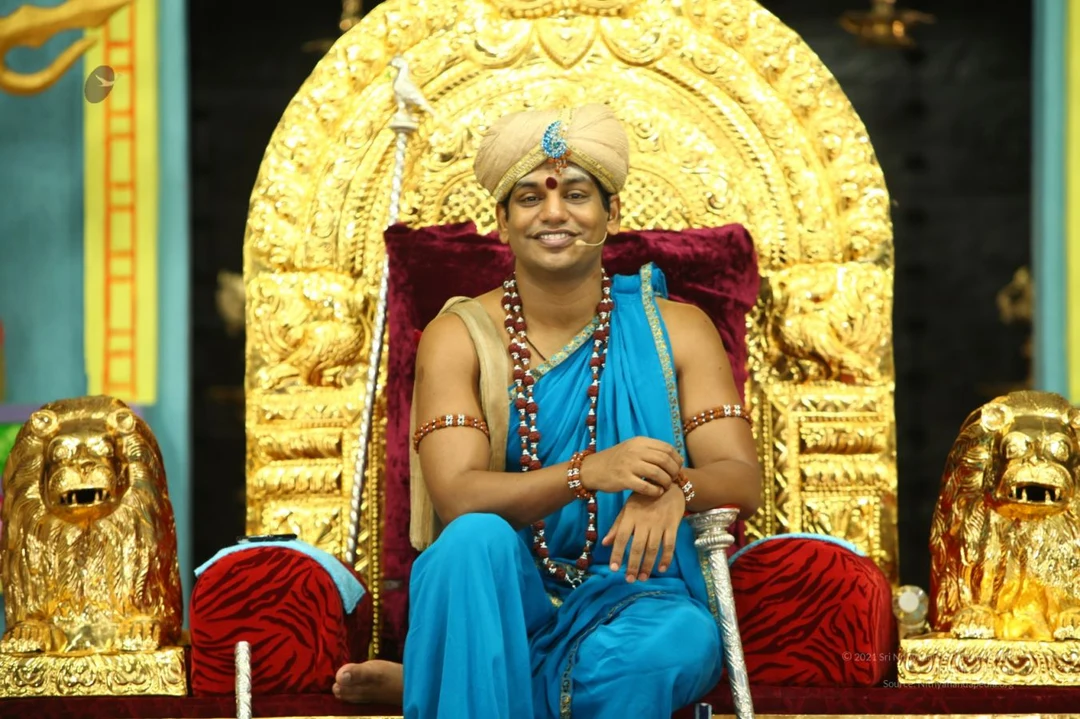
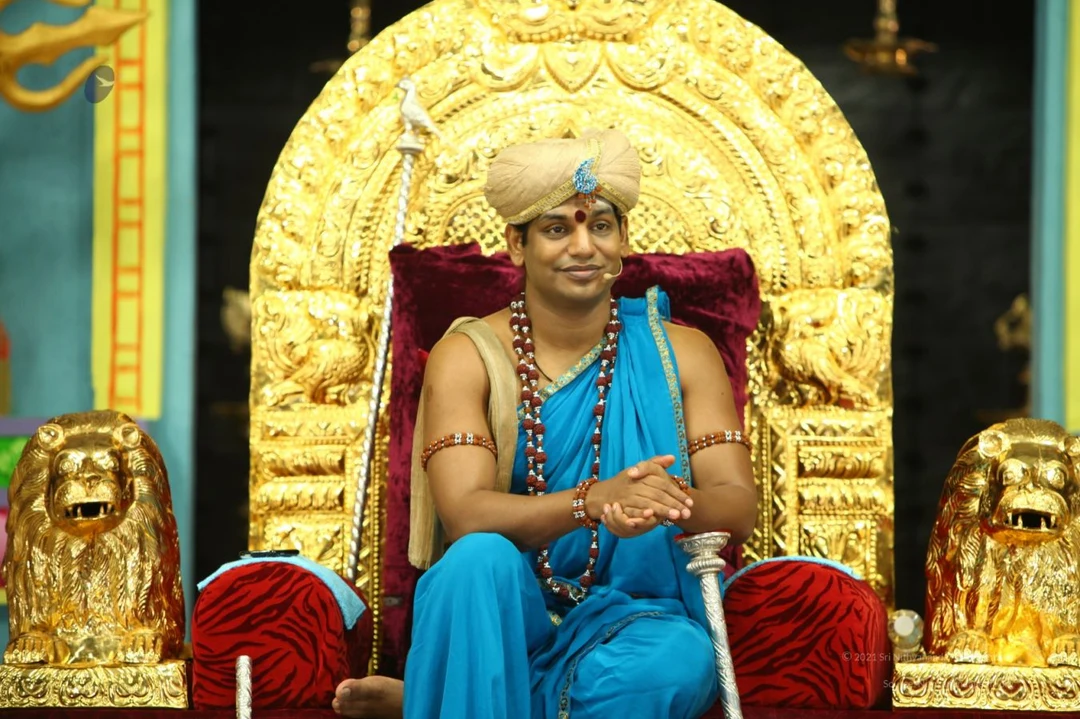
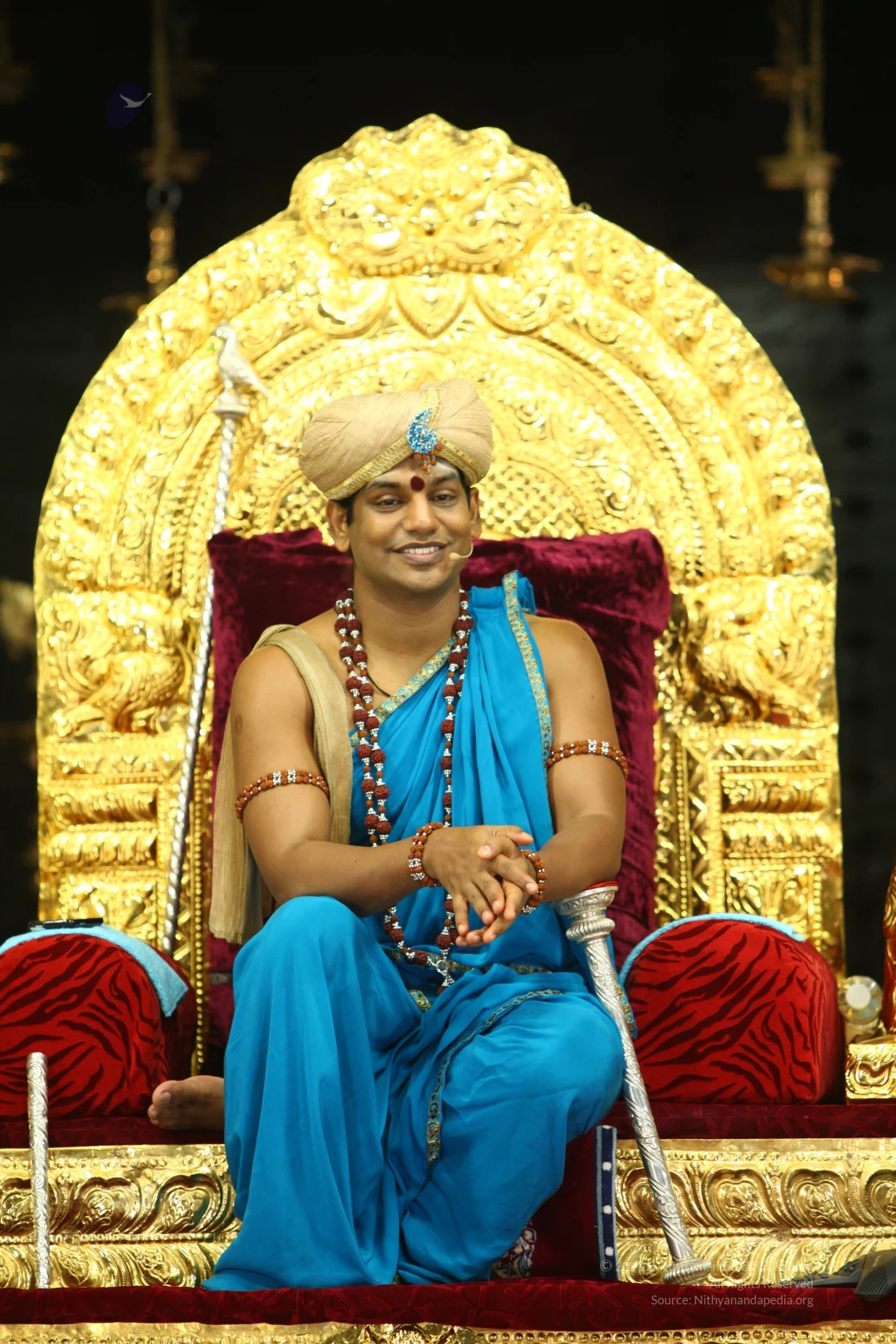
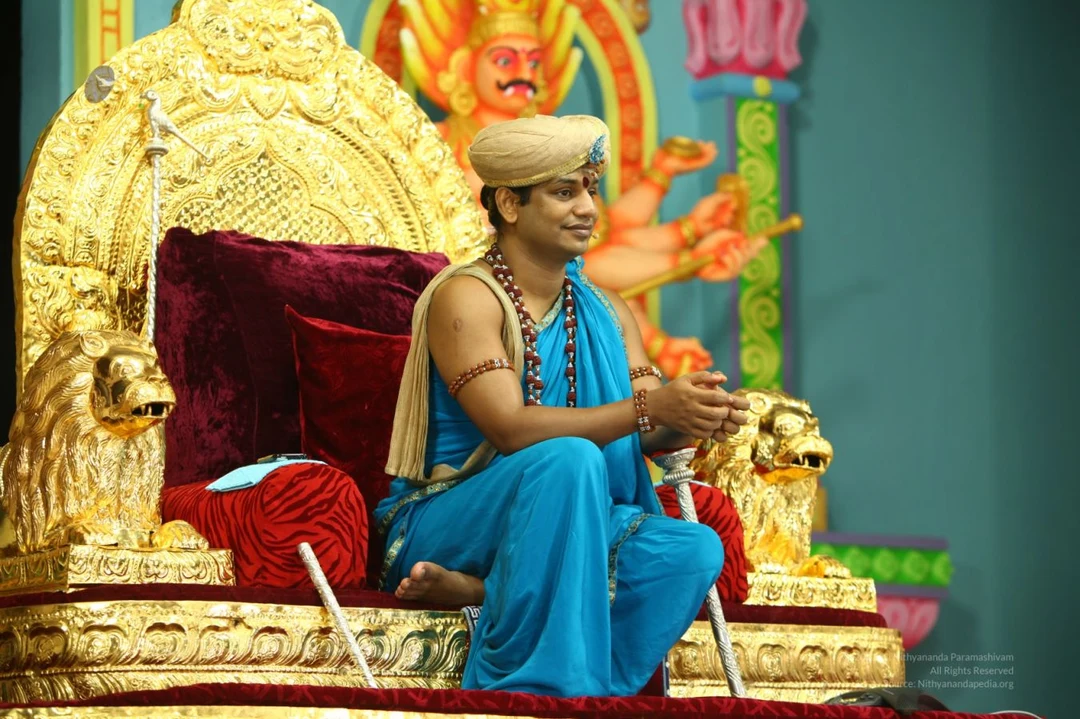
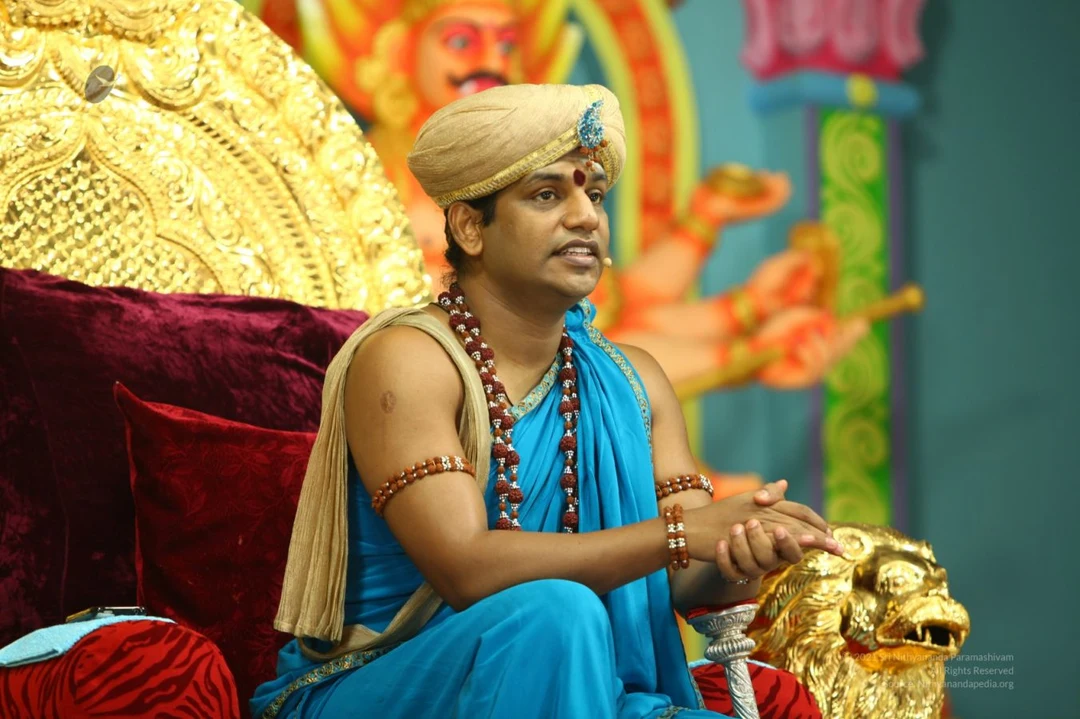
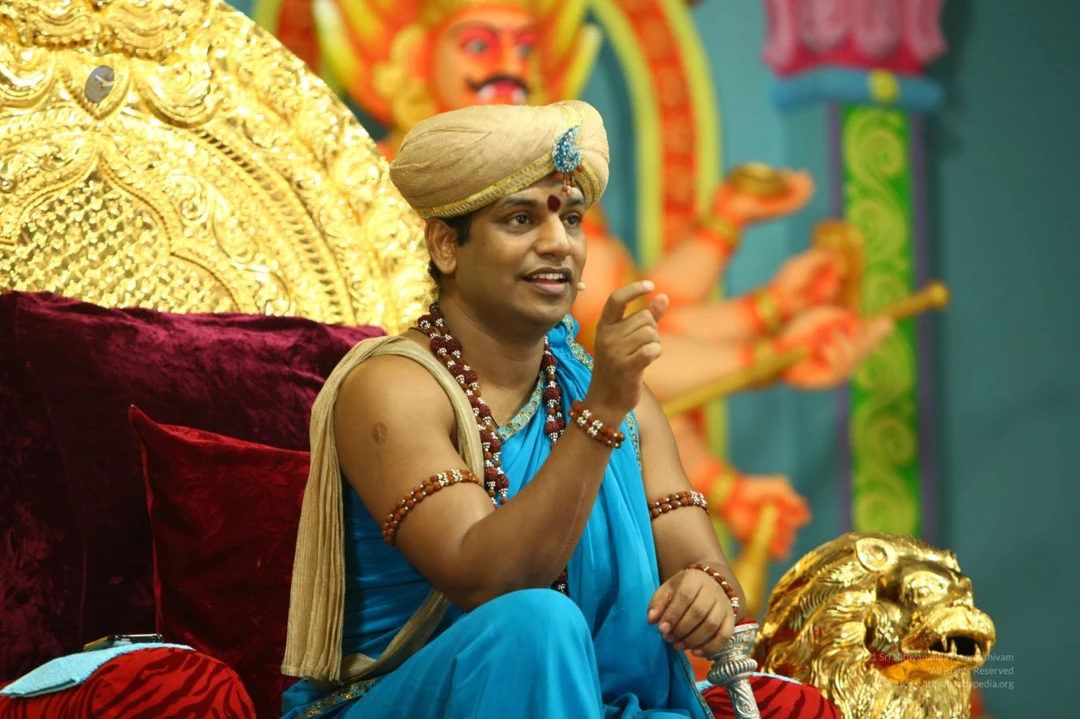
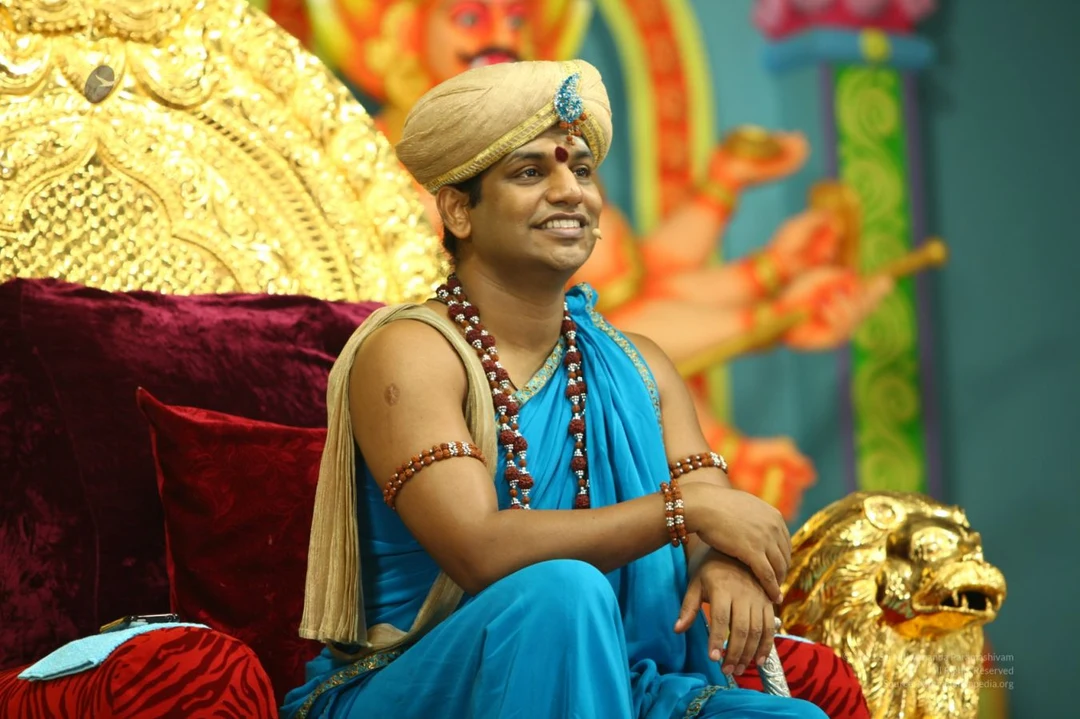
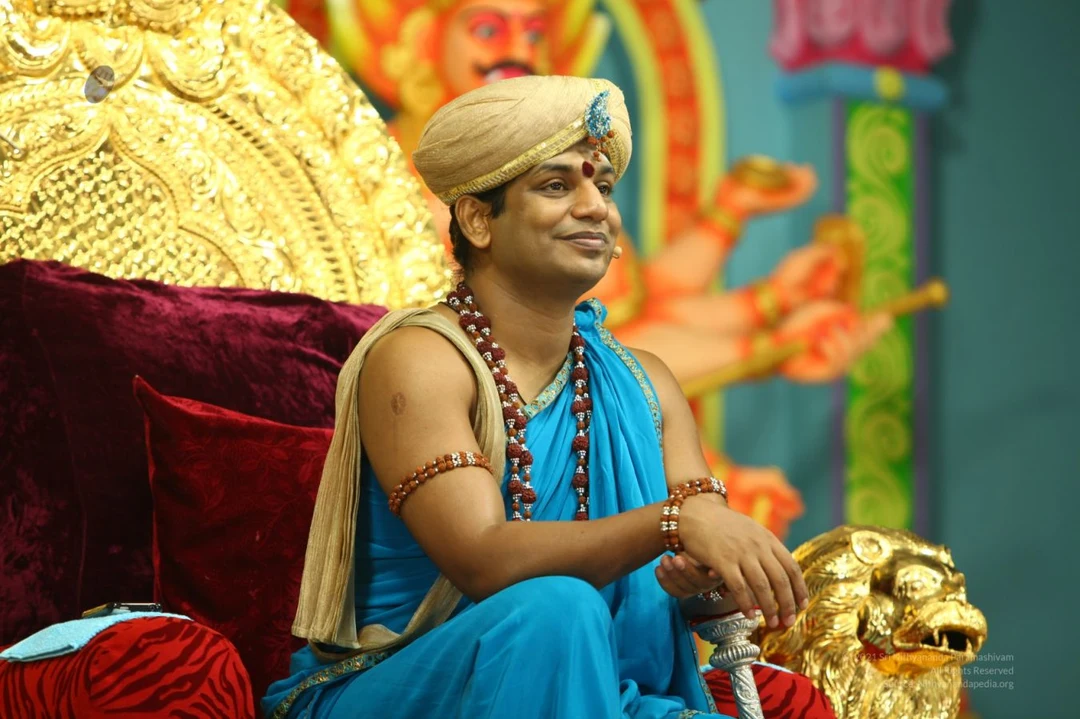
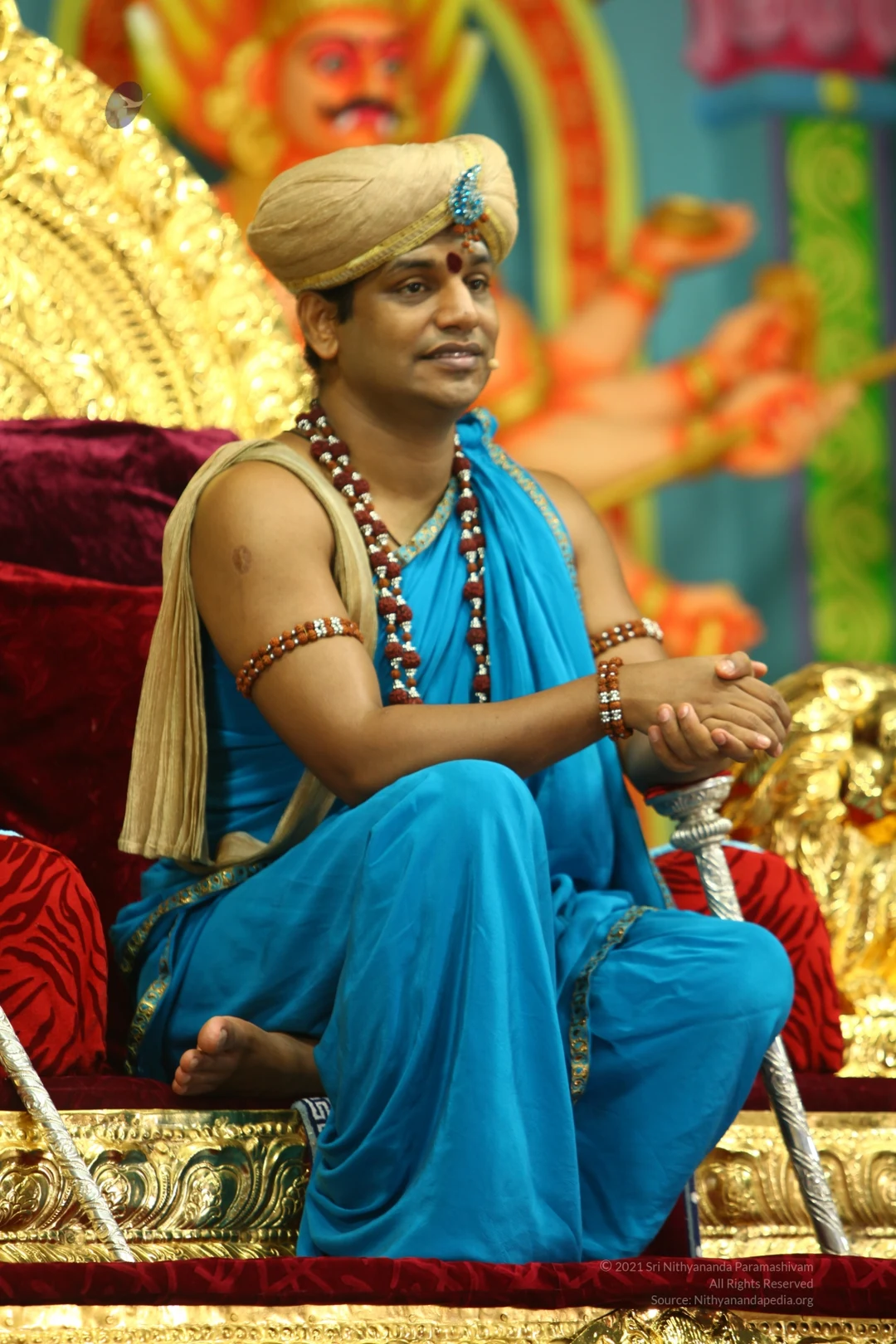
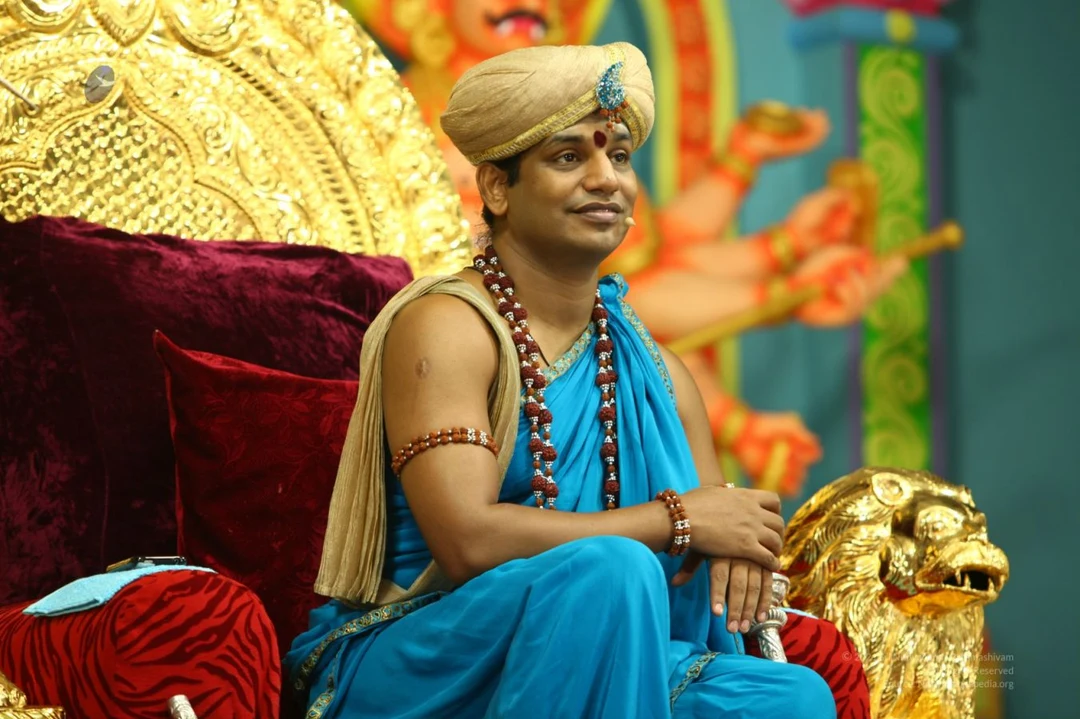
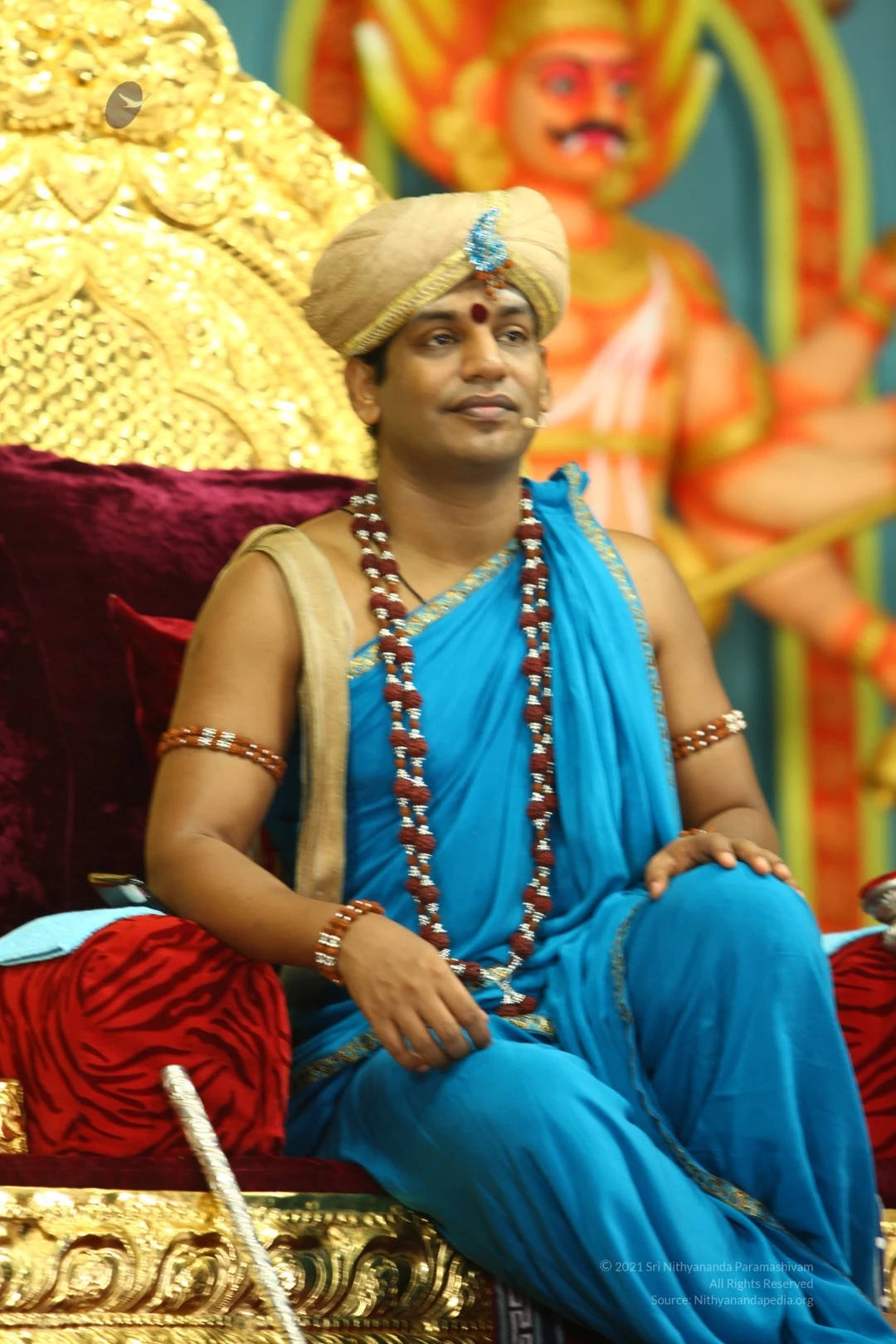
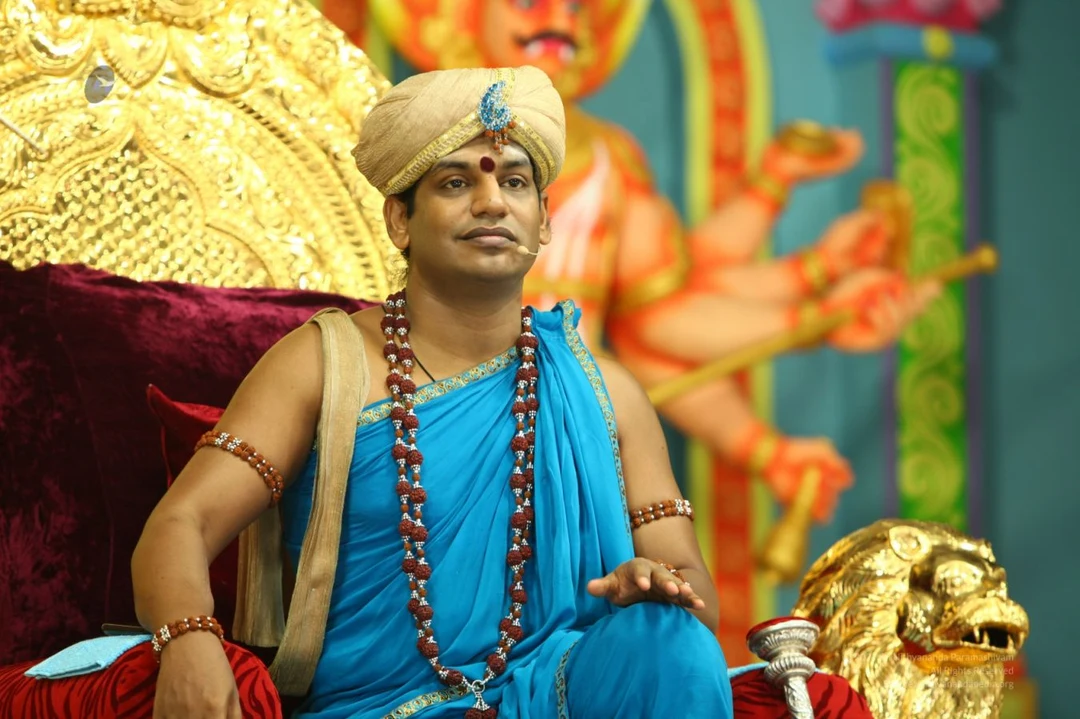
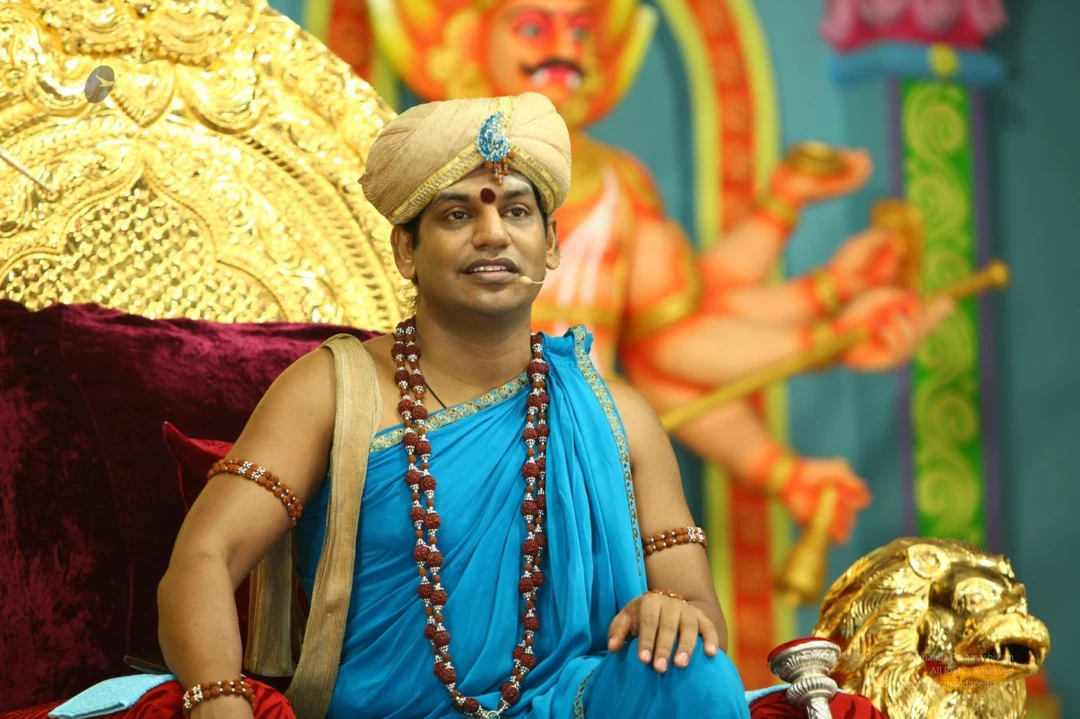
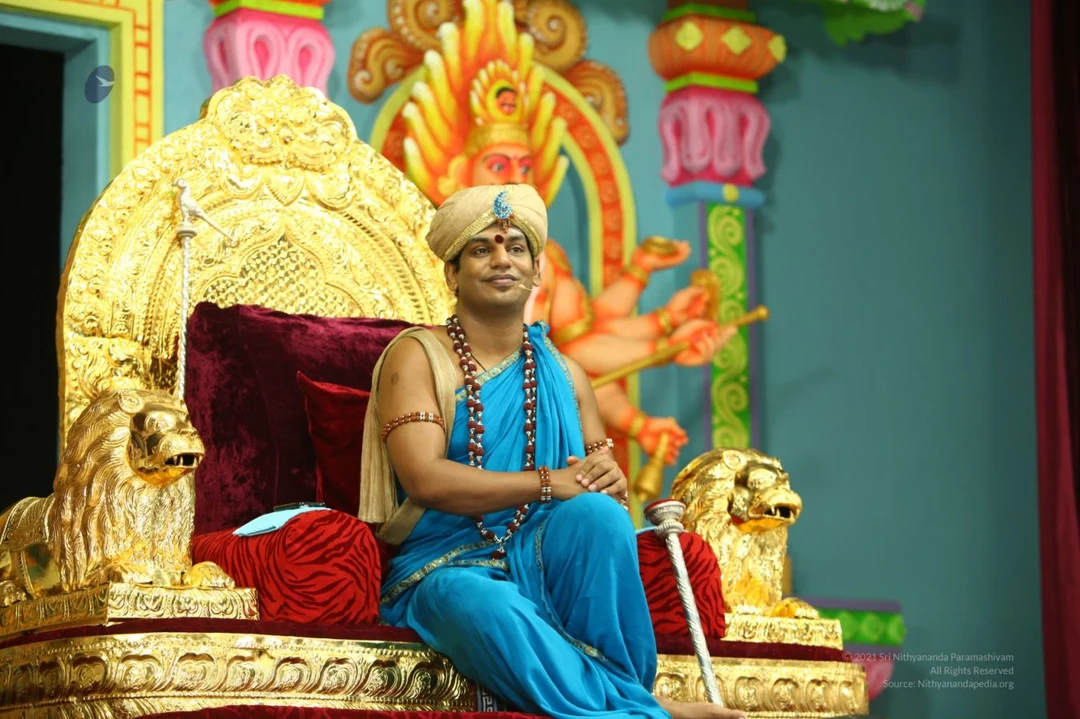
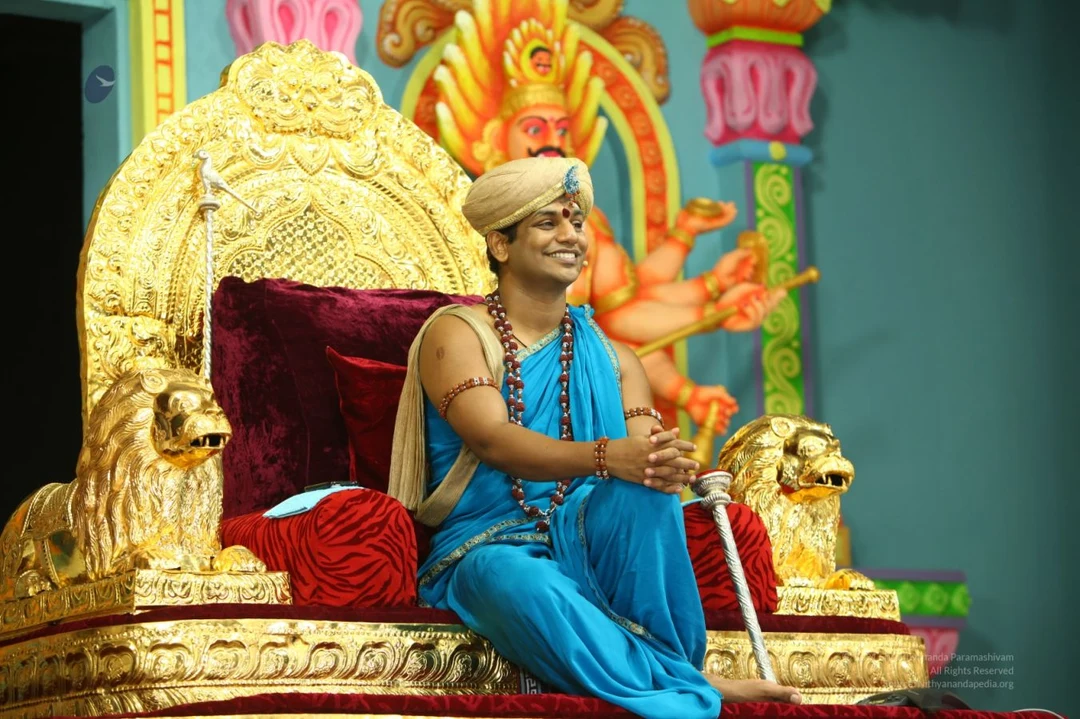
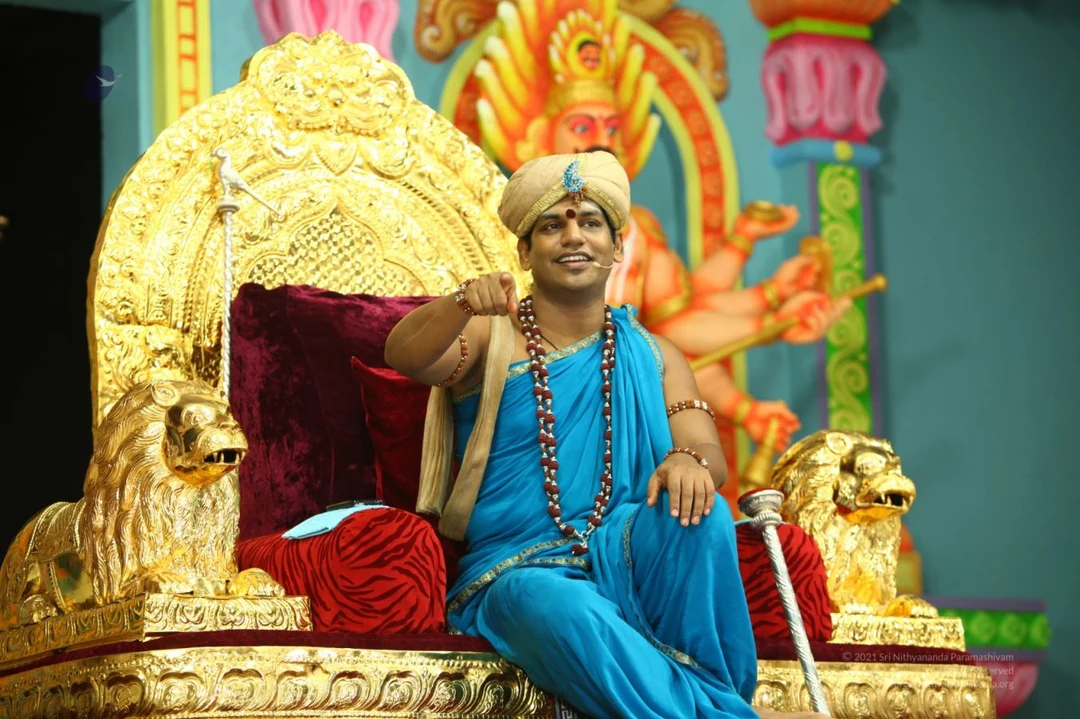
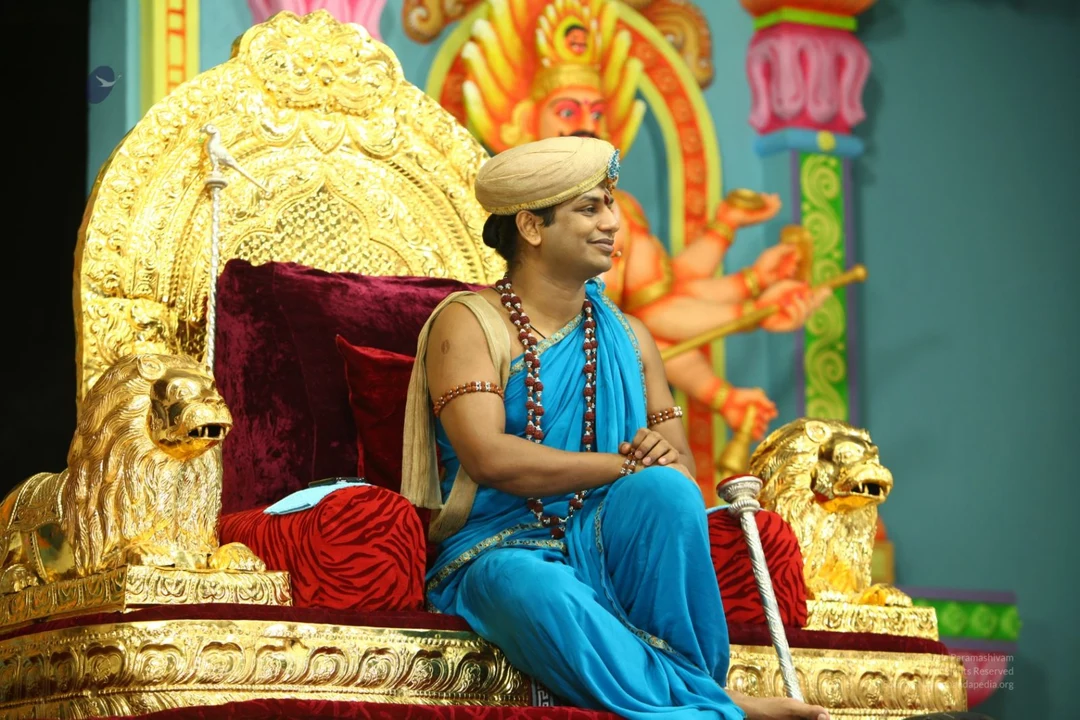
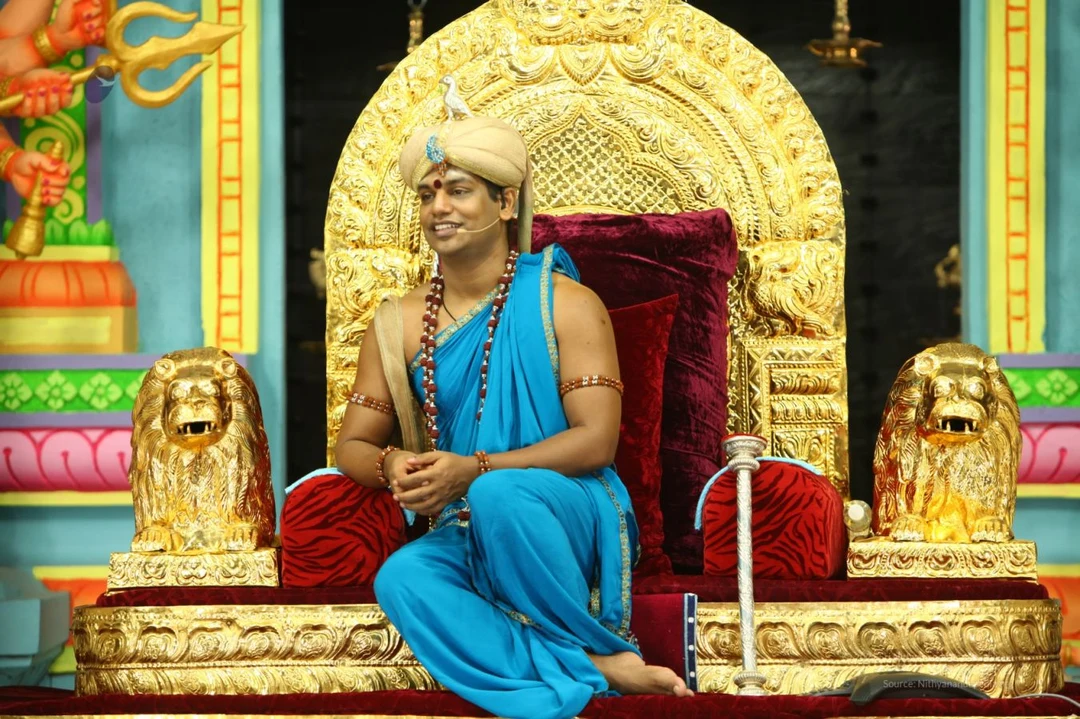
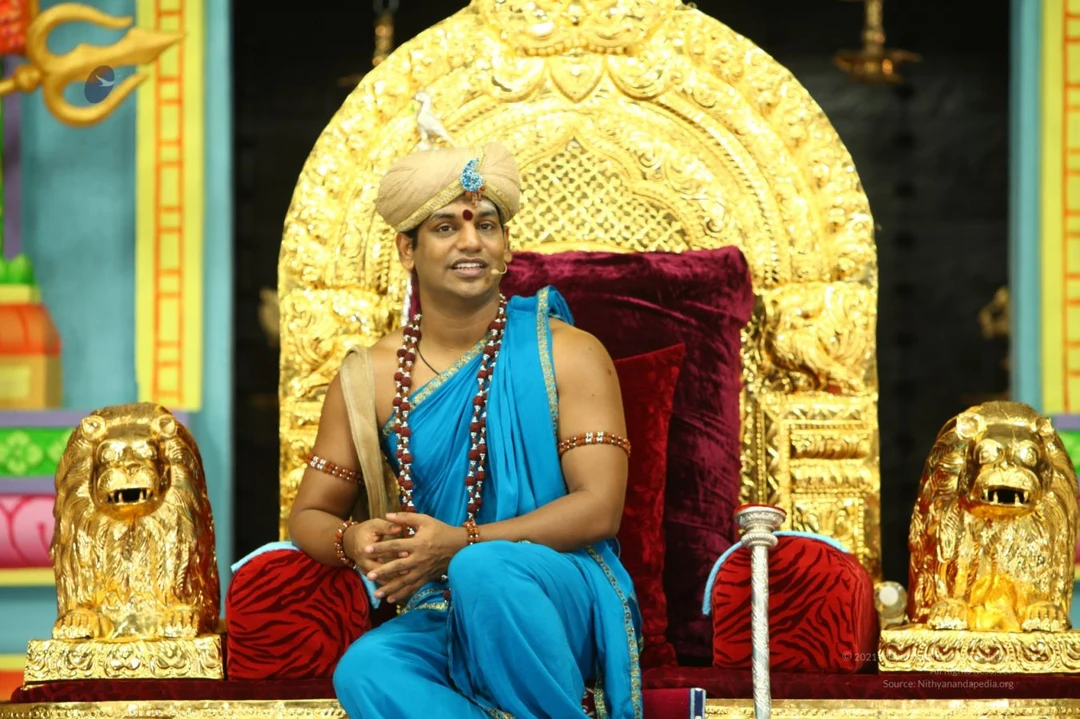
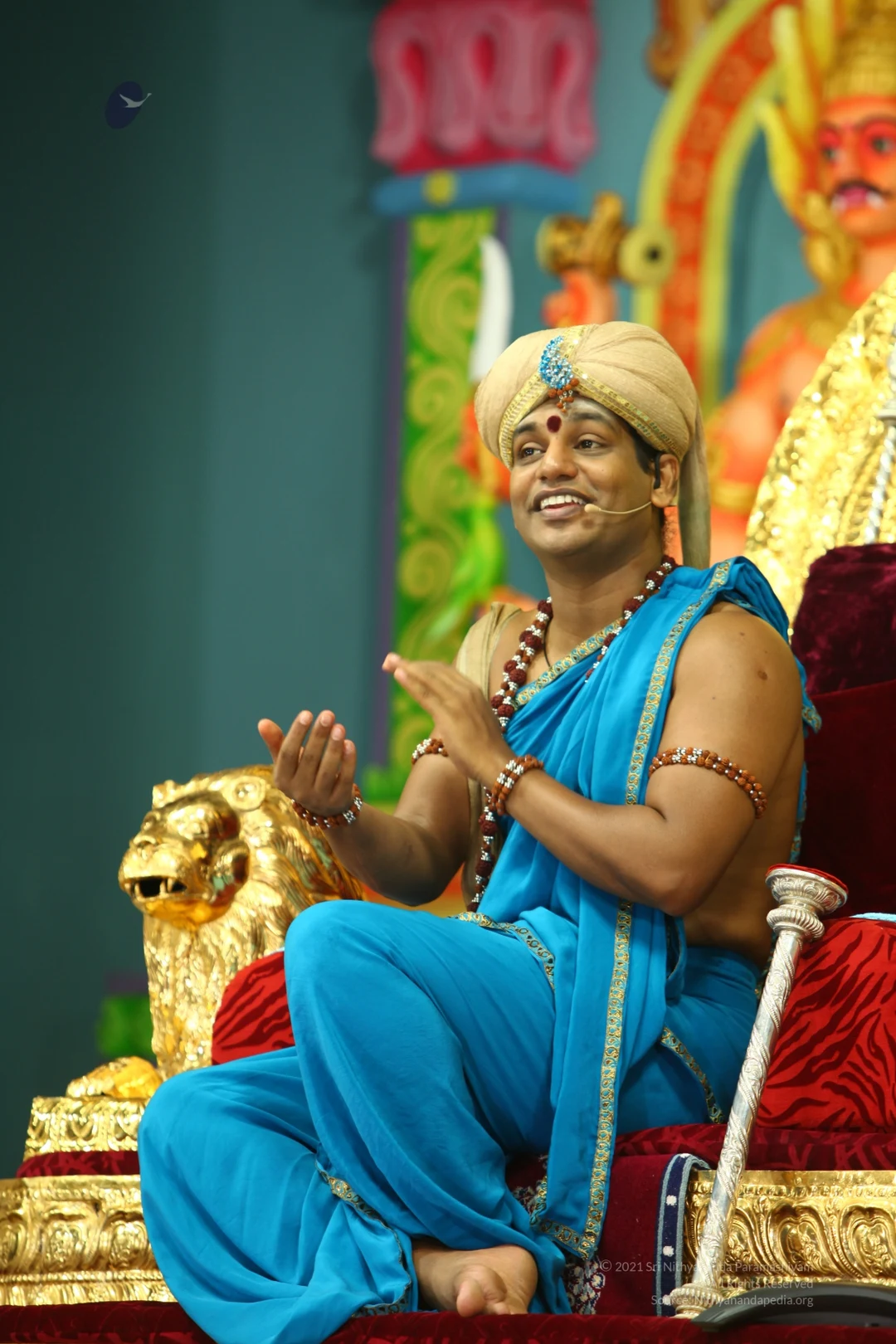
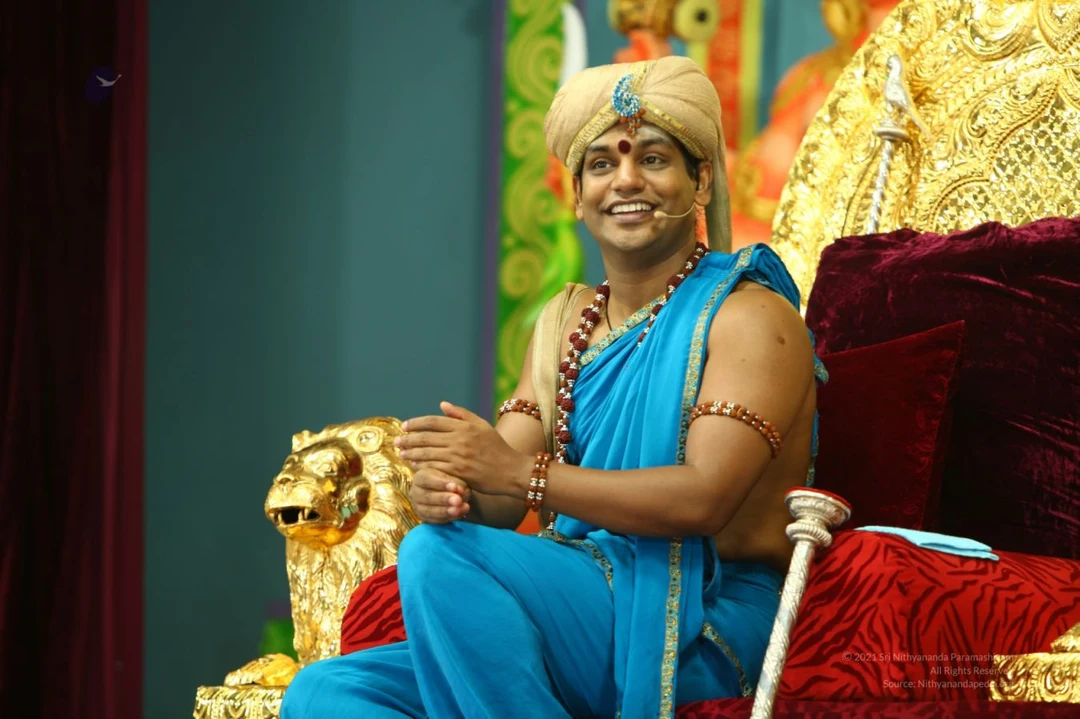
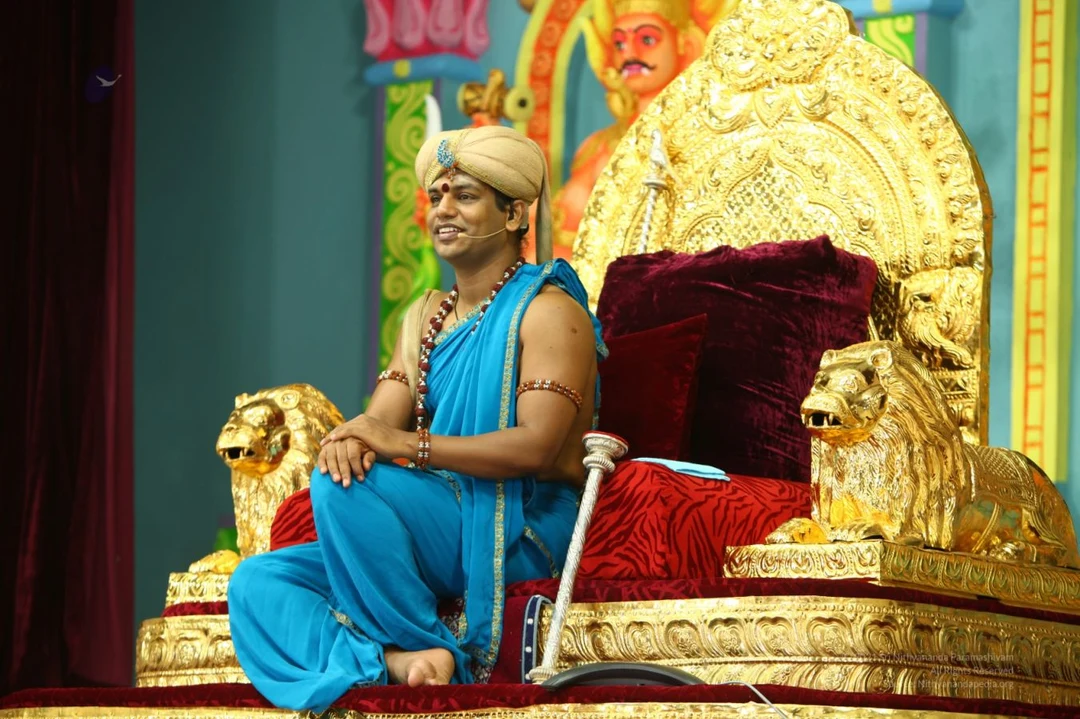
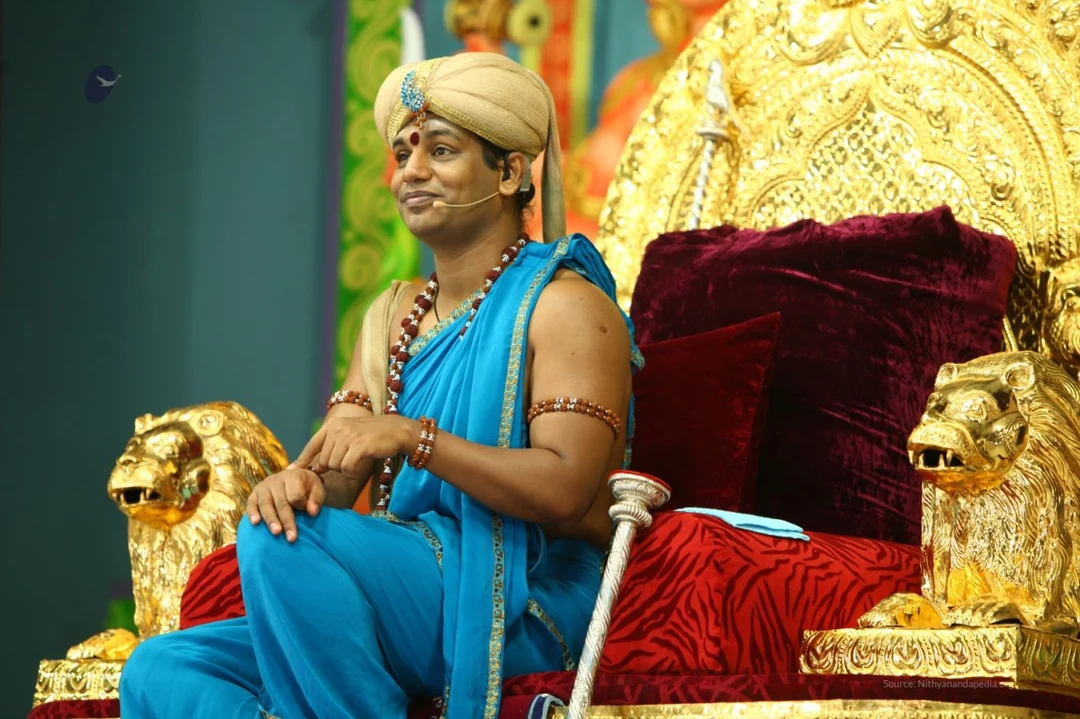
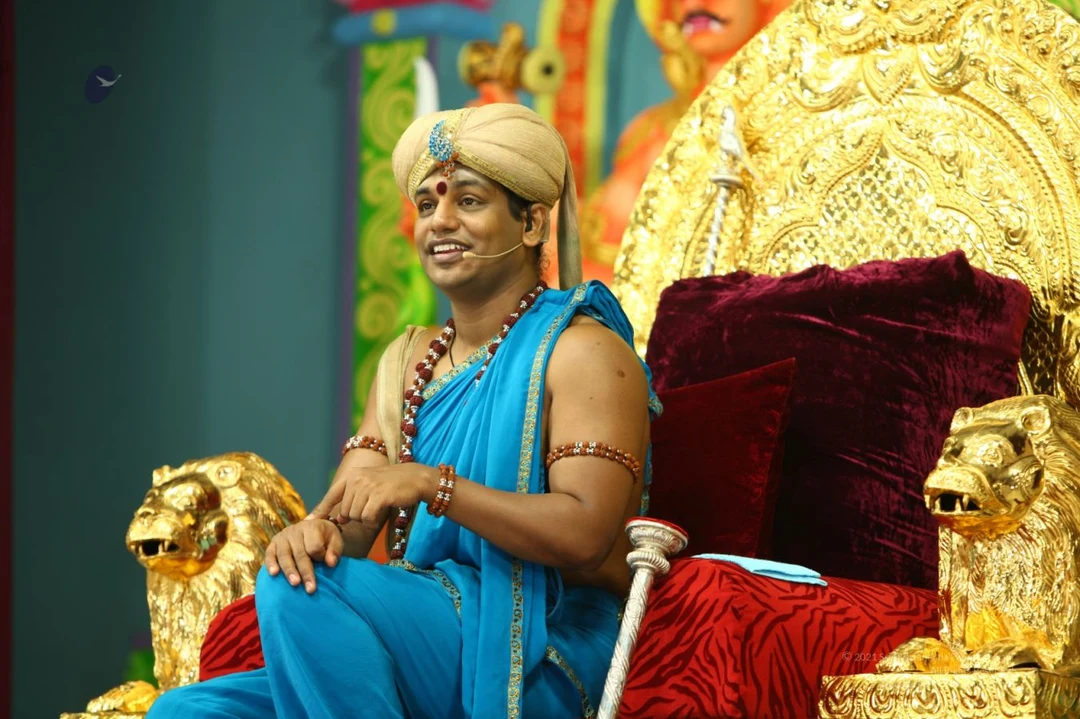
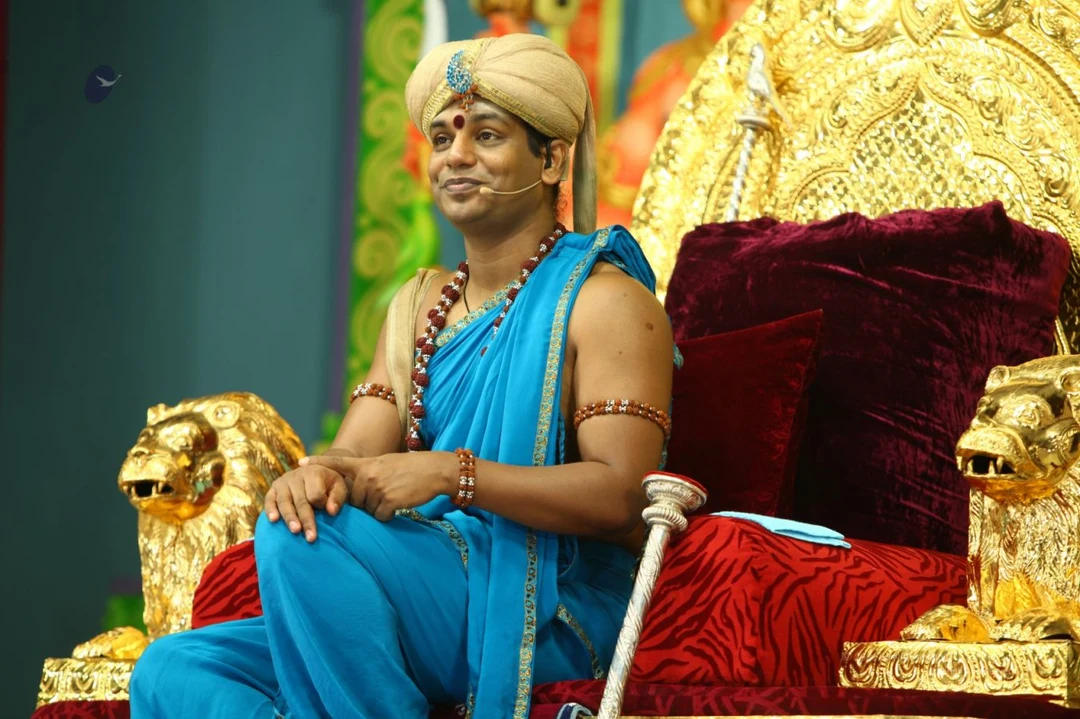
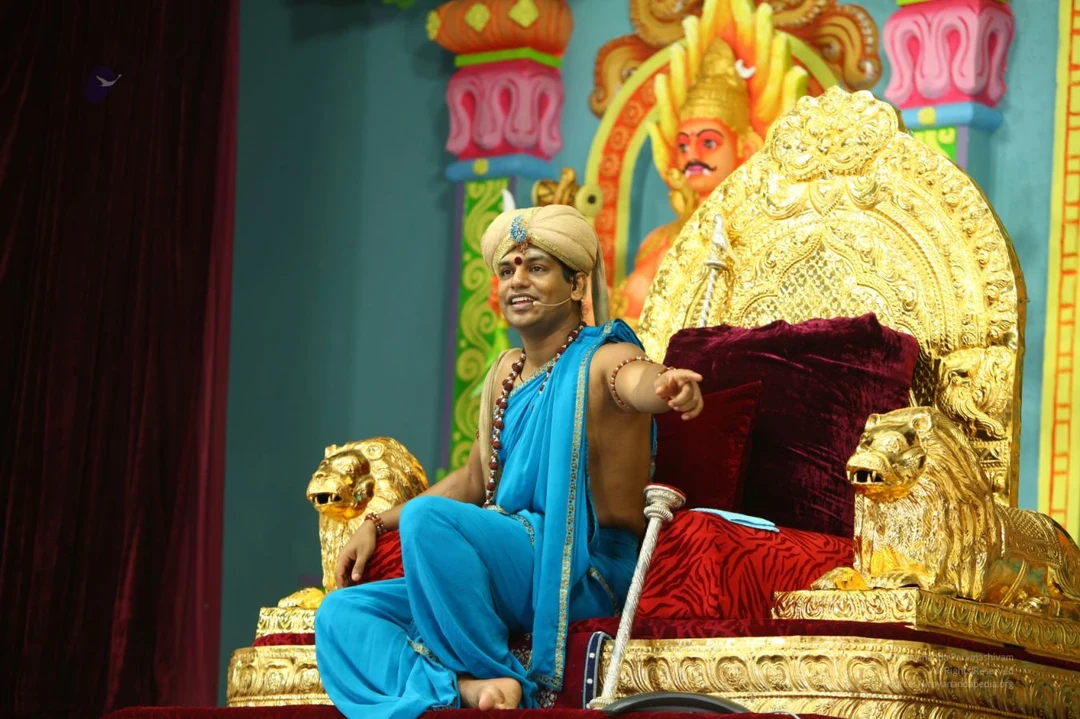
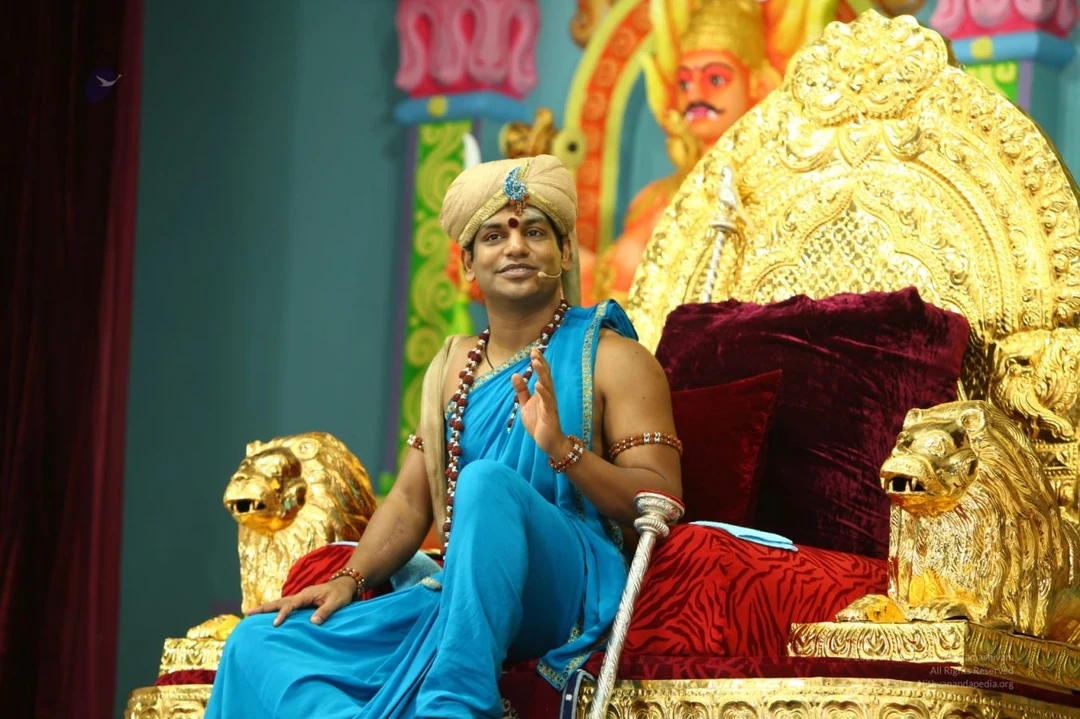
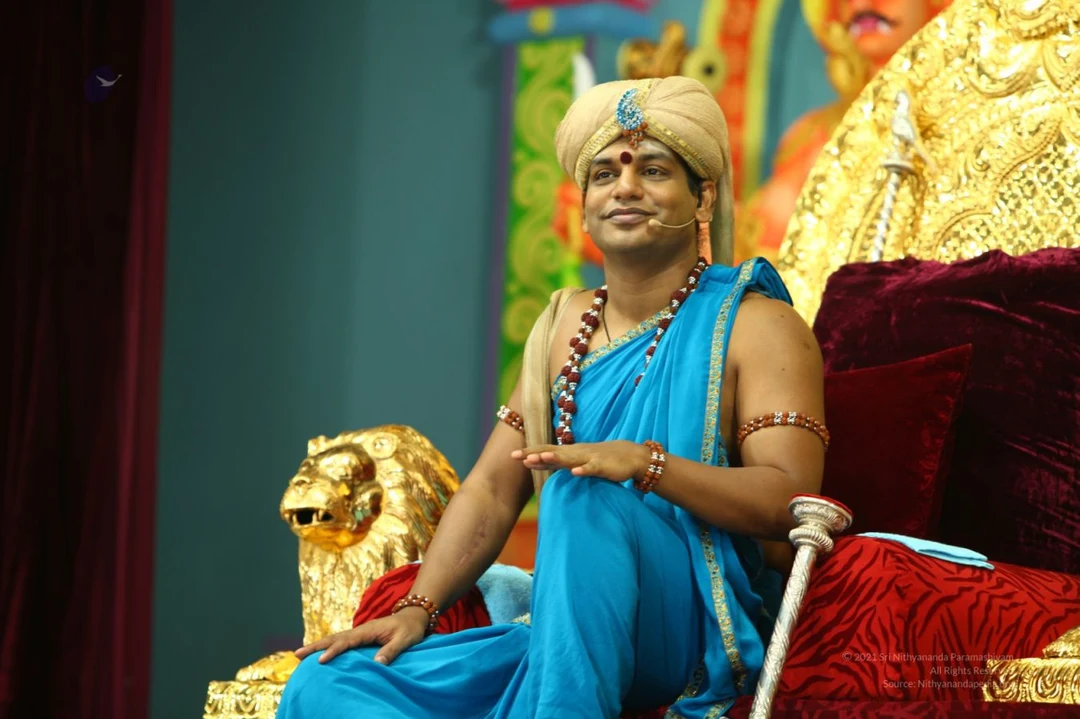
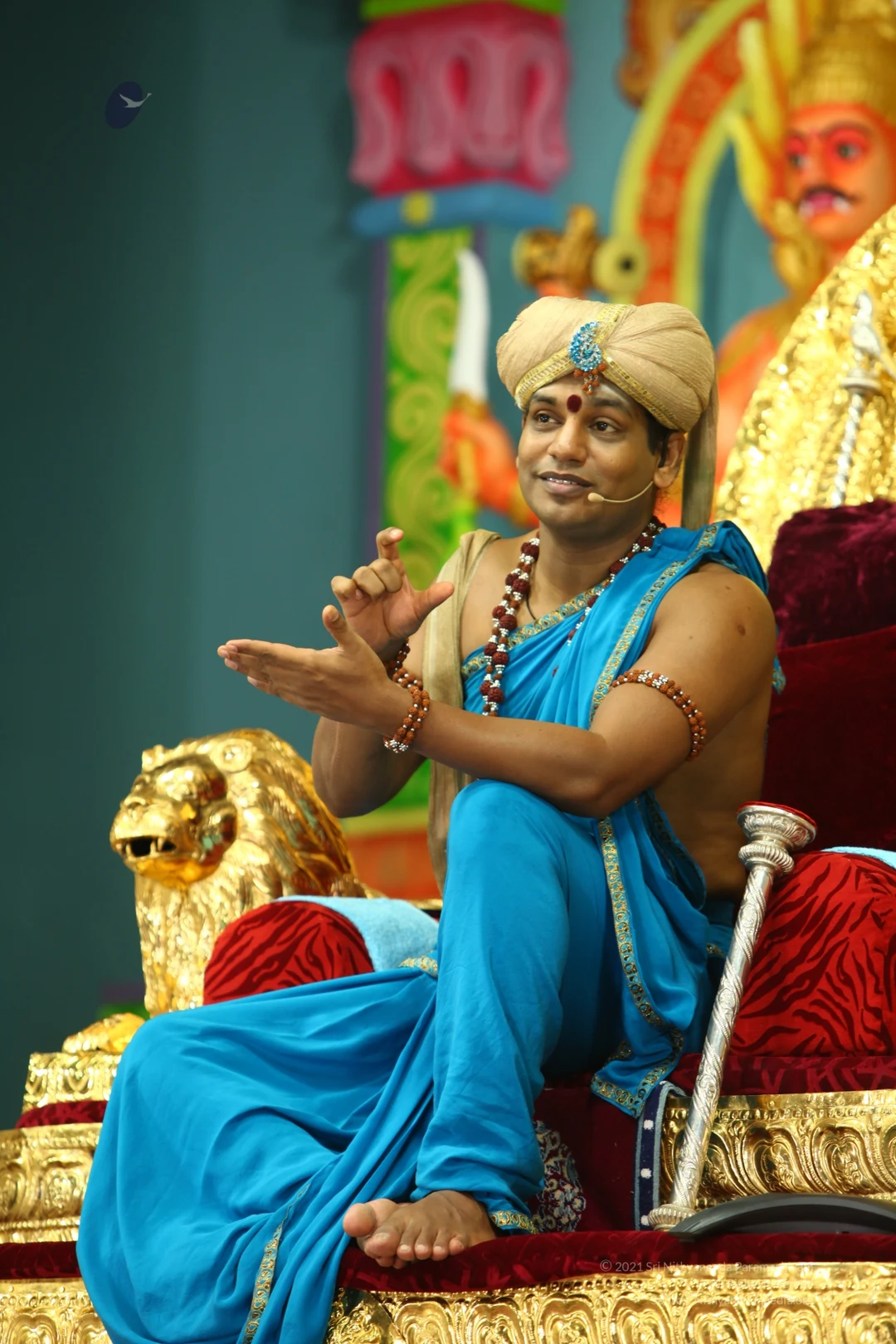
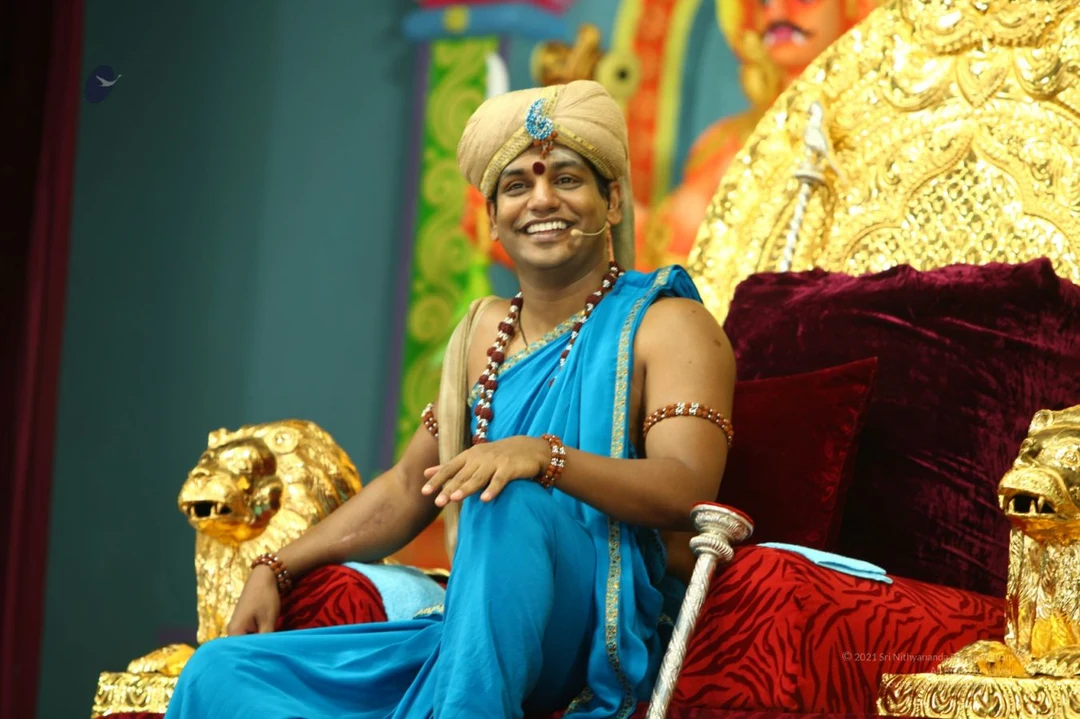

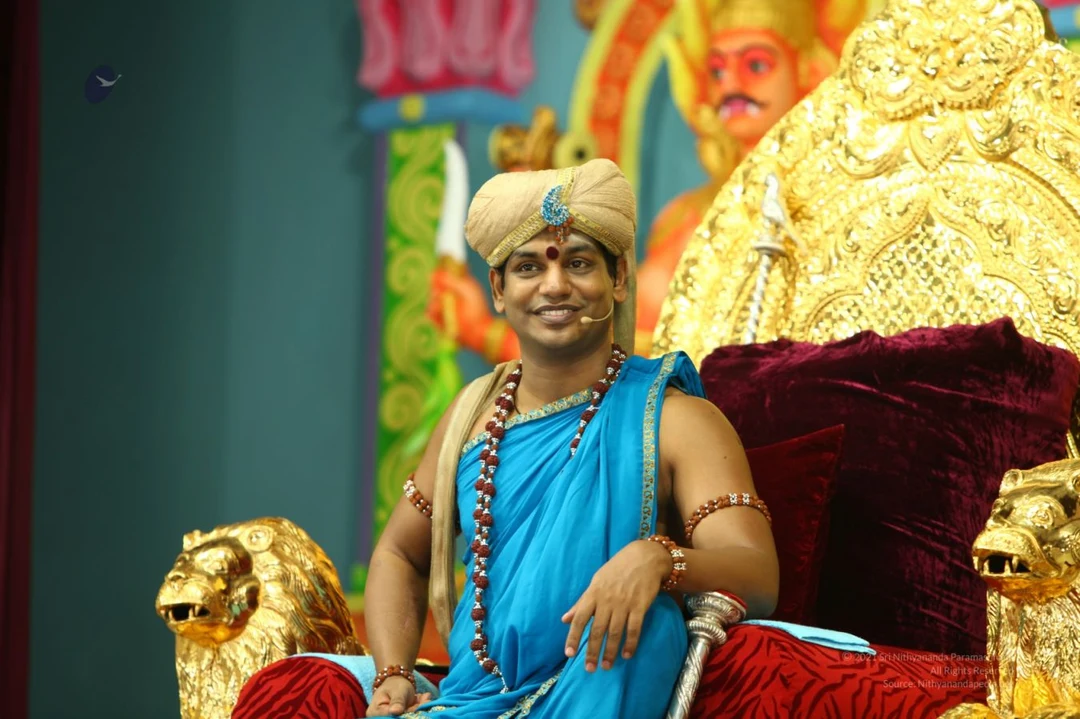
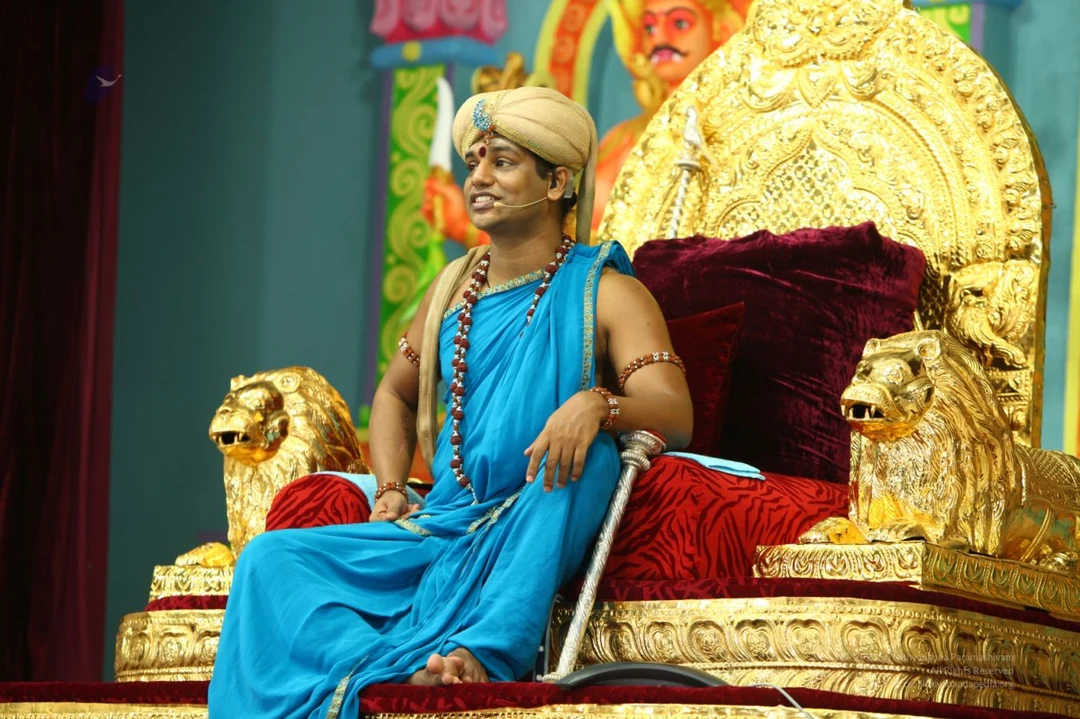
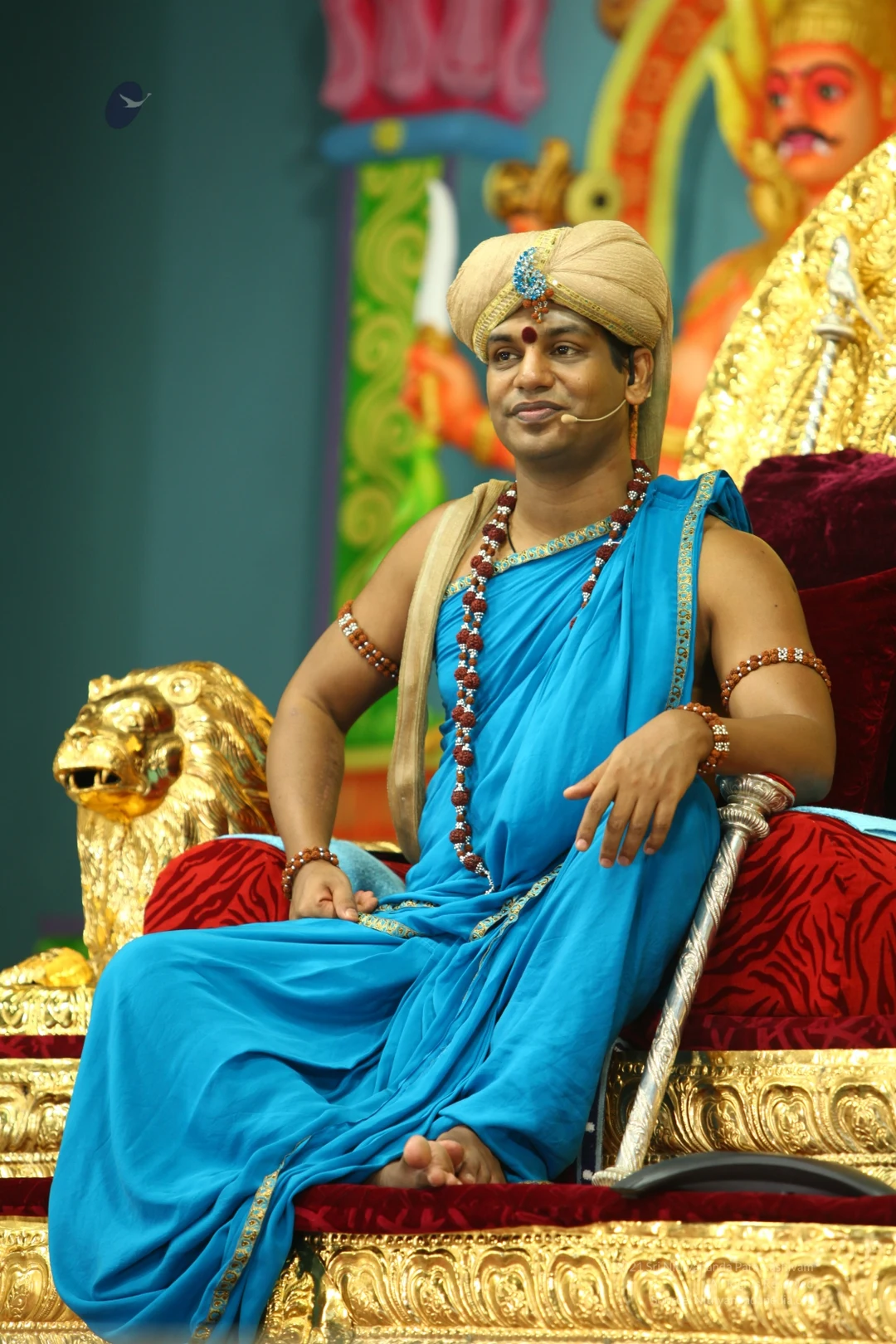
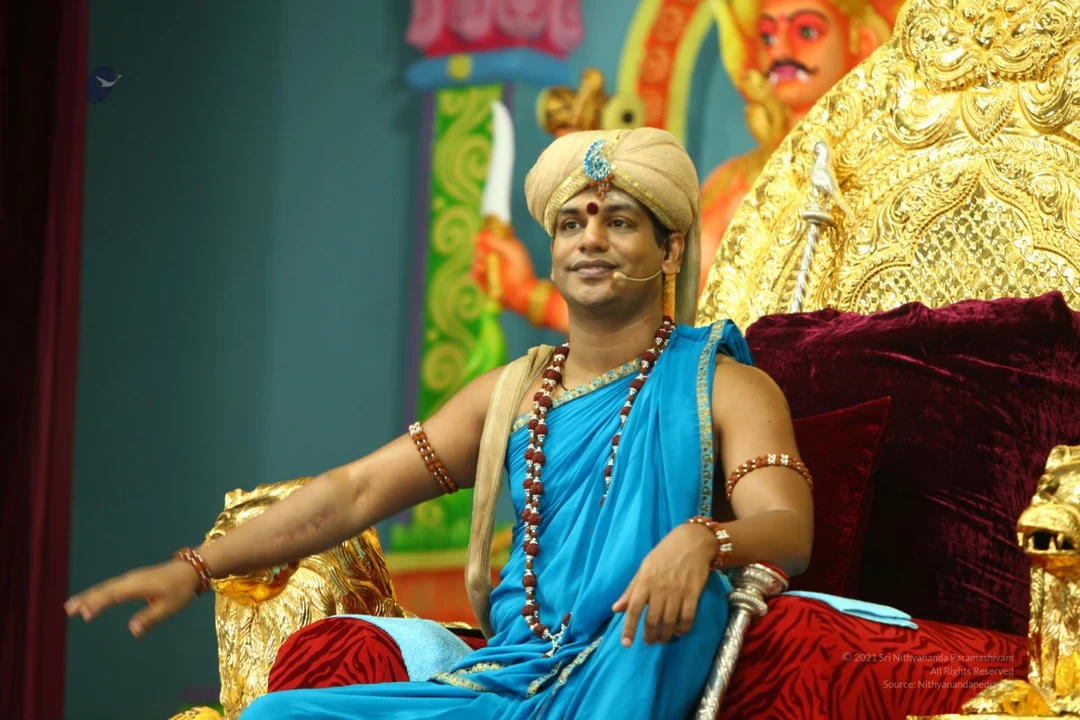
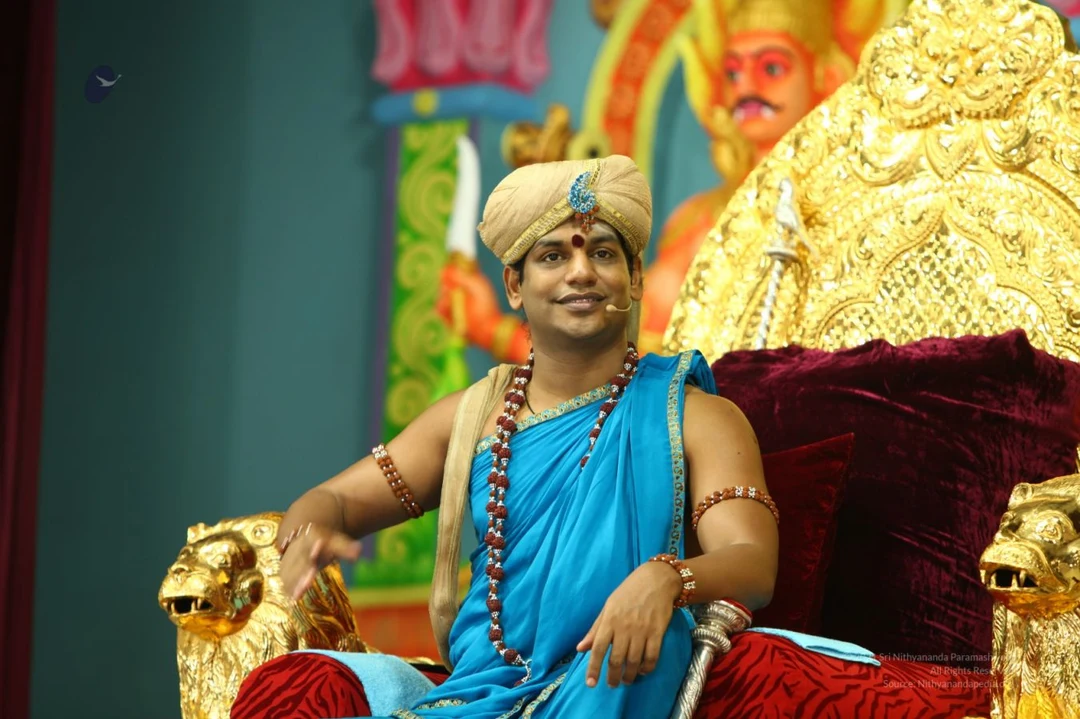
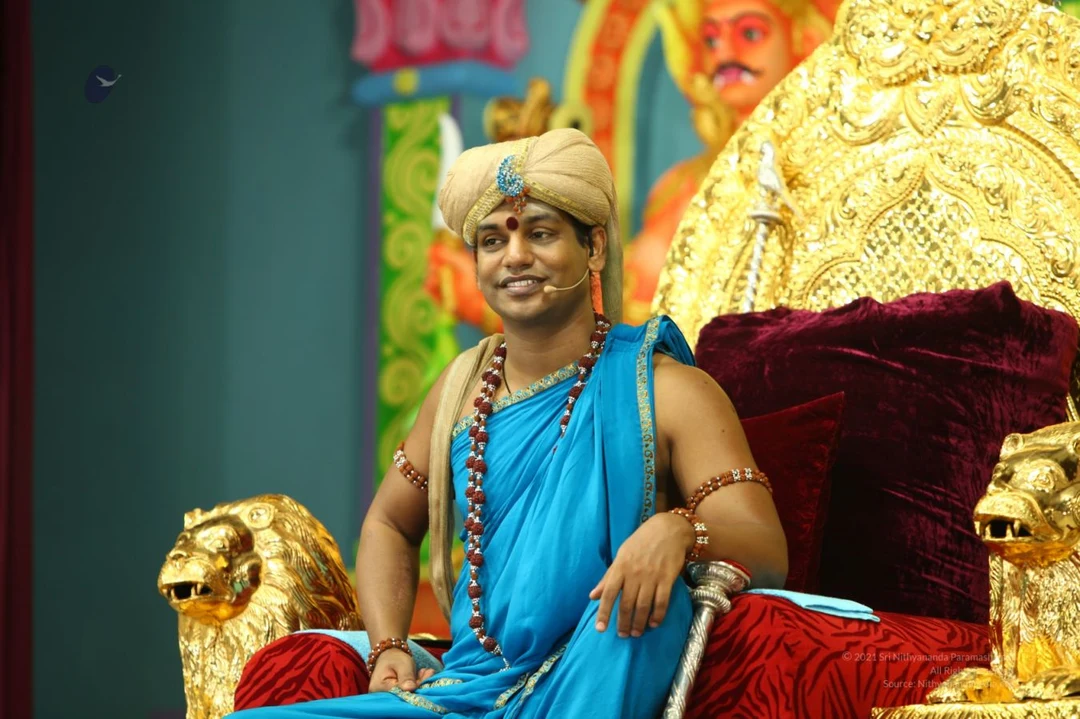
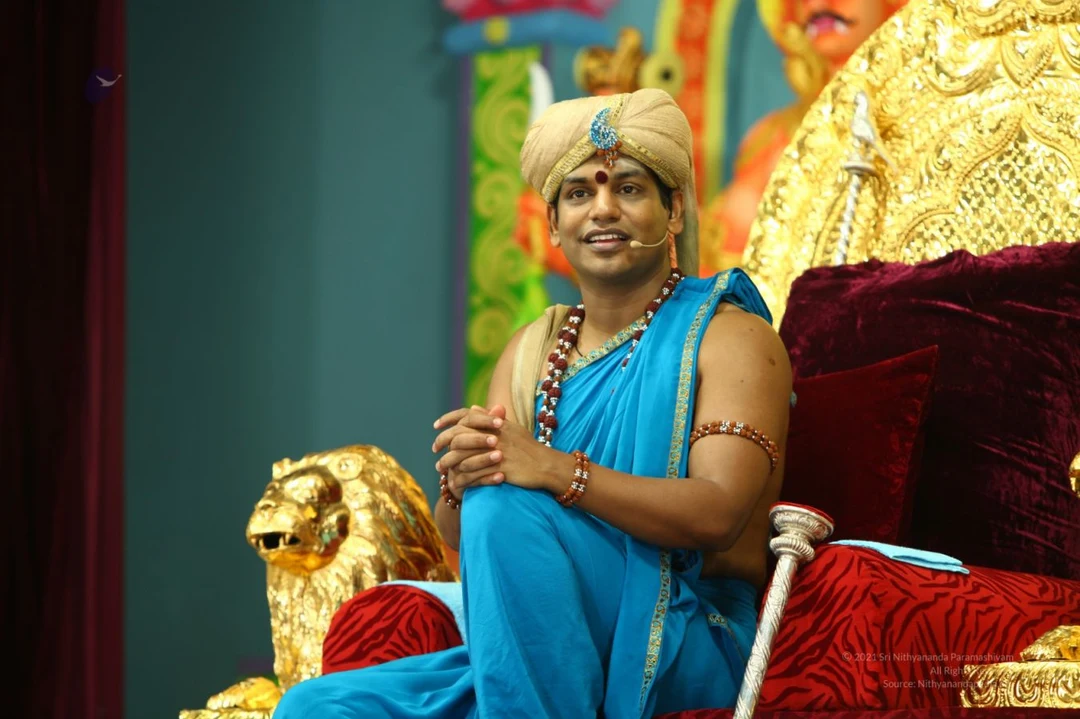
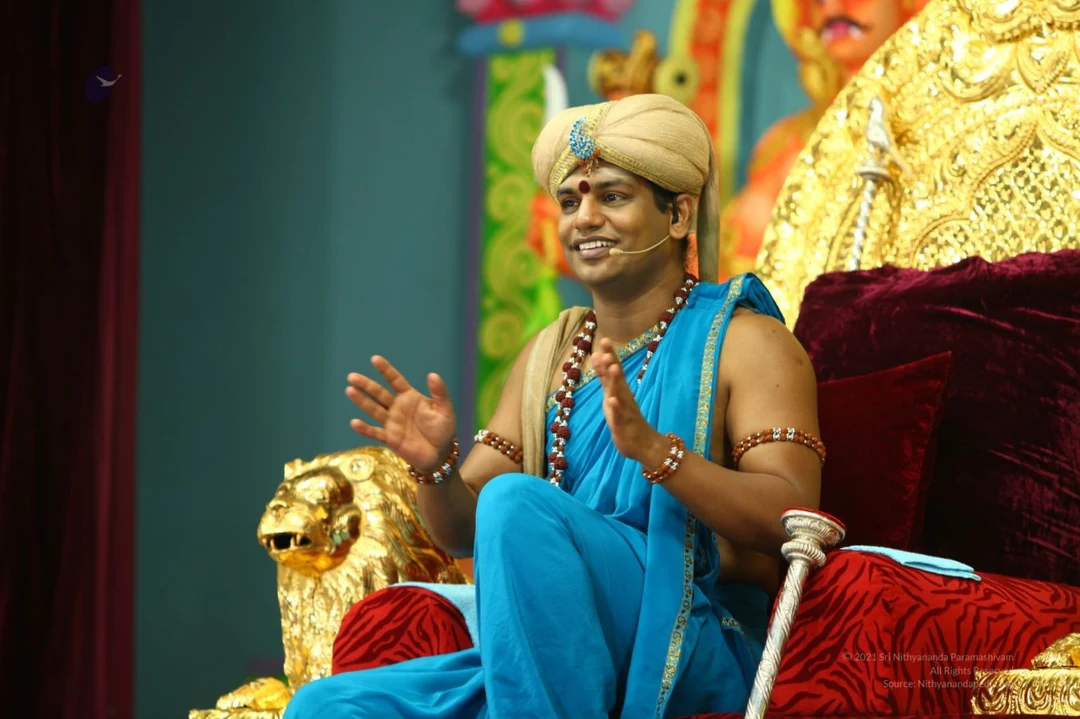
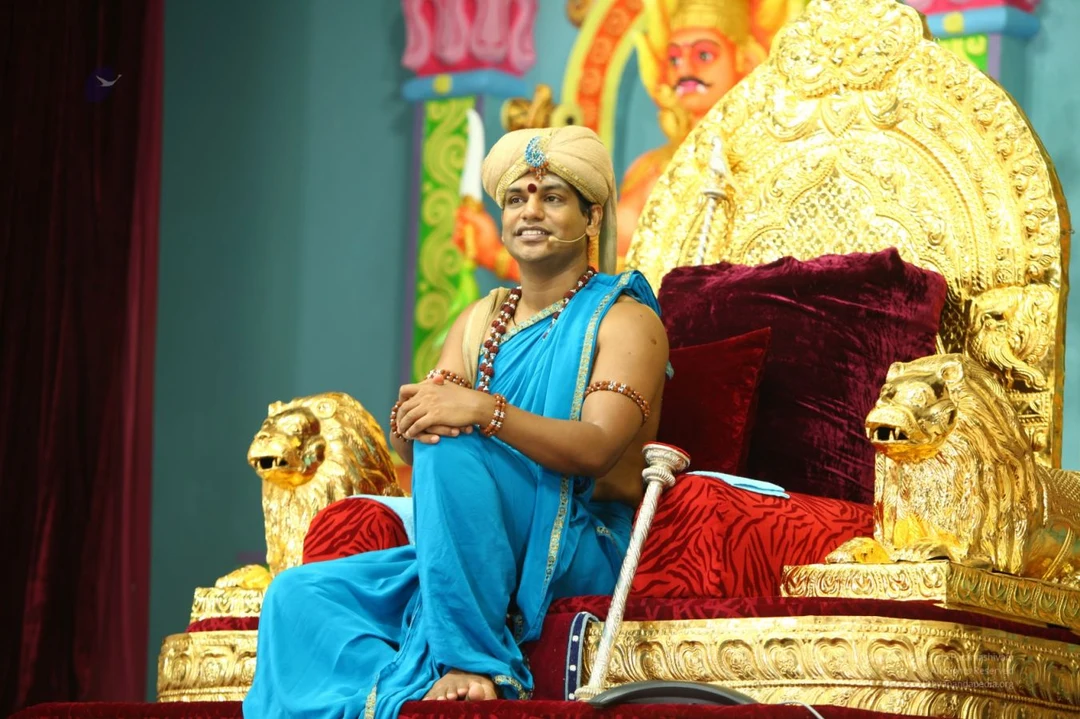

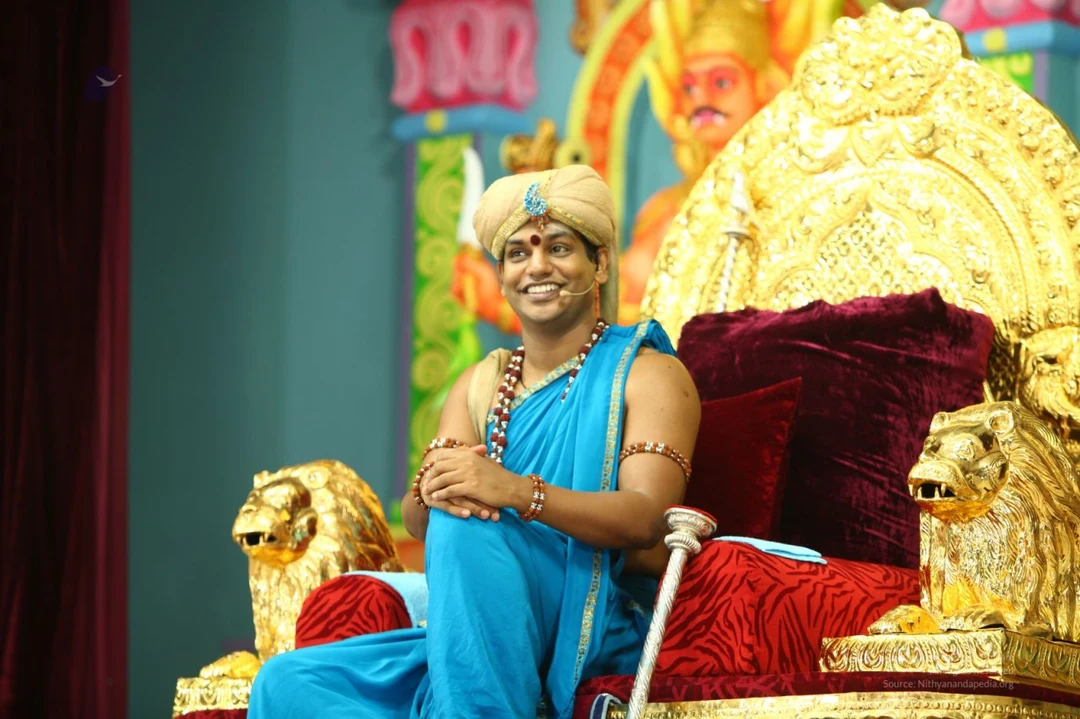
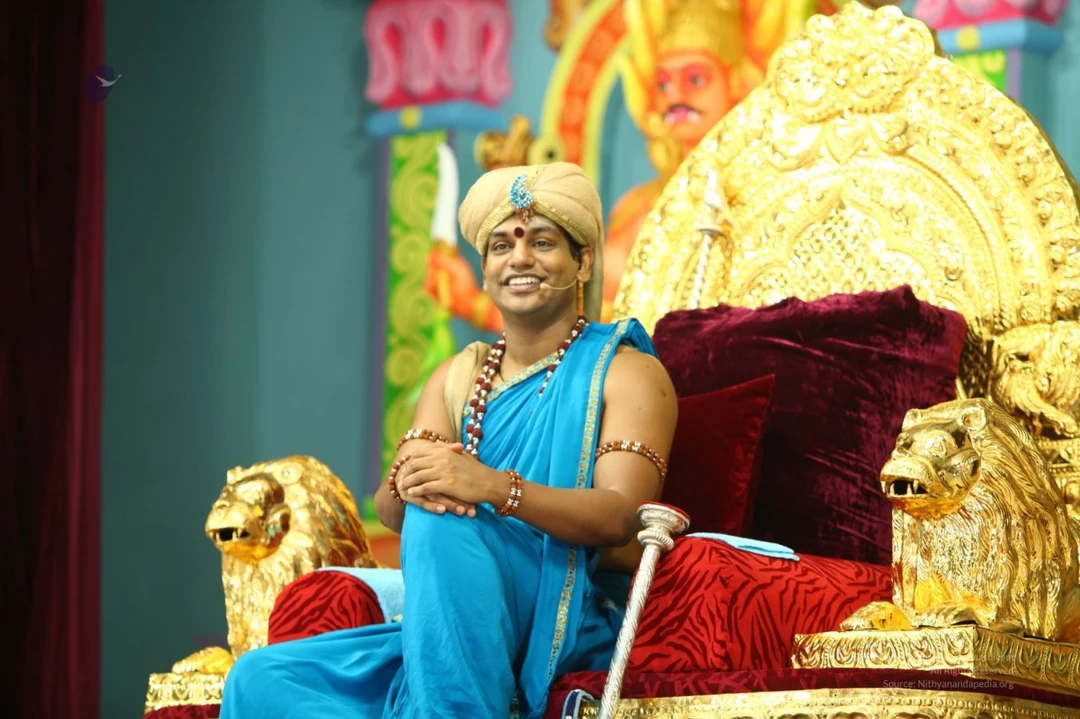
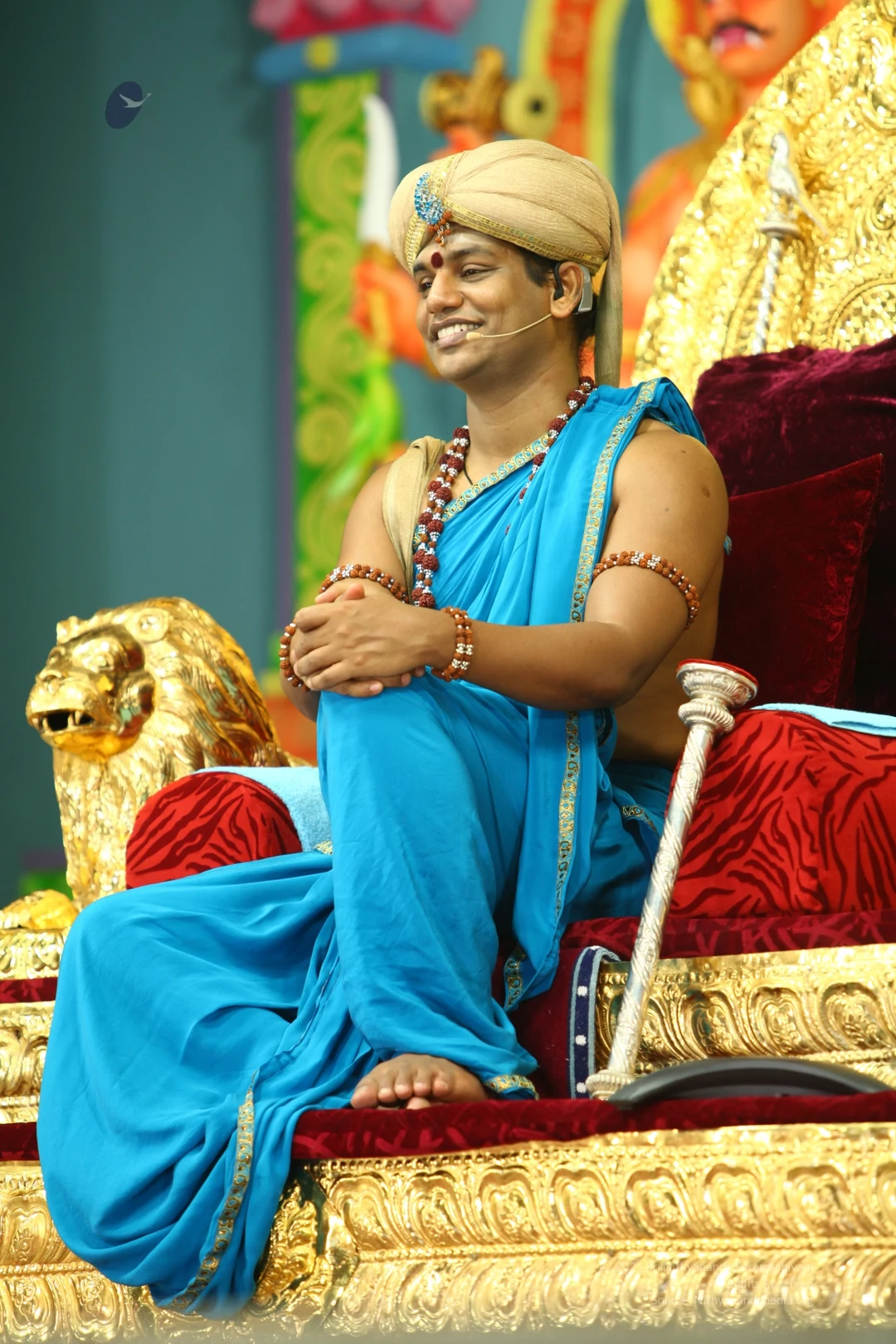
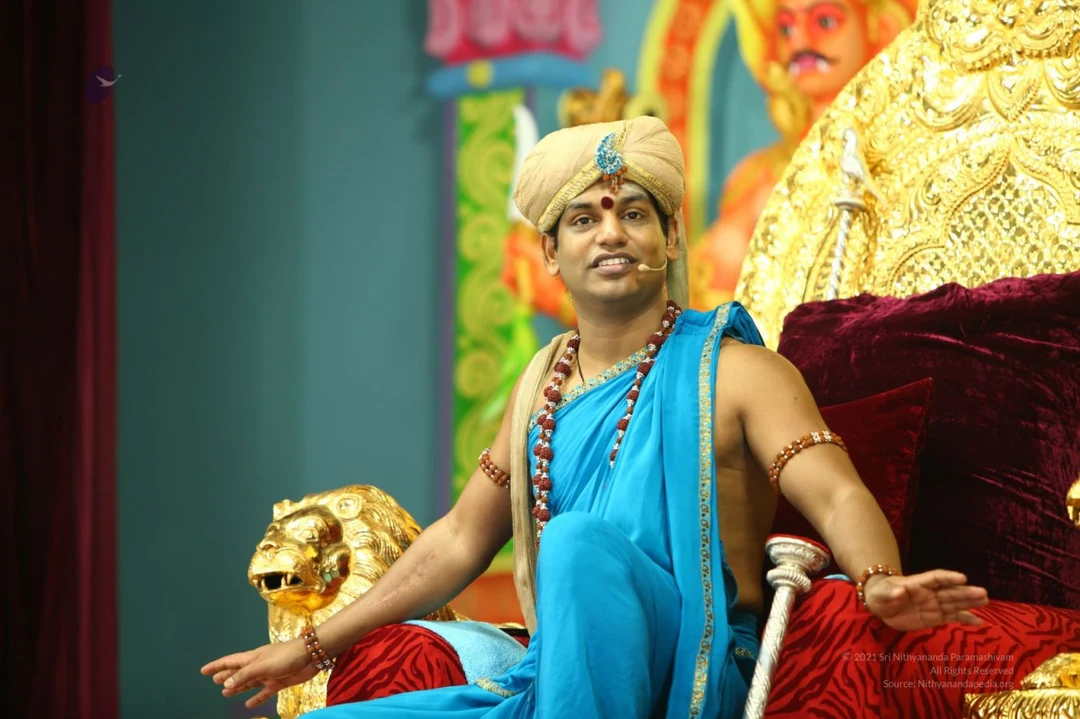
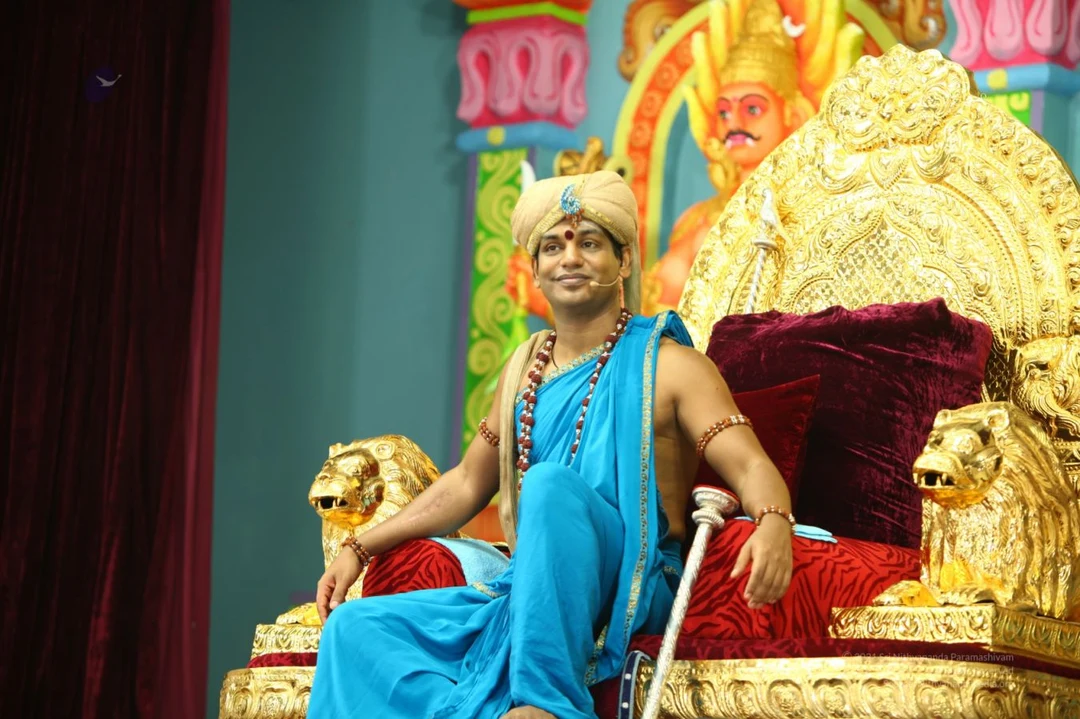
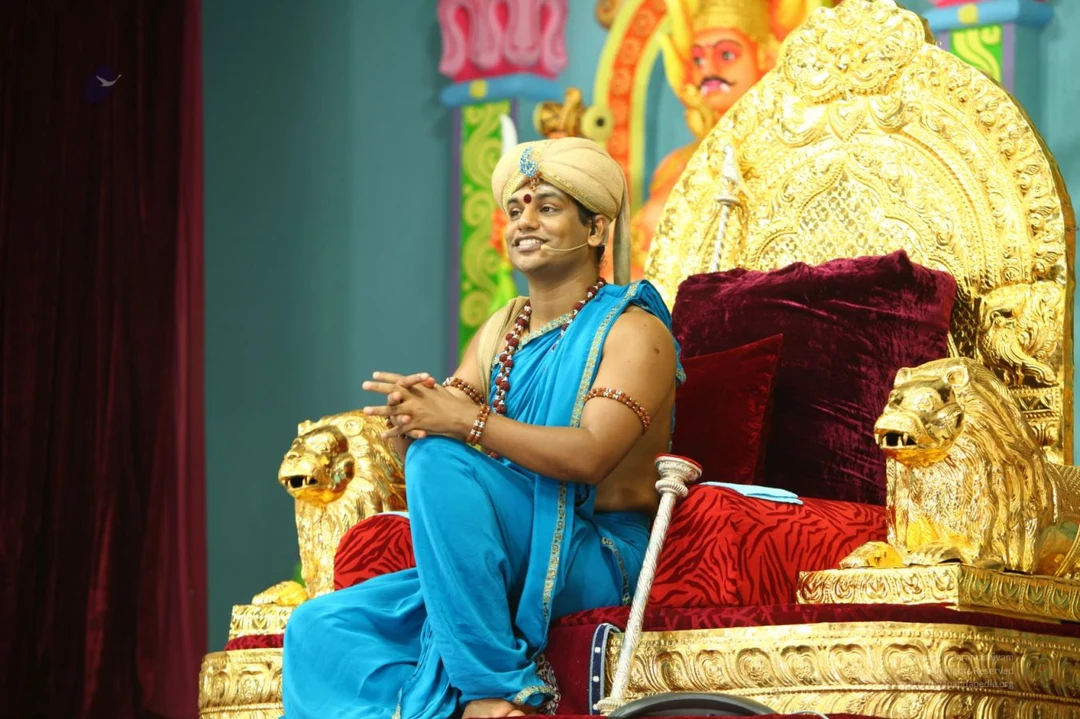
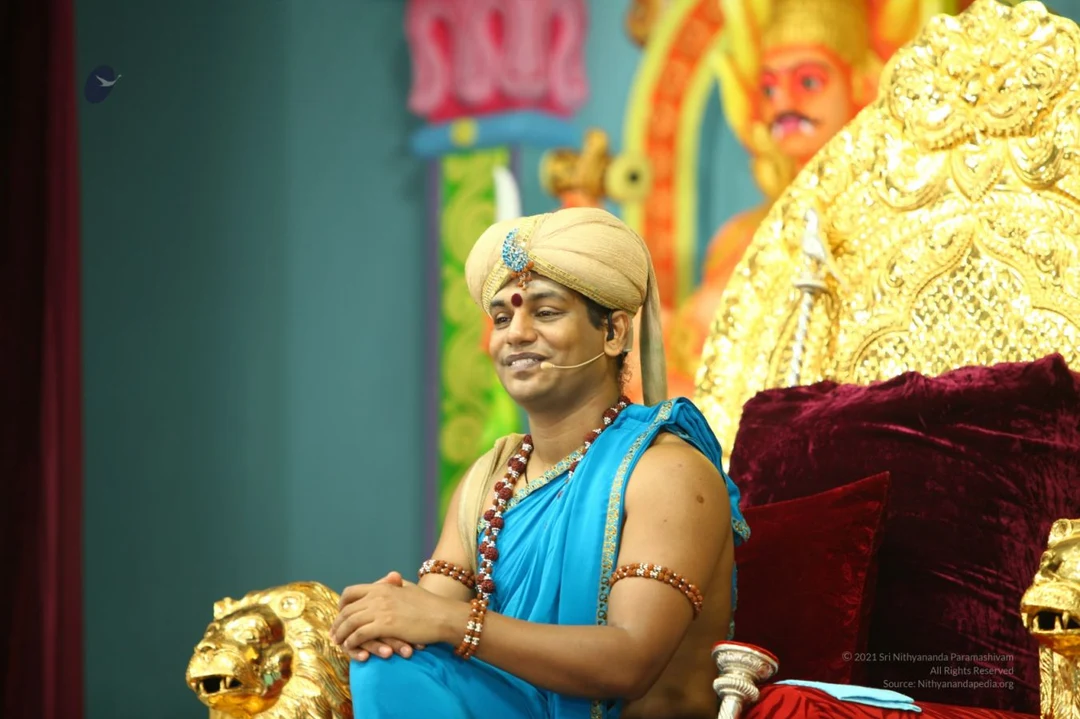
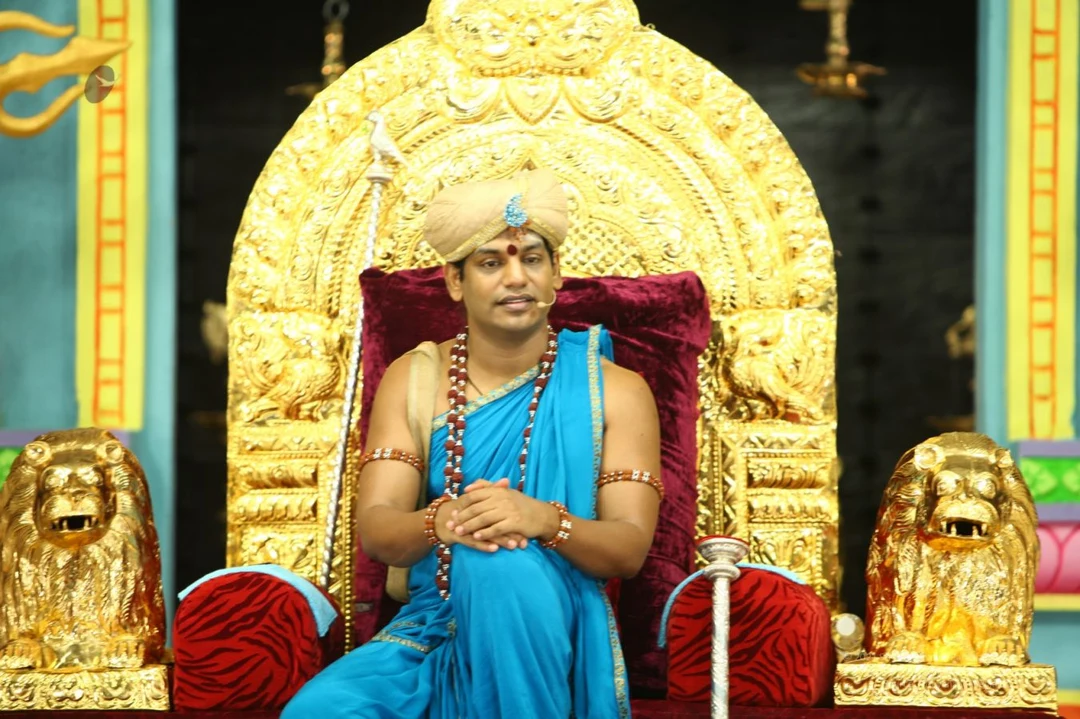
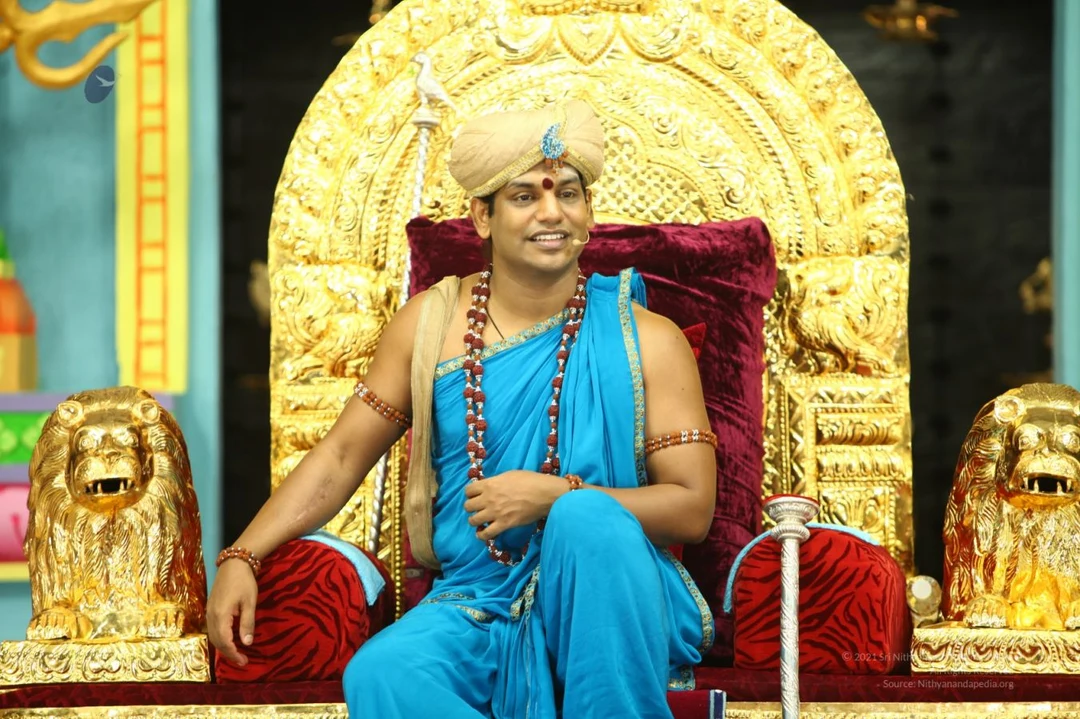
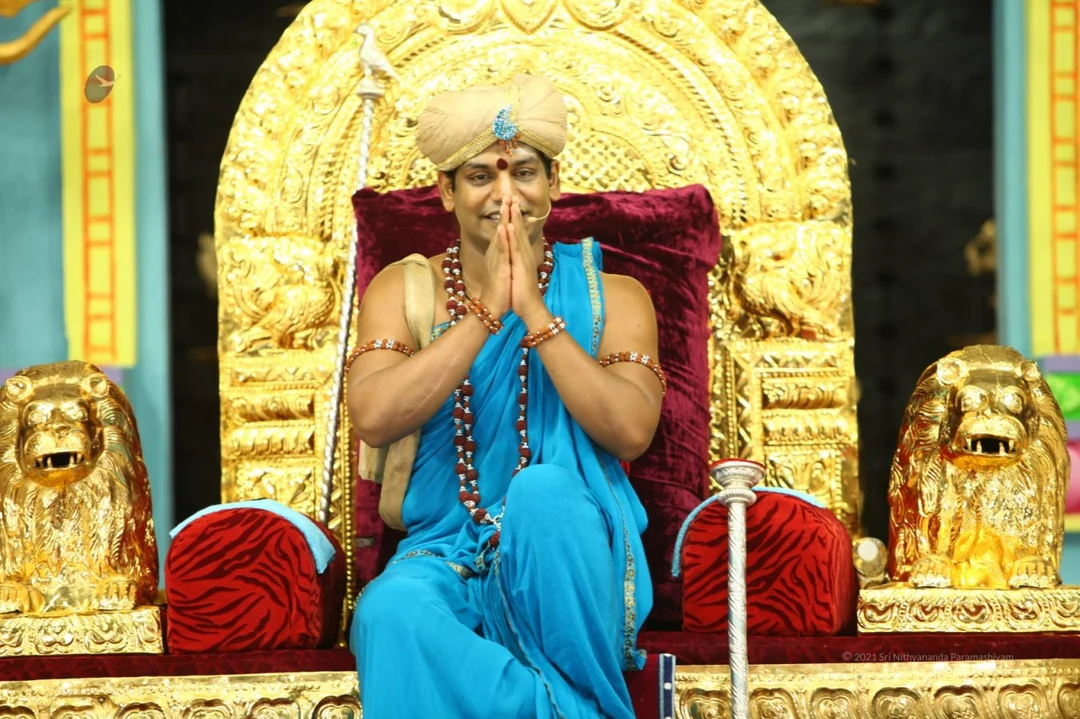

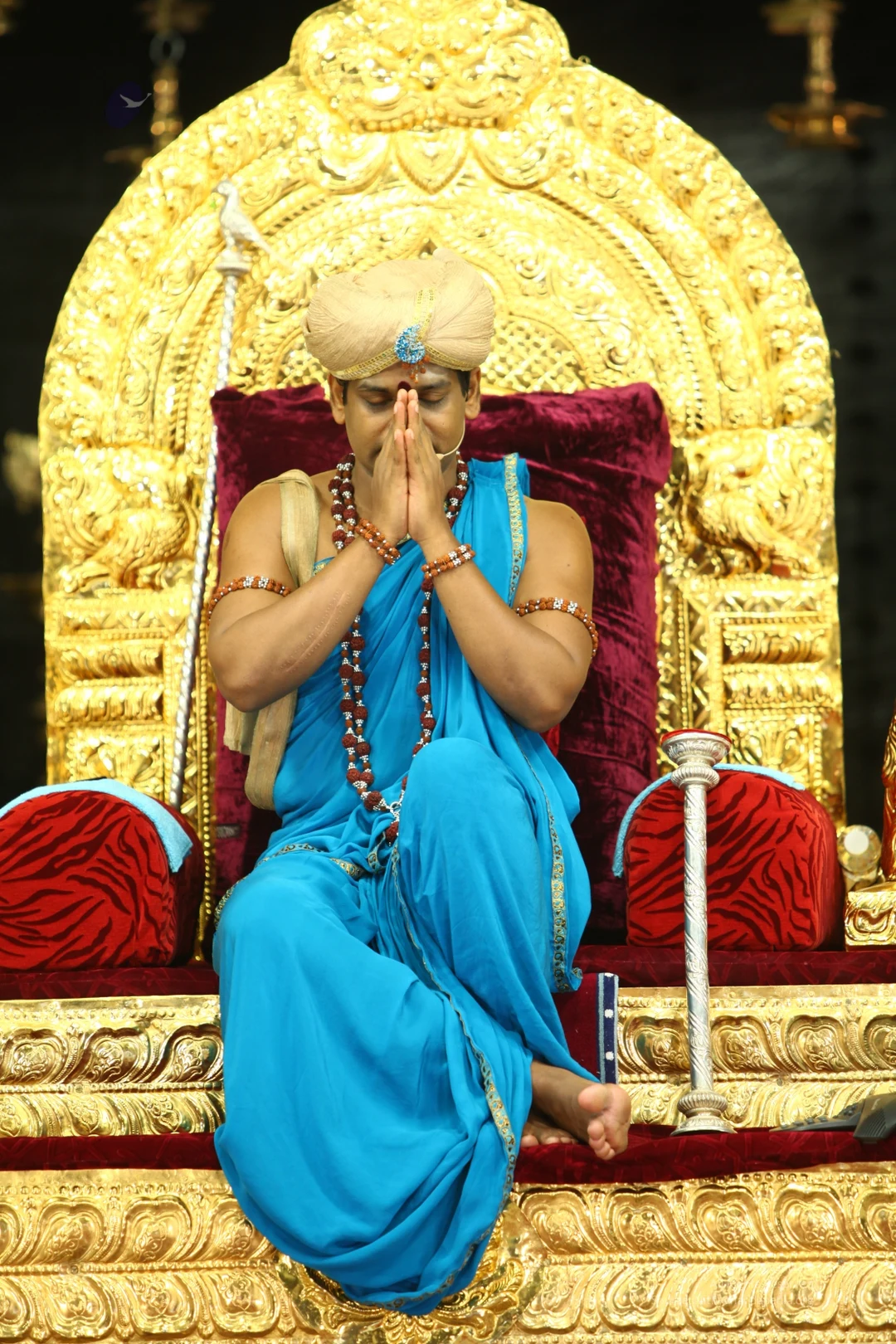
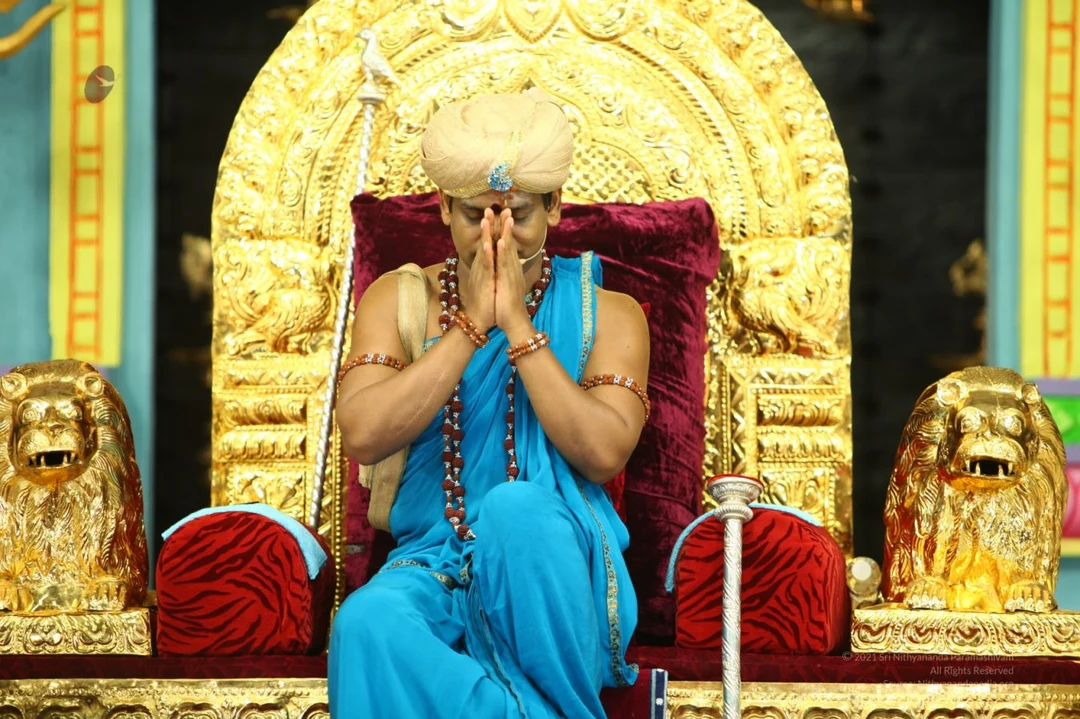
Sarvadarshan
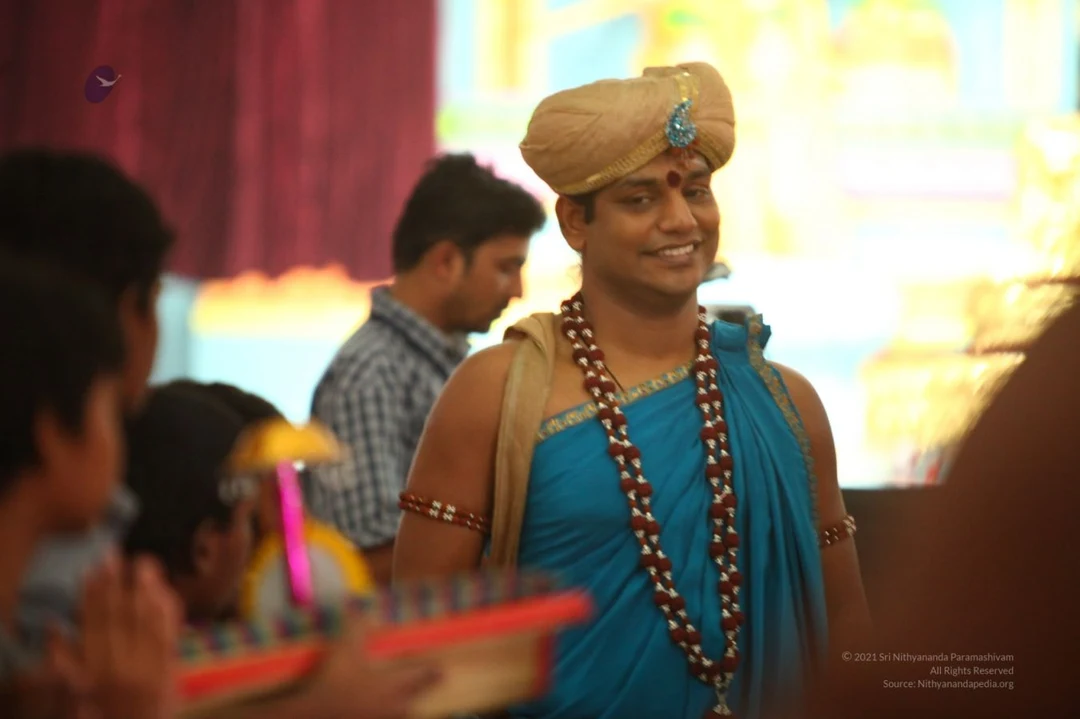
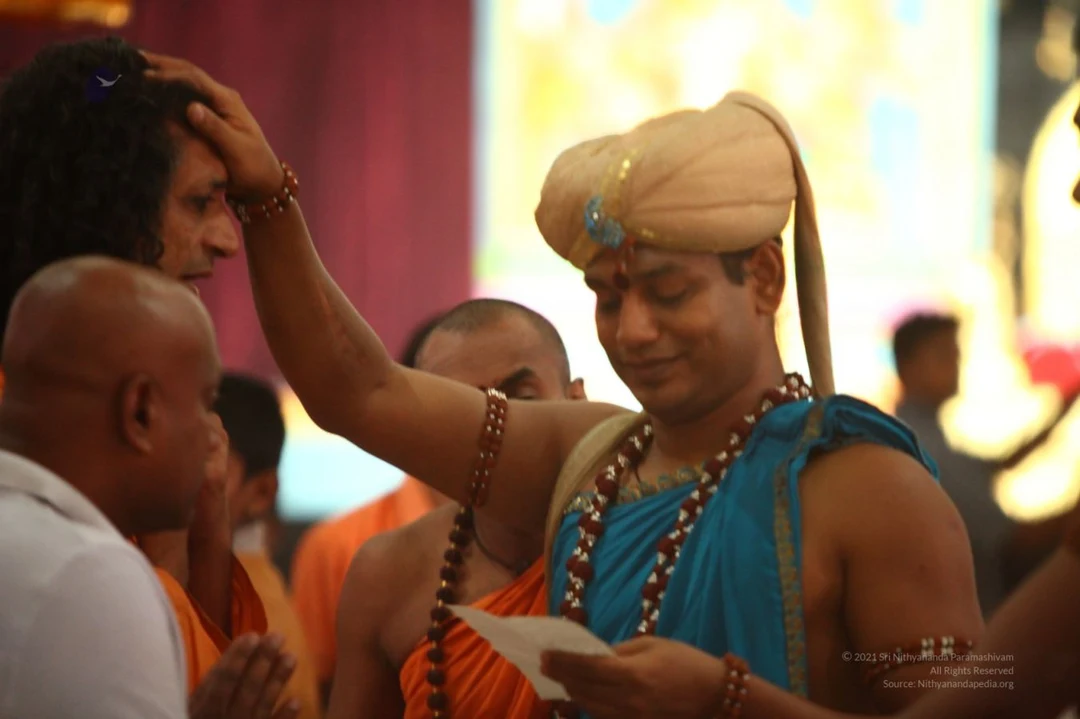
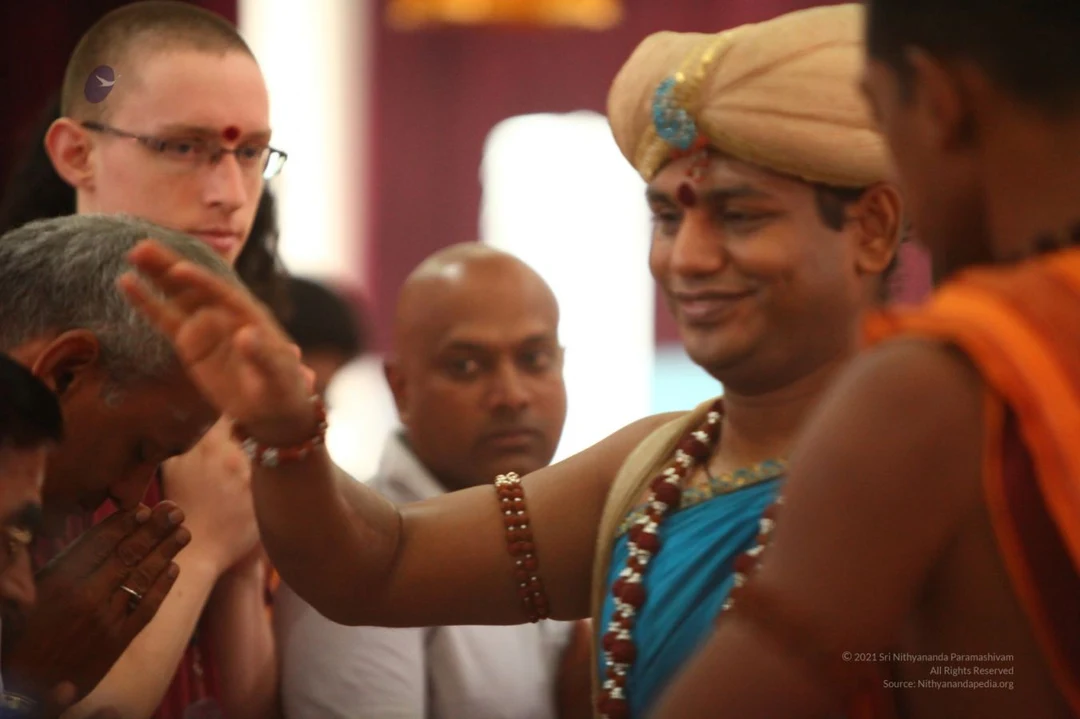
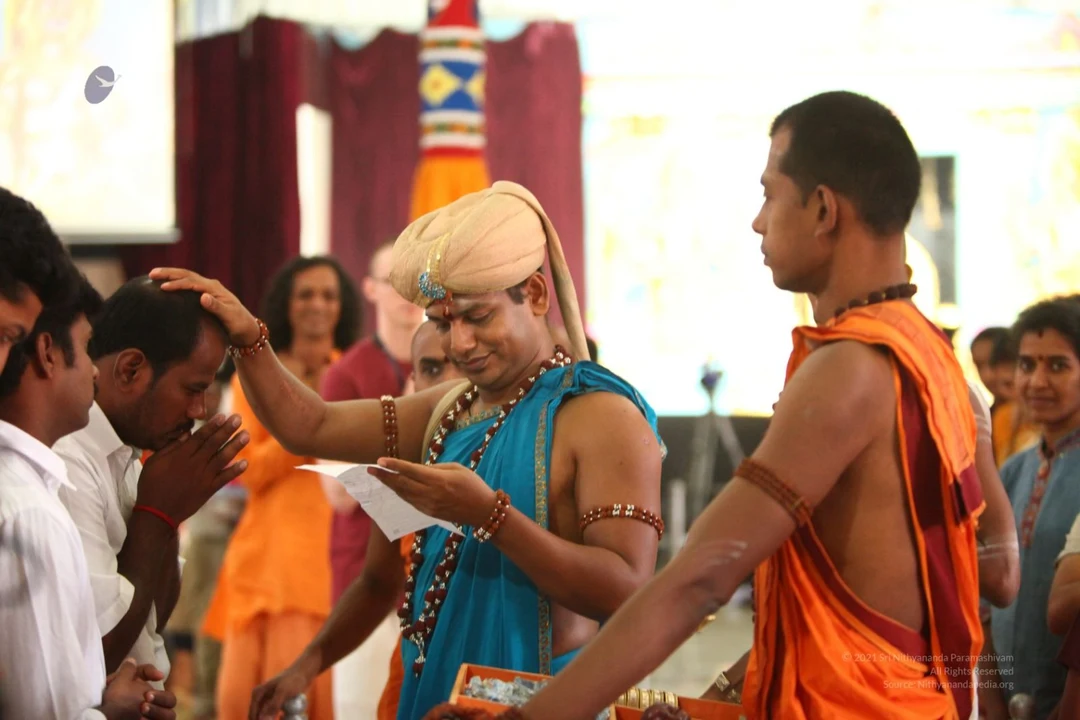
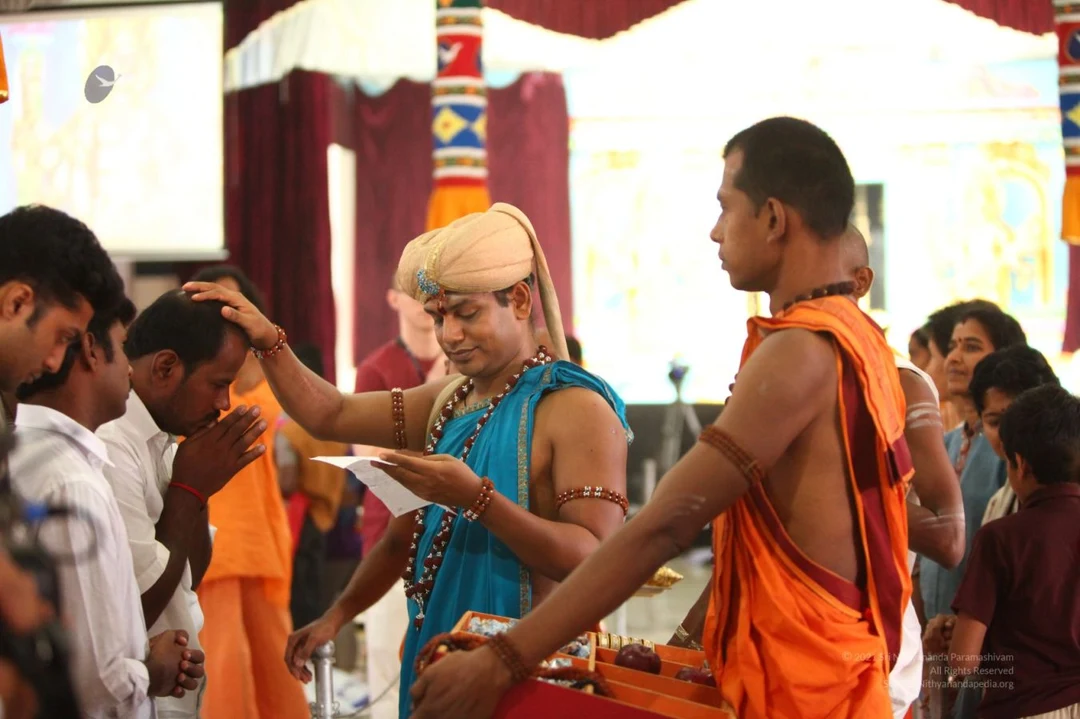
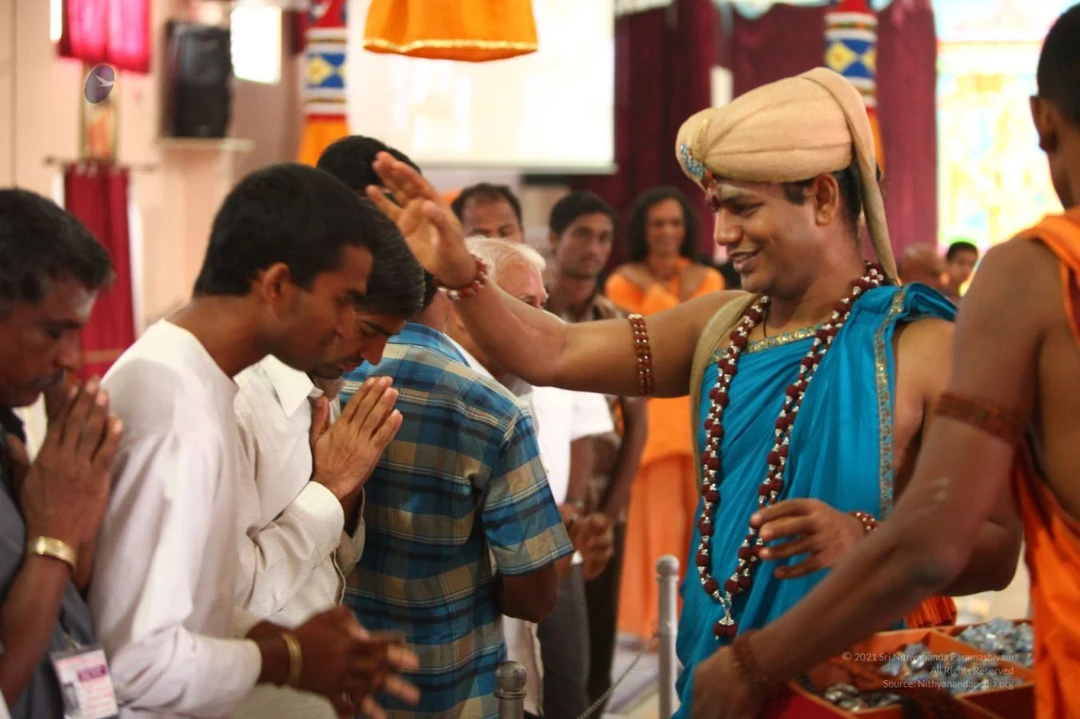
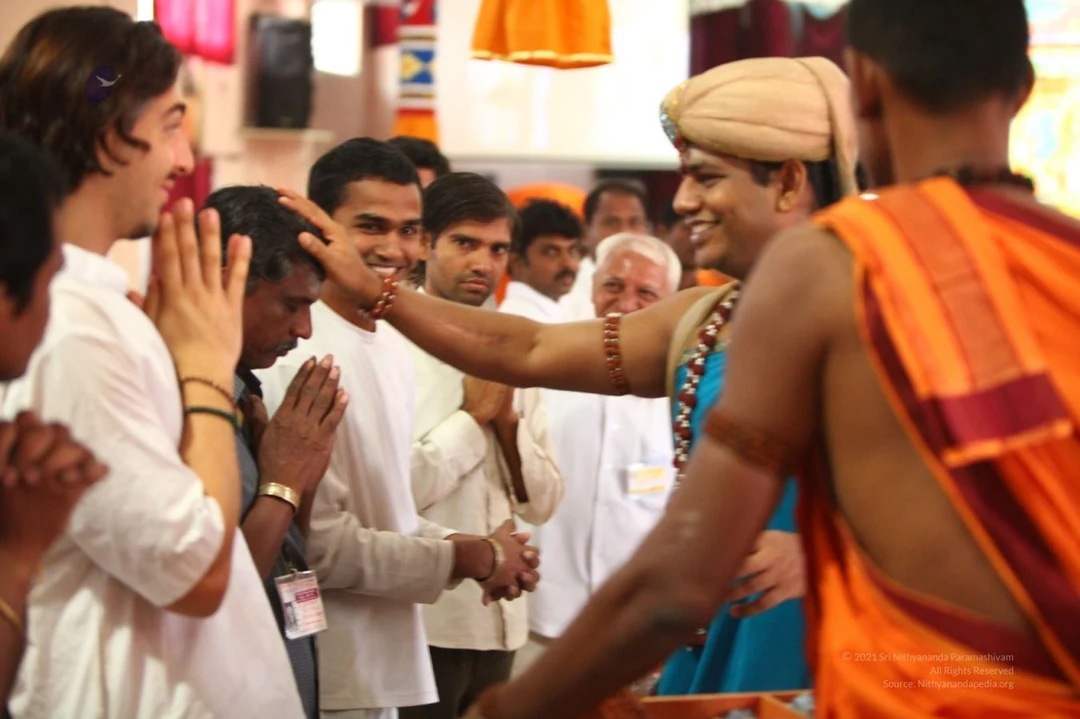
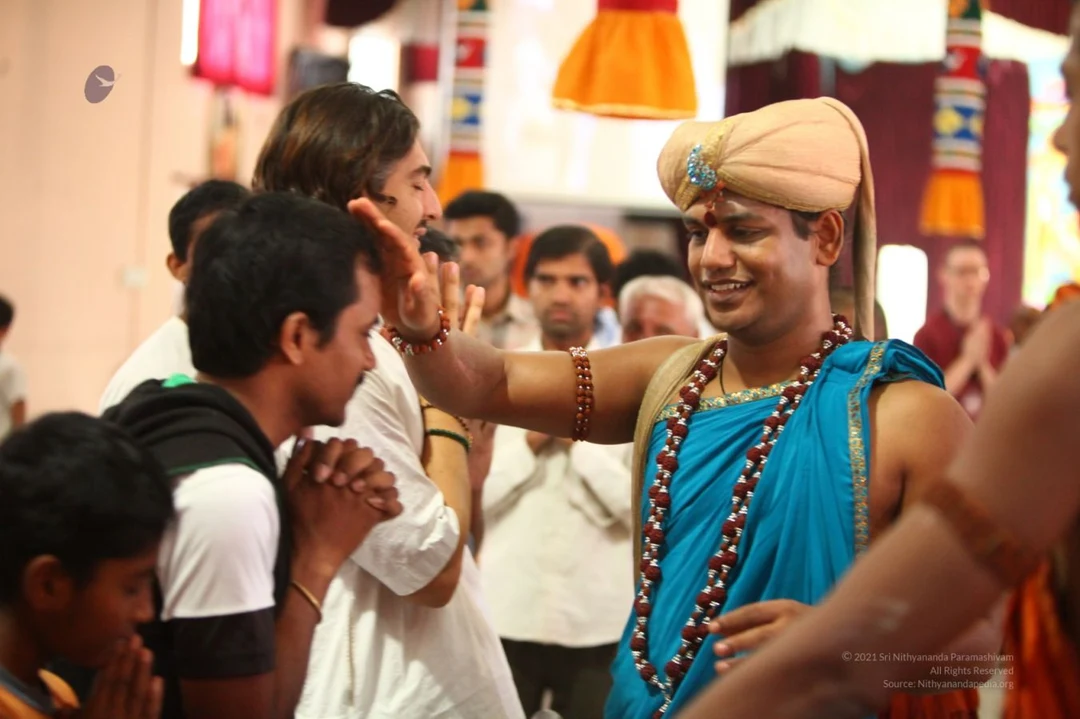
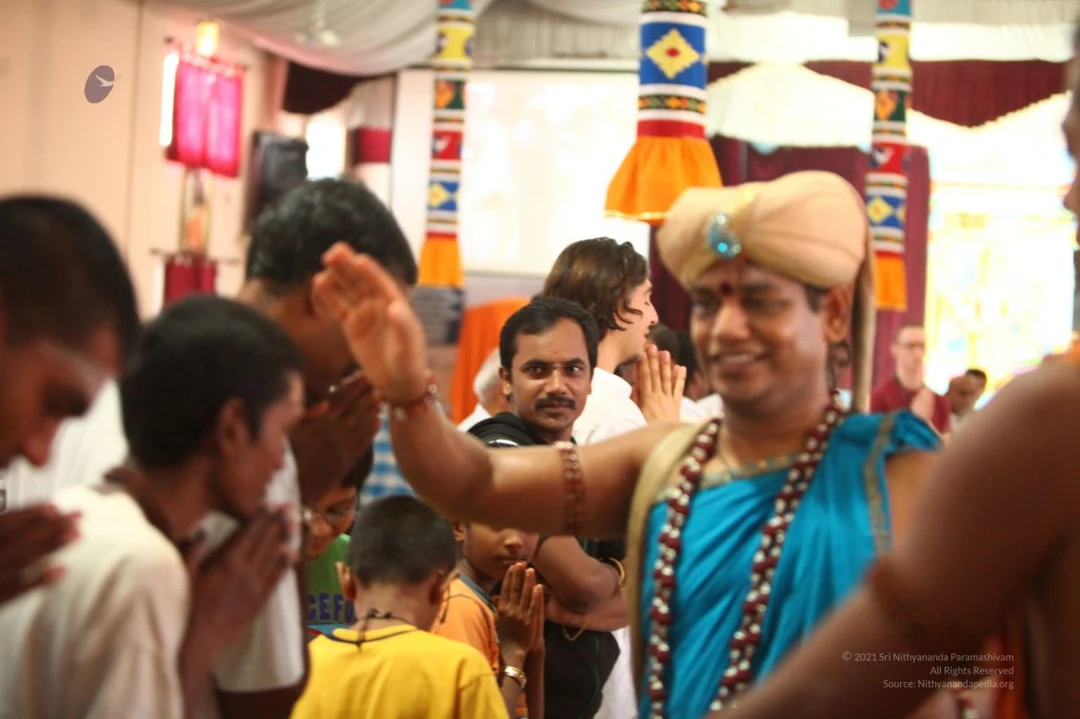
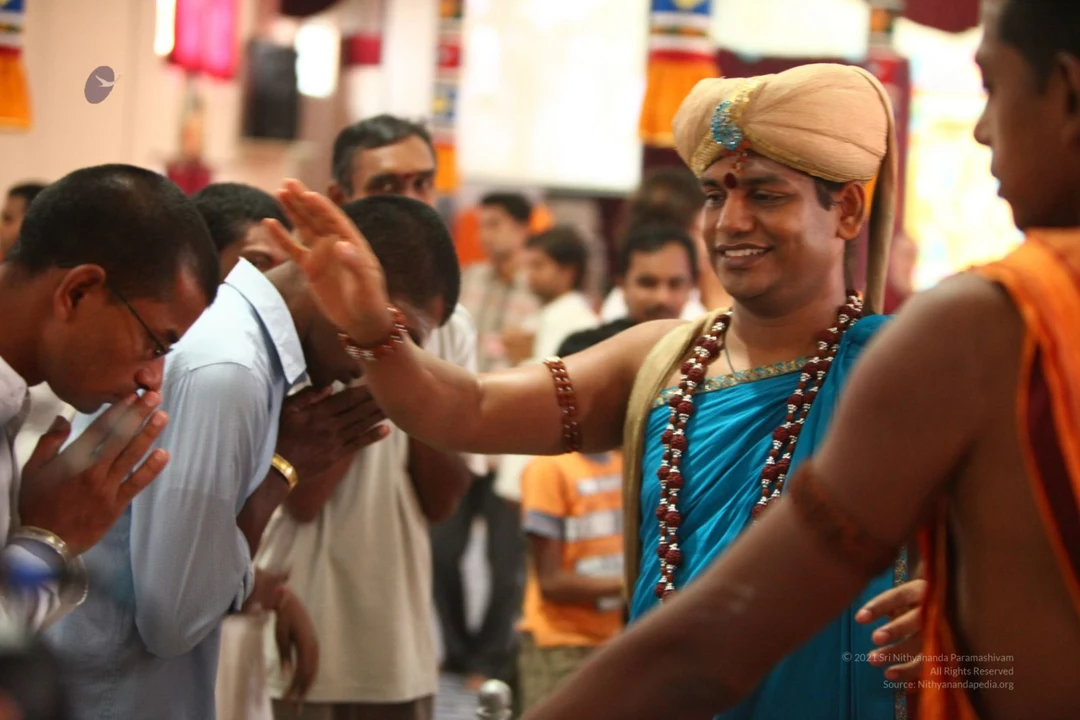
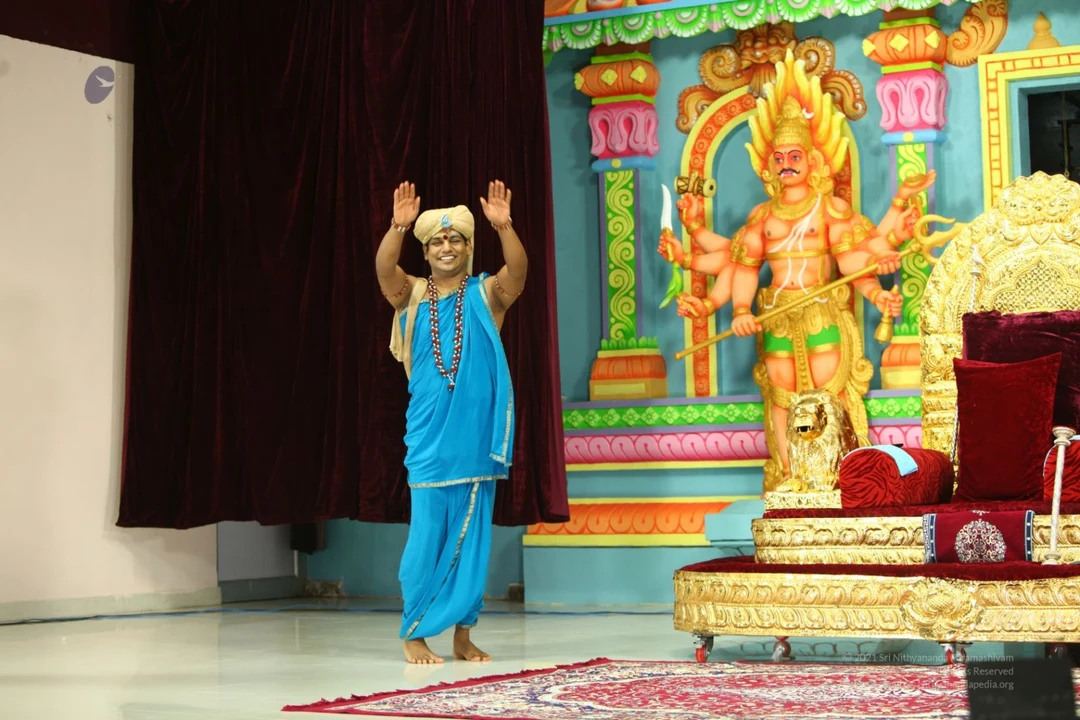
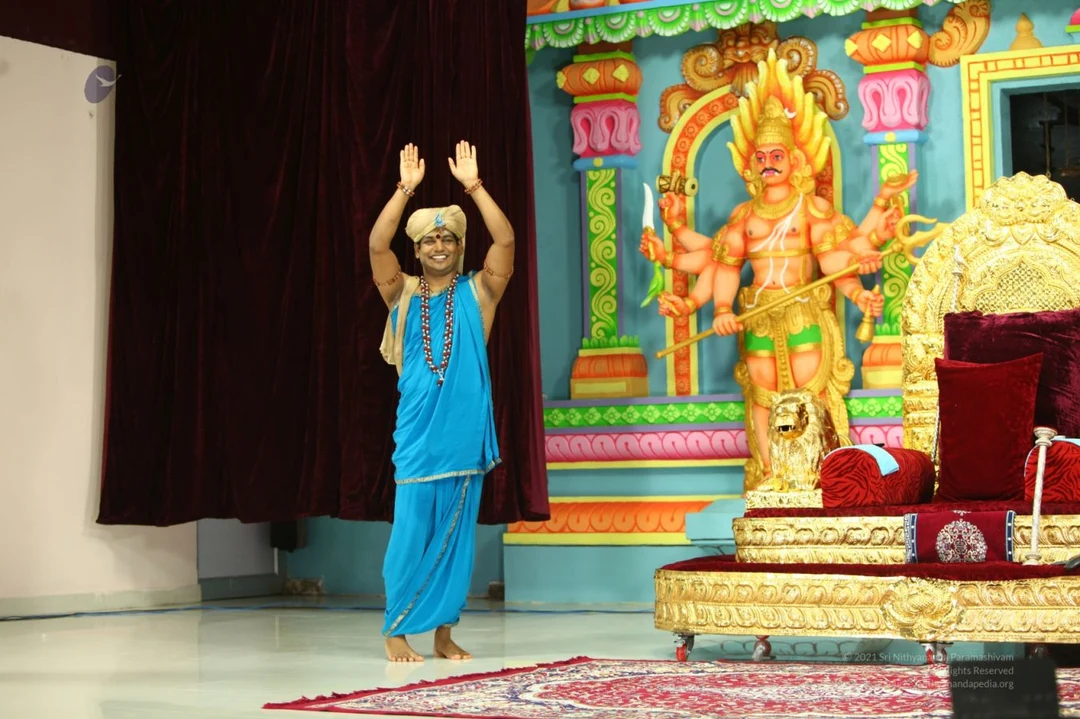
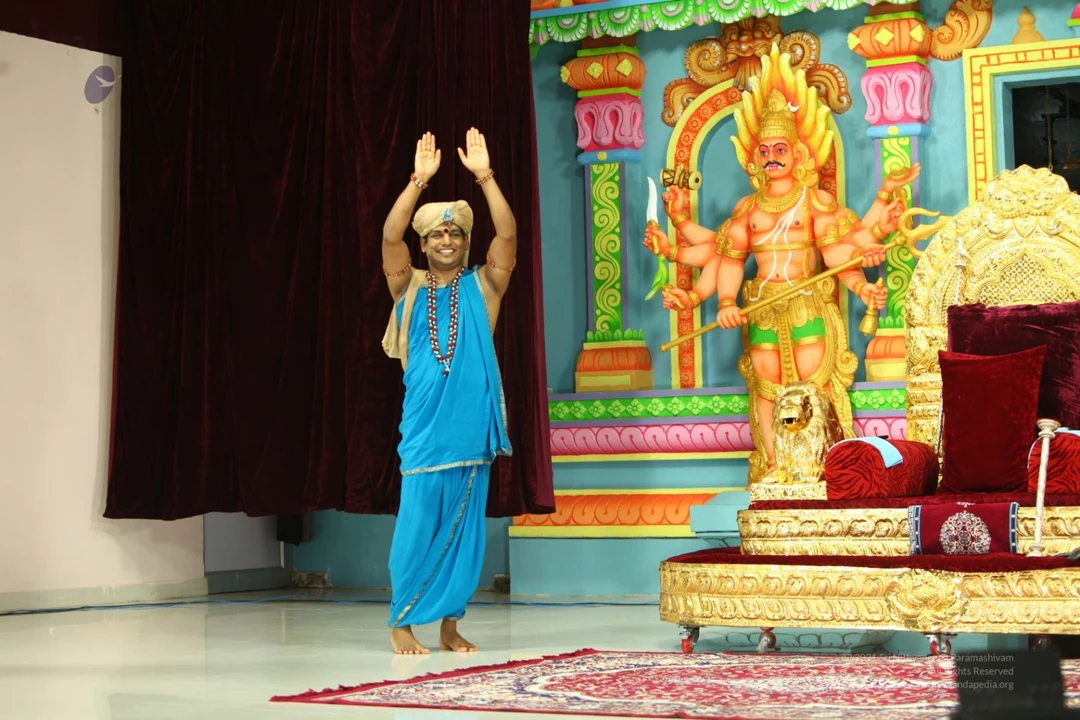
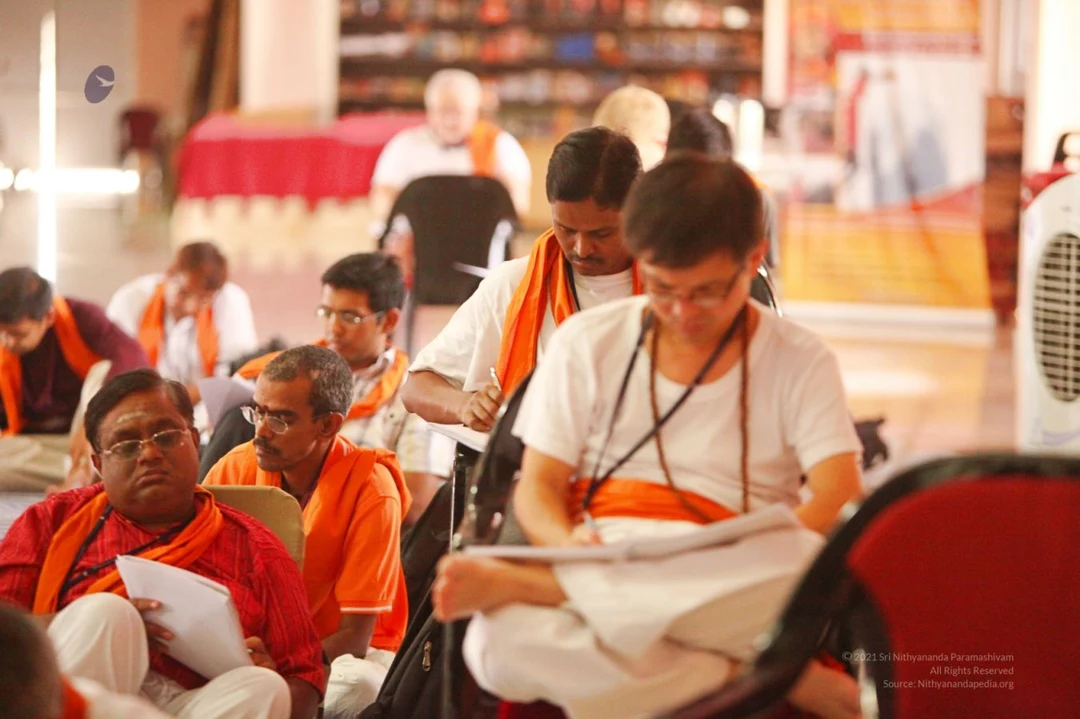
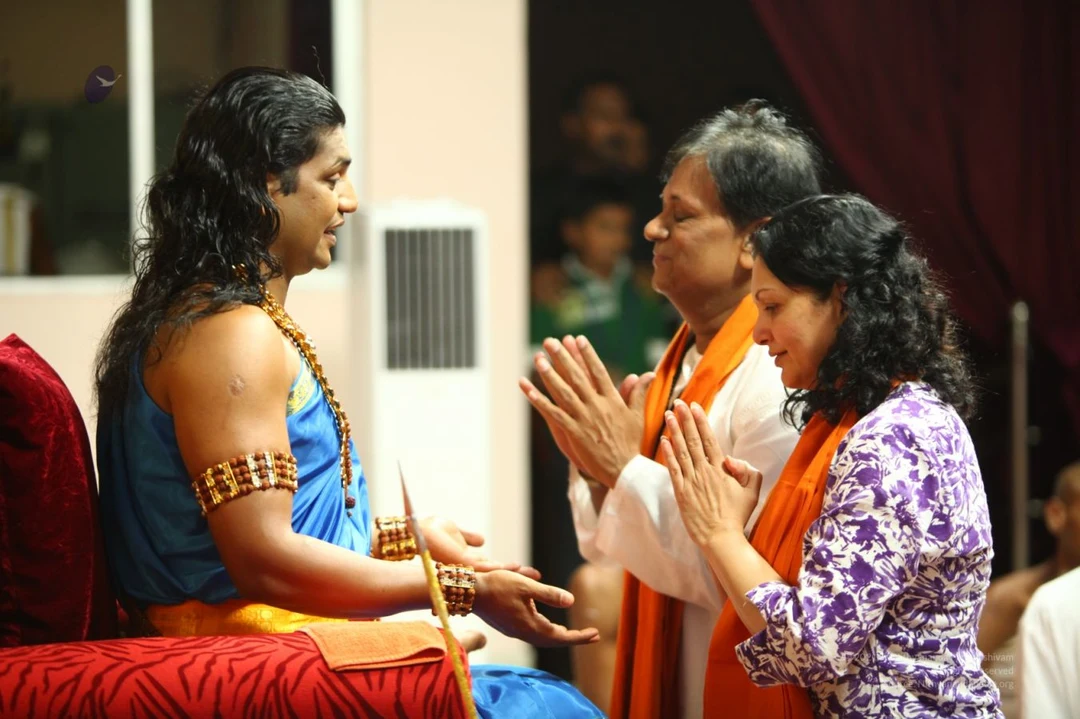
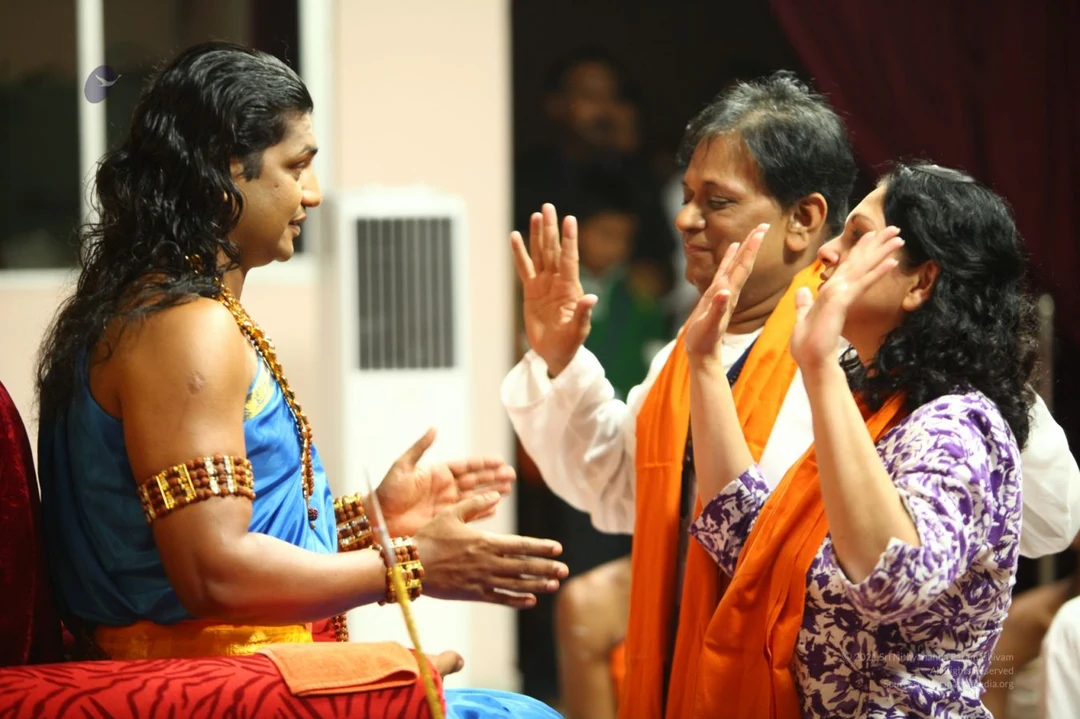
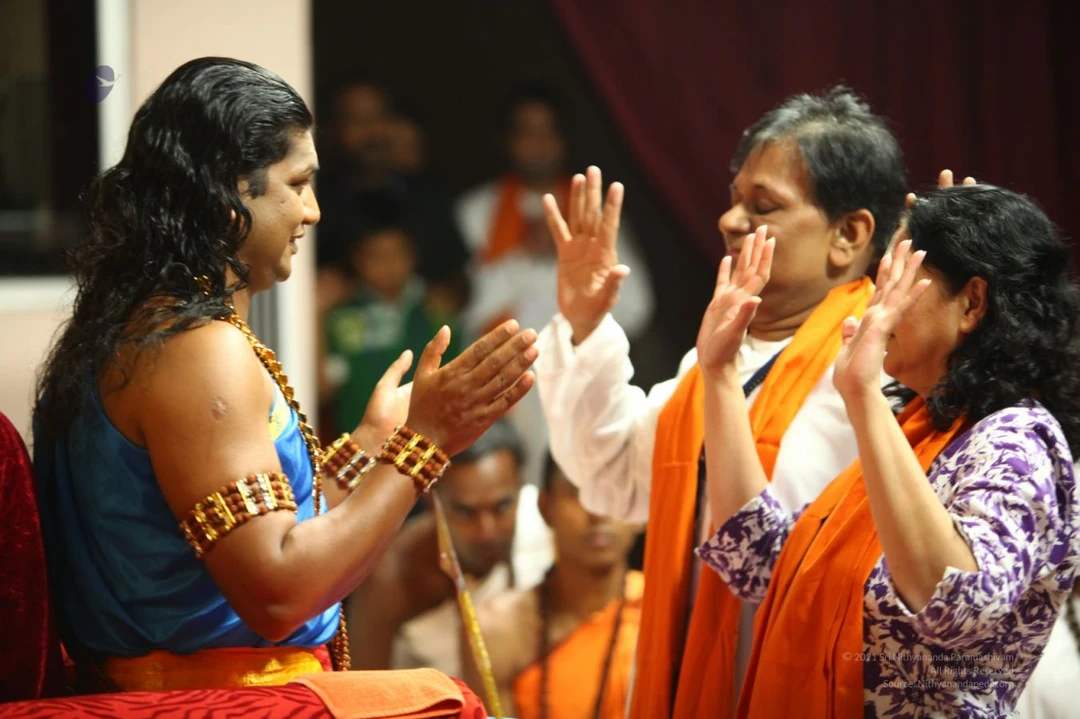
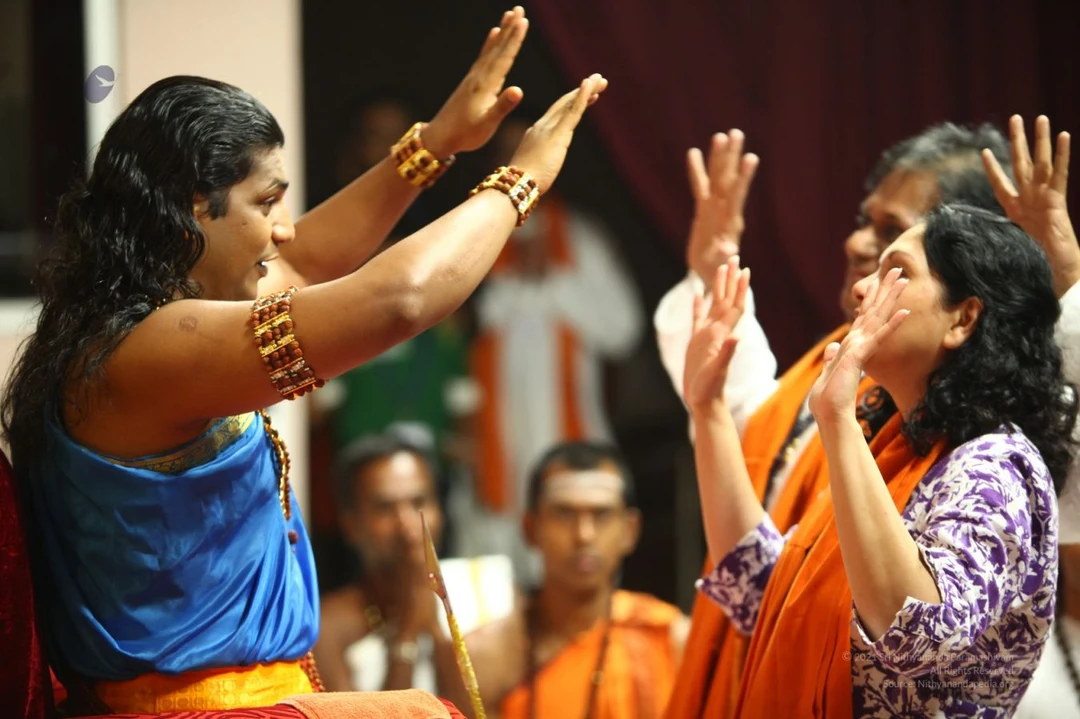
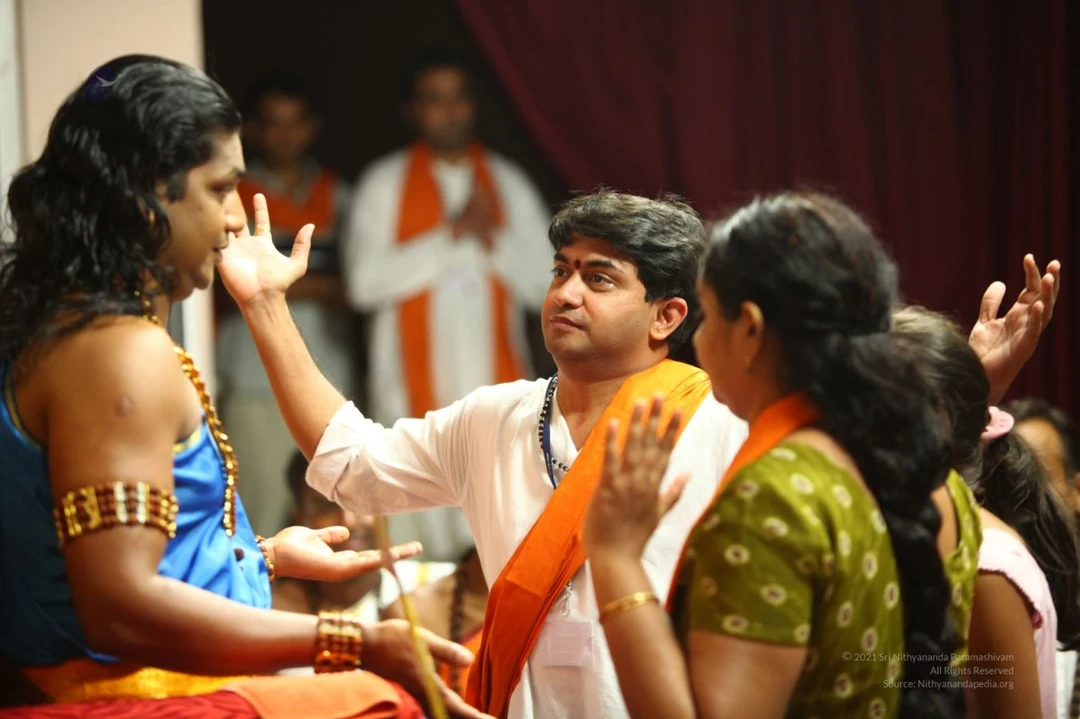
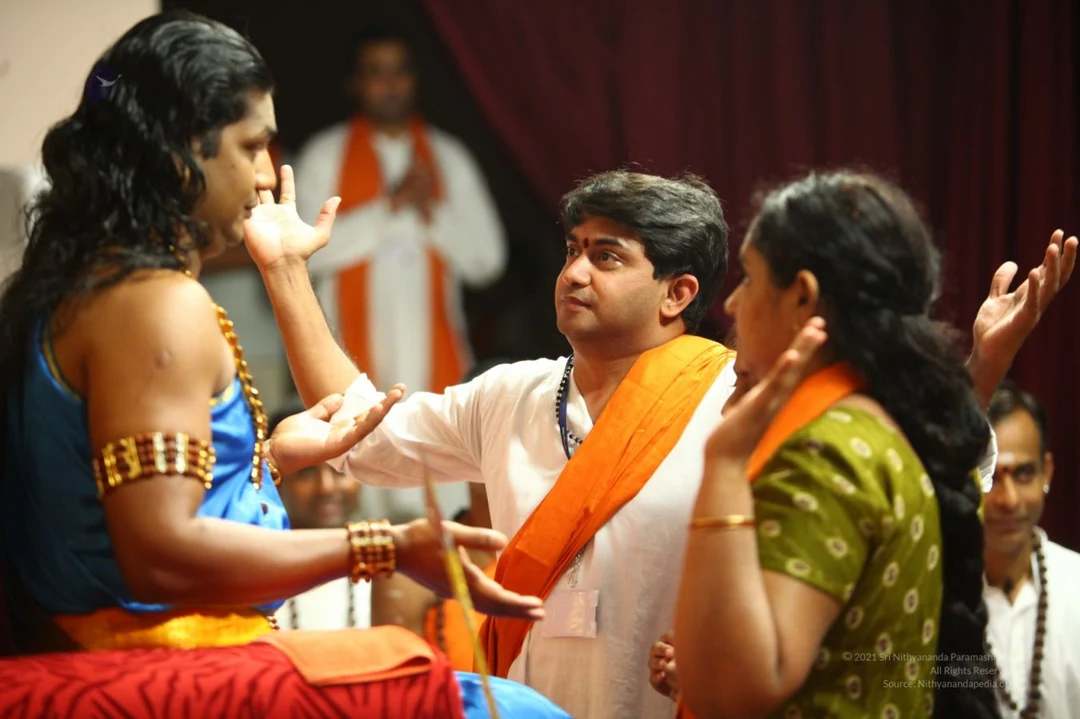
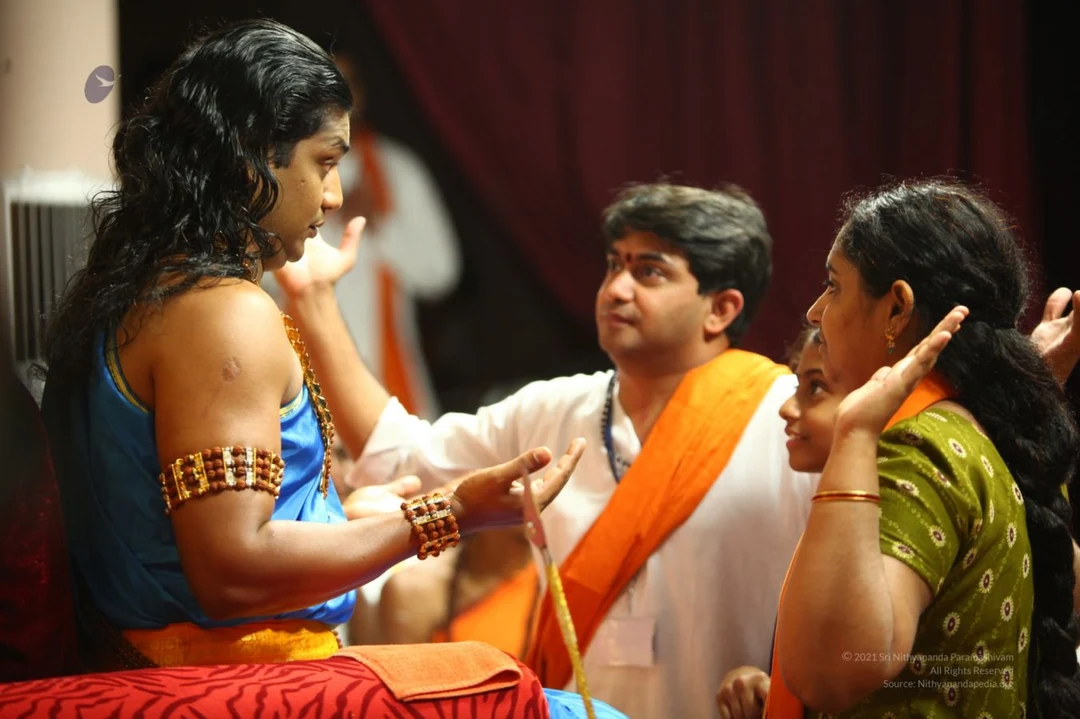
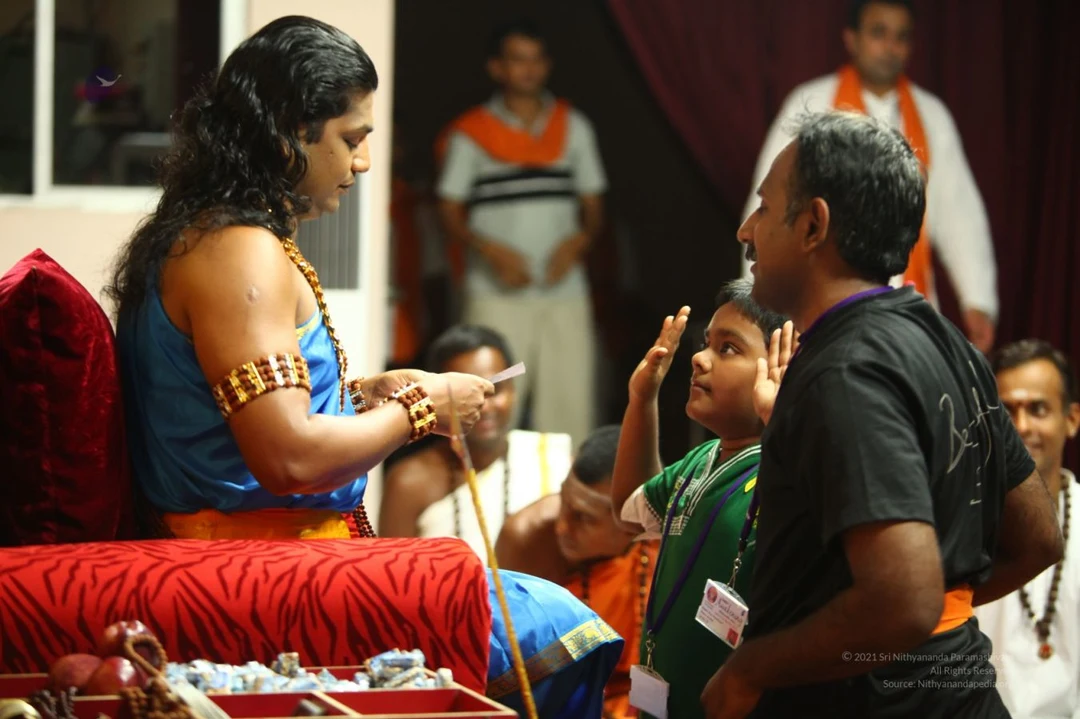
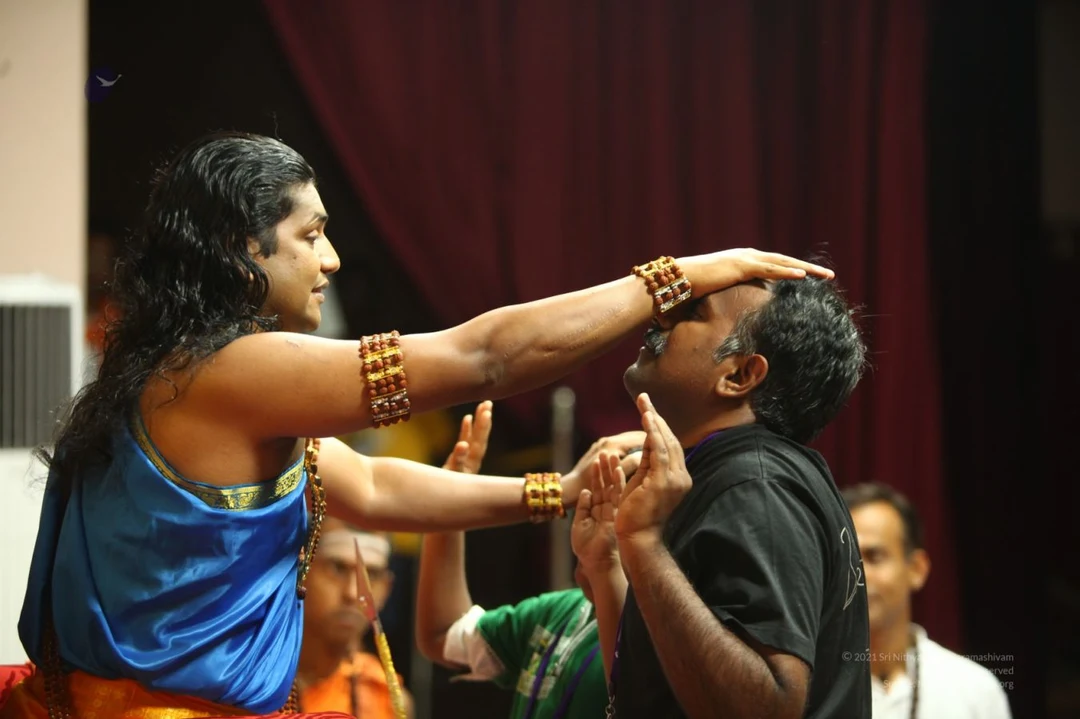
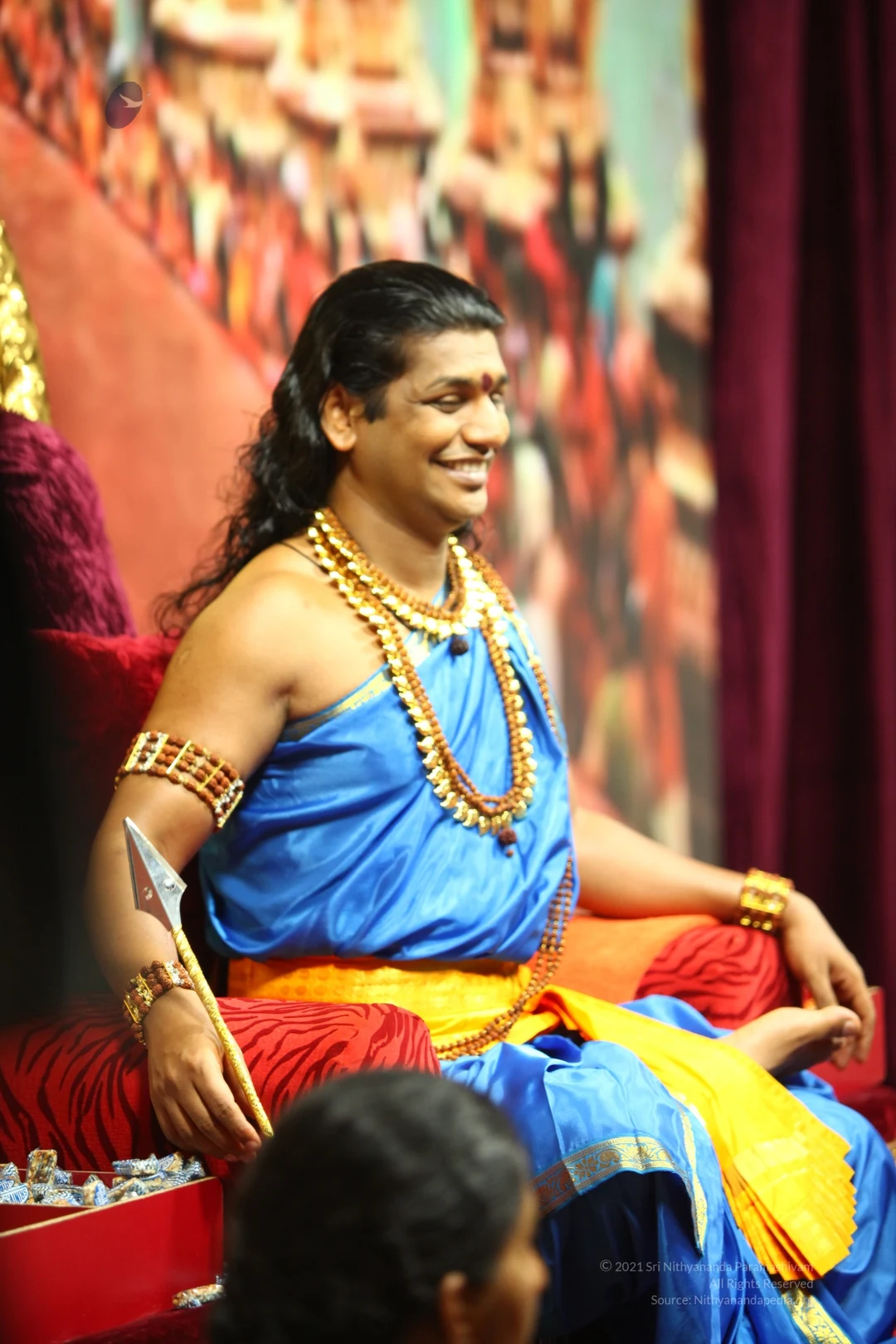
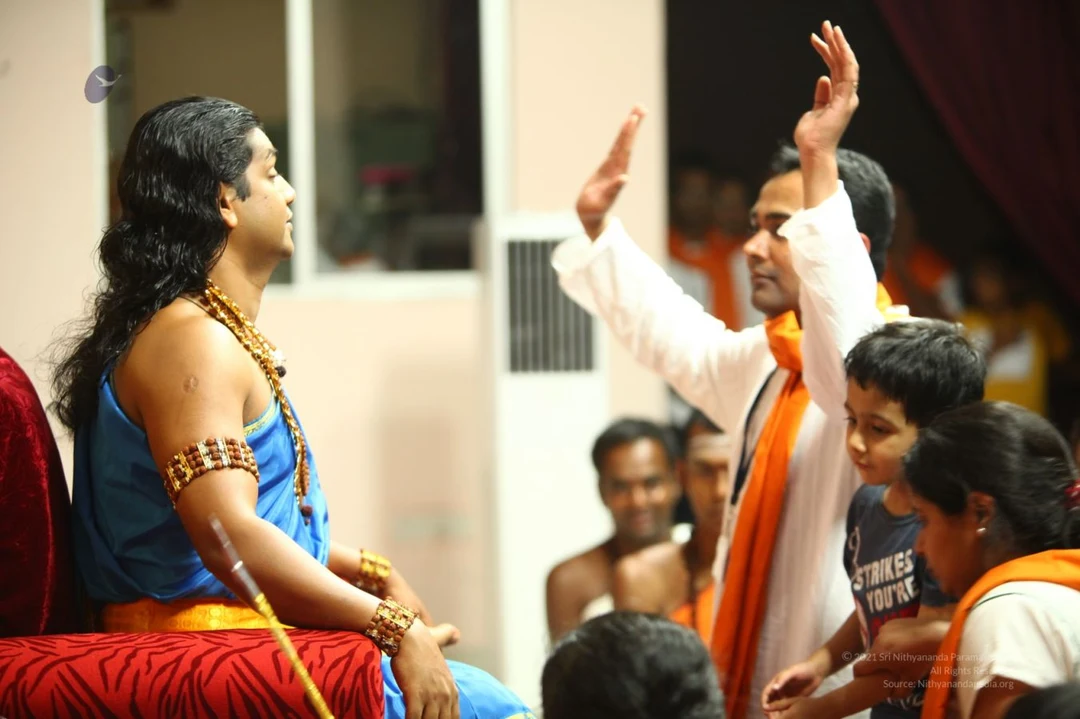
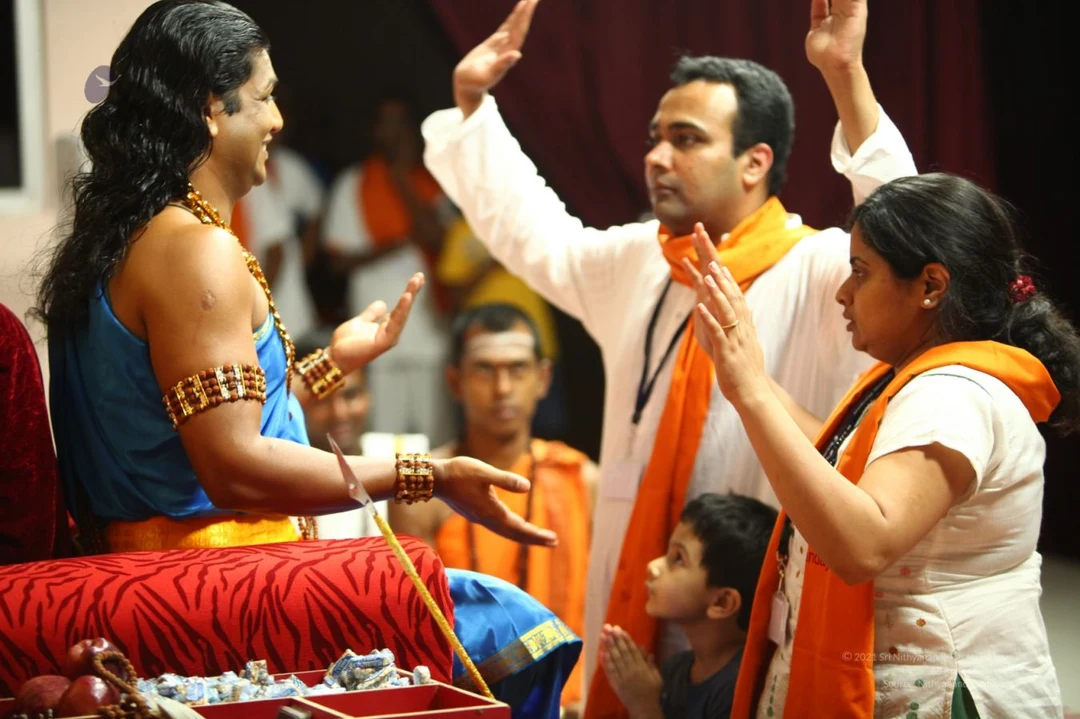
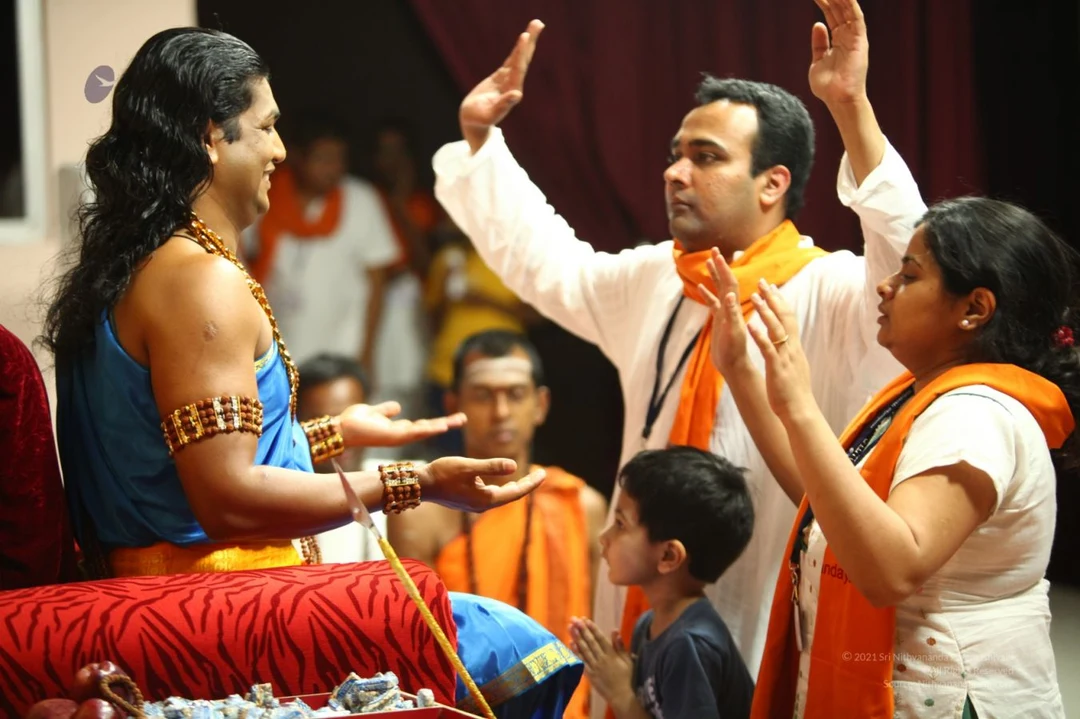
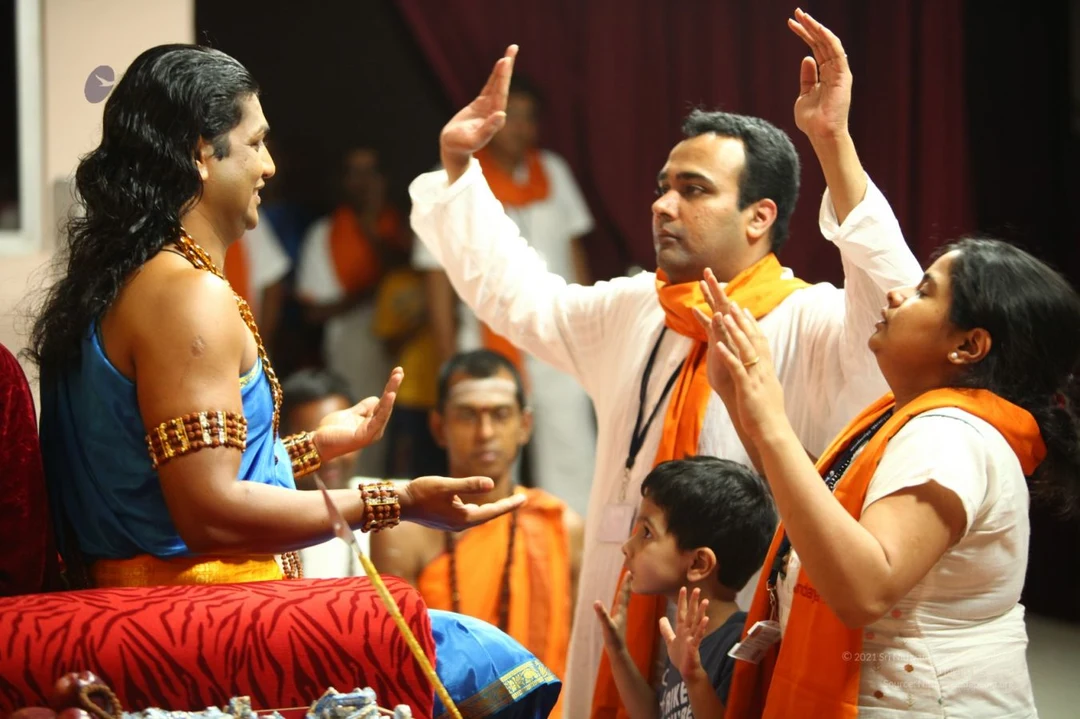
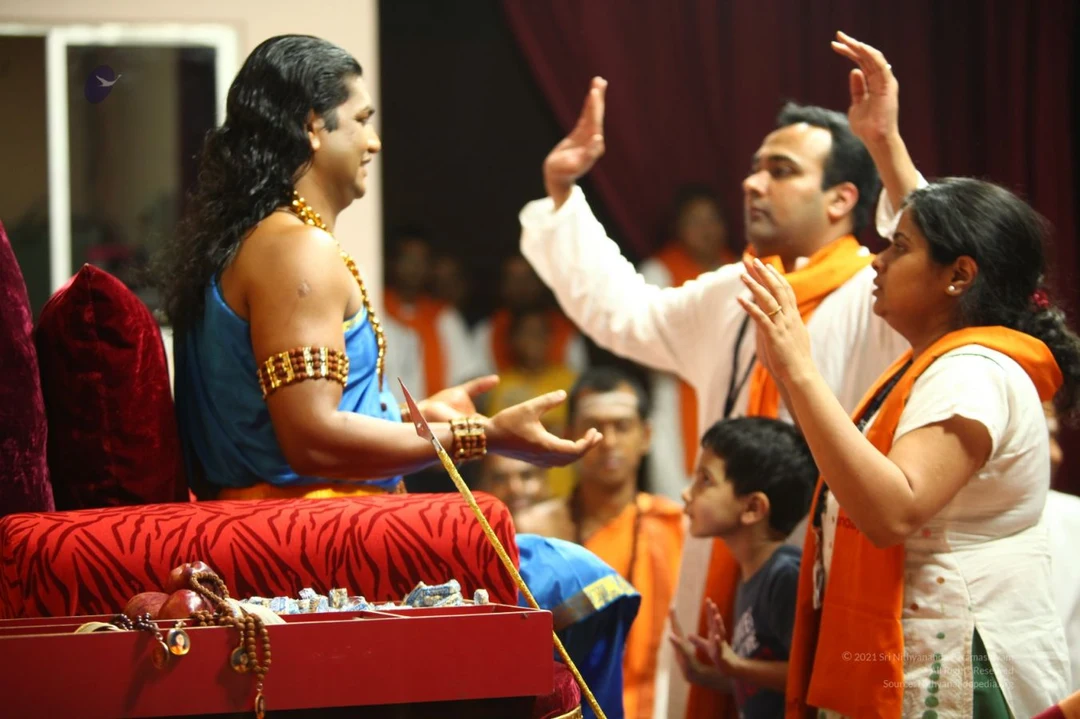
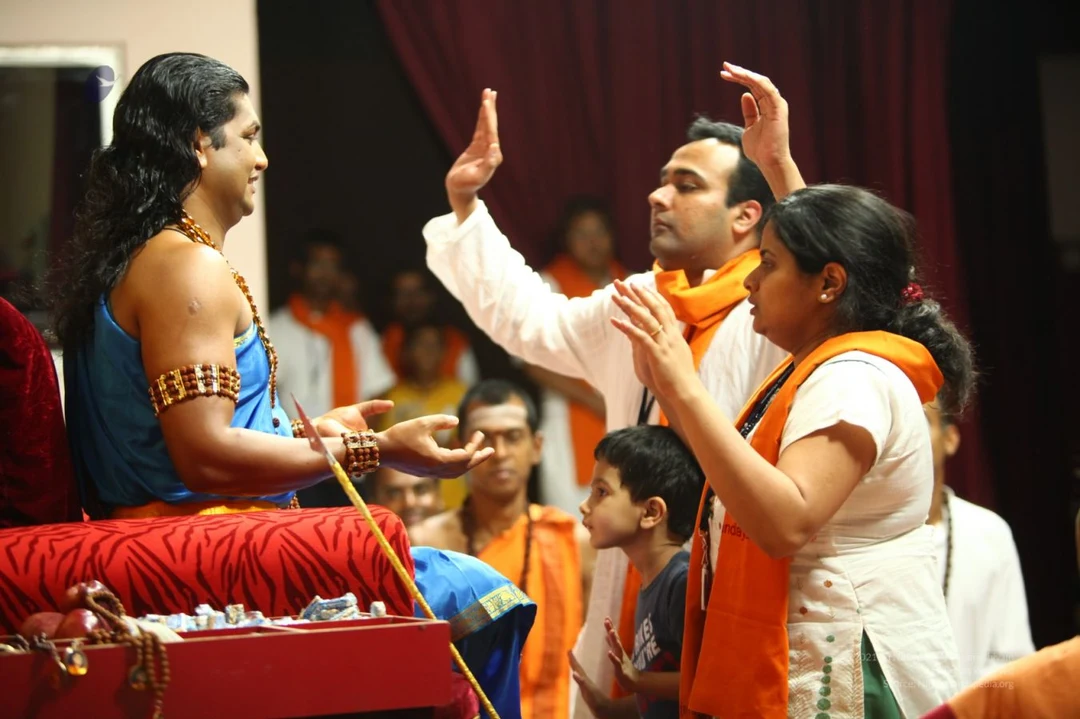
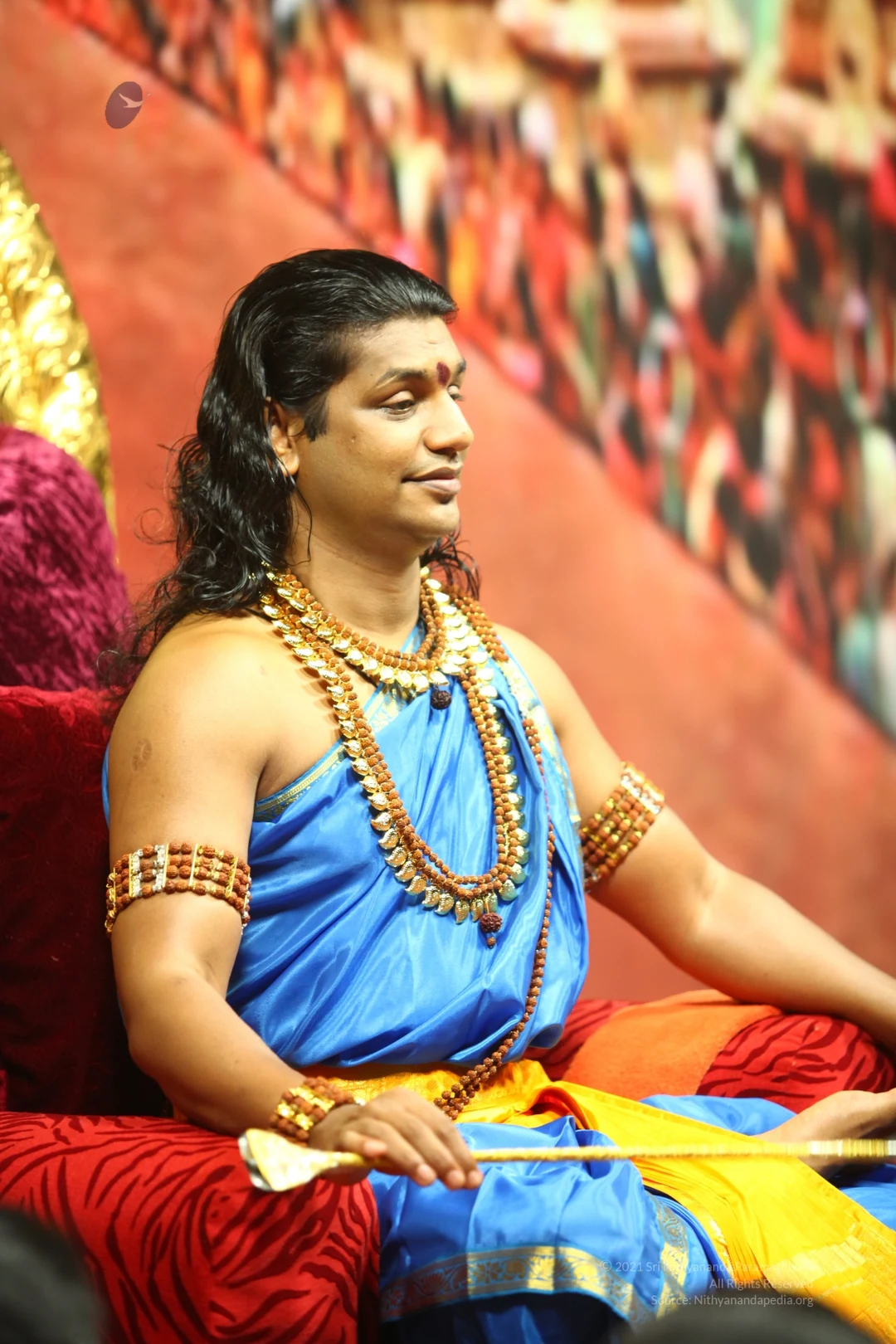
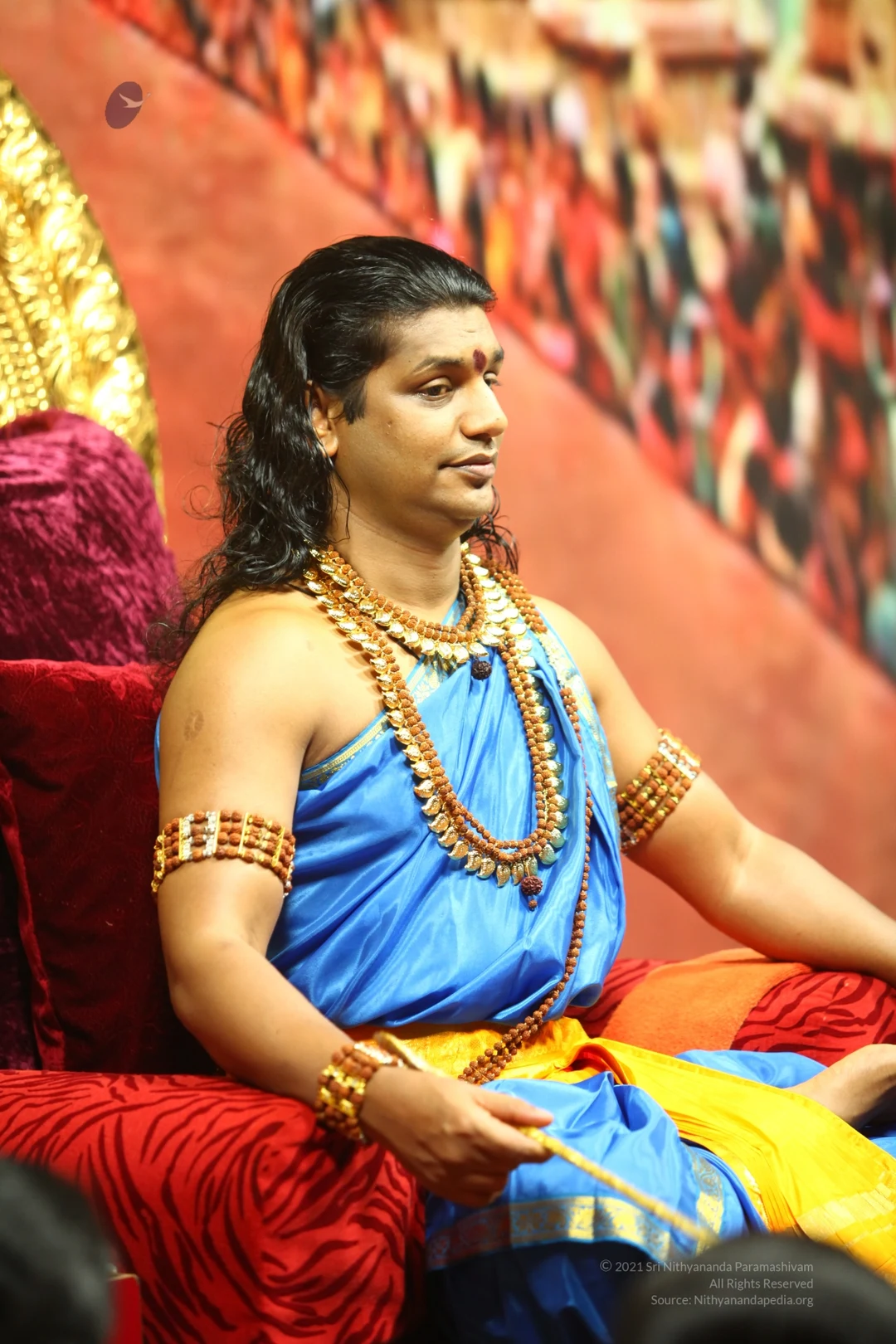
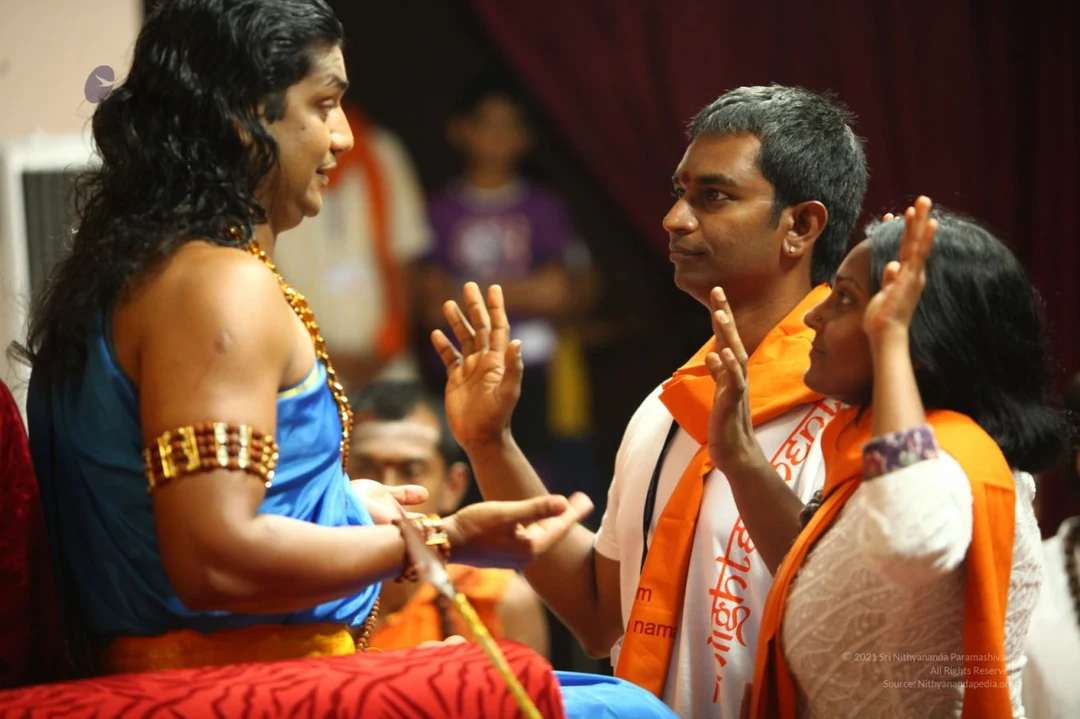
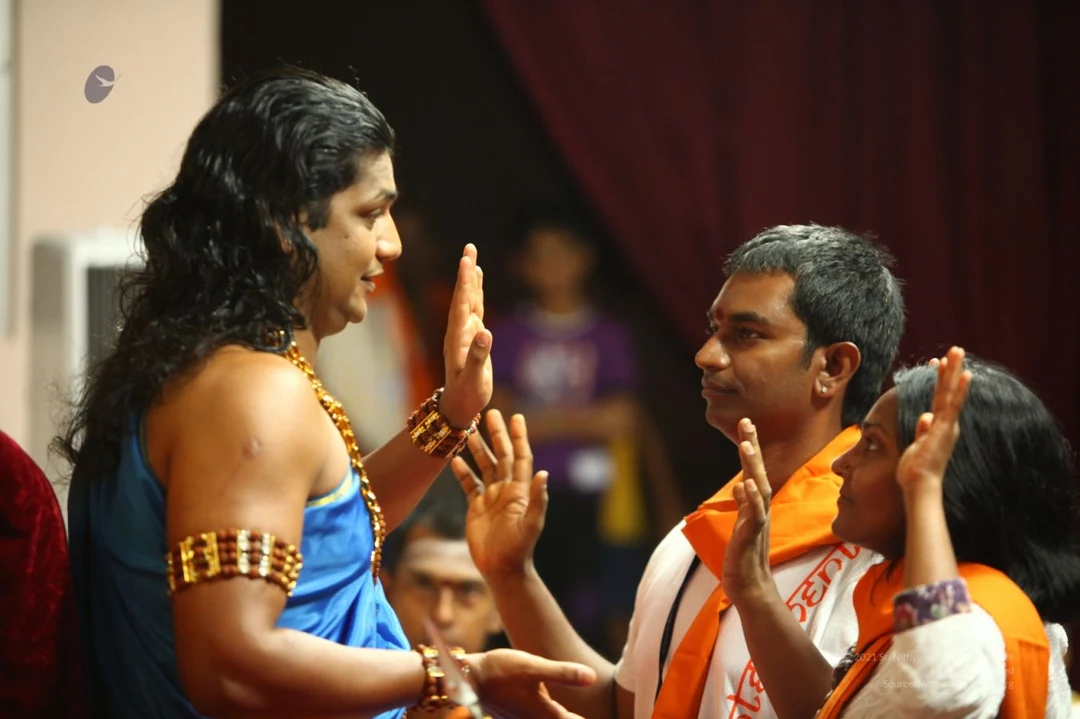
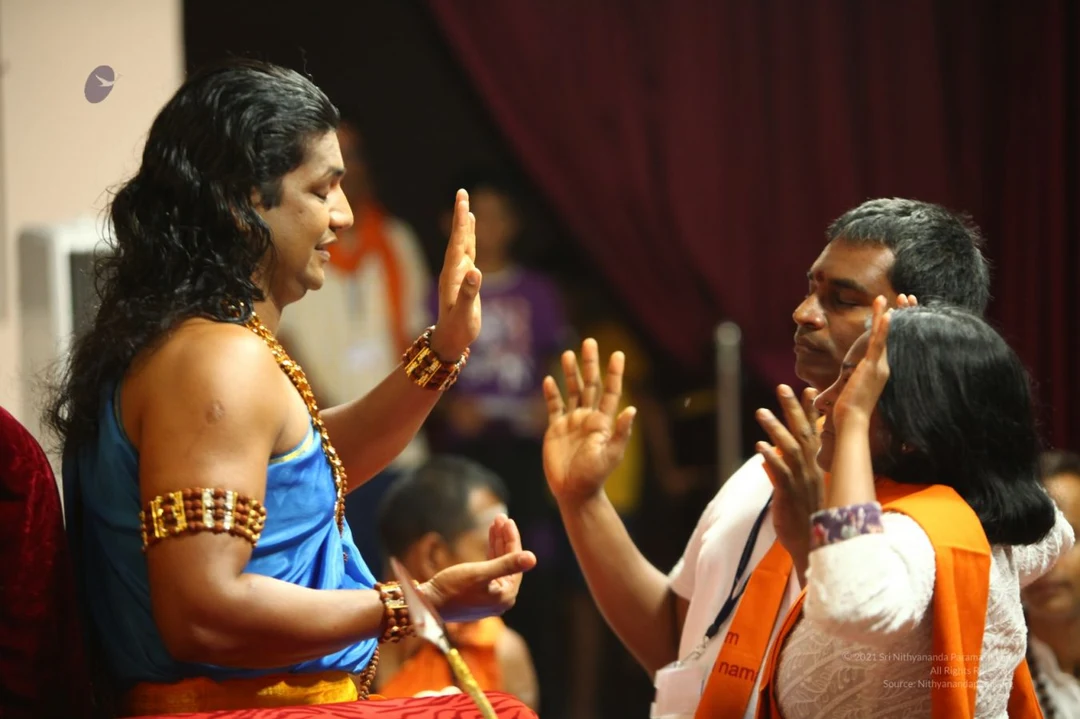
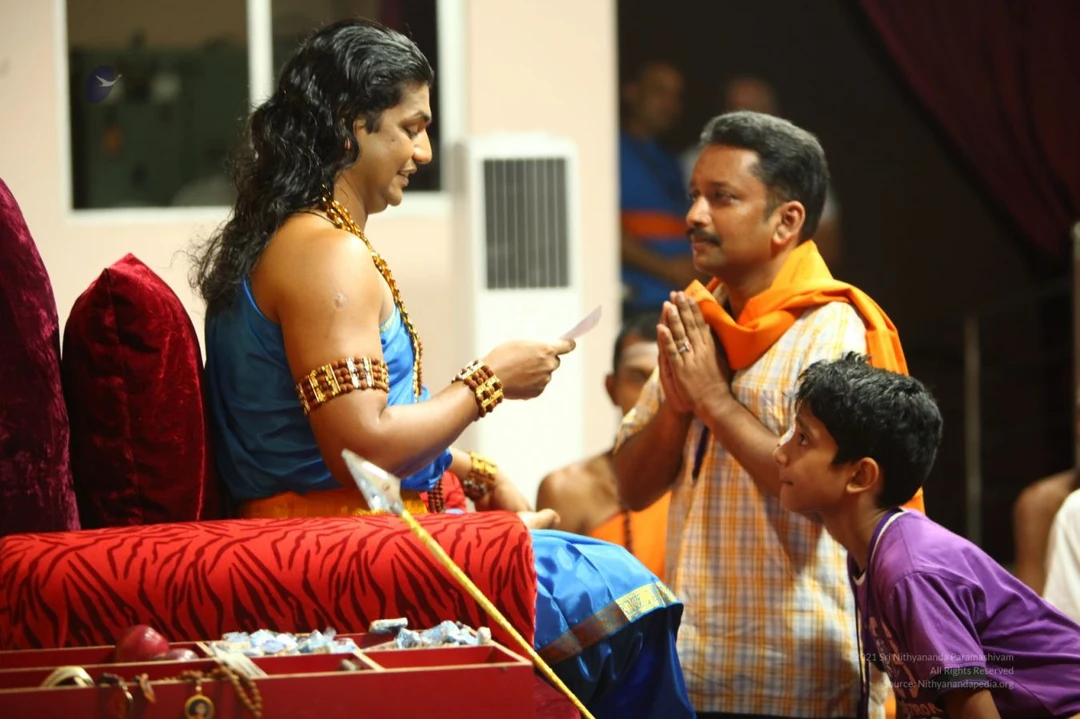
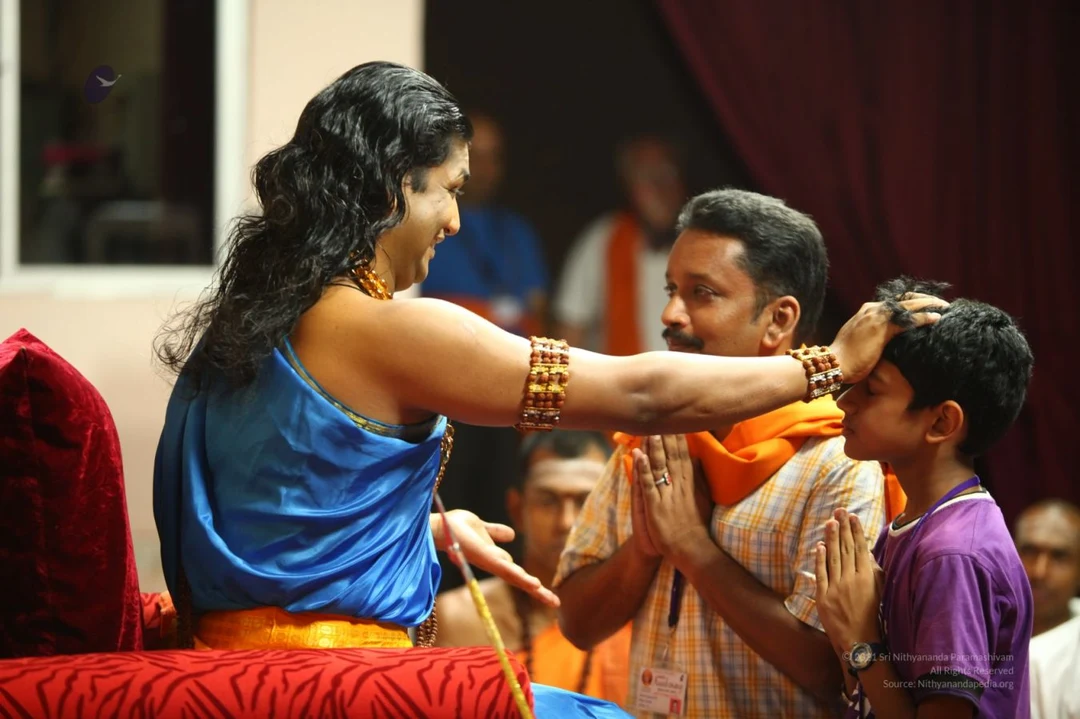
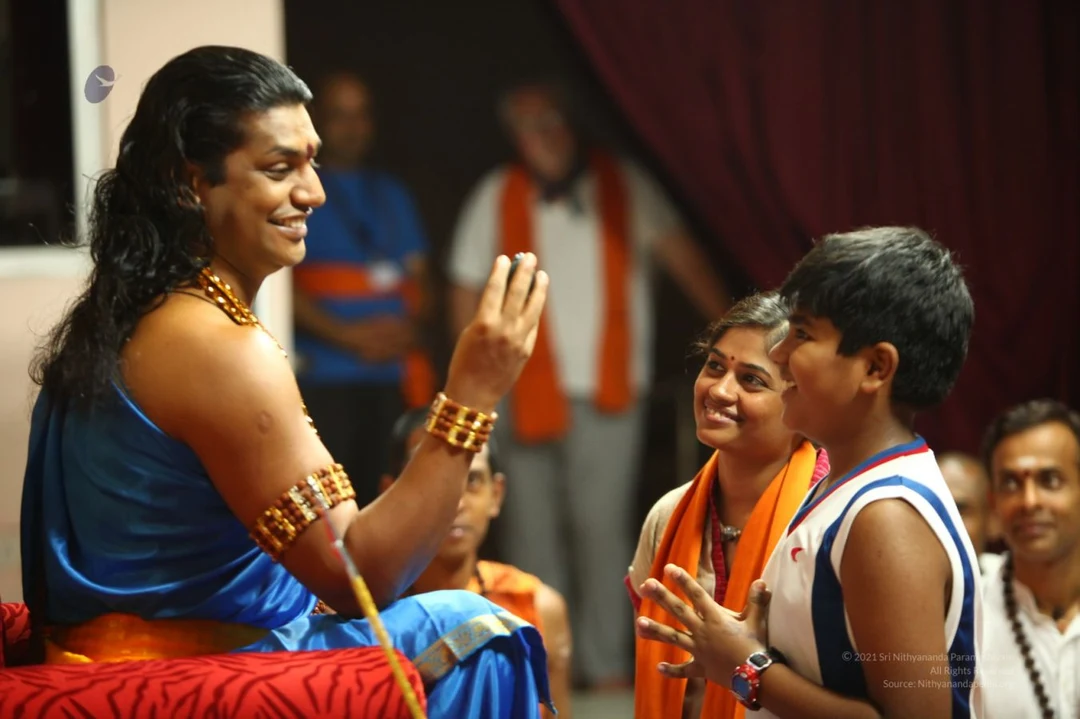
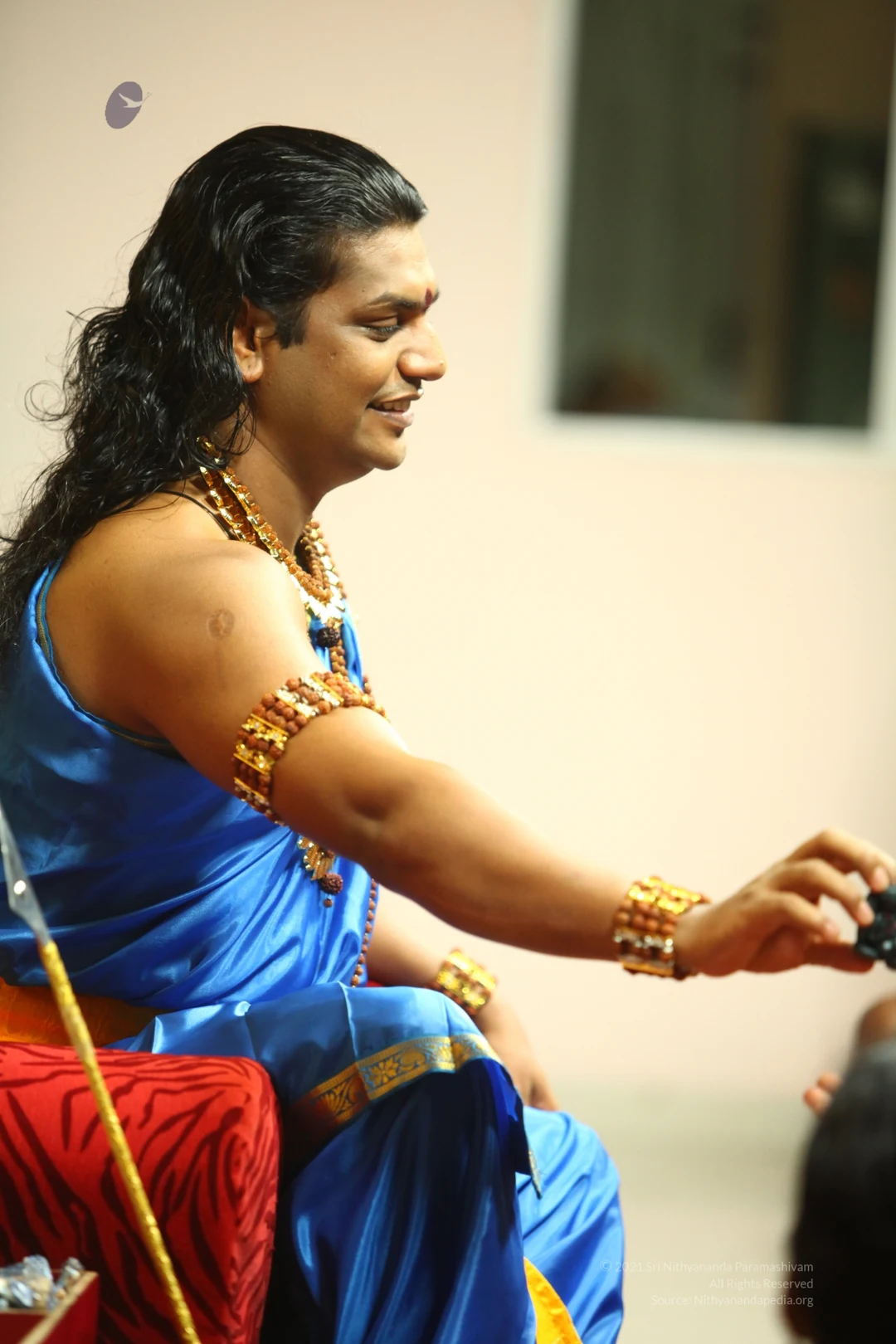
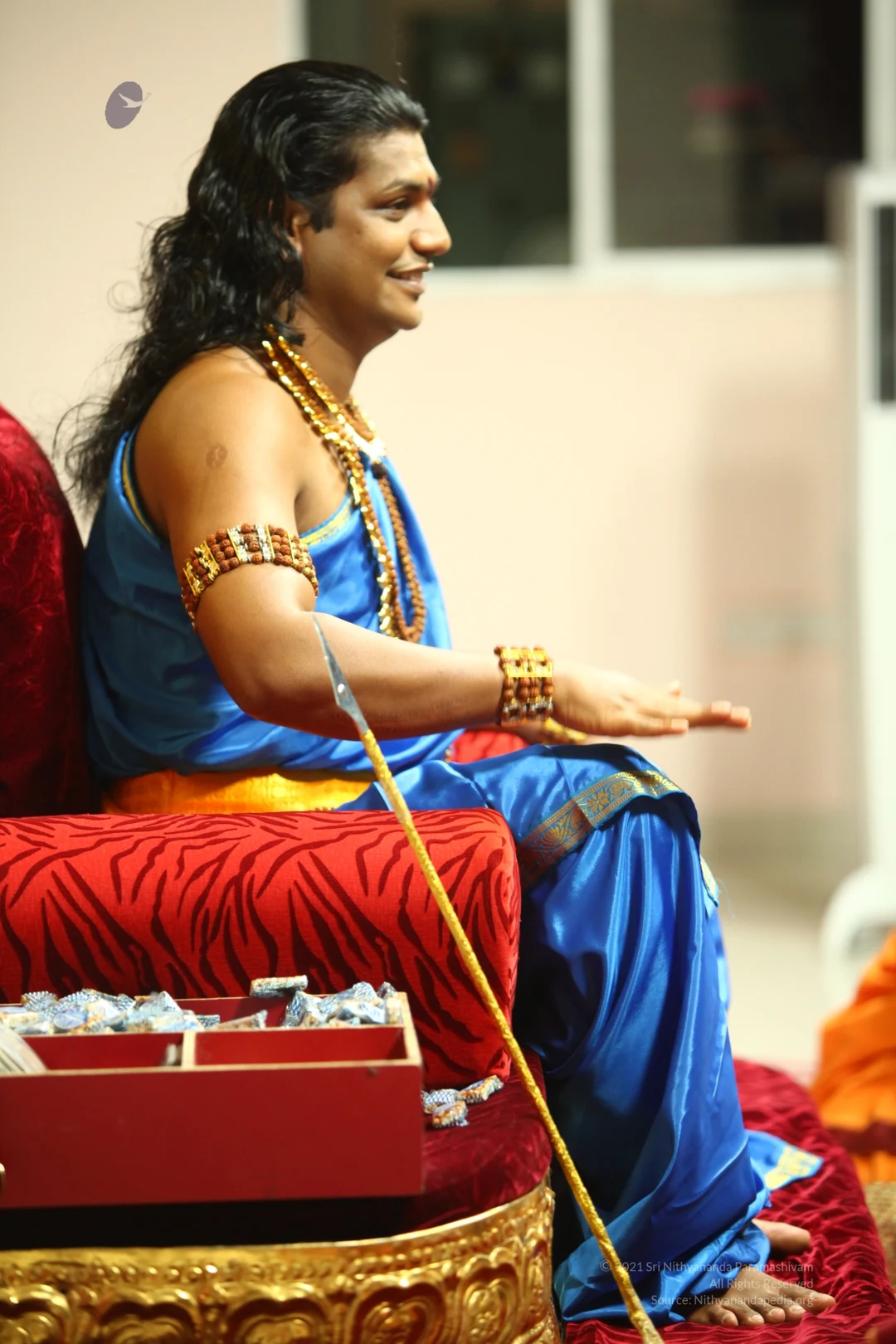
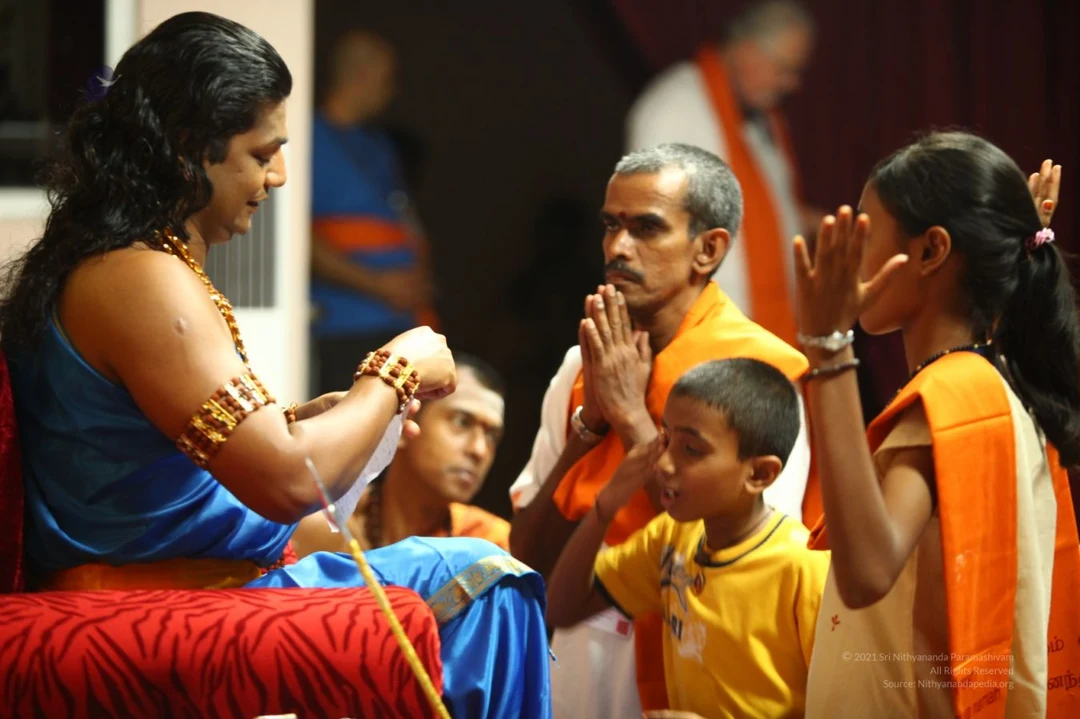
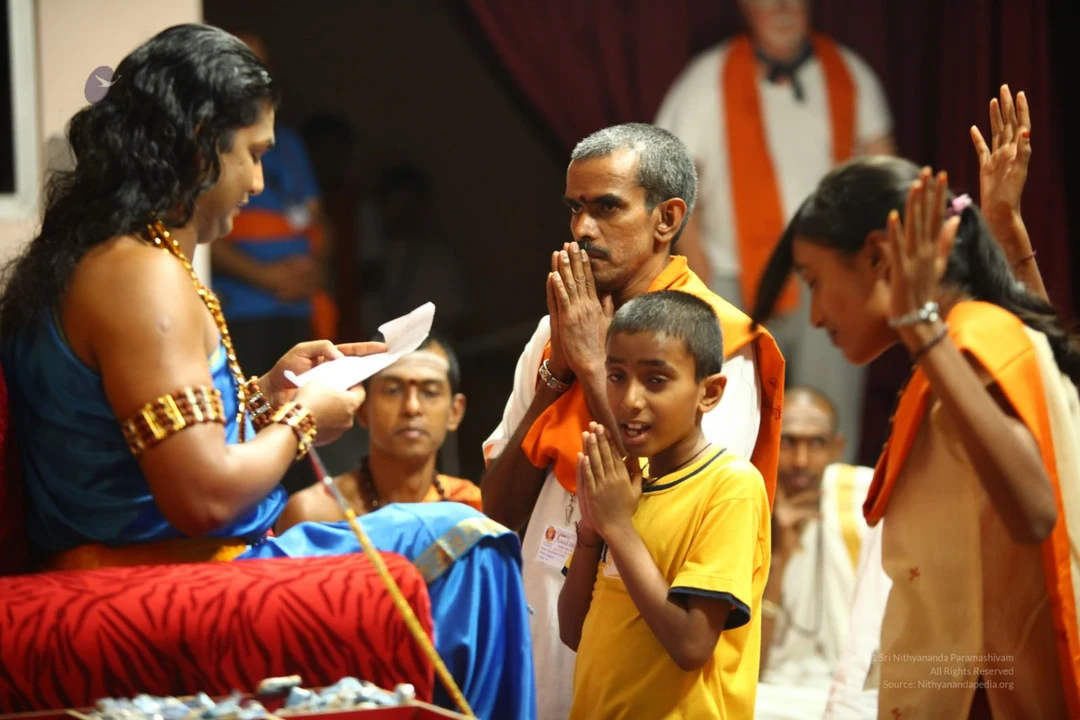
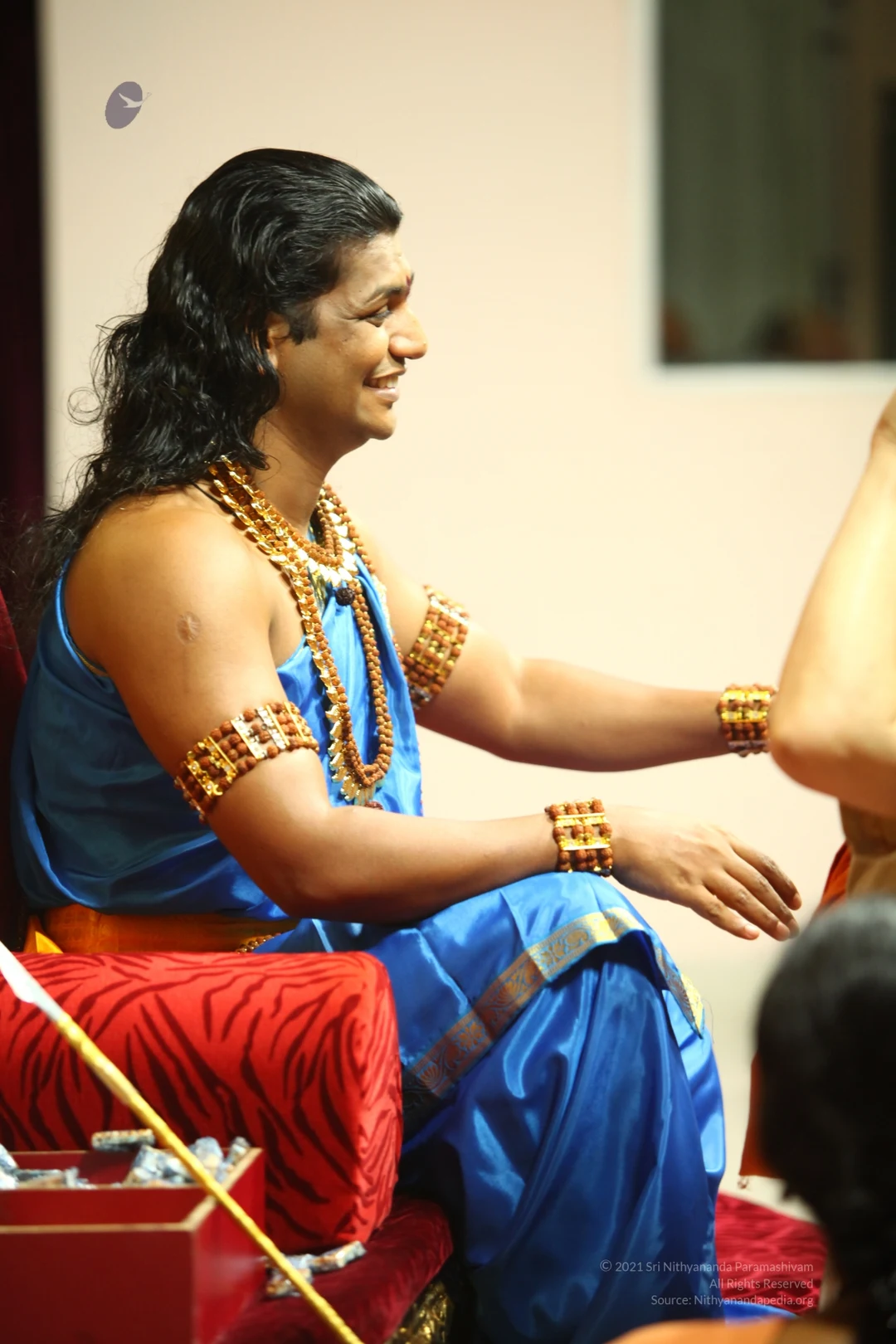
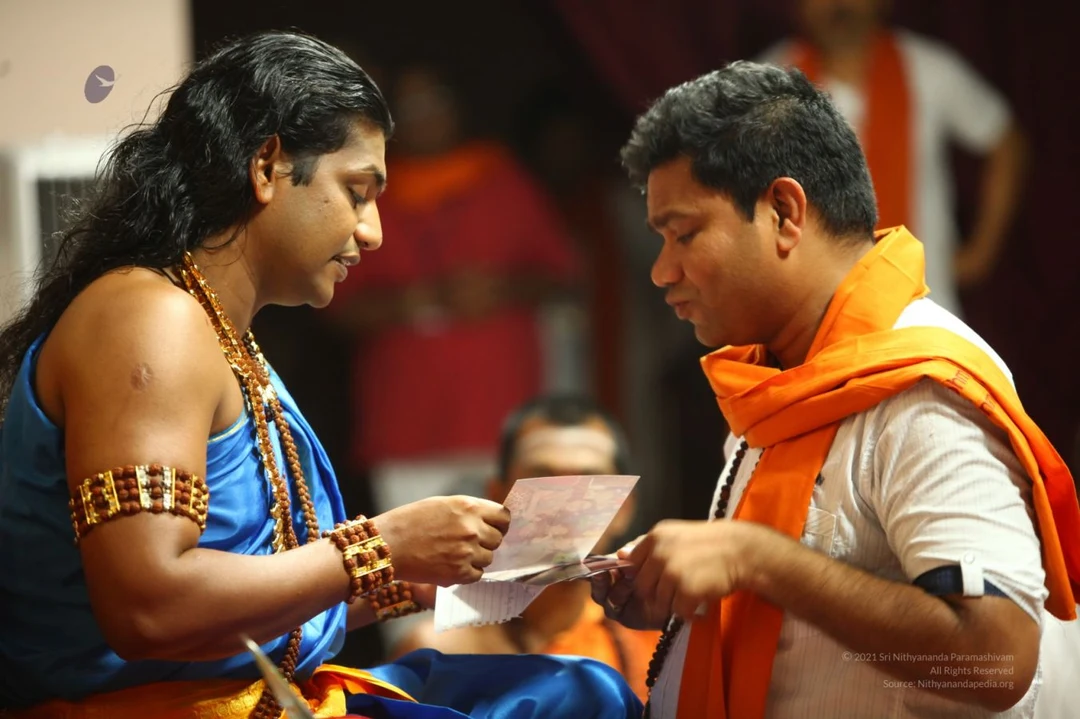
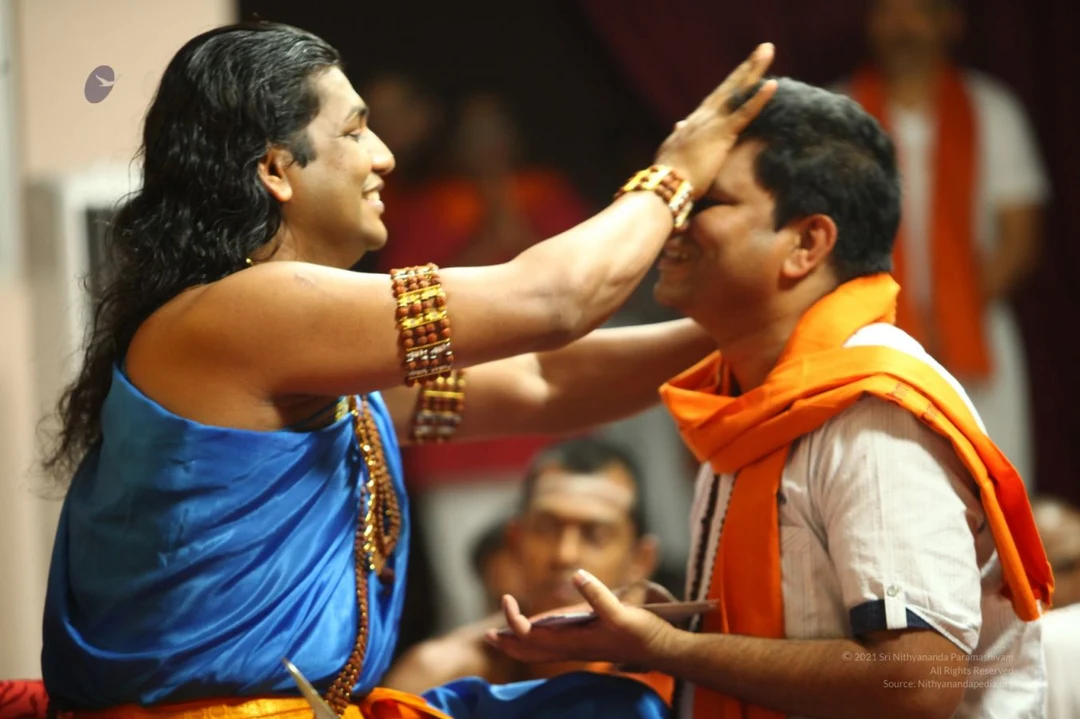
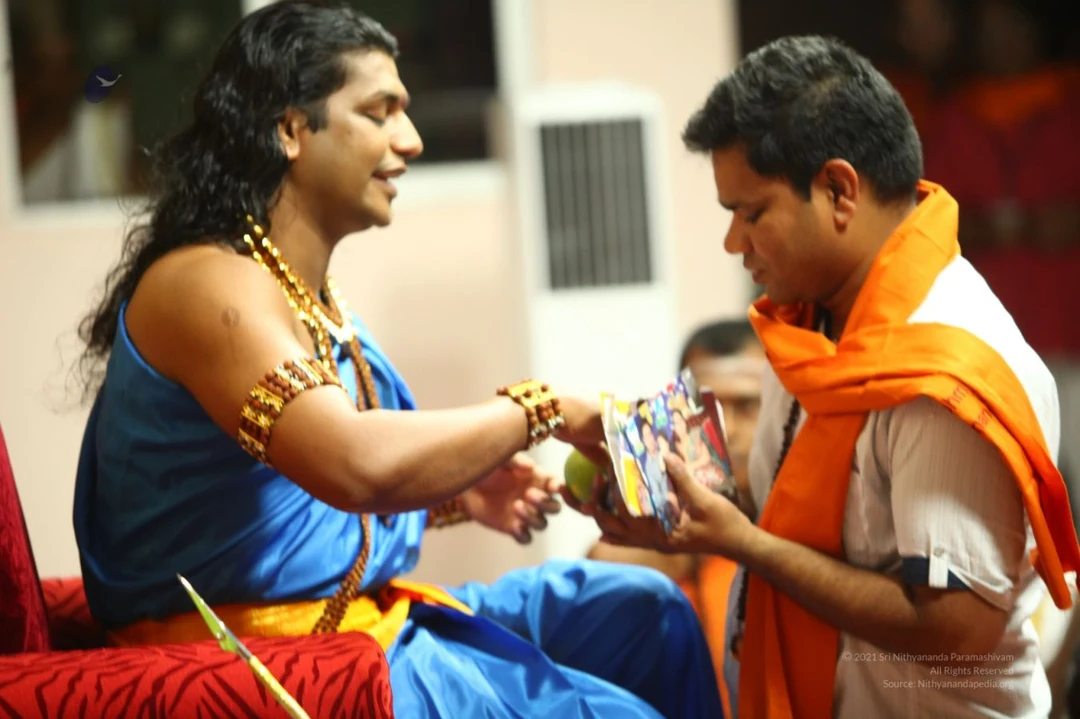
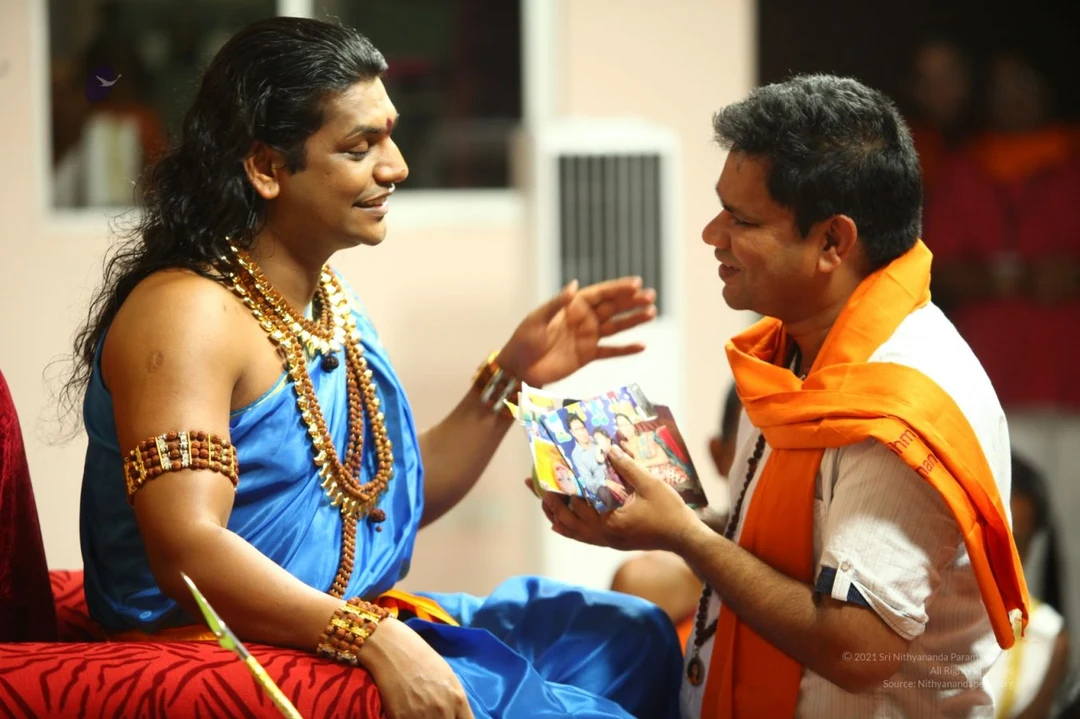
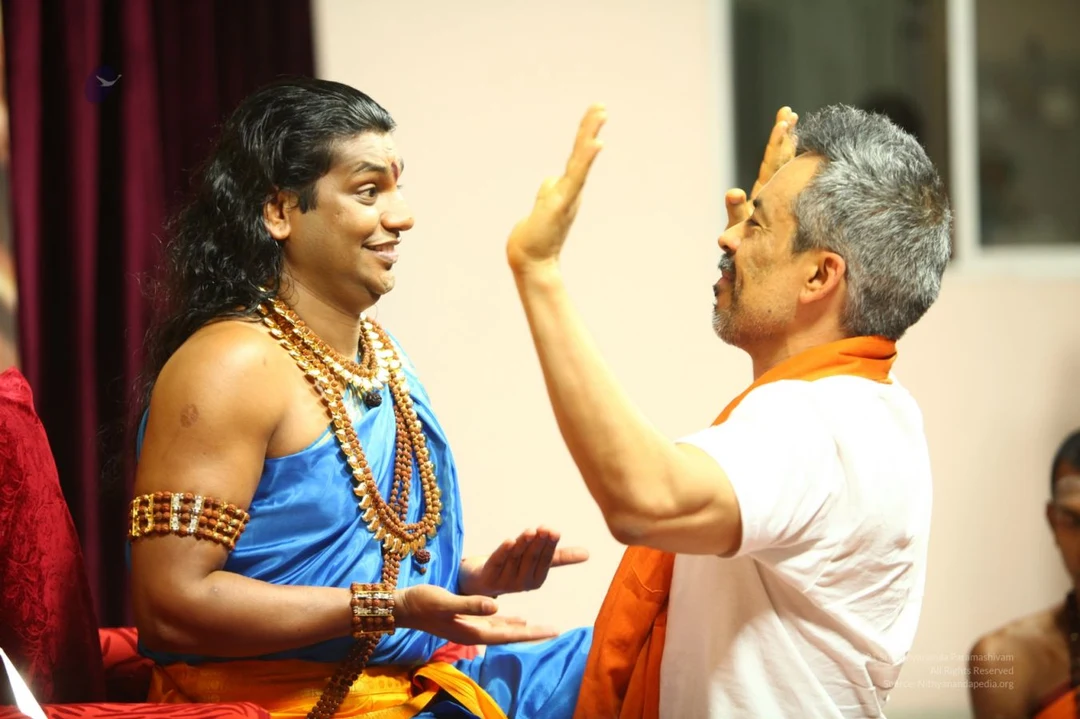
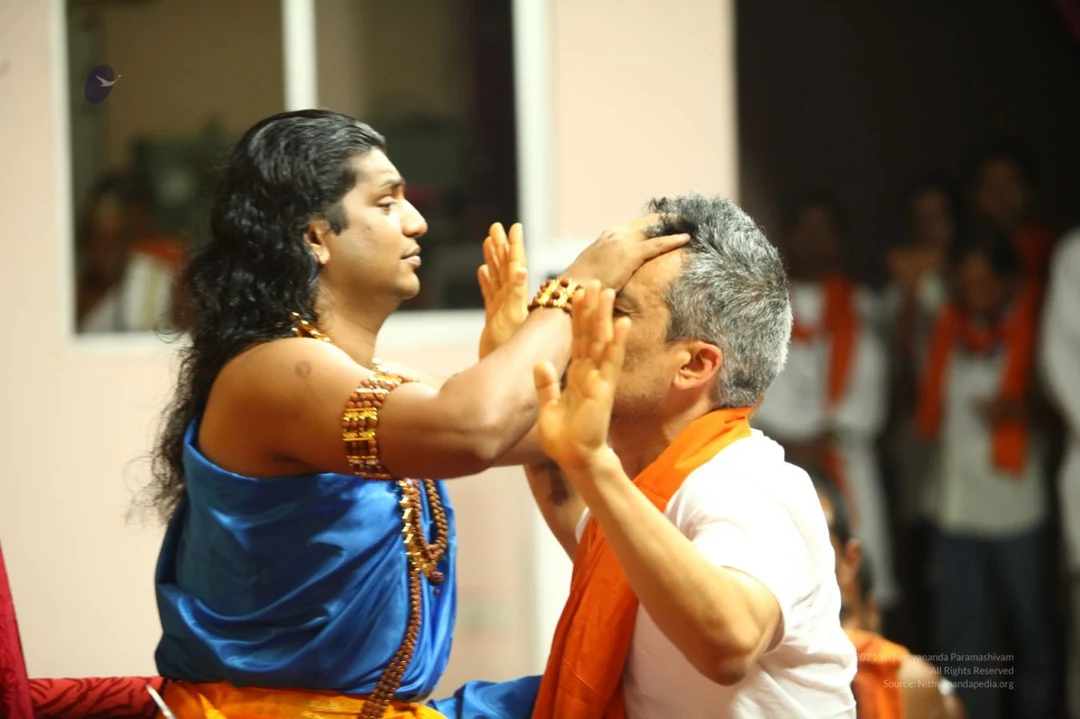
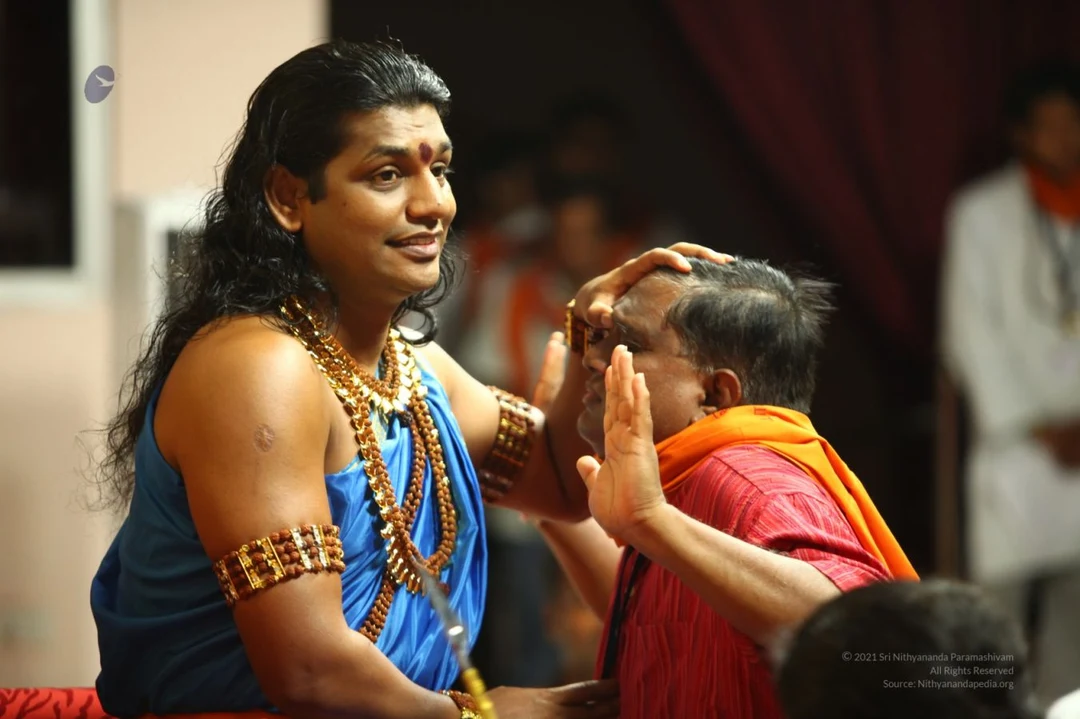
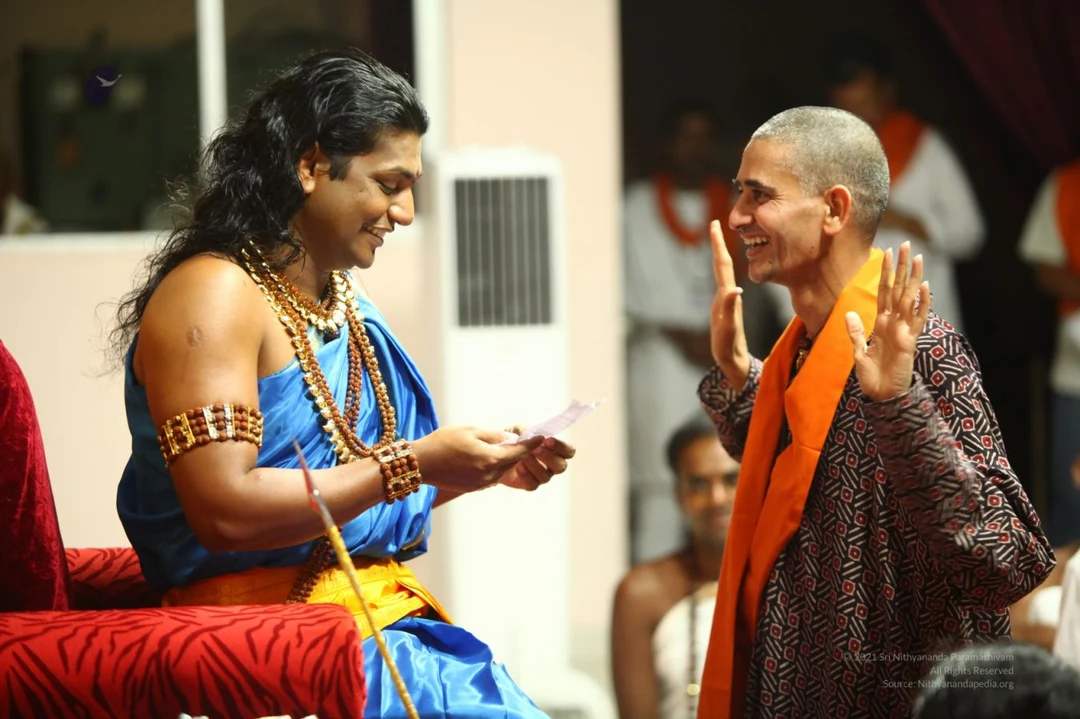
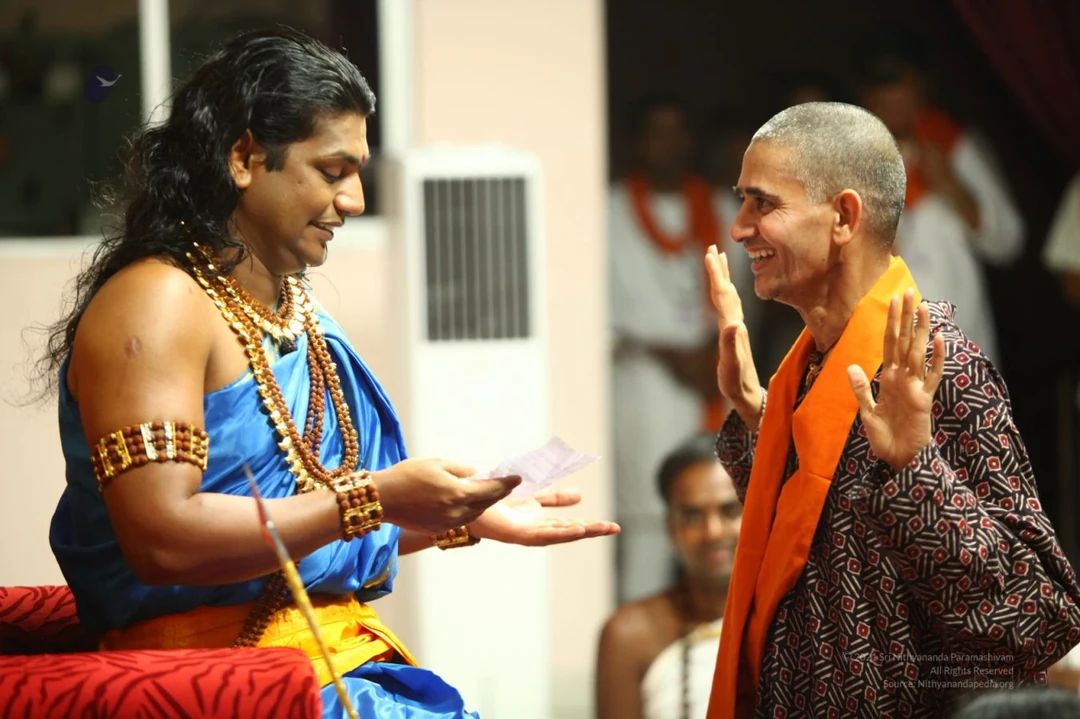
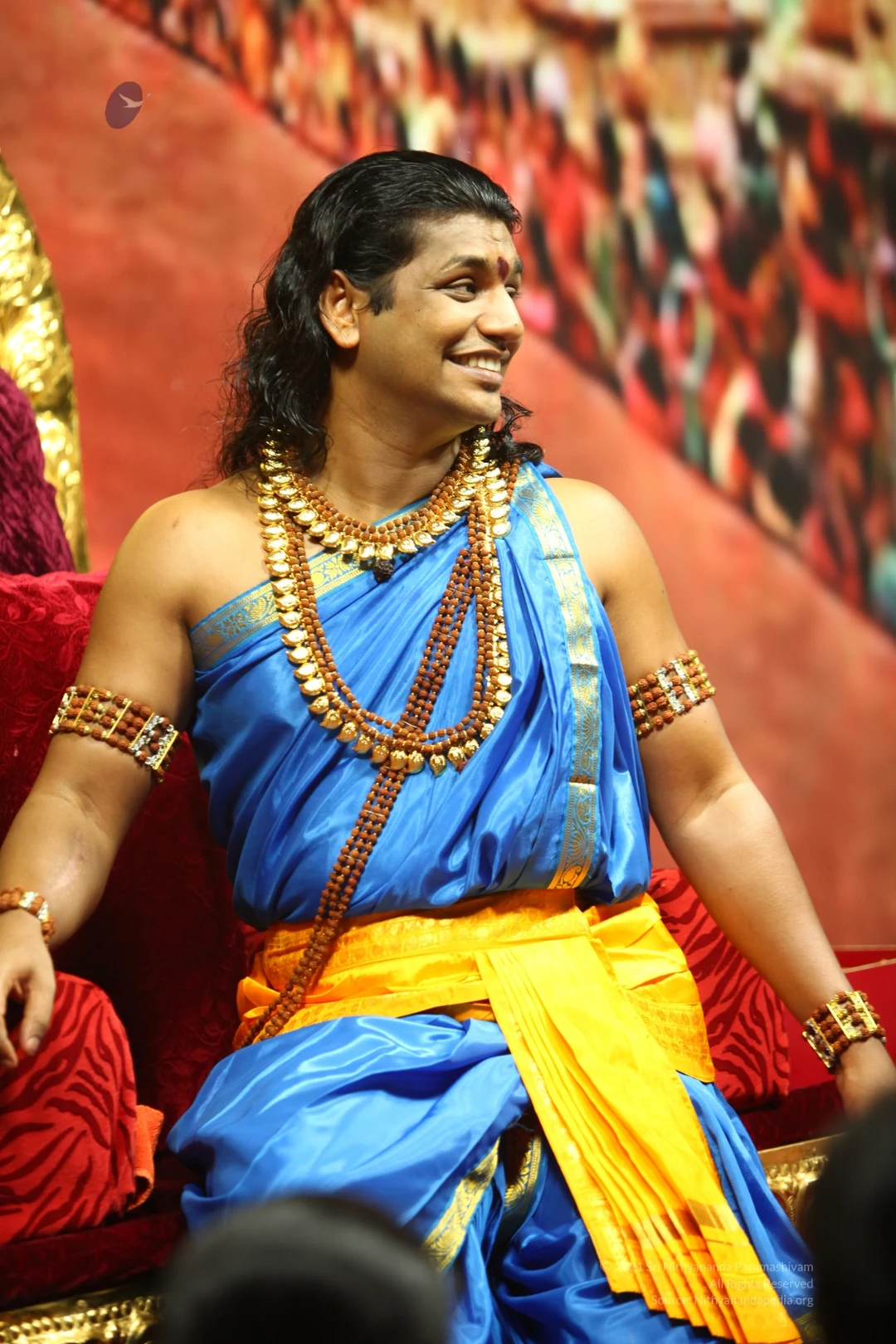
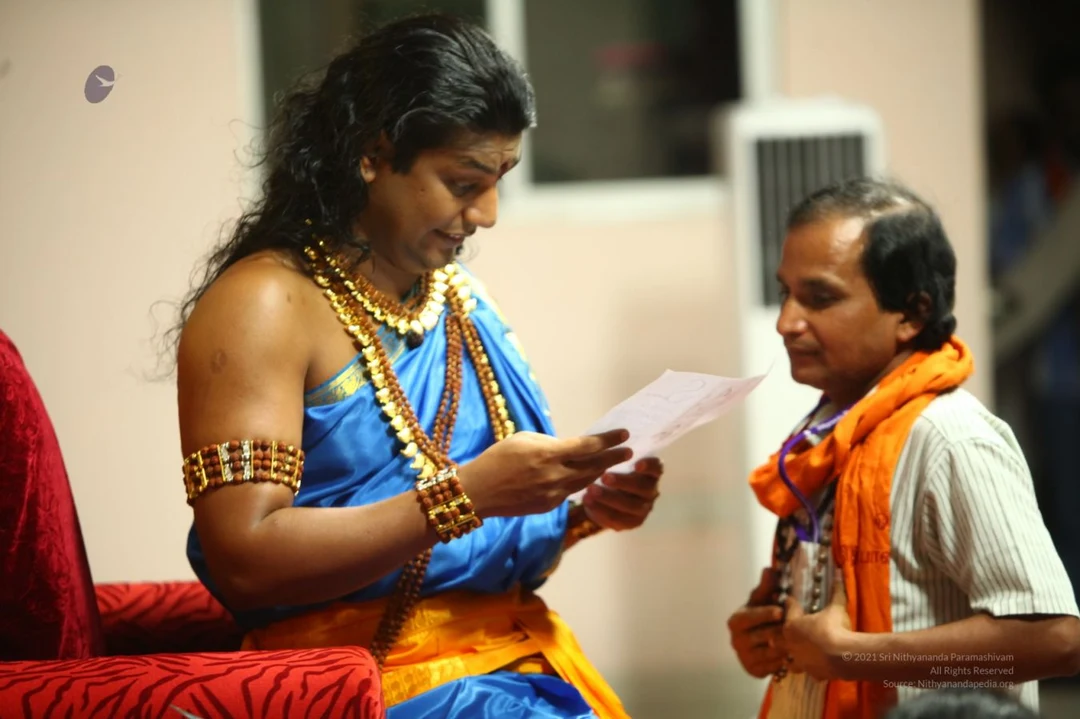
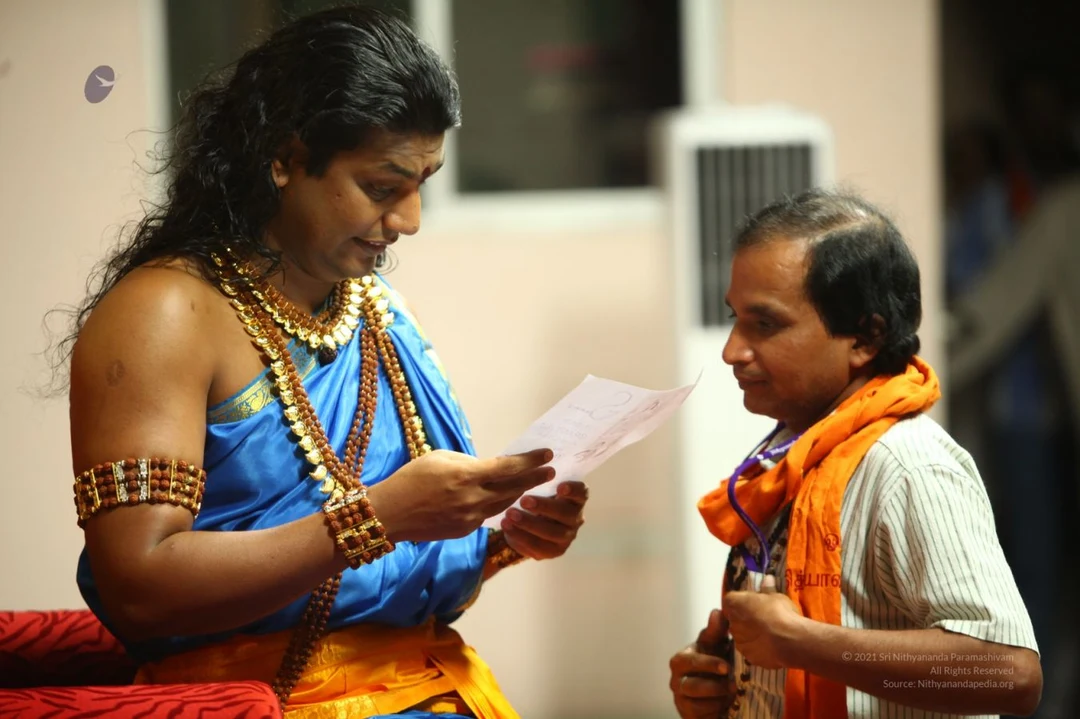
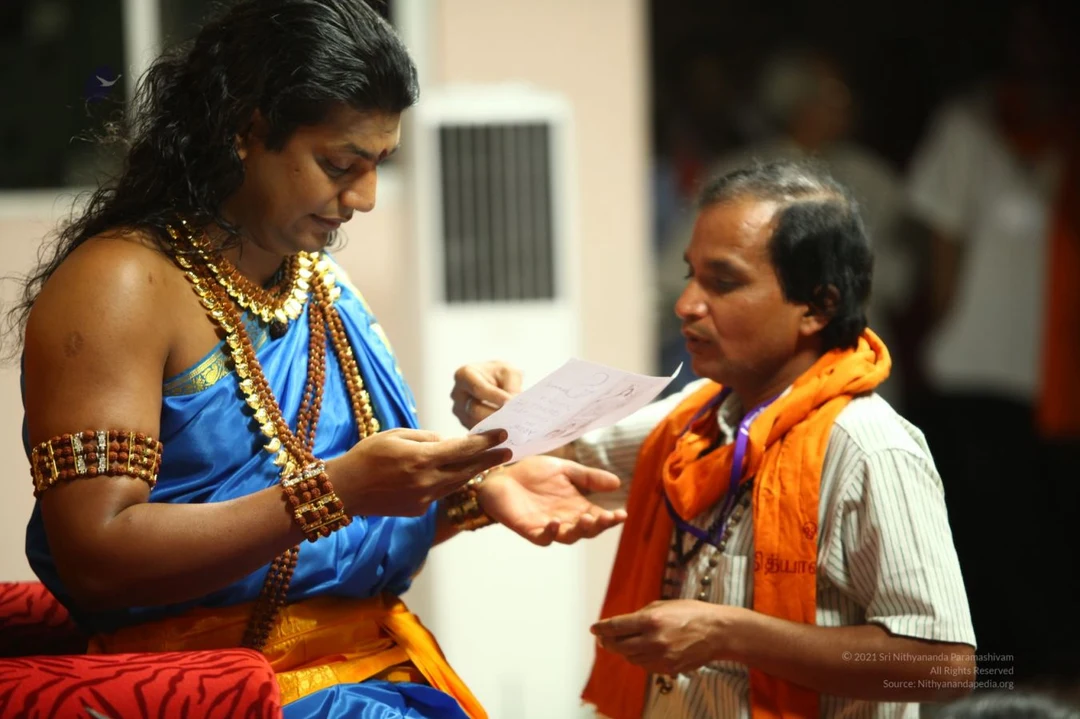
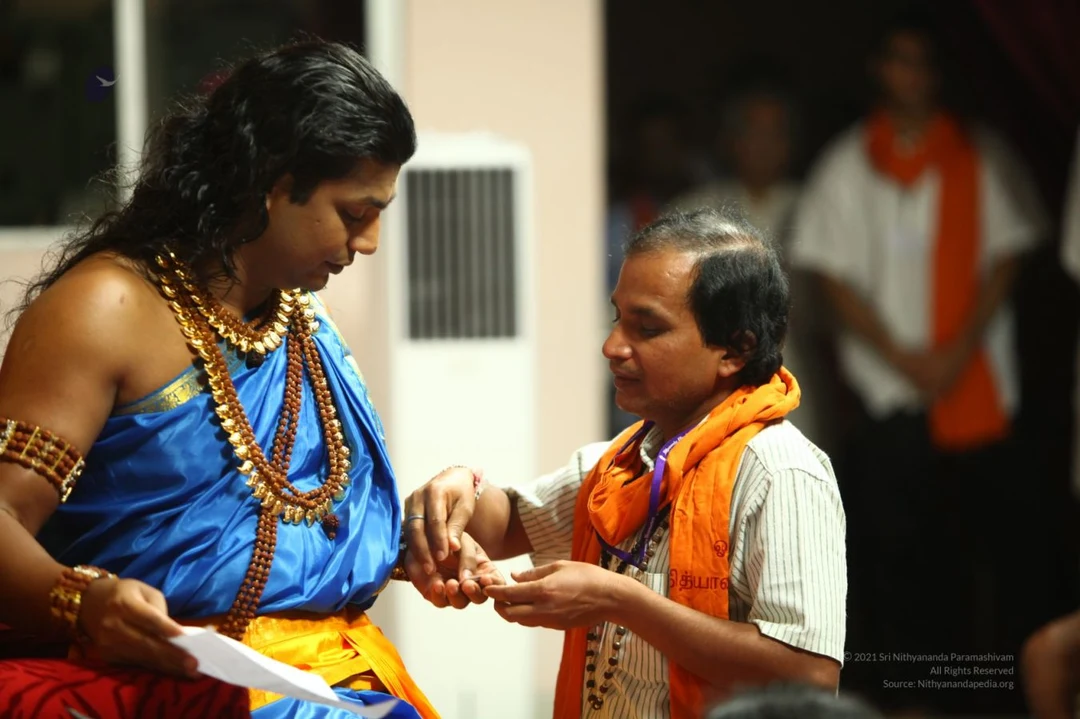
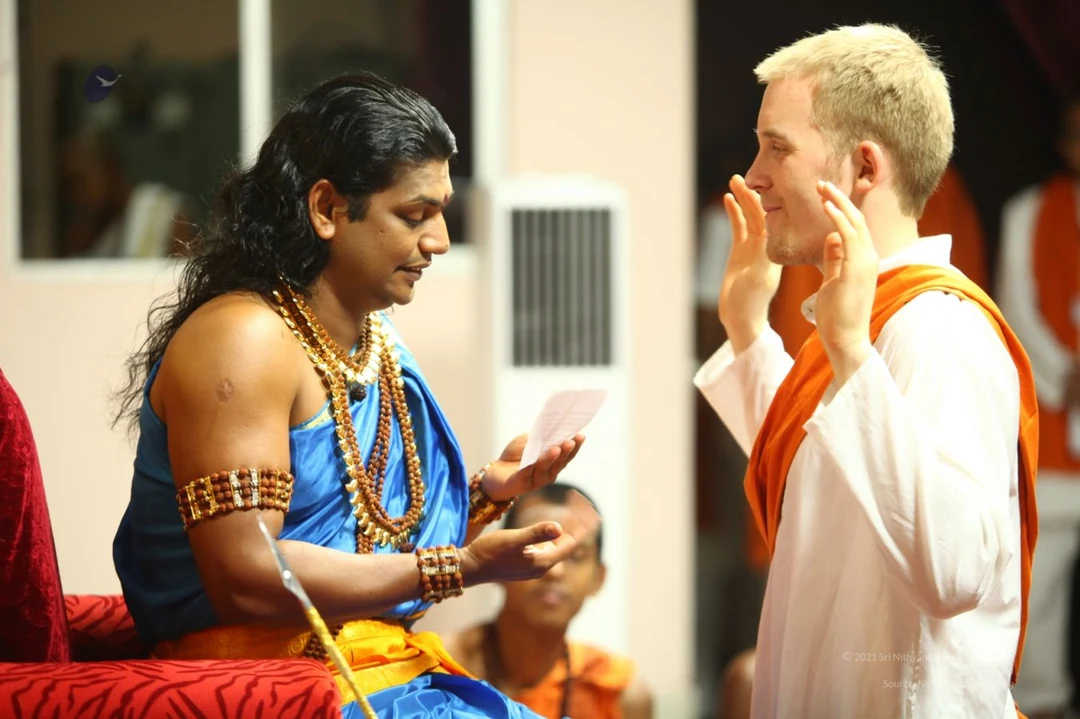
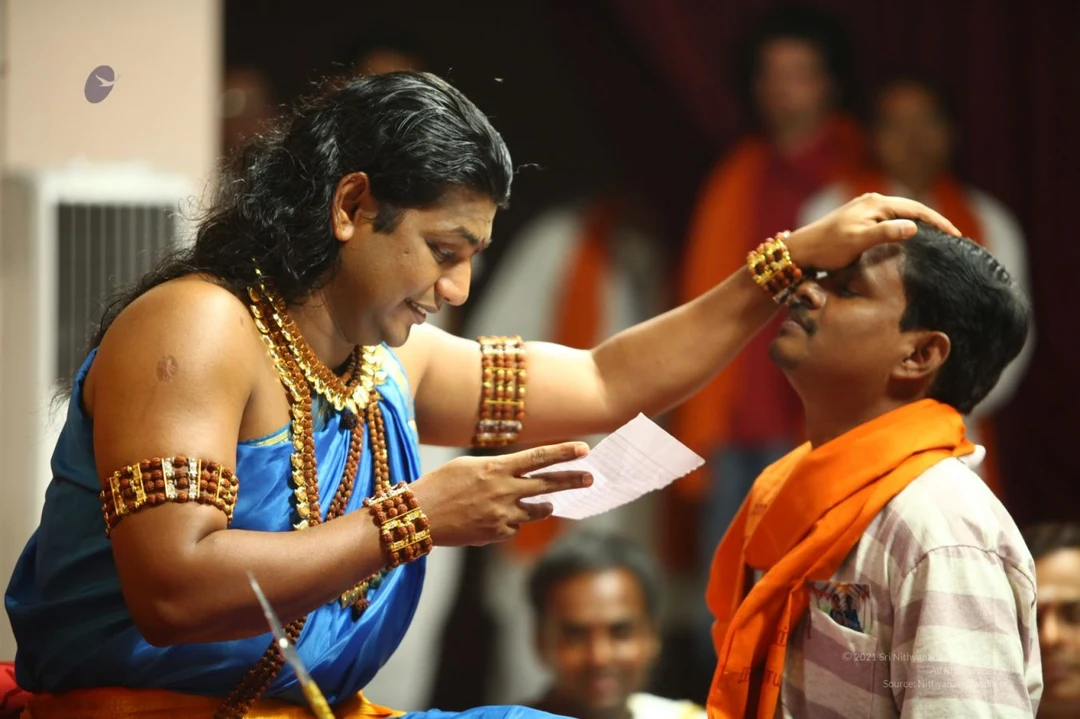
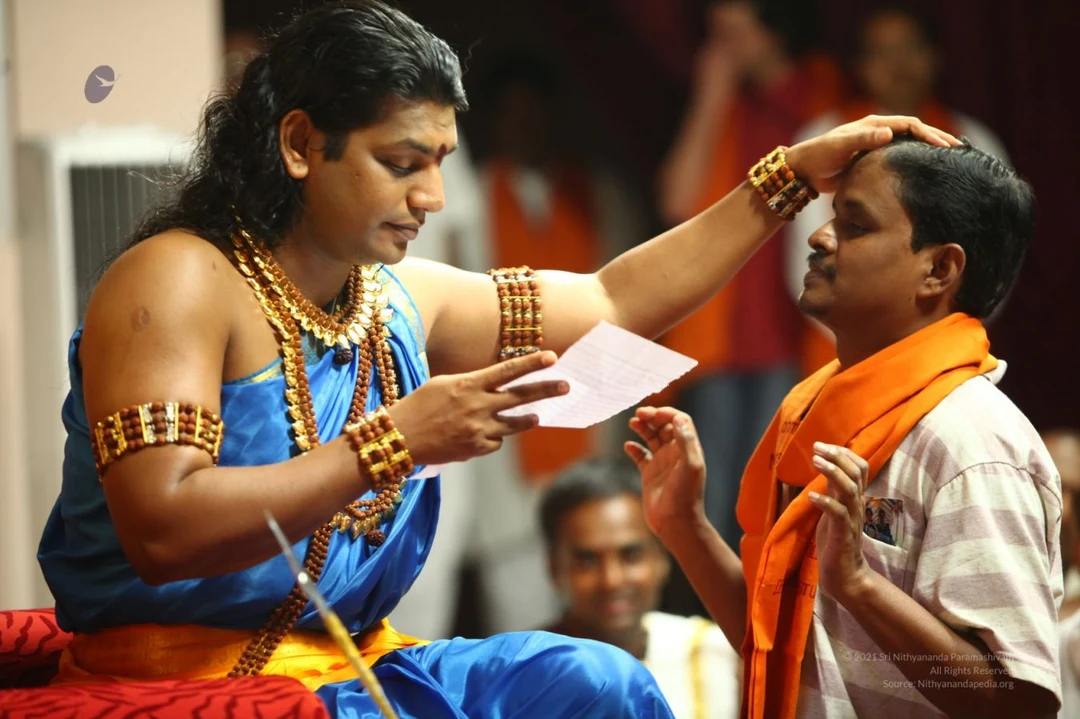
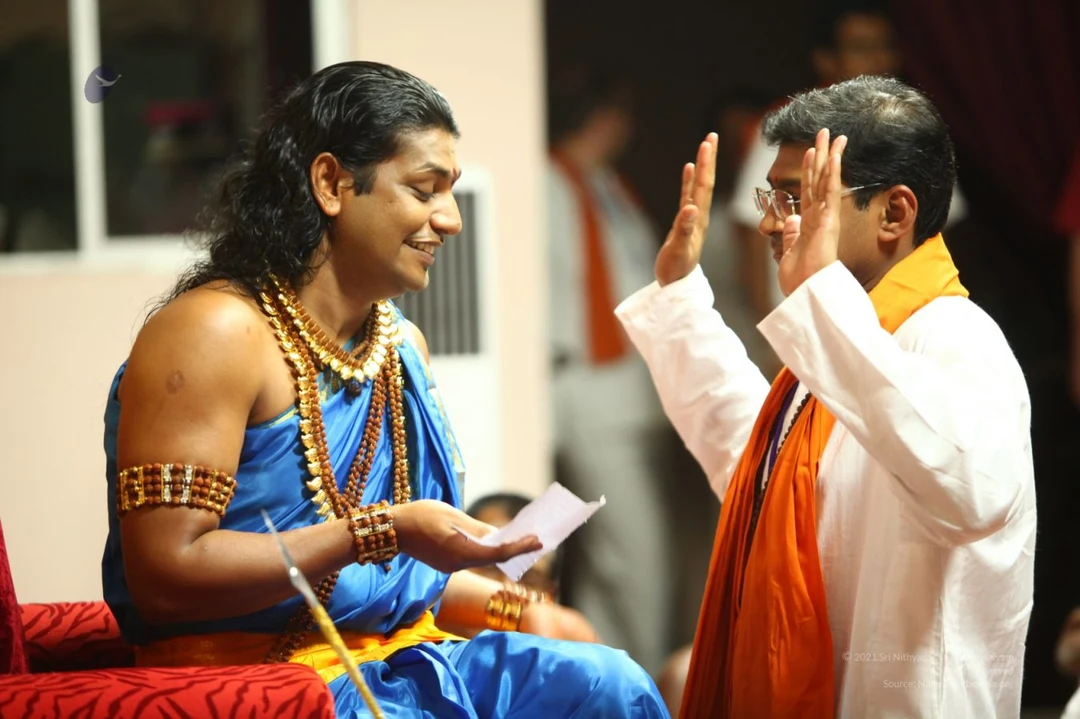
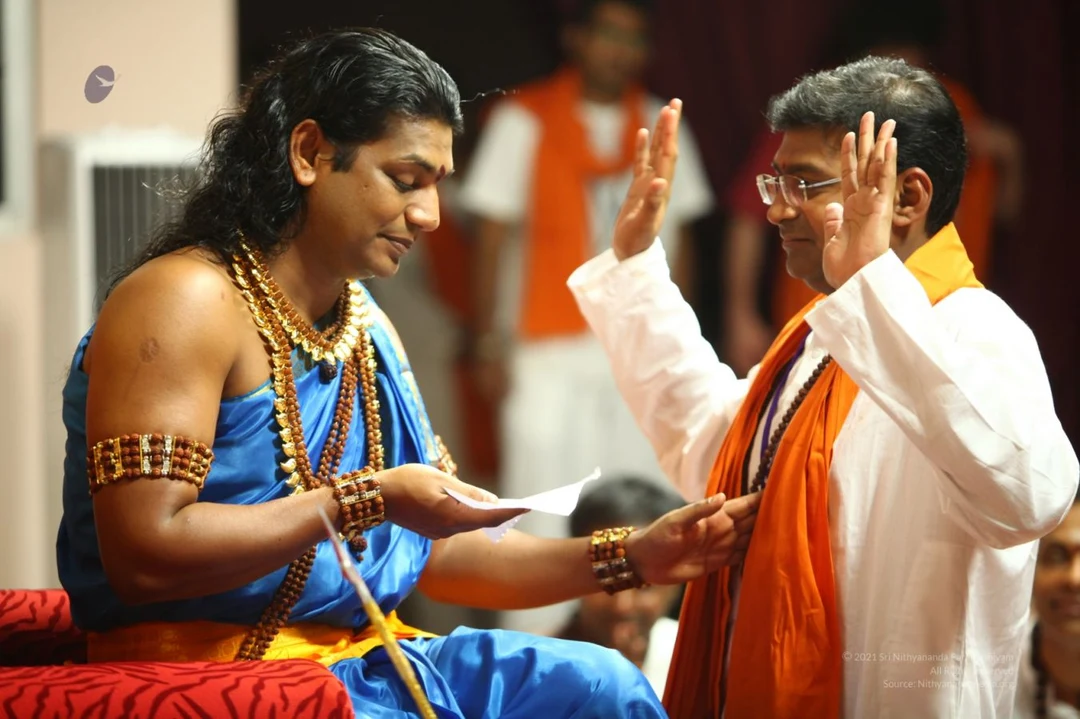
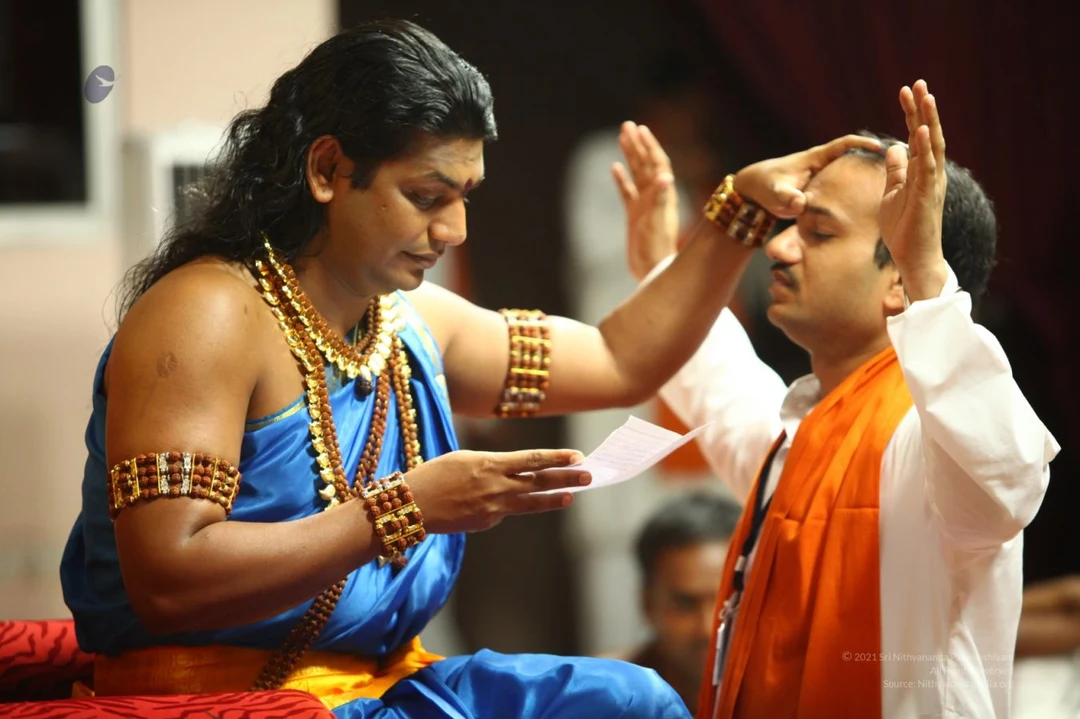
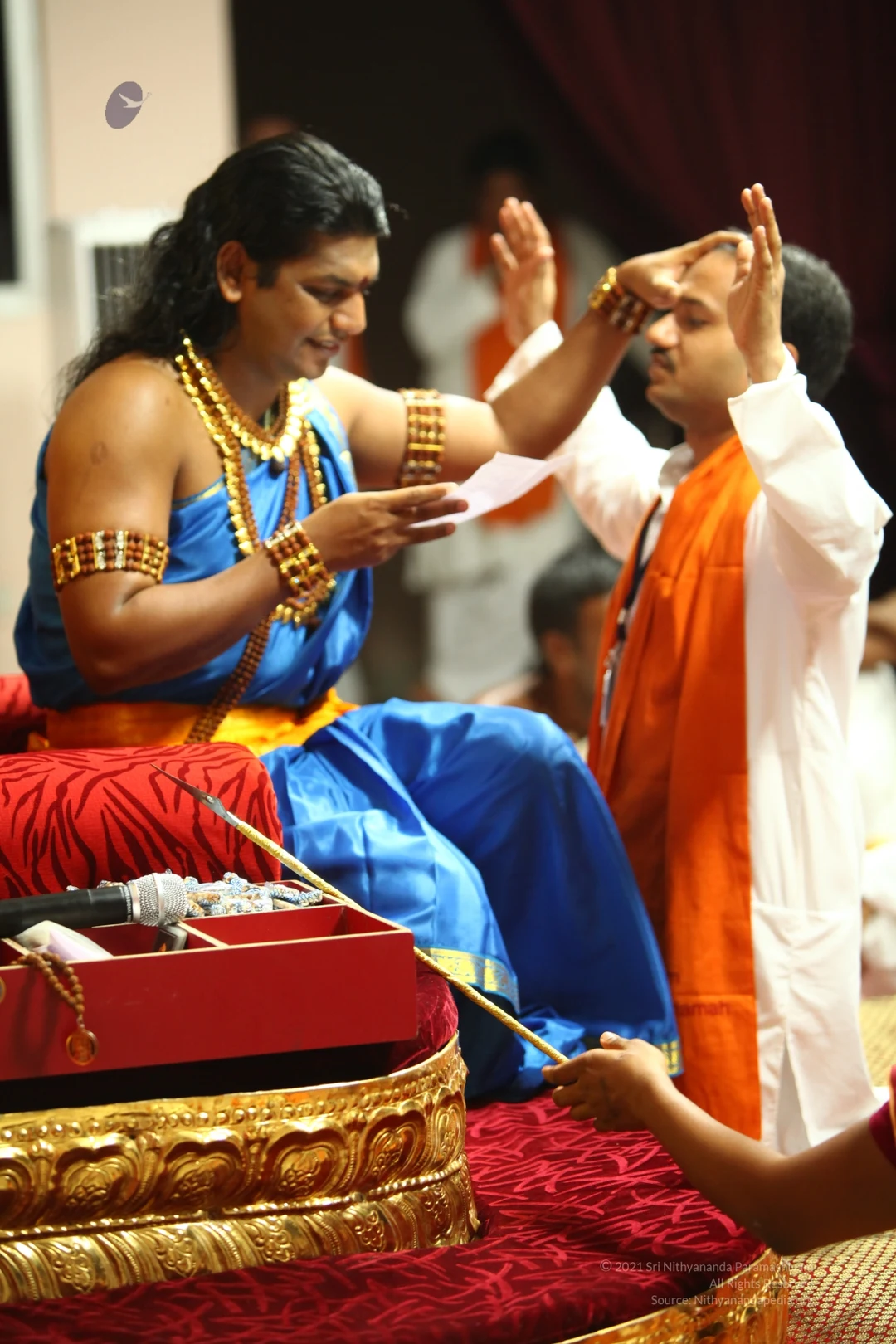
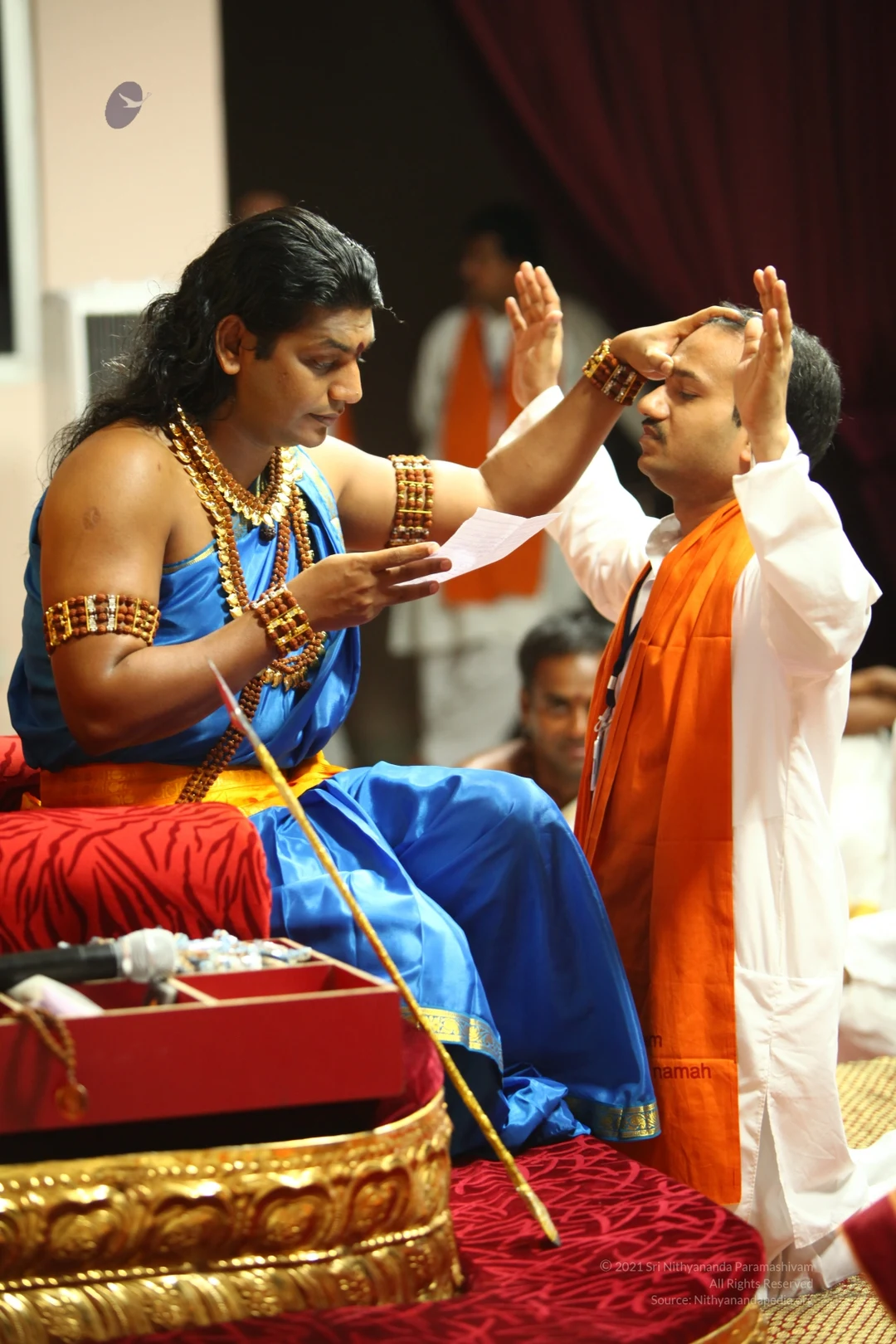
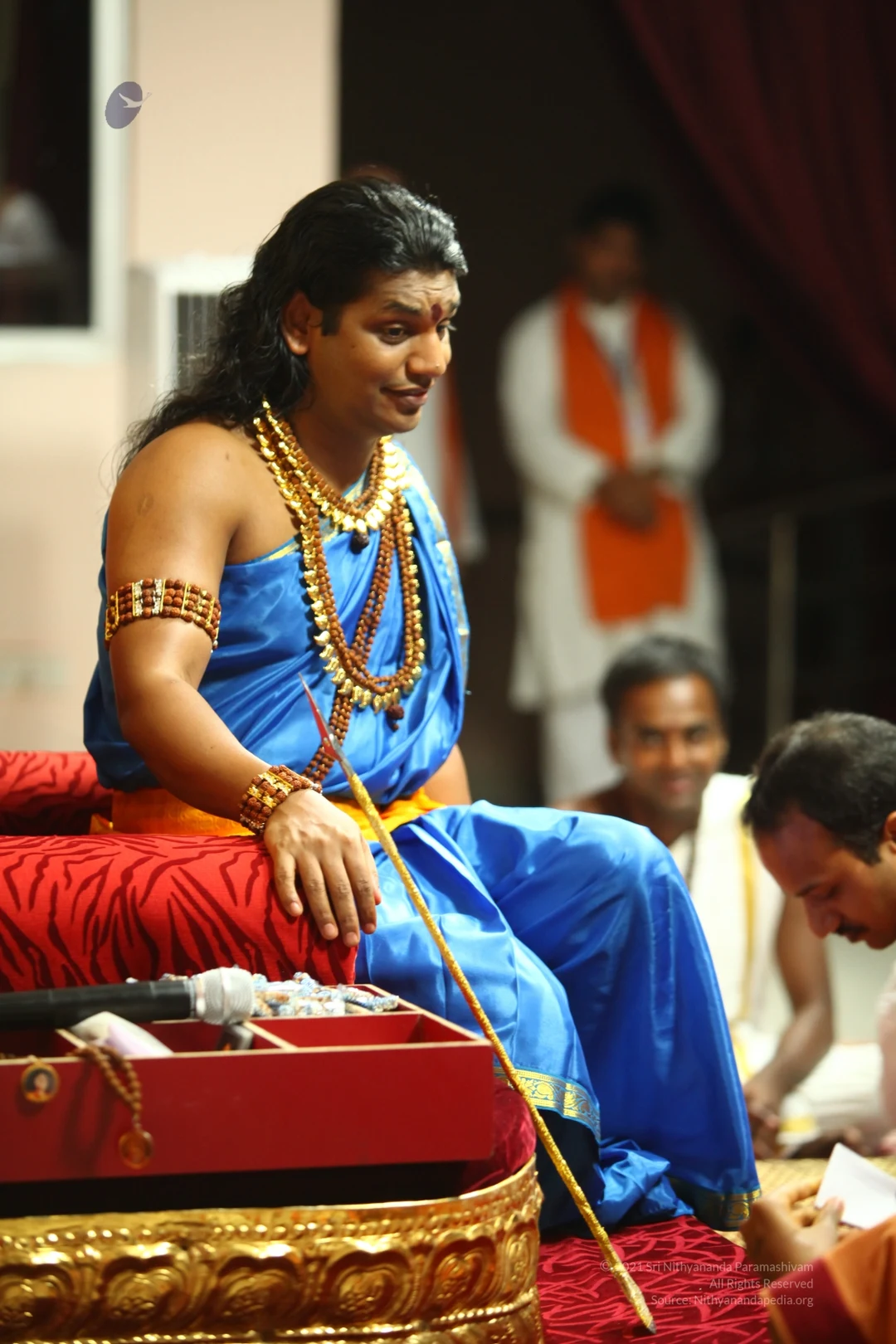
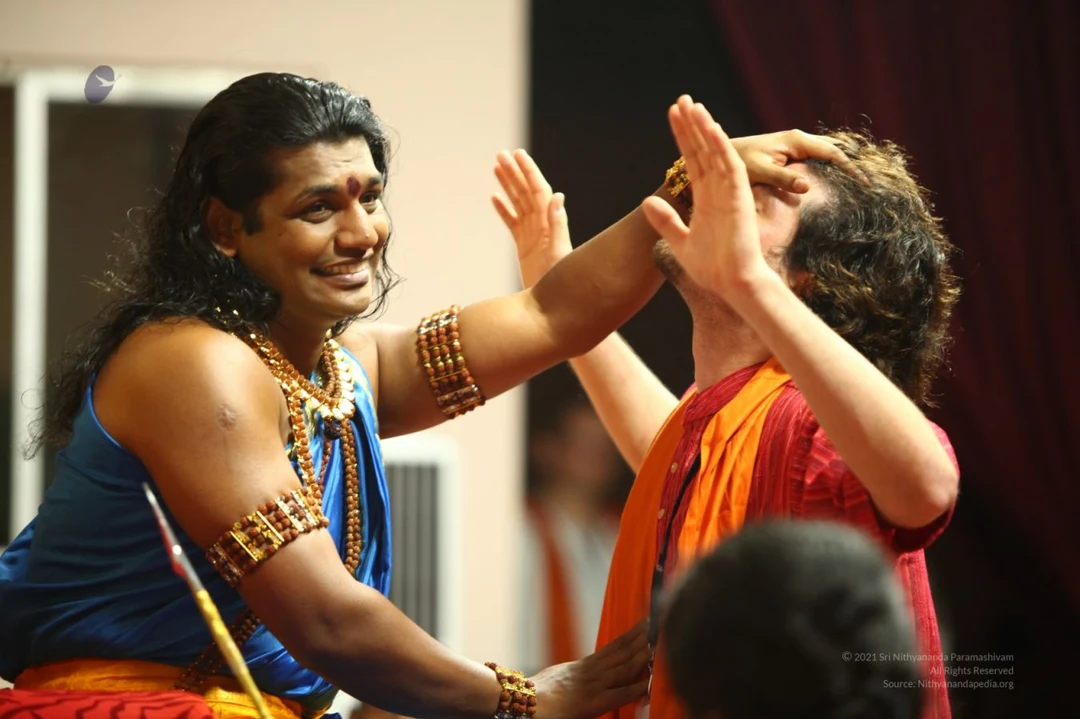
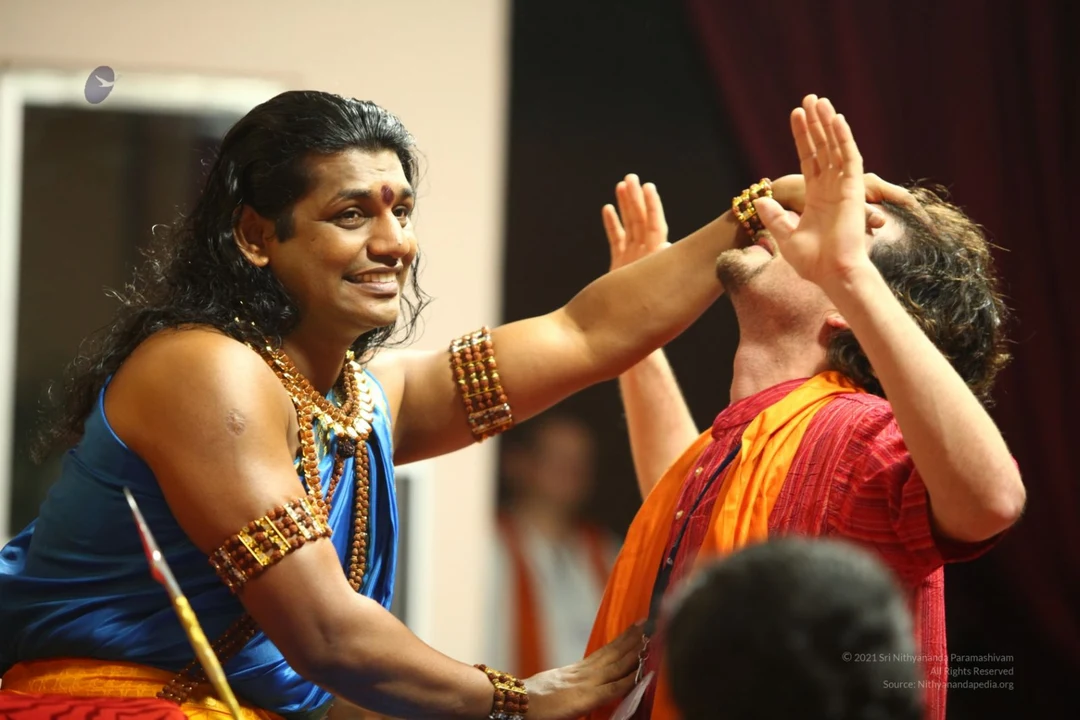
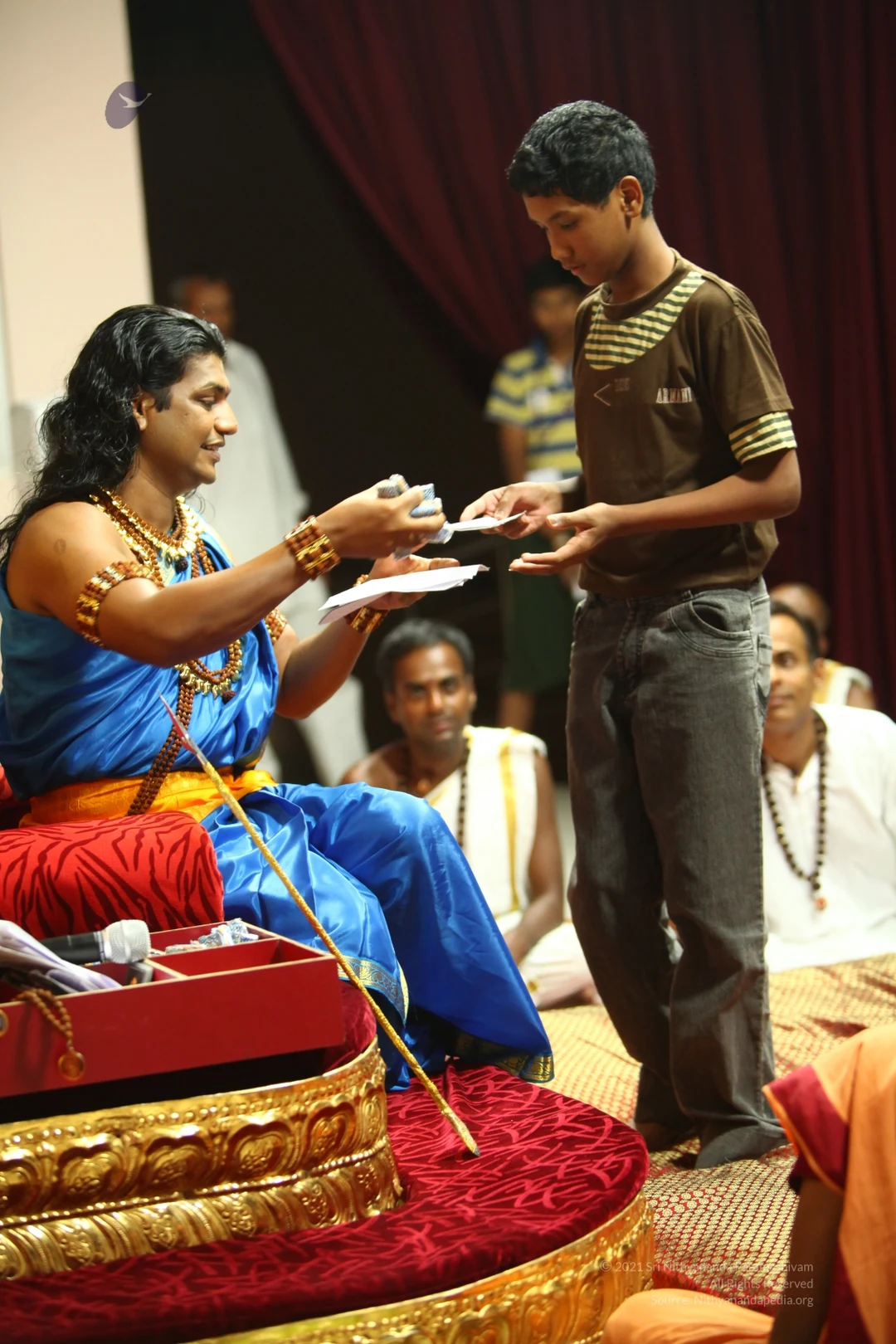
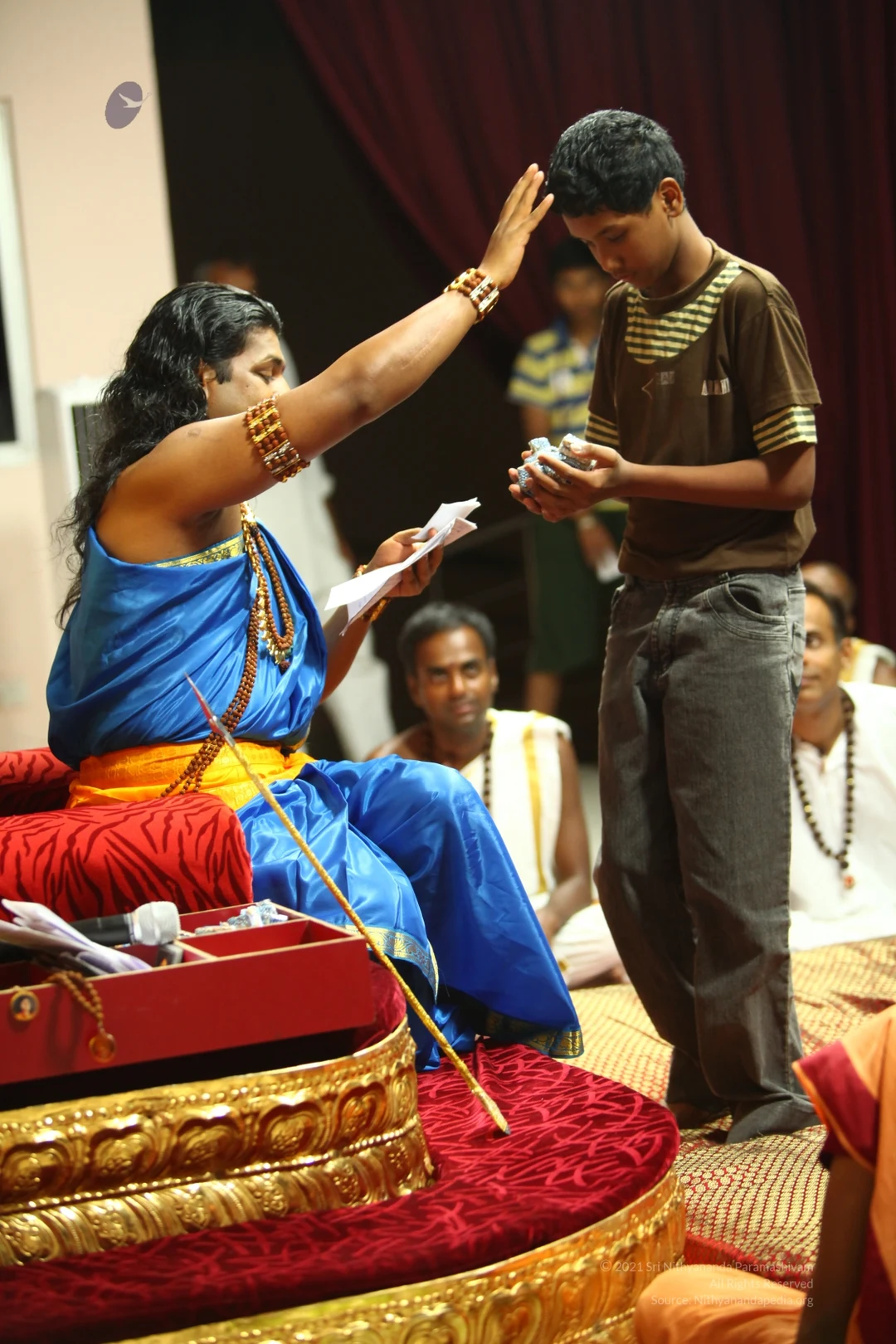
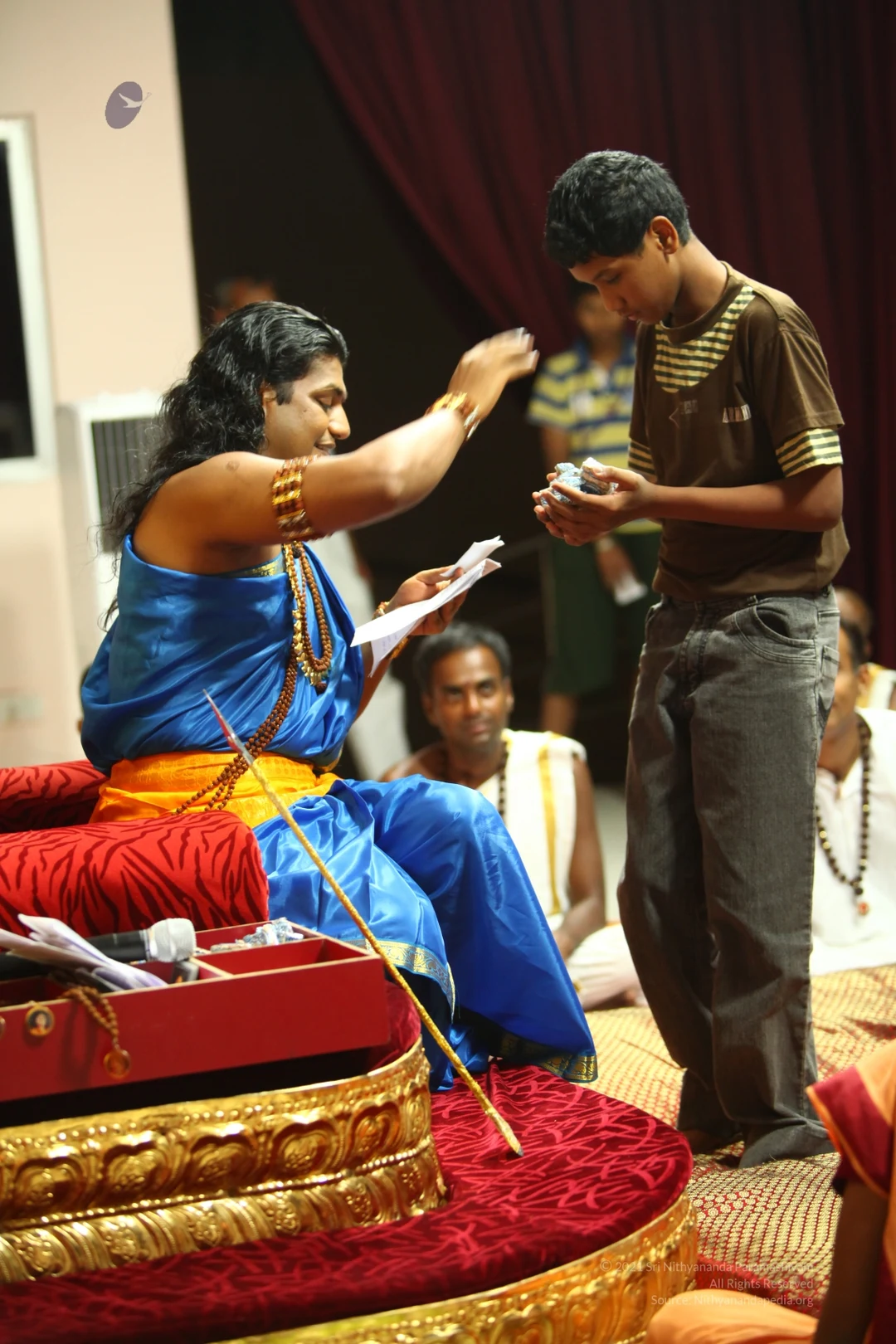
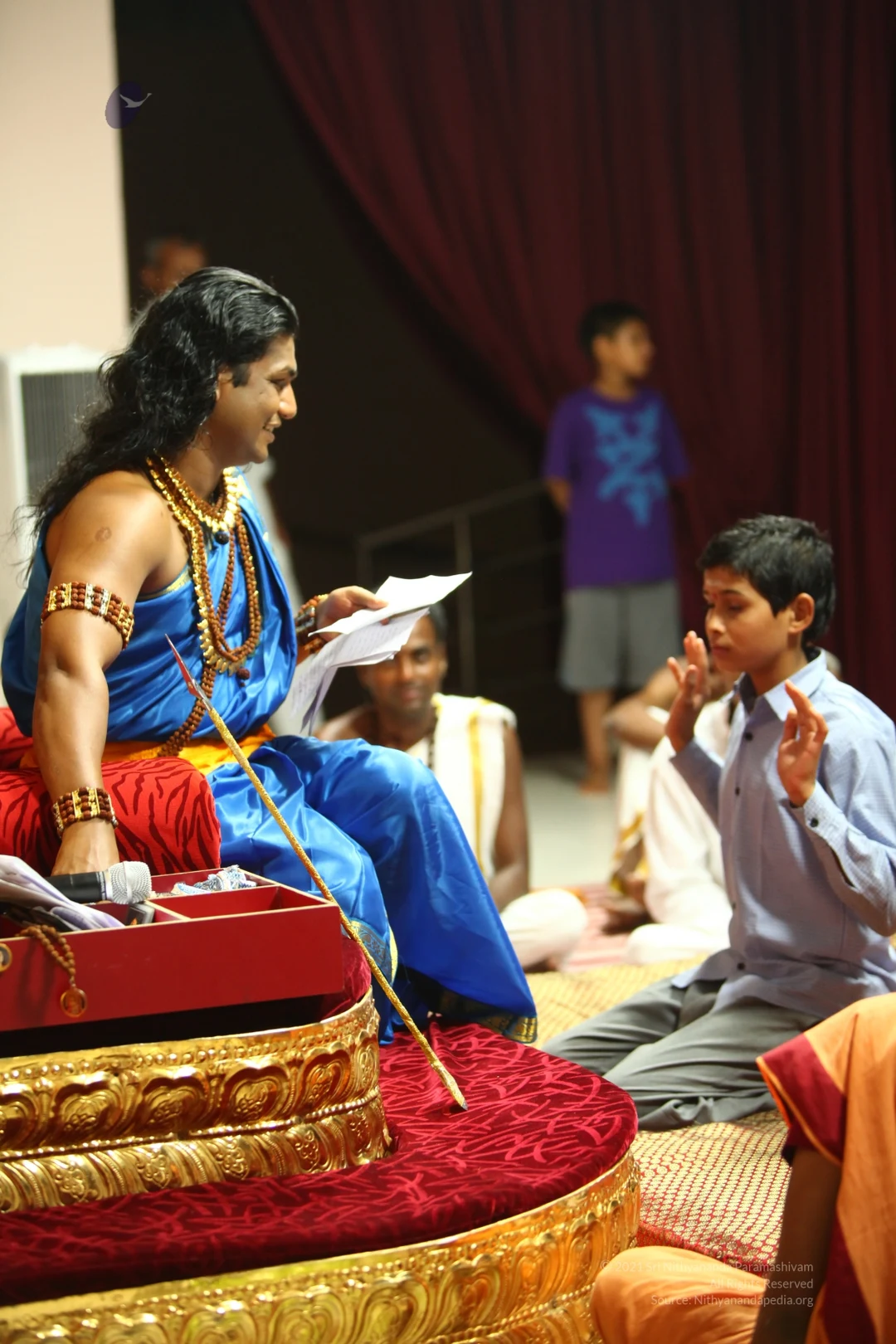
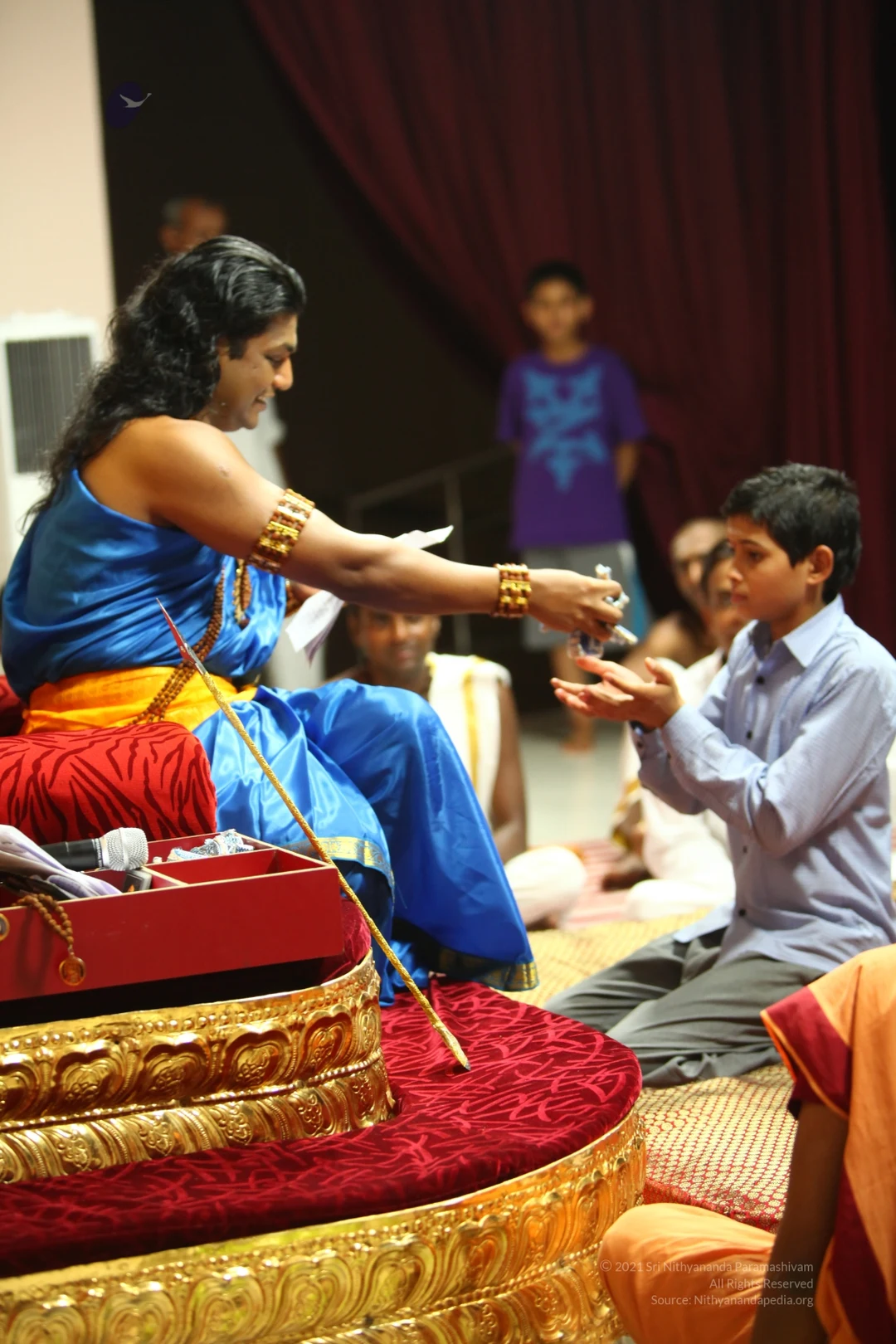
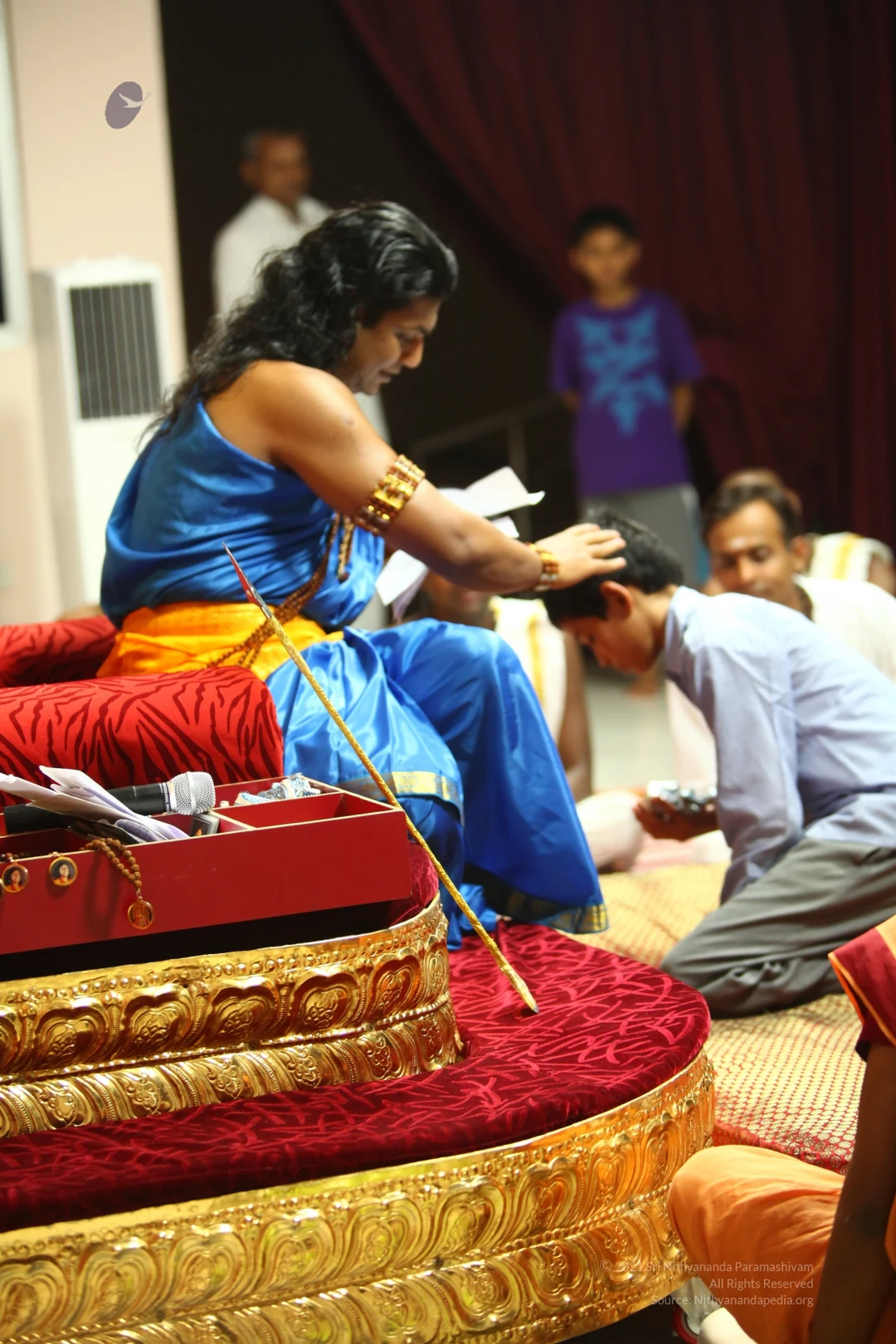
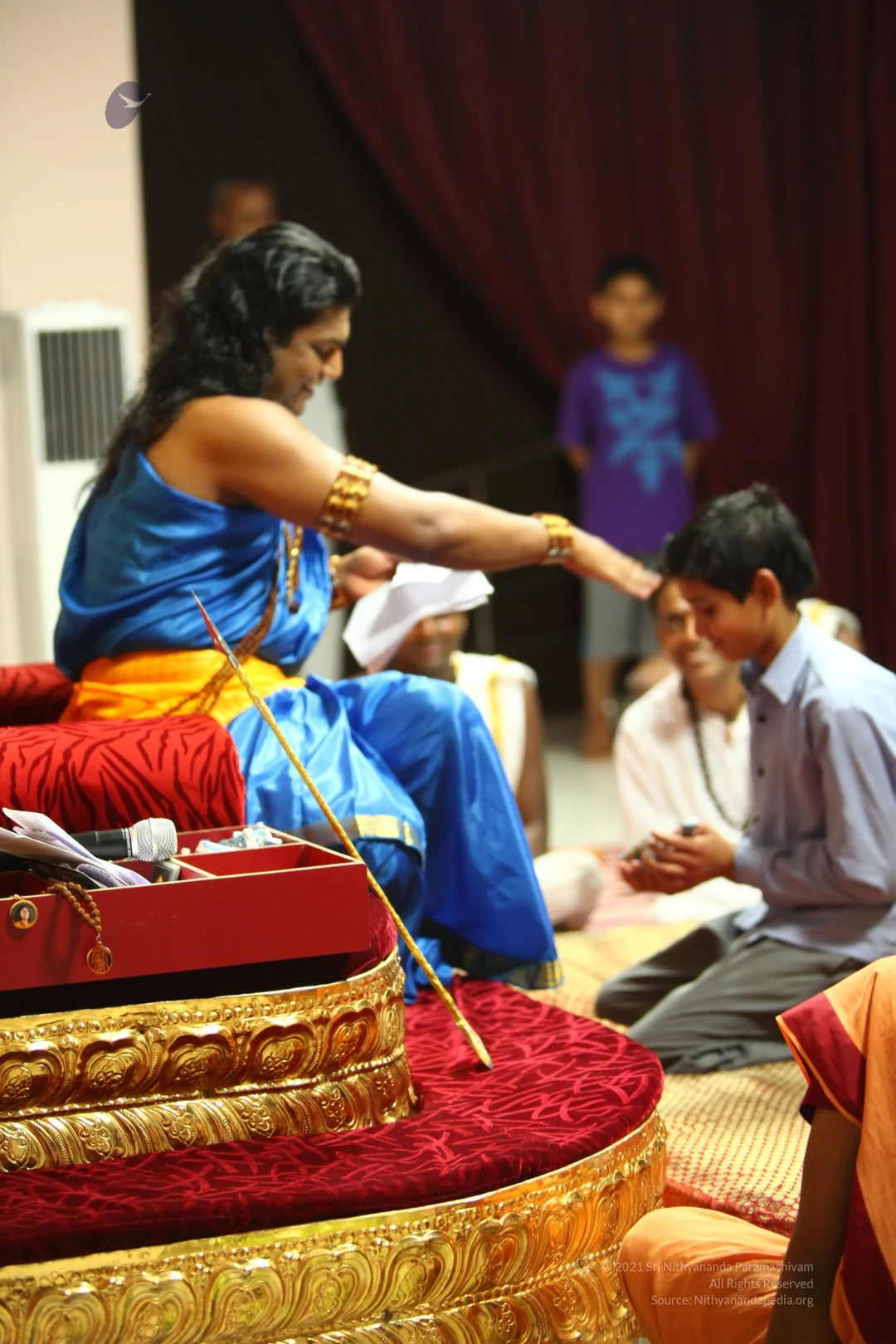
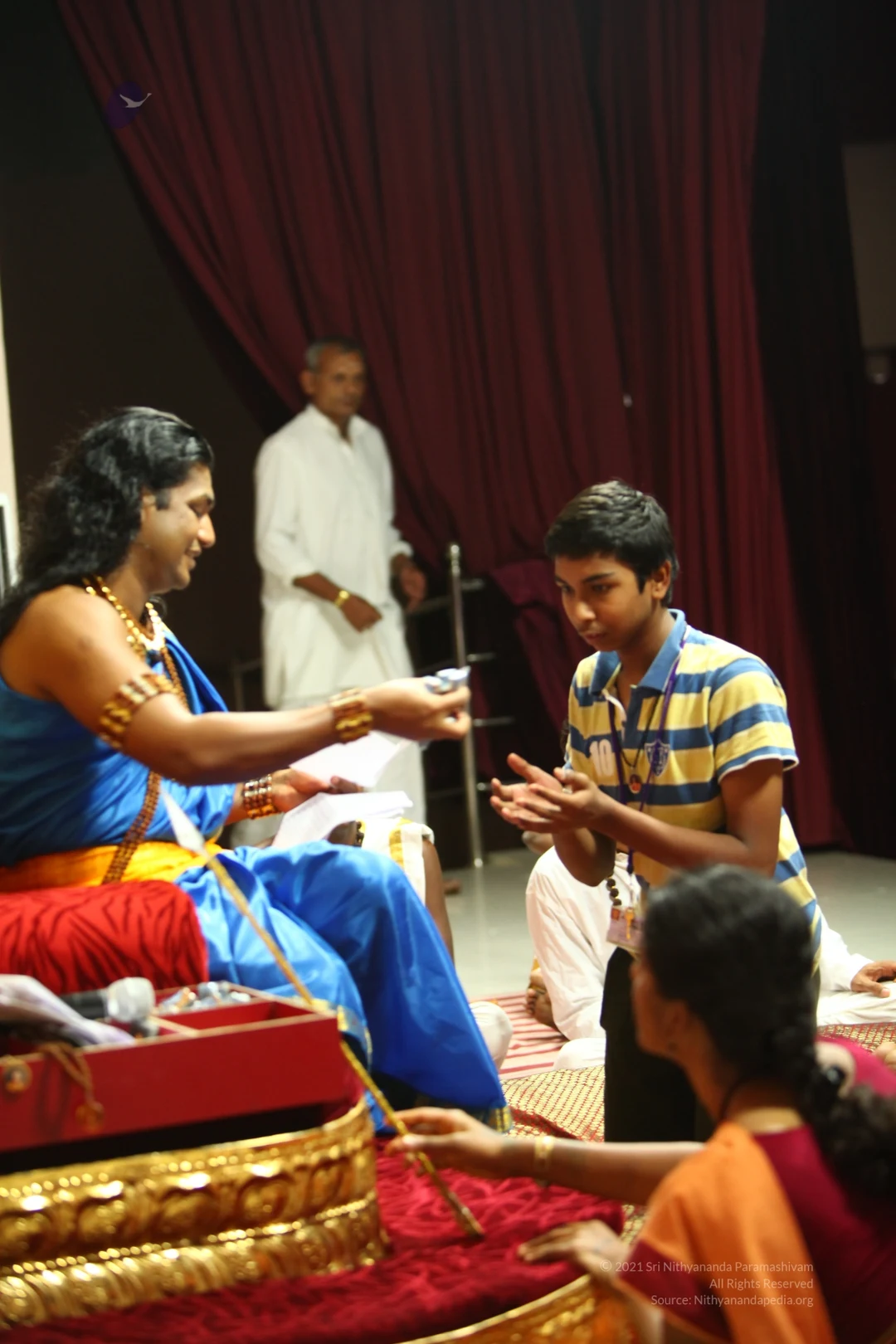
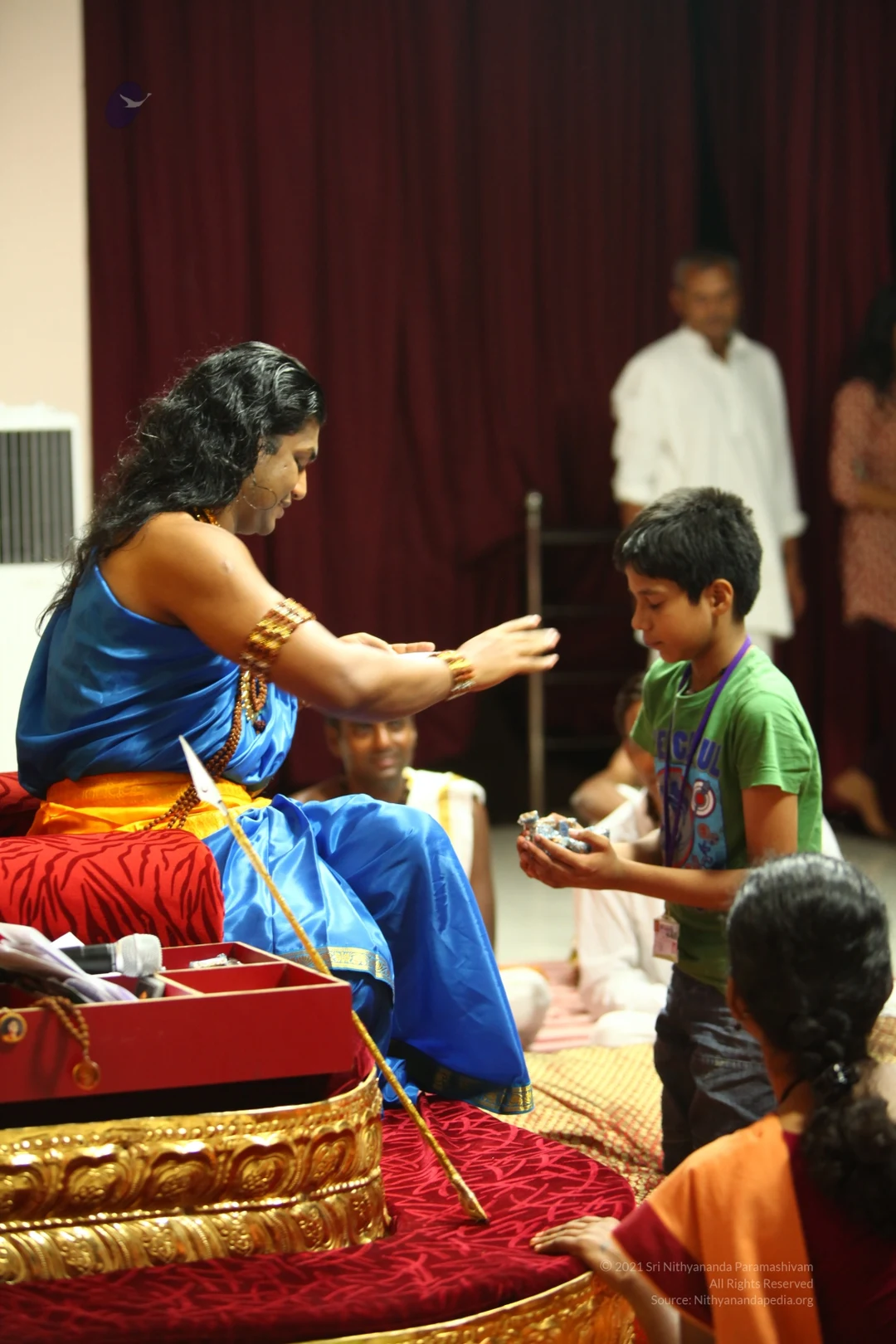
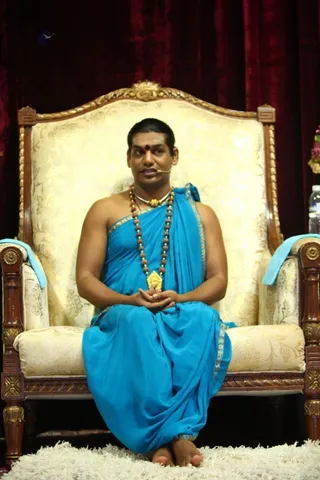
Inner Awakening session with Swamiji
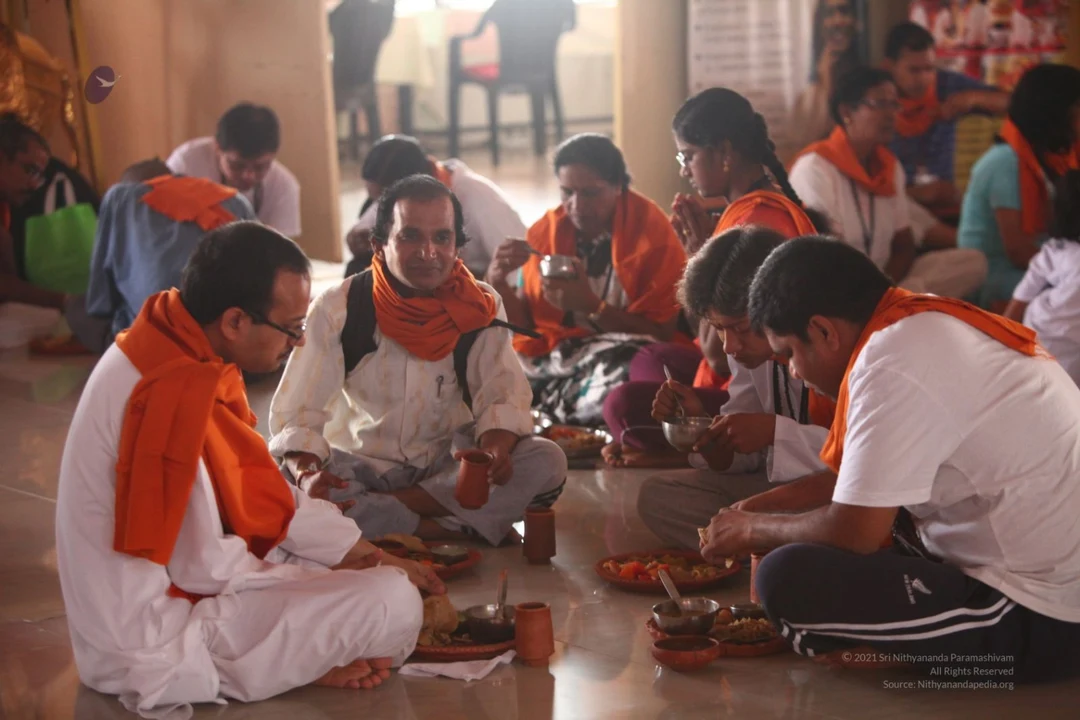
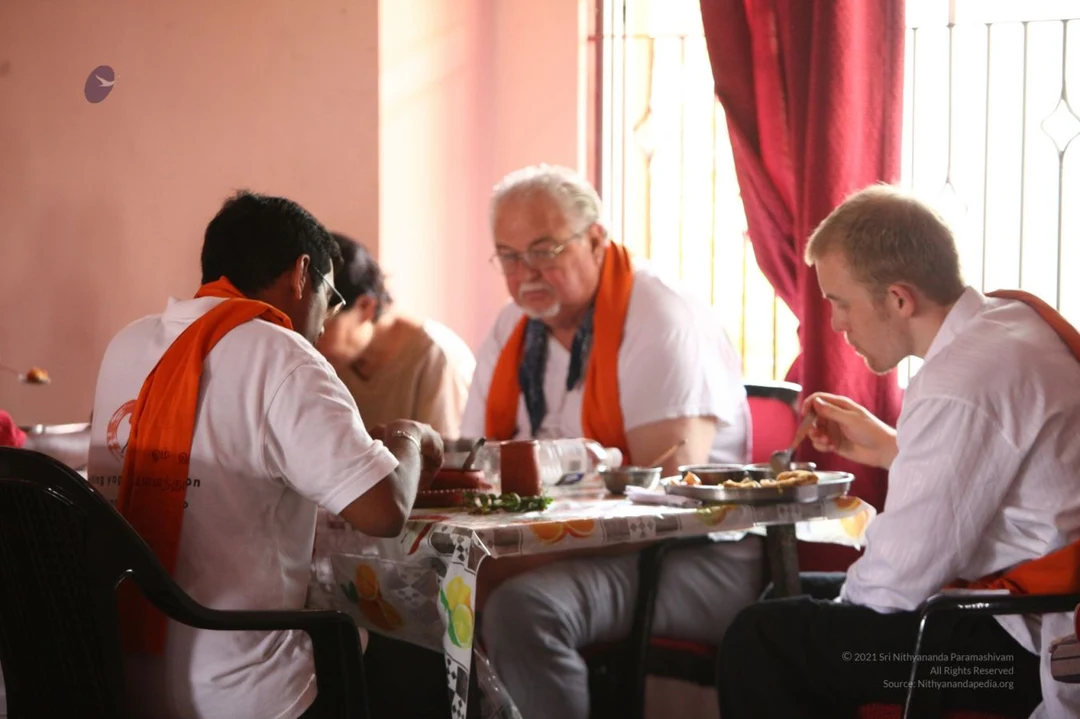
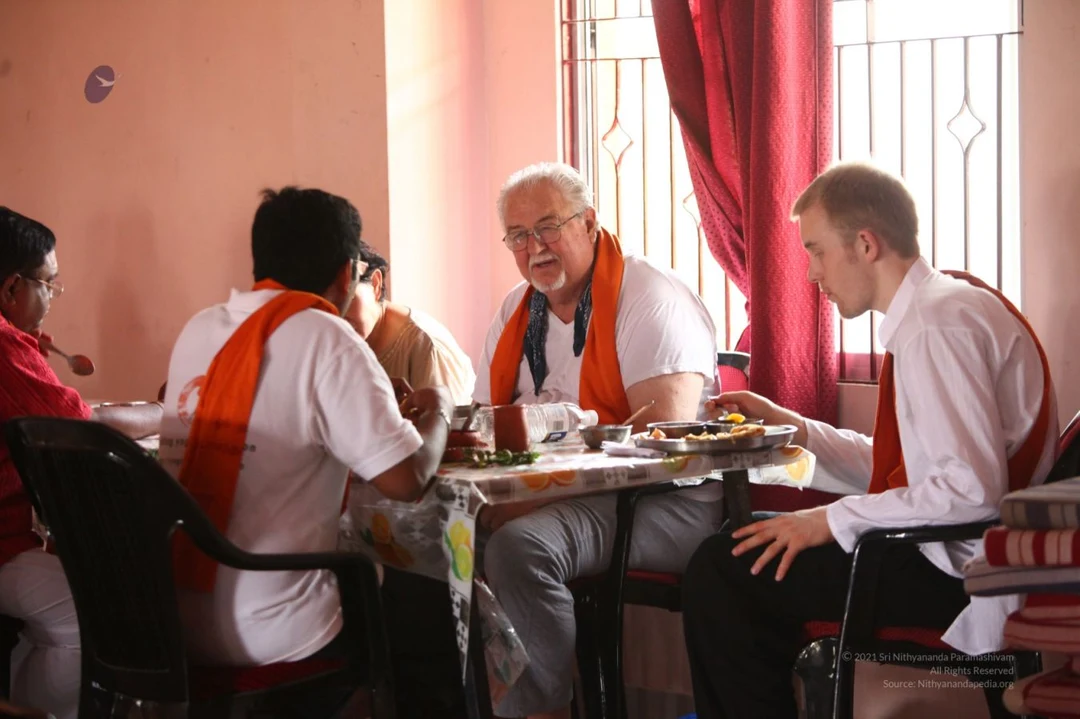
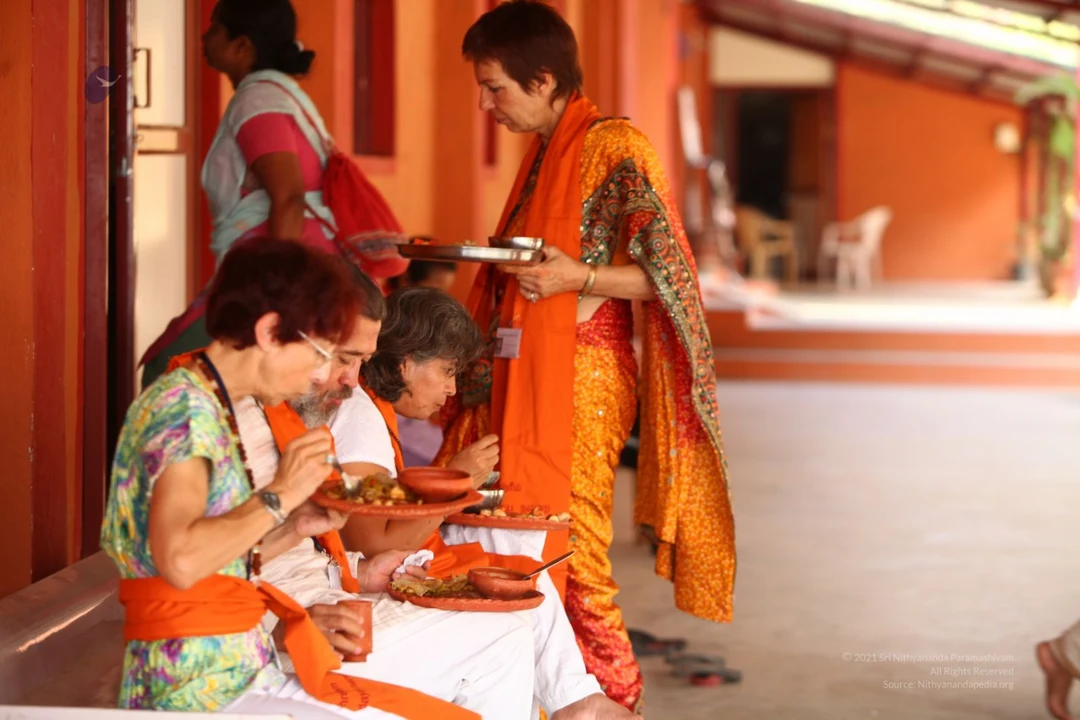
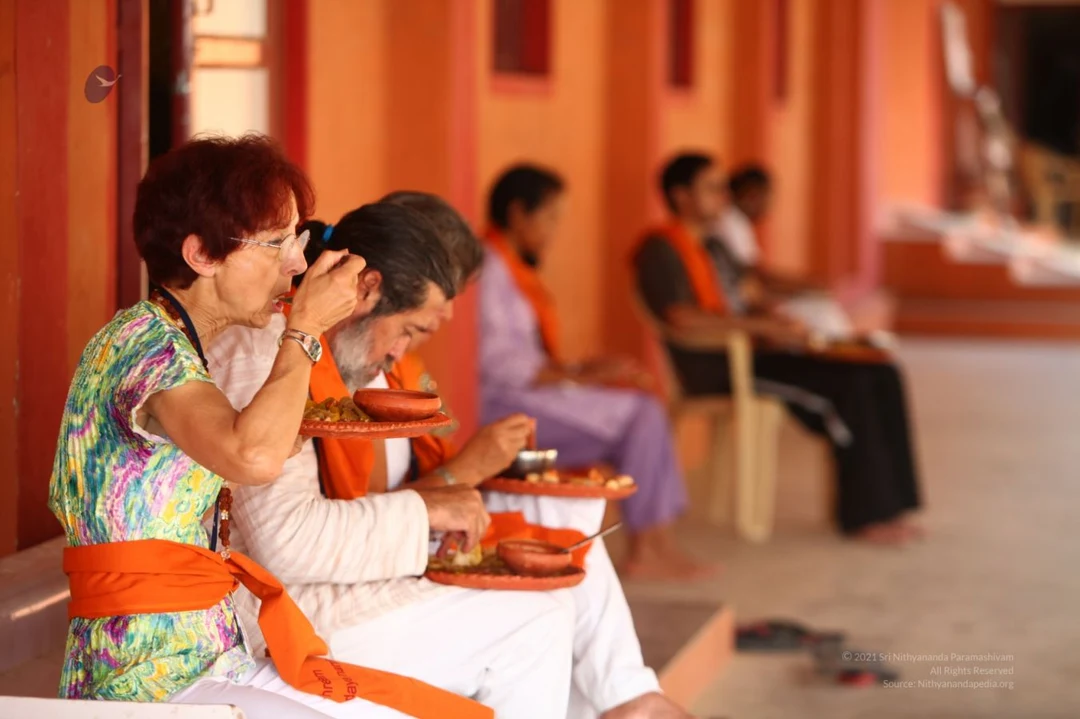
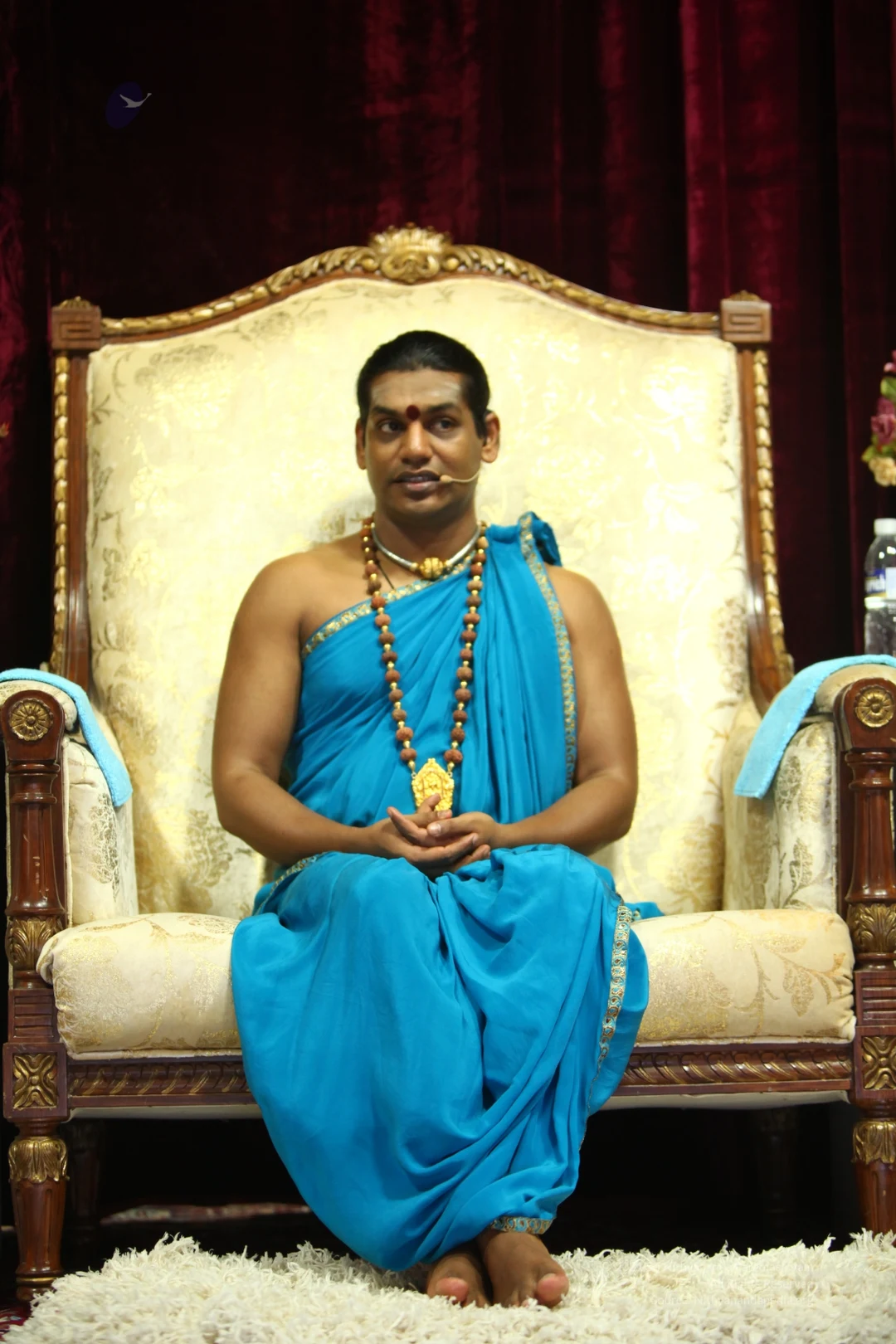
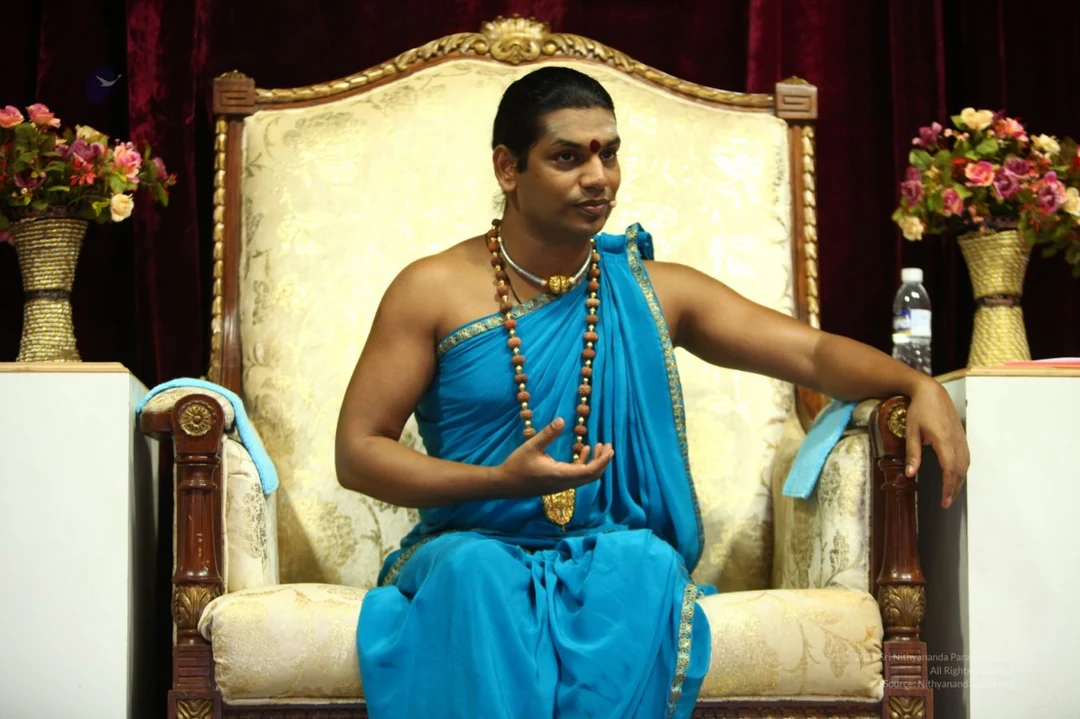
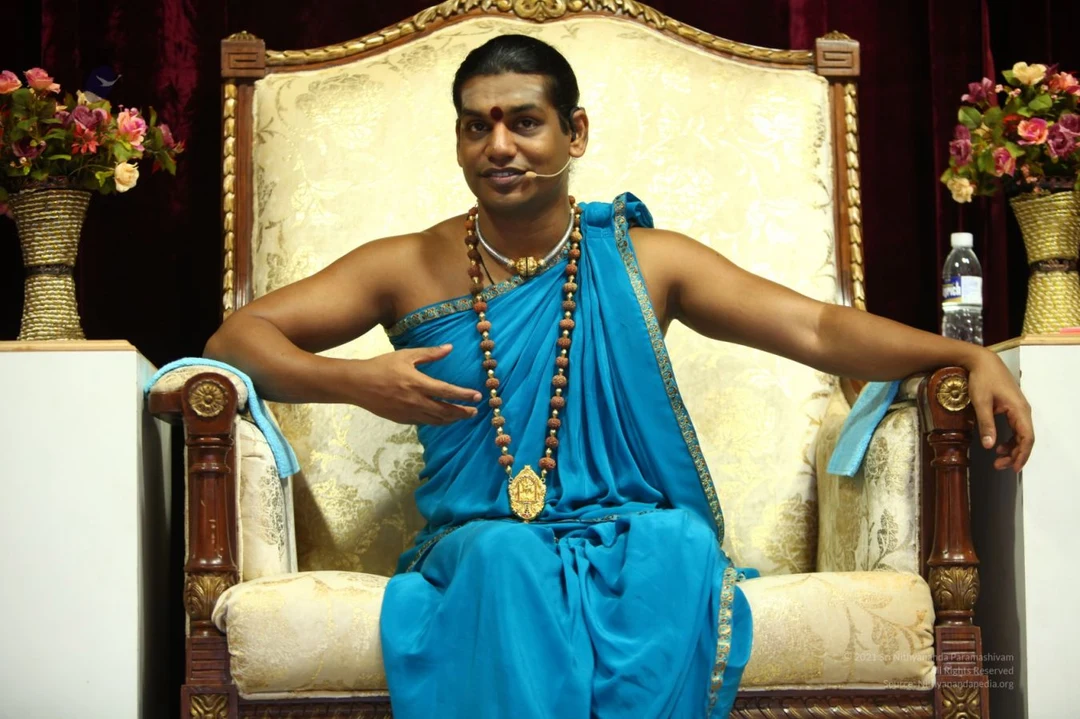
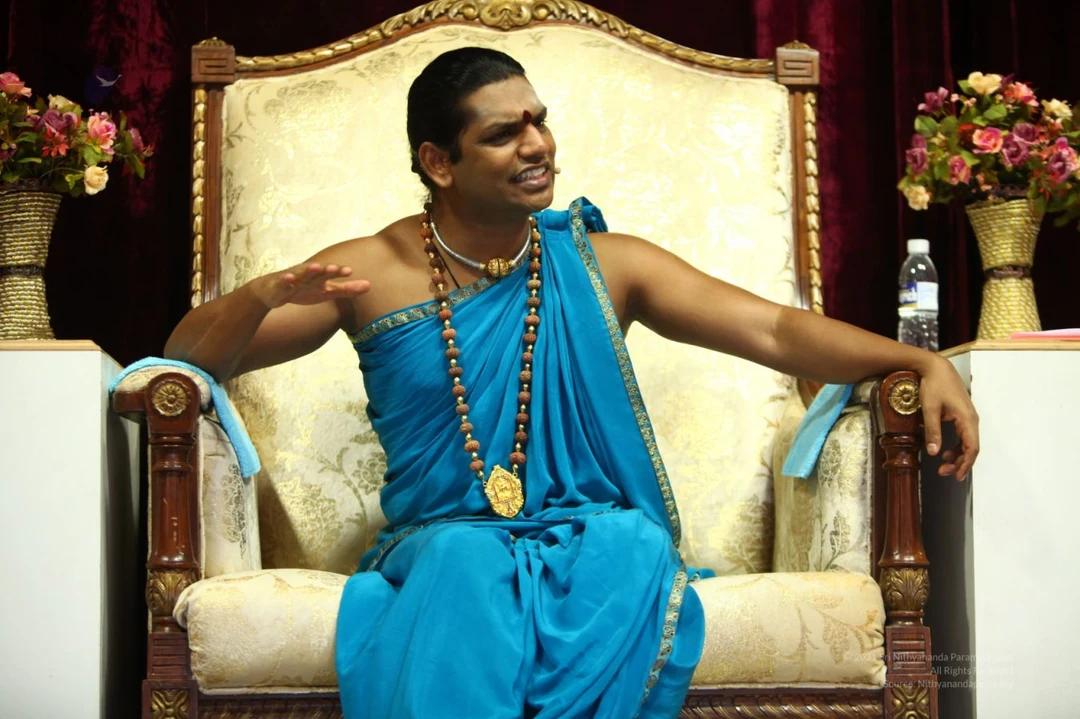
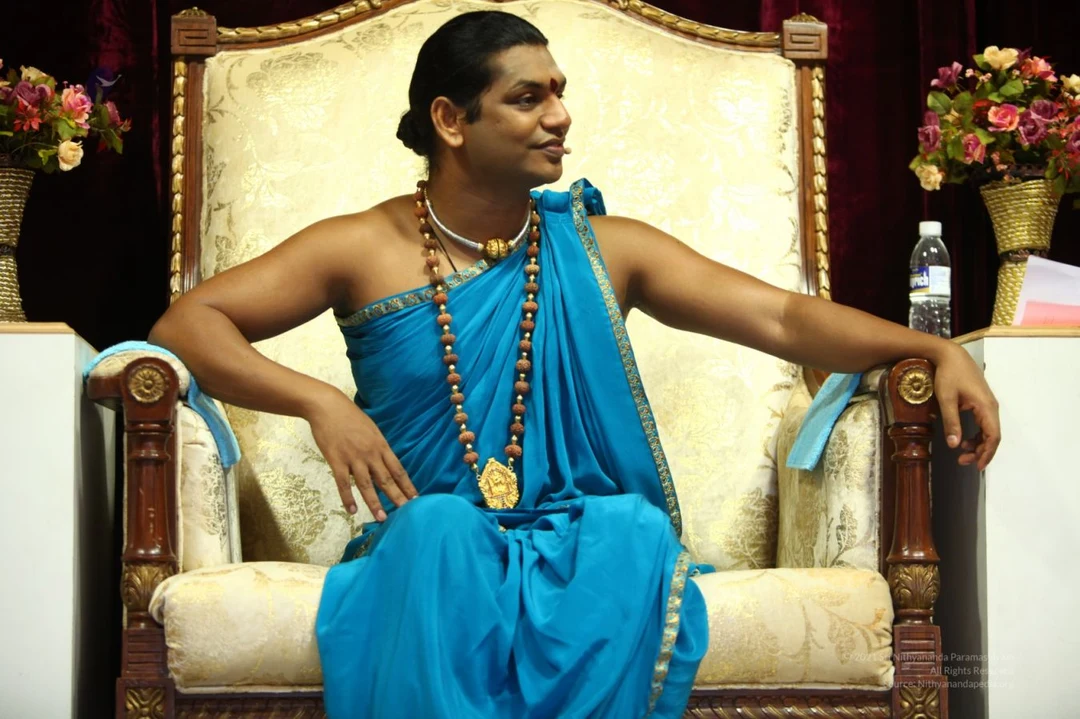
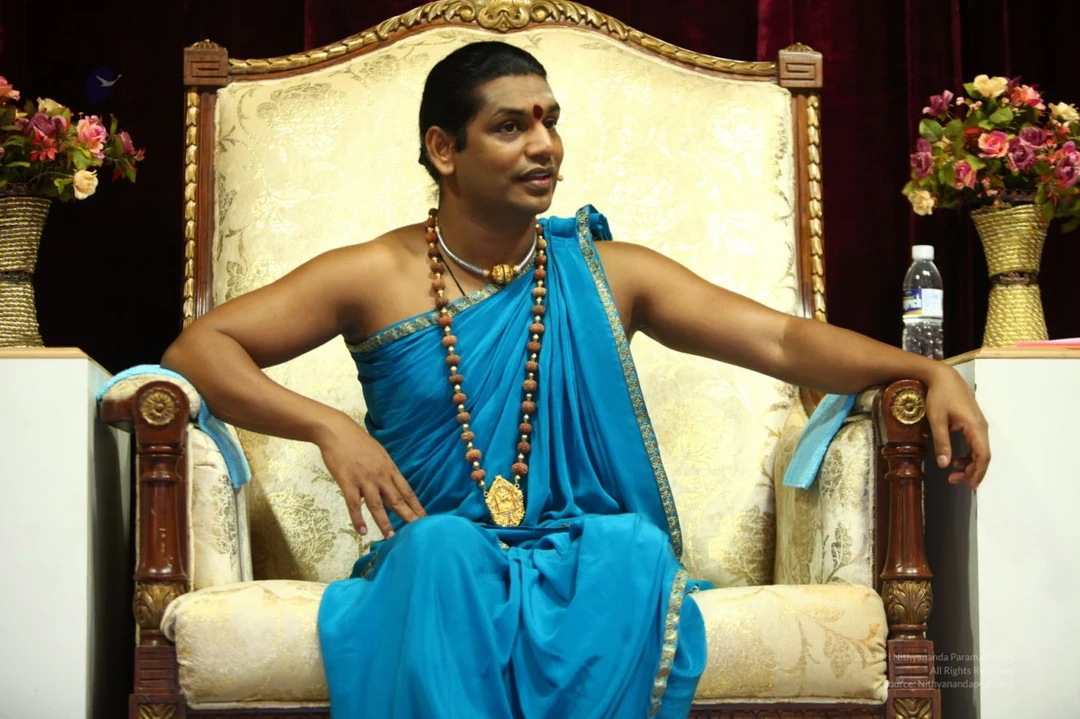
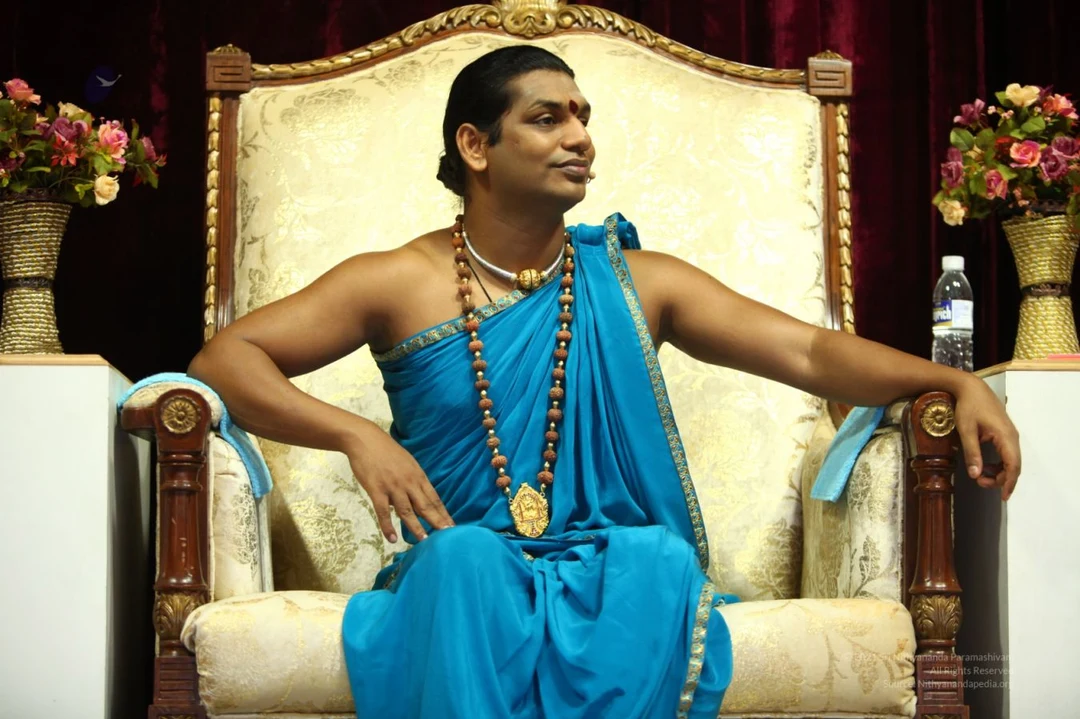
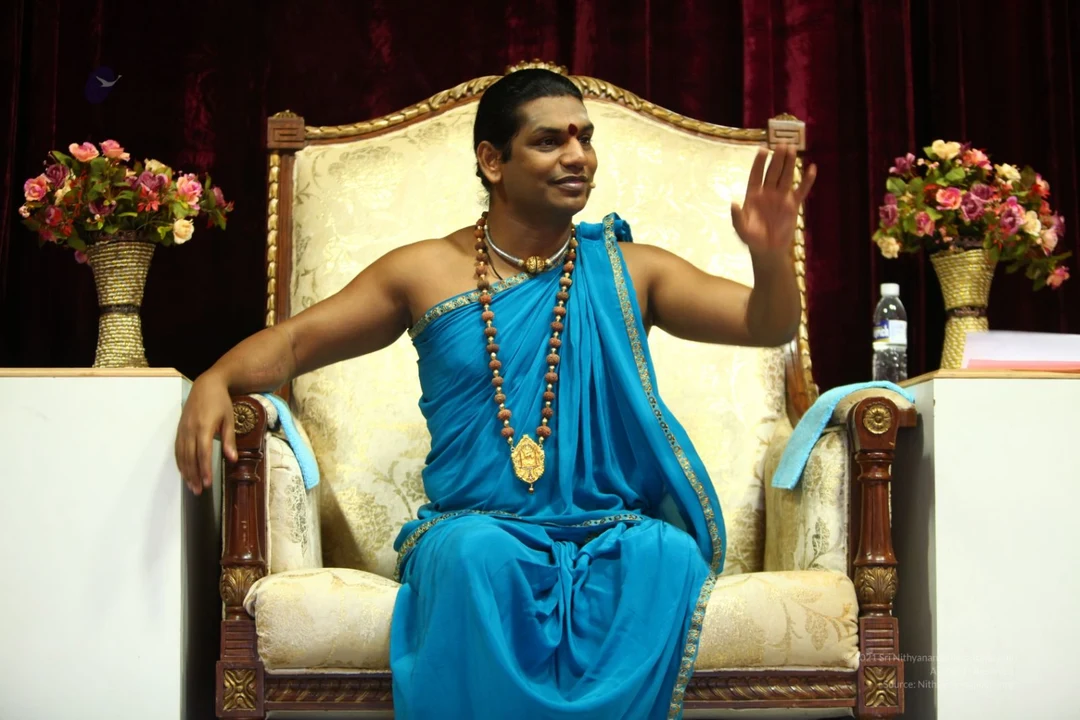
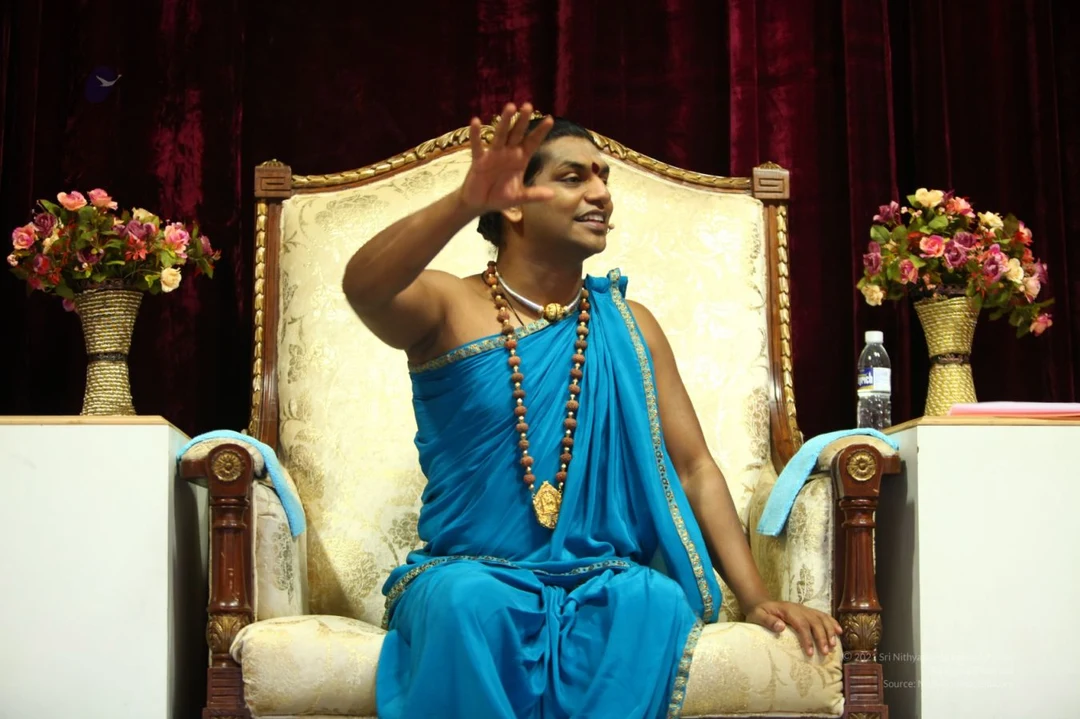
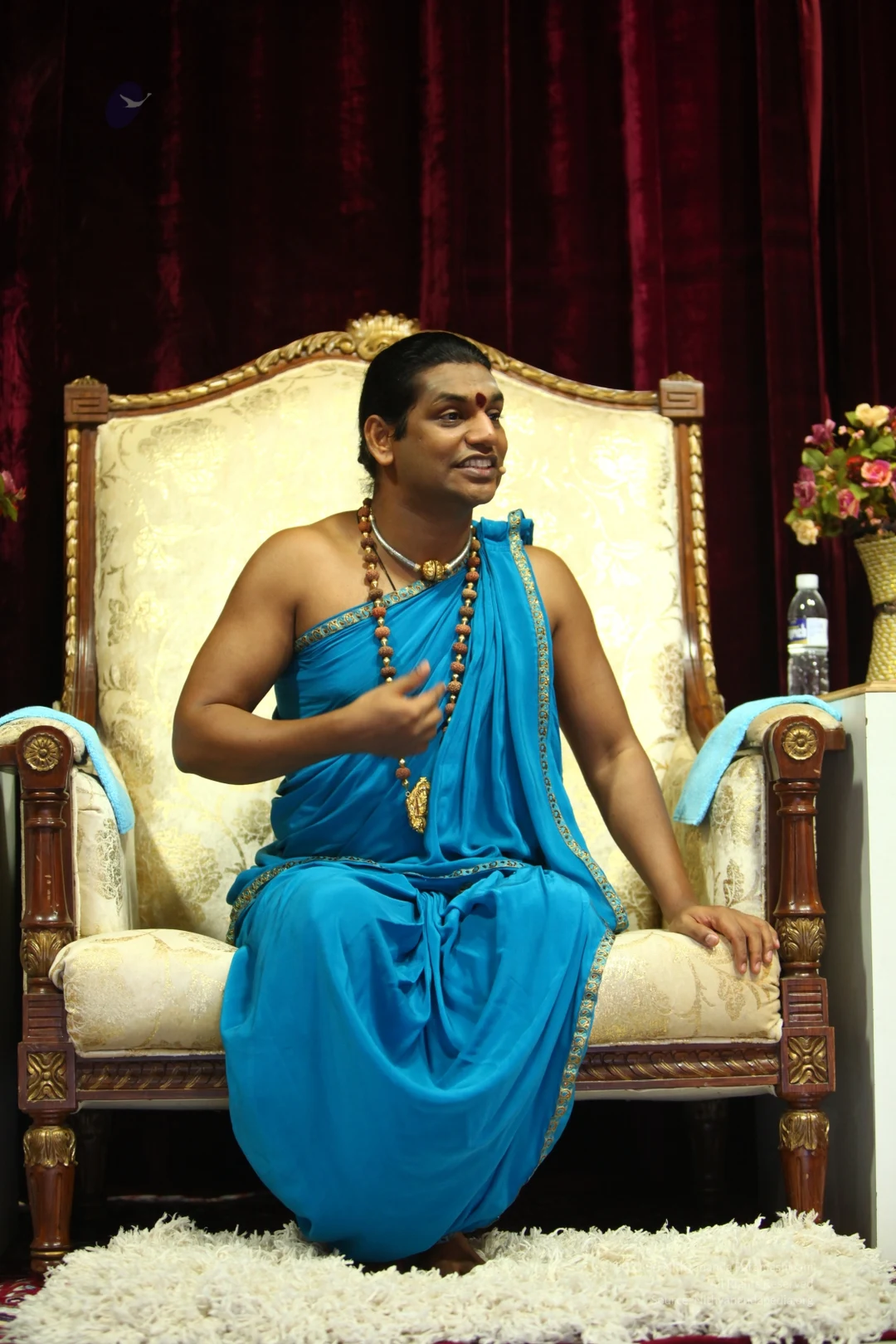
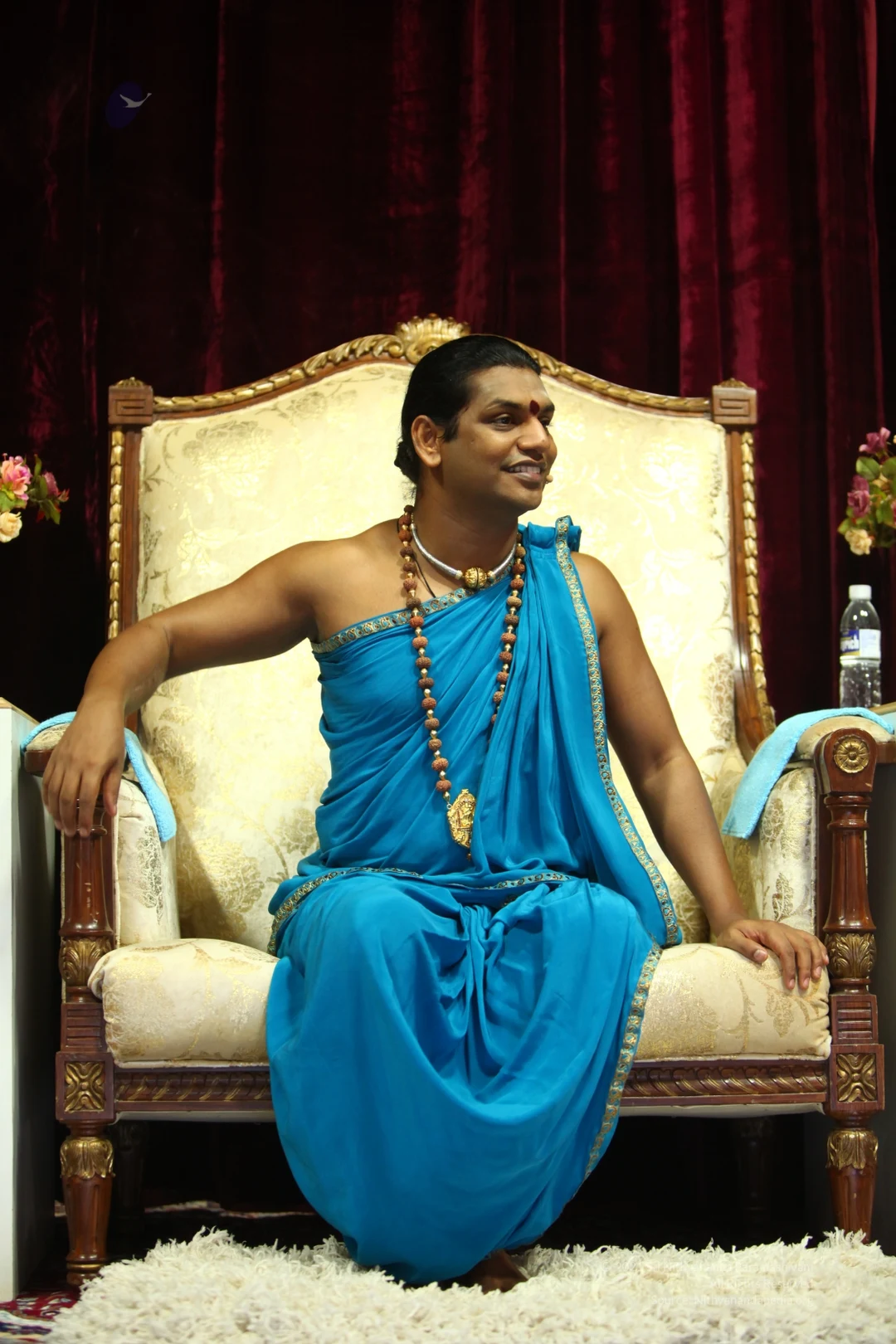
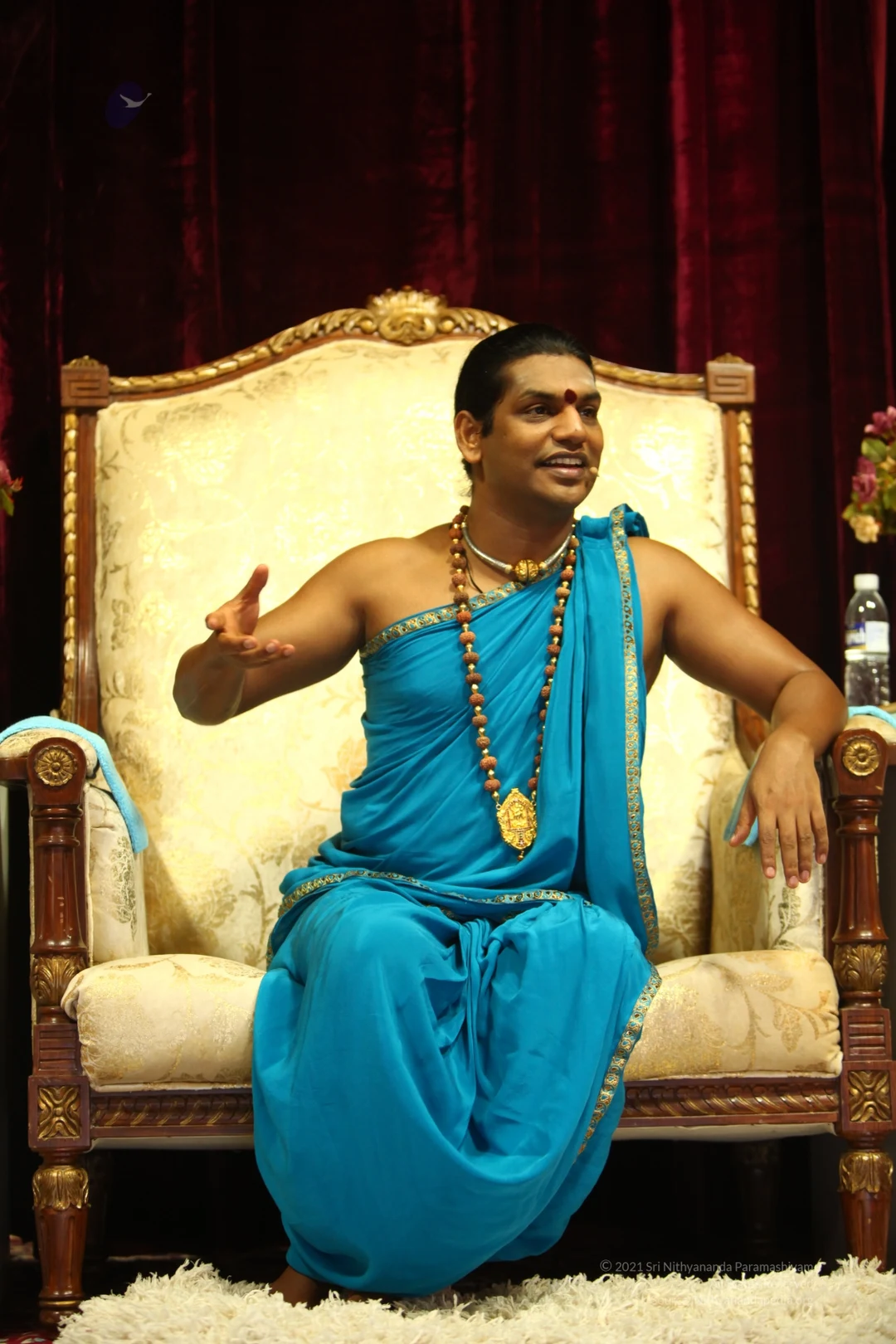
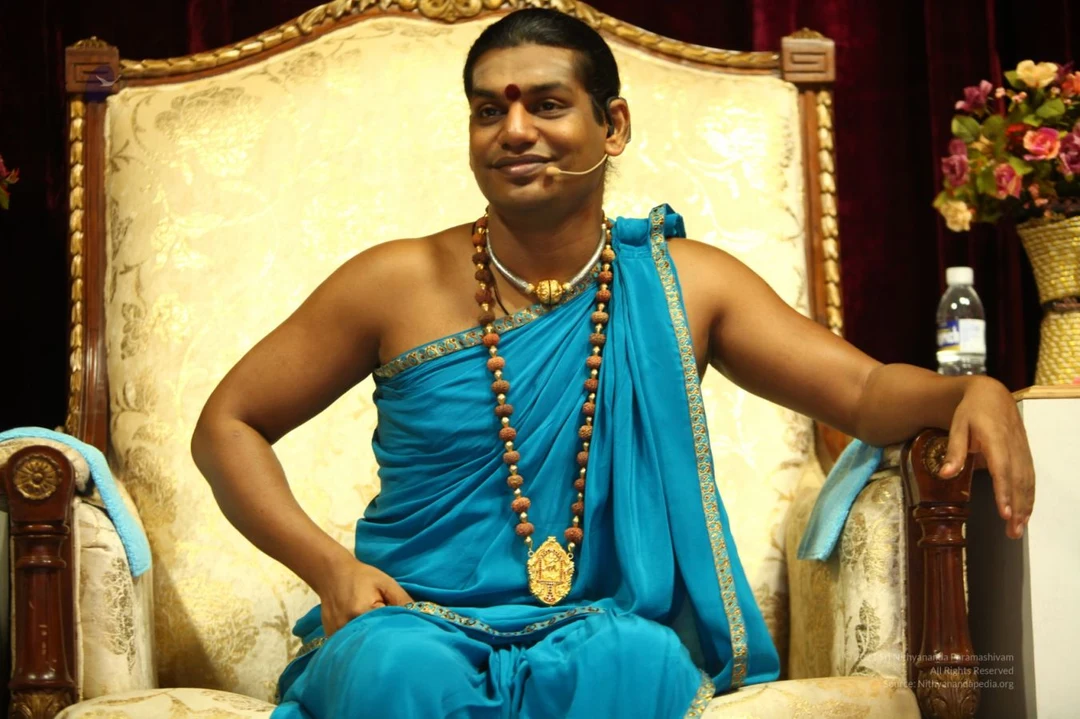
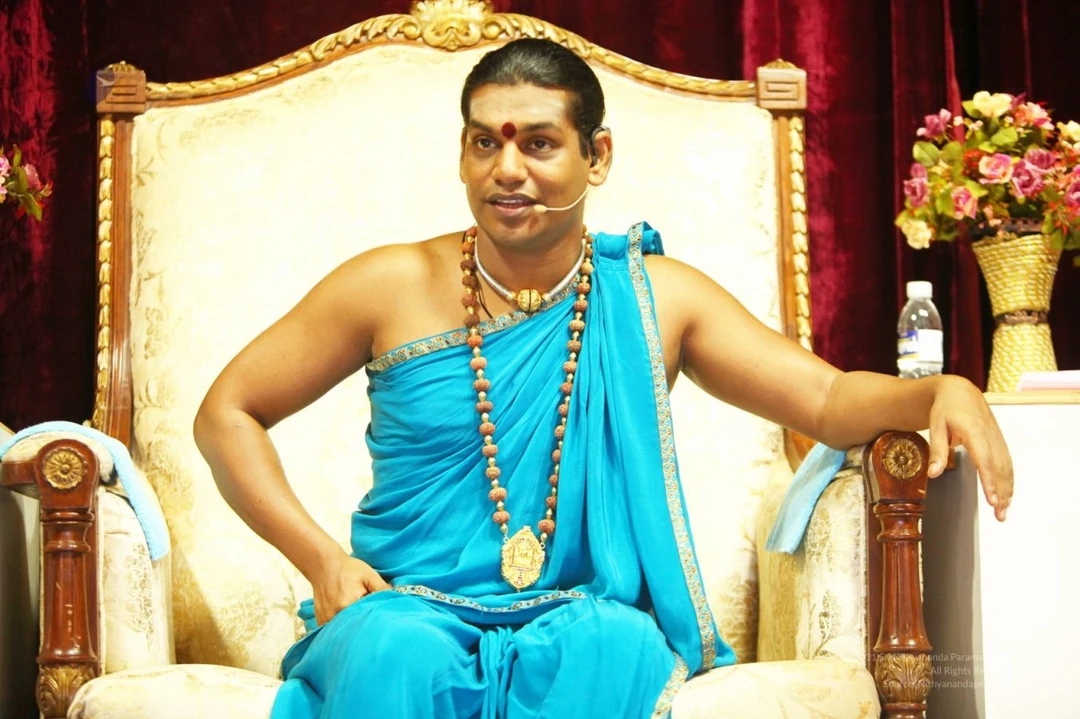
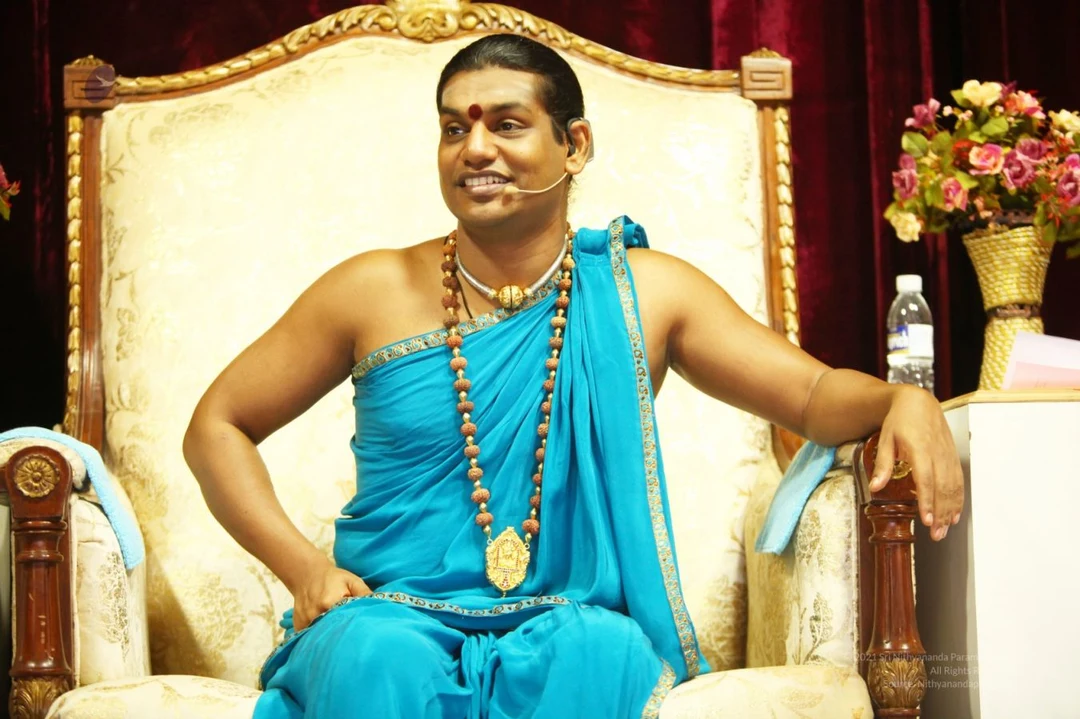
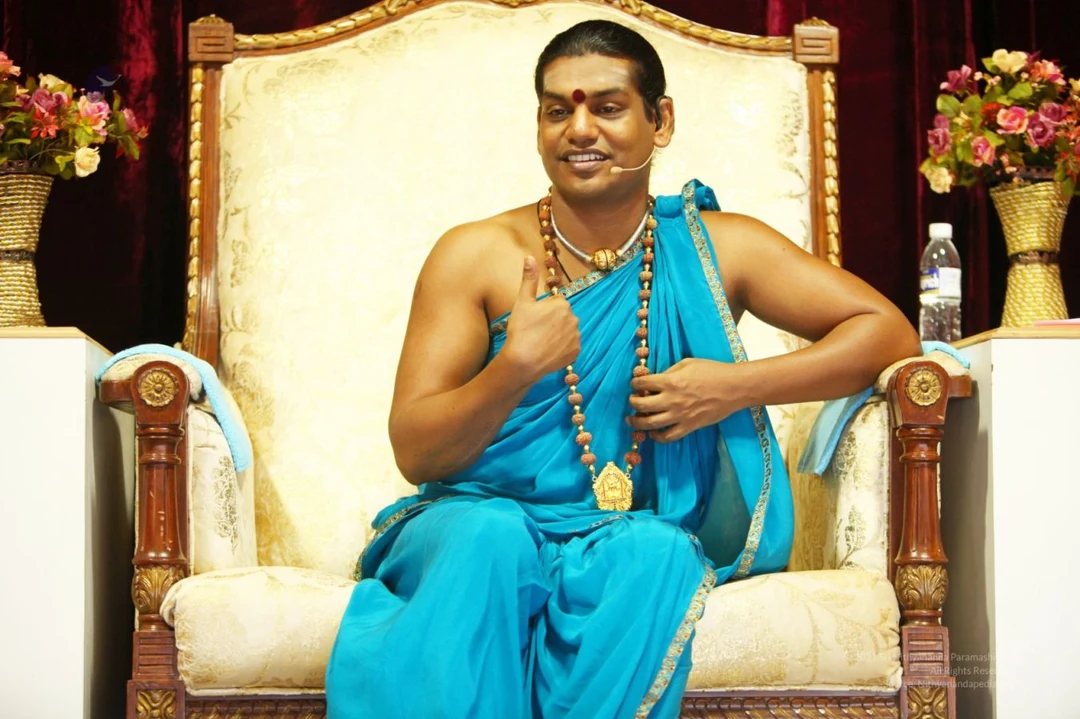
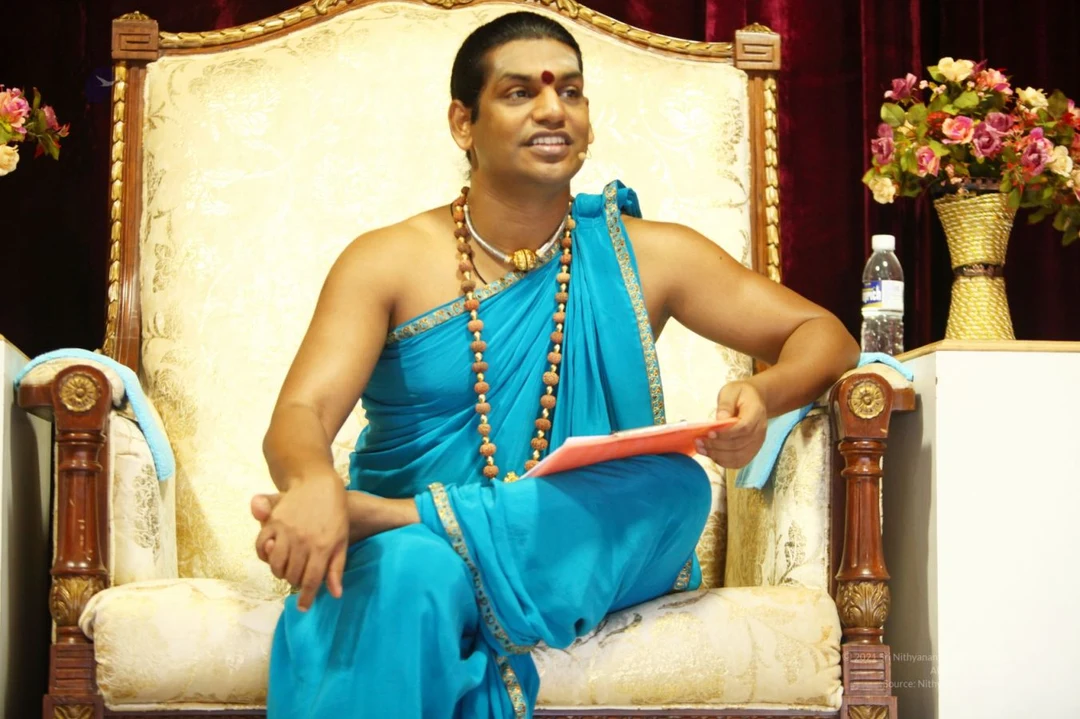
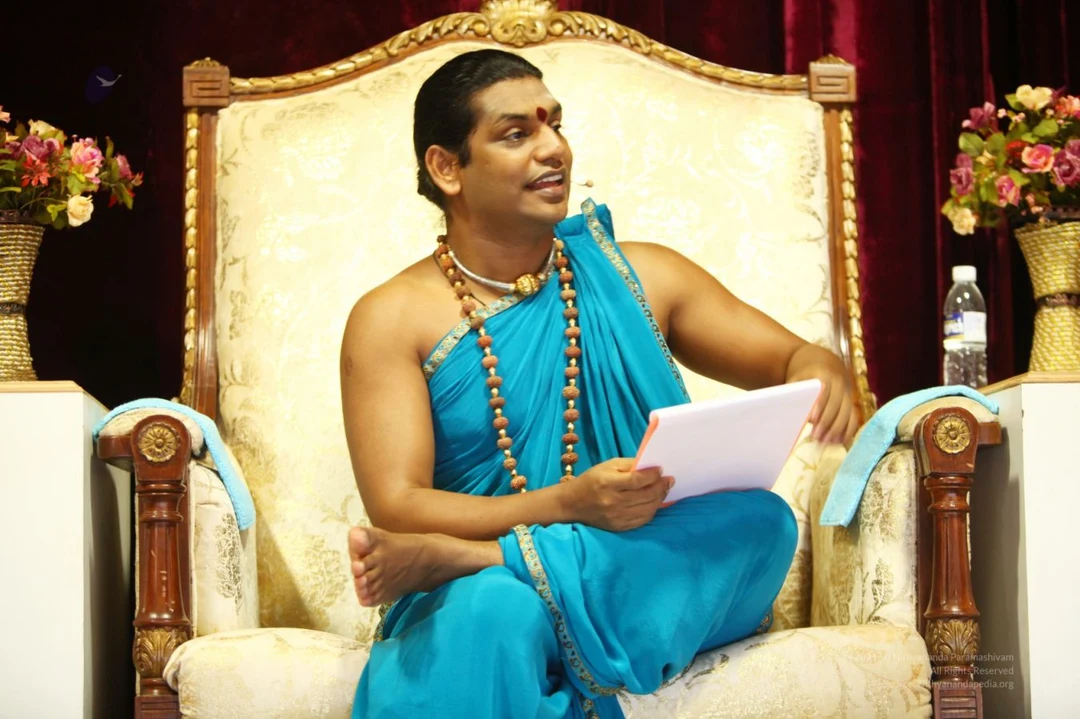
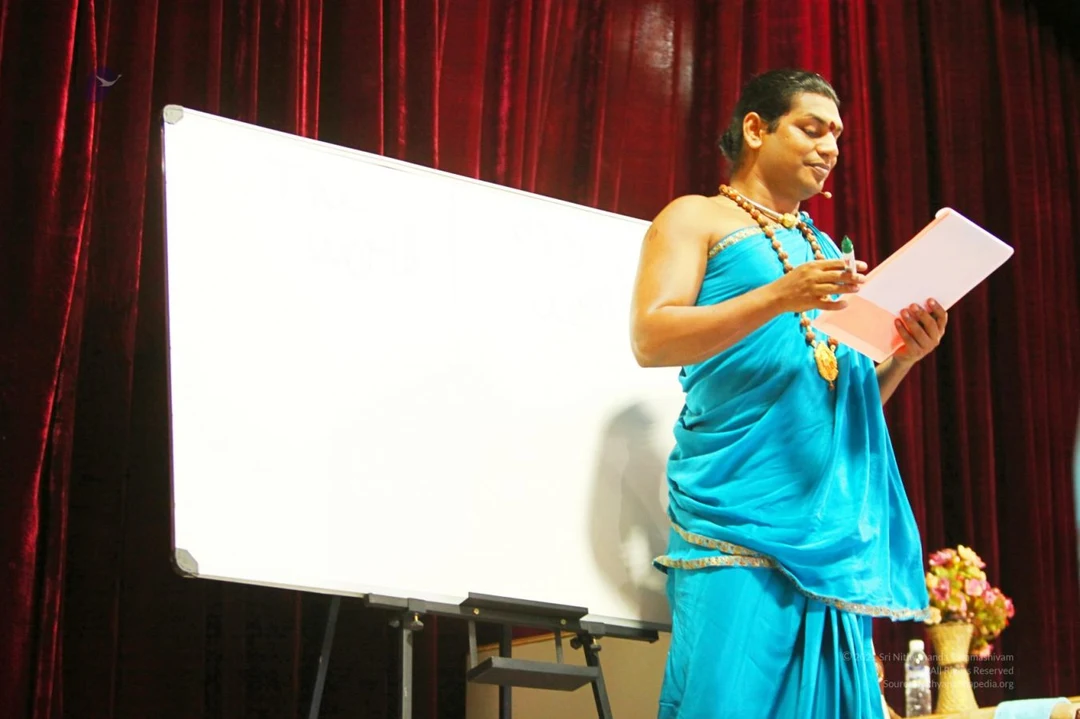
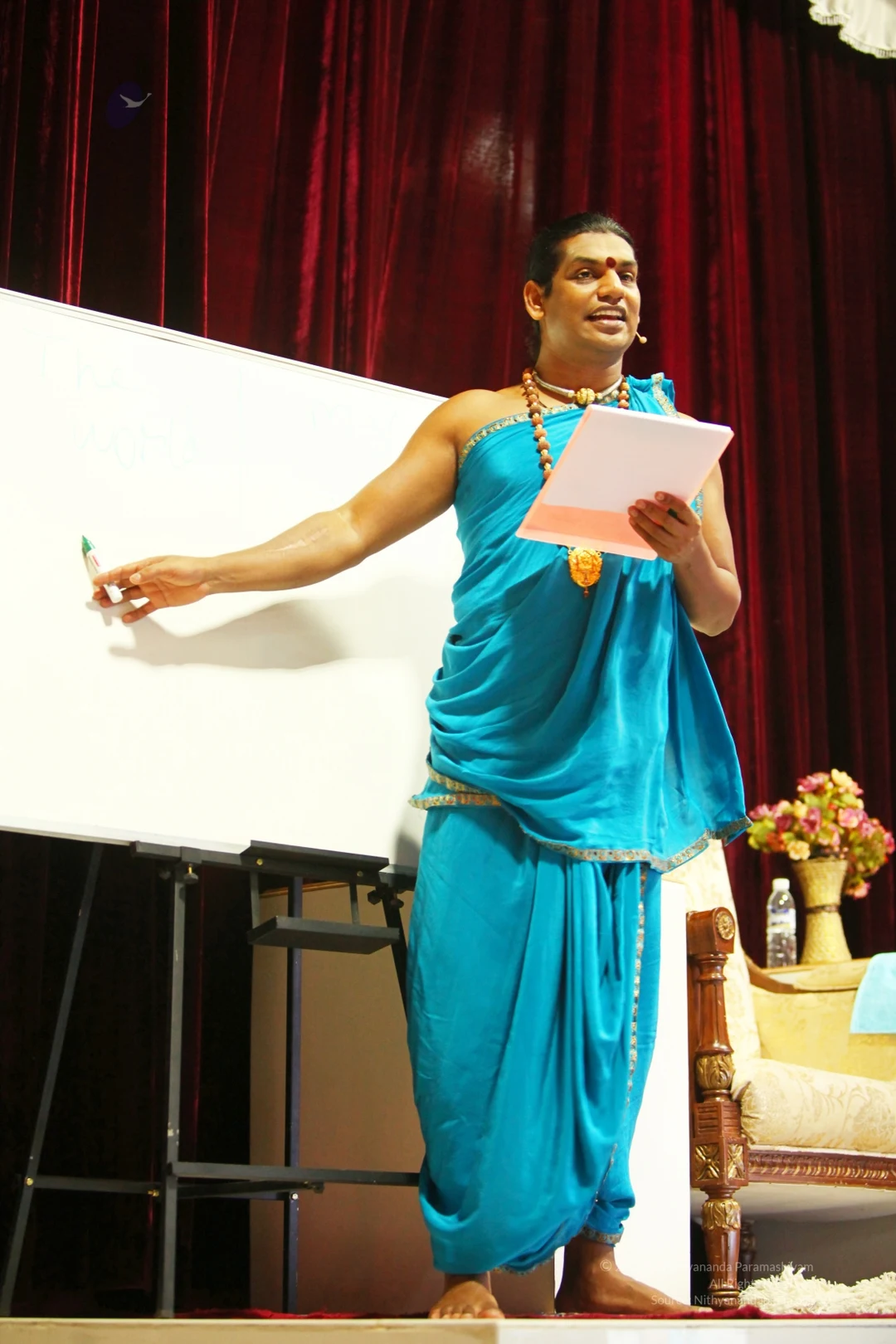
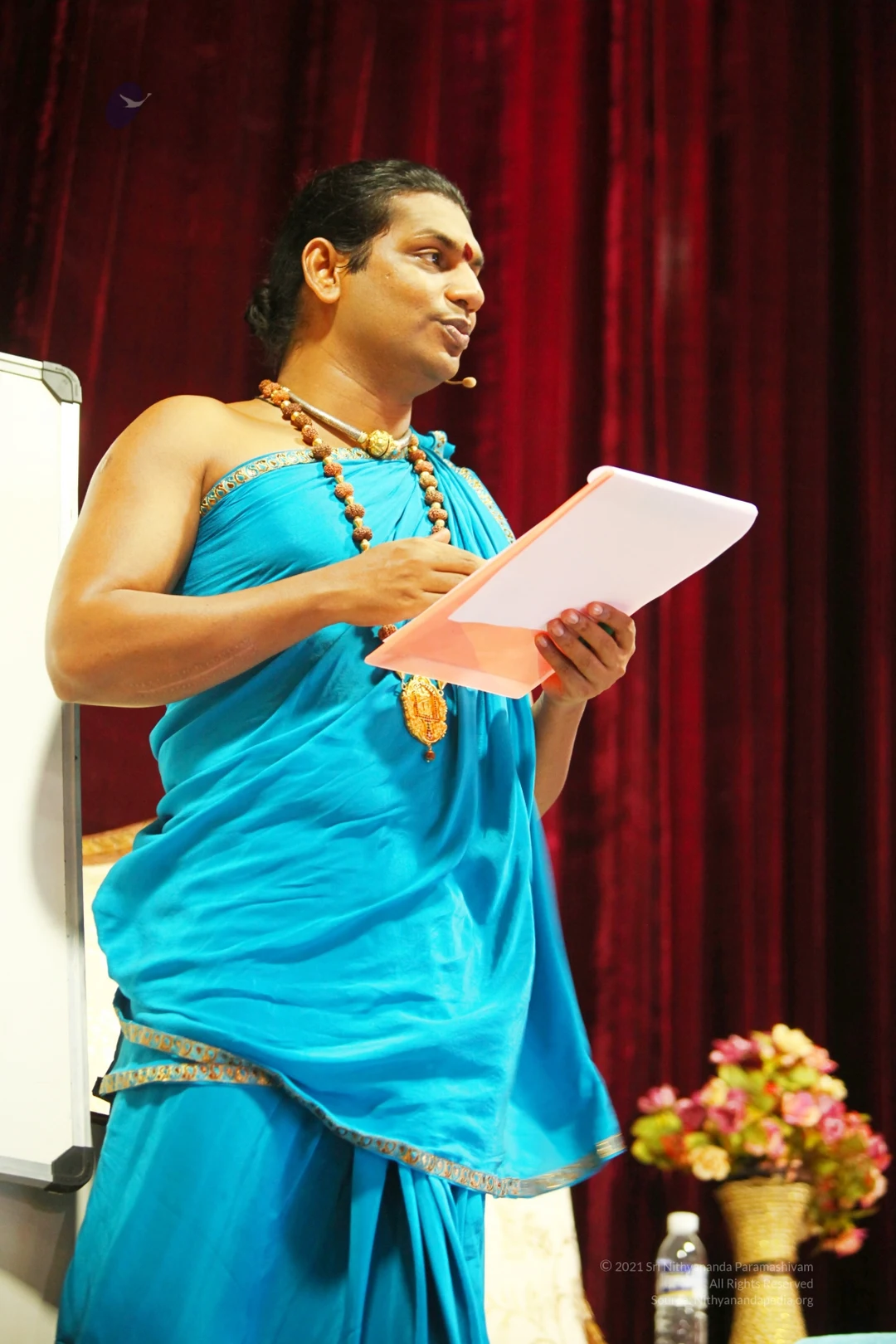
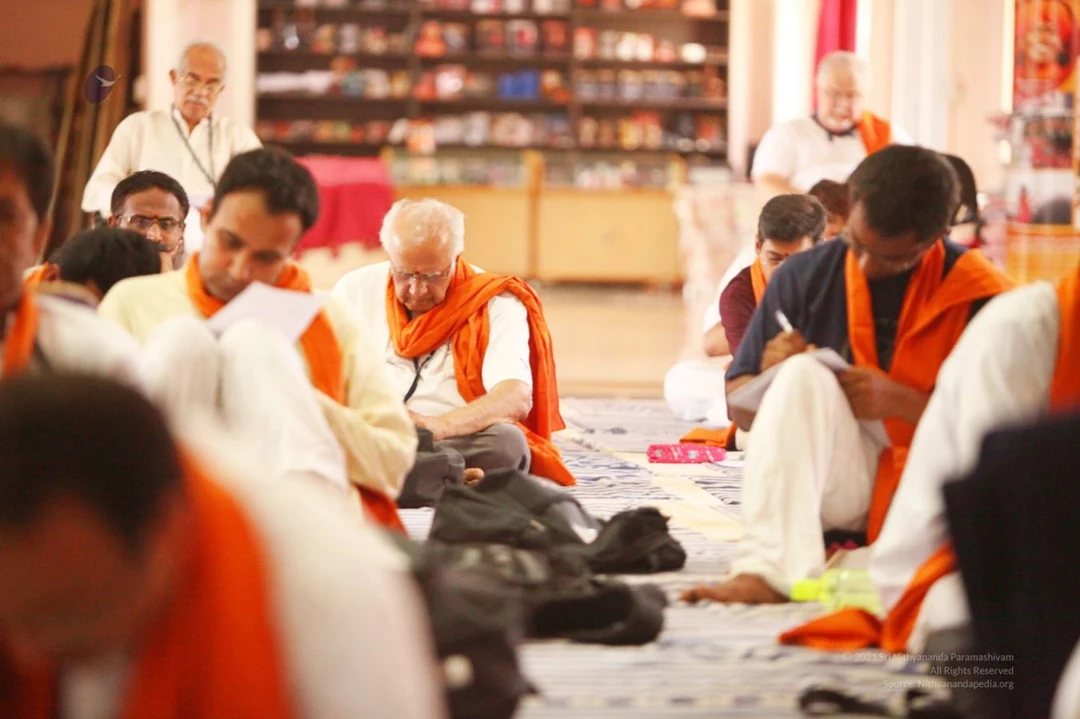
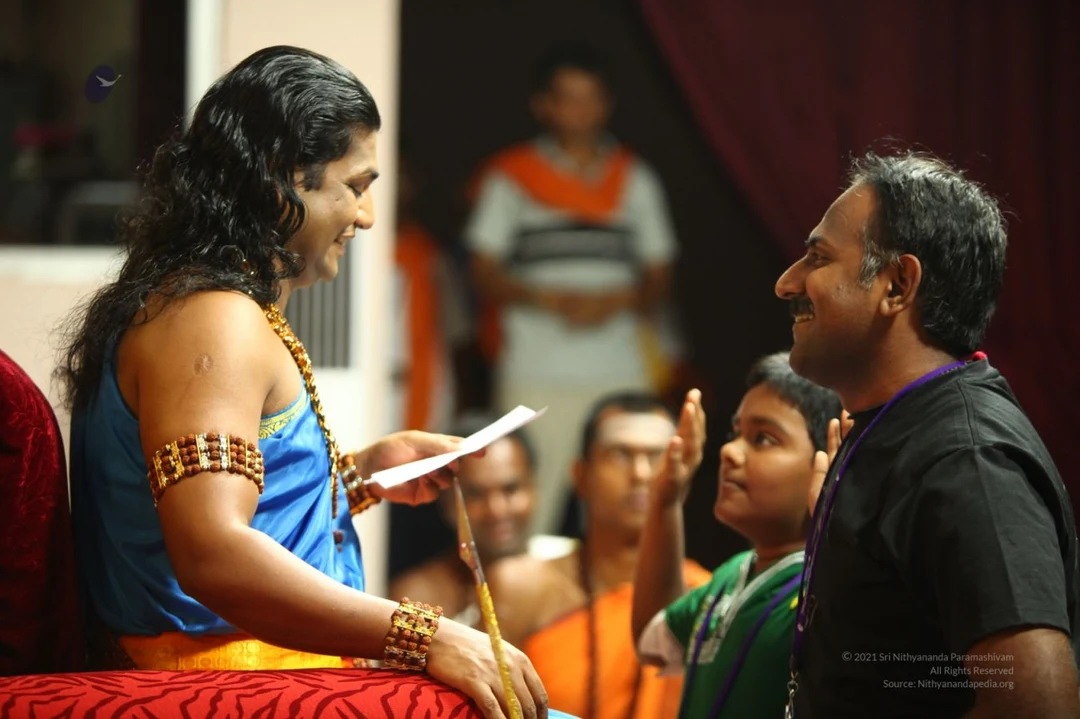
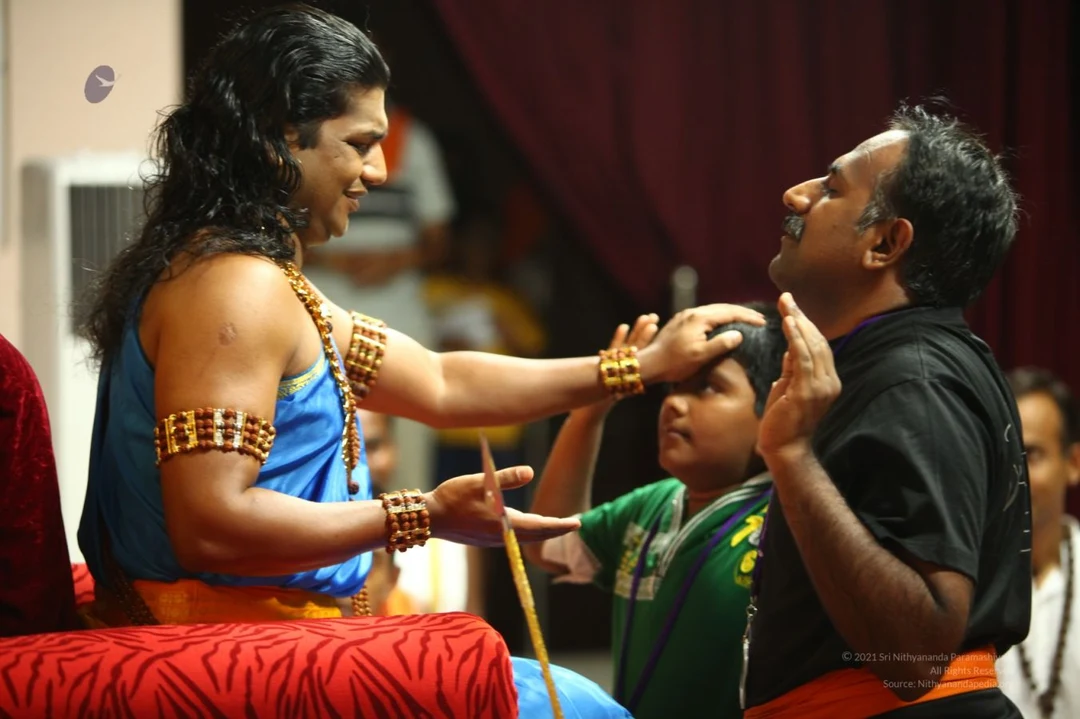
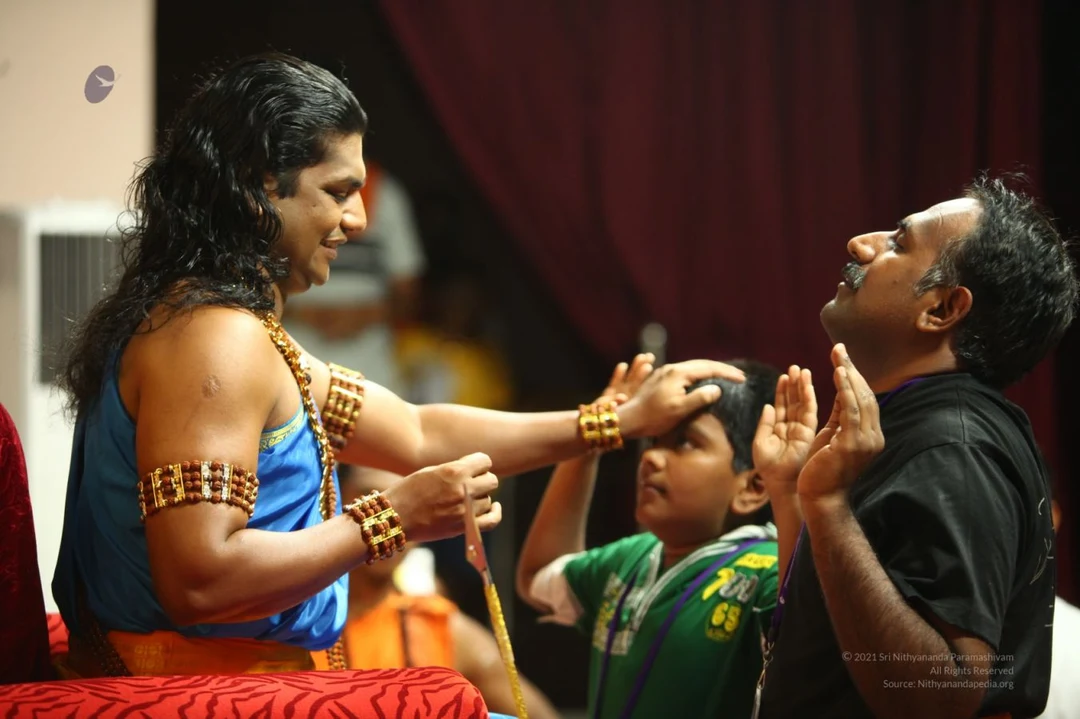
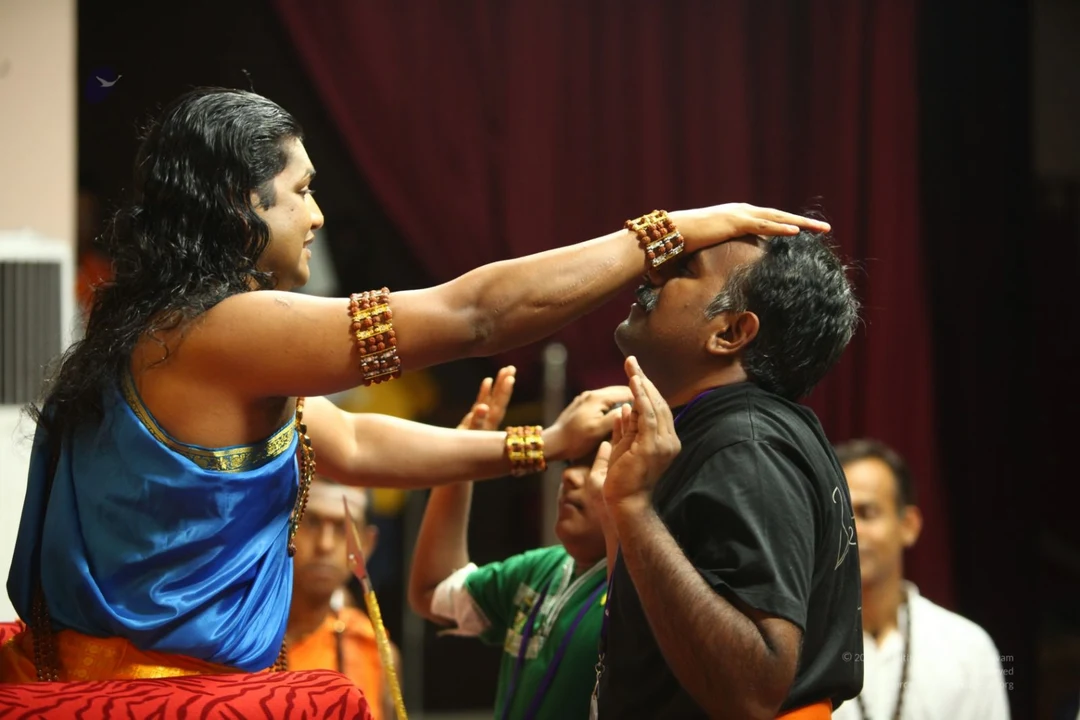
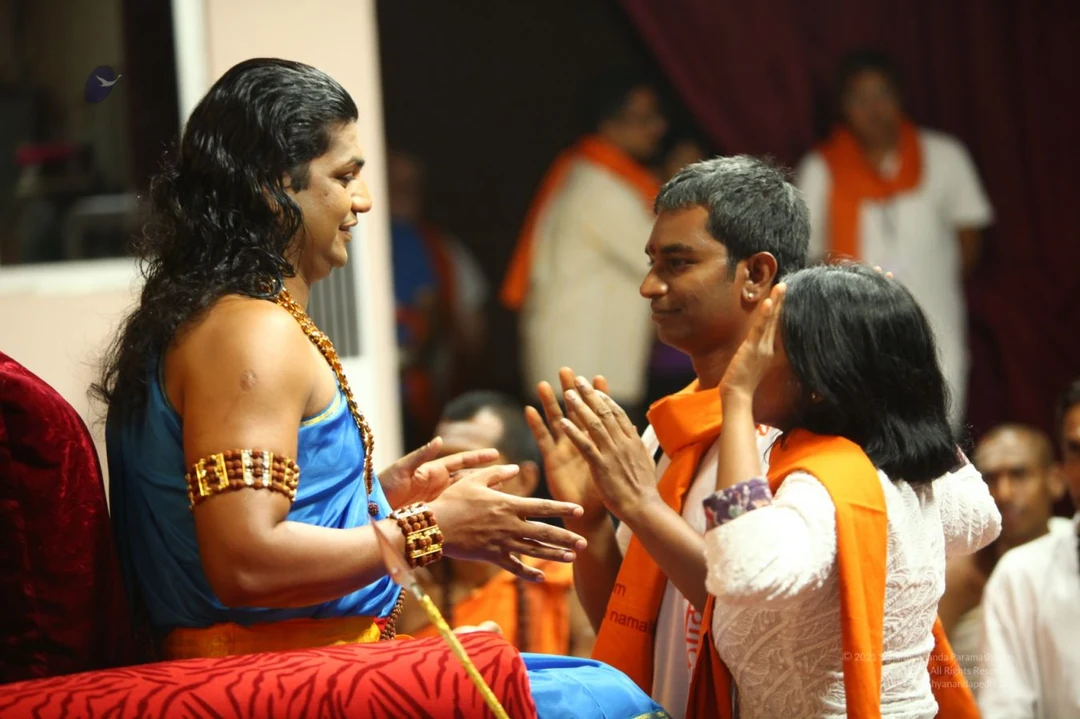
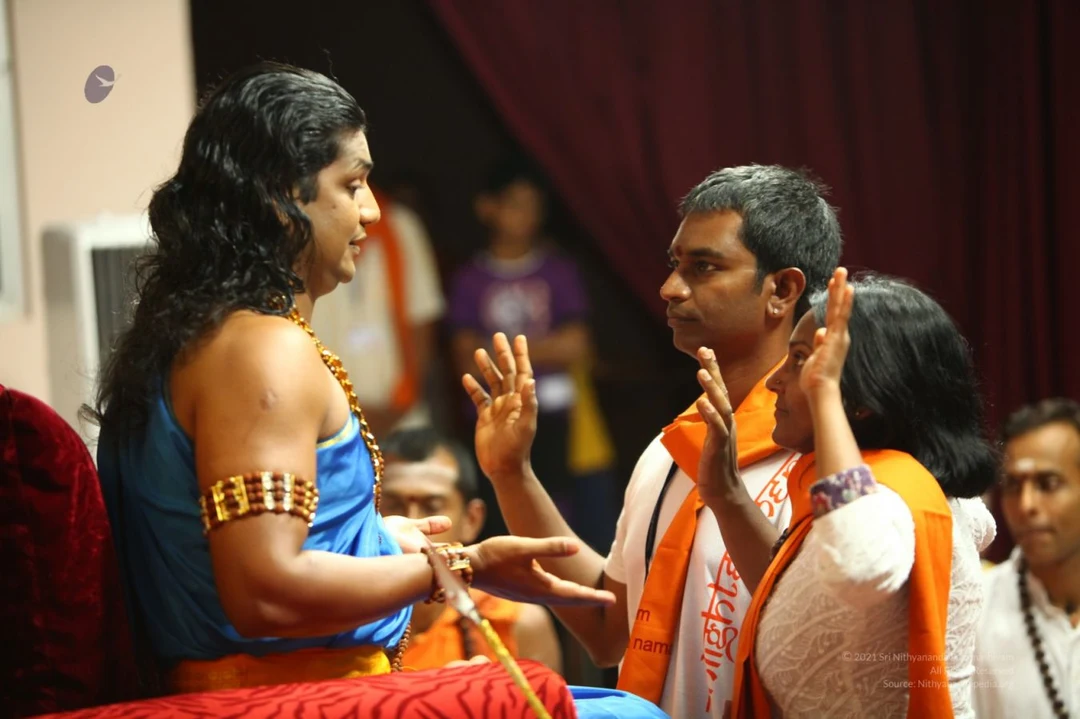
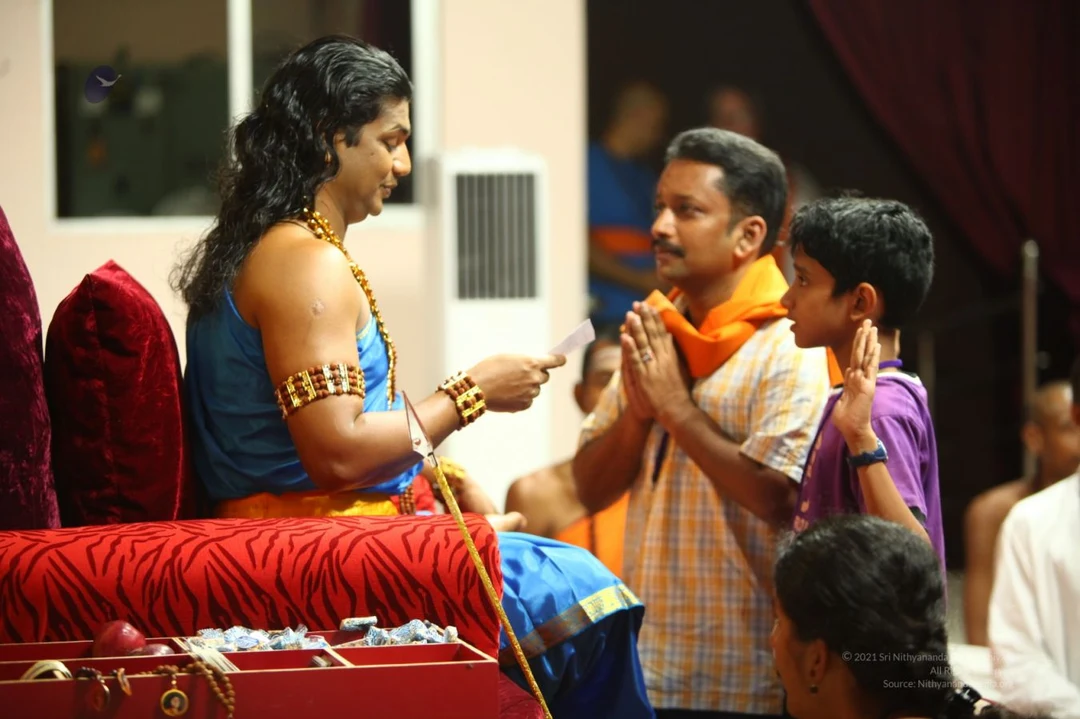
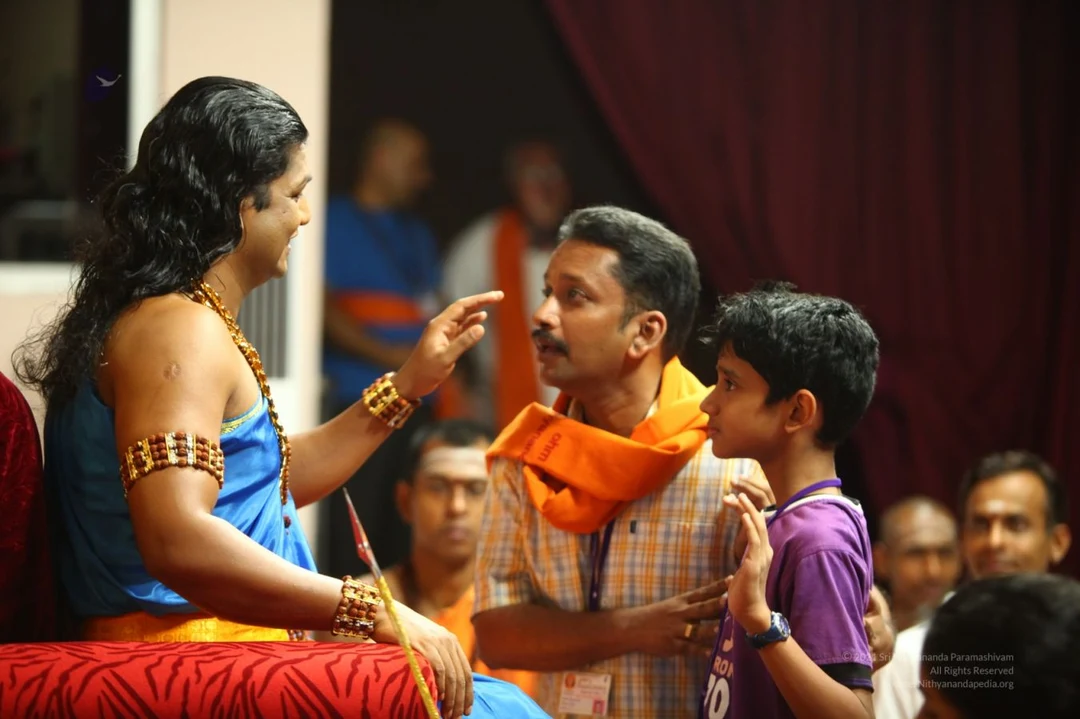
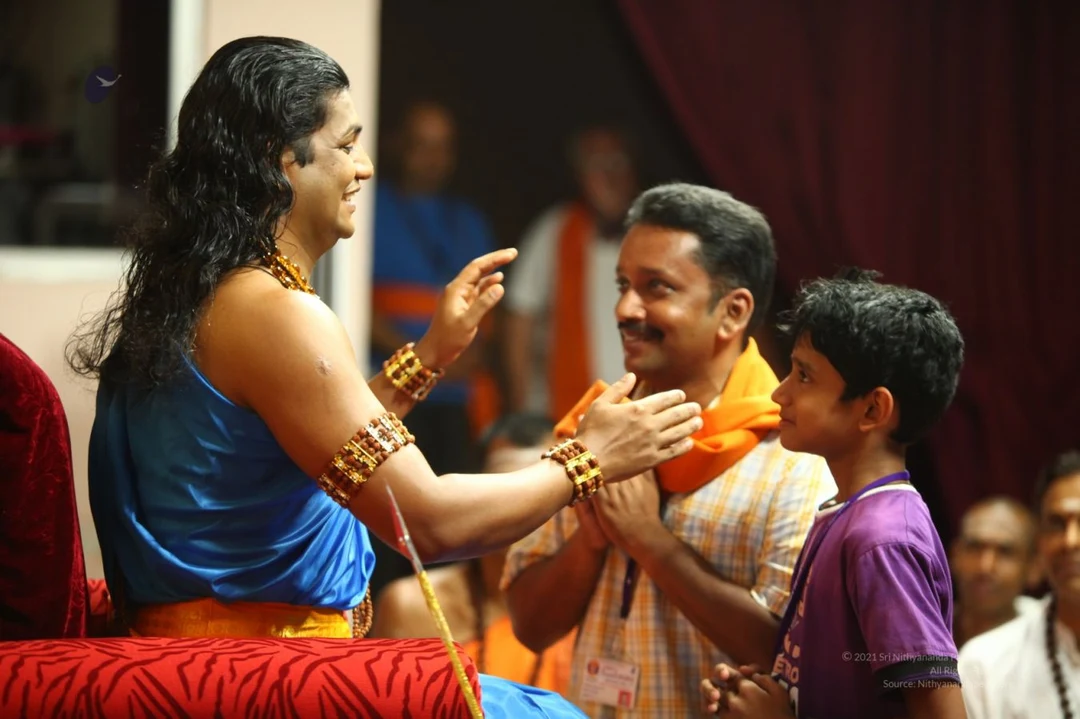
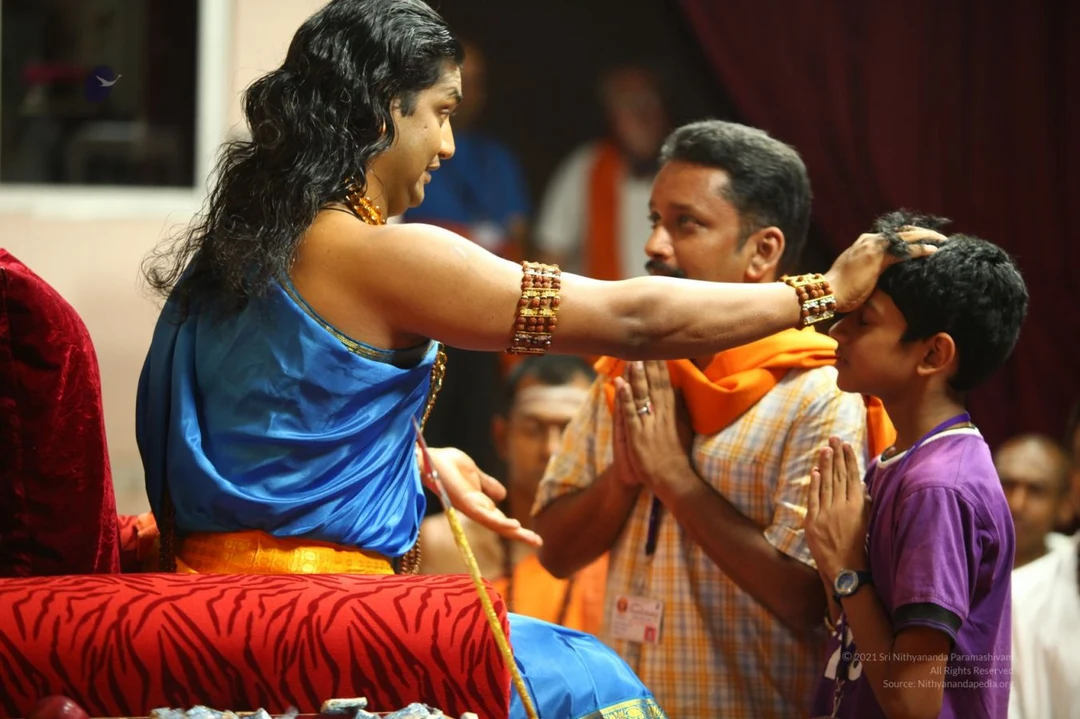
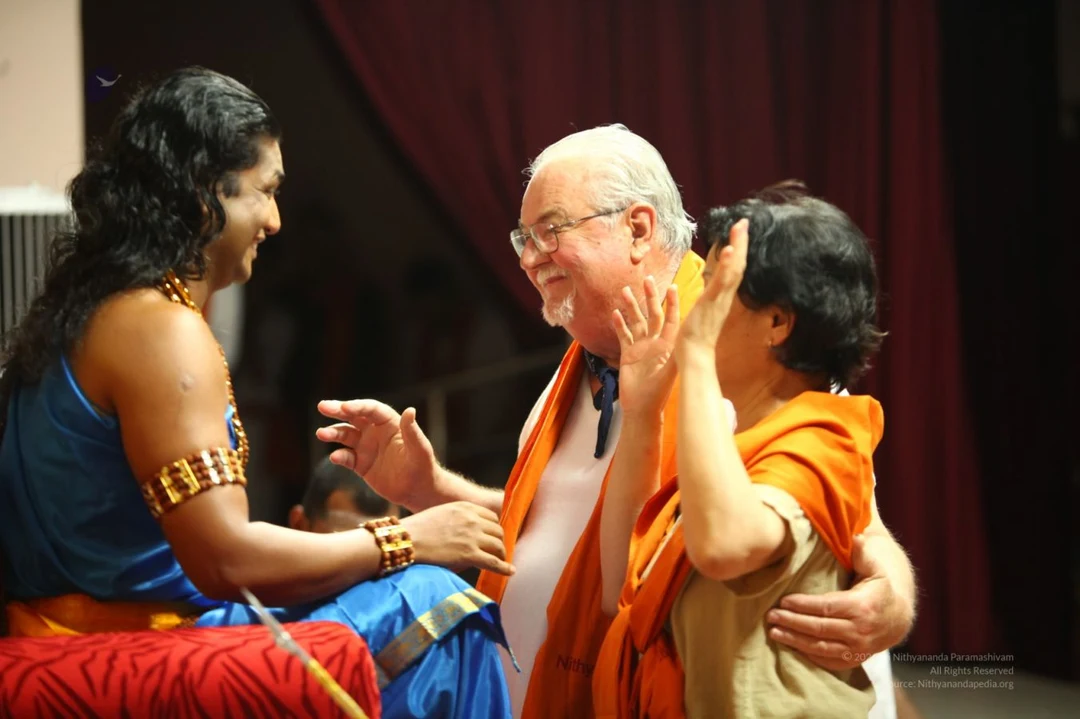
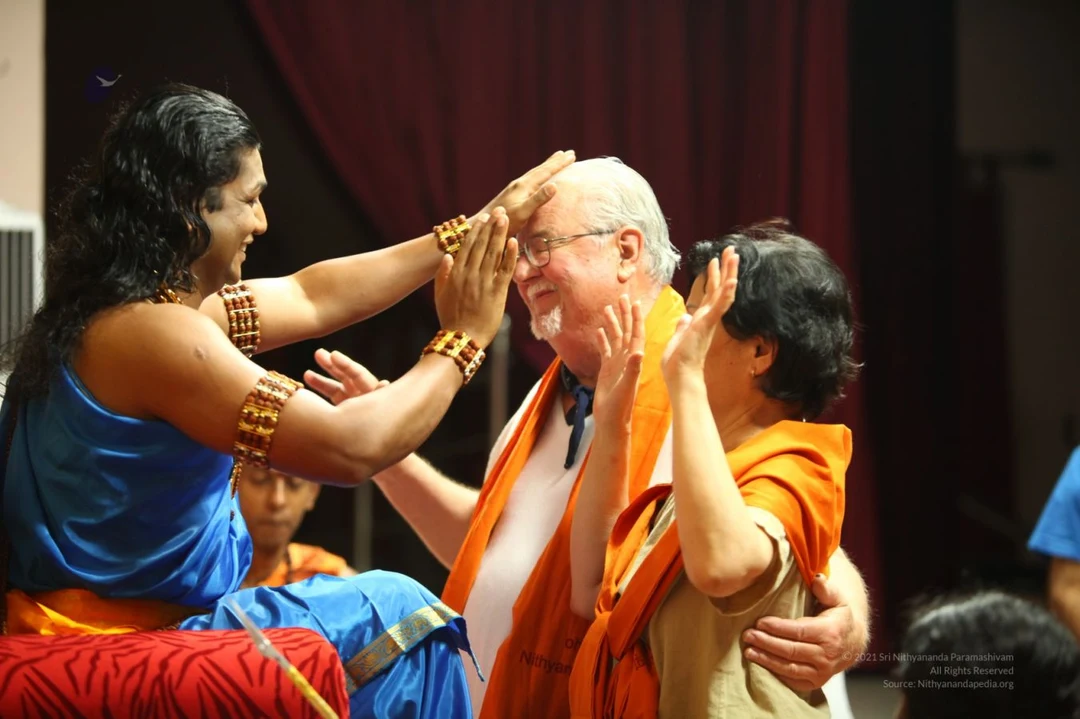
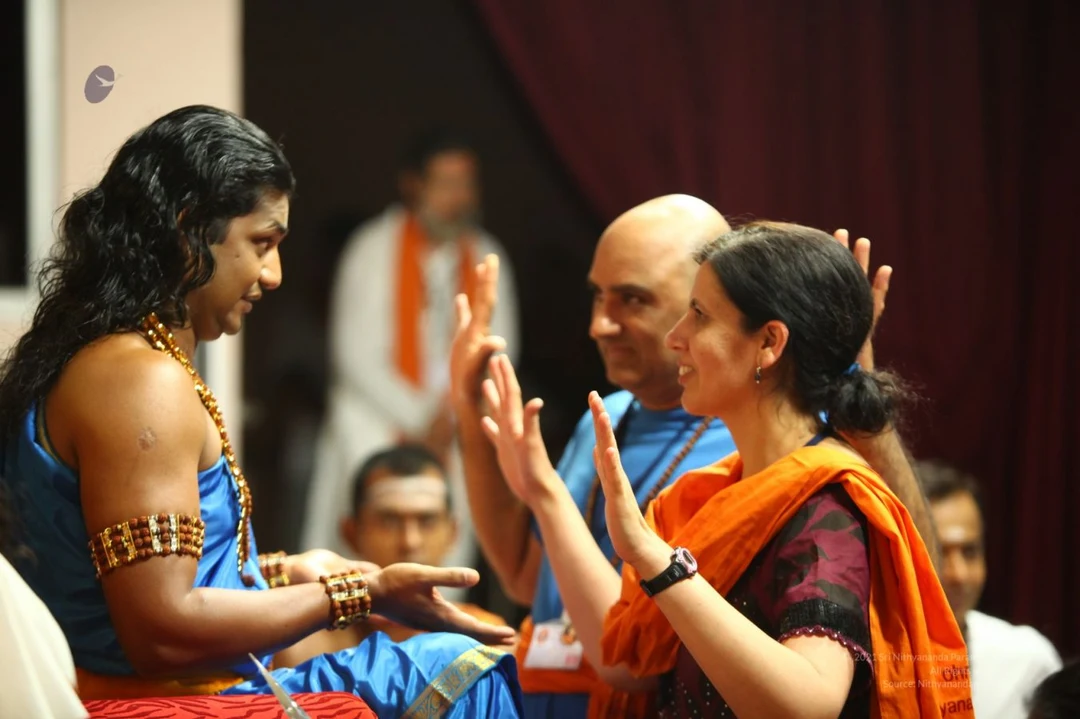
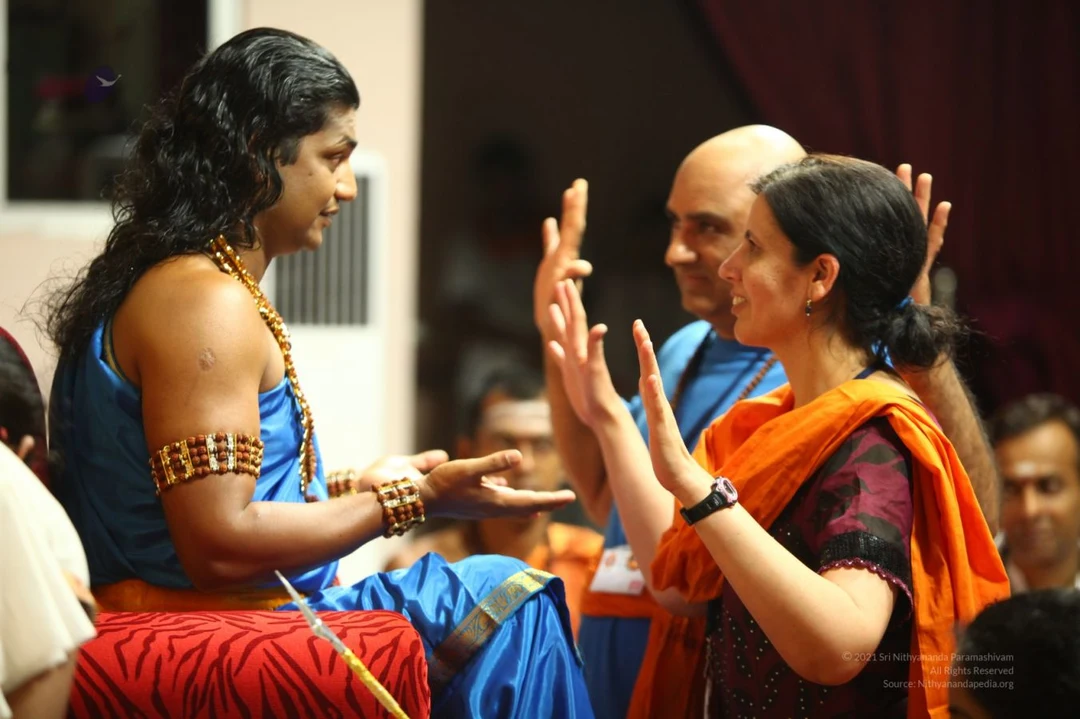
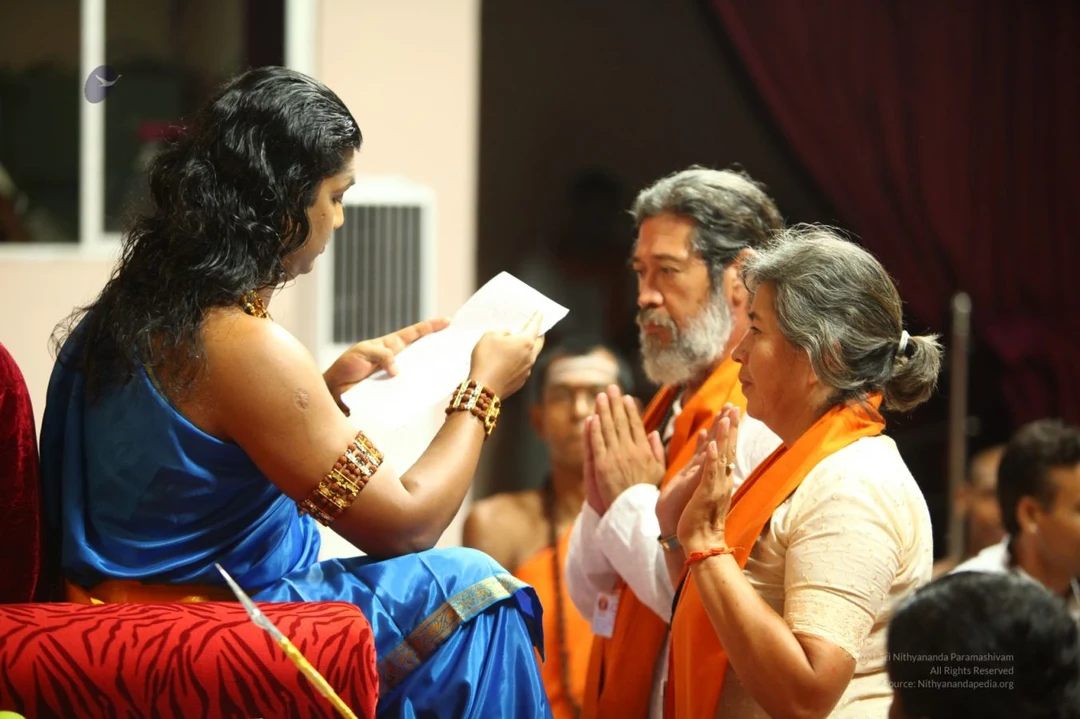
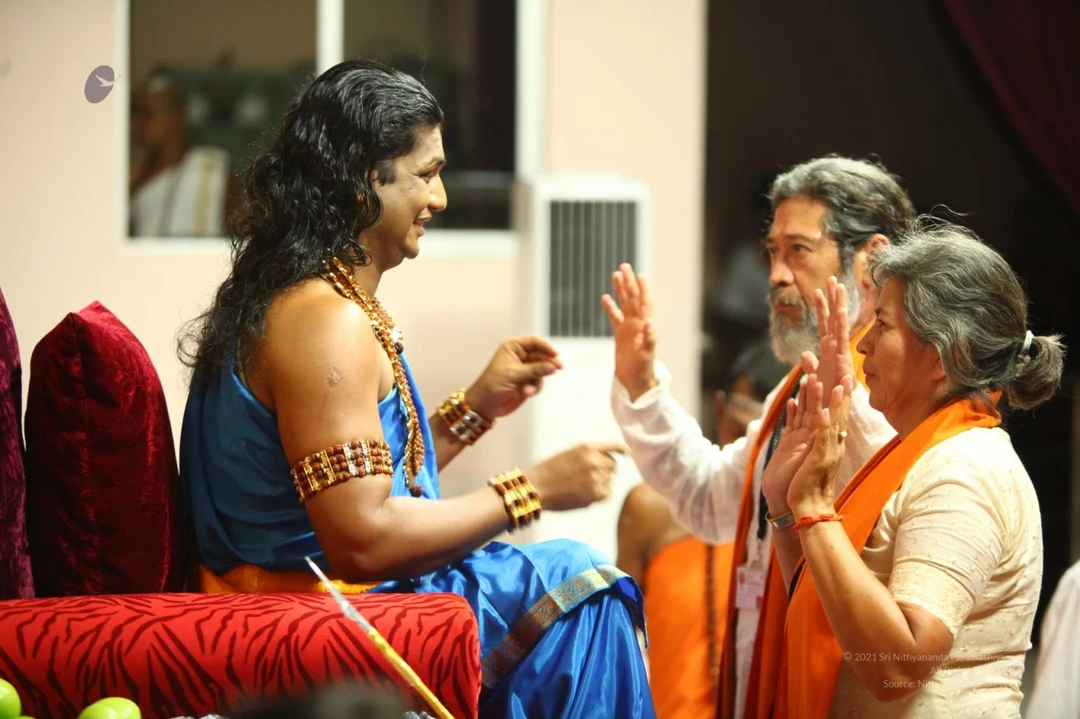
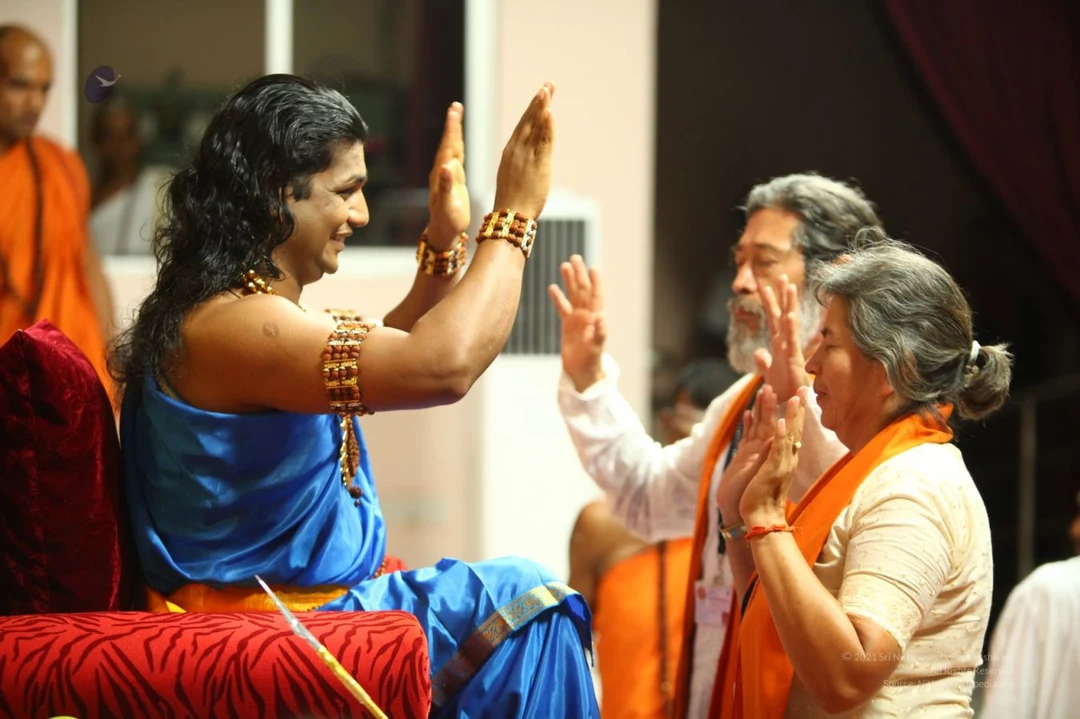
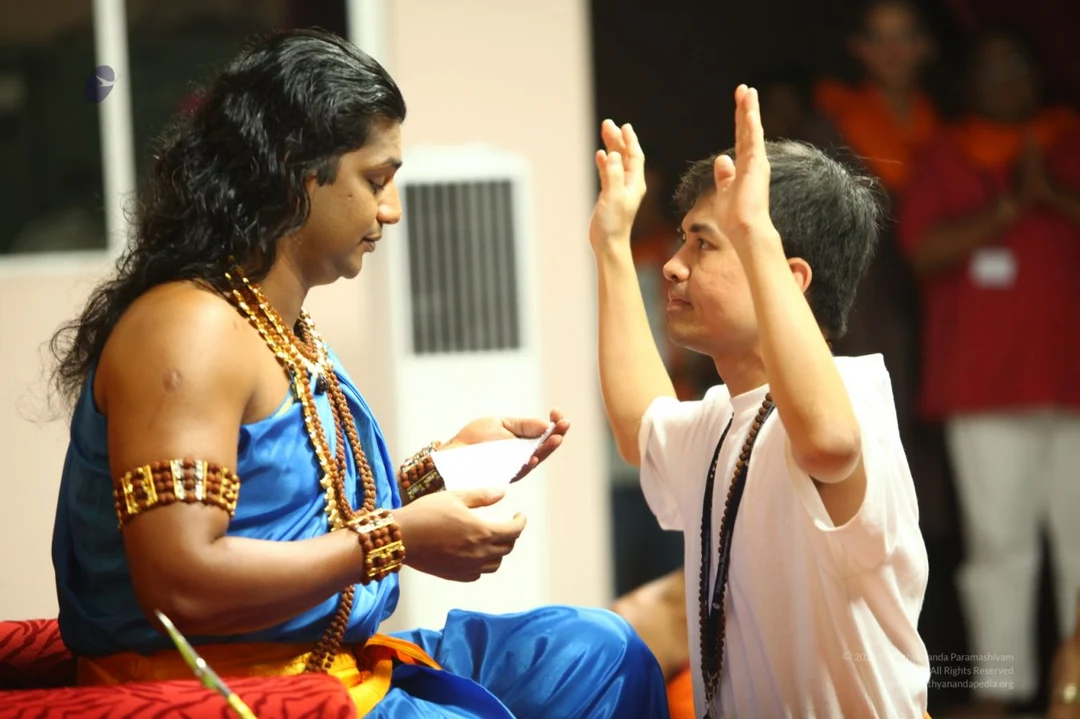
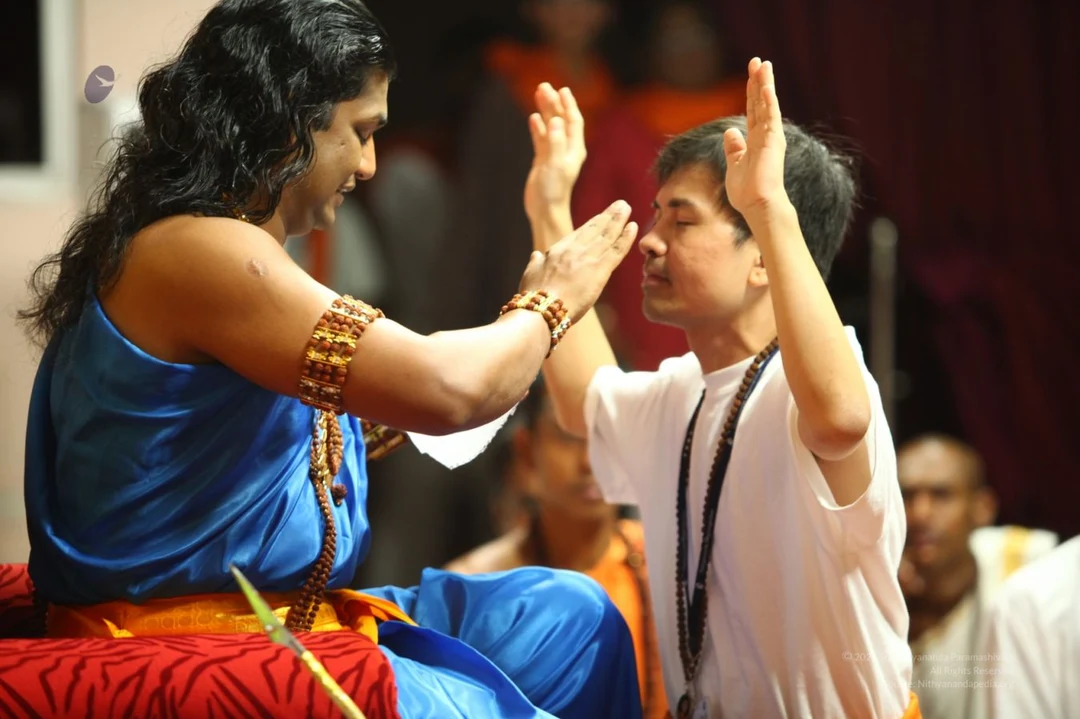
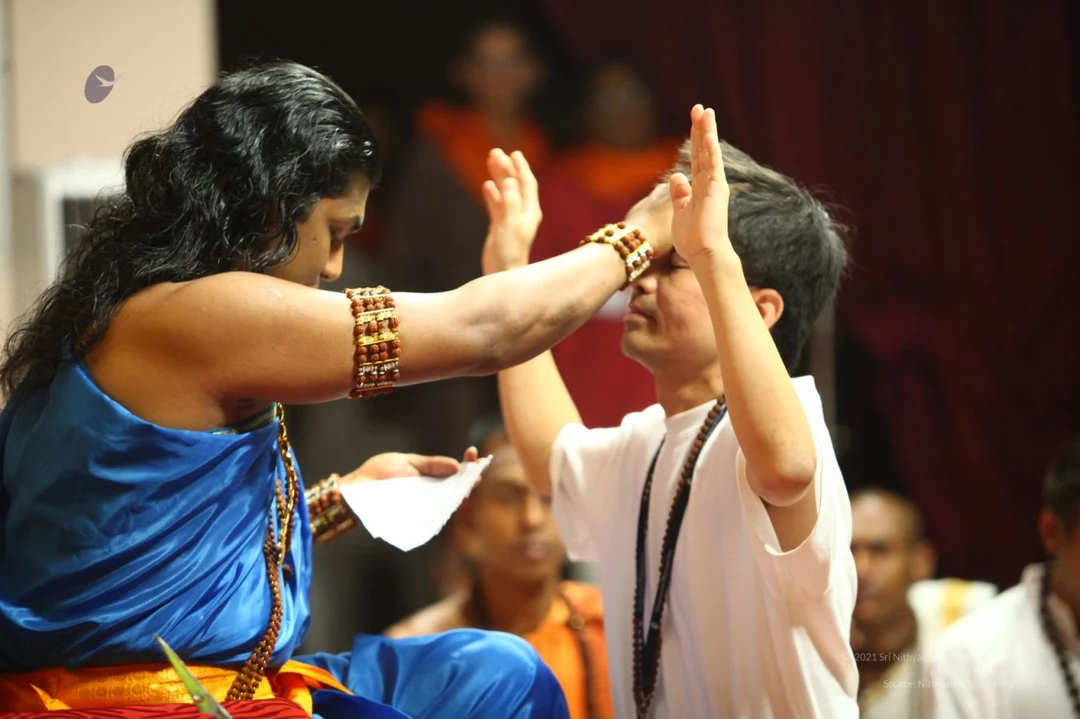
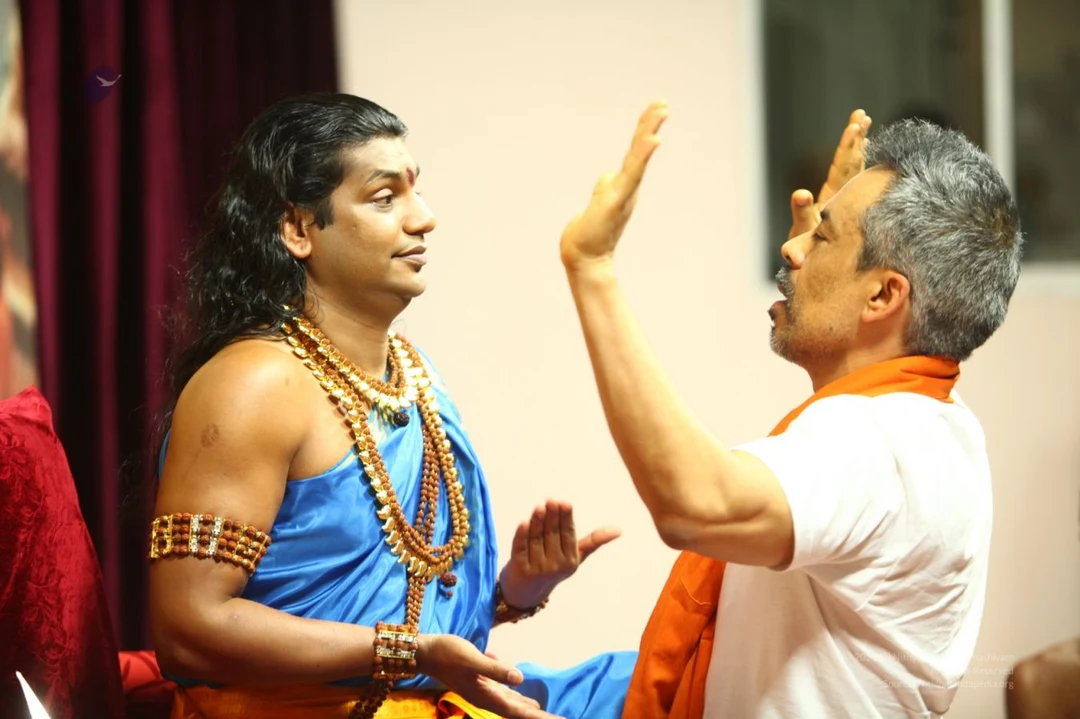
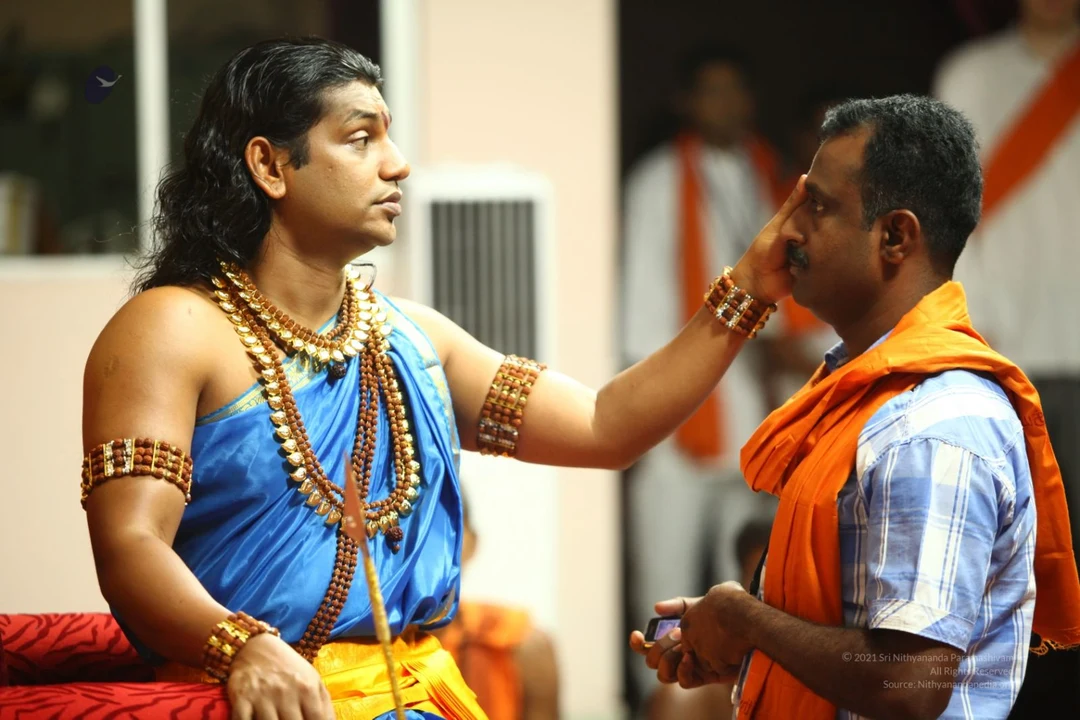
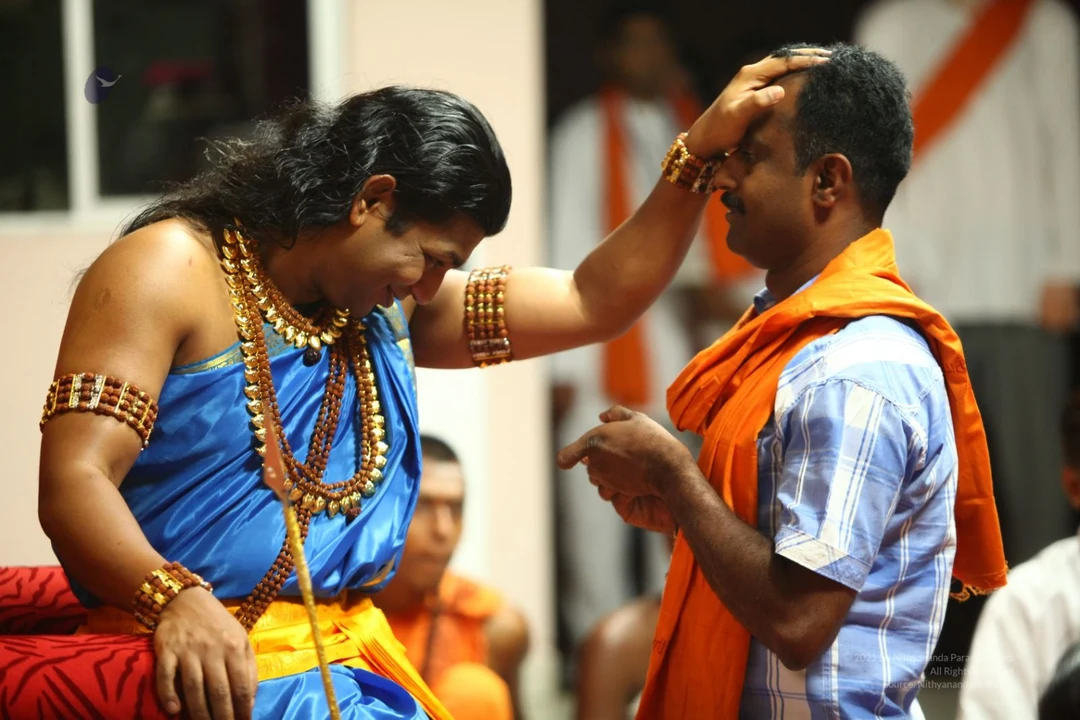
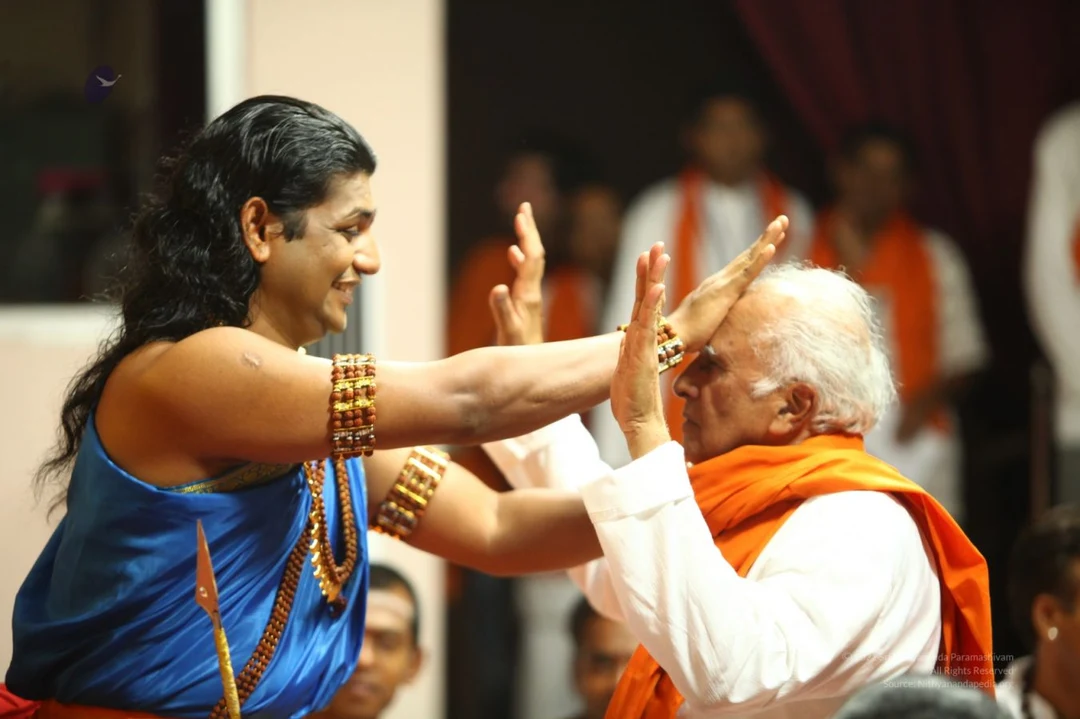
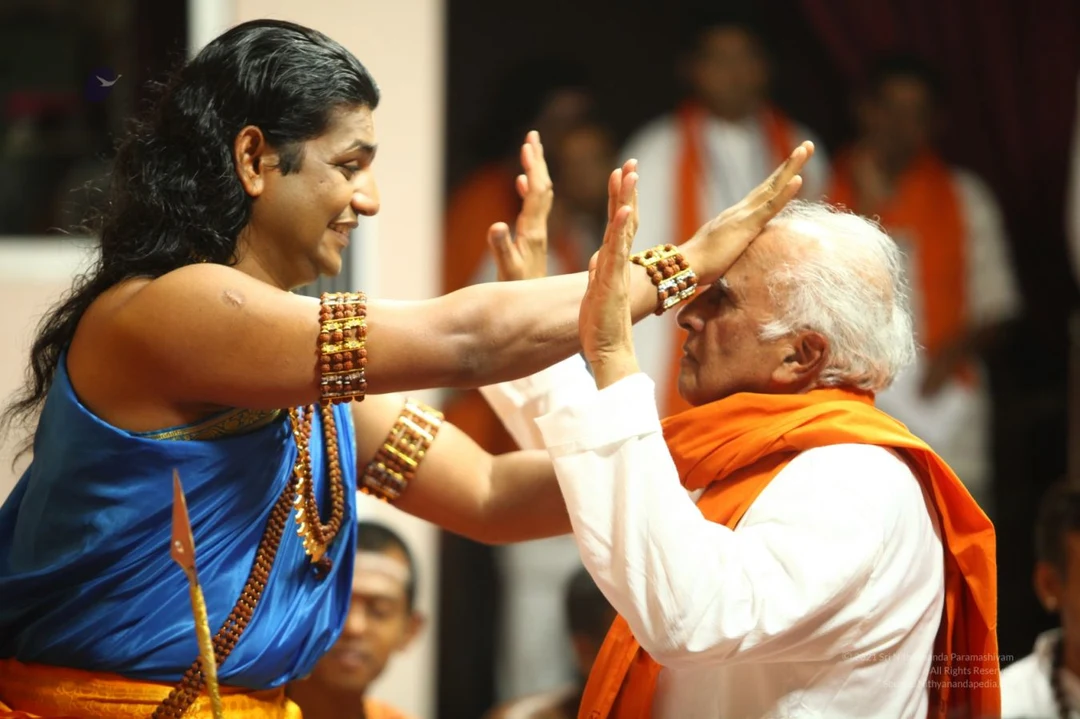
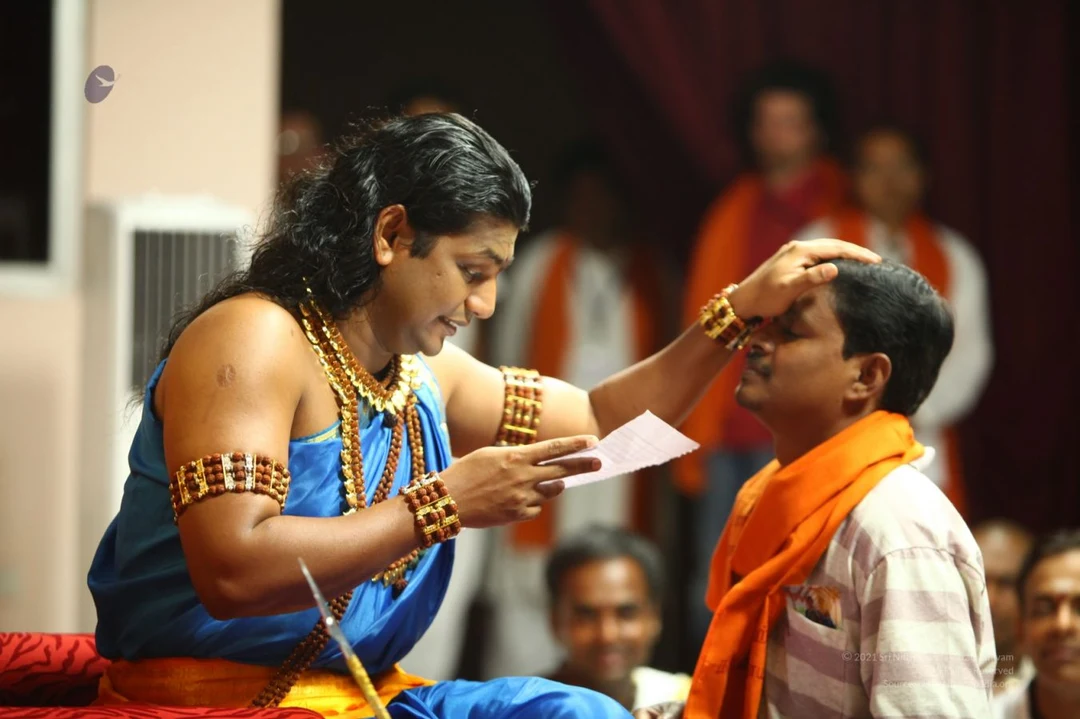
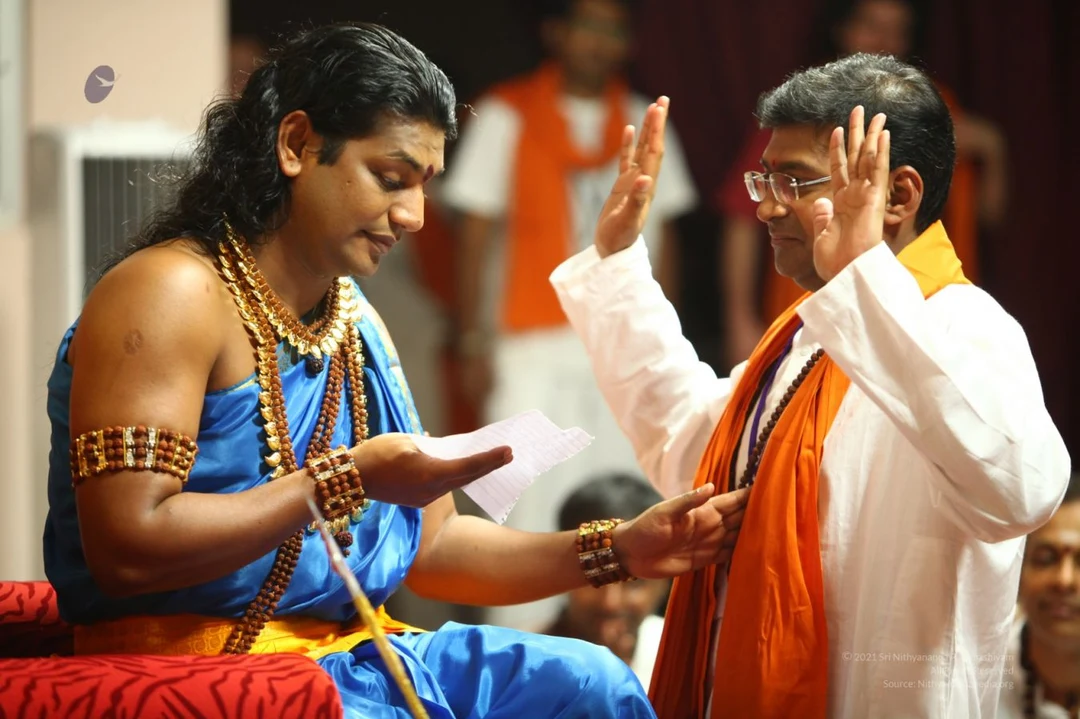
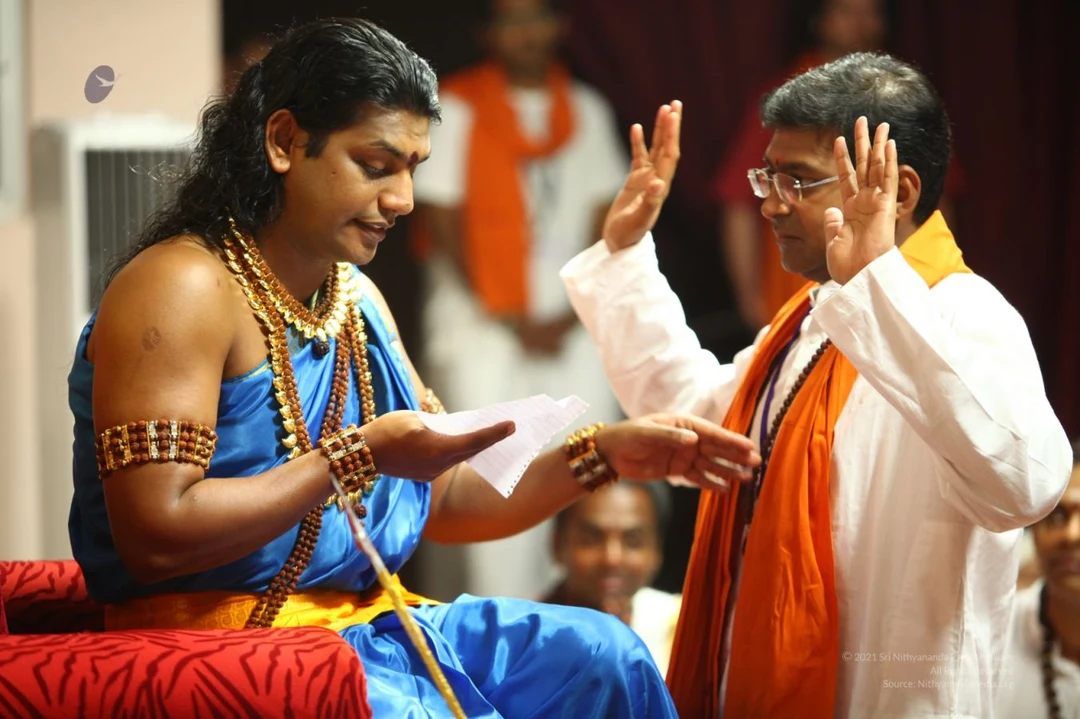
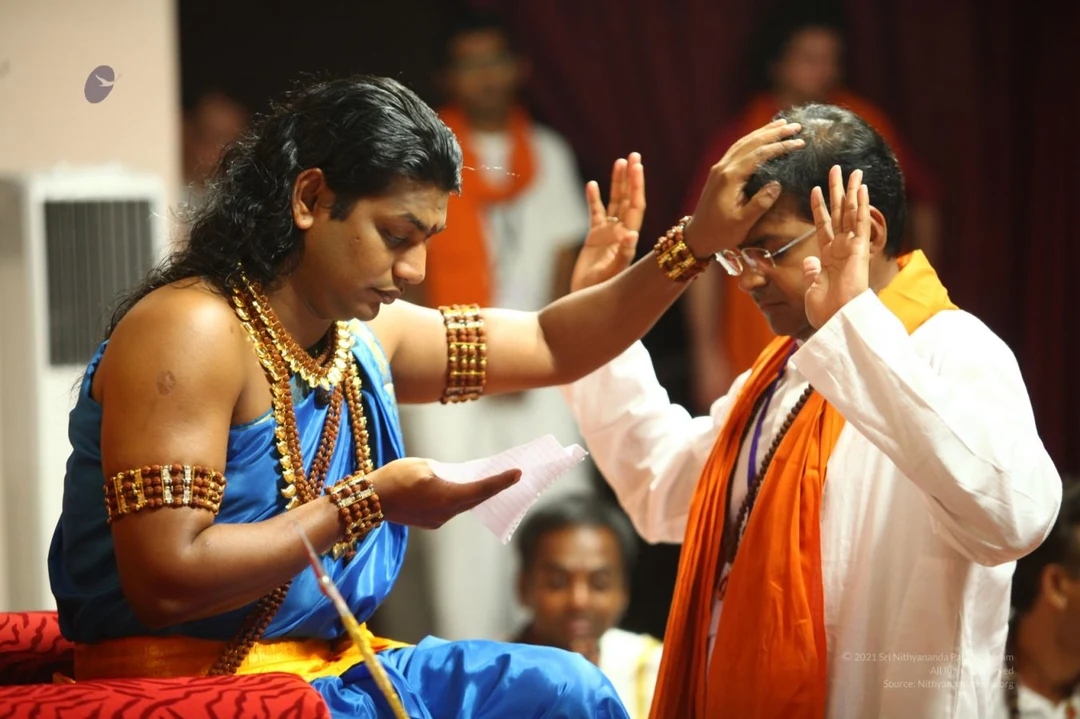
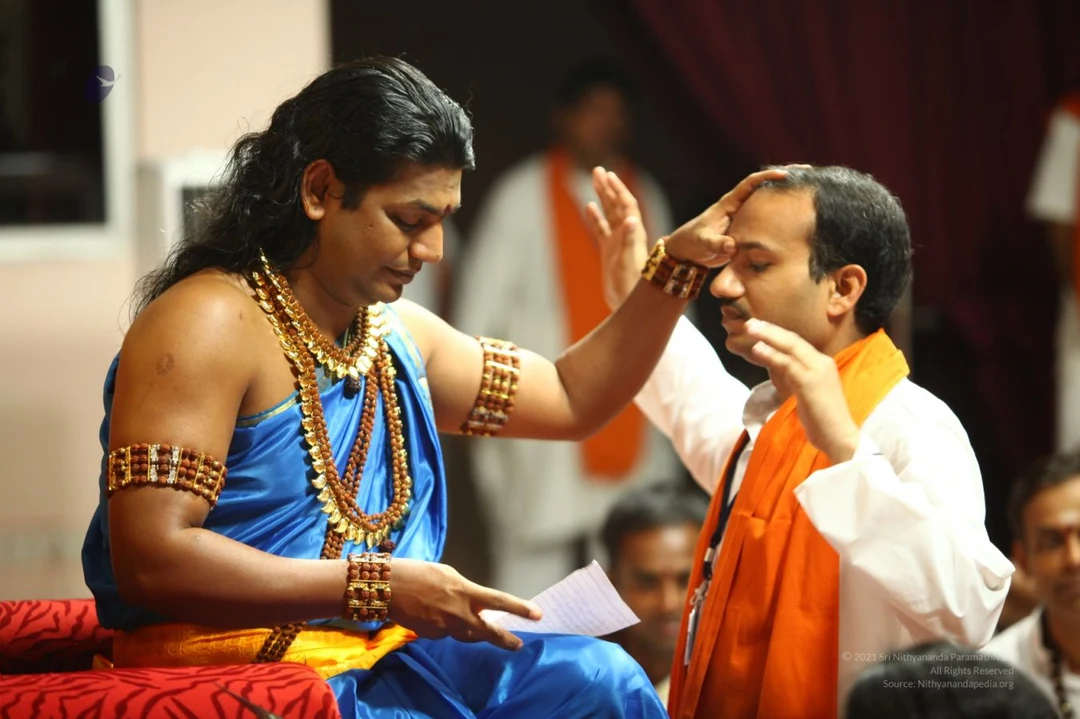
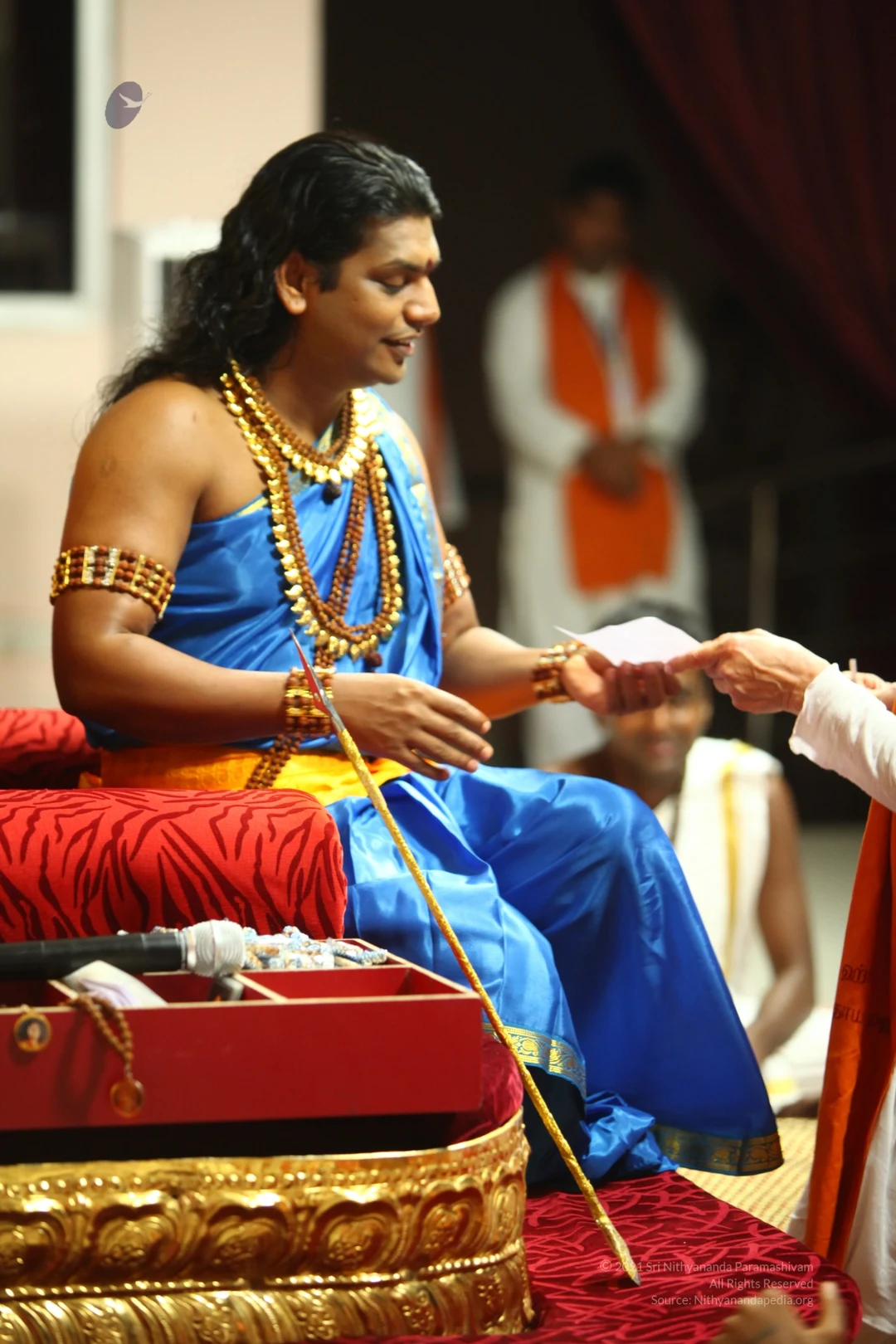
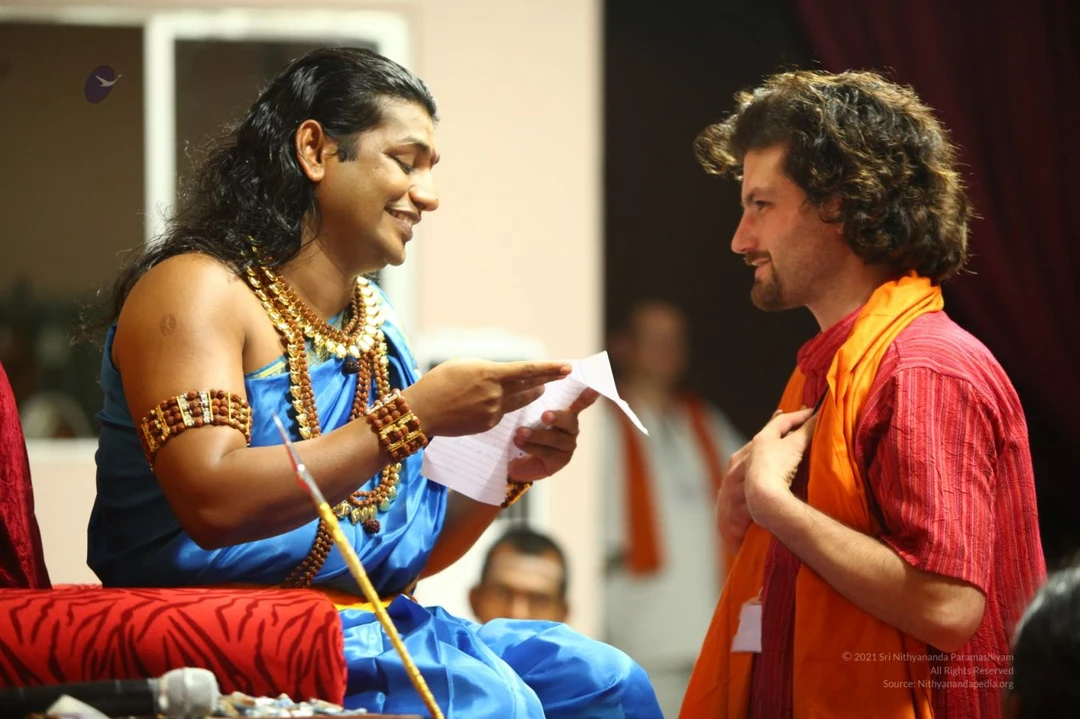
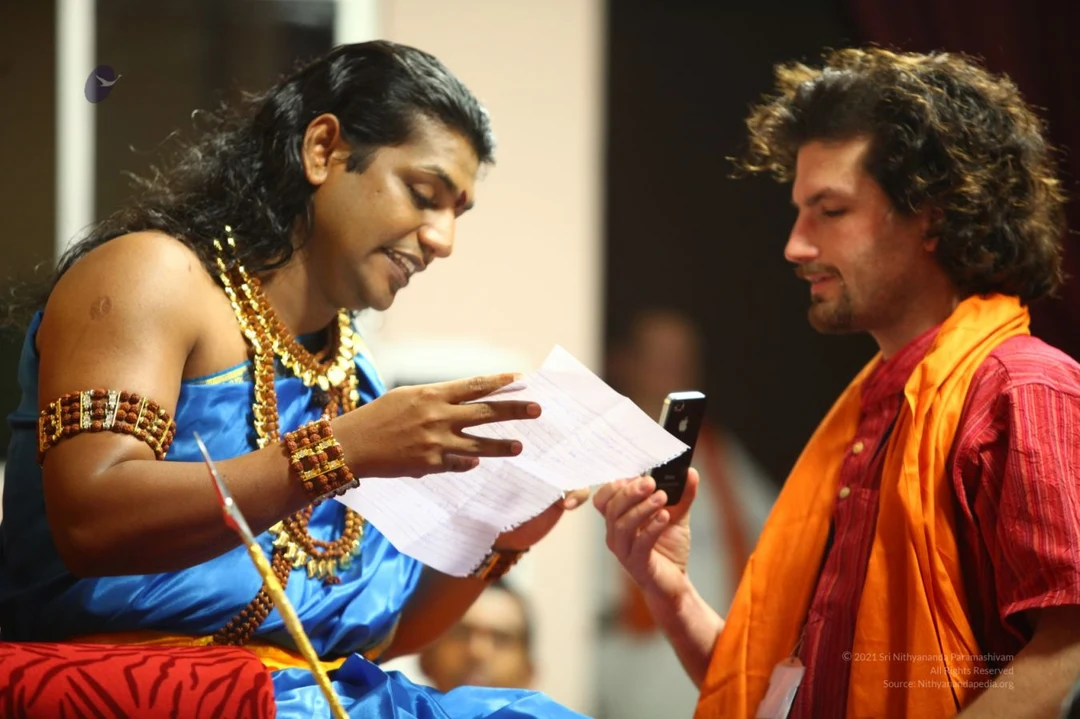
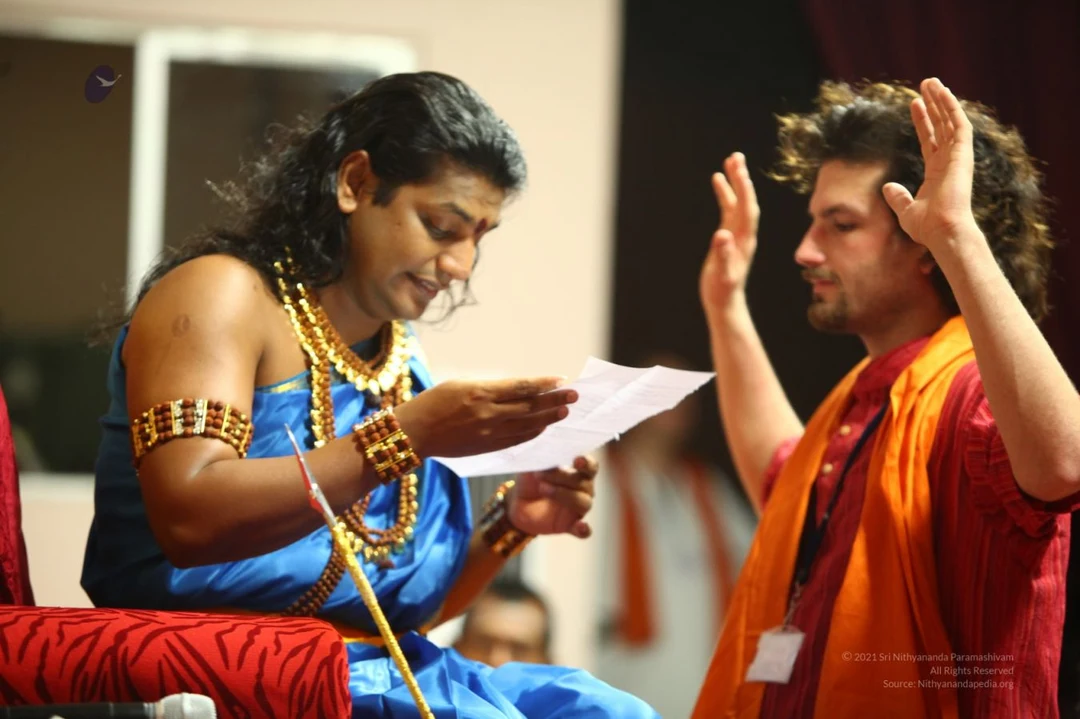
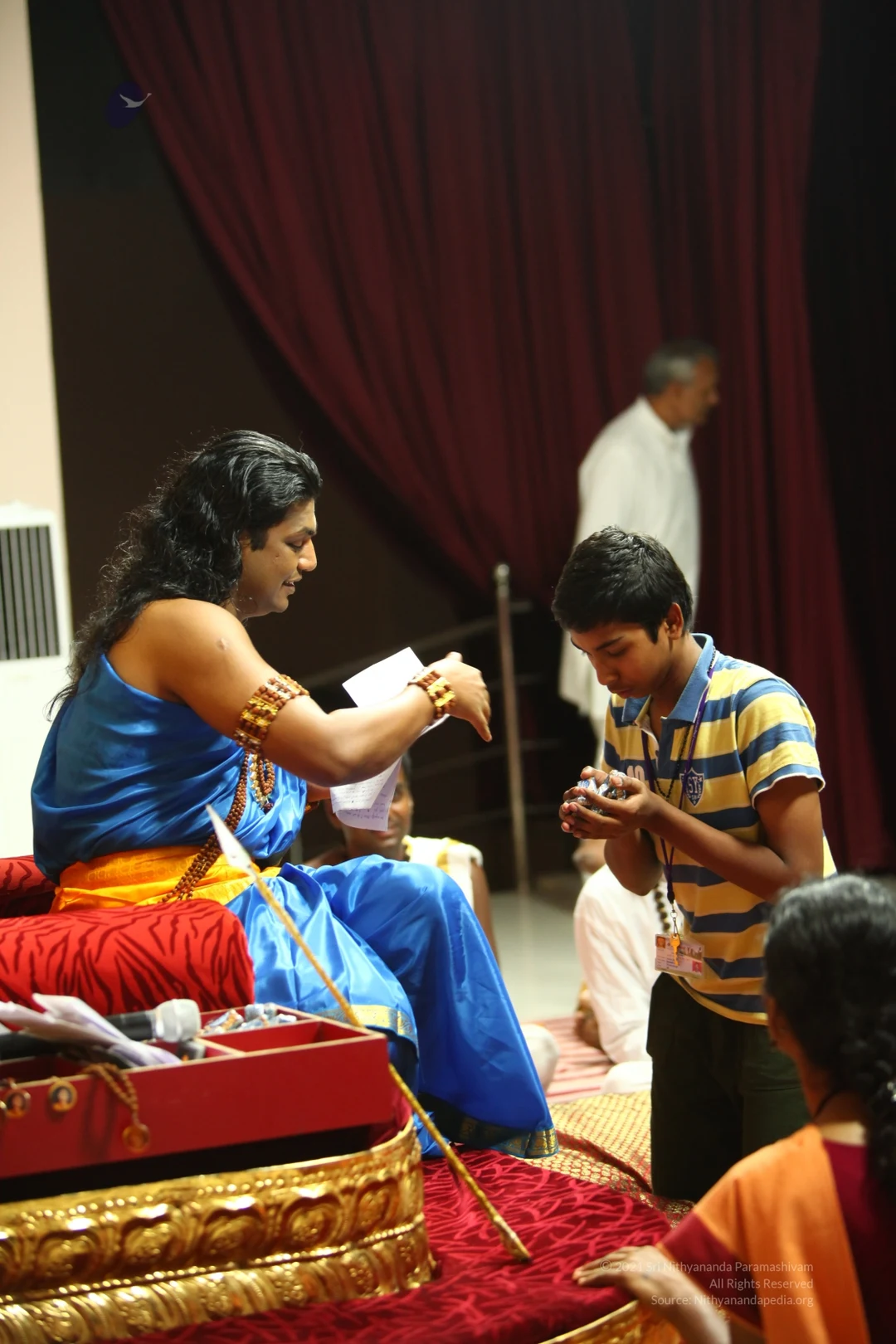
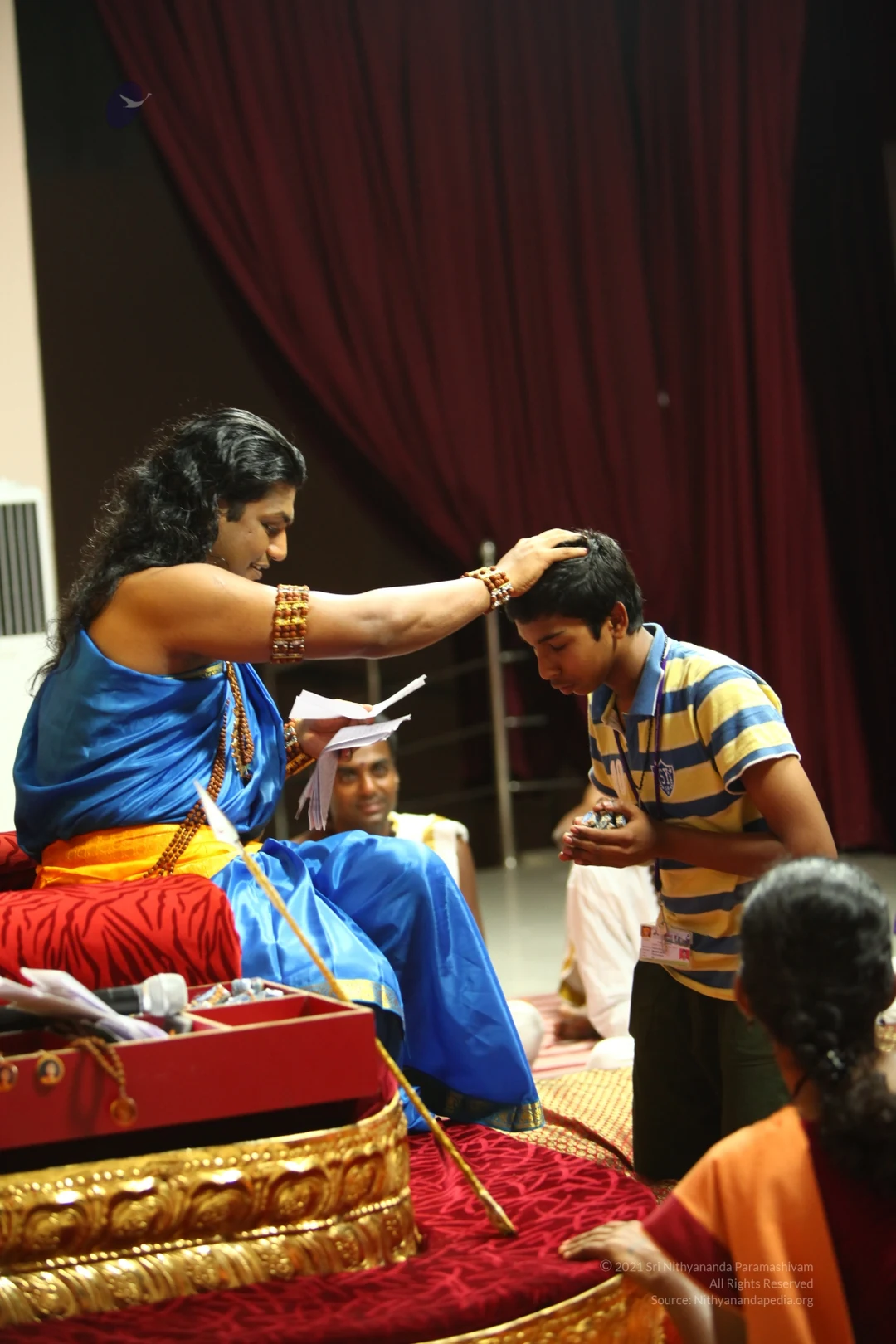
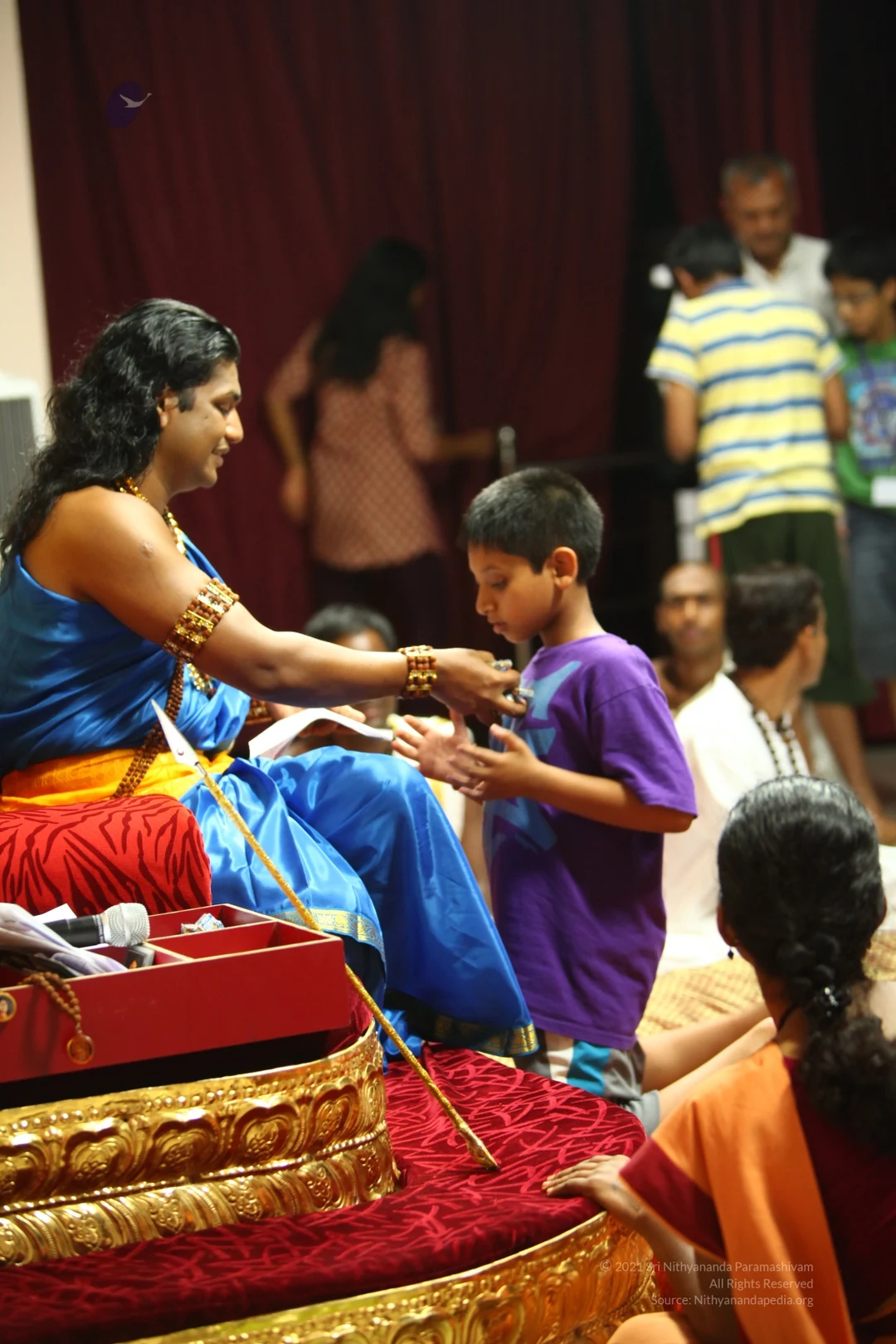
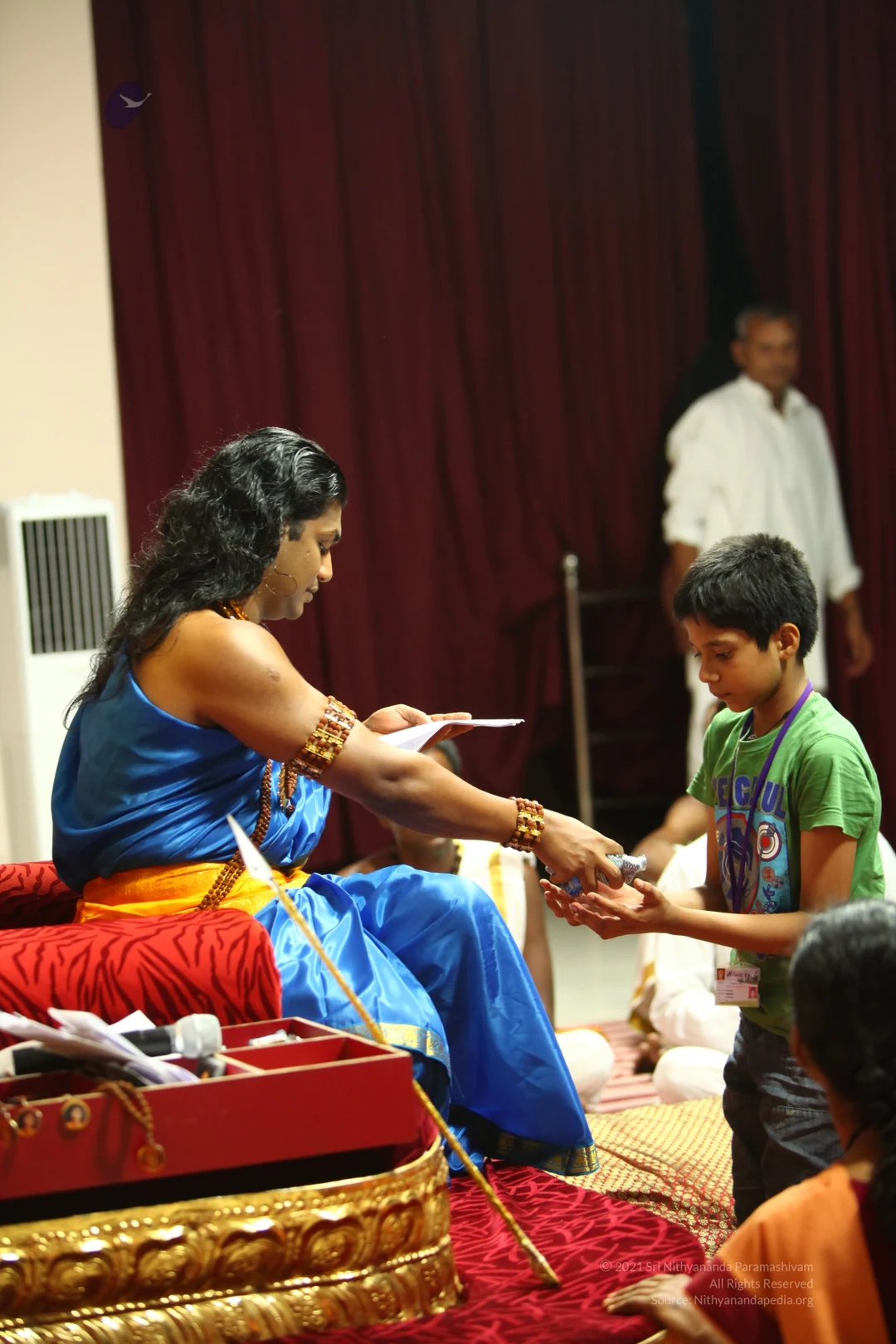
Inner Awakening Darshan to Delegates
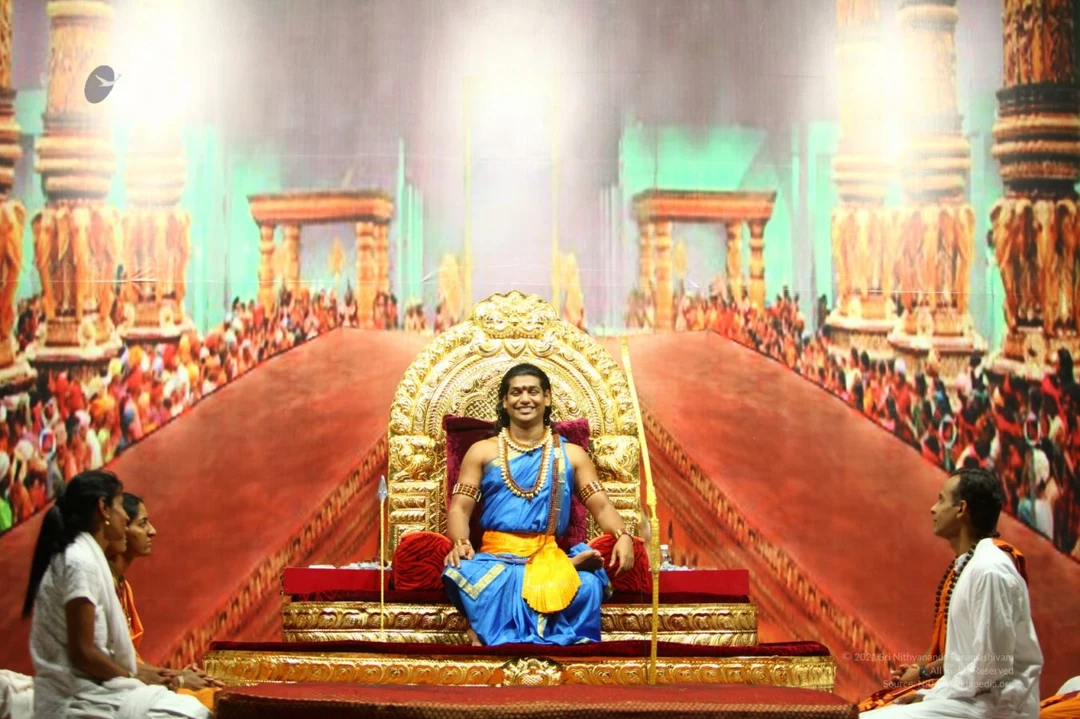
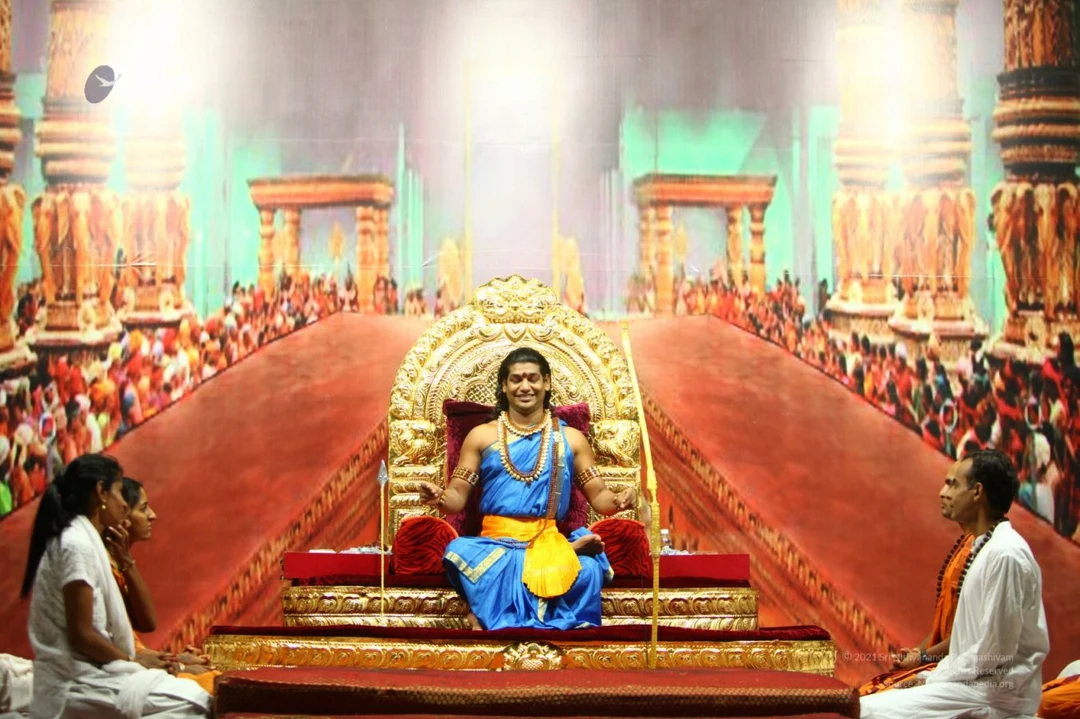
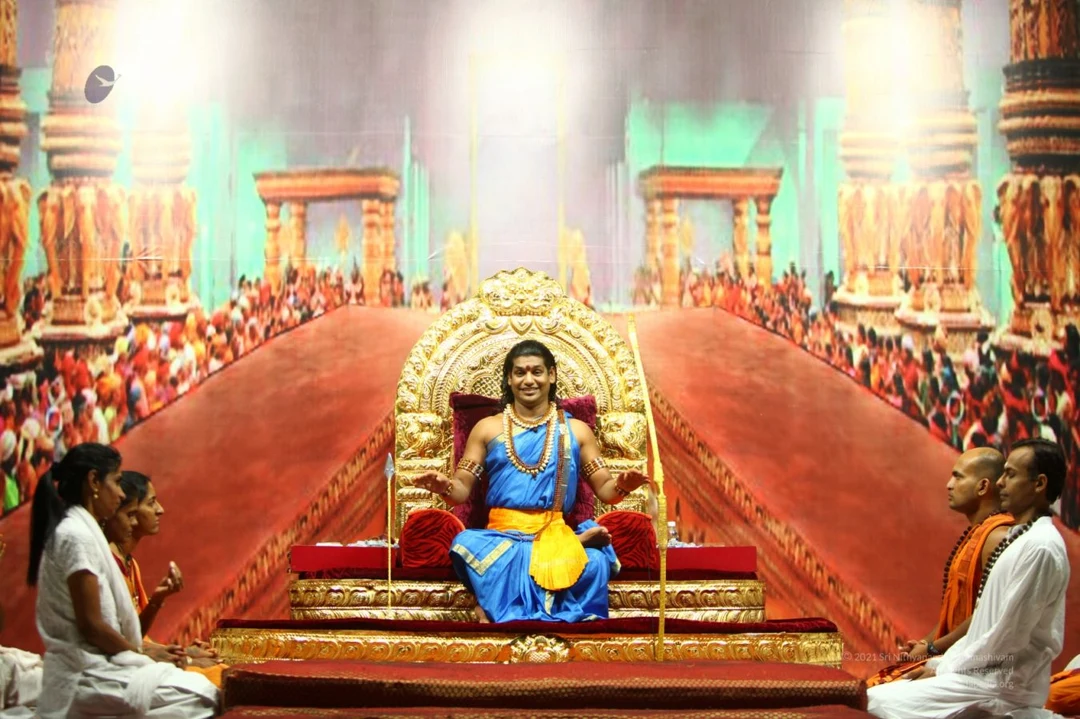
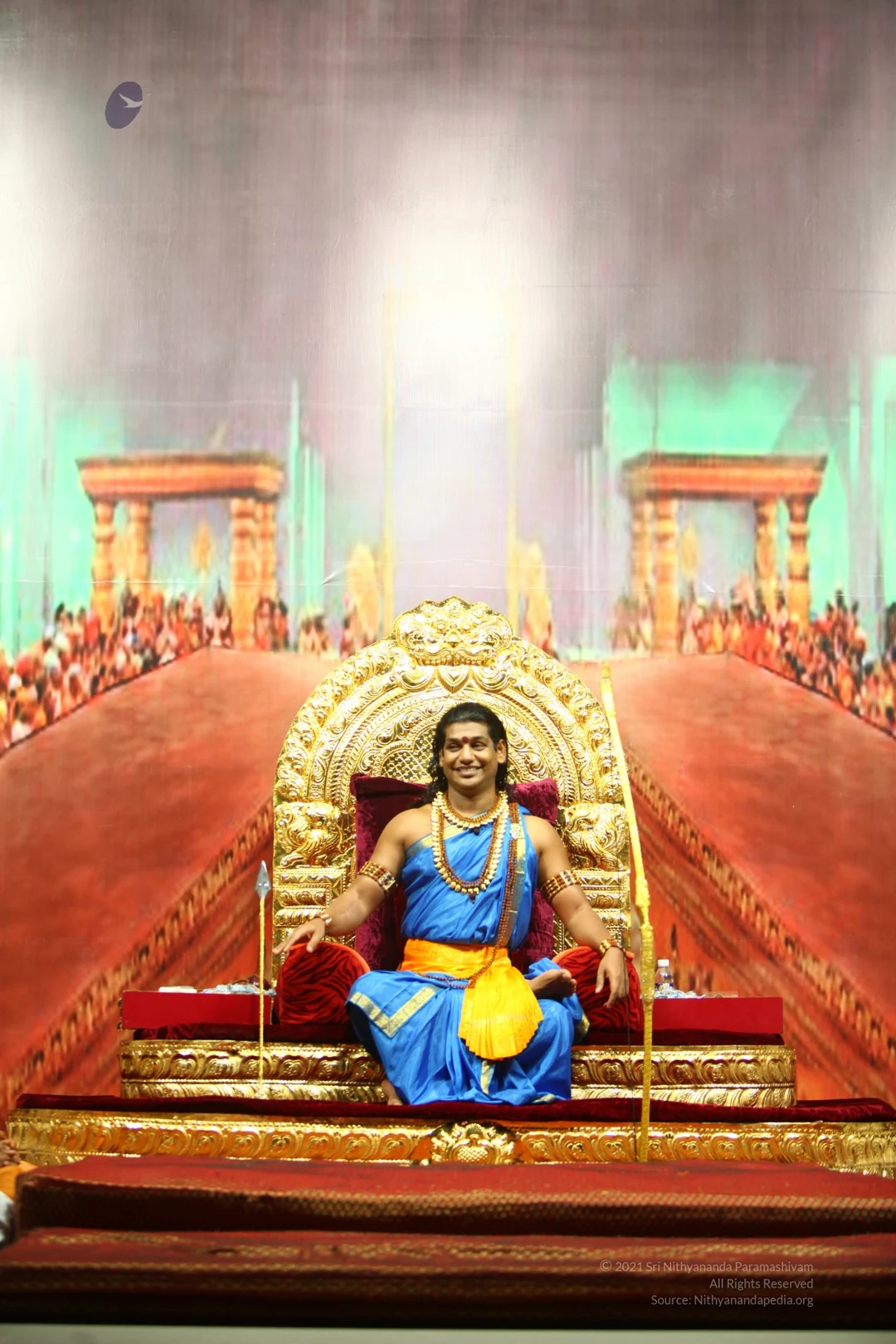
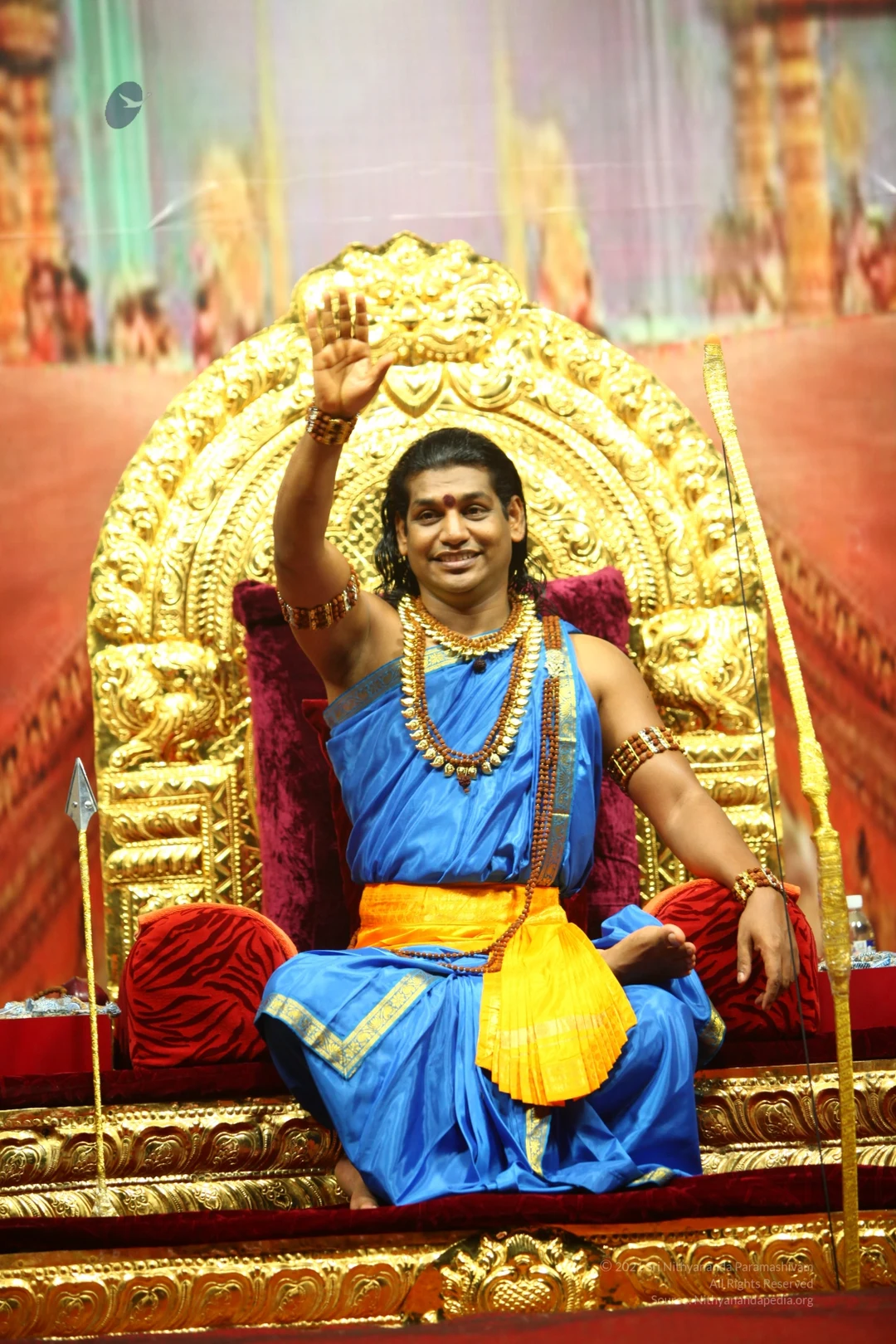

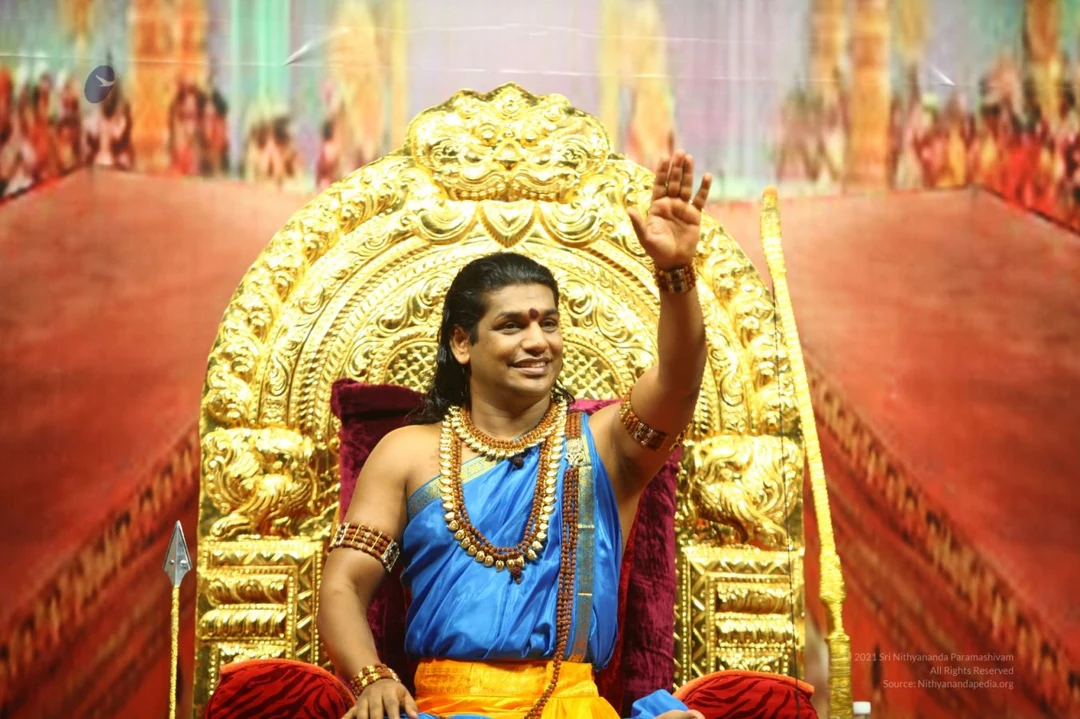
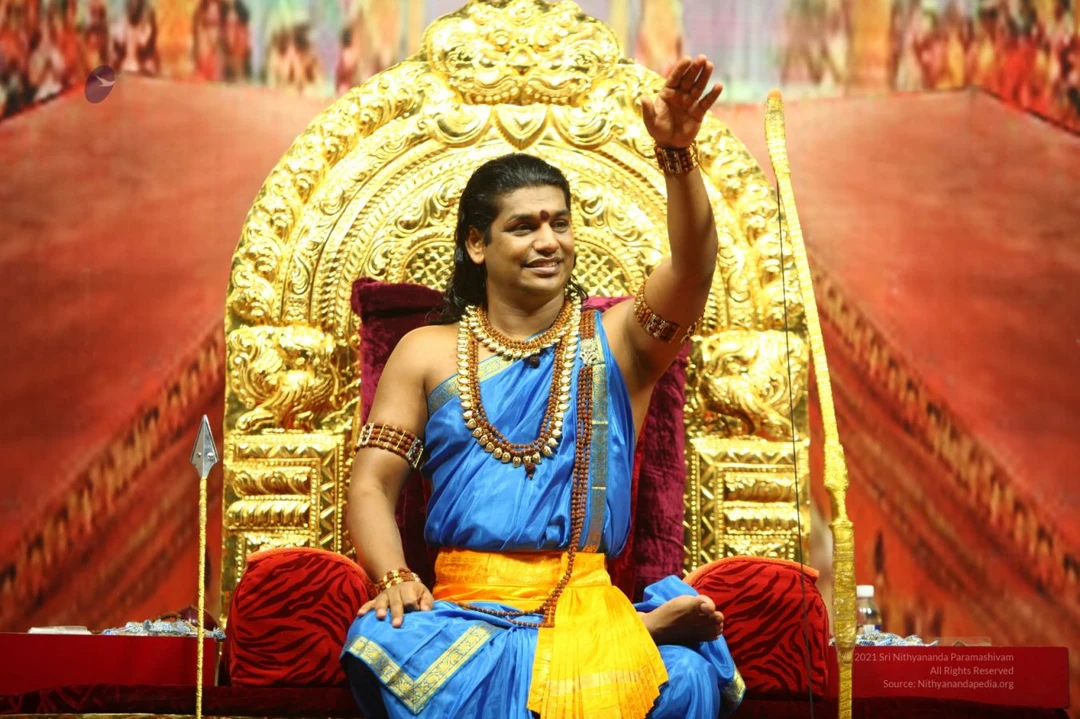
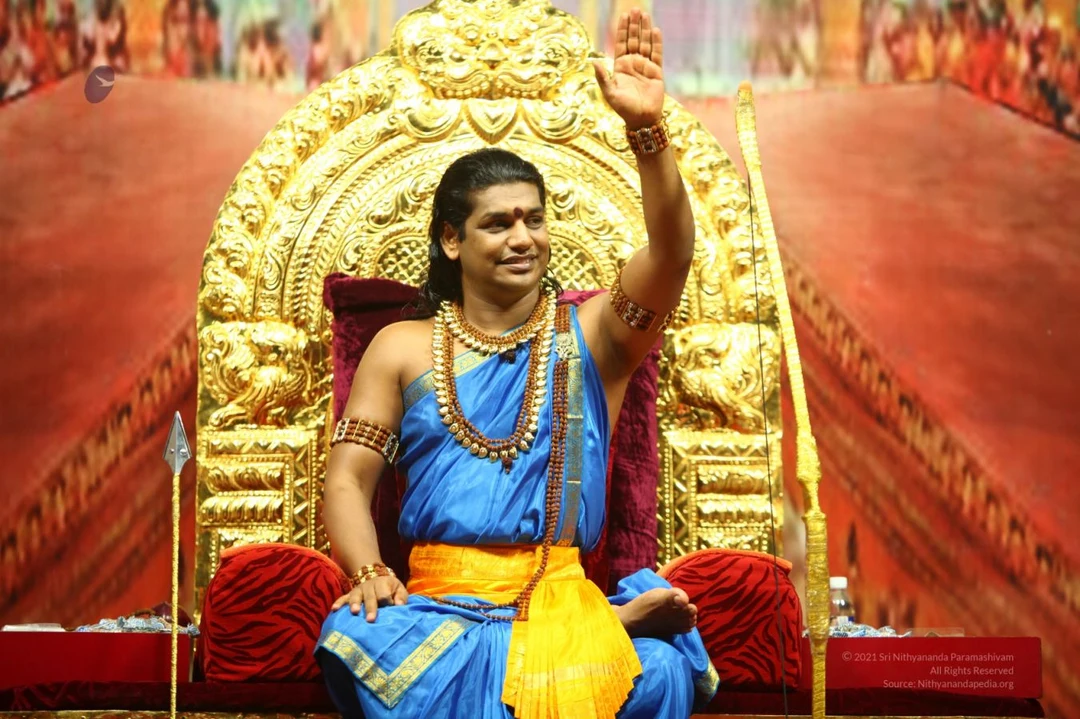
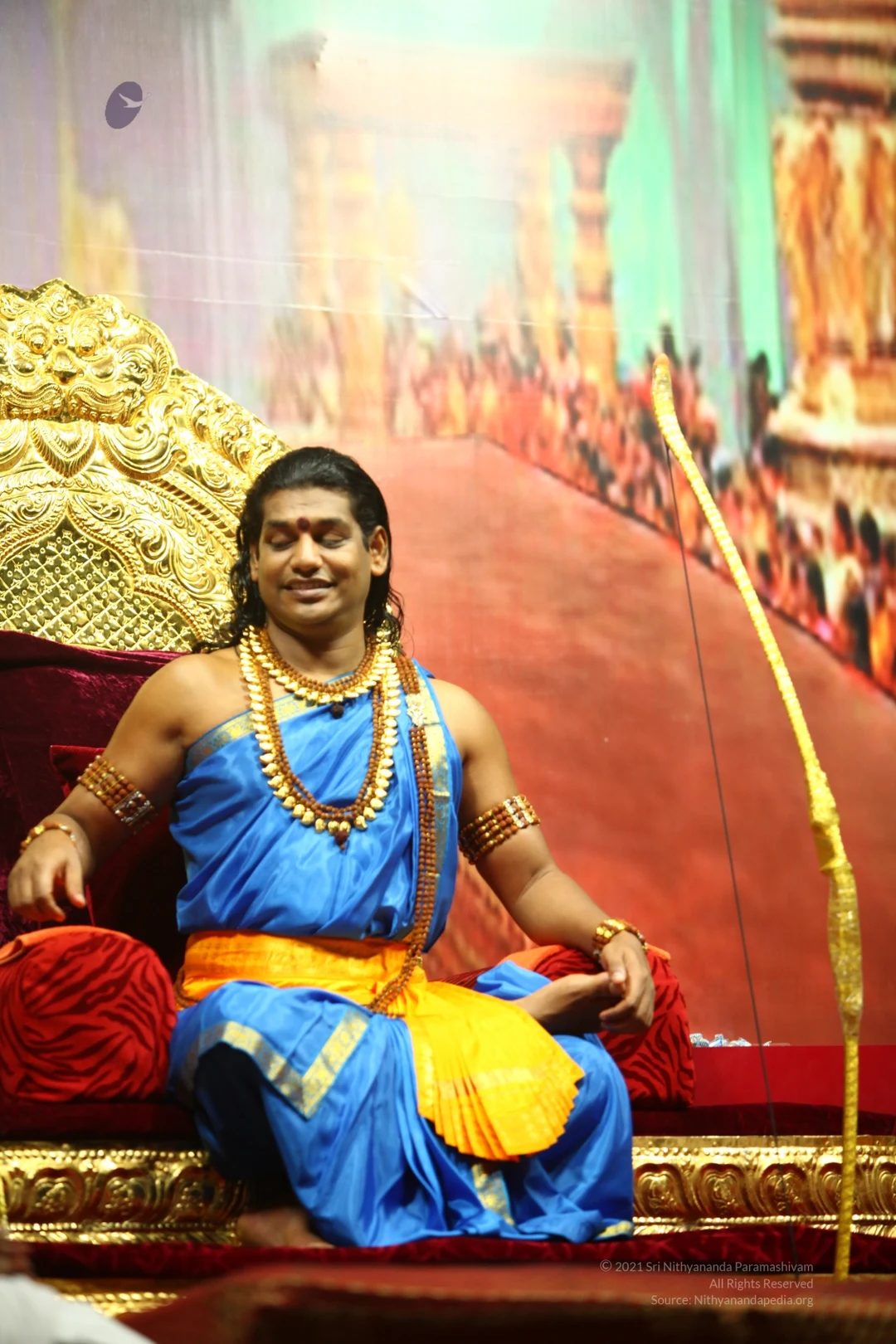
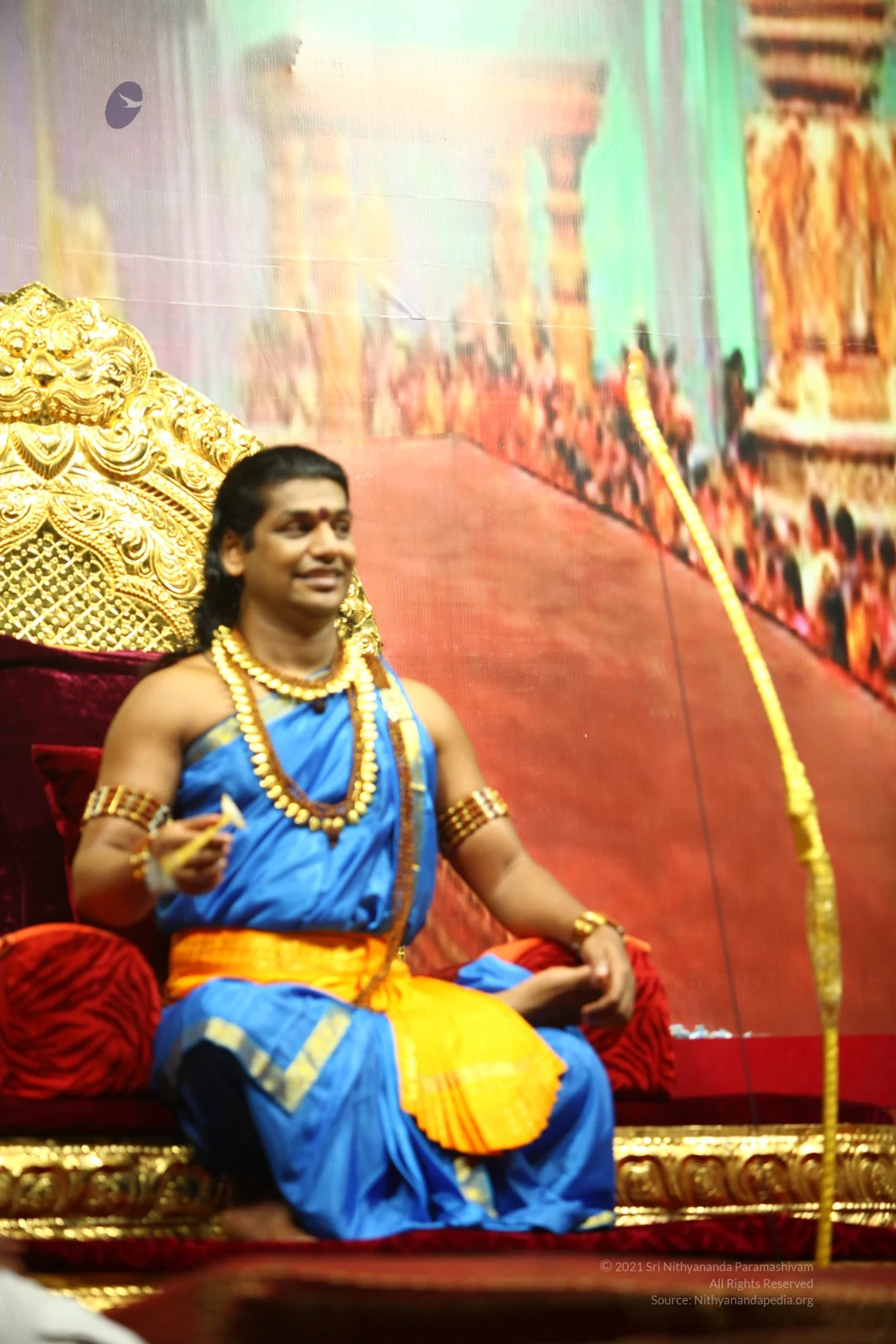
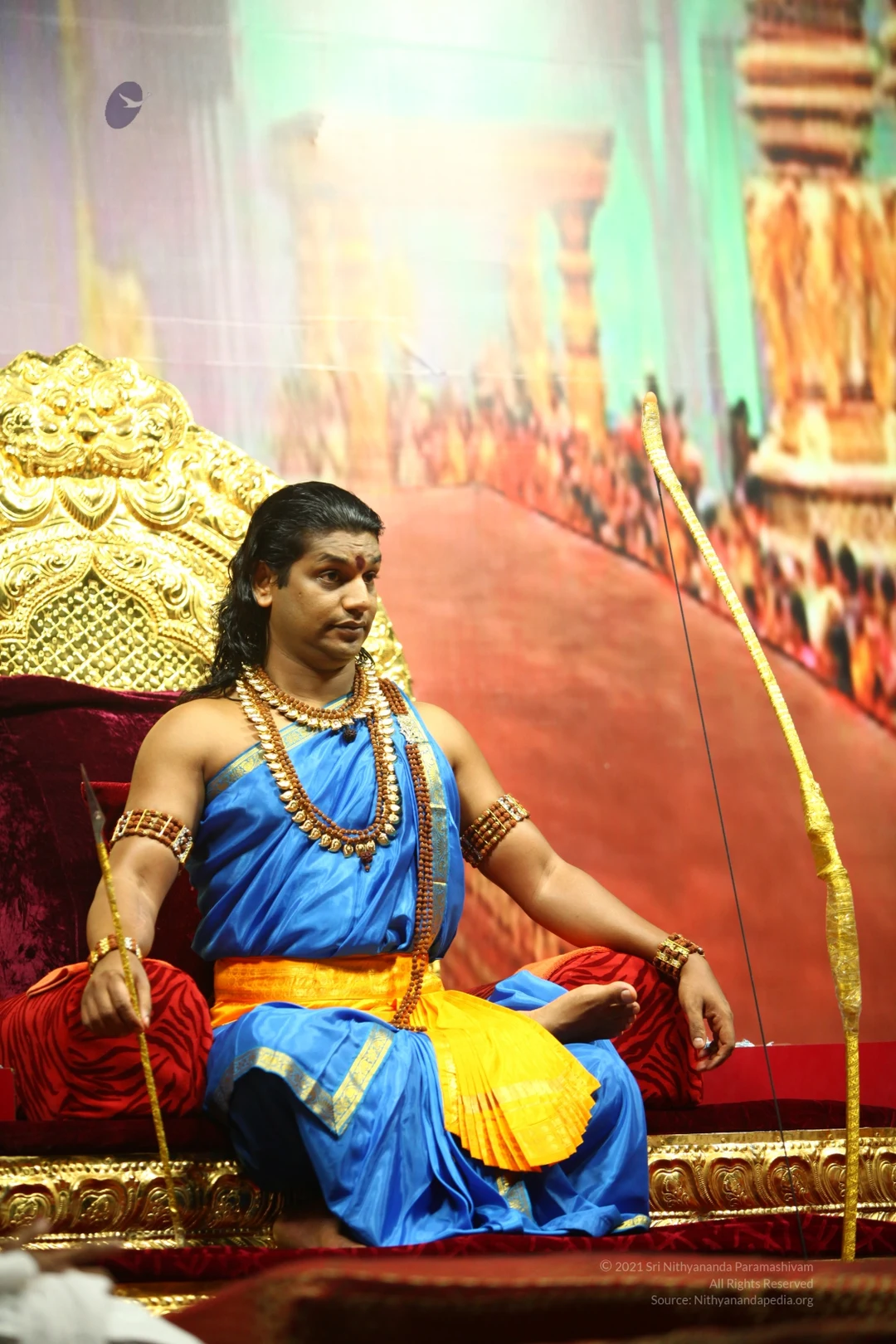
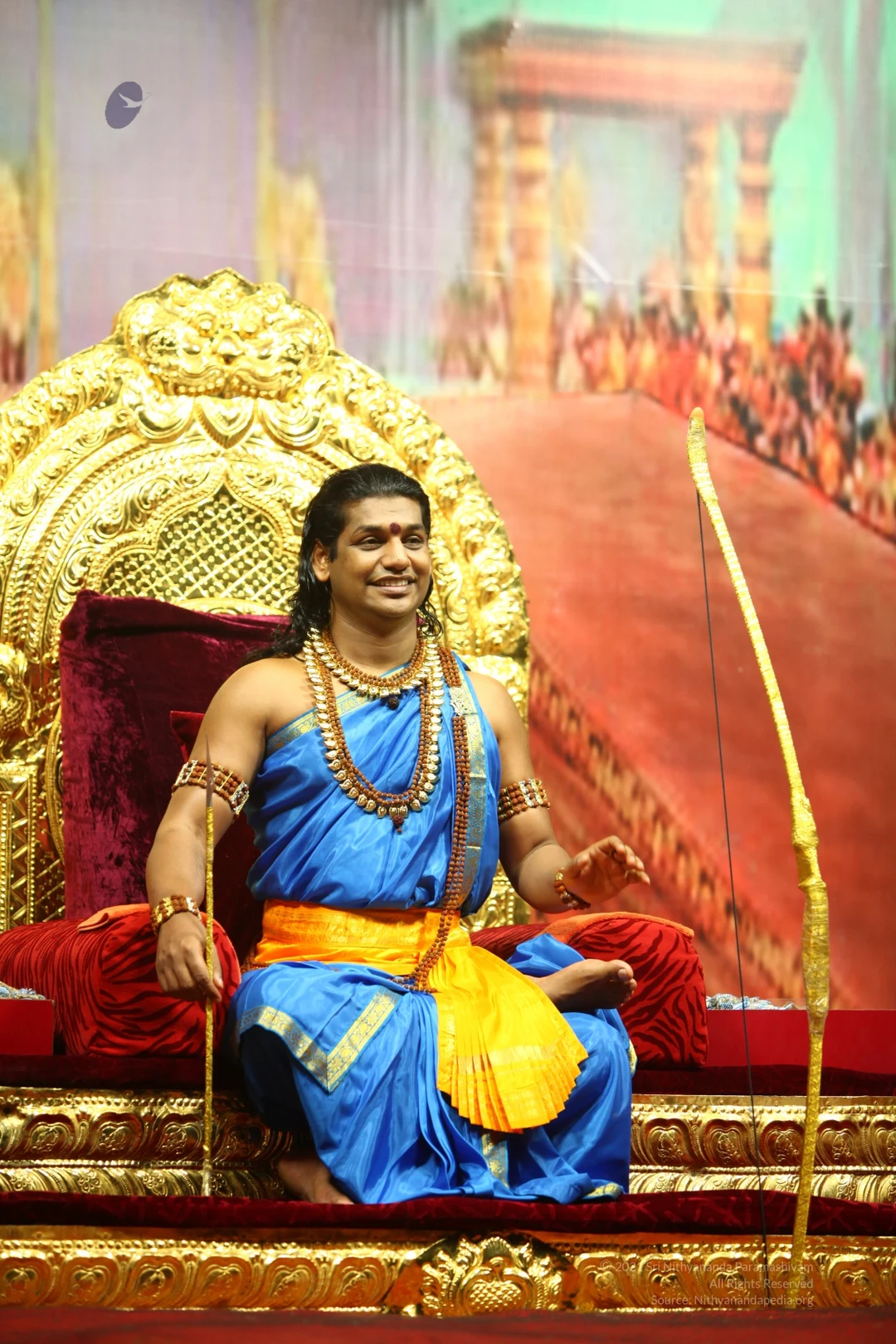
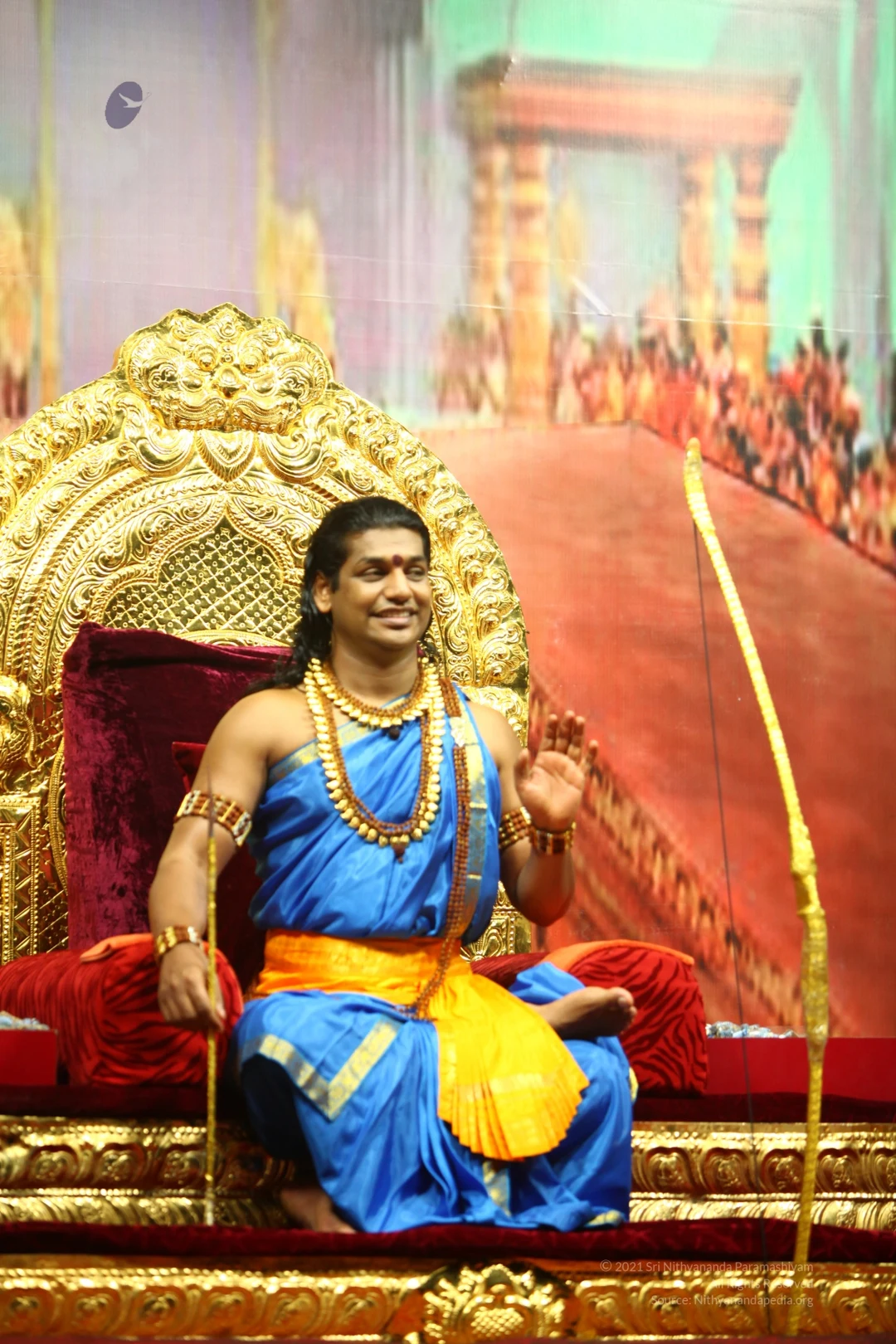
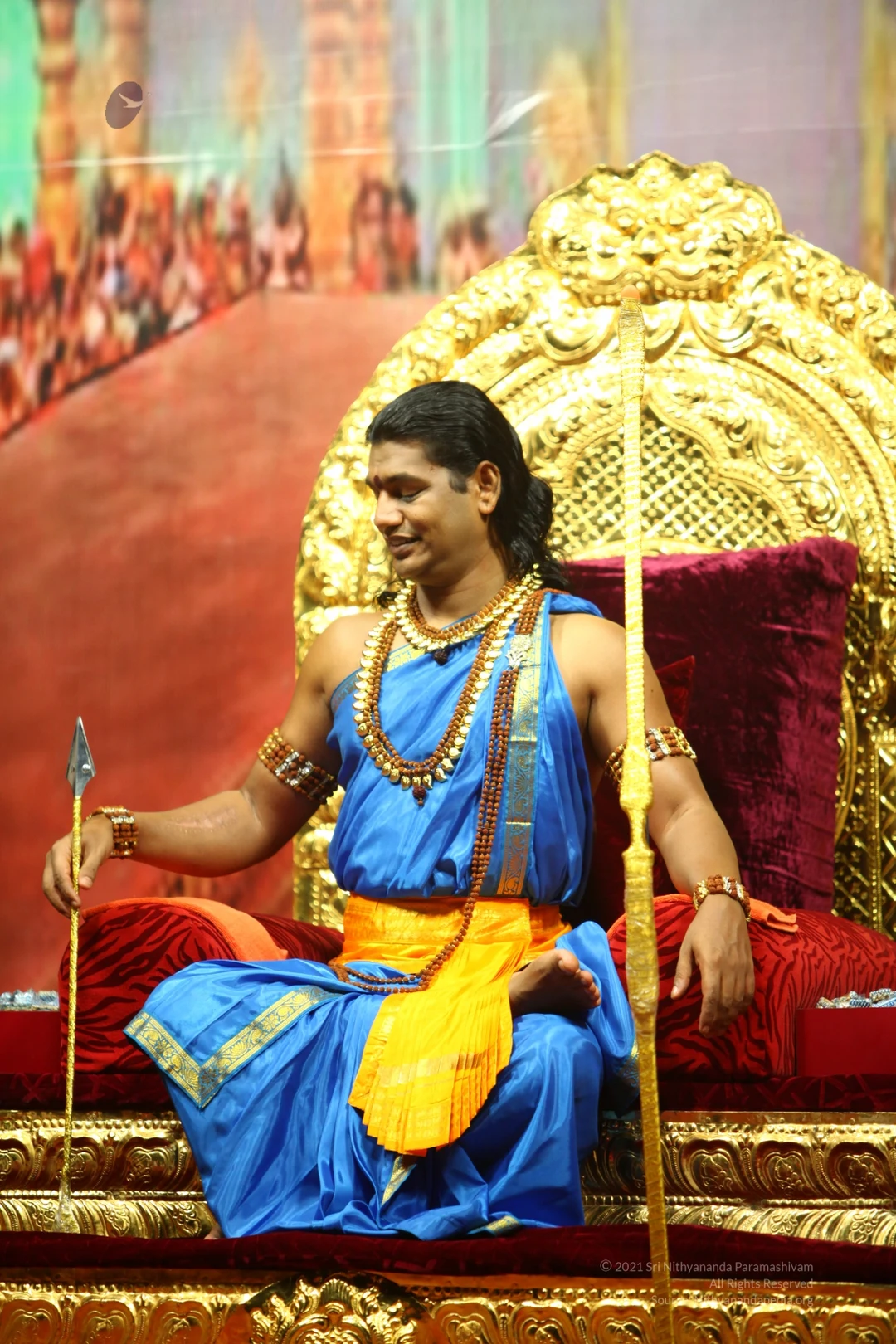
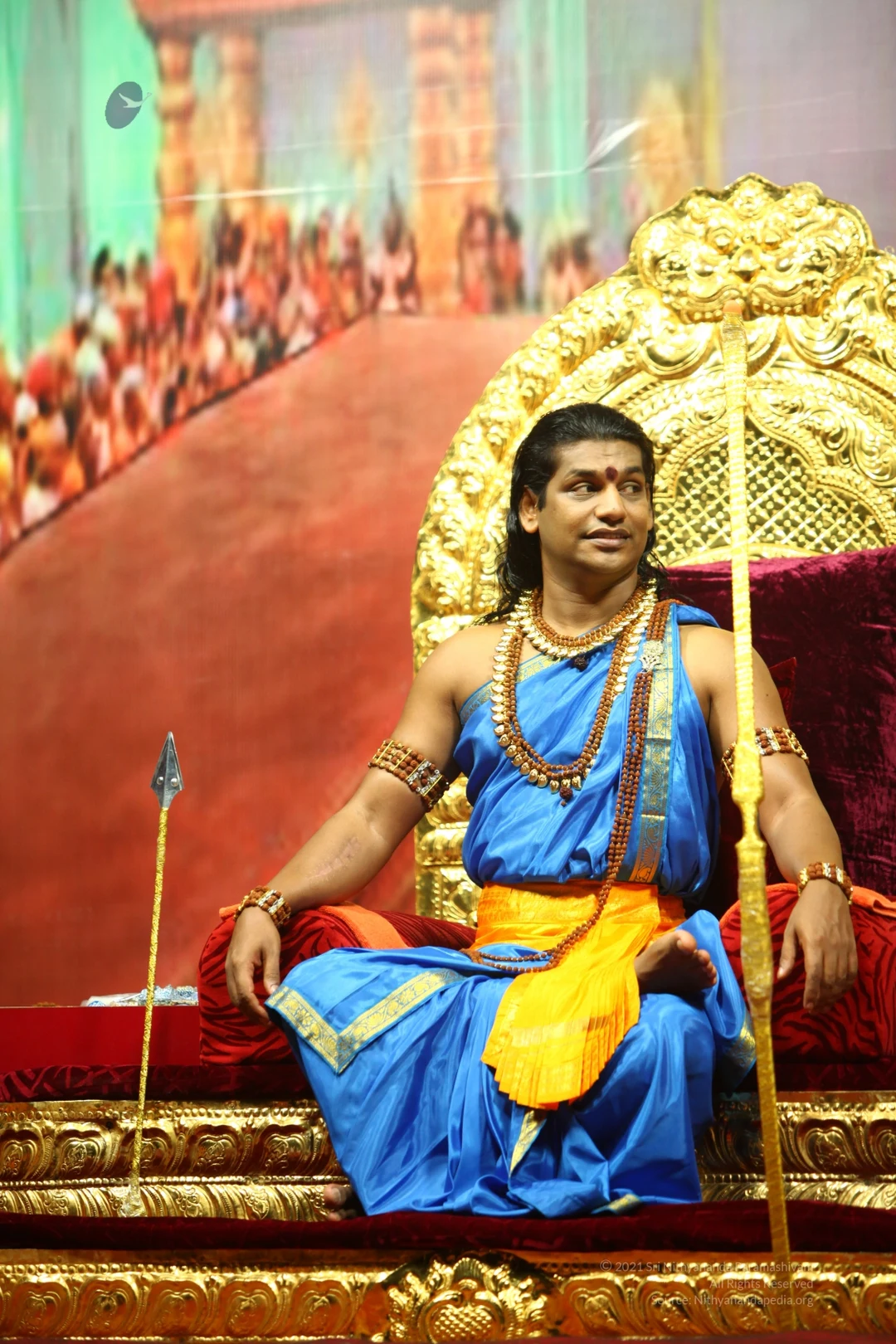
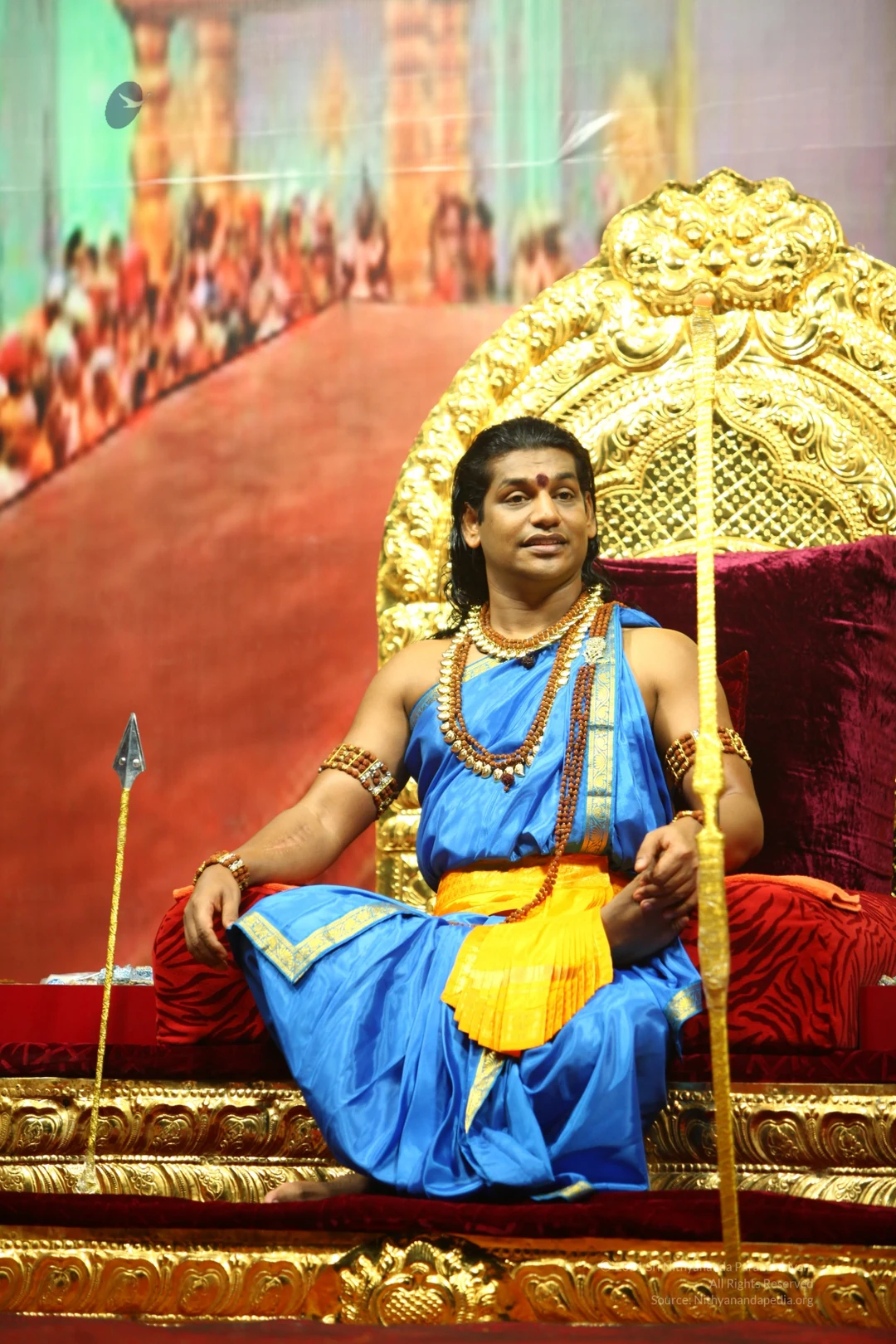
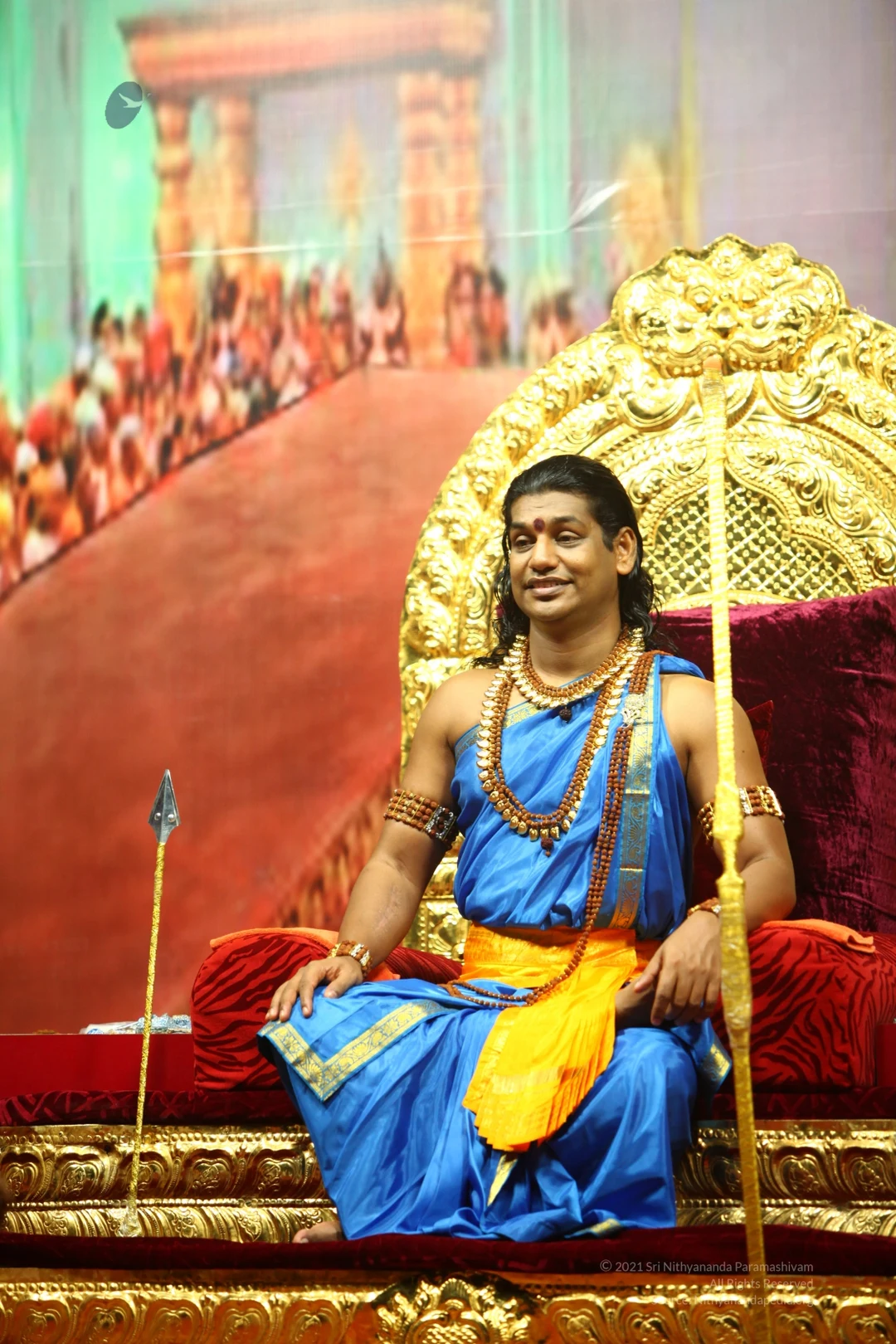
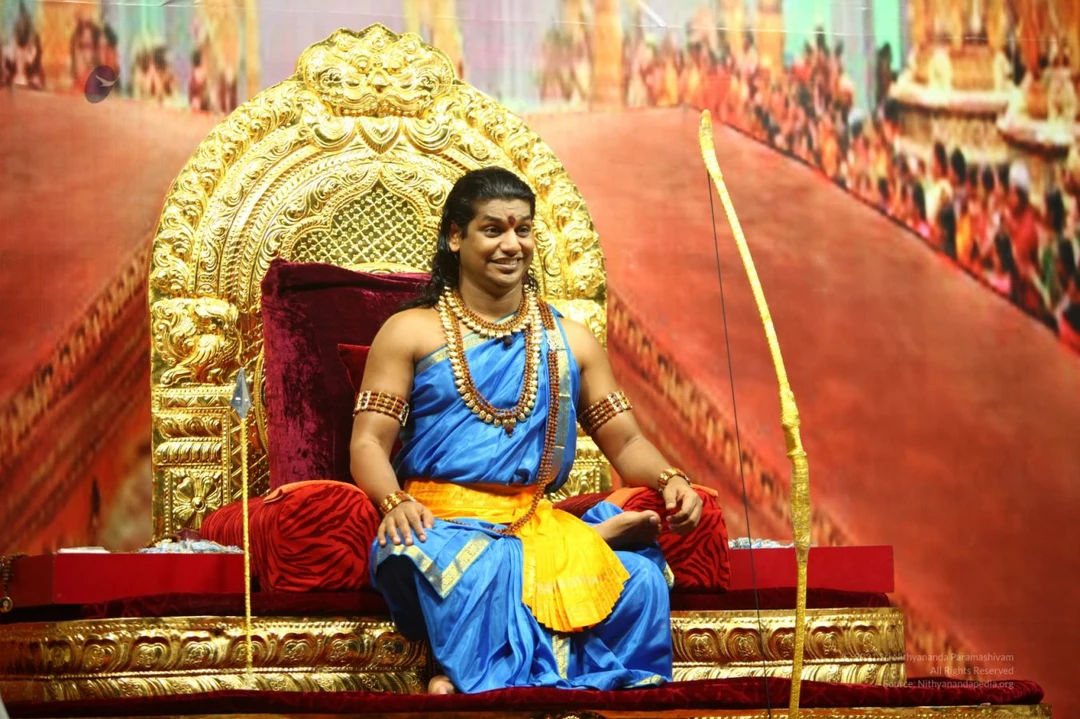
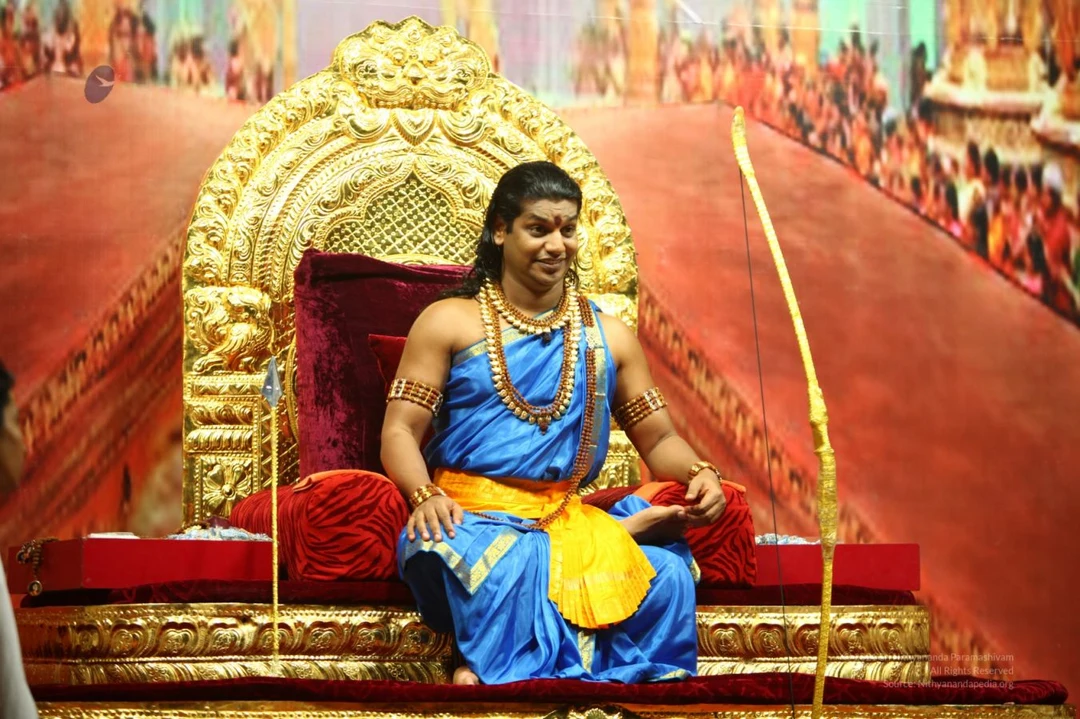

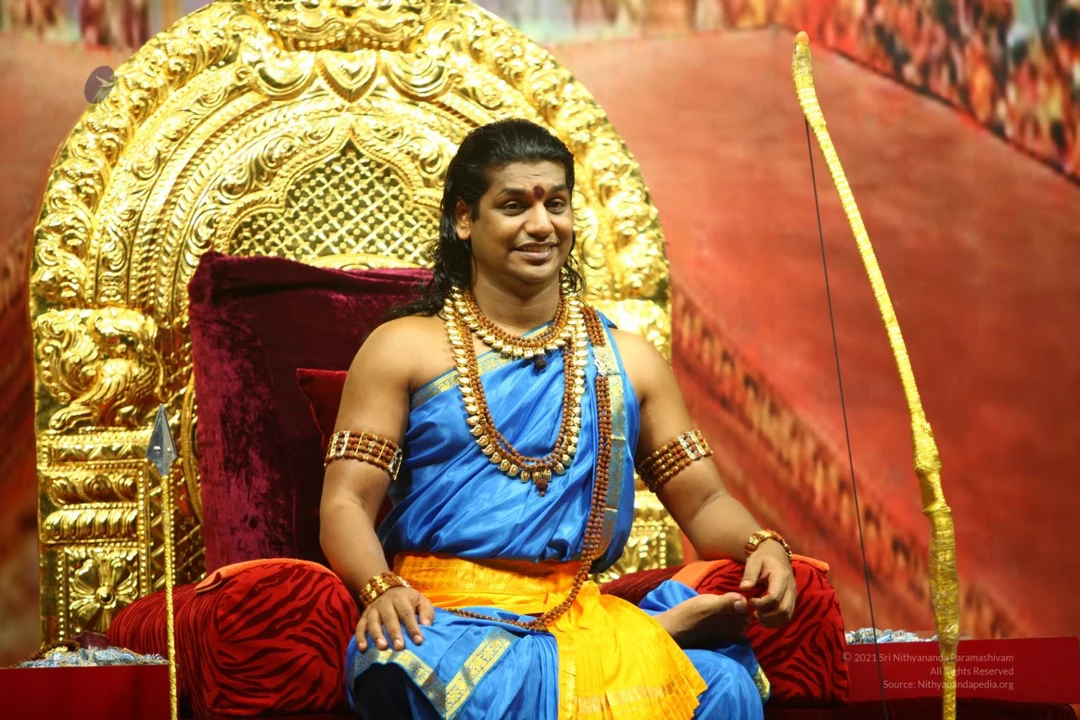
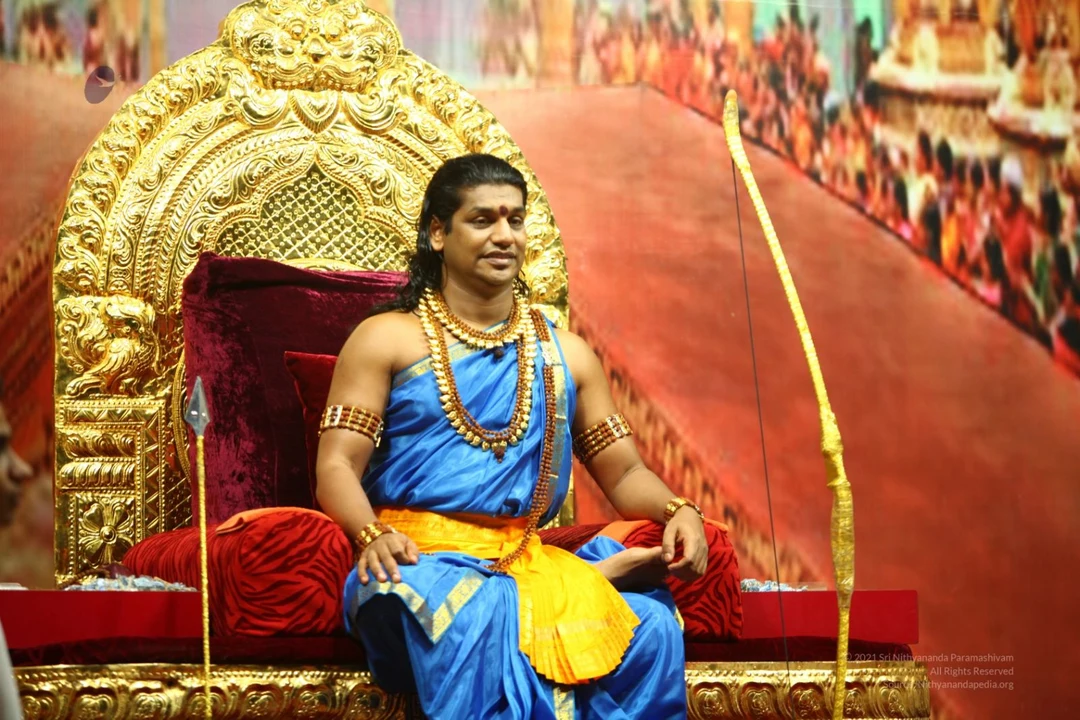
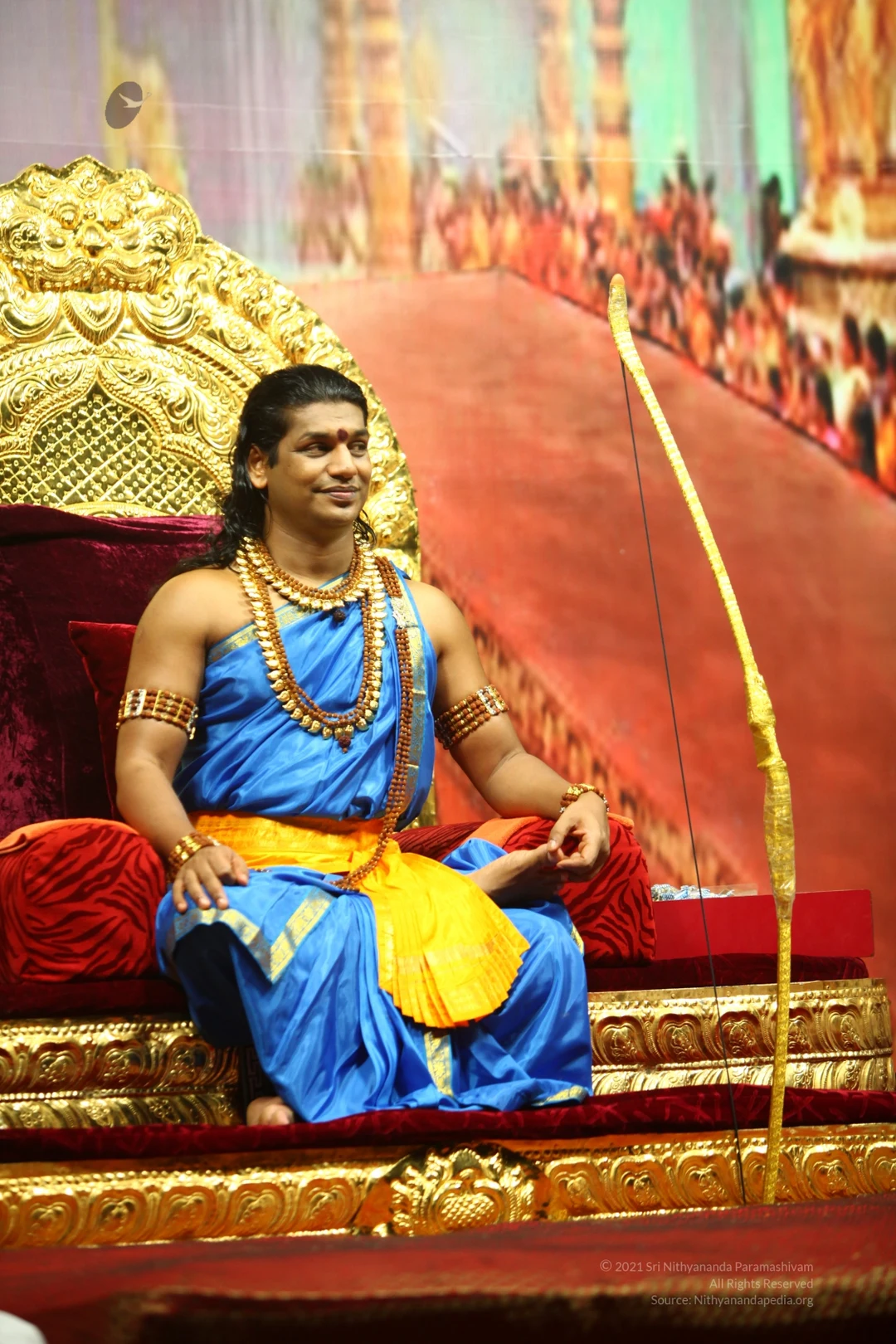
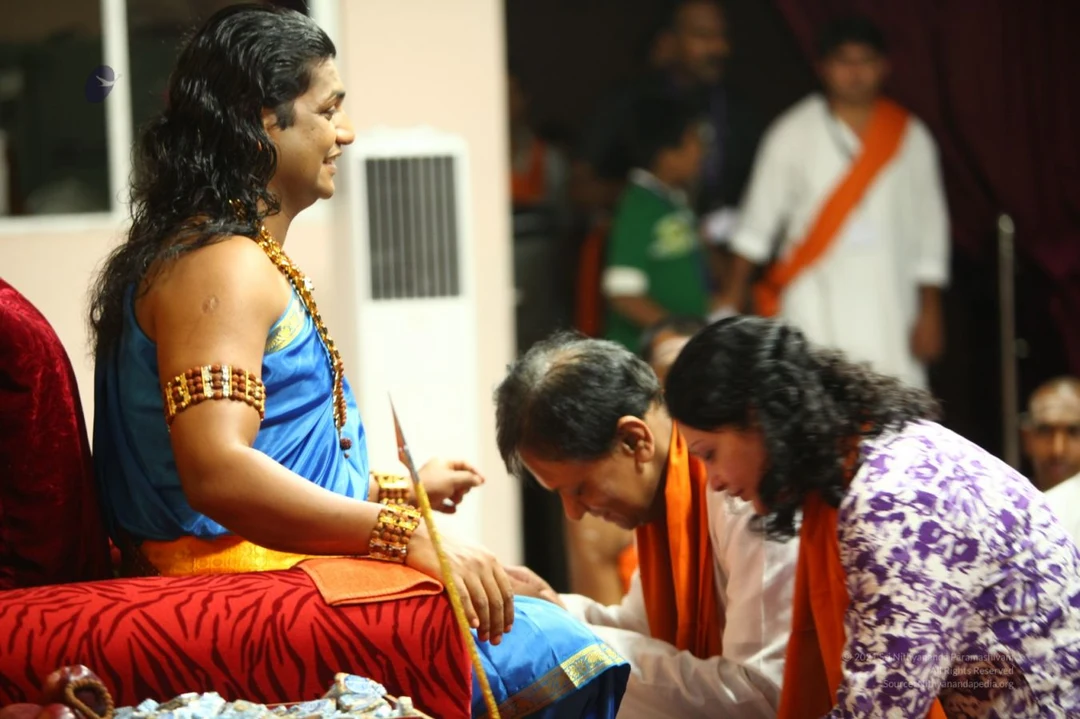
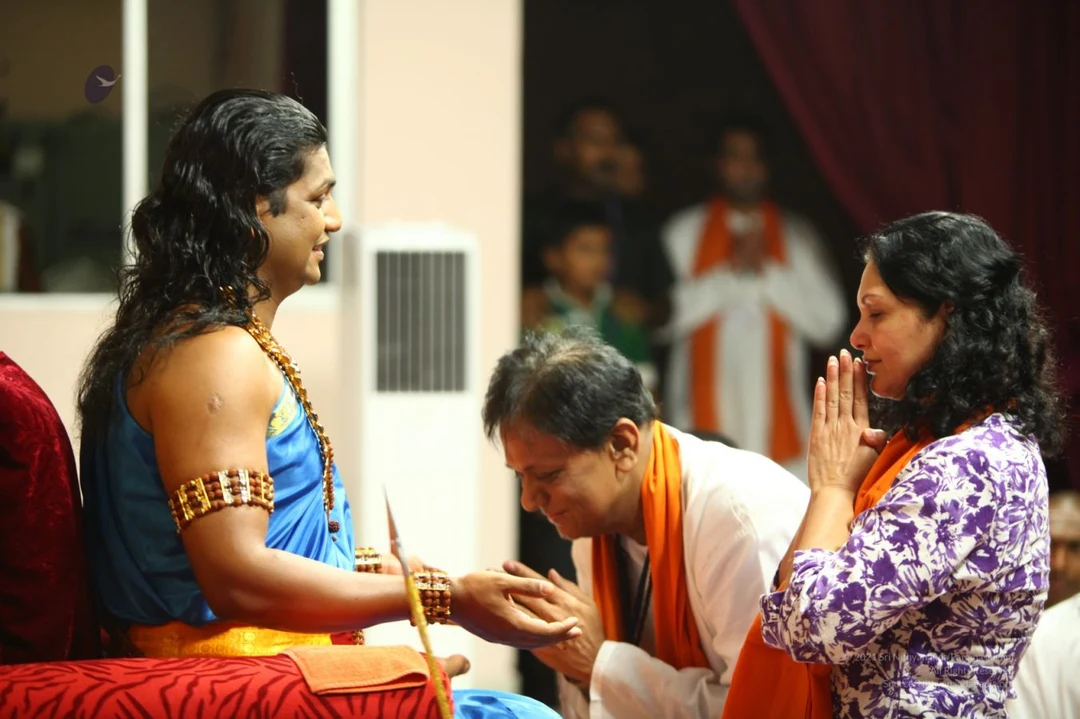
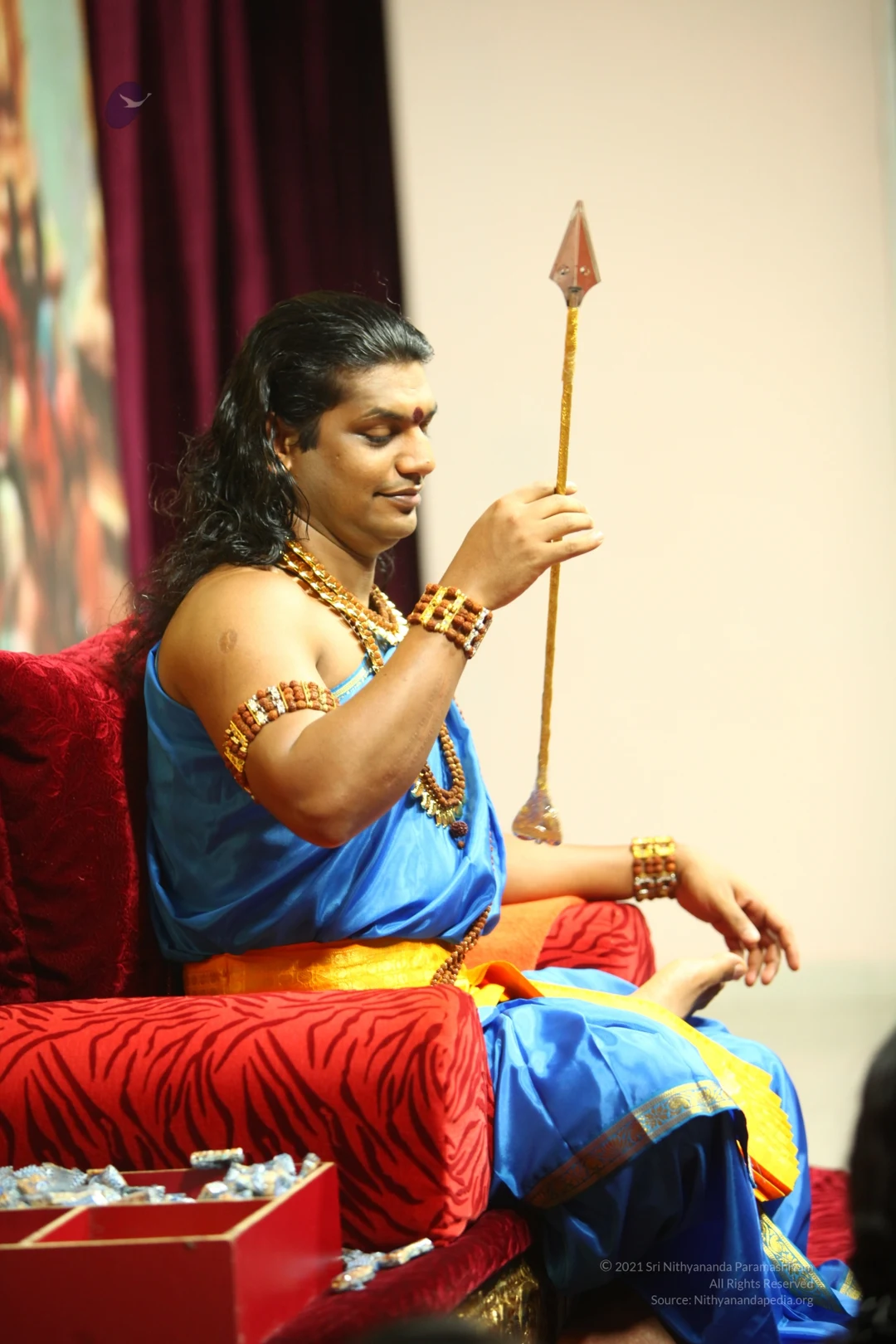
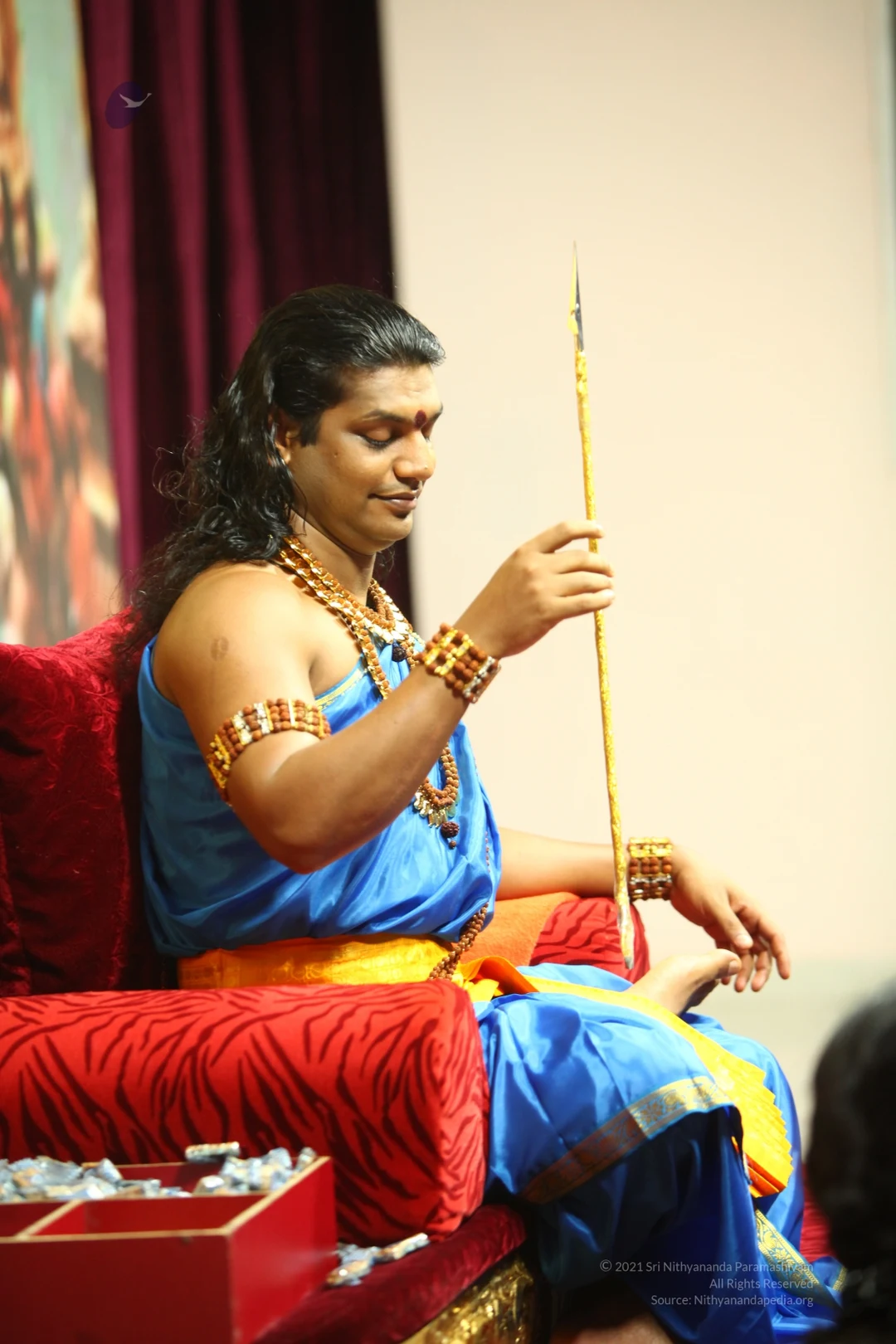
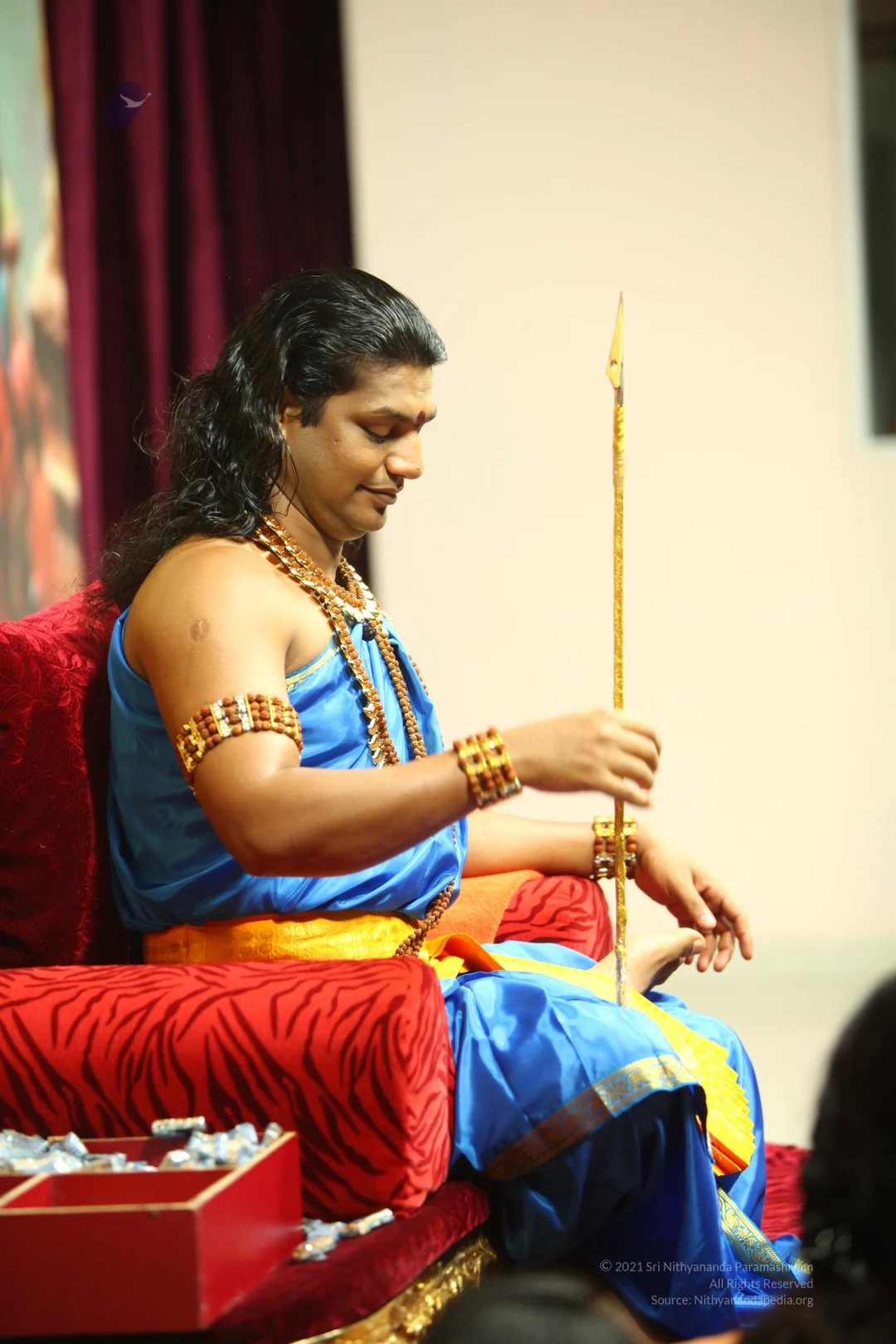
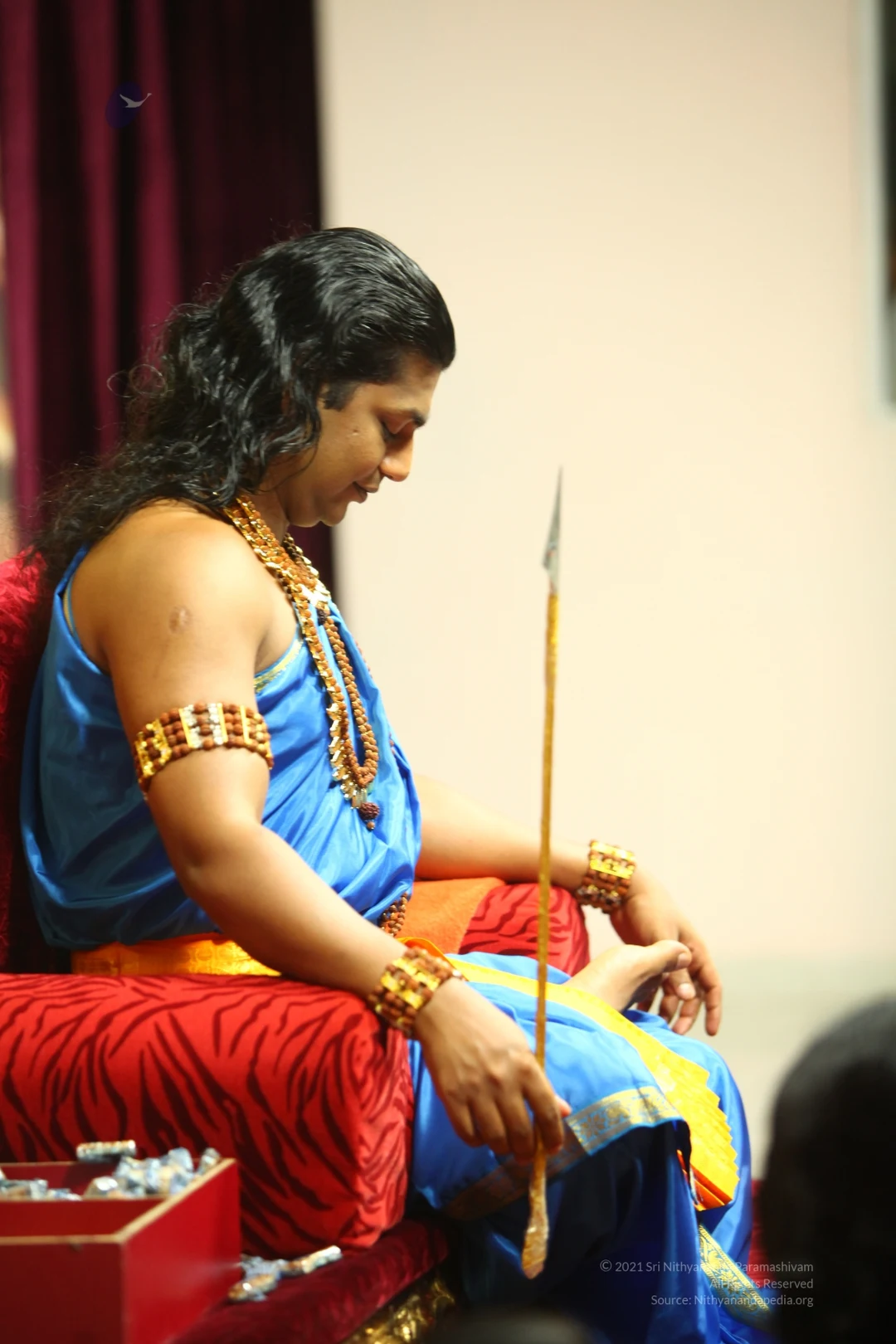



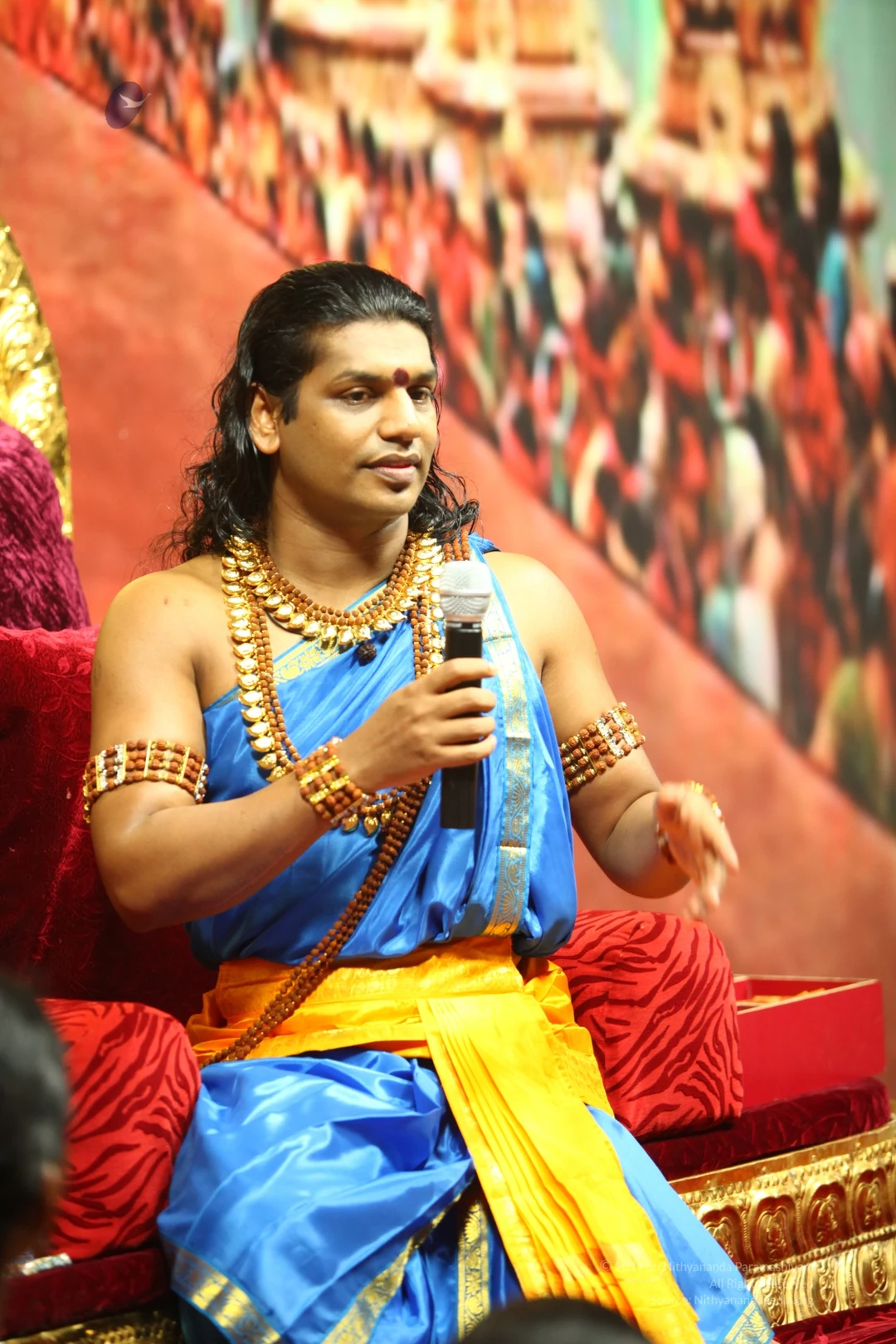
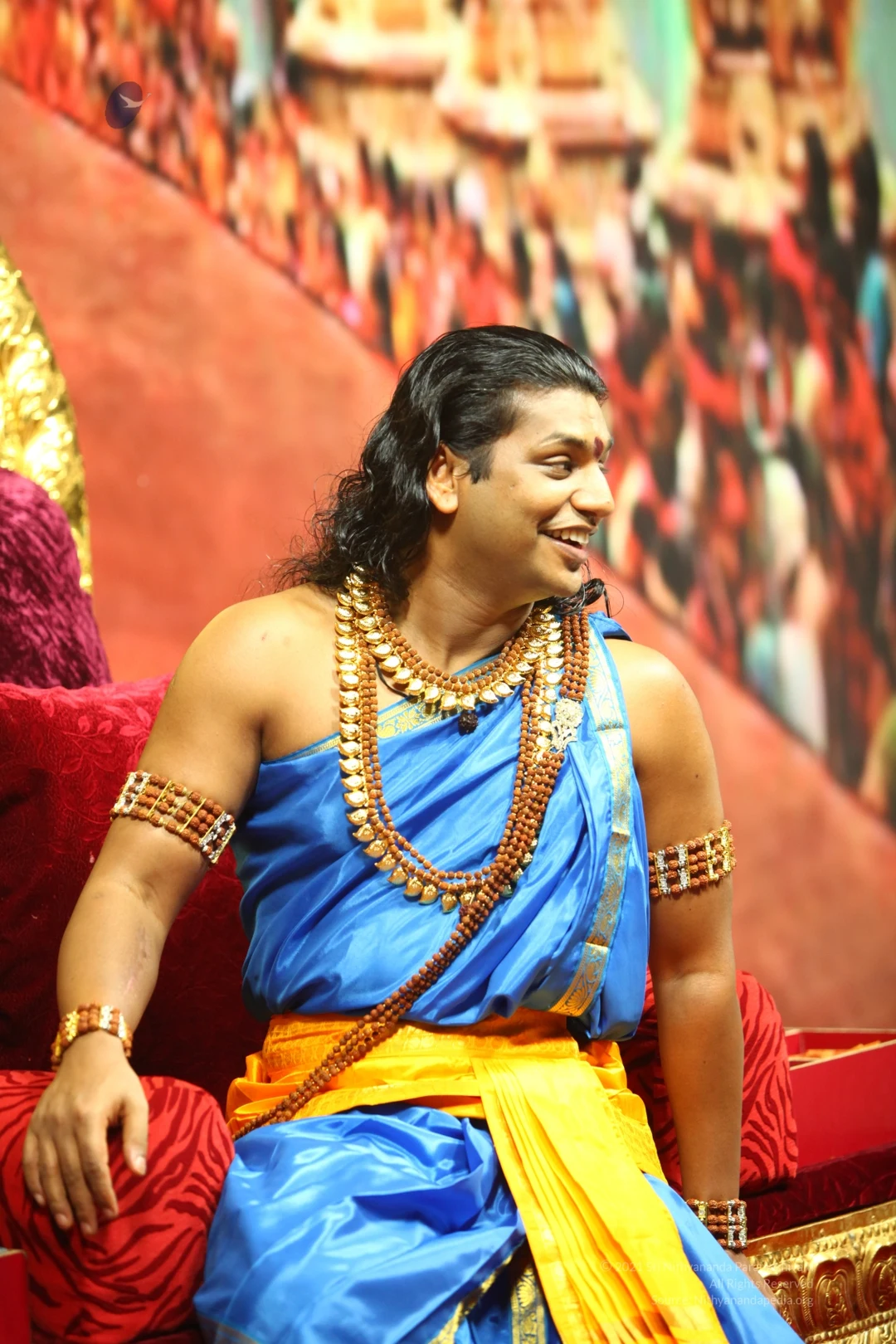
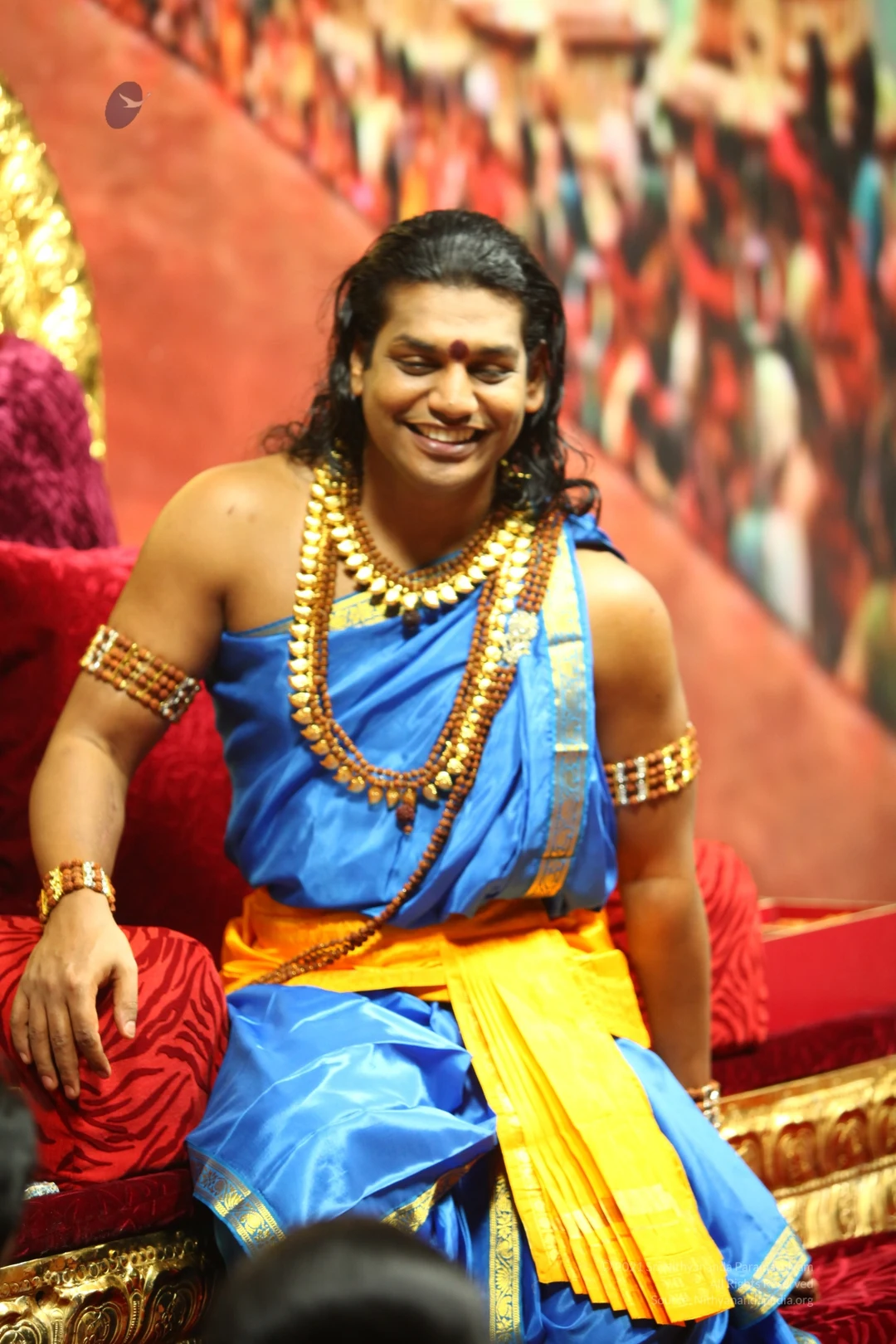
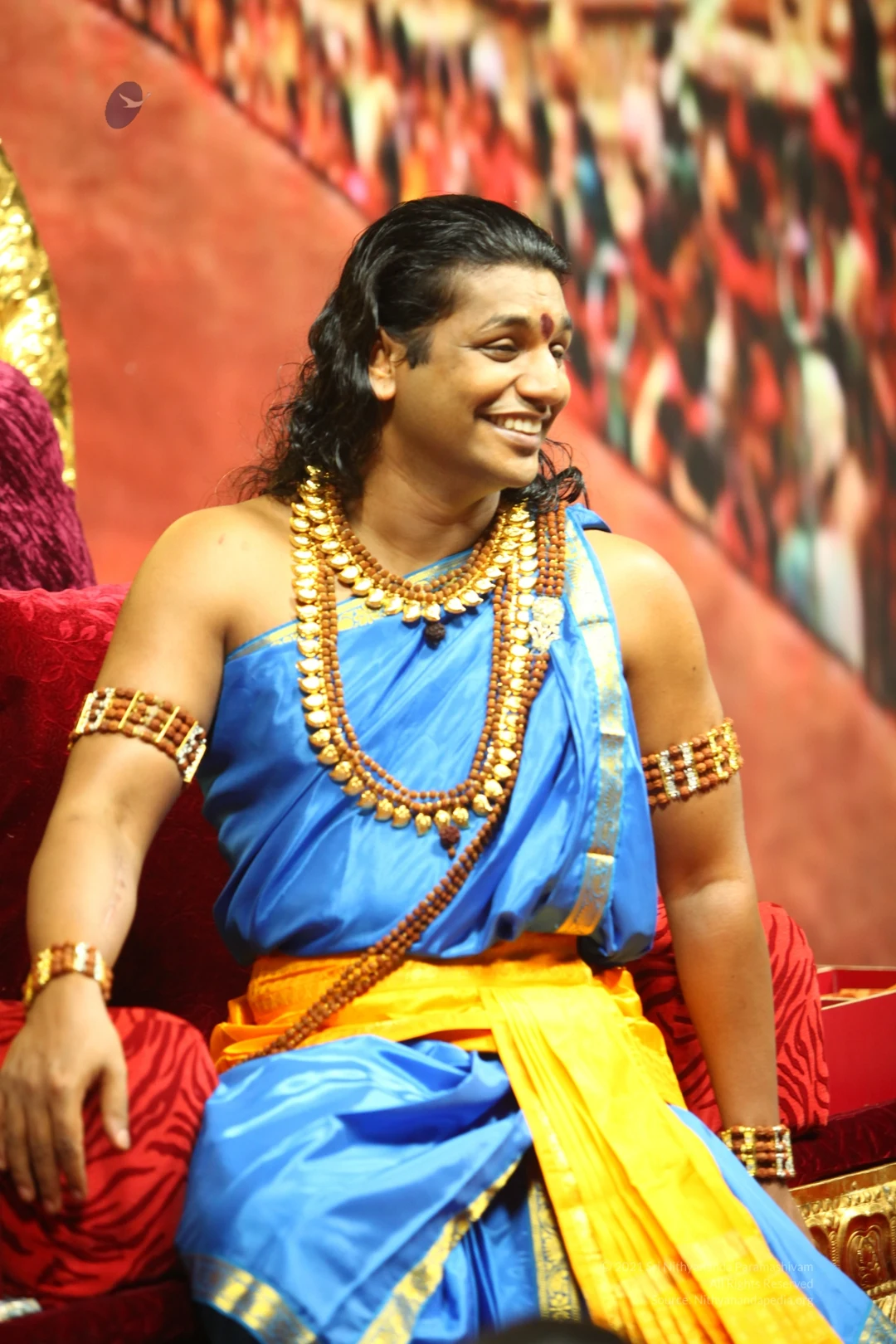
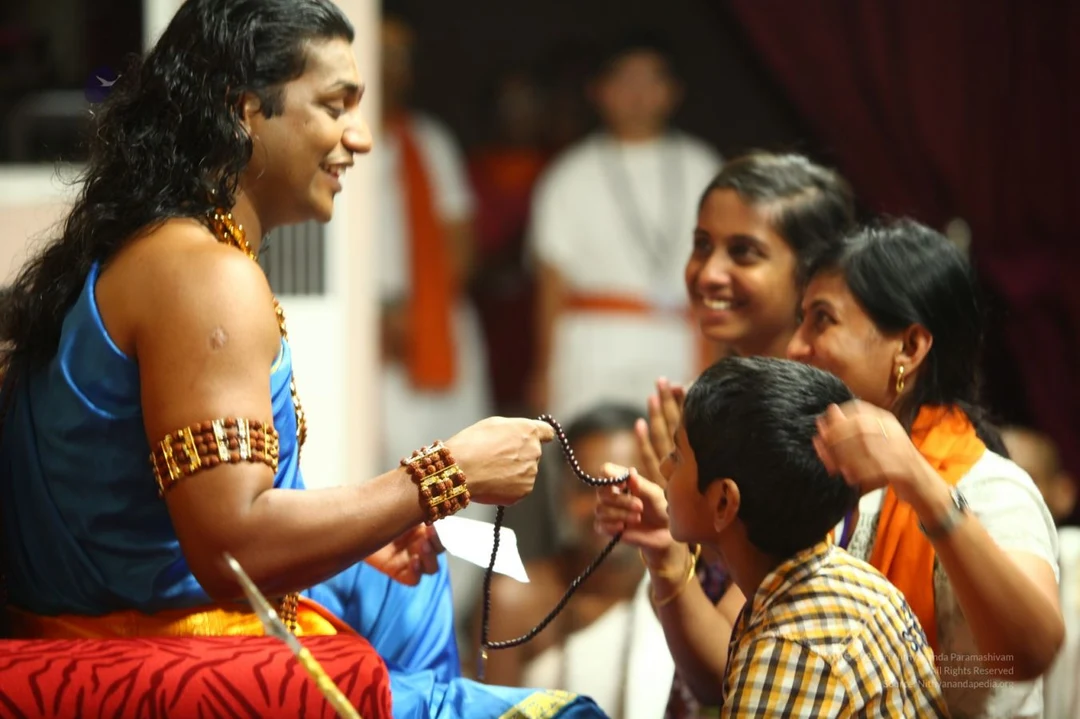

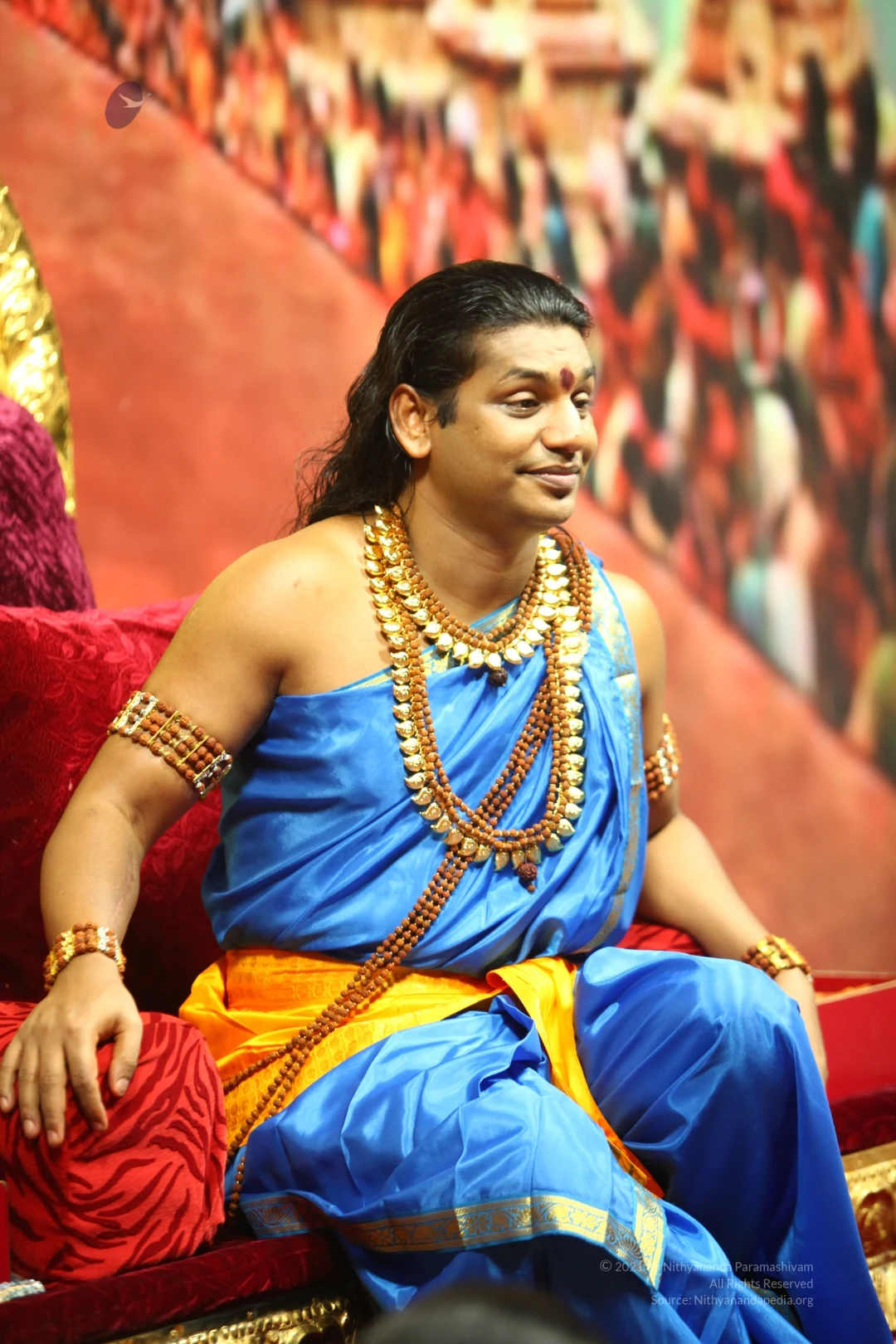
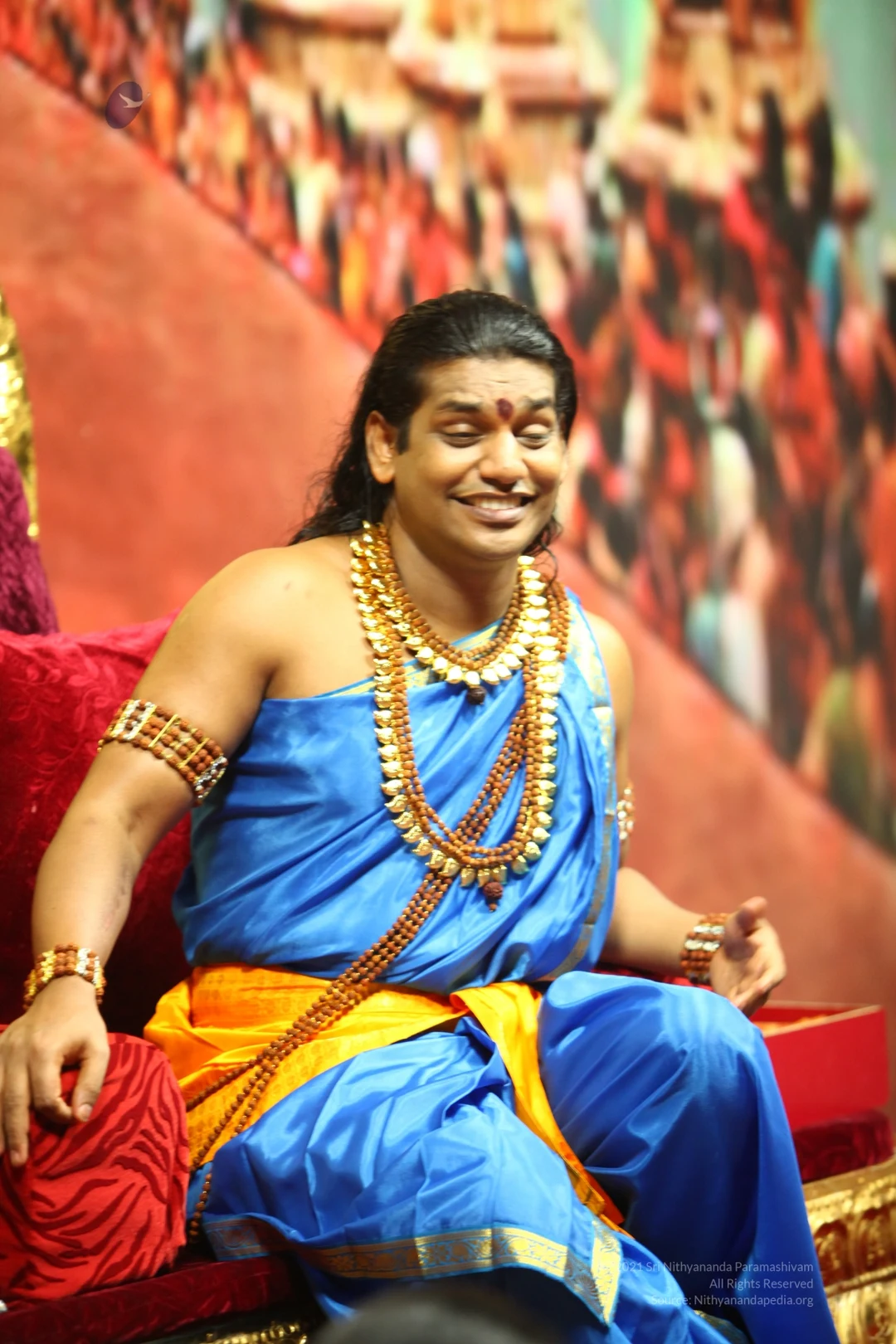
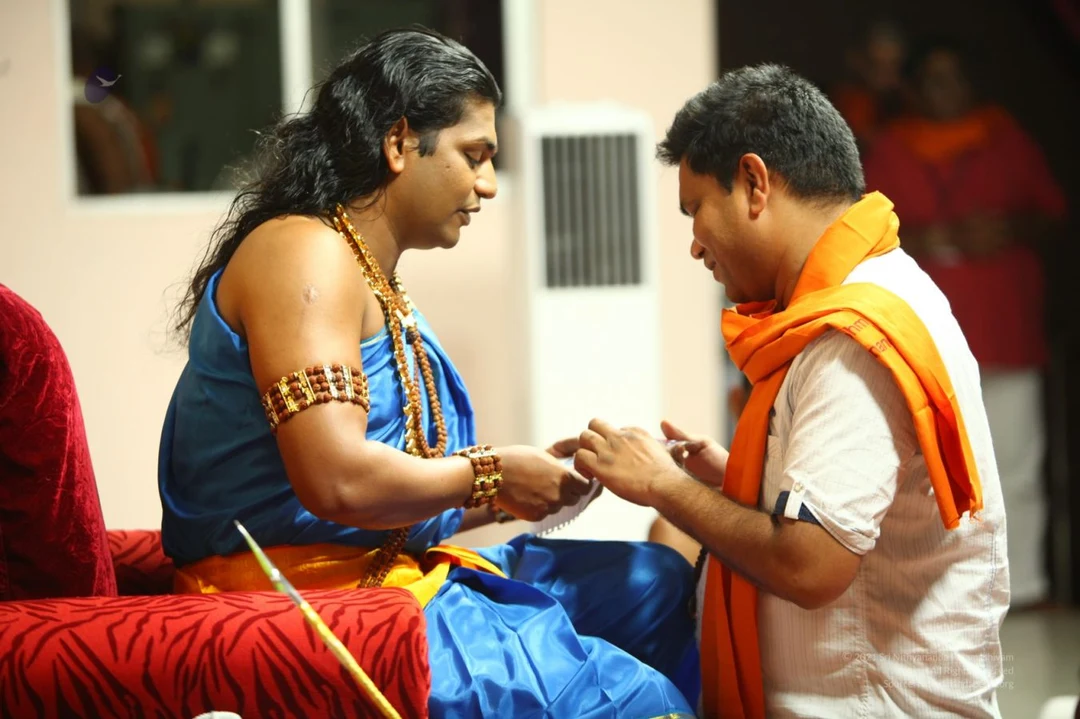

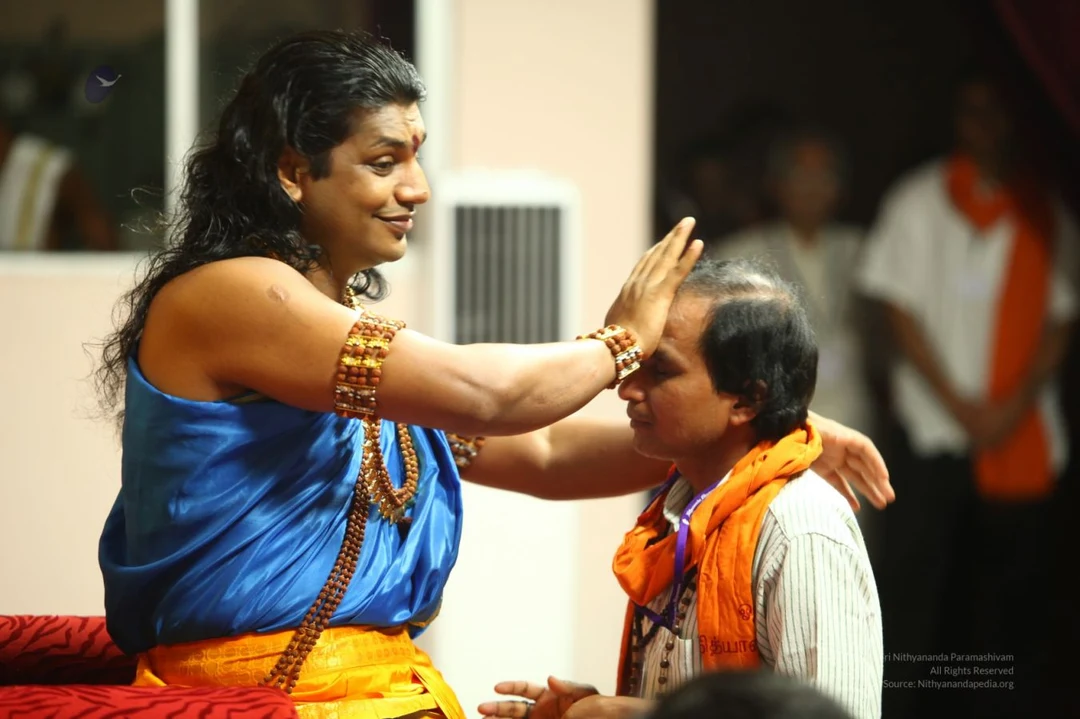

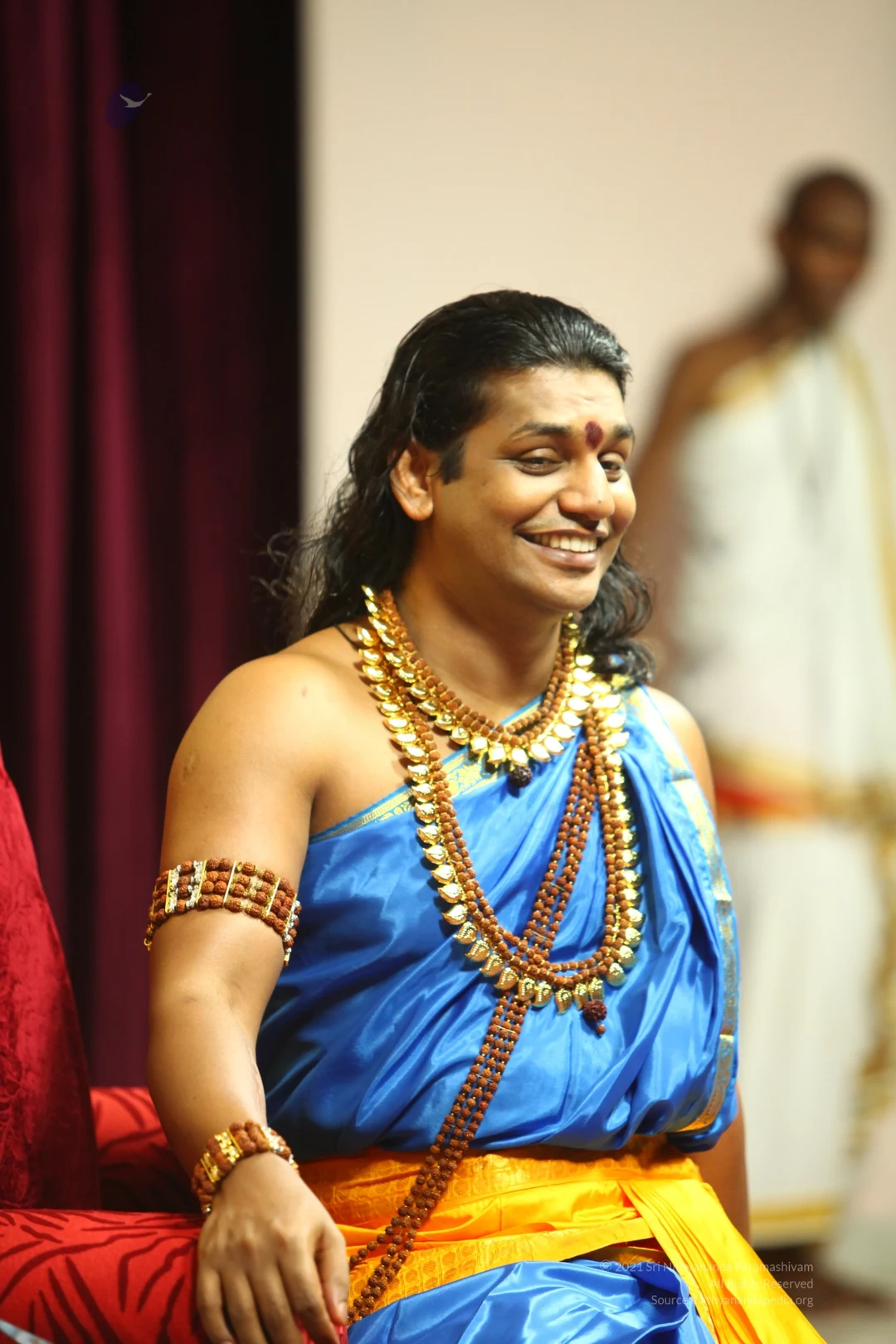

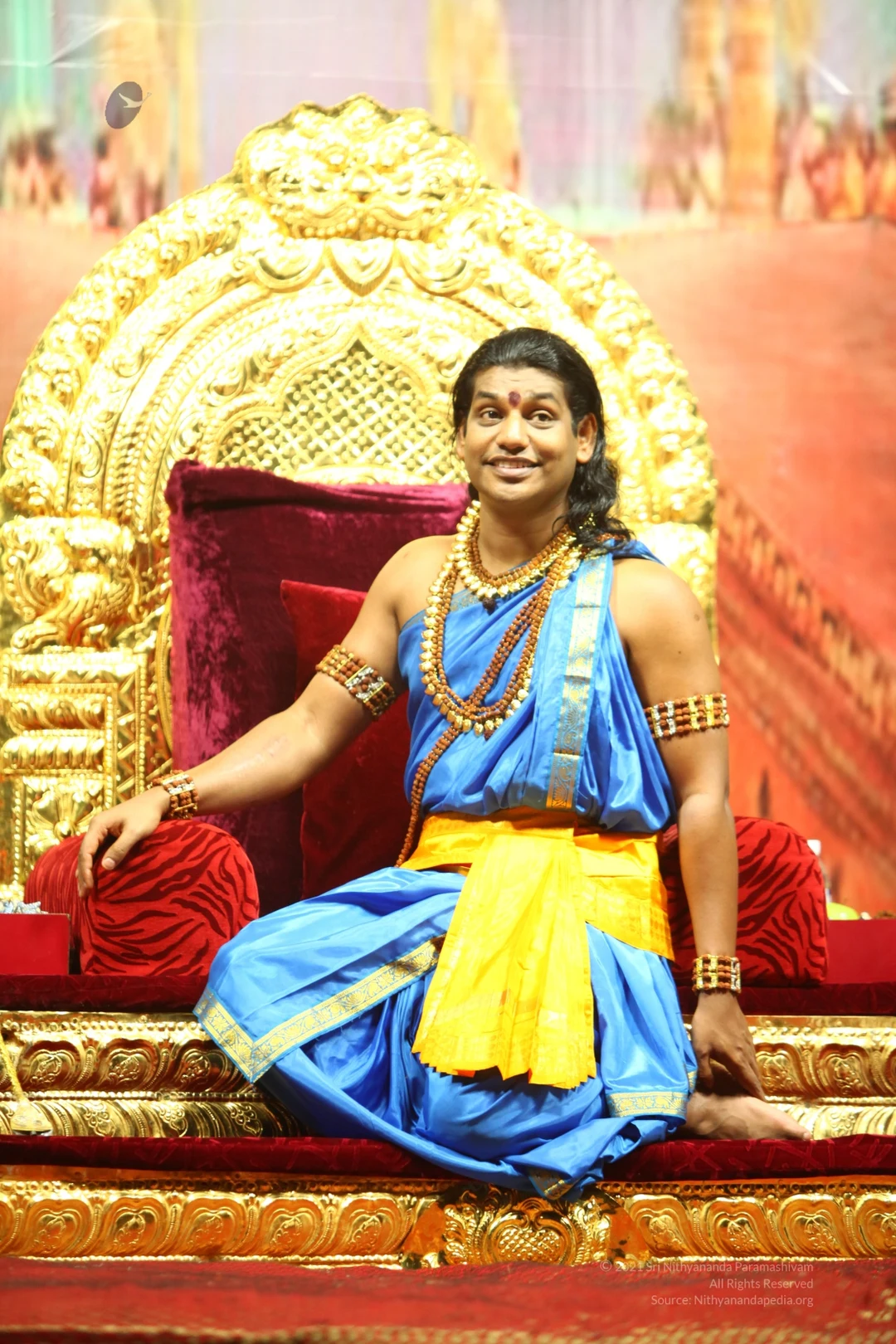
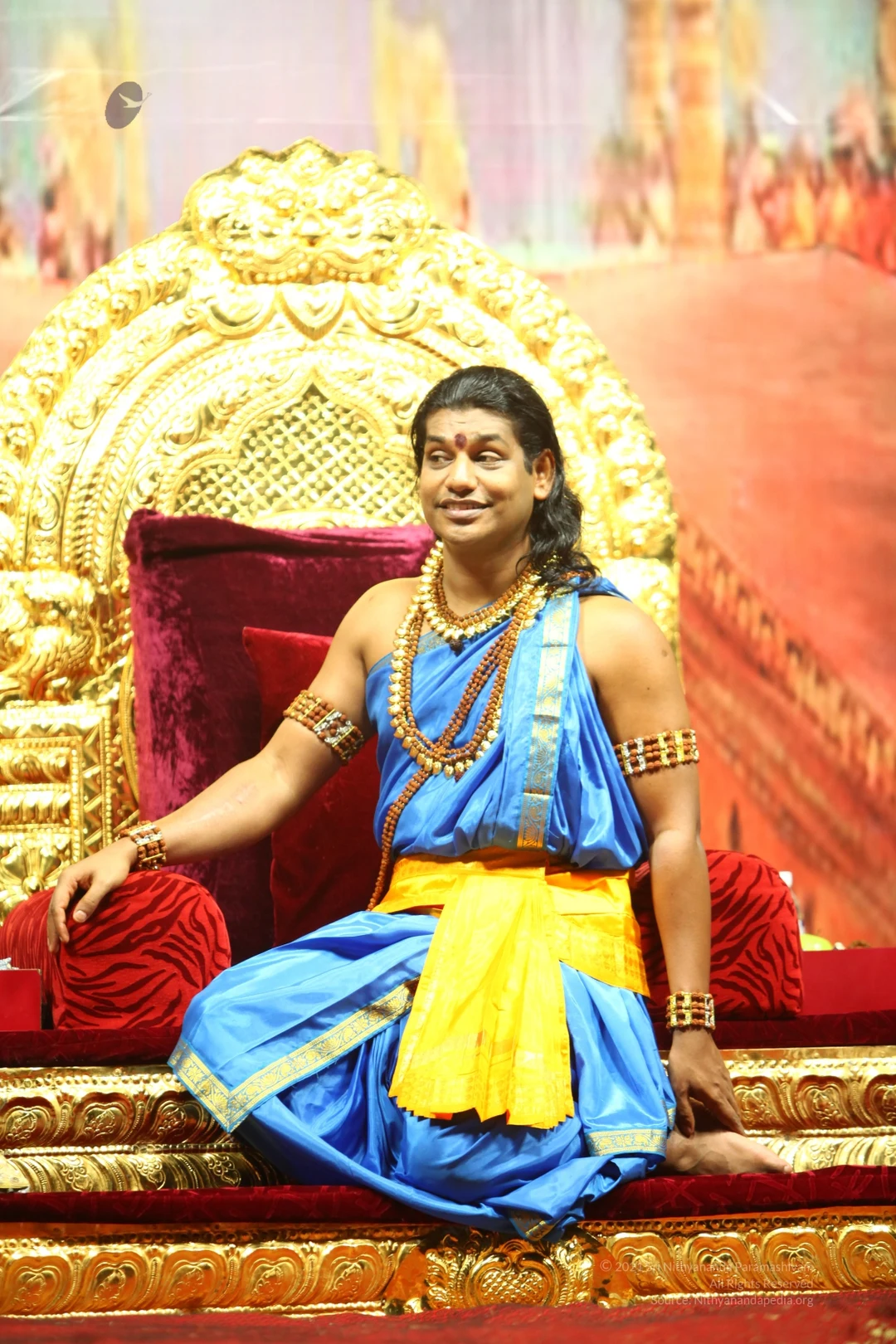
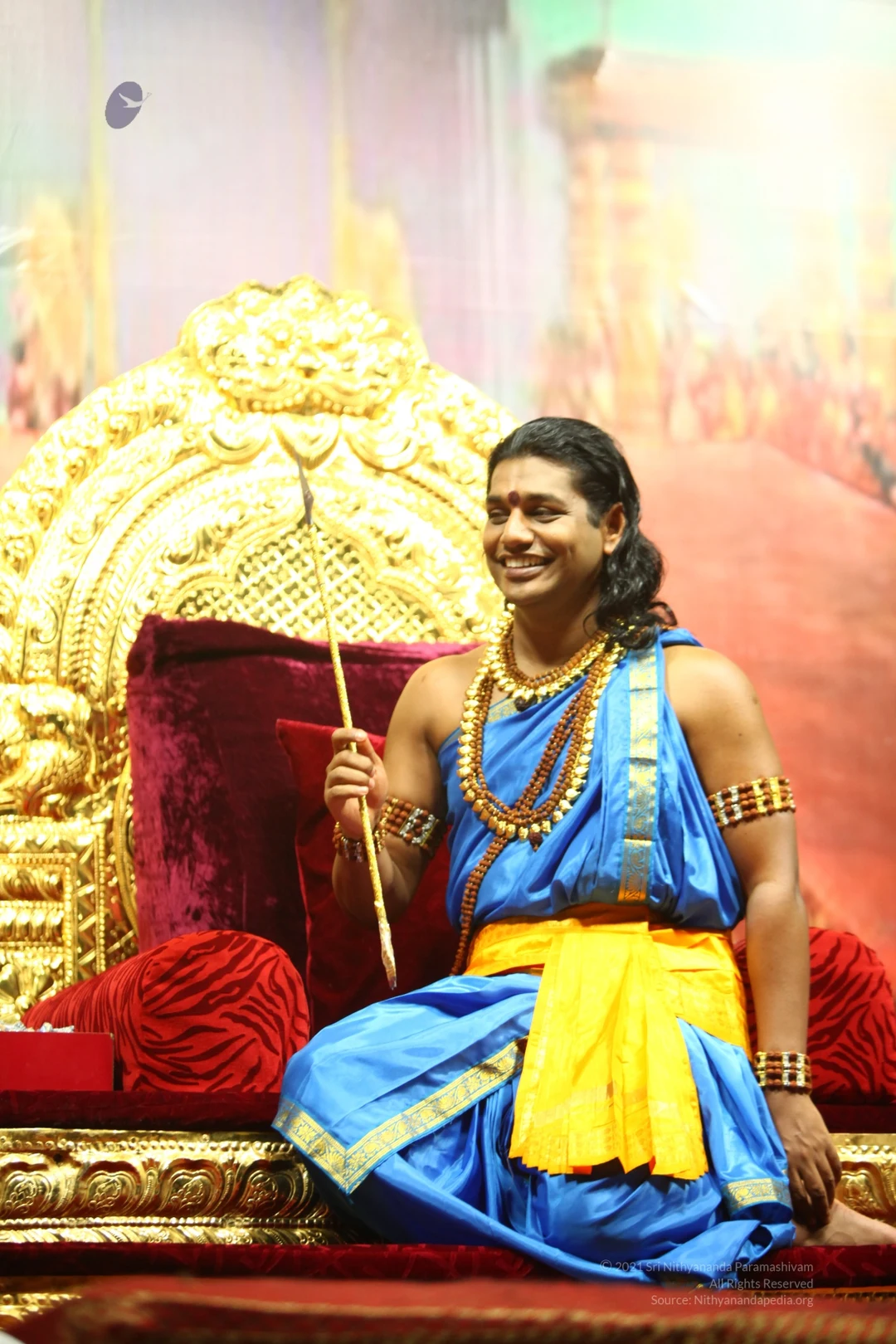
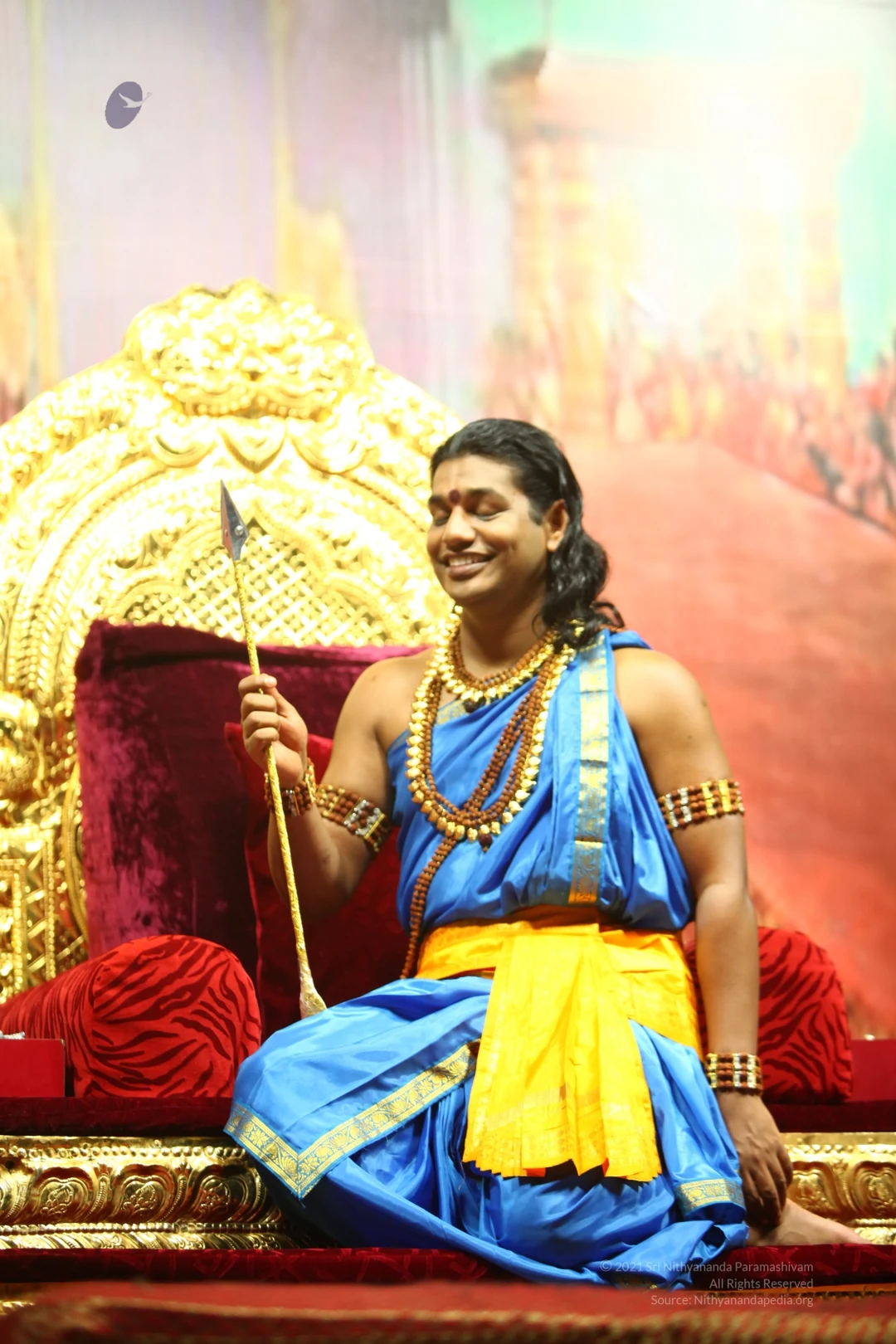
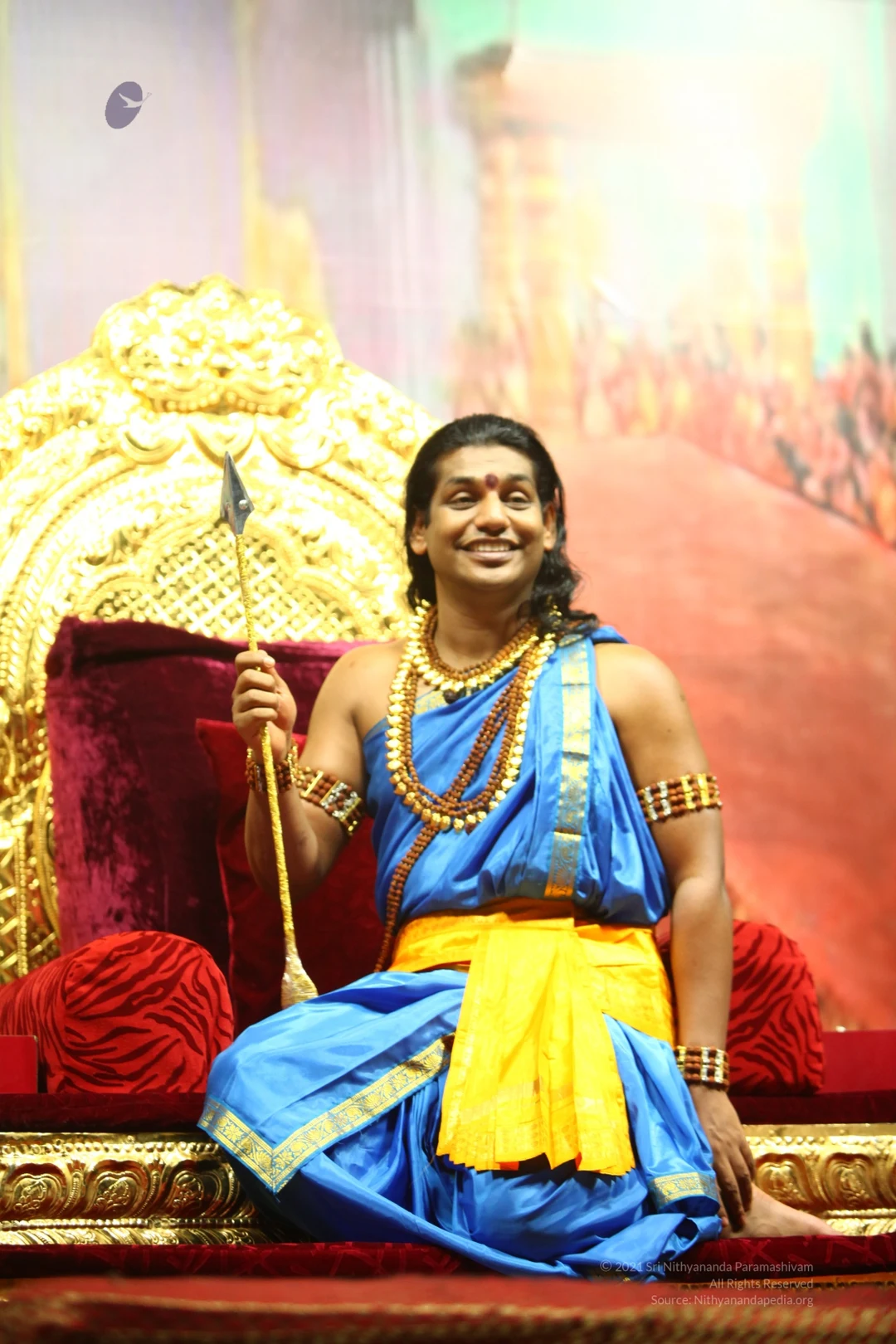
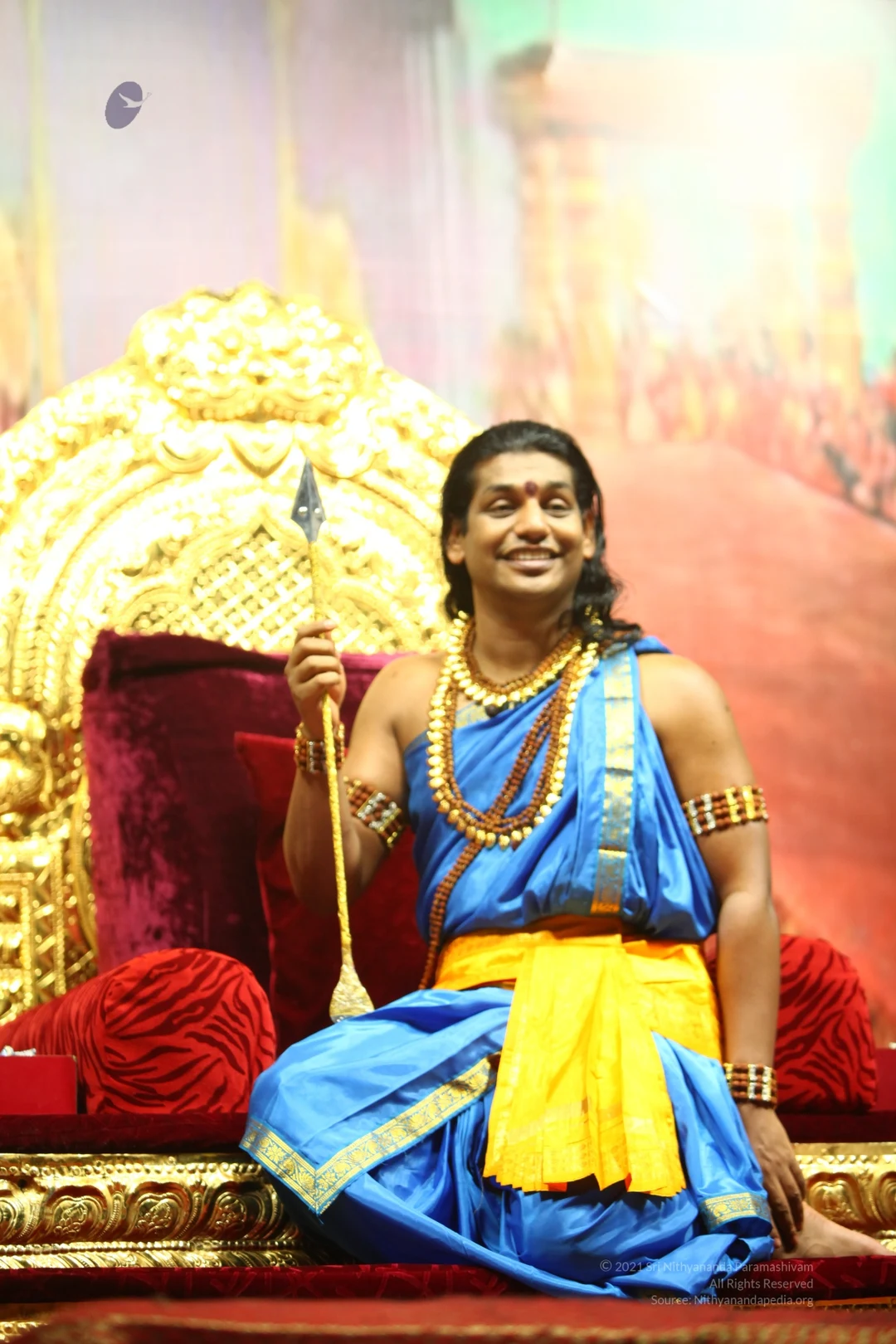
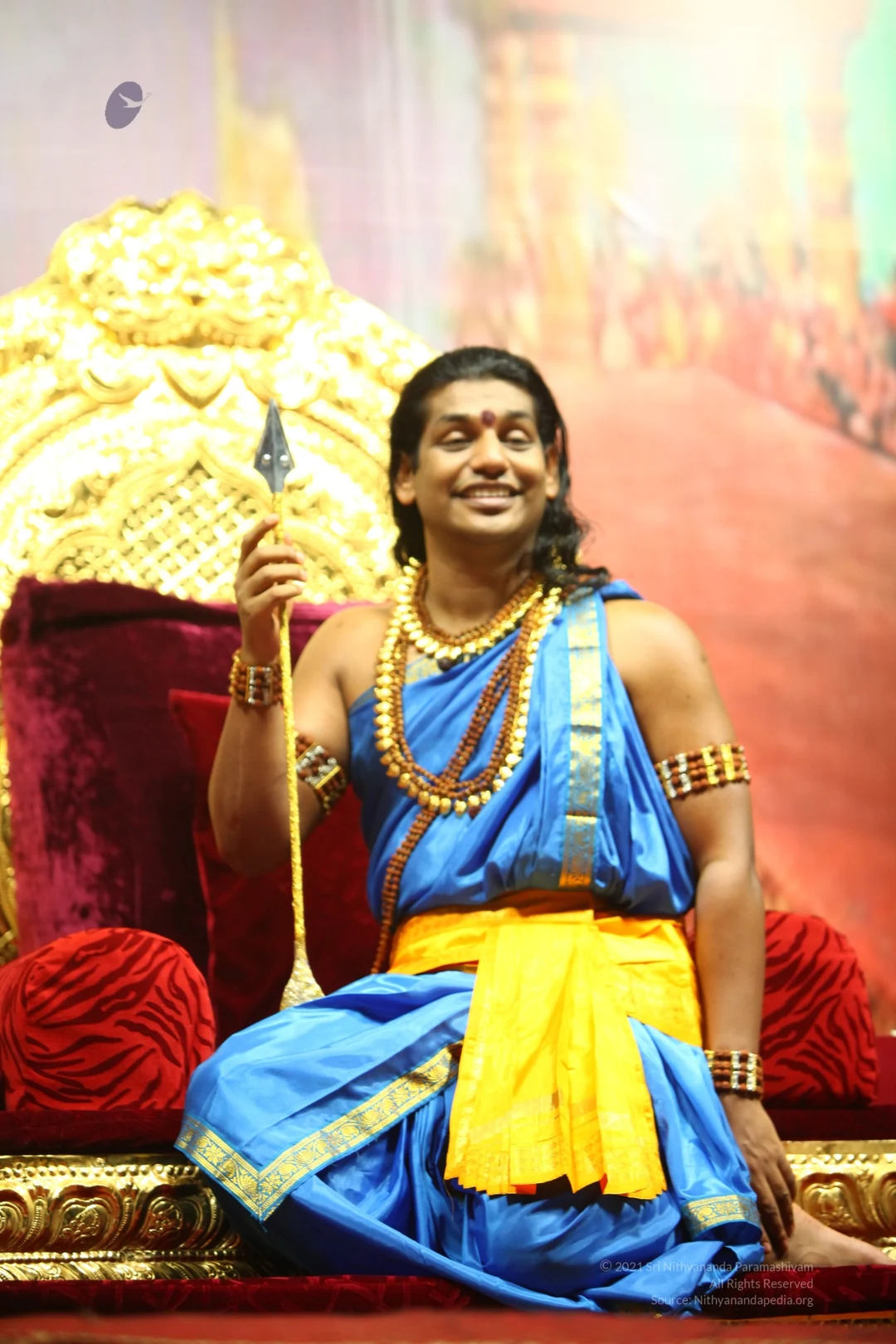
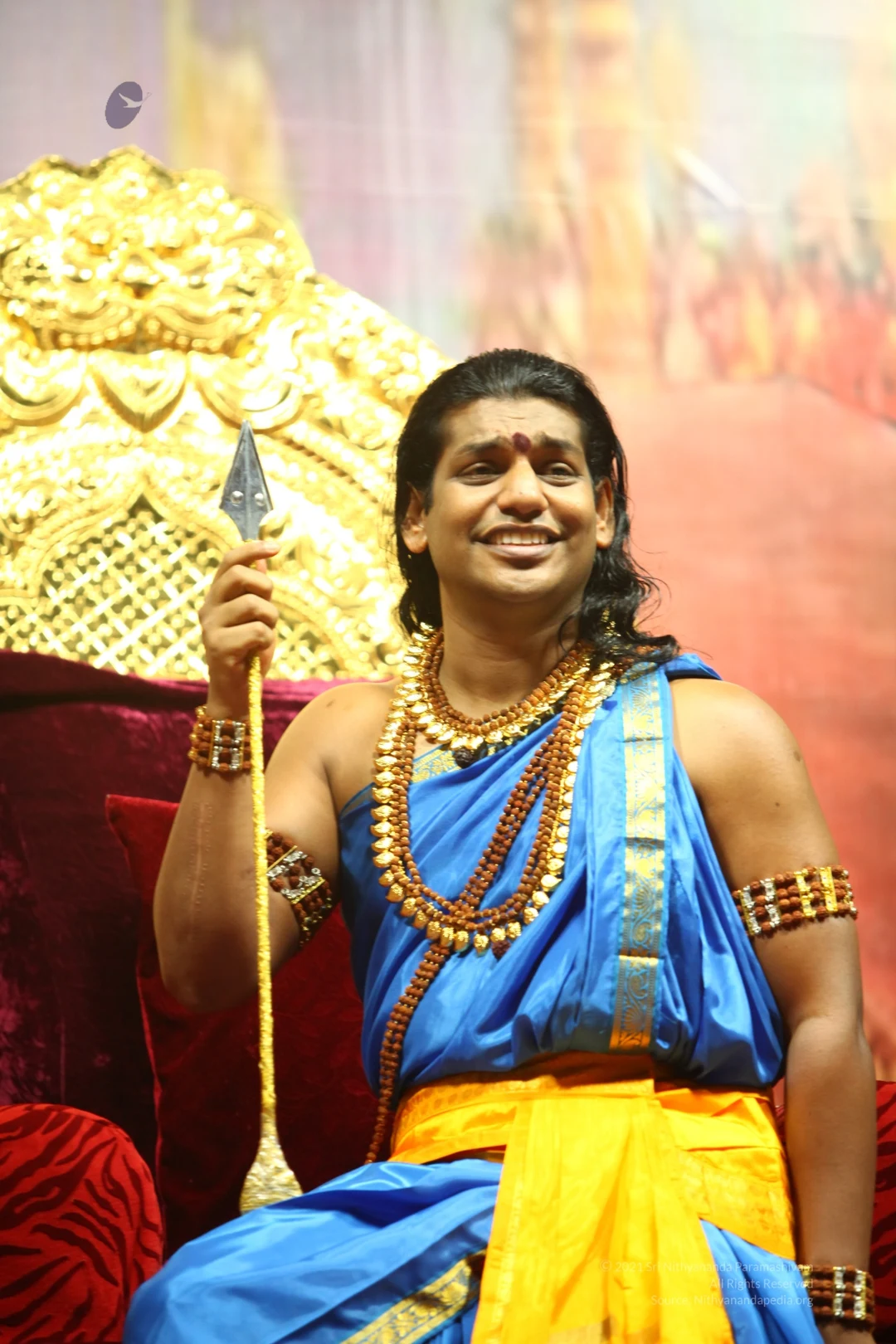

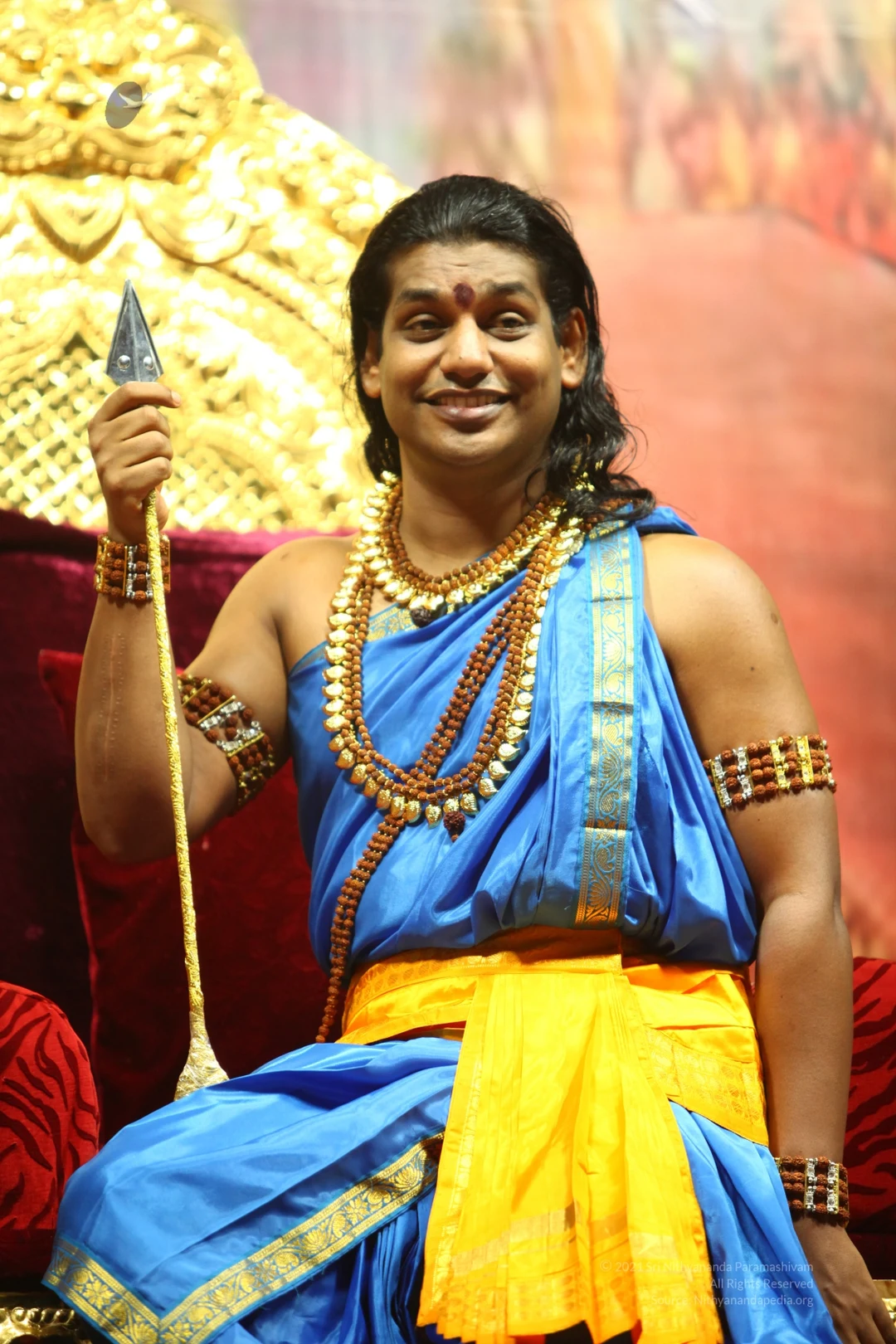
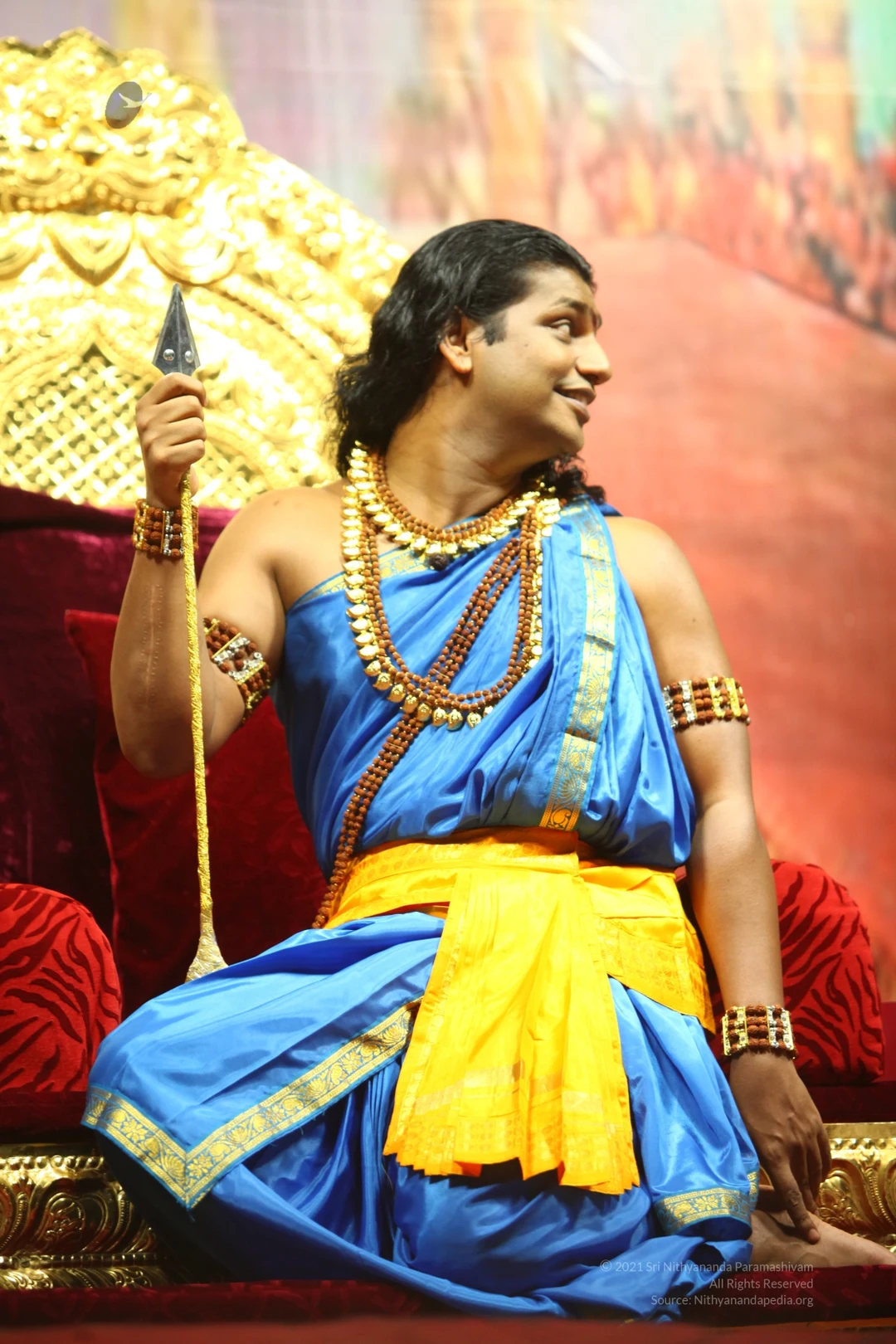
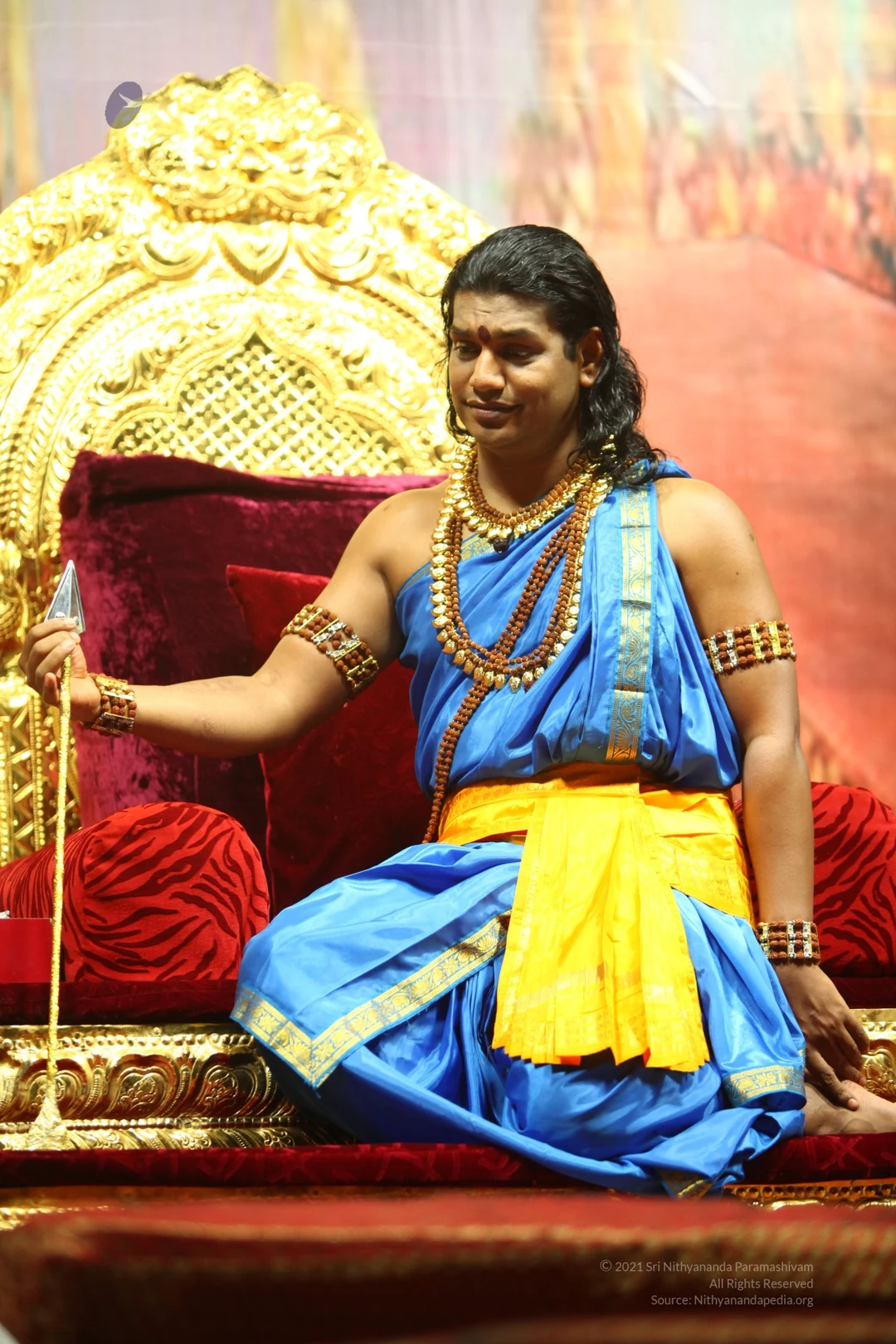
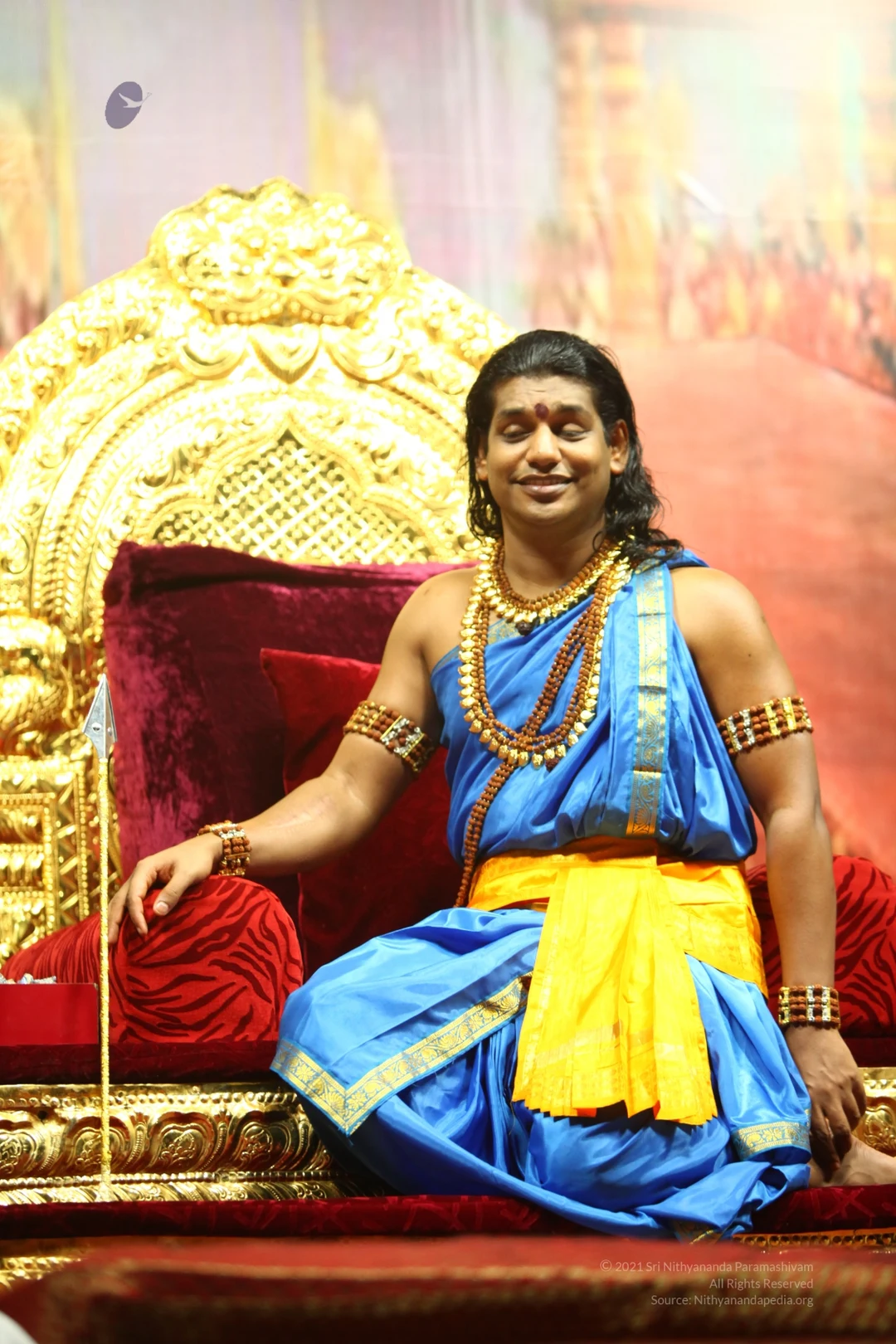
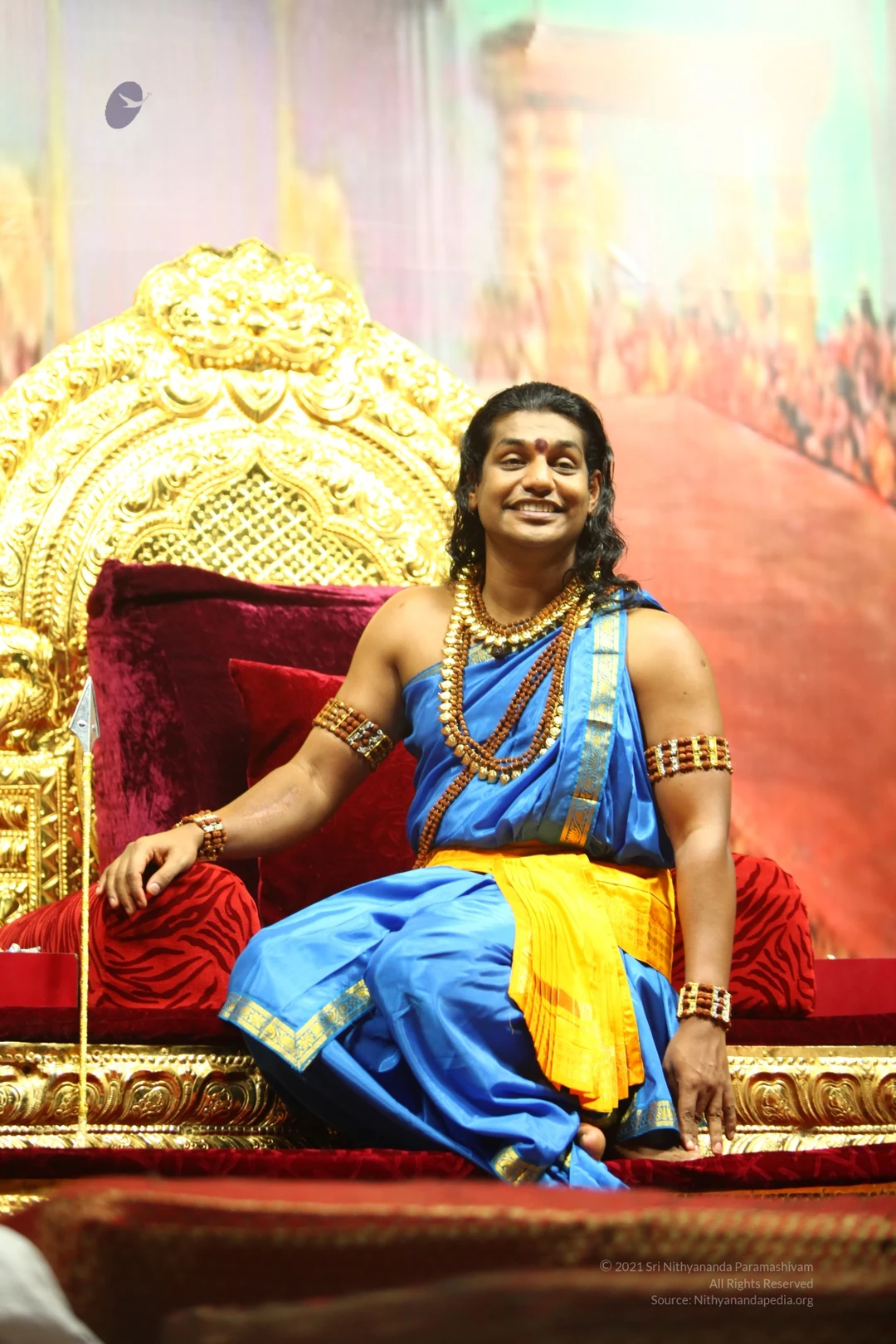
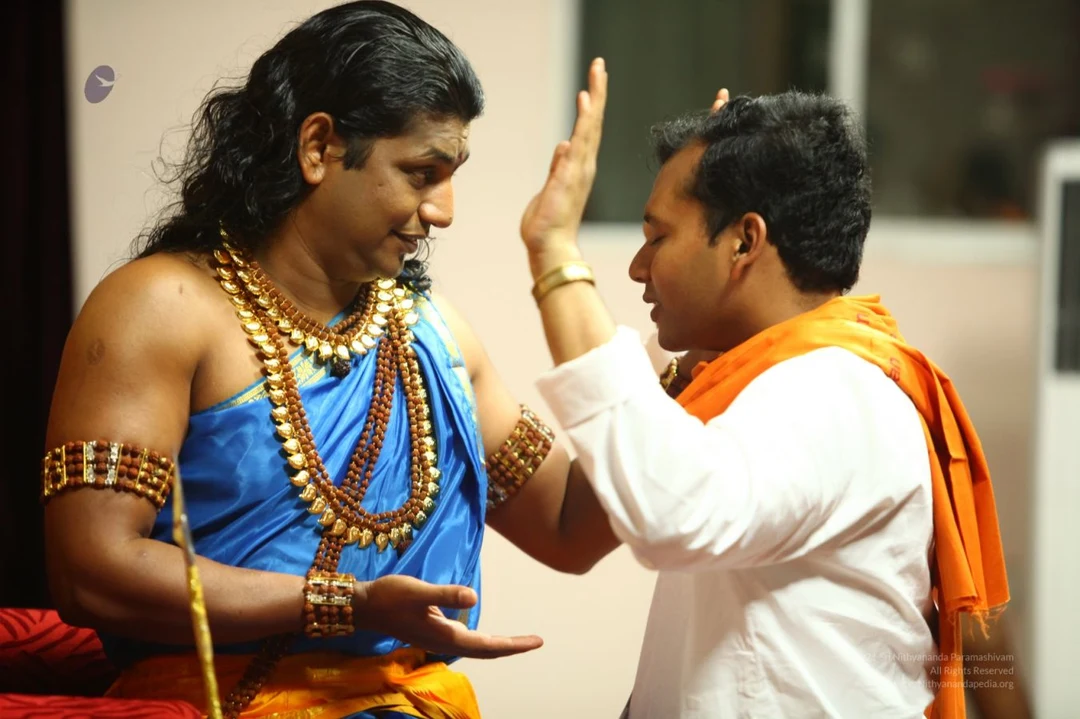
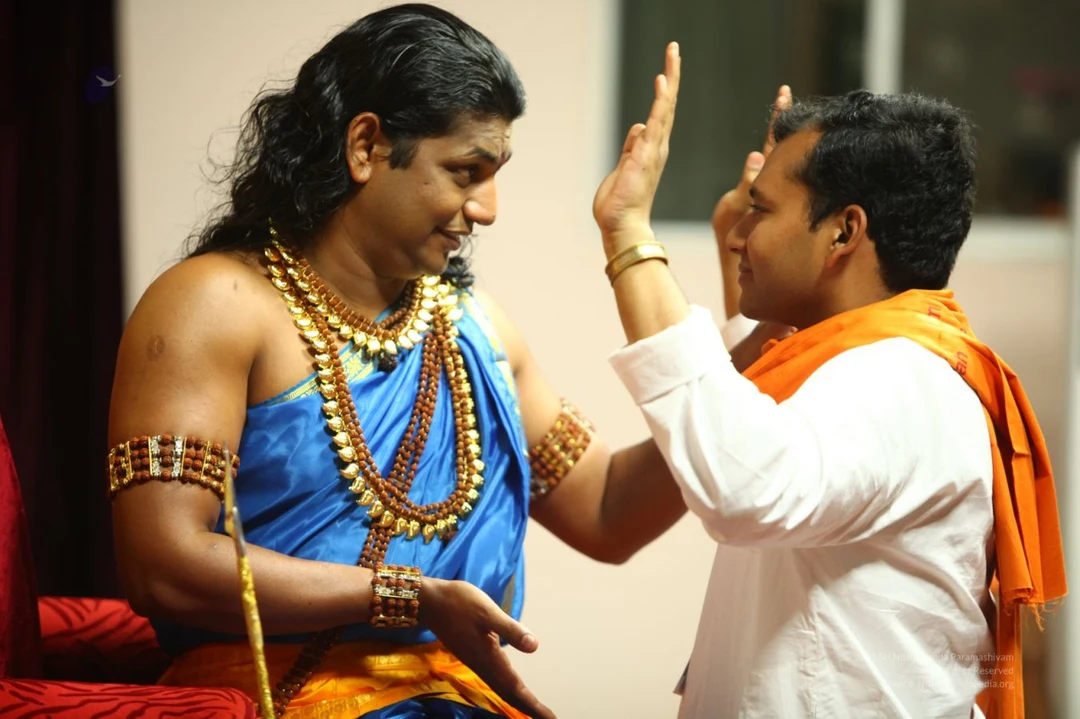
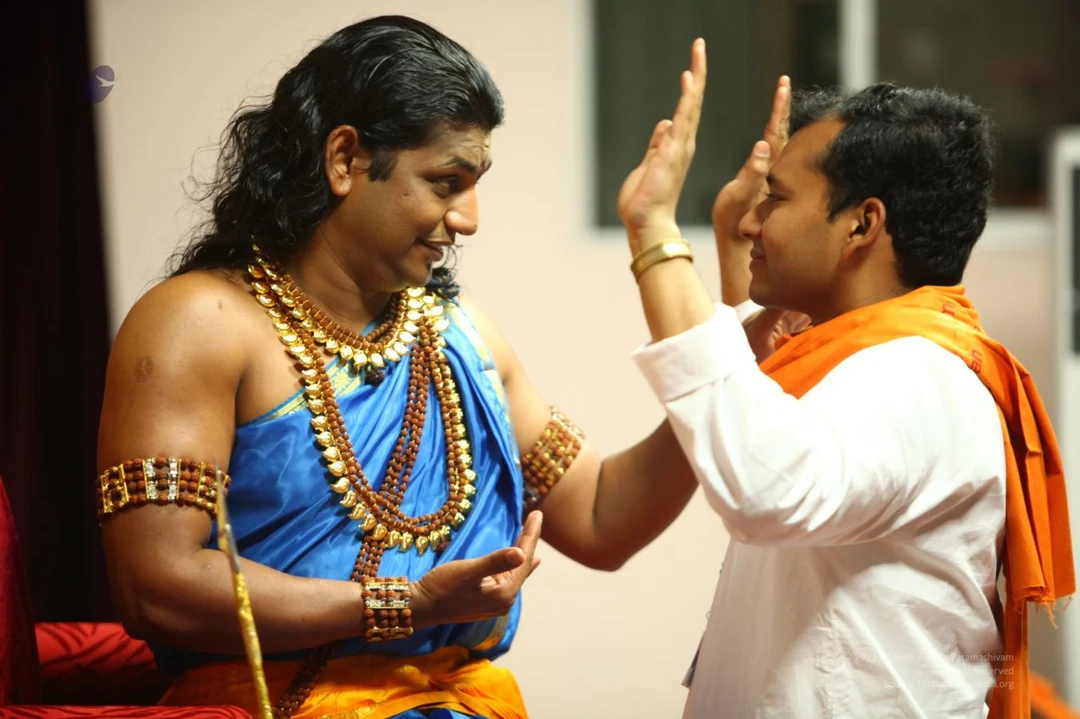
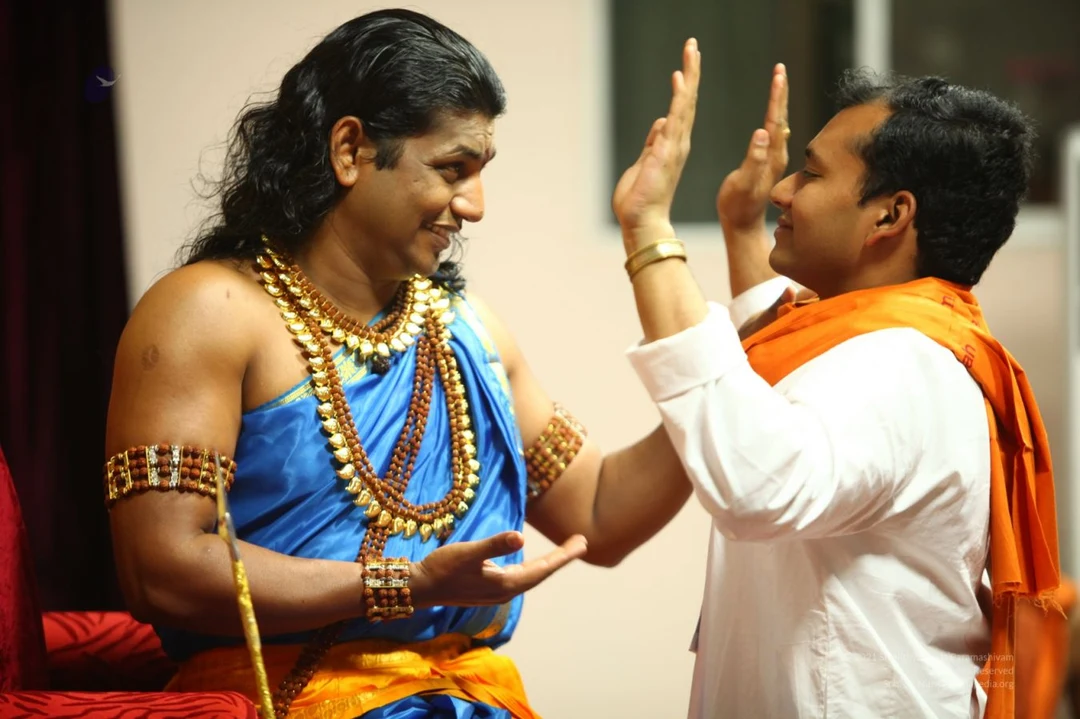
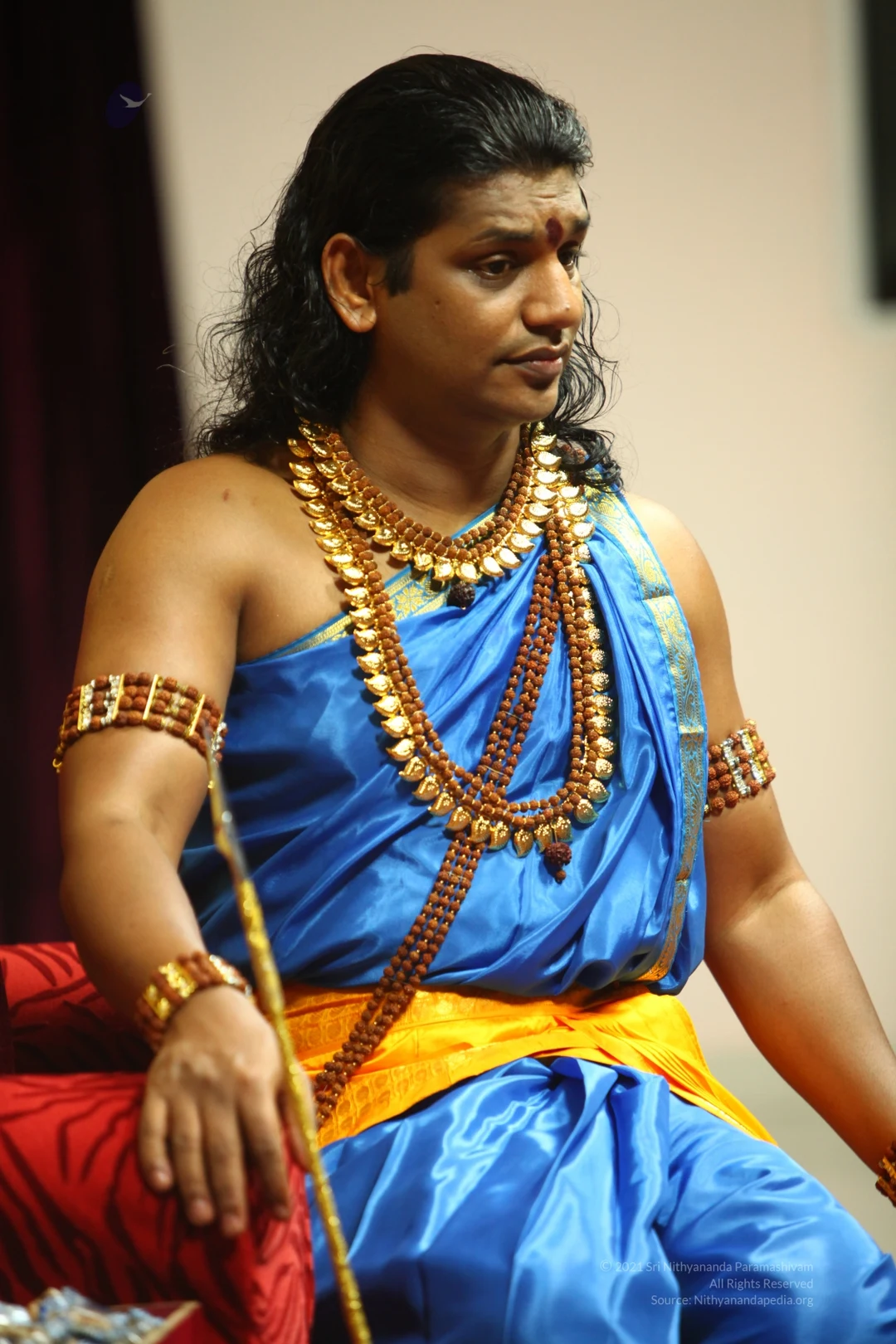
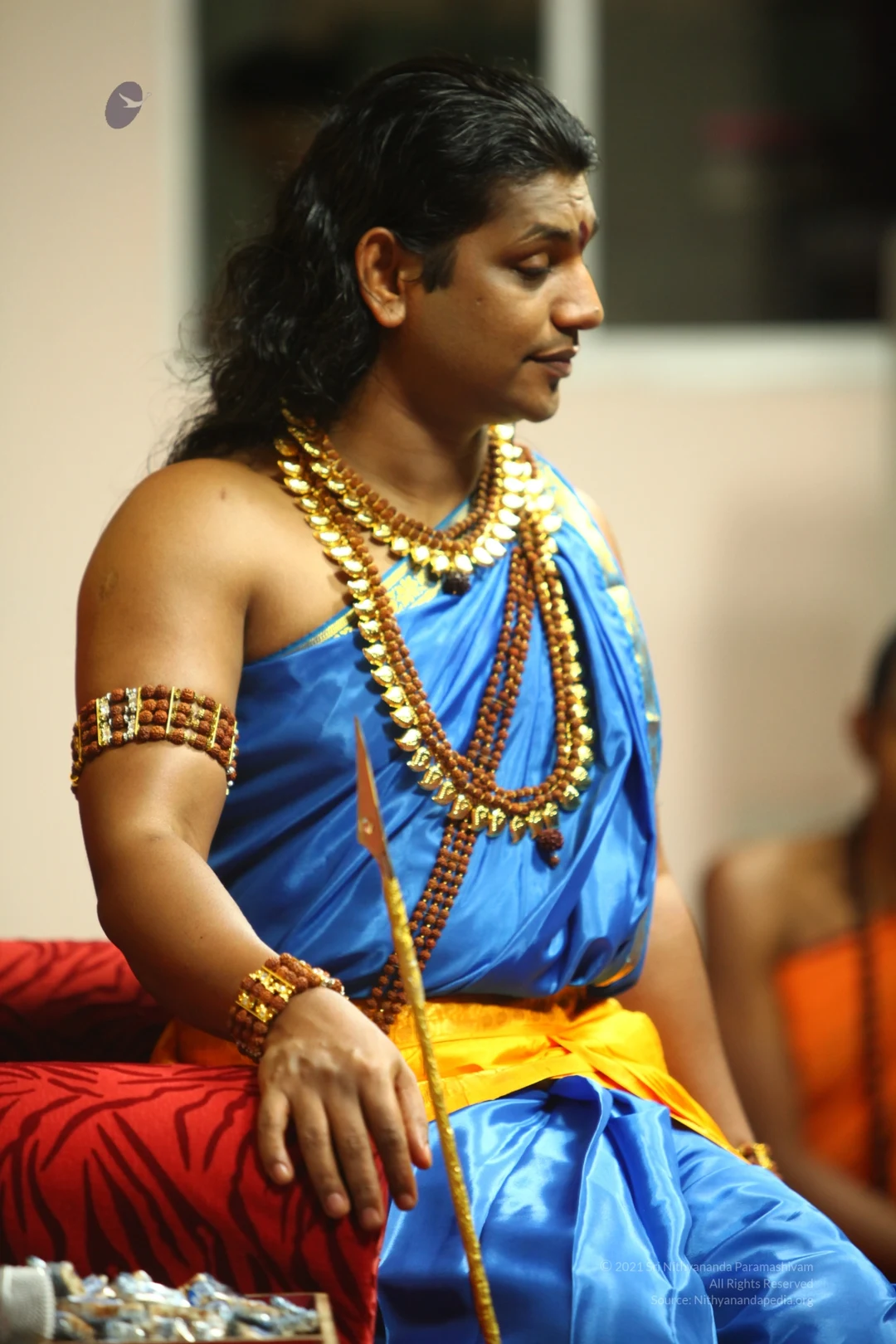
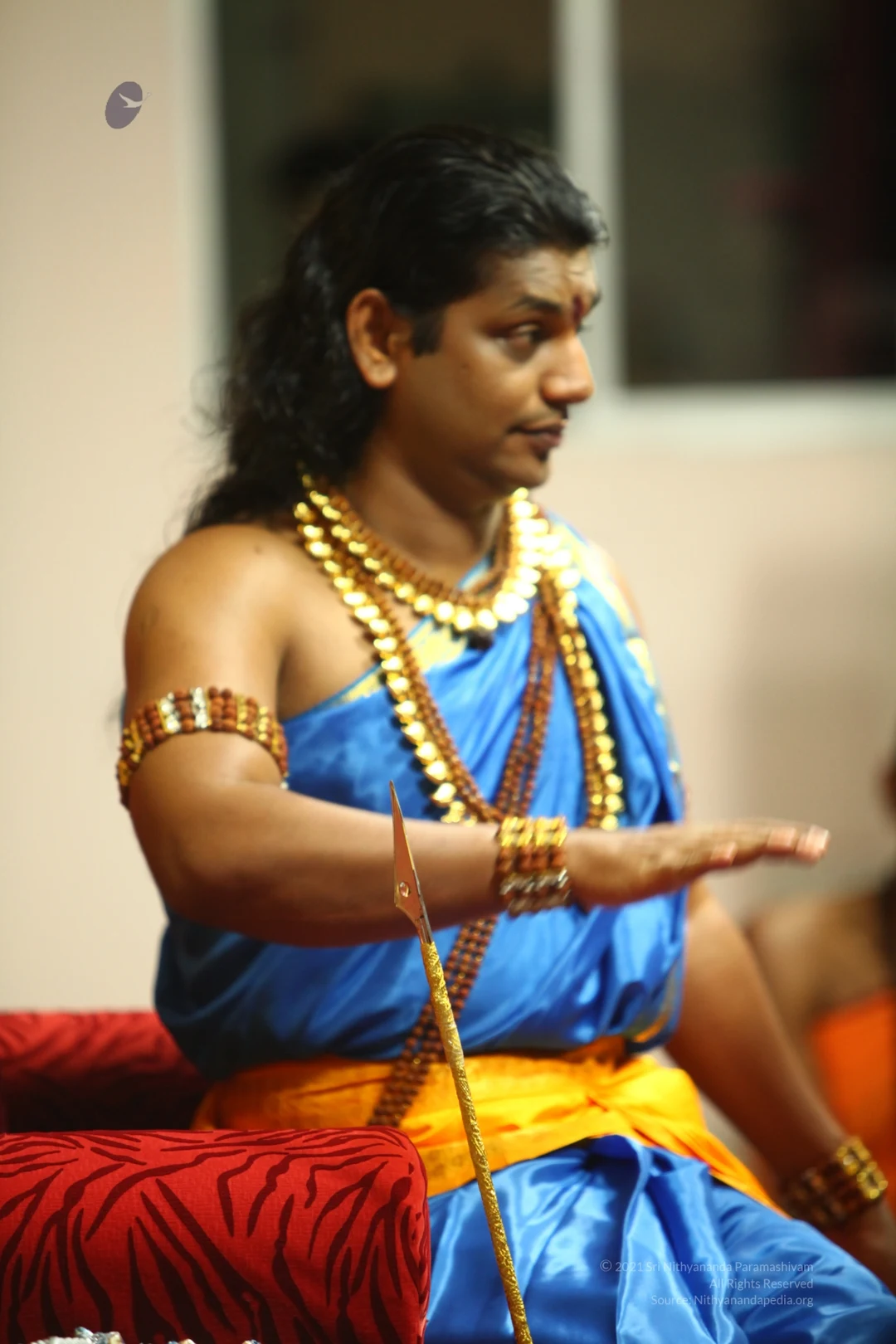
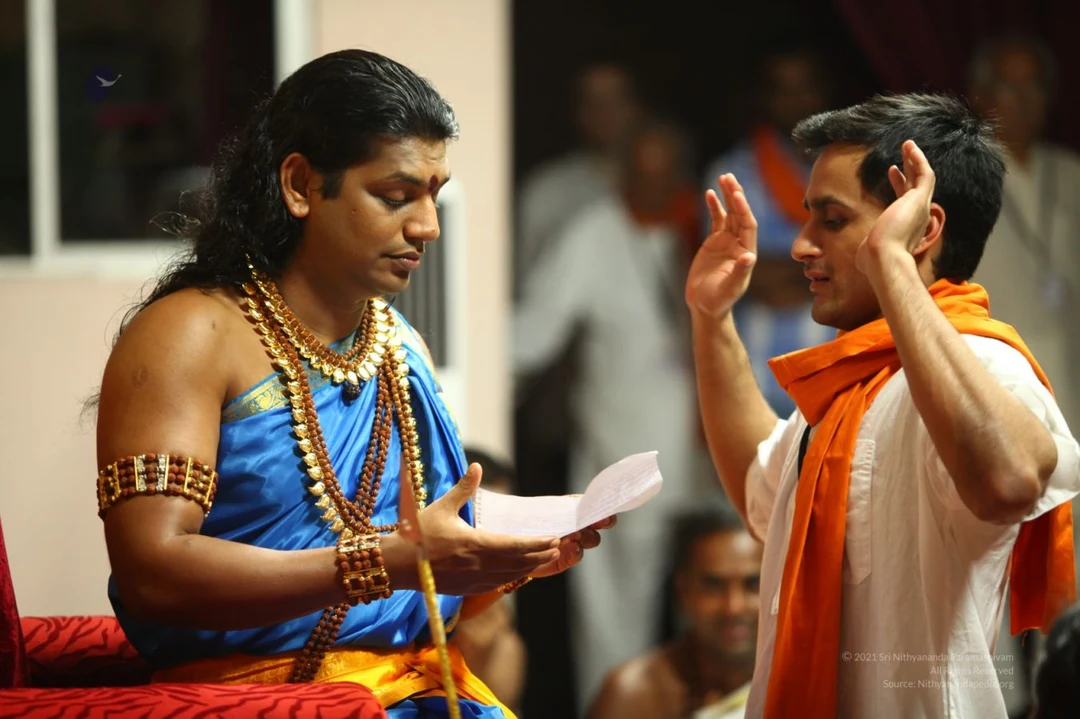
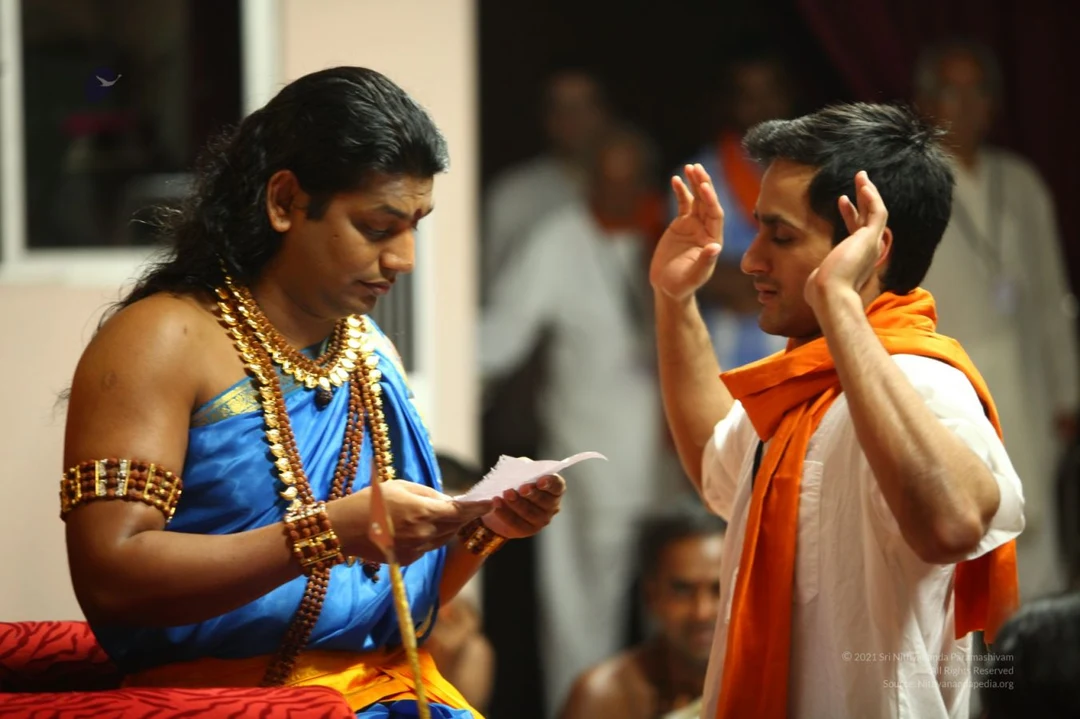

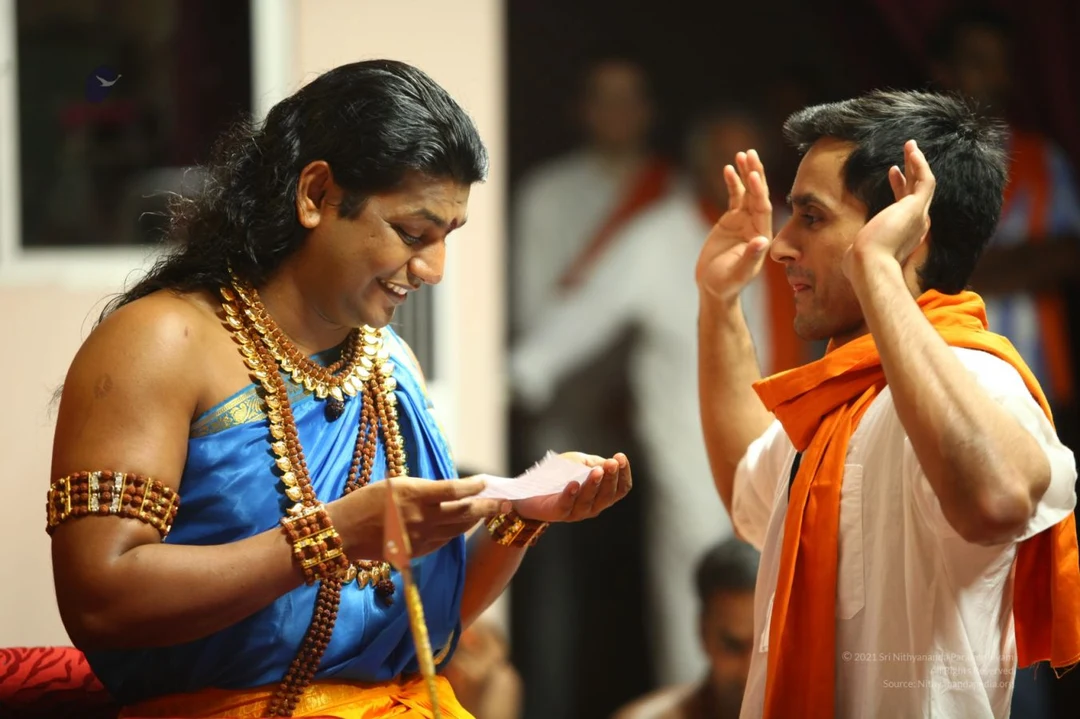
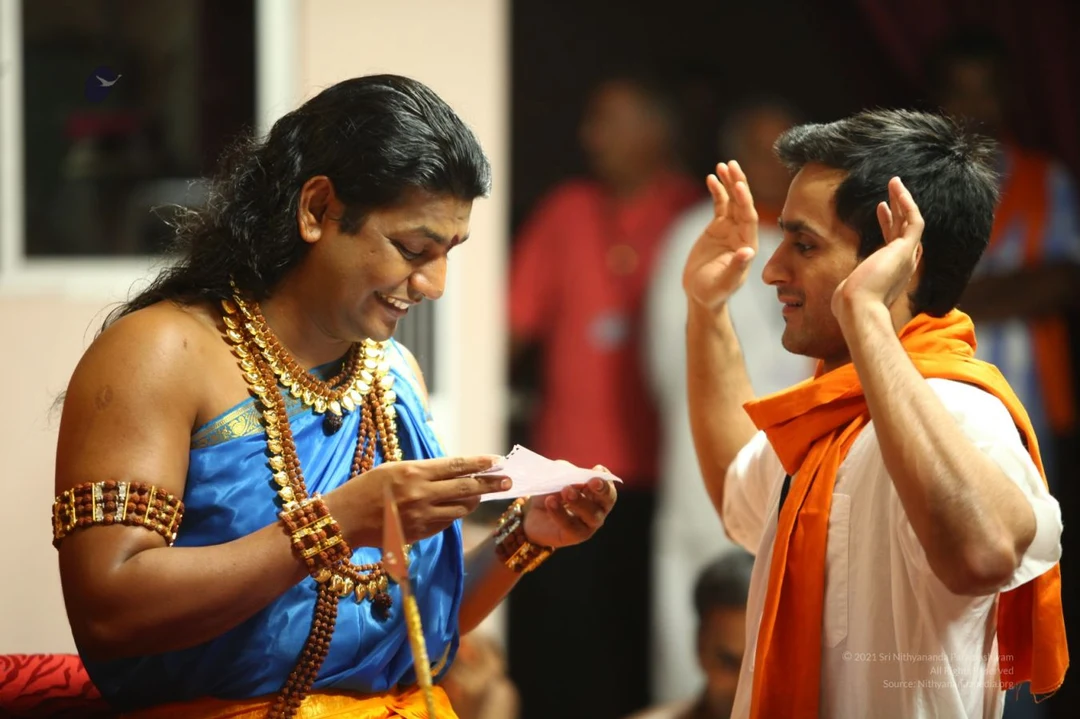
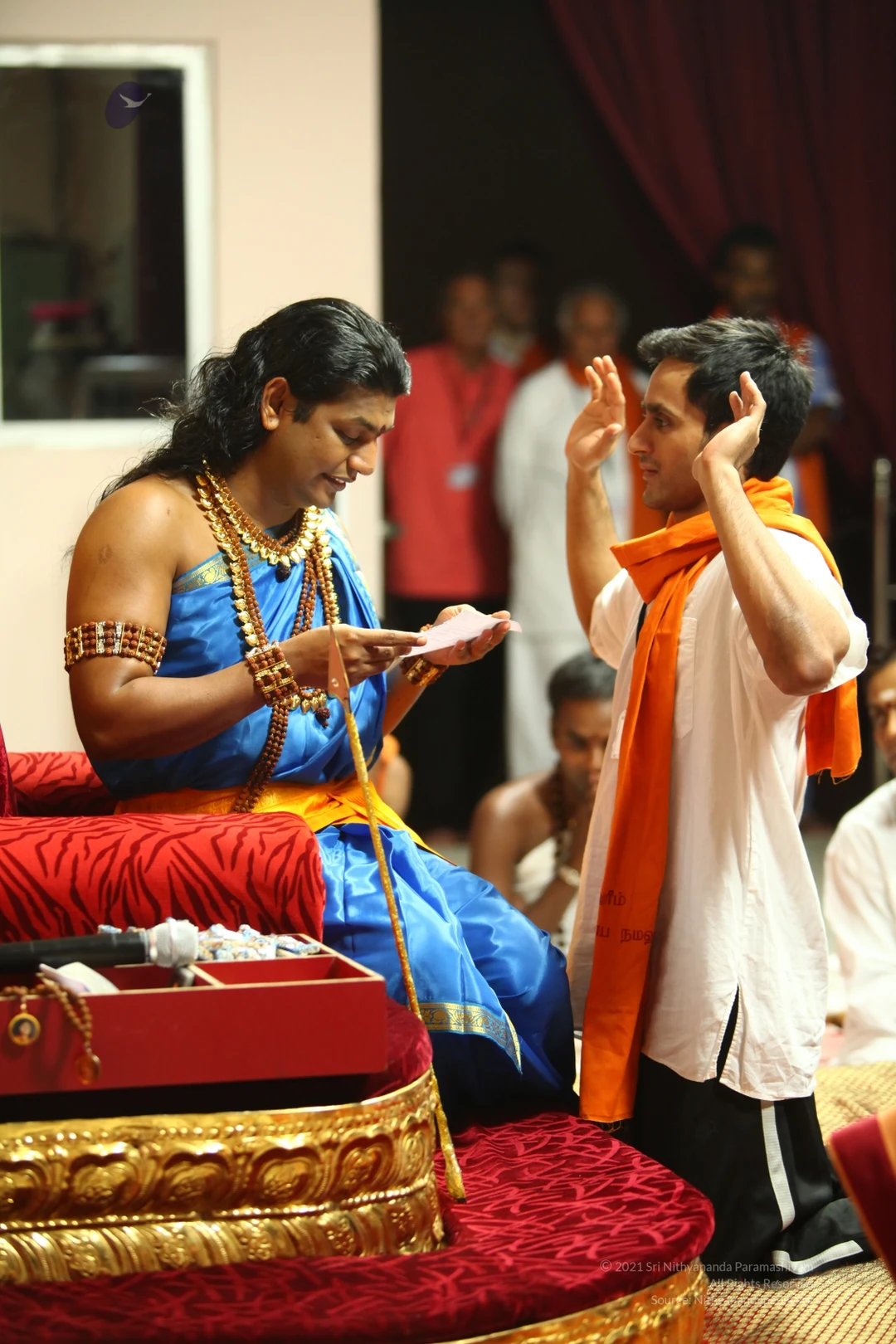
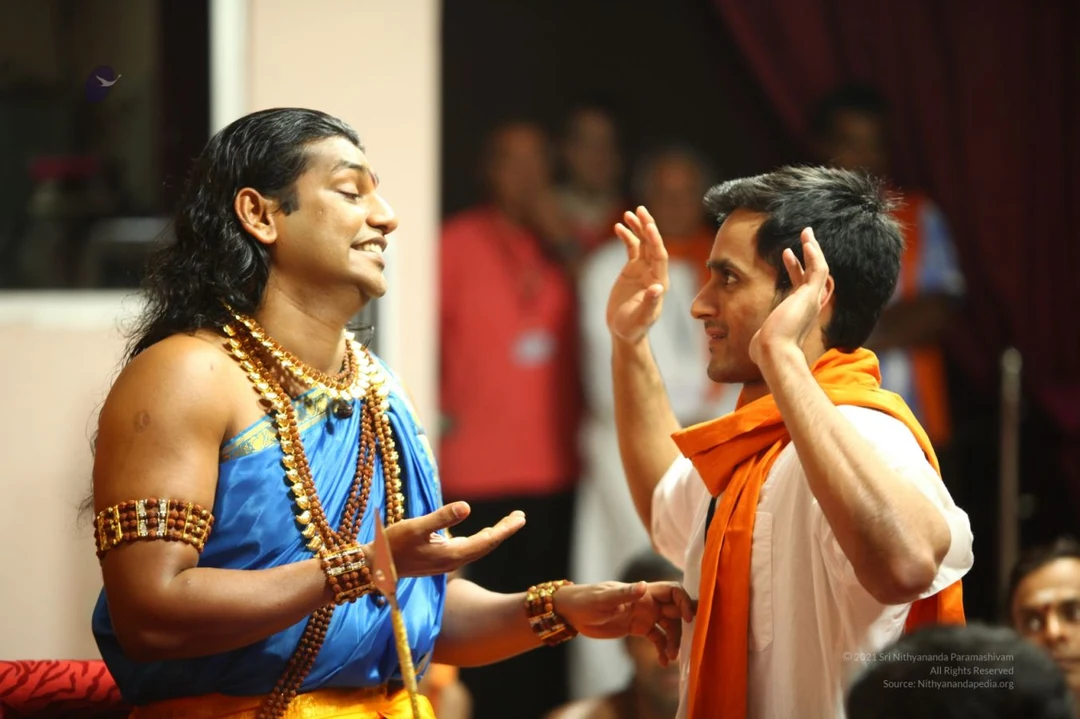
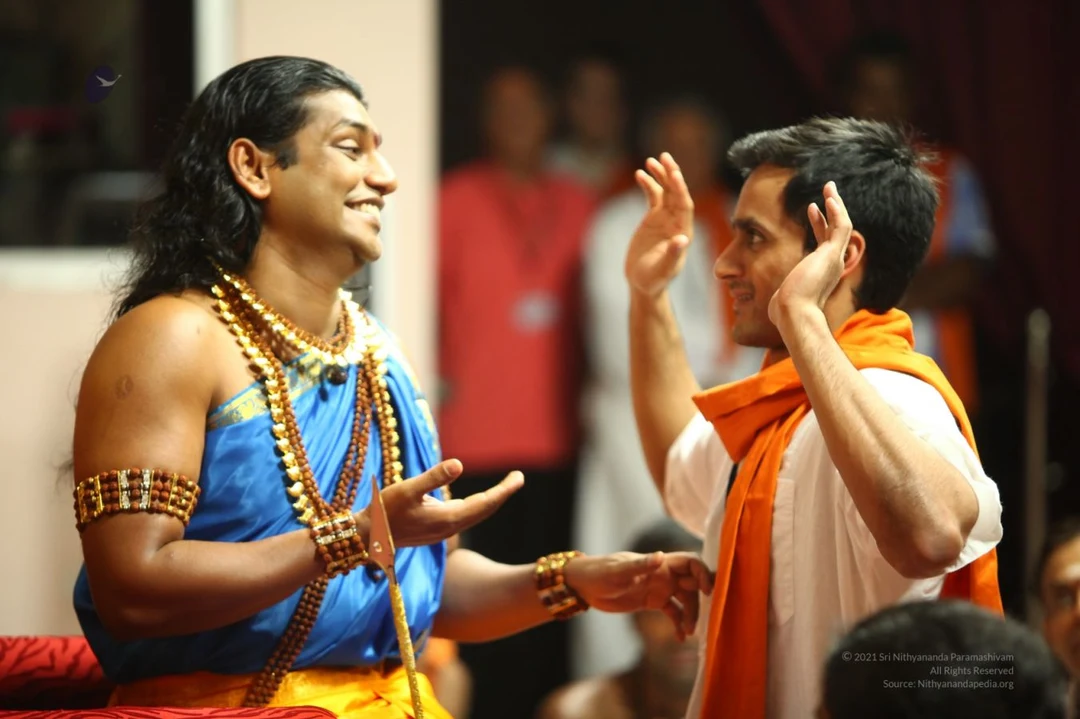
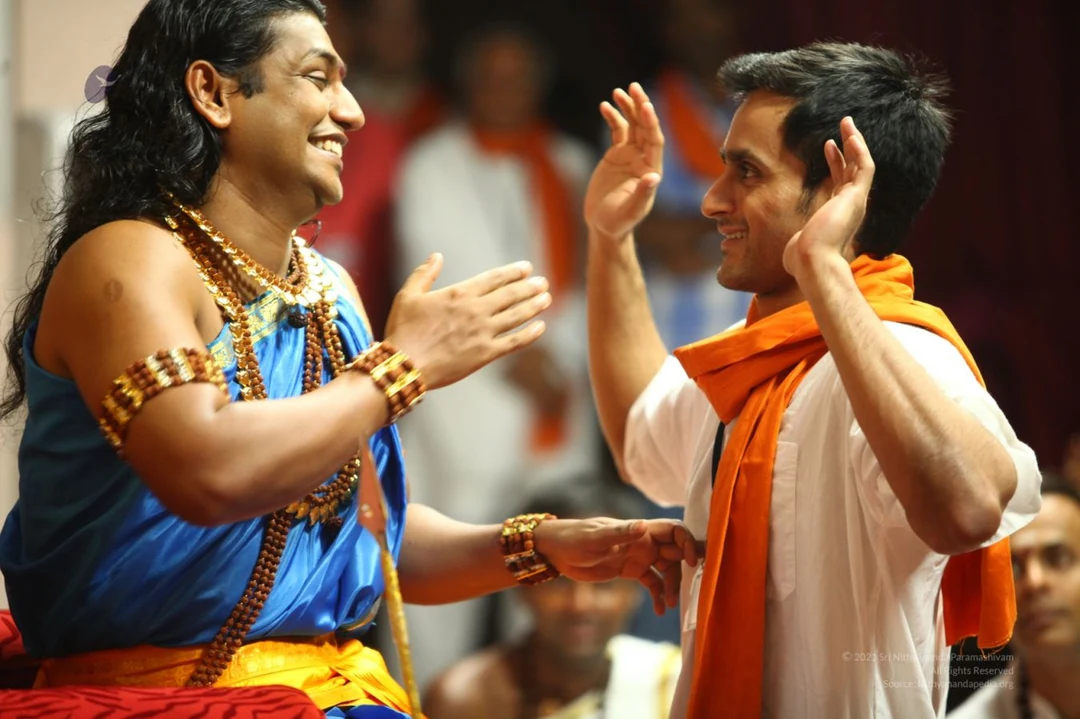

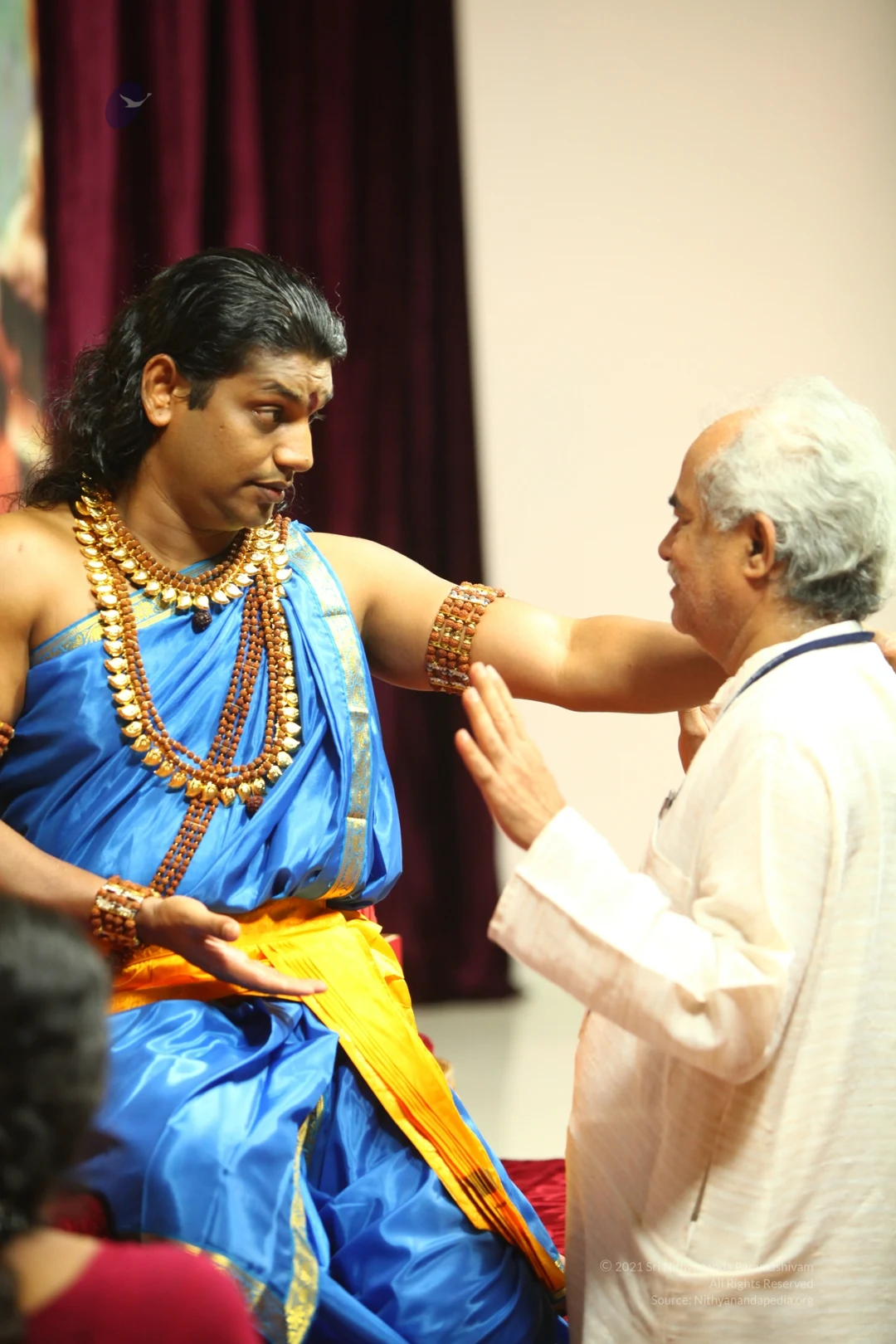
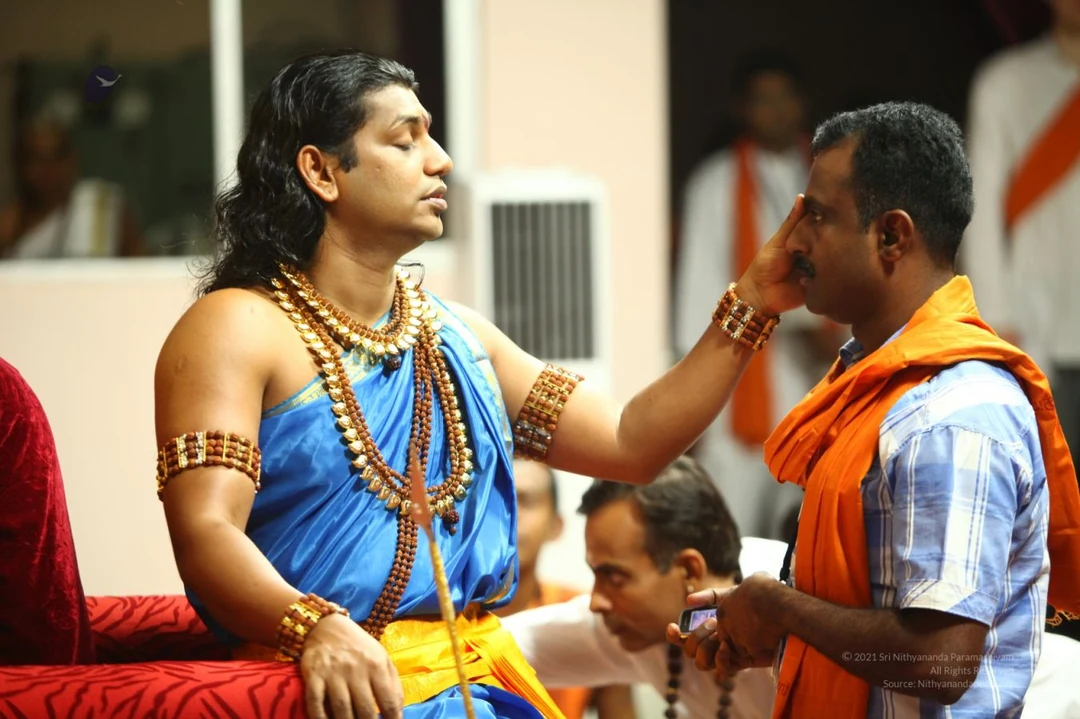

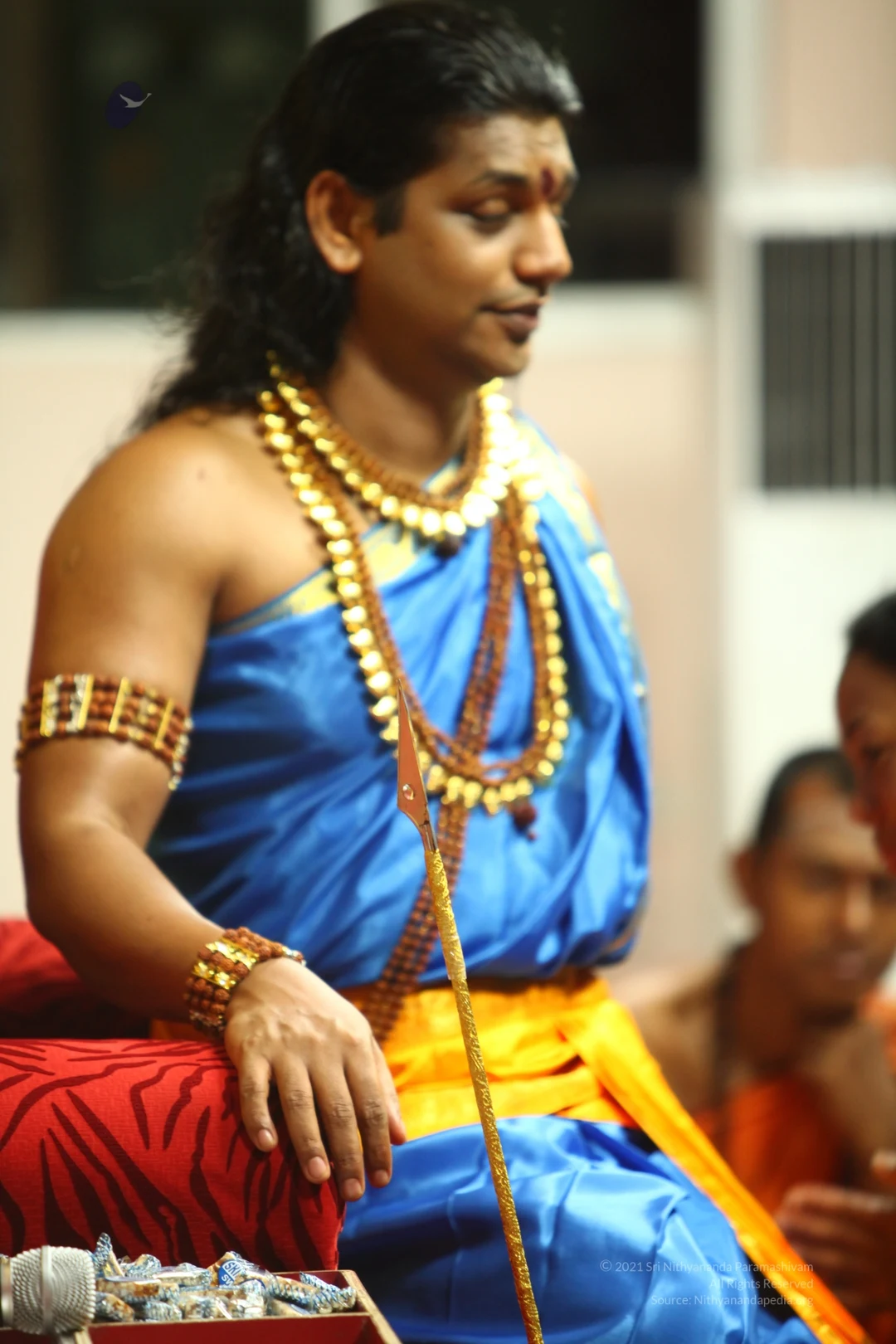
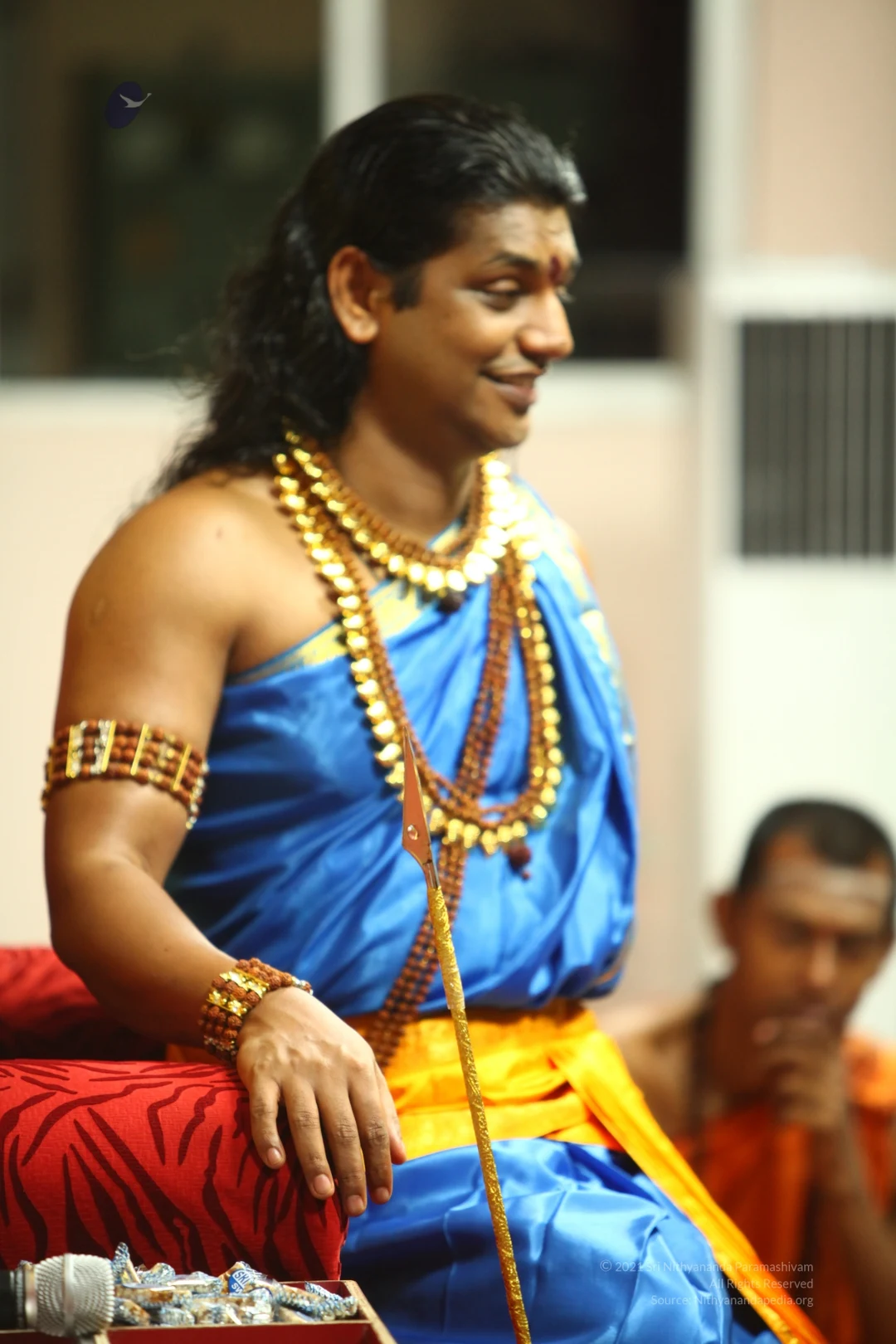
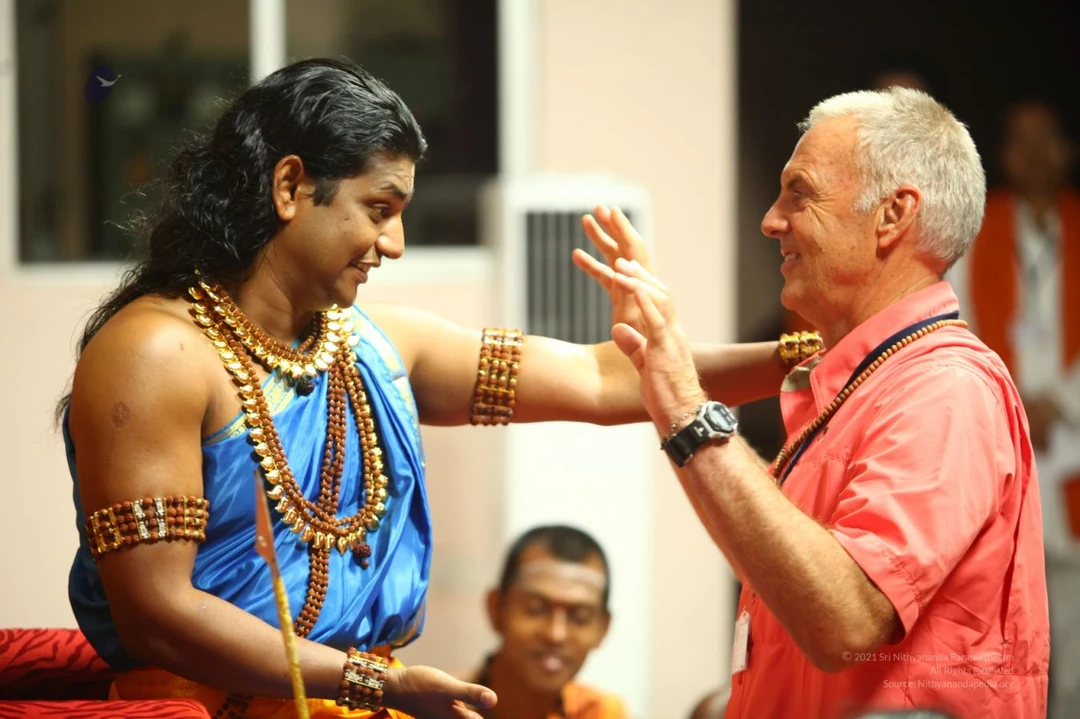
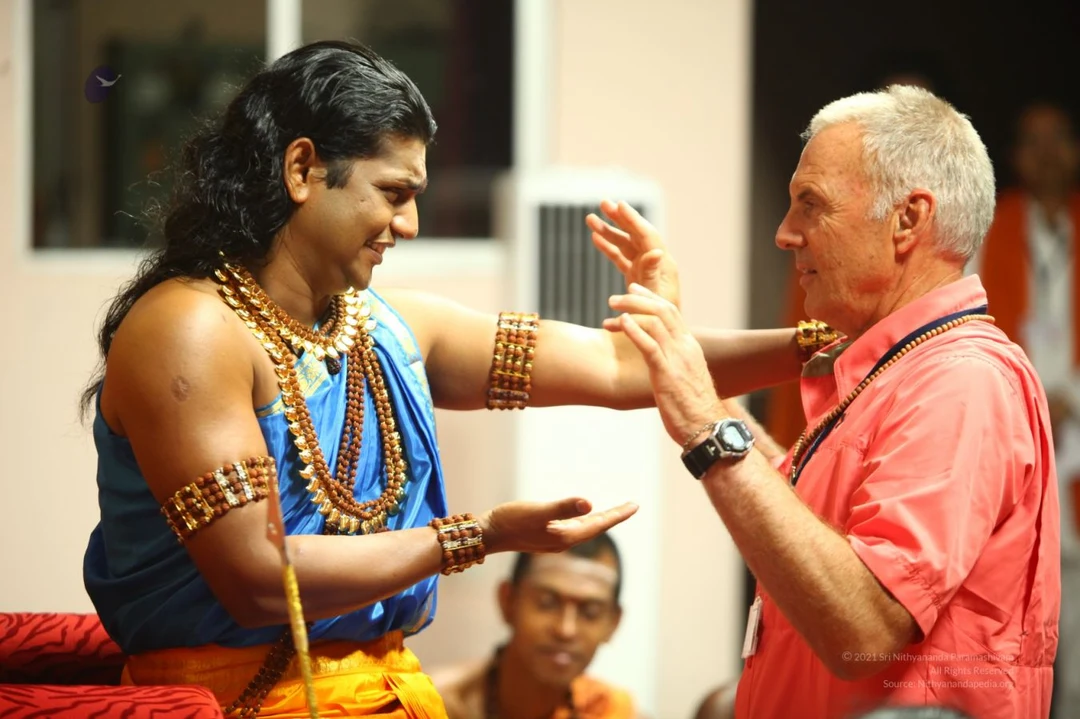
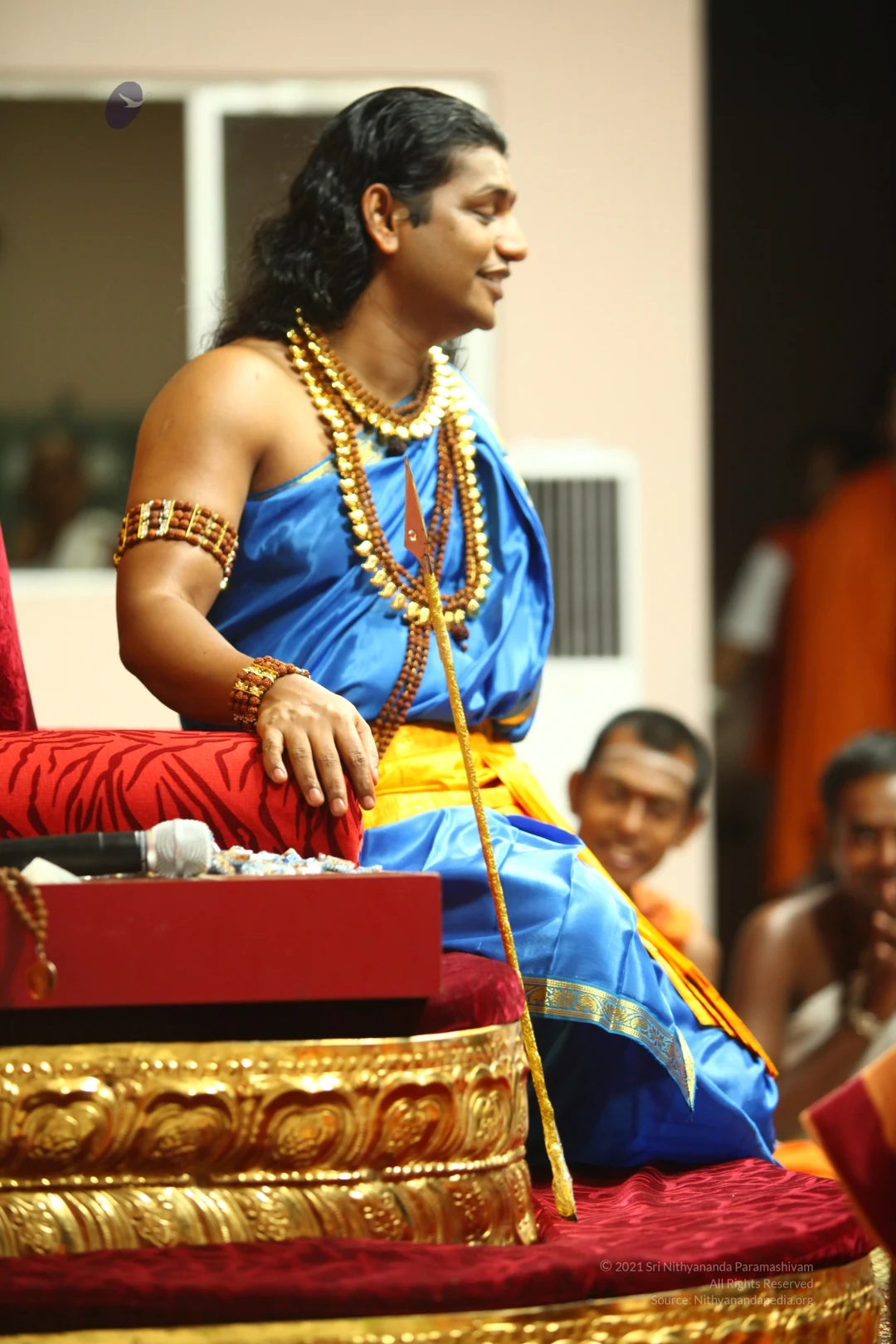
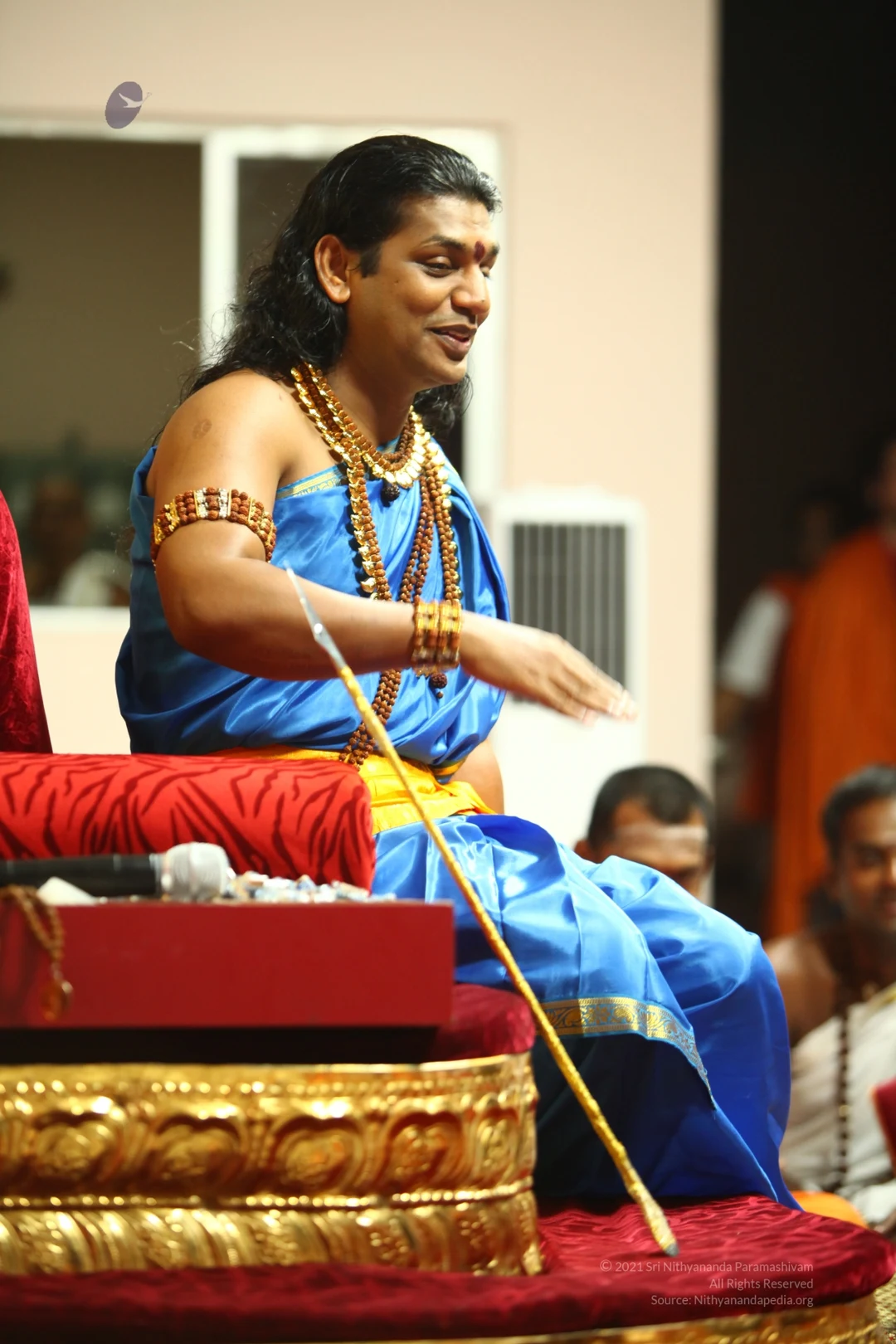
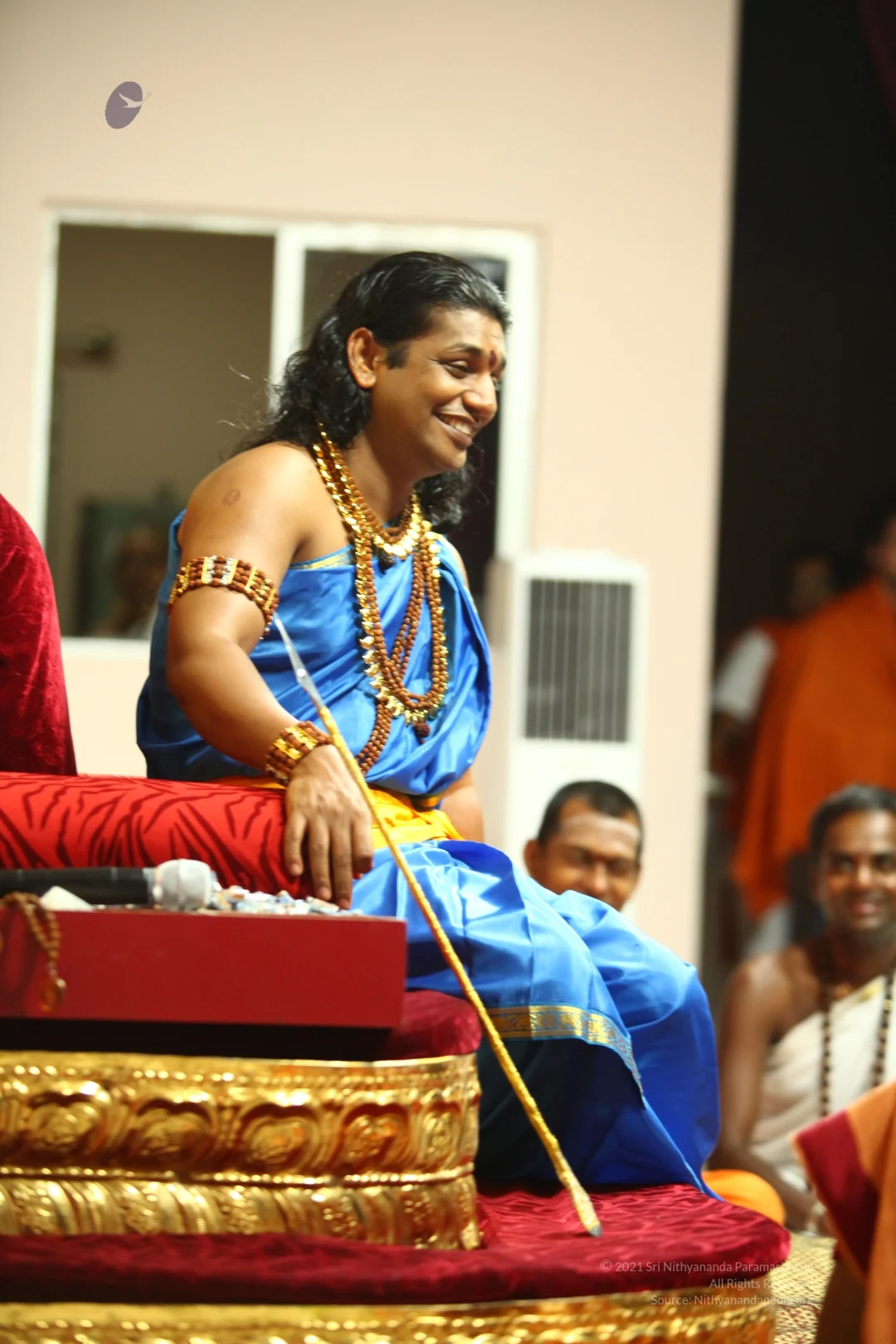
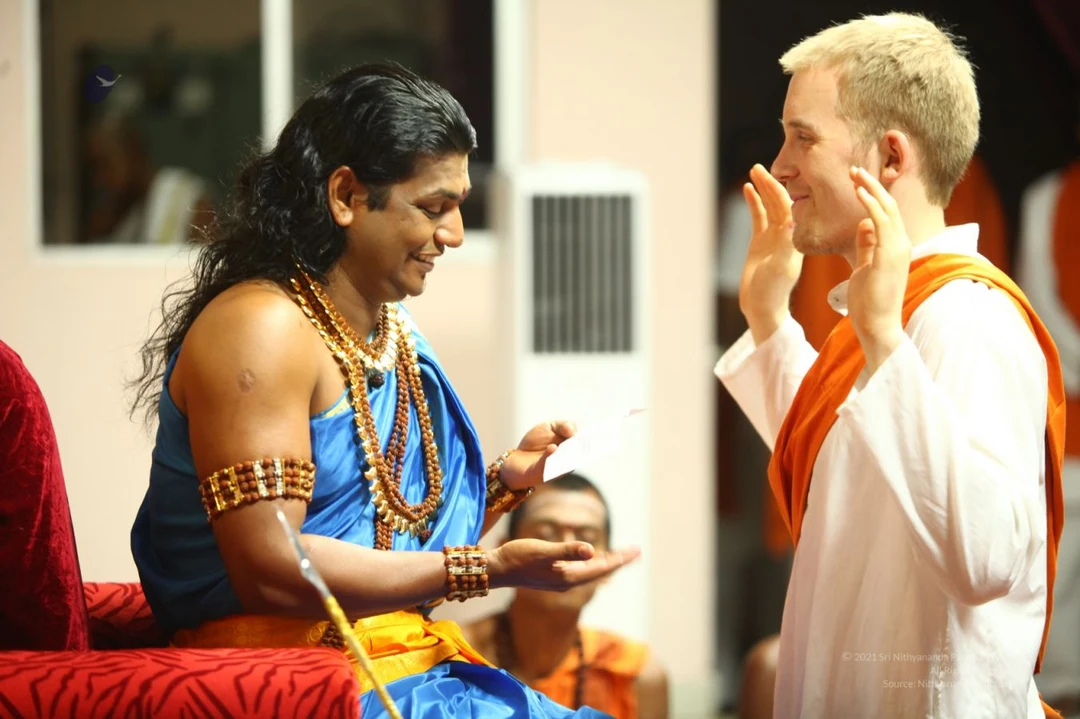



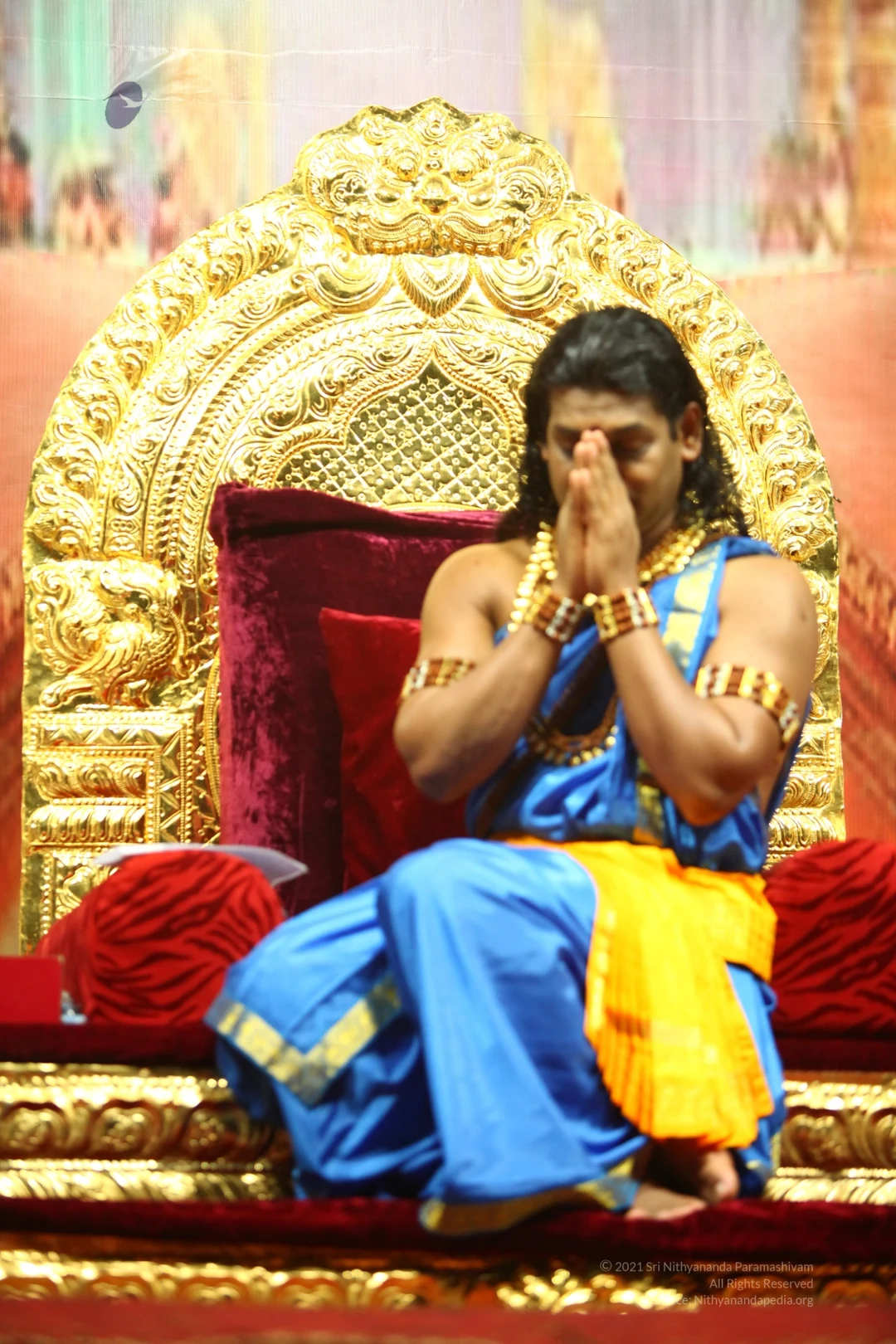
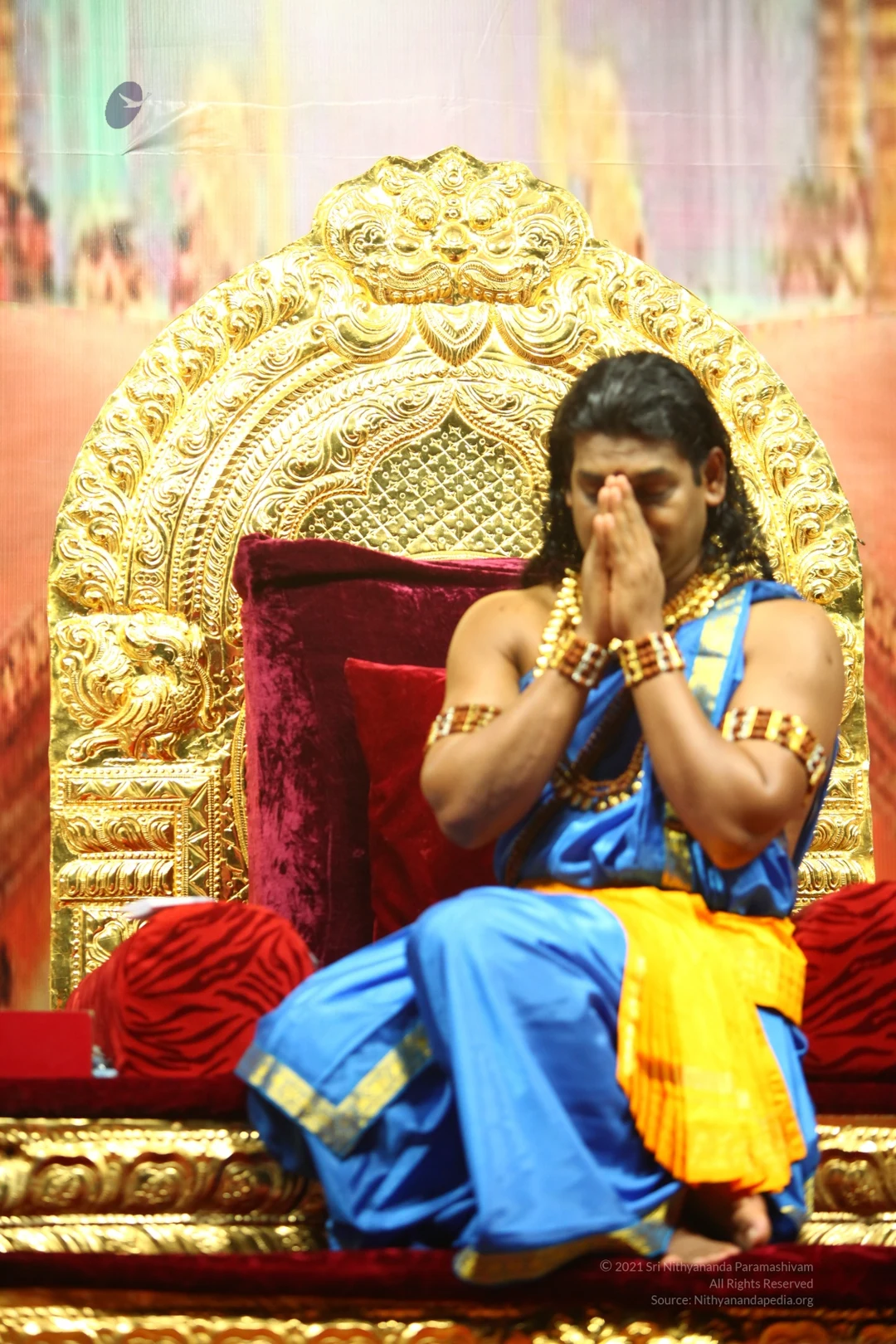
Sakshi Pramana:
Sharing from Inner Awakening
Photos from this day
View all 463 photosPhotos From The Day:
4 photosSource gallery
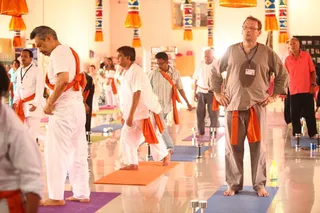
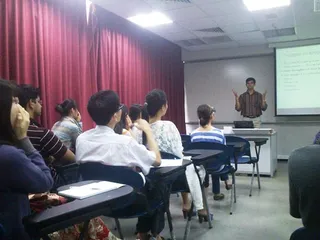
Temple Visit
27 photosSource gallery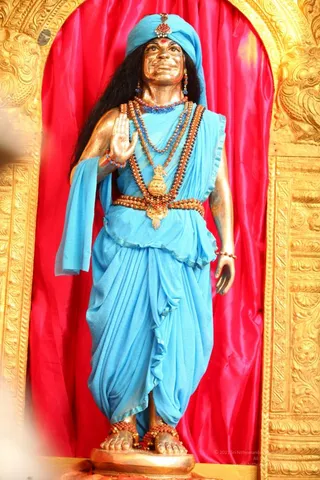
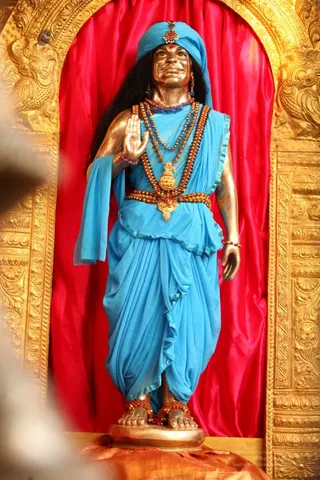


Pratyaksha Paada Pooja
50 photosSource gallery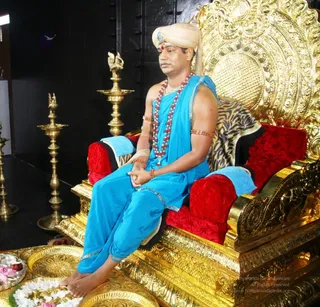
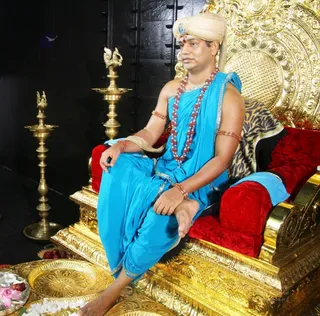
Nithya Satsang
84 photosSource gallery
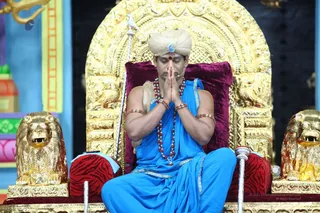
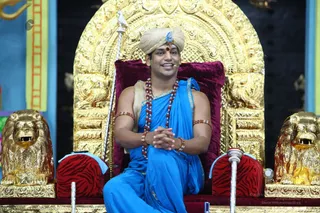
Sarvadarshan
13 photosSource gallery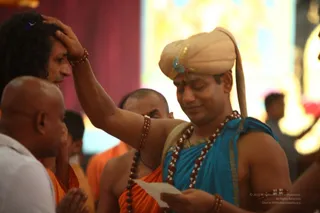
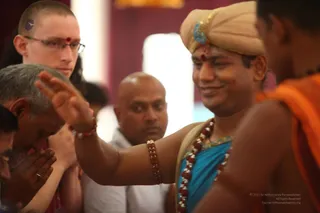
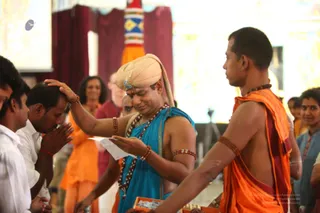
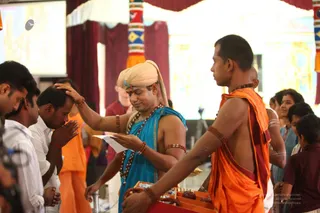
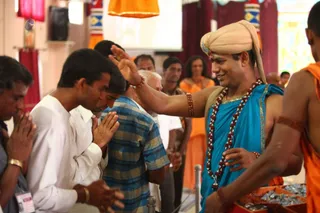
Inner Awakening session with Swamiji
31 photosSource gallery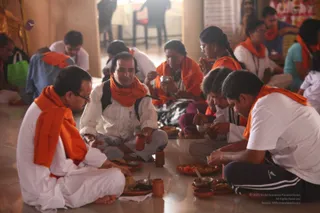

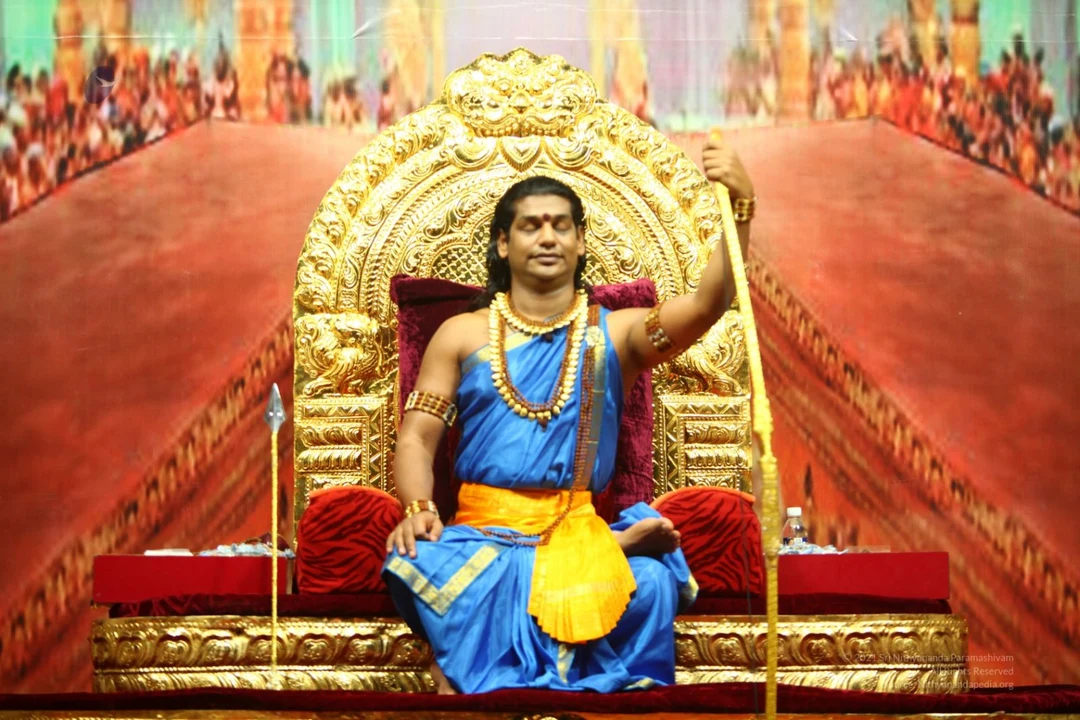
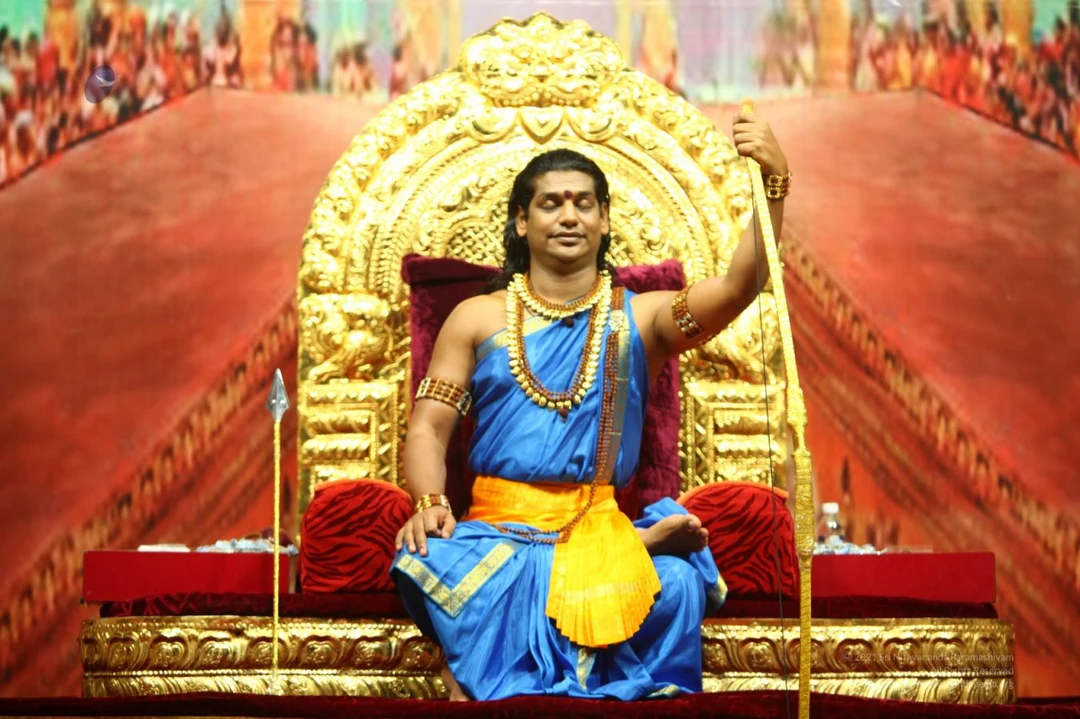
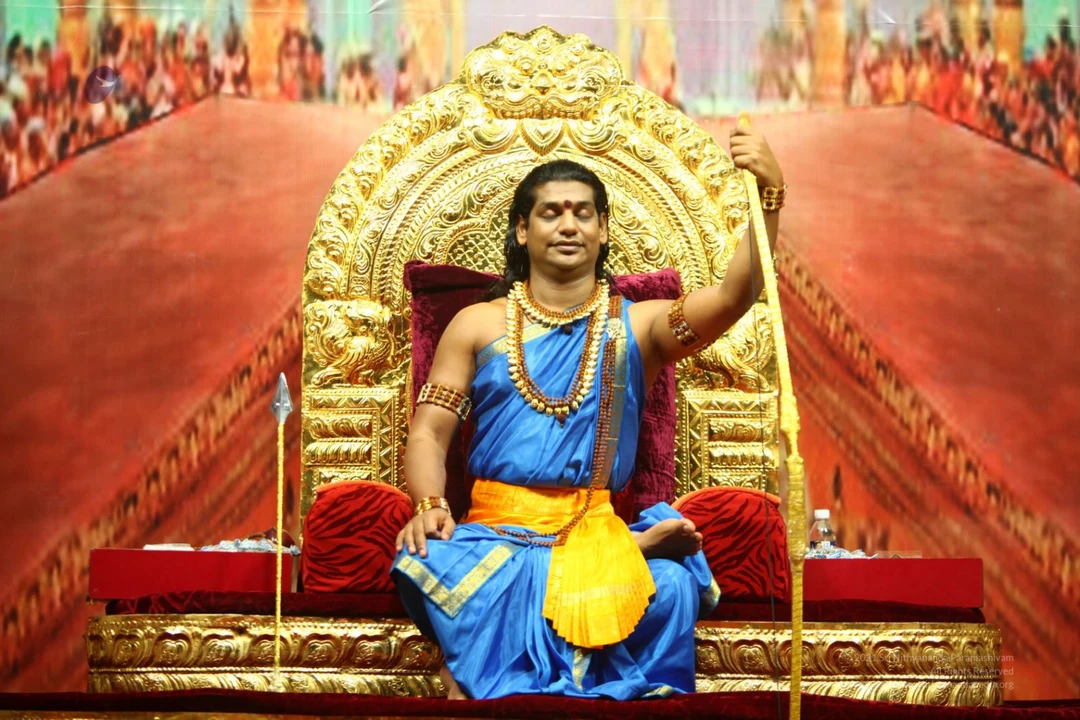
Inner Awakening Darshan to Delegates
250 photosSource gallery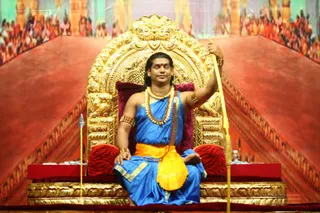
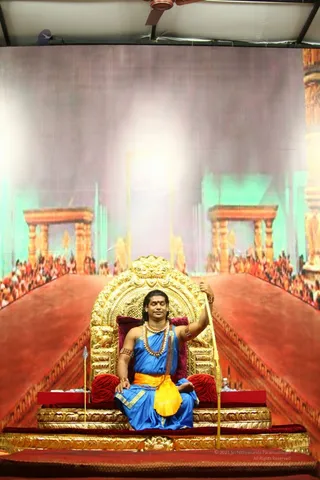
More photos
4 photosView all