Sunday
1 April 2012
Life Of Rama - A sacrifice for human society
- Dated photos
- 484
- Source pages
- 1
- Media
- 8
April 01 2012
Original wiki pageTitle: SPH JGM HDH Nithyananda Paramashivam Visits Kailasa in Hyderabad, Sripuram Sarvajnapeetam for 2 day workshop enHealth-Wealth
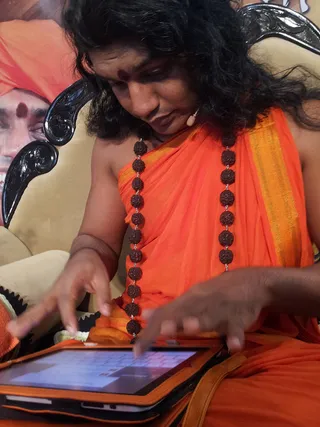
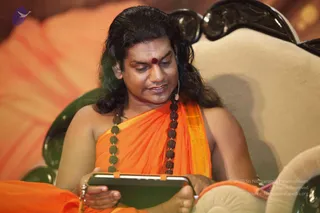
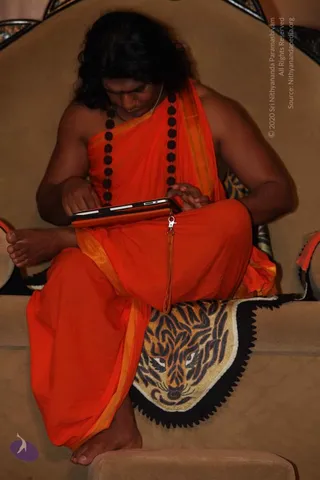
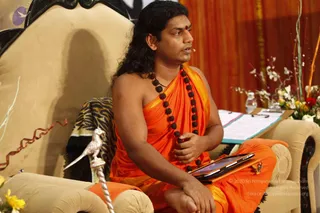
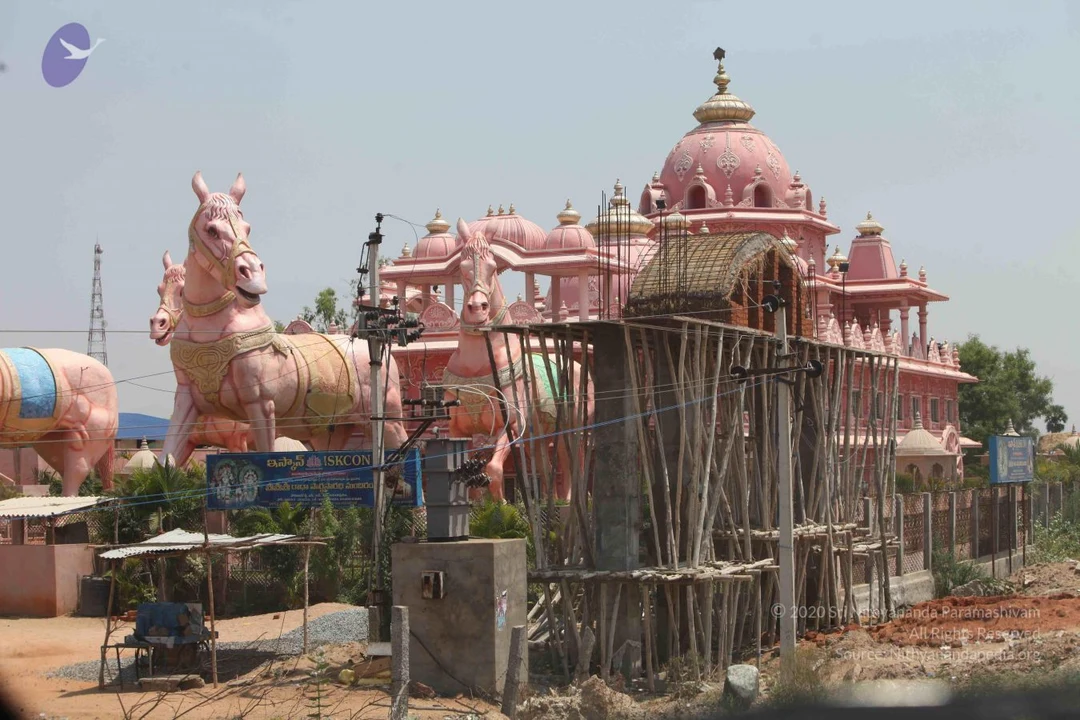
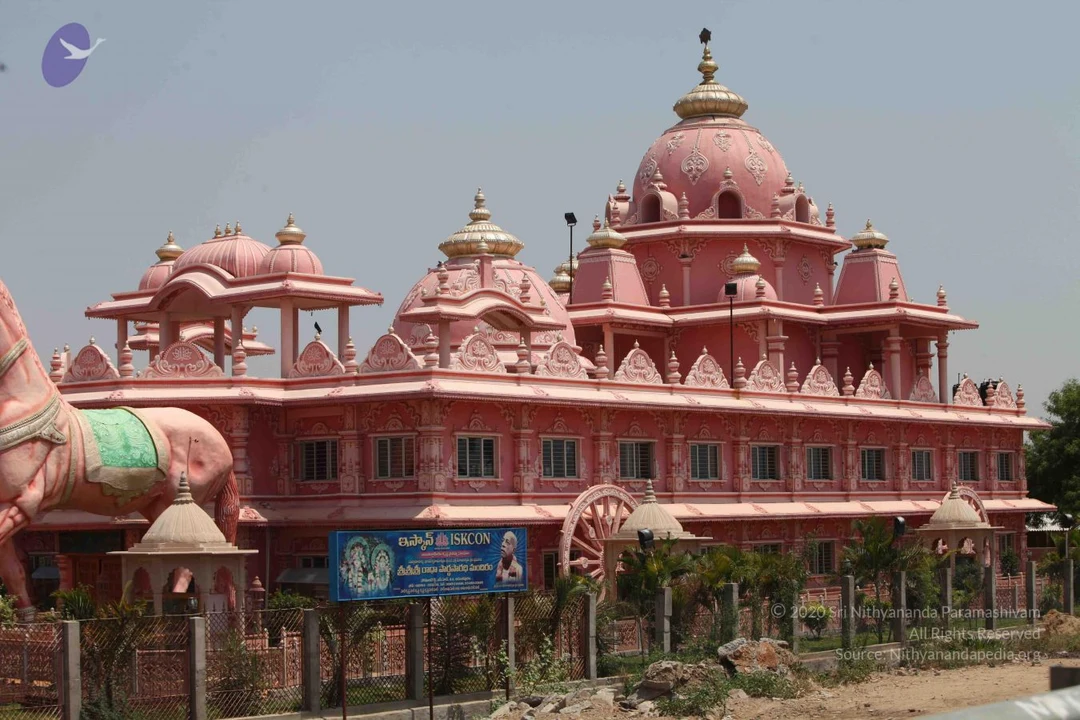
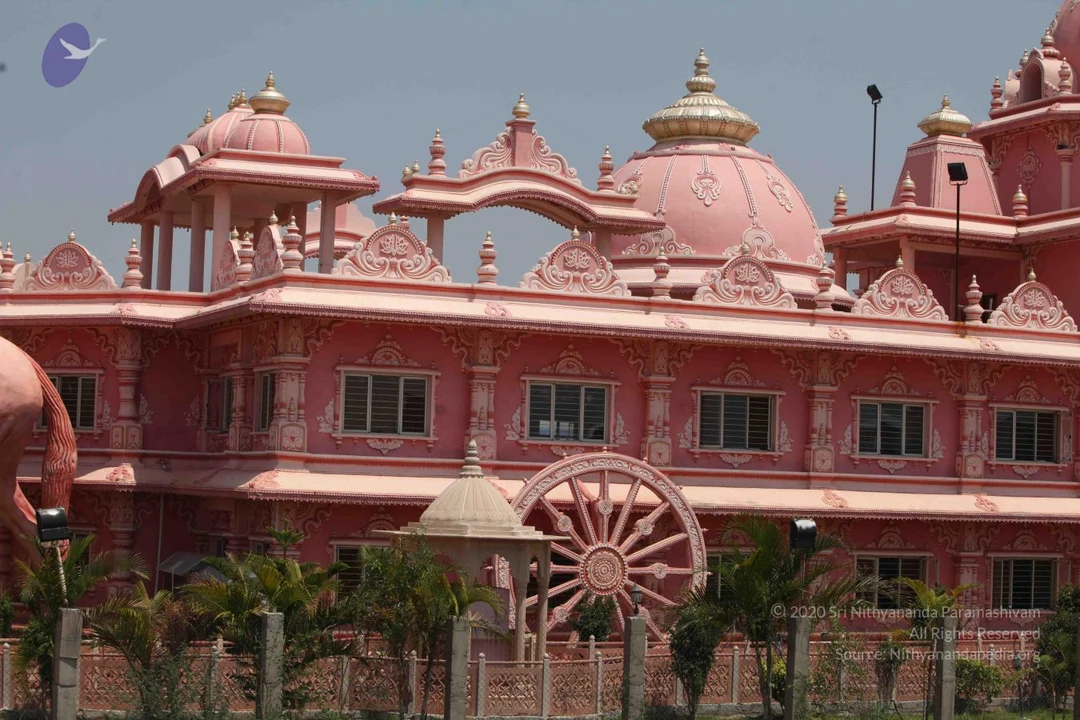
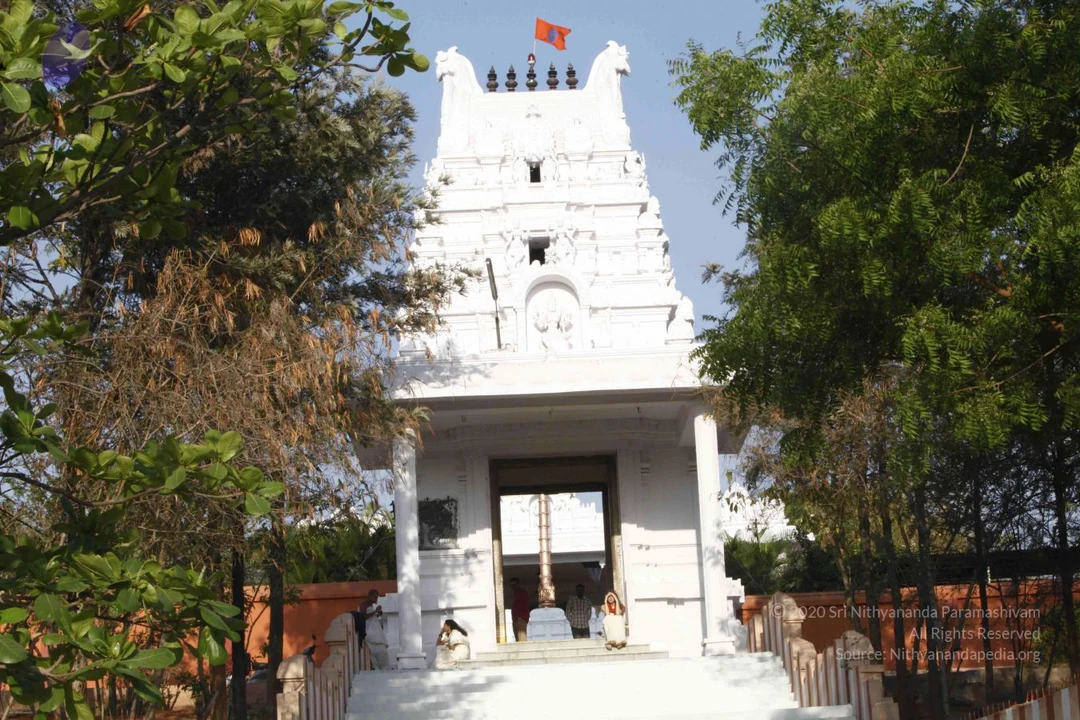
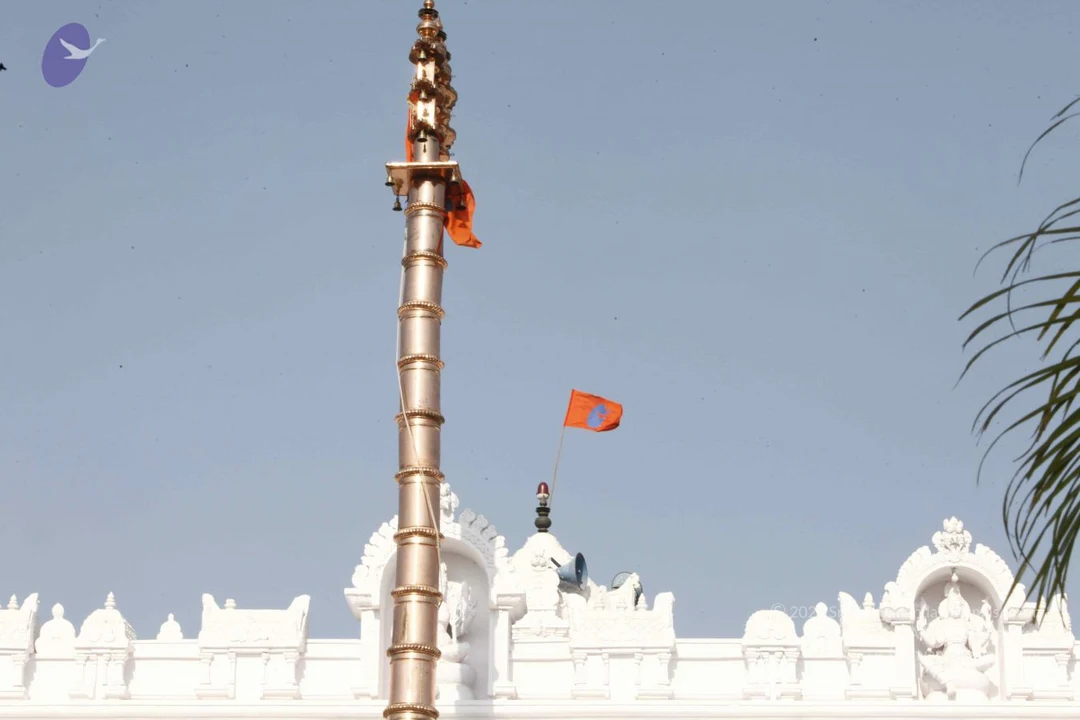
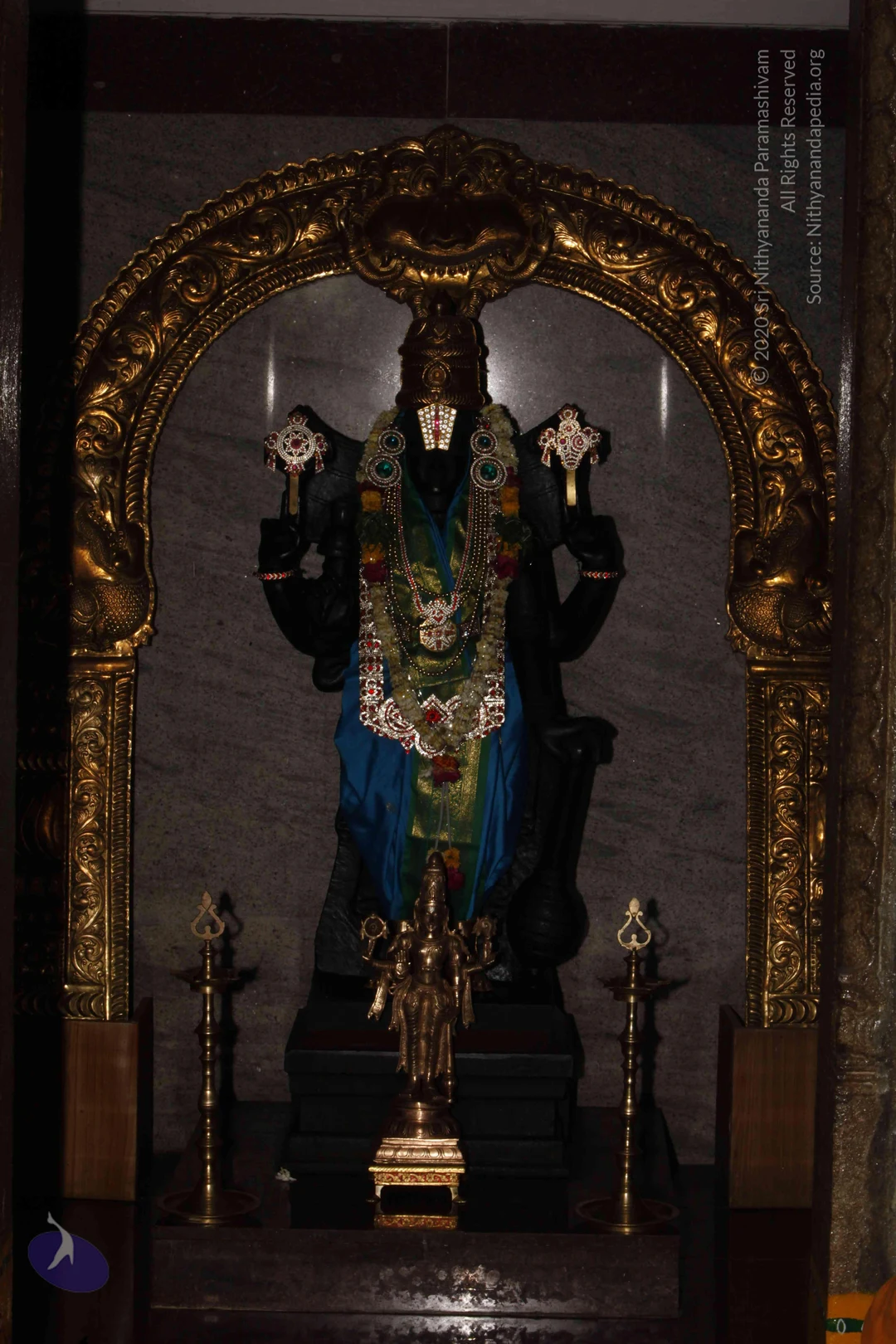
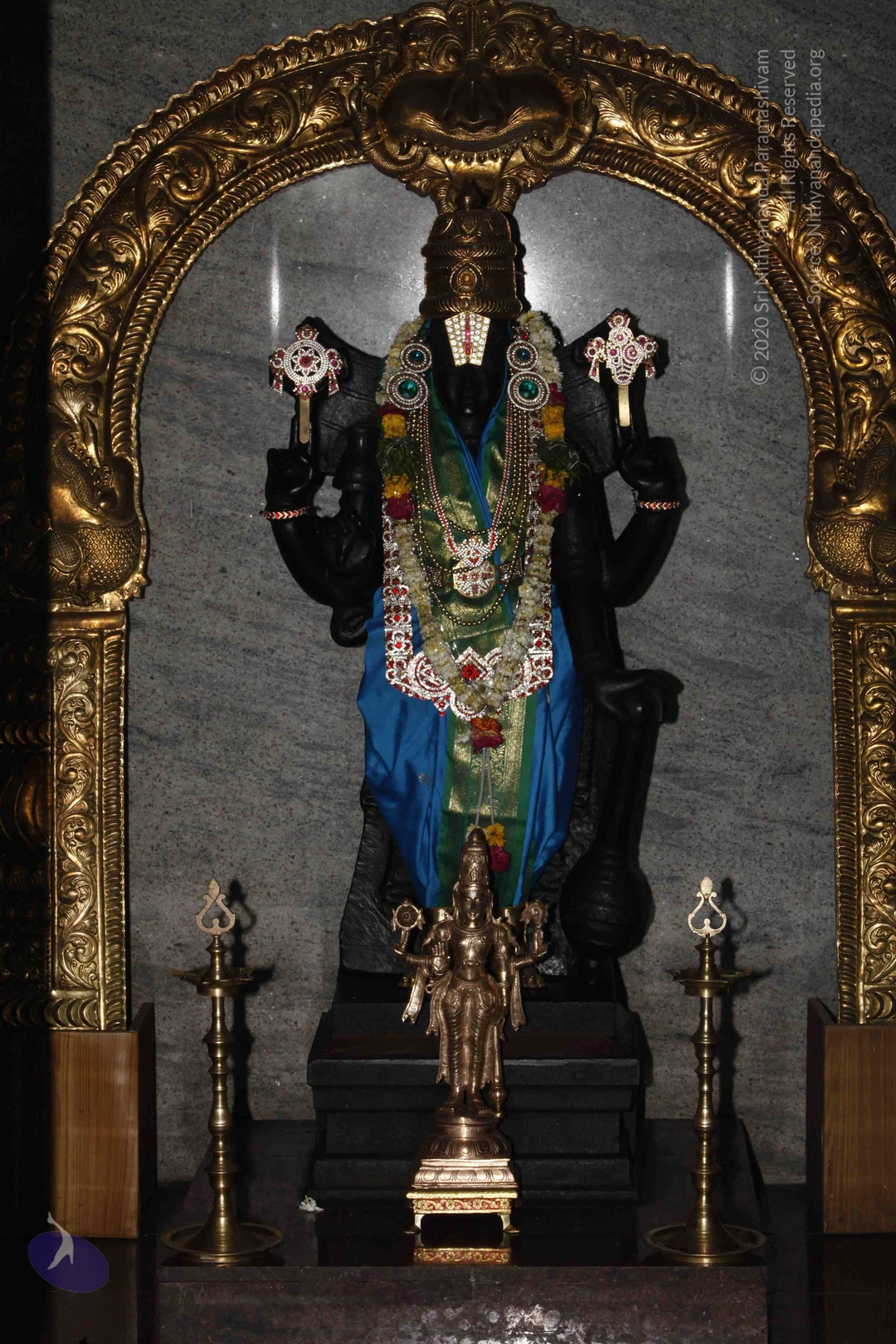
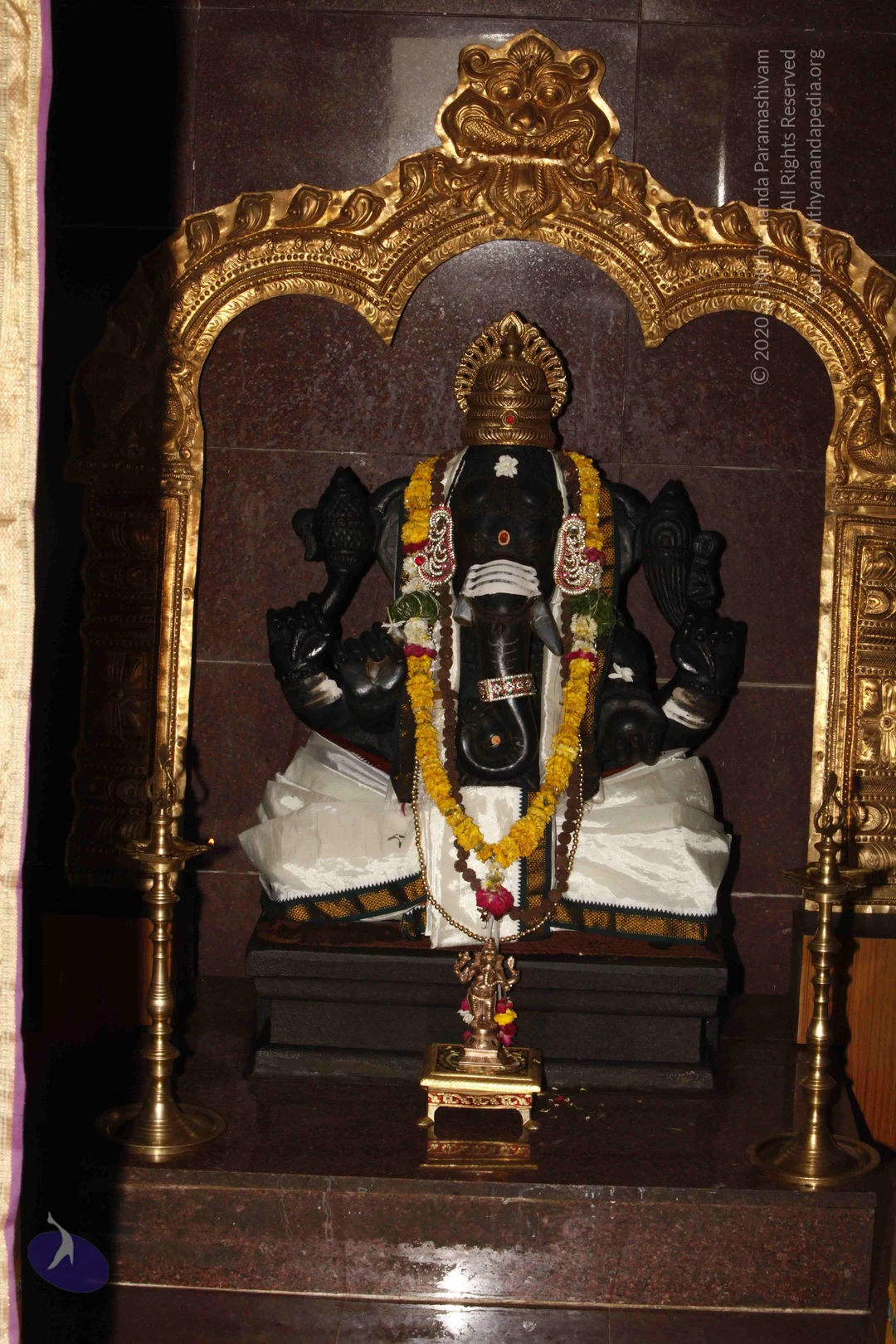
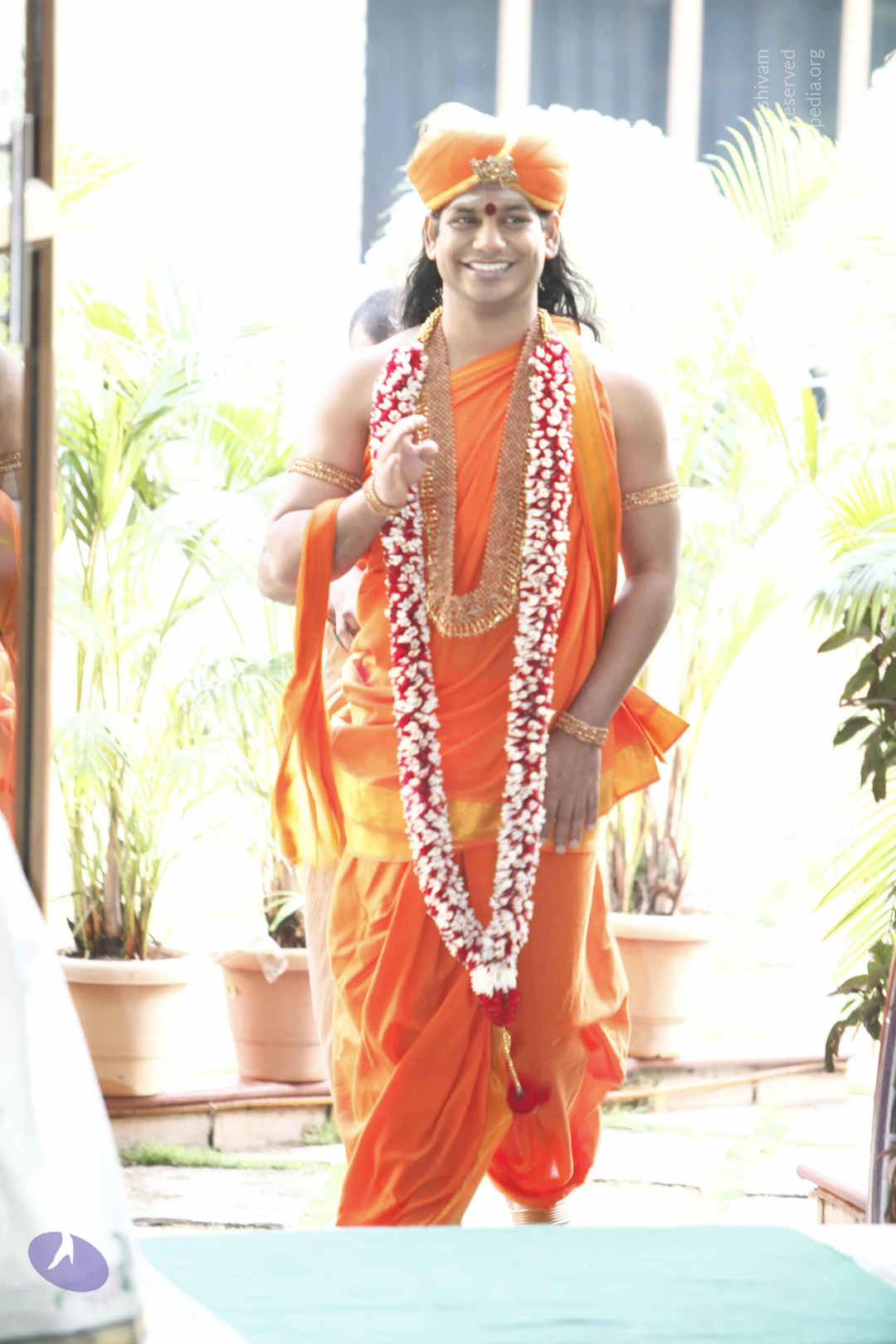
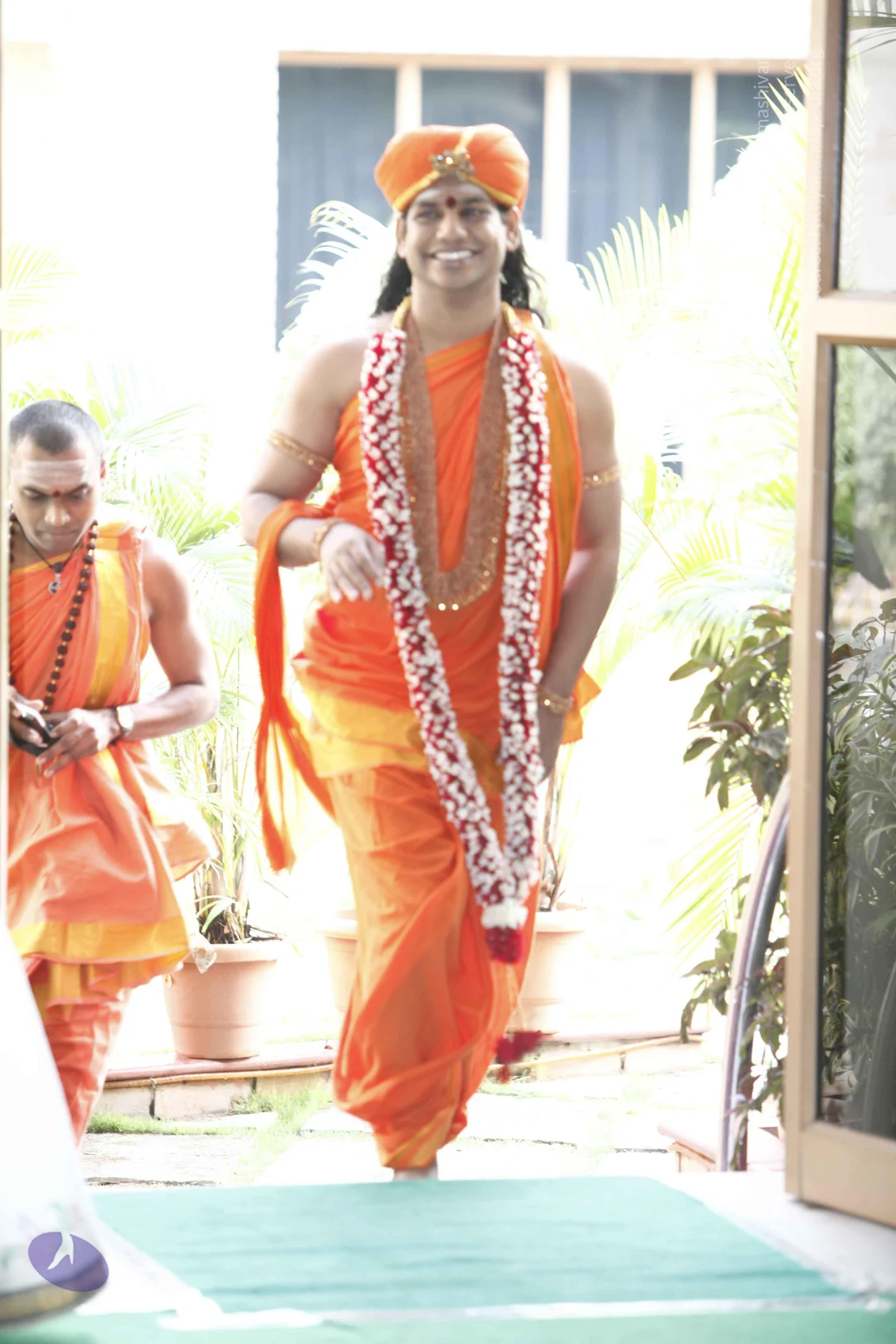
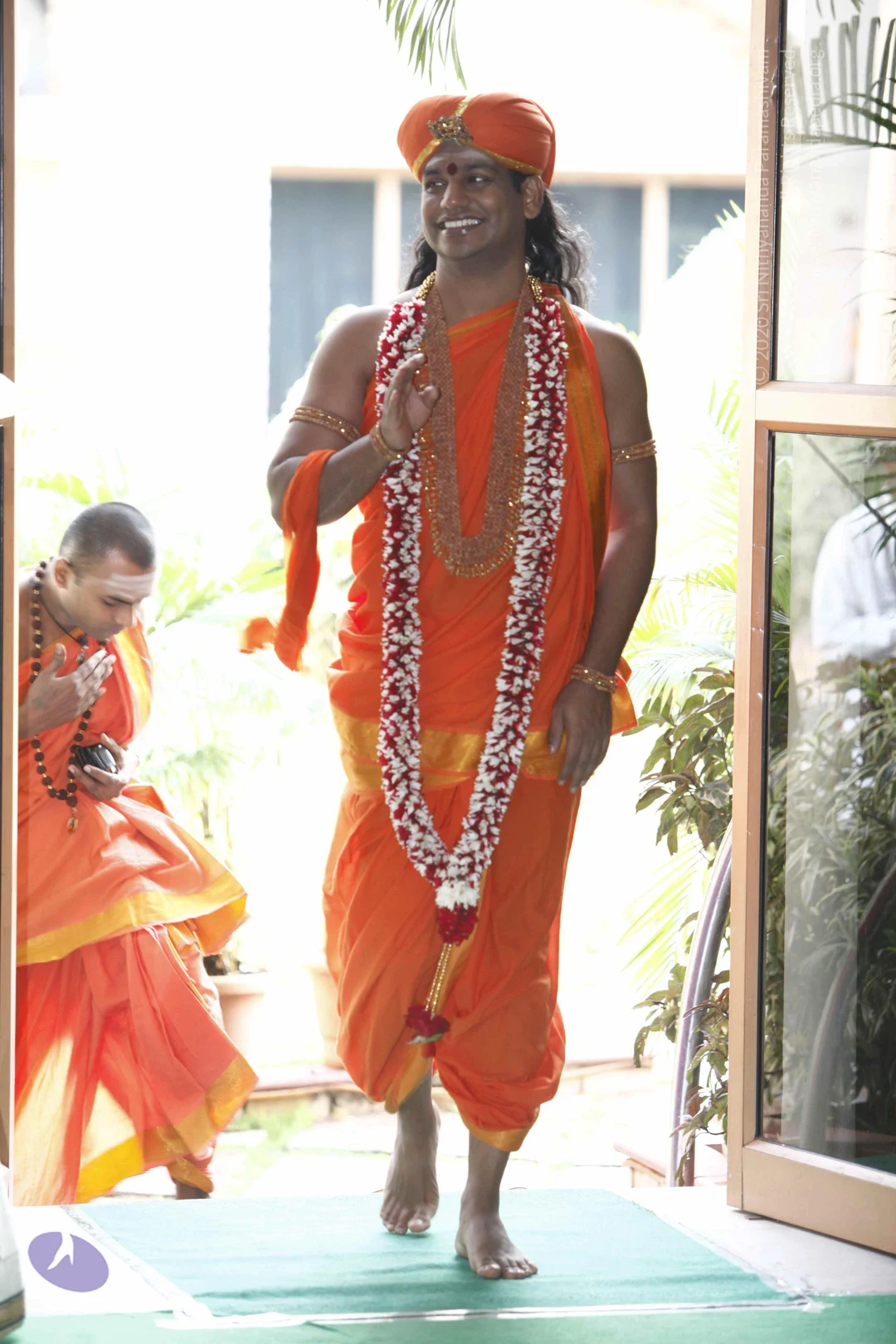
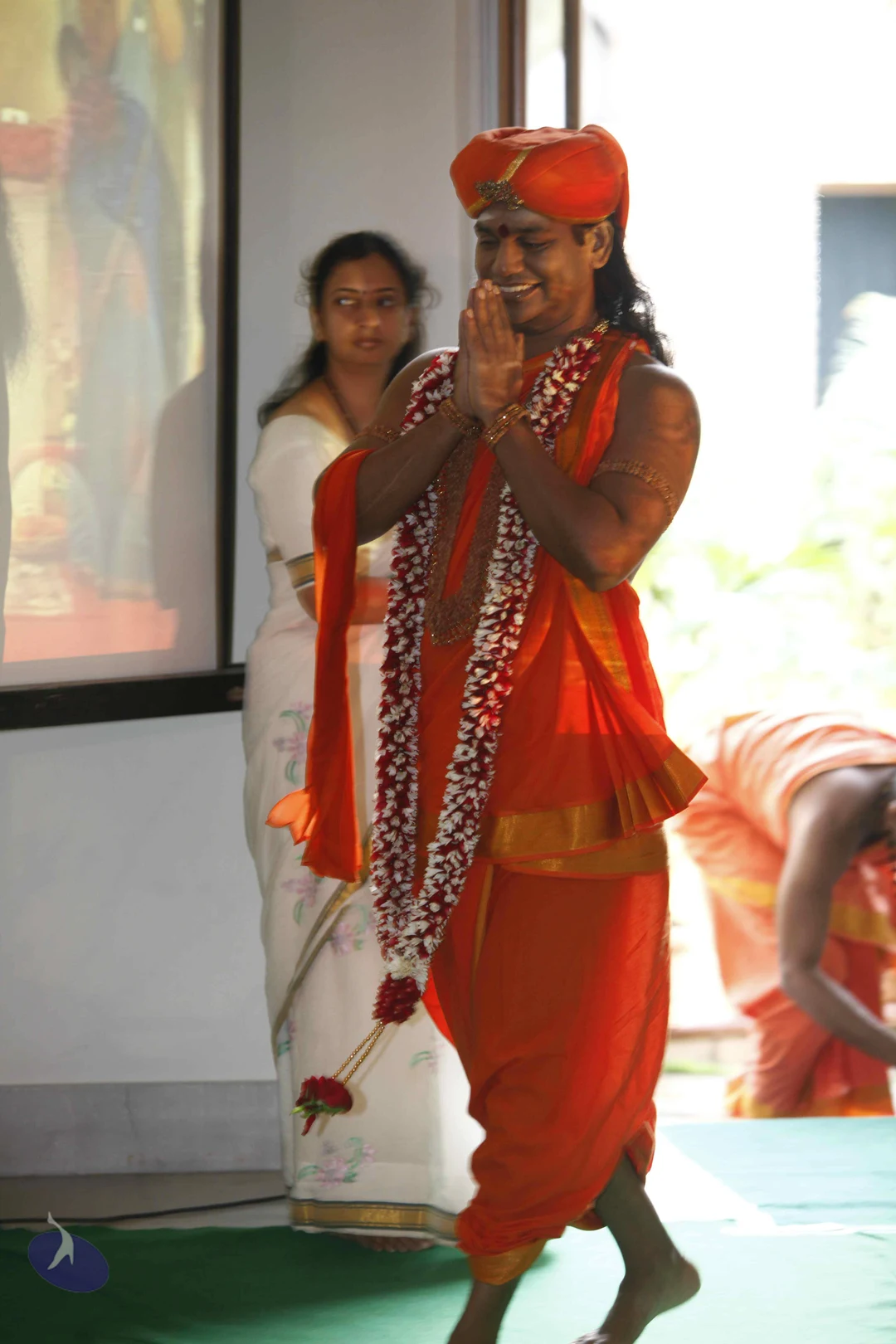
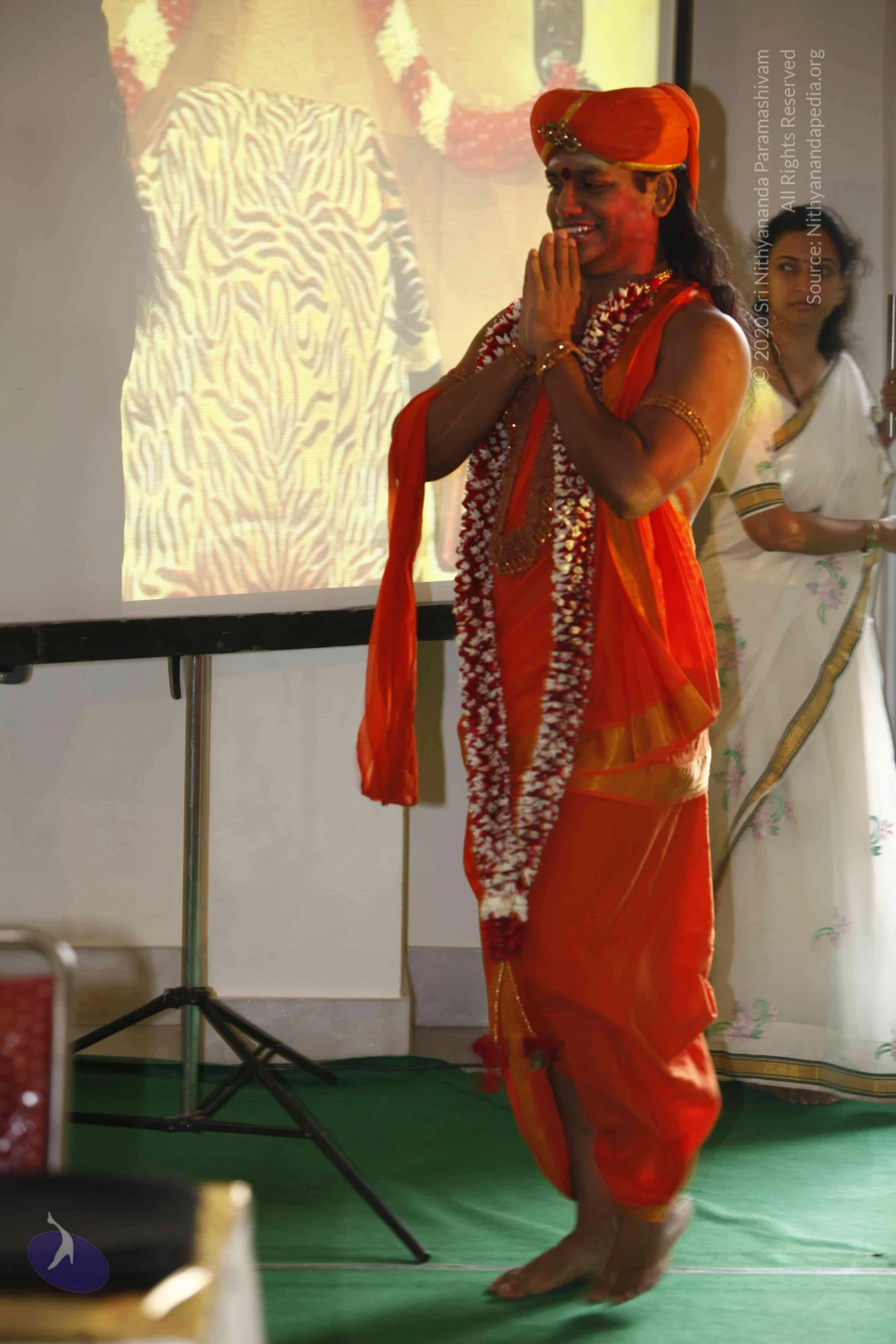
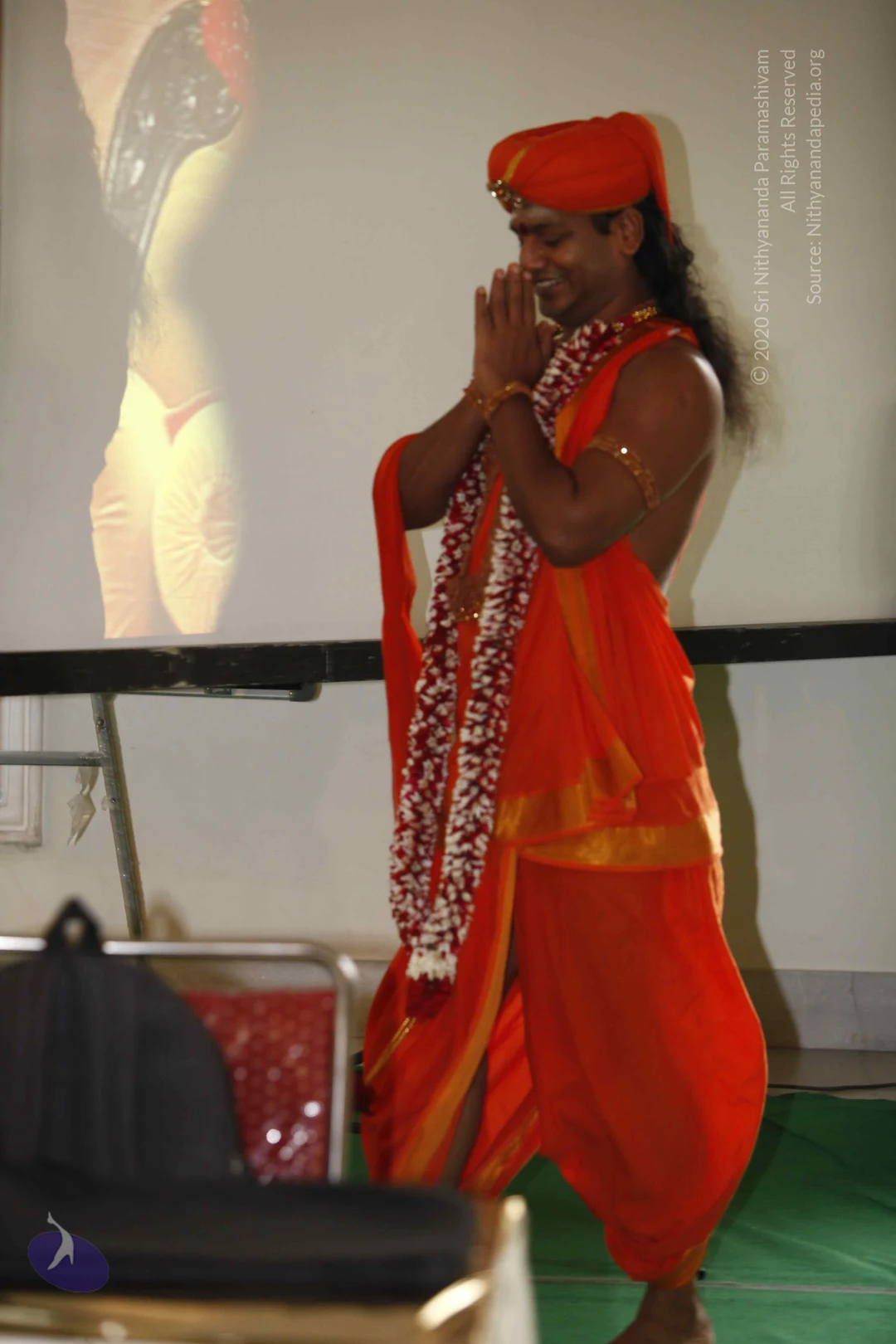
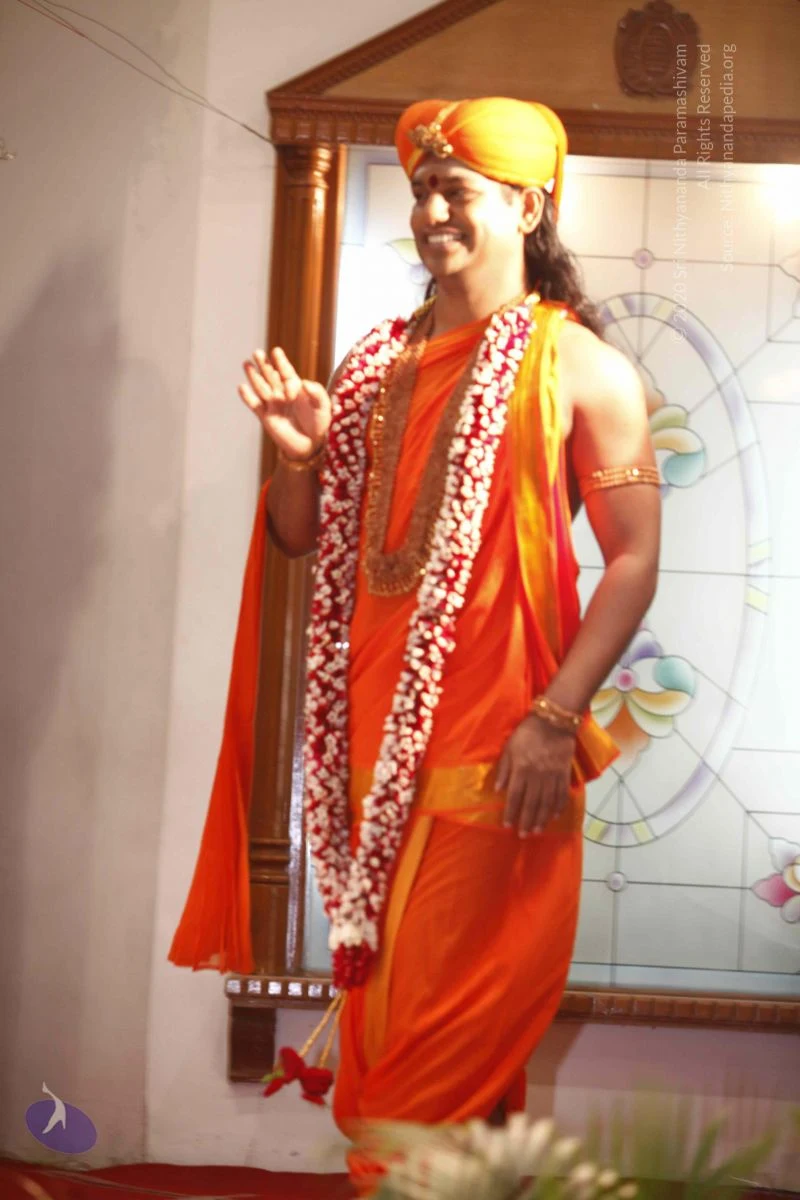
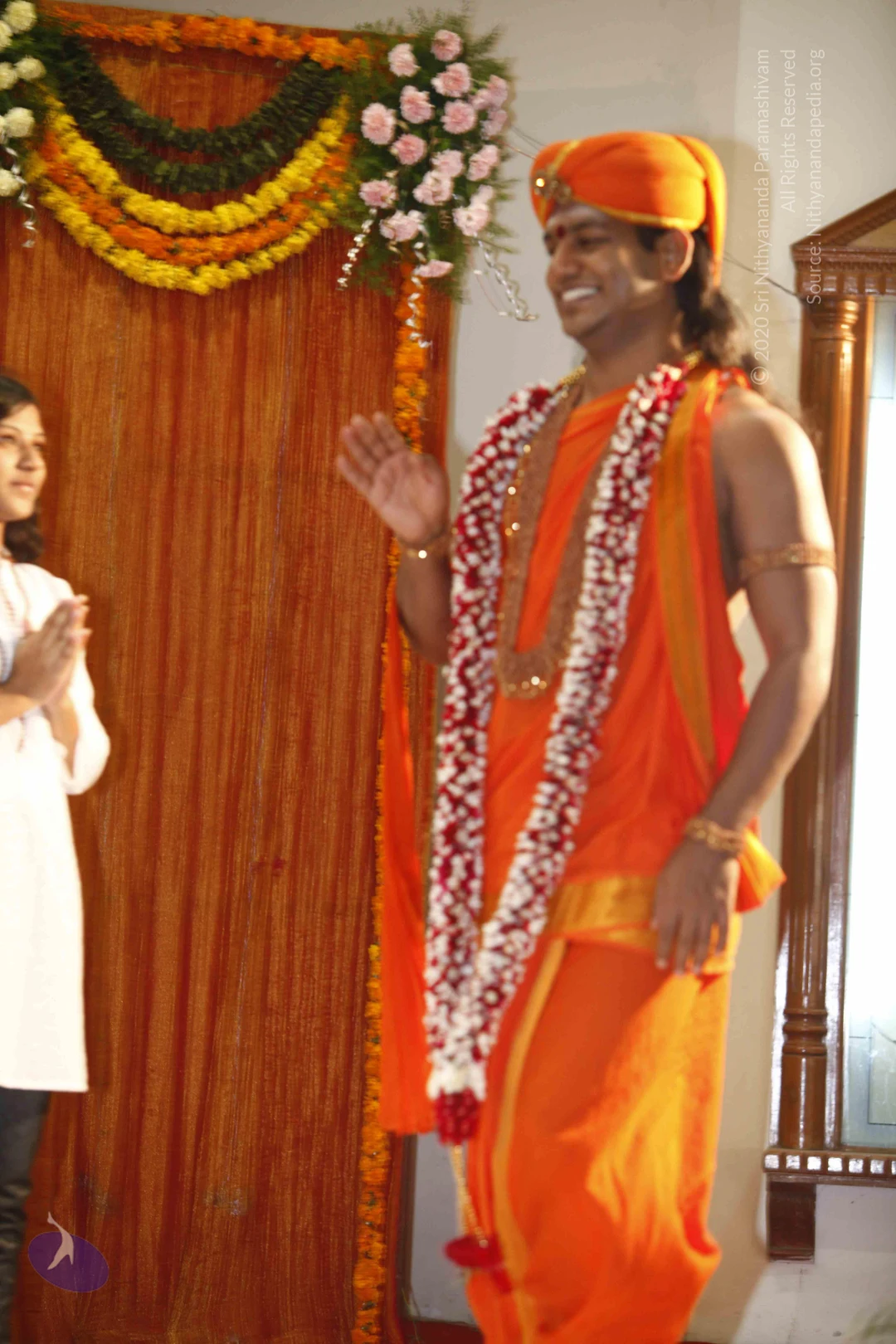
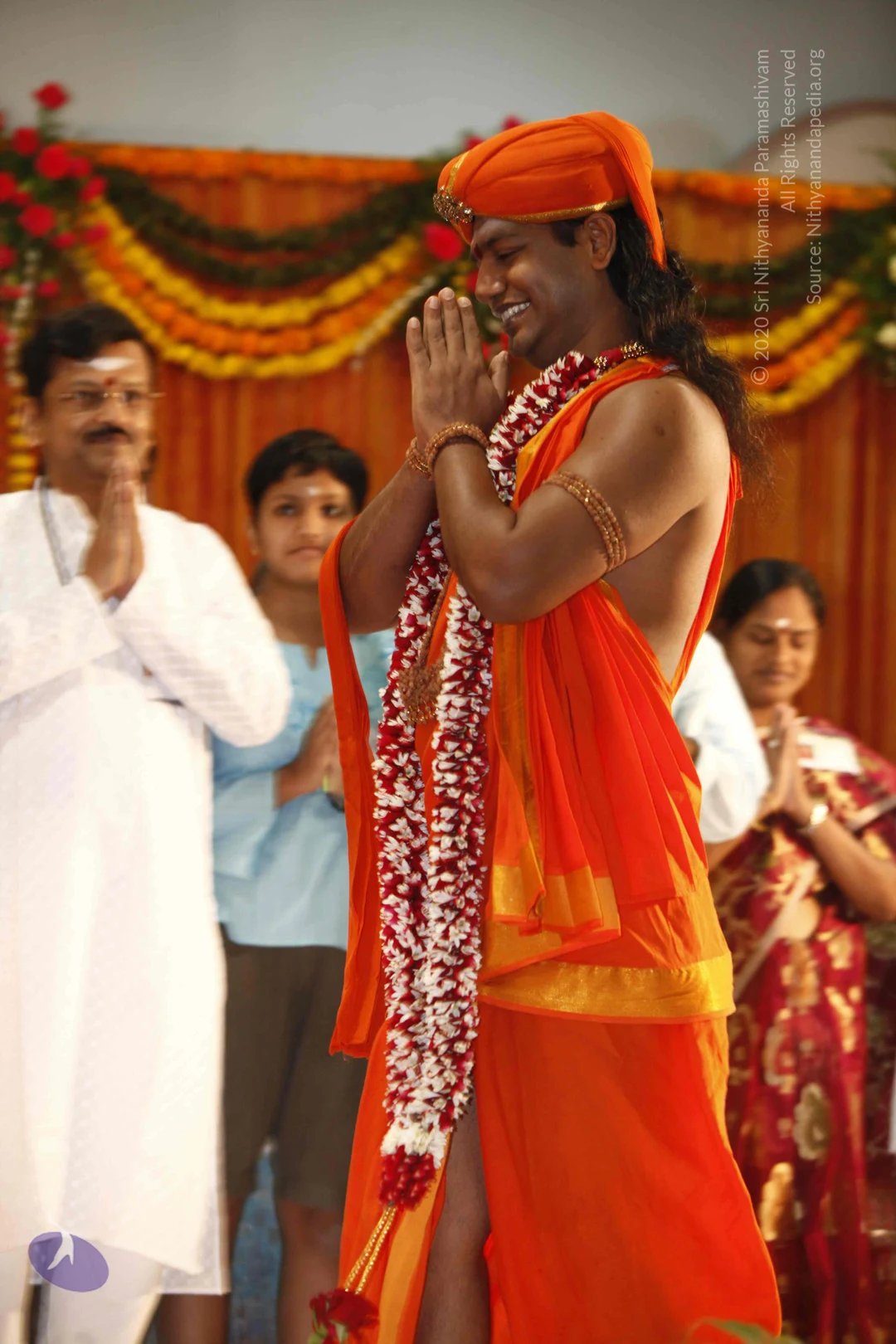
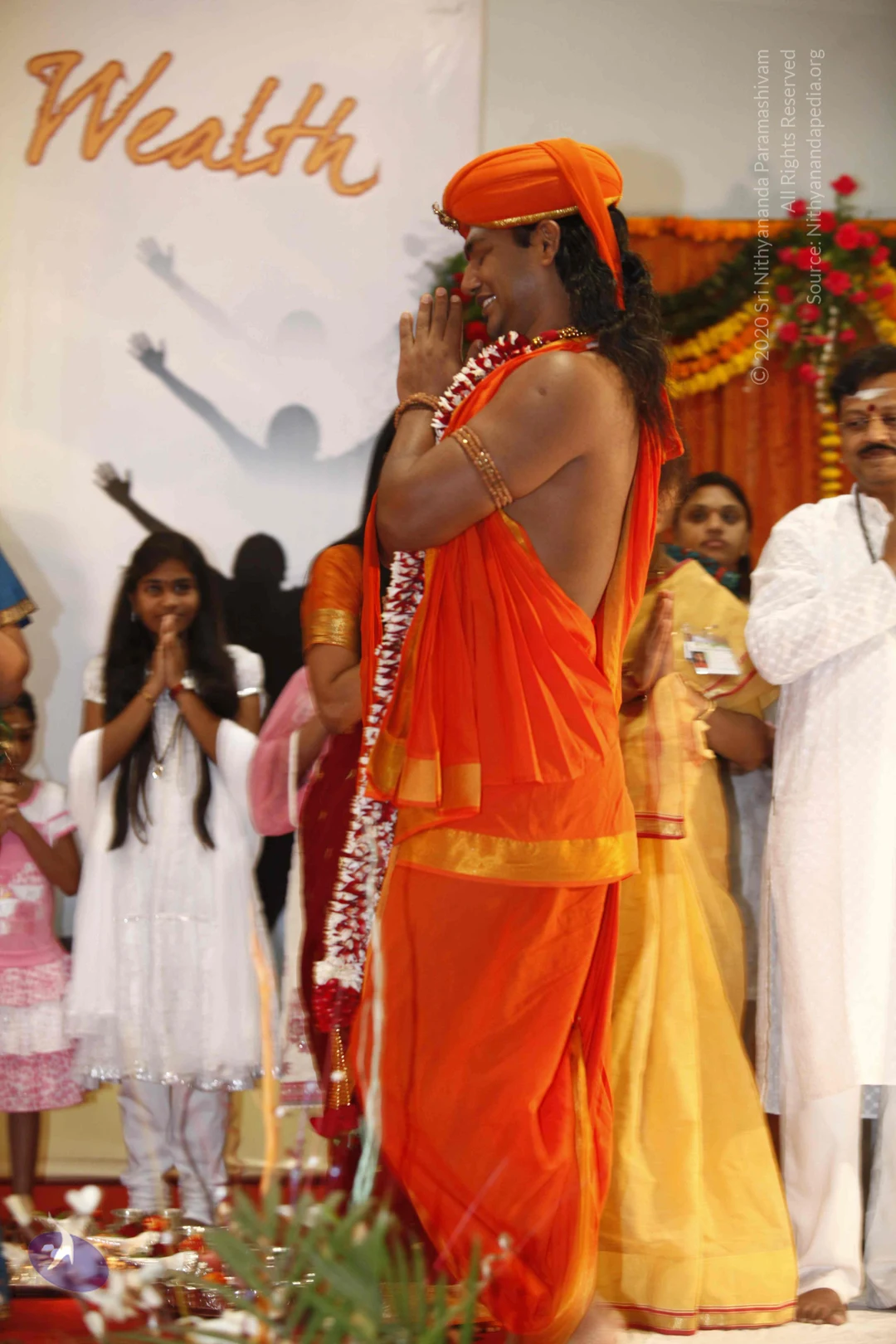
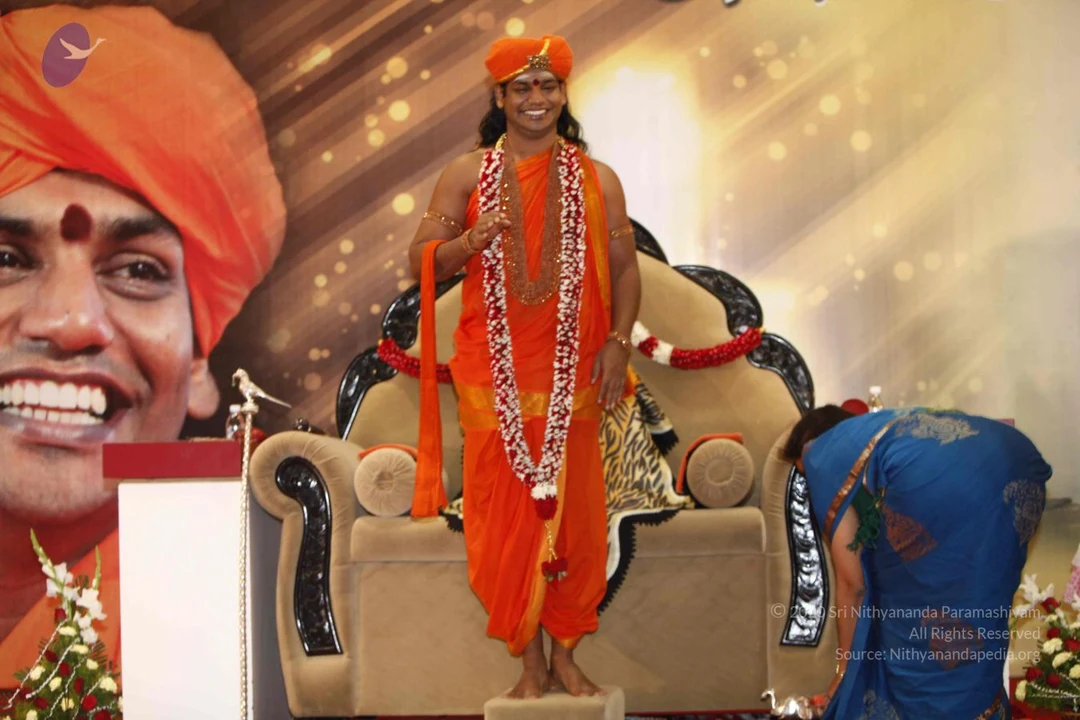
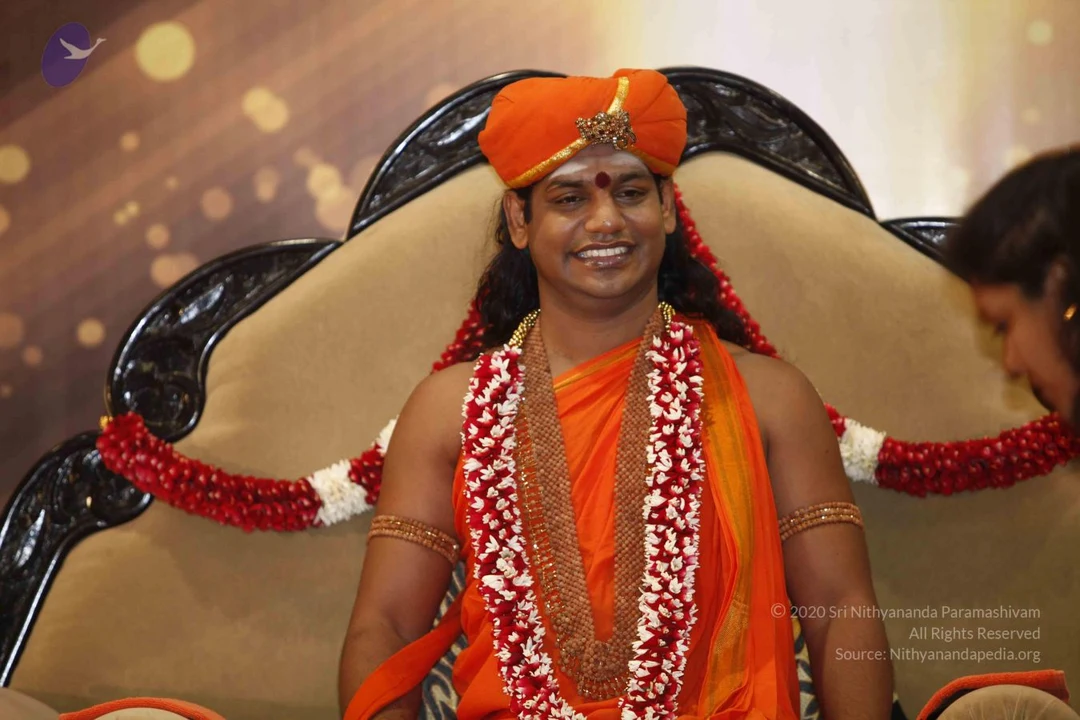
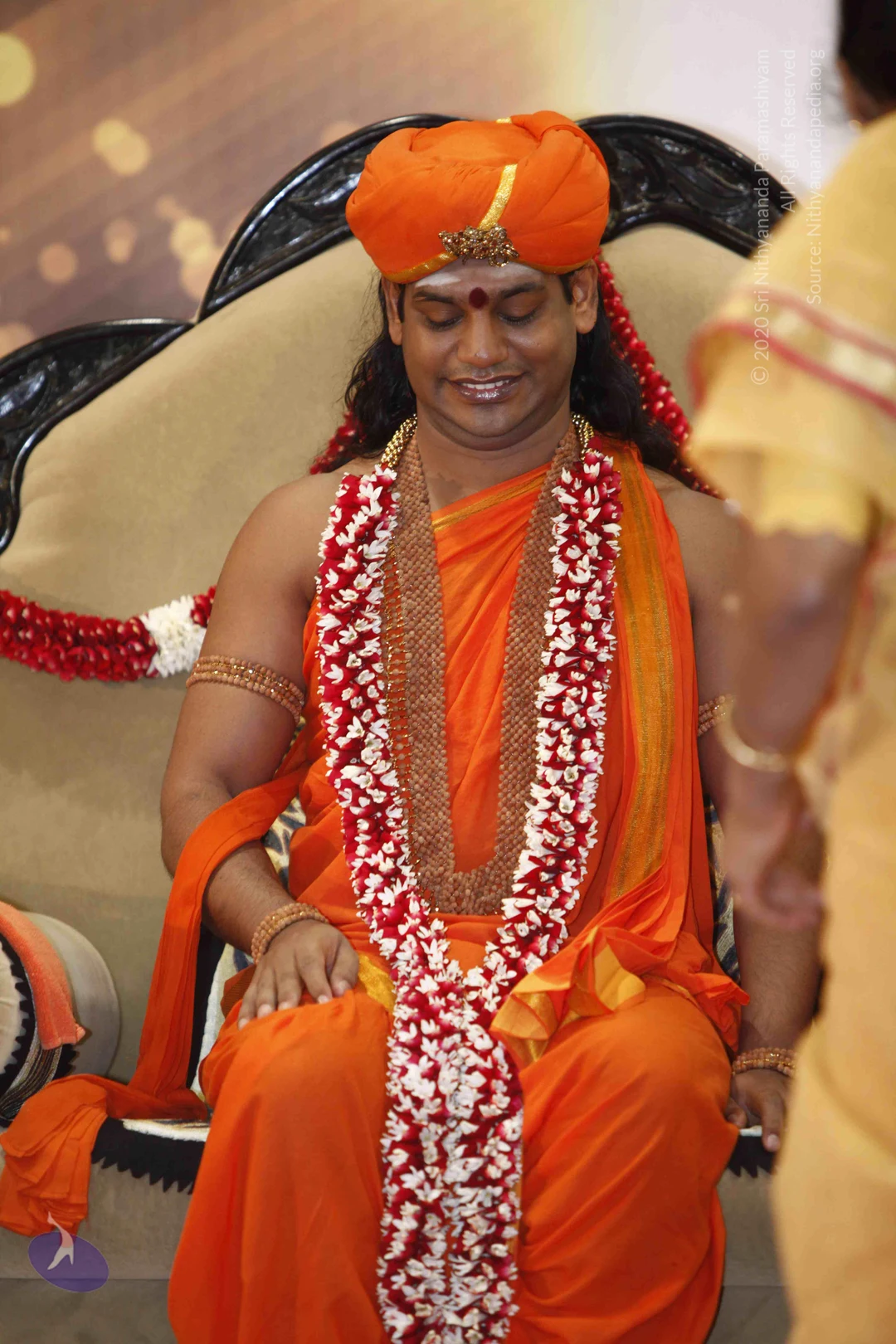
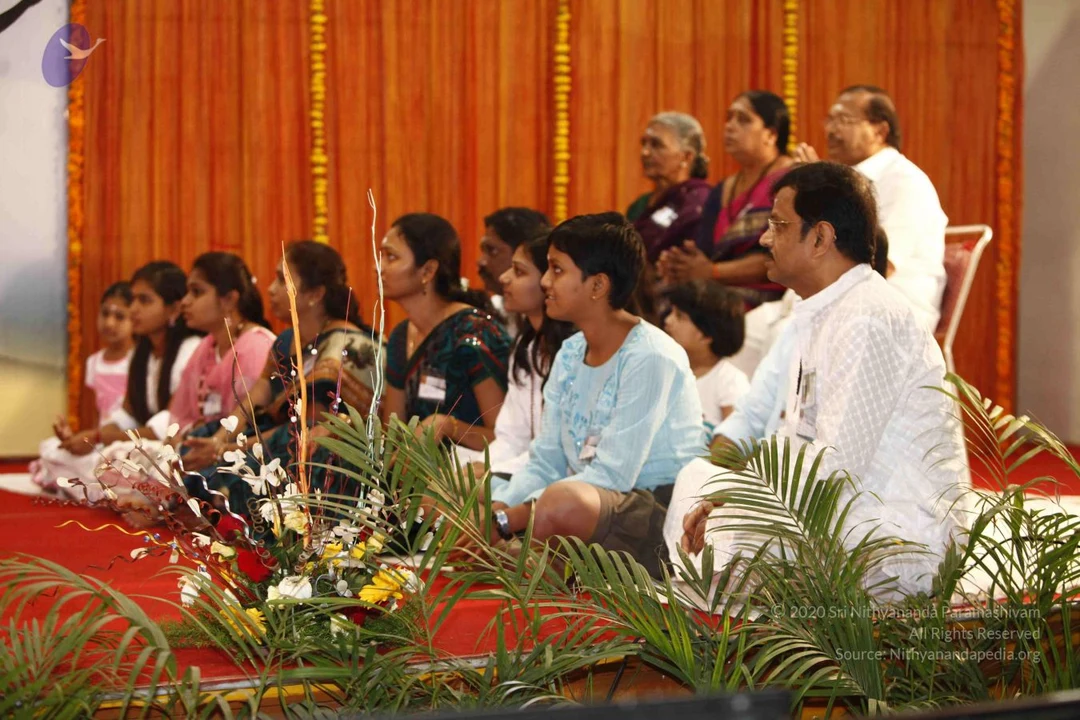
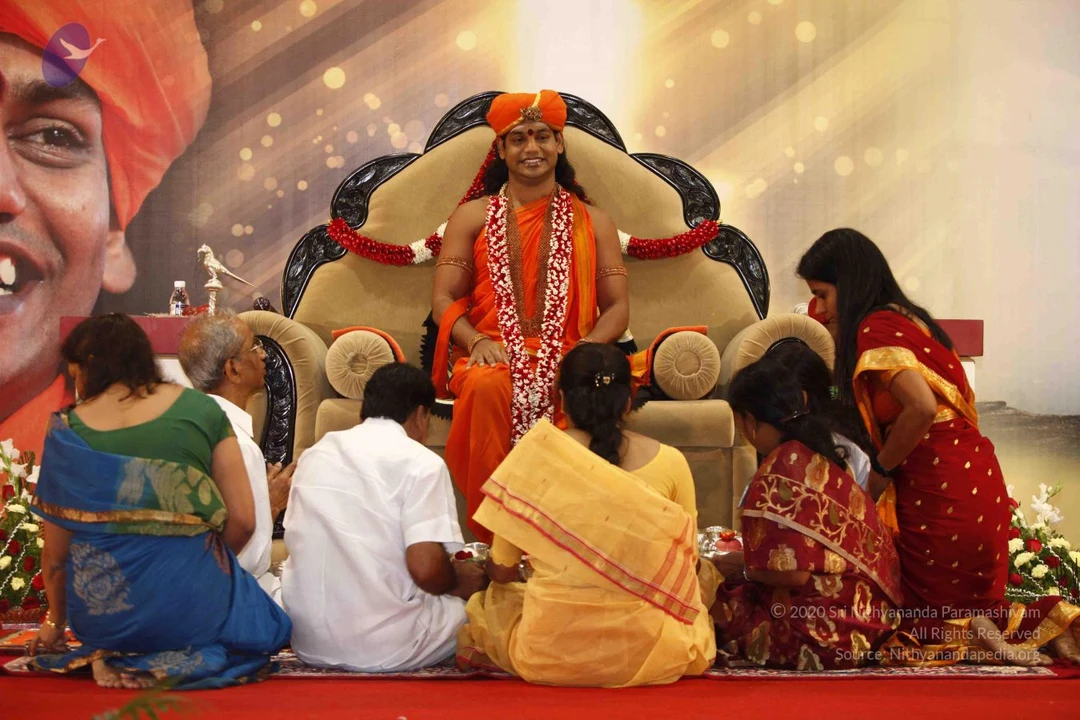
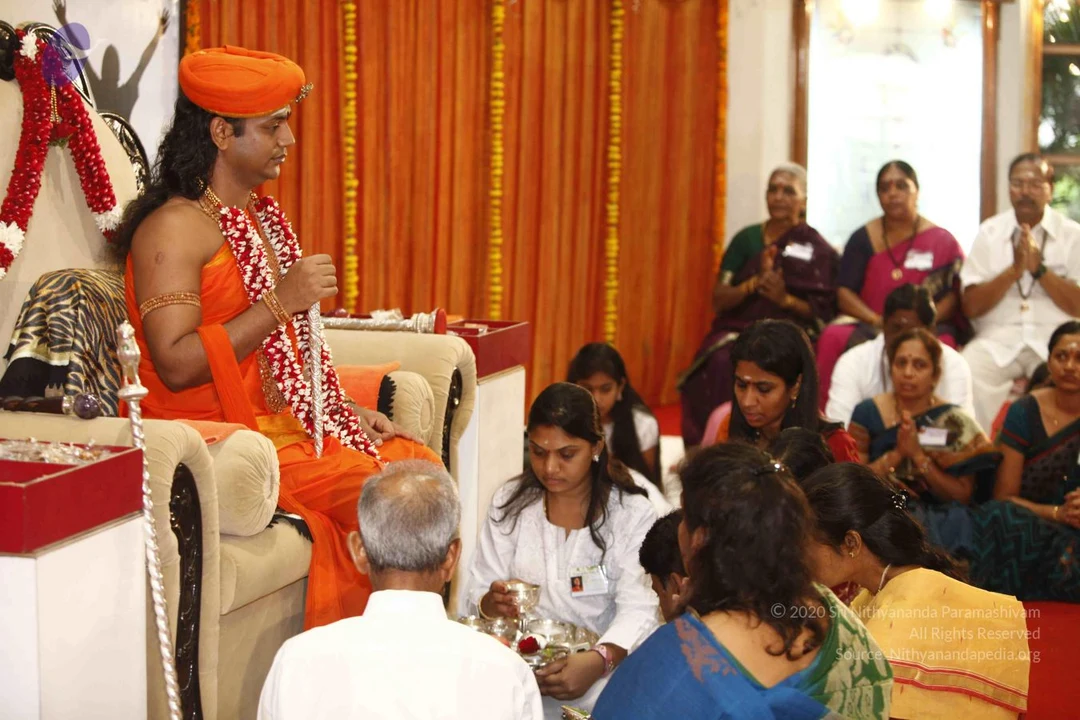
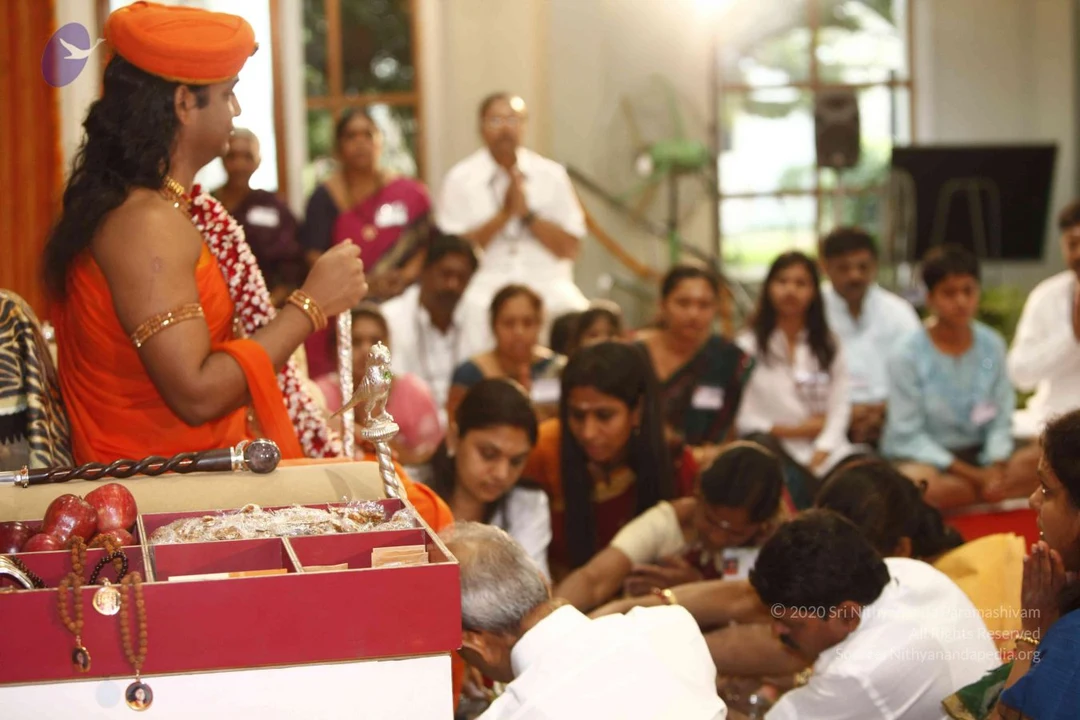
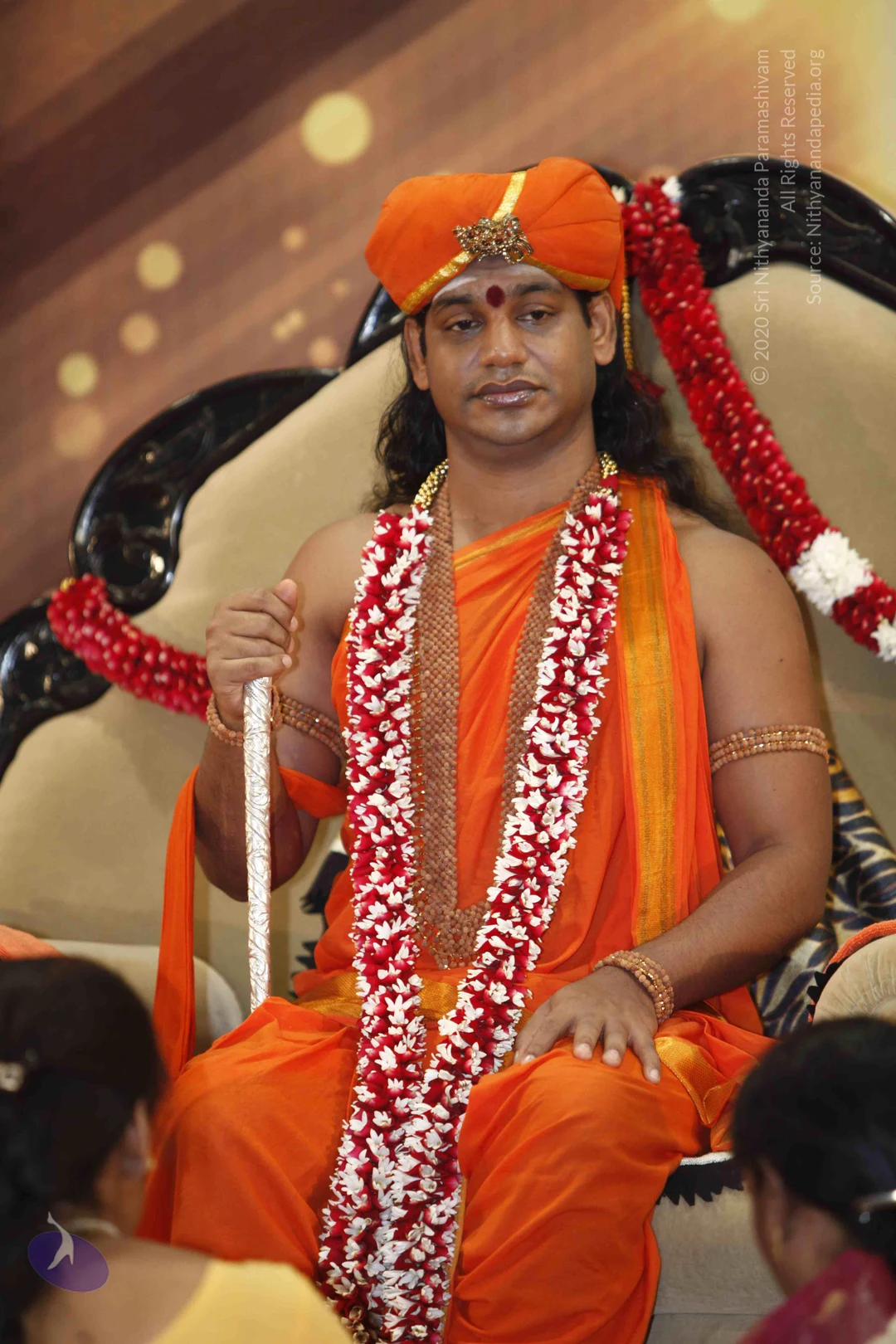
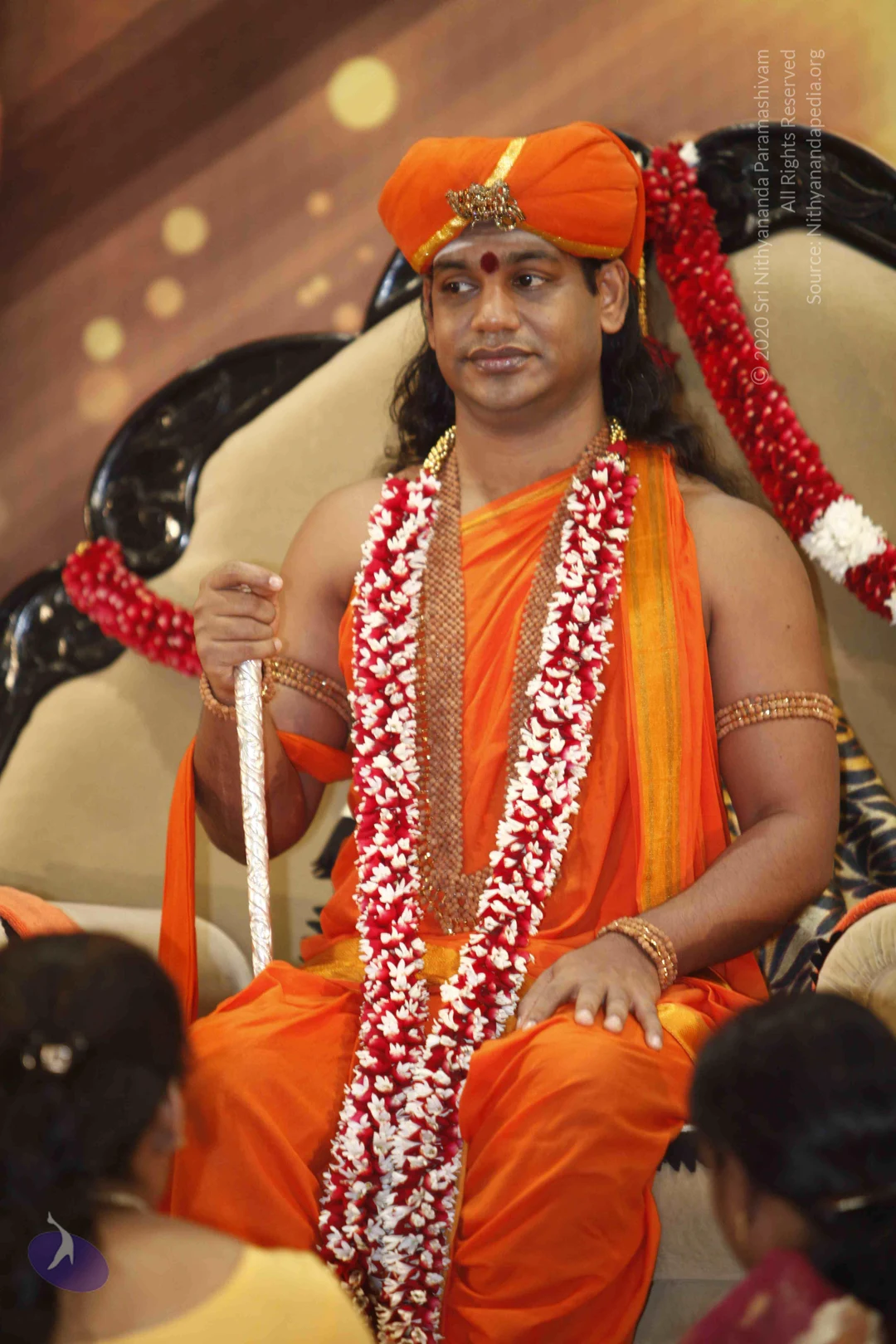
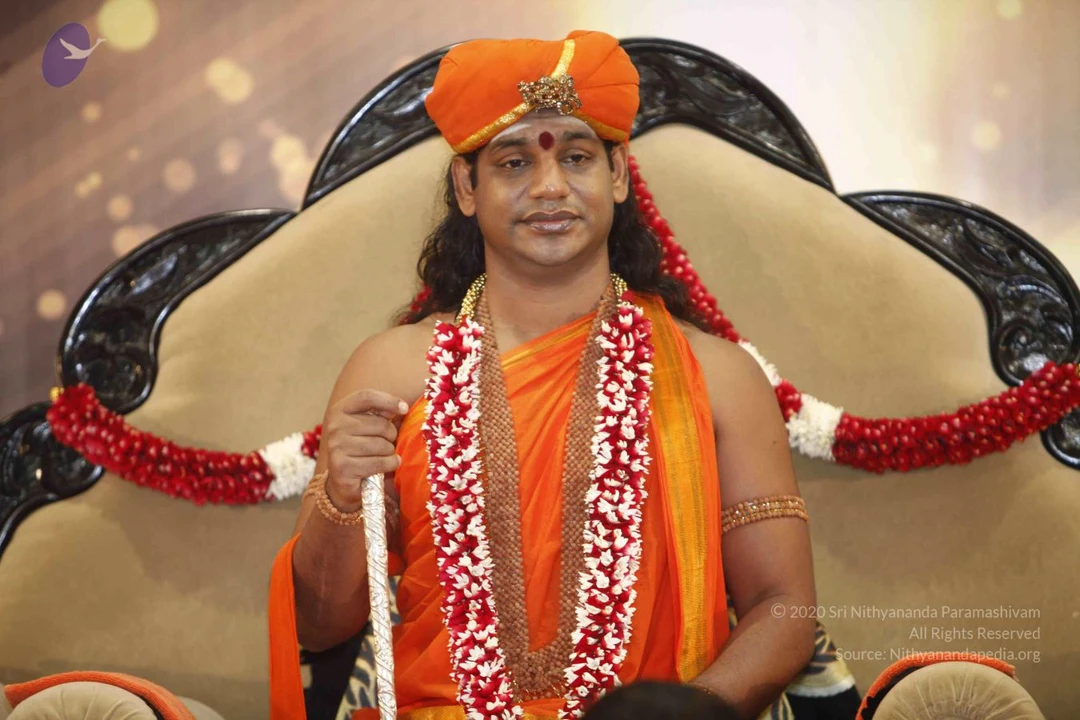
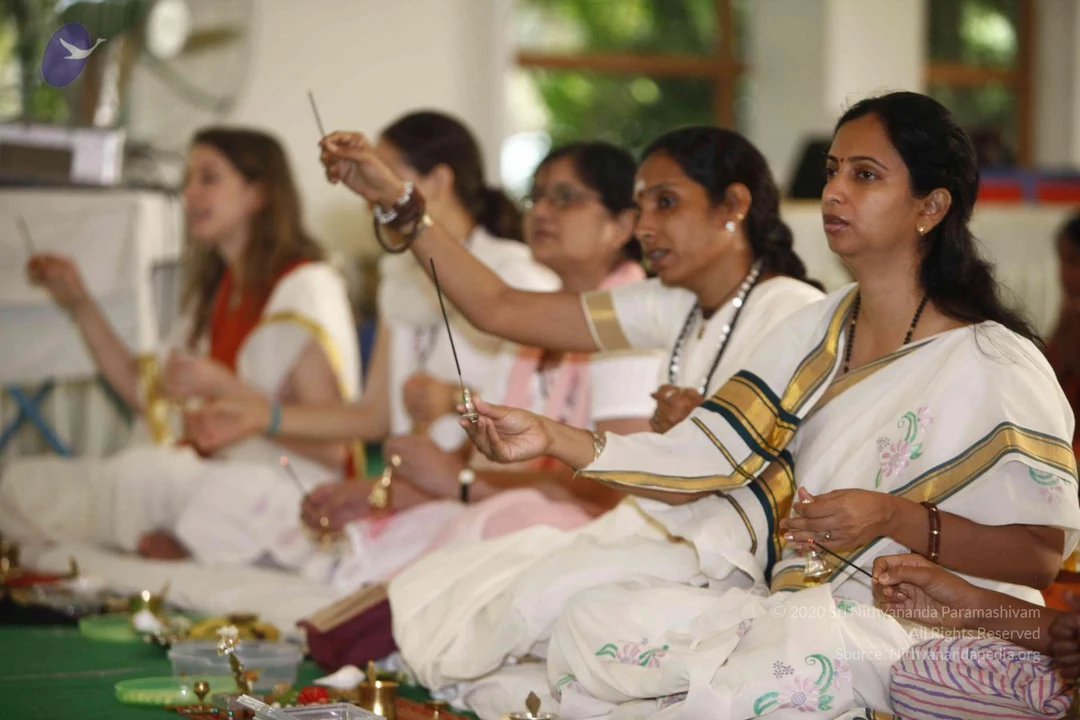
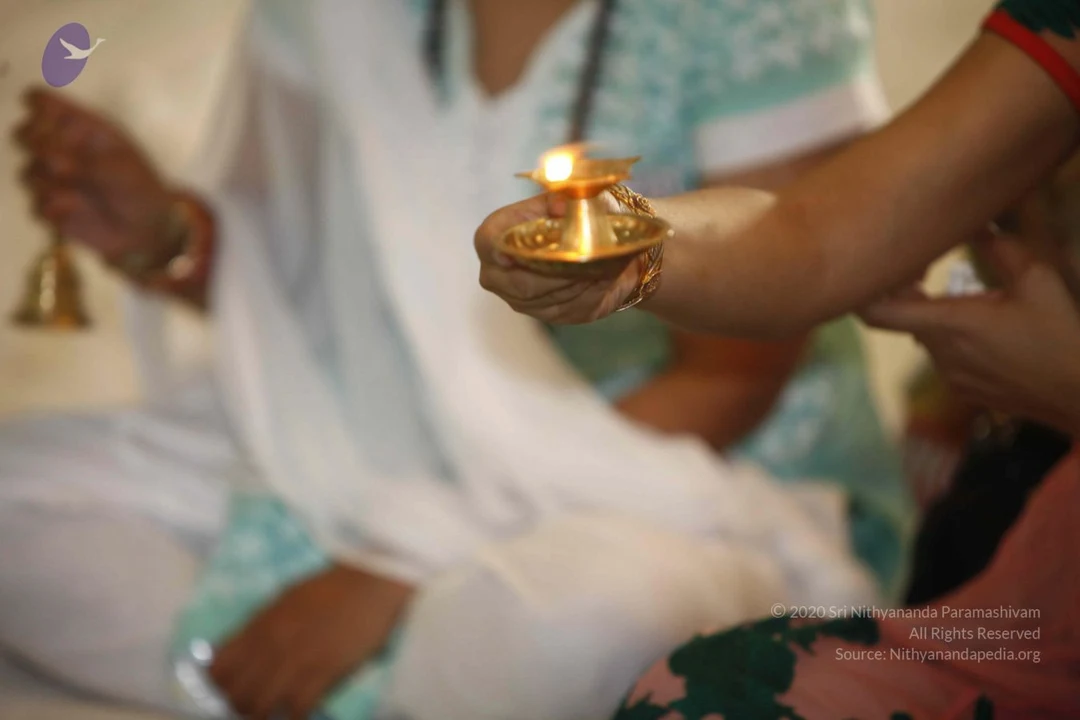
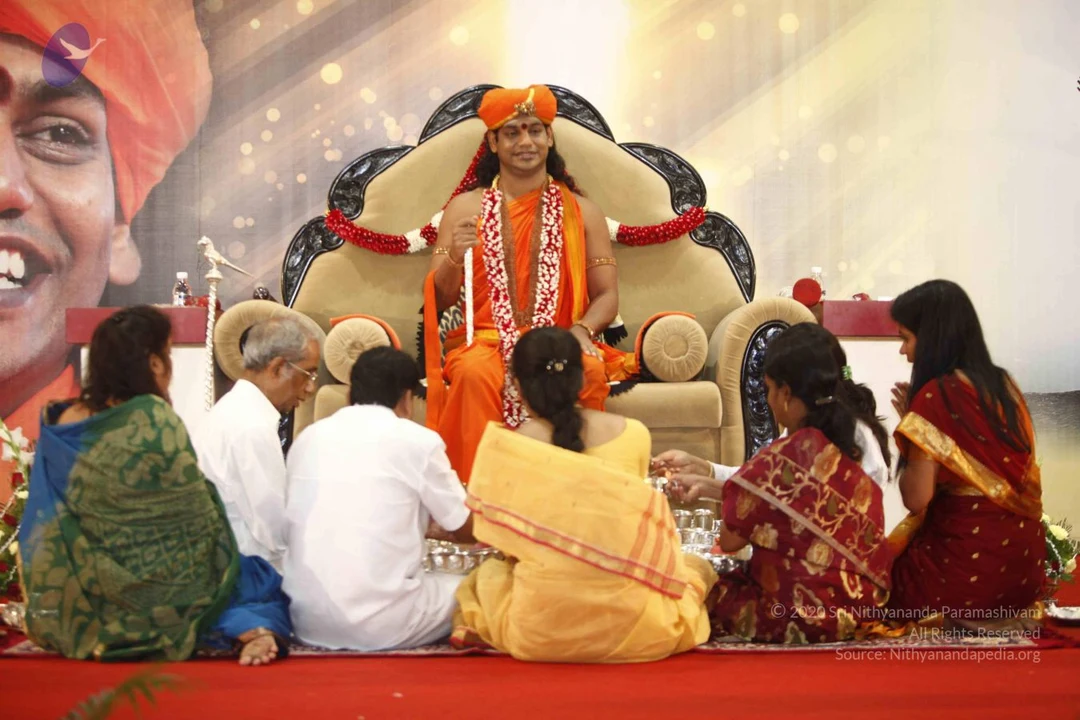
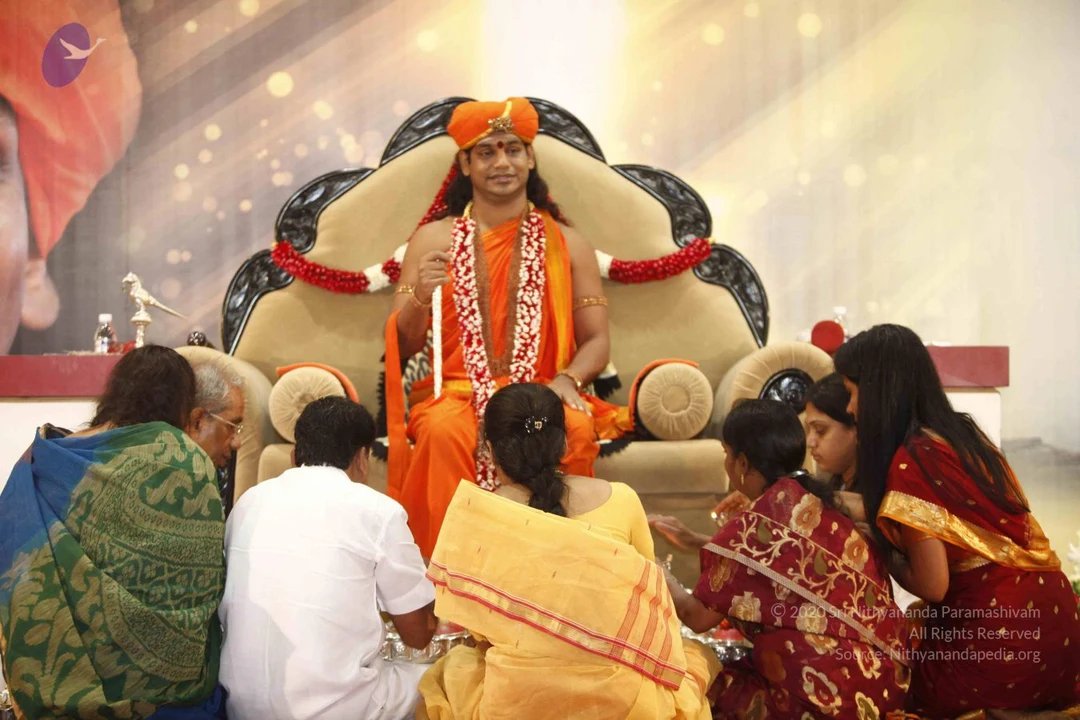
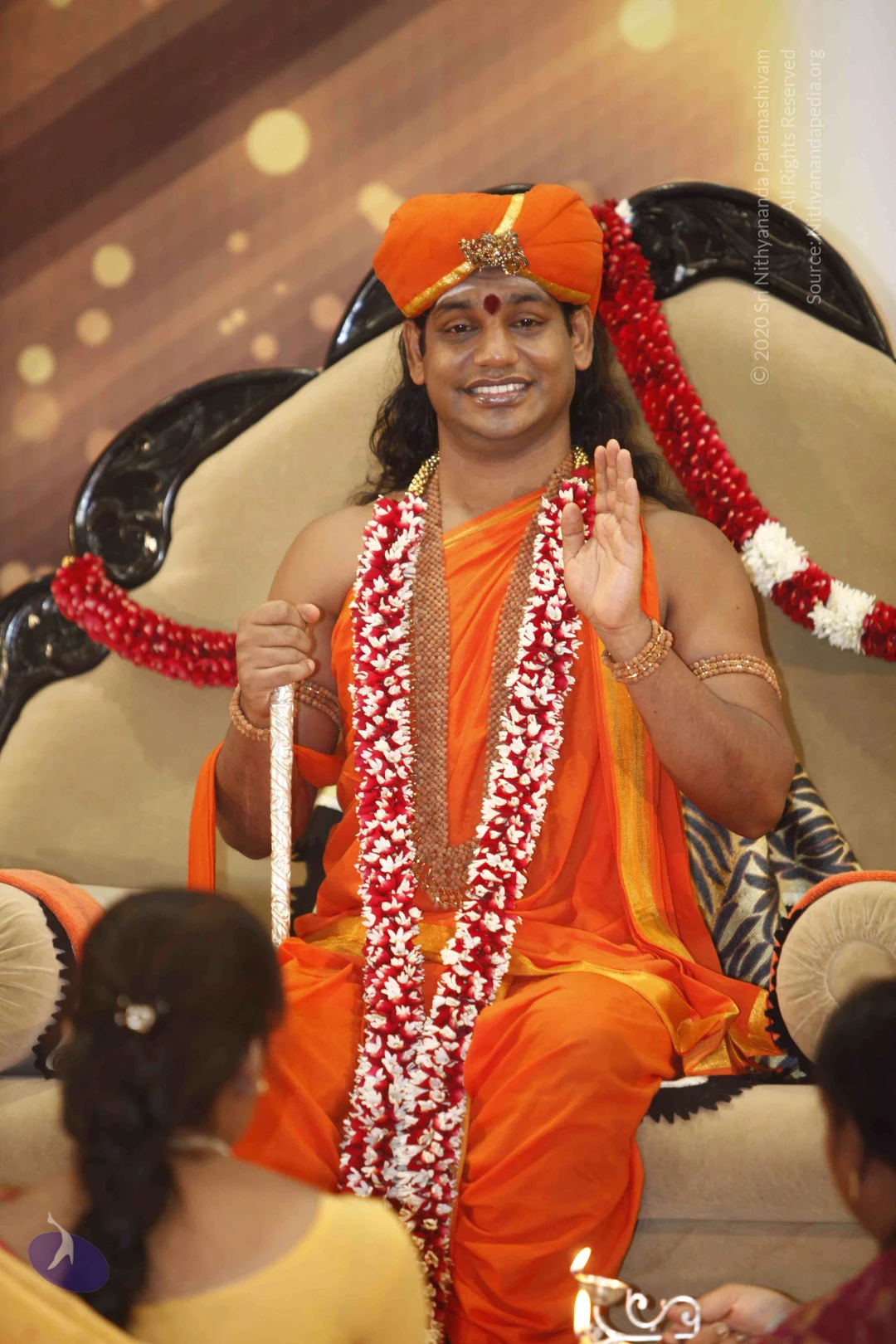
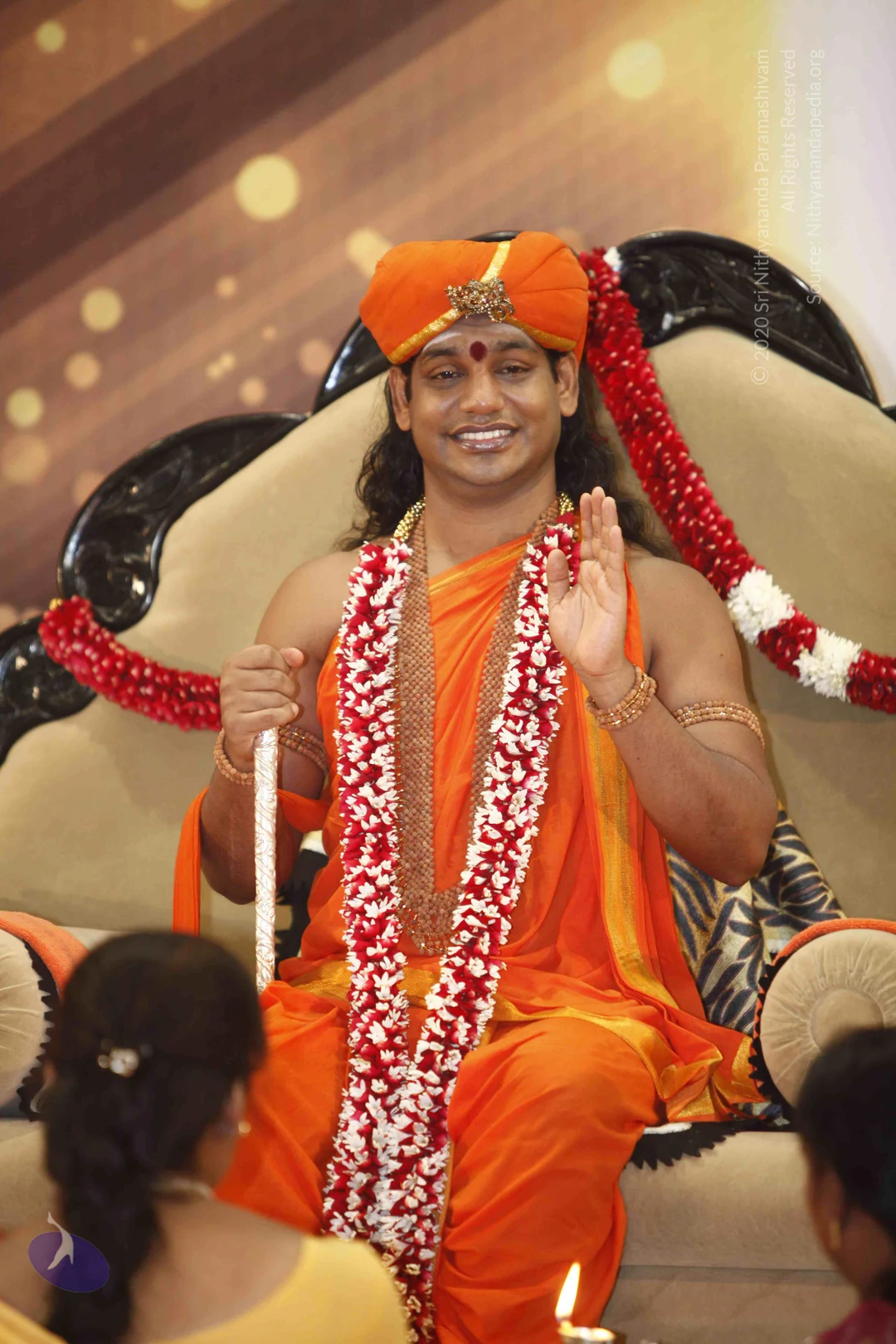
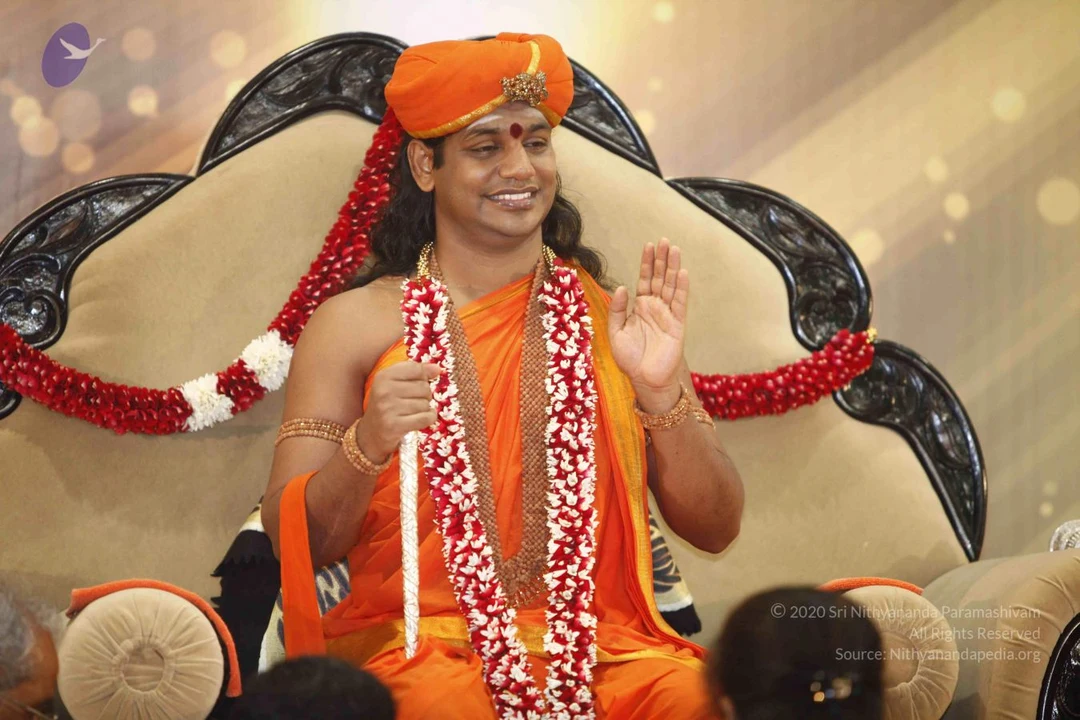
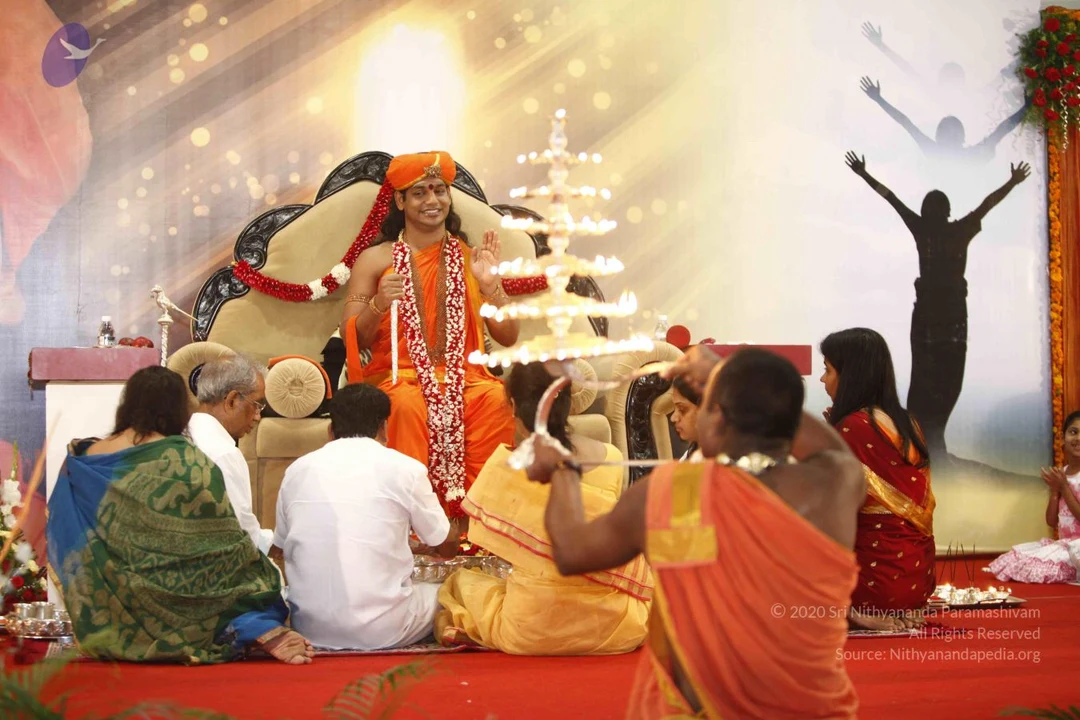
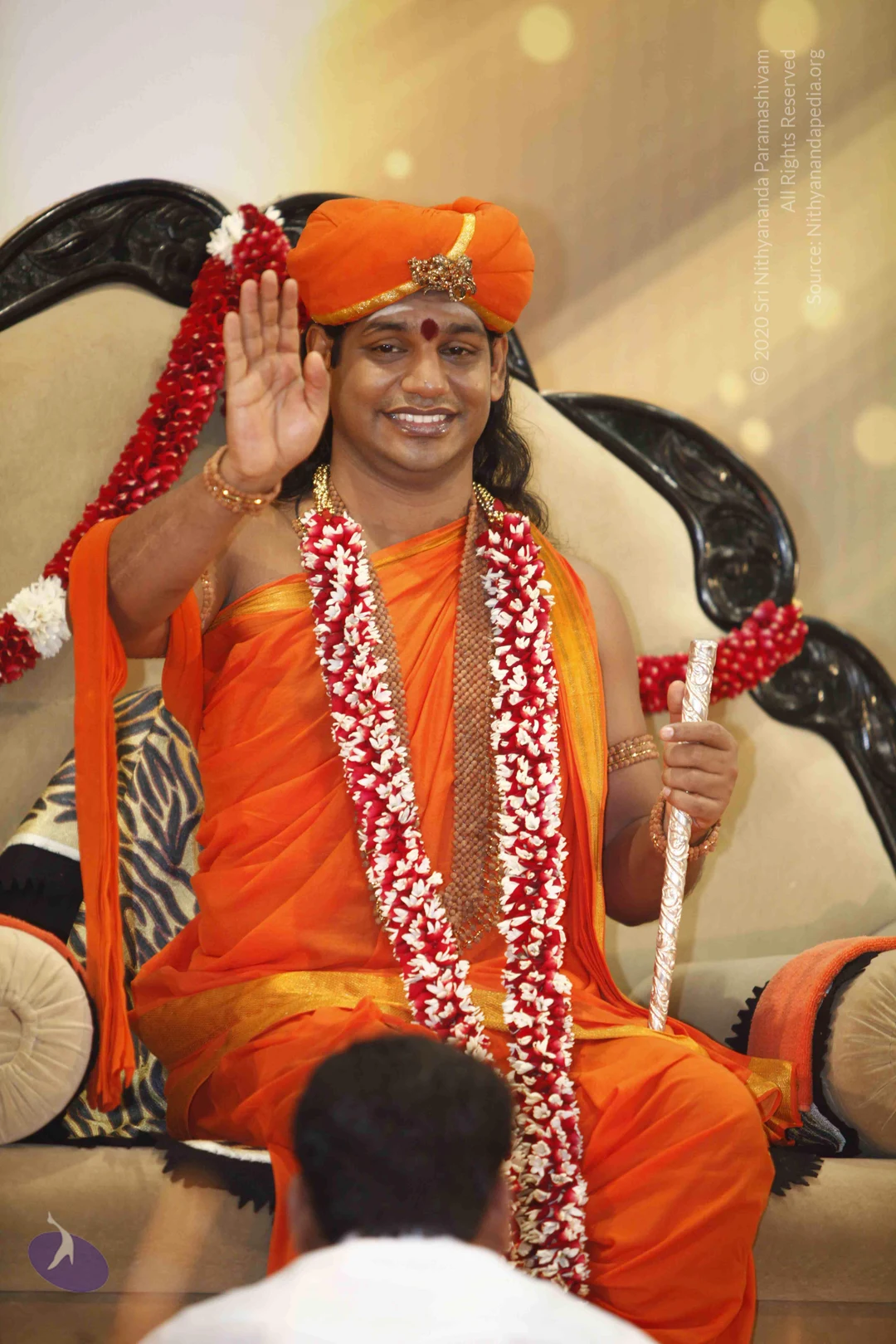
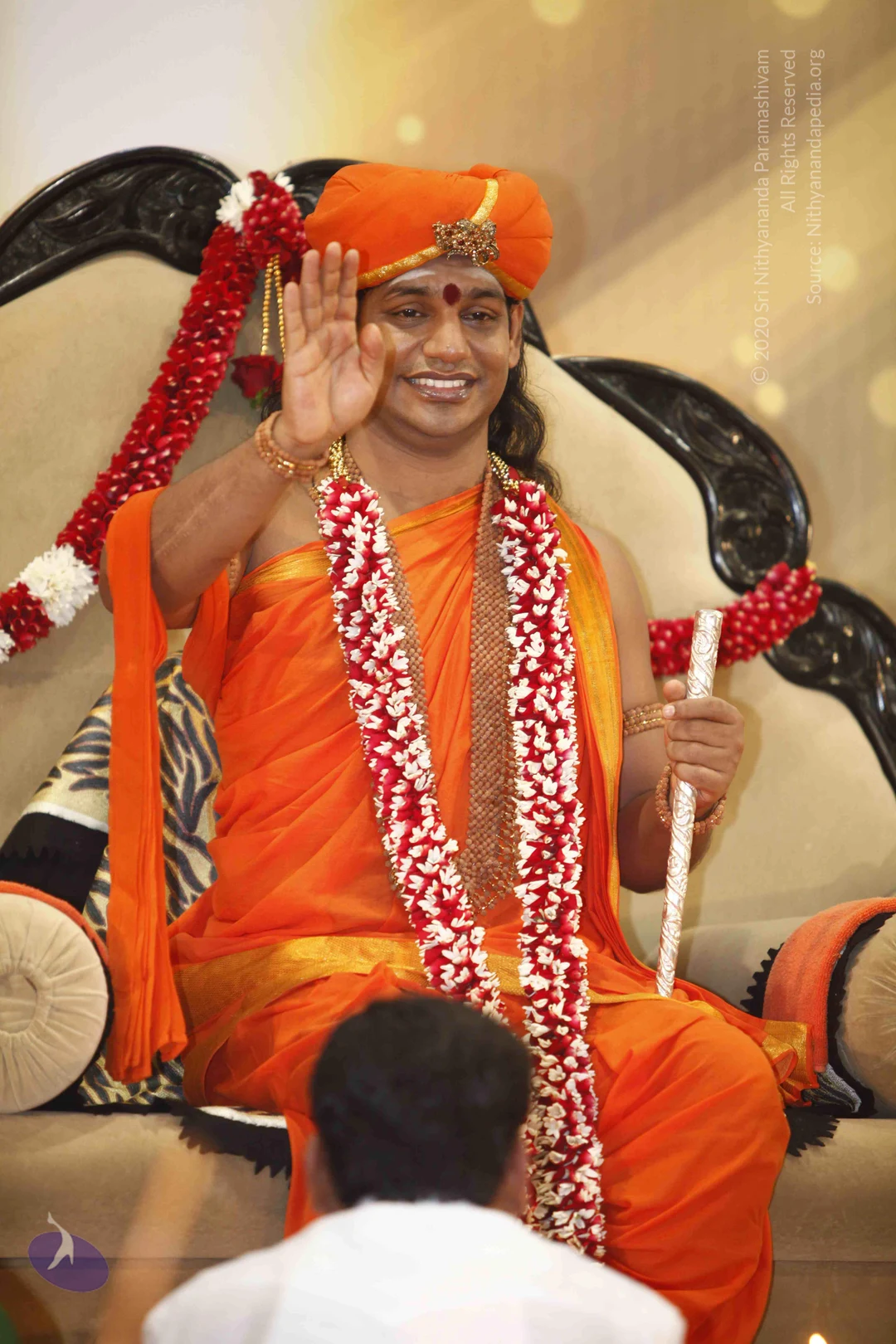
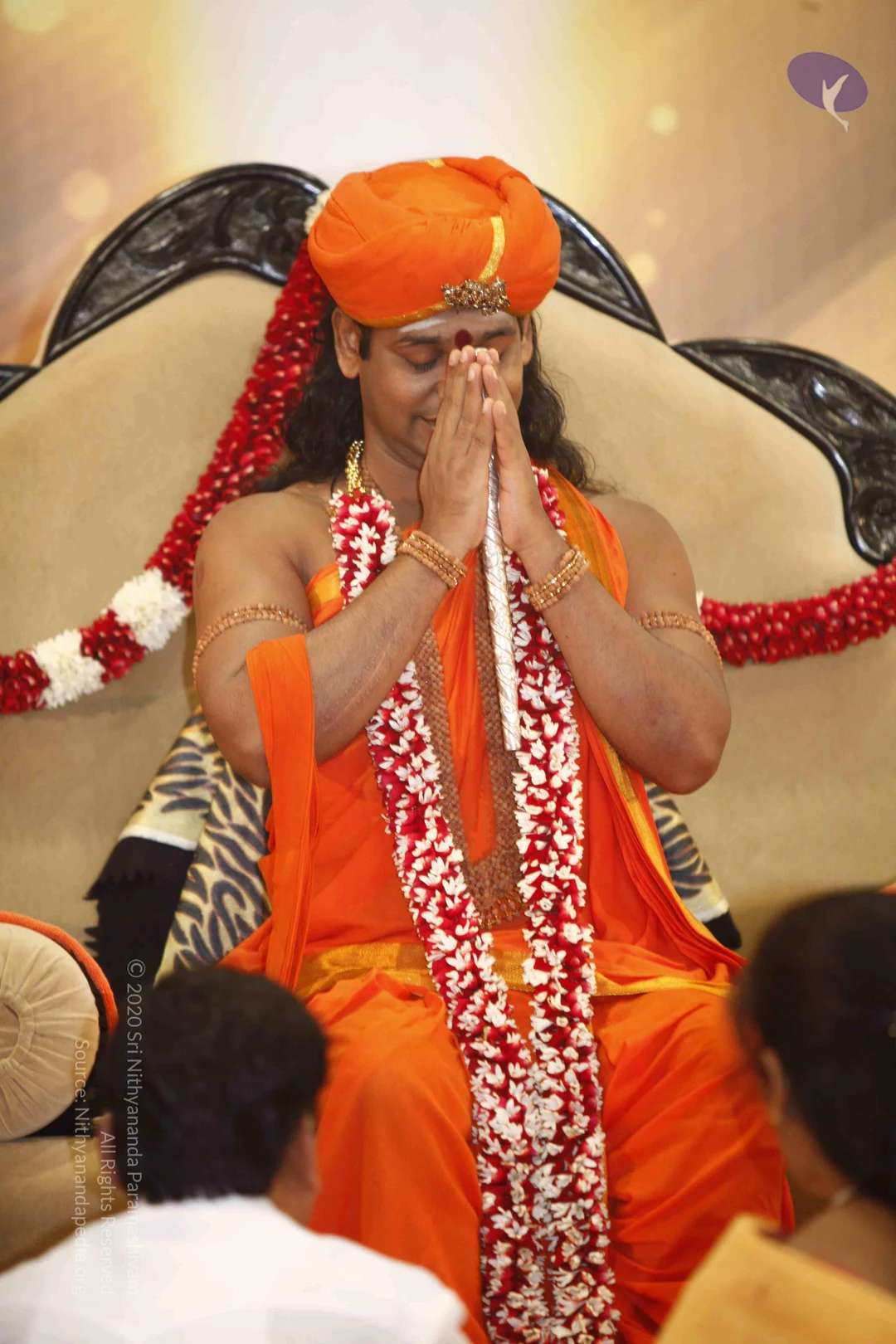
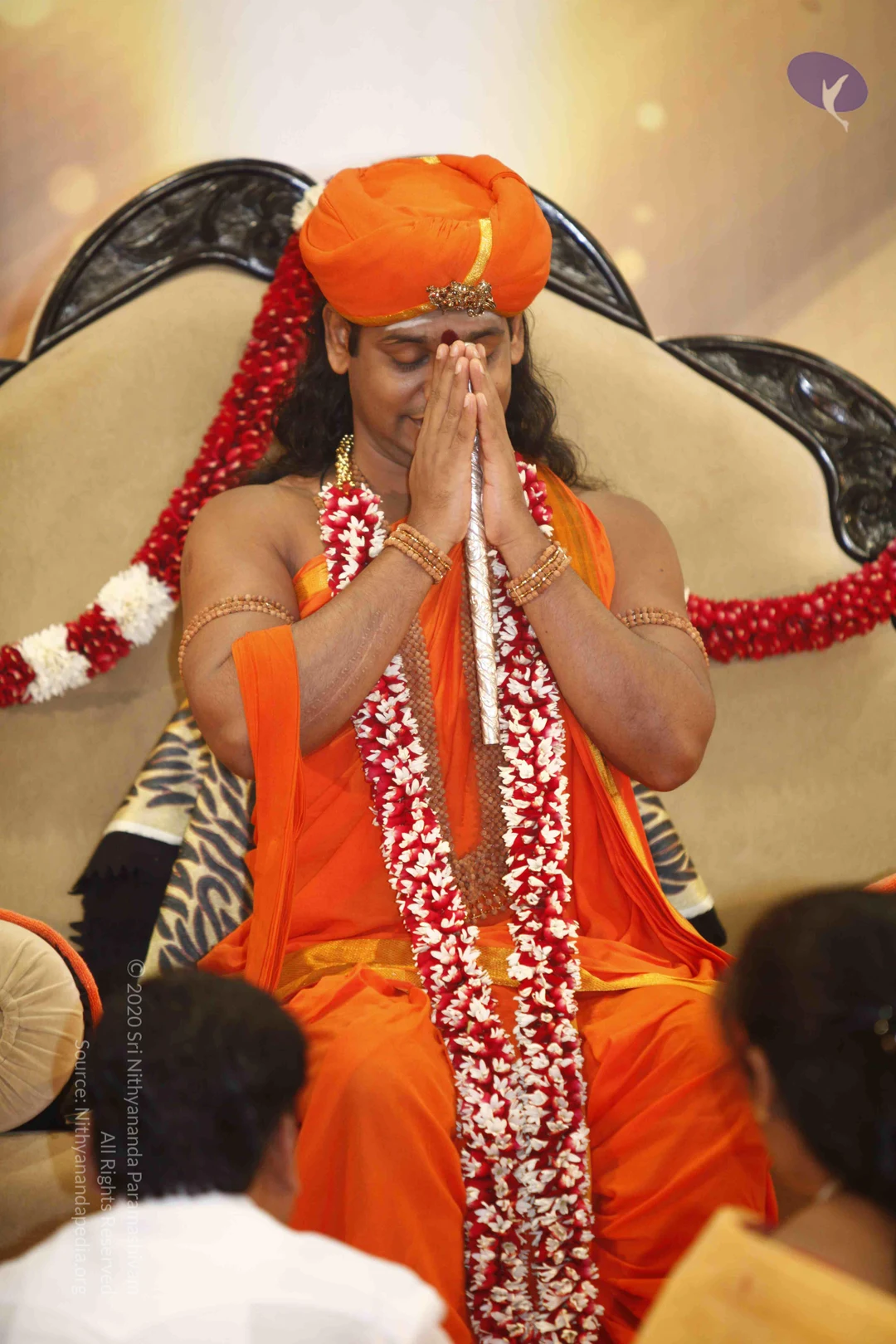
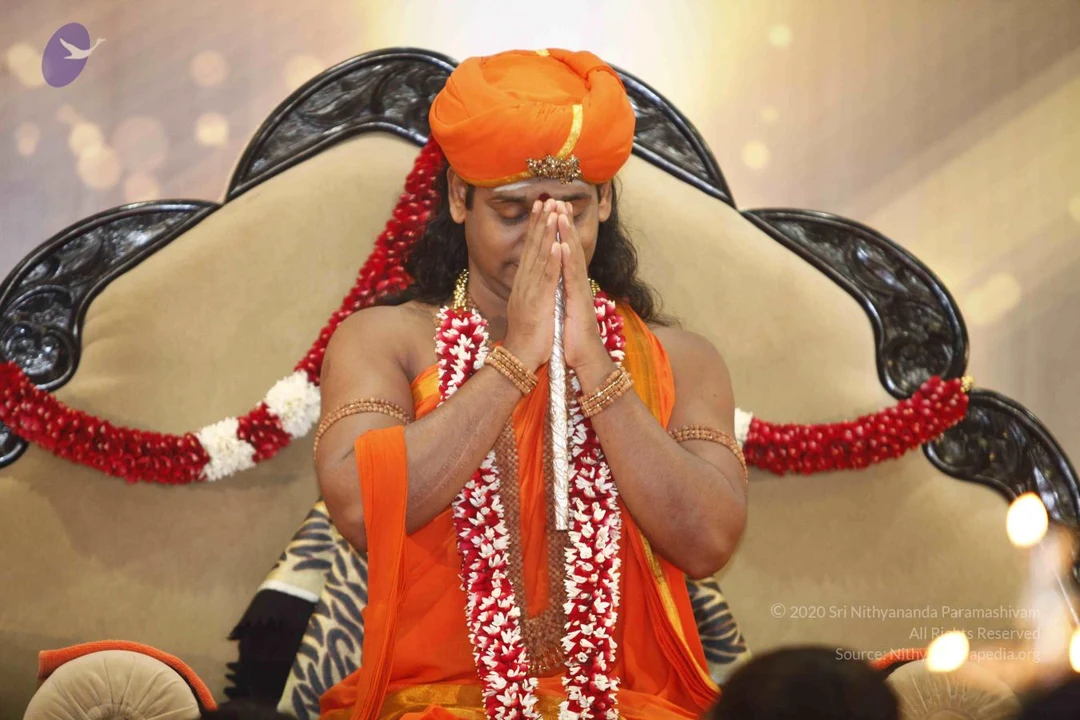
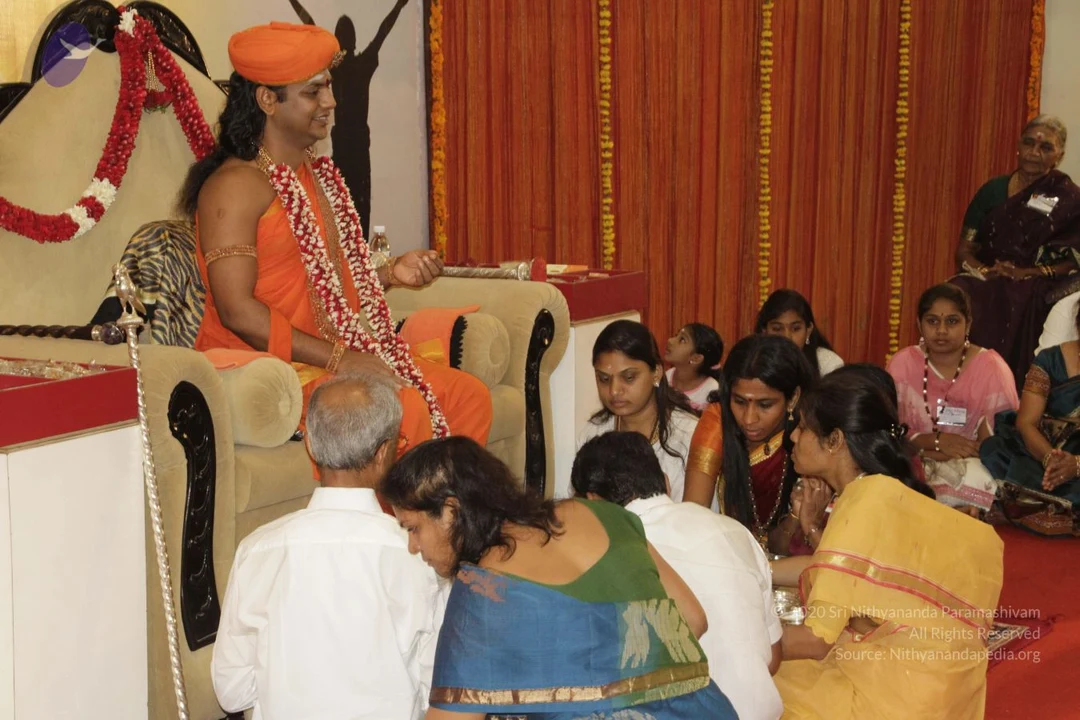
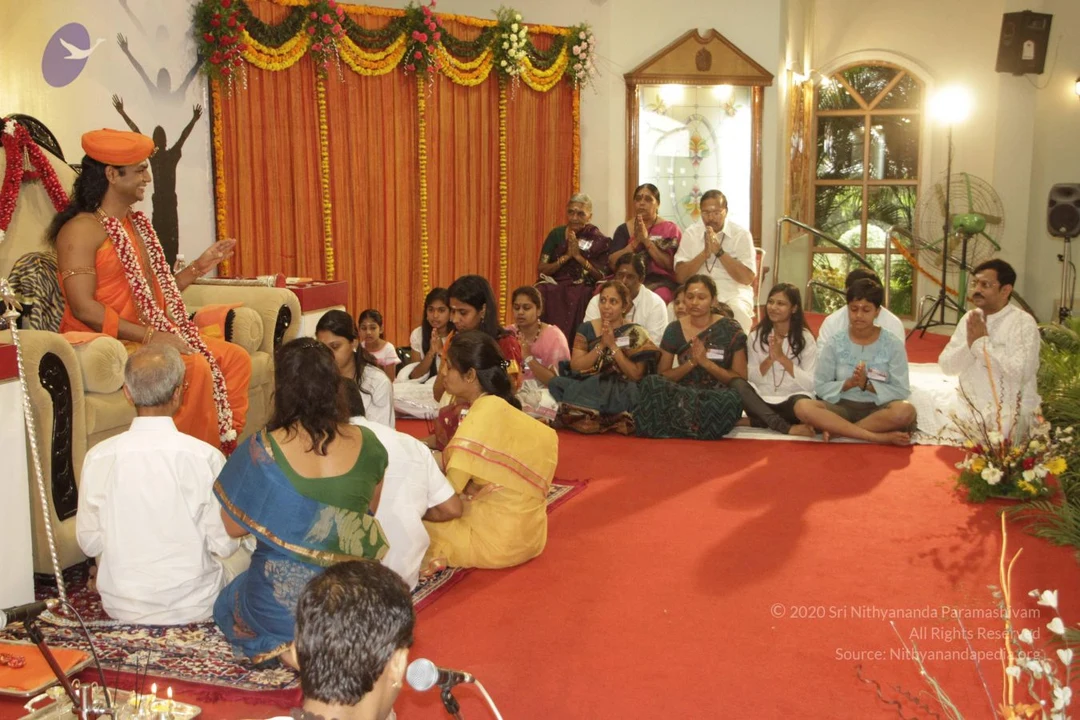
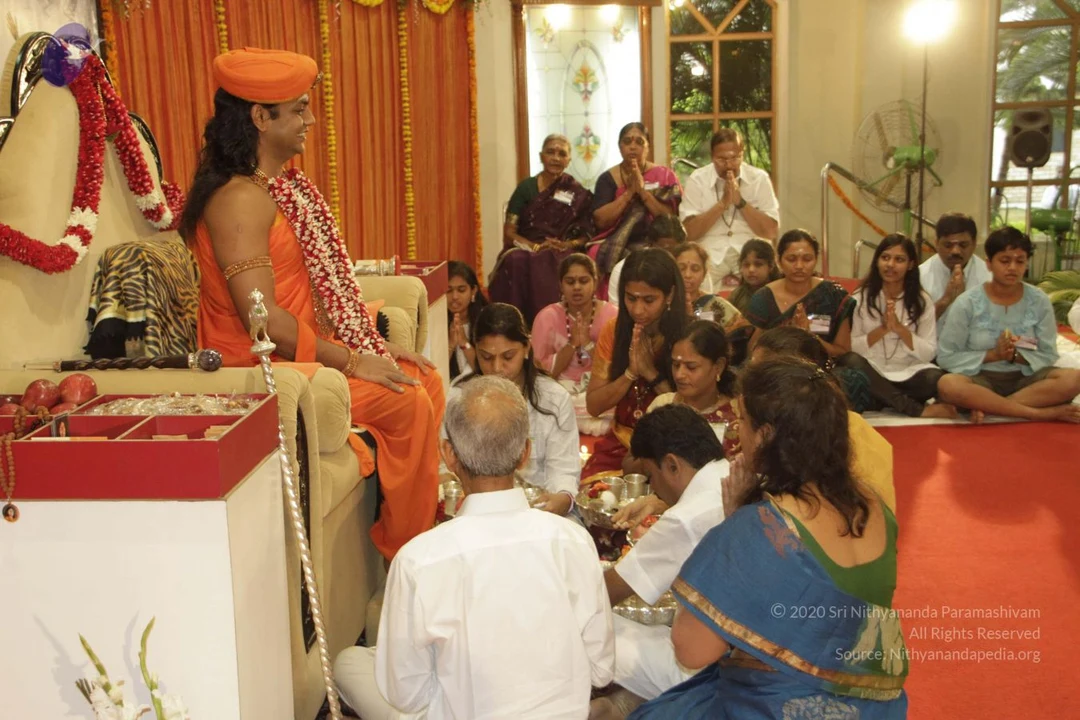
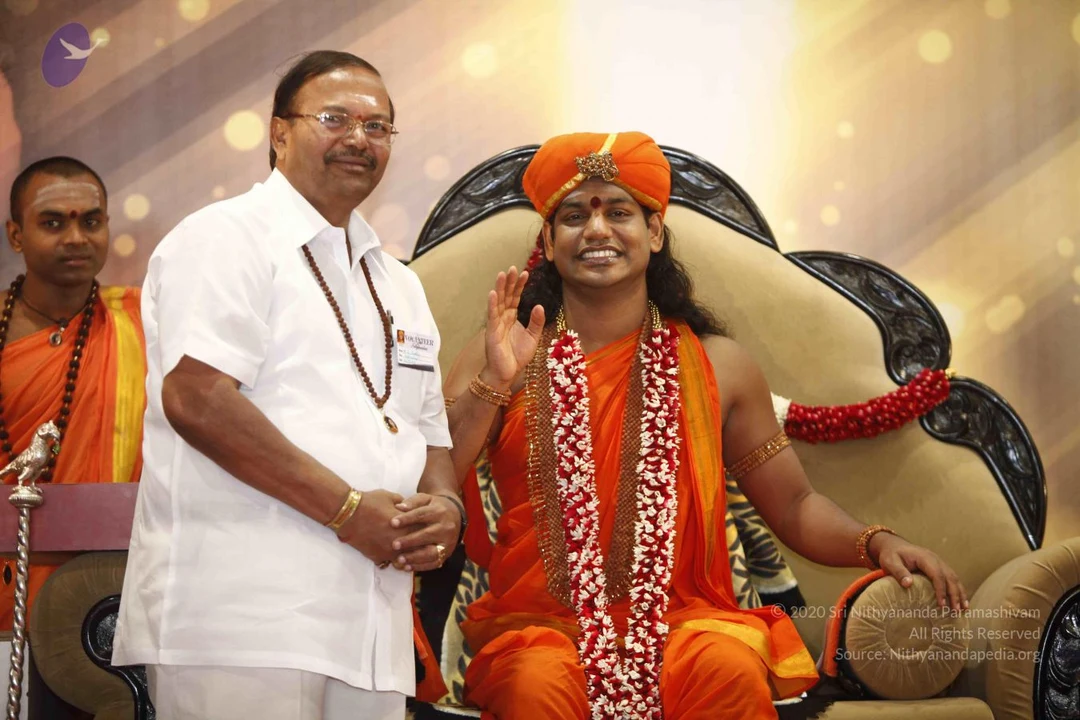
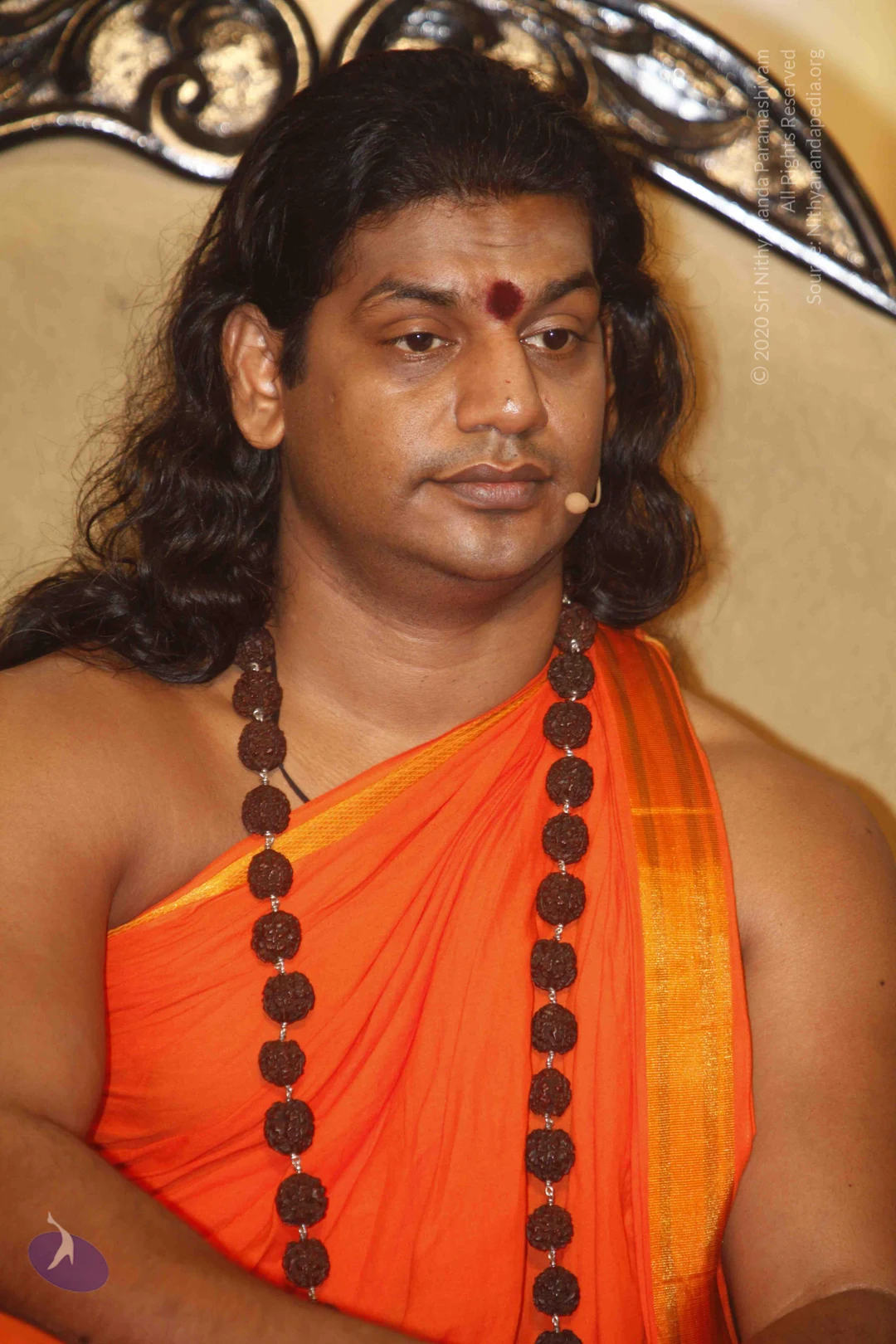
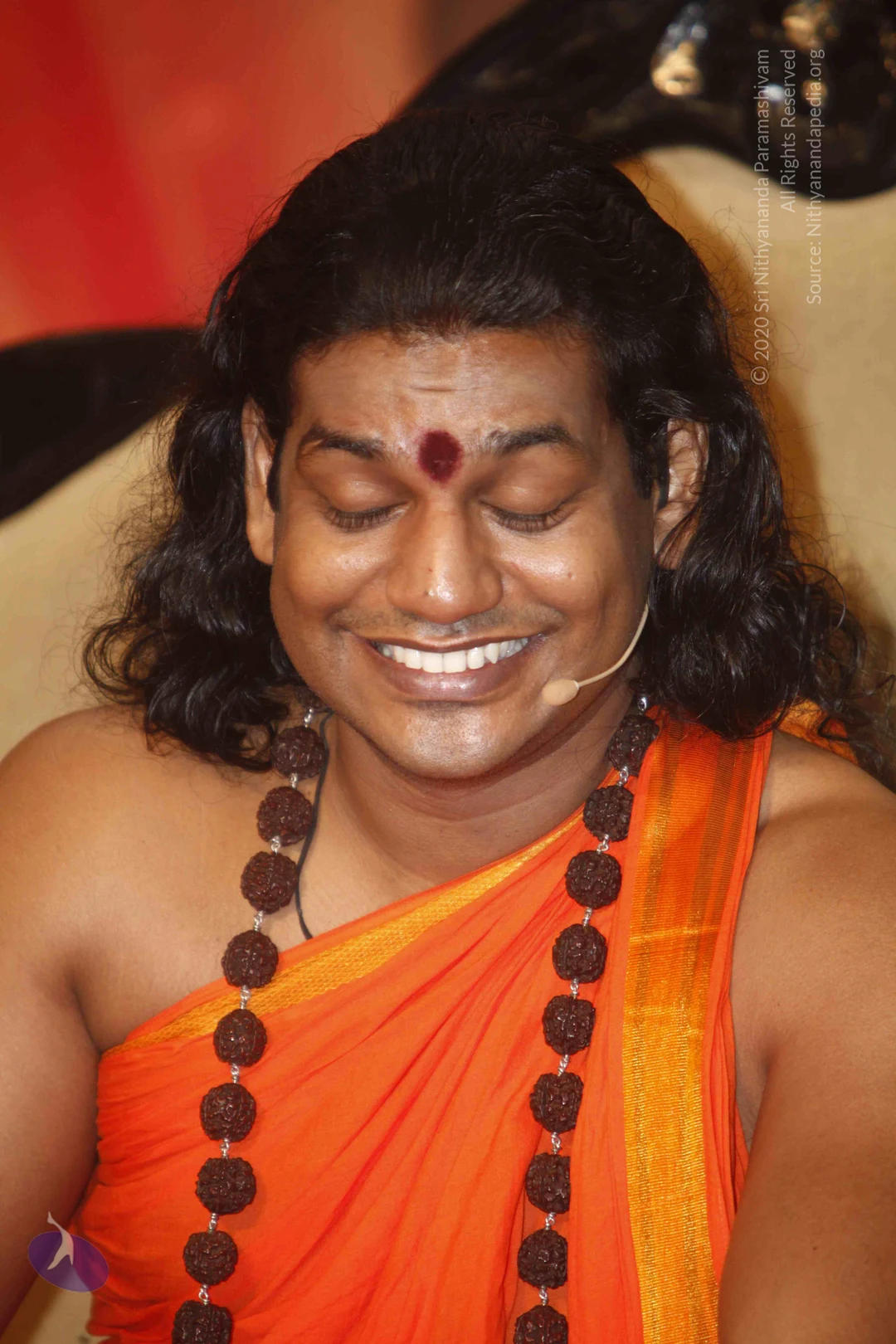
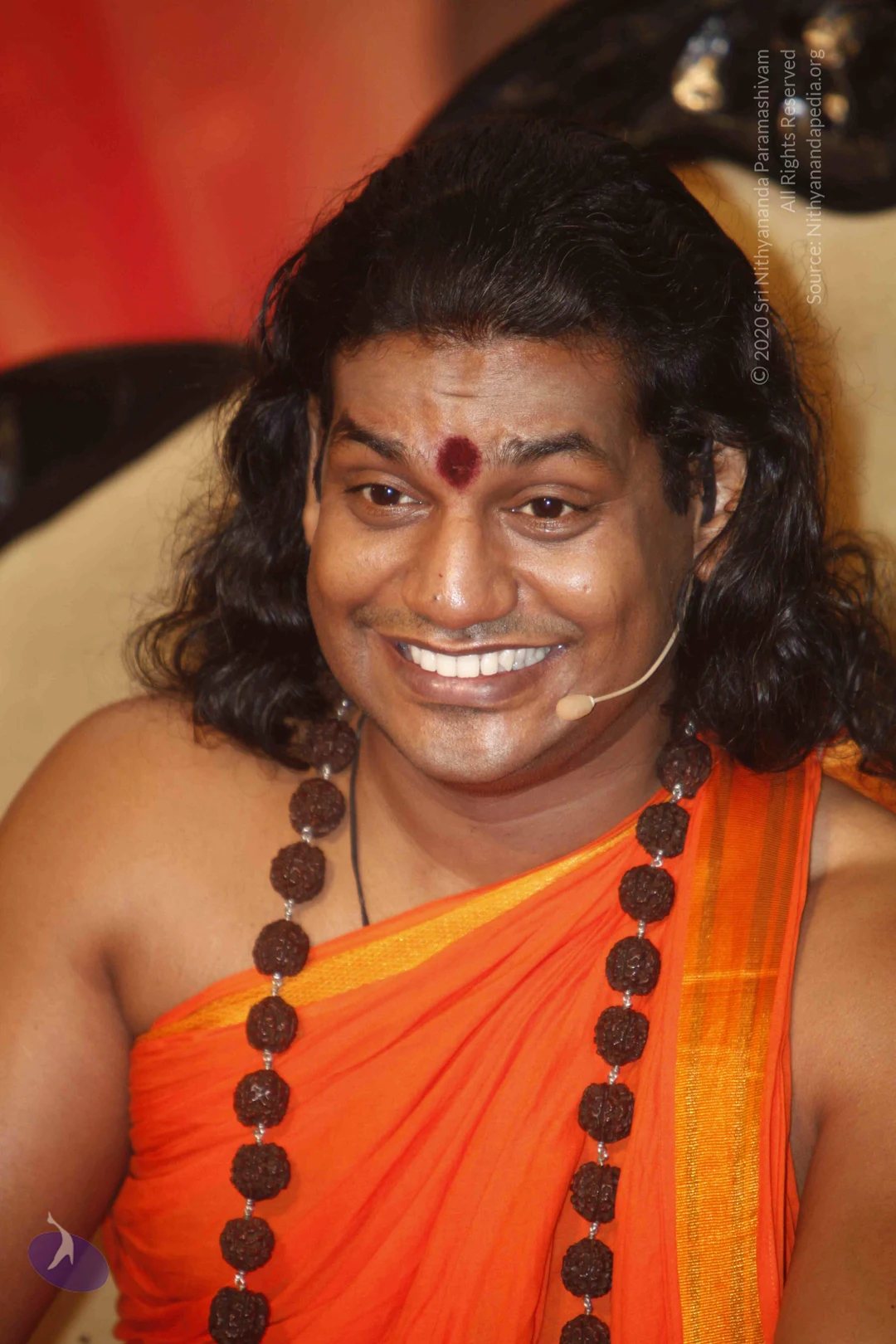
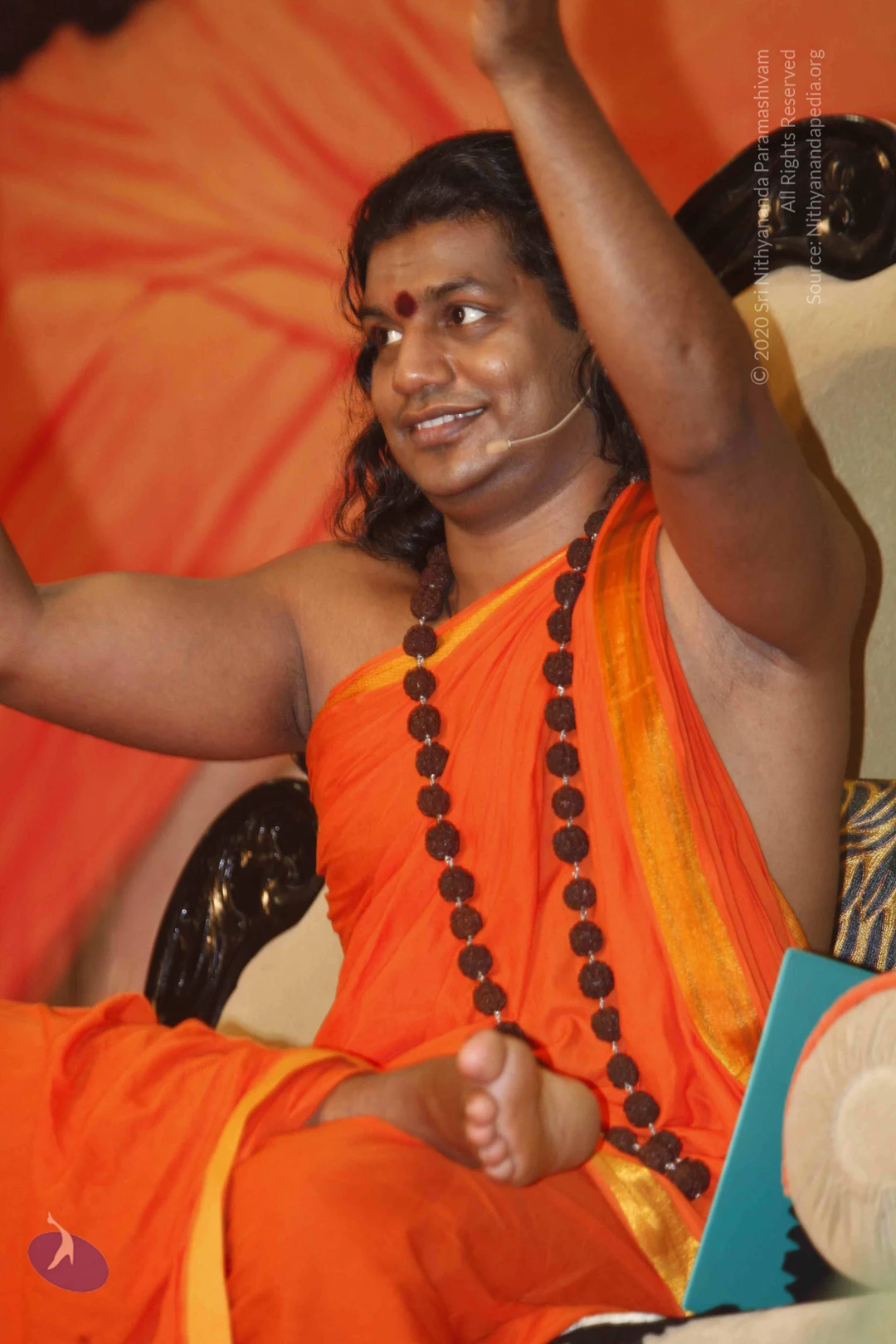
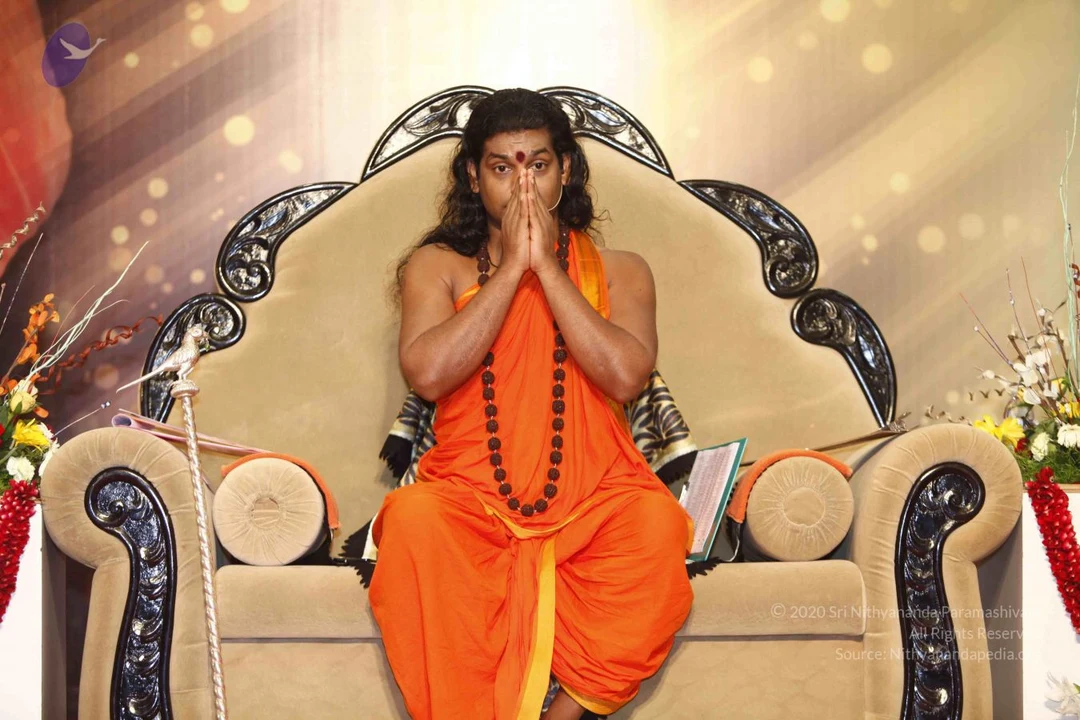
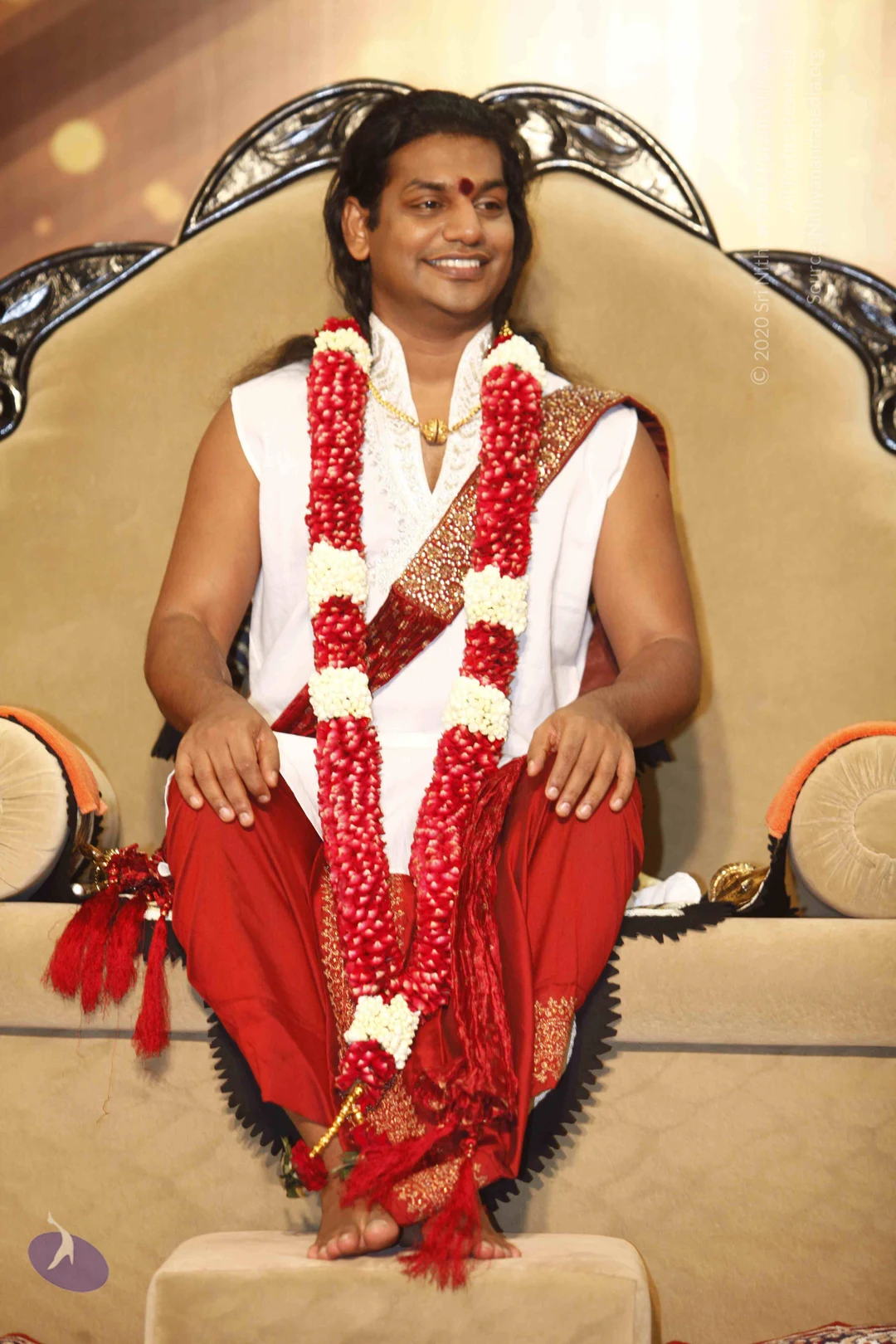
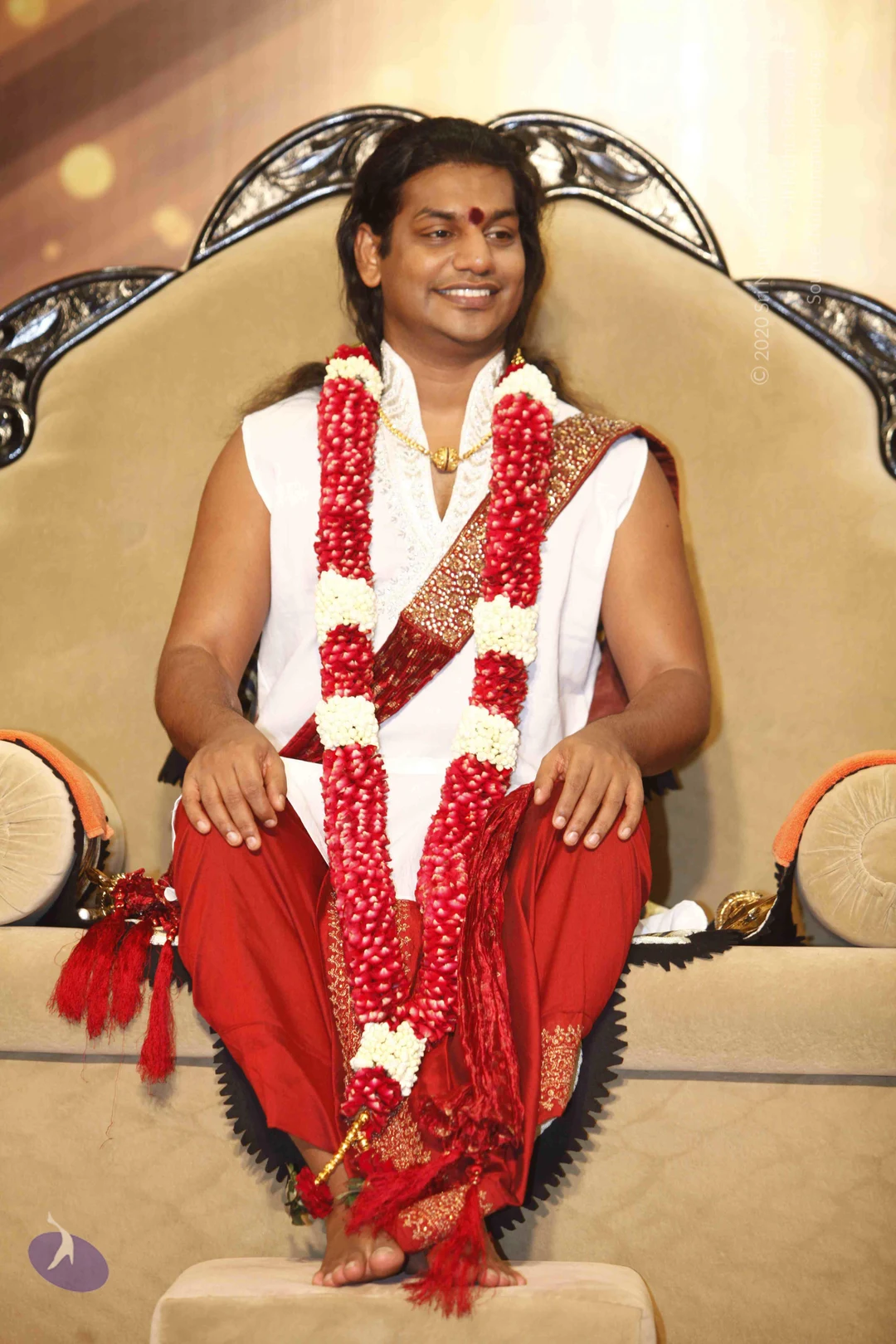
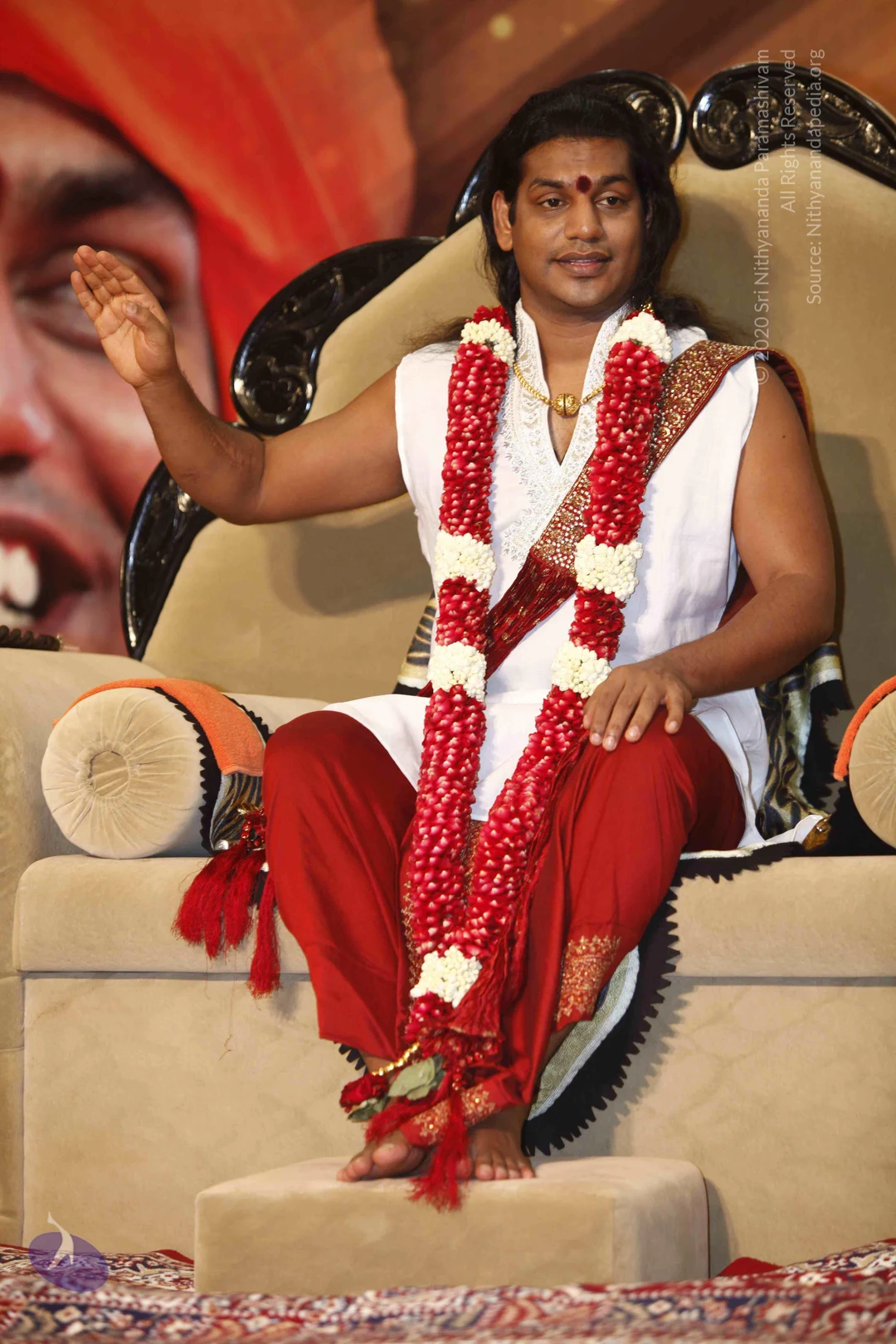
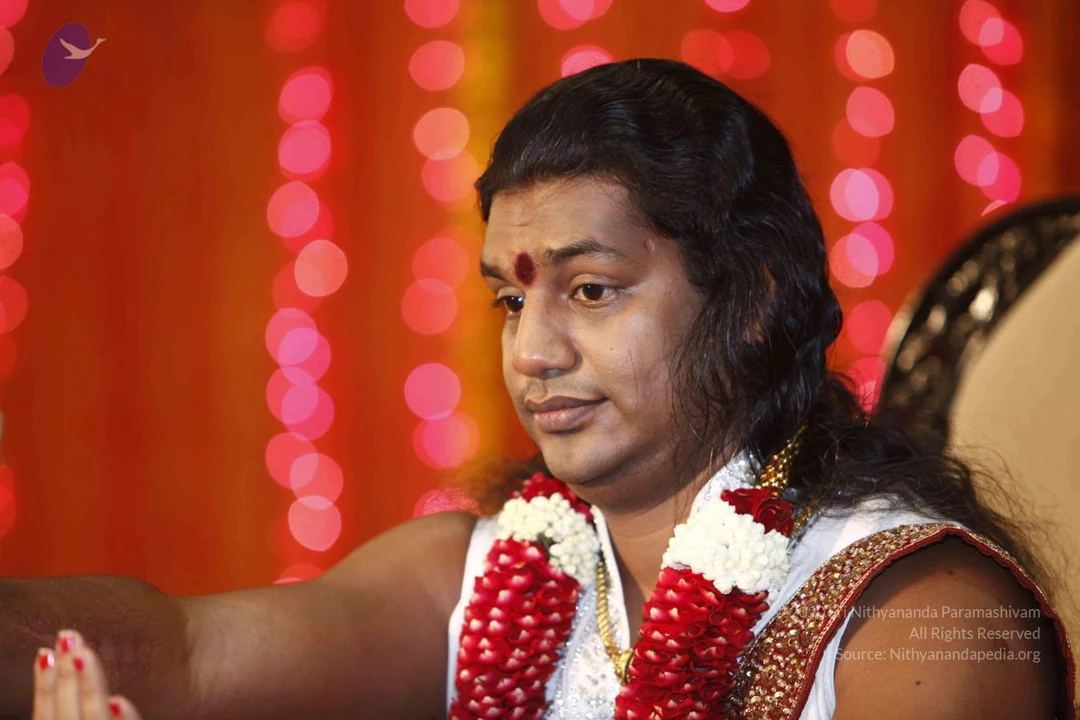
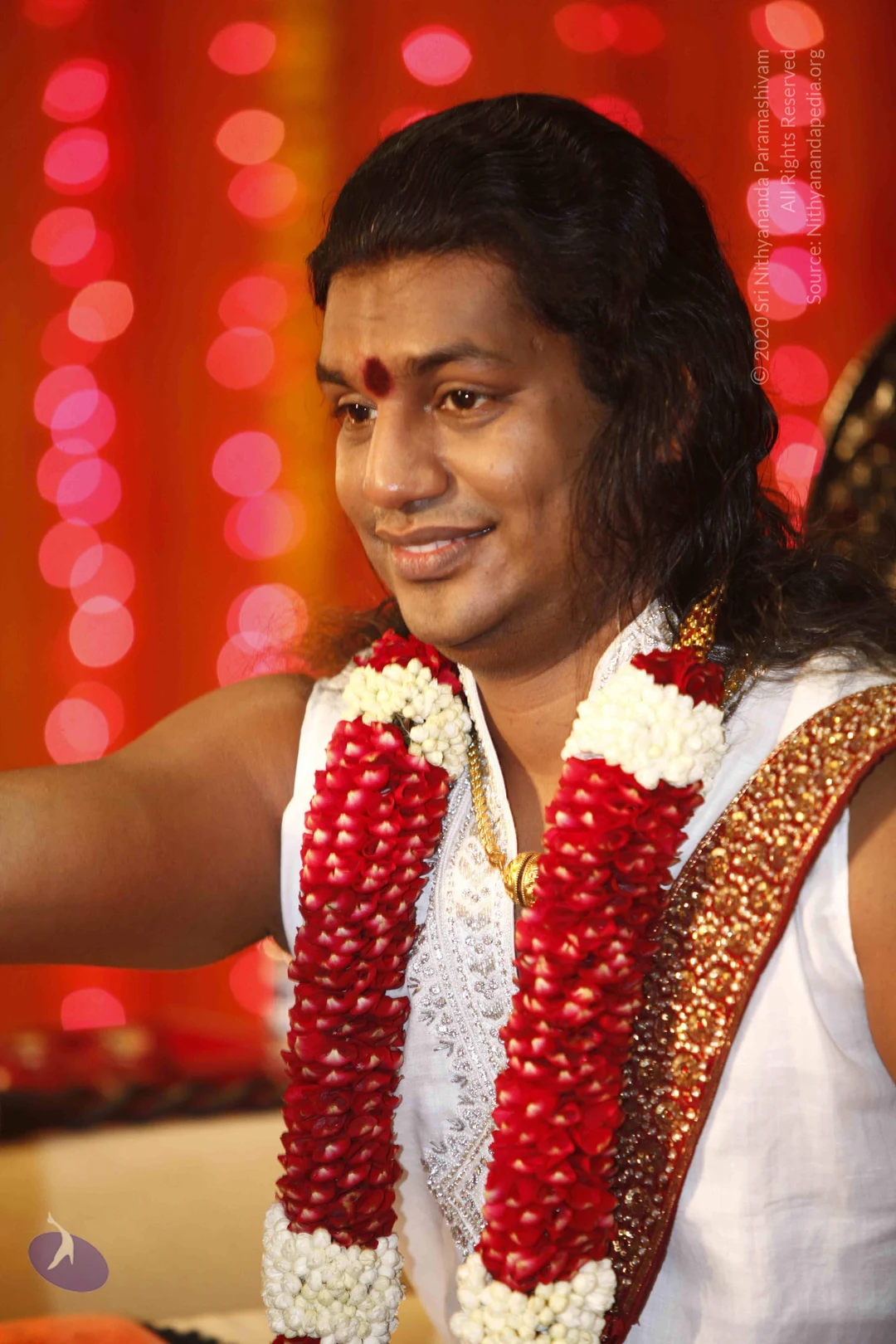
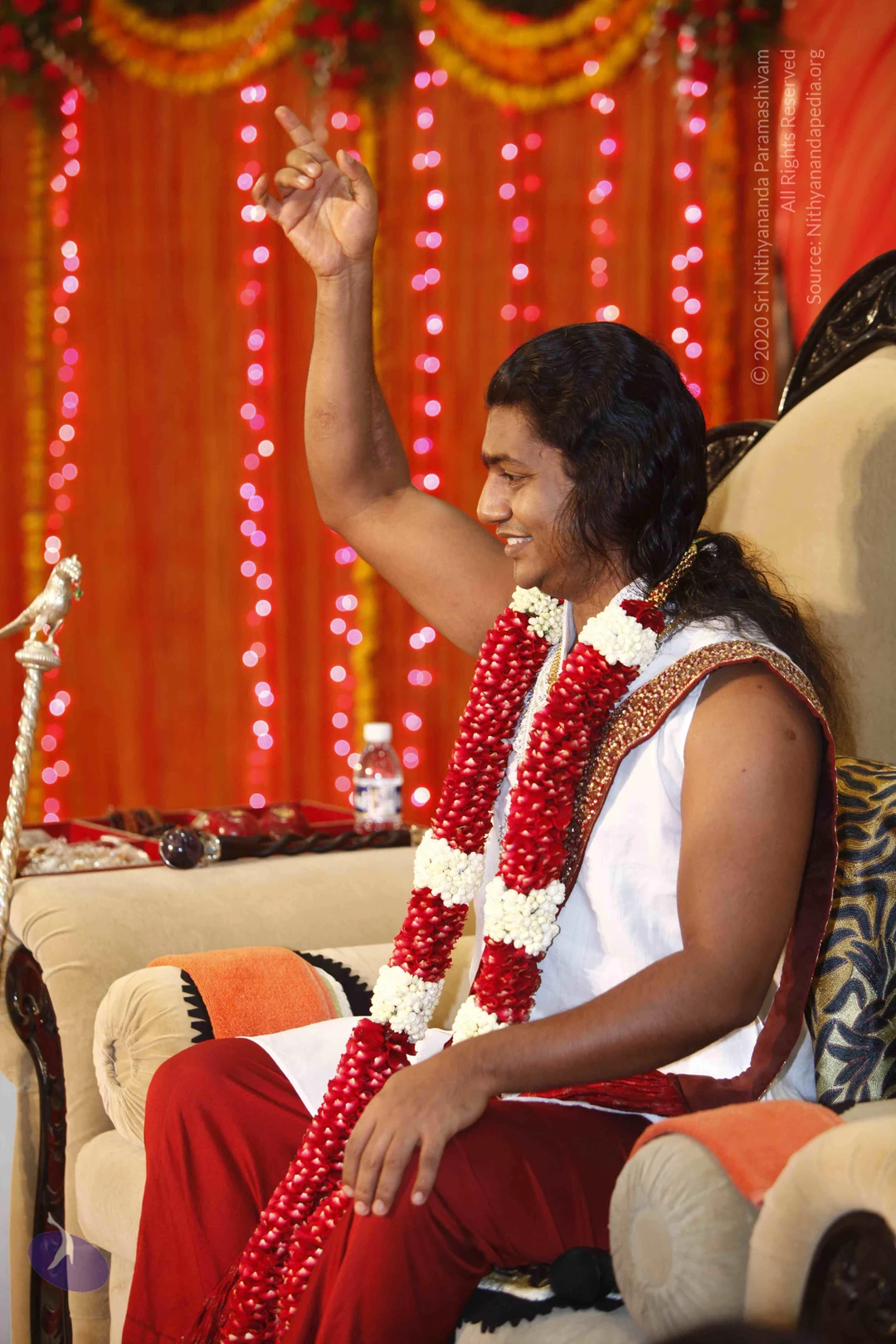
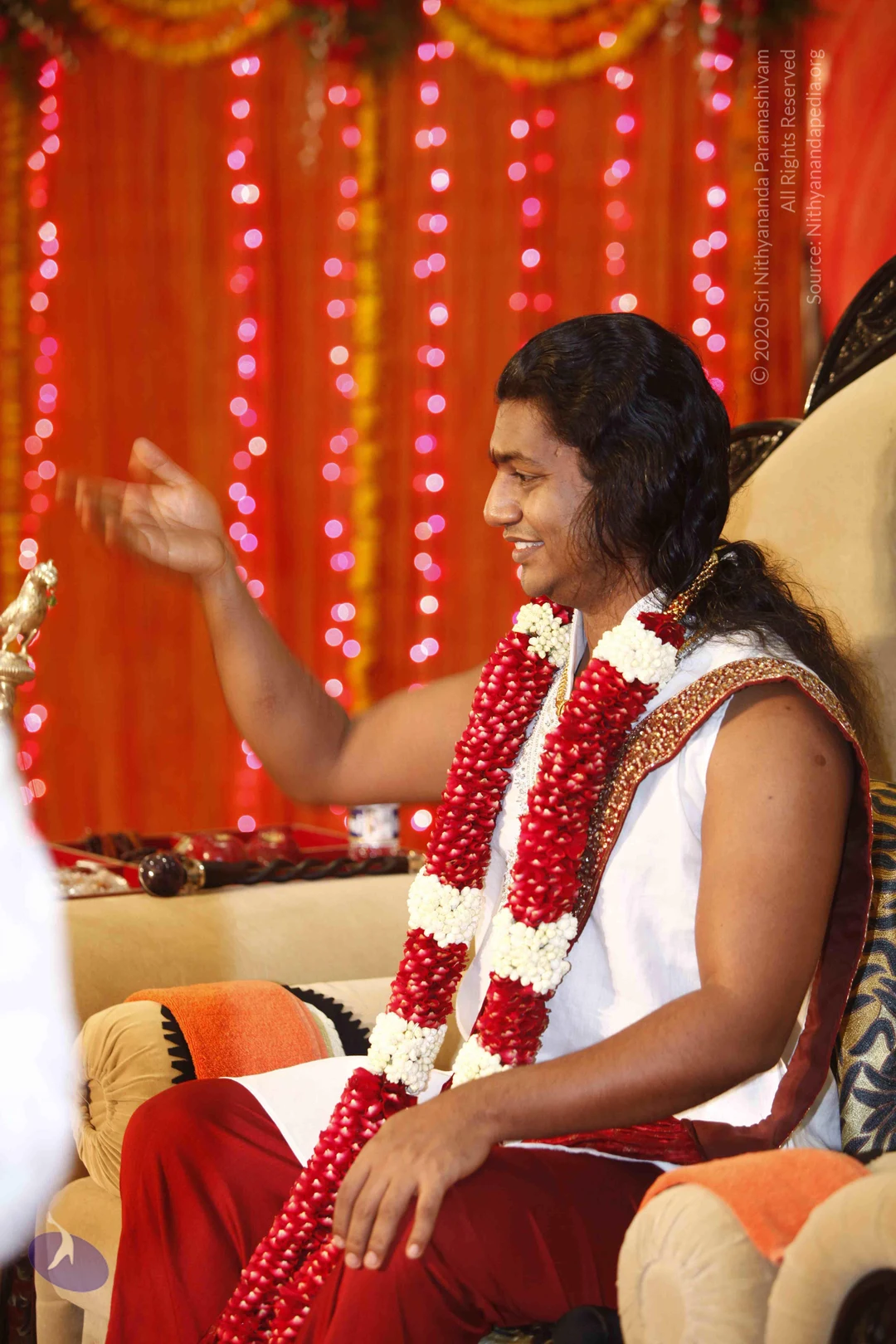
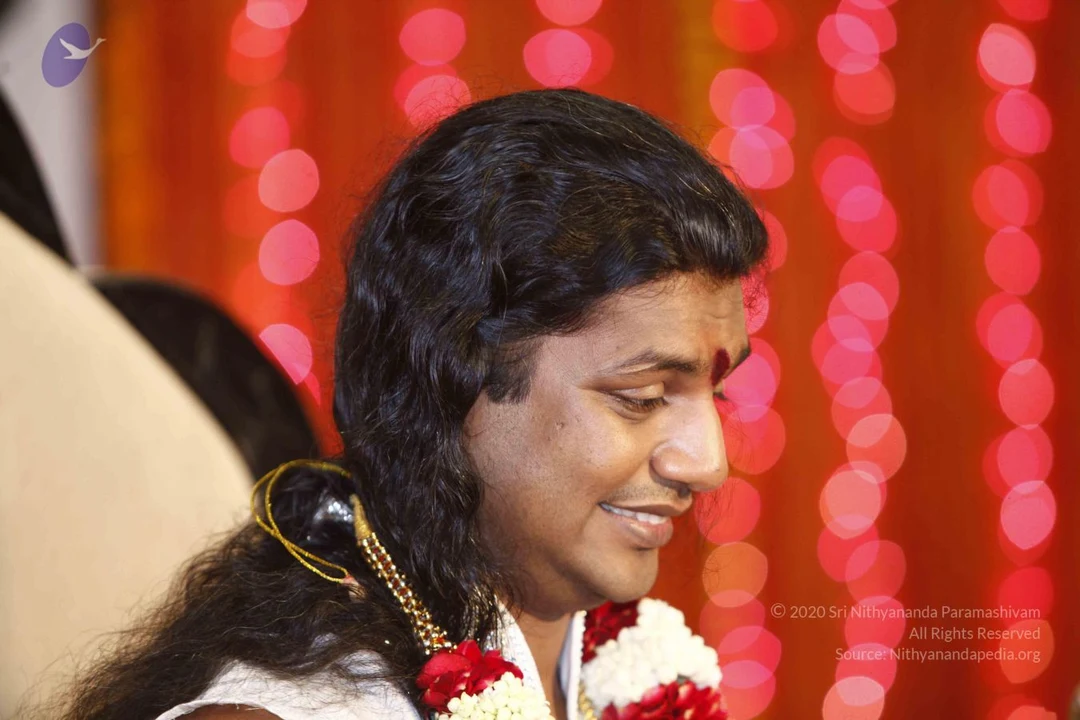
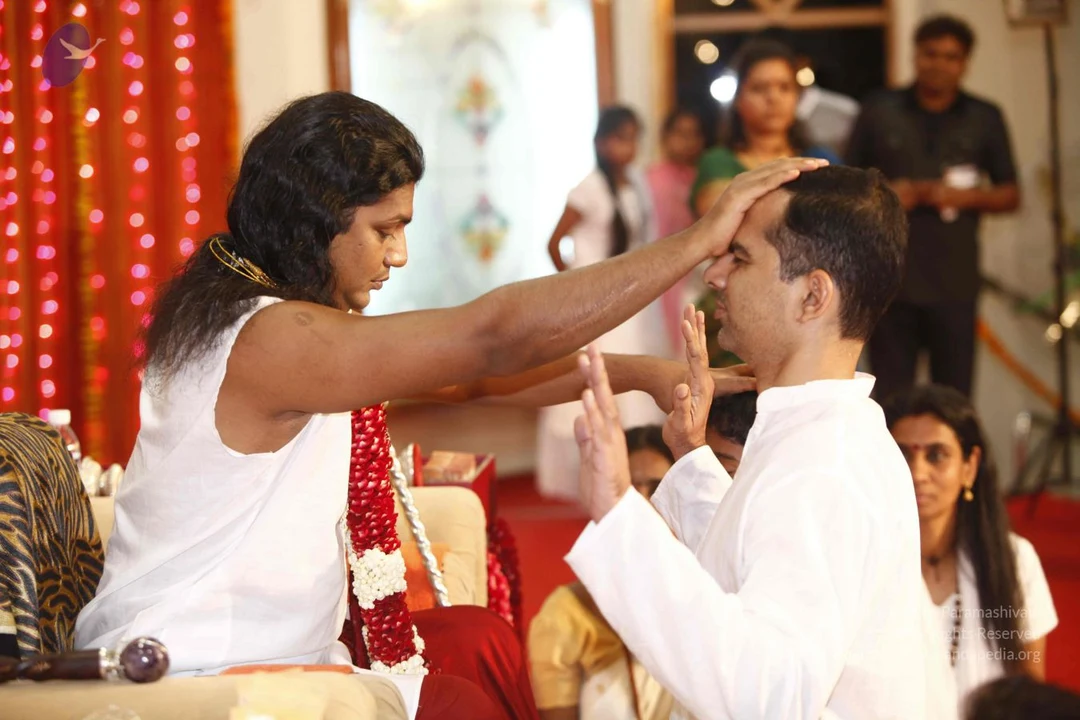
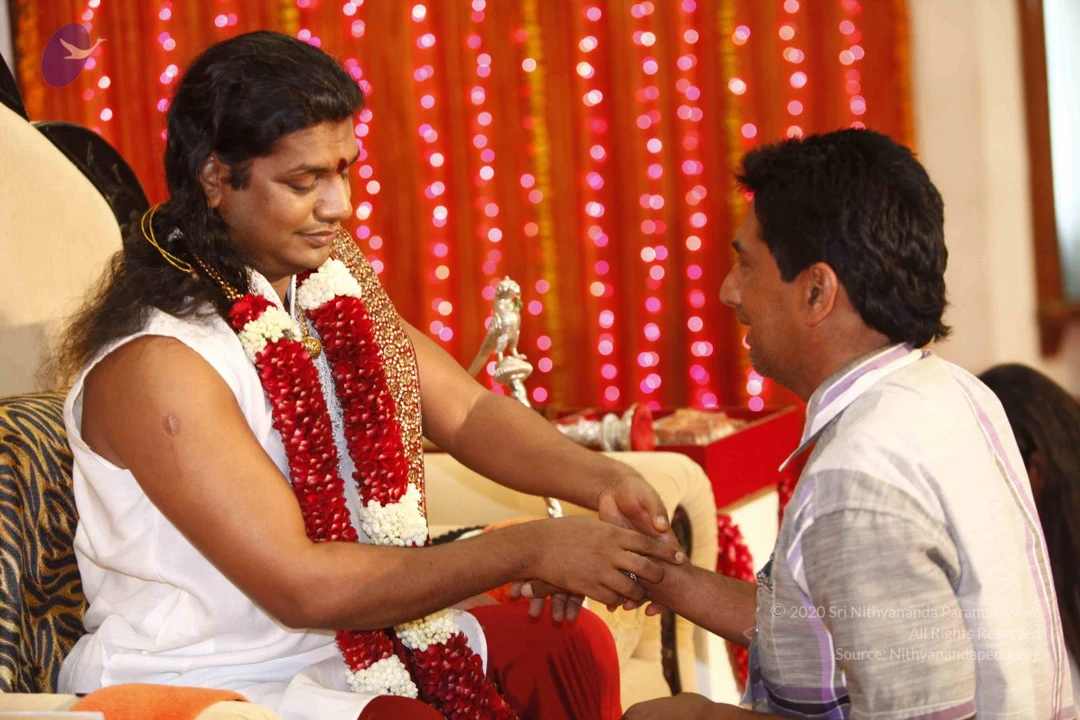
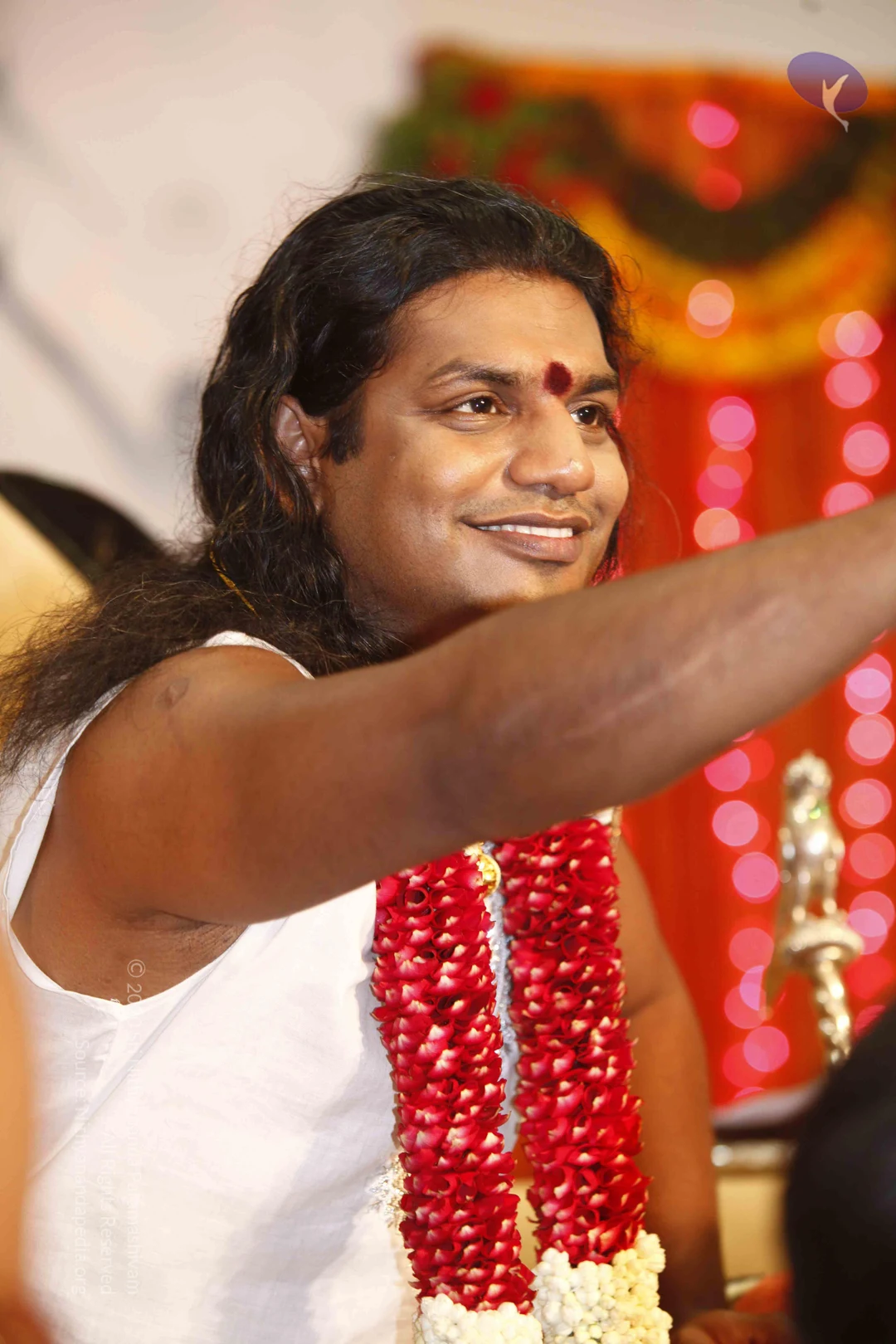
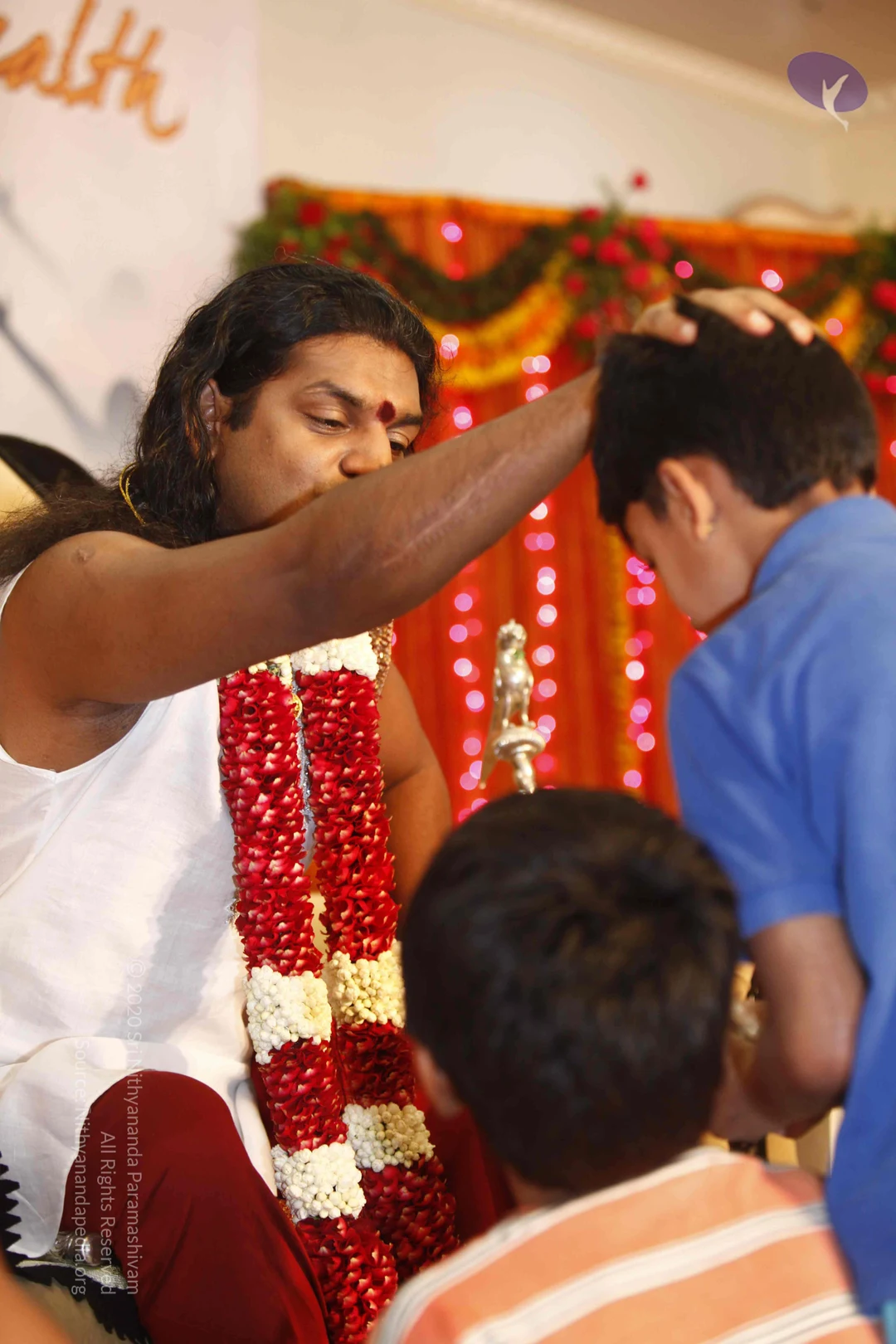
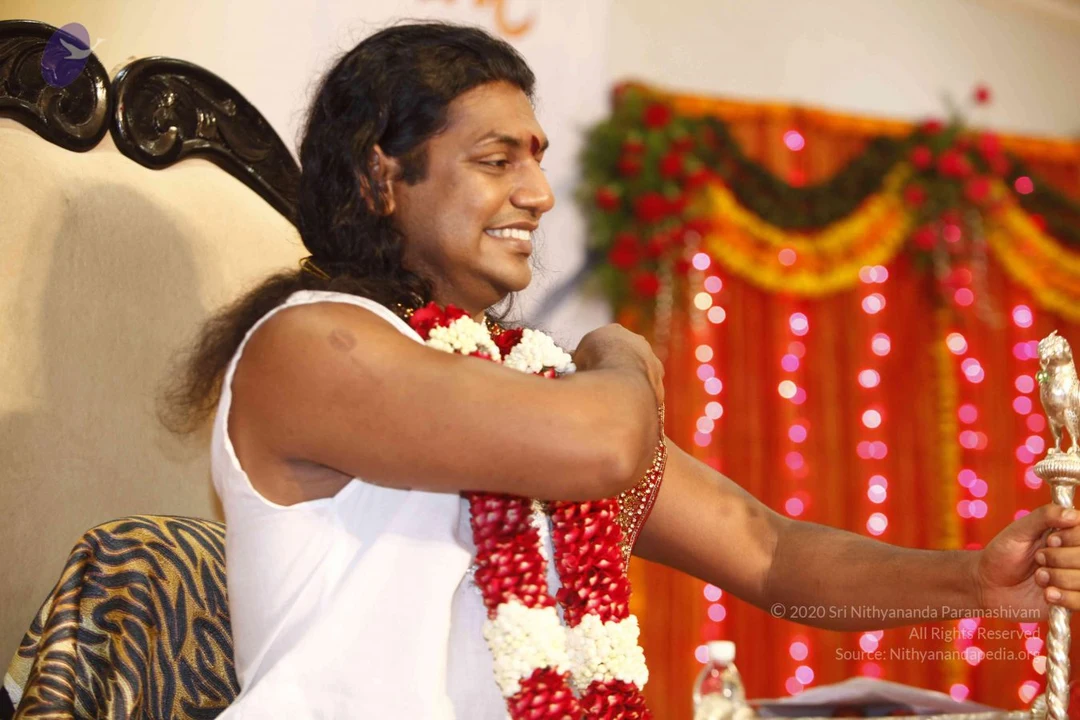
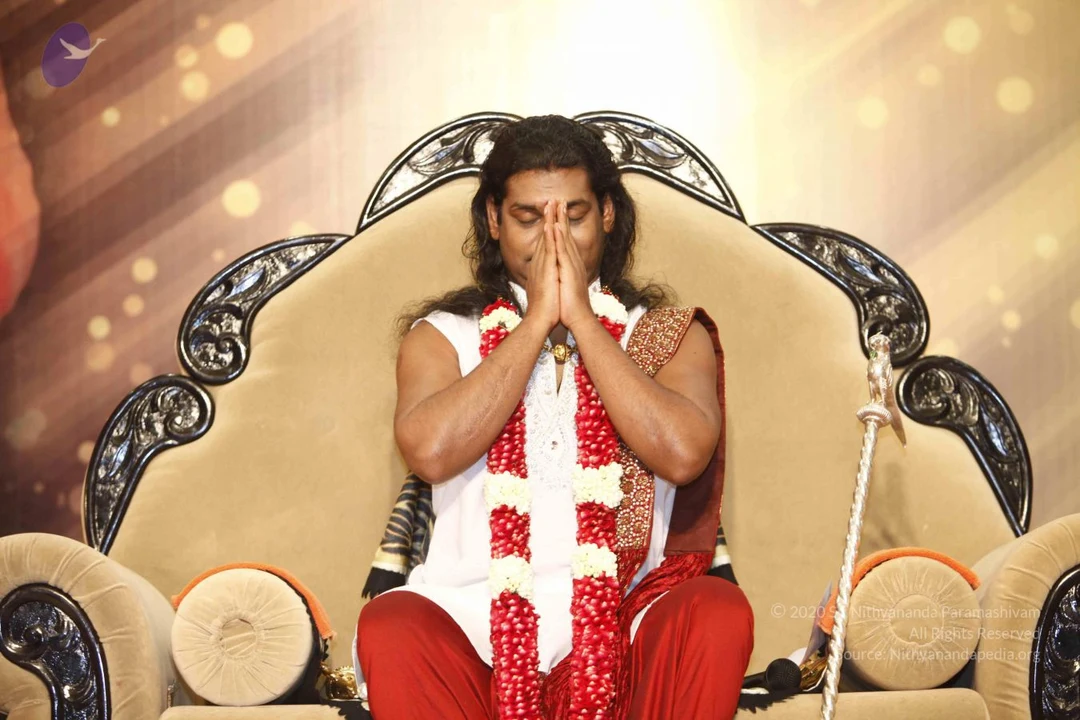
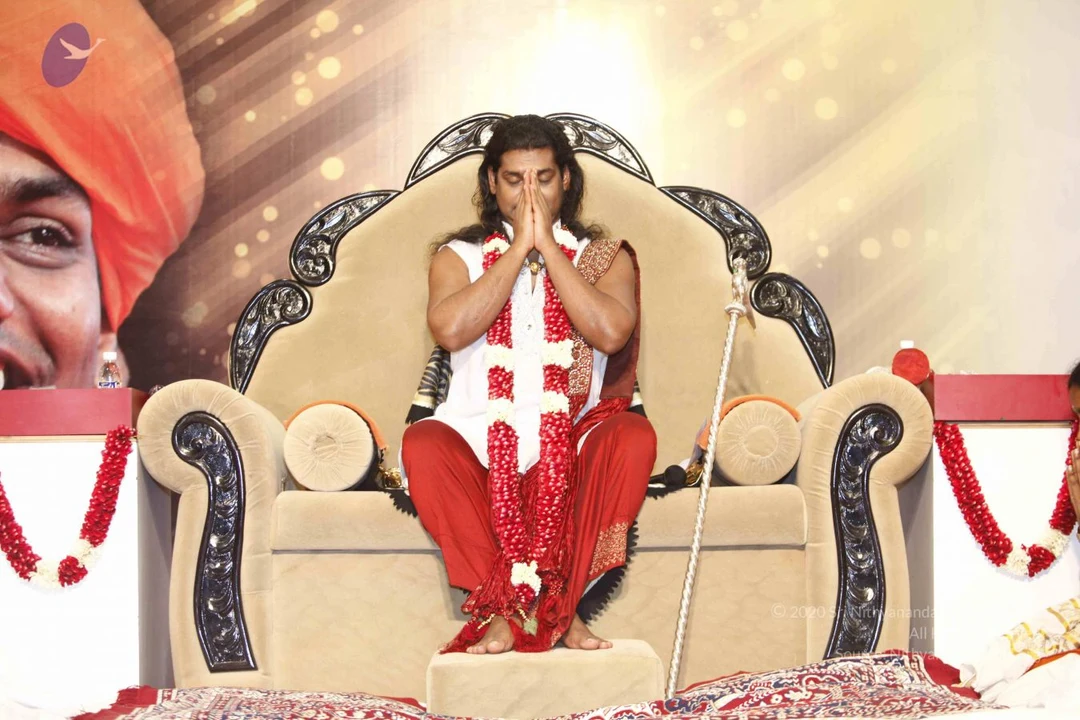
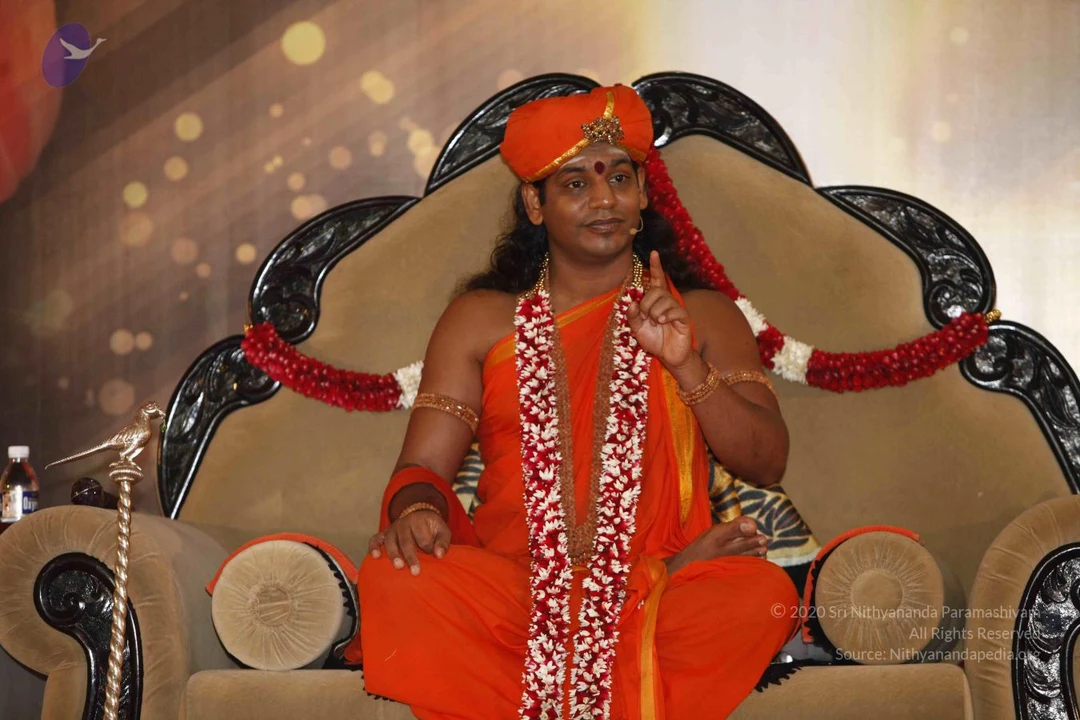
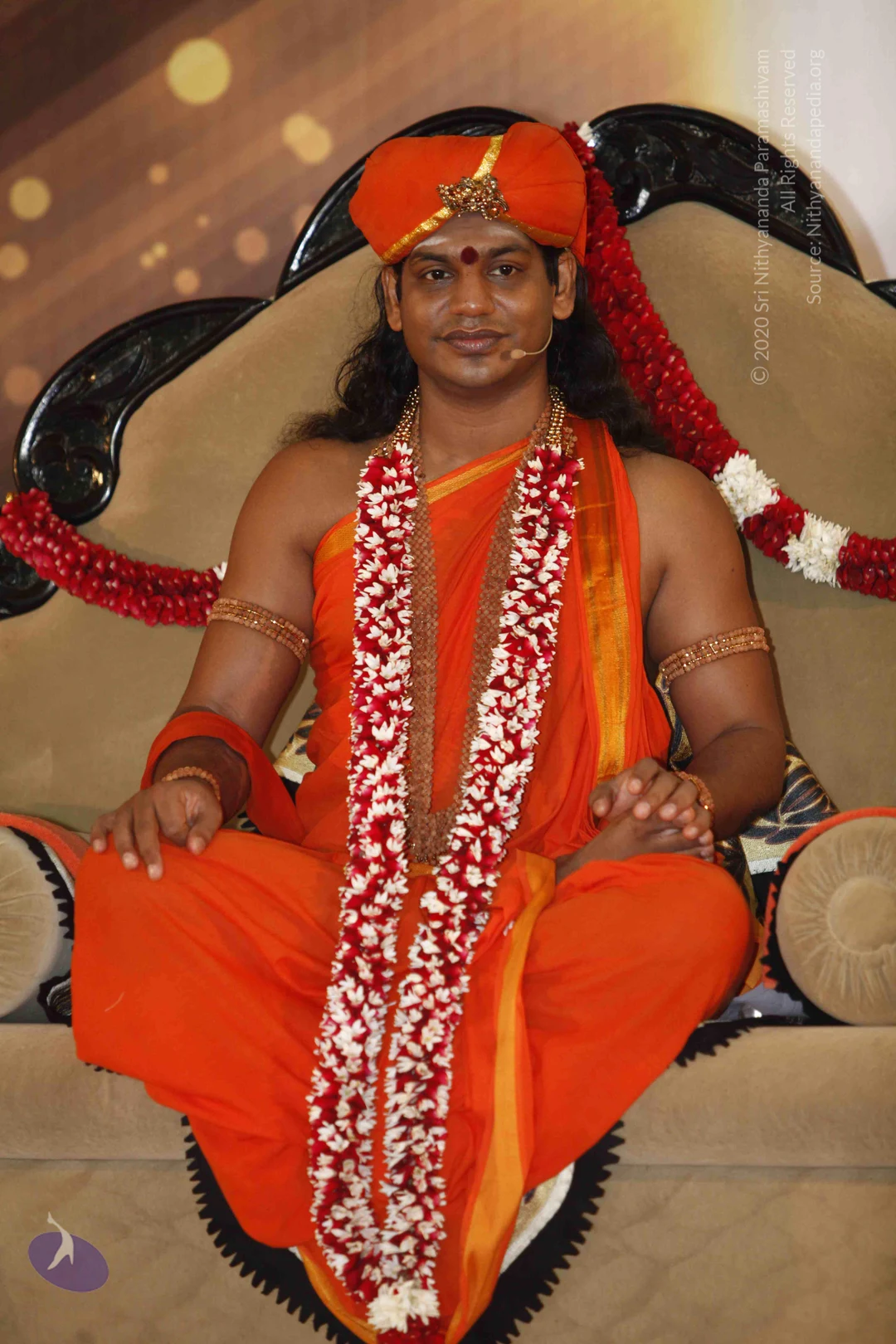
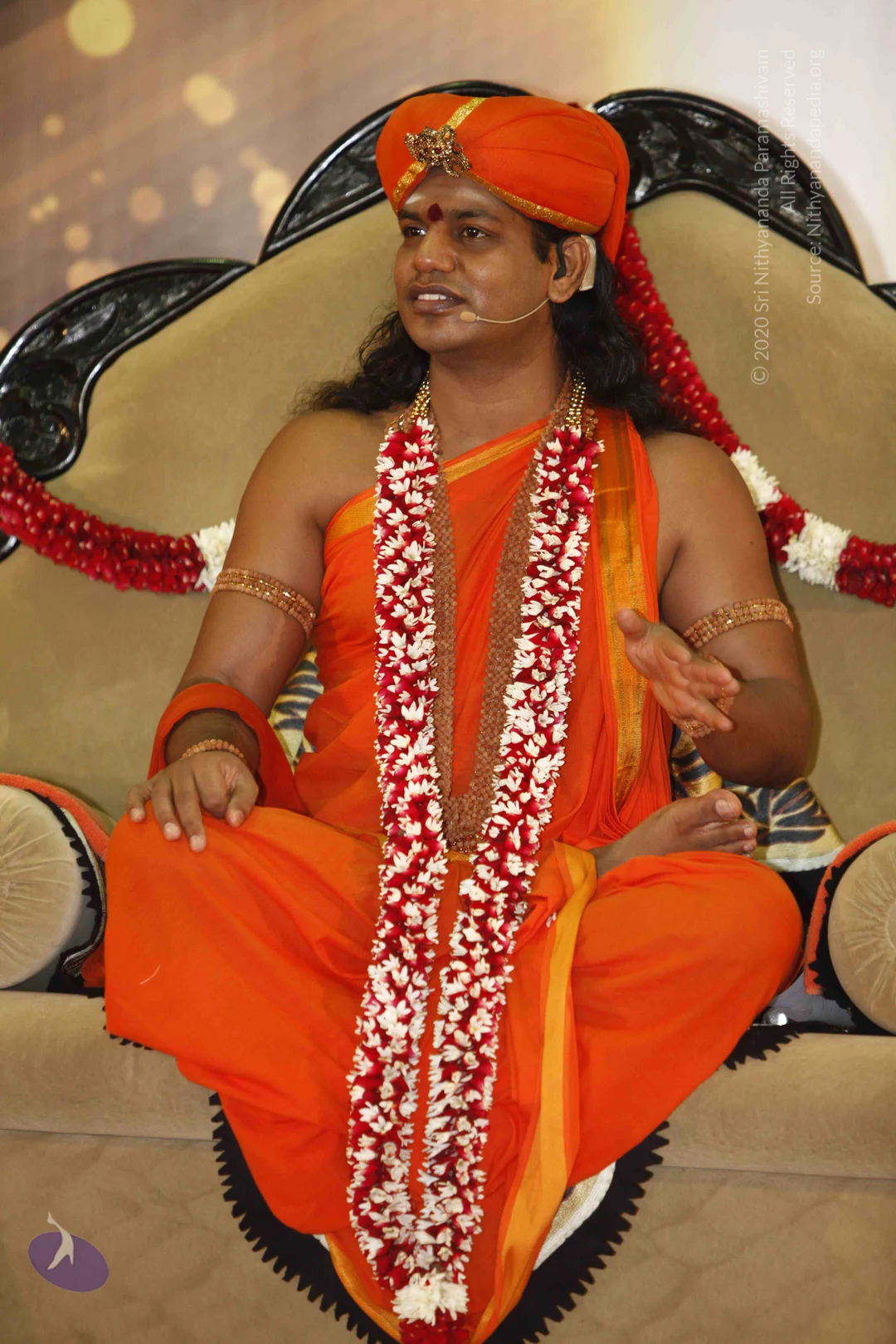
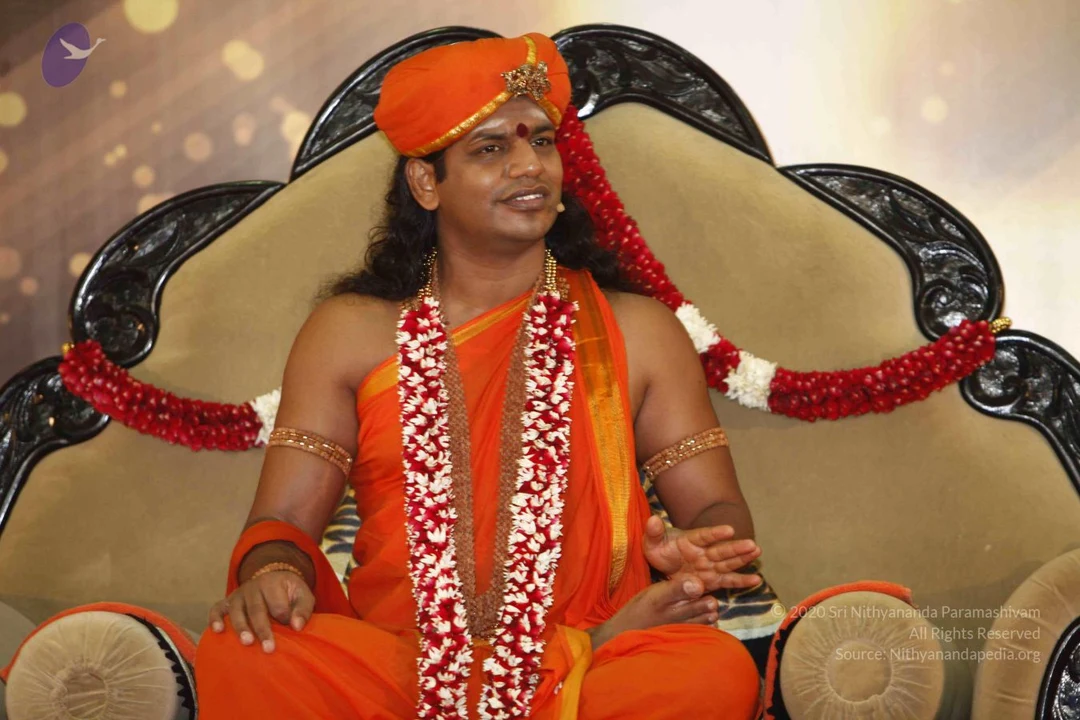
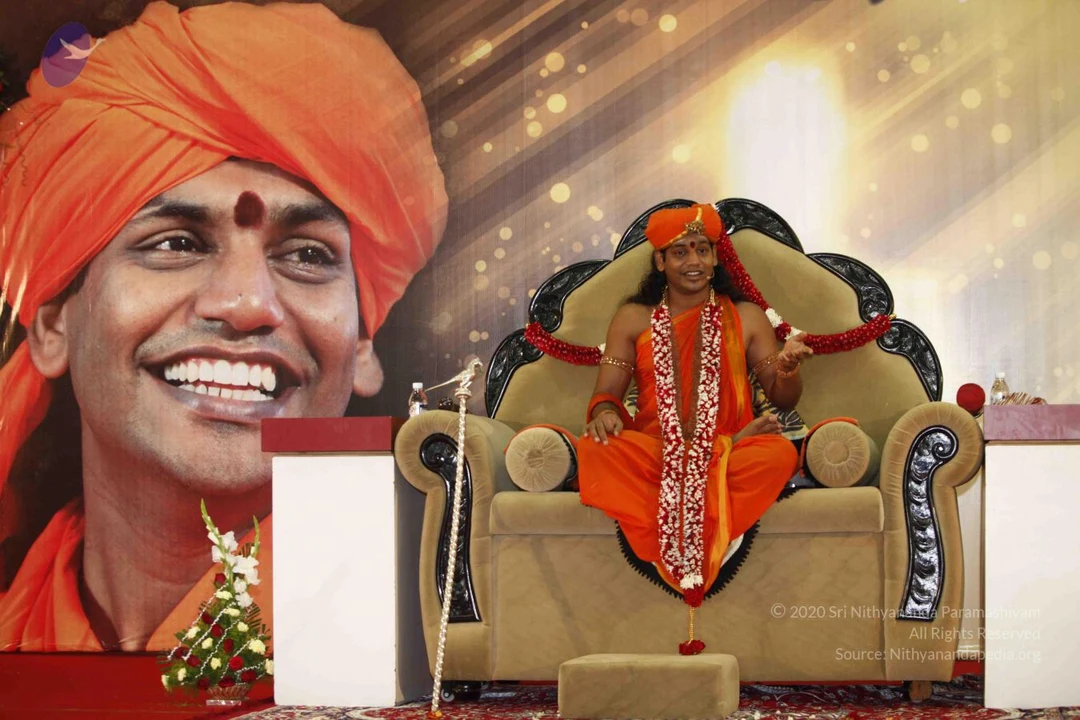
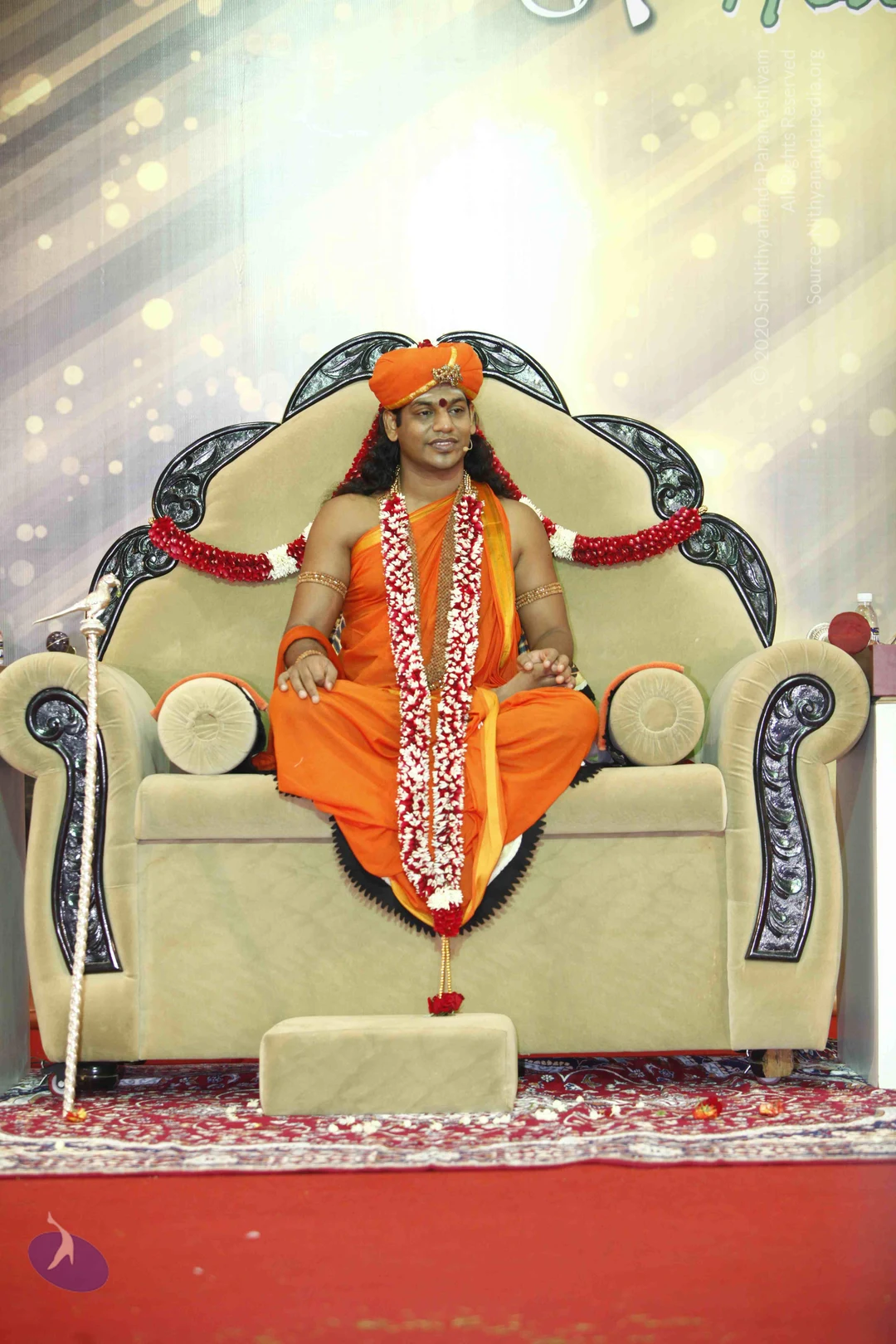
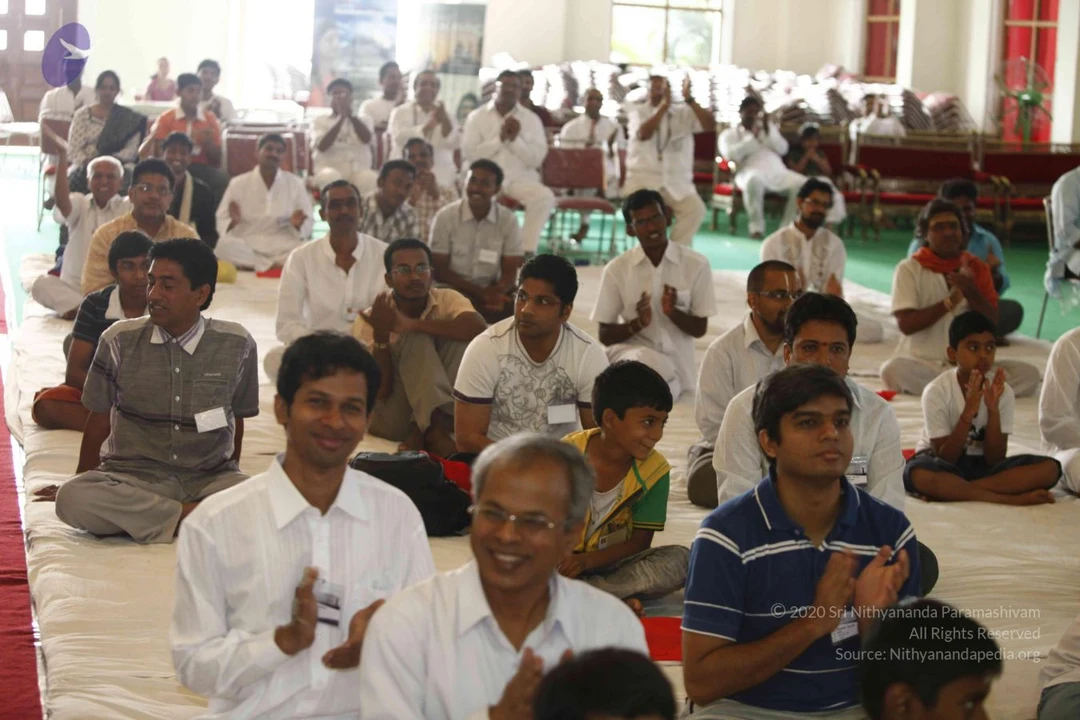
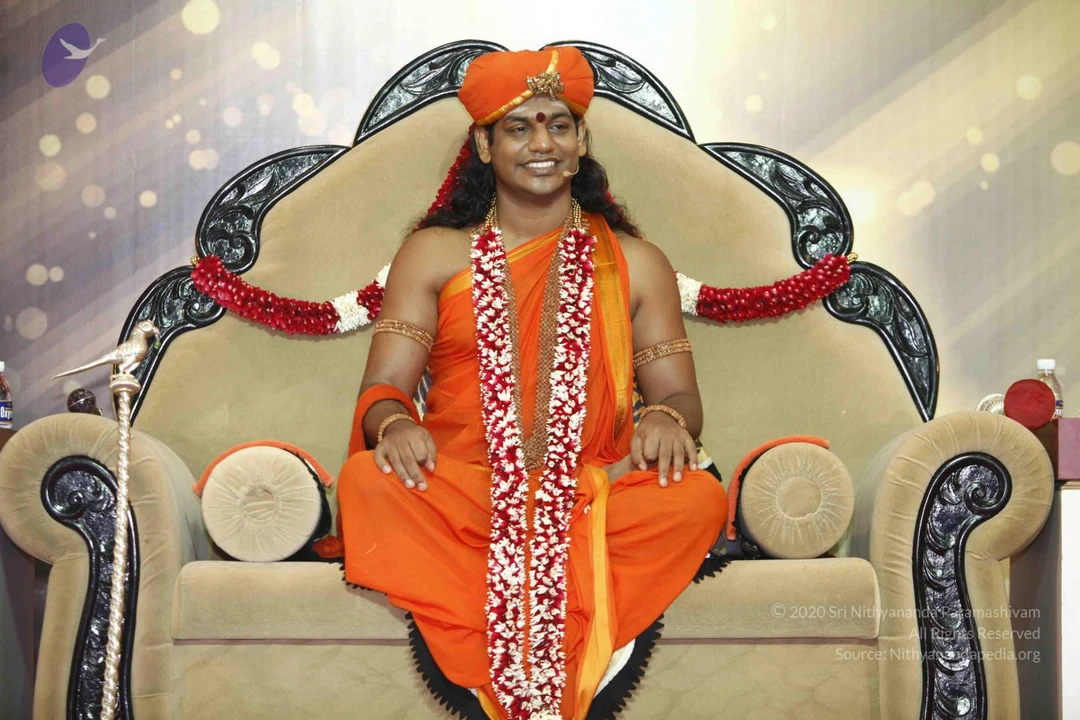
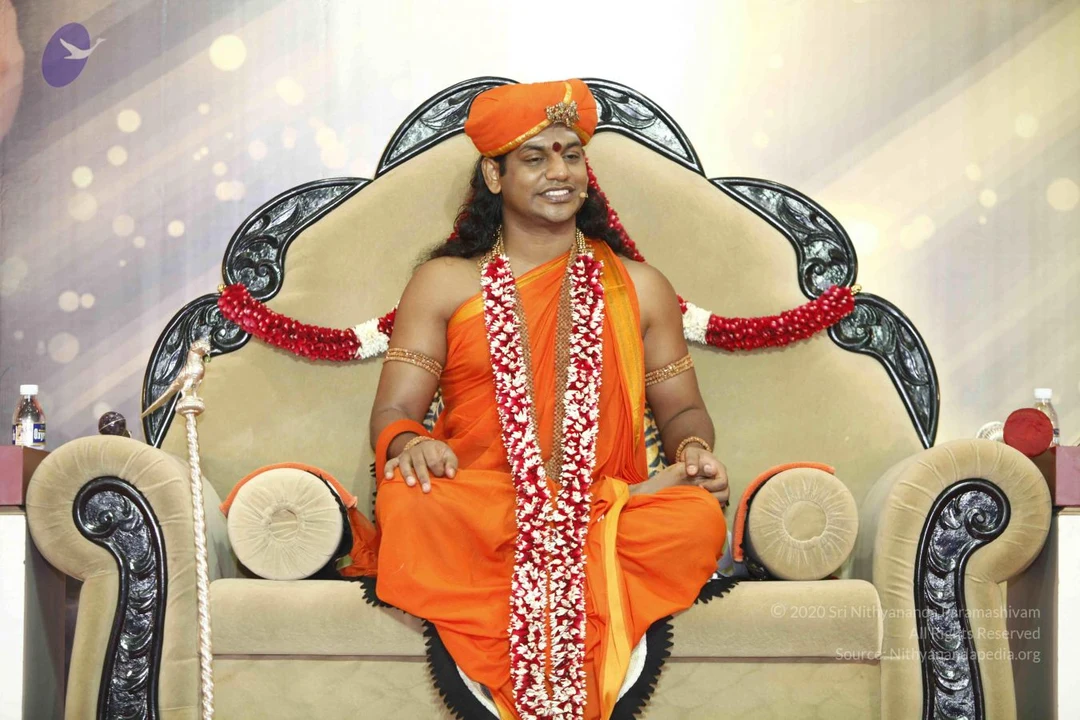
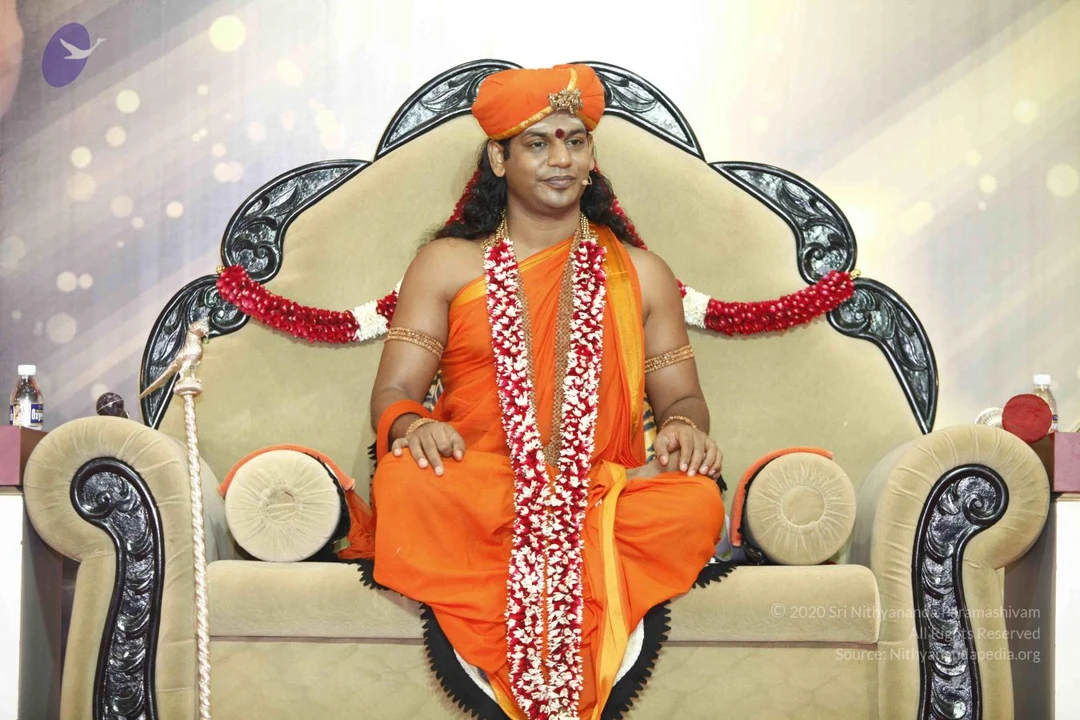
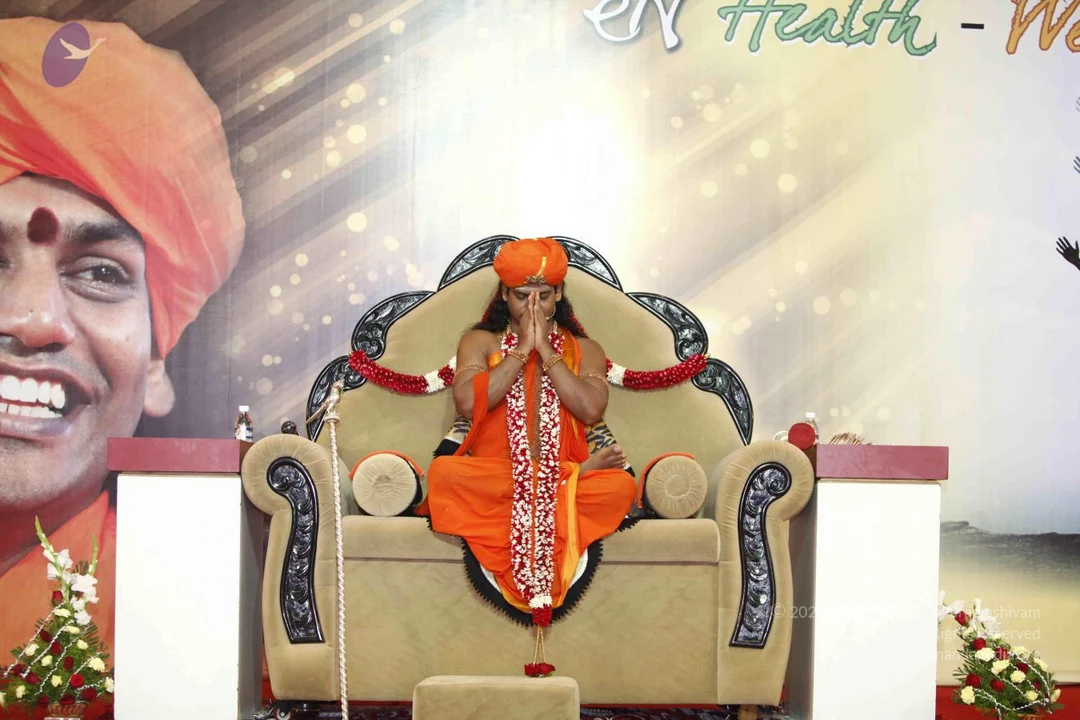
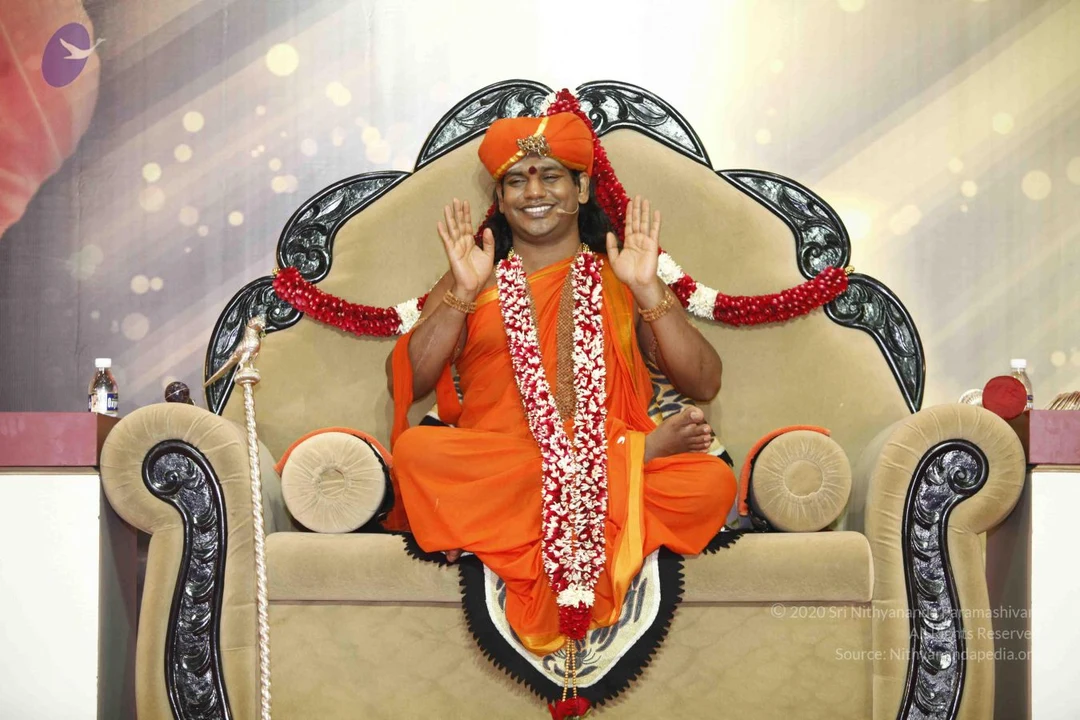
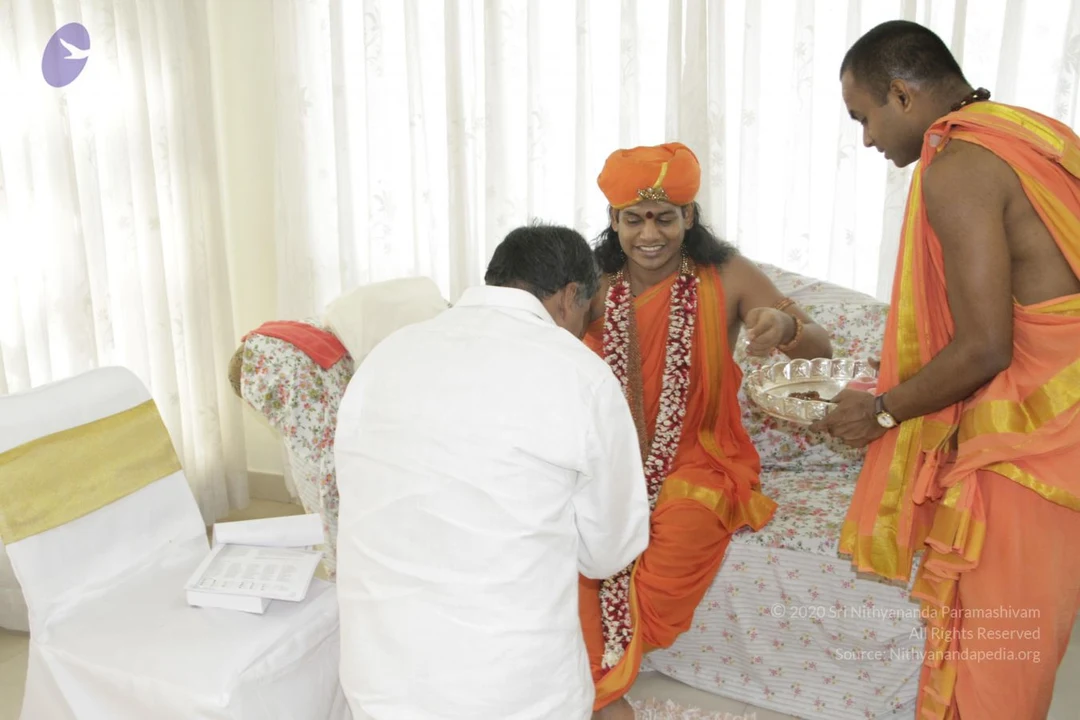
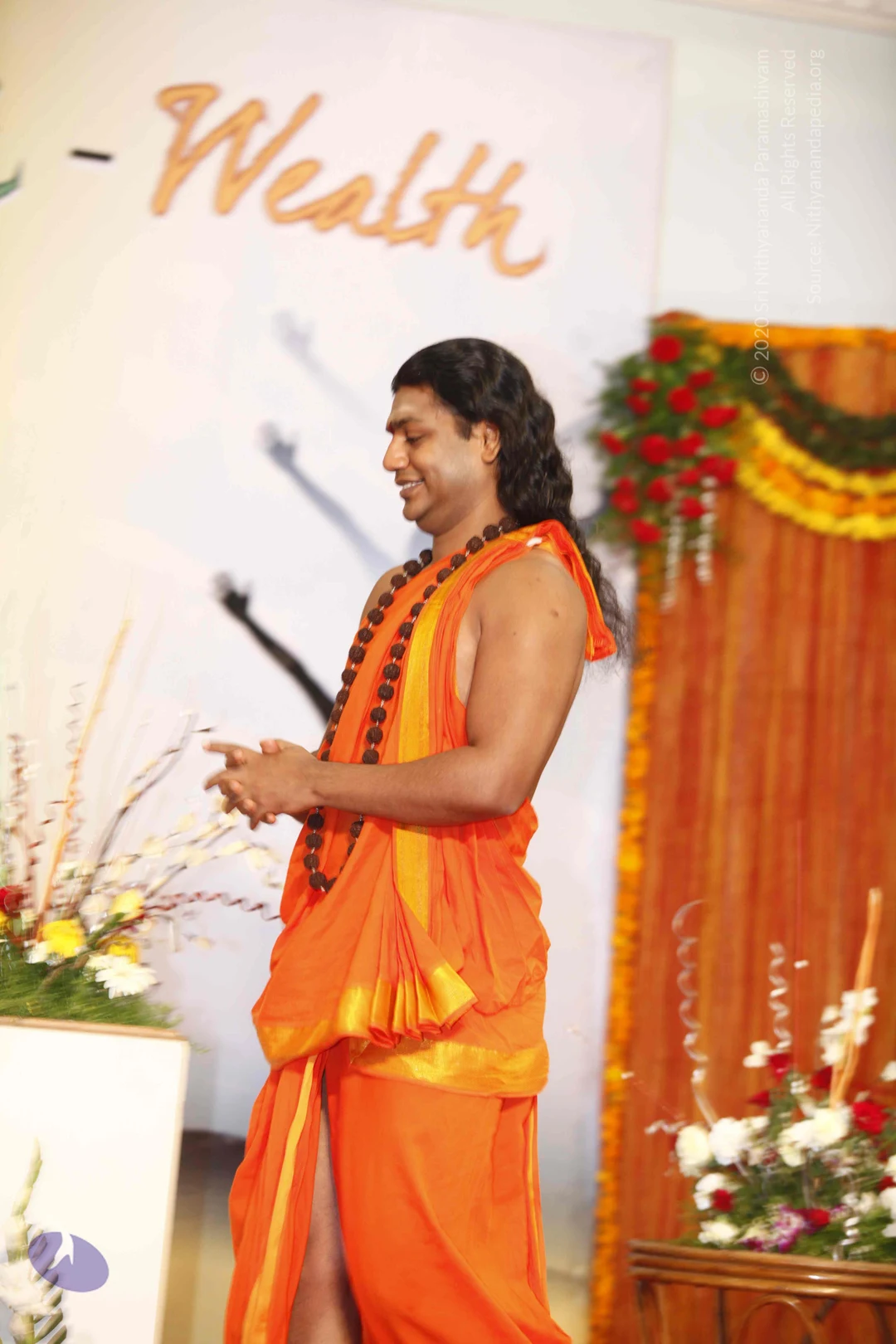
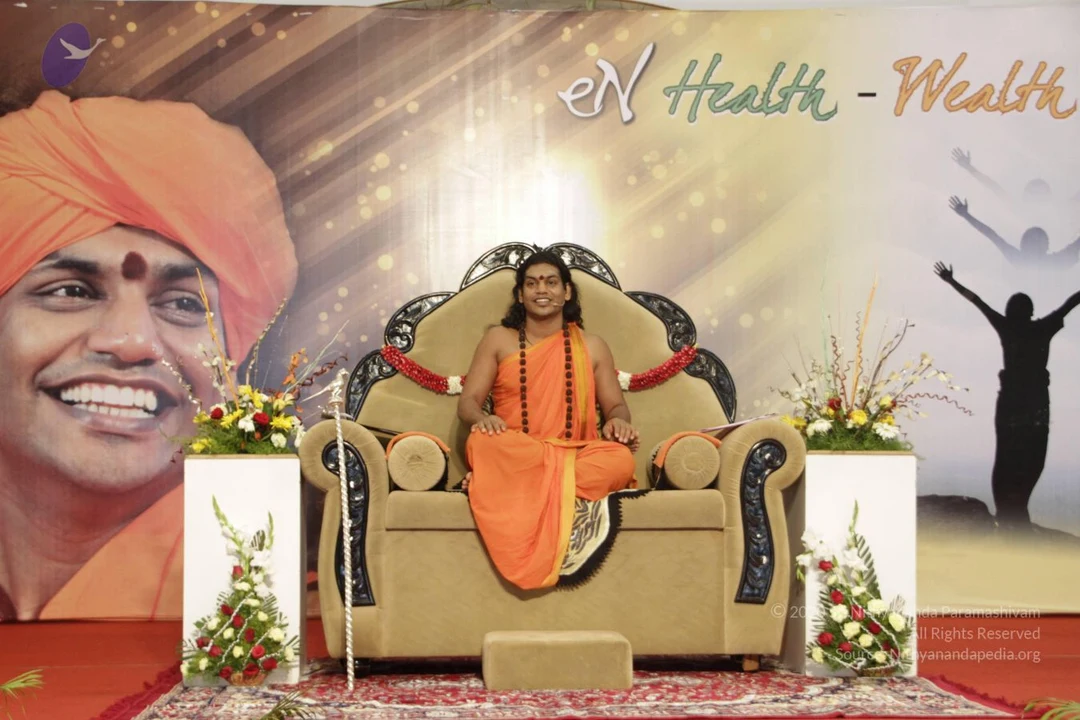
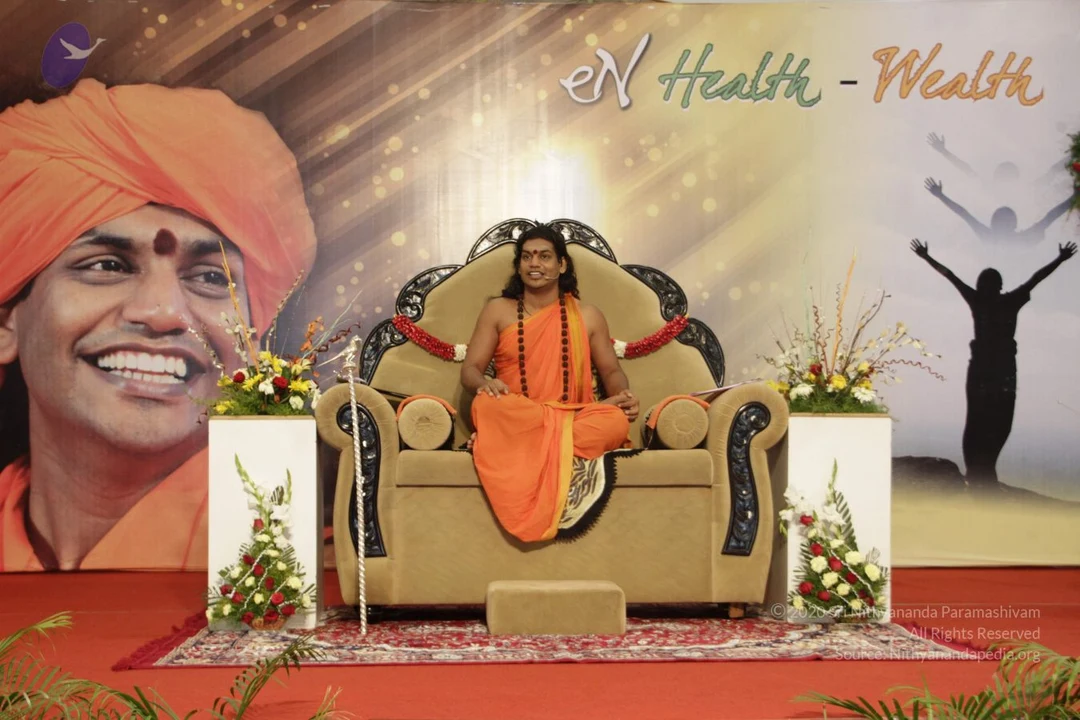
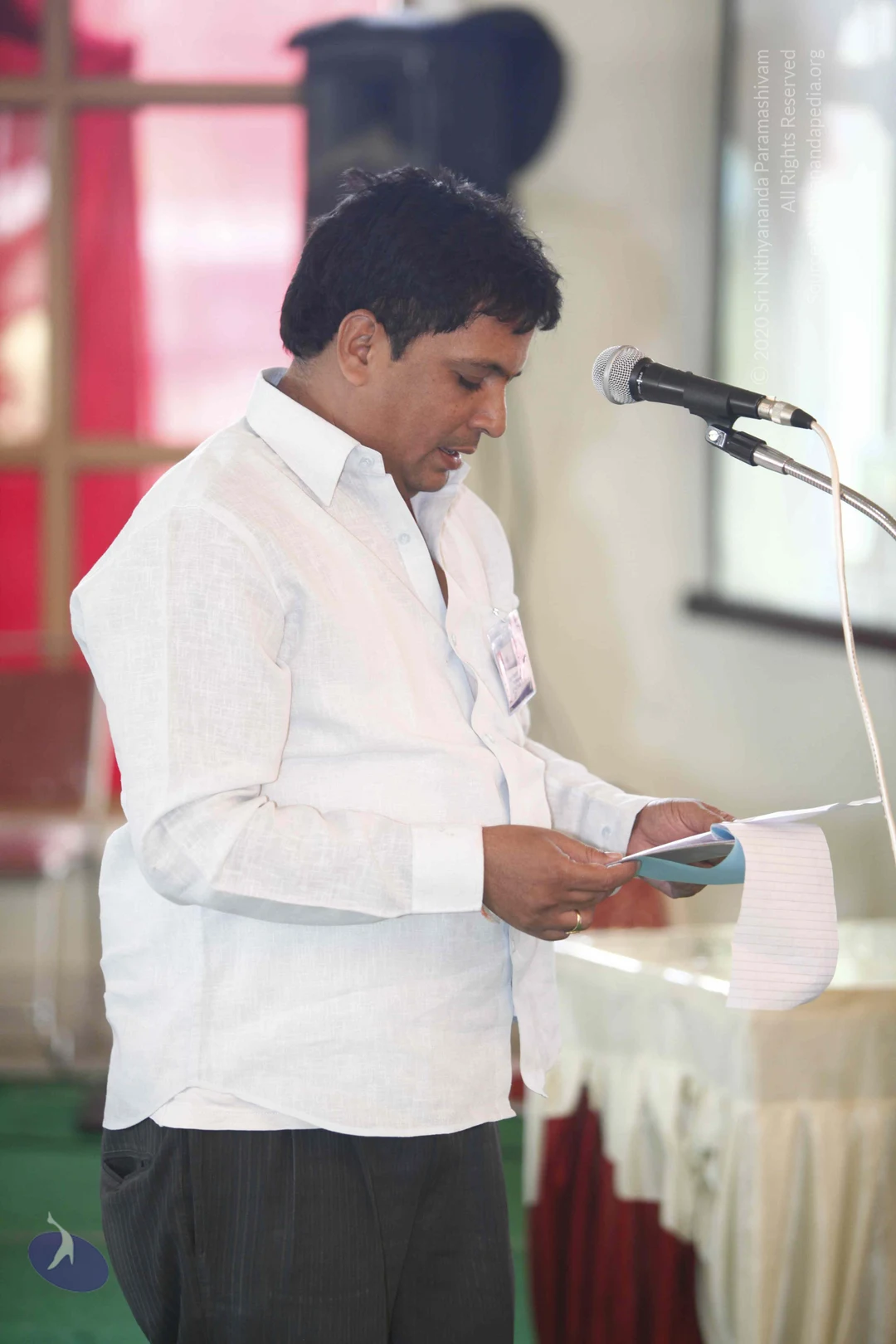
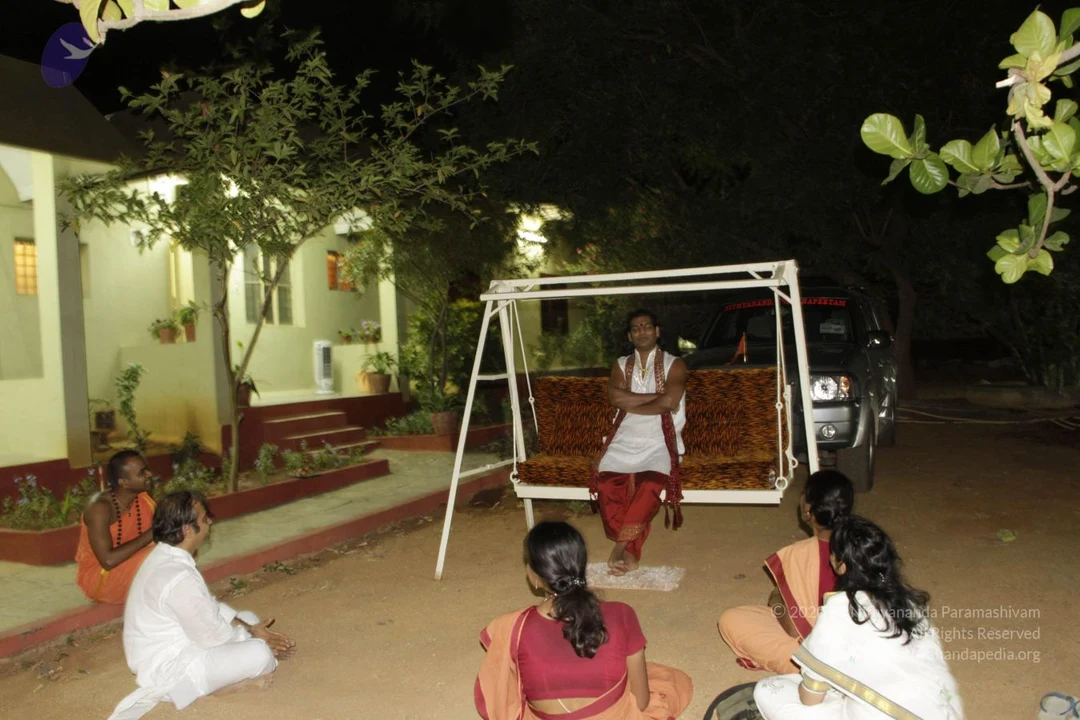
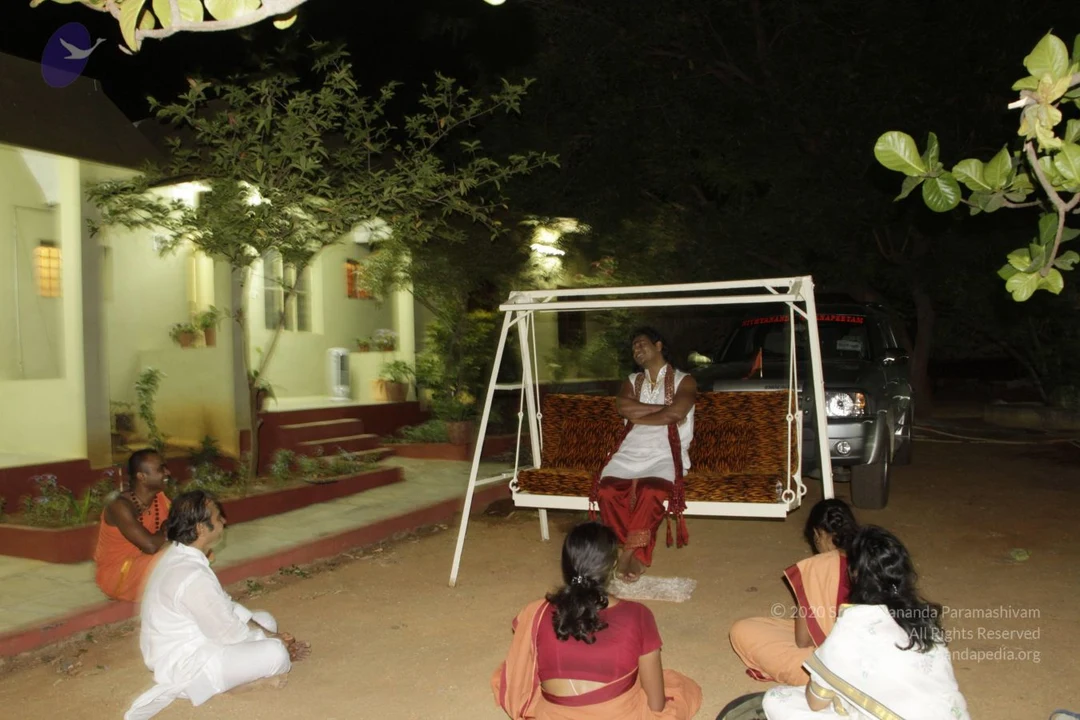
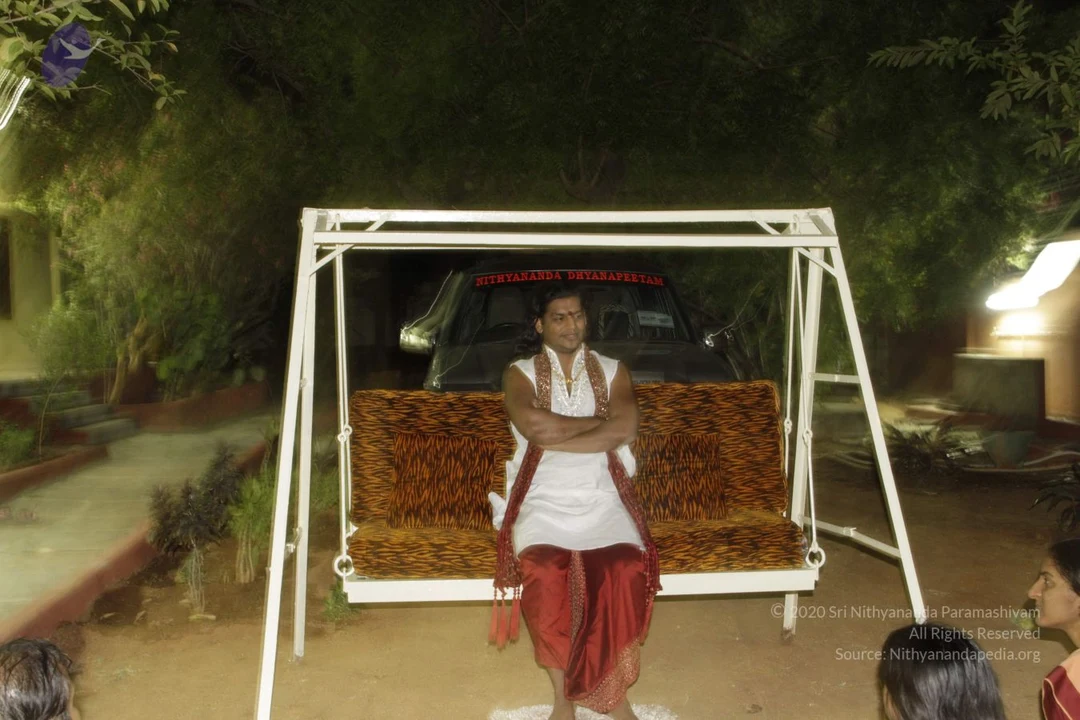
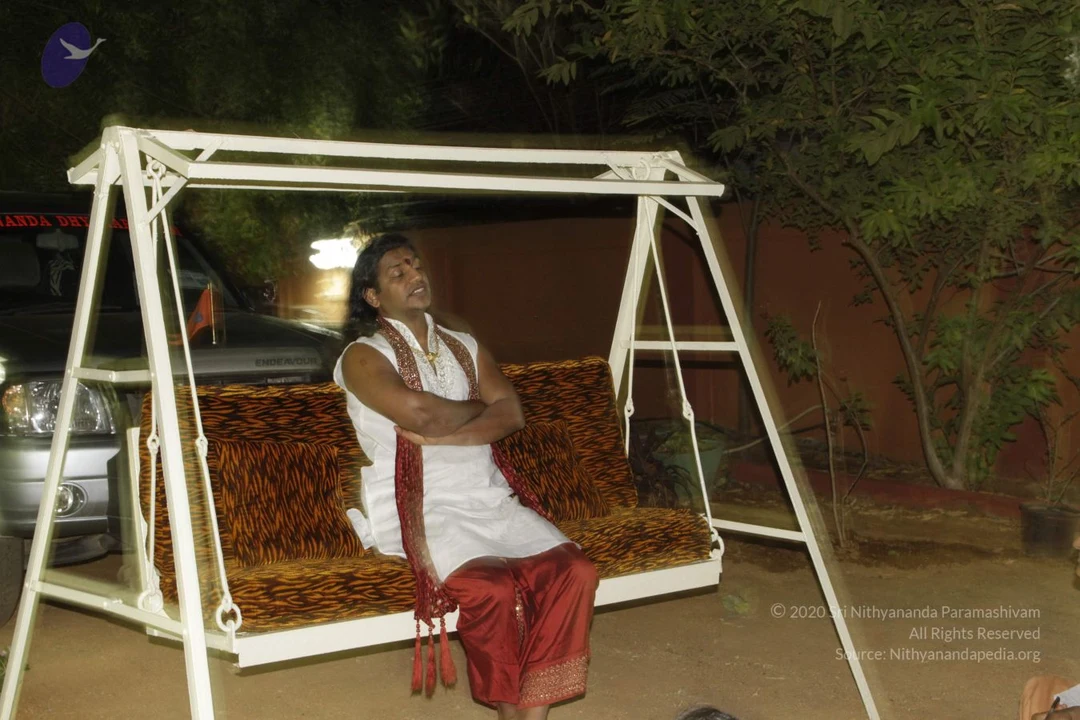
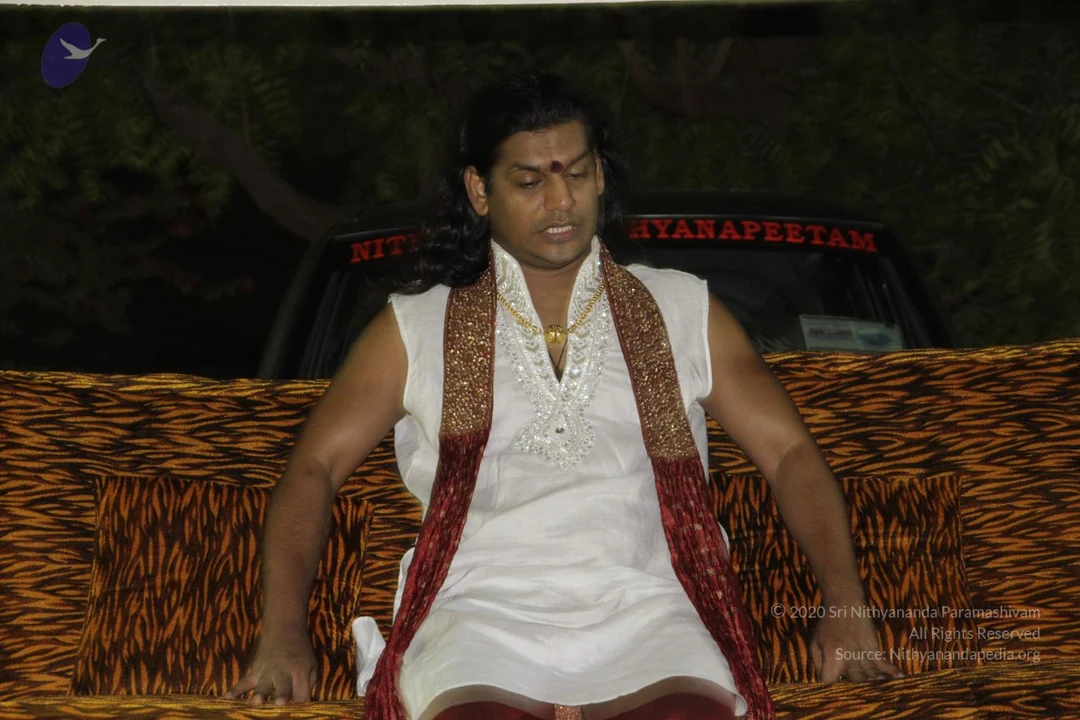
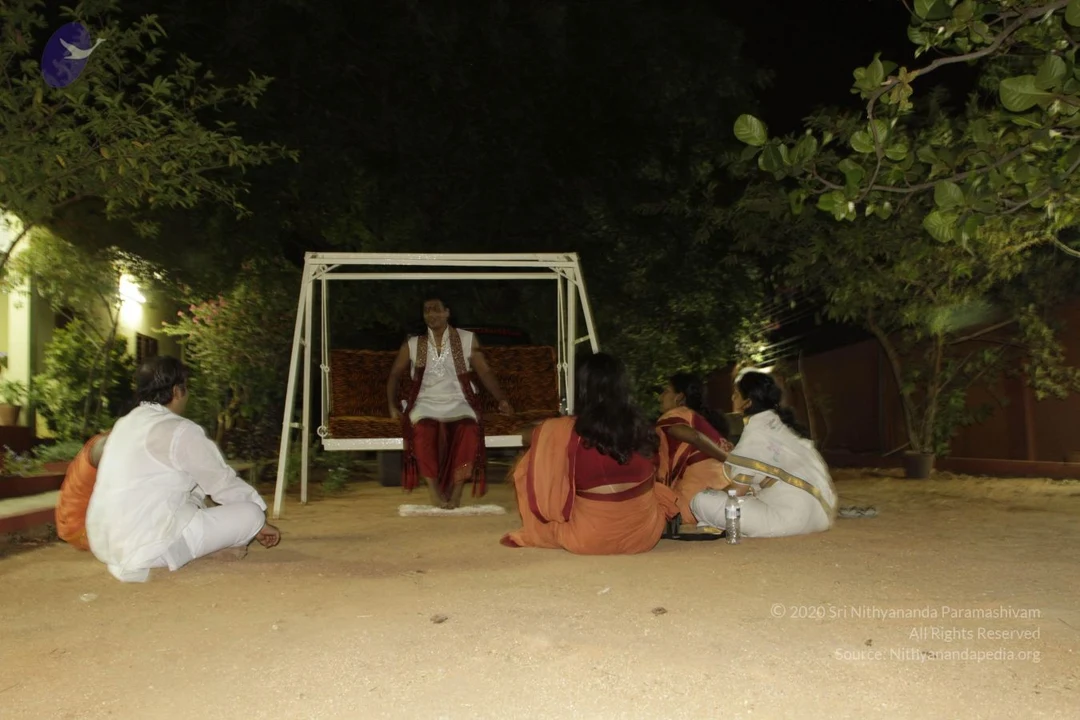
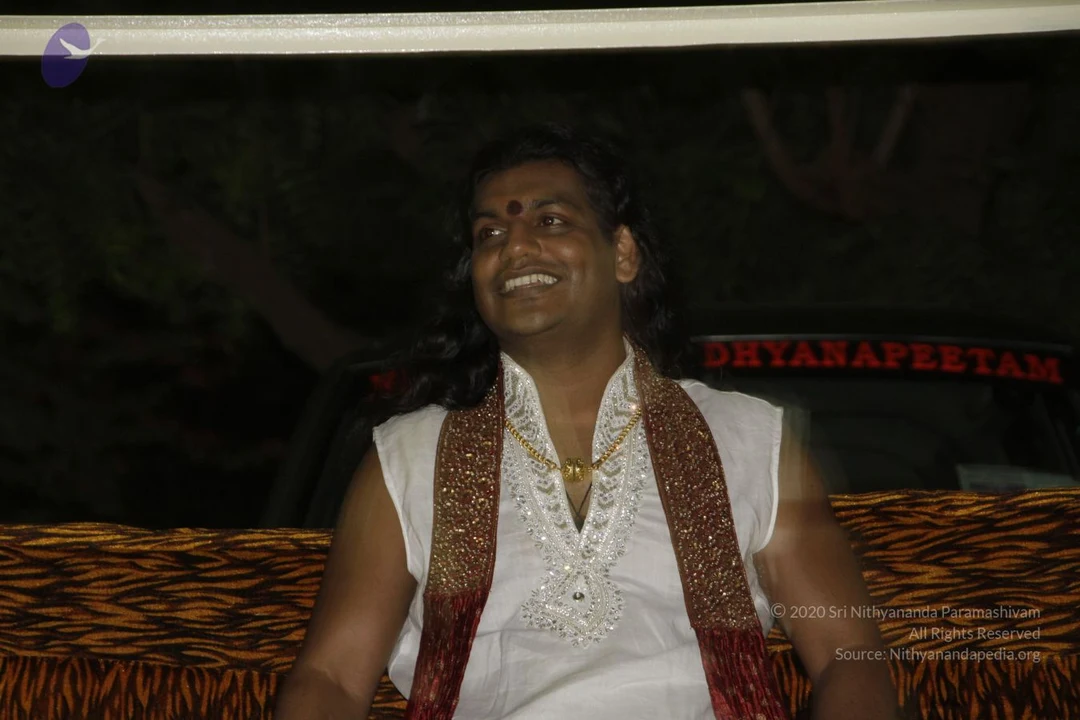
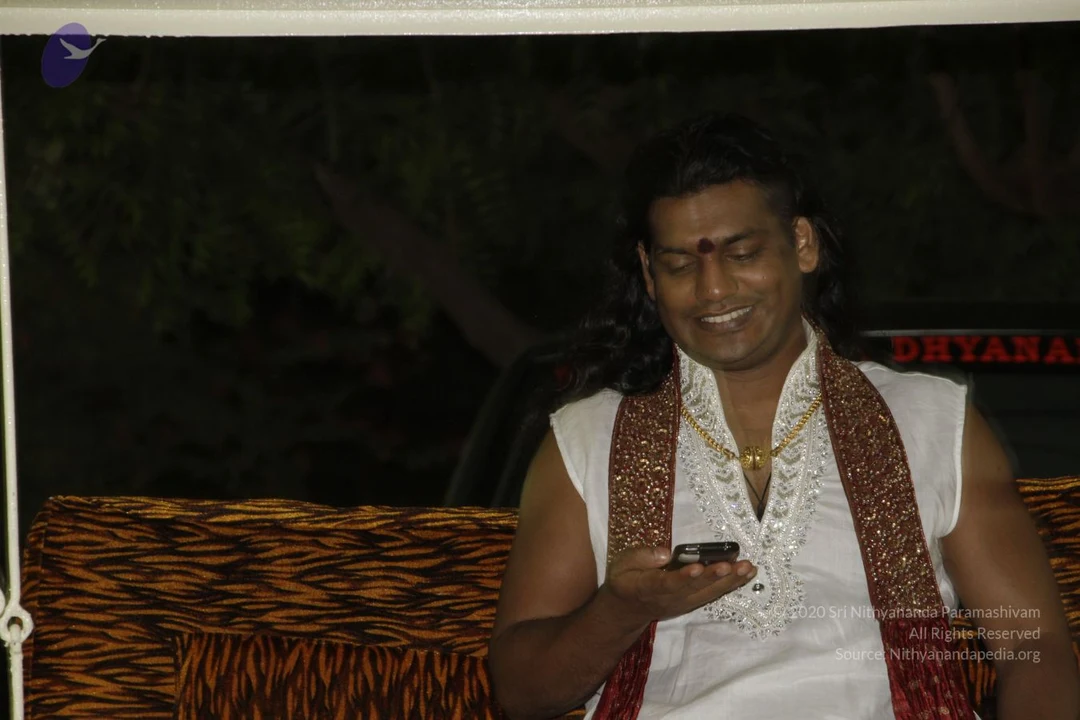
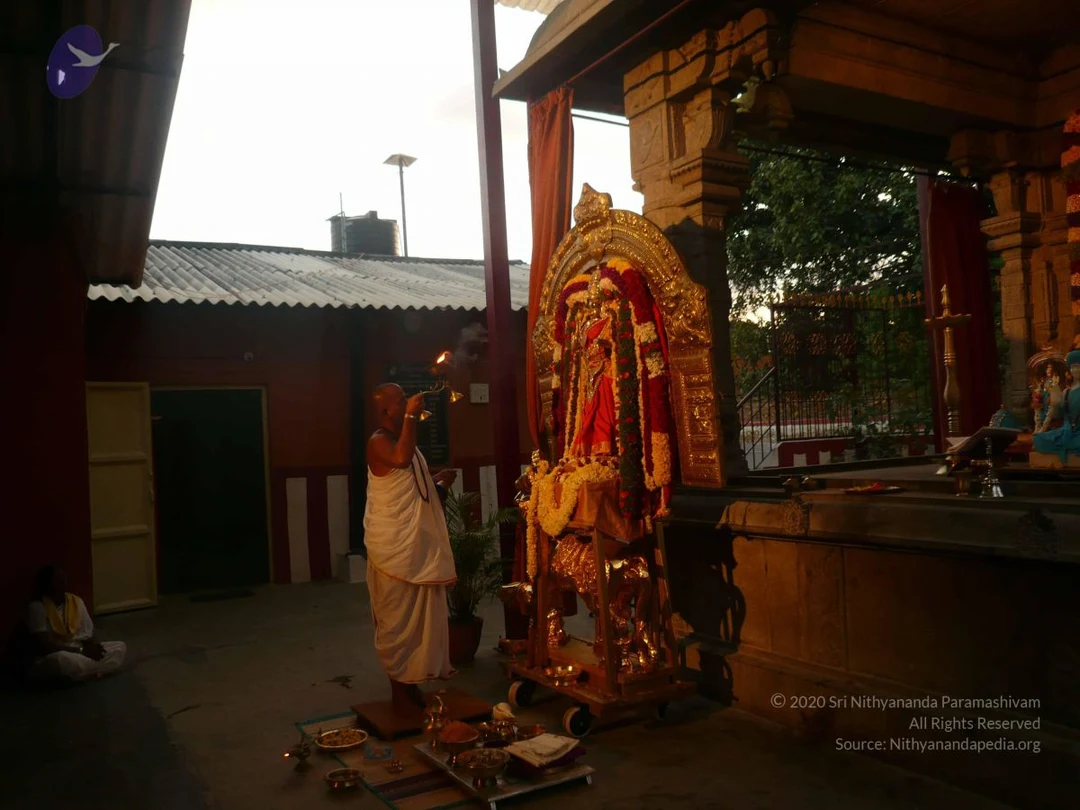
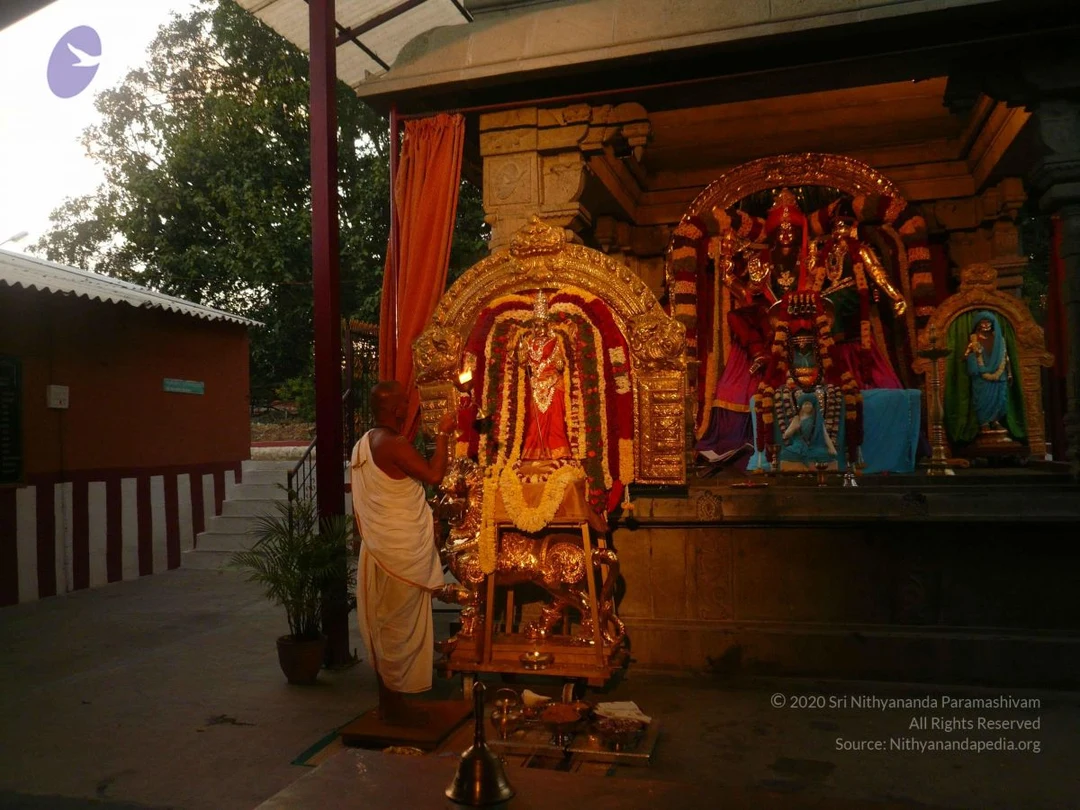
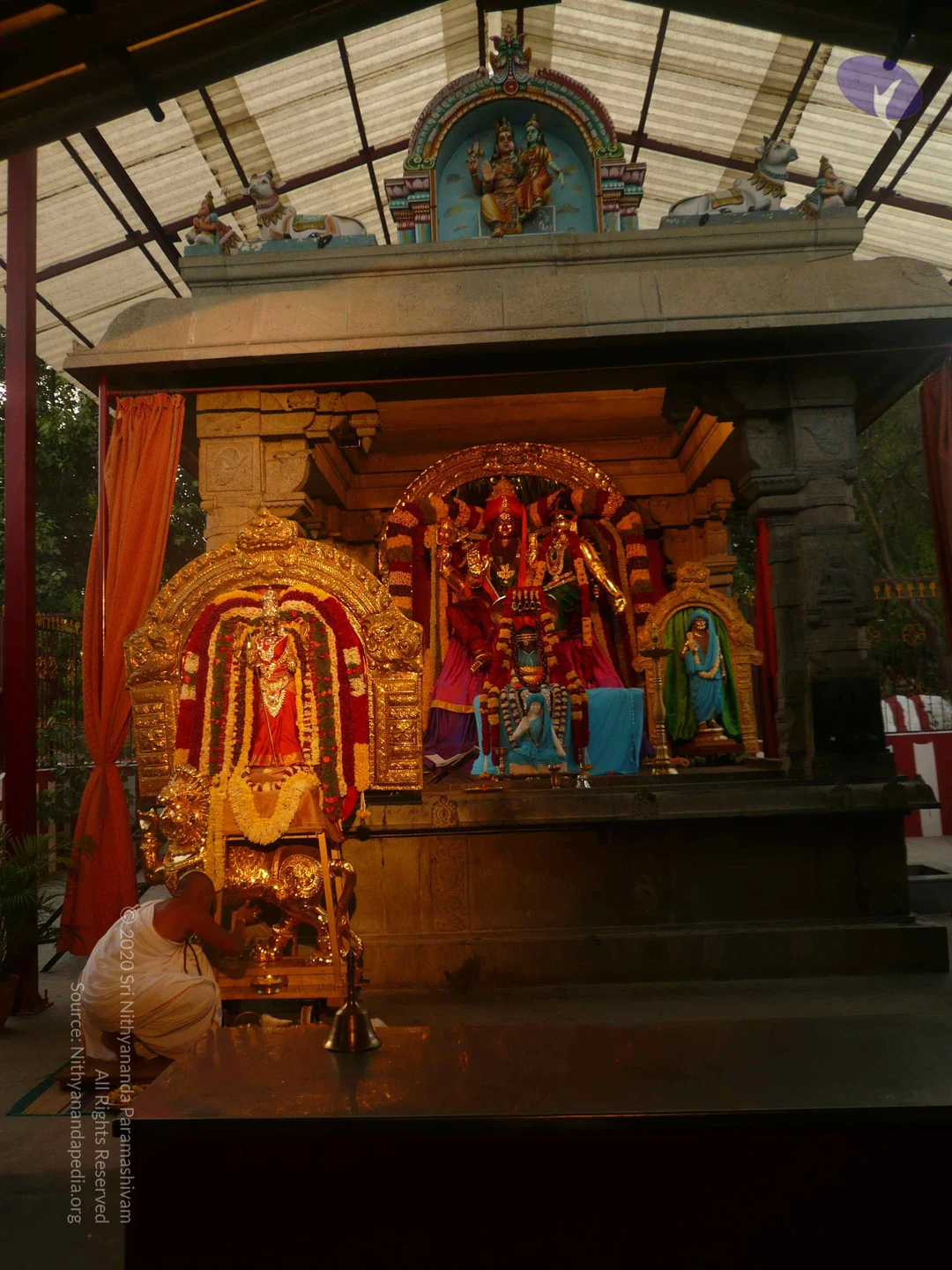
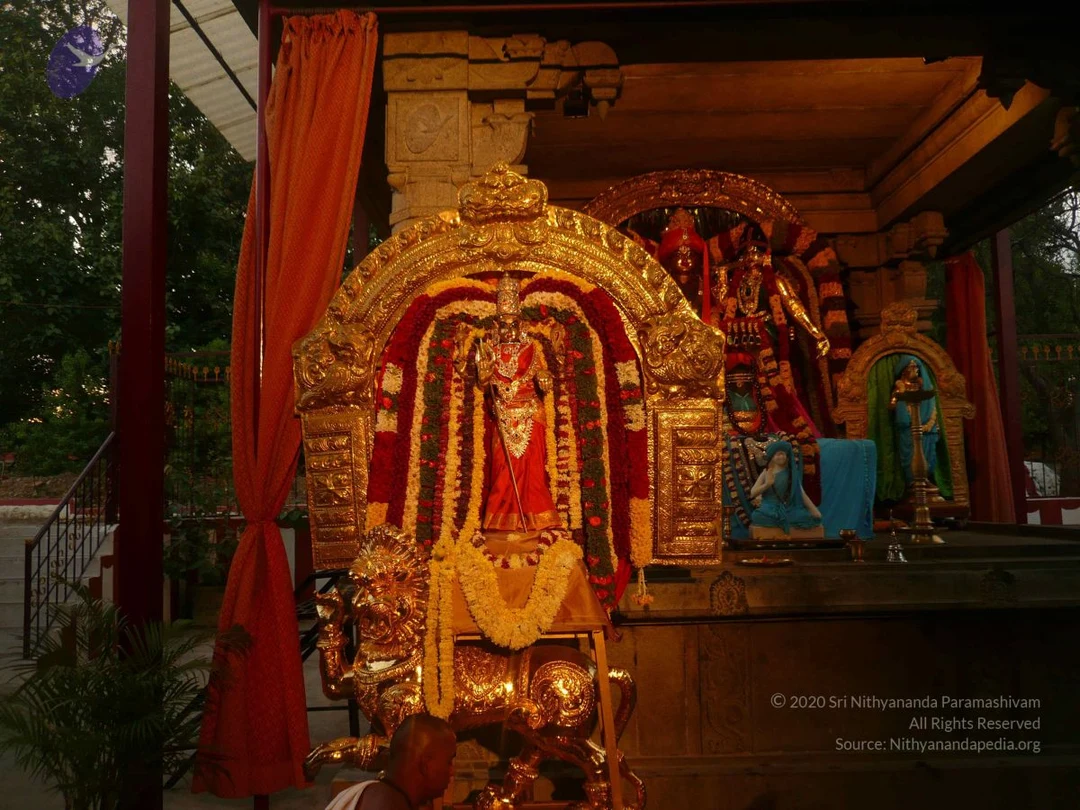
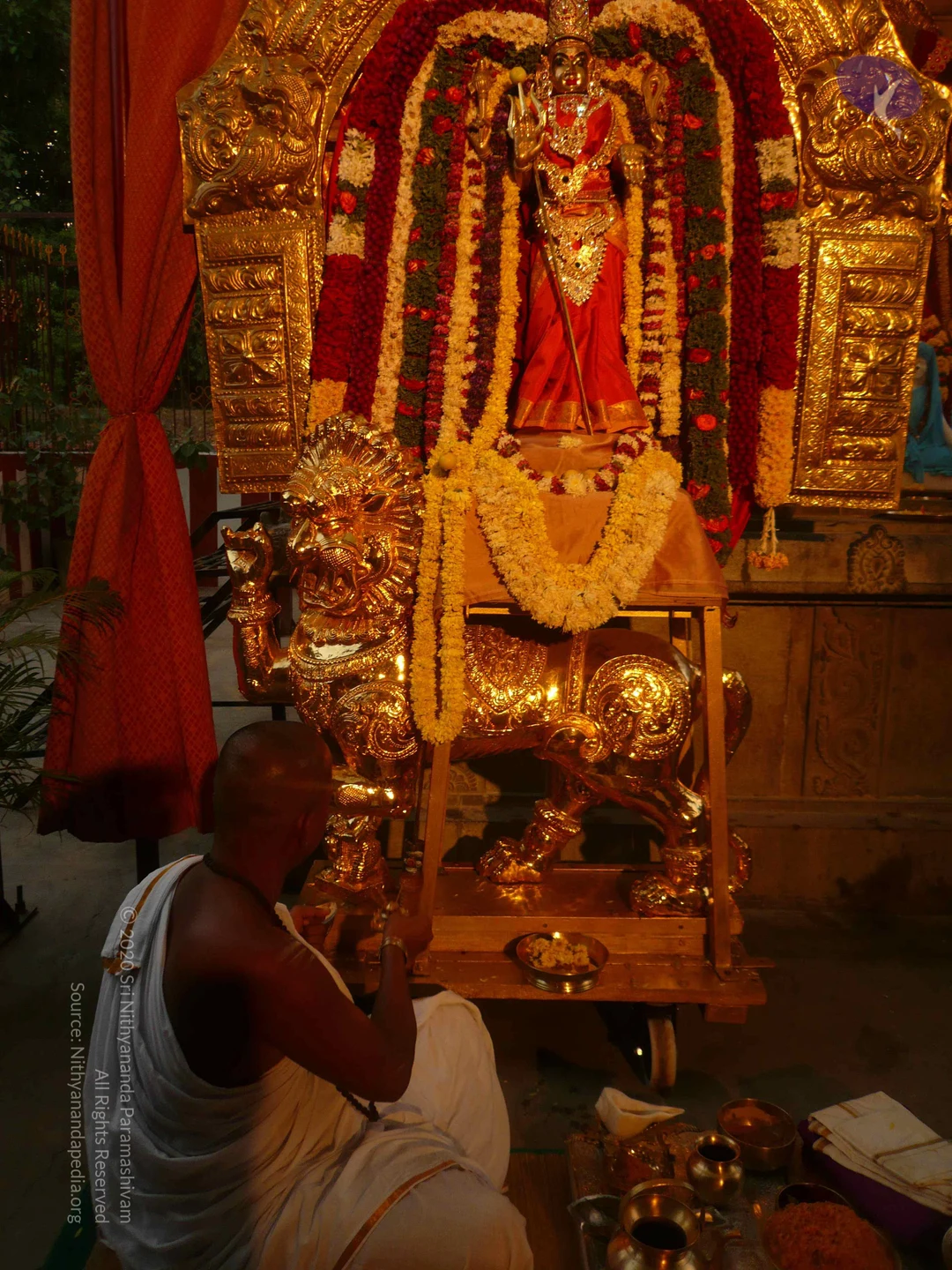
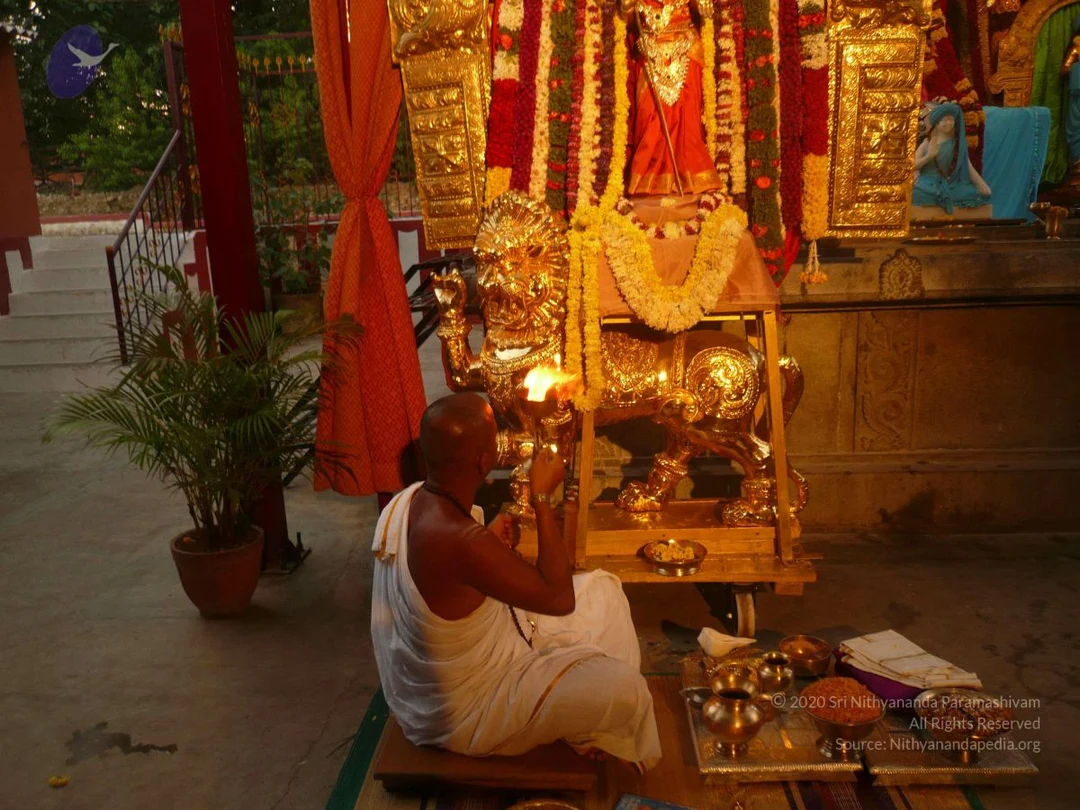
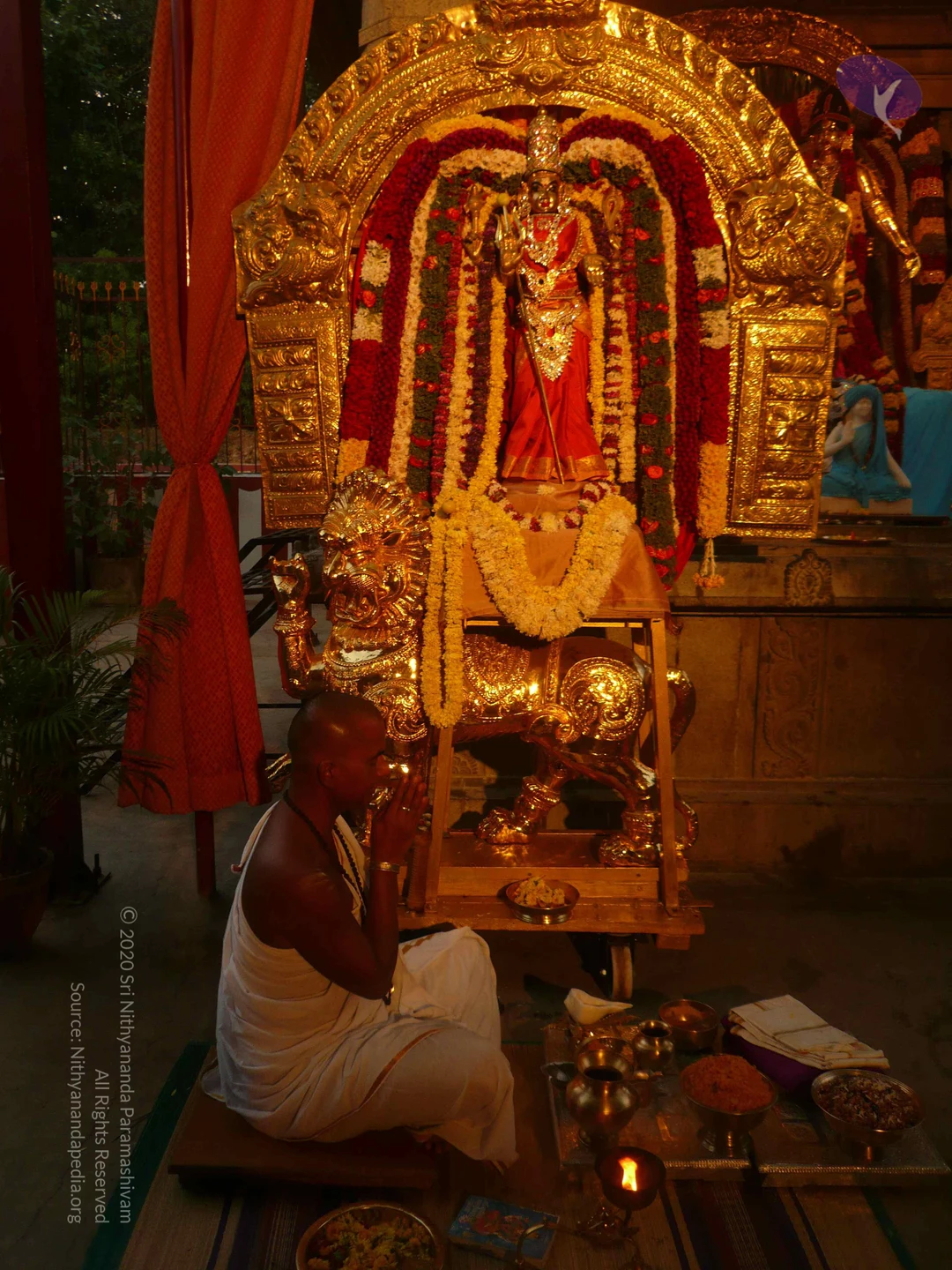
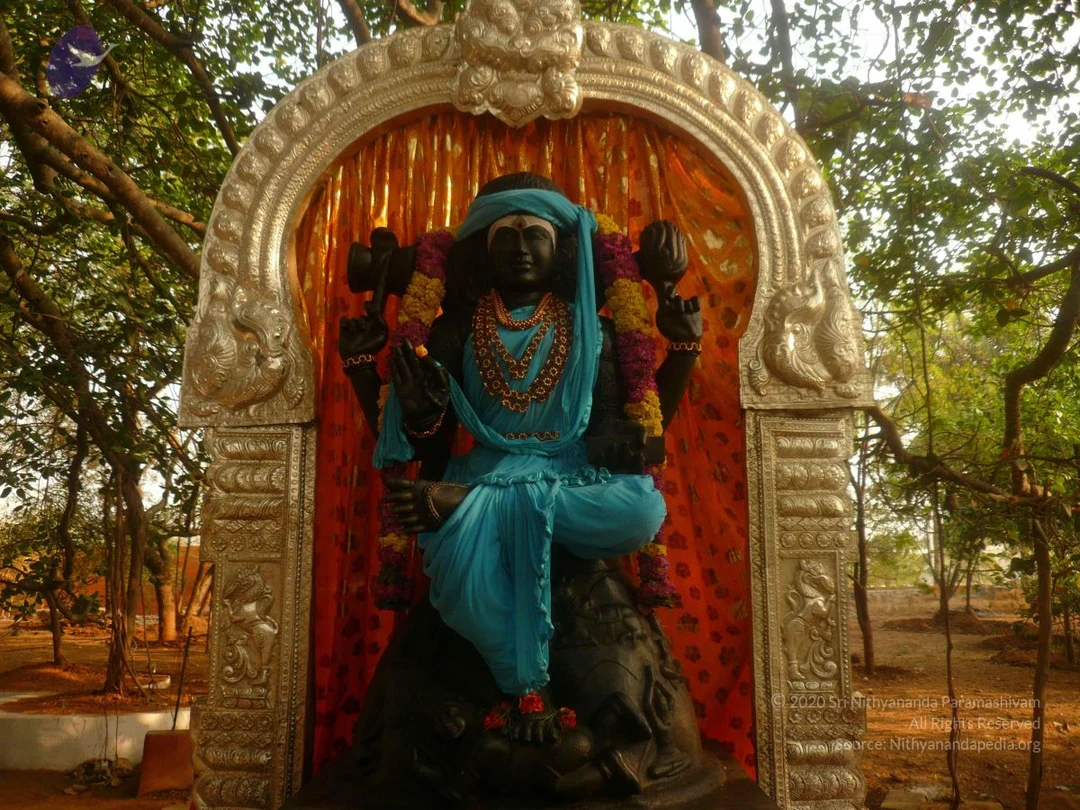
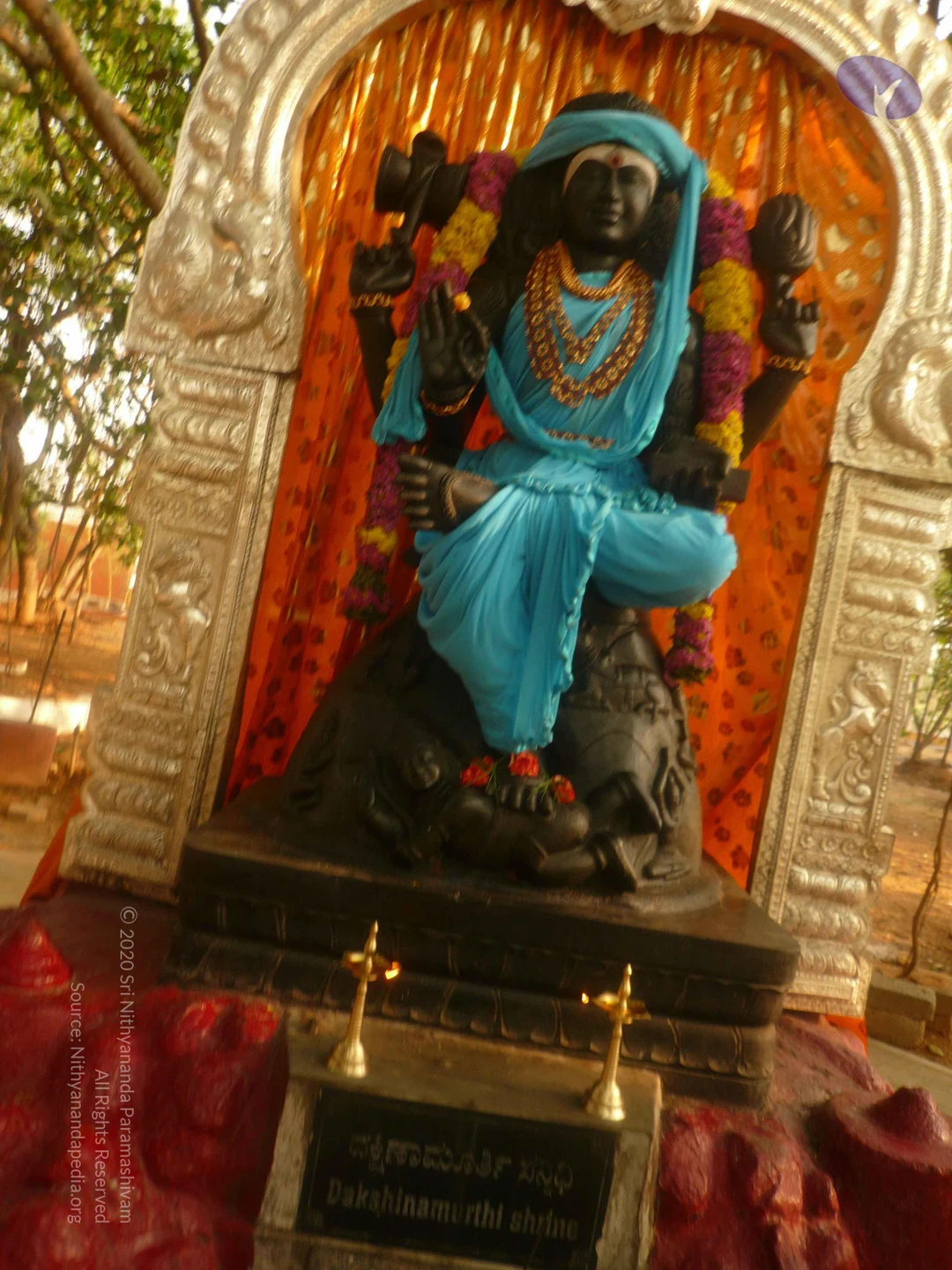
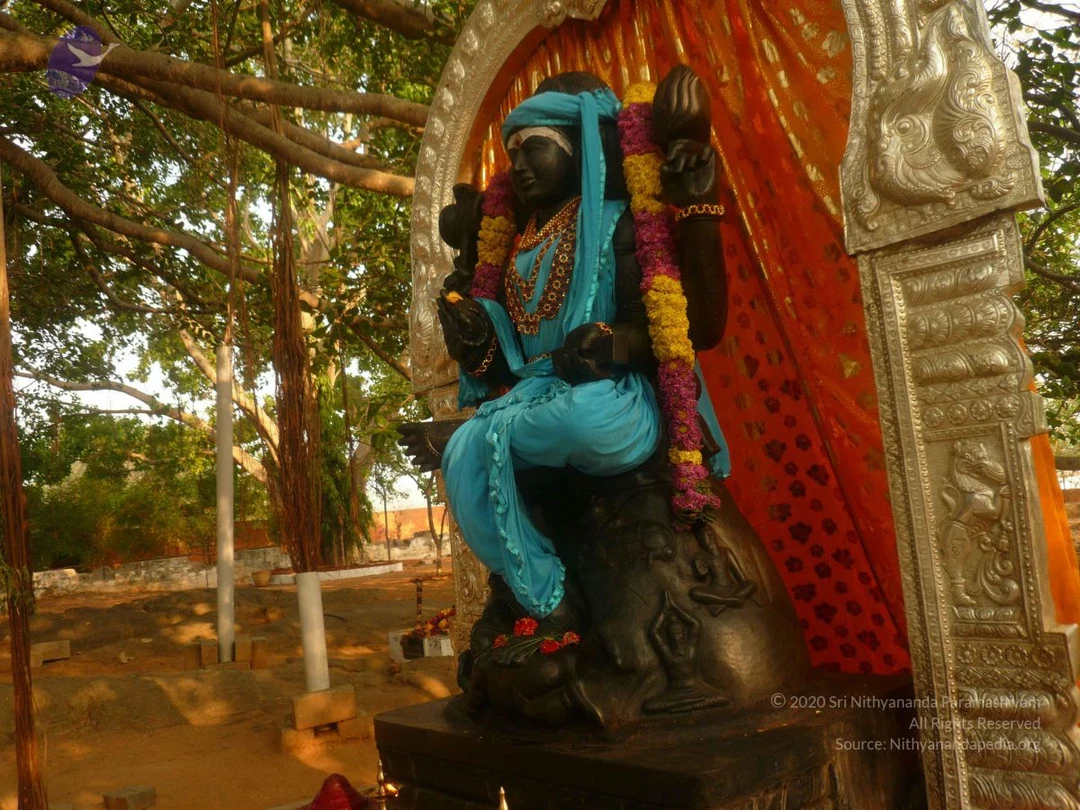
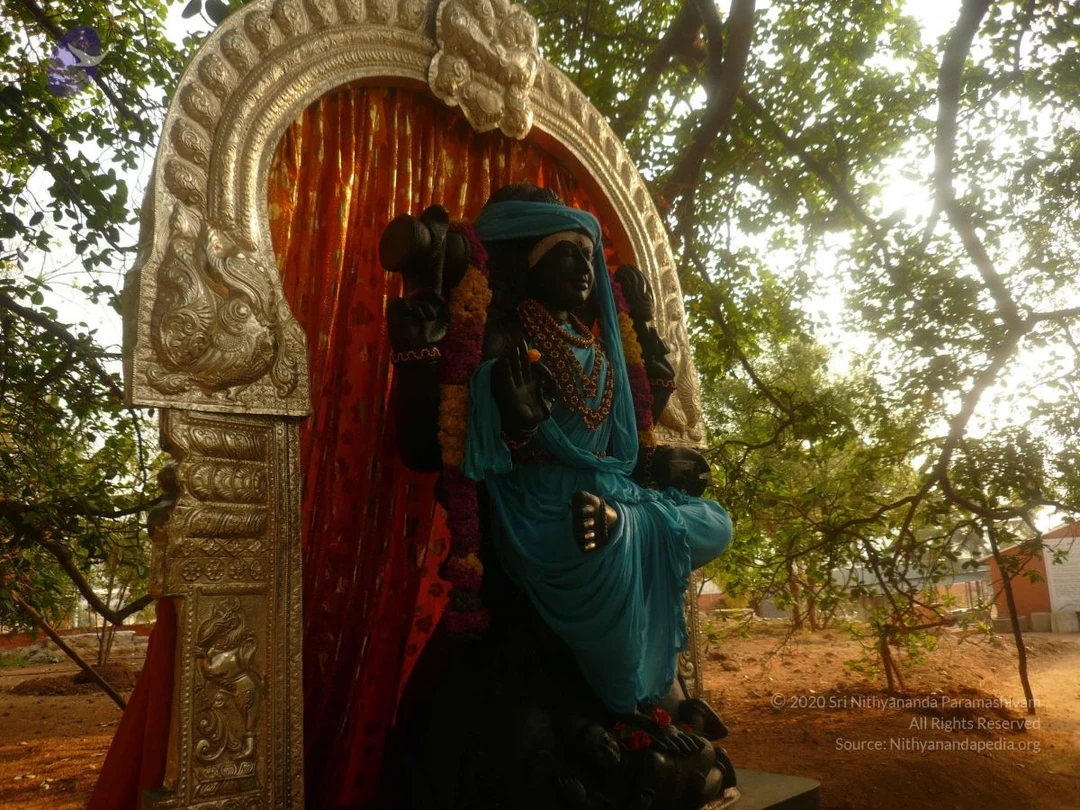
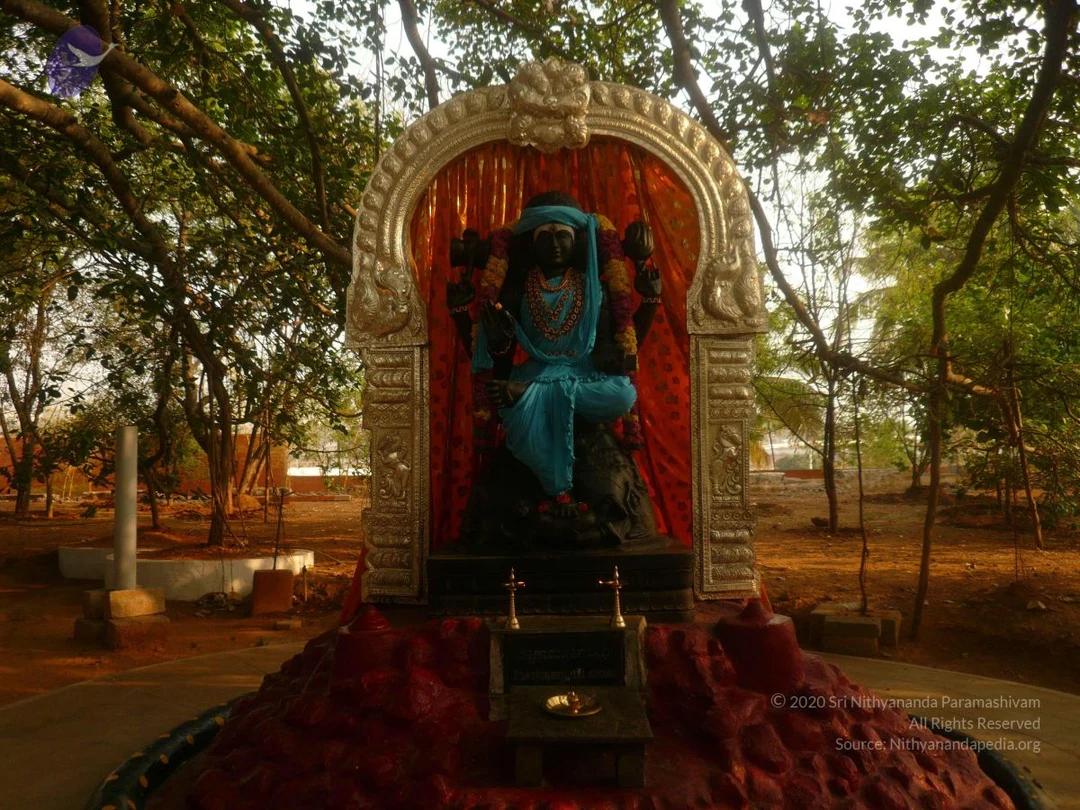
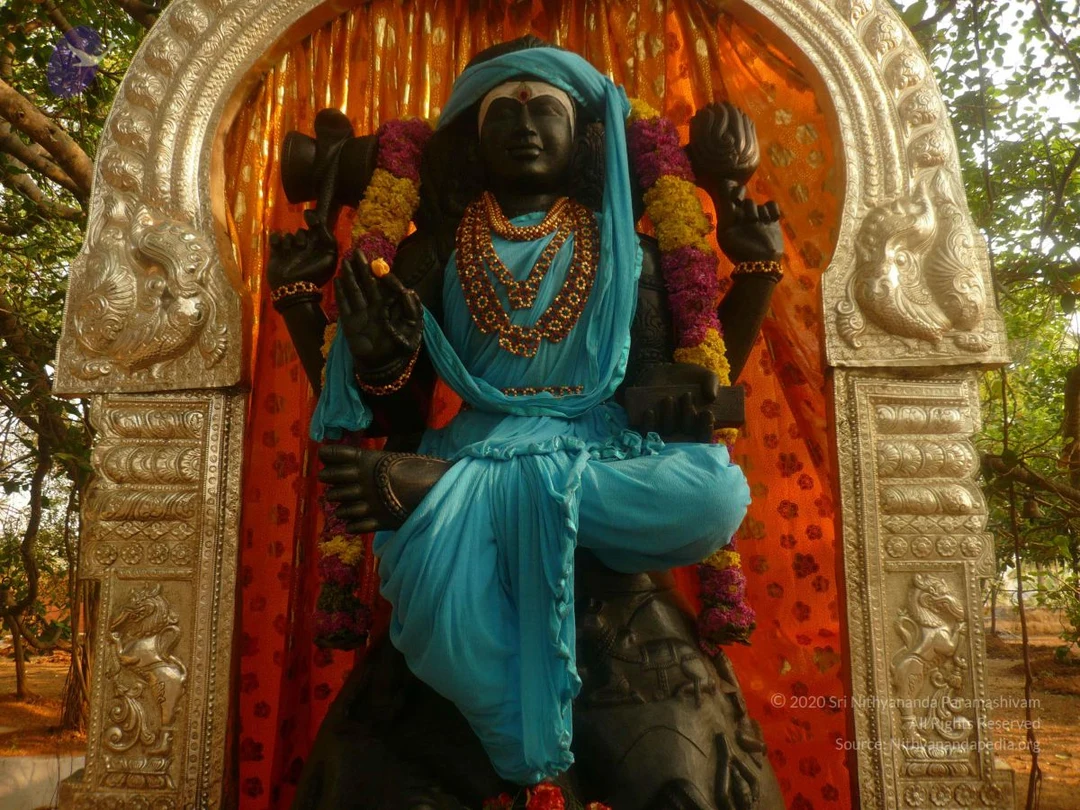
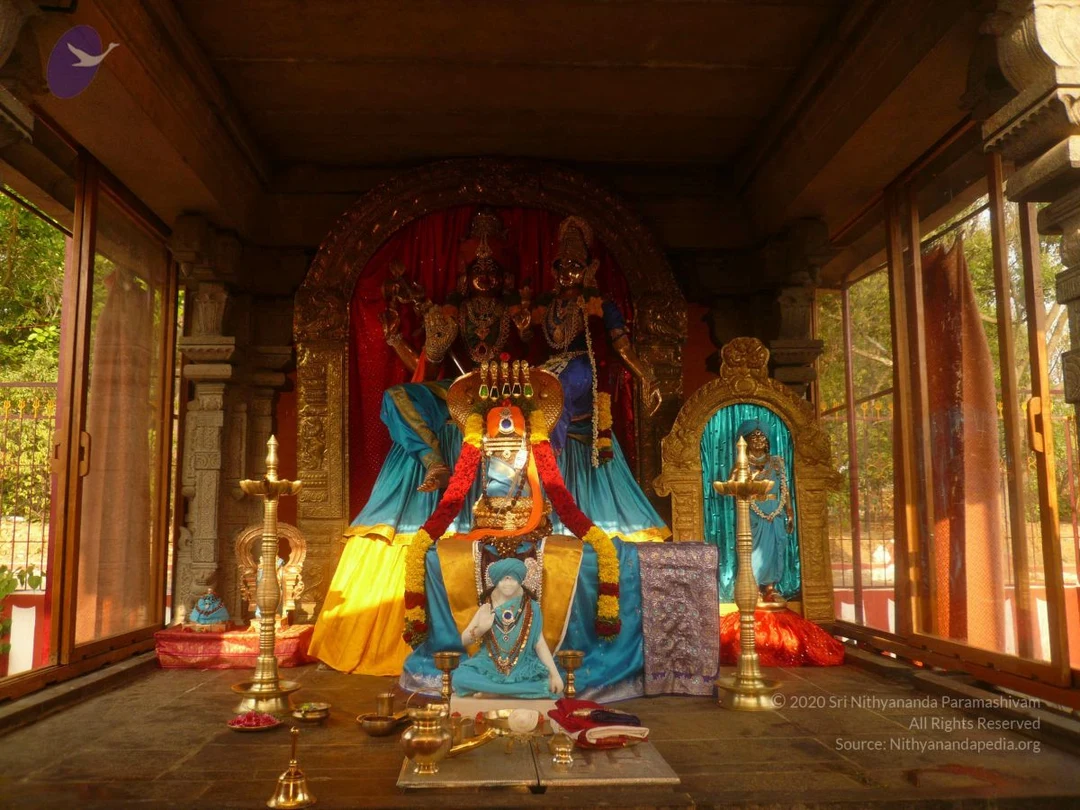
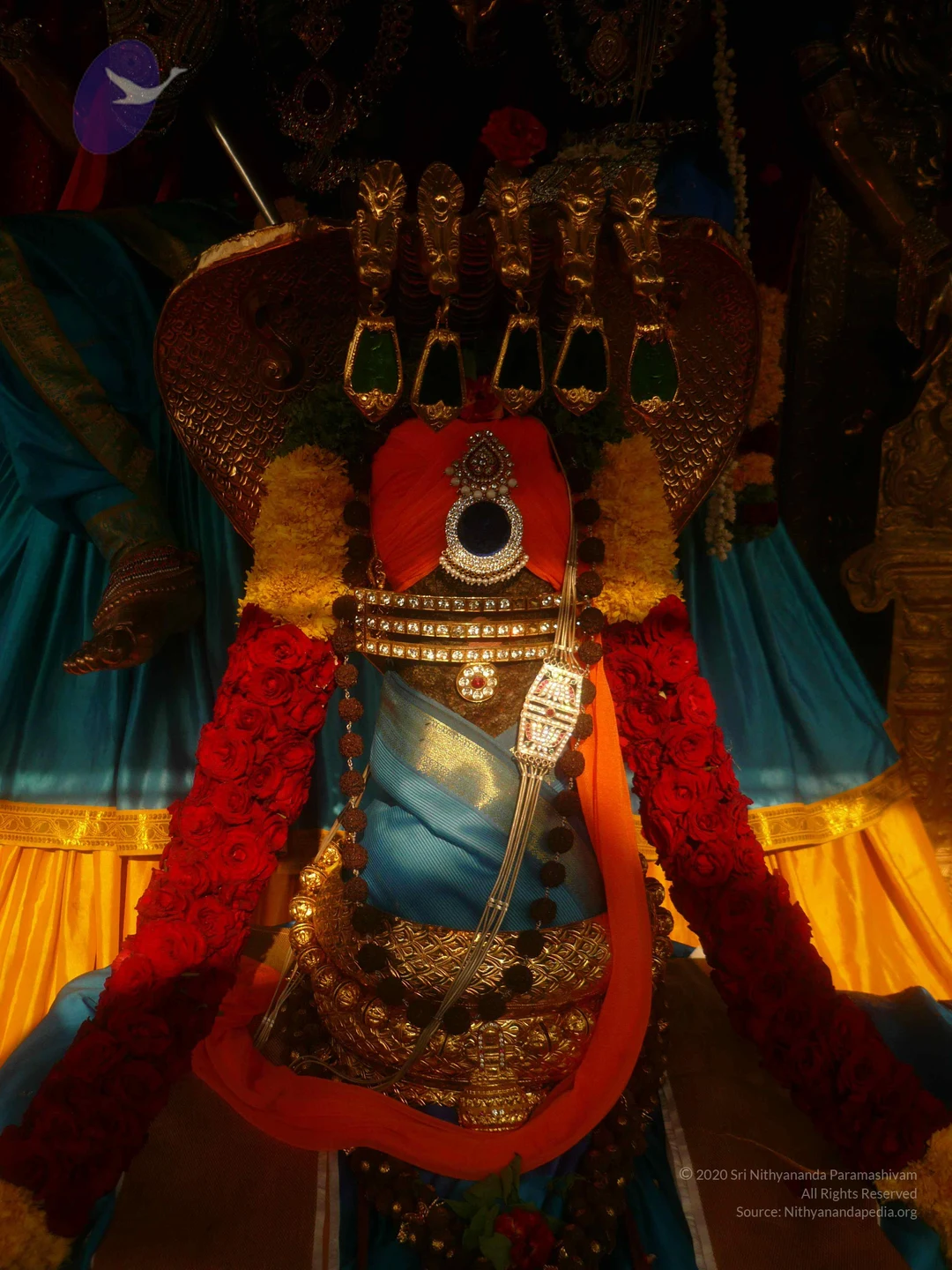
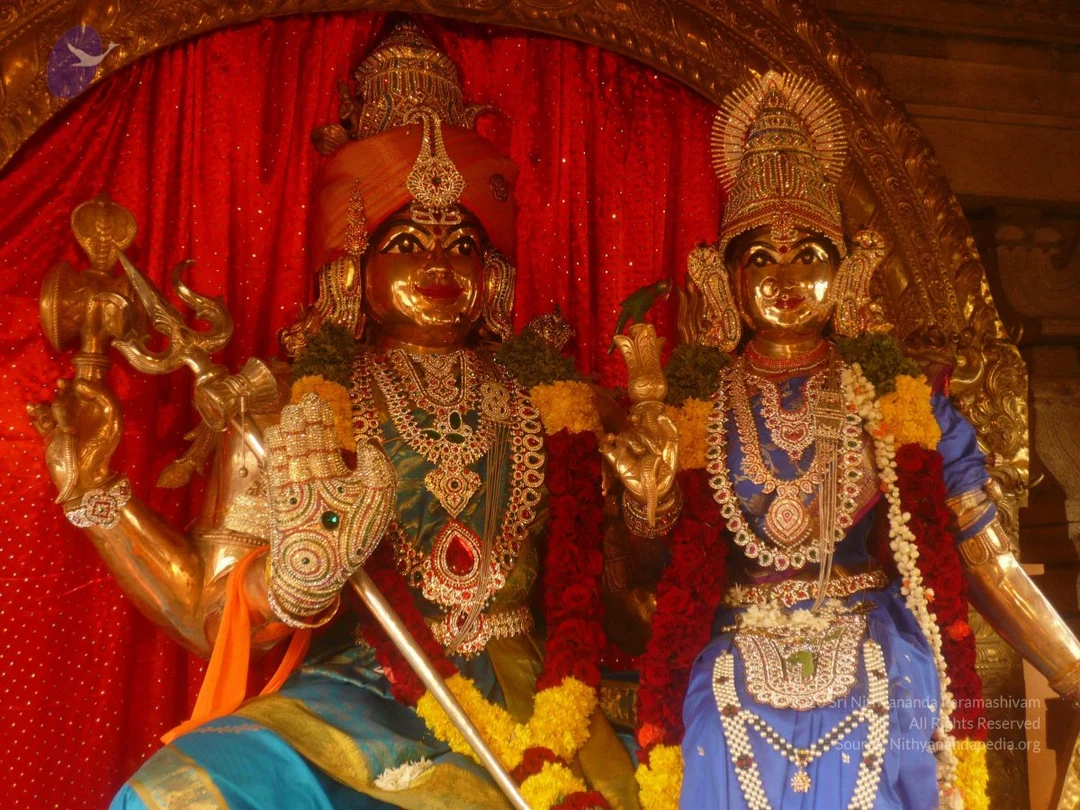
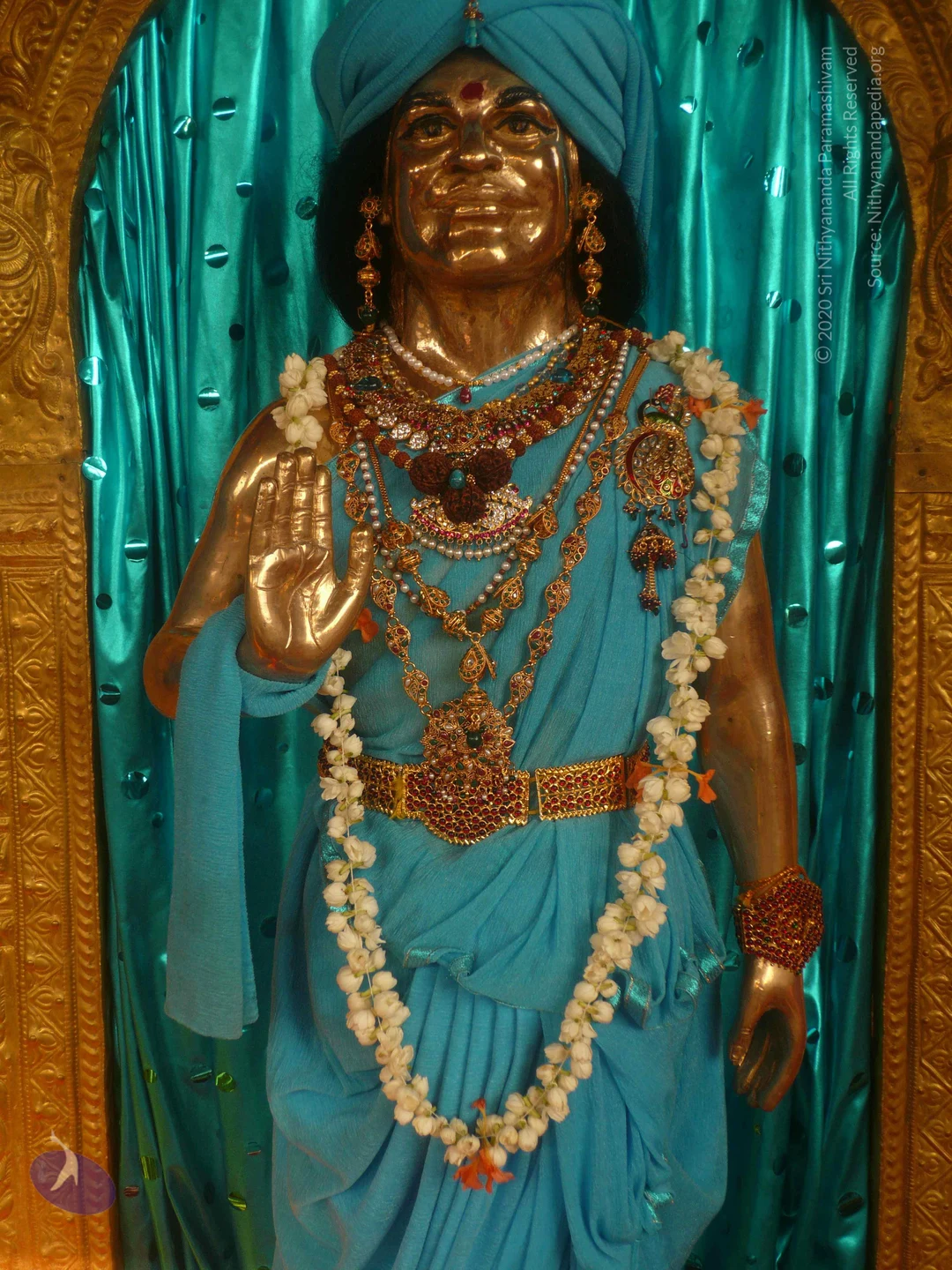
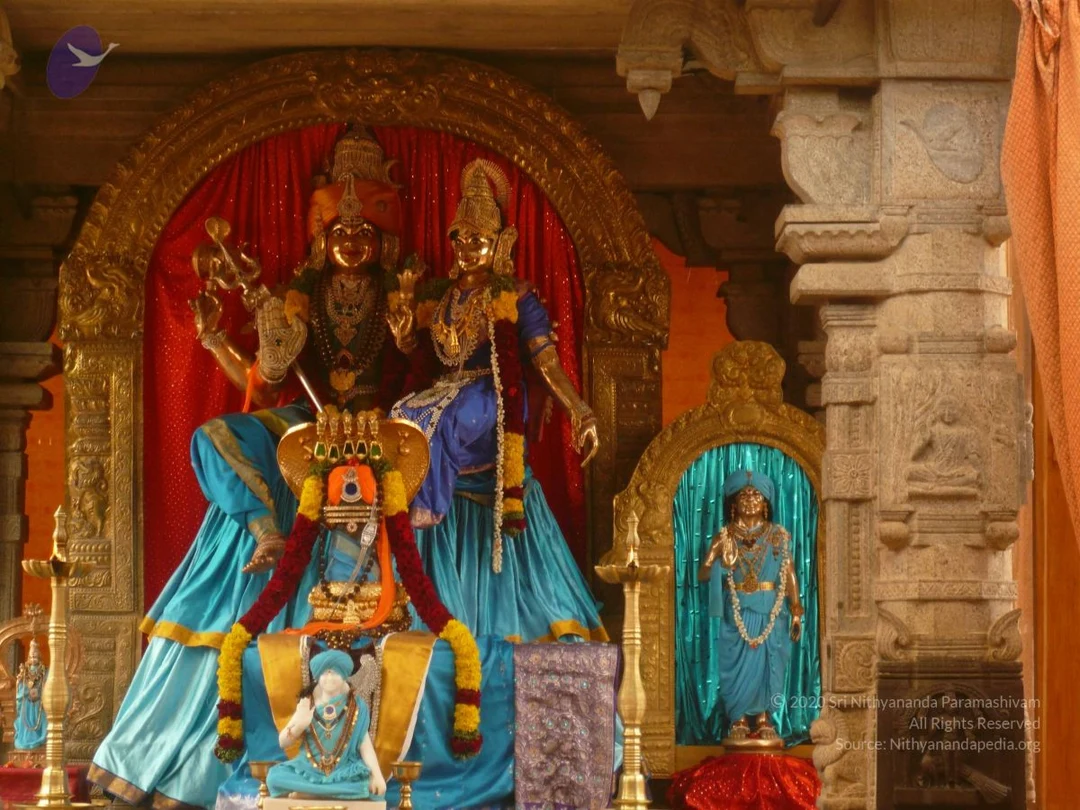
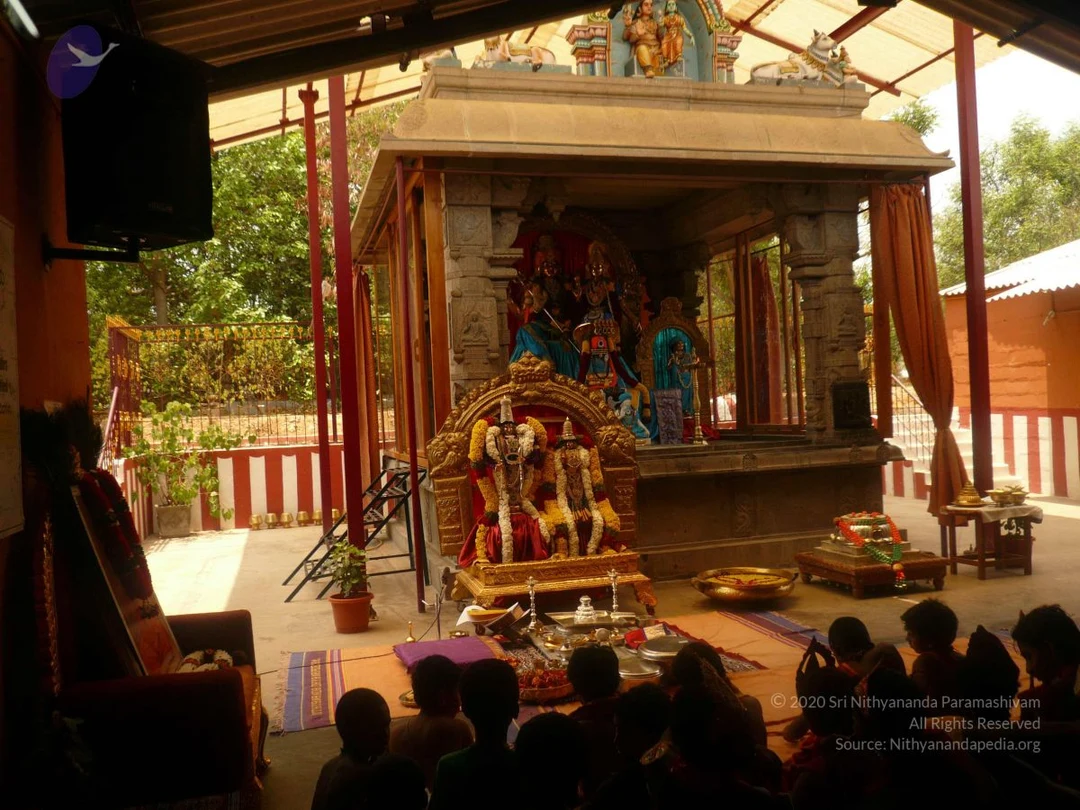
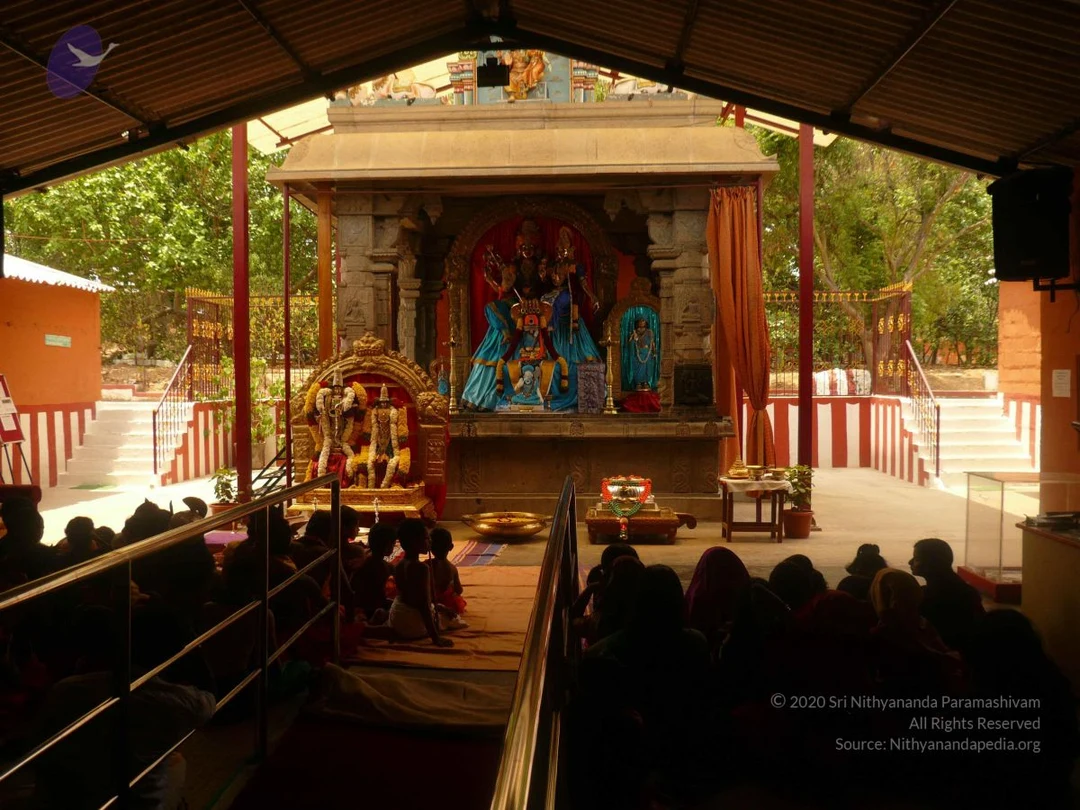
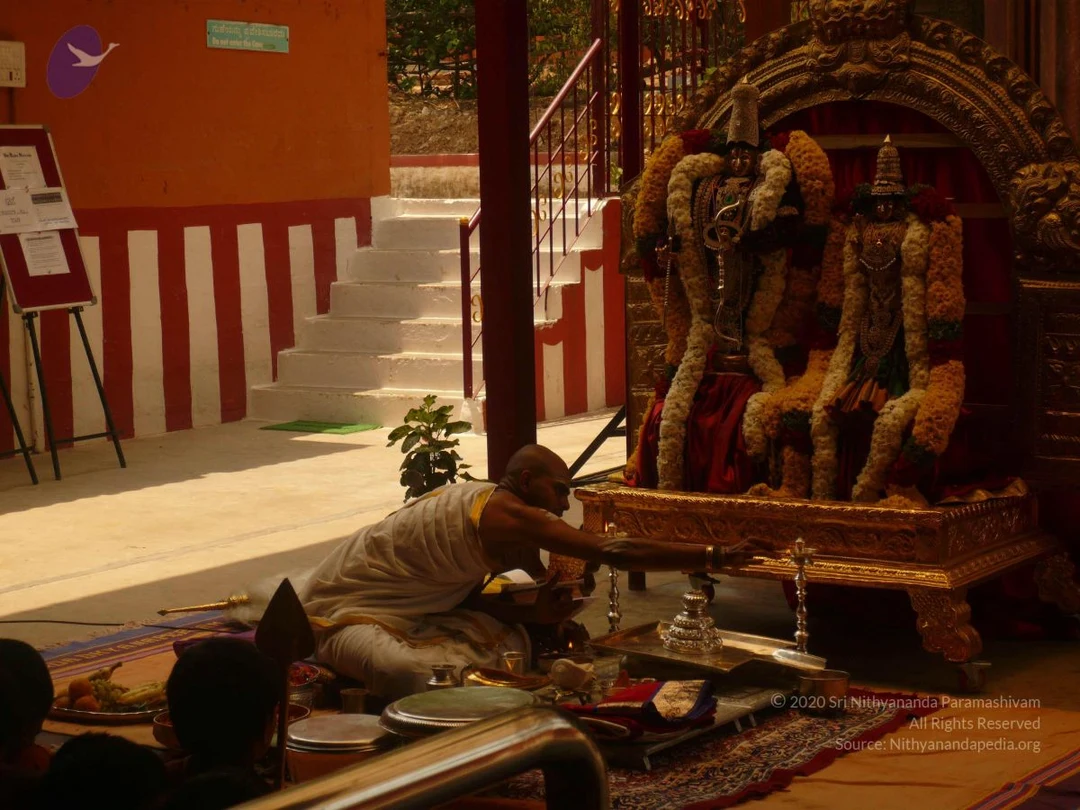
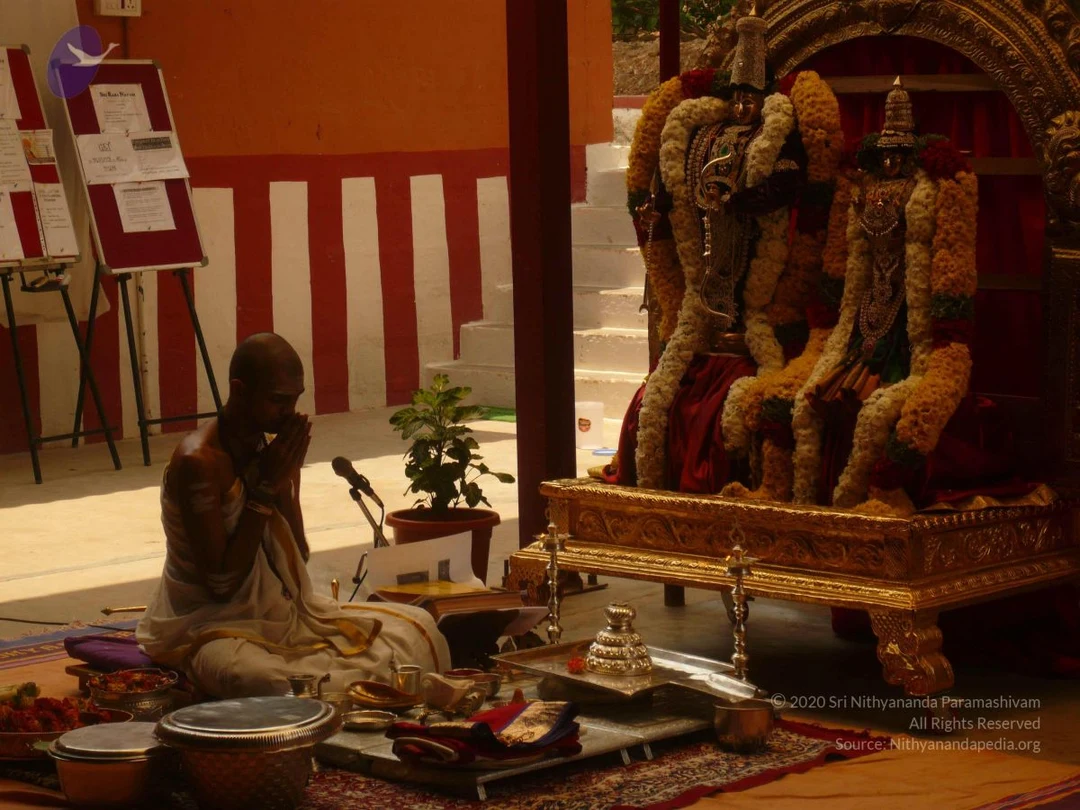
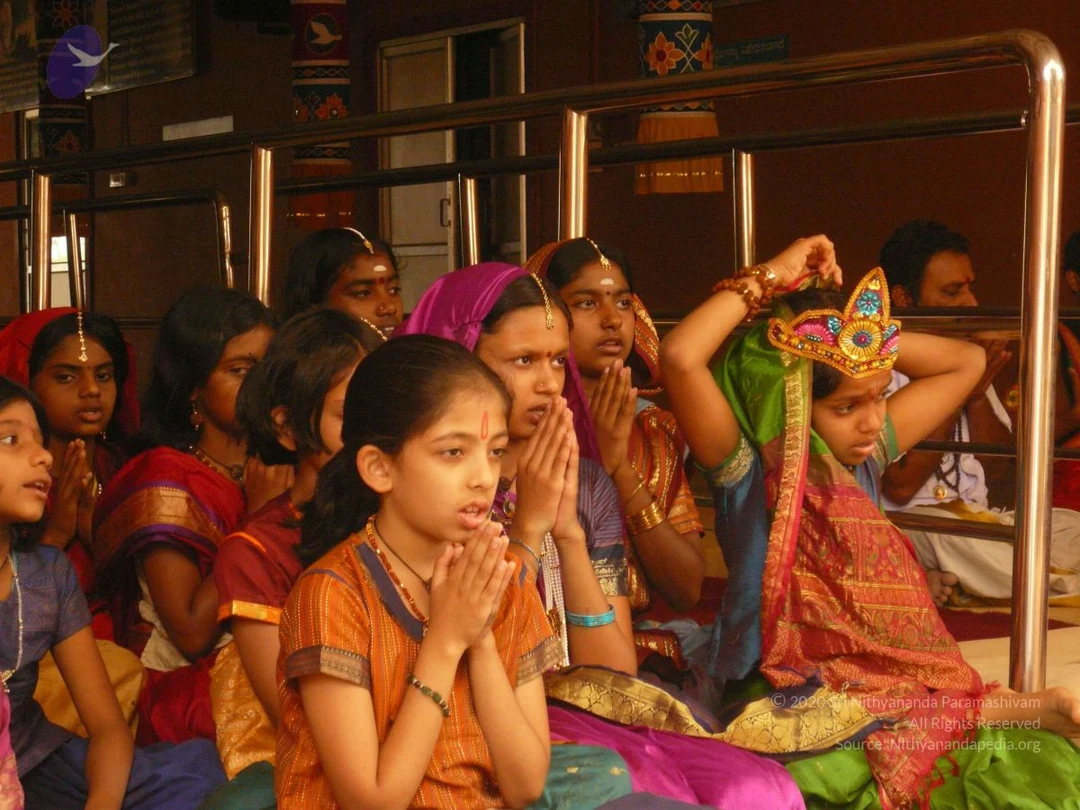
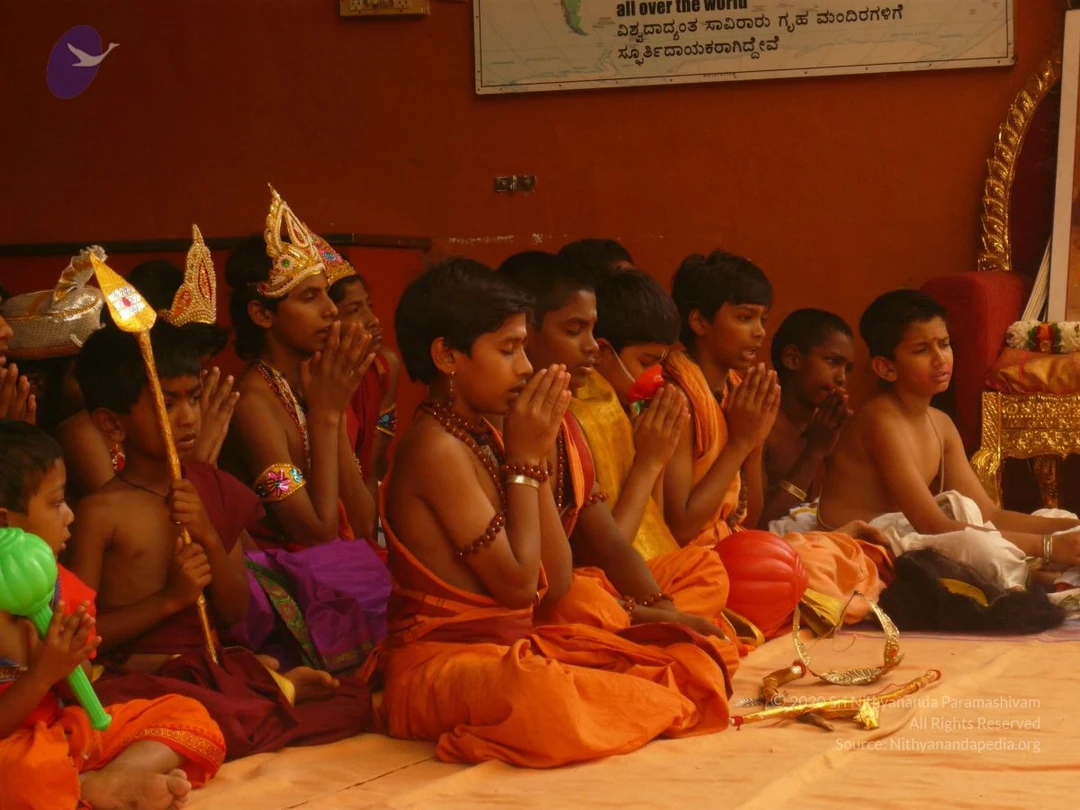
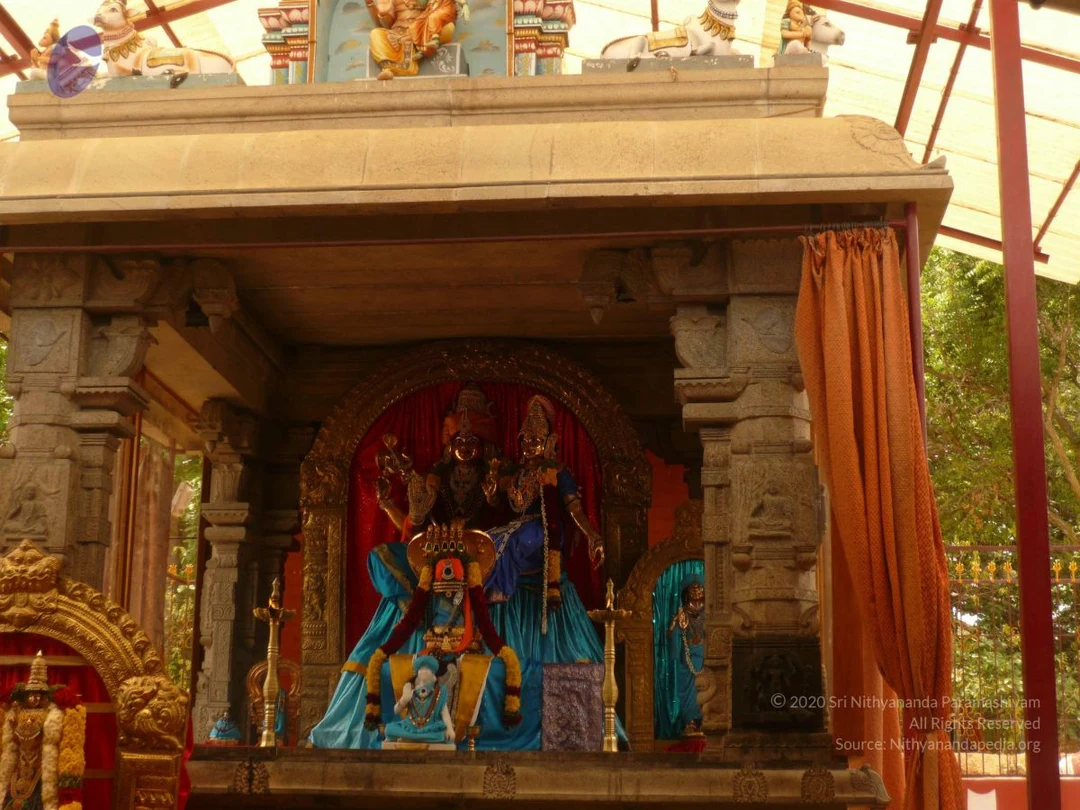
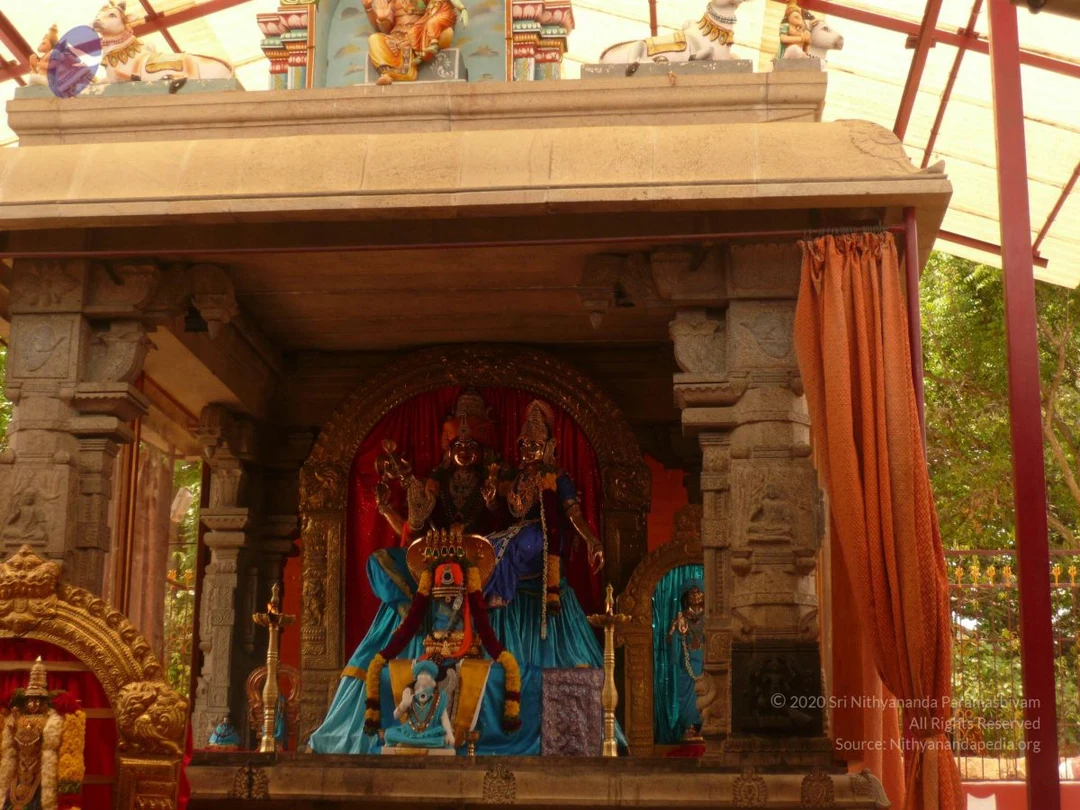
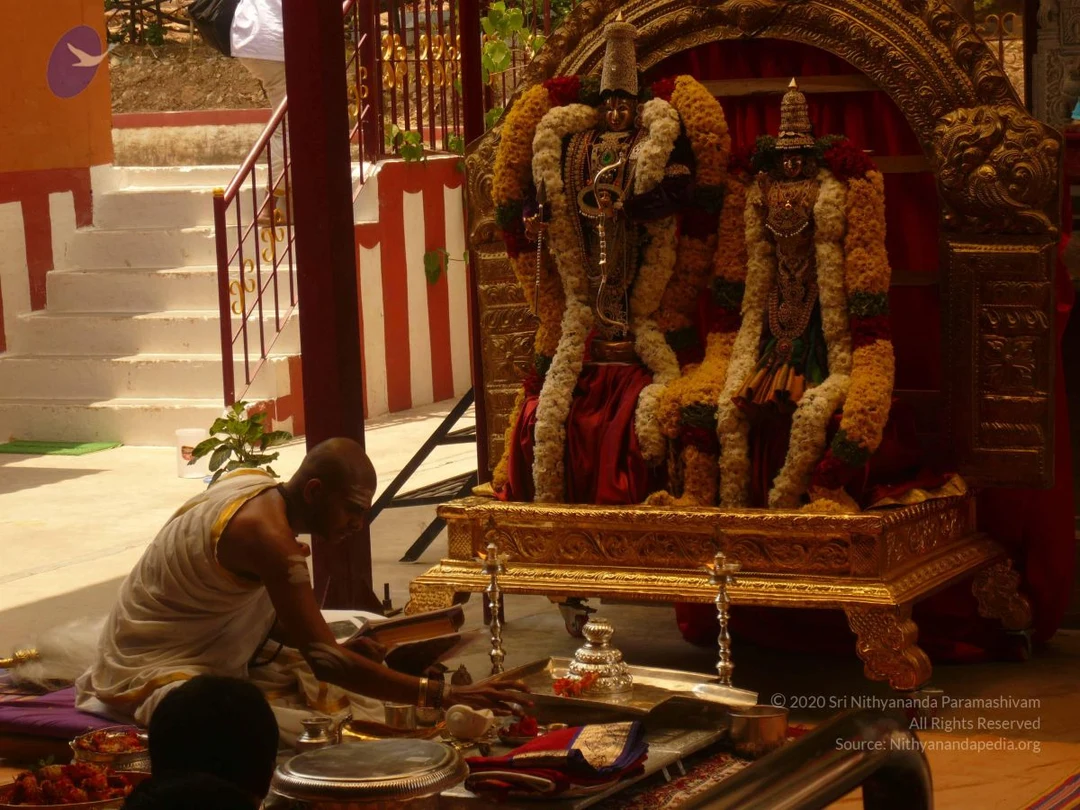
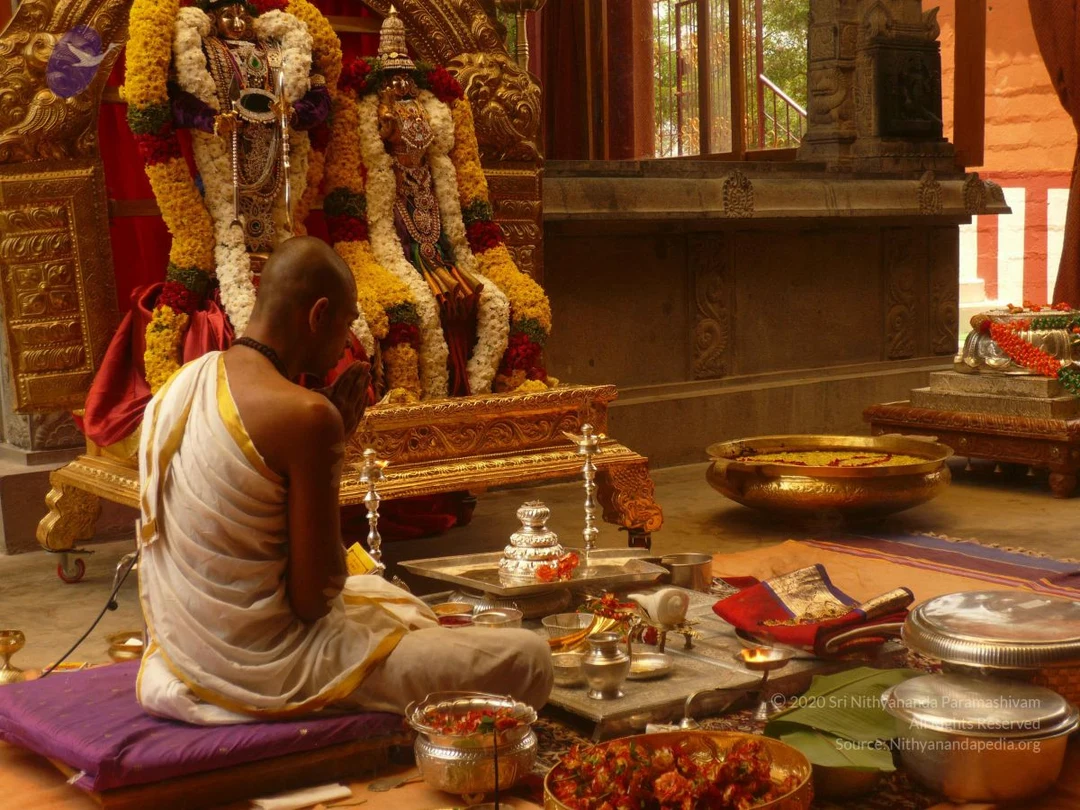
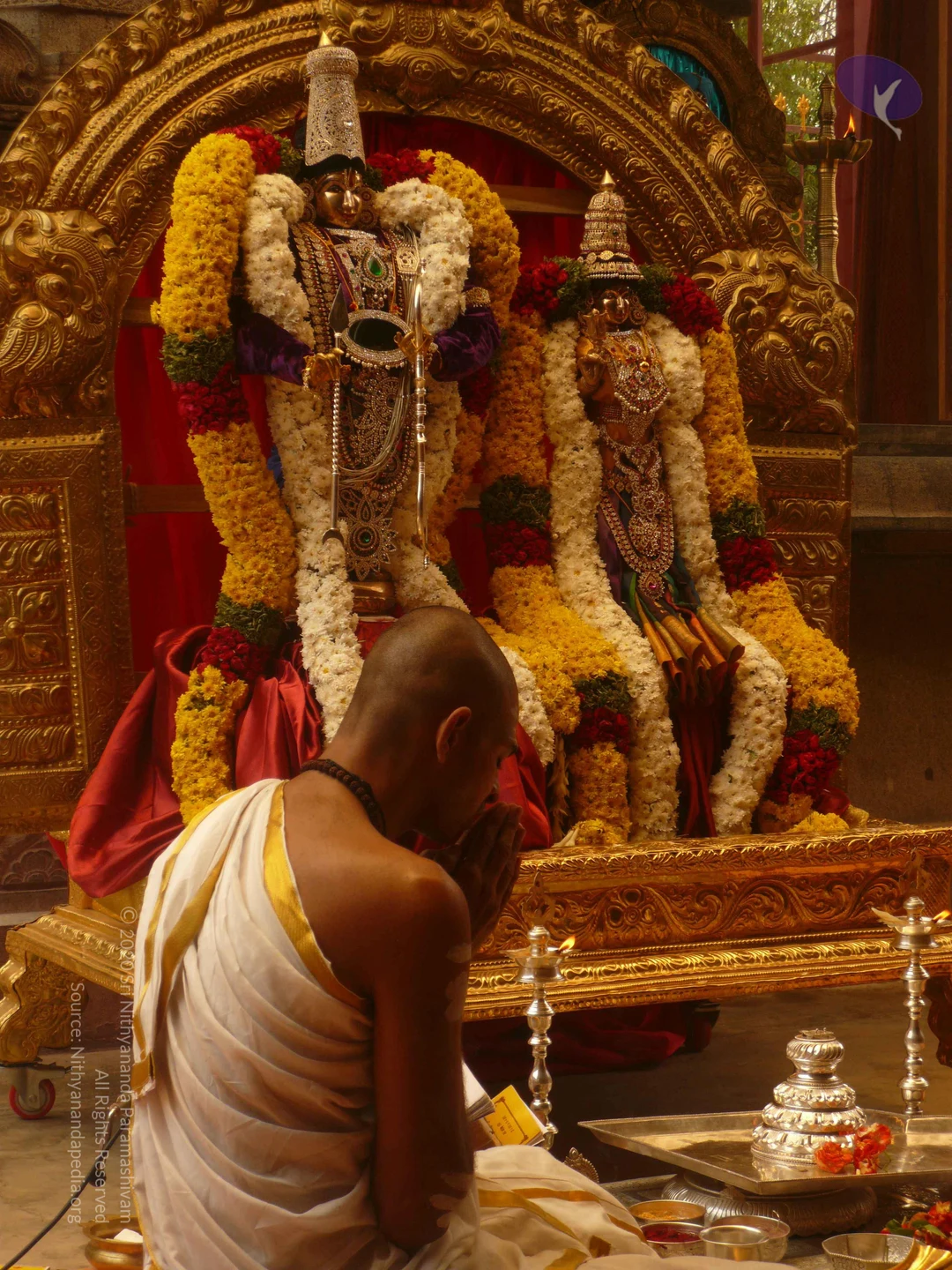
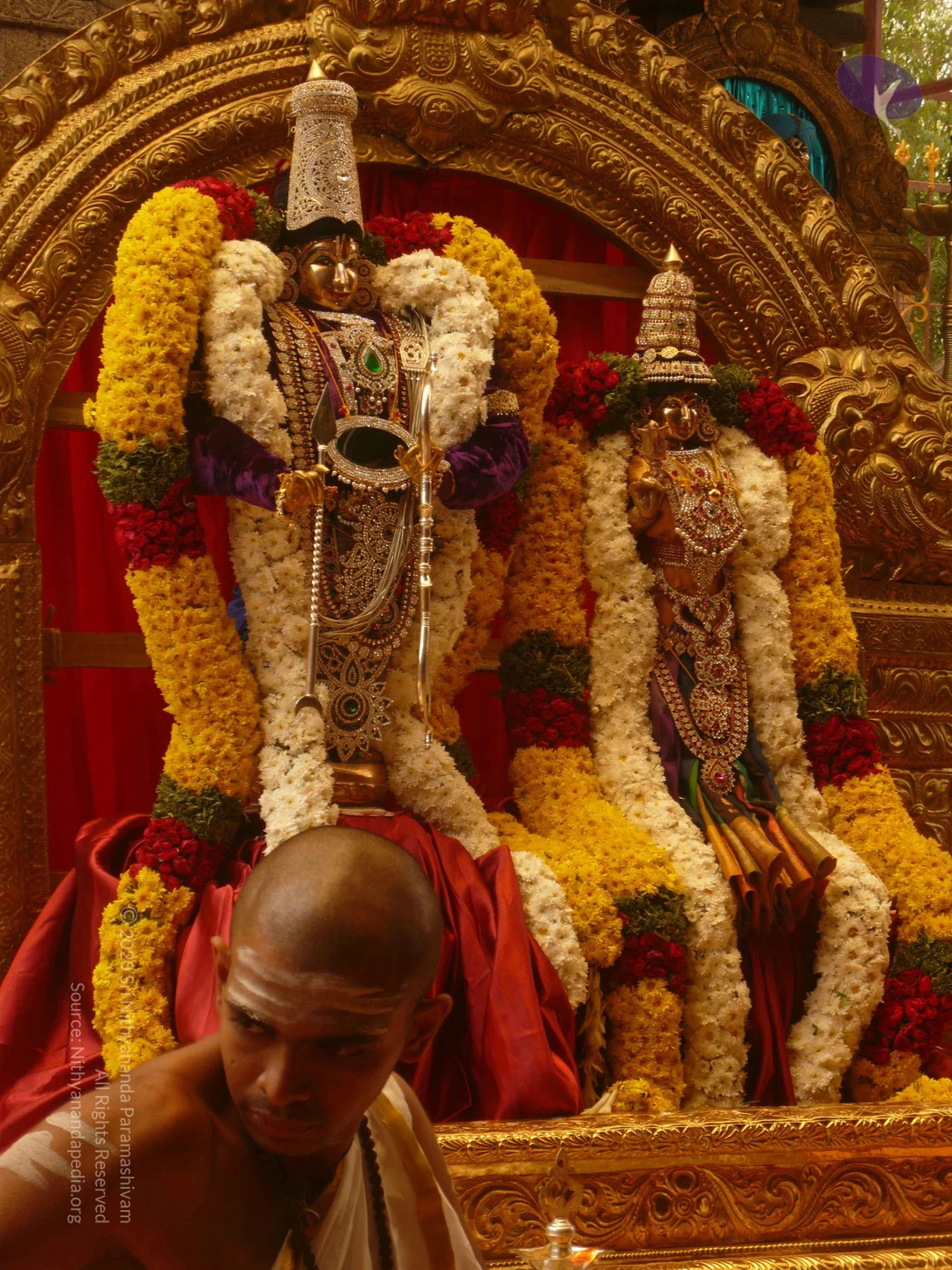
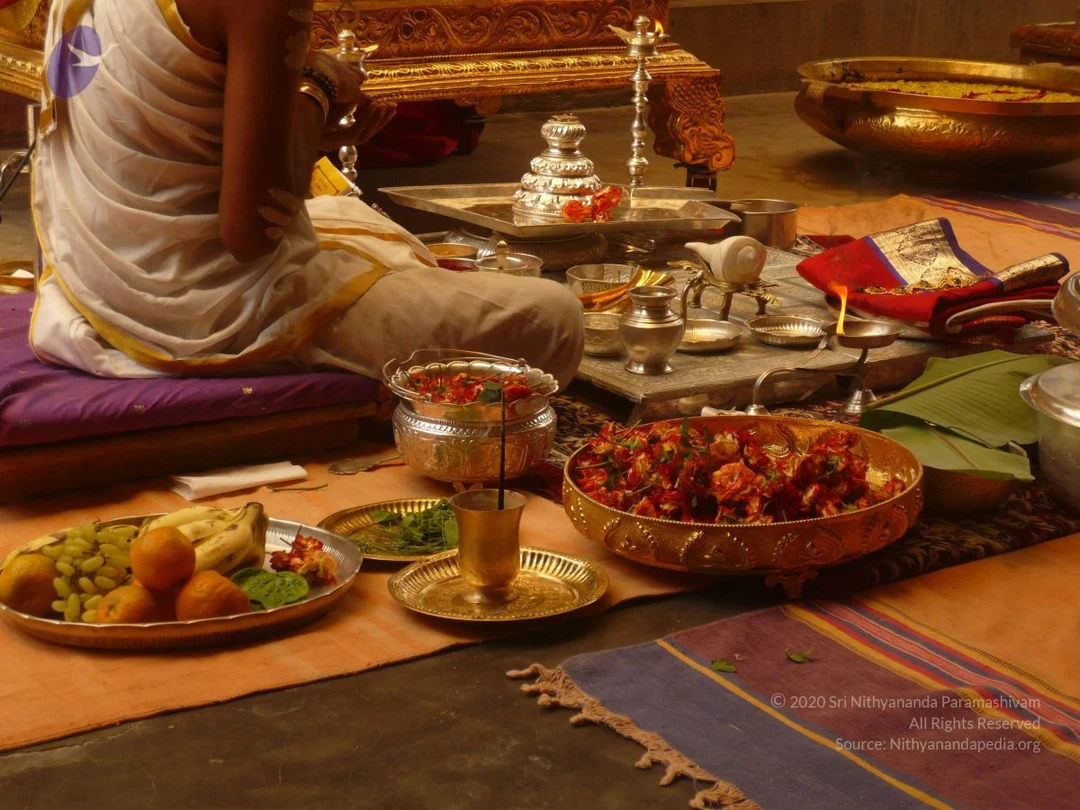
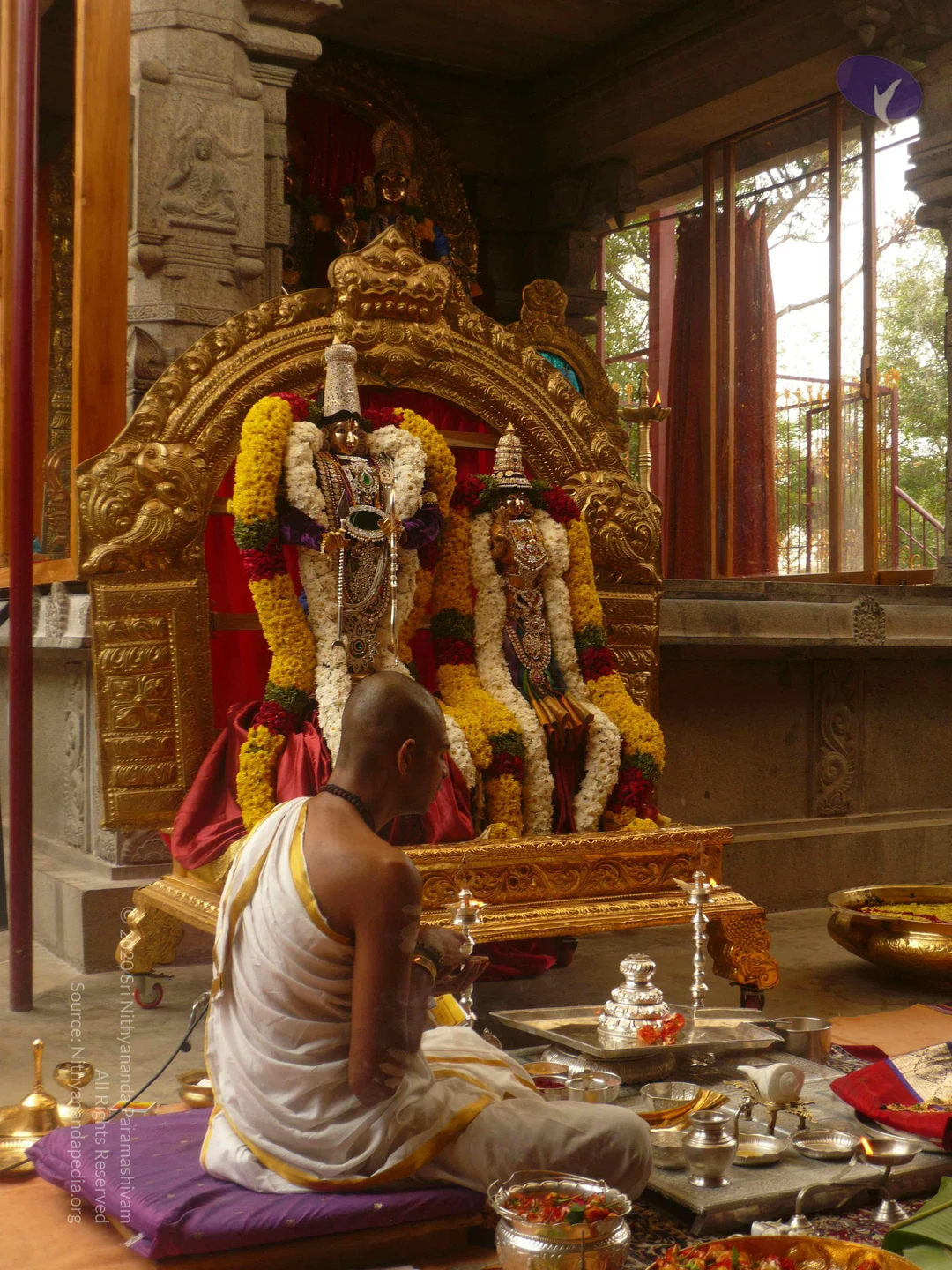
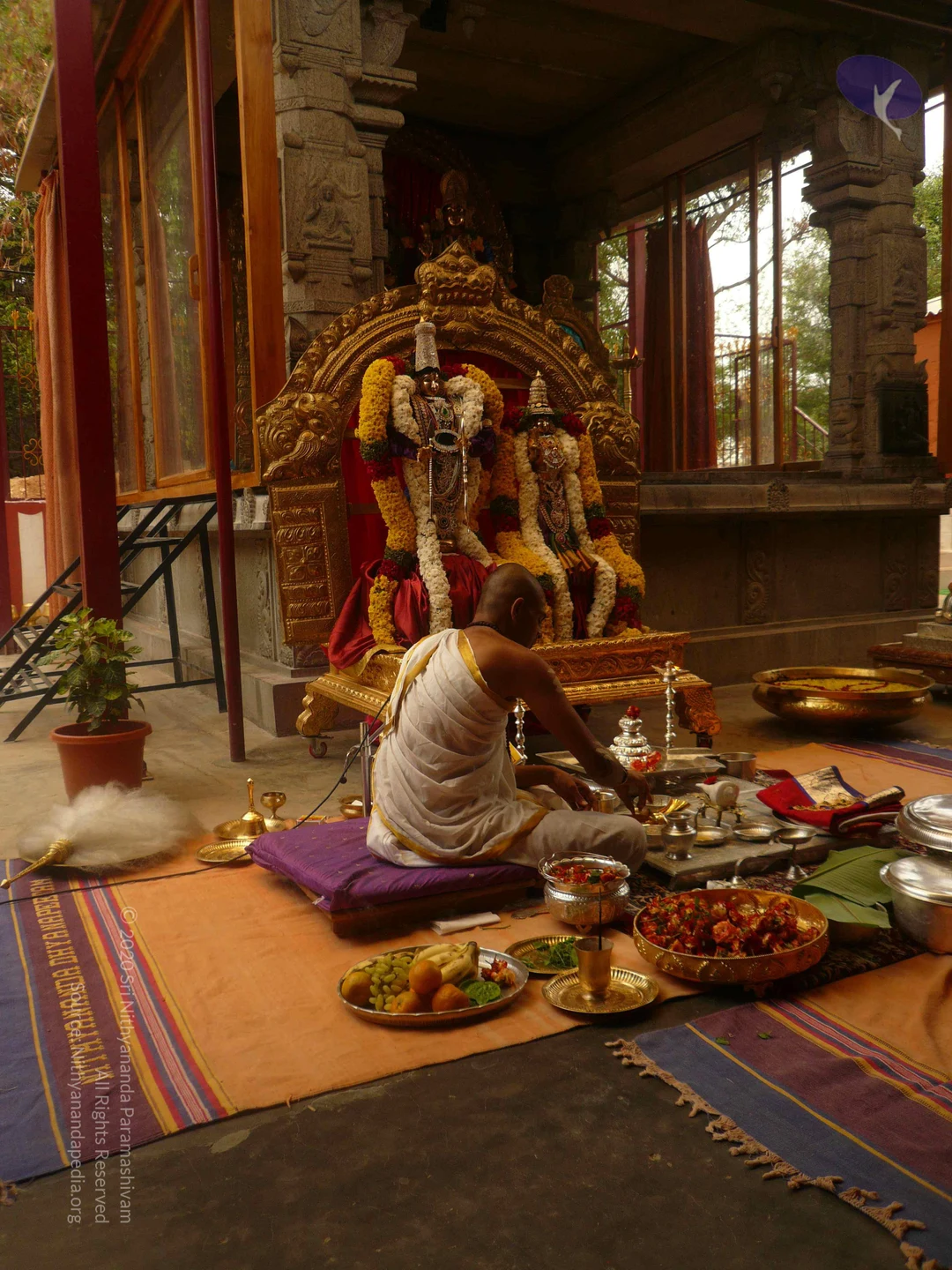
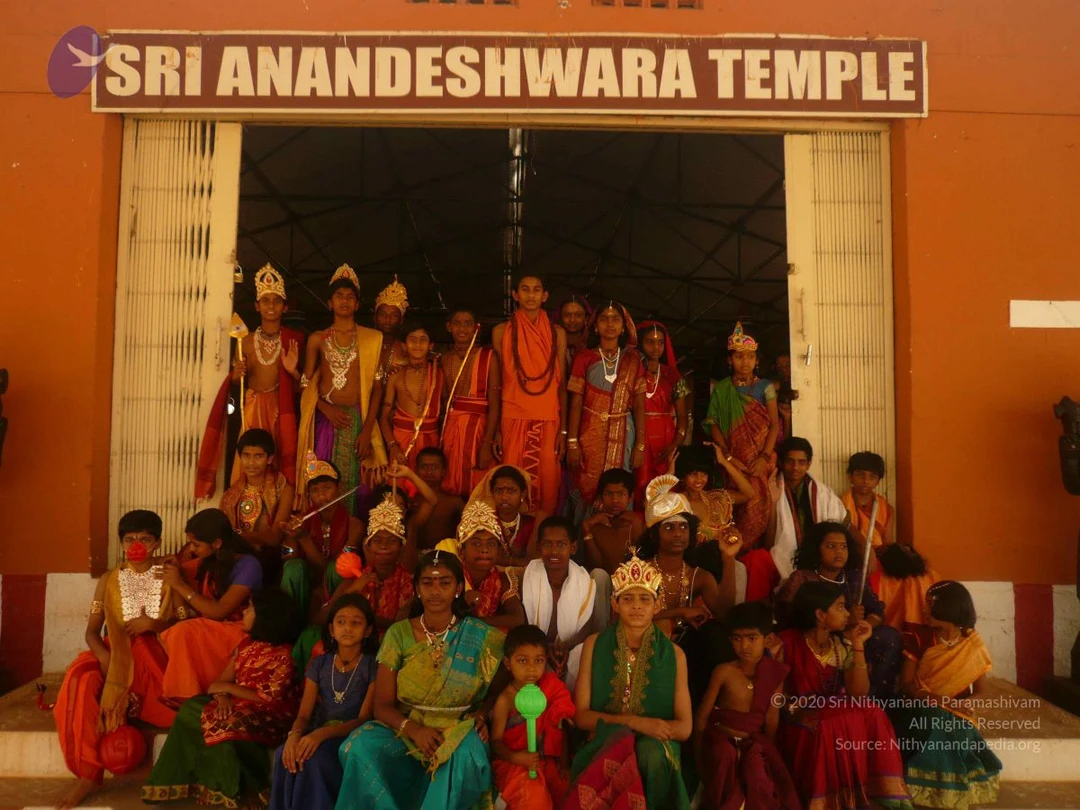
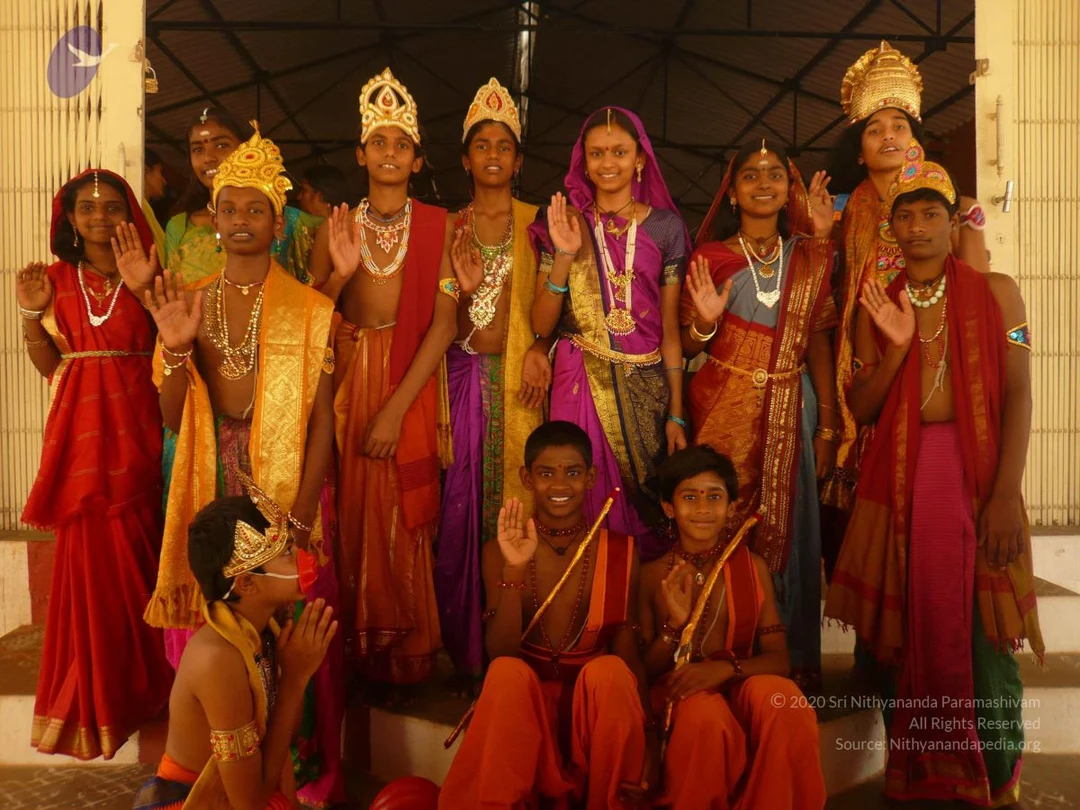
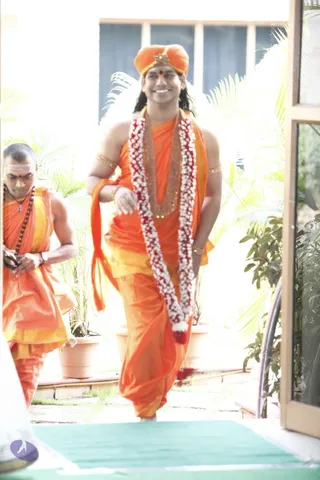
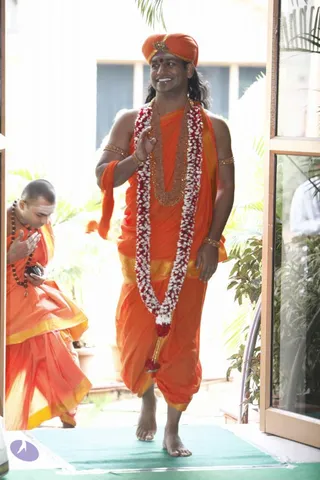
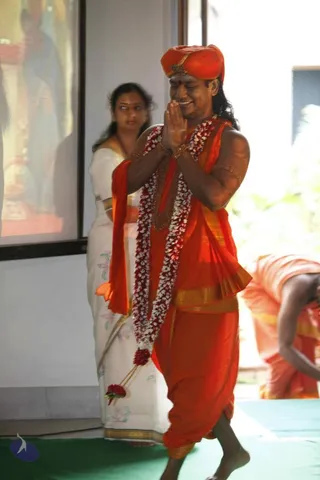
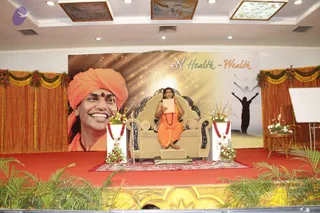
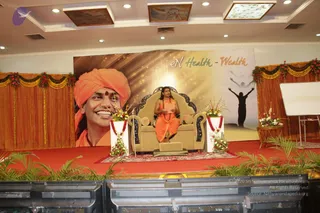
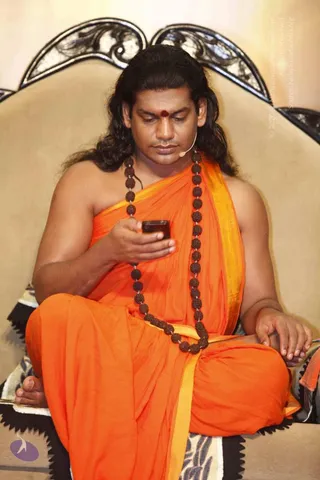
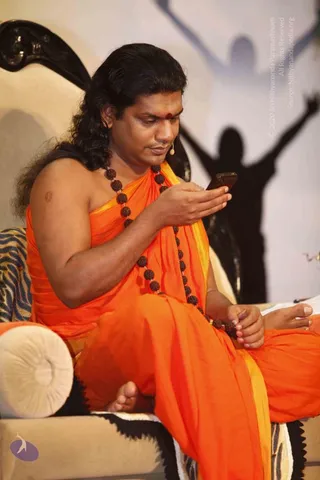
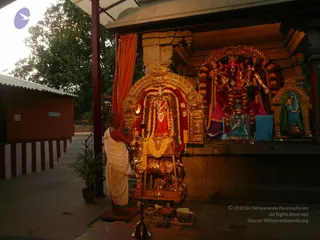
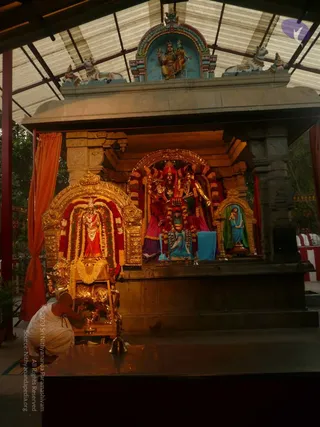
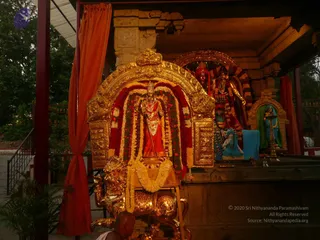
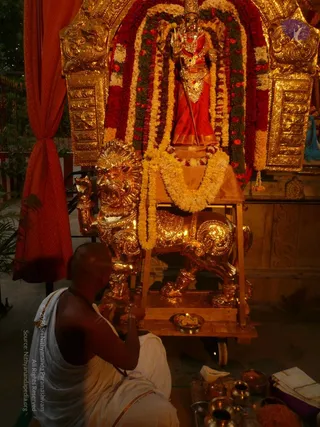
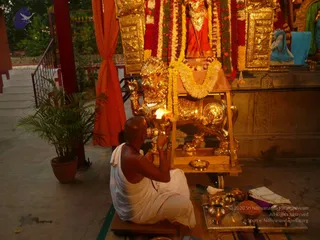
On this day, the Supreme Pontiff of Hinduism (SPH) Bhagavan Nithyananda Paramashivam visited the Kailasa in Hyderabad Sripuram Sarvajnapeetham Adheenam. SPH conducted the enHealth- Wealth Convention in the city of Hyderabad where He initiated the delegates in breaking all their internal self constructed obstacles and patterns that were inhibiting them to manifest their life in it’s highest frequency and potential. Later that day SPH had a meeting with all the adheenavasis, attending their questions and providing His healing and support in all matters. Running Parallel on that day and under the direct instructions of SPH the Rama Navami Celebrations were conducted in Adi Kailasa Bengaluru Adheenam.
enHealth-Wealth program
Link to Video:Conflicting Desires
Conflicting Desires
| Video | Audio |
Transcript: of video Conflicting Desires
(00:22)
Now we will work on conflicting, contradicting, complicating desires. I gave the example in the morning itself – “my headache should disappear” – Means what... you are strengthening the headache. The Iccha Shakti desire energy should simply become creativity, Kriya Shakti. It should not have any perversion. It should not have any self-contradiction. Only then, you will be attracting wealth in your life. Otherwise… see when your Iccha Shakti, if it is not simply becoming Kriya Shakti, you will only have more and more tiredness in the life. Tiredness is sin in the cosmic law. Tiredness means what – not having inspiration to live... not having inspiration to be. Life is a action. Life is an expansion. Constantly expanding from Iccha Shakti to Kriya Shakti is life.
(02:09)
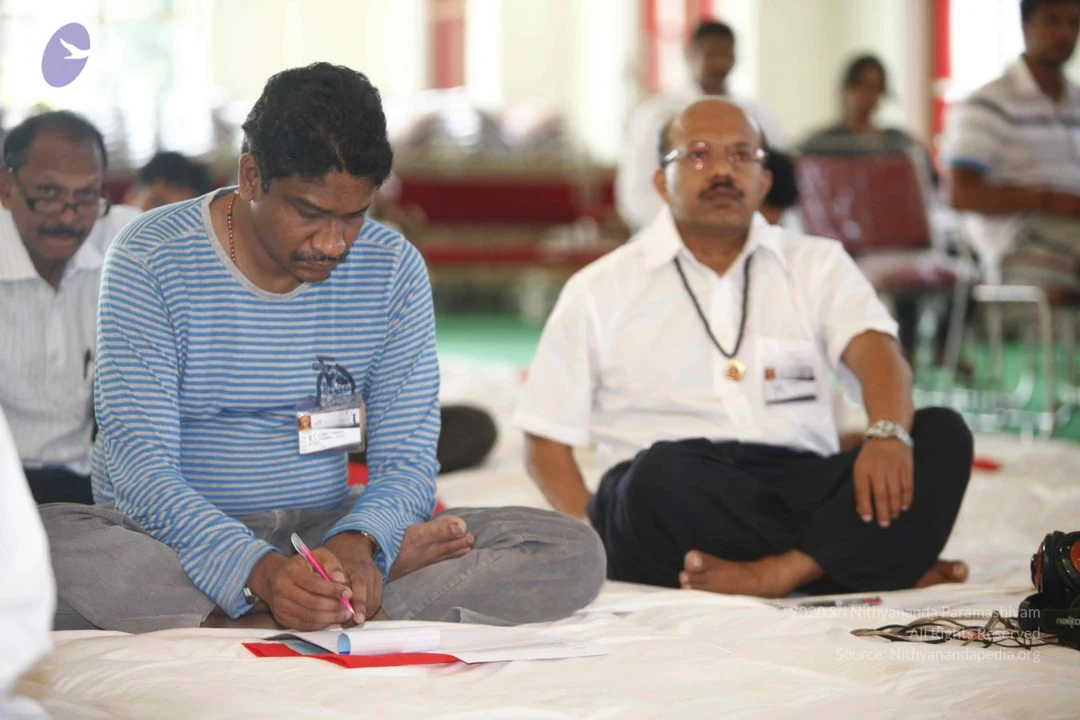
We will work on this self-contradicting, conflicting, complicating engrams. Let us first dig out them, then we will get into the Kriya. Please write. Write down all the desires you have related to money in all three forms; earning, spending, and saving. For each of these desires, identify if you have any conflict. Clearly describe the conflict - Means, you feeling like one time like working, other time going and lying down in the beach for vacation. Make a list of conflict free desires you have in all the aspect of wealth - earning, saving, spending. It’s a very powerful workout, please do it.
(03:12)
I wanted to tell you some of the basic truths. Anything you plan with your mind is conflict. No, that is the truth. But you need to understand by you working inside. If I tell, that is not going to work. Anything you plan in a complete silent inner space is planning. Now all I am going to do is give you a literally a break from your mind. By giving you the break from your mind... infusing more consciousness and awareness inside your mind... please understand, all these words will become now really meaningful to you. Means, your mind as on now is almost like a fish market, I am going to bring it down to a jewelry shop. Fish market means extraordinary chaos and conflict. Jewelry shop means little organized, spy cameras are there and the people who come there also has to be dealt decently. People who are standing to deal, they are also little decent. Because much of money… too much money is involved. The receiver also has to take care of you respectfully, and person who spend, he will also be responsible. I am bringing the loudness and chaos of your mind to a lower frequency, and raising the silence and awareness of your mind to higher frequency. So naturally - less conflict, less contradiction, less complication, more creativity.
(05:26)
We will start the Kriya. Please understand, basically this Kriya infuses tremendous creativity in you... by bringing peace and silence and awareness... breaking one of your powerful blockage - we call it Hrudaya Granti, powerful knot - which constantly creates fear and complications - breaking that, bringing awareness.
Please sit in Vajrasana. Vajrasana means sitting on your knees. If you feel you won’t be able to sit in Vajrasana, you can sit in ordinary Siddhasana. First warming up, Bhastrika. Bhastrika means, use your lower abdomen muscle to pull and in. Like… [Swamiji demonstrates] Pull in and up. Please do it for three minutes.
(6:50)
[Kriya in progress]
Stop.
(08:37)
Next, Shitali. Please understand, roll your tongue like a tube; roll both sides of the tongue like a tube, stretch the tongue and roll it like a tube... roll both sides. Inhale through the tube. Let me show you… [Swamiji demonstrates] When you are full, hold; hold as long as you can, then exhale as slowly as possible. Inhale, like a tube, hold; hold as long as possible then exhale as slowly as possible. Do this for seven minutes. This will bring tremendous healing energy into the body, restful awareness. Please do this Kumbhaka. Close your eyes and do it. Protrude your tongue. See, first stretch your tongue out, after that then roll. [Swamiji demonstrates] No, nobody is doing properly. Please open your eyes. First show the tongue. Now in the tube inhale; don’t relax your tongue... let the tongue be outside. Yes, only after inhaling, pull the tongue inside to close the mouth. Hold as long as you can, then exhale. Again, protrude your tongue before inhaling, make it like a tube. [Swamiji demonstrates] Do this continuously… (Do this for three minutes).
(10:50)
Kriya continues
(11:41)
Next step. Please understand, now the Trishula Kumbhaka; through both the nostrils and the mouth, inhale simultaneously. Let me show you. [Swamiji demonstrates] Once you finish inhaling, hold as long as you can. When you can’t, exhale as slowly as possible. Do this for seven minutes. Understand, inhaling through both the nostrils and mouth simultaneously, with closed eyes. Close your eyes. (Do this for 7 minutes)
Let’s gather for next session. Thank you.
(12:40)
Develop your Wealth Consciousness! (eN Health-Wealth Program)
Link to Video: Develop Your Wealth Consciousness
| Video | Audio |
Transcript of Video: 'Develop Your Wealth Consciousness
(00:19)
Today, we will work on the patterns which are restricting wealth. First few… few basic things: wealth is not something outside from you; it is extension of what is you. Please understand, you go on accumulating something in your life. If you are conscious, organised, you accumulate wealth; otherwise, you accumulate poverty; but, you go on accumulating something. Please understand, you cannot be in between, you can’t say, “No, neither I am progressing nor I am losing, no.” Either you are progressing or you are losing, means–either you accumulate wealth or you accumulate poverty. Accumulation is your life. Wealth is not something outside you, it is extension of you. What you feel about life, what you feel about you, all these ideas only decide whether wealth is going to be around you or not. People usually ask Me, “Why a Swami teaching about wealth to us?” Who else you think should teach? Only a Swami can teach. I tell you, because your concepts about you, plays a major role...whether you are going to have wealth or not.
(02:20)
There are so many researches, I can quote one research to give you an example, Ohio State University Sociology Department has done: how a religious beliefs of person directly affects his wealth, accumulation of wealth. The results of the survey are really shocking, I will show you some of the… I will give you some of the basic things. Jews, 35% of Jews accumulate asset such as home, stock, bonds in a very young age. But only 3% of Protestants accumulate. There are so many things... the asset-poor Jews are only 1% but Protestants are 15%. Some twenty details, average income of a Jew is four times more than an average income of a Catholic or a Protestant. All these are really shocking. When you dig deep, the belief system you have about you, plays a major role in your hard working, creativity, saving and all that. One more thing… Unfortunately, this university has not done study on Hindus, on India; whether on India or even in the US-Hindus they have not done study. I want all of you to know, Hindus in US, are the richest ethnic group, richer than Jews, richer than Jews. Please understand, 10% of the US tax is paid by 1% of Indians. Indian population, Hindu population in US is only 1% of US Population. But, the America’s 10% tax is paid by Hindus. Richest ethnic community, why do you think… the whole US medicine field with…is in the hands of Venkateshwara. The whole hospitality industries in the hands of Swami Narayan; means, hotel, motel, Patel. And, all doctors… you should know that whole medical industry in US, is in the hands of Telugus, Andhra people; not just doctors, doctor number is very small only... but, the pharmacy, pharmaceutical companies.
(05:11)
We have two major beliefs, which makes us constantly save, save, save. One, you need to leave wealth for your generations. Only then, they will give you Shraddha after you die. Only then, you will live happily in the Pitru Loka. Please understand, a normal American if you talk to an average American, he will tell ‘my last cheque should bounce.’ Only, we have the concept of leaving wealth for the next generation. But, here if you see… and, one more thing, during this global recession, 9 out of 10 Americans means 90% of Americans were in depression. Please understand, needed to be clinically treated, because of the global recession. In India, 7 out of 10, 70% of Indians do not even know something called Global Recession is going on. Because we have a 3-tier economy, only 1-tier is known to government. Really, we have 3-tier economy; 1-tier only is accounted economy of India. All accounted, unaccounted, whatever the prediction you have about unaccounted, everything is only 1-tier. The second tier is, the cash which flows with men, which is unaccounted; in real estates, so many business. Third is the women, who has money which is in the hands of women; gold, money which is in the hands of women, not even known to husband. He doesn’t… Even husband doesn’t know, where is the government to know! We have a 3-tier economy, that is why the global recession could not touch India; because, all recession can happen only in 1-tier. This 2-tier is completely unaccounted.
(07:23)
Anyhow, I can give you so many insights and how belief system directly affects the way you live as rich or poor. Now, basically I want you to understand, if you are not attracting wealth around you, if you are living in a consciousness – not enough, there is something seriously wrong with your being; work on that first…work on that first. Please understand, work on that first. Altering the understandings you have, about wealth, is a very important thing you need for creating and celebrating wealth. Please understand... grabbing is completely wrong. I am not teaching grabbing, I am teaching creating, to keep the public attention diverted. I am not asking you to become grabbers. No, creators are totally different from grabbers. Here, I am asking you to become a creator. Wealth is not just money and gold alone. It is a space in which you feel abundance. I am not saying without money and gold, start feeling abundance. Have..enough and have the space enough, both. Have enough, have the space enough, have both. Unfortunately... either you try to just have the space enough or have enough and you are stuck; having enough and having the space enough. What do I mean exactly by creating… by the word creating wealthy consciousness? See, I am giving you a word, wealth consciousness. I mean few things. First: removing the self contradicting desires of your inner space. Morning, you feel like you want to work, make billion dollar and become a big boss of a company, evening you feel like dropping everything and going and lying down in a beach and having vacation. See...one side, you enjoy the busy life. The other side, your mind just want to get rid of everything. This constant oscillation - not having clarity, not having stability.... continuously, not having stability, makes you lose faith on you. You can see many time, when you make decisions, you yourself feel ‘Oh, I will make this decision, but after two days, I myself may repent. Why unnecessarily… wait, wait let's wait.’
(11:34)
First step, we are going to do is removing conflicting, contradicting, complicating desires of your mind. Please understand, conflicting...means morning you want to do one thing, evening you want to do something, completely opposite. That is conflict. Second, contradicting; even in one statement you contradict yourself. I have seen sometime people come and tell Me, “My headache should get cured.” The more and more number of times you tell, ‘my headache should get cured, my headache should get cured’, you are strengthening your headache inside. Because, any word return… any word repeated more and more number of times inside, is going to become strong inside. When you say, more and more number of times, ‘my headache should get cured, my headache should get cured, I should get rid of headache; headache, headache’, what happens? Headache becomes more stronger in you; more number of times you remember the headache. Many time, you strengthen your enemy inside you, by repeating him in you. Understand... this is only contradiction. Conflict means, feeling different things at different time, not having clarity. Contradiction means, at the same time, giving life to both energies. Like, you have heard the story of Vaali. Vaali had a boon, whoever stands in front of him, he will have half of their power. Same way, when you say, ‘I should get rid of my headache.’ You already gave half power to headache. Instead, you should be repeating the word, ‘I should become healthy.’ Even, the words you utter inside, the visualizations you have inside, the verbalizations you have inside, should be in tune, in positive tone, not be self-contradicting. If you constantly say, ‘I should be out of poverty’. You are strengthening poverty by constantly remembering it. These are the contradicting desires. Third, complication; complication means you don’t even know, why you are doing it. You just complicate things. For that, I don’t need to give any example, you just look from your morning… You will have at-least two example, you just complicate things. You know, if you talk to your spouse about this problem now, it will be solved. But, you think, “Why should I talk to him, let him first smile at me. What is the hurry now? I will talk day after tomorrow.” Complicating things, which can be easily sorted out.
(15:03)
Many of your desires, your movements, your actions, you complicate, complicate, complicate. Because you have a prejudice, it cannot be solved. All of you understand? How you relate with yourself.... conflicting, contradicting, complicating the desires. I also wanted you to understand, how you relate with yourself? In two ways, you relate with yourself. First, the lower identity or the lower ideas you carry about you or the higher identity – higher ideas you carry about you. If I have to give an example, very small thing sometime you feel, ‘No, I cannot walk three floor and go to my office. So, I don’t want that job.’ Sometime, very small things… you complicate it so much and you really believe-it is a big problem. I am giving you one example. But, look inside, you will see hundreds of examples, where such a small thing… because of the lower ideas you carry about you. And, same way sometime, you carry very high ideas about you and very difficult things, very difficult for others, you finish it so easily. Because the ideas you carry about you.
(17:19)
Now, first I want you to work… I will give you a small exercise, to work on the ideas you carry about you. So that, I will lead you to the next level of conflicting, contradicting, complicating desires.
(17:39)
(Exercise)
You felt very low and unhappy. Describe the incident and write down the experience you had about yourself. Contemplate and write down the lowest ideas you carry about you: I am not capable, I am not good enough, I am a failure - whatever you are carrying. Second, recollect the first incident in your life, when you had the first idea about money. What were your first thoughts and engrams about money? Third, scan your whole life and identify, if you had incidents in your life where you are feli – where you are left incomplete in aspect of money; means, feeling unfulfilled because of money. Write down the wounds that got created in you and in your relationships, because of money. Answer these three questions, I will make you understand: conflicting, contradicting, complicating desires, and how the higher identity, lower identity you carry. It is almost like a bypass surgery. Please… I will give you the example, when I say write down any wounds that got created in you in your relationship because of money. Somebody asked you money, you did not give and the relationship is broken or you gave money to somebody and they did not return it, the relationship is broken or you asked money, they did not give and the relationship is broken. Mention all those, record all that. Then I will give you the deeper insights.
(19:25)
(Kriya to break the suffering patterns related to money) First step, please understand. Stand legs wide apart, at least two-feet gap between the legs. Let Me completely give instructions, then you can do. Inhale, as slowly as possible. When you finished inhaling, hold as long as possible. Then, exhale as slowly as possible. After completely exhaling, hold as long as possible your lungs empty. Inhaling as slowly as possible, holding as long as possible, exhaling as slowly as possible, holding the lungs empty as long as possible. All four actions, slowly, as long as possible. This is the first step. If you already have any heart problems like blood pressure, any other heart conditions, please don’t do this Kriya; others can do. This is the first process. Please start, I will guide you further in every level.
(20:41)
Legs wide apart, two-feet. This mainly… this Kriya is to break the patterns of suffering of money in you. Any pain, suffering related… suffering related to money, the patterns will be broken. The Kriya… Use both the hands, not only one hand, use both the hands. Use both the thumbs. First inhale as slowly as possible, hold as long as possible, exhale as slowly as possible, hold the lungs empty without inhaling as long as possible. Do this continuously, repeat the same cycle continuously, intensely awakened. Let the energy fill you all. Let all the conflicting, contradicting, complicating desires, desire patterns be destroyed in you all. Let you all create wealthy Consciousness... rich inner space.
(22:12)
Bring your awareness, to the breath. Relax completely in Unclutched Space. Not connecting the thoughts and emotions flowing in you and giving life to it is Unclutching.
(22:36)
Title: Right Attitude Towards Money
Link to Video: Right Attitude Towards Money
Right Attitude Towards Money
| Video | Audio |
Transcript: of video Right Attitude Towards Money
(0:20)
Let Me tell you one incident from My life; My first connection with money. I tell you exactly that same pattern only still I am living with money. At the age of... My third birthday, I was three; usually in the young age – I am born and brought up in a village, Tiruvannamalai, Ramana Maharshi’s place – now it is a little kind of a town, but in those days it was a village. I am talking about thirty five years before, one generation before. So it was a village. Usually in the villages, all the family people will give money for the kids, during birthday and all these auspicious days. And I was born in a joint family, where eighty seven people lived together. Just few days before for My Biography, I calculated – eighty seven people lived in one house. The house is eighty thousand square feet, eighty thousand square feet house, and eighty thousand square feet ground. There was little some parts had a double story, but all other eighty six thousand square feet ground floor... so huge joint family.
Naturally, aunt, uncle, cousins, each one came and gave one rupee, two rupee. Those days one rupee means it’s equivalent to now, you can say hundred rupee or thousand rupee. So I had a one kerchief where all the money was there. I was sitting and My father asked Me, “What are you going to do?” I said “what to do with it?” I asked him back “what to do with it?” He said, “you can buy whatever you want.” I said, “I wanted only a Ganesha and you already gave me, he gave me one Ganesha. If you have read My Biography the Ganesha who ate food that Ganesha only; still he is there in the Ashram. And I want only Ganesha, you gave me already Ganesha; I don’t need anything more.” Then he asked Me, “You don’t want this money?” I said, “No, I don’t need. He said, “Then you can give it to anybody you want.” All My brothers and cousin brothers, sisters, all of them were playing there. I screamed, called them, saying that, “Hey, whoever wants this money please take it.” First actually I thought all of them will come and pick up little, little, little. But one of My elder brother, he is very strong guy, he came and took the whole thing. When My father interfered, and he said, “Aiee” – he told Me – “No, no, no, tell him to share with everybody. Call everybody and give equally.” I looked at him and said, “I don’t need, whoever takes it, what is there for Me, leave it.” I tell you this is My first experience with the money. This exactly the pattern still I am living.
(3:27)
And I also wanted to tell you, any project I want to do, money comes... simply it comes. All that I need to do is tell that I am going to do. Now today morning I said, and I am going to build an hospital. I tell you honestly, now I don’t have money, but I will tell you, next time when I come, I will be announcing – money has come, we are building the project. I just know. See money is simply extension of your understanding about you; your strength on you; your strong belief on you. I am not talking something impractical, please understand. No. I am not talking anything mystical or impractical. Whatever I am talking is a formula. It is not just miracle happens only in My Life. It is a formula which can happen in every one of your life. The right attitude towards money is, please understand, the right attitude towards money is – it has utility value, for the things you want to do. Neither suffer with the feeling I don’t have enough nor be overloaded and develop arrogance, or ego, or influence by having it. Neither be influenced by not having nor be influenced by having. It is such a awareness game.
(5:23)
Sakshi Pramana:
Sharing from eHhealth and eNwealth workshop
Title
Life Of Rama - A sacrifice for human society
Link to Video:
Transcript:
[05:14]
Today is Ram Navami, Rama’s Birthday. Rama has a unique place in Vedic tradition as the first being openly recognised as an Incarnation when he was in the body. Please understand, before Rama, all incarnations like Varahavatara, Matsyavatara, Narasimhavatara, they were all never recognised as an incarnation while they were in the body. Once Narasimha killed Hiranyakashyapu and Hiranyaksha, he returned to Vaikuntha. The Vamana, took the Trivikramavatara and pushed Mahabali into the Patala, he returned to Vaikuntha. Only Rama after being recognised as an Incarnation, continued in the human body. Saptarishis declare him as an Incarnation during his coronation, even after that, lived in human body. So, first Incarnation recognised by the humanity is Sri Ramachandra Prabhu. Rama is something extraordinary, really extraordinary. He is cultural fibre of Hindu tradition. I was shocked, if you just shout Rama, one third of India will turn. One third of India carries the name Rama in their name. In any crowd just shout “ Rama” one third of the people will wake up. Rama is our cultural fibre.
[06:53]
All the media asked Me “ Swamiji what will happen to Rama’s Bridge, Rama Setu? They are trying to break” I said “ Nothing can be done. Don’t worry. Hanuman is protecting. He built it, he is protecting. Anybody tries to touch, their whole family will be destroyed. Their whole Vamsha will be destroyed. Our sacred places are not just monuments, they are energy centers. Do not play with them. Rama is, I can say, first cultural maker and policy maker of Hindu tradition. See politicians make policies, Spiritual Leaders make culture, Rama is the first being who was both. He was a policy maker and culture maker. That is why still the Heaven of Hinduism is always described as ‘Ramarajya’. Our imaginary perfect world is always named as ‘Ramarajya’ because Rama was the ultimate culture maker and policy maker - Rama.
[08:18 - 14:23] Promotion ad of programs
[14:25]
The moment I utter that word, my whole body and Being is filled with one concept - “Tyaga”, sacrifice, Tyaga. Whole life of Sri Ramachandra is nothing but extraordinary Tyaga. He sacrifices everything for Sita’s Sake, risks everything for Sita’s sake. Kills Ravana. After that even sacrifices Sita for the sake of people’s opinion, just to set a trend of culture, sacrifices even Sita. Please understand, if you just see the whole, Rama’s life, he is the greatest policy maker and culture maker. He sacrifices everything for making policy and making culture. First he sacrificed his very Kingdom, his capacity to make policy for the sake of culture making. You see, culture making means completely obeying parents, making parents happy, listening to their words. So he sacrifices his capacity to be a policy maker, means his kingdom, for culture making. Obeying the parents, goes to the forest, makes a new culture of simple living, living with Rishis, Munis, meditating, worshiping. He is a great devotee of Shiva. Wherever he stayed, he installed Shiva Lingas. As you all may be aware, Sri Ramachandra stayed in Andhra and Karnataka during his exile; on the banks of Godavari he stayed. Much of his time in exile, he spent on the banks of Godavari. Then he moves to Kishkindha,Hampi. Hampi area is Kishkindha, the present Hampi area. And continues with his journey towards Sri Lanka. Again if you see in every step when he killes Vali, he is a strategy maker. Once he gets the Kishkindha kingdom, by giving that to Sugriva, again he becomes culture maker. When he kills Ravana, he becomes culture maker, again by handing over that kingdom to Vibhishana, he becomes culture maker.
[17:01]
I am so filled with Rama, now a days even about Rama I am not able to talk, especially after seeing the Ramayana. See, I have read Ramayana from the age of three. The first mythological story I memorized and started repeating is Ramayana. At the age of three I gave Ramayana satsang
[17:23 - 22:06] Promotion ad of programs
We are not able to recover, some of my…. purvashram family I even recorded when I recited Ramayana at the age of three. When I go to the temple, whatever I hear, I will come back and repeat verbatim without missing a word. Even though I have read and repeated, recited Ramayana so many times, after seeing this NDTV Ramayana, the visual impact and they have also done very authentically. They have not twisted the story in any way.
[22:35]
I am so filled with Rama! He is the greatest culture maker, policy maker and something more. Each character in Ramayana, I tell you, it can never be an imagination. It can never be an imagination because such perfect characters cannot be imagined. Unless it happened you can’t describe, portray so powerfully, and so beautifully - power, valor, joy, strength, sacrifice, everything expressing so beautifully. Rama fits in with the concept of Incarnation. He really fits, fills the concept of Incarnation. His ability to sacrifice, ability to stand, his capacity of not losing faith on himself… understand that is the ultimate capacity. He never lost faith on himself. Even during all those sufferings, one of the greatest thing is, he never lost faith on himself. Tremendous confidence, courage and having faith on who you are - that is the beauty of Sri Ramachandra.
[23:47]
Each character, Hanuman, Sugriva, Vibhishana… why even Ravana! What a character, God! Other than that one missing, one point, he was little possessive of Sita - the lust, other than that one small point missing, what a character! The whole Ramayana, there are no villains except one small mistake of Ravana. Only an incident can be considered as a villain, he himself is not a villain. Do you know, the population of Sri Lanka during Ravana’s time? 7 Crore, 7 crore people, please understand, those days you can choose your country. All the 54 Desas are open. There was no visa system. You can choose the country you want to live in because we believed in ‘Guest is God’. We believed in principle ‘Guest is God’. A Kalinga can come and settle down in Chola. A Choladesi can go and settle in Sri Lanka. So 7 crore people felt Ravana’s kingdom is the most safest place to live, happiest place to live. You cannot tell Ravana is villain by himself, no, just a miss! Otherwise, 7 crore, half must be women, 3.5 crore, felt very safe in his kingdom. In a way little more than Ayodhya, the population was more than Ayodhya. Of course Ayodhya had a less population because Rama was out. The story says, once Rama left the Ayodhya, lot of people moved out of Ayodhya to different Desas. When Rama came back, many of them have come back.
[25:19 - 28:38] Promotion ad of programs
In the whole Ramayana, there is no villain, in the whole Mahabharata, there is no Hero. No really, except Krishna. In whole Ramayana, one small mistake of Manthara, that also just for a one hour, the confusion Kaikeyi had. You see Kaikeyi is not a bad lady. Just for one hour she had a mood swing. Women have that one weakness when they have that cycle, menstrual cycle, the periods, you can easily imbalance them and put them in mood swing. Manthara used exactly that period. When she was having period, physically when she was low, mentally when she was low, when she was physiologically and psychologically weak, Manthara confused Kaikeyi. But the moment that three days was over she was out. She ran to bring Rama back. She also went along with Bharata to get Rama back. She cried “Forgive me, Come back”. But Rama said “Already I have taken the vow, I can not change”. So throughout the Ramayana except two incident, there are no villains. Only 2 incident. One - the Kaikeyi mood swing; another one - Ravana’s mood swing.
[29:50]
Same way men also, just… you see, please understand, just like women go through menstrual cycle, periods, men also go through a period. Men go through 21 days. With once in every 21 day, the peak of Lust will happen in human body when the male hormones are in its peak, it will lose its logic. Understand, for women when they are in valley, they will loose their logic. For men when they are in peak, they will lose their logic. Shurpanakha, the sister of Ravana, used exactly that period of Ravana. When Ravana was in peak of that 21 days, she used, impressed him about Sita. That fellow messed up!
[30:31 - 36:49] Promotion ad of programs
But after kidnapping, after bringing Sita, even he was repenting “I think I have done a mistake. I should give back, give Sita back to Rama”. But now it is too late. He has to protect his pride and the name of Demon clan. Now, all the social reasons he cannot give Sita back because giving Sita back is accepting he is defeated. So except two incident, there is no villain in Ramayana. But Mahabharata if you see, God, every single character is such a cheap villain, there is no hero. Throughout the Mahabharata other than one mistake - Sri Krishna, other than one exemption of Sri Krishna there is no Hero in Mahabharata. Every fellow is just waiting to kill the other fellow. If Bheema gets angry, he is ready to kill even Yudhisthira. If Arjuna gets angry, he is ready to fight with Yudhisthira. Knowing Karna is a brother, Yudhisthira is ready to kill him. Knowing Pandavas are brothers, Karna is ready to kill them. Knowing Karna is my own son, Kunti is ready to give up! See each character in Ramayana, mistake, doing something Adharmic, is exemption. In Mahabharata, doing something Dharmic is exemption, exception. You should learn what should be done from Ramayana, what should not be done from Mahabharata. Vidhi is Ramayana. Nishedha is Mahabharata. Rama is the peak of the Purity and Tyaga, Ultimate Policy maker and Culture maker. I request all our Temples, I think all our Temples have Rama Murti, Rama Deity. Please all of you celebrate Ram Navami today, Rama’s Birthday. Have Rama Nama Sankirtan. I bow down to this great Incarnation.
[39:14]
Photos Of The Day:
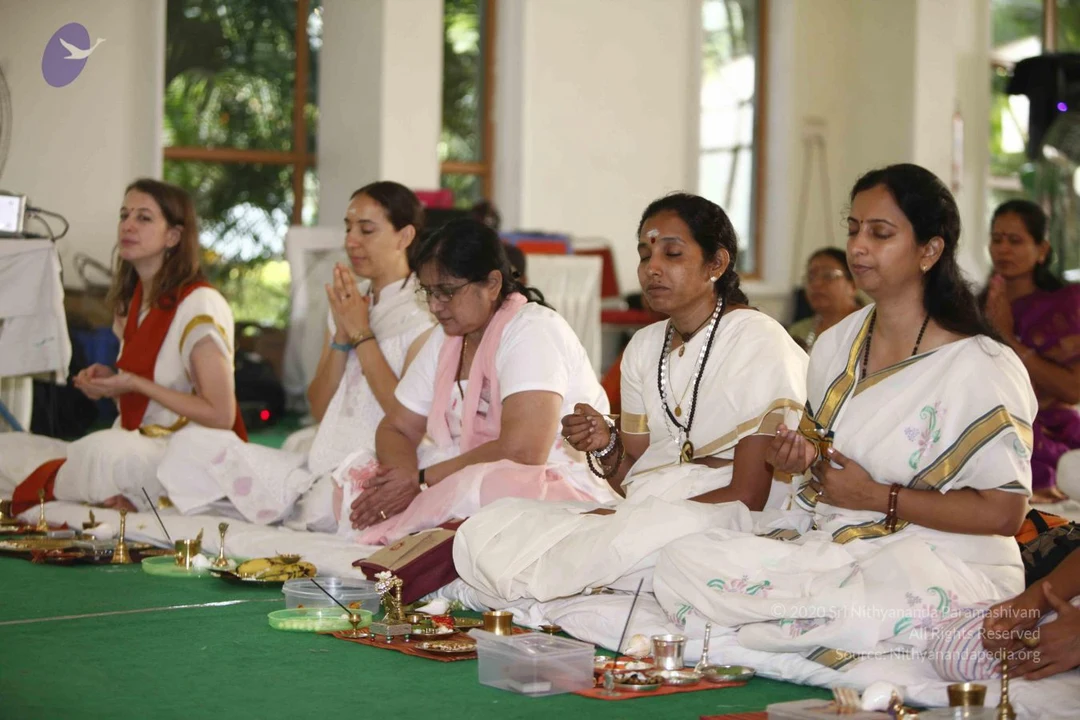
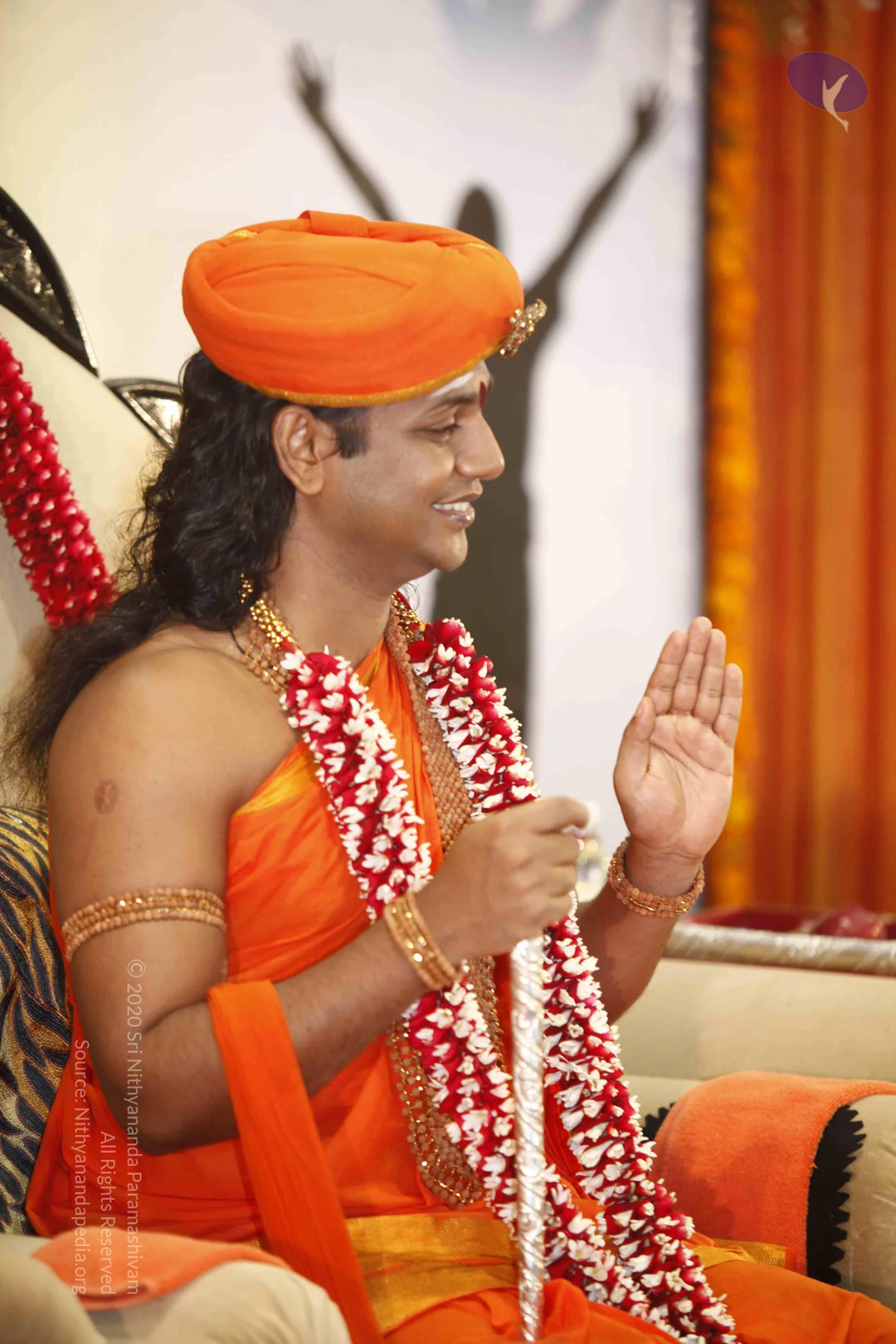
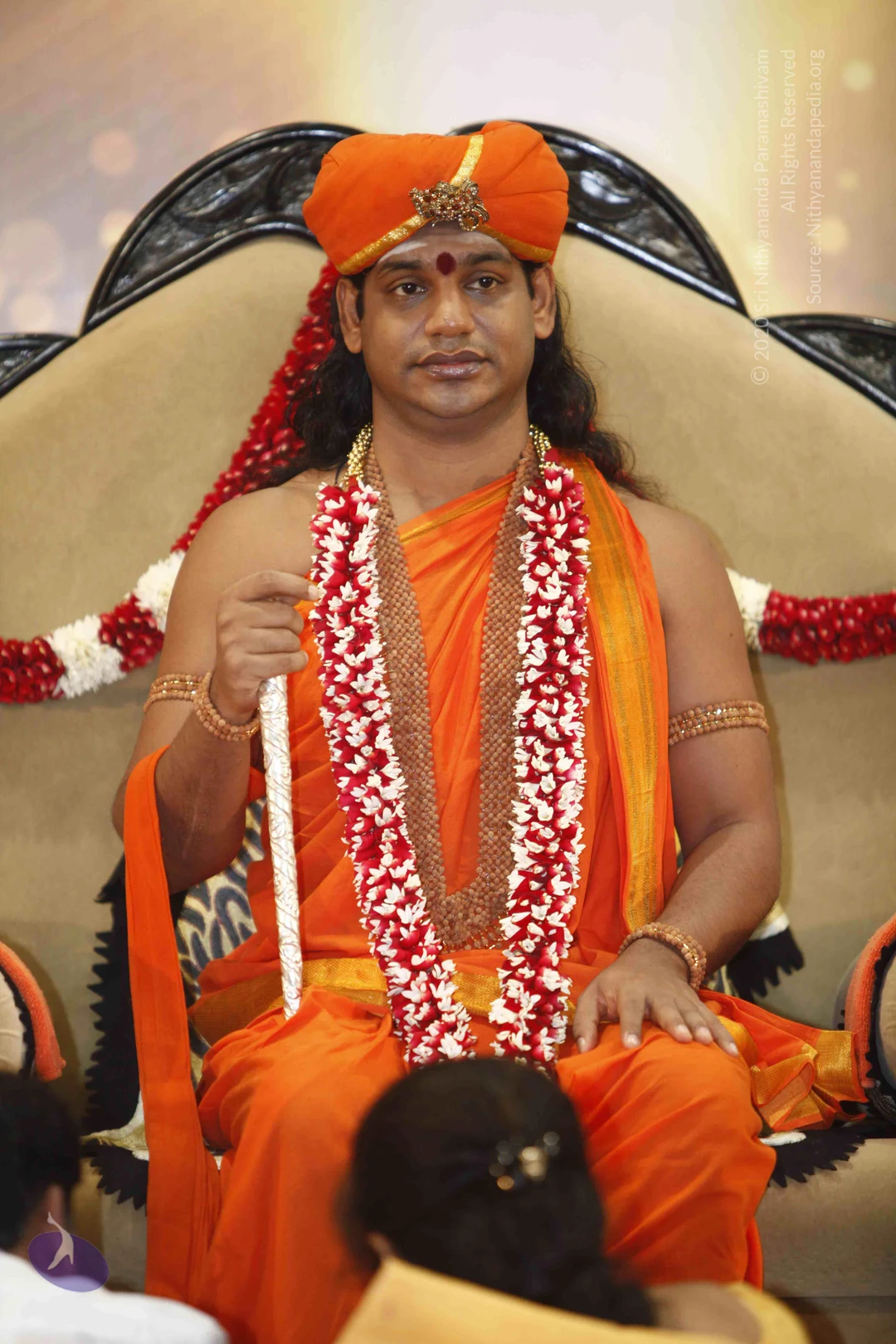
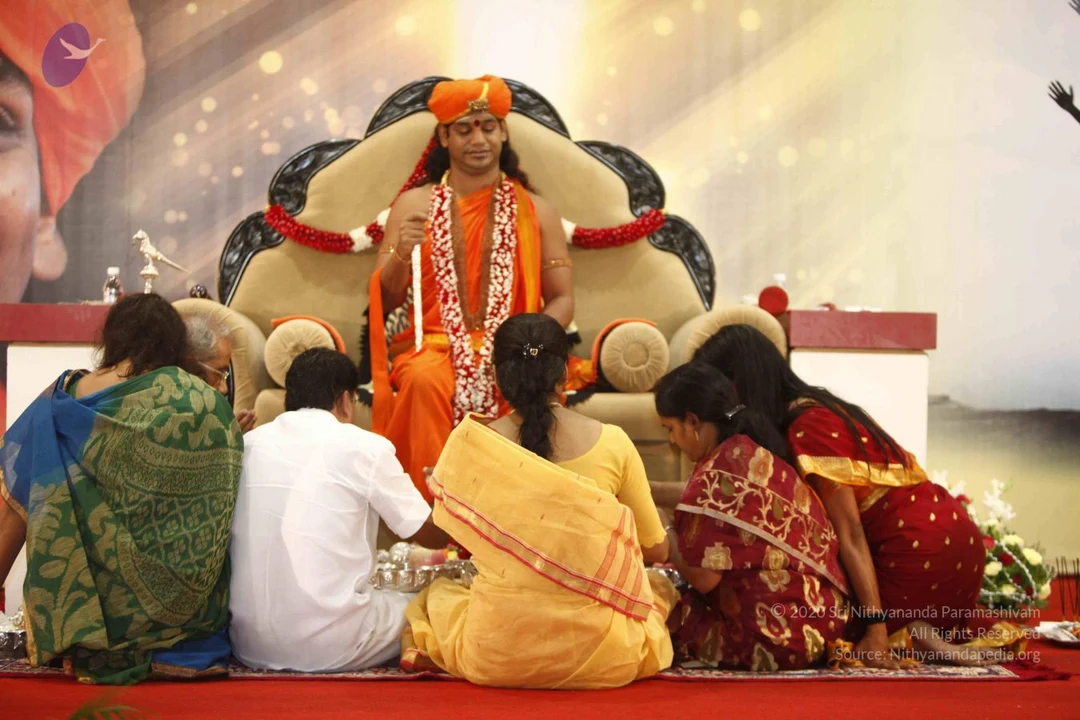
HDH-VISITS-KAILASA IN HYDERABAD-SRIPURAM-ADHEENAM
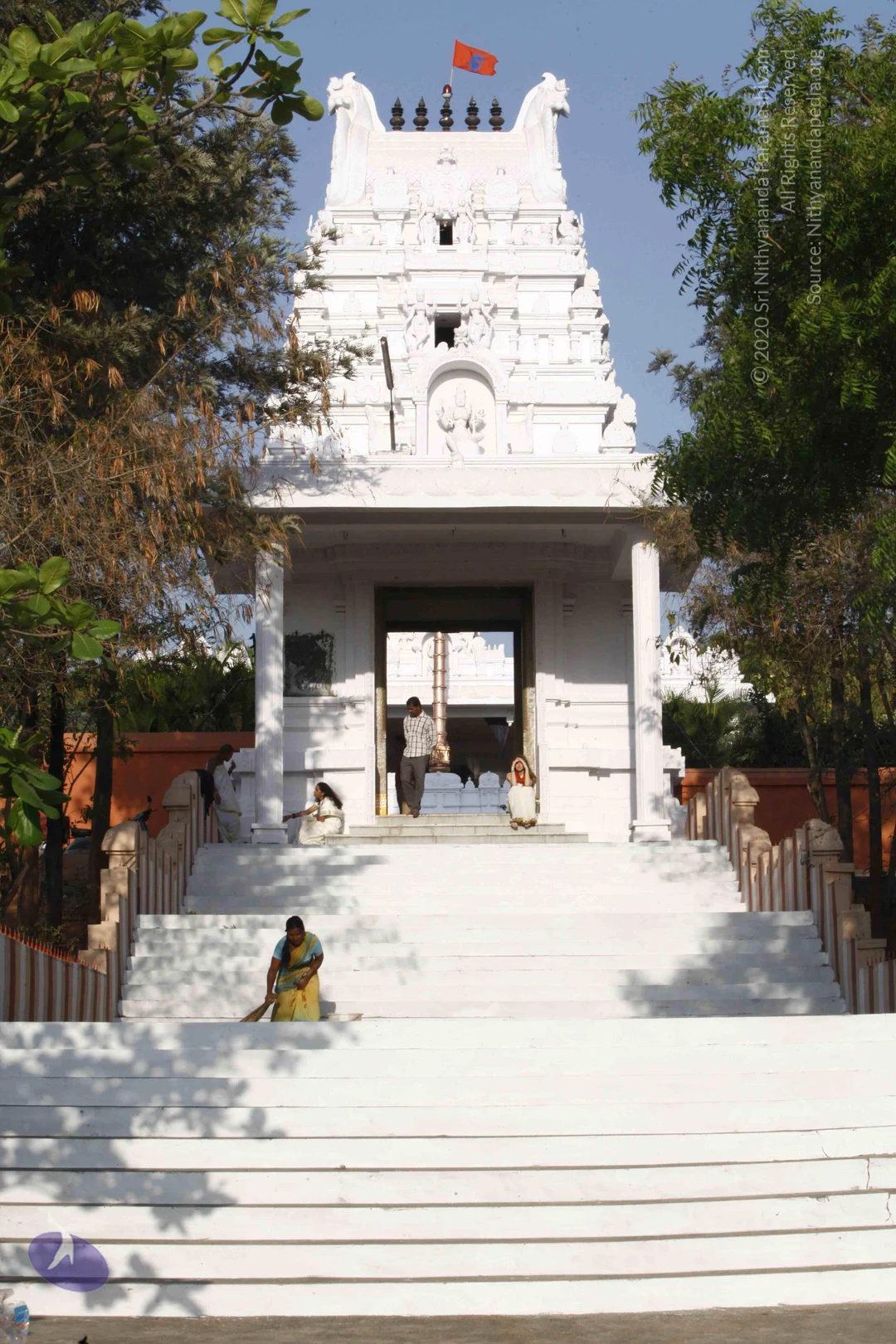
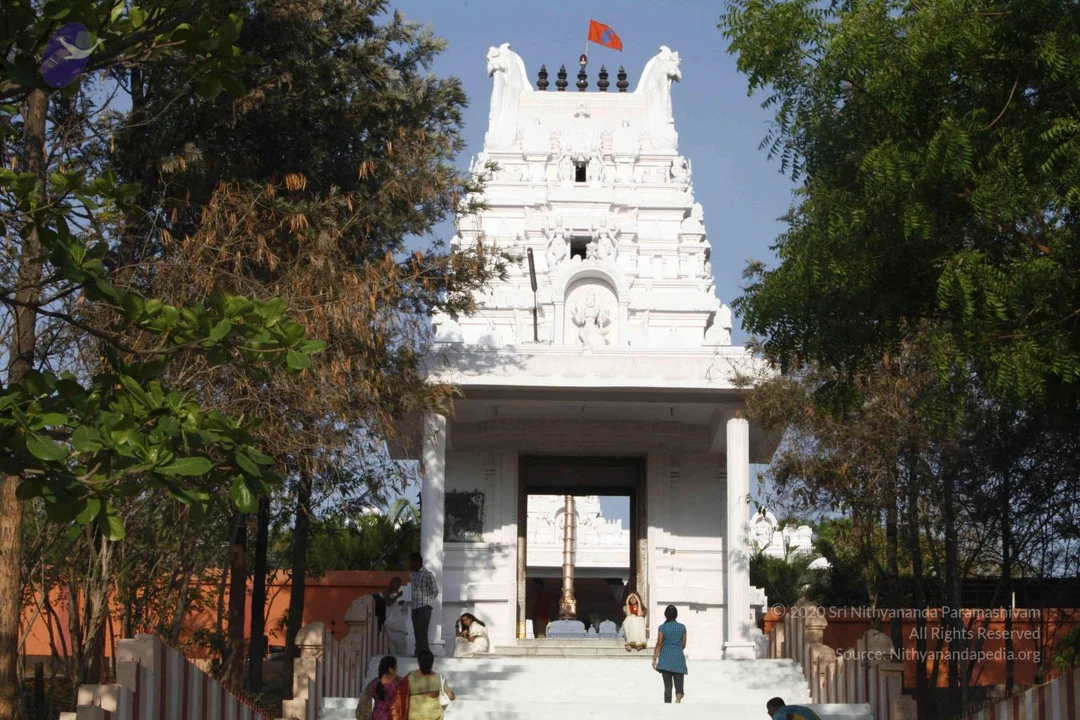
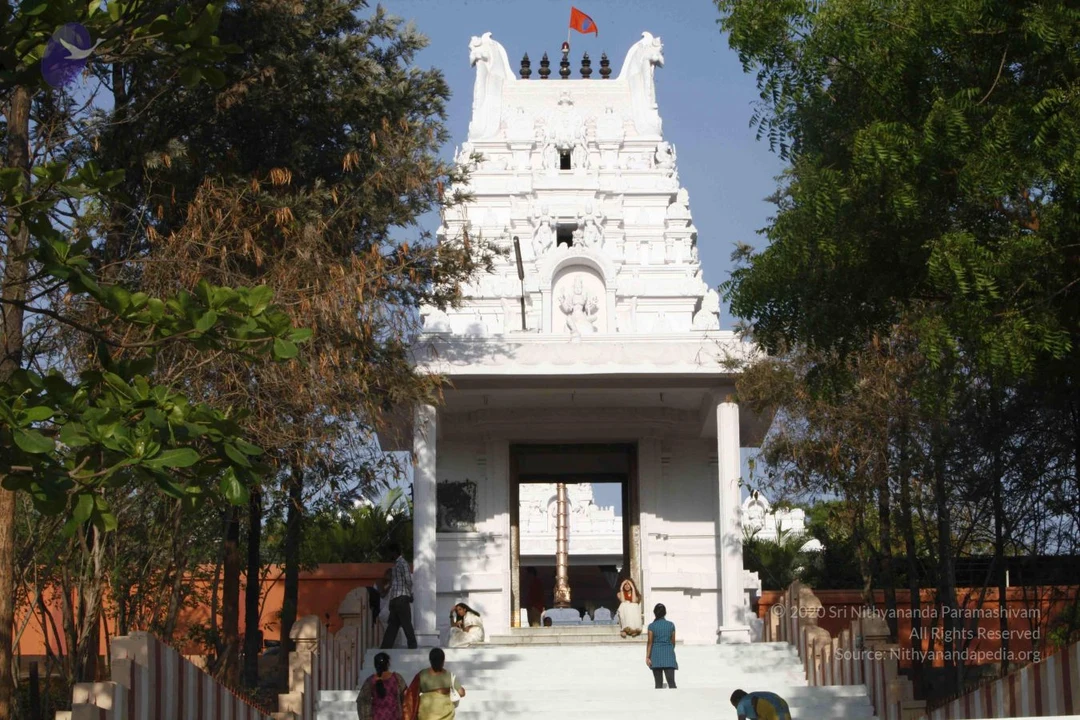
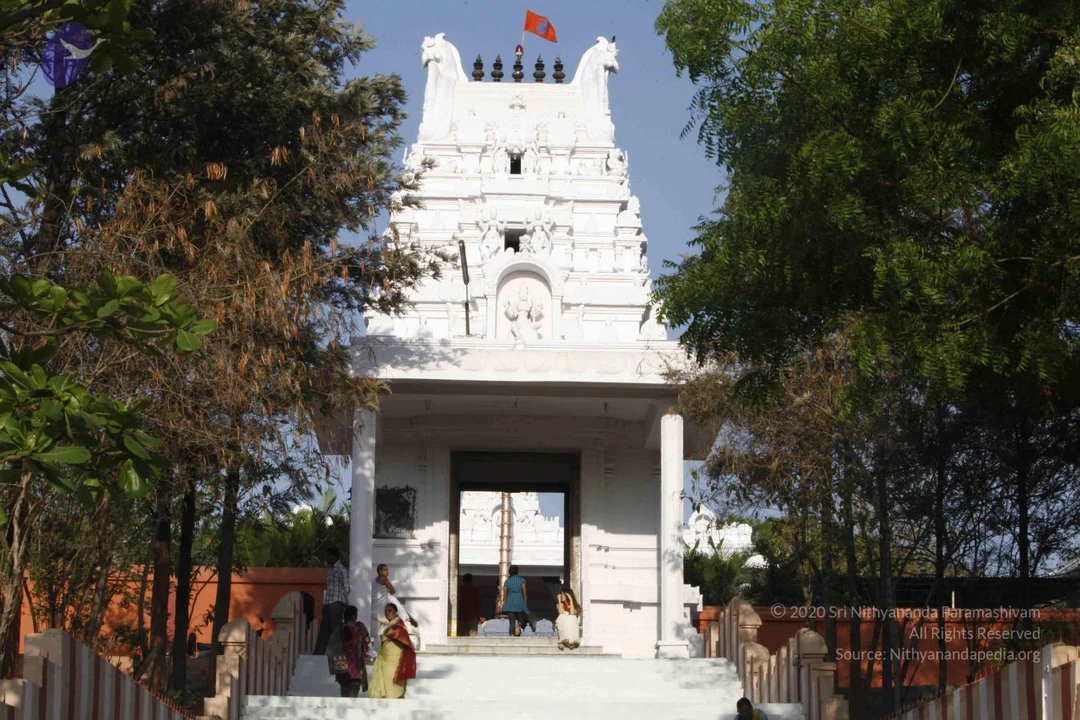
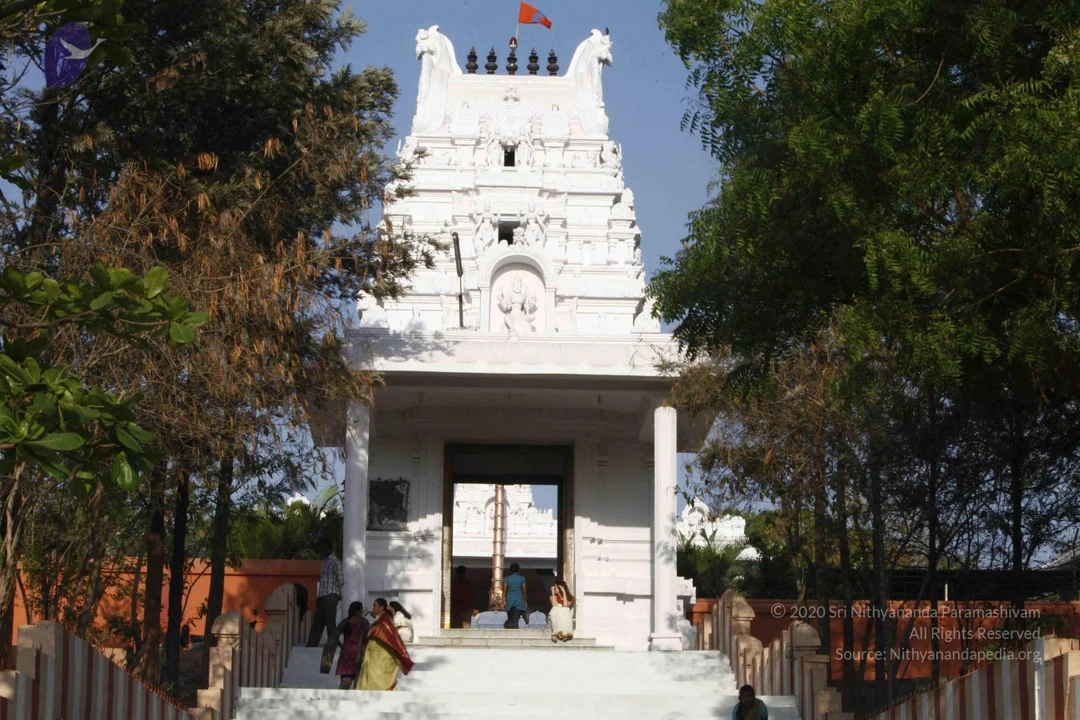
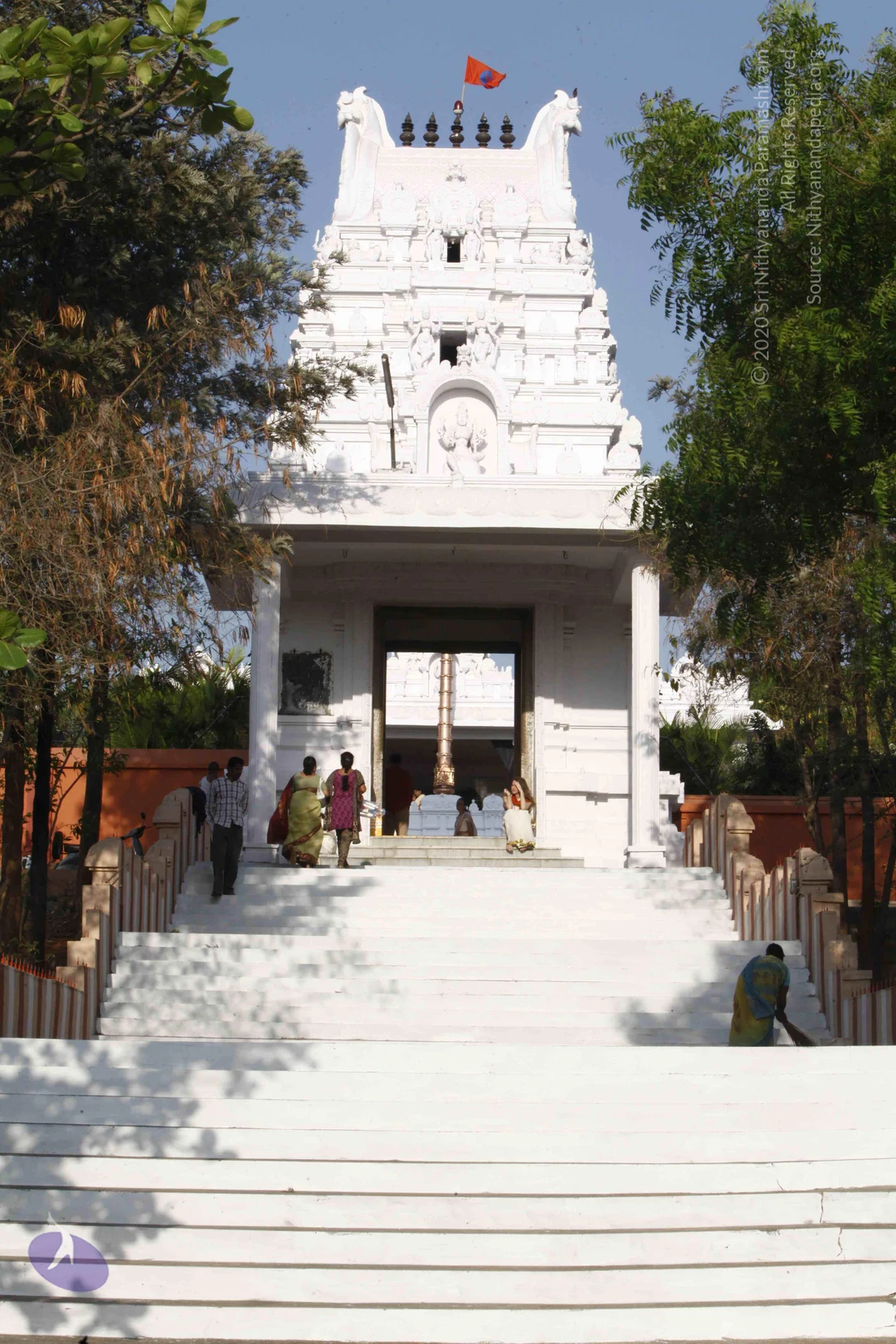
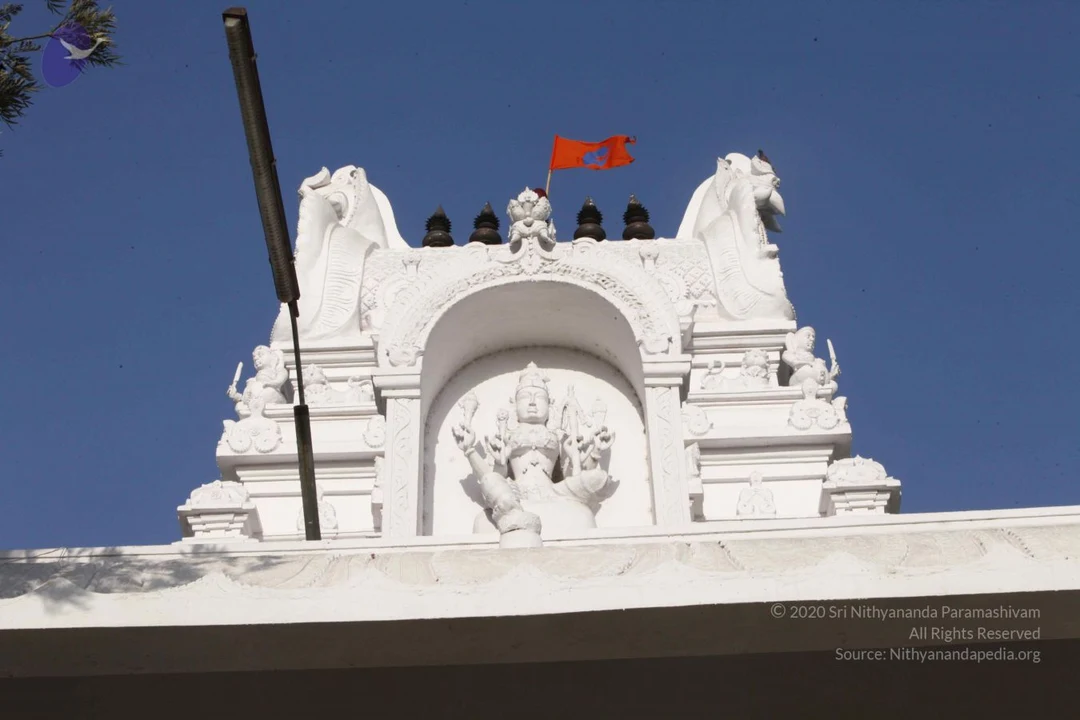
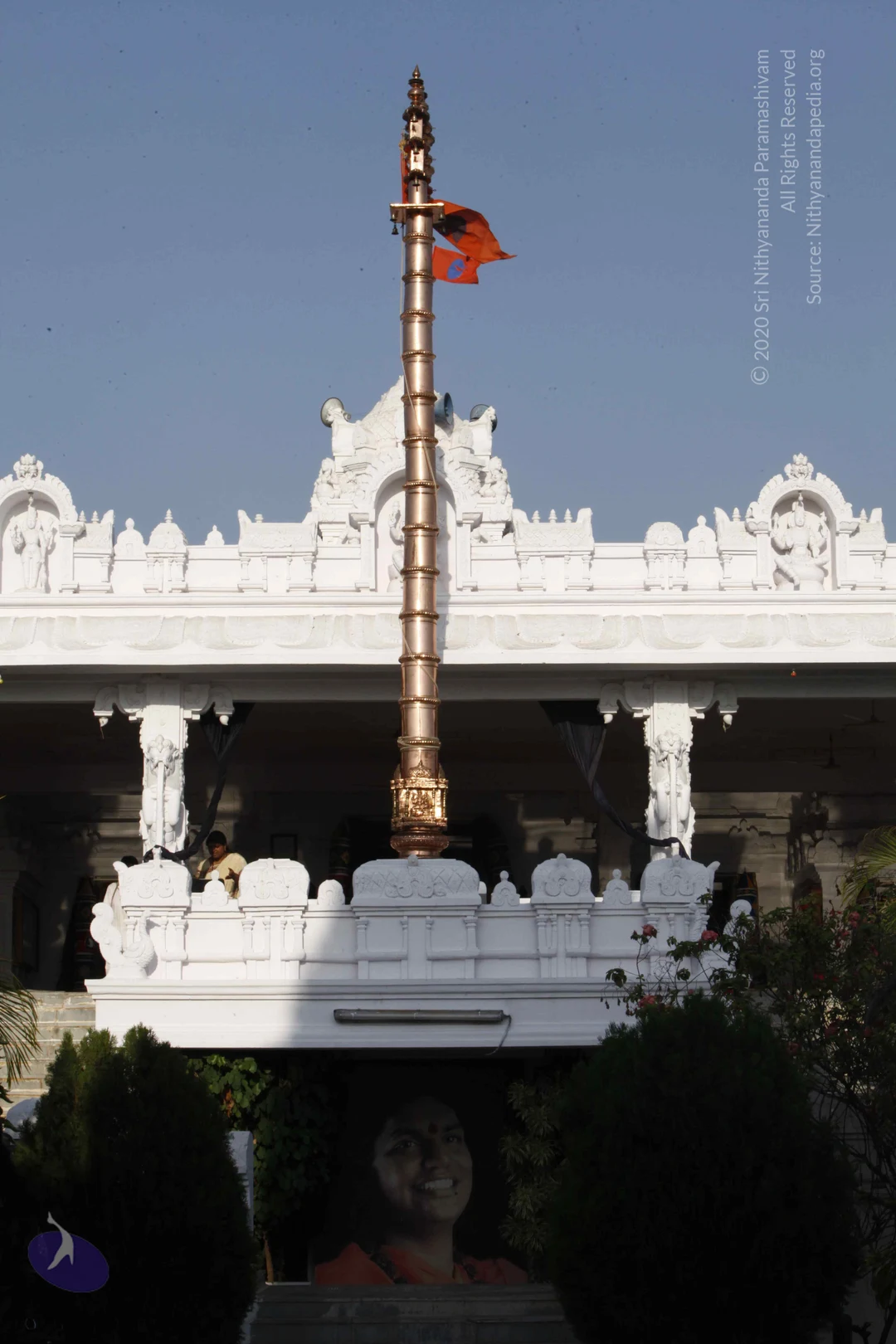
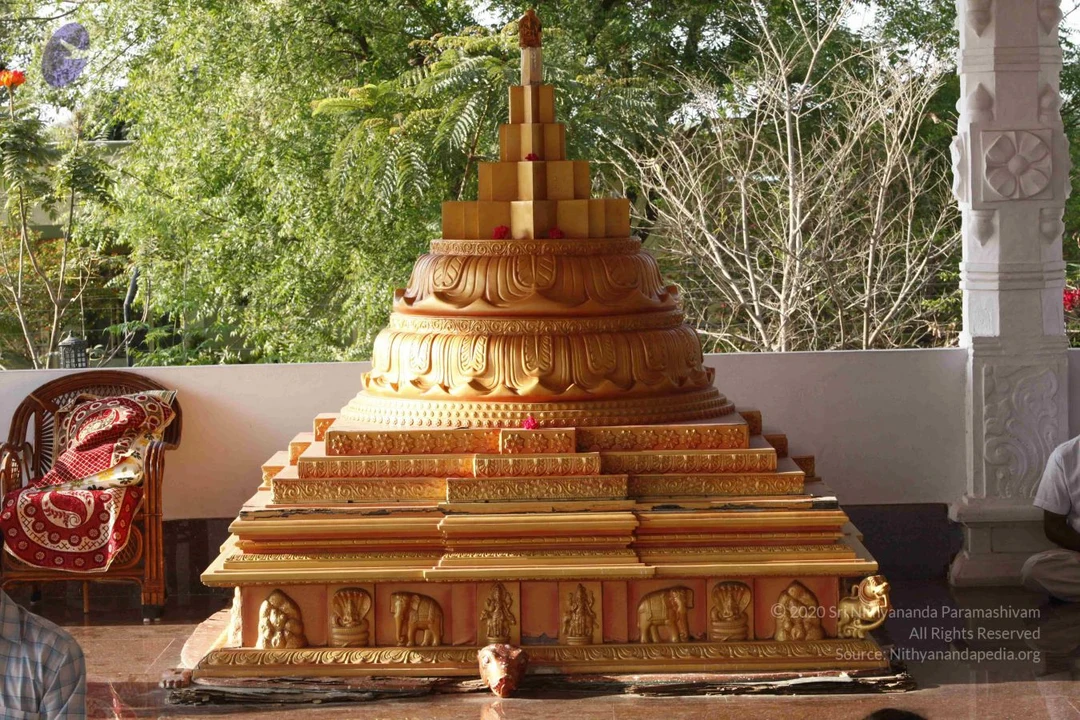
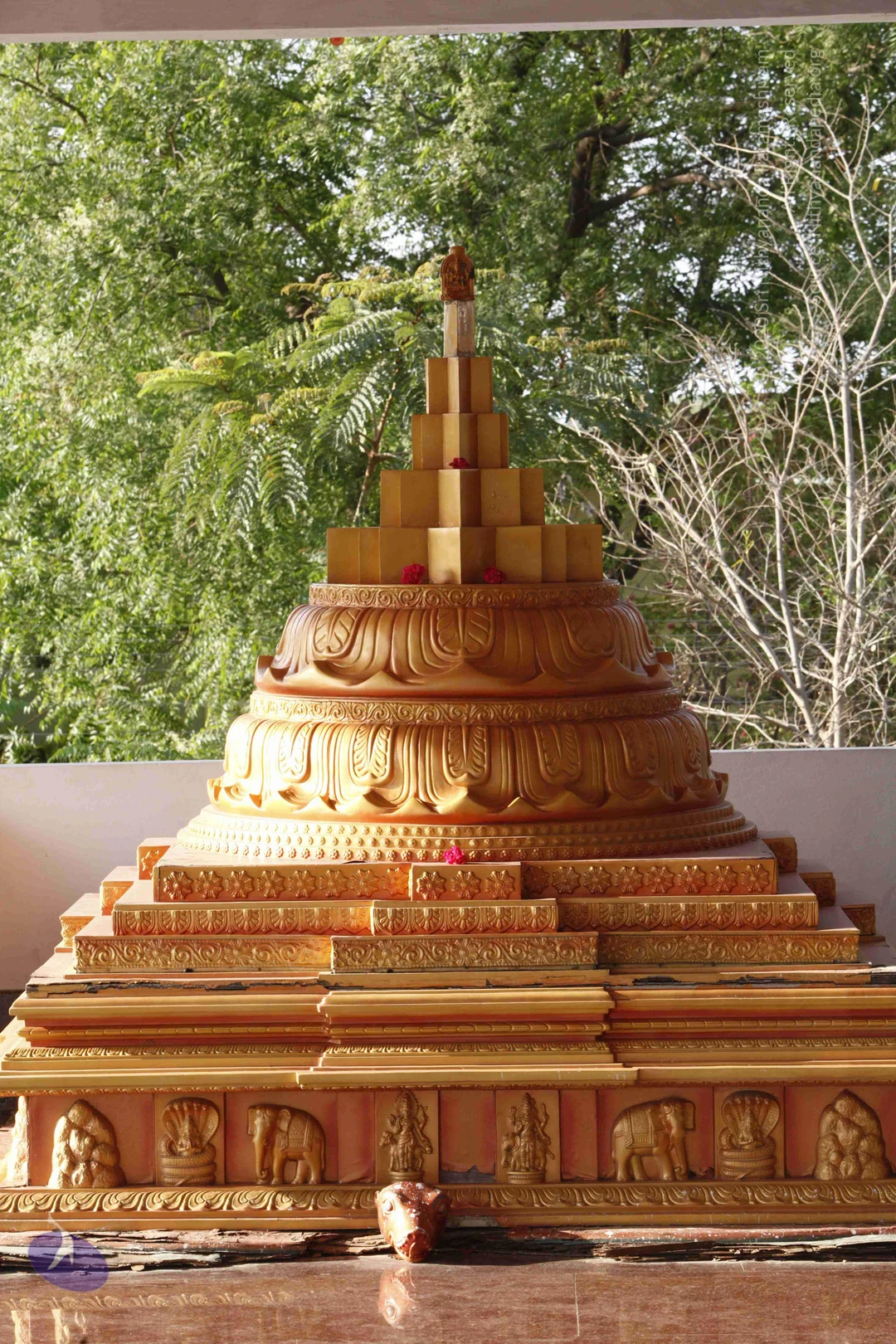

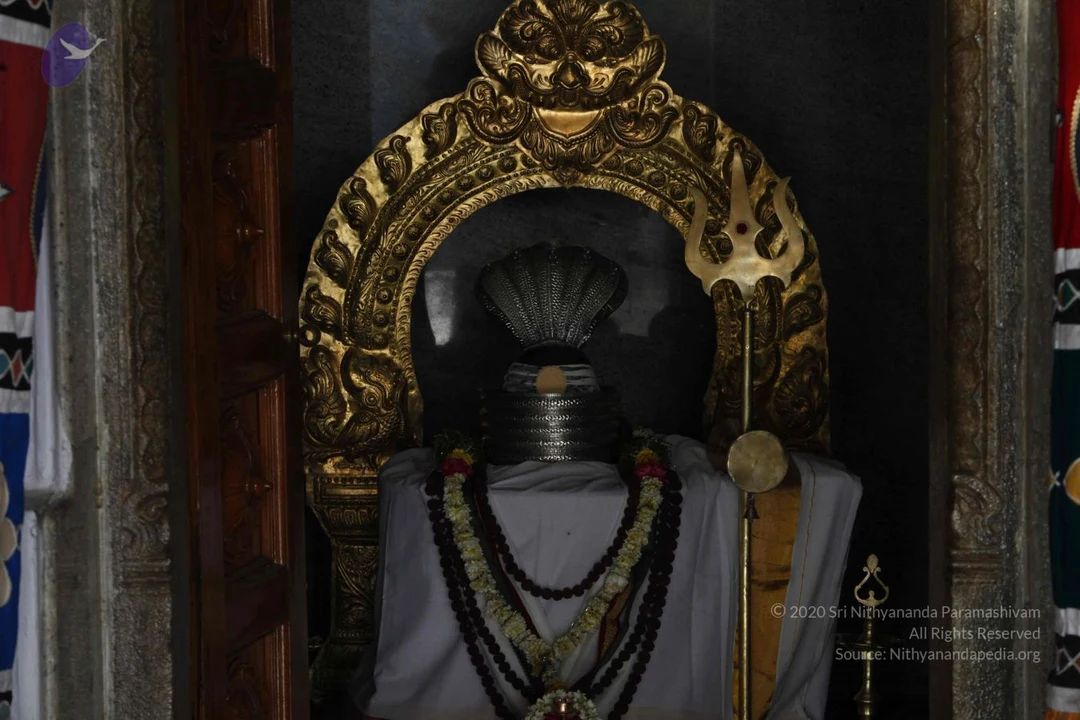
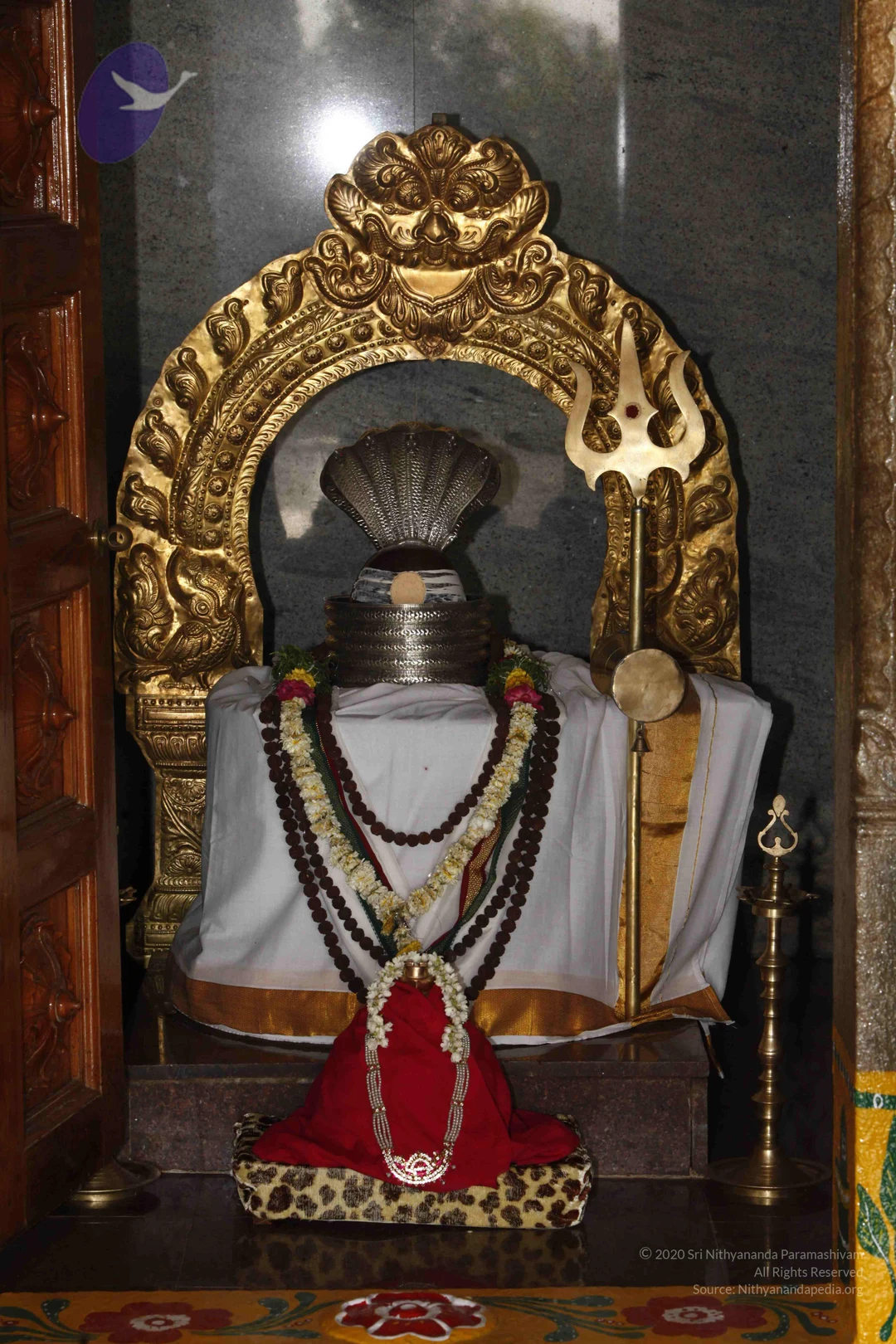

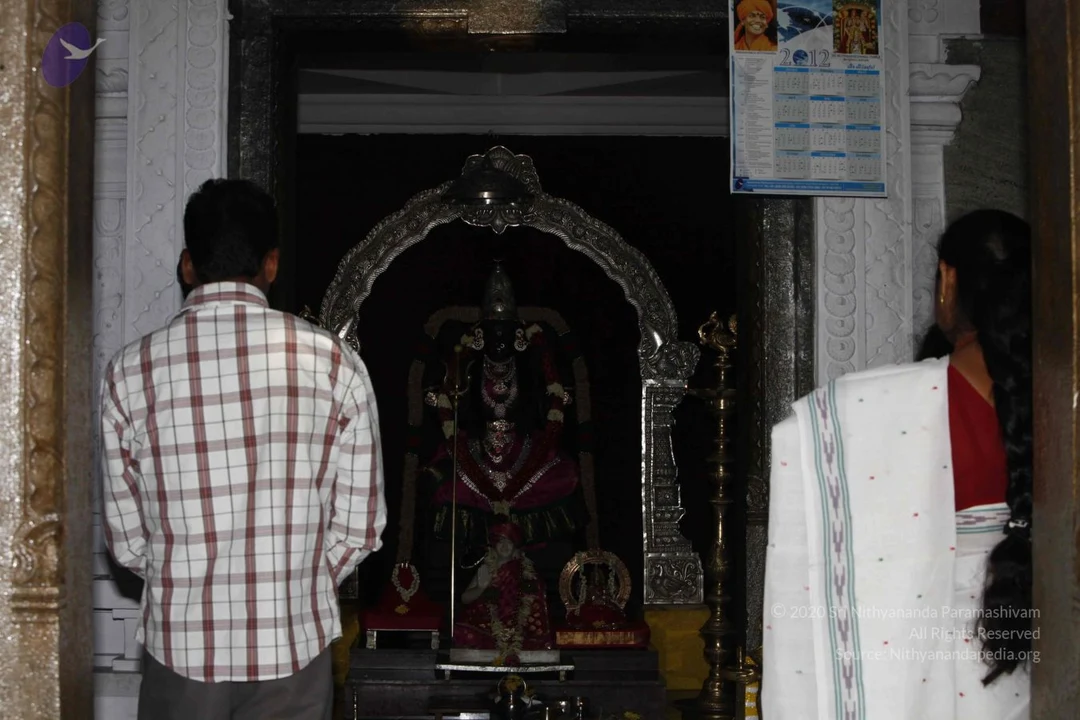
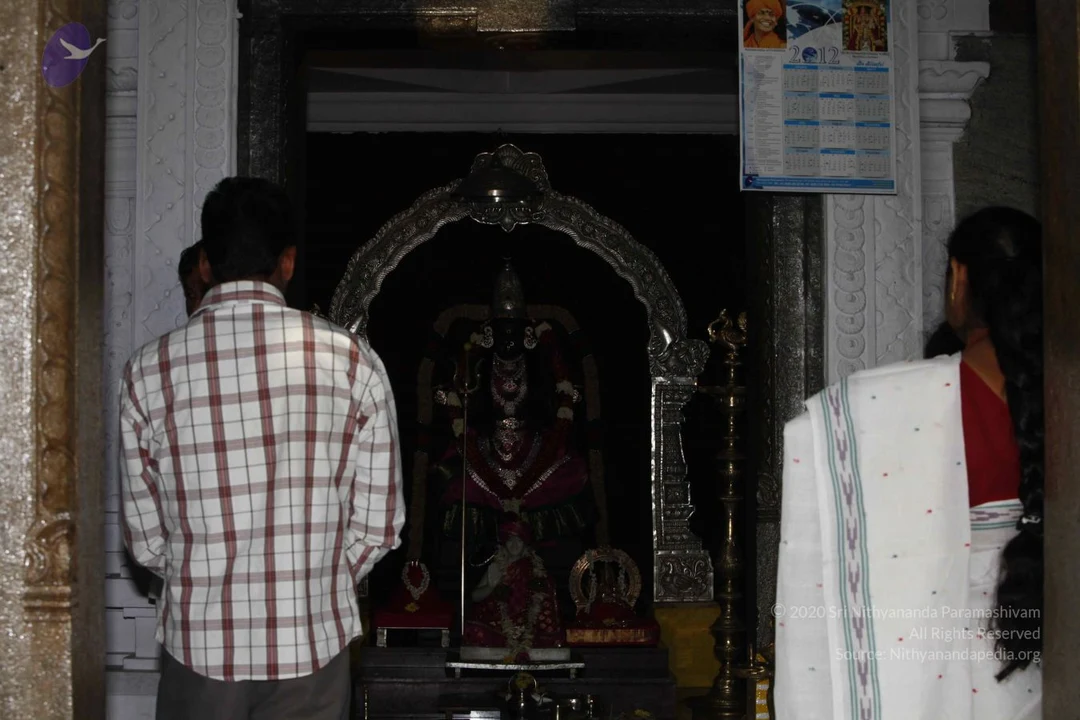
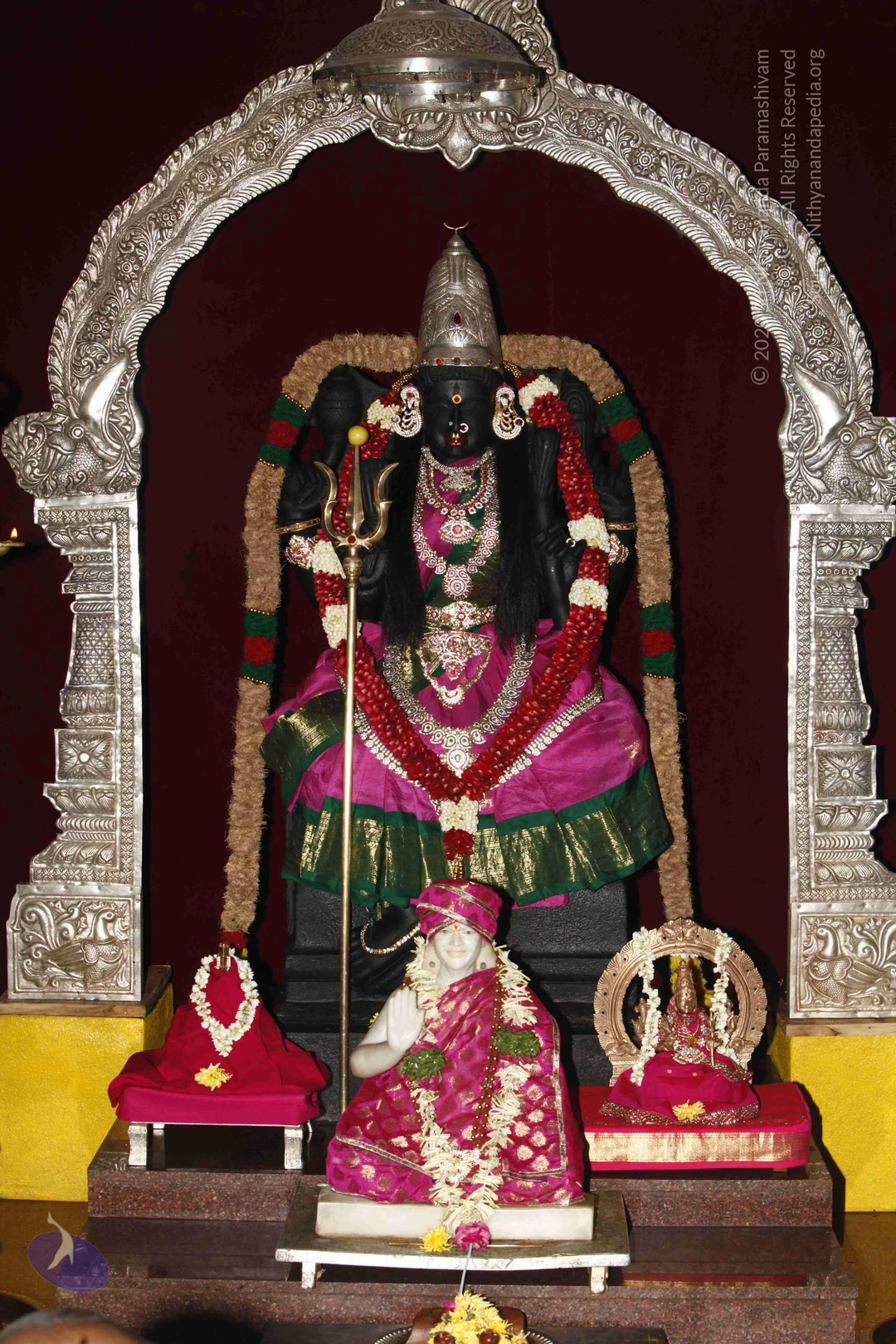
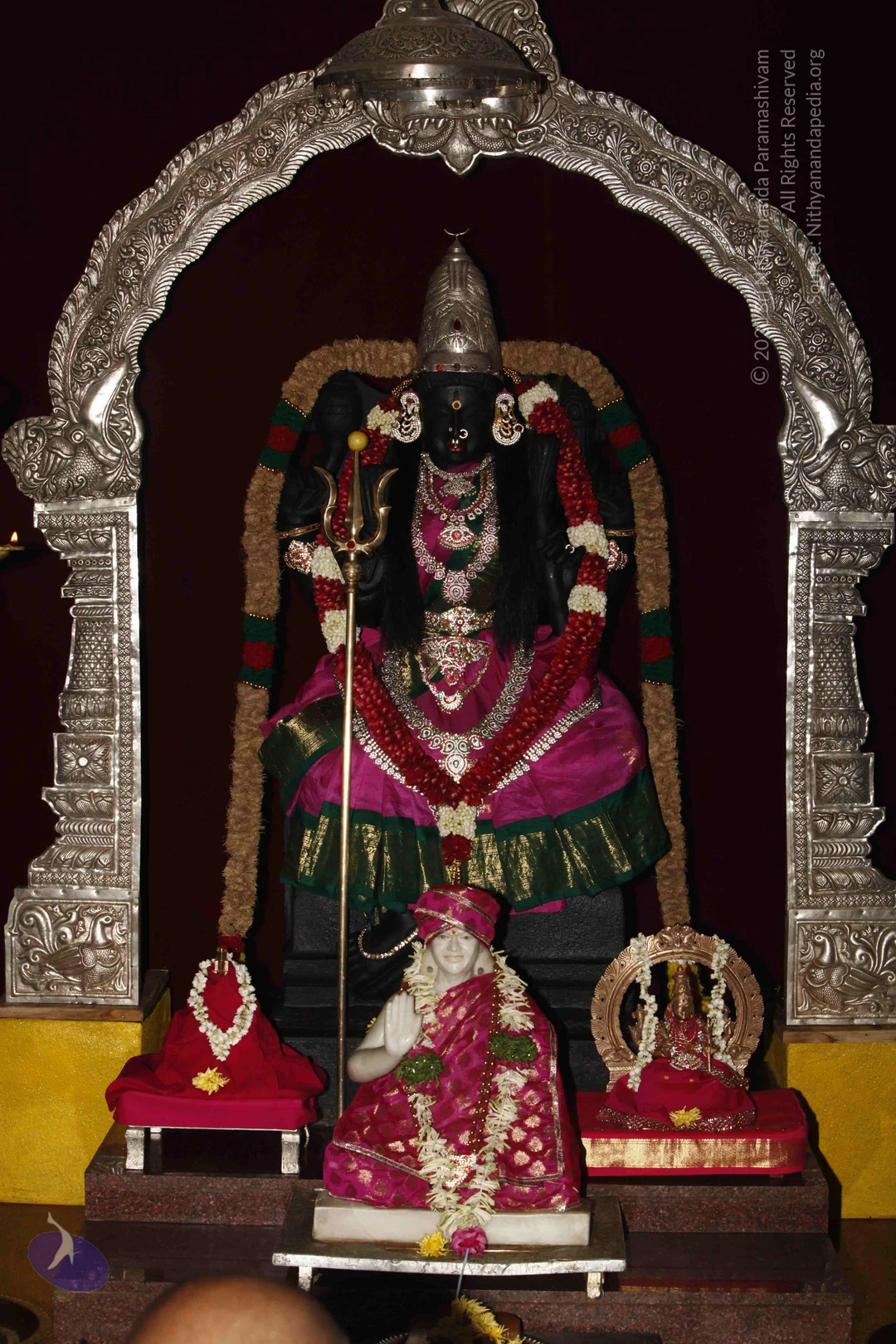

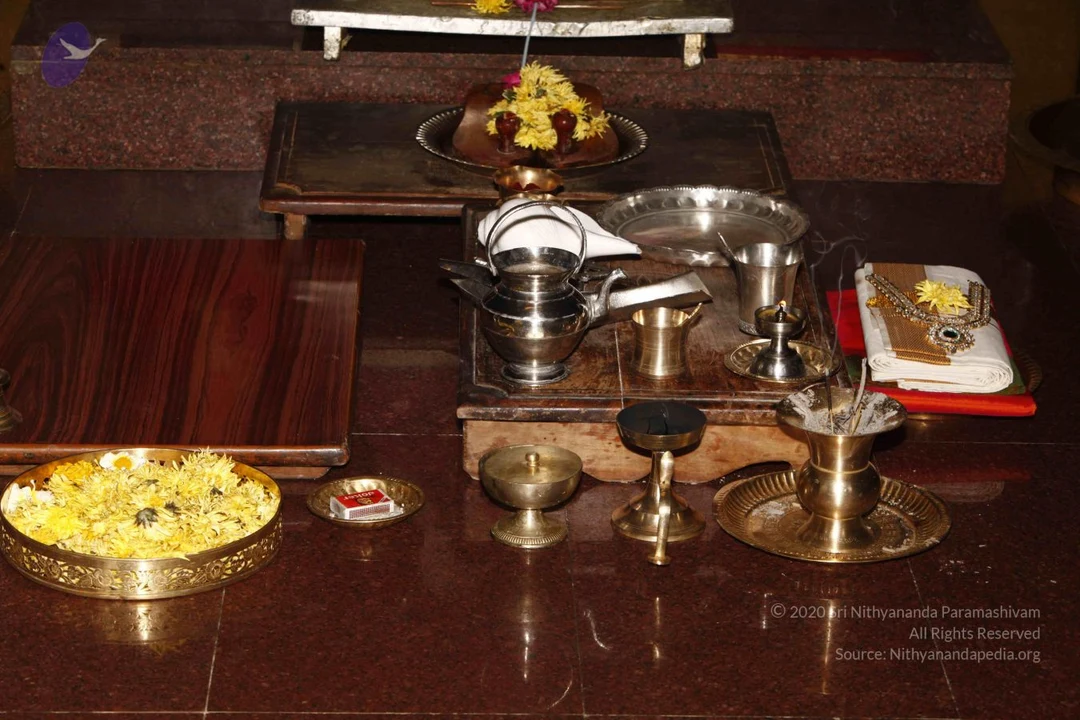
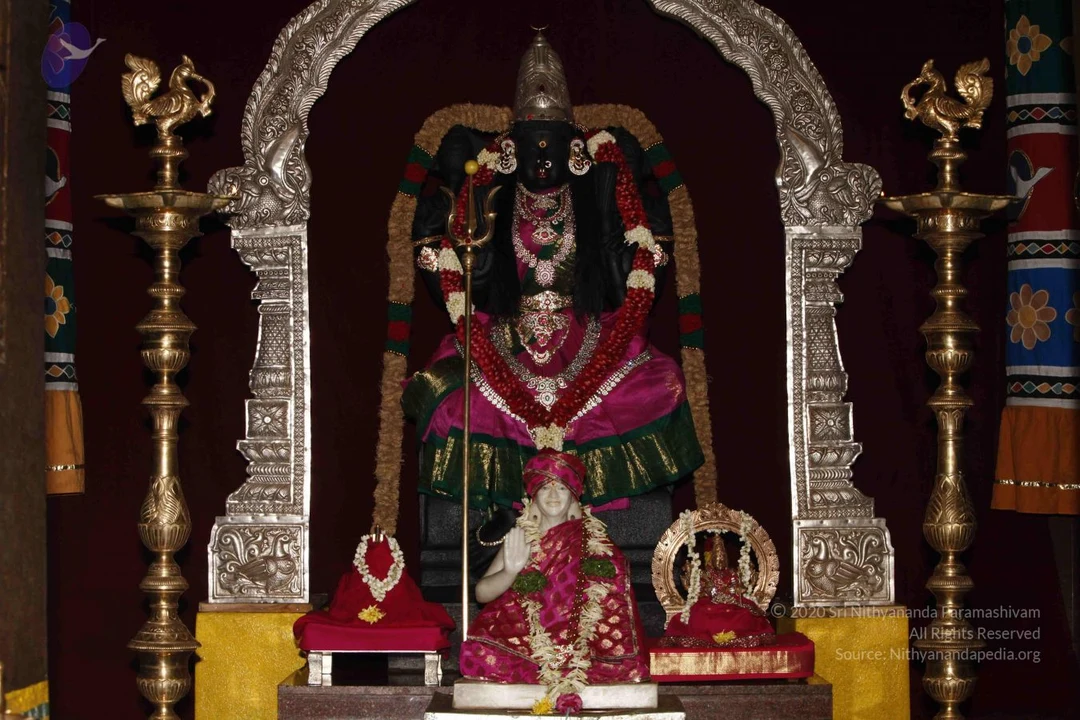
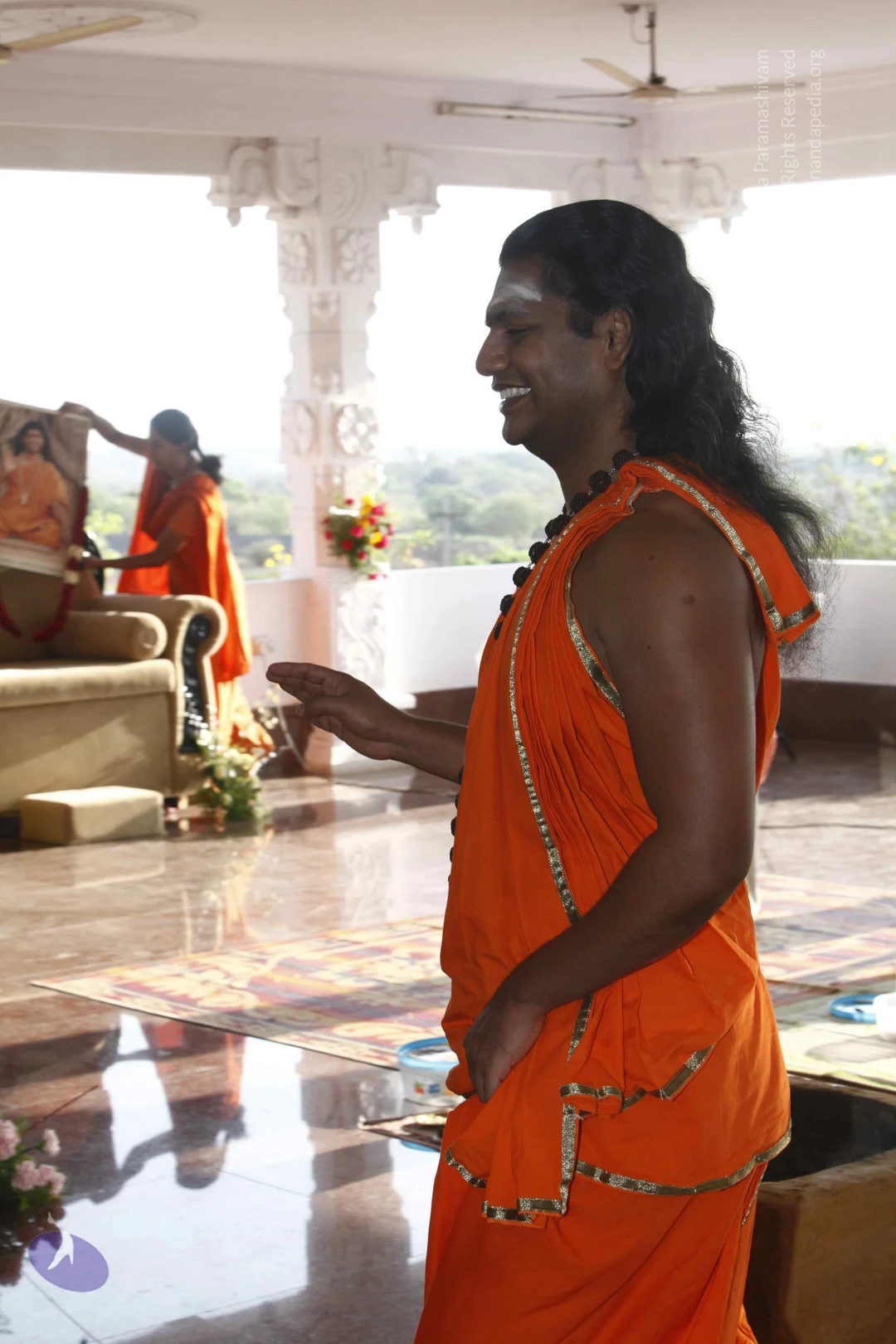
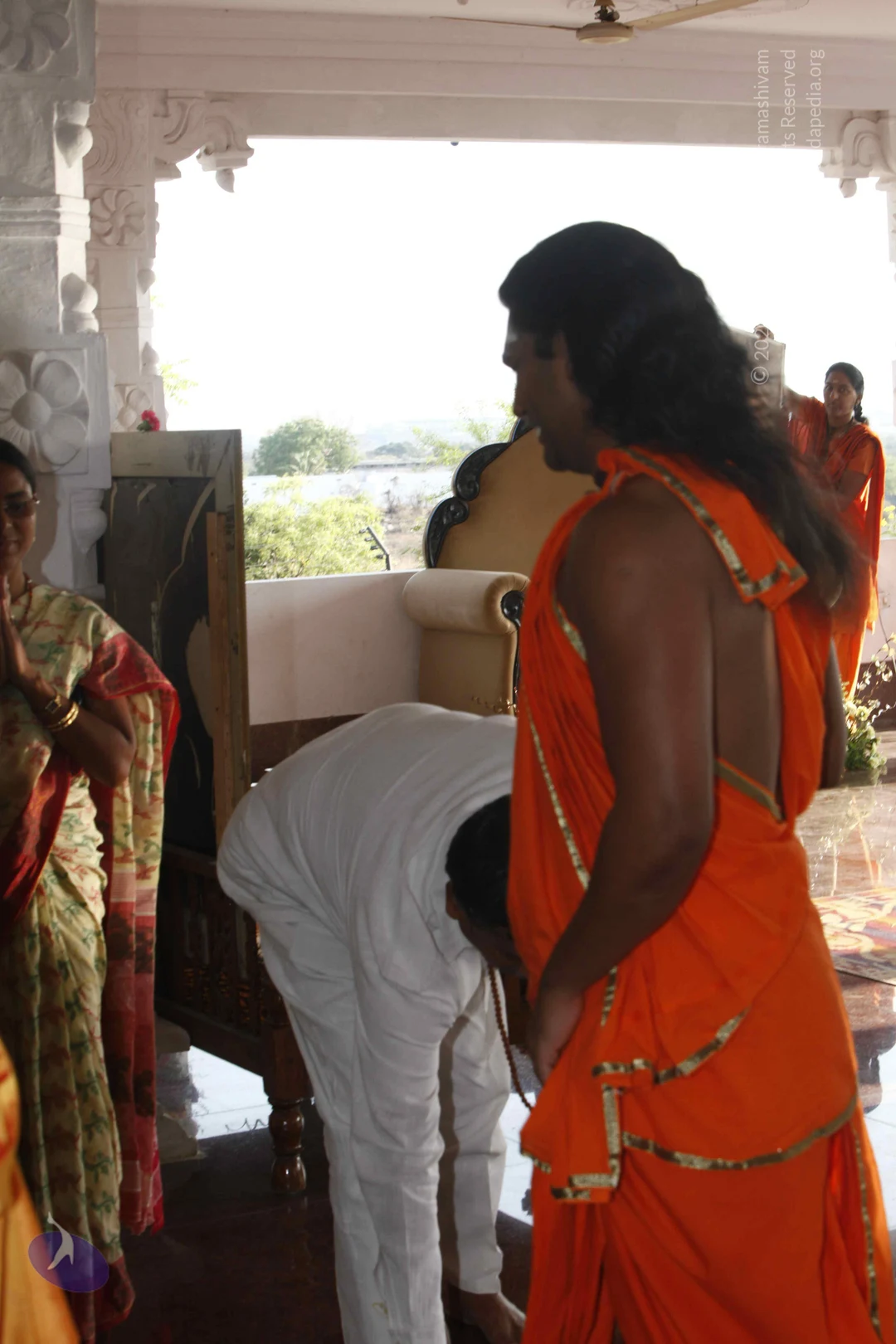
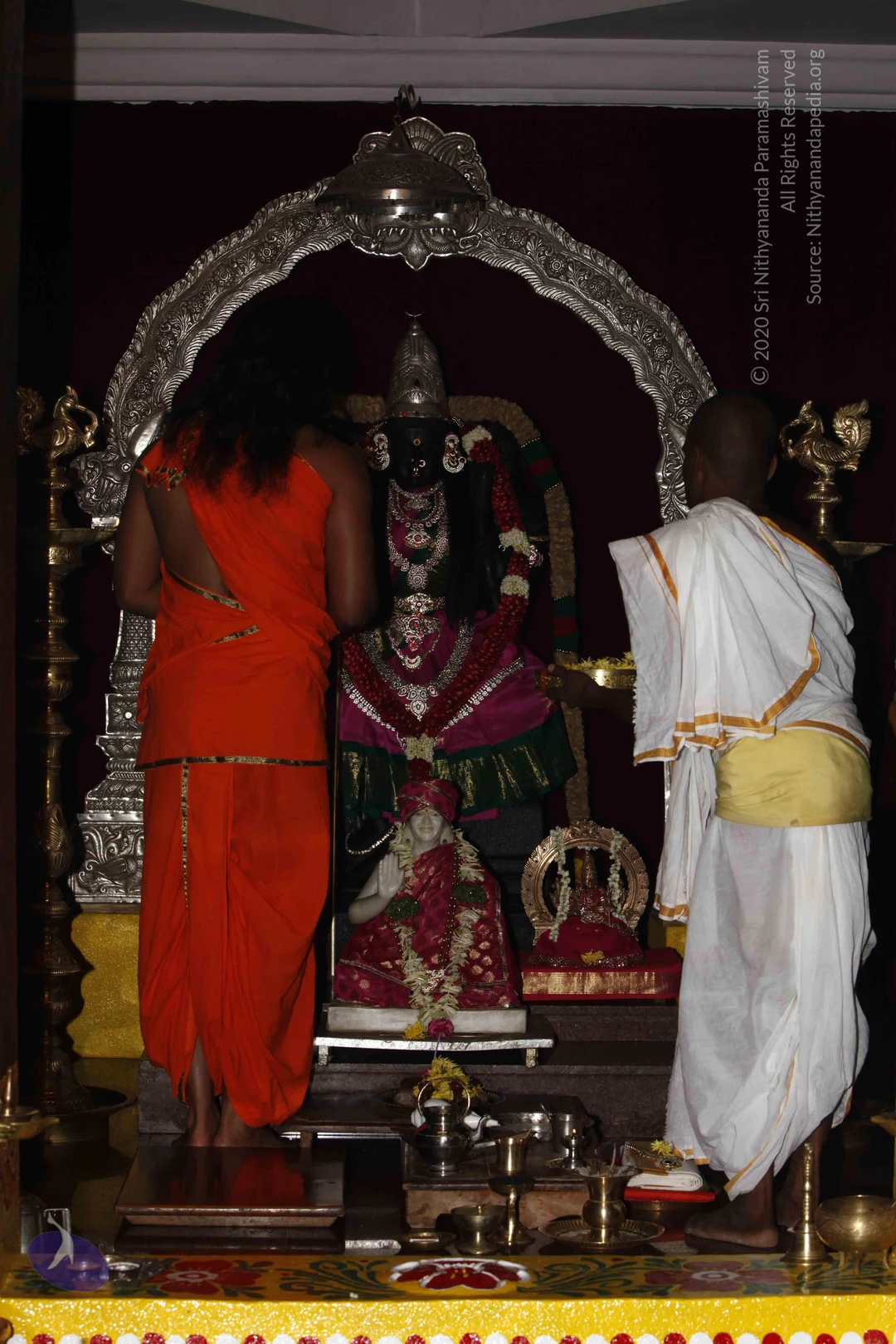
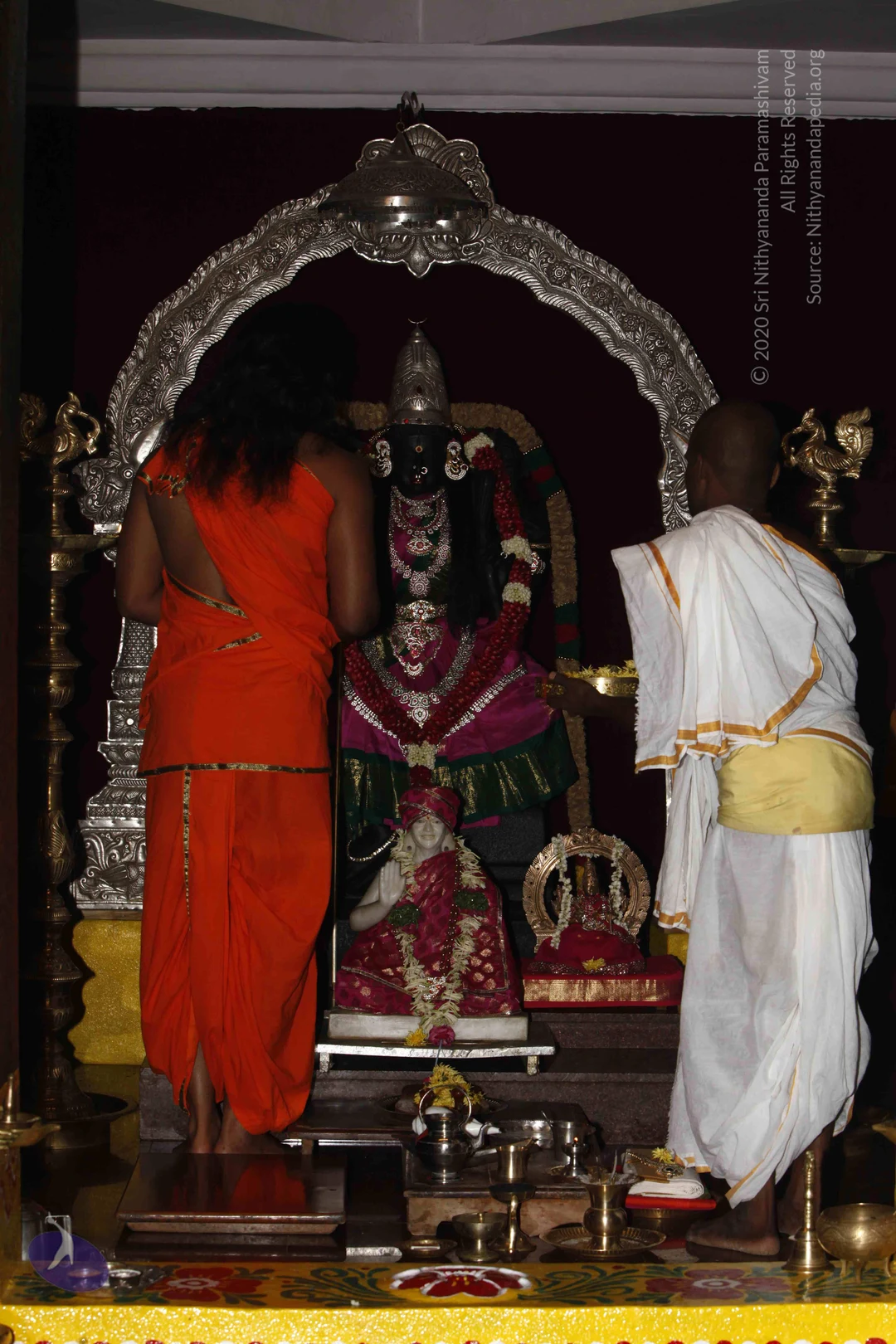
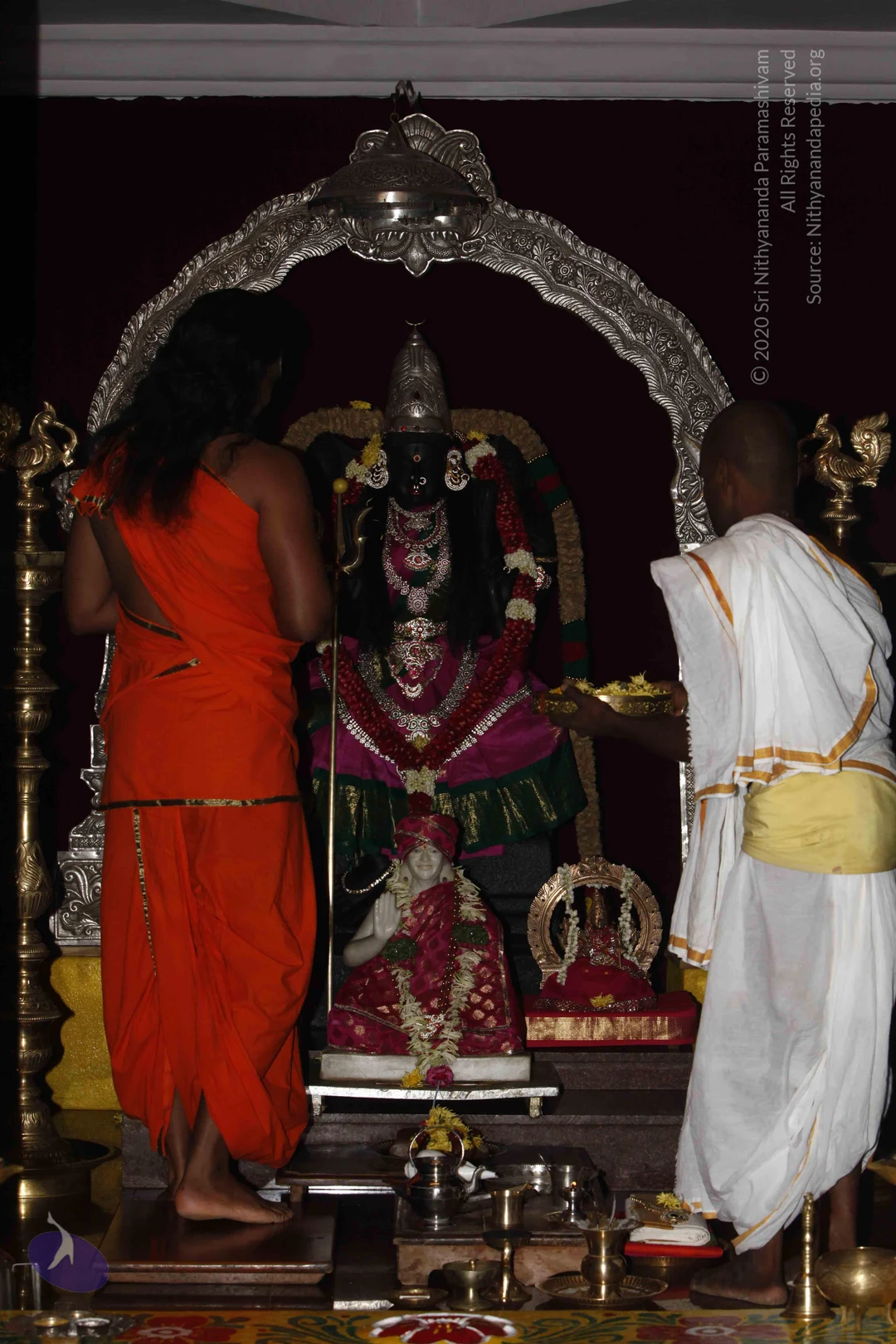
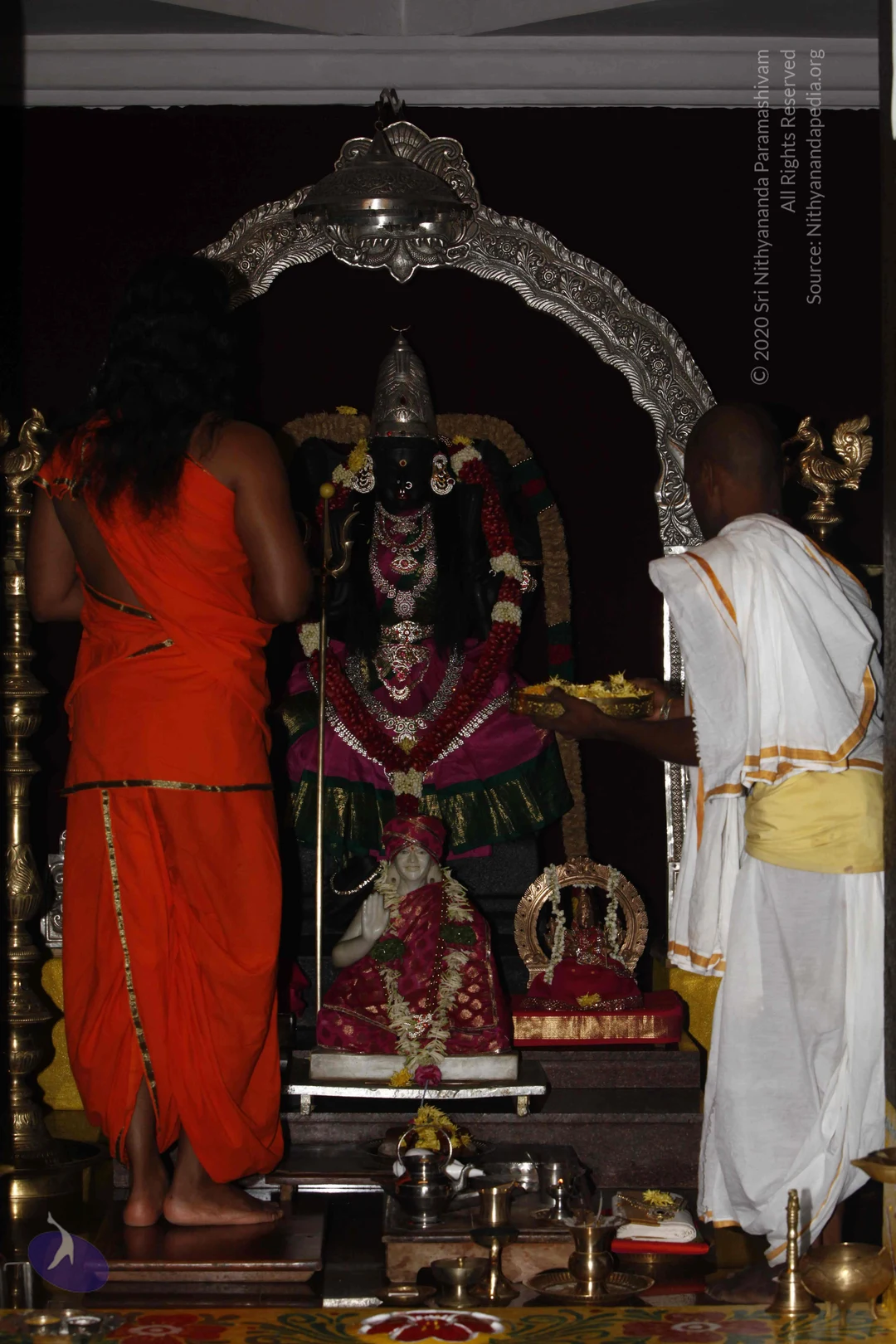
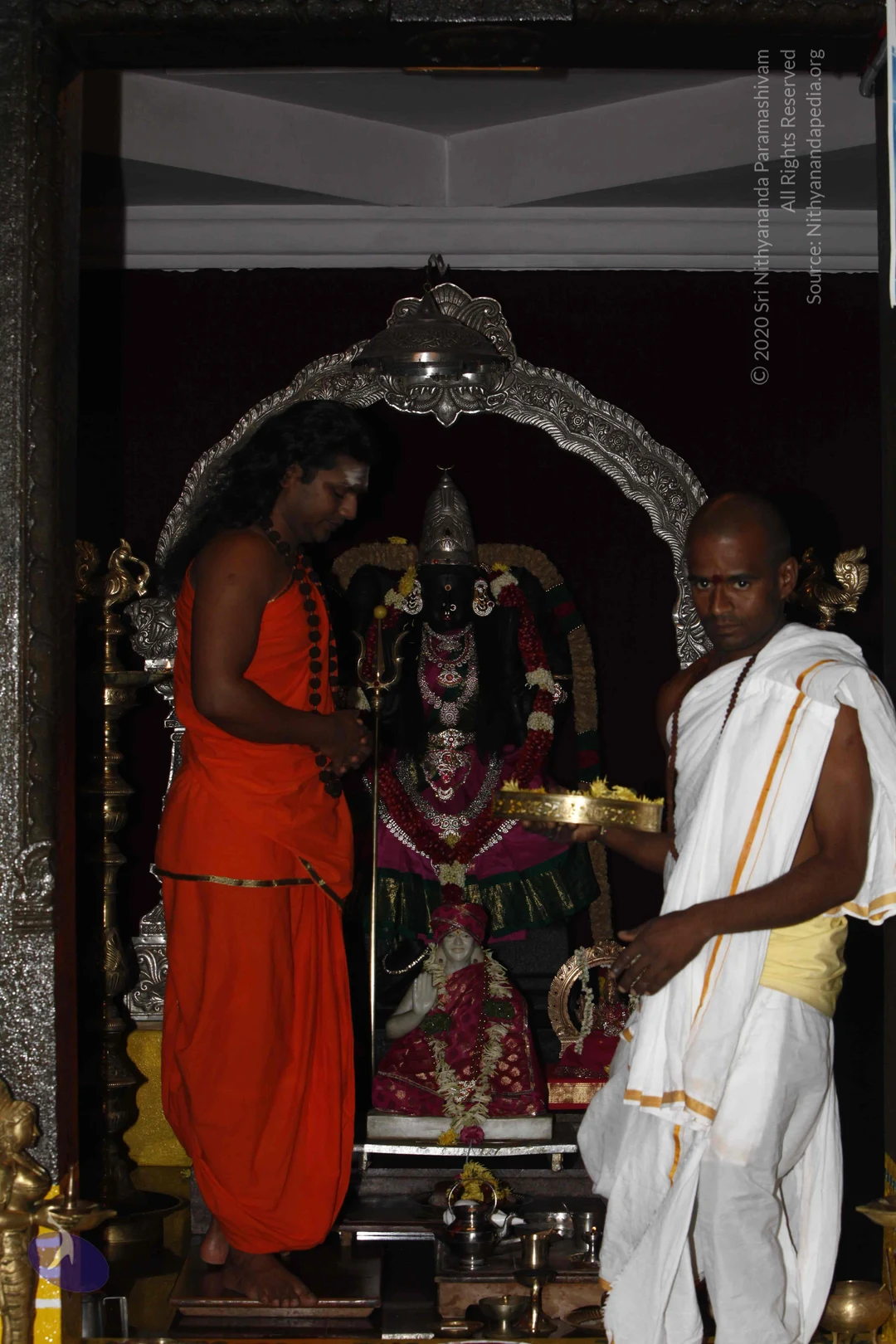
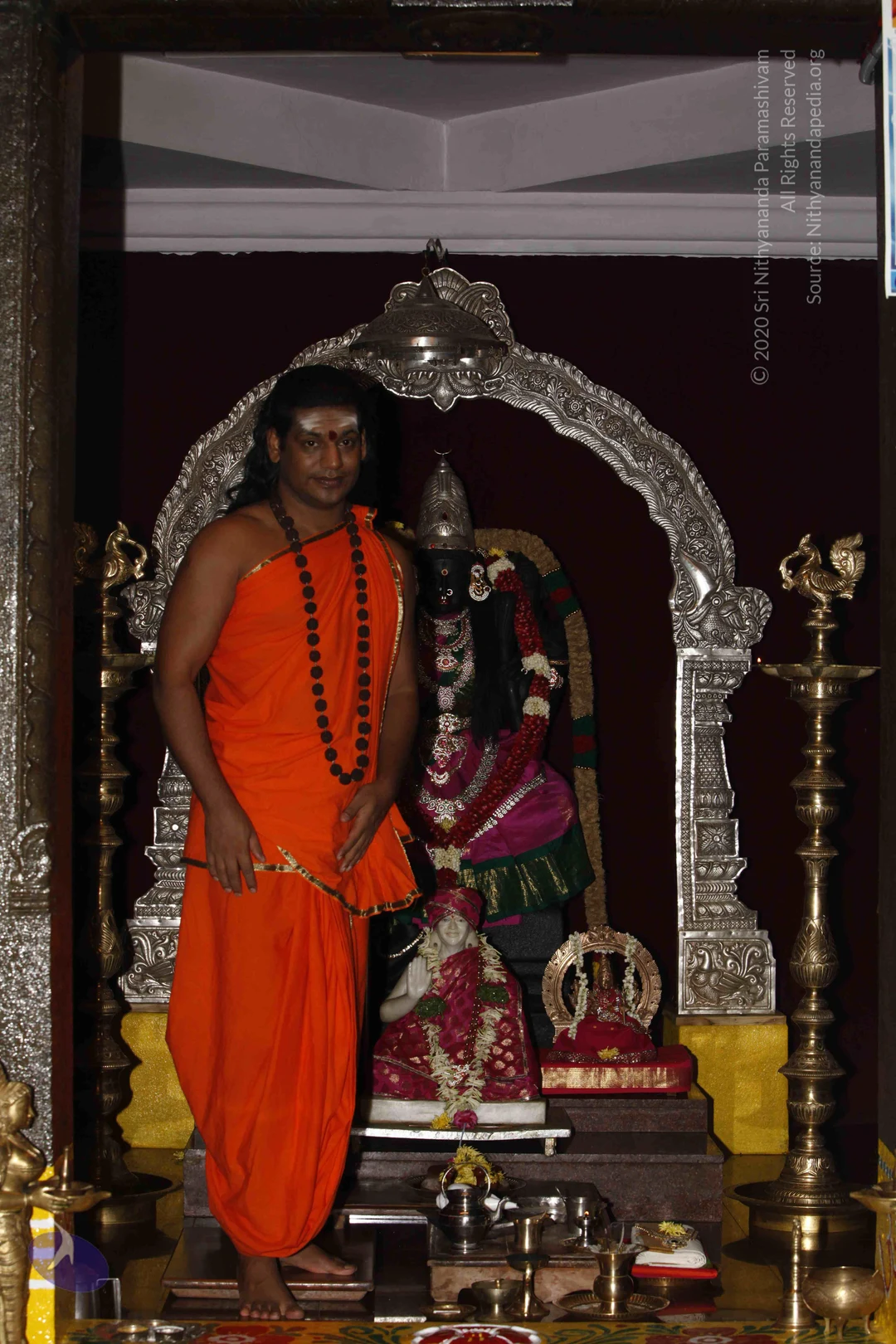
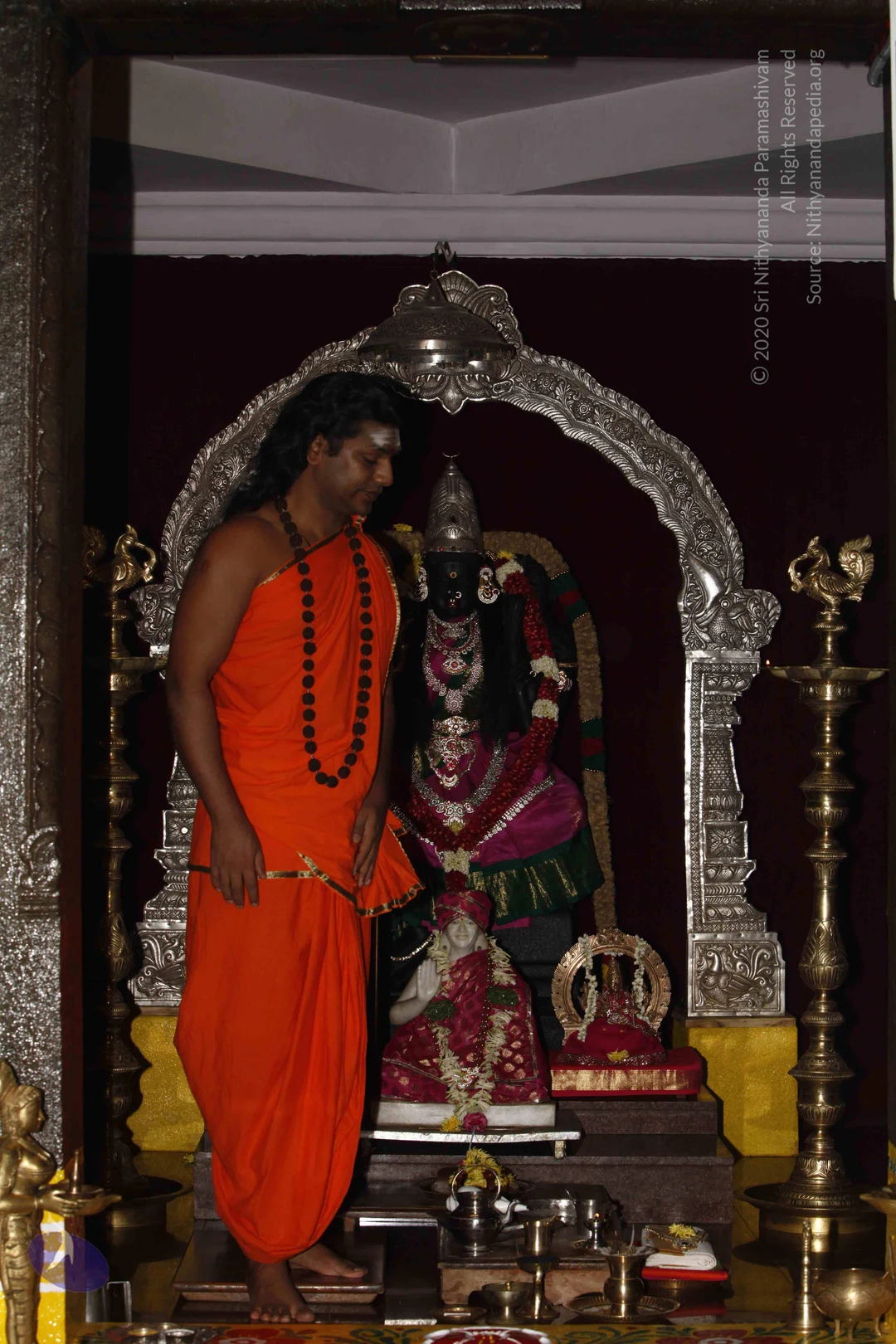
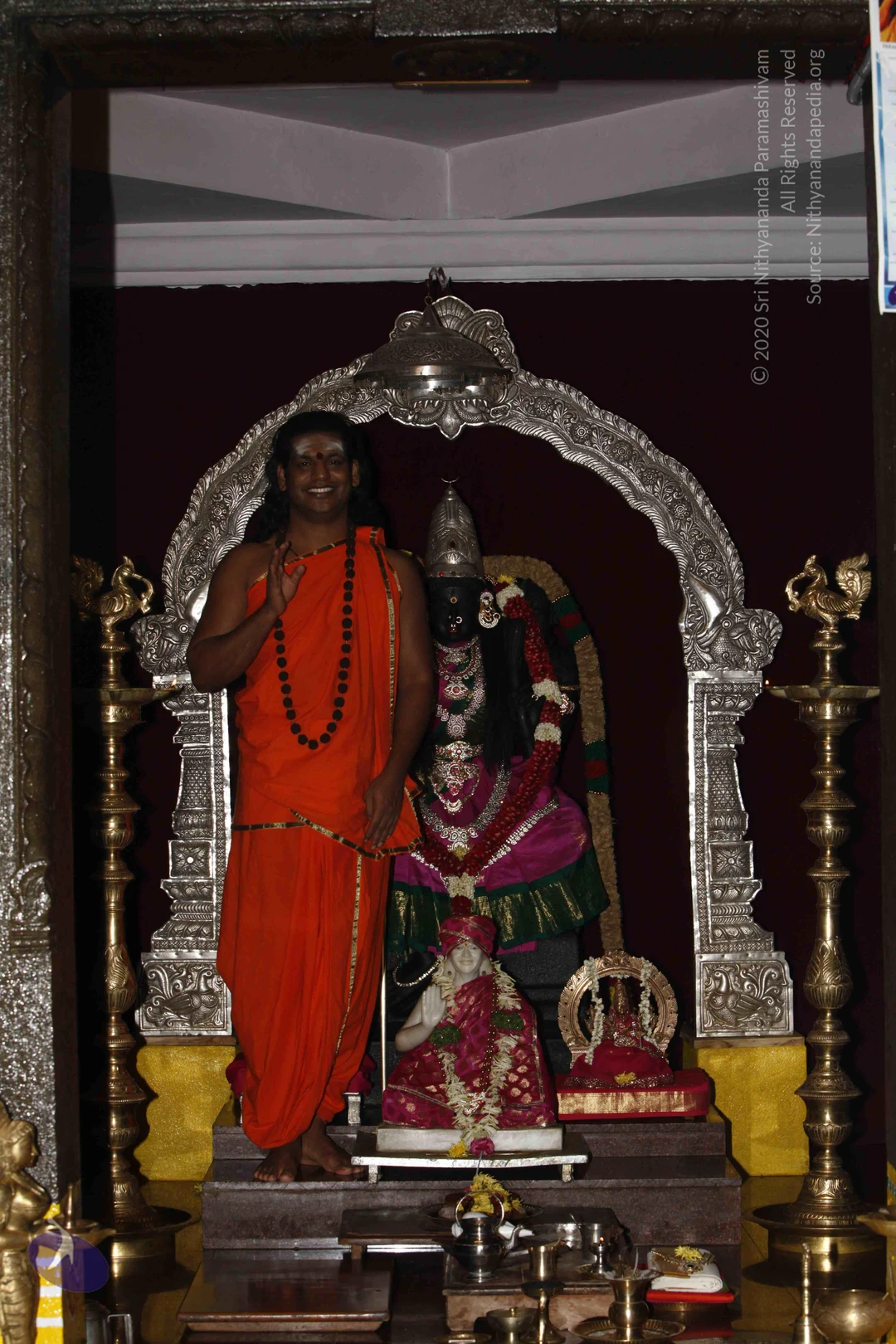
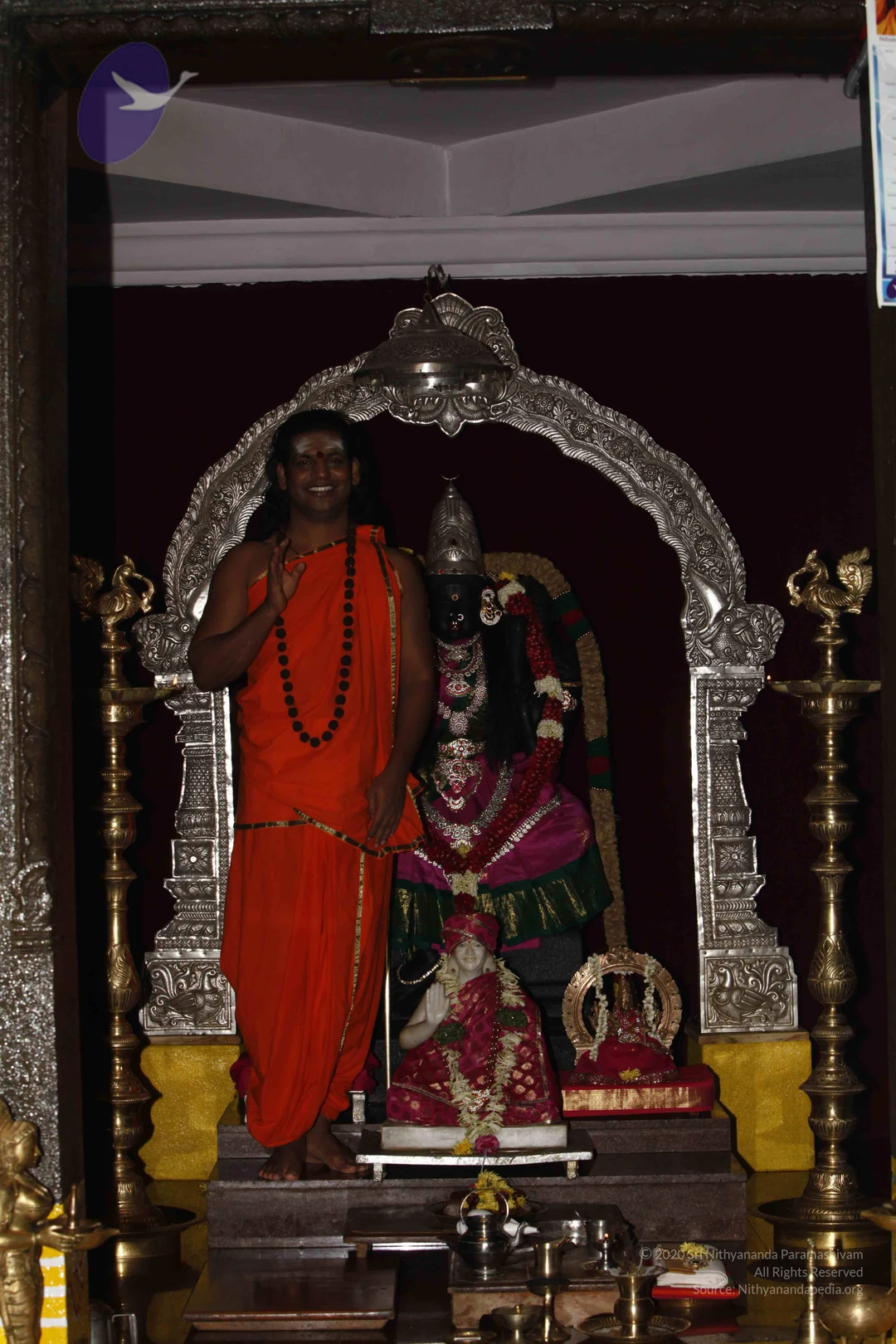
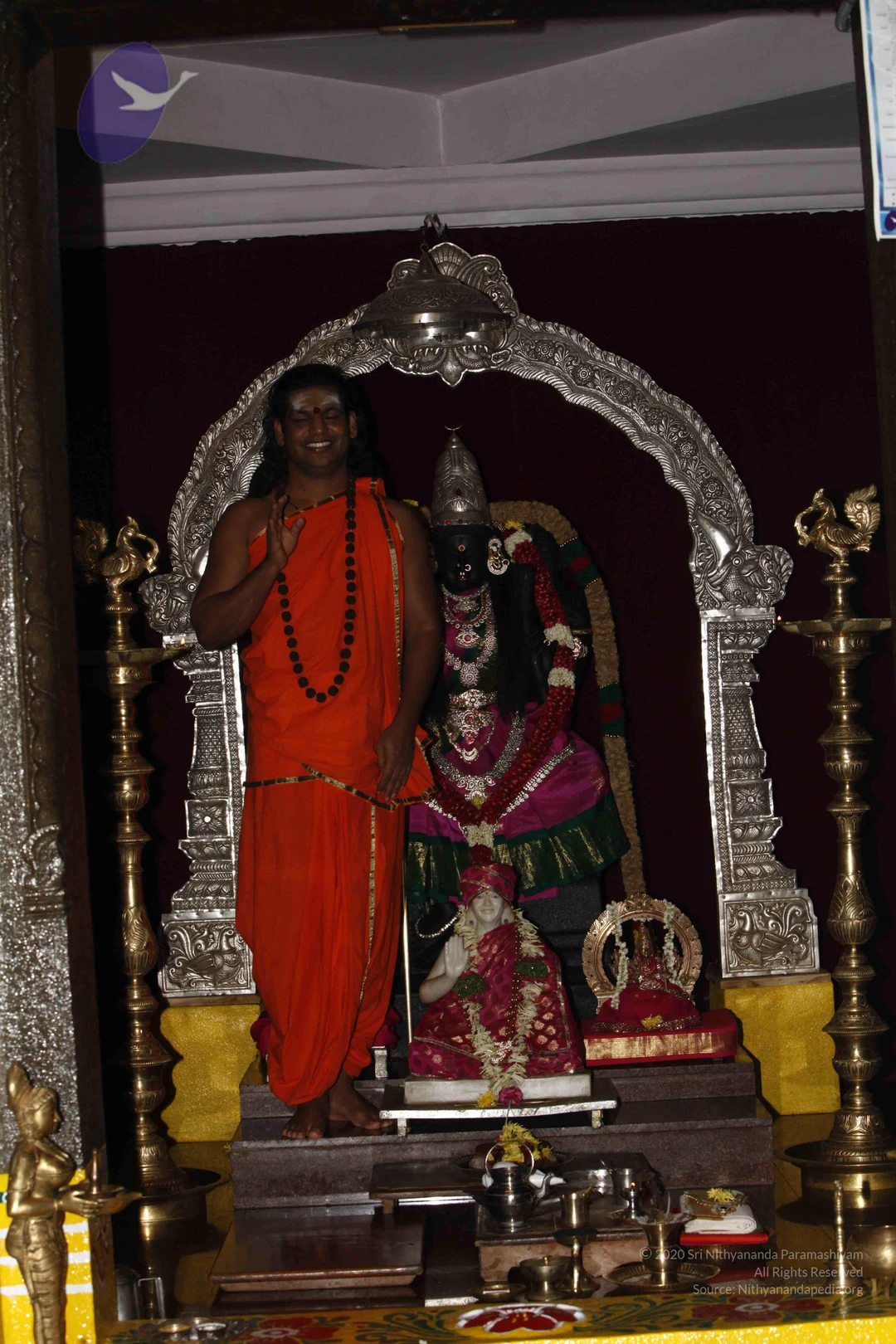
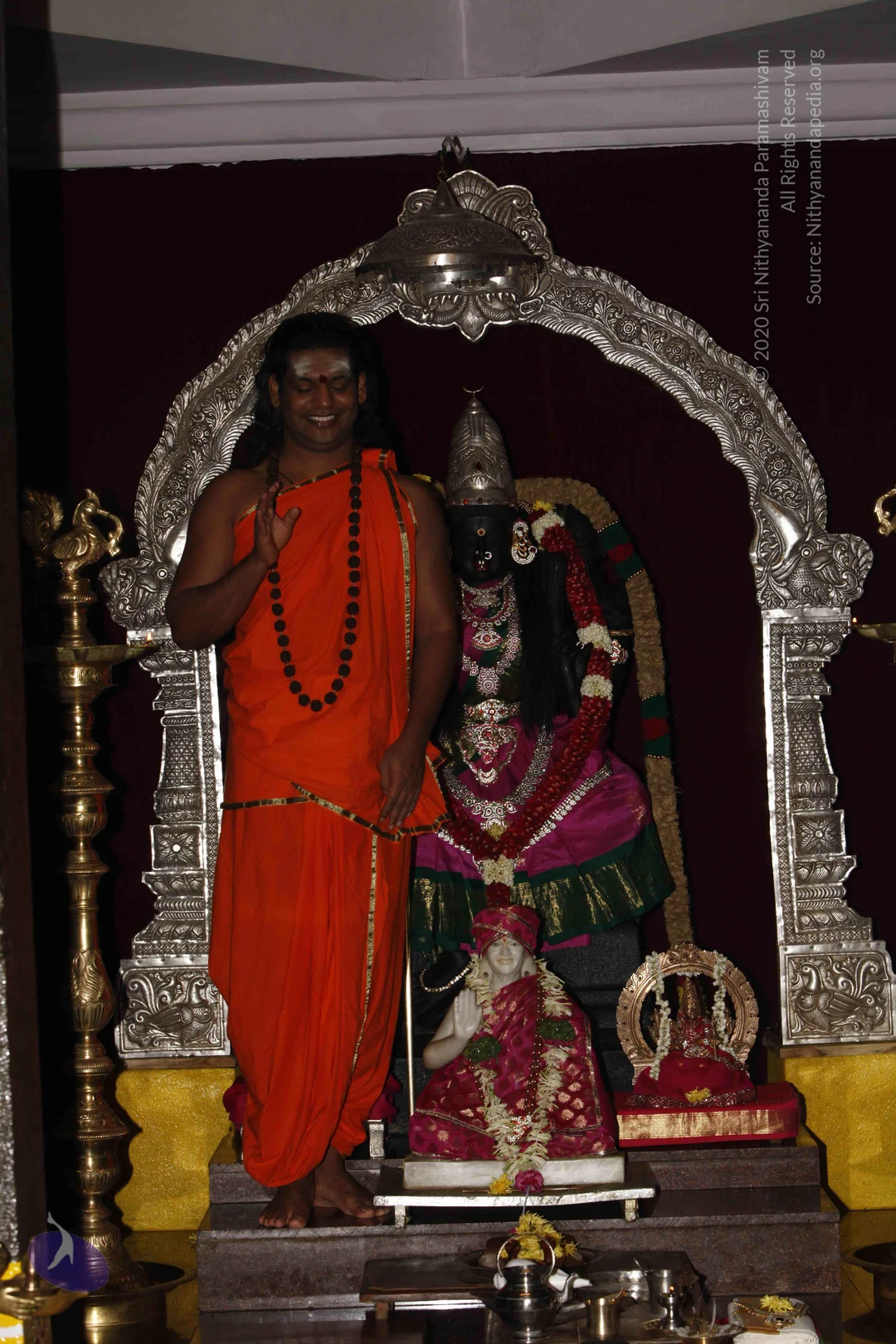
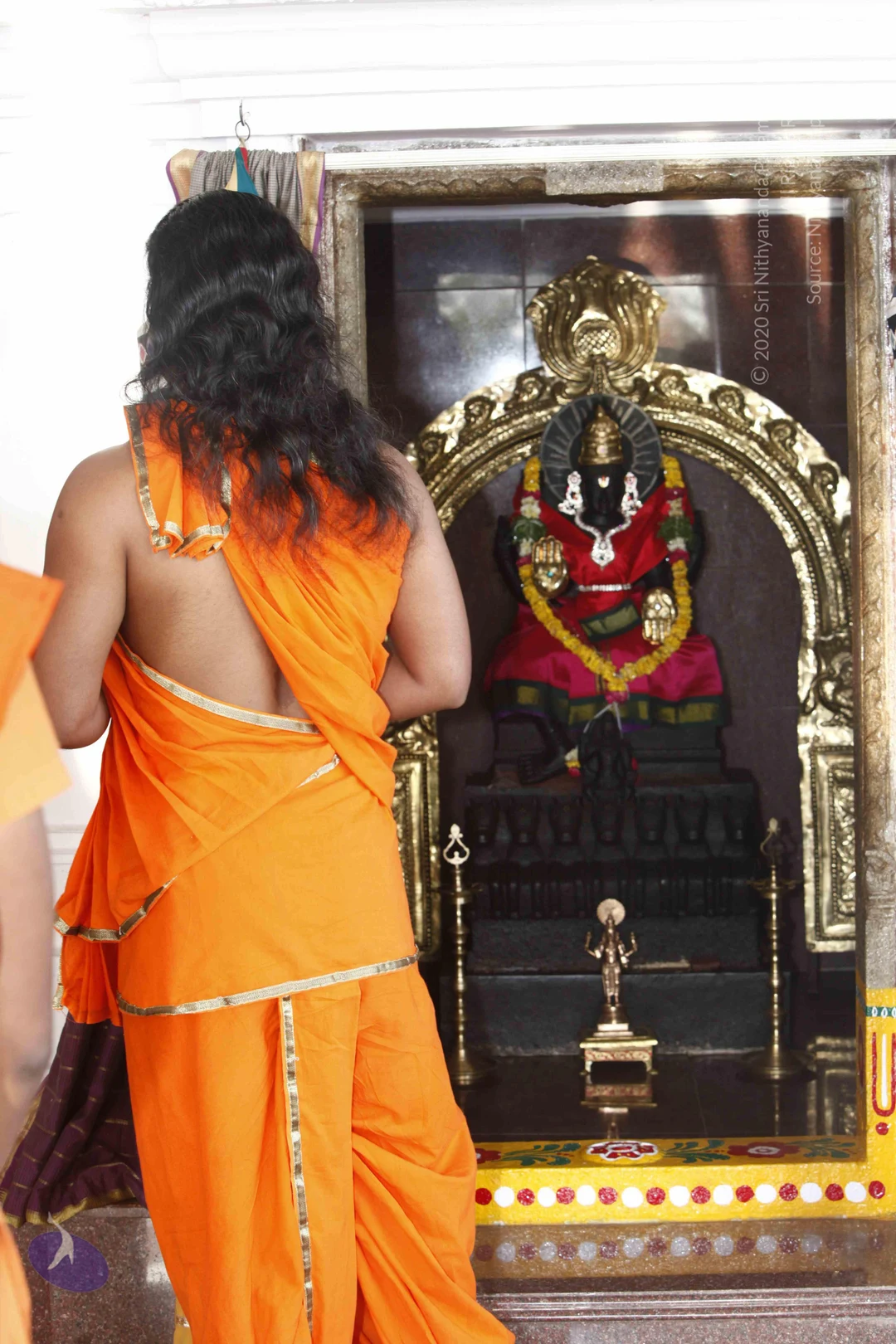
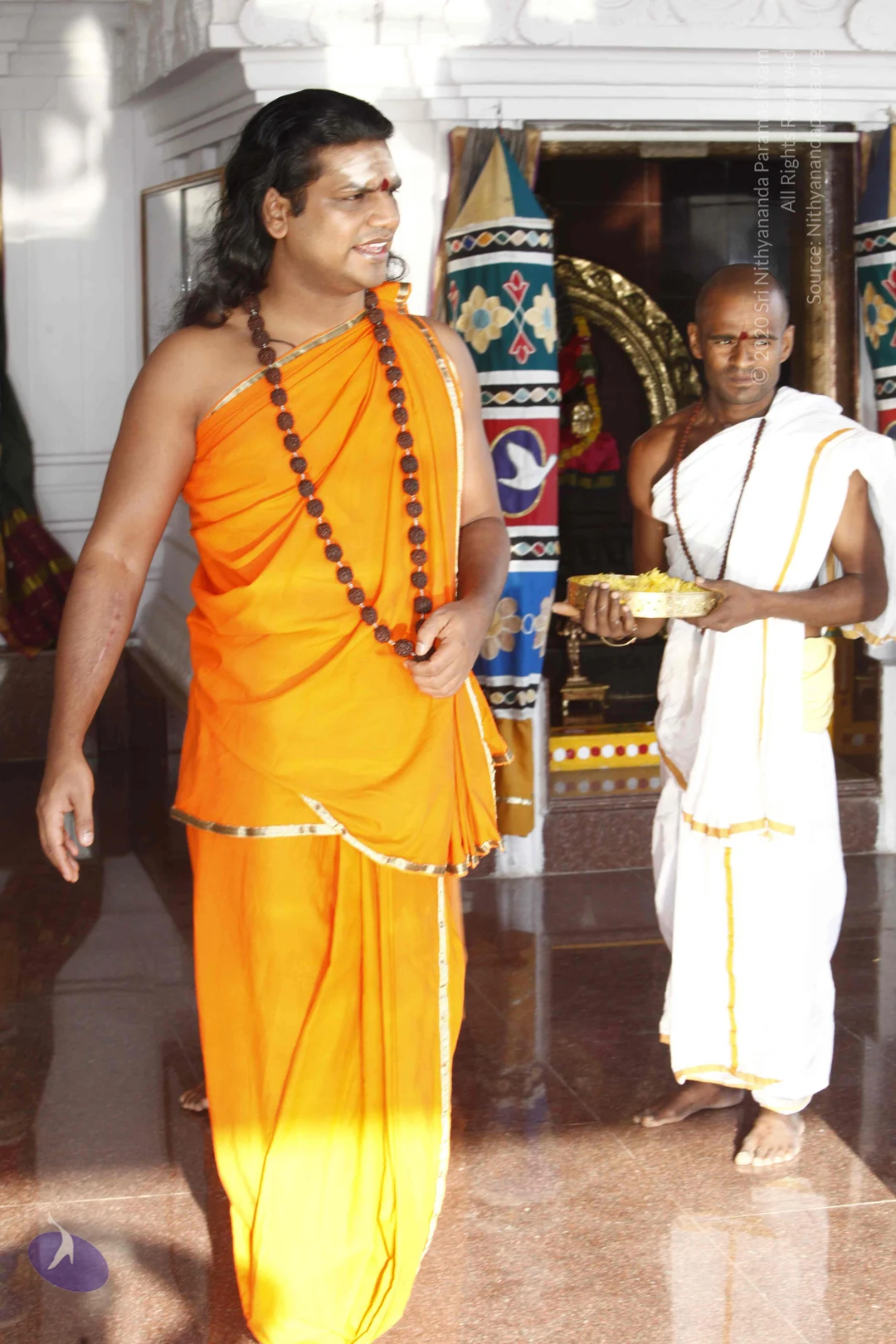
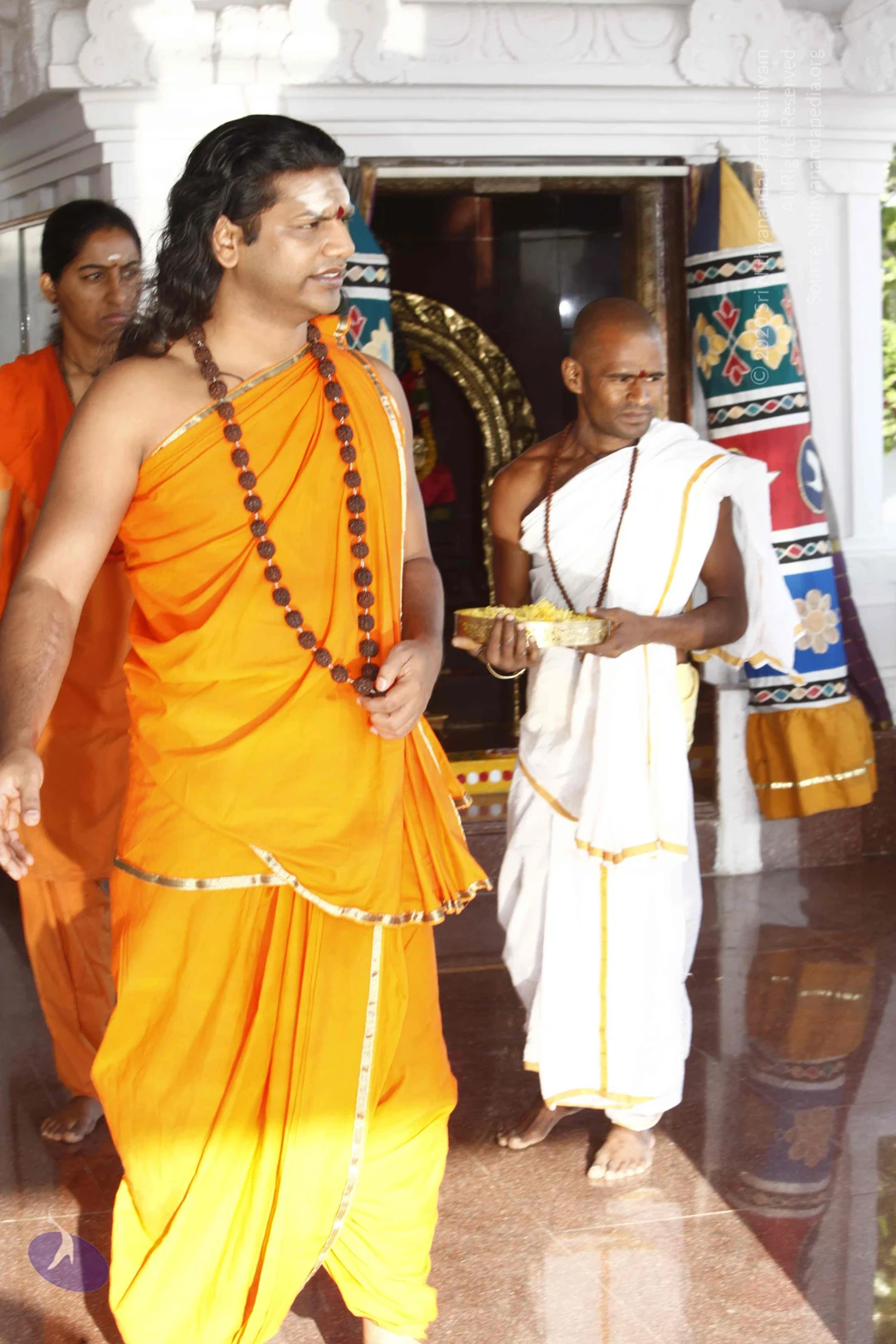
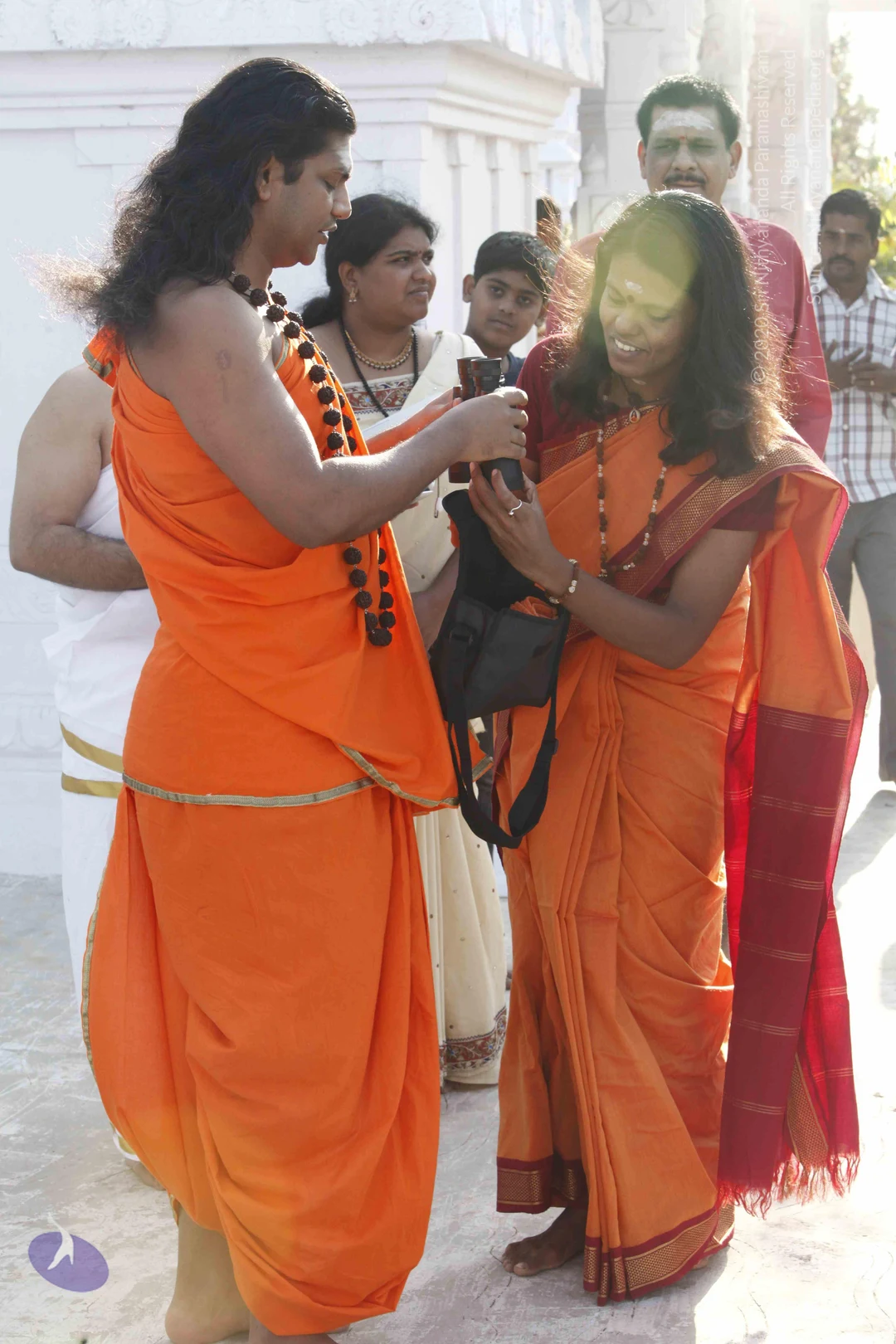
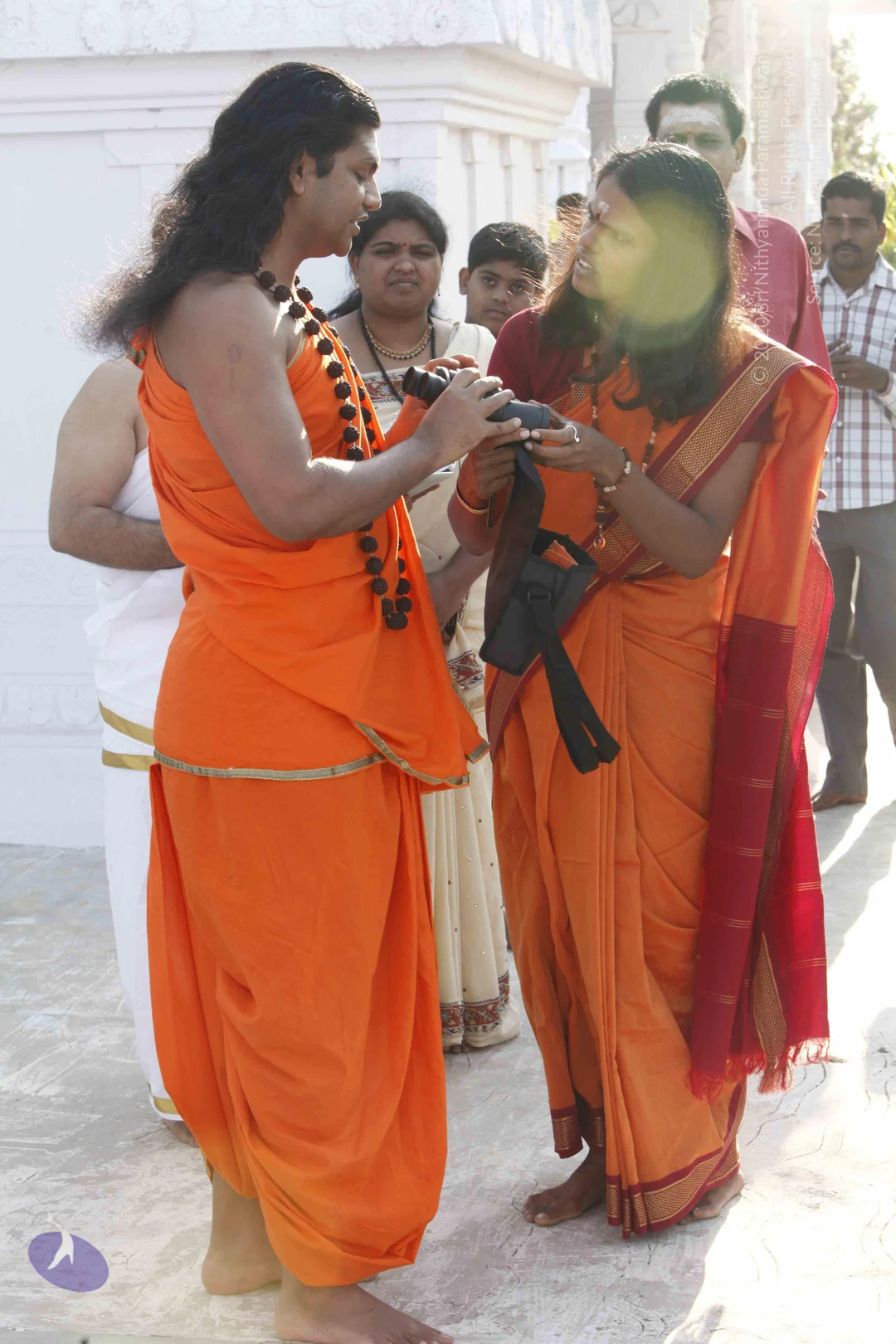
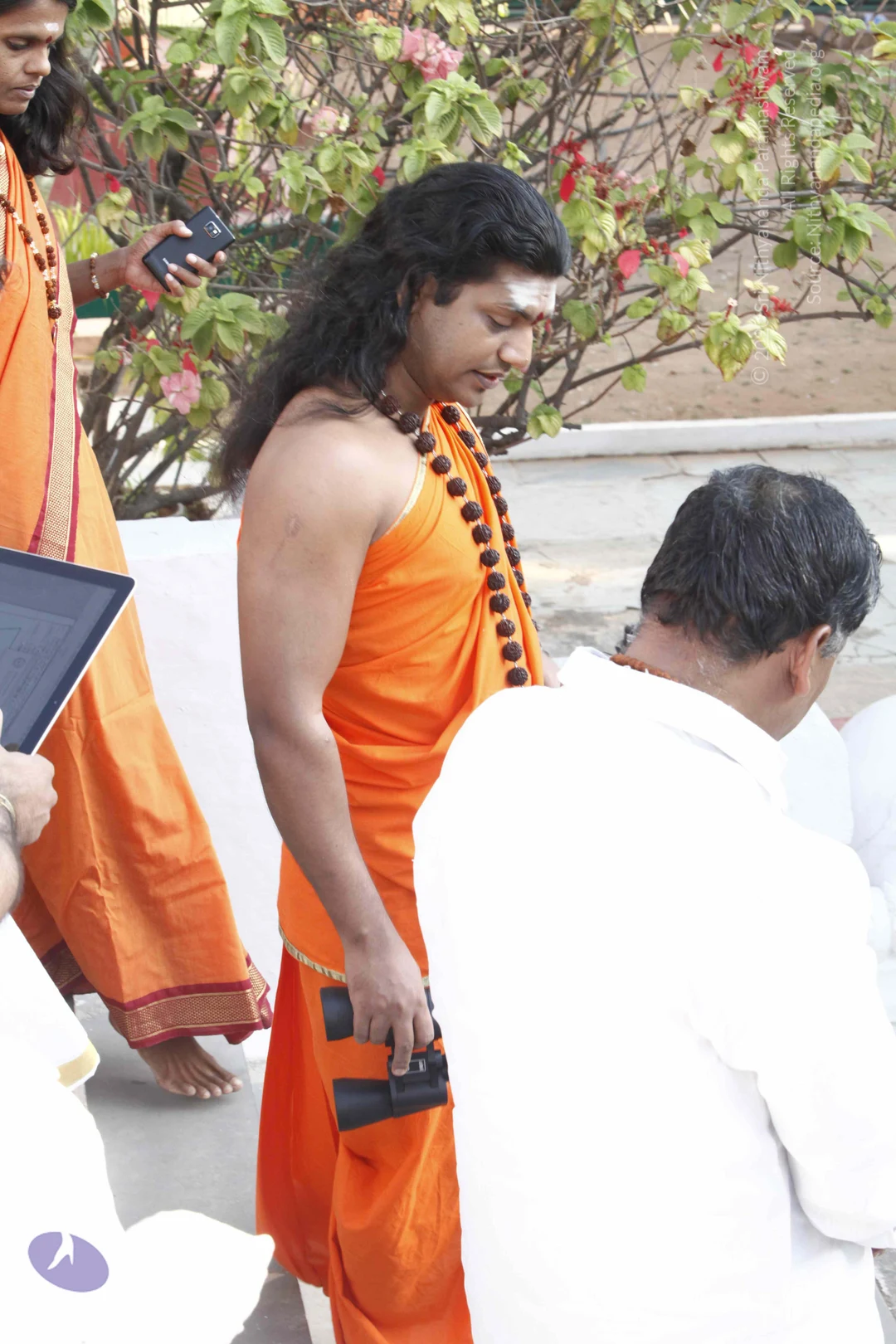
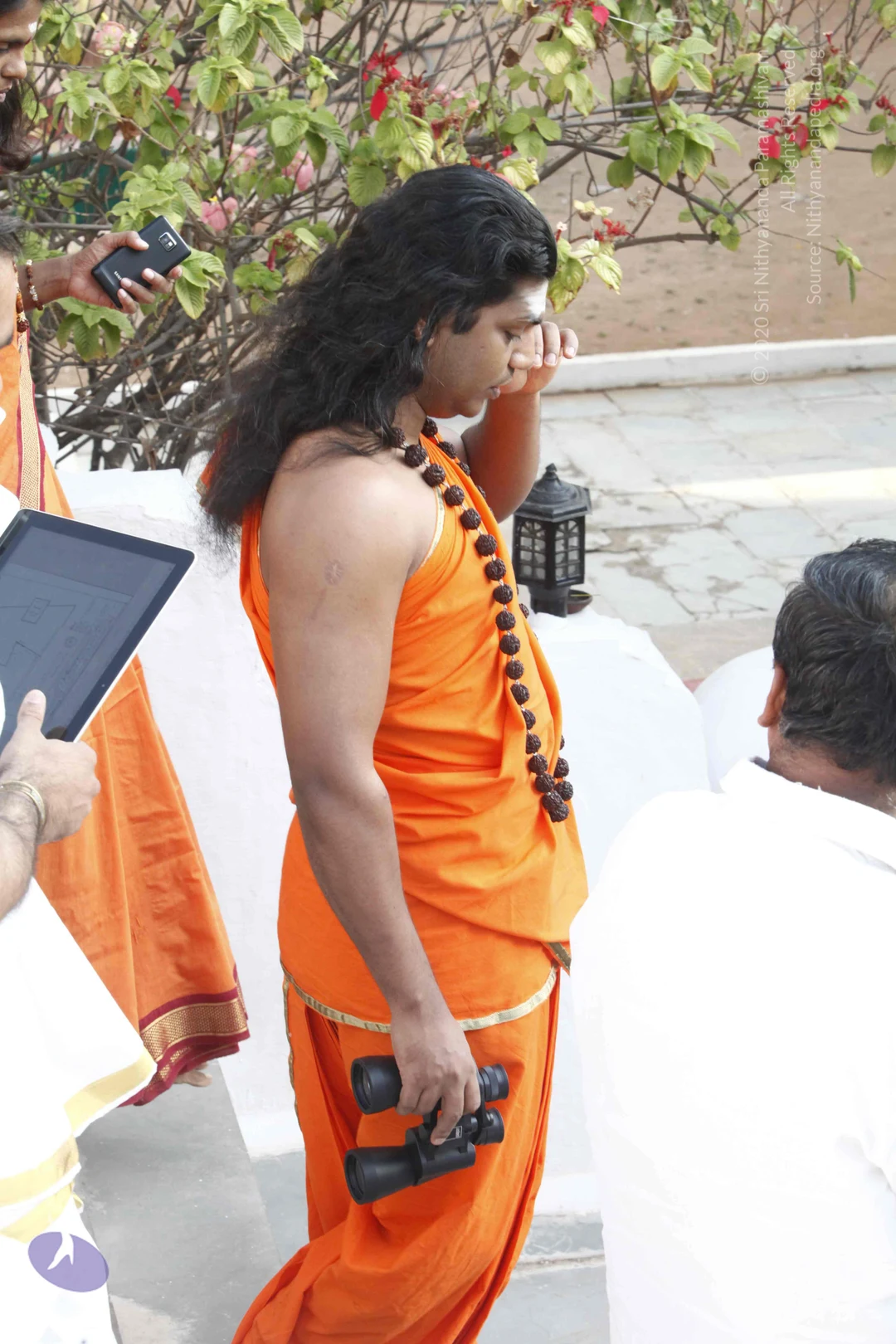
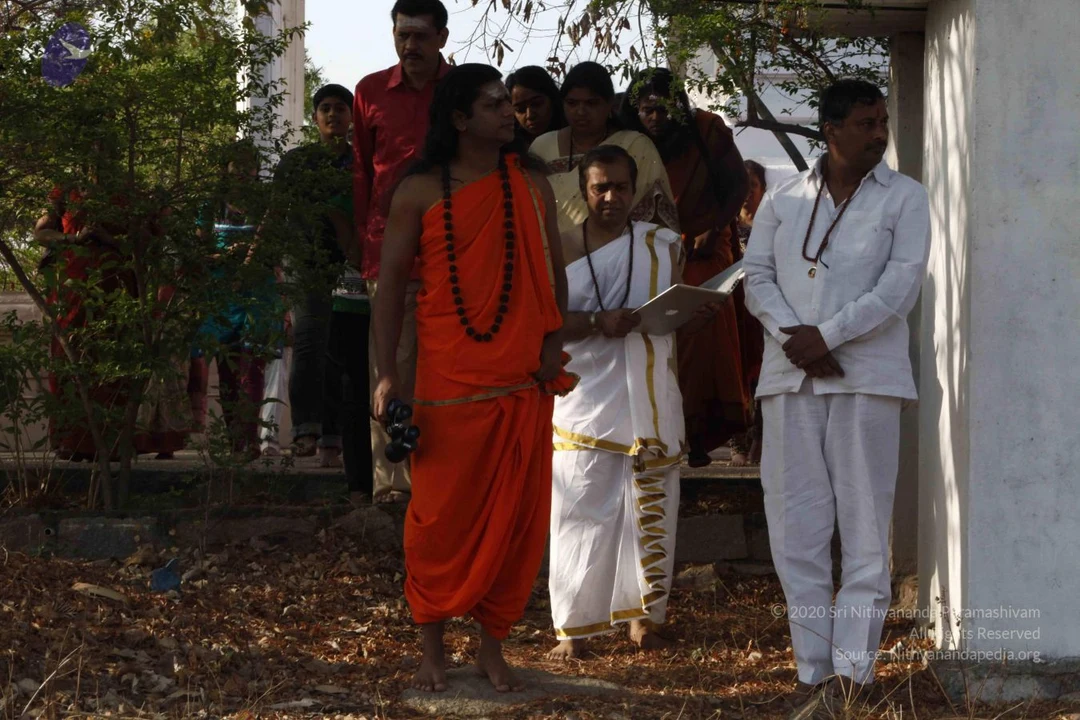
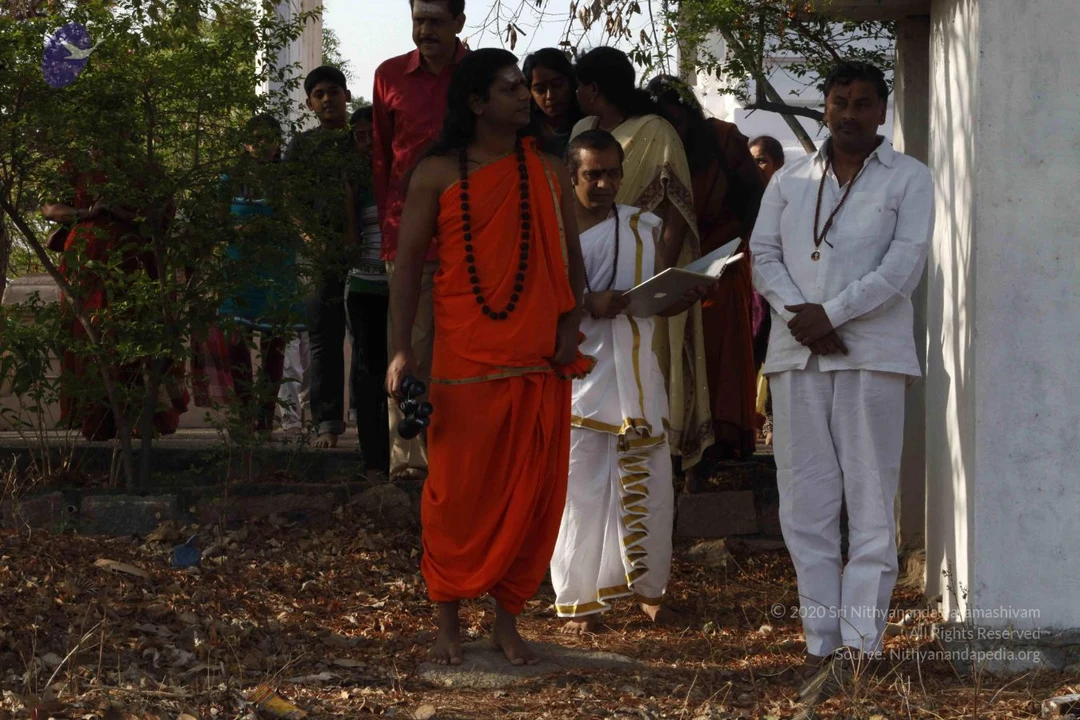
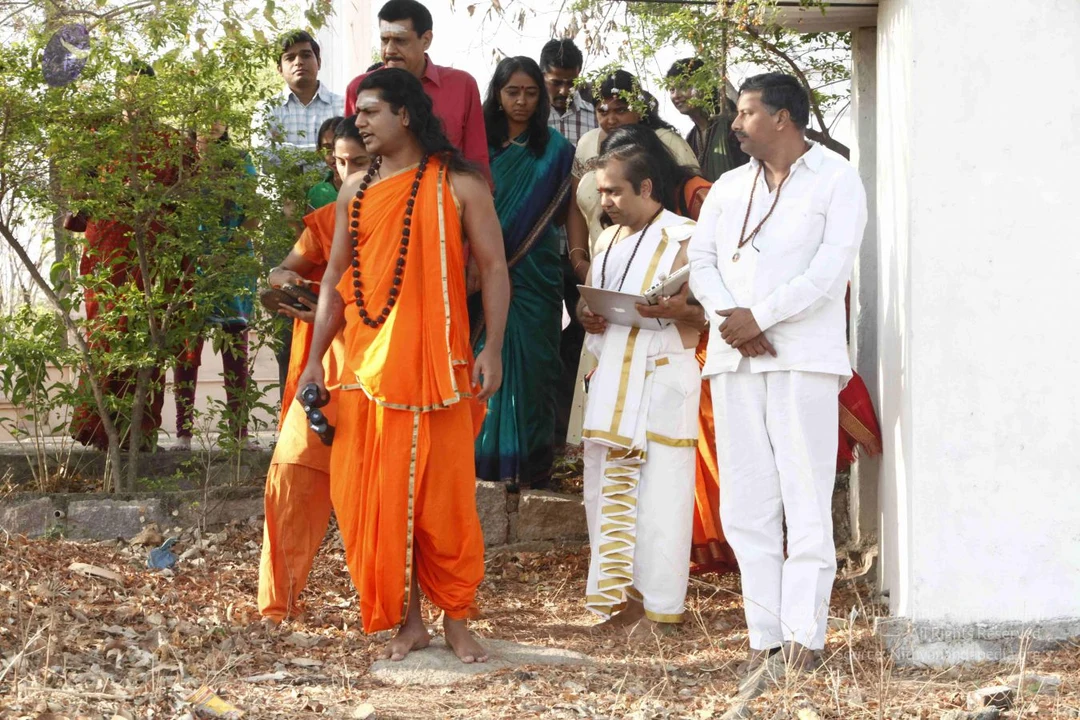
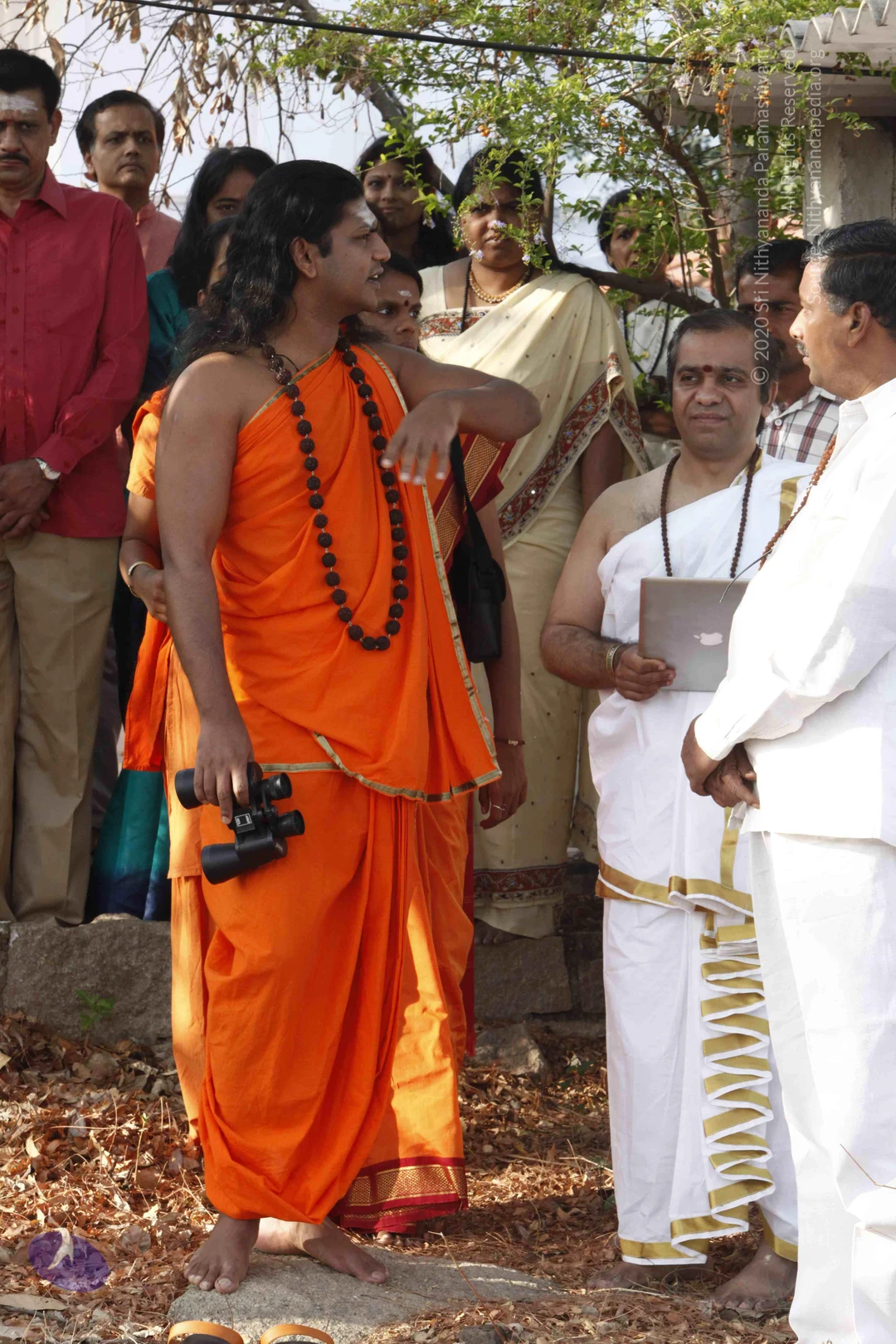
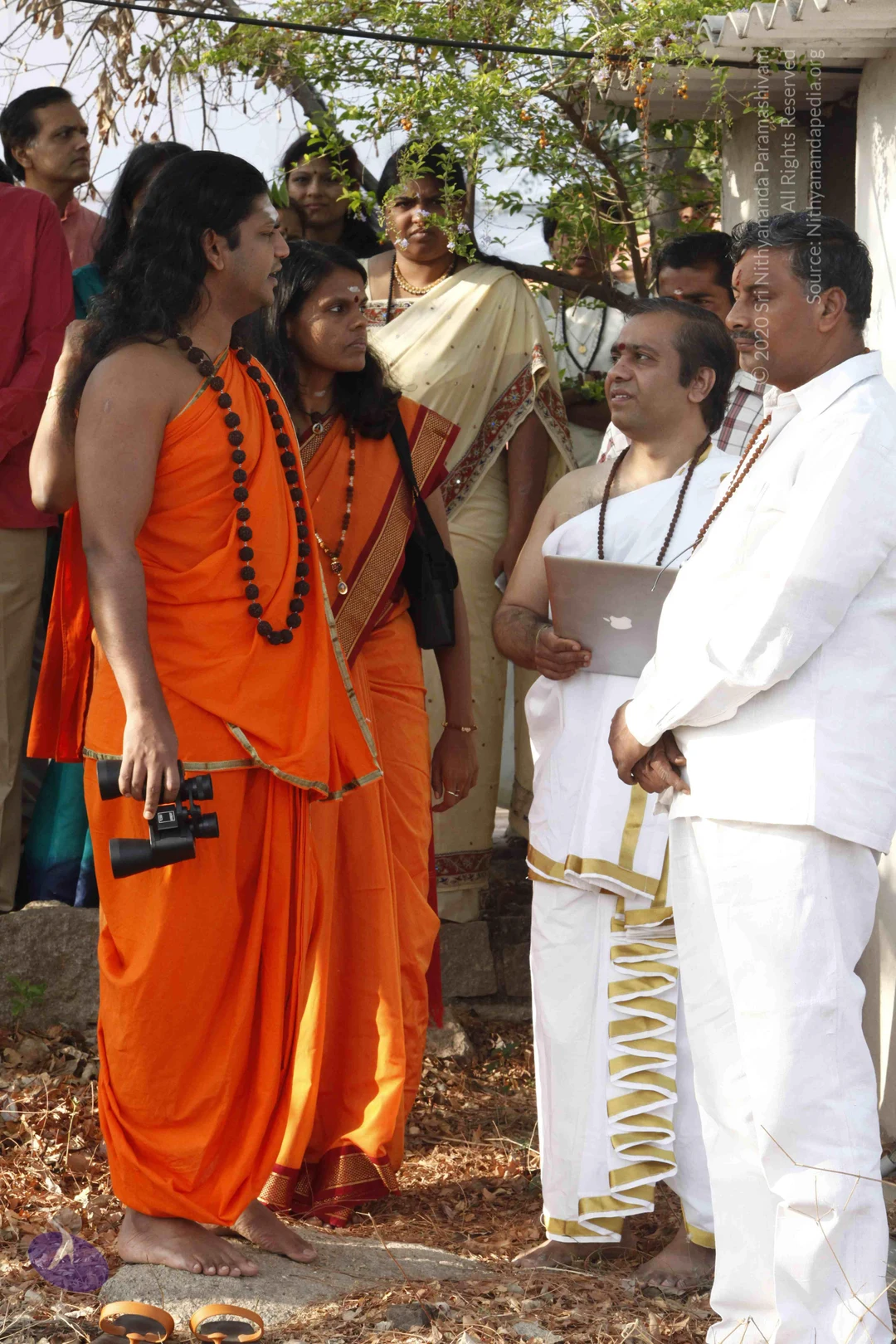
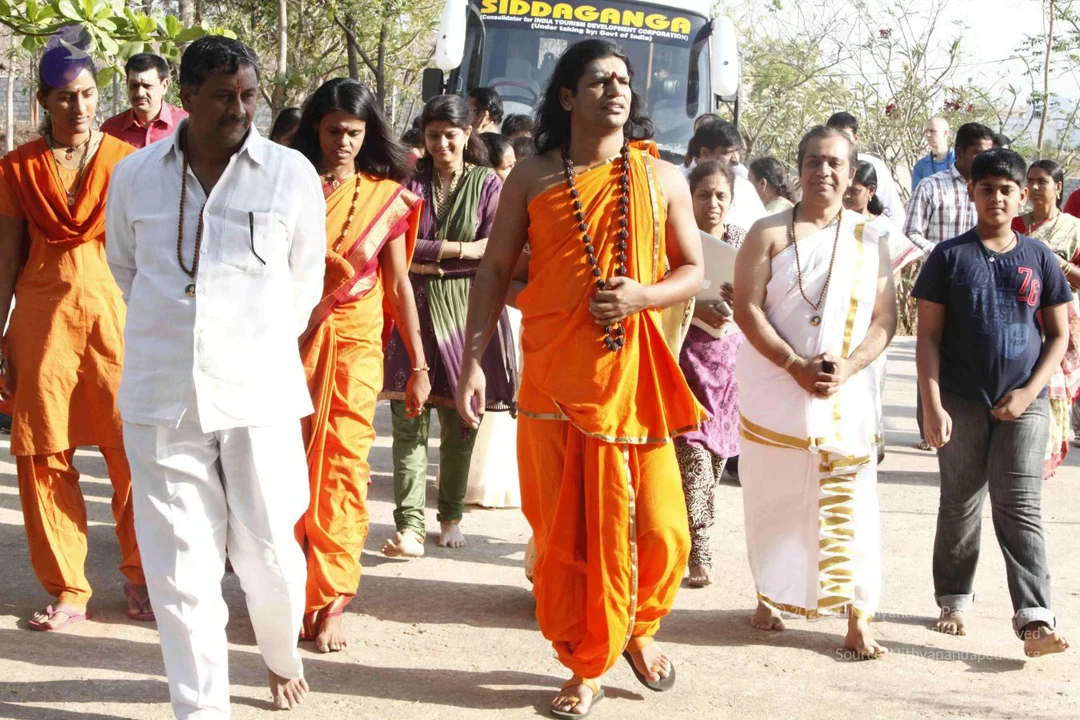
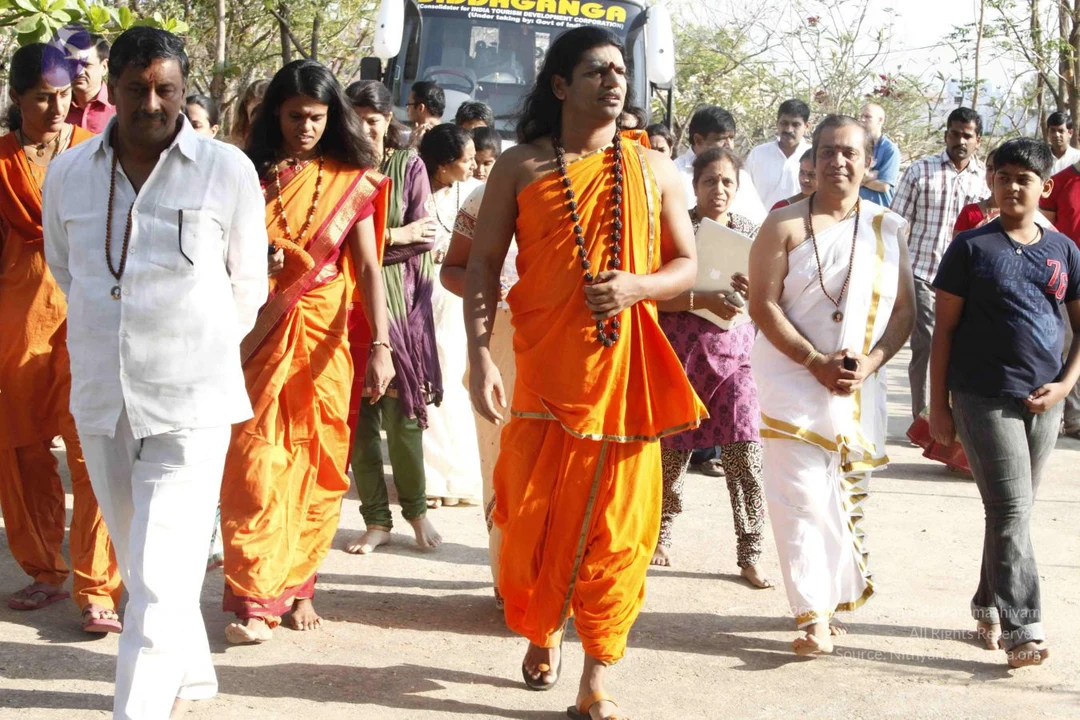
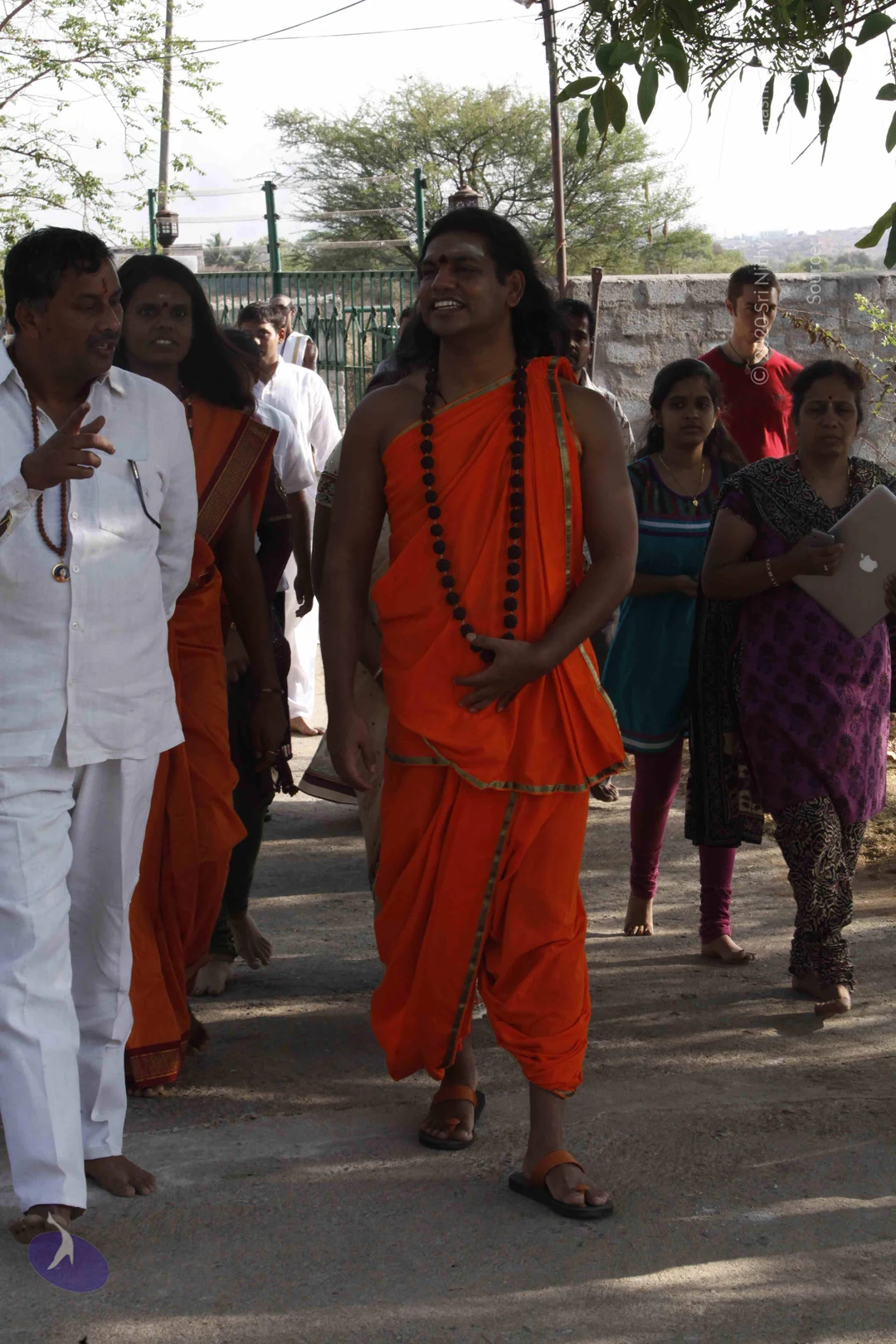
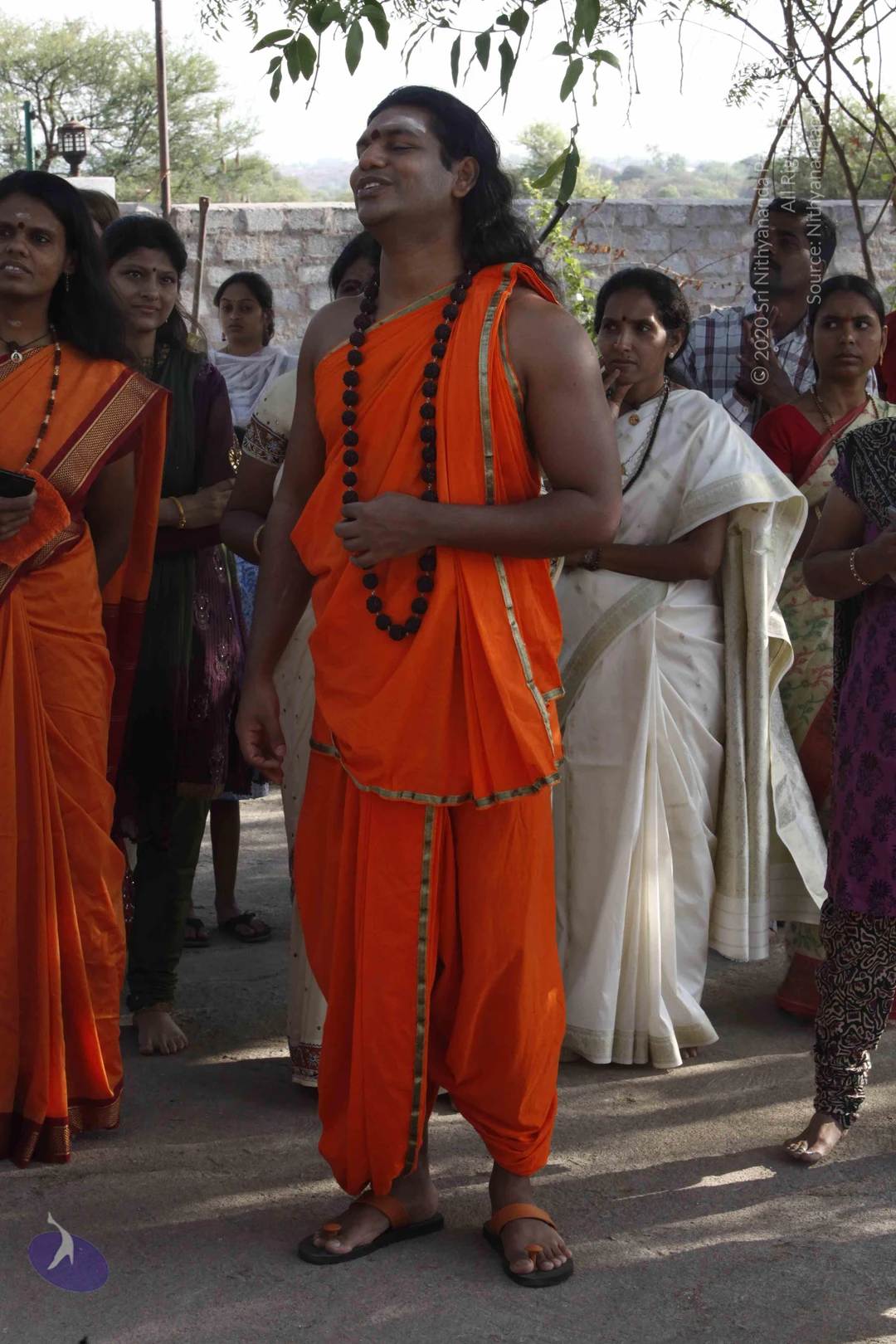
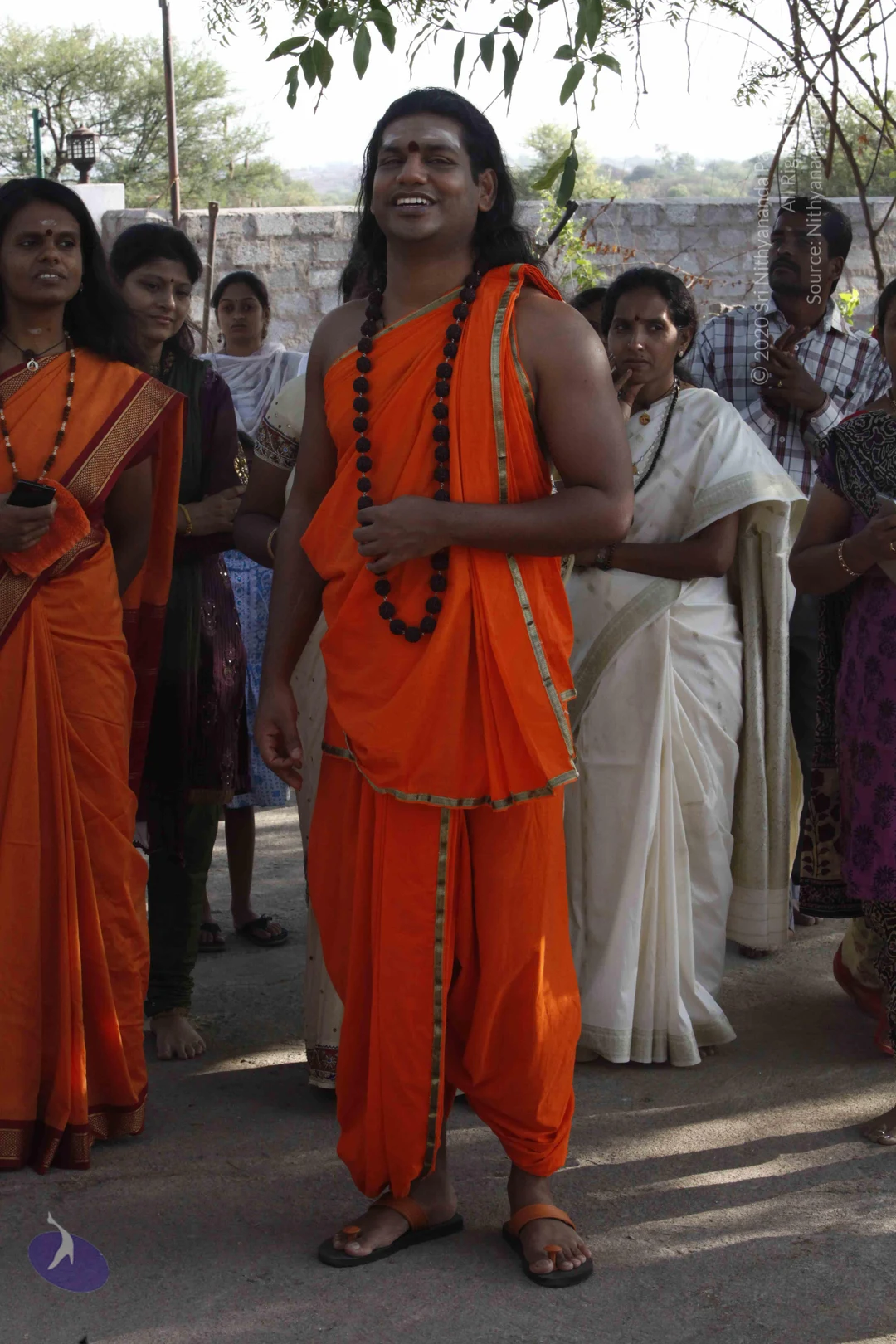
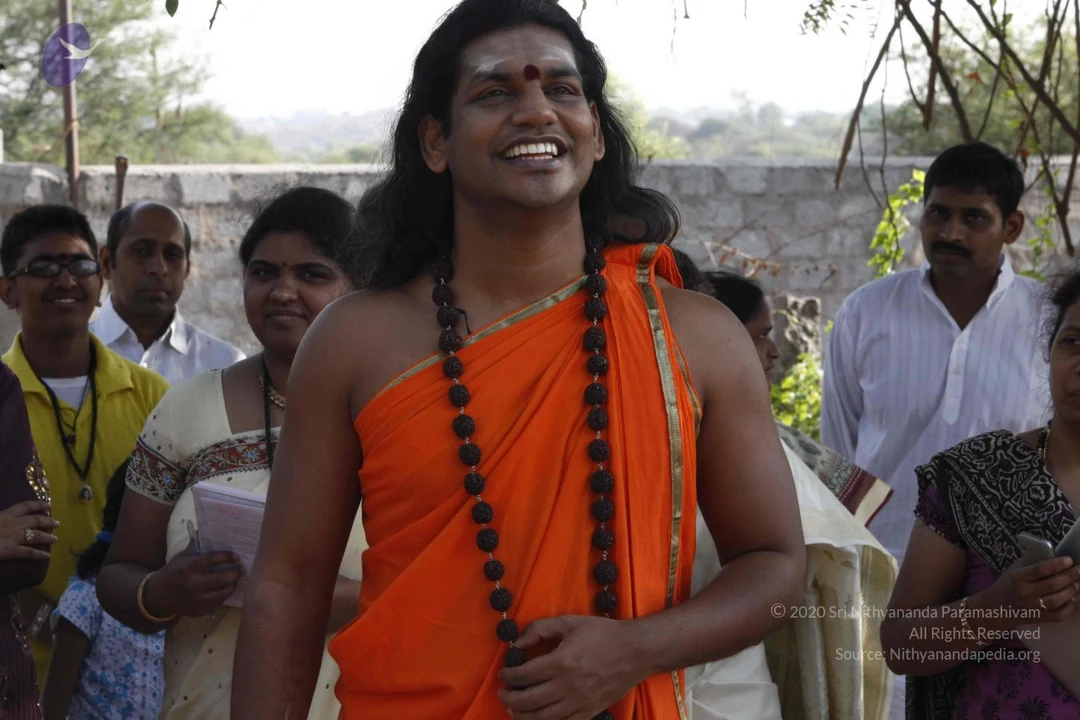


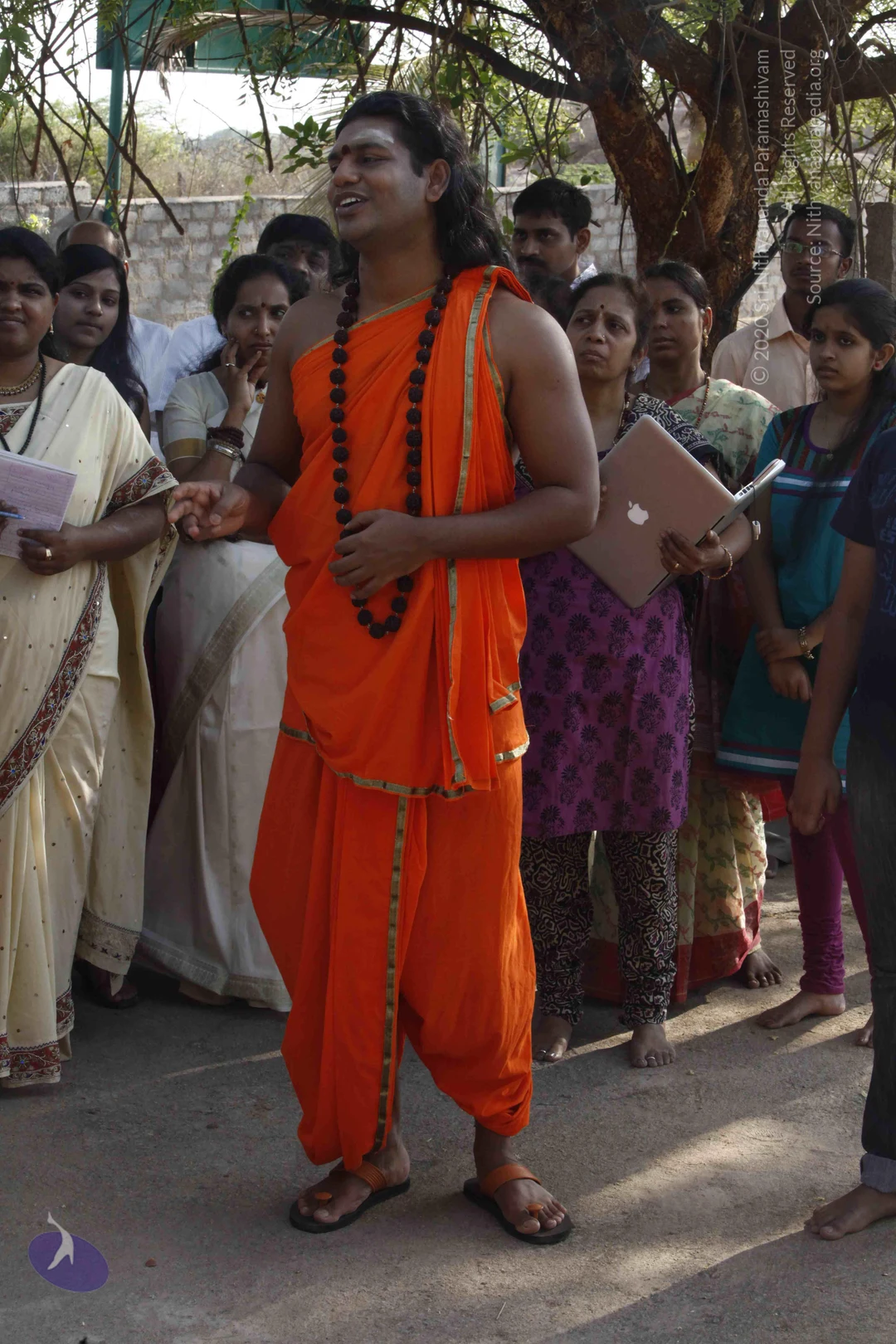

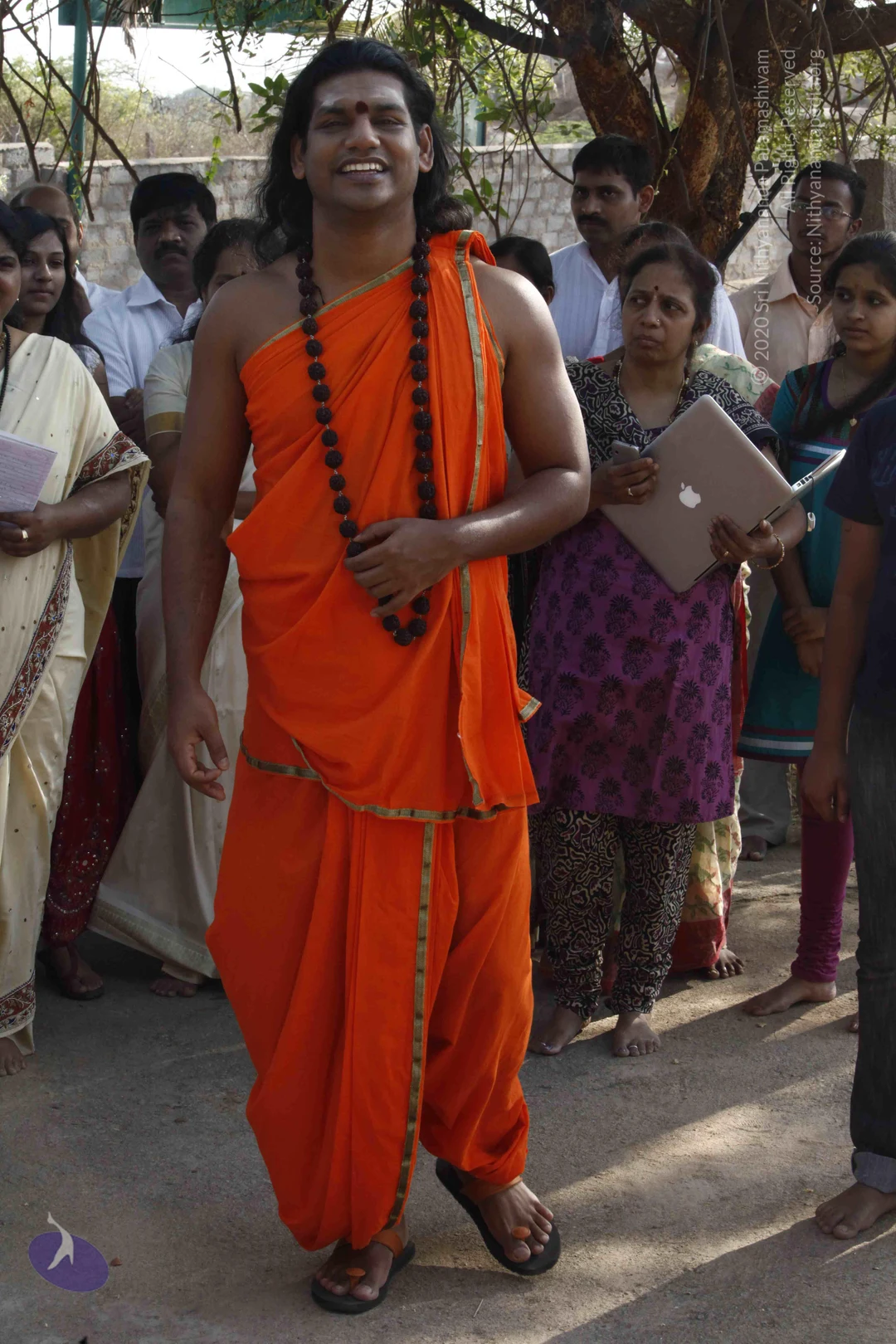
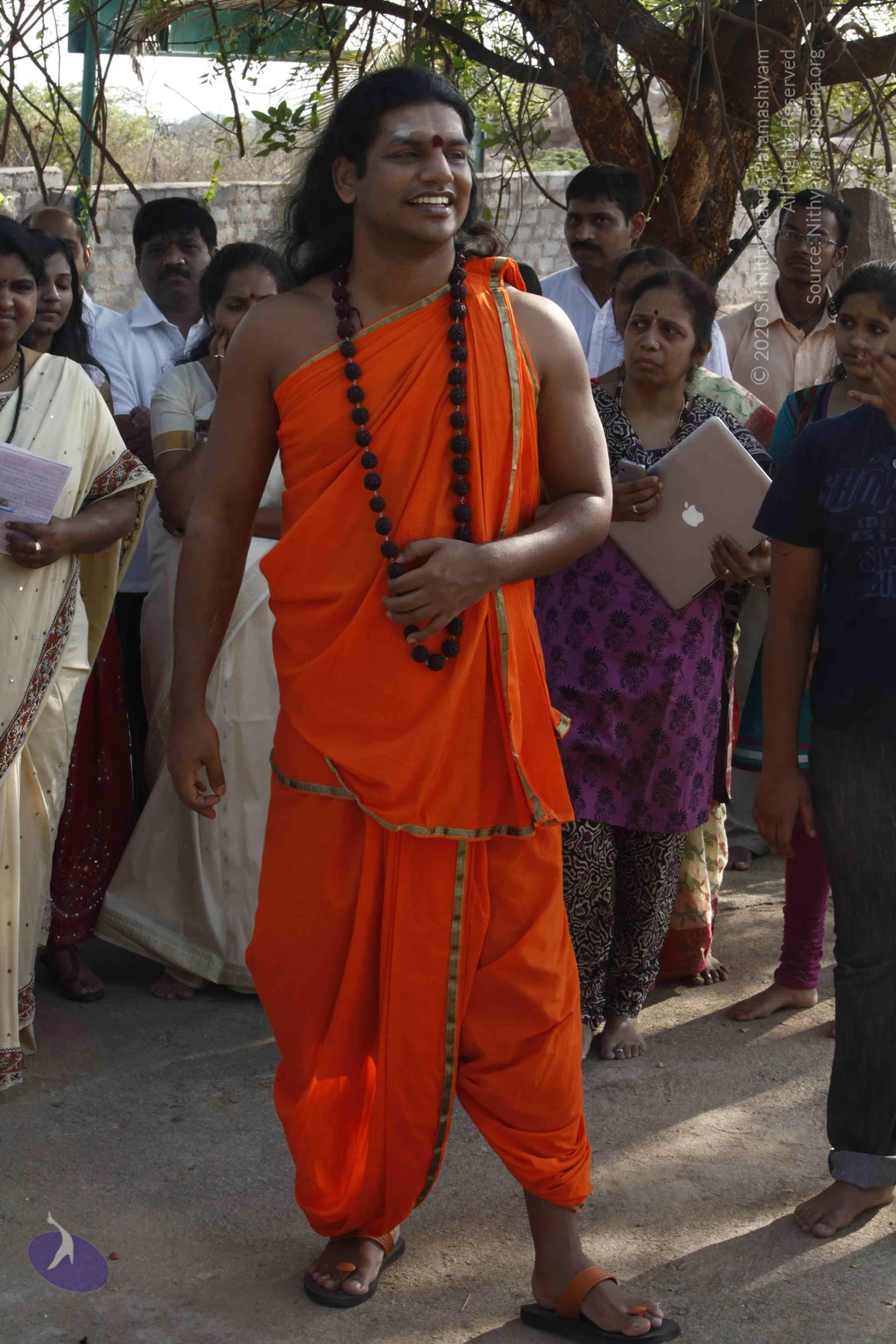
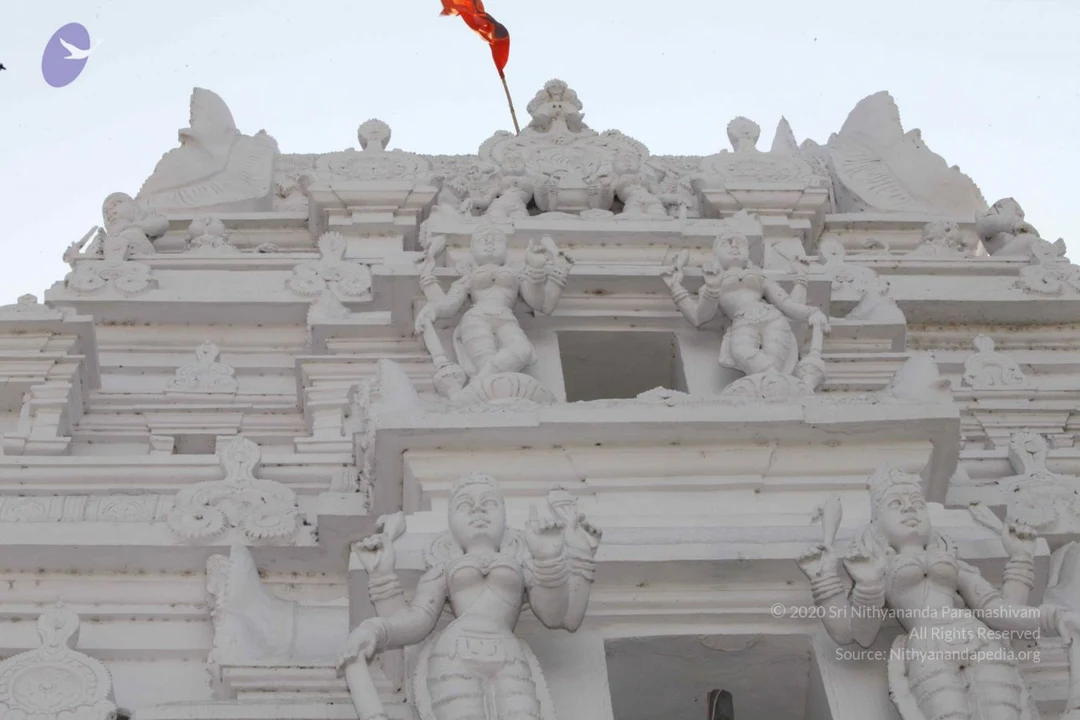
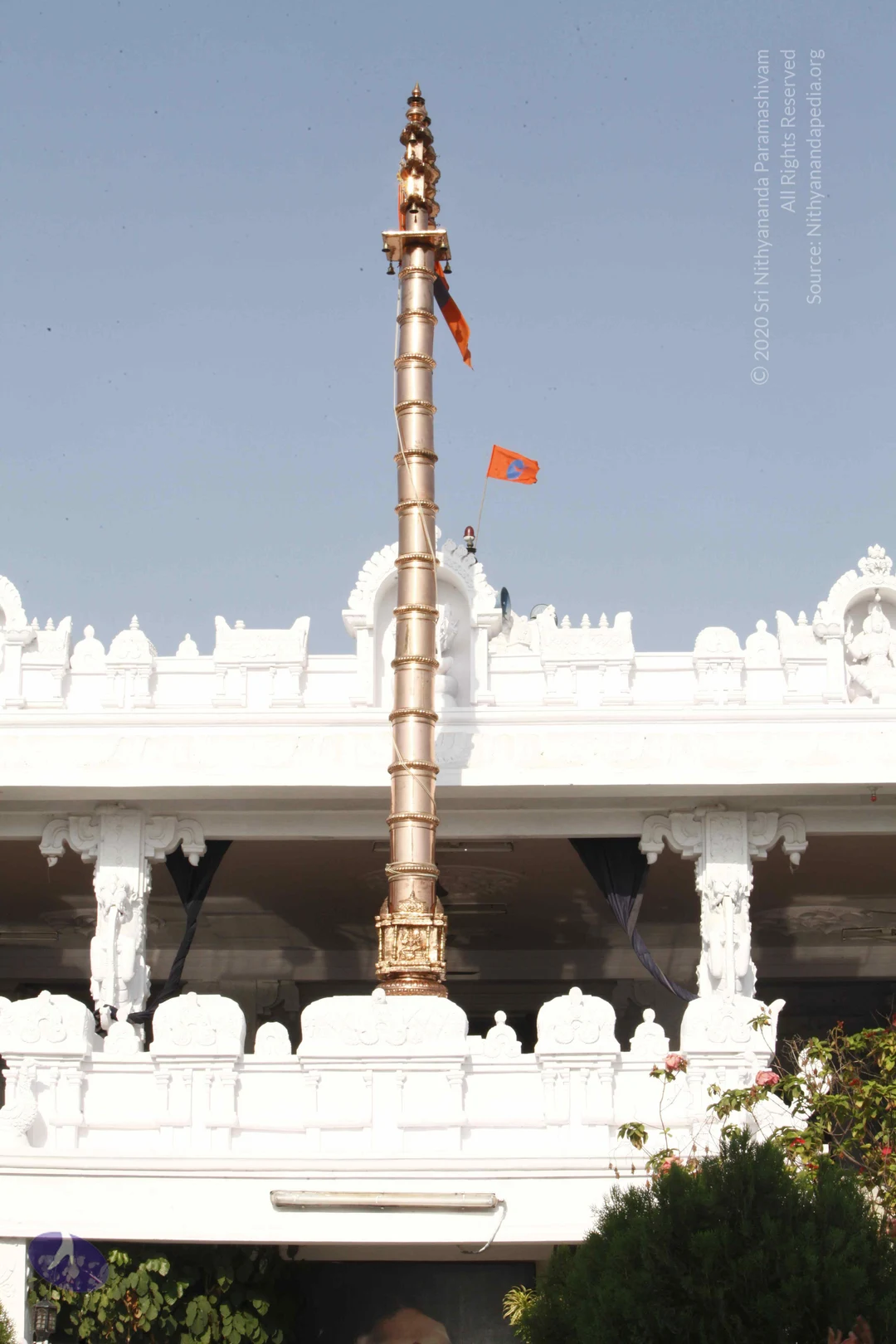
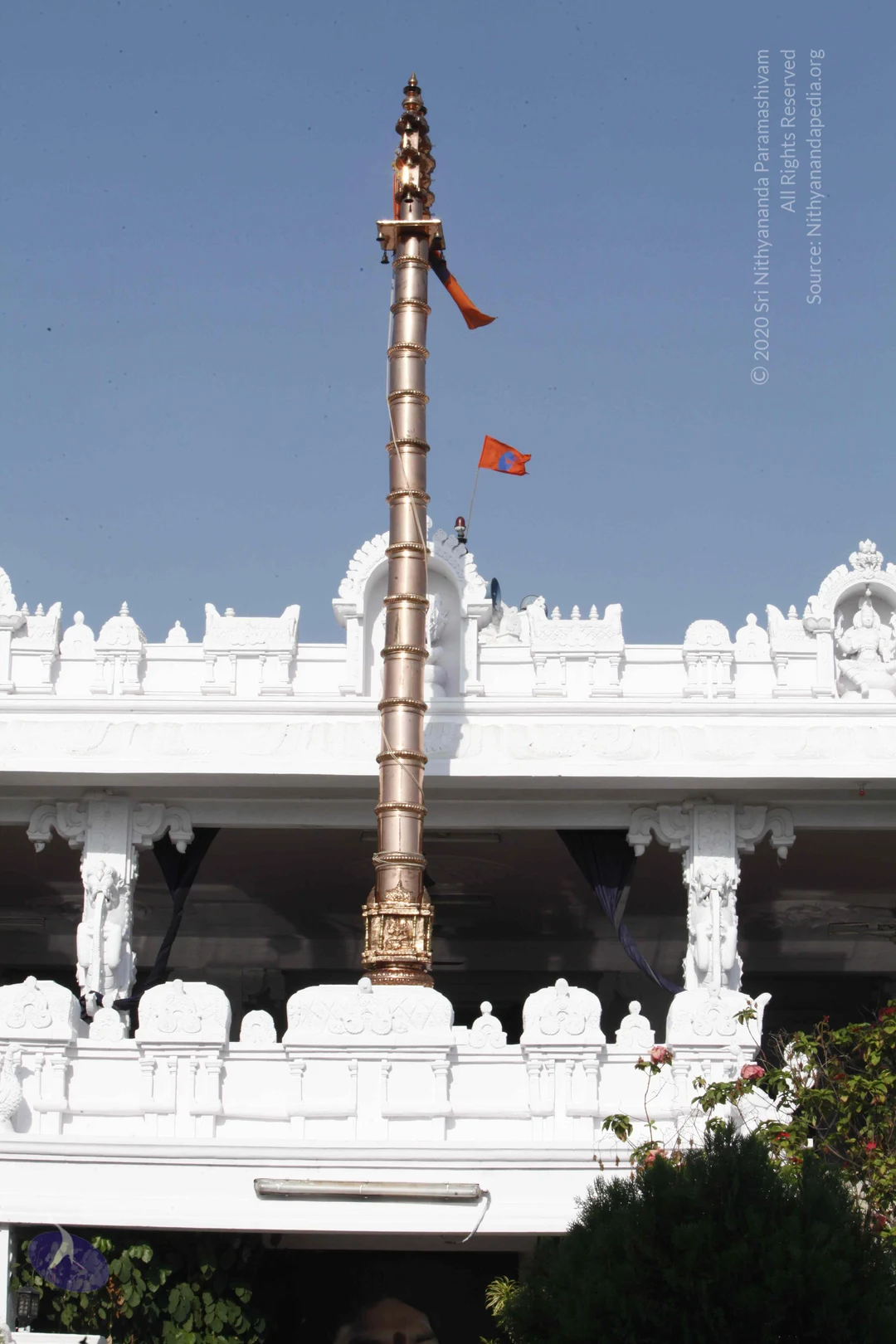
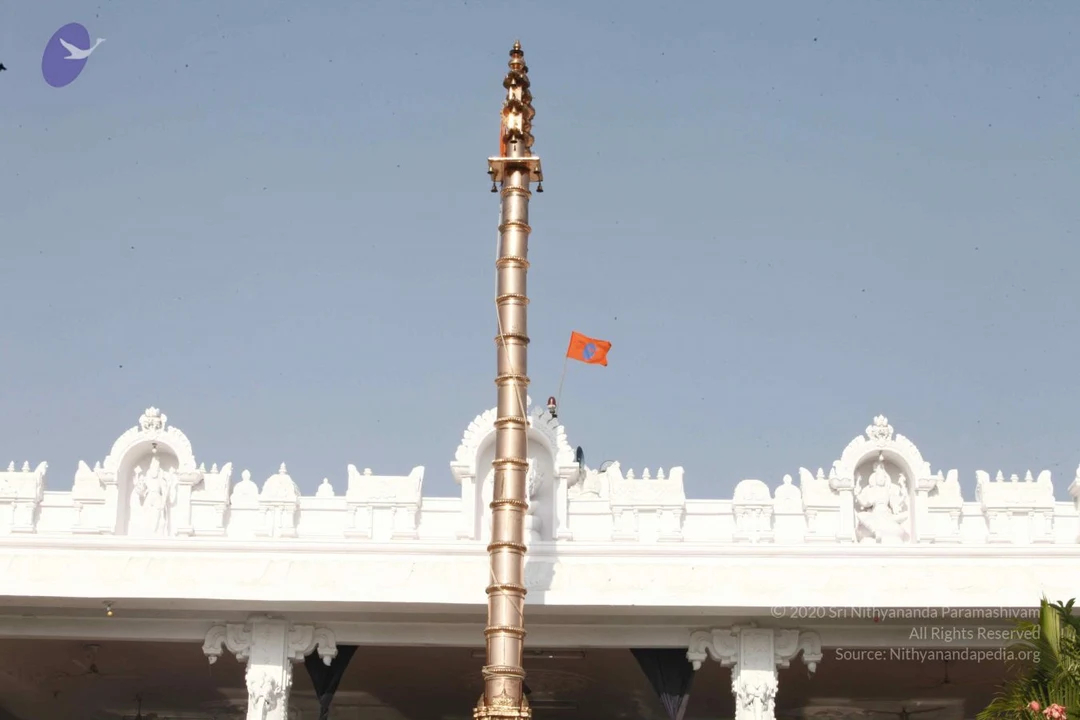
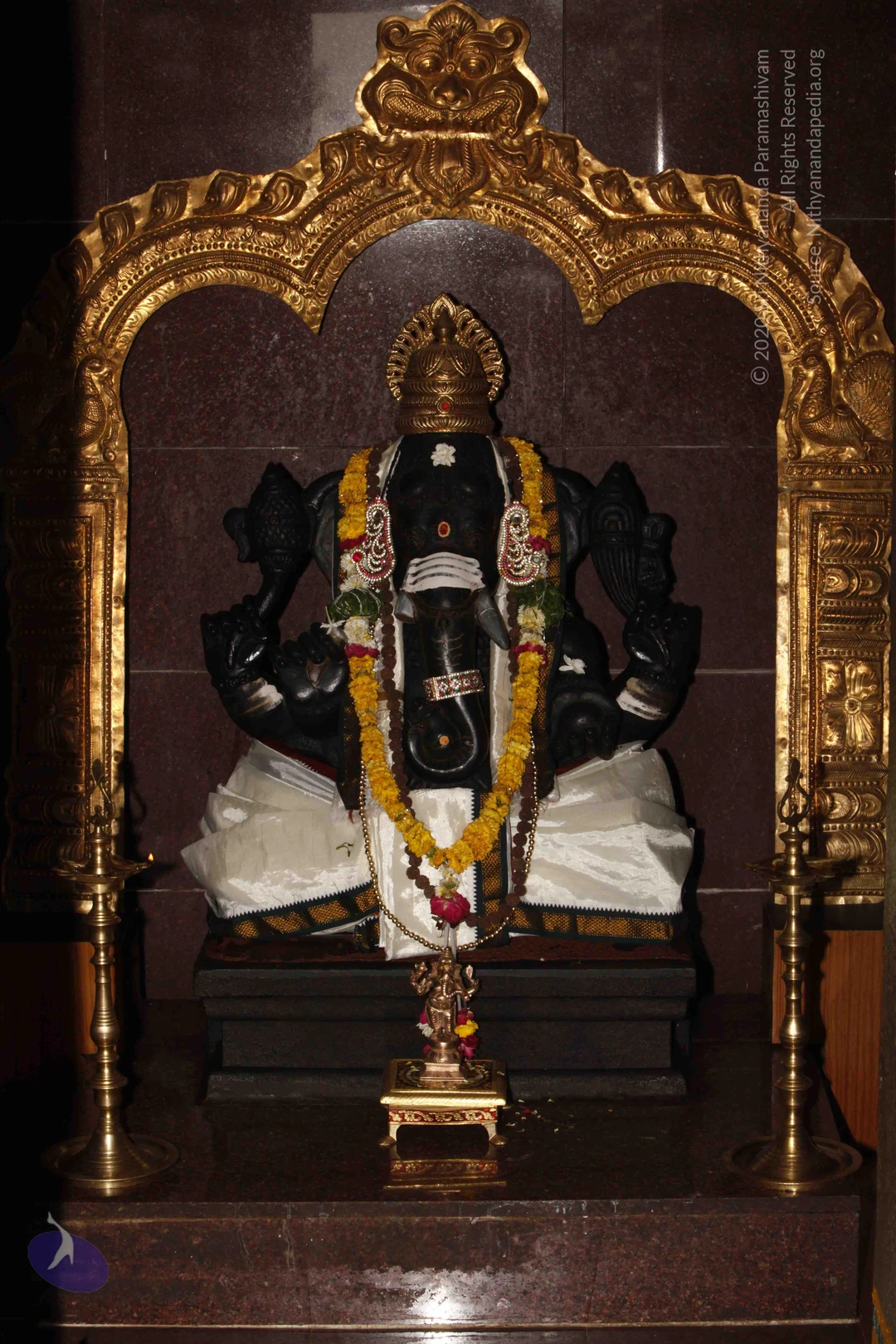
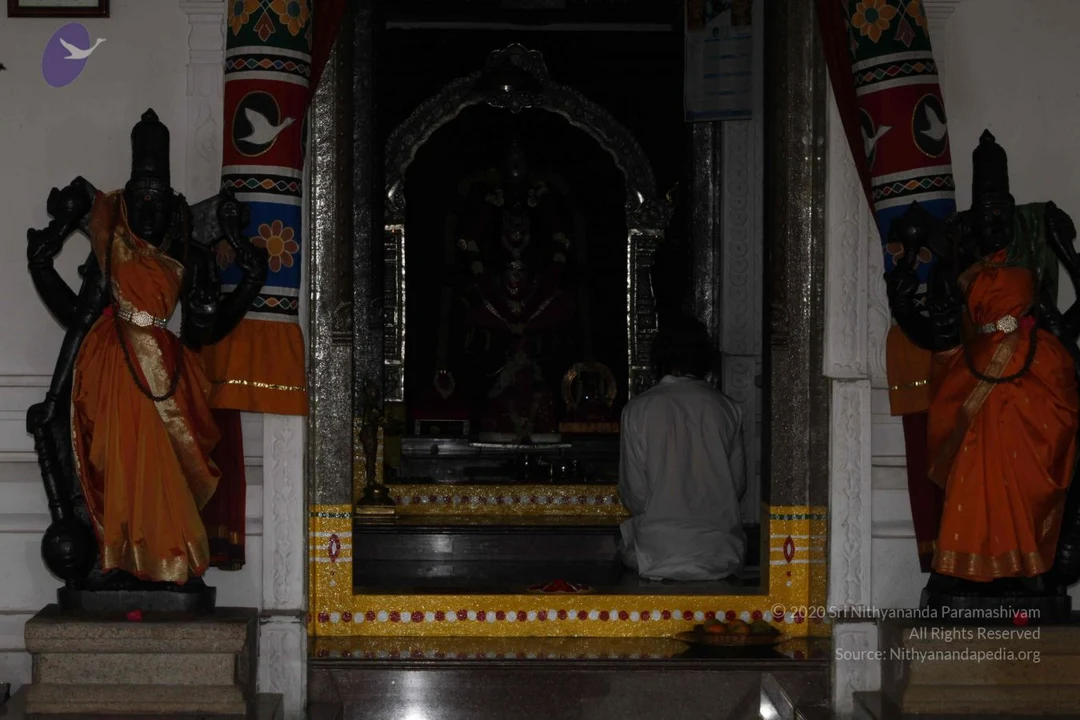
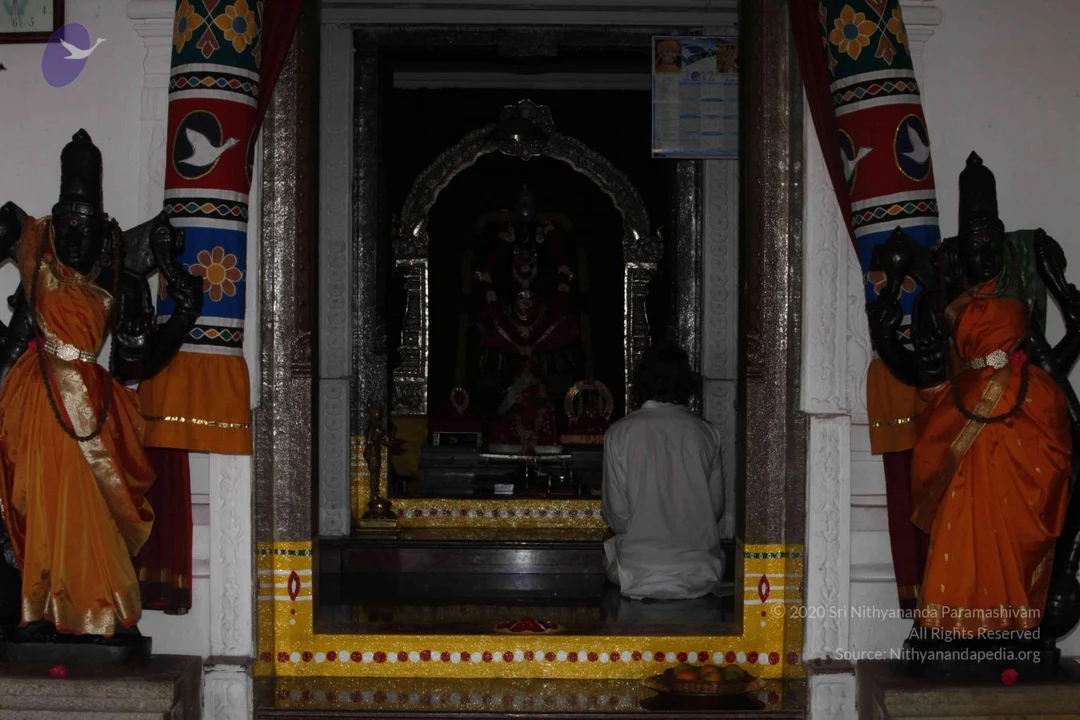
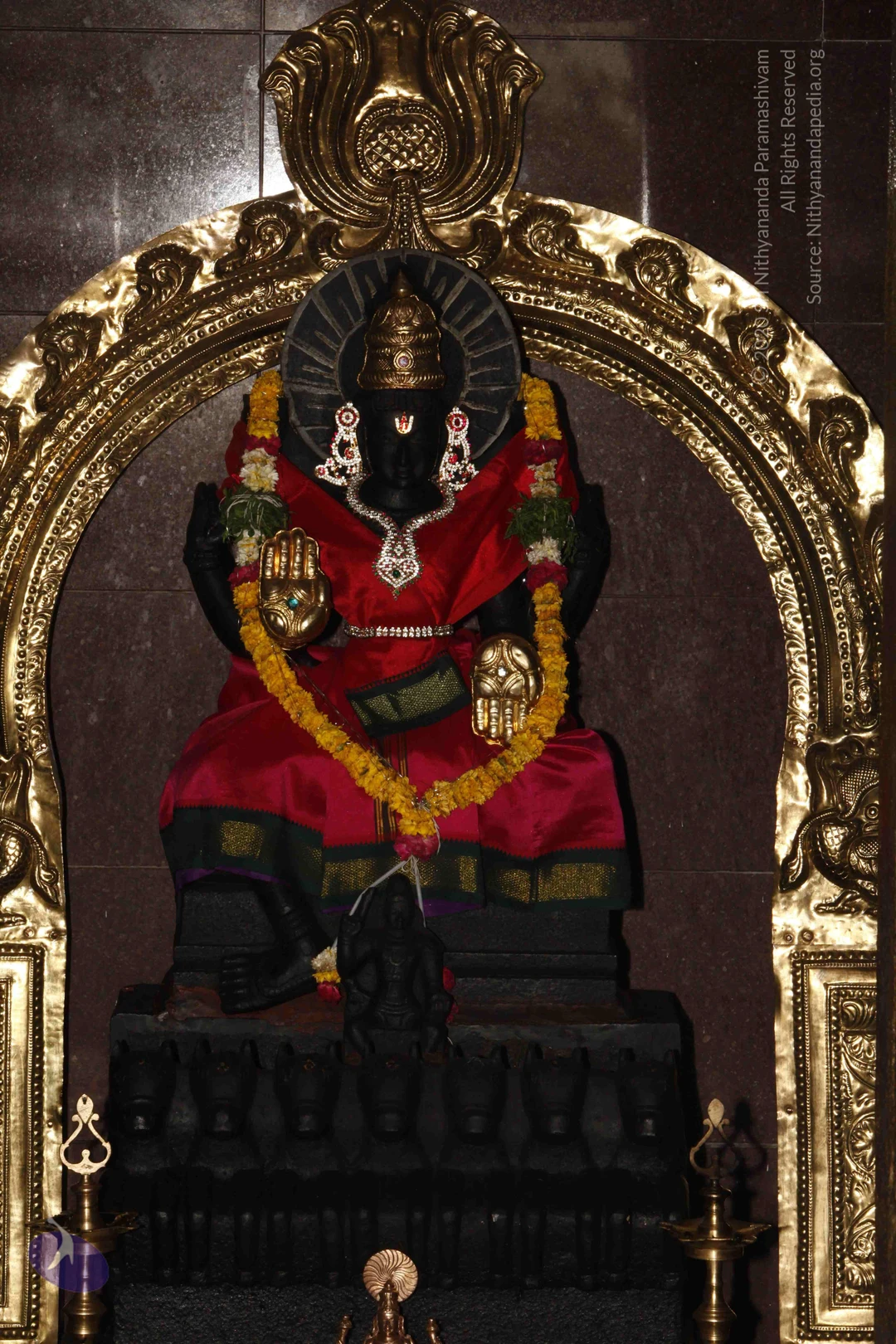
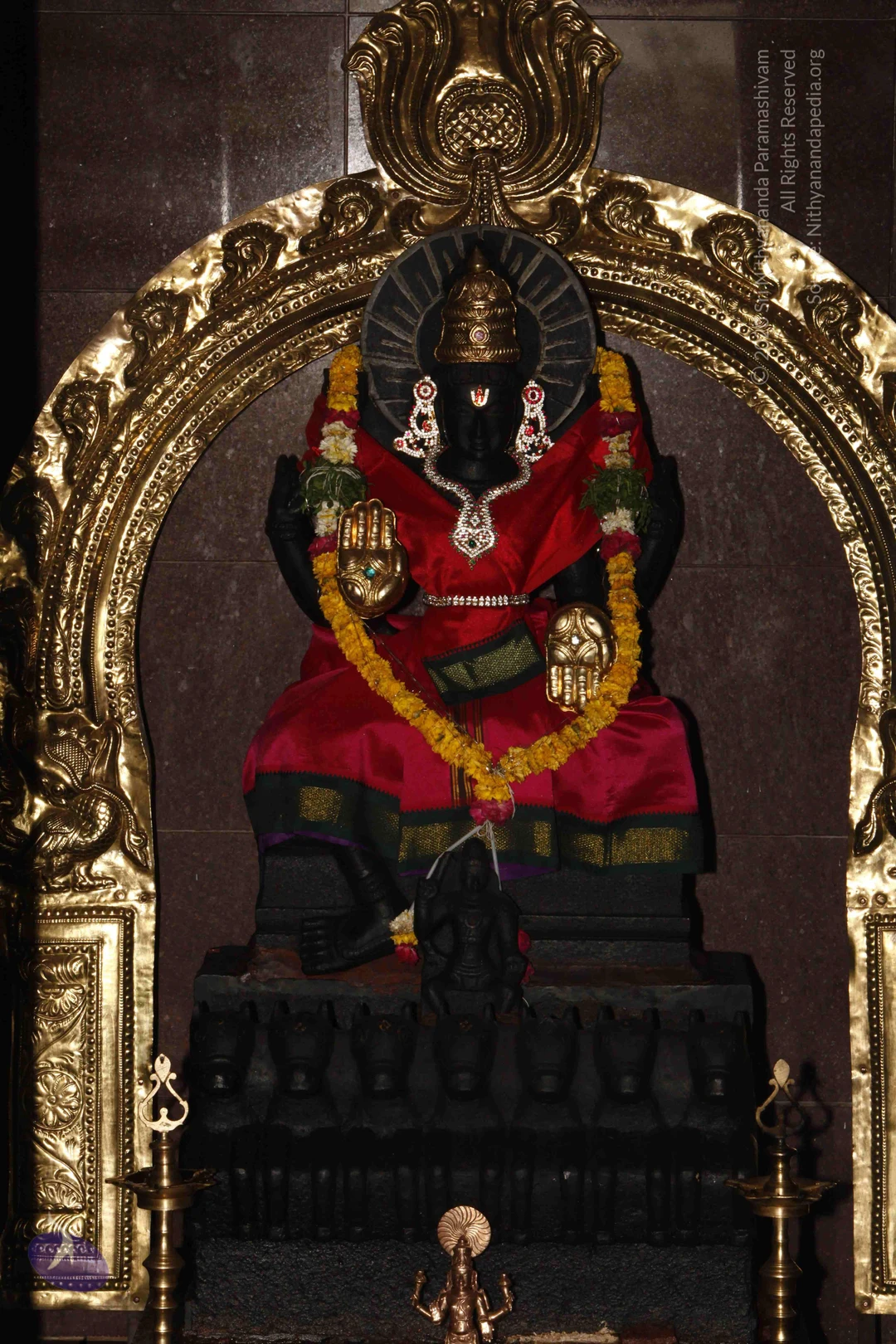
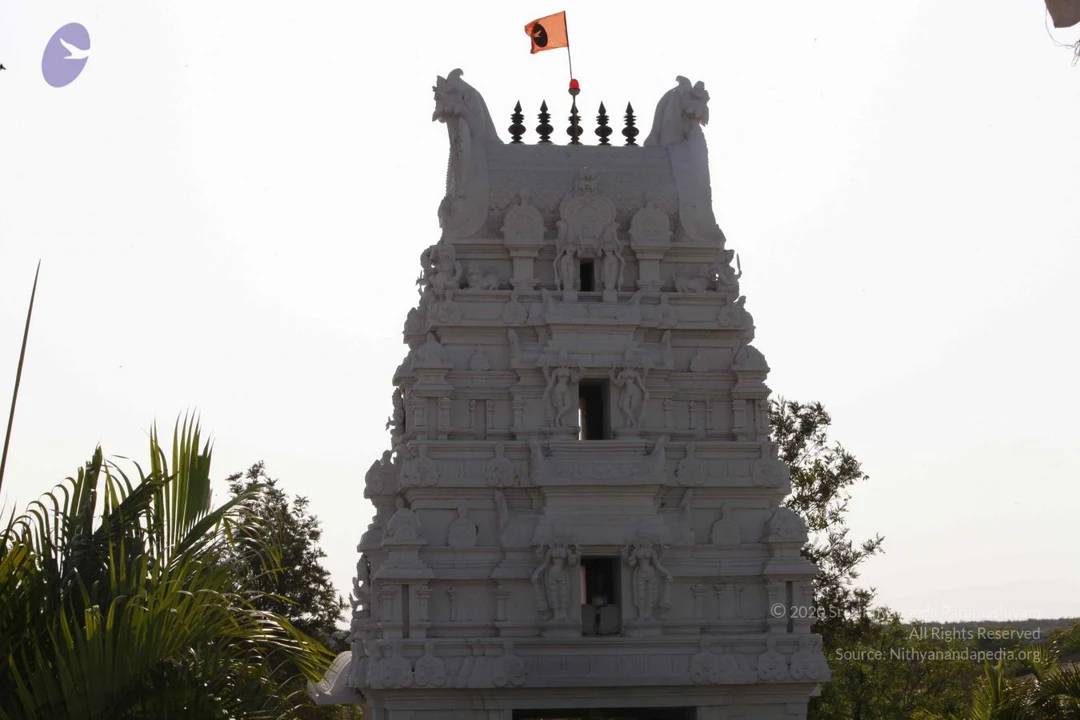
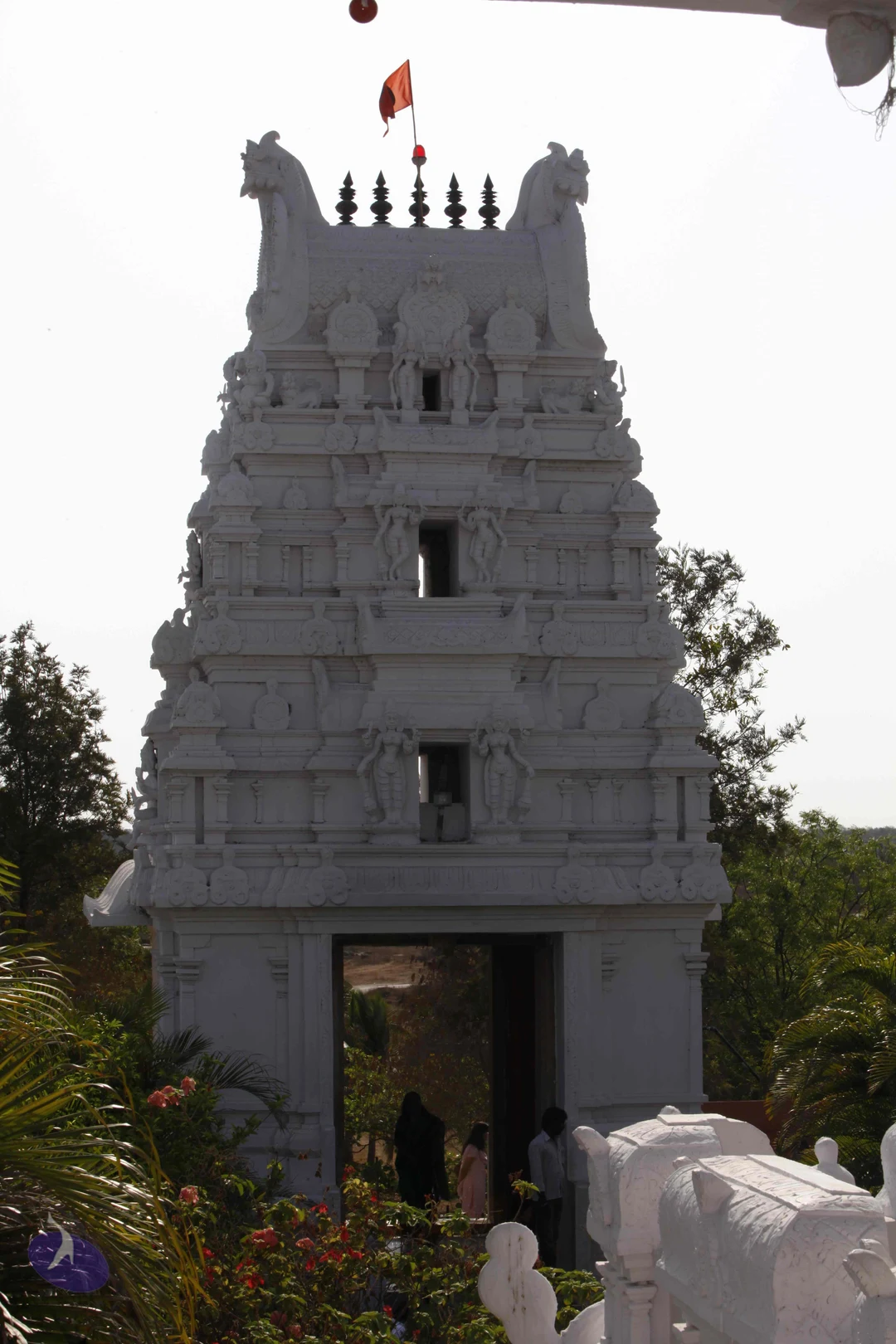
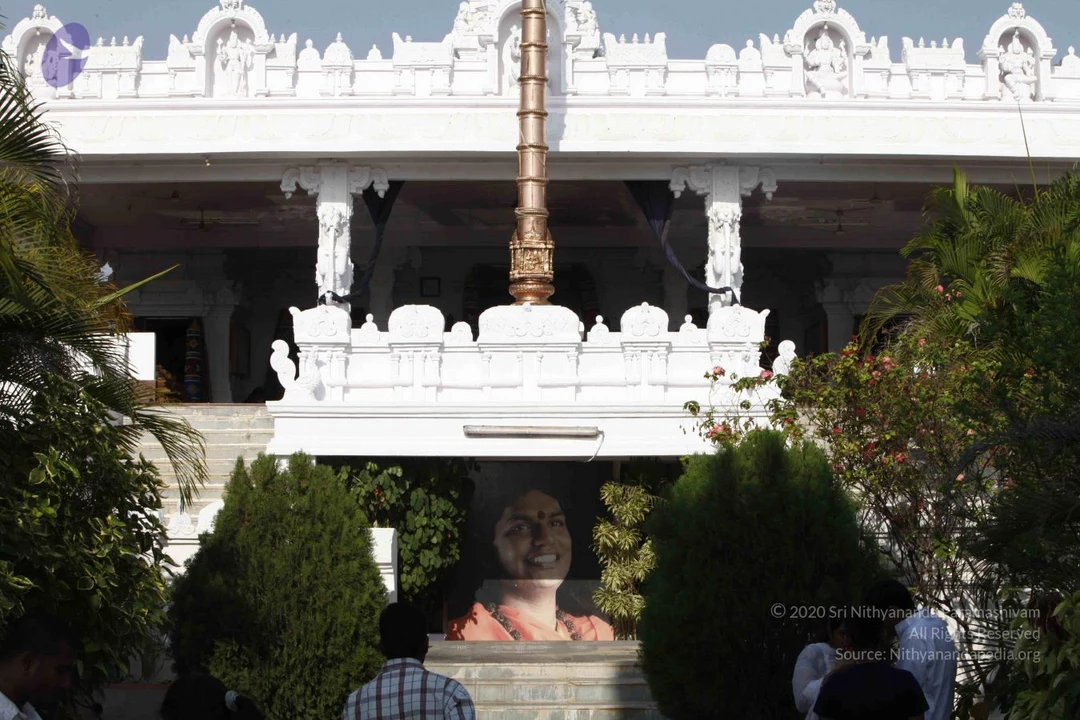
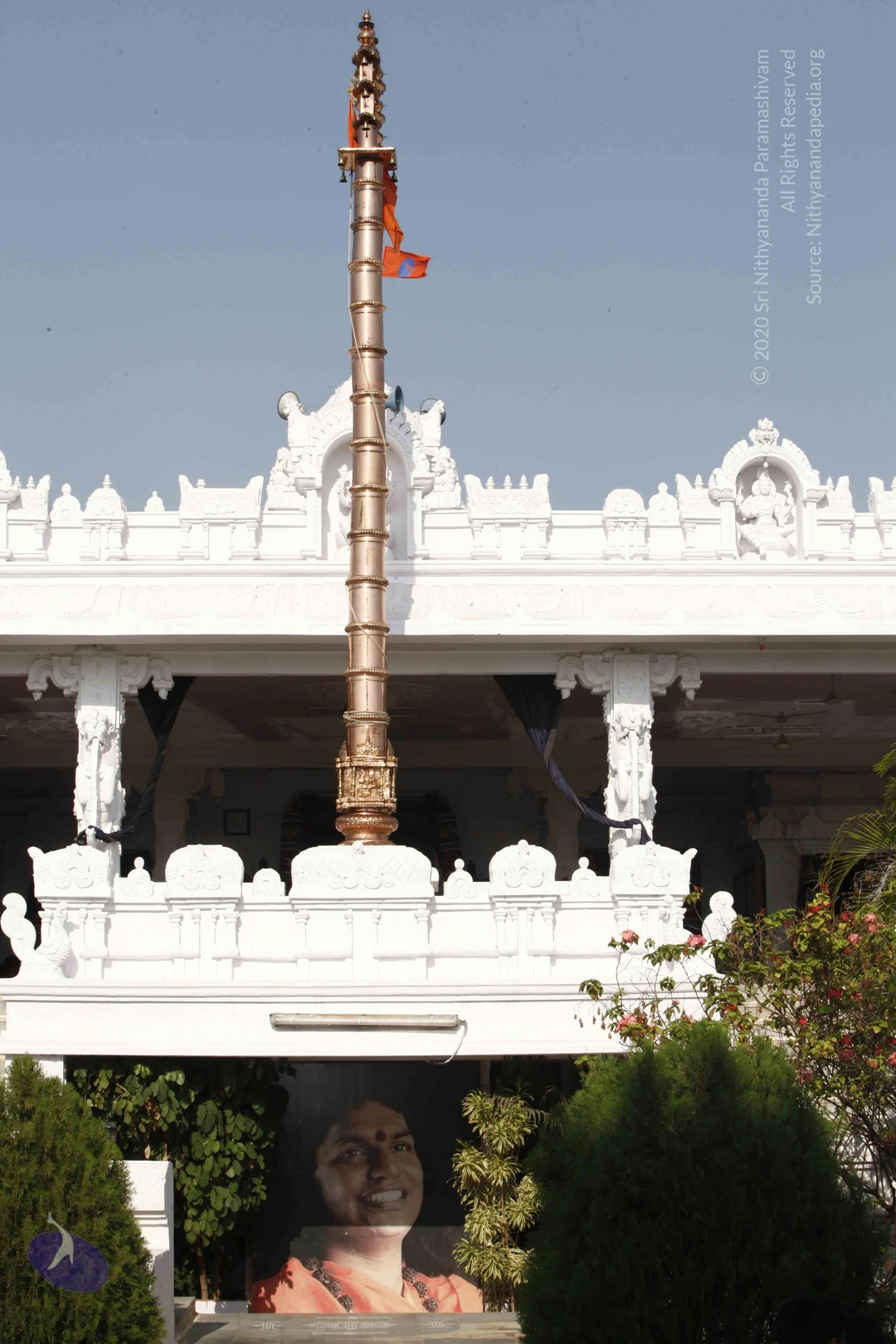
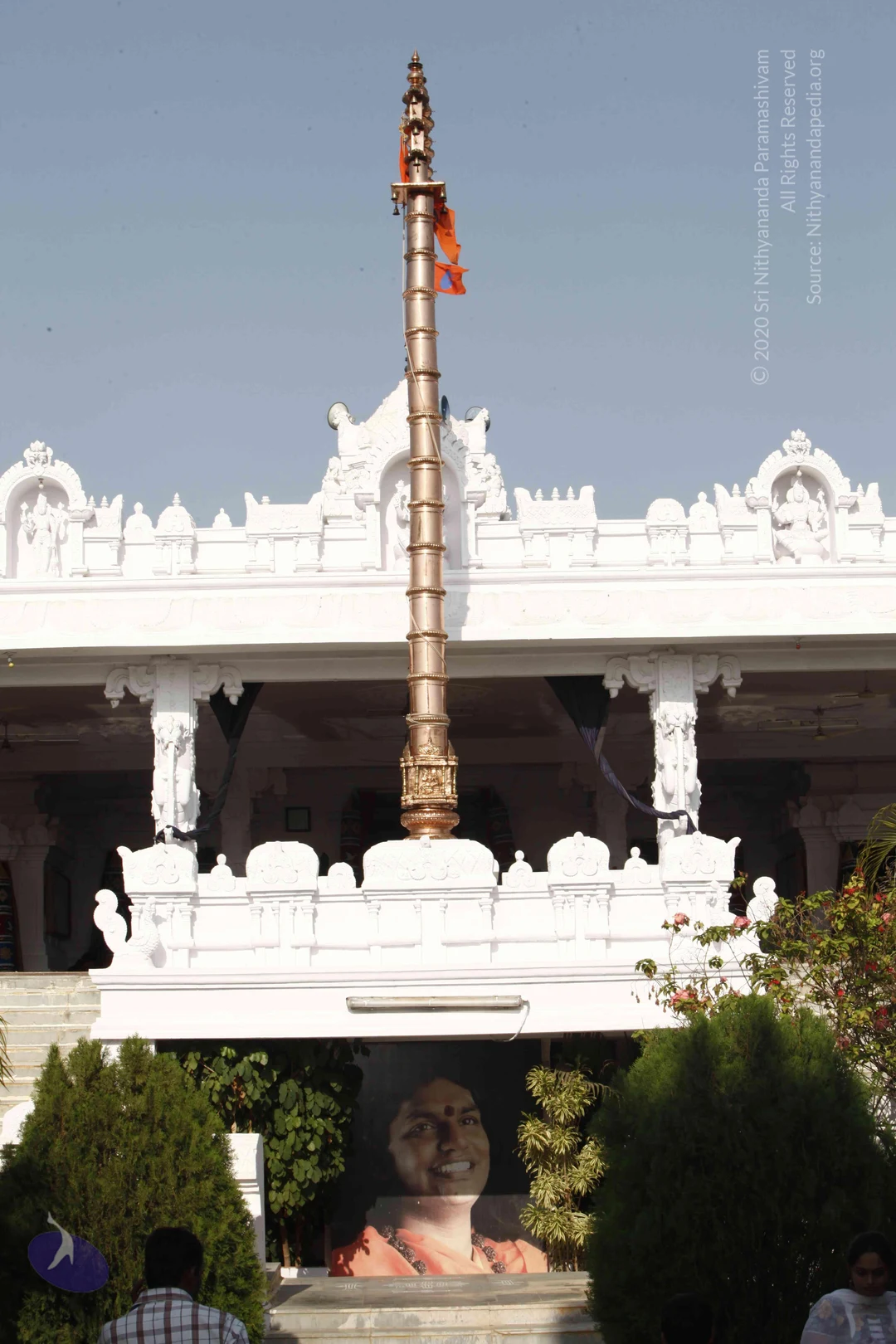
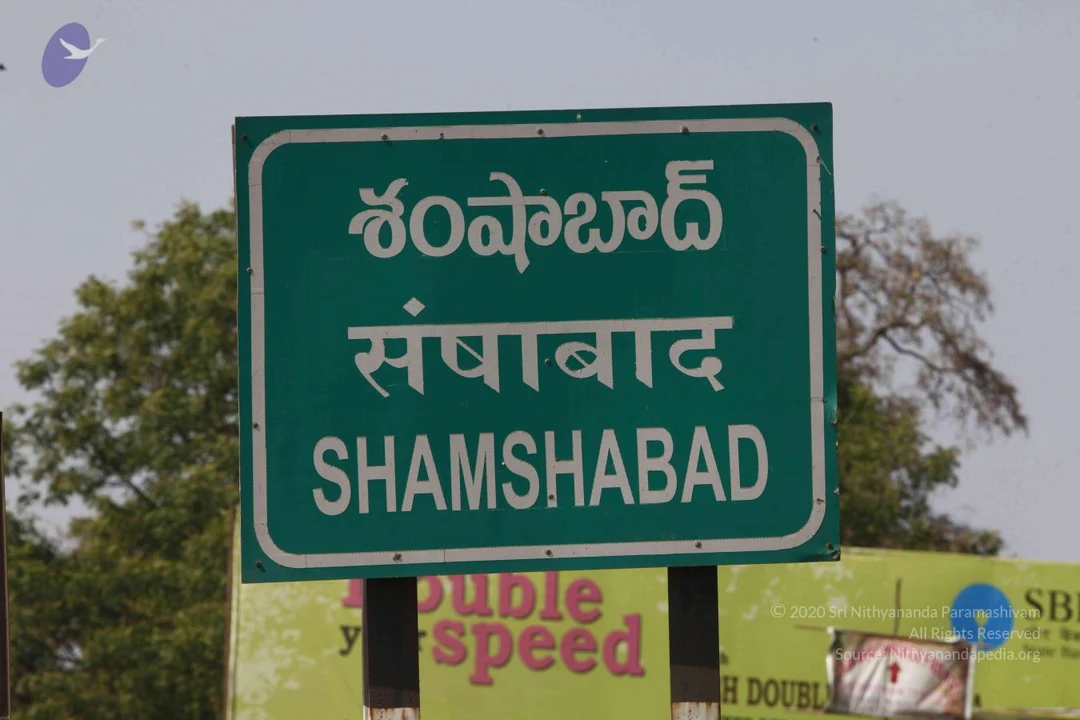
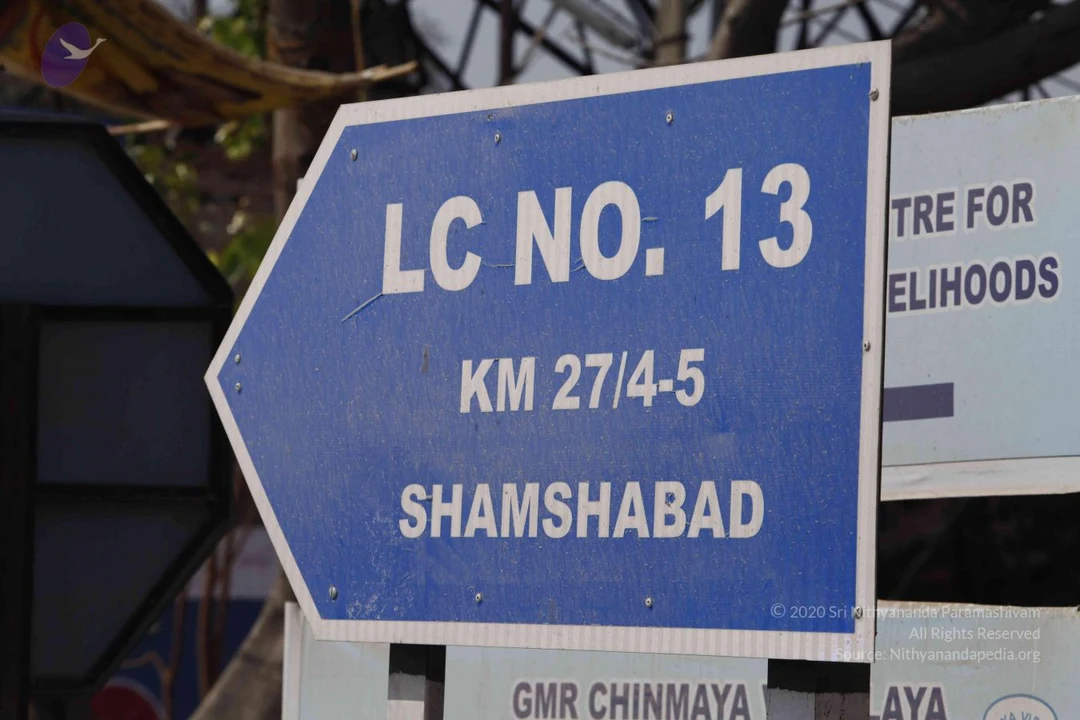
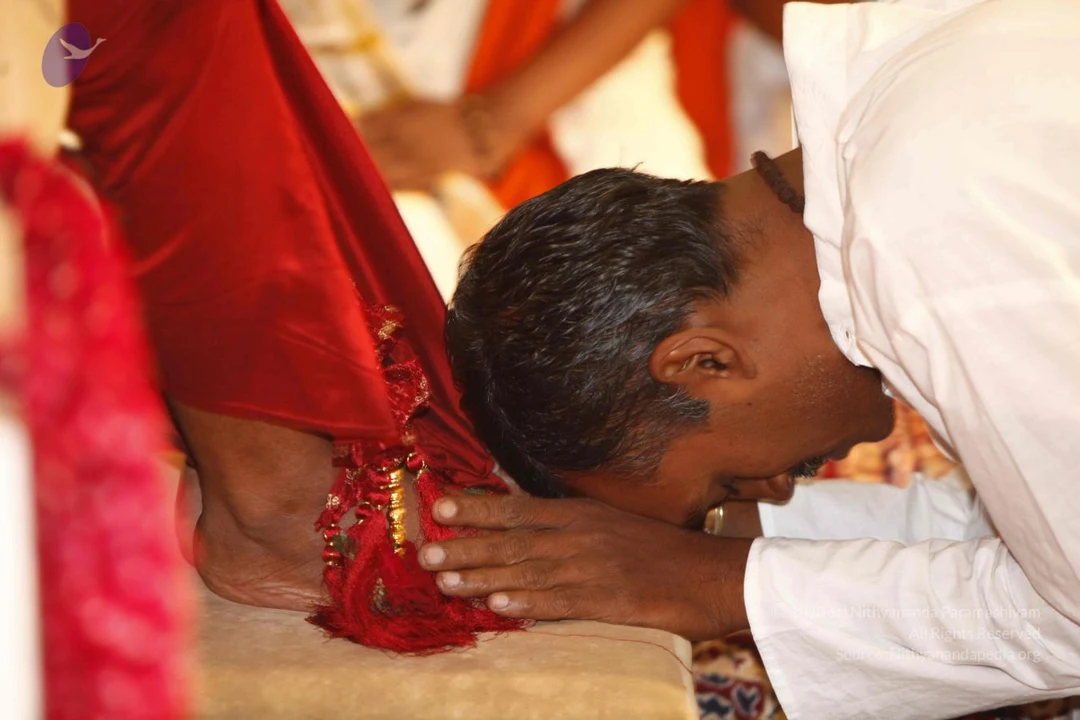
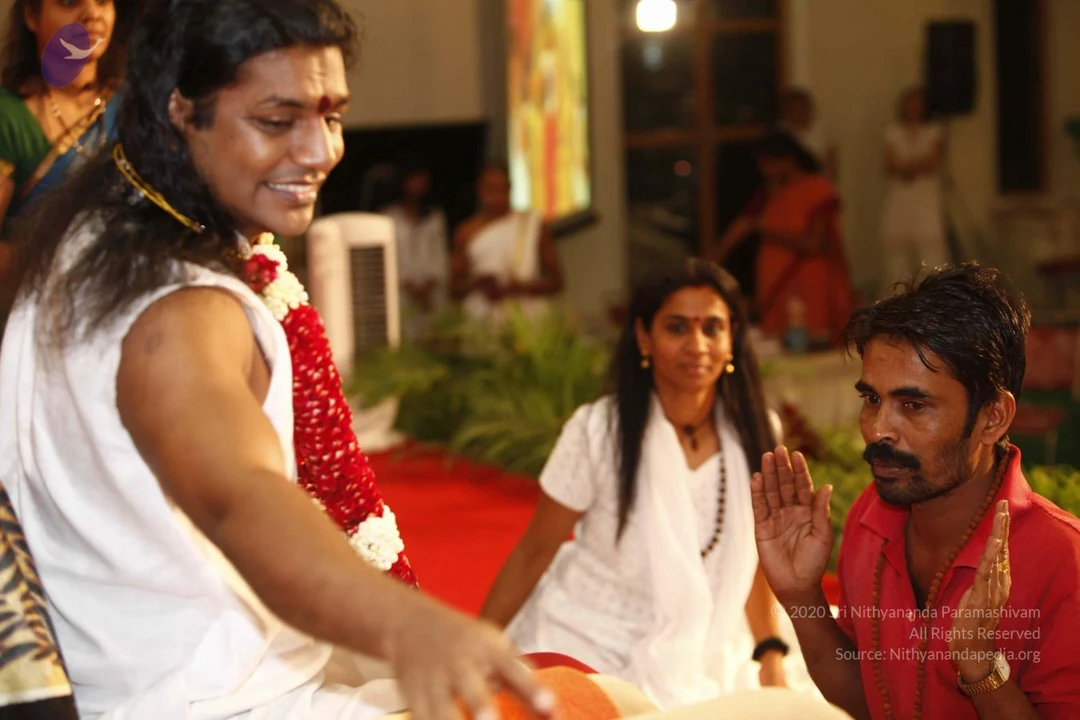
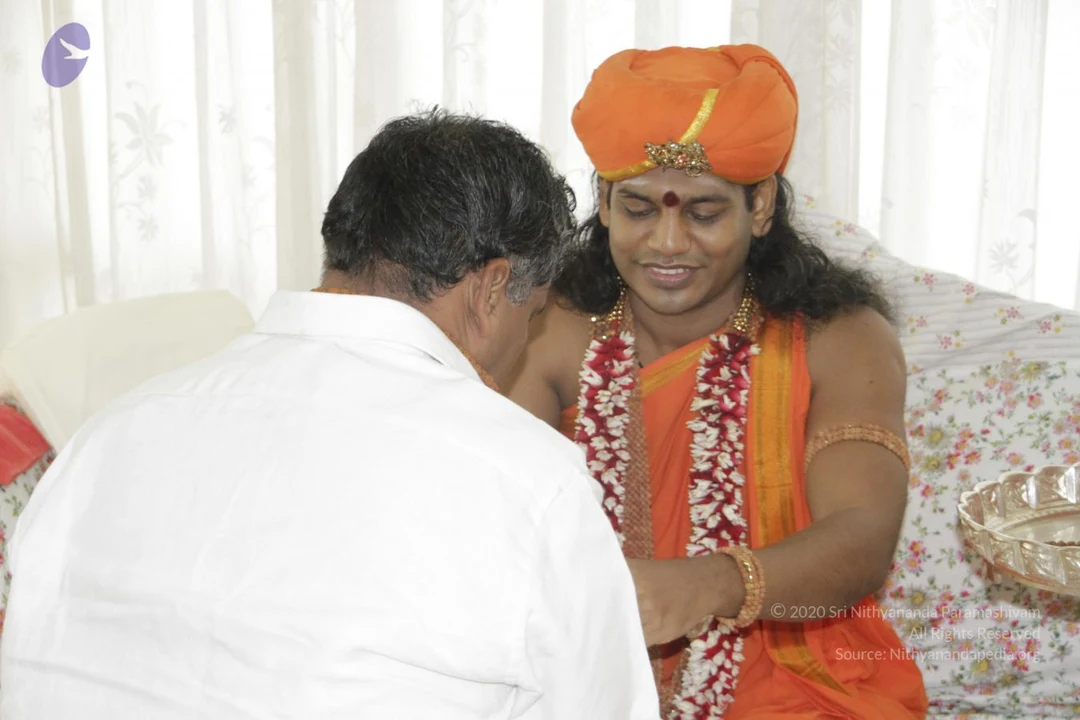
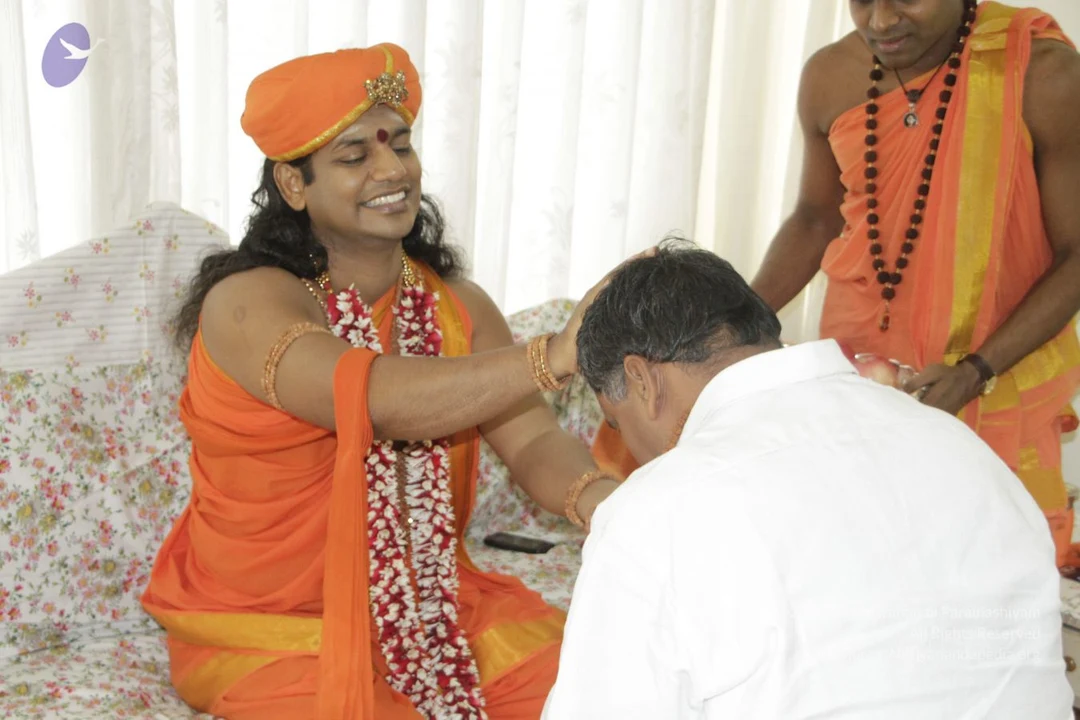
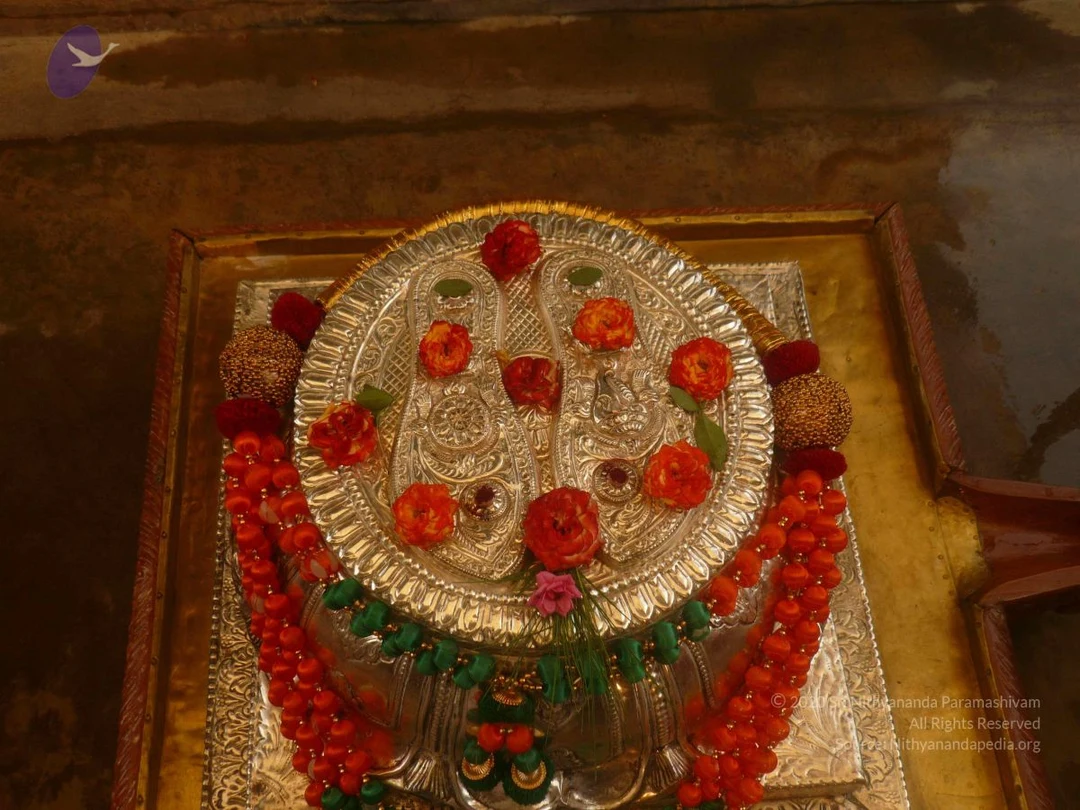
DEVOTEES OFFERRING PRATHYAKSHA PADA POOJA TO SWAMIJI
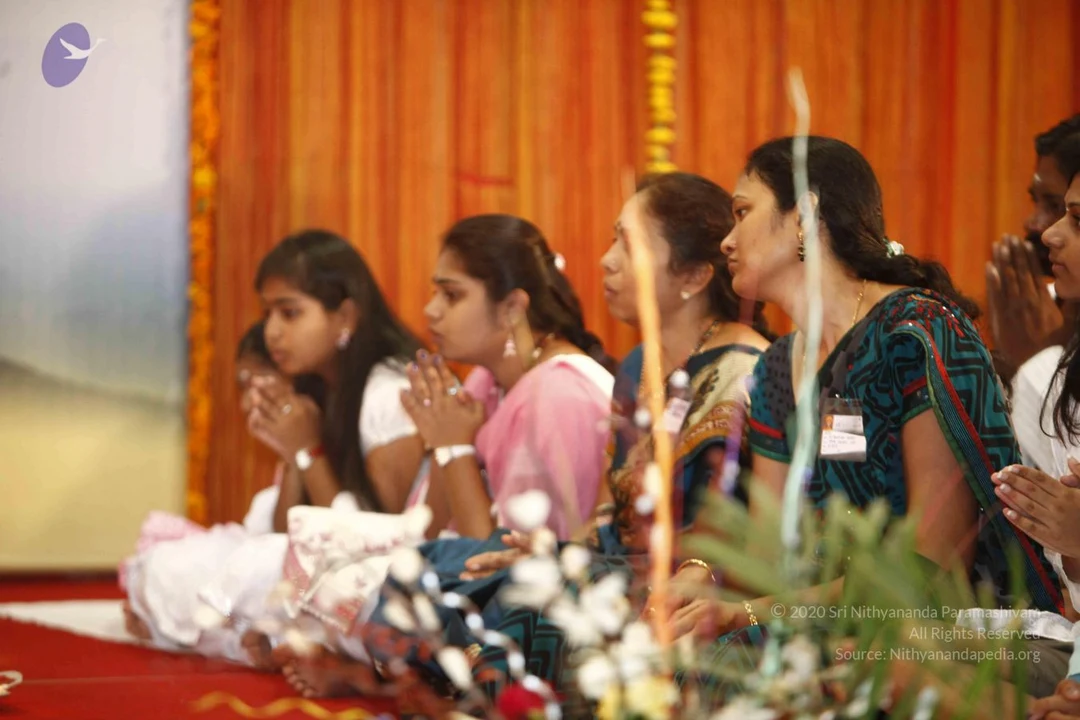
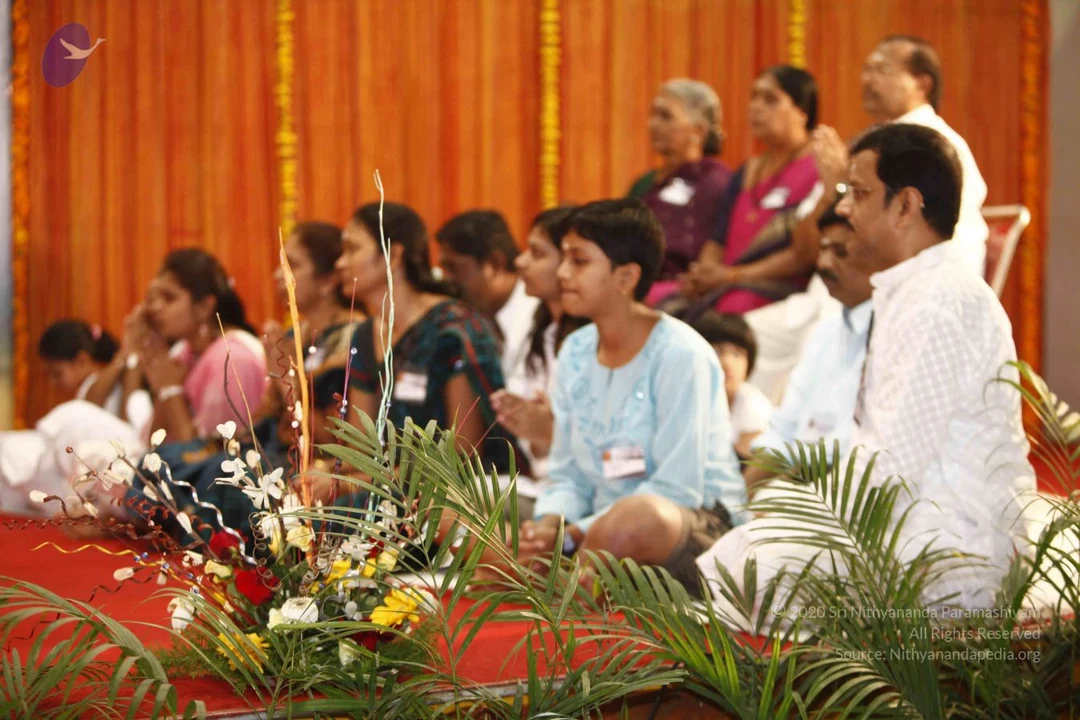
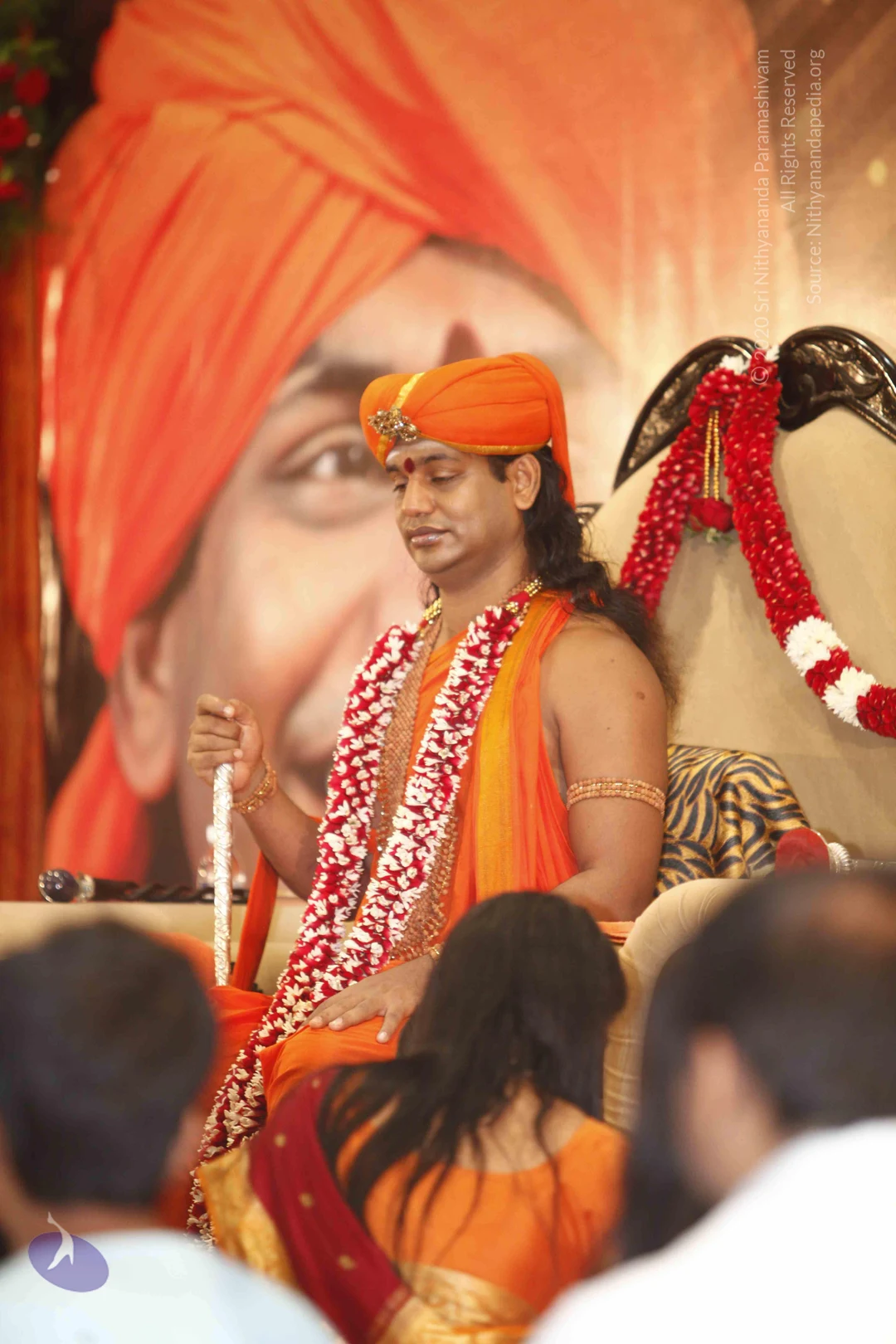
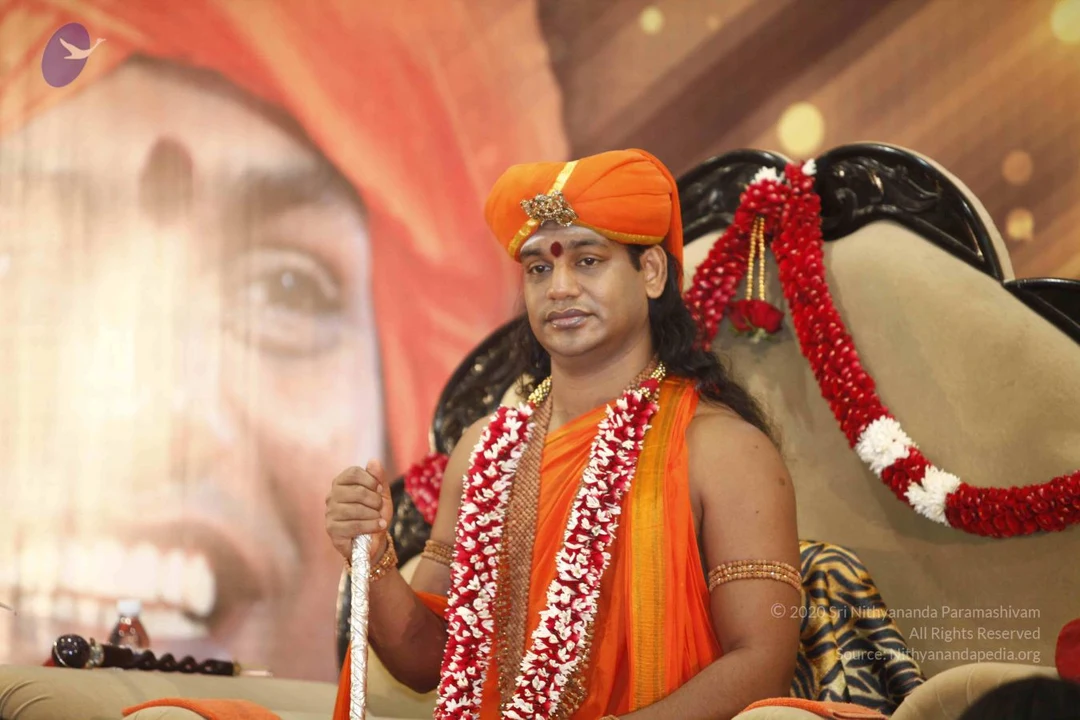
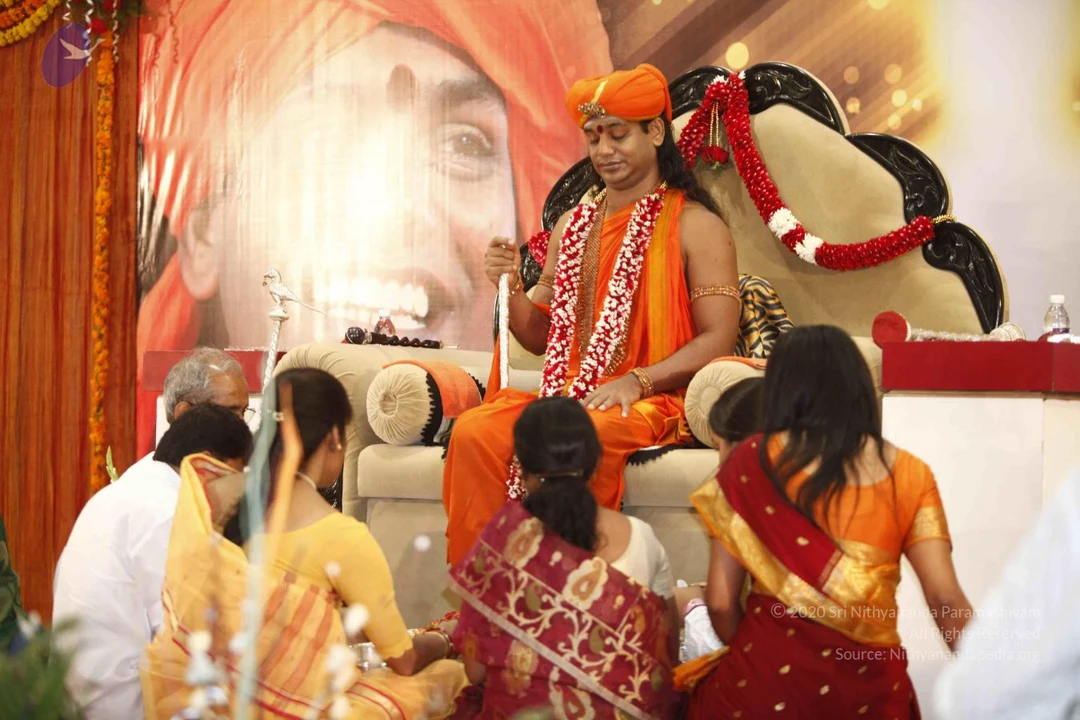
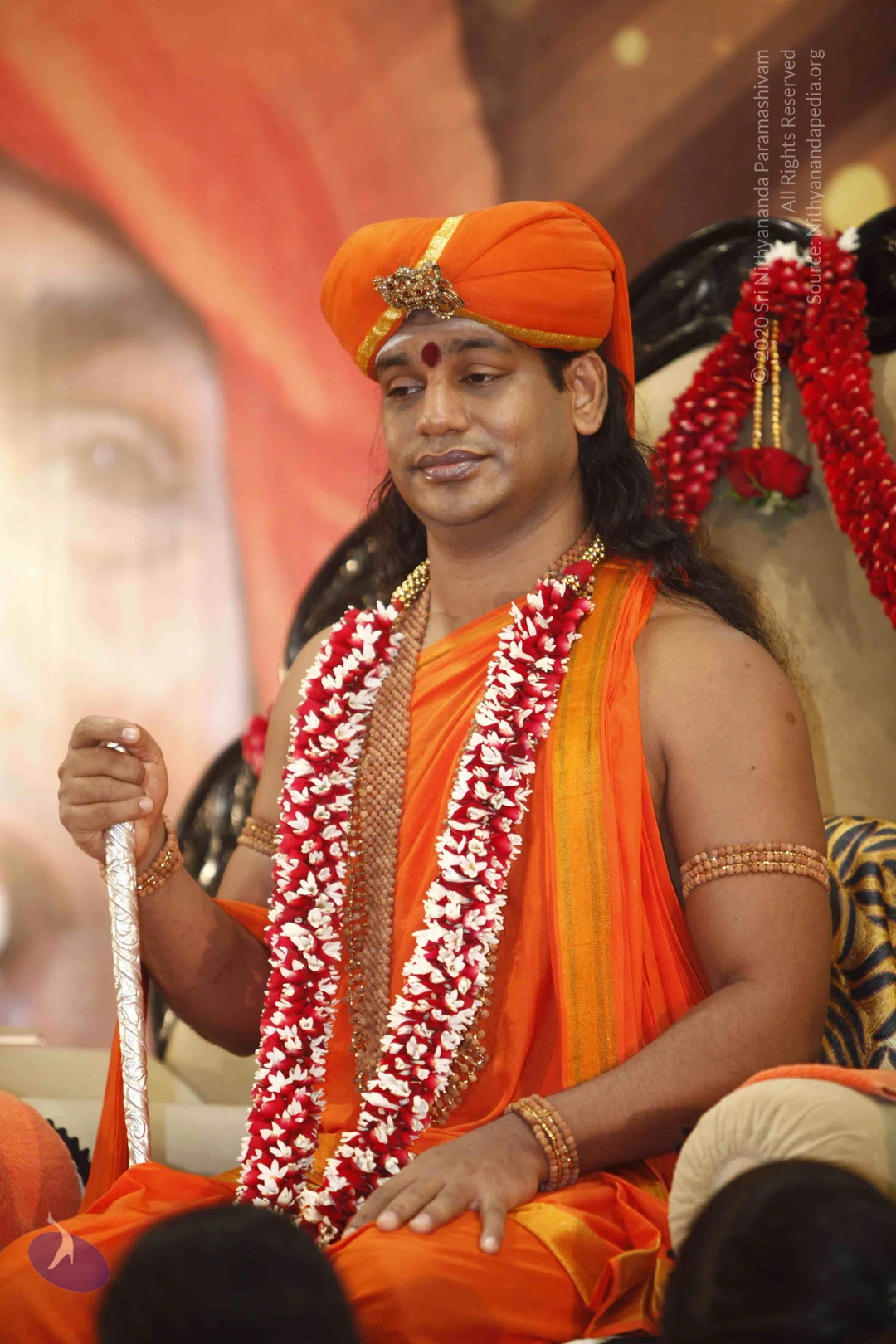
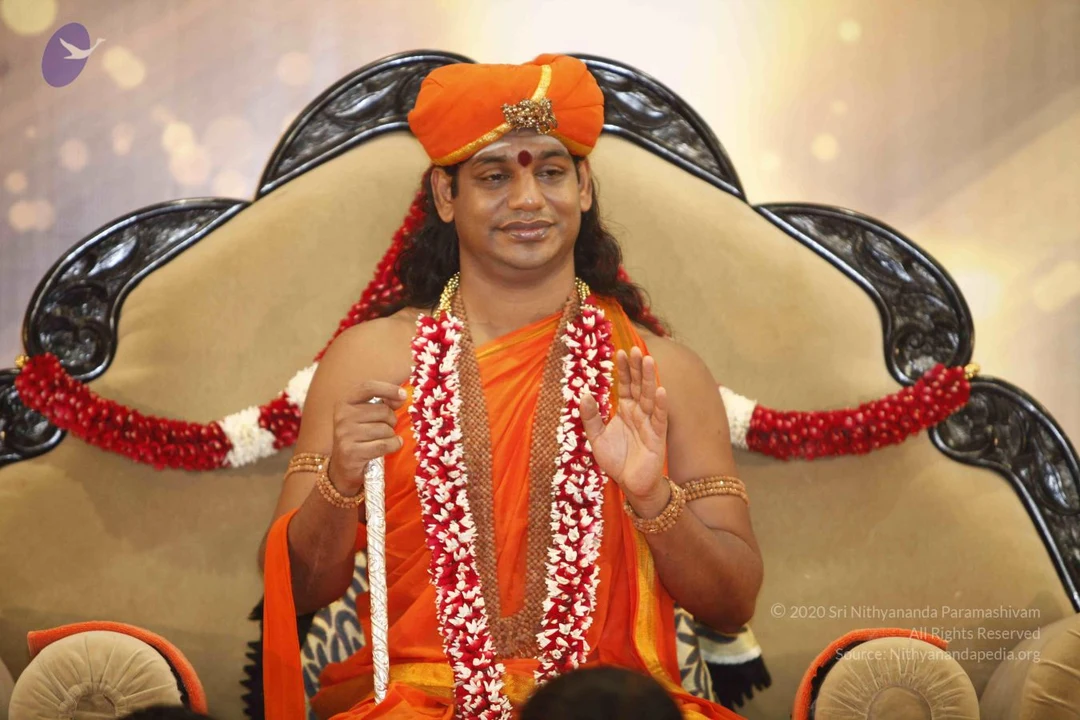
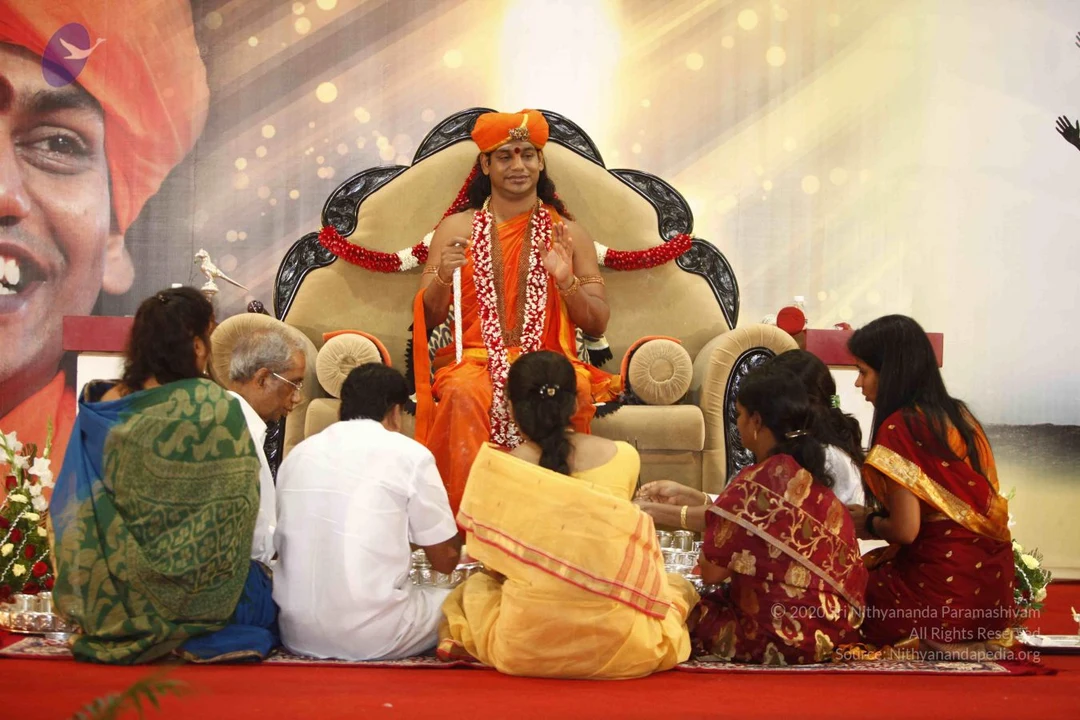
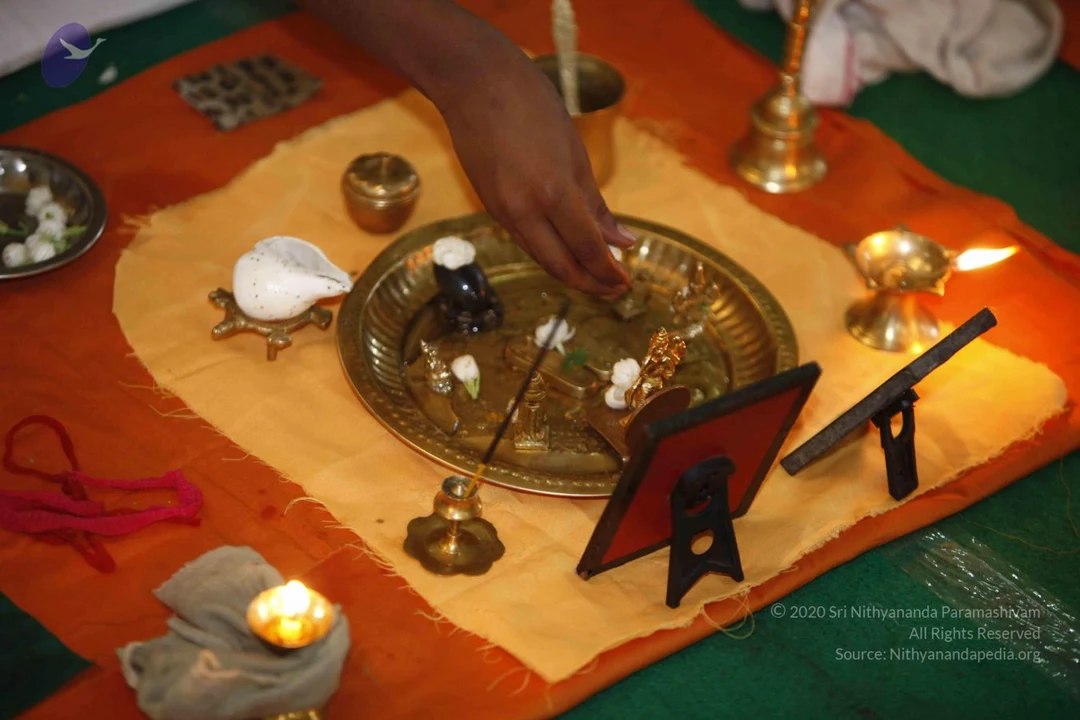
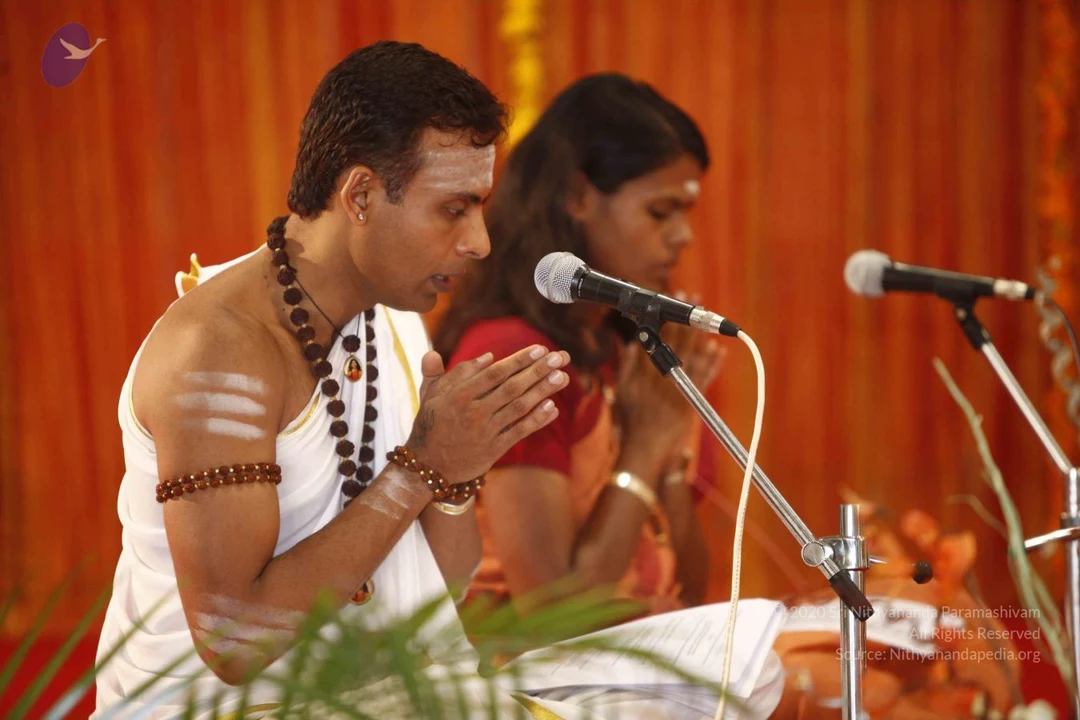
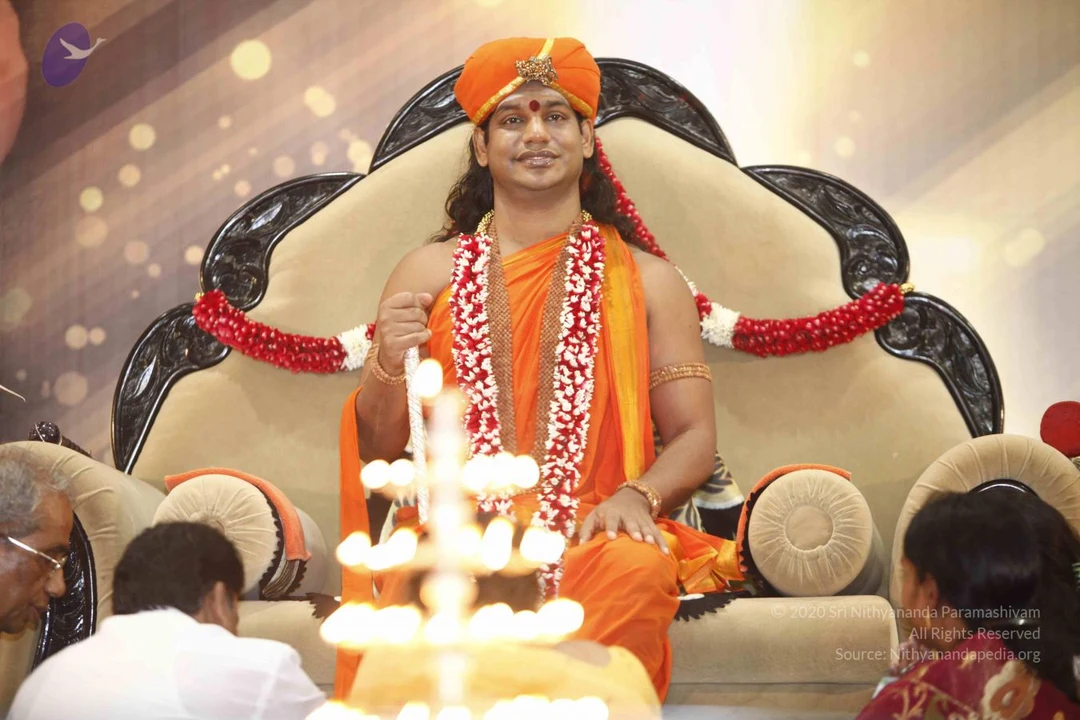
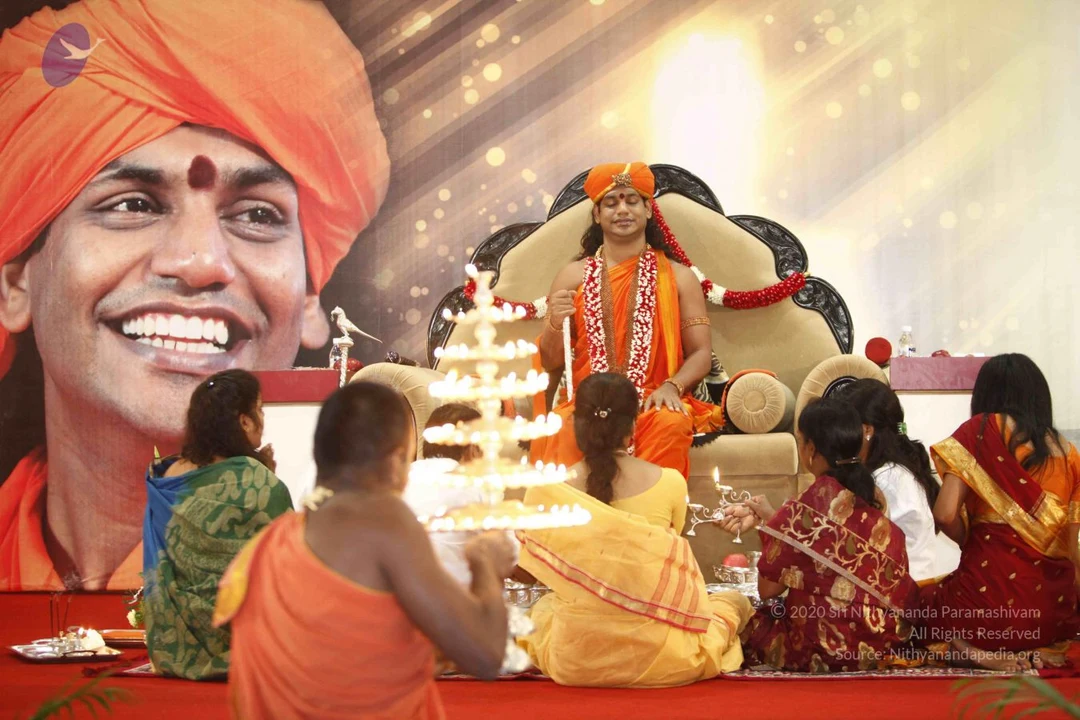
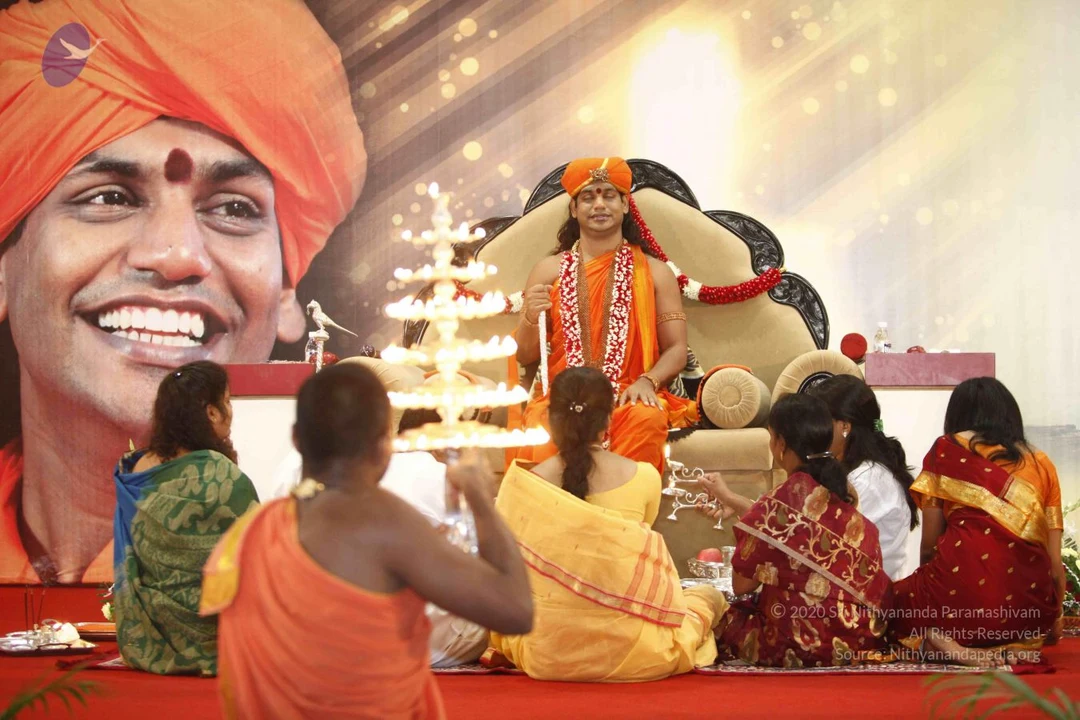
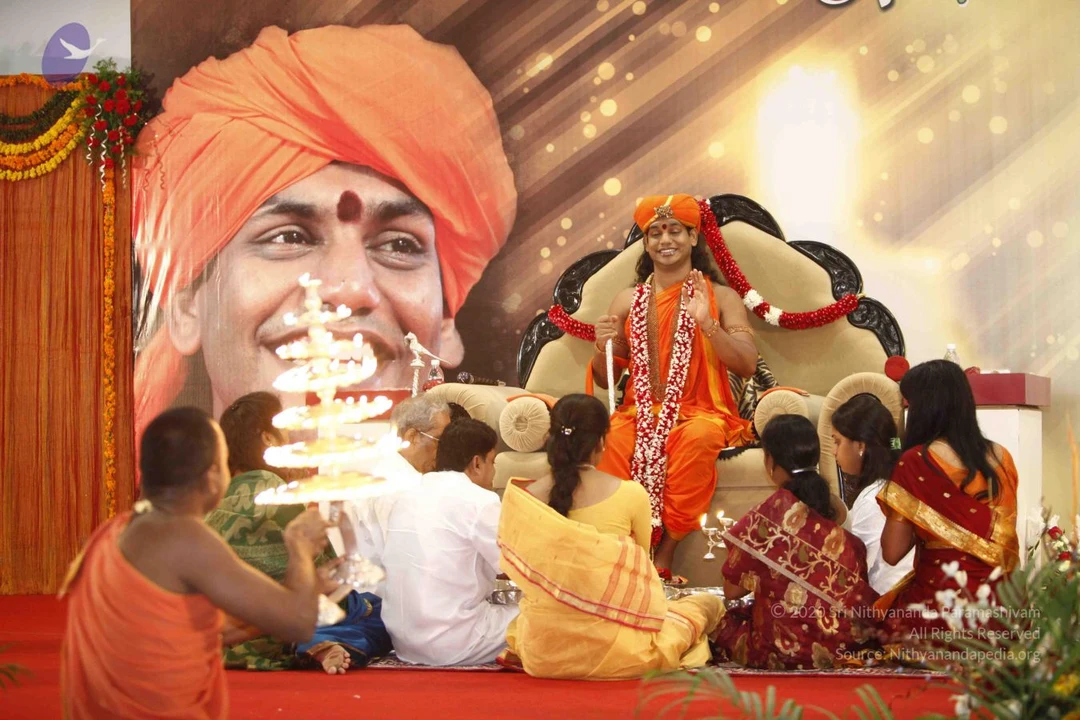
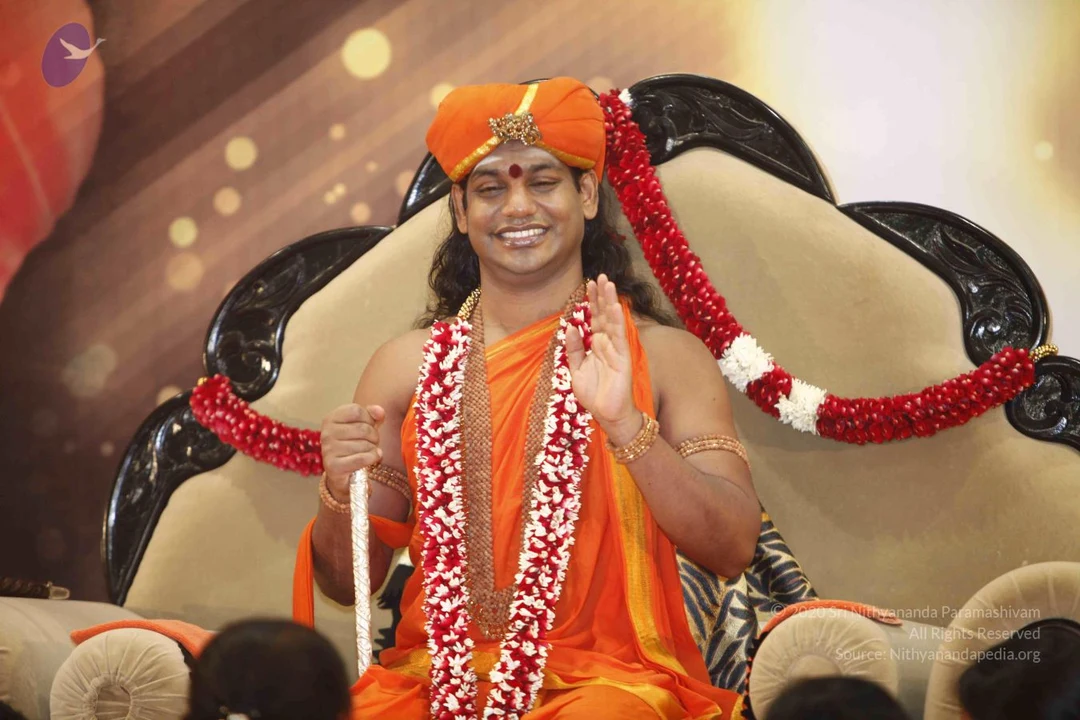
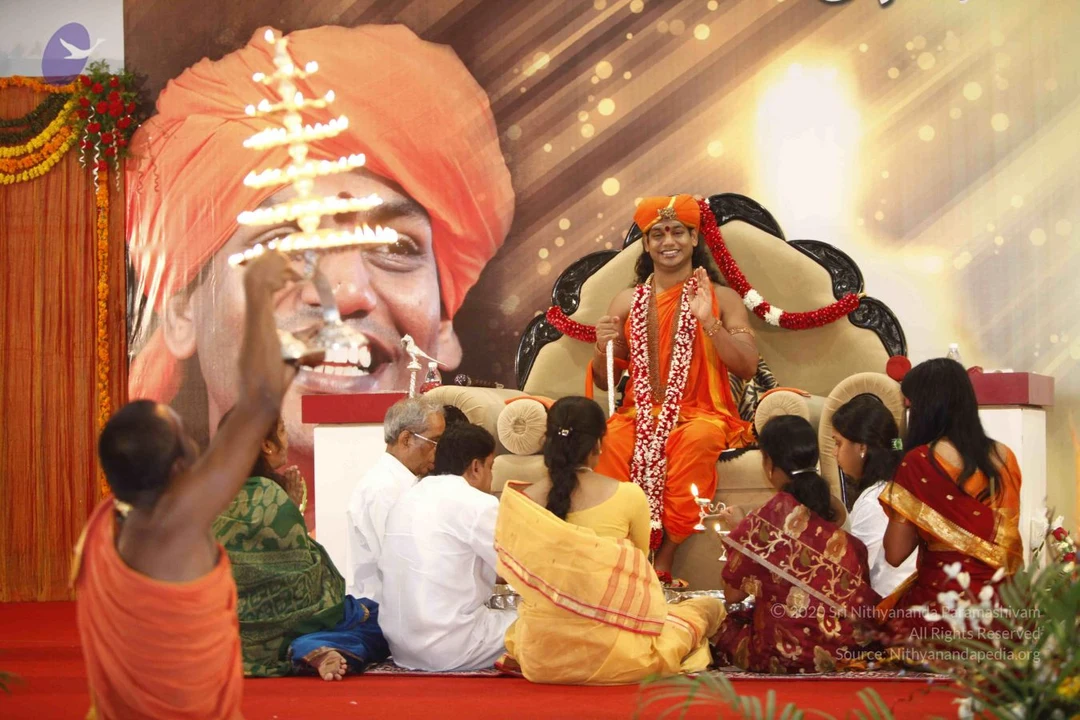
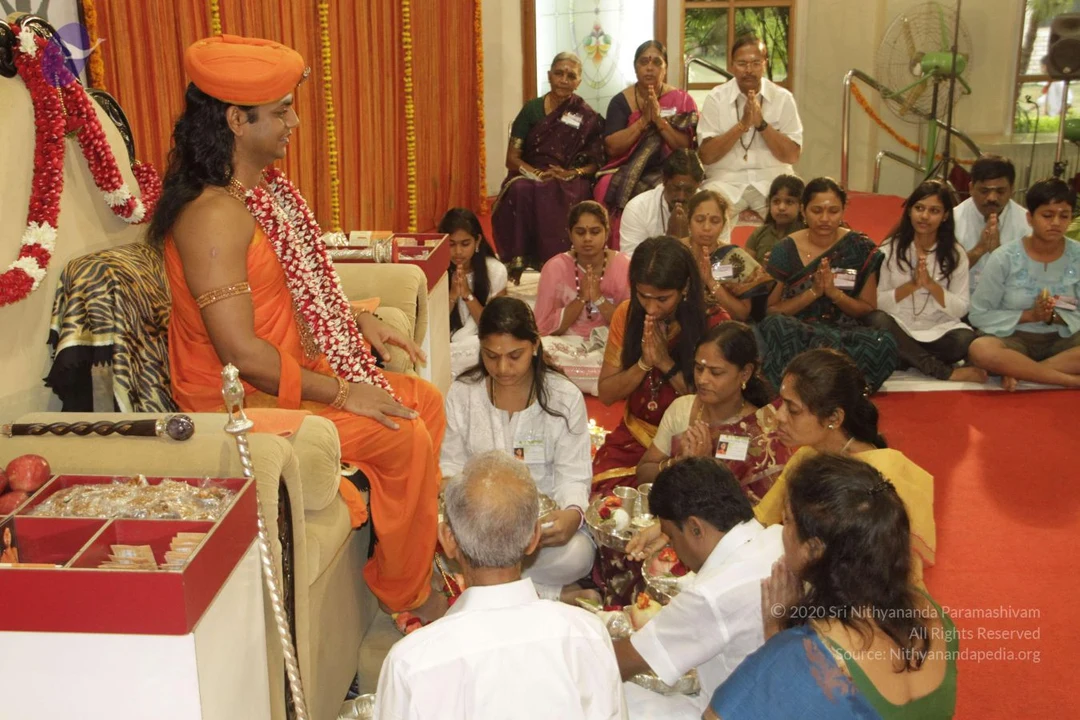
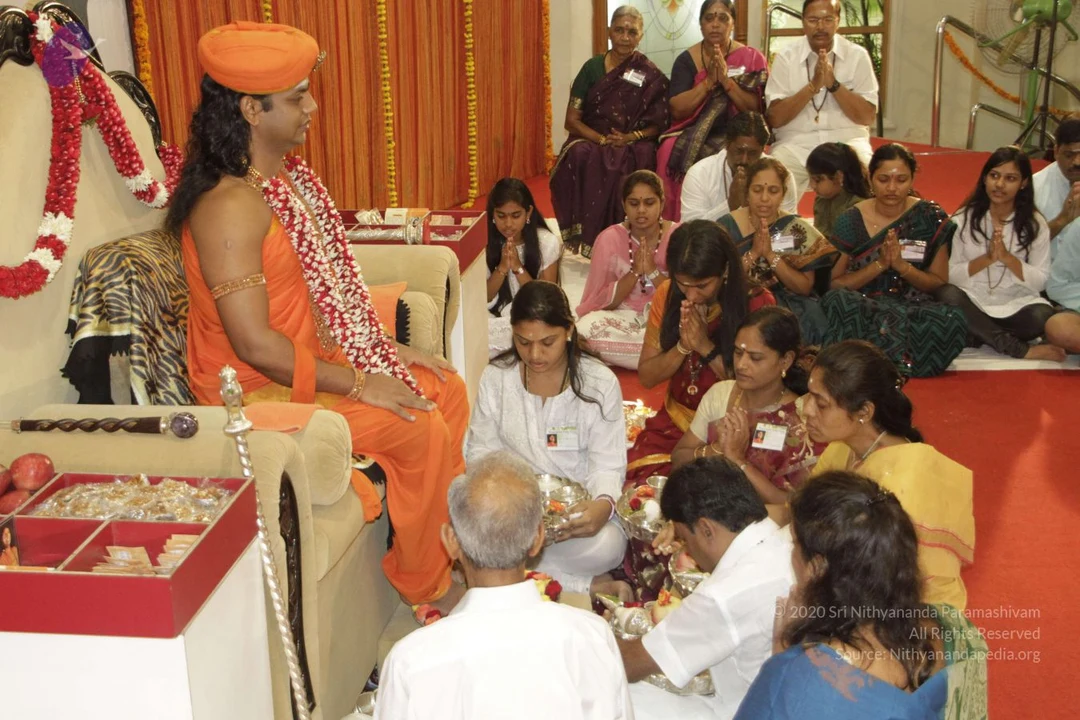
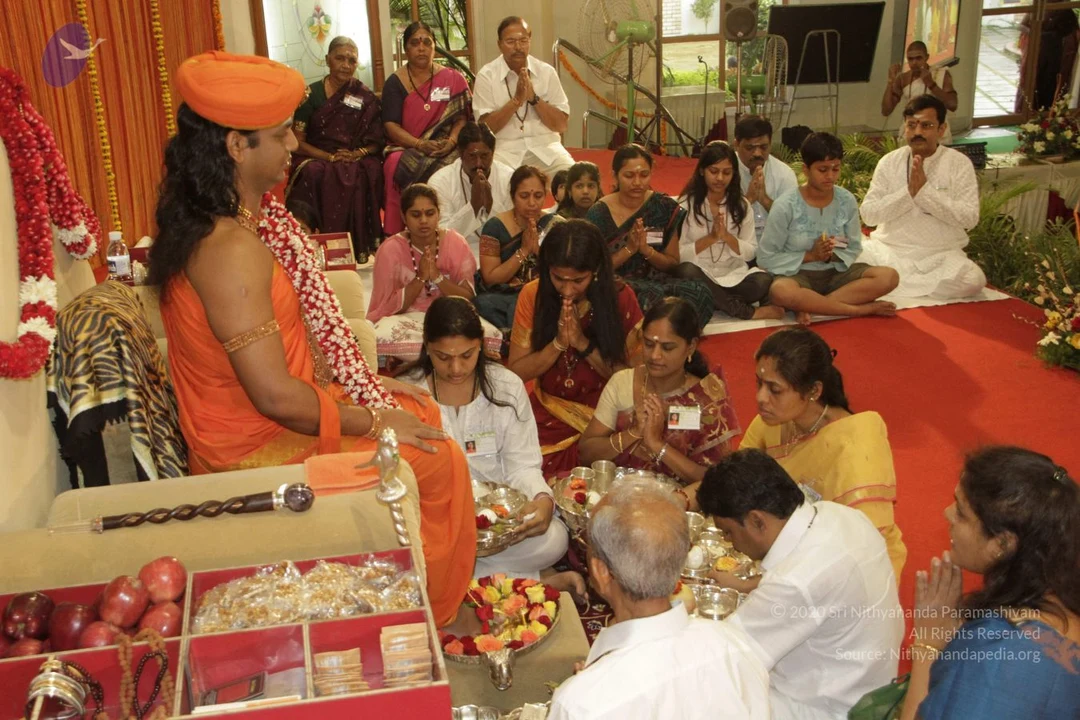
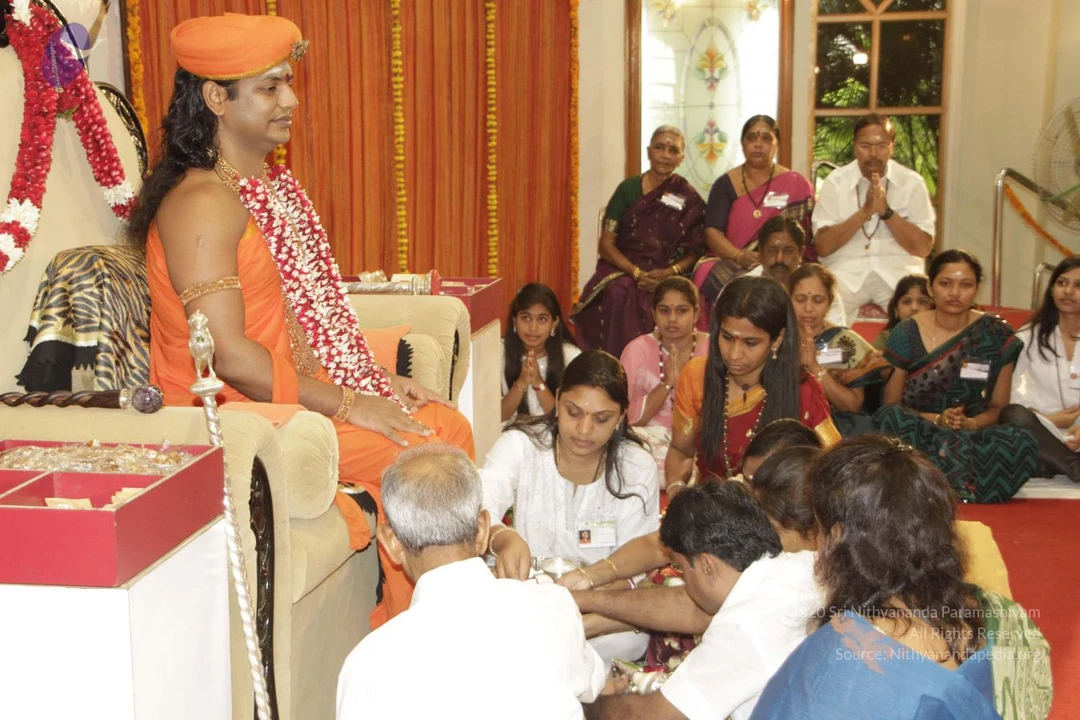
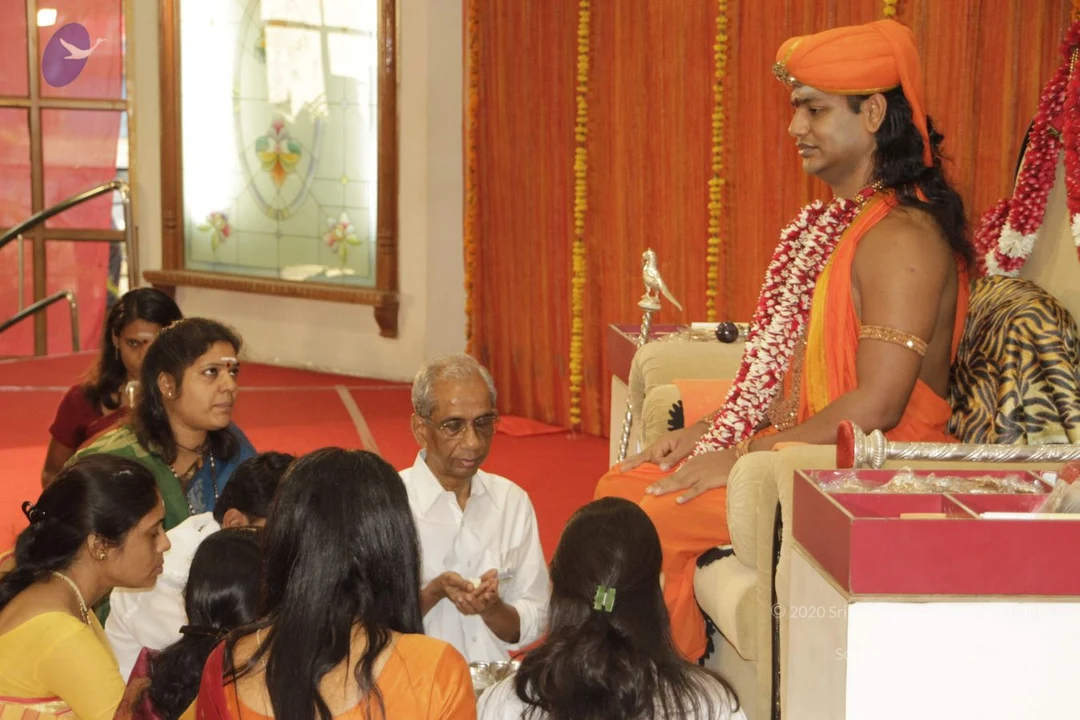
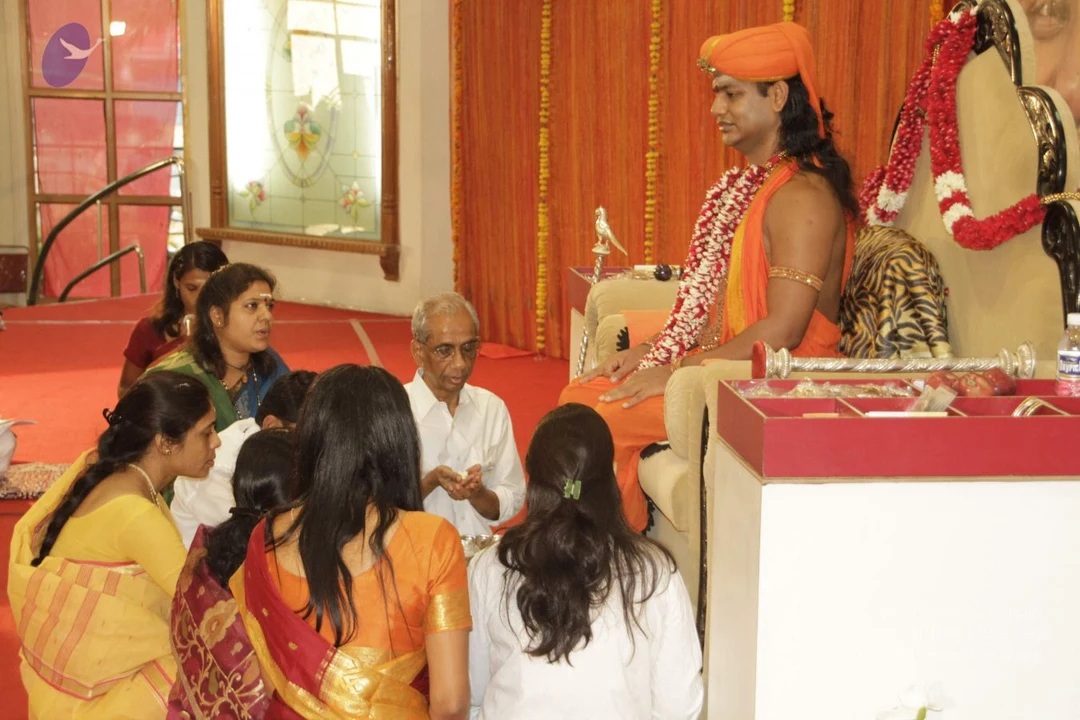

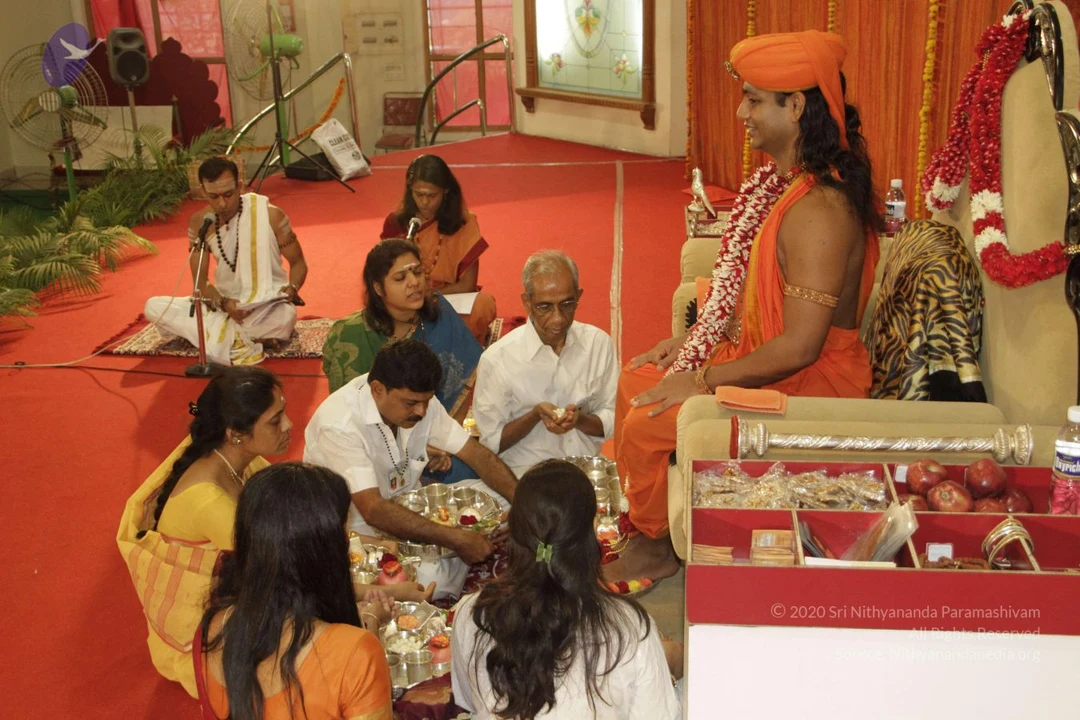
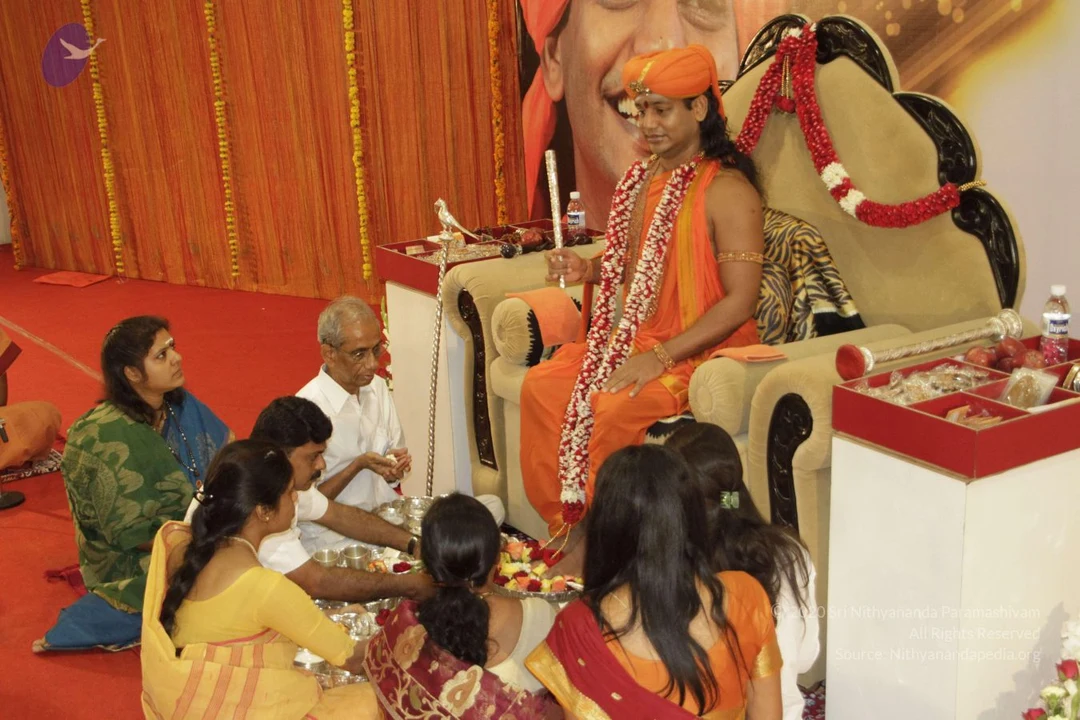
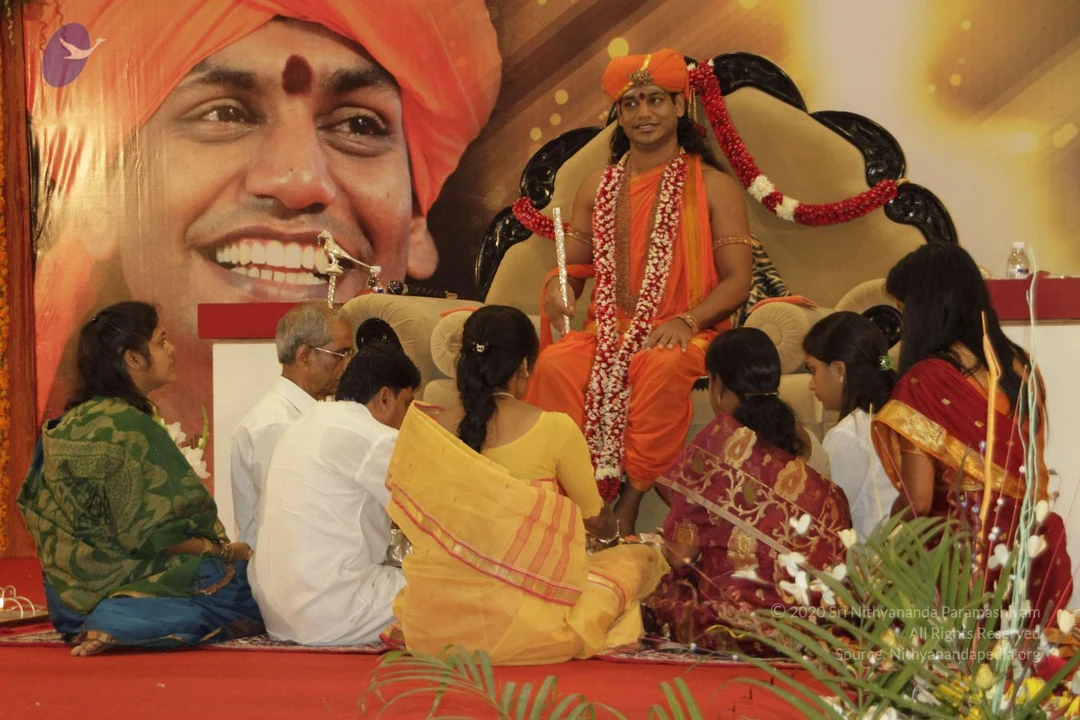
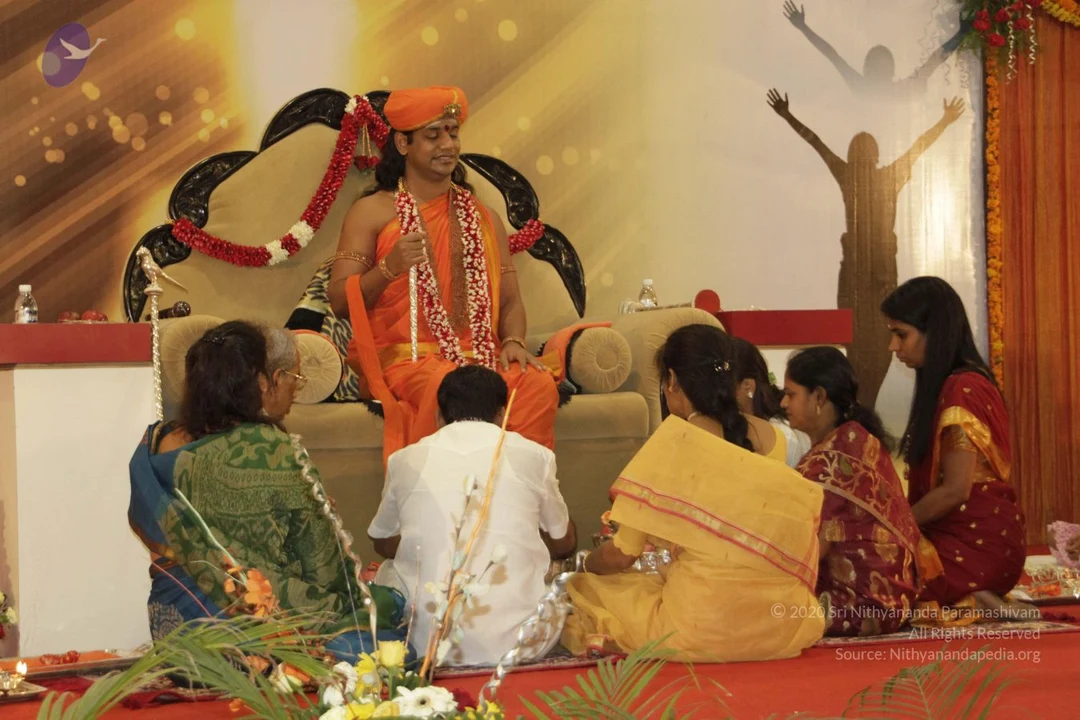
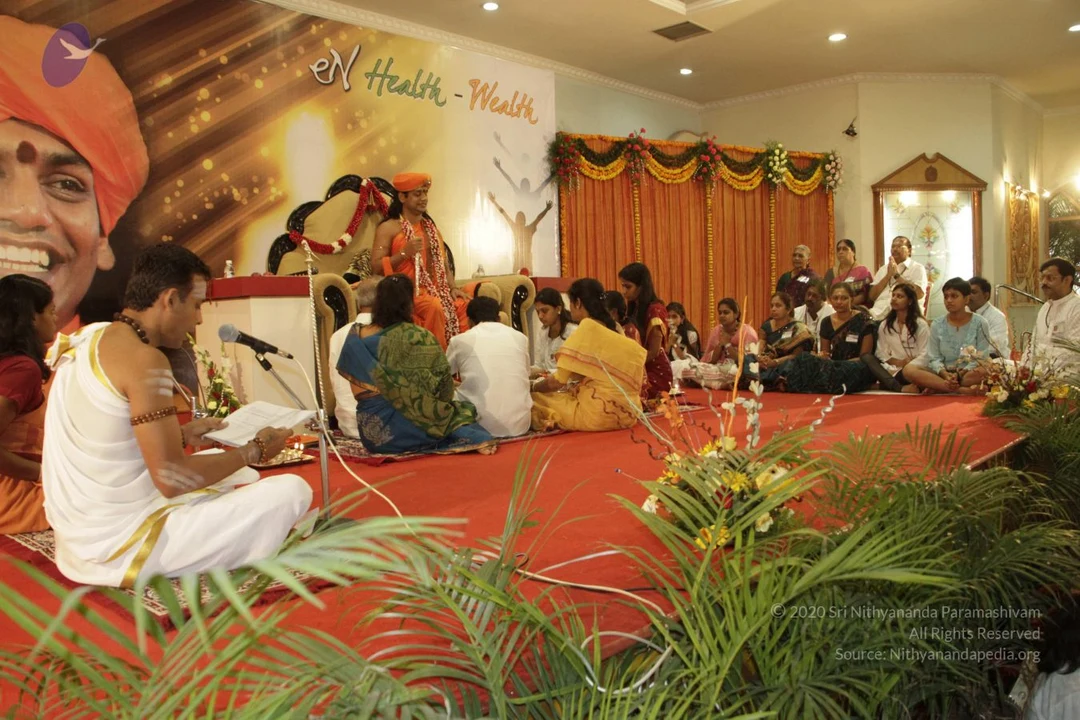
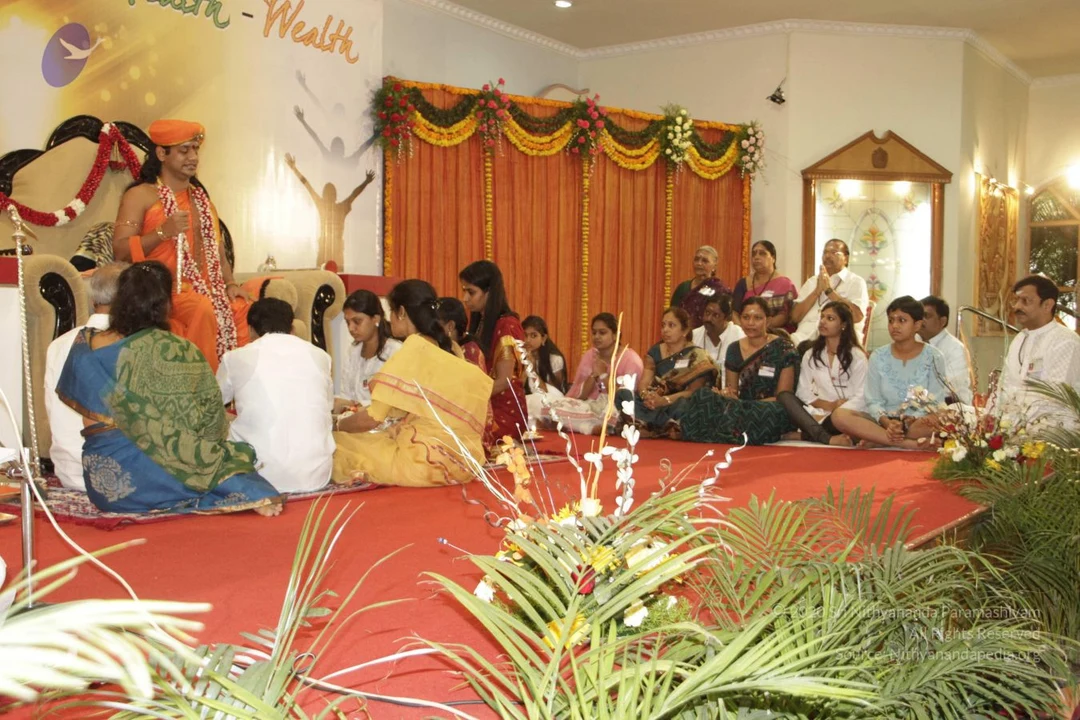
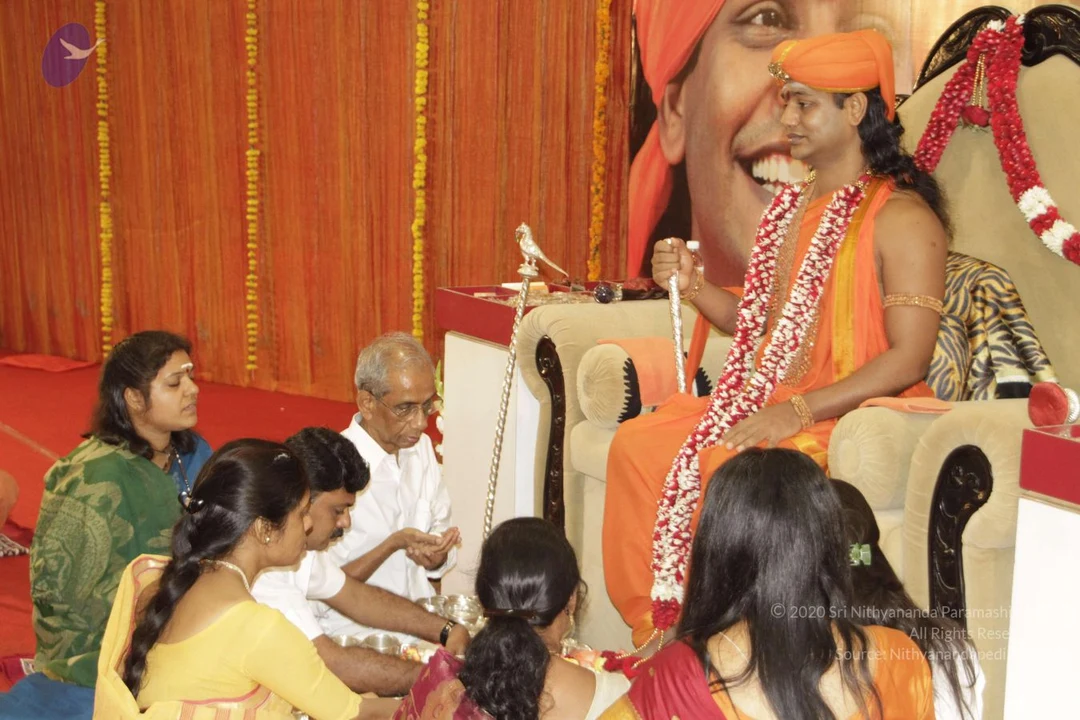
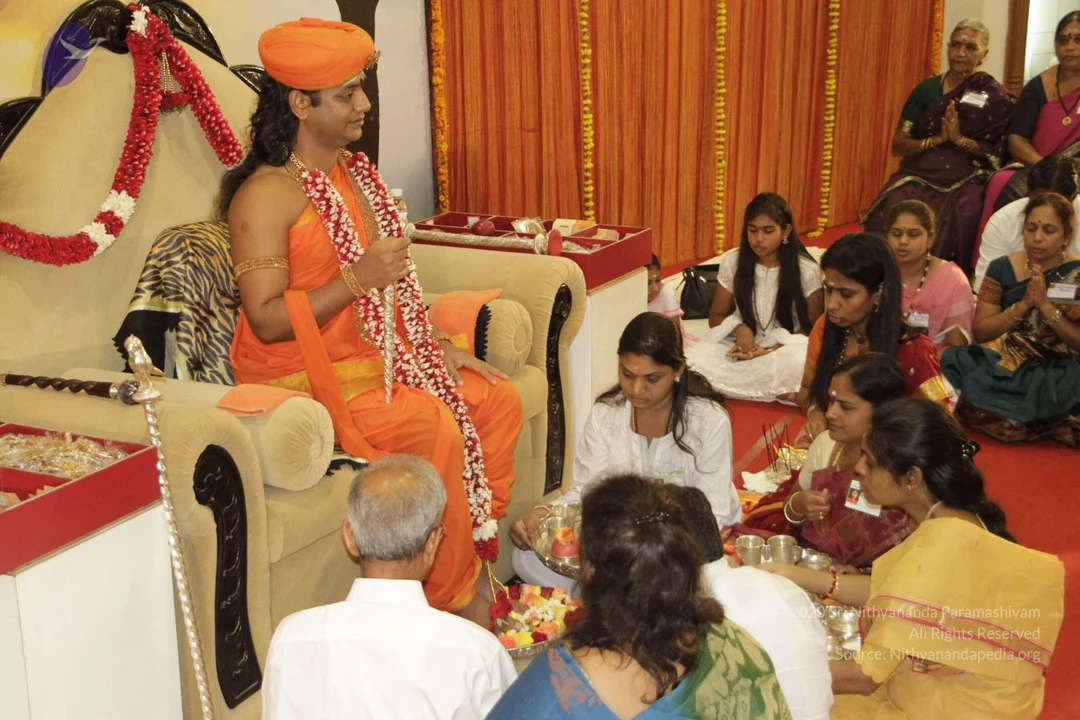
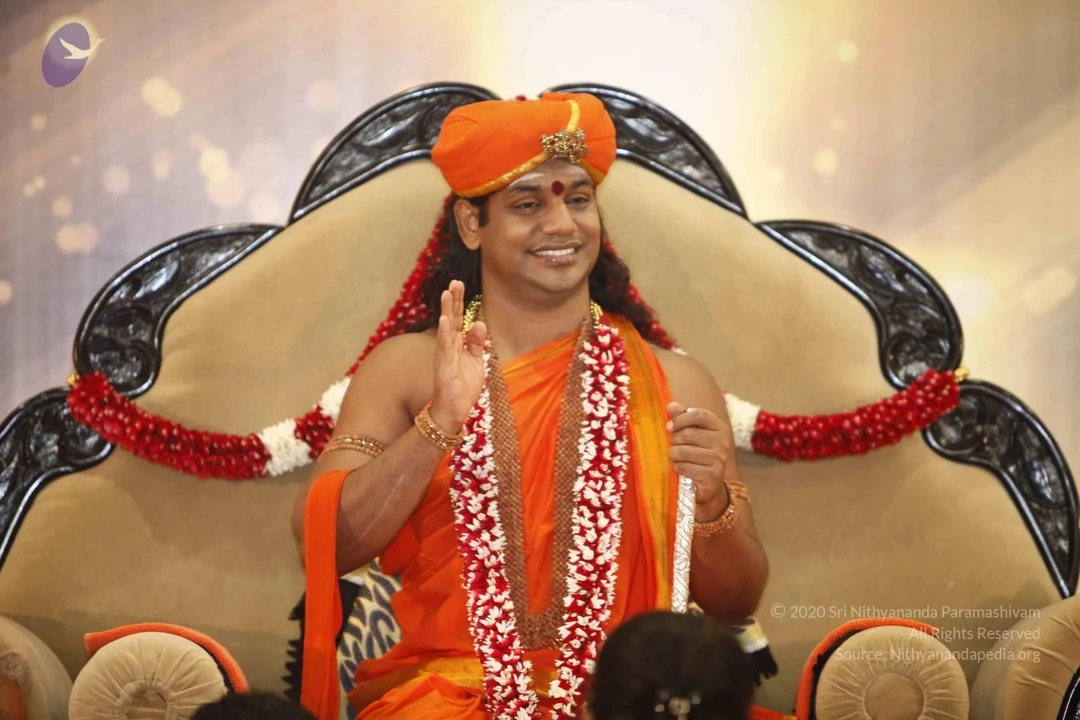
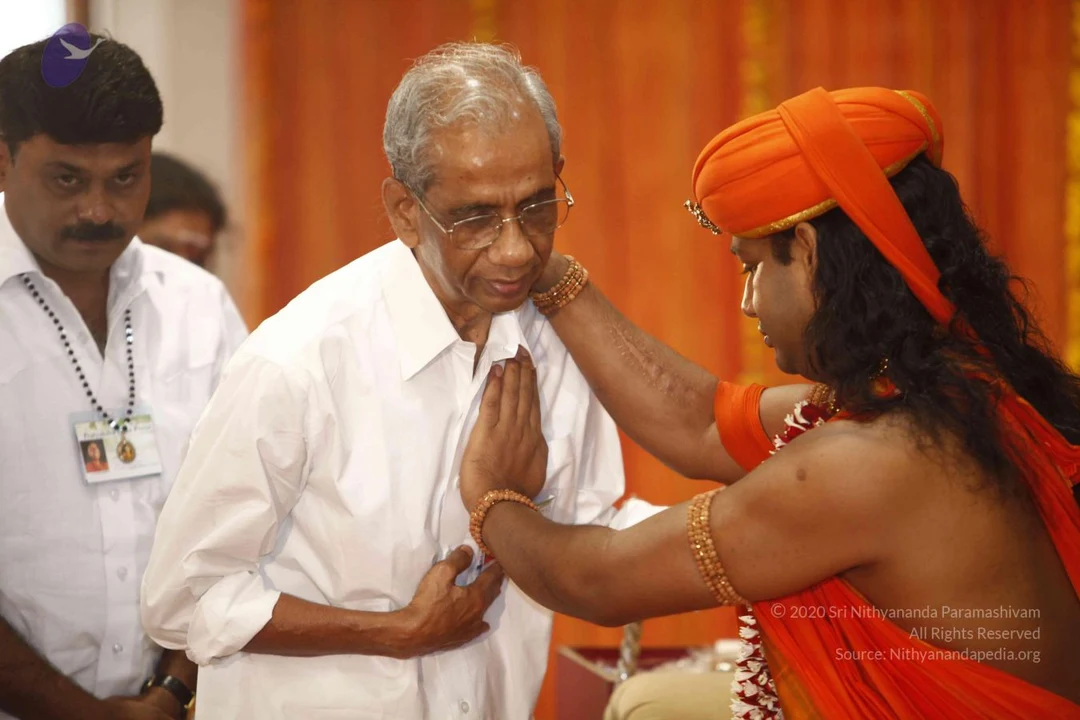
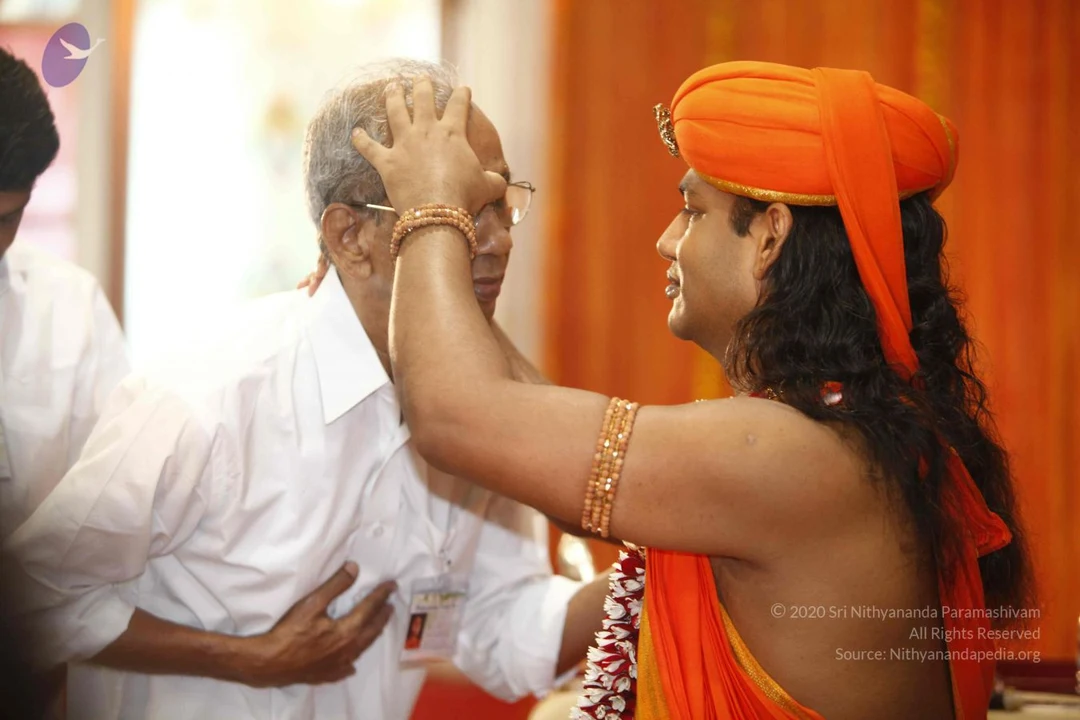
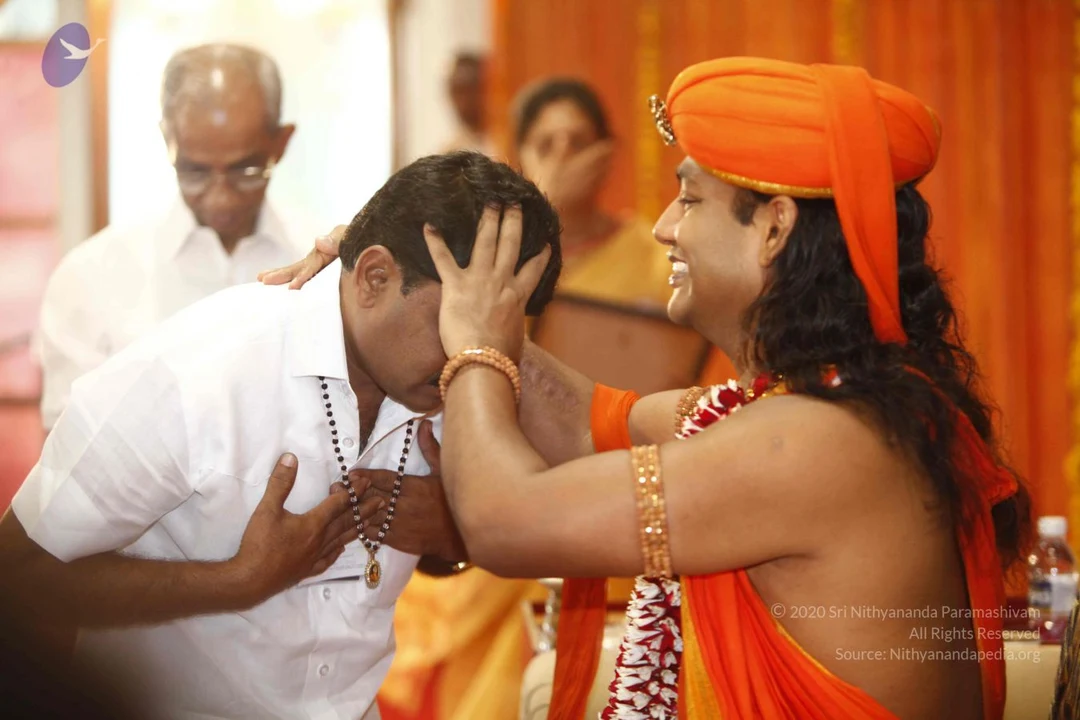
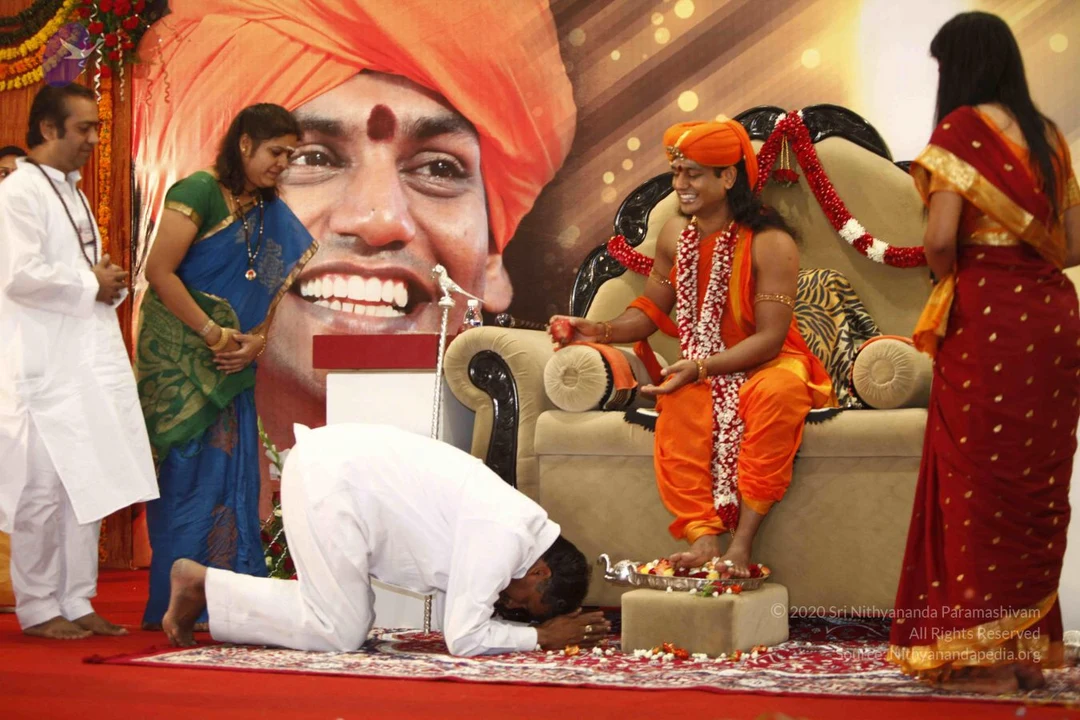
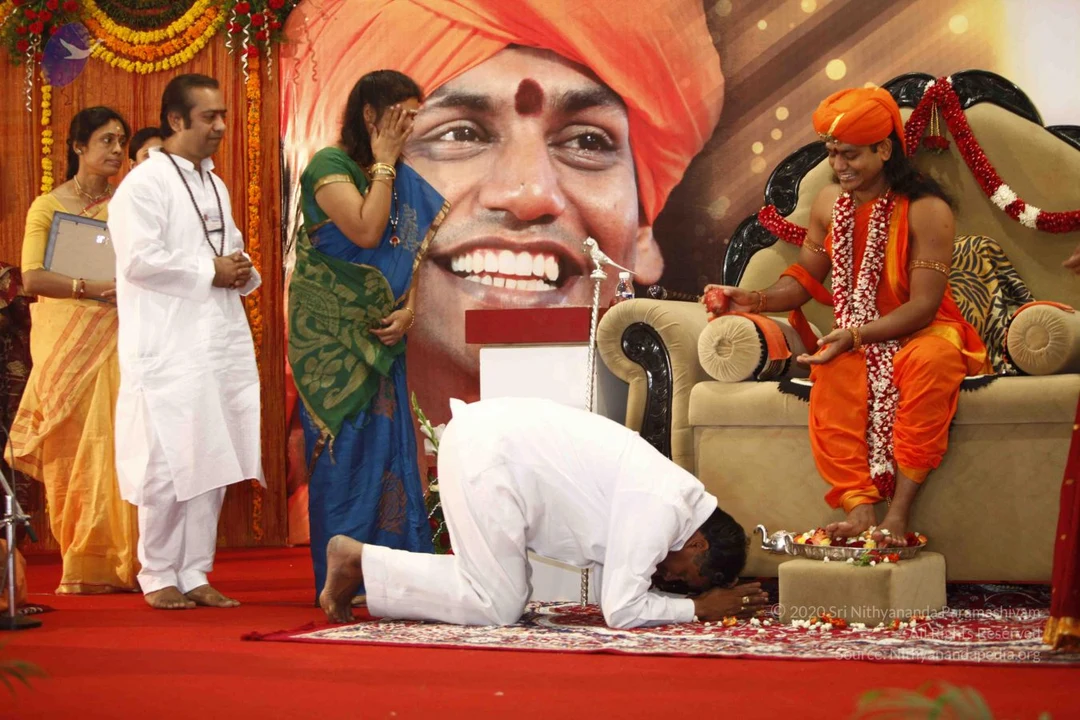
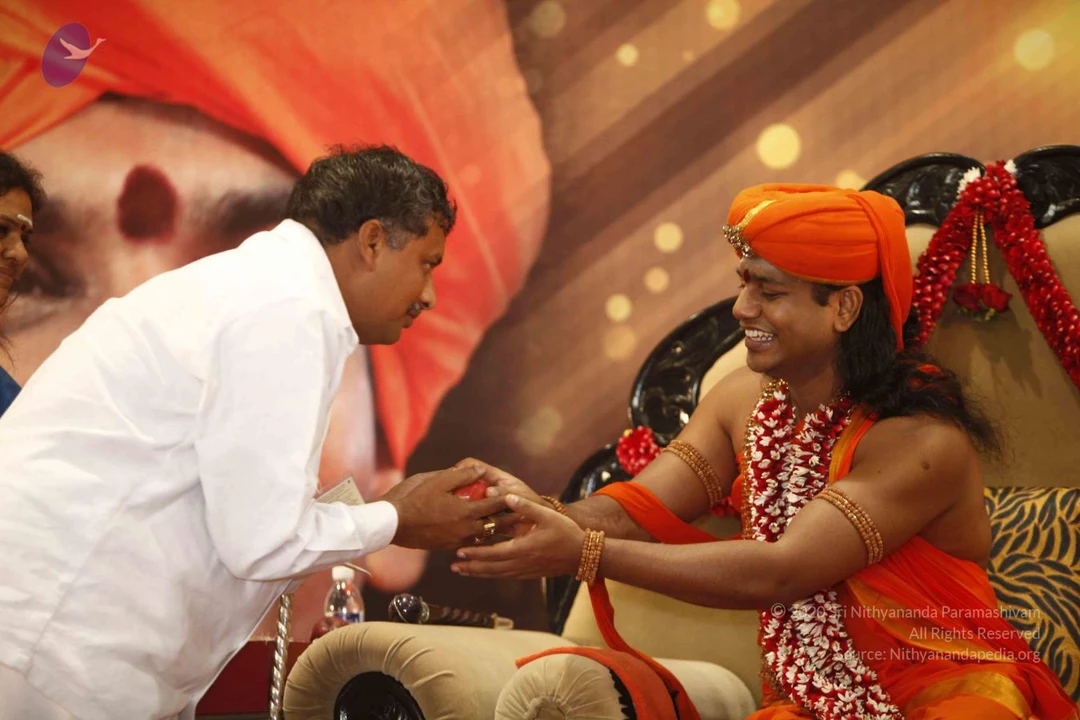
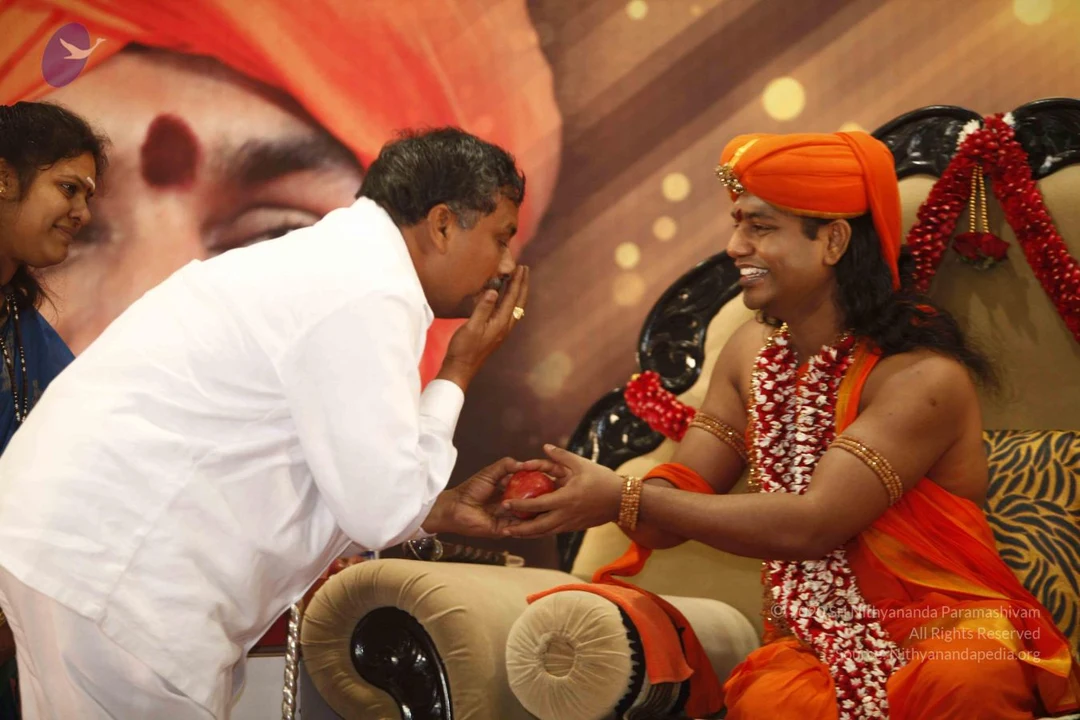
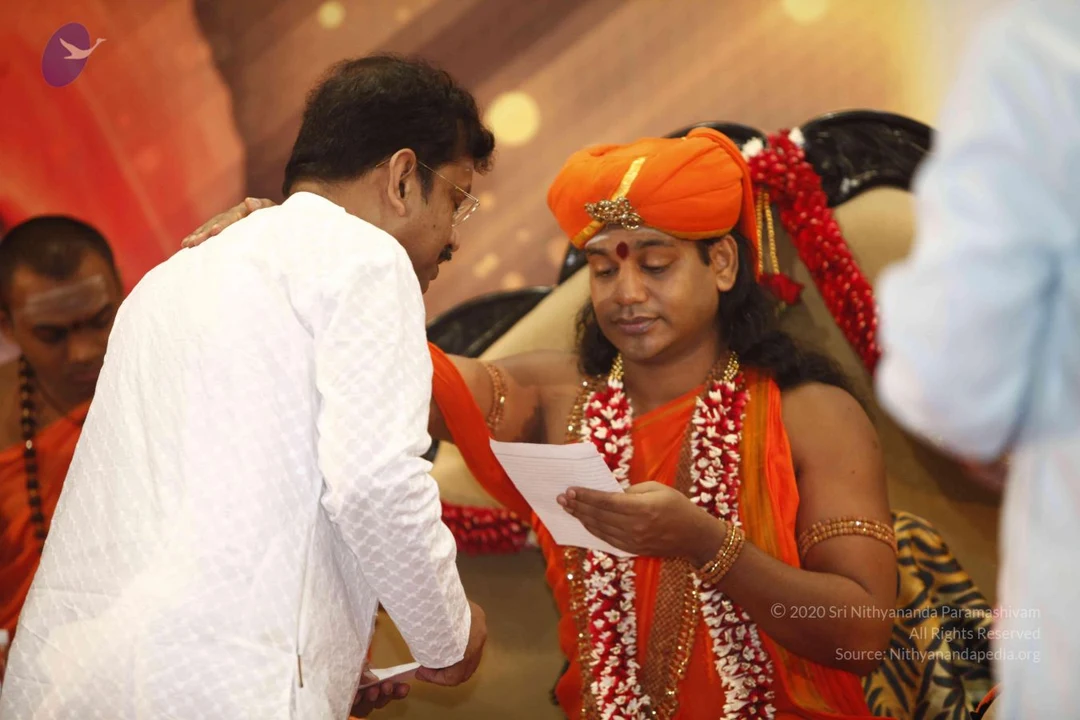
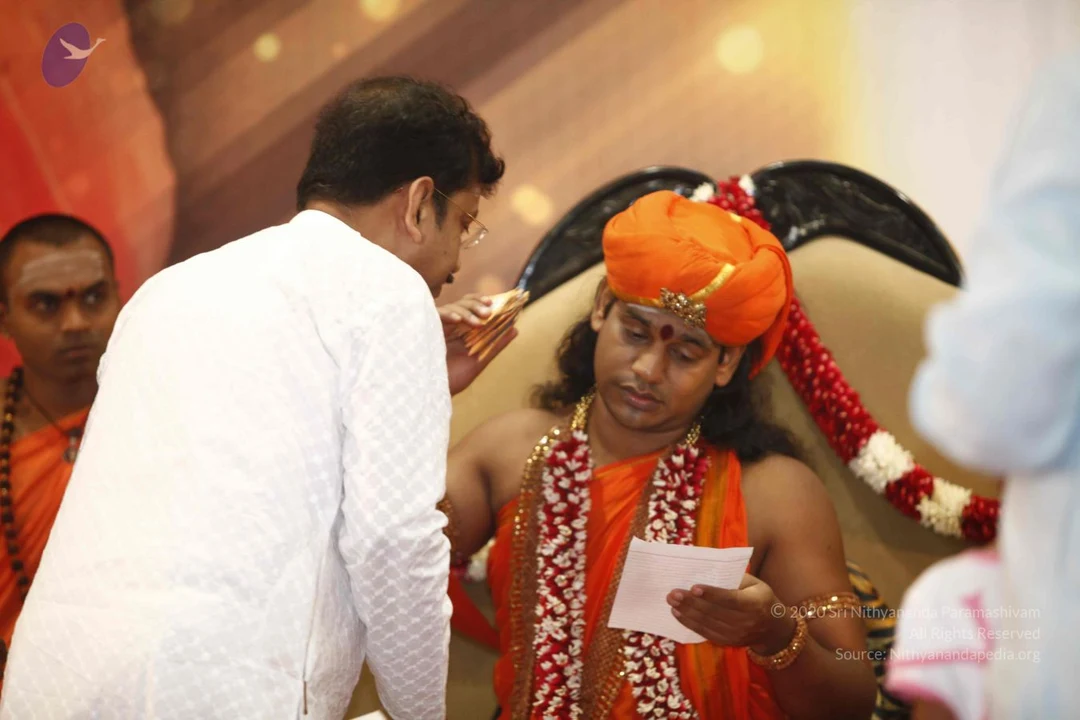
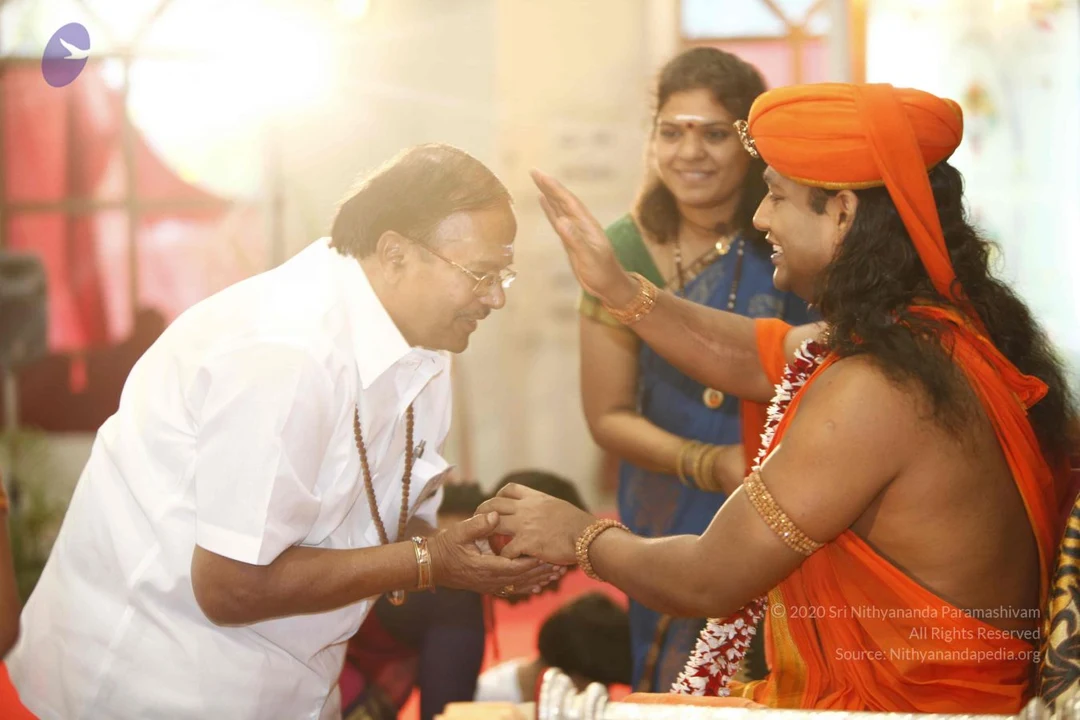
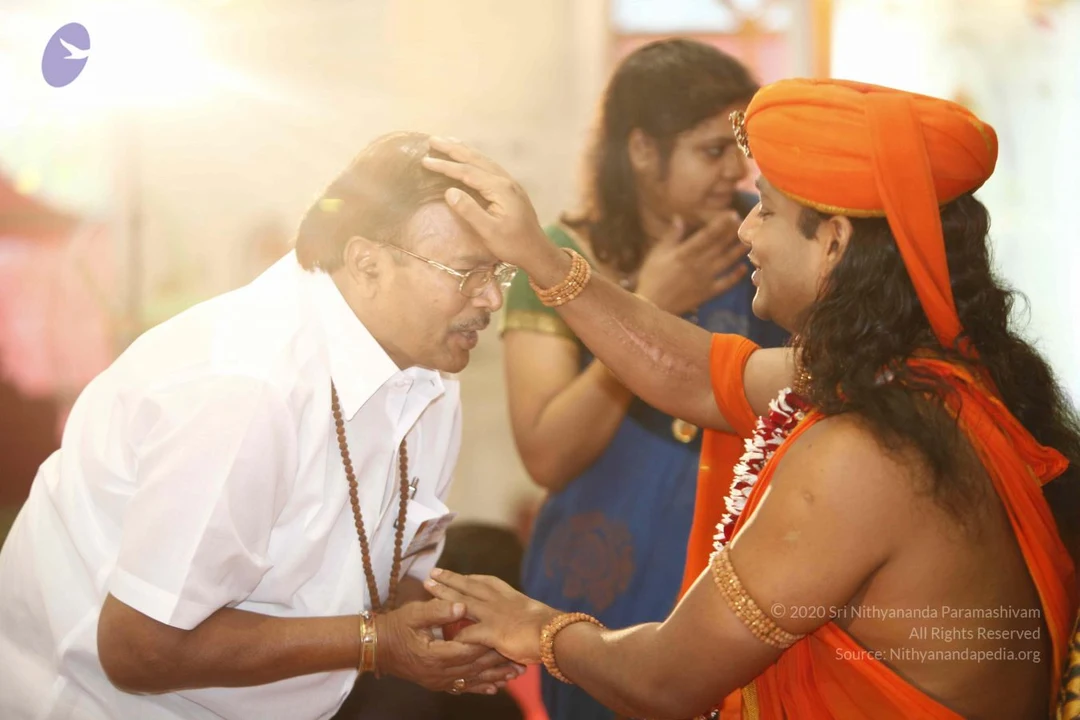
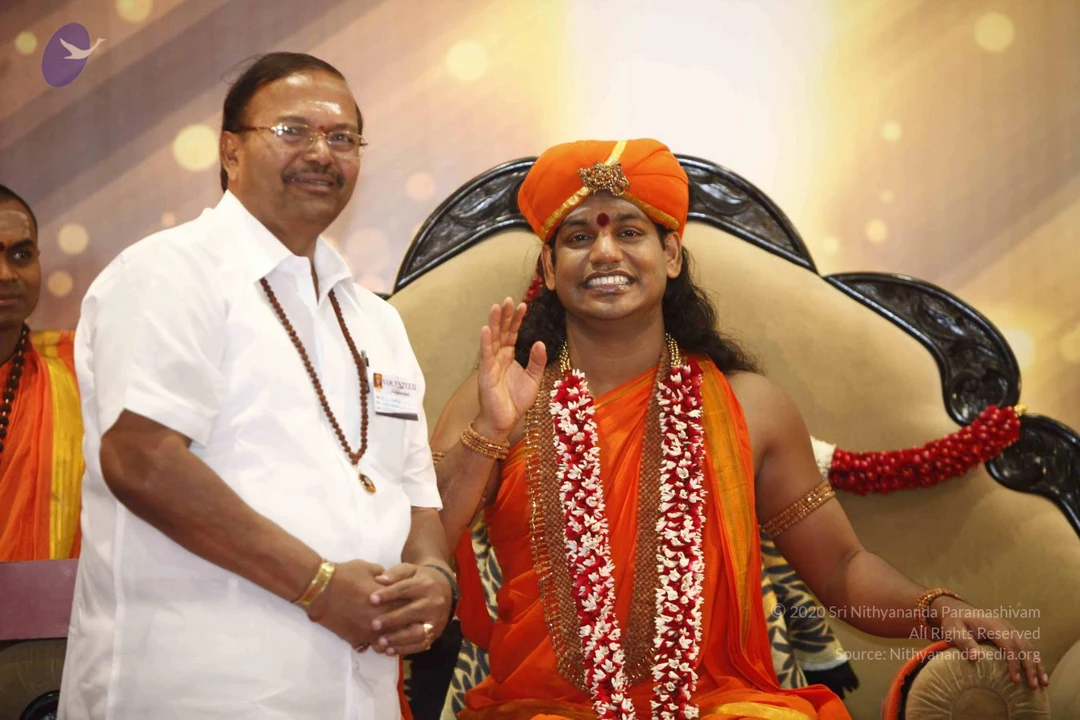
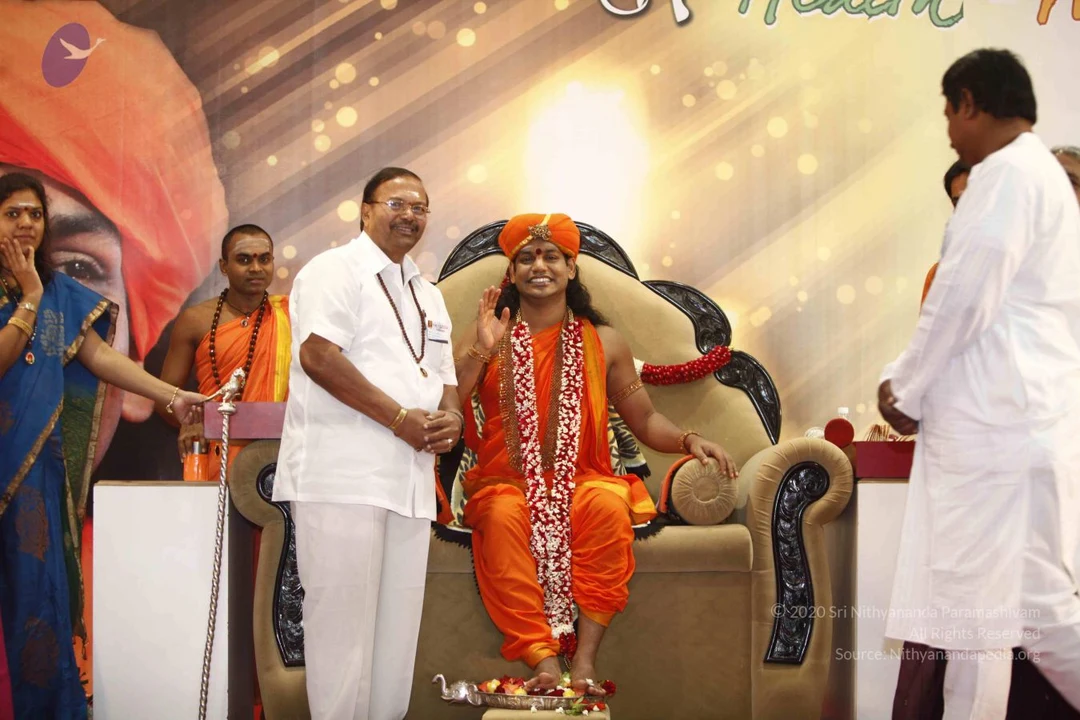
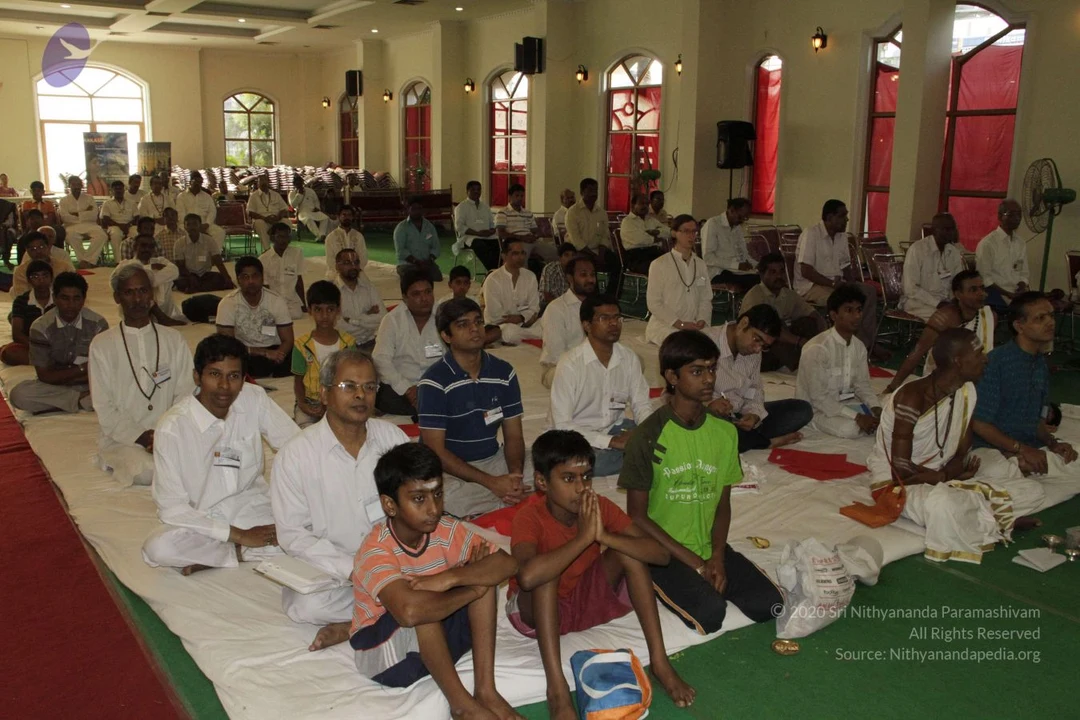
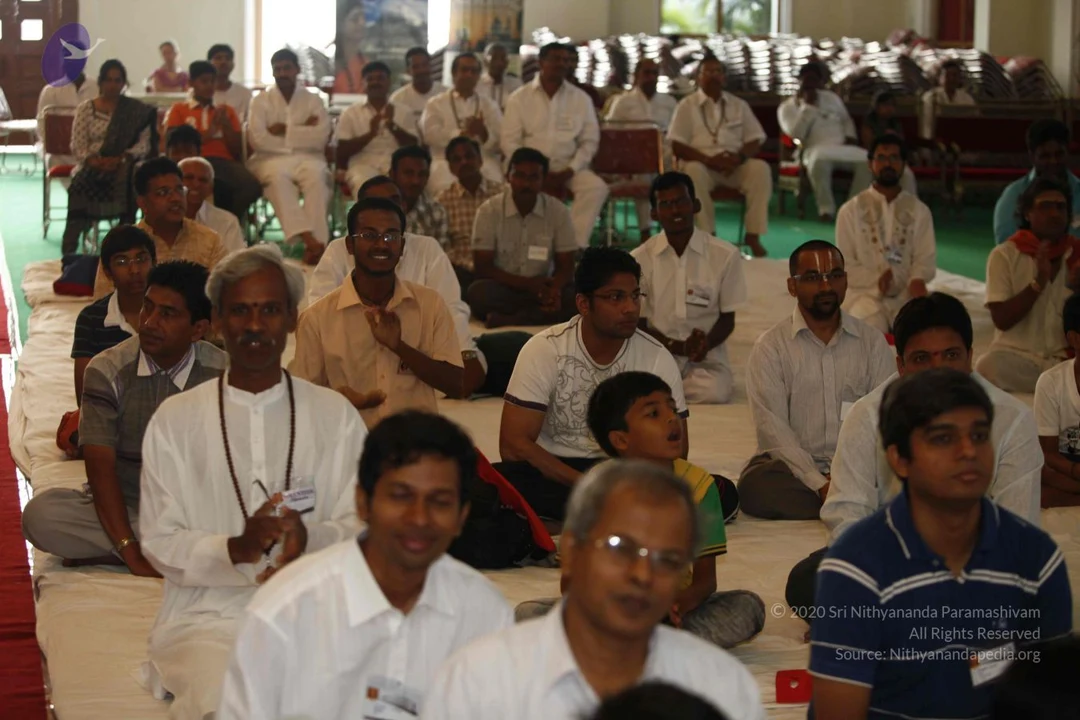
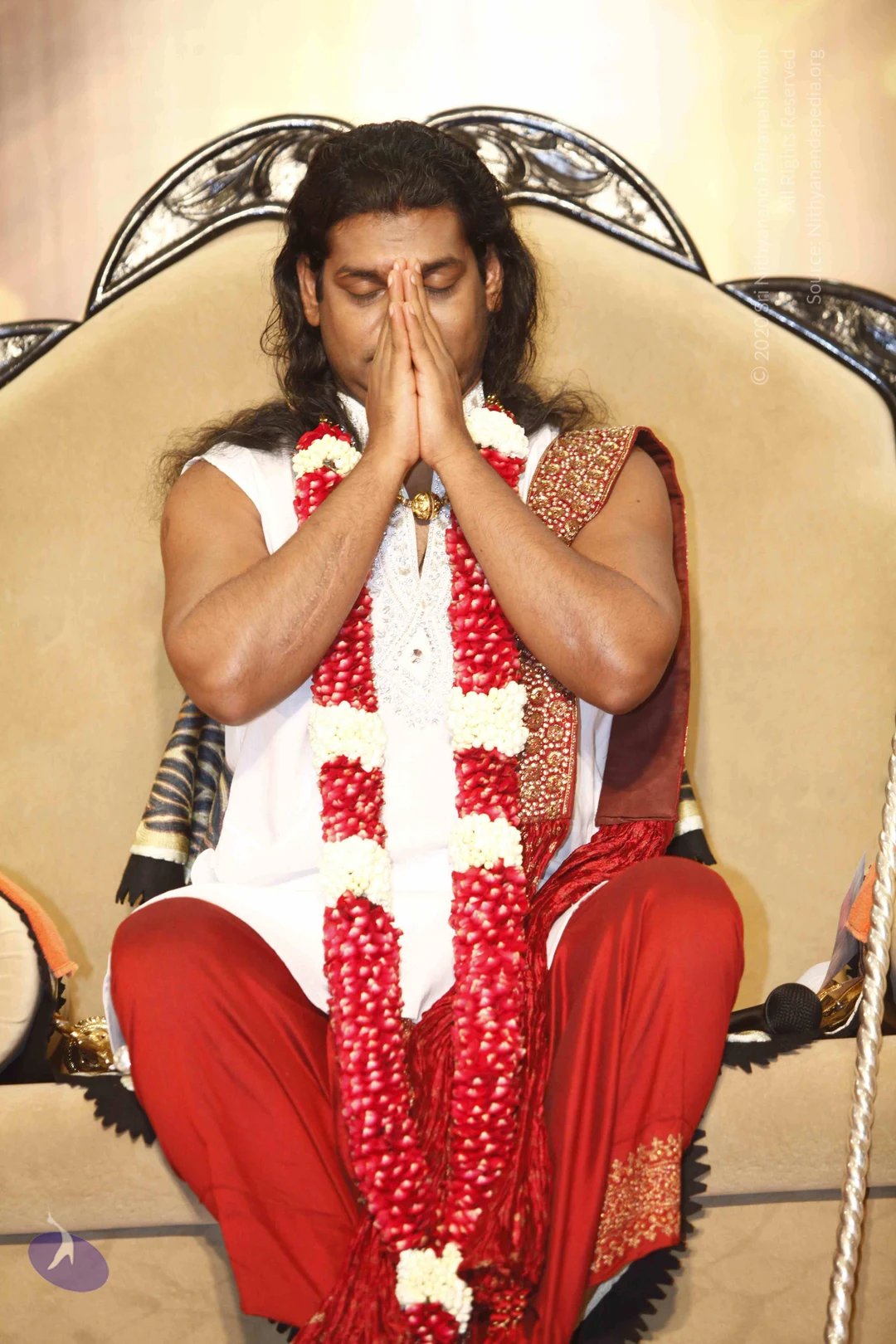
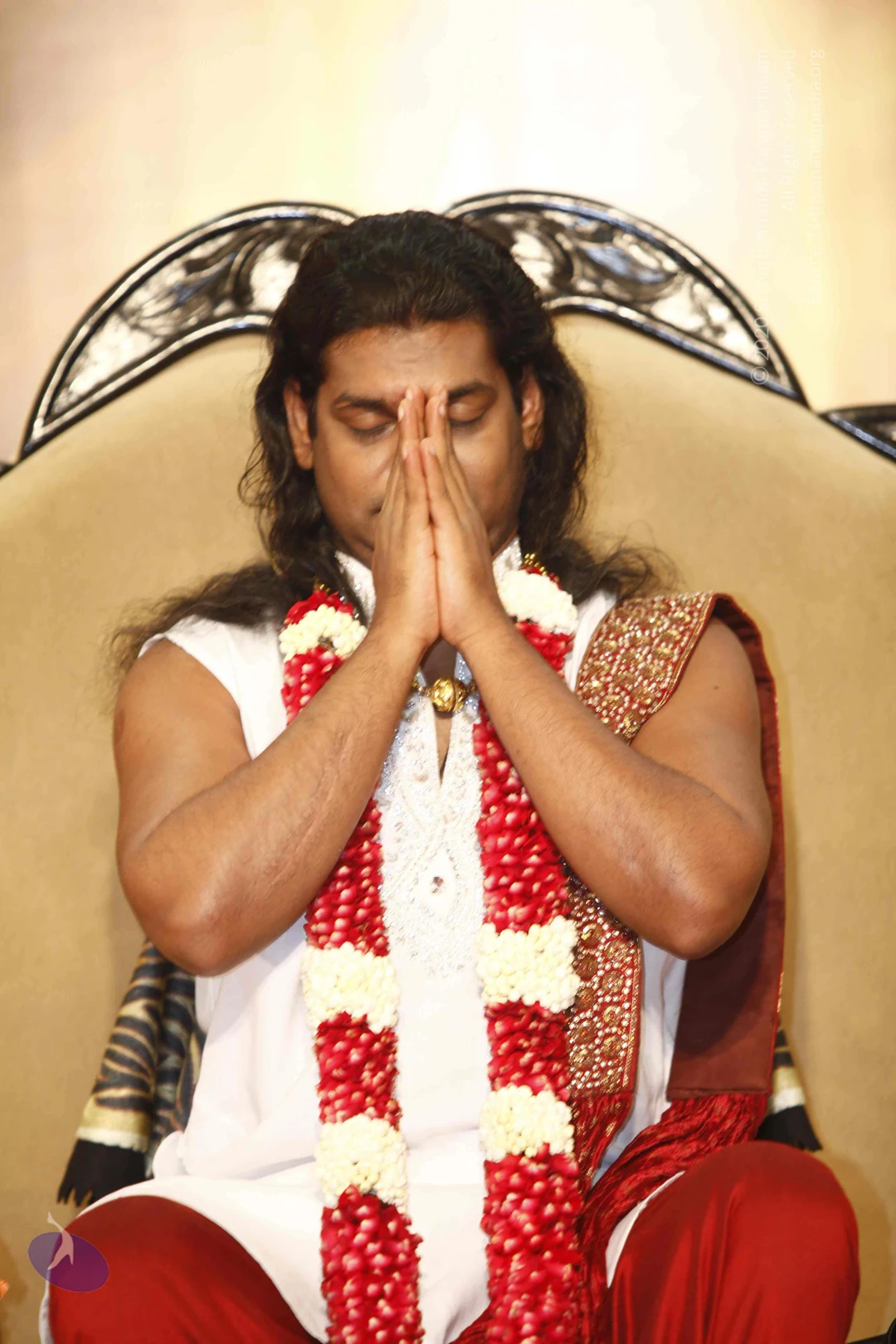
eN-WEALTH-HEALTH-BY-HDH
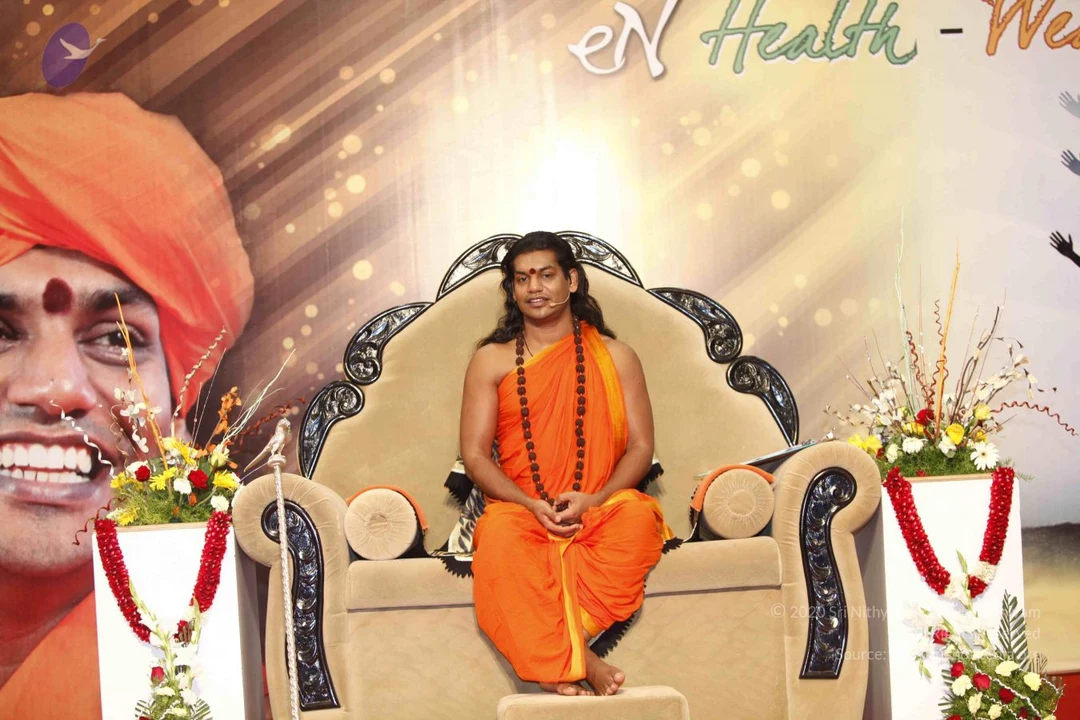
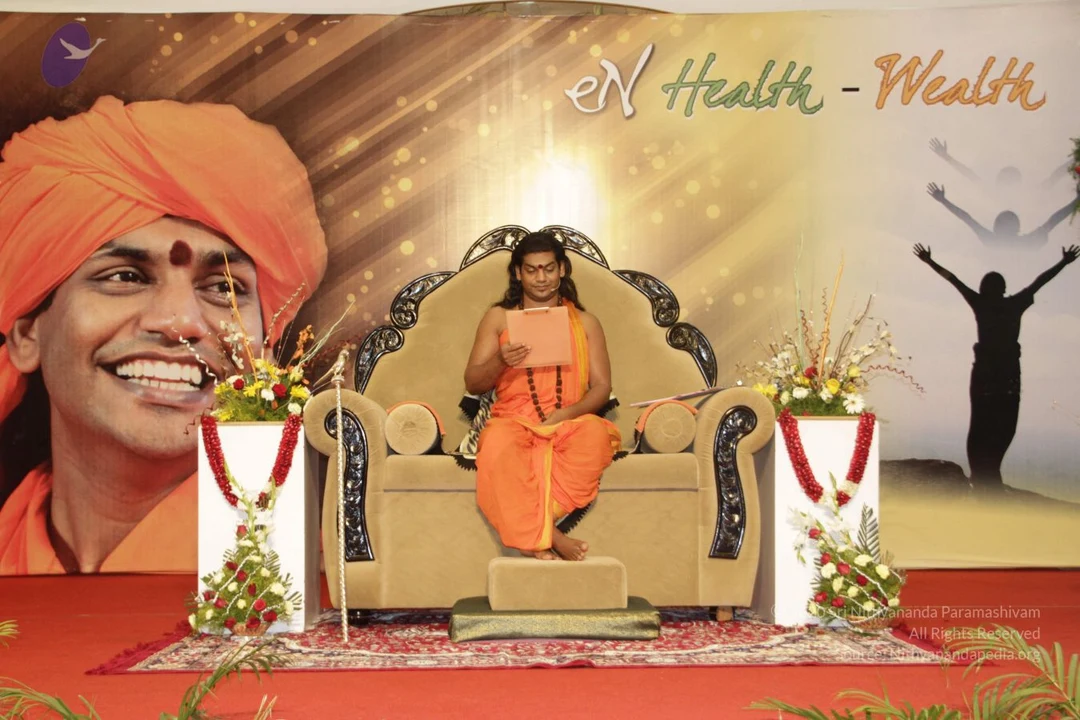
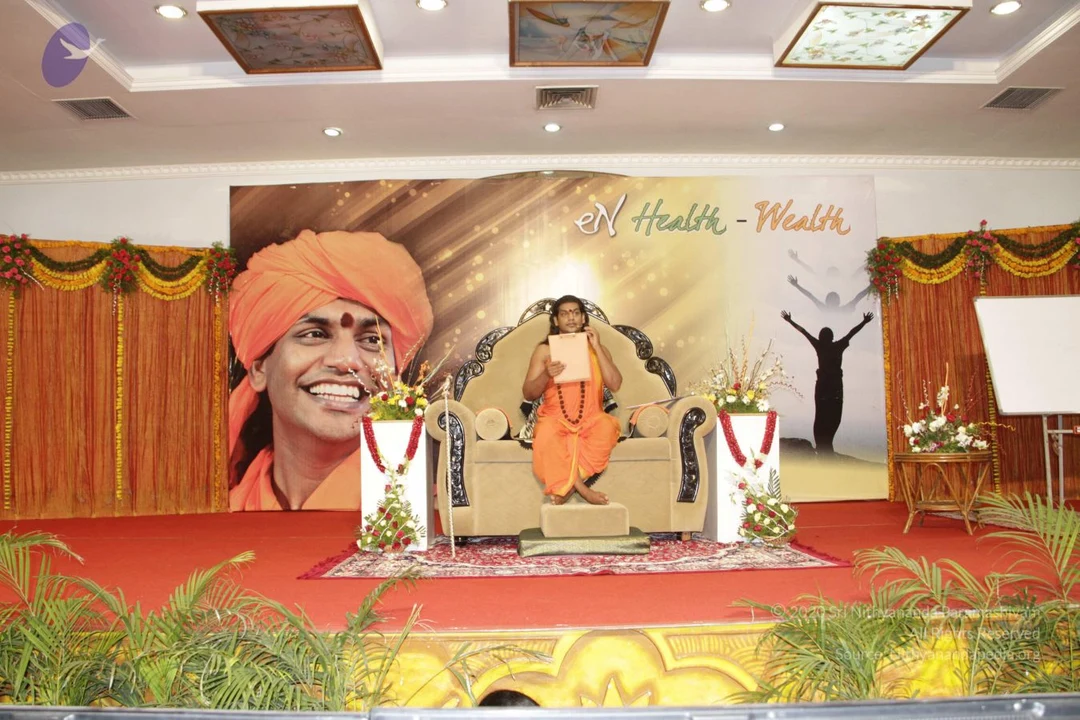
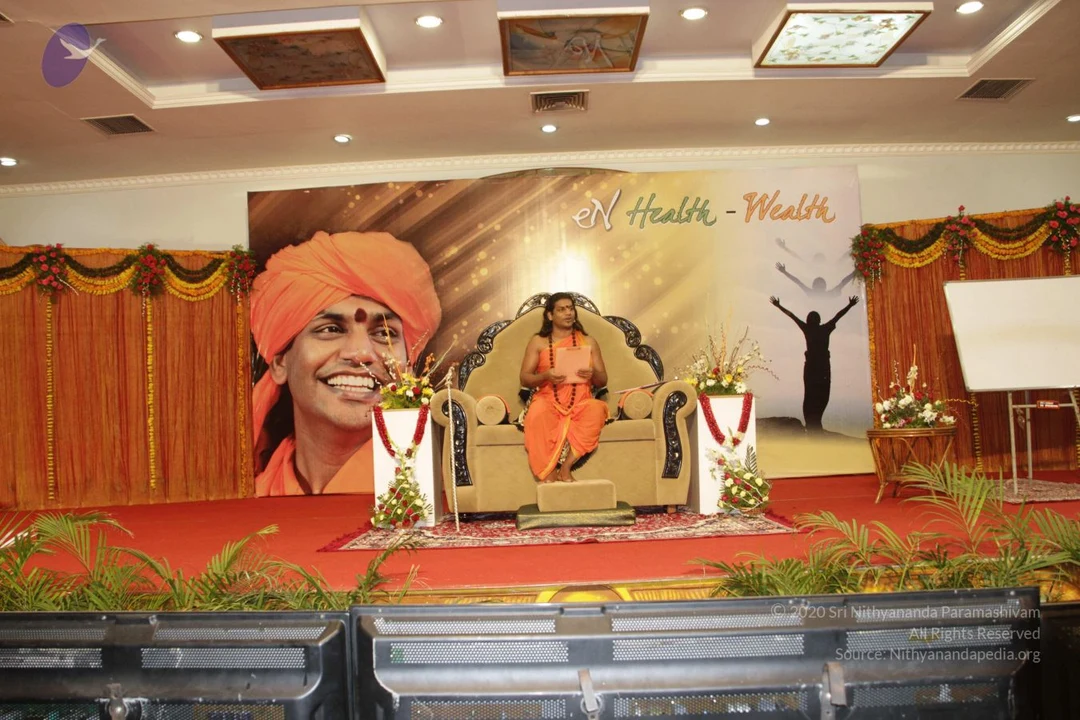
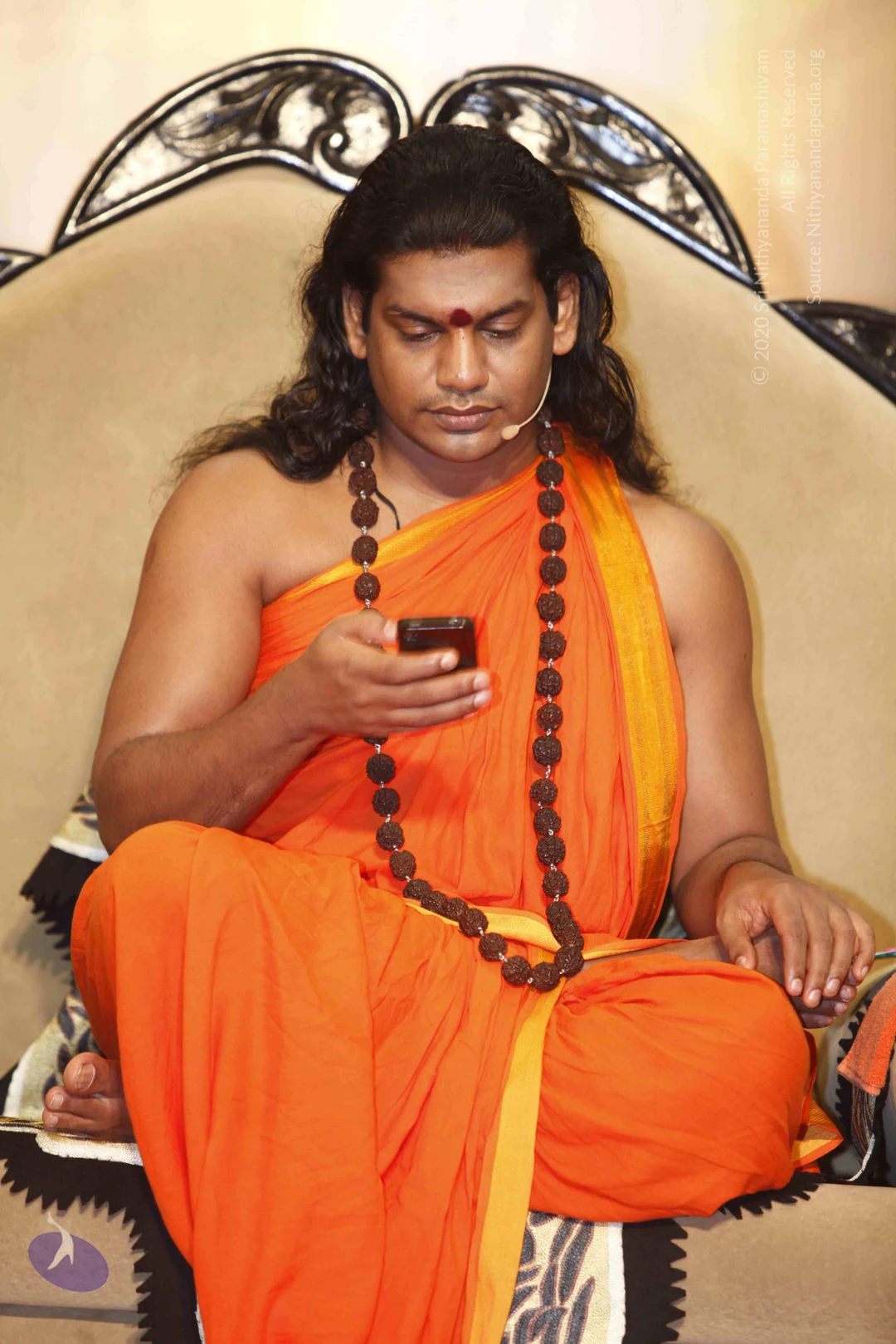
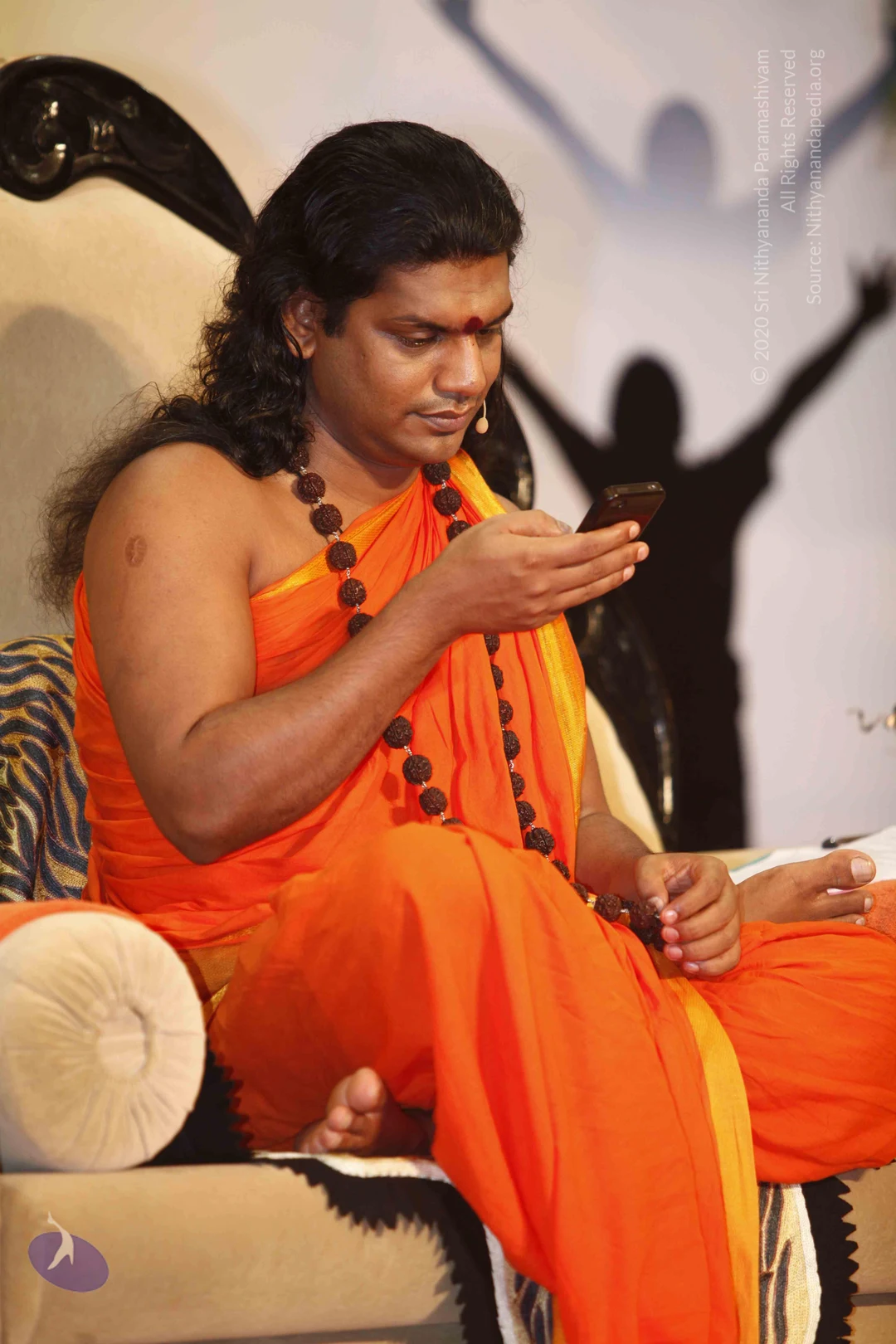
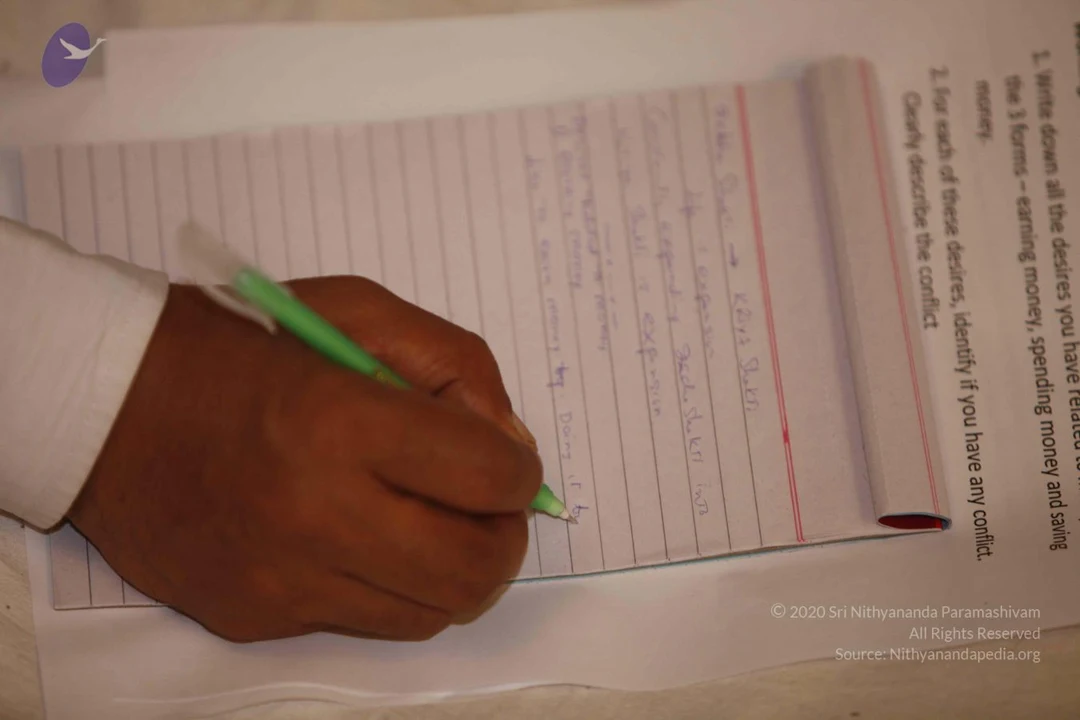
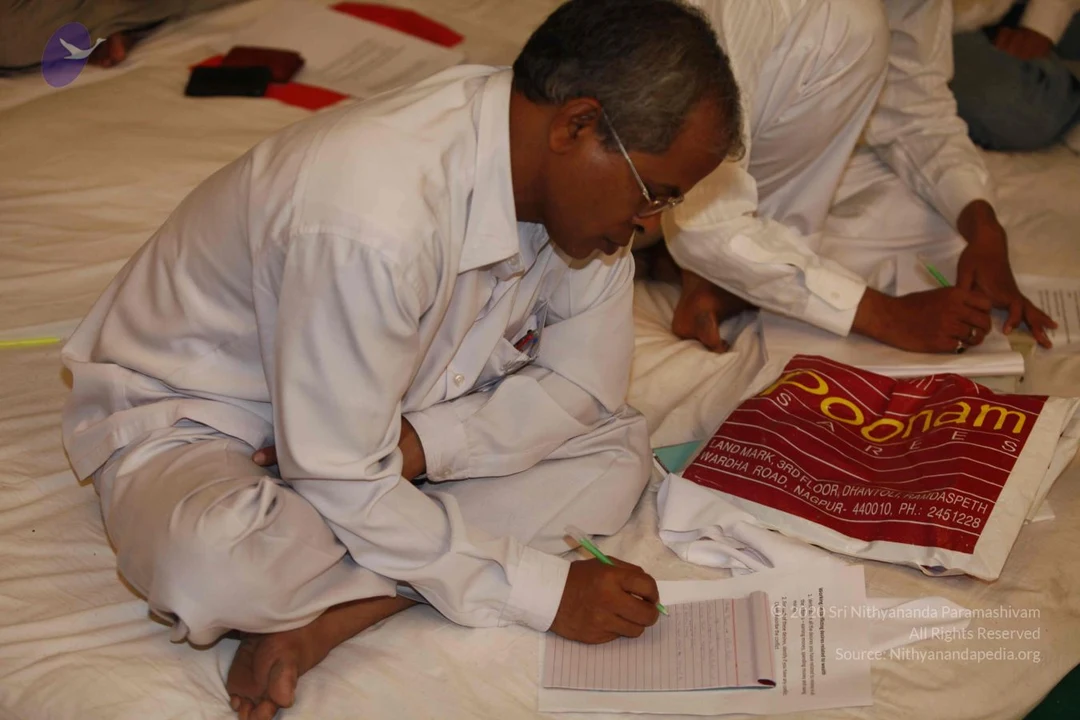
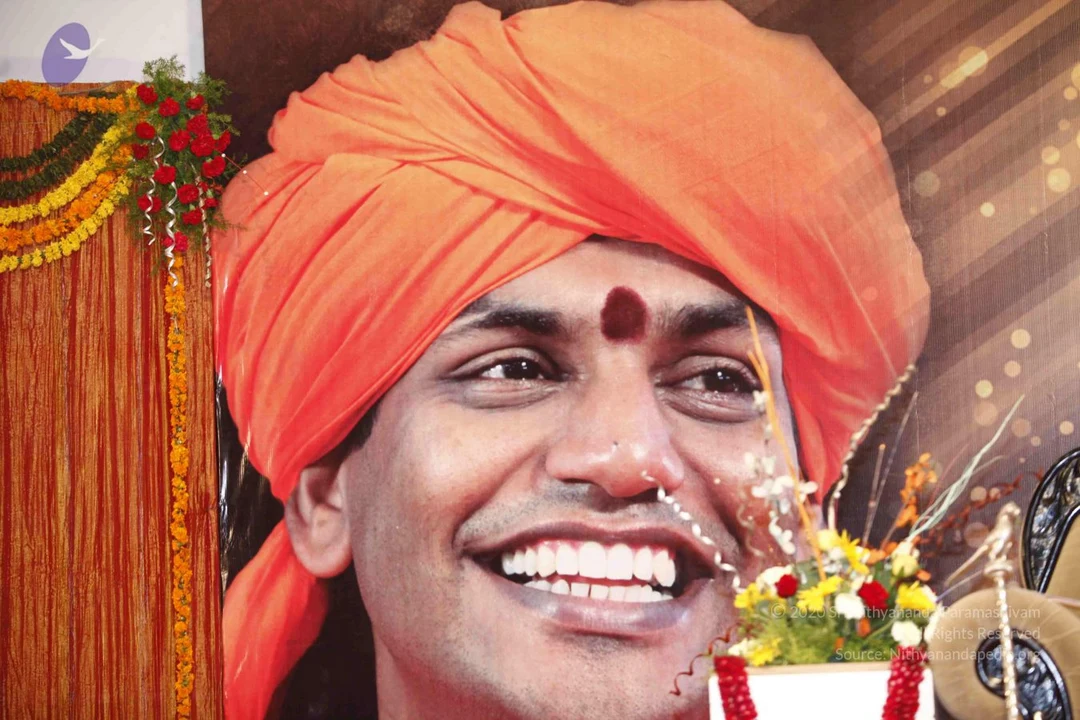
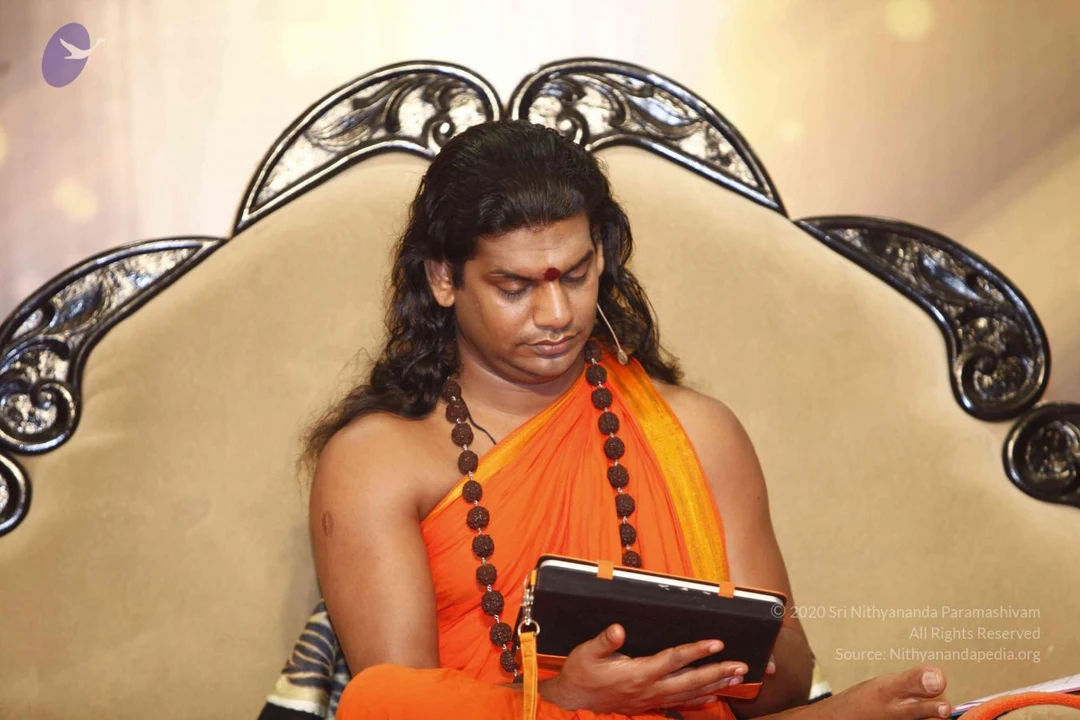
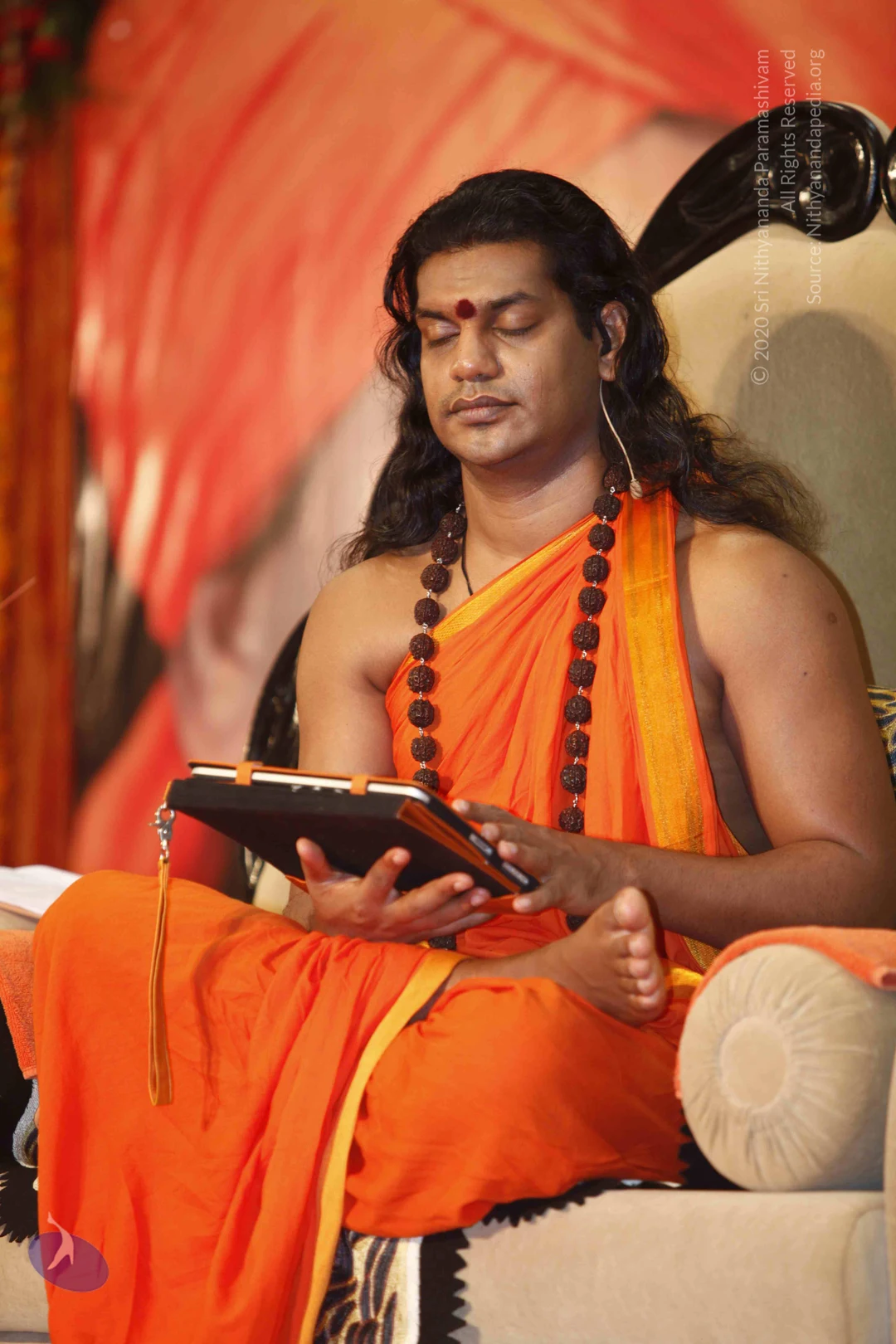
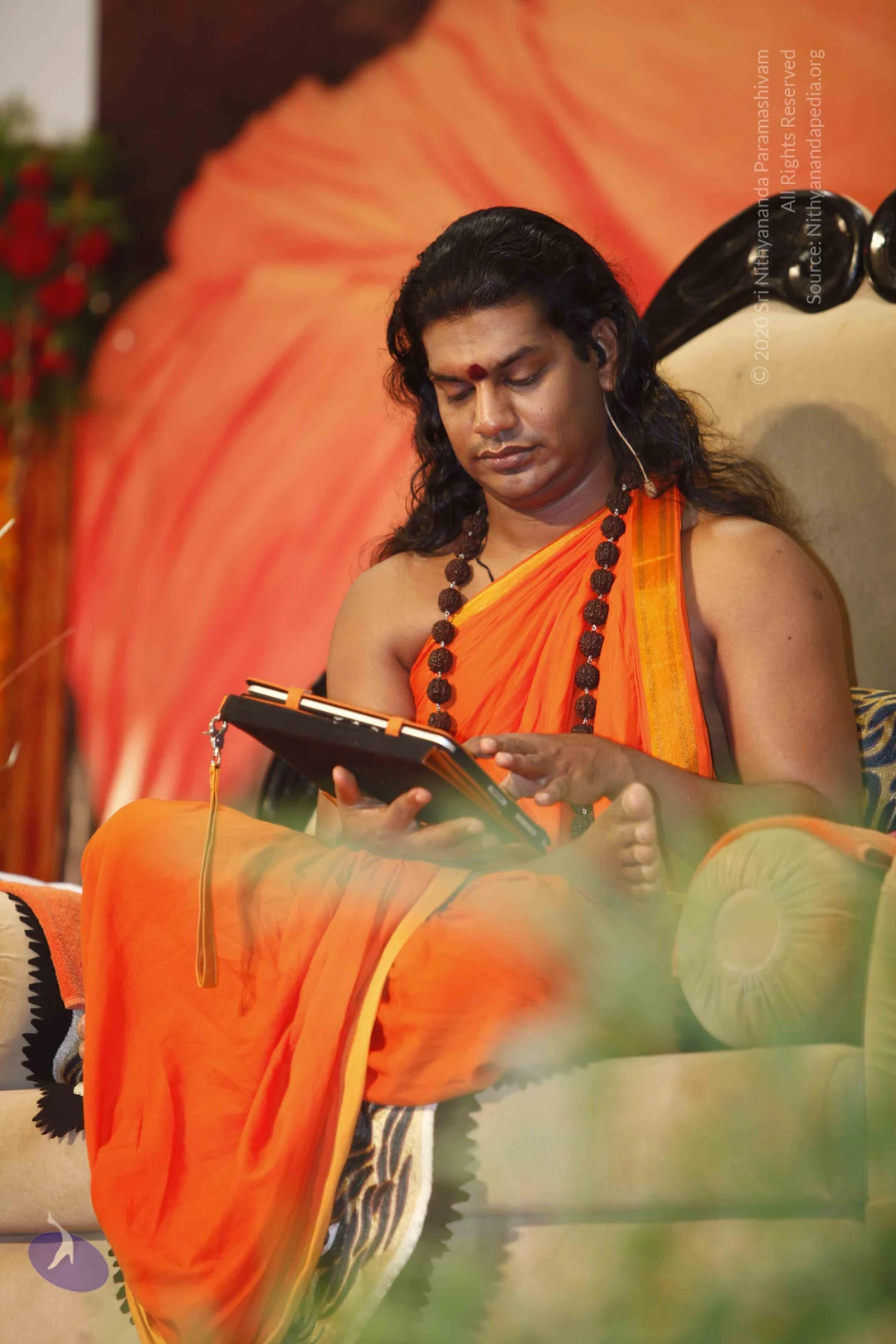
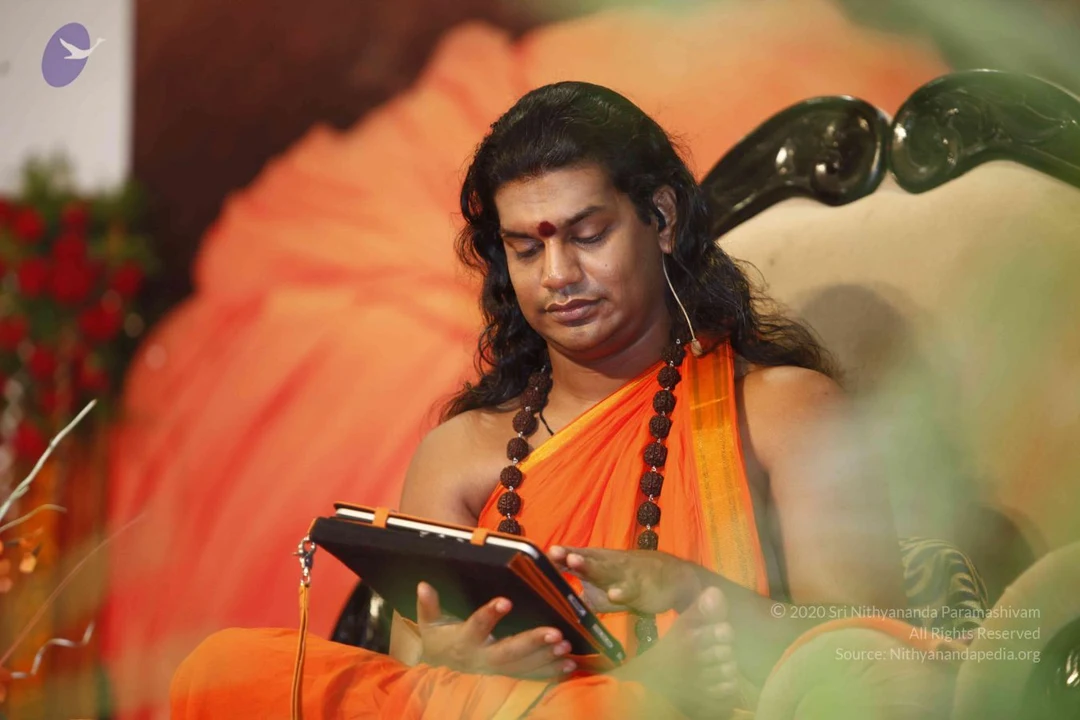
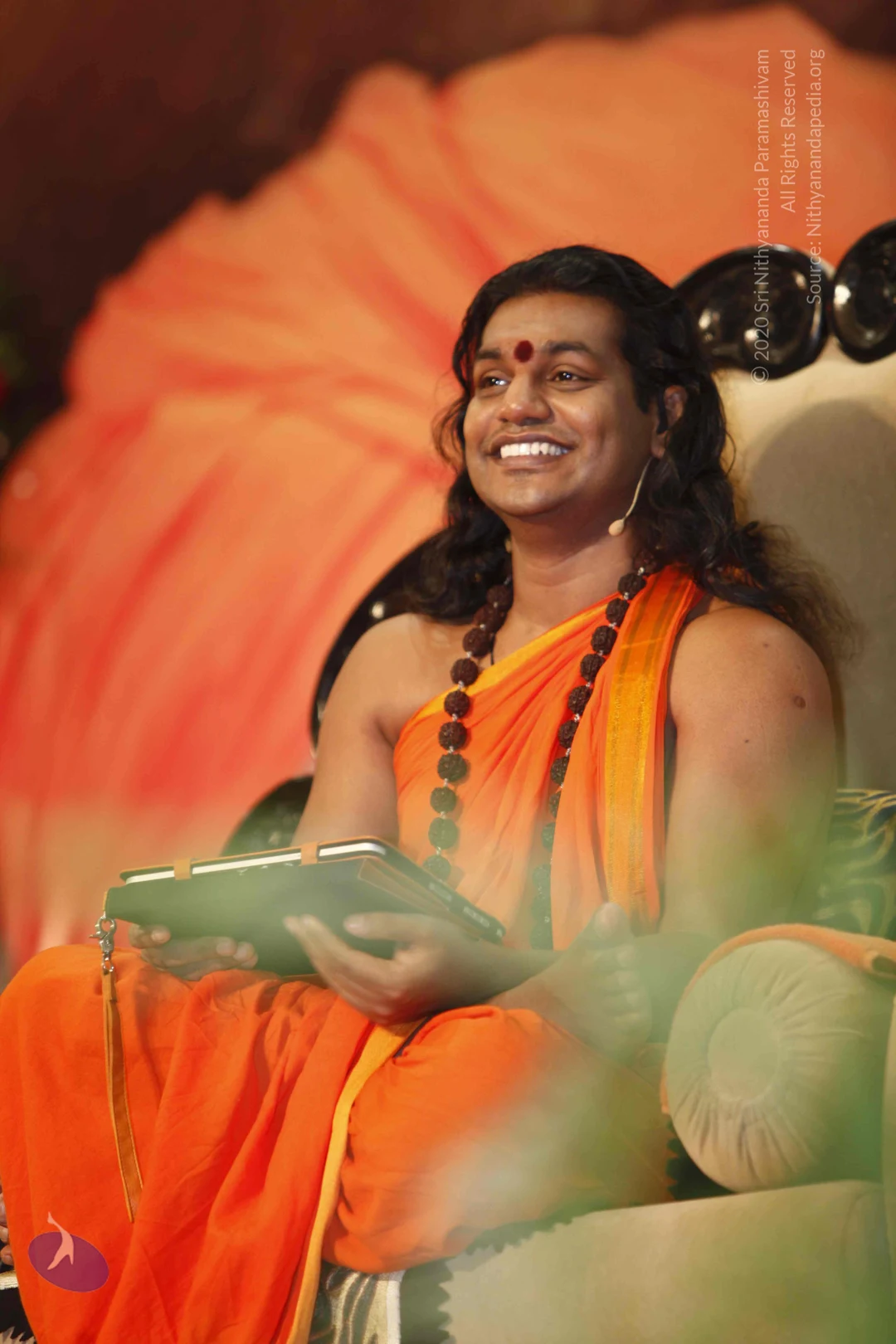
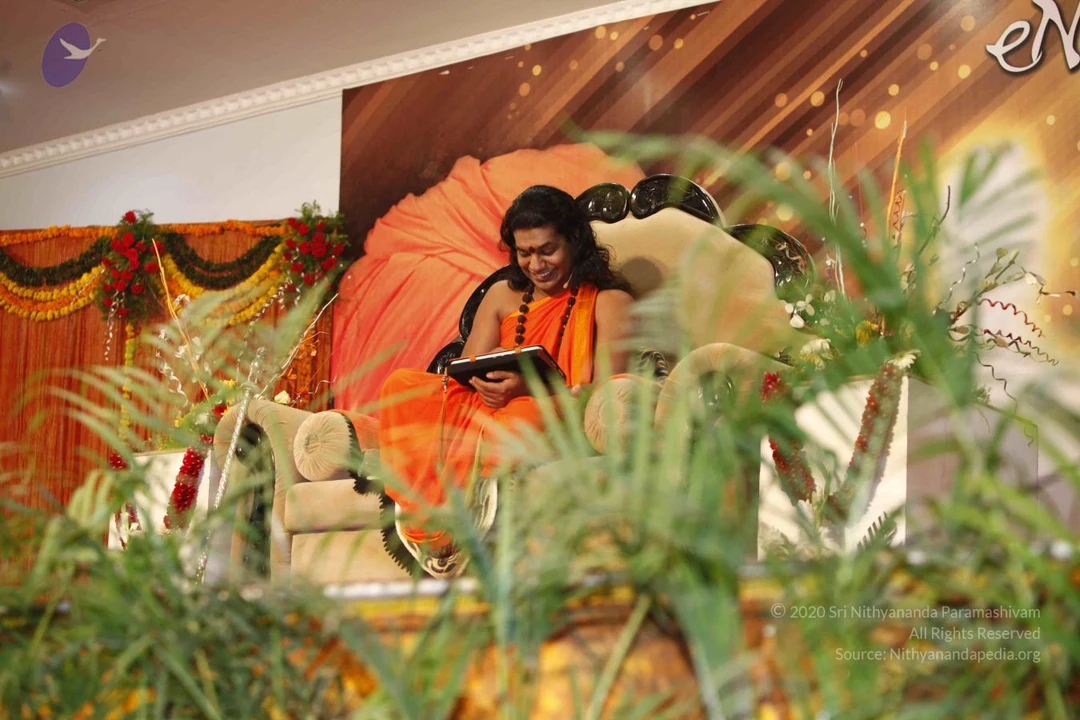
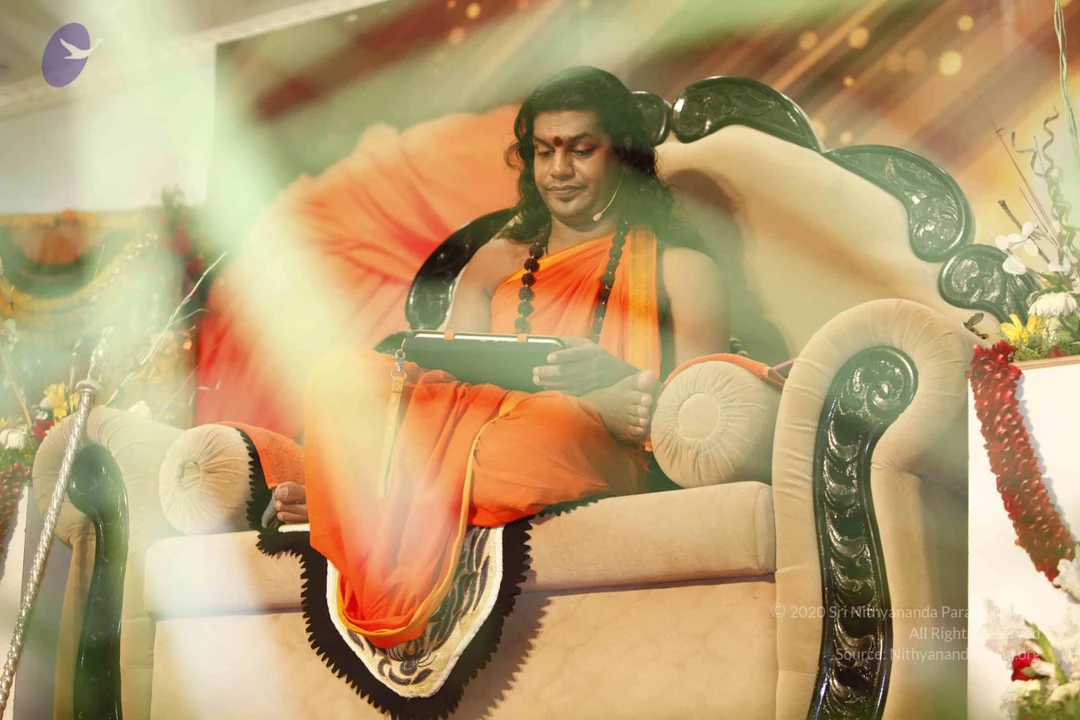
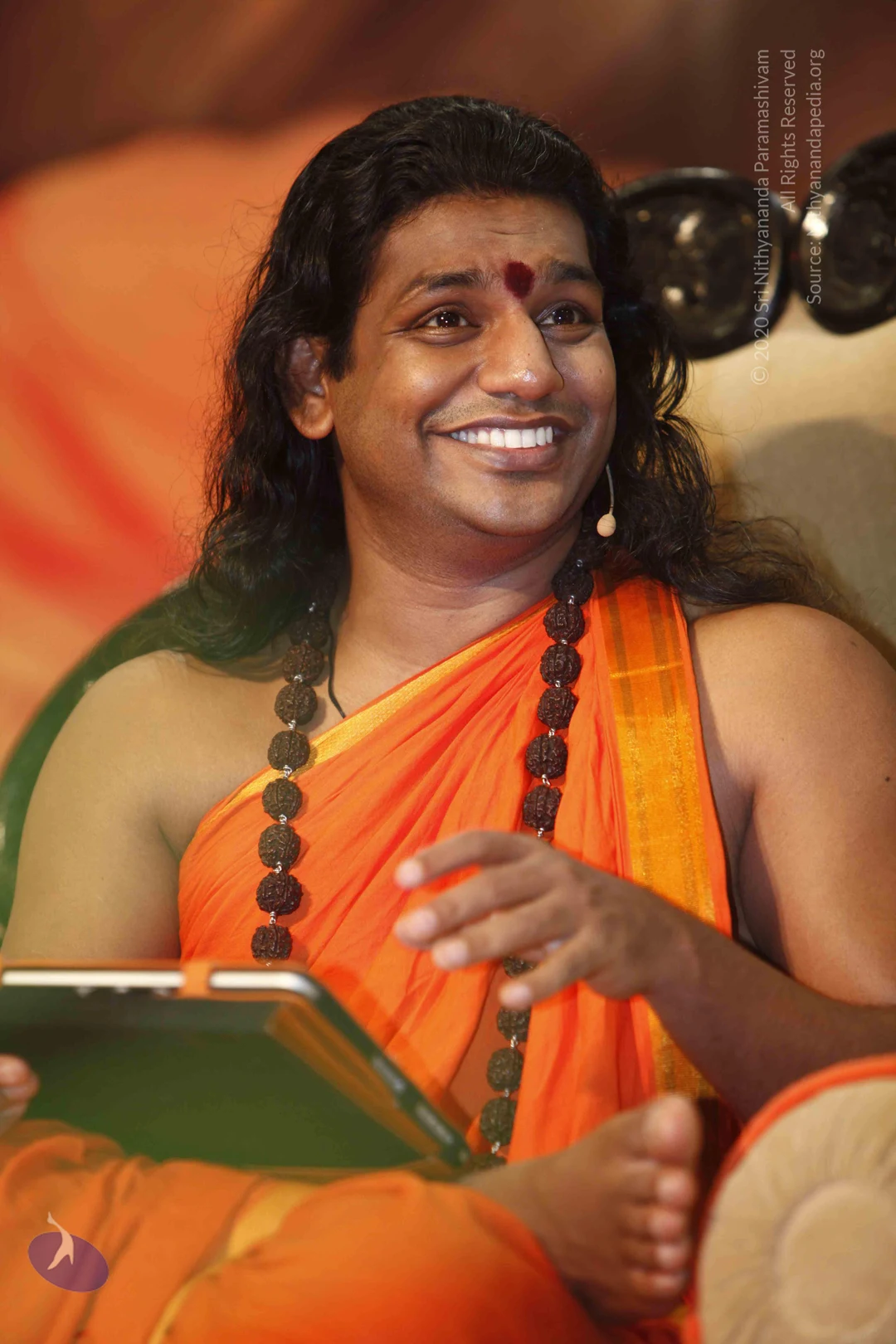
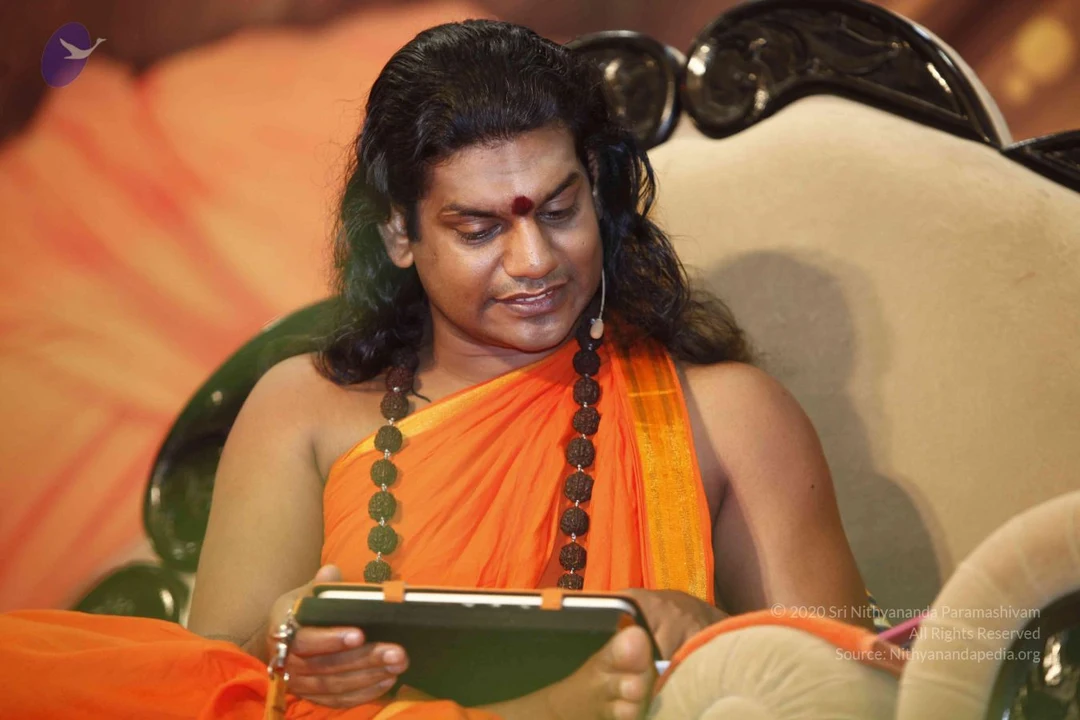
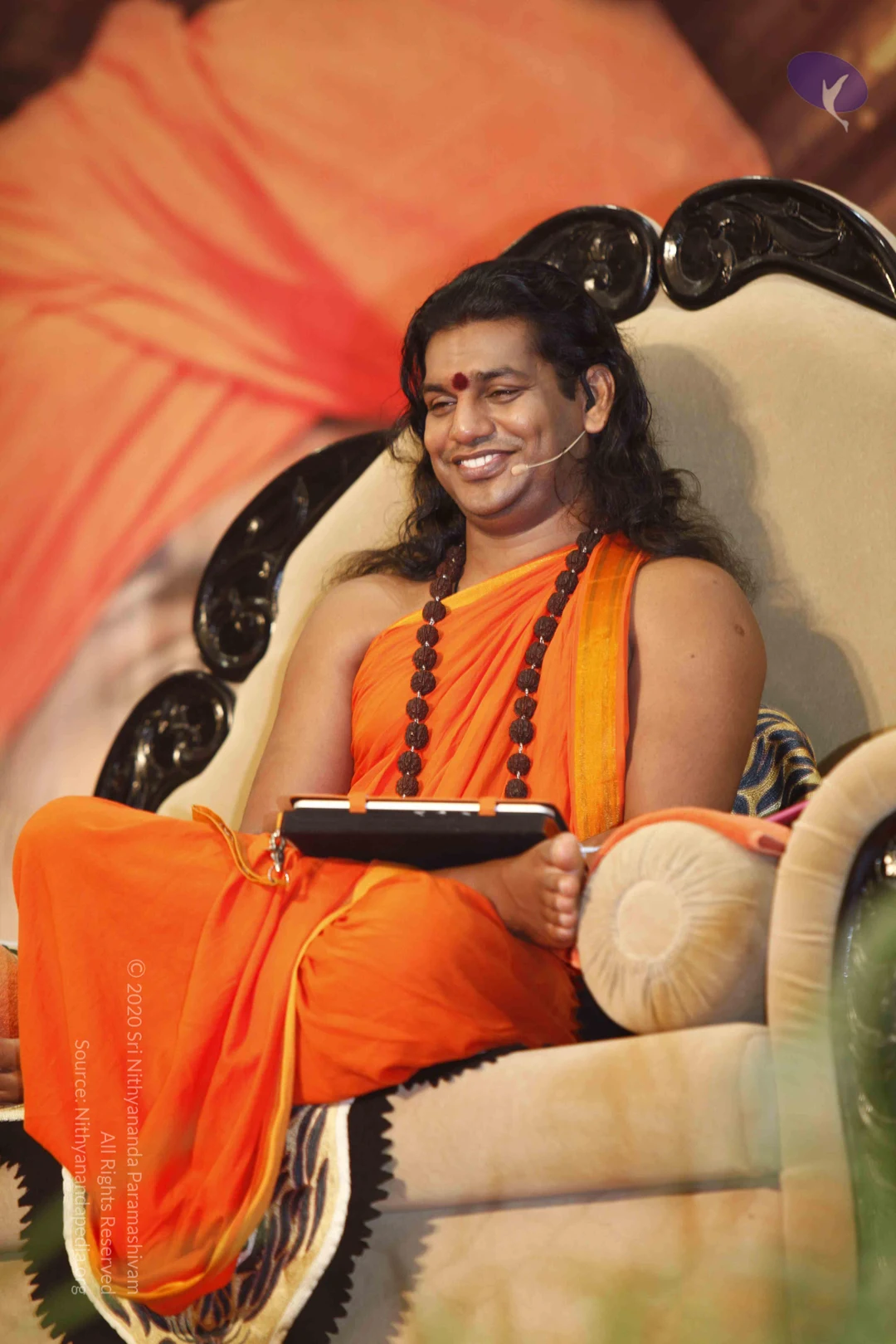
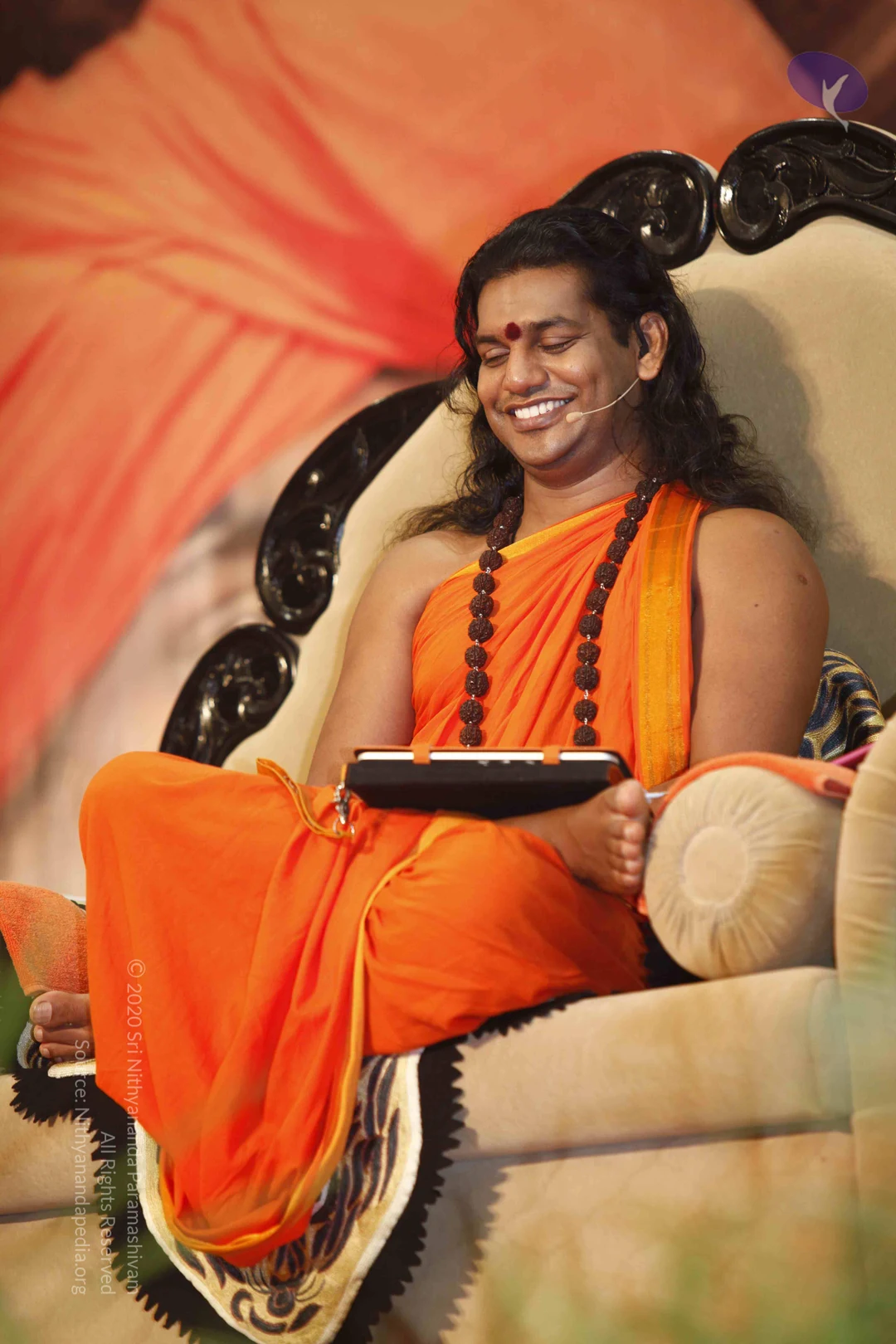
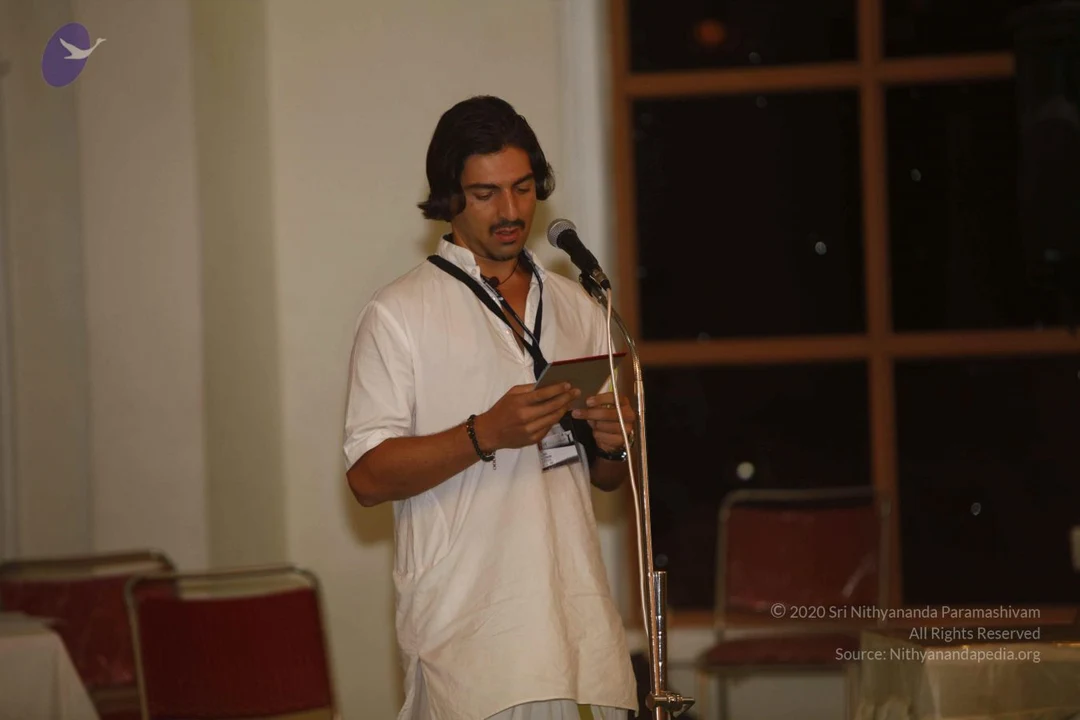
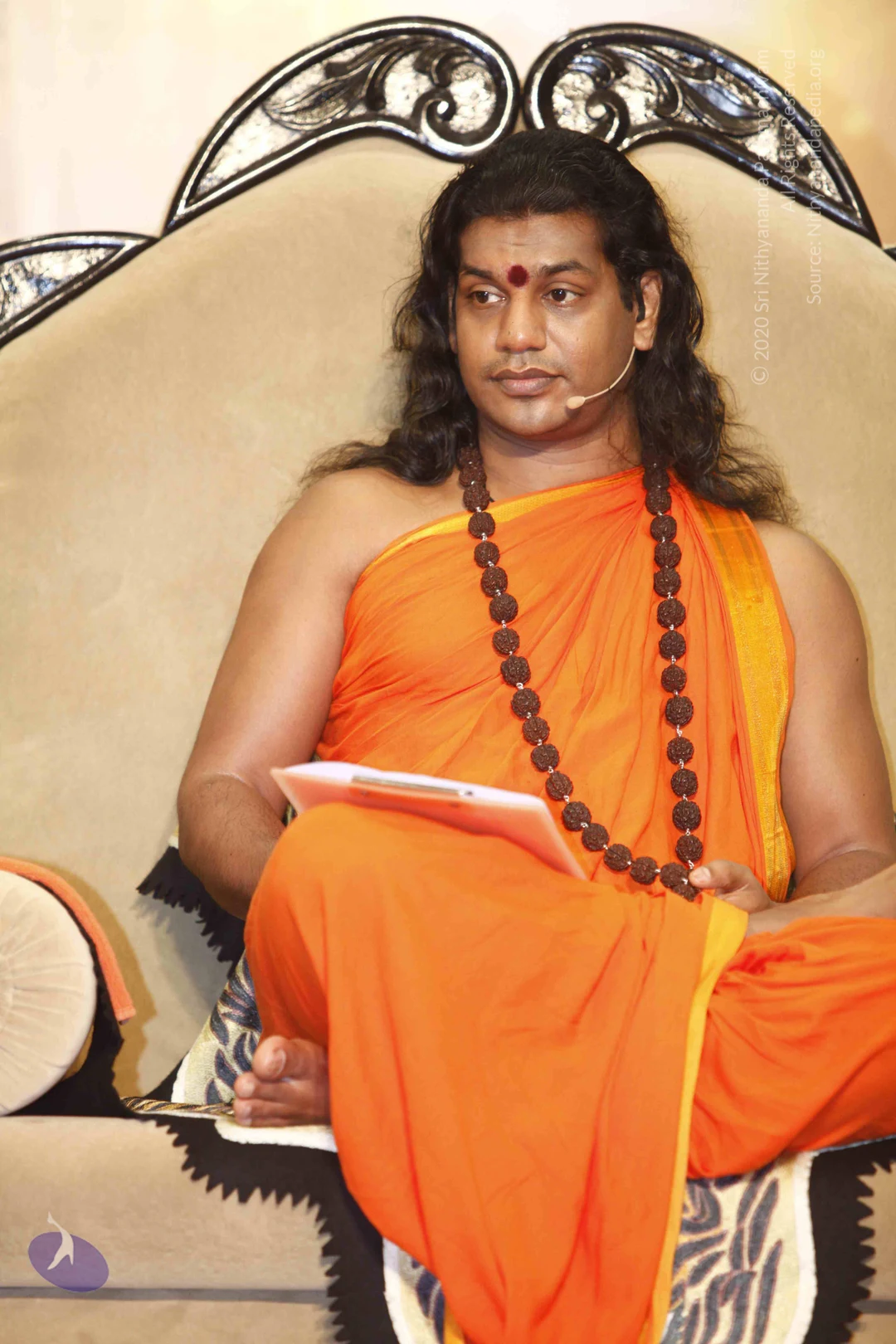
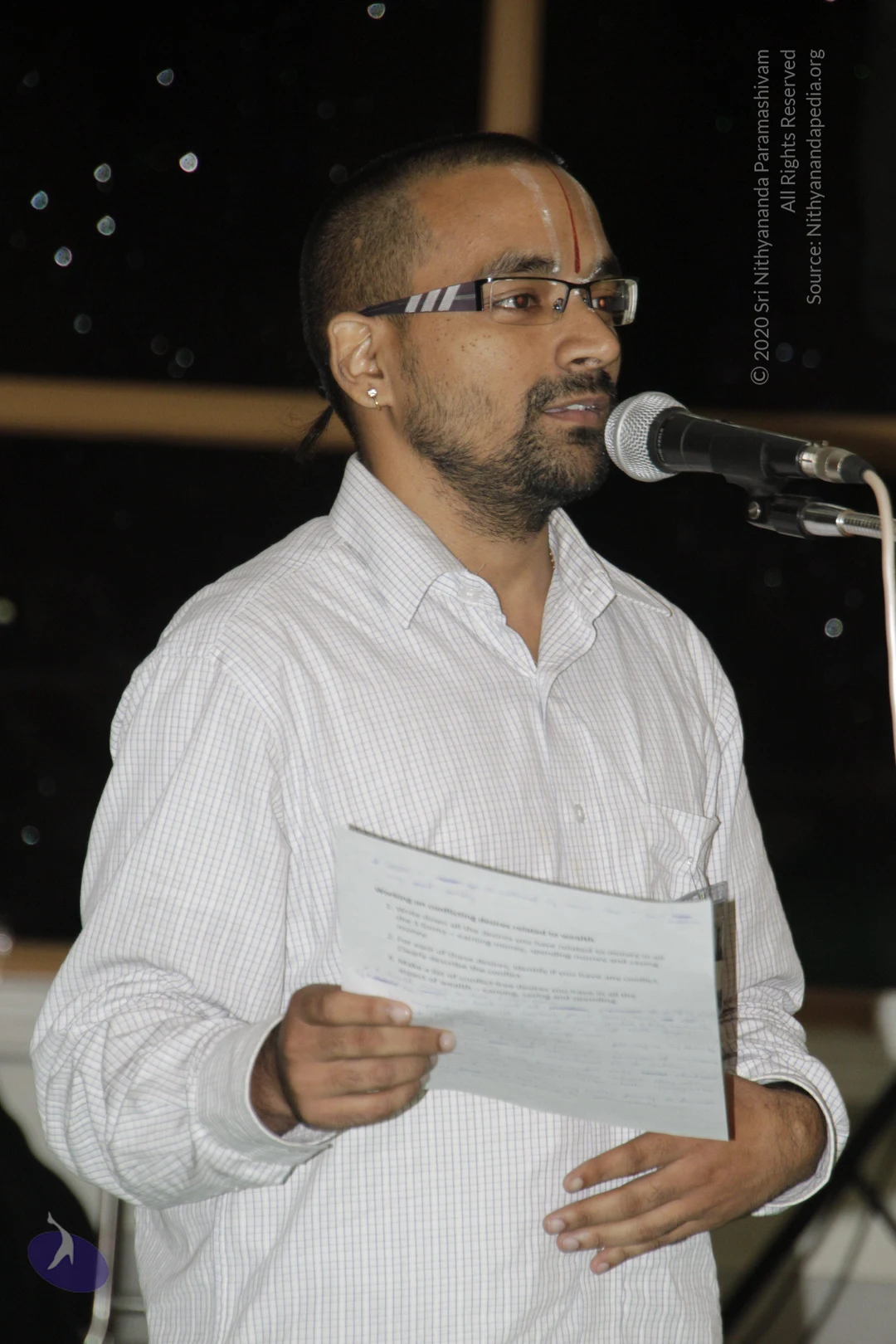
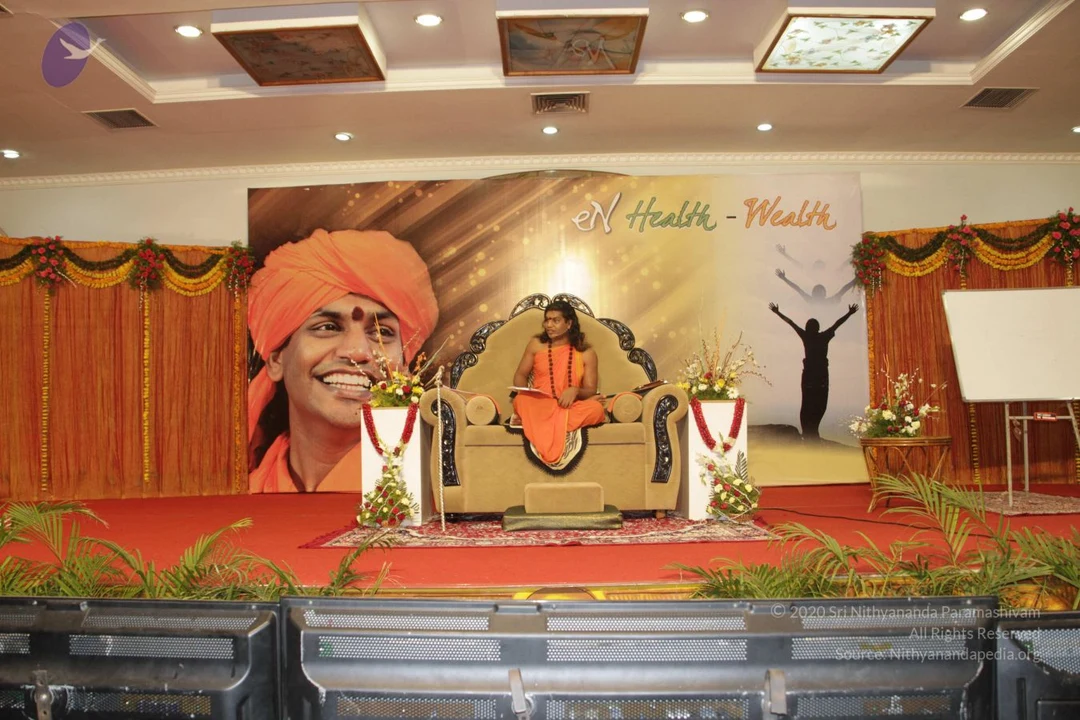
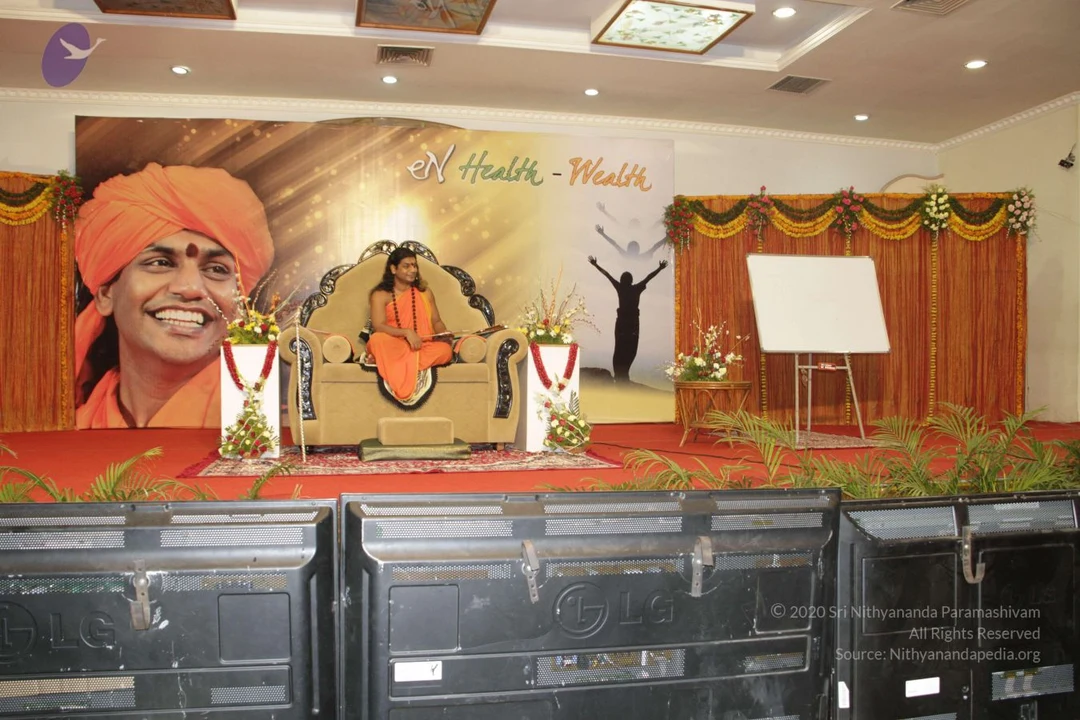
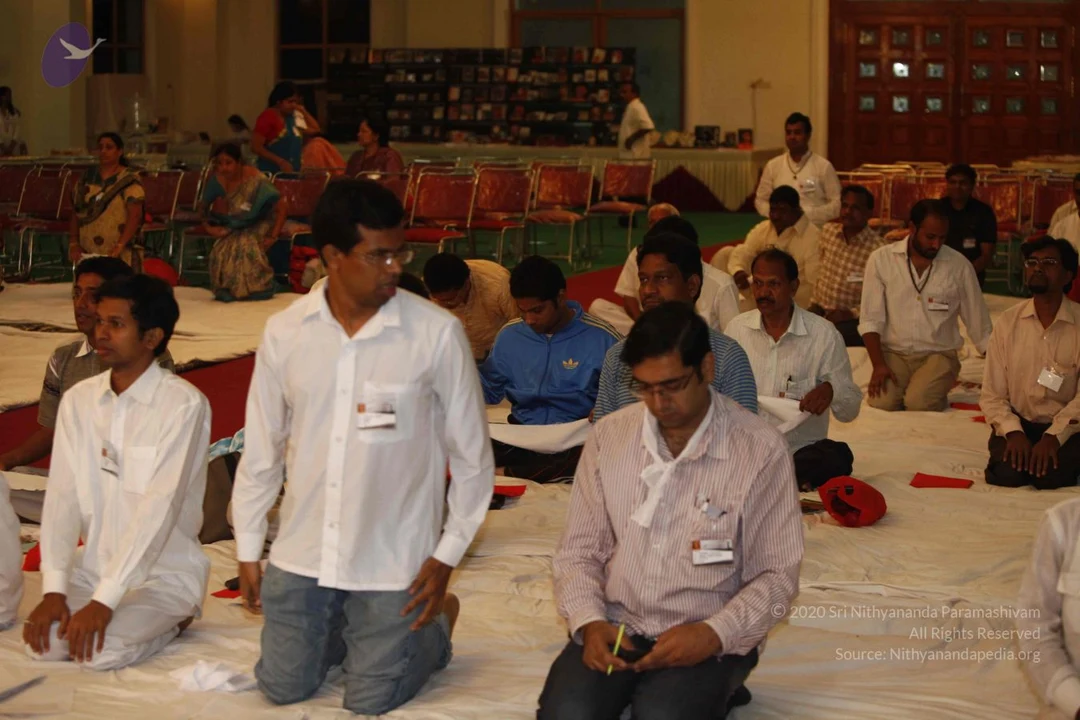
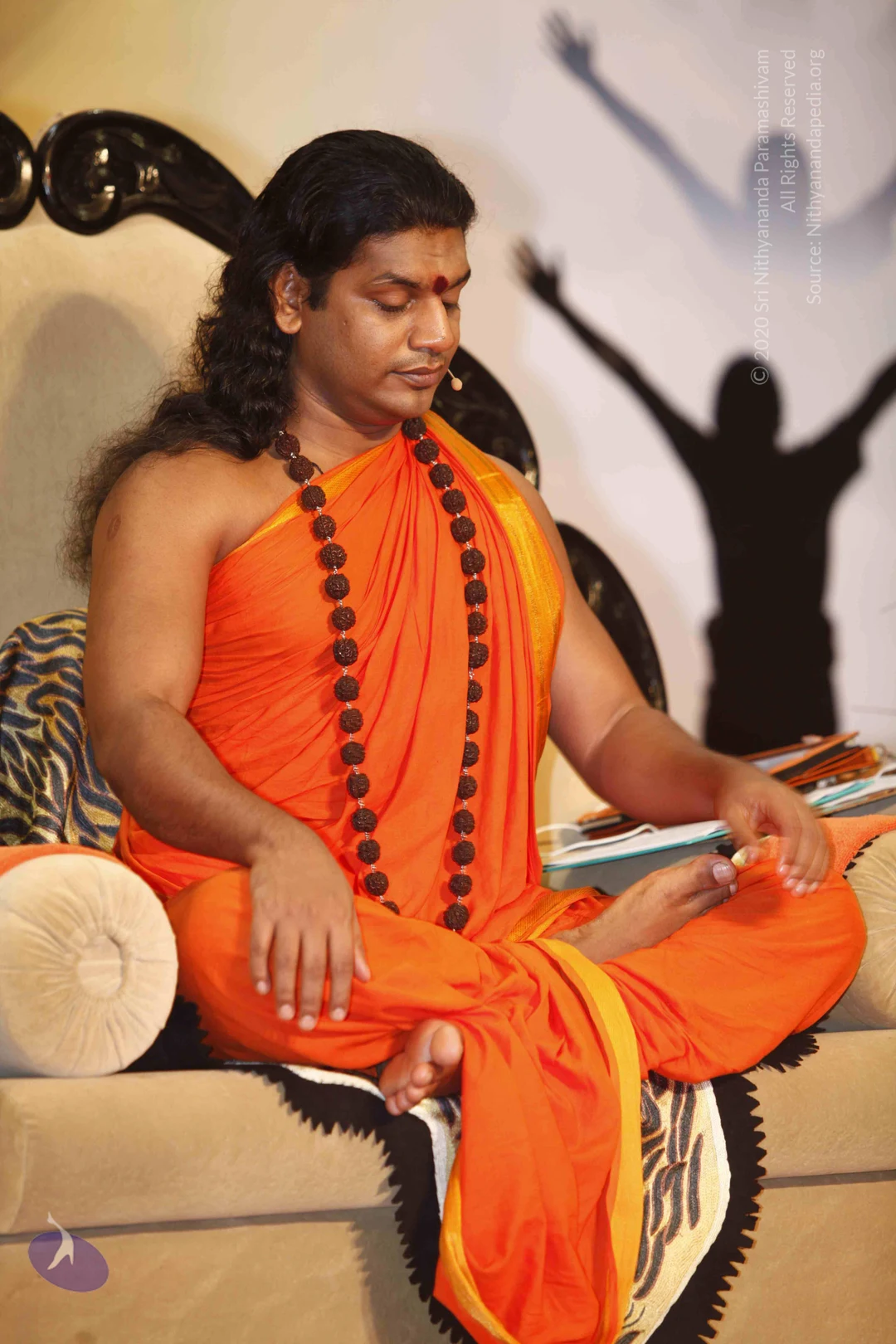
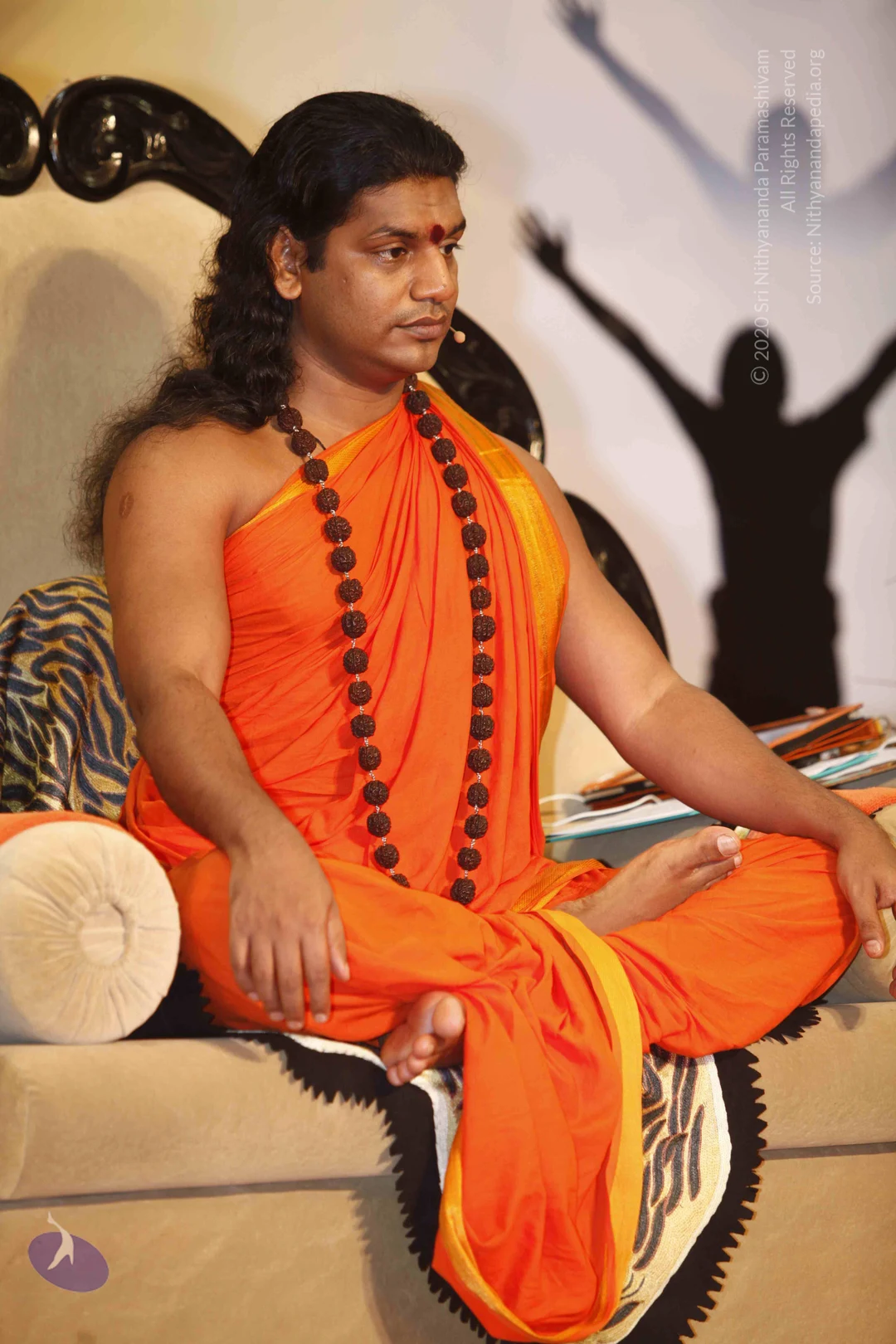

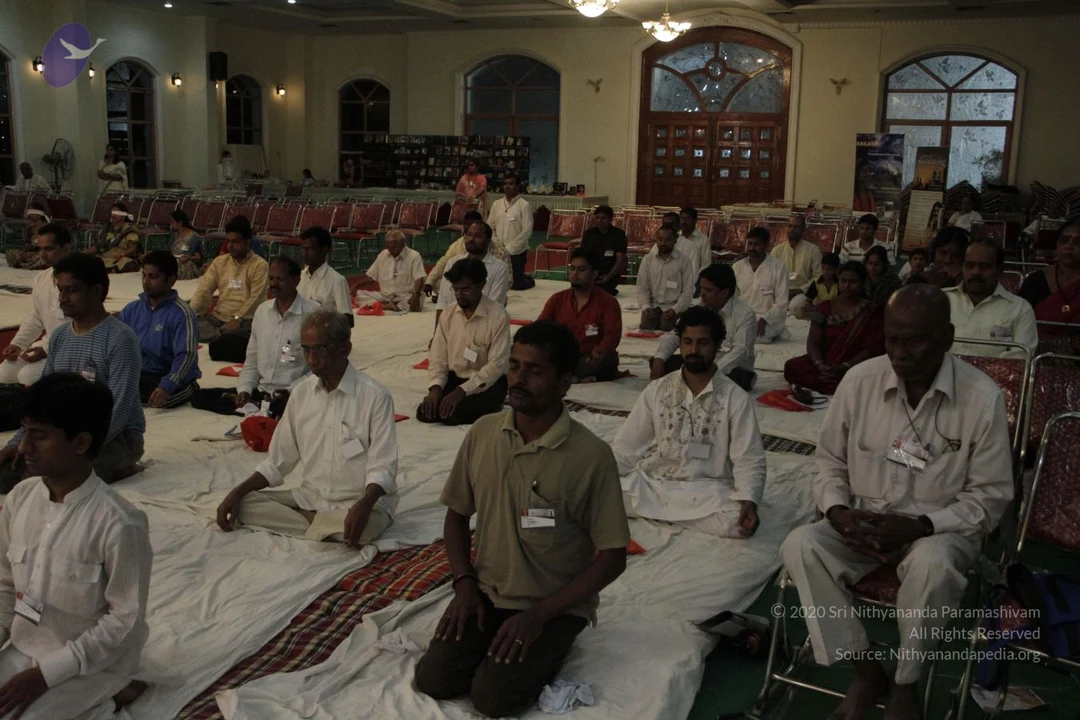

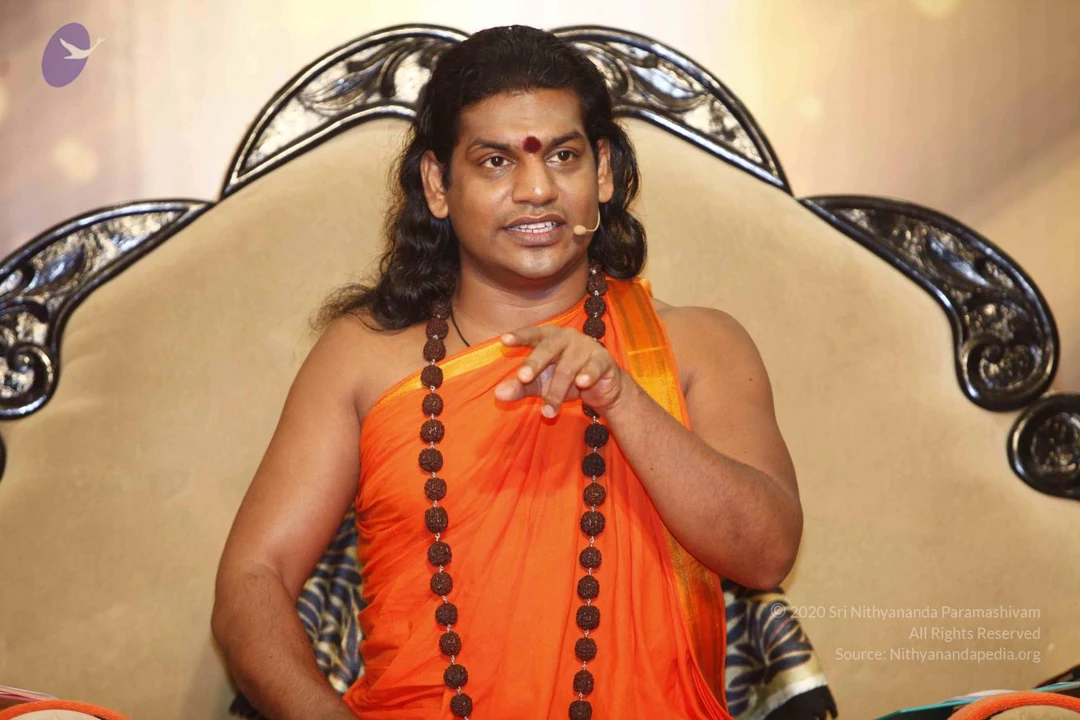
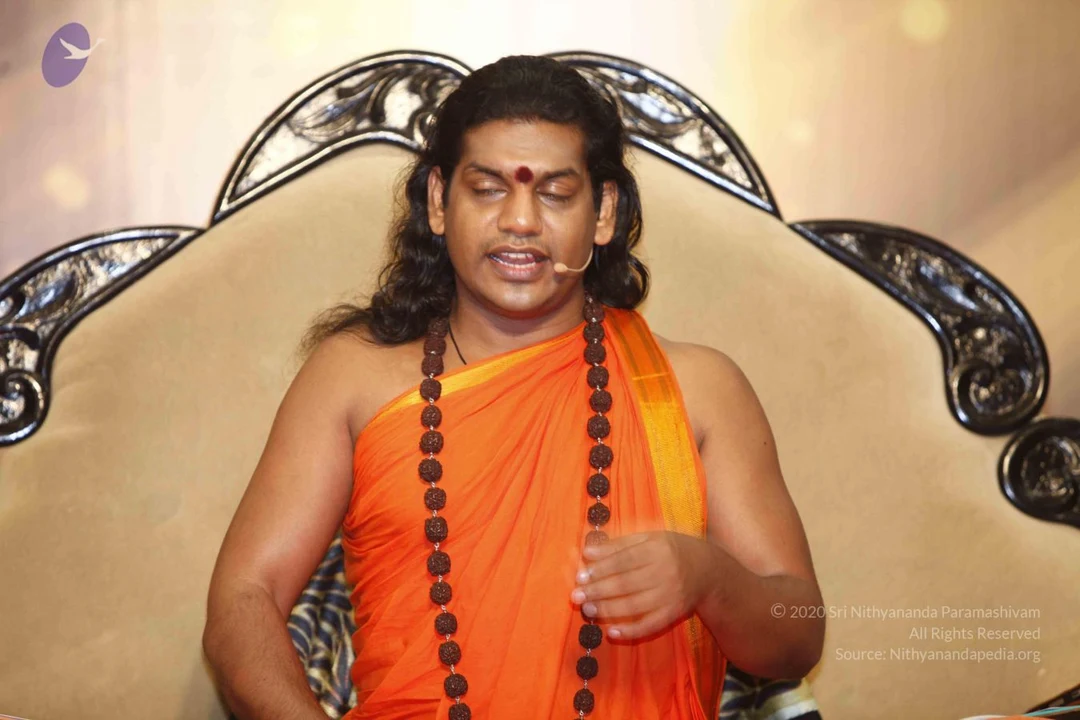
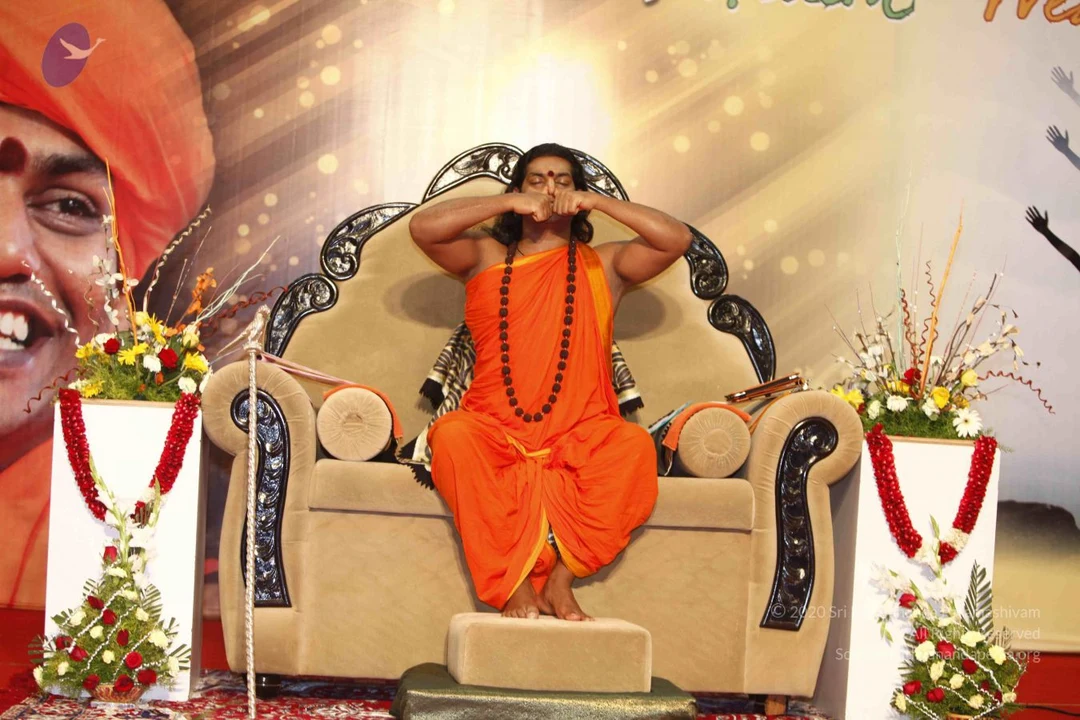
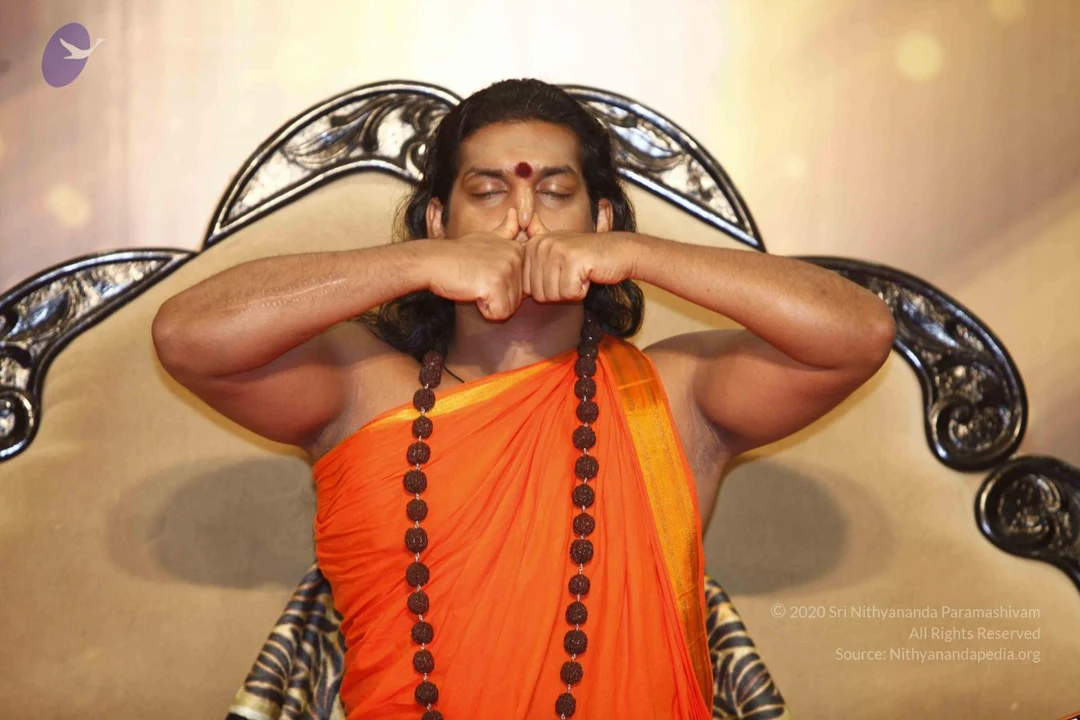
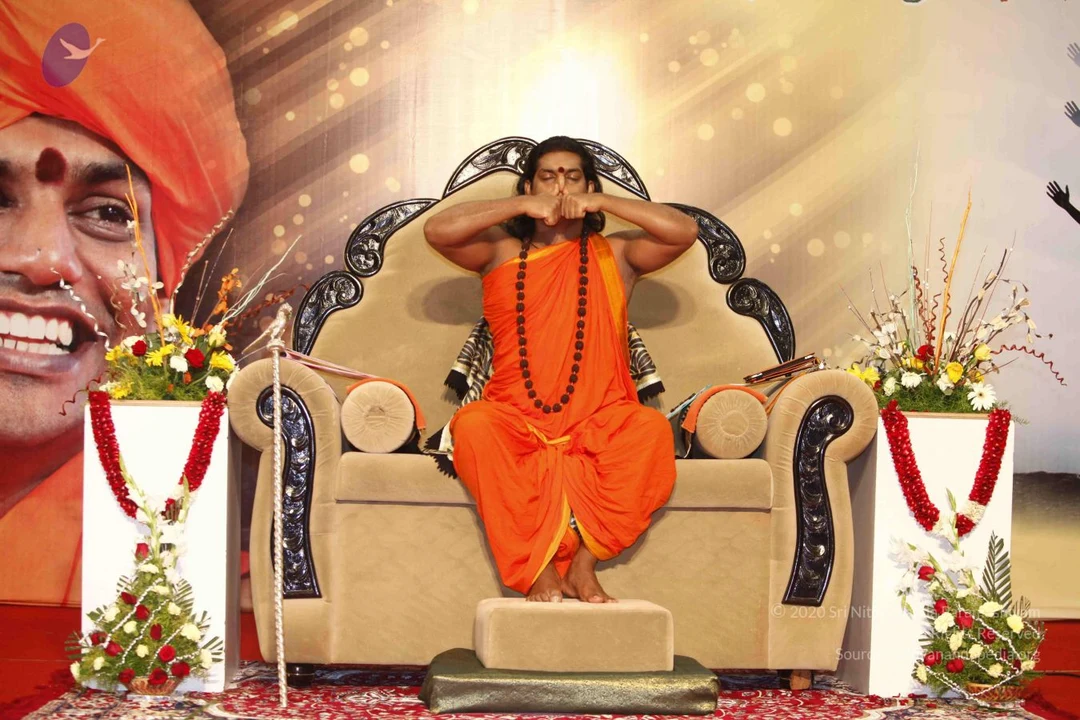
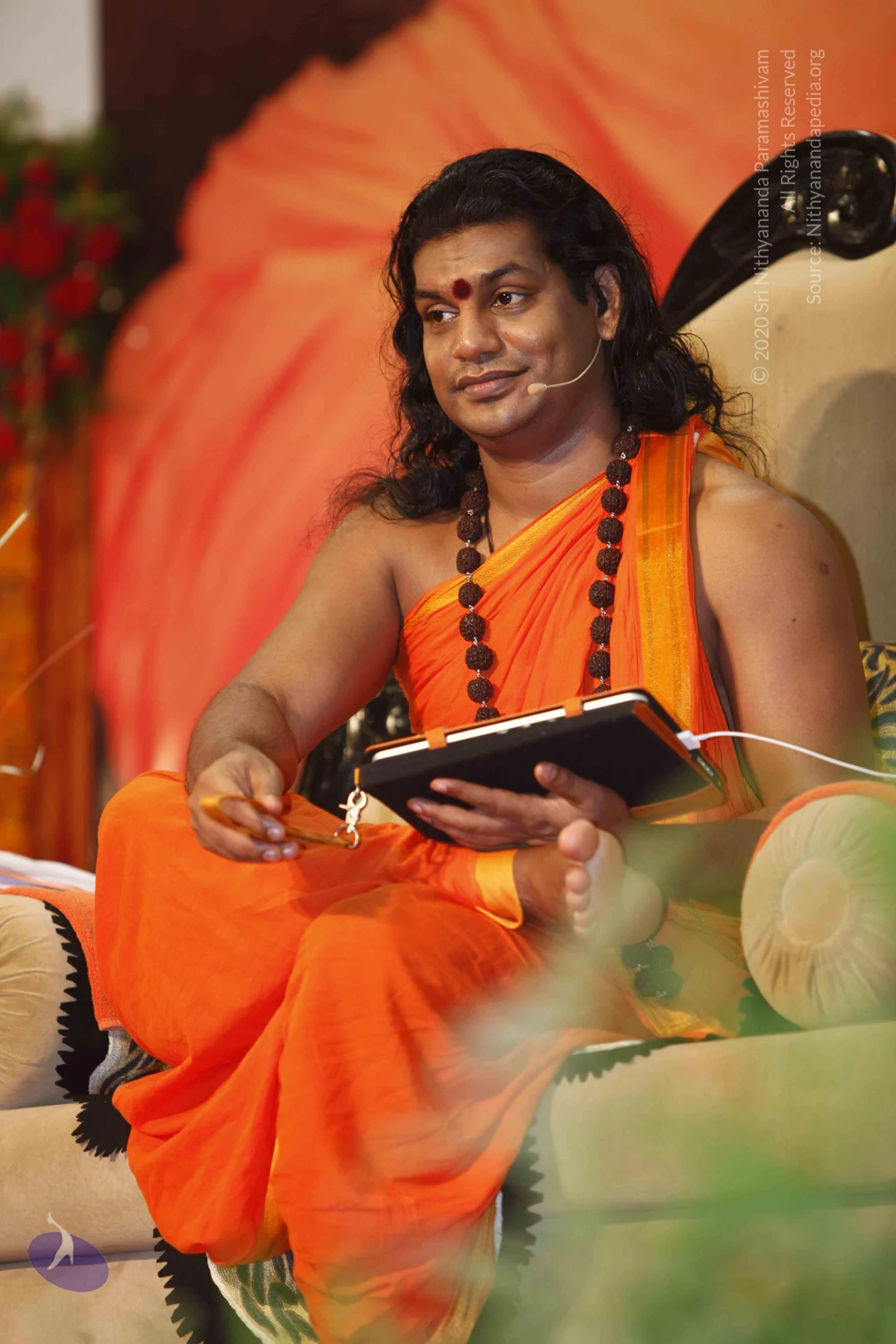
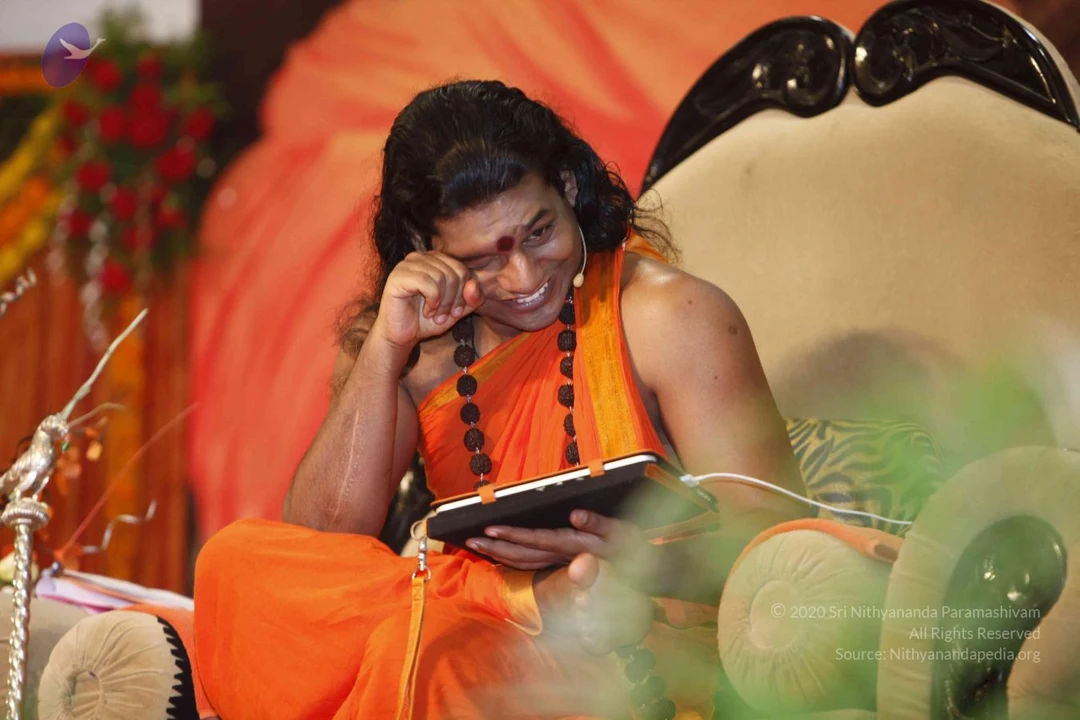
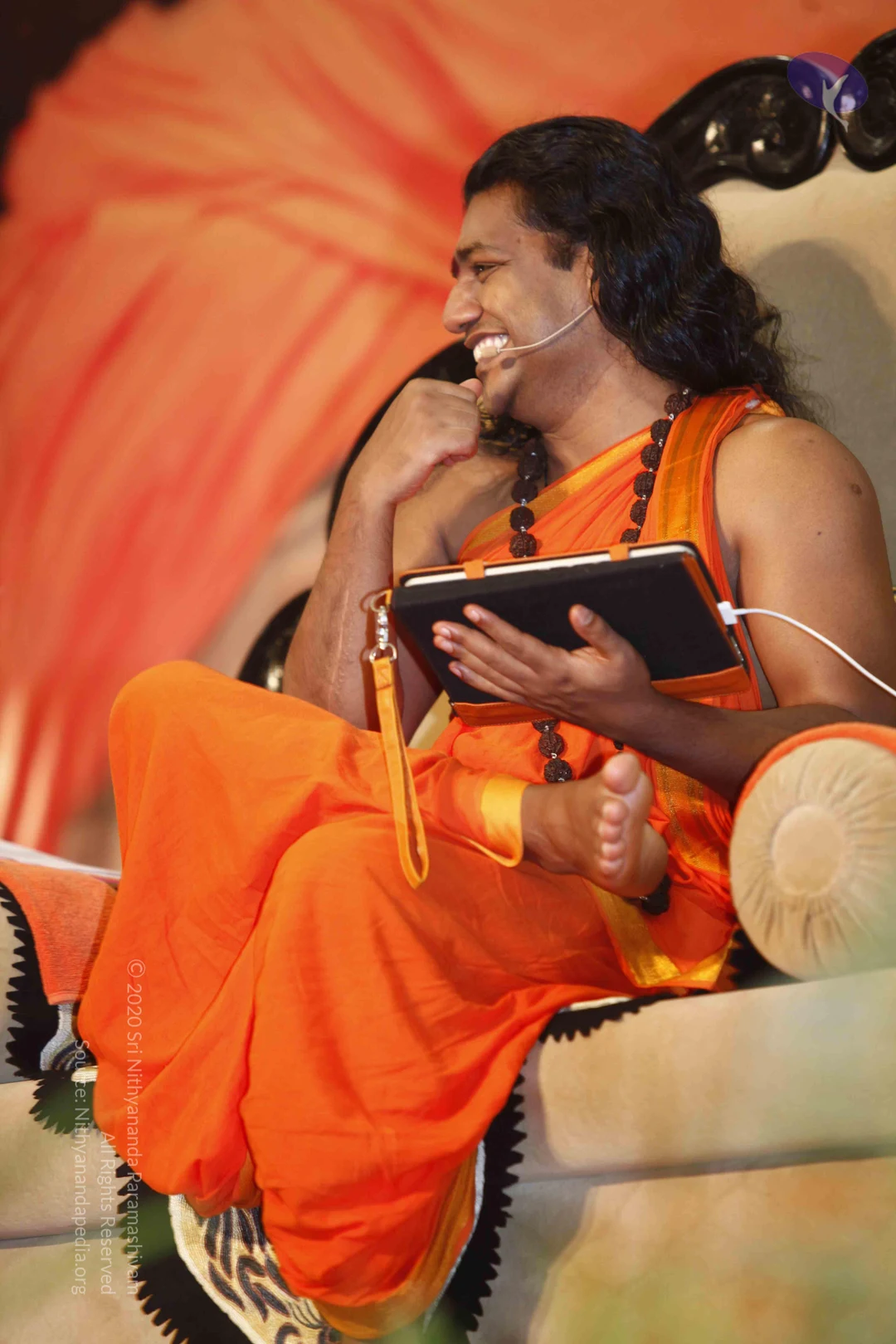
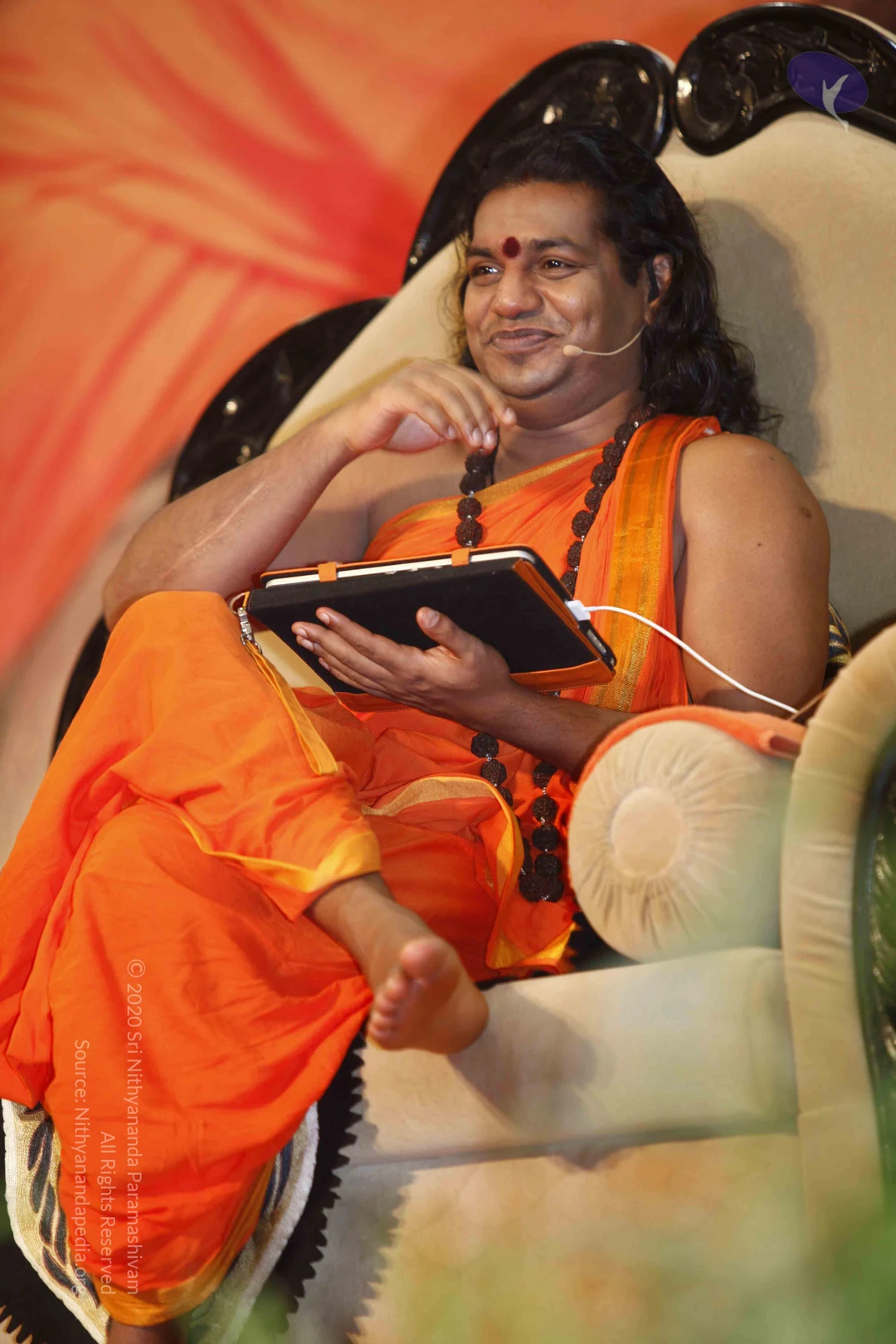
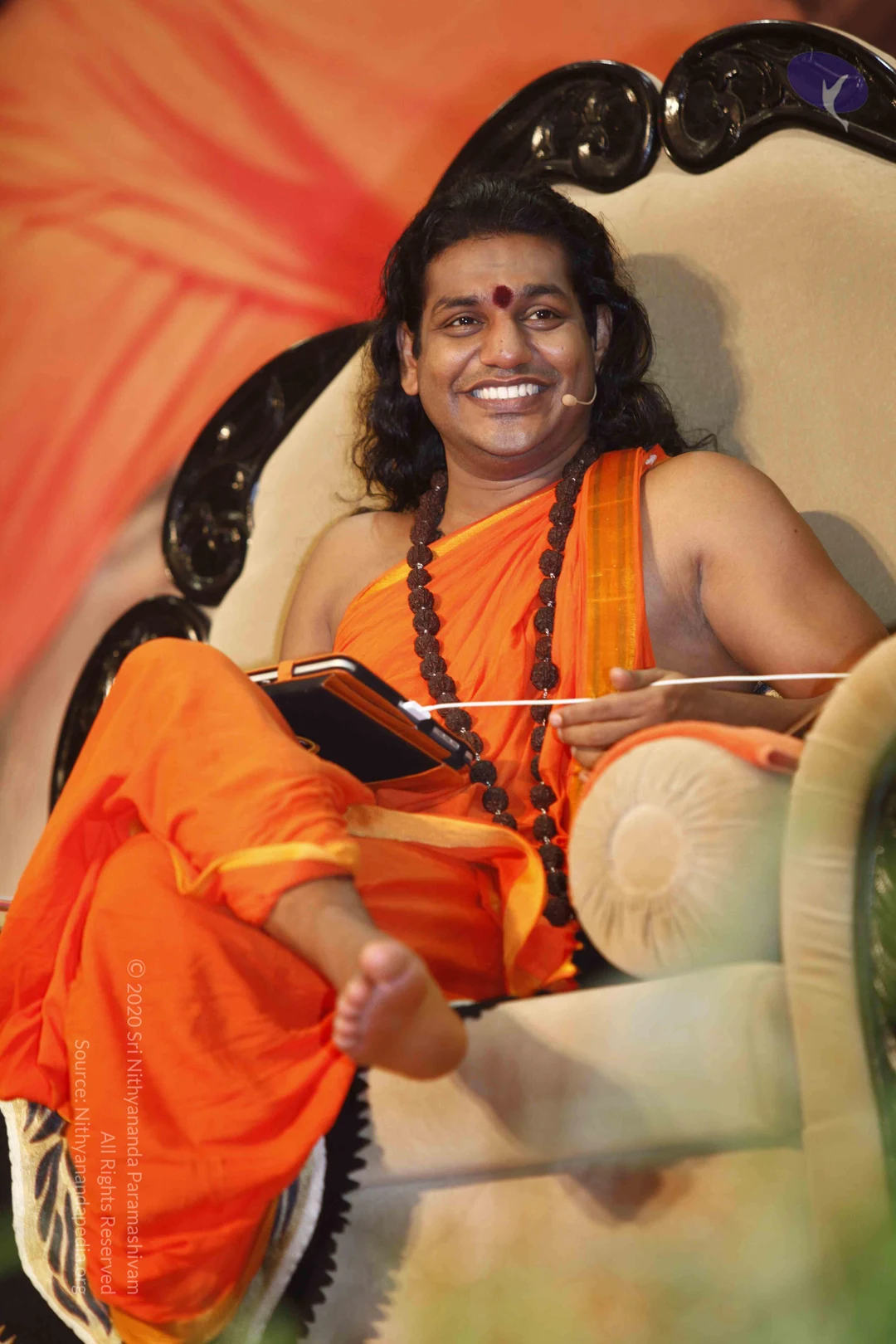
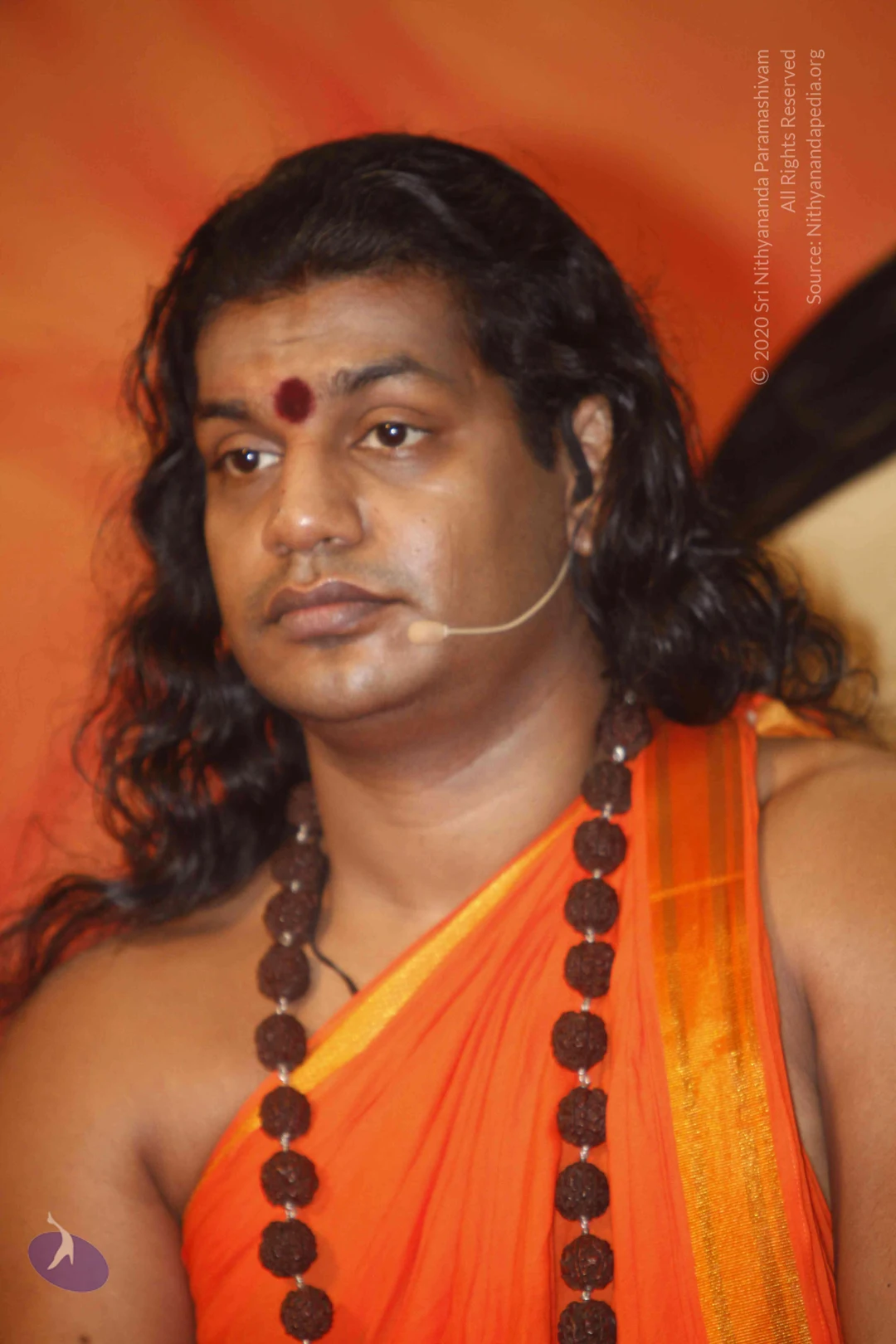
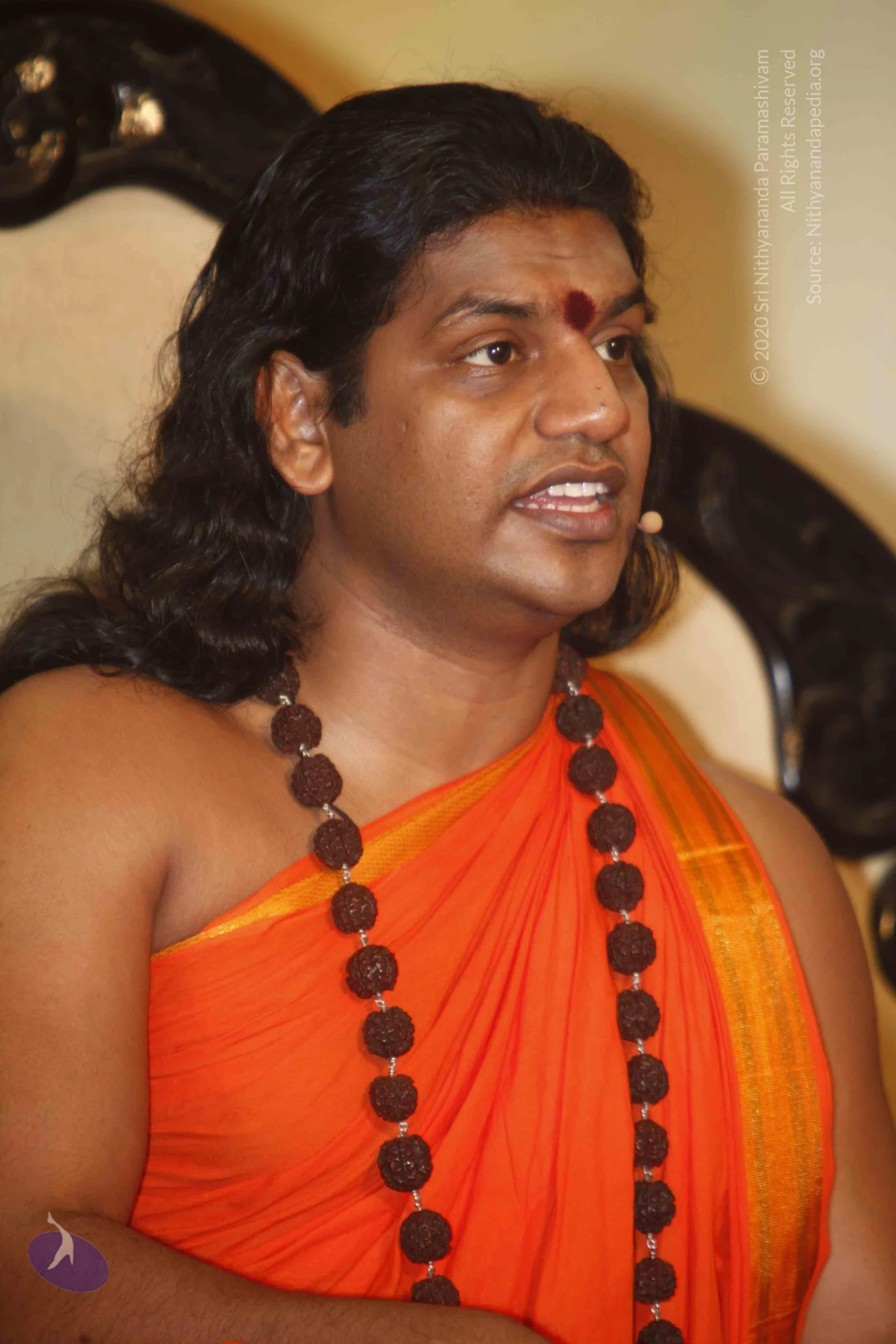
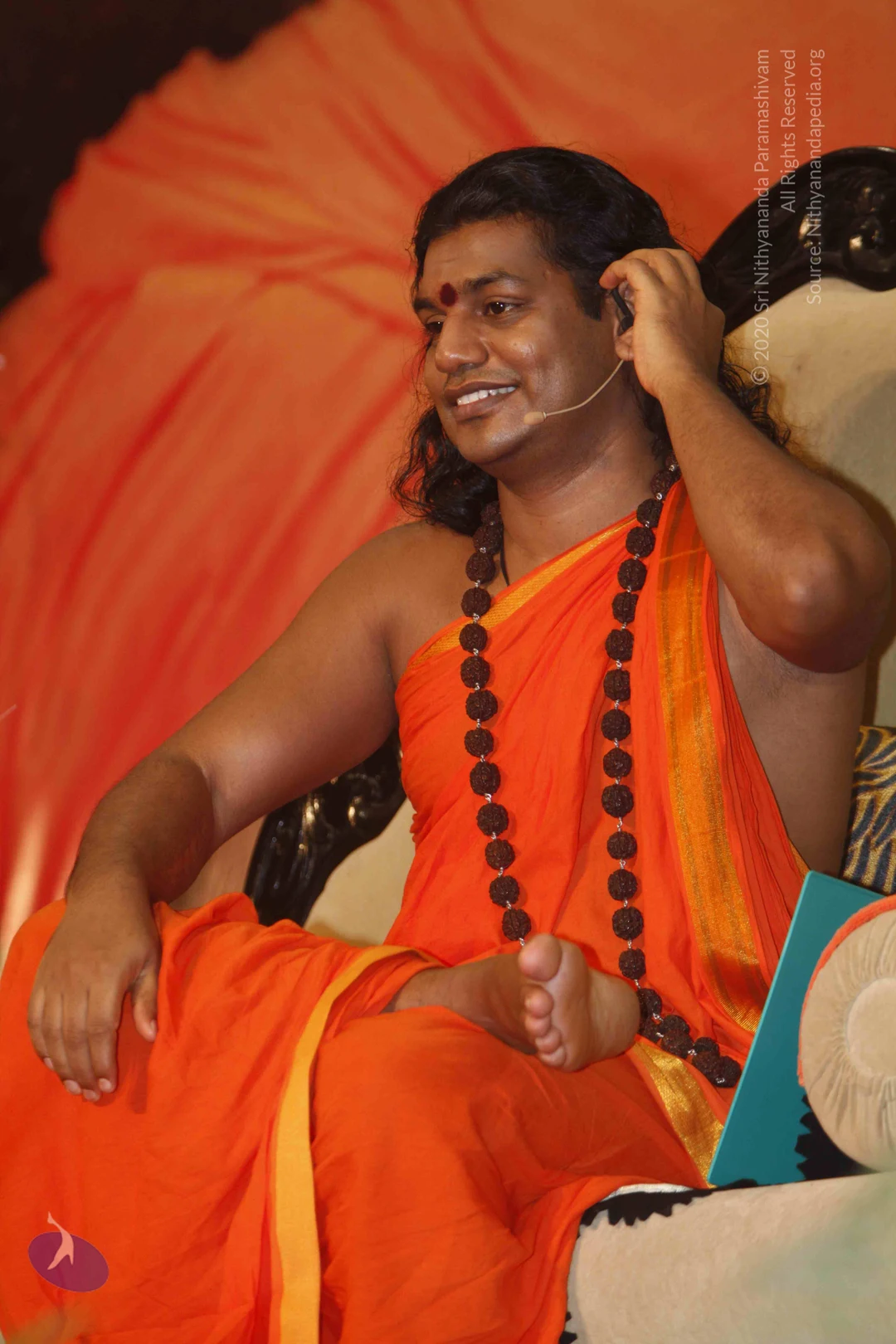
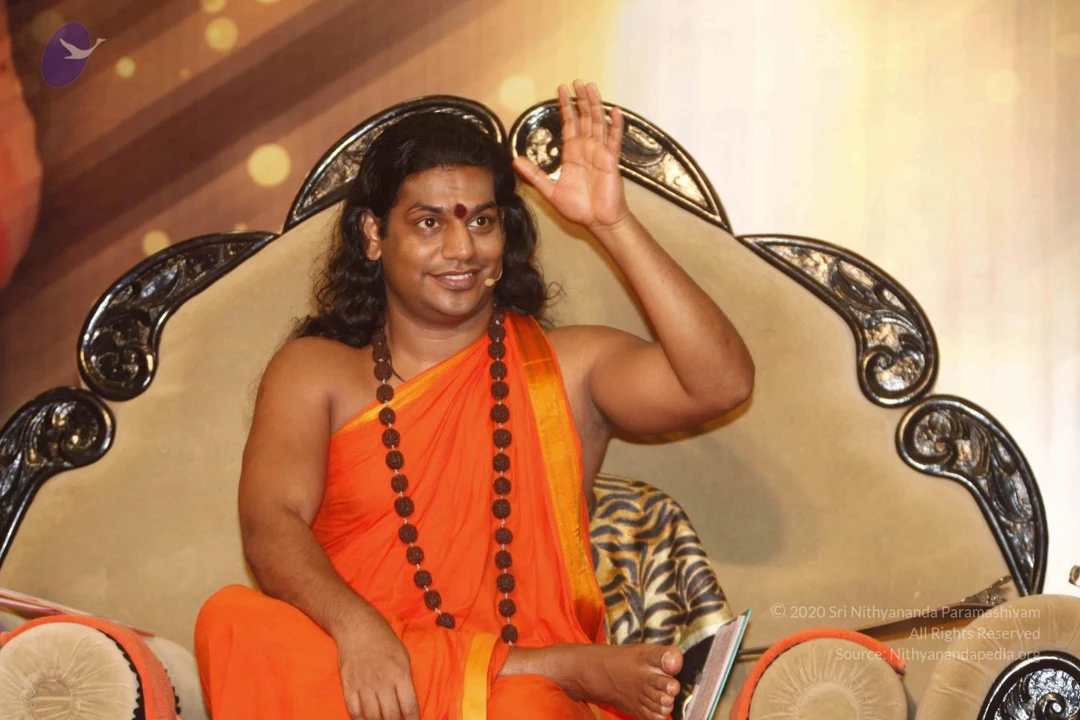
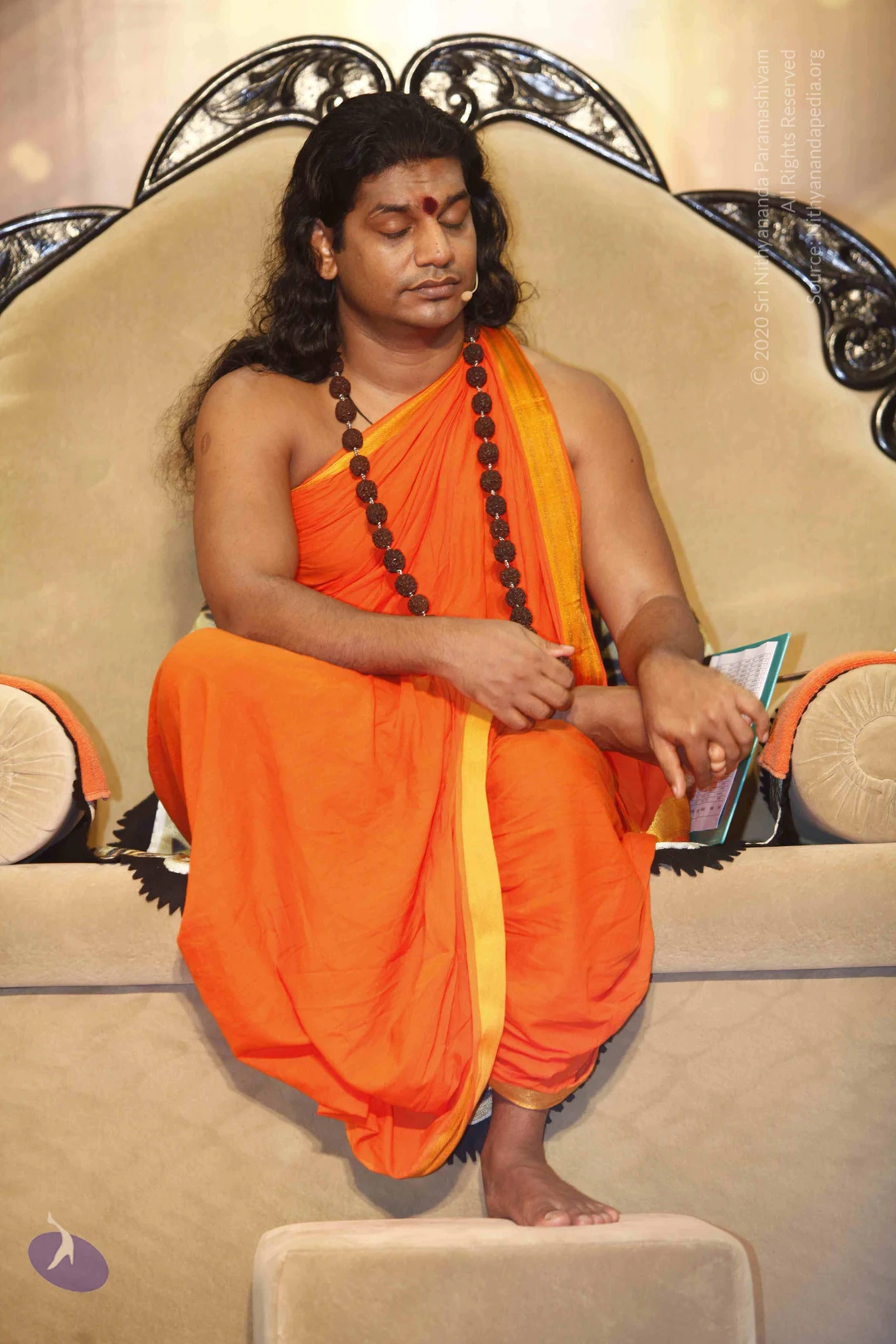
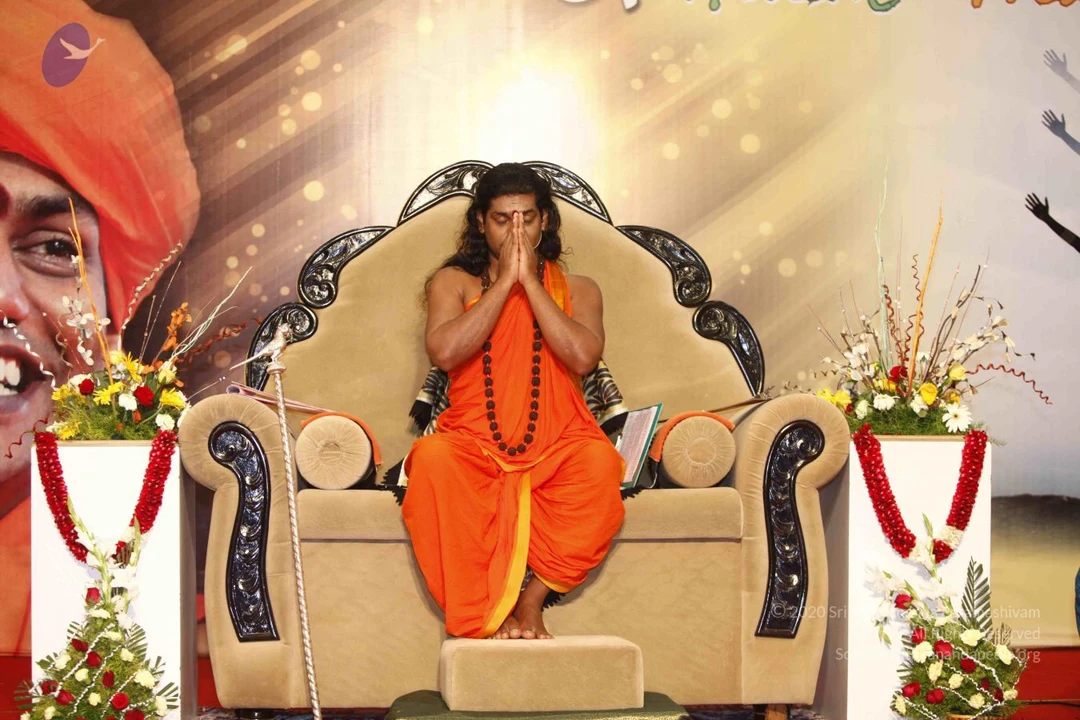
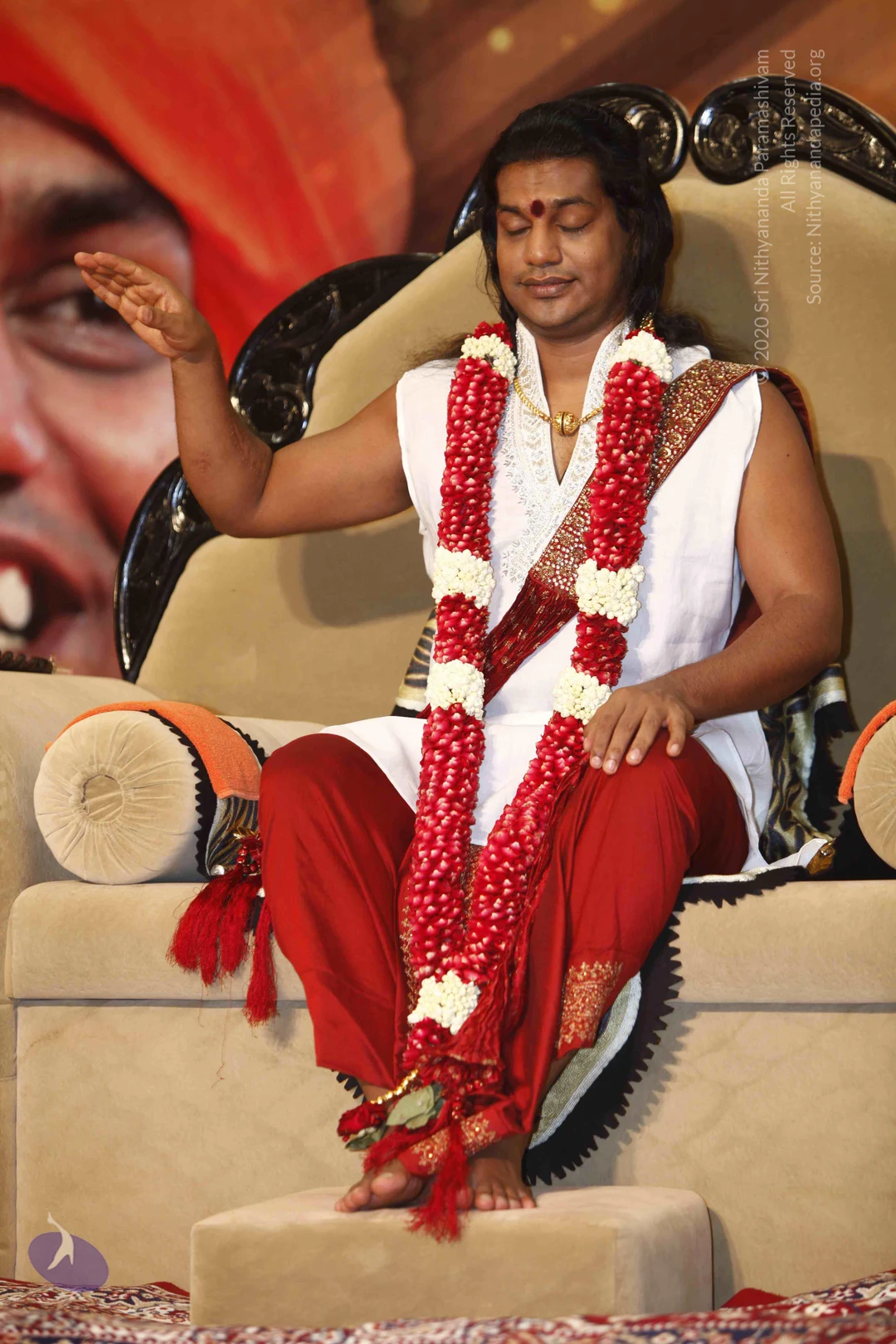
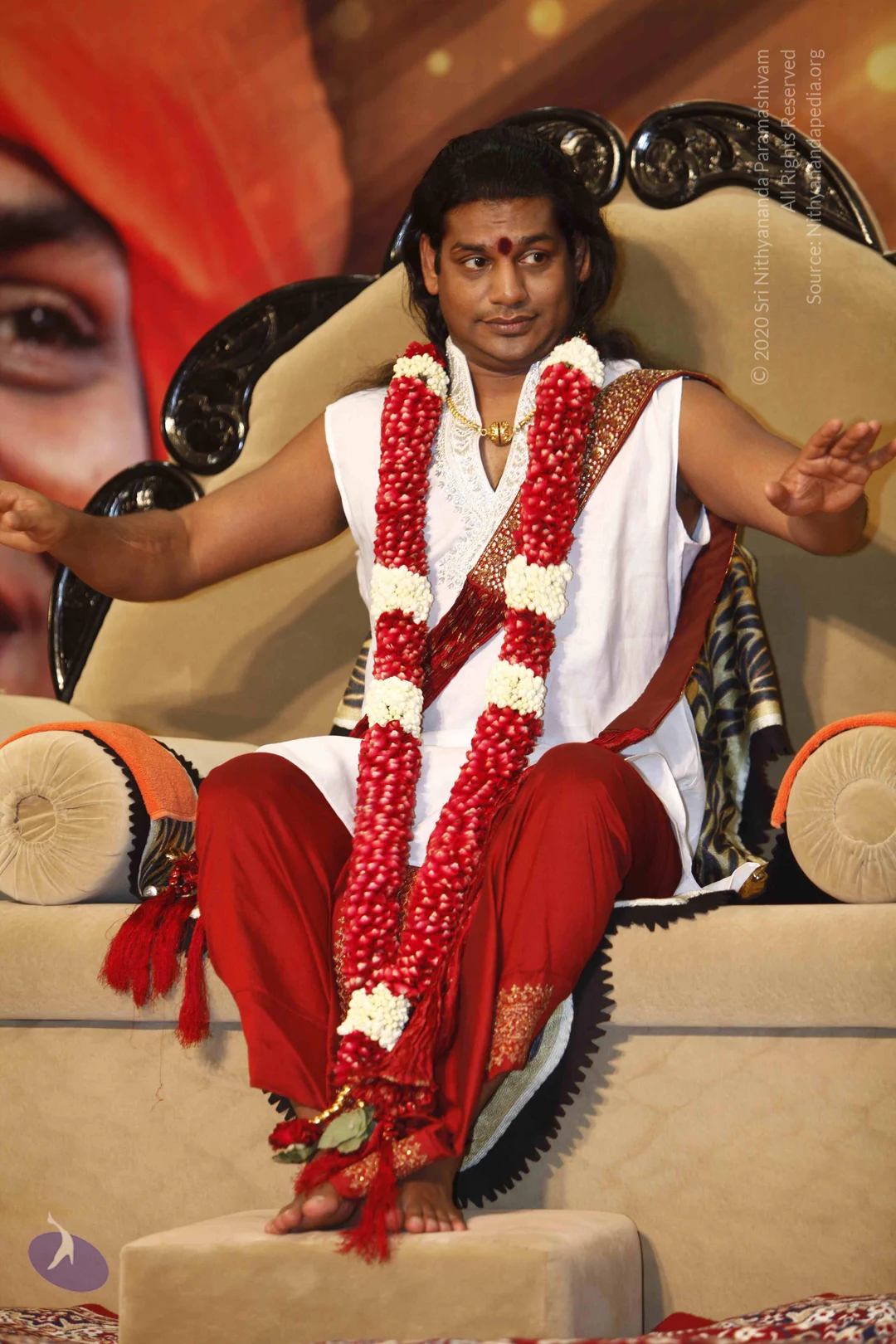
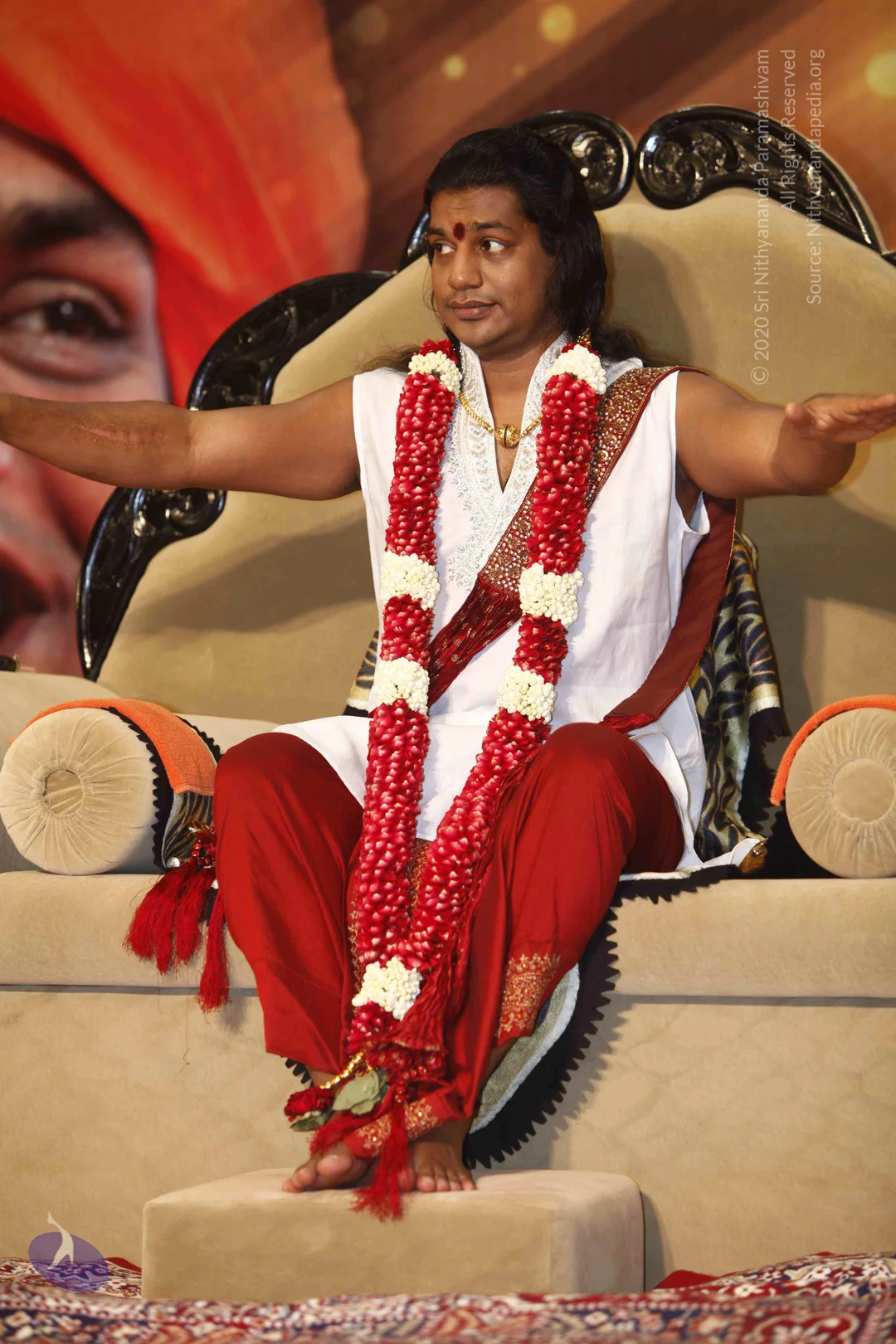
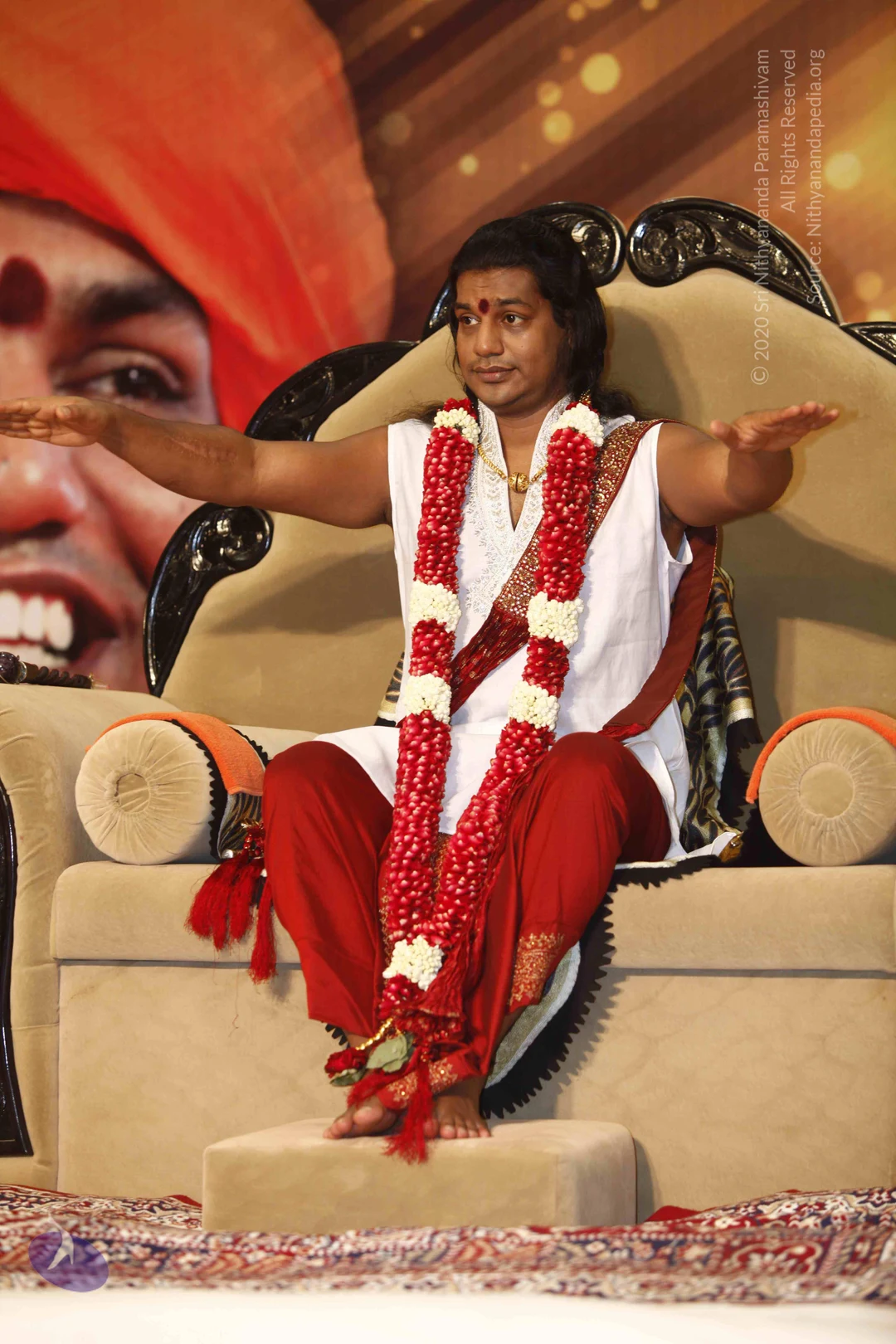
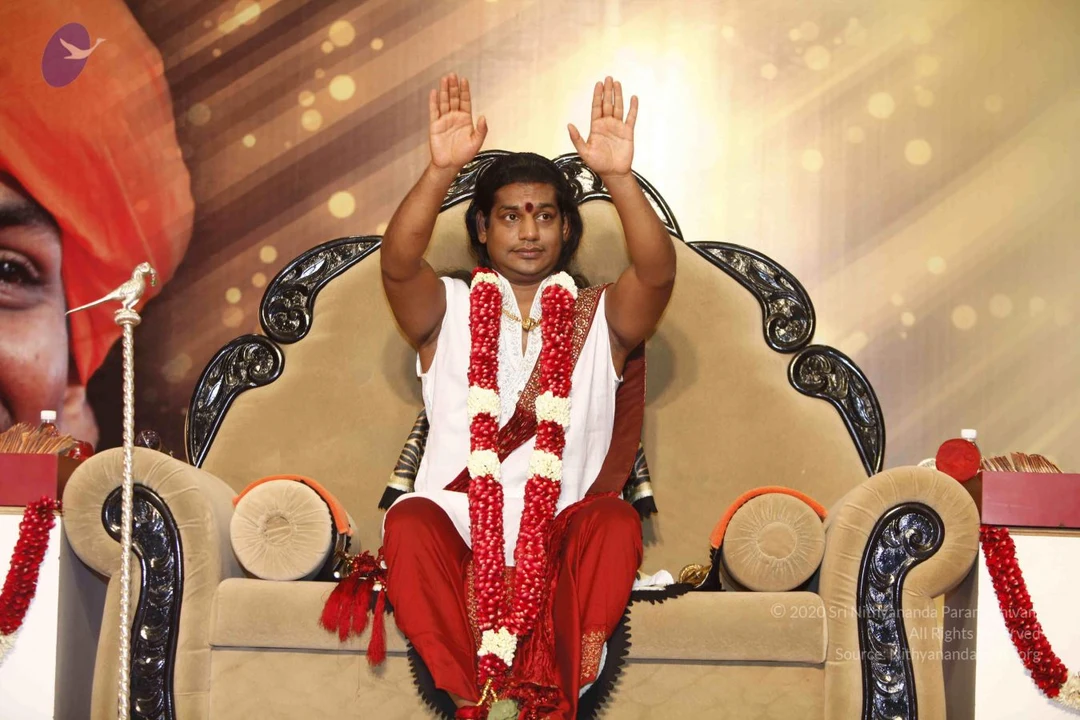
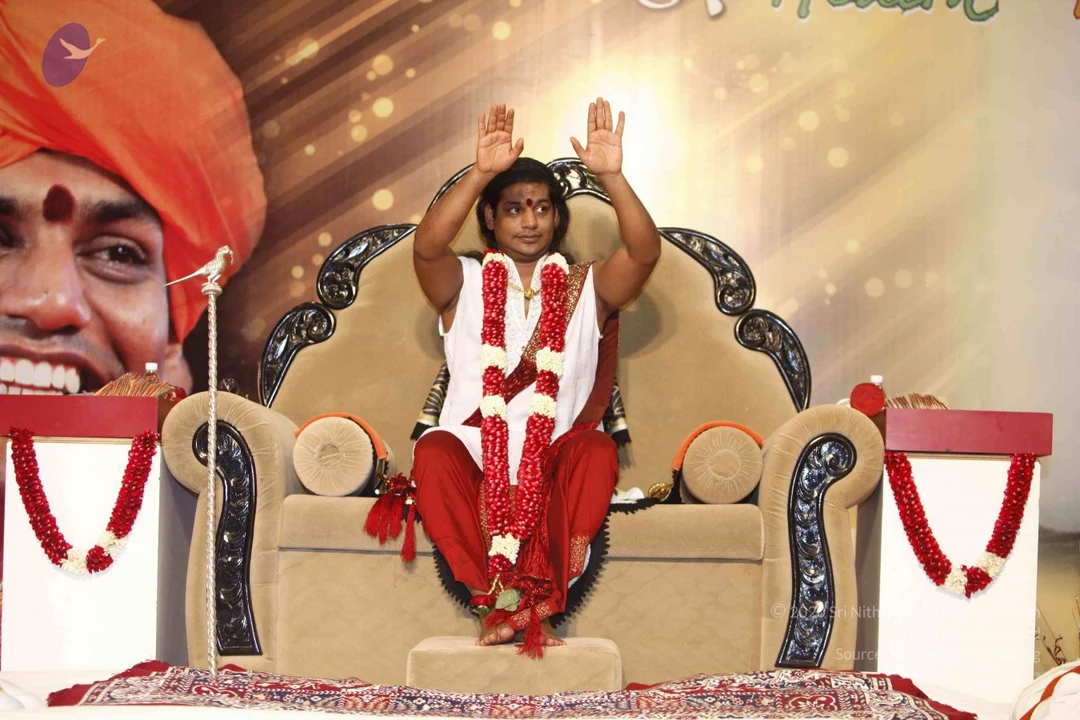
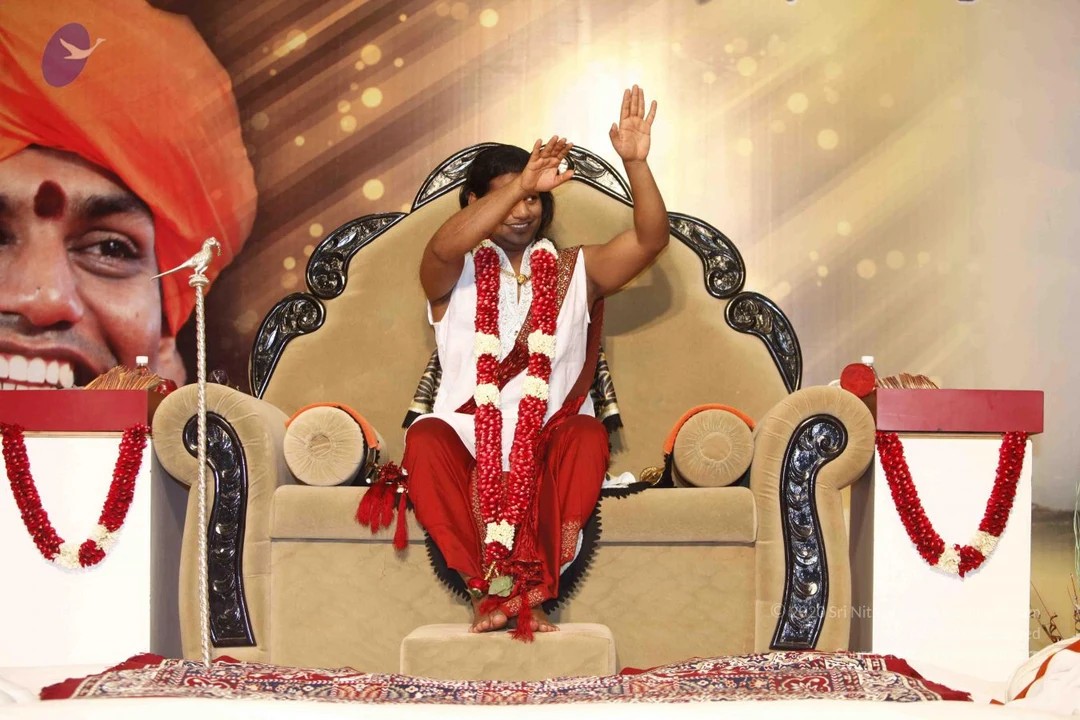
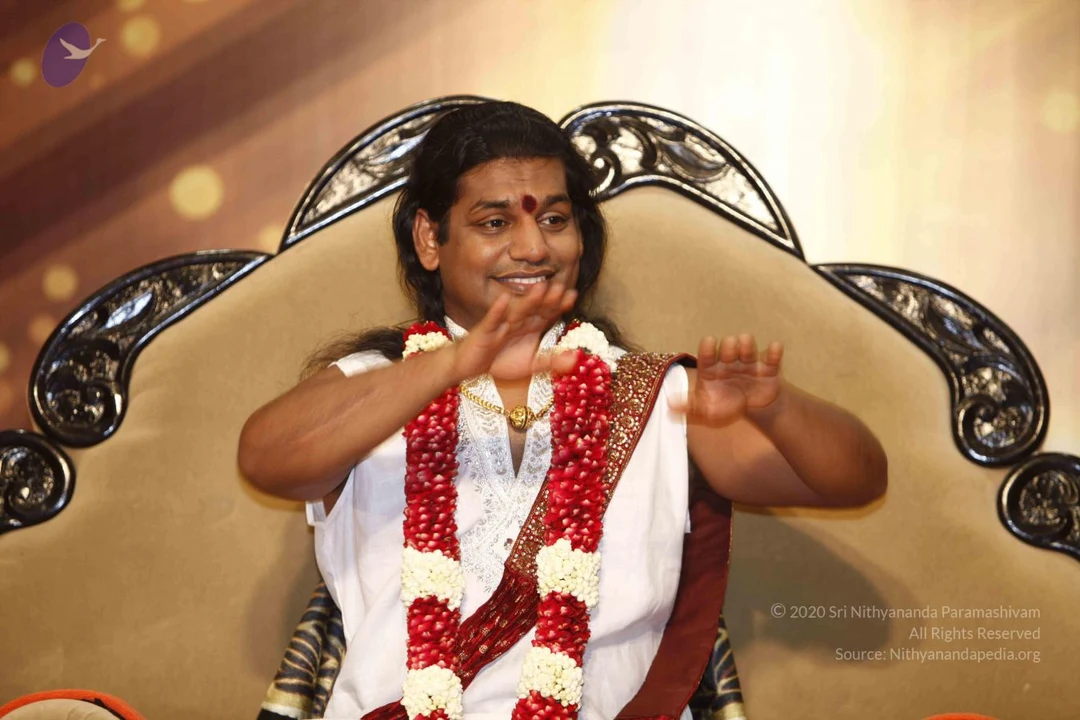
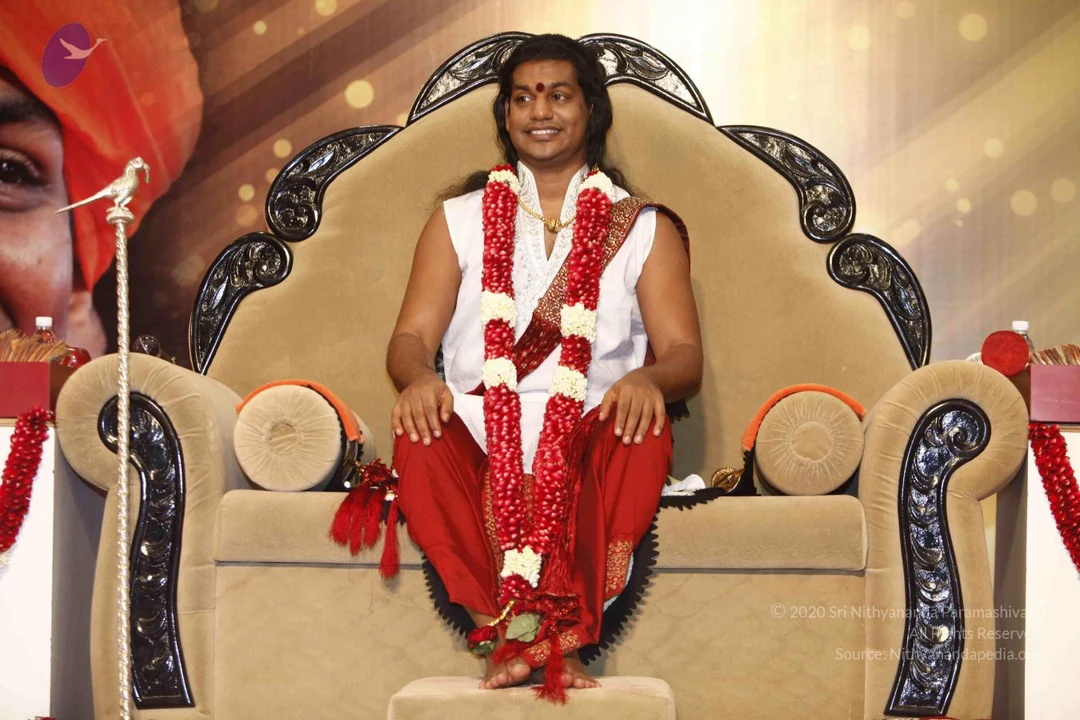
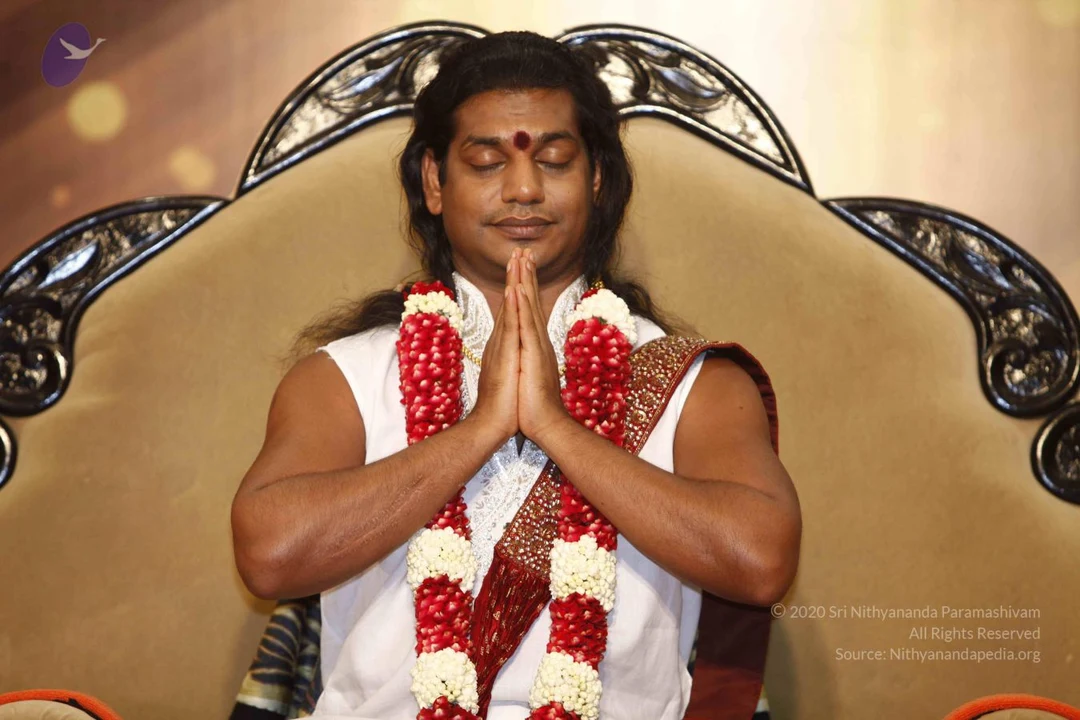
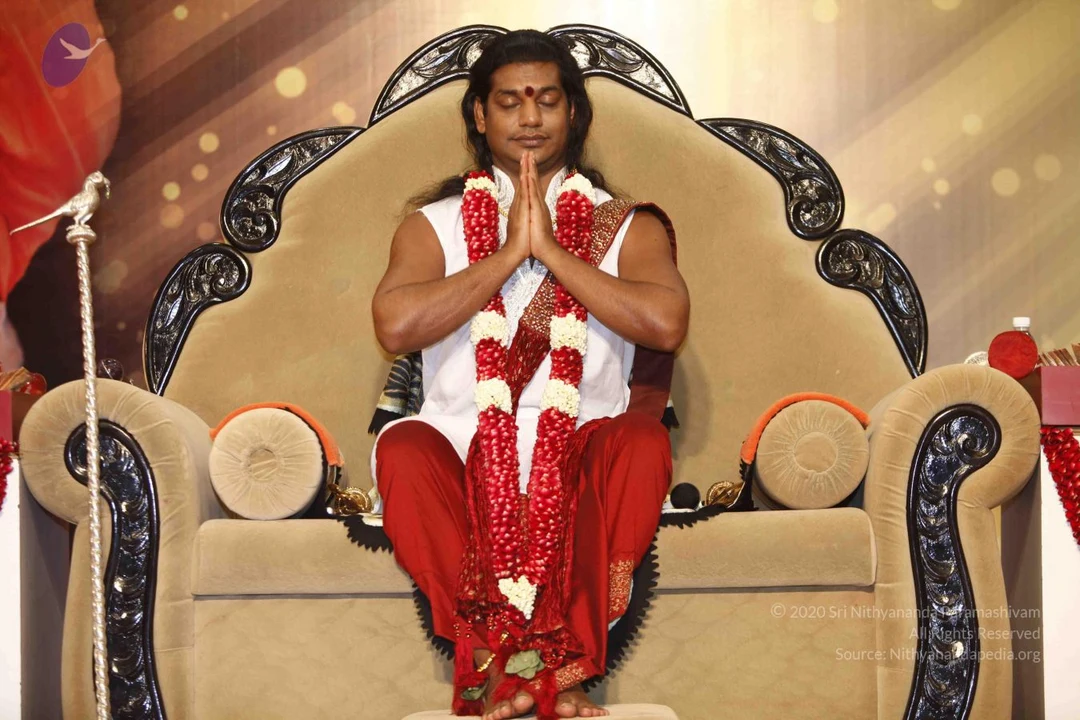
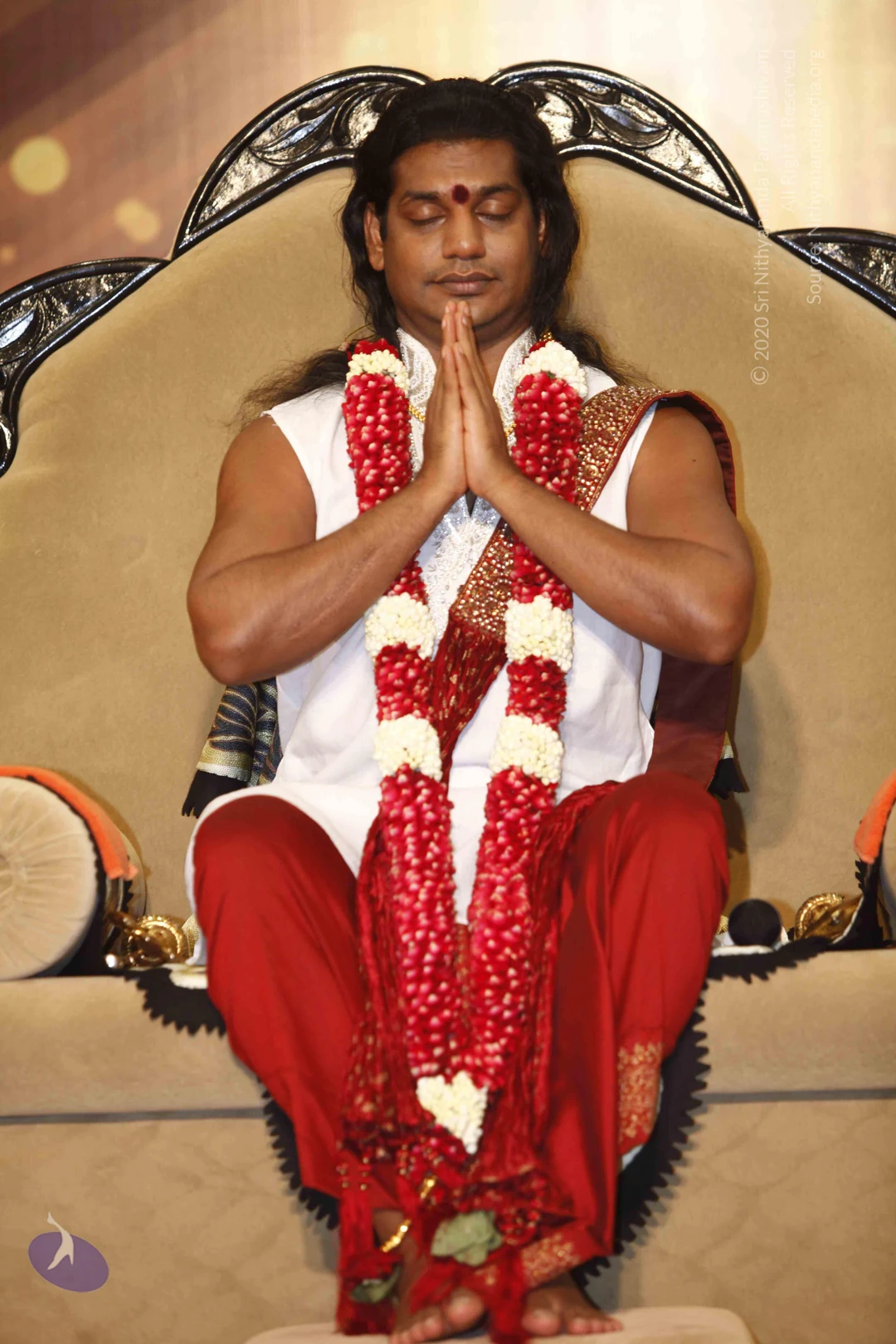
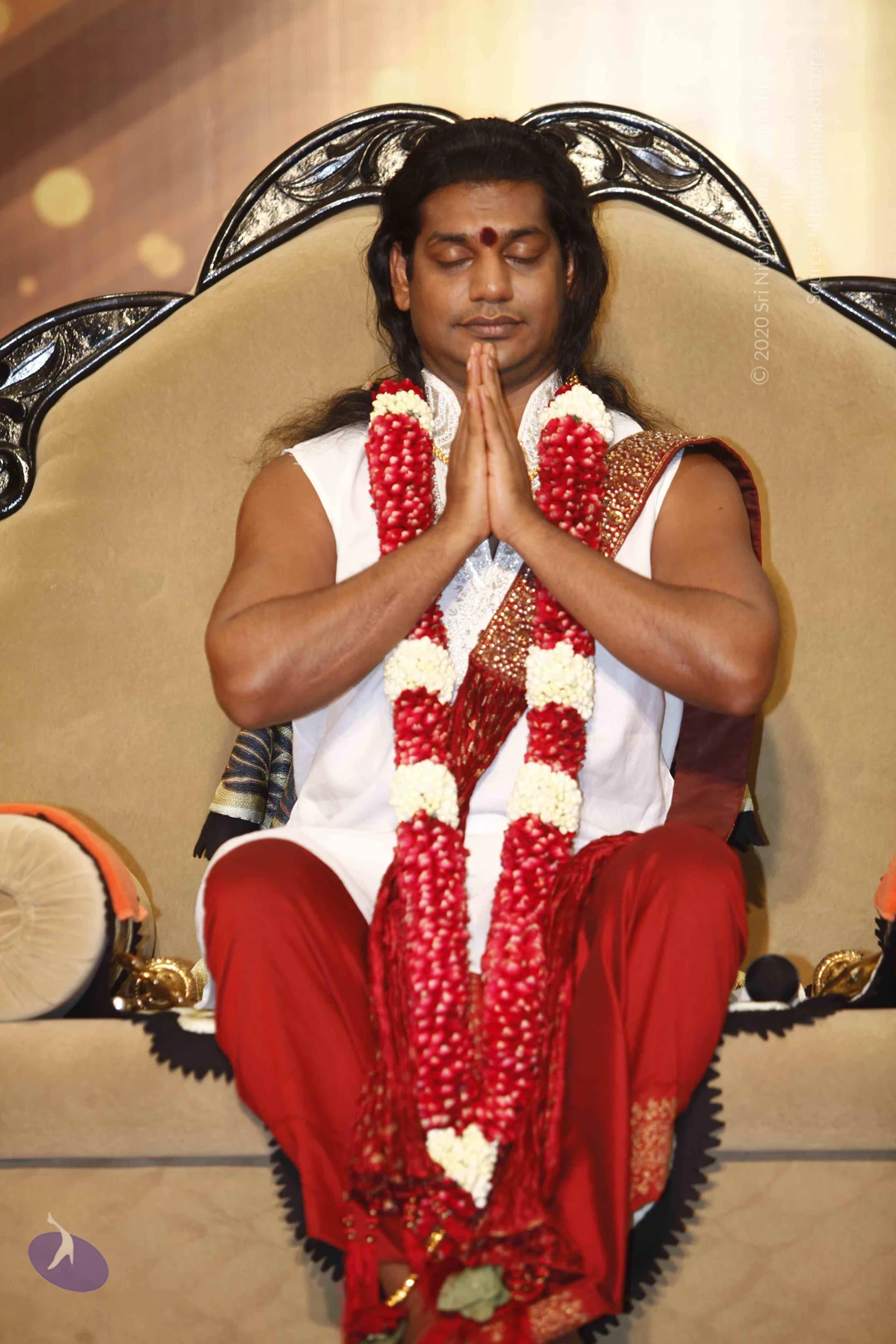
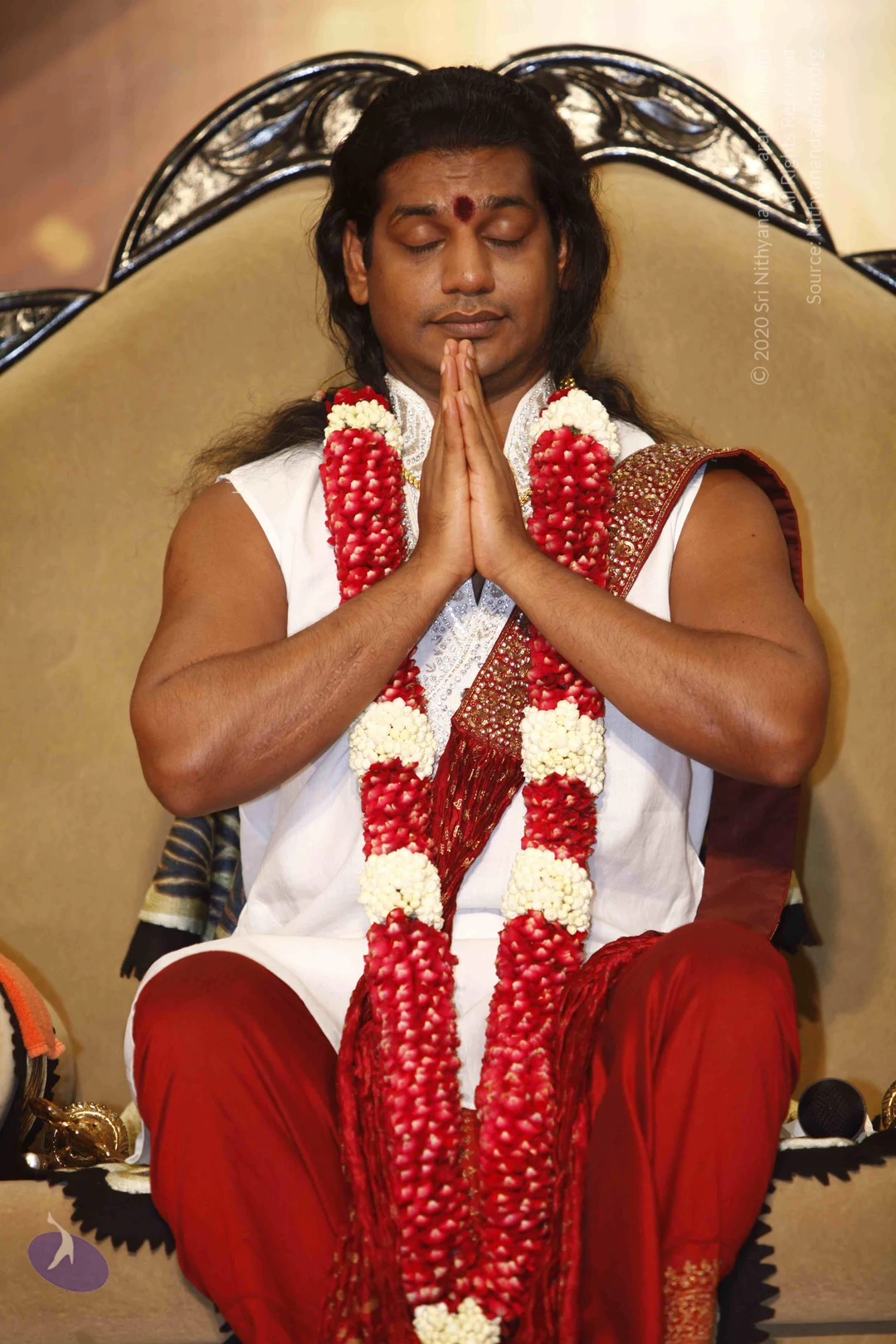
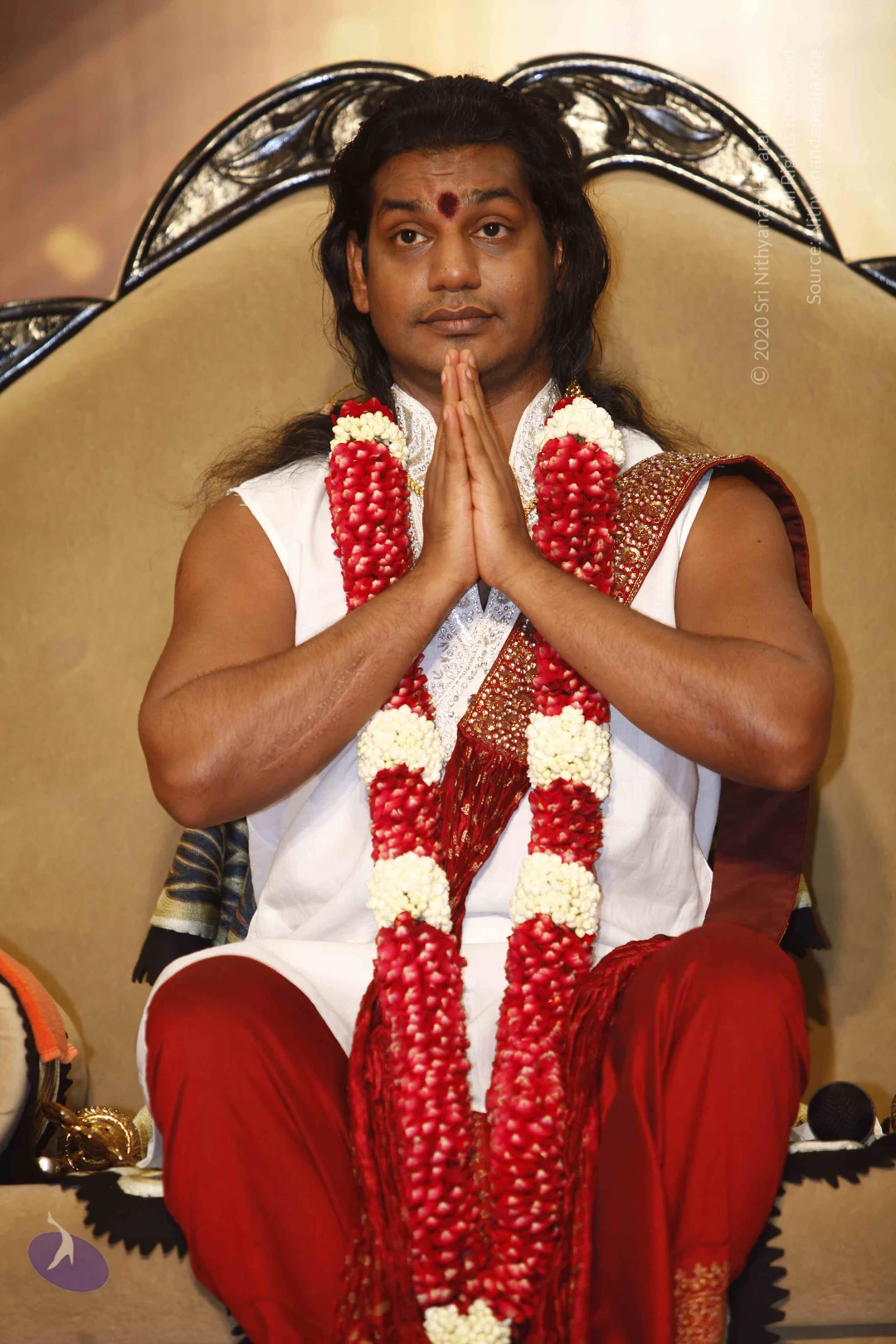
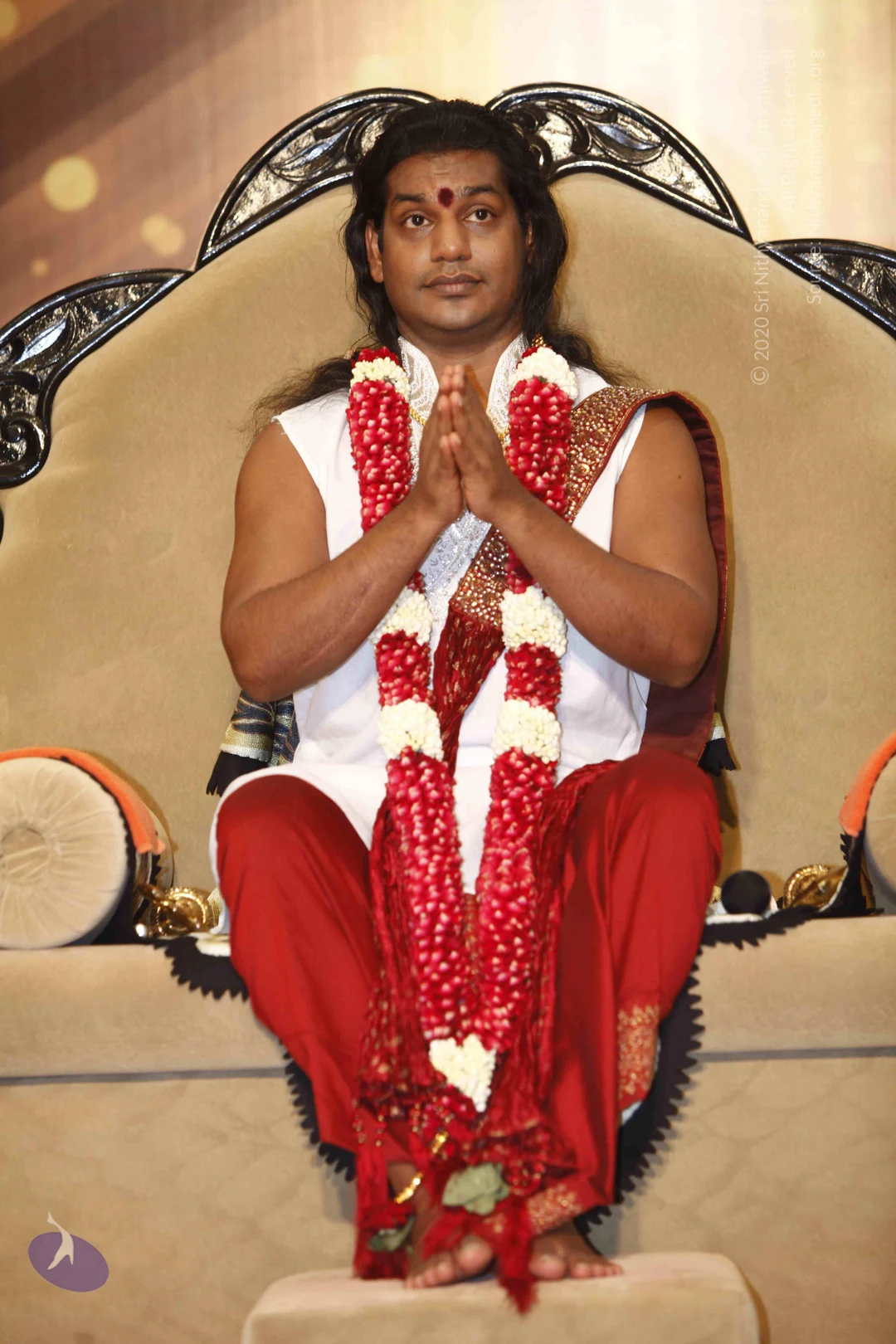
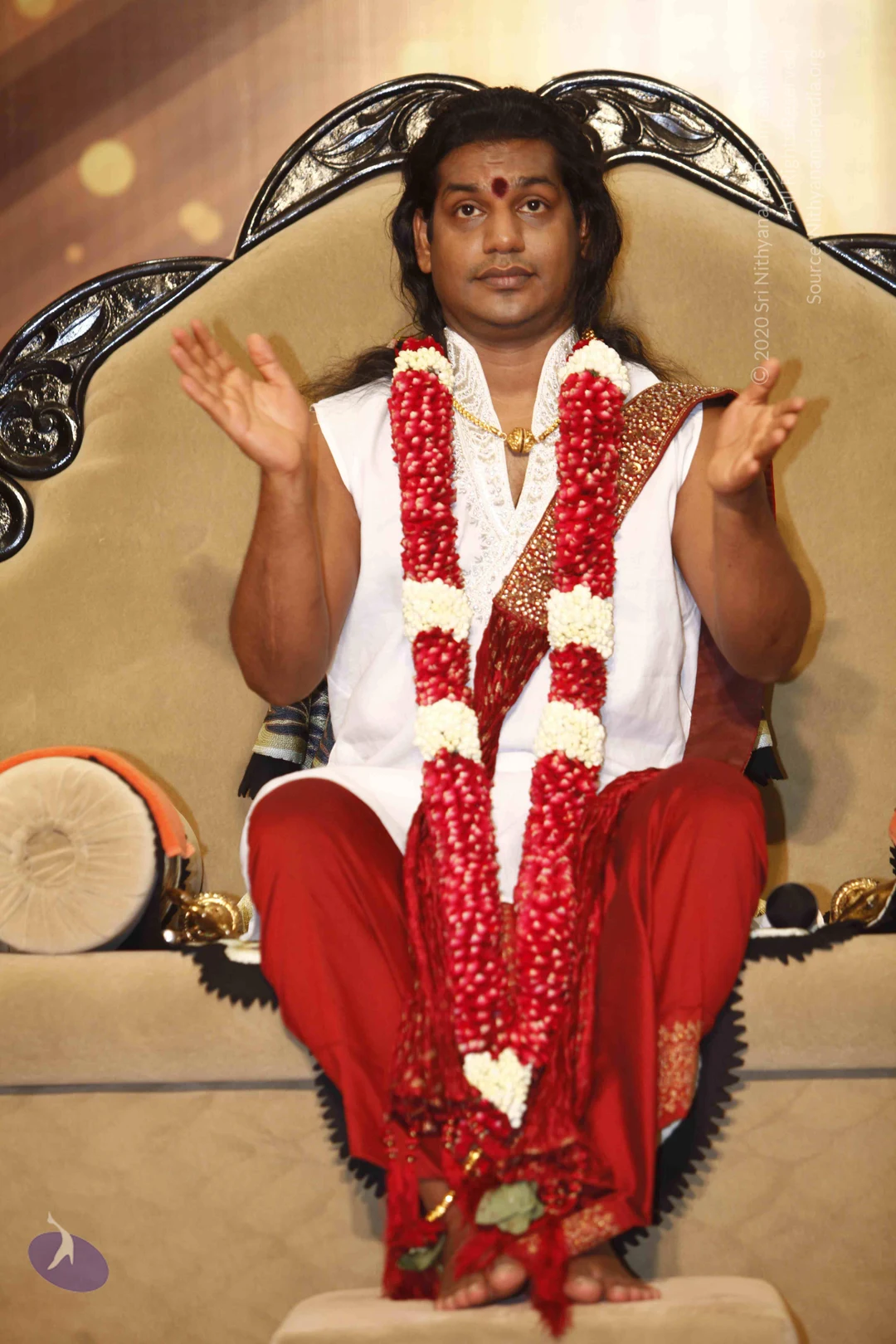
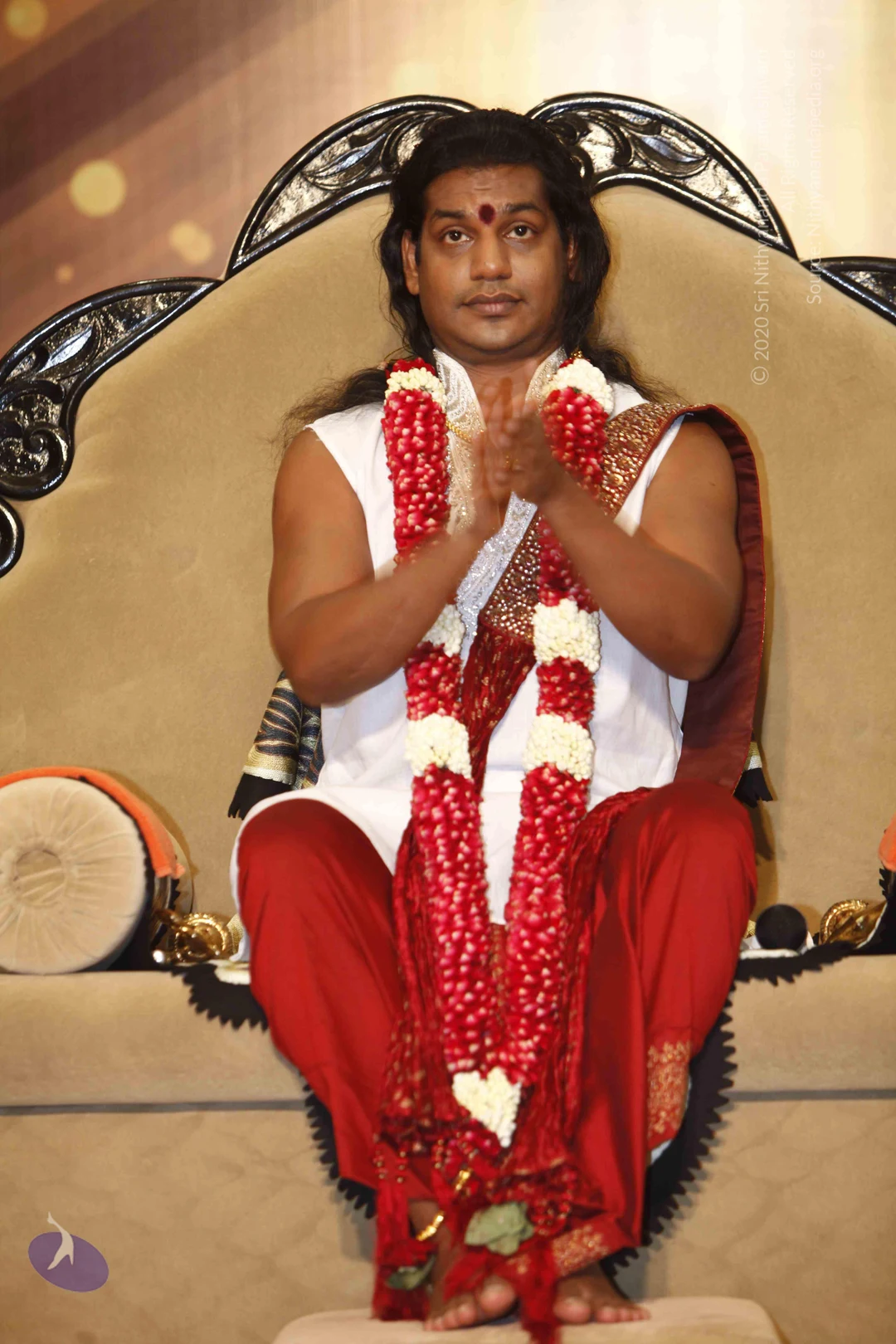
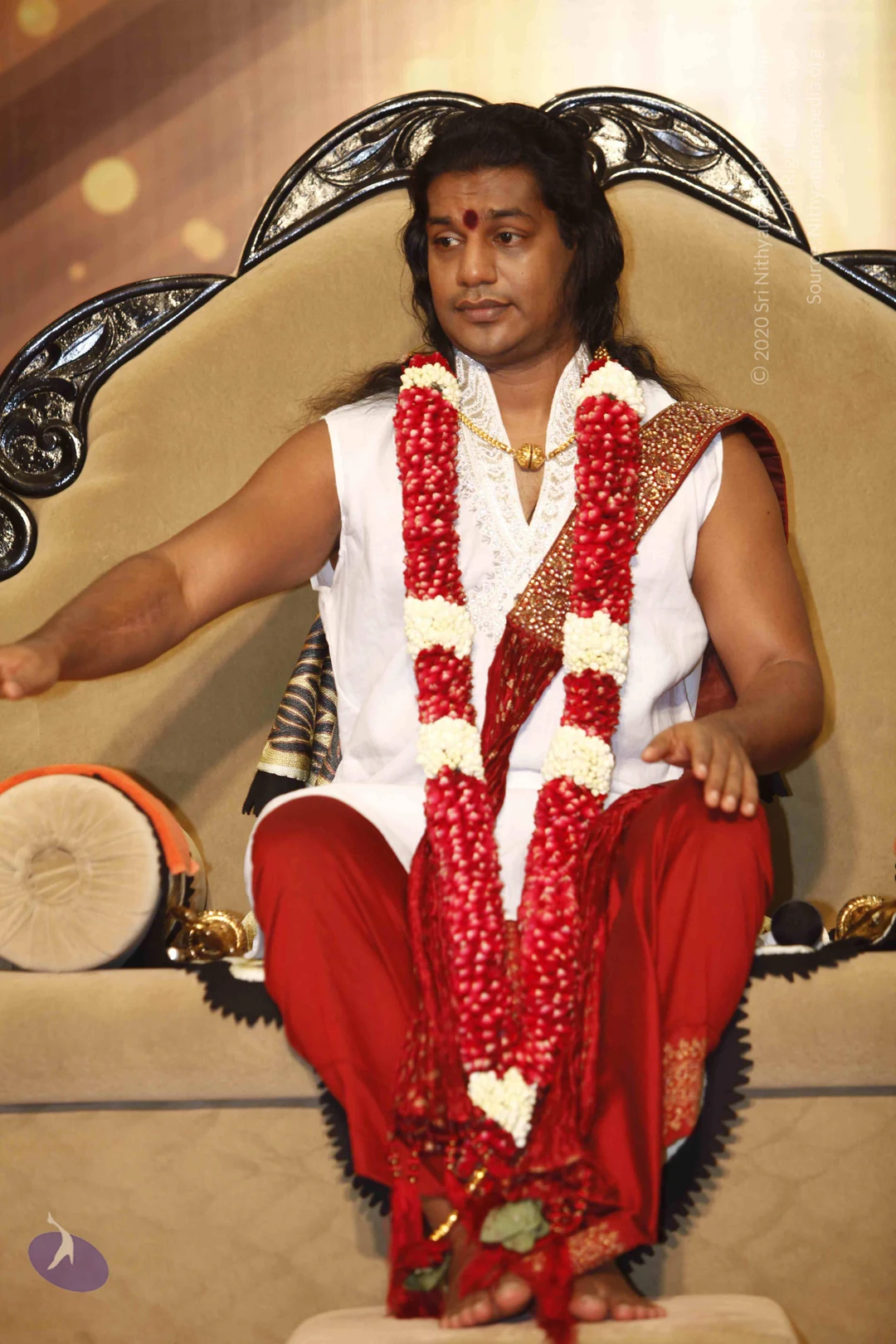
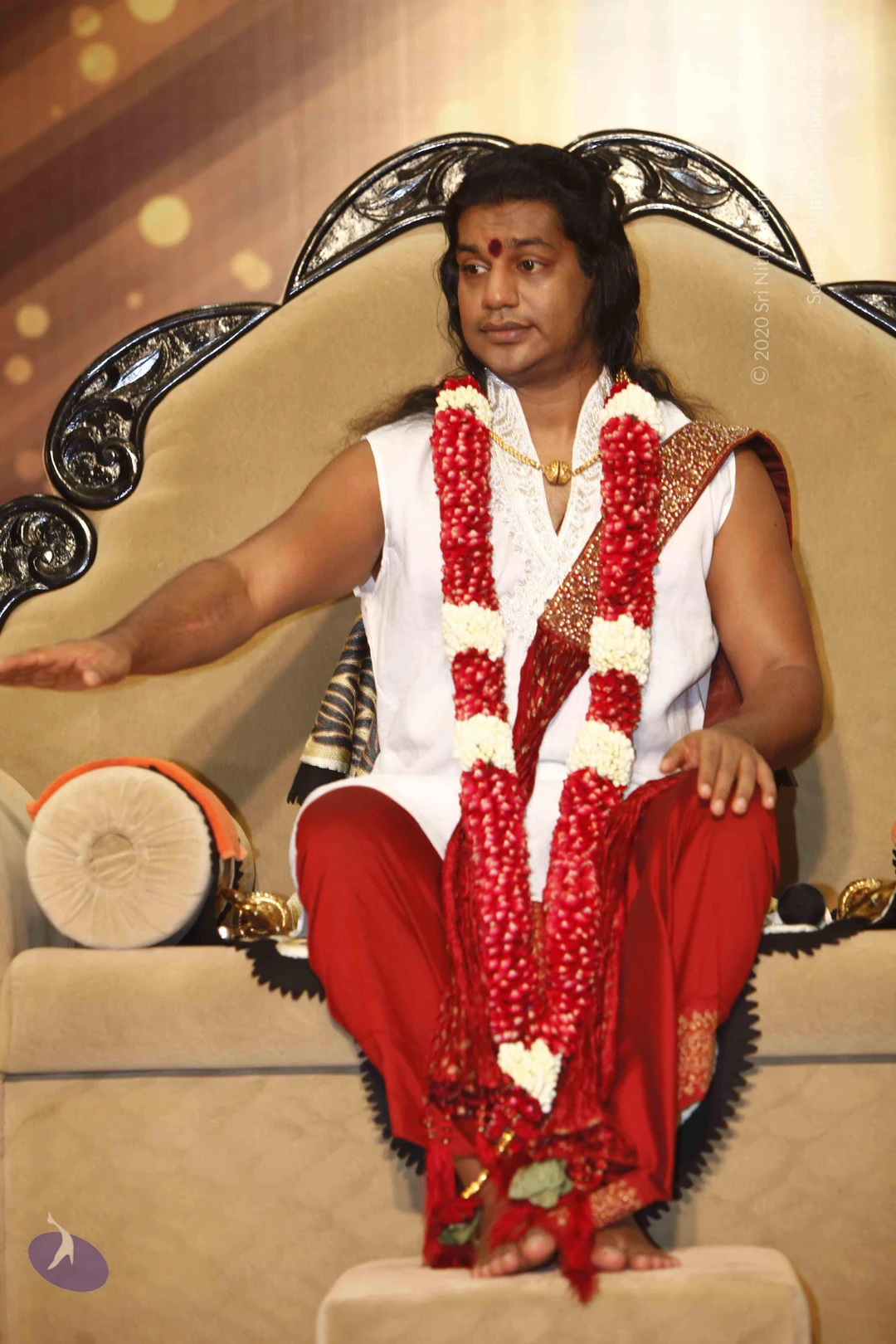
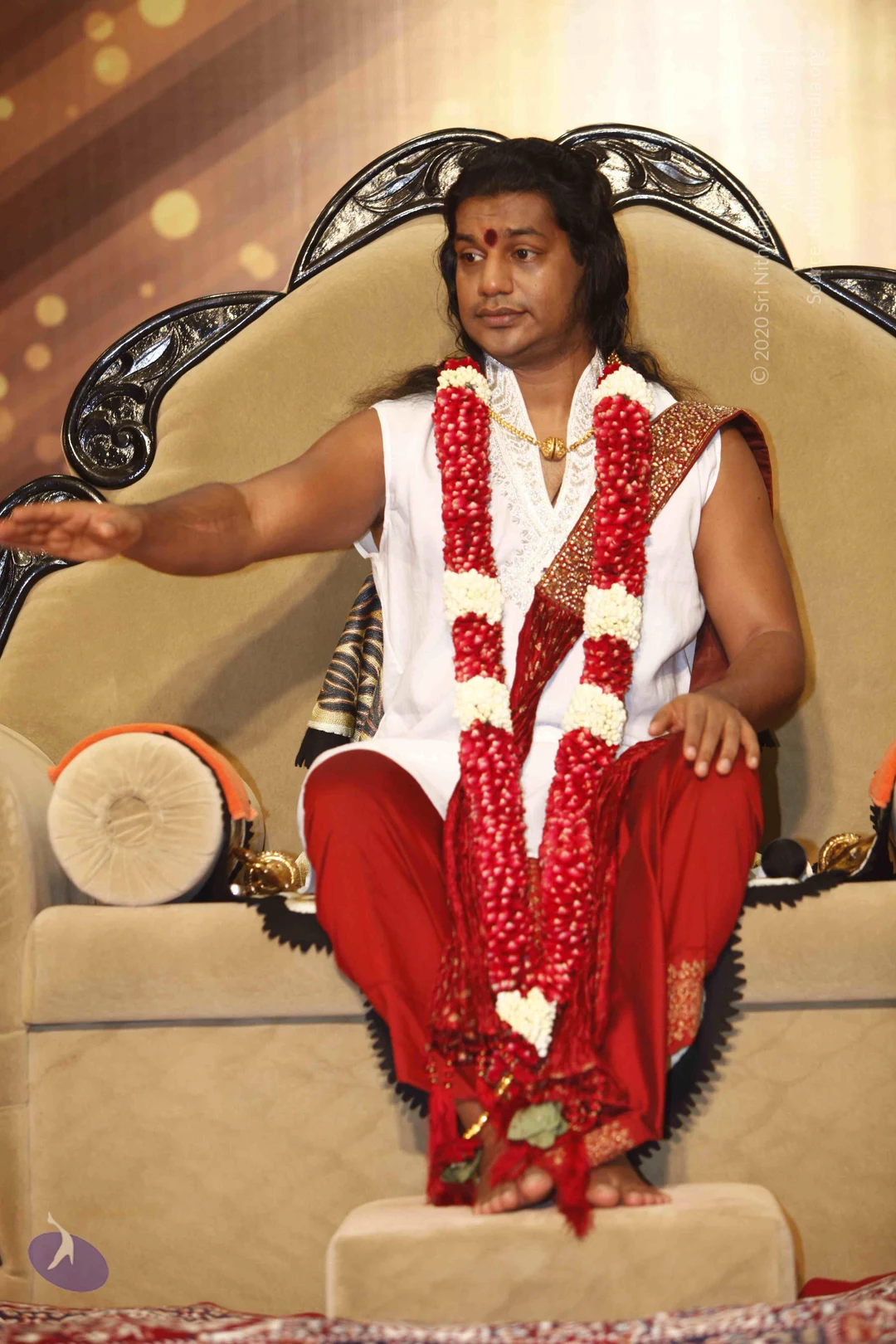
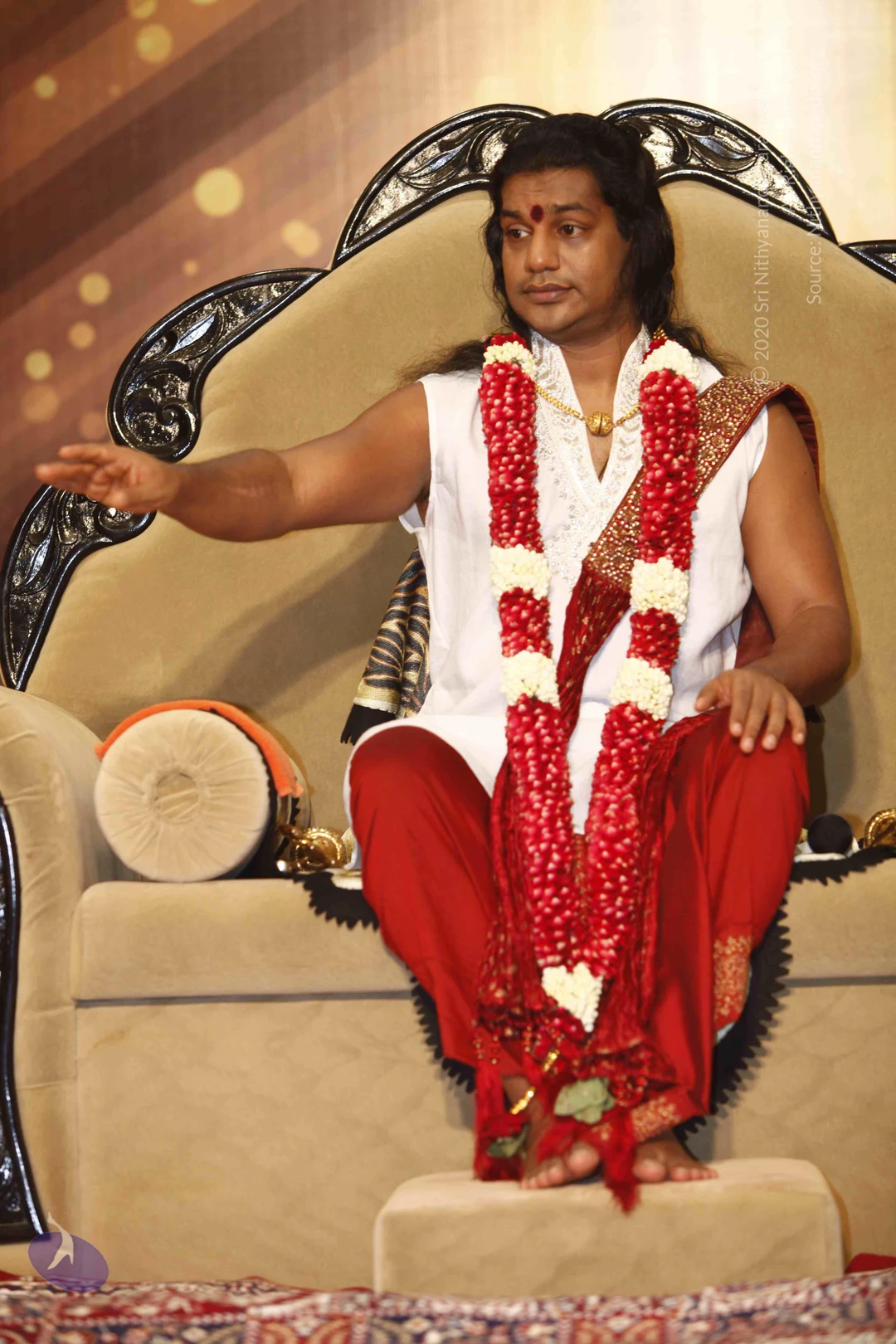
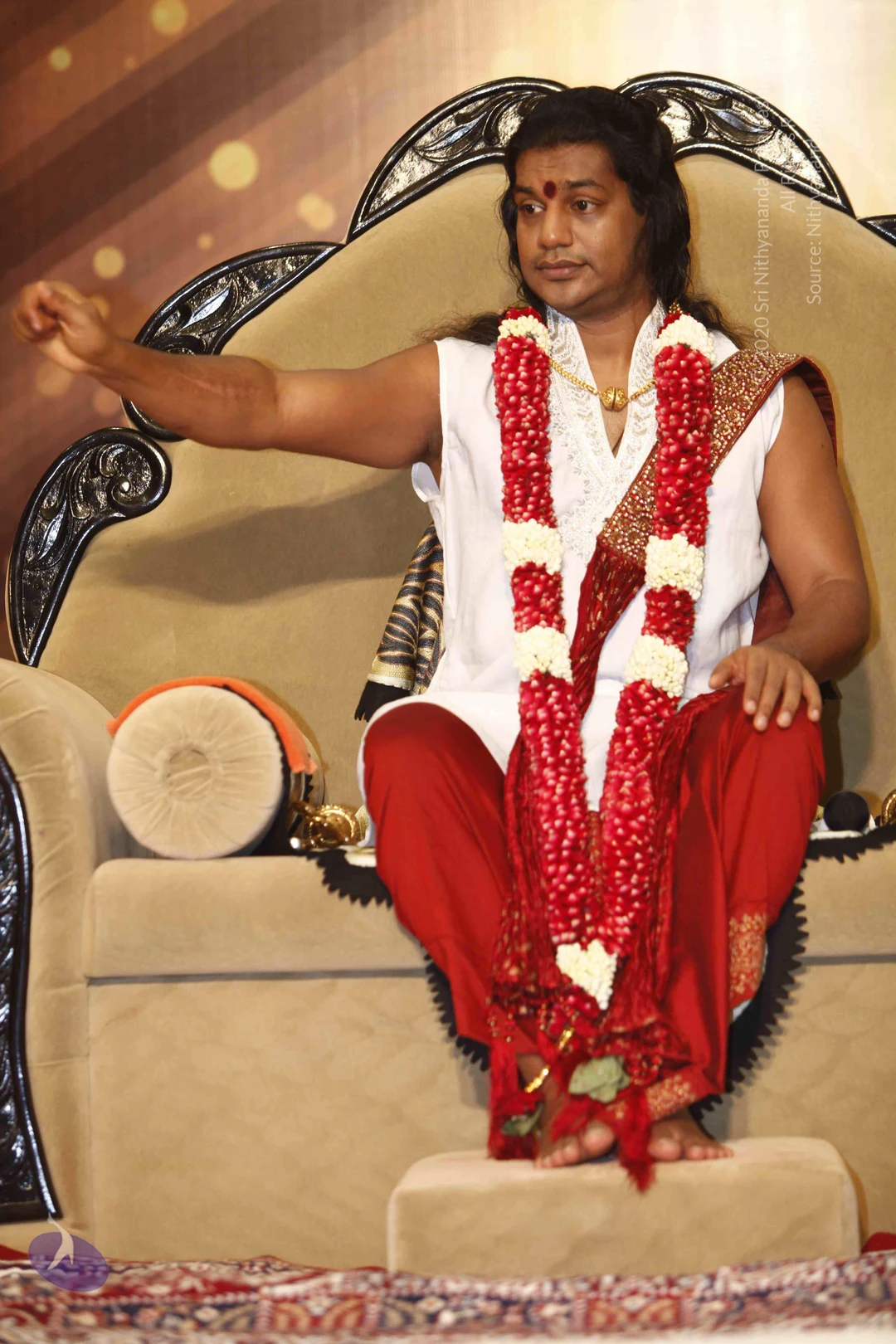
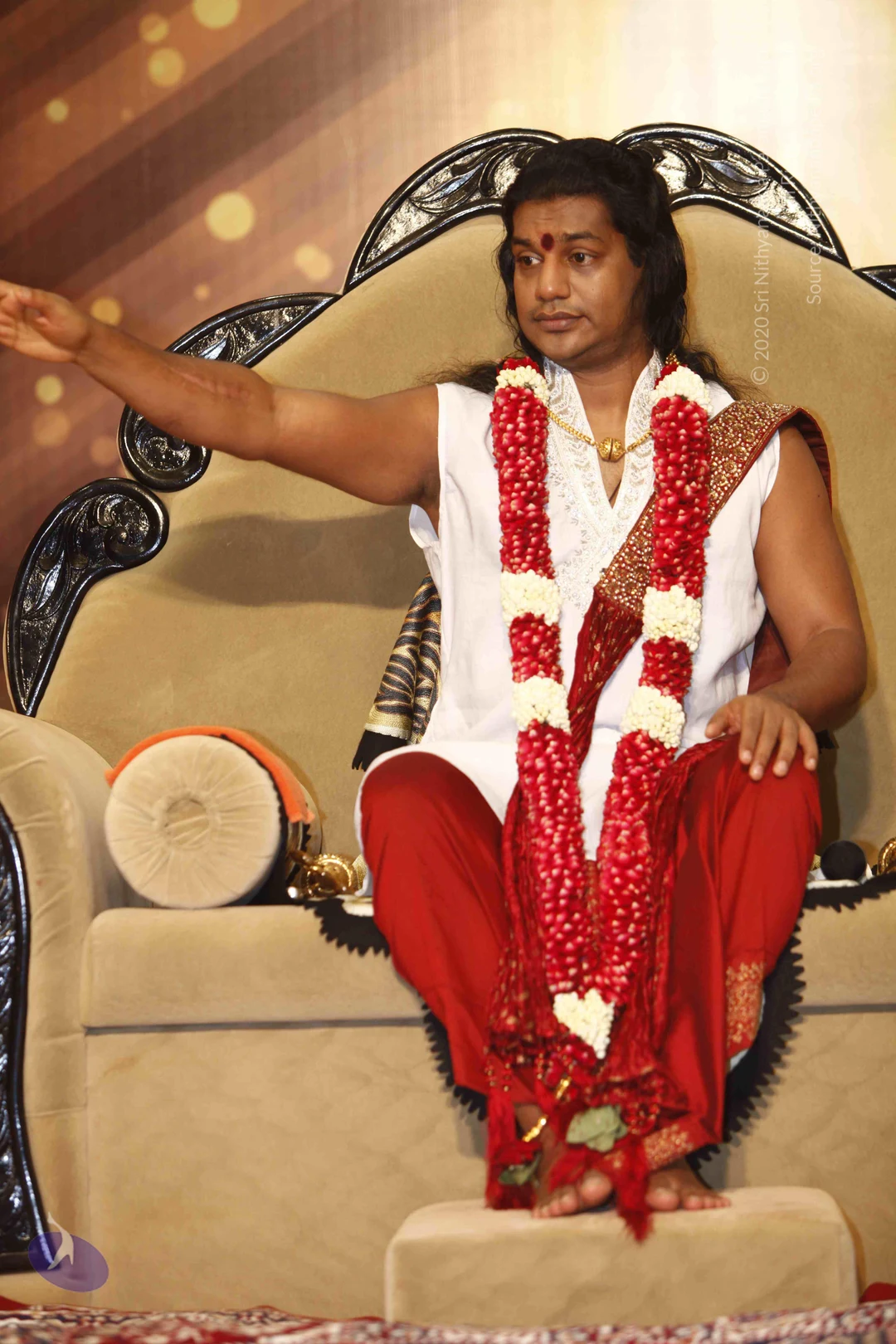
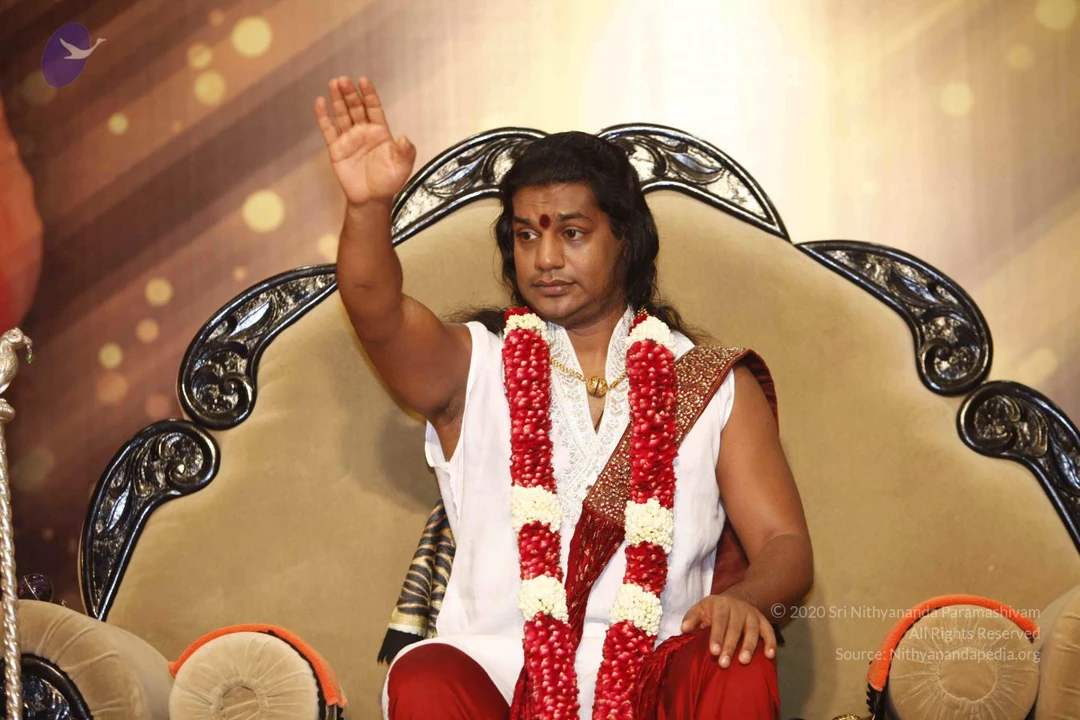
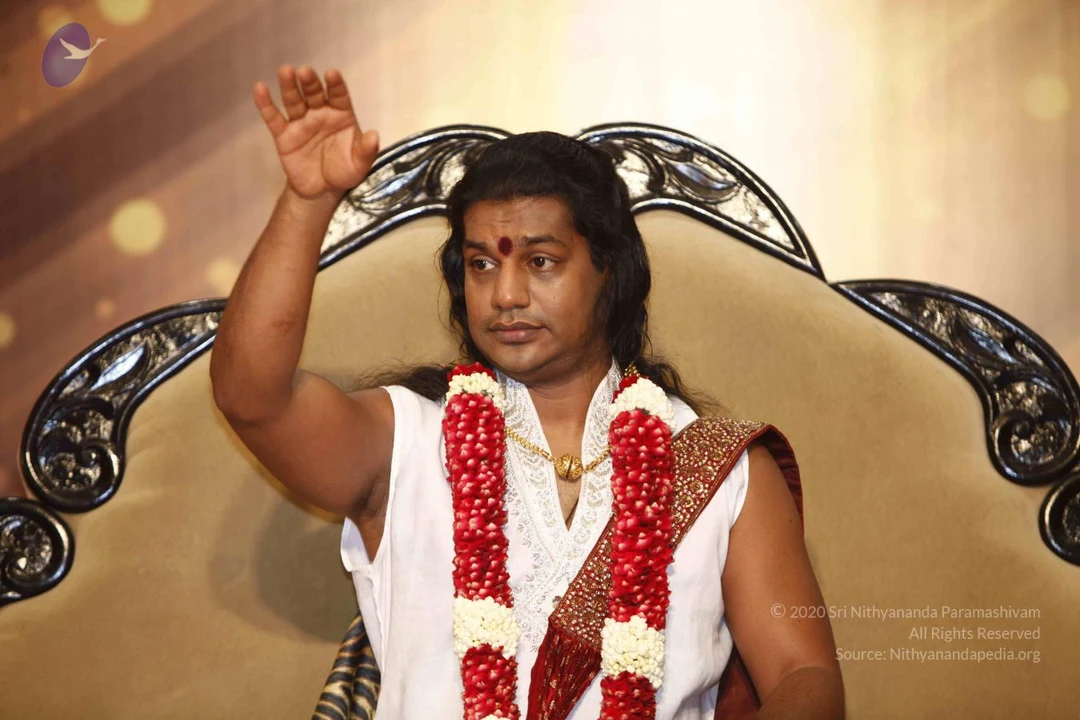
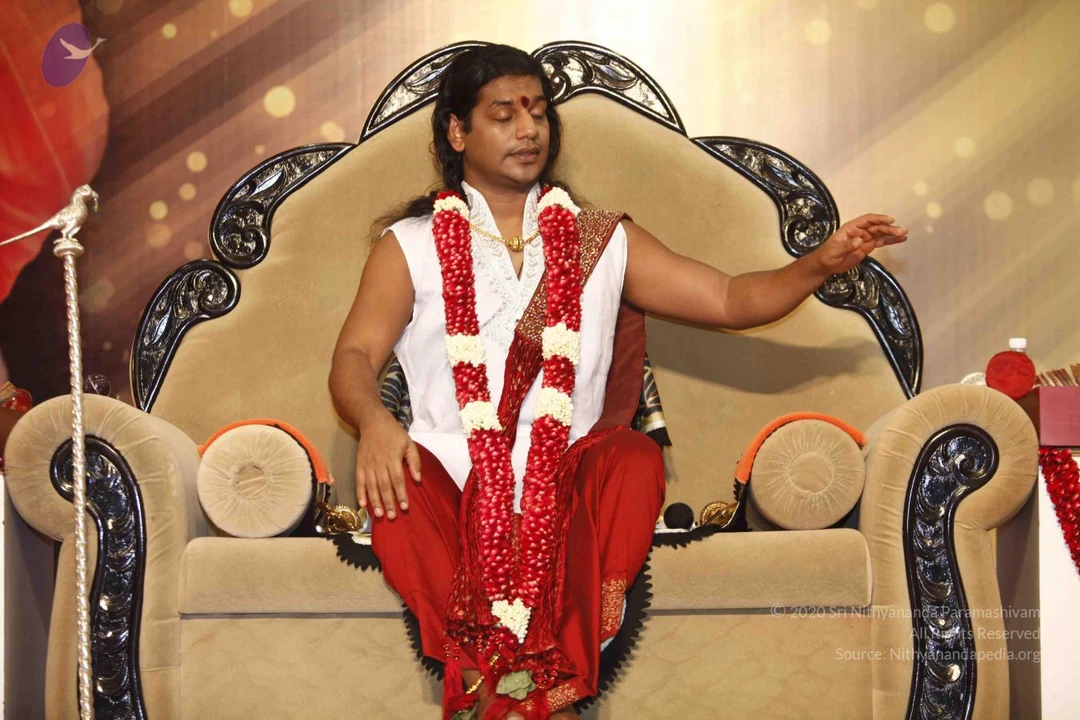
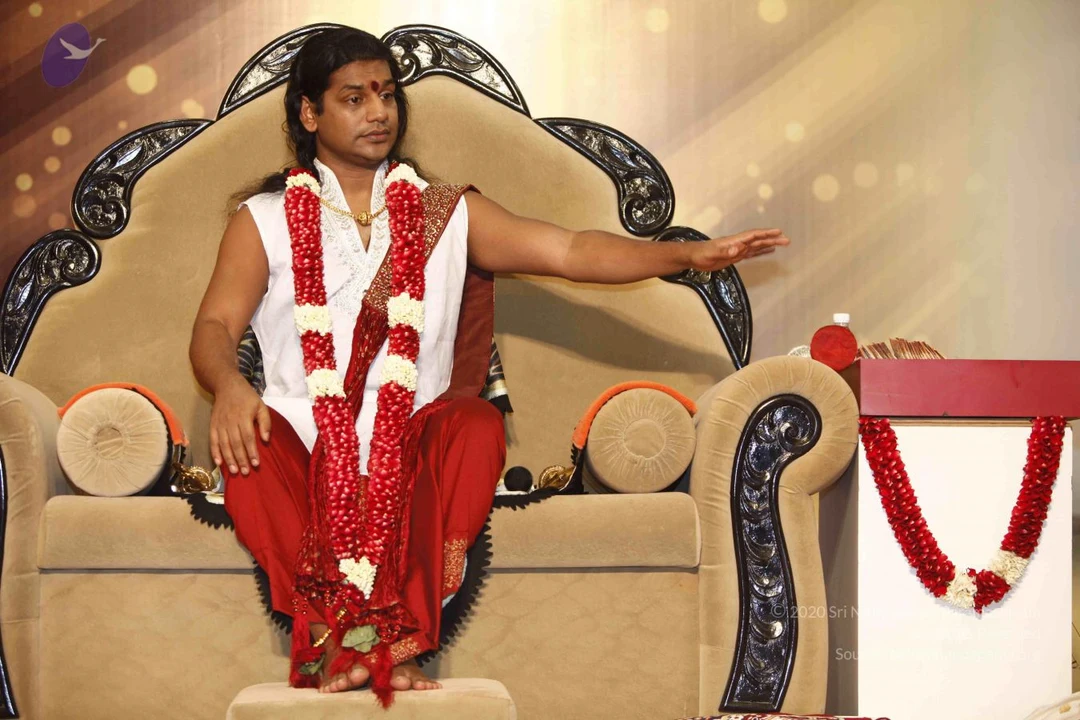
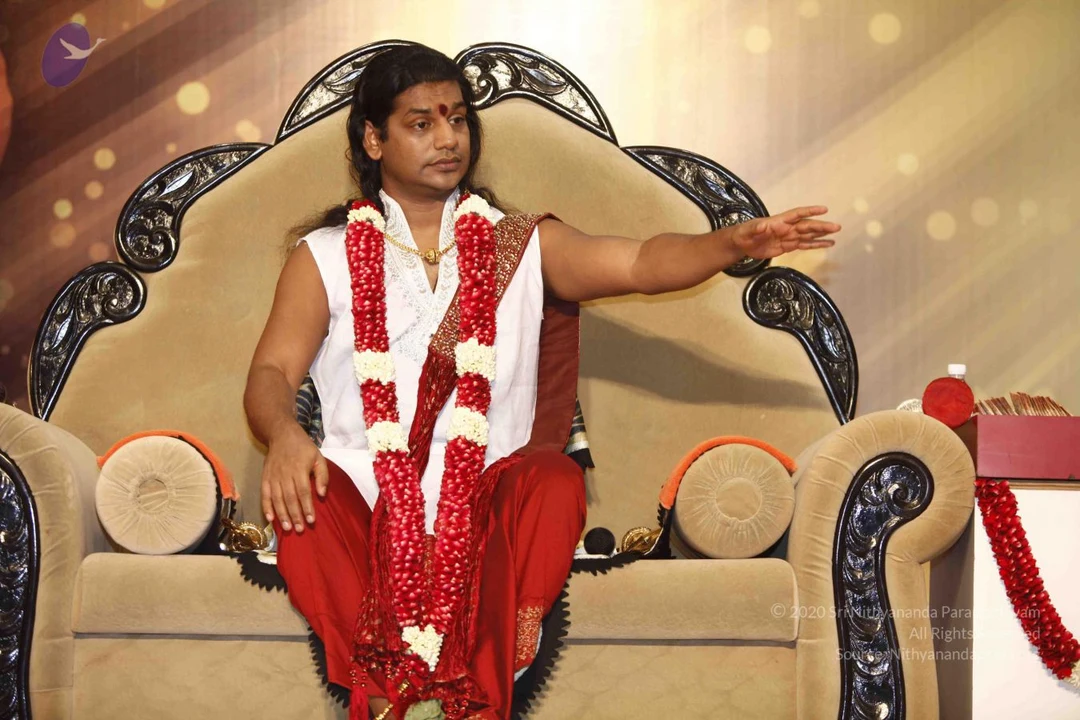
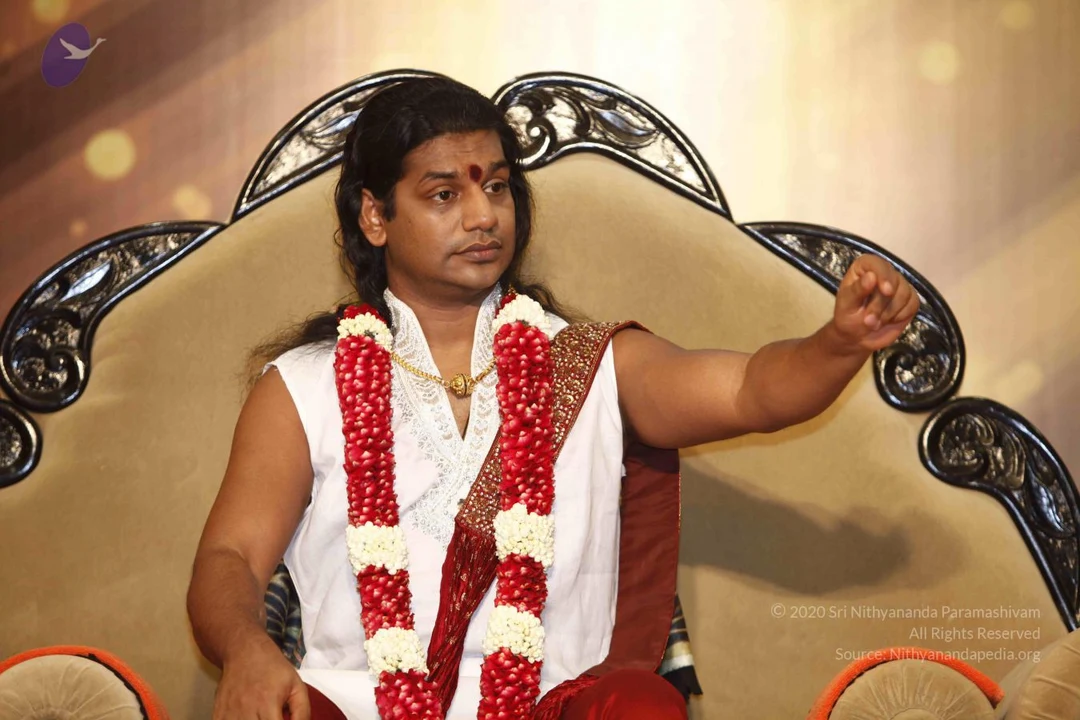
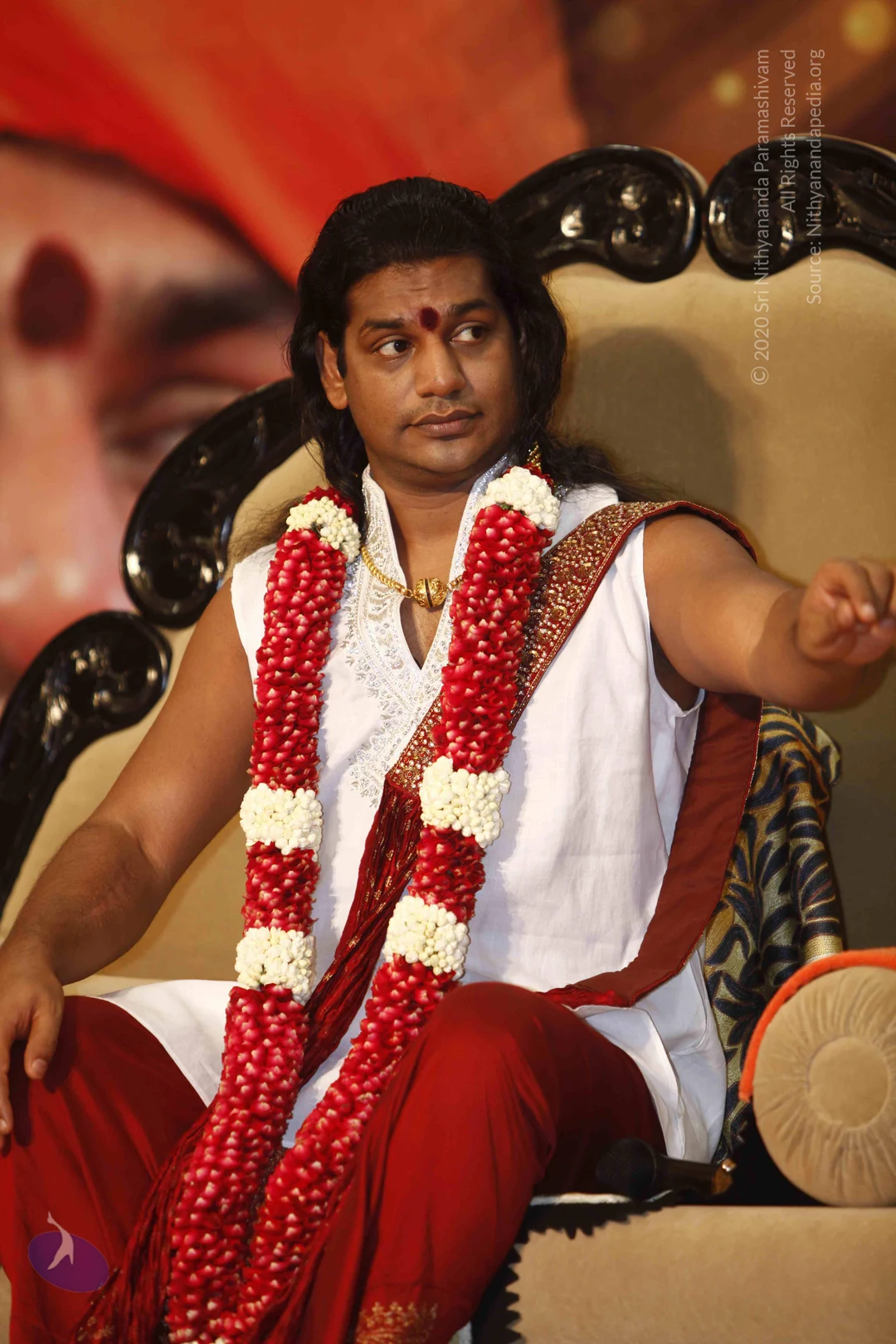
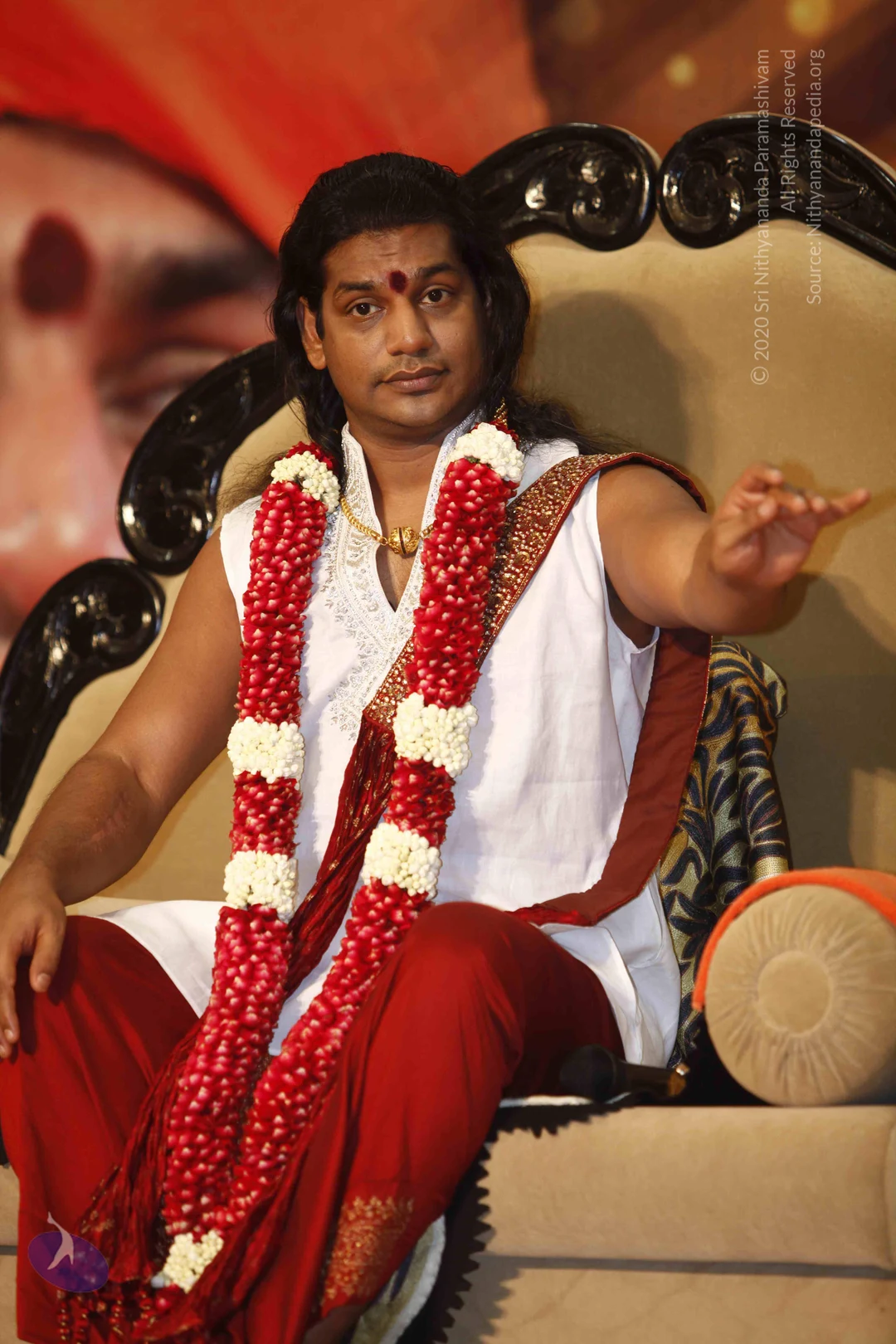
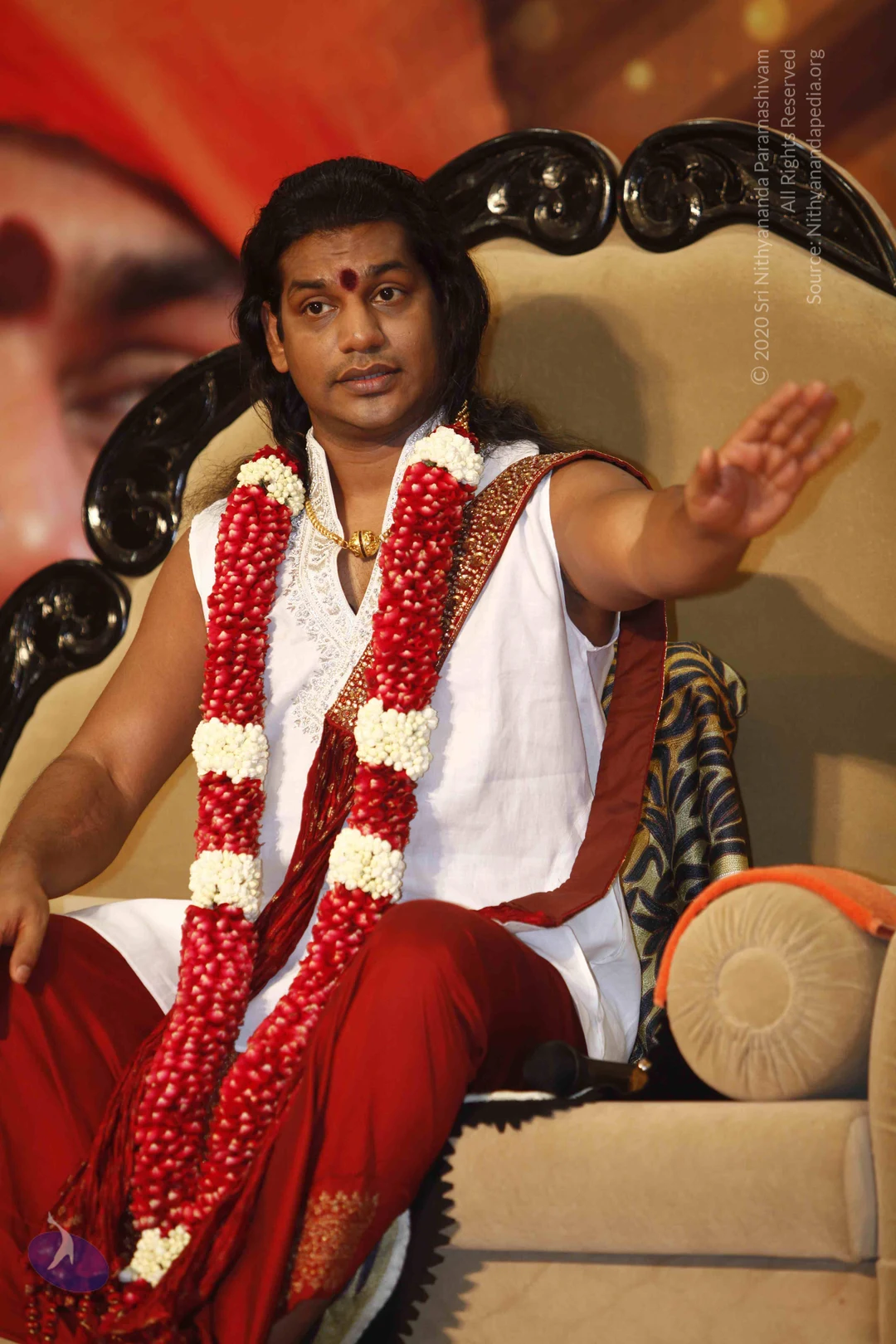
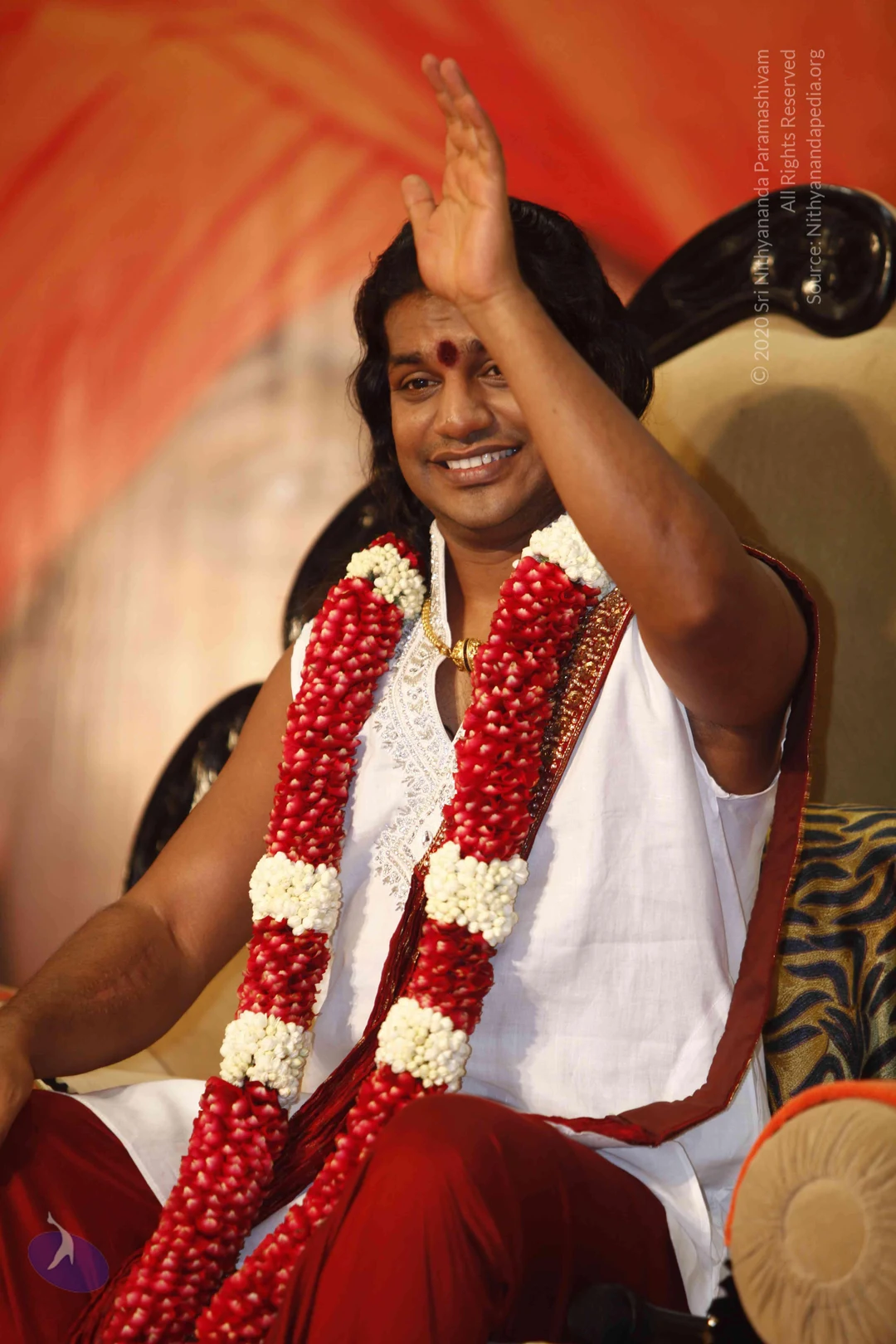
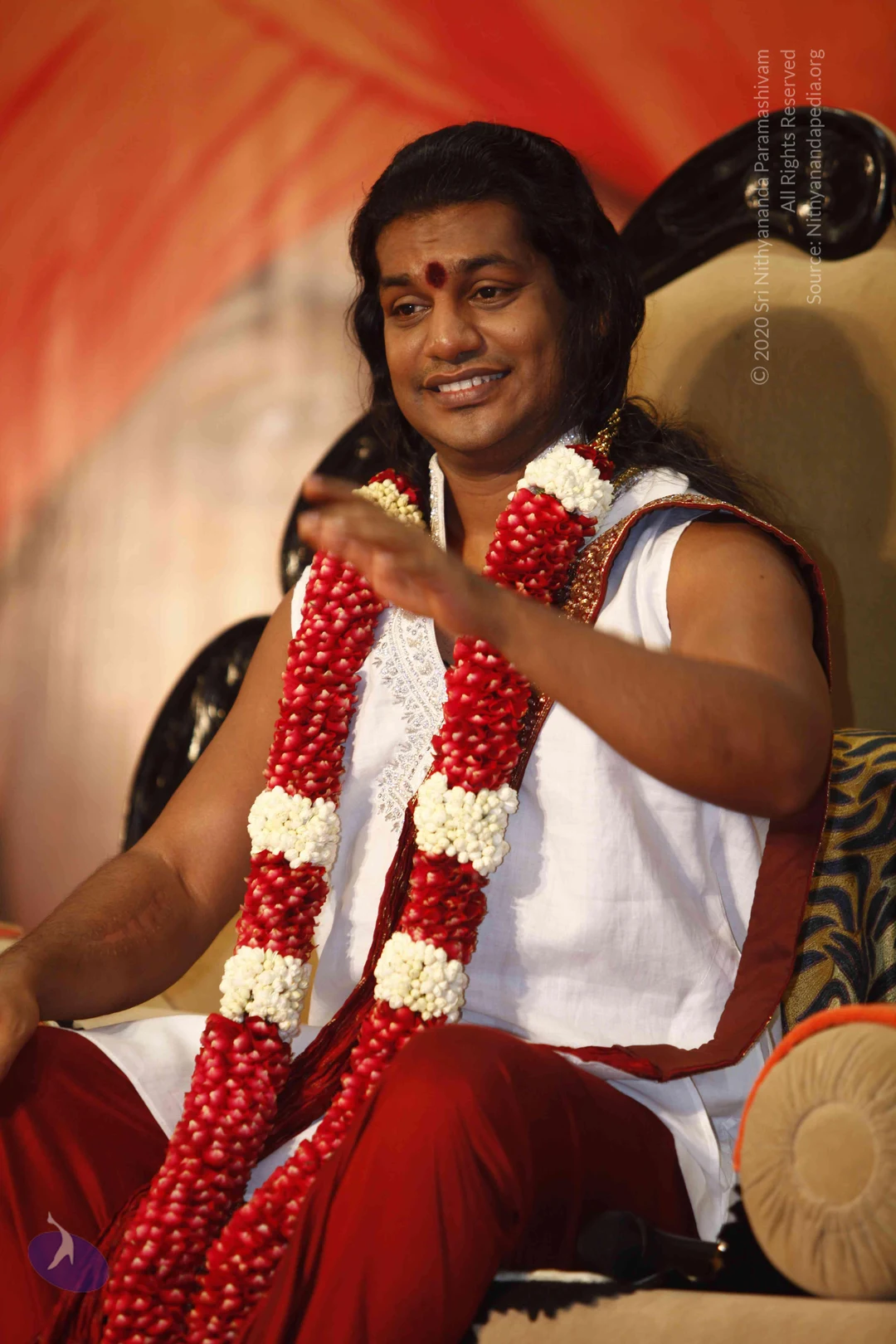
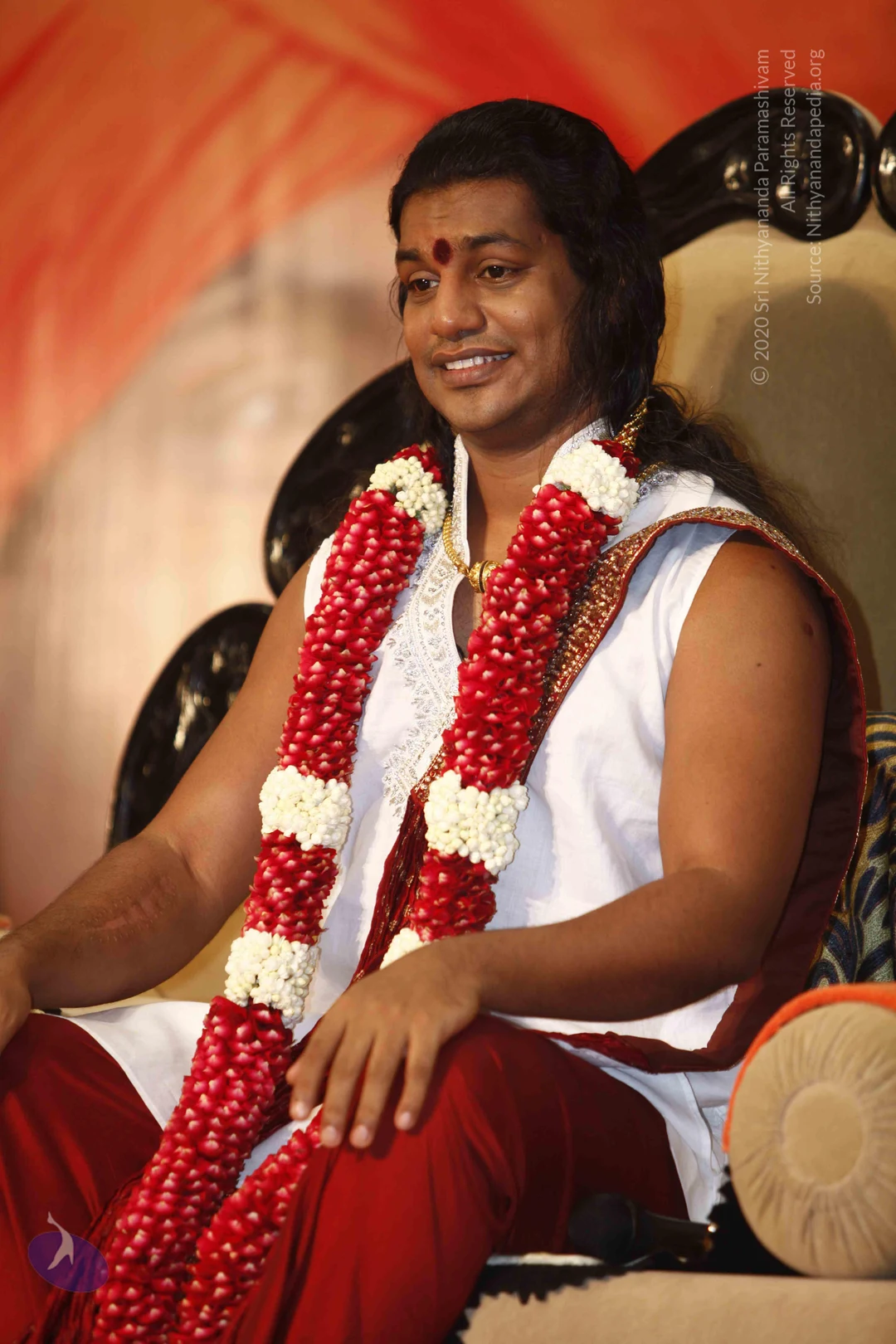
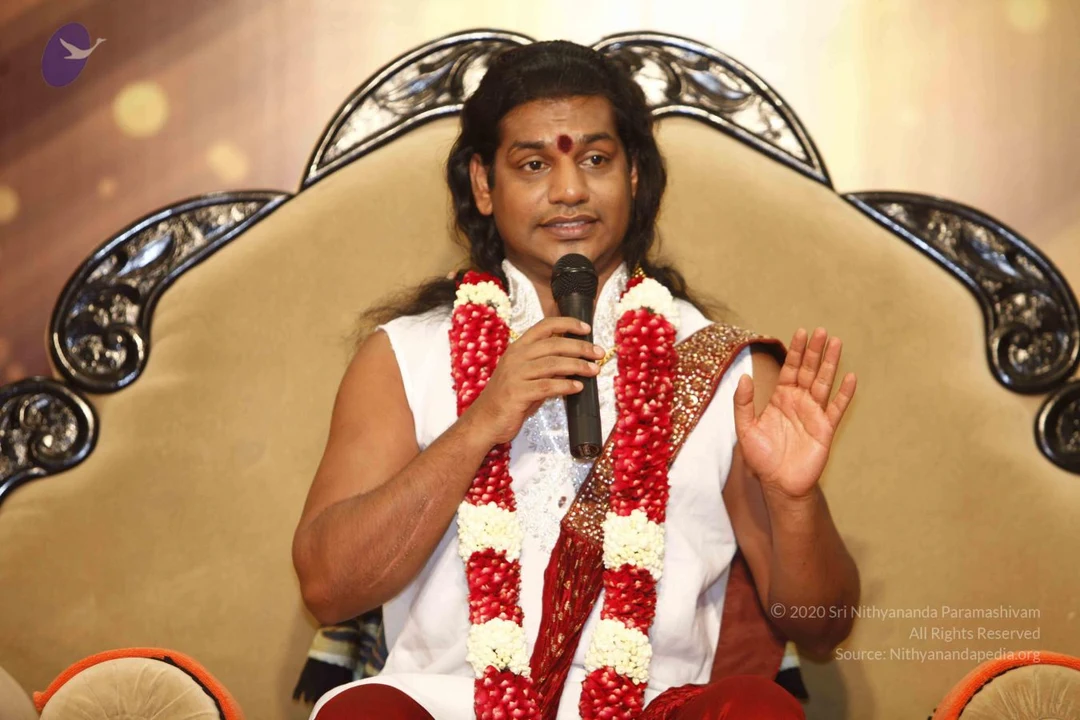
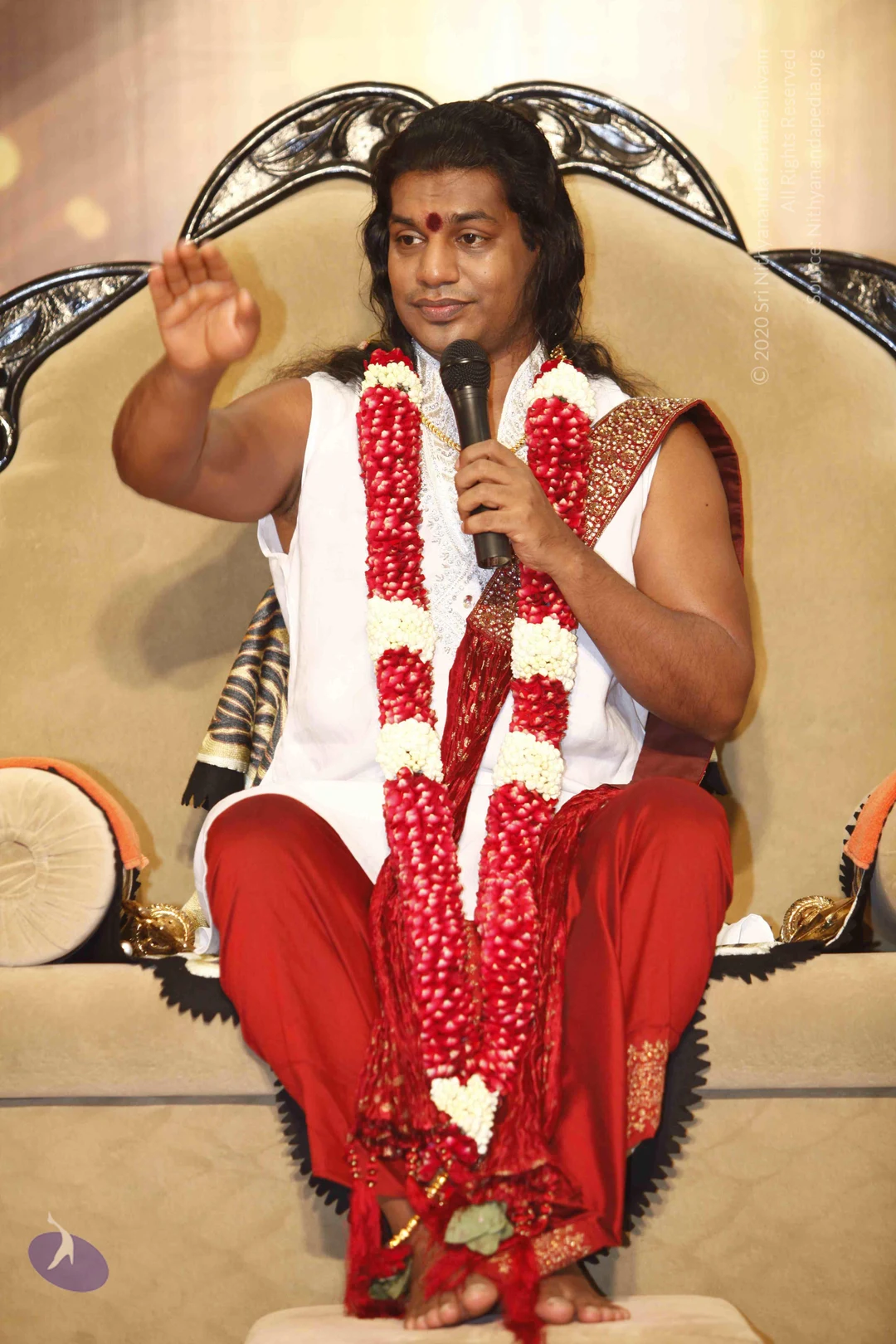
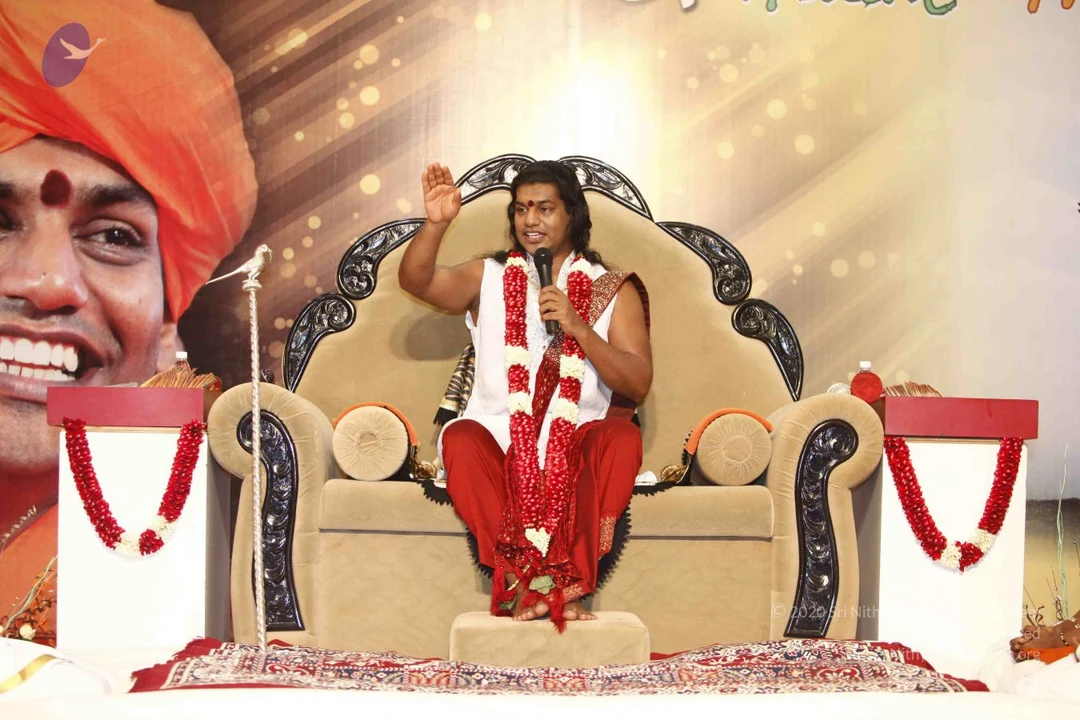
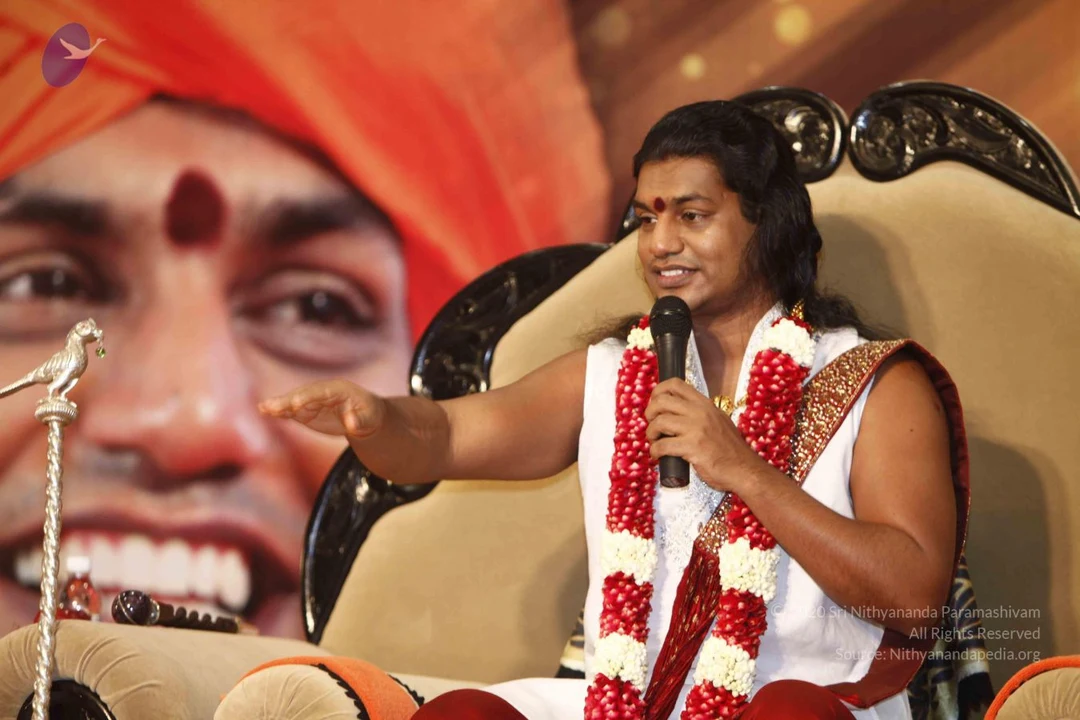
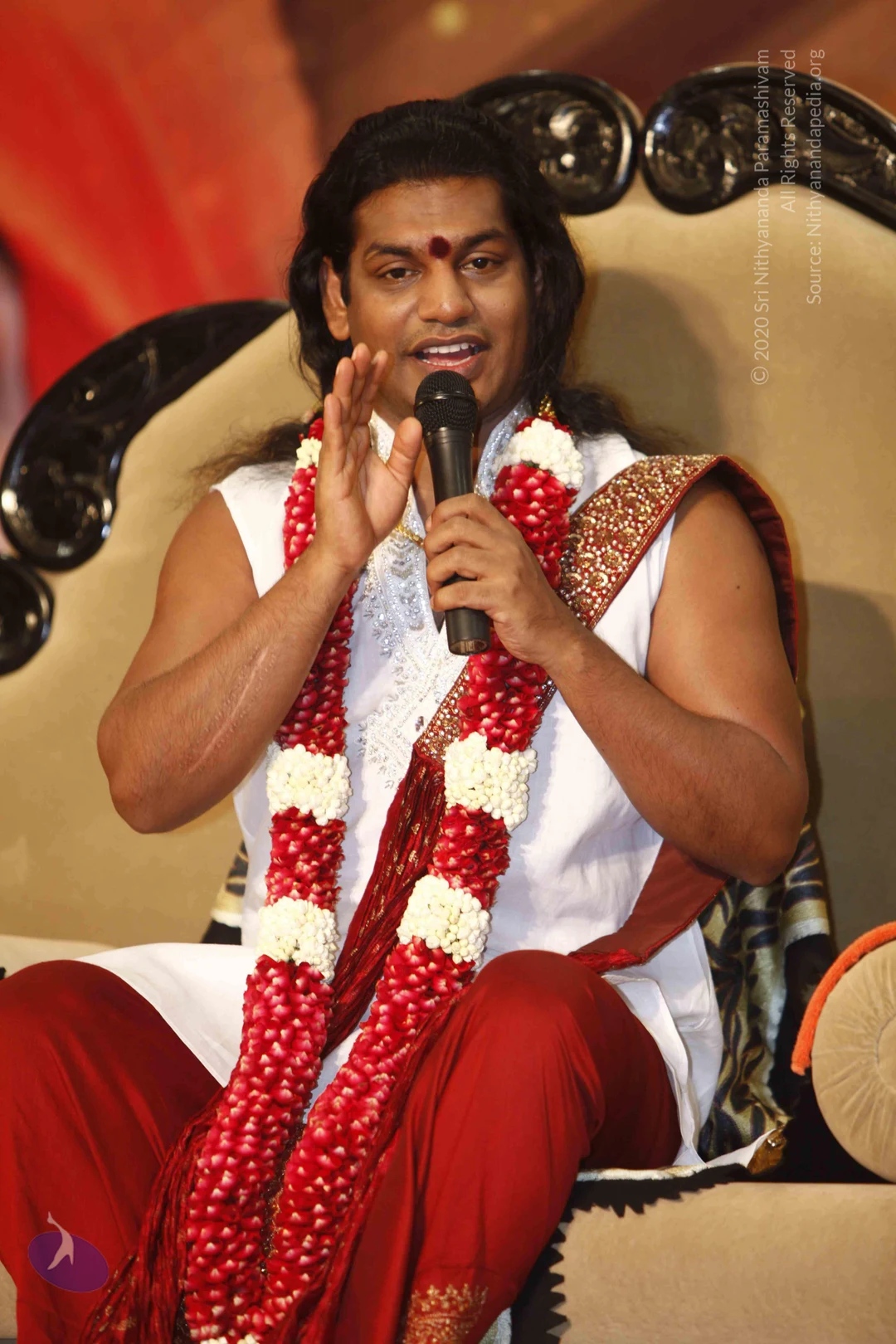
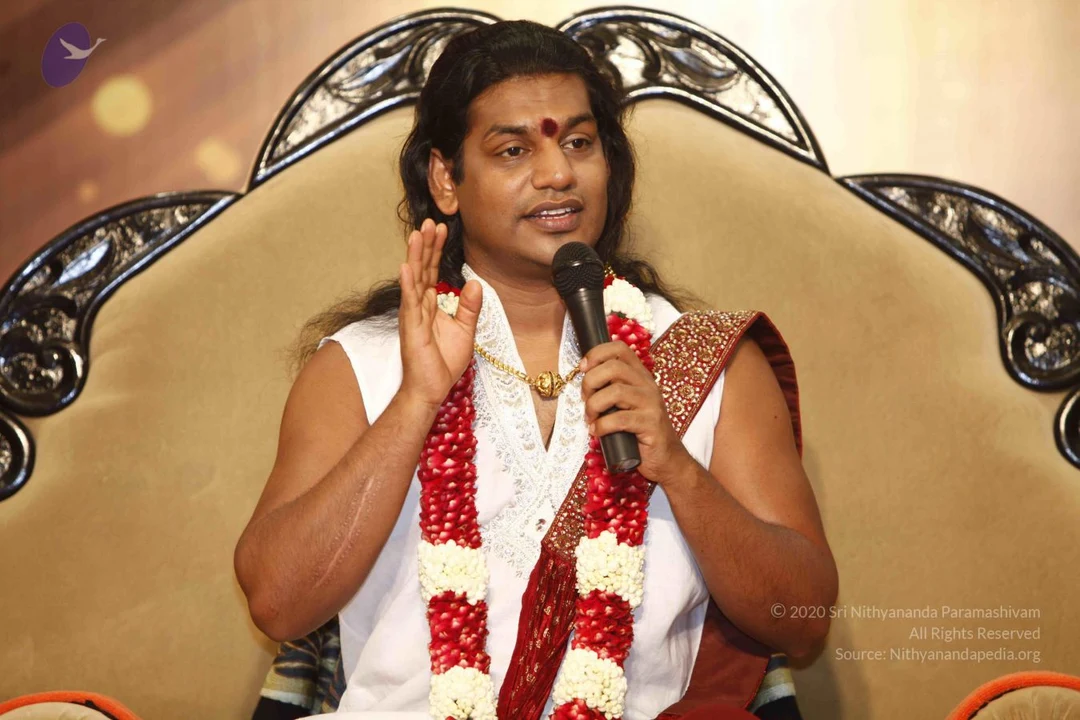
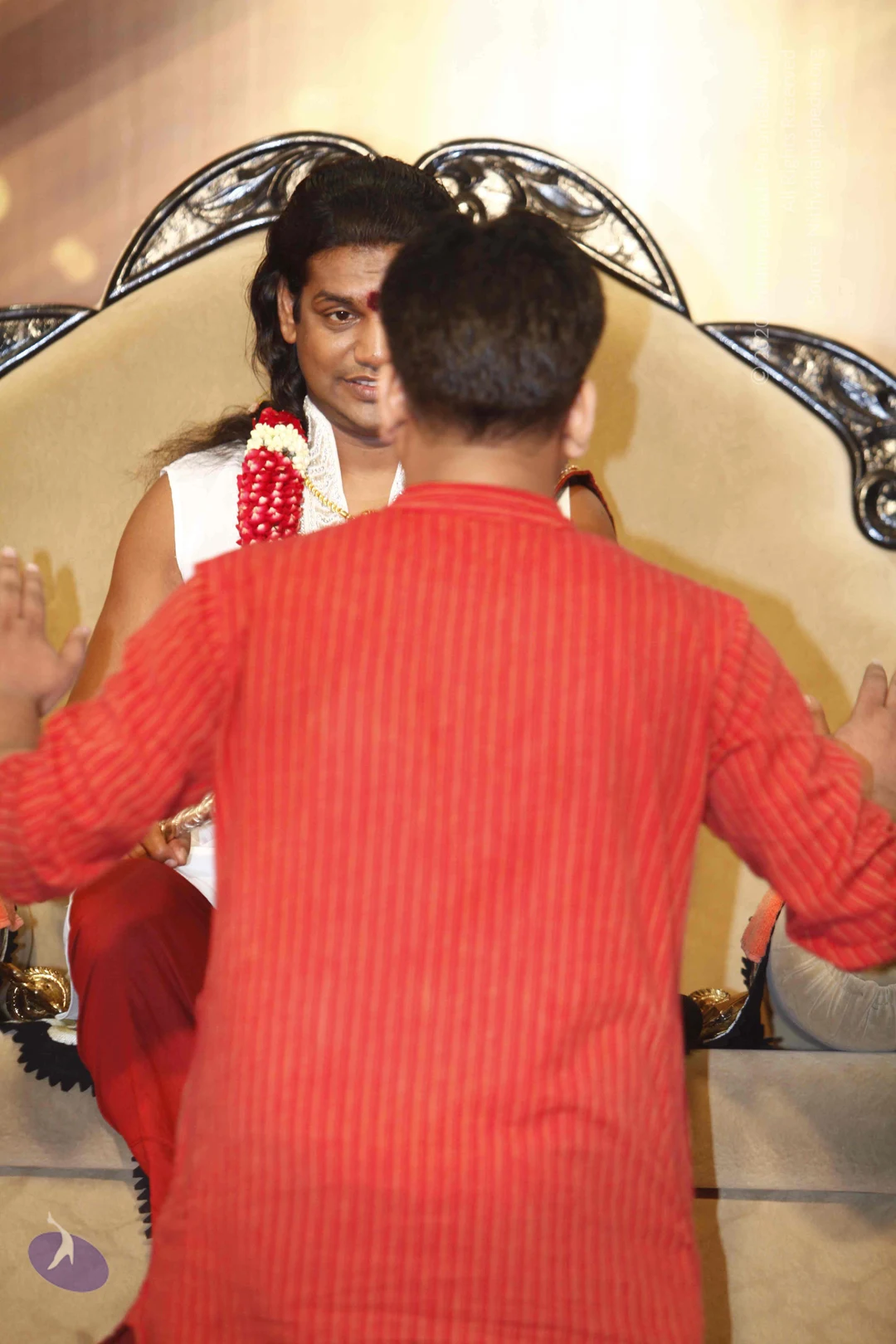
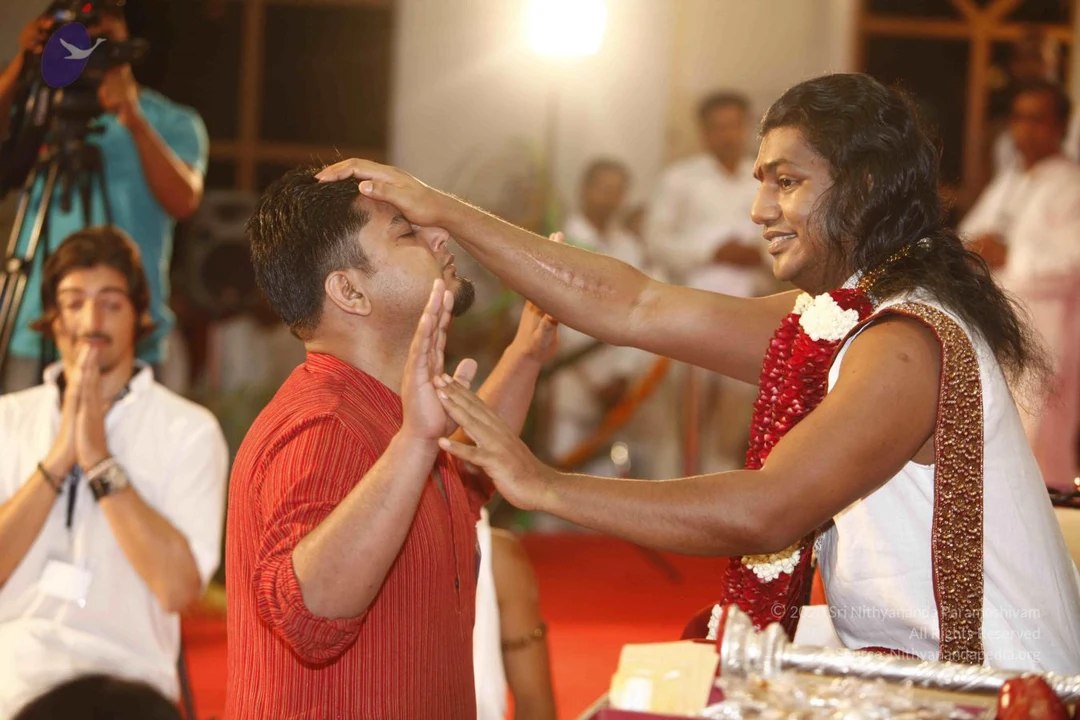
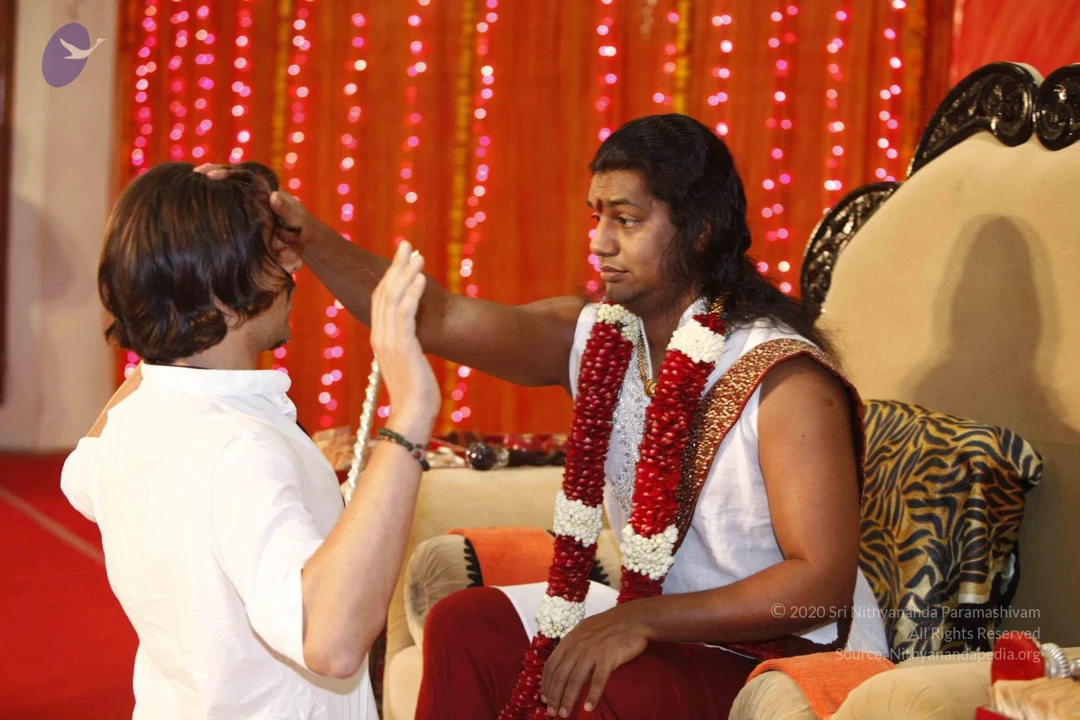
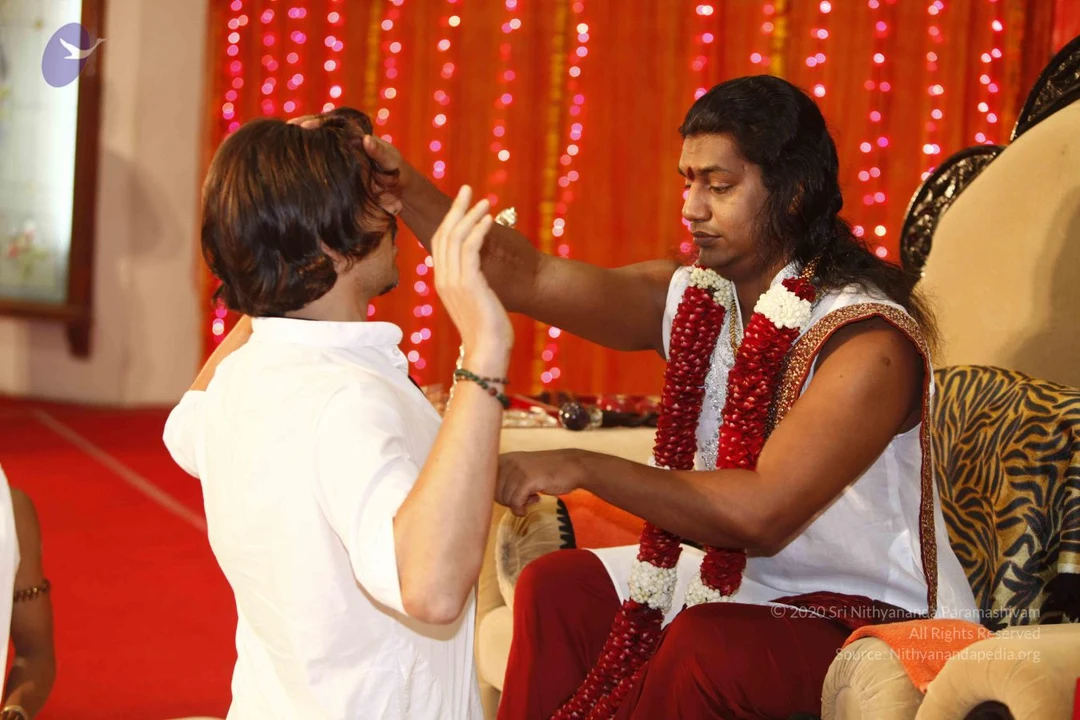
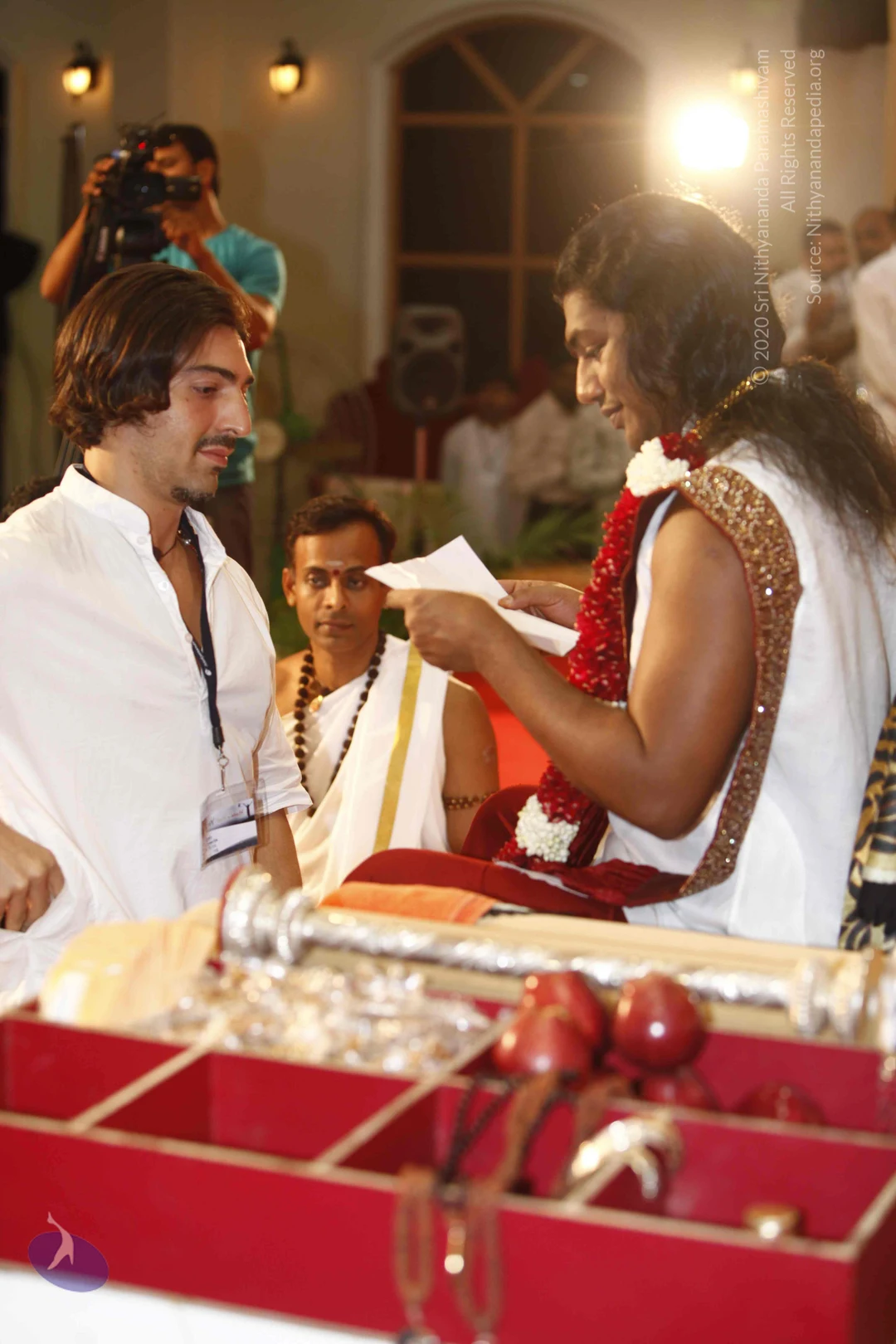
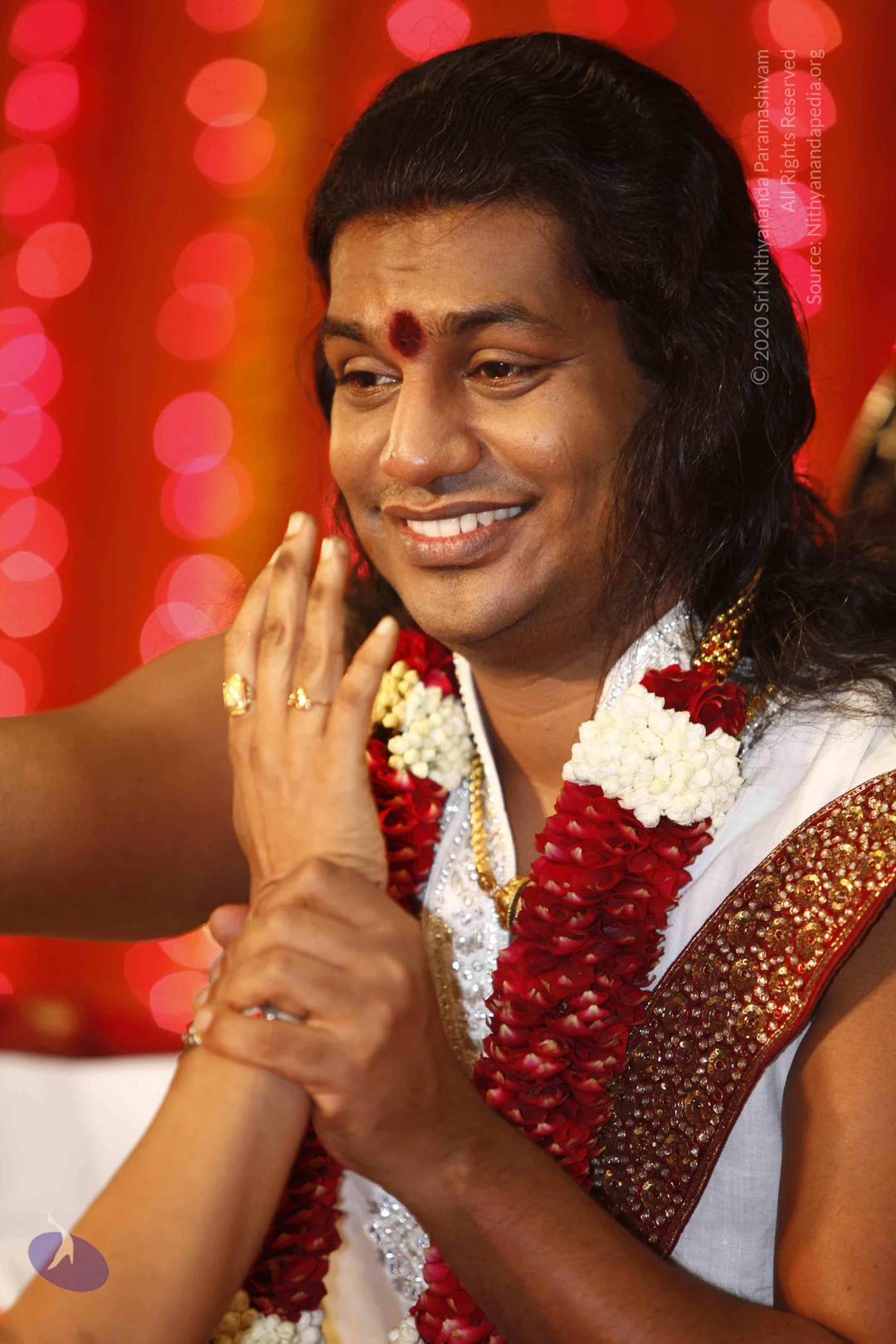
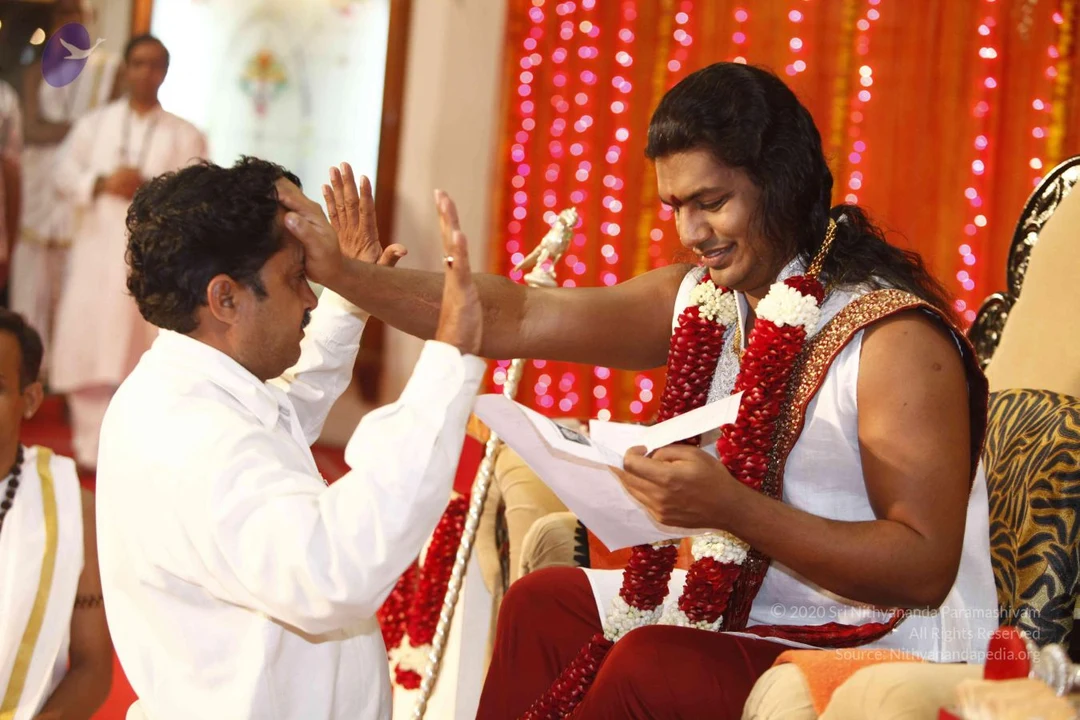
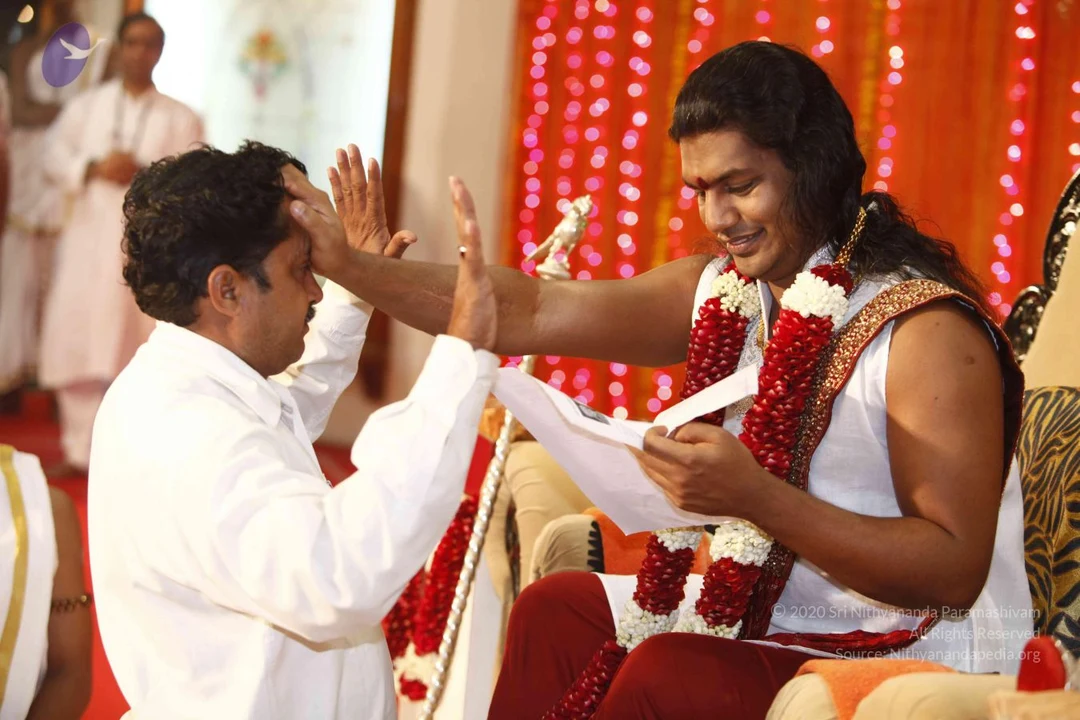
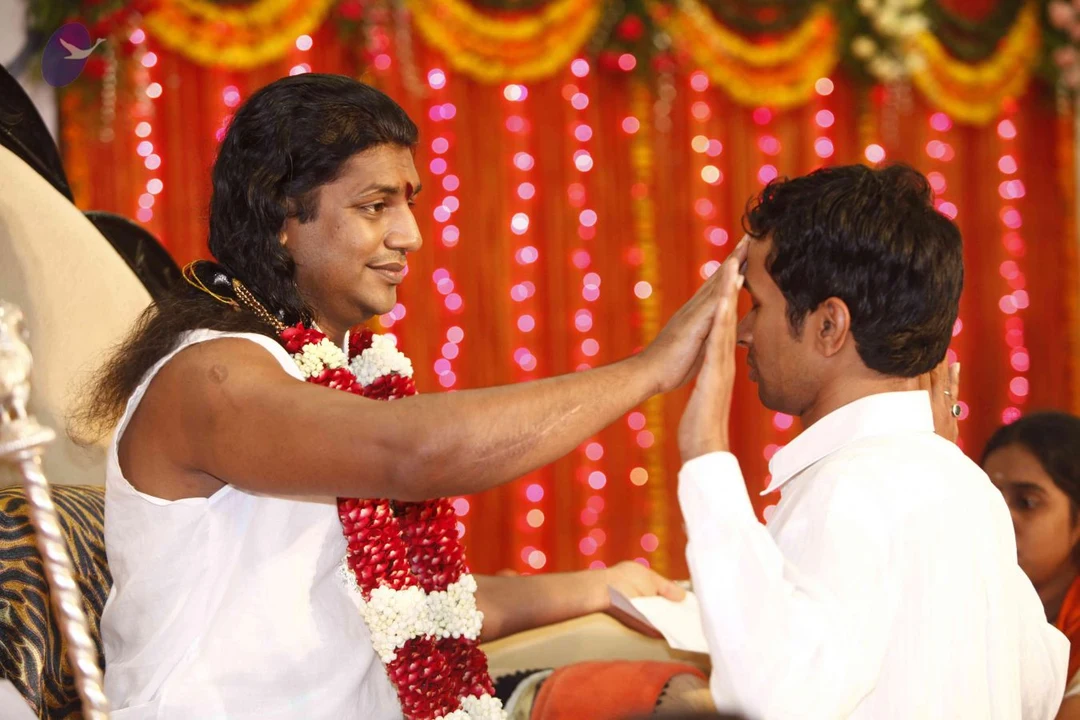
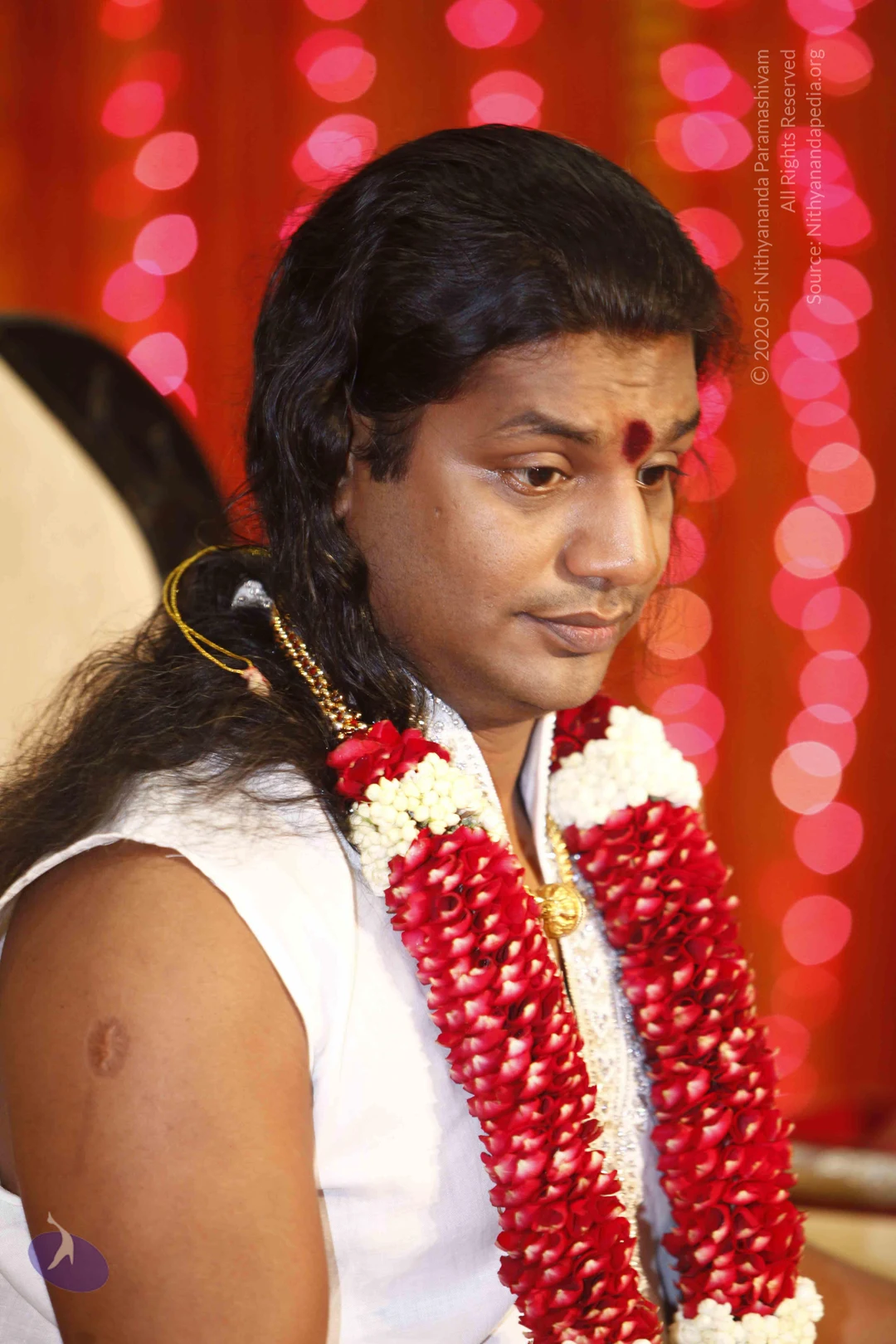
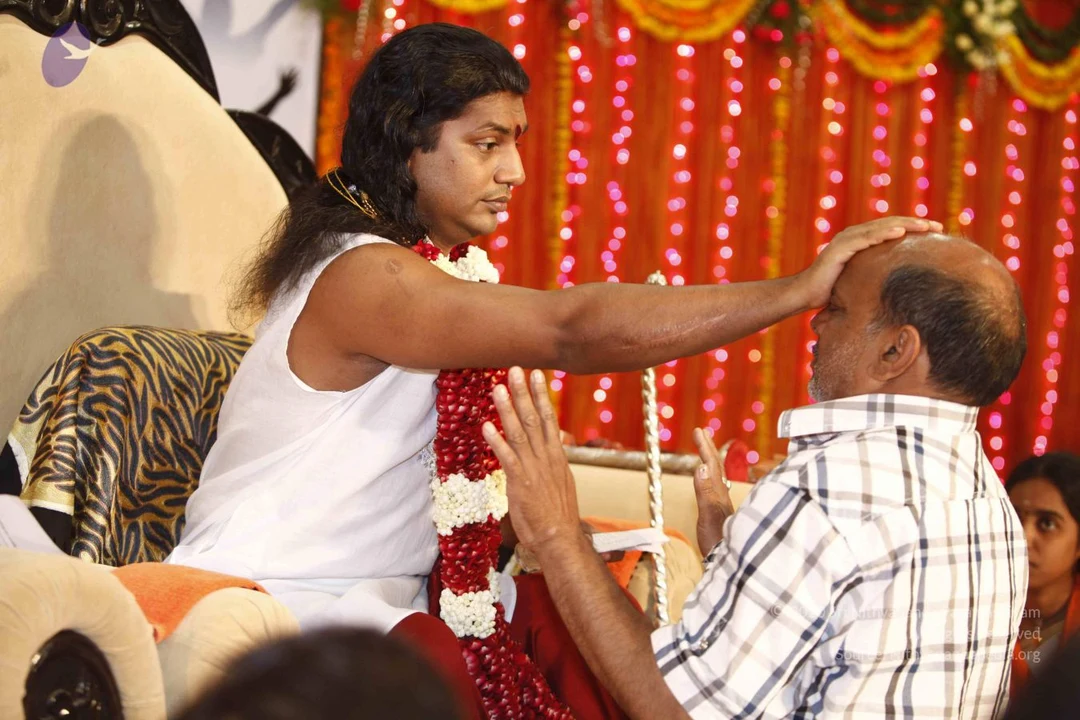
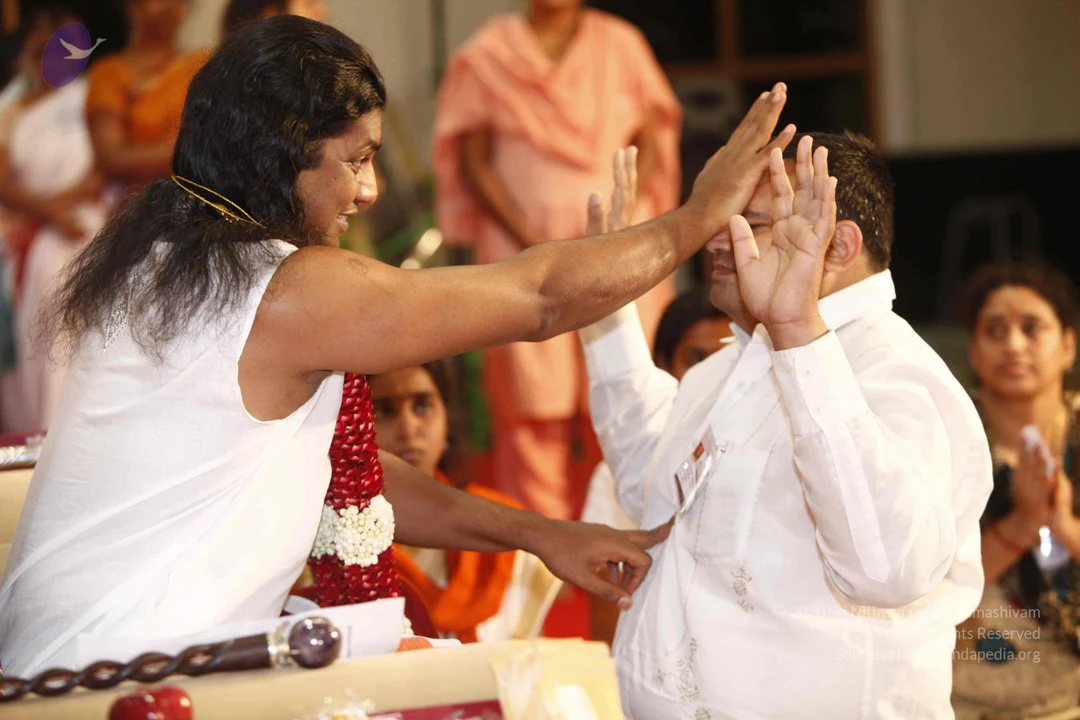
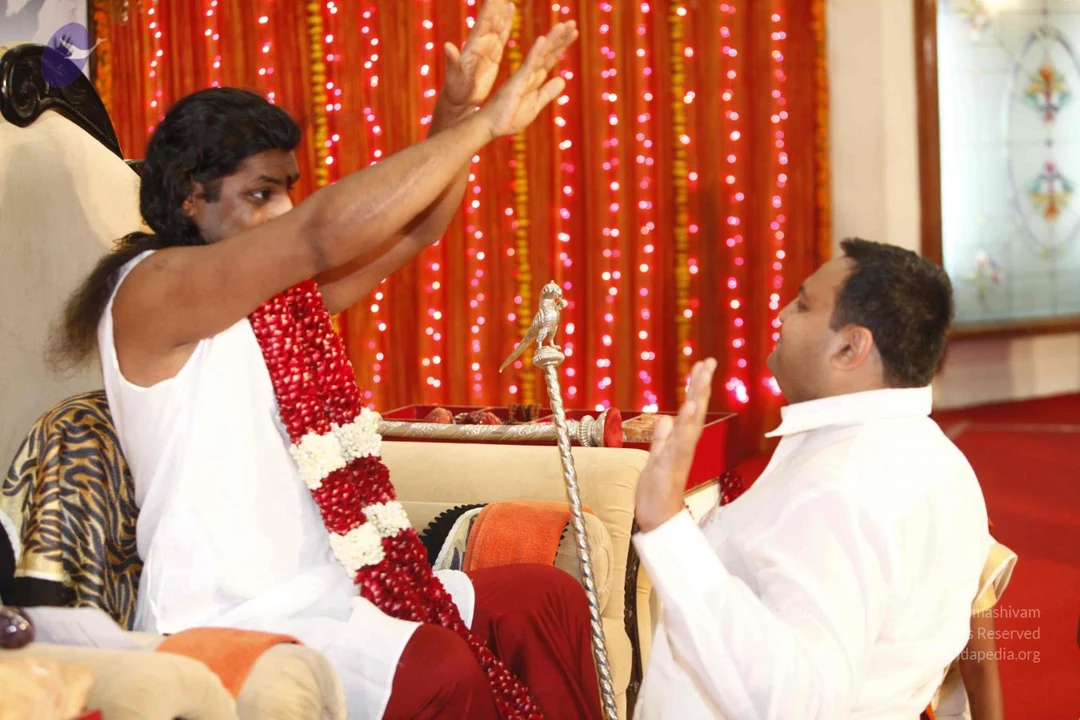
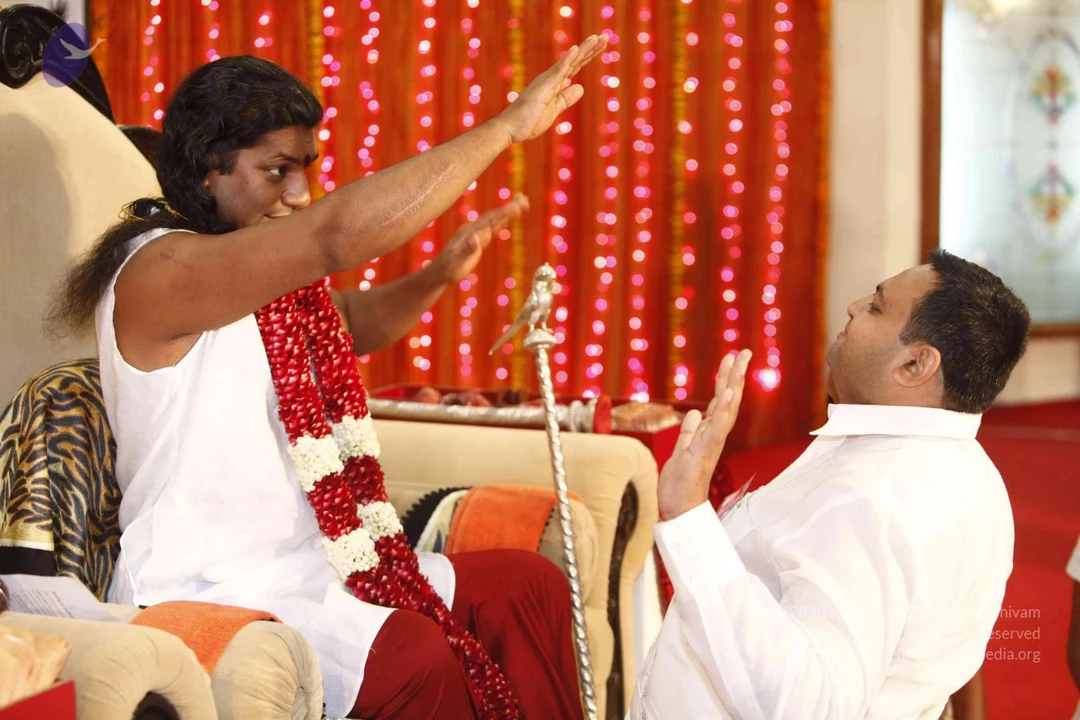
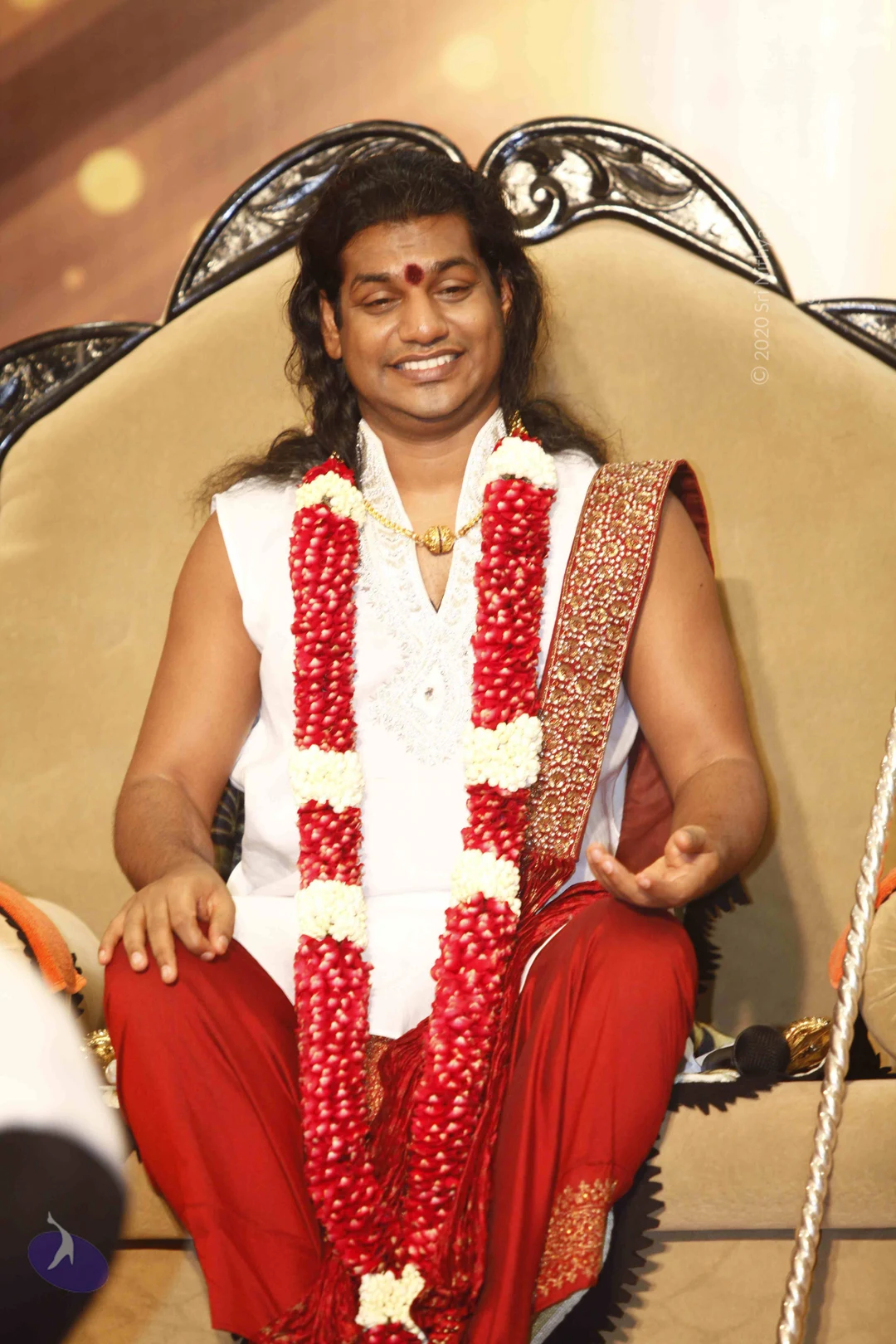
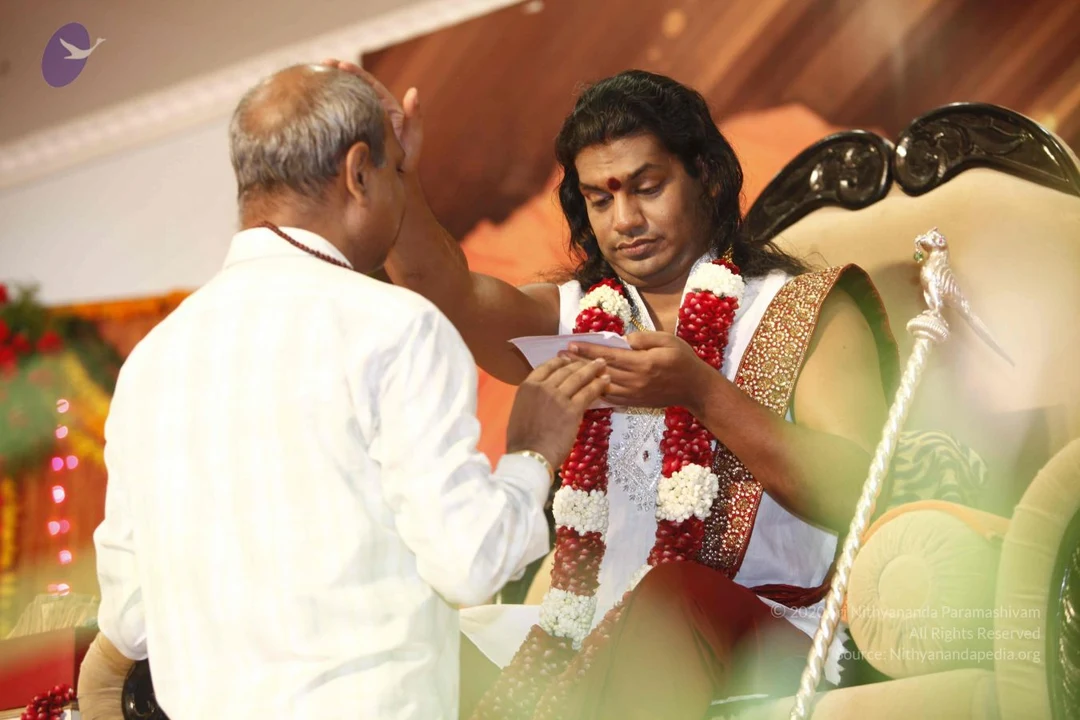
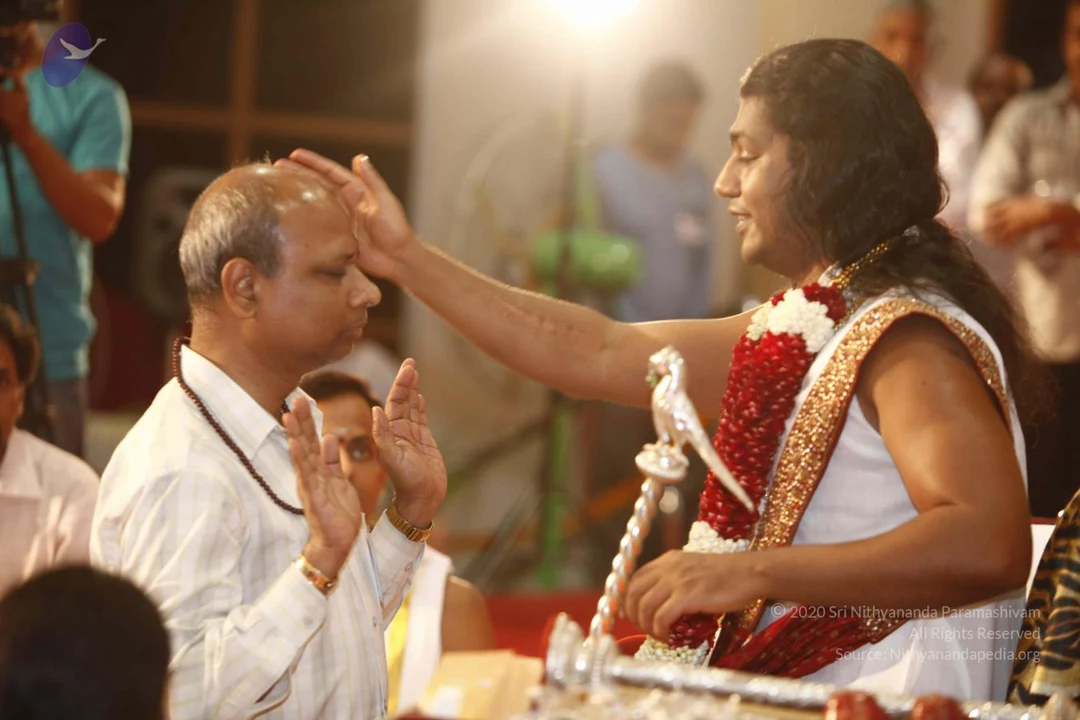
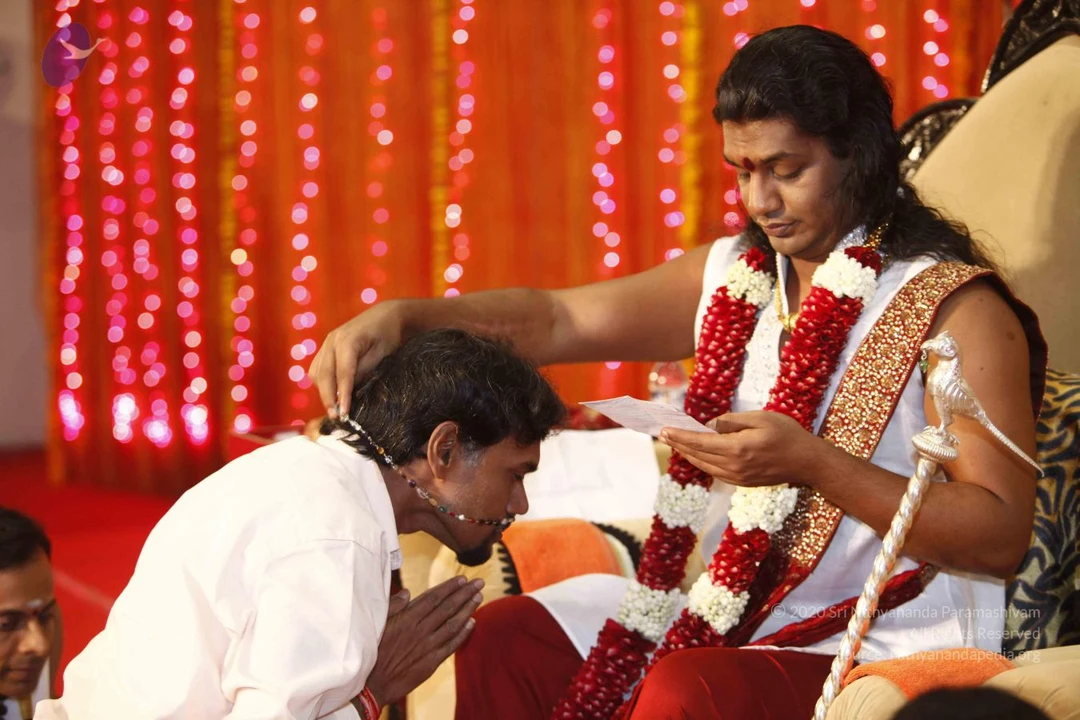
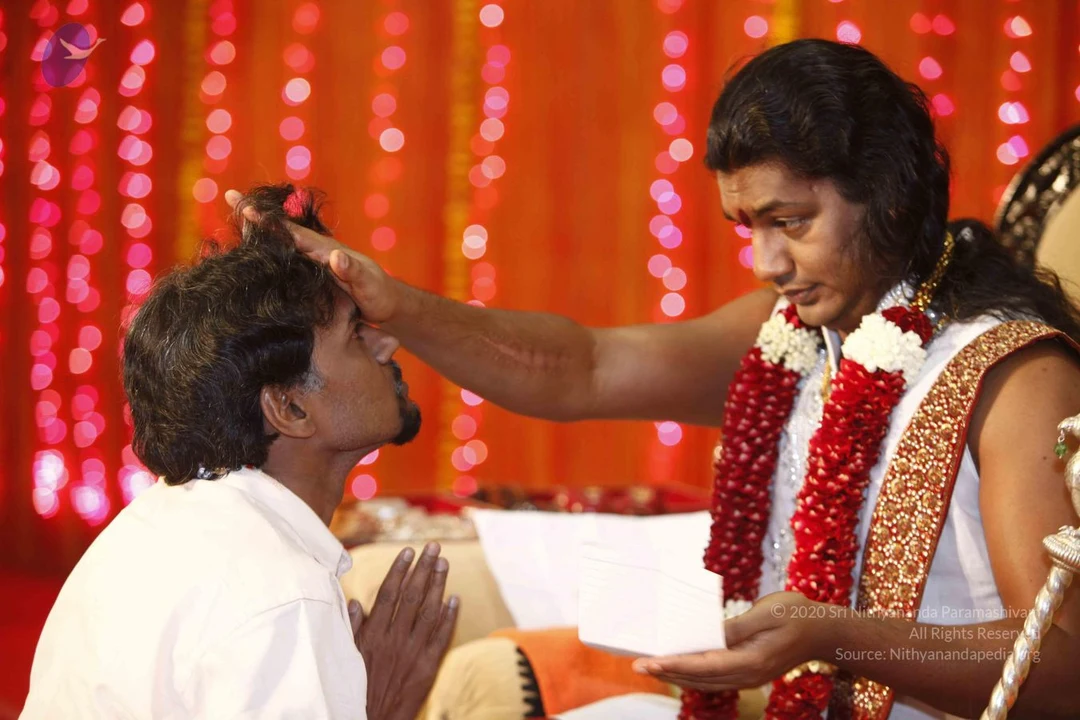

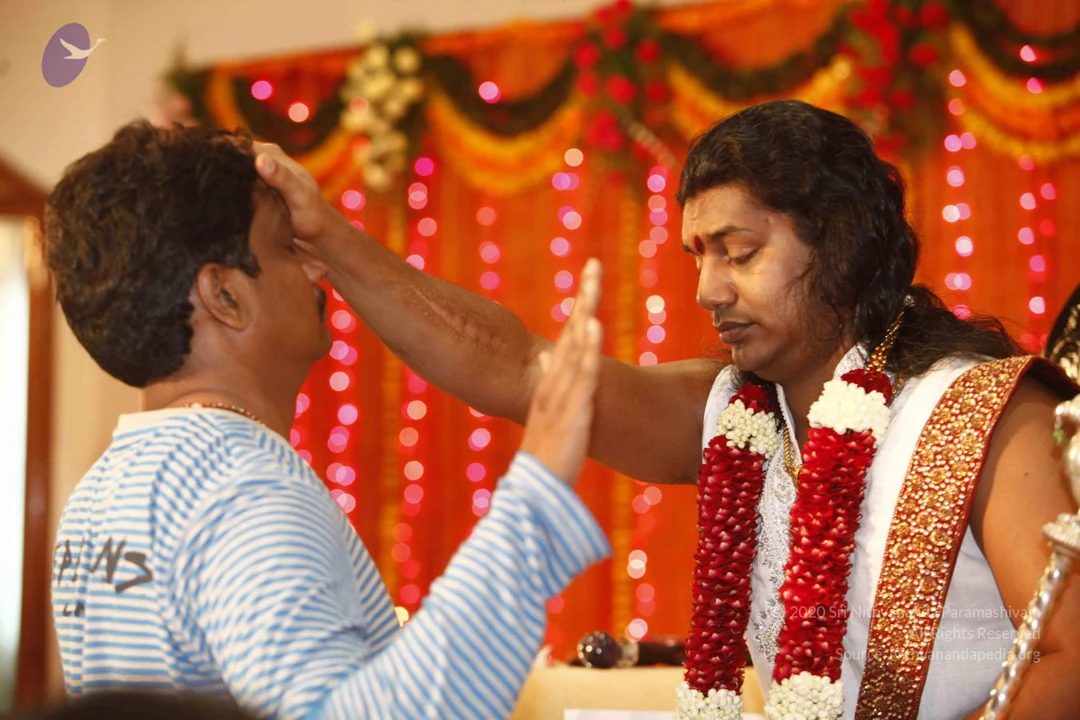
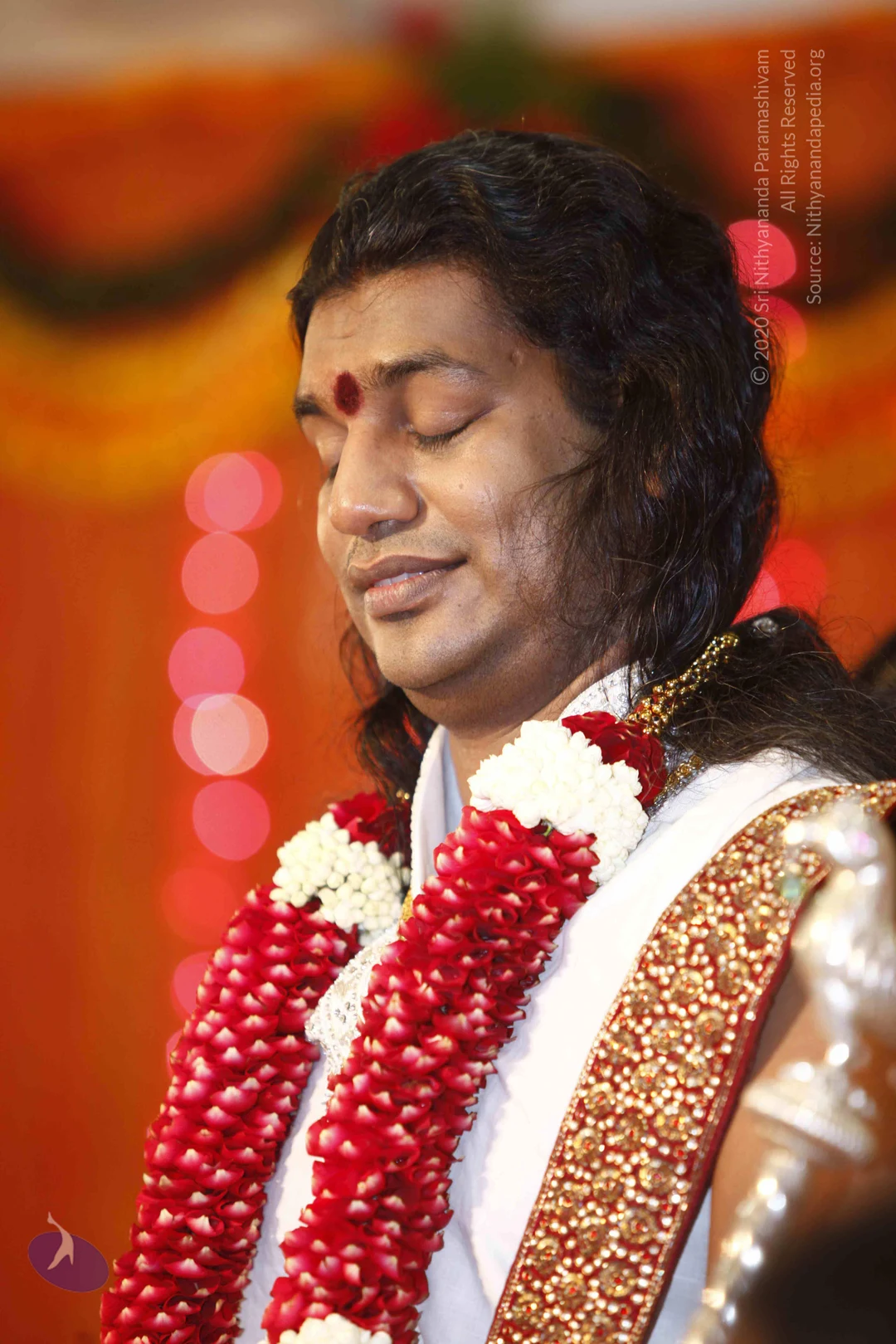
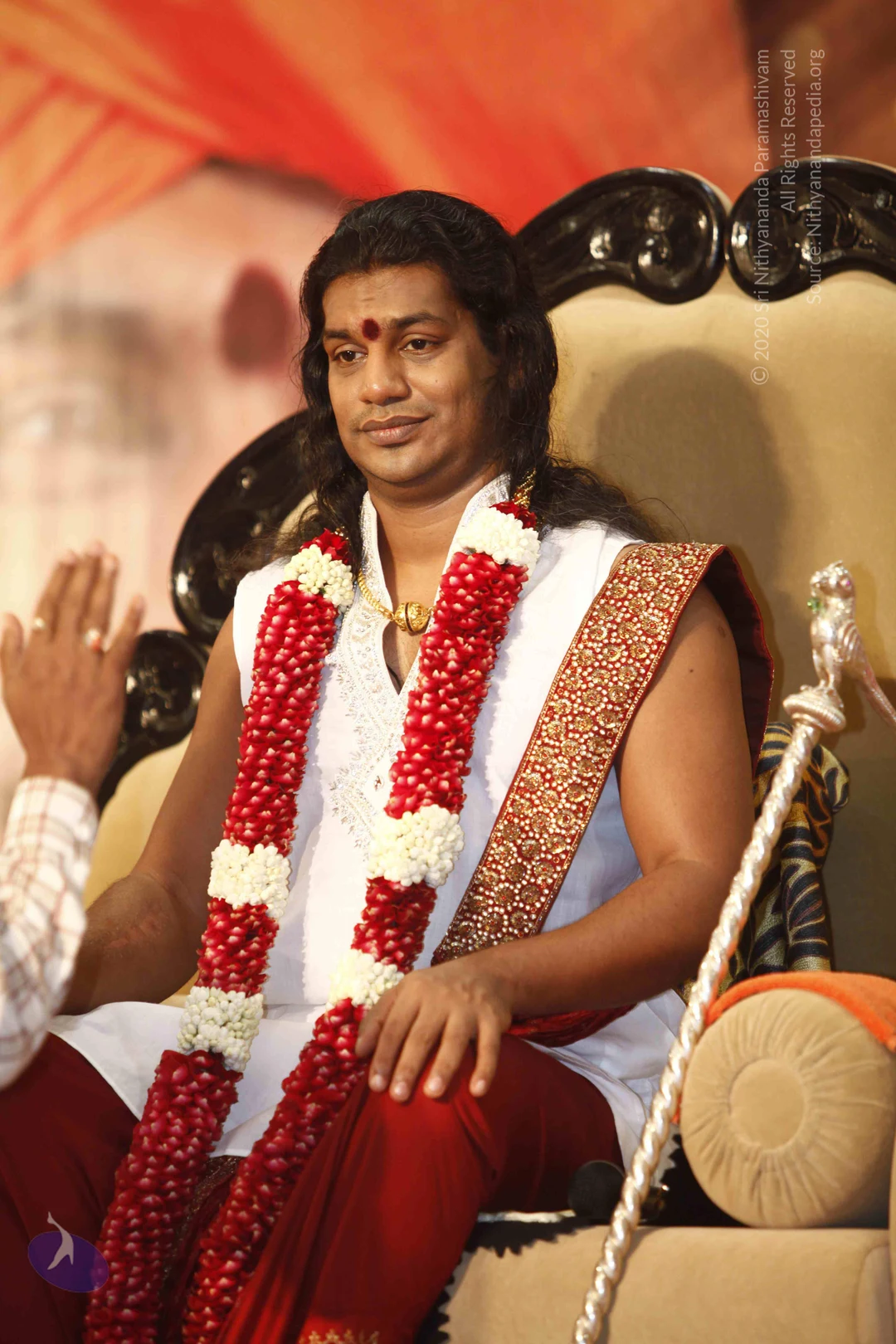
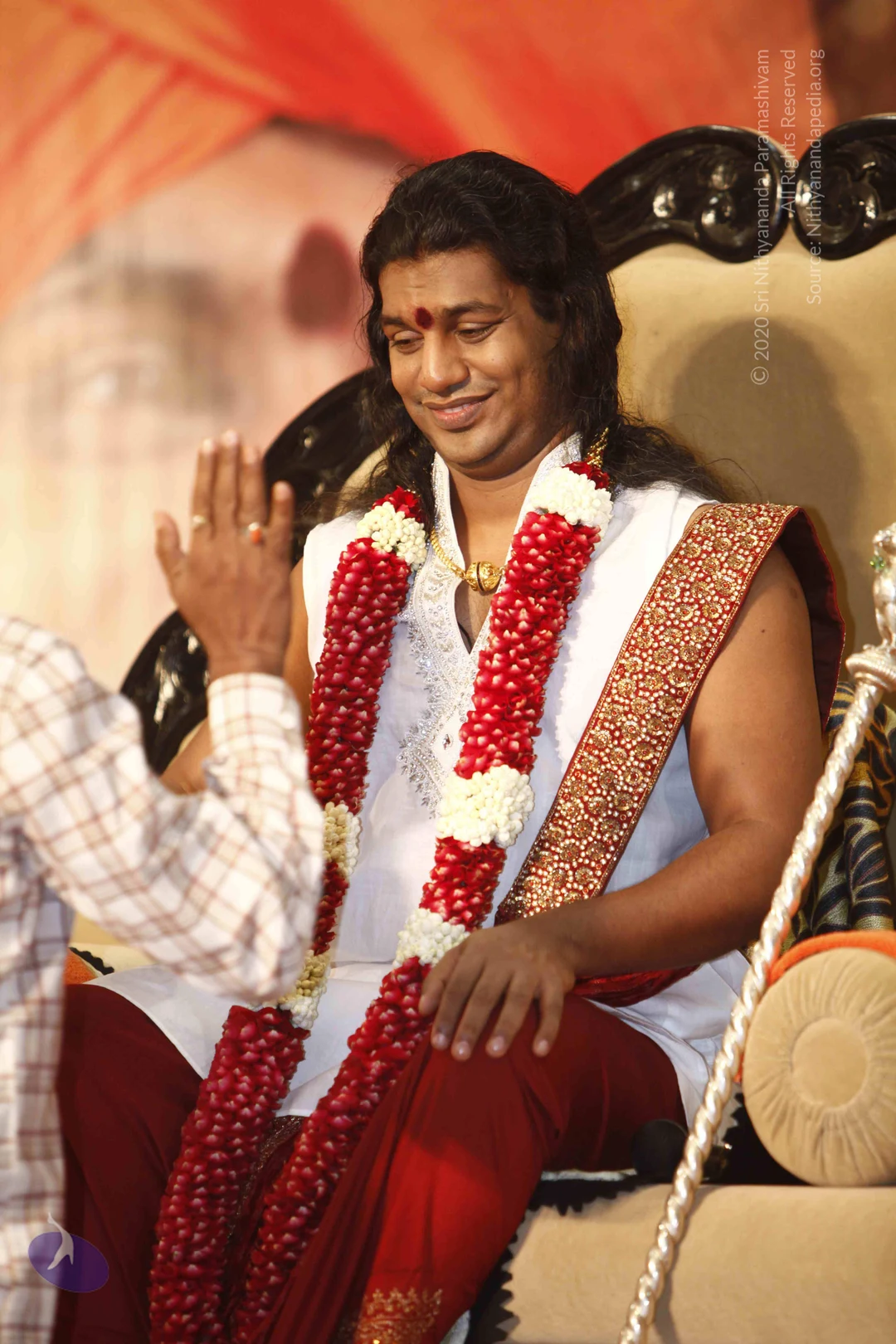
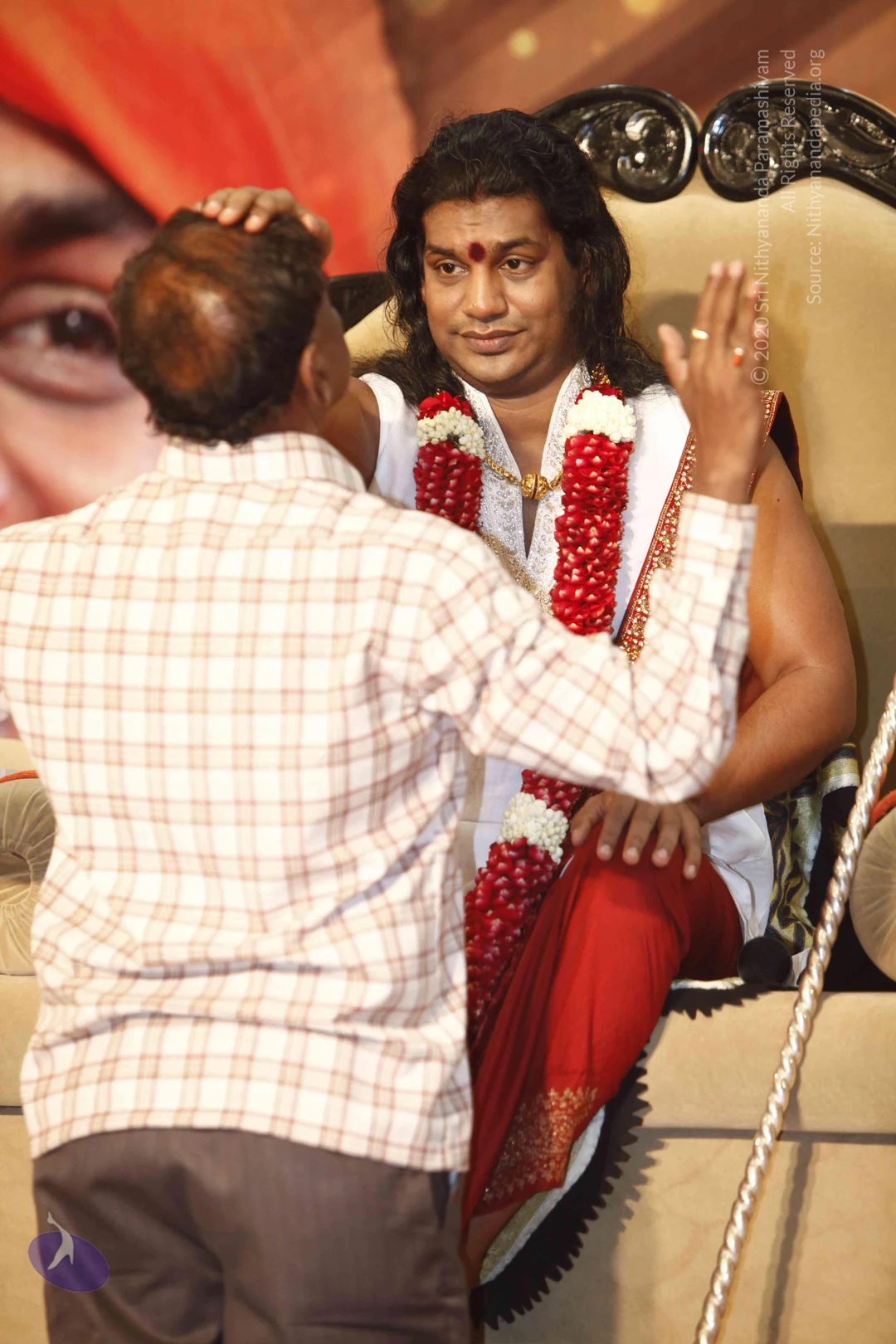
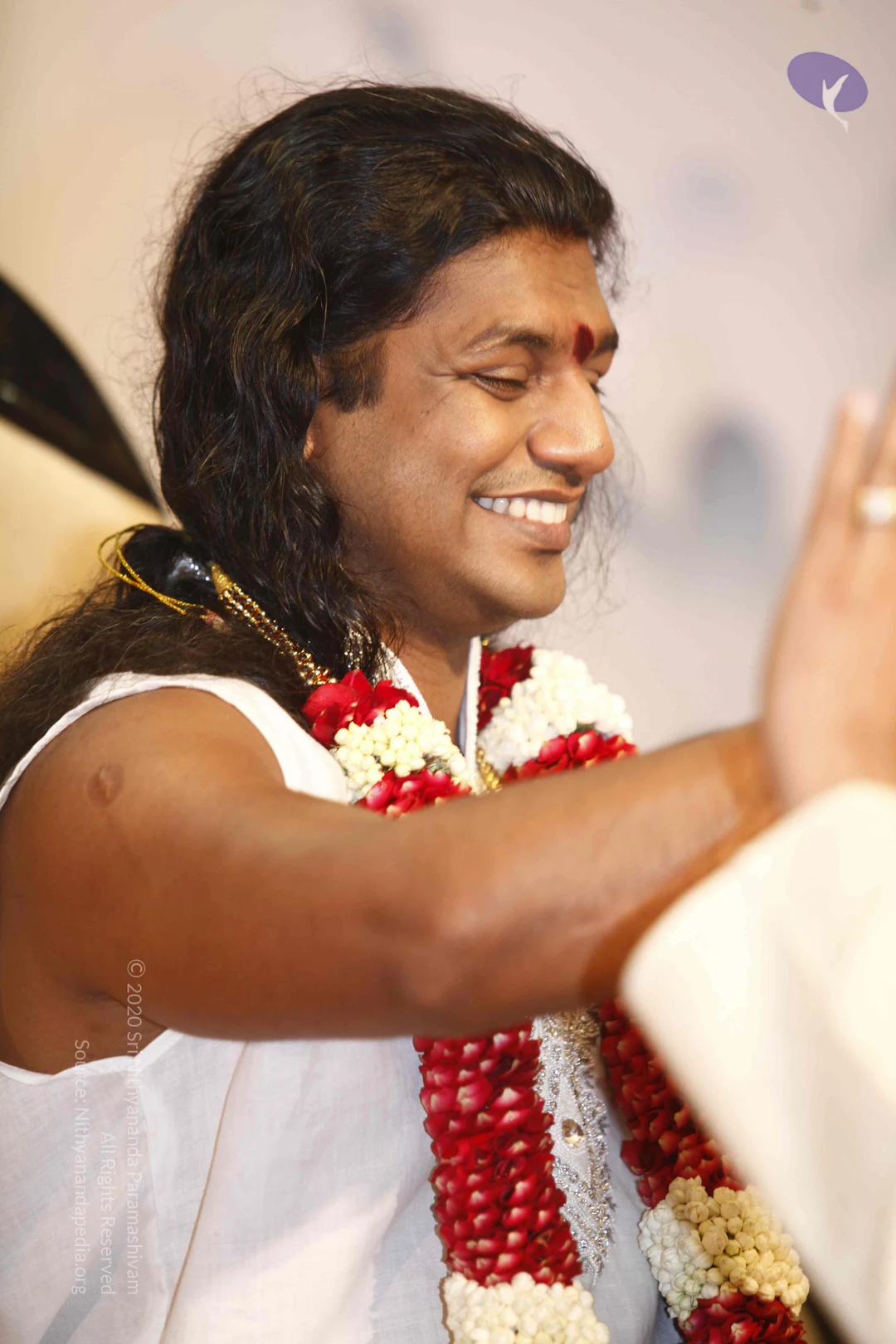
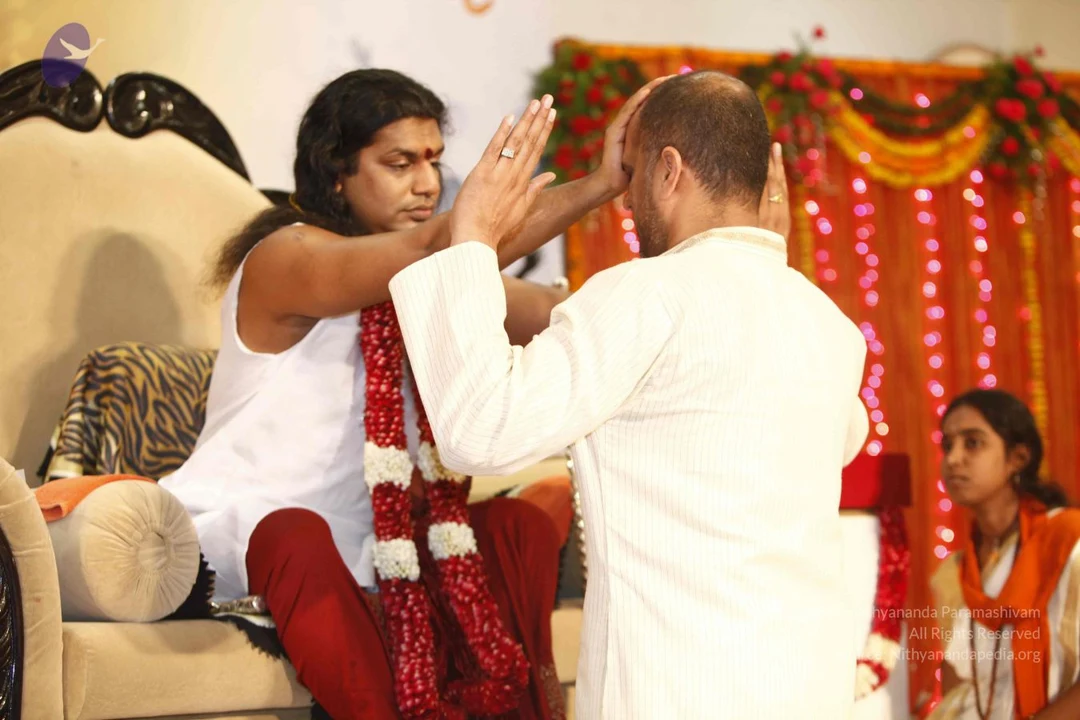
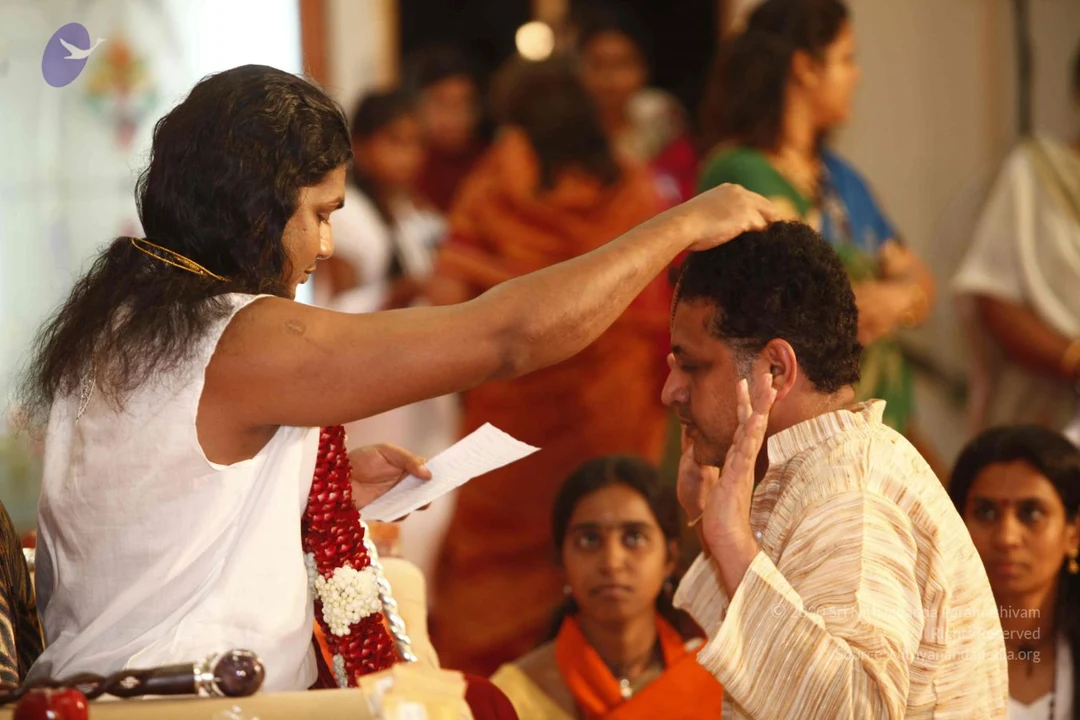
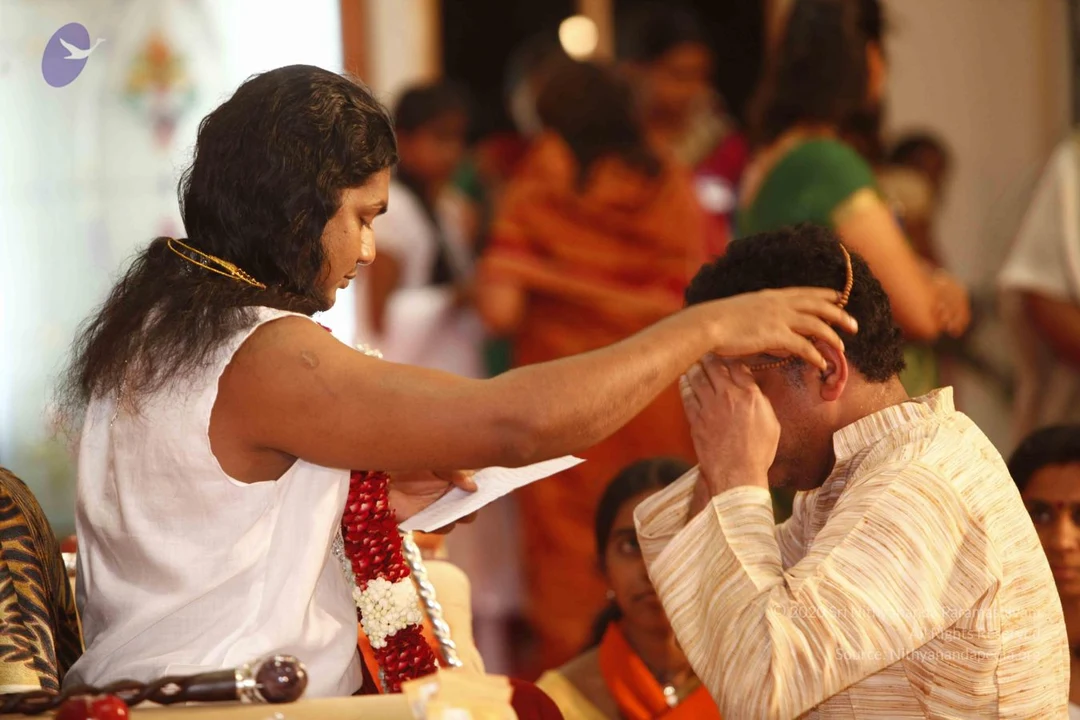
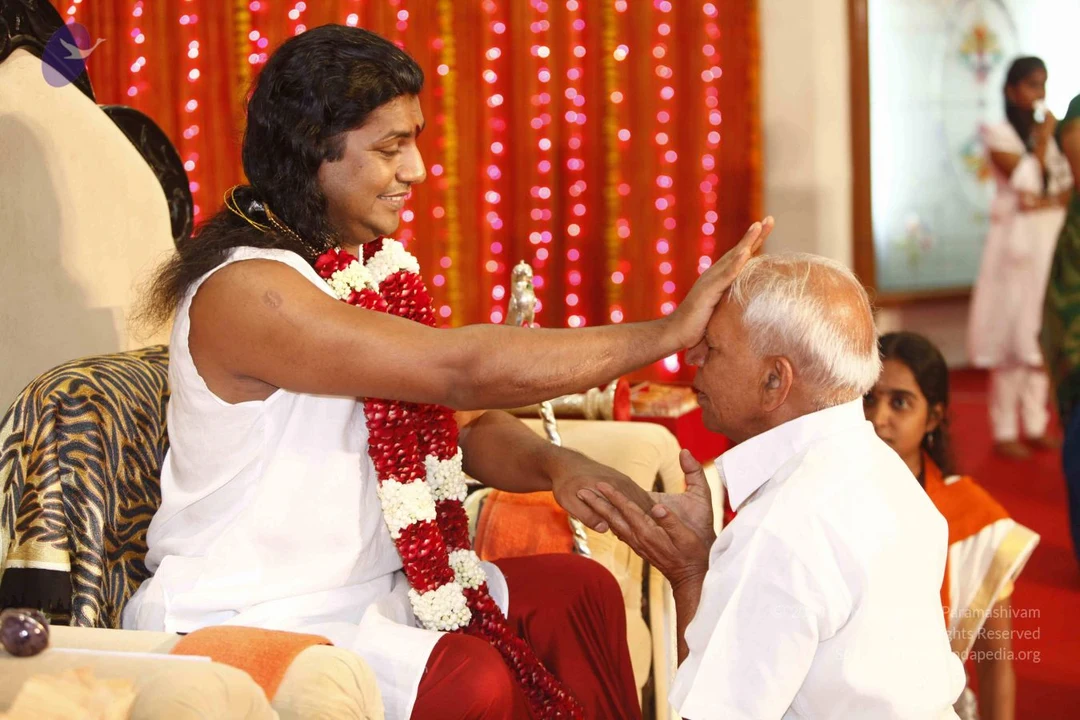
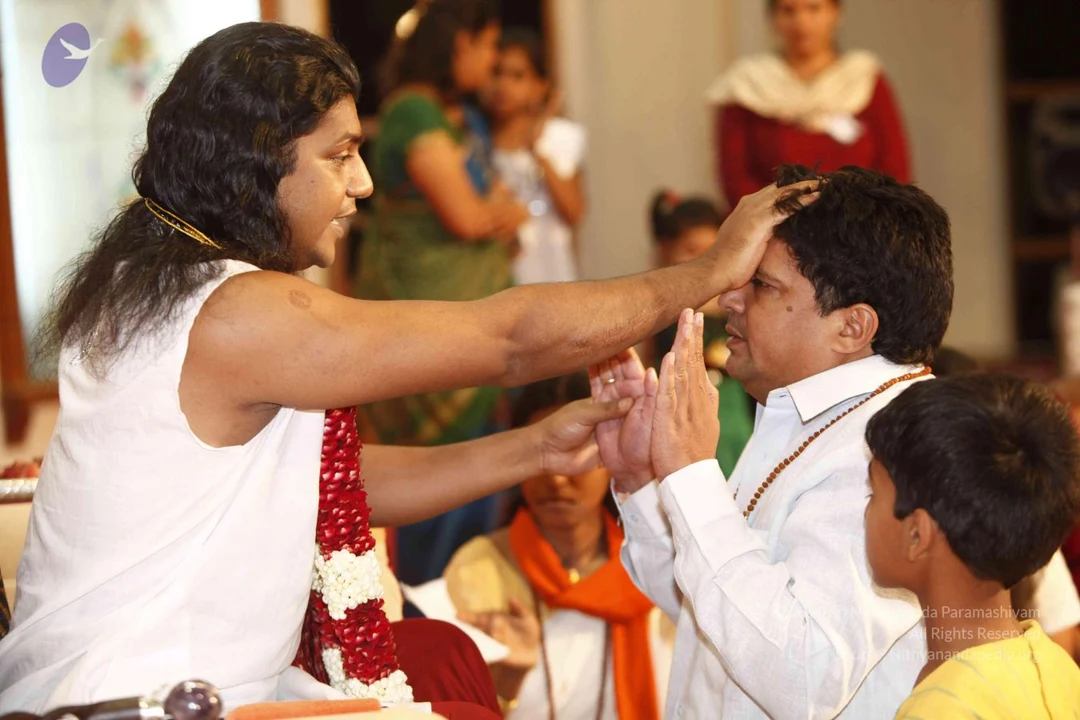

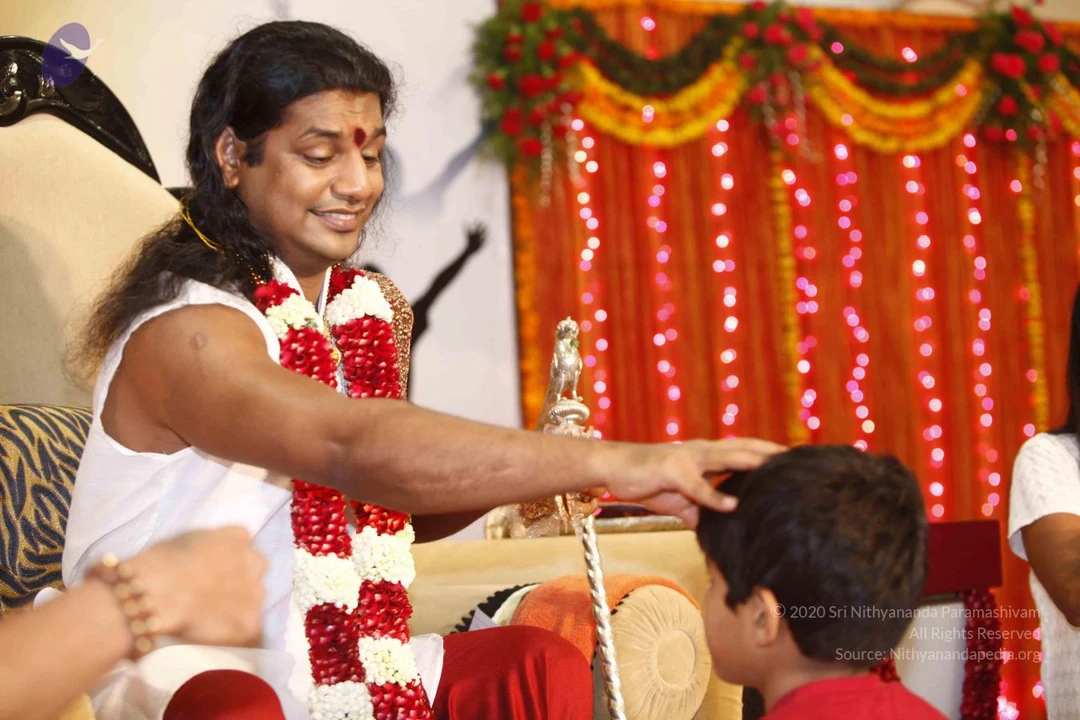
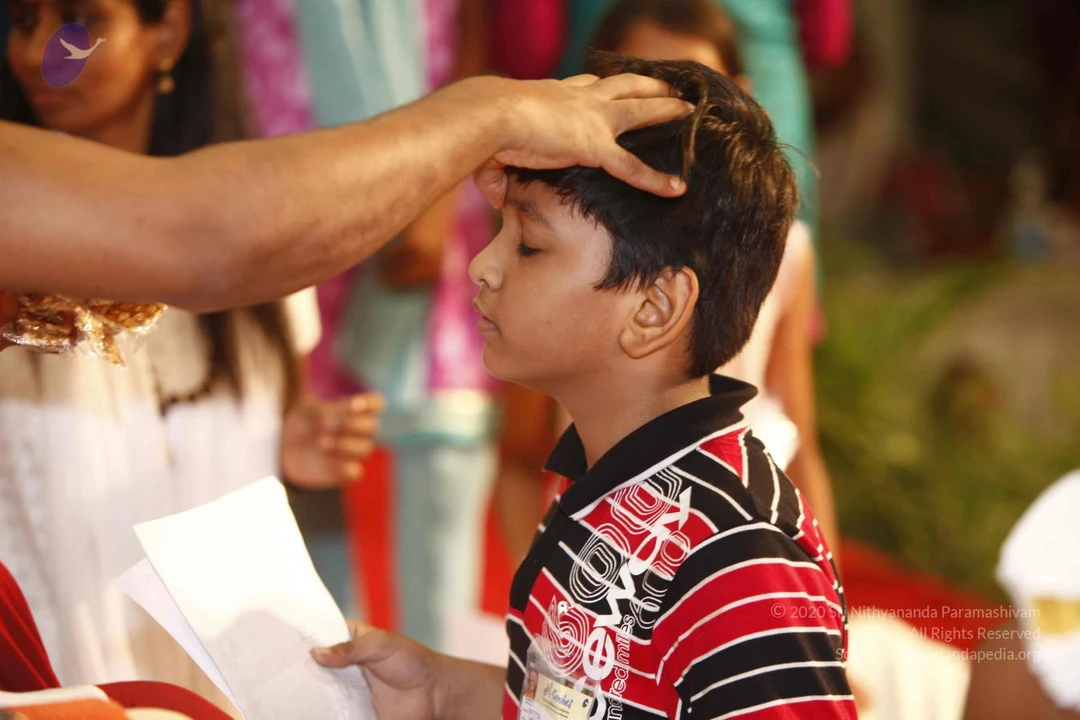
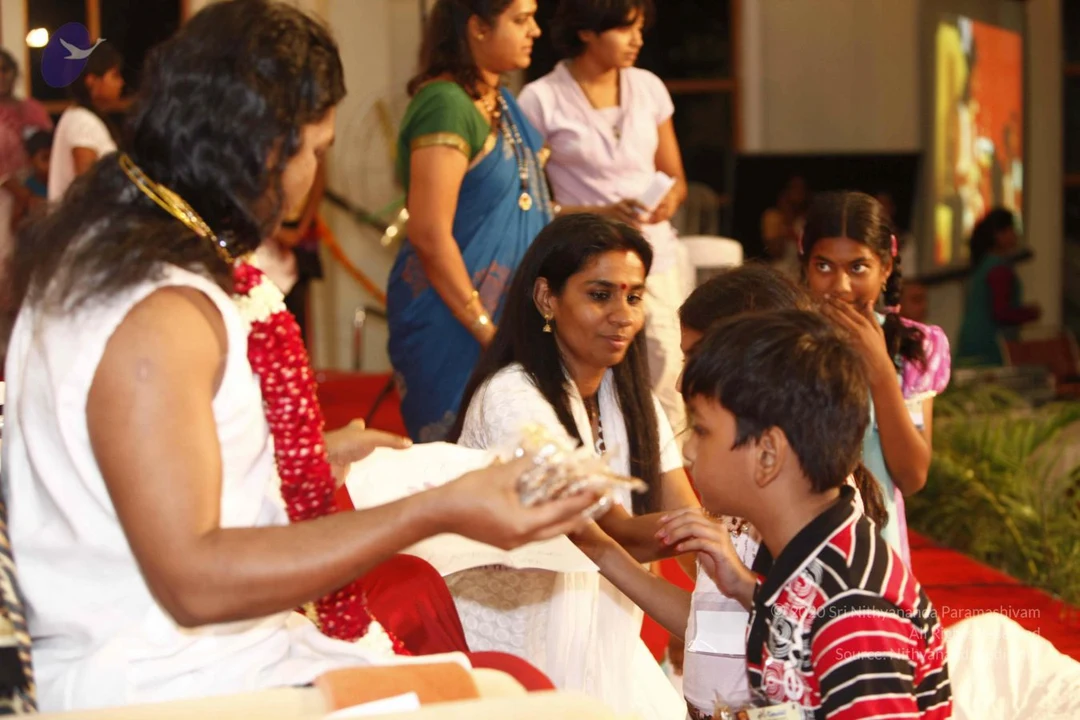
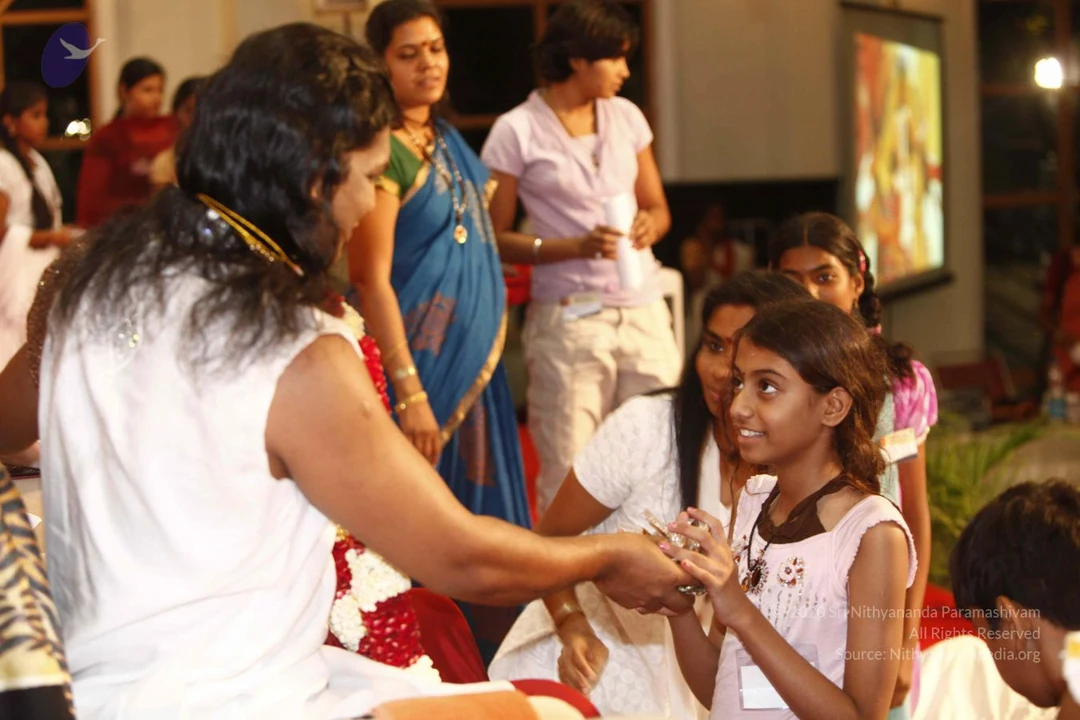
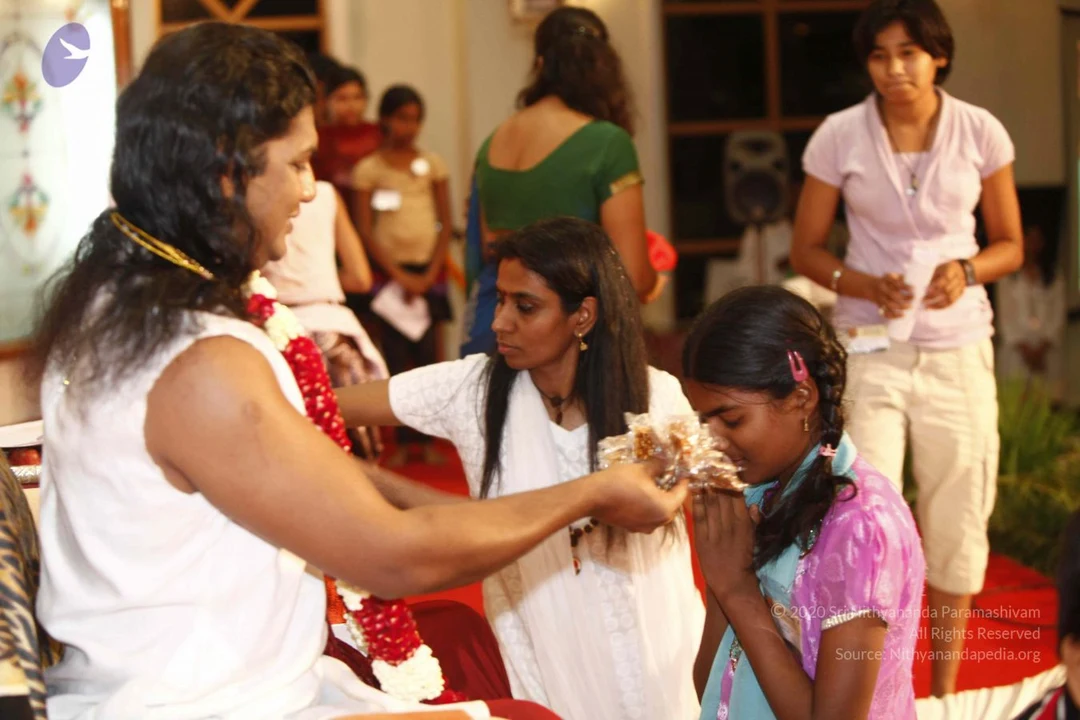
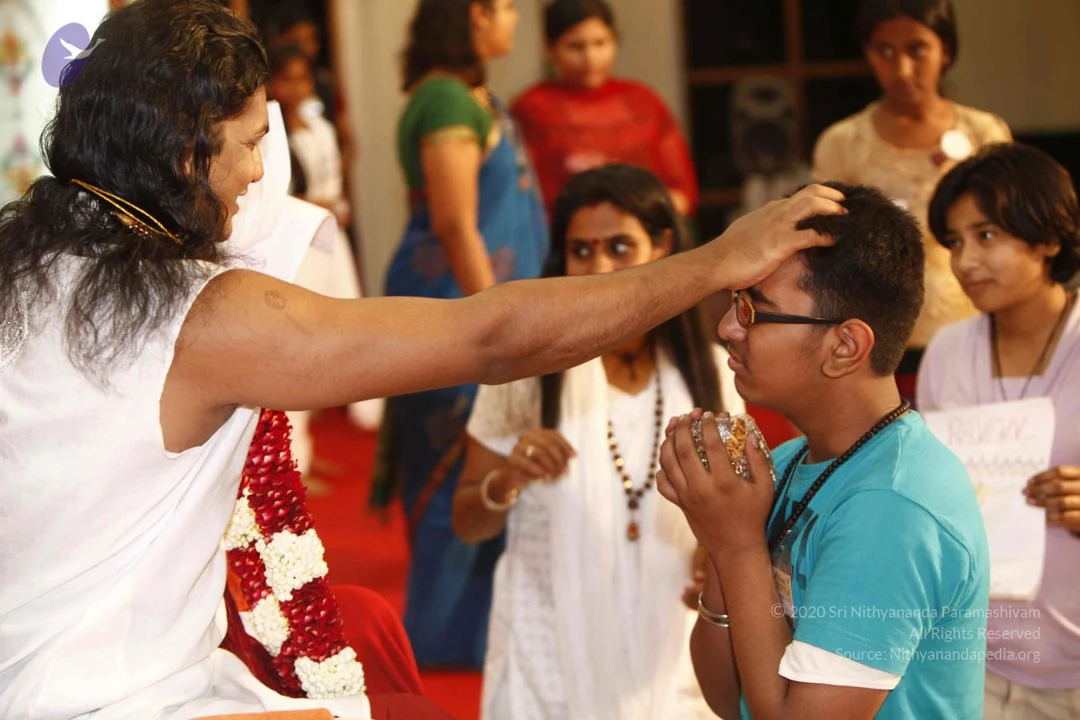
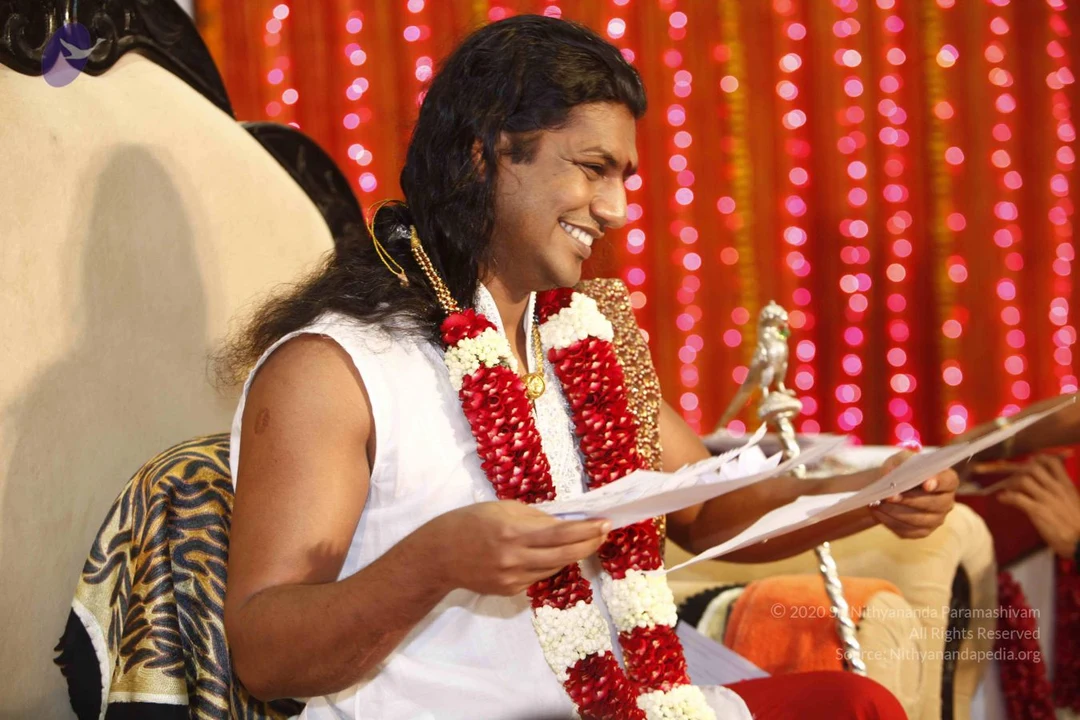
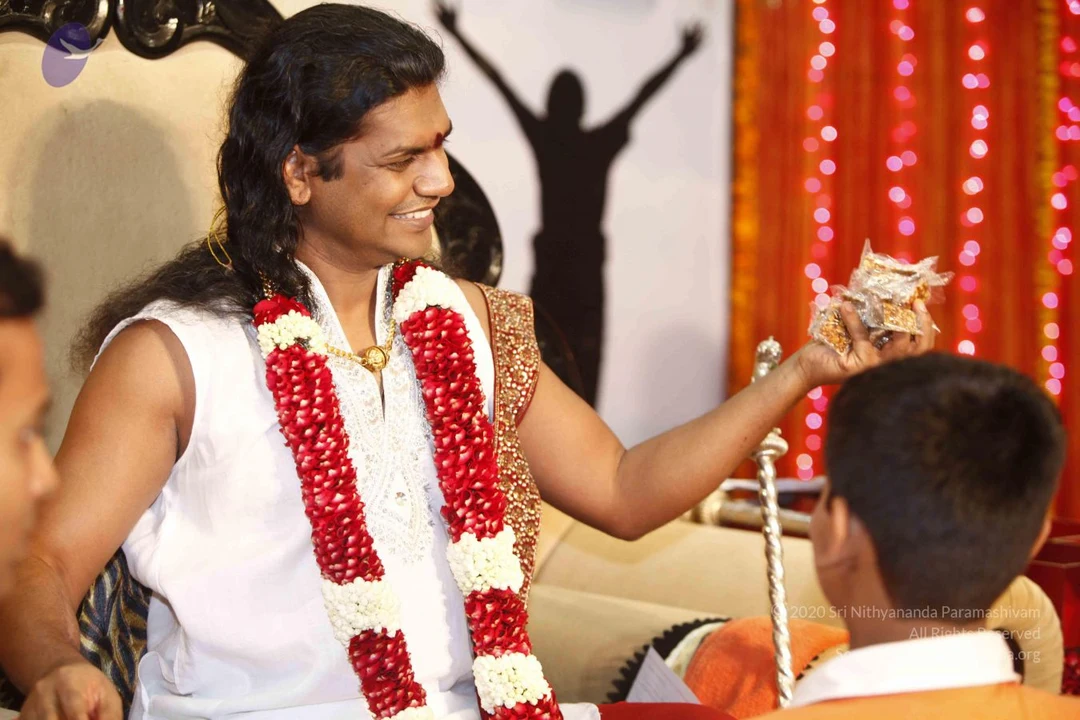
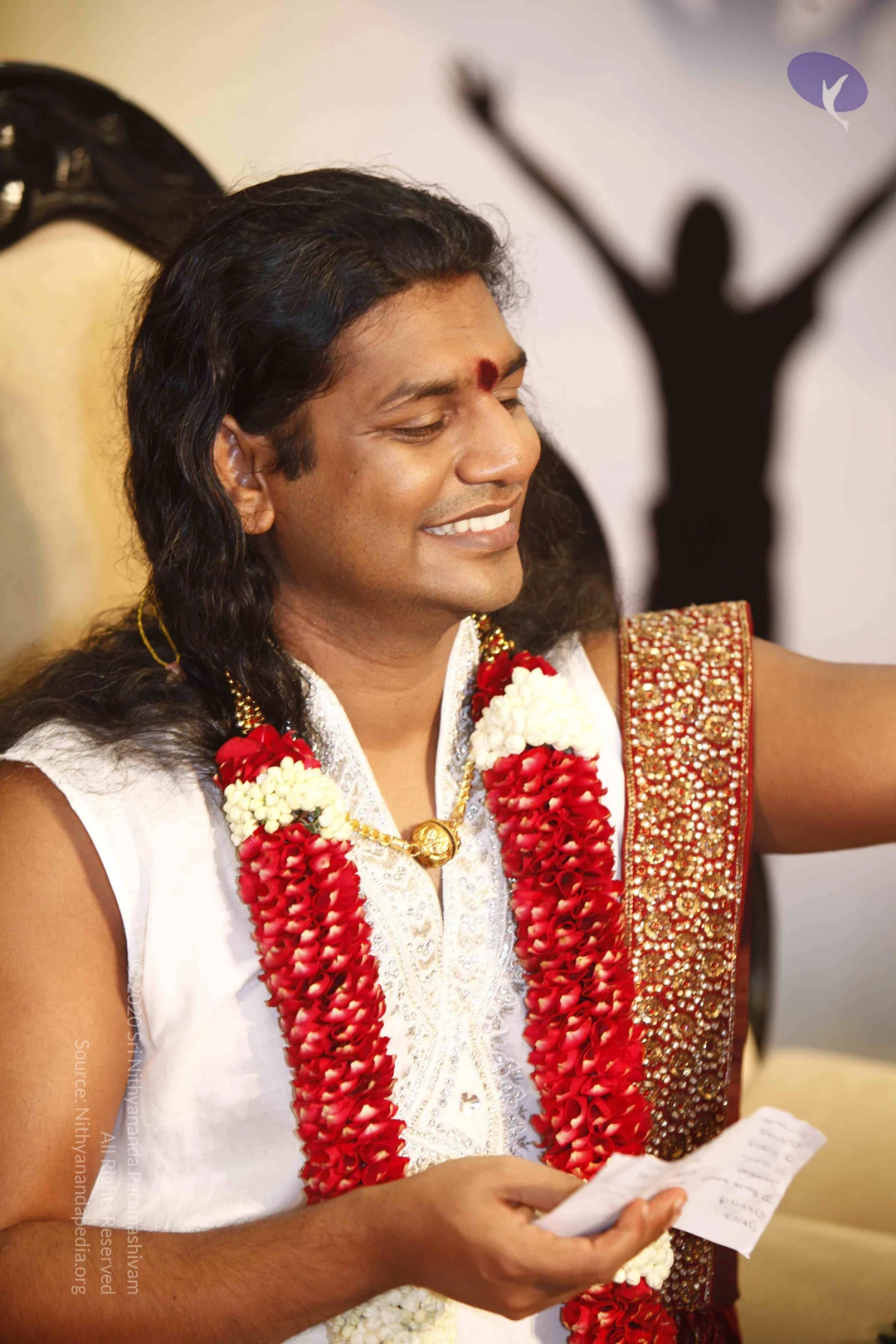
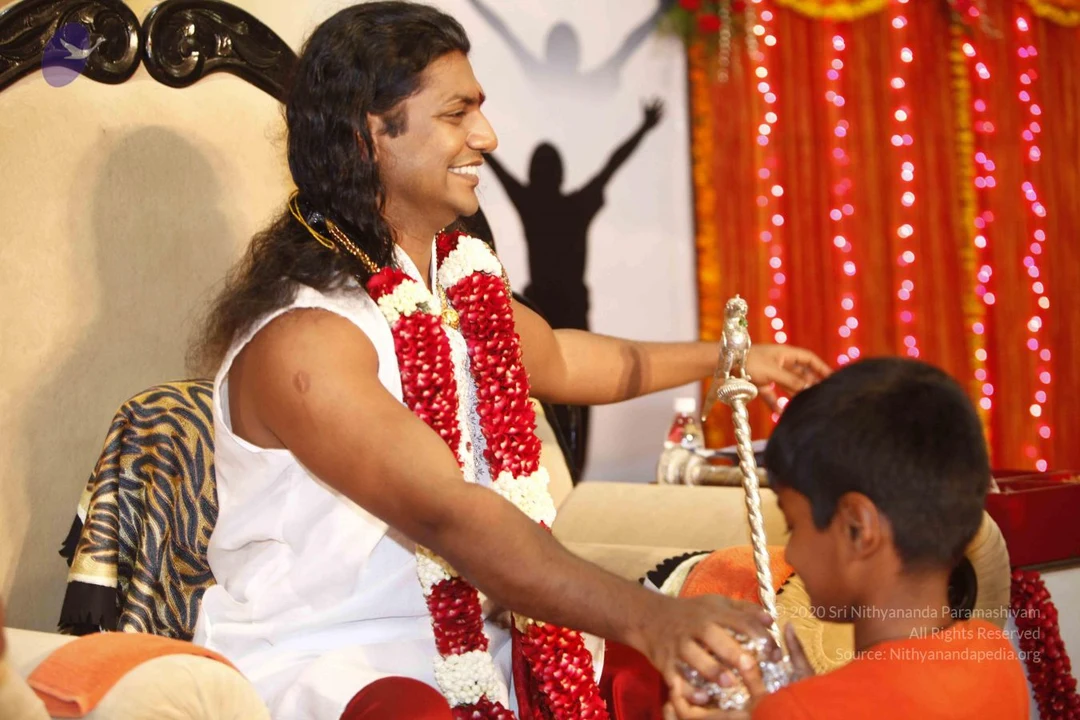
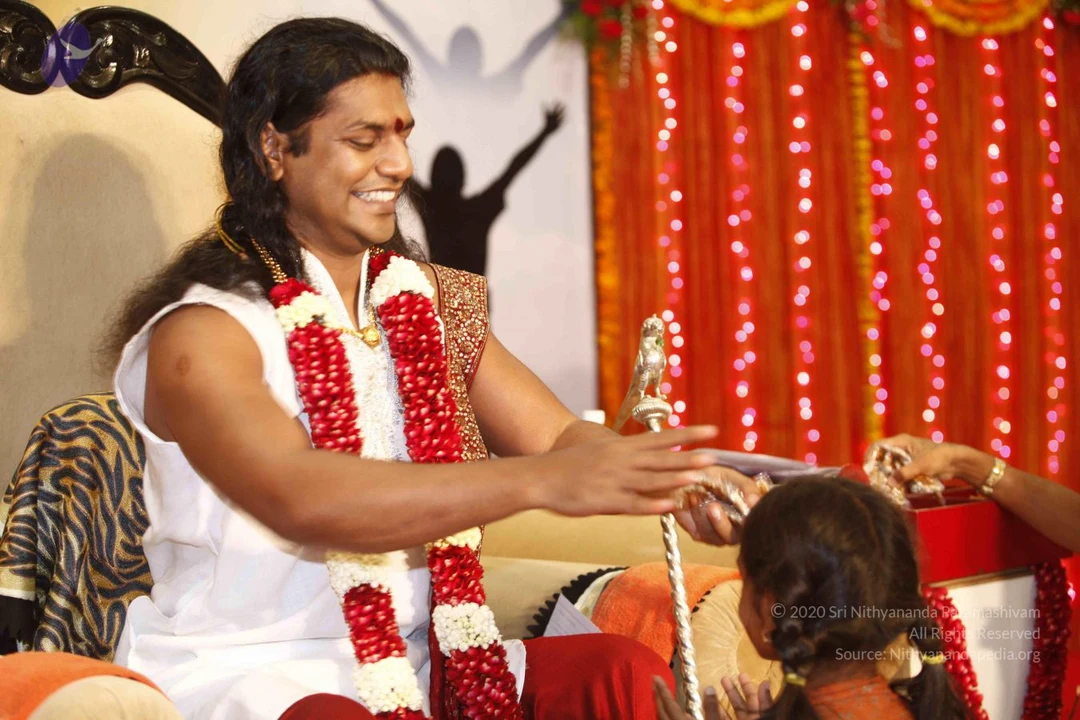
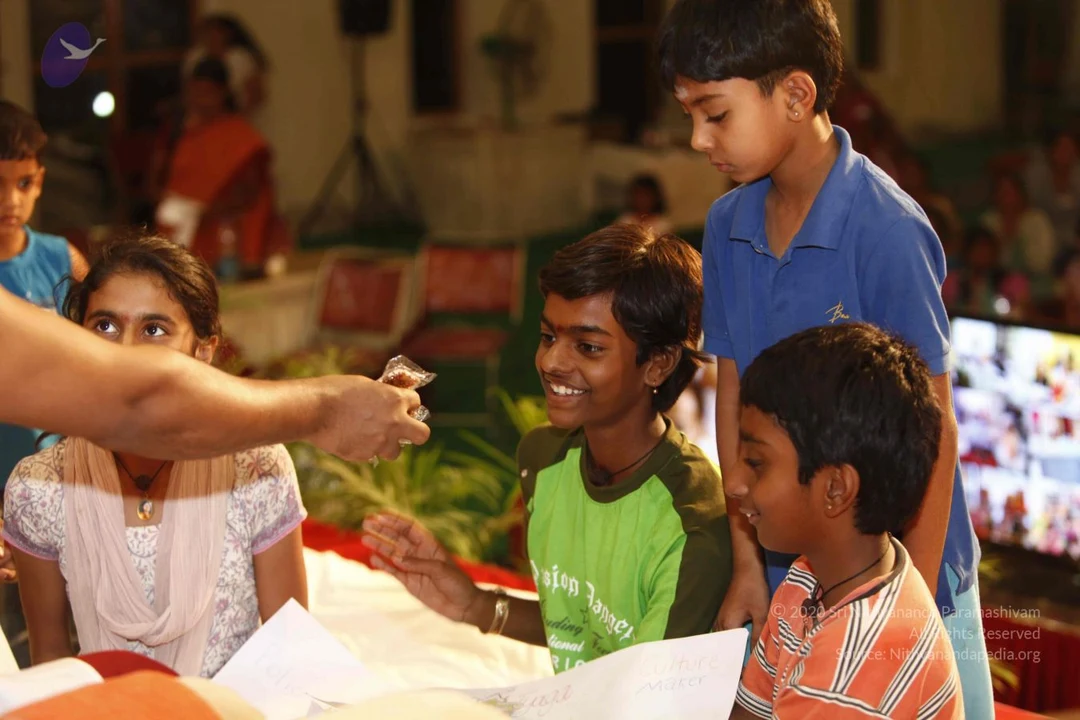
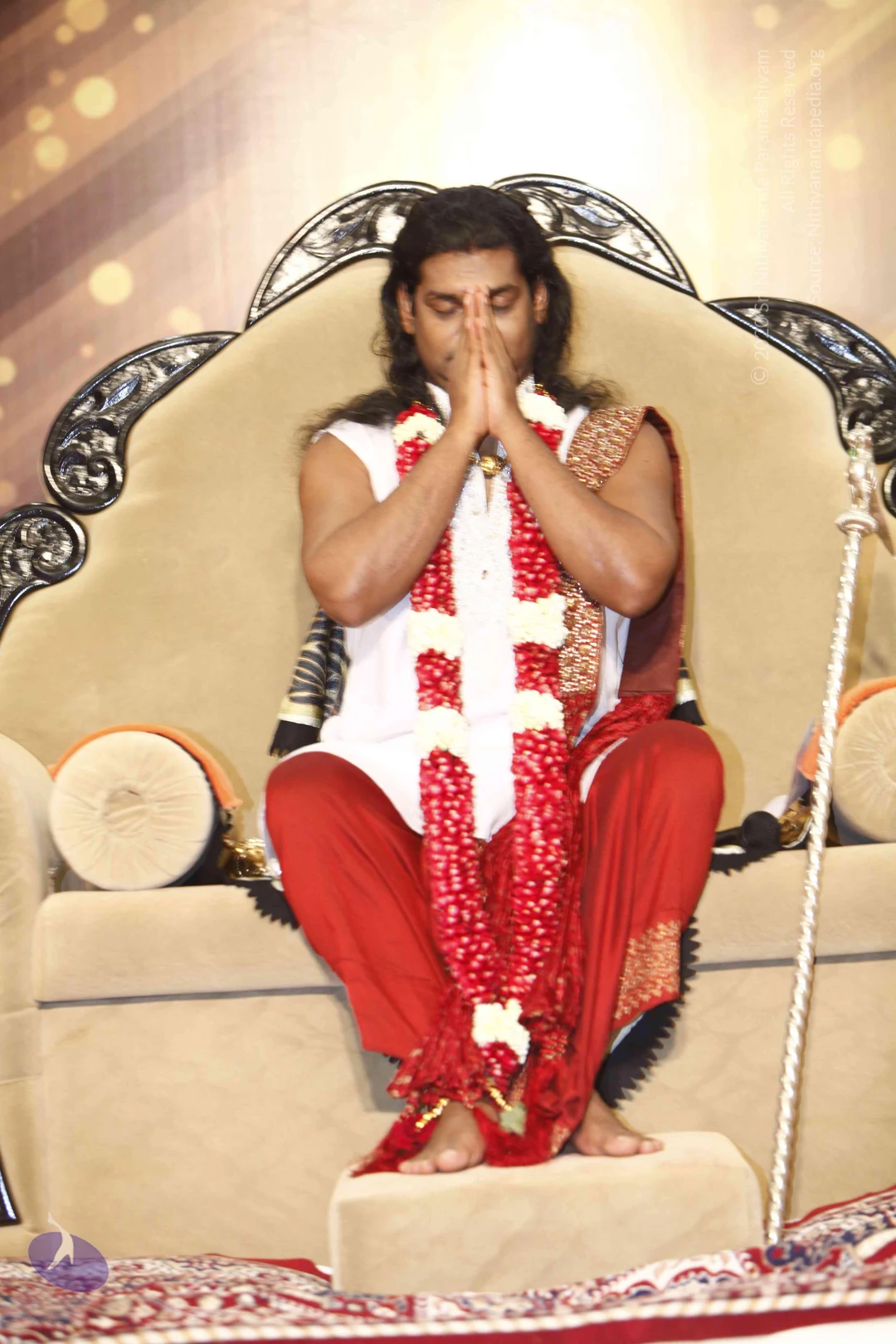
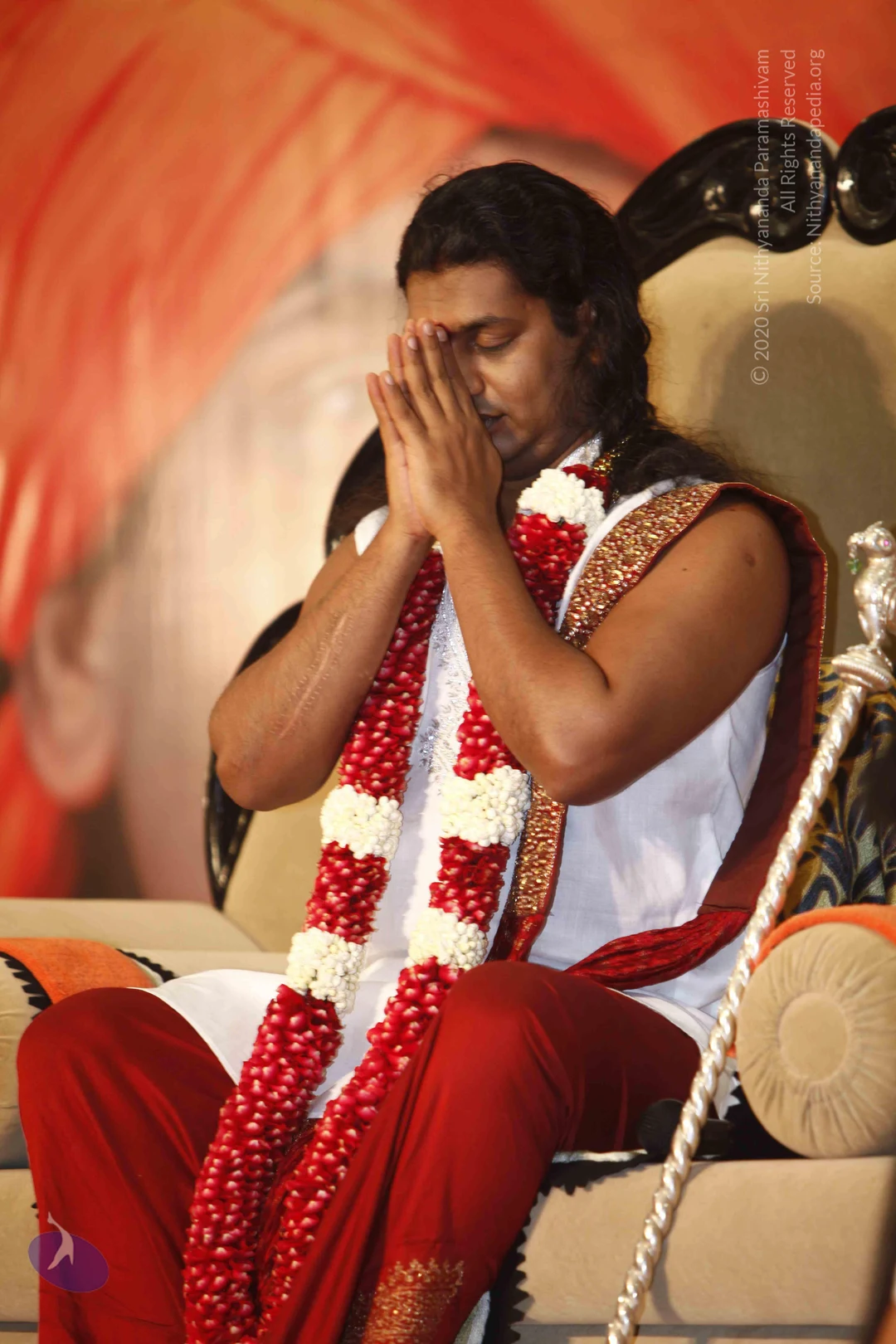
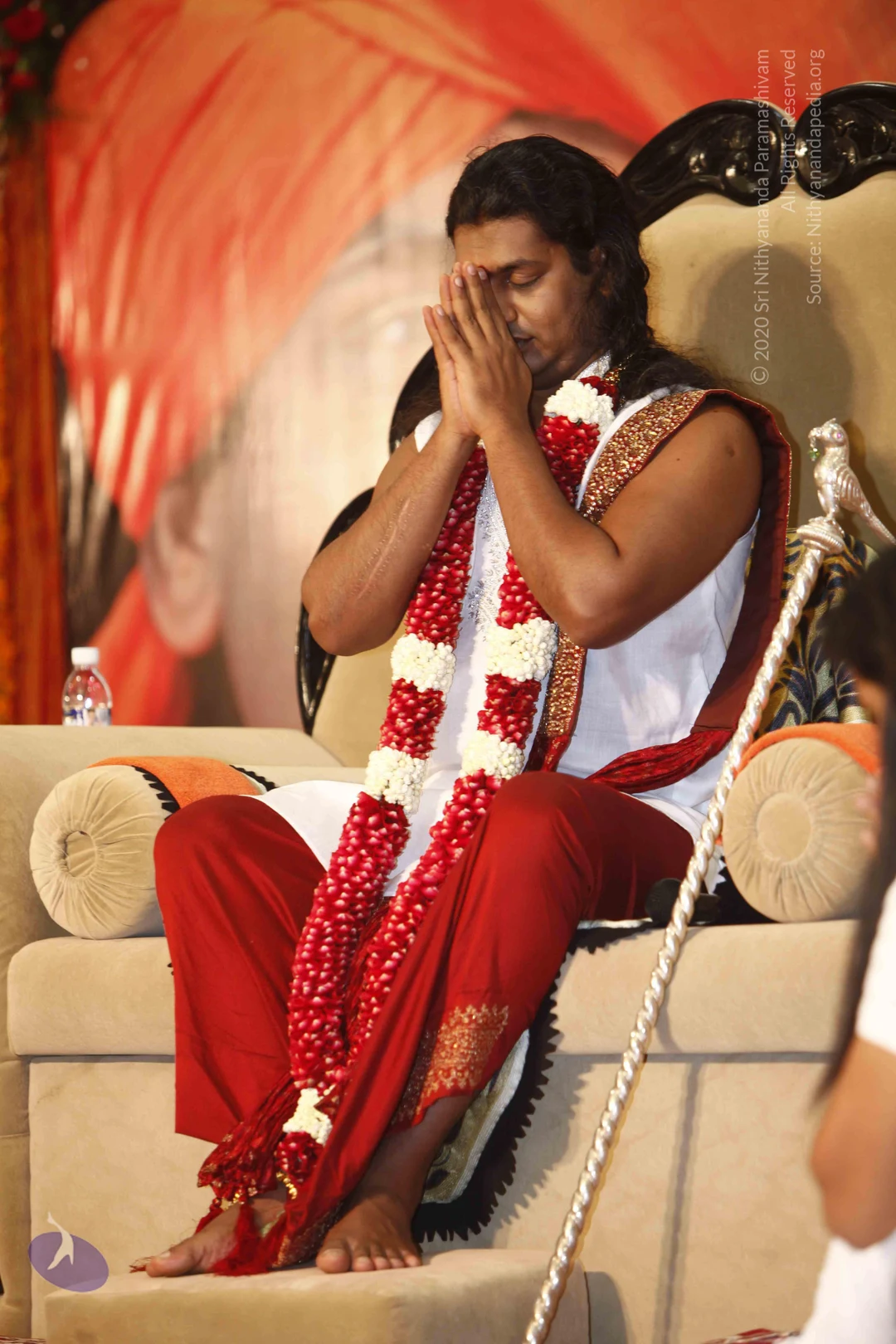
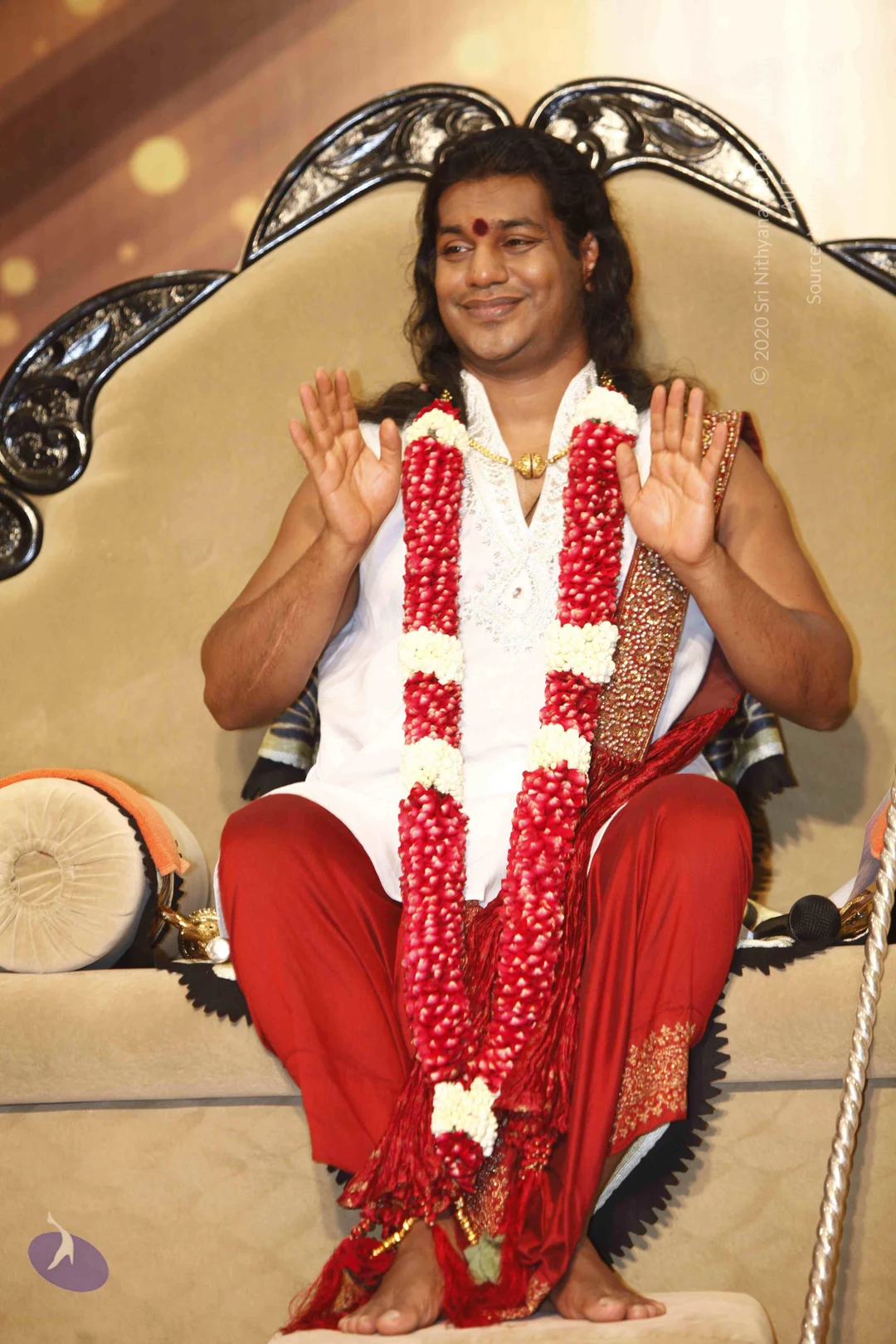
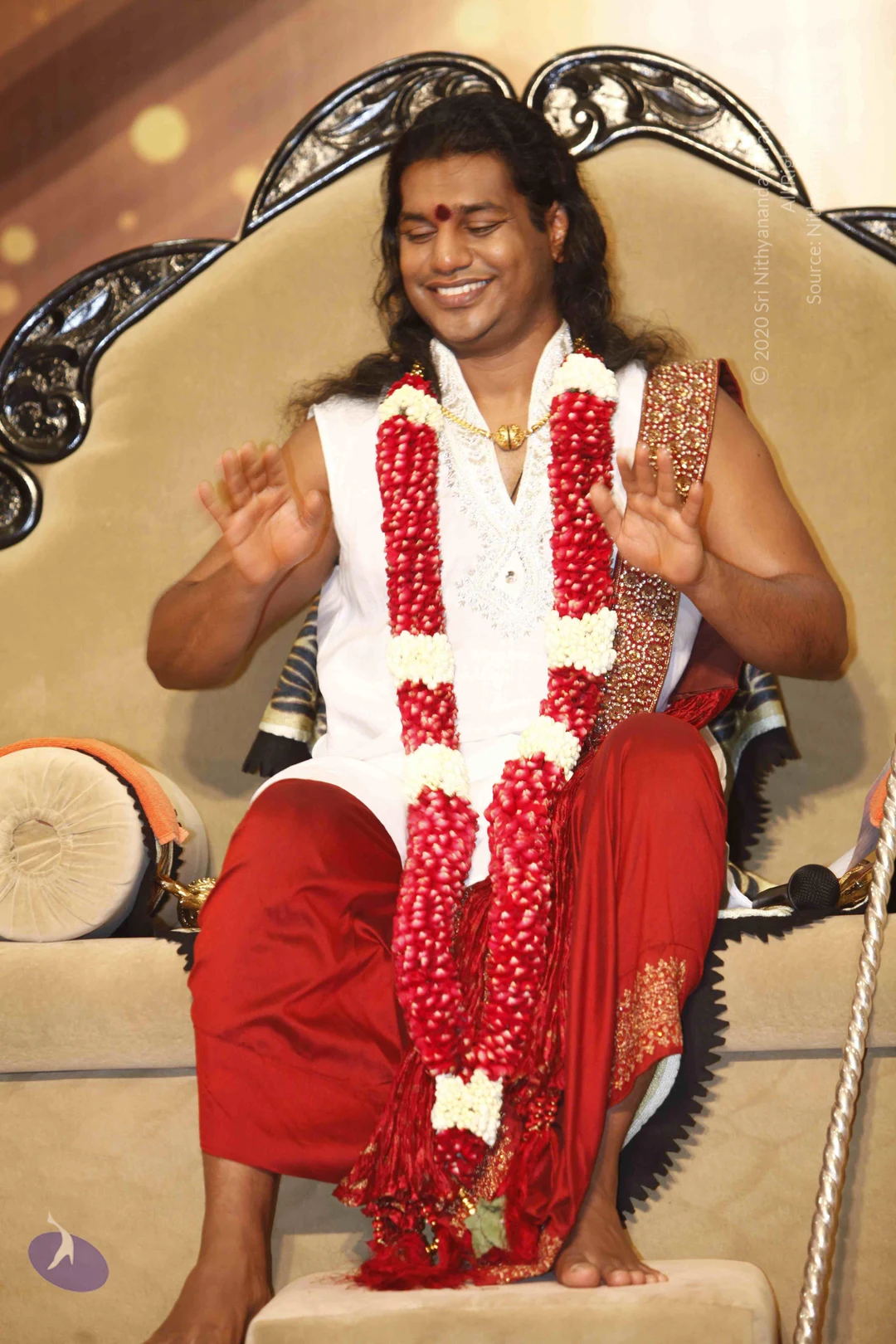
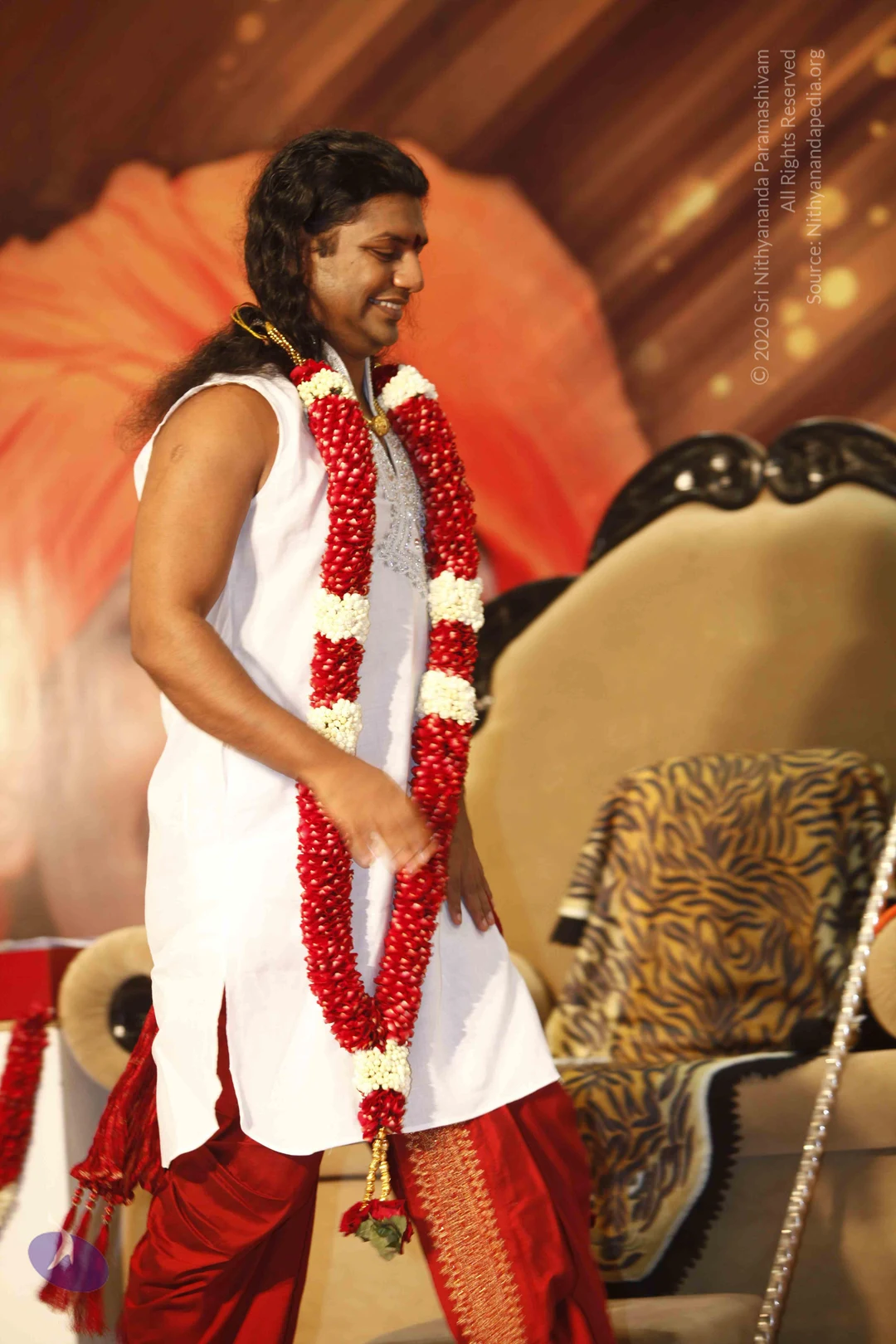
eN-WEALTH-SESSION
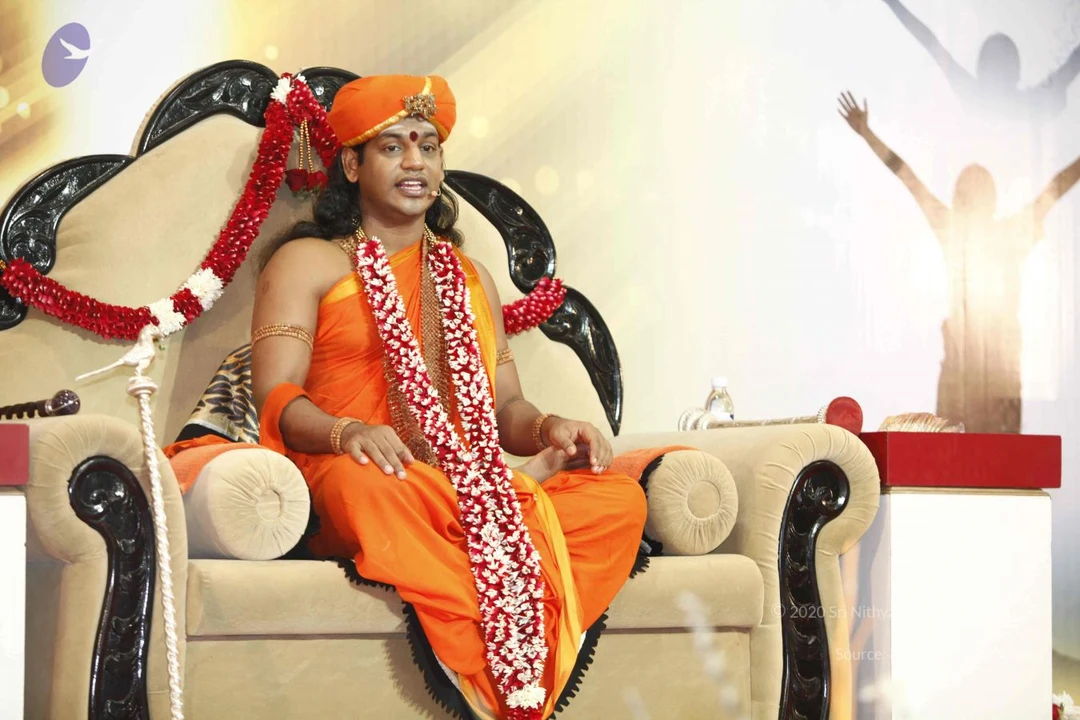
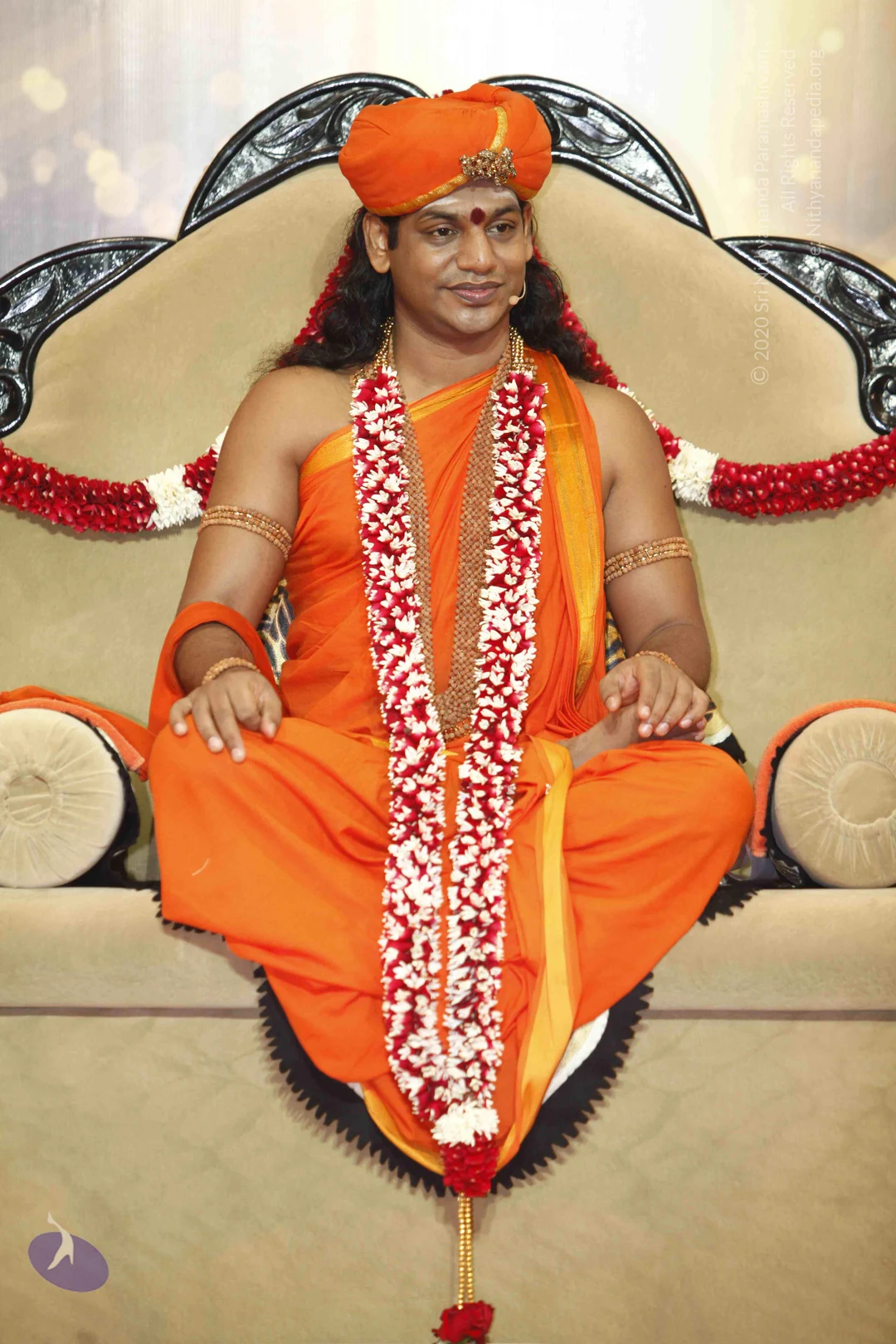
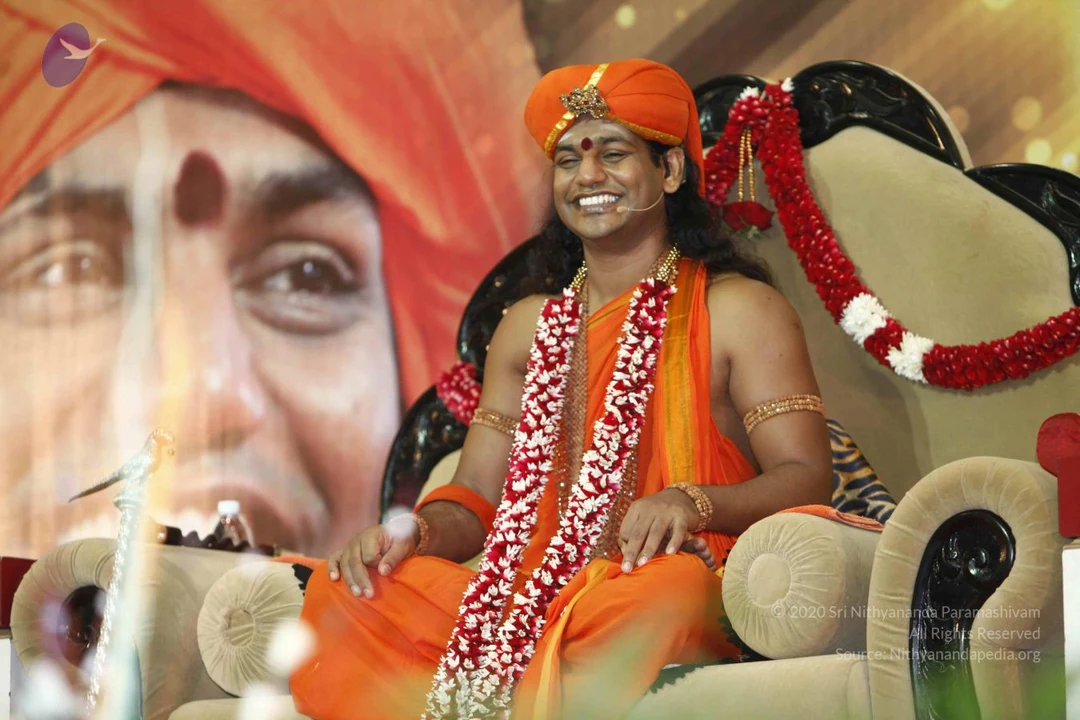
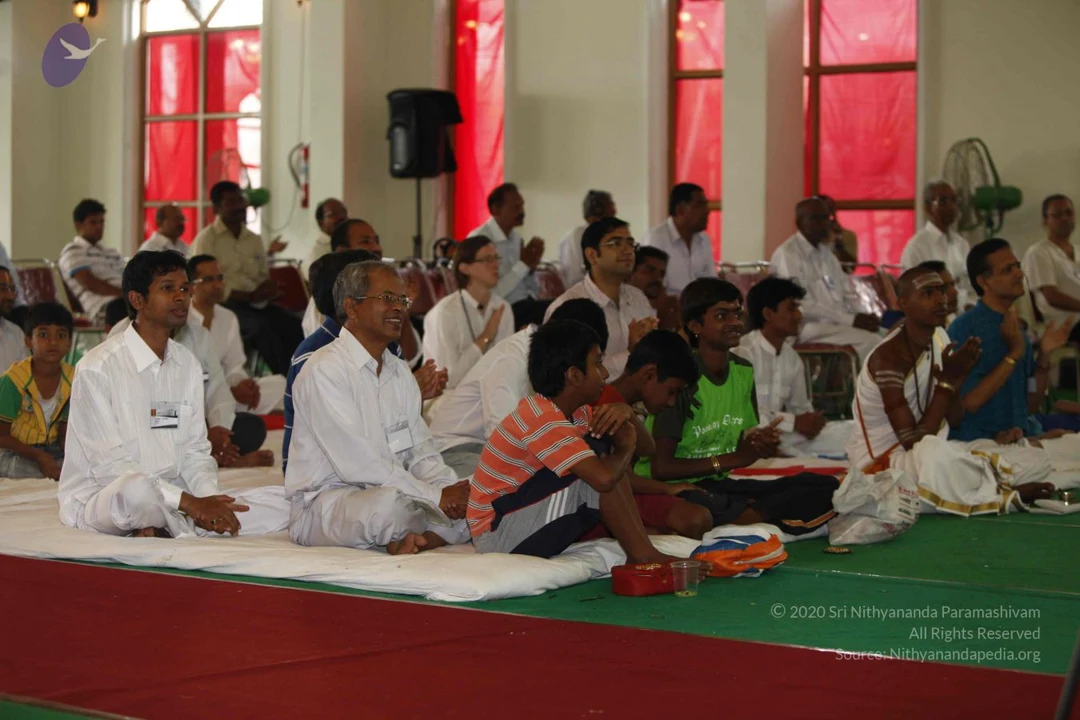

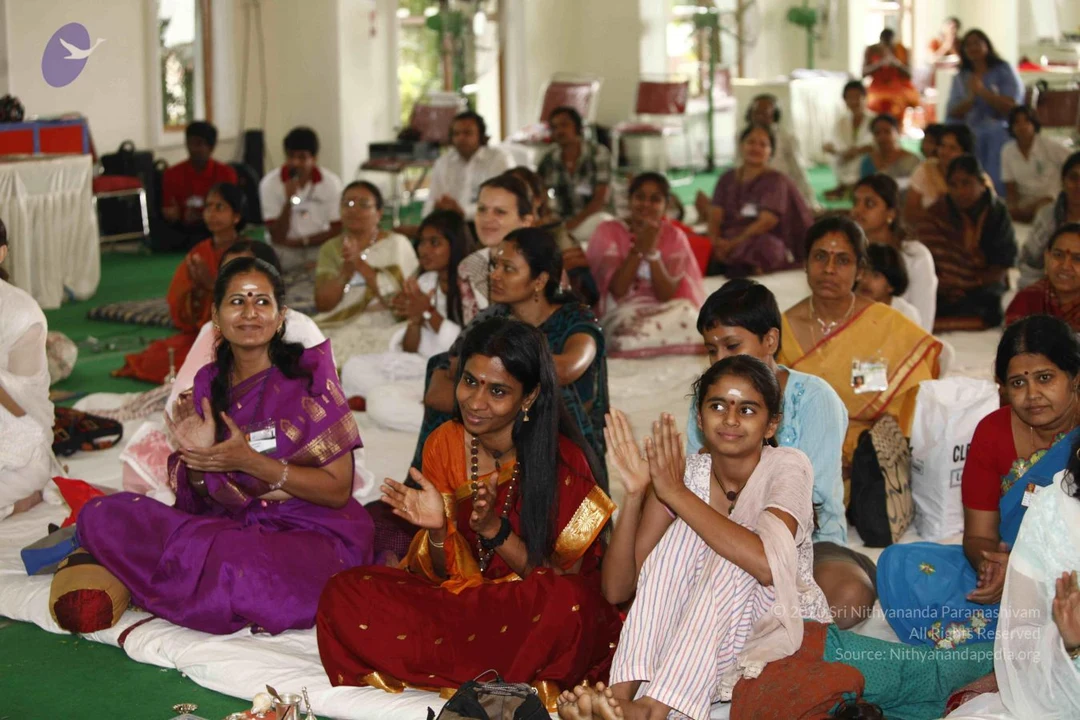
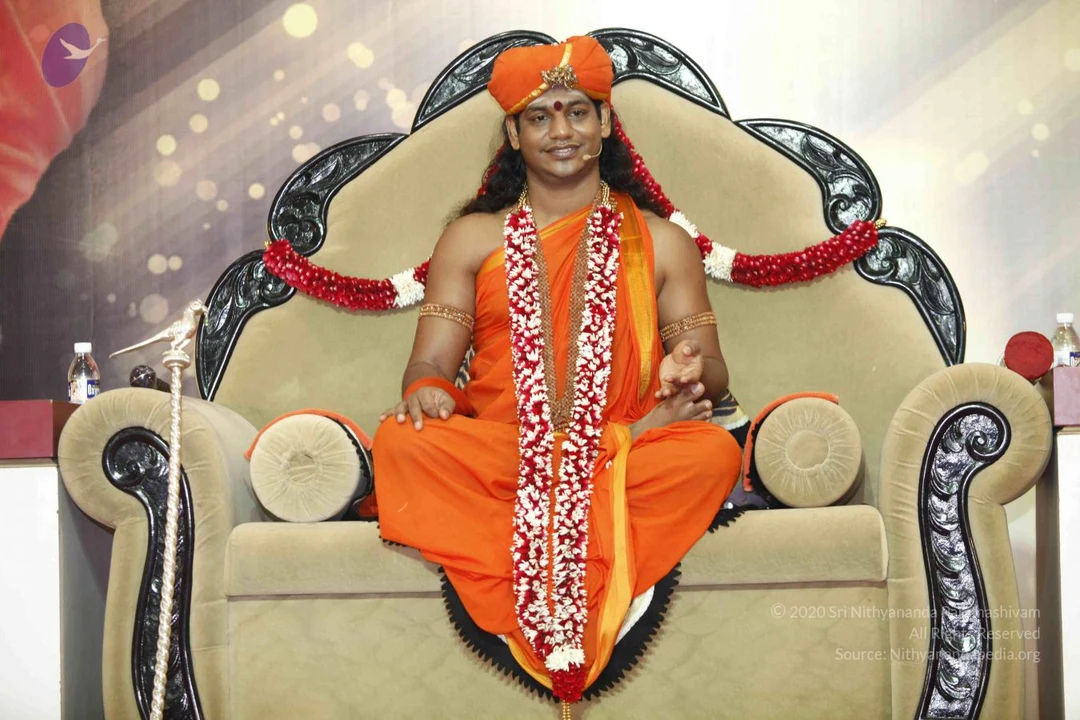
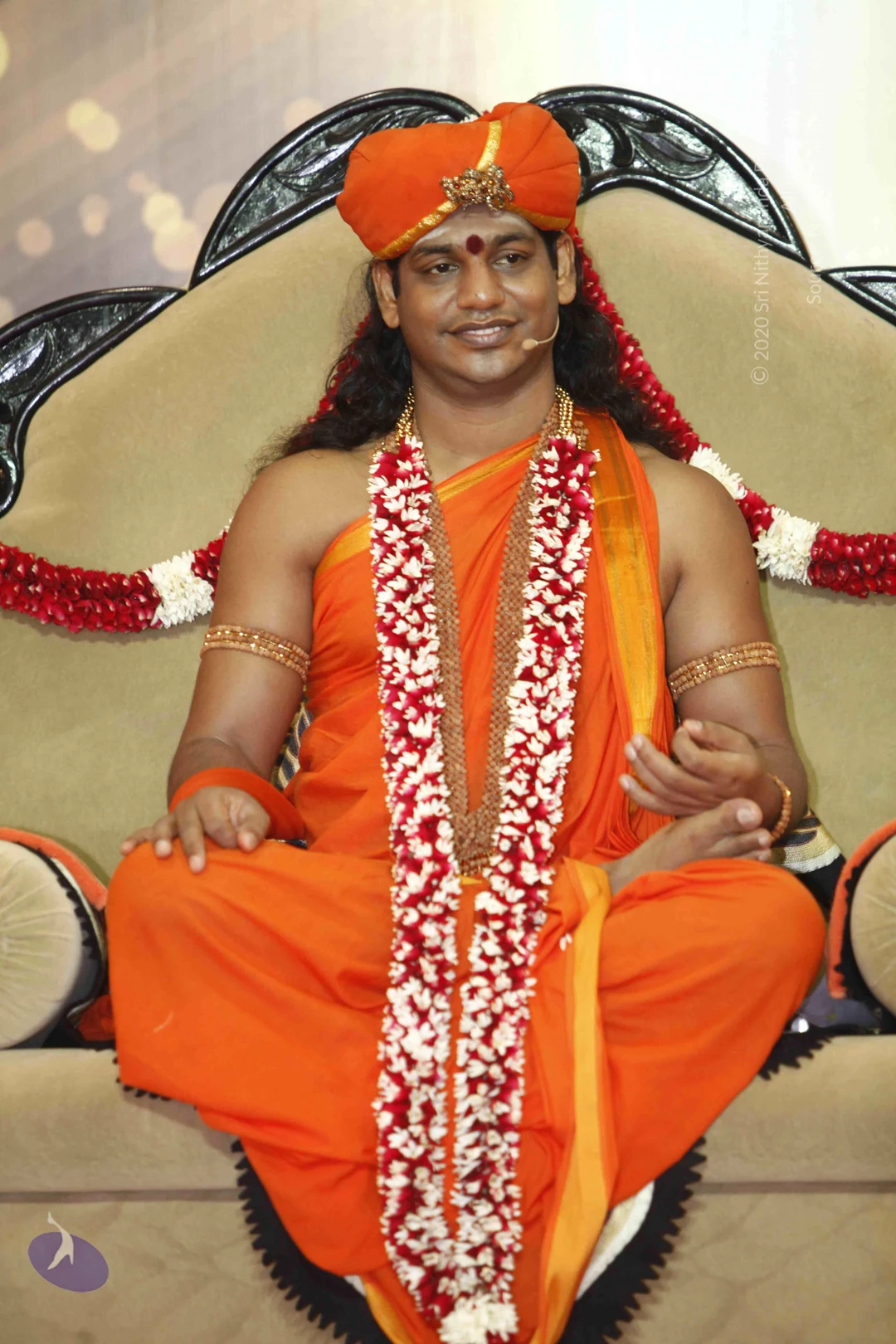
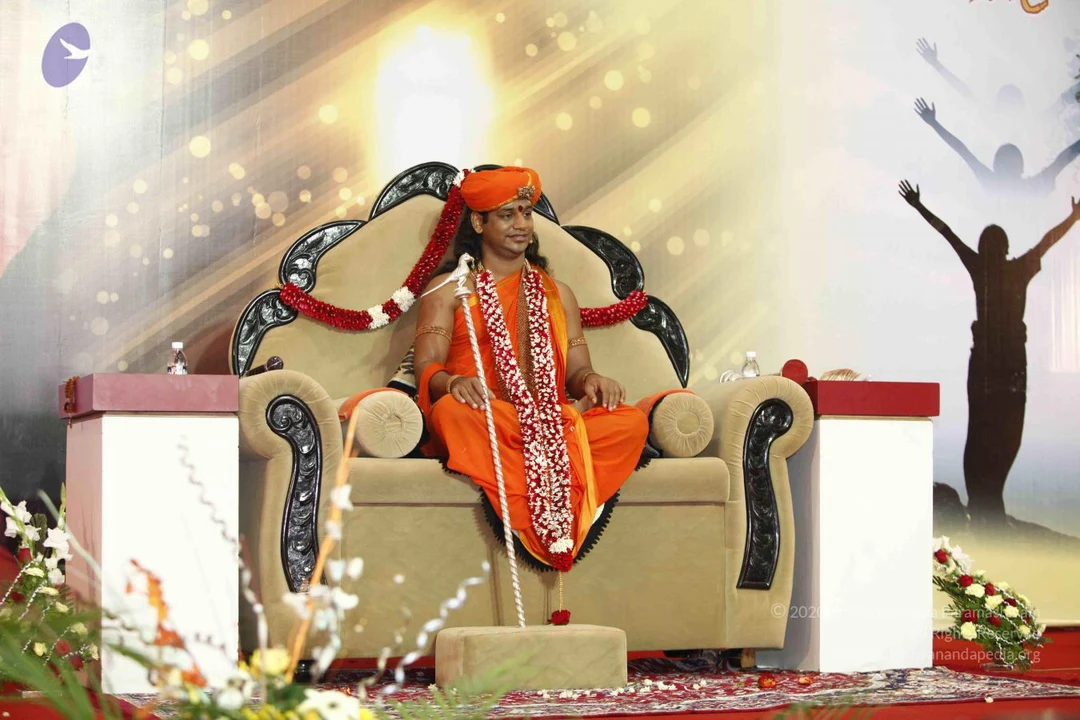
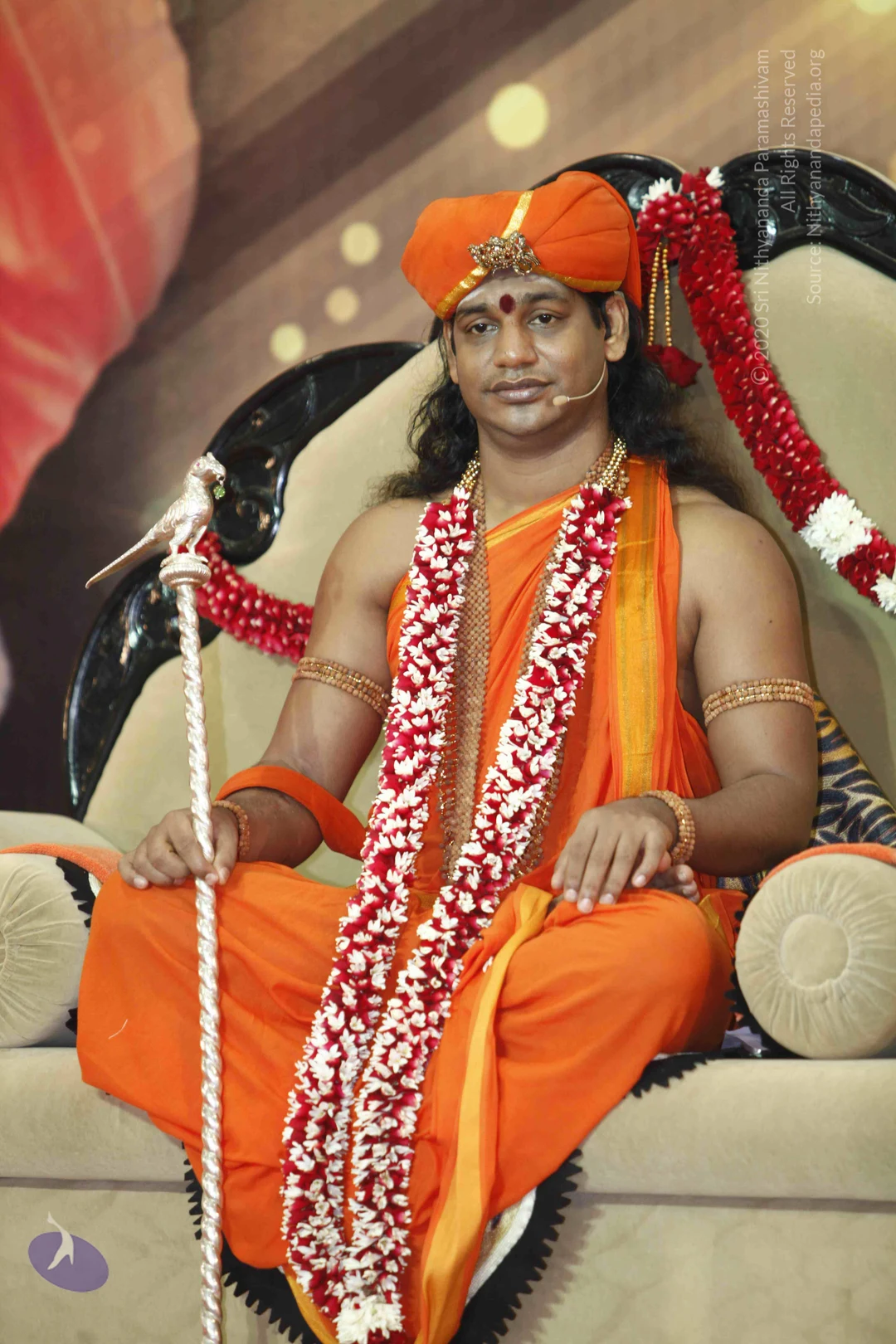
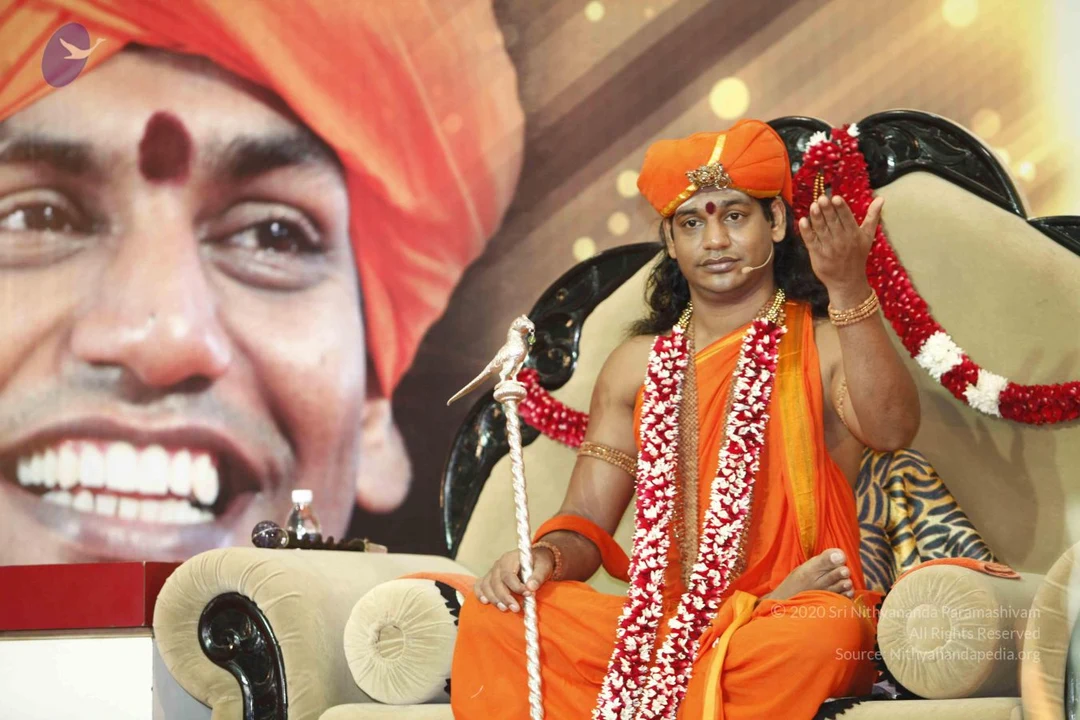
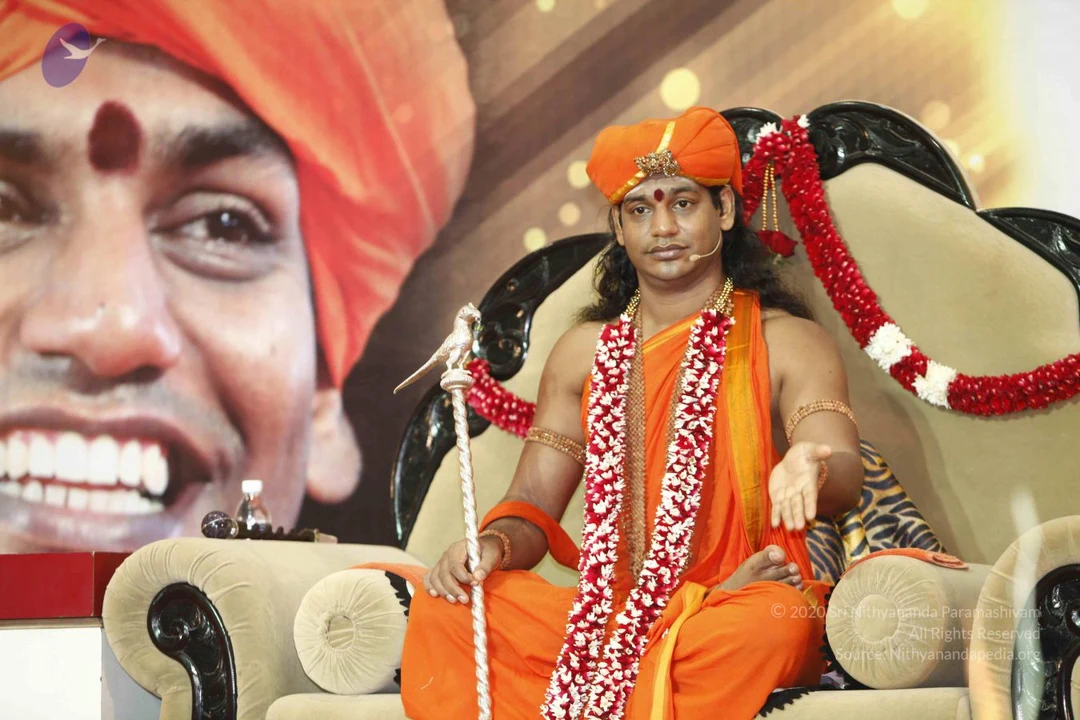
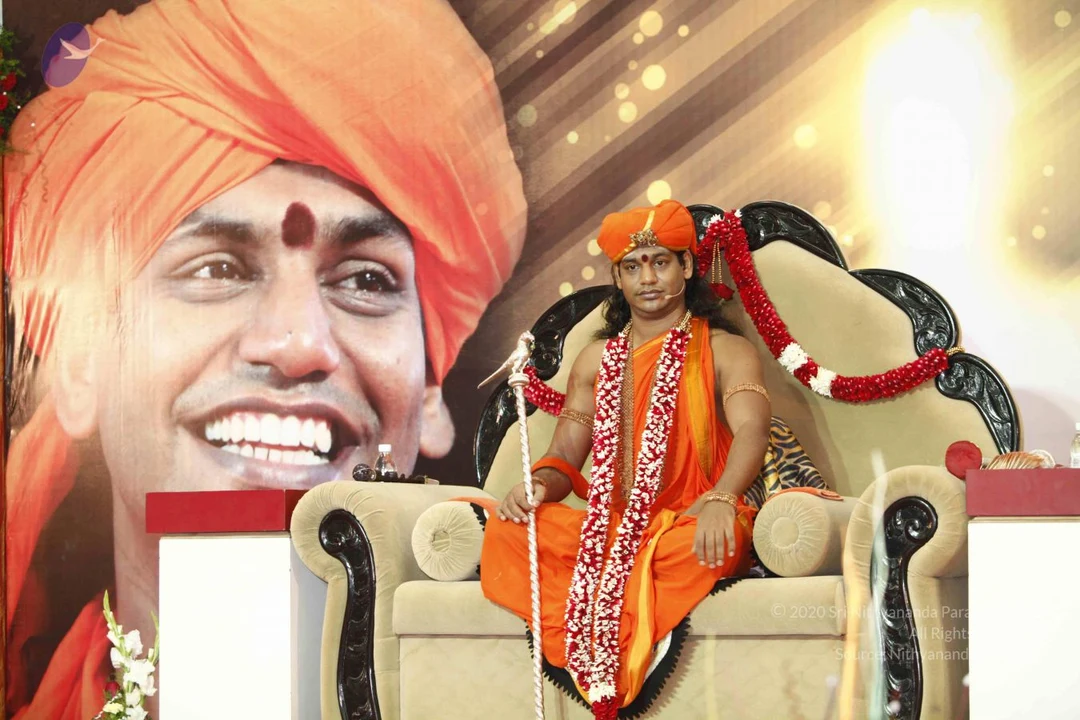
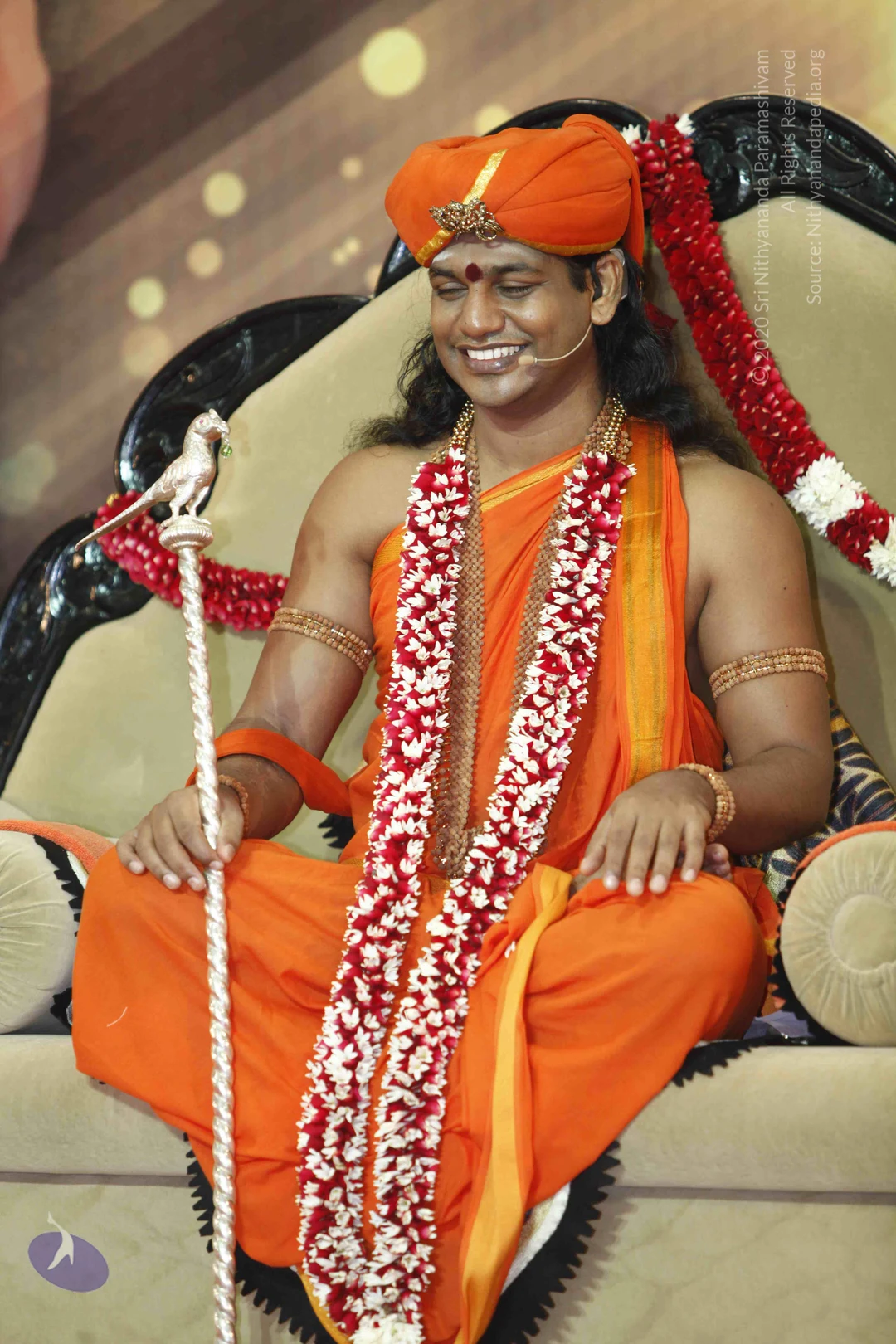
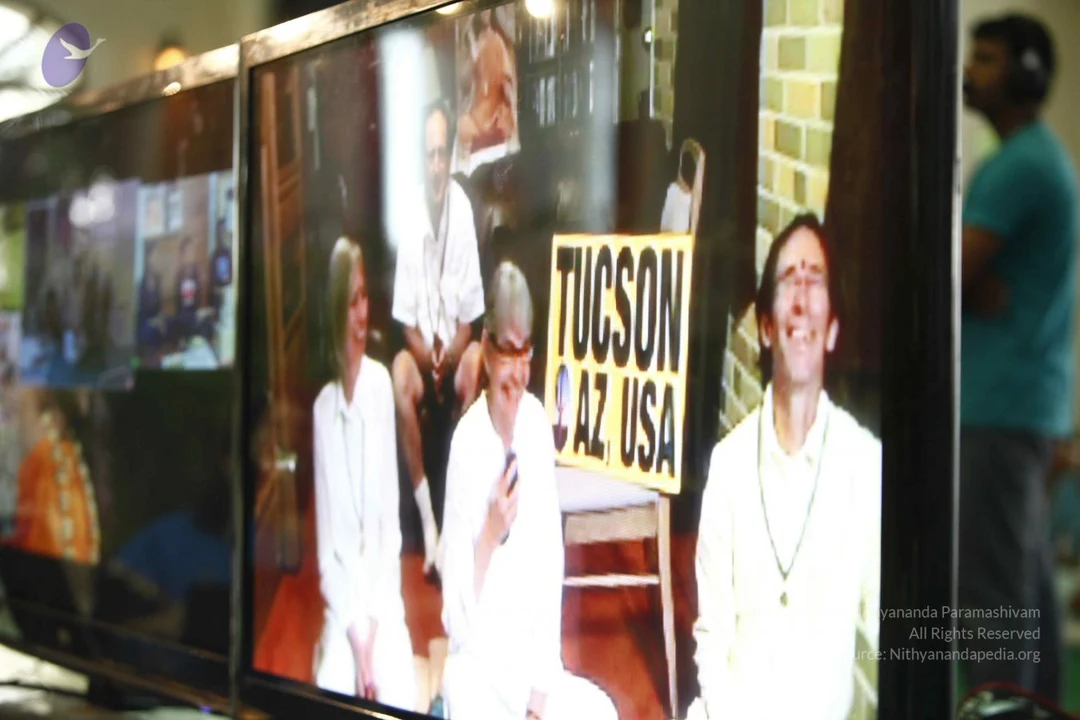


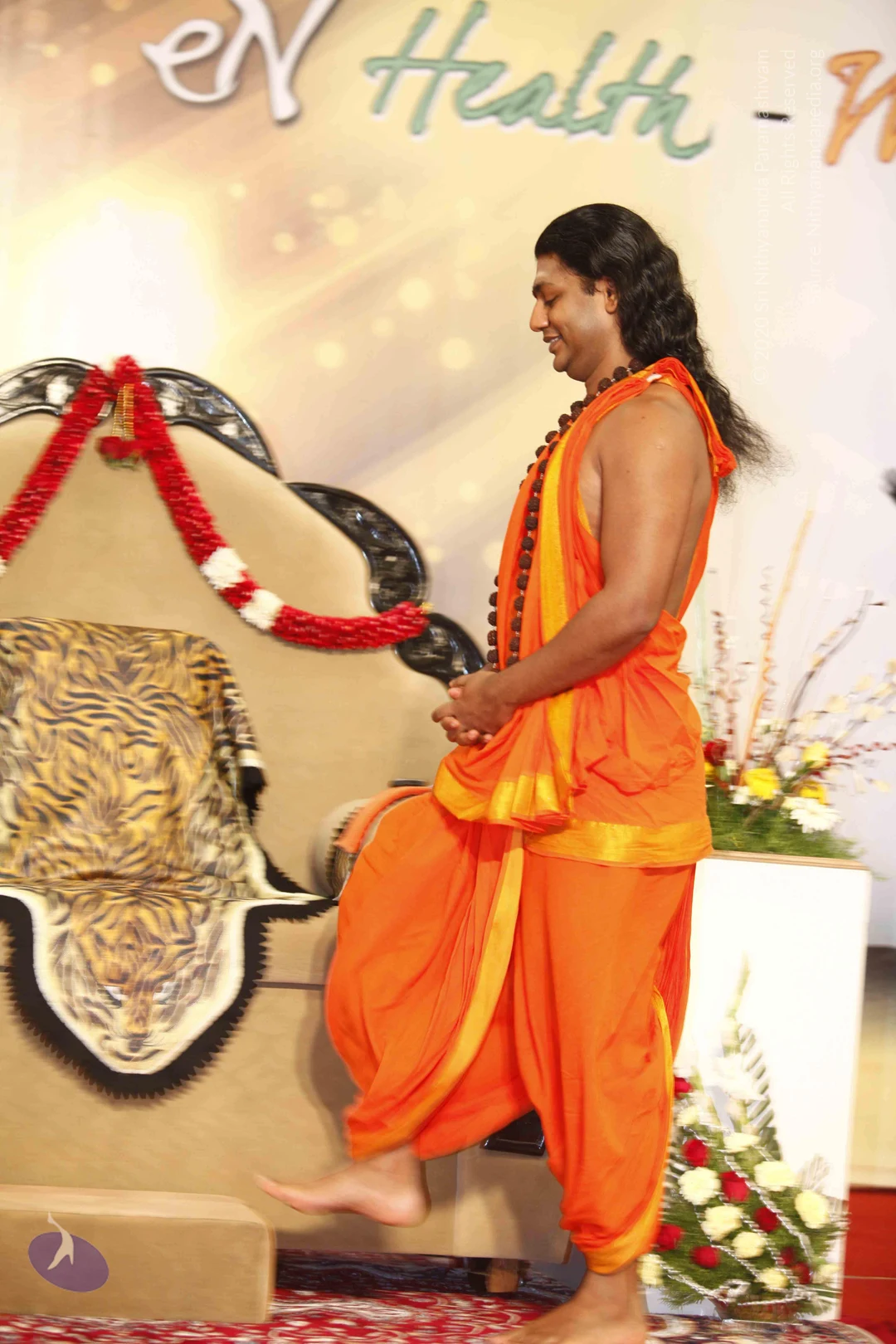
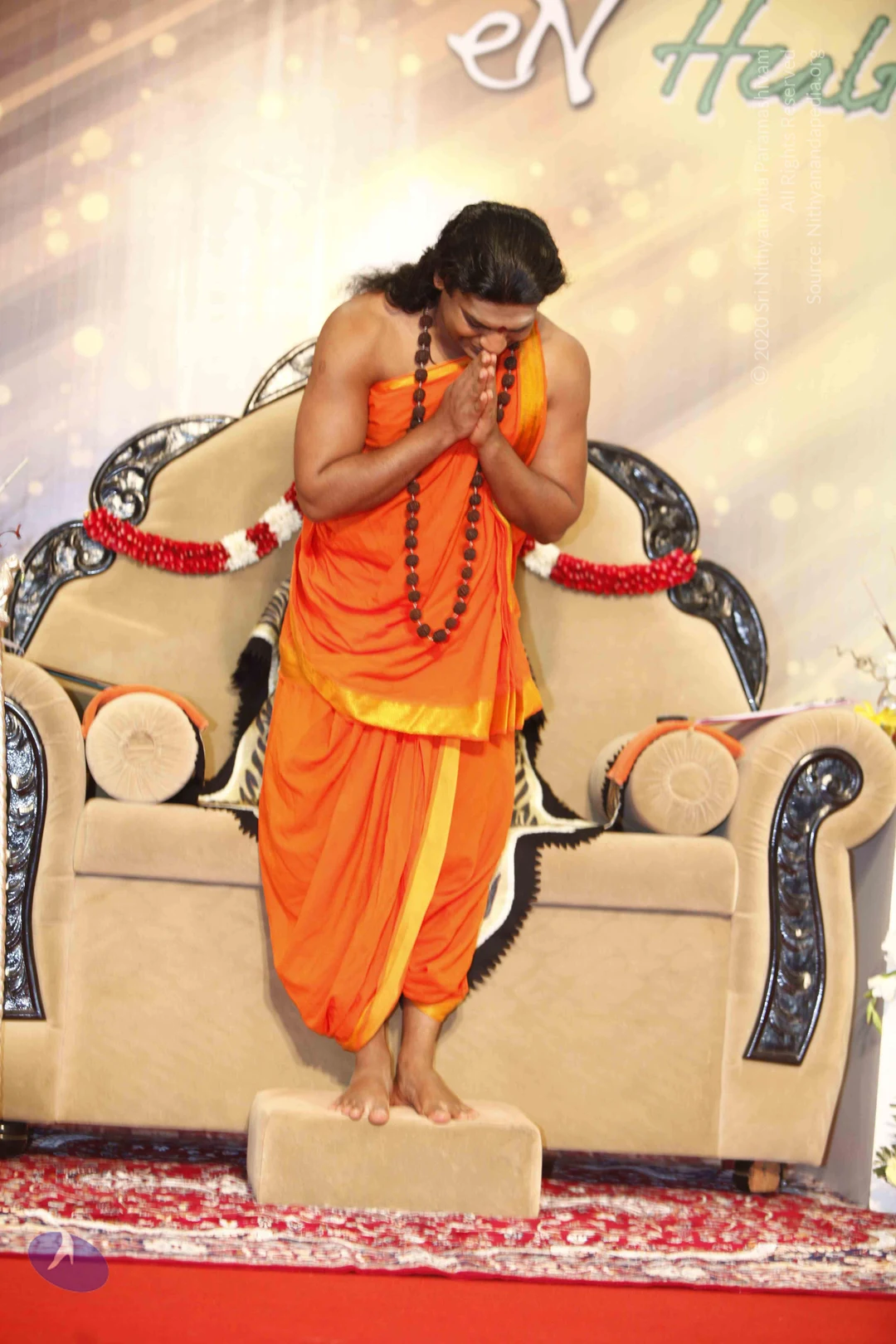
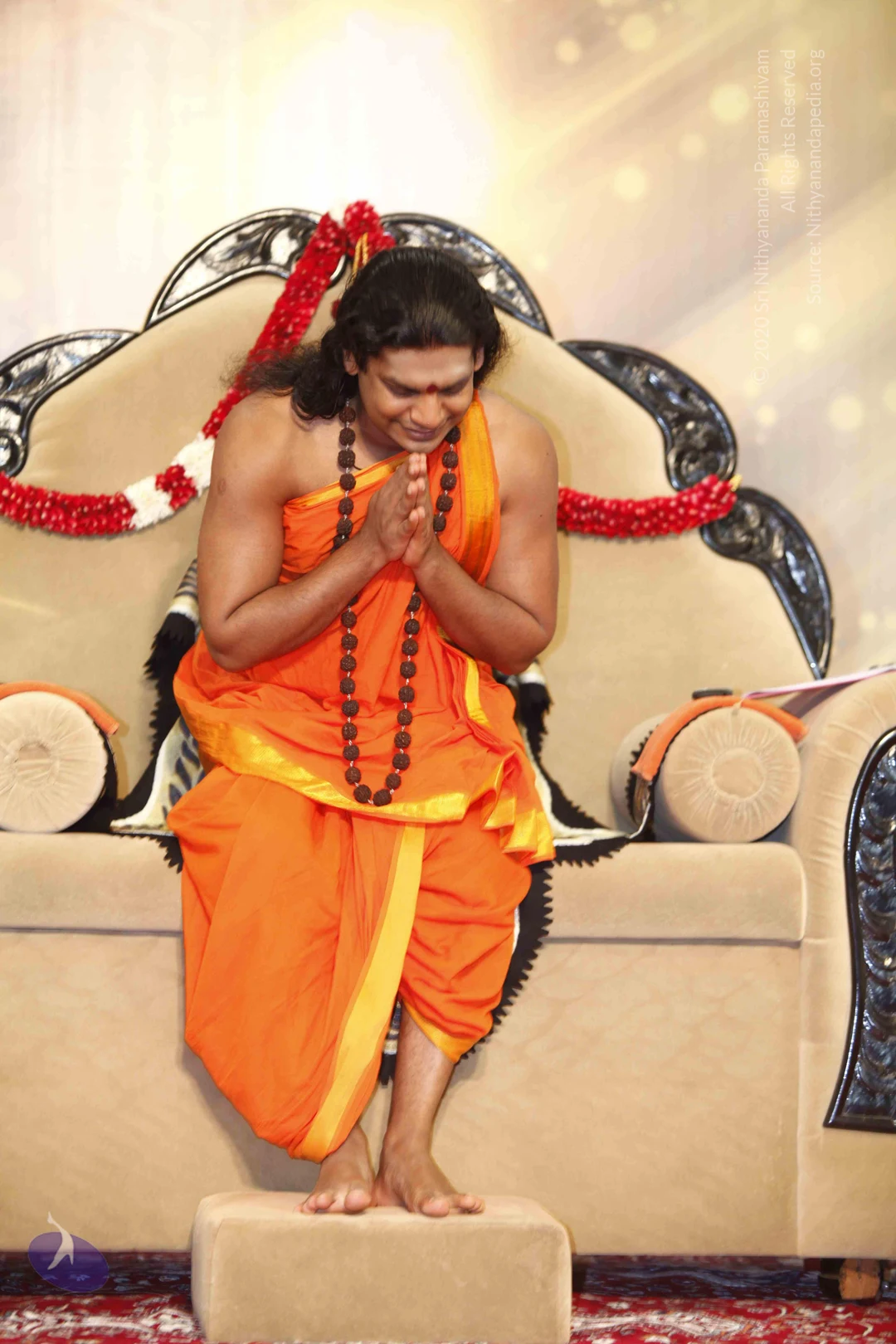
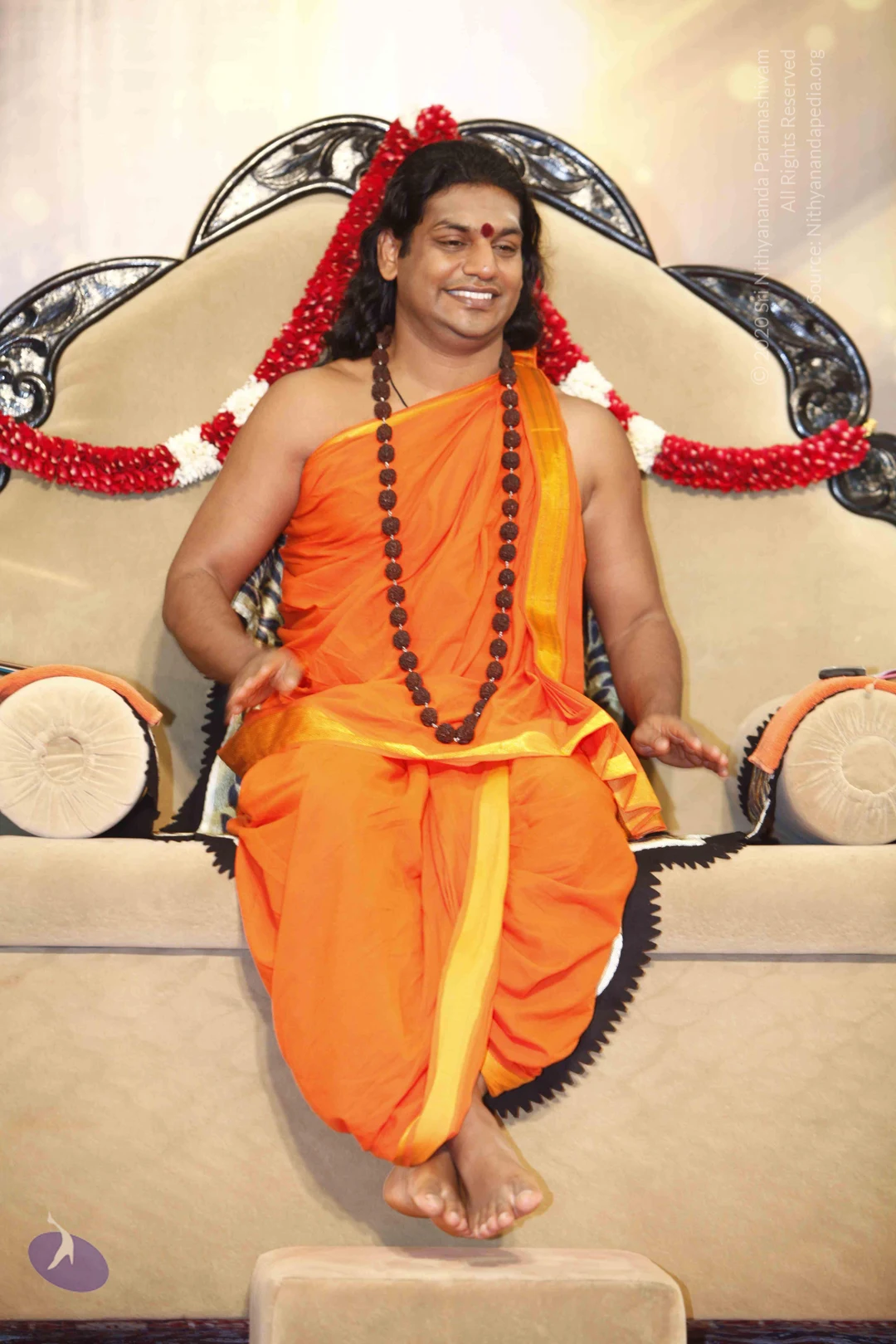
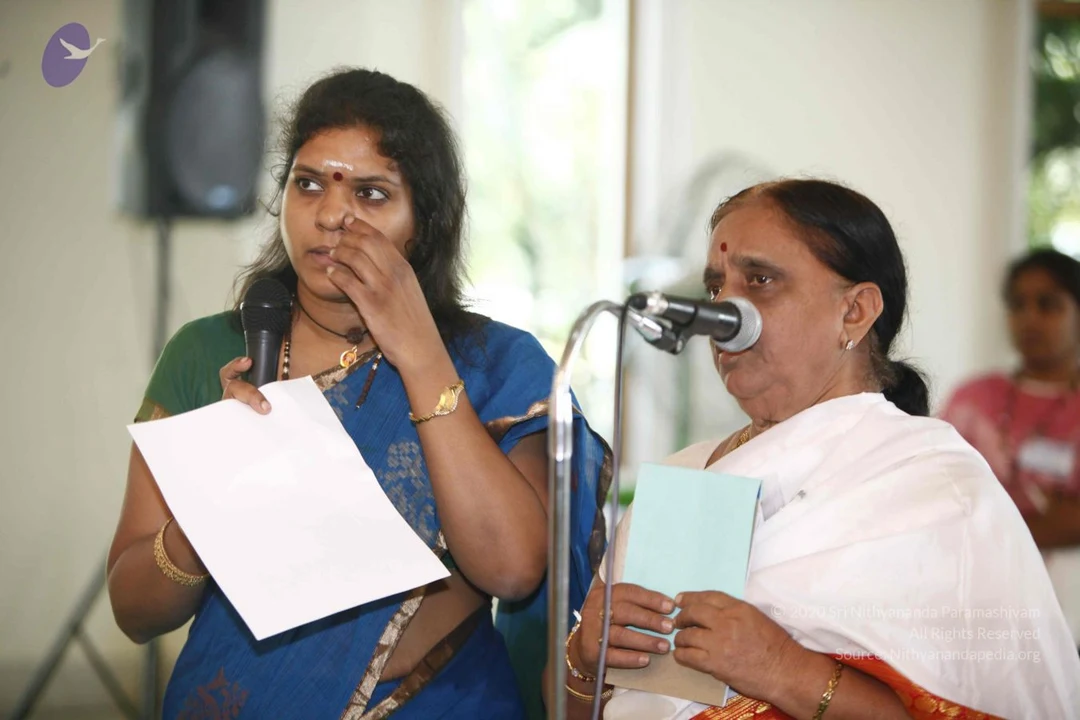
UNCLUTCHING-SESSION
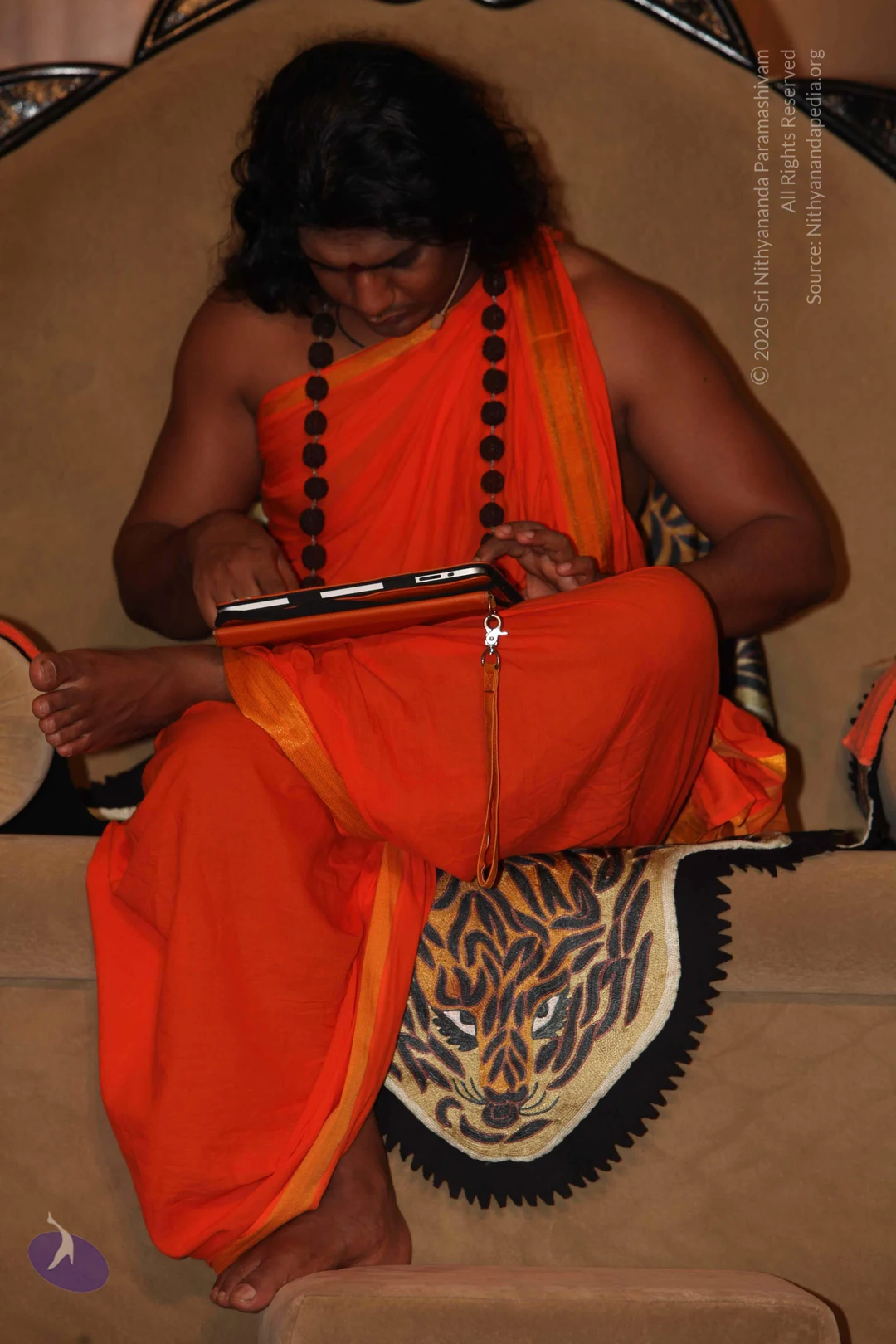
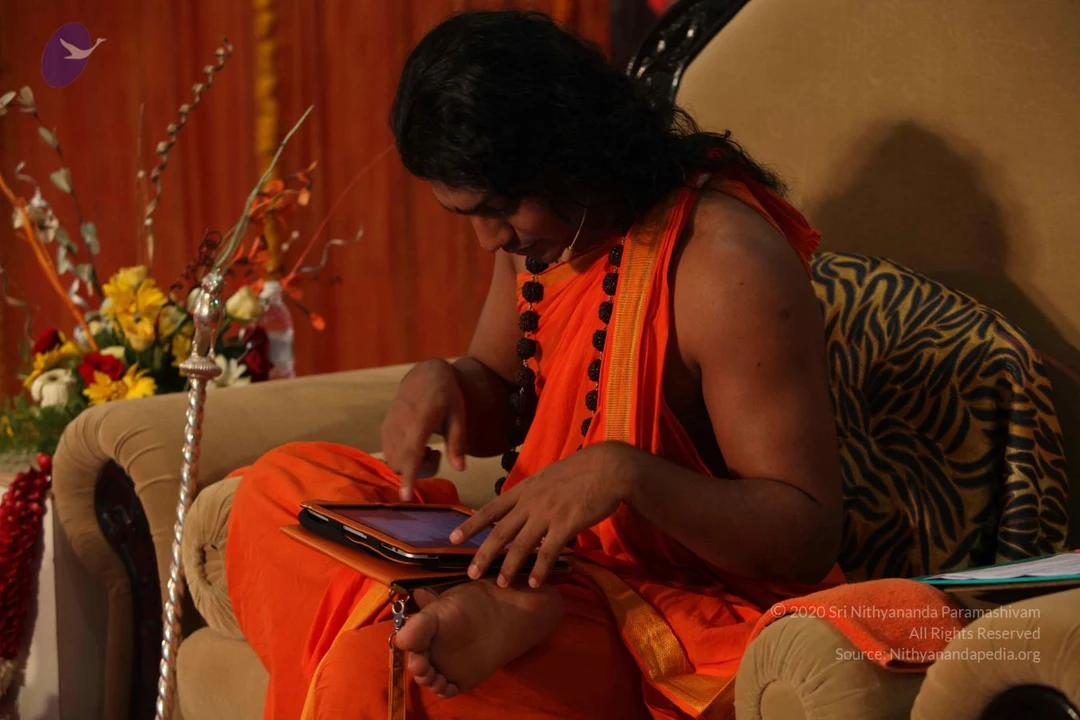
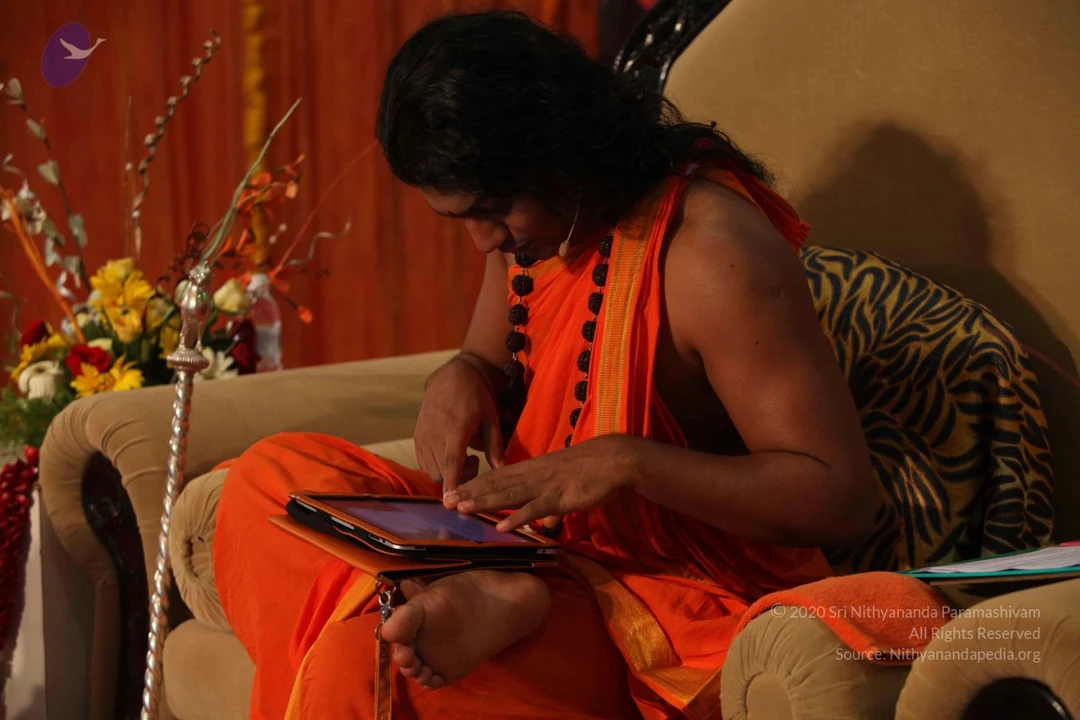
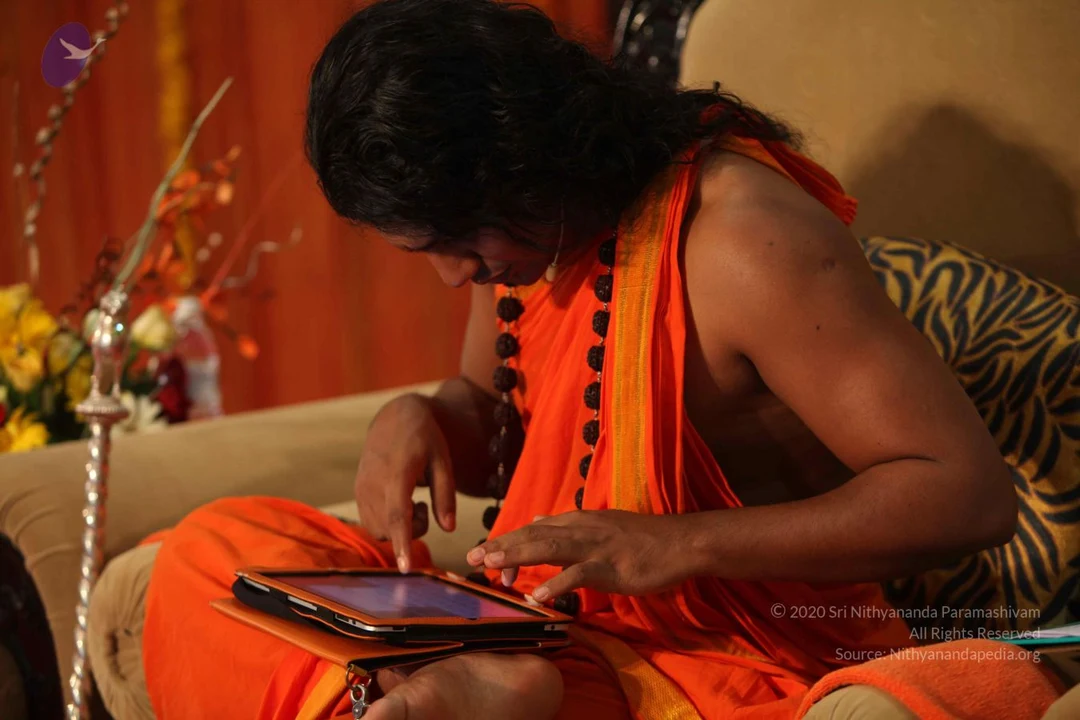
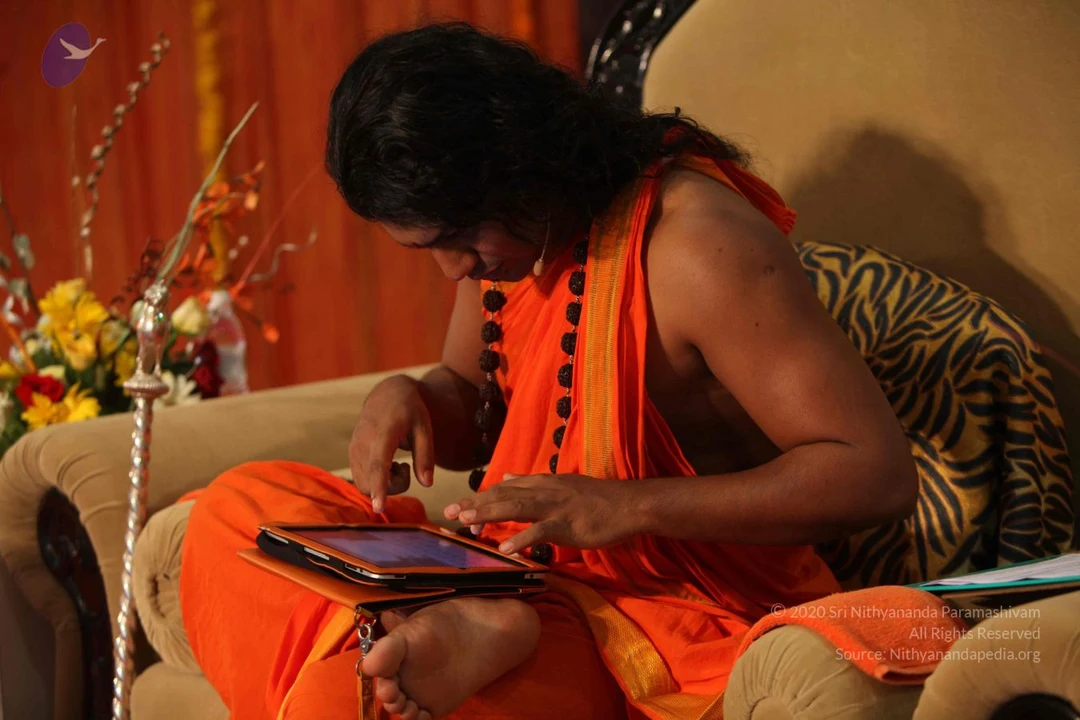
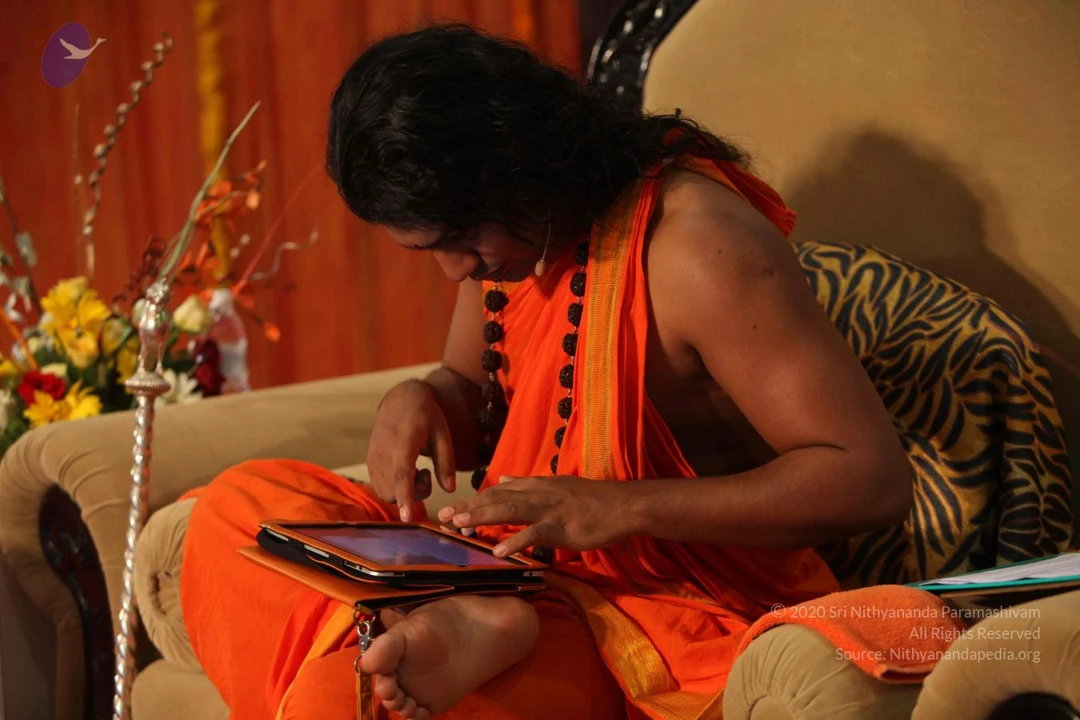
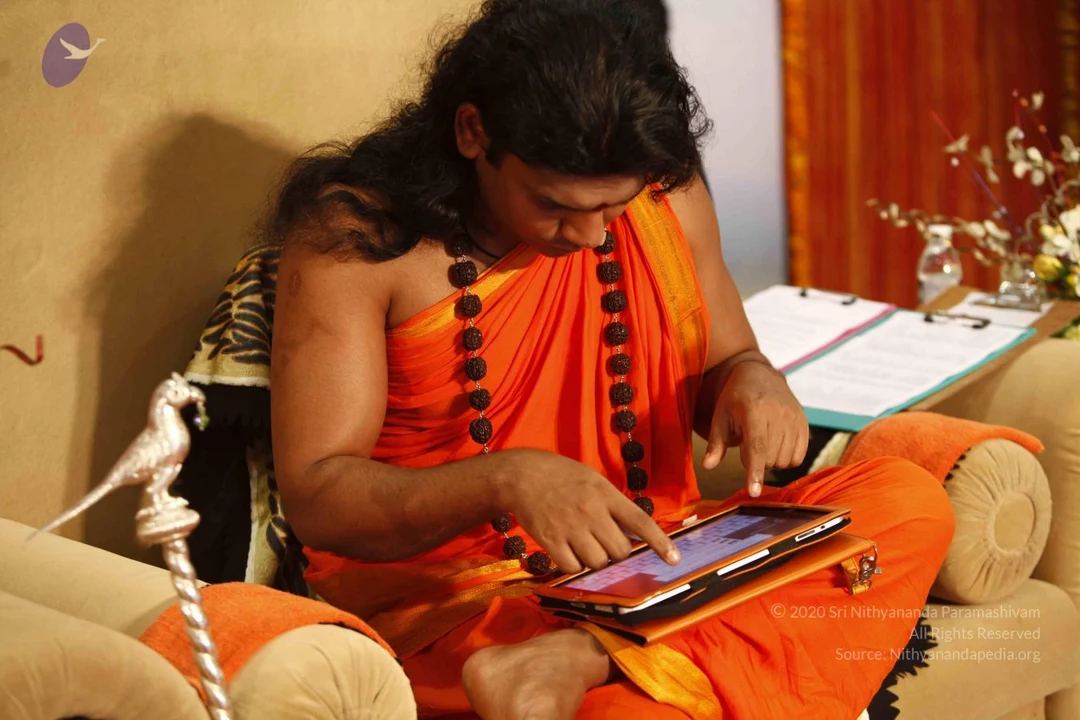
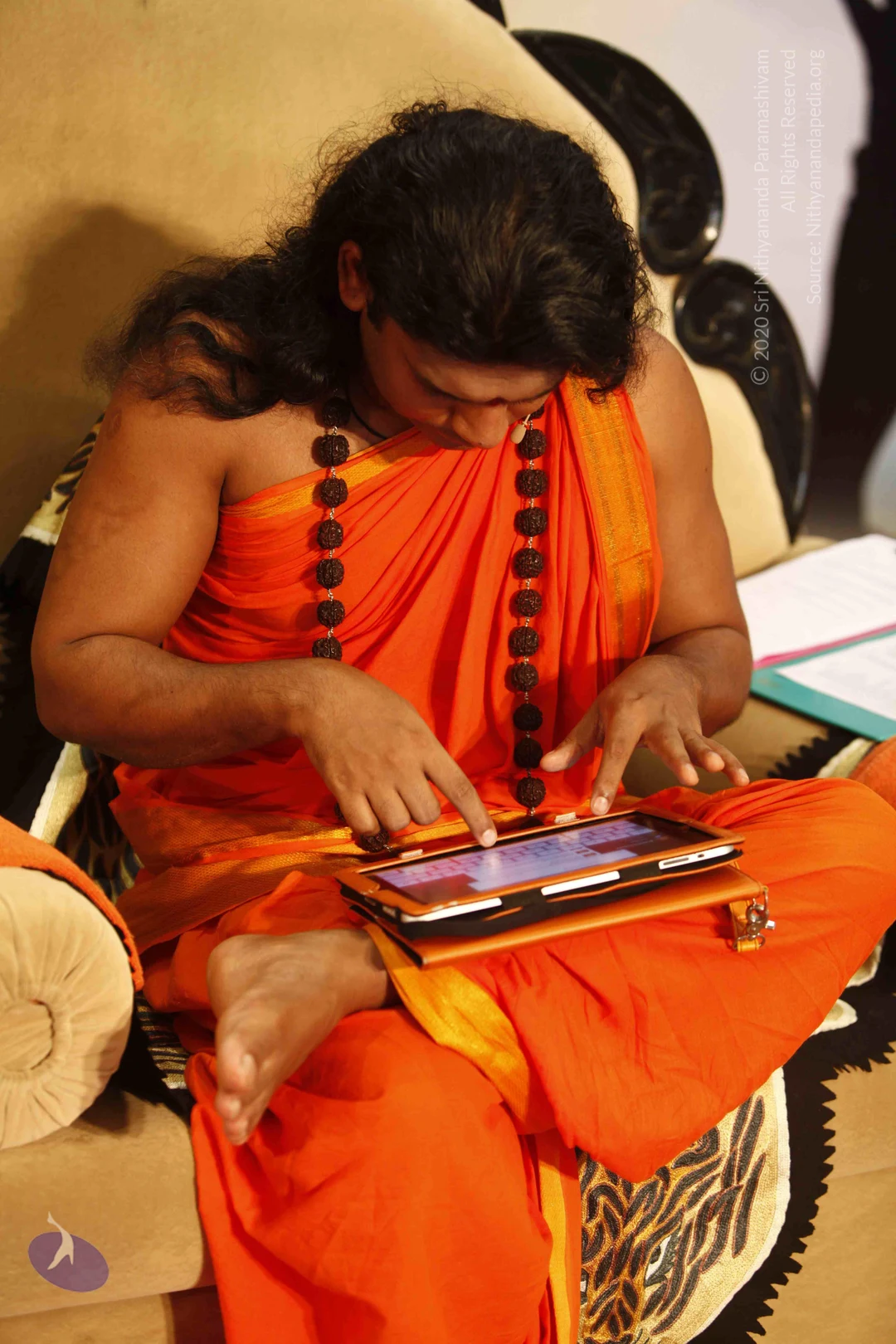
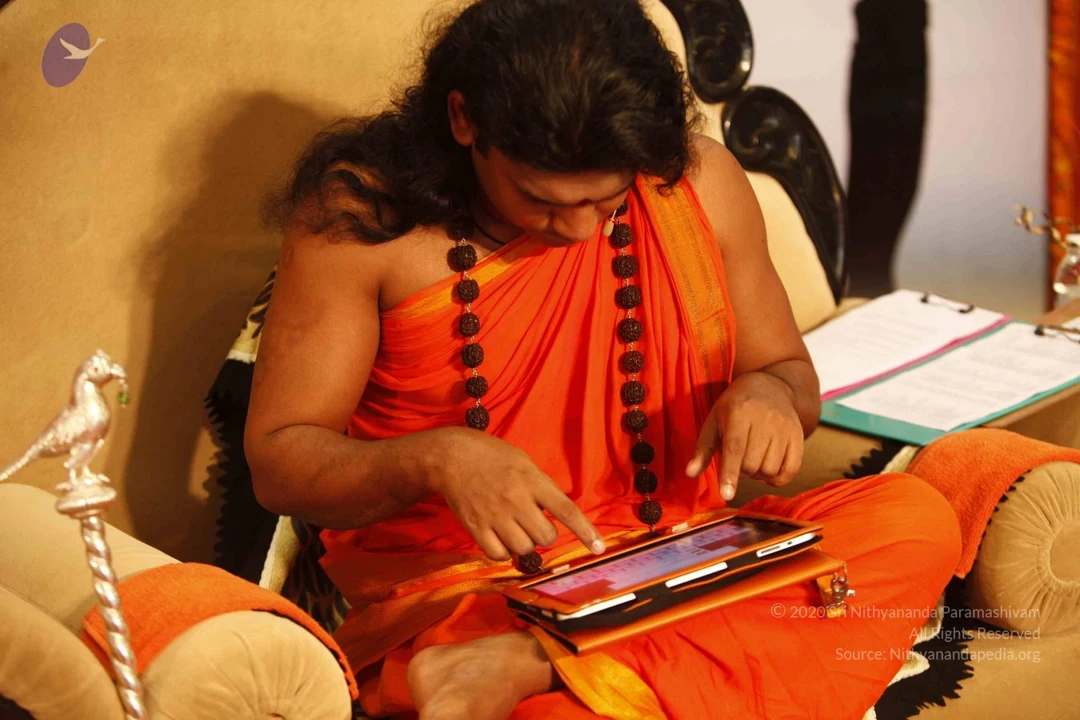
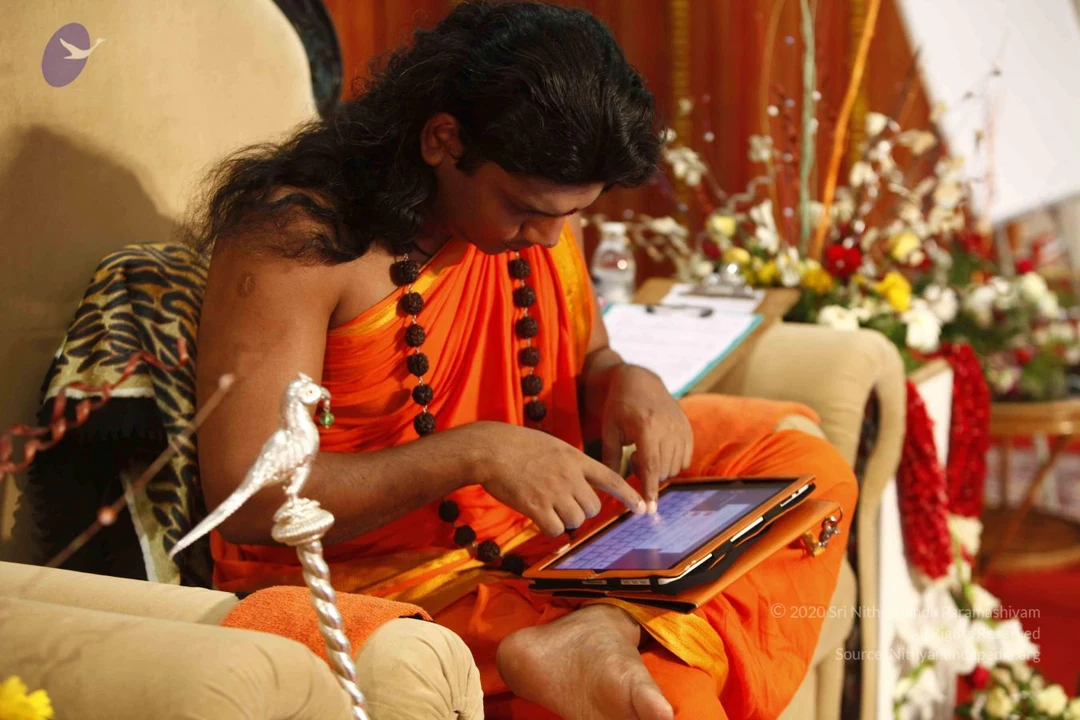
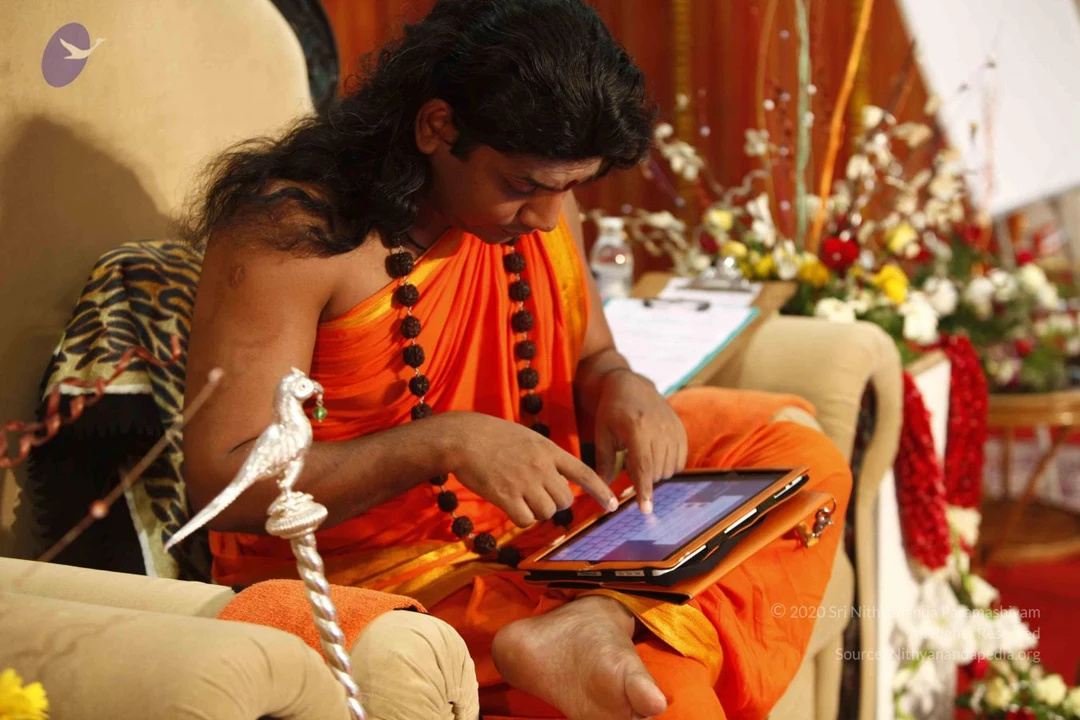
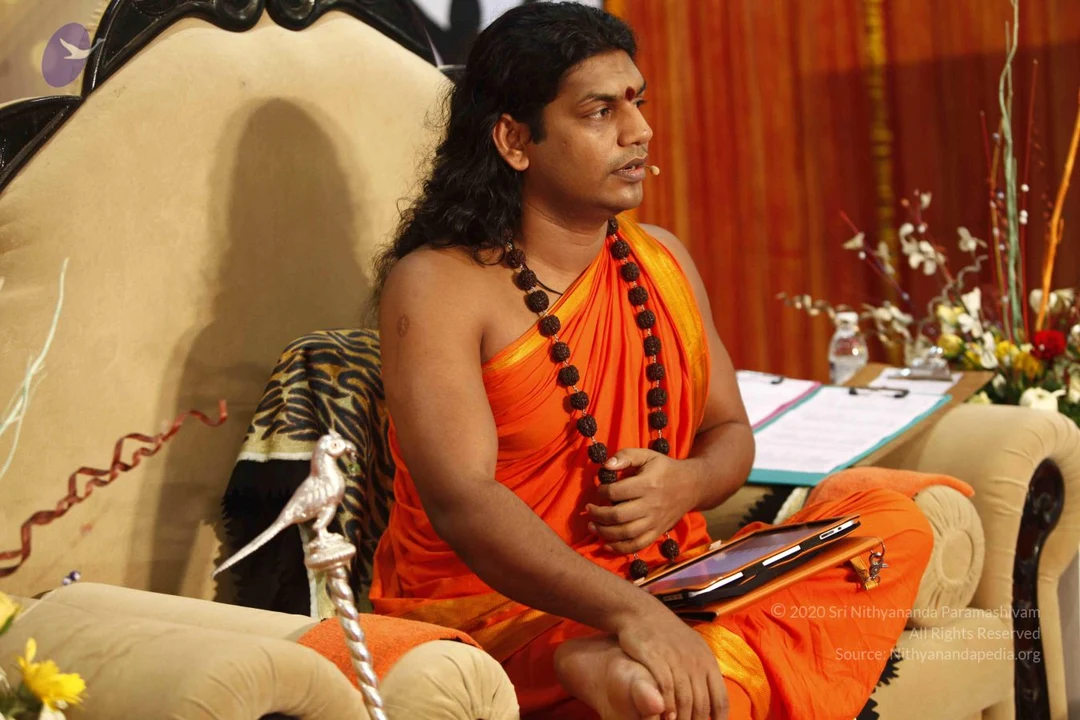
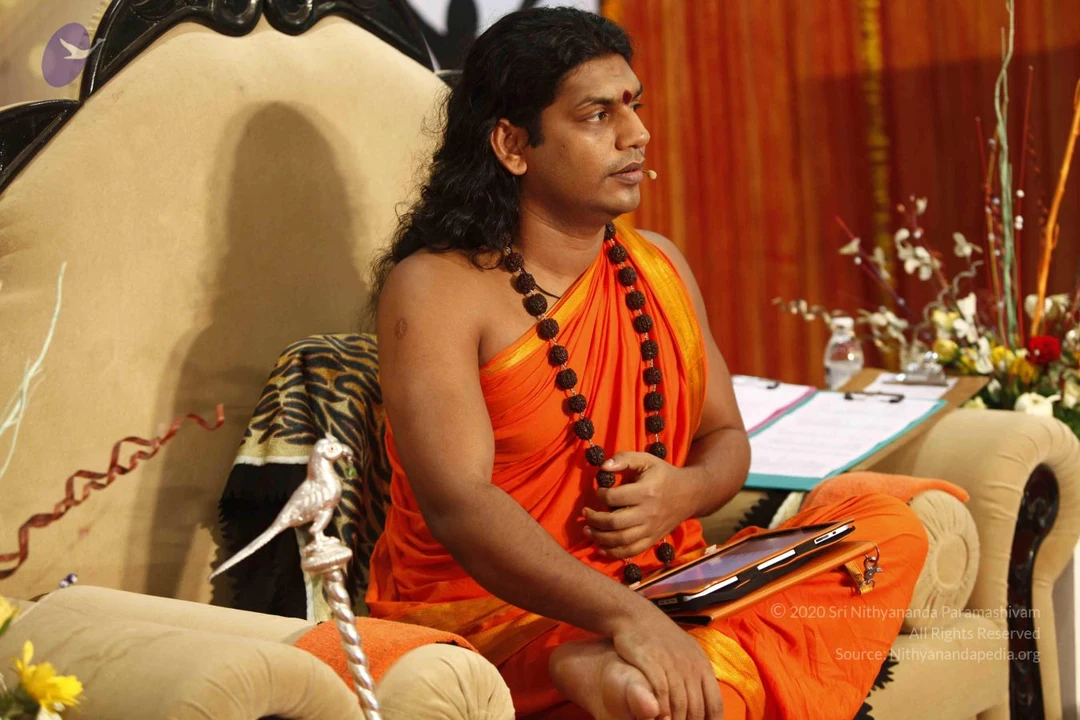
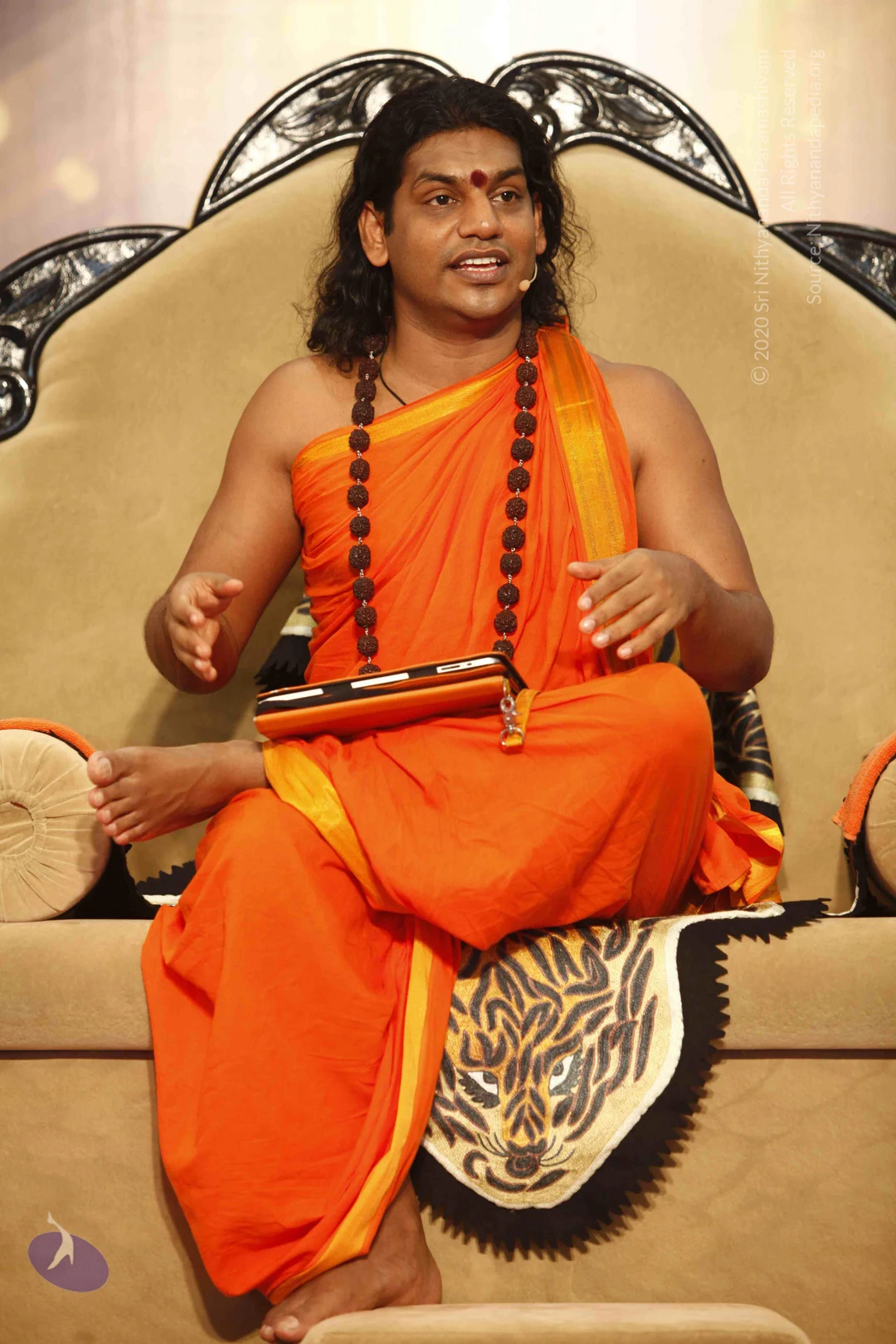
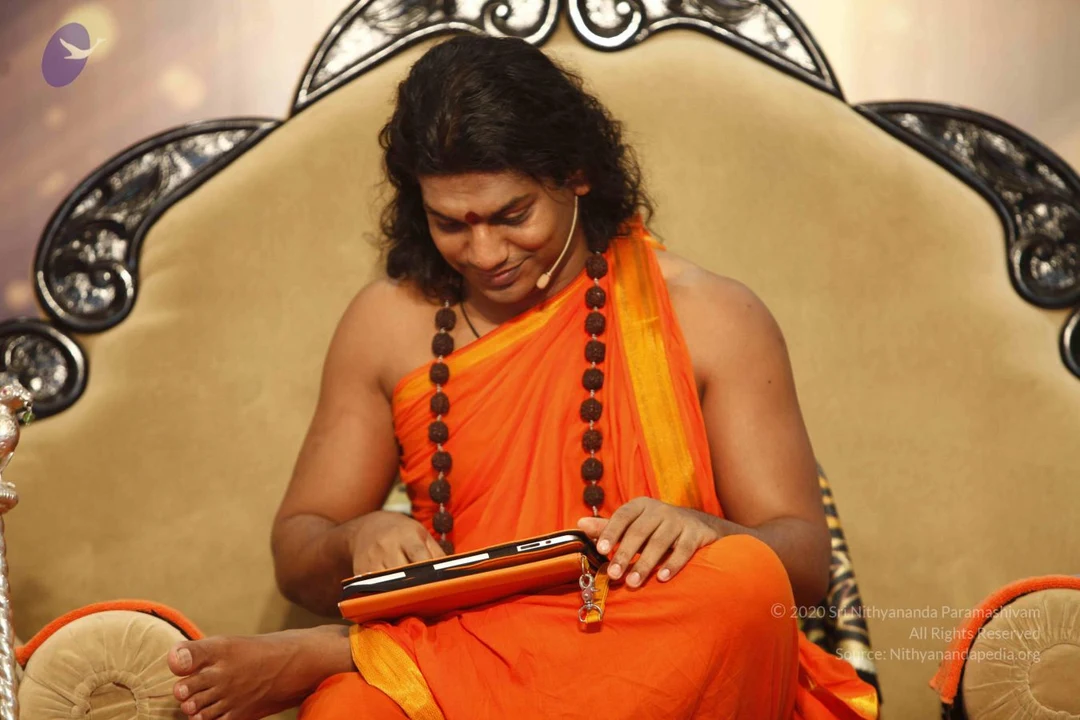
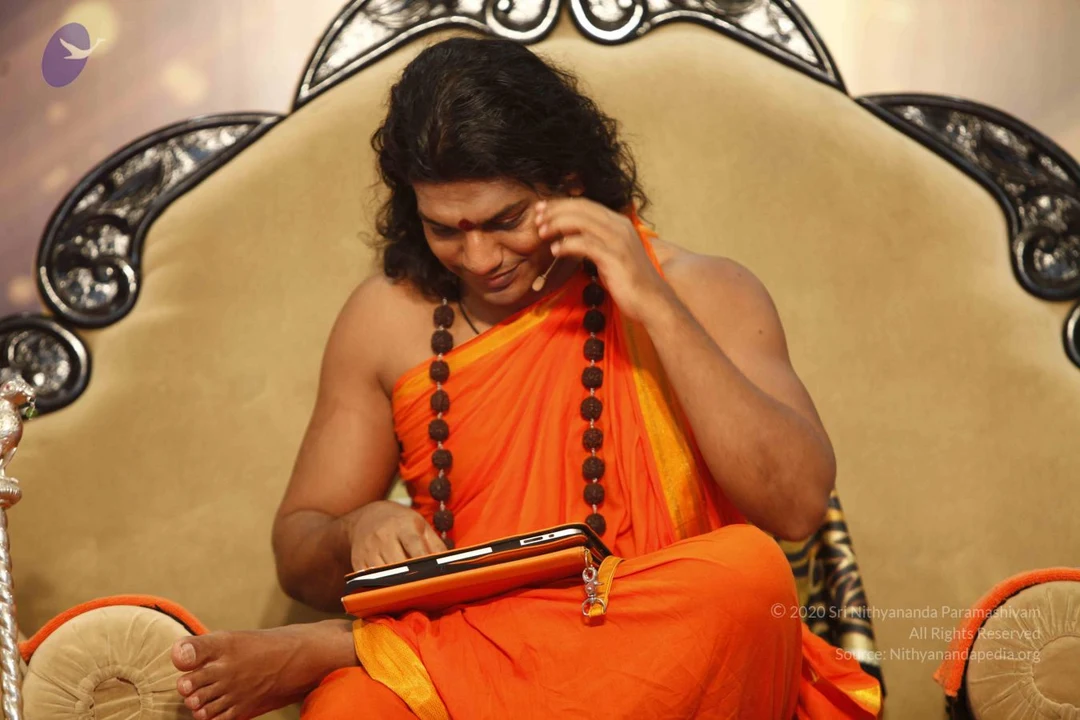
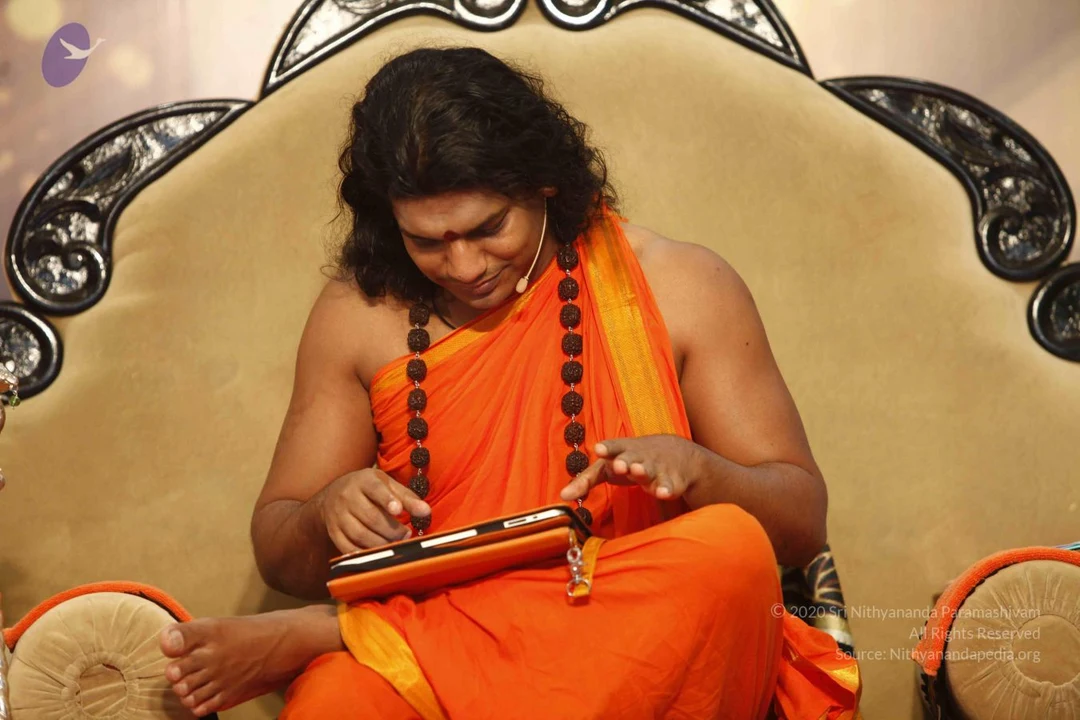
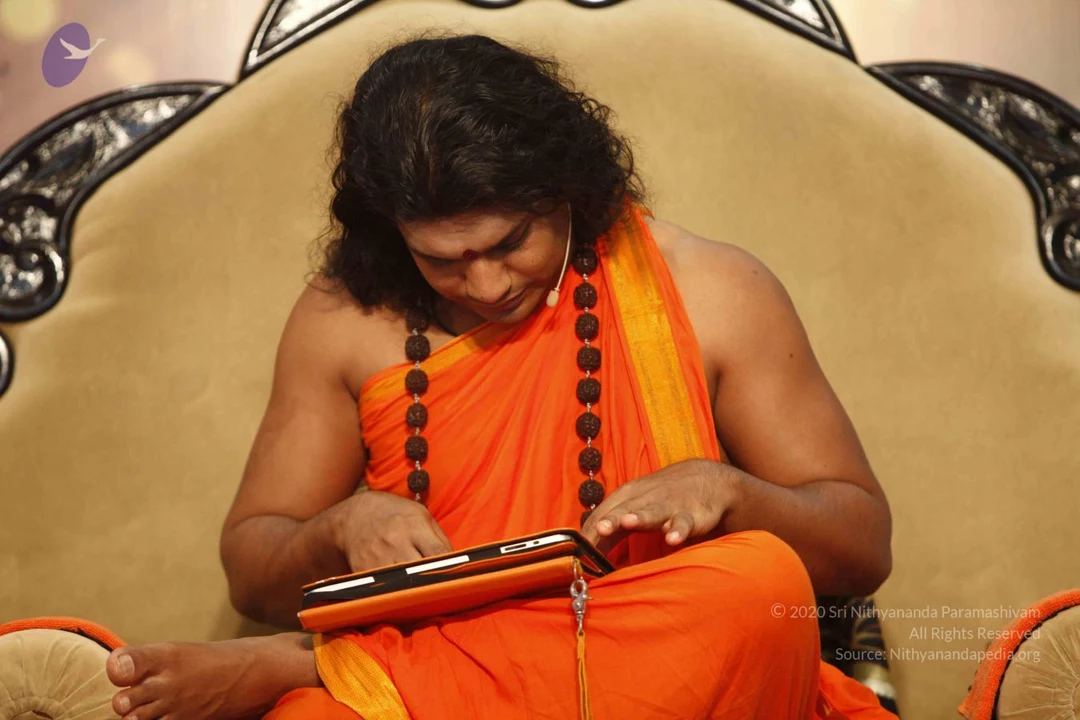
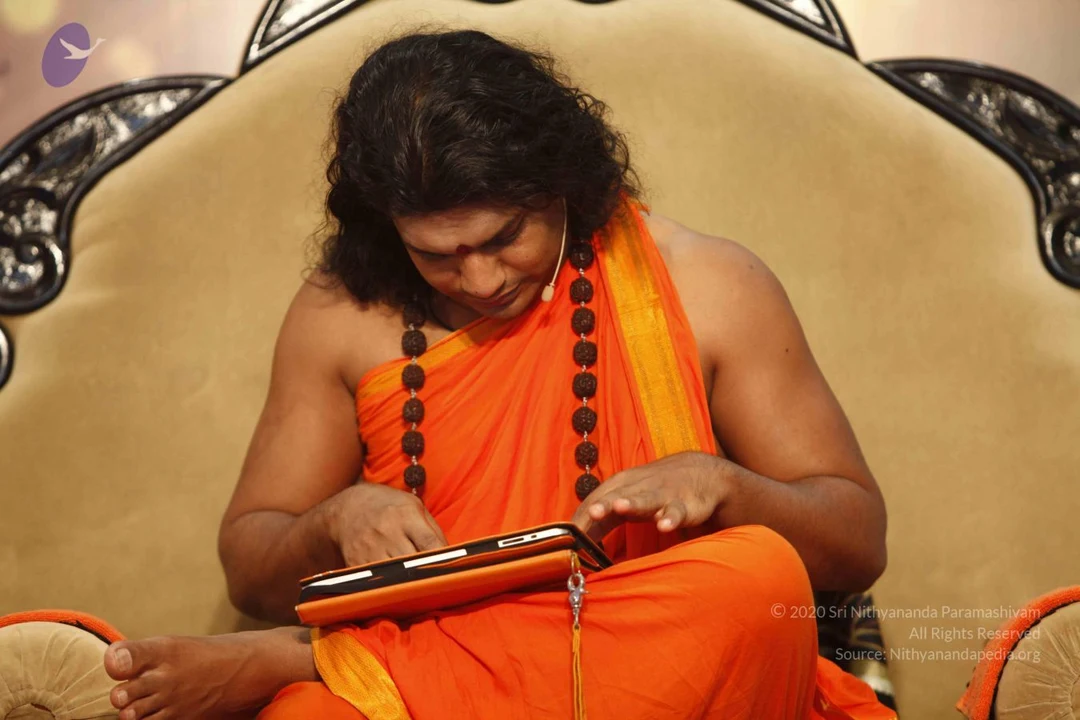
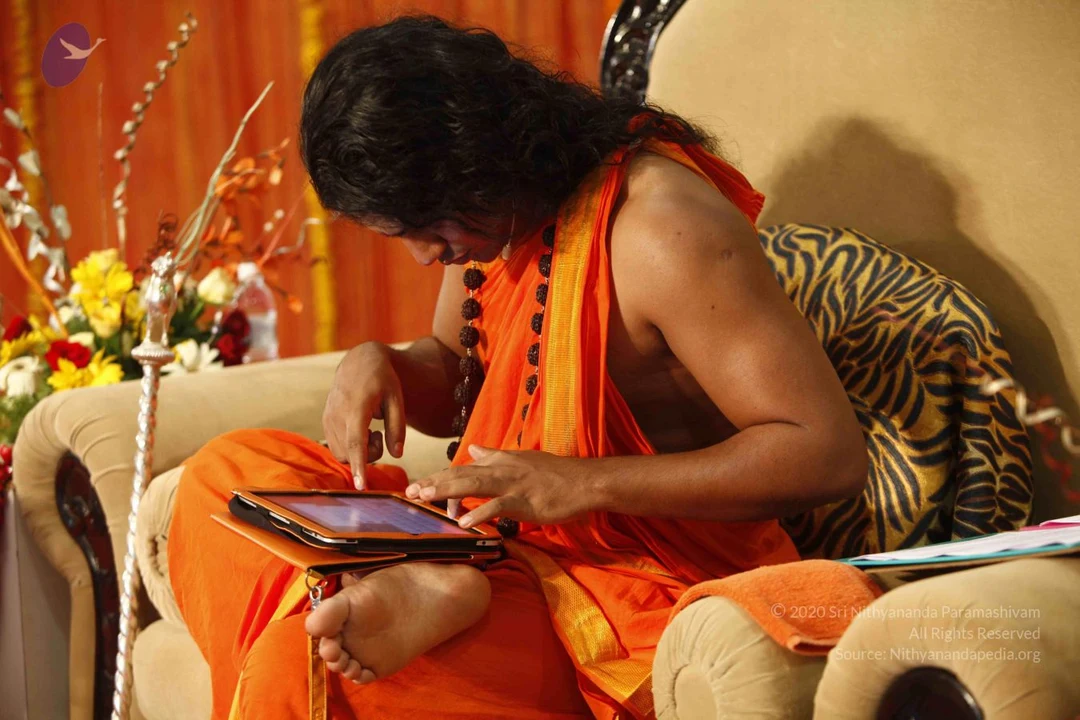
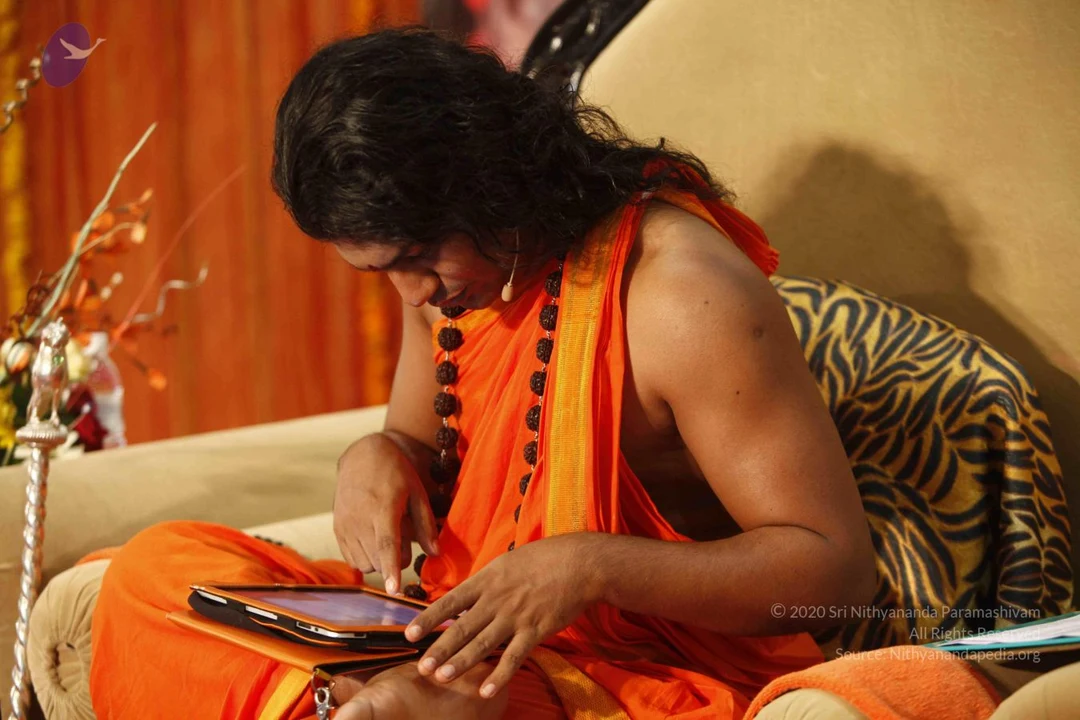
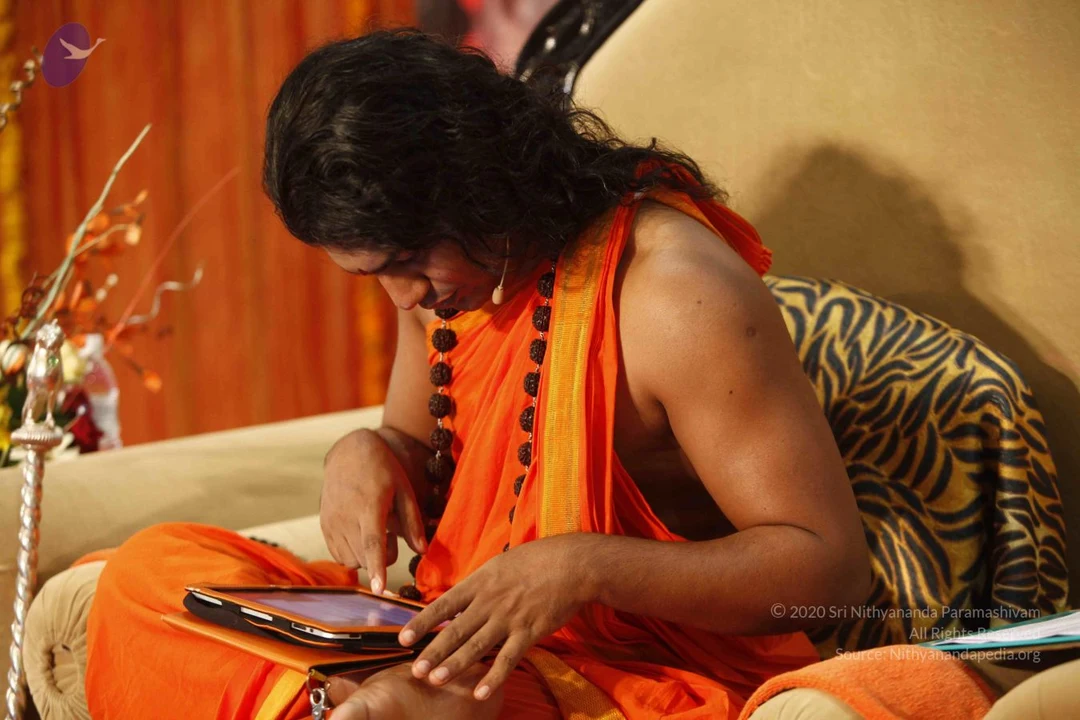
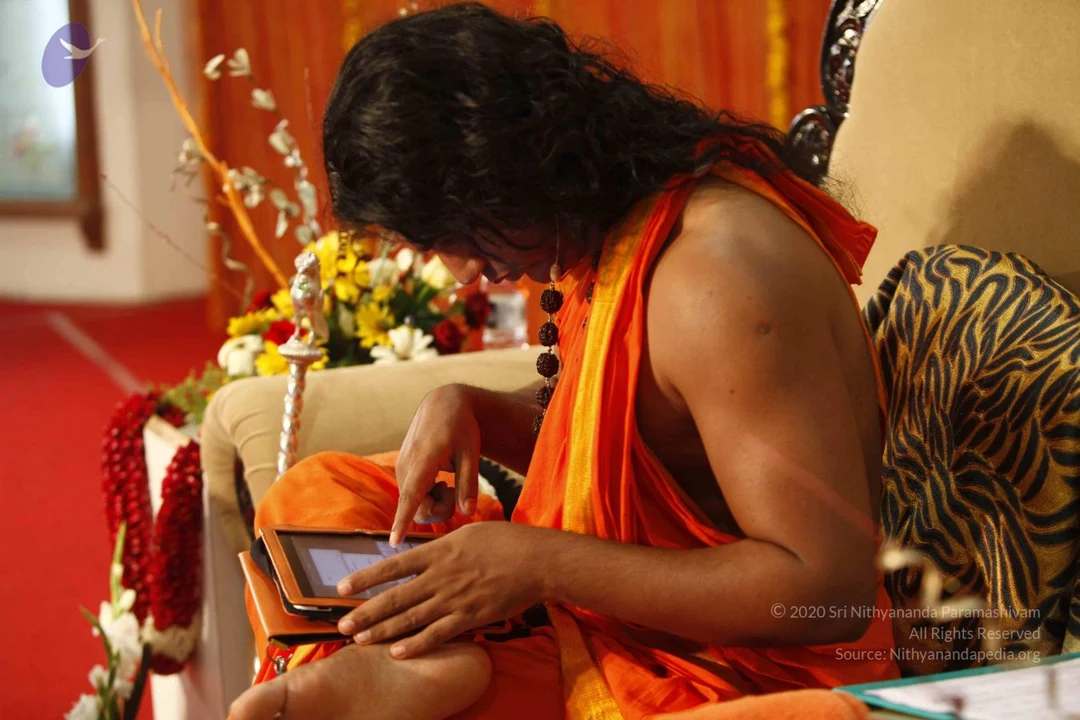
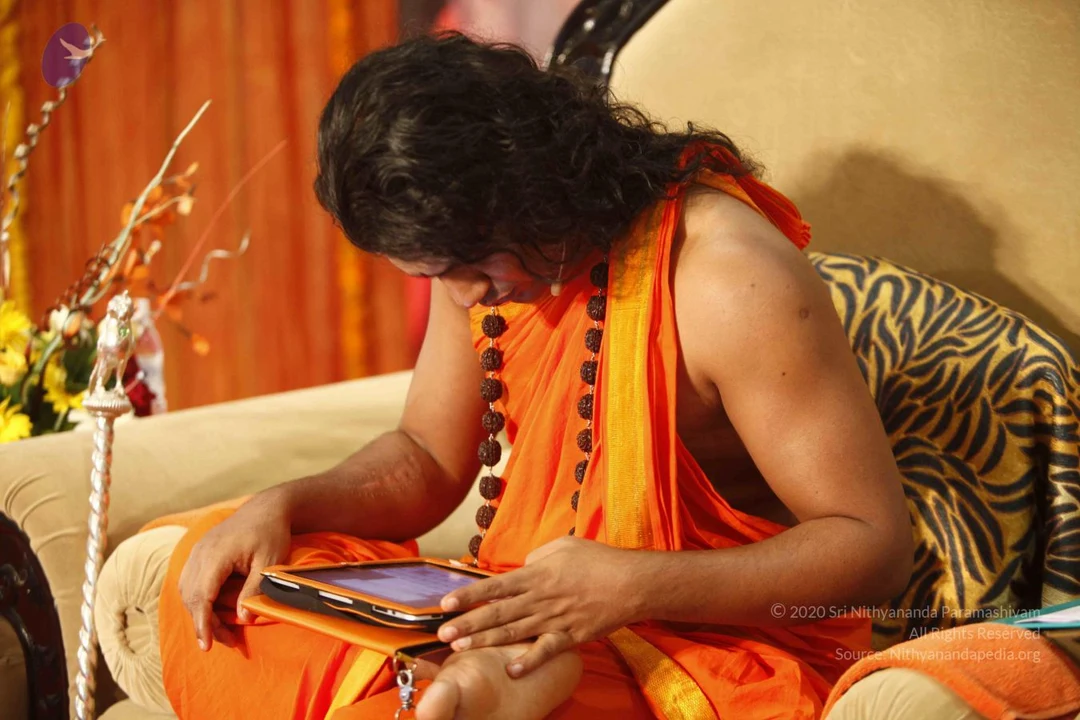
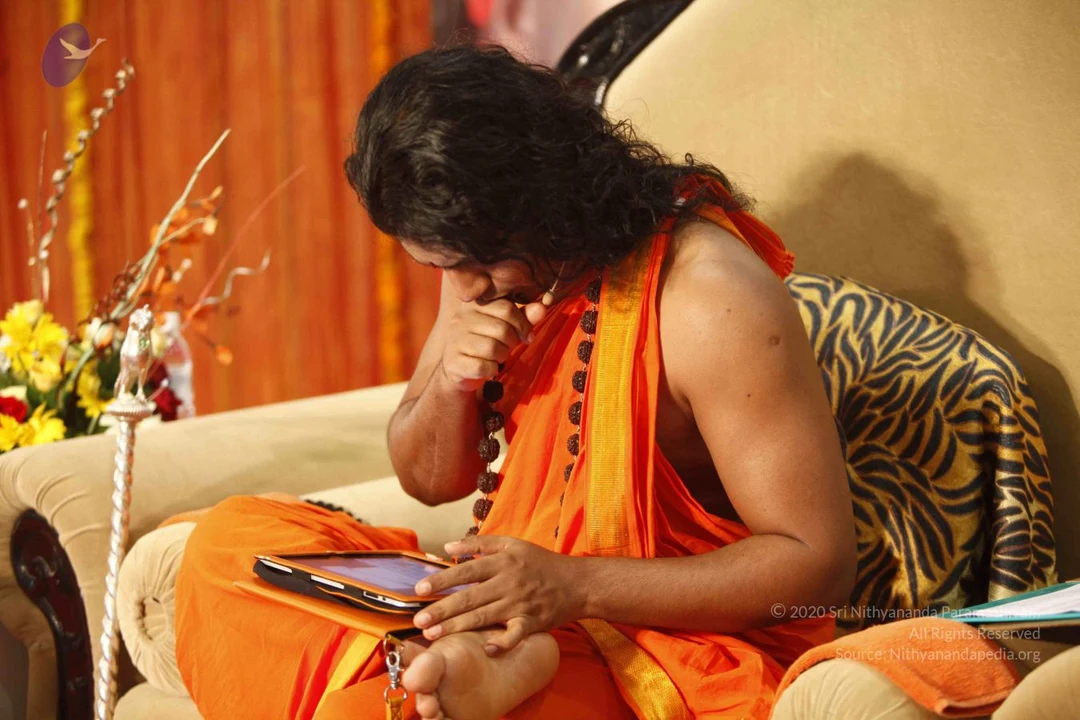
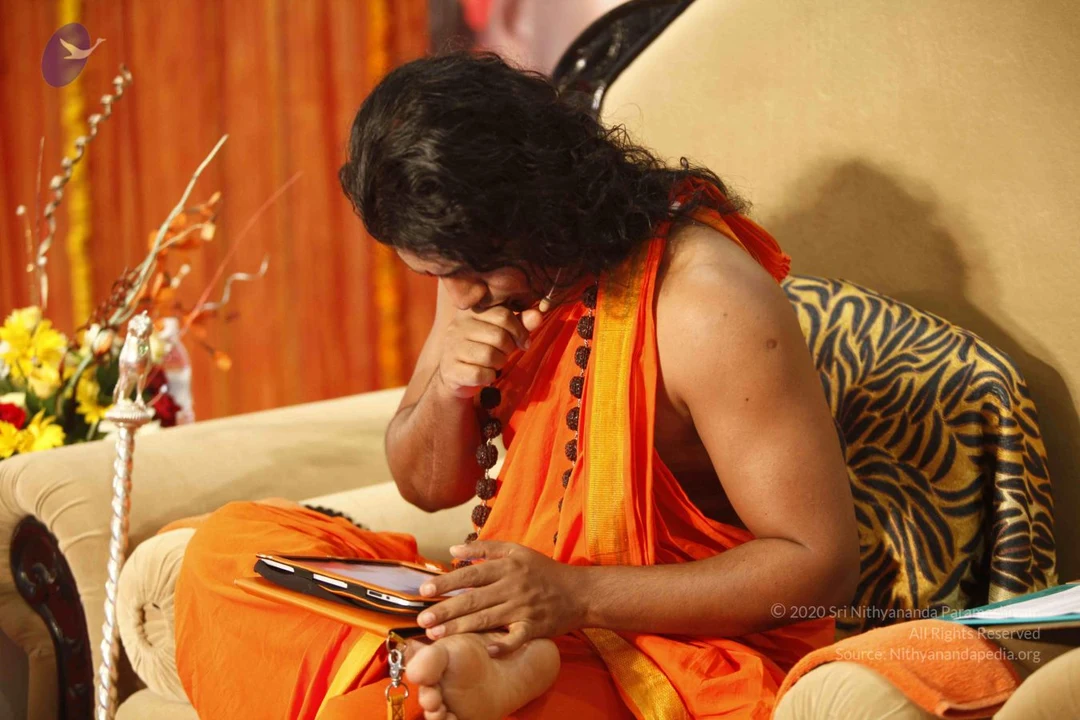
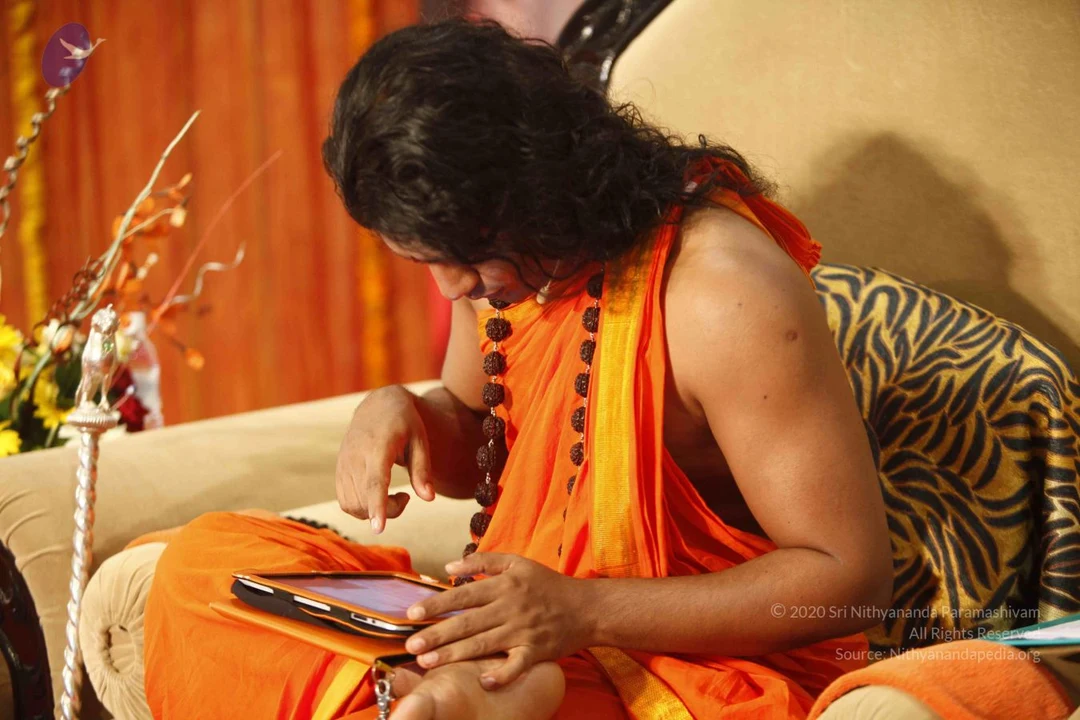
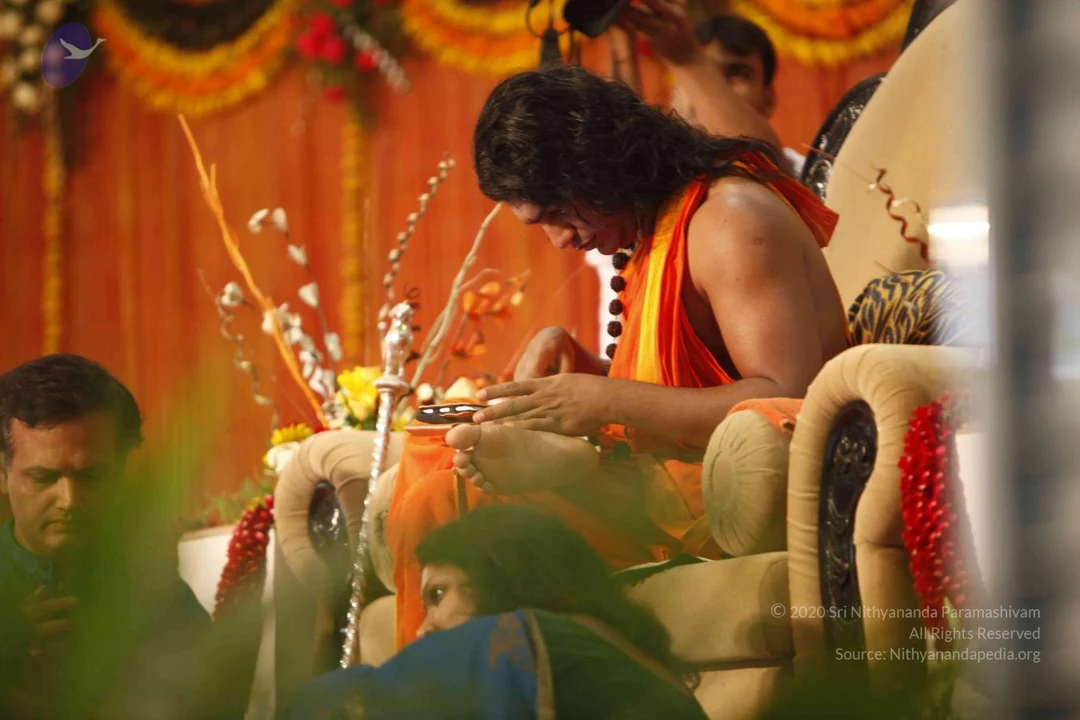
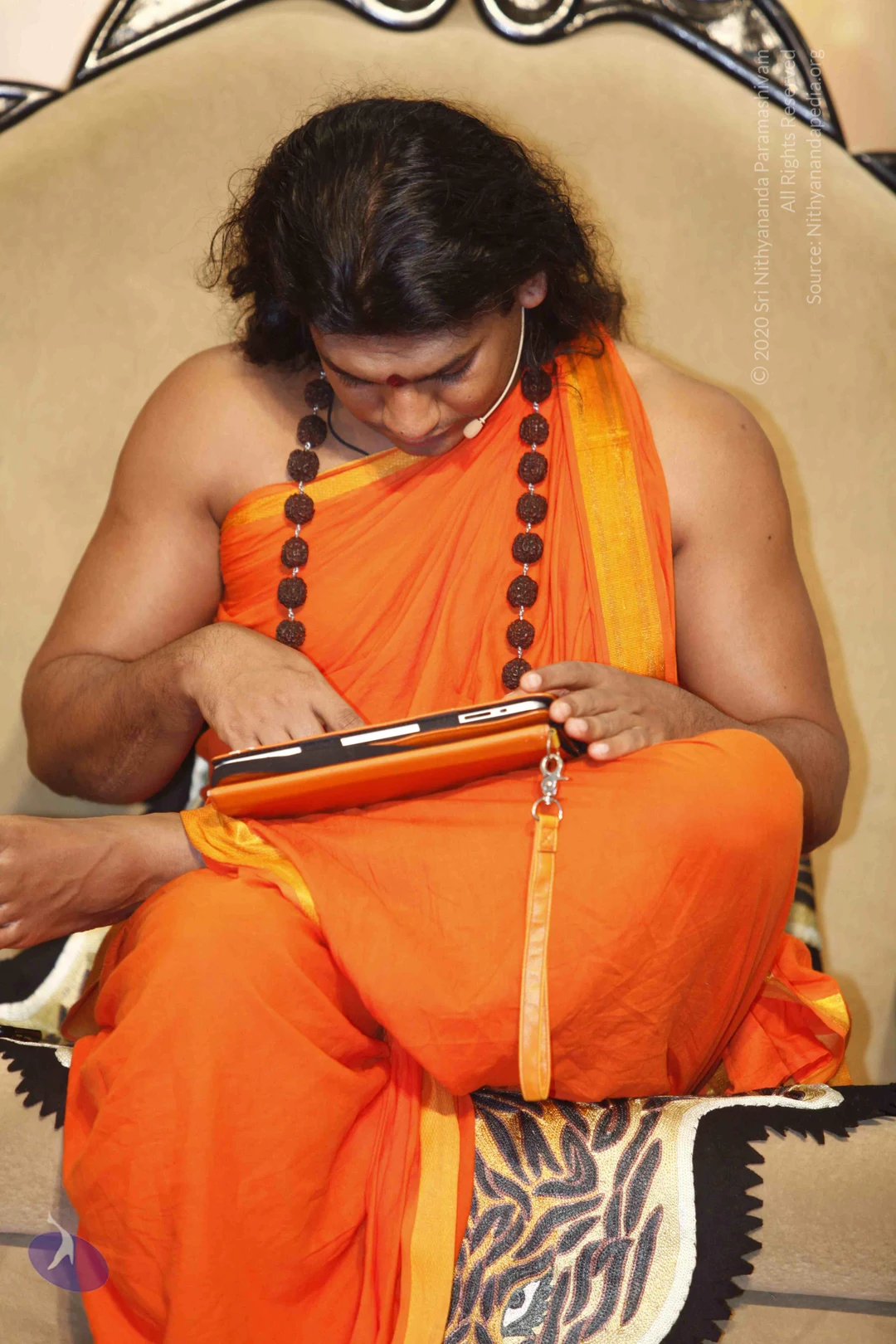
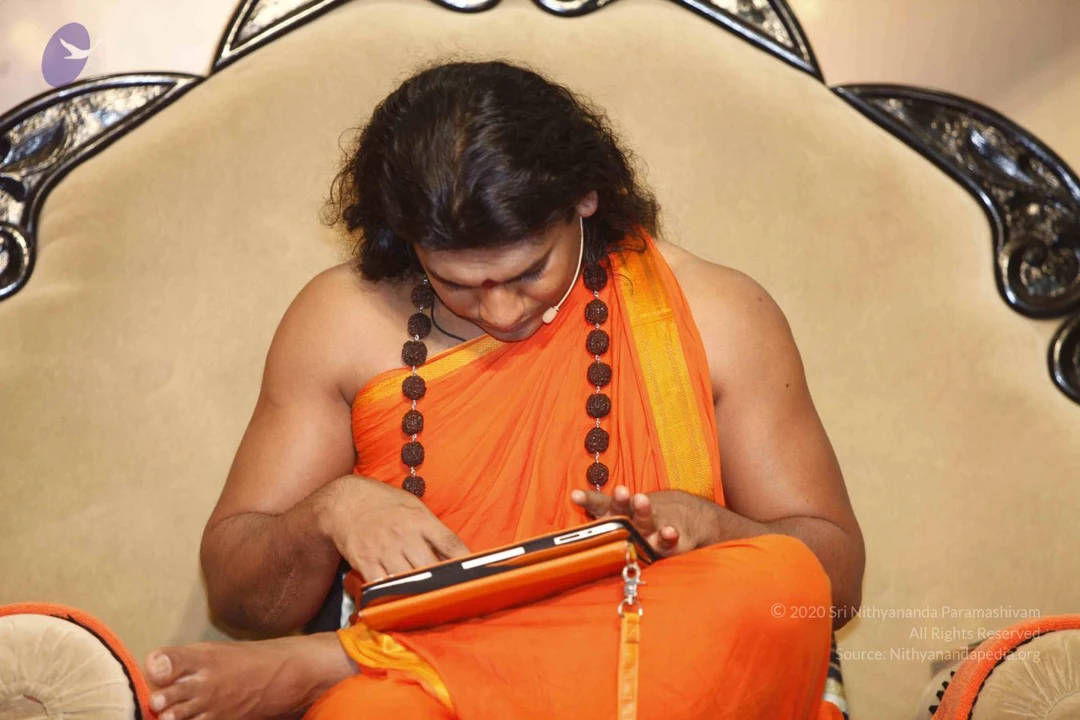
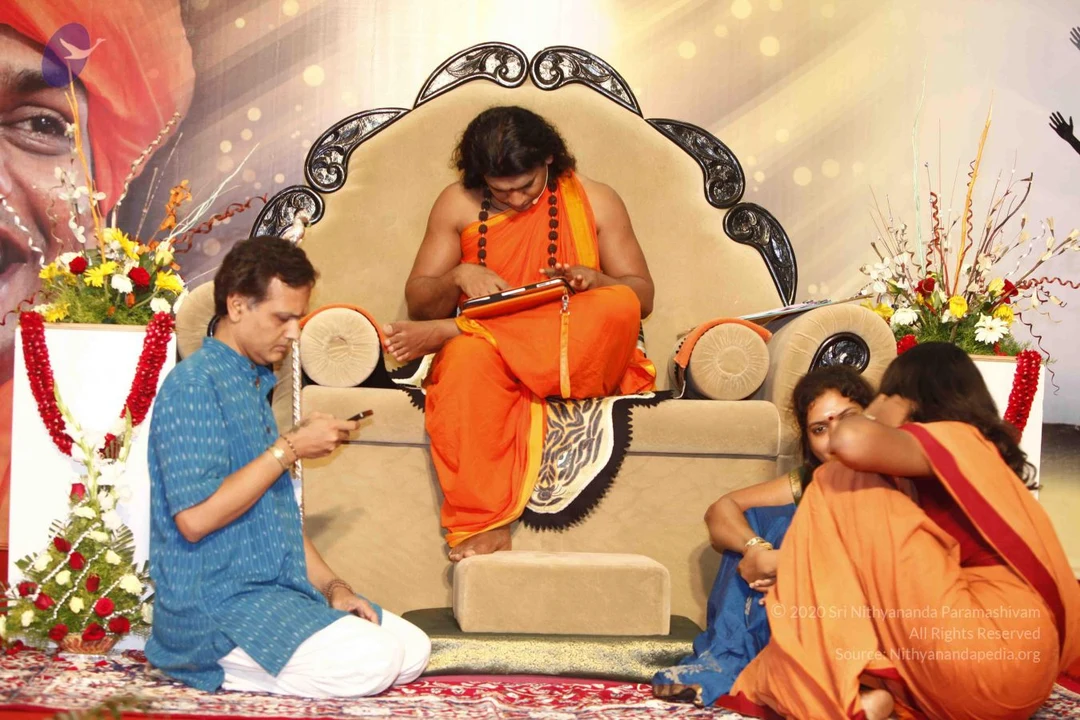
MEETING-WITH-ADHEENAVASIS
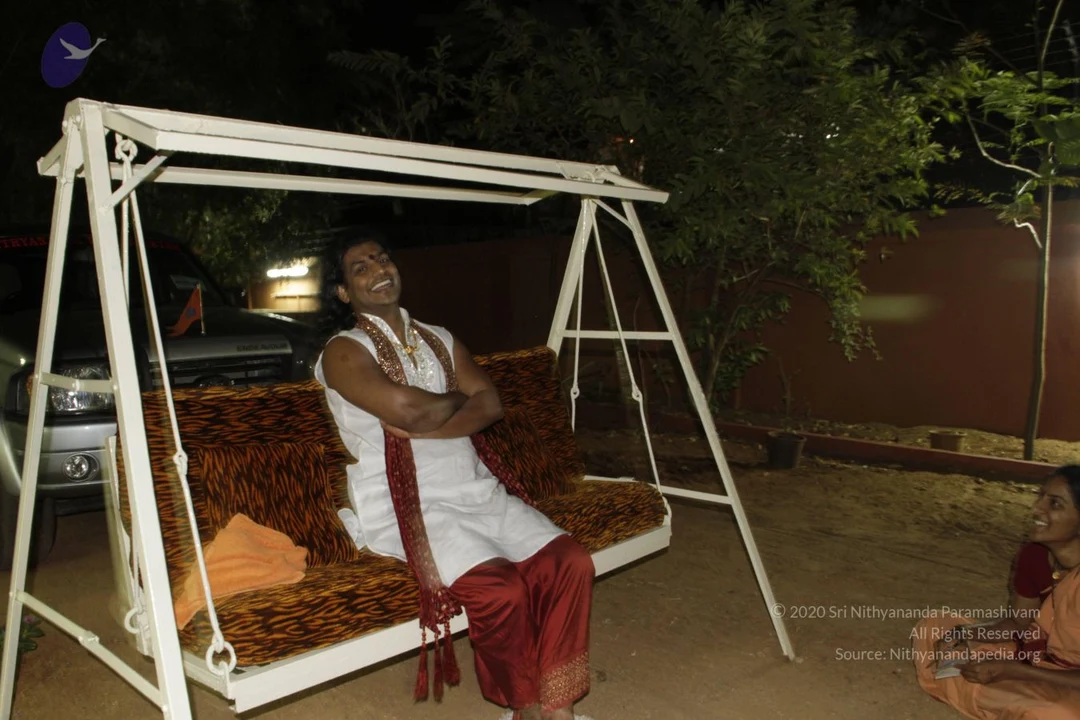
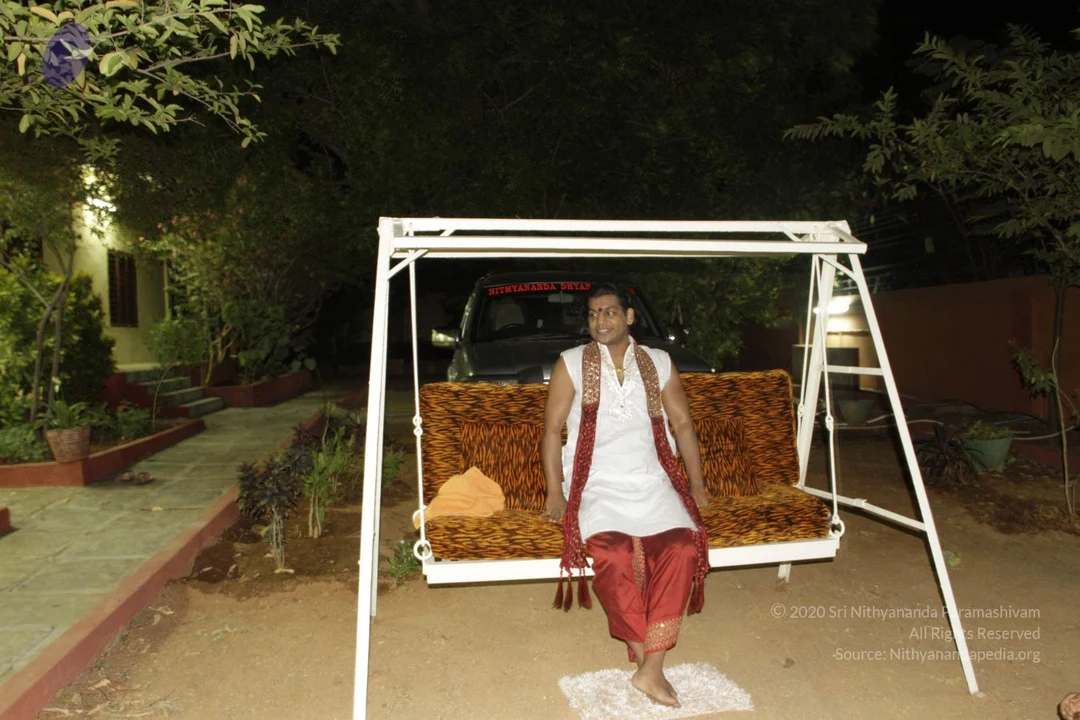
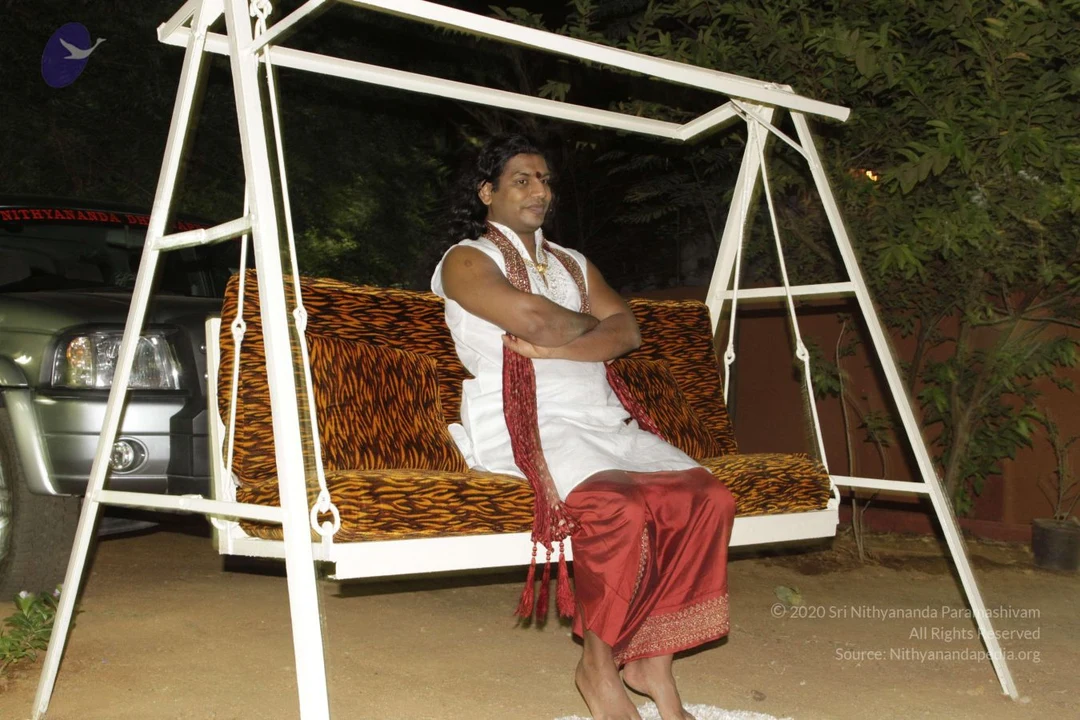
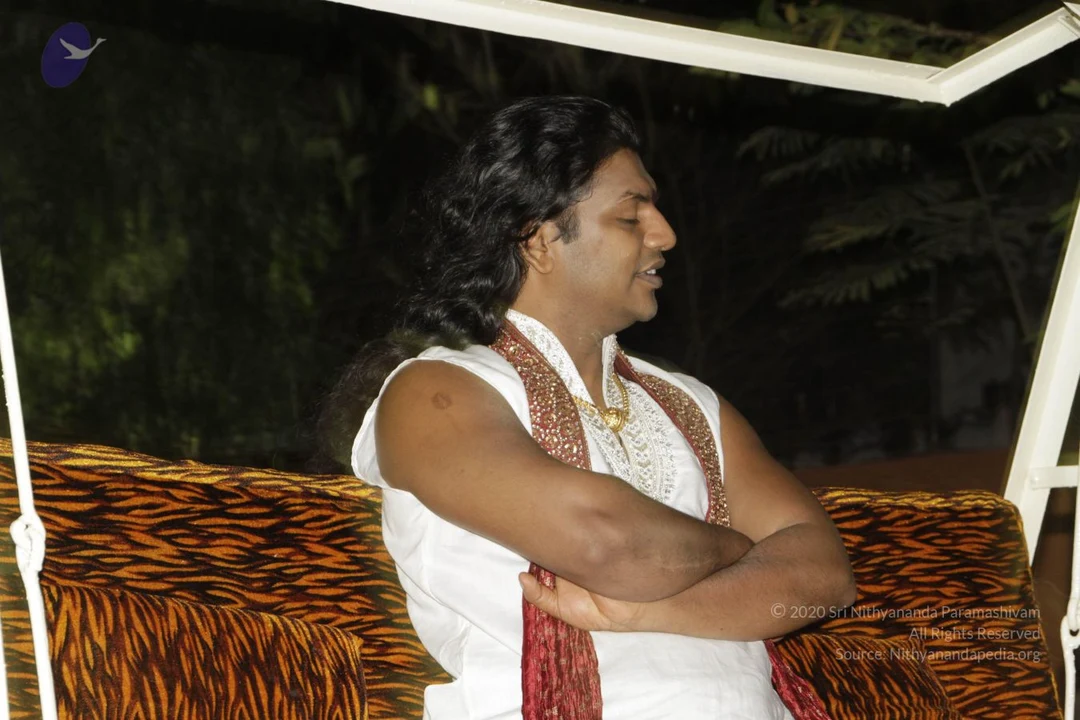
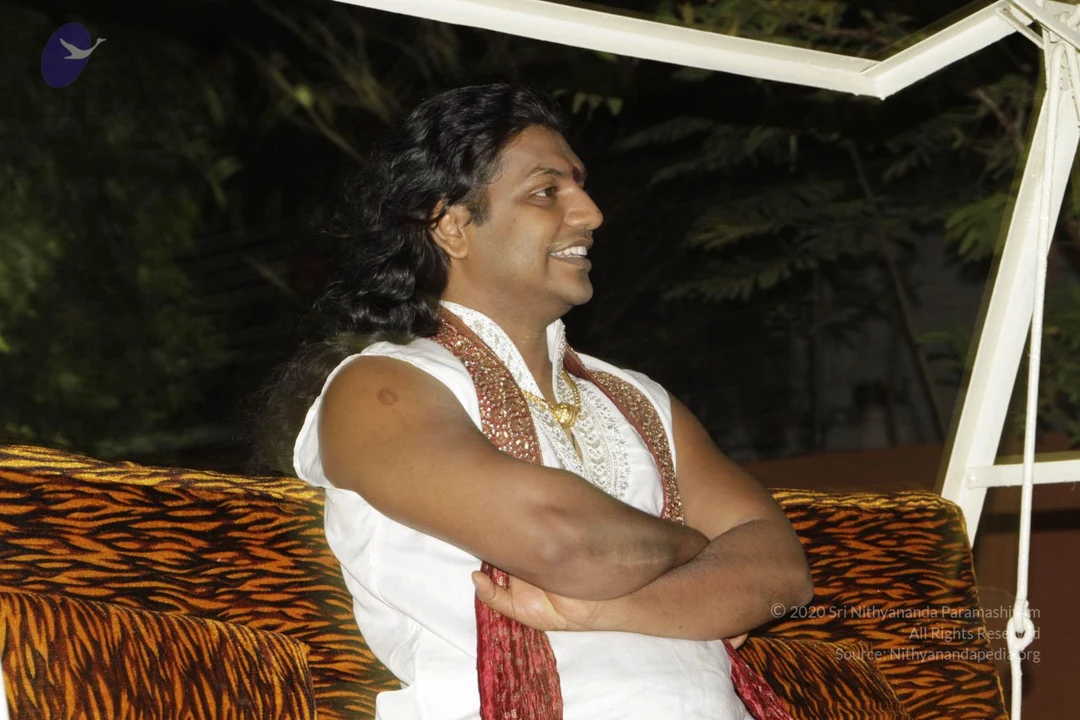
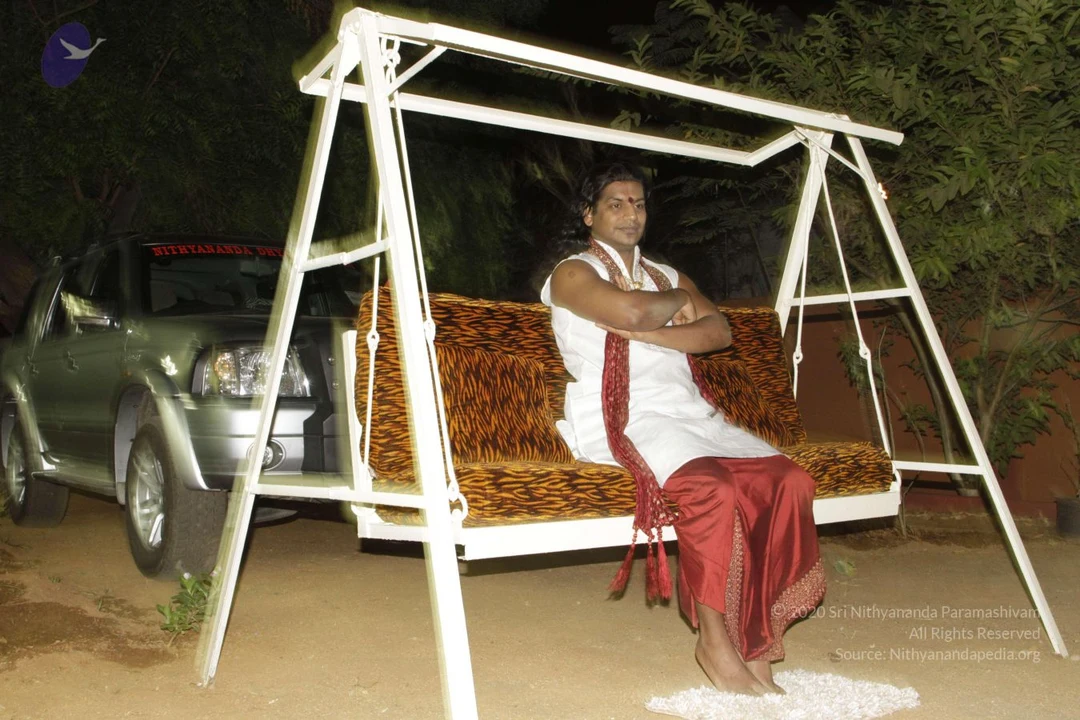
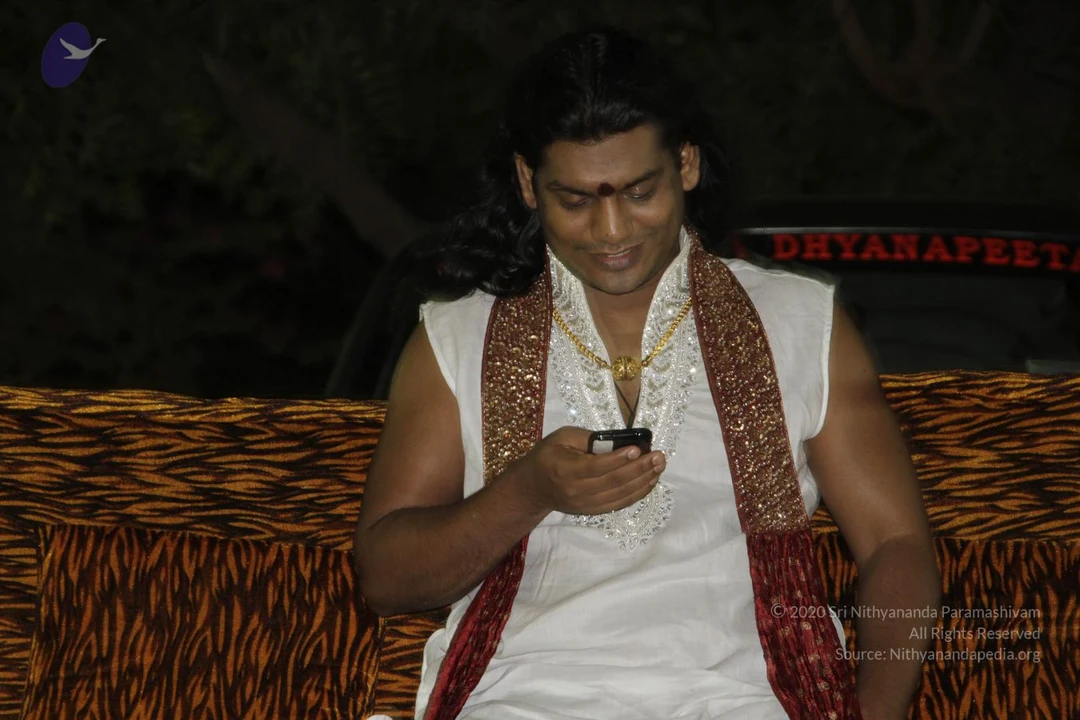
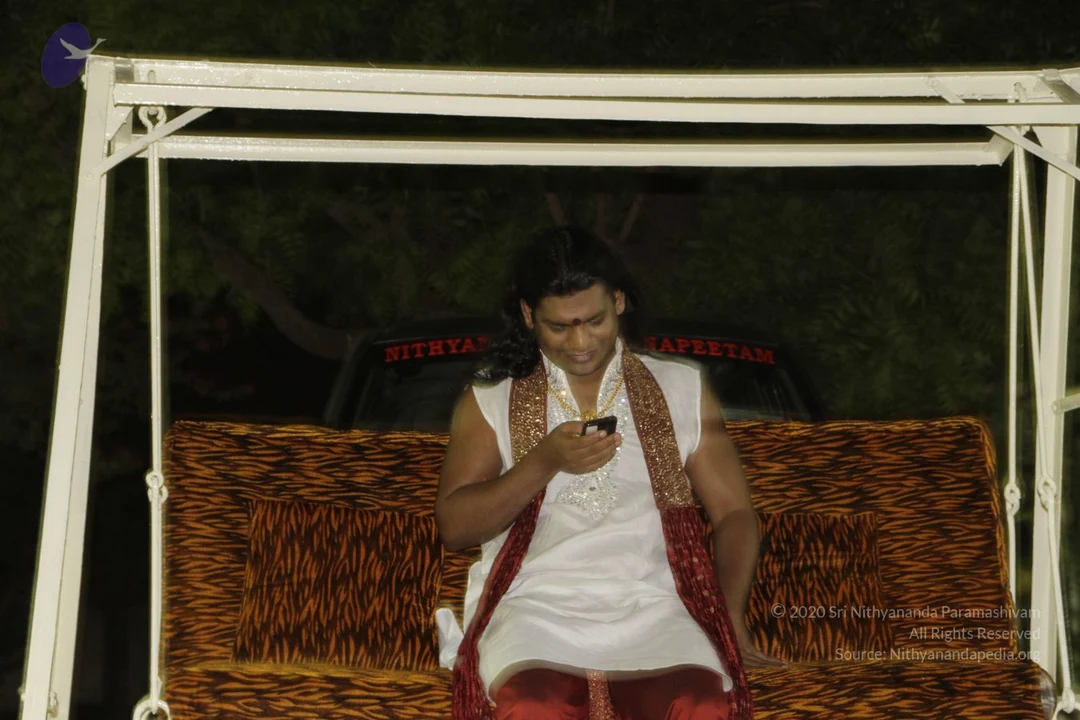
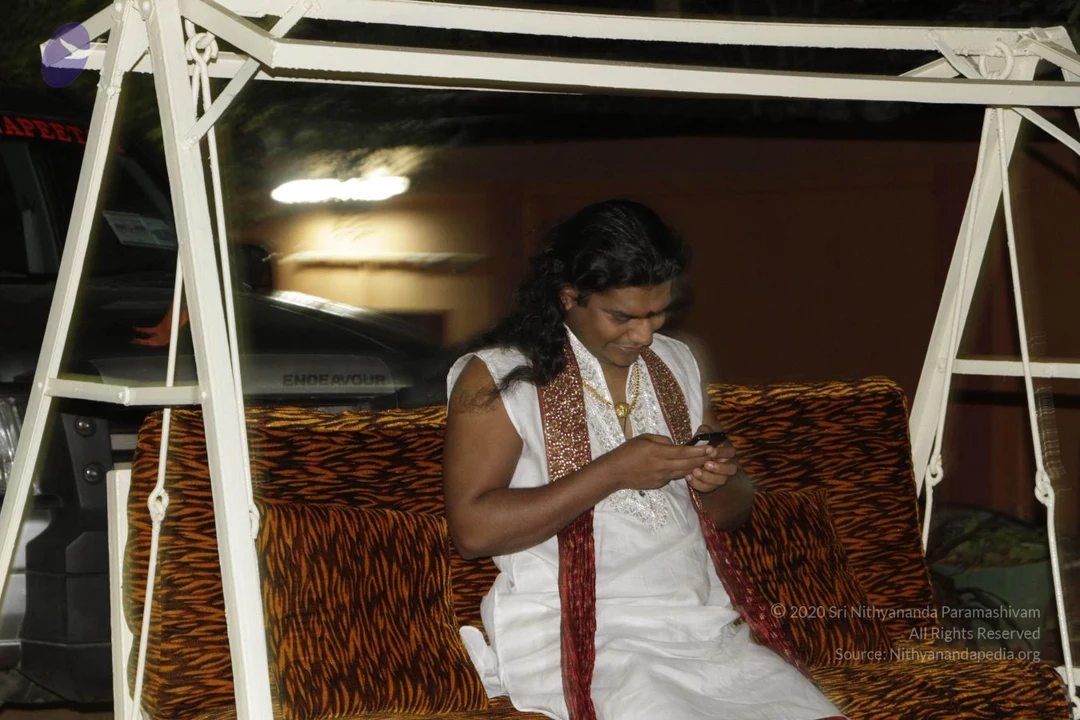
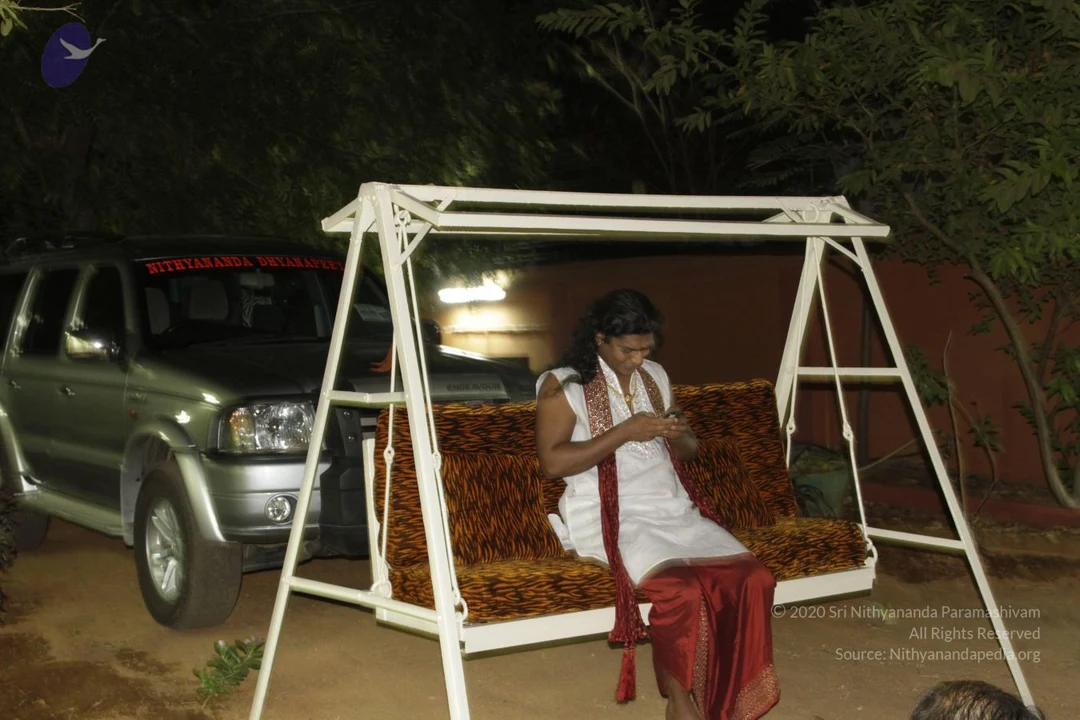
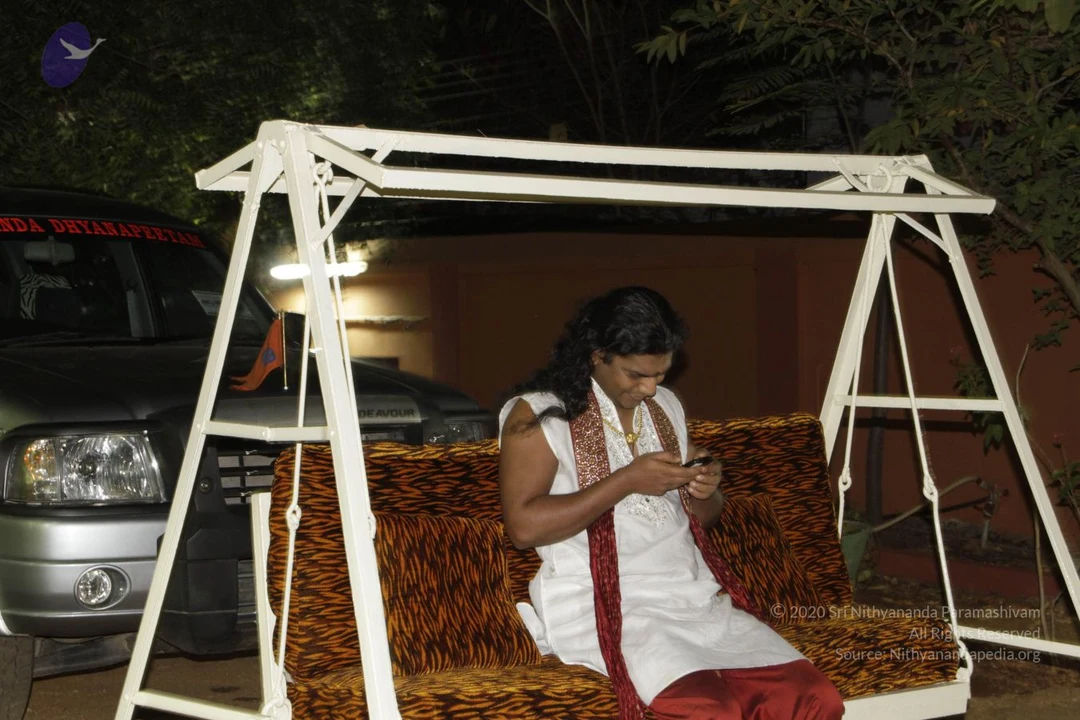
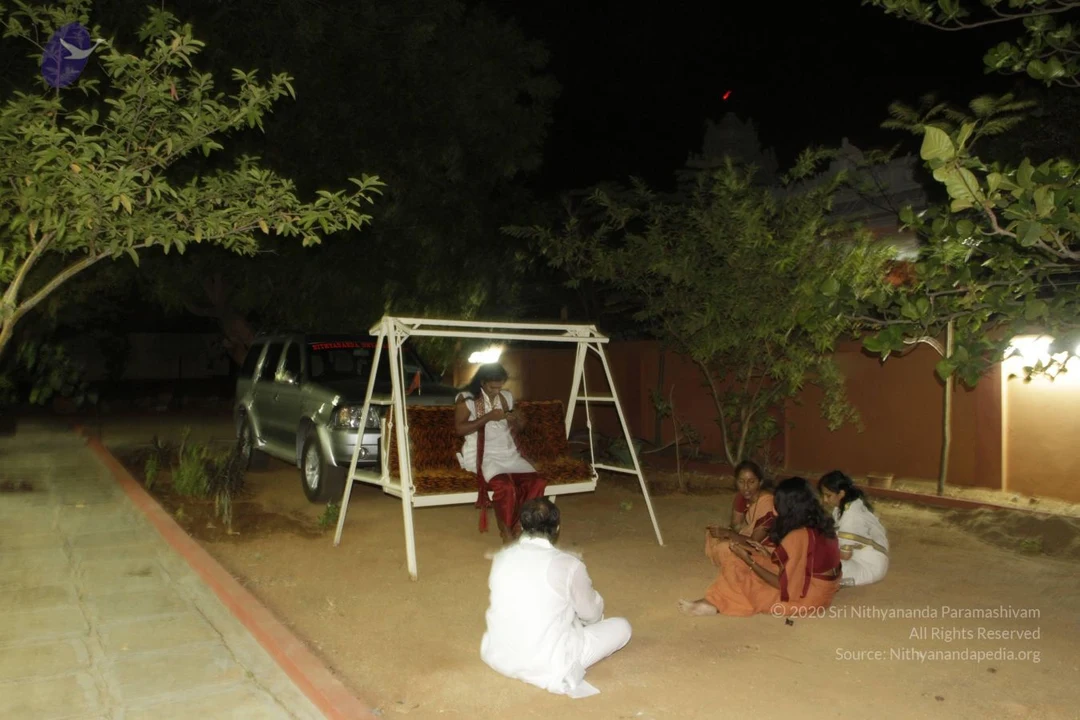
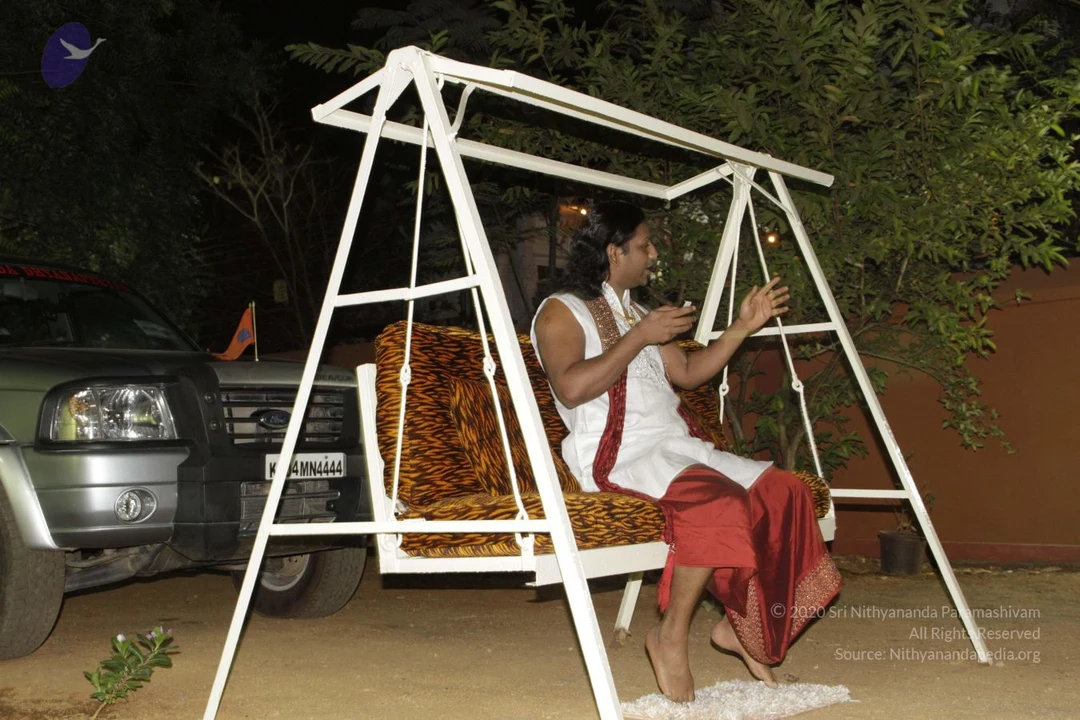
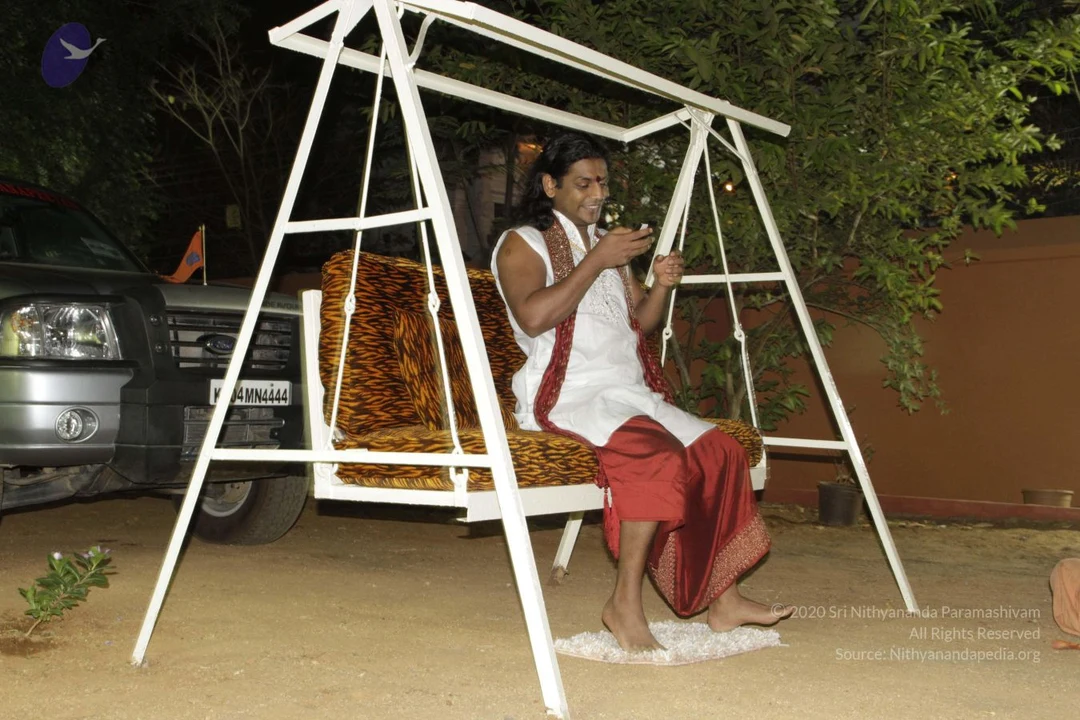
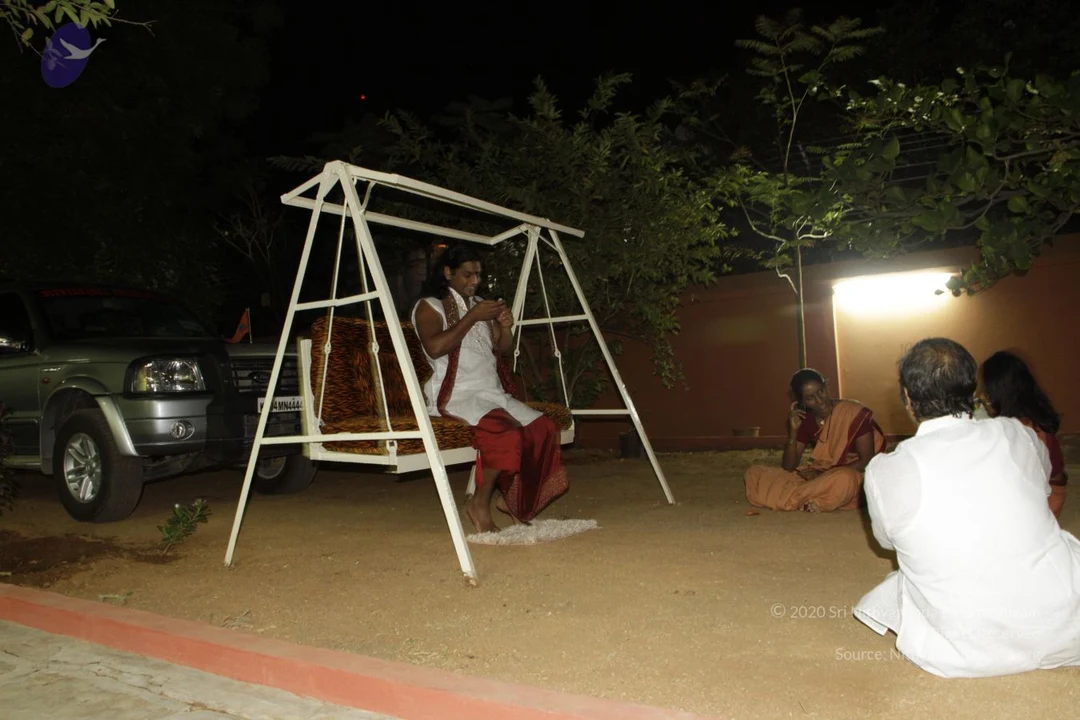
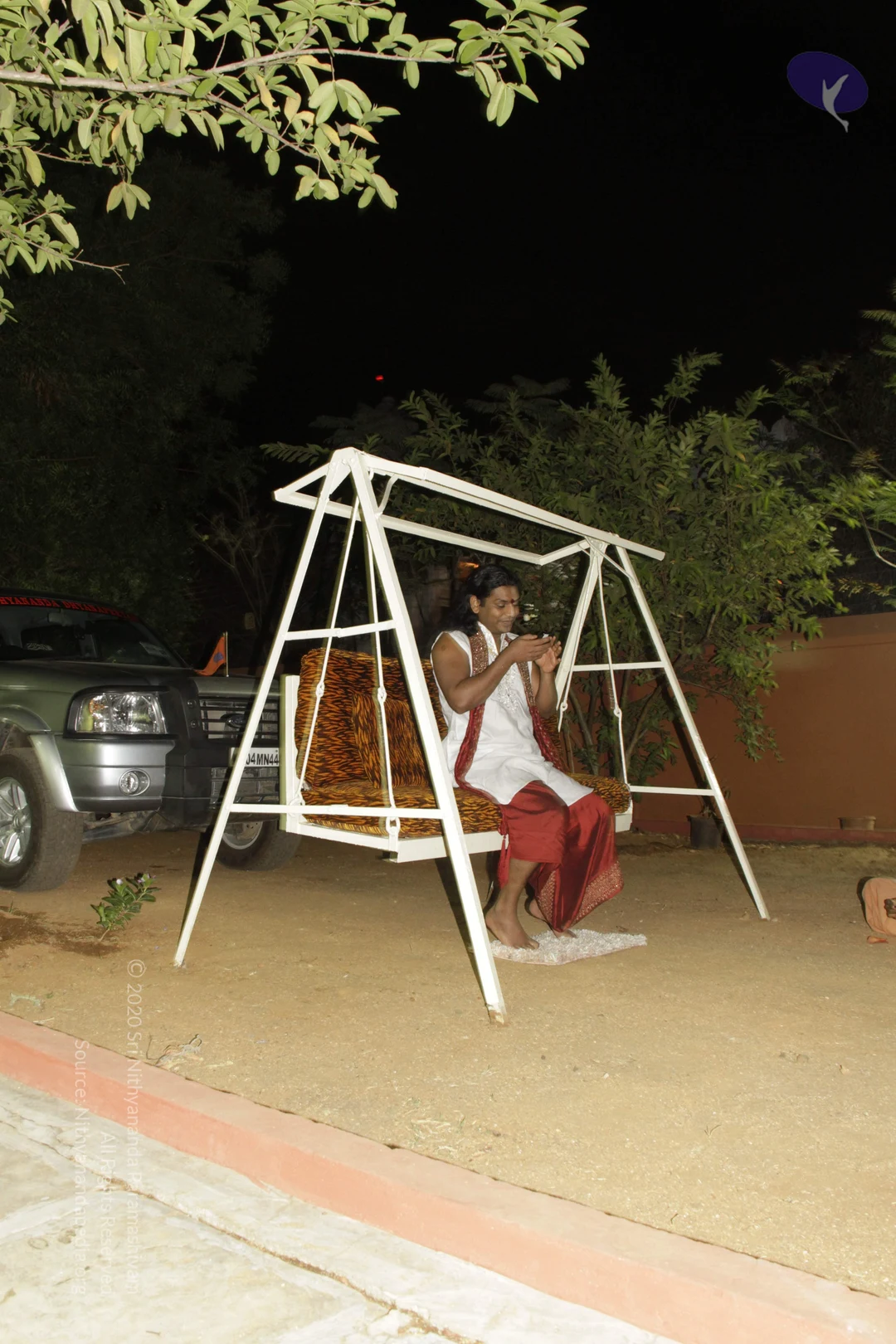

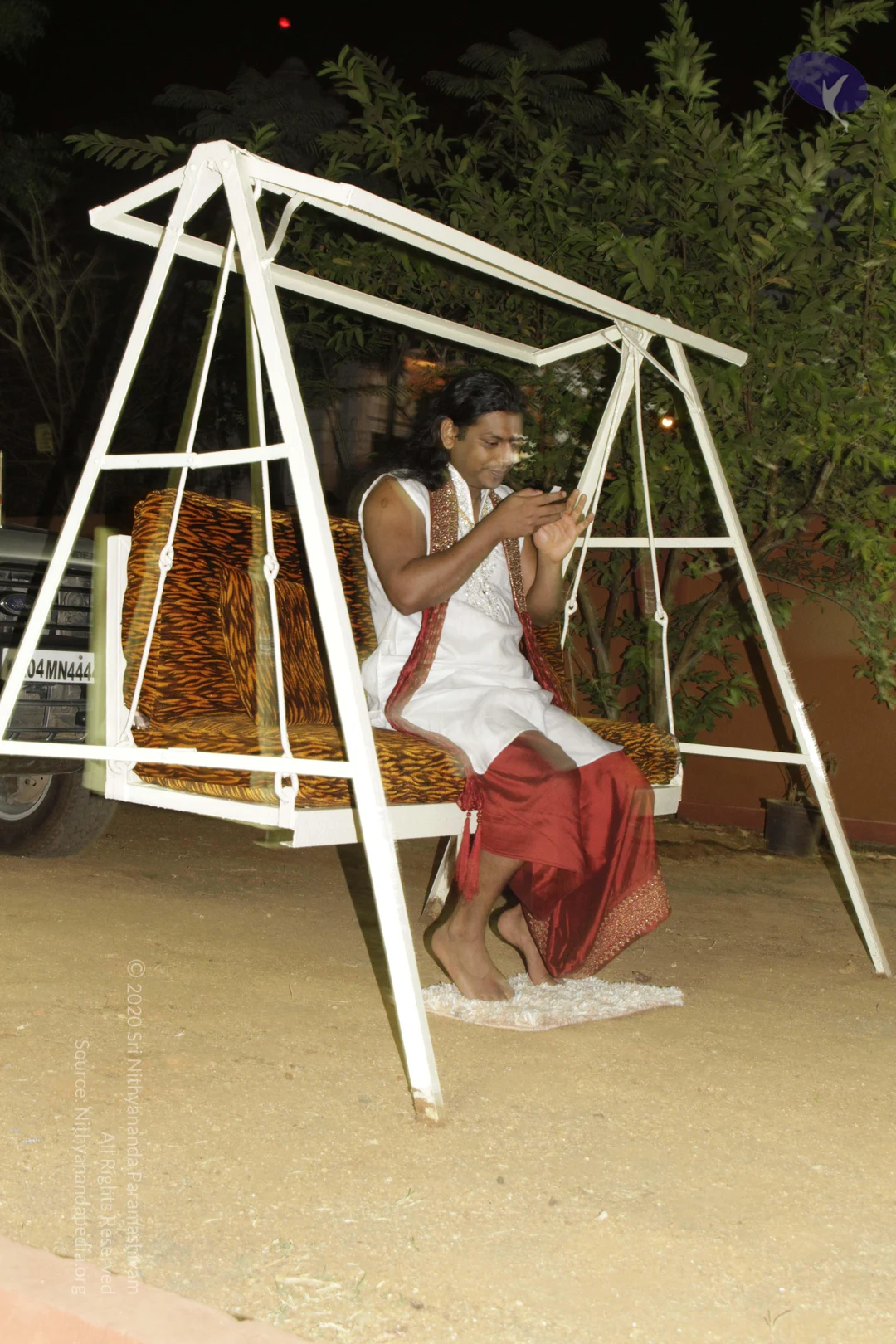
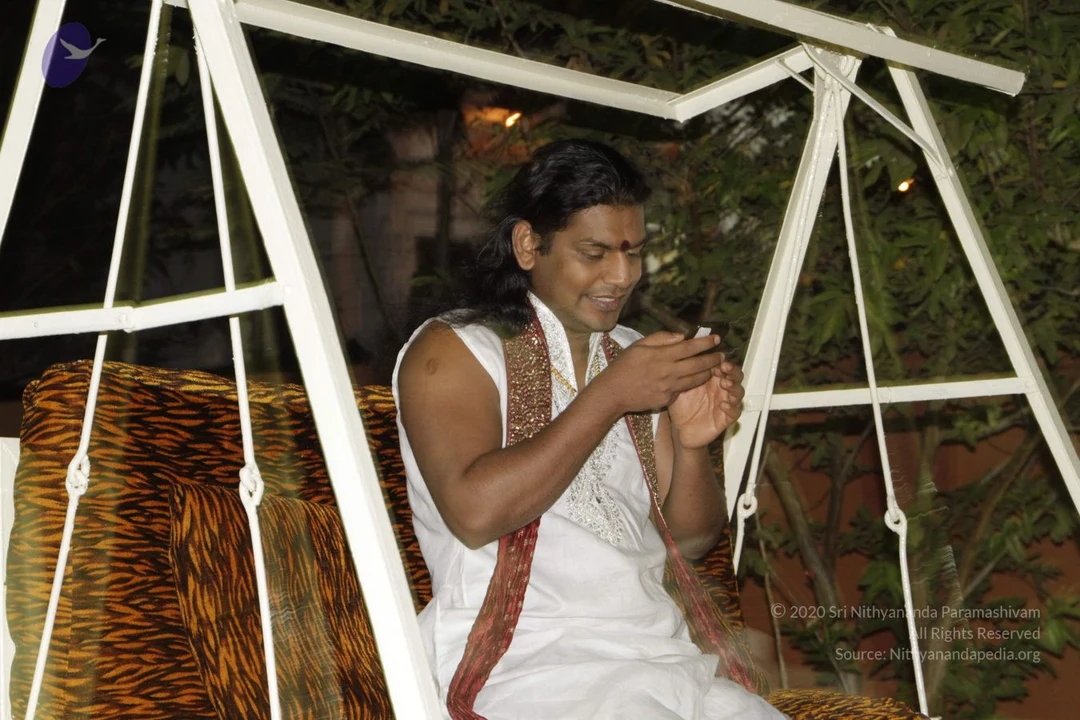
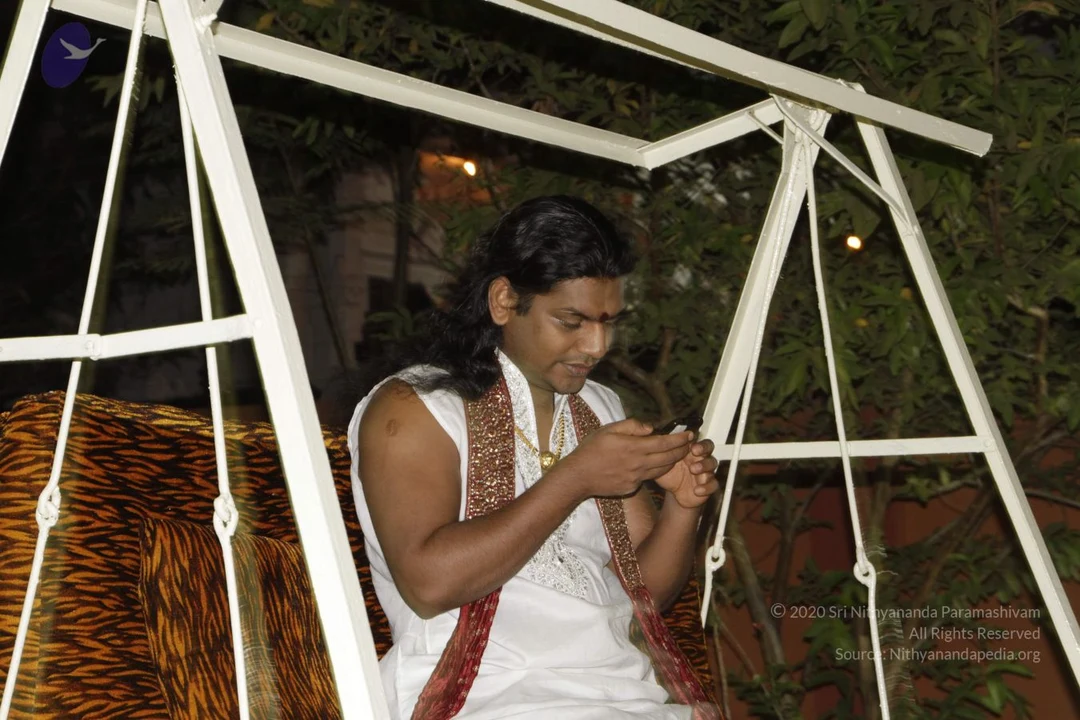
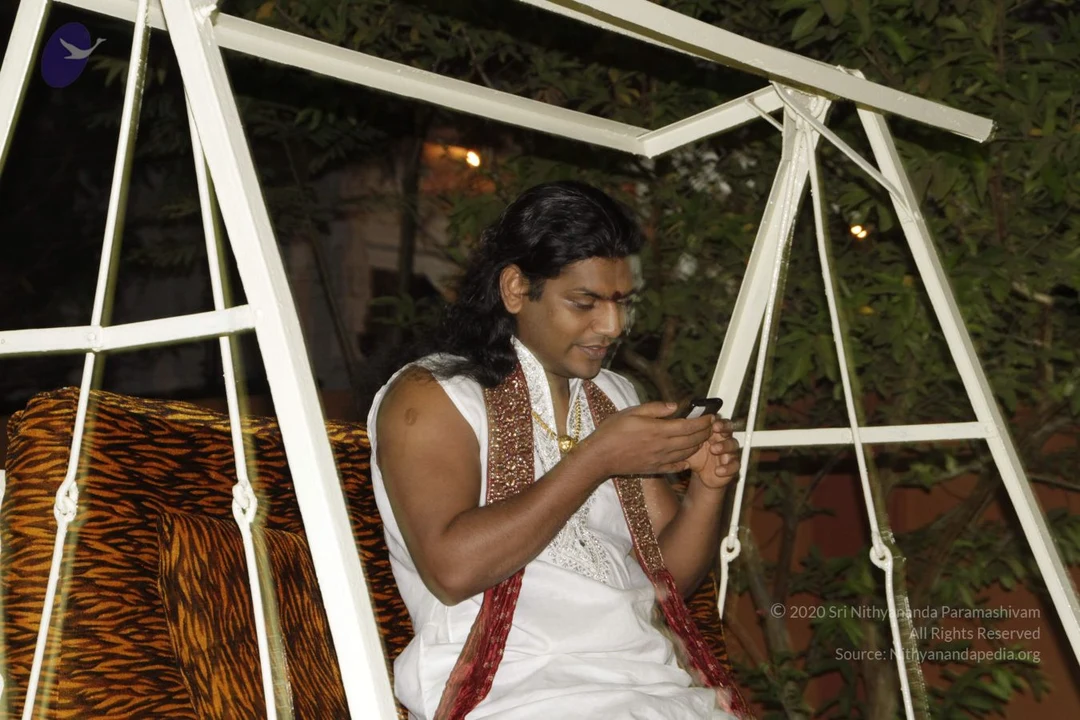
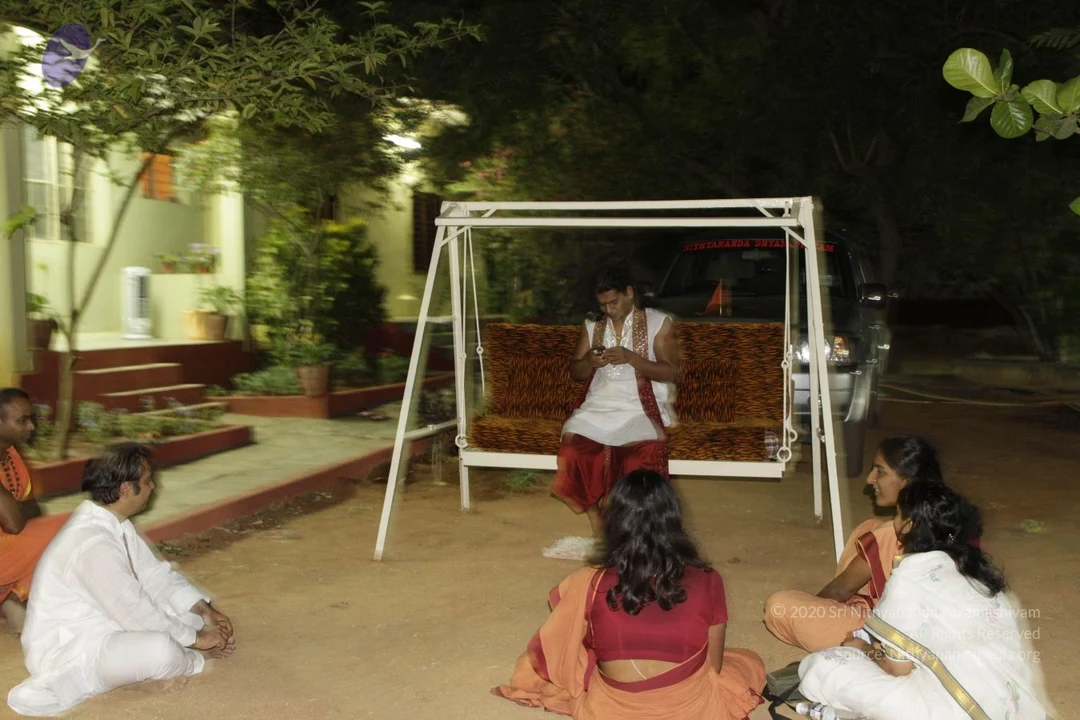
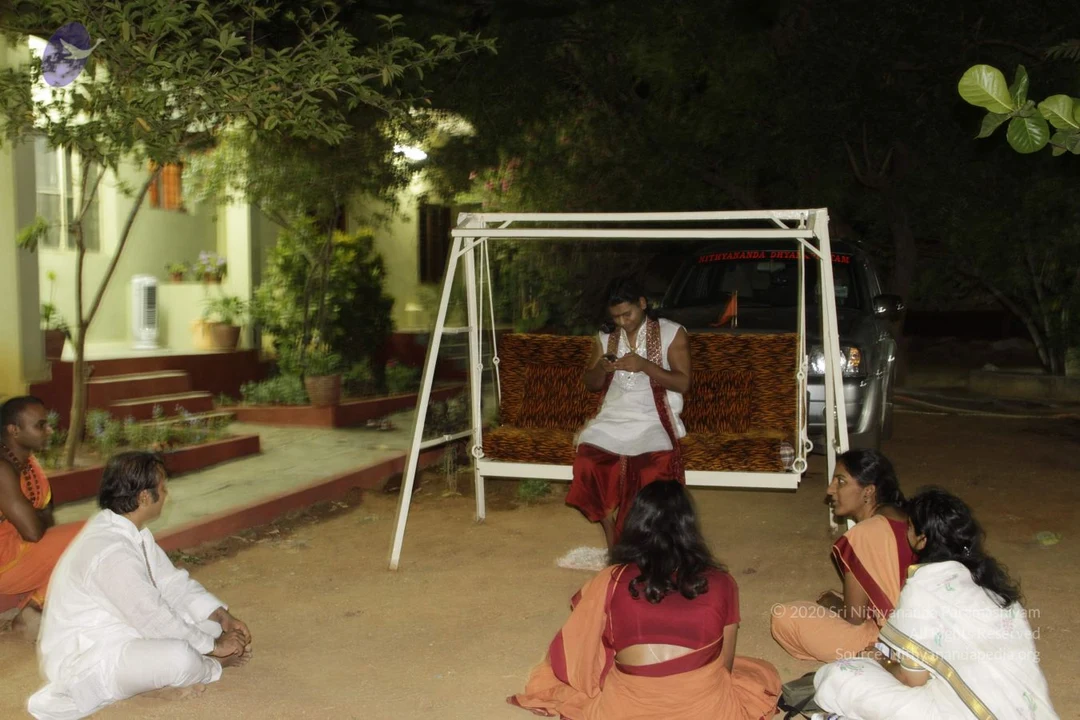
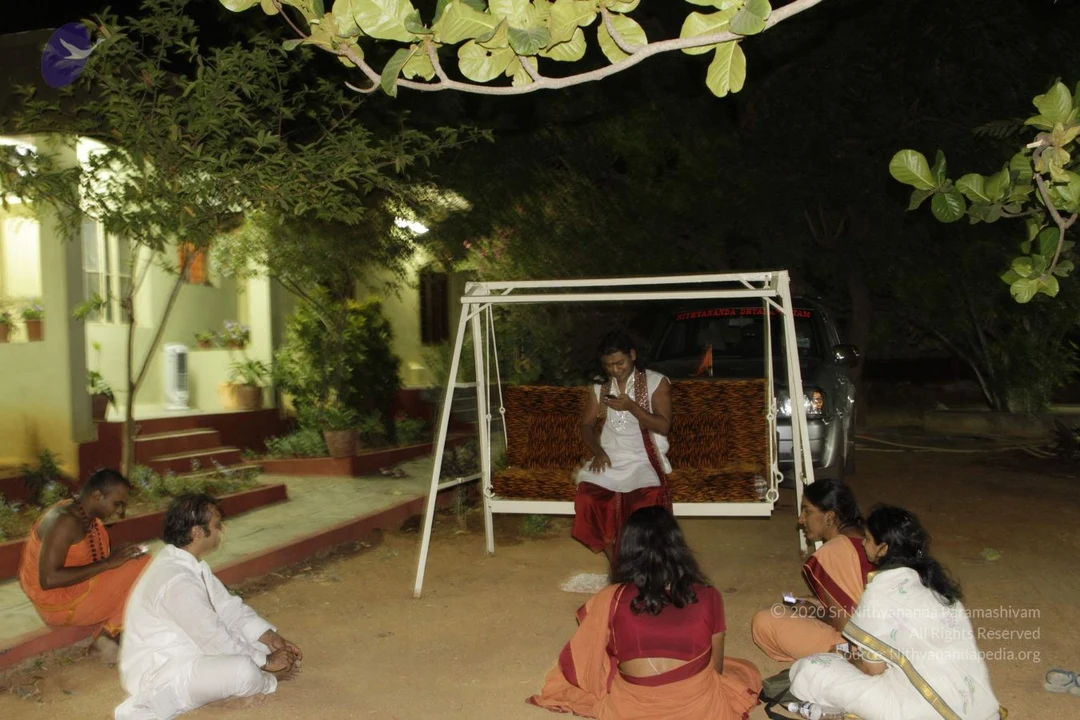
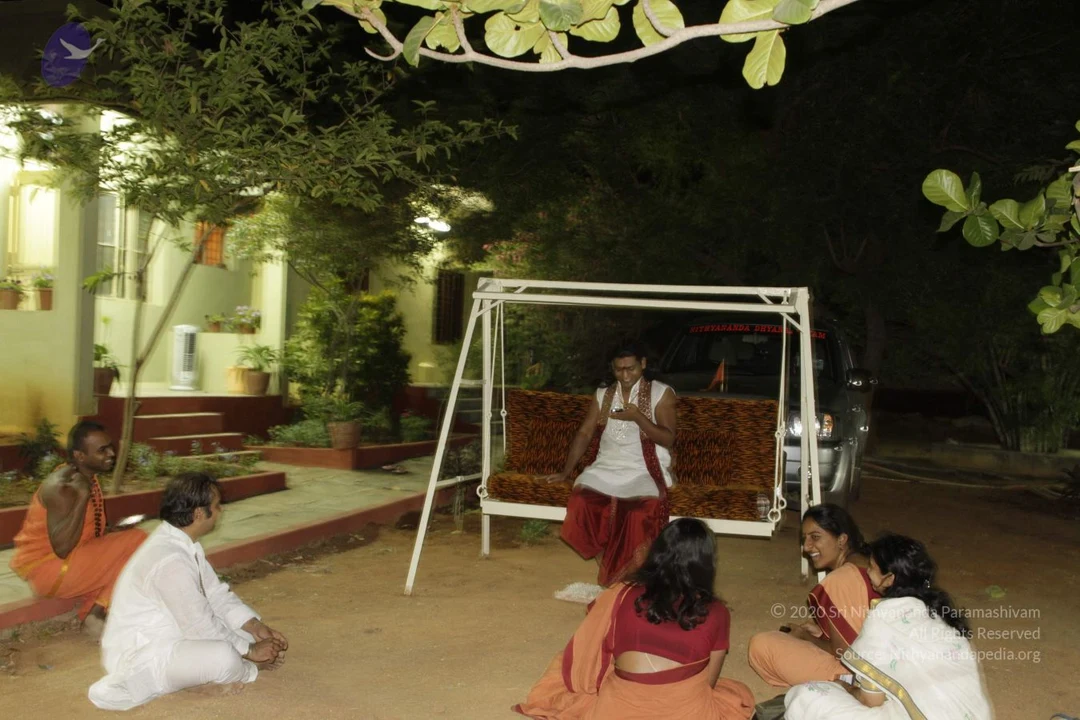
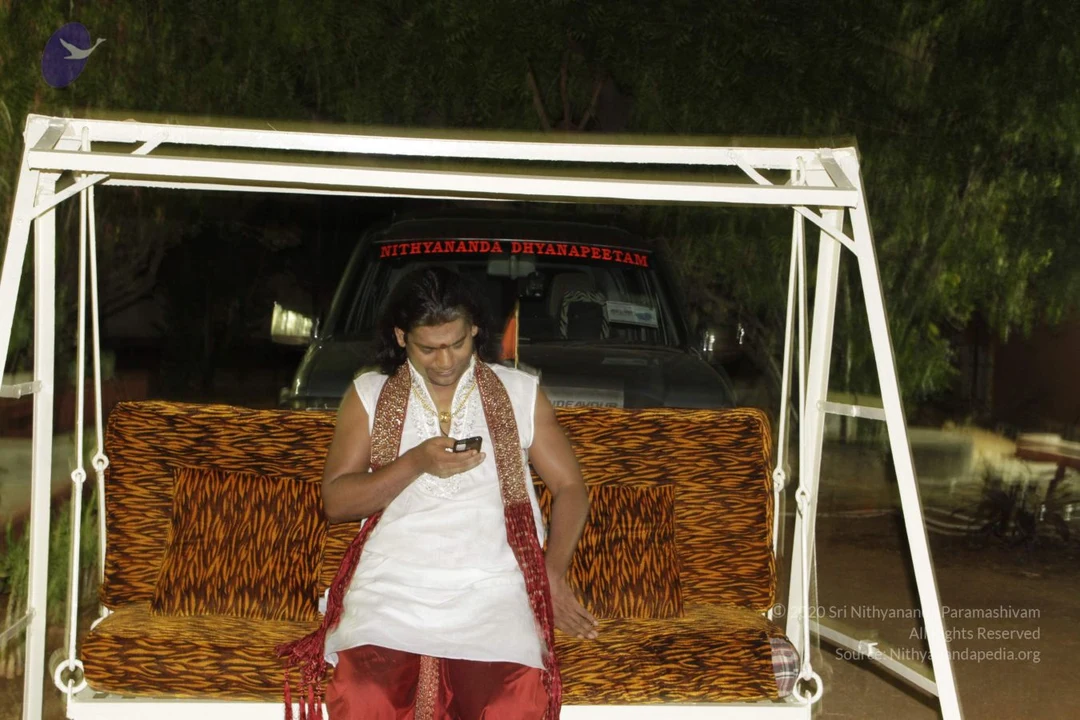
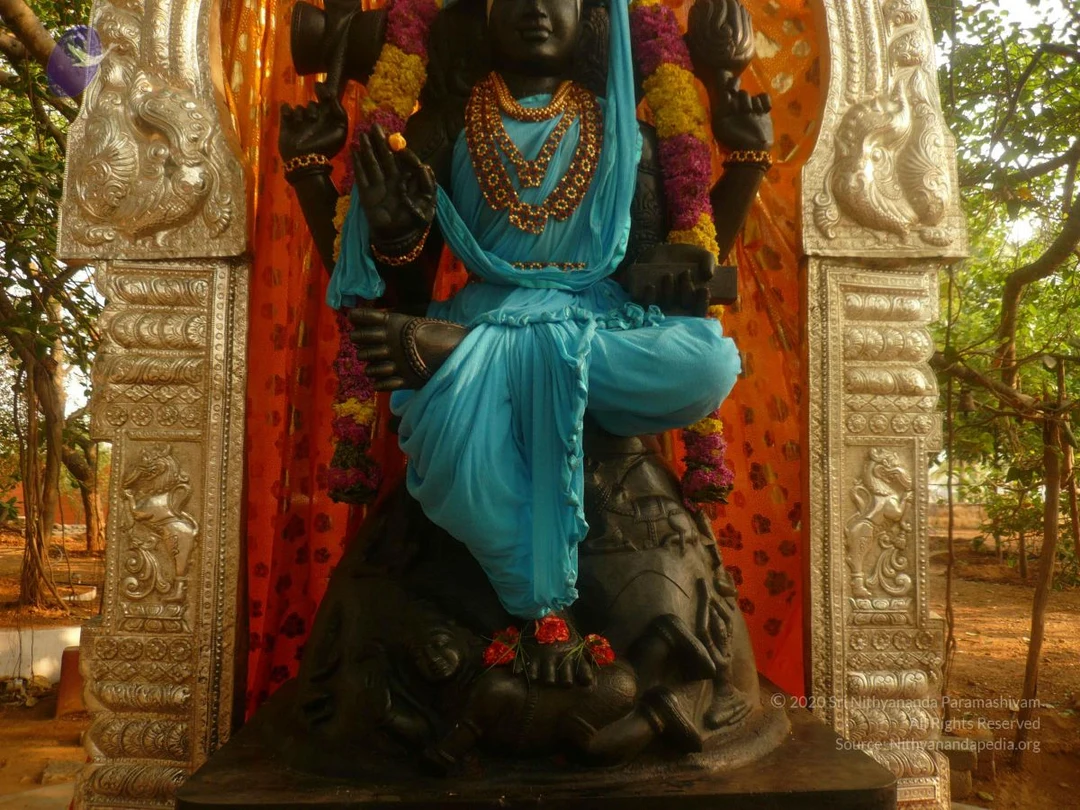
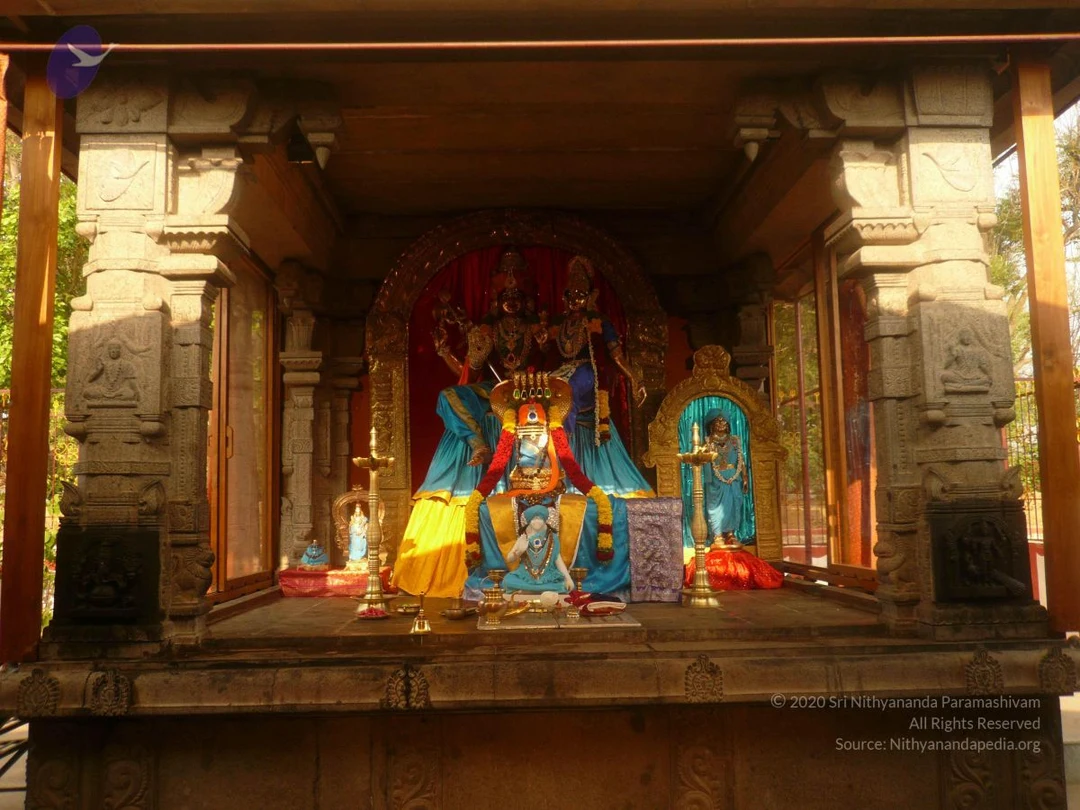
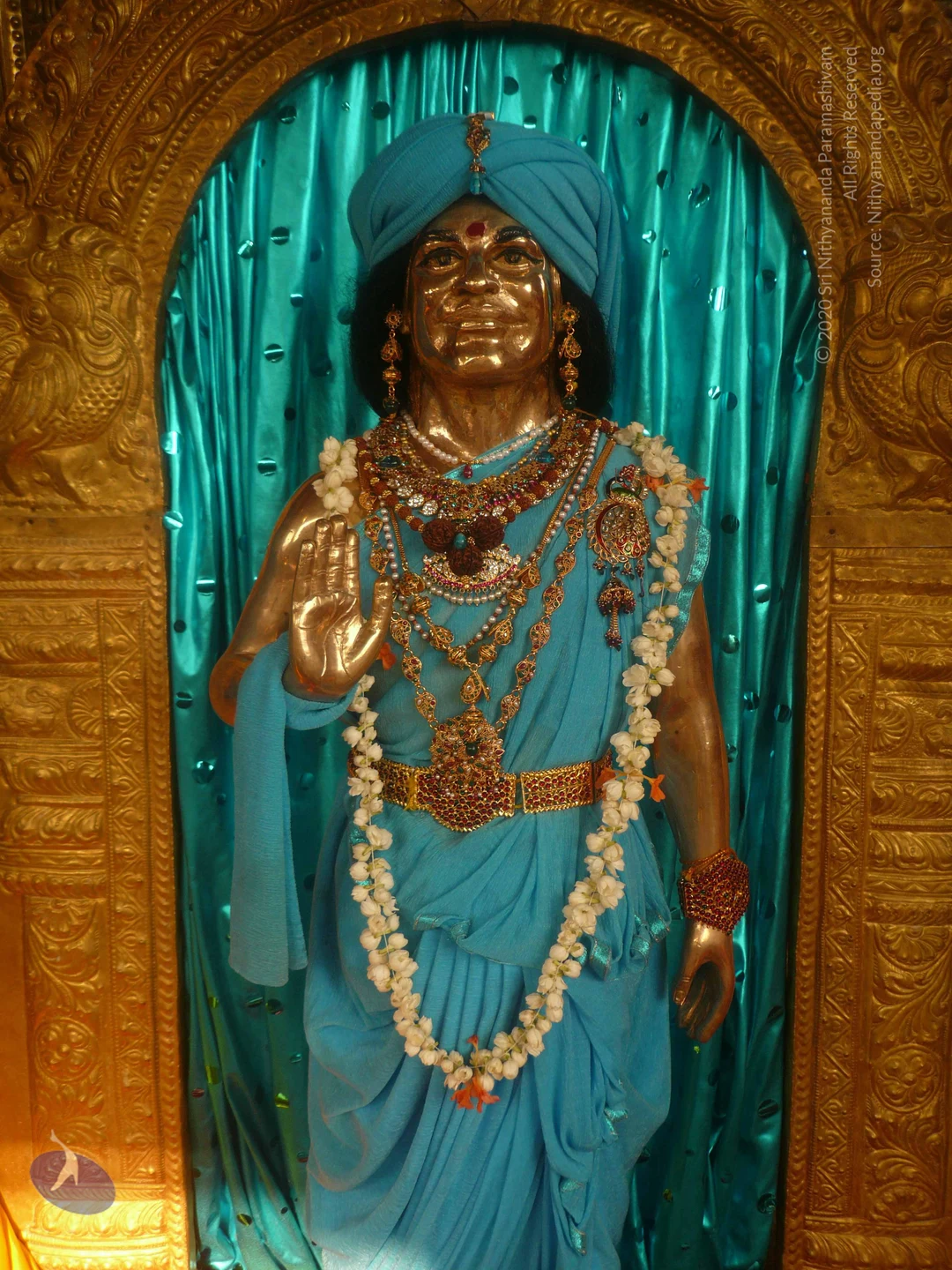
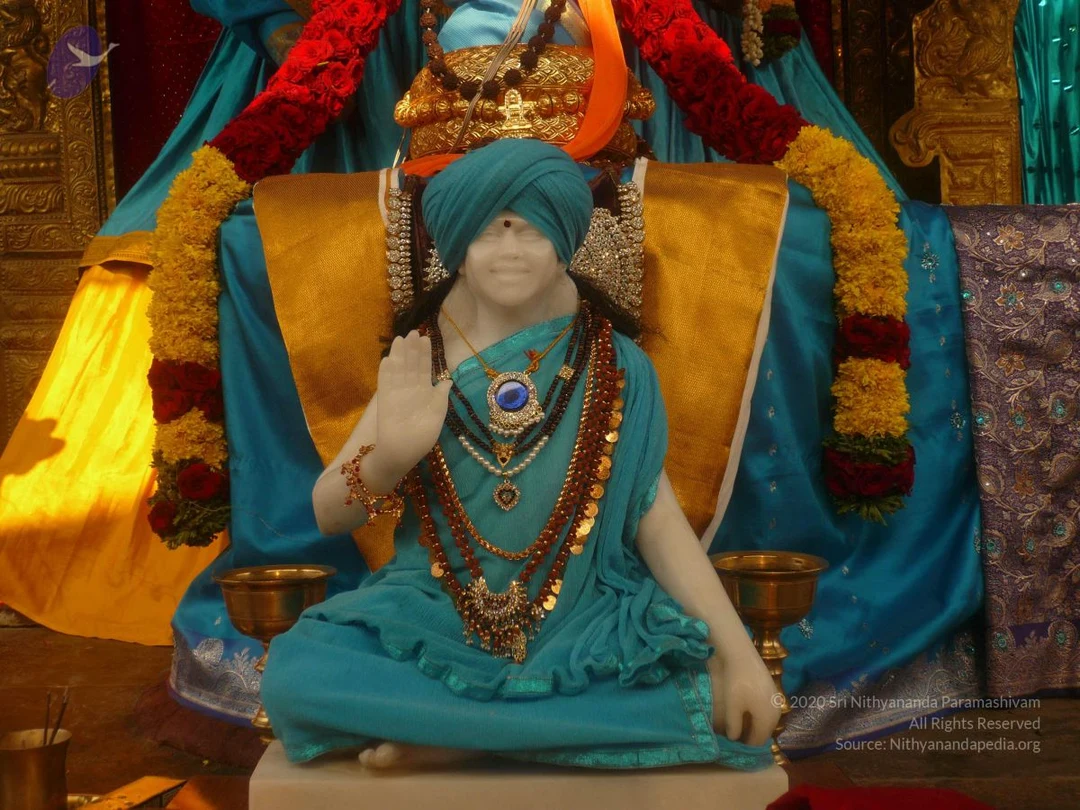
RAMA-NAVAMI-CELEBRATIONS-AT-BIDADI


Photos from this day
View all 484 photosHDH-VISITS-KAILASA IN HYDERABAD-SRIPURAM-ADHEENAM
82 photosSource gallery
DEVOTEES OFFERRING PRATHYAKSHA PADA POOJA TO SWAMIJI
87 photosSource gallery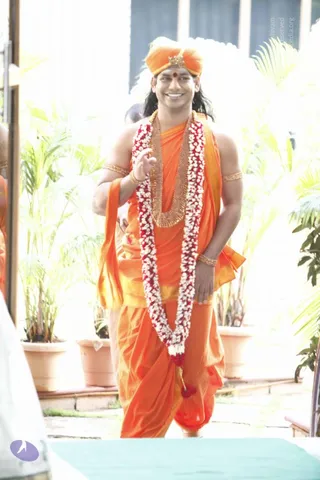
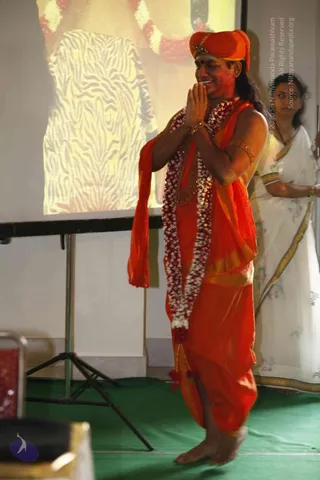
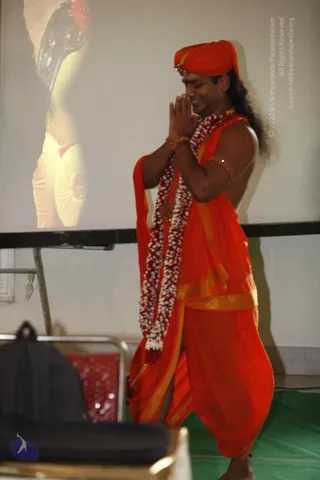
eN-WEALTH-HEALTH-BY-HDH
159 photosSource gallery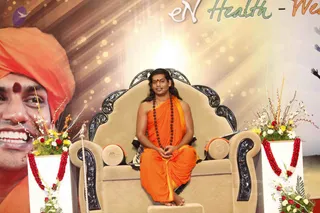
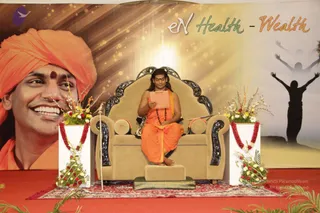
eN-WEALTH-SESSION
40 photosSource gallery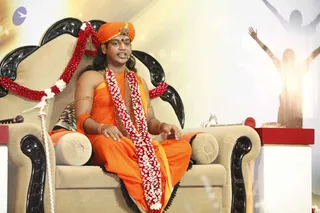
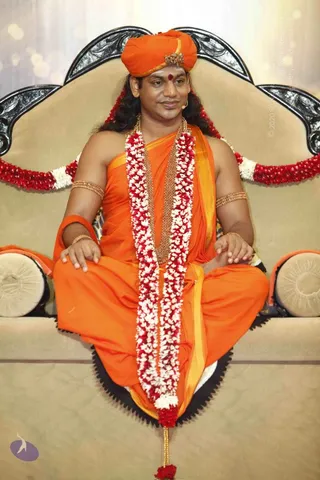
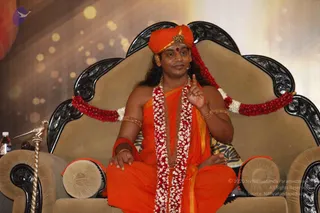
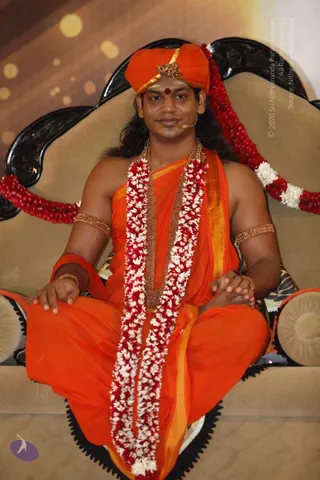
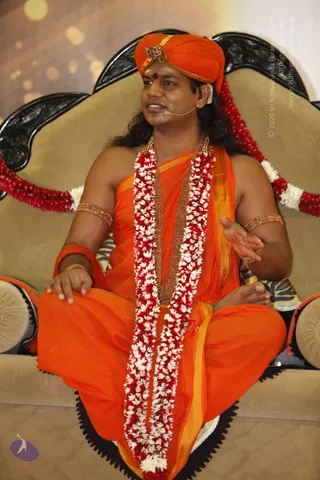
UNCLUTCHING-SESSION
31 photosSource gallery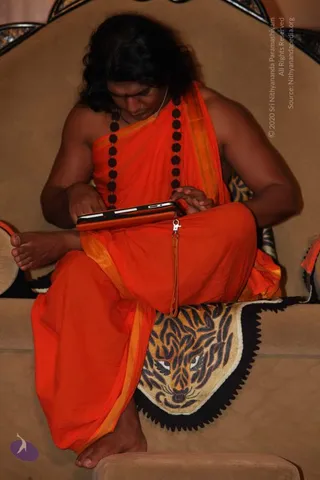
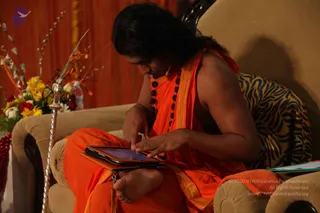
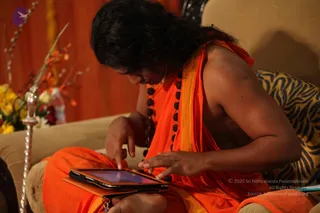
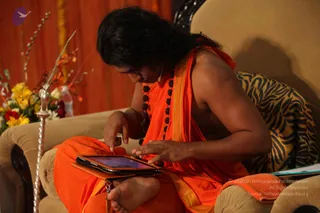
MEETING-WITH-ADHEENAVASIS
41 photosSource gallery
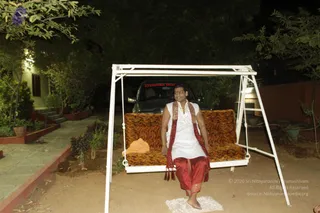
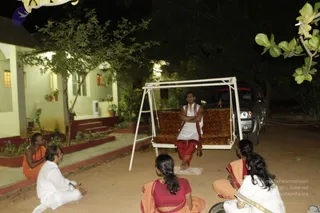
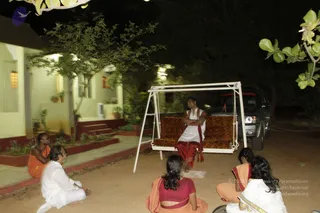
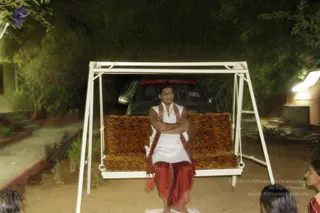
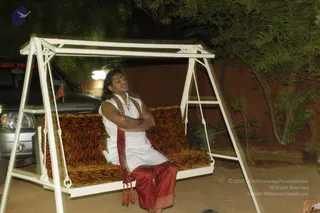
RAMA-NAVAMI-CELEBRATIONS-AT-BIDADI
43 photosSource gallery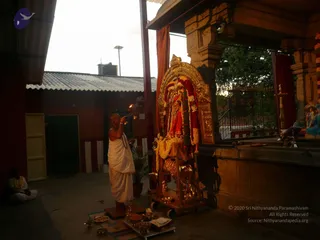
More photos
1 photoView all