Sunday
1 April 2018
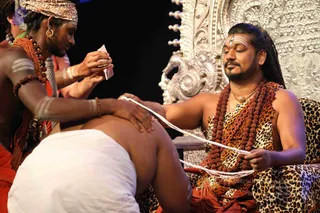
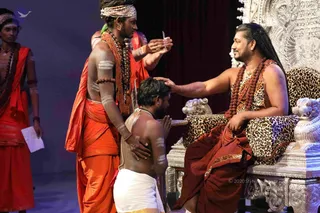
MSS Day 1 || Kalpataru Yogam || Shiva deeksha || offered sacred Thirunmanjanam to Lord Venkateshwara || Tiruvannamala - Anna Daan ||
- Dated photos
- 540
- Source pages
- 1
- Media
- 1
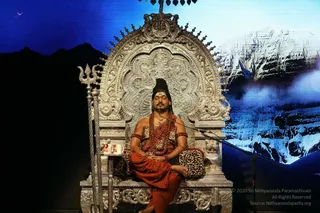
April 01 2018
Original wiki pageTitle
MSS Day 1 || Kalpataru Yogam || Shiva deeksha || offered sacred Thirunmanjanam to Lord Venkateshwara || Tiruvannamala - Anna Daan ||
Narration
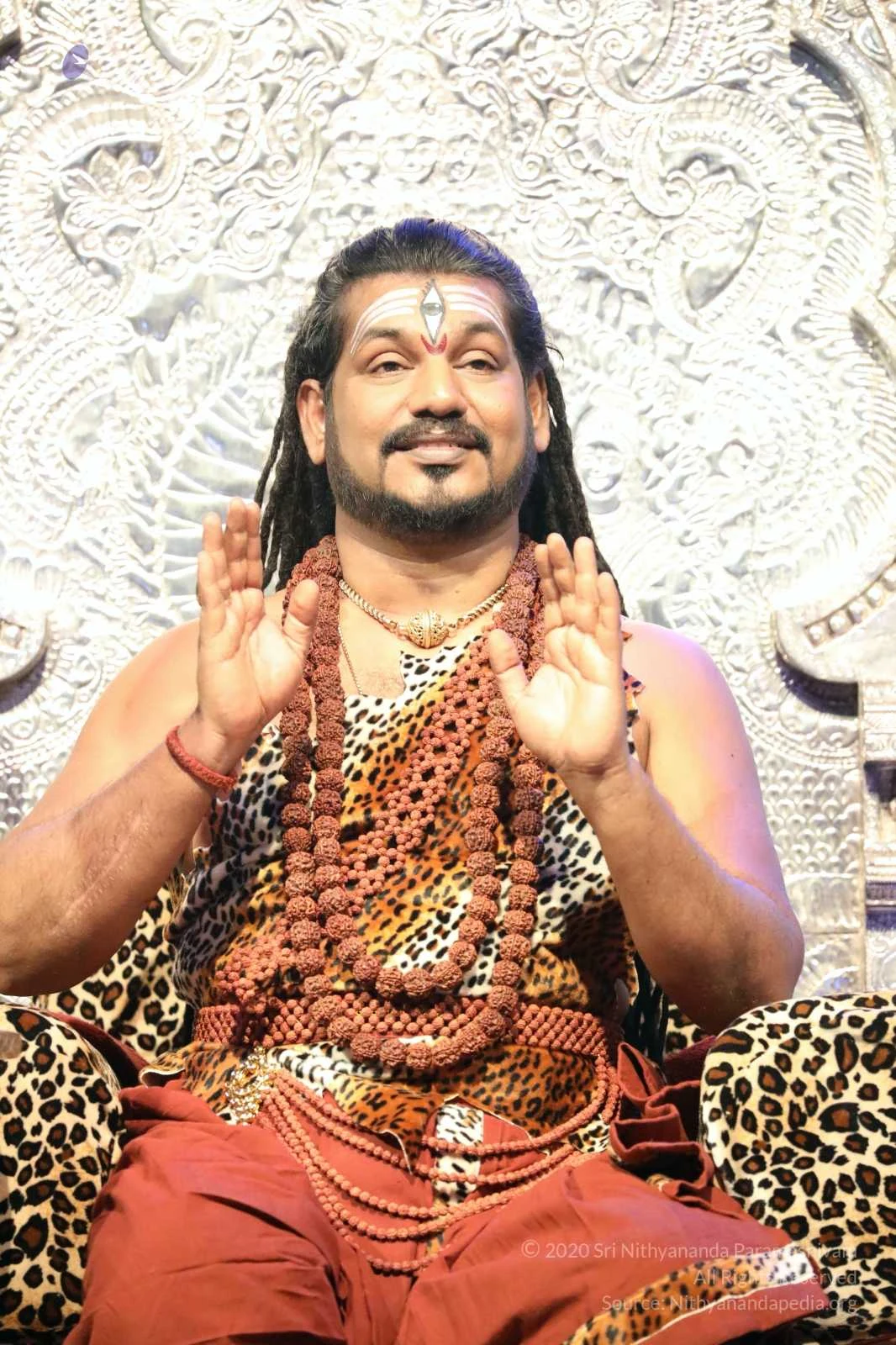
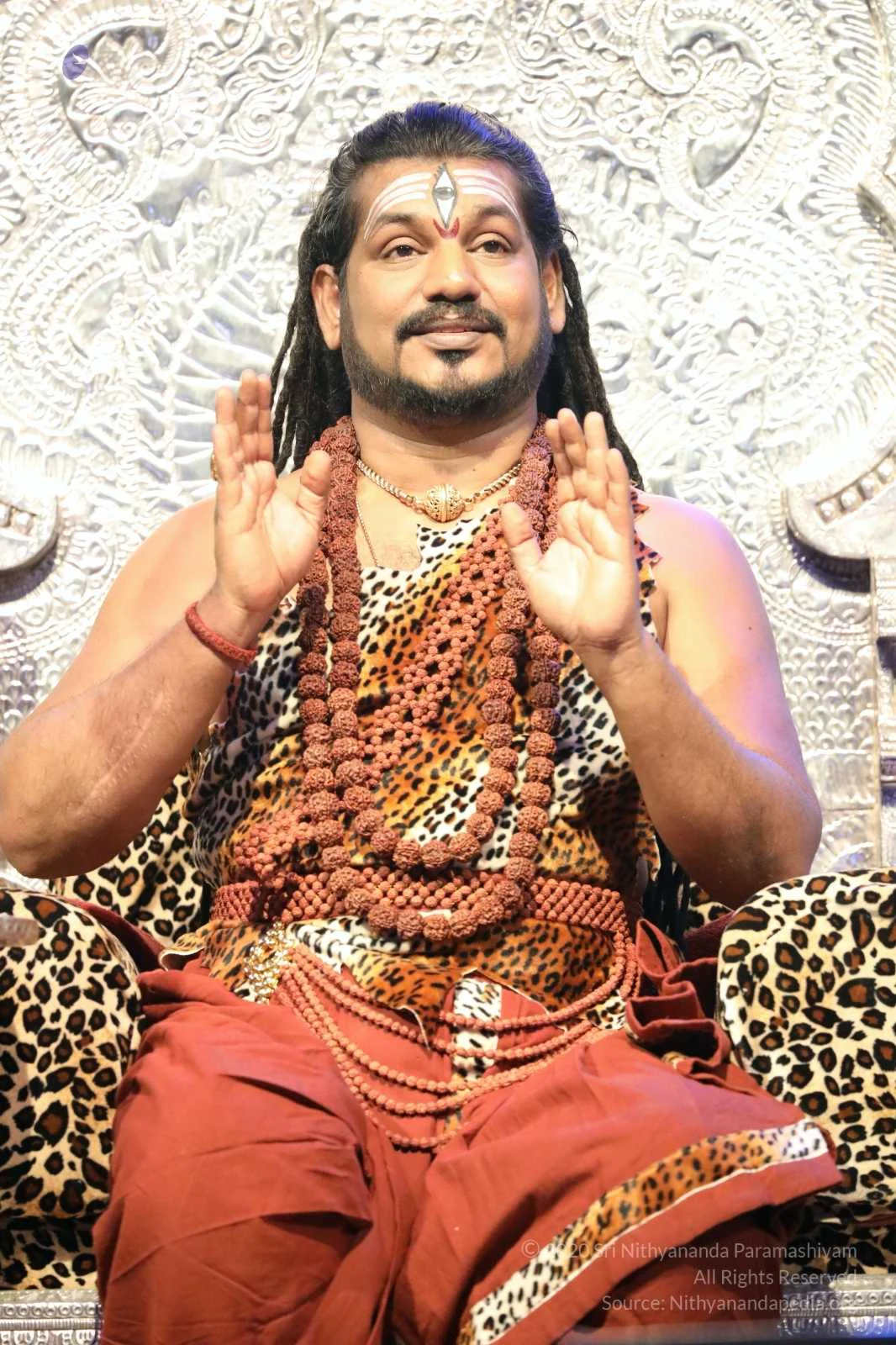
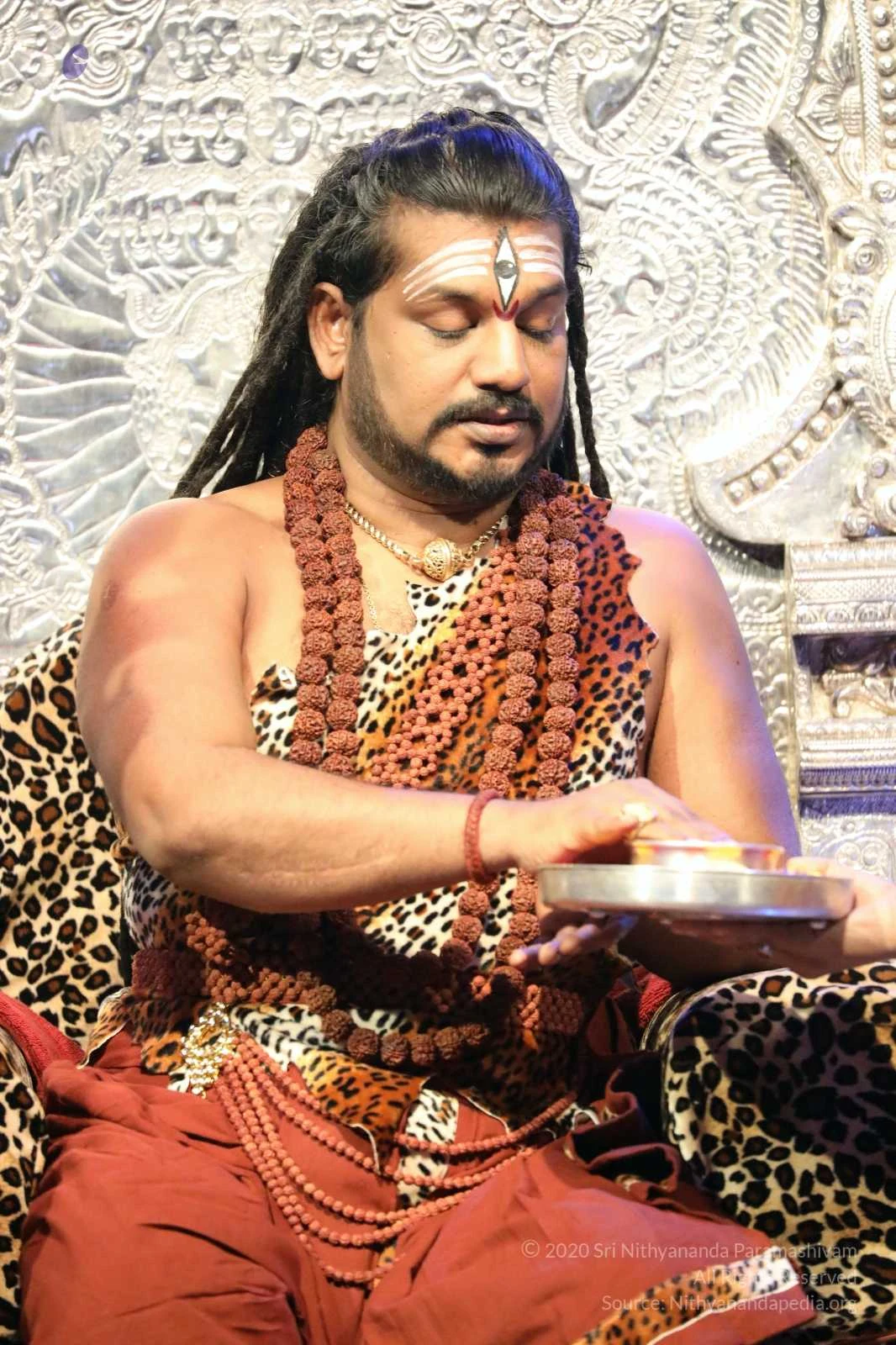
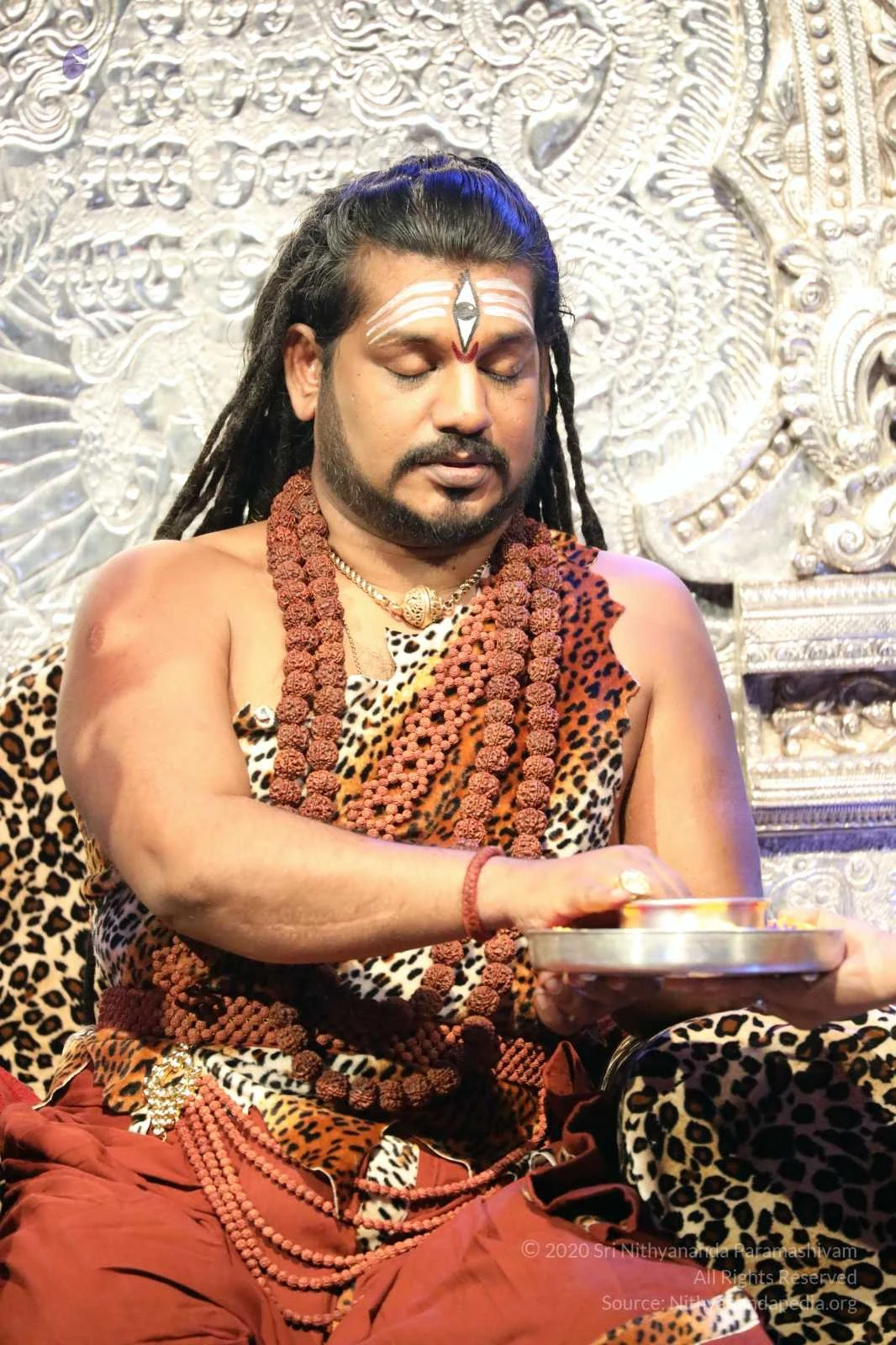
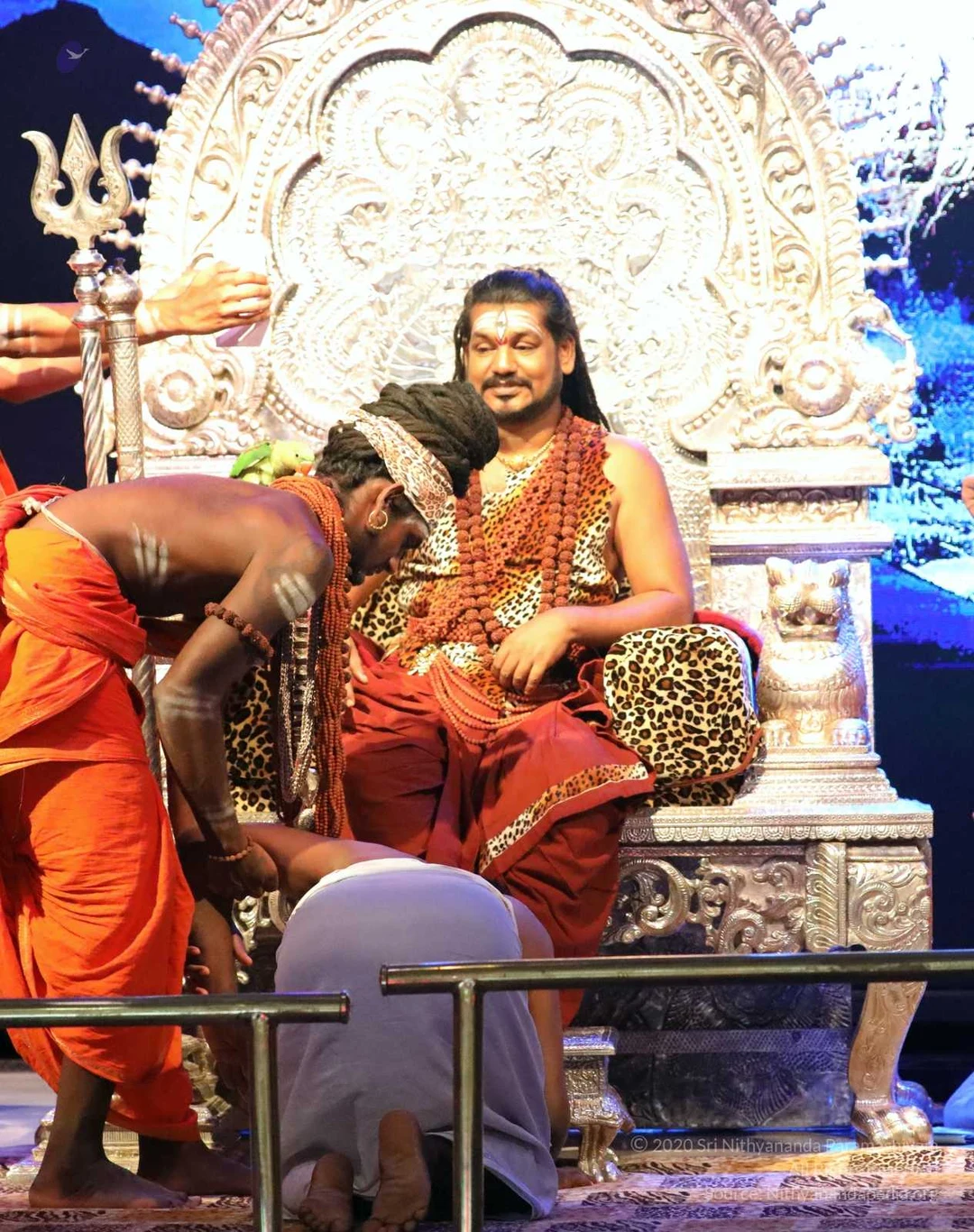
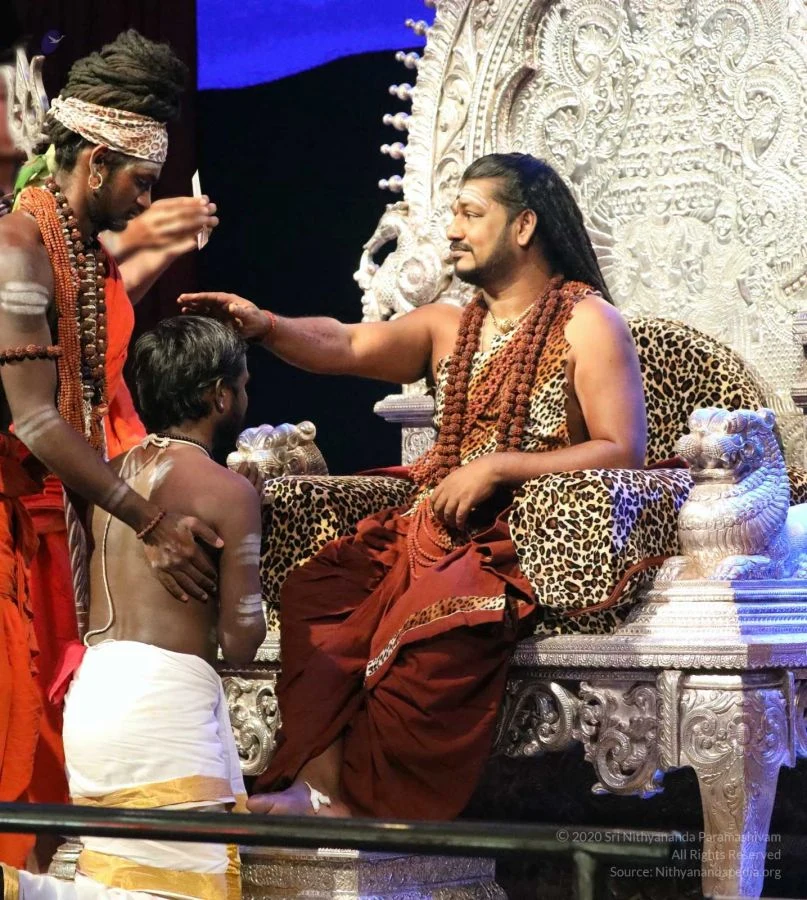
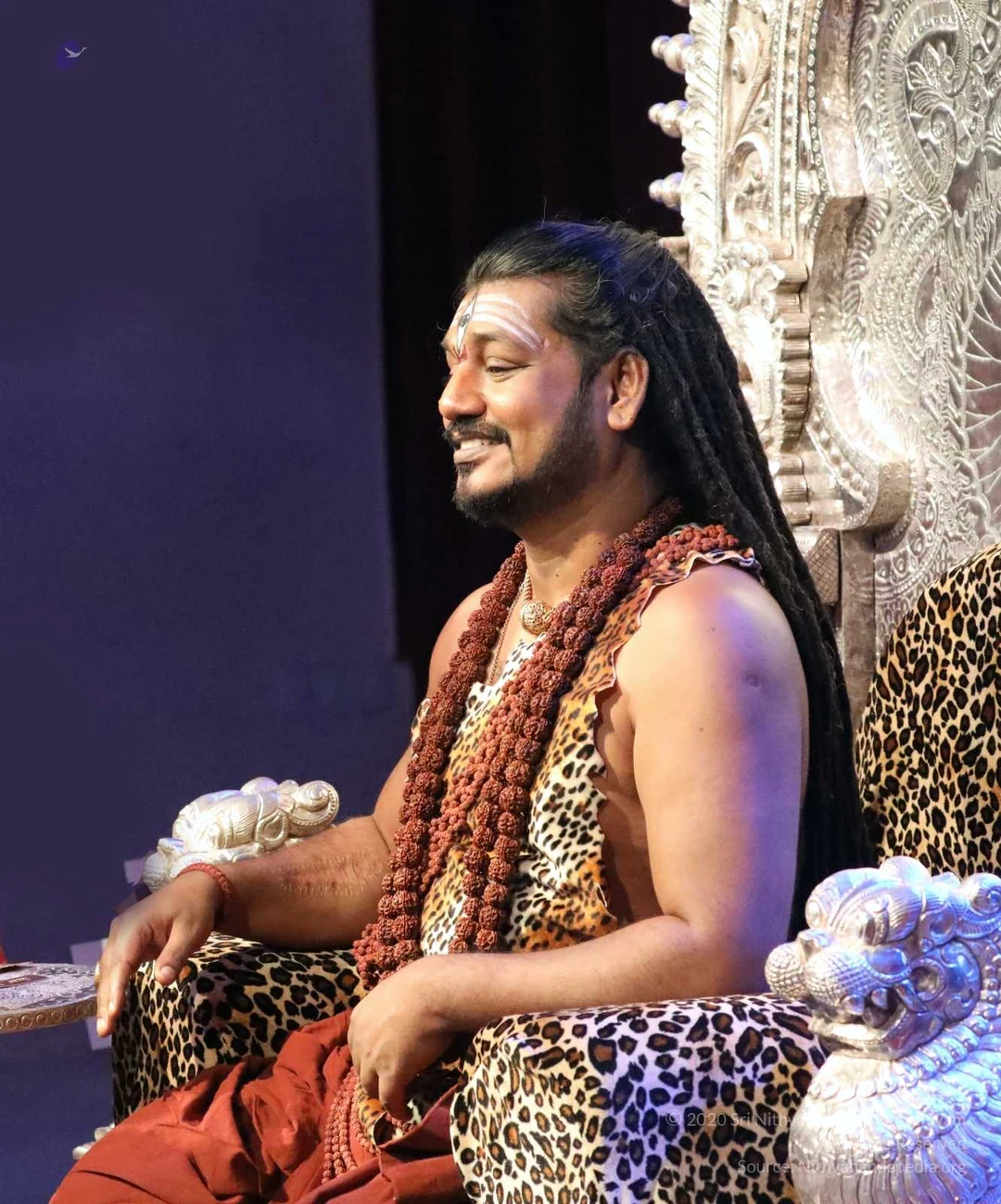
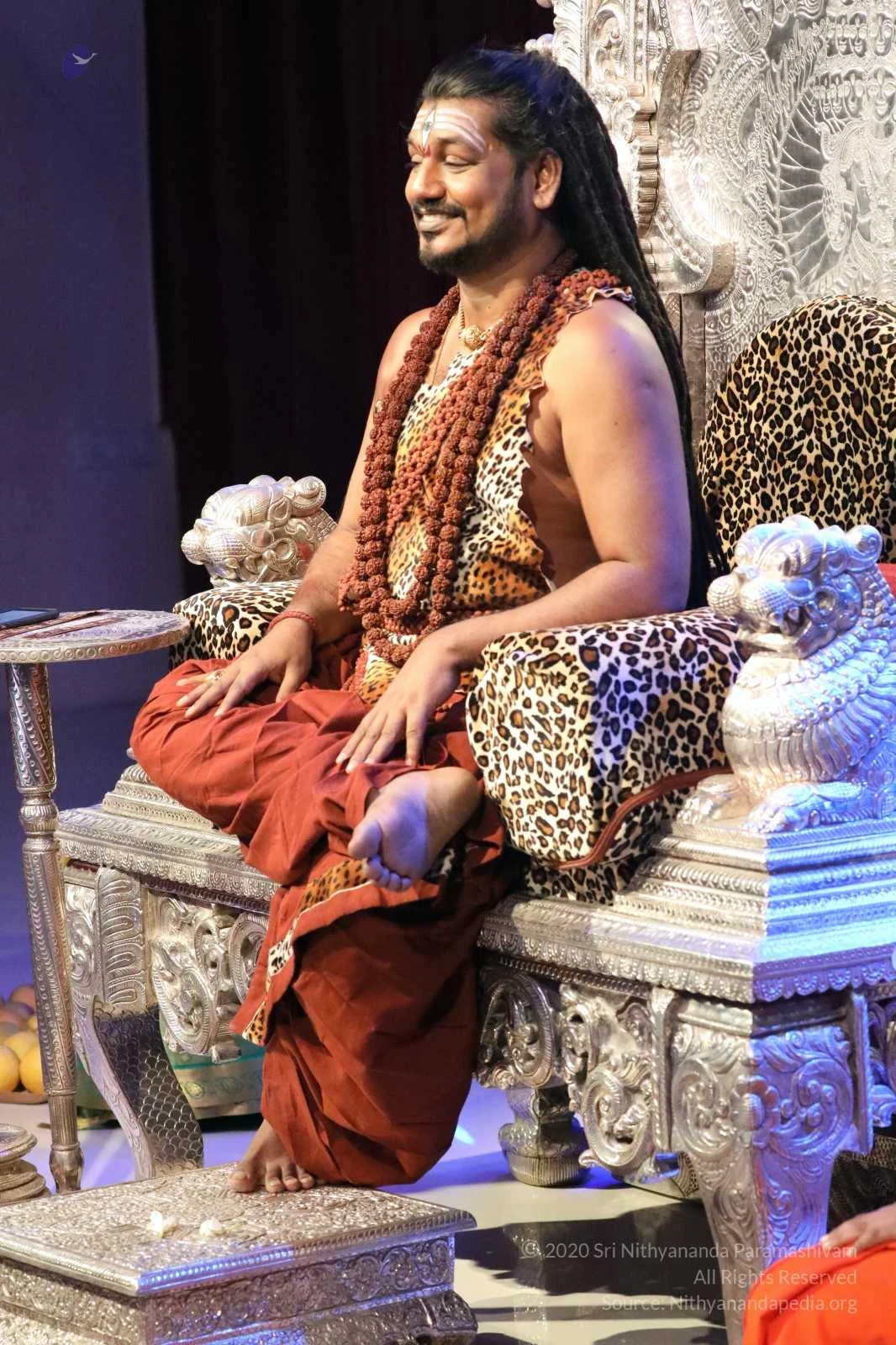
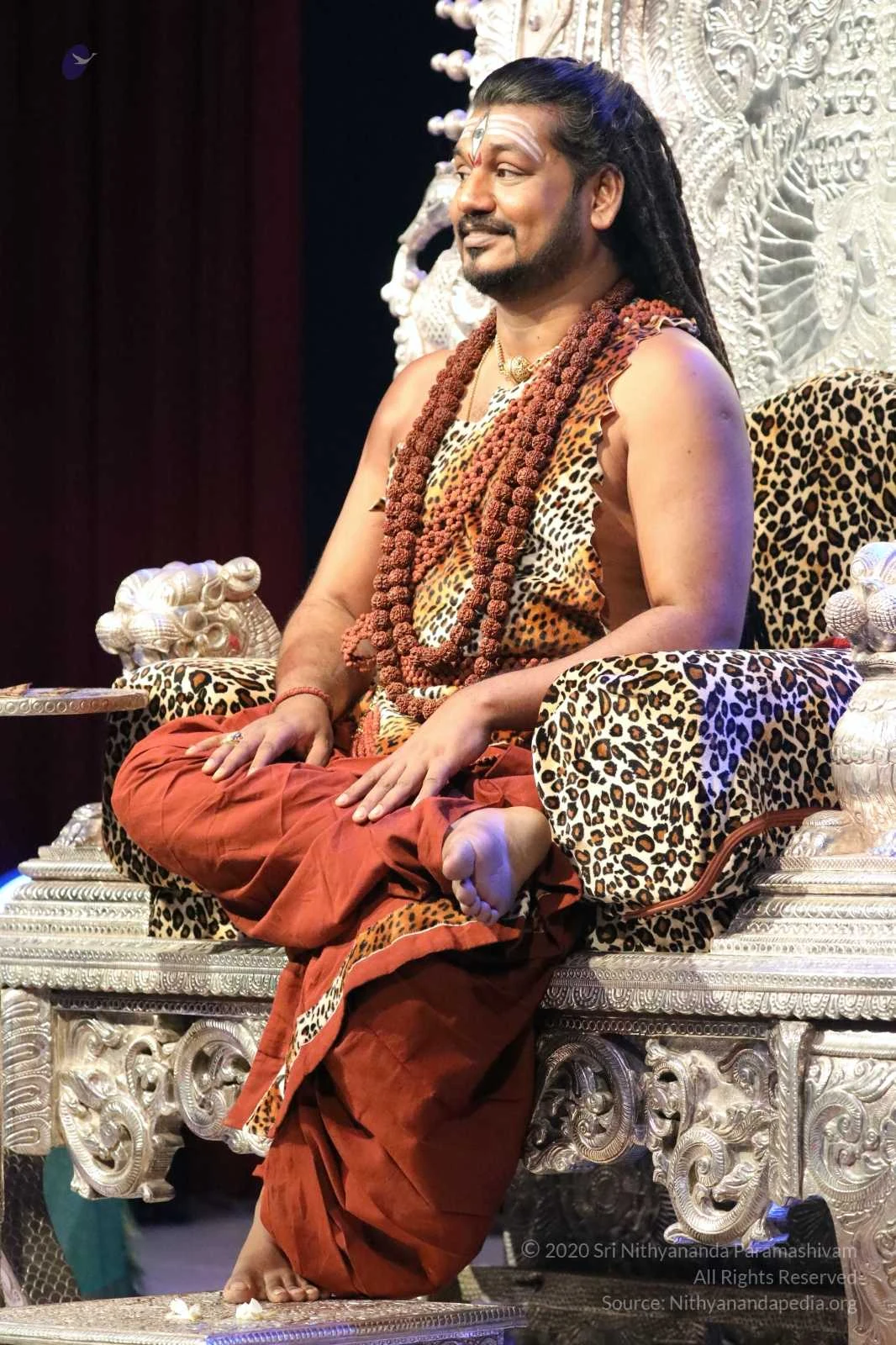
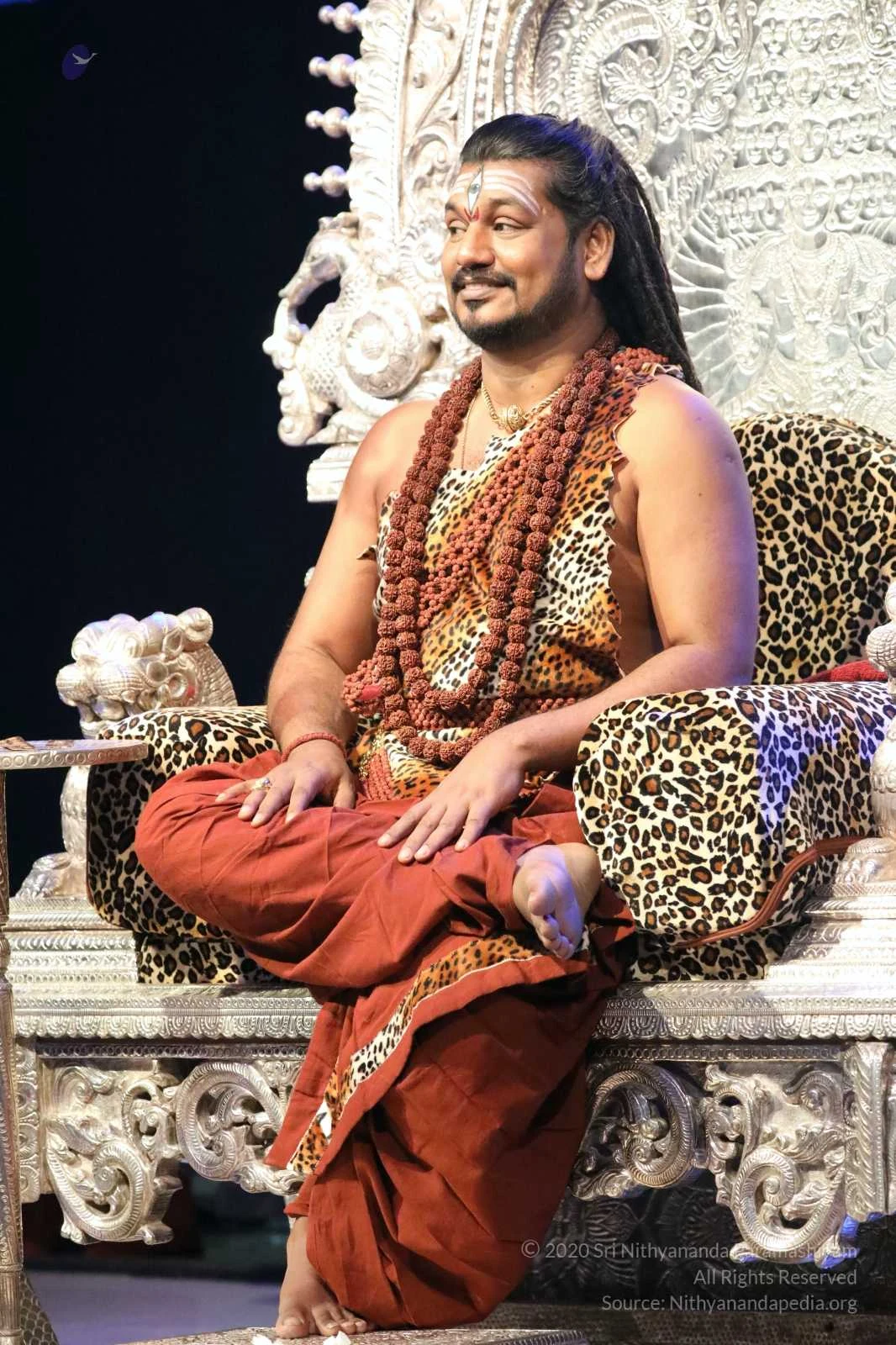
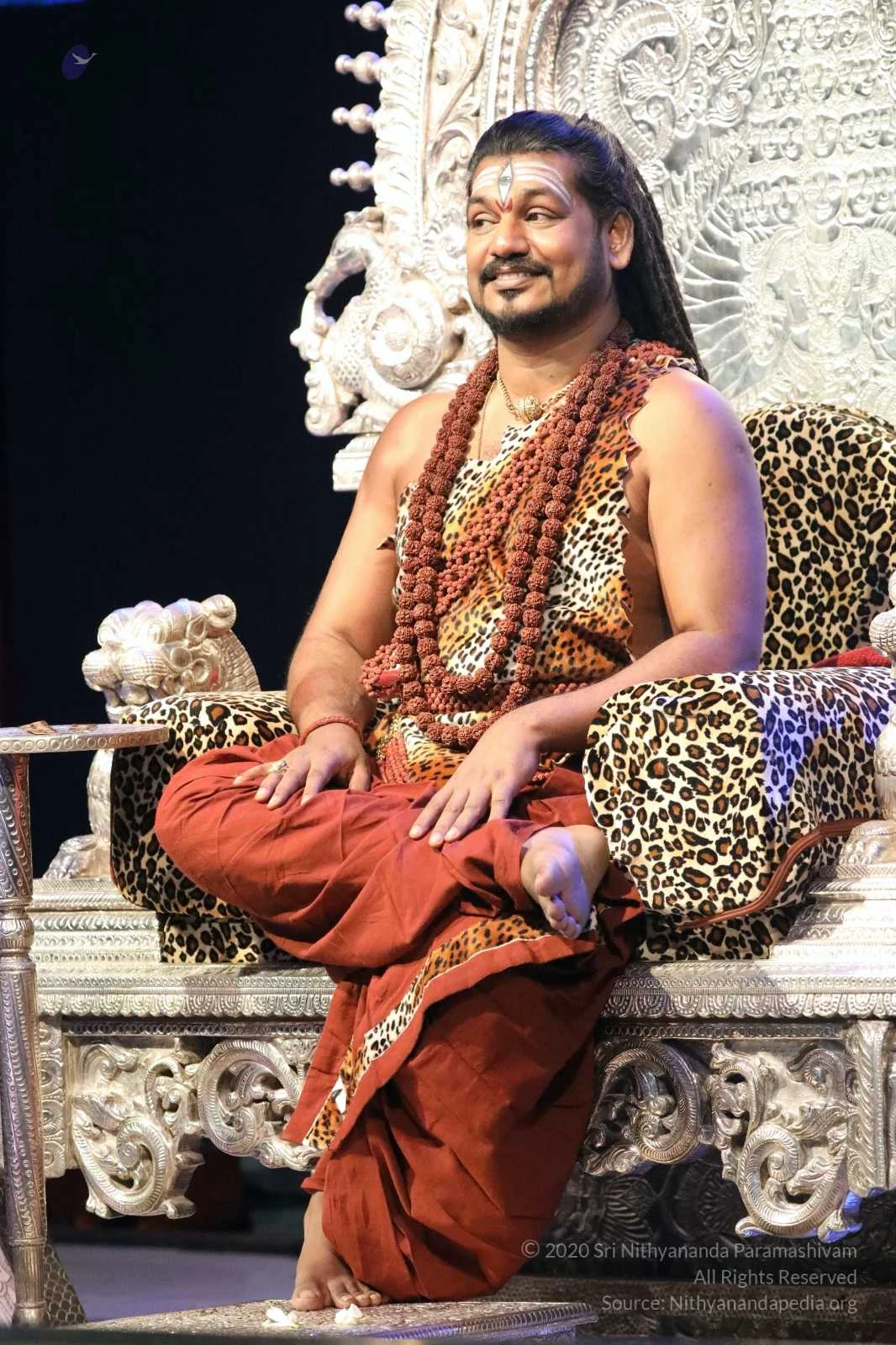
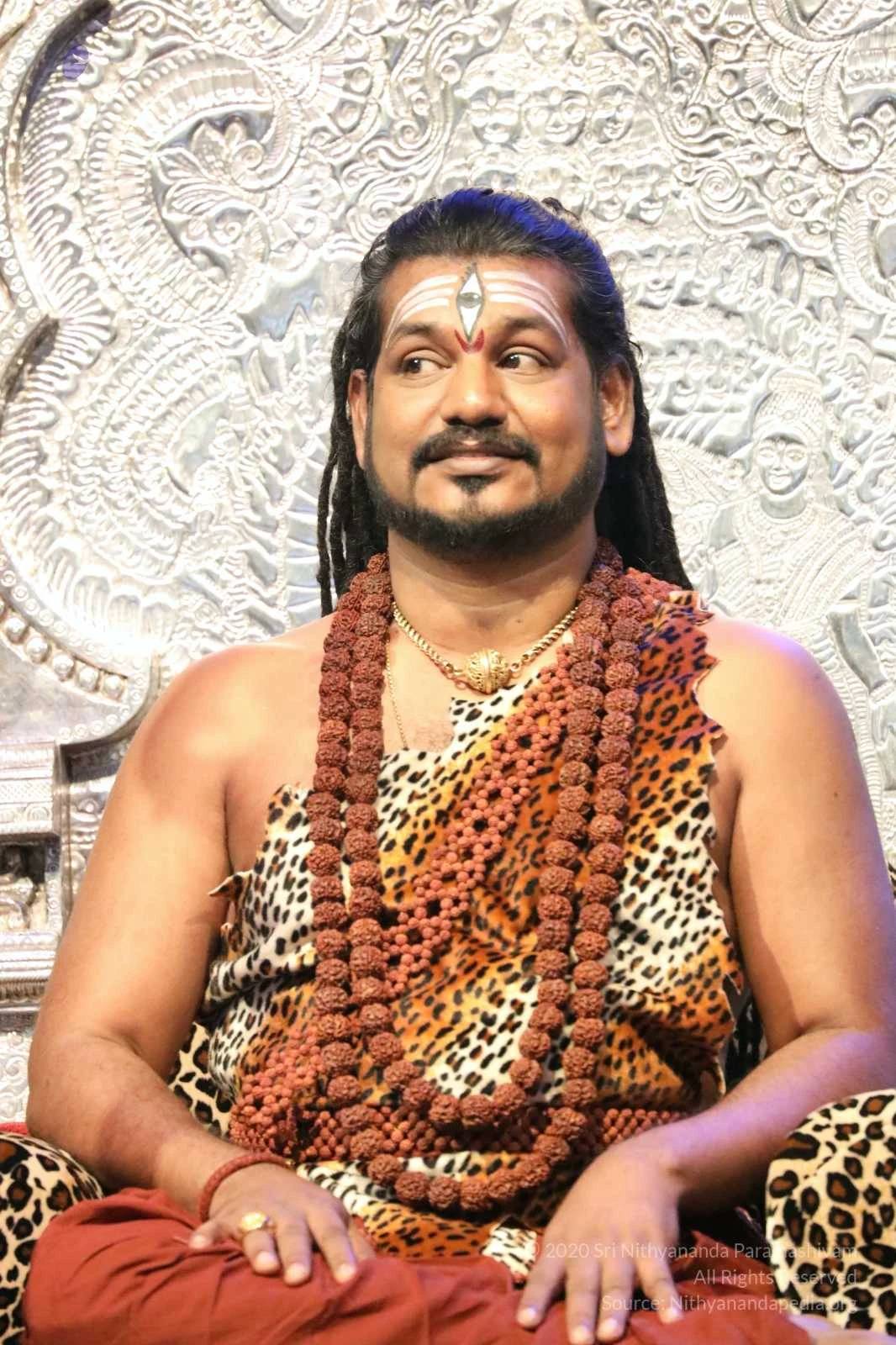
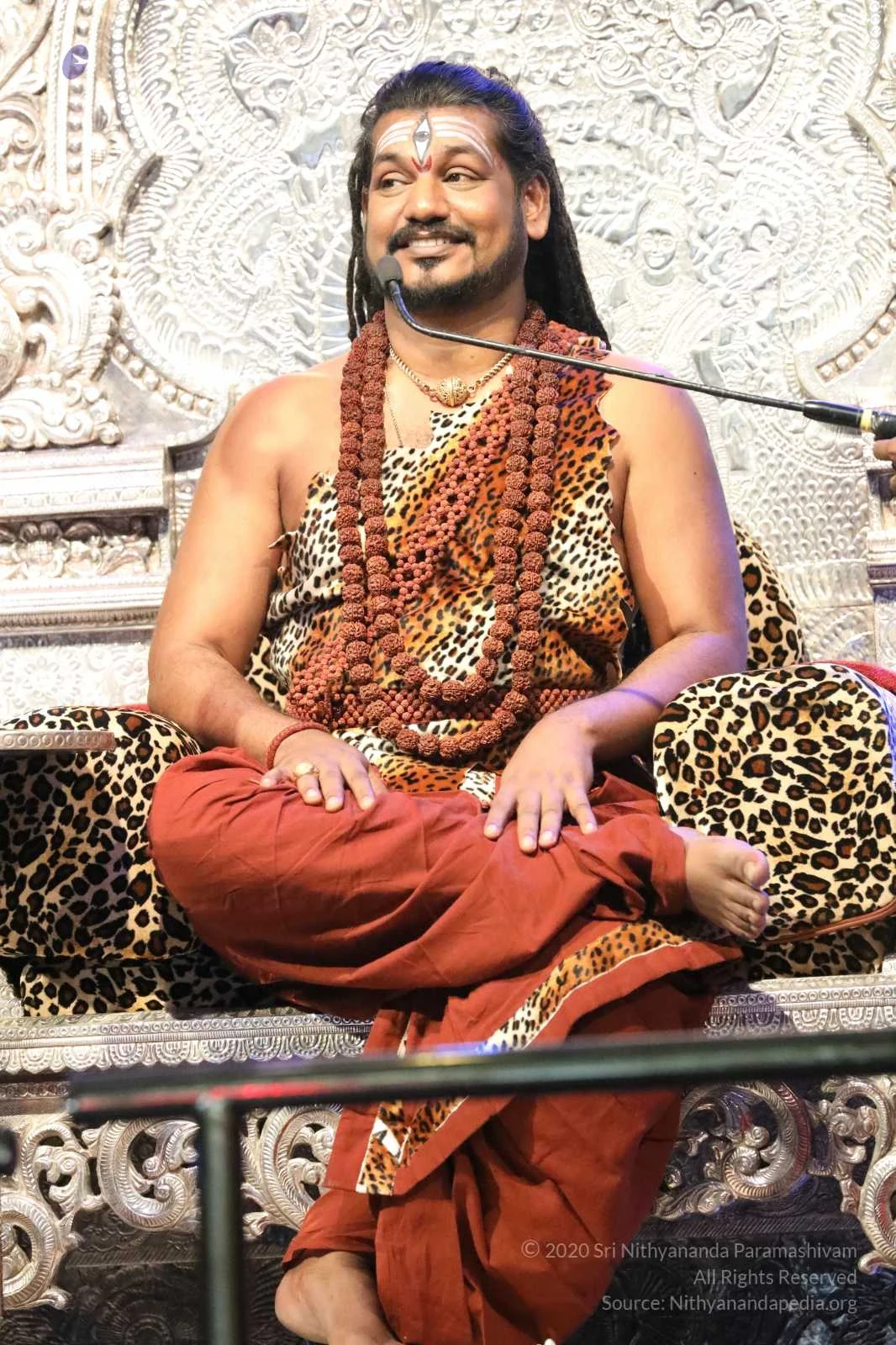
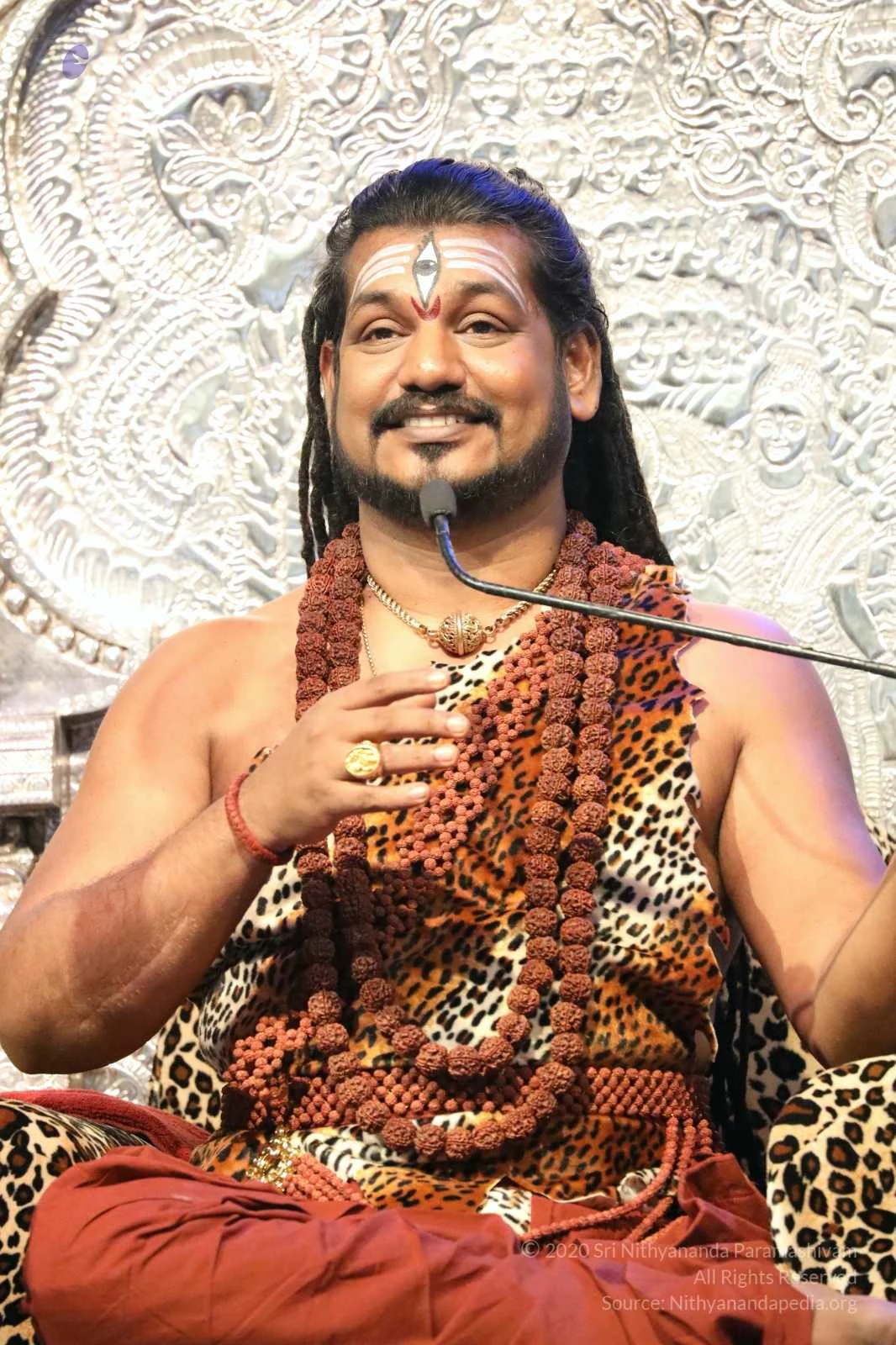
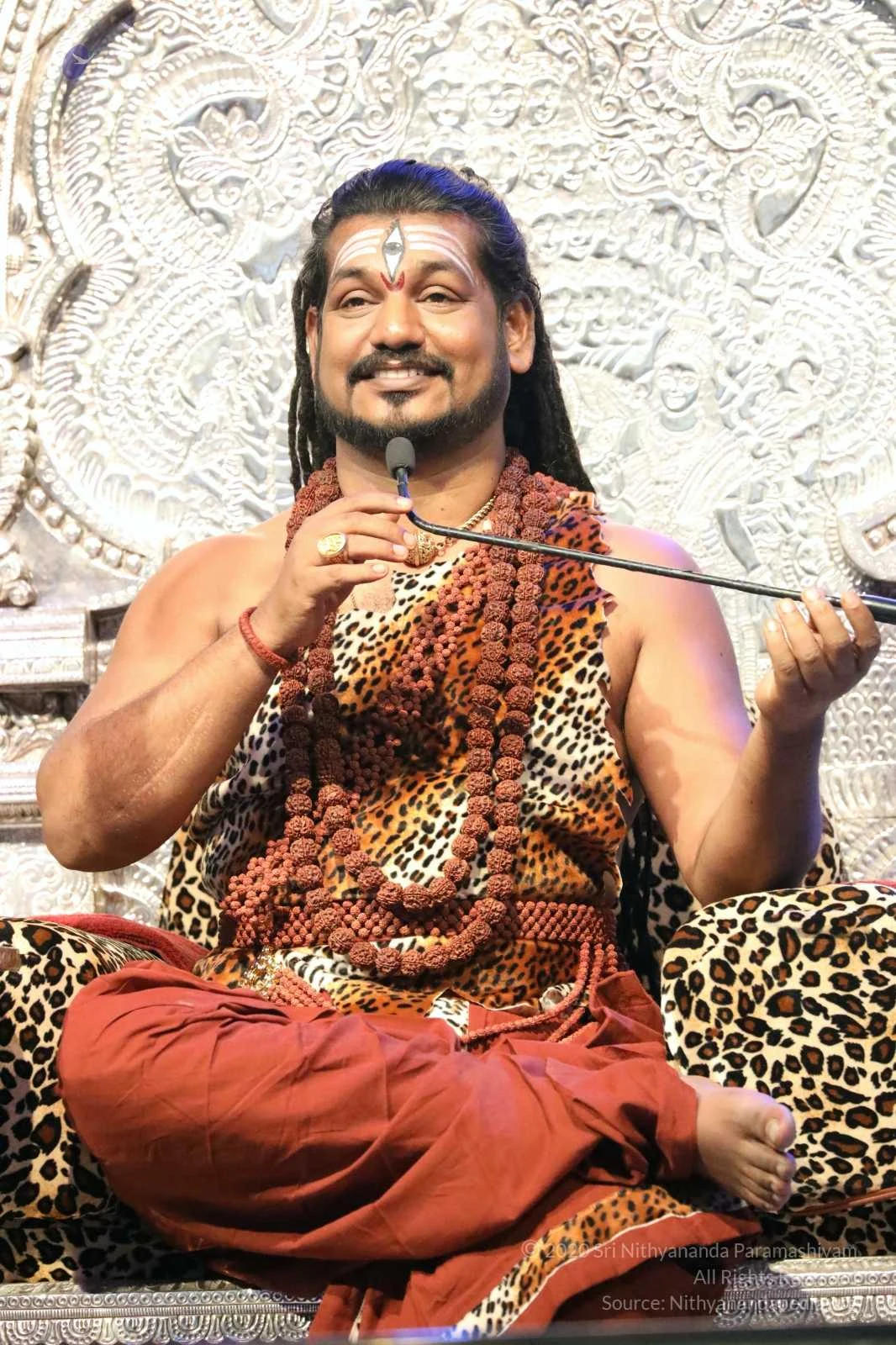
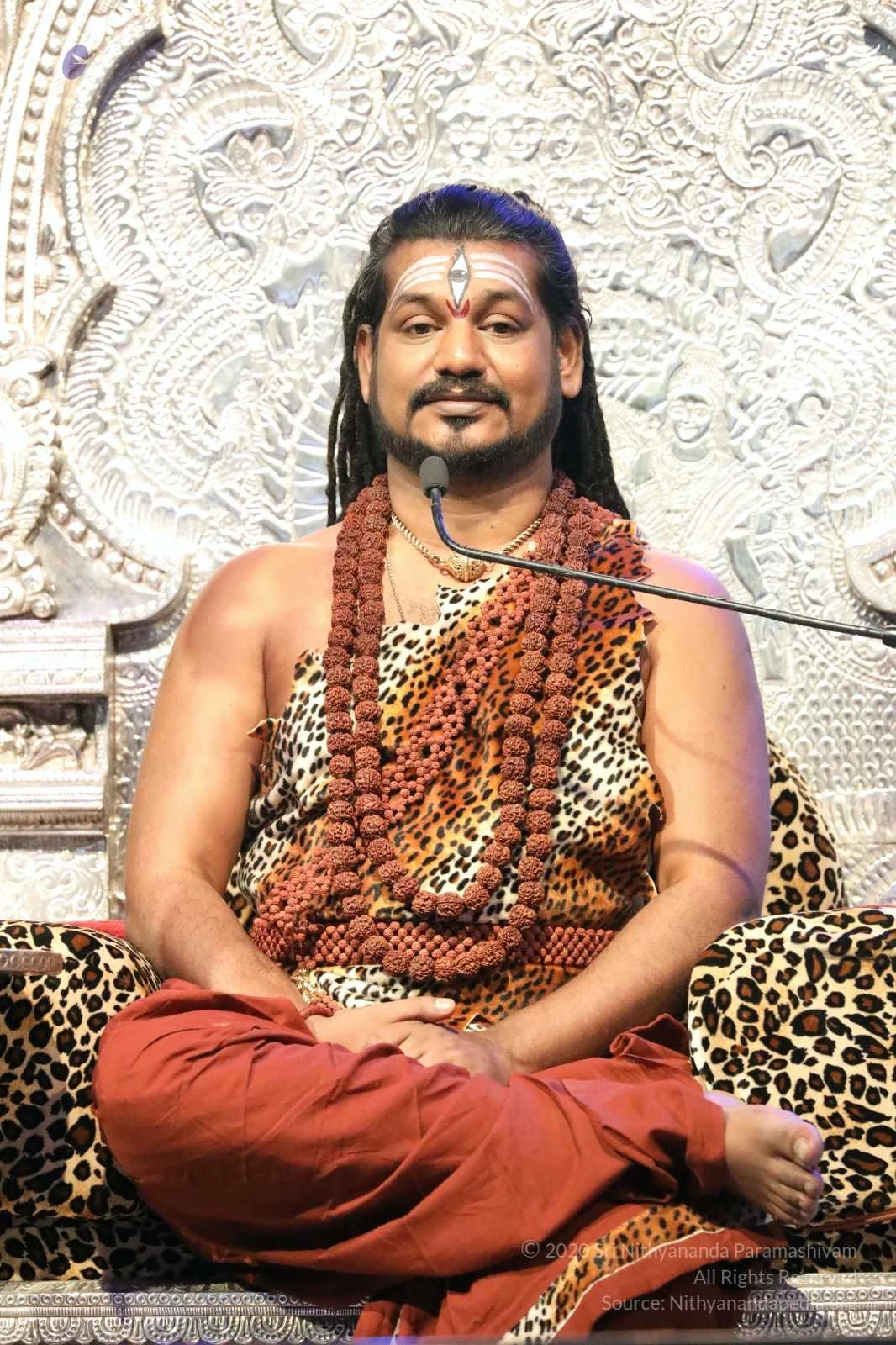
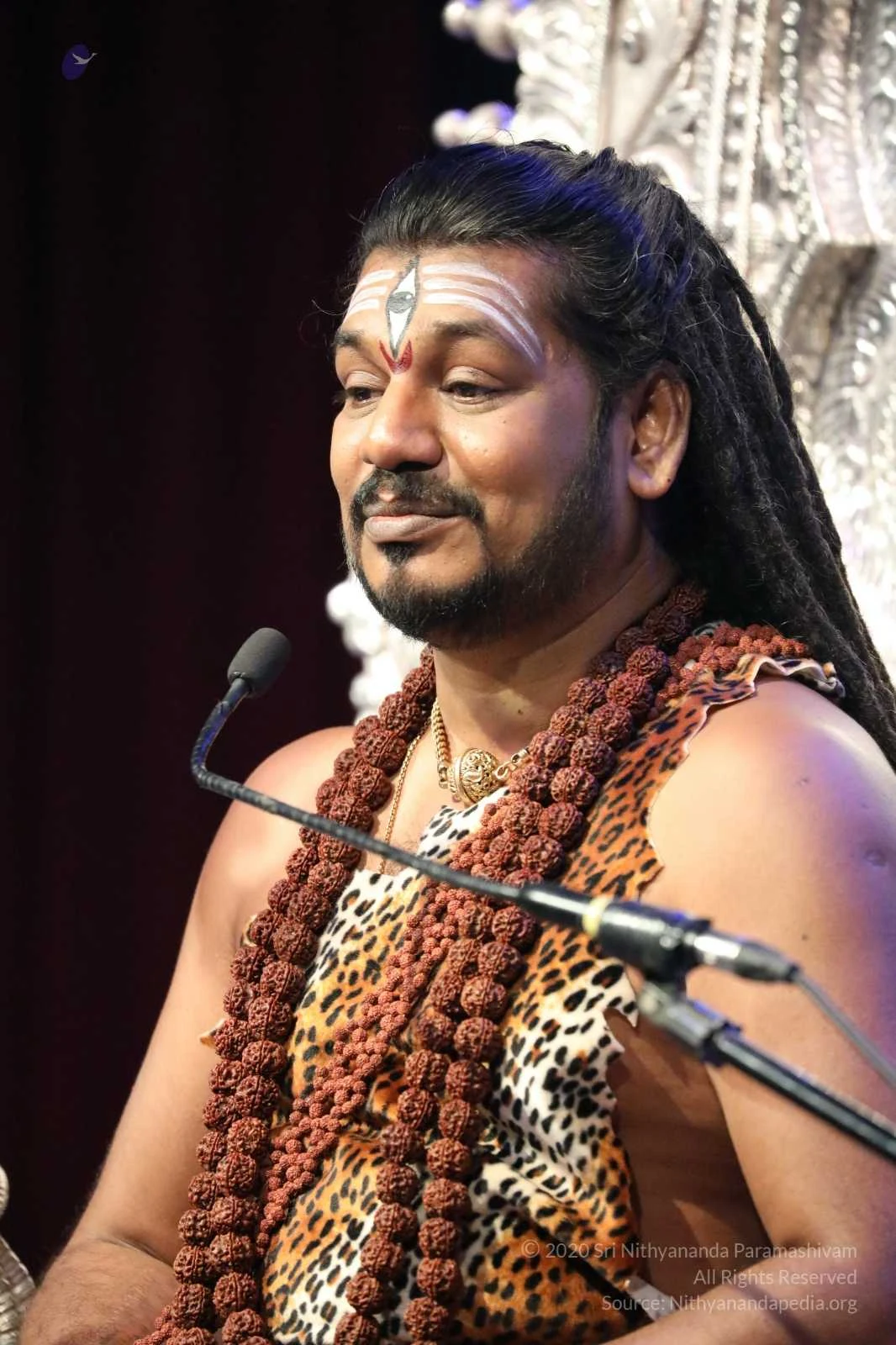
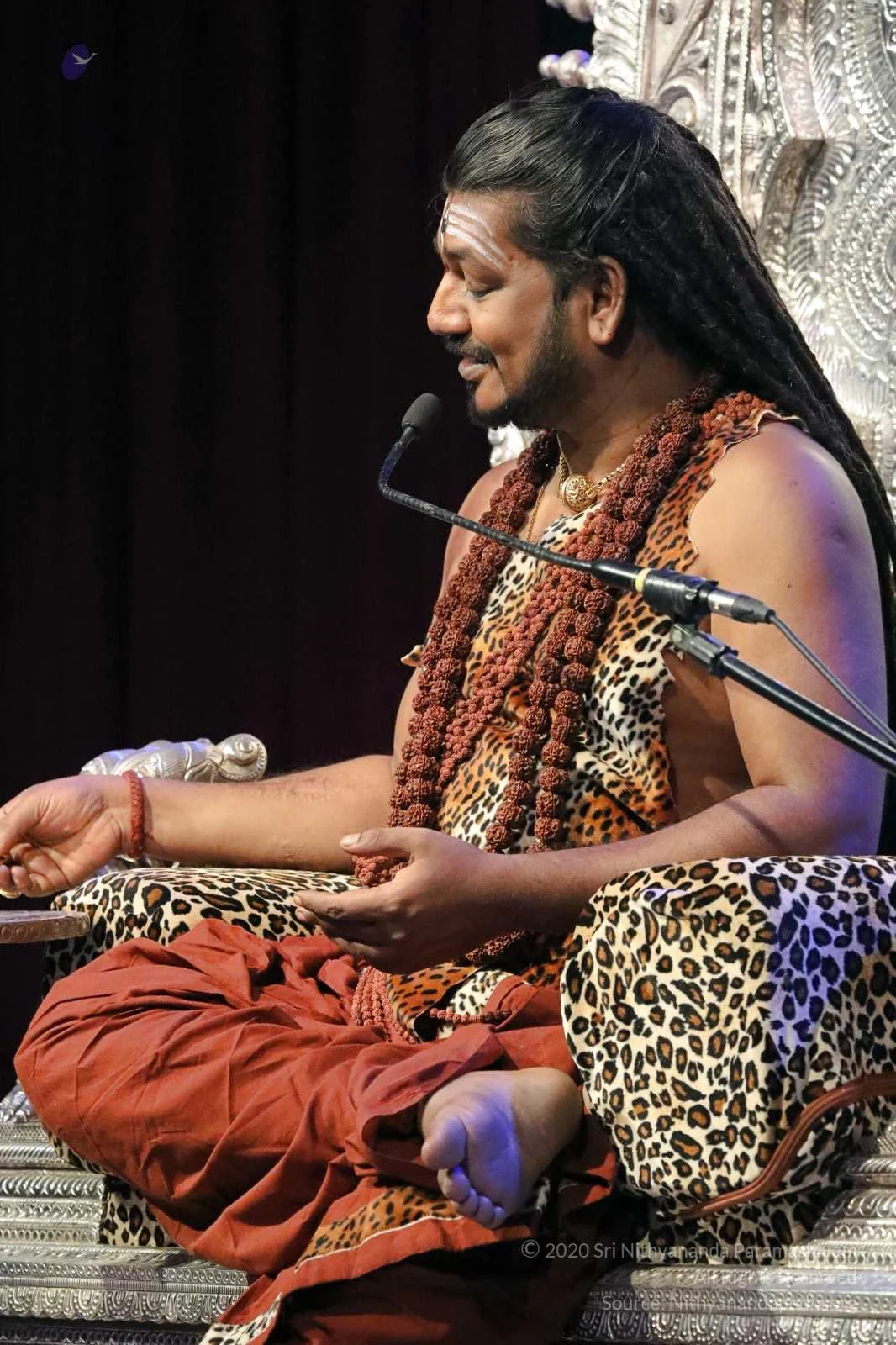
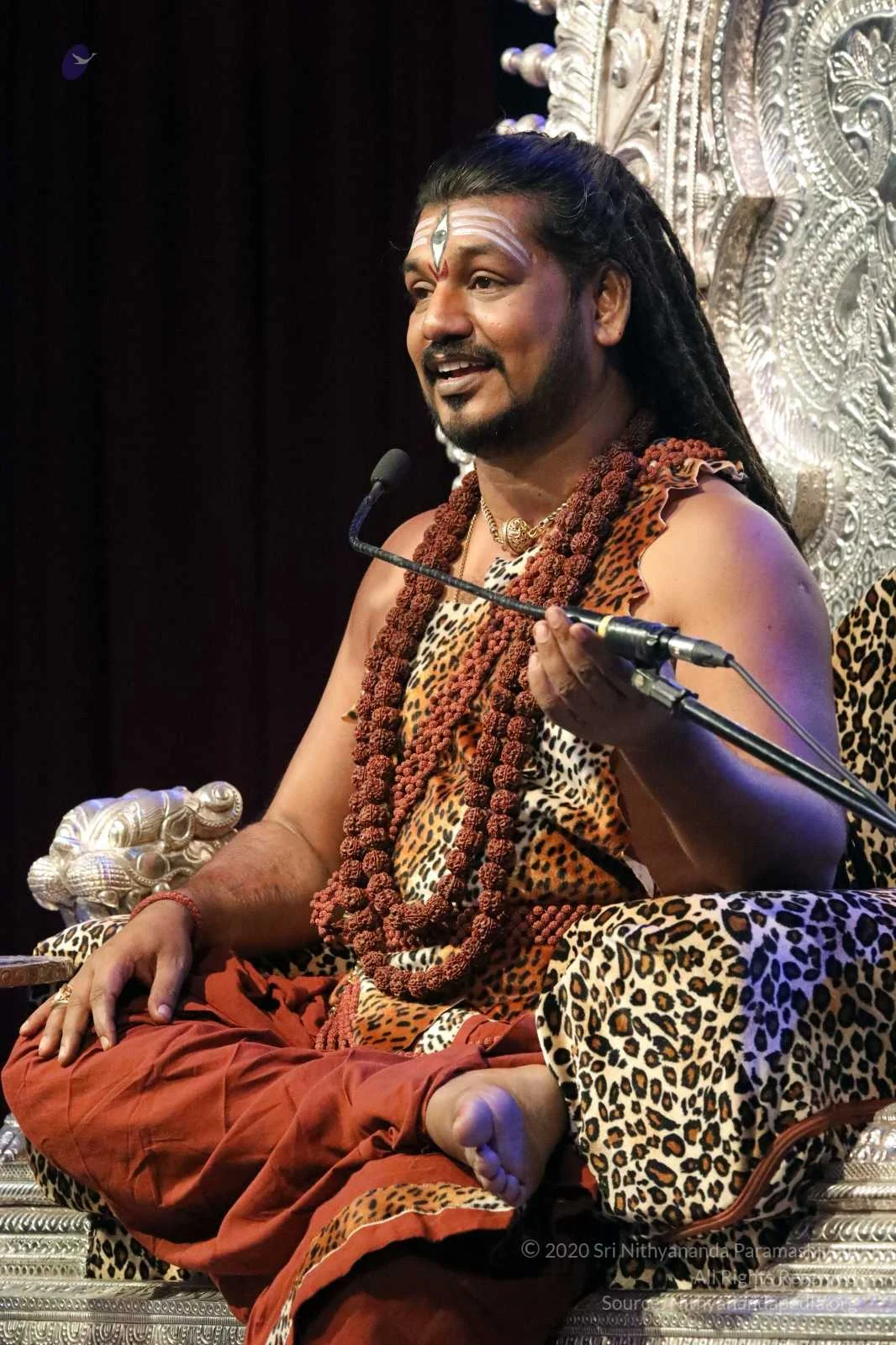
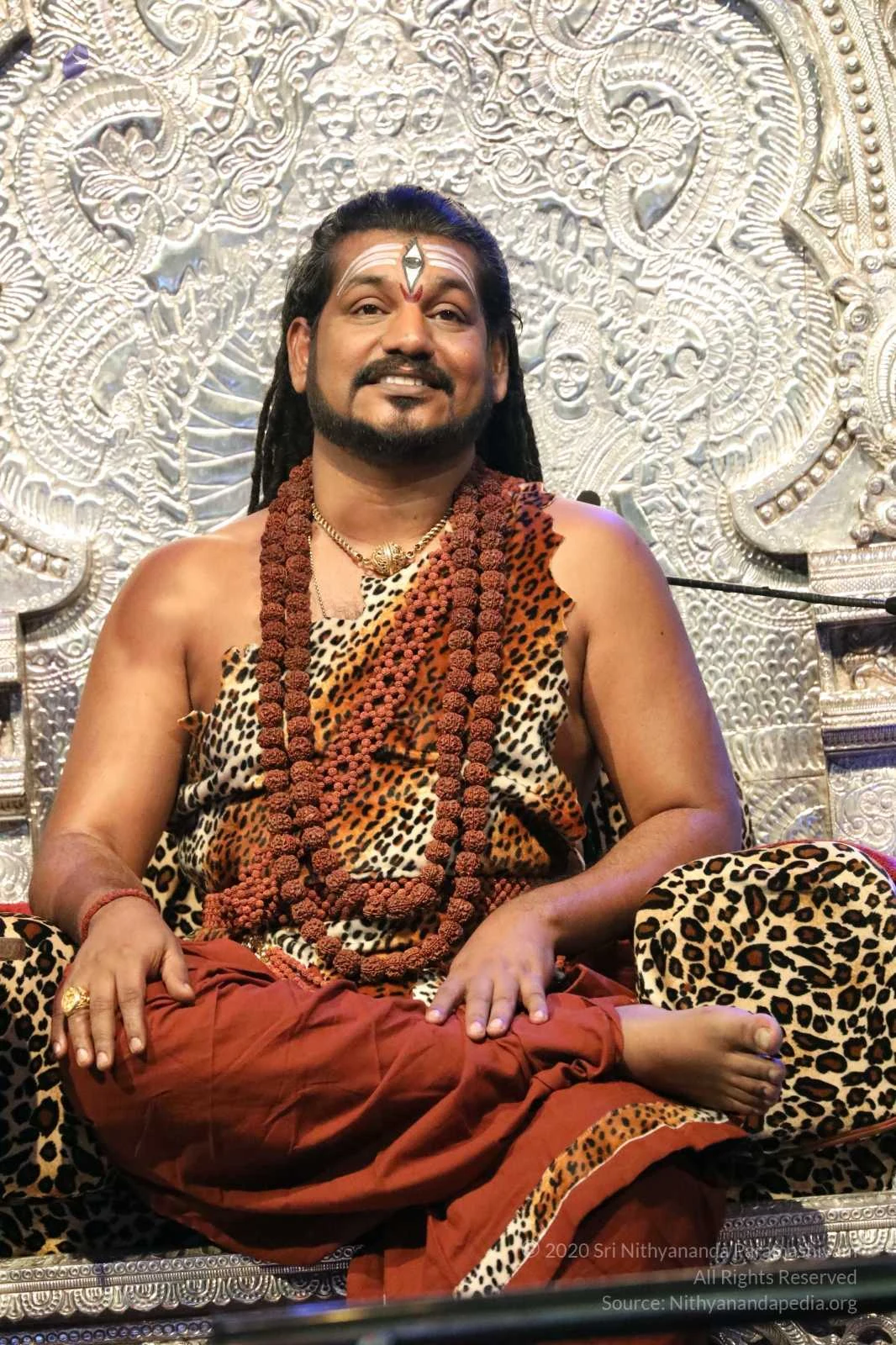
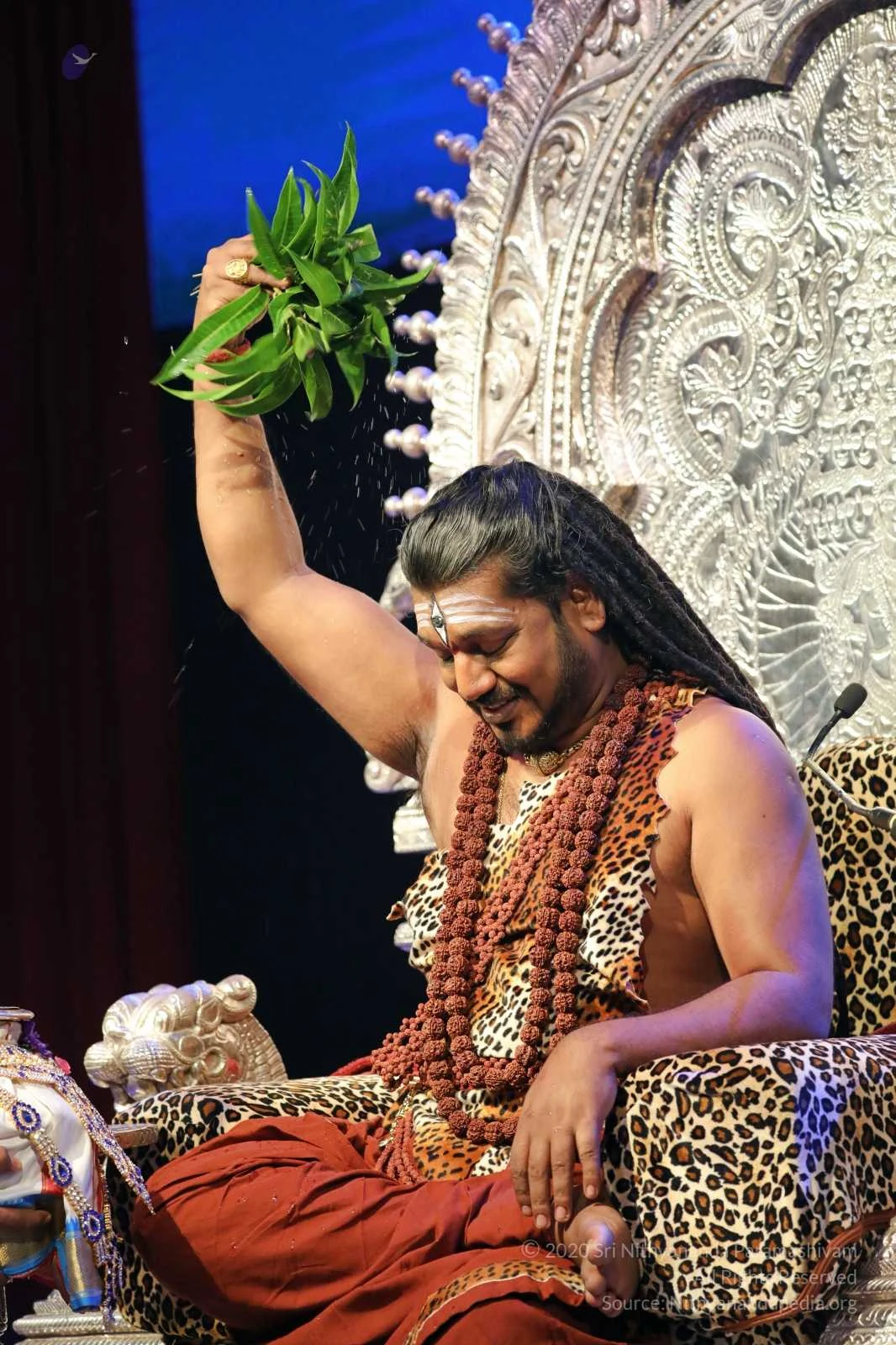
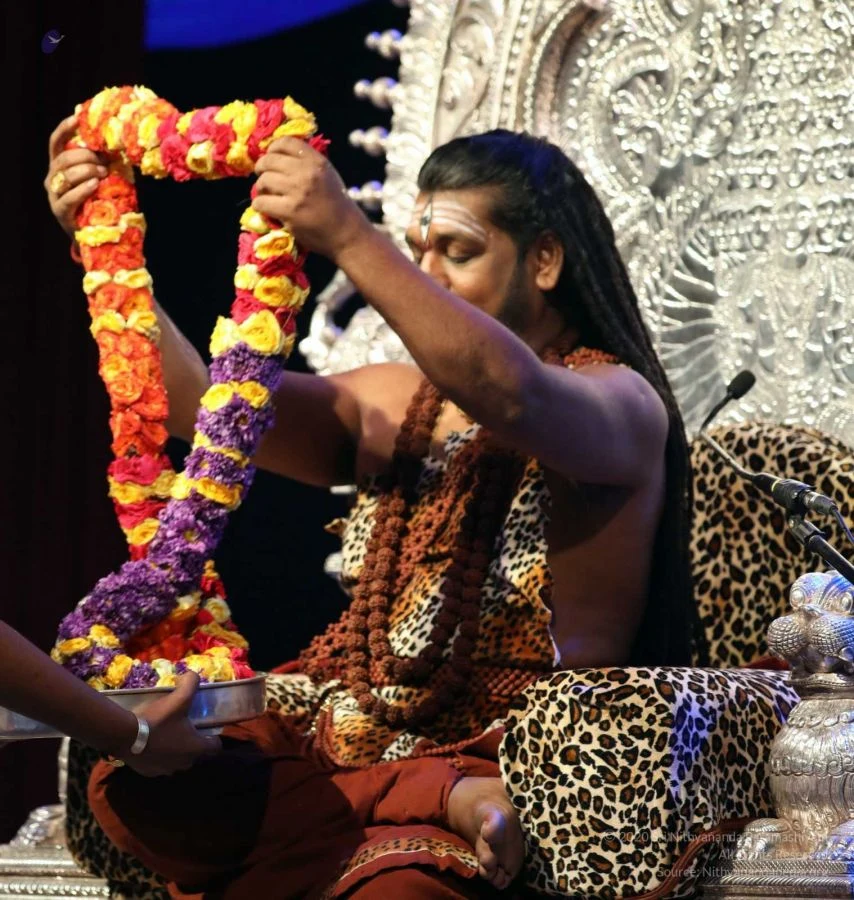
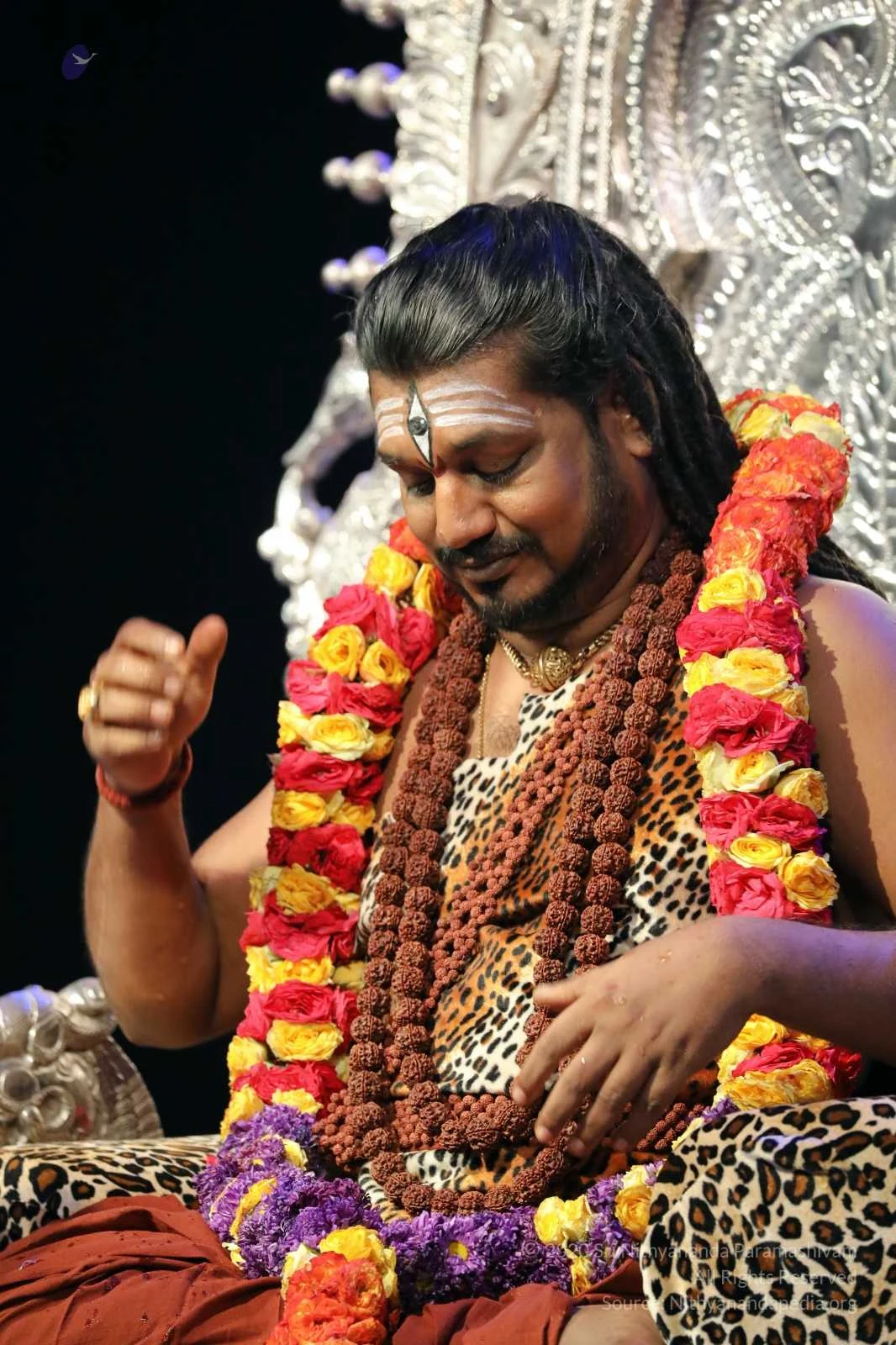
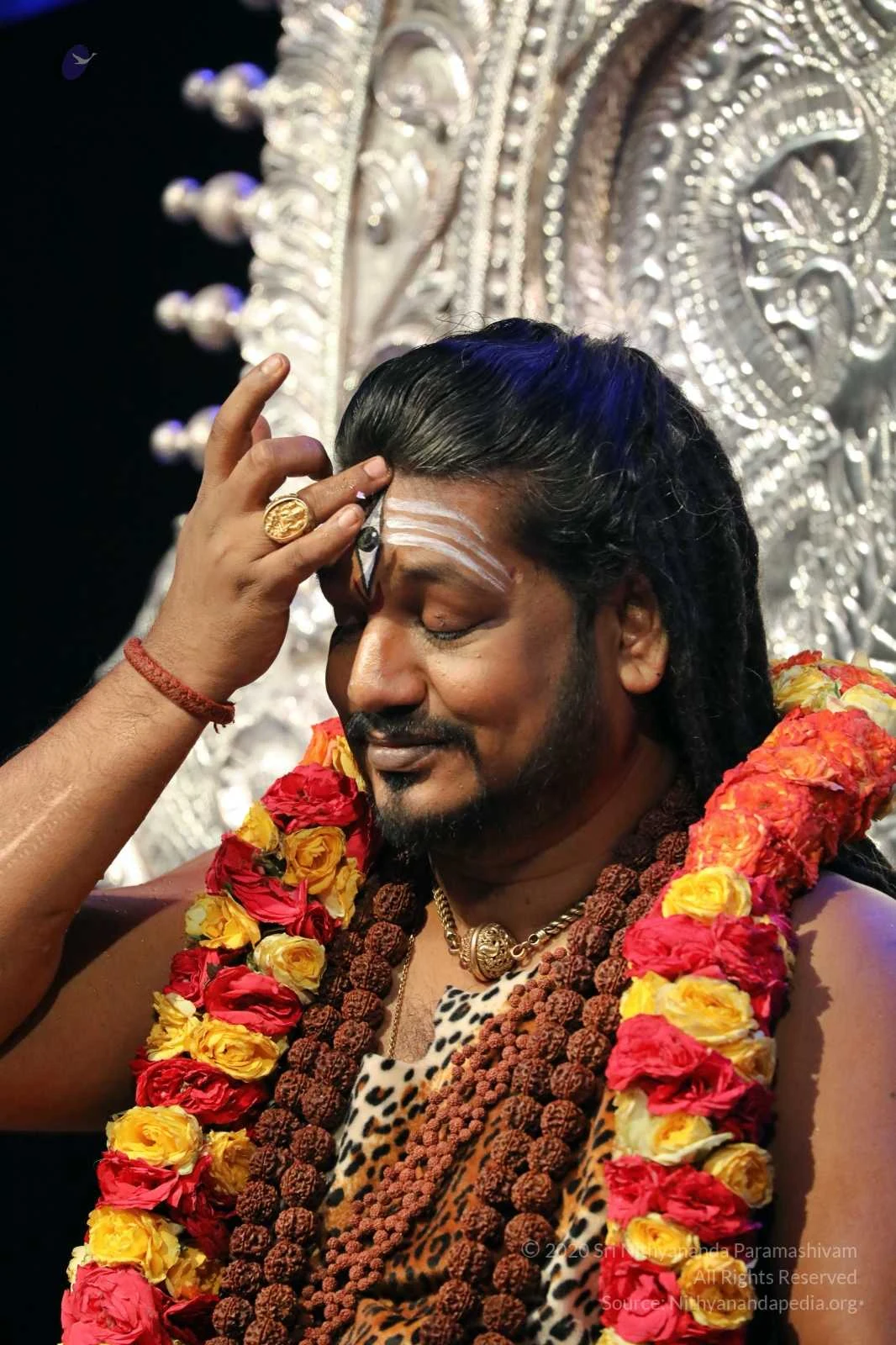
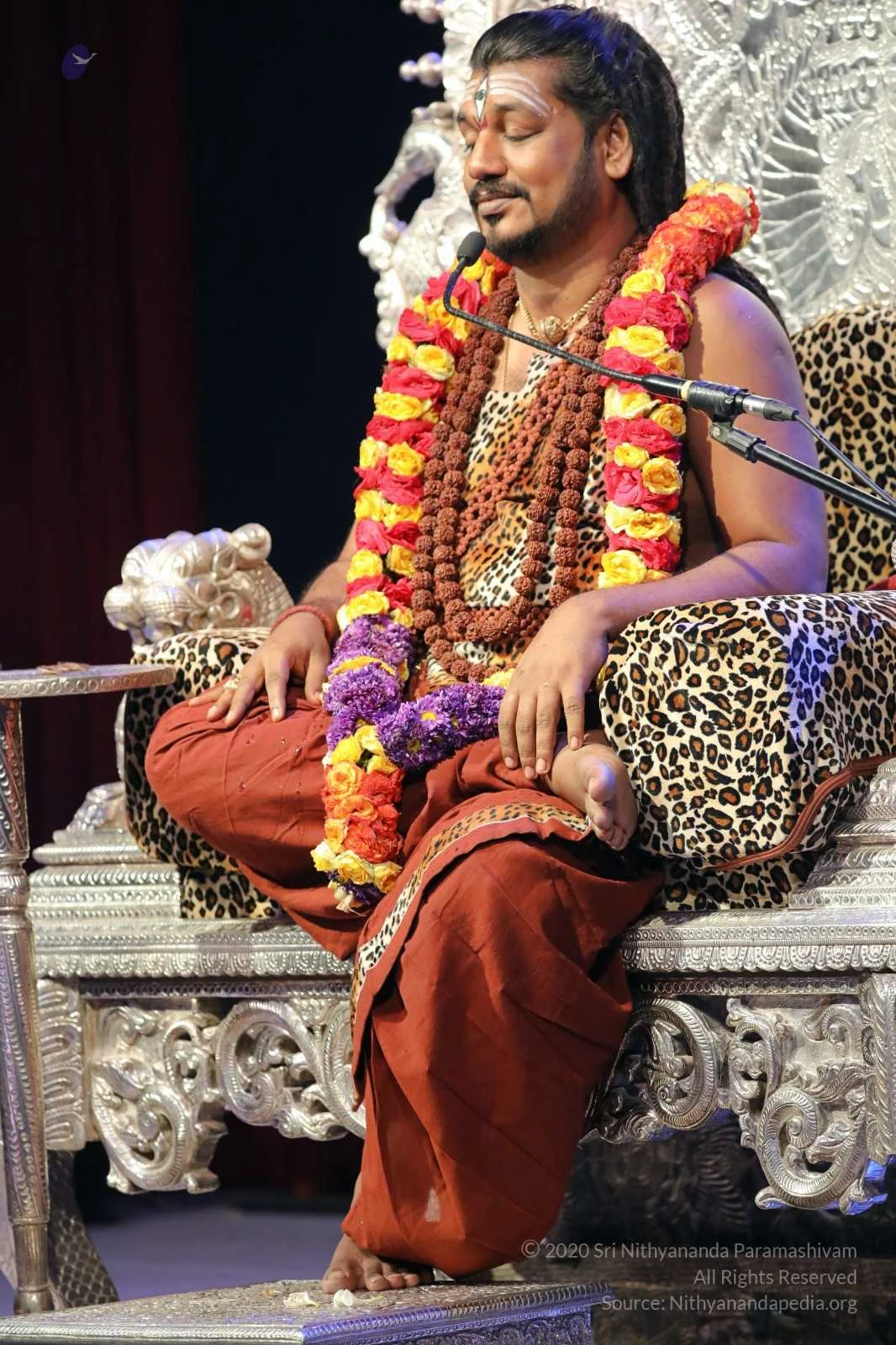
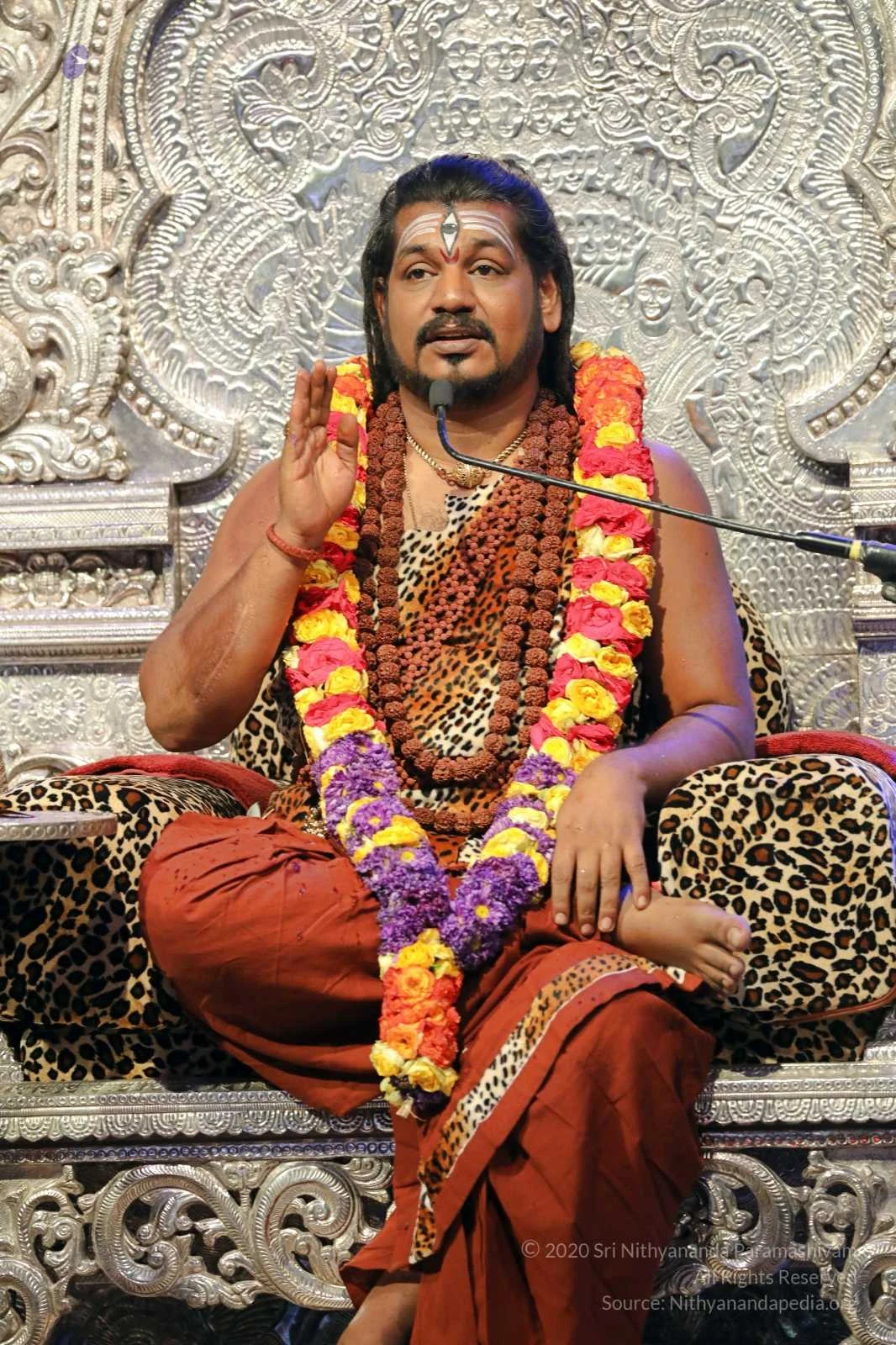
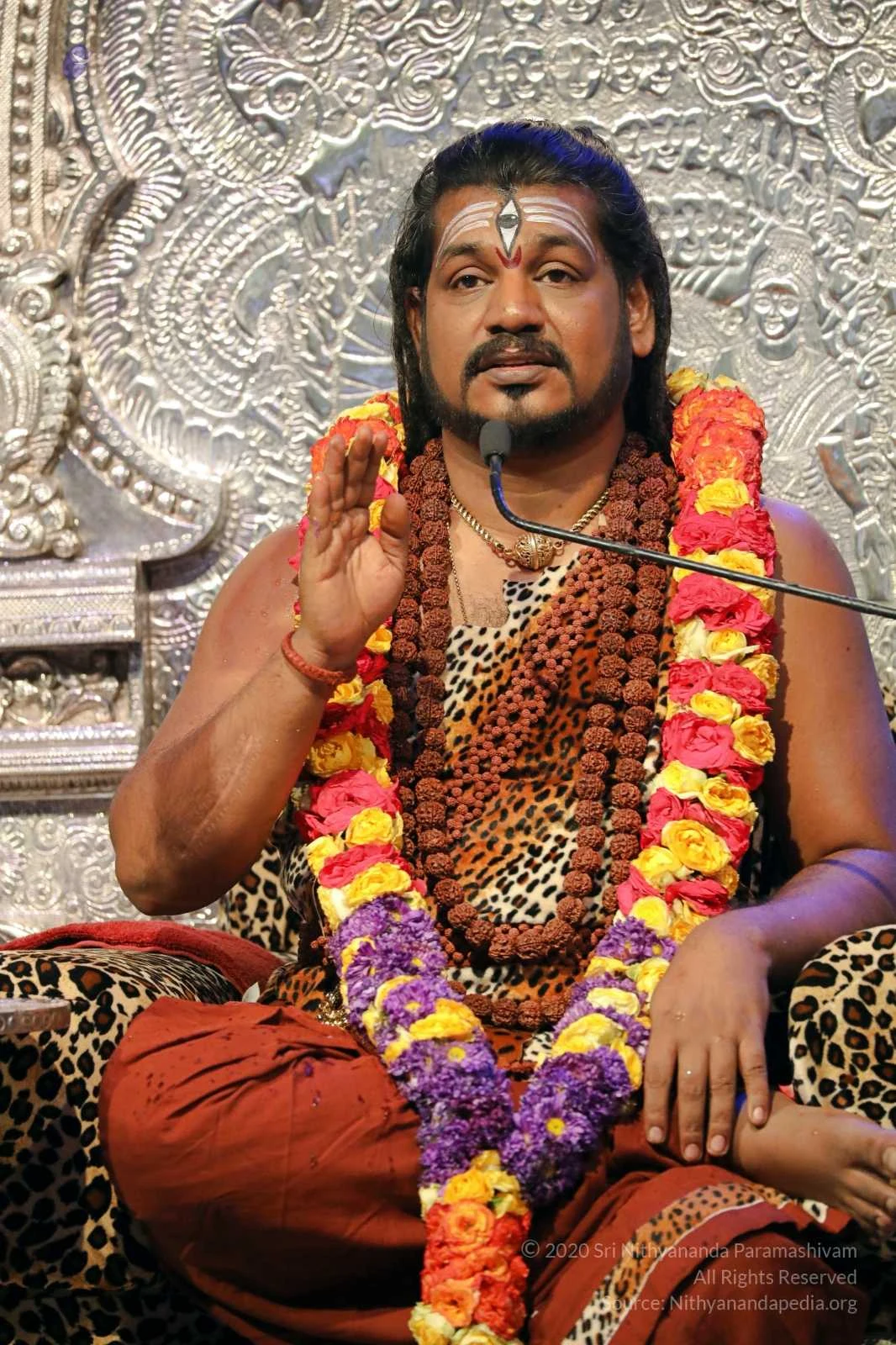
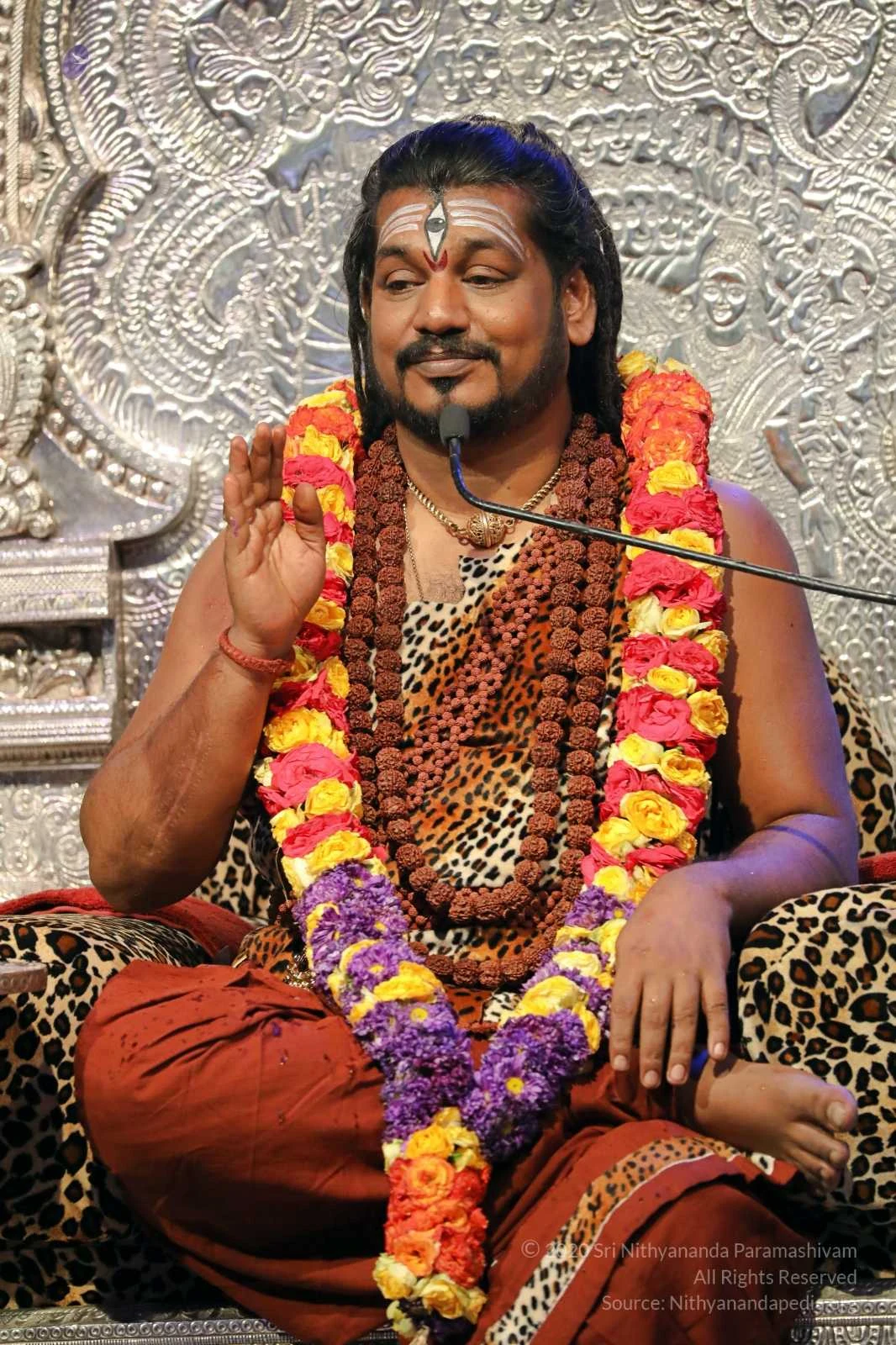
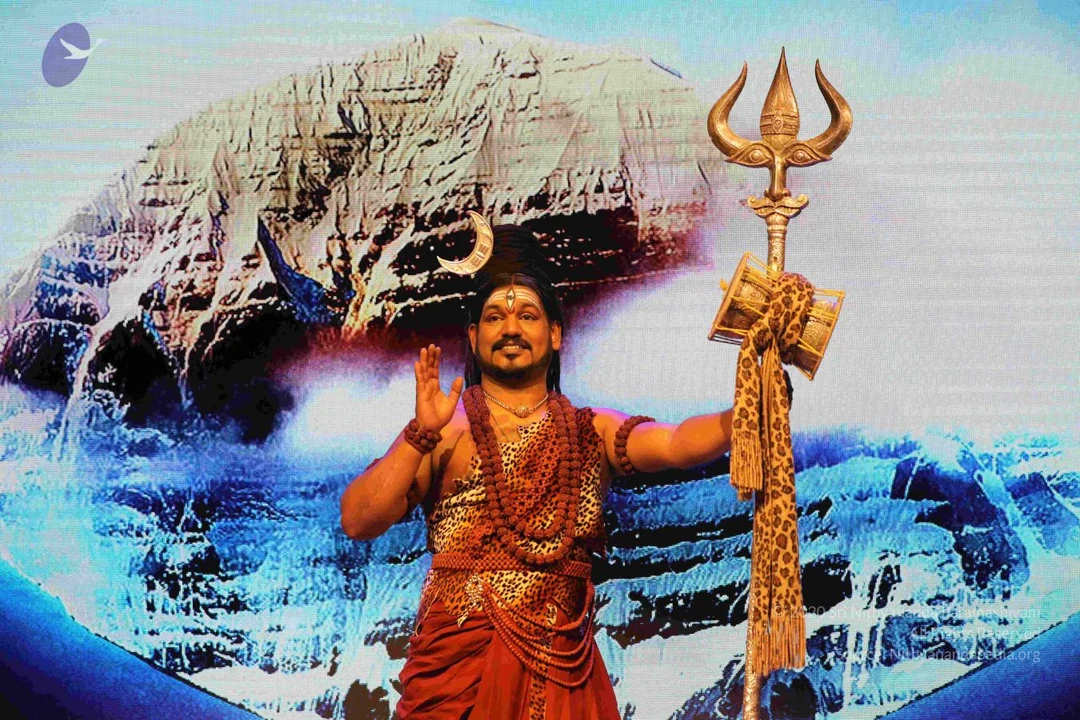
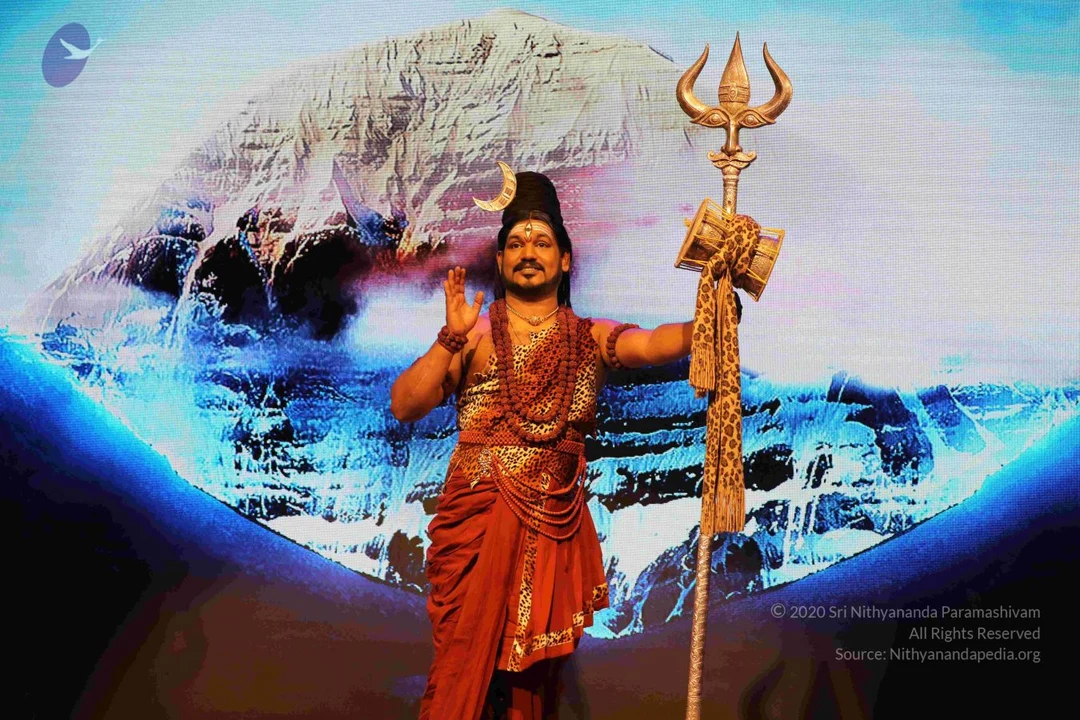
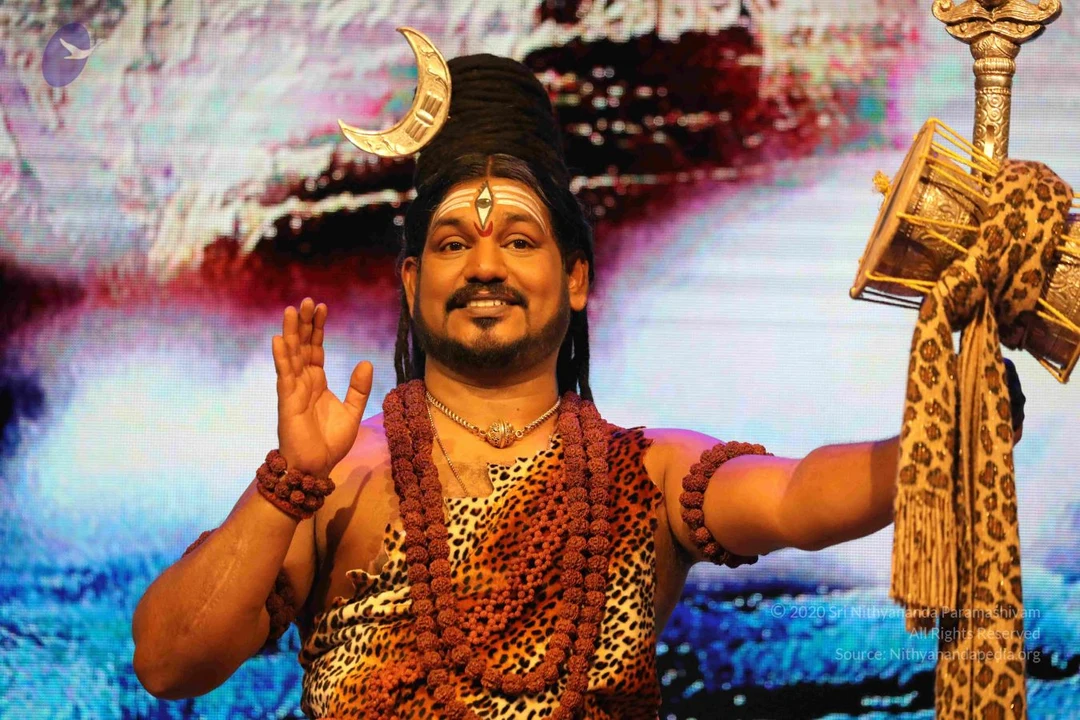
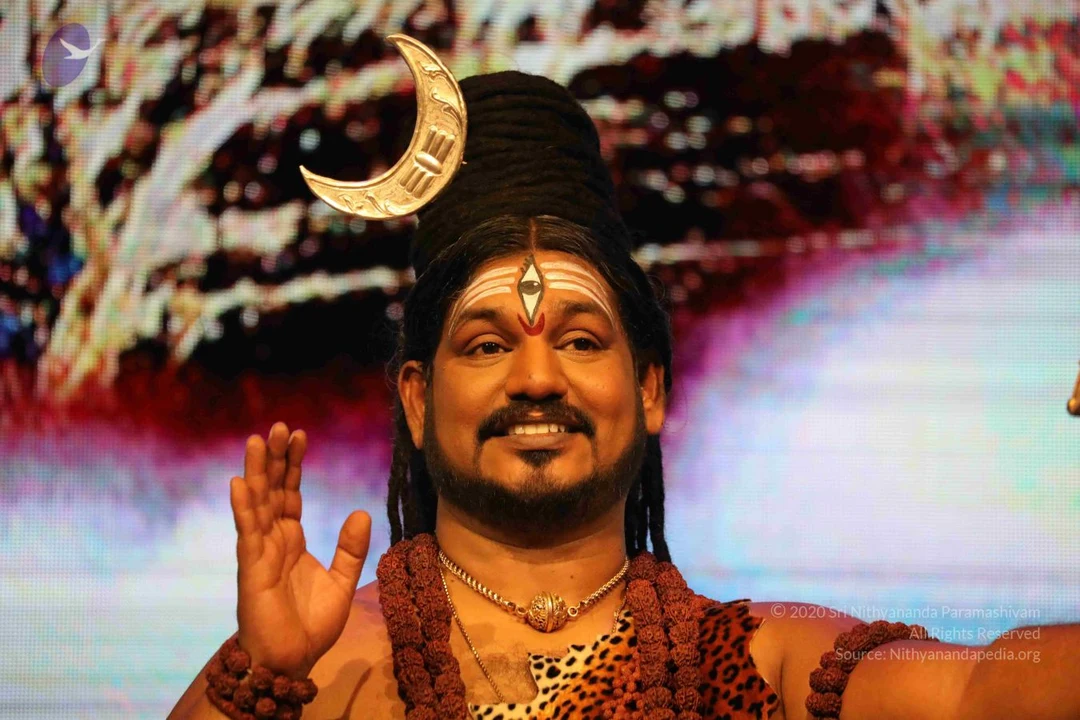
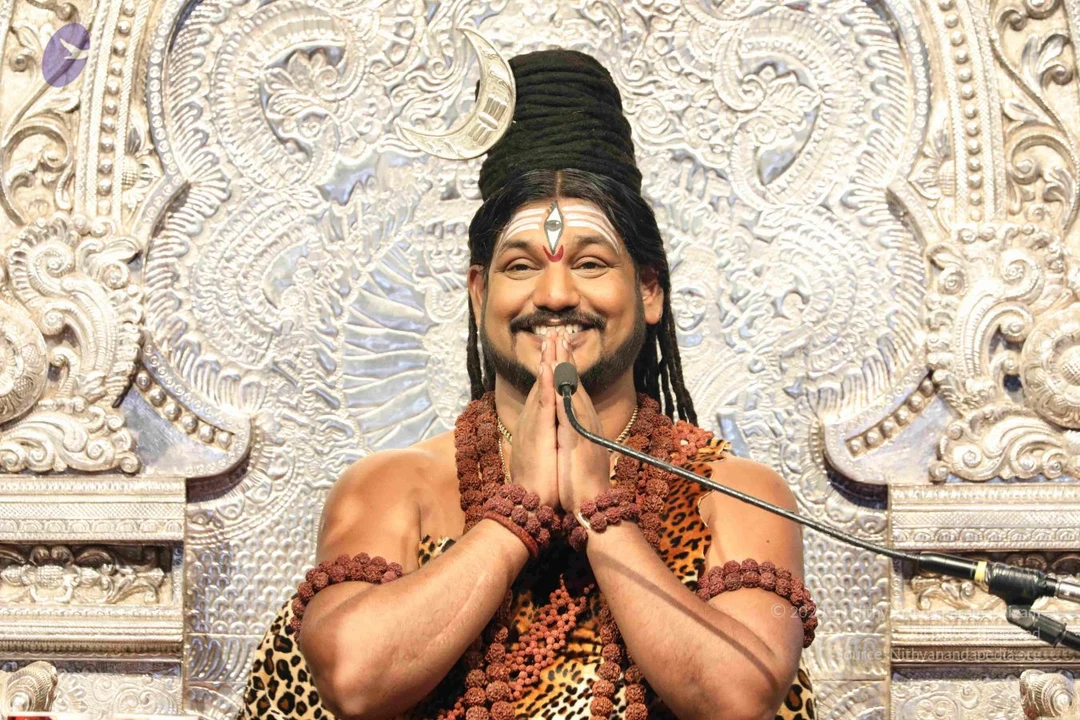
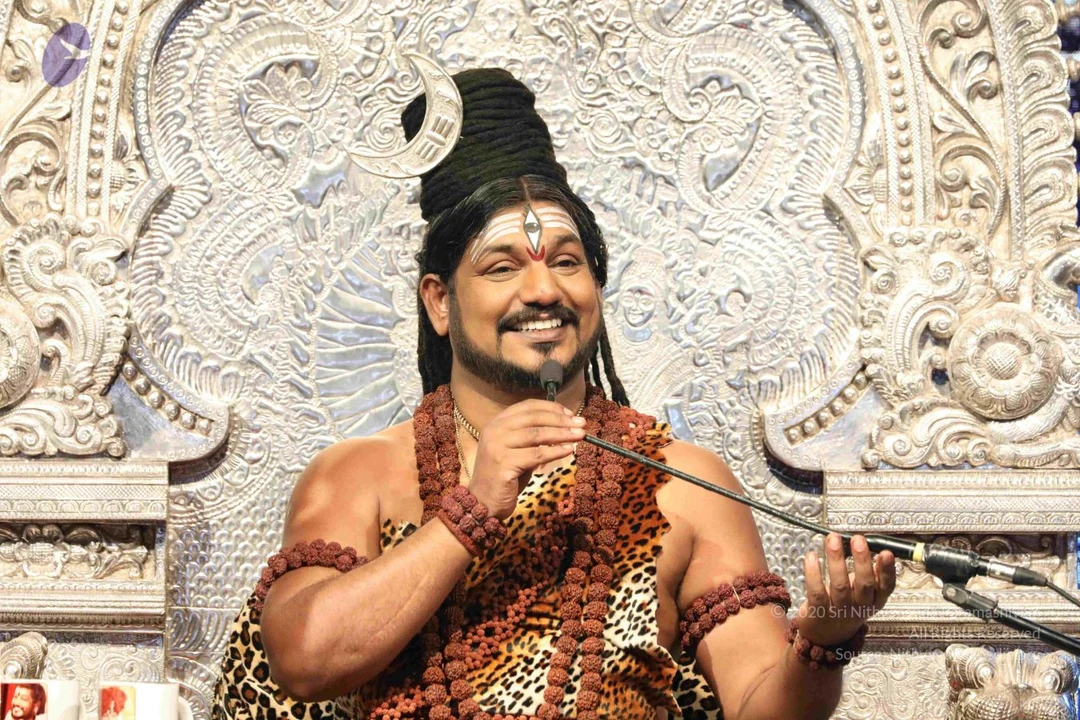
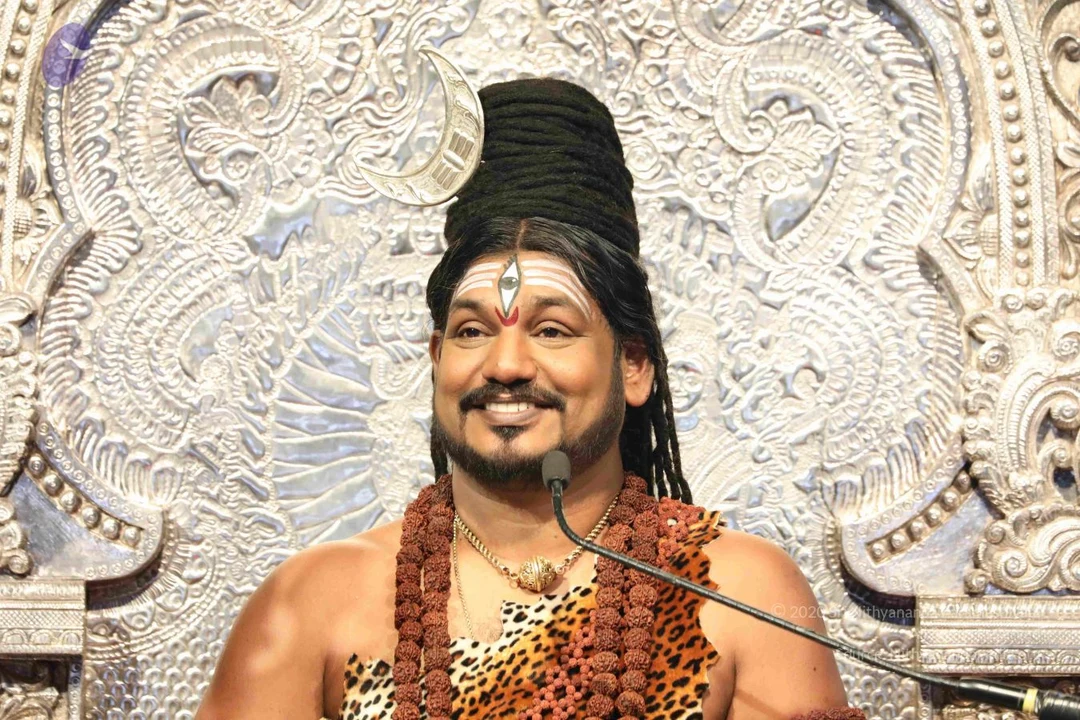
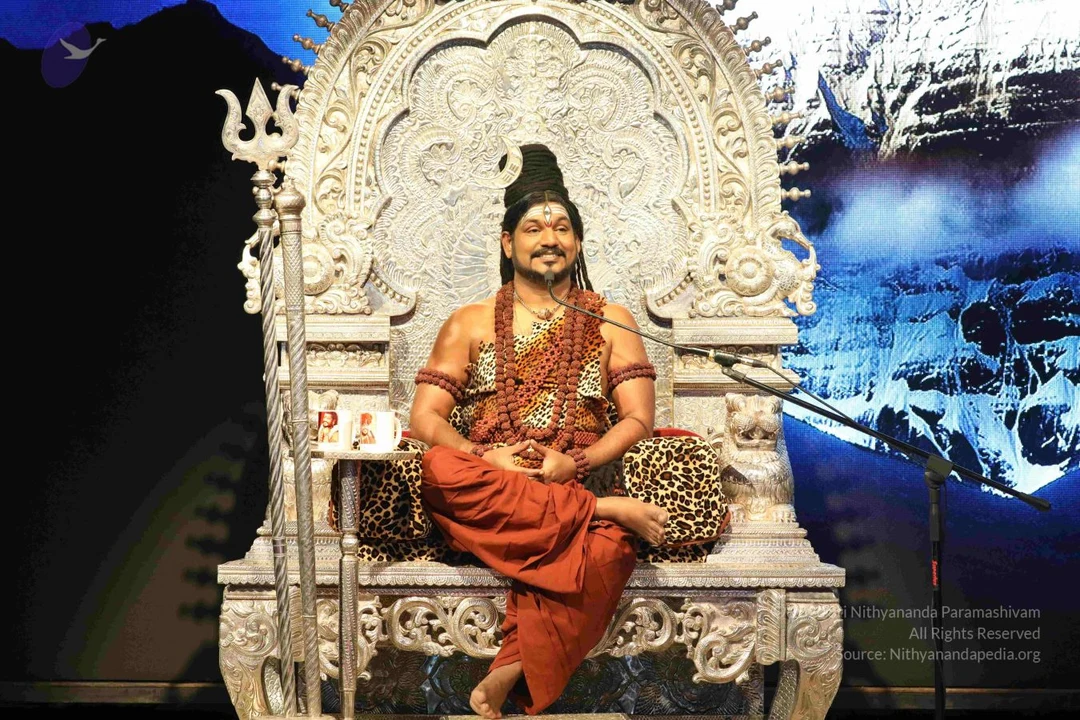
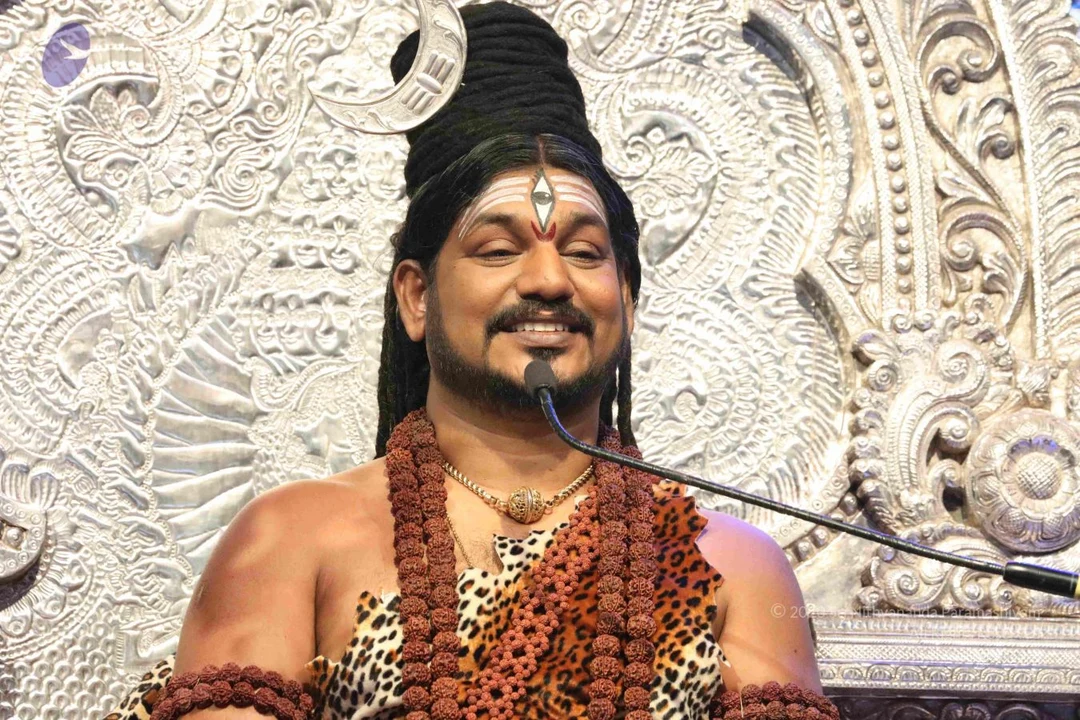
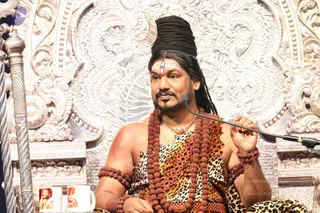
In this day's Presidential Address, the Supreme Pontiff of Hinduism (SPH) Bhagavan Nithyananda Paramashivam initiated hundreds of Kailasa diplomats, delegates and disciples in attendance for several enriching activities which took place in Adi Kailasa on this day.
This day marked Day 2 of the highly anticipated Mahasadashivoham convention. Delegates from around the world were able to witness the demonstration of the authentic Nithyananda Yoga, Power Manifestation by trained Acharyas as well as sacred dances by the Rudrakanyas of the Nithyananda Order and much more. Around the world in the western hemisphere, at the Kailasa Spiritual Embassies in Toronto and Los Angeles, devotees offered the sacred Thirunmanjanam to Lord Venkateshwara deity and celebrated alongside Adi Kailasa, during the auspicious occasion of Hanuman Jayanti.
In the East, in the sacred town of Tiruvannamalai, South India, the hometown of The SPH, organic sattvic food was prepared and given to hundreds - Anna Daan - on the full moon day Poornami which is customary at the Kailasa in Tiruvannamalai. In Malaysia, Anna Daan was also given to pilgrims visiting the very popular and sacred Batu Caves dedicated to Lord Subramanya, and enriched many through various enriching activities.
This day's Presidential Address, Nithyananda Satsangh, Mahasadashivoham Convention, Nithyananda Yoga Teacher Training, Power Manifestation Demos, Rudrakanya performance, Individual Energy Darshans and more, were all conducted by the Supreme Pontiff of Hinduism directly, Bhagavan Nithyananda Paramashivam on 1 April 2018 from Adi Kailasa, Bidadi, Karnataka, India.
Link to Video:
Photos
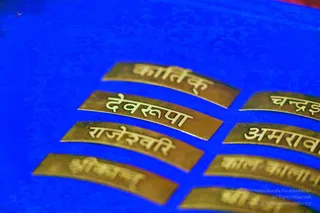
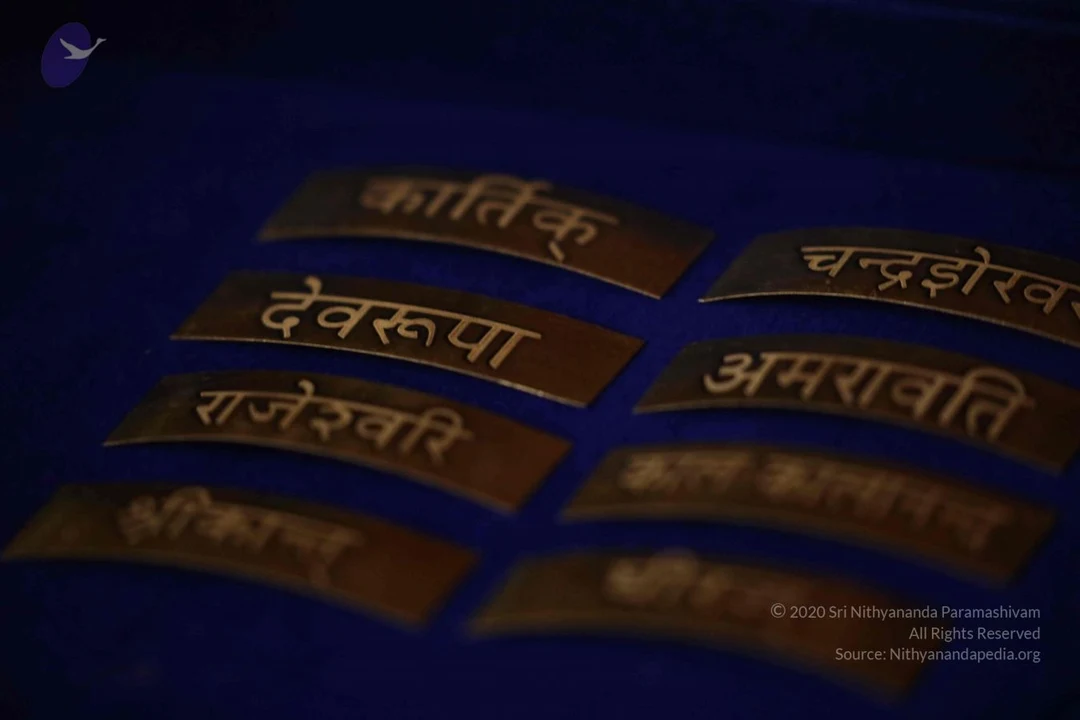
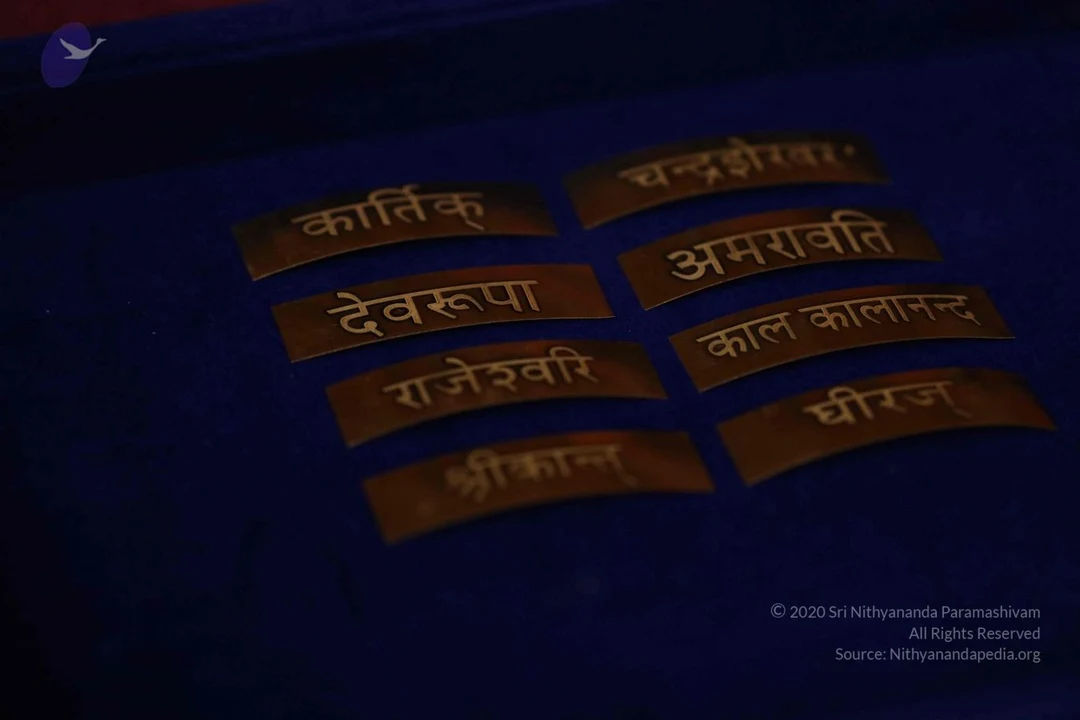
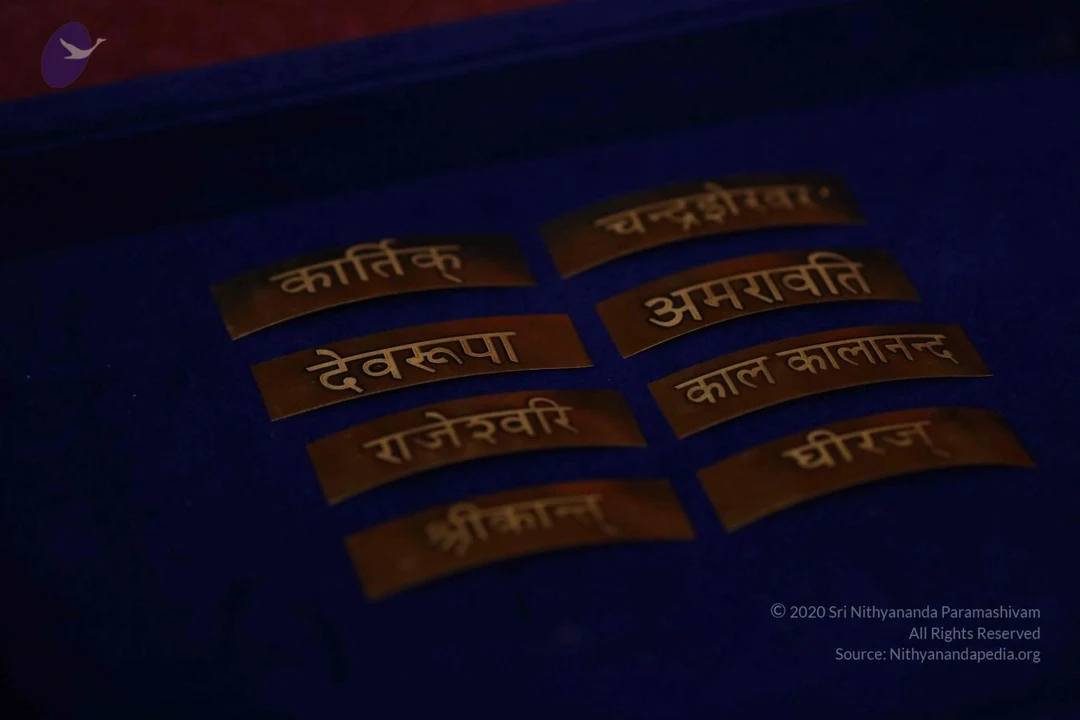
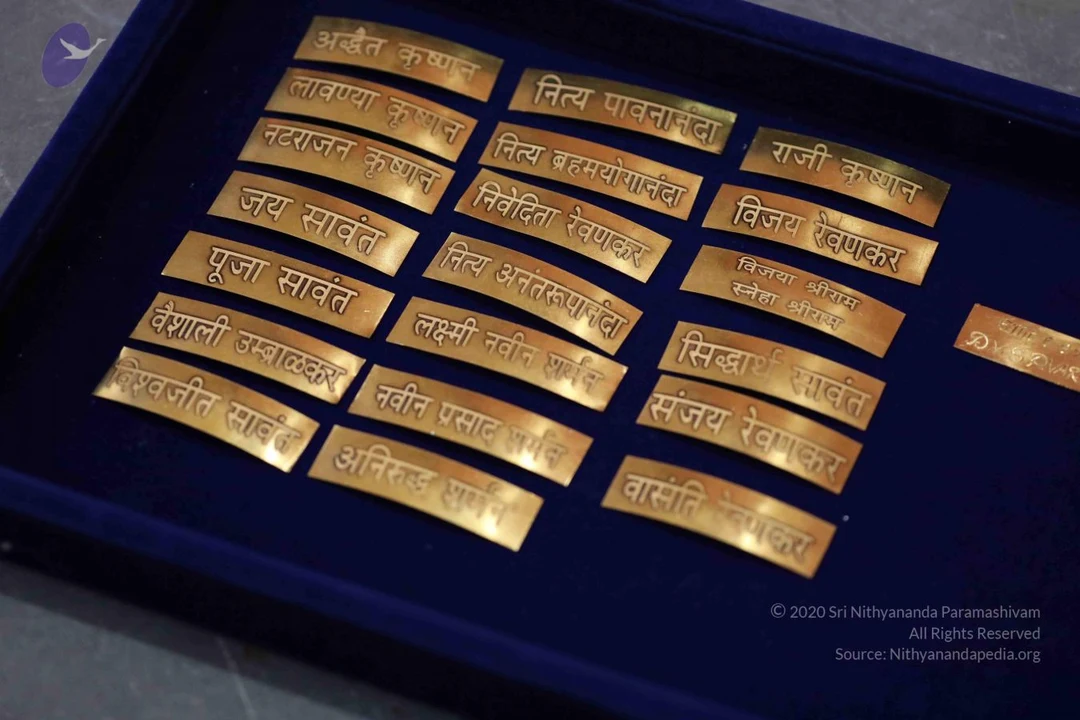
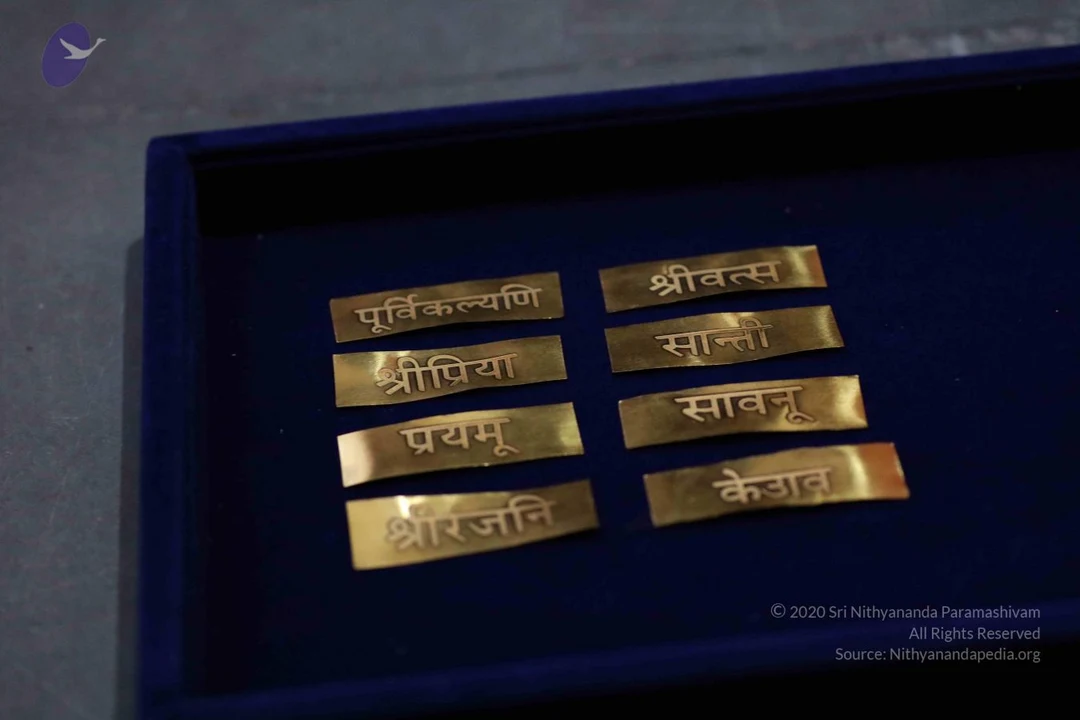
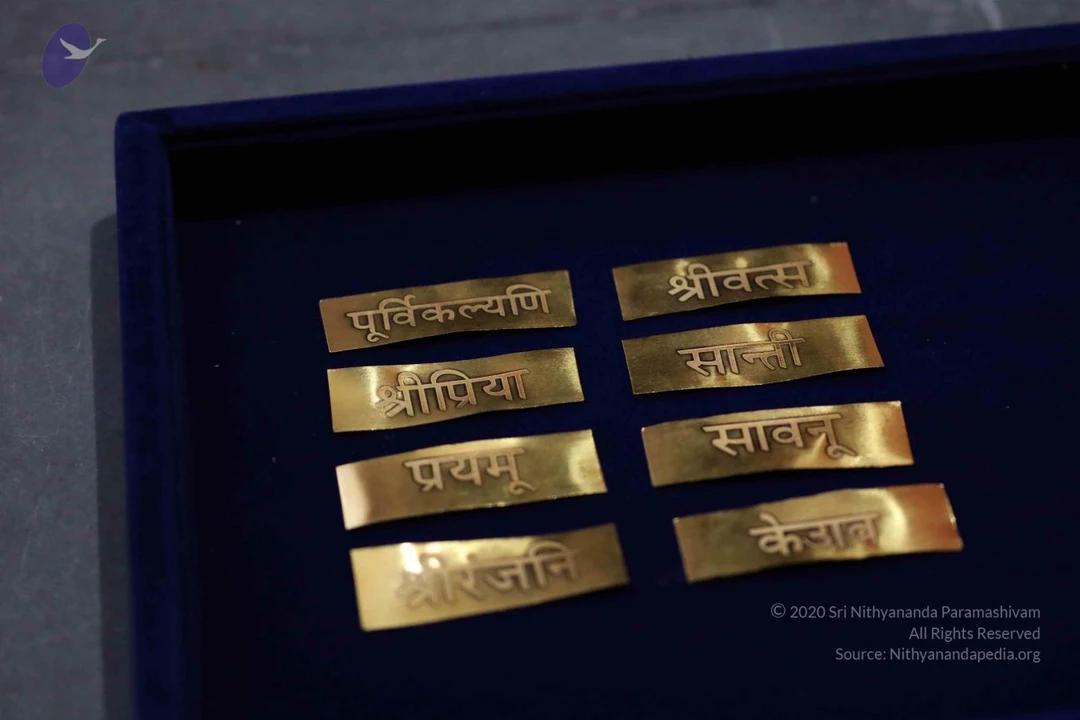
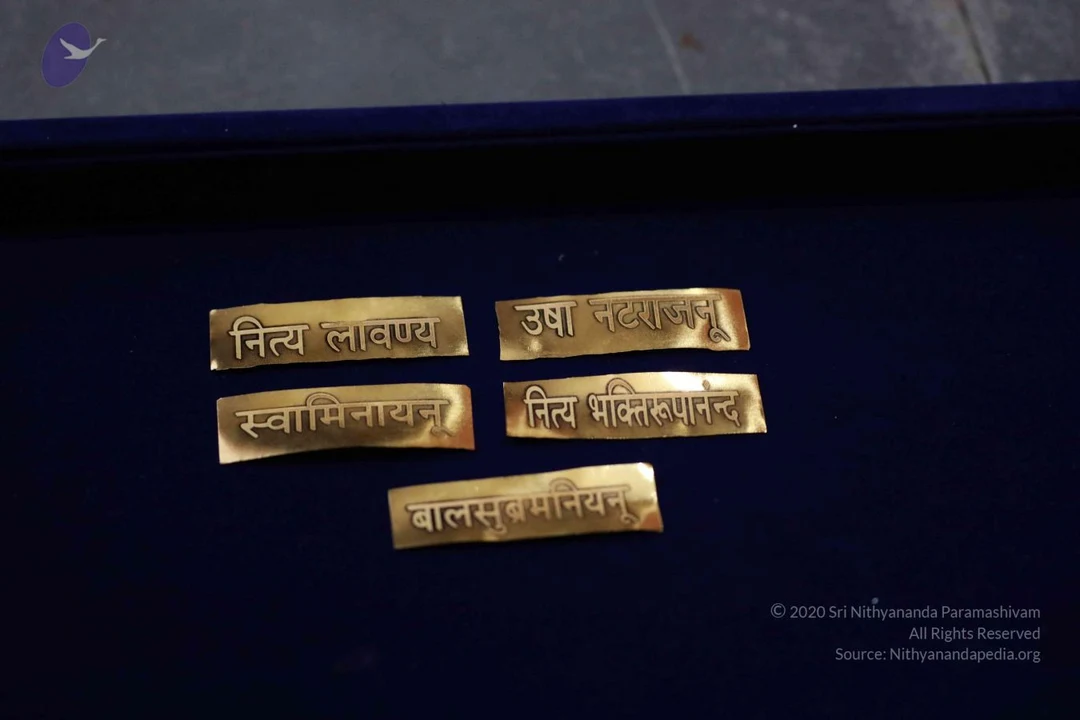
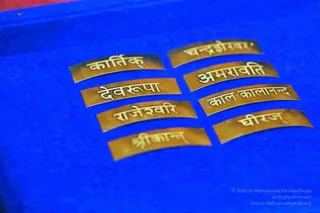
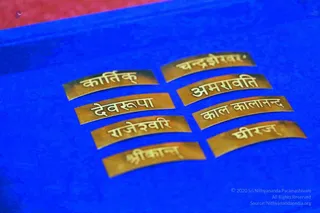
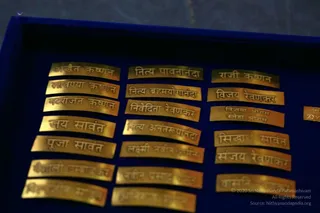
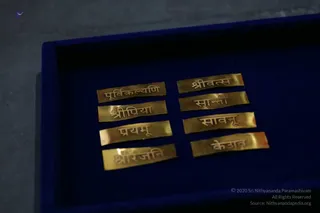
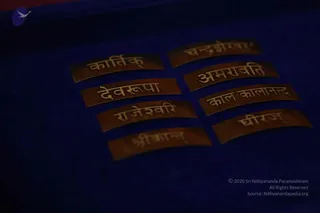
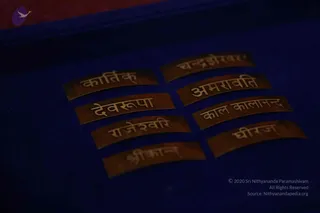
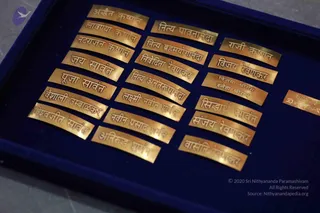
Gold Leaf Names
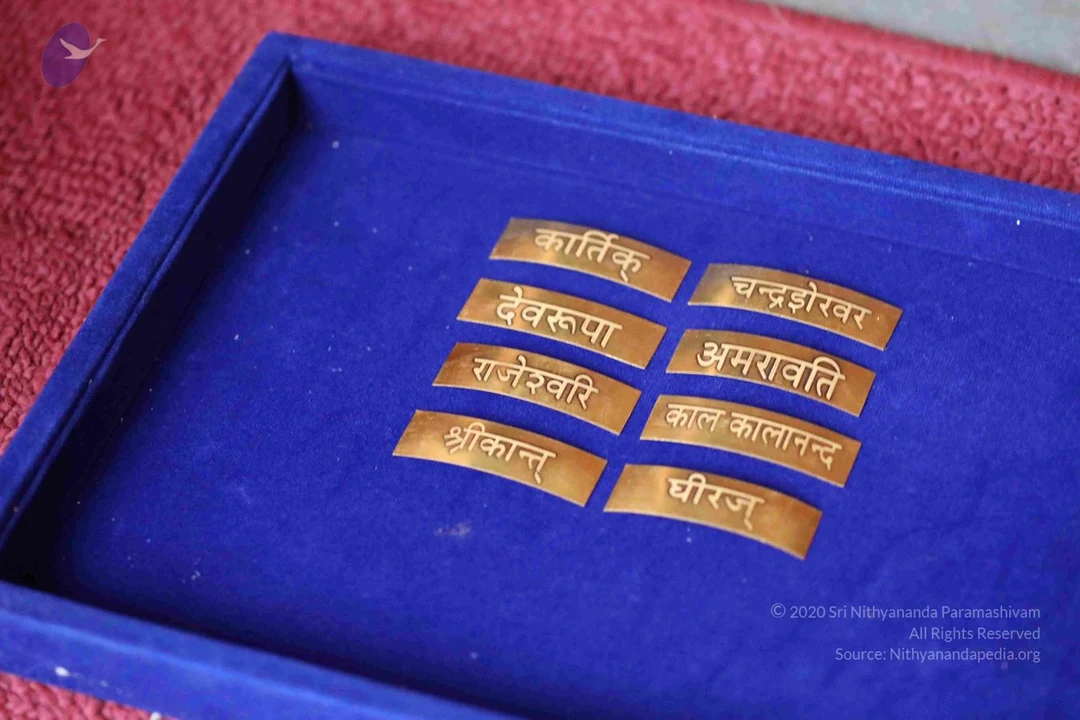
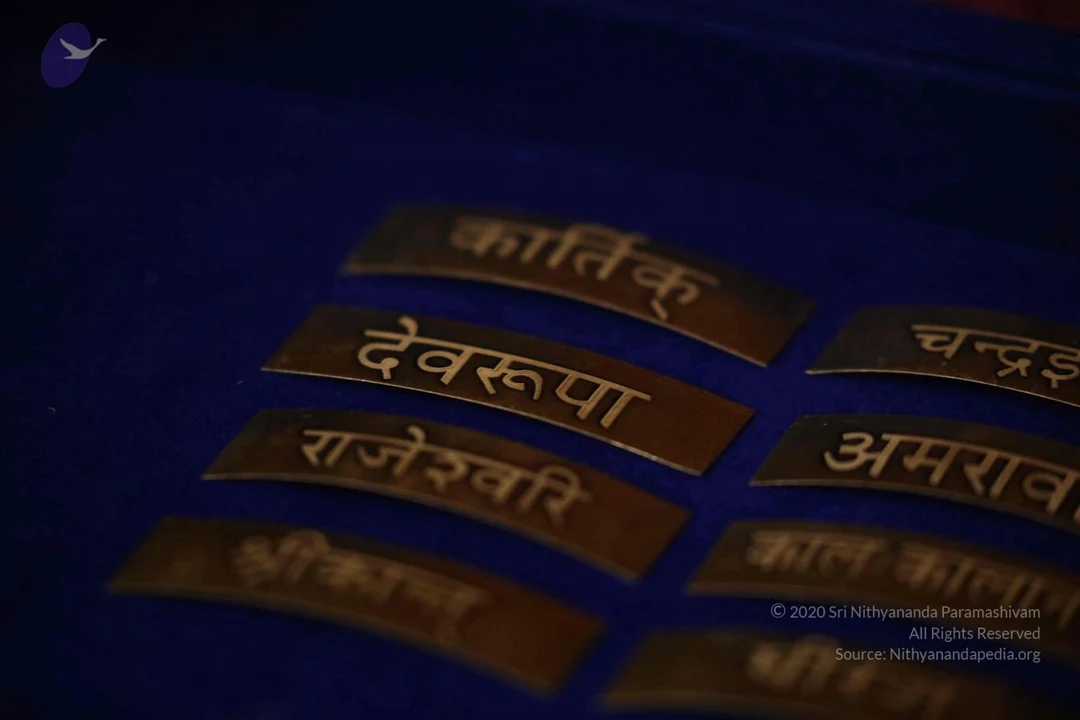
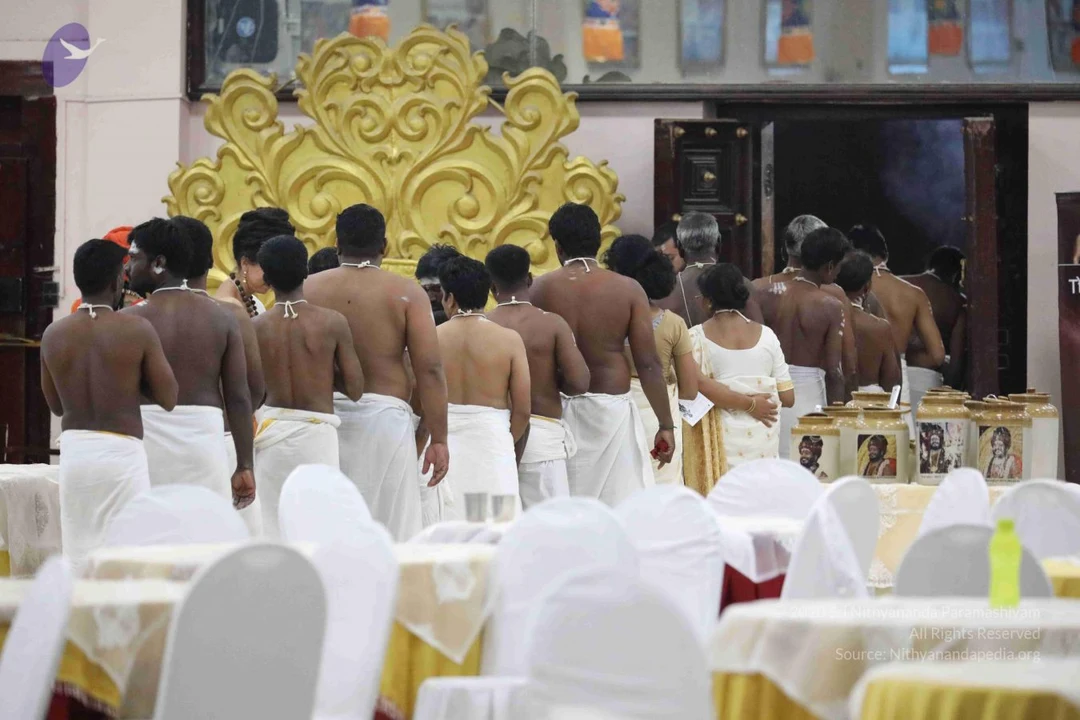
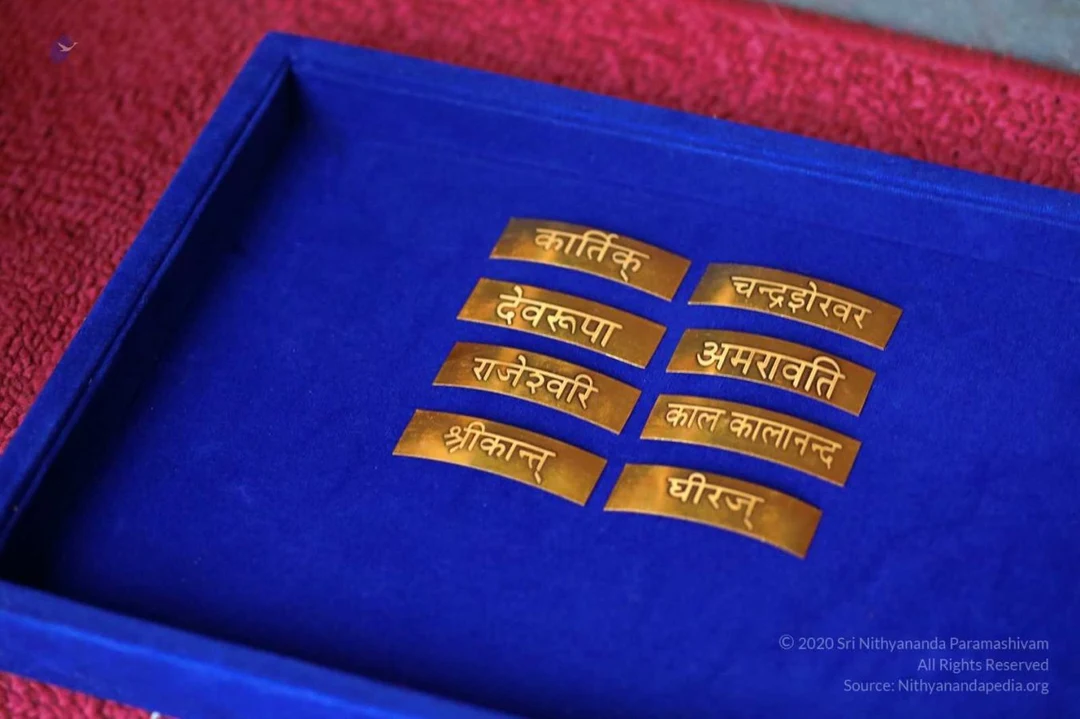 Golden leaf offerings with name engraved to become an eternal part of the Mahasadashiva murthi for the Nithyanandeshwara Sadashiva Devasthanam Golden Temple
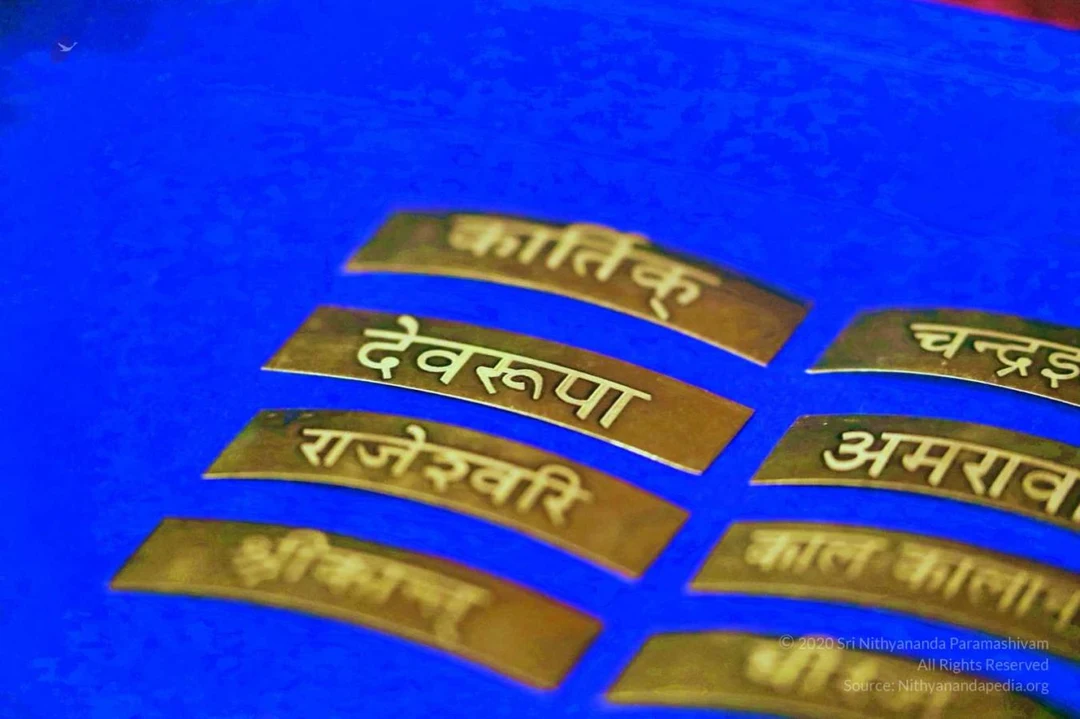 Golden leaf offerings with name engraved to become an eternal part of the Mahasadashiva murthi for the Nithyanandeshwara Sadashiva Devasthanam Golden Temple
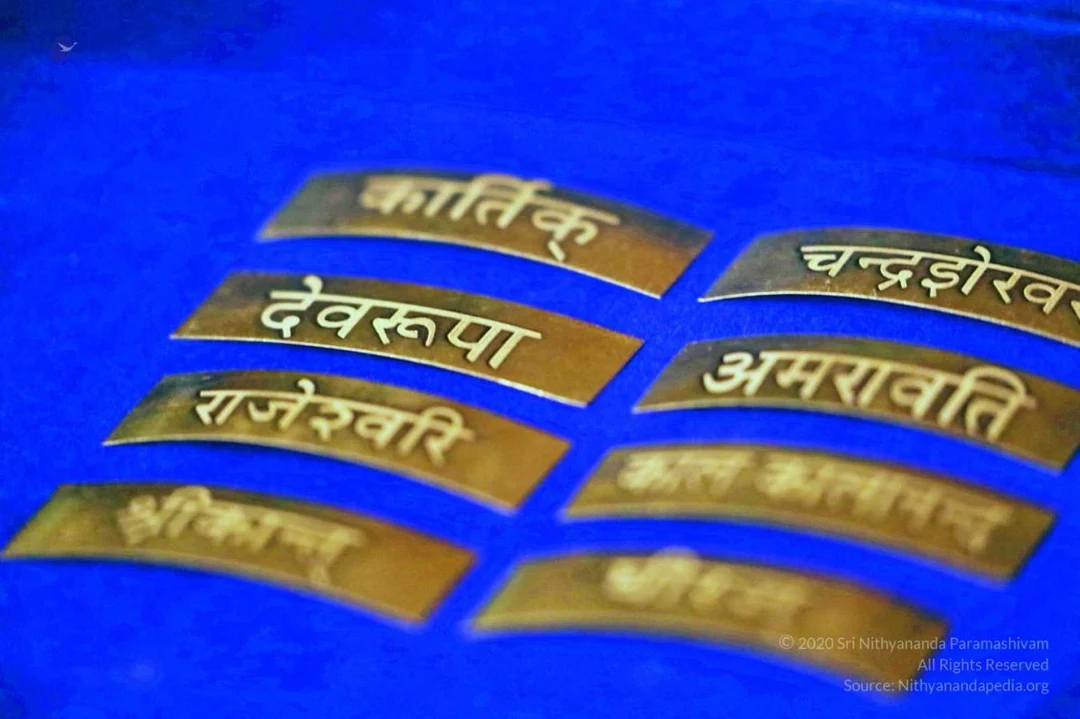 Golden leaf offerings with name engraved to become an eternal part of the Mahasadashiva murthi for the Nithyanandeshwara Sadashiva Devasthanam Golden Temple
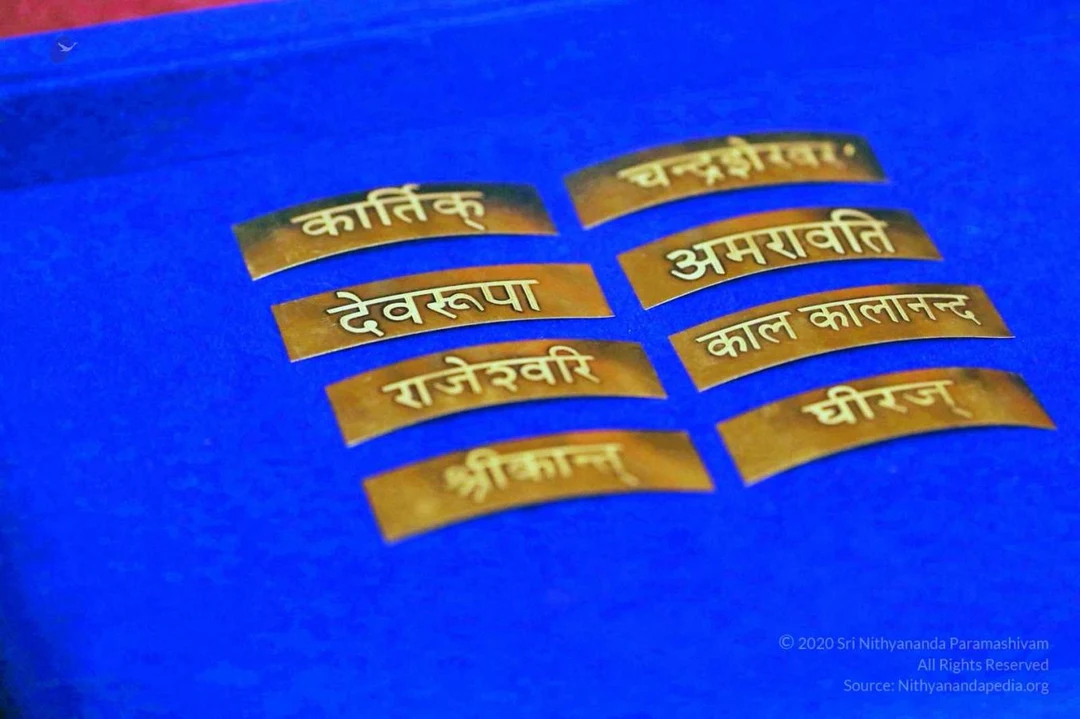 Golden leaf offerings with name engraved to become an eternal part of the Mahasadashiva murthi for the Nithyanandeshwara Sadashiva Devasthanam Golden Temple
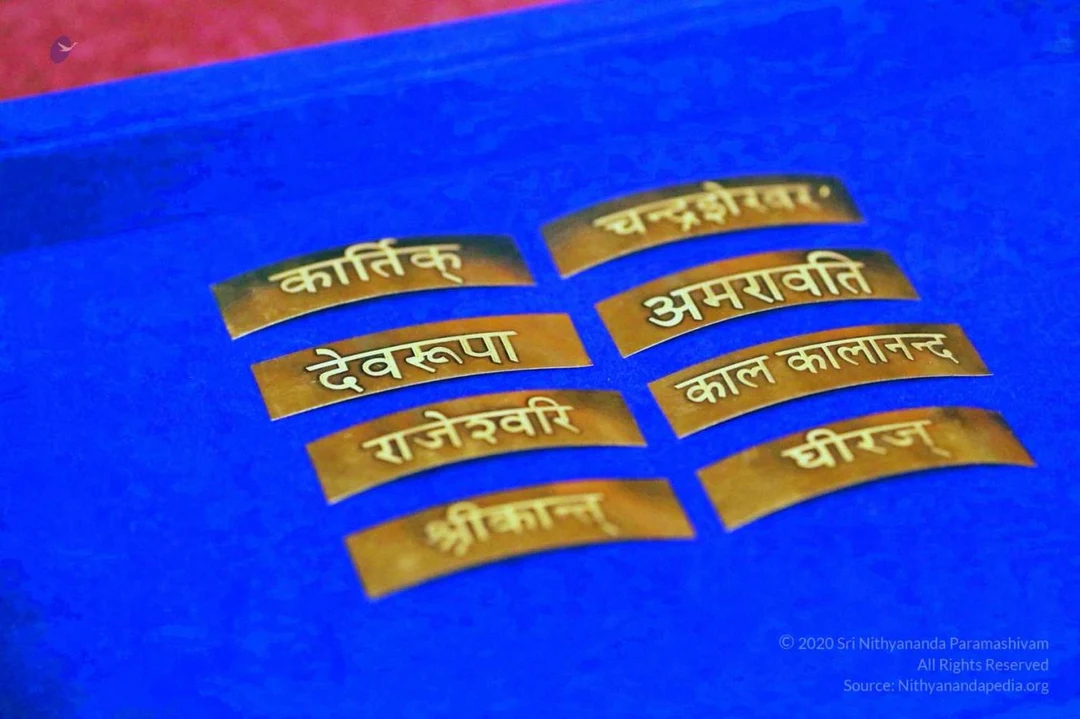 Golden leaf offerings with name engraved to become an eternal part of the Mahasadashiva murthi for the Nithyanandeshwara Sadashiva Devasthanam Golden Temple
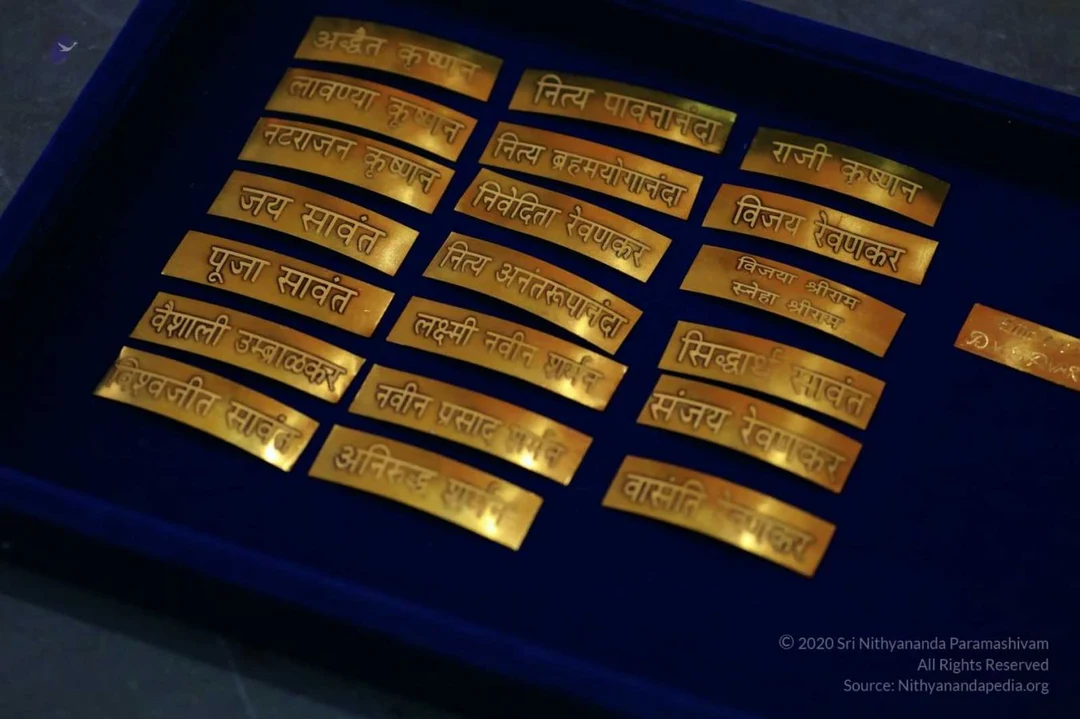 Golden leaf offerings with name engraved to become an eternal part of the Mahasadashiva murthi for the Nithyanandeshwara Sadashiva Devasthanam Golden Temple
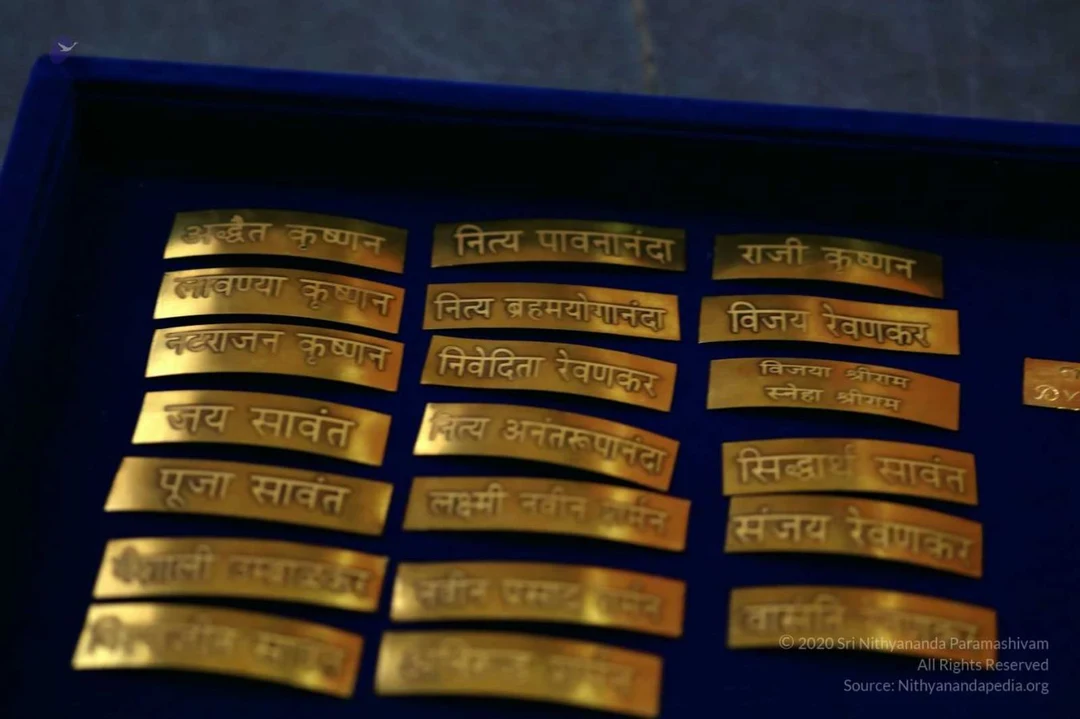 Golden leaf offerings with name engraved to become an eternal part of the Mahasadashiva murthi for the Nithyanandeshwara Sadashiva Devasthanam Golden Temple
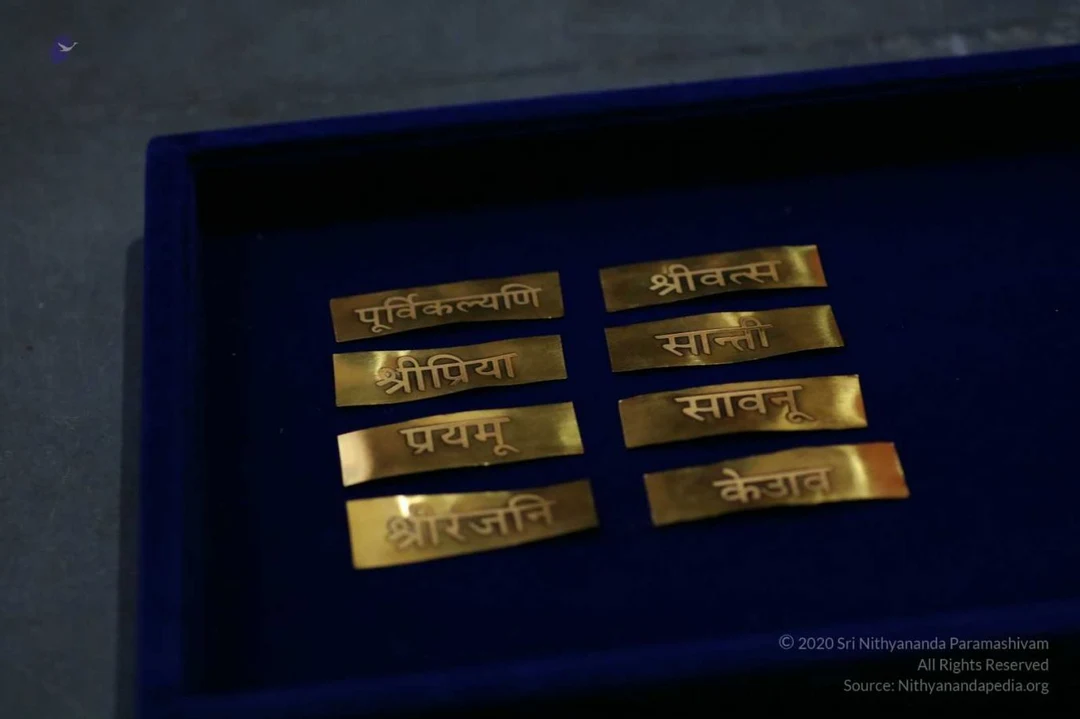 Golden leaf offerings with name engraved to become an eternal part of the Mahasadashiva murthi for the Nithyanandeshwara Sadashiva Devasthanam Golden Temple
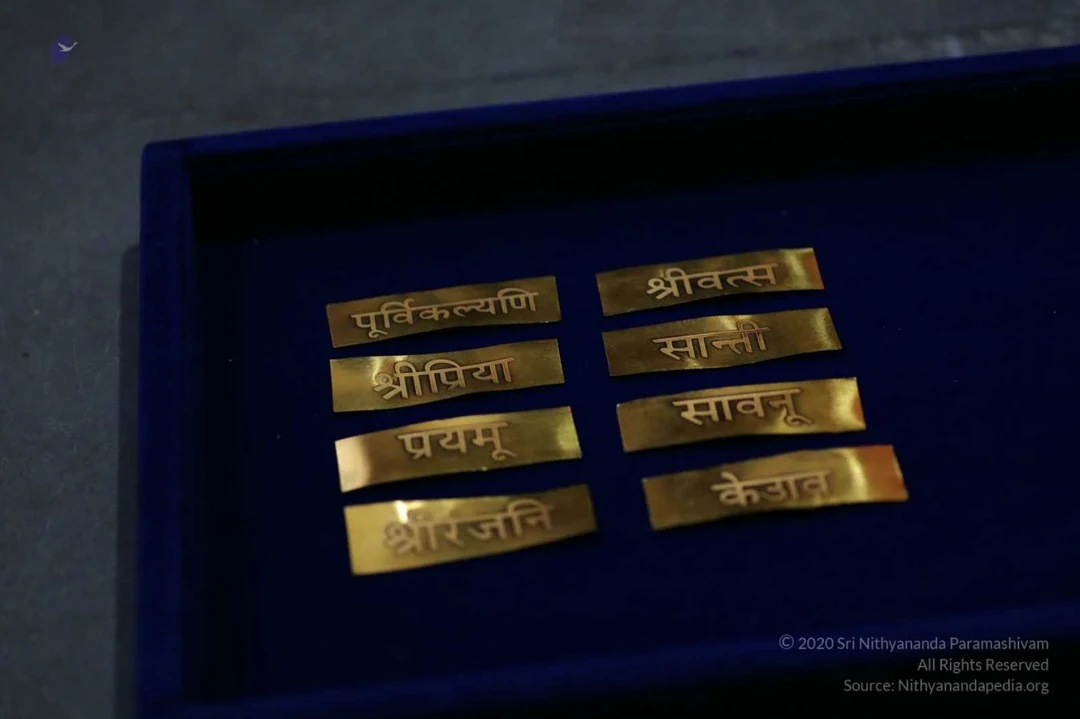 Golden leaf offerings with name engraved to become an eternal part of the Mahasadashiva murthi for the Nithyanandeshwara Sadashiva Devasthanam Golden Temple
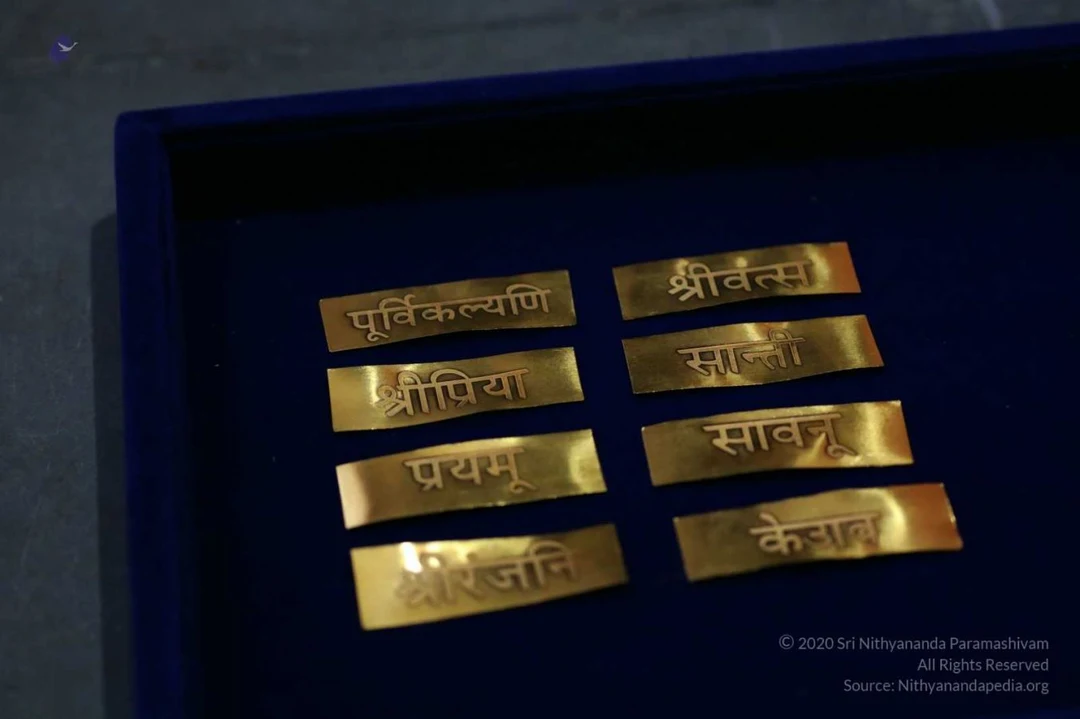 Golden leaf offerings with name engraved to become an eternal part of the Mahasadashiva murthi for the Nithyanandeshwara Sadashiva Devasthanam Golden Temple
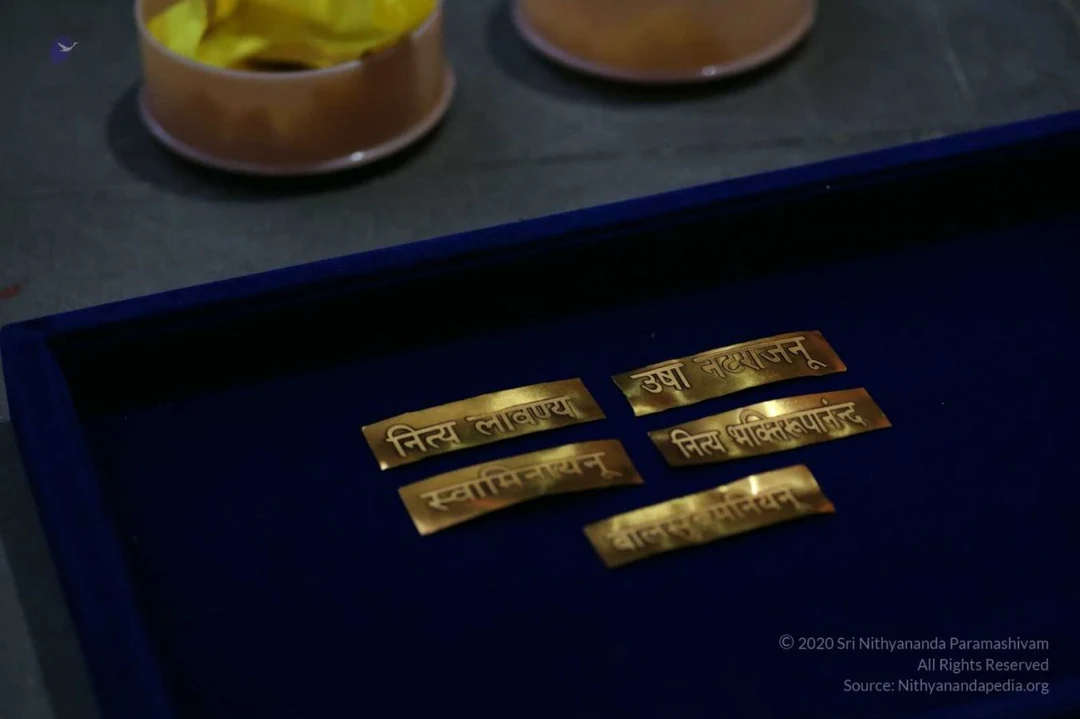 Golden leaf offerings with name engraved to become an eternal part of the Mahasadashiva murthi for the Nithyanandeshwara Sadashiva Devasthanam Golden Temple
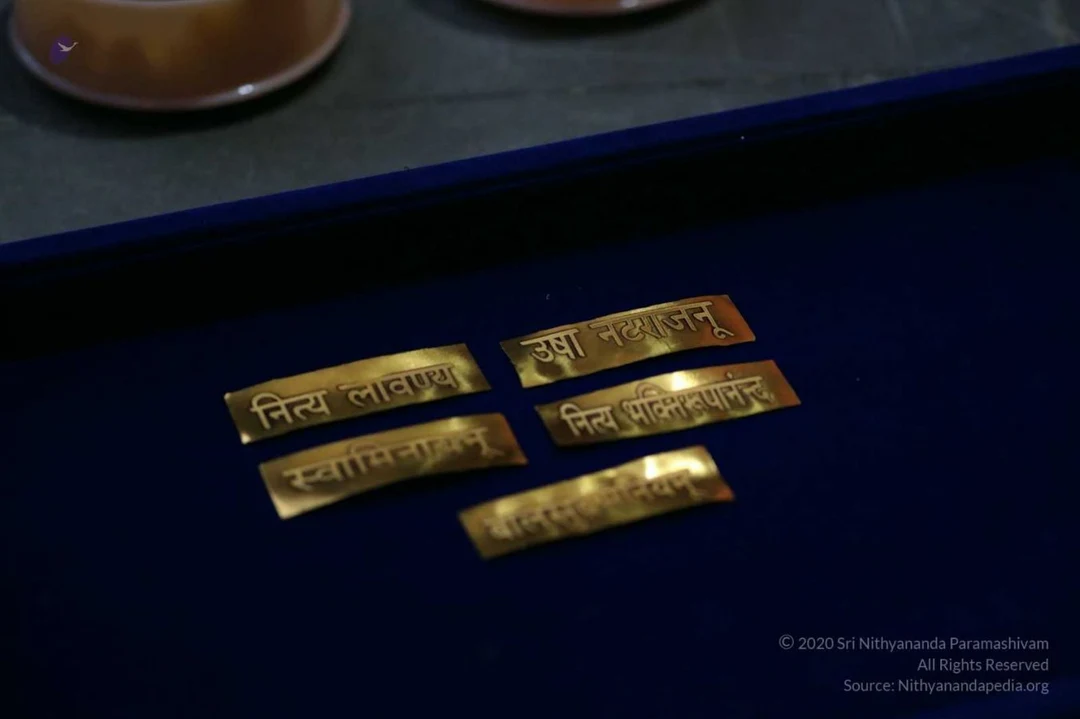 Golden leaf offerings with name engraved to become an eternal part of the Mahasadashiva murthi for the Nithyanandeshwara Sadashiva Devasthanam Golden Temple
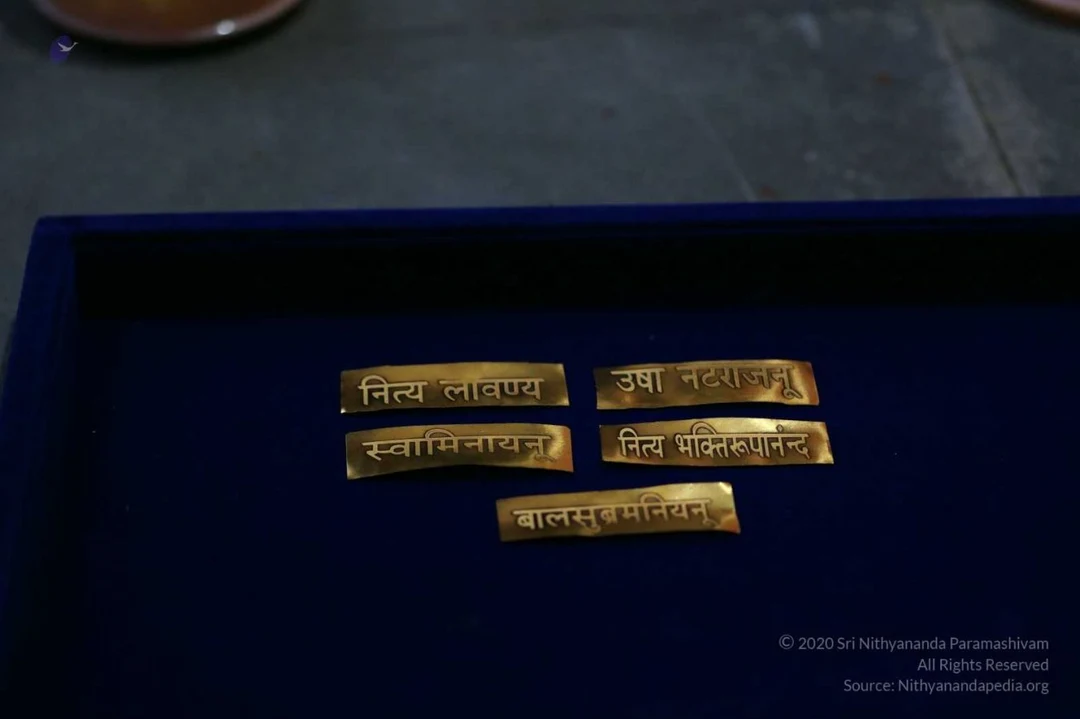 Golden leaf offerings with name engraved to become an eternal part of the Mahasadashiva murthi for the Nithyanandeshwara Sadashiva Devasthanam Golden Temple
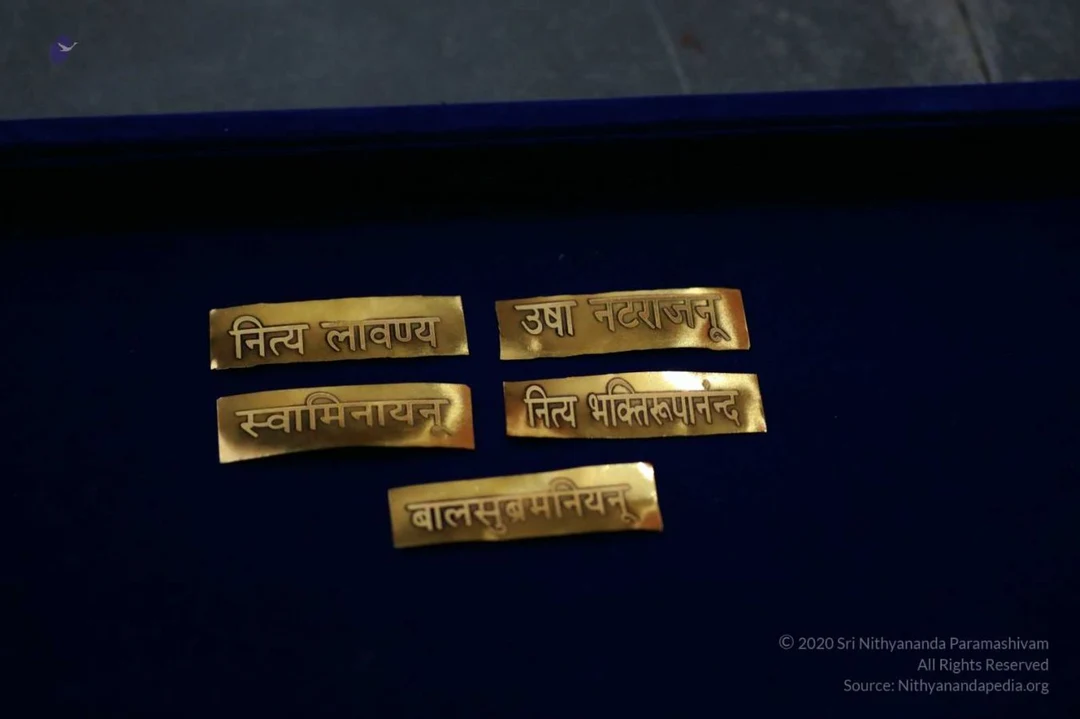 Golden leaf offerings with name engraved to become an eternal part of the Mahasadashiva murthi for the Nithyanandeshwara Sadashiva Devasthanam Golden Temple
Darshan
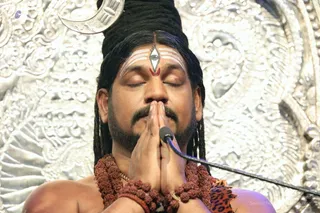
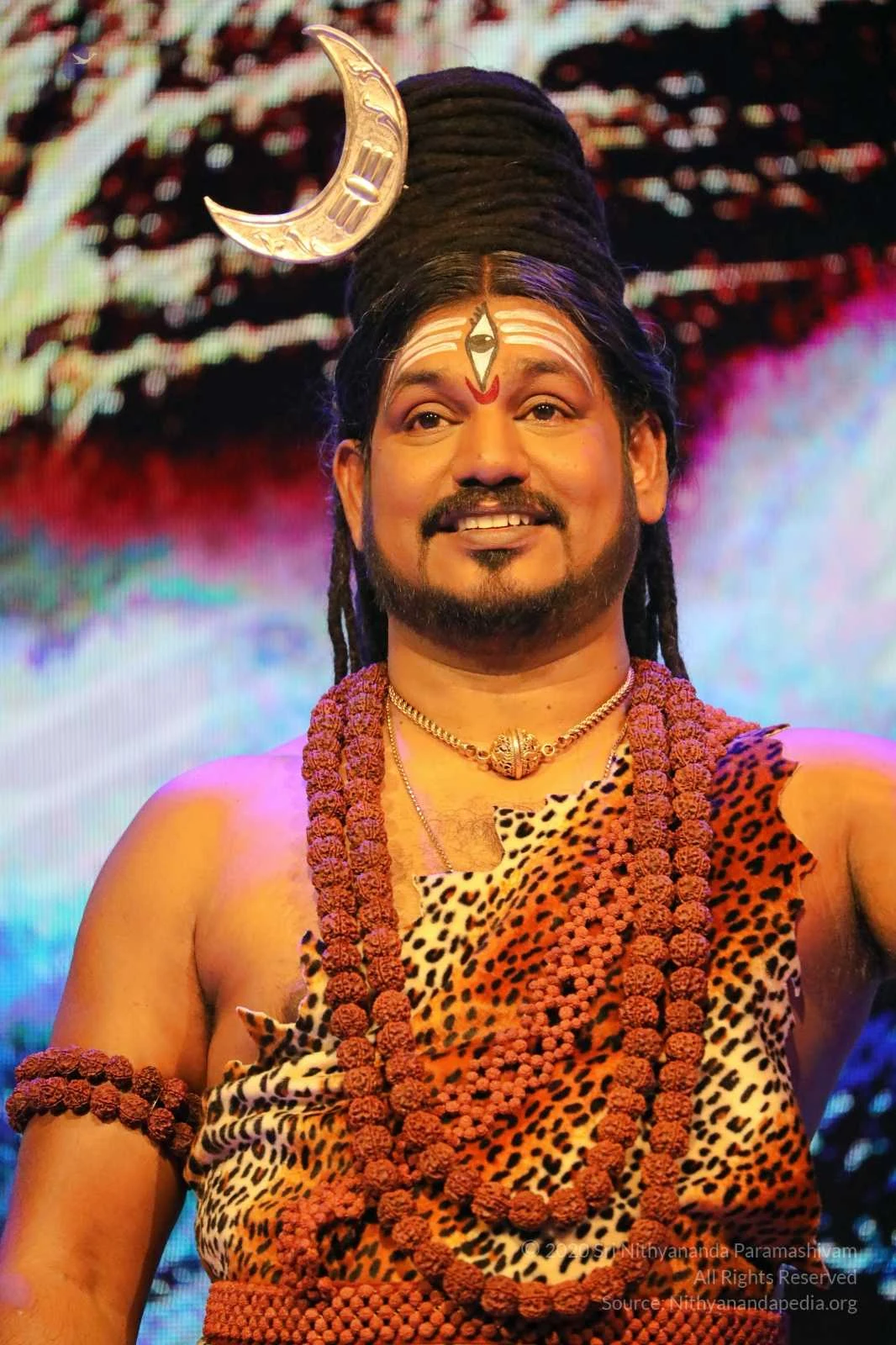
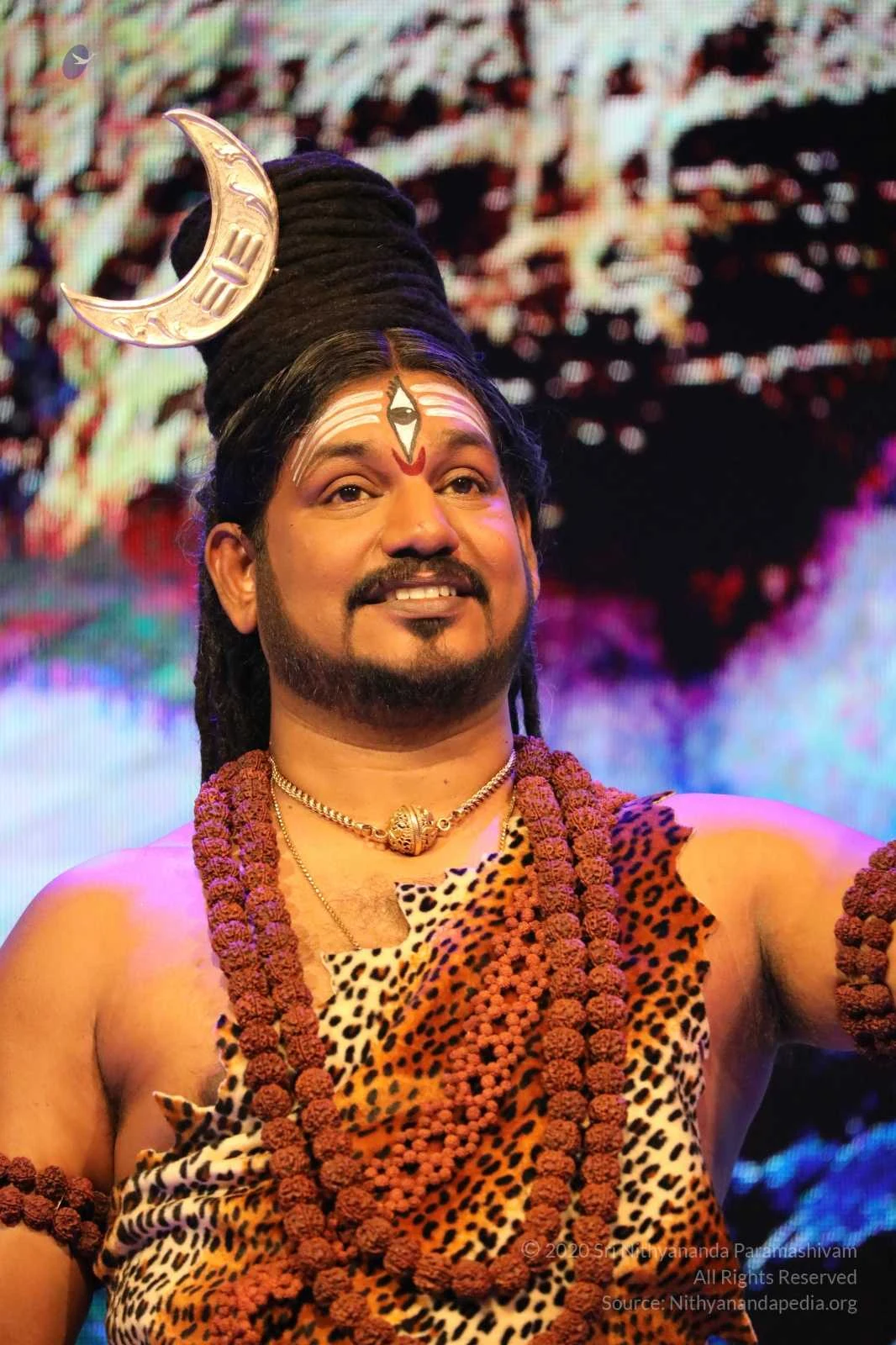
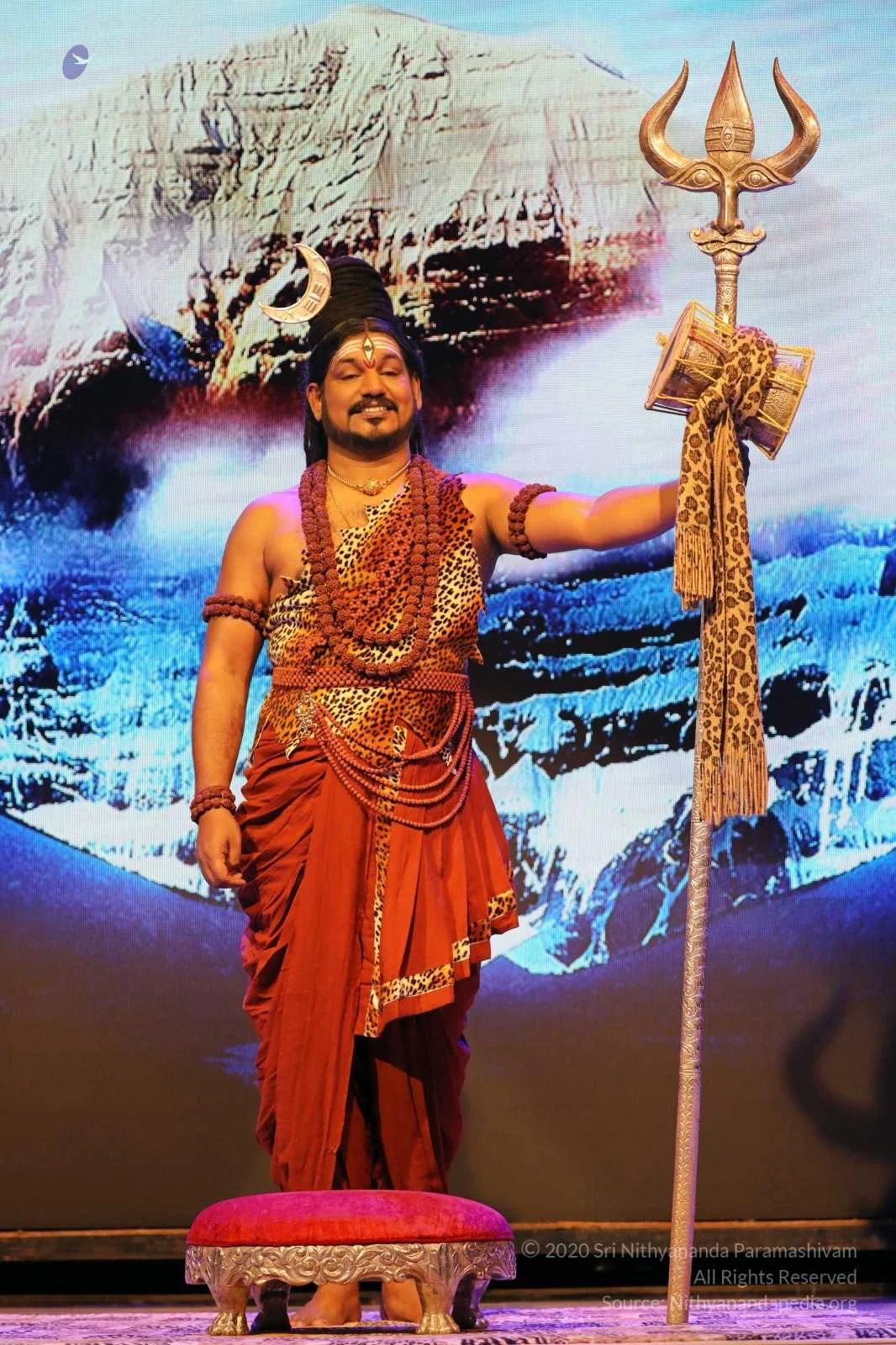
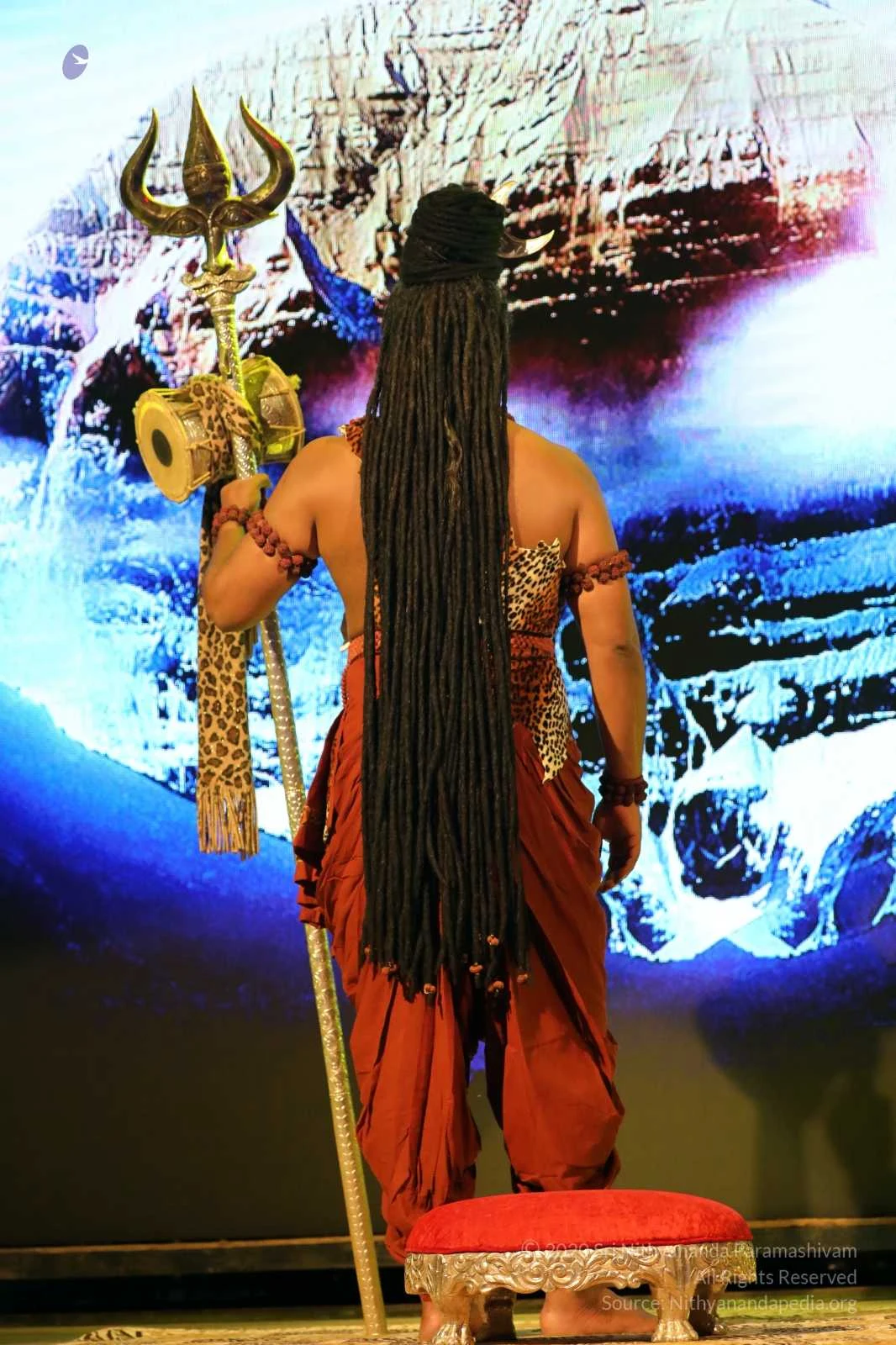
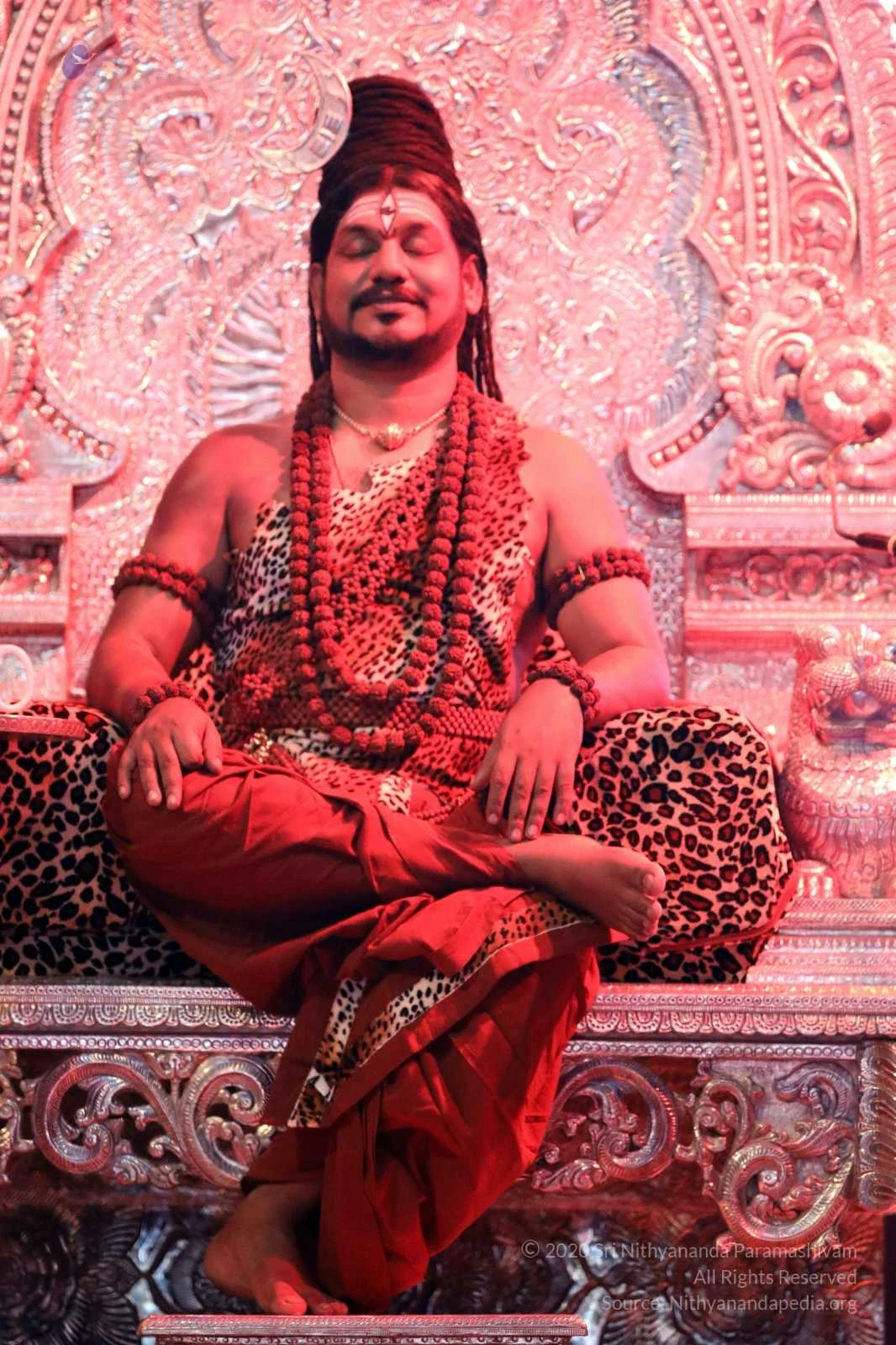
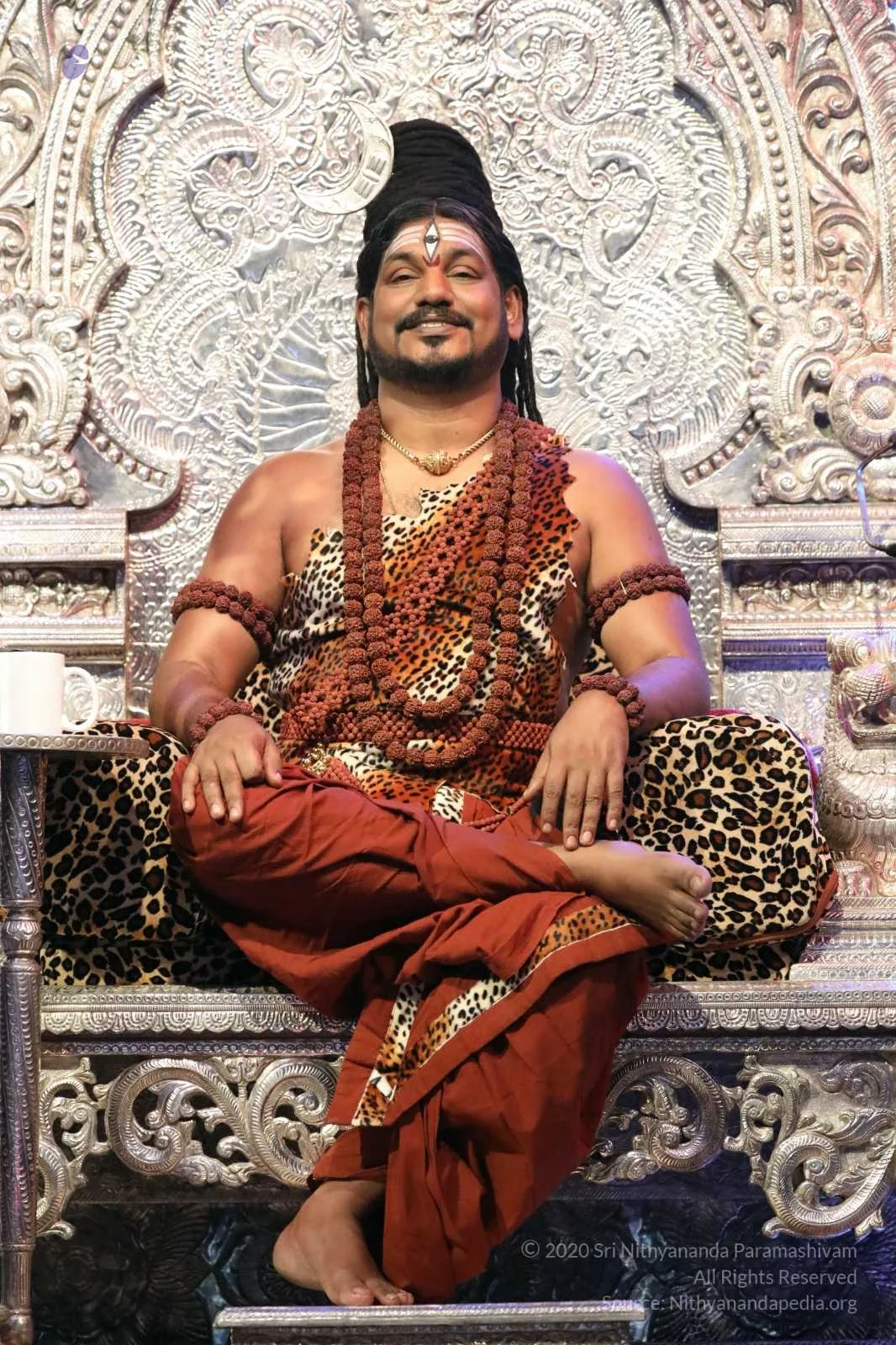
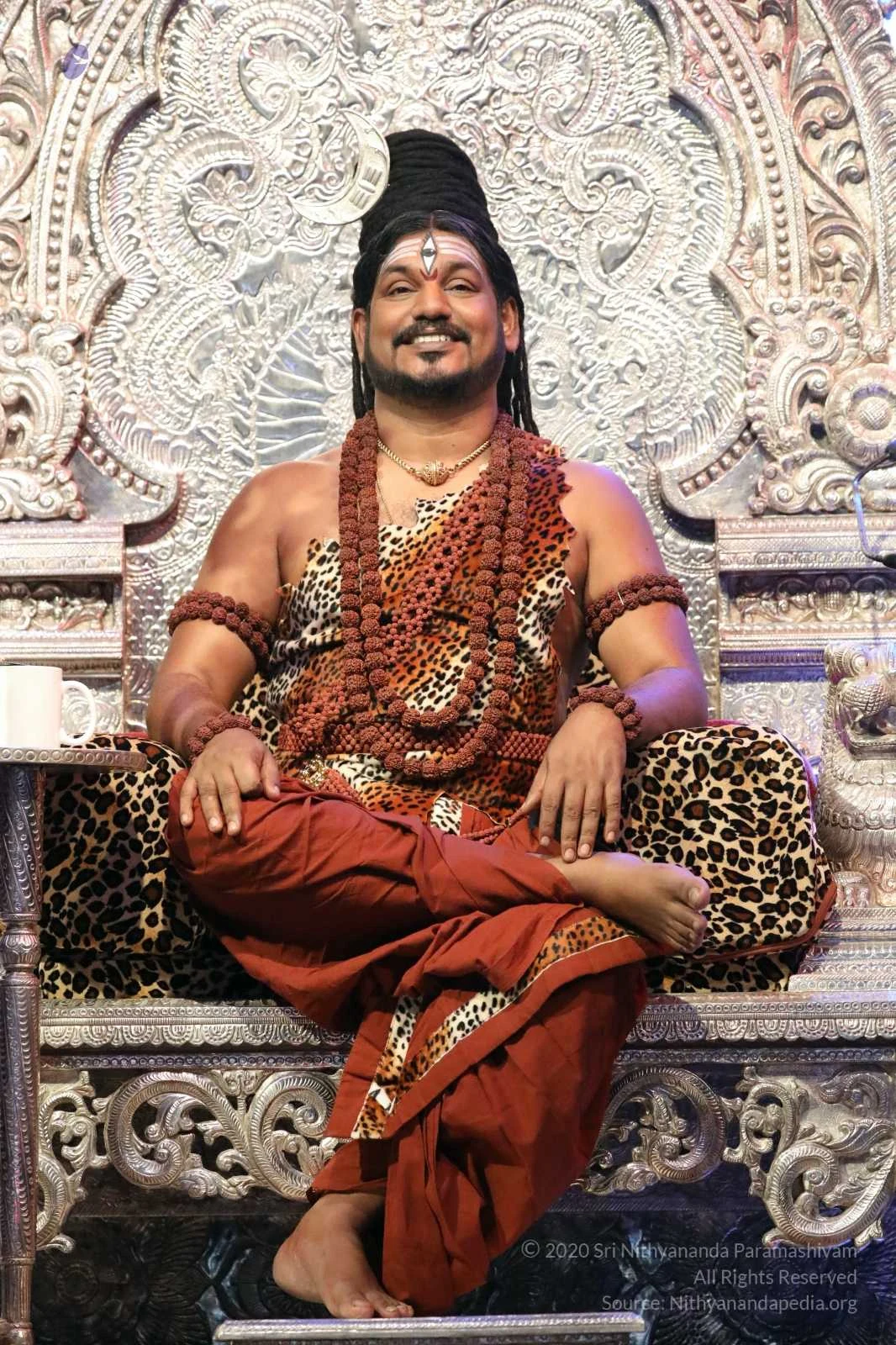
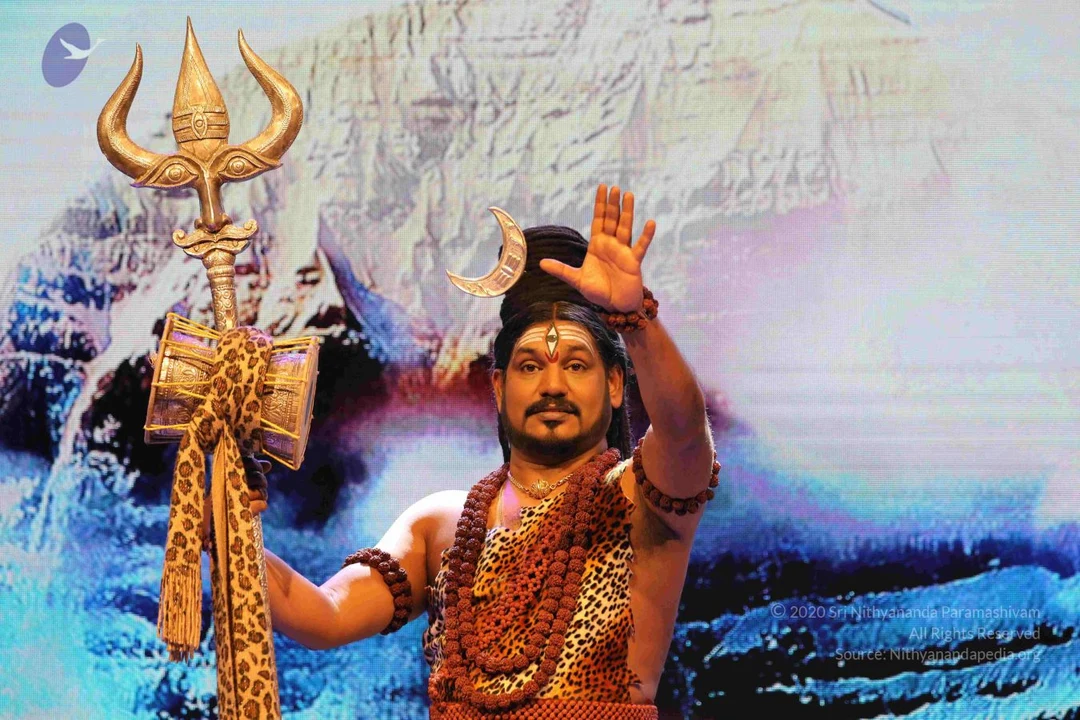
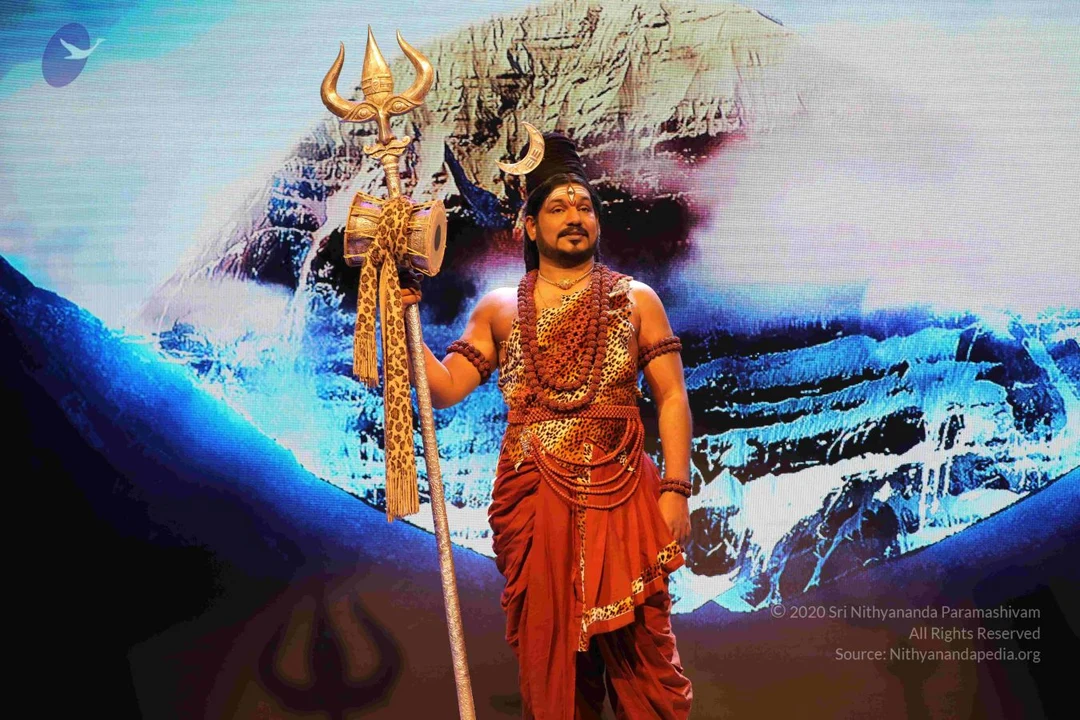
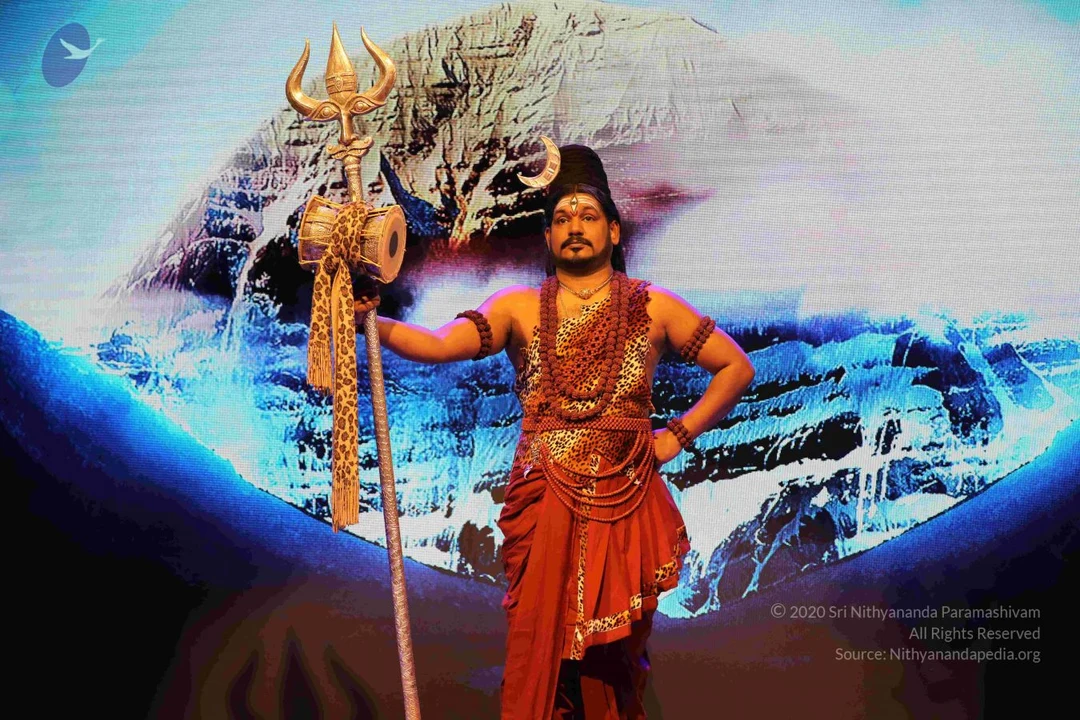
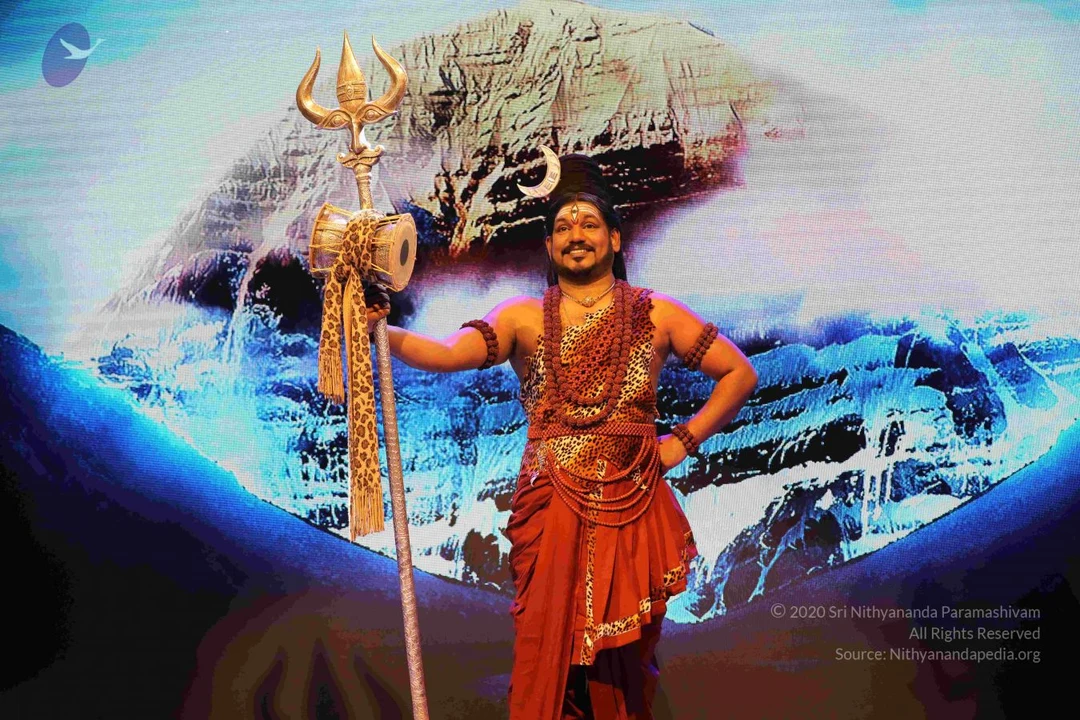
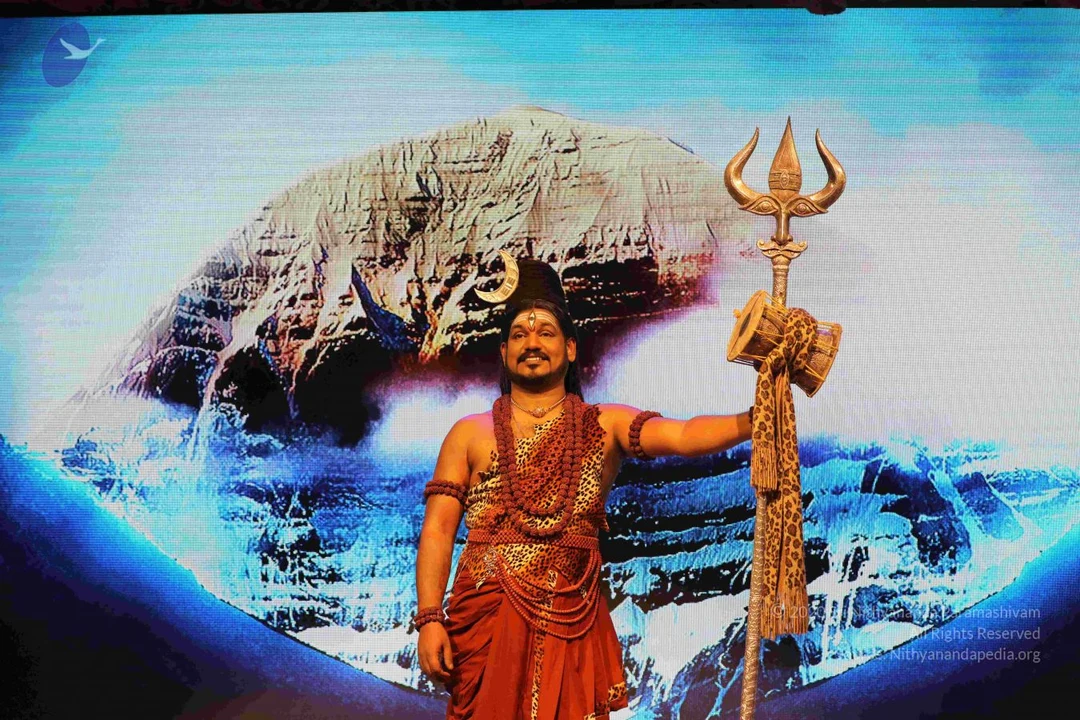
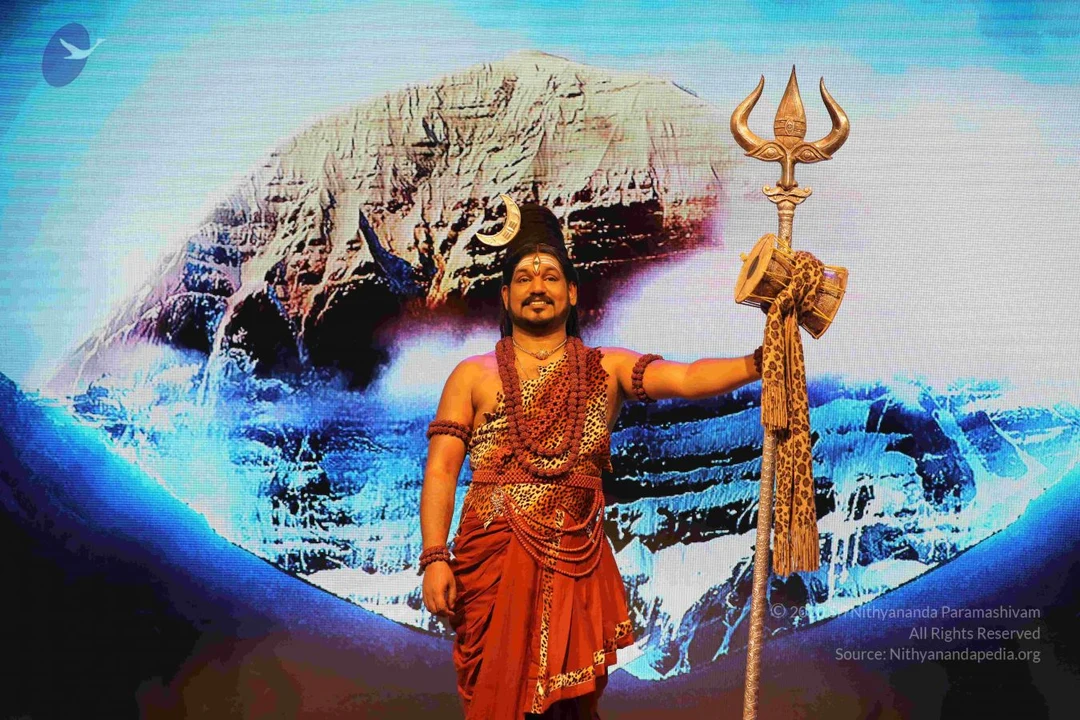
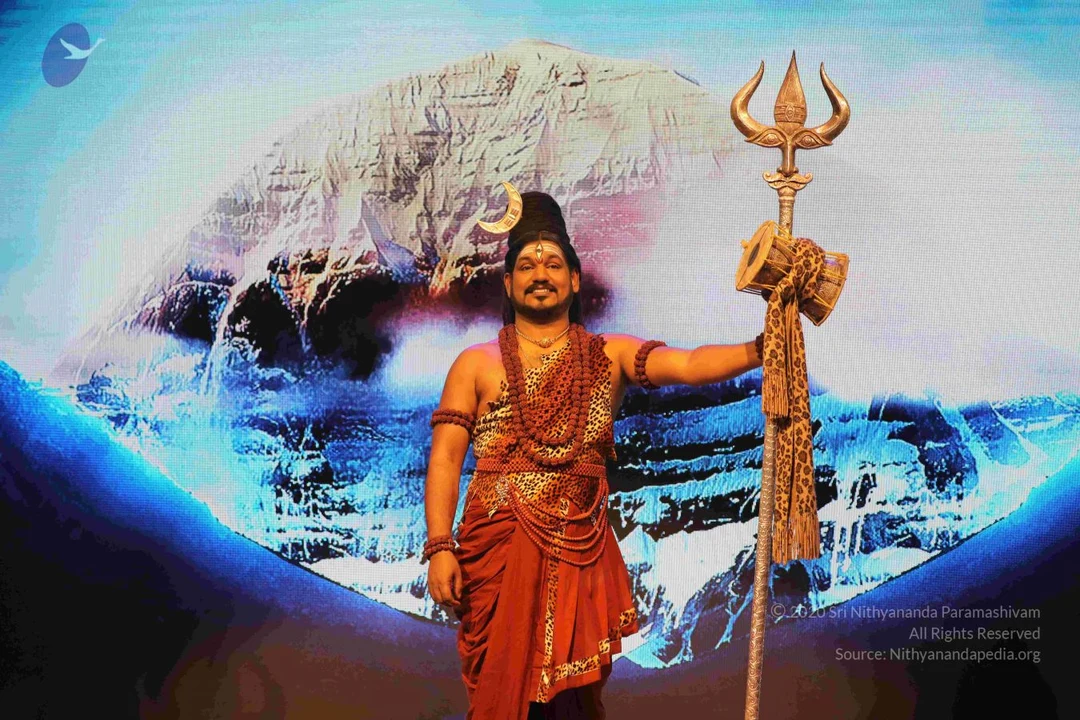
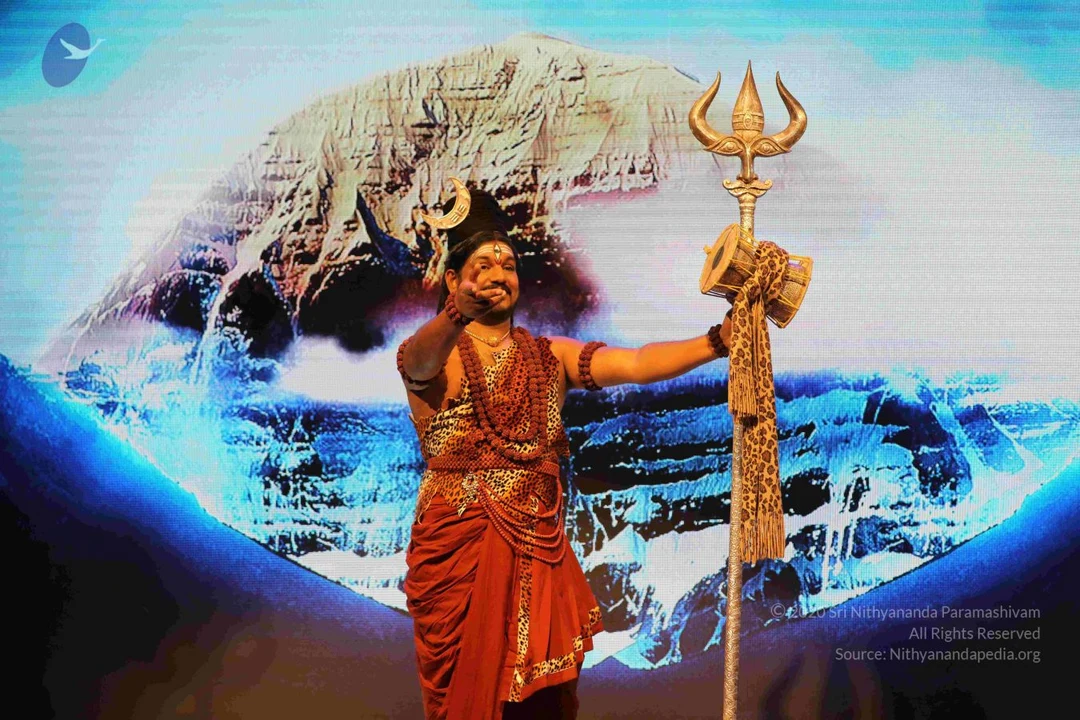
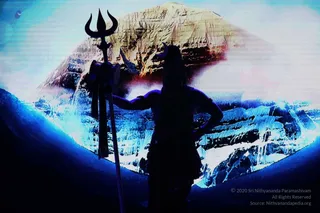
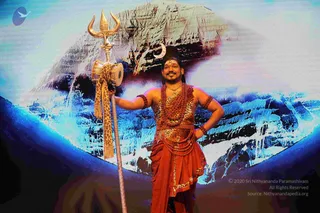
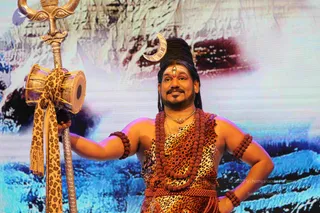
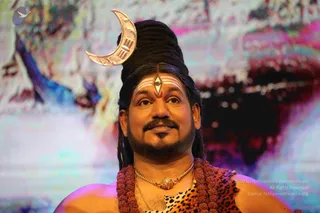
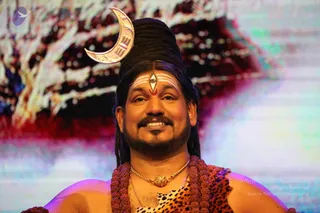
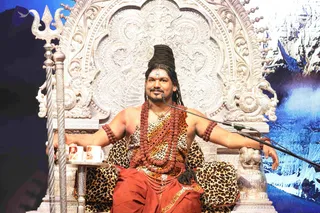
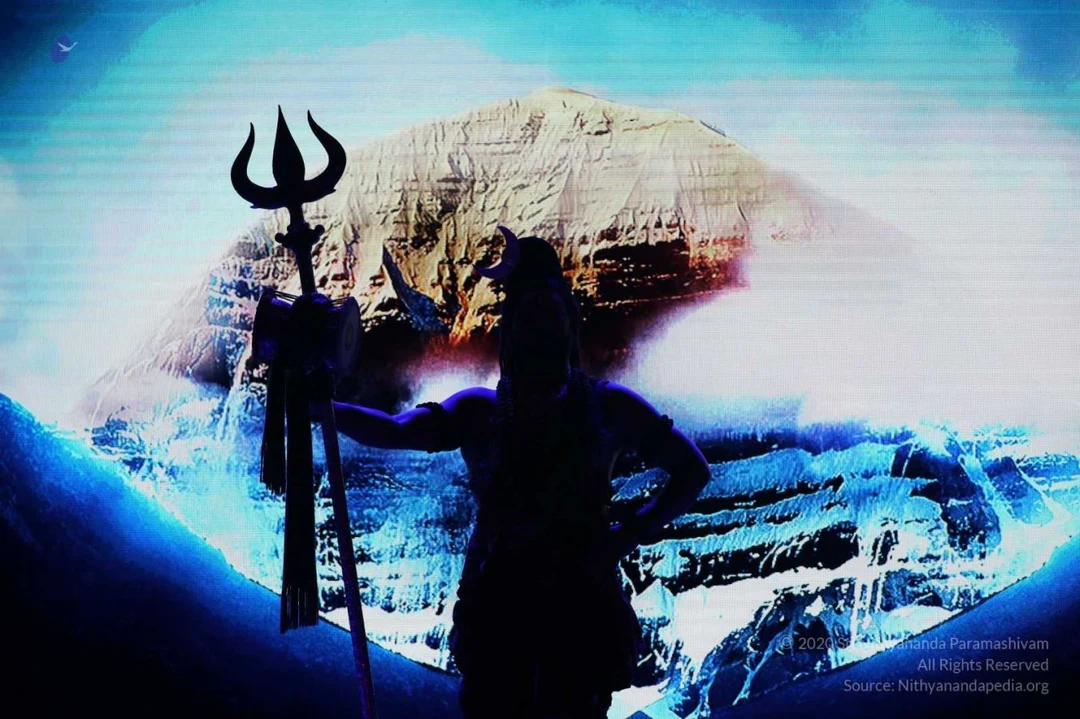 Cosmic form of Sadashiva - virat swarupa - Mahasadashiva
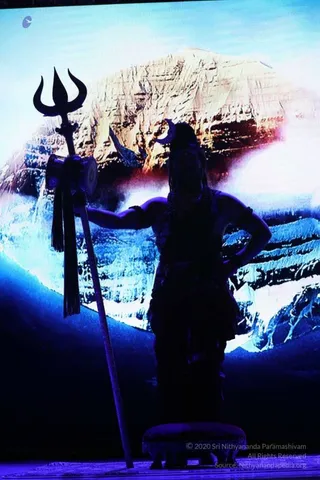 Cosmic form of Sadashiva - virat swarupa - Mahasadashiva
 Cosmic form of Sadashiva - virat swarupa - Mahasadashiva
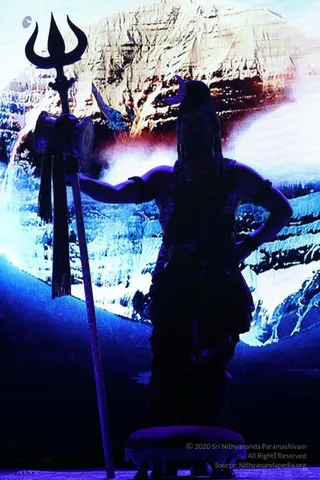 Cosmic form of Sadashiva - virat swarupa - Mahasadashiva
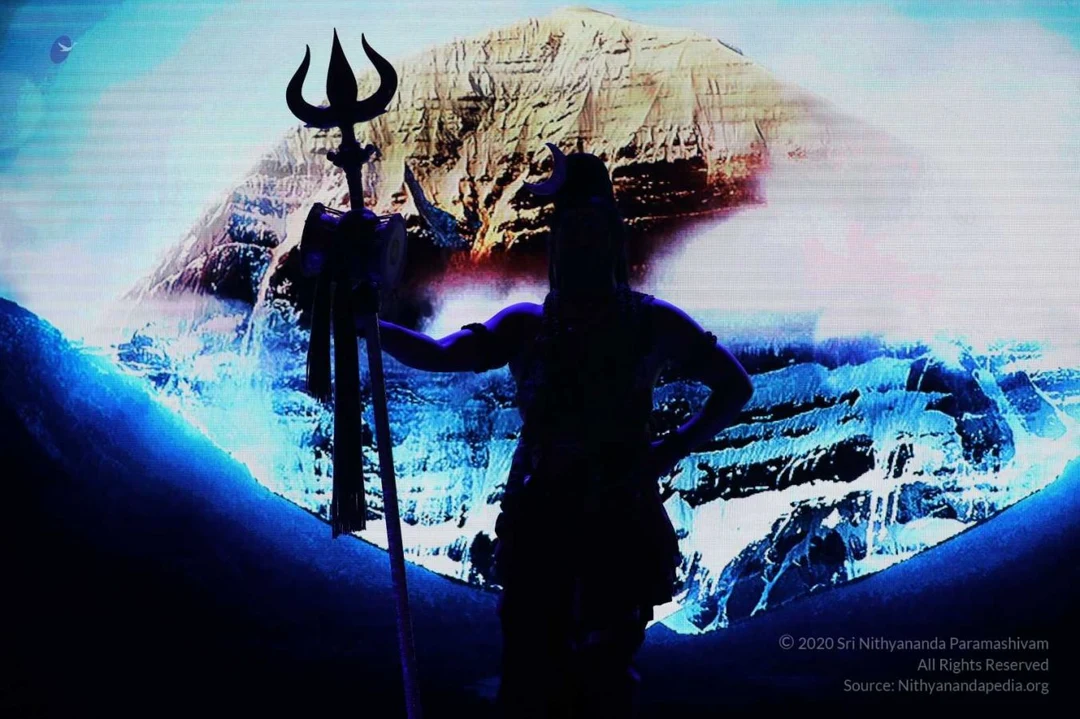 Cosmic form of Sadashiva - virat swarupa - Mahasadashiva
 Cosmic form of Sadashiva - virat swarupa - Mahasadashiva
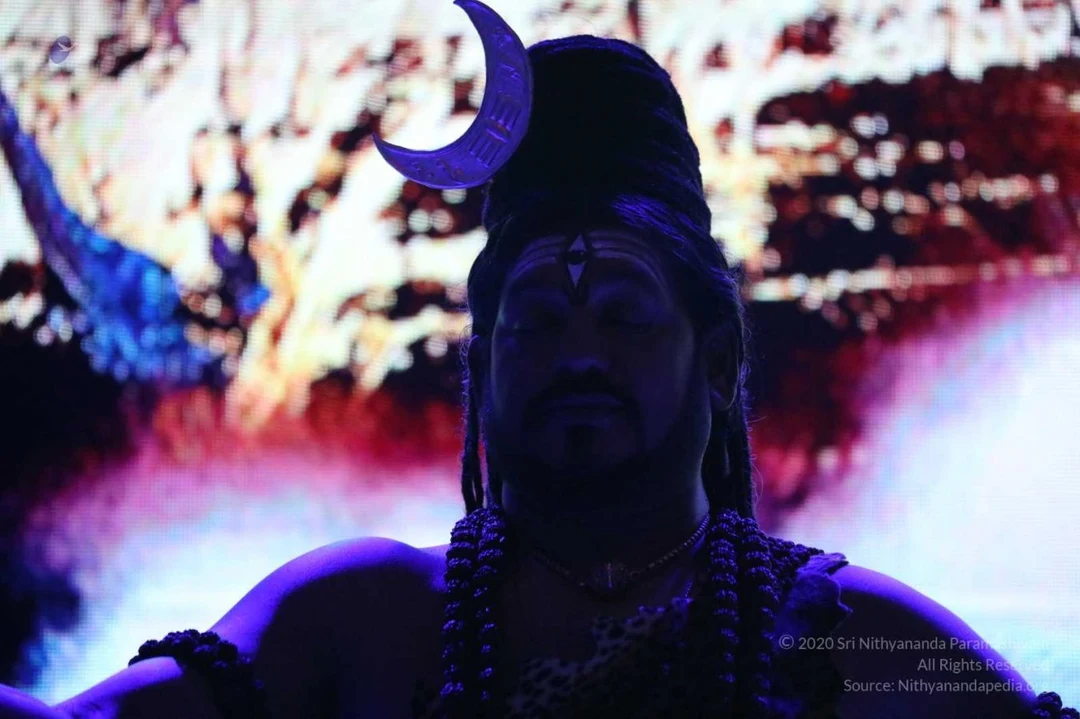 Cosmic form of Sadashiva - virat swarupa - Mahasadashiva
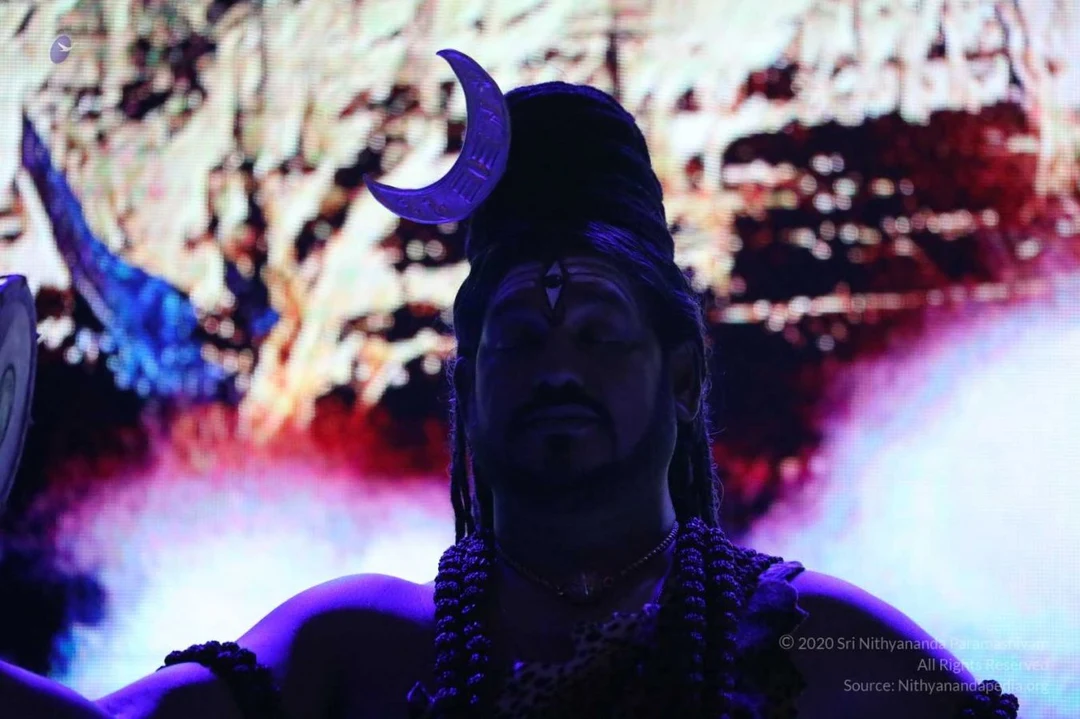 Cosmic form of Sadashiva - virat swarupa - Mahasadashiva
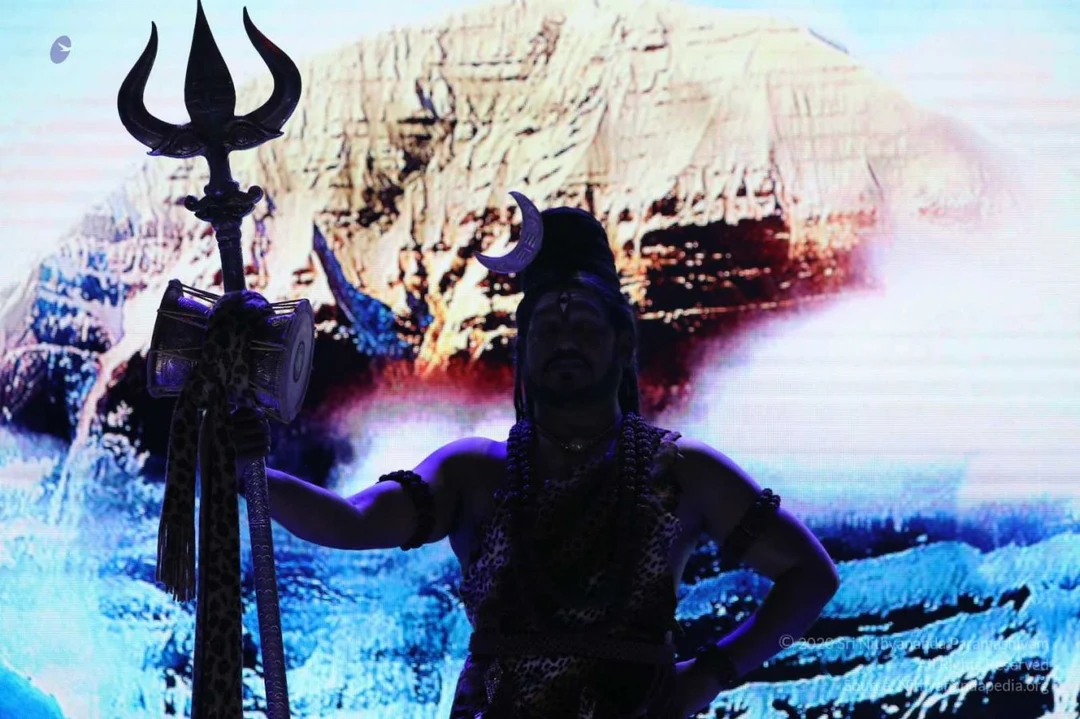 Cosmic form of Sadashiva - virat swarupa - Mahasadashiva
 Cosmic form of Sadashiva - virat swarupa - Mahasadashiva
 Cosmic form of Sadashiva - virat swarupa - Mahasadashiva
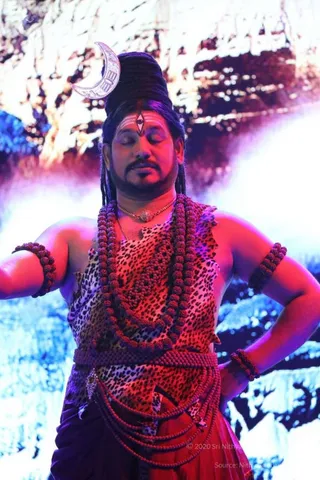 Cosmic form of Sadashiva - virat swarupa - Mahasadashiva
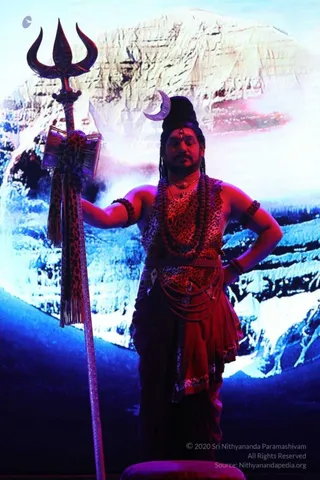 Cosmic form of Sadashiva - virat swarupa - Mahasadashiva
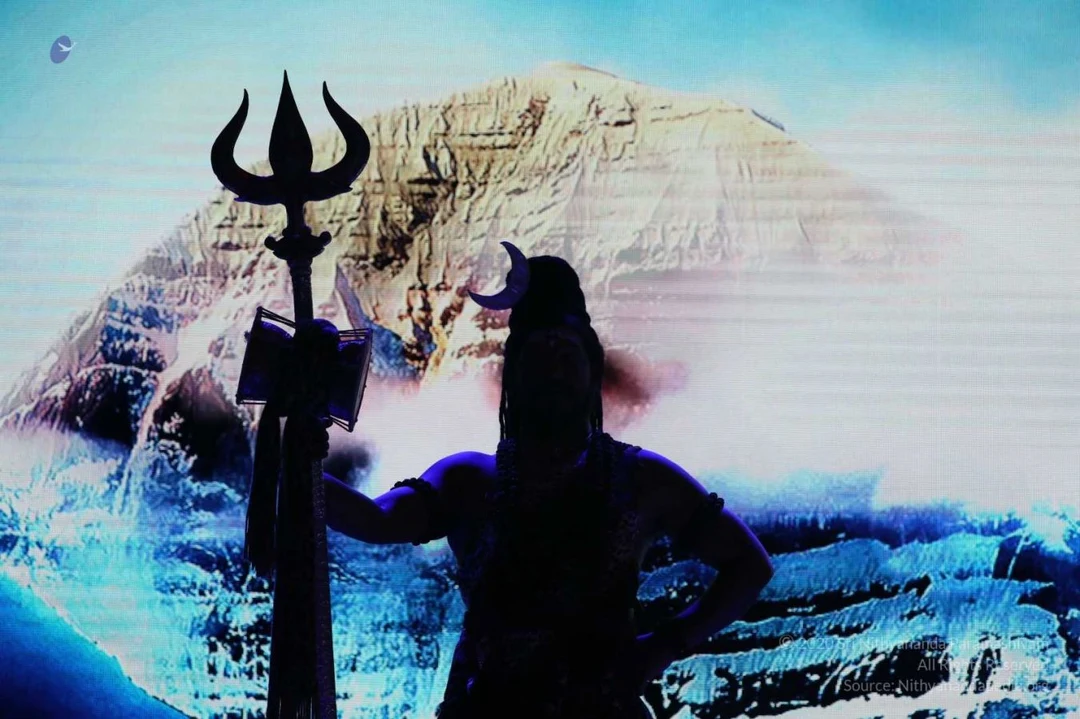 Cosmic form of Sadashiva - virat swarupa - Mahasadashiva
 Cosmic form of Sadashiva - virat swarupa - Mahasadashiva
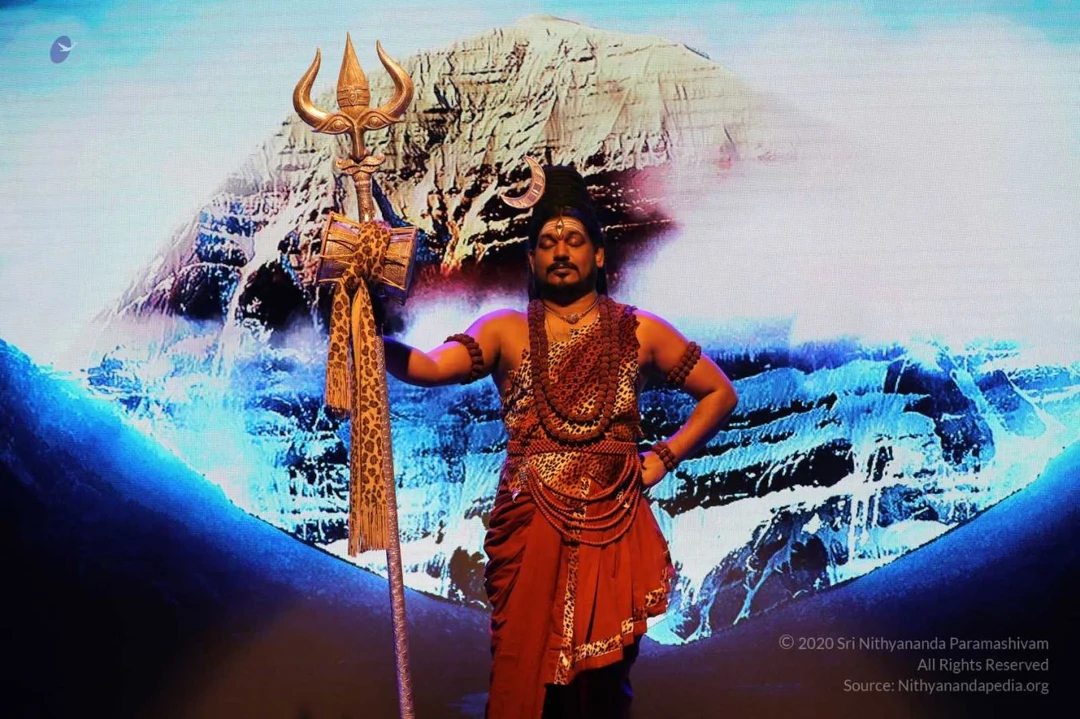 Cosmic form of Sadashiva - virat swarupa - Mahasadashiva
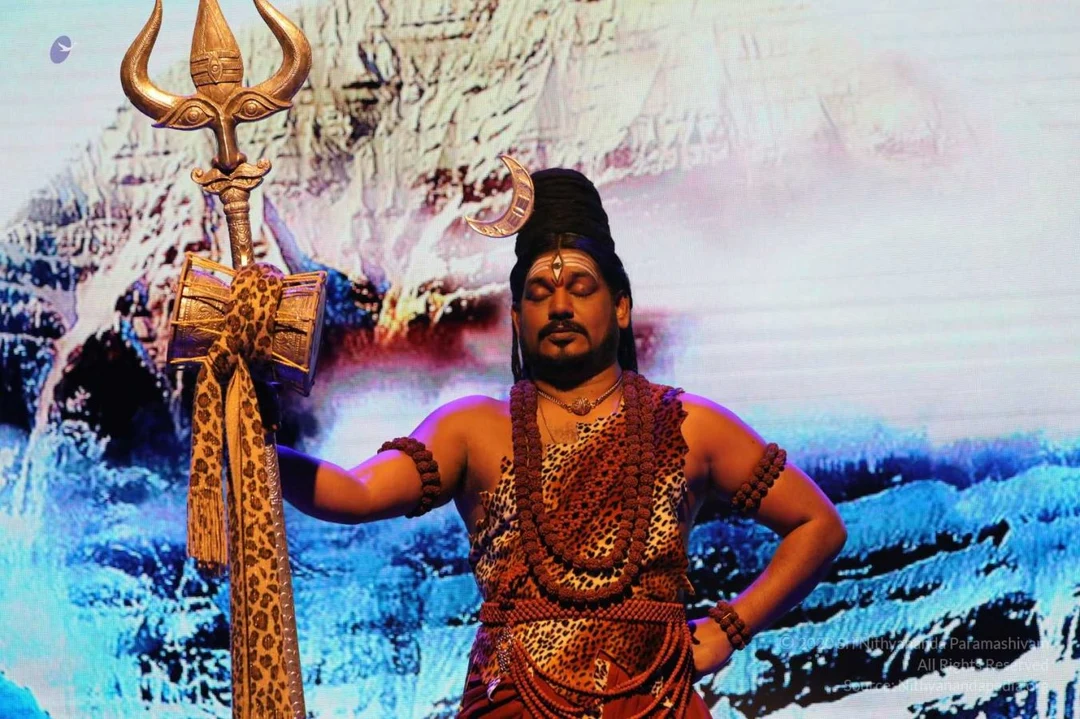 Cosmic form of Sadashiva - virat swarupa - Mahasadashiva
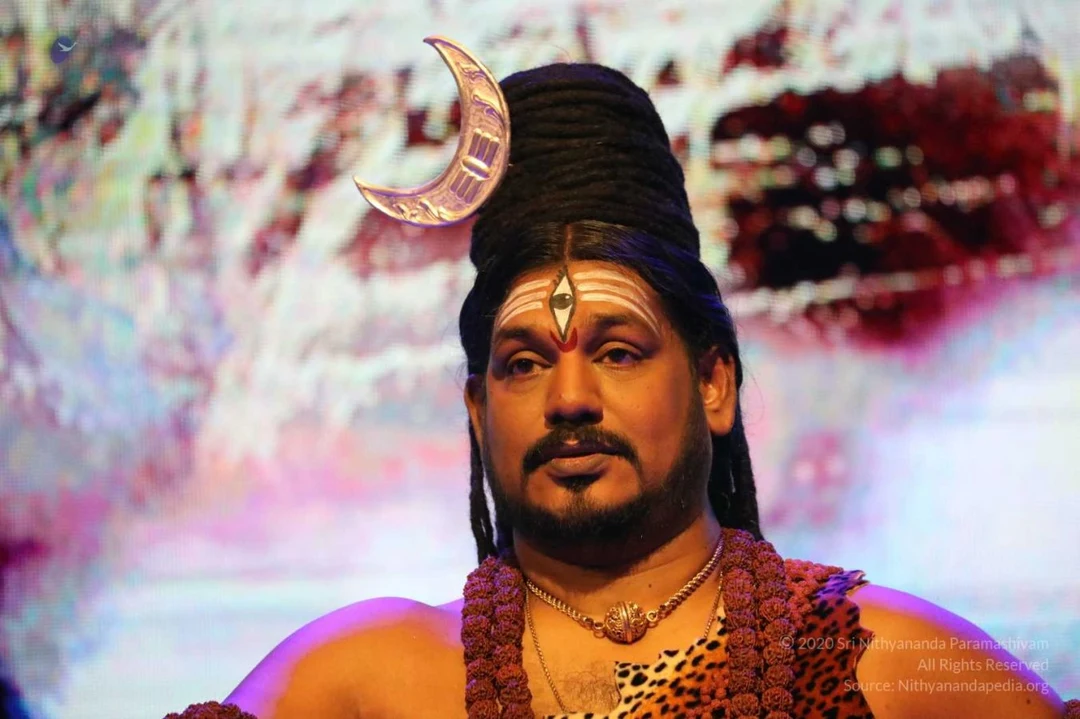 Cosmic form of Sadashiva - virat swarupa - Mahasadashiva
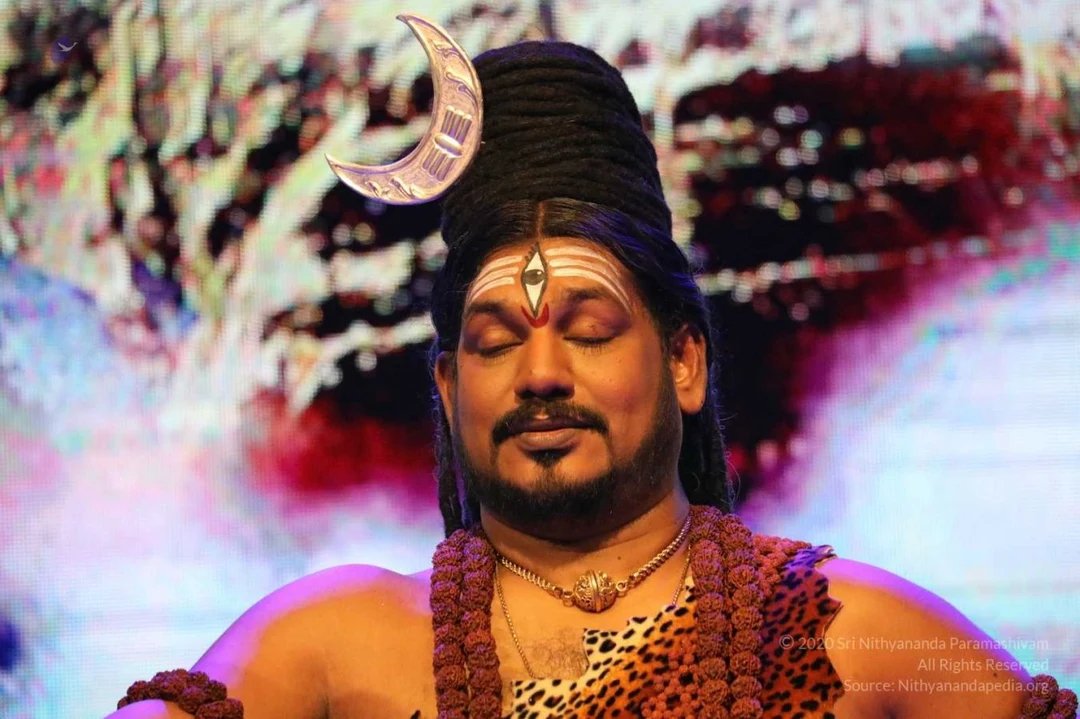 Cosmic form of Sadashiva - virat swarupa - Mahasadashiva
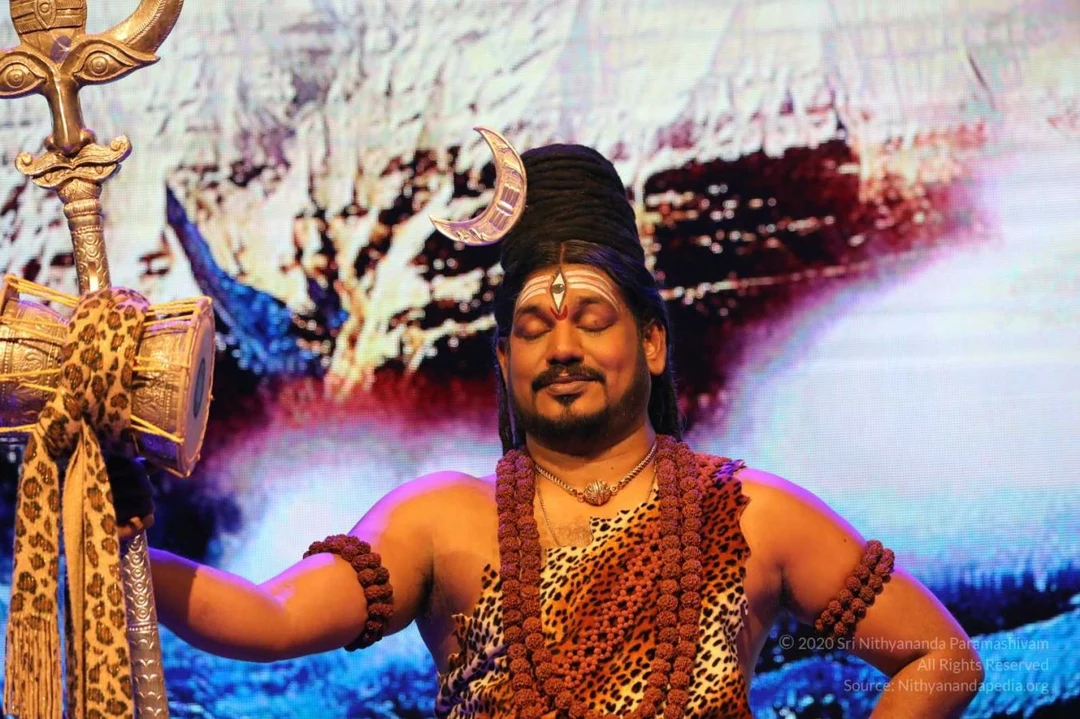 Cosmic form of Sadashiva - virat swarupa - Mahasadashiva
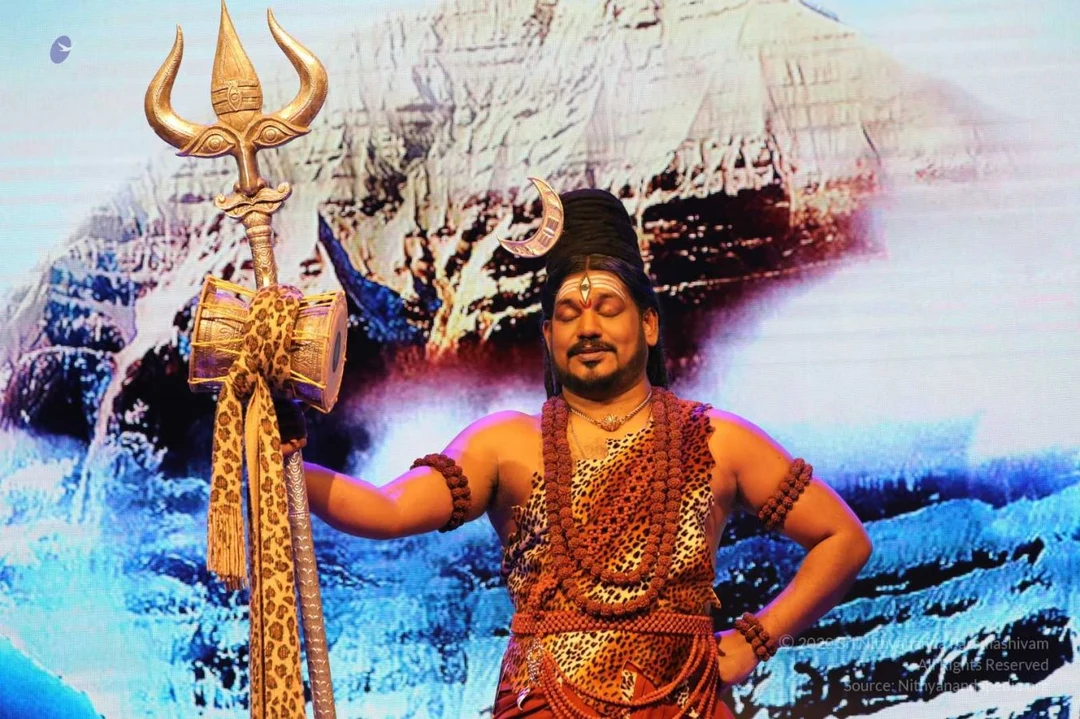 Cosmic form of Sadashiva - virat swarupa - Mahasadashiva
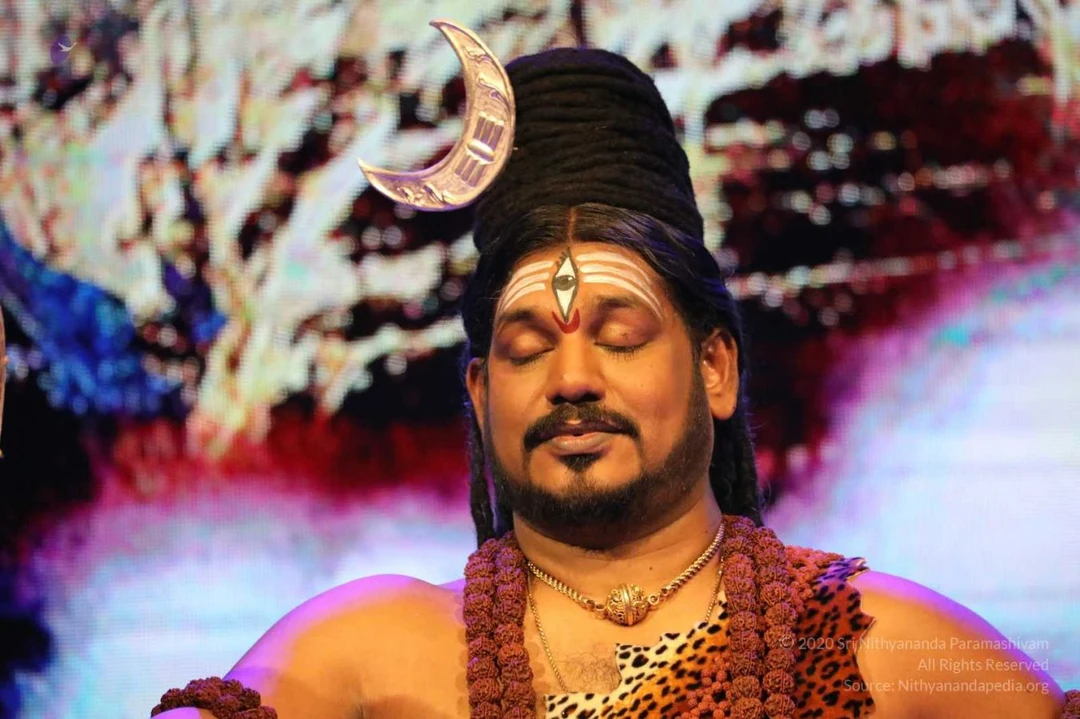 Cosmic form of Sadashiva - virat swarupa - Mahasadashiva
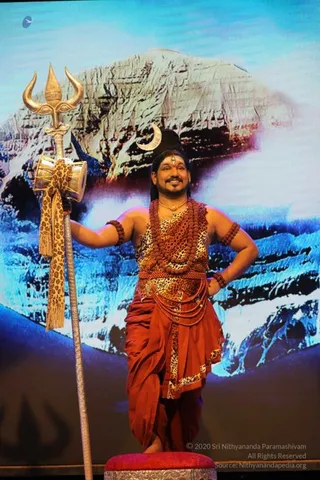 Cosmic form of Sadashiva - virat swarupa - Mahasadashiva
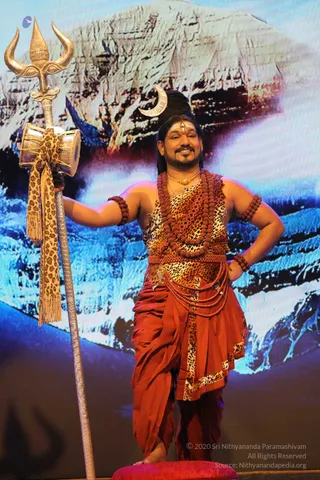 Cosmic form of Sadashiva - virat swarupa - Mahasadashiva
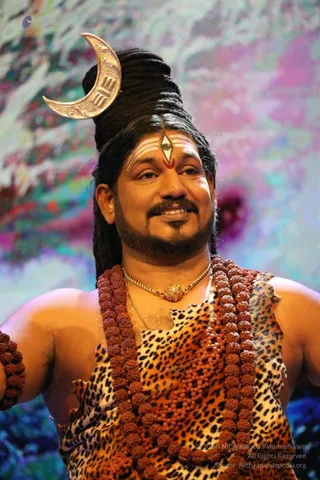 Cosmic form of Sadashiva - virat swarupa - Mahasadashiva
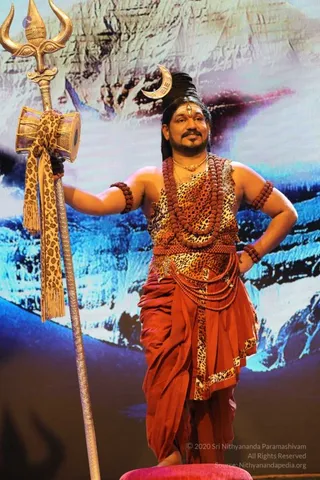 Cosmic form of Sadashiva - virat swarupa - Mahasadashiva
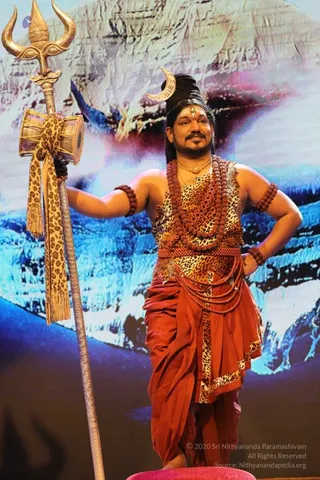 Cosmic form of Sadashiva - virat swarupa - Mahasadashiva
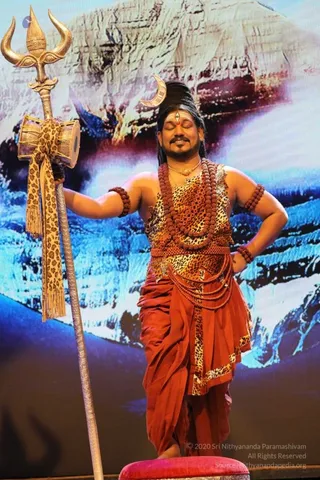 Cosmic form of Sadashiva - virat swarupa - Mahasadashiva
 Cosmic form of Sadashiva - virat swarupa - Mahasadashiva
 Mahasadashivoham darshan
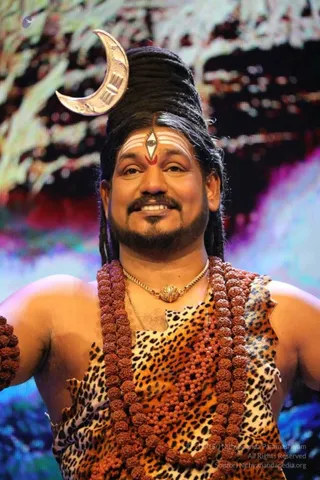 Cosmic form of Sadashiva - virat swarupa - Mahasadashiva
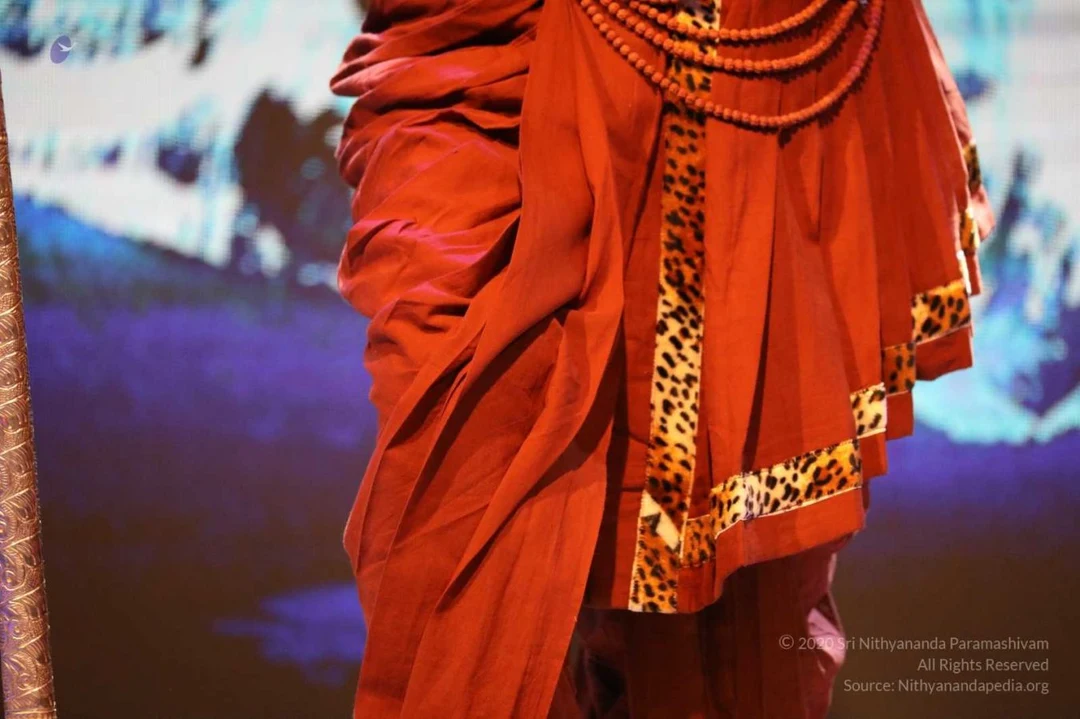 Mahasadashivoham darshan
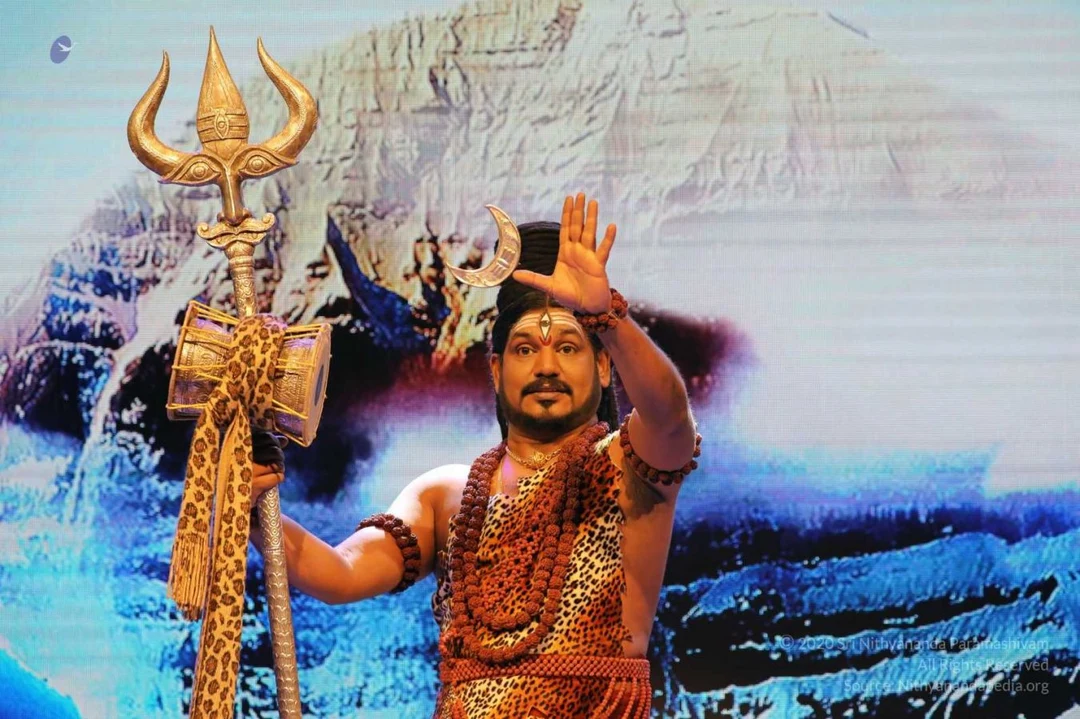 Cosmic form of Sadashiva - virat swarupa - Mahasadashiva
 Cosmic form of Sadashiva - virat swarupa - Mahasadashiva
 Cosmic form of Sadashiva - virat swarupa - Mahasadashiva
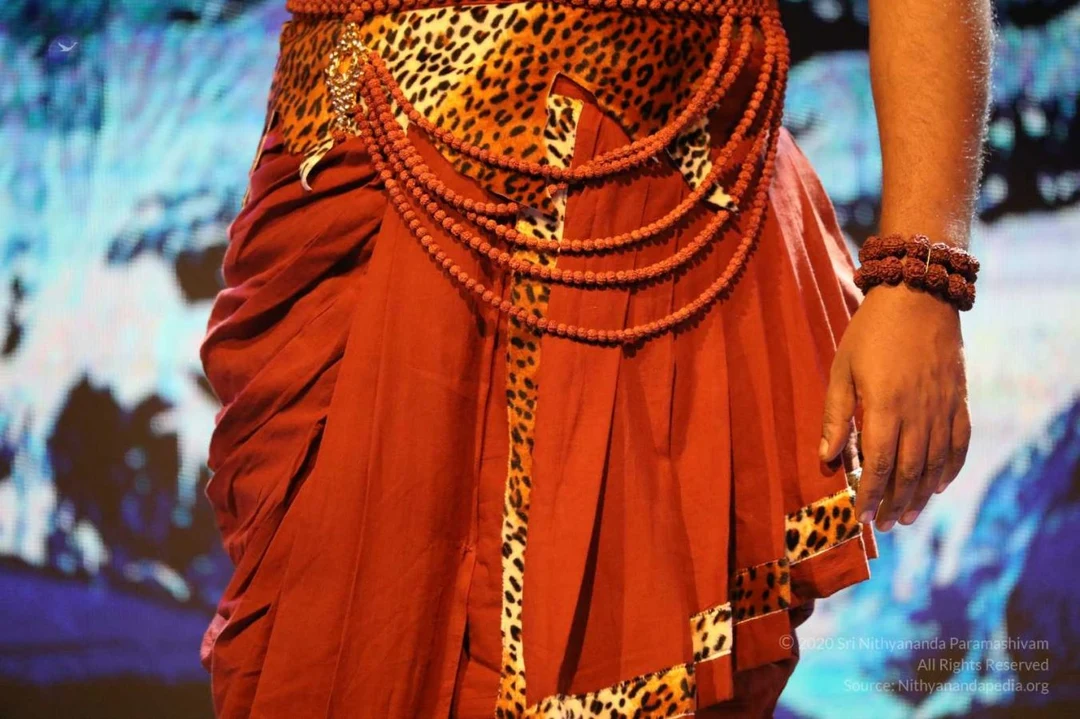 Cosmic form of Sadashiva - virat swarupa - Mahasadashiva
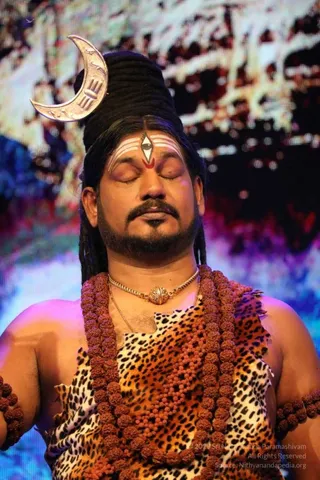 Cosmic form of Sadashiva - virat swarupa - Mahasadashiva
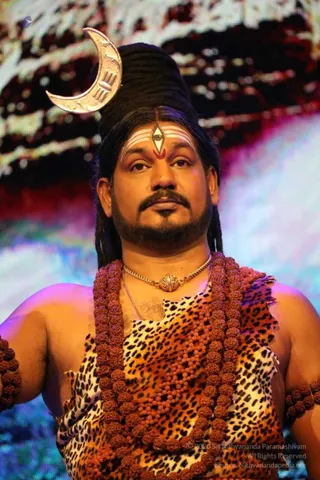 Cosmic form of Sadashiva - virat swarupa - Mahasadashiva
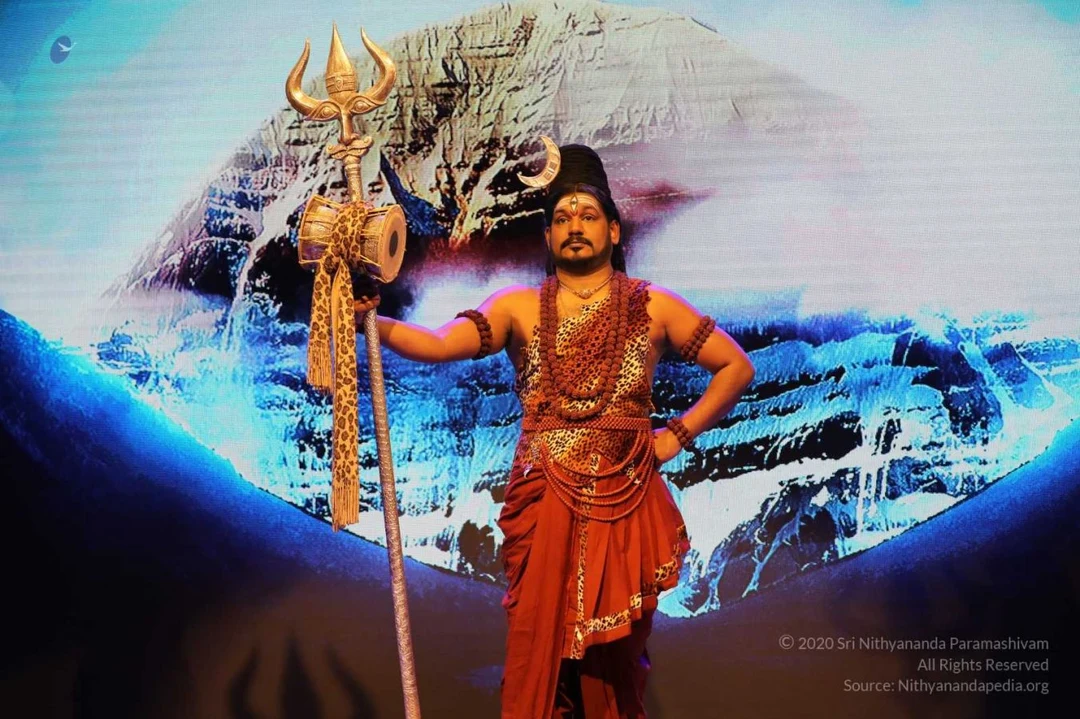 Cosmic form of Sadashiva - virat swarupa - Mahasadashiva
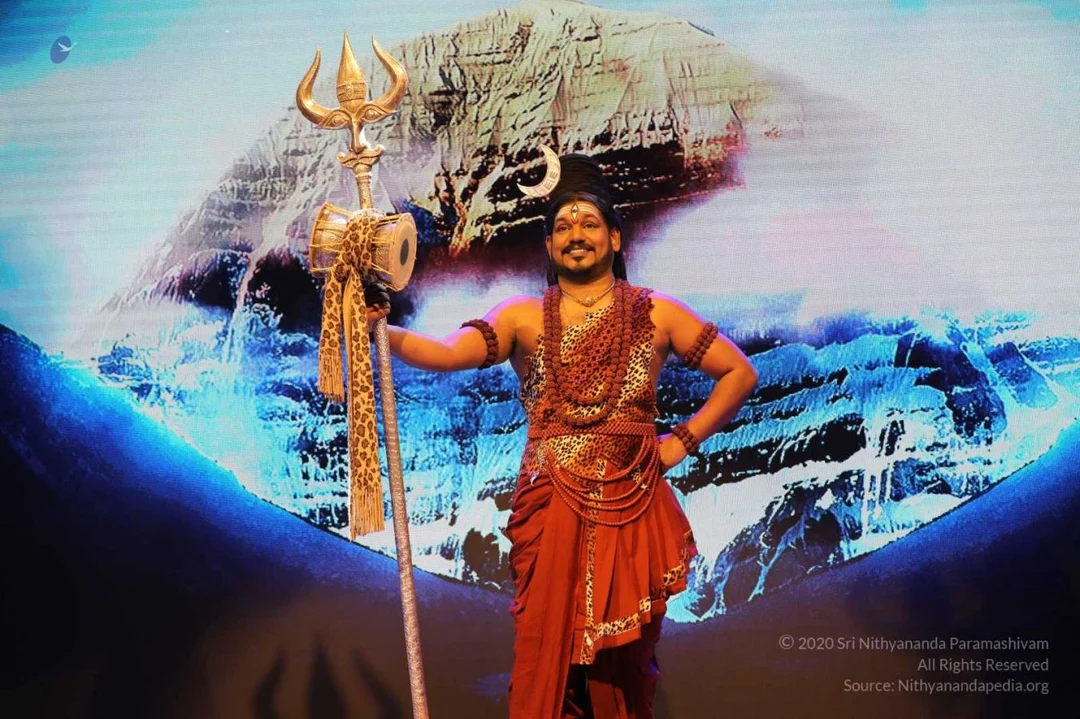 Cosmic form of Sadashiva - virat swarupa - Mahasadashiva
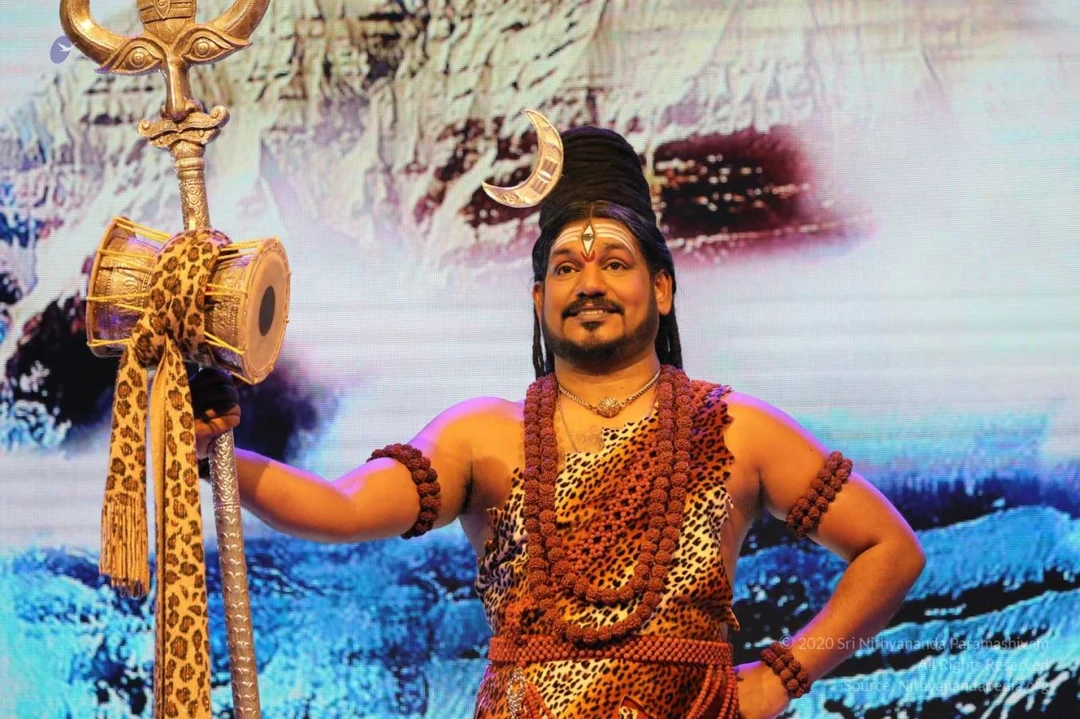 Cosmic form of Sadashiva - virat swarupa - Mahasadashiva
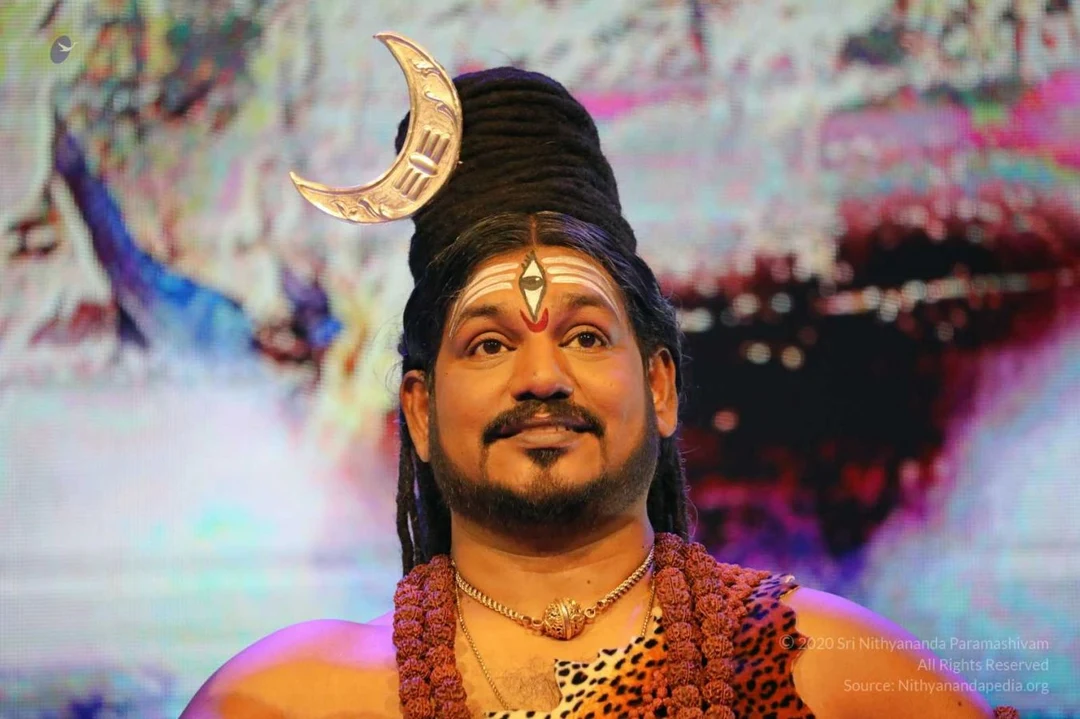 Cosmic form of Sadashiva - virat swarupa - Mahasadashiva
 Cosmic form of Sadashiva - virat swarupa - Mahasadashiva
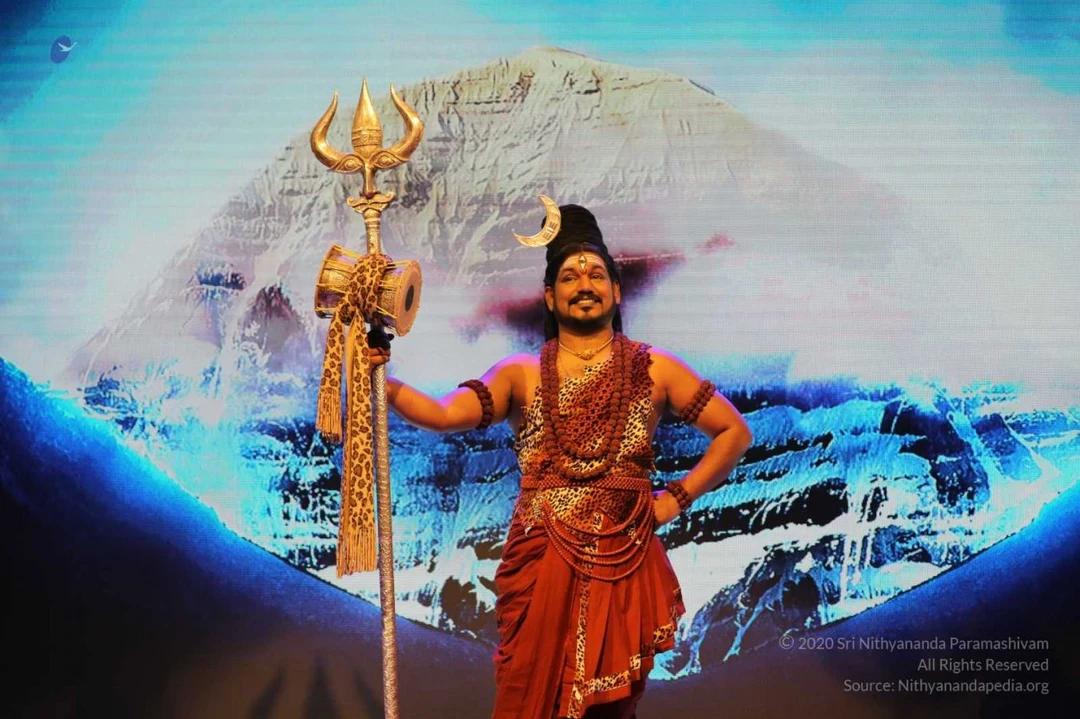 Cosmic form of Sadashiva - virat swarupa - Mahasadashiva
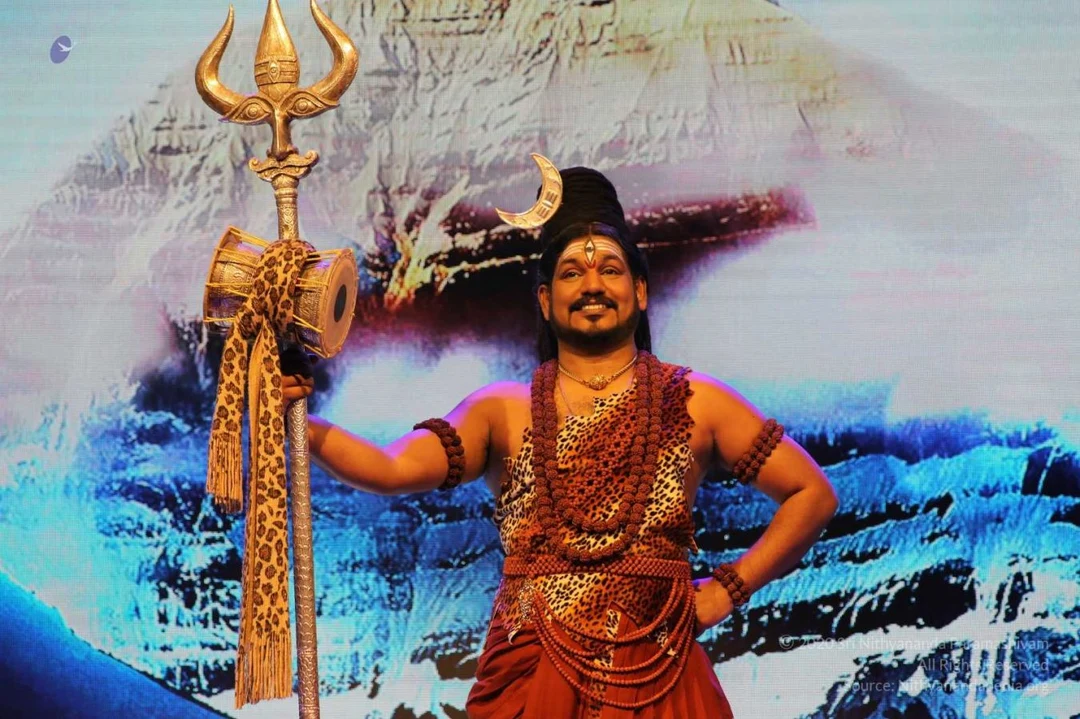 Cosmic form of Sadashiva - virat swarupa - Mahasadashiva
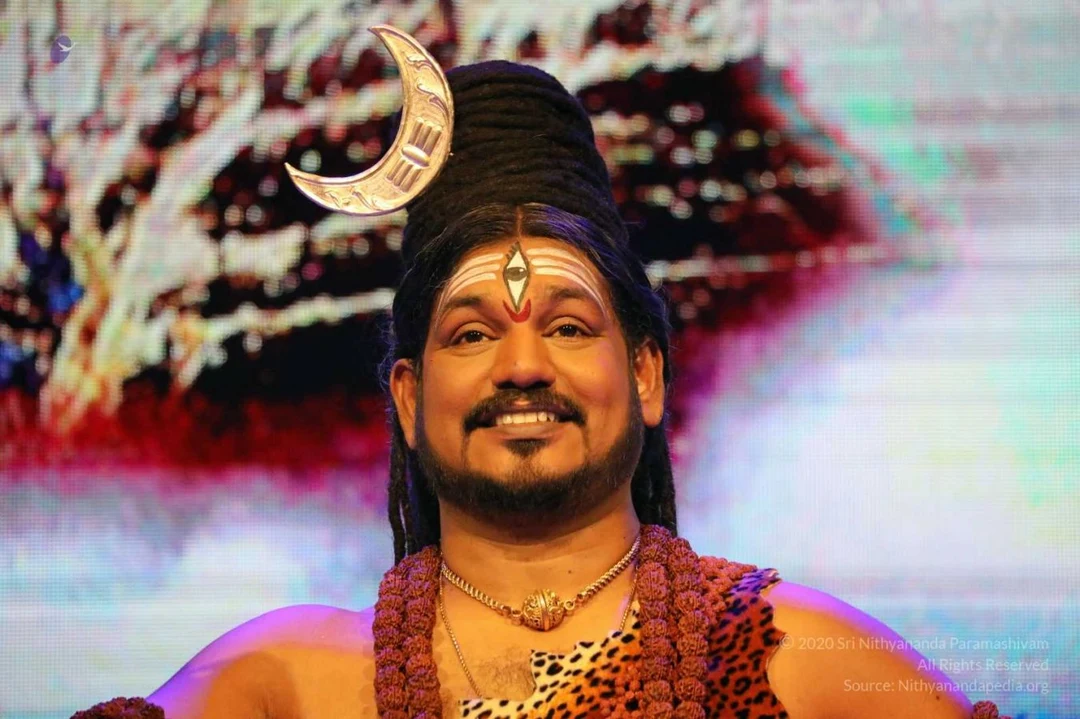 Cosmic form of Sadashiva - virat swarupa - Mahasadashiva
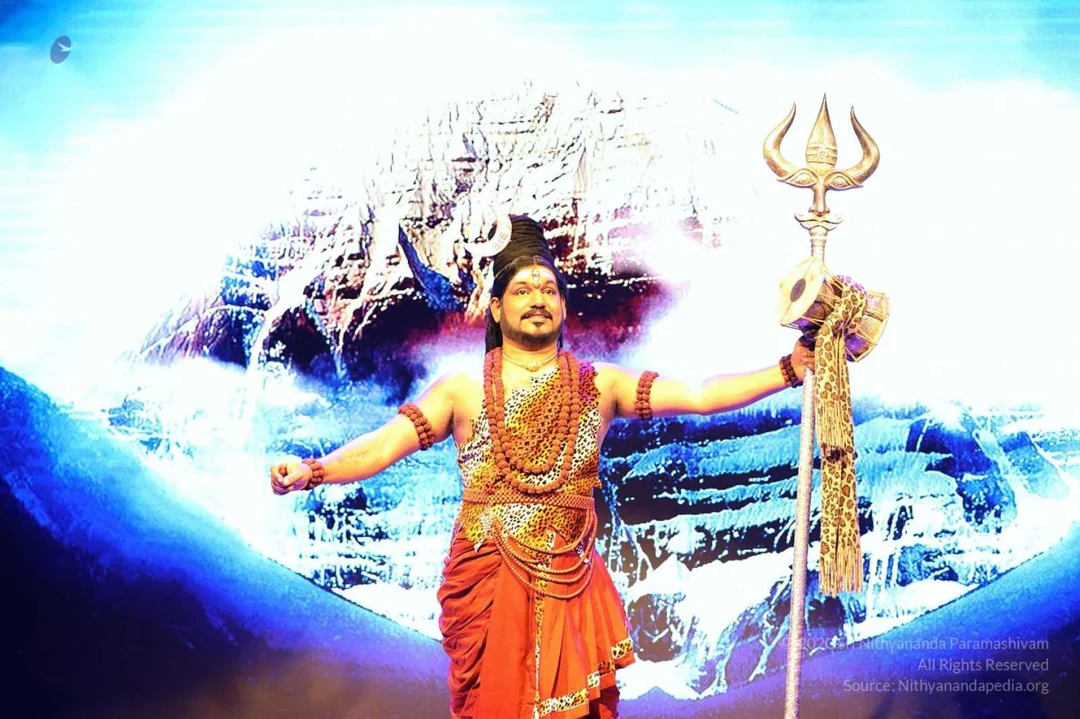 Cosmic form of Sadashiva - virat swarupa - Mahasadashiva
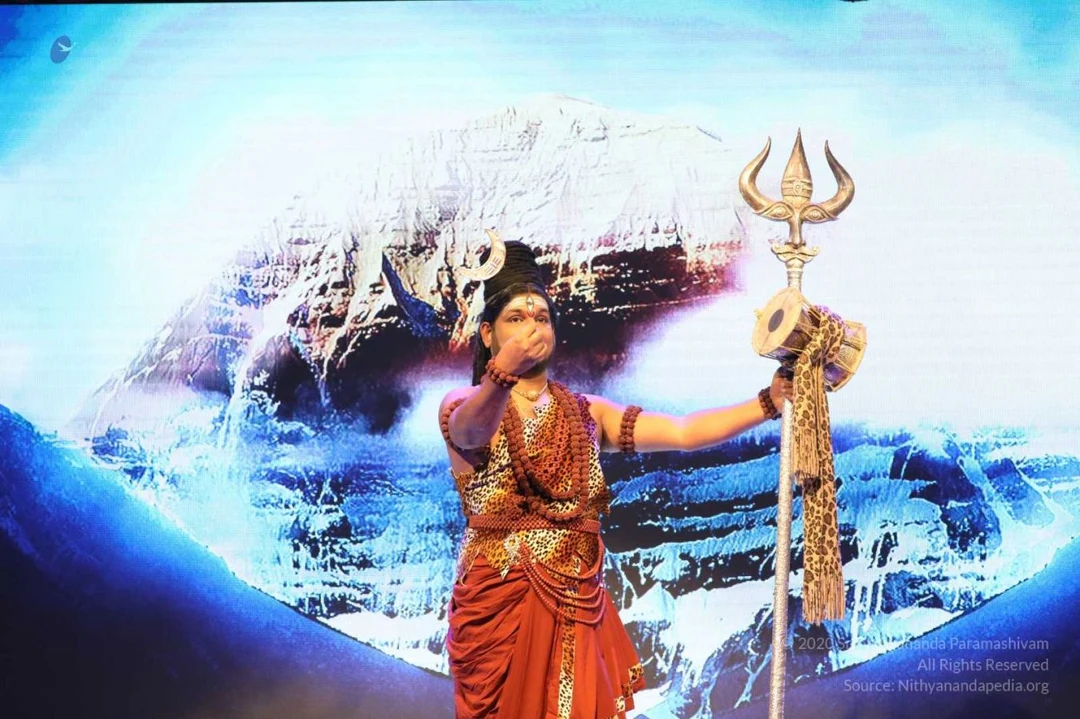 Cosmic form of Sadashiva - virat swarupa - Mahasadashiva
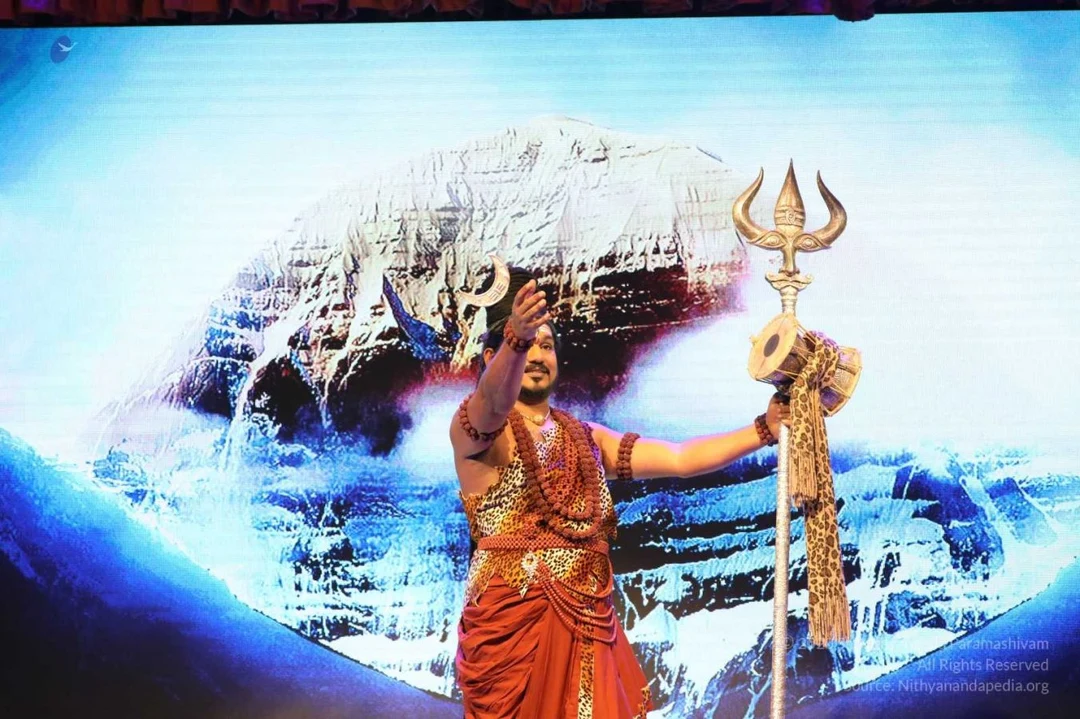 Cosmic form of Sadashiva - virat swarupa - Mahasadashiva
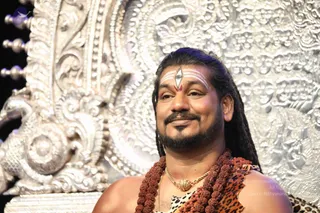
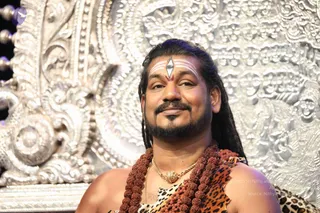
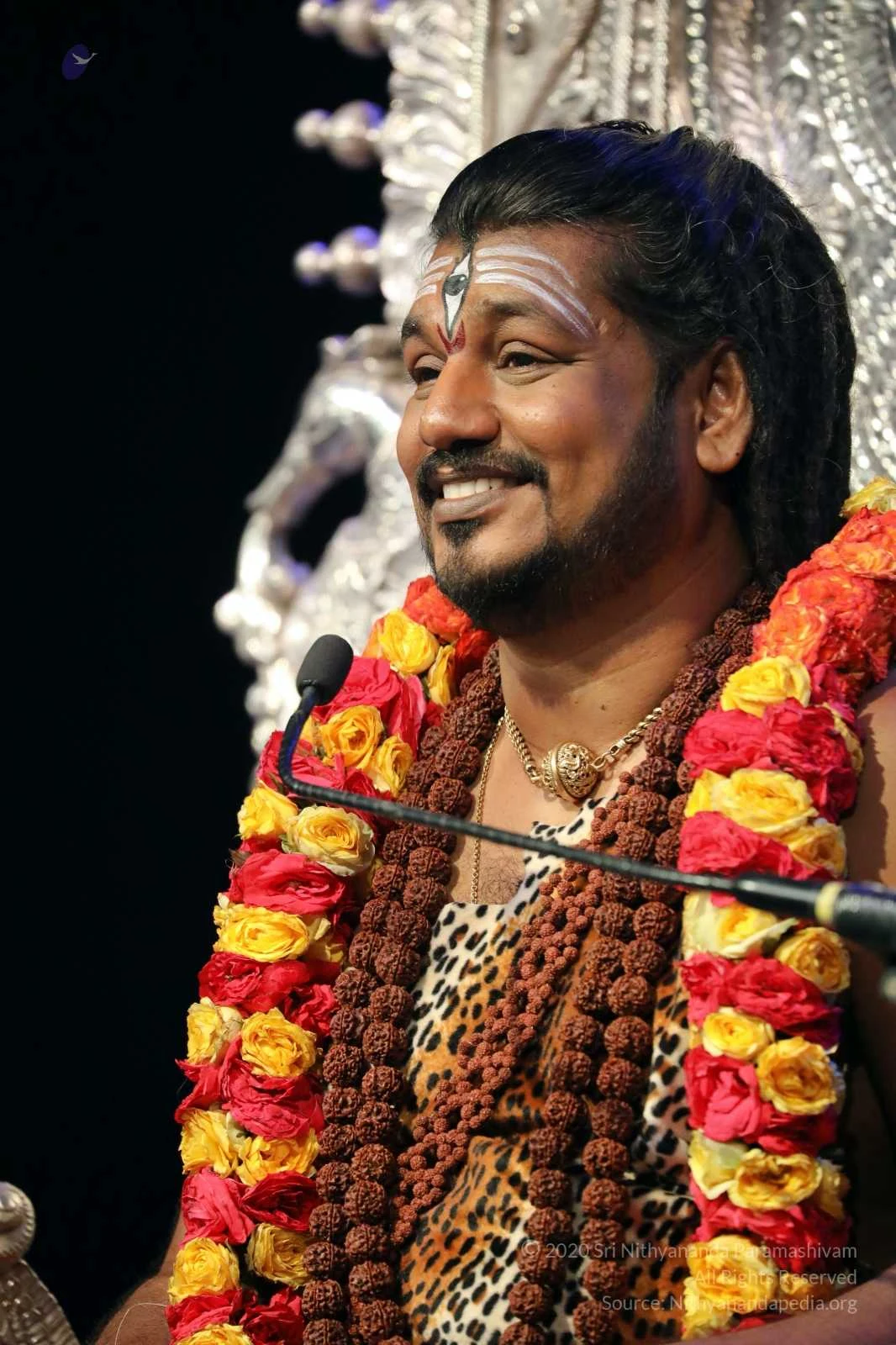
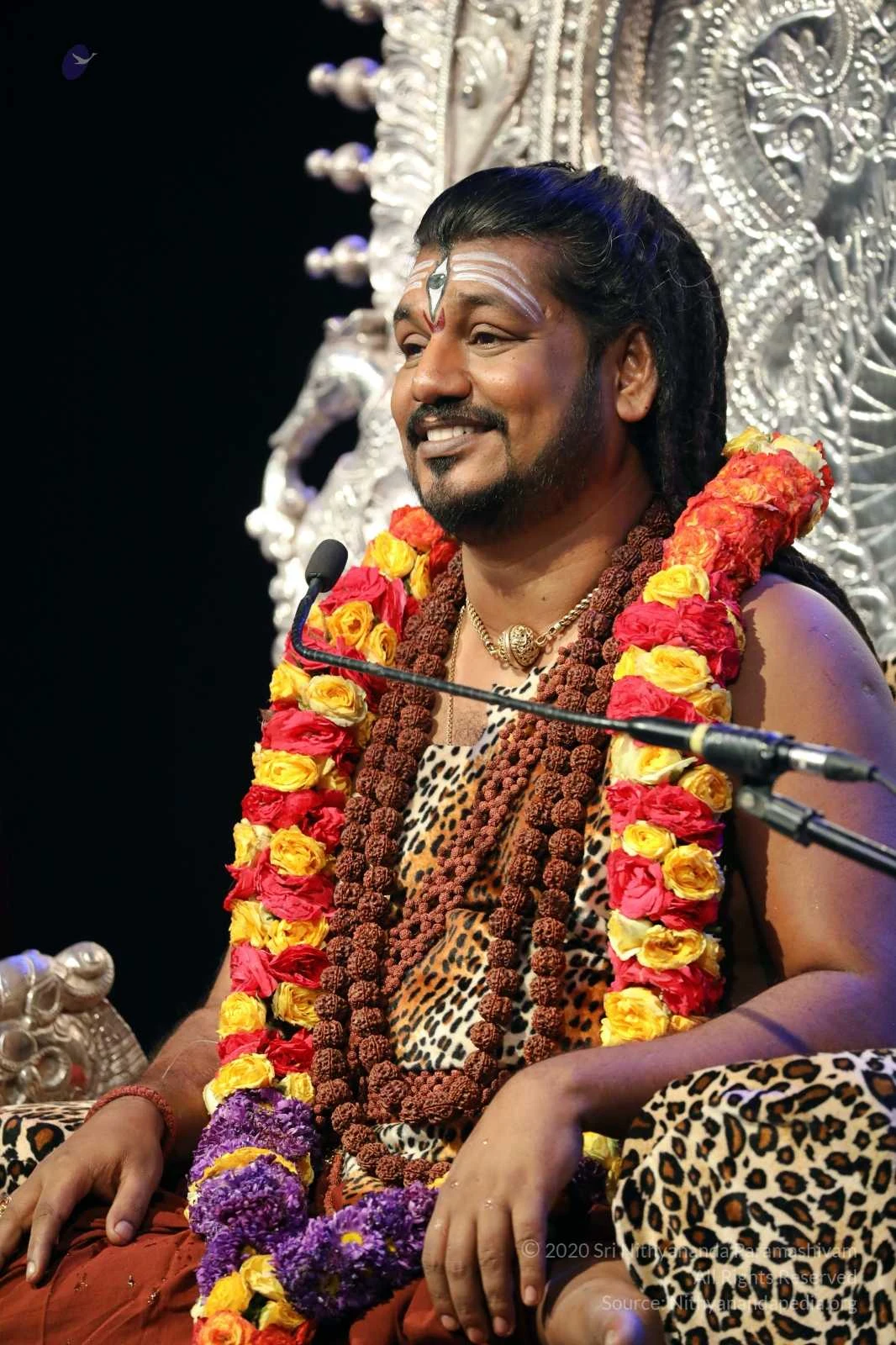
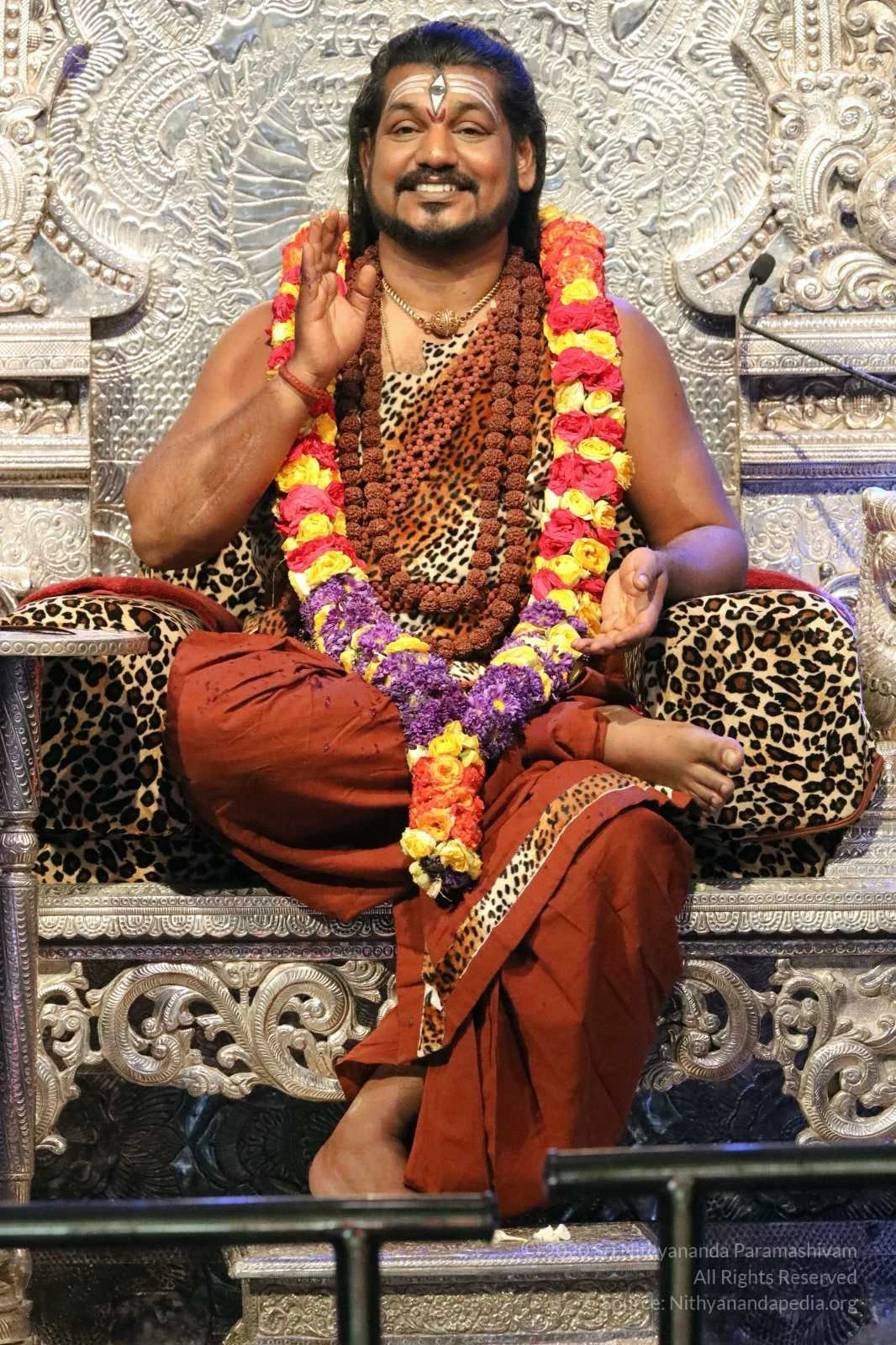
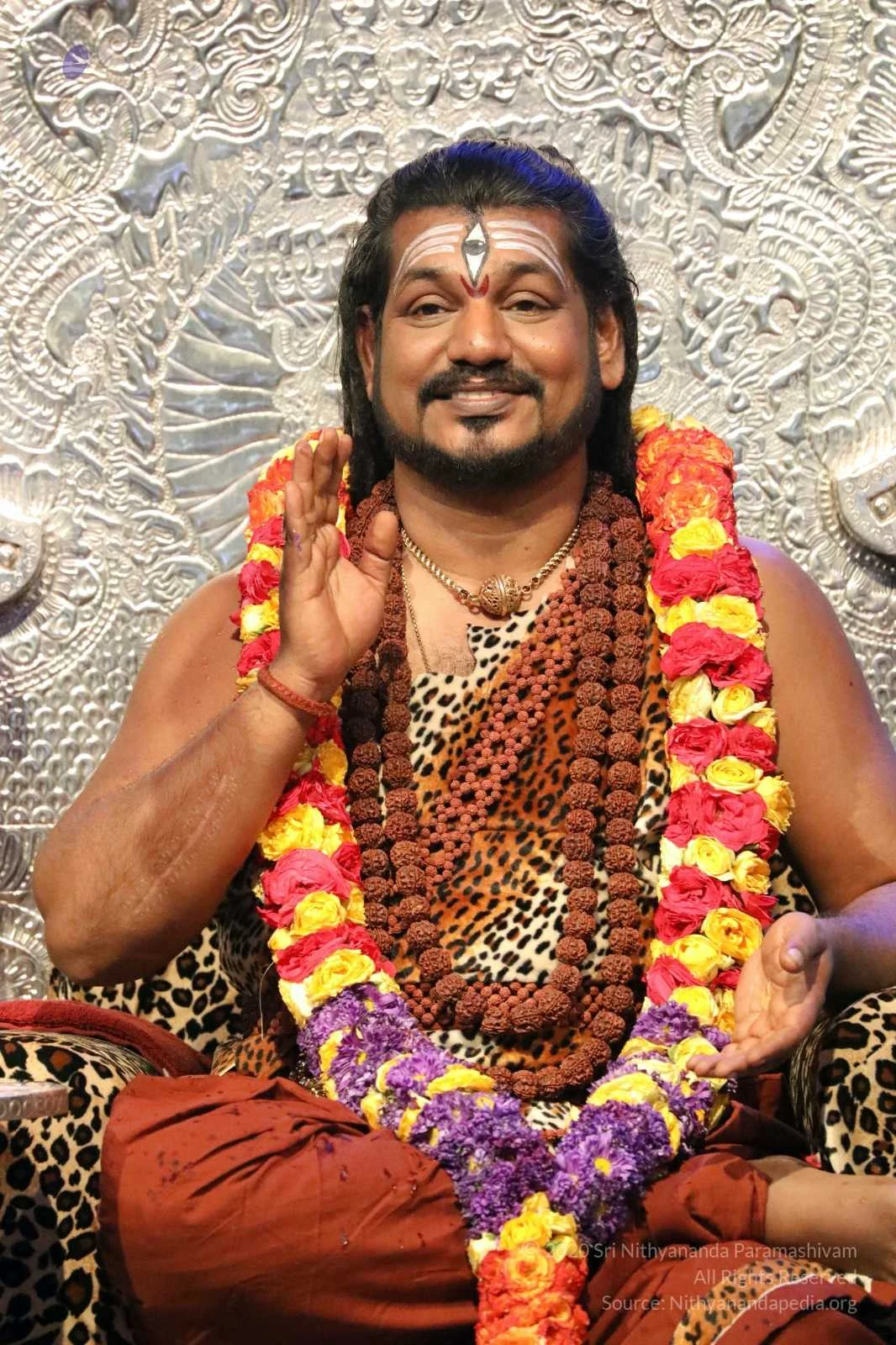
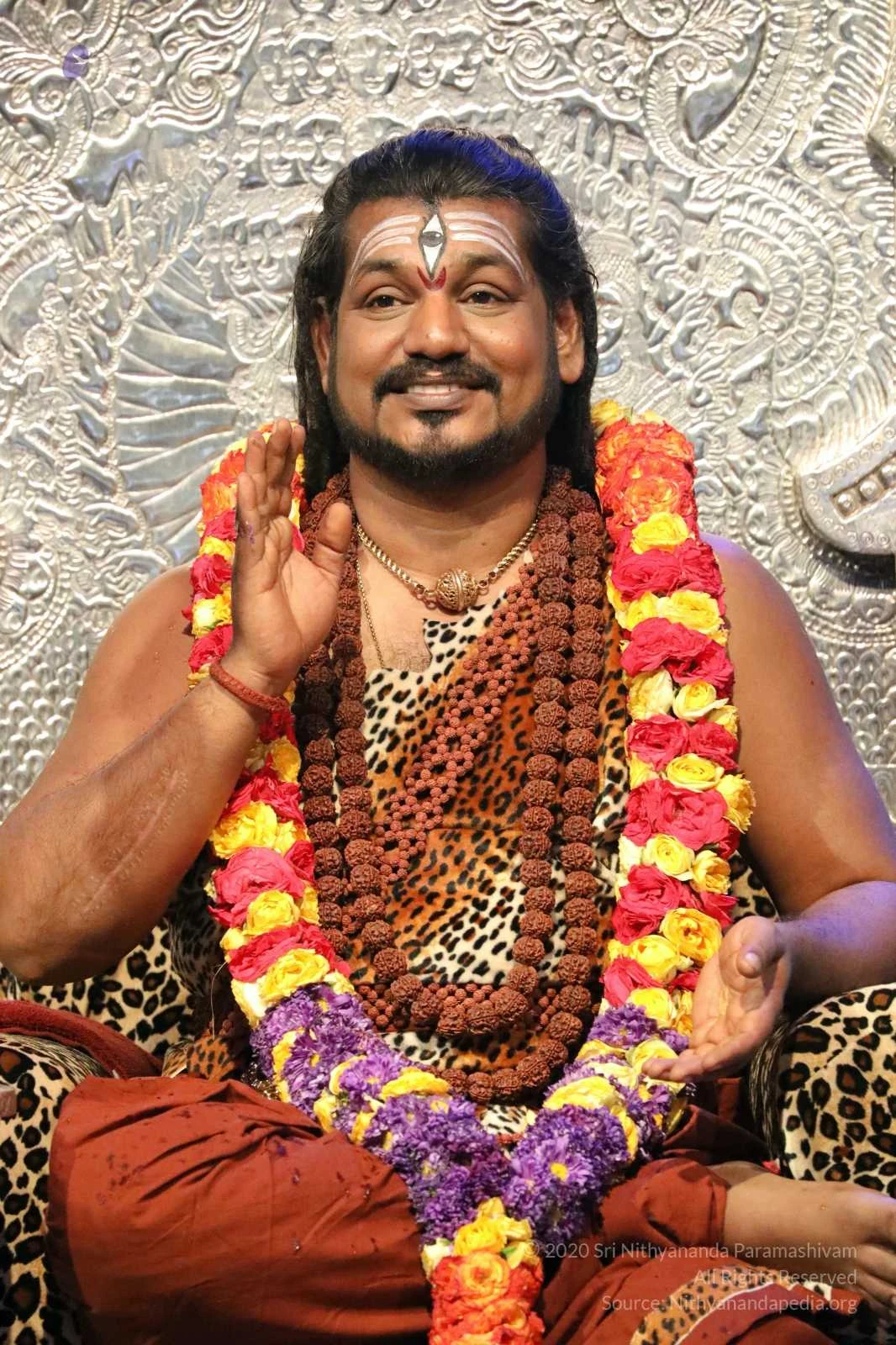
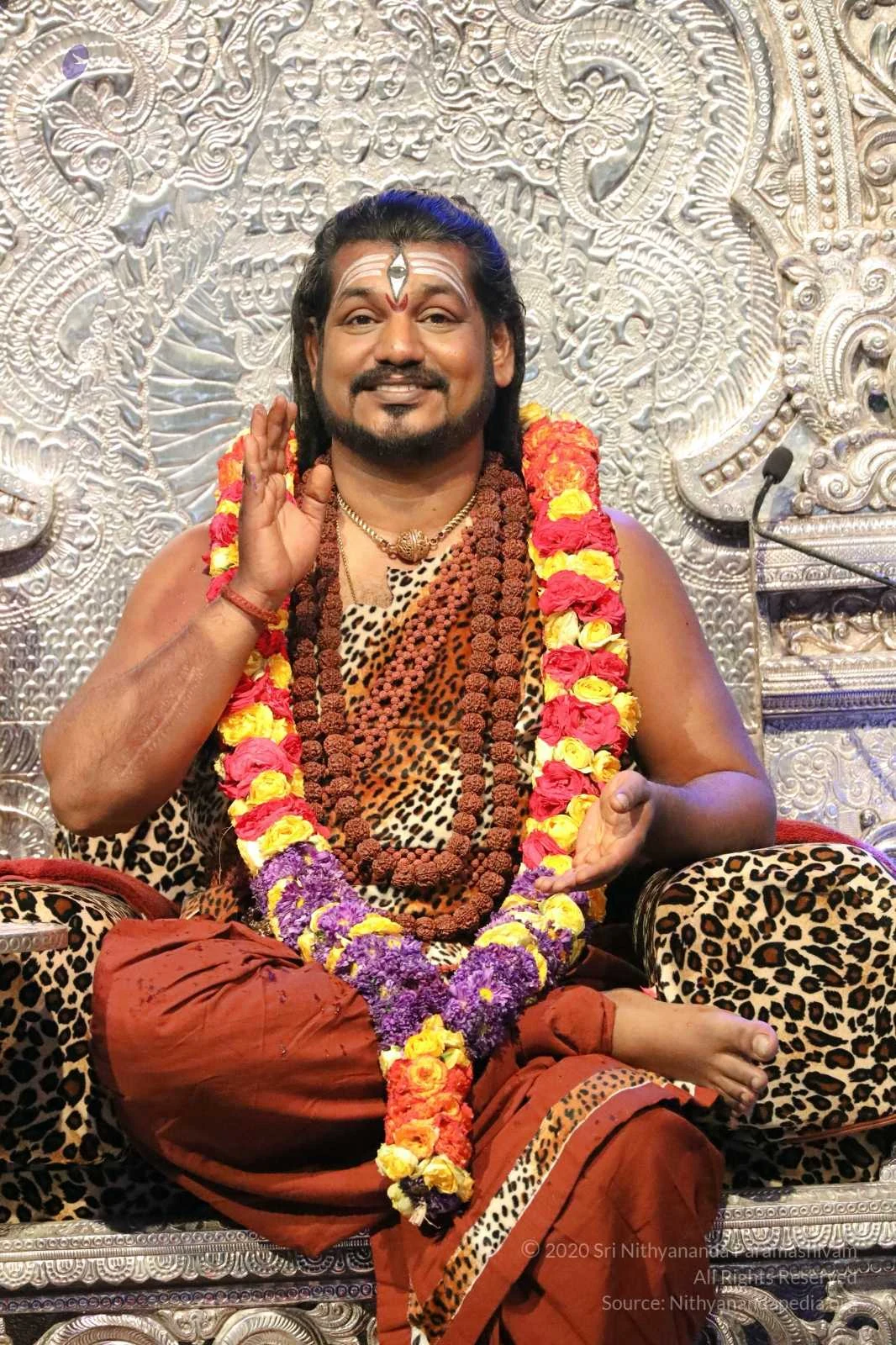
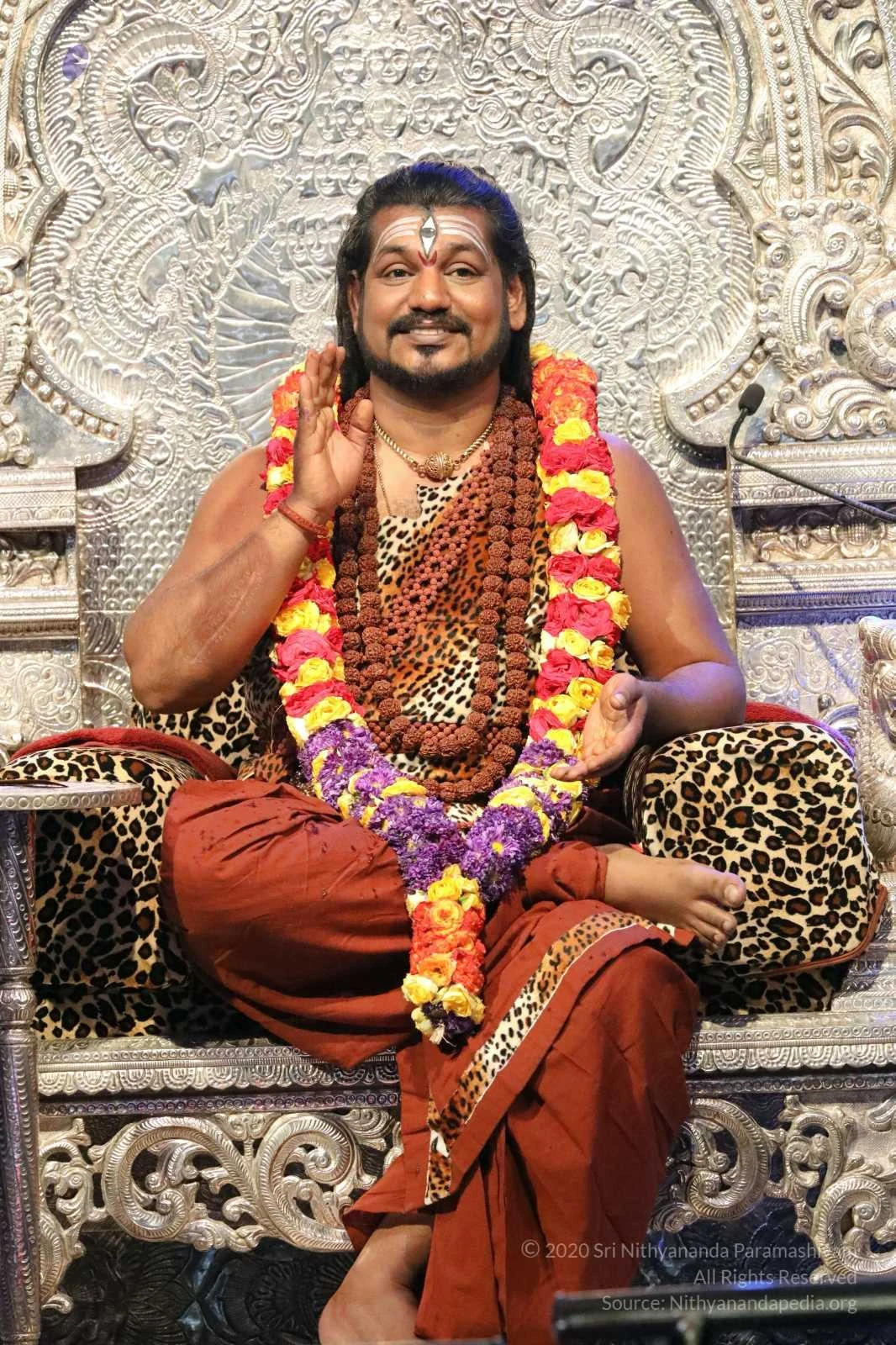
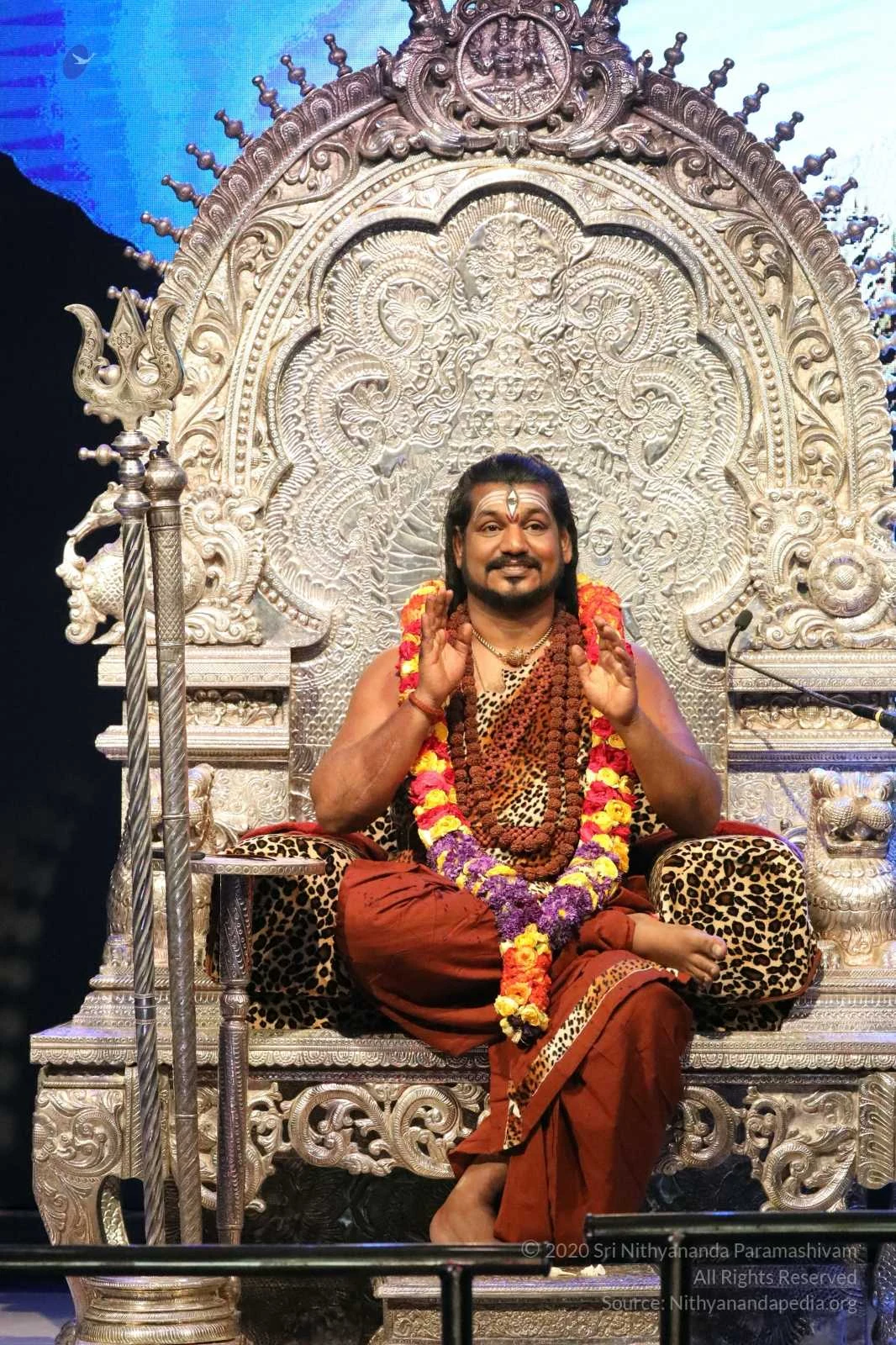
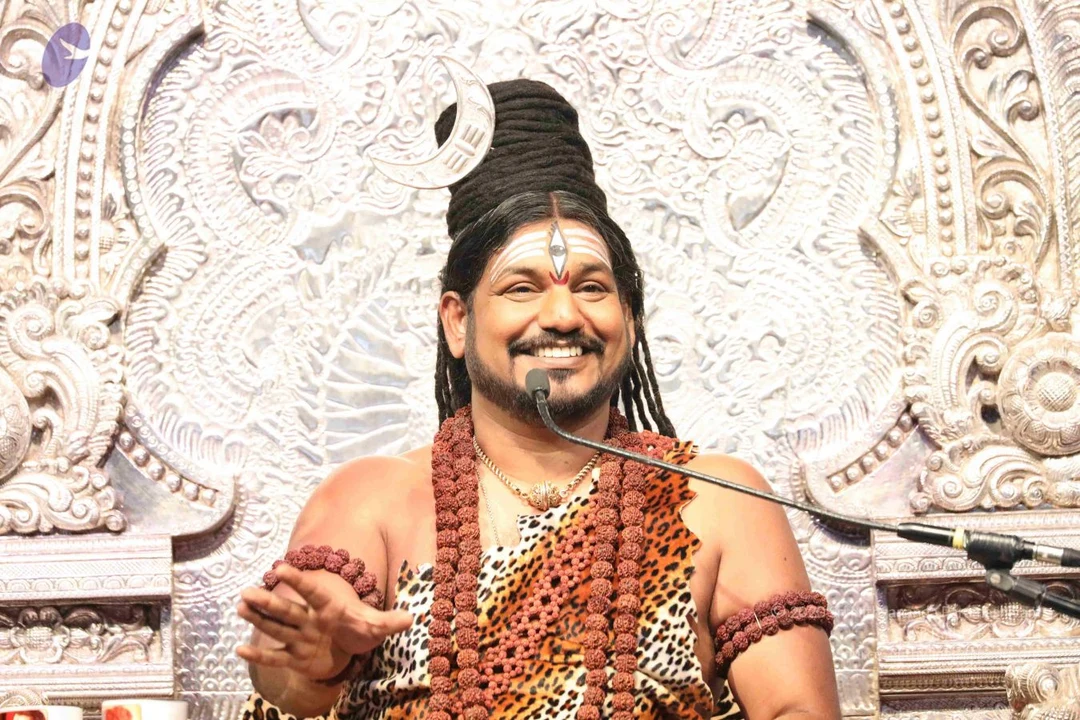
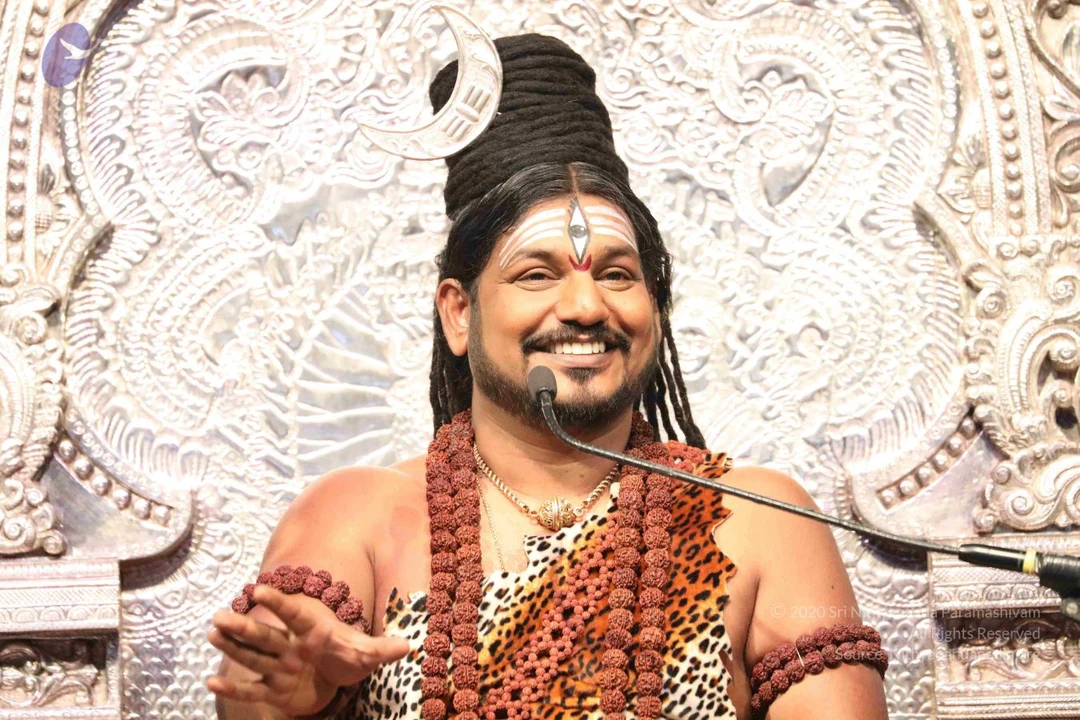
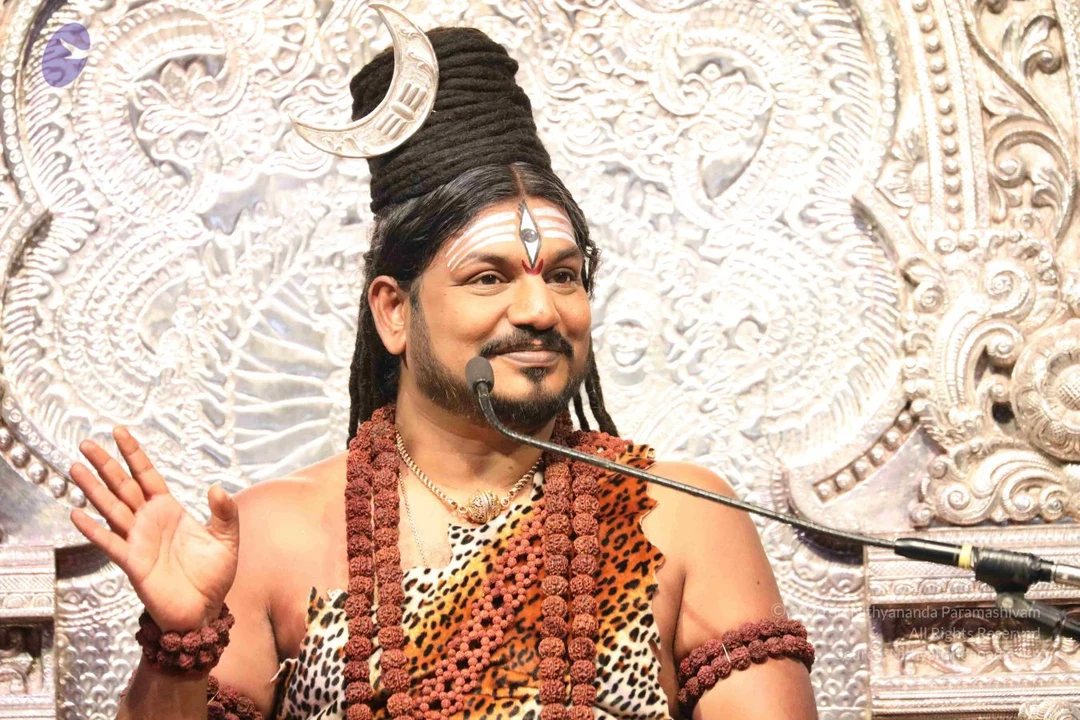
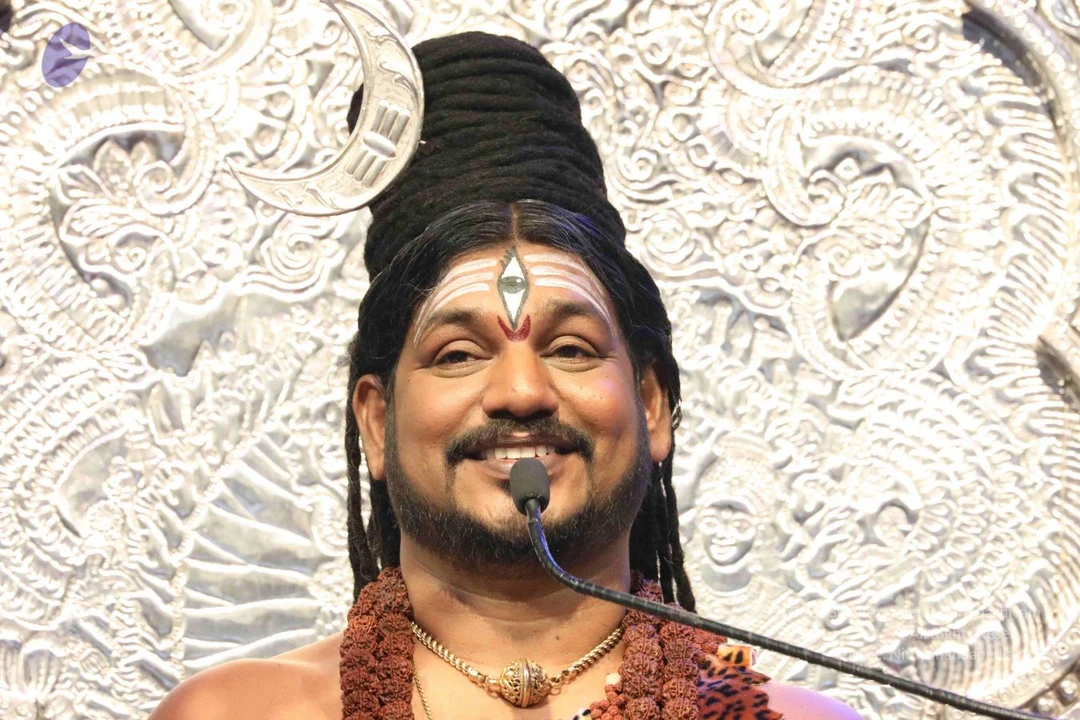
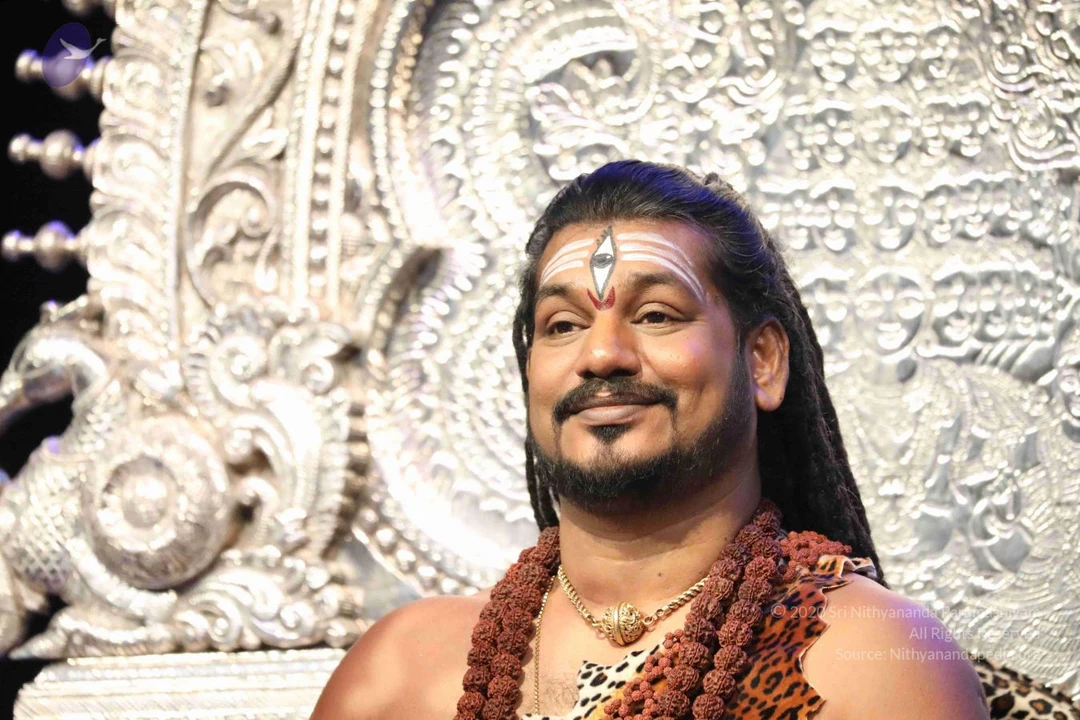
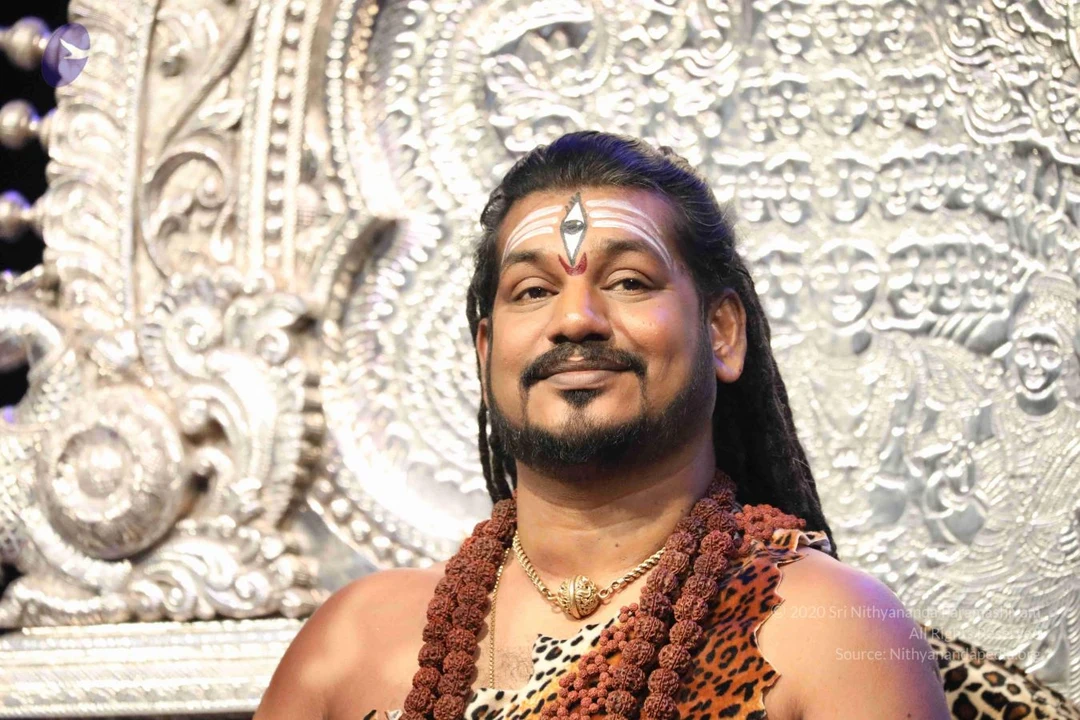
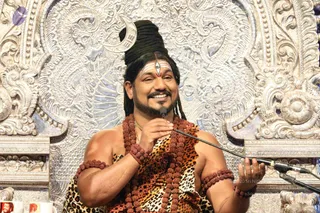
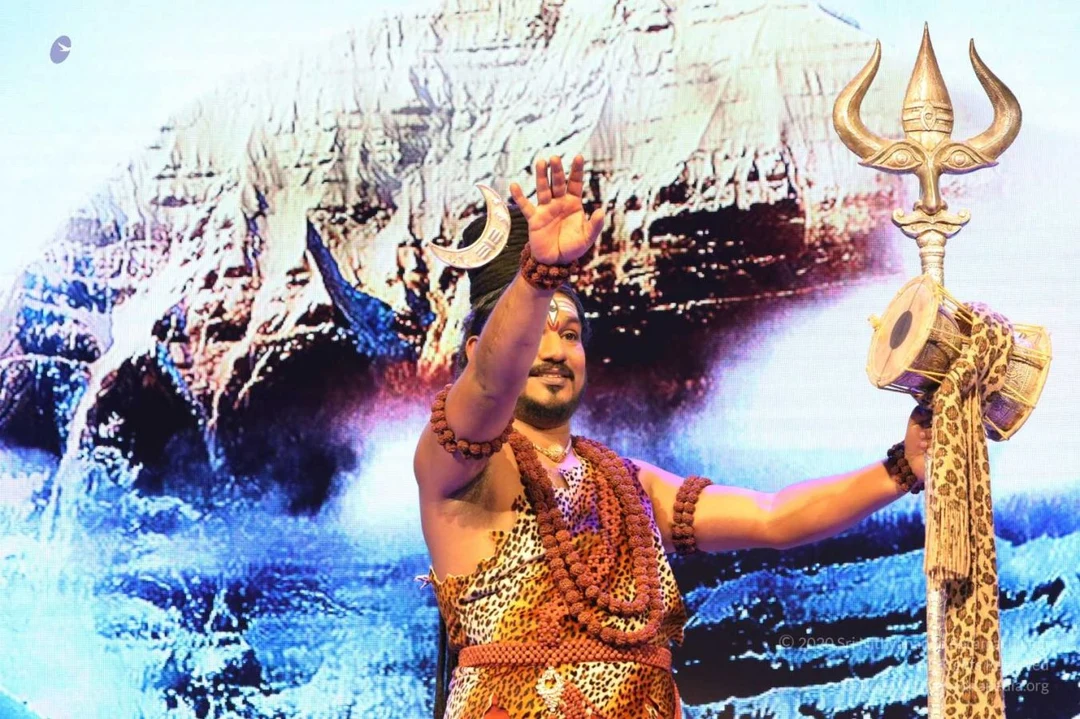 HDH Nithyanada Paramashivam blessing delegates attending the Mahasadashivoham convention
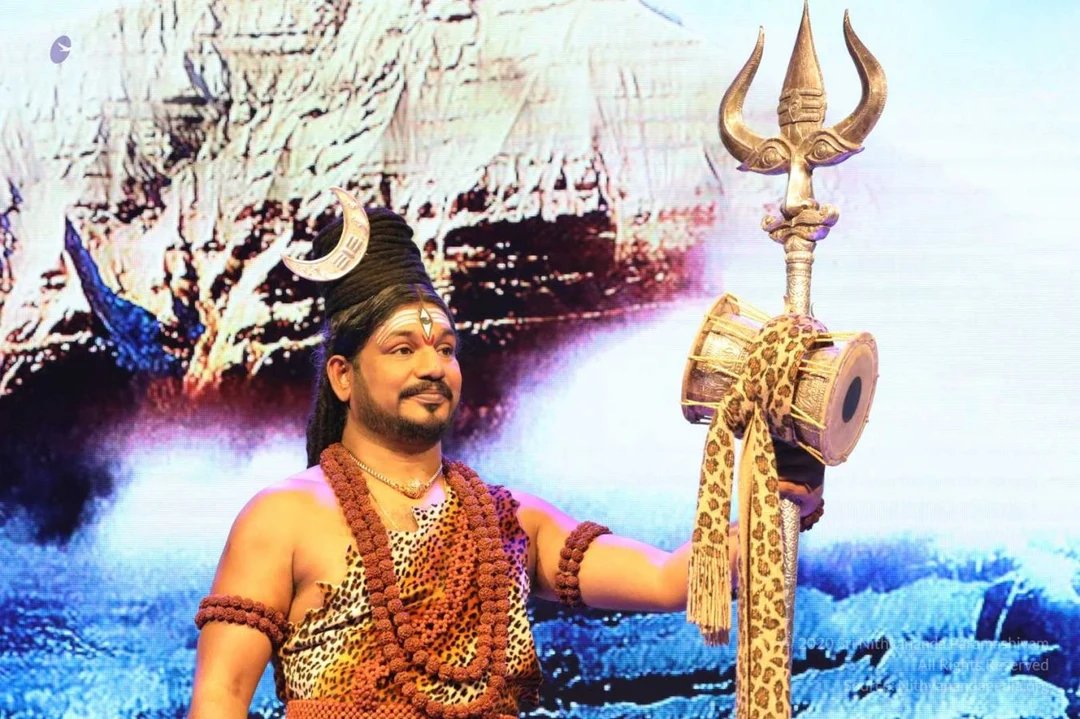 Cosmic form of Sadashiva - virat swarupa - Mahasadashiva
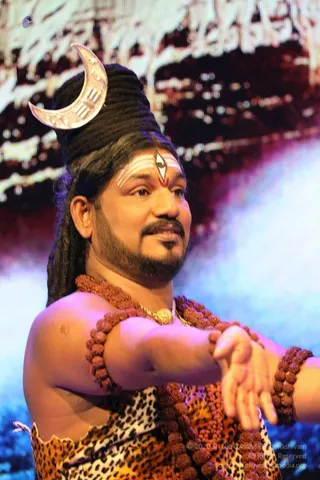 Cosmic form of Sadashiva - virat swarupa - Mahasadashiva
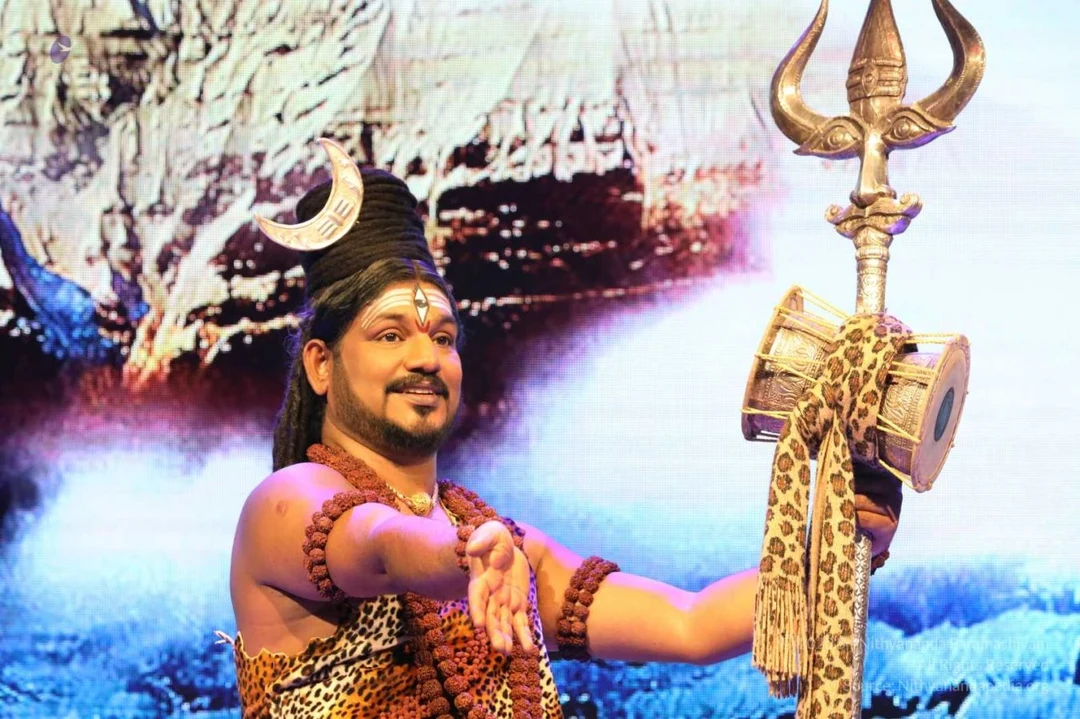 Cosmic form of Sadashiva - virat swarupa - Mahasadashiva
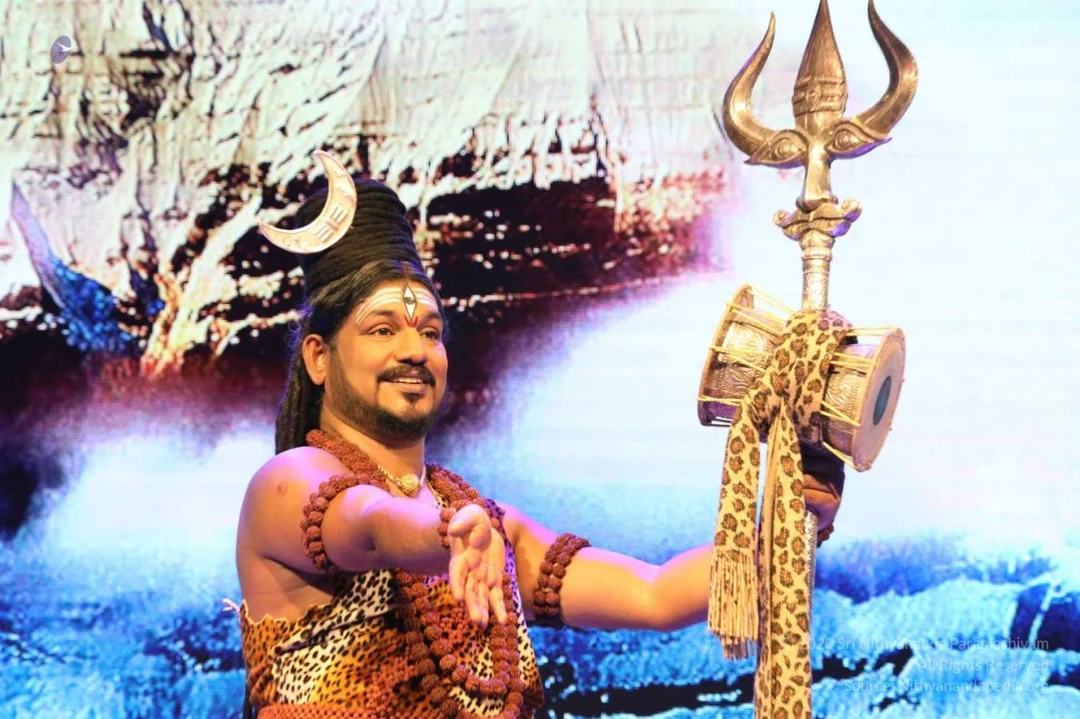 Cosmic form of Sadashiva - virat swarupa - Mahasadashiva
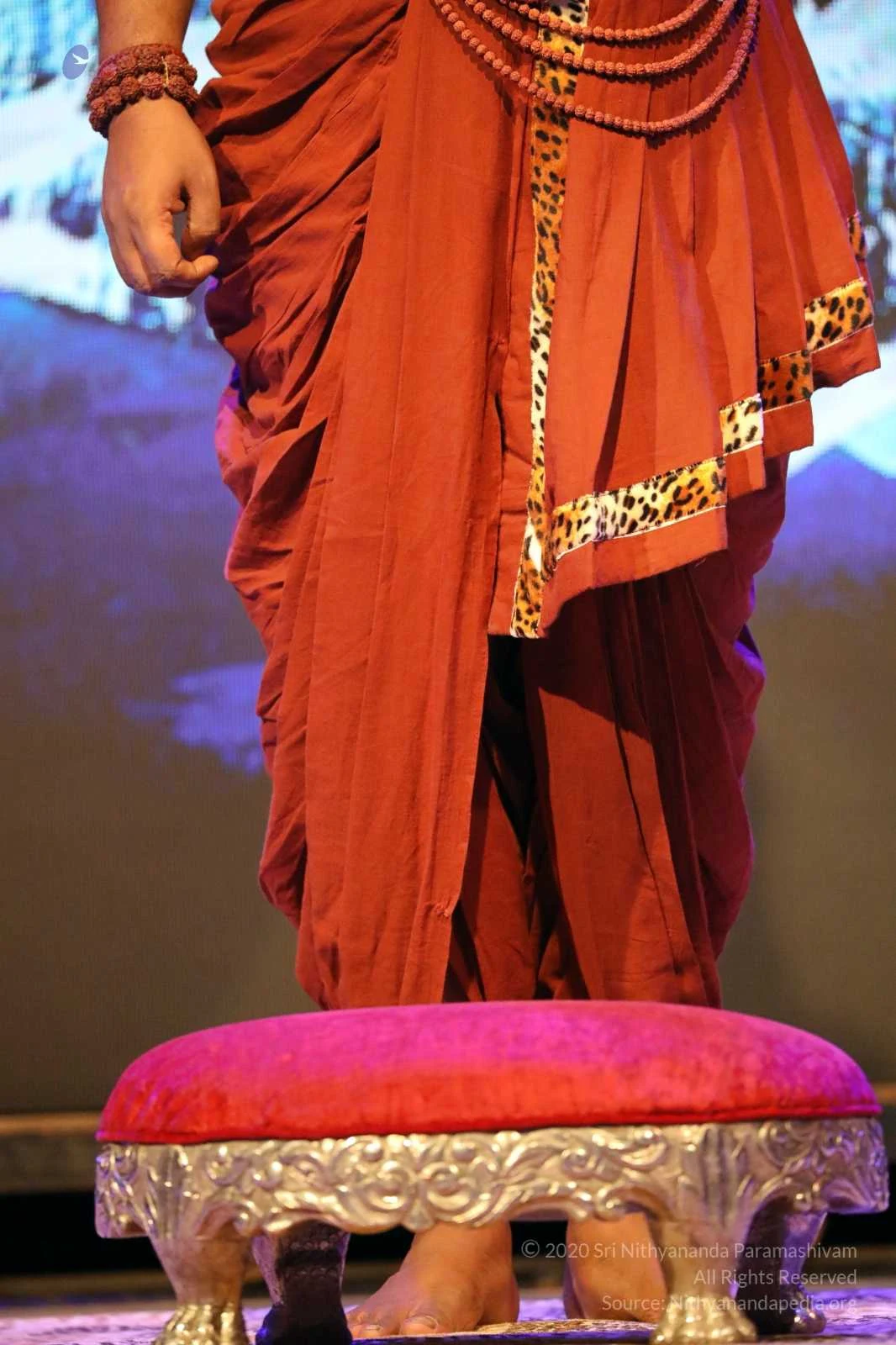
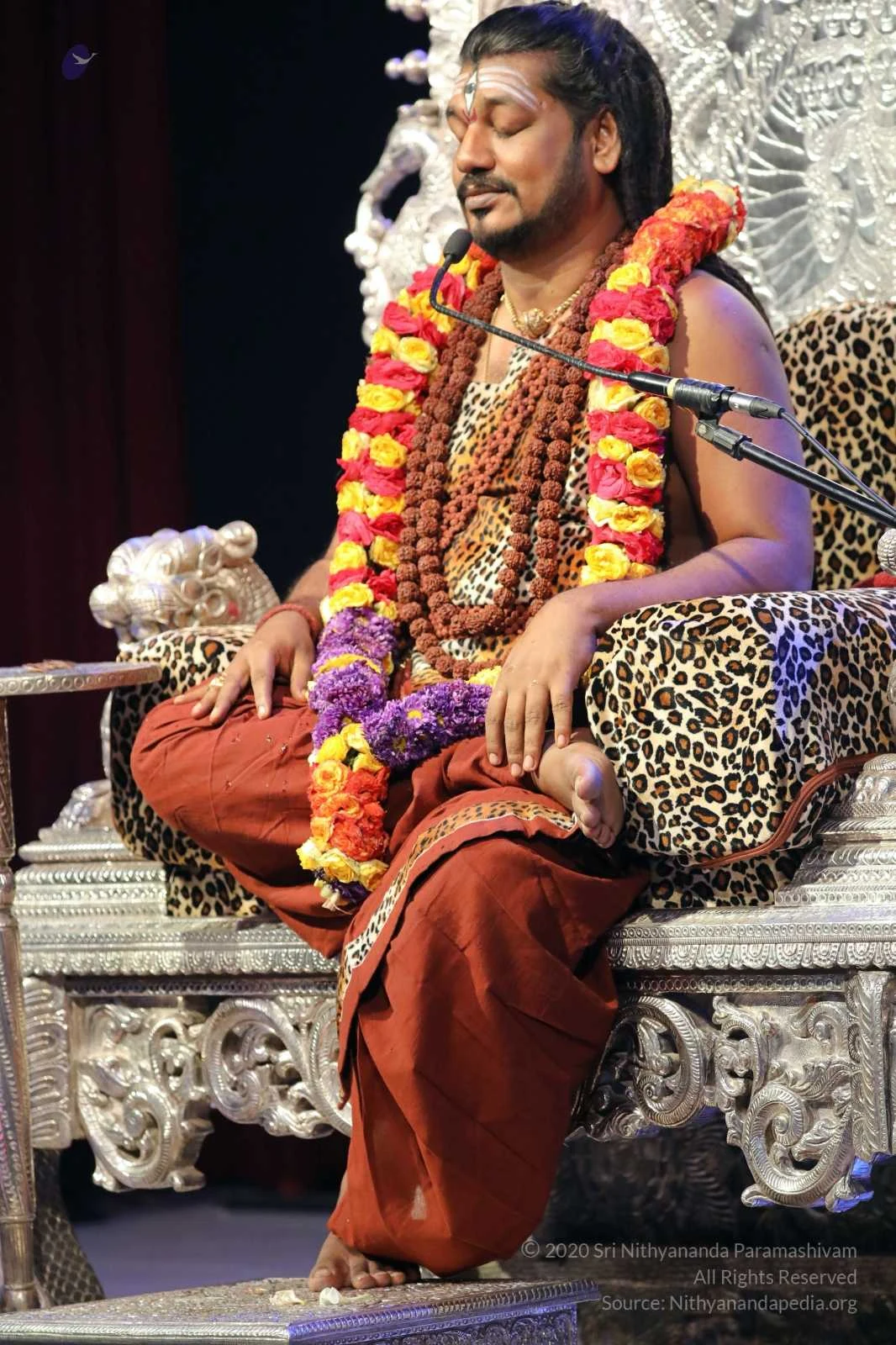
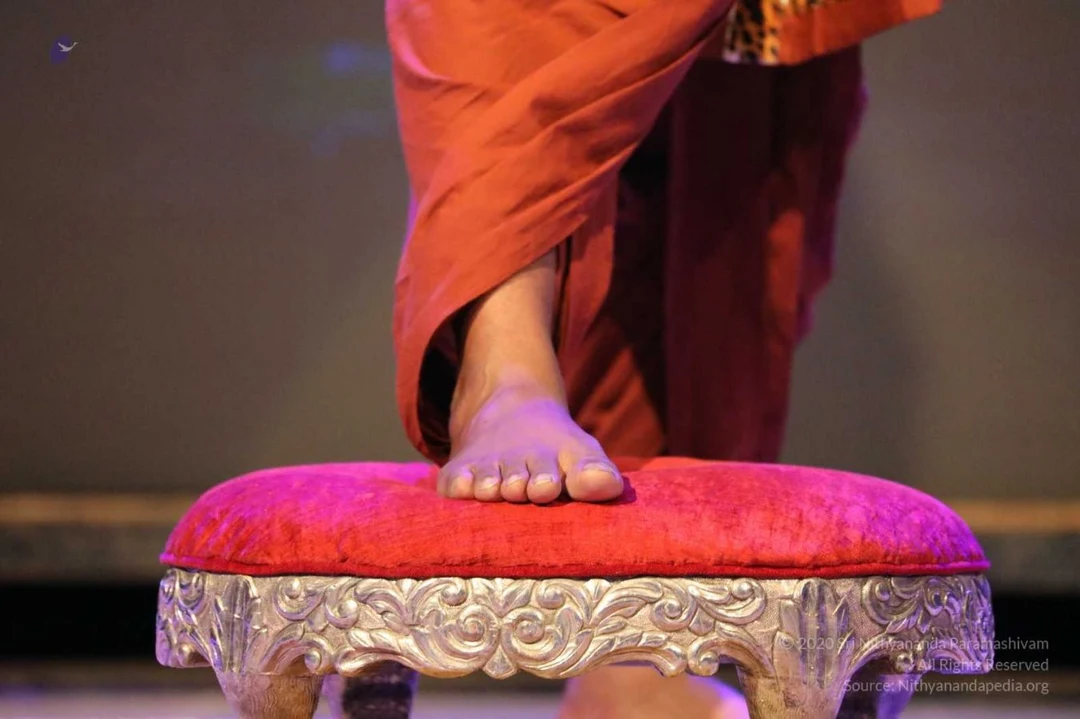 Divine lotus feet of HDH Sri Nithyananda Paramashivam
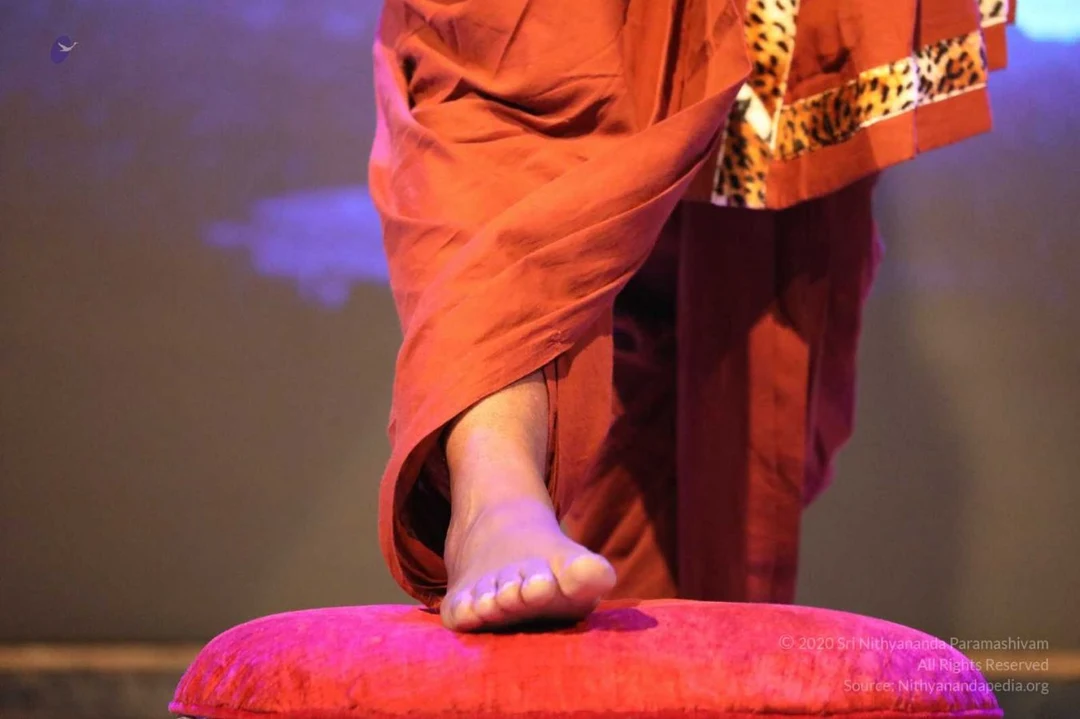 Divine lotus feet of HDH Sri Nithyananda Paramashivam
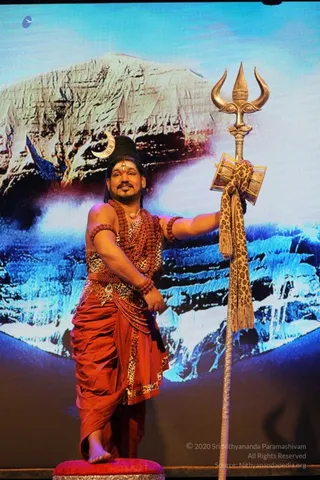 HDH Nithyanada Paramashivam blessing delegates attending the Mahasadashivoham convention
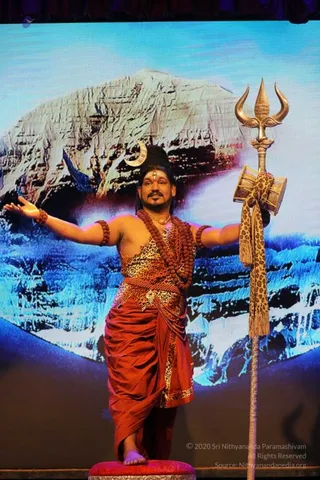 HDH Nithyanada Paramashivam blessing delegates attending the Mahasadashivoham convention
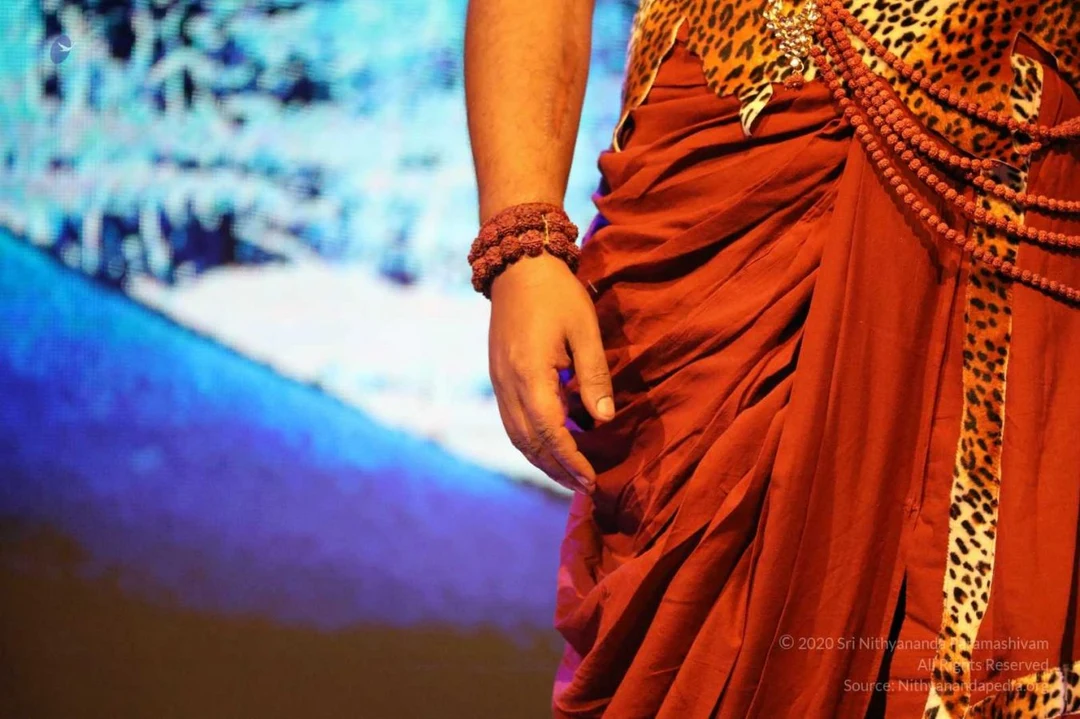 Cosmic form of Sadashiva - virat swarupa - Mahasadashiva
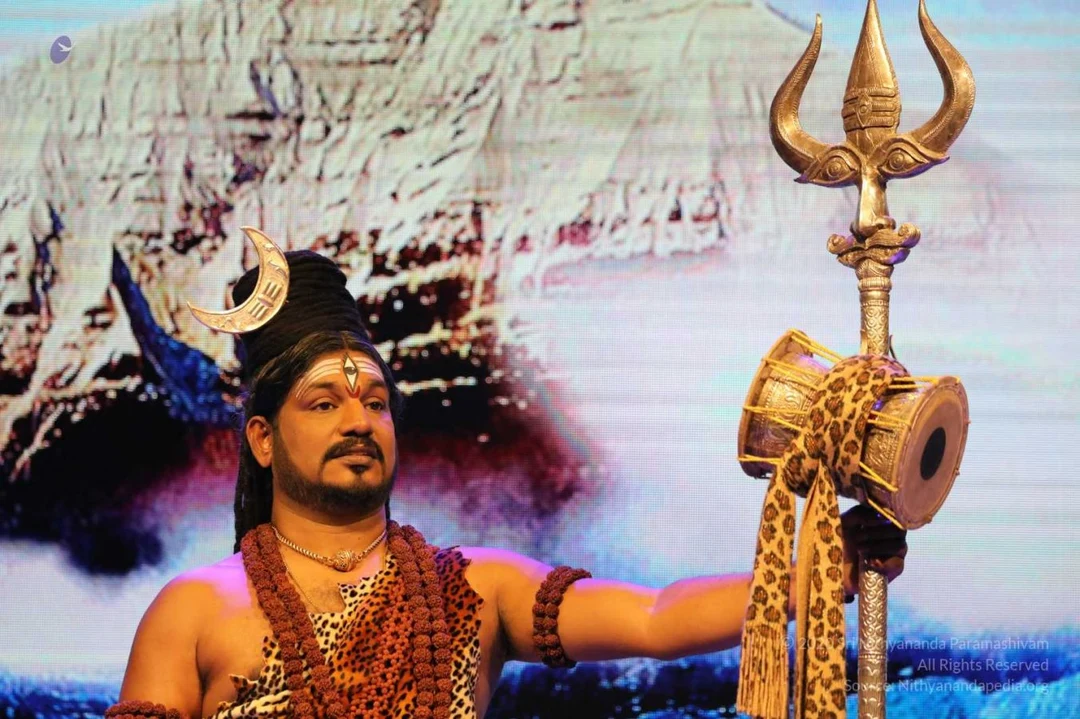 Cosmic form of Sadashiva - virat swarupa - Mahasadashiva
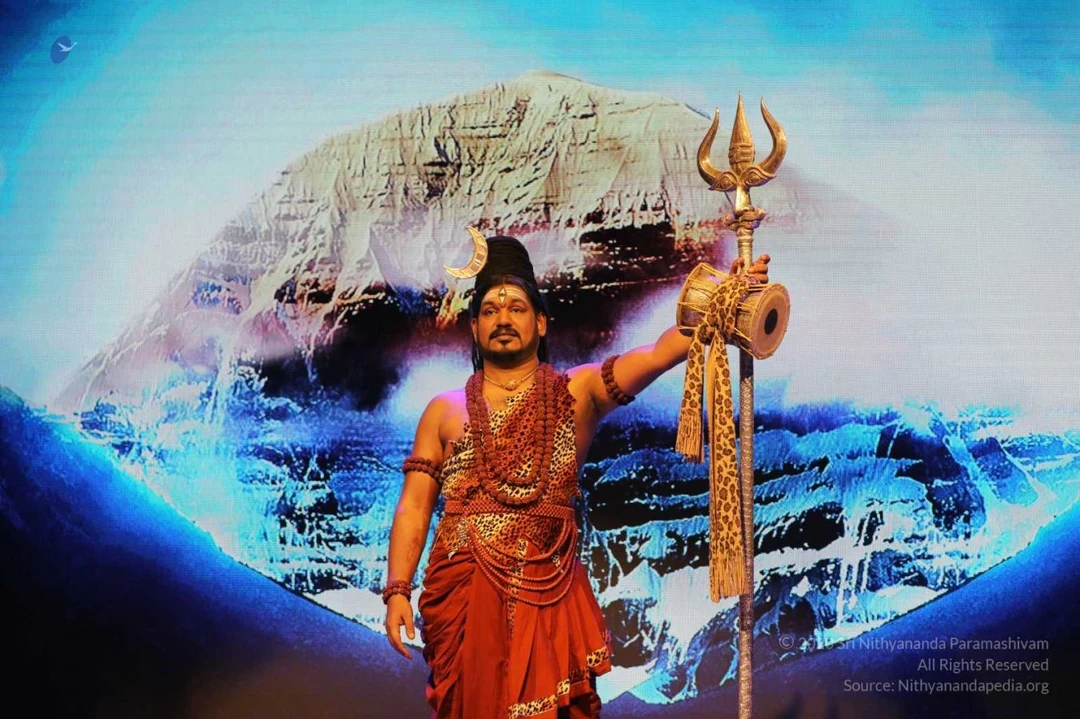 Cosmic form of Sadashiva - virat swarupa - Mahasadashiva
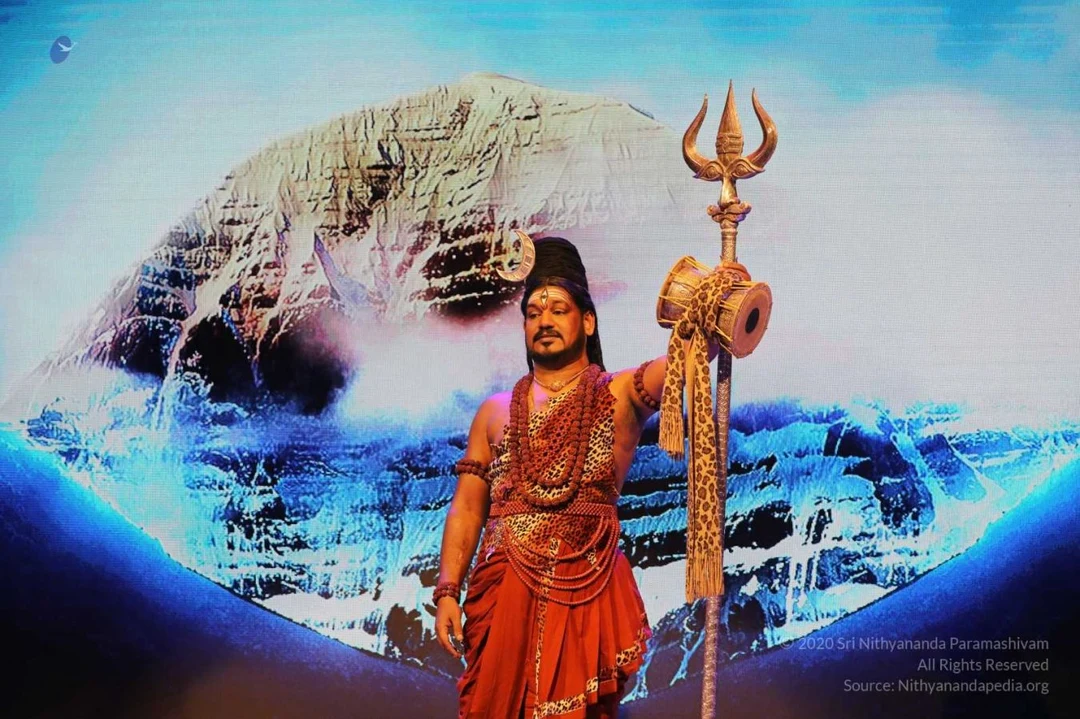 Cosmic form of Sadashiva - virat swarupa - Mahasadashiva
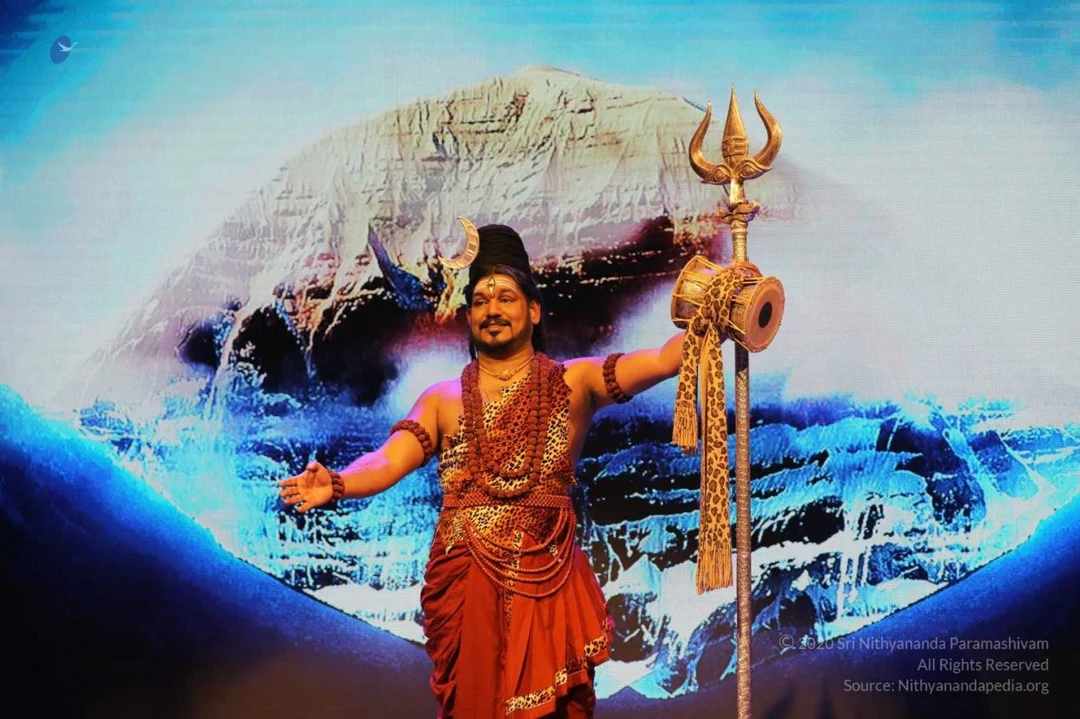 Cosmic form of Sadashiva - virat swarupa - Mahasadashiva
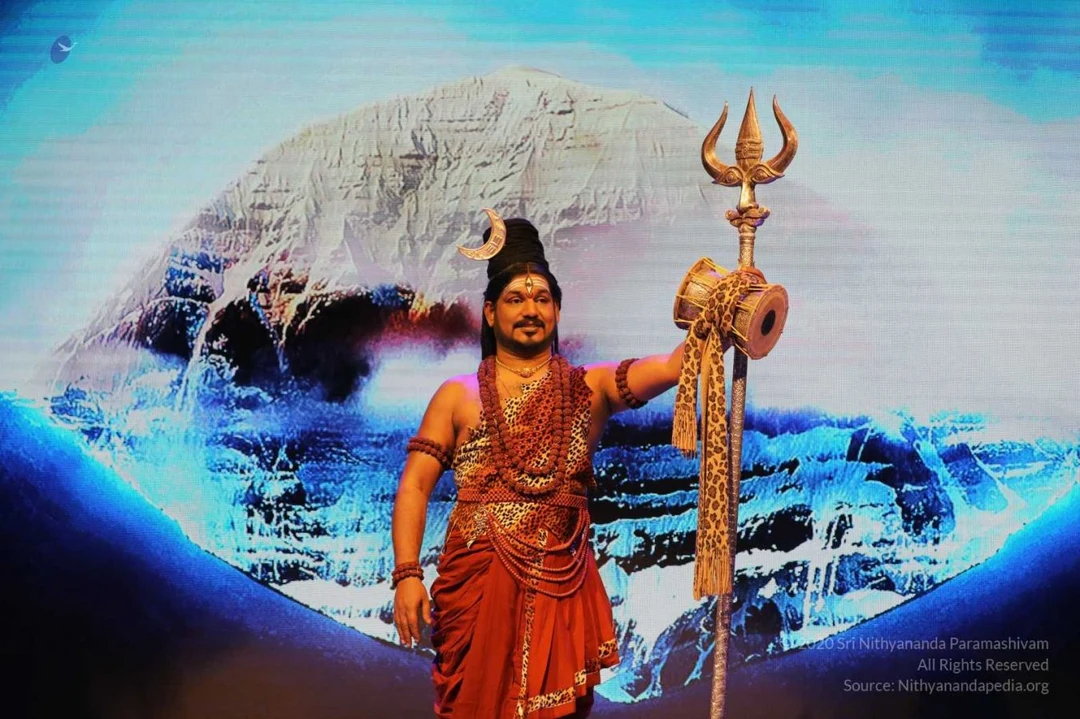 Cosmic form of Sadashiva - virat swarupa - Mahasadashiva
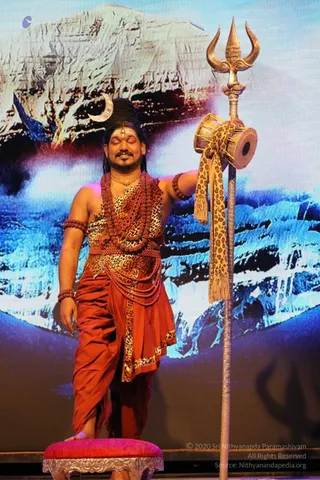 Cosmic form of Sadashiva - virat swarupa - Mahasadashiva
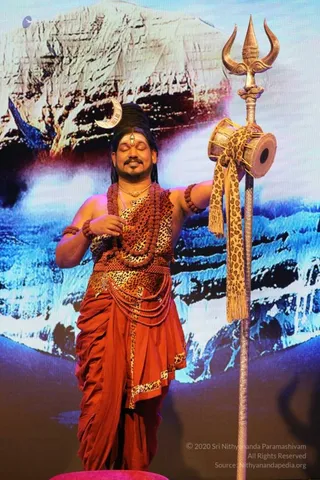 HDH Nithyanada Paramashivam blessing delegates attending the Mahasadashivoham convention
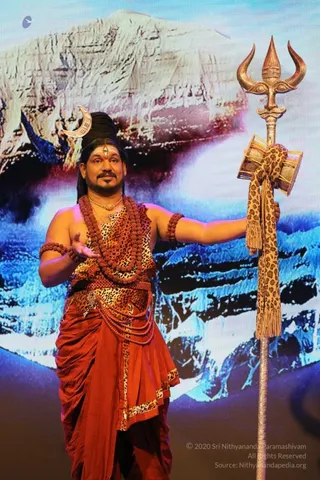 HDH Nithyanada Paramashivam blessing delegates attending the Mahasadashivoham convention
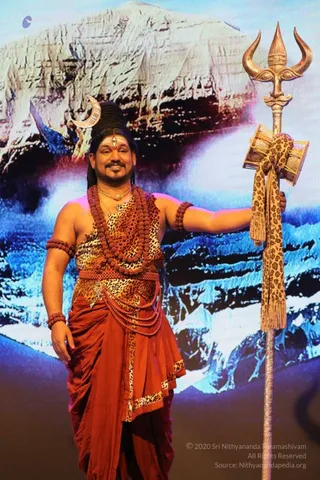 Cosmic form of Sadashiva - virat swarupa - Mahasadashiva
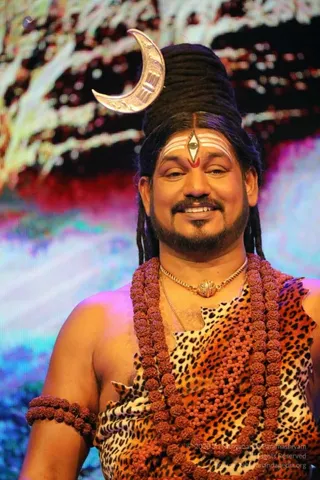 Cosmic form of Sadashiva - virat swarupa - Mahasadashiva
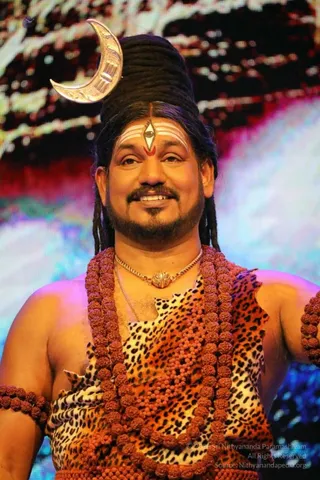 Cosmic form of Sadashiva - virat swarupa - Mahasadashiva
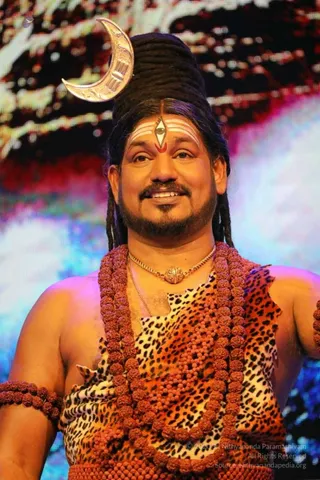 Cosmic form of Sadashiva - virat swarupa - Mahasadashiva
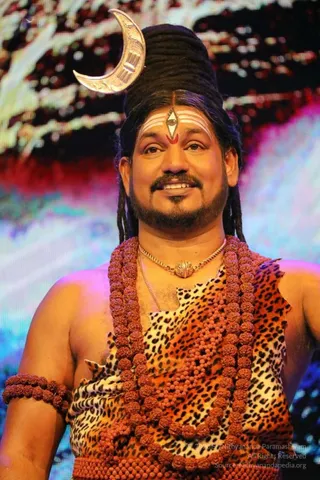 Cosmic form of Sadashiva - virat swarupa - Mahasadashiva
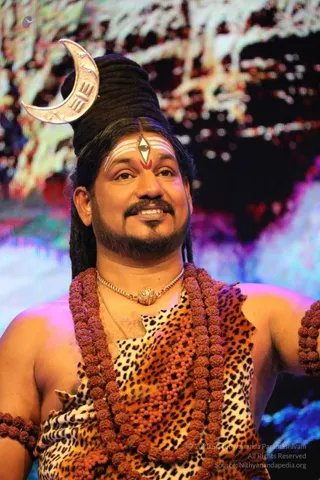 Cosmic form of Sadashiva - virat swarupa - Mahasadashiva
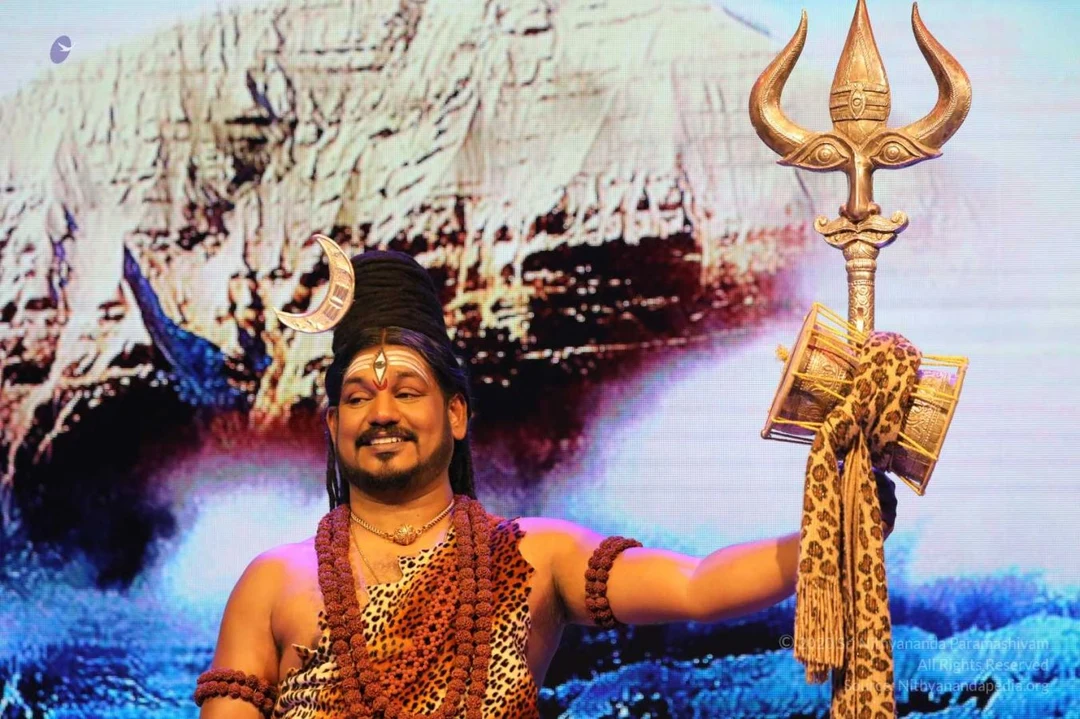 Cosmic form of Sadashiva - virat swarupa - Mahasadashiva
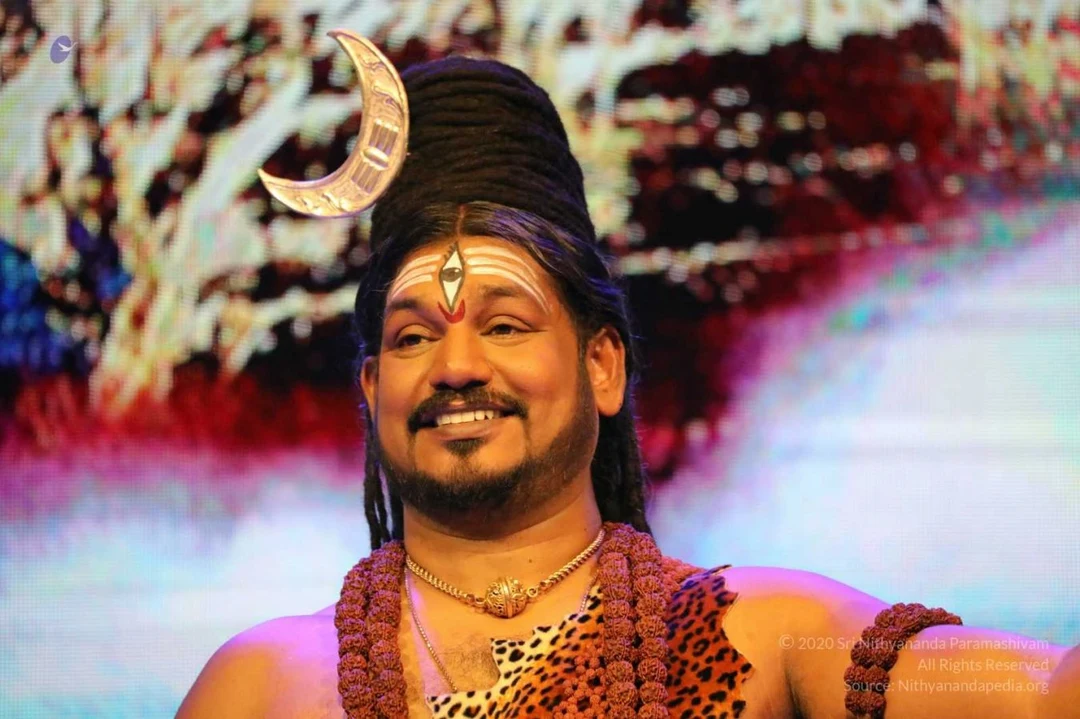 Cosmic form of Sadashiva - virat swarupa - Mahasadashiva
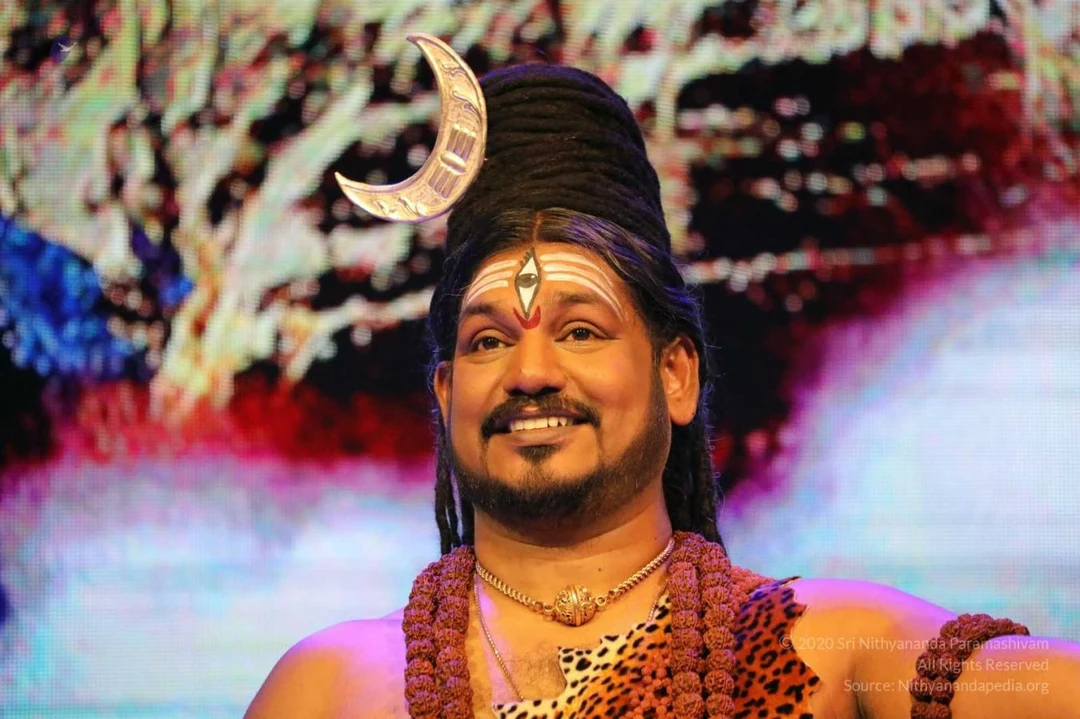 Cosmic form of Sadashiva - virat swarupa - Mahasadashiva
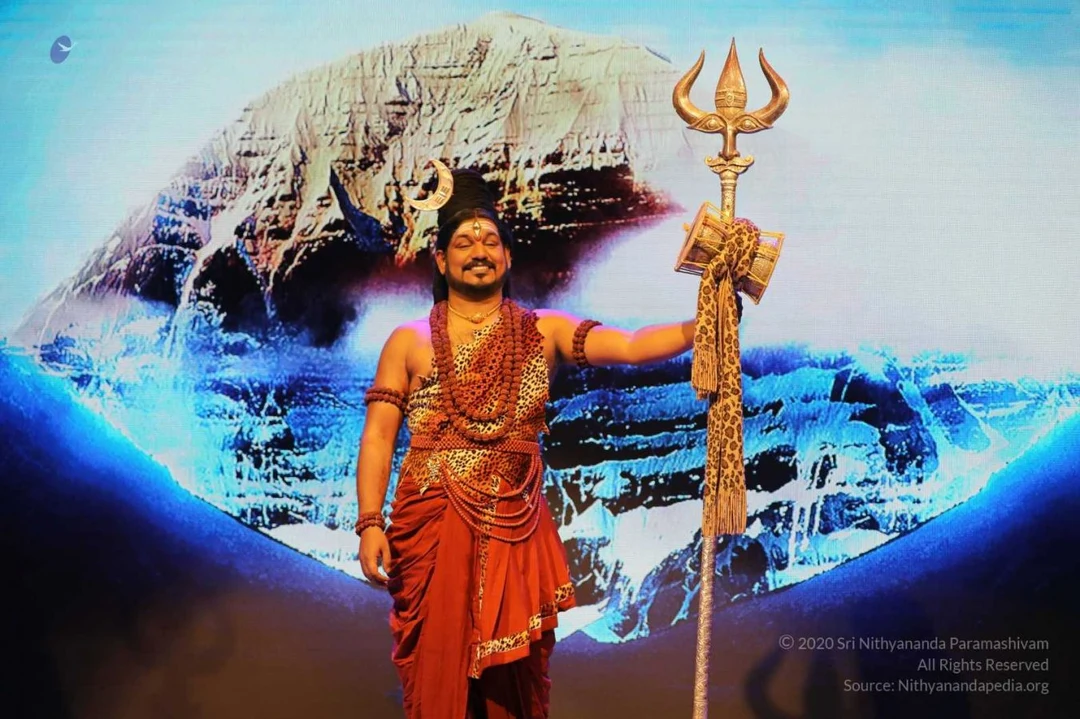 Cosmic form of Sadashiva - virat swarupa - Mahasadashiva
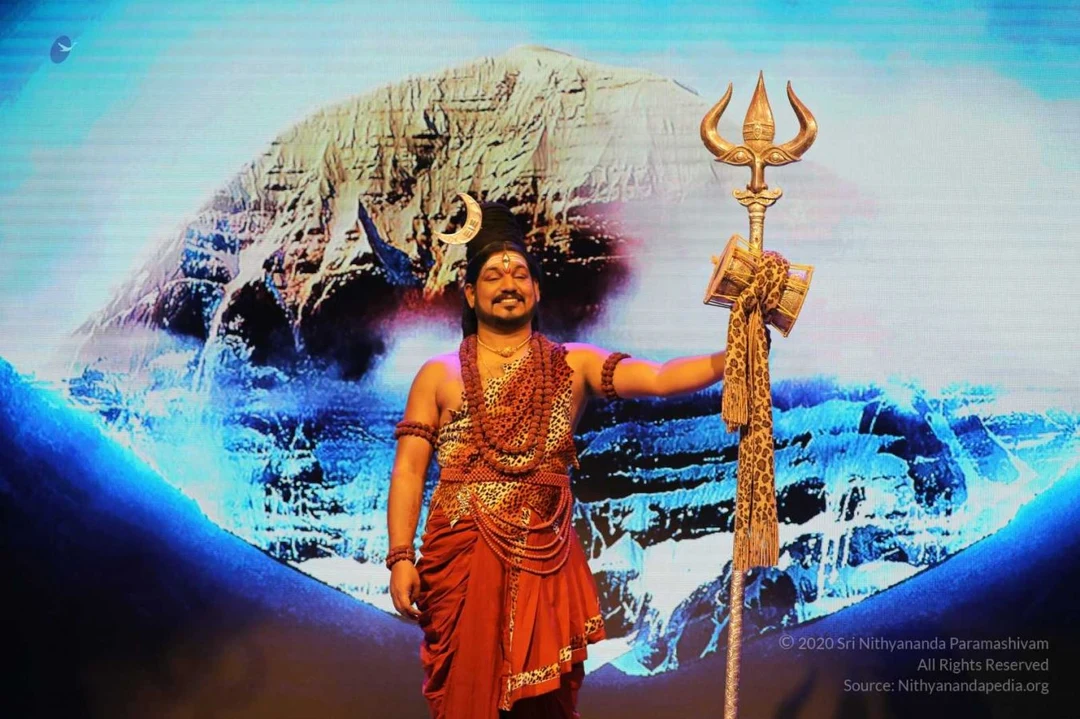 Cosmic form of Sadashiva - virat swarupa - Mahasadashiva
 Cosmic form of Sadashiva - virat swarupa - Mahasadashiva
 Cosmic form of Sadashiva - virat swarupa - Mahasadashiva
 Cosmic form of Sadashiva - virat swarupa - Mahasadashiva
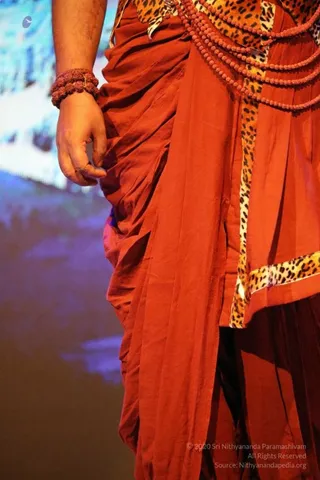 Cosmic form of Sadashiva - virat swarupa - Mahasadashiva
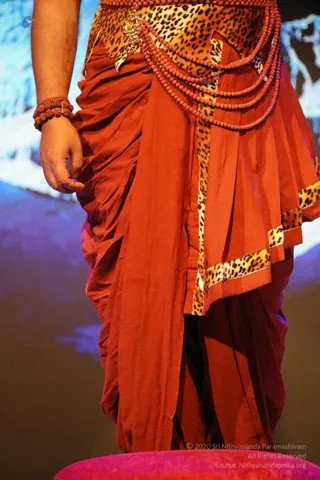 Cosmic form of Sadashiva - virat swarupa - Mahasadashiva
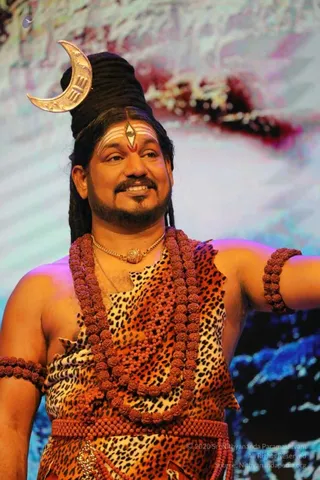 Cosmic form of Sadashiva - virat swarupa - Mahasadashiva
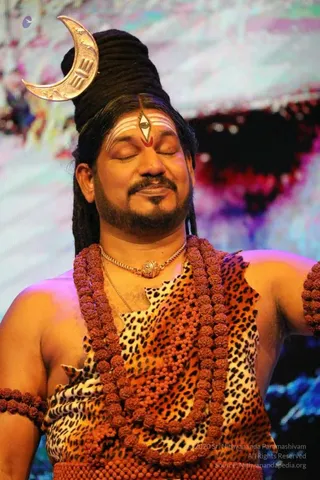 Cosmic form of Sadashiva - virat swarupa - Mahasadashiva
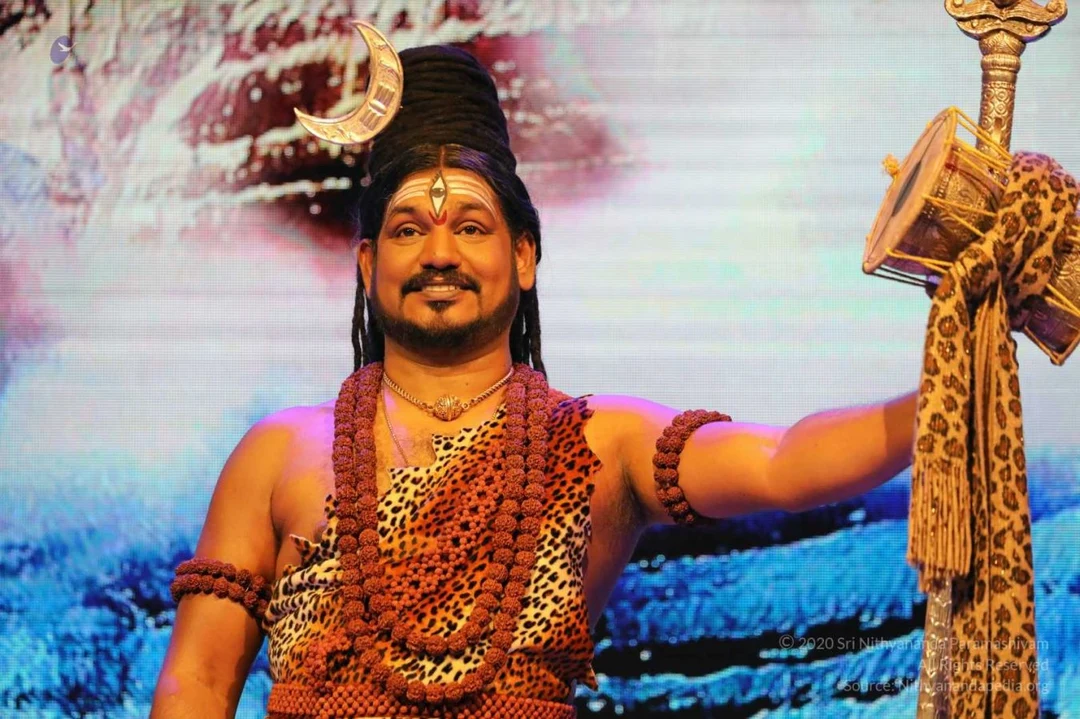 Cosmic form of Sadashiva - virat swarupa - Mahasadashiva
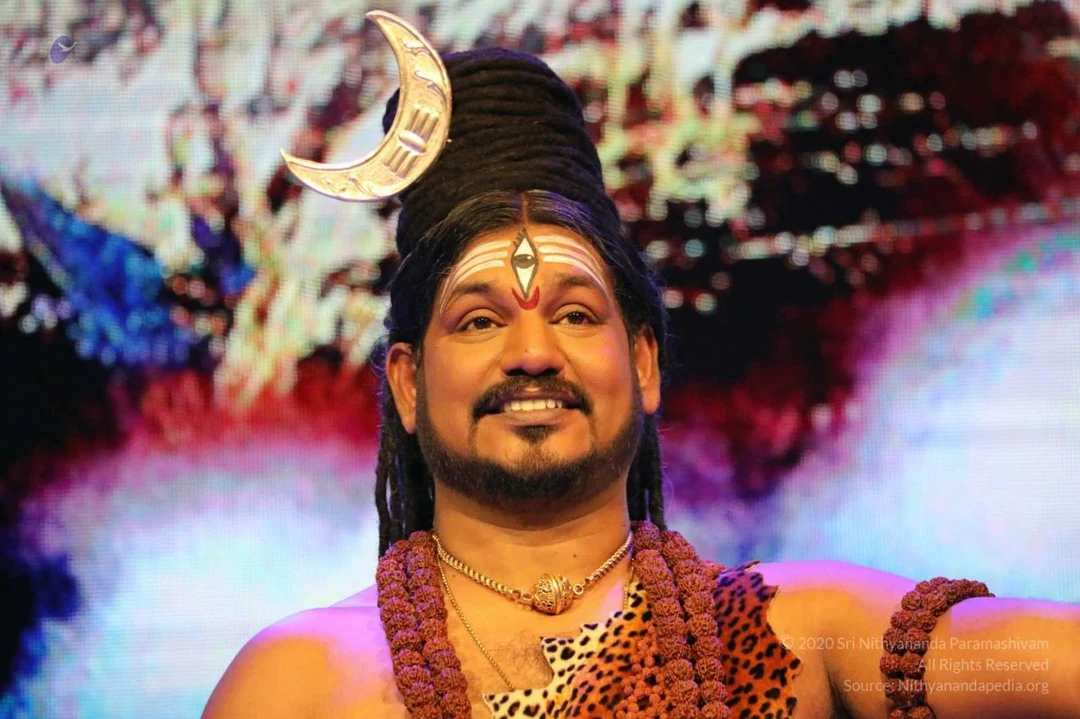 Cosmic form of Sadashiva - virat swarupa - Mahasadashiva
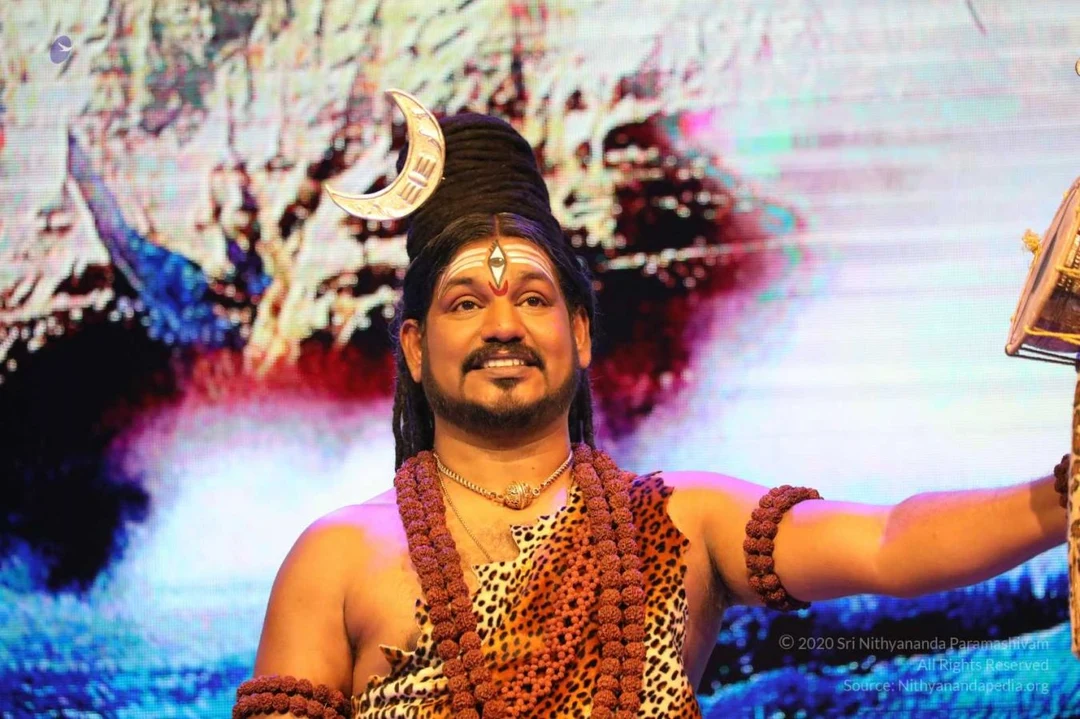 Cosmic form of Sadashiva - virat swarupa - Mahasadashiva
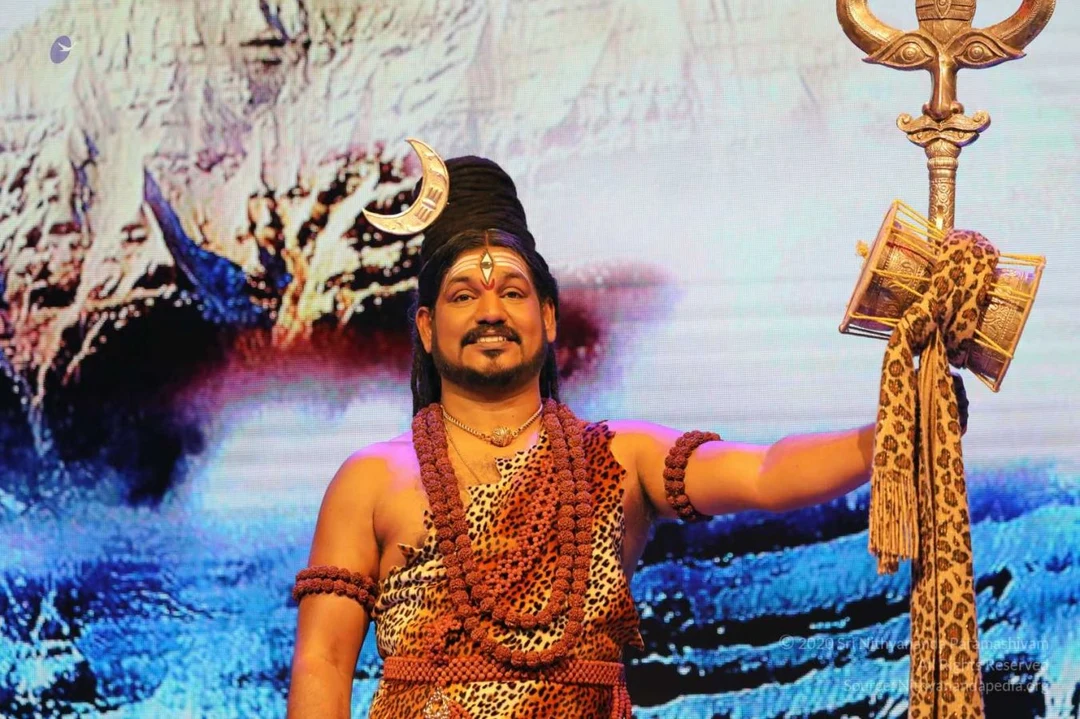 Cosmic form of Sadashiva - virat swarupa - Mahasadashiva
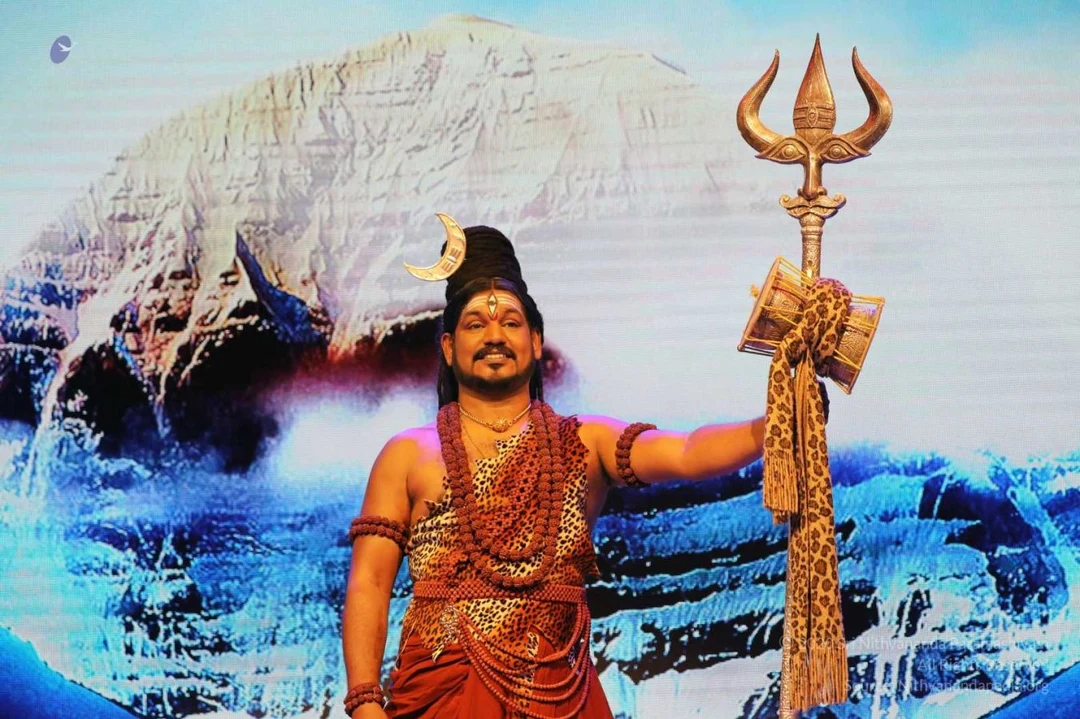 Cosmic form of Sadashiva - virat swarupa - Mahasadashiva
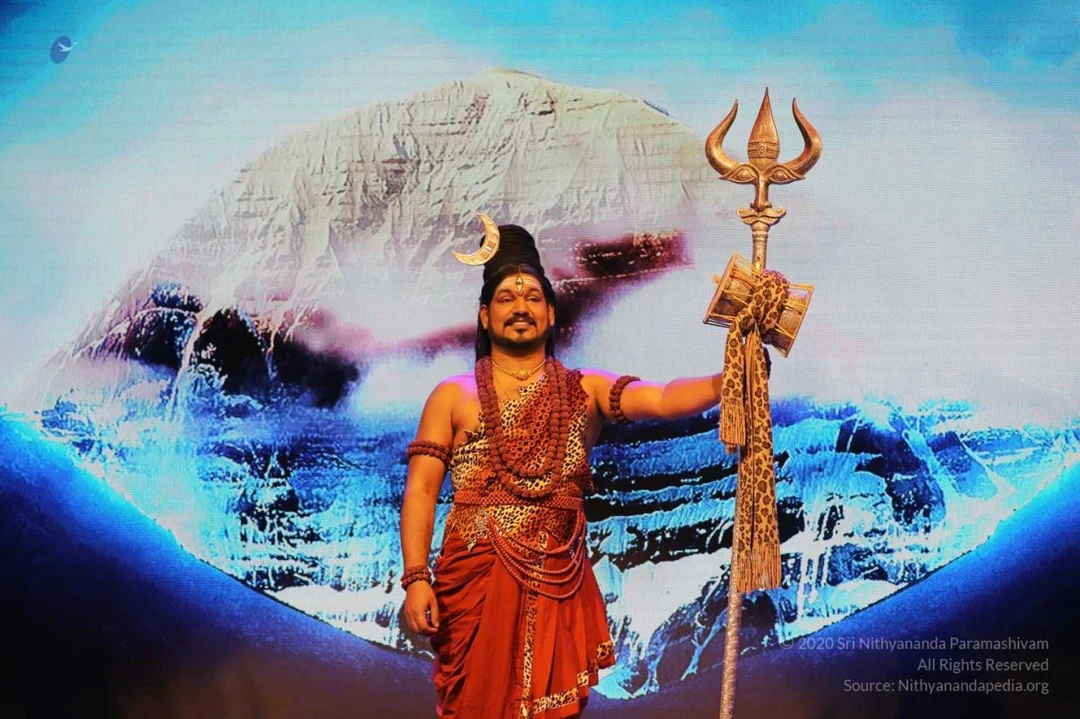 Cosmic form of Sadashiva - virat swarupa - Mahasadashiva
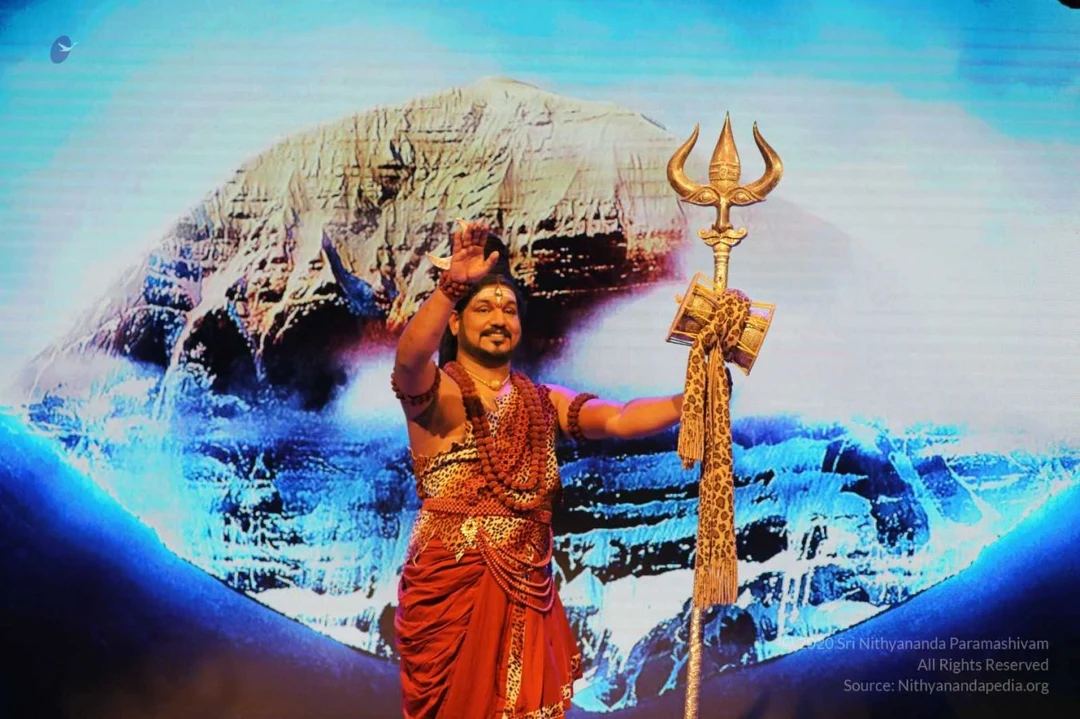 HDH Nithyanada Paramashivam blessing delegates attending the Mahasadashivoham convention
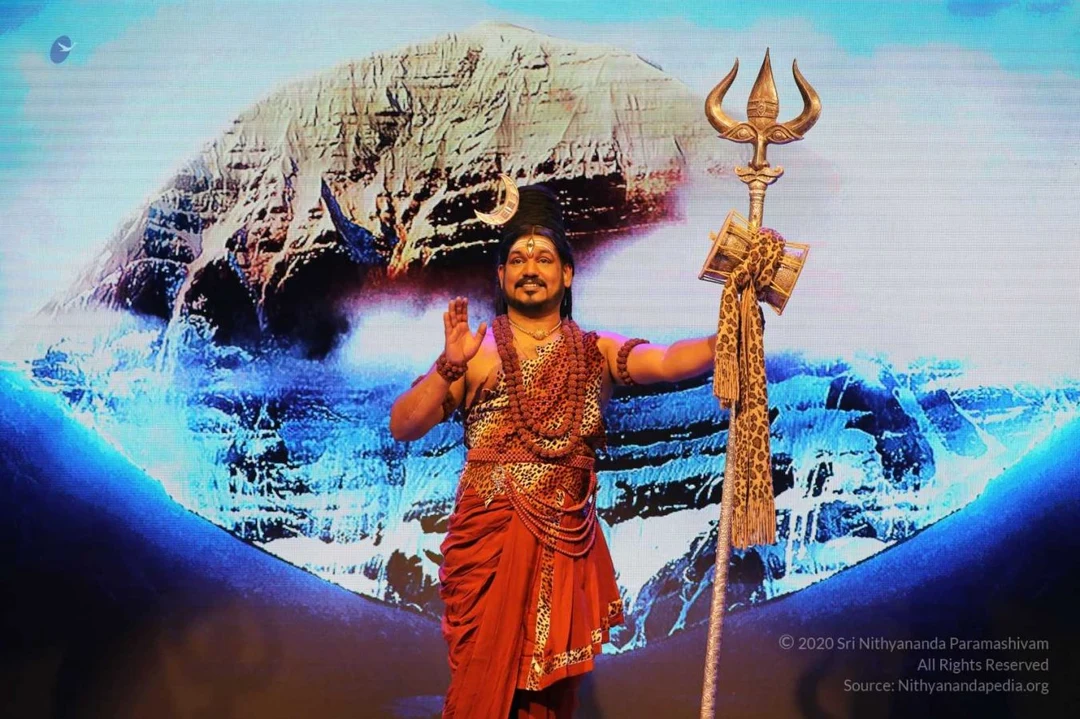 HDH Nithyanada Paramashivam blessing delegates attending the Mahasadashivoham convention
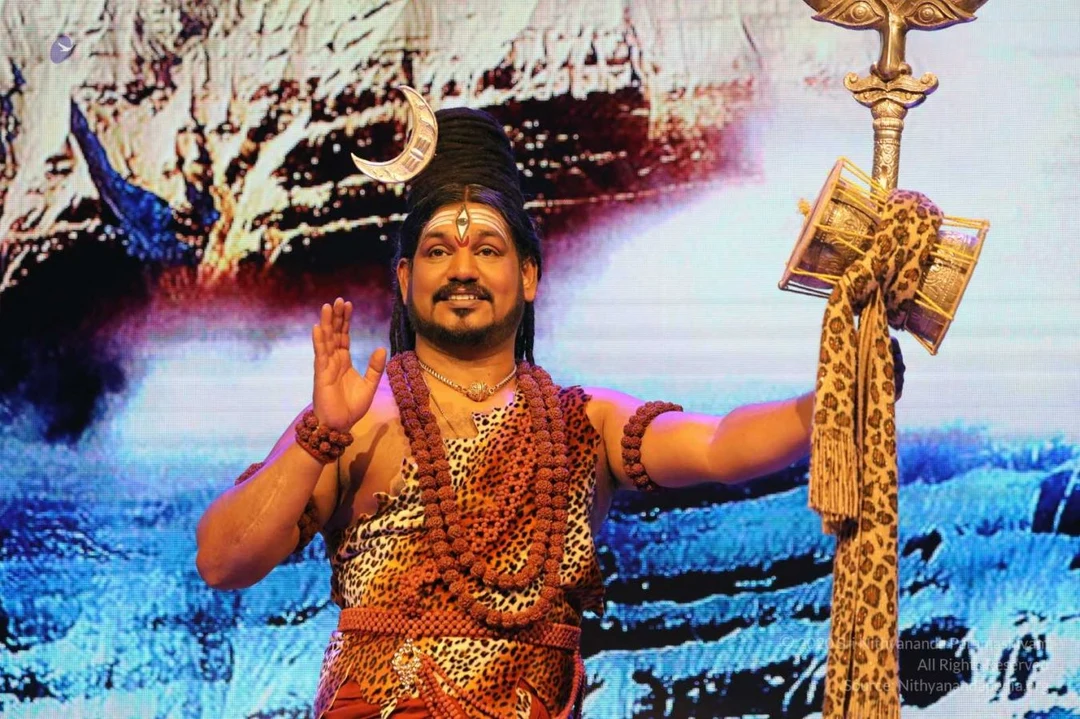 HDH Nithyanada Paramashivam blessing delegates attending the Mahasadashivoham convention
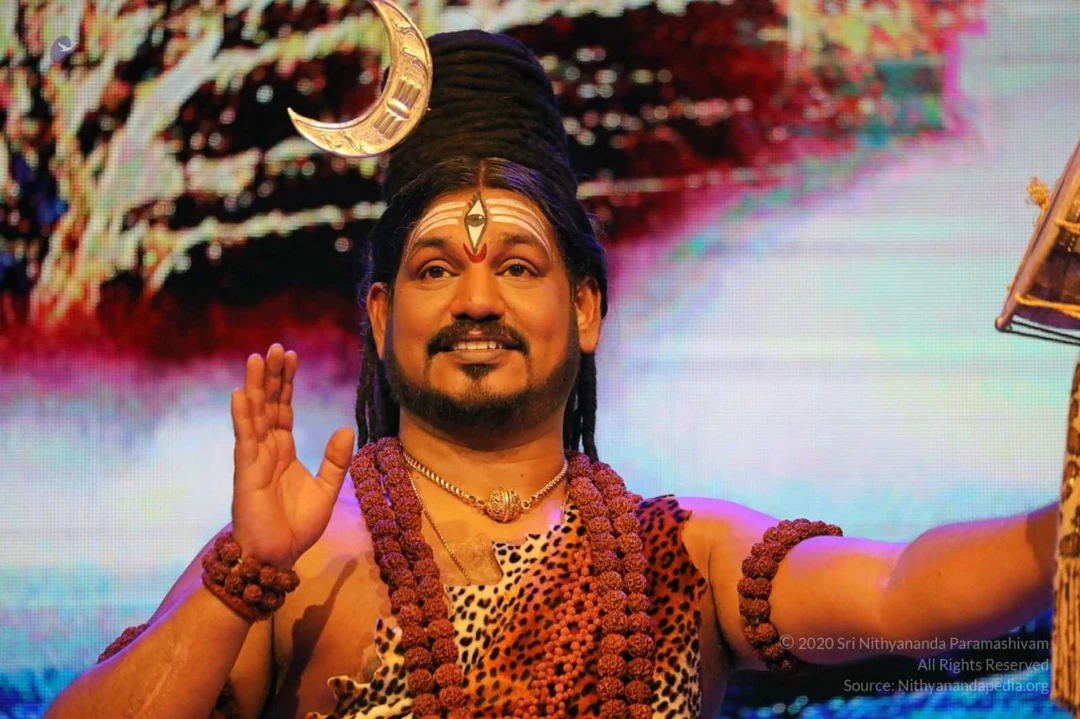 HDH Nithyanada Paramashivam blessing delegates attending the Mahasadashivoham convention
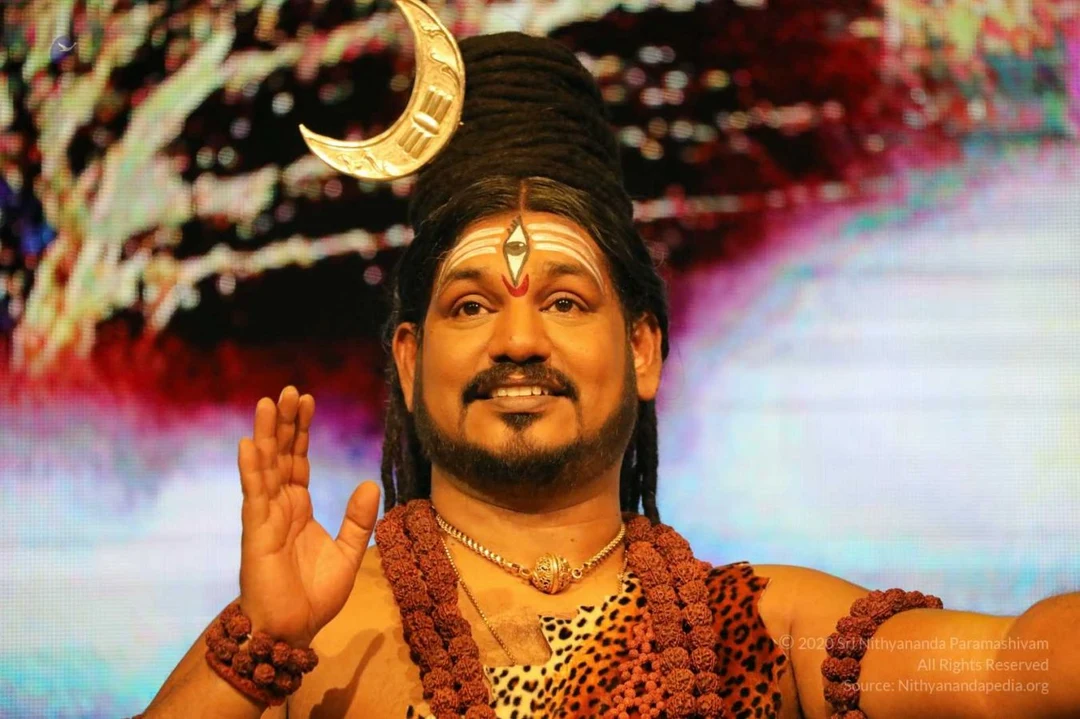 HDH Nithyanada Paramashivam blessing delegates attending the Mahasadashivoham convention
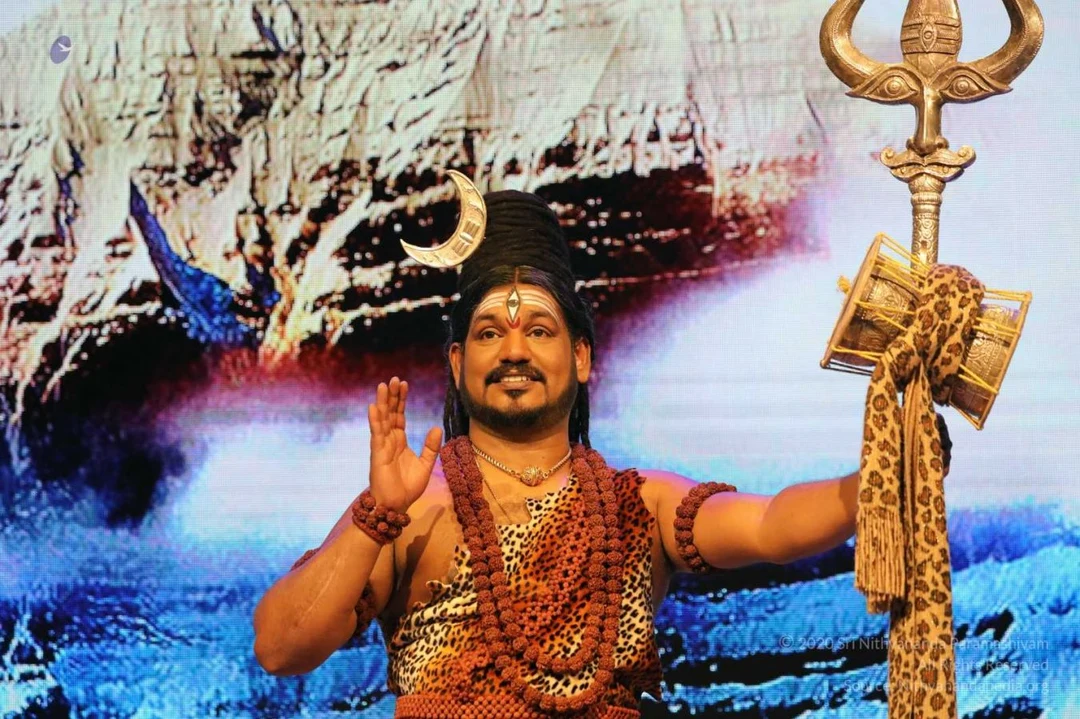 HDH Nithyanada Paramashivam blessing delegates attending the Mahasadashivoham convention
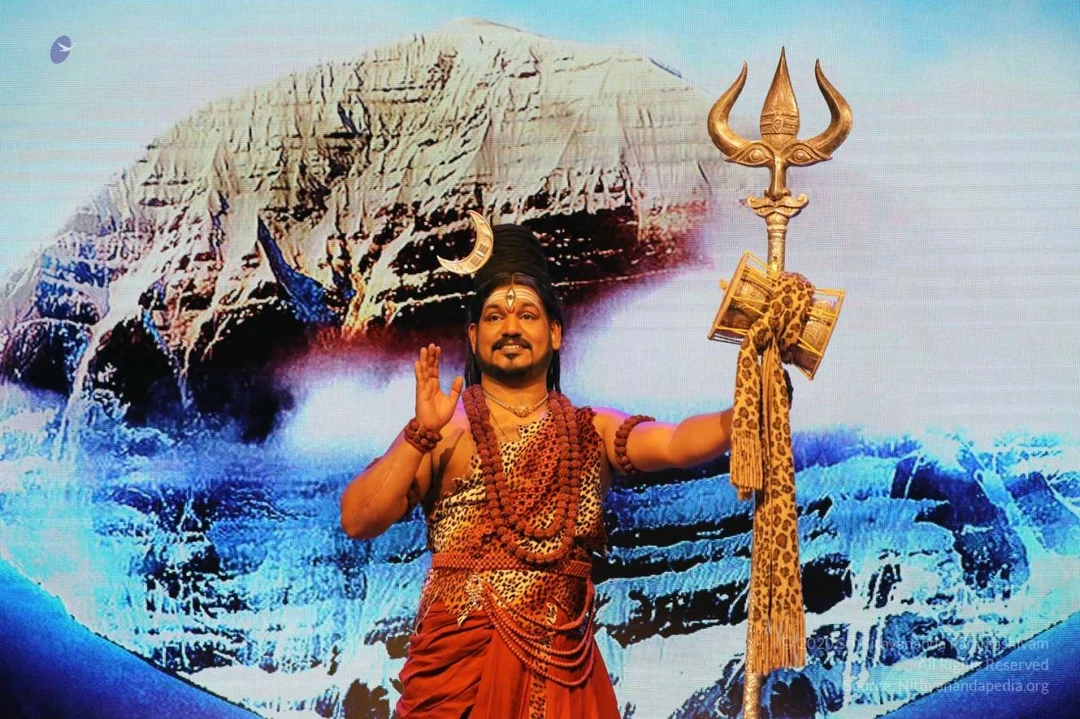 HDH Nithyanada Paramashivam blessing delegates attending the Mahasadashivoham convention
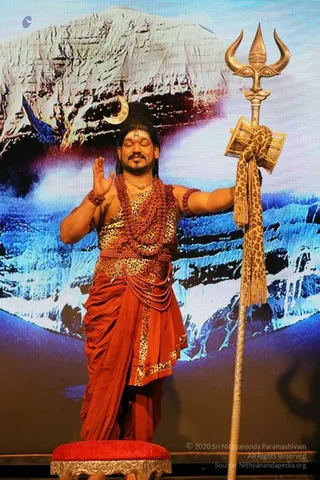 HDH Nithyanada Paramashivam blessing delegates attending the Mahasadashivoham convention
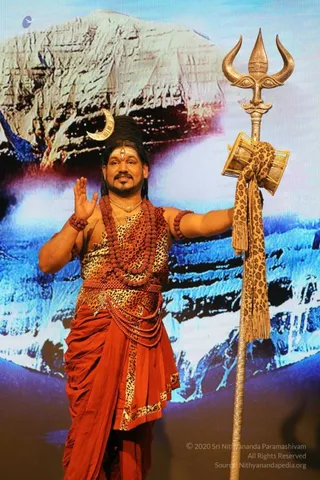 HDH Nithyanada Paramashivam blessing delegates attending the Mahasadashivoham convention
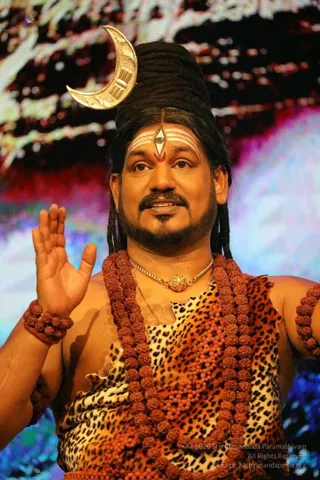 HDH Nithyanada Paramashivam blessing delegates attending the Mahasadashivoham convention
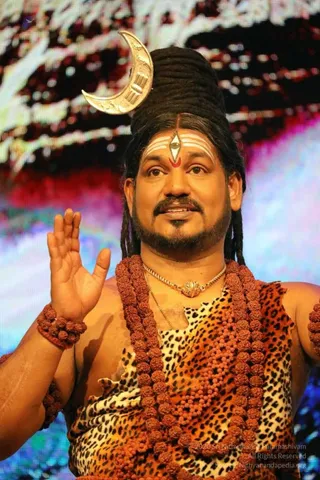 HDH Nithyanada Paramashivam blessing delegates attending the Mahasadashivoham convention
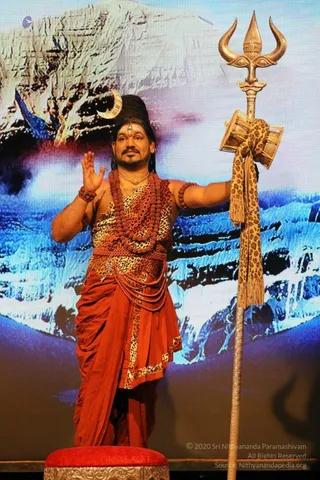 HDH Nithyanada Paramashivam blessing delegates attending the Mahasadashivoham convention
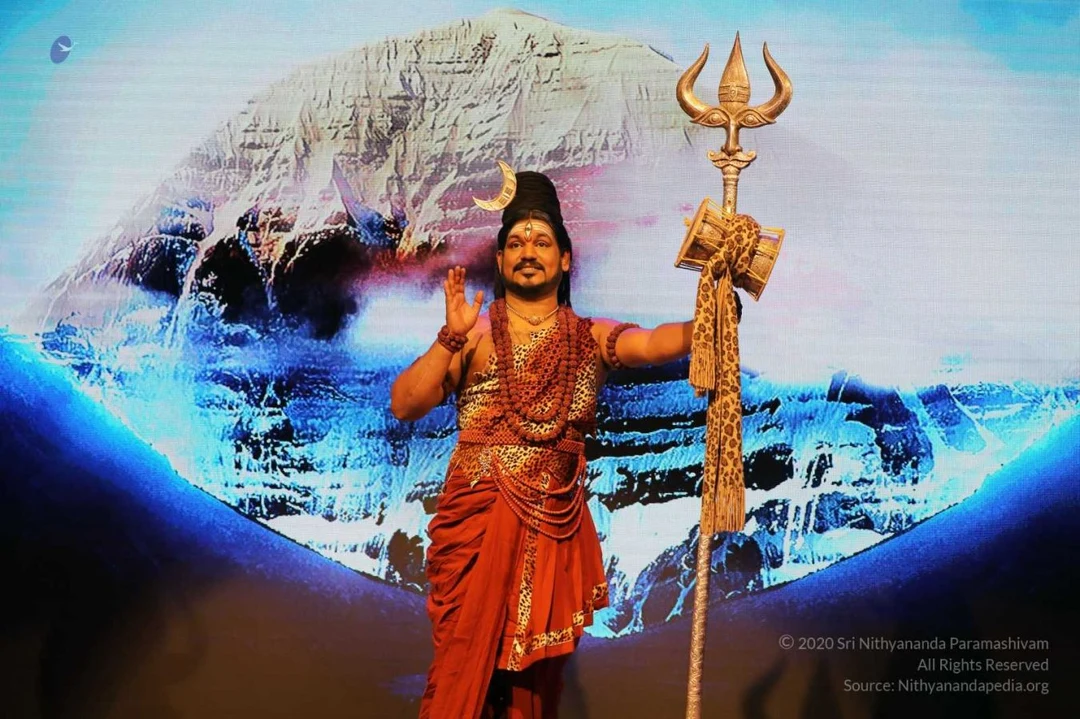 HDH Nithyanada Paramashivam blessing delegates attending the Mahasadashivoham convention
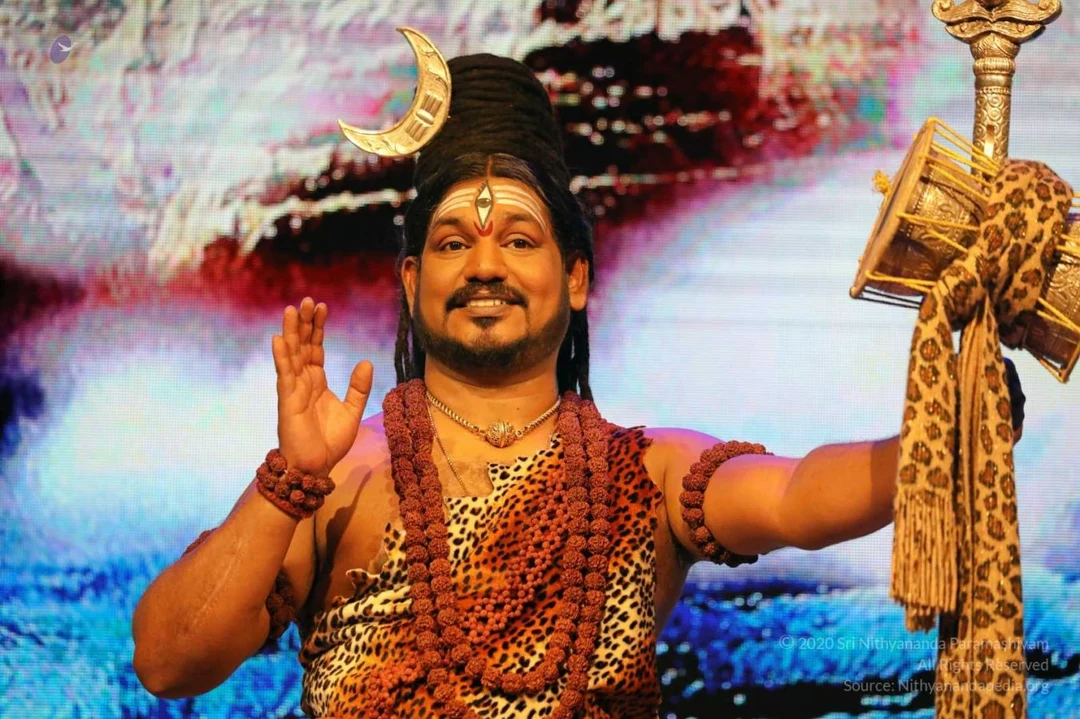 HDH Nithyanada Paramashivam blessing delegates attending the Mahasadashivoham convention
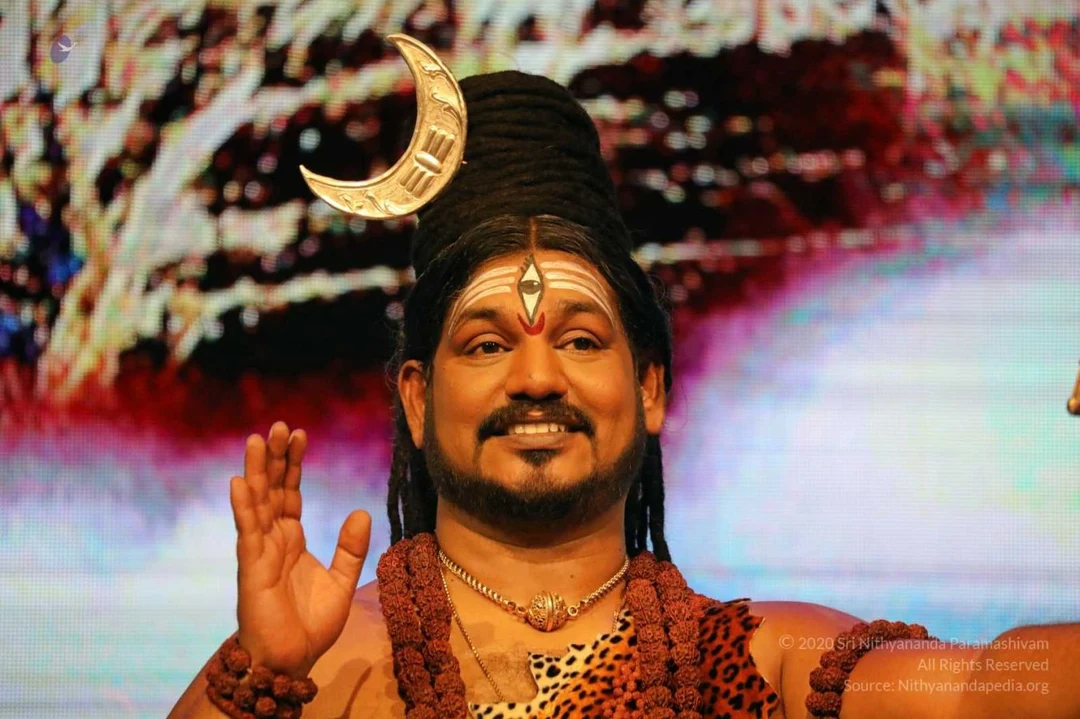 Cosmic form of Sadashiva - virat swarupa - Mahasadashiva
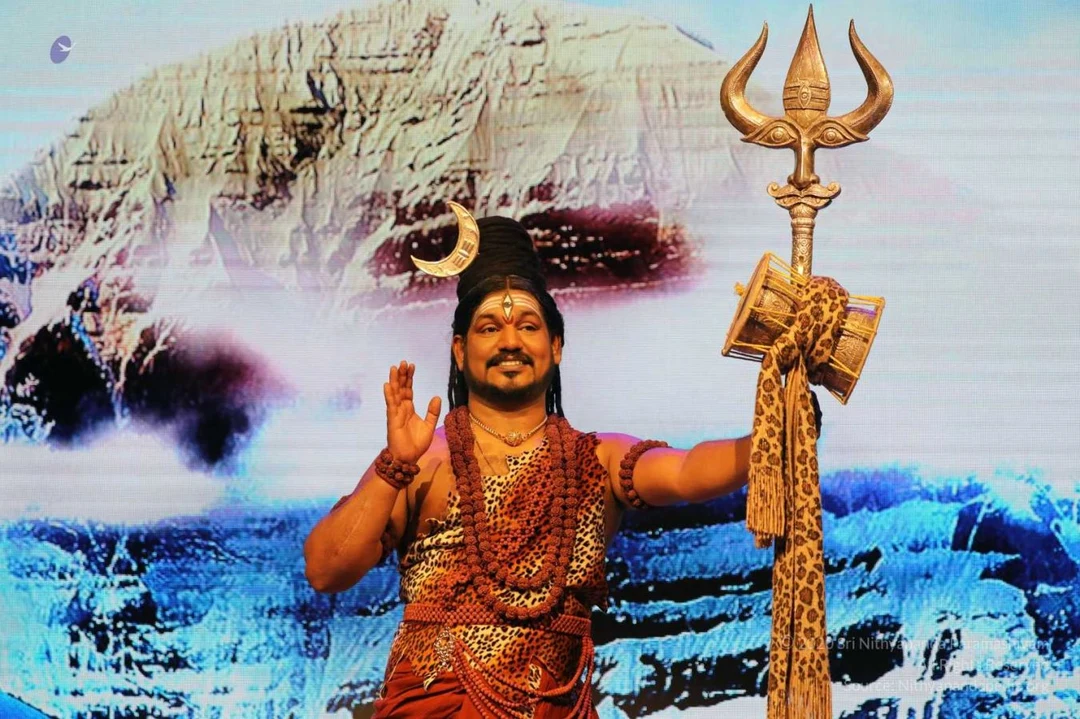 HDH Nithyanada Paramashivam blessing delegates attending the Mahasadashivoham convention
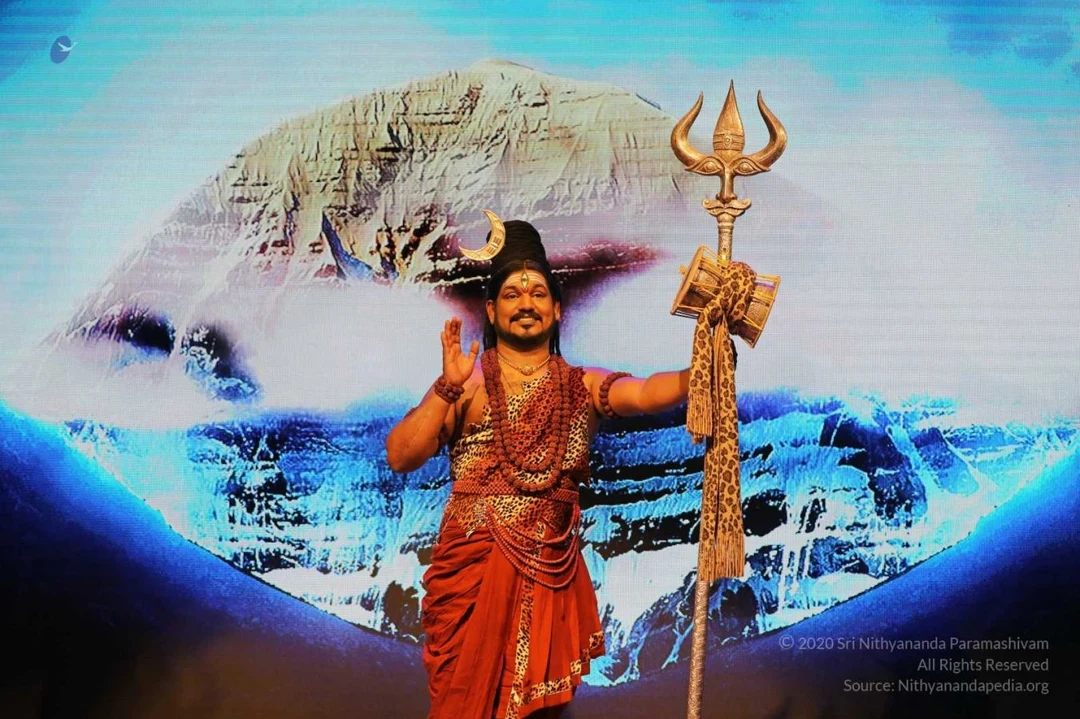 HDH Nithyanada Paramashivam blessing delegates attending the Mahasadashivoham convention
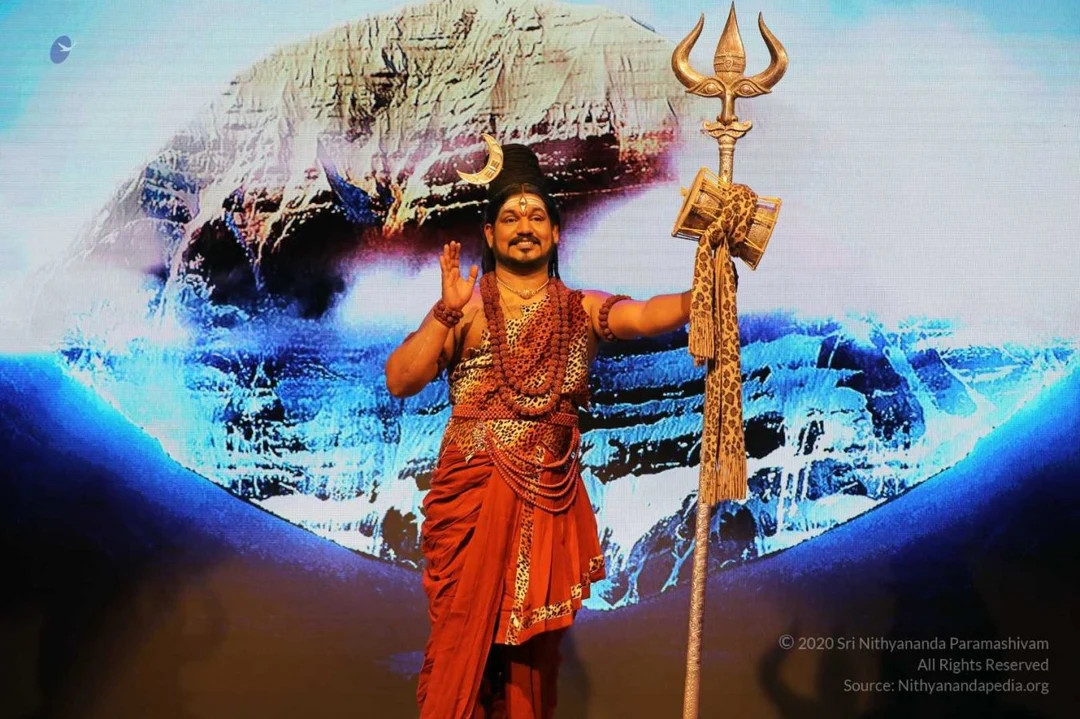 HDH Nithyanada Paramashivam blessing delegates attending the Mahasadashivoham convention
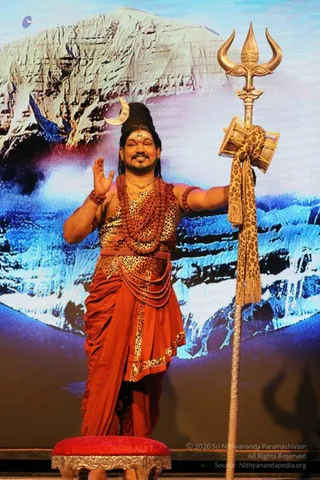 HDH Nithyanada Paramashivam blessing delegates attending the Mahasadashivoham convention
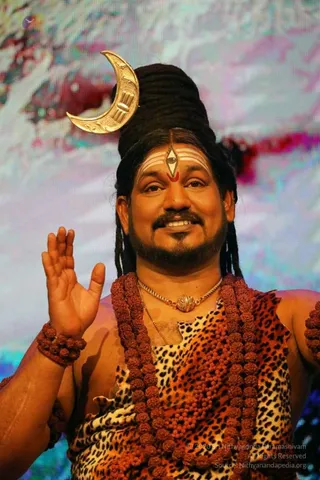 HDH Nithyanada Paramashivam blessing delegates attending the Mahasadashivoham convention
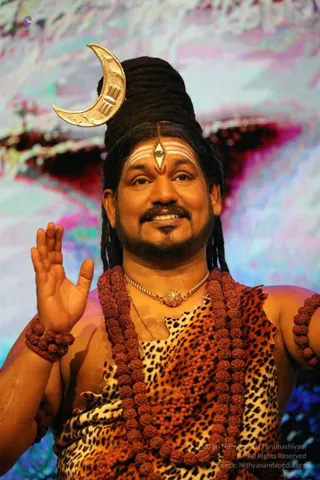 HDH Nithyanada Paramashivam blessing delegates attending the Mahasadashivoham convention
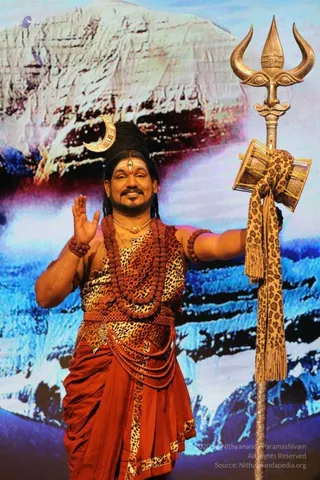 HDH Nithyanada Paramashivam blessing delegates attending the Mahasadashivoham convention
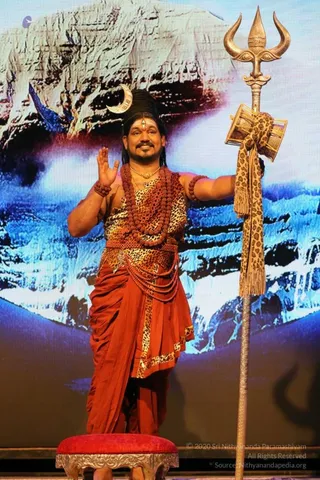 HDH Nithyanada Paramashivam blessing delegates attending the Mahasadashivoham convention
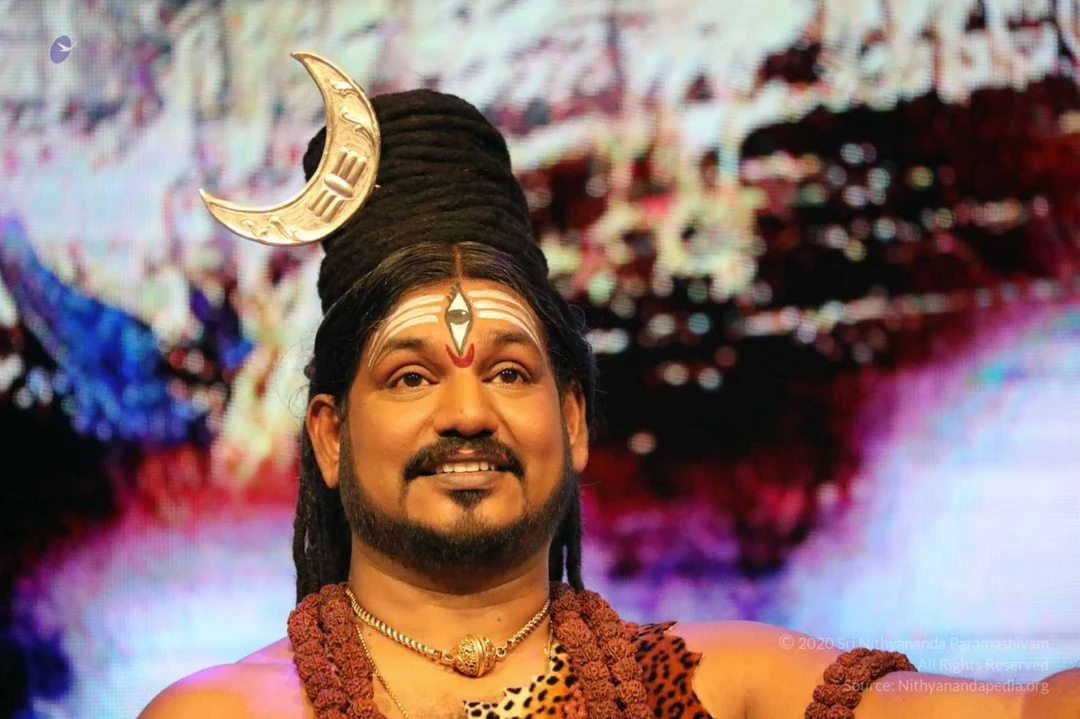 Cosmic form of Sadashiva - virat swarupa - Mahasadashiva
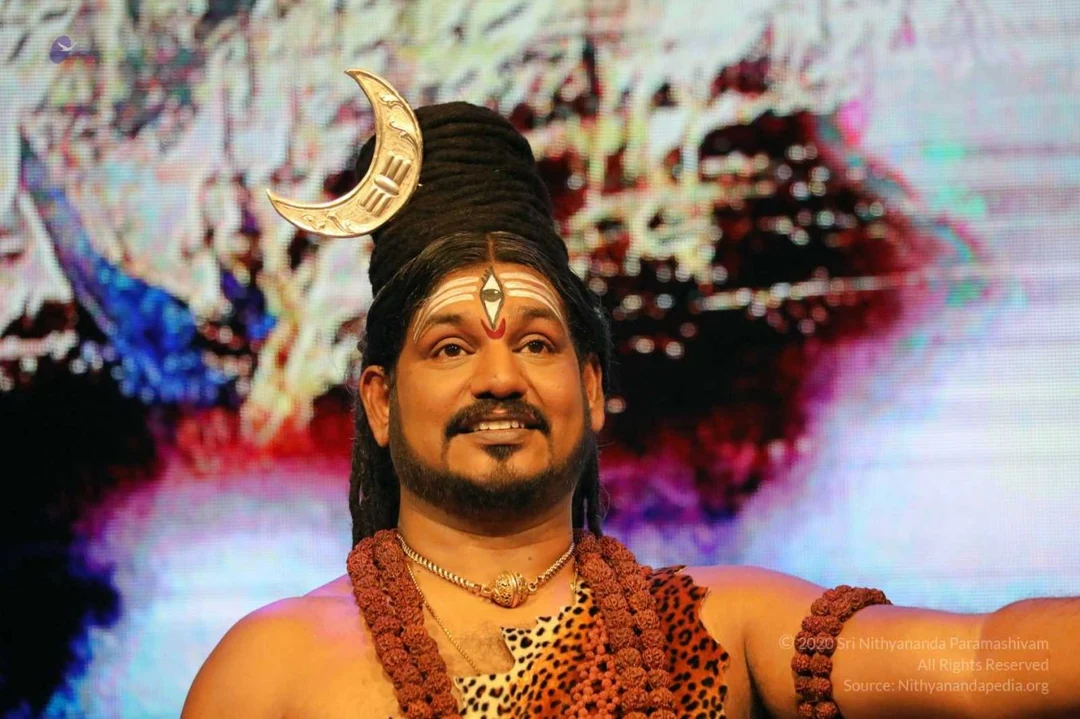 Cosmic form of Sadashiva - virat swarupa - Mahasadashiva
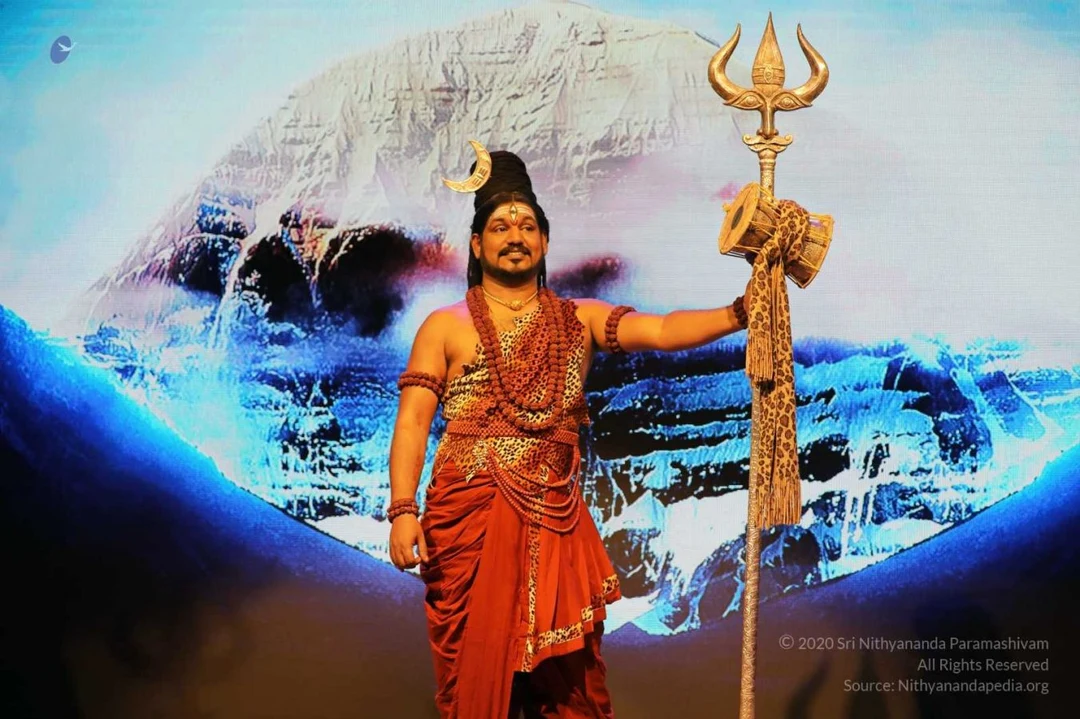 Cosmic form of Sadashiva - virat swarupa - Mahasadashiva
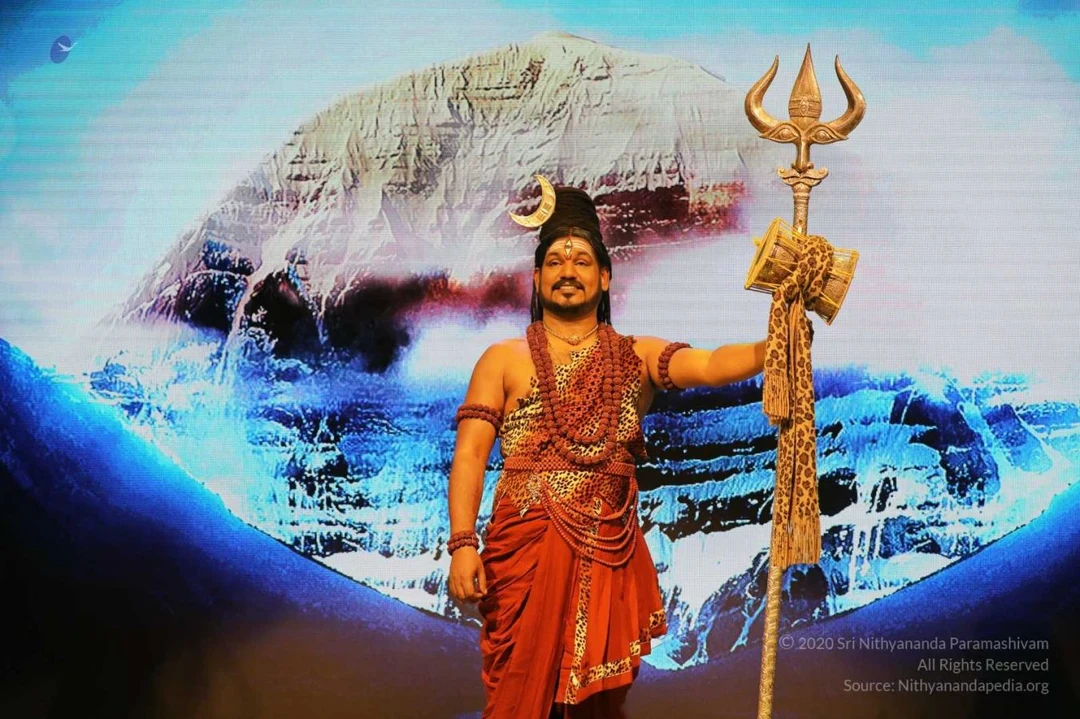 Cosmic form of Sadashiva - virat swarupa - Mahasadashiva
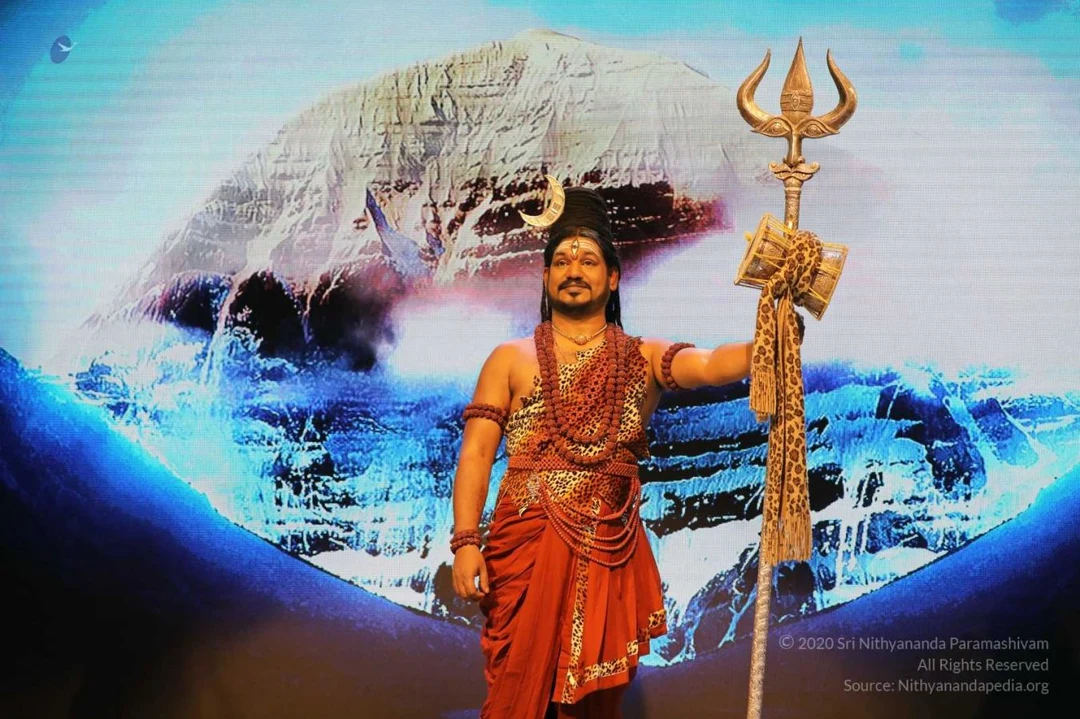 Cosmic form of Sadashiva - virat swarupa - Mahasadashiva
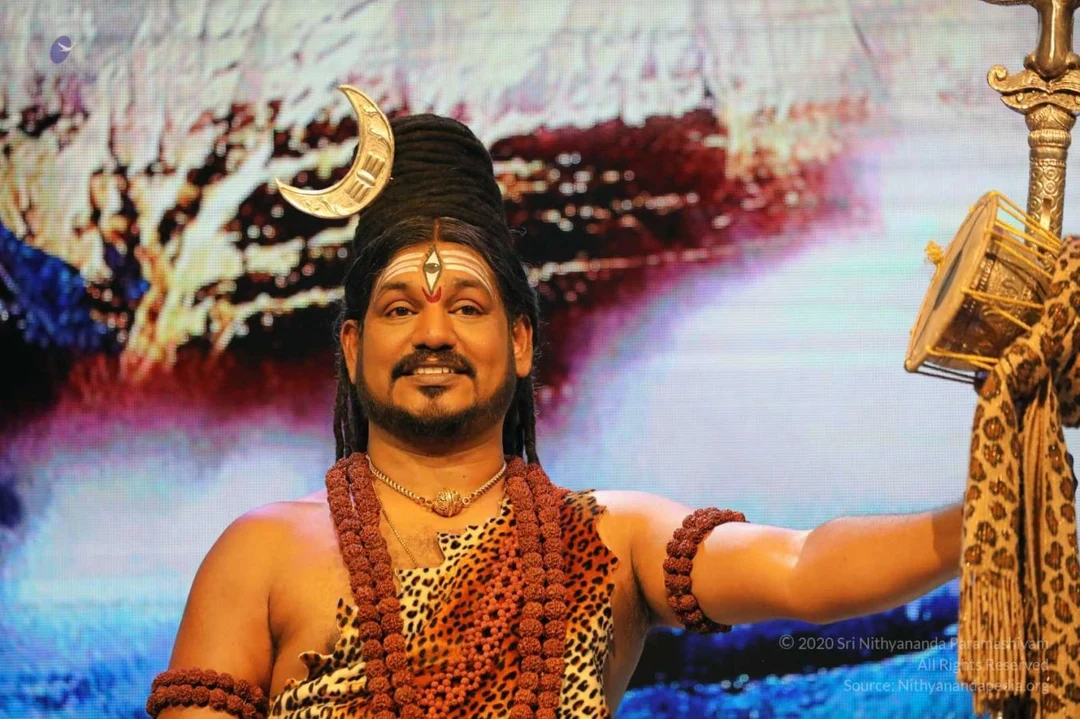 Cosmic form of Sadashiva - virat swarupa - Mahasadashiva
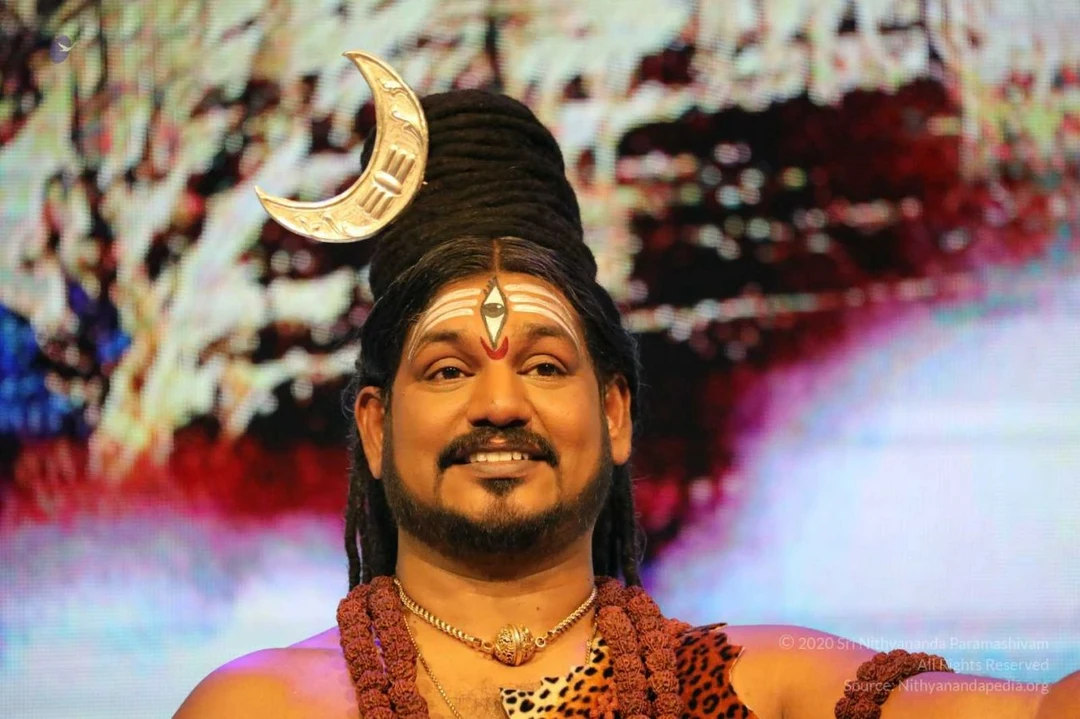 Cosmic form of Sadashiva - virat swarupa - Mahasadashiva
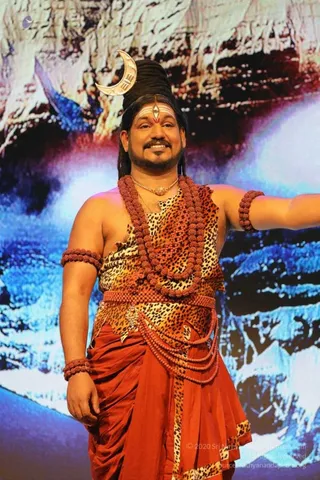 Mahasadashivoham - experience super-consciousness breakthrough
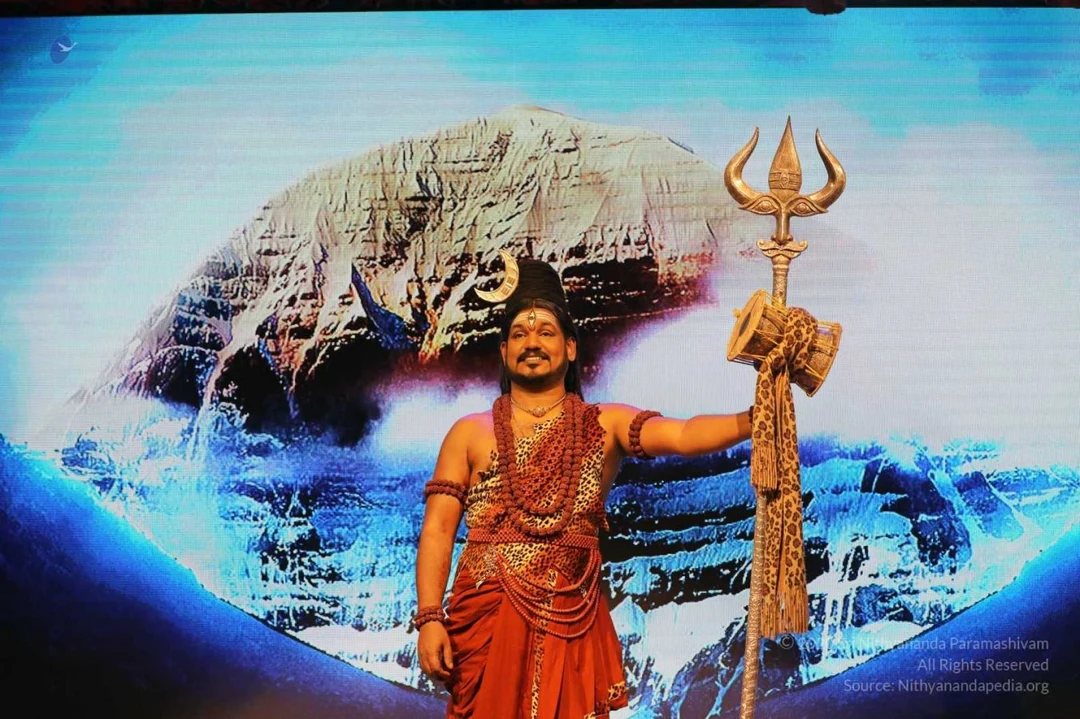 Mahasadashivoham - experience super-consciousness breakthrough
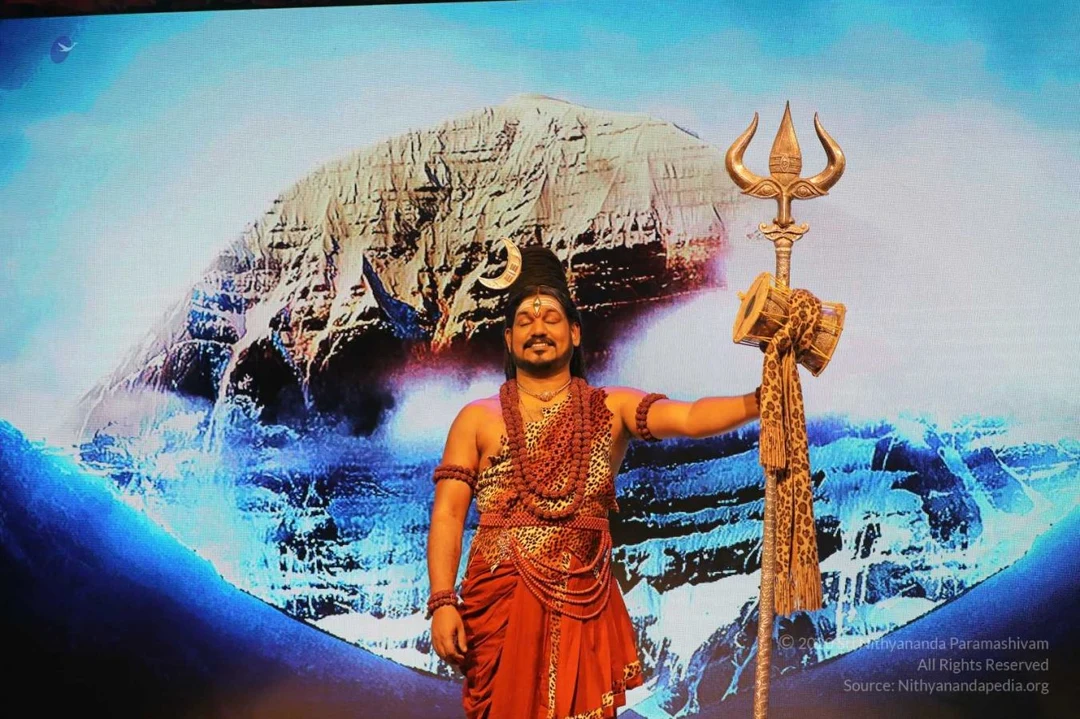 Mahasadashivoham - experience super-consciousness breakthrough
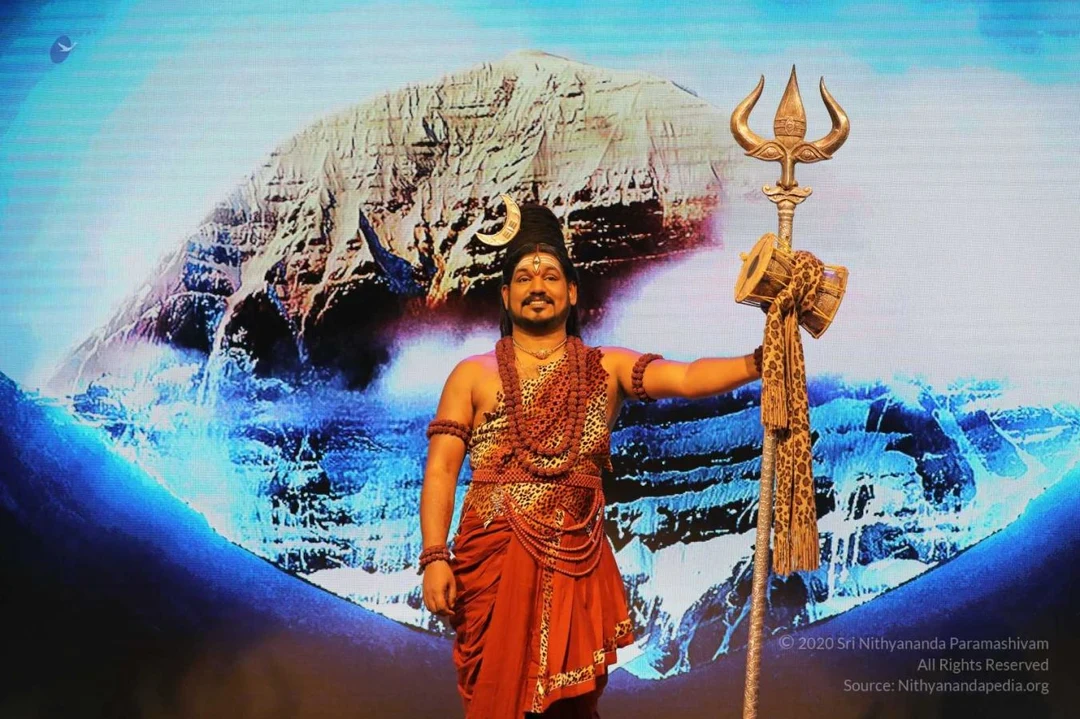 Mahasadashivoham - experience super-consciousness breakthrough
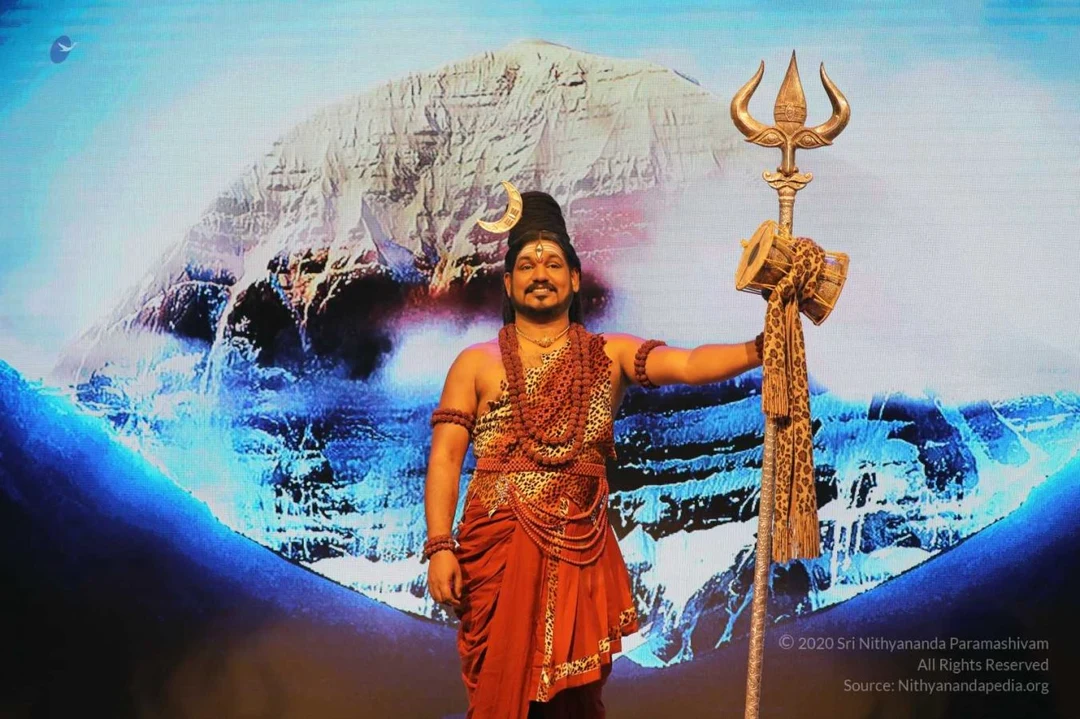 Mahasadashivoham - experience super-consciousness breakthrough
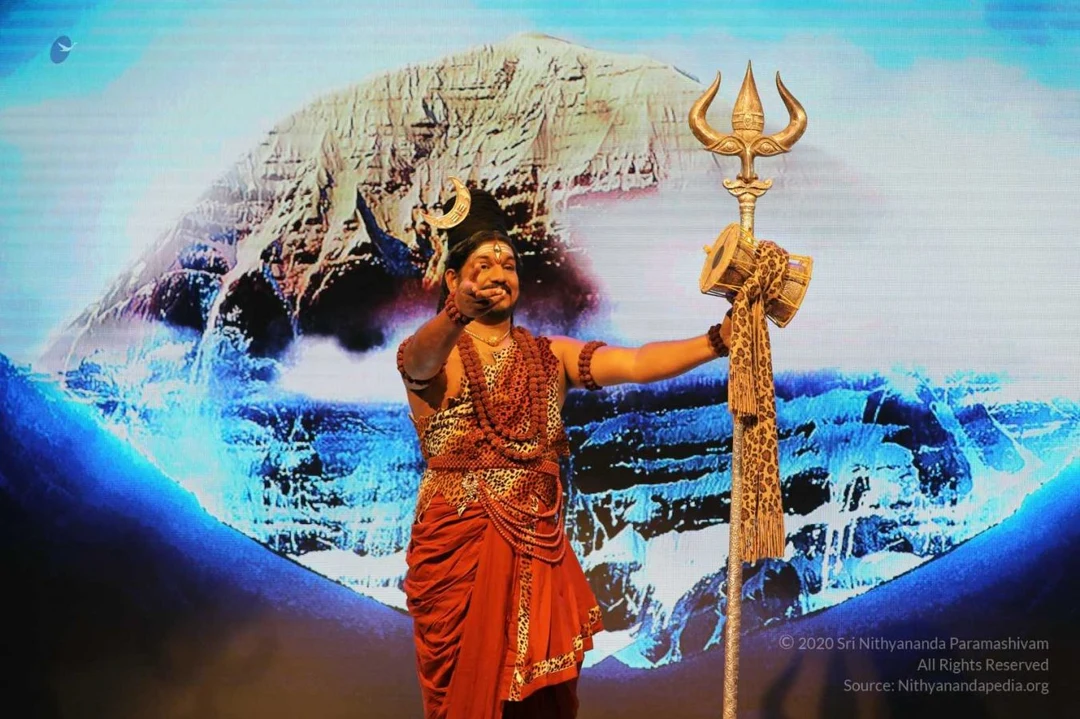 Mahasadashivoham - experience super-consciousness breakthrough
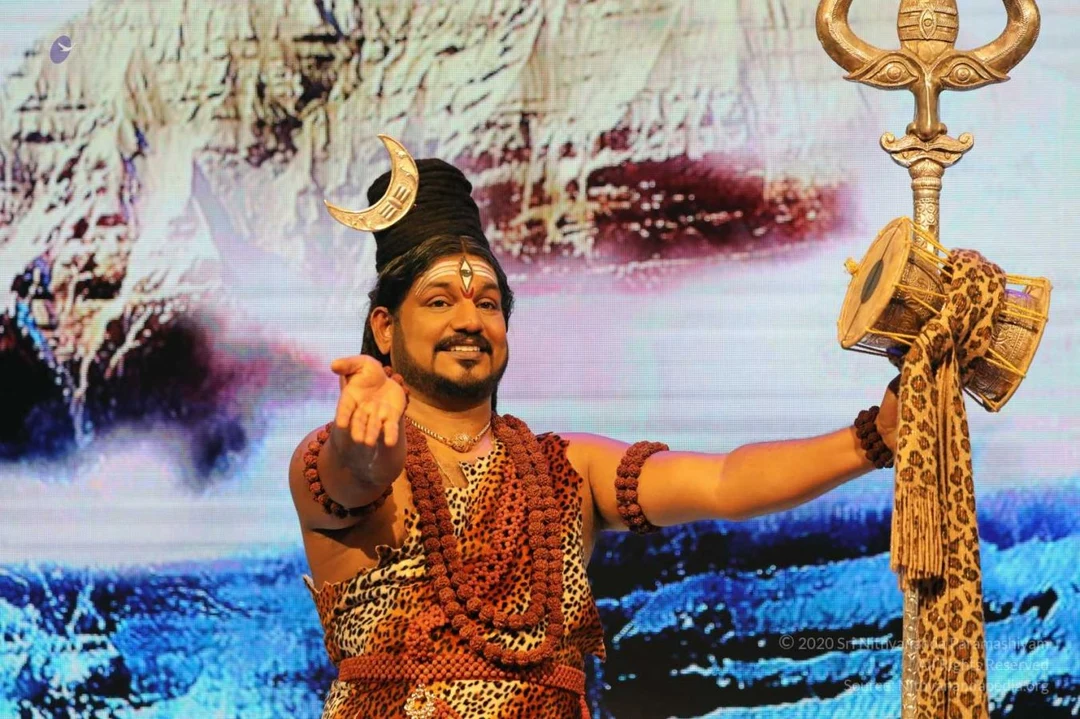 Mahasadashivoham - experience super-consciousness breakthrough
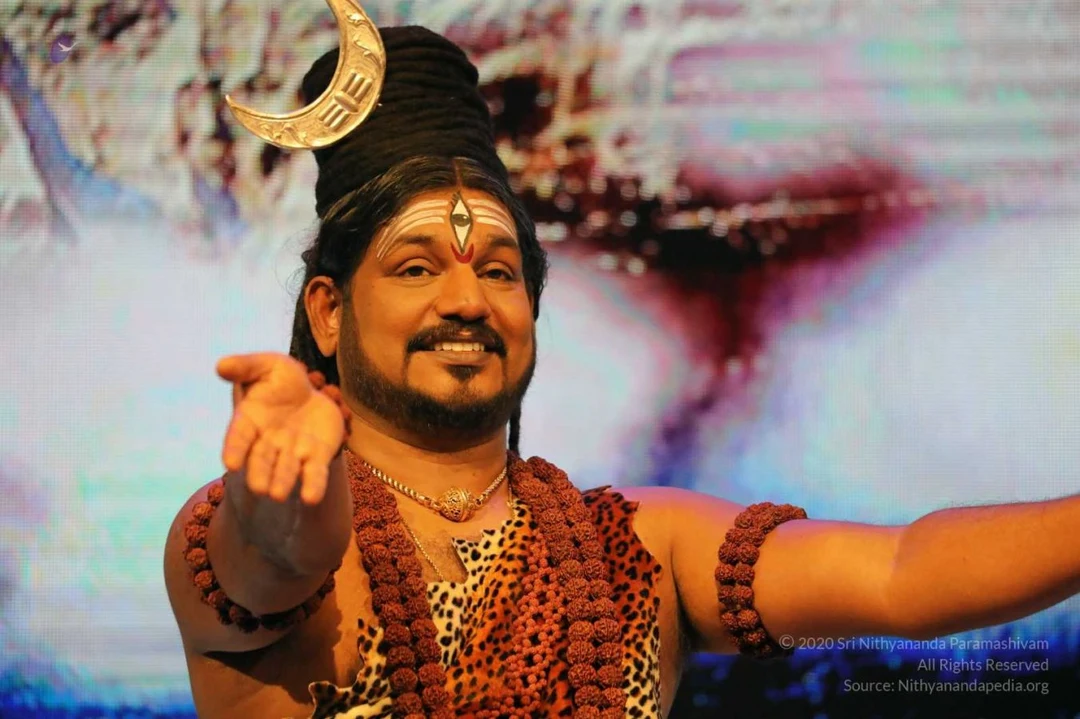 Mahasadashivoham - experience super-consciousness breakthrough
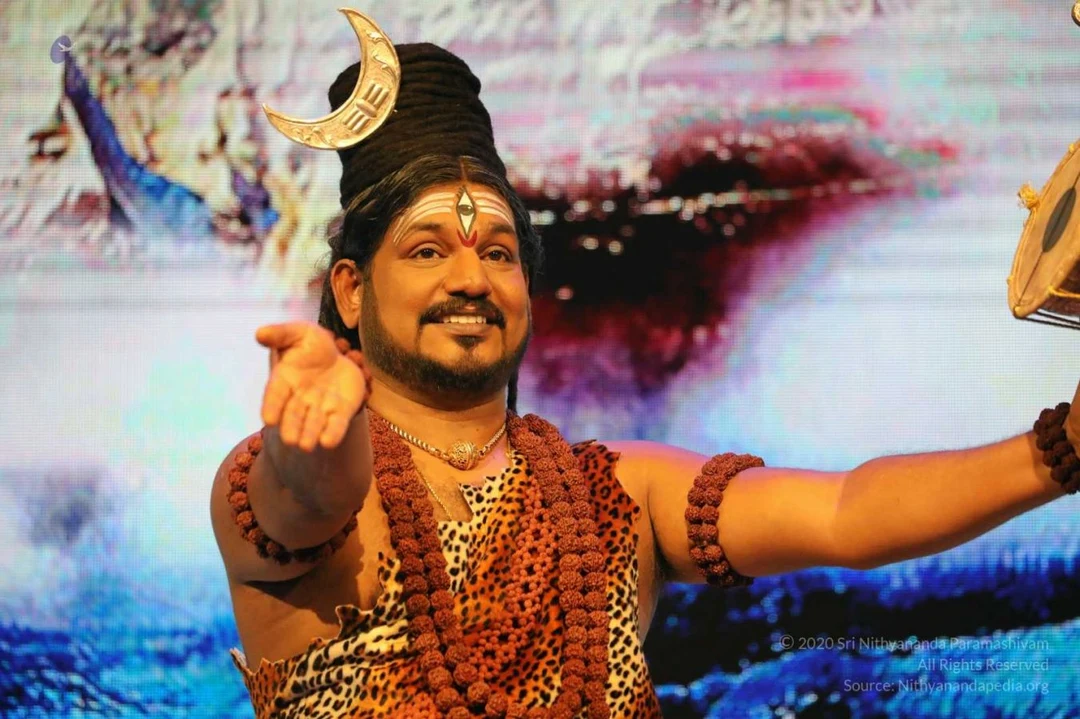 Mahasadashivoham - experience super-consciousness breakthrough
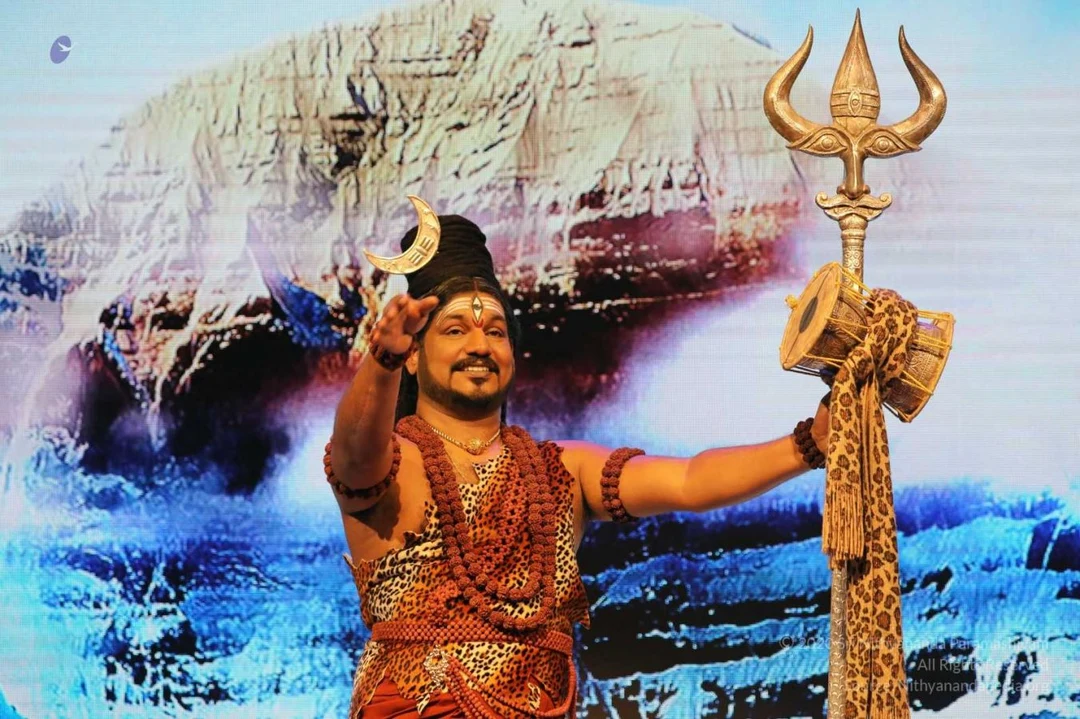 HDH Nithyanada Paramashivam blessing delegates attending the Mahasadashivoham convention
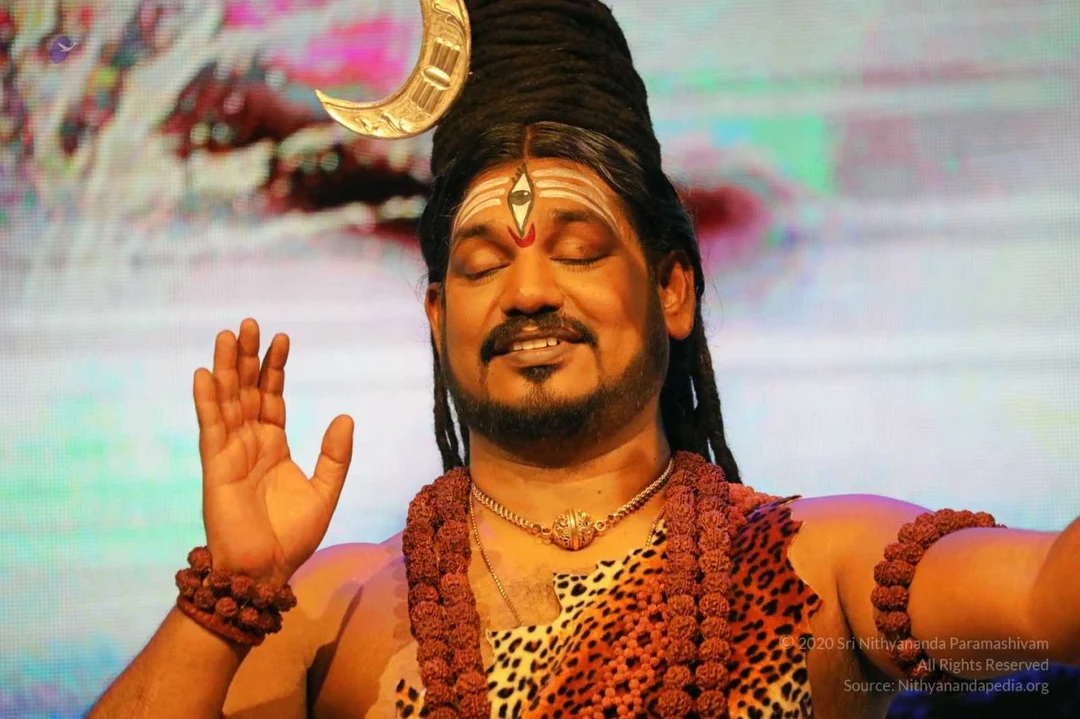 HDH Nithyanada Paramashivam blessing delegates attending the Mahasadashivoham convention
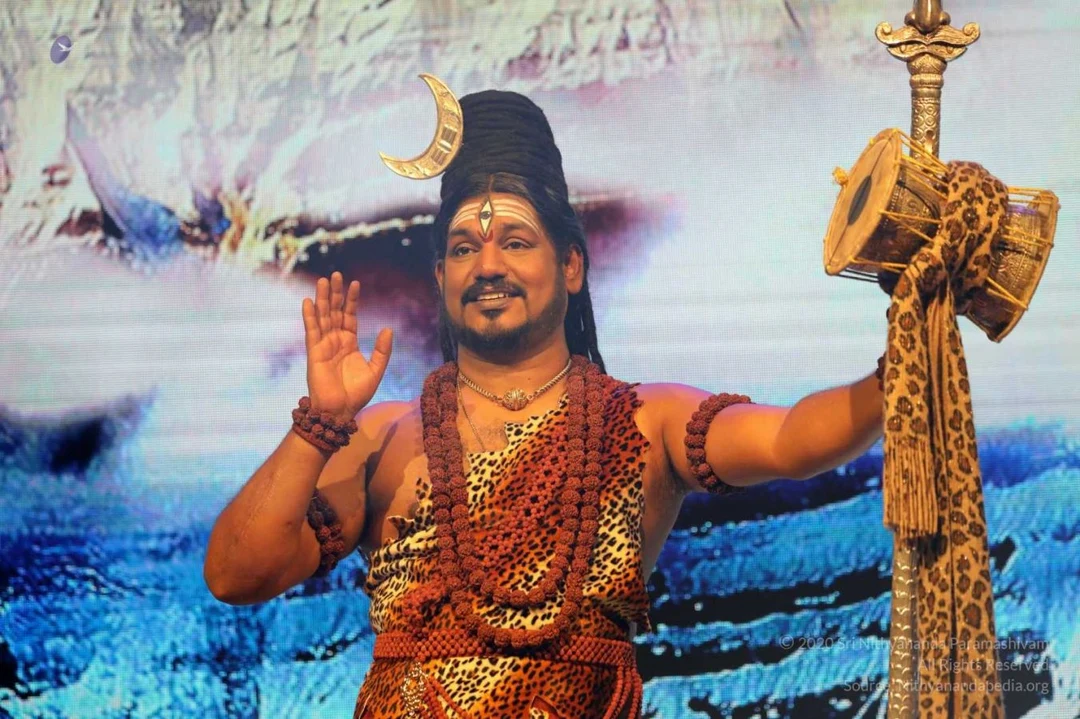 HDH Nithyanada Paramashivam blessing delegates attending the Mahasadashivoham convention
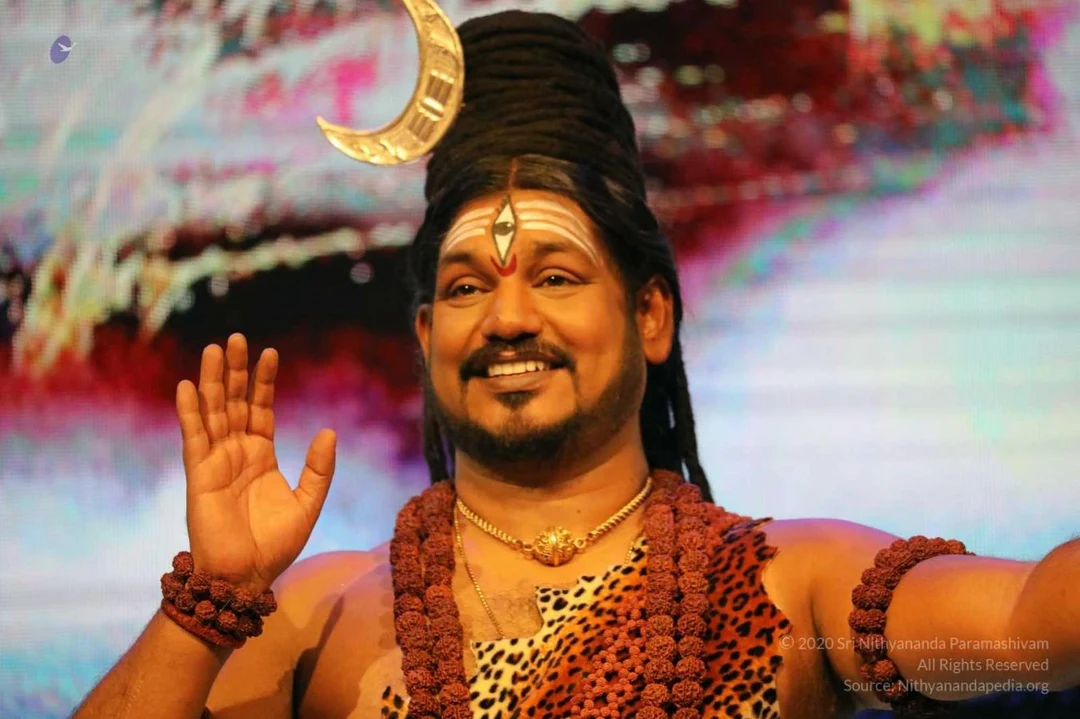 HDH Nithyanada Paramashivam blessing delegates attending the Mahasadashivoham convention
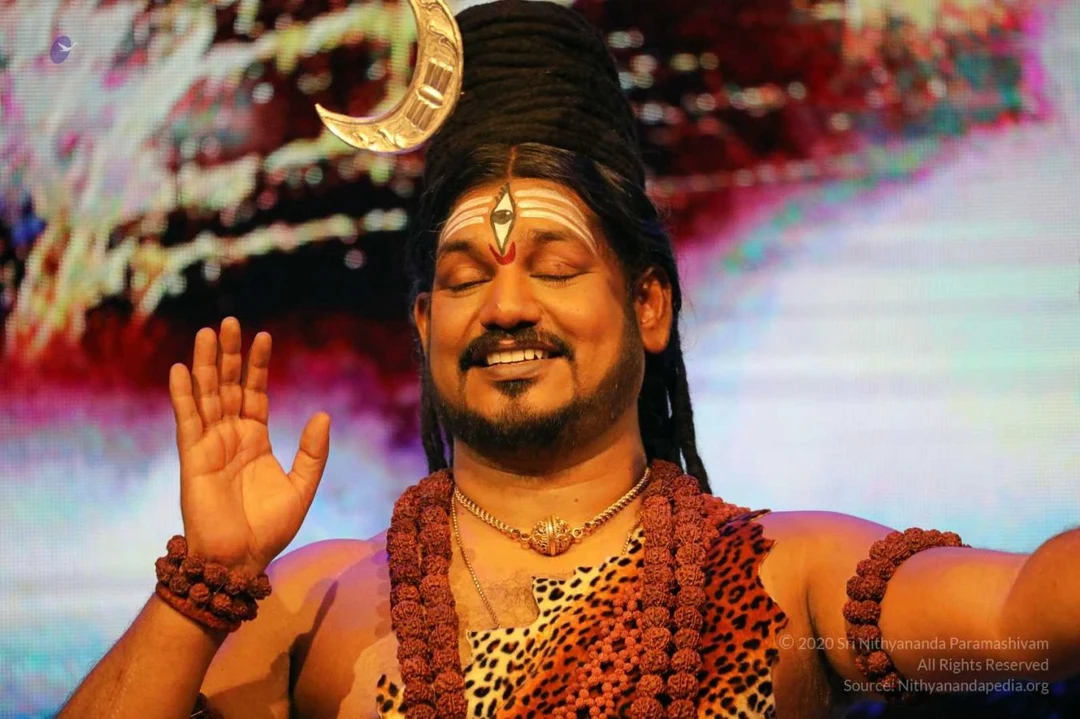 HDH Nithyanada Paramashivam blessing delegates attending the Mahasadashivoham convention
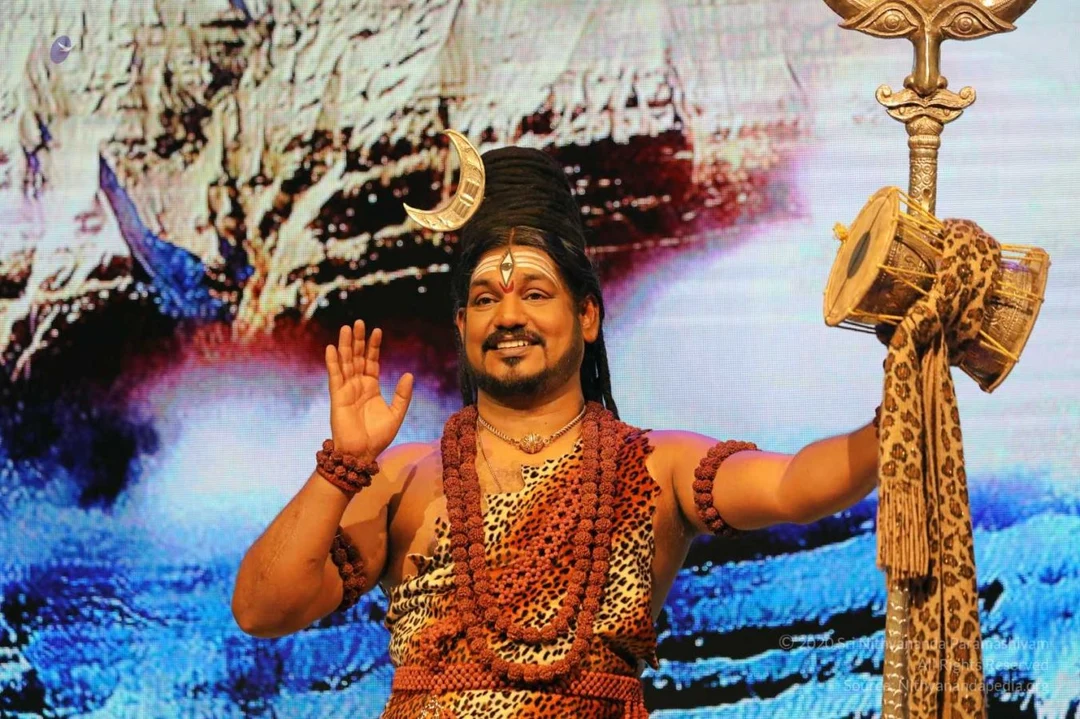 HDH Nithyanada Paramashivam blessing delegates attending the Mahasadashivoham convention
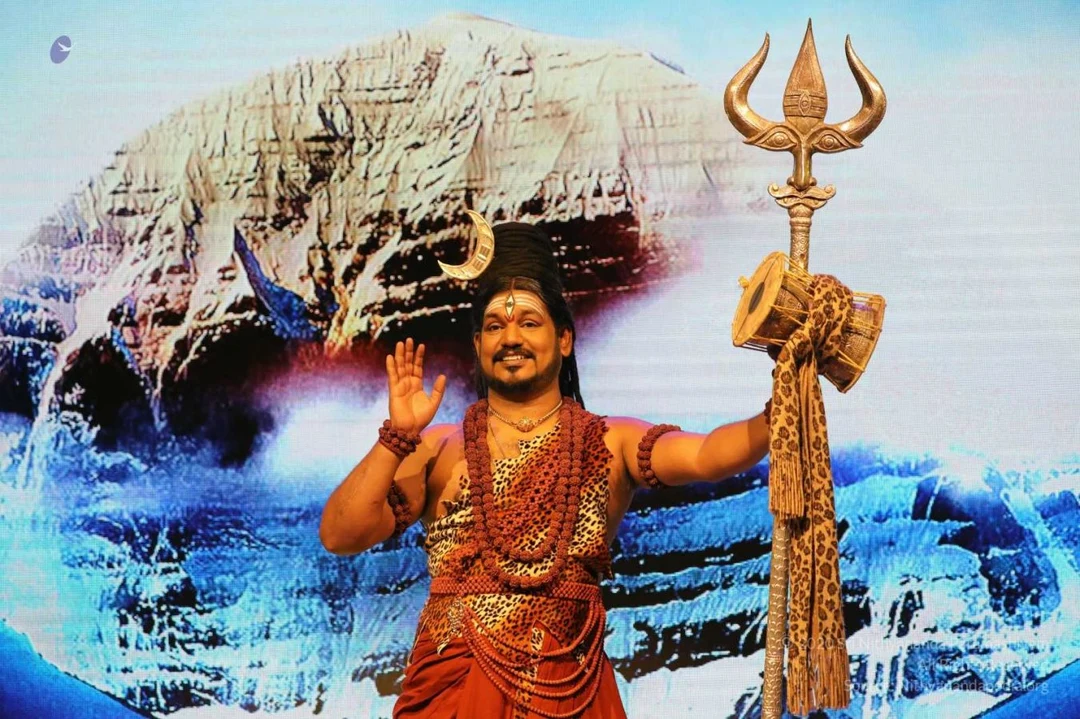 HDH Nithyanada Paramashivam blessing delegates attending the Mahasadashivoham convention
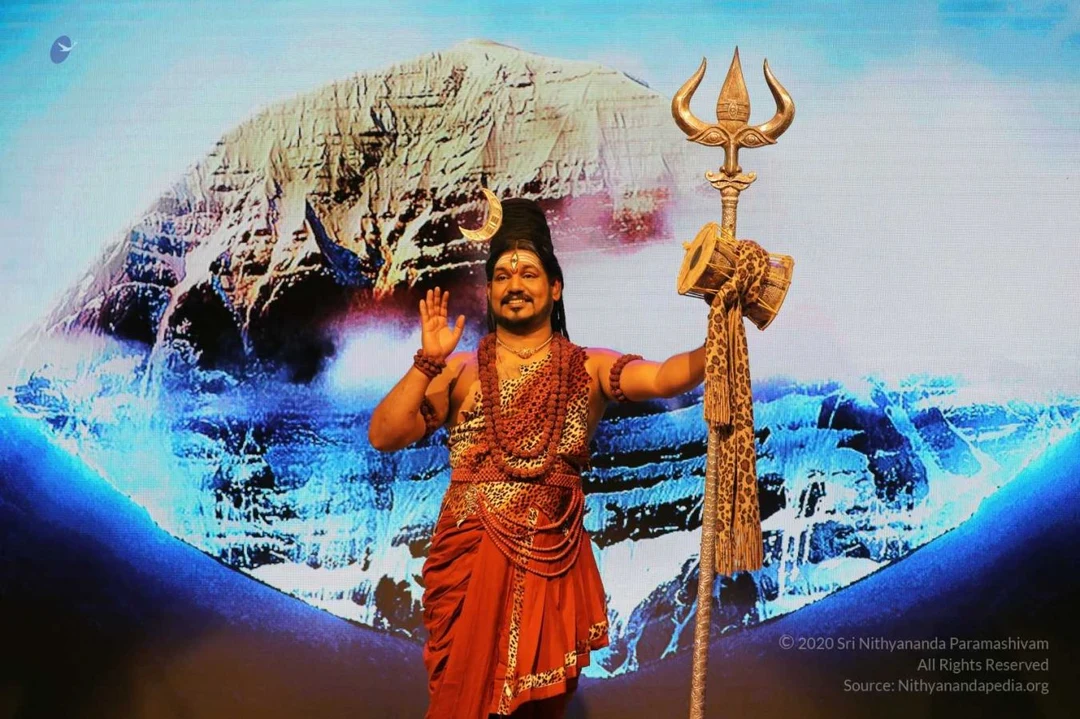 HDH Nithyanada Paramashivam blessing delegates attending the Mahasadashivoham convention
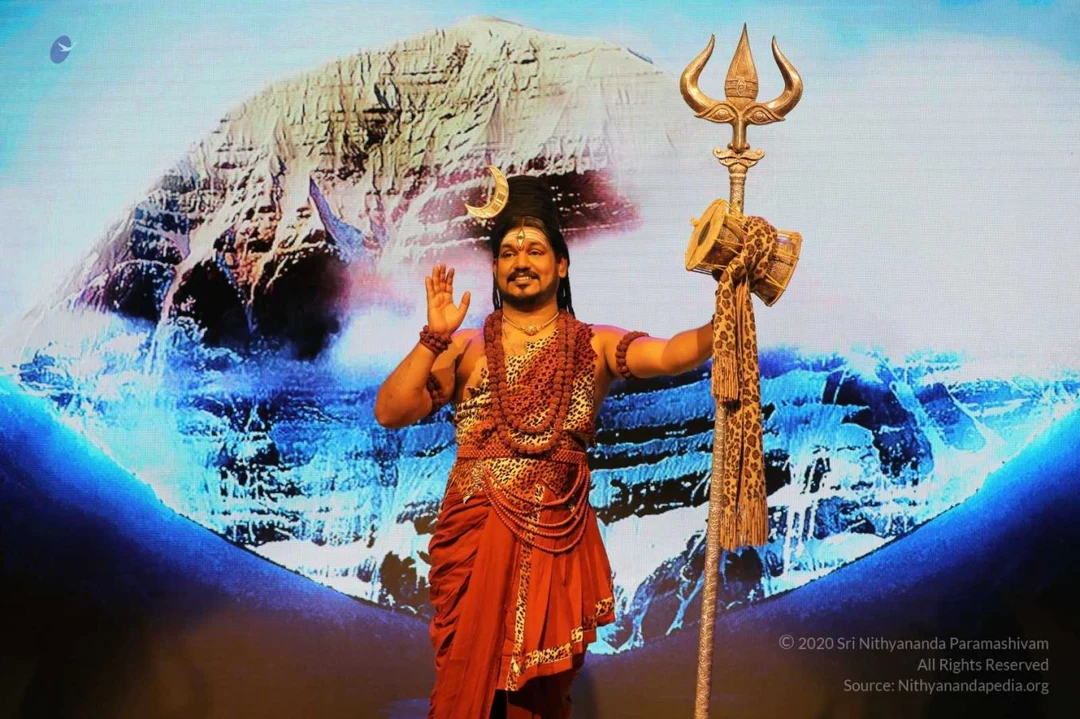 HDH Nithyanada Paramashivam blessing delegates attending the Mahasadashivoham convention
 HDH Nithyanada Paramashivam blessing delegates attending the Mahasadashivoham convention
 HDH Nithyanada Paramashivam blessing delegates attending the Mahasadashivoham convention
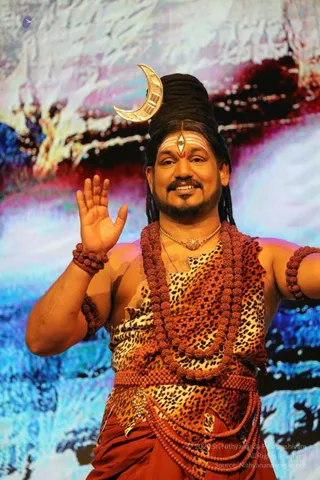 HDH Nithyanada Paramashivam blessing delegates attending the Mahasadashivoham convention
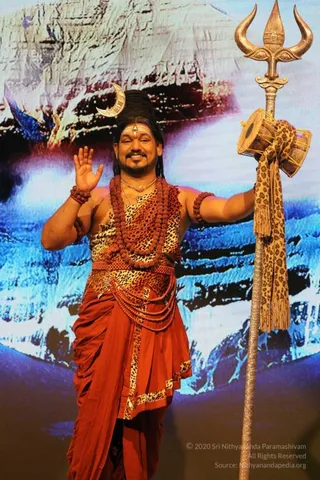 HDH Nithyanada Paramashivam blessing delegates attending the Mahasadashivoham convention
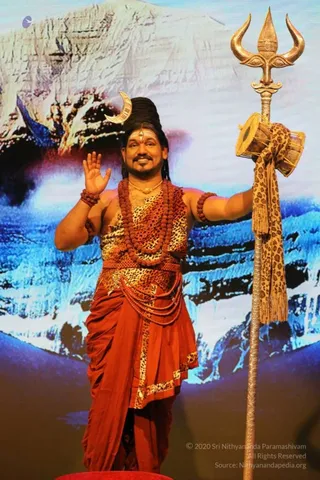 HDH Nithyanada Paramashivam blessing delegates attending the Mahasadashivoham convention
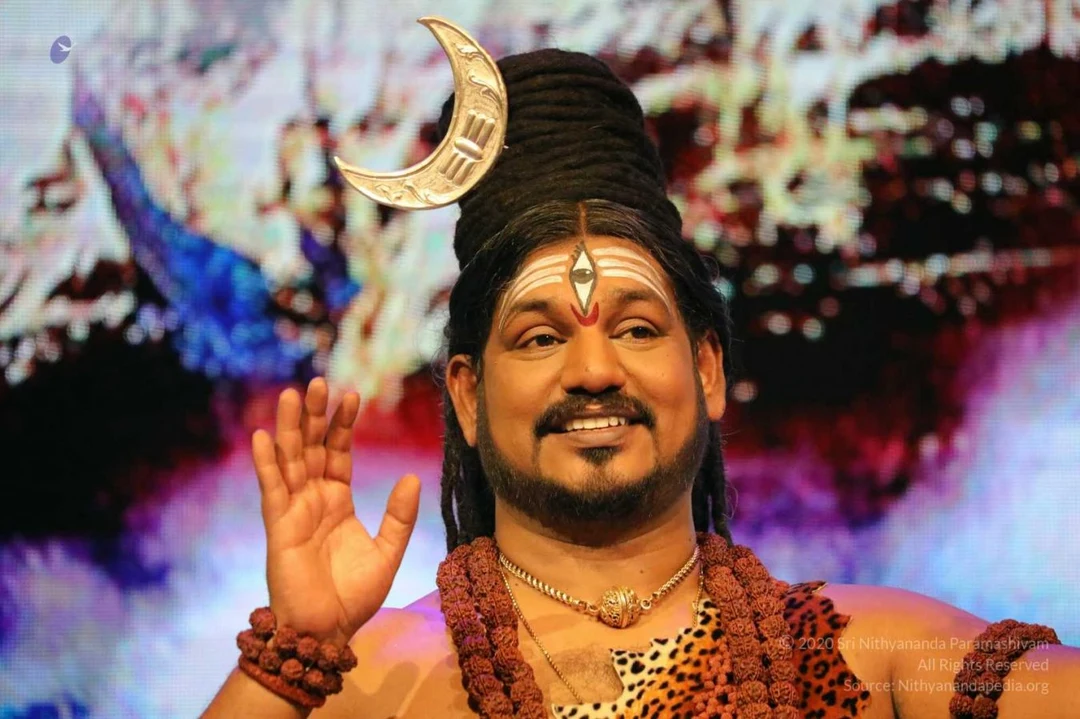 HDH Nithyanada Paramashivam blessing delegates attending the Mahasadashivoham convention
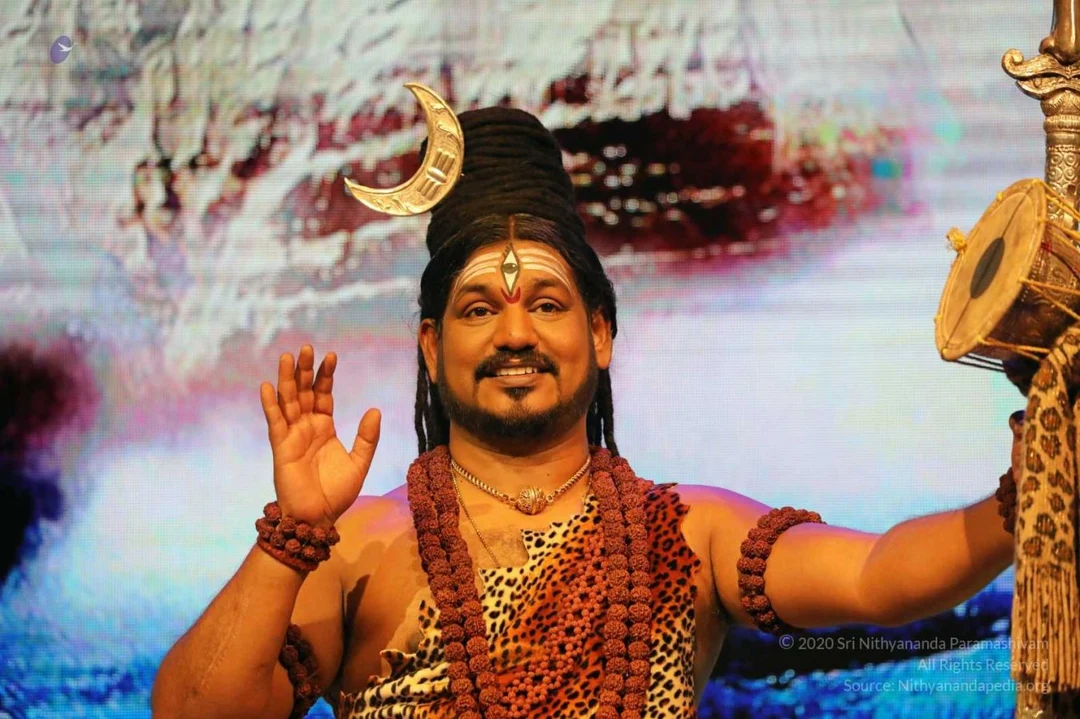 HDH Nithyanada Paramashivam blessing delegates attending the Mahasadashivoham convention
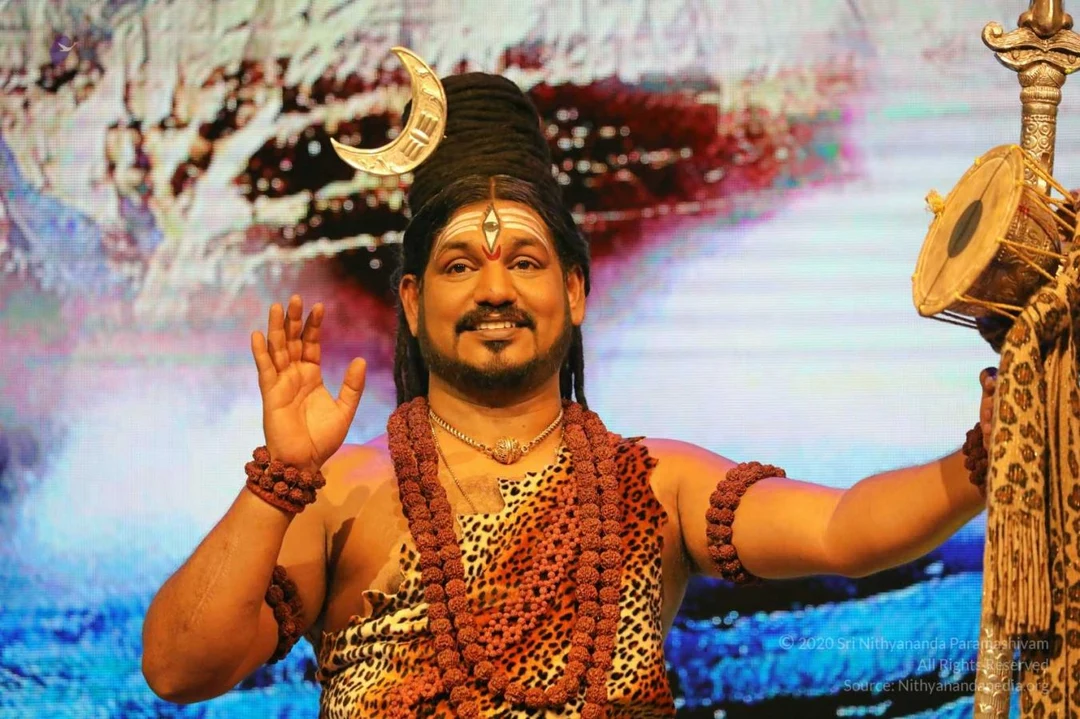 HDH Nithyanada Paramashivam blessing delegates attending the Mahasadashivoham convention
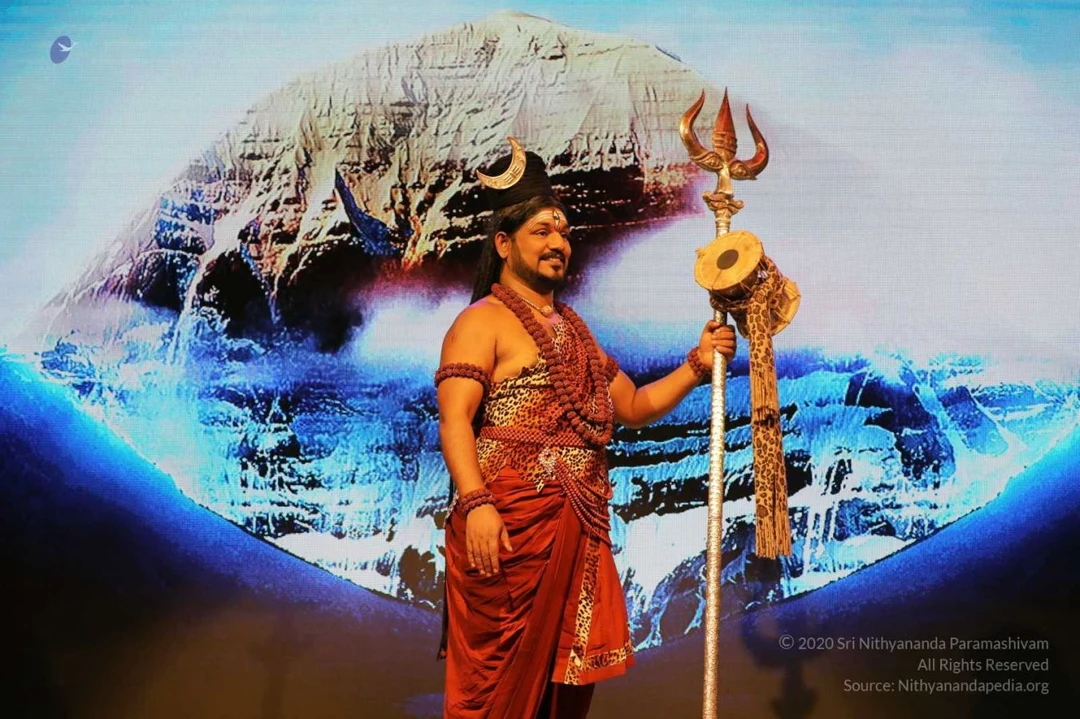 Glimpses from Mahasadashivoham darshan
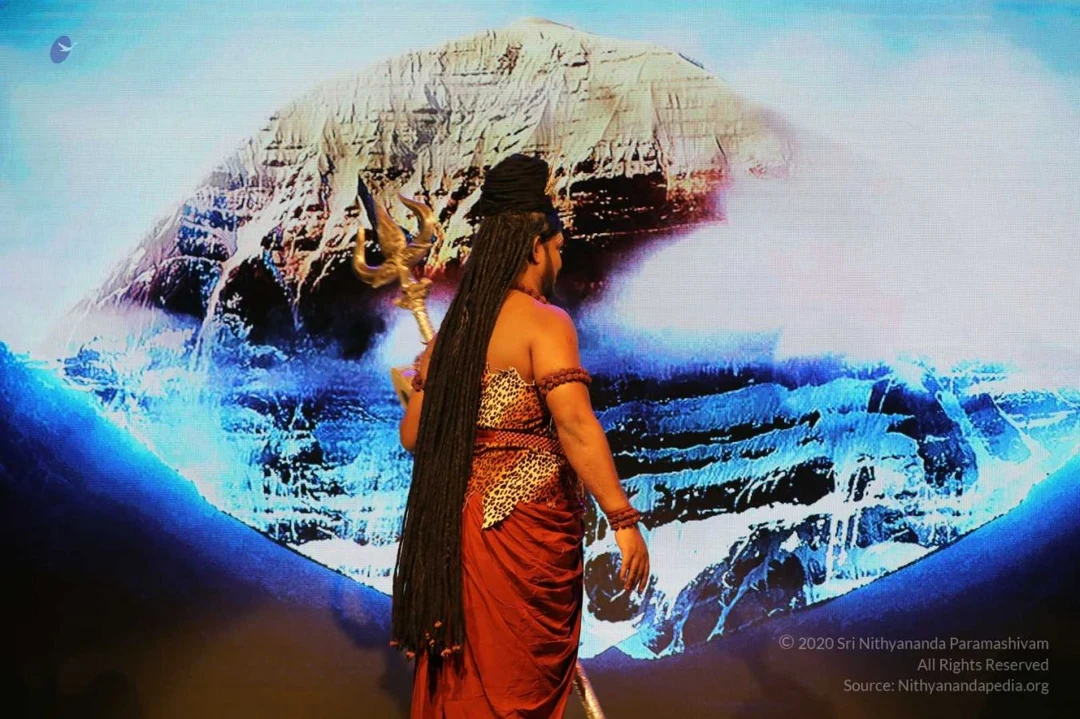 Glimpses from Mahasadashivoham darshan
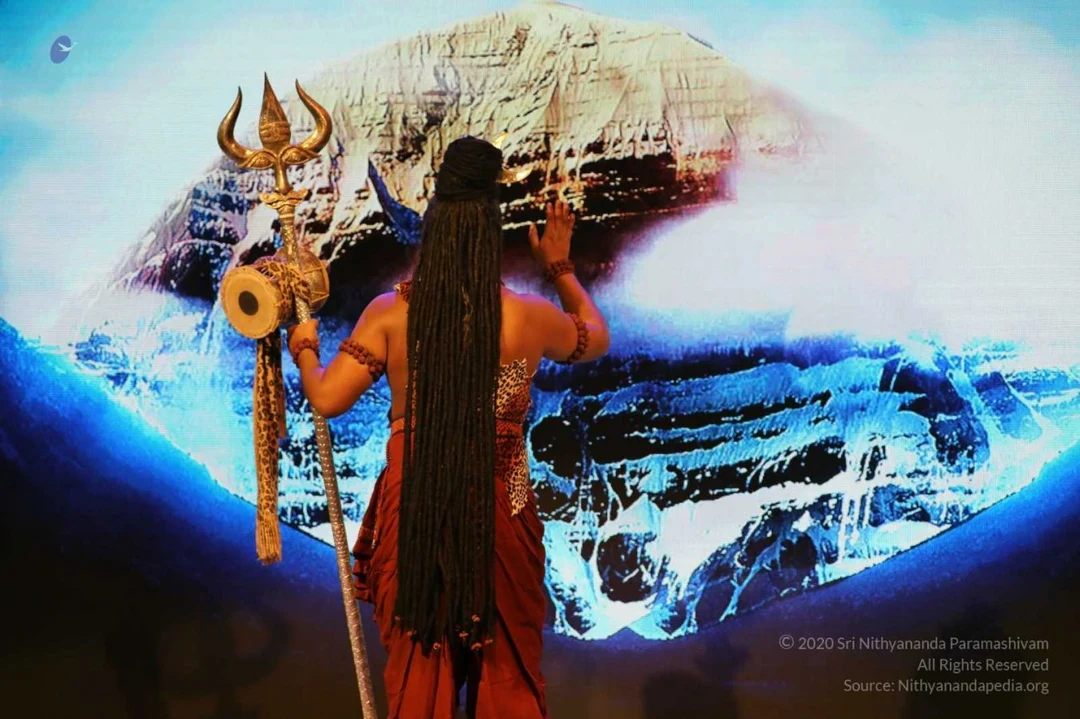 Glimpses from Mahasadashivoham darshan
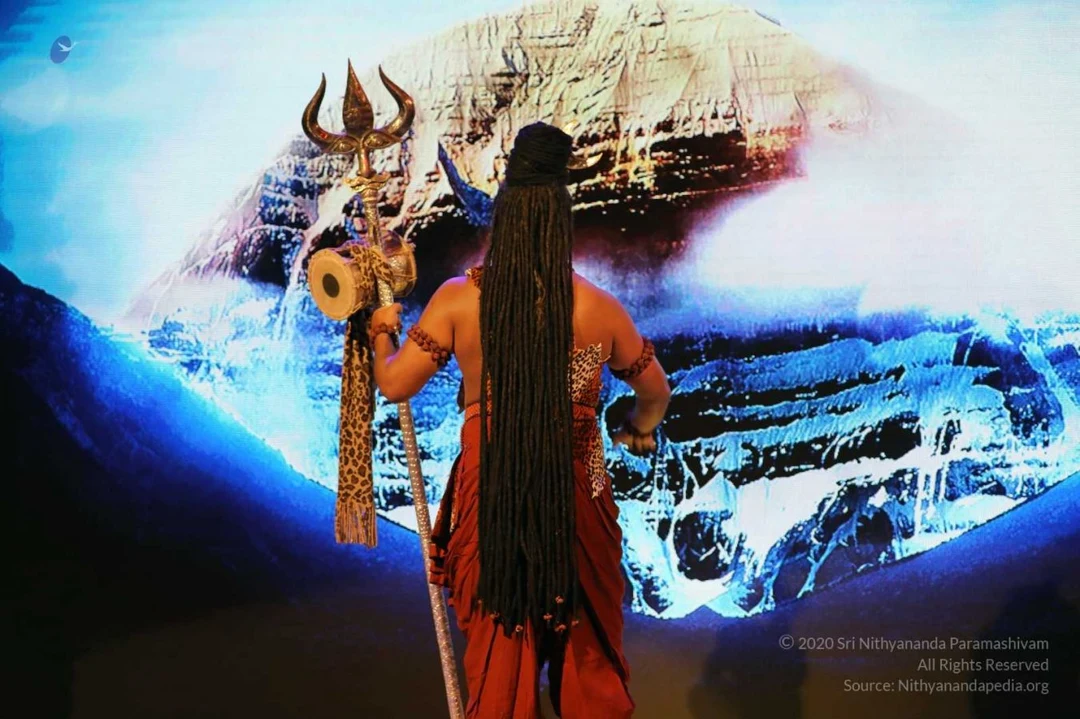 Glimpses from Mahasadashivoham darshan
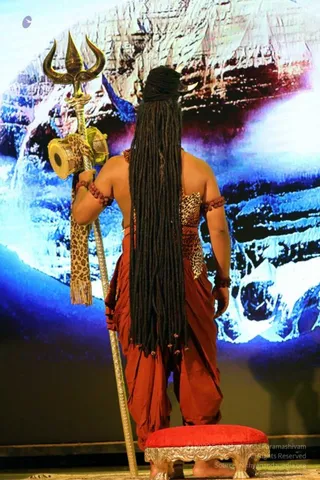 Glimpses from Mahasadashivoham darshan
 Glimpses from Mahasadashivoham darshan
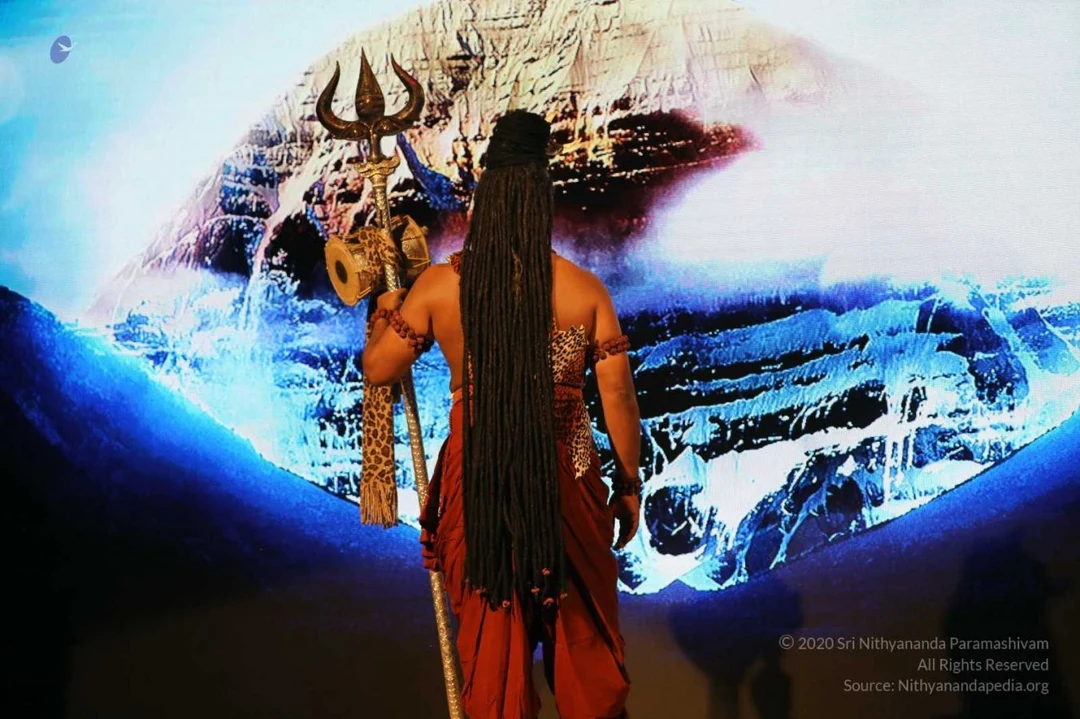 Glimpses from Mahasadashivoham darshan
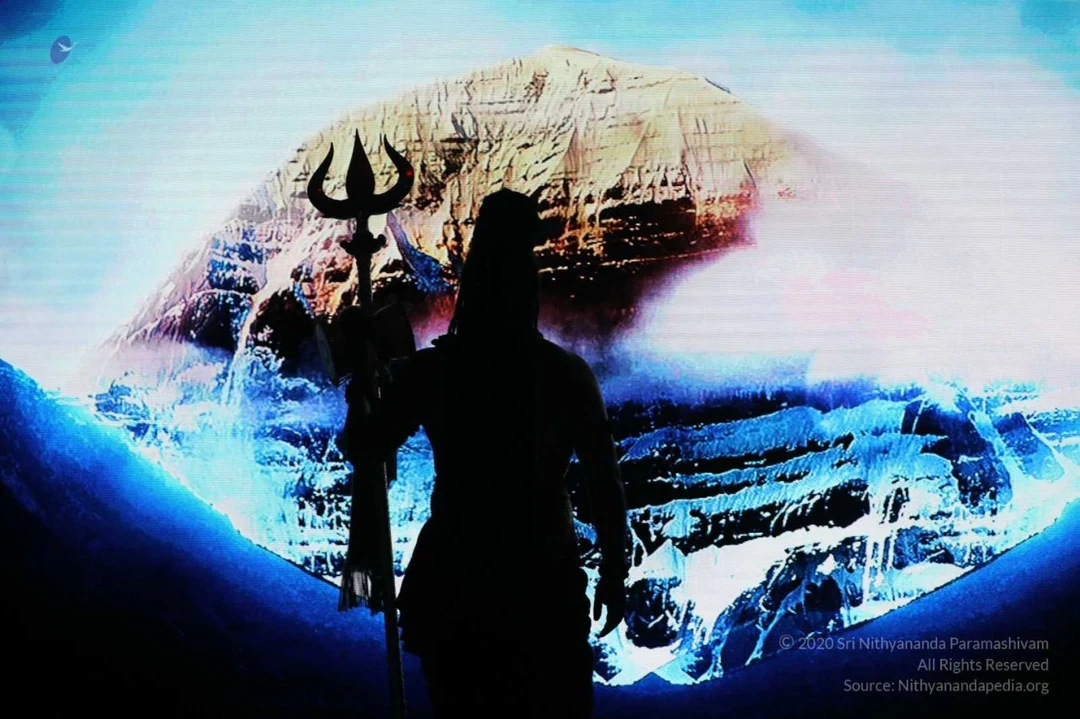 Cosmic form of Sadashiva - virat swarupa - Mahasadashiva
 Cosmic form of Sadashiva - virat swarupa - Mahasadashiva
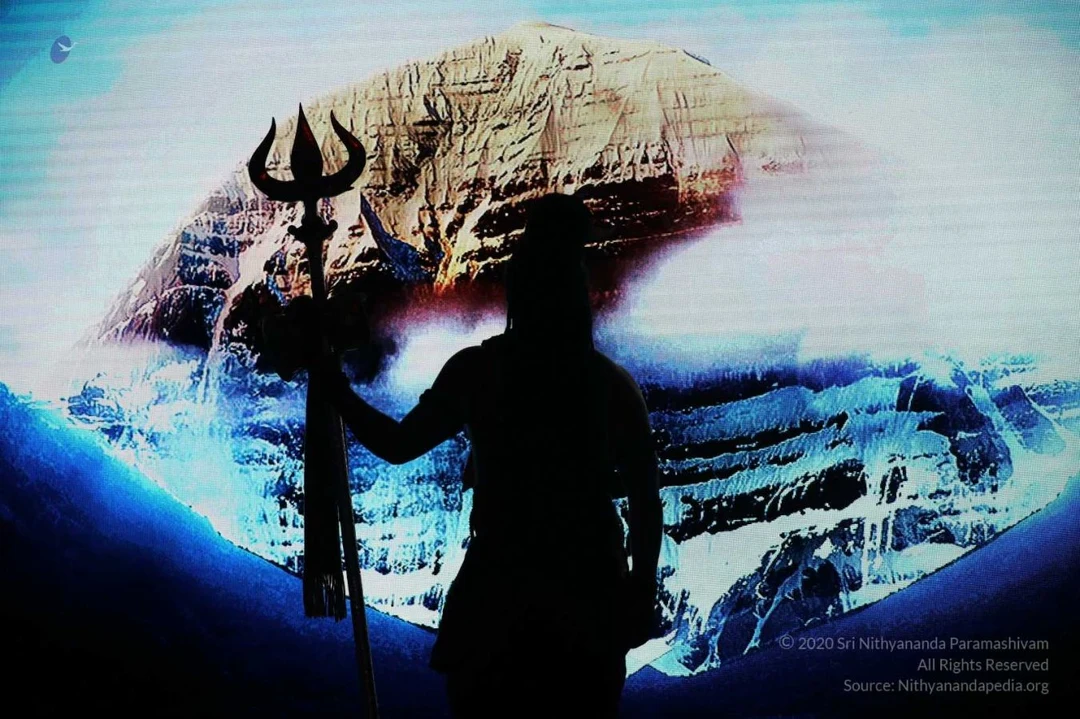 Cosmic form of Sadashiva - virat swarupa - Mahasadashiva
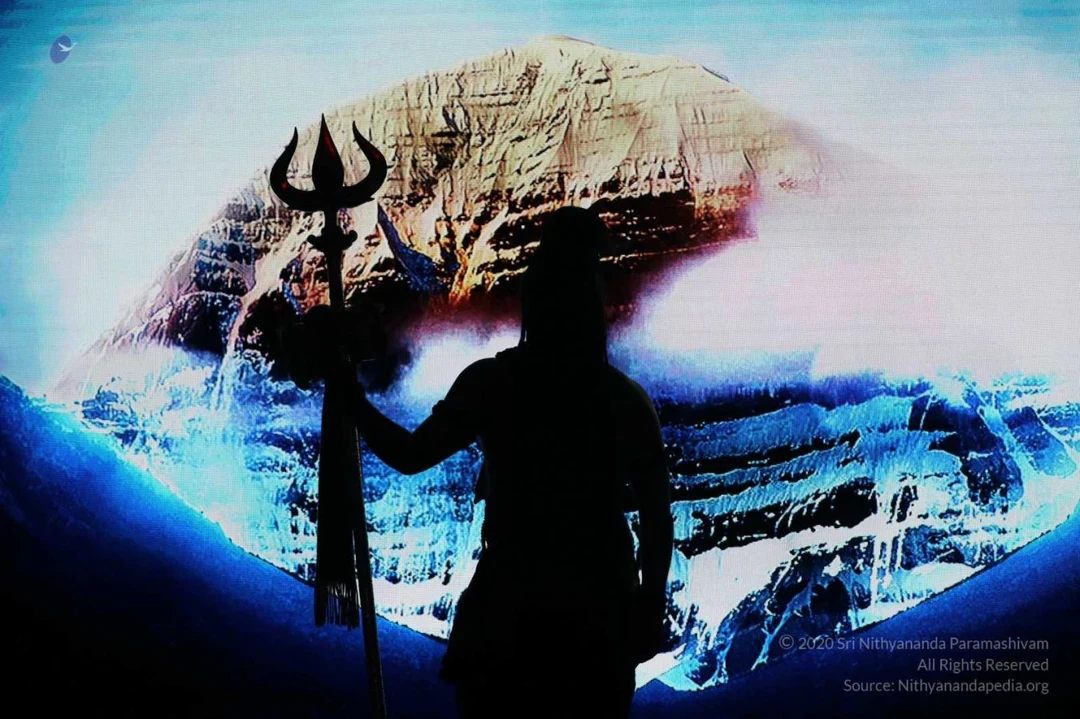 Cosmic form of Sadashiva - virat swarupa - Mahasadashiva
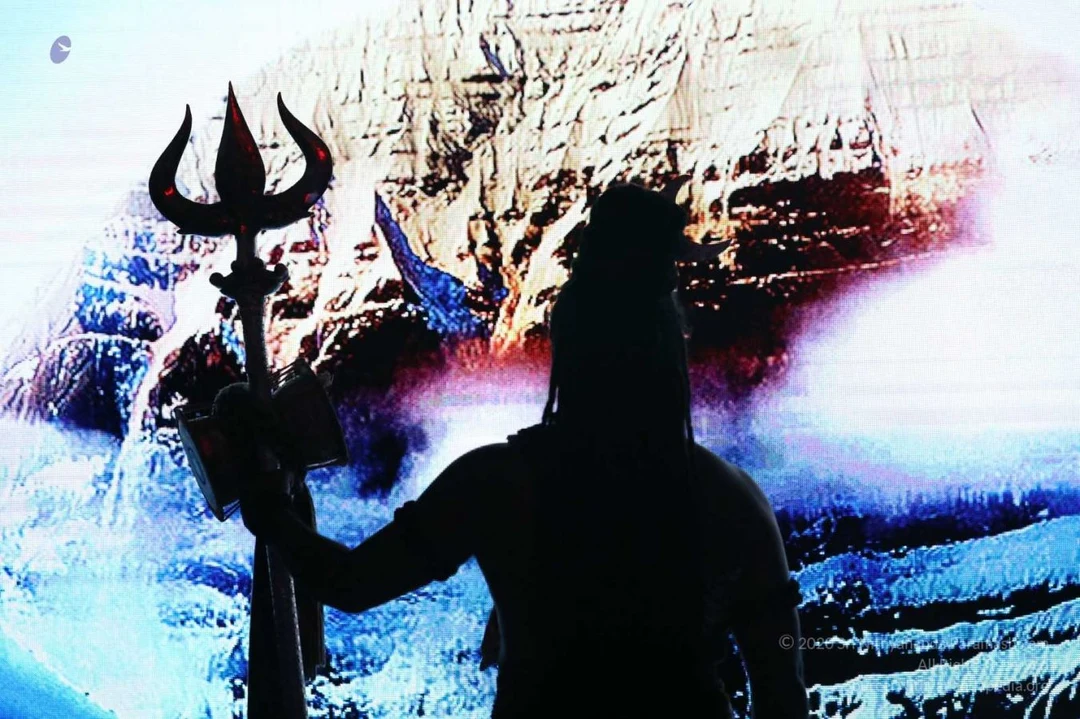 Cosmic form of Sadashiva - virat swarupa - Mahasadashiva
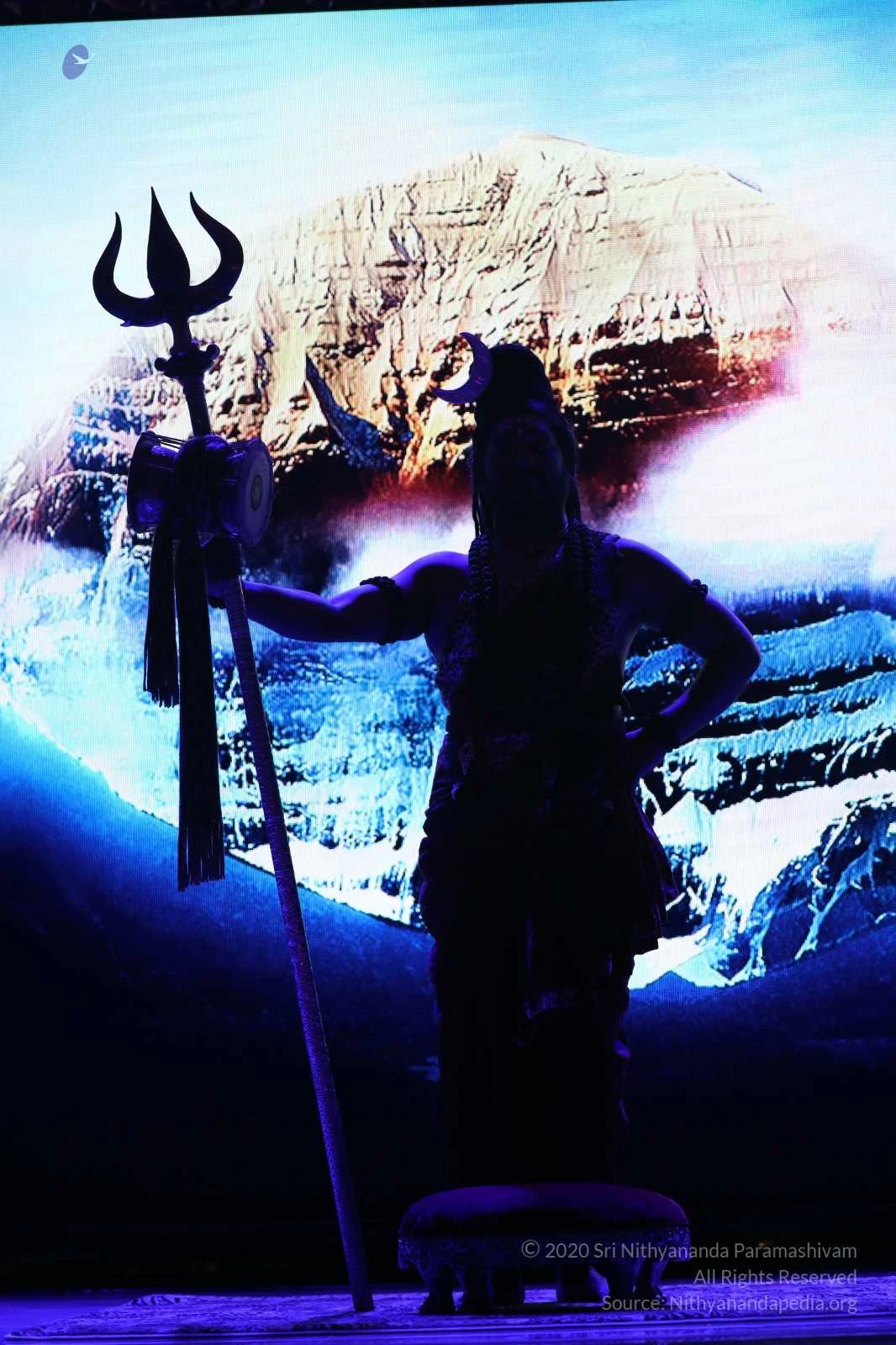
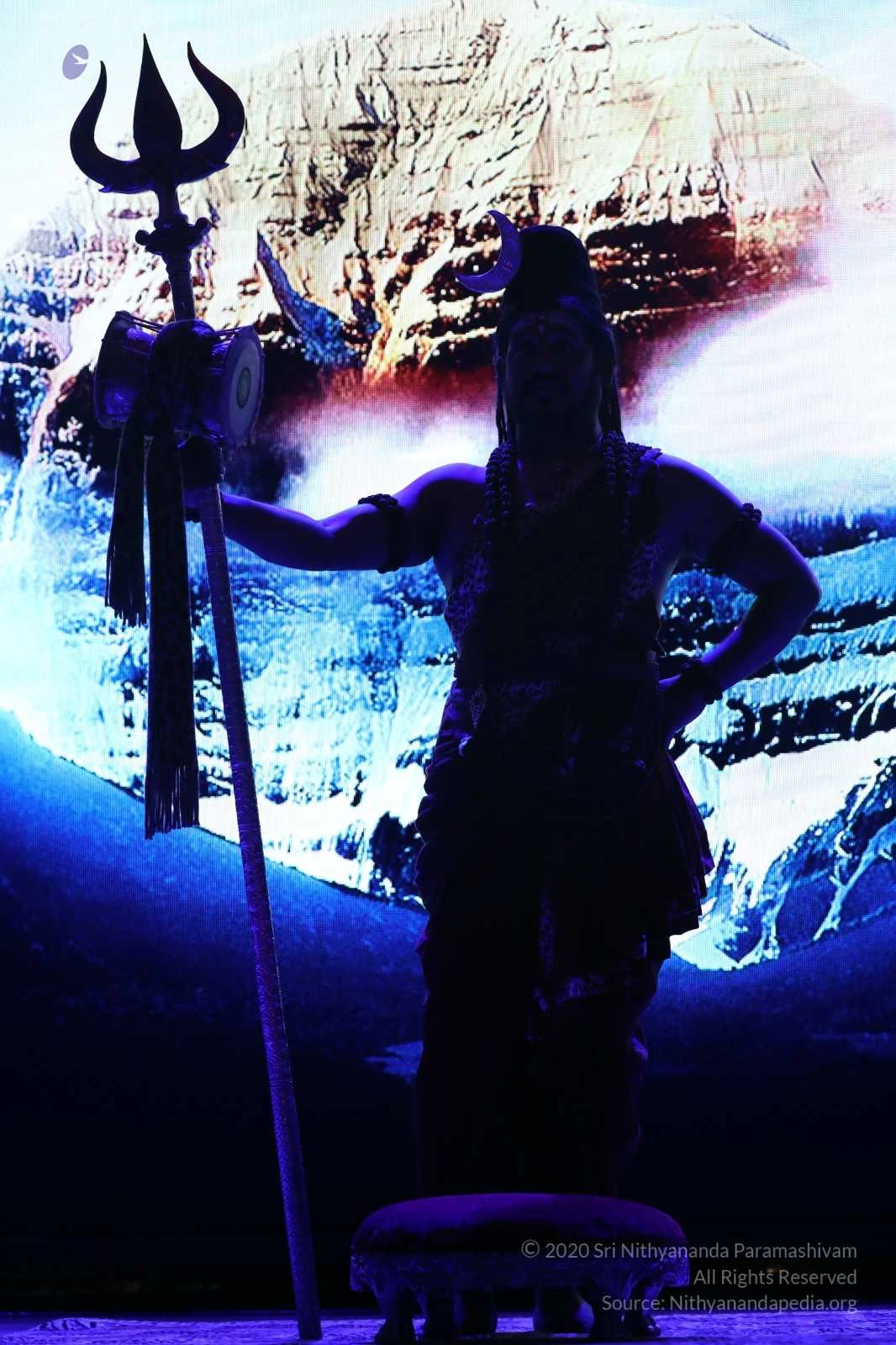
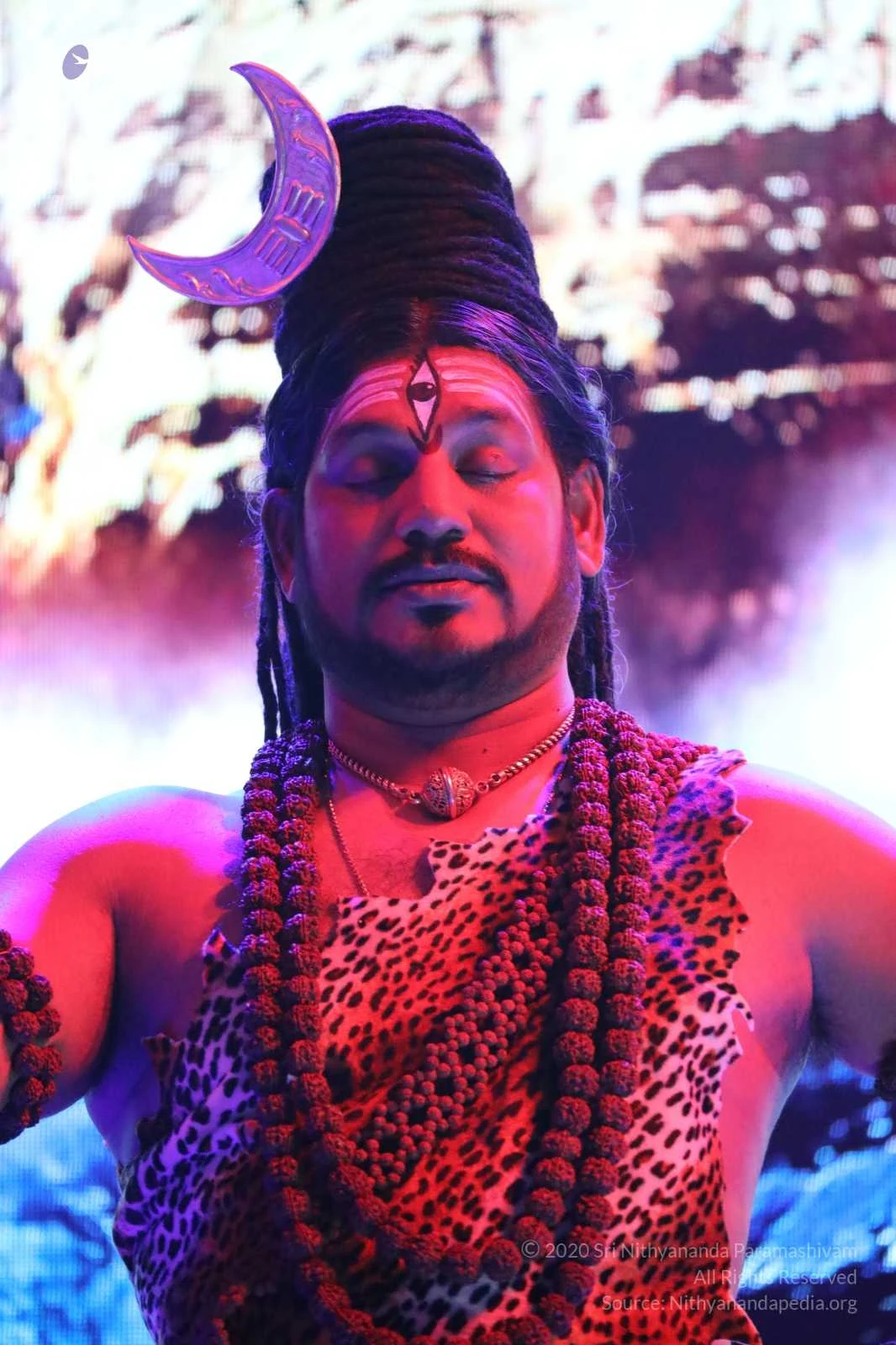
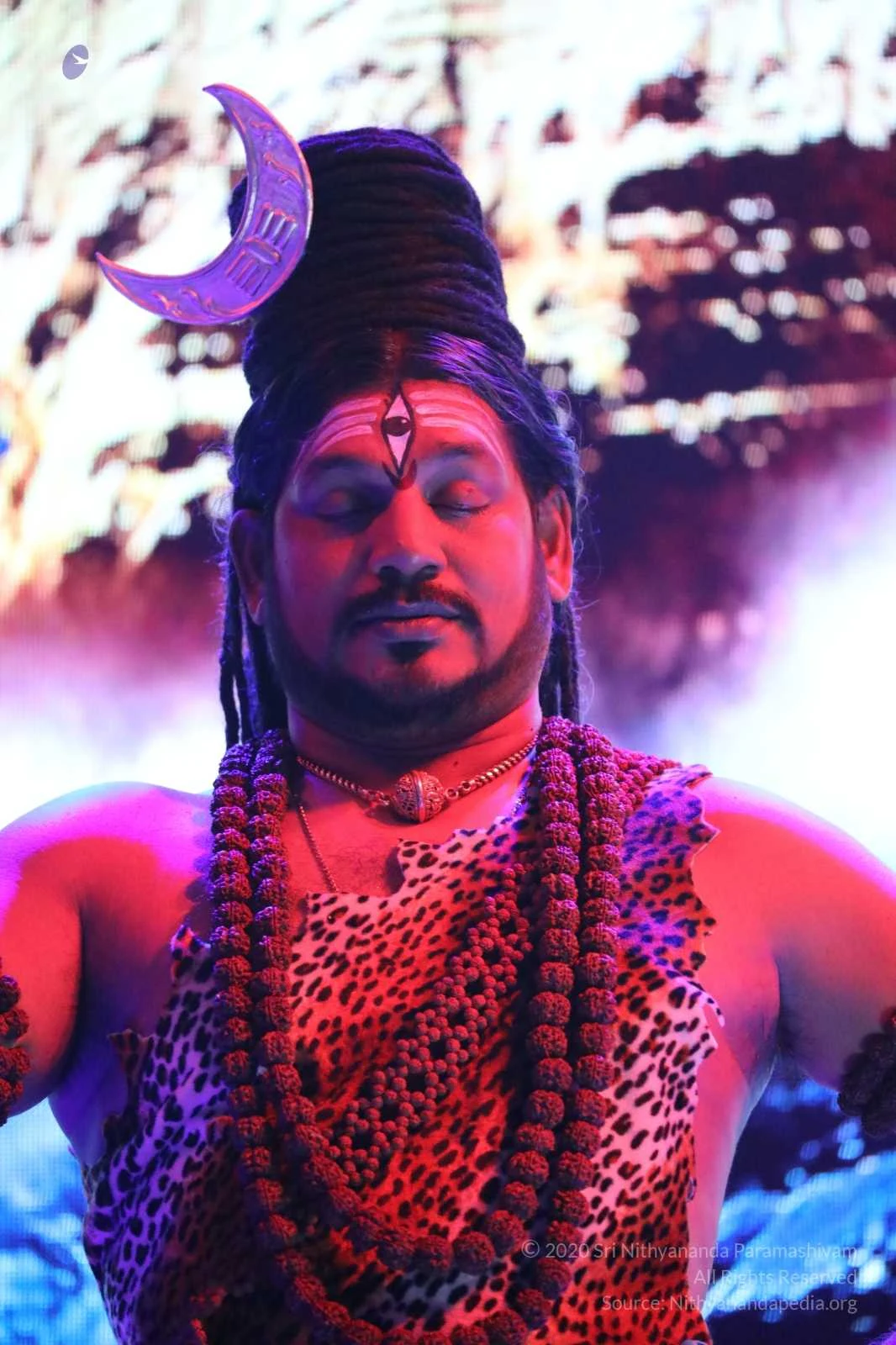
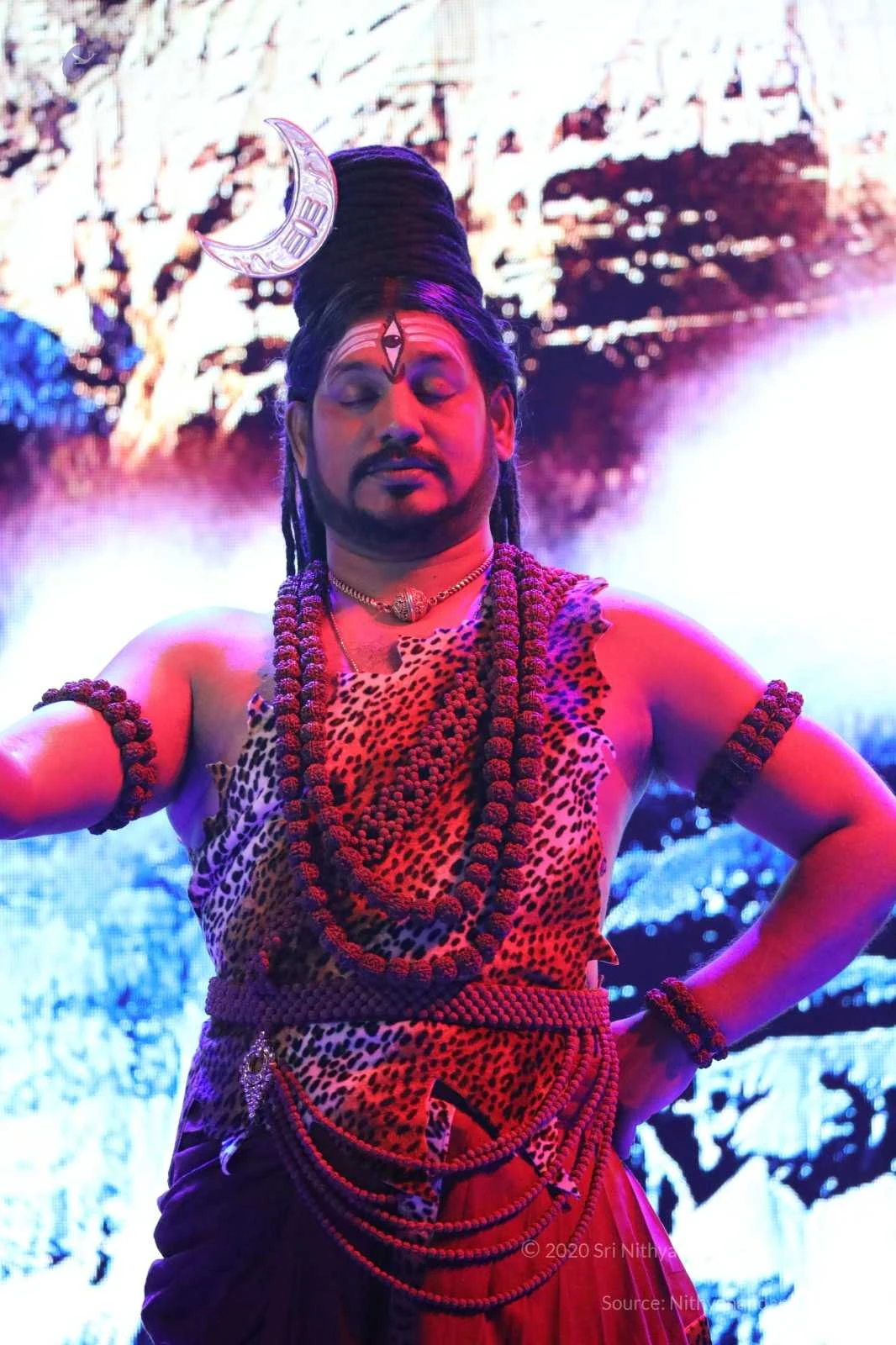
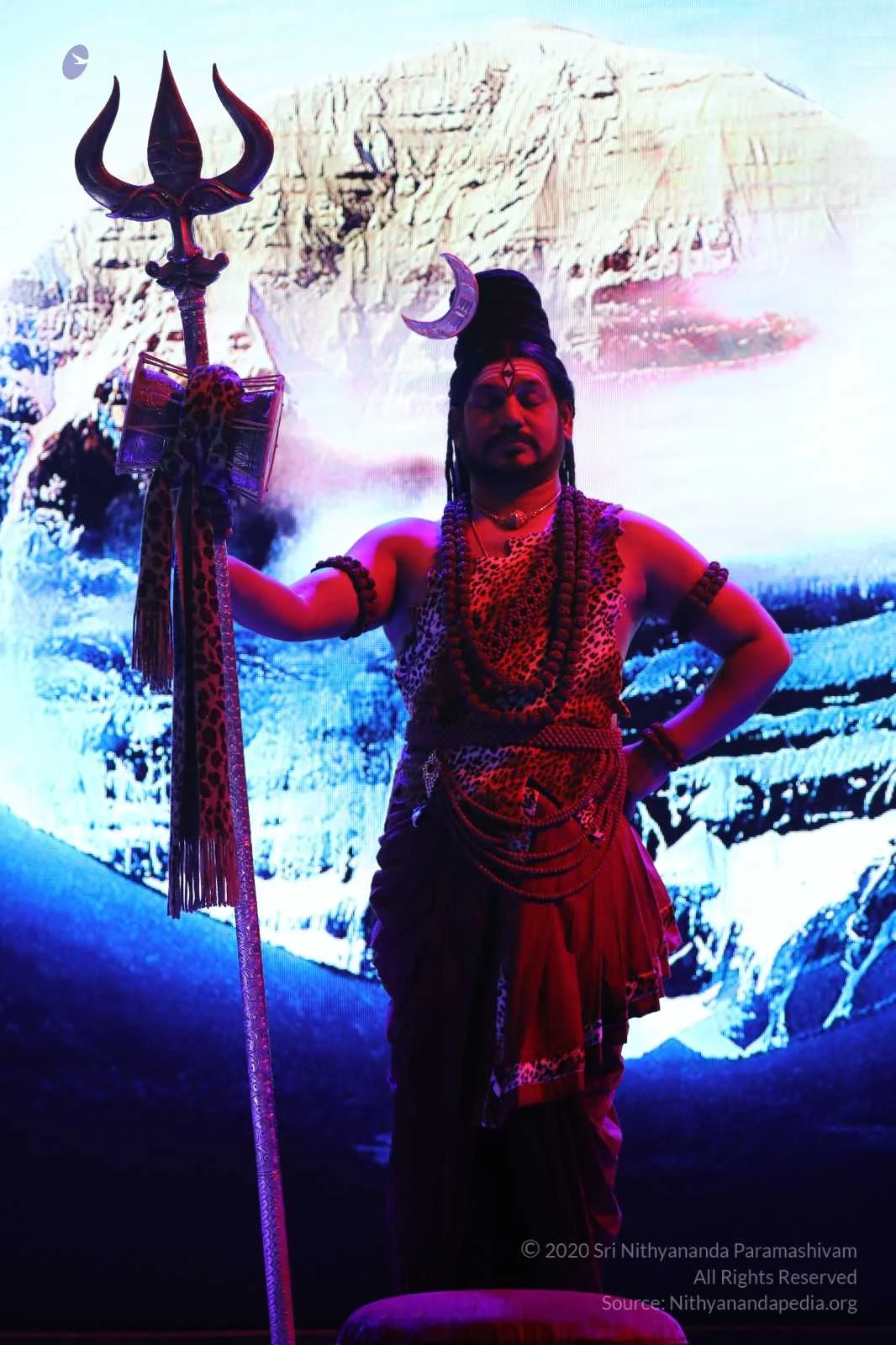
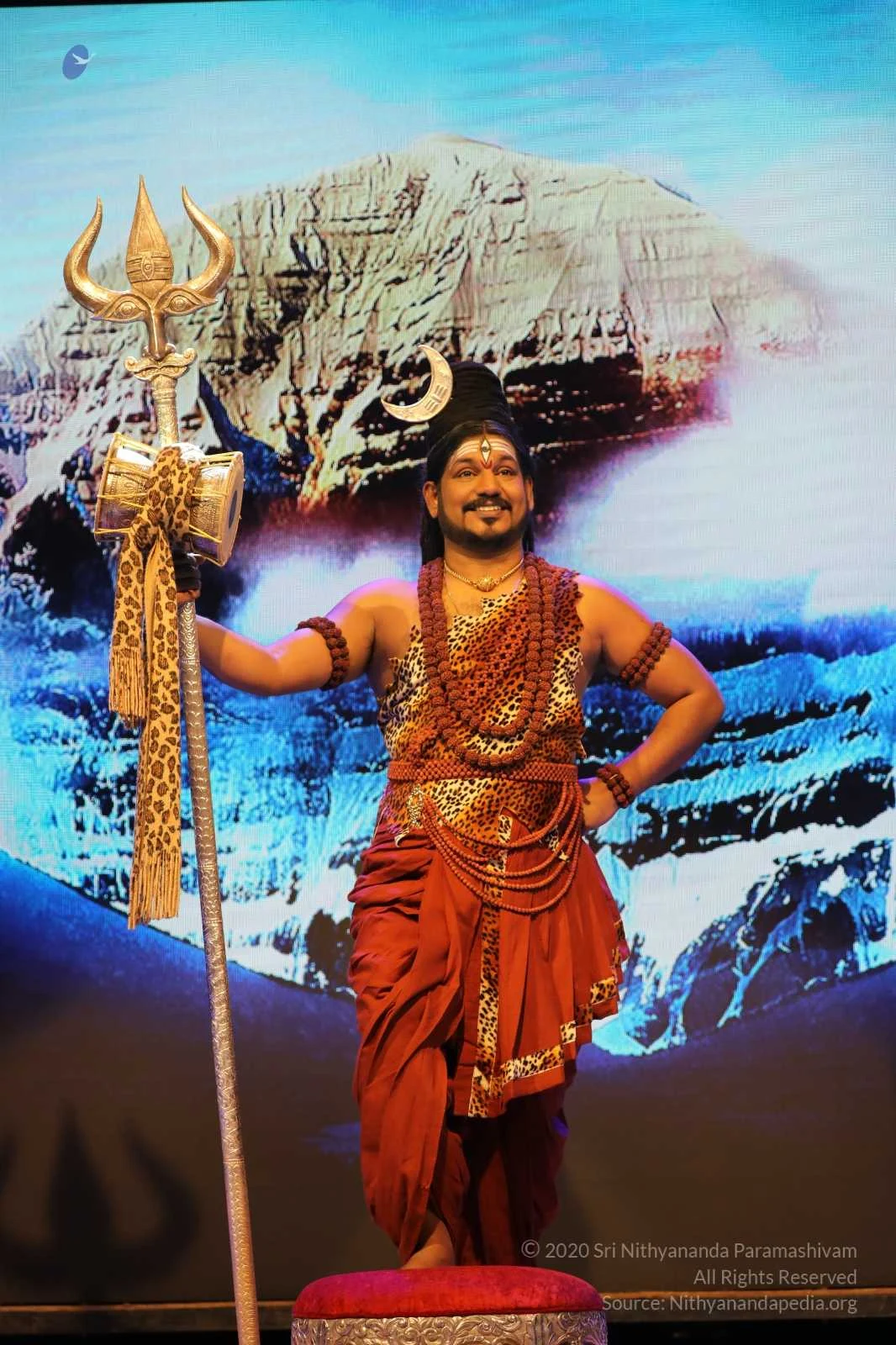
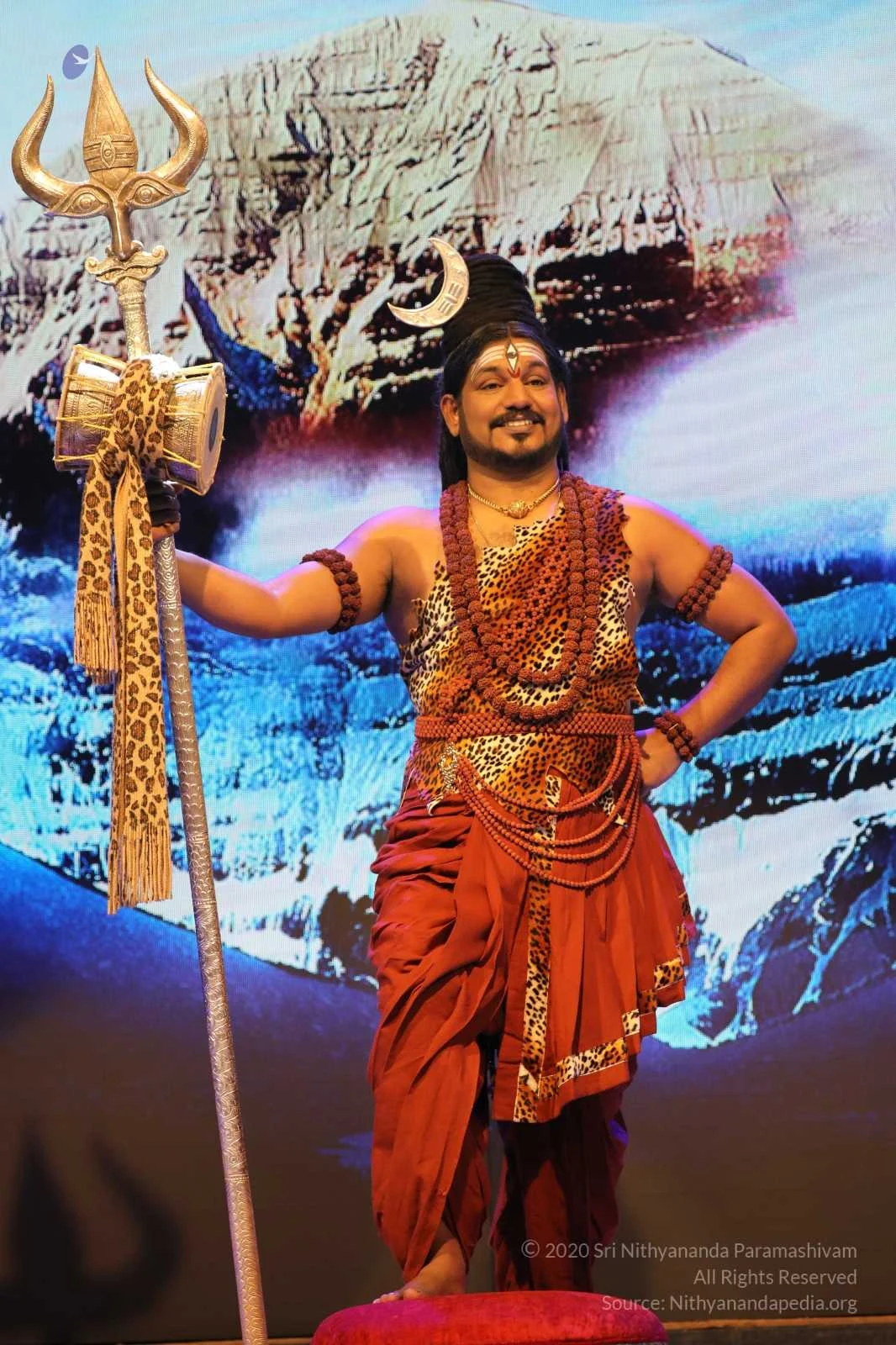
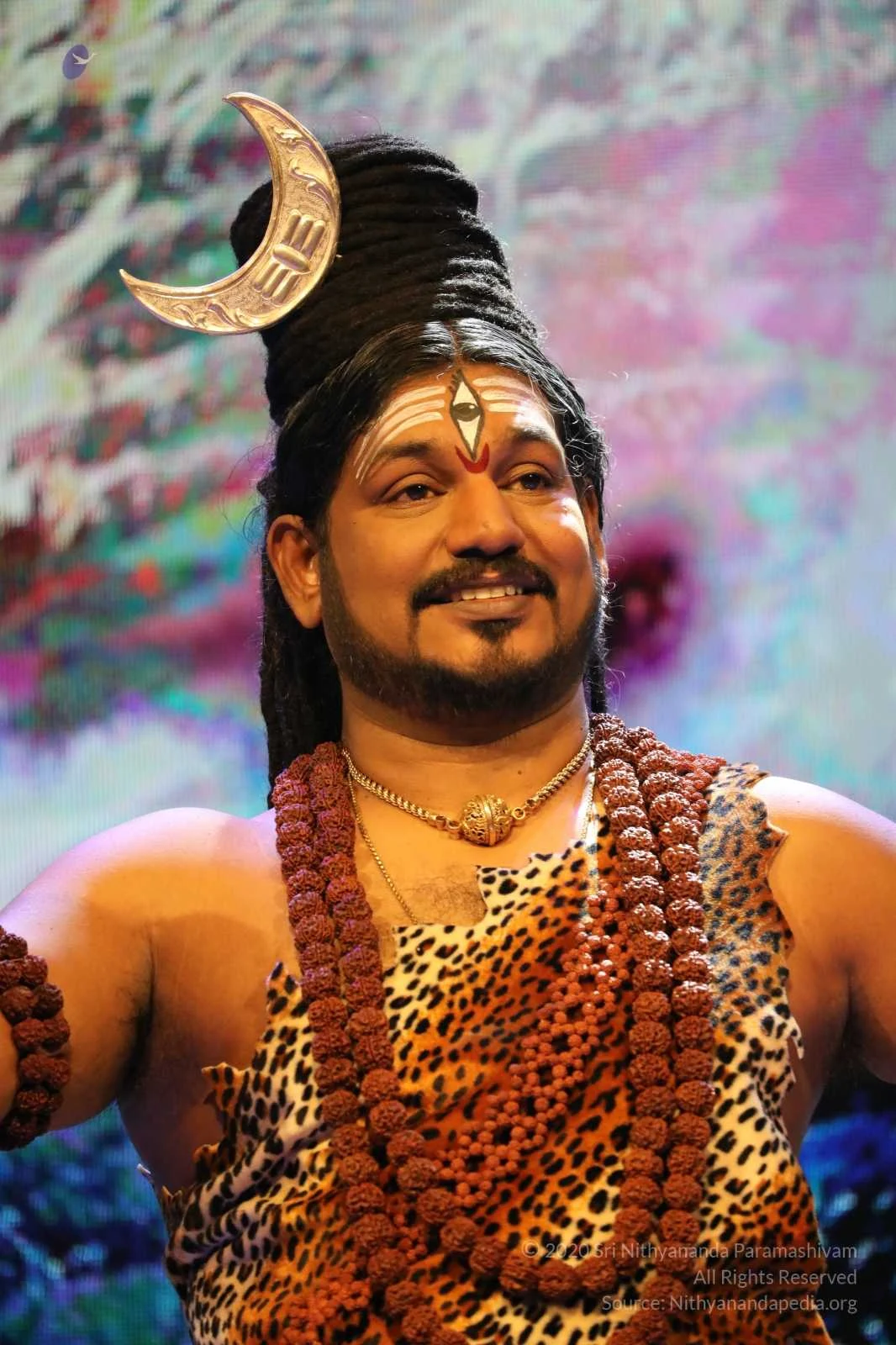
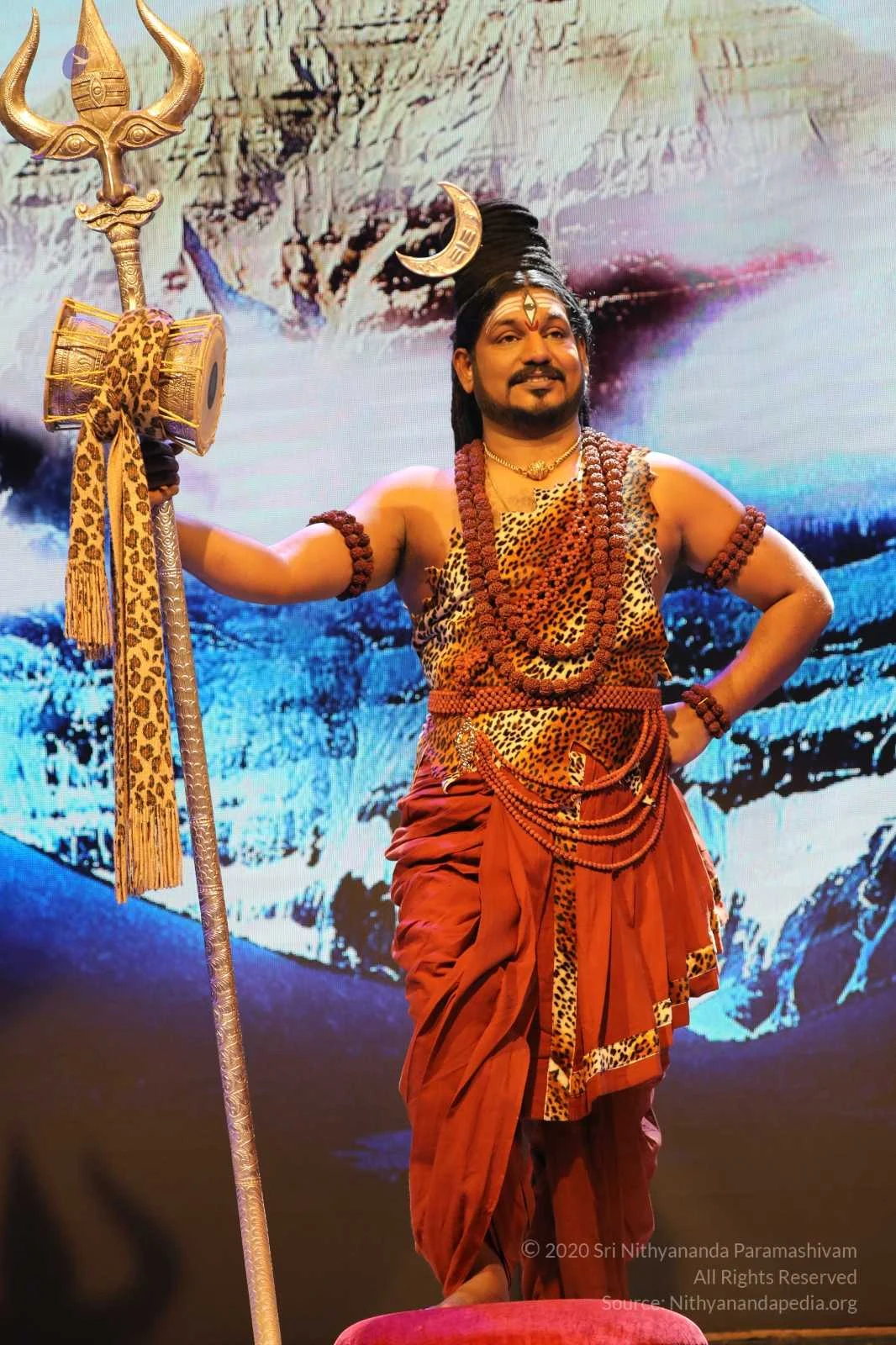
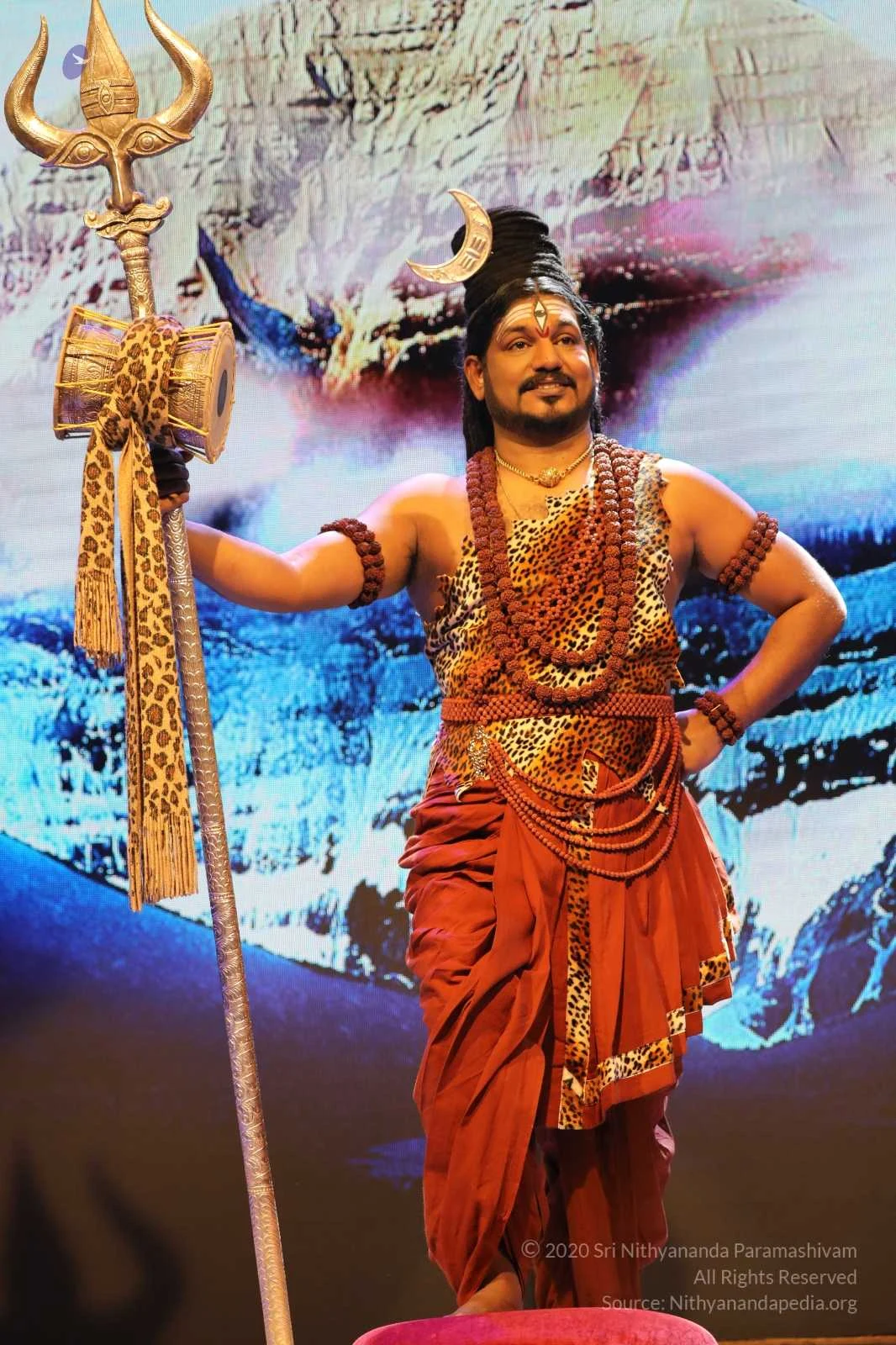
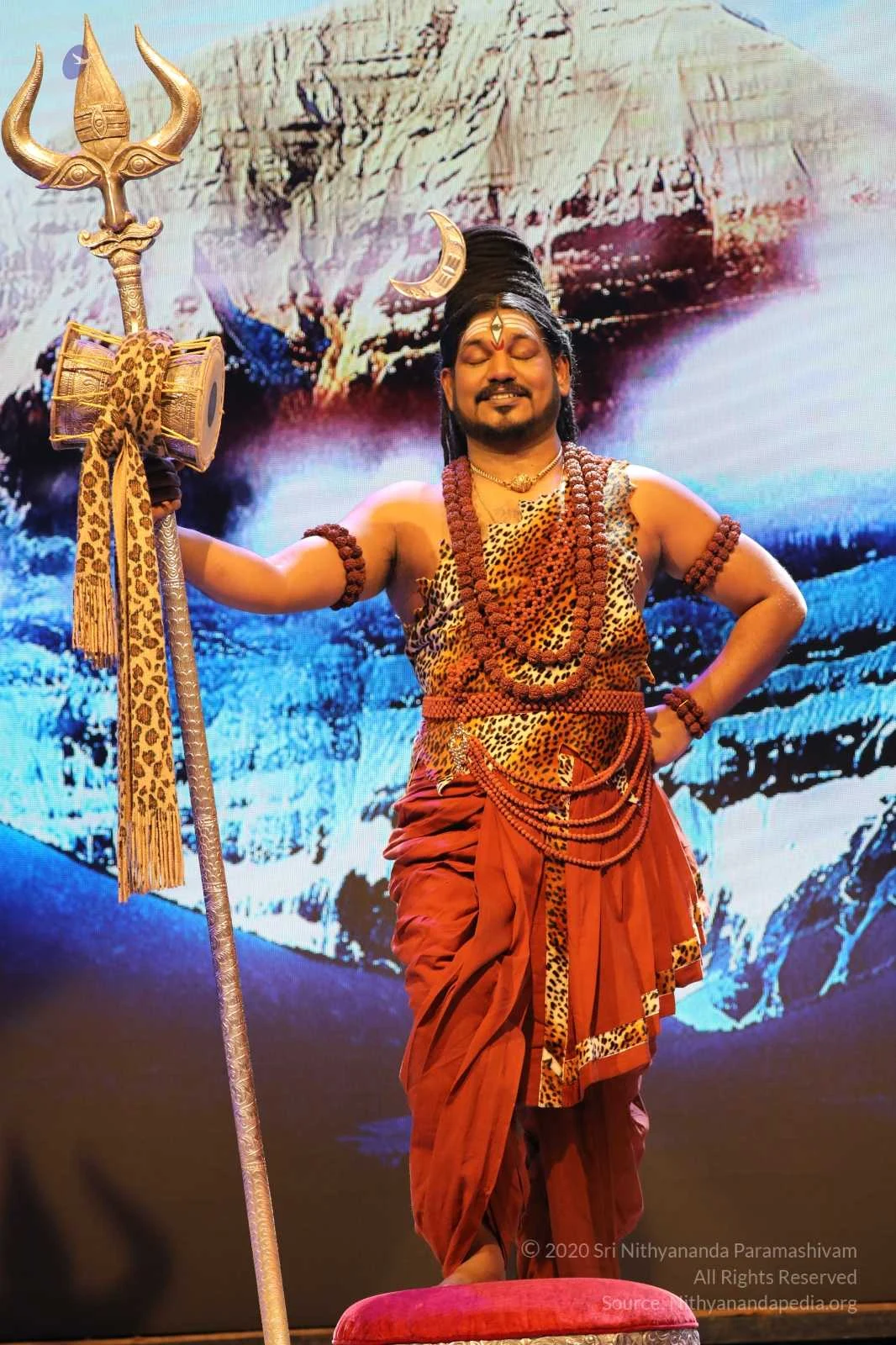
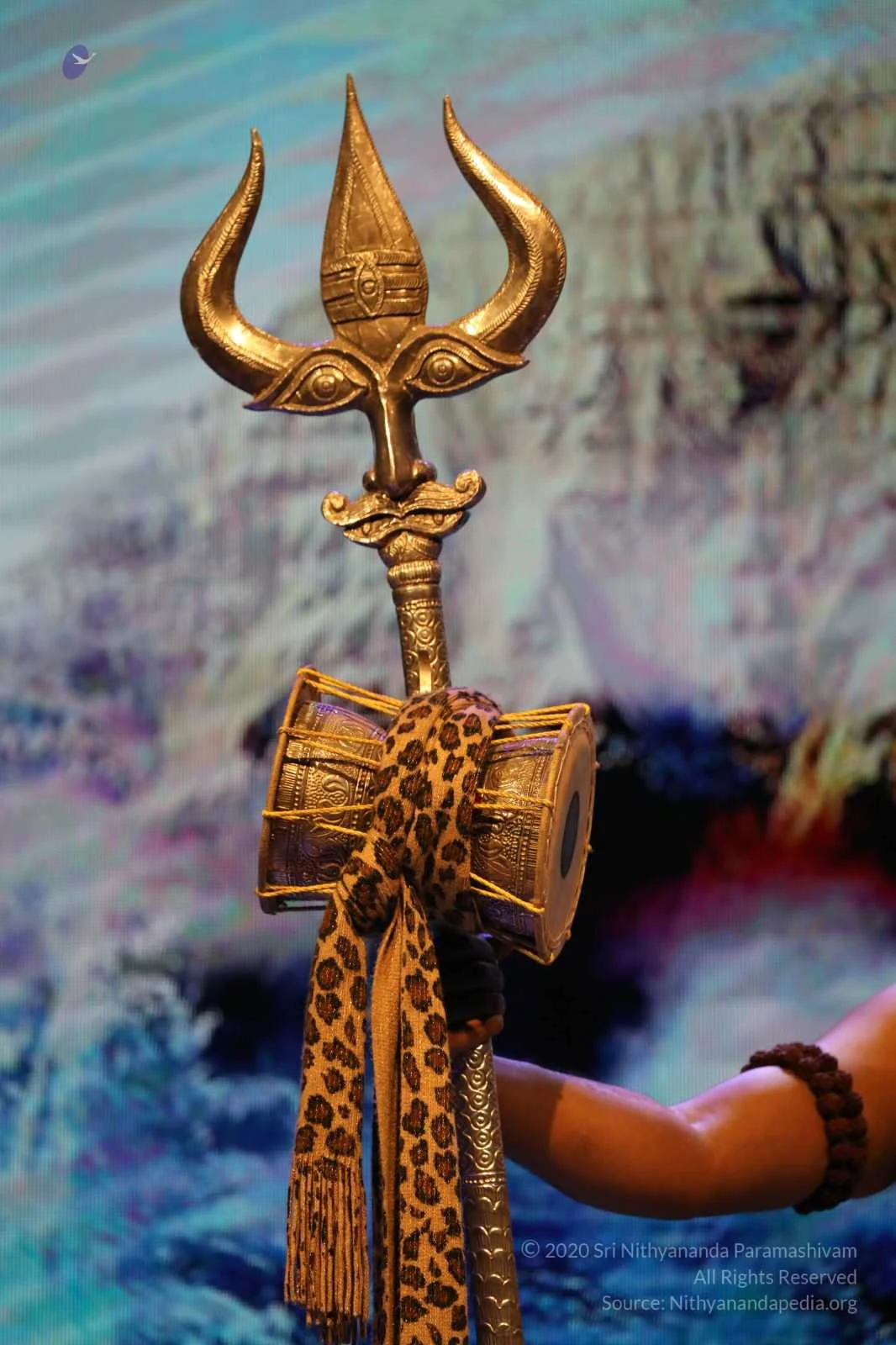
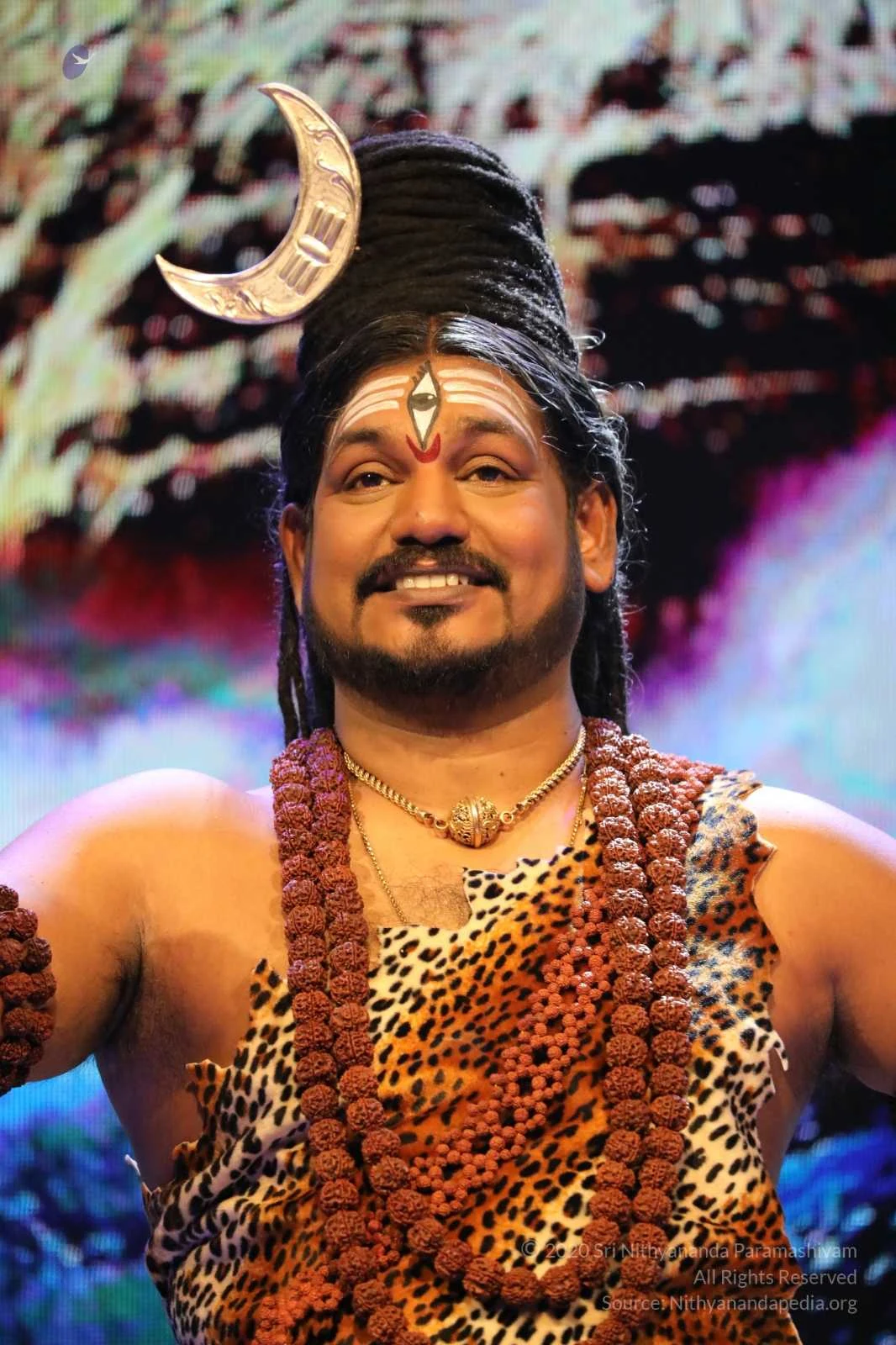
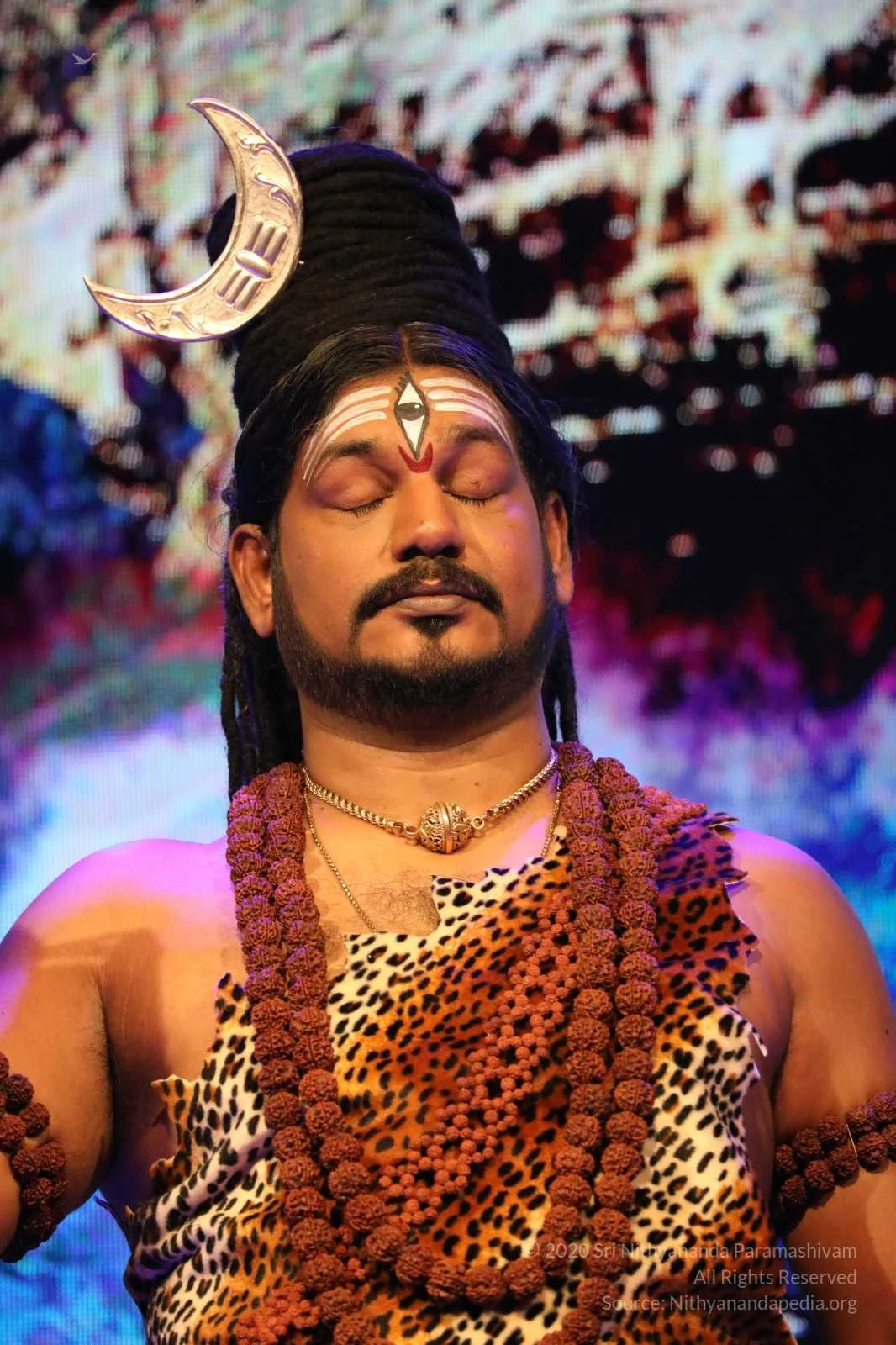
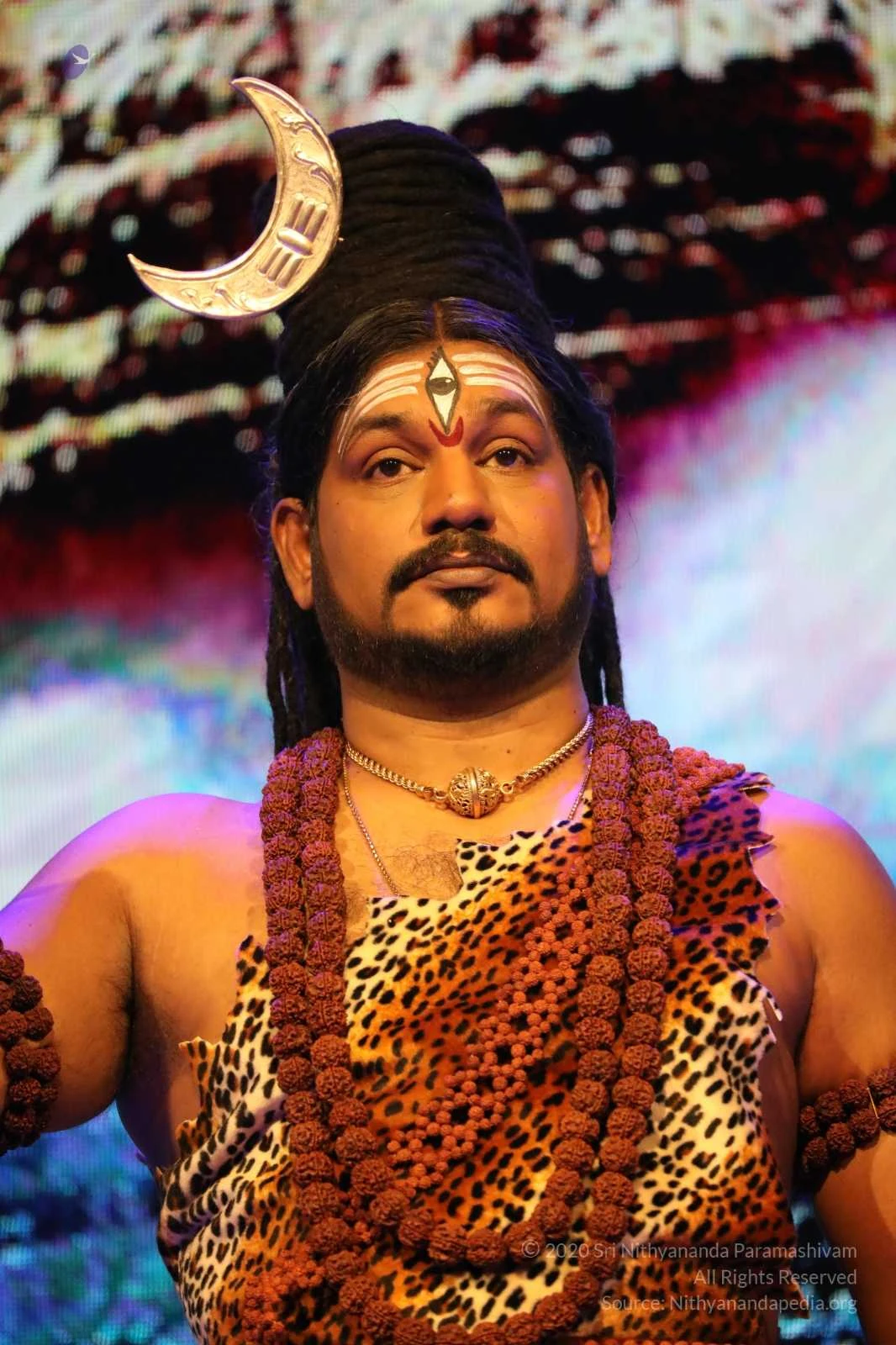
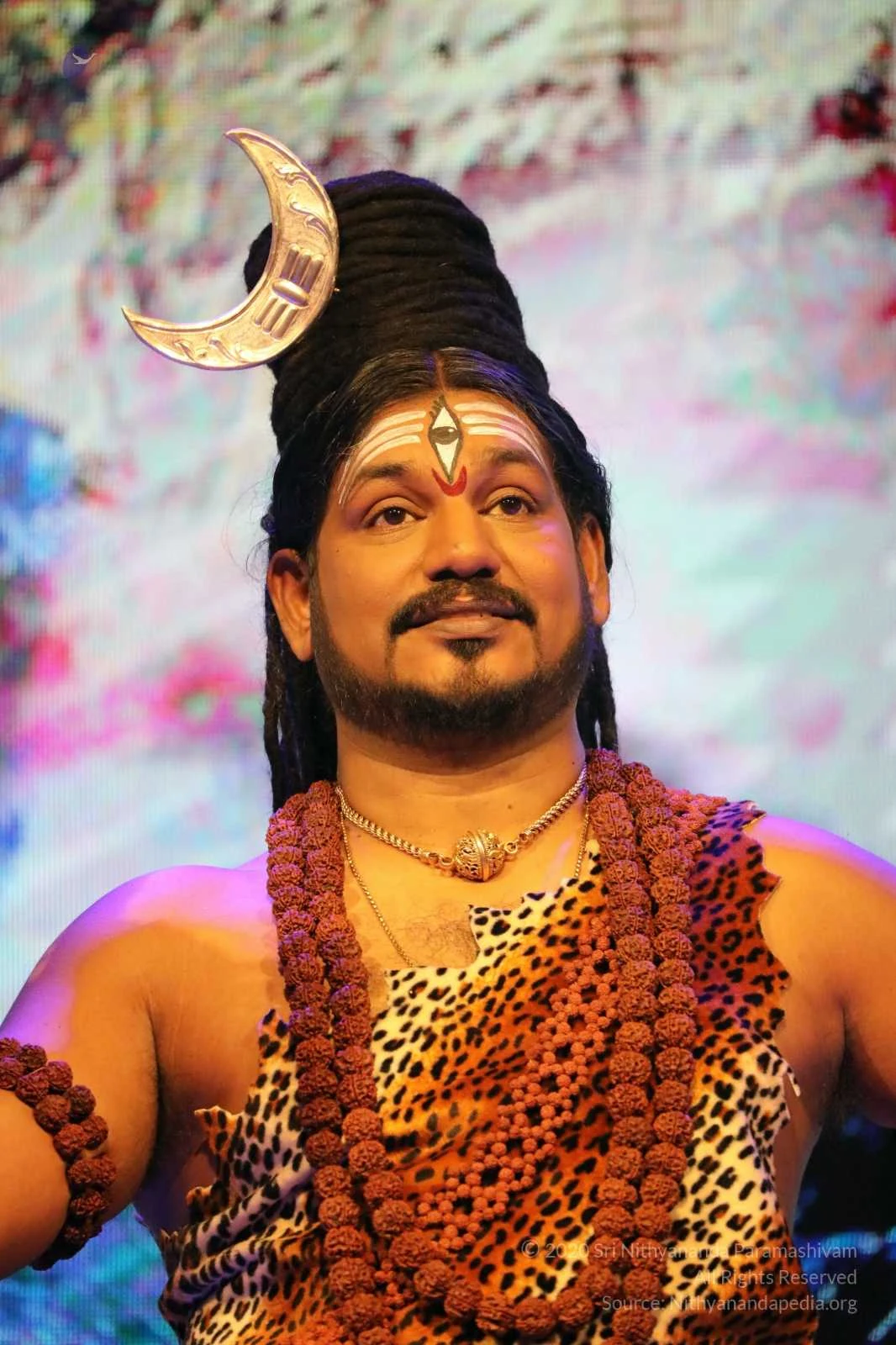
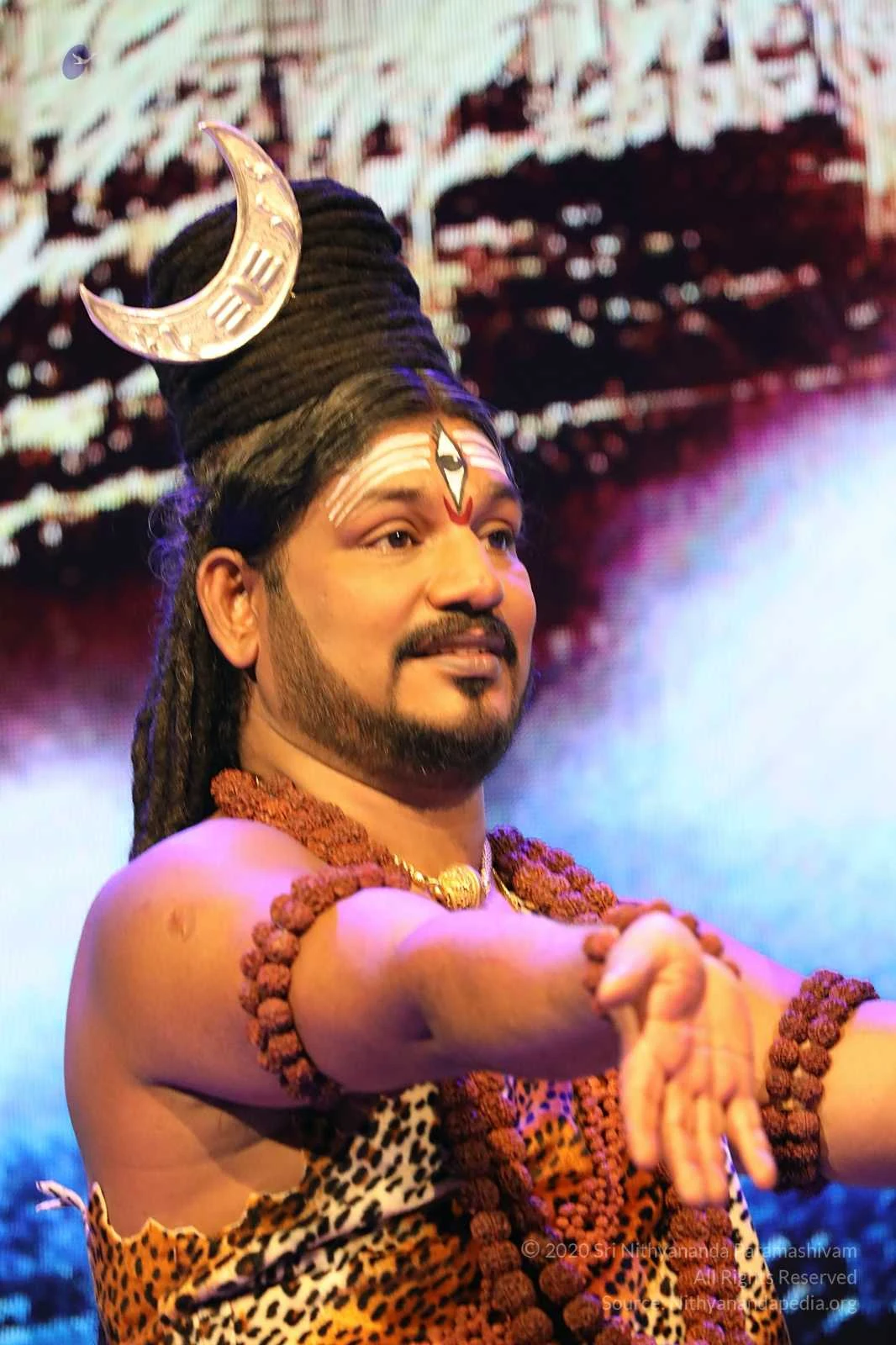
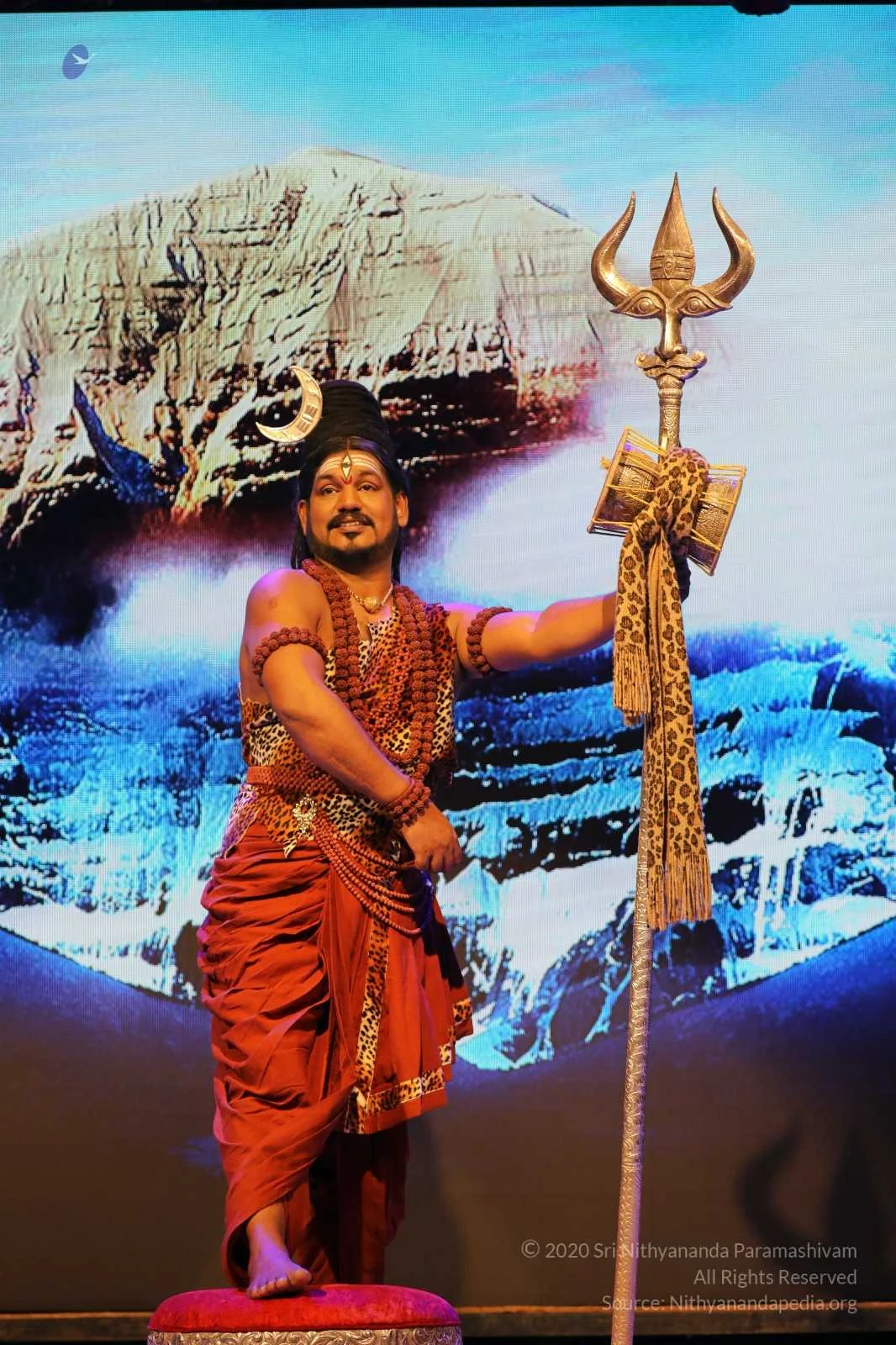
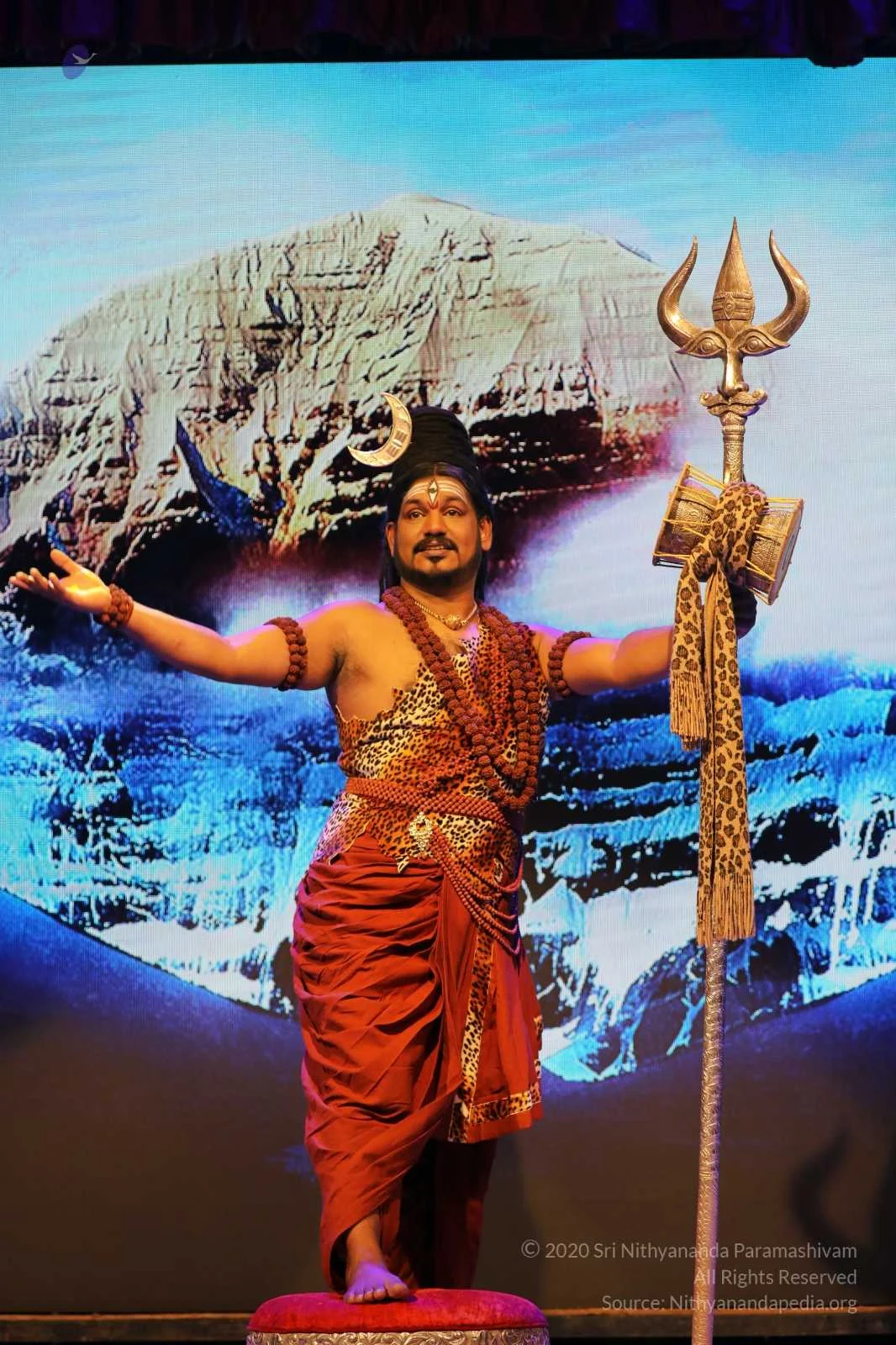
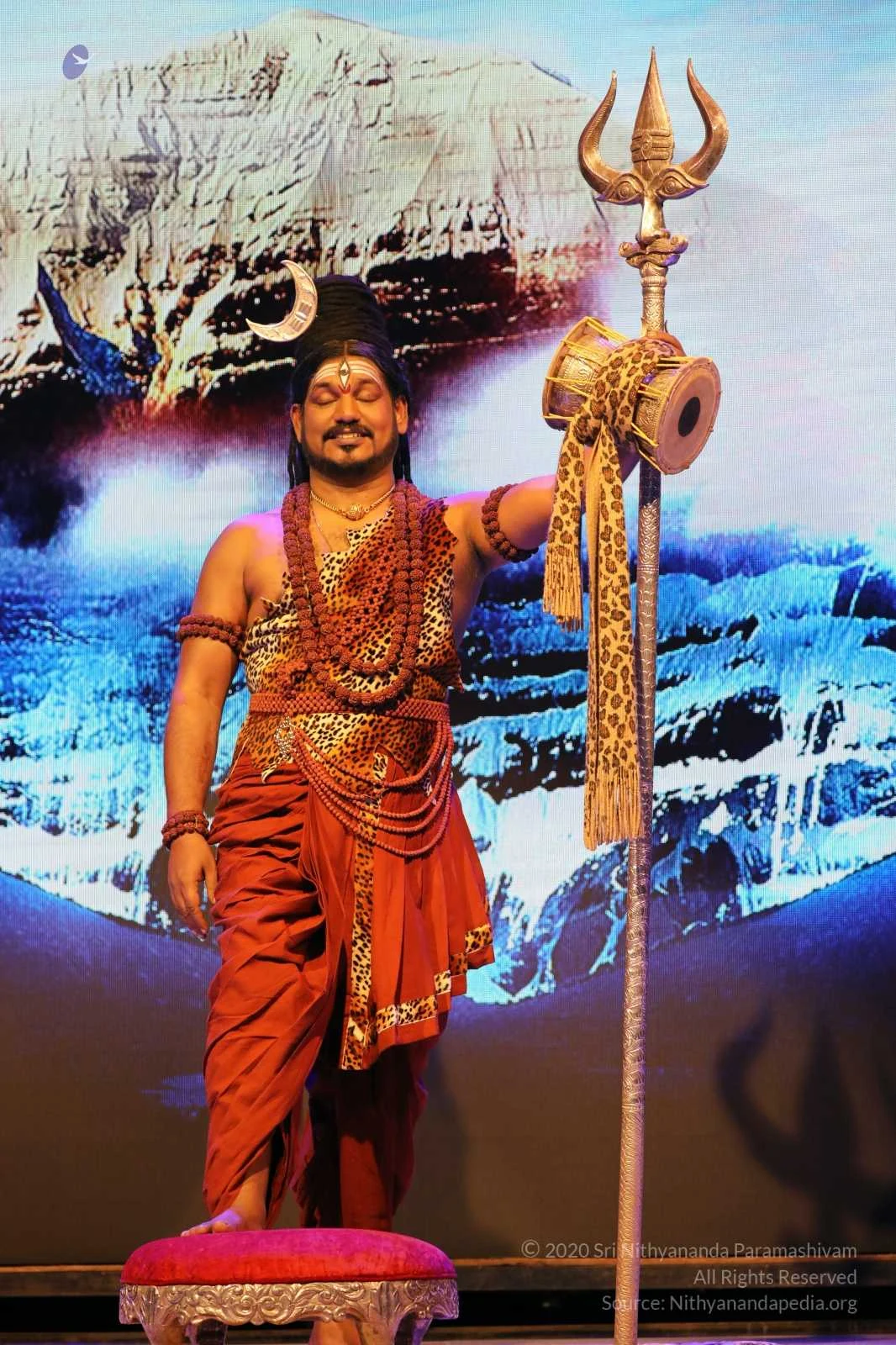
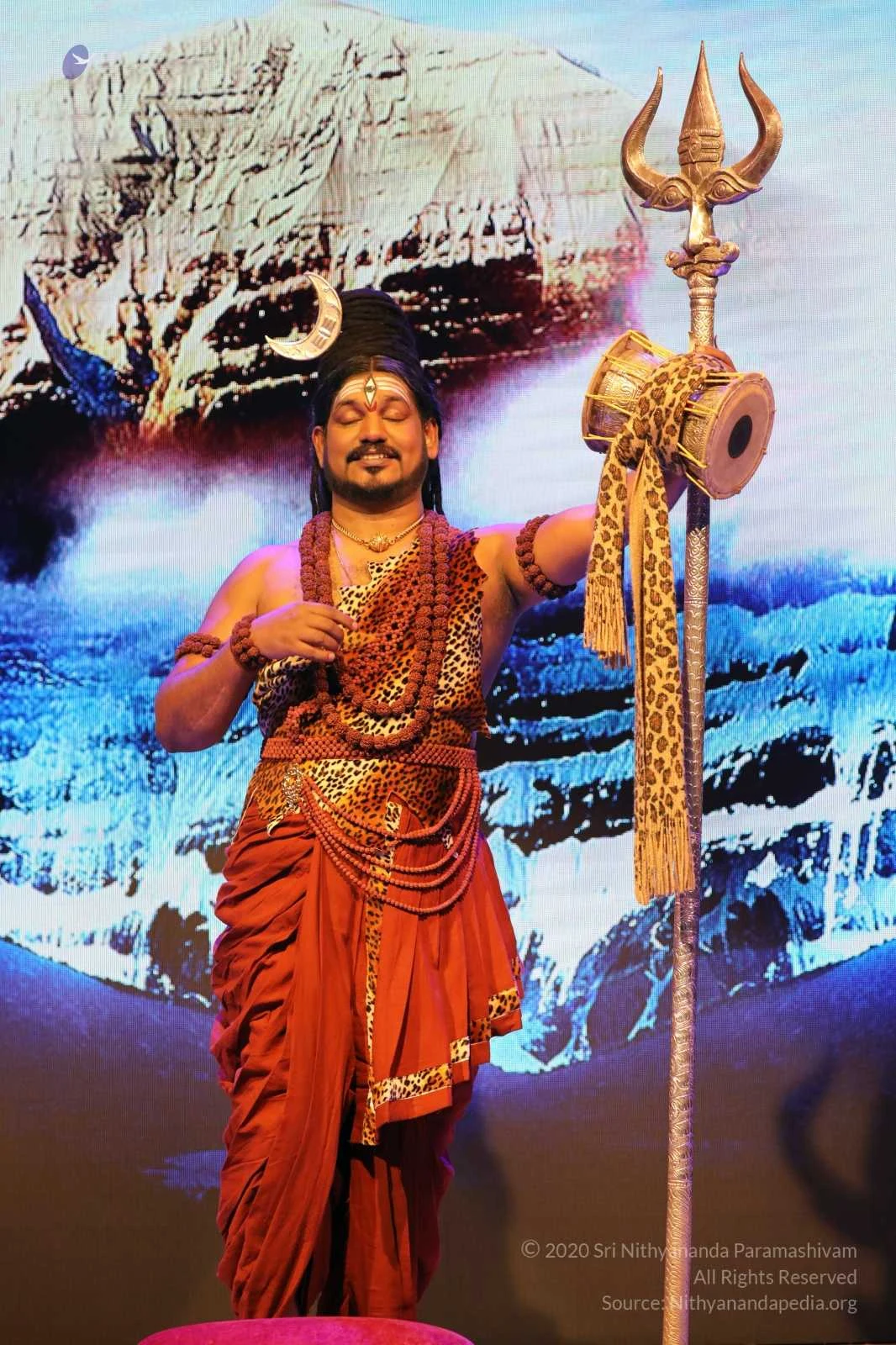
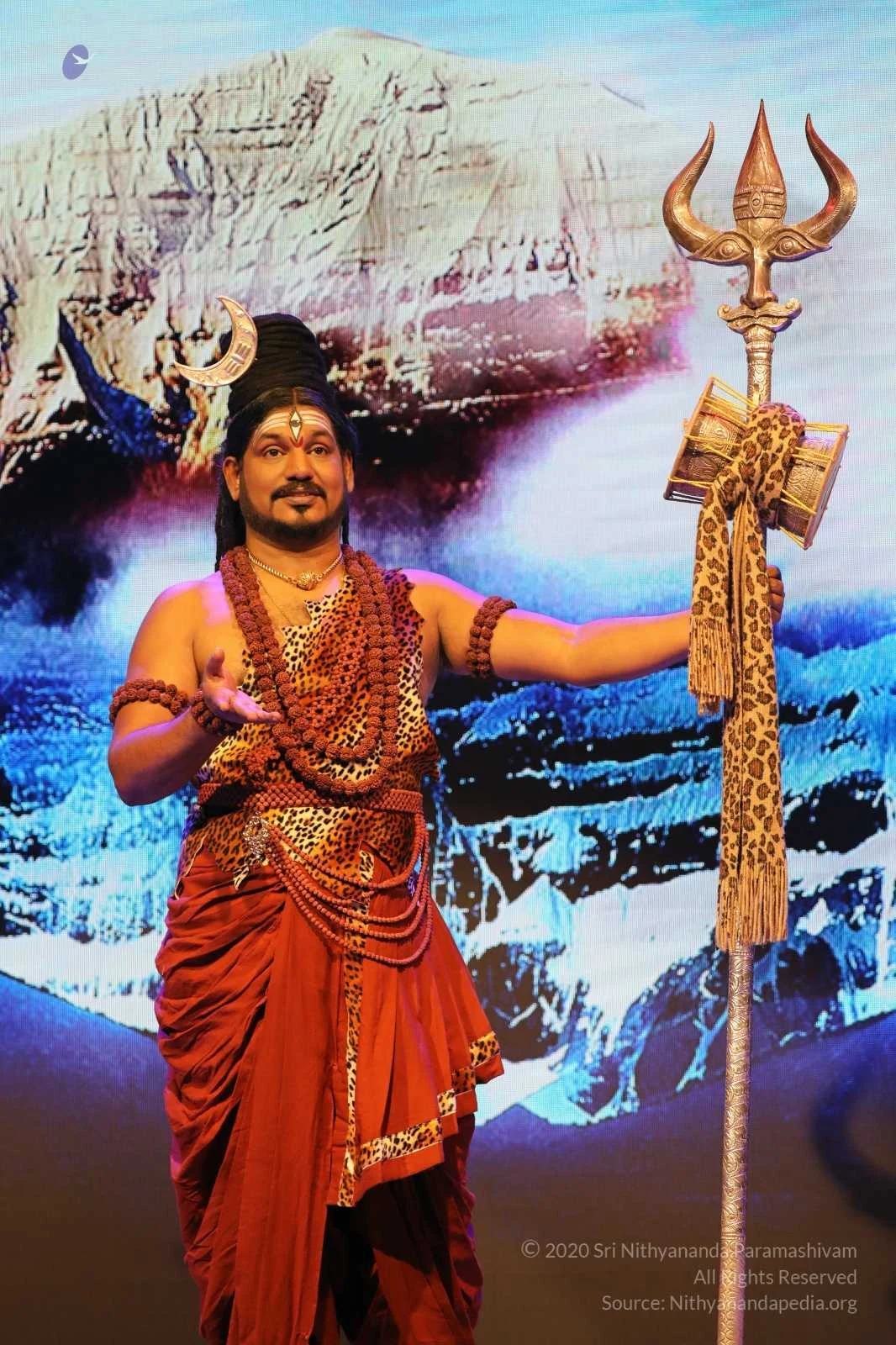
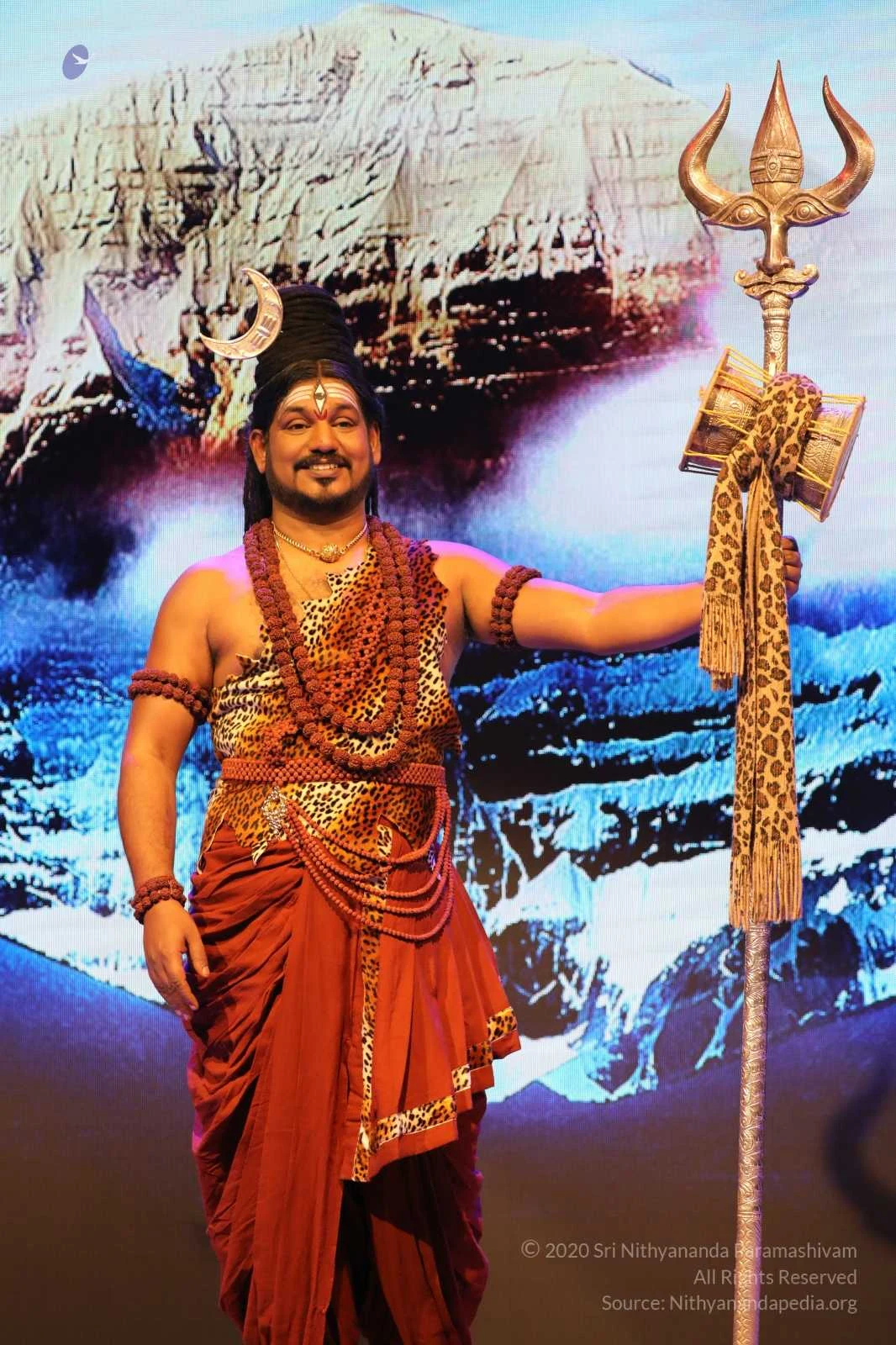
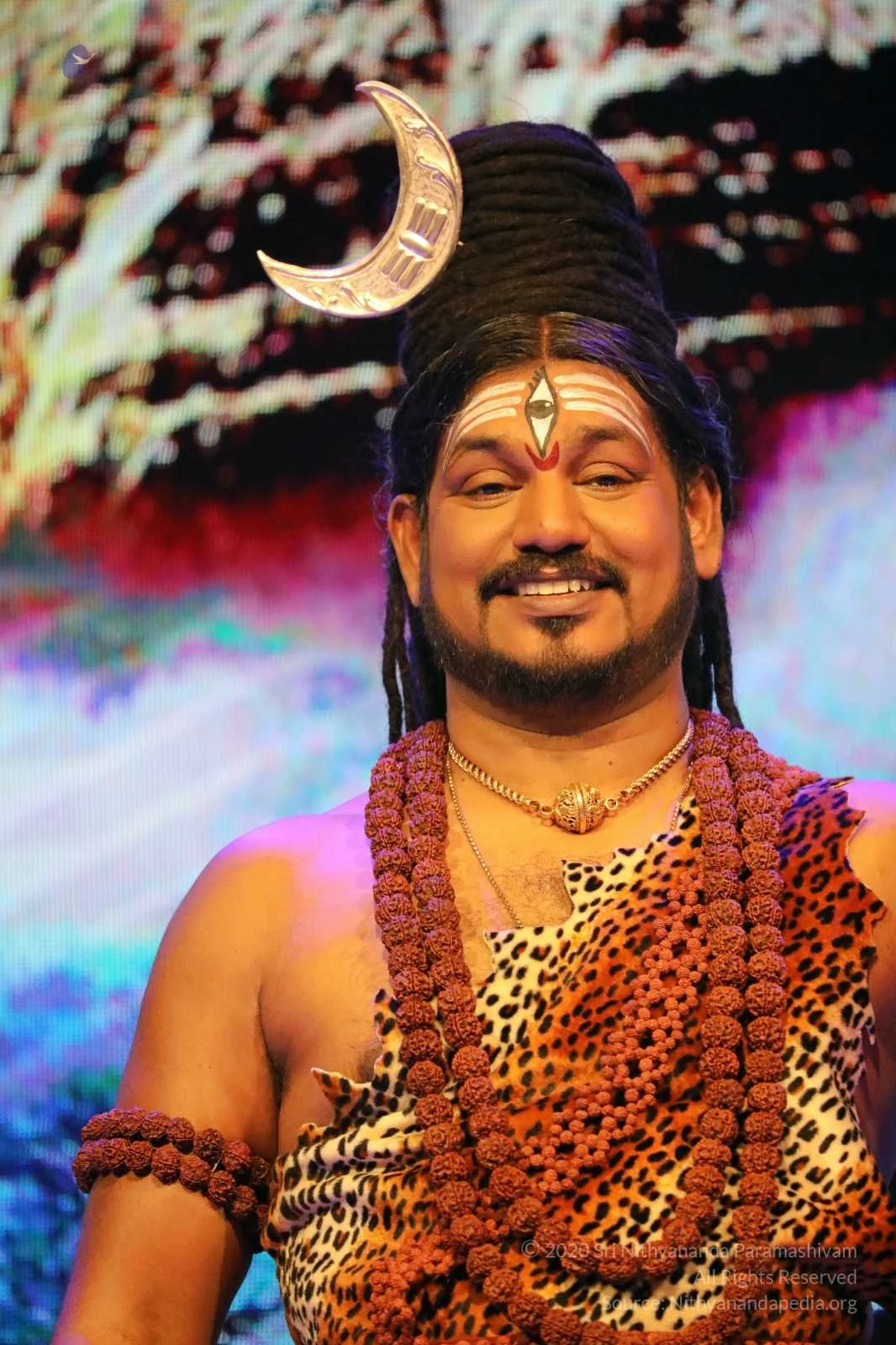
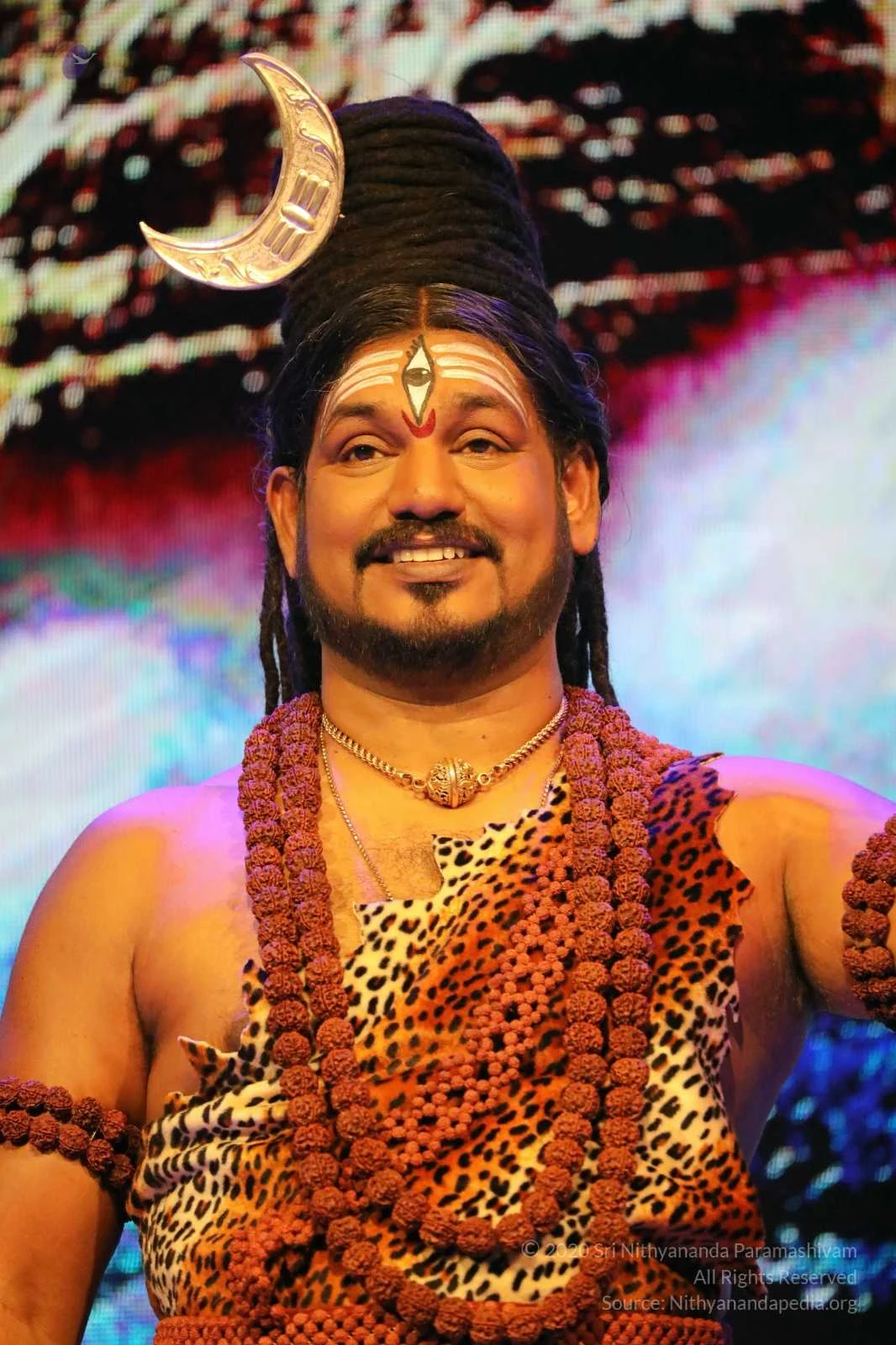
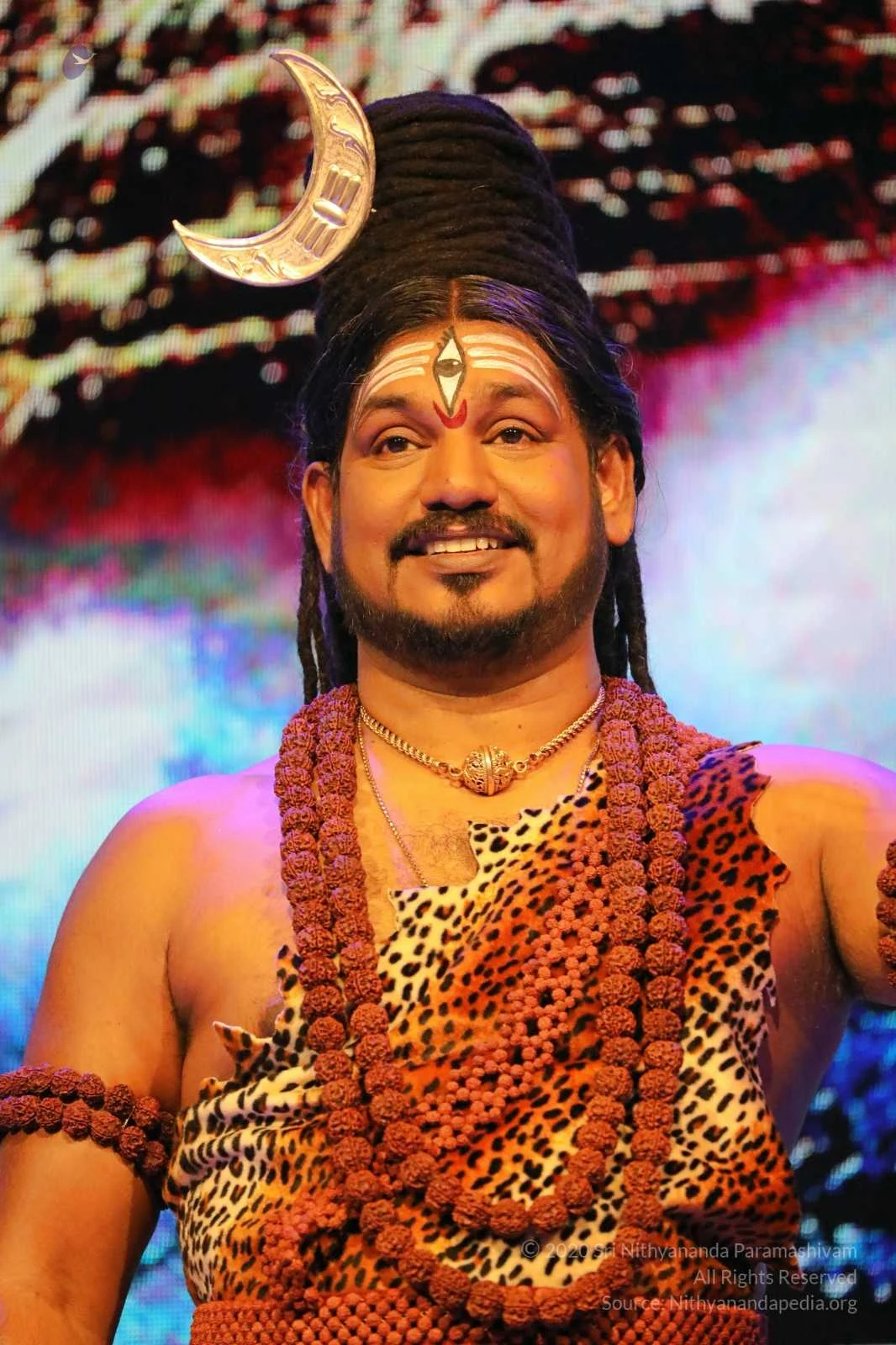
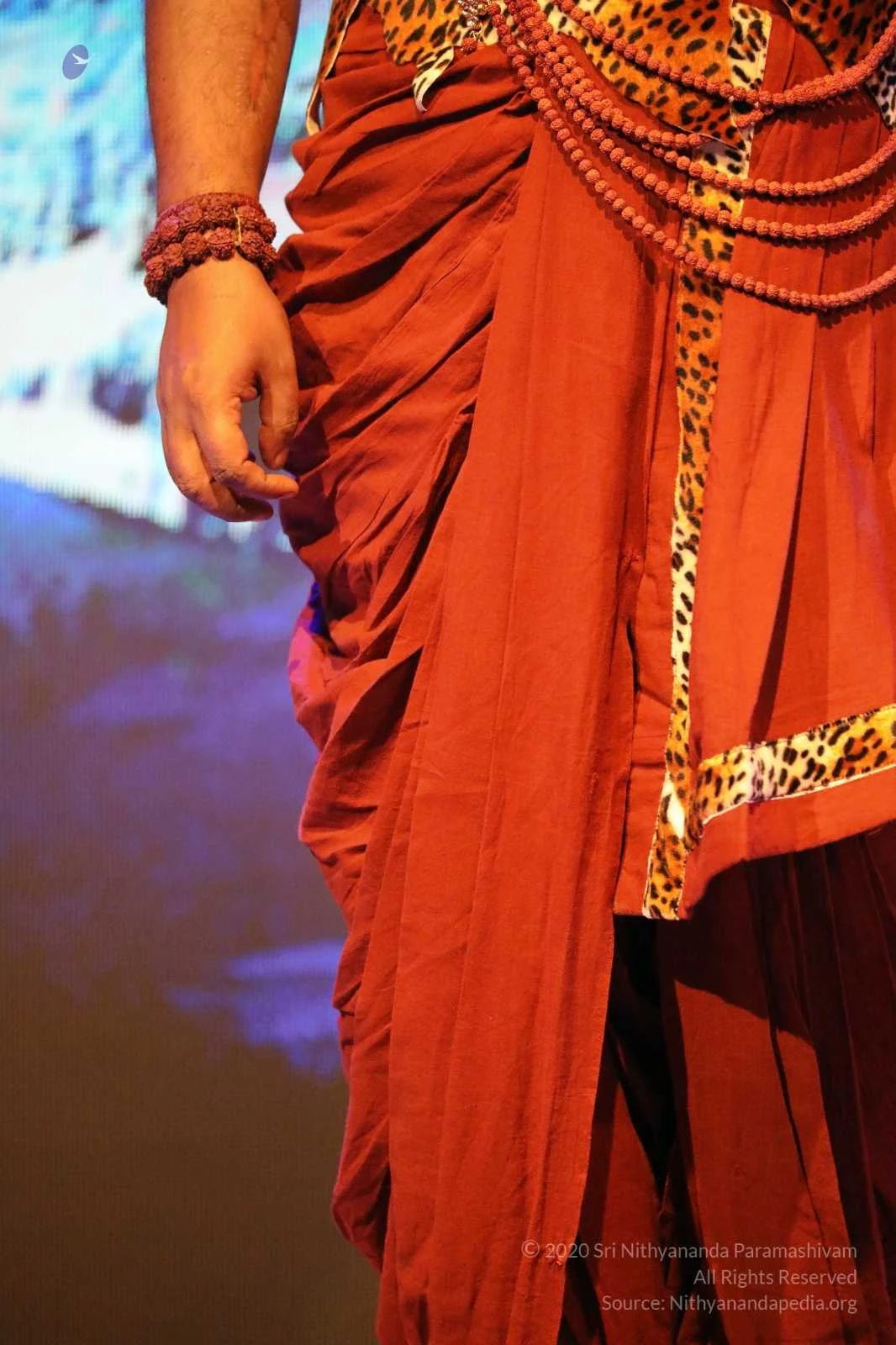
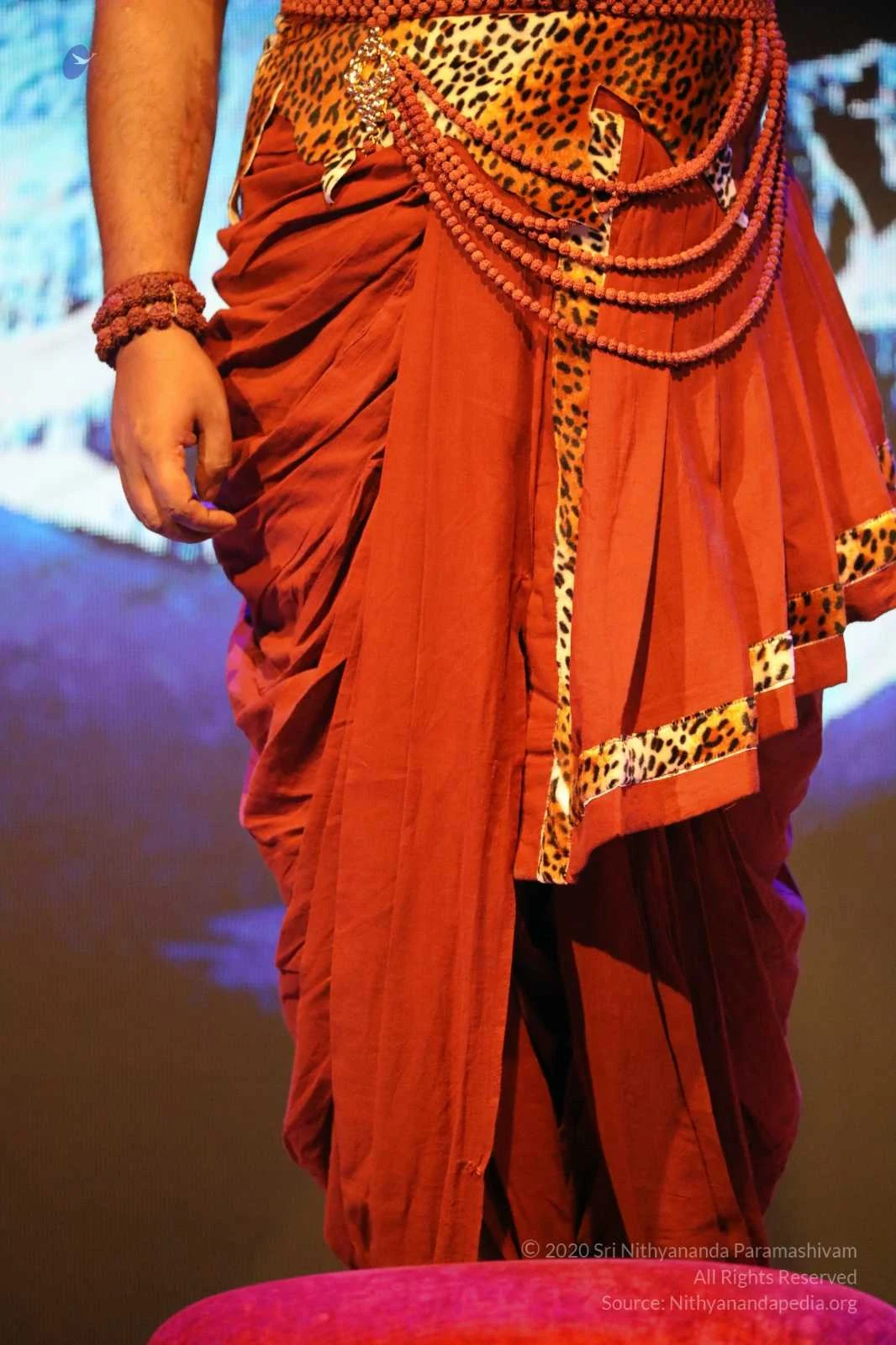
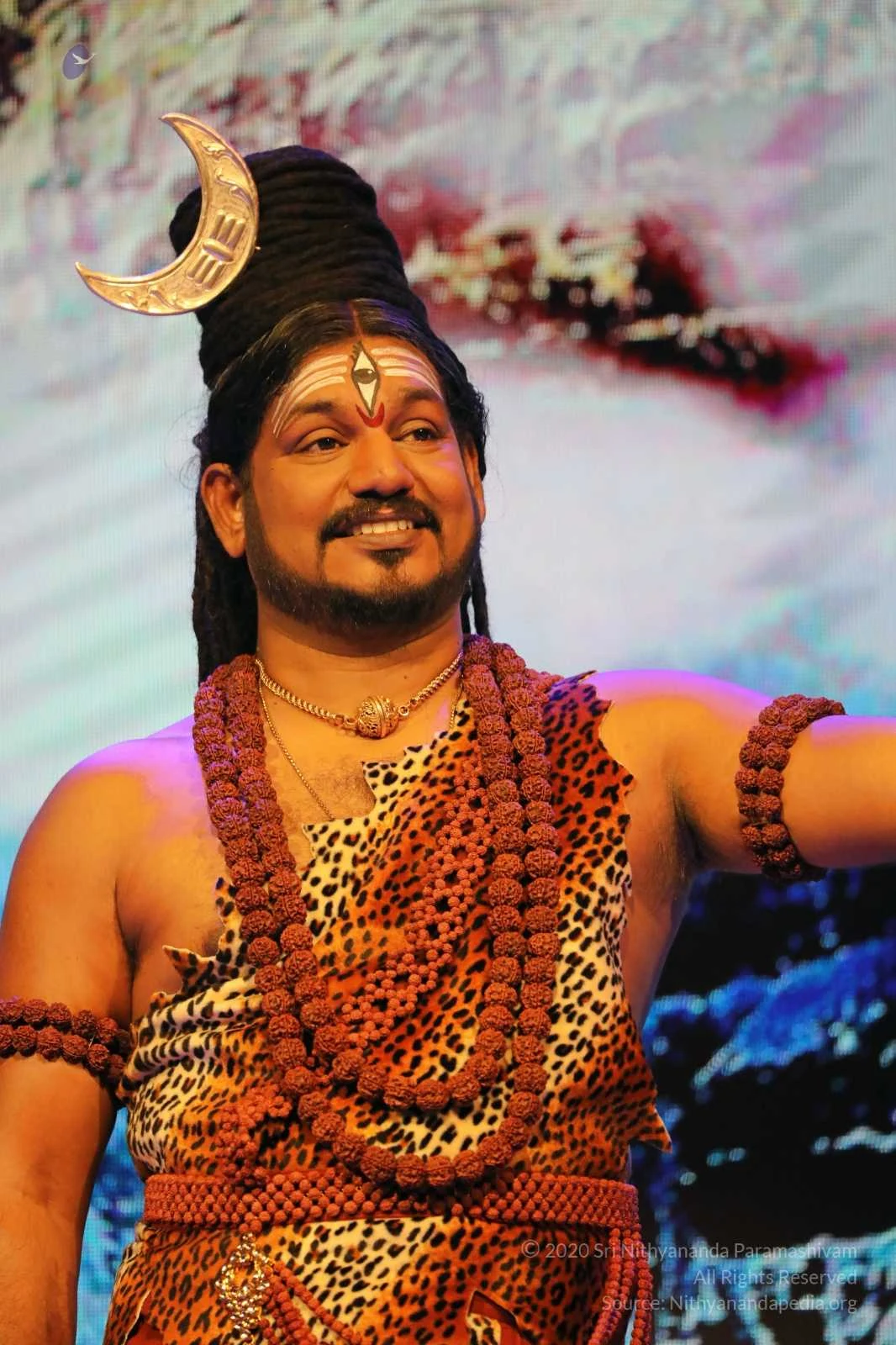
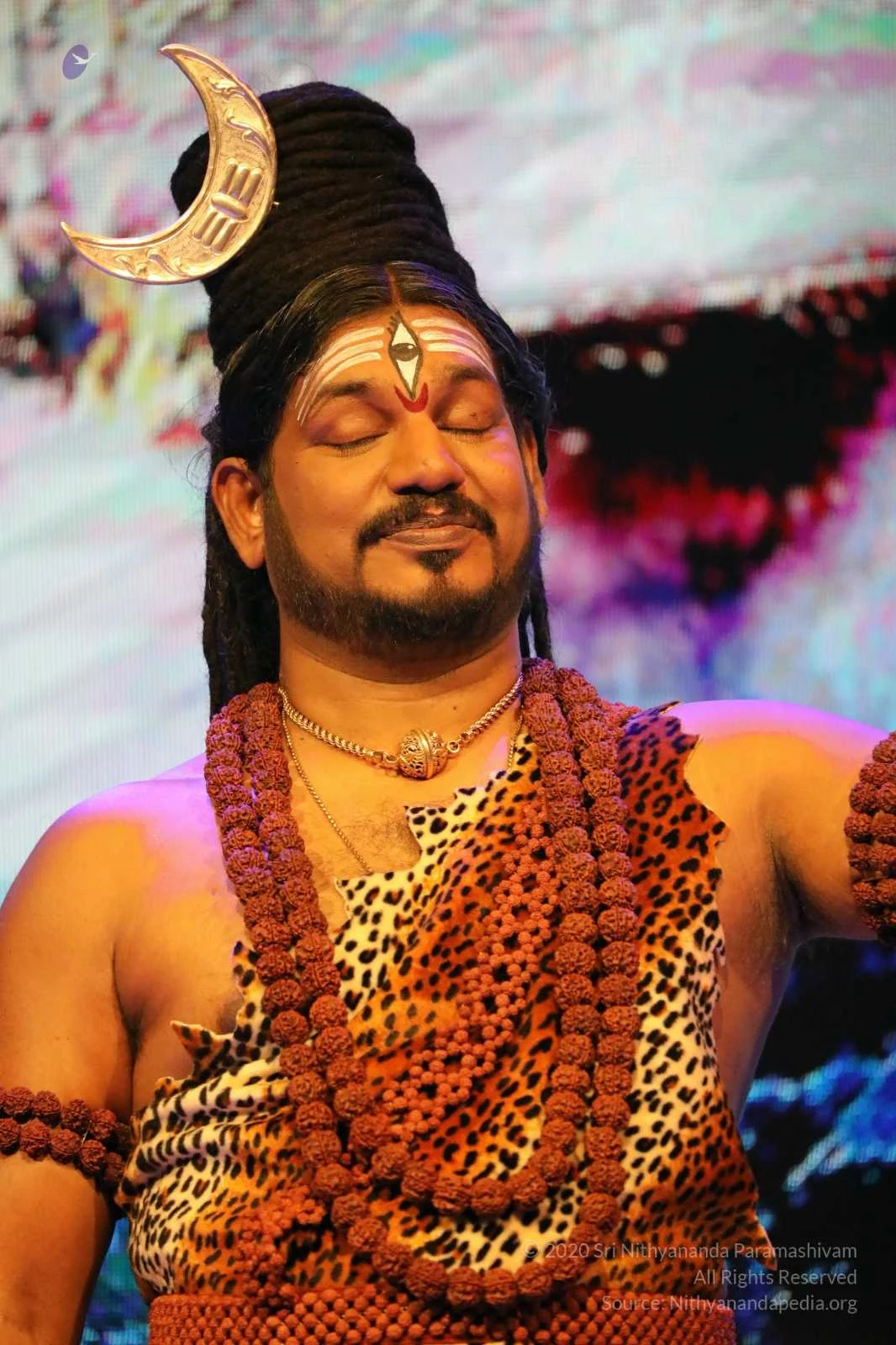
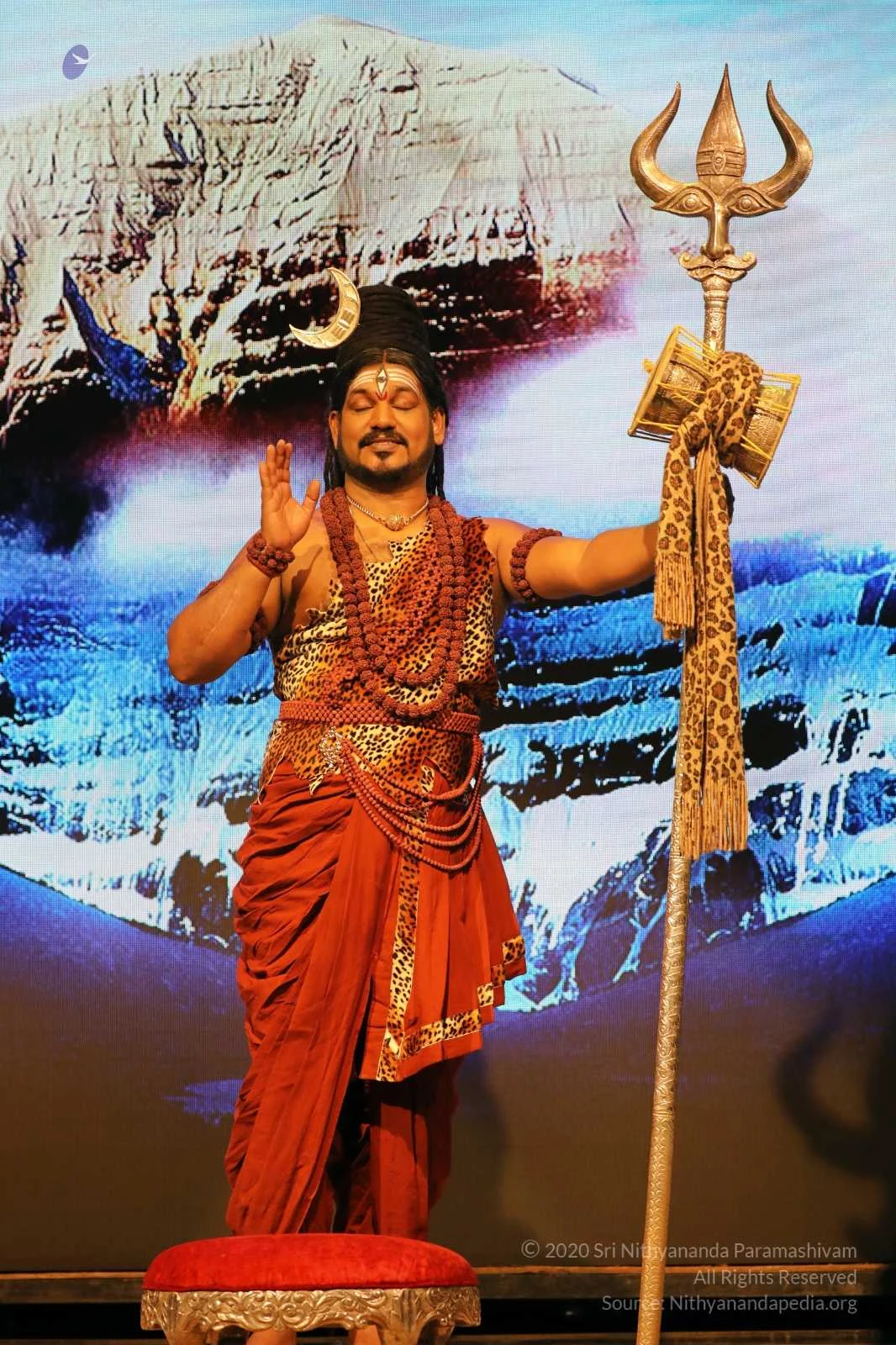
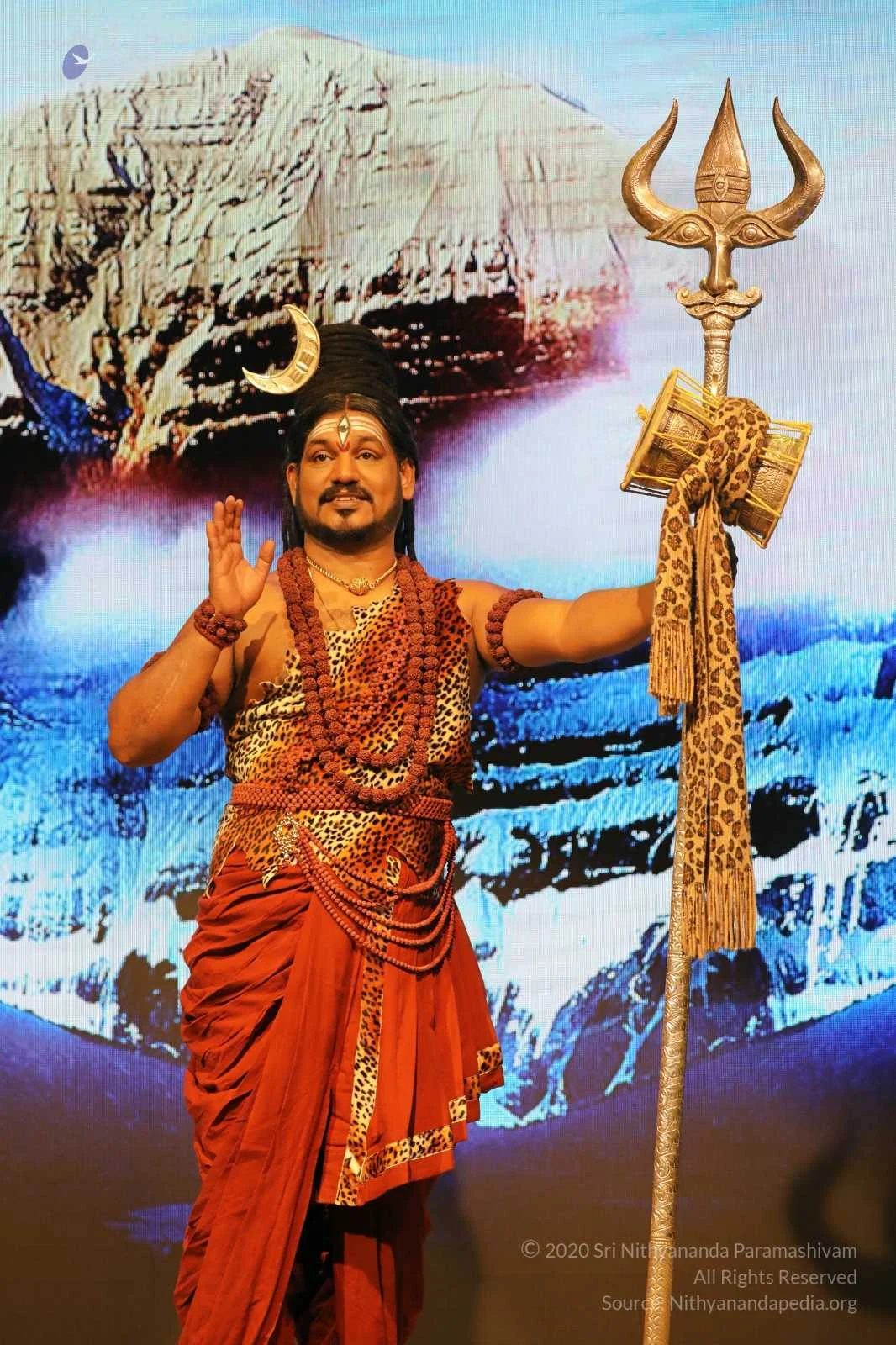
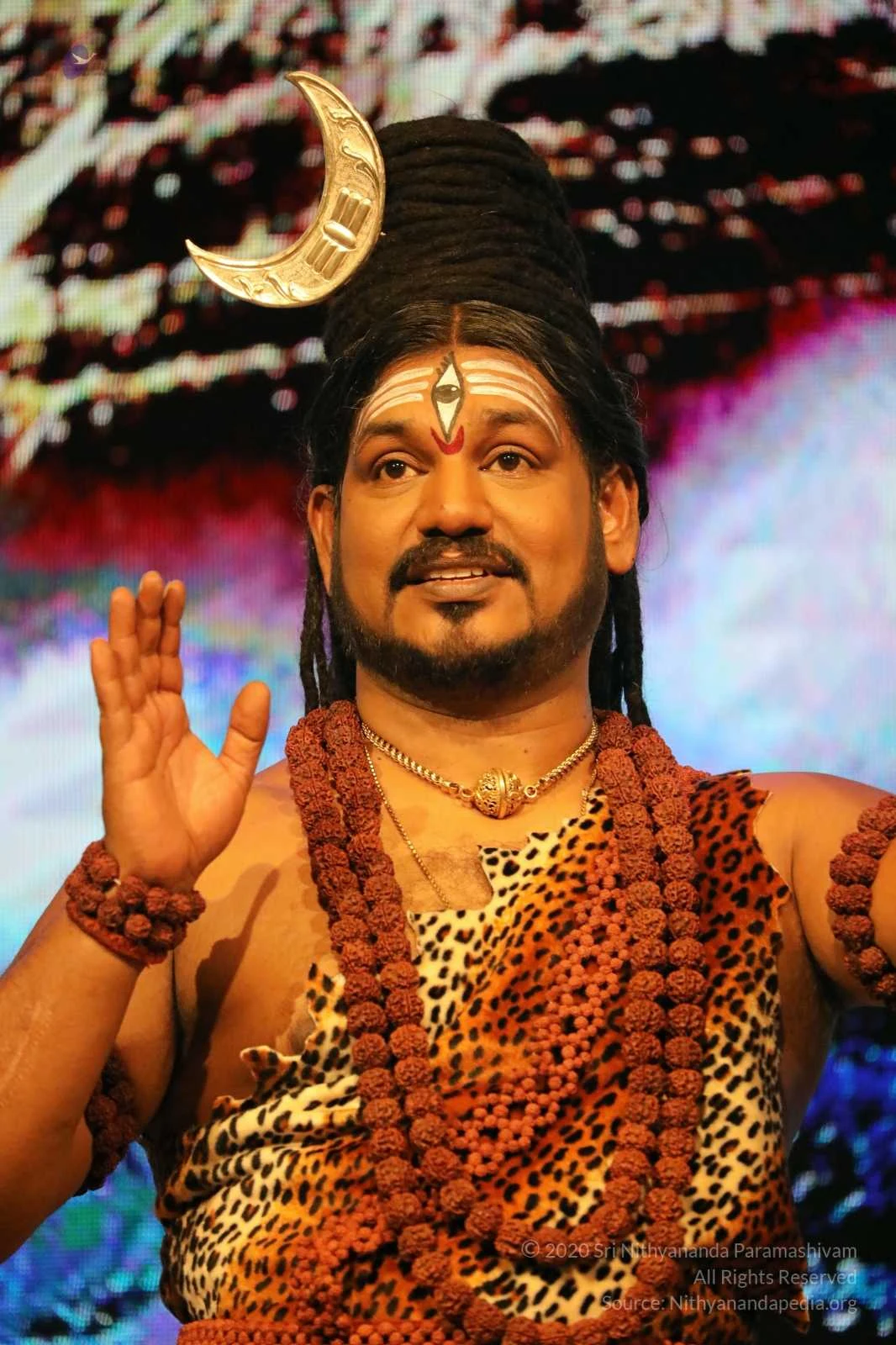
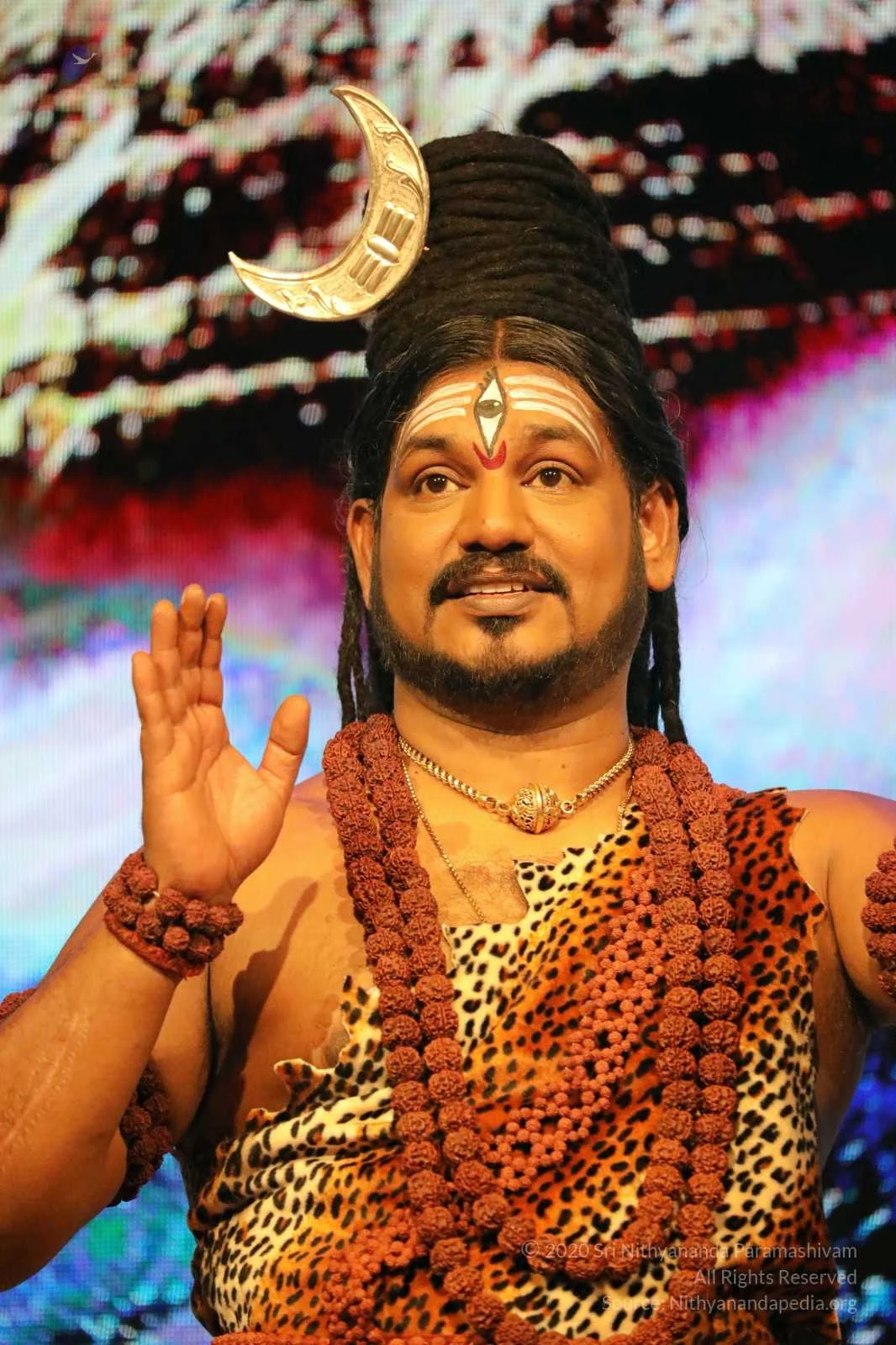
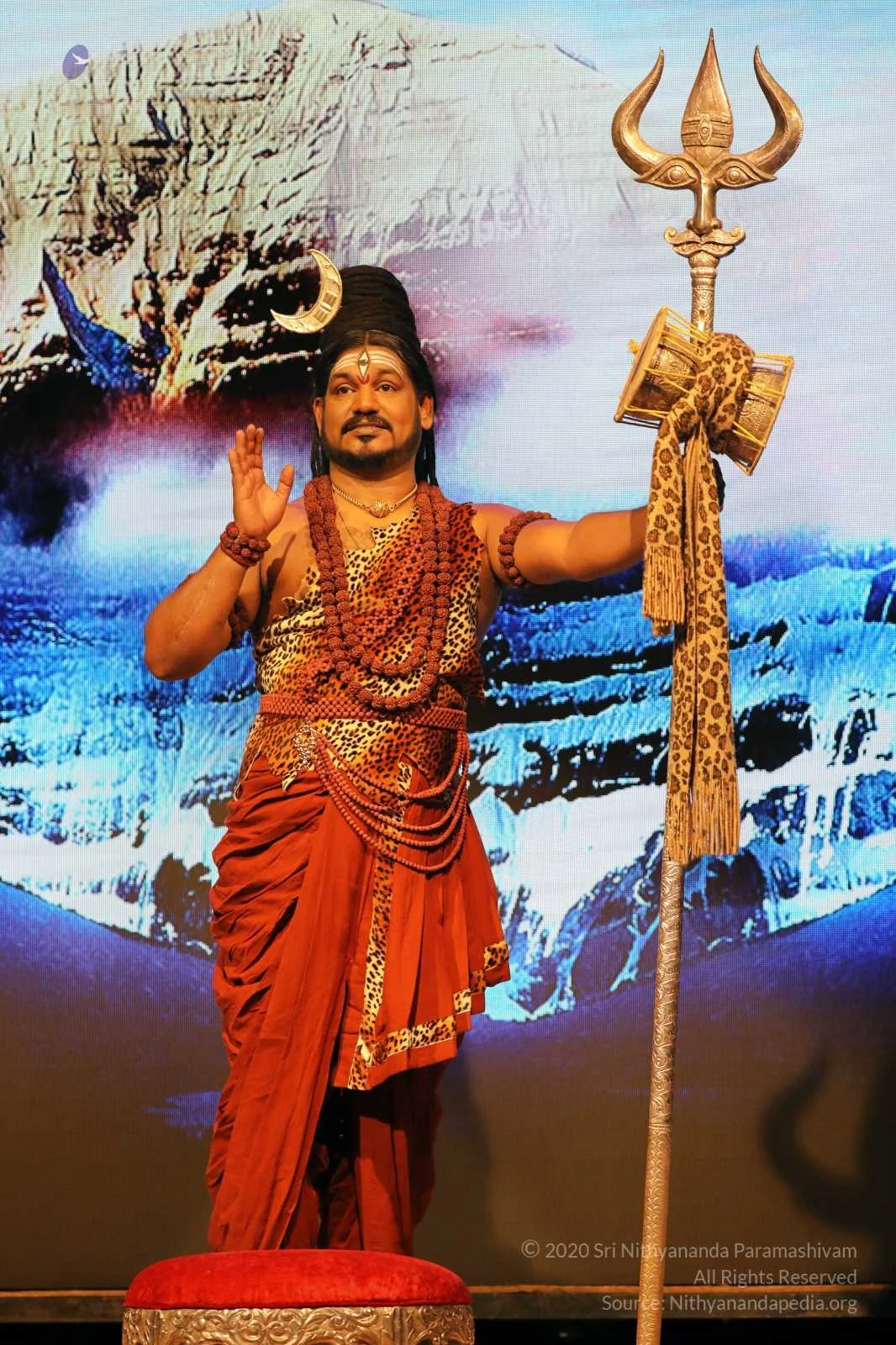
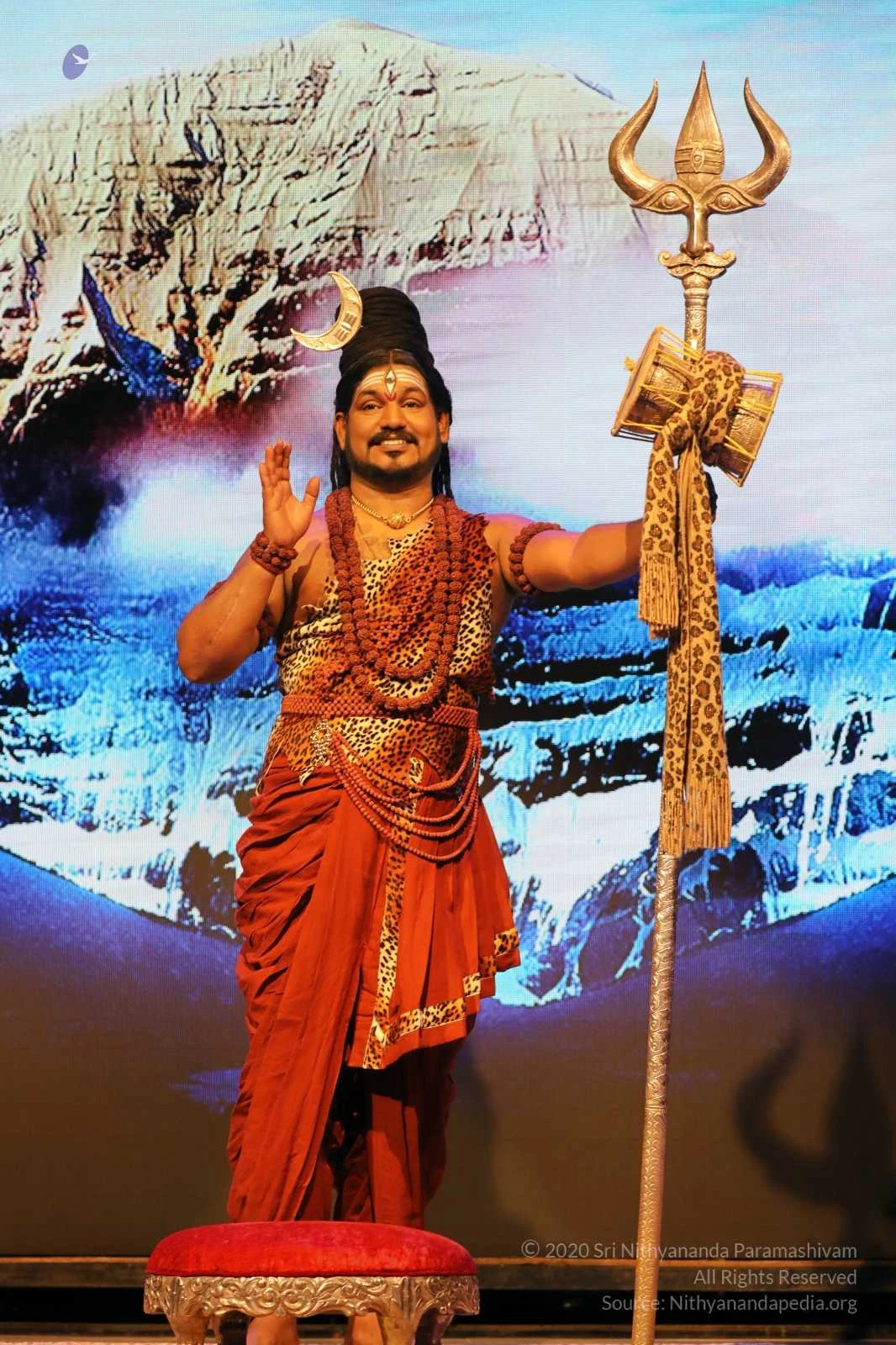
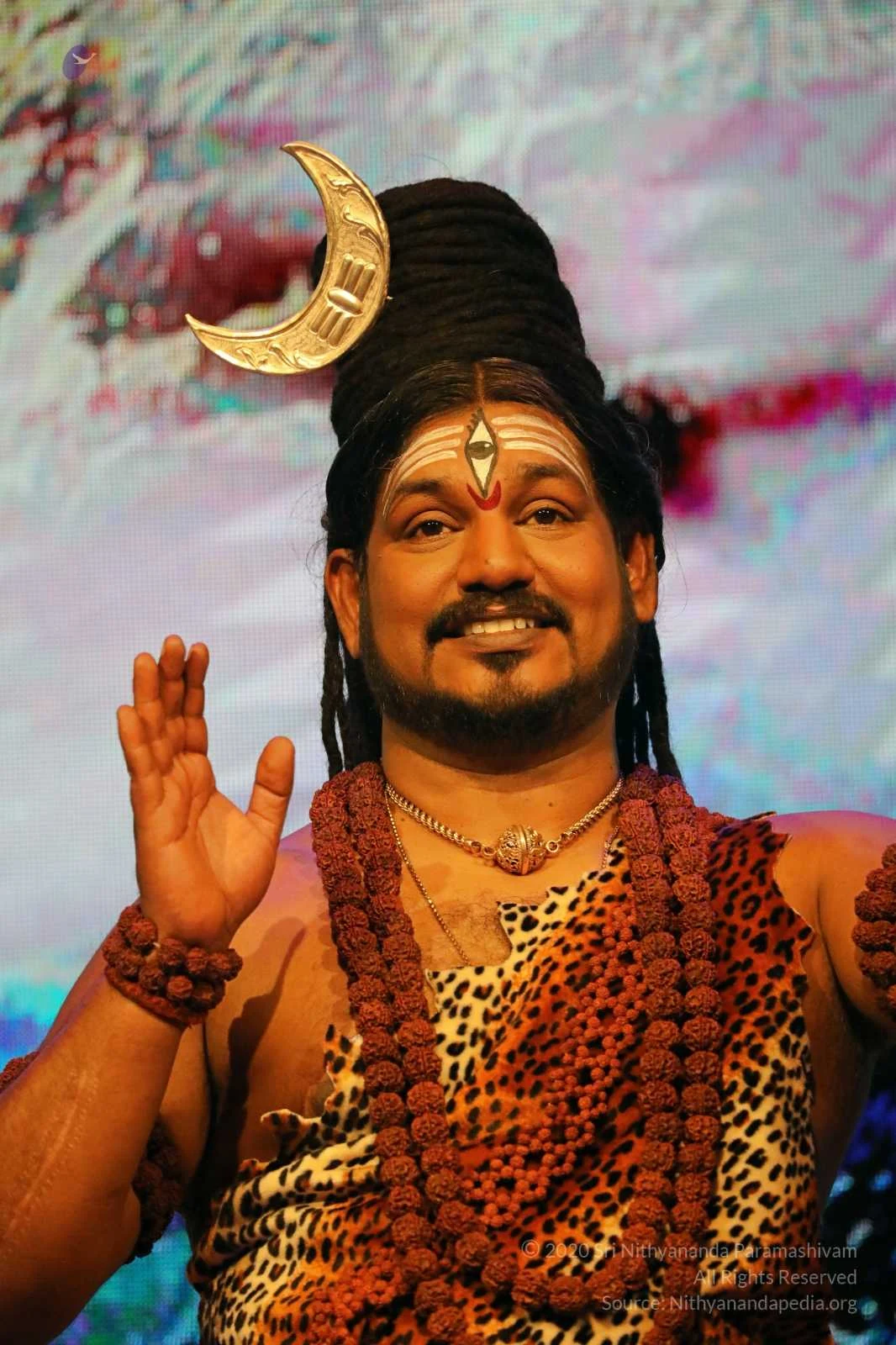
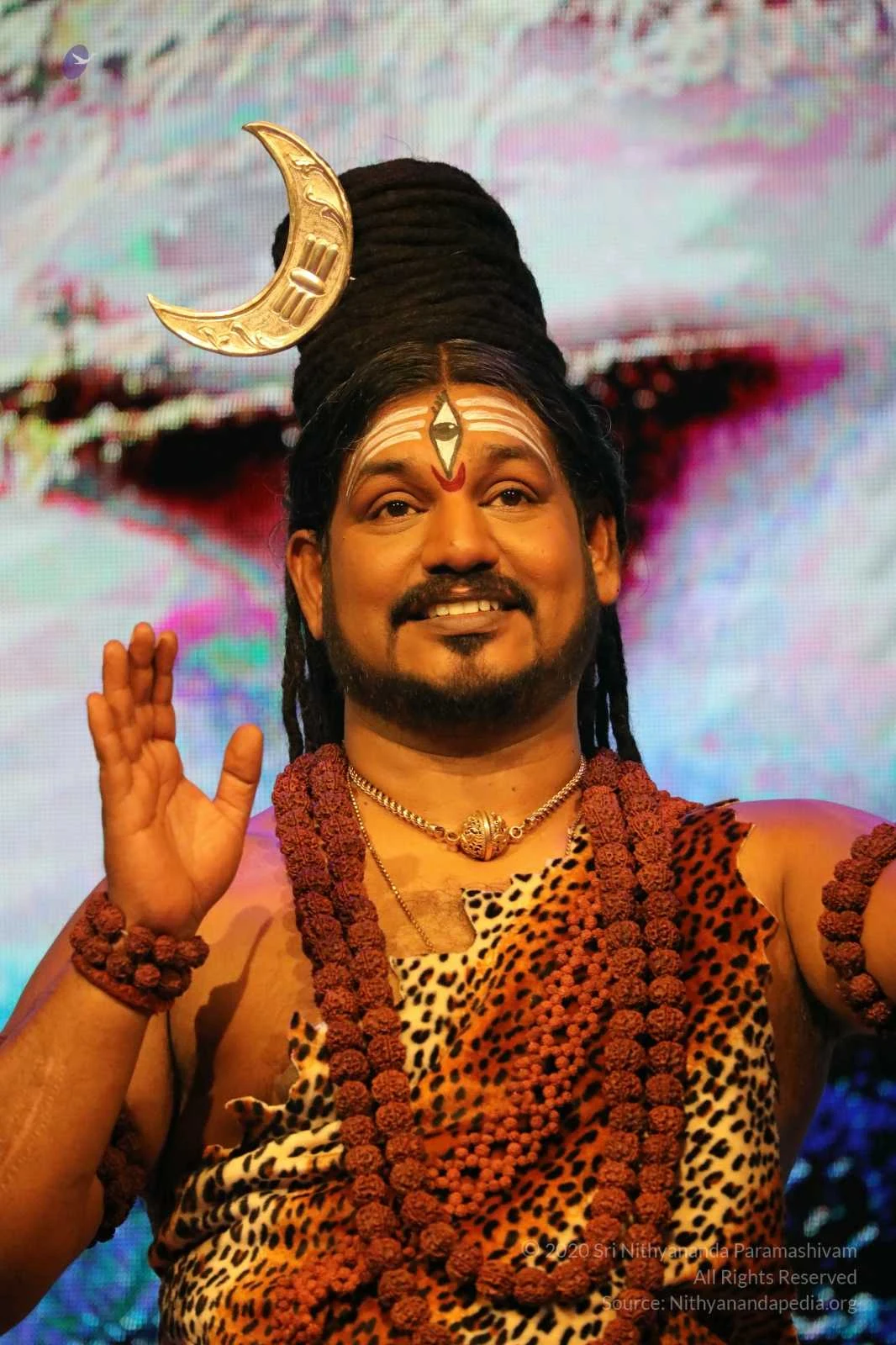
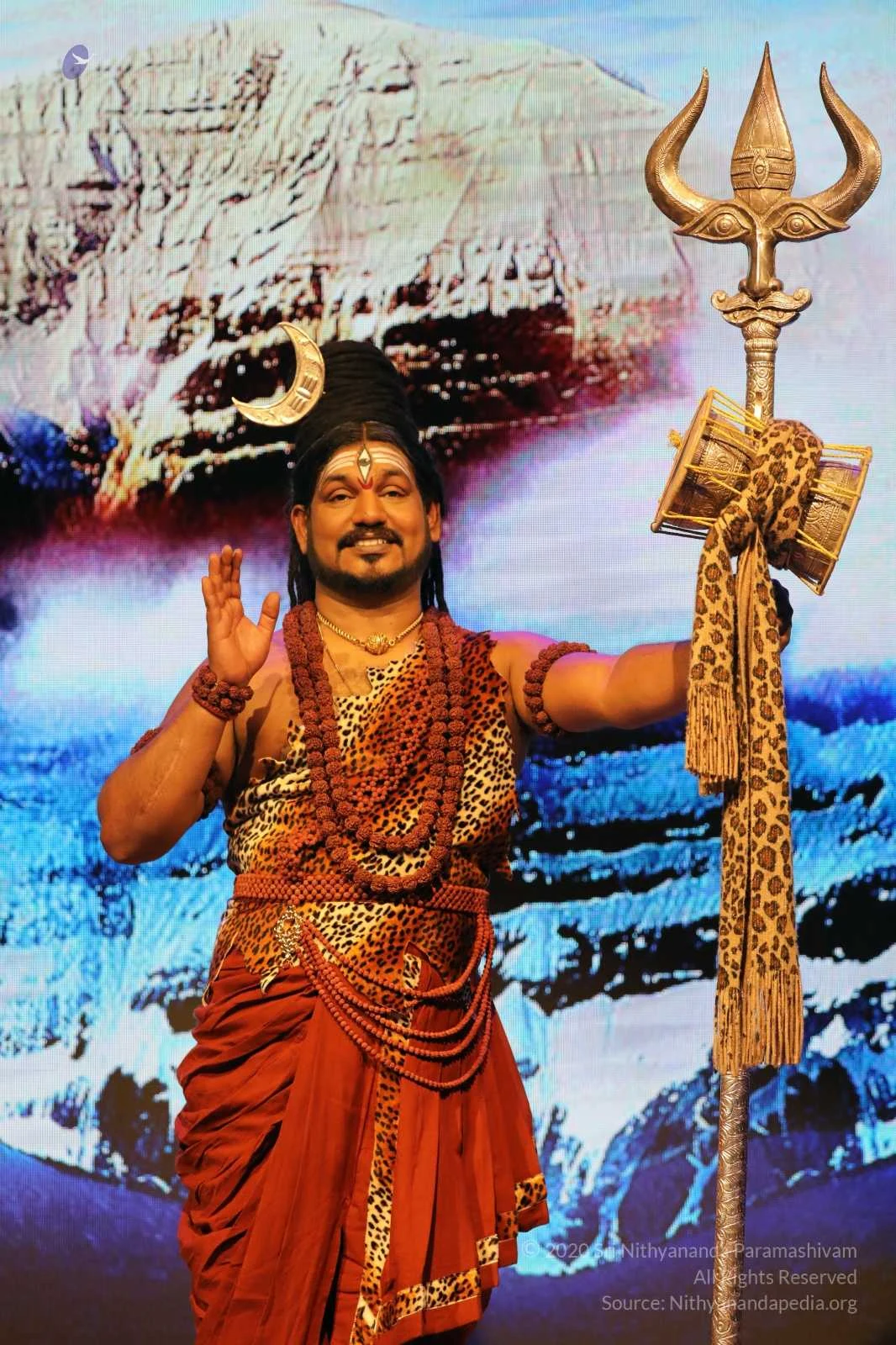
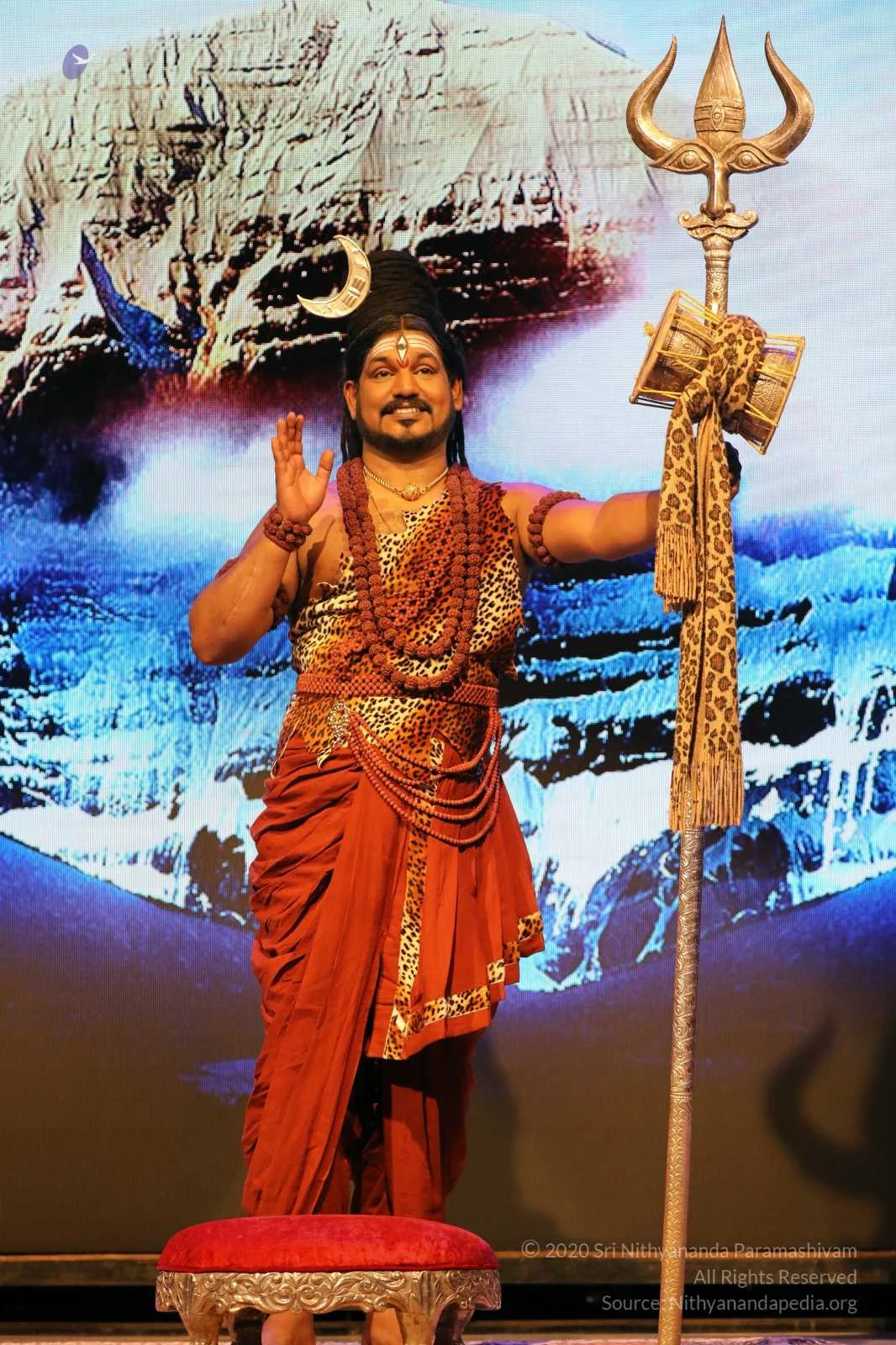
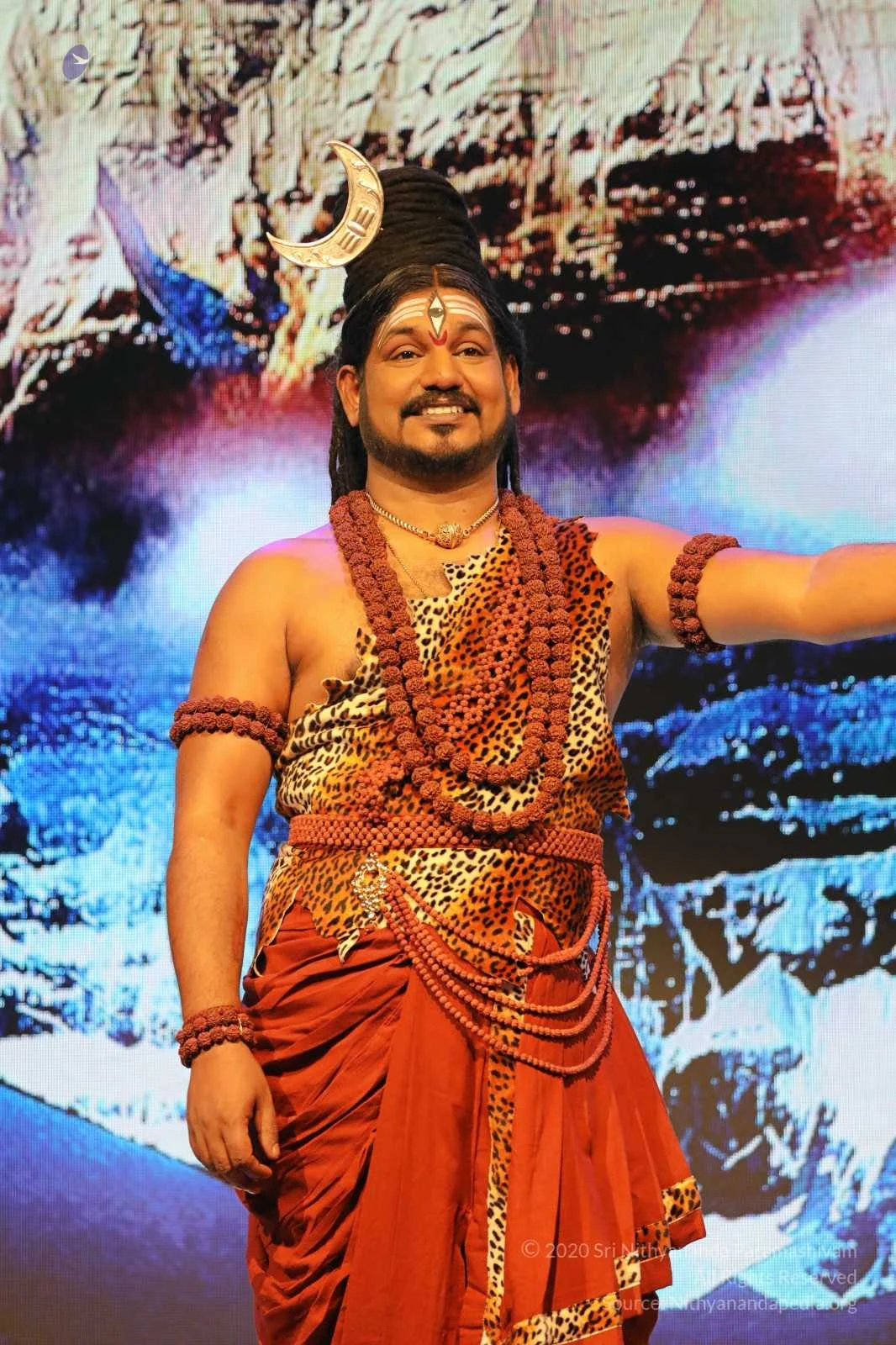
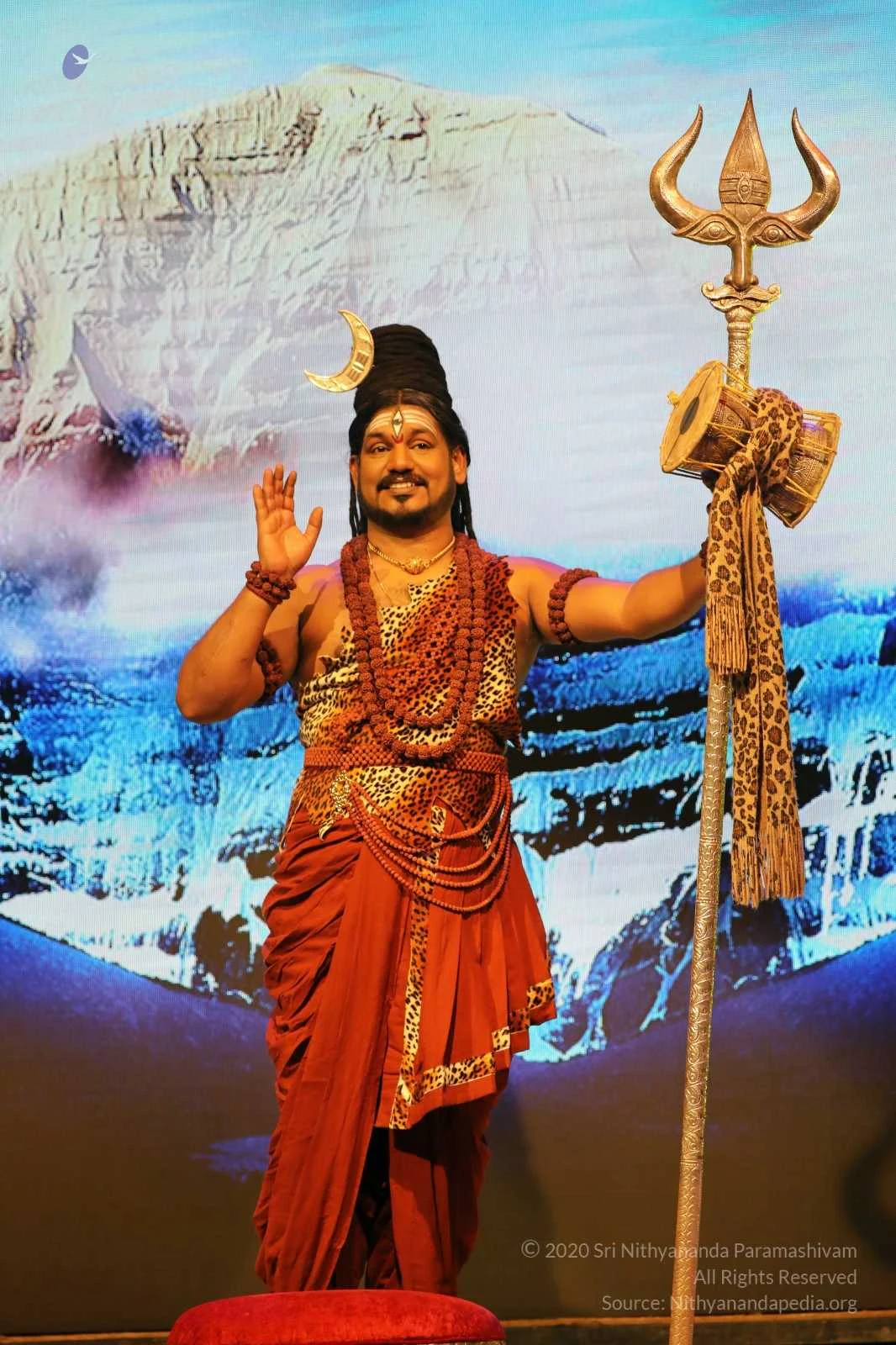
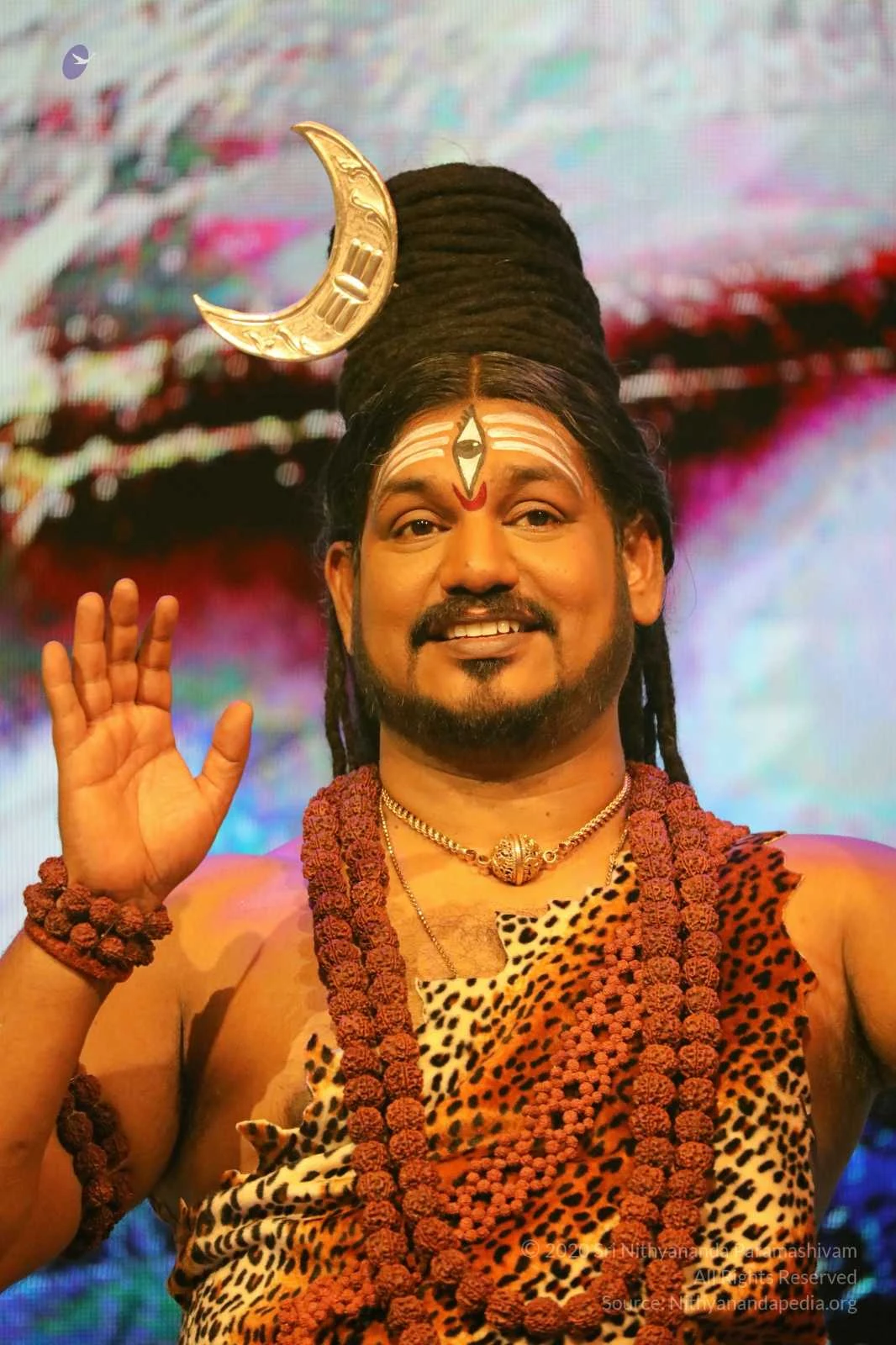
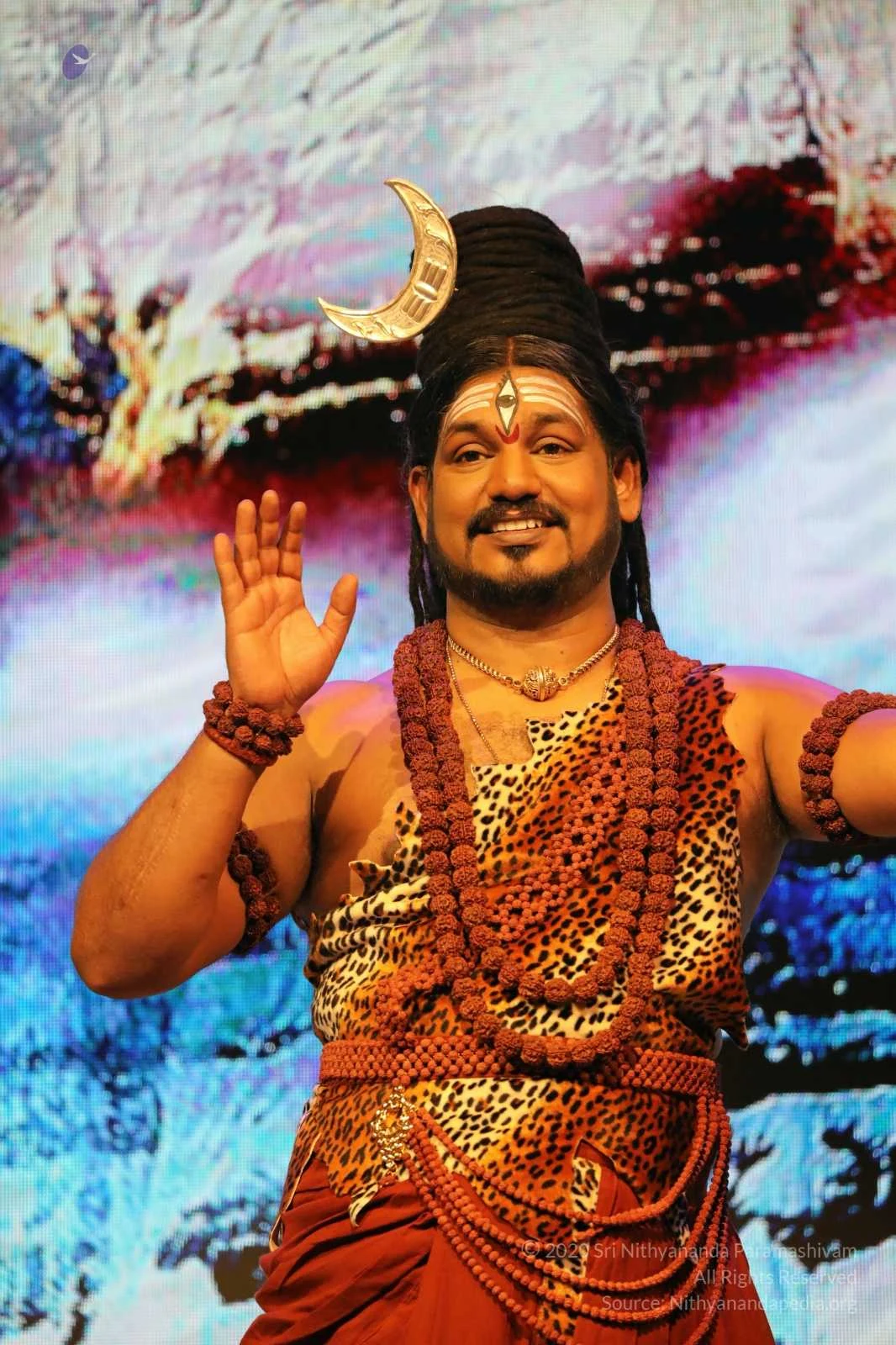
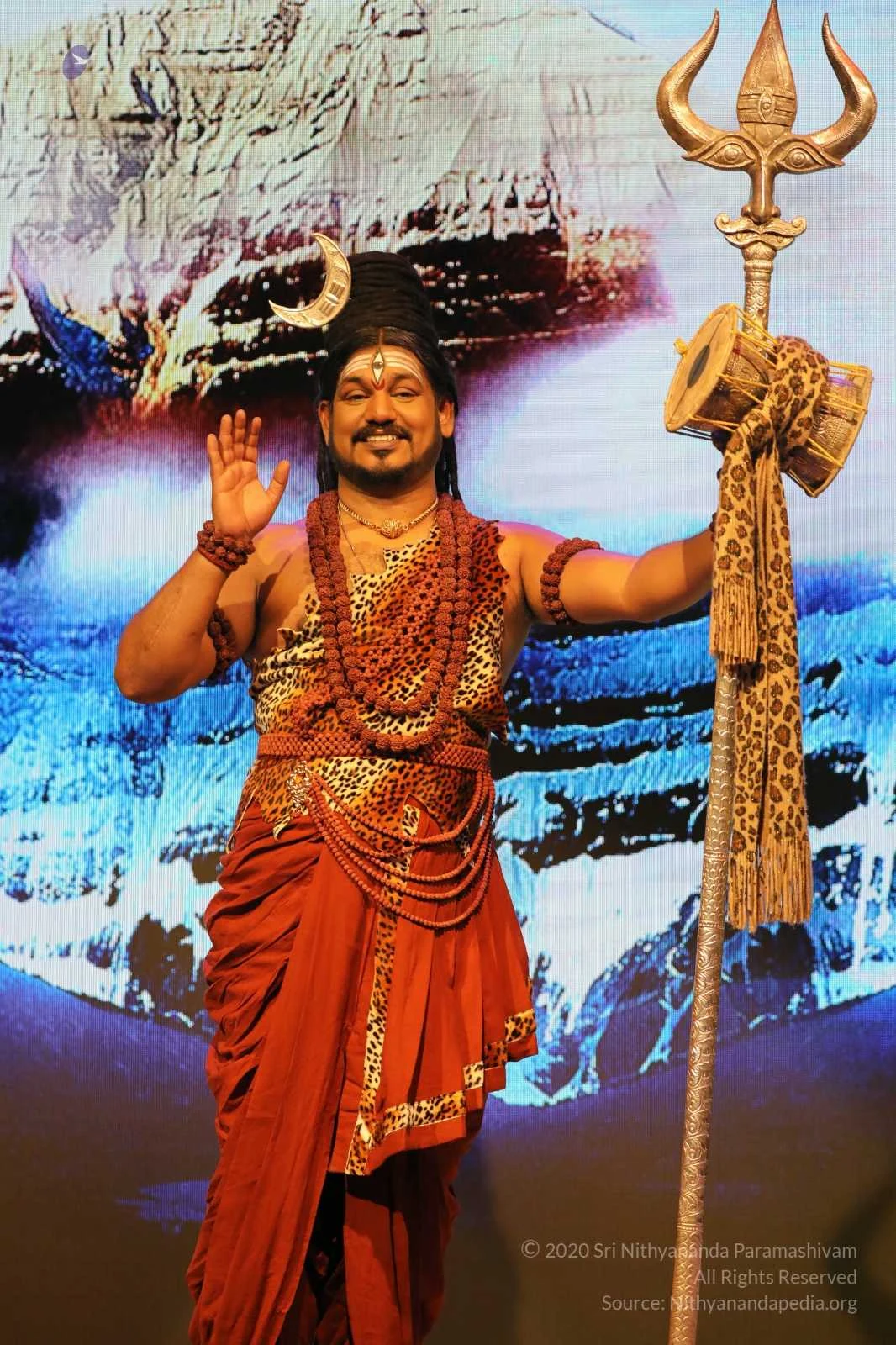
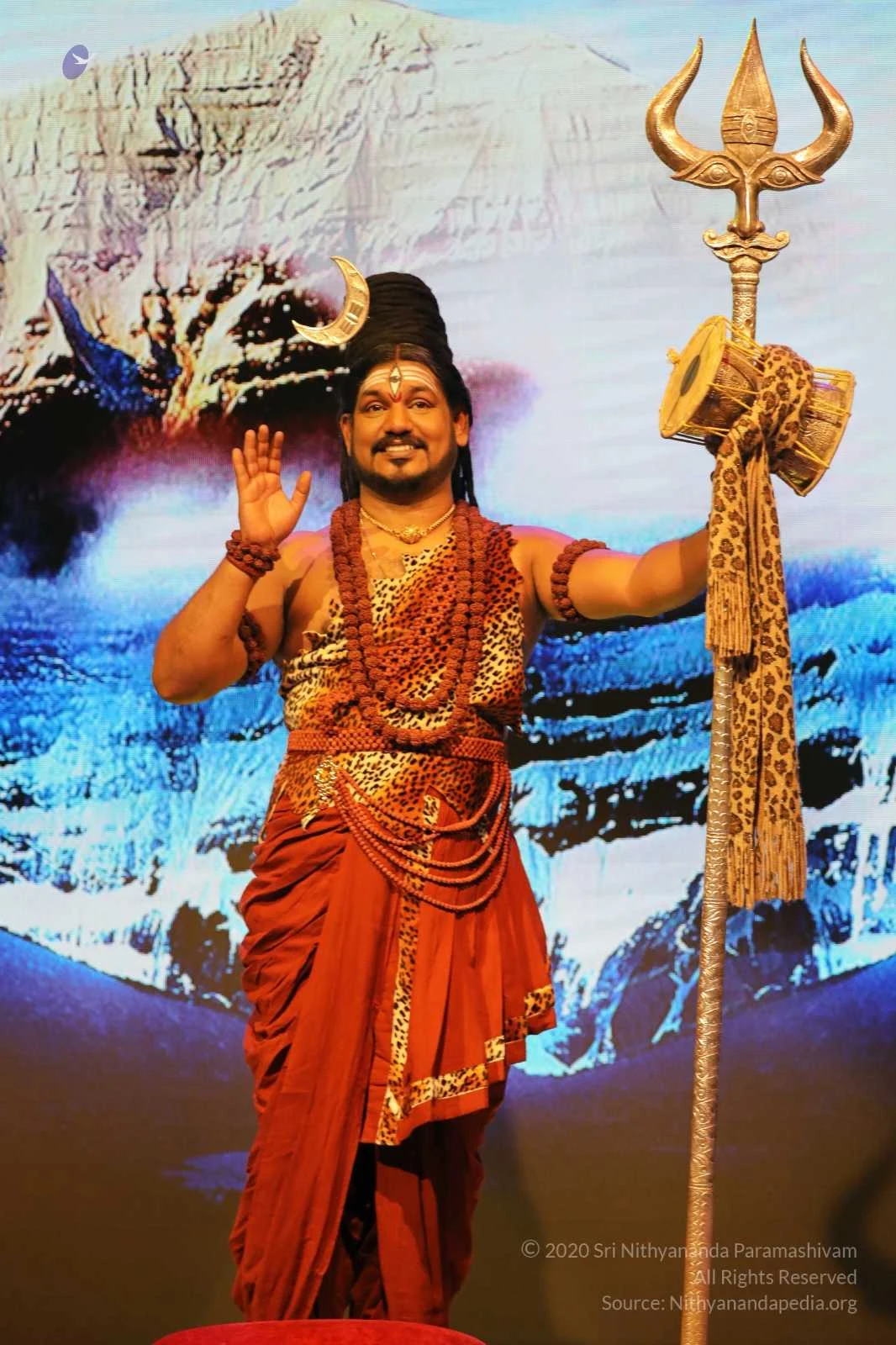

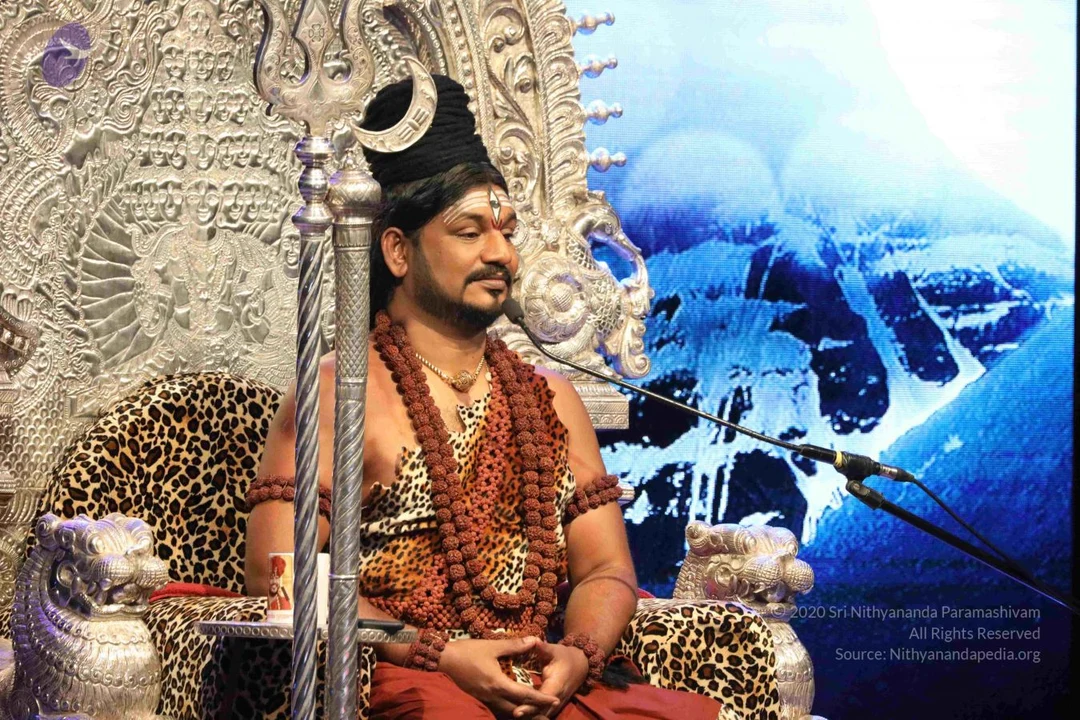
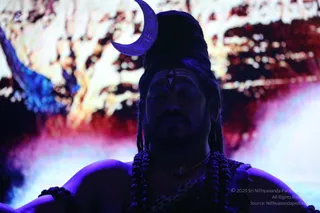
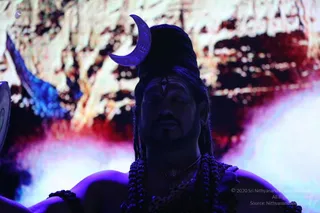
Satsang
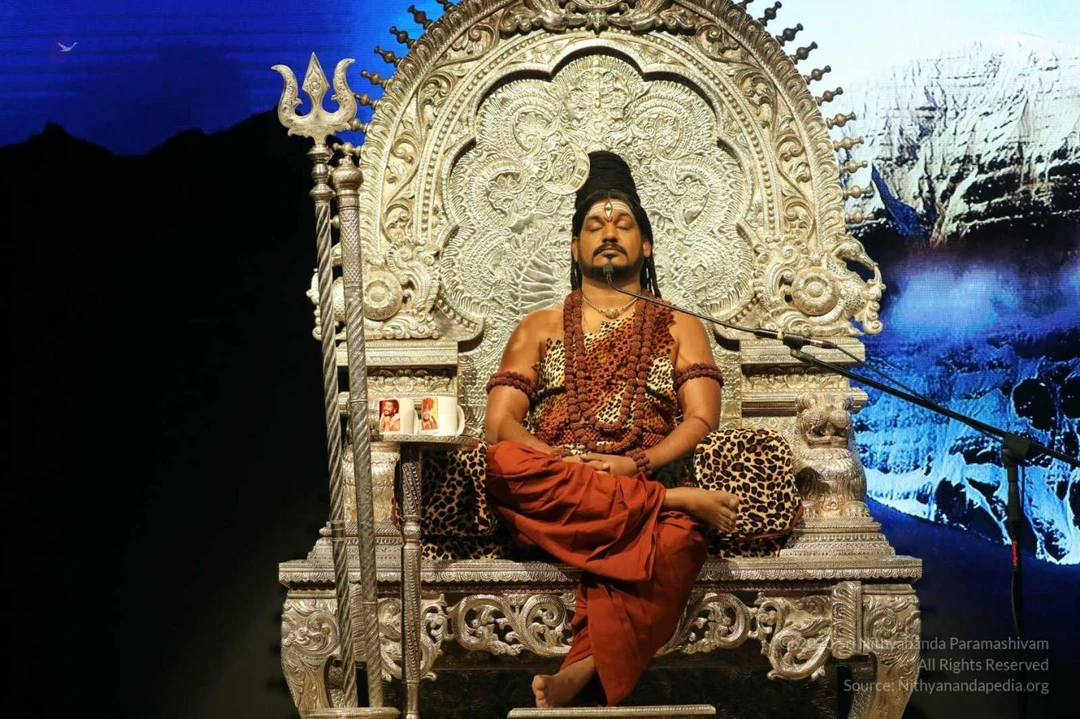 Darshan from Day 2 of Mahasdashivoham
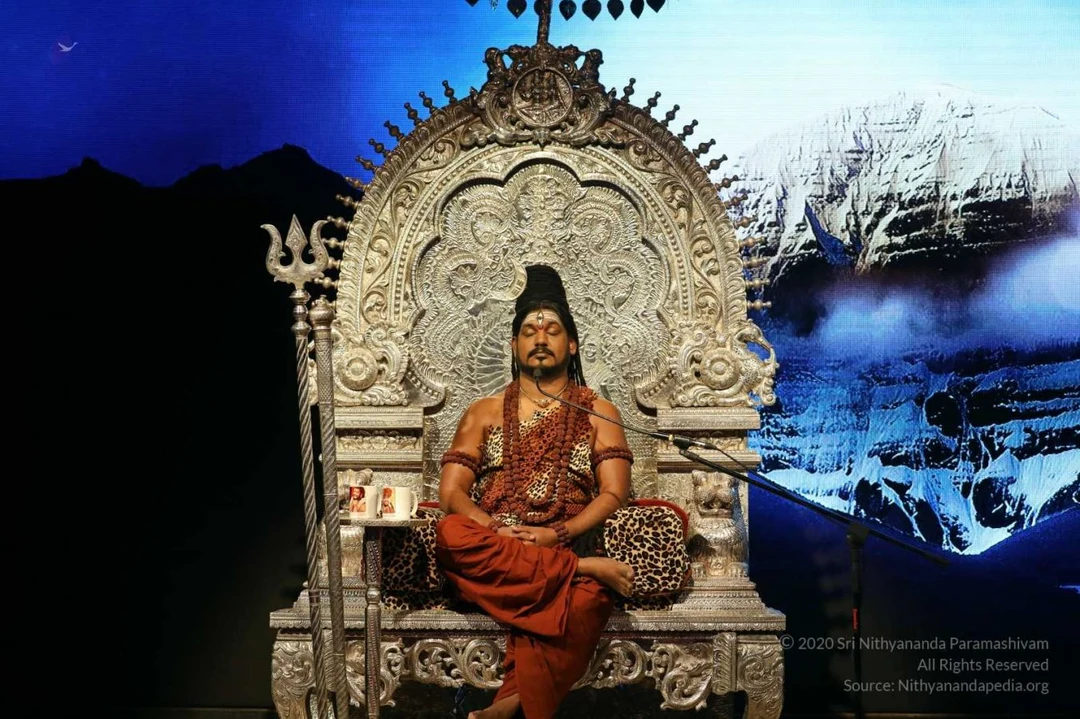 Darshan from Day 2 of Mahasdashivoham
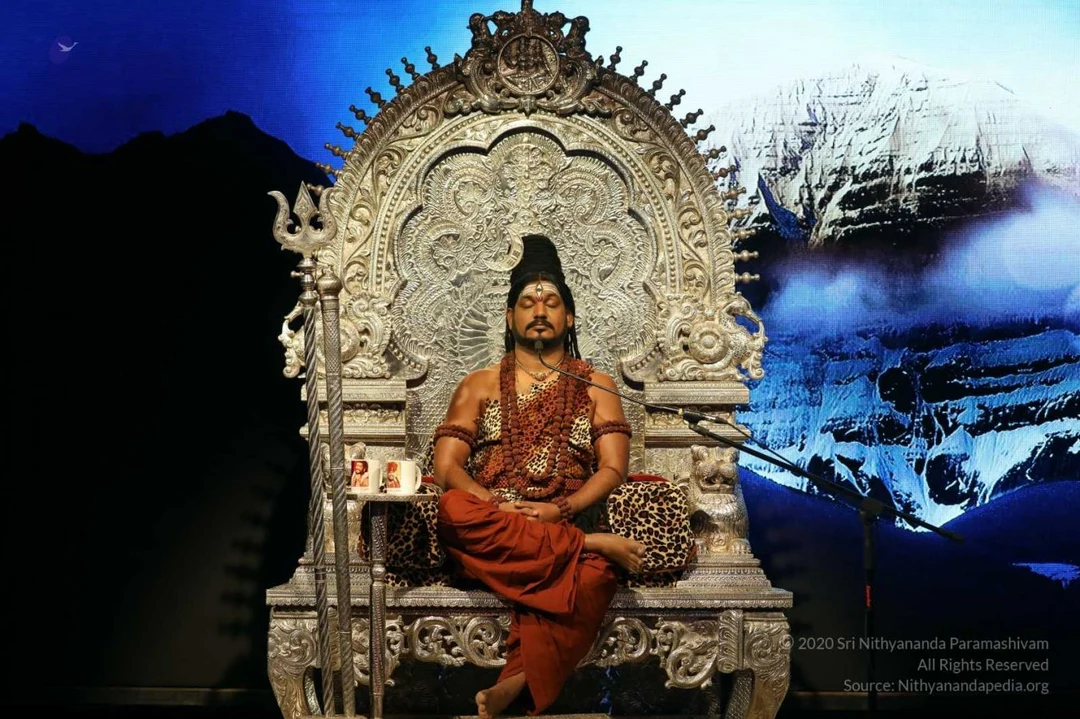 Darshan from Day 2 of Mahasdashivoham
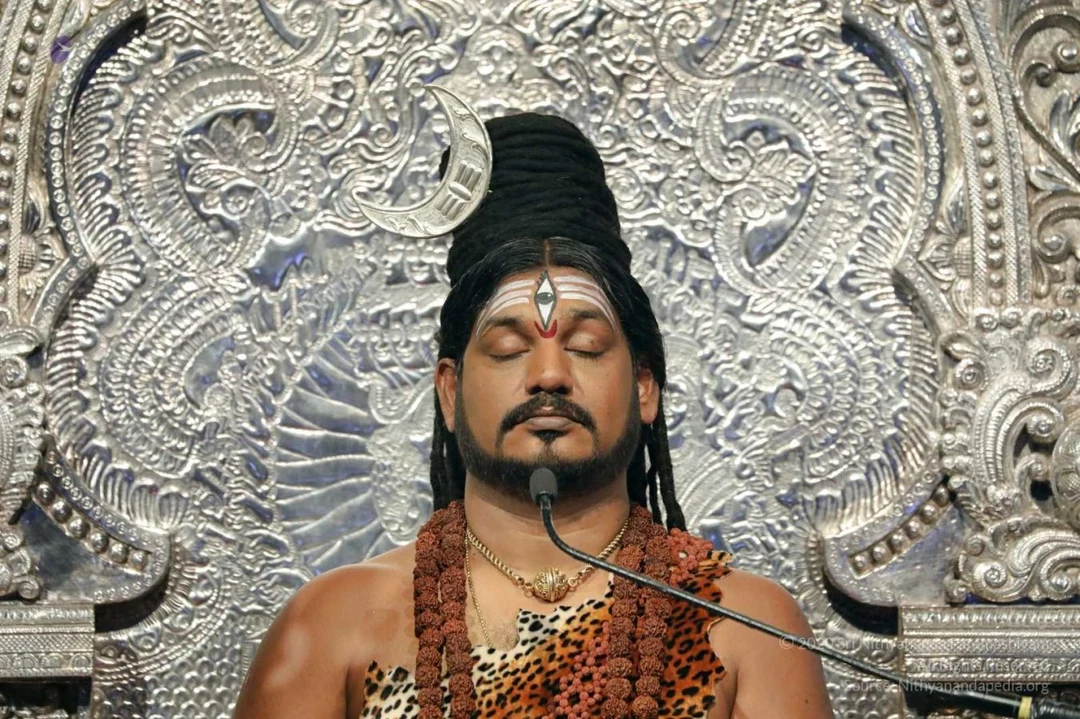 Darshan from Day 2 of Mahasdashivoham
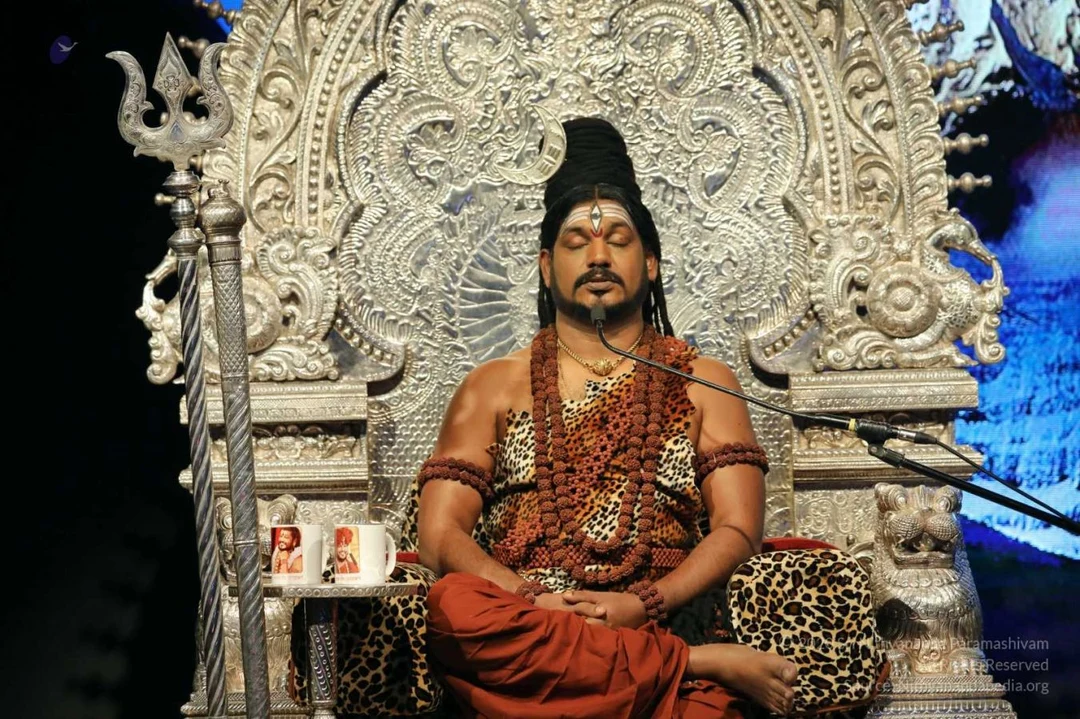 Darshan from Day 2 of Mahasdashivoham
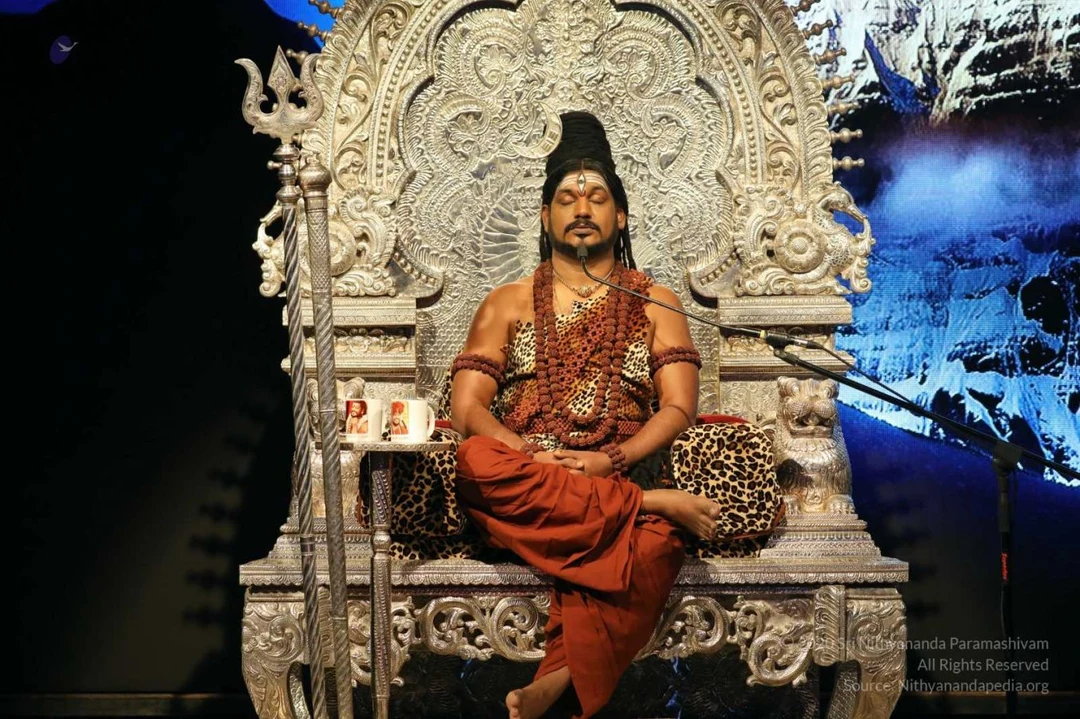 Darshan from Day 2 of Mahasdashivoham
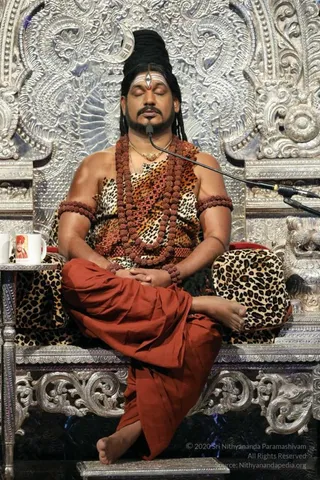 Darshan from Day 2 of Mahasdashivoham
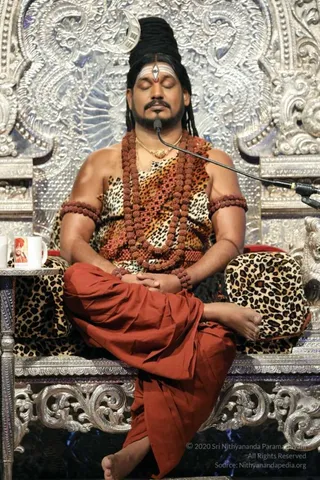 Darshan from Day 2 of Mahasdashivoham
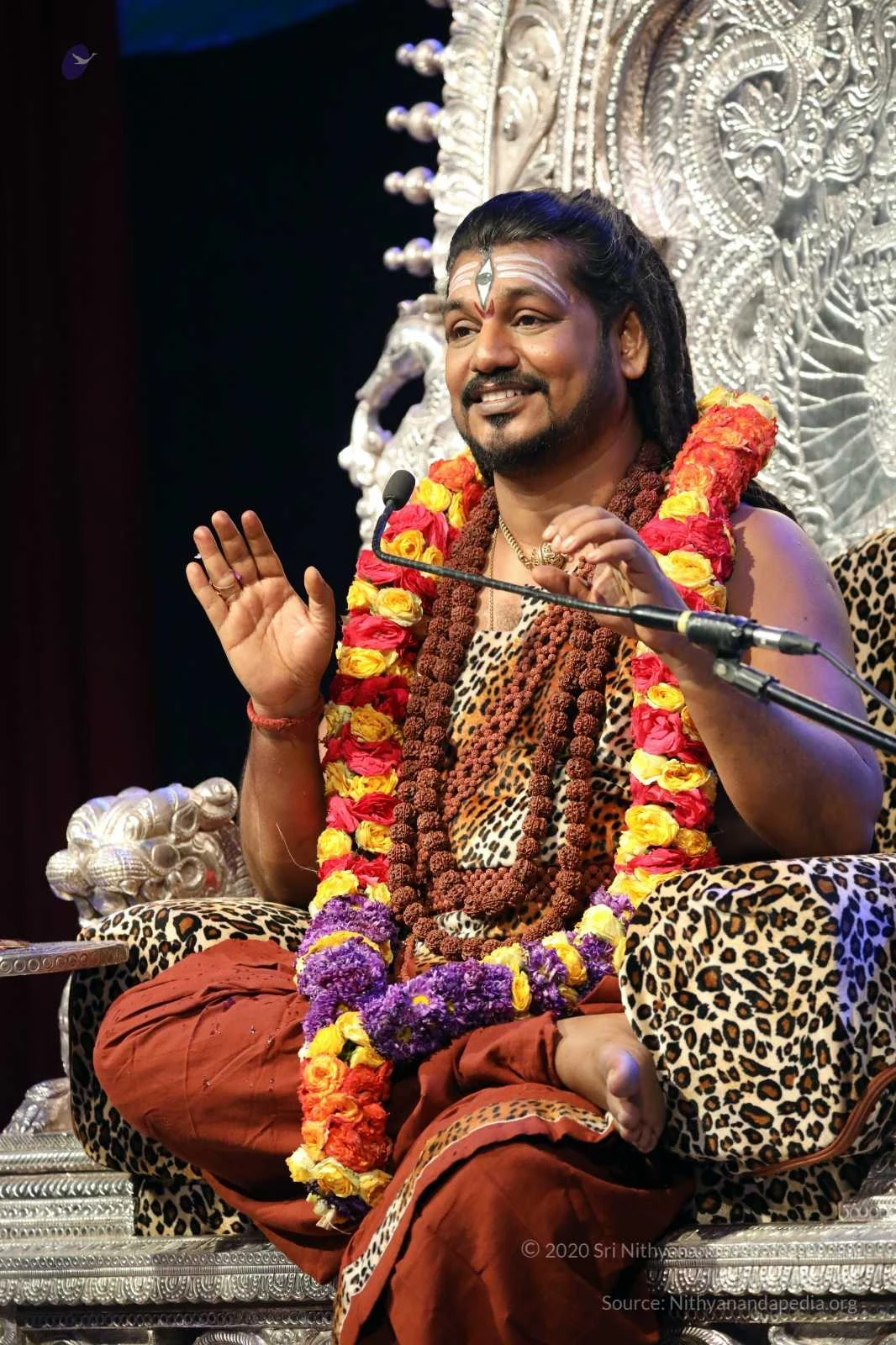
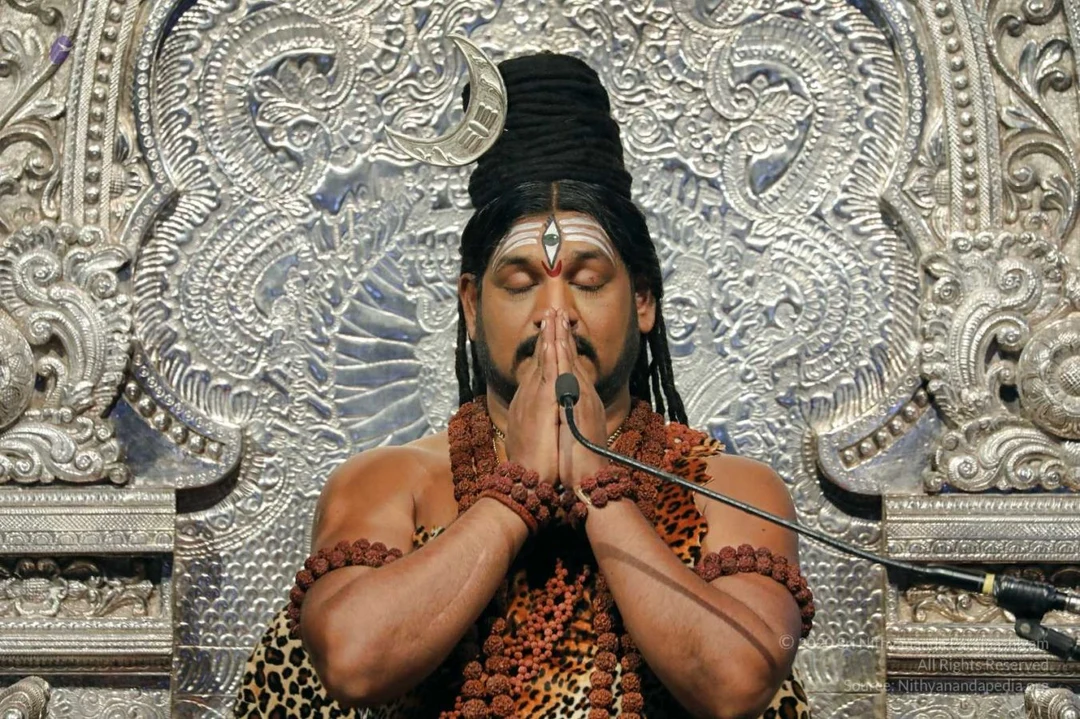 HDH Nithyananda Paramashivam blessing delegates at the Mahasadashivoham convention
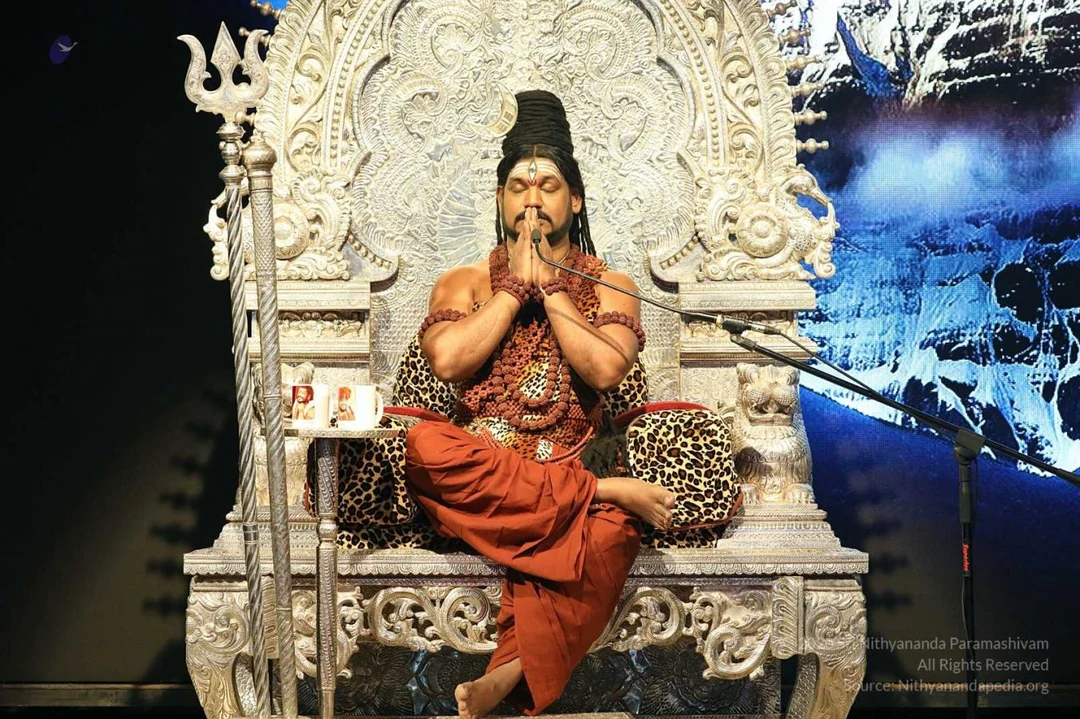 HDH Nithyananda Paramashivam blessing delegates at the Mahasadashivoham convention
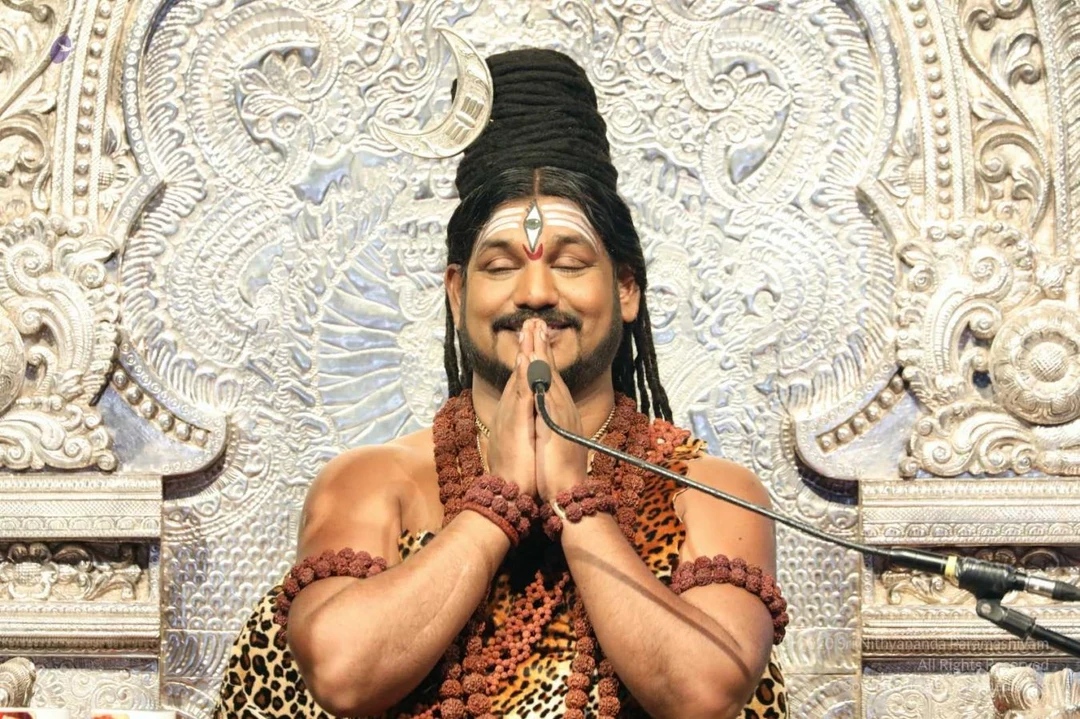 HDH Nithyananda Paramashivam blessing delegates at the Mahasadashivoham convention
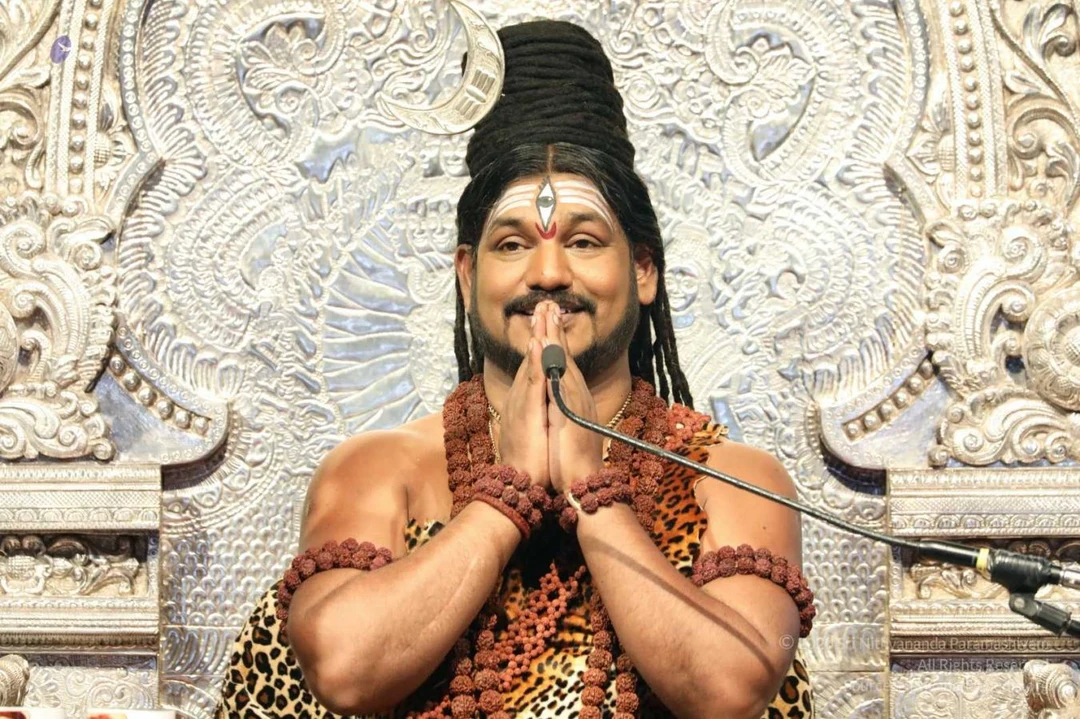 HDH Nithyananda Paramashivam blessing delegates at the Mahasadashivoham convention
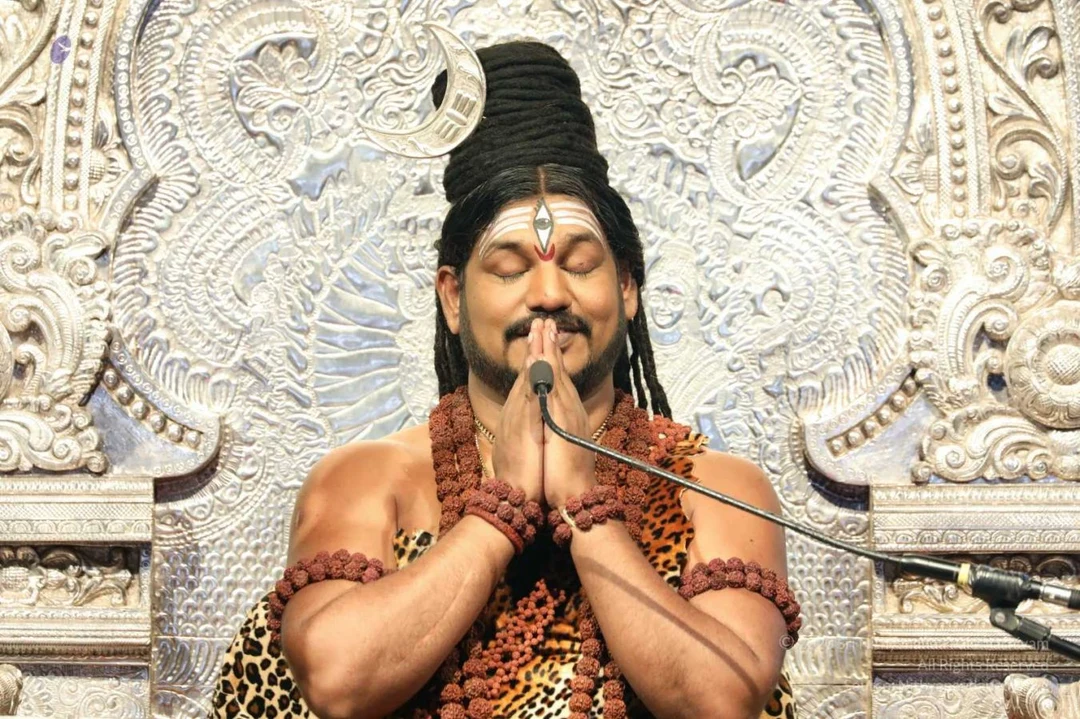 HDH Nithyananda Paramashivam blessing delegates at the Mahasadashivoham convention
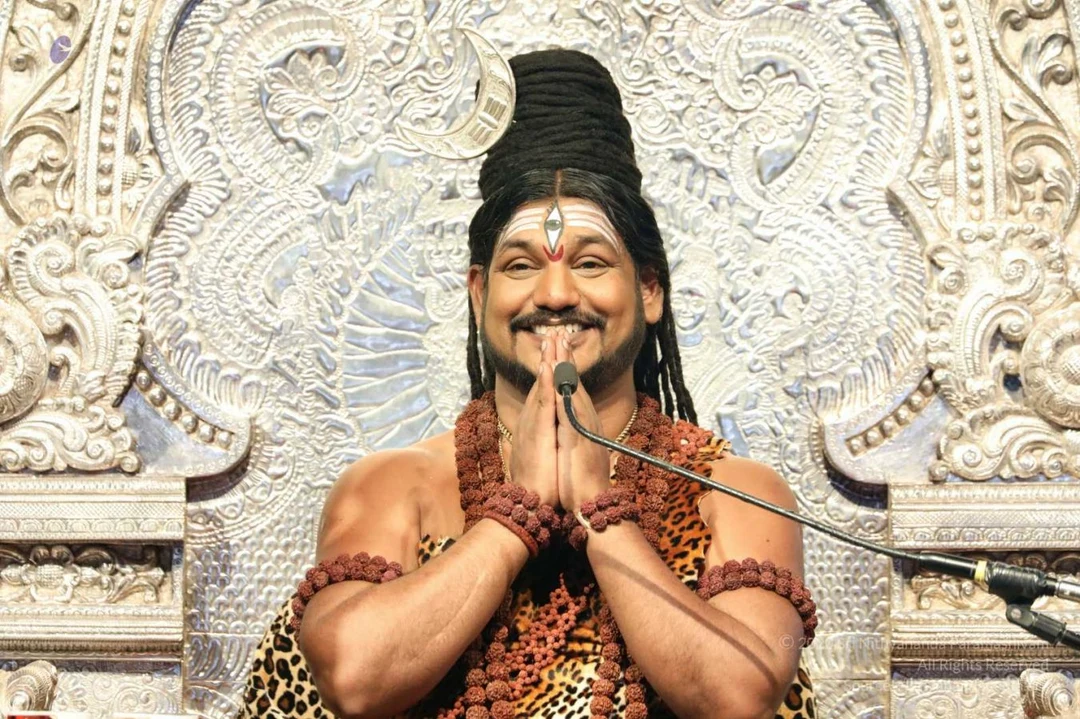 HDH Nithyananda Paramashivam blessing delegates at the Mahasadashivoham convention
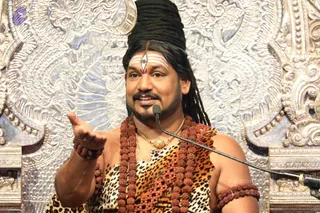
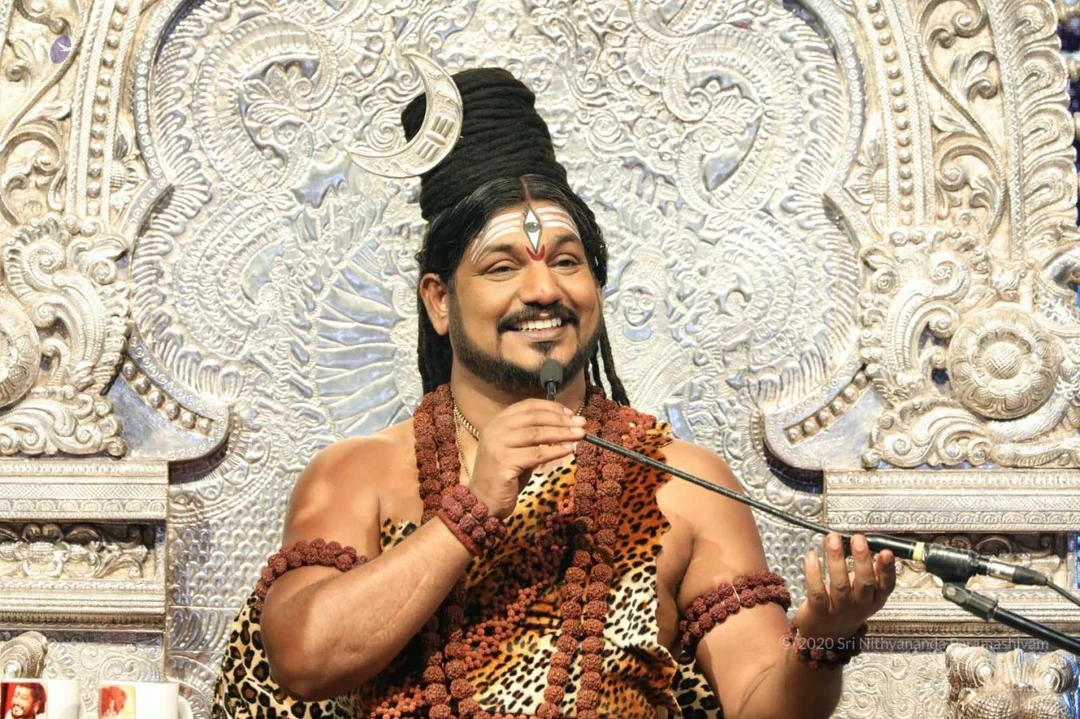 HDH Sri Nithyananda Paramashivam satsang on introduction to Mahasadashivoham and traveling to multi-dimensions into Kailash
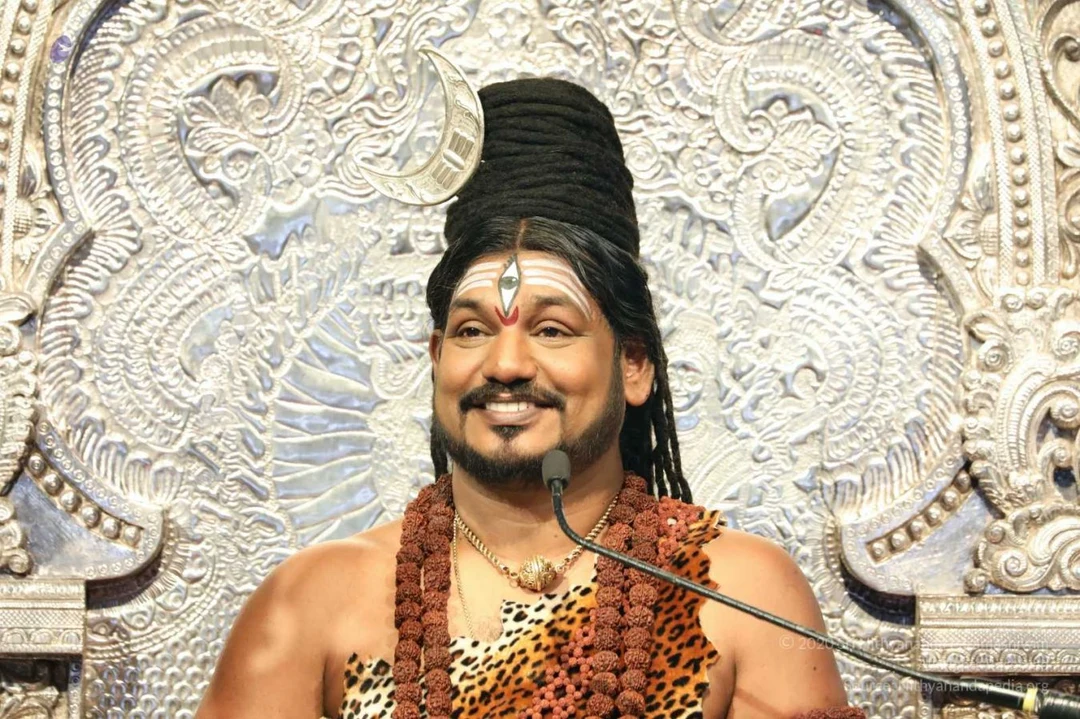 HDH Sri Nithyananda Paramashivam satsang on introduction to Mahasadashivoham and traveling to multi-dimensions into Kailash
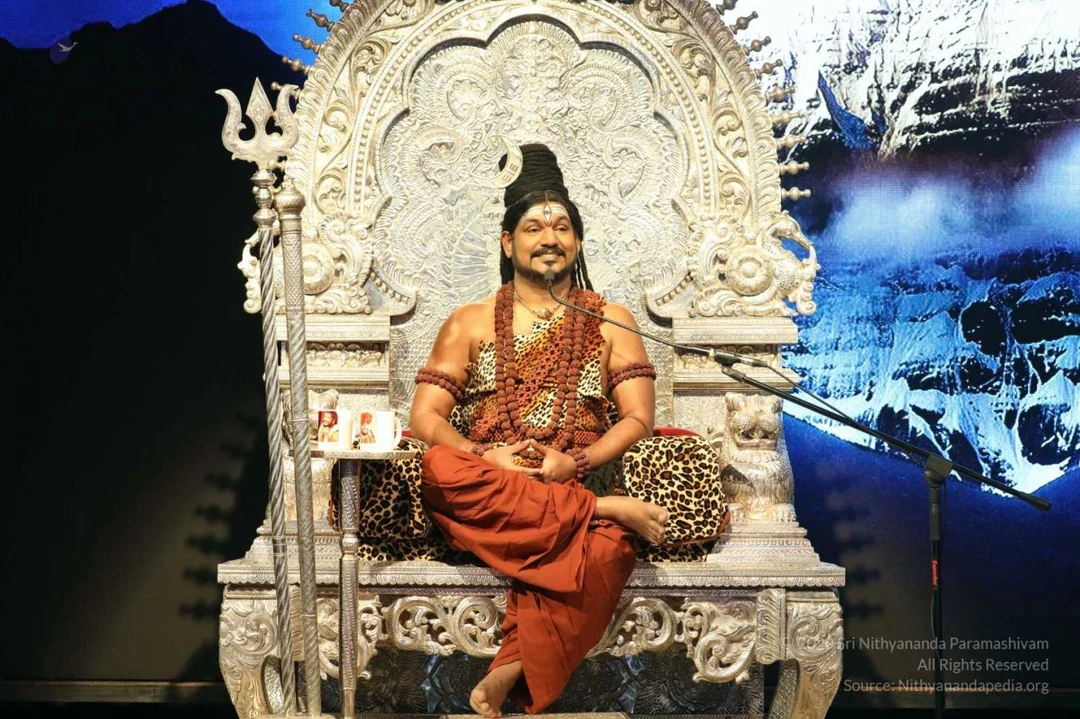 HDH Sri Nithyananda Paramashivam satsang on introduction to Mahasadashivoham and traveling to multi-dimensions into Kailash
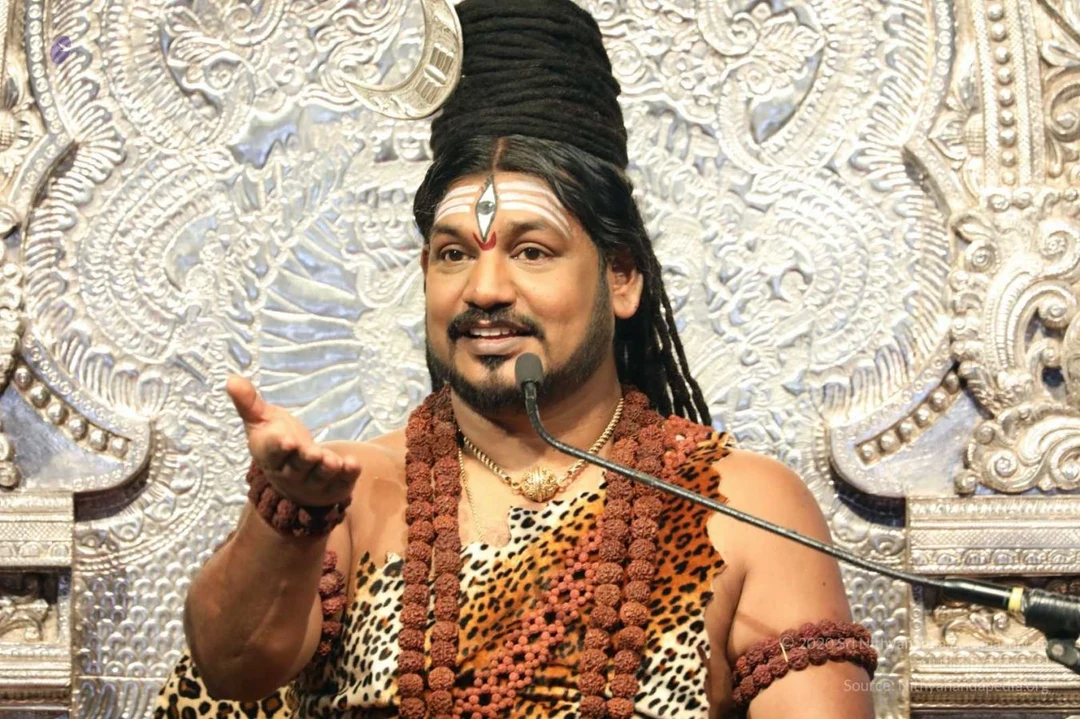 HDH Sri Nithyananda Paramashivam satsang on introduction to Mahasadashivoham and traveling to multi-dimensions into Kailash
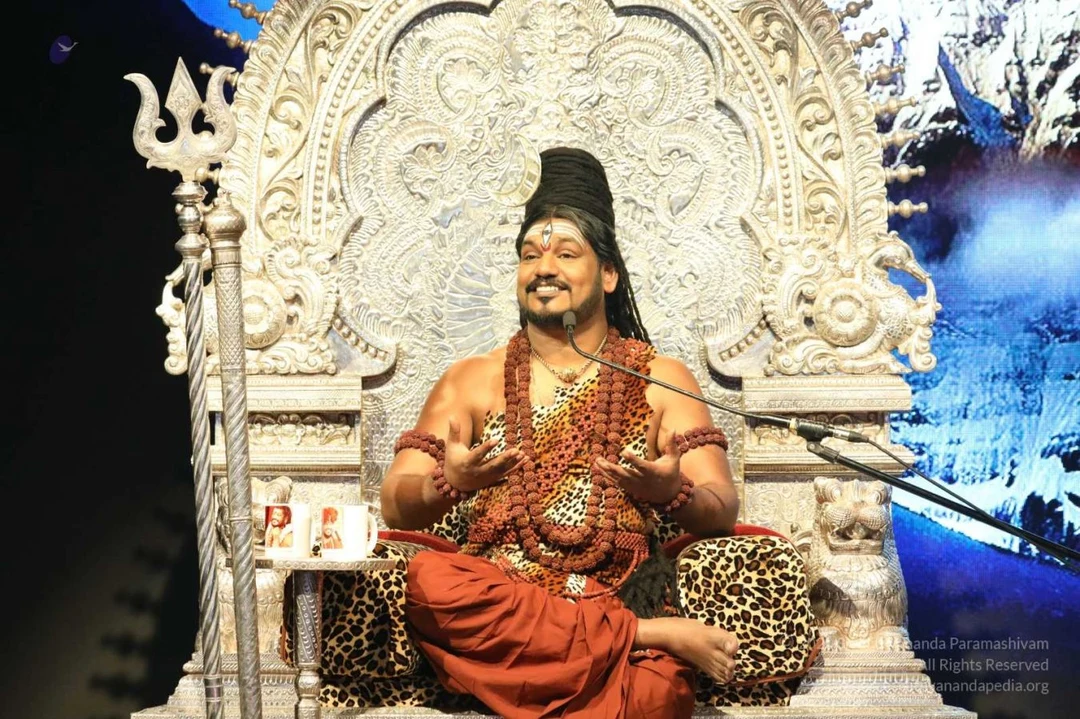 HDH Sri Nithyananda Paramashivam satsang on introduction to Mahasadashivoham and traveling to multi-dimensions into Kailash
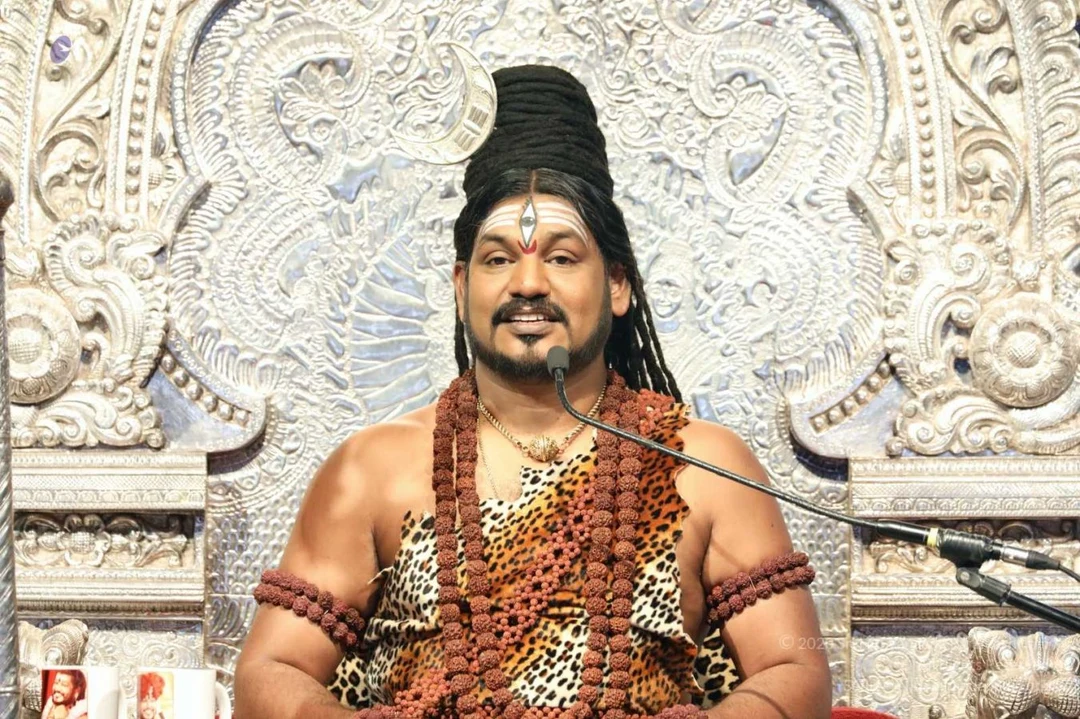 HDH Sri Nithyananda Paramashivam satsang on introduction to Mahasadashivoham and traveling to multi-dimensions into Kailash
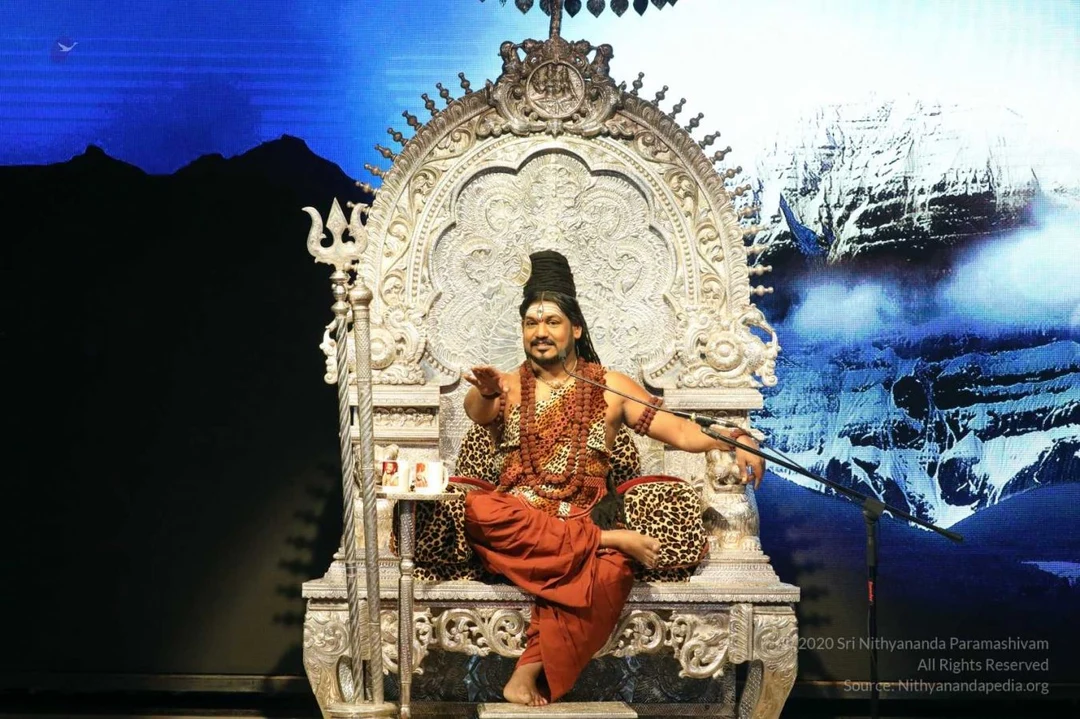 HDH Sri Nithyananda Paramashivam satsang on introduction to Mahasadashivoham and traveling to multi-dimensions into Kailash
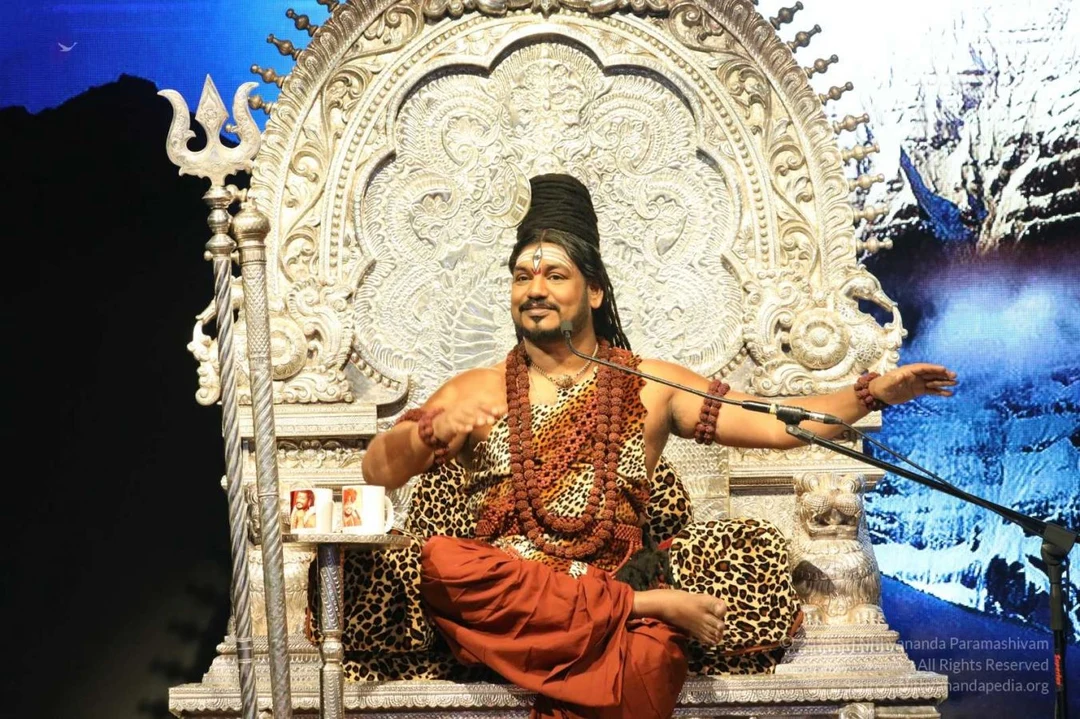 HDH Sri Nithyananda Paramashivam satsang on introduction to Mahasadashivoham and traveling to multi-dimensions into Kailash
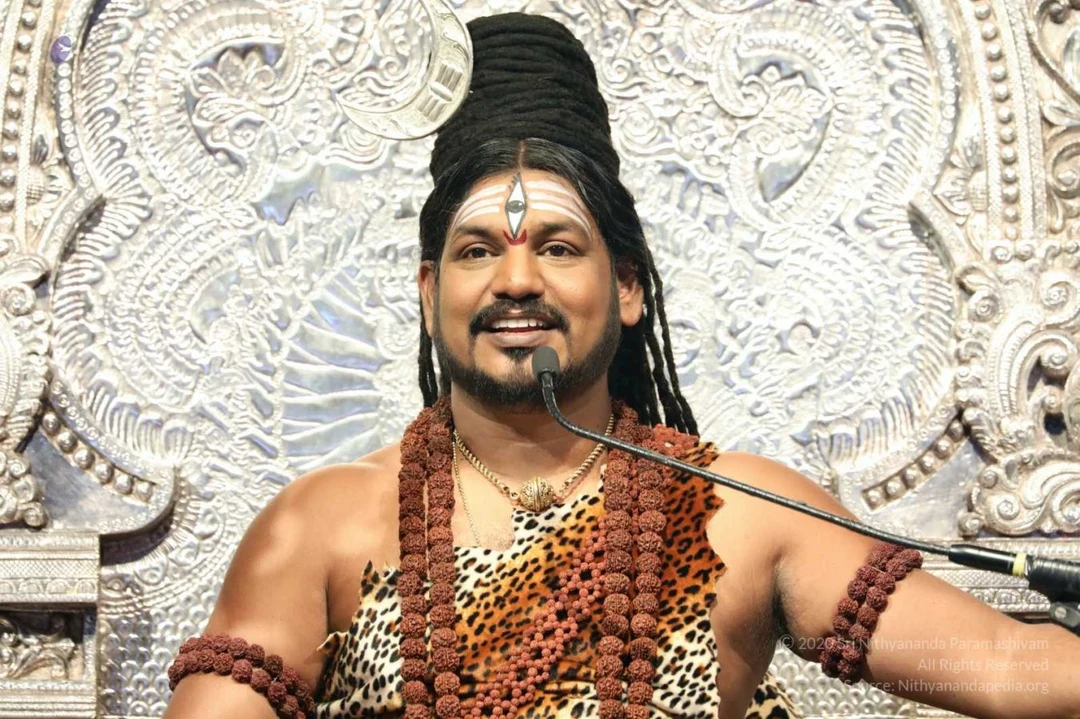 HDH Sri Nithyananda Paramashivam satsang on introduction to Mahasadashivoham and traveling to multi-dimensions into Kailash
 HDH Sri Nithyananda Paramashivam satsang on introduction to Mahasadashivoham and traveling to multi-dimensions into Kailash
 HDH Sri Nithyananda Paramashivam satsang on introduction to Mahasadashivoham and traveling to multi-dimensions into Kailash
 HDH Sri Nithyananda Paramashivam satsang on introduction to Mahasadashivoham and traveling to multi-dimensions into Kailash
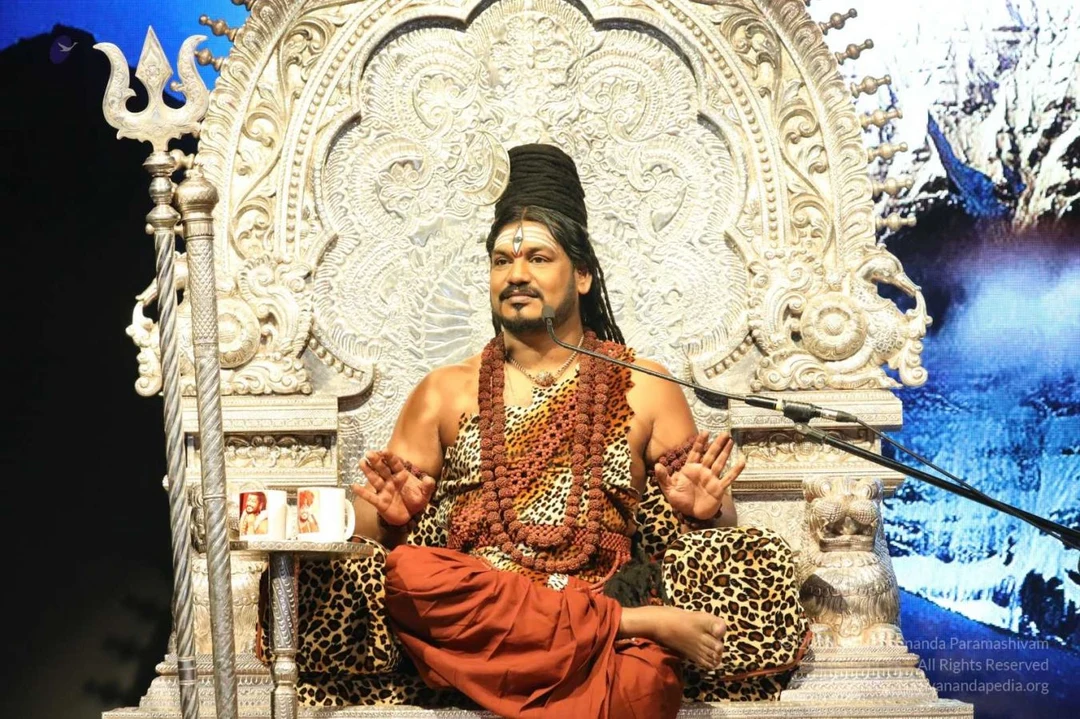 HDH Sri Nithyananda Paramashivam satsang on introduction to Mahasadashivoham and traveling to multi-dimensions into Kailash
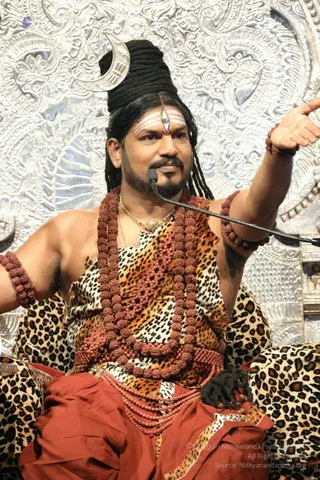 HDH Sri Nithyananda Paramashivam explains how the ability to access multi-dimensions of the universe Is your nature; it is there with you
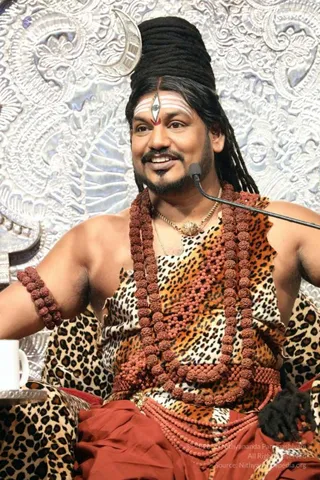 HDH Sri Nithyananda Paramashivam explains how the ability to access multi-dimensions of the universe Is your nature; it is there with you
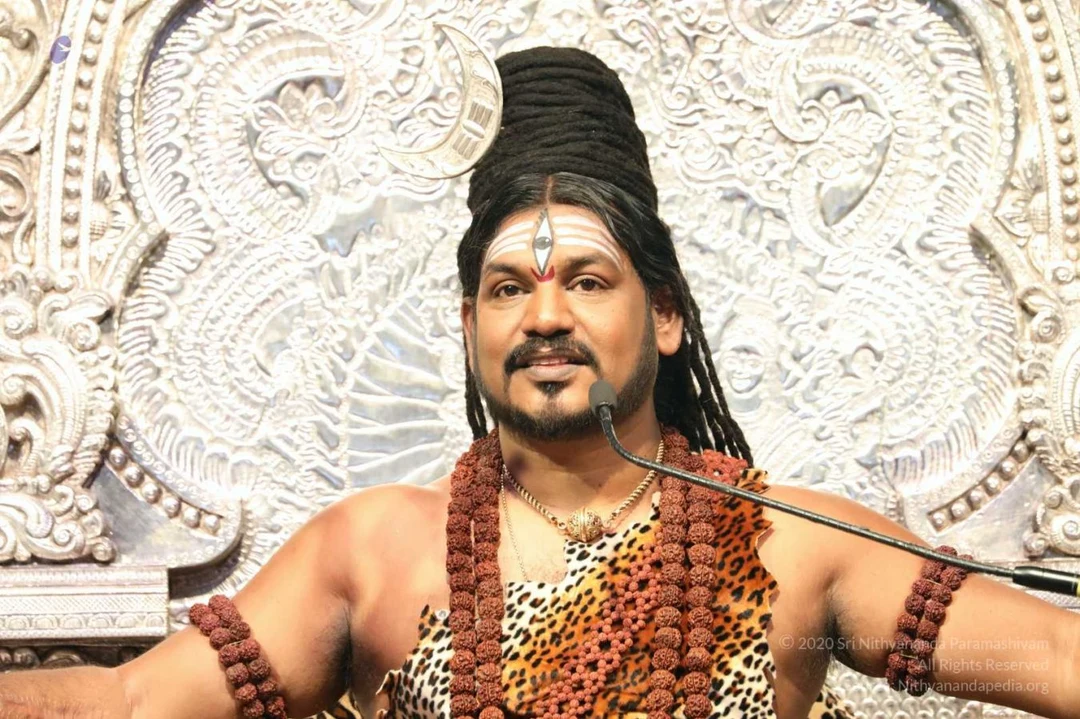 HDH Sri Nithyananda Paramashivam explains how the ability to access multi-dimensions of the universe Is your nature; it is there with you
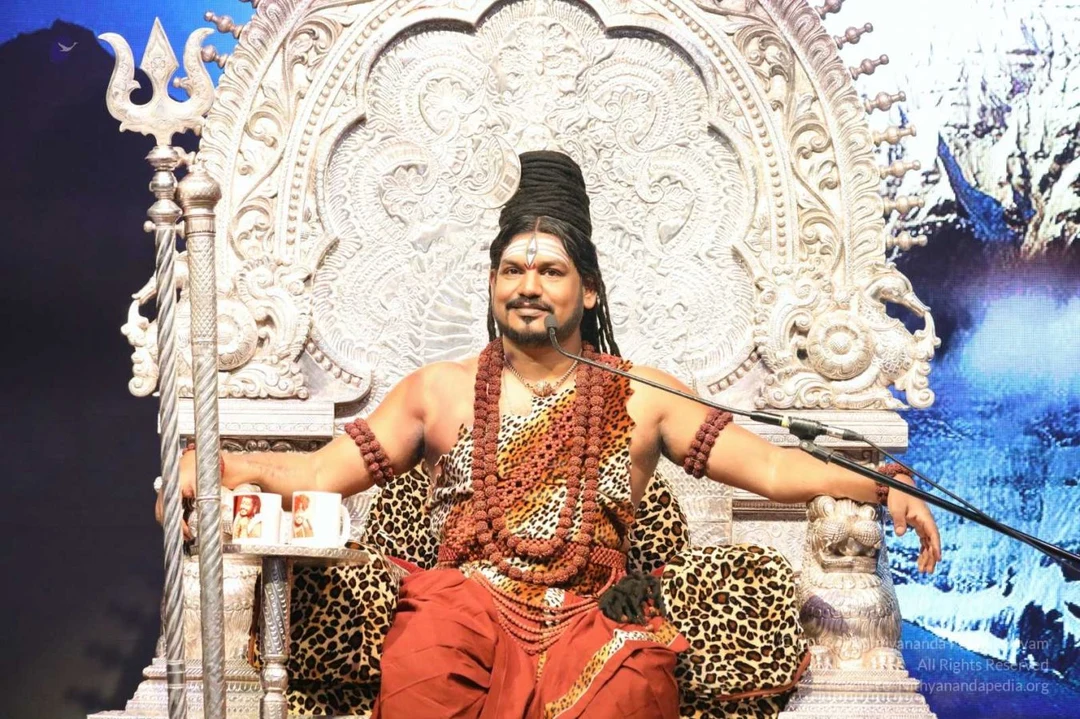 HDH Sri Nithyananda Paramashivam explains how the ability to access multi-dimensions of the universe Is your nature; it is there with you
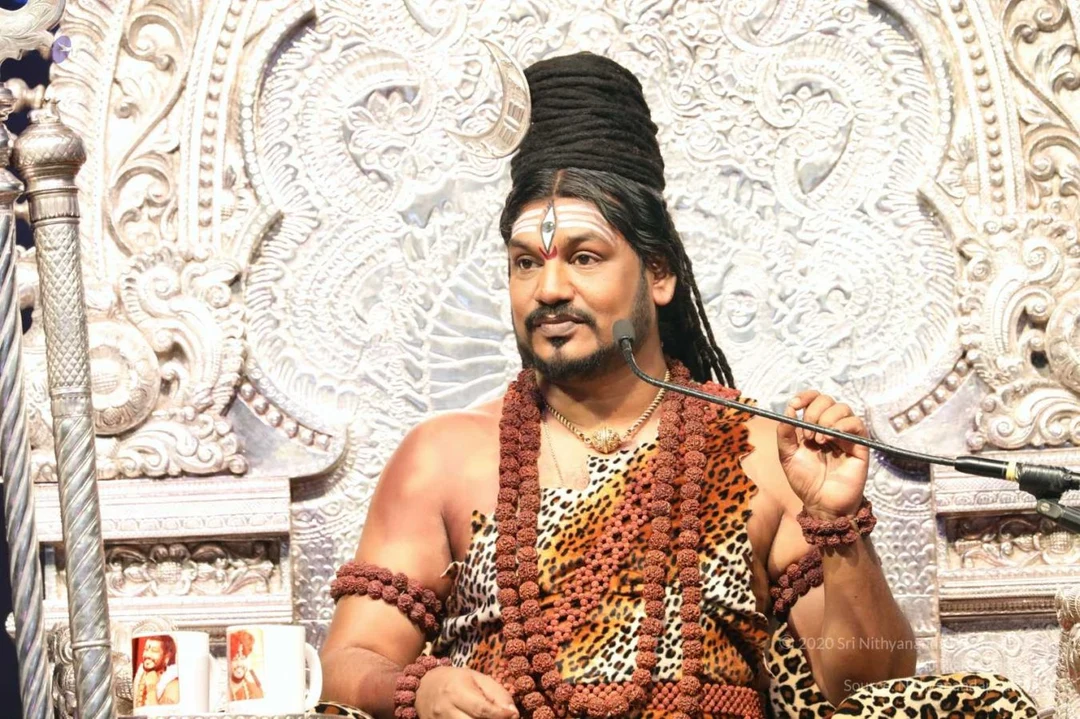 HDH Sri Nithyananda Paramashivam explains how the ability to access multi-dimensions of the universe Is your nature; it is there with you
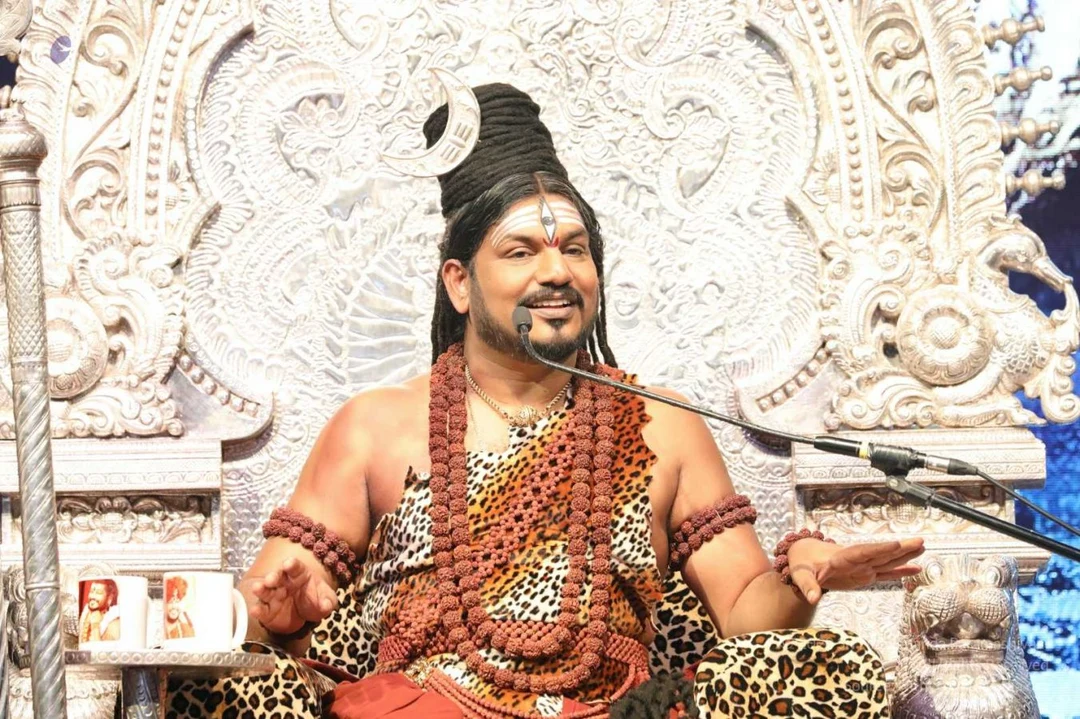 HDH Sri Nithyananda Paramashivam explains how the ability to access multi-dimensions of the universe Is your nature; it is there with you
 HDH Sri Nithyananda Paramashivam explains how the ability to access multi-dimensions of the universe Is your nature; it is there with you
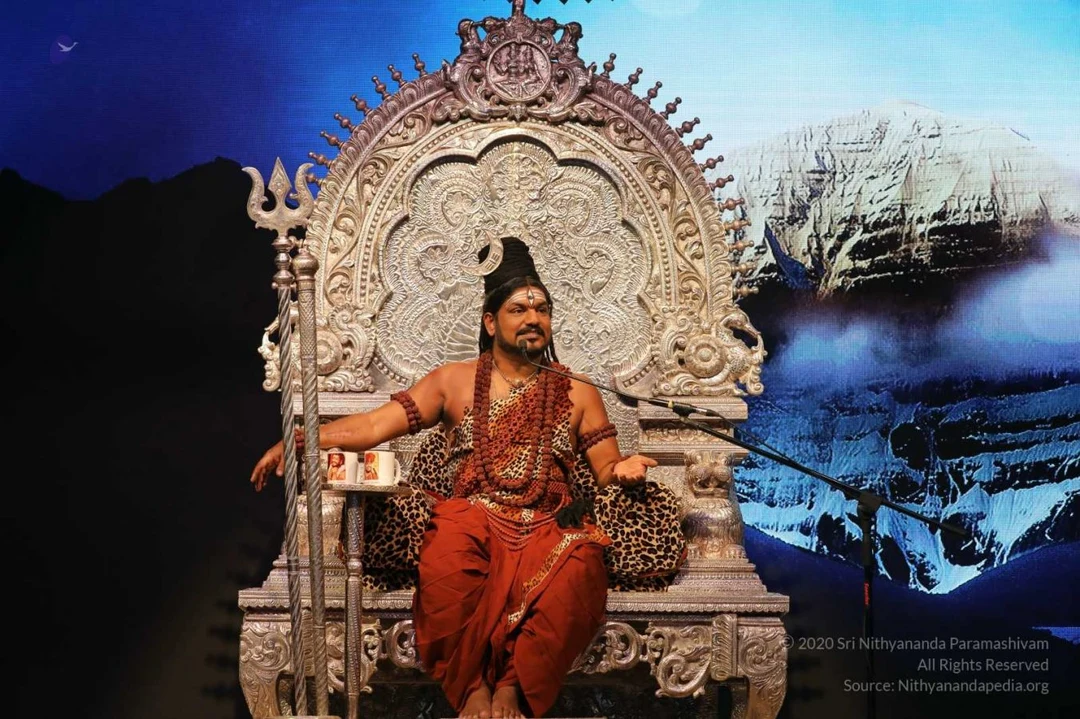 HDH Sri Nithyananda Paramashivam explains how the ability to access multi-dimensions of the universe Is your nature; it is there with you
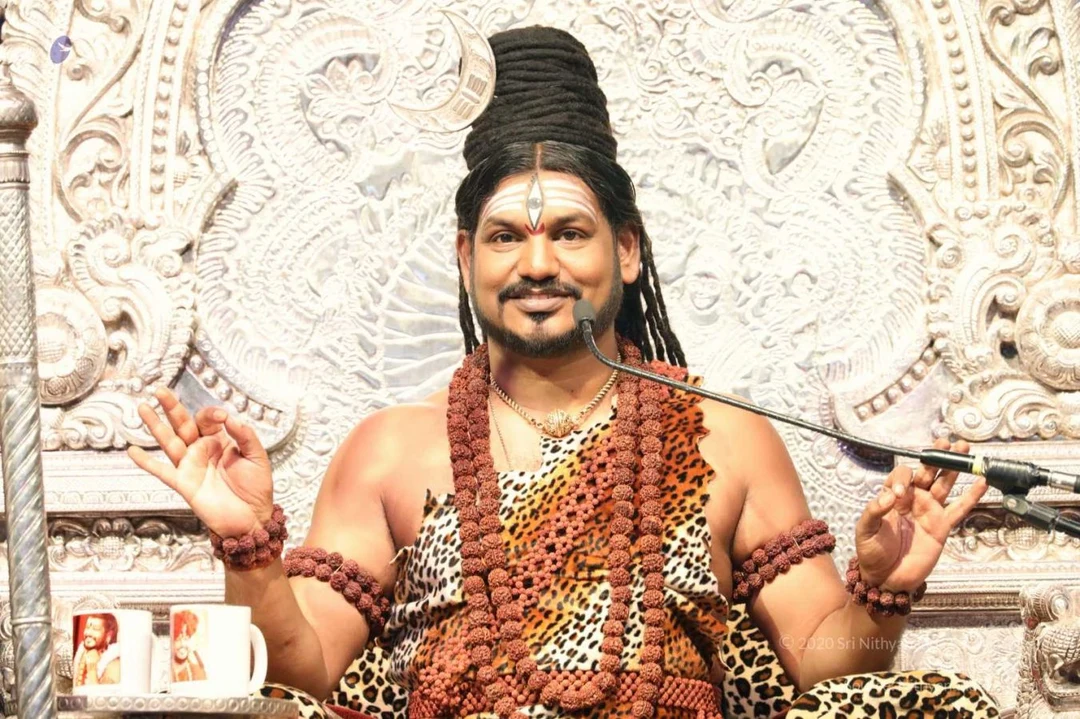 HDH Sri Nithyananda Paramashivam explains how the ability to access multi-dimensions of the universe Is your nature; it is there with you
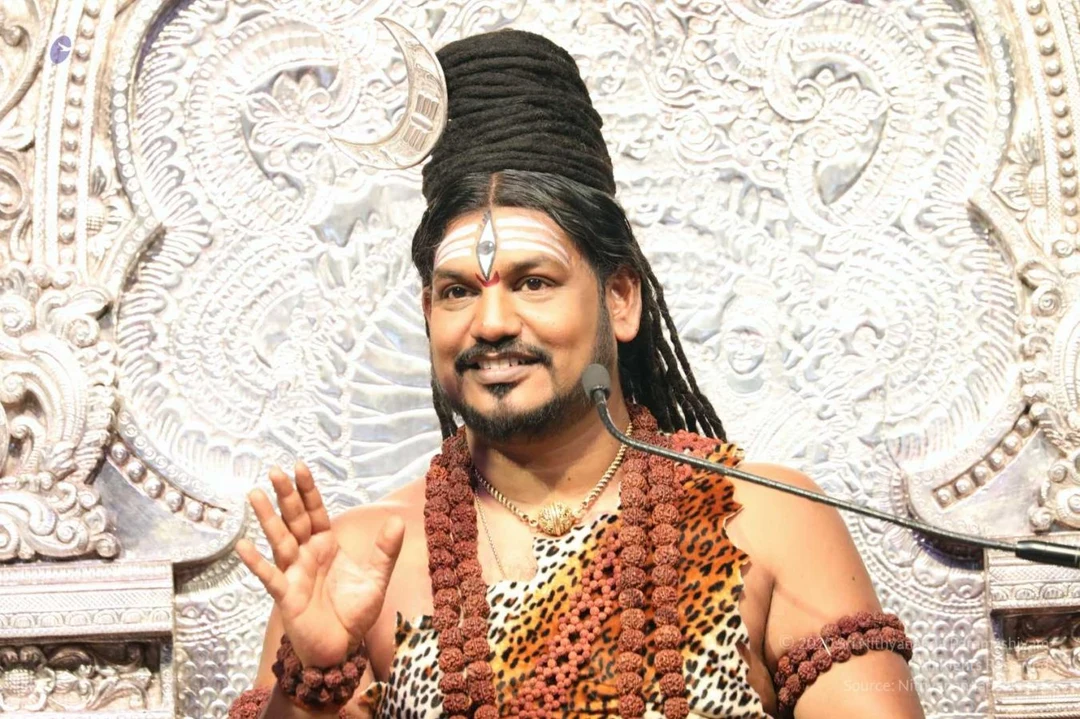 HDH Sri Nithyananda Paramashivam explains how the ability to access multi-dimensions of the universe Is your nature; it is there with you
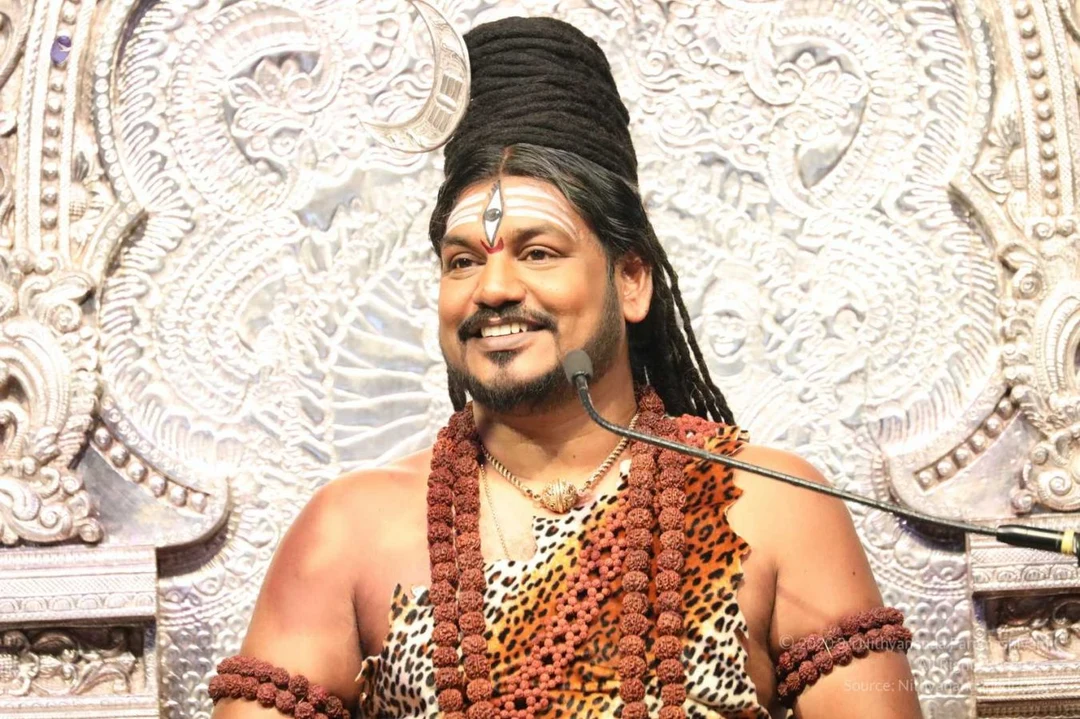 HDH Sri Nithyananda Paramashivam explains how the ability to access multi-dimensions of the universe Is your nature; it is there with you
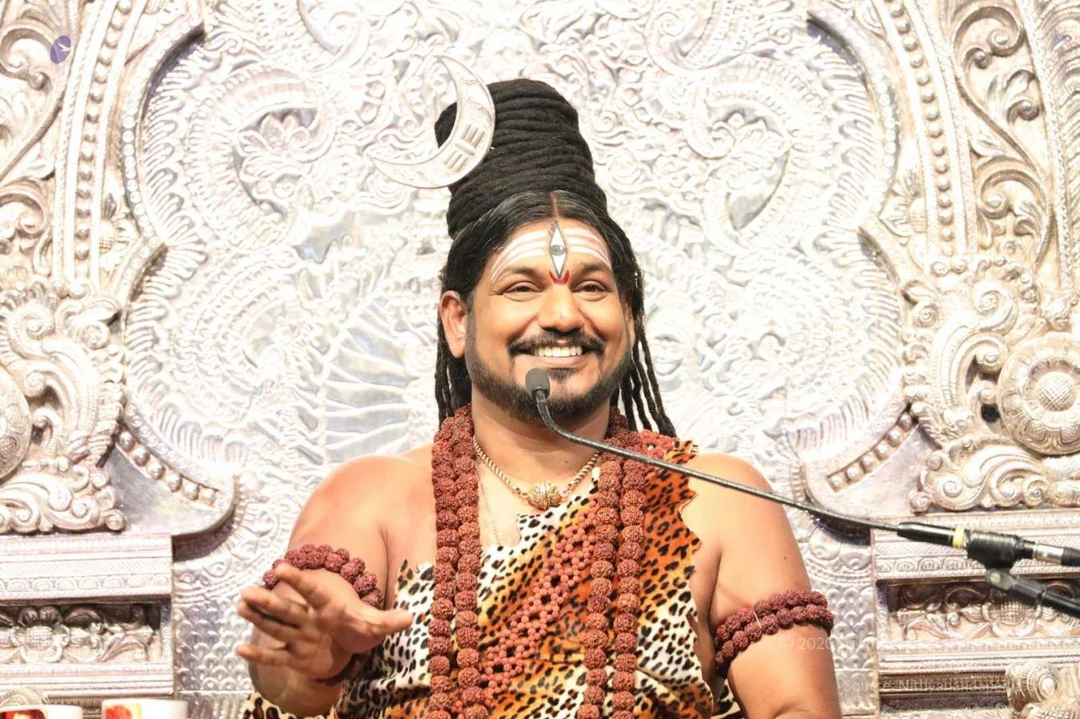 HDH Sri Nithyananda Paramashivam explains how the ability to access multi-dimensions of the universe Is your nature; it is there with you
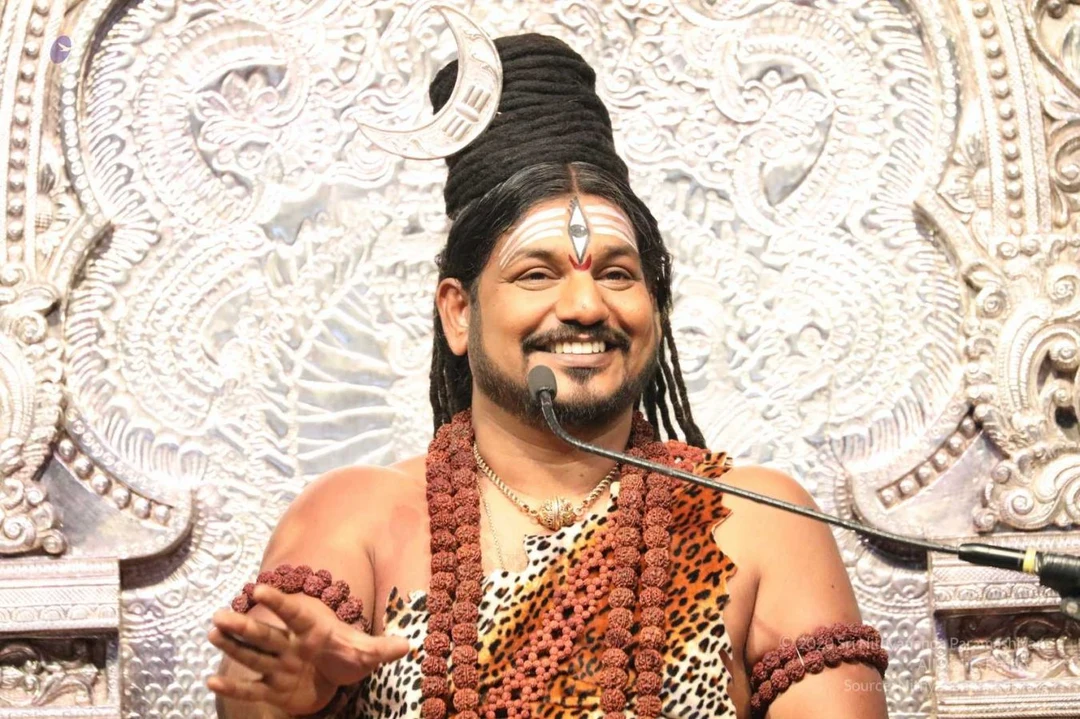 HDH Sri Nithyananda Paramashivam explains how the ability to access multi-dimensions of the universe Is your nature; it is there with you
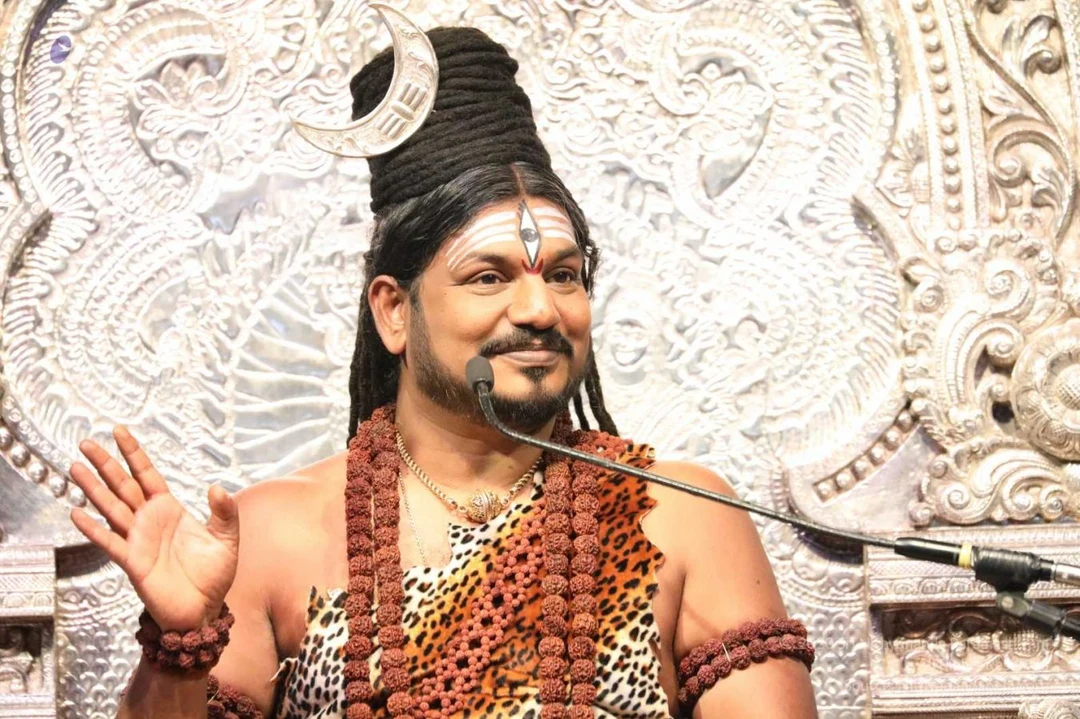 HDH Sri Nithyananda Paramashivam explains how the ability to access multi-dimensions of the universe Is your nature; it is there with you
 HDH Sri Nithyananda Paramashivam explains how the ability to access multi-dimensions of the universe Is your nature; it is there with you
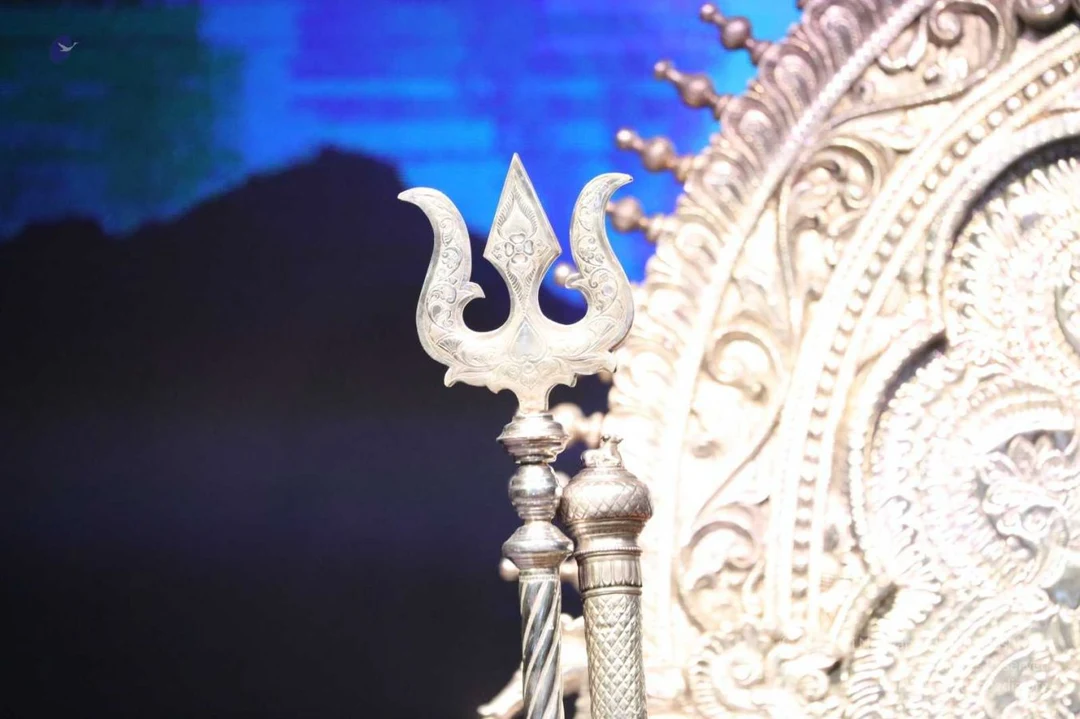 HDH Sri Nithyananda Paramashivam explains how the ability to access multi-dimensions of the universe Is your nature; it is there with you
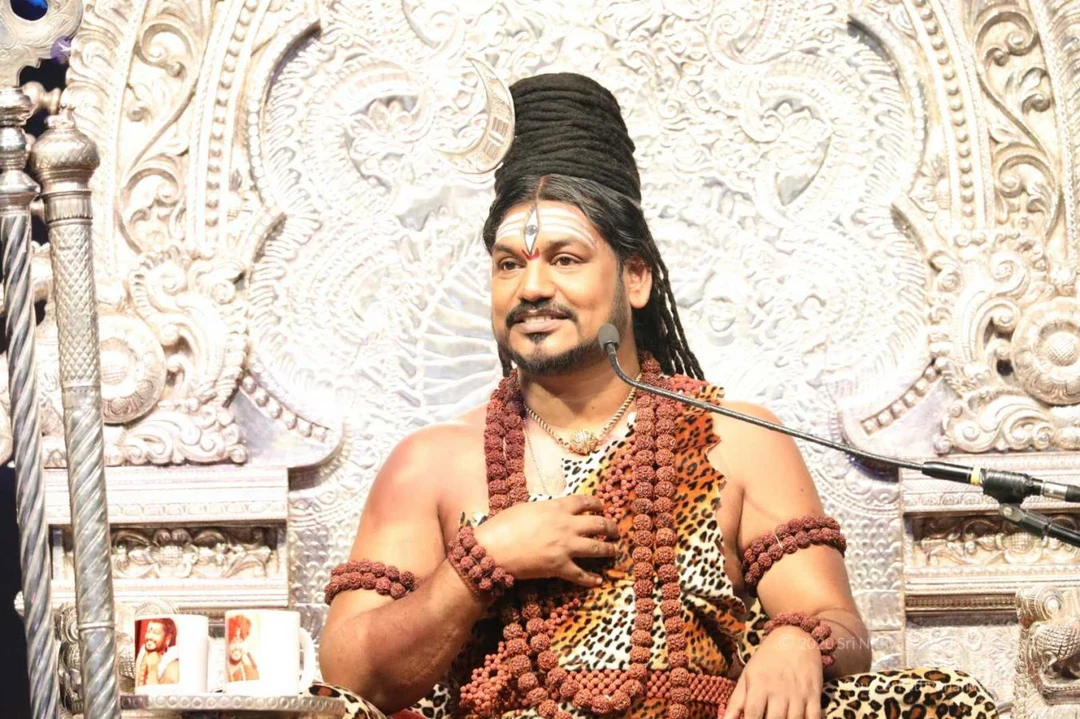 HDH Sri Nithyananda Paramashivam explains how the ability to access multi-dimensions of the universe Is your nature; it is there with you
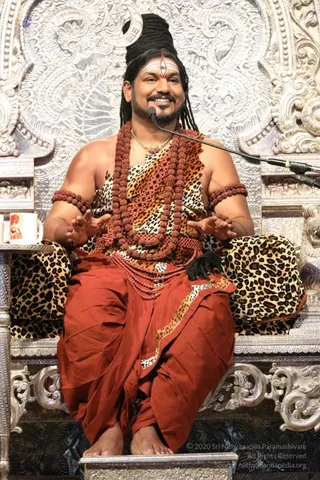 HDH Sri Nithyananda Paramashivam explains how the ability to access multi-dimensions of the universe Is your nature; it is there with you
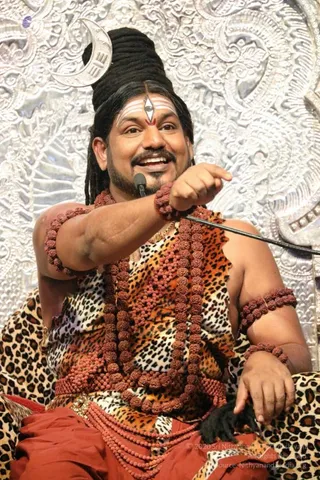 HDH Sri Nithyananda Paramashivam explains how the ability to access multi-dimensions of the universe Is your nature; it is there with you
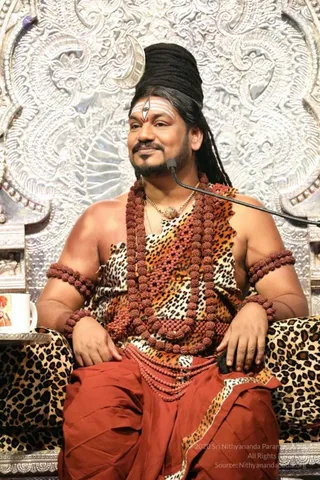 HDH Sri Nithyananda Paramashivam explains how the ability to access multi-dimensions of the universe Is your nature; it is there with you
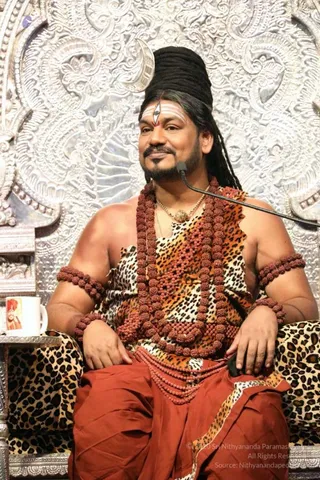 HDH Sri Nithyananda Paramashivam explains how the ability to access multi-dimensions of the universe Is your nature; it is there with you
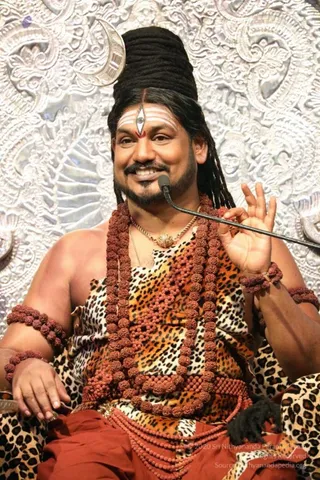 HDH Sri Nithyananda Paramashivam explains that just the breathing needs to be intensfied through different methodology, to open up those dimensions so one can have access
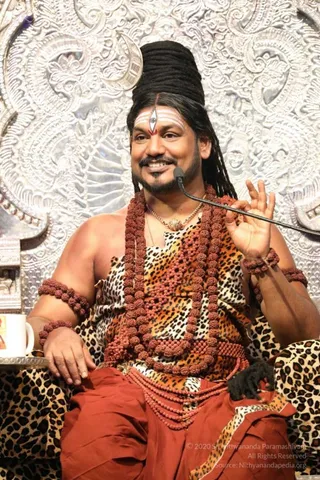 HDH Sri Nithyananda Paramashivam explains how the ability to access multi-dimensions of the universe Is your nature; it is there with you
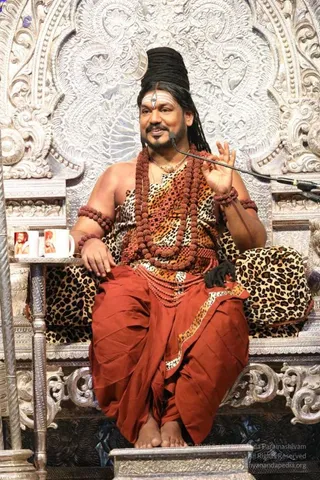 HDH Sri Nithyananda Paramashivam explains how the ability to access multi-dimensions of the universe Is your nature; it is there with you
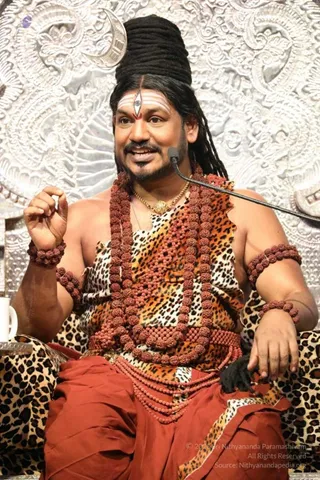 HDH Sri Nithyananda Paramashivam explains how the ability to access multi-dimensions of the universe Is your nature; it is there with you
 HDH Sri Nithyananda Paramashivam explains how the ability to access multi-dimensions of the universe Is your nature; it is there with you
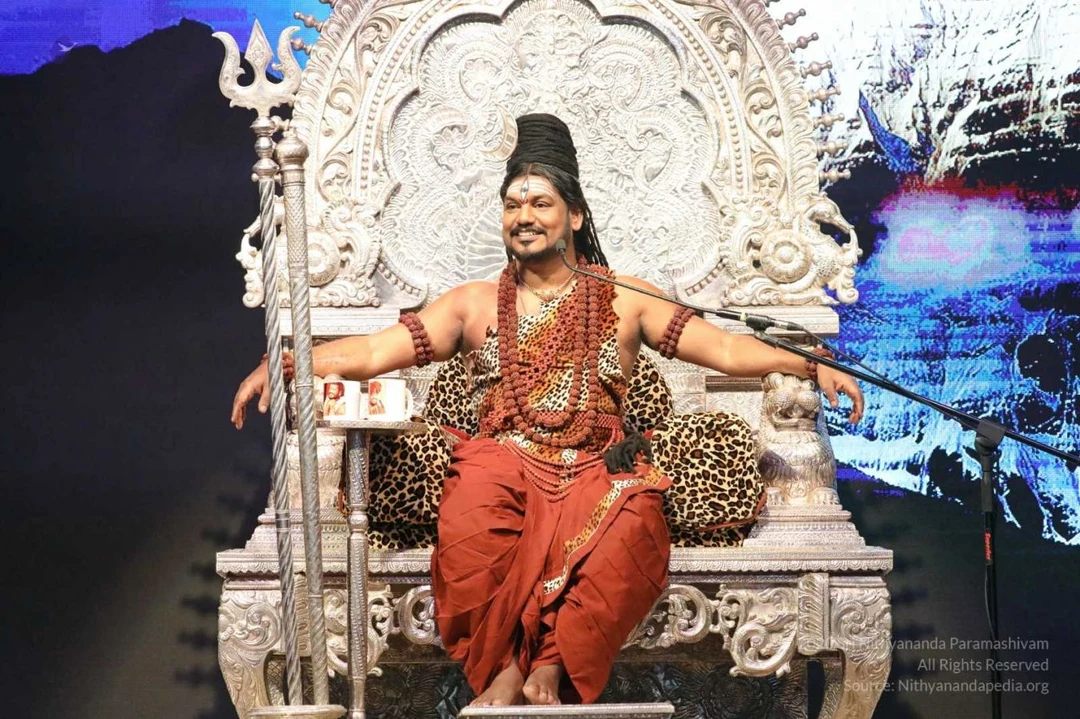 HDH Sri Nithyananda Paramashivam explains how the ability to access multi-dimensions of the universe Is your nature; it is there with you
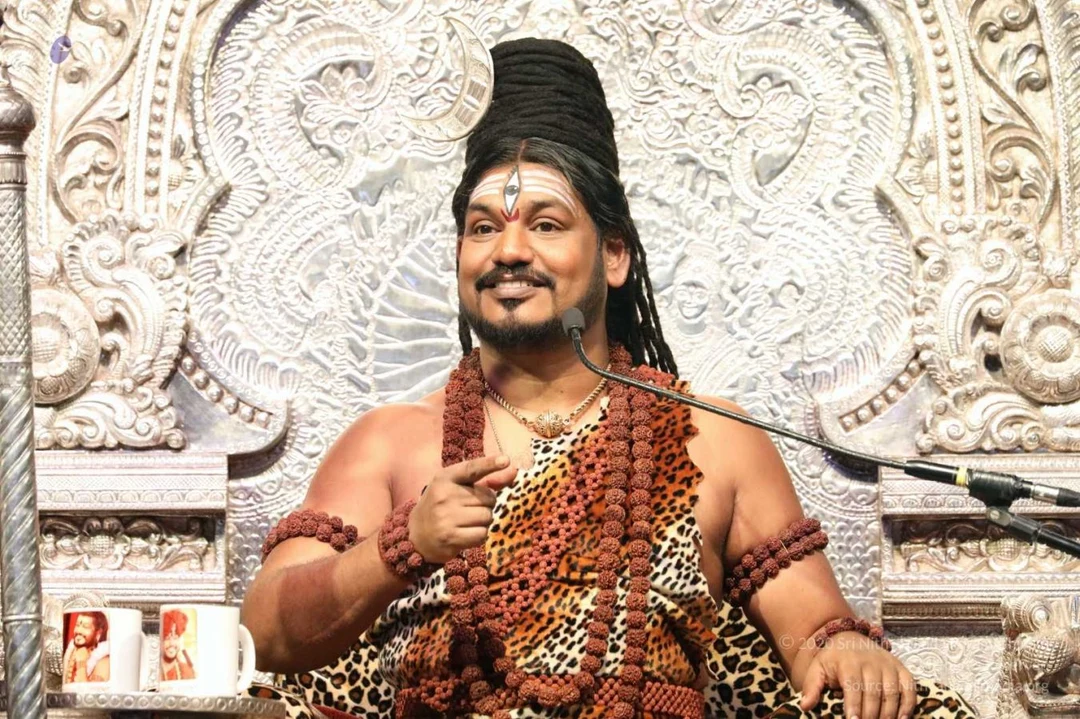 HDH Sri Nithyananda Paramashivam explains how the ability to access multi-dimensions of the universe Is your nature; it is there with you
 HDH Sri Nithyananda Paramashivam explains how the ability to access multi-dimensions of the universe Is your nature; it is there with you
 HDH Sri Nithyananda Paramashivam explains how the ability to access multi-dimensions of the universe Is your nature; it is there with you
 HDH Sri Nithyananda Paramashivam explains how the ability to access multi-dimensions of the universe Is your nature; it is there with you
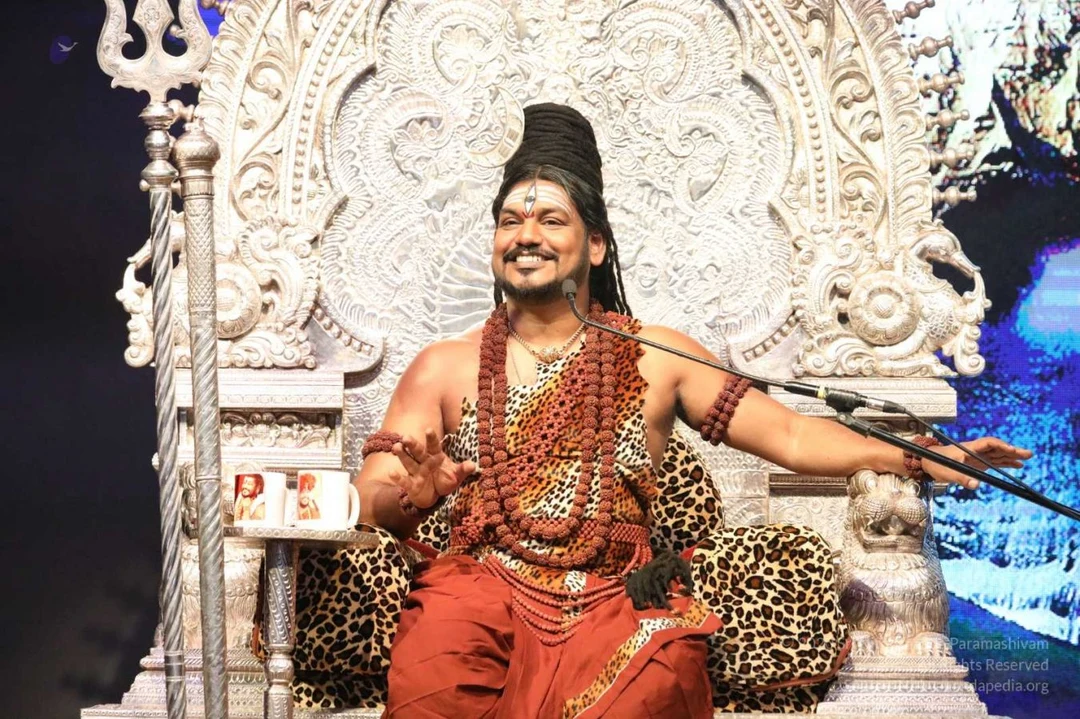 HDH Sri Nithyananda Paramashivam explains how the ability to access multi-dimensions of the universe Is your nature; it is there with you
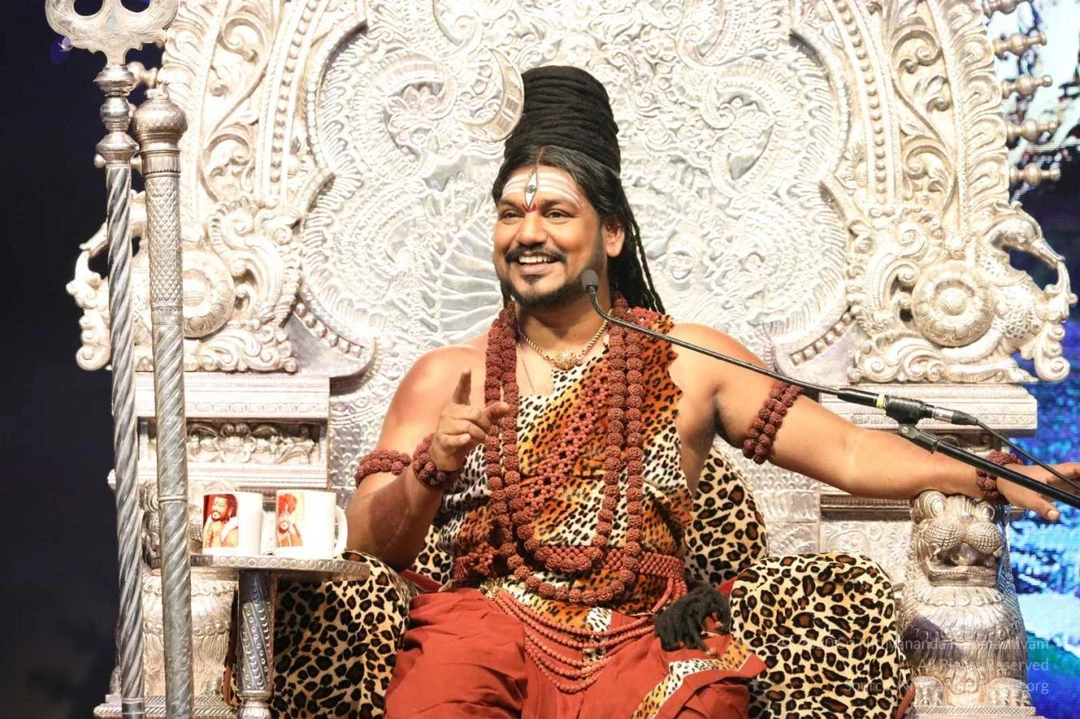 HDH Sri Nithyananda Paramashivam explains how the ability to access multi-dimensions of the universe Is your nature; it is there with you
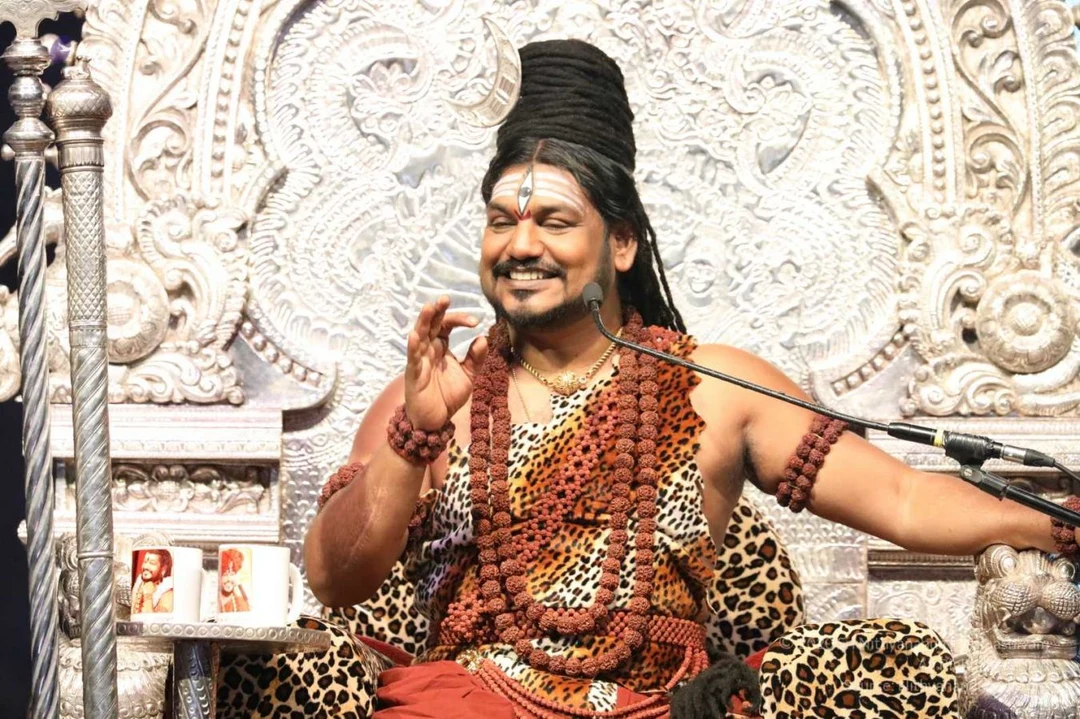 HDH Sri Nithyananda Paramashivam explains how the ability to access multi-dimensions of the universe Is your nature; it is there with you
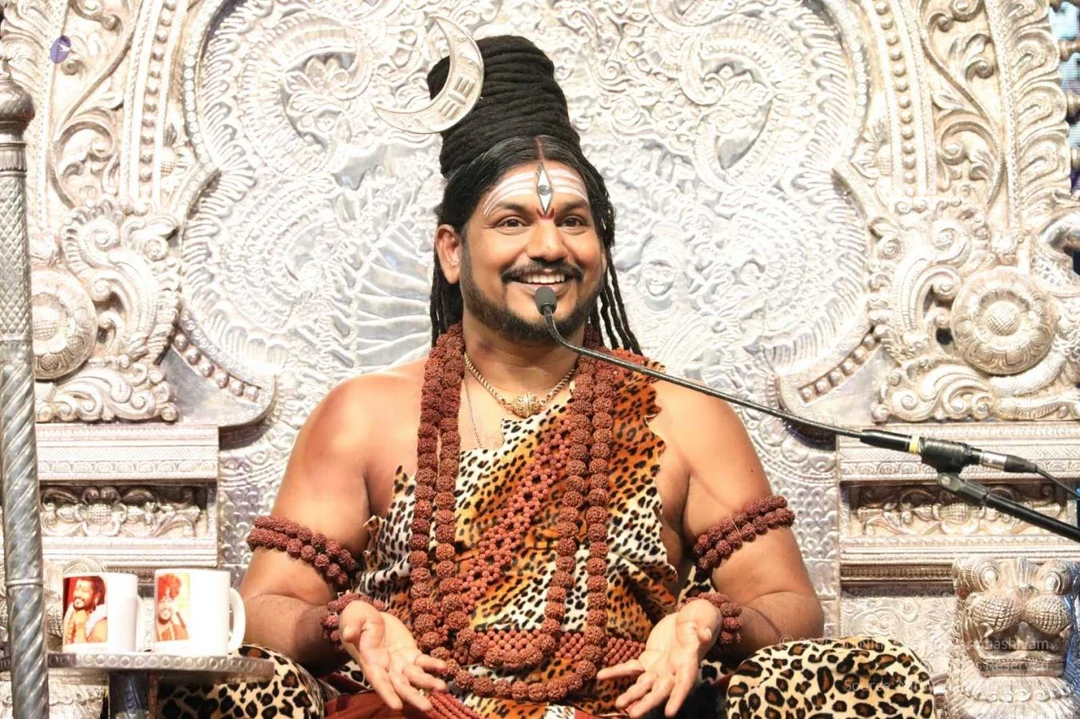 HDH Sri Nithyananda Paramashivam explains how the ability to access multi-dimensions of the universe Is your nature; it is there with you
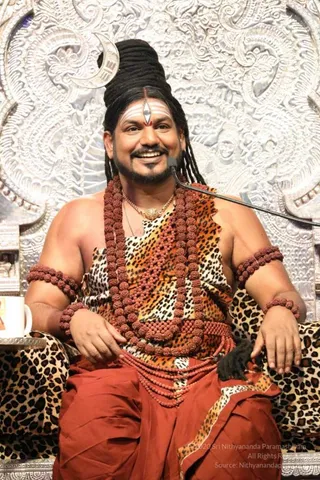 HDH Sri Nithyananda Paramashivam explains how the ability to access multi-dimensions of the universe Is your nature; it is there with you
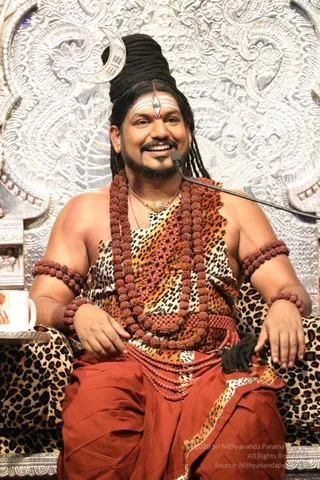 HDH Sri Nithyananda Paramashivam explains how the ability to access multi-dimensions of the universe Is your nature; it is there with you
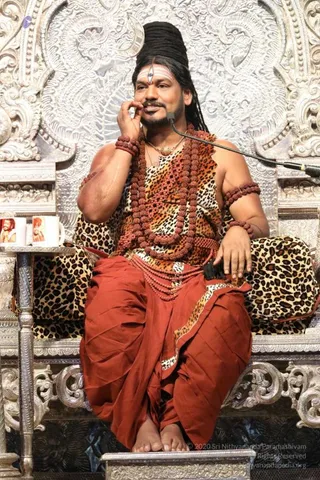 HDH Sri Nithyananda Paramashivam explains how the ability to access multi-dimensions of the universe Is your nature; it is there with you
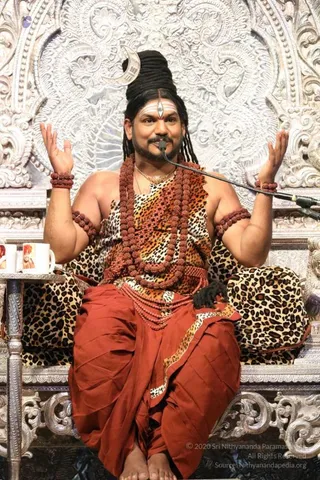 HDH Sri Nithyananda Paramashivam explains how the ability to access multi-dimensions of the universe Is your nature; it is there with you
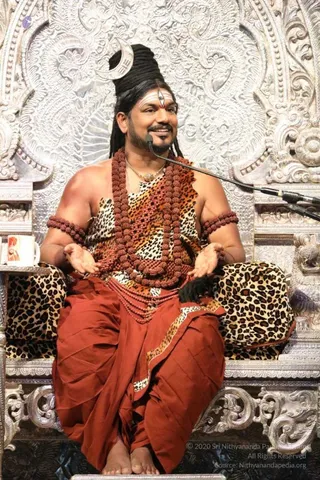 HDH Sri Nithyananda Paramashivam explains how the ability to access multi-dimensions of the universe Is your nature; it is there with you
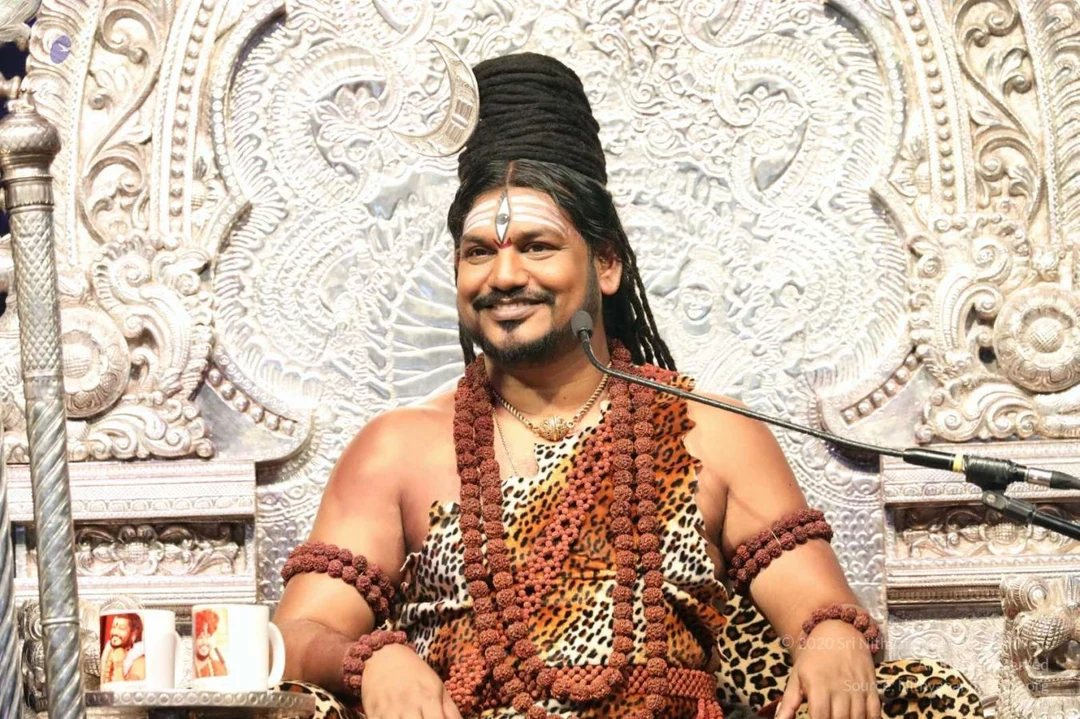 HDH Sri Nithyananda Paramashivam explains how the ability to access multi-dimensions of the universe Is your nature; it is there with you
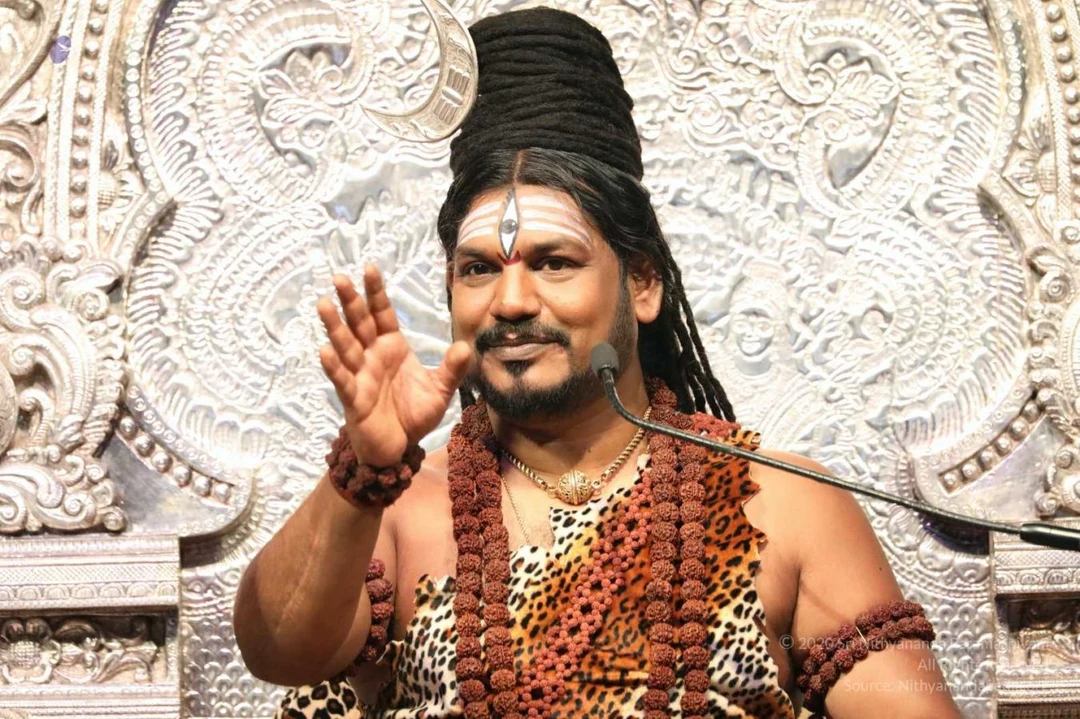 HDH Sri Nithyananda Paramashivam explains how the ability to access multi-dimensions of the universe Is your nature; it is there with you
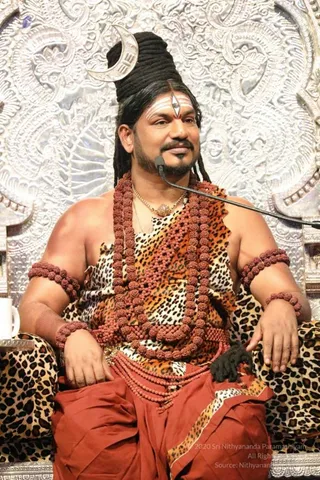 HDH Sri Nithyananda Paramashivam explains how the ability to access multi-dimensions of the universe Is your nature; it is there with you
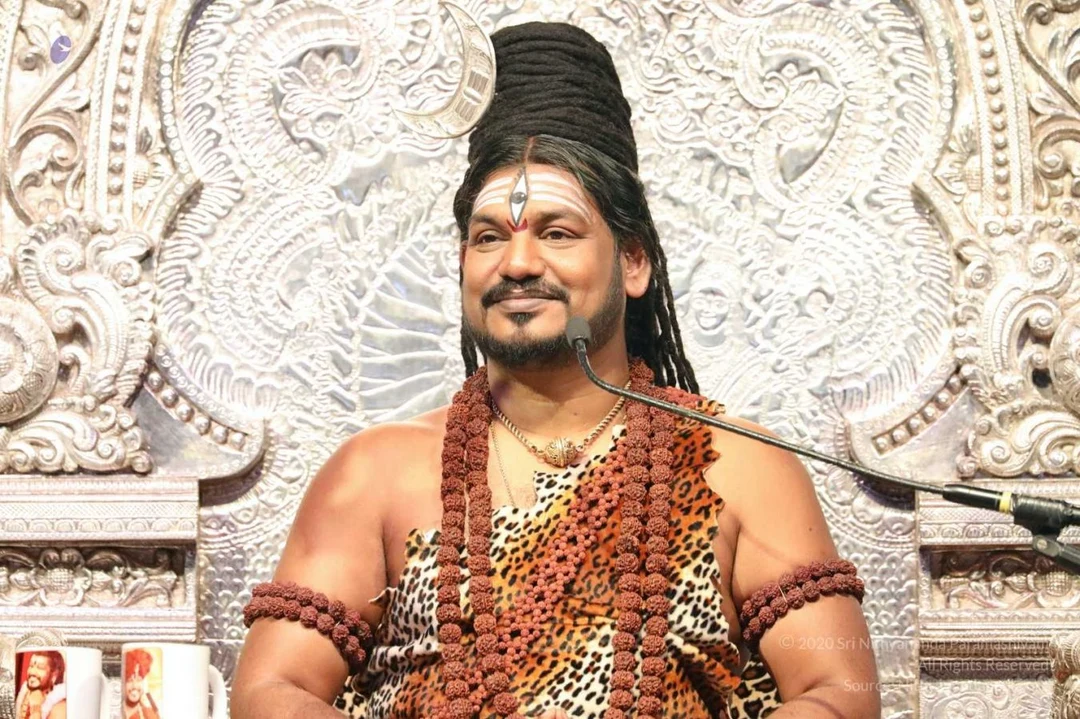 HDH Sri Nithyananda Paramashivam explains how the ability to access multi-dimensions of the universe Is your nature; it is there with you
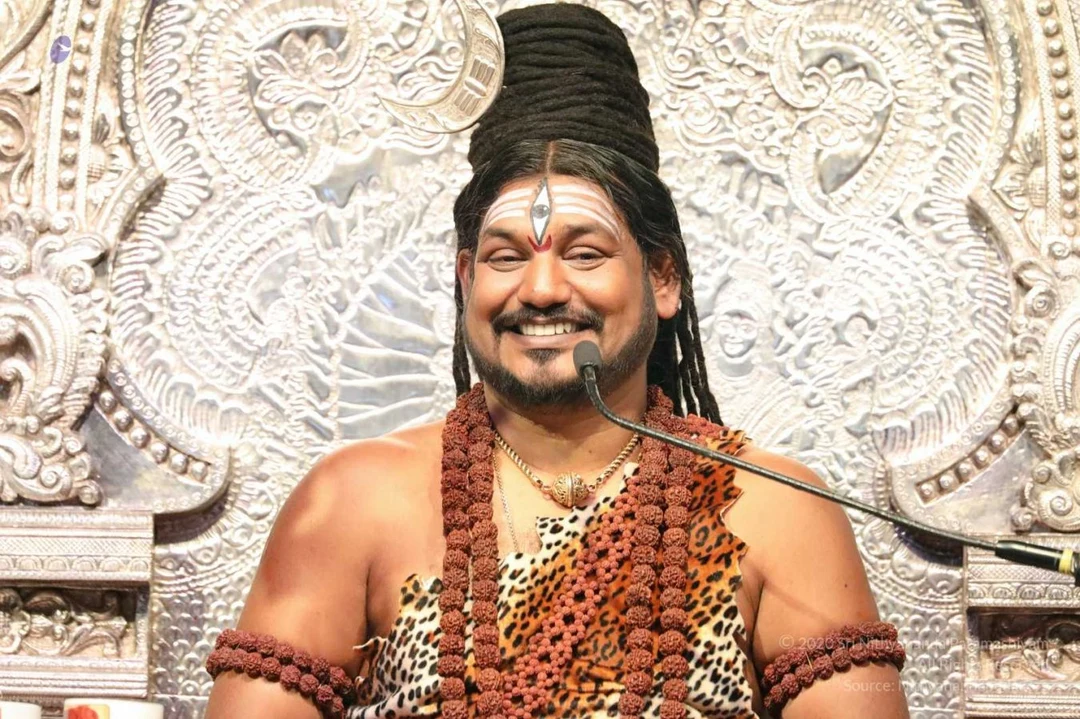 HDH Sri Nithyananda Paramashivam explains how the ability to access multi-dimensions of the universe Is your nature; it is there with you
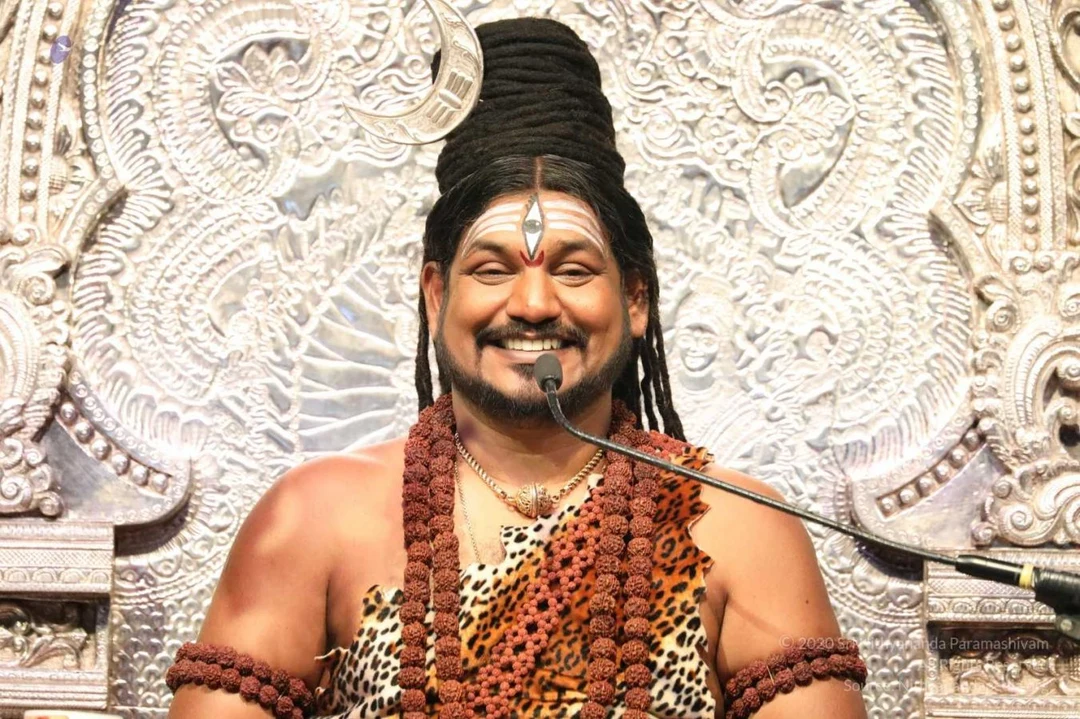 HDH Sri Nithyananda Paramashivam explains how the ability to access multi-dimensions of the universe Is your nature; it is there with you
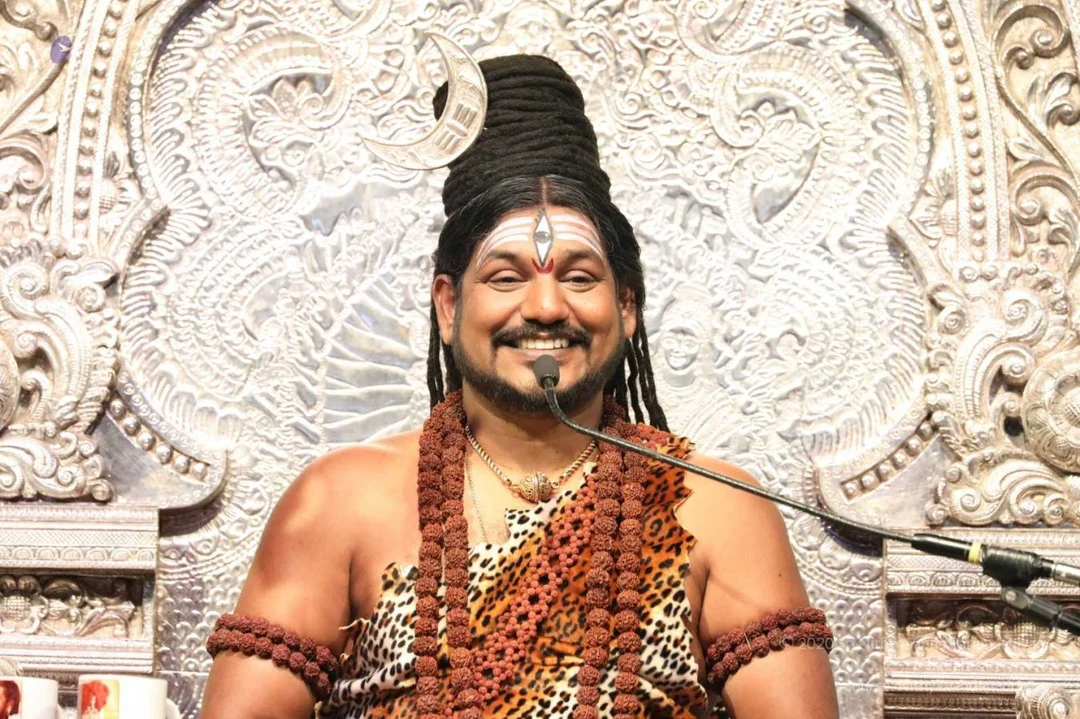 HDH Sri Nithyananda Paramashivam explains how the ability to access multi-dimensions of the universe Is your nature; it is there with you
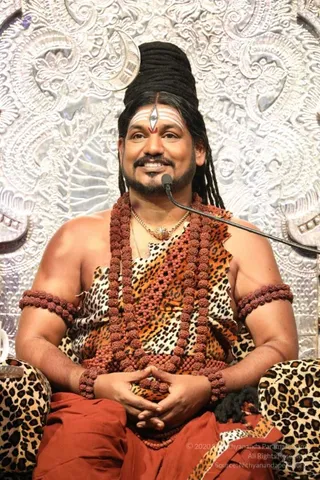 HDH Sri Nithyananda Paramashivam explains how the ability to access multi-dimensions of the universe Is your nature; it is there with you
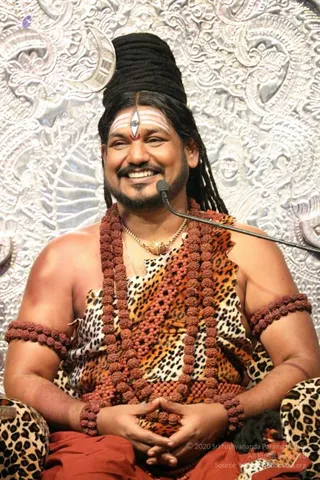 HDH Sri Nithyananda Paramashivam explains how the ability to access multi-dimensions of the universe Is your nature; it is there with you
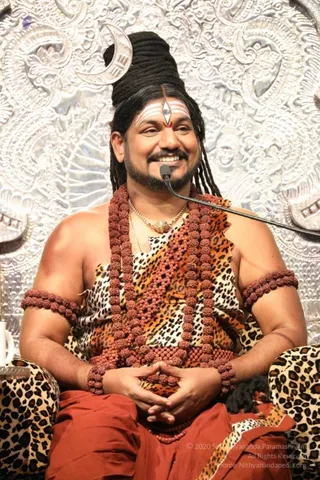 HDH Sri Nithyananda Paramashivam explains how the ability to access multi-dimensions of the universe Is your nature; it is there with you
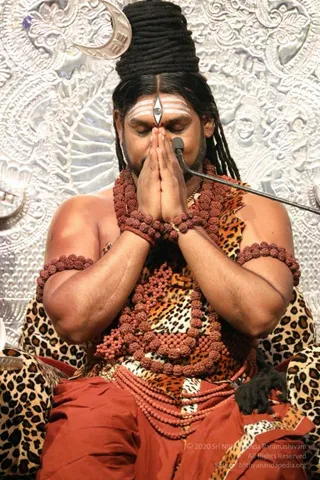 The state of Sadashiva is the unclutched state - the state of nirvikalpa samadhi, complete completion - the space of fulfillment - poornatva
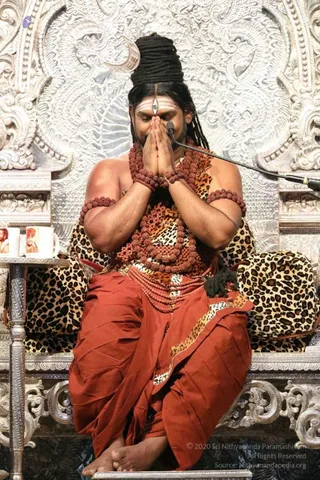 The state of Sadashiva is the unclutched state - the state of nirvikalpa samadhi, complete completion - the space of fulfillment - poornatva
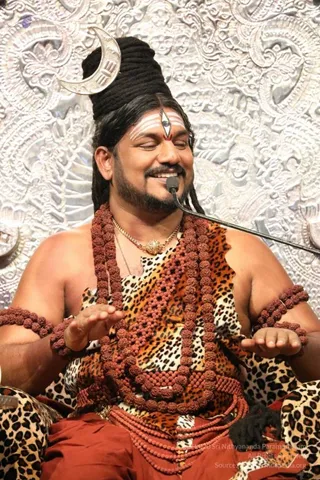 HDH Sri Nithyananda Paramashivam gives the experience of accessing different dimensions, planes of the universe
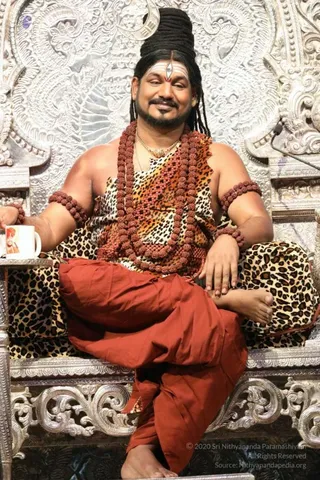 The state of Sadashiva is the unclutched state - the state of nirvikalpa samadhi, complete completion - the space of fulfillment - poornatva
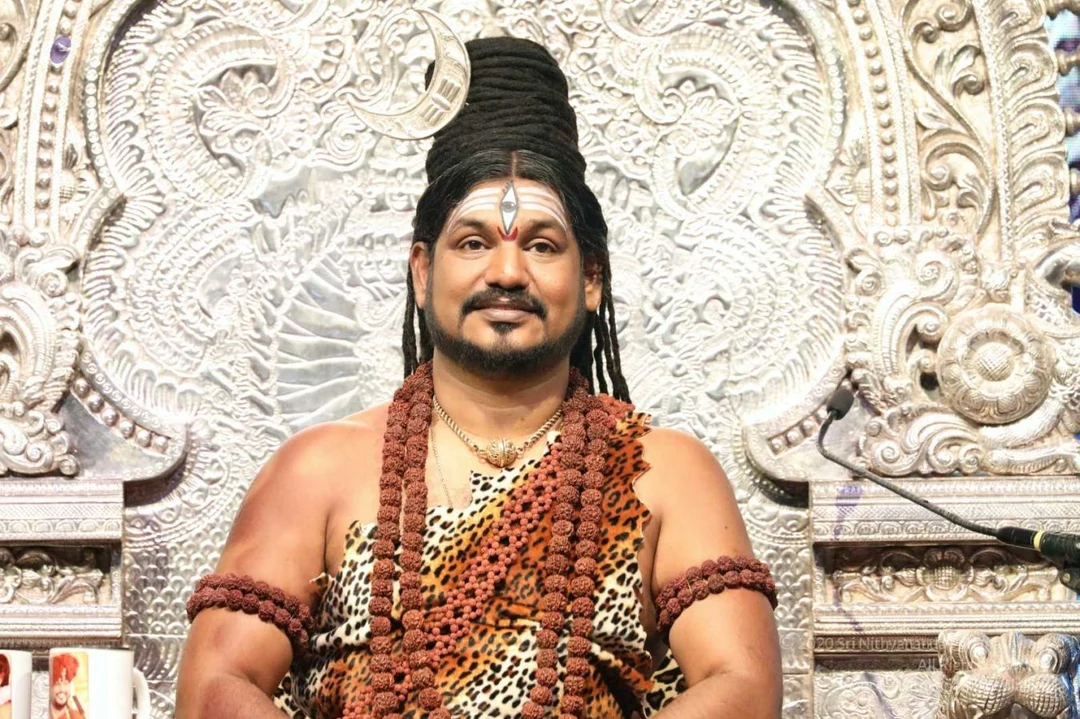 The state of Sadashiva is the unclutched state - the state of nirvikalpa samadhi, complete completion - the space of fulfillment - poornatva
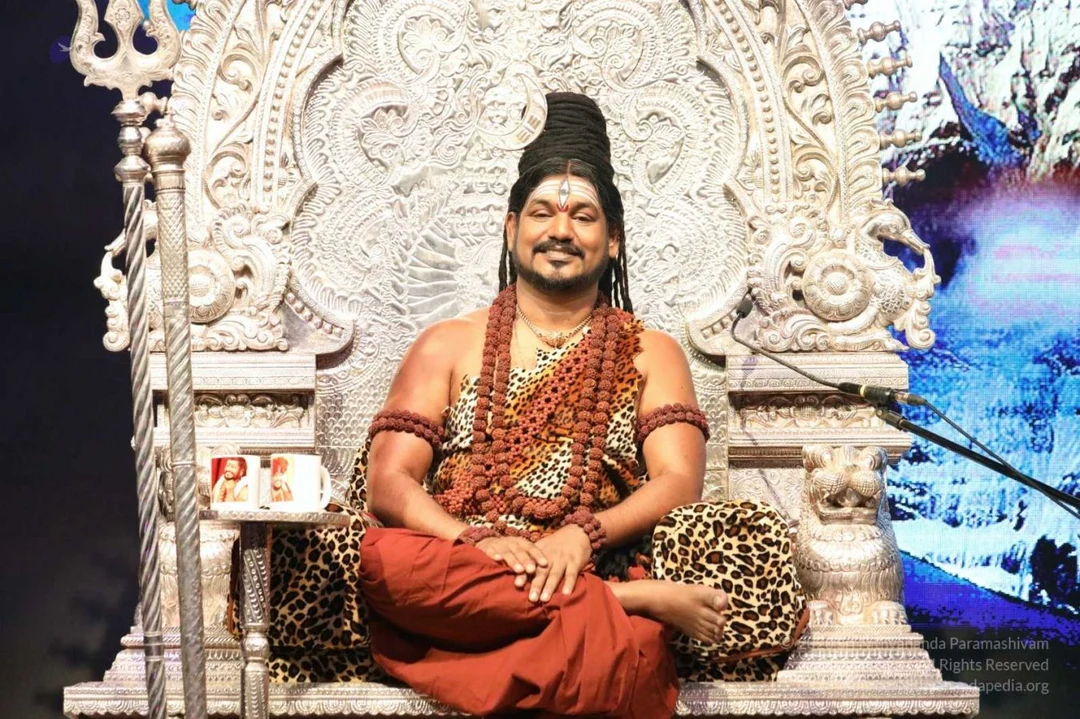 The state of Sadashiva is the unclutched state - the state of nirvikalpa samadhi, complete completion - the space of fulfillment - poornatva
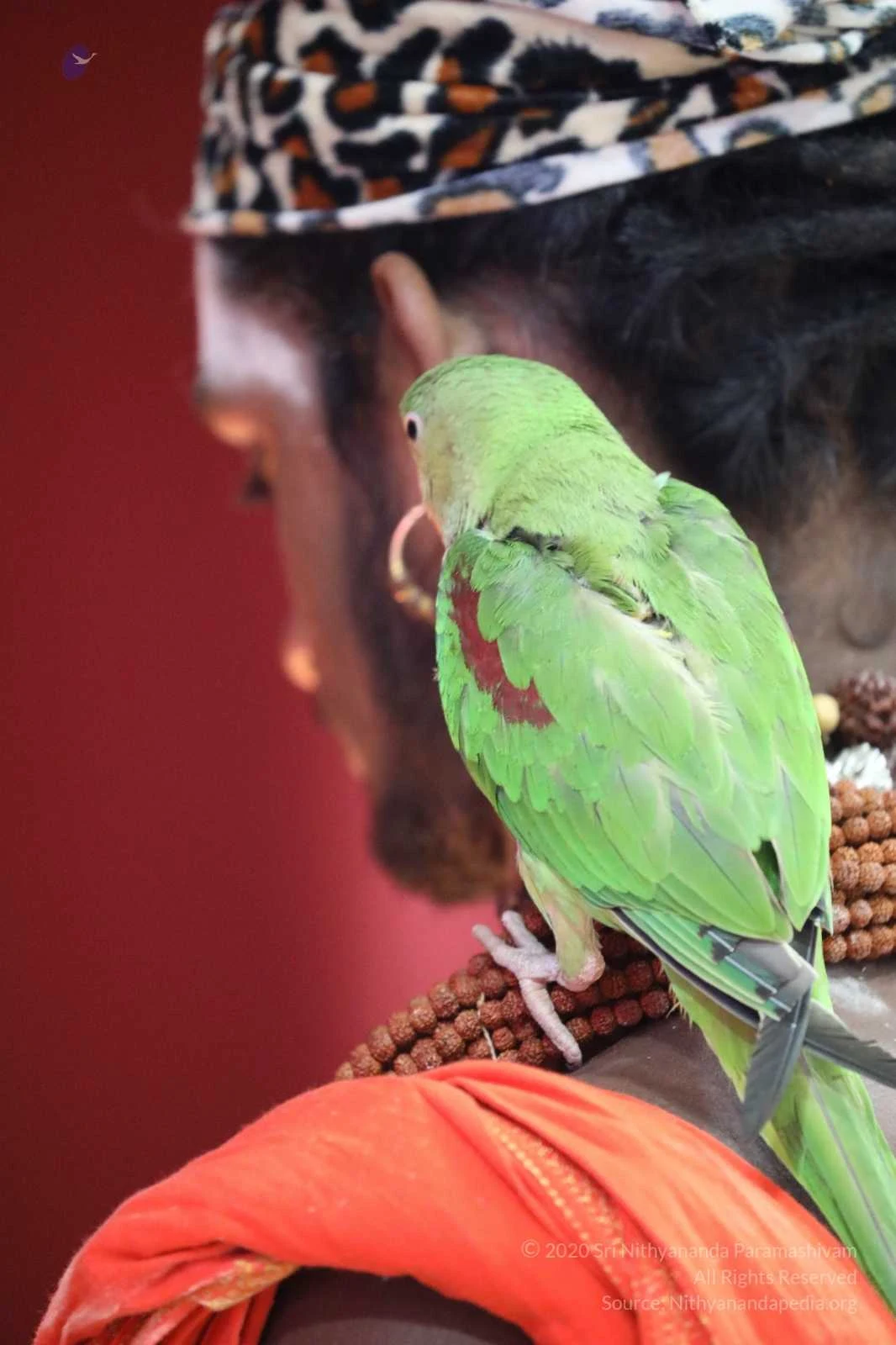
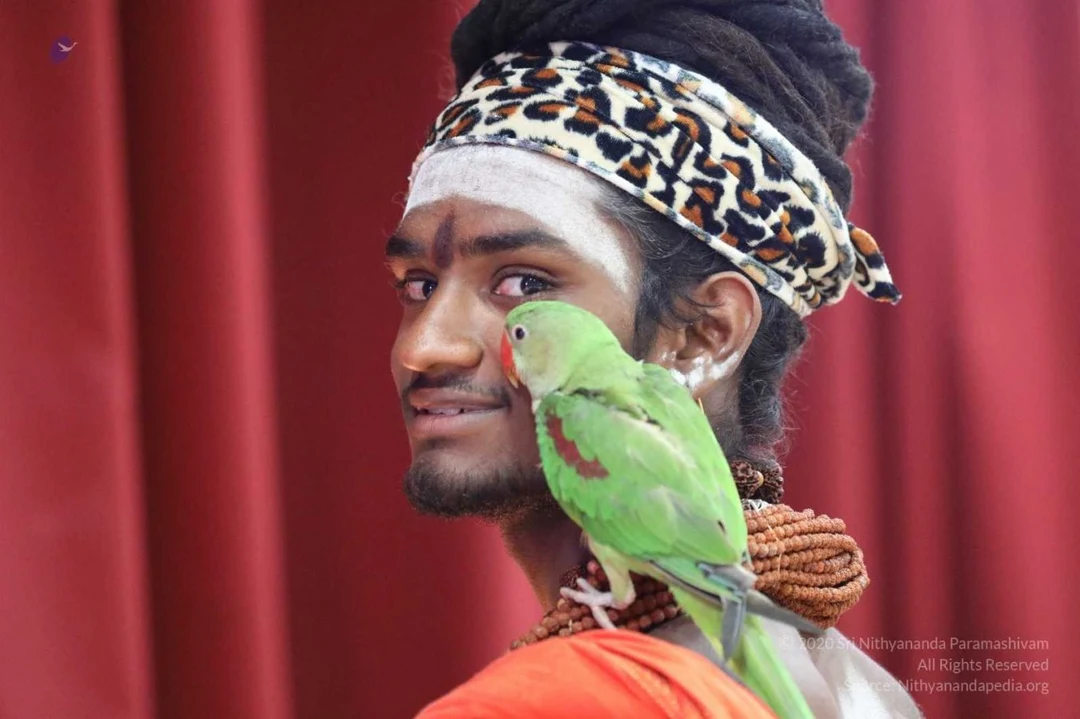 Balasant and parrot at Nithyananda Peetham awakened and initiated by HDH Sri Nithyananda Paramashivam
 Balasant and parrot at Nithyananda Peetham awakened and initiated by HDH Sri Nithyananda Paramashivam
 Balasant and parrot at Nithyananda Peetham awakened and initiated by HDH Sri Nithyananda Paramashivam
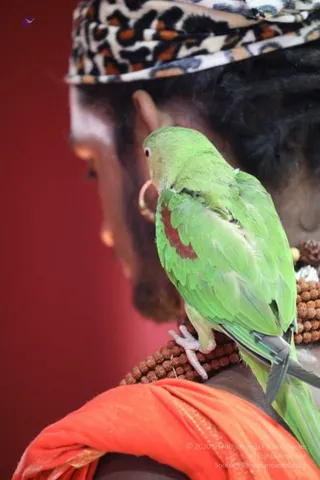 Balasant and parrot at Nithyananda Peetham awakened and initiated by HDH Sri Nithyananda Paramashivam
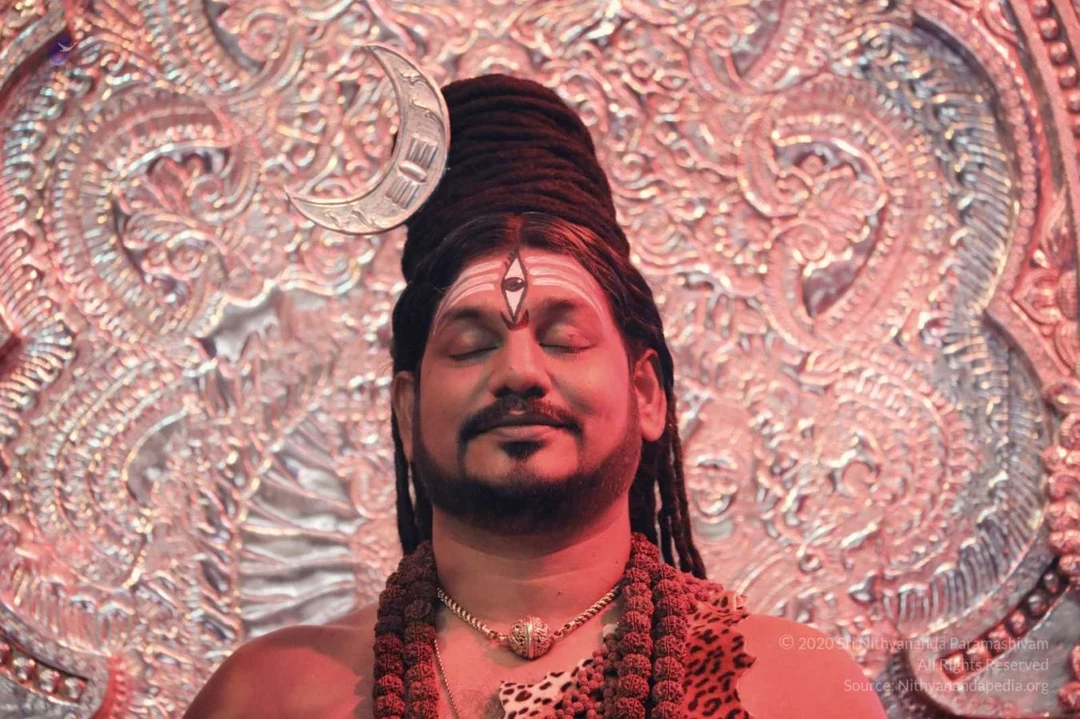 HDH Sri Nithyananda Paramashivam gives the experience of accessing different dimensions, planes of the universe
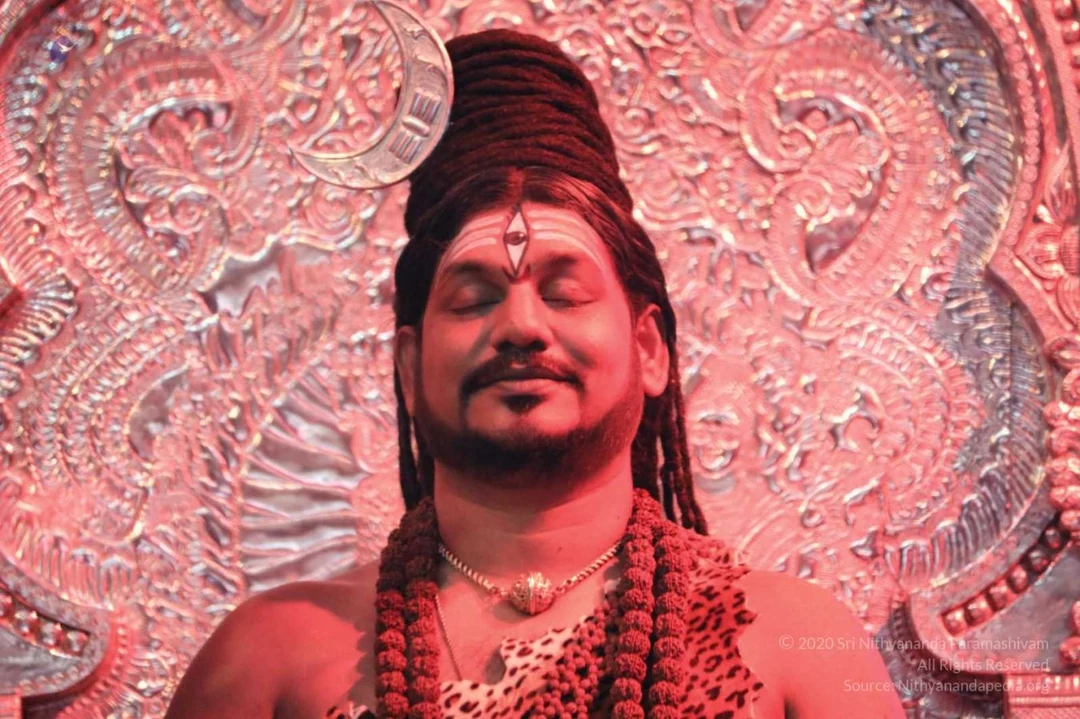 HDH Sri Nithyananda Paramashivam gives the experience of accessing different dimensions, planes of the universe
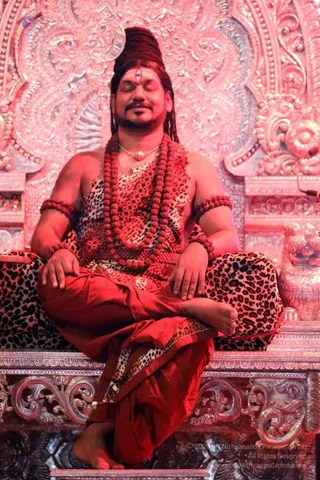 HDH Sri Nithyananda Paramashivam gives the experience of accessing different dimensions, planes of the universe
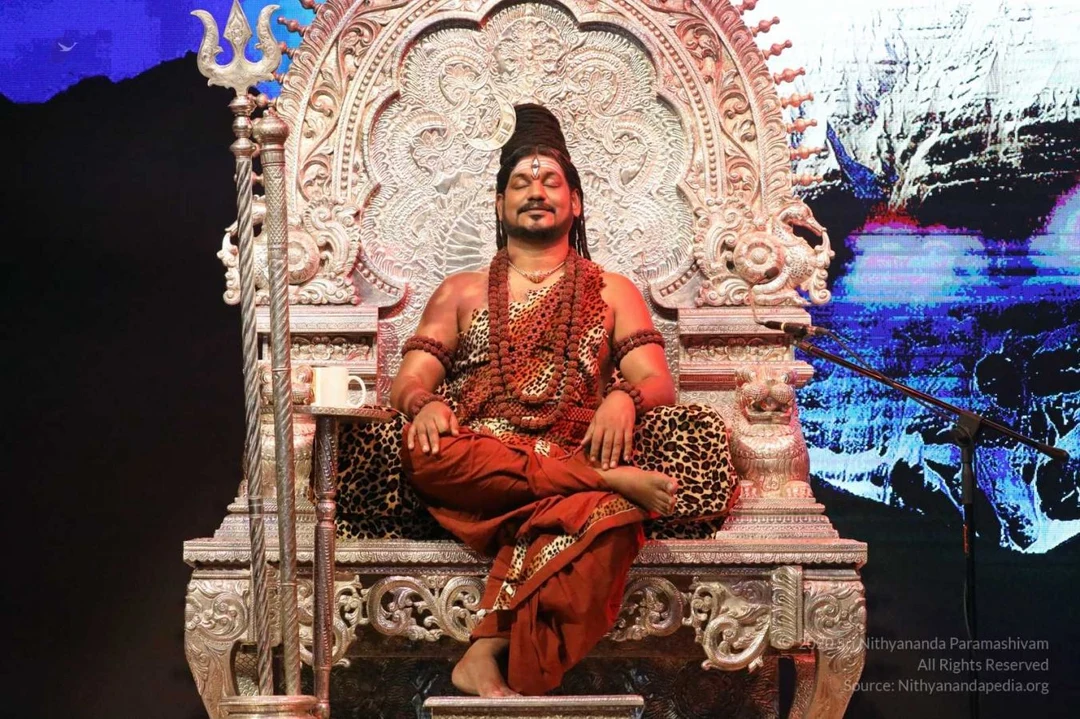 HDH Sri Nithyananda Paramashivam gives the experience of accessing different dimensions, planes of the universe
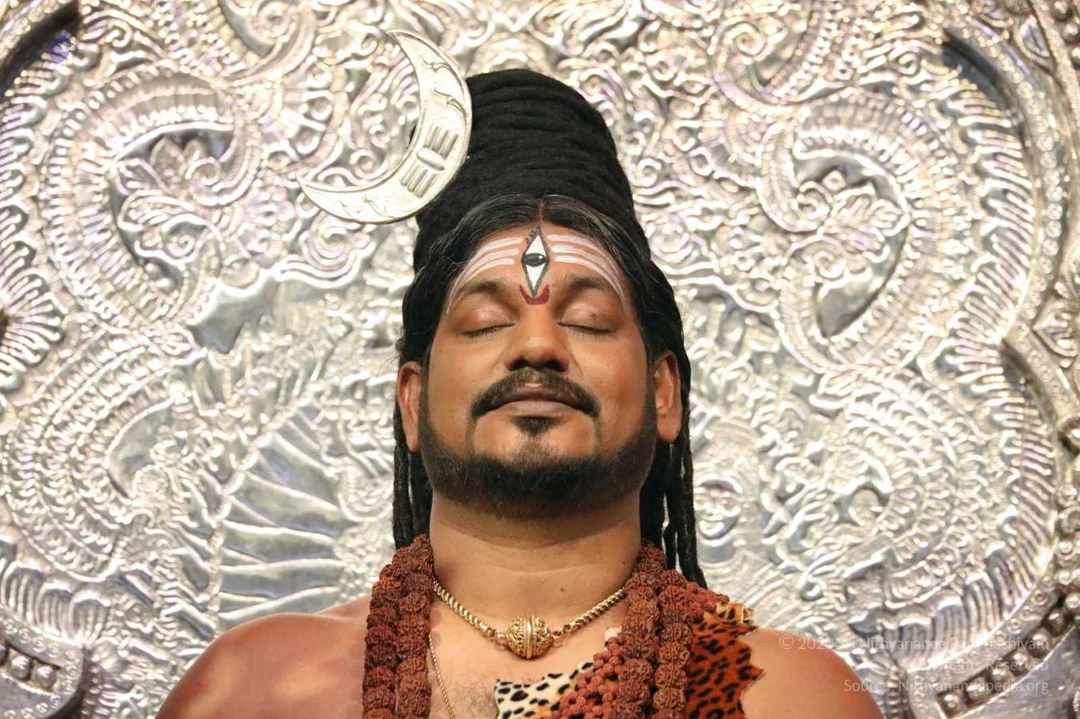 HDH Sri Nithyananda Paramashivam gives the experience of accessing different dimensions, planes of the universe
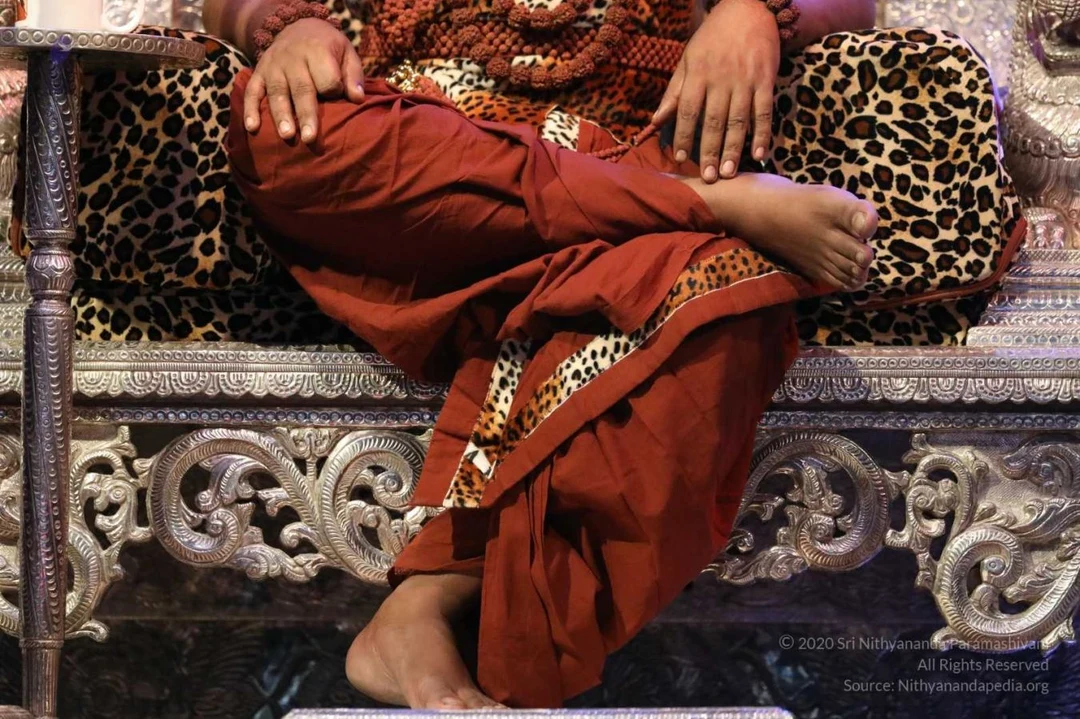 HDH Sri Nithyananda Paramashivam gives the experience of accessing different dimensions, planes of the universe
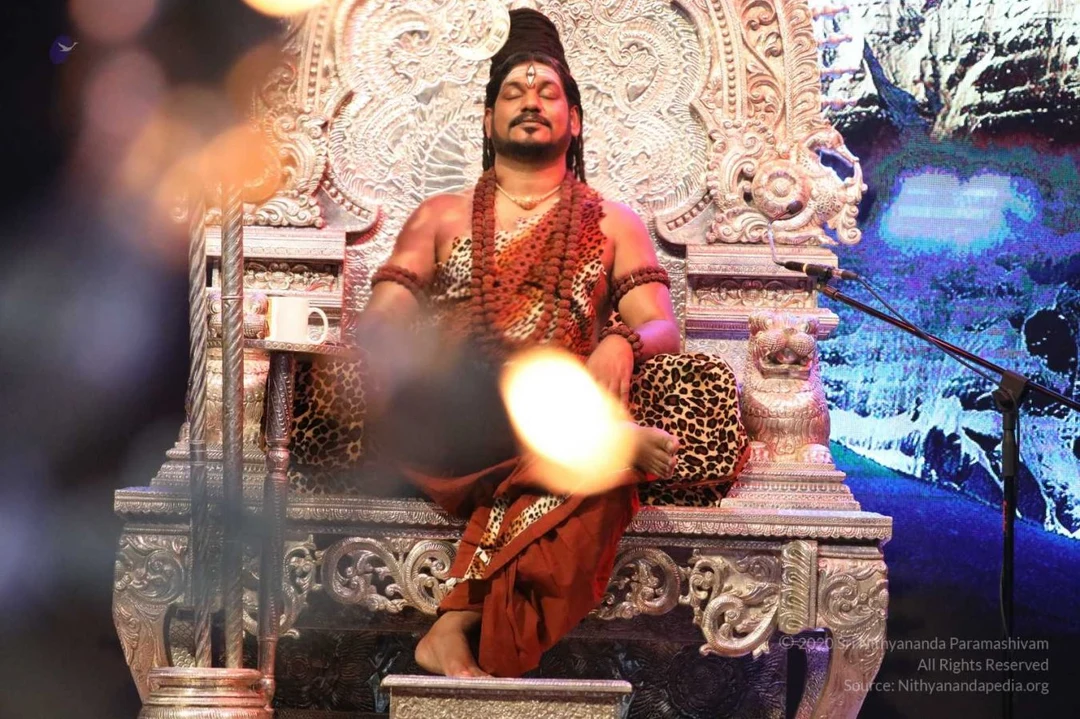 HDH Sri Nithyananda Paramashivam gives the experience of accessing different dimensions, planes of the universe
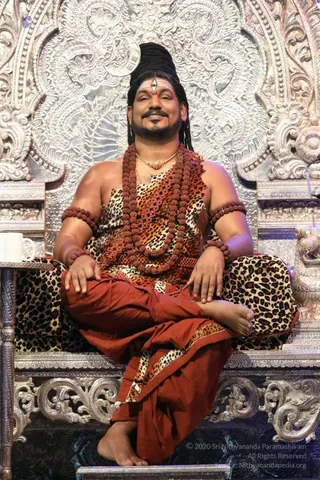 HDH Sri Nithyananda Paramashivam gives the experience of accessing different dimensions, planes of the universe
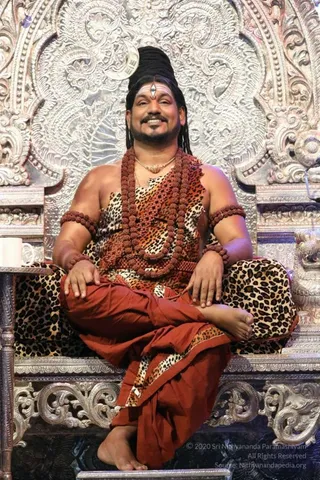 HDH Sri Nithyananda Paramashivam gives the experience of accessing different dimensions, planes of the universe
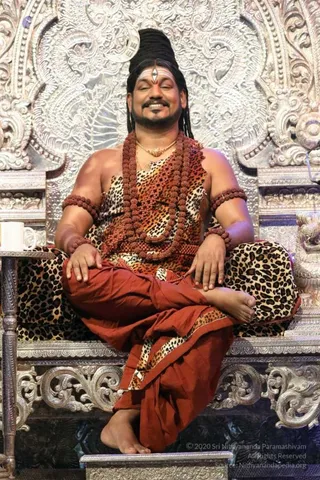 HDH Sri Nithyananda Paramashivam gives the experience of accessing different dimensions, planes of the universe
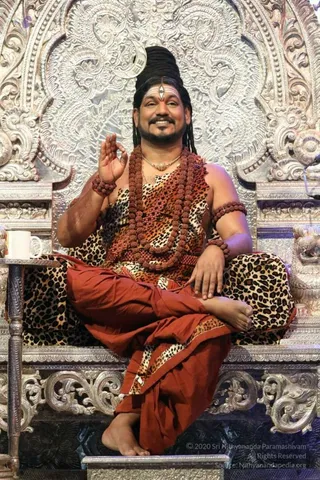 HDH Sri Nithyananda Paramashivam gives the experience of accessing different dimensions, planes of the universe
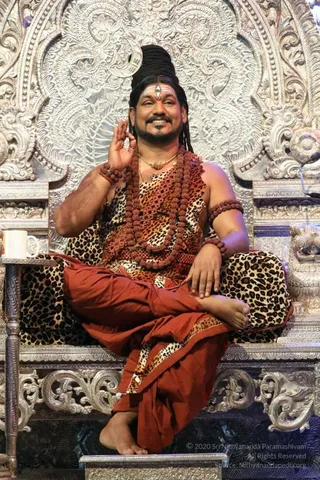 HDH Sri Nithyananda Paramashivam gives the experience of accessing different dimensions, planes of the universe
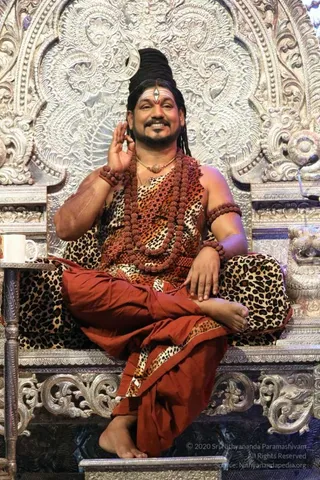 HDH Sri Nithyananda Paramashivam gives the experience of accessing different dimensions, planes of the universe
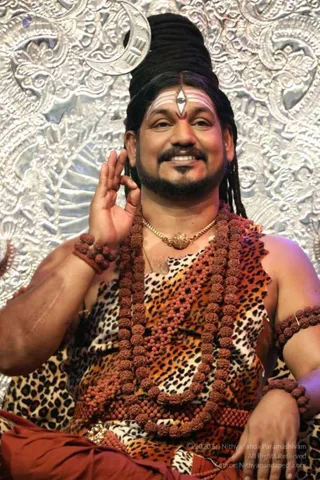 HDH Sri Nithyananda Paramashivam gives the experience of accessing different dimensions, planes of the universe
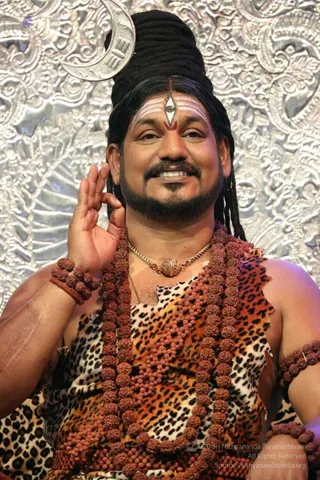 HDH Sri Nithyananda Paramashivam gives the experience of accessing different dimensions, planes of the universe
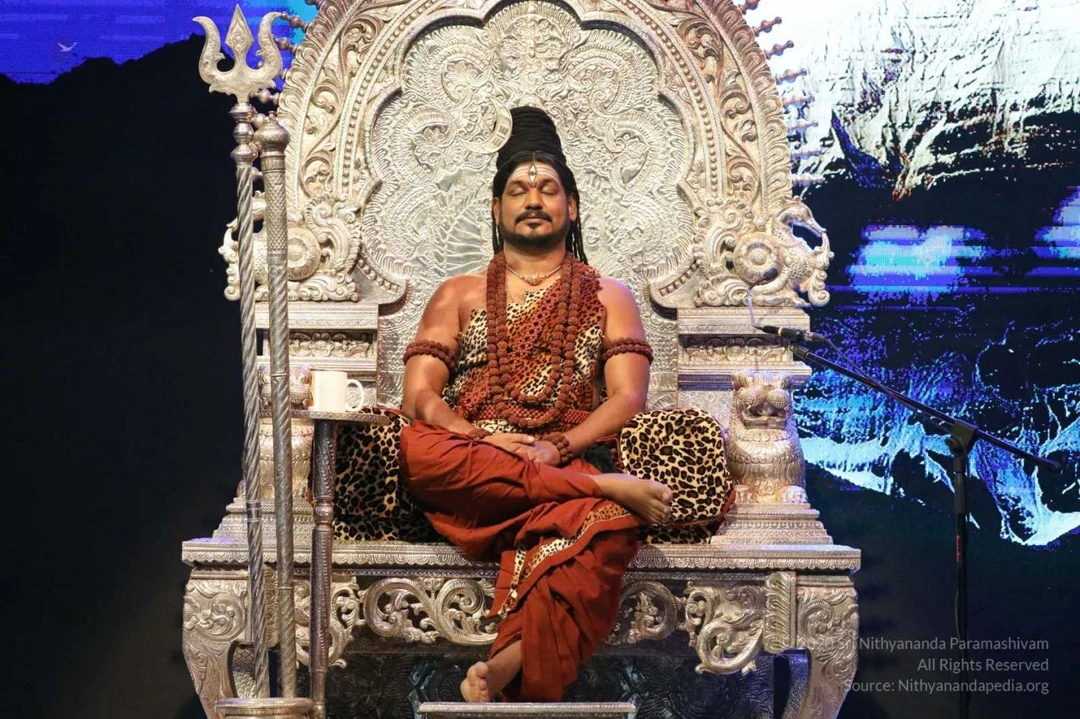 HDH Sri Nithyananda Paramashivam gives the experience of accessing different dimensions, planes of the universe
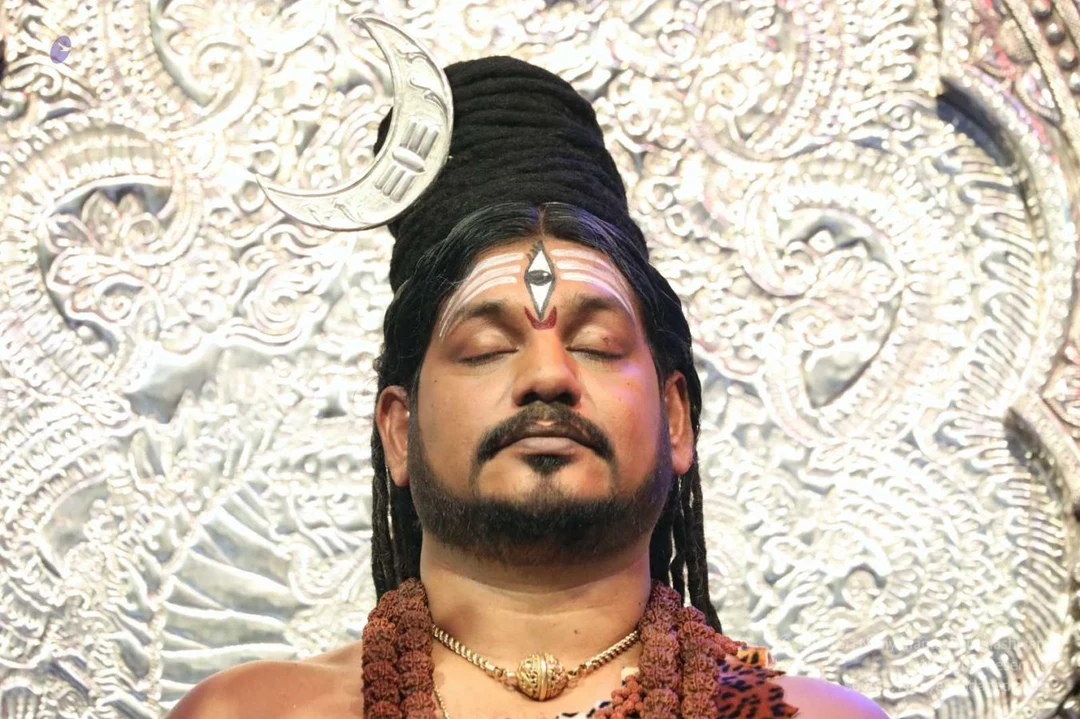 HDH Sri Nithyananda Paramashivam gives the experience of accessing different dimensions, planes of the universe
 HDH Sri Nithyananda Paramashivam gives the experience of accessing different dimensions, planes of the universe
 HDH Sri Nithyananda Paramashivam gives the experience of accessing different dimensions, planes of the universe
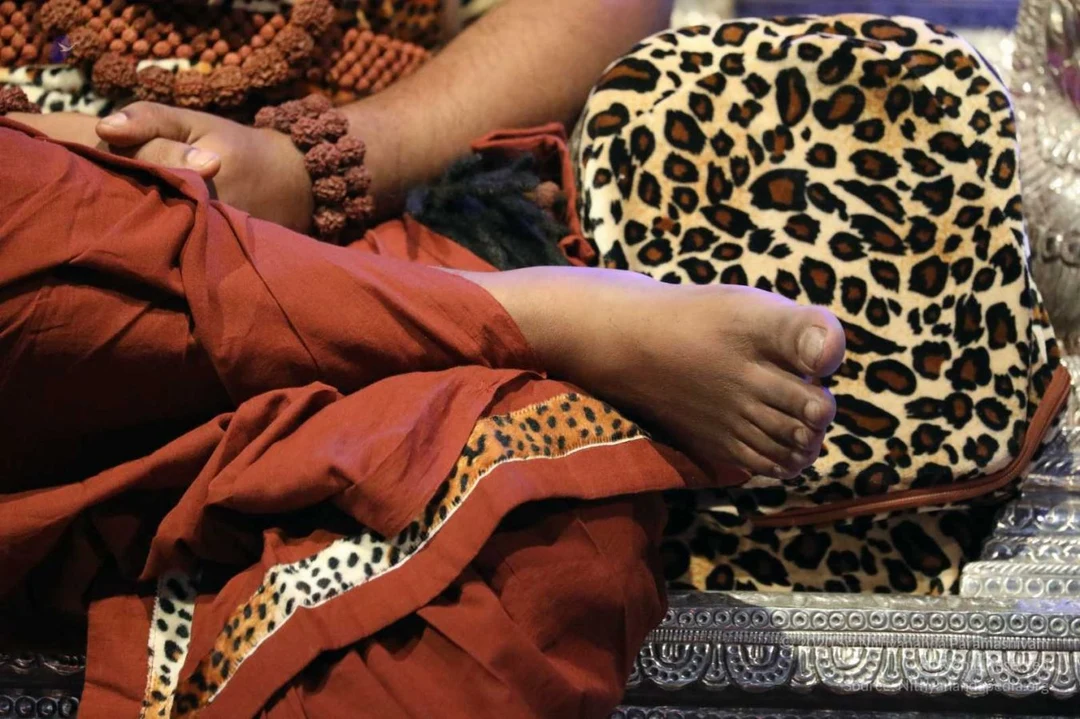 HDH Sri Nithyananda Paramashivam gives the experience of accessing different dimensions, planes of the universe
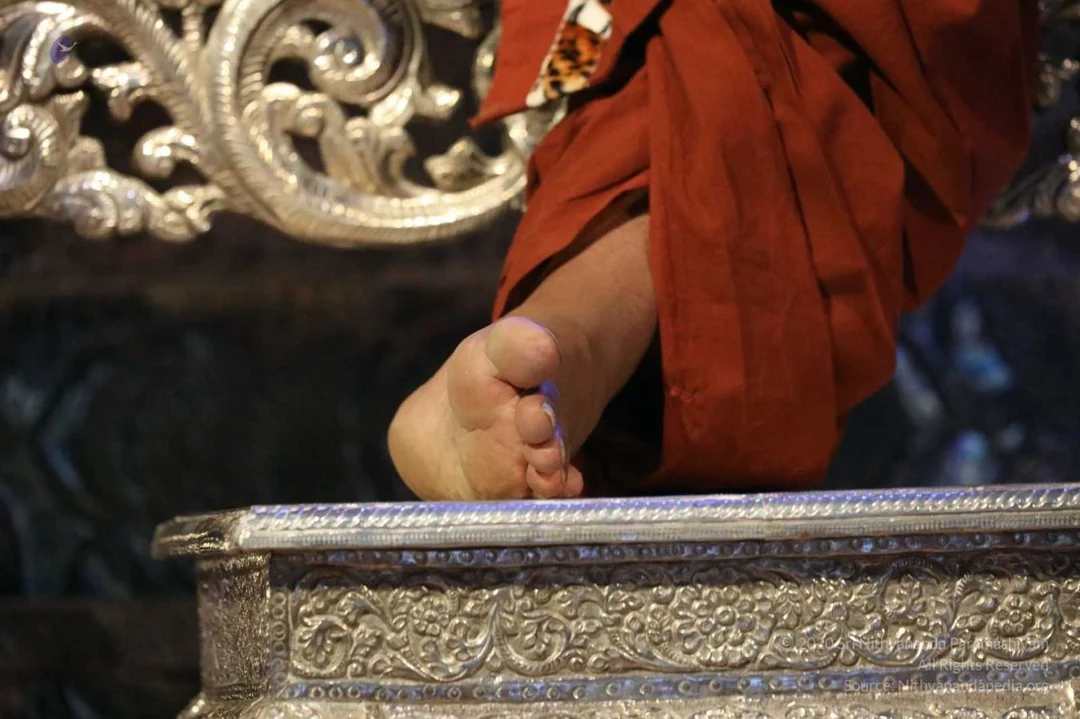 HDH Sri Nithyananda Paramashivam gives the experience of accessing different dimensions, planes of the universe
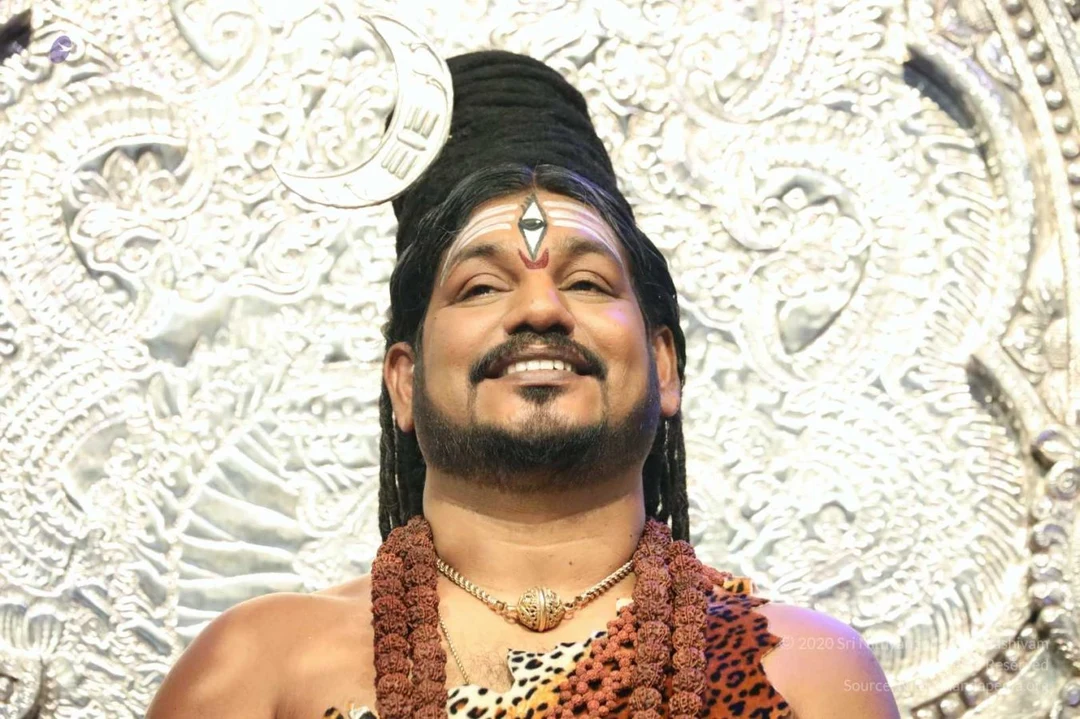 HDH Sri Nithyananda Paramashivam gives the experience of accessing different dimensions, planes of the universe
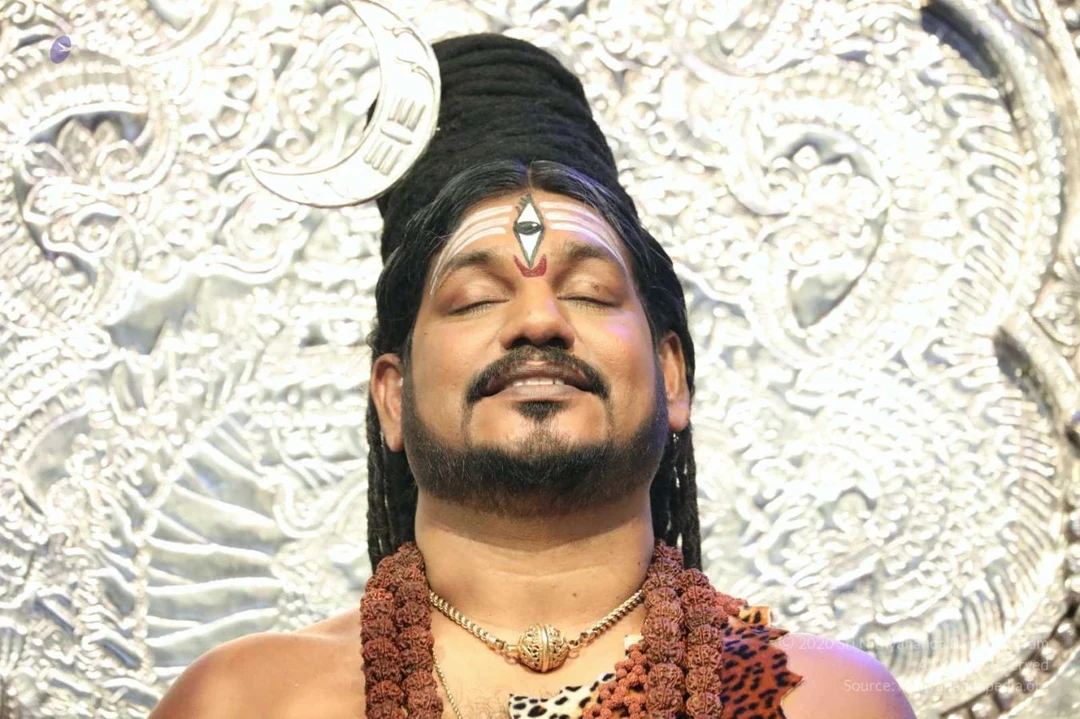 HDH Sri Nithyananda Paramashivam gives the experience of accessing different dimensions, planes of the universe
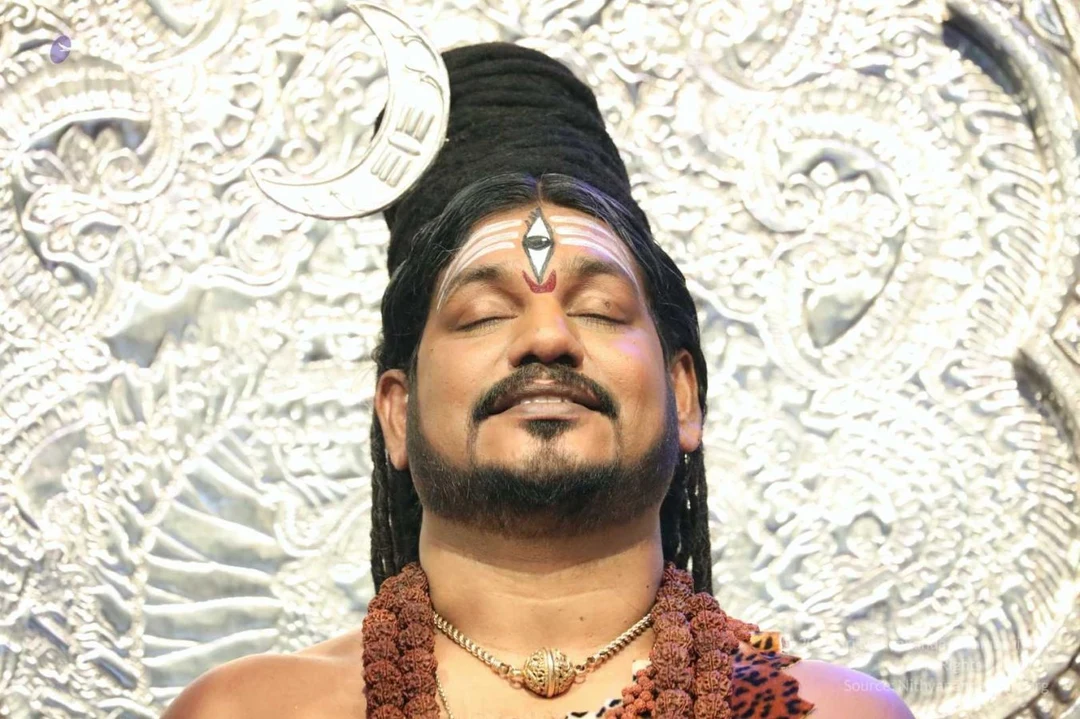 HDH Sri Nithyananda Paramashivam gives the experience of accessing different dimensions, planes of the universe
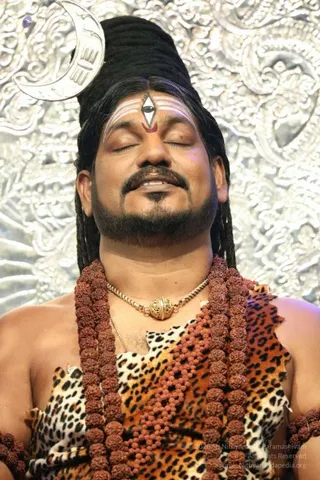 HDH Sri Nithyananda Paramashivam gives the experience of accessing different dimensions, planes of the universe
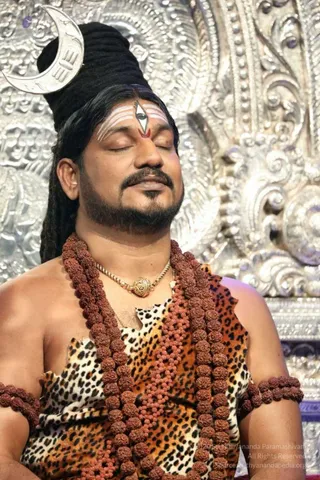 HDH Sri Nithyananda Paramashivam gives the experience of accessing different dimensions, planes of the universe
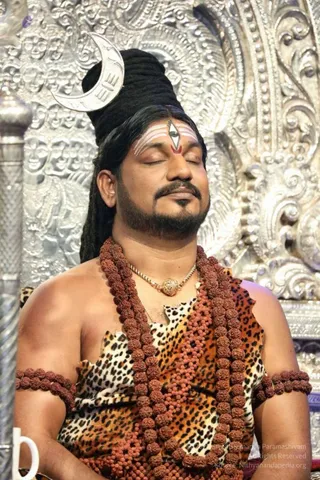 HDH Sri Nithyananda Paramashivam gives the experience of accessing different dimensions, planes of the universe
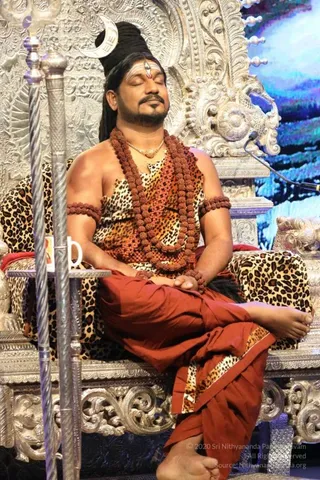 HDH Sri Nithyananda Paramashivam gives the experience of accessing different dimensions, planes of the universe
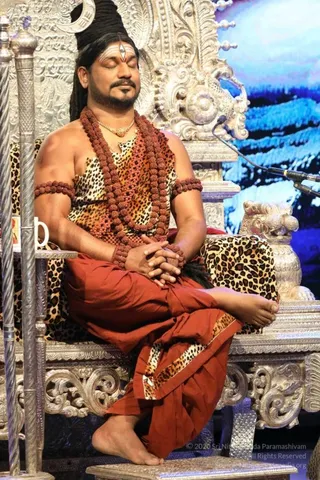 HDH Sri Nithyananda Paramashivam gives the experience of accessing different dimensions, planes of the universe
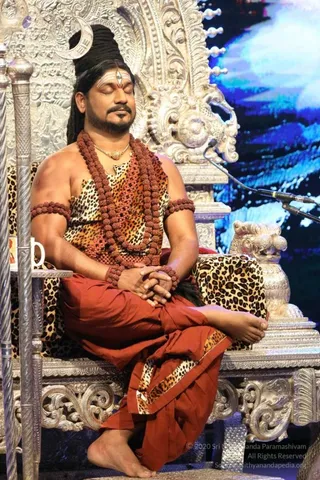 HDH Sri Nithyananda Paramashivam gives the experience of accessing different dimensions, planes of the universe
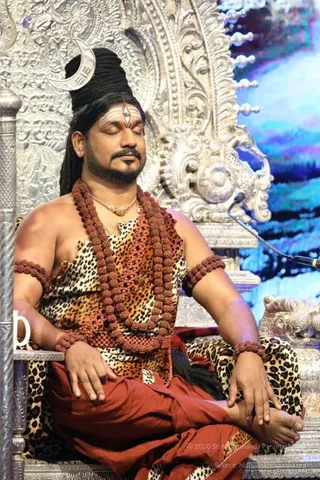 HDH Sri Nithyananda Paramashivam gives the experience of accessing different dimensions, planes of the universe
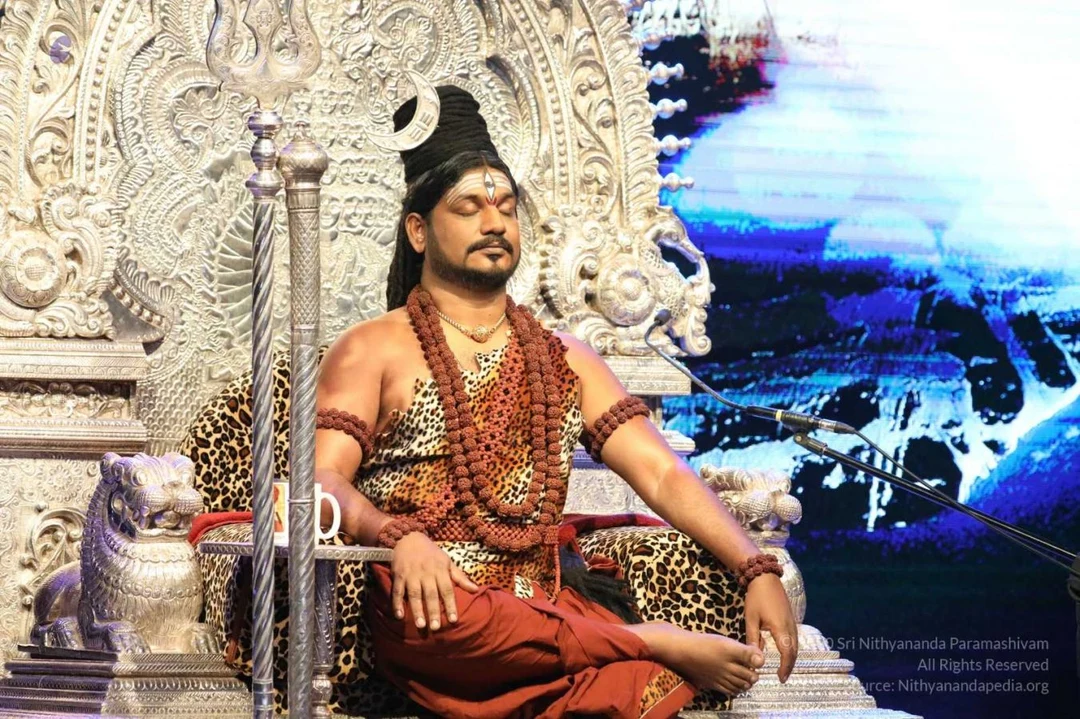 HDH Sri Nithyananda Paramashivam gives the experience of accessing different dimensions, planes of the universe
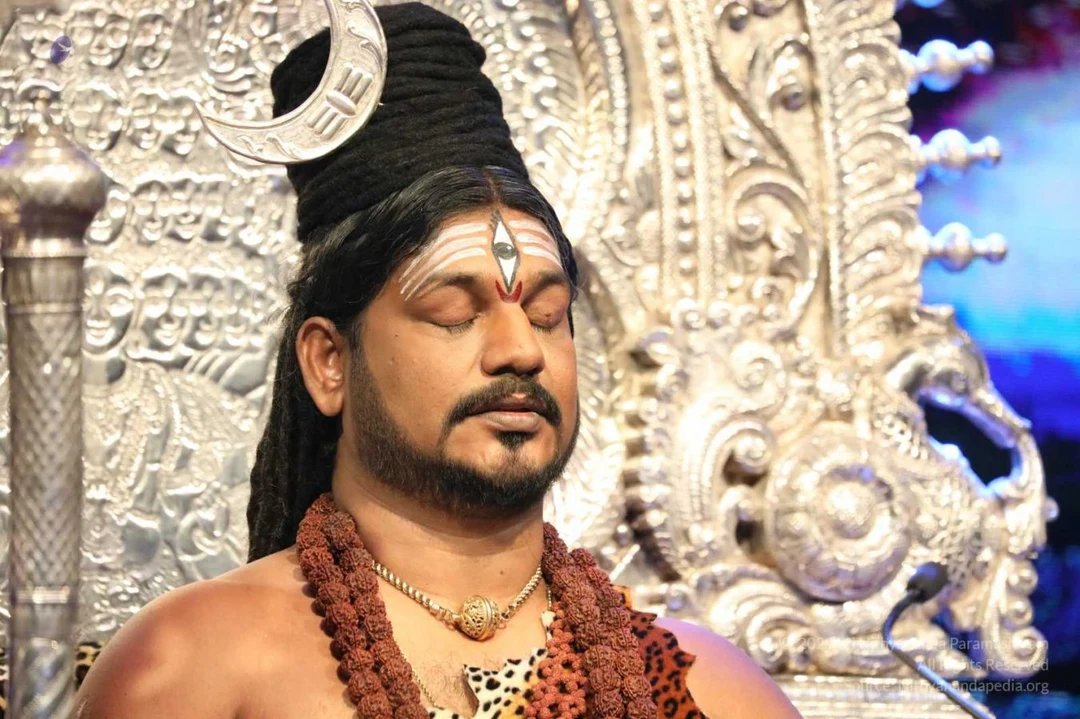 HDH Sri Nithyananda Paramashivam gives the experience of accessing different dimensions, planes of the universe
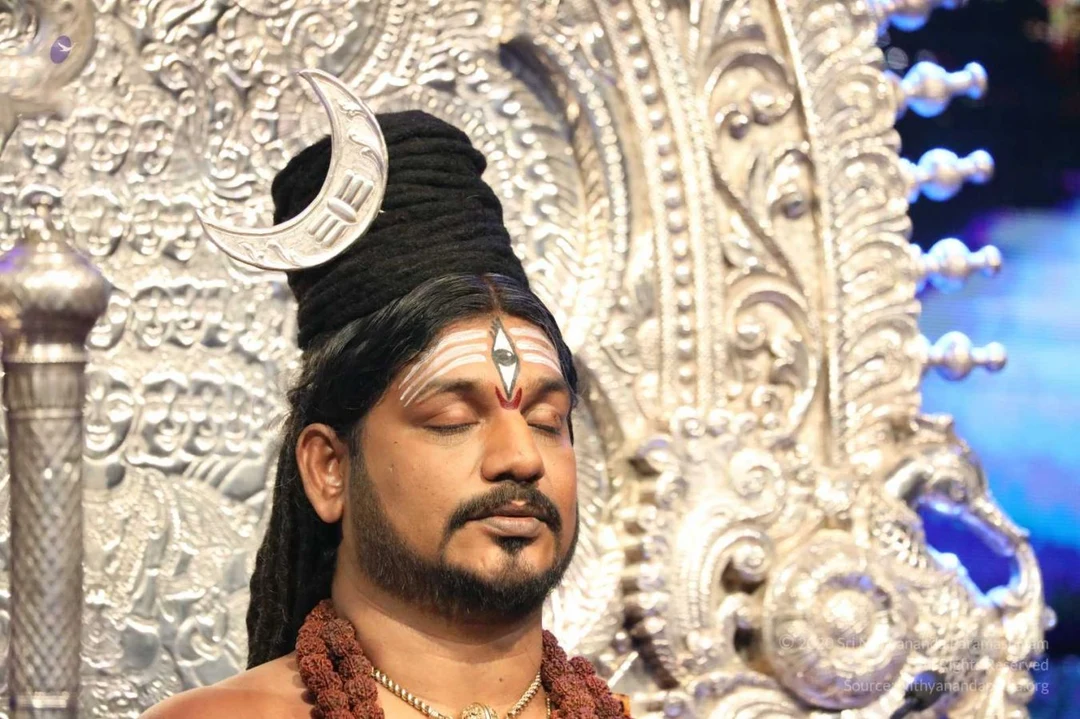 HDH Sri Nithyananda Paramashivam gives the experience of accessing different dimensions, planes of the universe
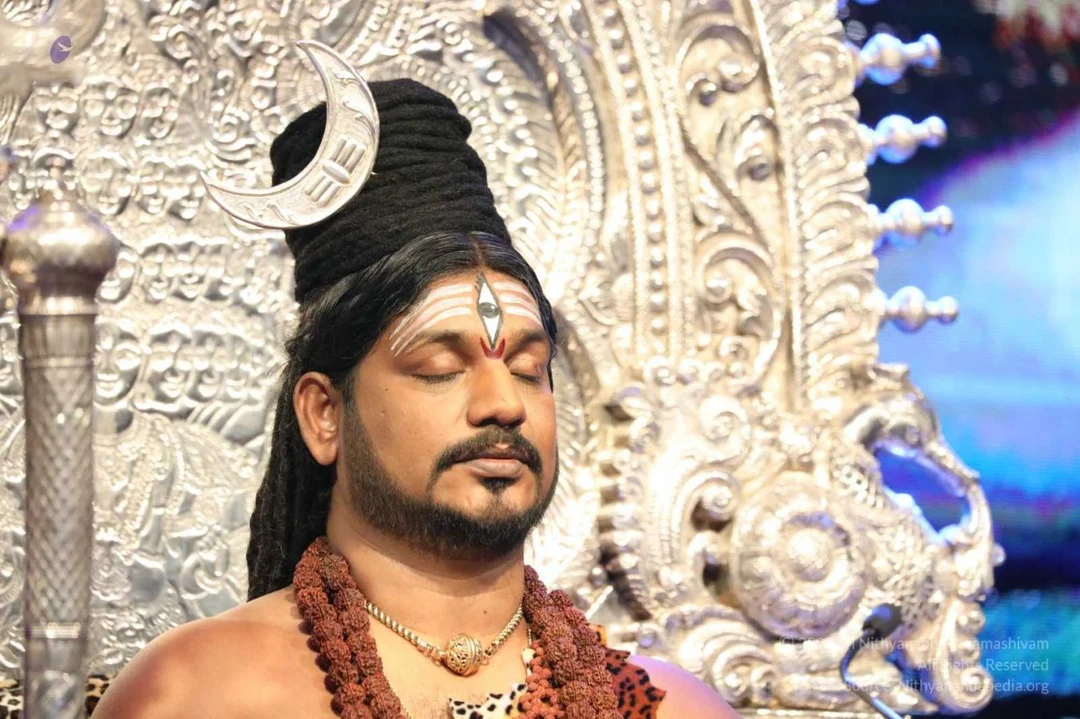 HDH Sri Nithyananda Paramashivam gives the experience of accessing different dimensions, planes of the universe
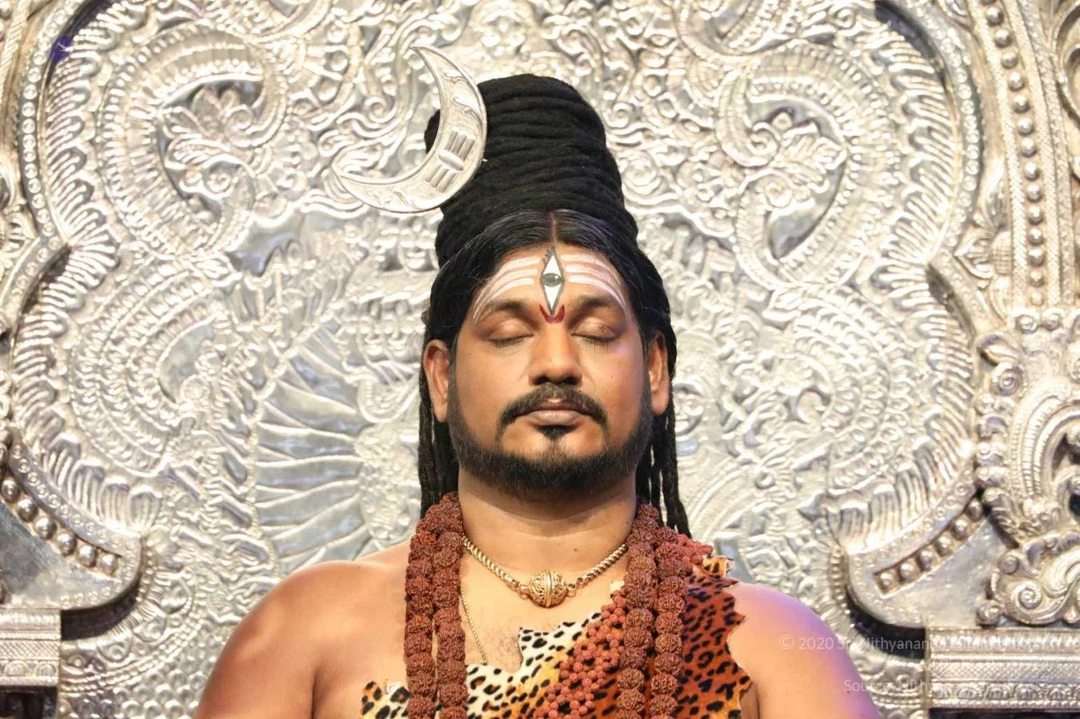 HDH Sri Nithyananda Paramashivam gives the experience of accessing different dimensions, planes of the universe
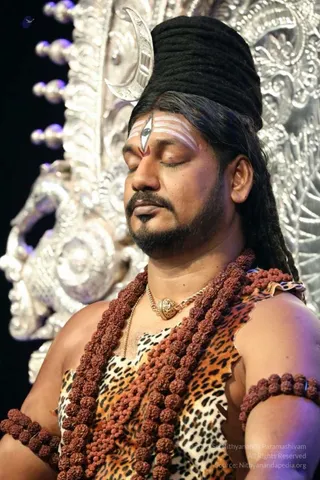 HDH Sri Nithyananda Paramashivam gives the experience of accessing different dimensions, planes of the universe
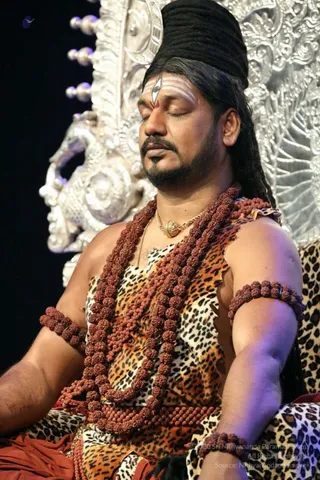 HDH Sri Nithyananda Paramashivam gives the experience of accessing different dimensions, planes of the universe
 HDH Sri Nithyananda Paramashivam gives the experience of accessing different dimensions, planes of the universe
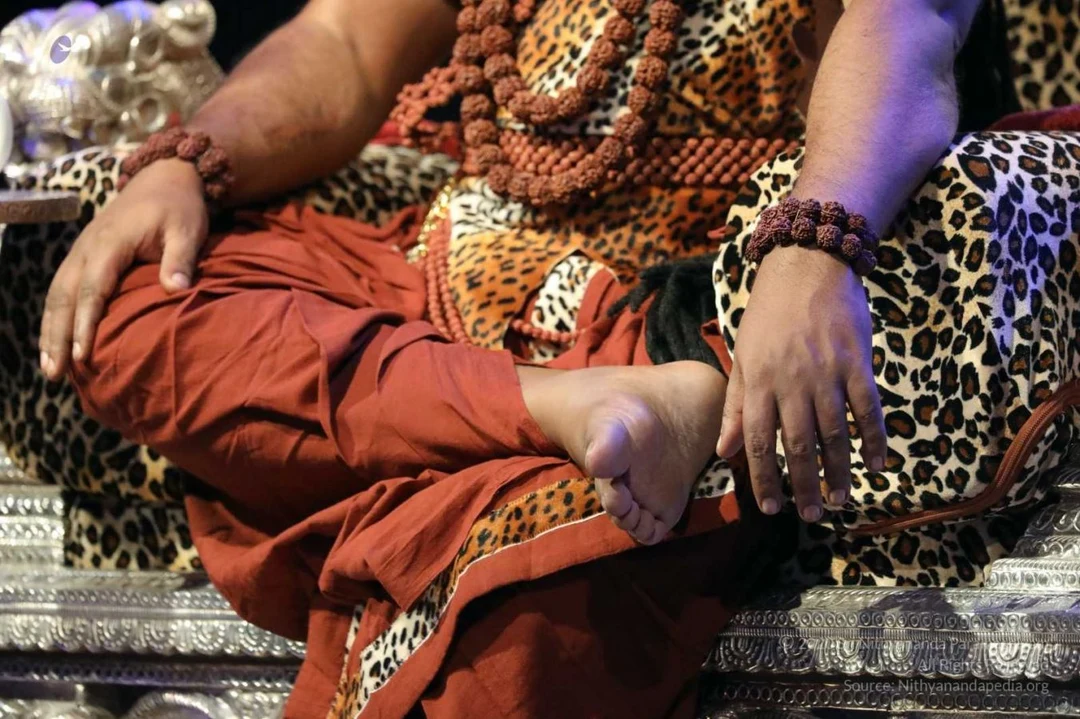 HDH Sri Nithyananda Paramashivam gives the experience of accessing different dimensions, planes of the universe
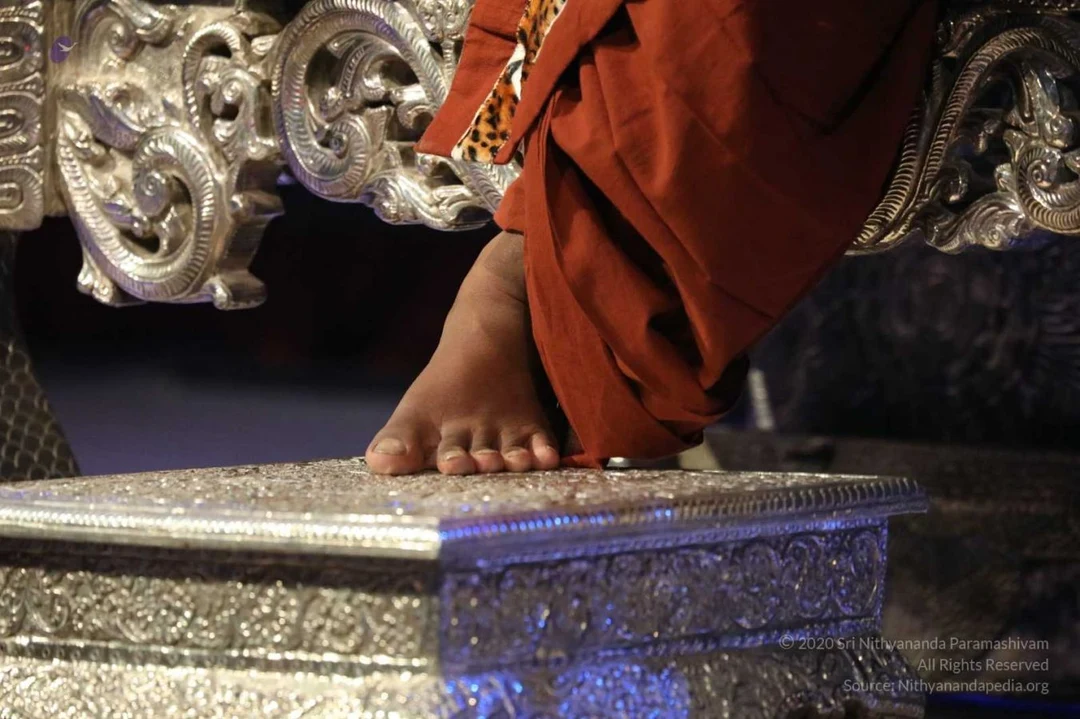 HDH Sri Nithyananda Paramashivam gives the experience of accessing different dimensions, planes of the universe
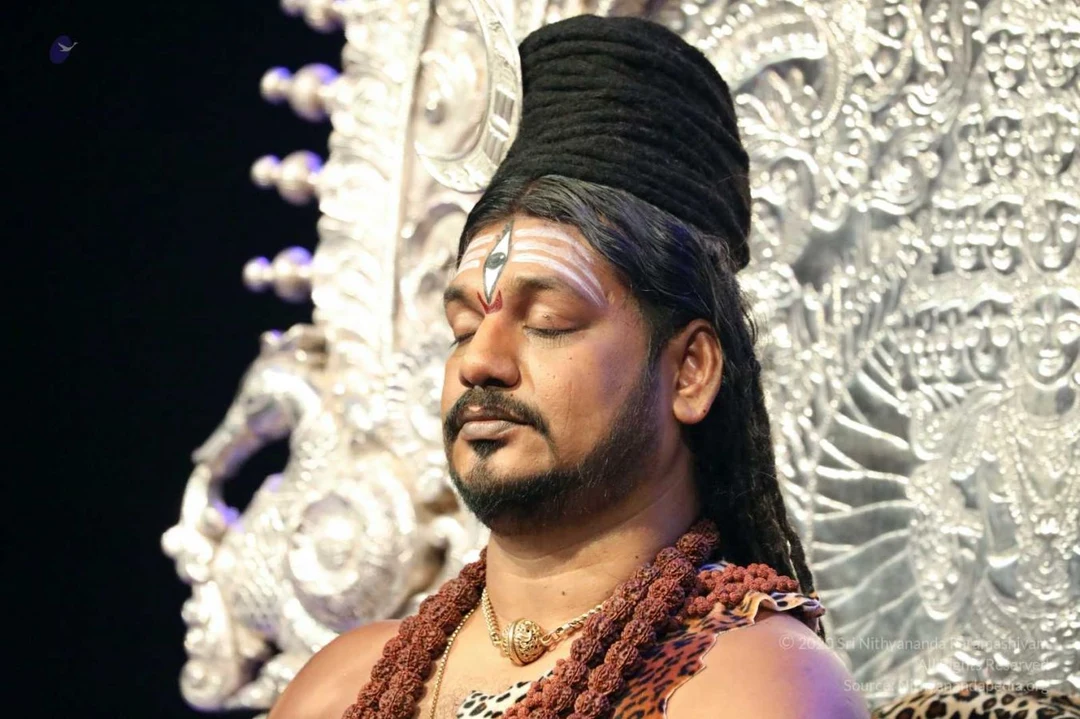 HDH Sri Nithyananda Paramashivam gives the experience of accessing different dimensions, planes of the universe
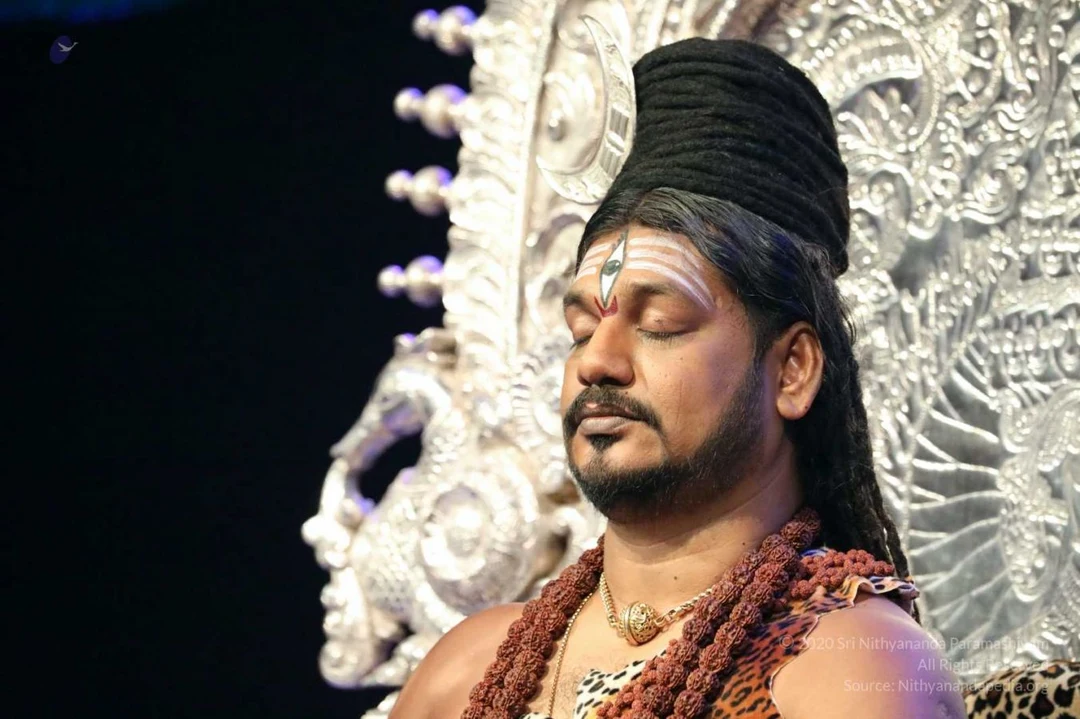 HDH Sri Nithyananda Paramashivam gives the experience of accessing different dimensions, planes of the universe
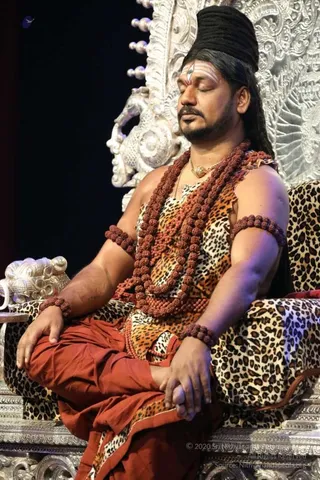 HDH Sri Nithyananda Paramashivam gives the experience of accessing different dimensions, planes of the universe
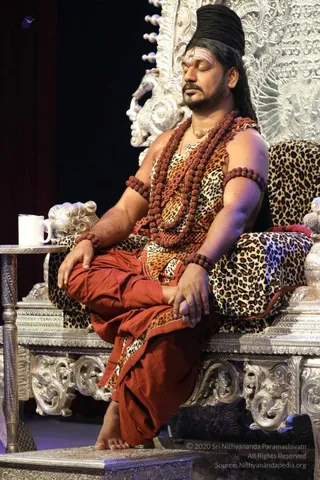 HDH Sri Nithyananda Paramashivam gives the experience of accessing different dimensions, planes of the universe
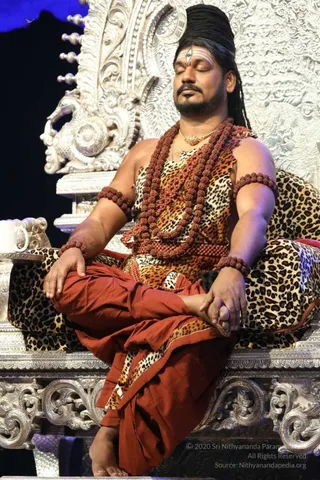 HDH Sri Nithyananda Paramashivam gives the experience of accessing different dimensions, planes of the universe
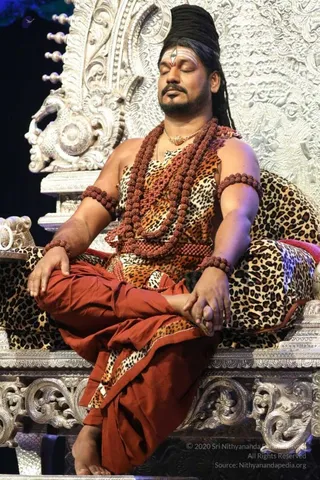 HDH Sri Nithyananda Paramashivam gives the experience of accessing different dimensions, planes of the universe
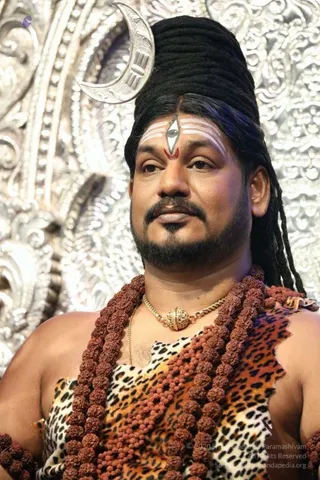 HDH Sri Nithyananda Paramashivam gives the experience of accessing different dimensions, planes of the universe
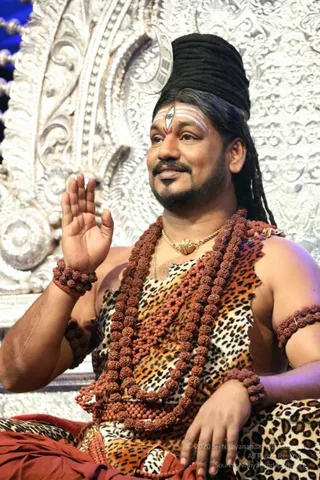 HDH Sri Nithyananda Paramashivam gives the experience of accessing different dimensions, planes of the universe
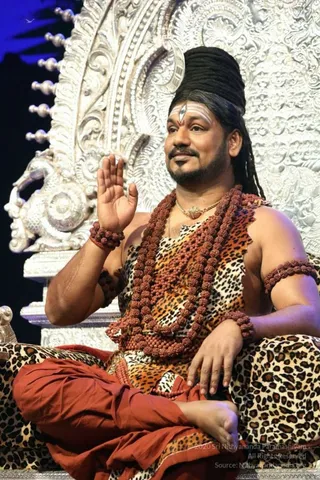 HDH Sri Nithyananda Paramashivam gives the experience of accessing different dimensions, planes of the universe
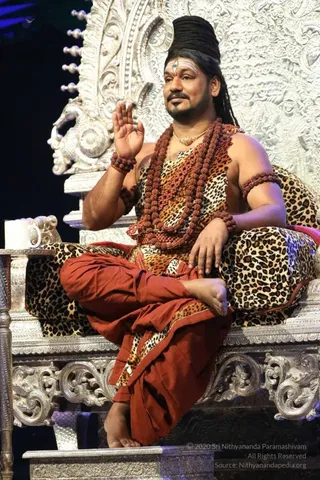 The state of Sadashiva is the unclutched state - the state of nirvikalpa samadhi, complete completion - the space of fulfillment - poornatva
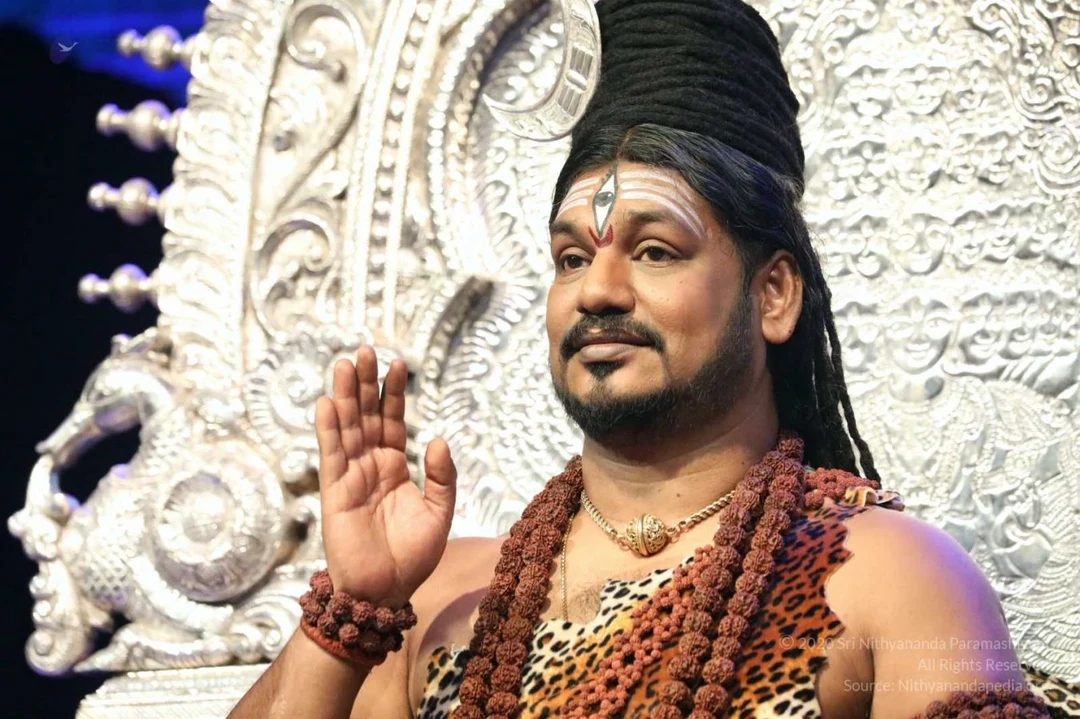 The state of Sadashiva is the unclutched state - the state of nirvikalpa samadhi, complete completion - the space of fulfillment - poornatva
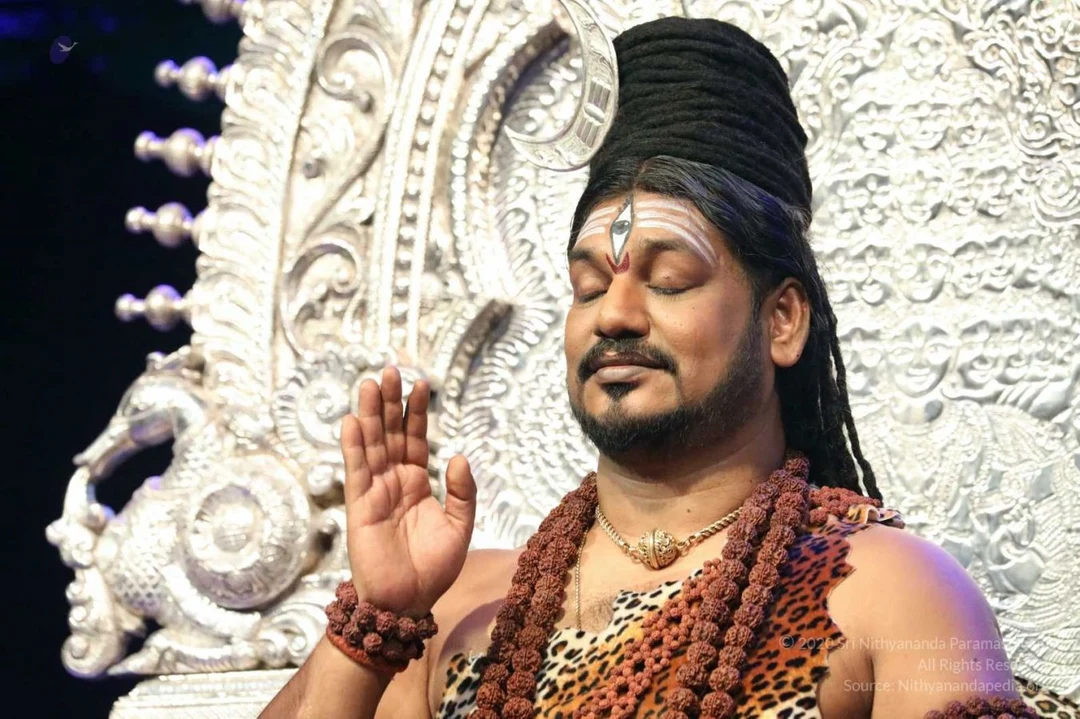 The state of Sadashiva is the unclutched state - the state of nirvikalpa samadhi, complete completion - the space of fulfillment - poornatva
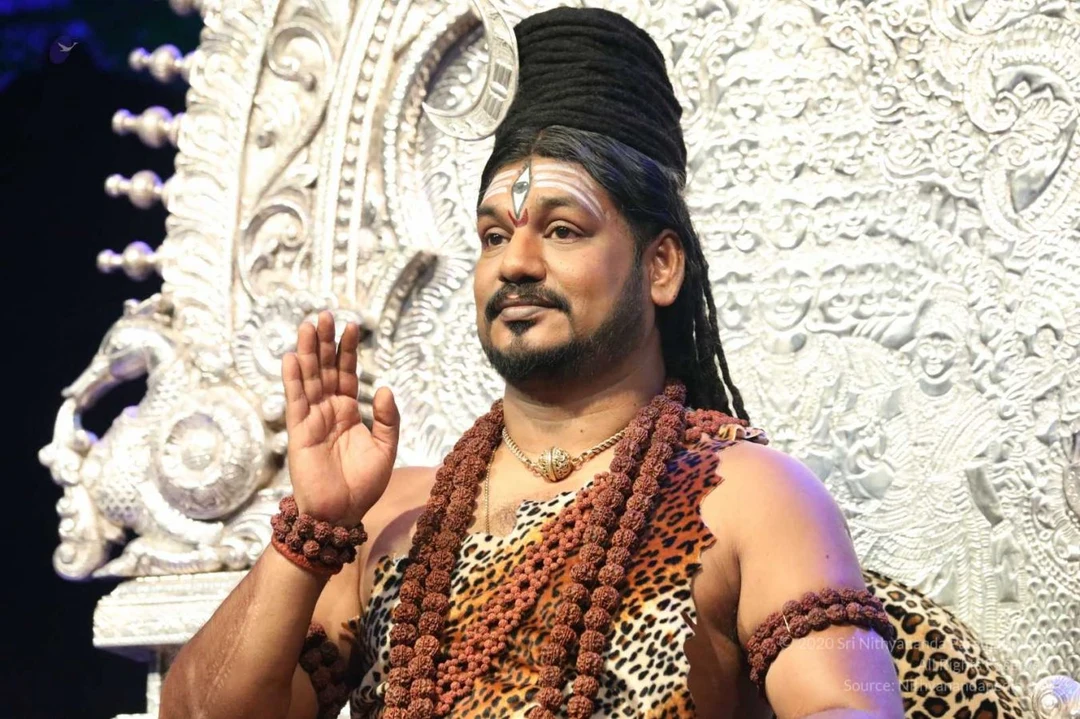 The state of Sadashiva is the unclutched state - the state of nirvikalpa samadhi, complete completion - the space of fulfillment - poornatva
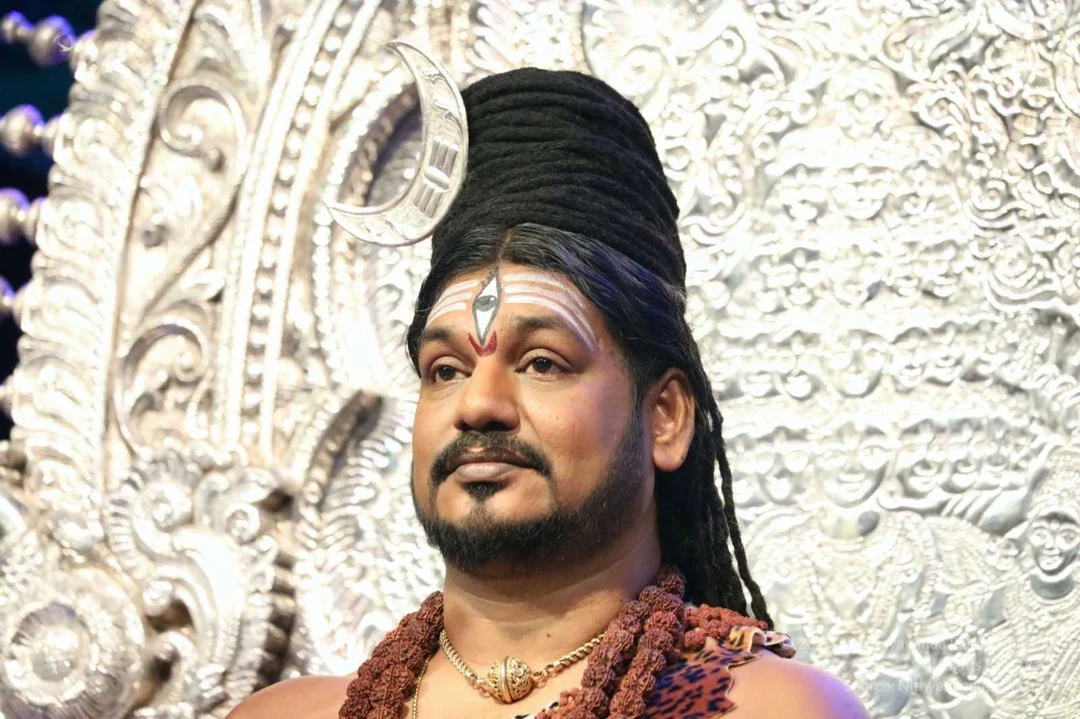 The state of Sadashiva is the unclutched state - the state of nirvikalpa samadhi, complete completion - the space of fulfillment - poornatva
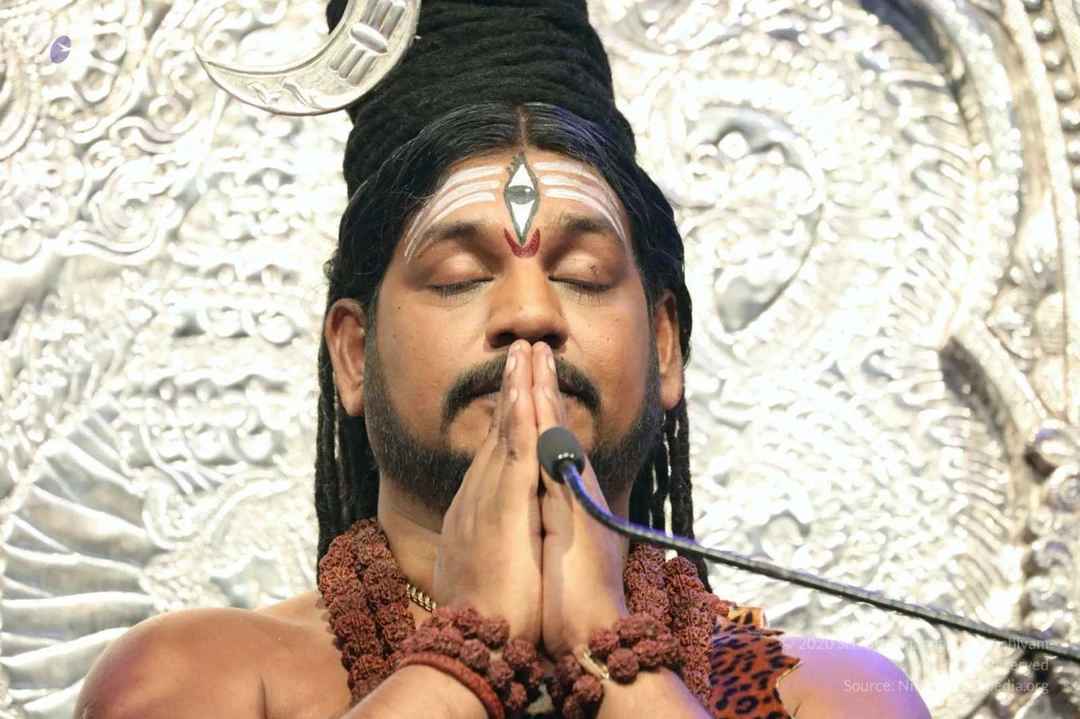 The state of Sadashiva is the unclutched state - the state of nirvikalpa samadhi, complete completion - the space of fulfillment - poornatva
 The state of Sadashiva is the unclutched state - the state of nirvikalpa samadhi, complete completion - the space of fulfillment - poornatva
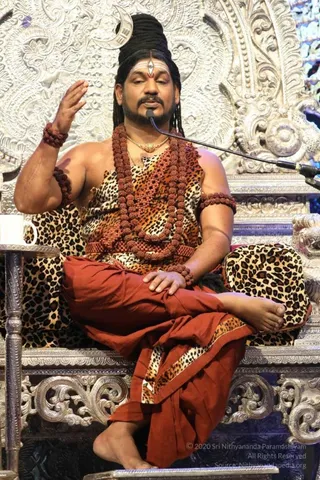 HDH Sri Nithyananda Paramashivam gives the experience of accessing different dimensions, planes of the universe
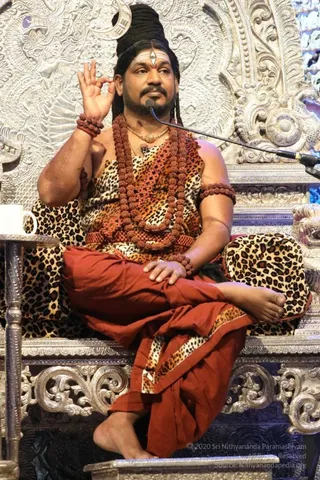 HDH Sri Nithyananda Paramashivam gives the experience of accessing different dimensions, planes of the universe
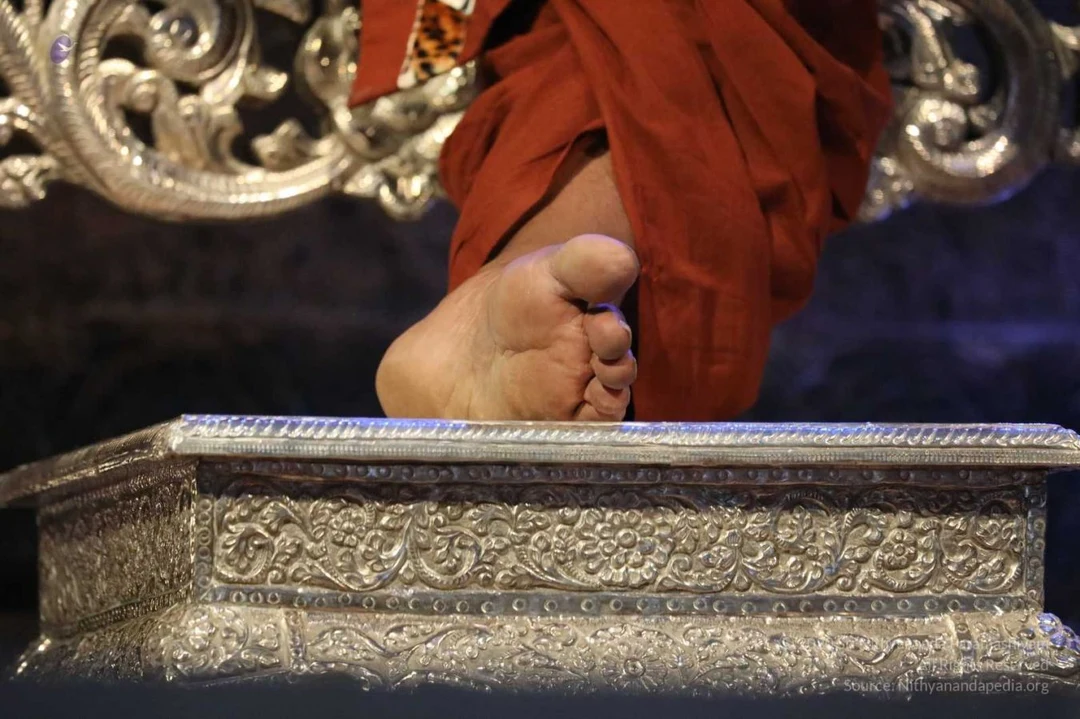 Divine lotus feet of HDH Nithyananda Paramashivam
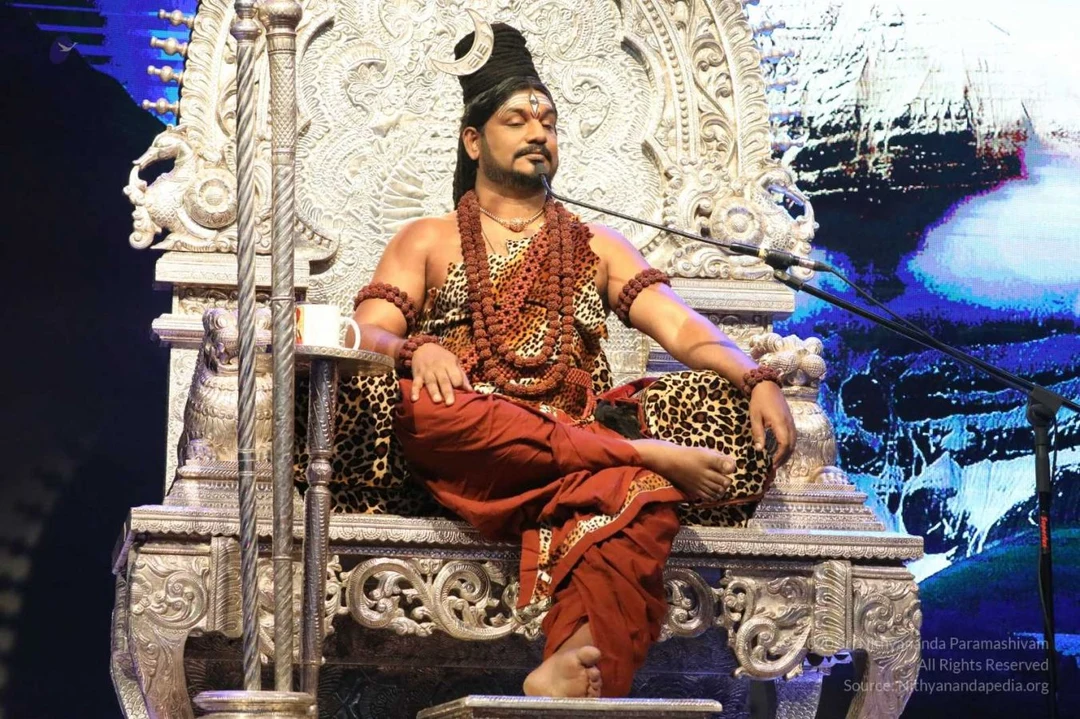 The state of Sadashiva is the unclutched state - the state of nirvikalpa samadhi, complete completion - the space of fulfillment - poornatva
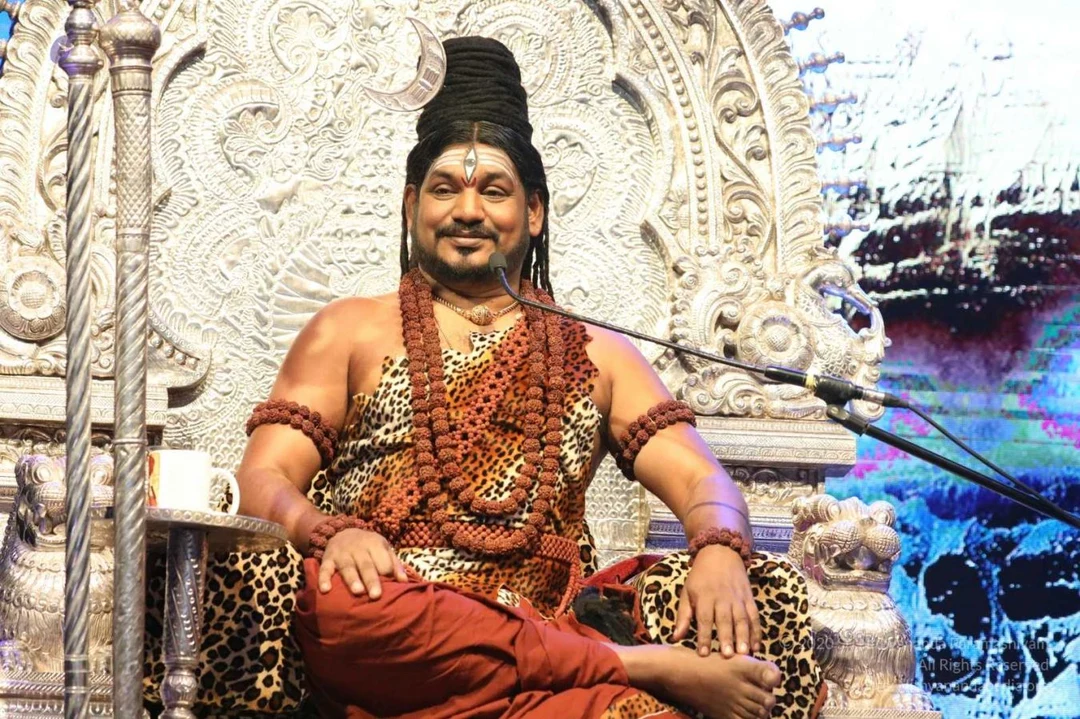 The state of Sadashiva is the unclutched state - the state of nirvikalpa samadhi, complete completion - the space of fulfillment - poornatva
 The state of Sadashiva is the unclutched state - the state of nirvikalpa samadhi, complete completion - the space of fulfillment - poornatva
 The state of Sadashiva is the unclutched state - the state of nirvikalpa samadhi, complete completion - the space of fulfillment - poornatva
 The state of Sadashiva is the unclutched state - the state of nirvikalpa samadhi, complete completion - the space of fulfillment - poornatva
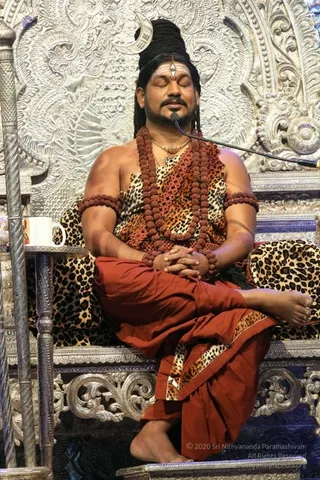 The state of Sadashiva is the unclutched state - the state of nirvikalpa samadhi, complete completion - the space of fulfillment - poornatva
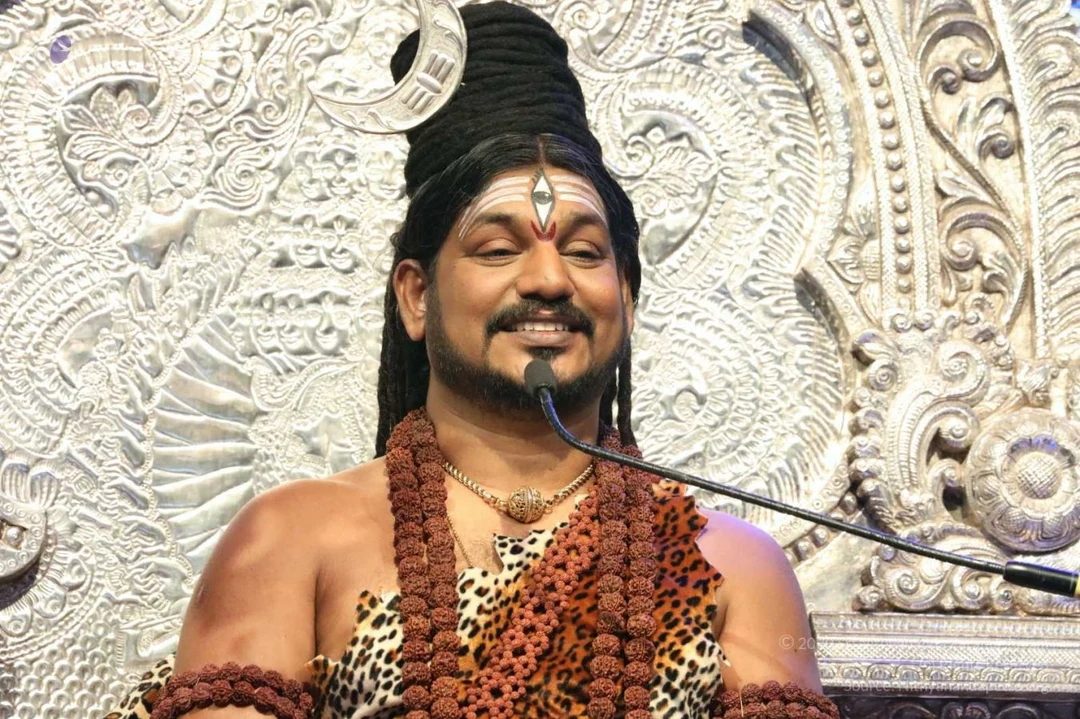 The state of Sadashiva is the unclutched state - the state of nirvikalpa samadhi, complete completion - the space of fulfillment - poornatva
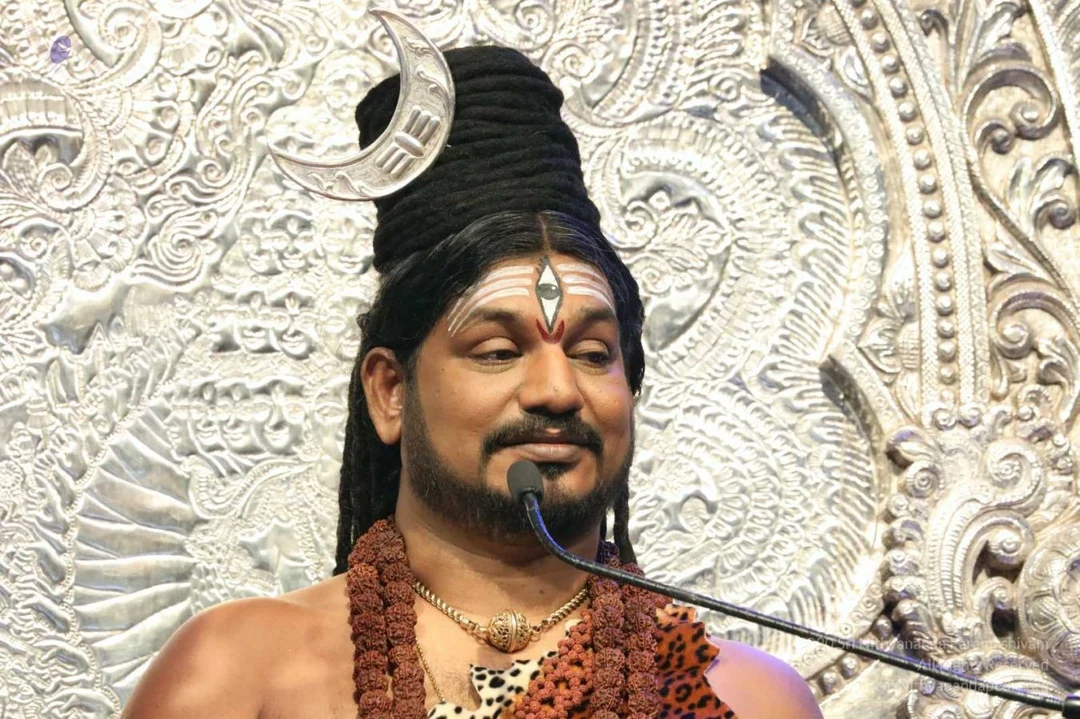 The state of Sadashiva is the unclutched state - the state of nirvikalpa samadhi, complete completion - the space of fulfillment - poornatva
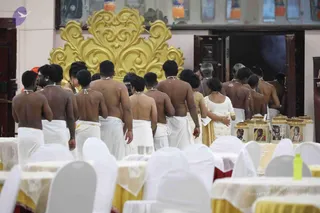
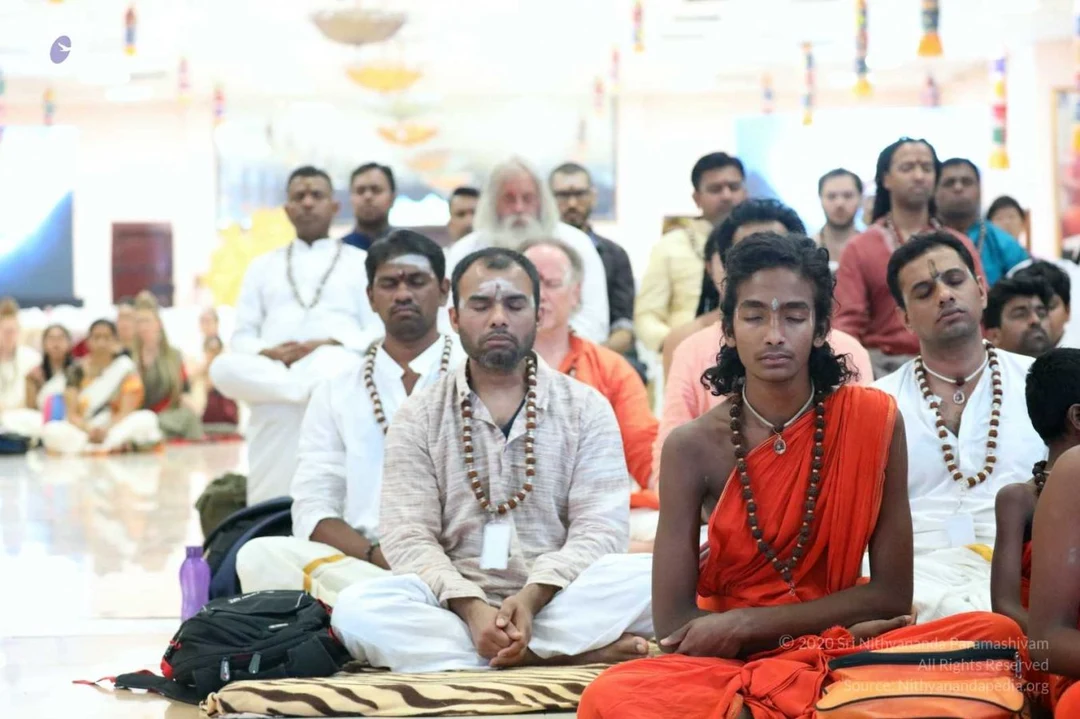 Delegates attending the Mahasadashivoham convention
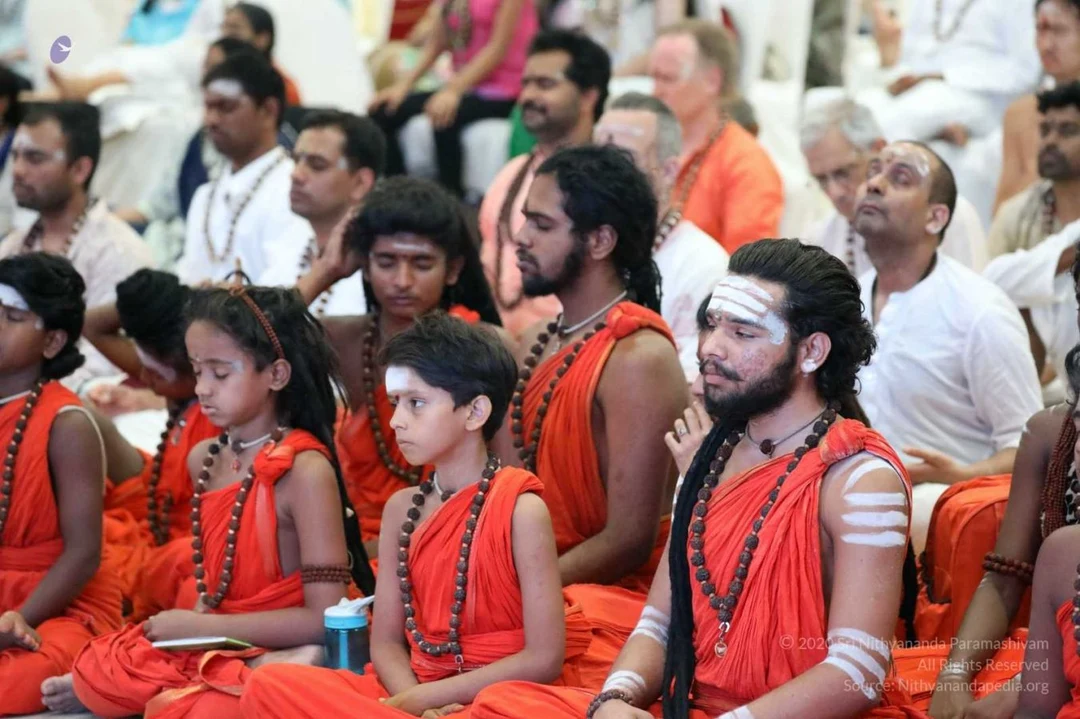 Delegates attending the Mahasadashivoham convention
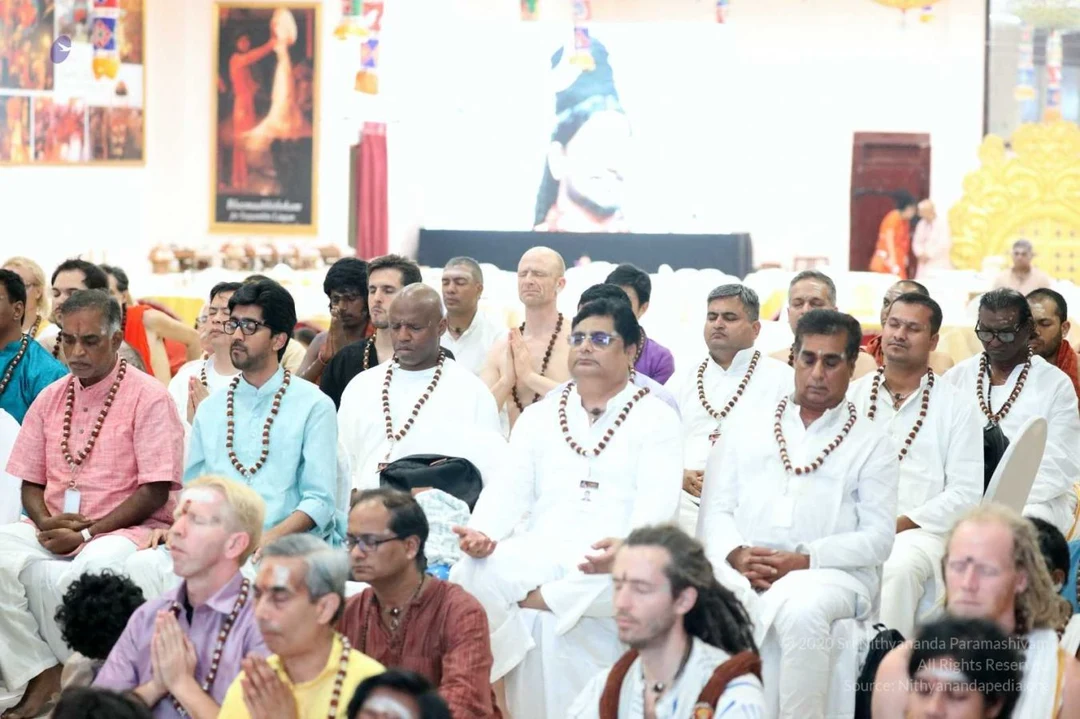 Delegates attending the Mahasadashivoham convention
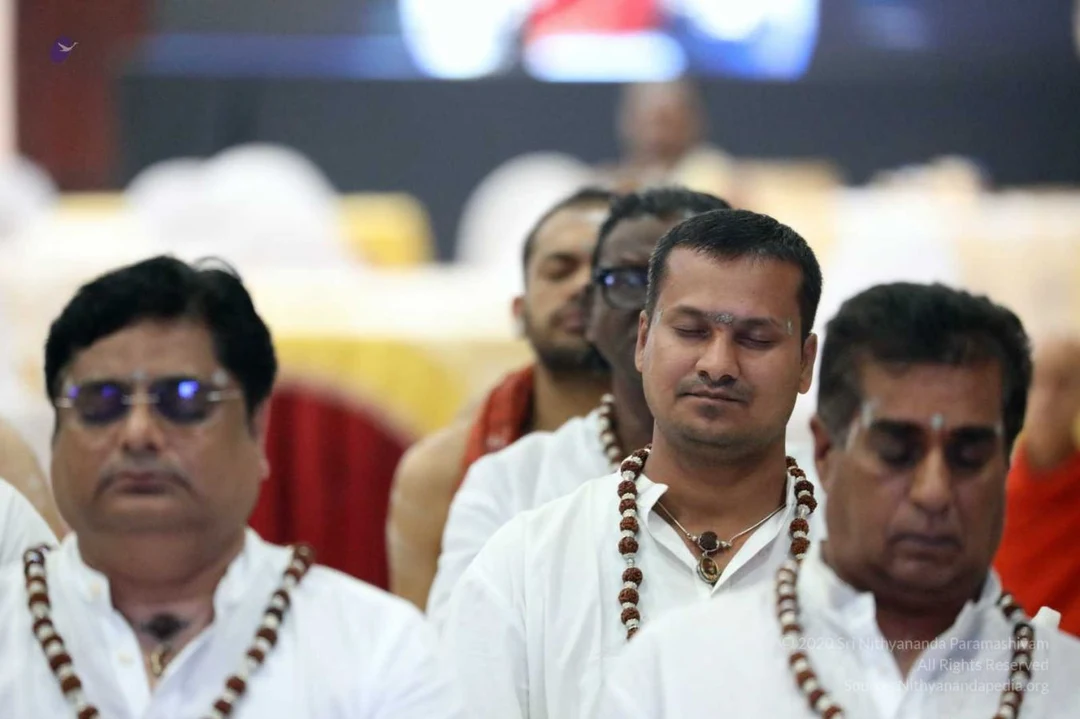 Delegates attending the Mahasadashivoham convention
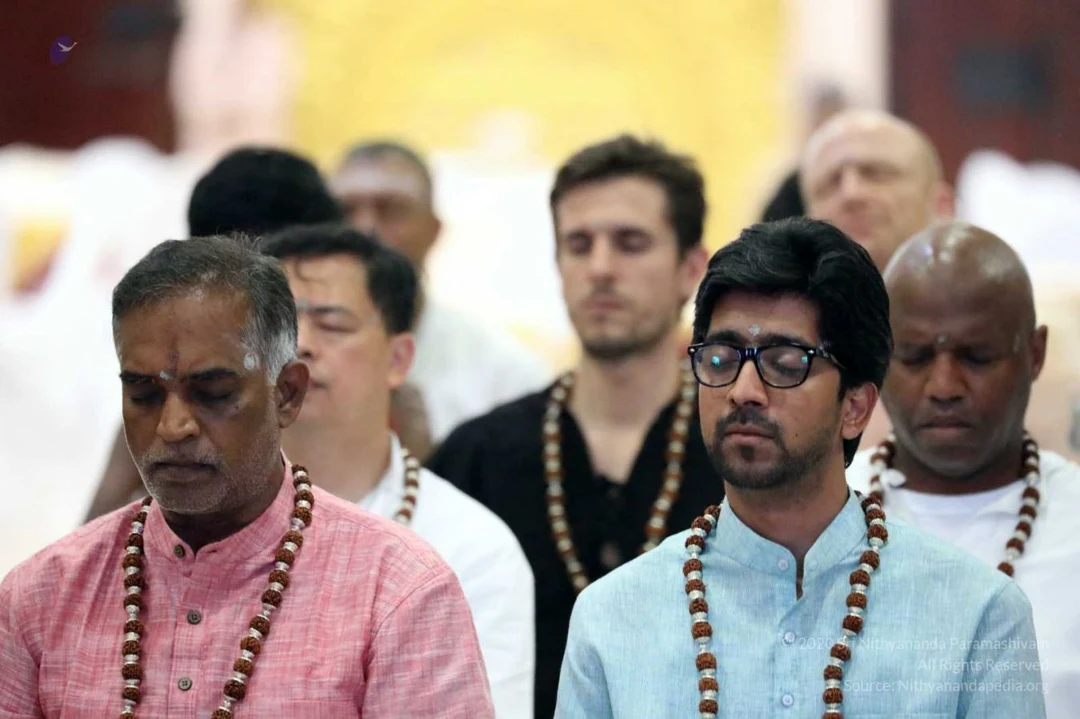 Delegates attending the Mahasadashivoham convention
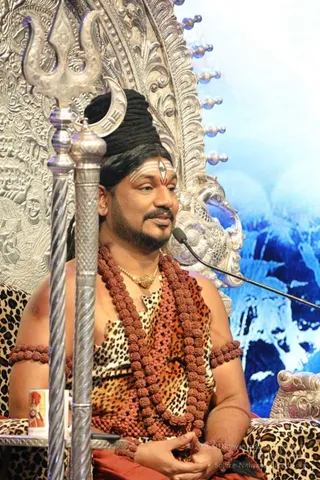 HDH Sri Nithyananda Paramashivam gives the experience of accessing different dimensions, planes of the universe
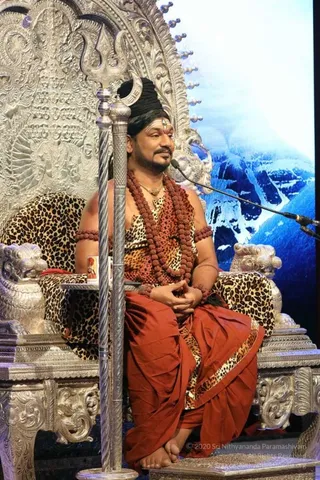 HDH Sri Nithyananda Paramashivam gives the experience of accessing different dimensions, planes of the universe
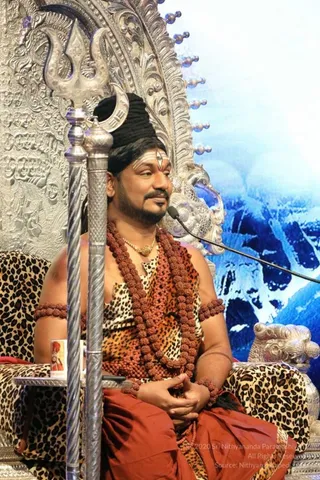 HDH Sri Nithyananda Paramashivam gives the experience of accessing different dimensions, planes of the universe
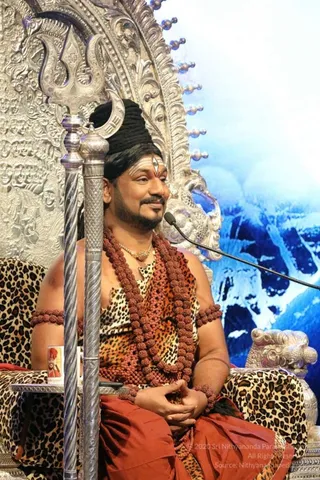 HDH Sri Nithyananda Paramashivam gives the experience of accessing different dimensions, planes of the universe
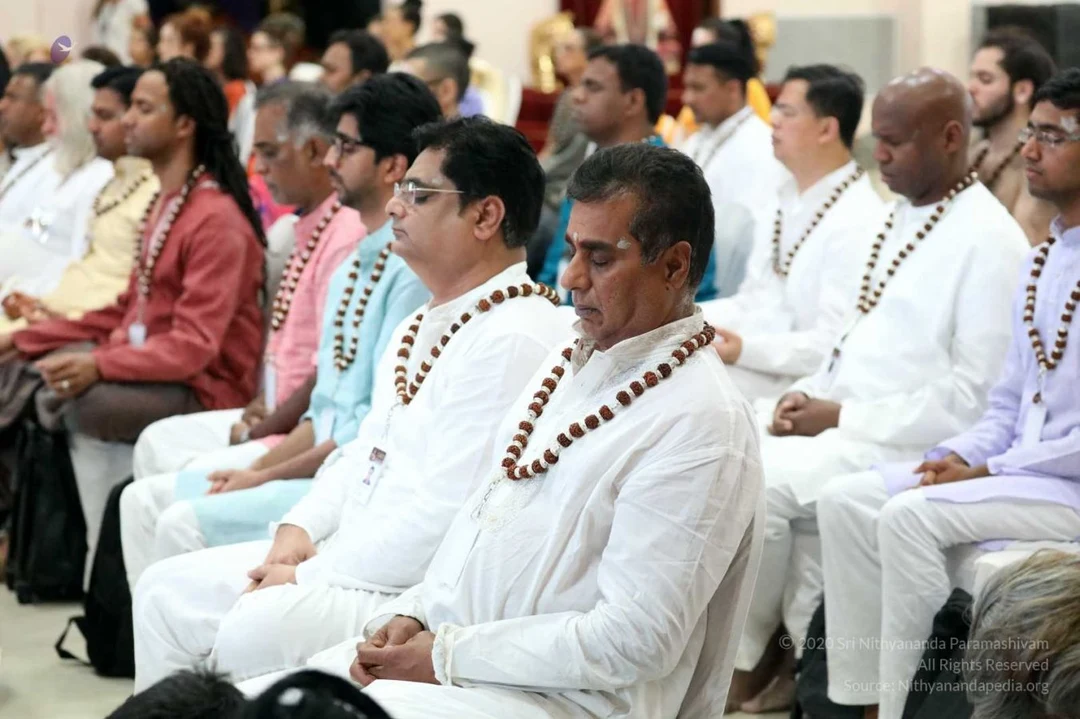 Delegates attending the Mahasadashivoham convention
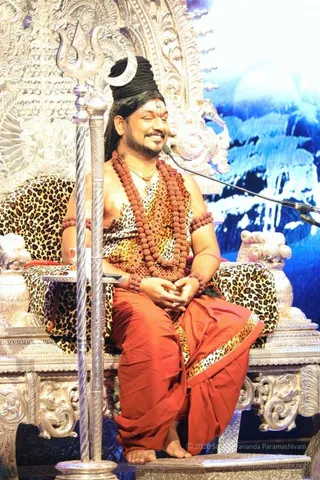 The state of Sadashiva is the unclutched state - the state of nirvikalpa samadhi, complete completion - the space of fulfillment - poornatva
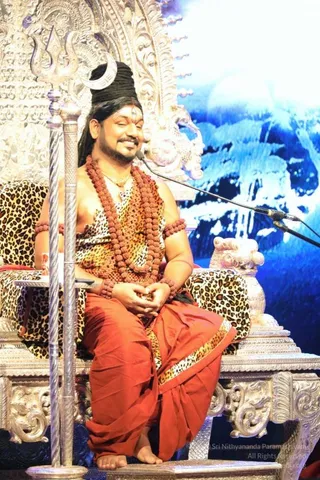 The state of Sadashiva is the unclutched state - the state of nirvikalpa samadhi, complete completion - the space of fulfillment - poornatva
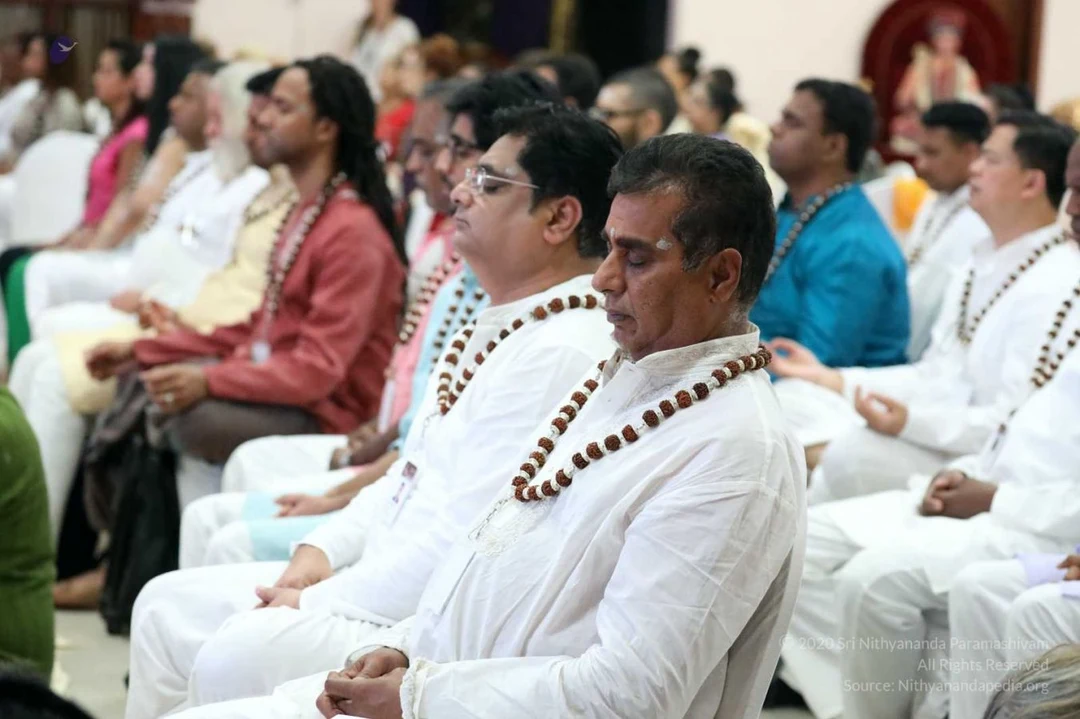 Delegates attending the Mahasadashivoham convention
 The state of Sadashiva is the unclutched state - the state of nirvikalpa samadhi, complete completion - the space of fulfillment - poornatva
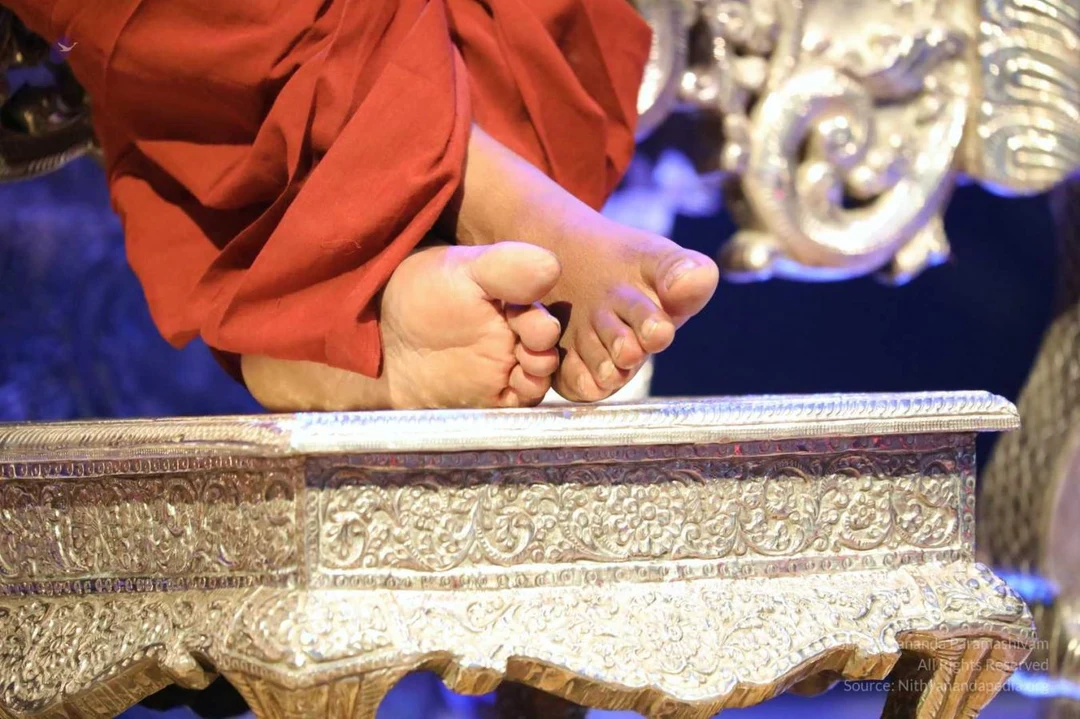 Divine lotus feet of HDH Nithyananda Paramashivam
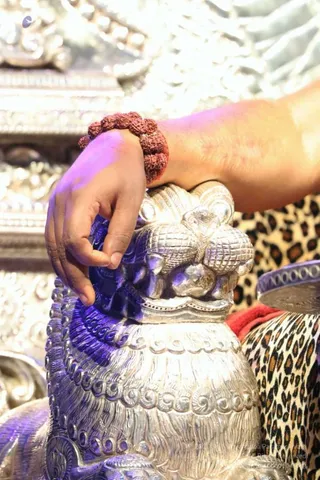 The state of Sadashiva is the unclutched state - the state of nirvikalpa samadhi, complete completion - the space of fulfillment - poornatva
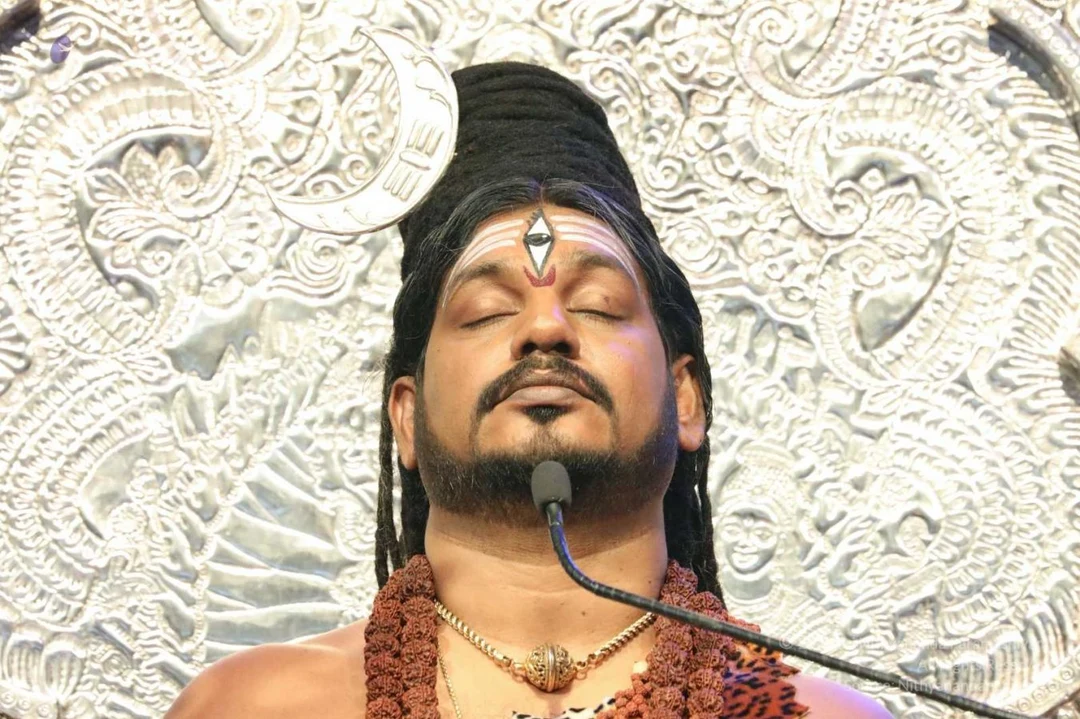 The state of Sadashiva is the unclutched state - the state of nirvikalpa samadhi, complete completion - the space of fulfillment - poornatva
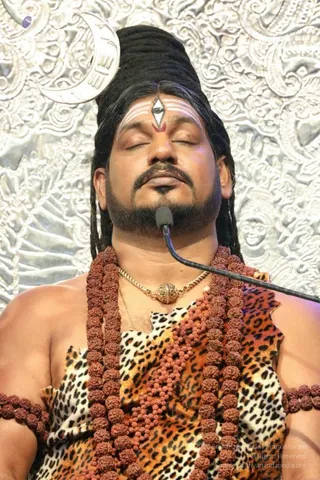 The state of Sadashiva is the unclutched state - the state of nirvikalpa samadhi, complete completion - the space of fulfillment - poornatva
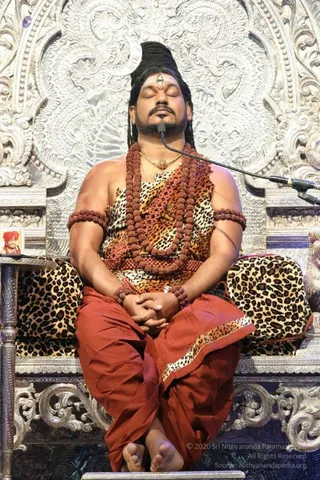 The state of Sadashiva is the unclutched state - the state of nirvikalpa samadhi, complete completion - the space of fulfillment - poornatva
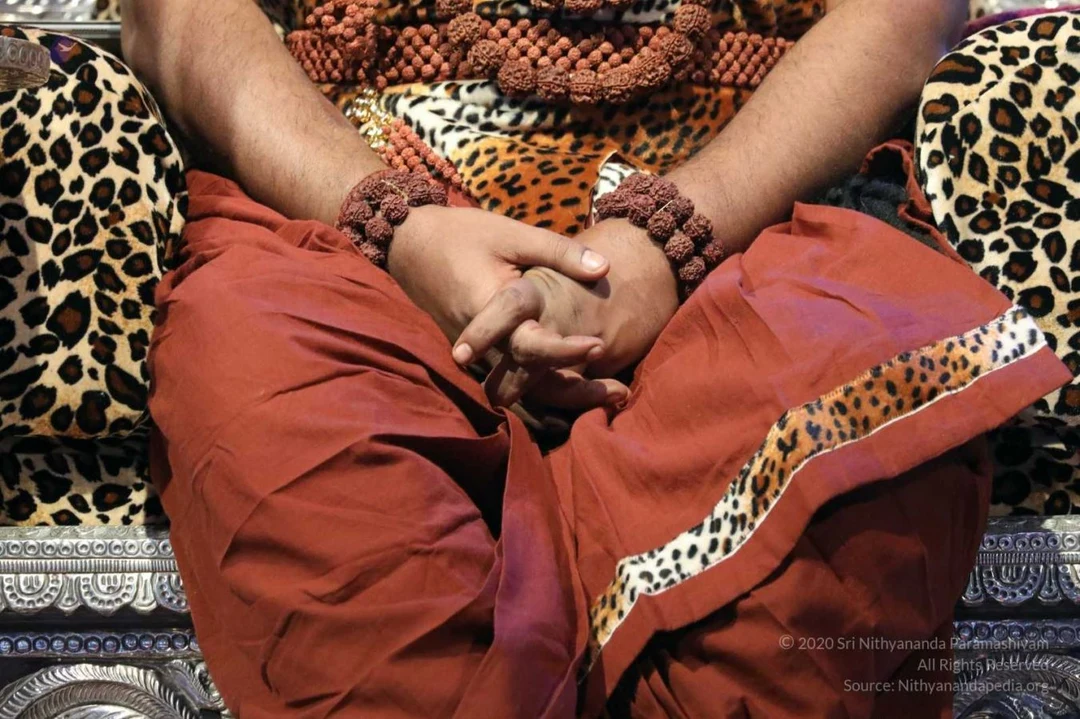 The state of Sadashiva is the unclutched state - the state of nirvikalpa samadhi, complete completion - the space of fulfillment - poornatva
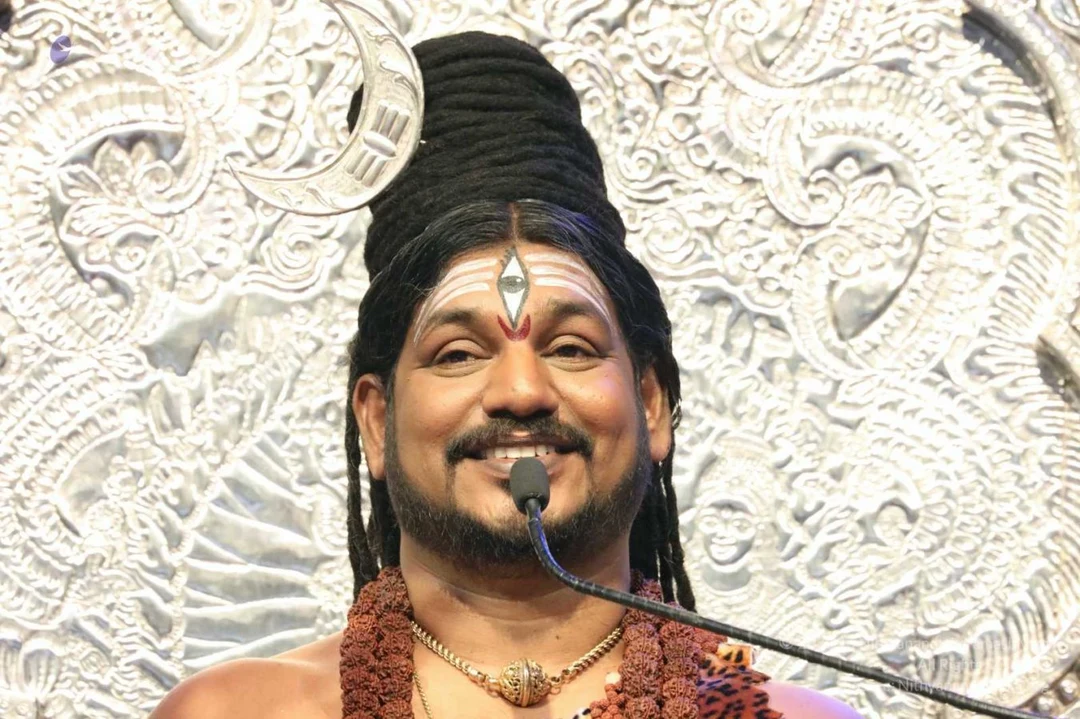 The state of Sadashiva is the unclutched state - the state of nirvikalpa samadhi, complete completion - the space of fulfillment - poornatva
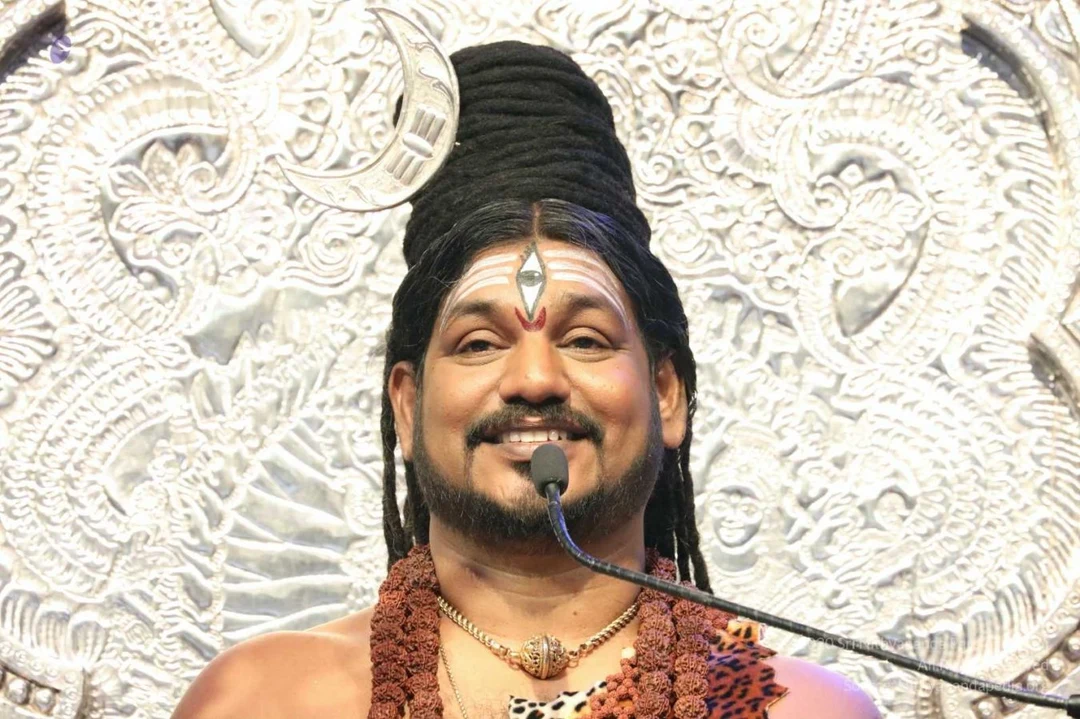 The state of Sadashiva is the unclutched state - the state of nirvikalpa samadhi, complete completion - the space of fulfillment - poornatva
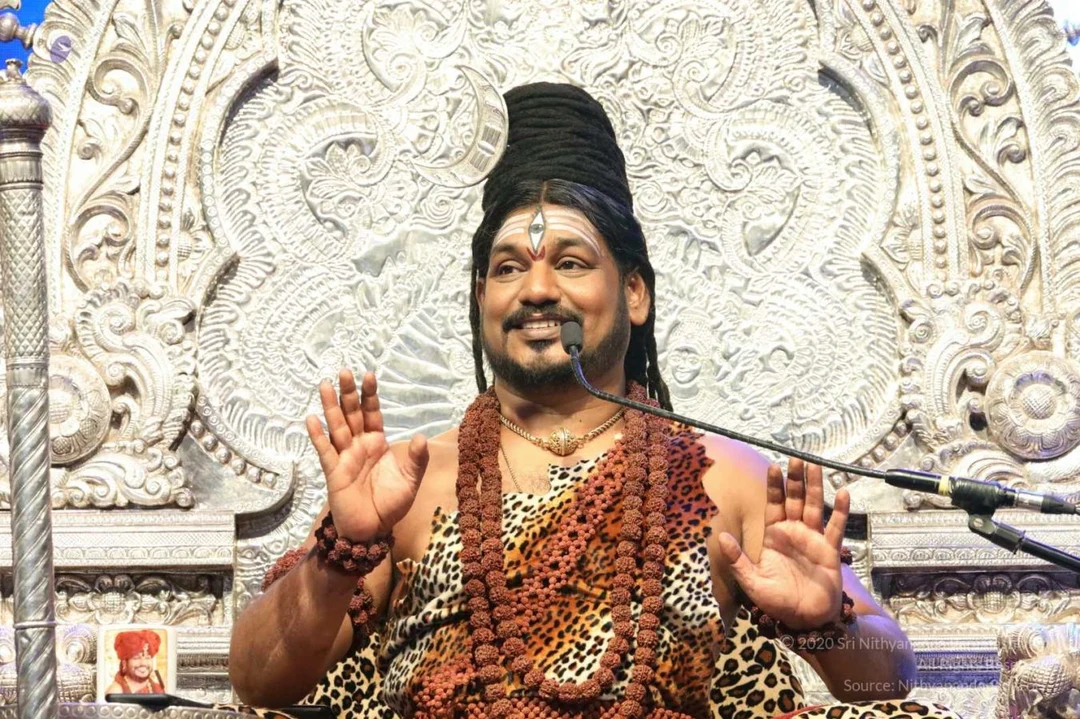 HDH Sri Nithyananda Paramashivam shares the essence of satsang from day 2 of Mahasadashivoham
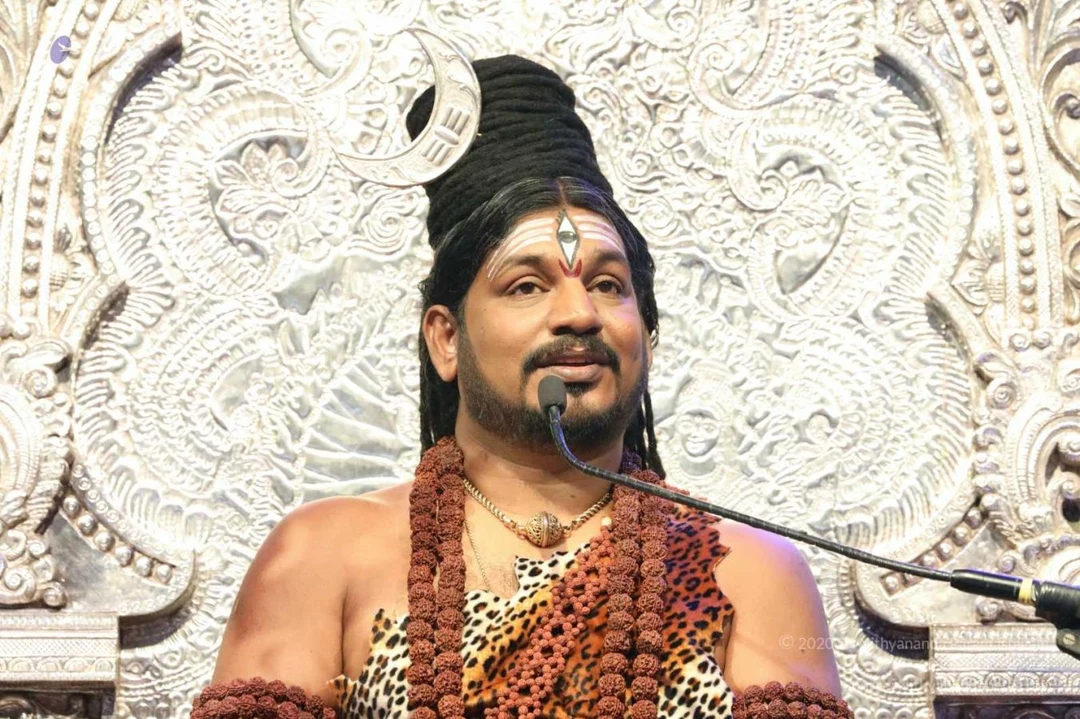 HDH Sri Nithyananda Paramashivam shares the essence of satsang from day 2 of Mahasadashivoham
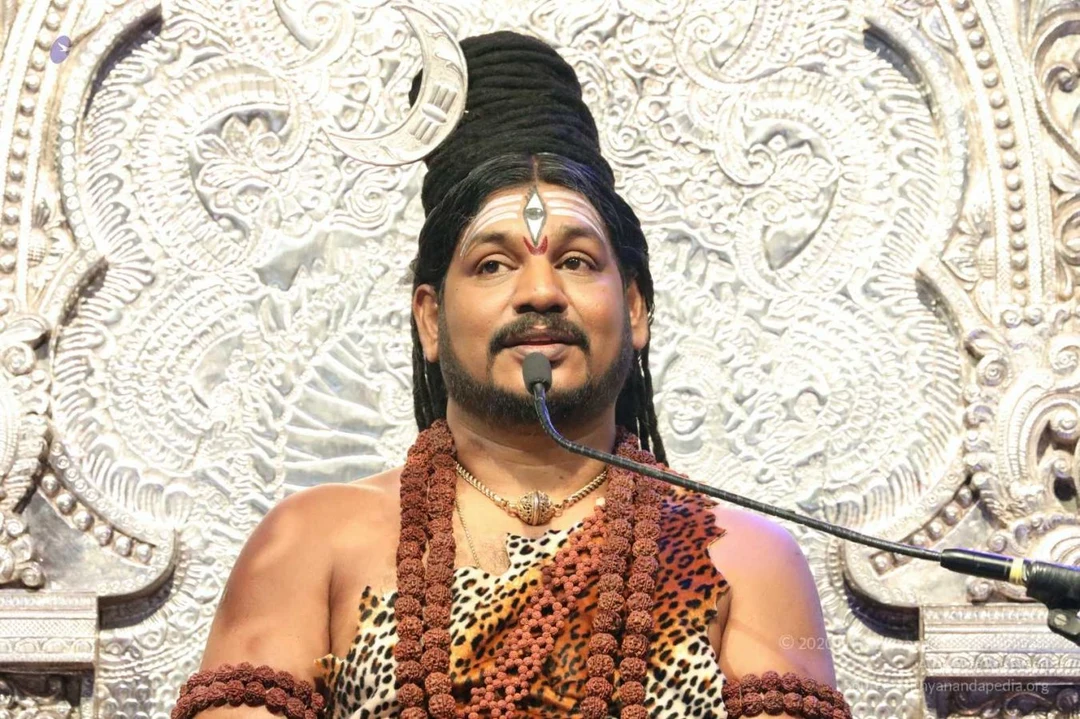 HDH Sri Nithyananda Paramashivam shares the essence of satsang from day 2 of Mahasadashivoham
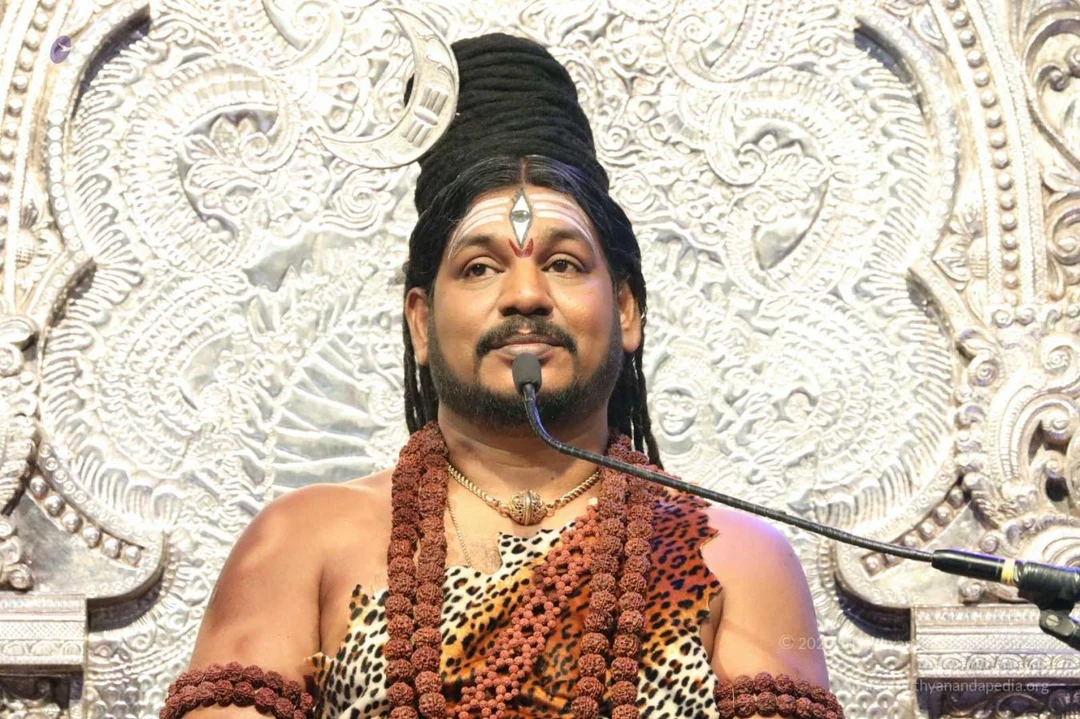 HDH Sri Nithyananda Paramashivam shares the essence of satsang from day 2 of Mahasadashivoham
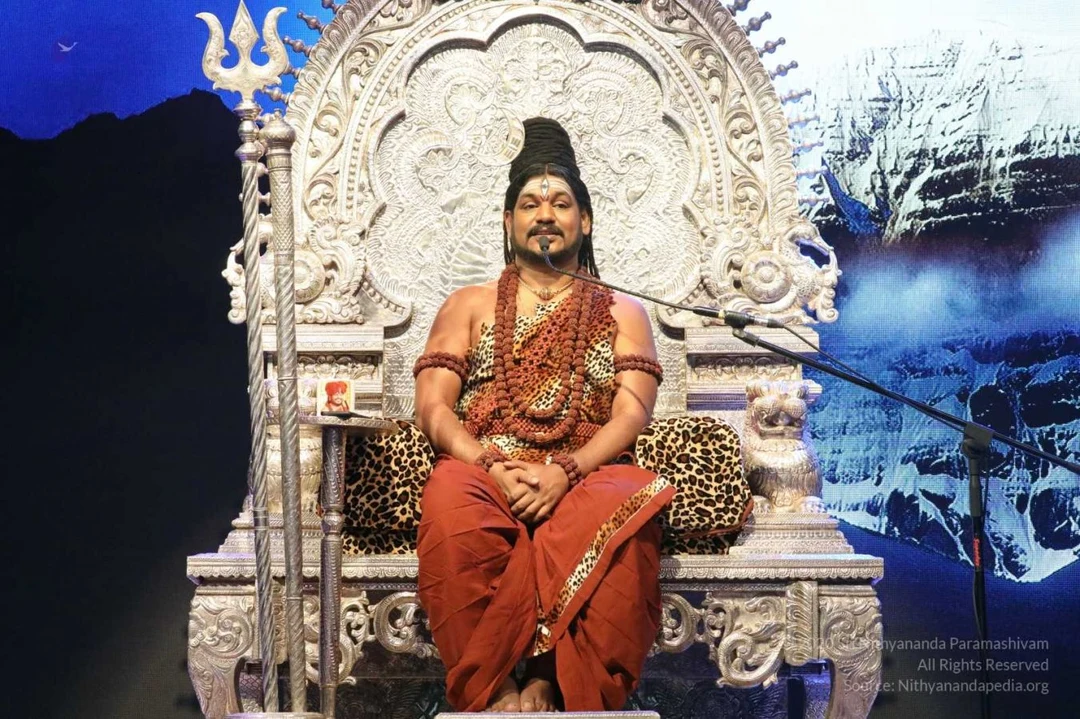 HDH Sri Nithyananda Paramashivam shares the essence of satsang from day 2 of Mahasadashivoham
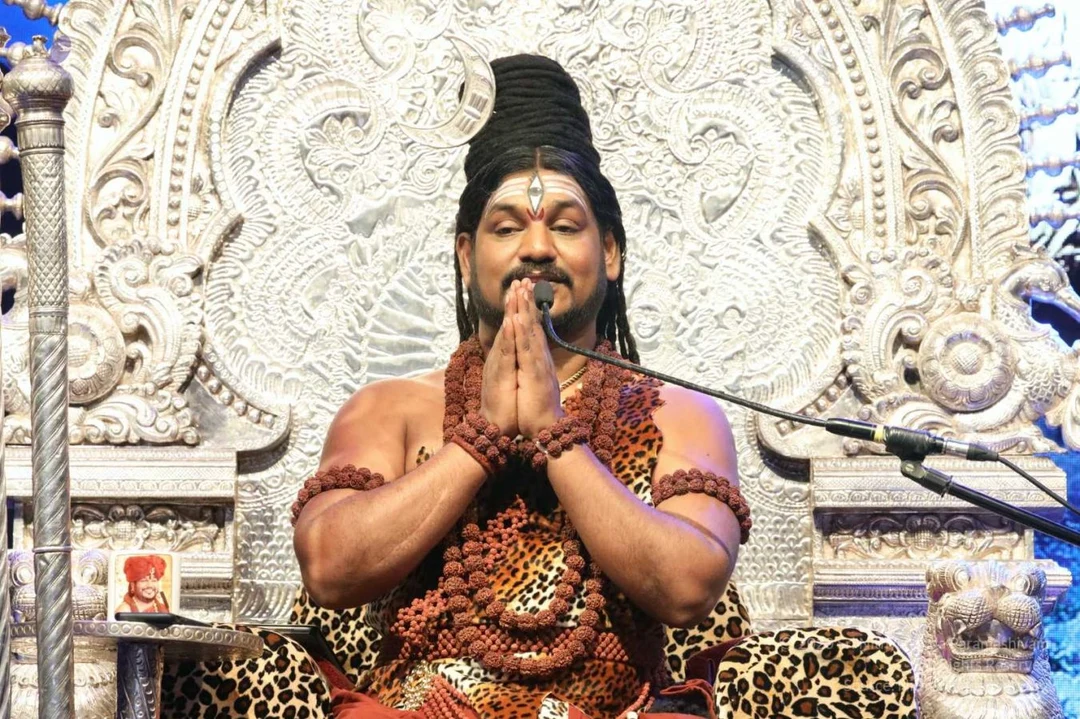 End of satsang on day 2 of Mahasadashivoham convention
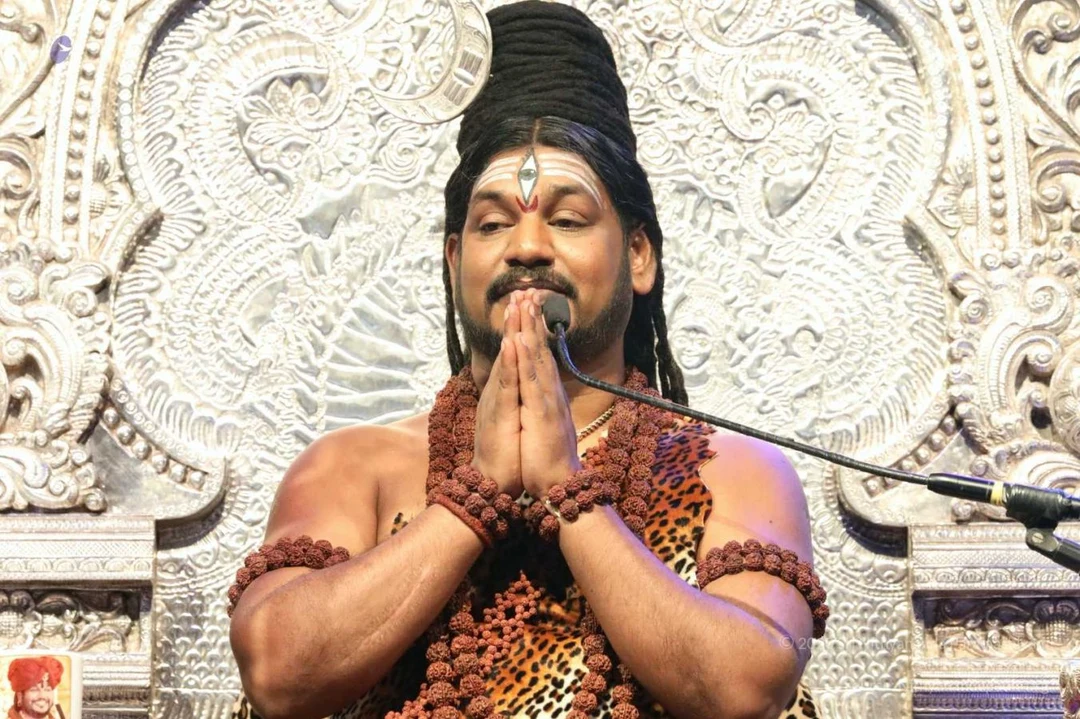 End of Satsang from Day 2 of MahaSadaShivoham Convention
 End of Satsang from Day 2 of MahaSadaShivoham Convention
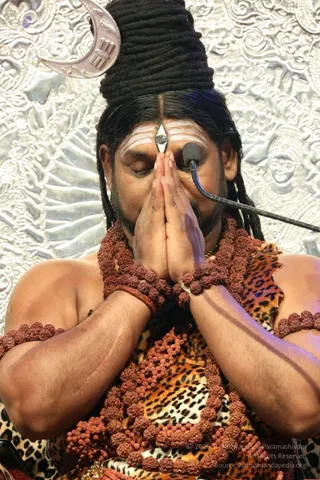 End of Satsang from Day 2 of MahaSadaShivoham Convention
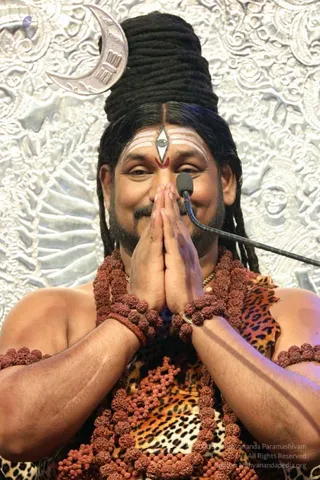 End of Satsang from Day 2 of MahaSadaShivoham Convention
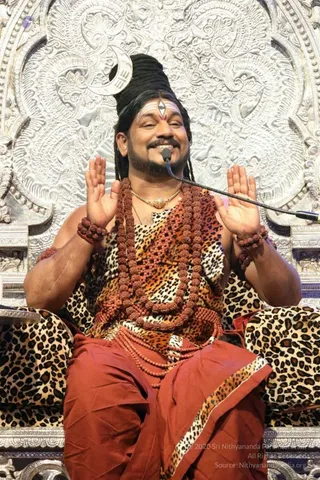 End of Satsang from Day 2 of MahaSadaShivoham Convention
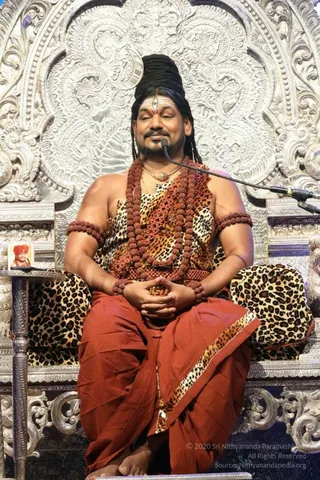 End of Satsang from Day 2 of MahaSadaShivoham Convention
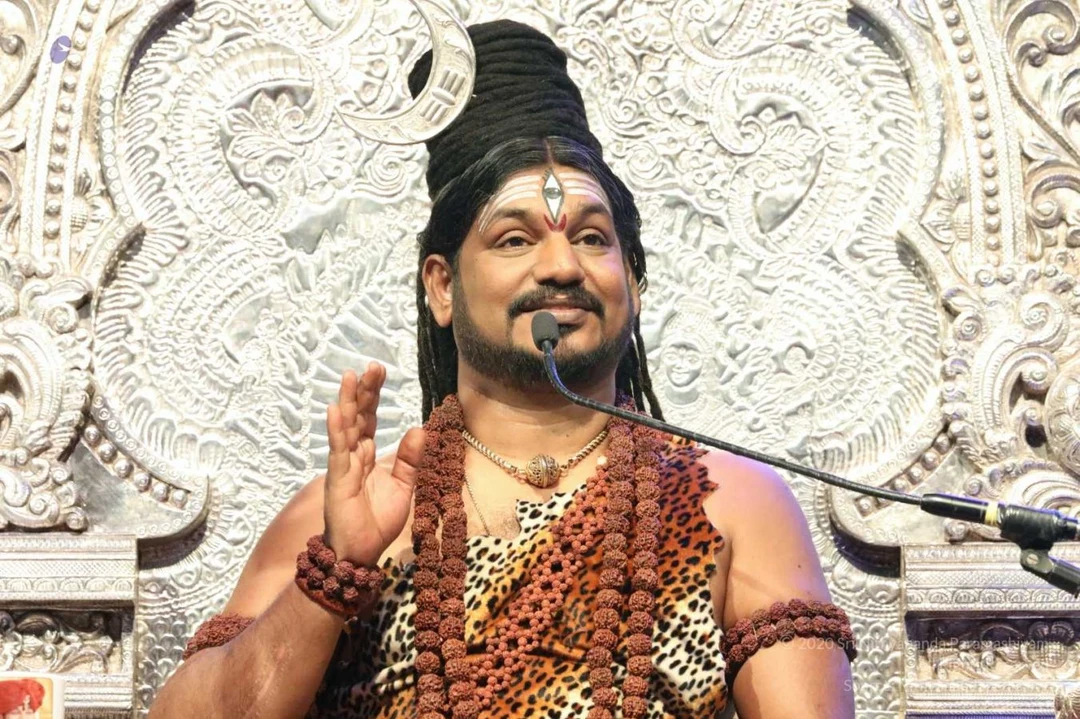 End of Satsang from Day 2 of MahaSadaShivoham Convention
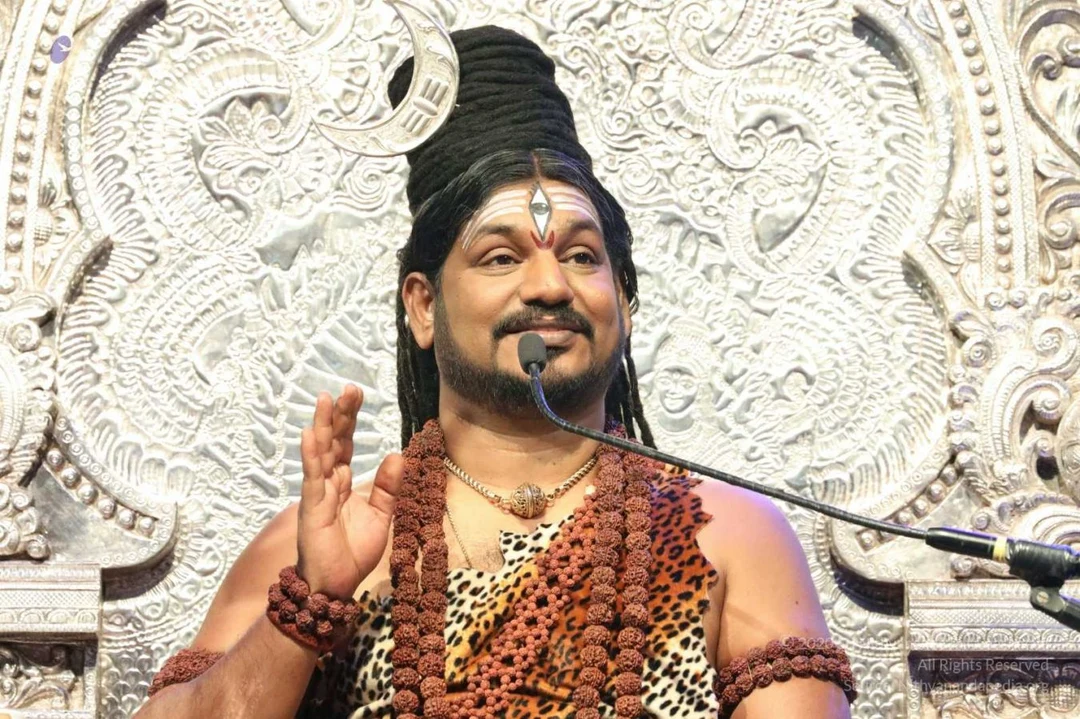 End of Satsang from Day 2 of MahaSadaShivoham Convention
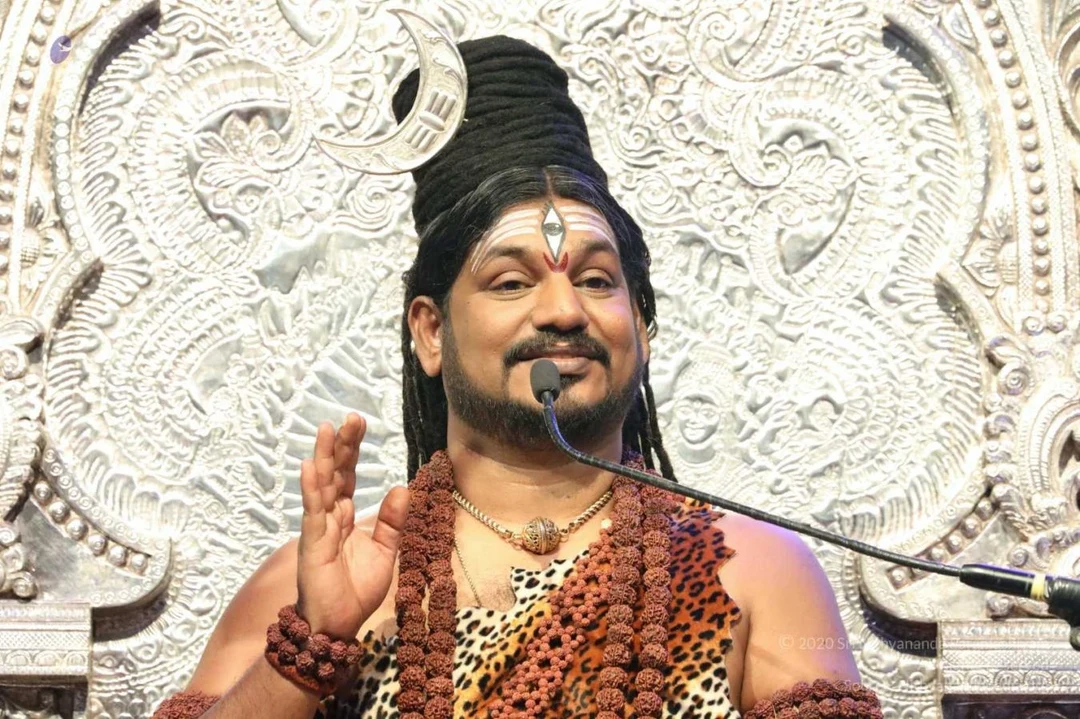 End of Satsang from Day 2 of MahaSadaShivoham Convention
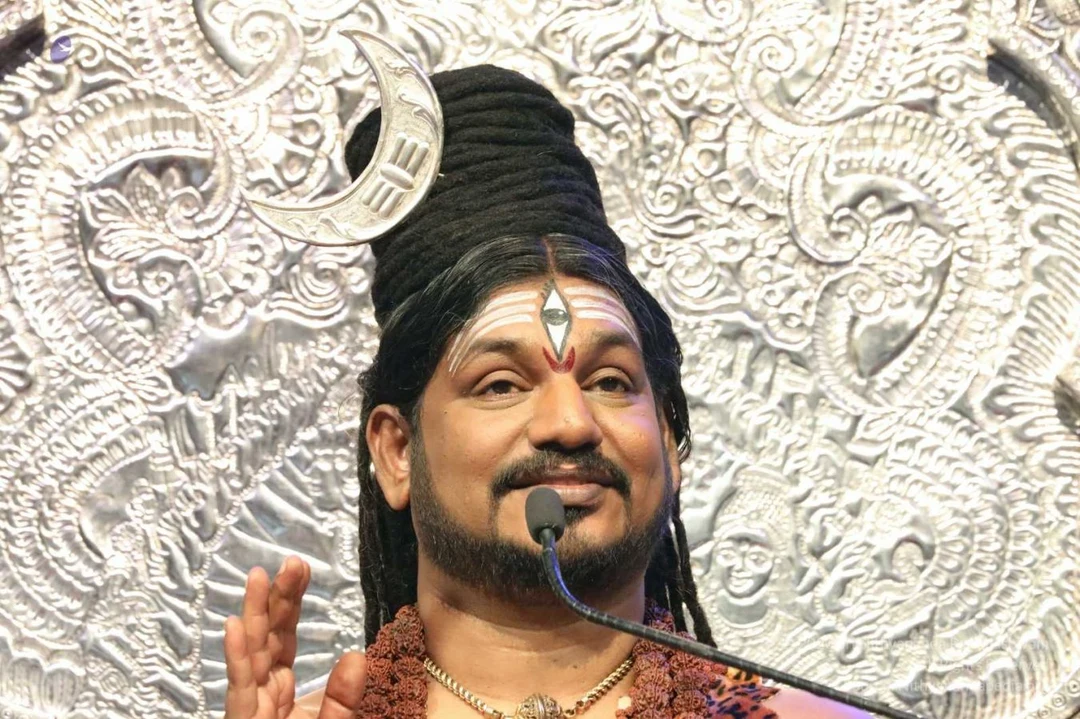 End of Satsang from Day 2 of MahaSadaShivoham Convention
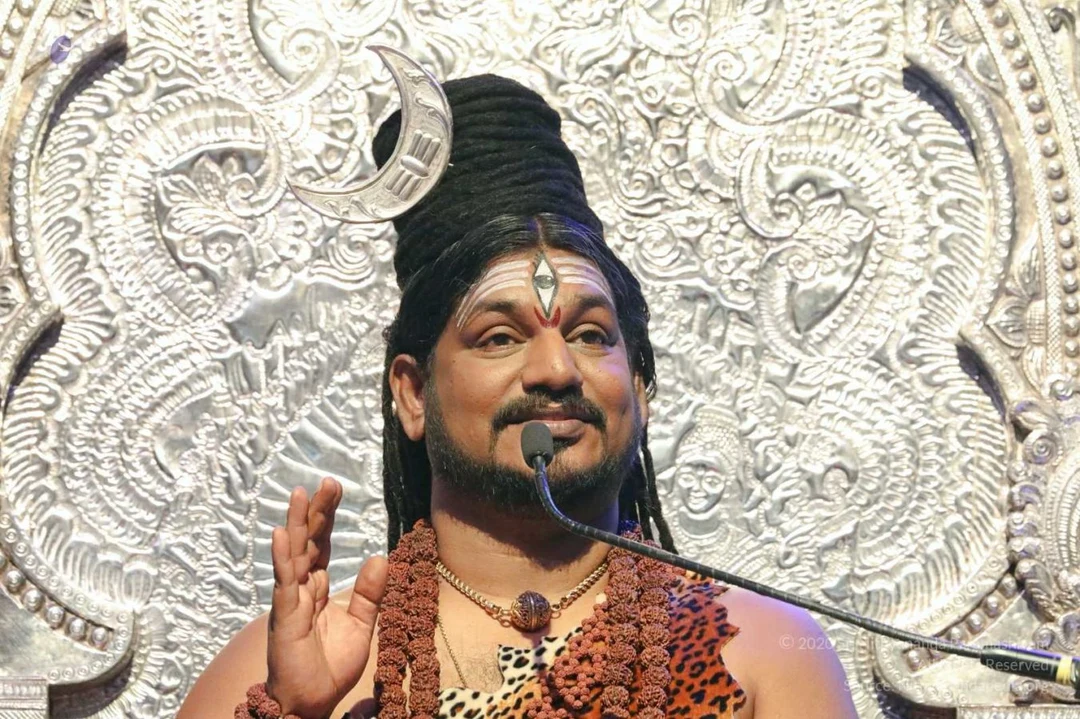 End of Satsang from Day 2 of MahaSadaShivoham Convention
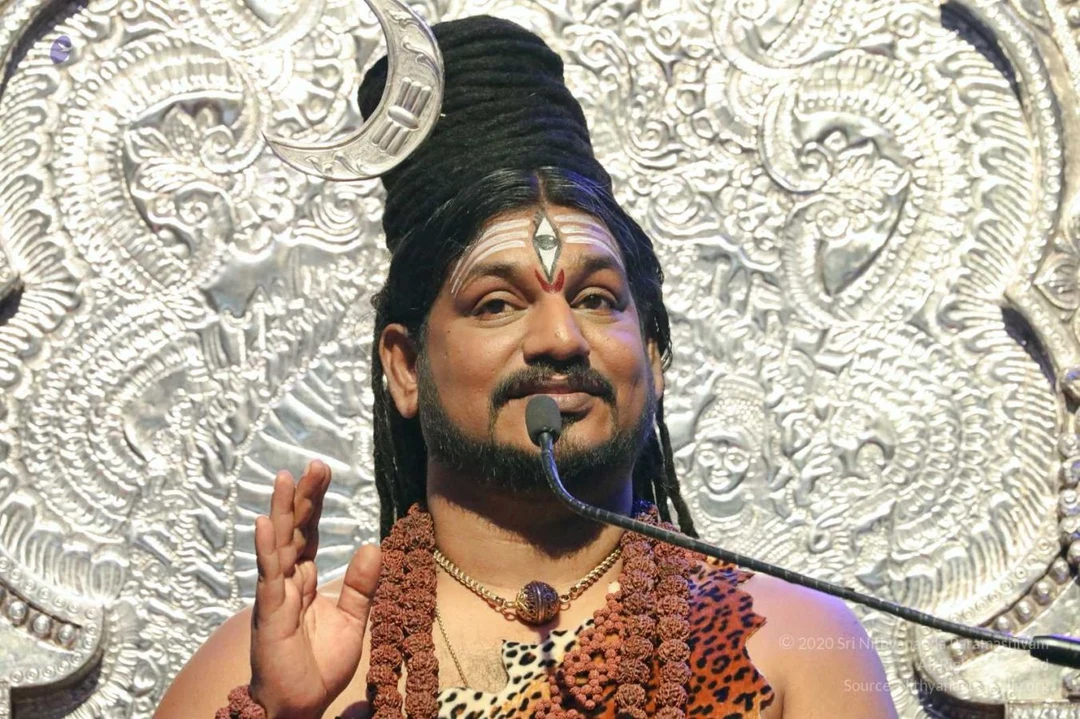 End of Satsang from Day 2 of MahaSadaShivoham Convention
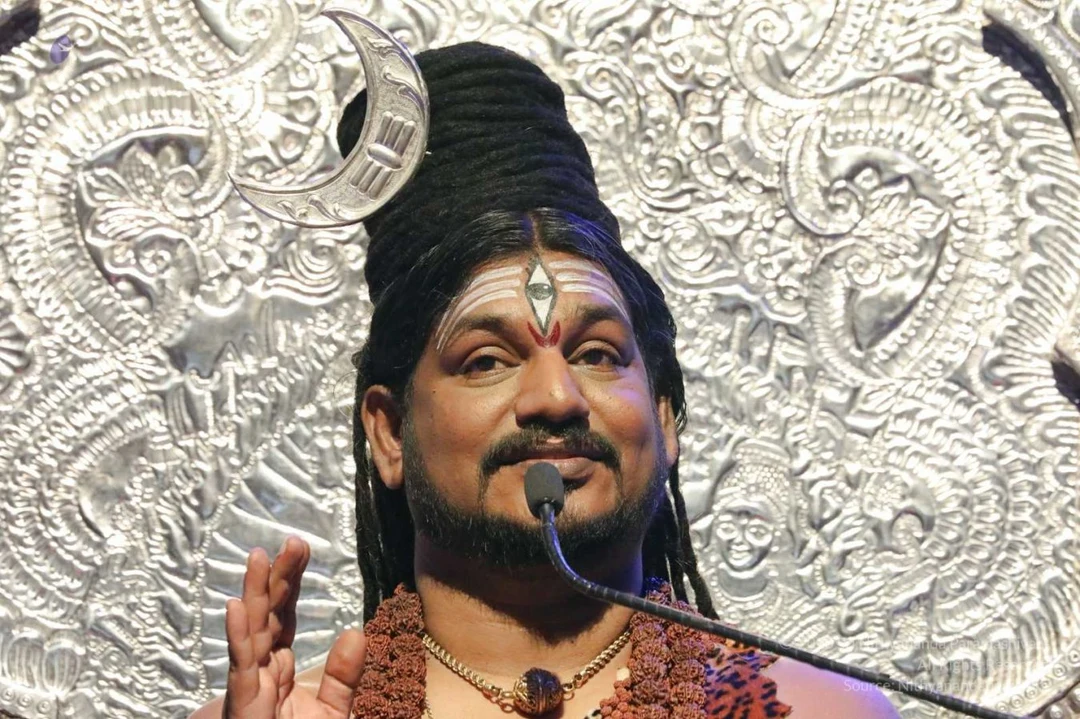 End of Satsang from Day 2 of MahaSadaShivoham Convention
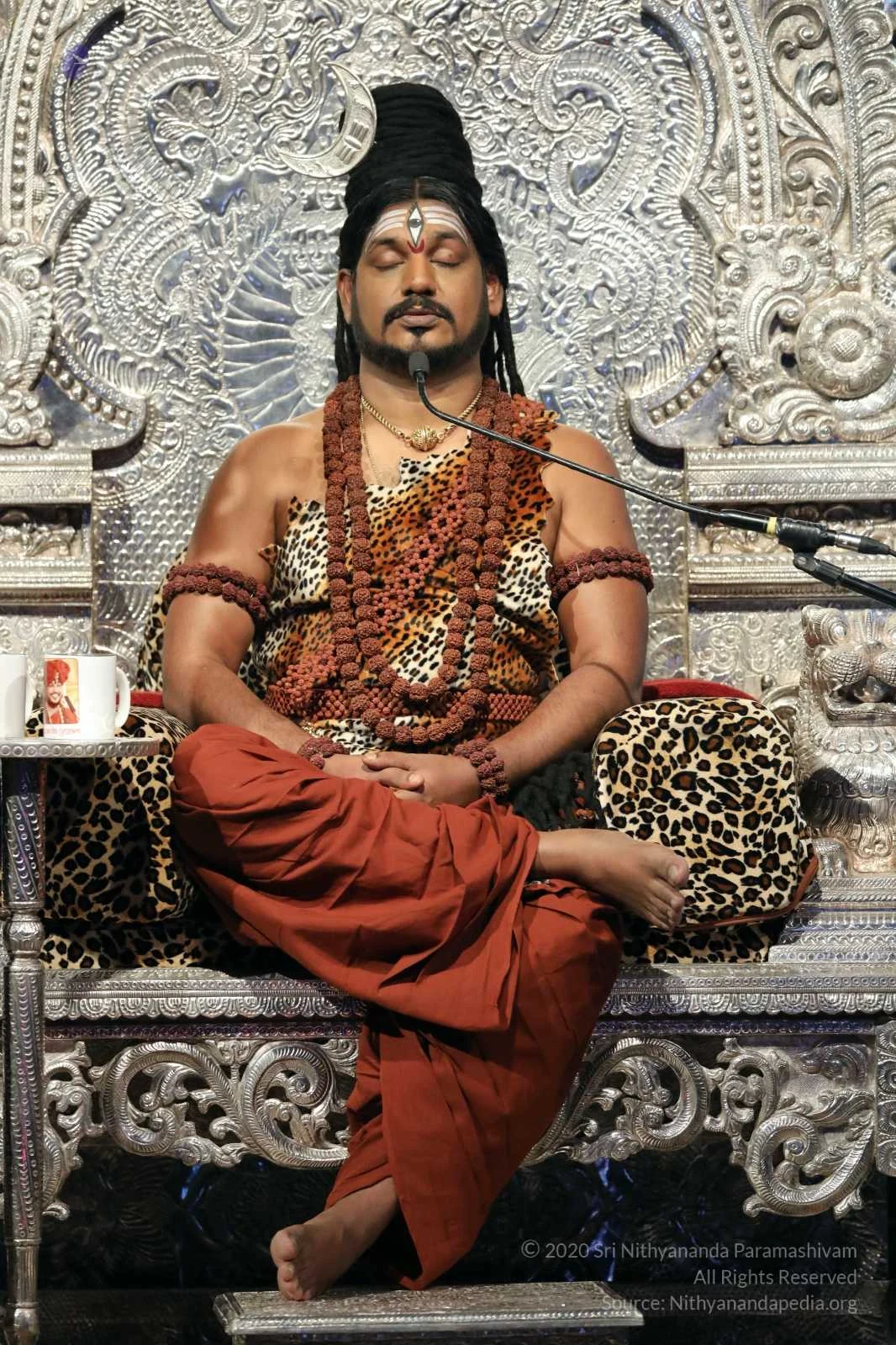
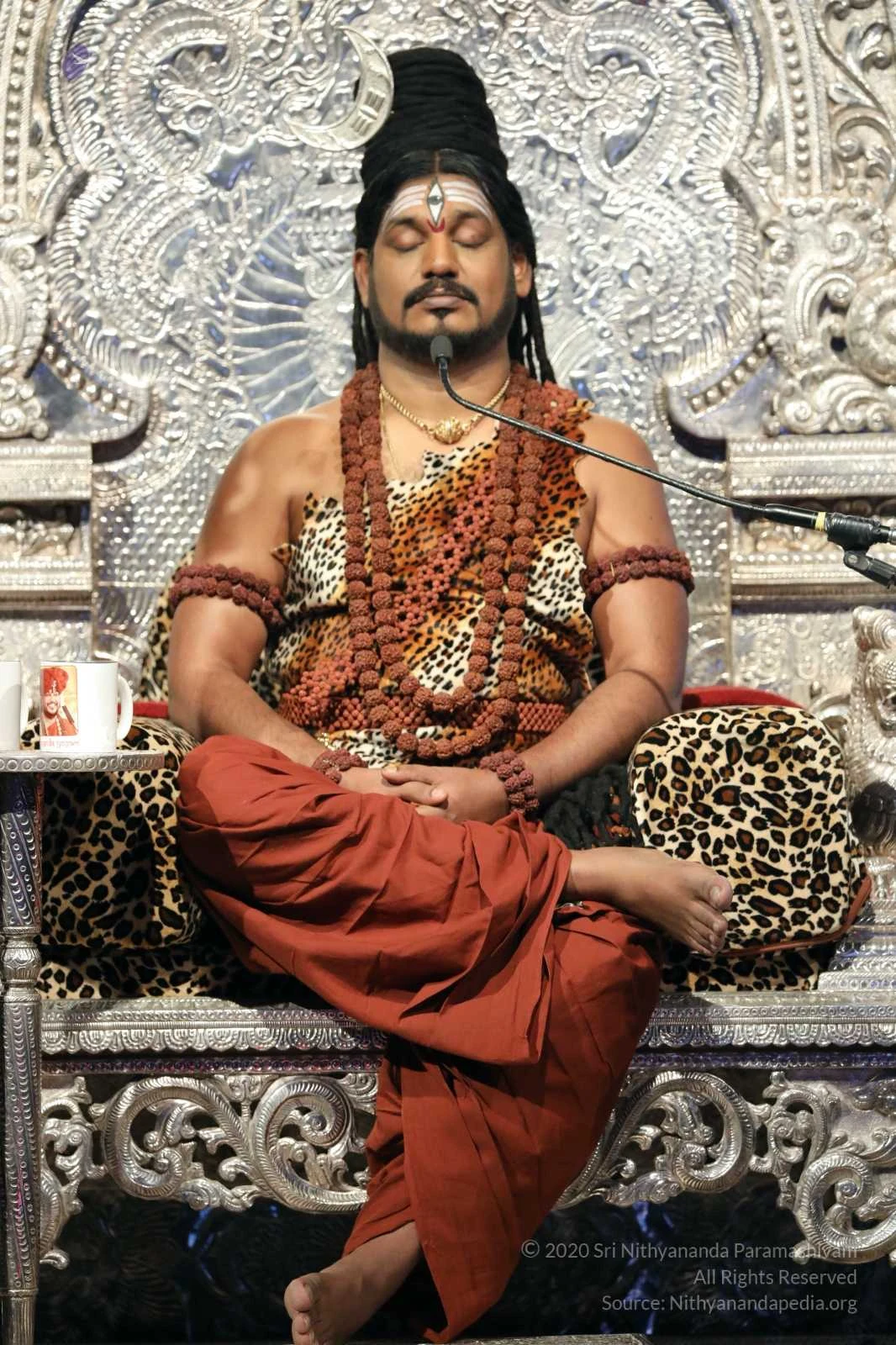
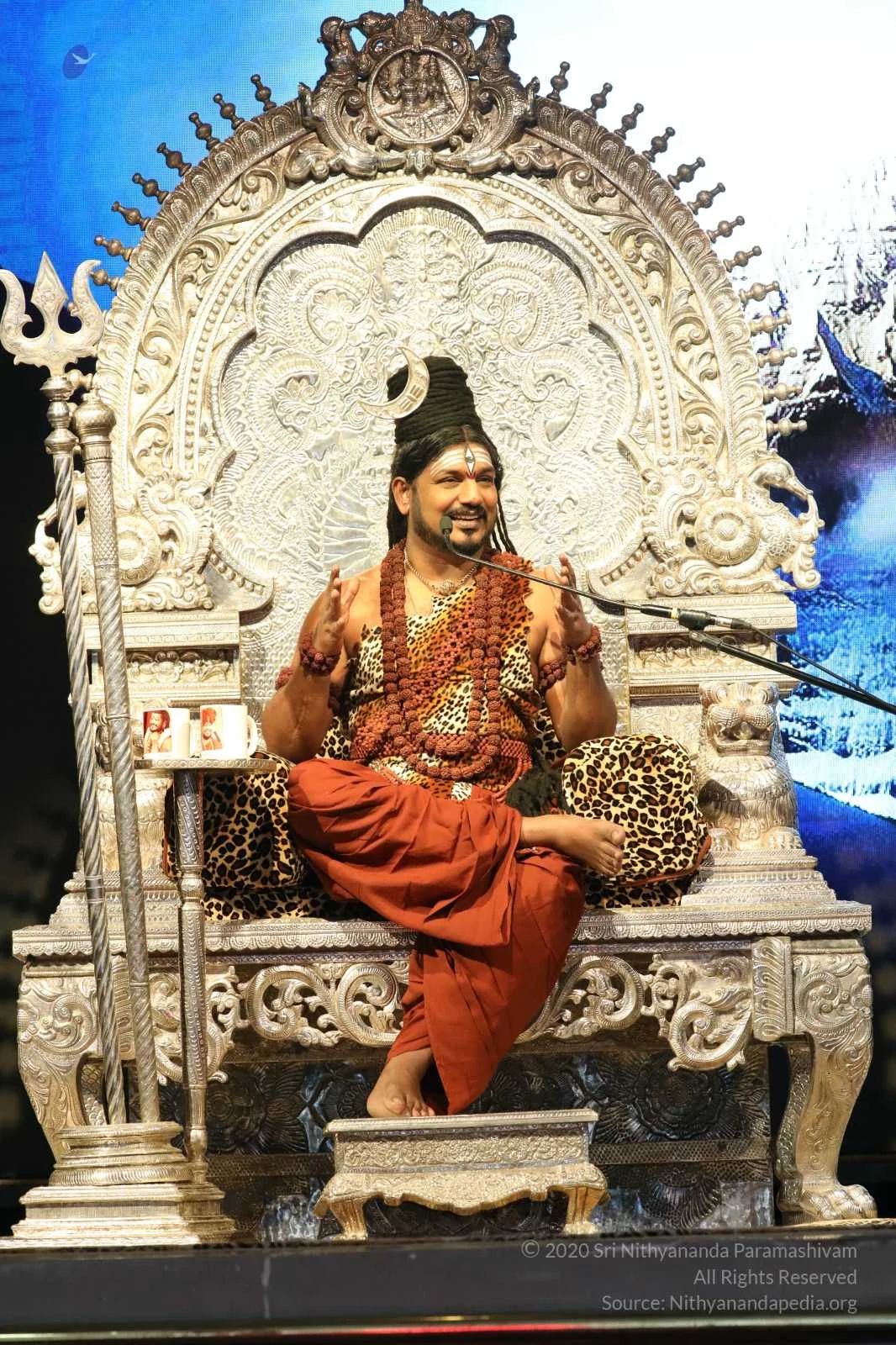
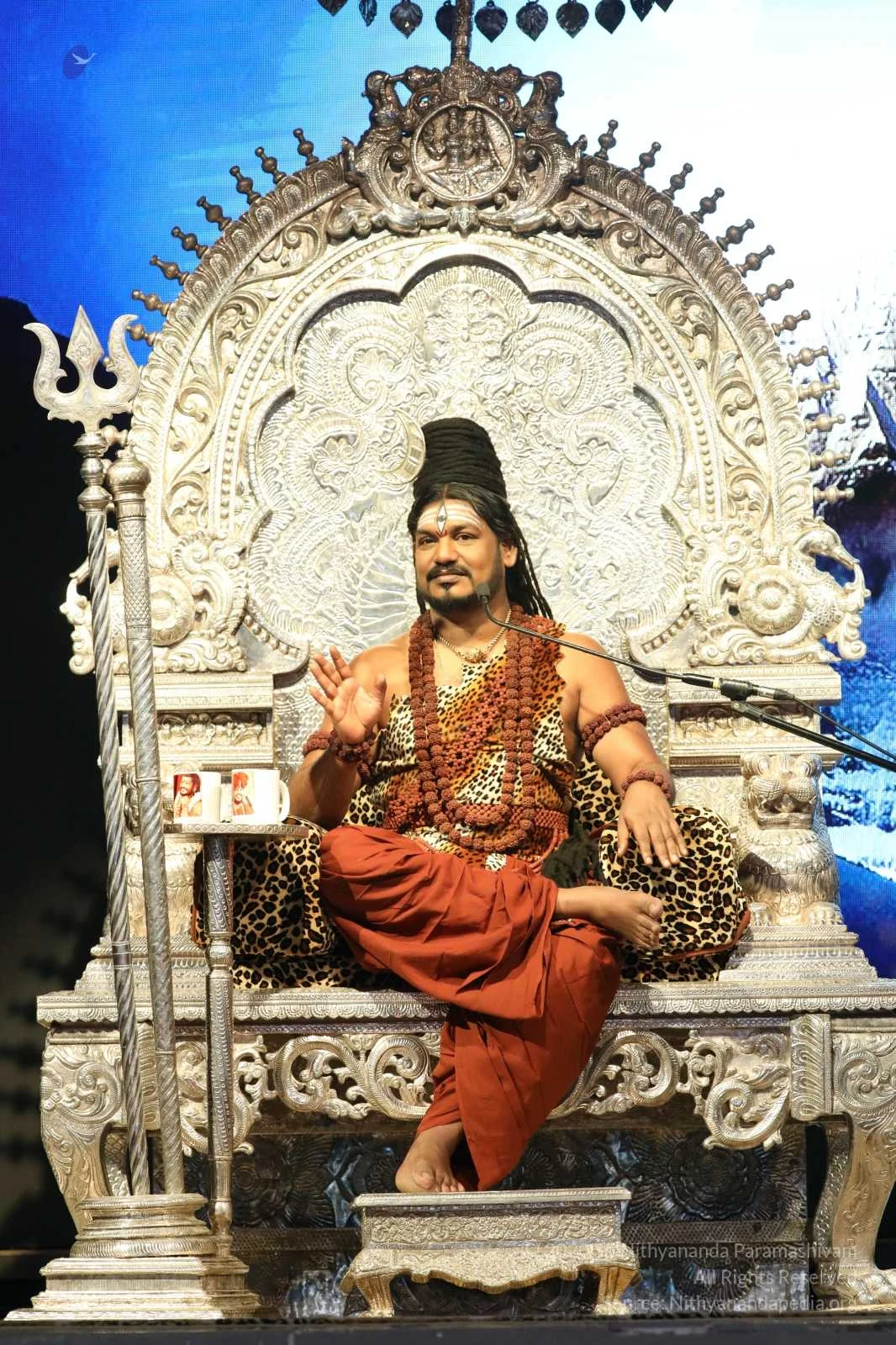
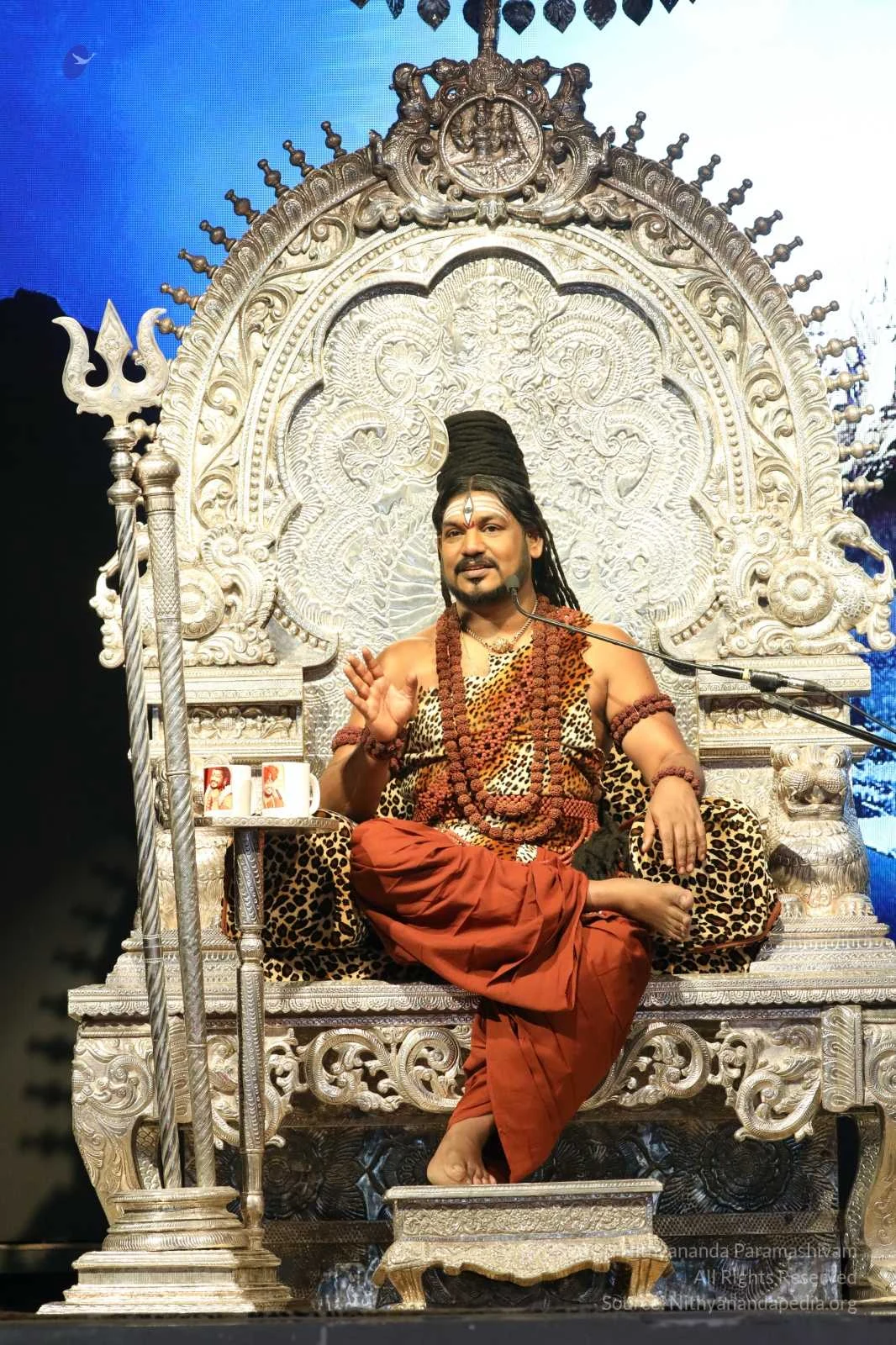
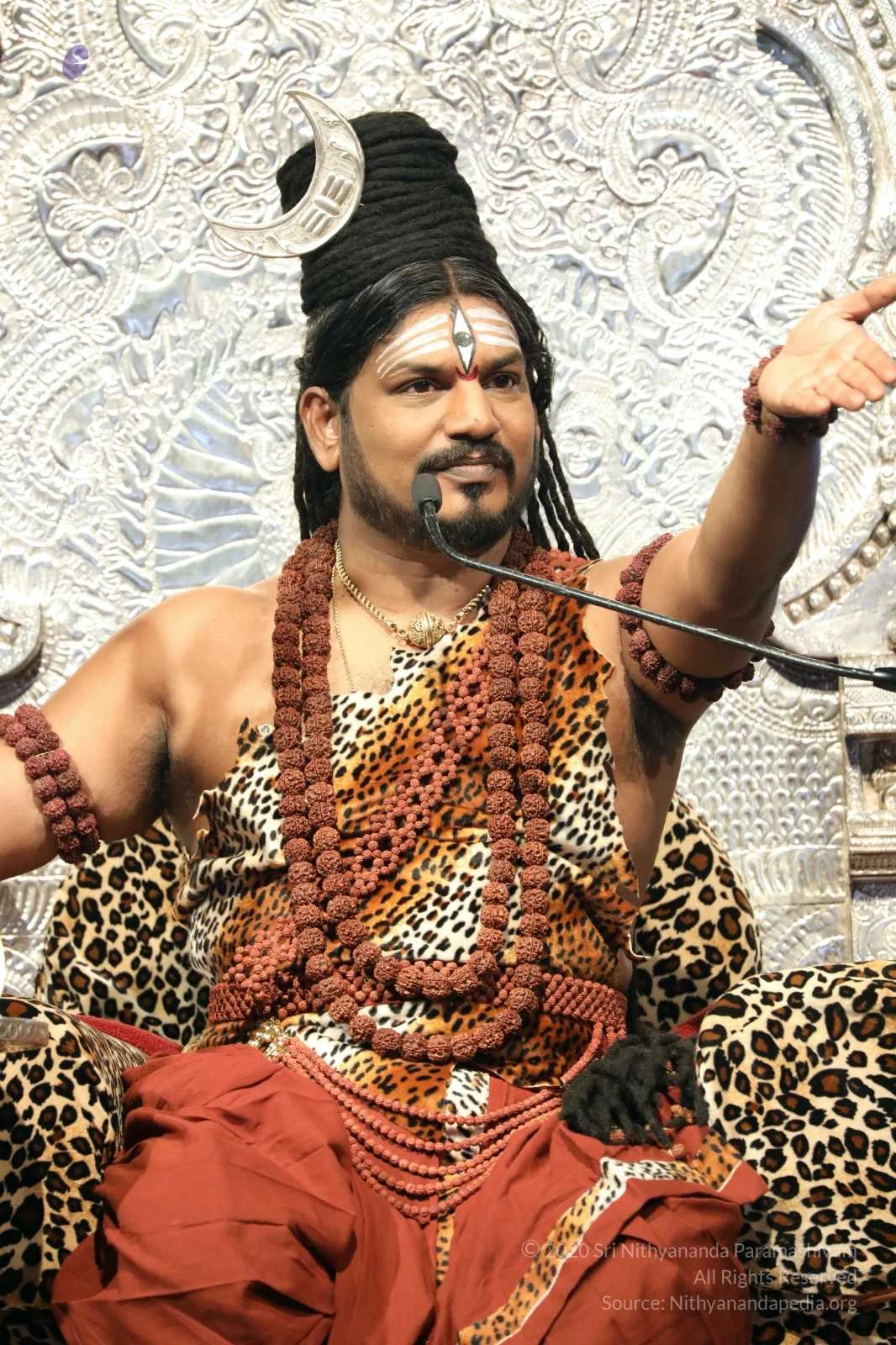
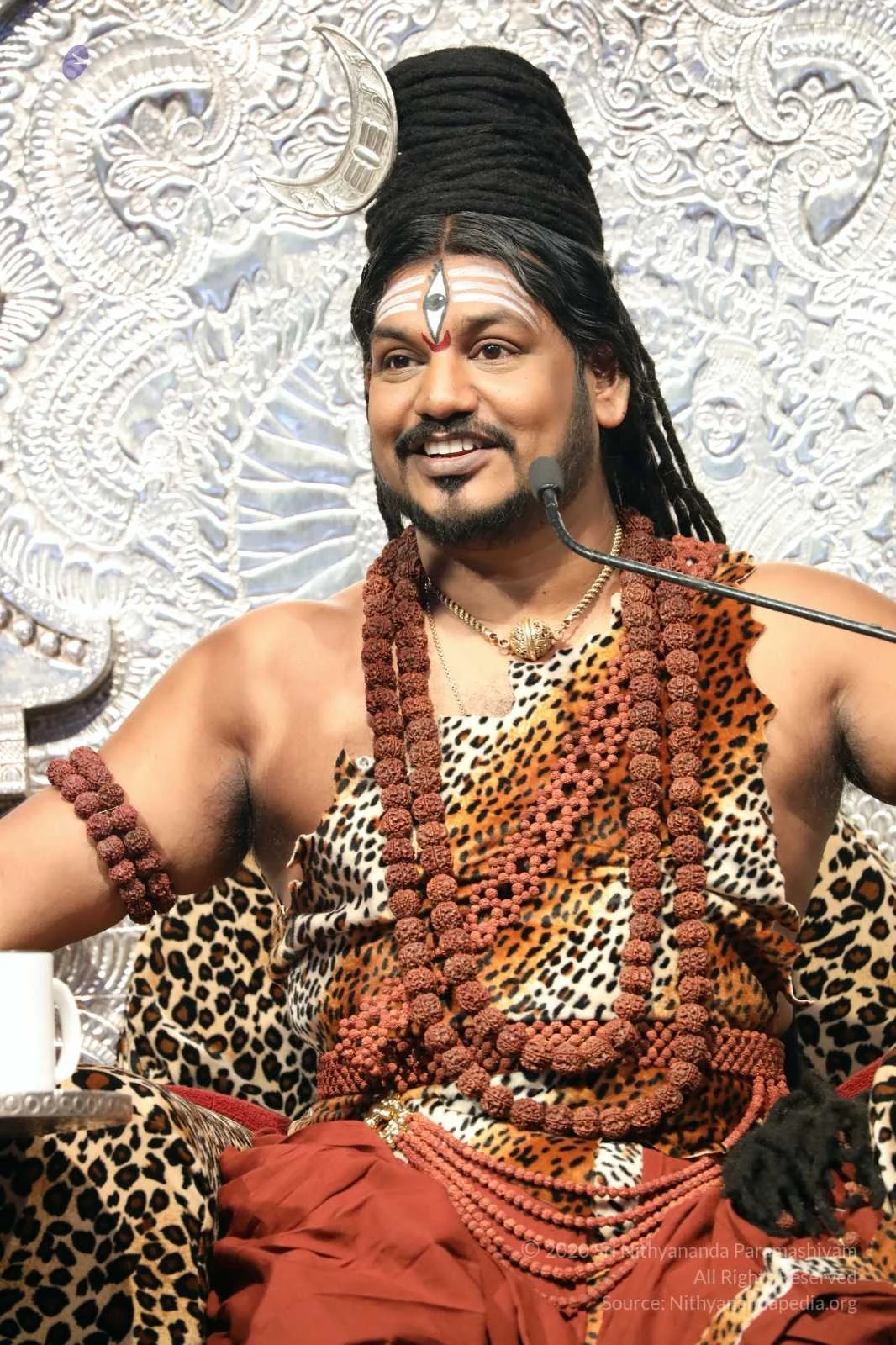
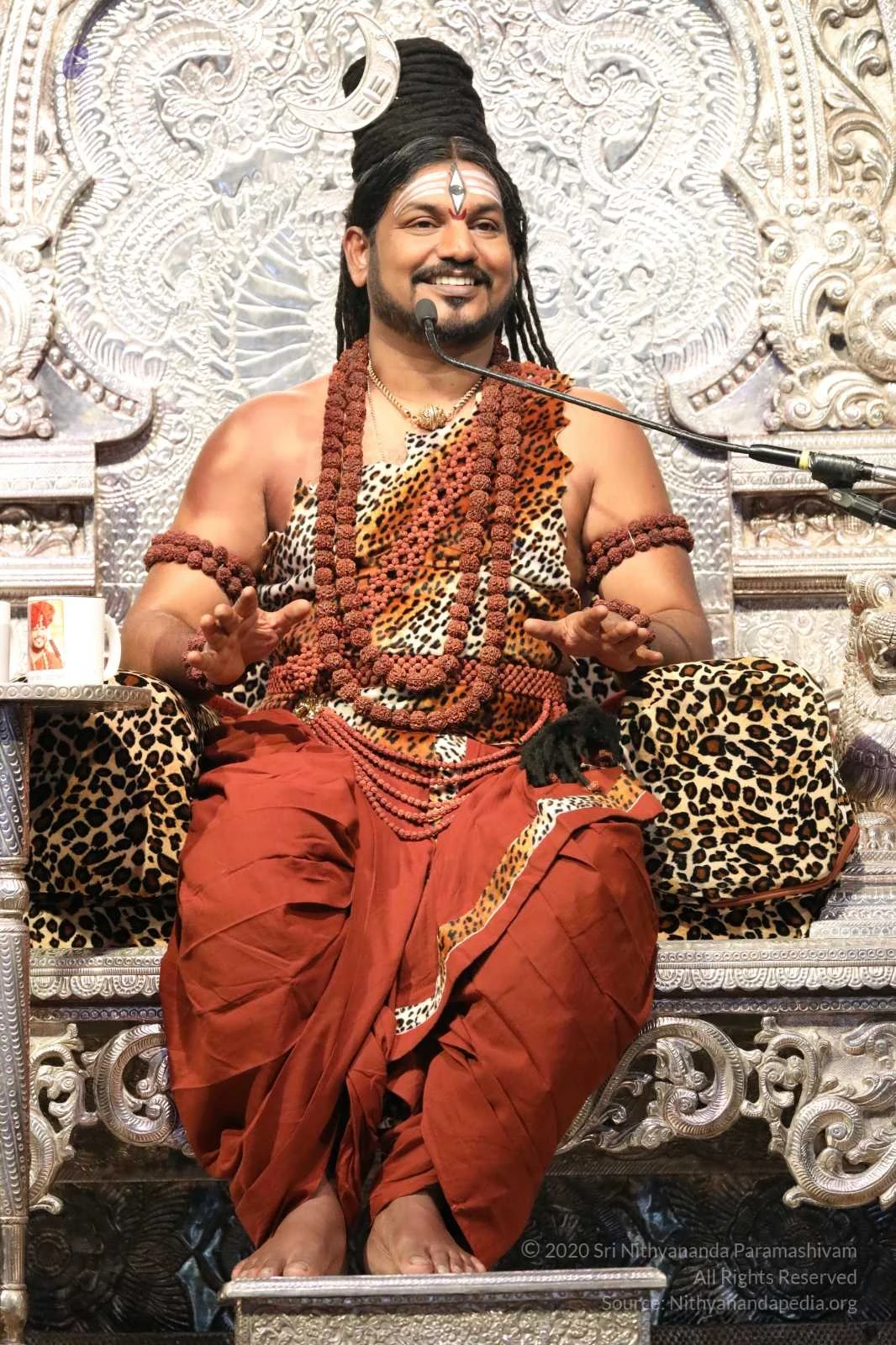
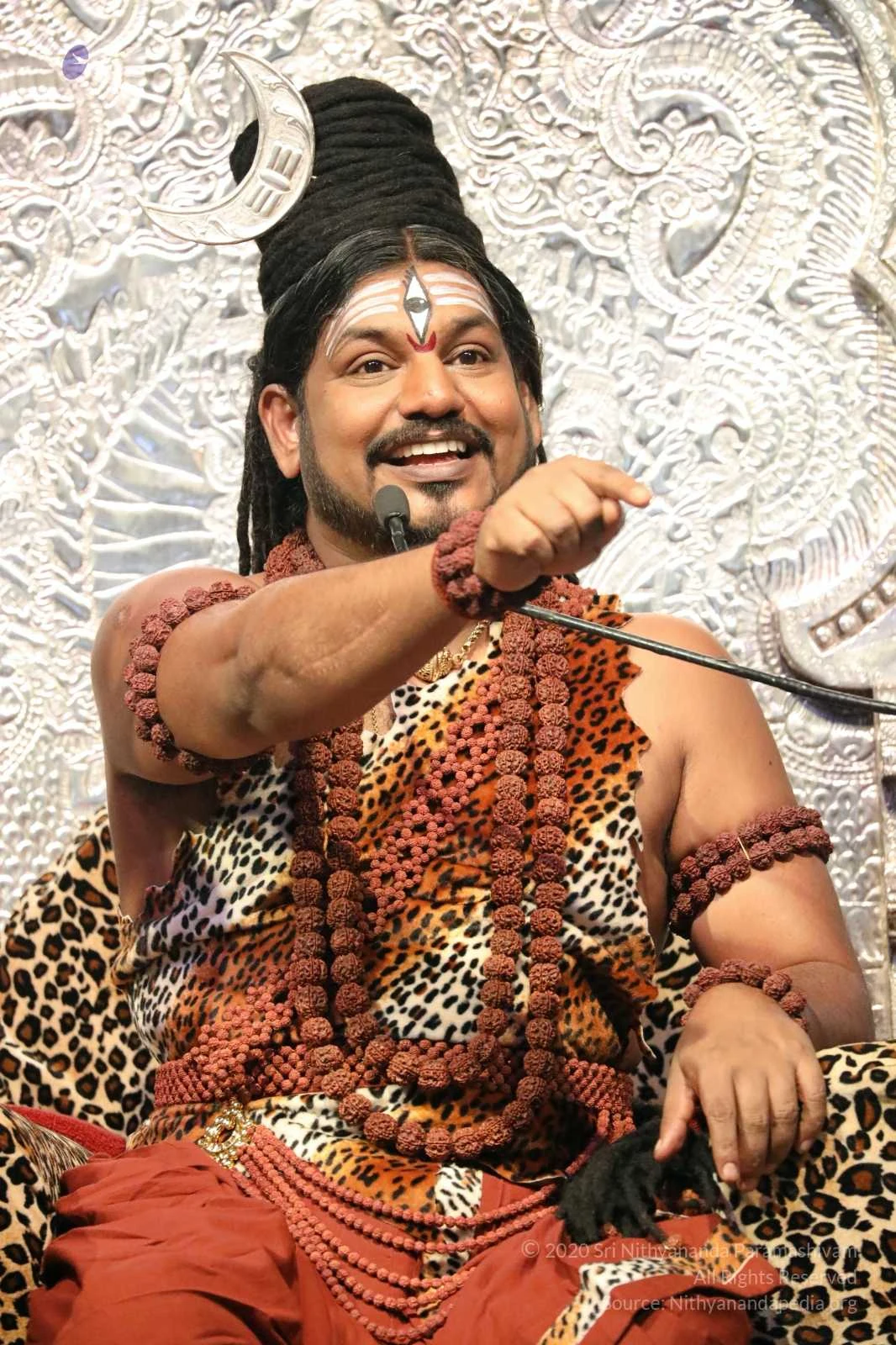
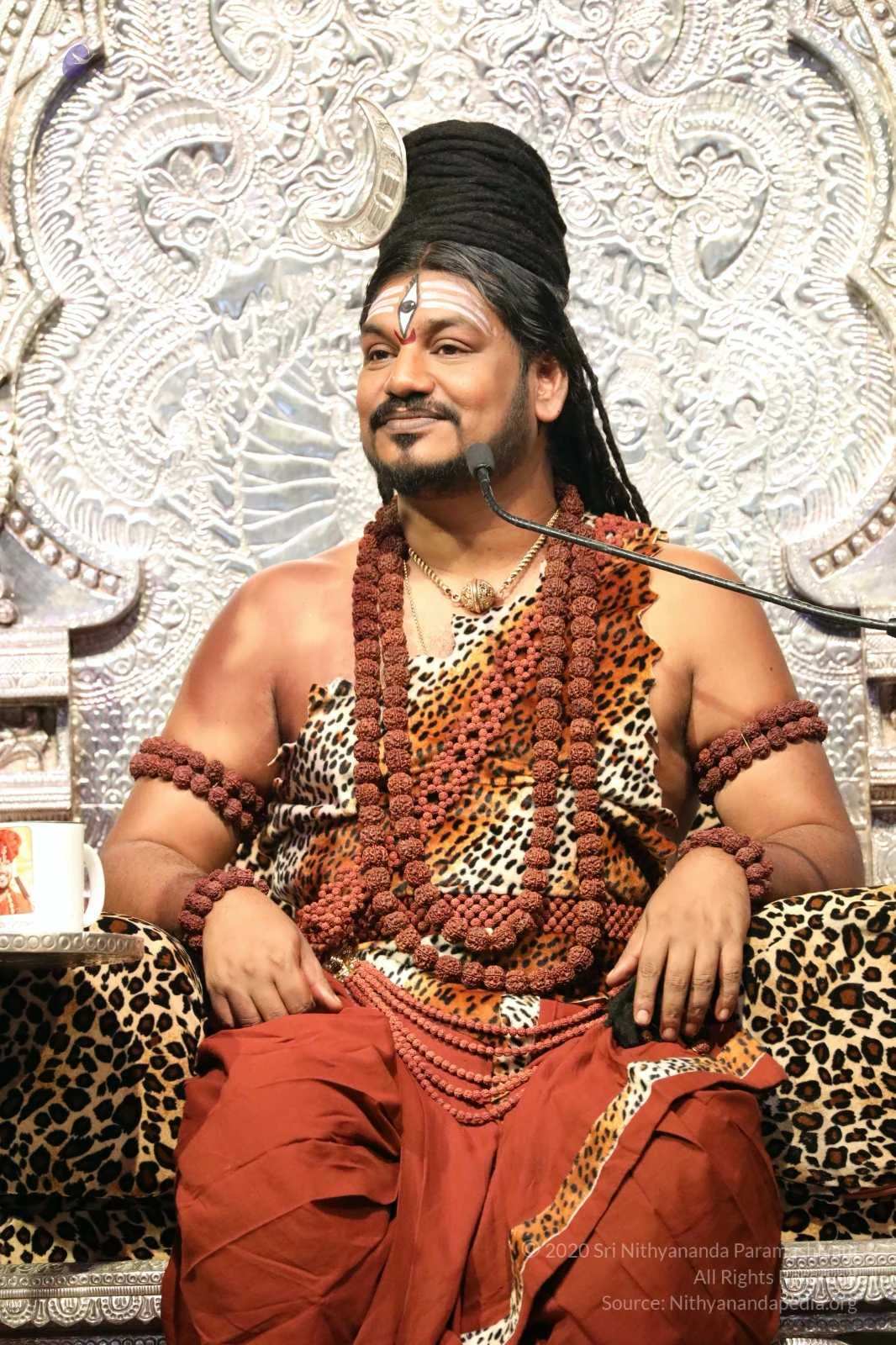
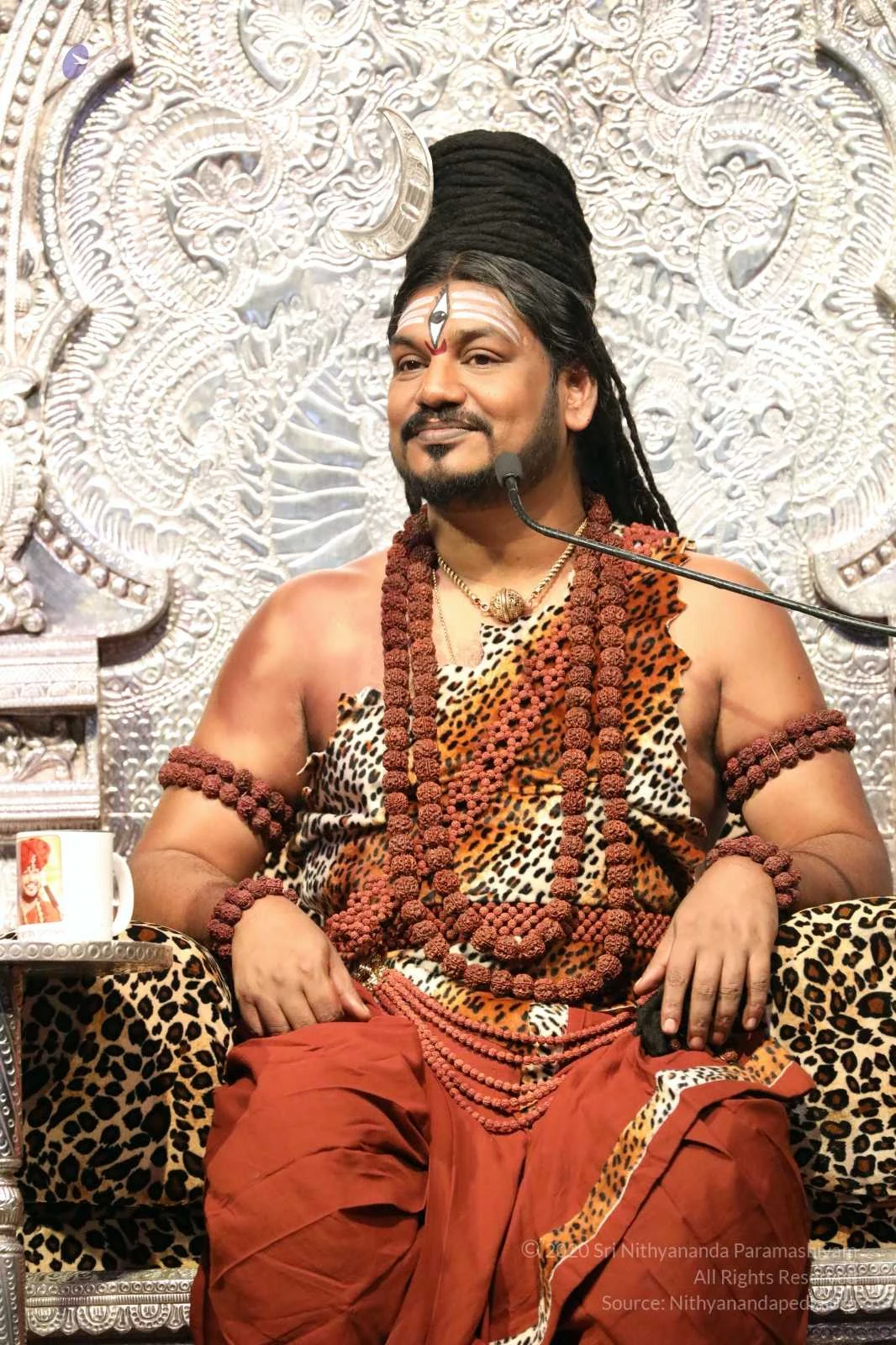
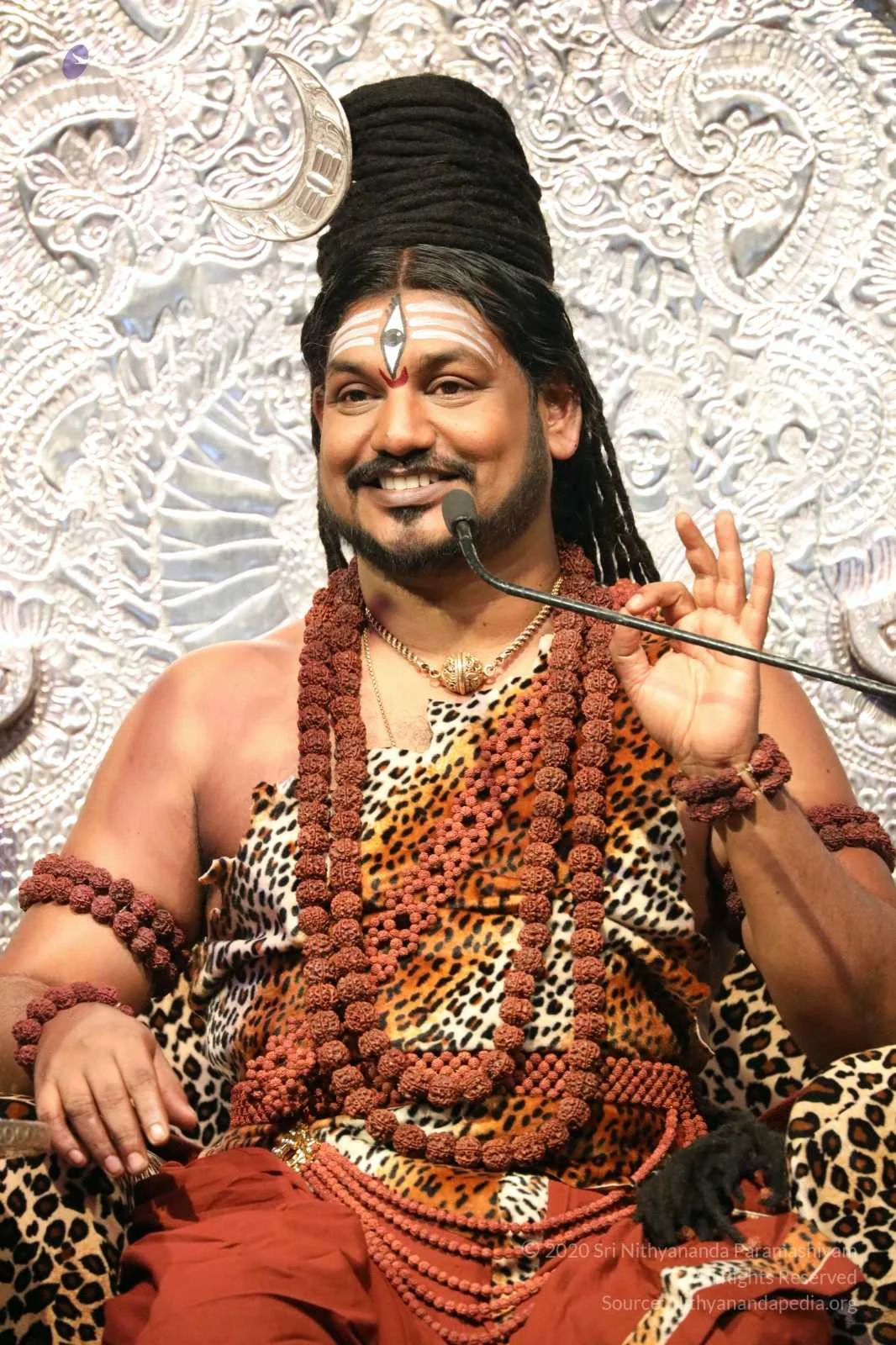
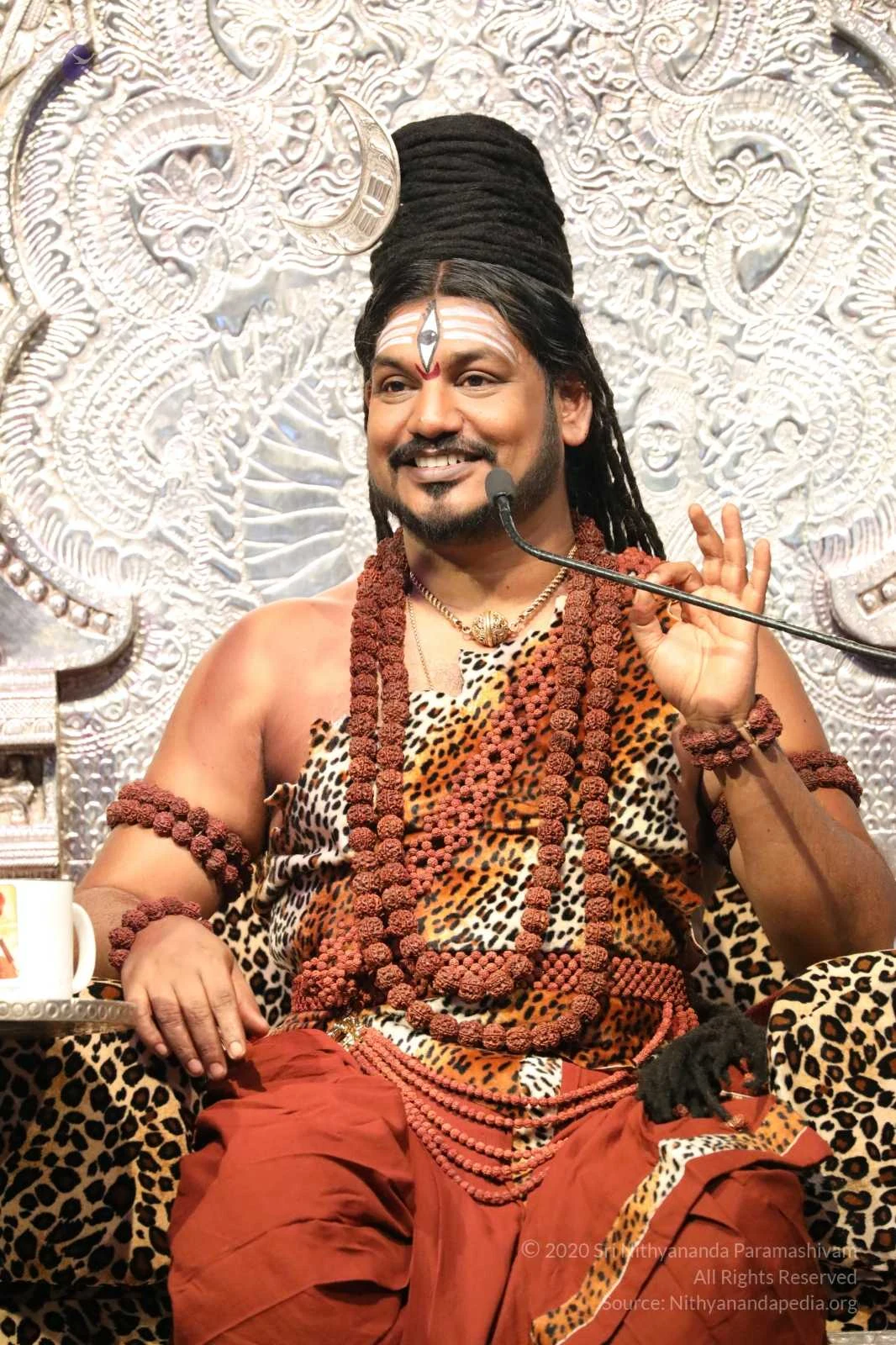
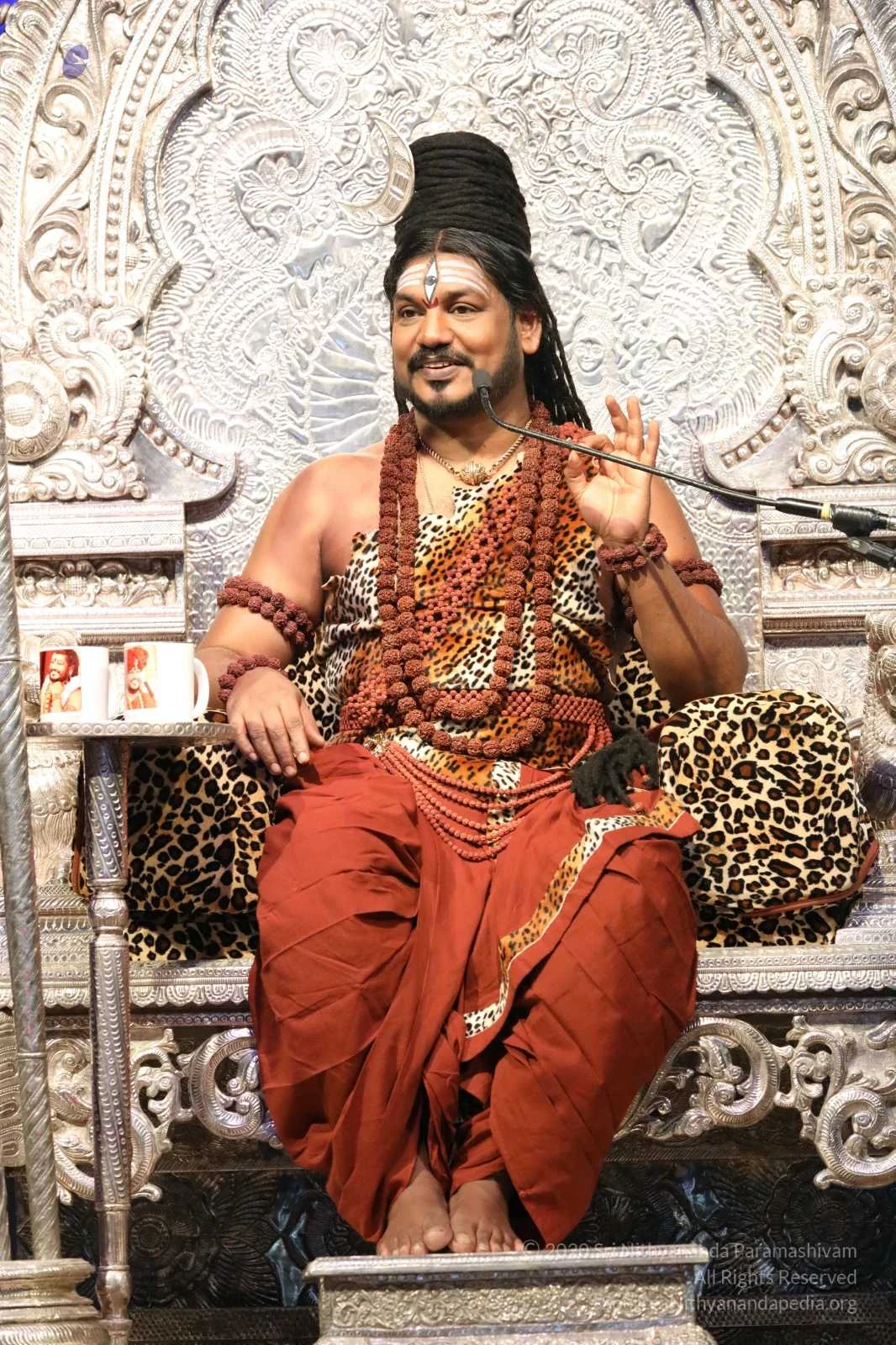
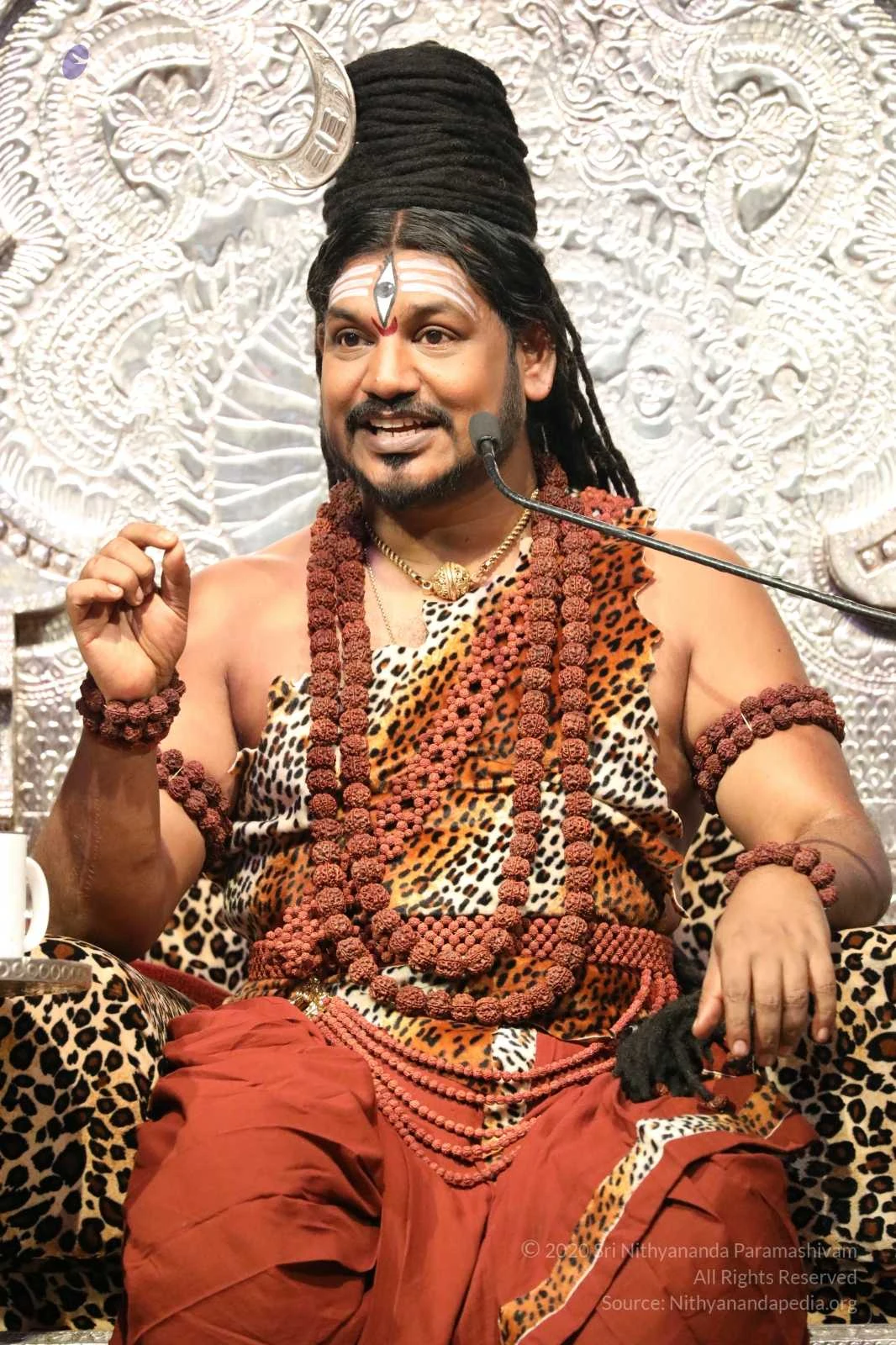
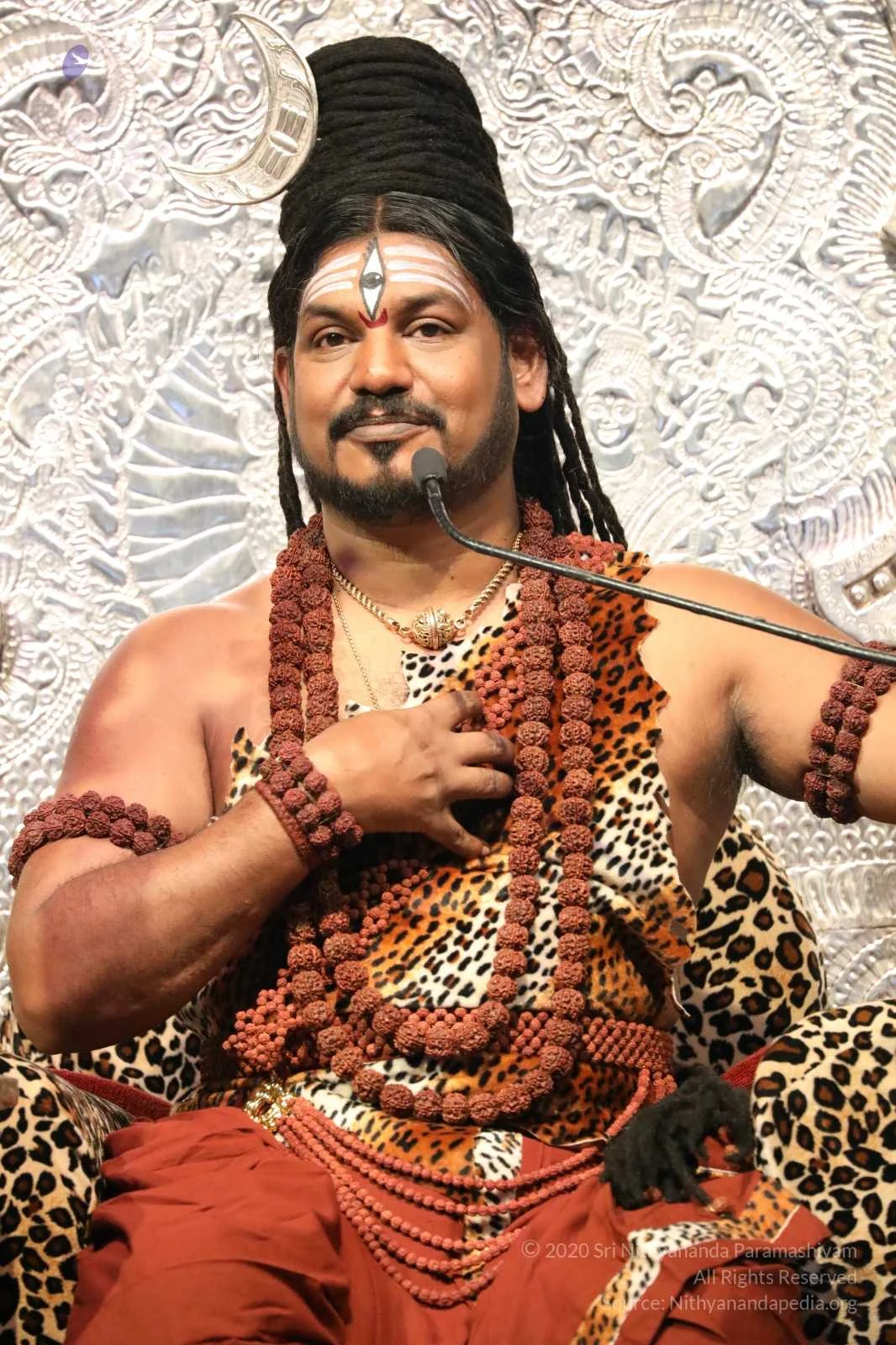
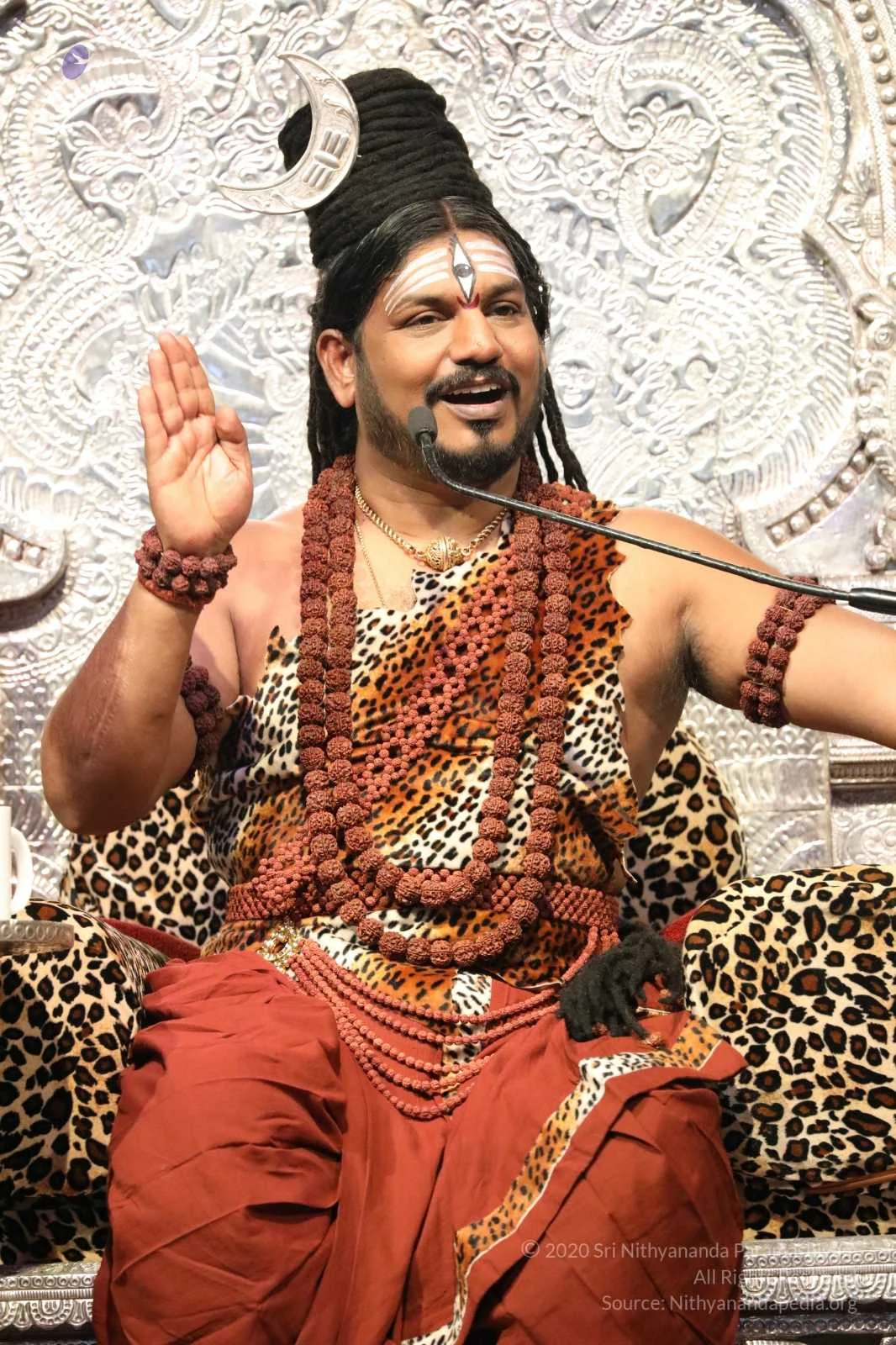
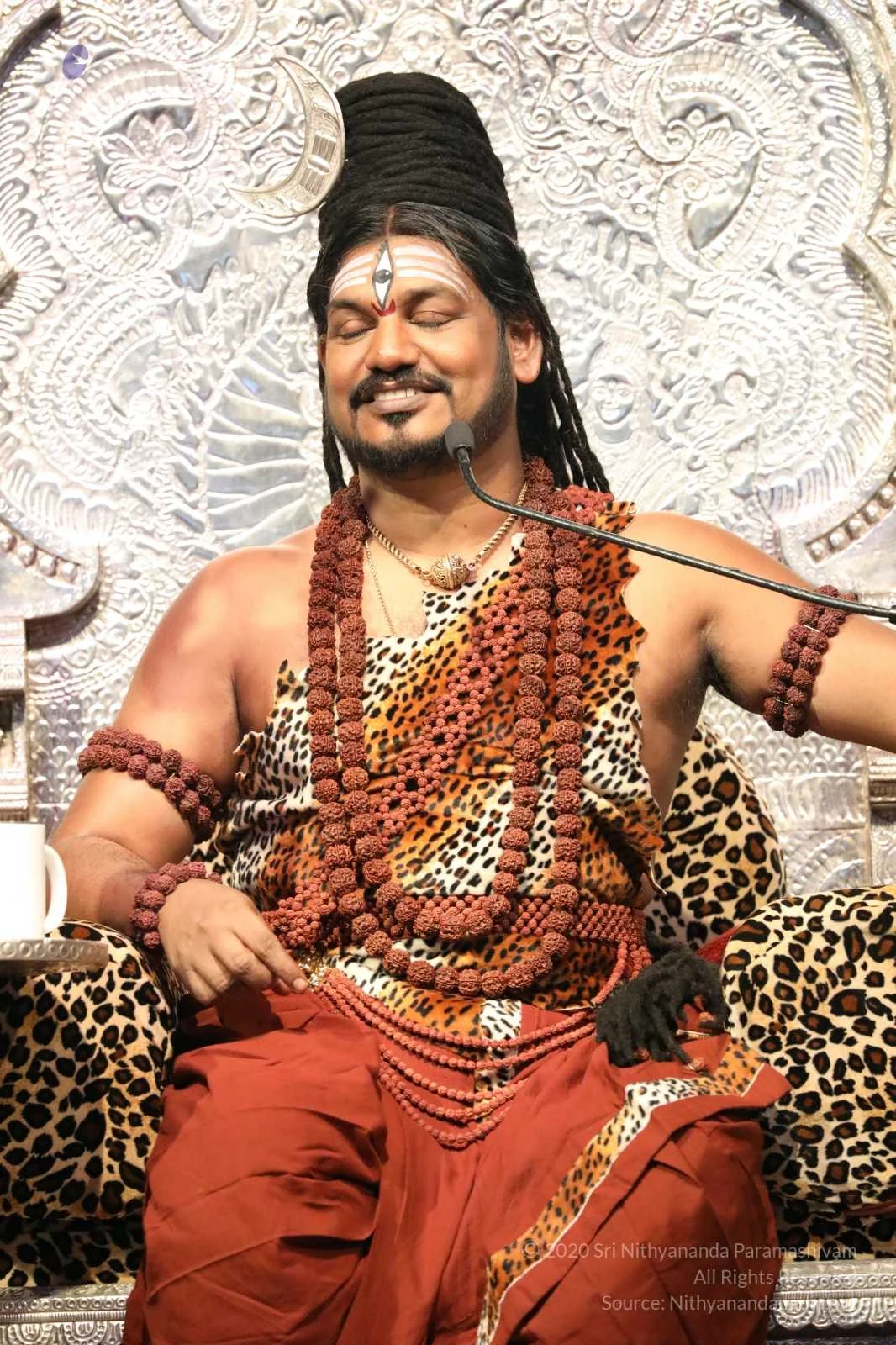
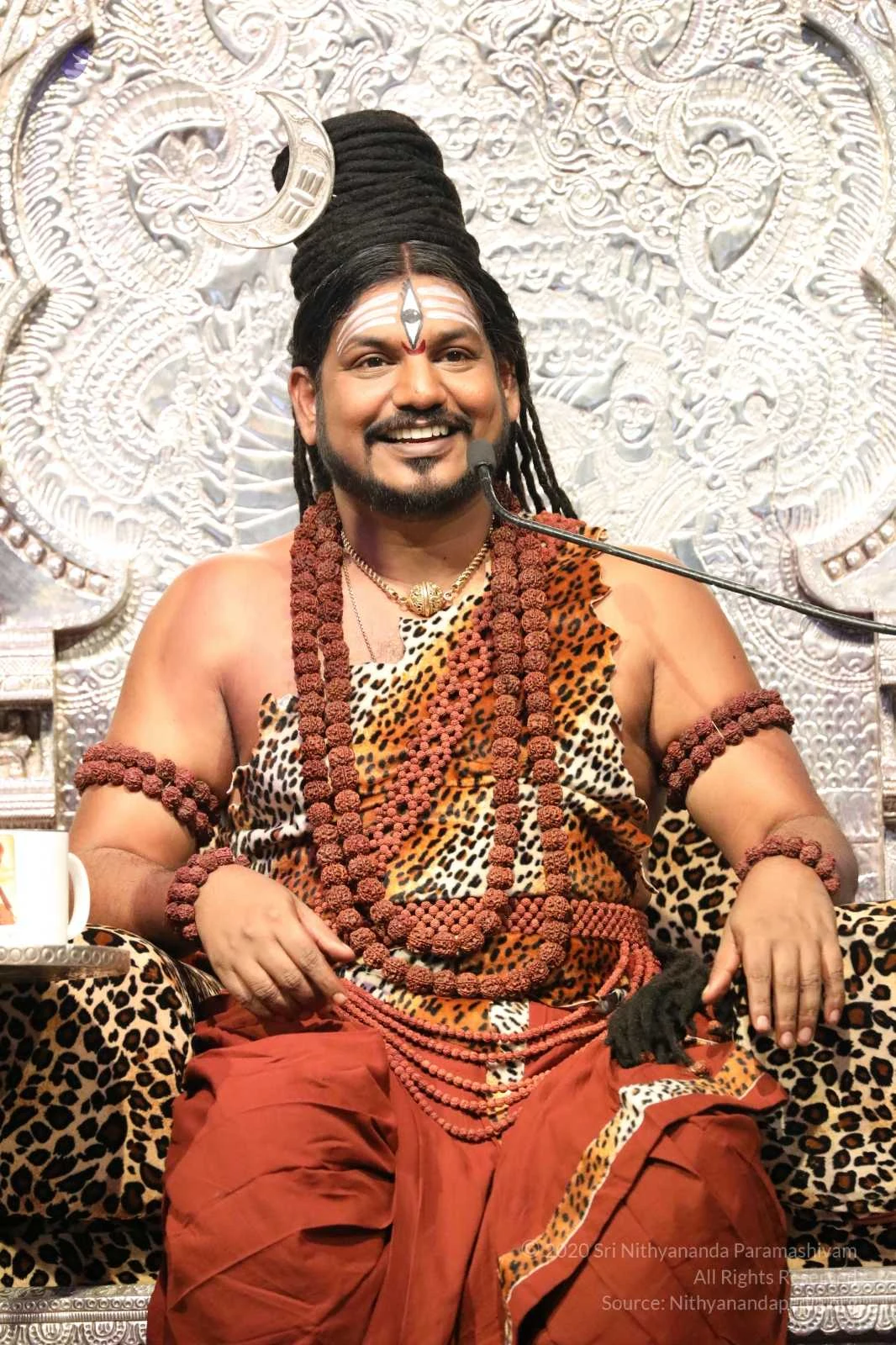
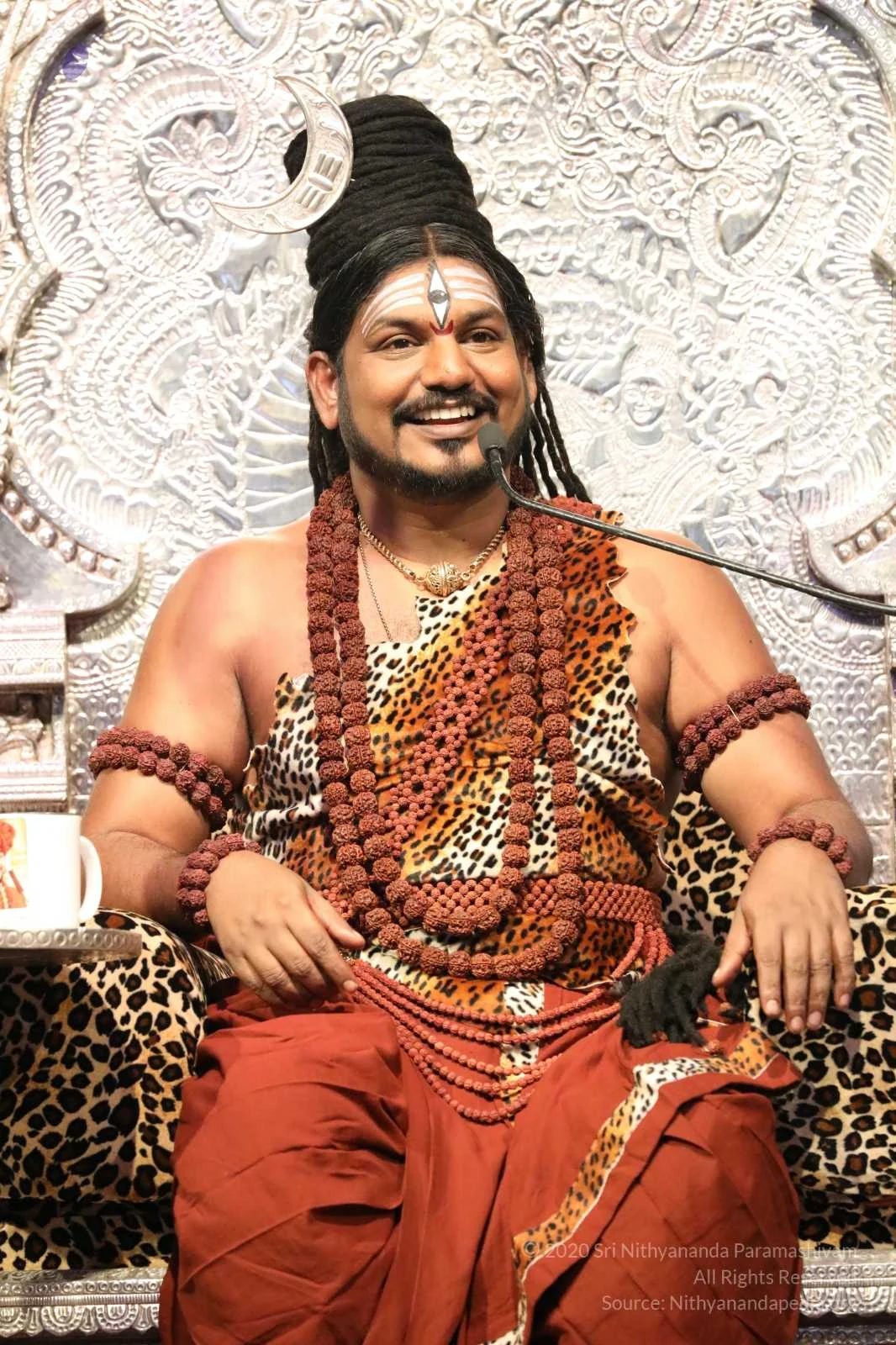
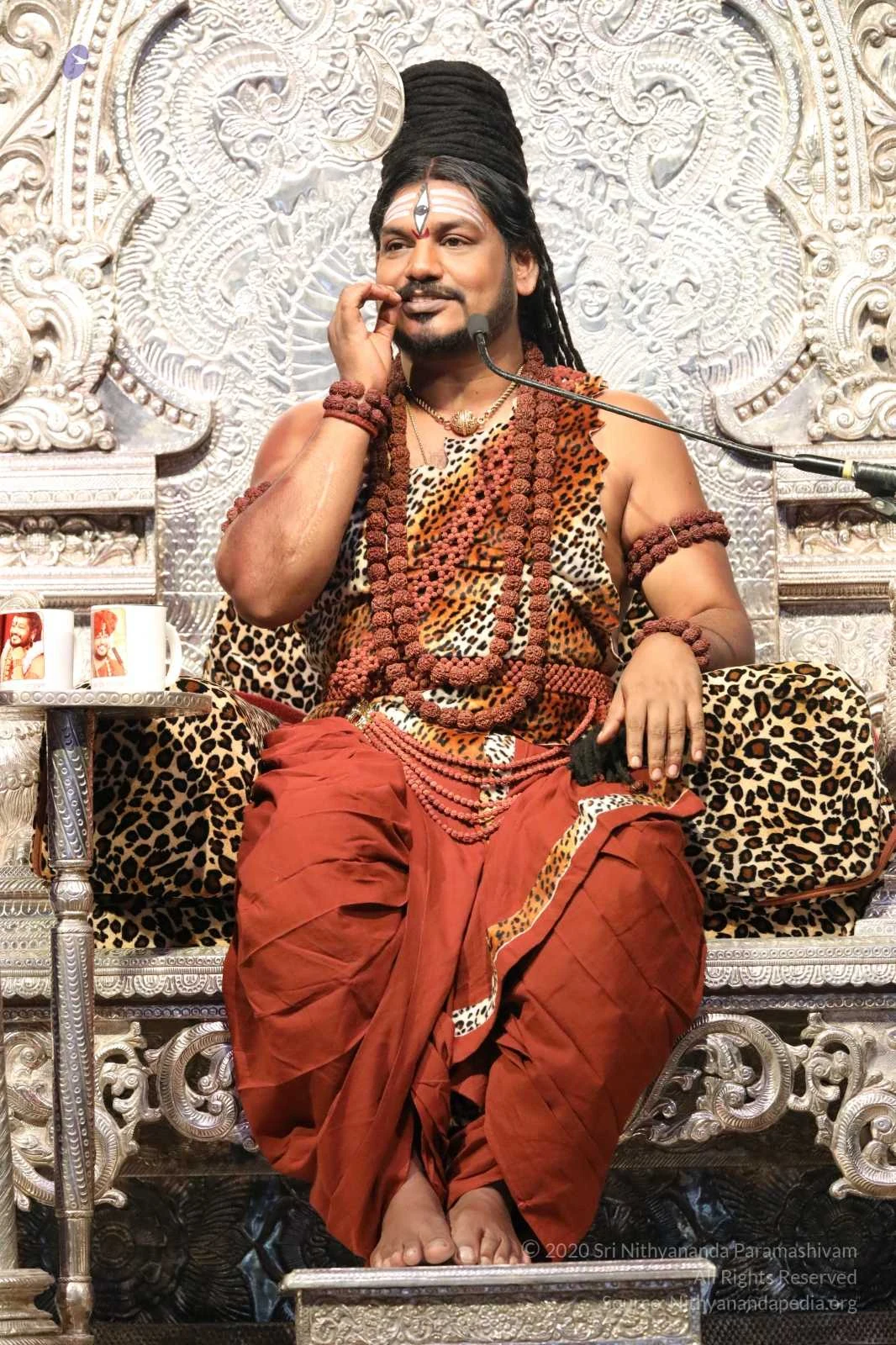
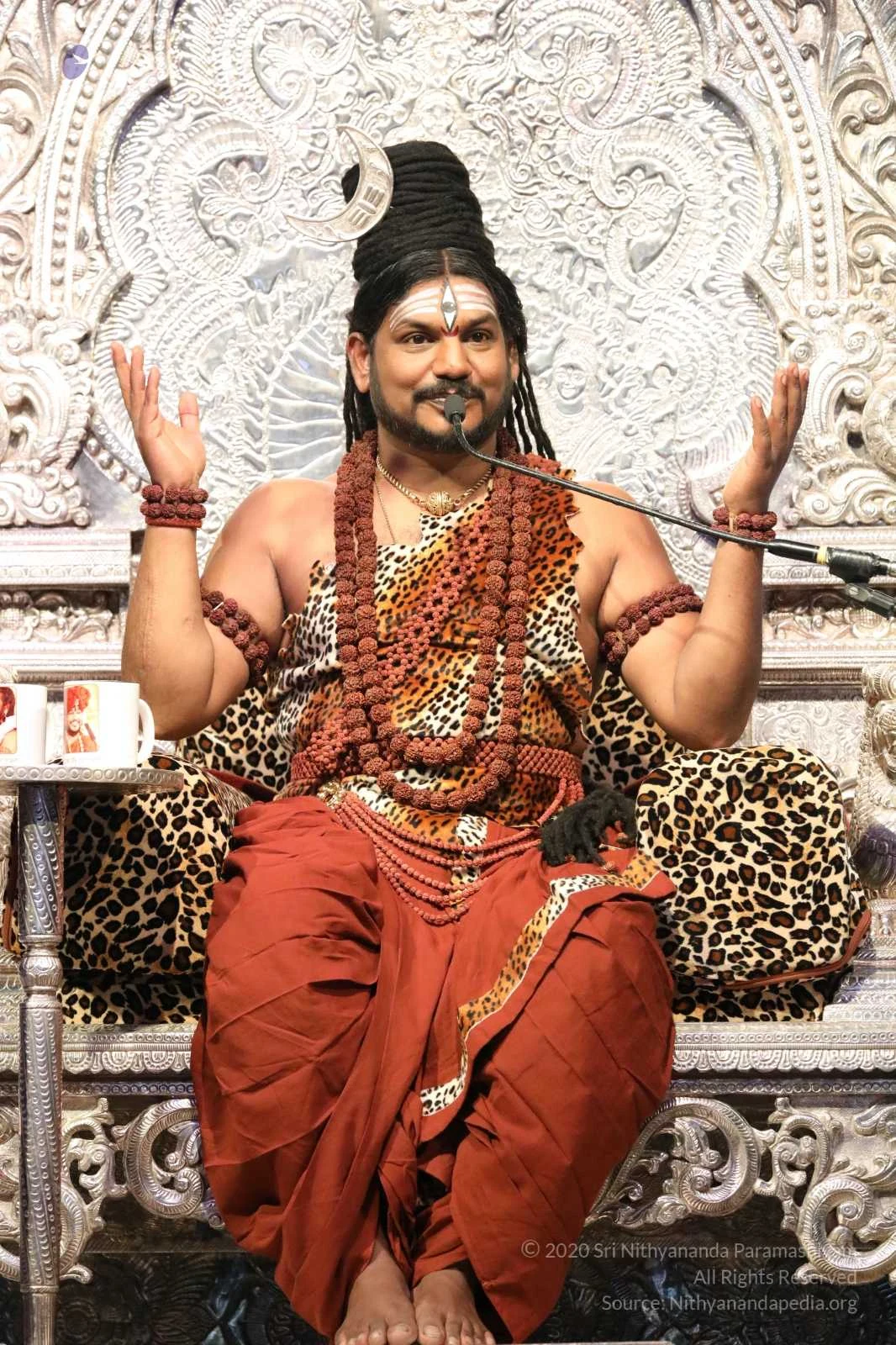
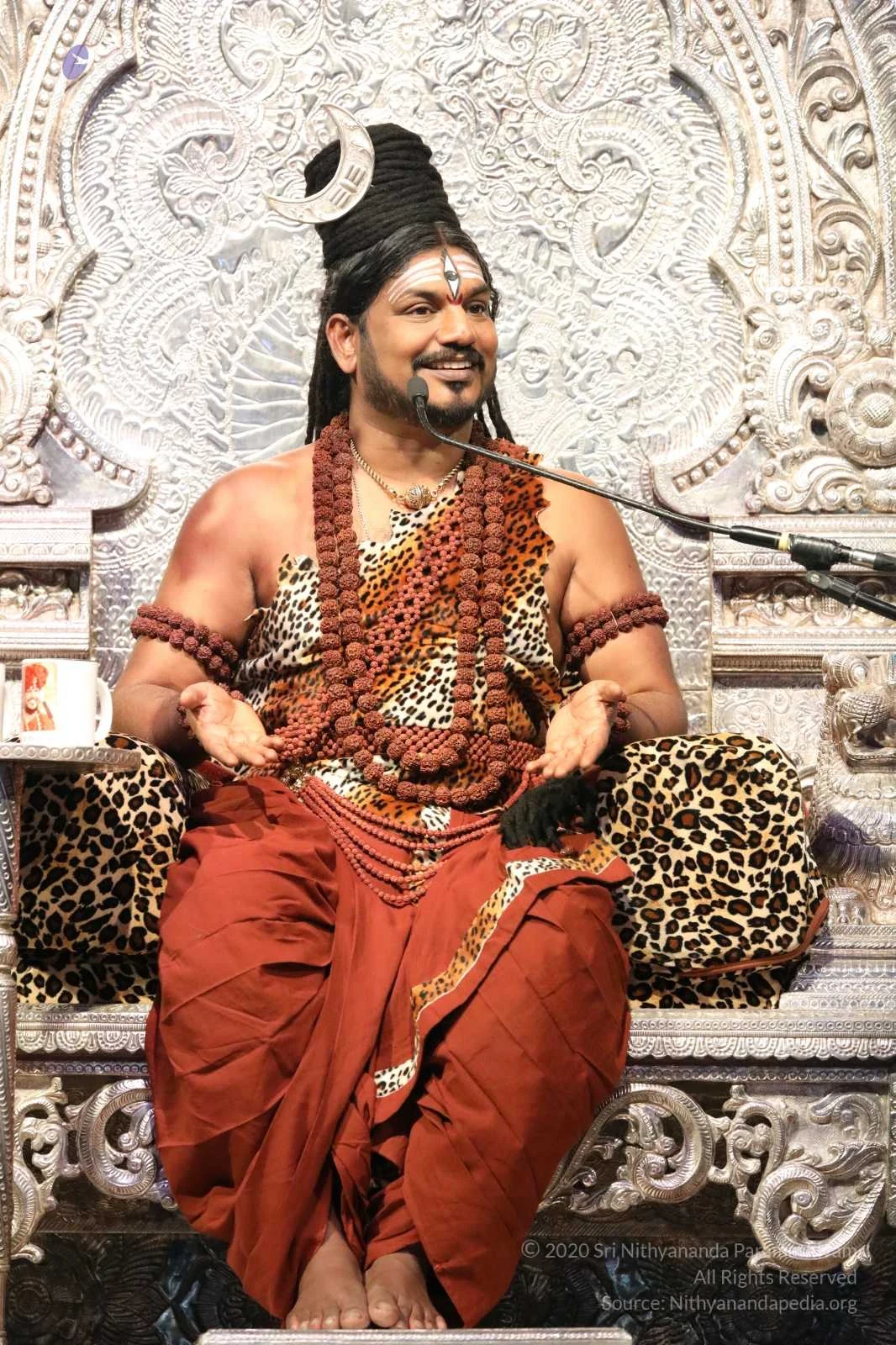
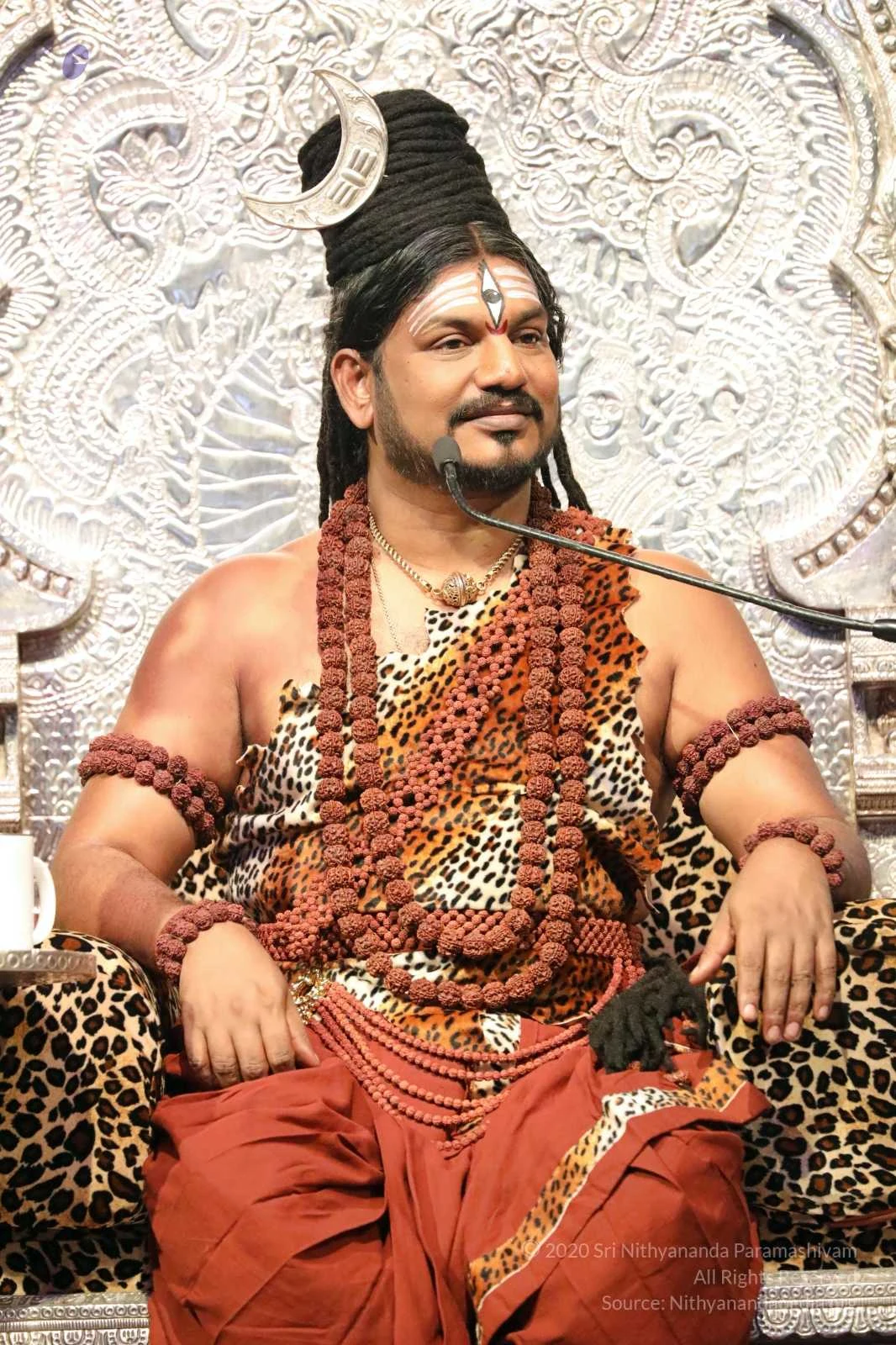
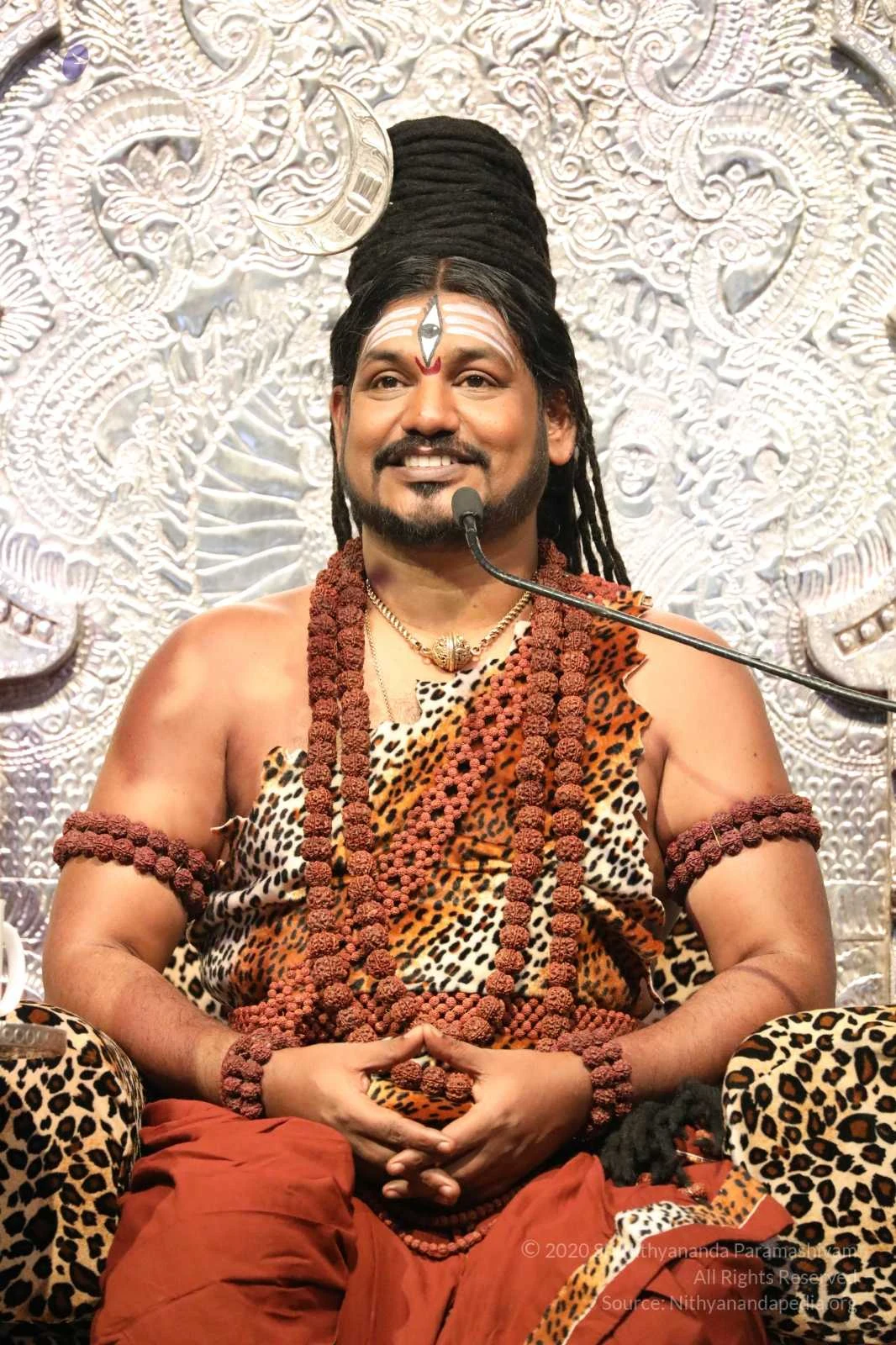
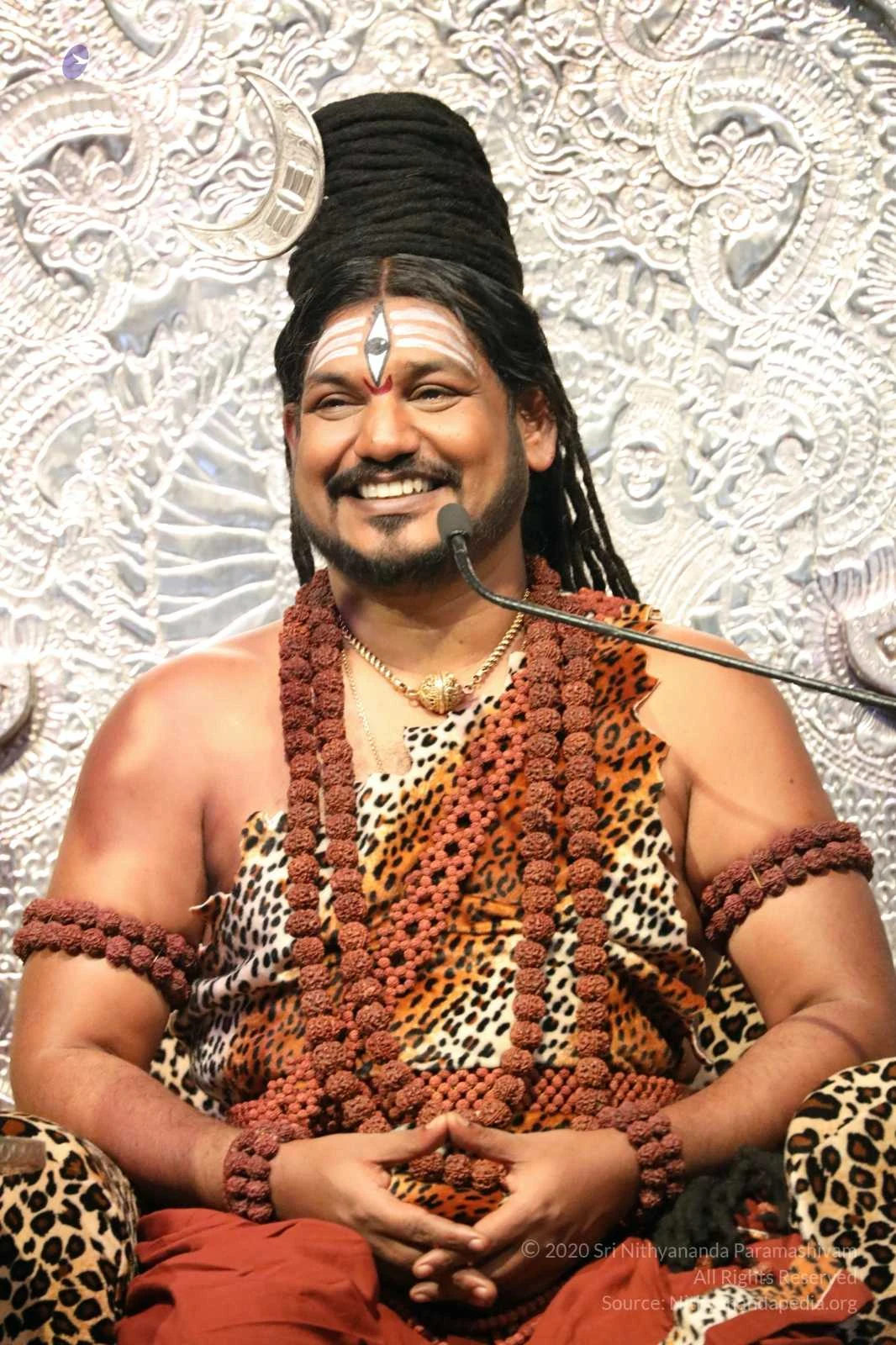
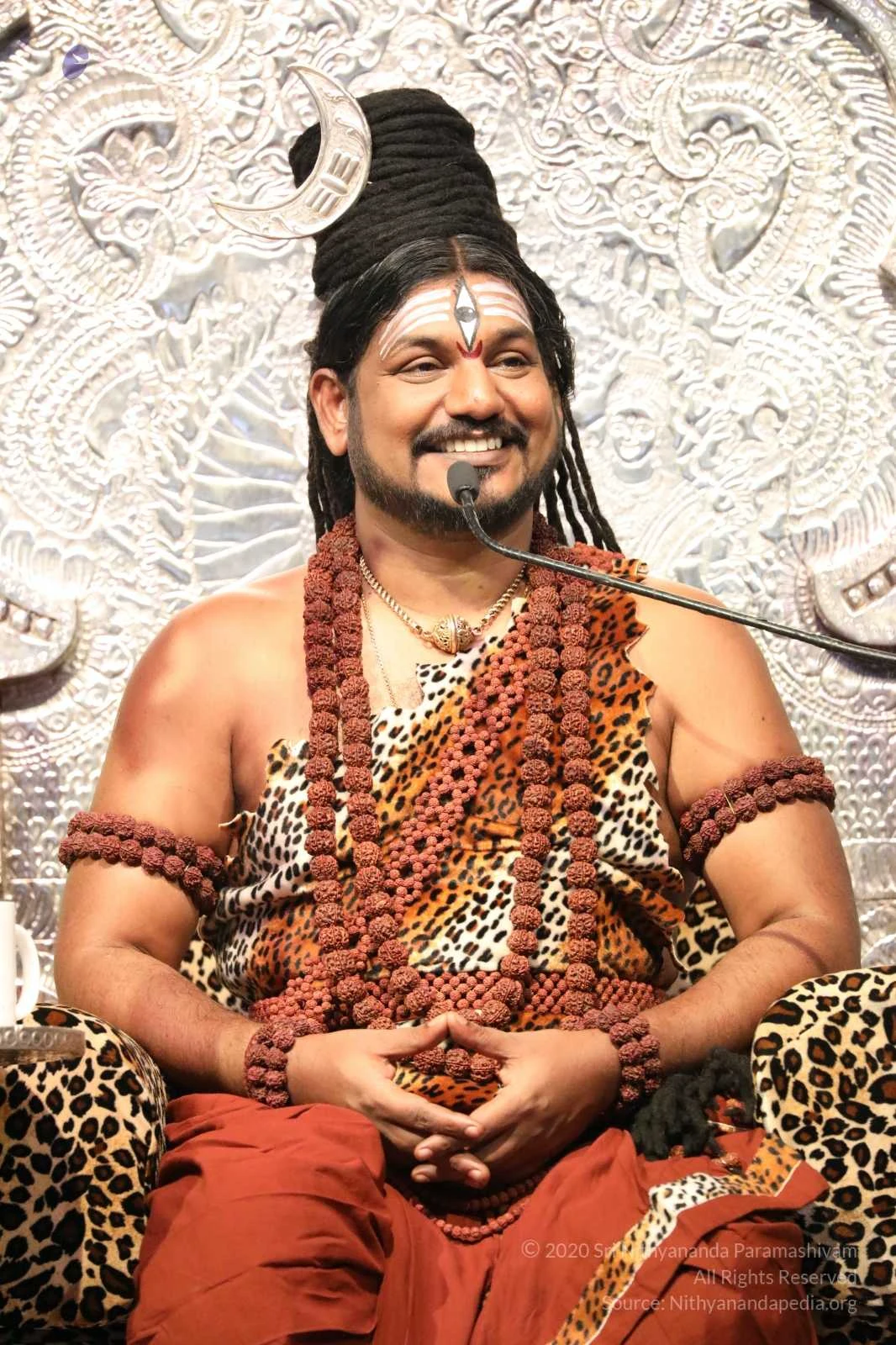
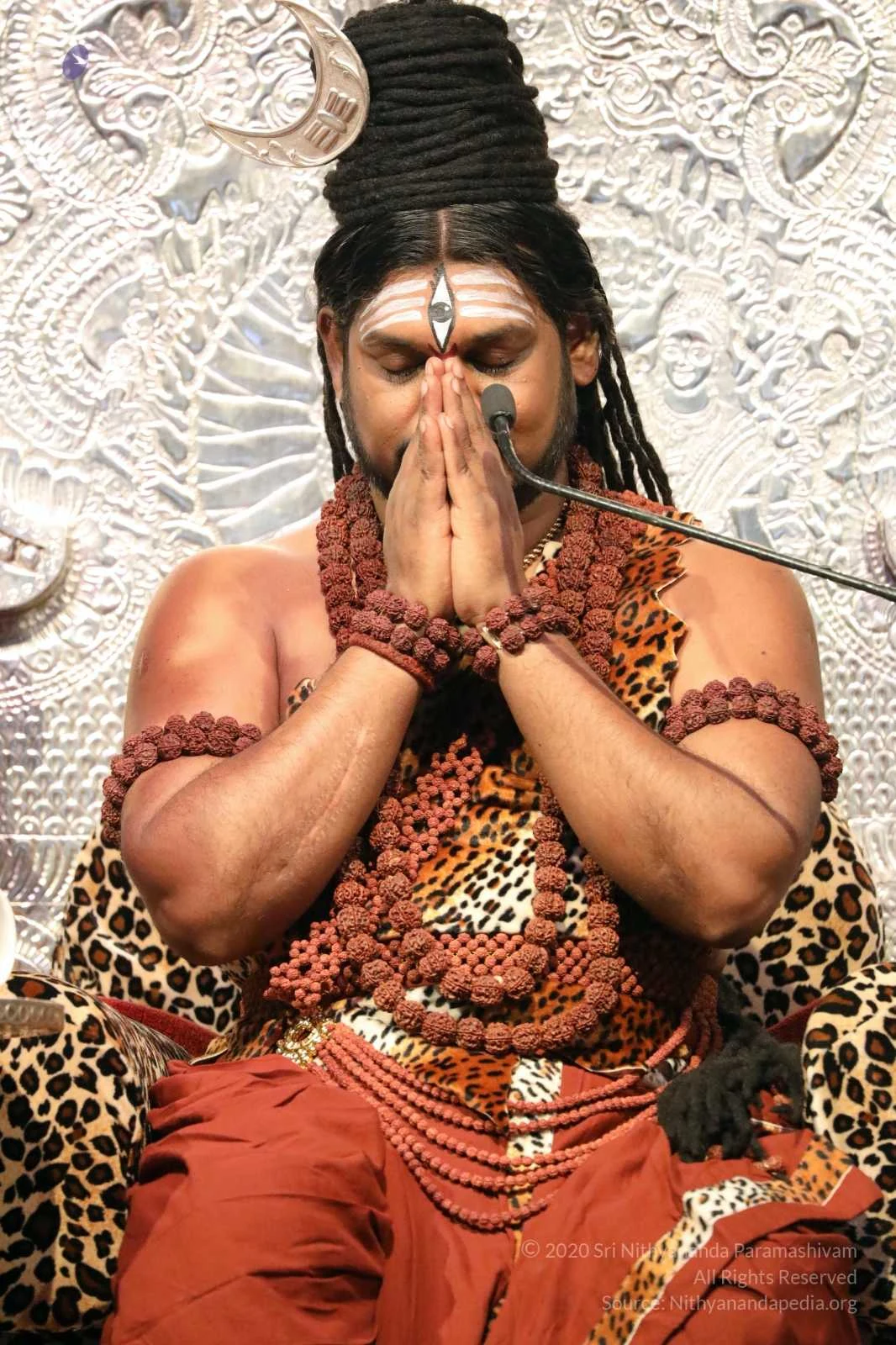
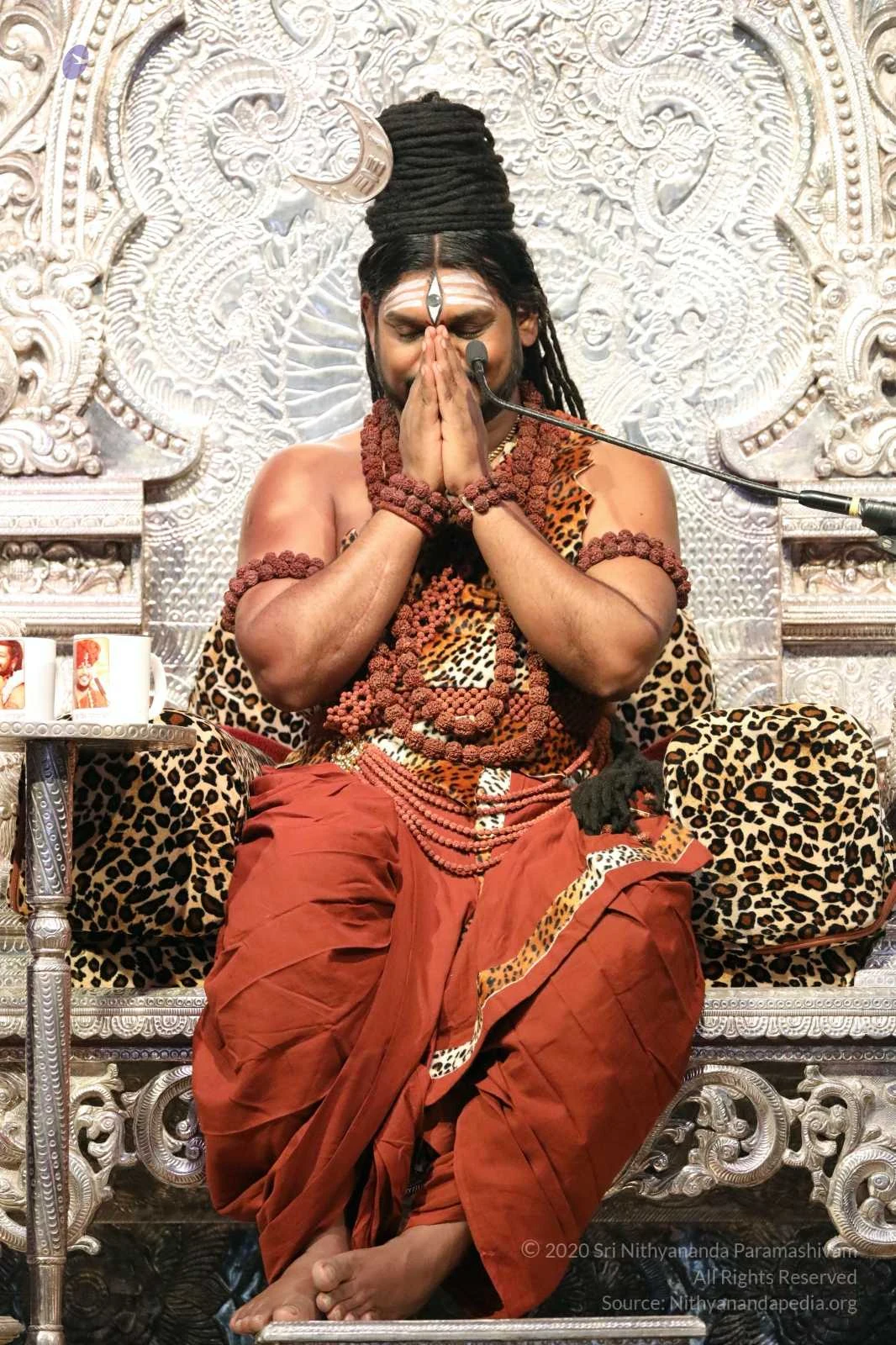
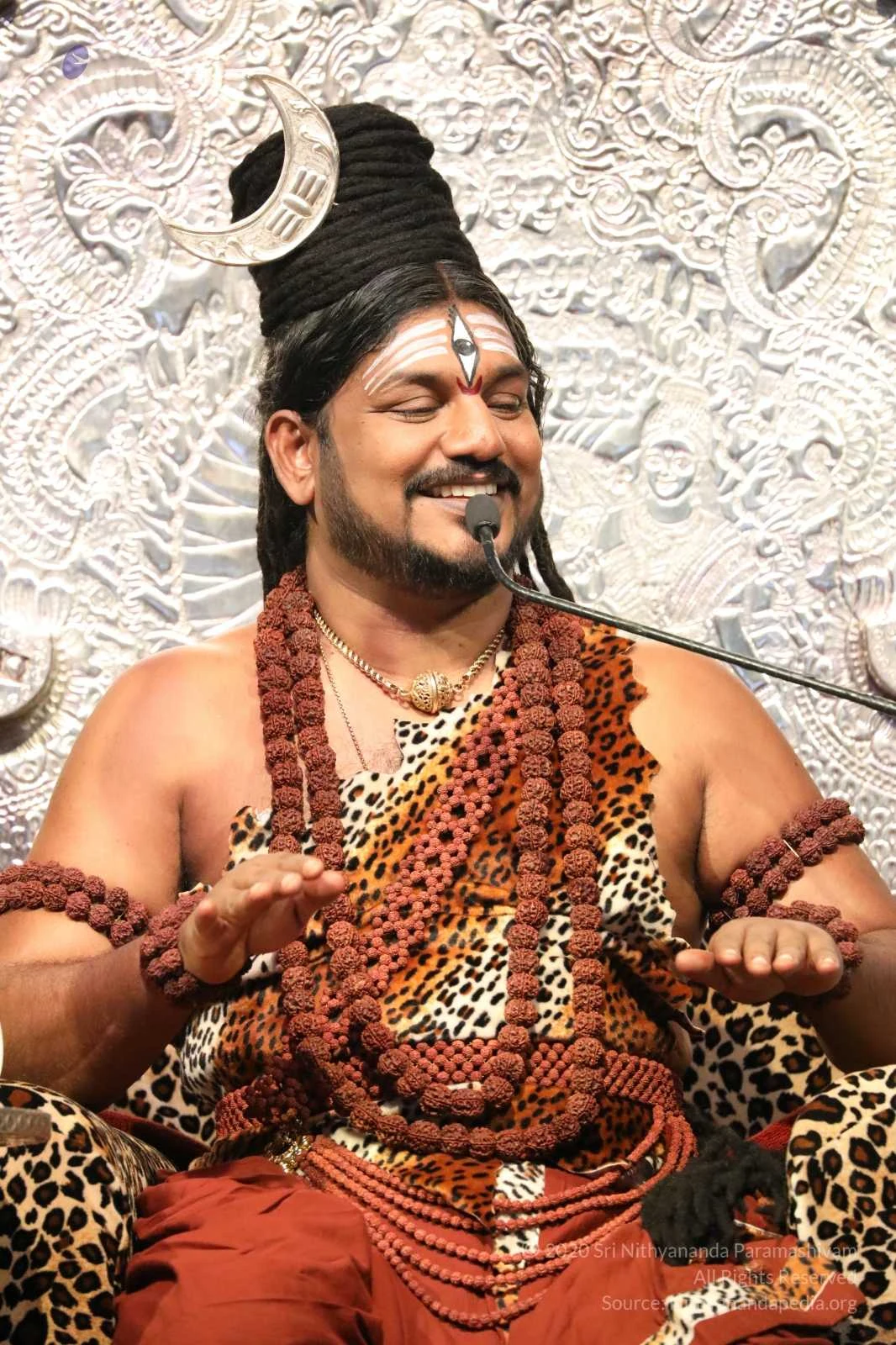
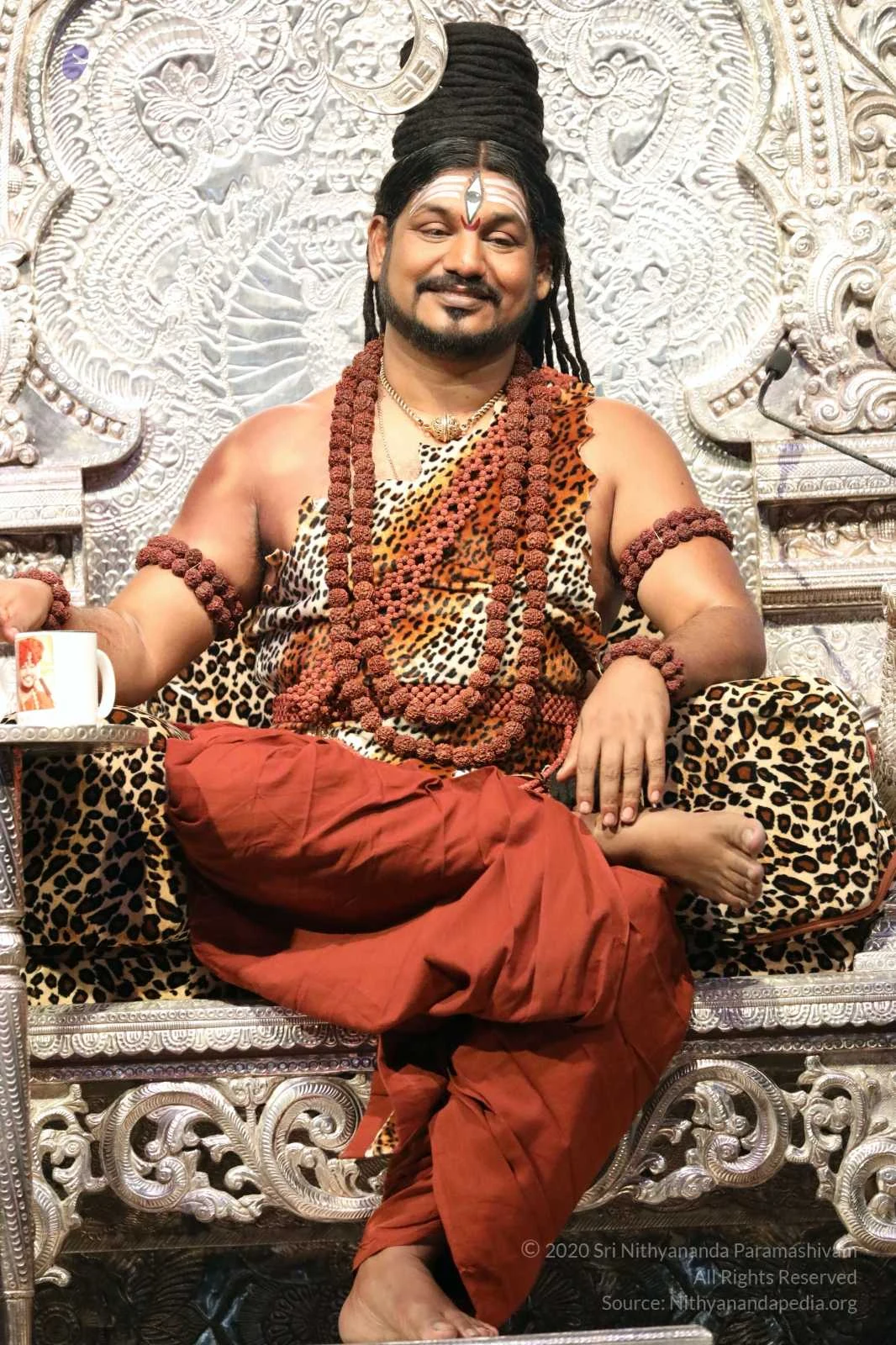
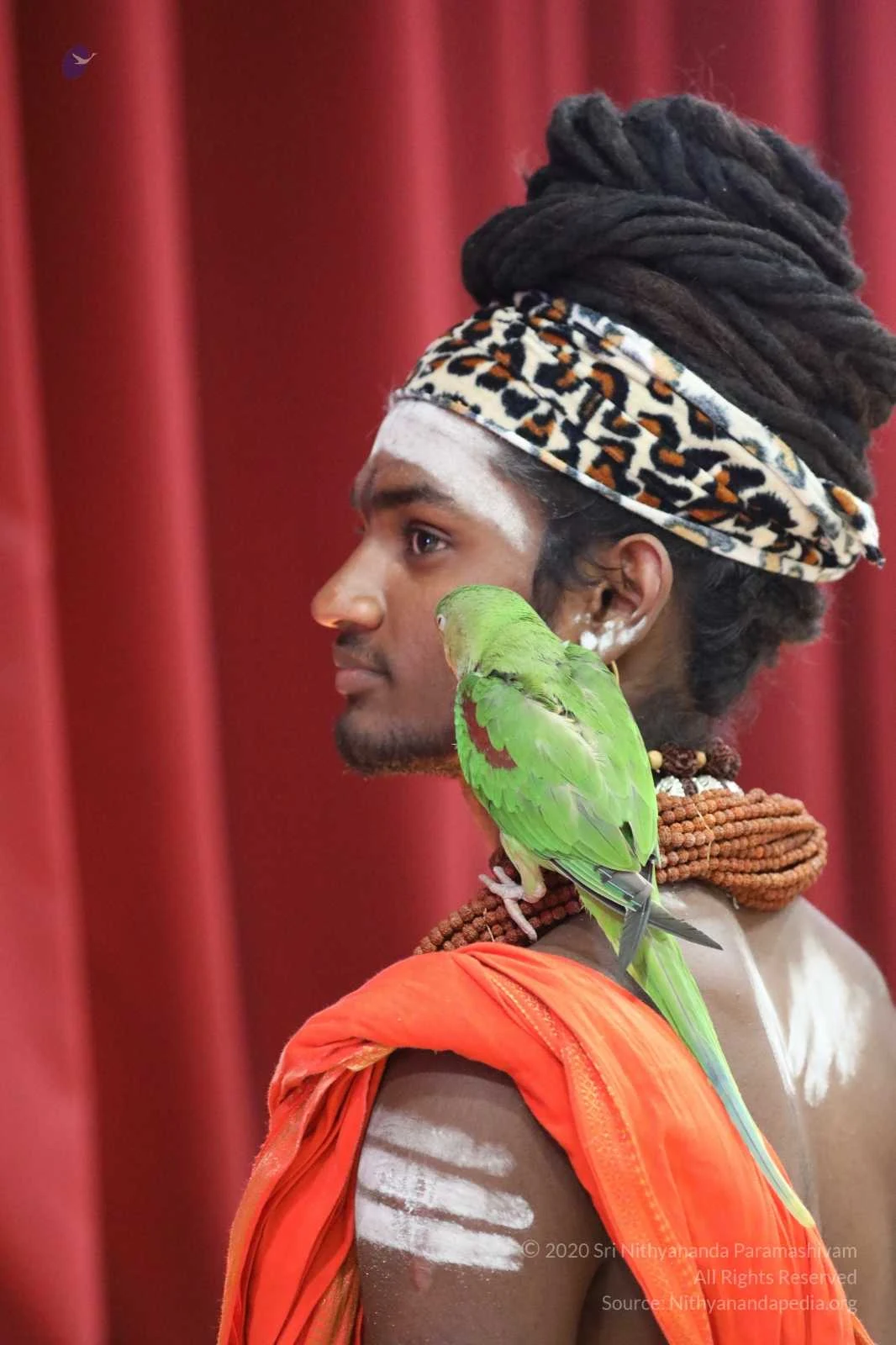
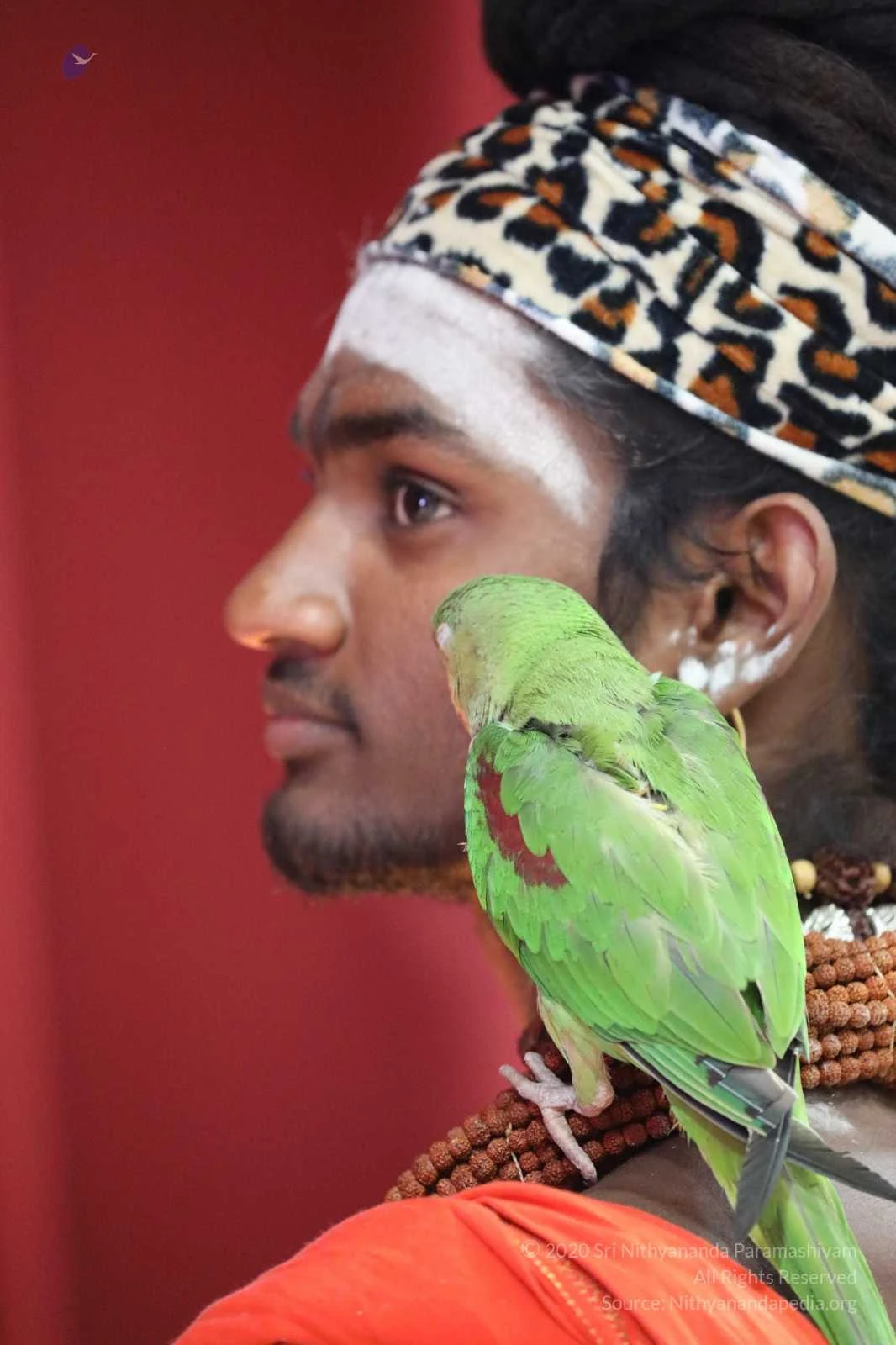
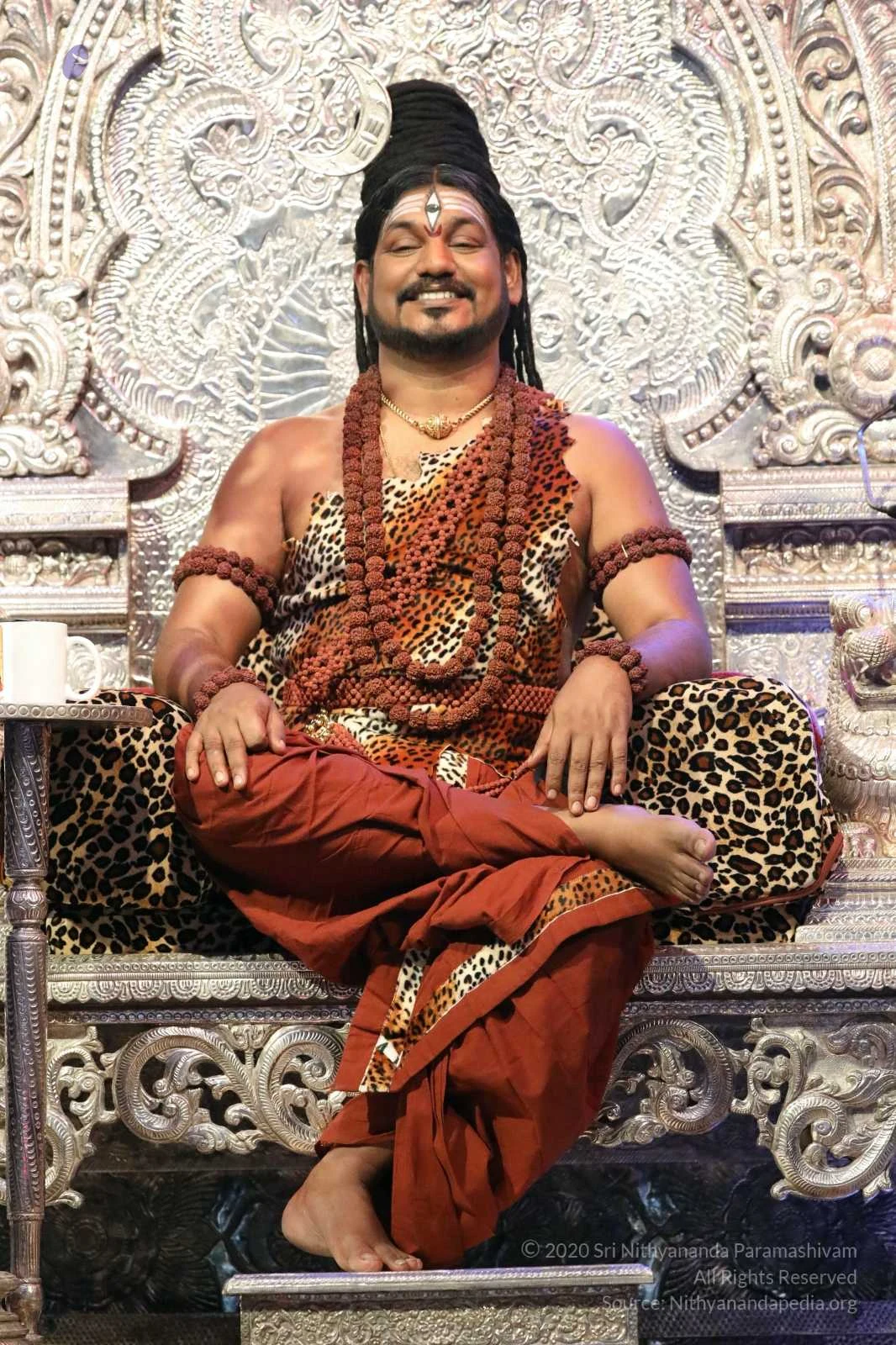
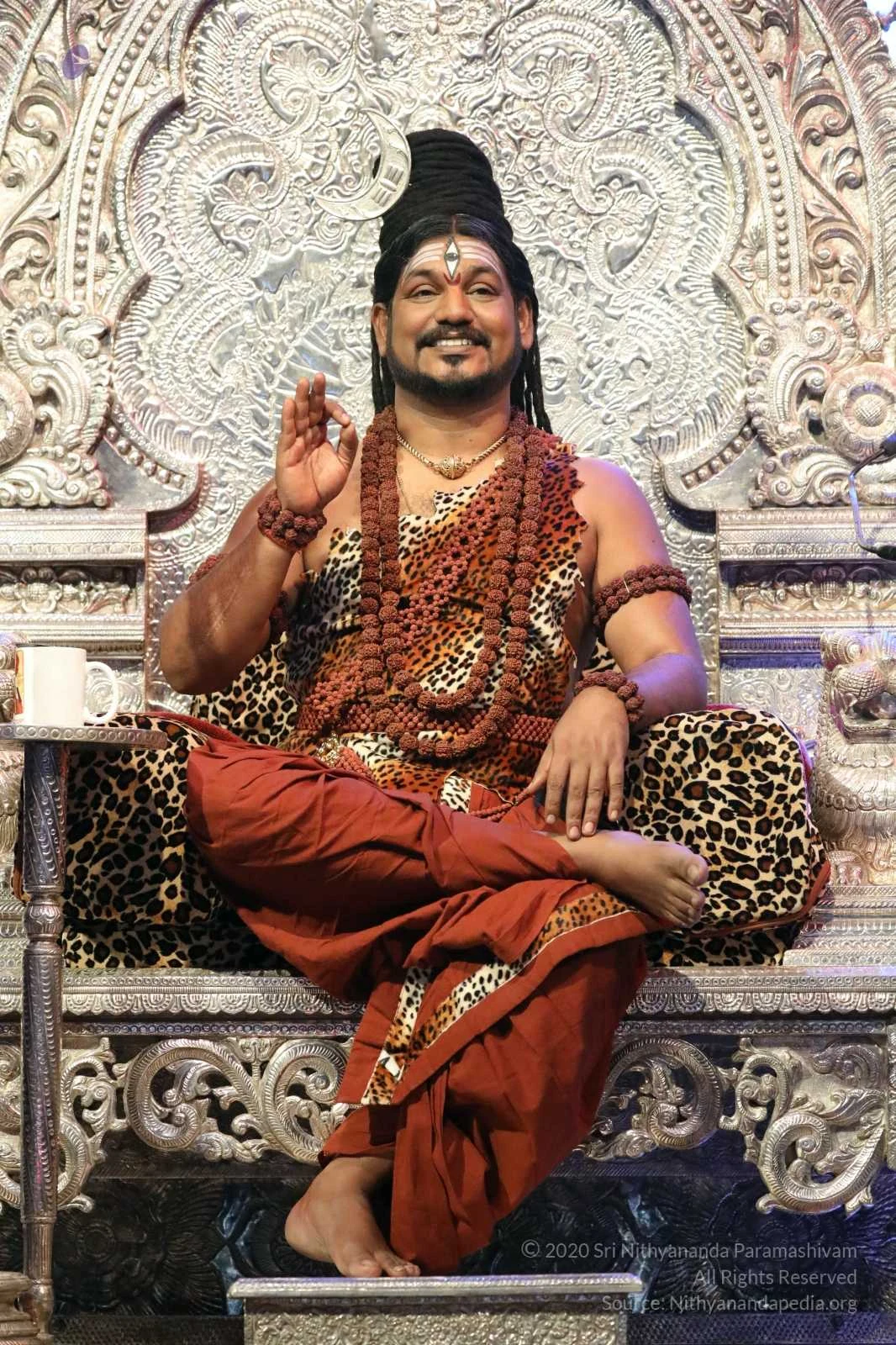
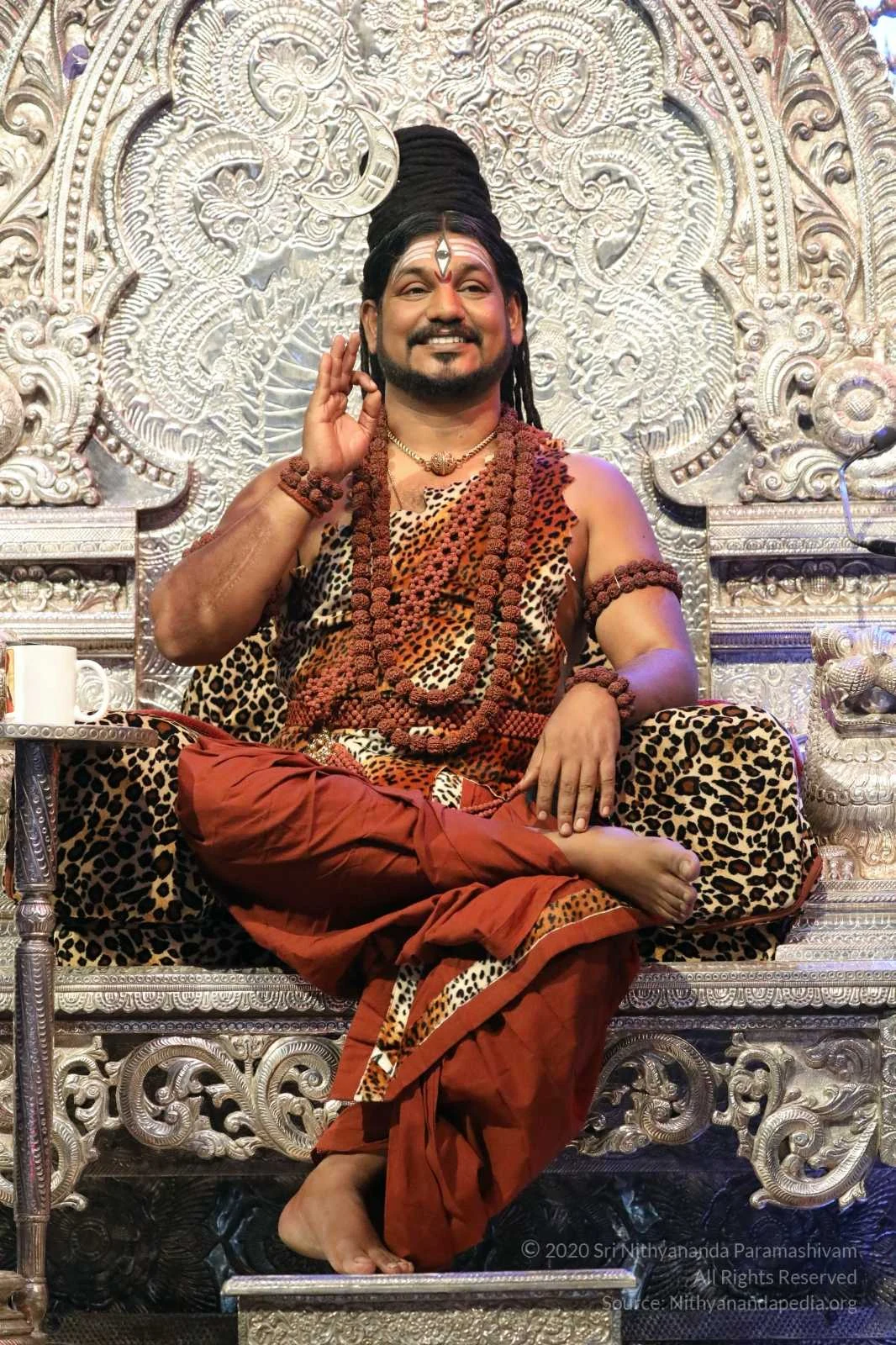
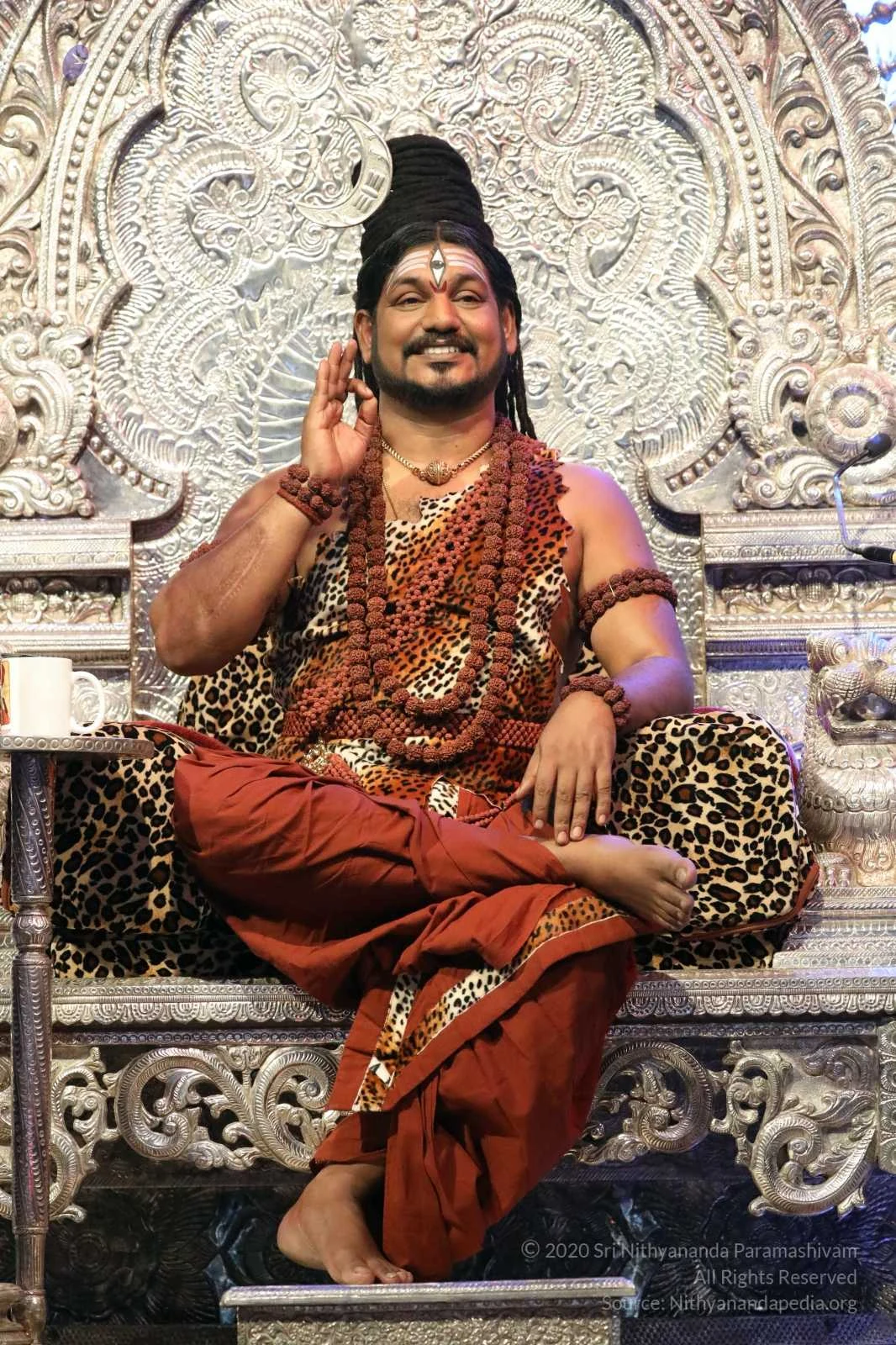
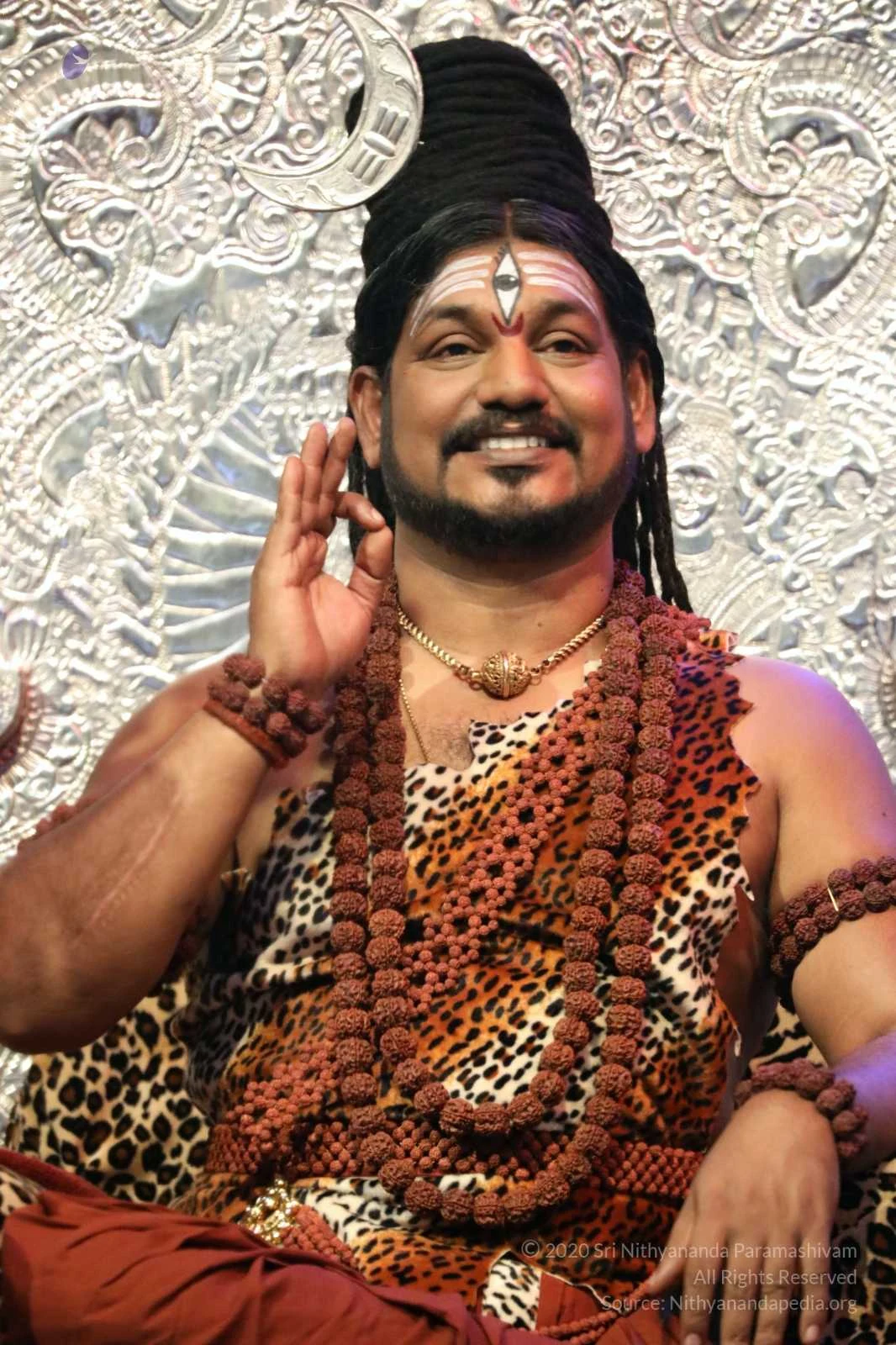
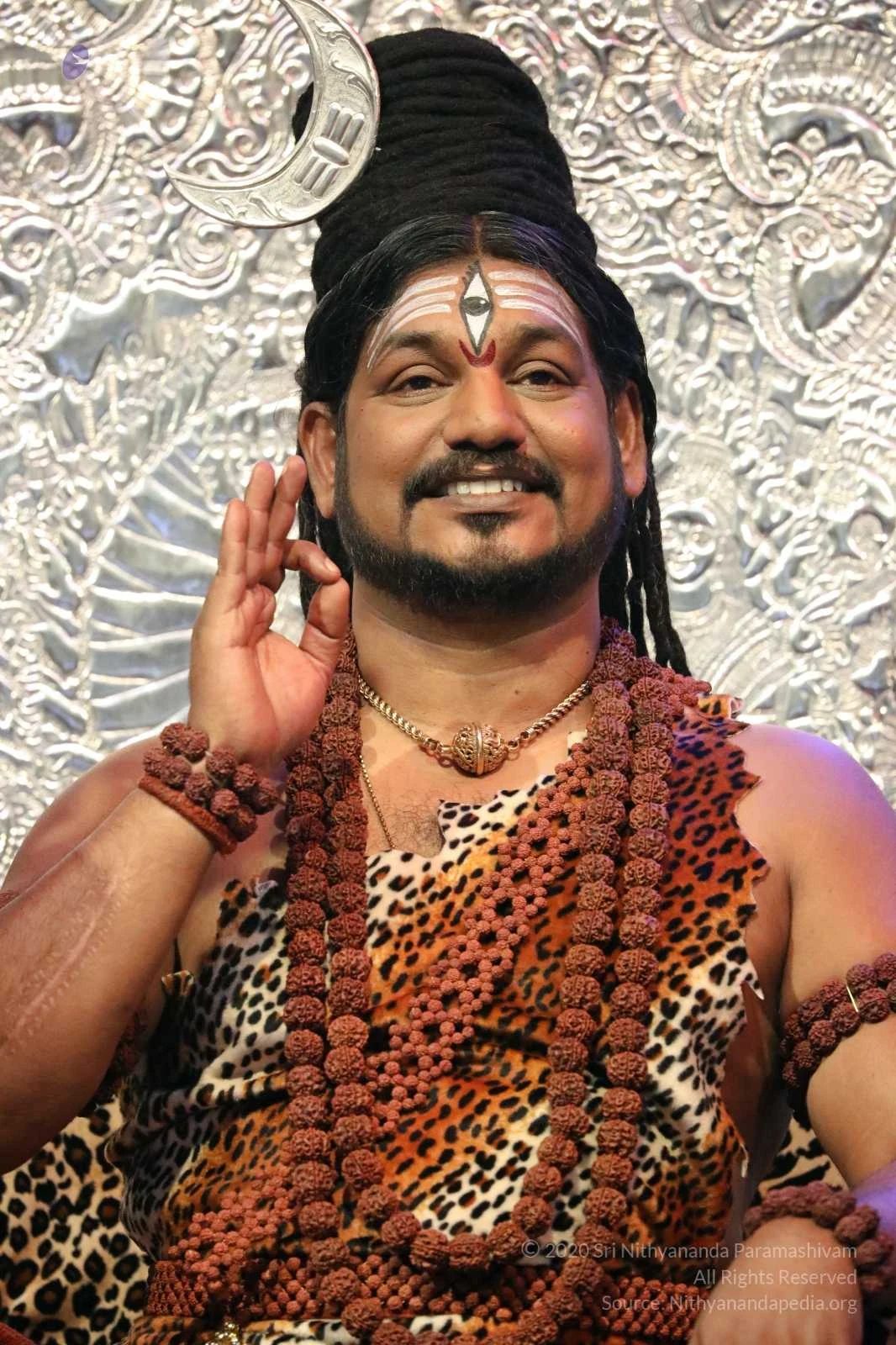
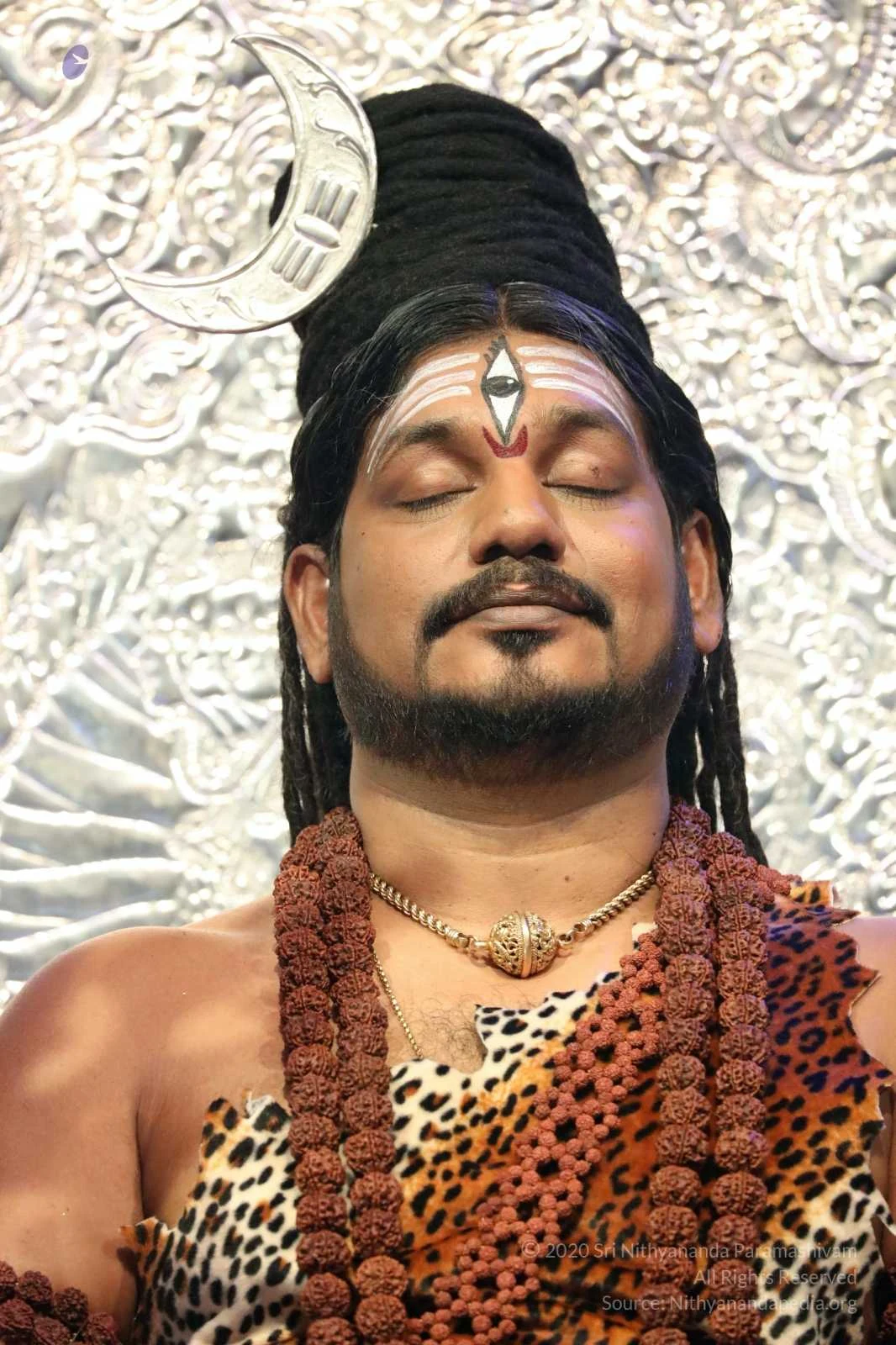
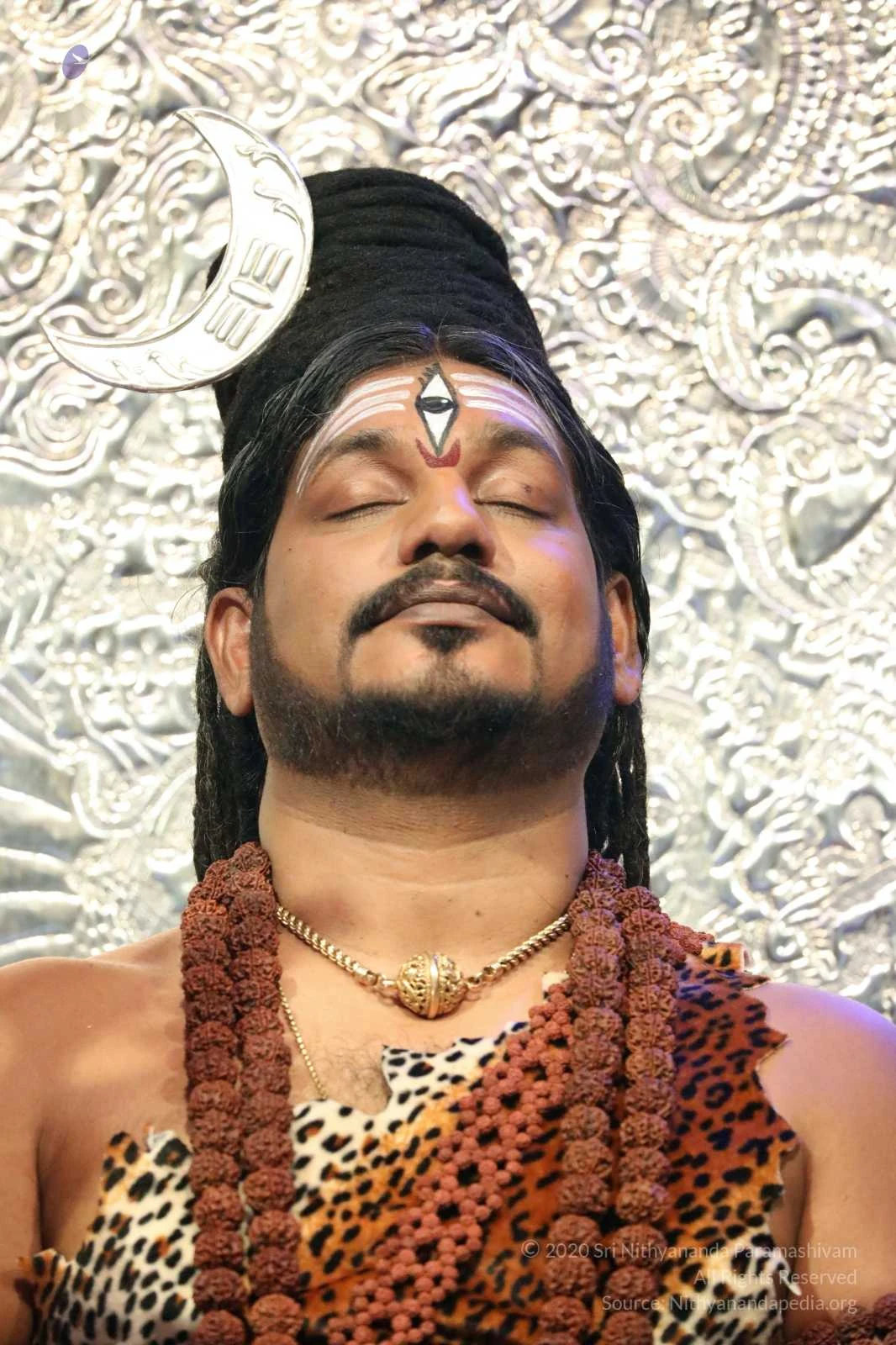
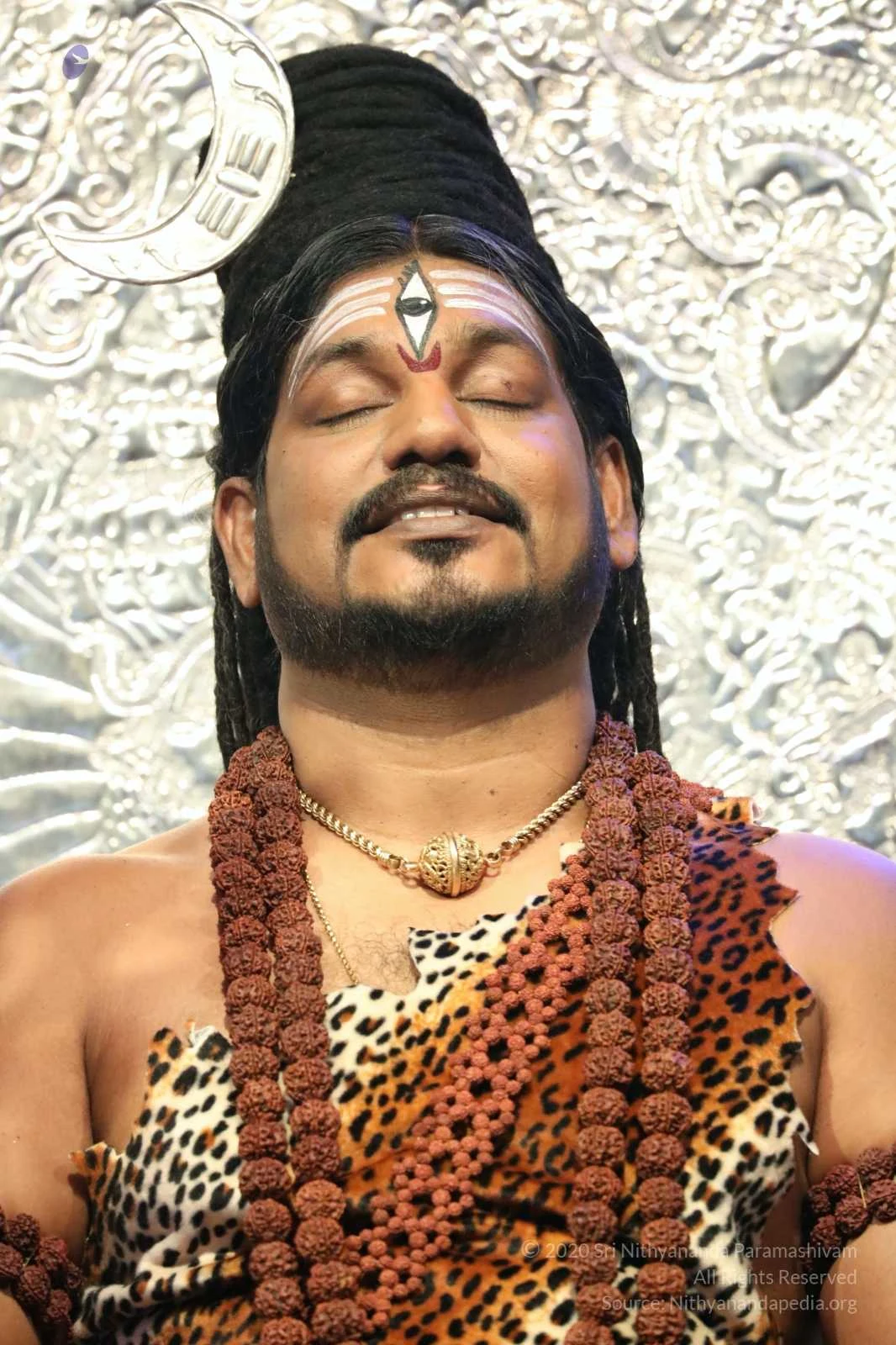
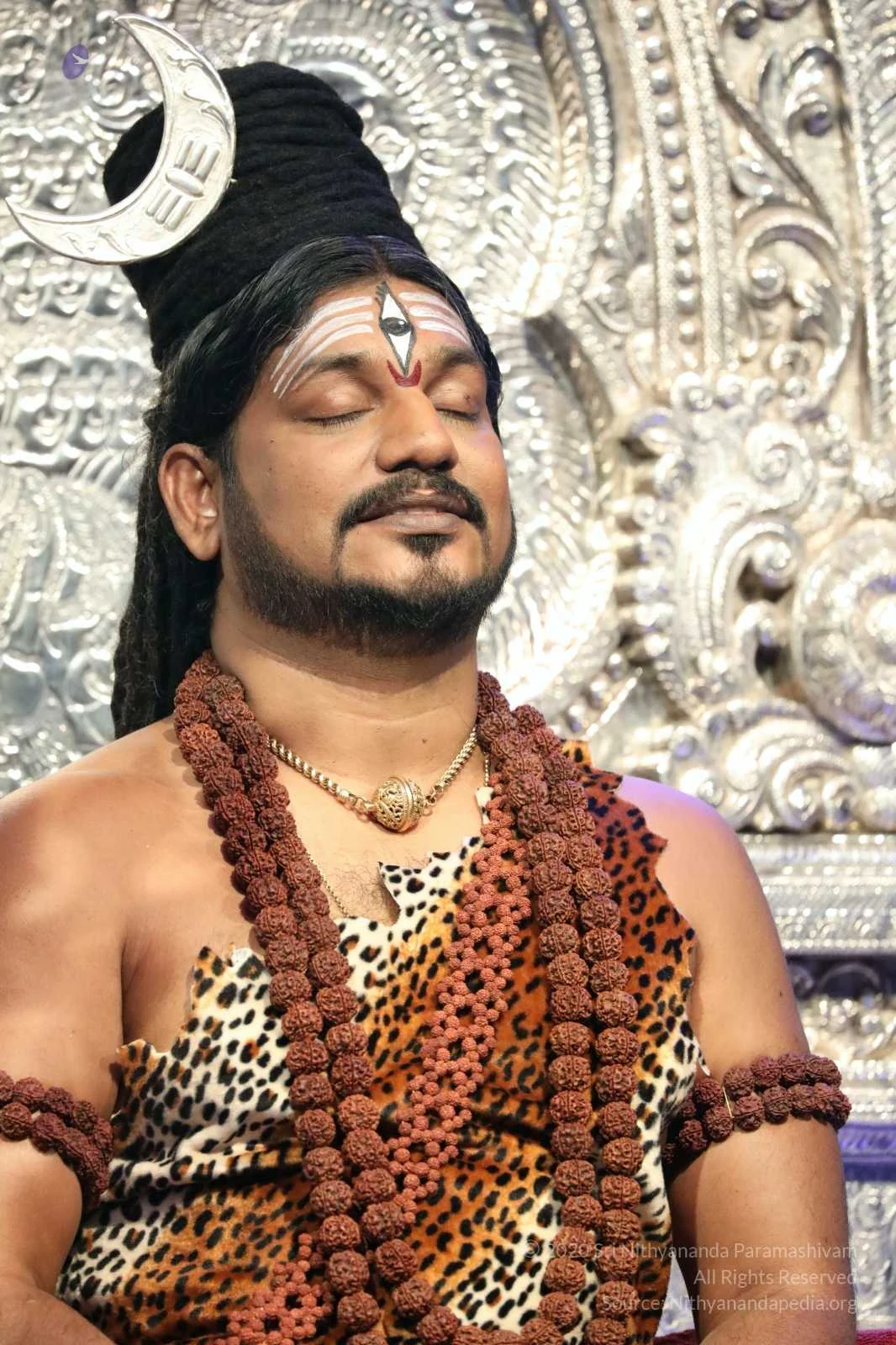
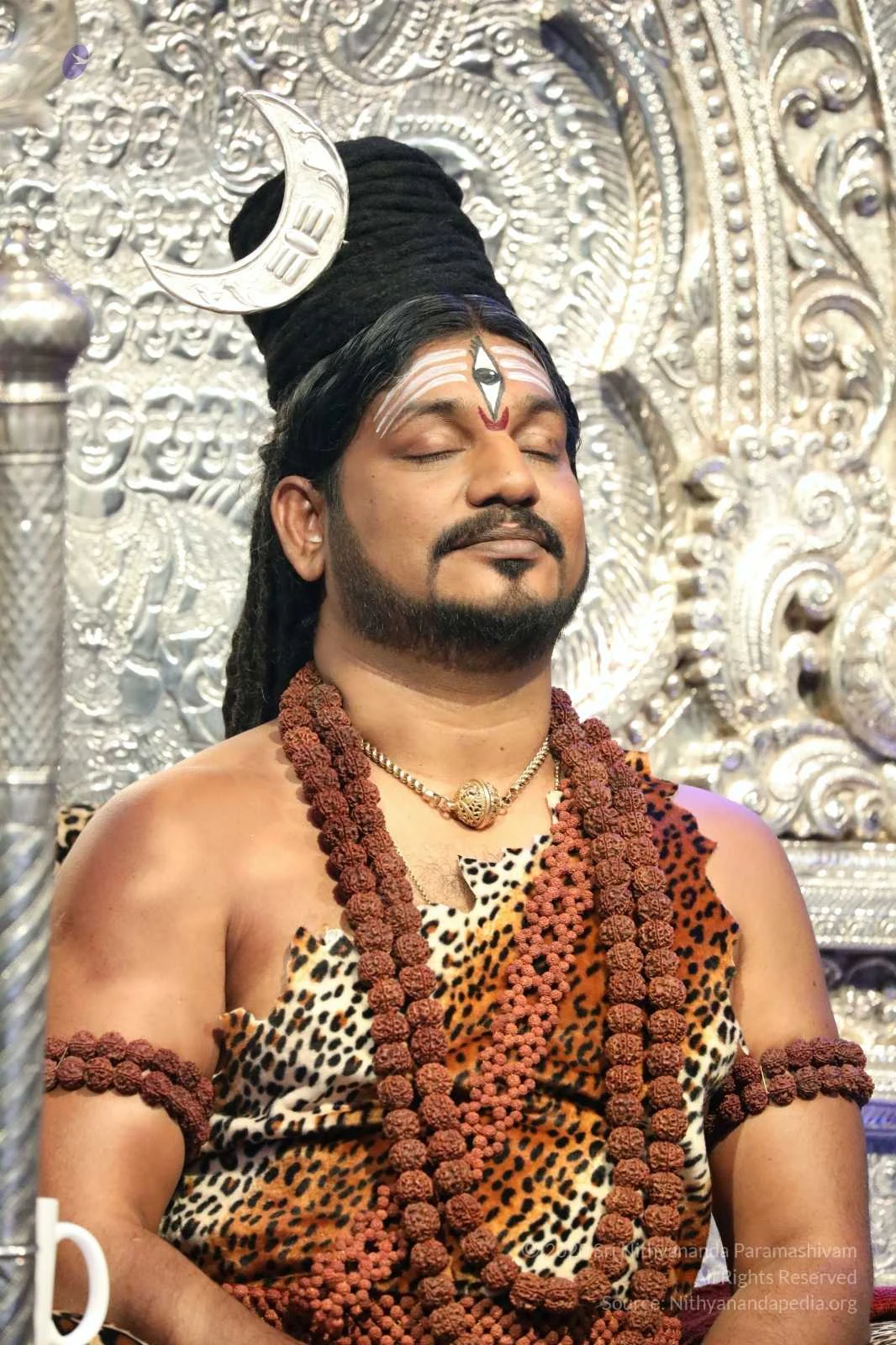
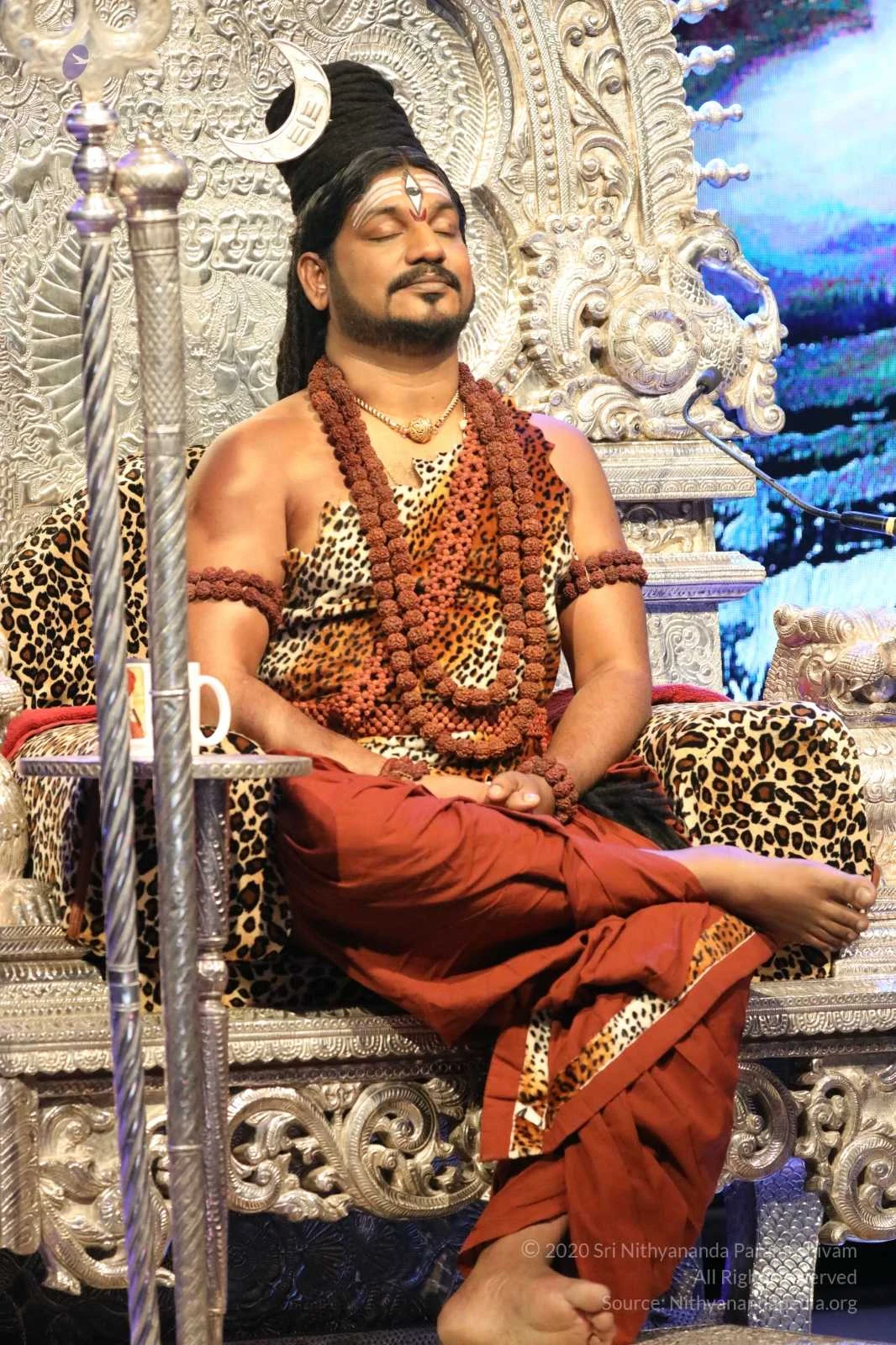
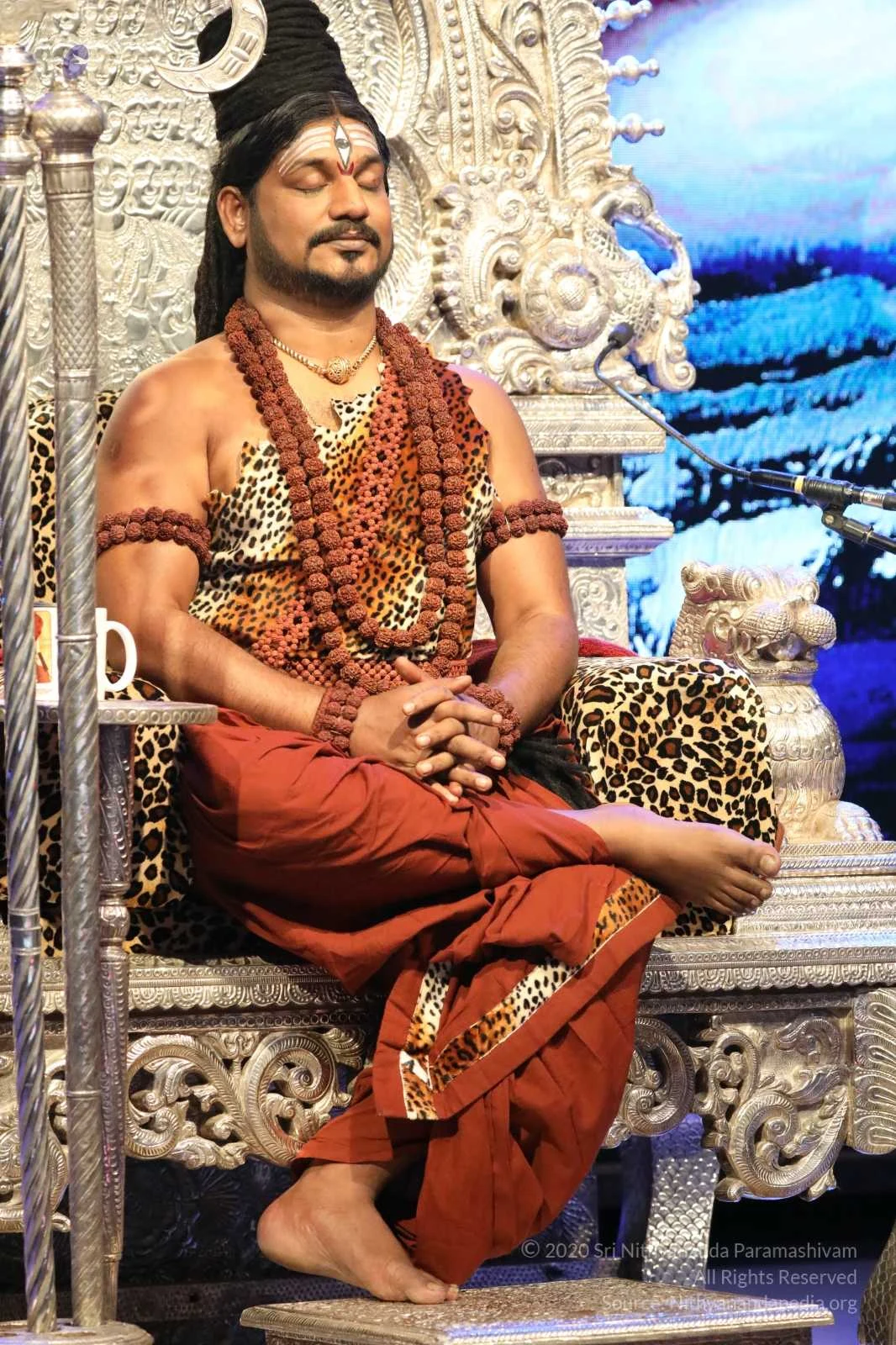
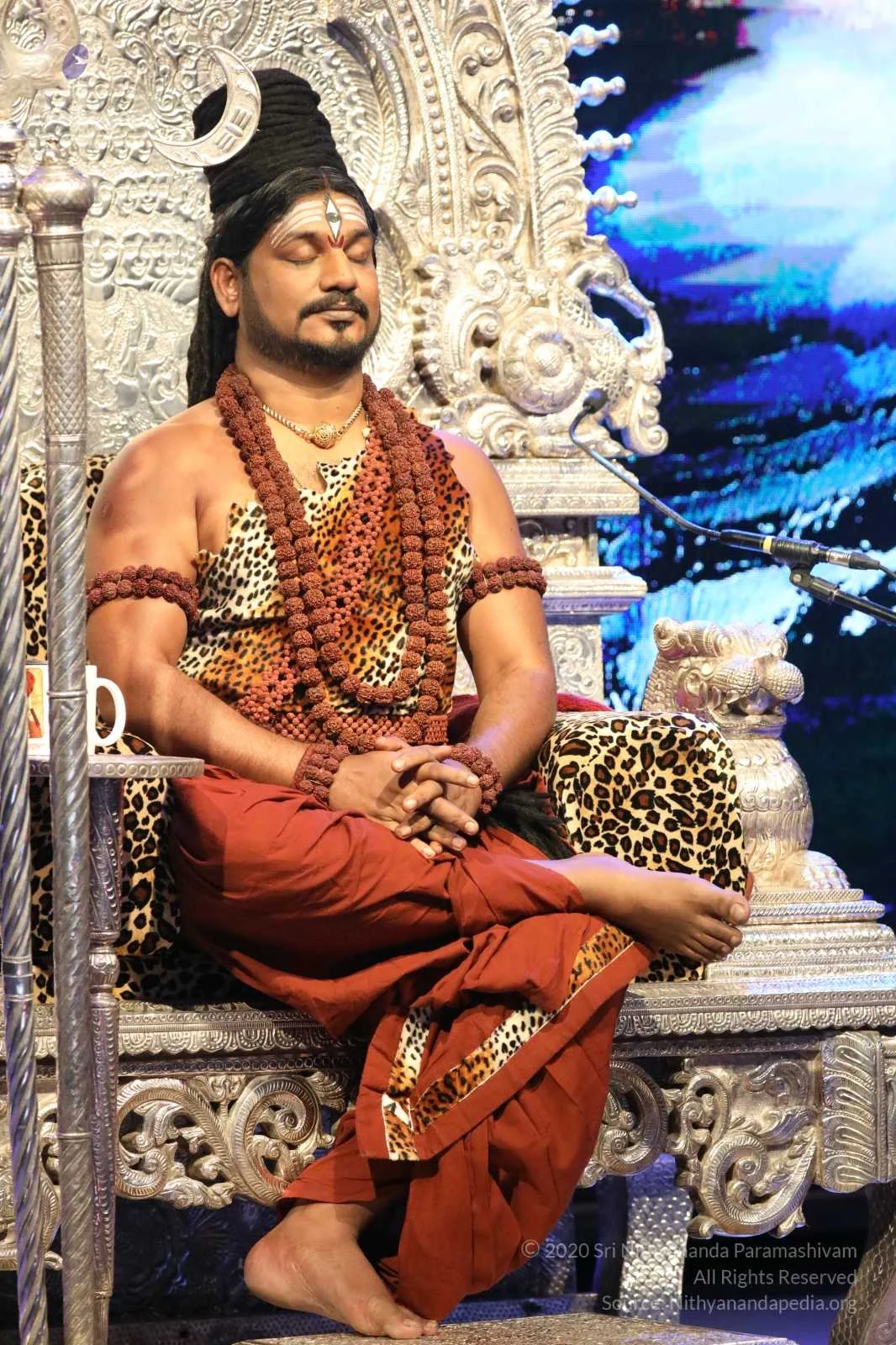
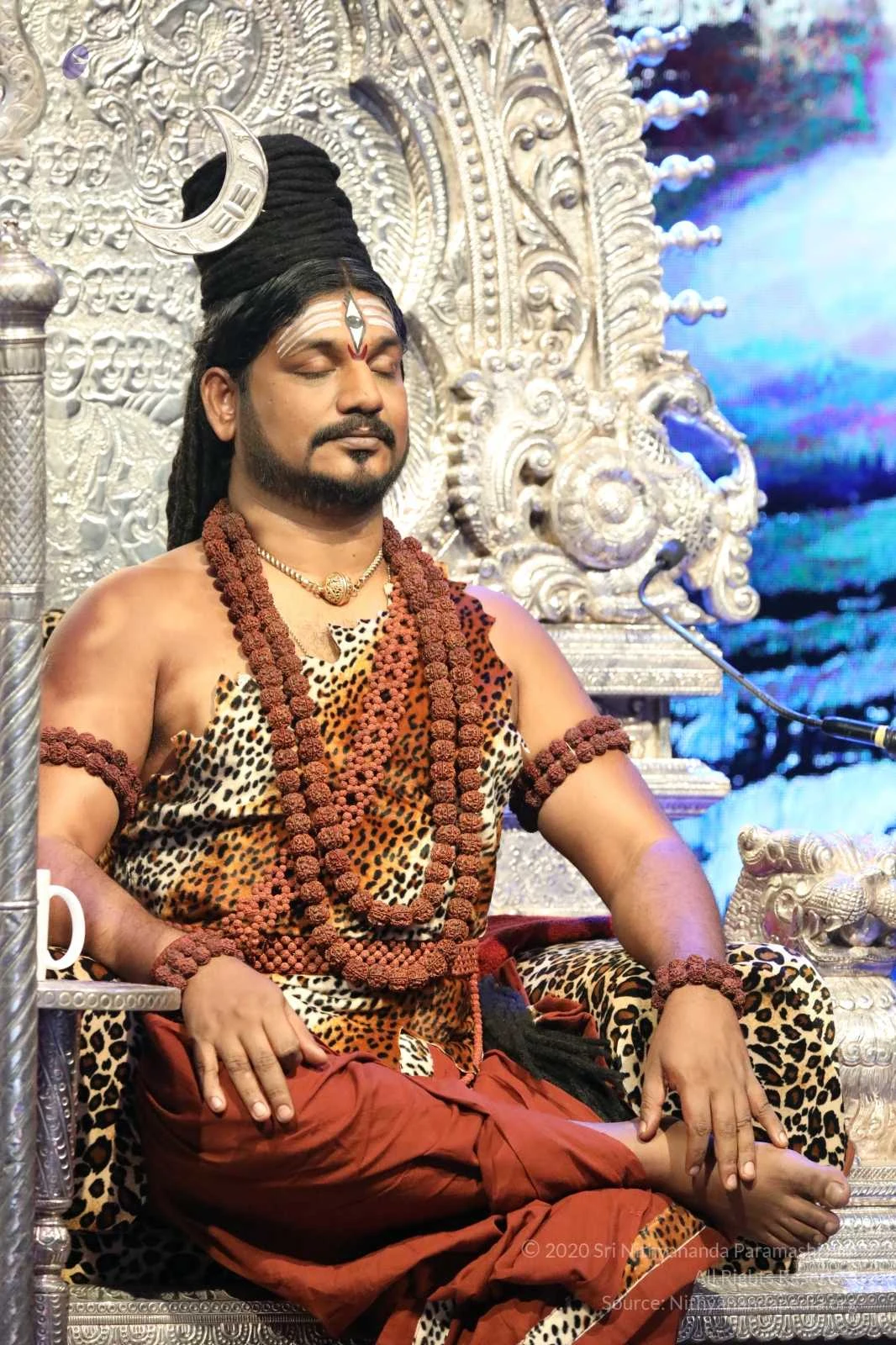
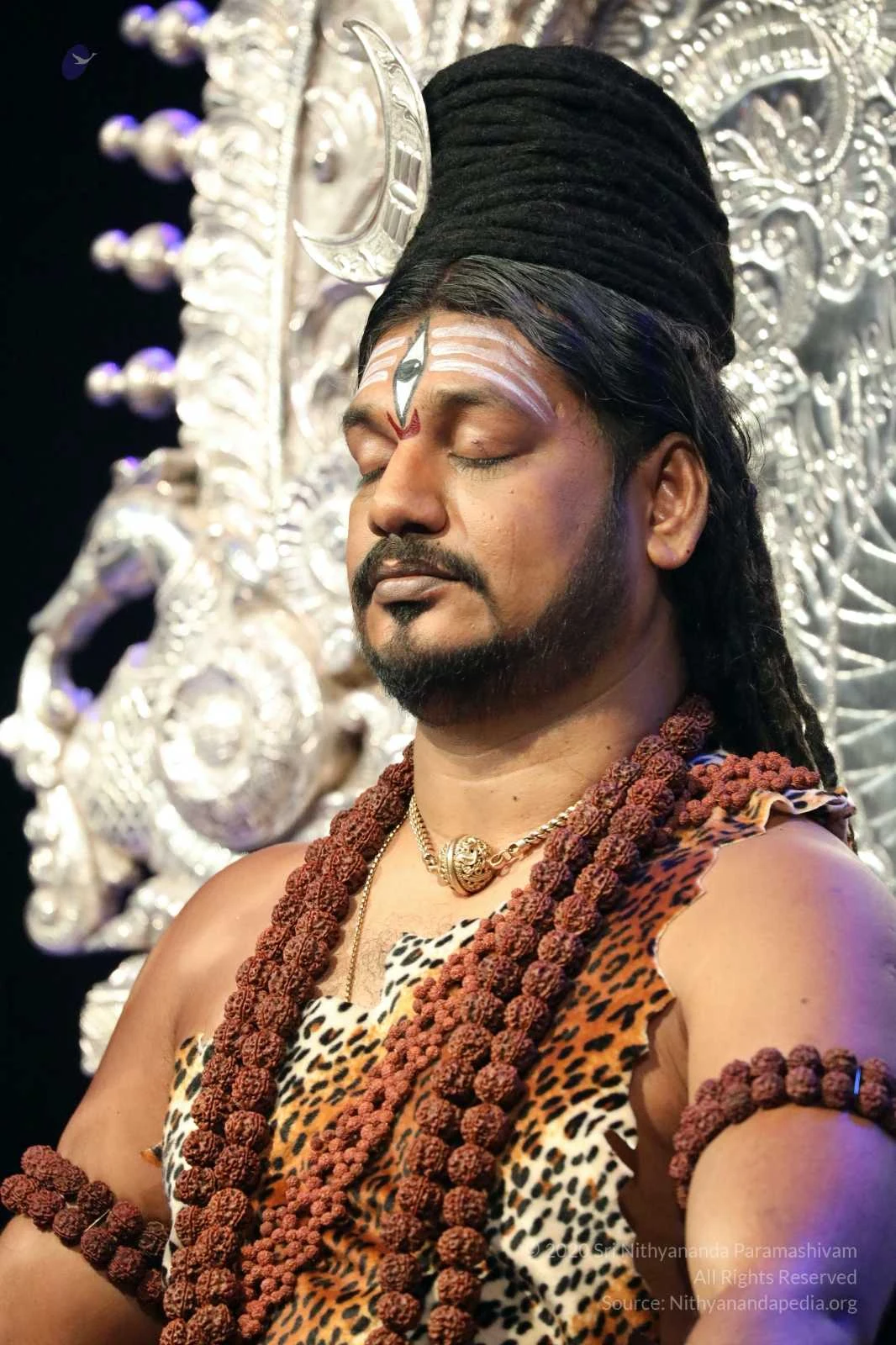
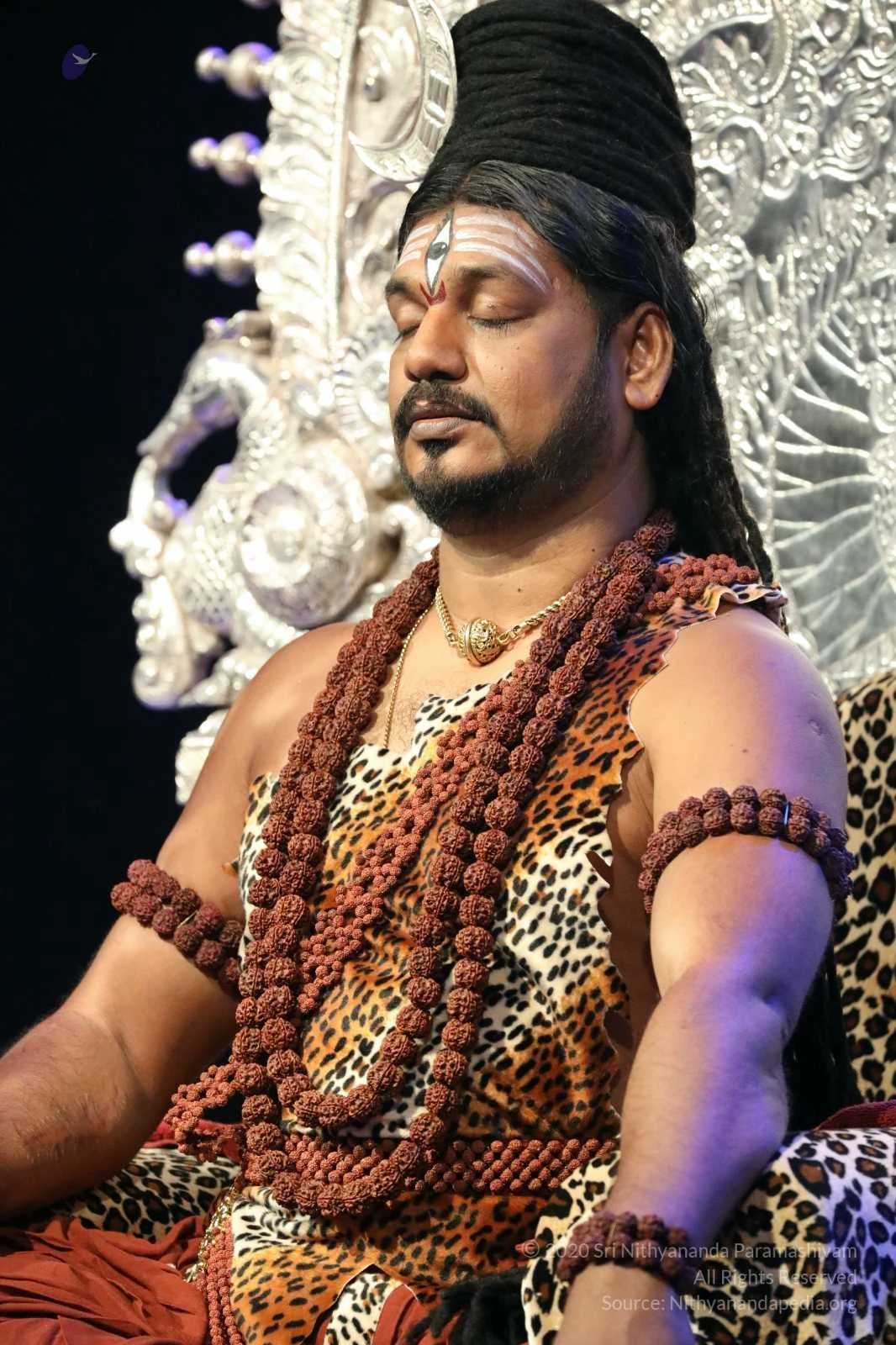
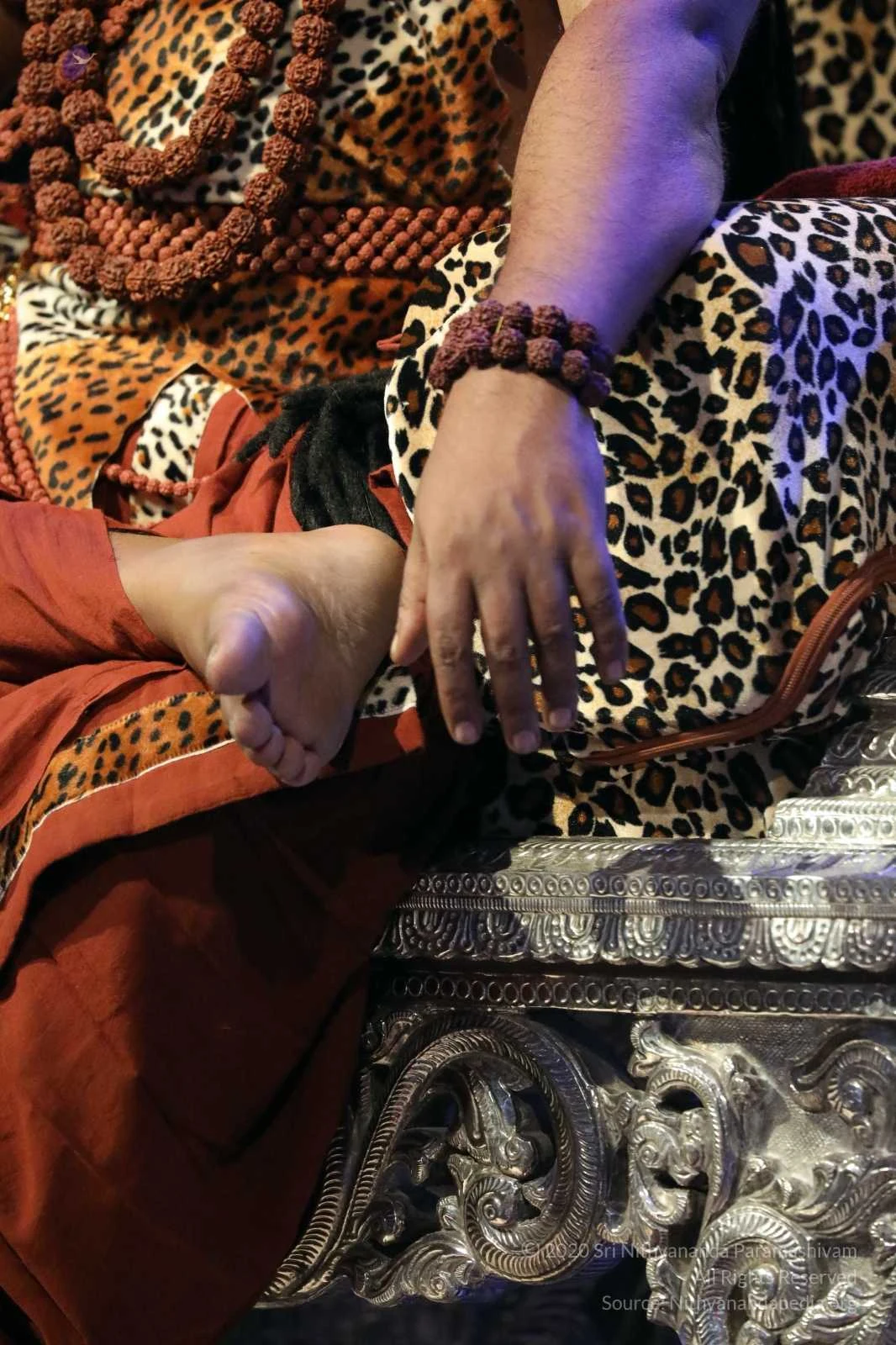
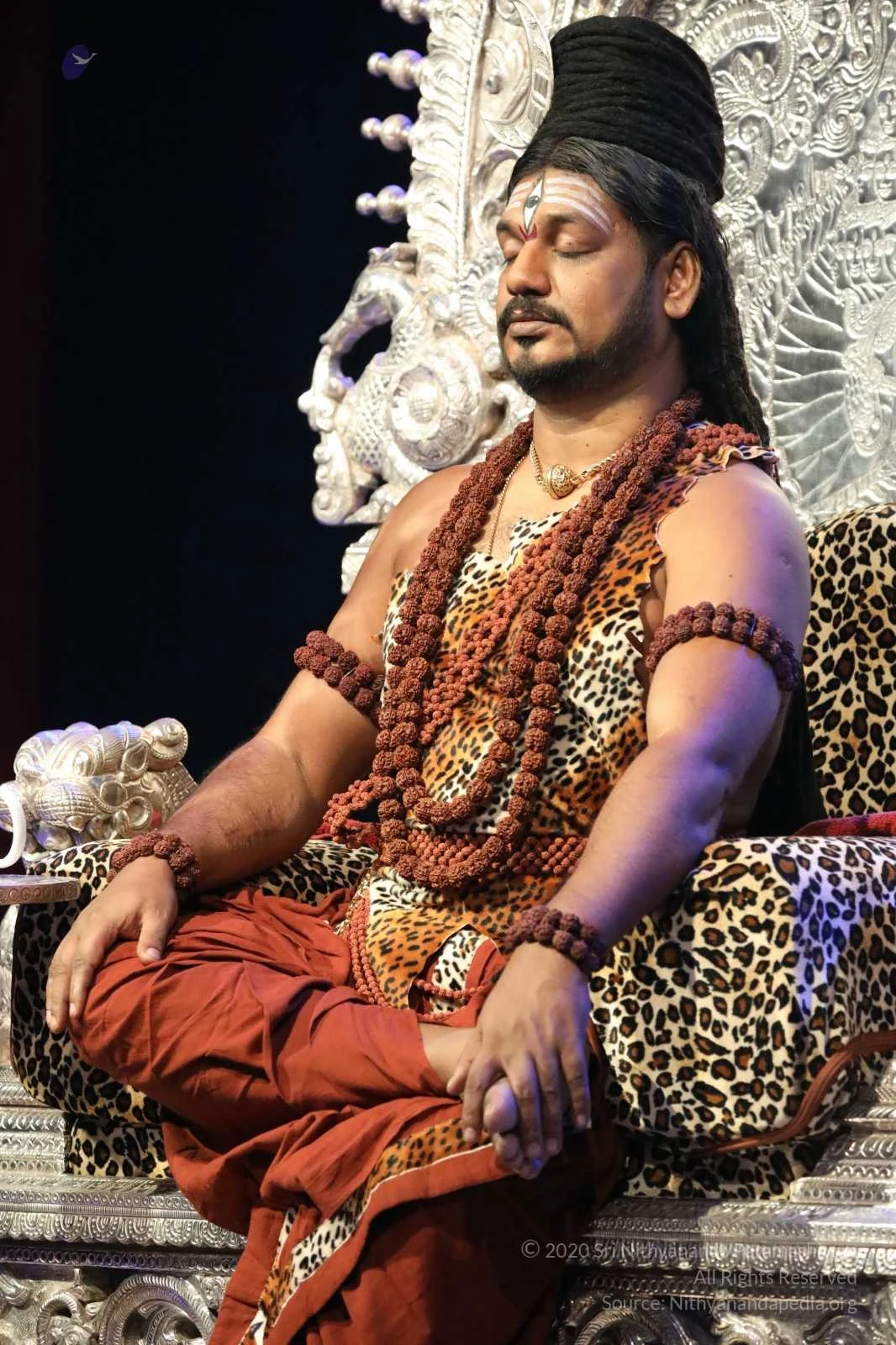
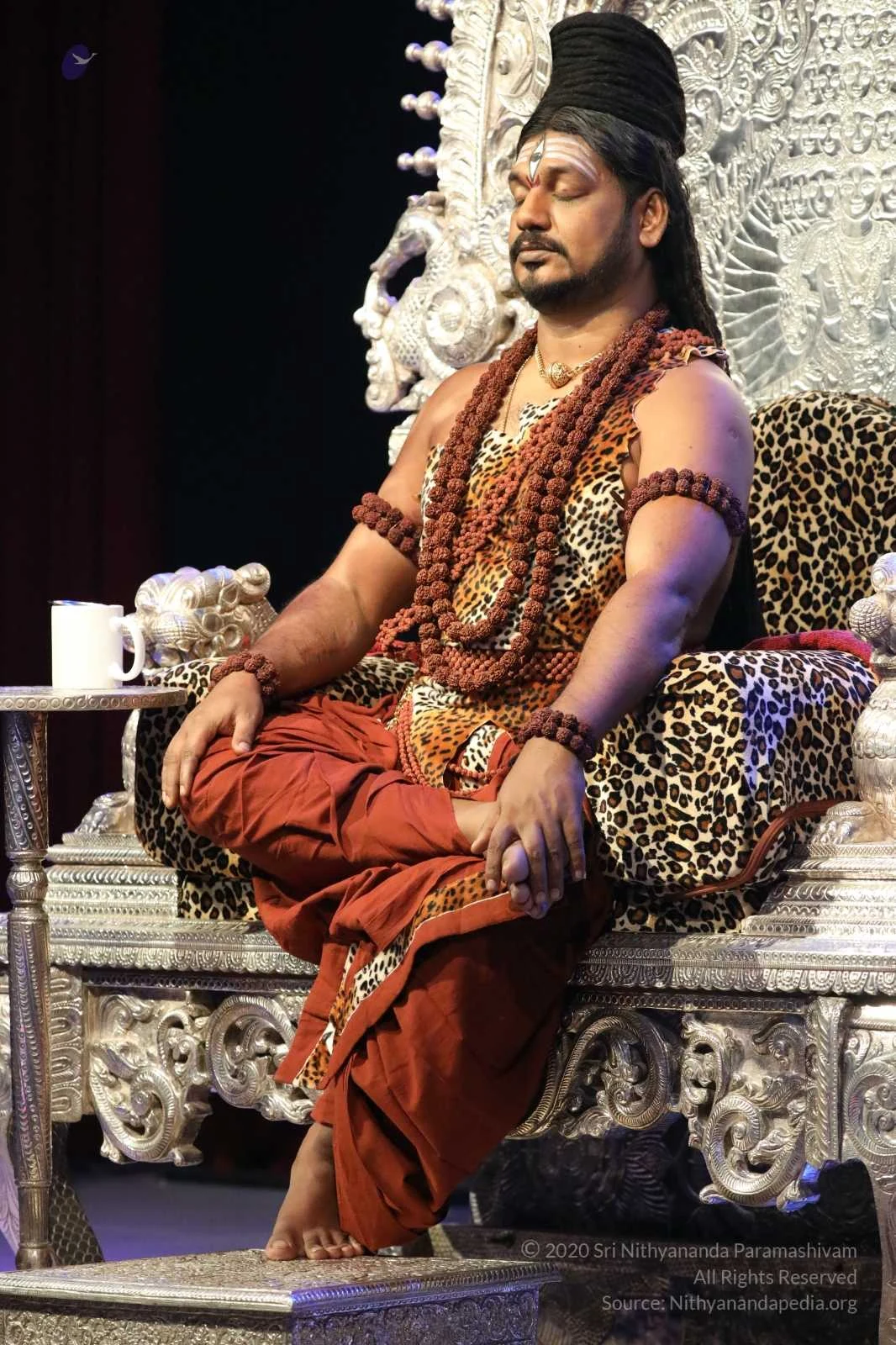
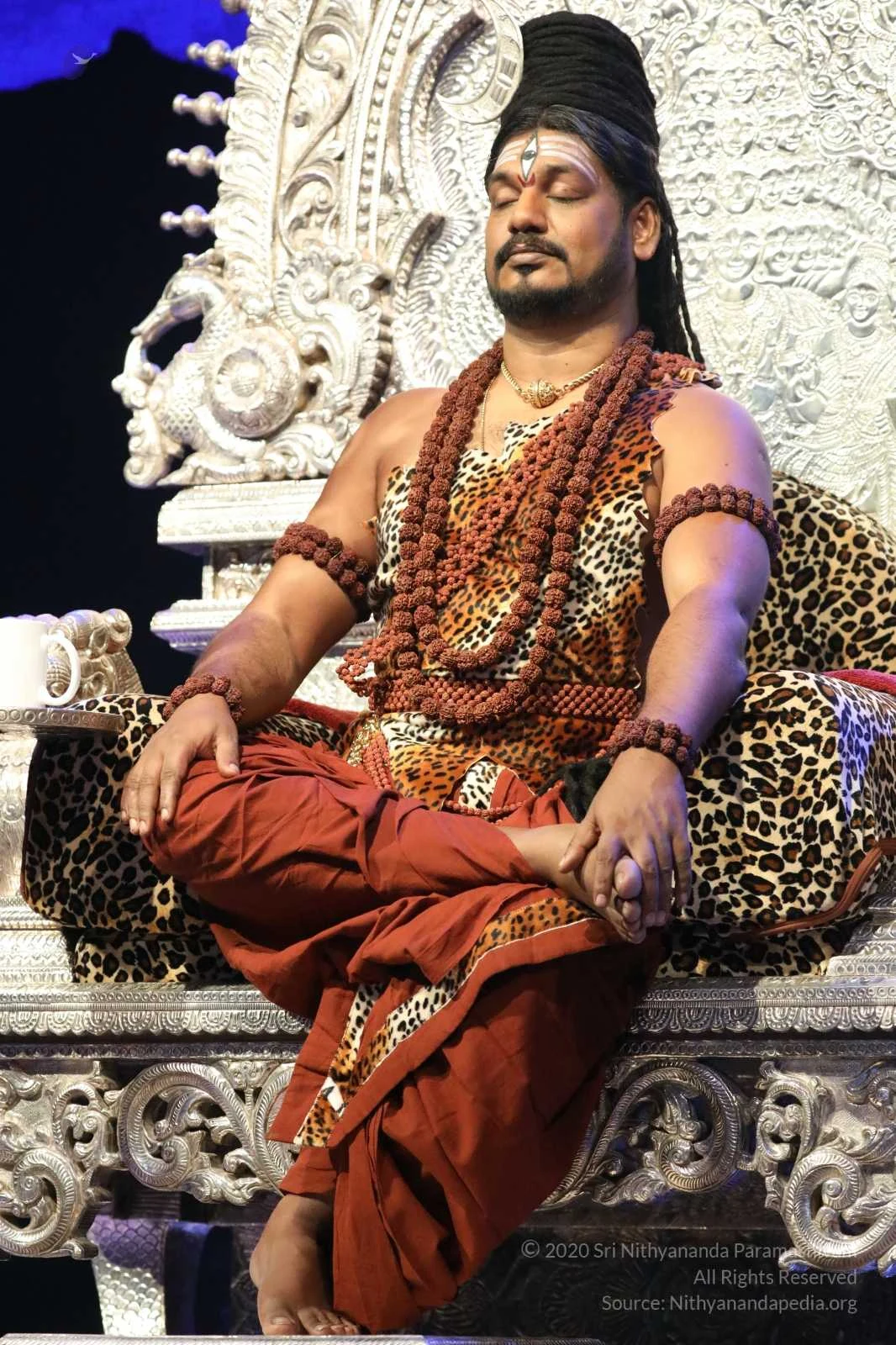
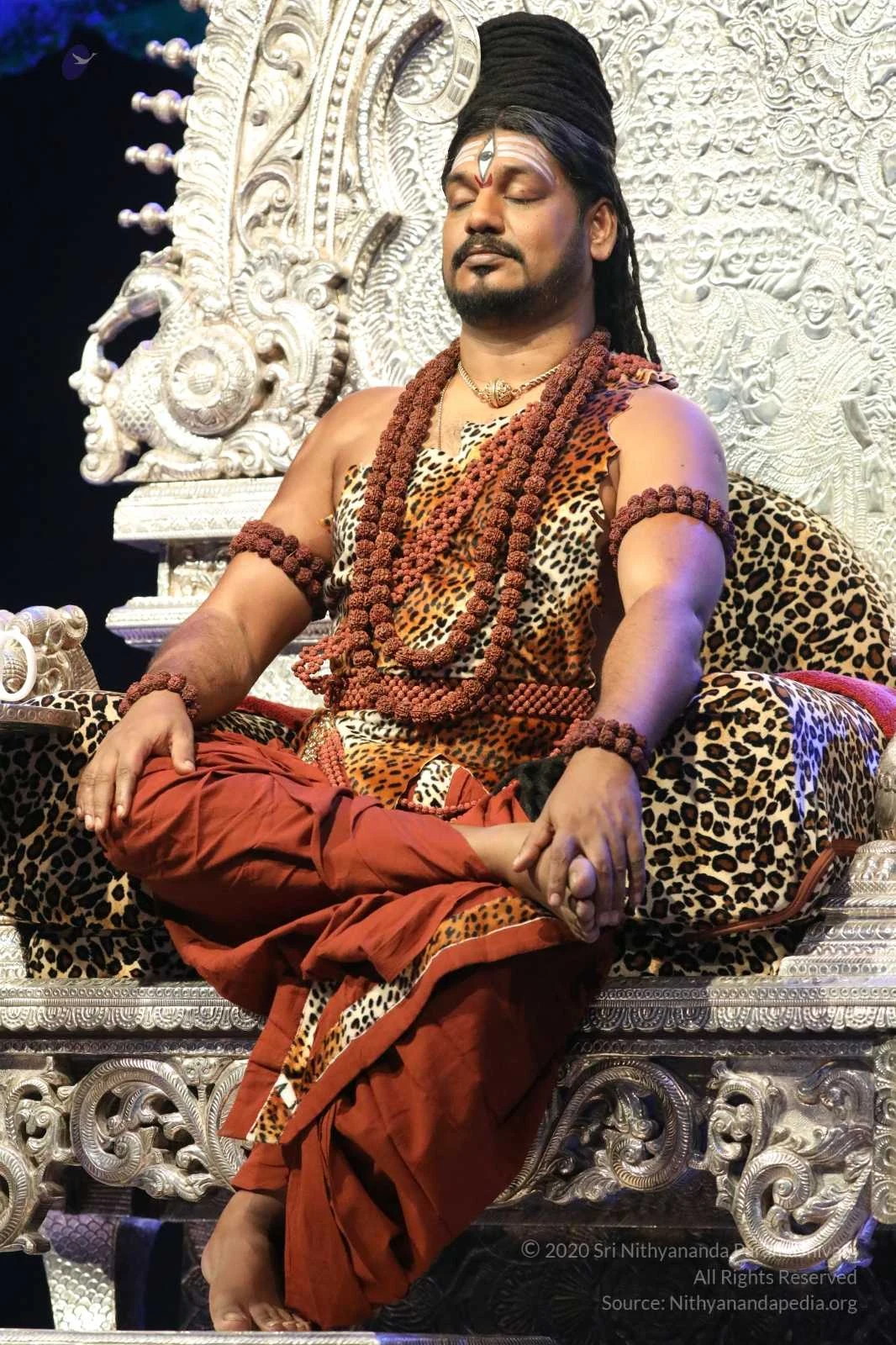
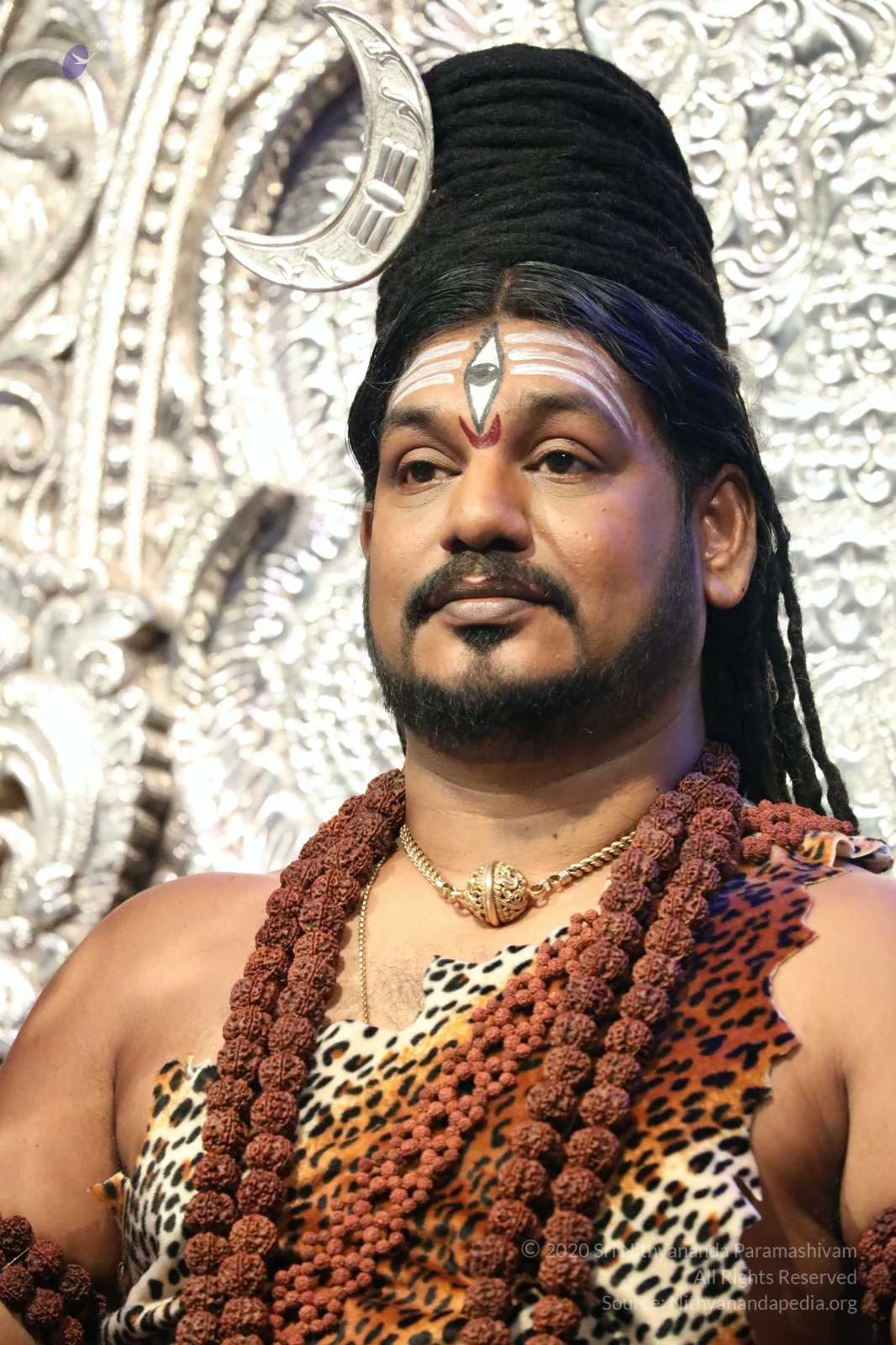
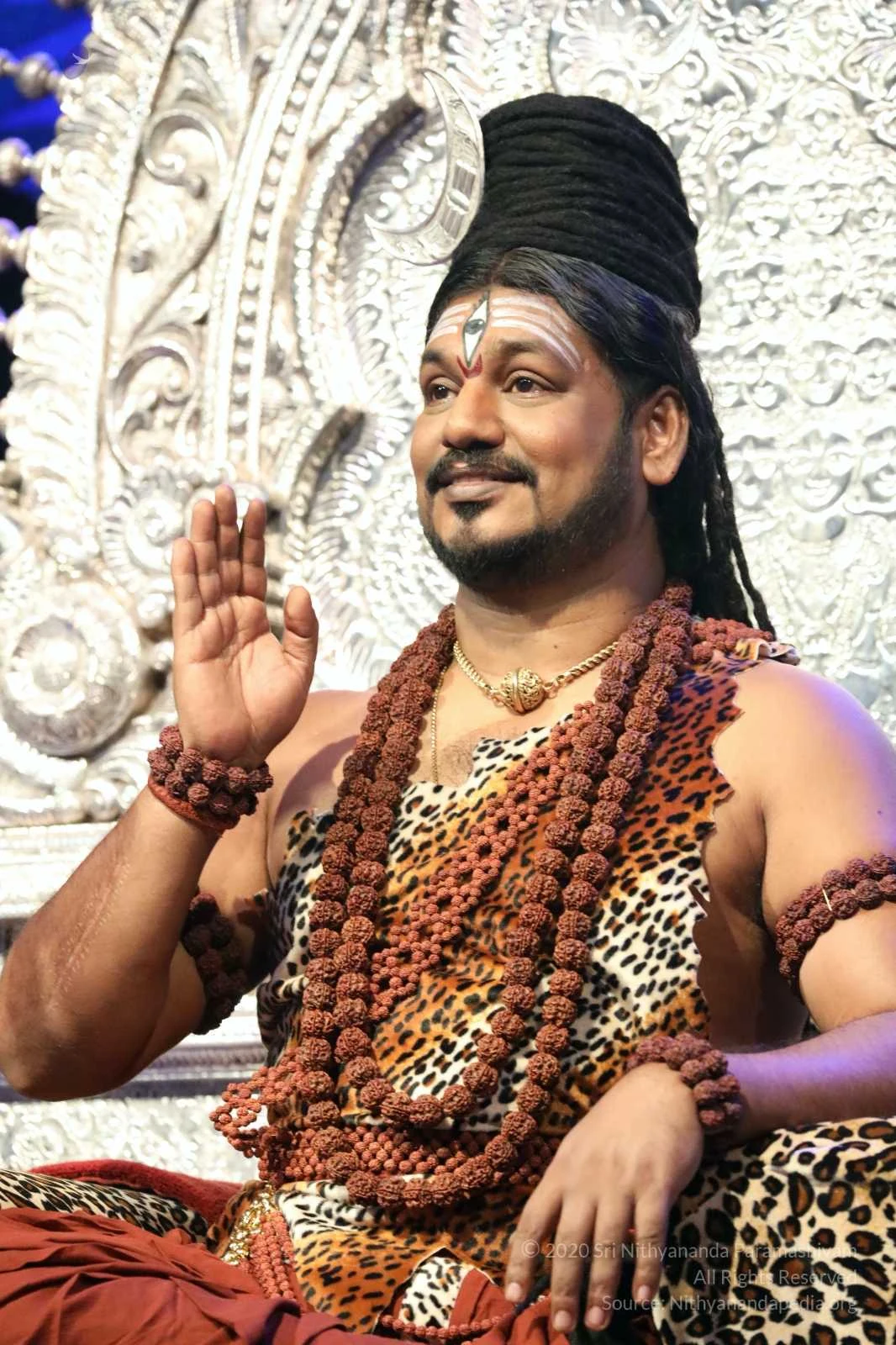
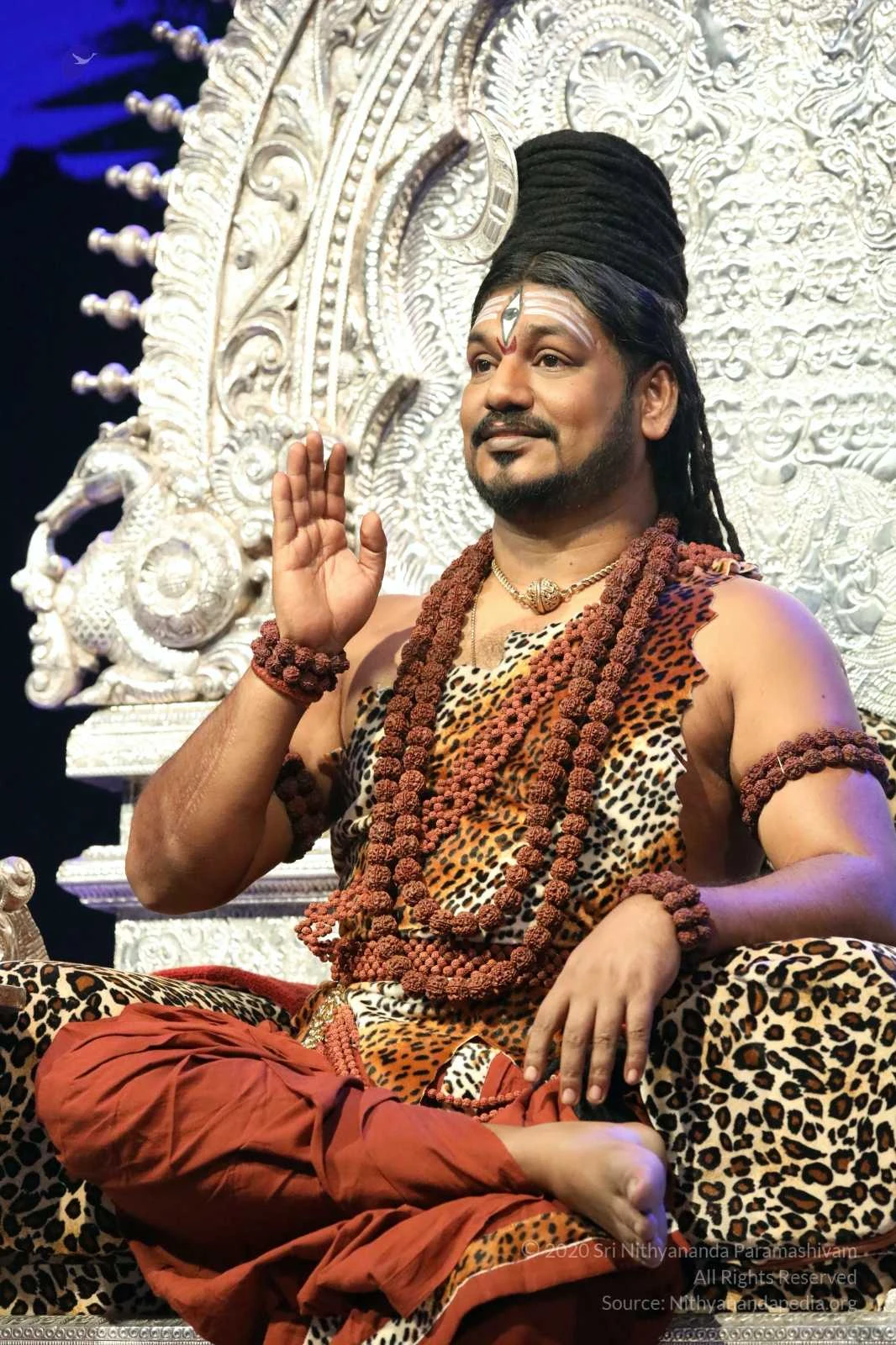
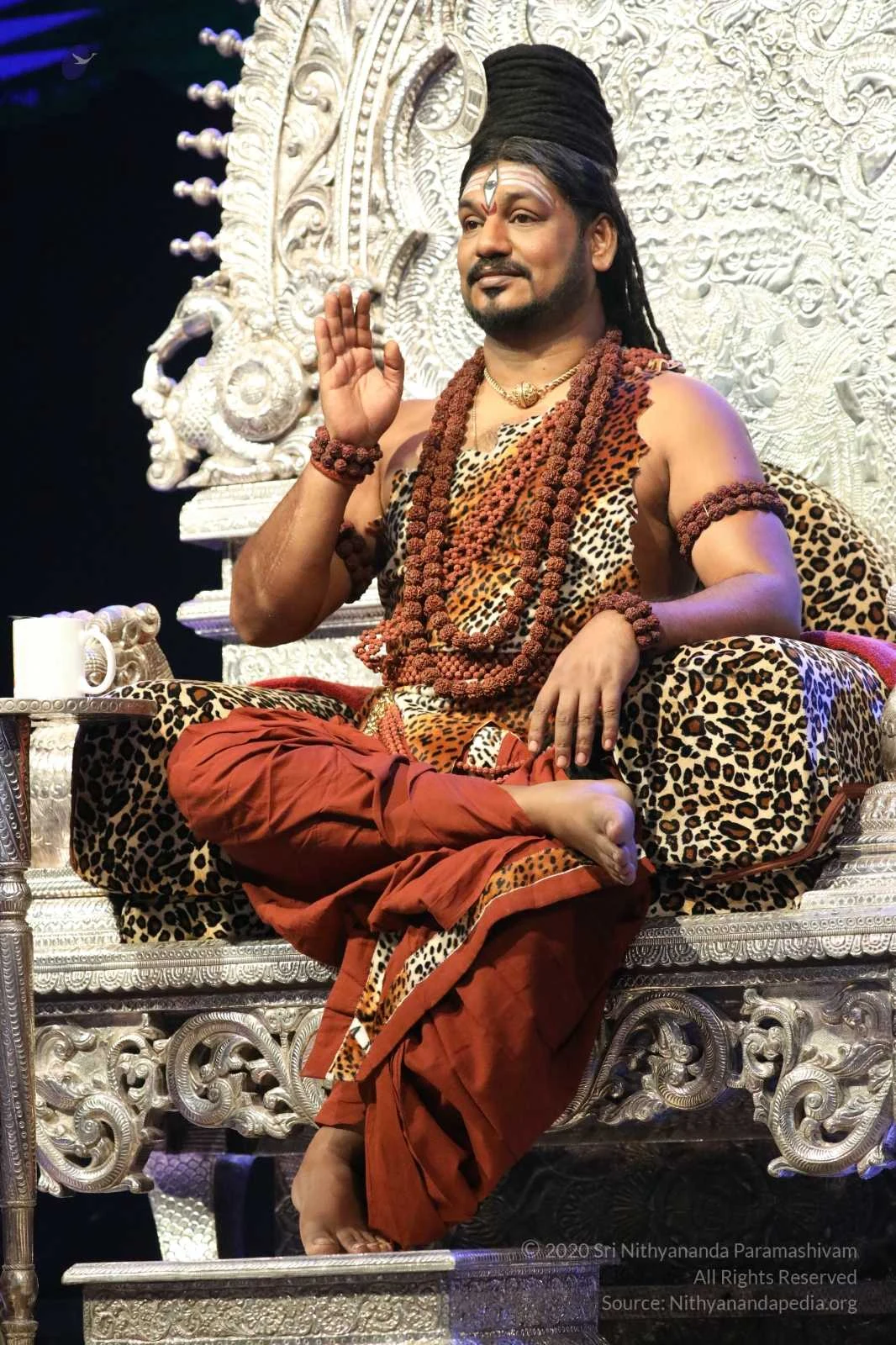
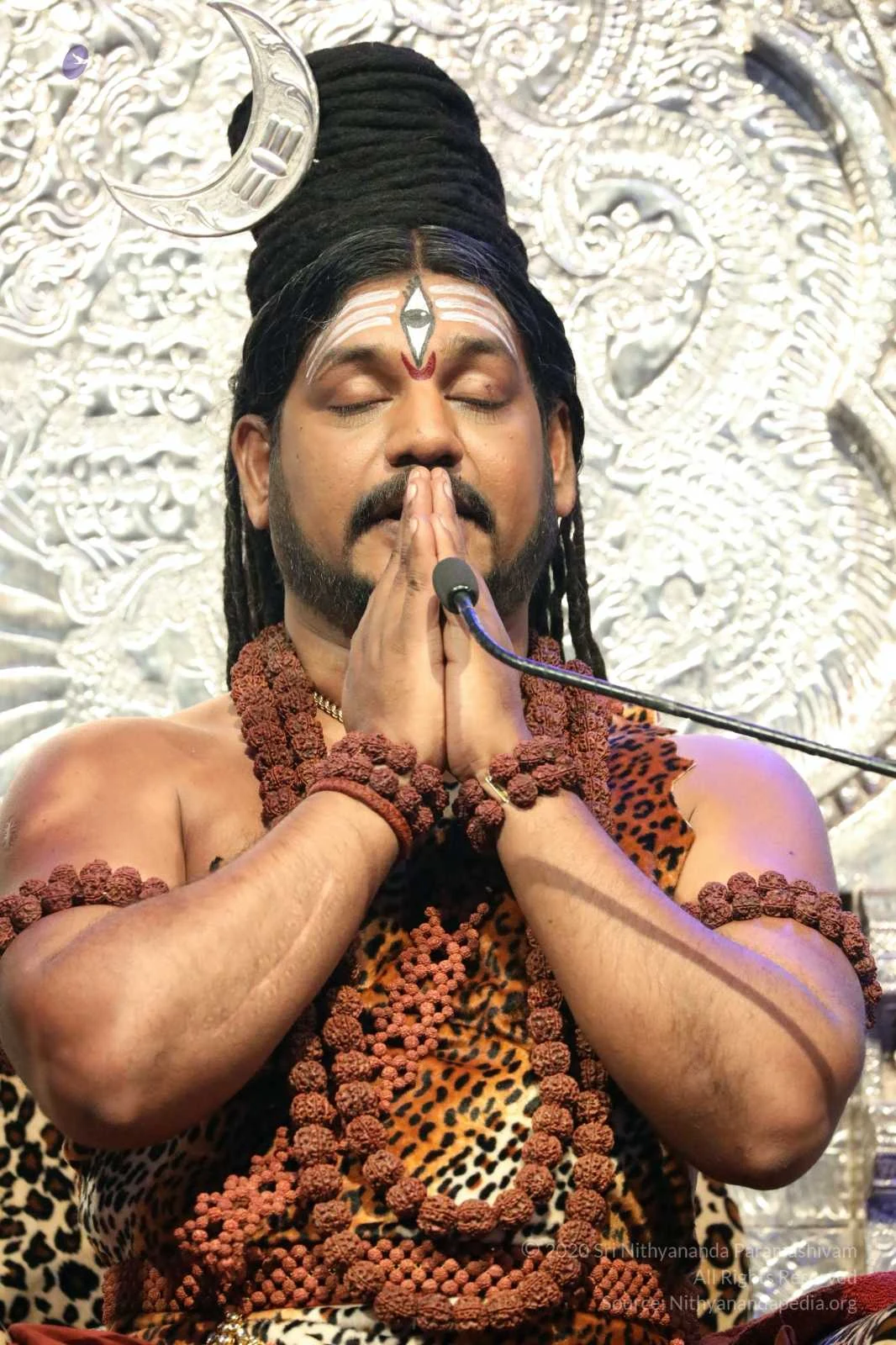
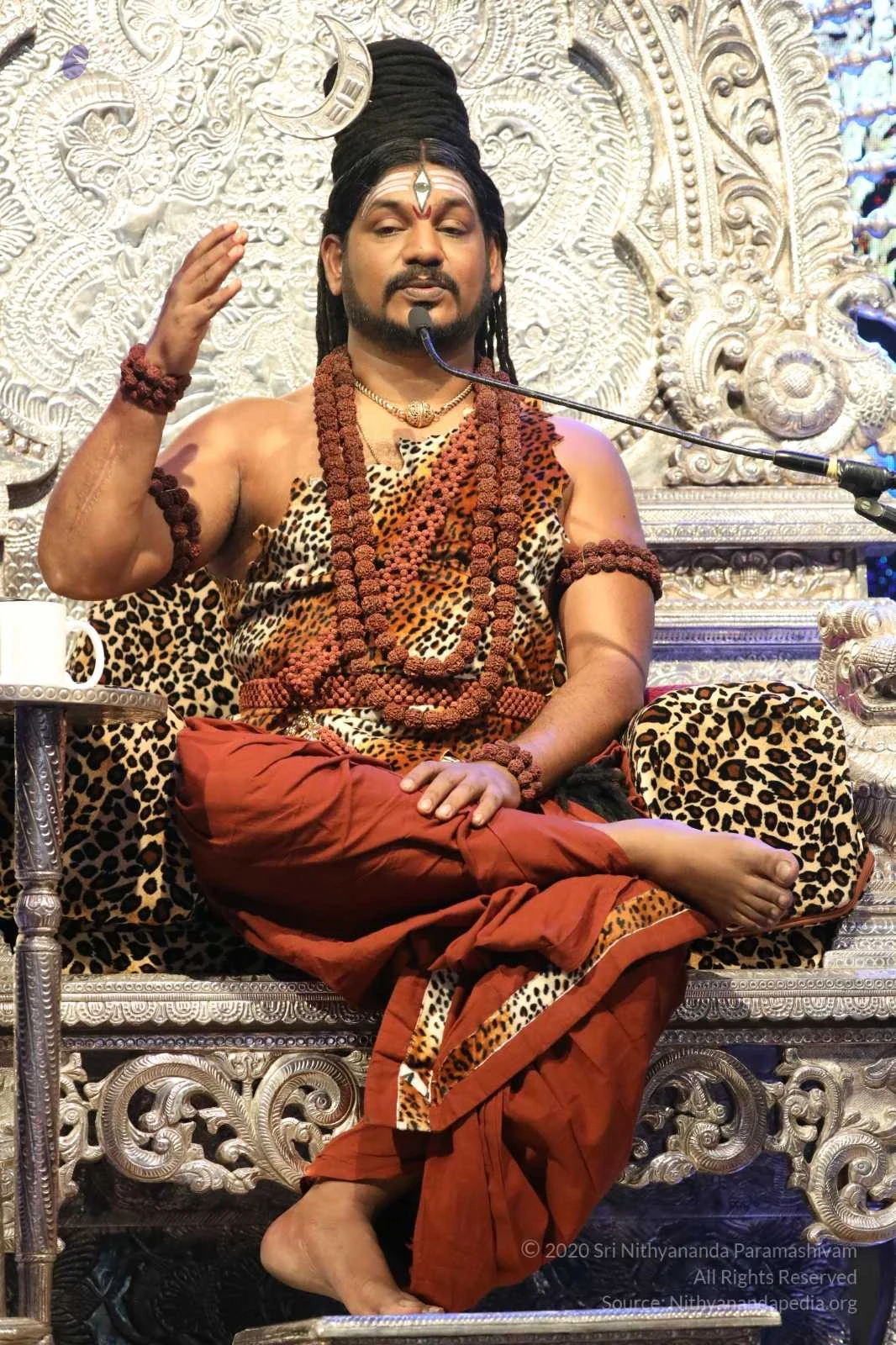
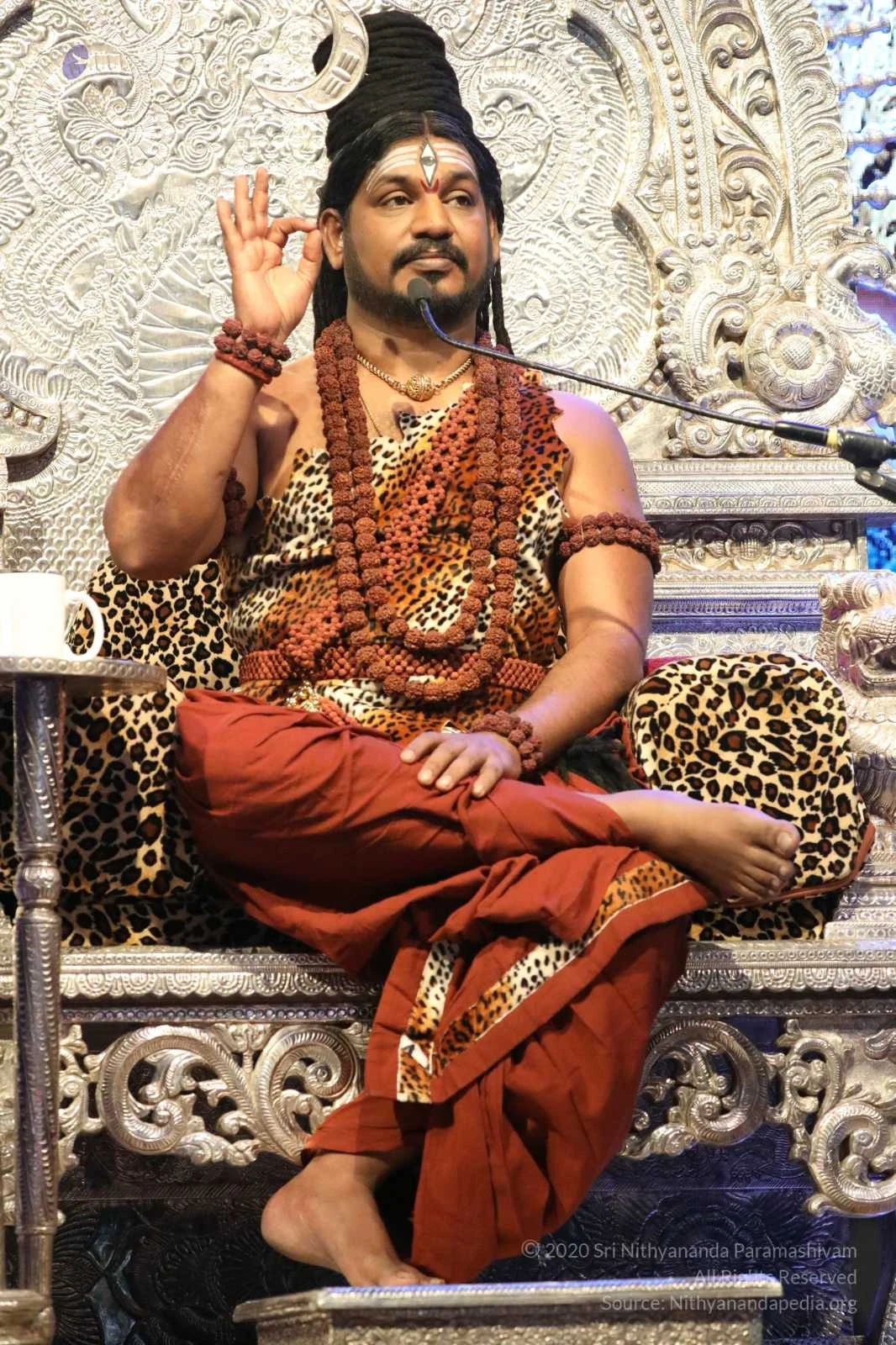
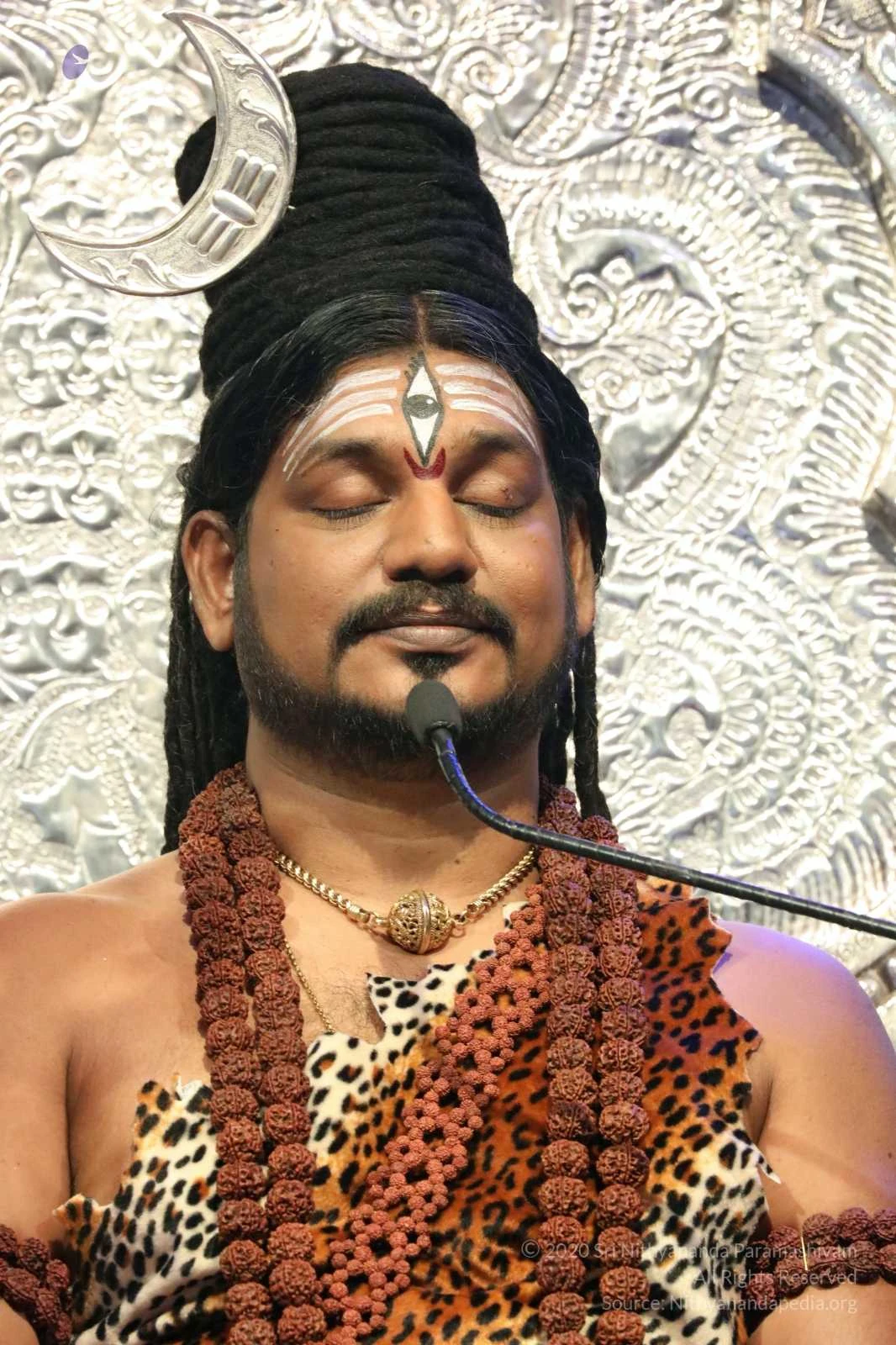
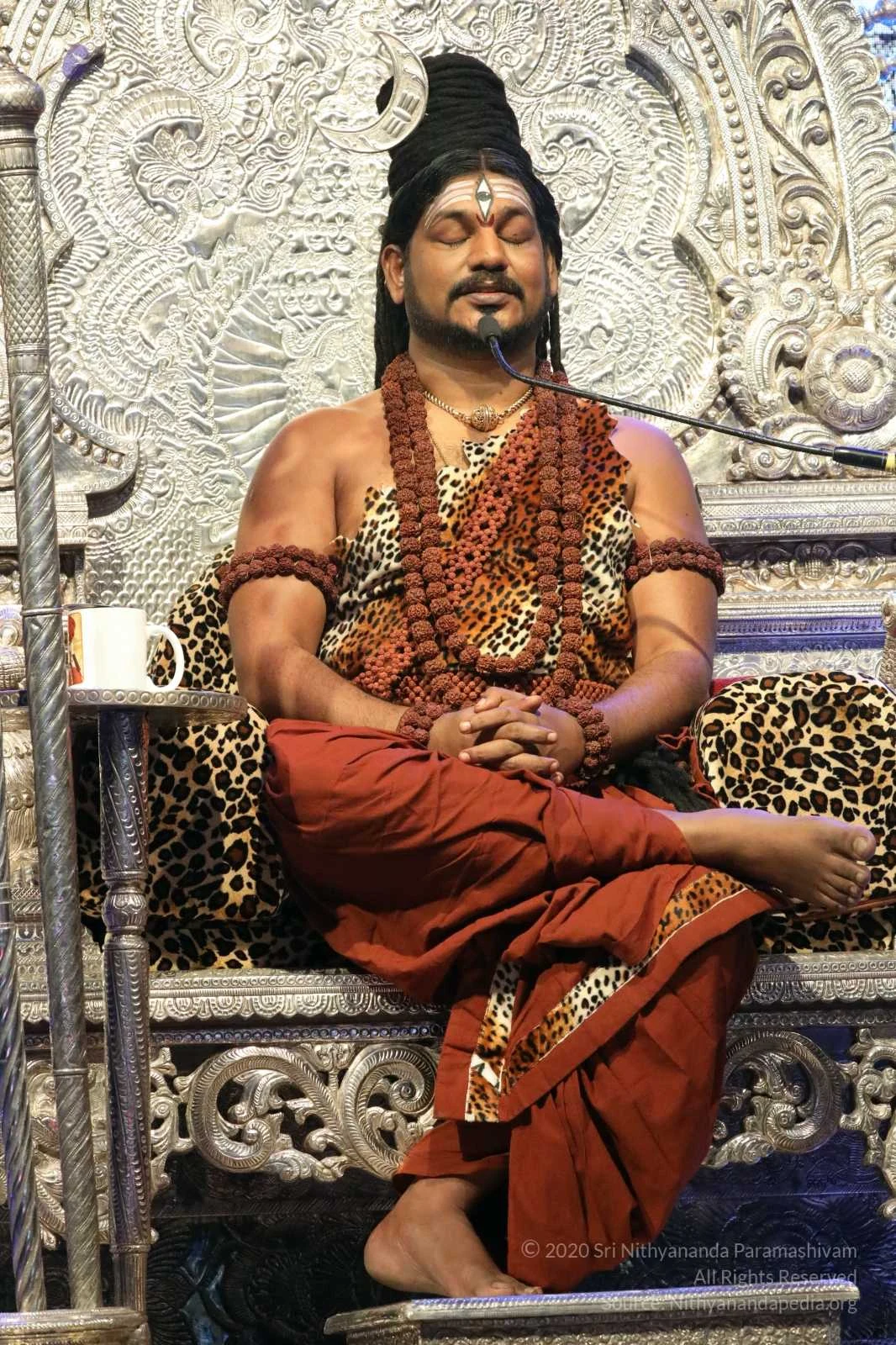
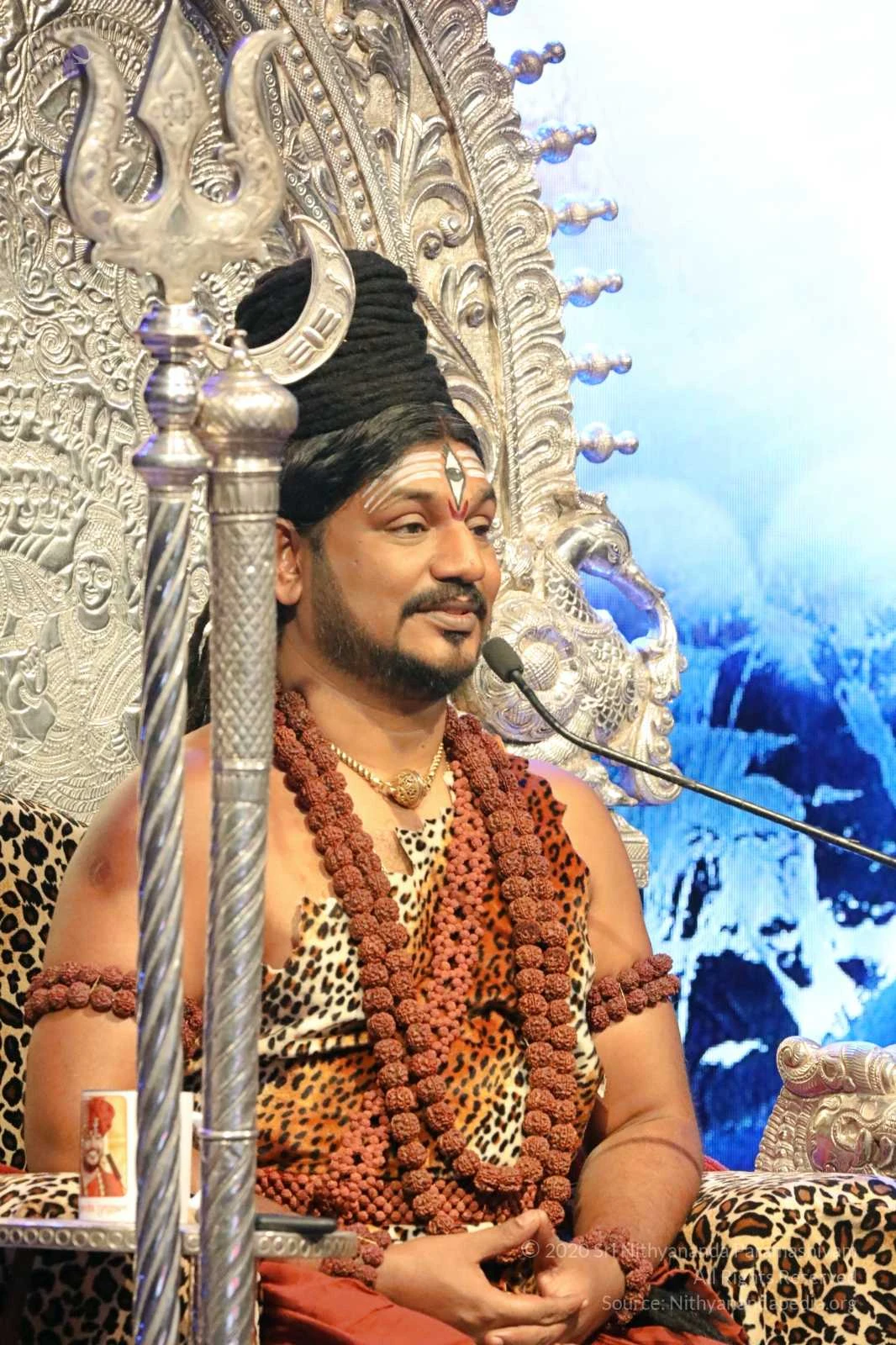
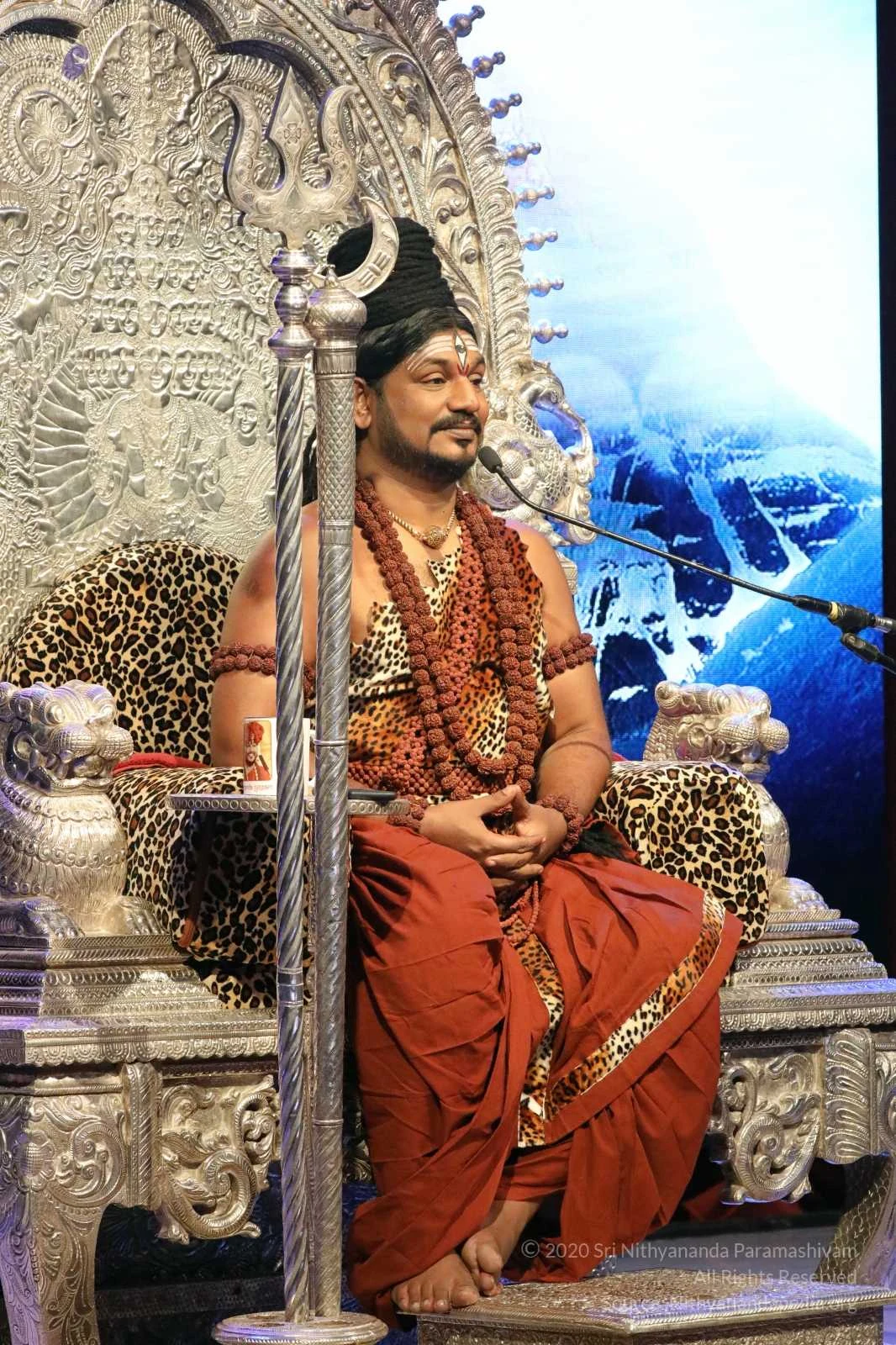
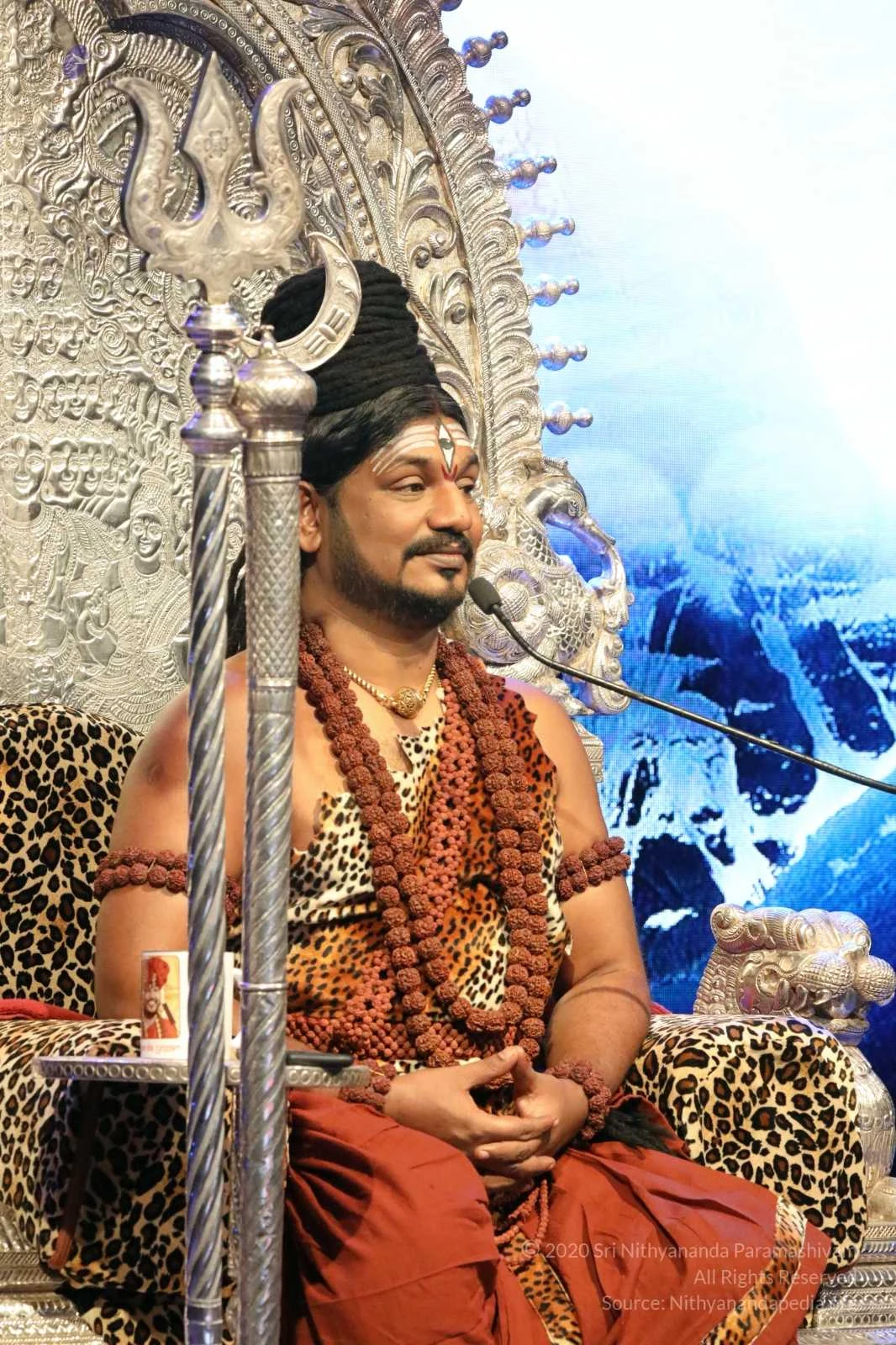
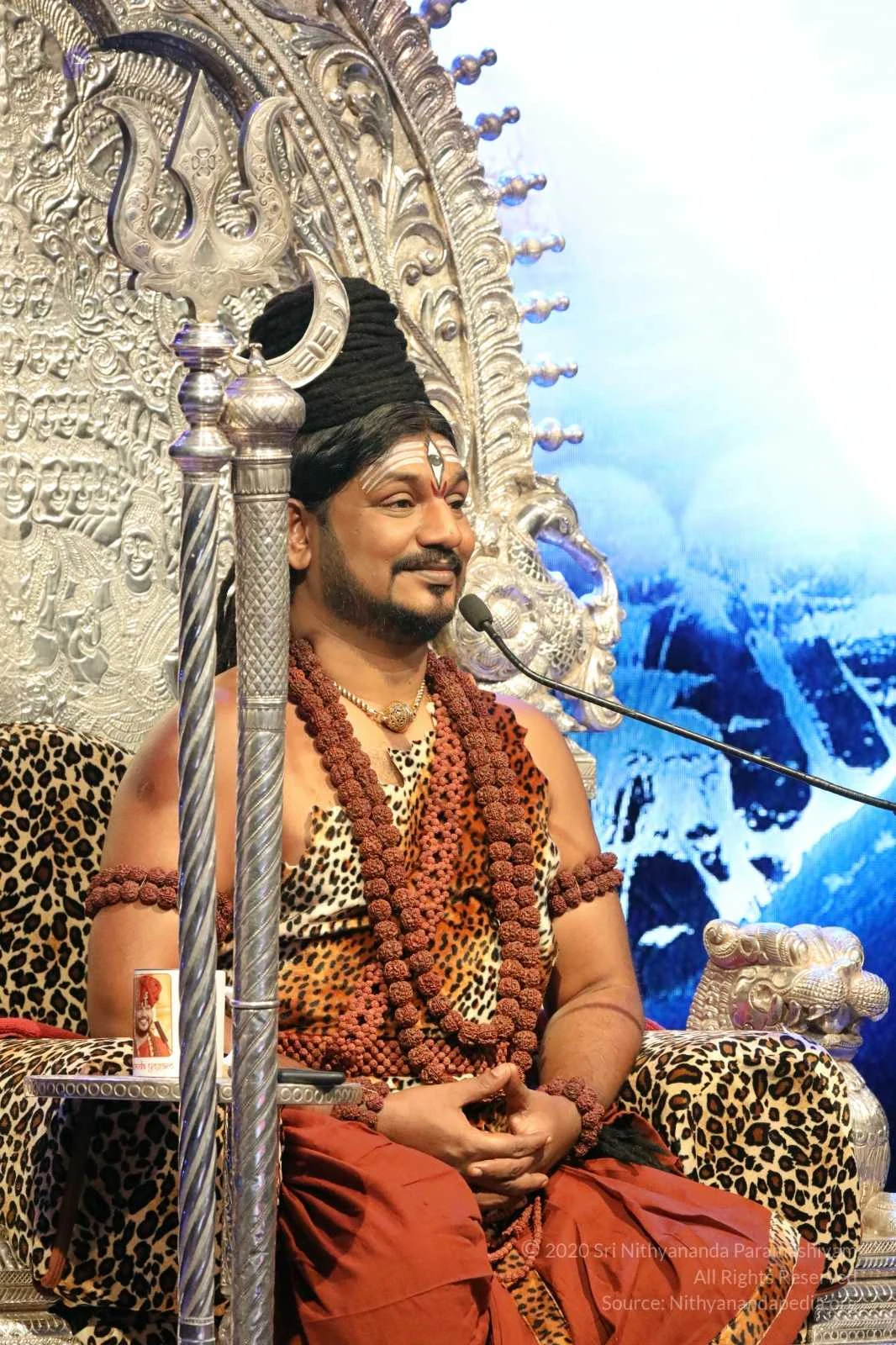
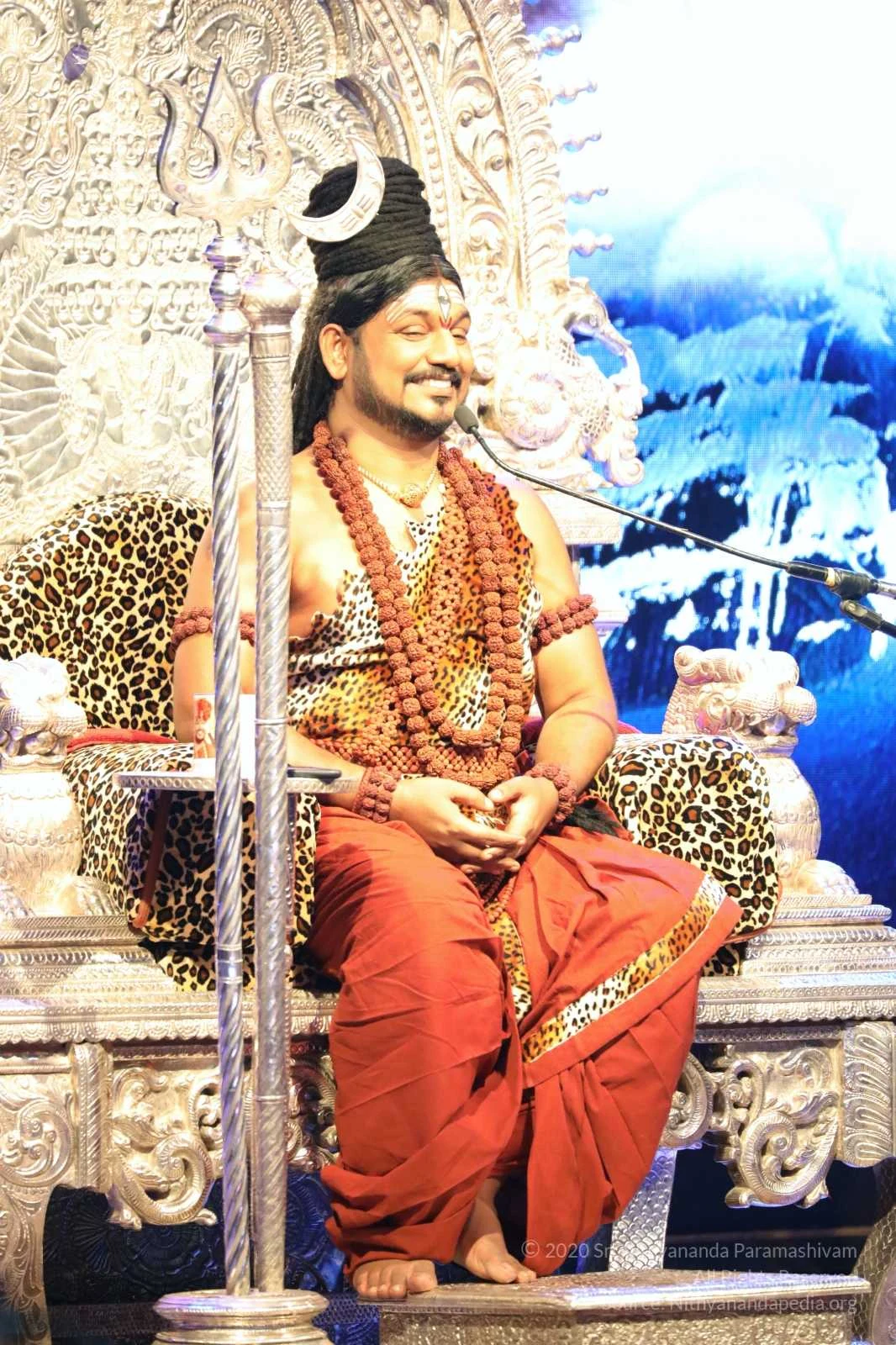
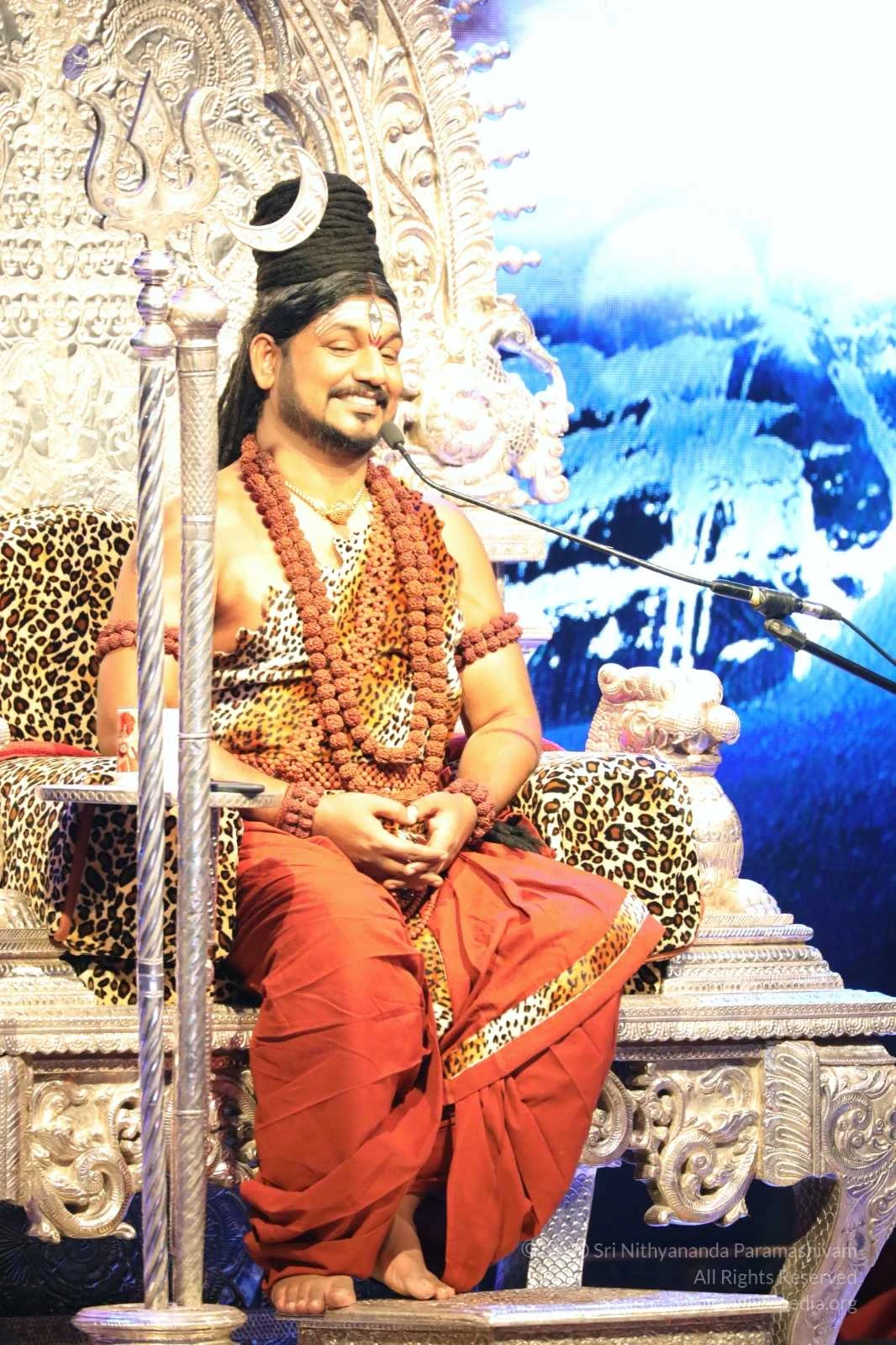
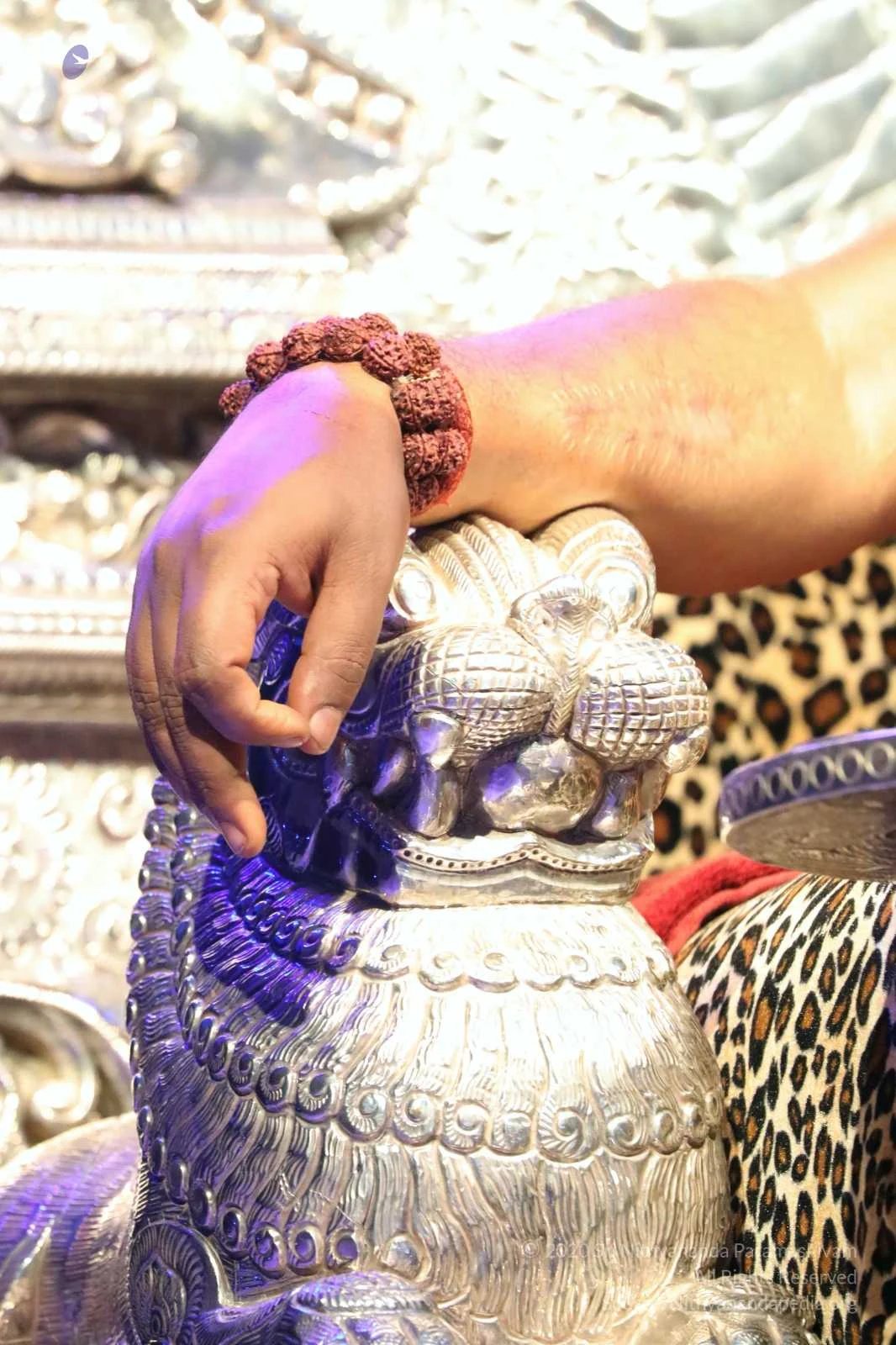
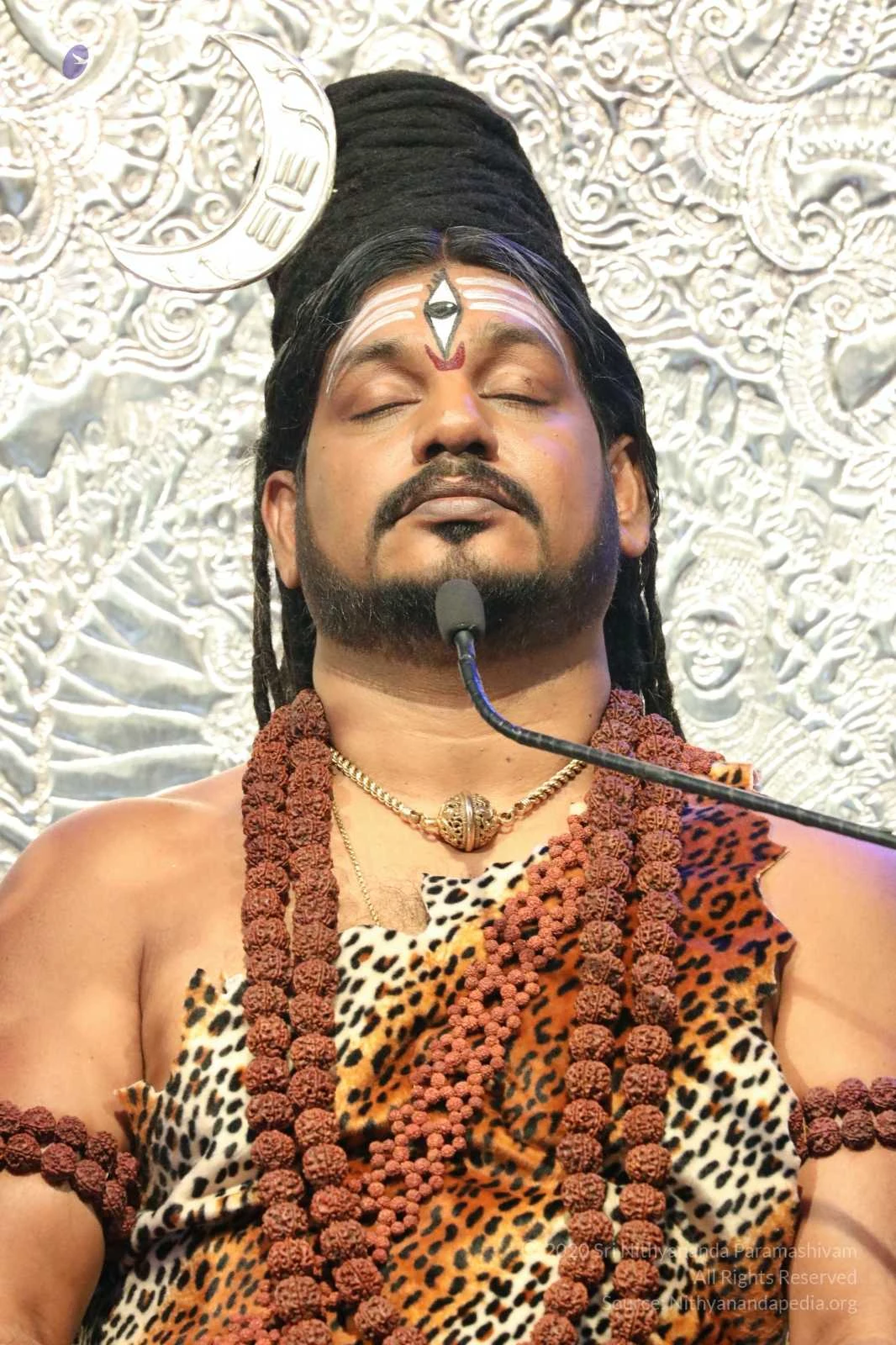
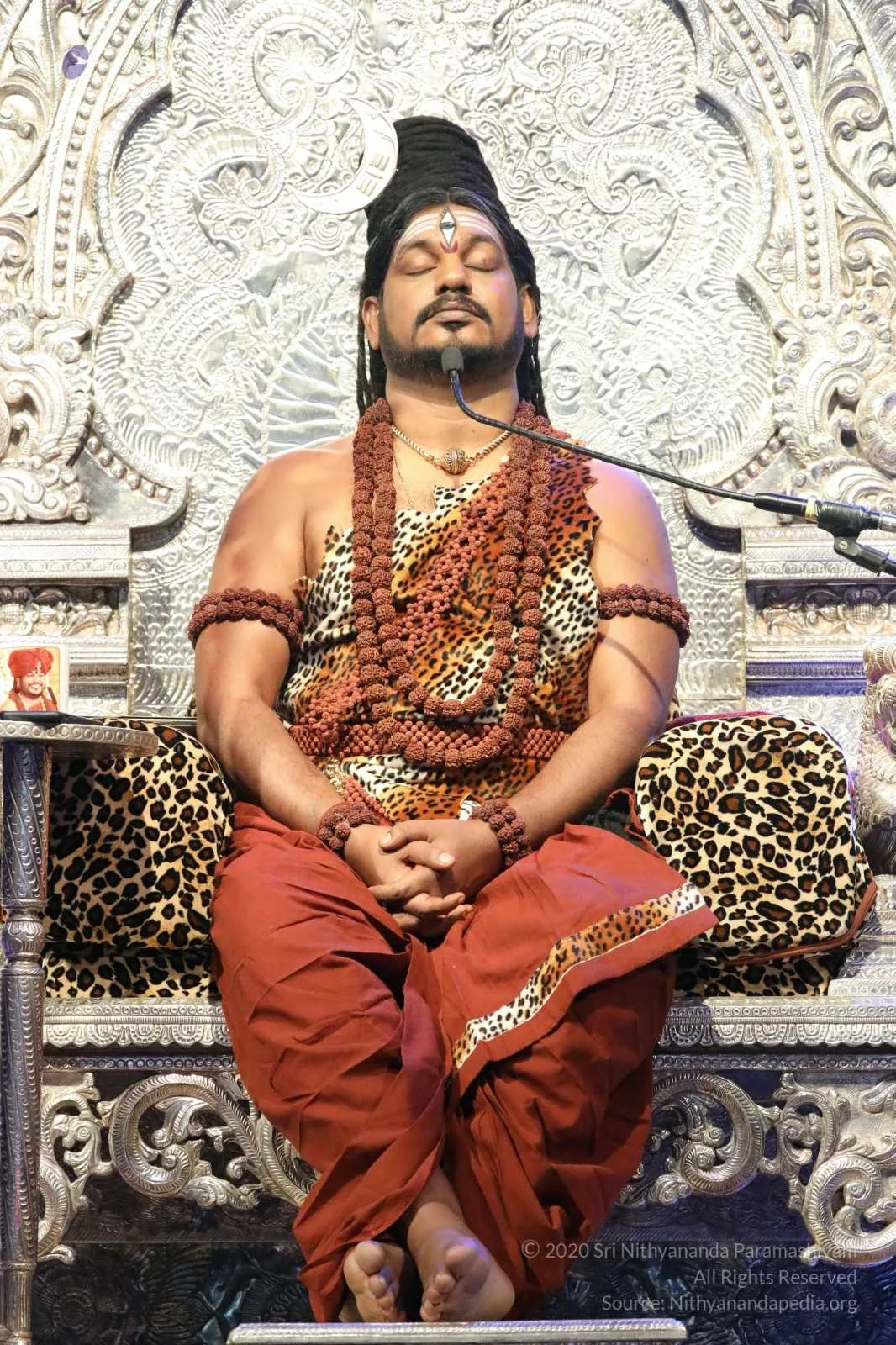
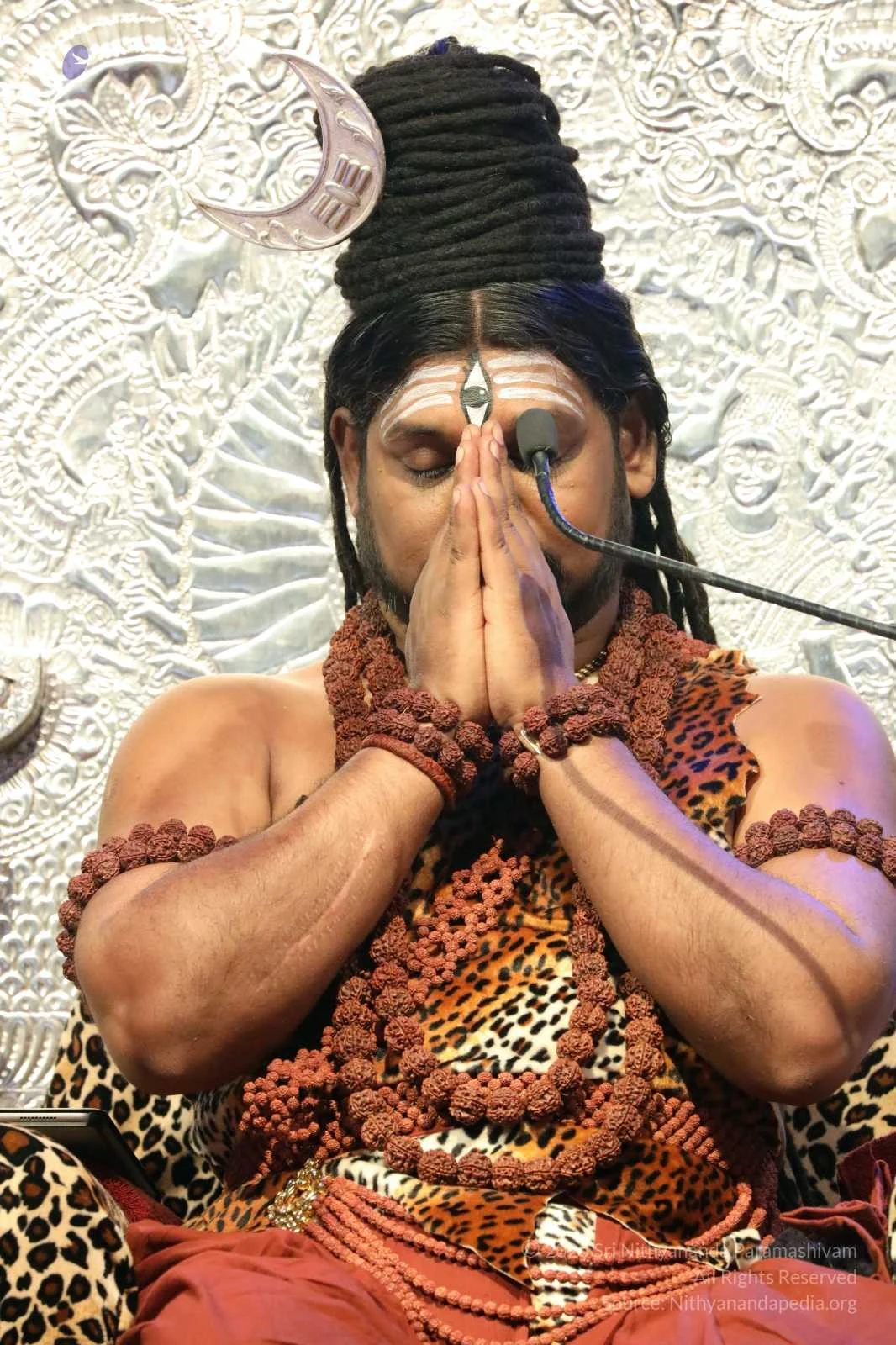
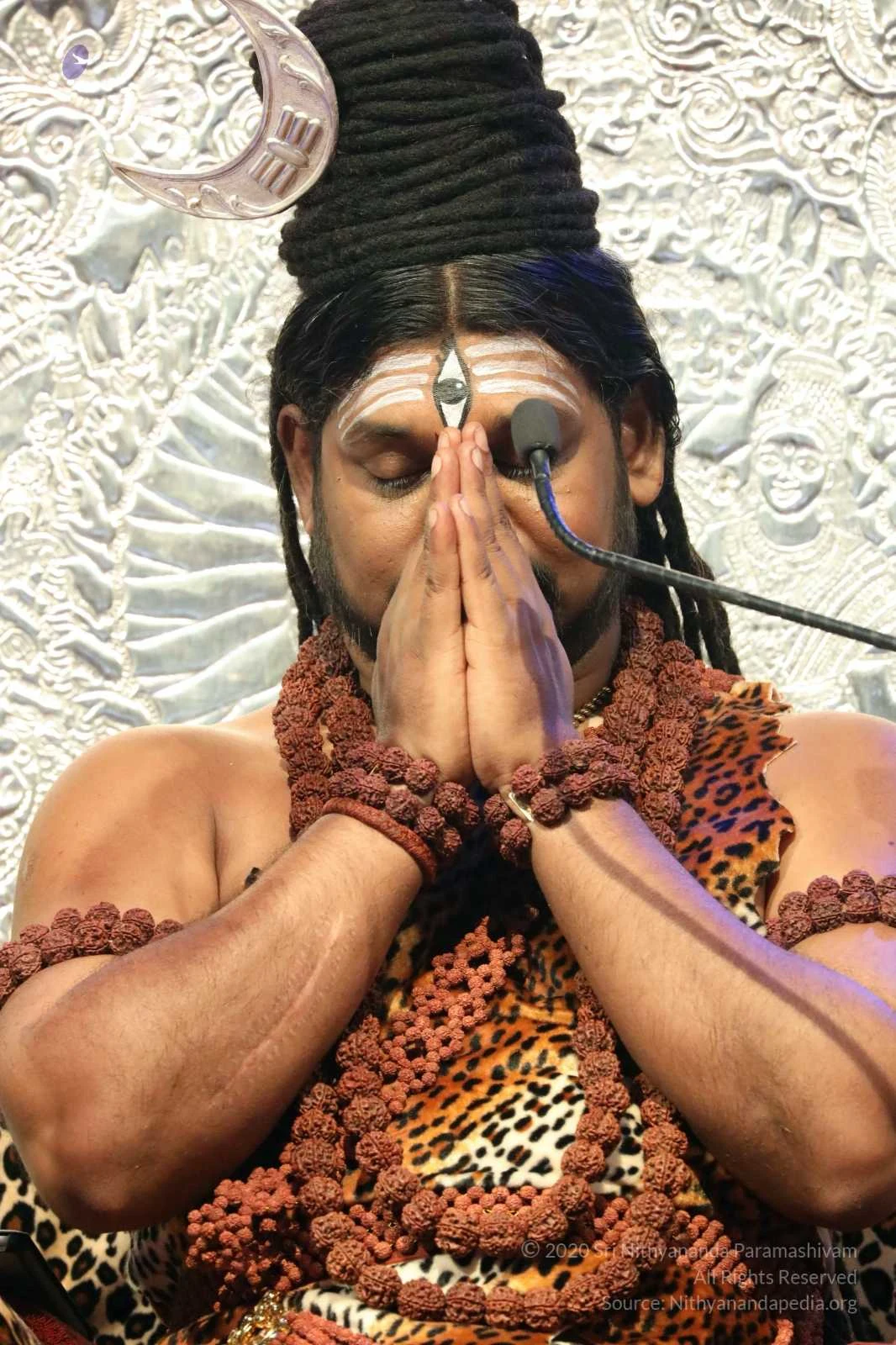
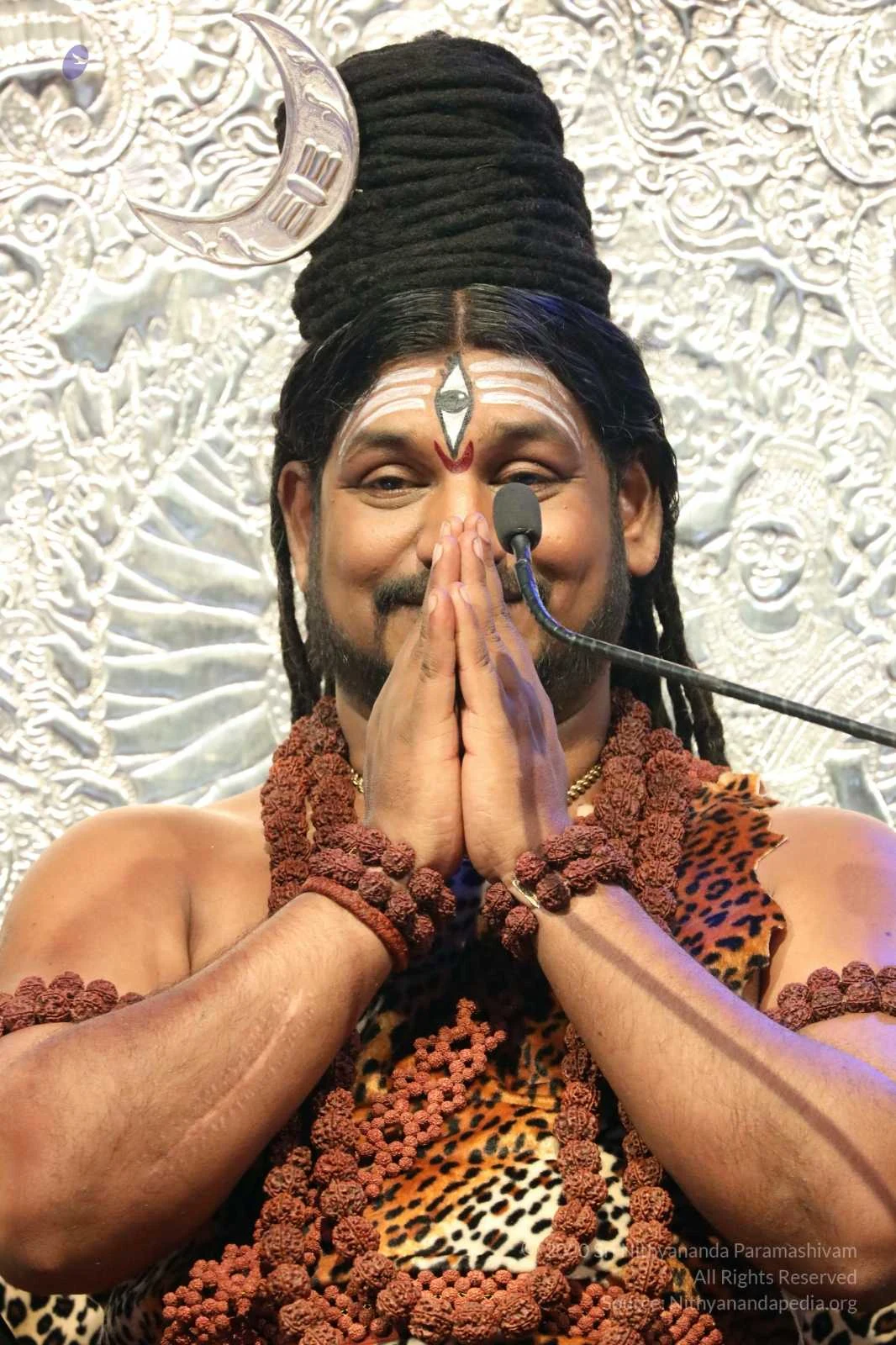
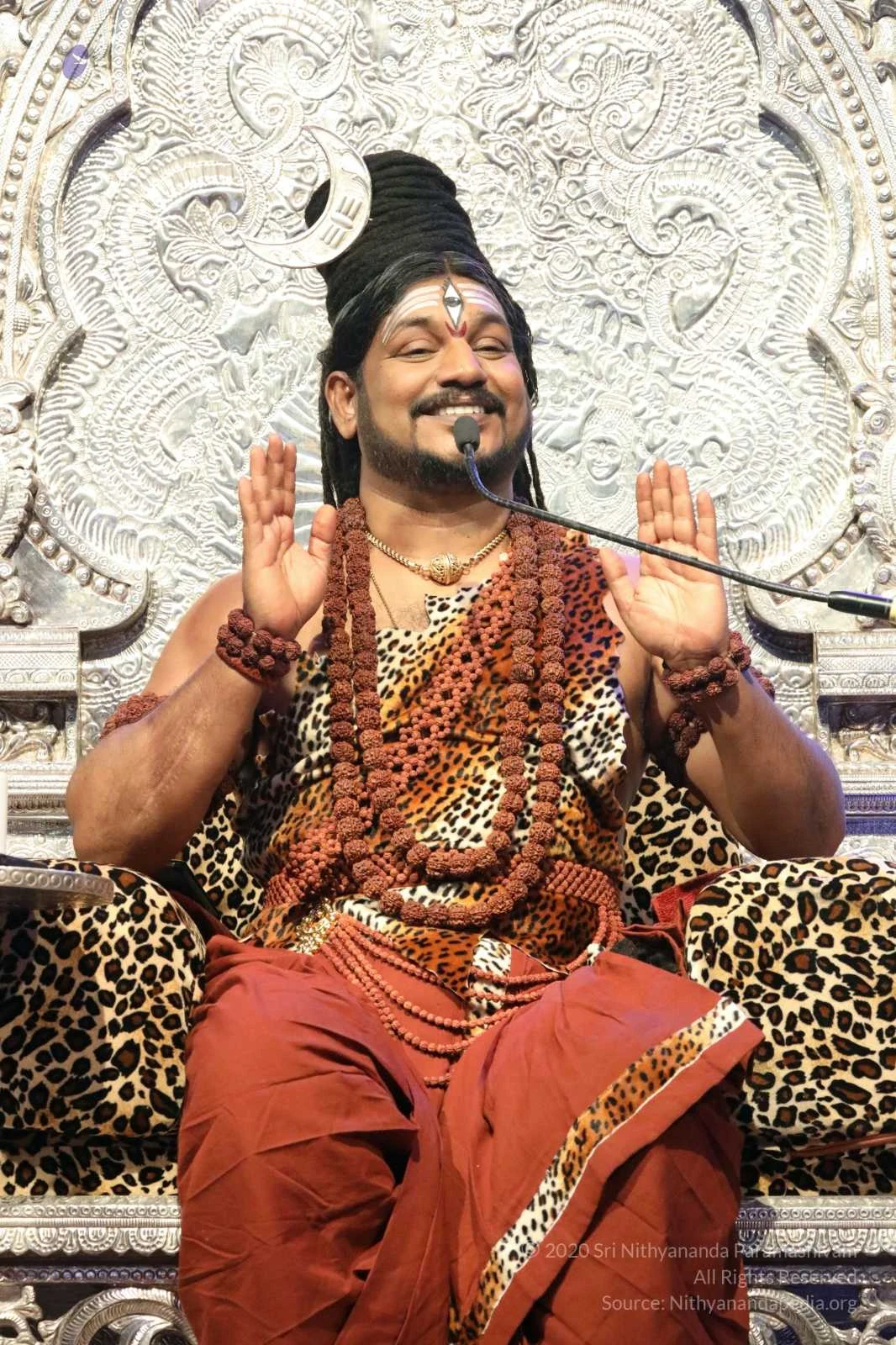
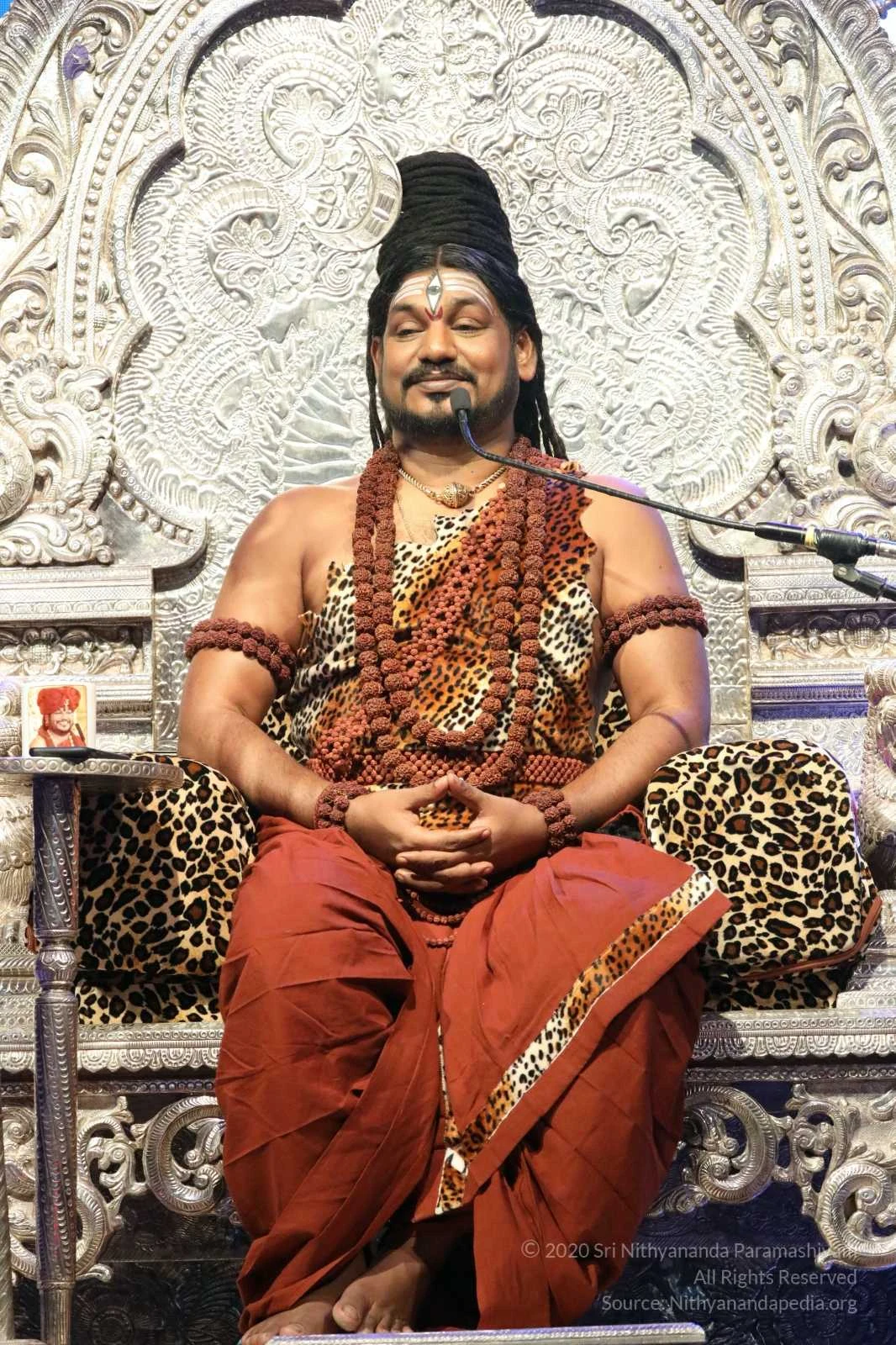
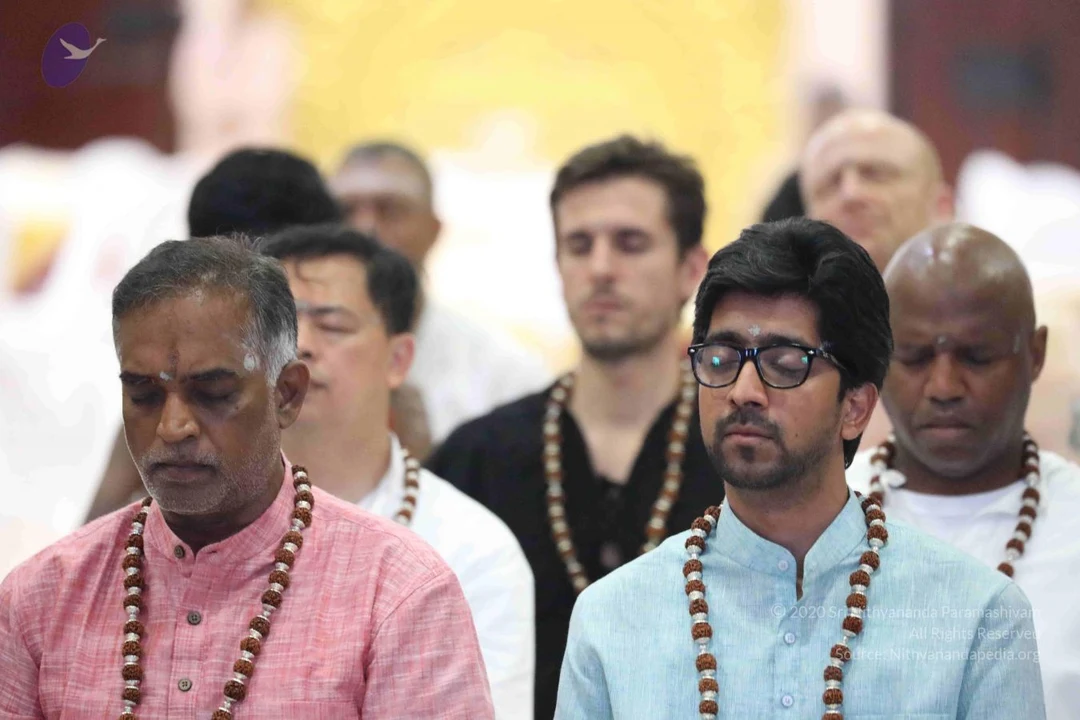
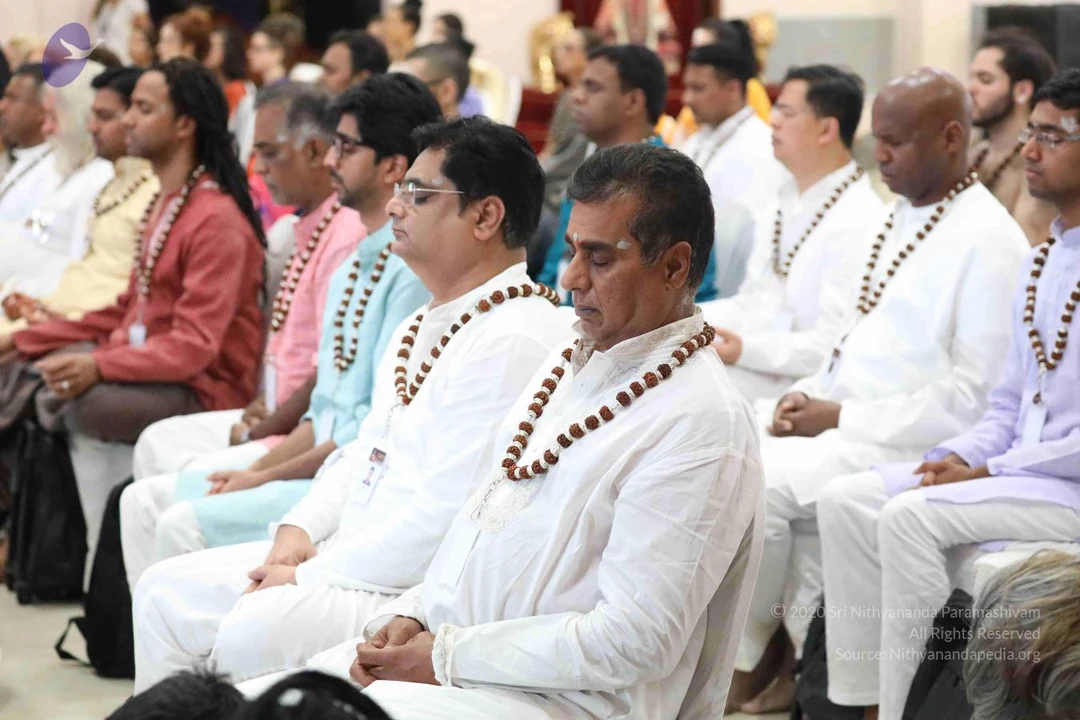
Shiva Deeksha
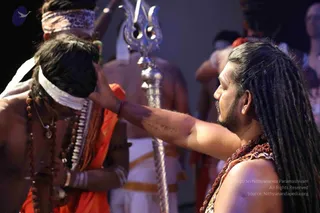
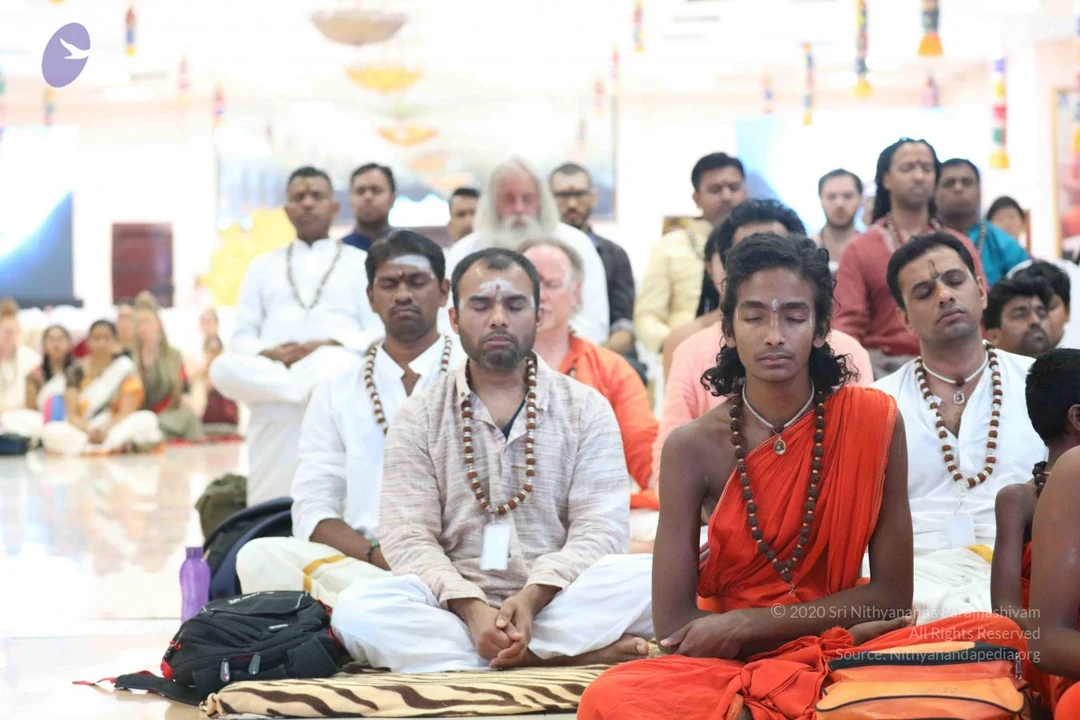
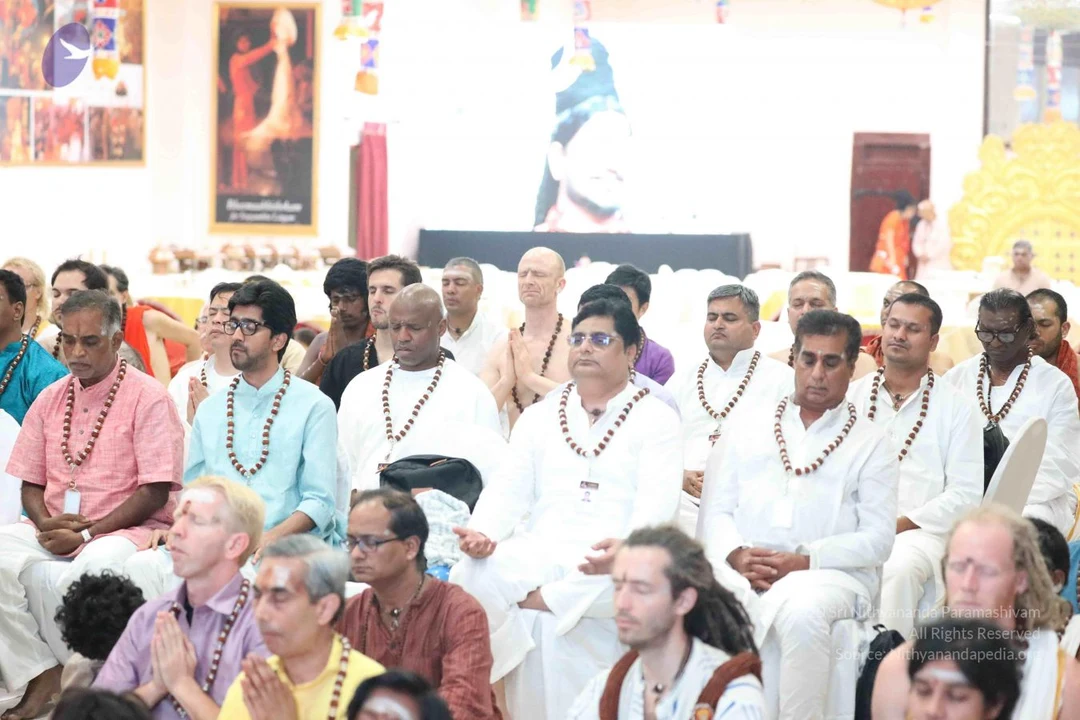
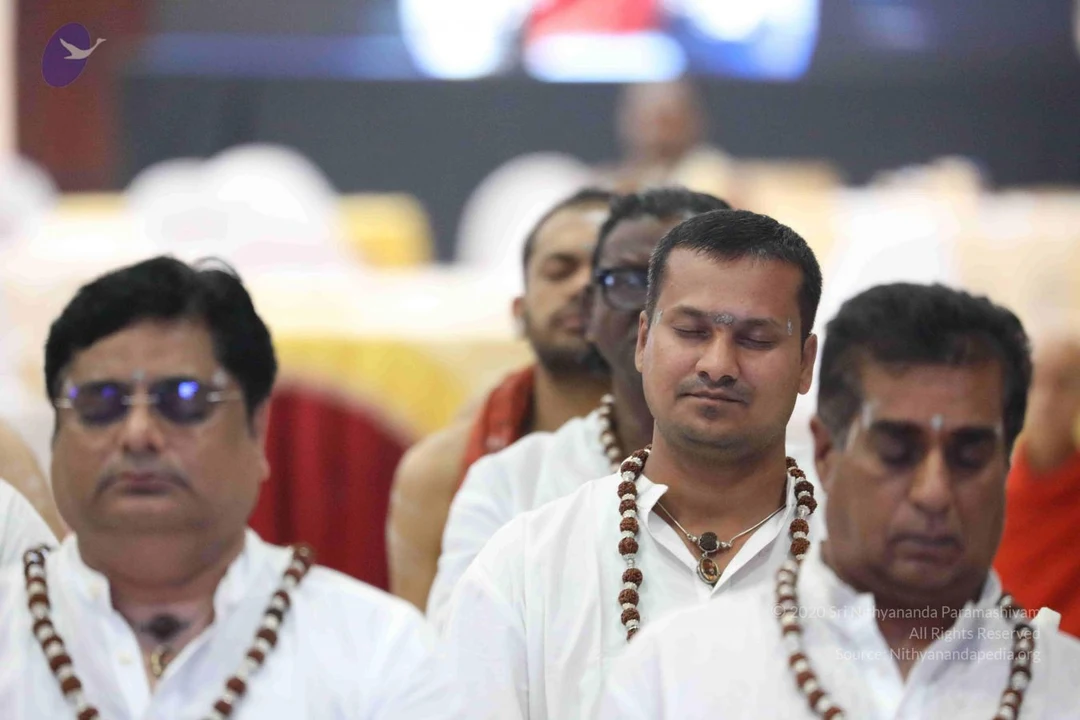
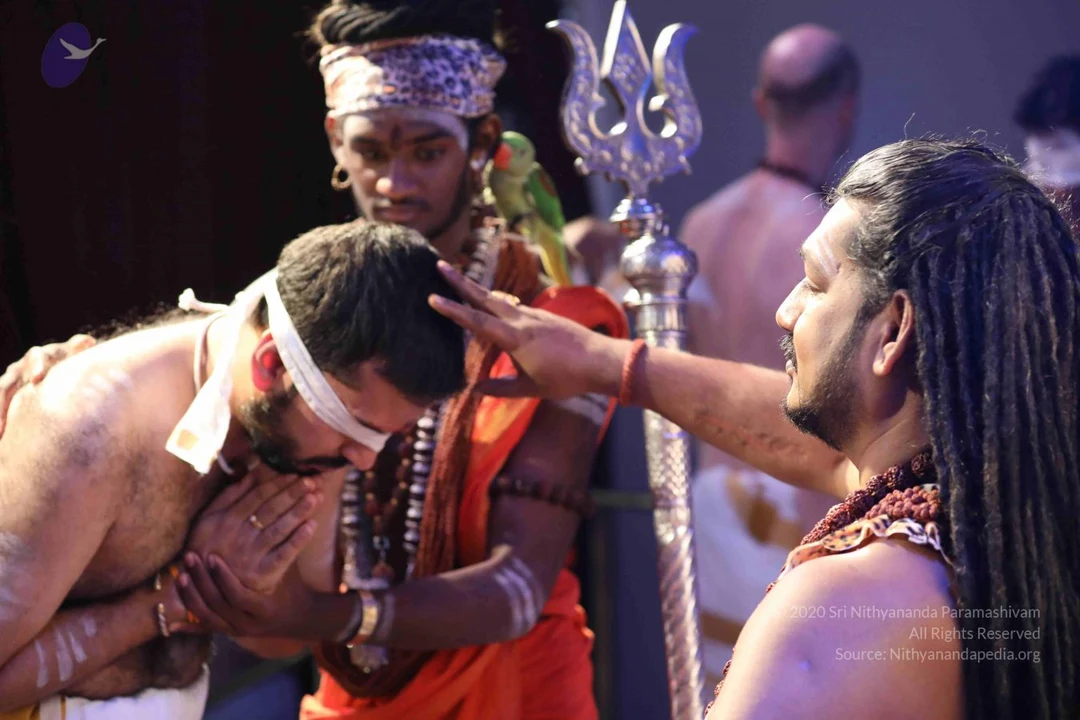
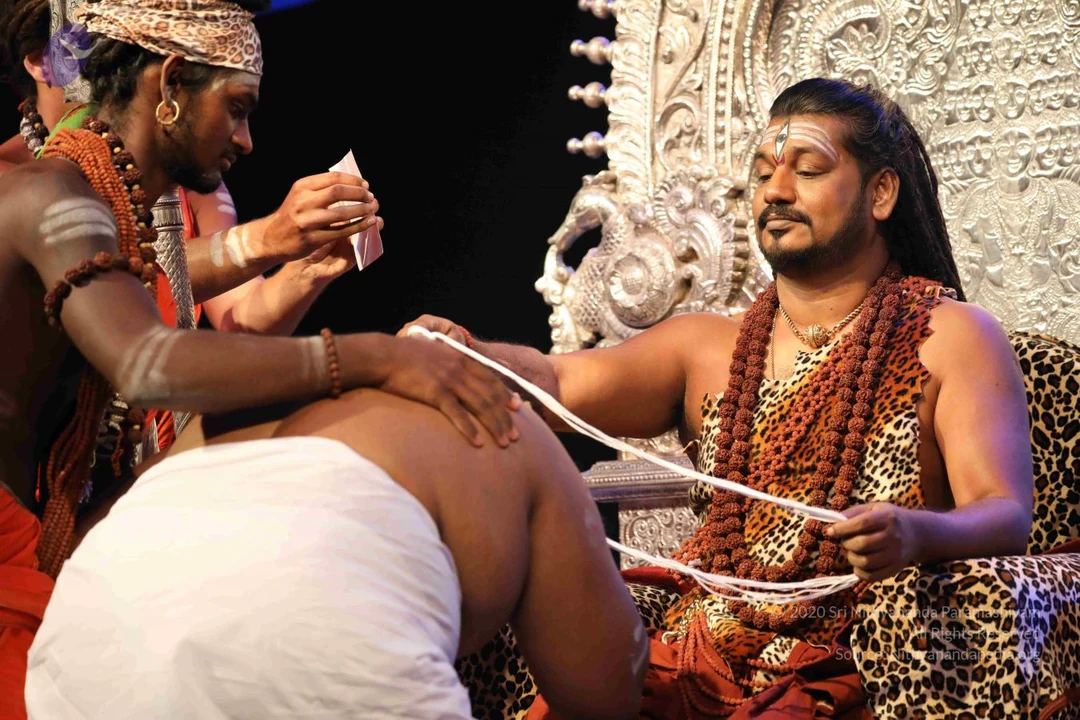
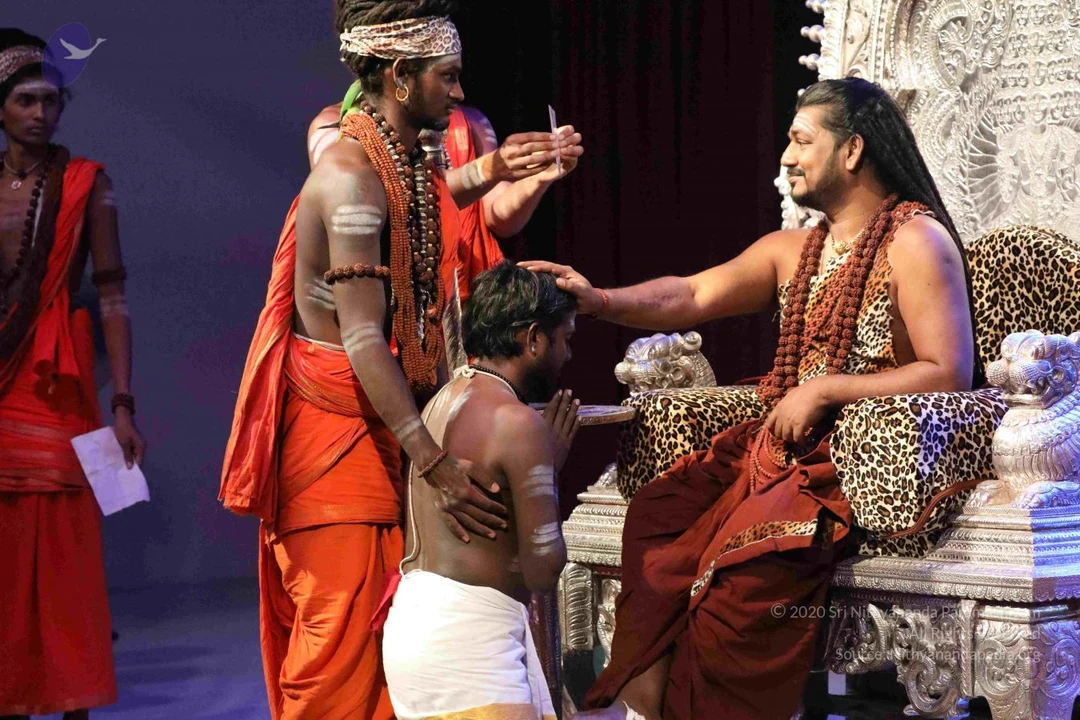
 Shiva deeksha - initiation Into understanding you are Paramashiva
 Shiva deeksha - initiation Into understanding you are Paramashiva
 Shiva deeksha - initiation Into understanding you are Paramashiva
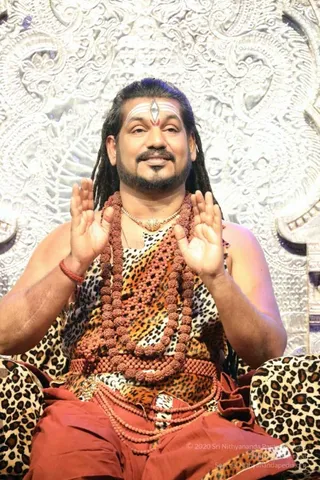 Shiva deeksha - initiation Into understanding you are Paramashiva
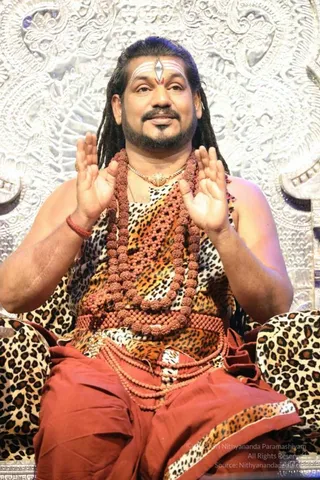 Shiva deeksha - initiation Into understanding you are Paramashiva
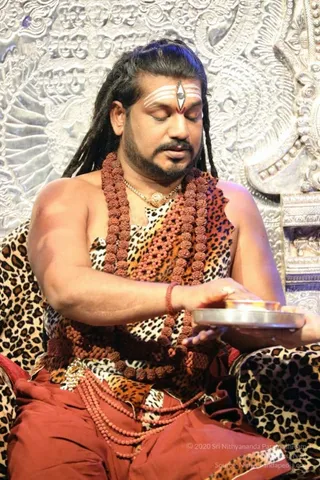 Shiva deeksha - initiation Into understanding you are Paramashiva
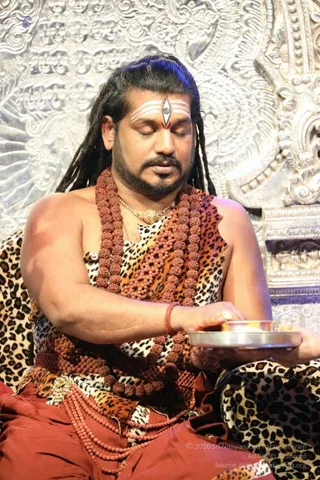 Shiva deeksha - initiation Into understanding you are Paramashiva
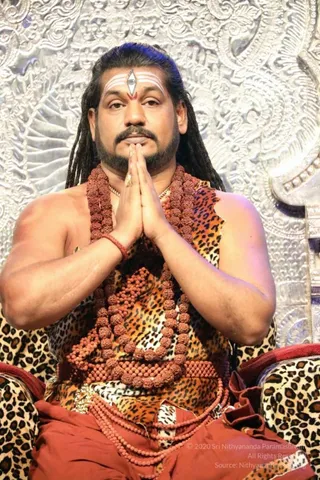 Shiva deeksha - initiation Into understanding you are Paramashiva
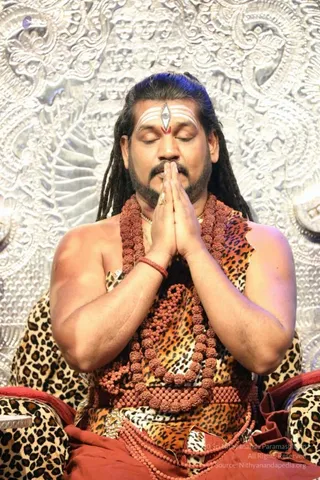 Shiva deeksha - initiation Into understanding you are Paramashiva
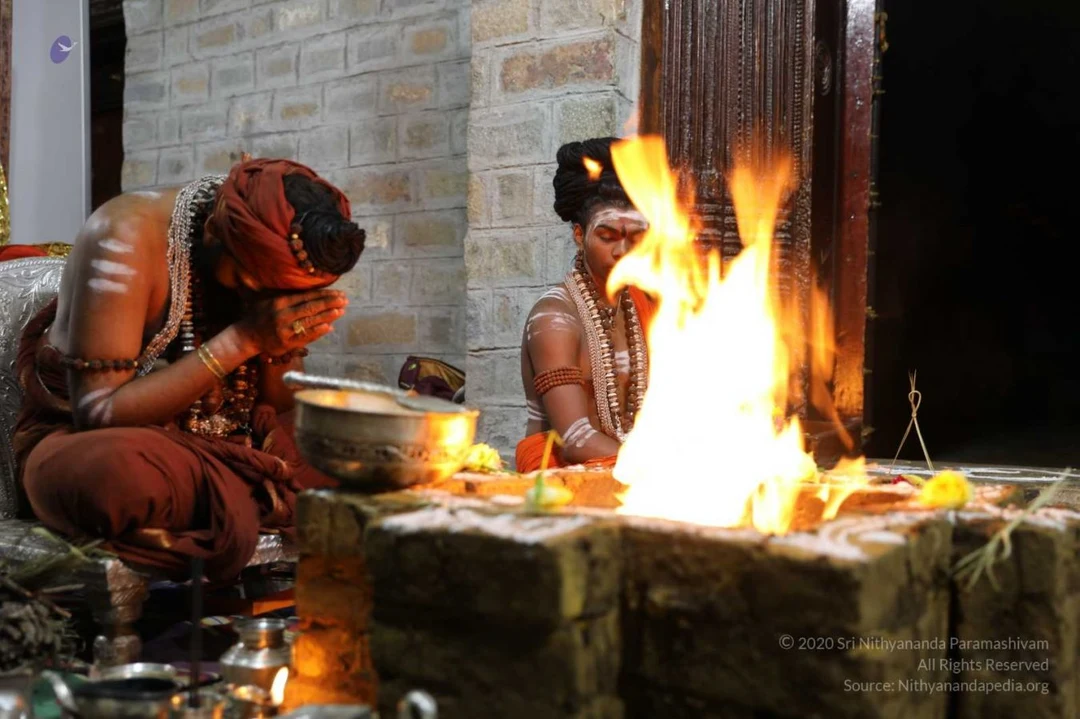 Shiva Deeksha is the gateway to the powers of the third eye
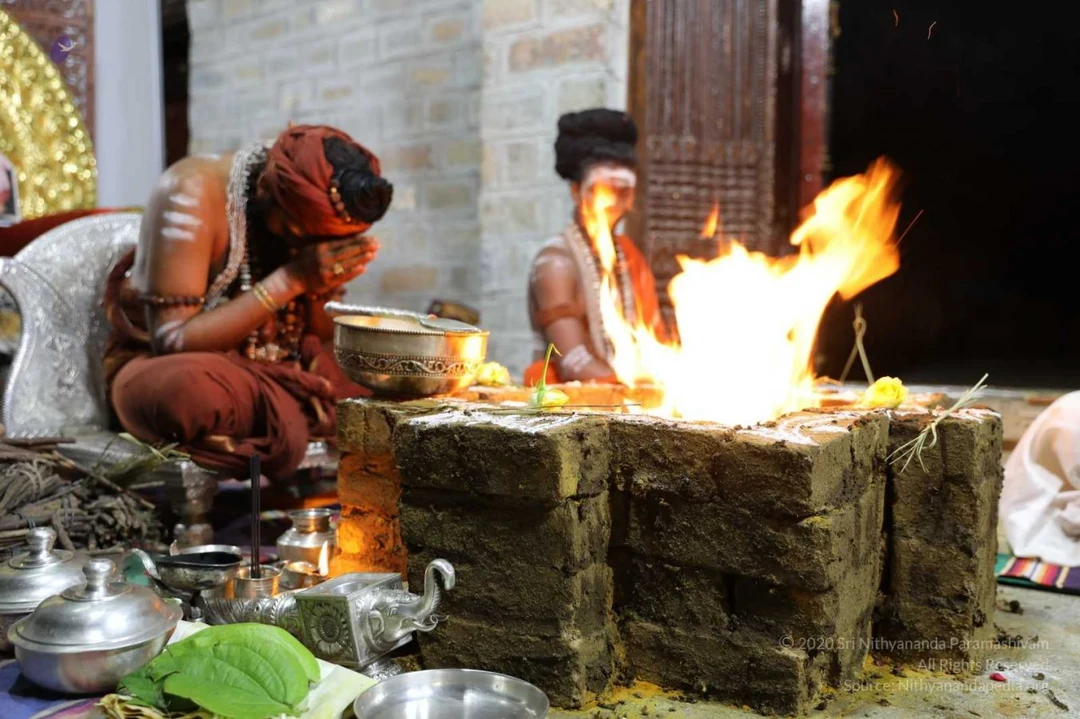 Shiva Deeksha is the gateway to the powers of the third eye
 Shiva Deeksha is the gateway to the powers of the third eye
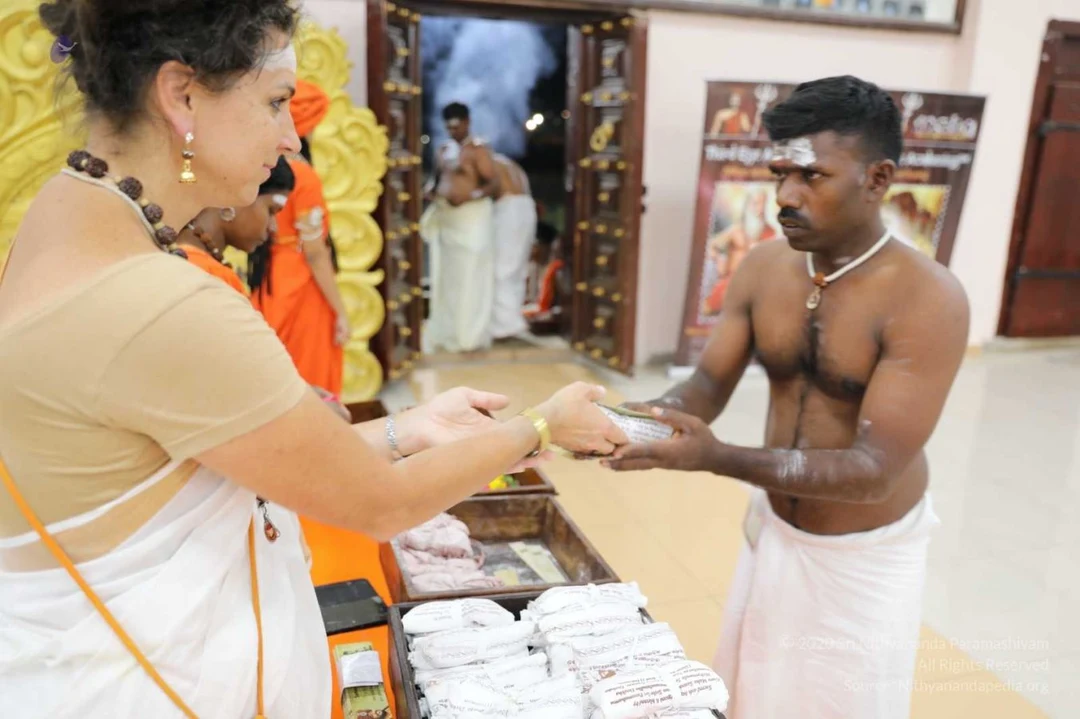 Shiva Deeksha is the gateway to the powers of the third eye
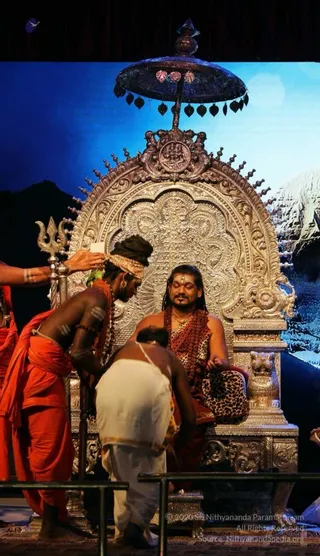 Shiva deeksha - initiation Into understanding you are Paramashiva
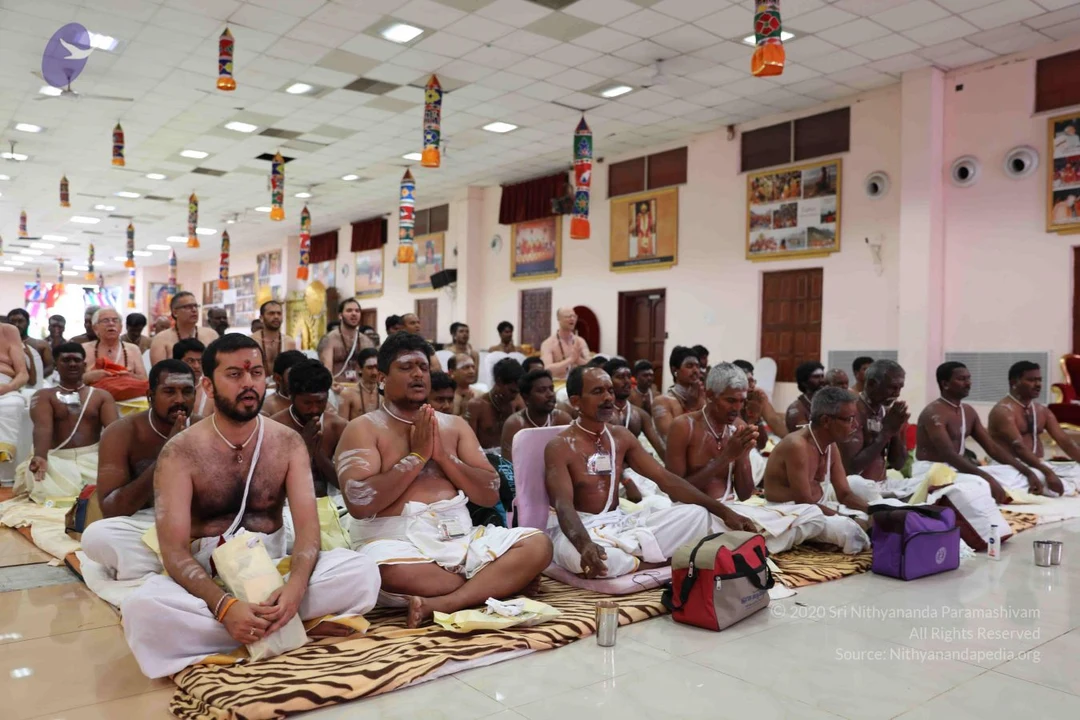
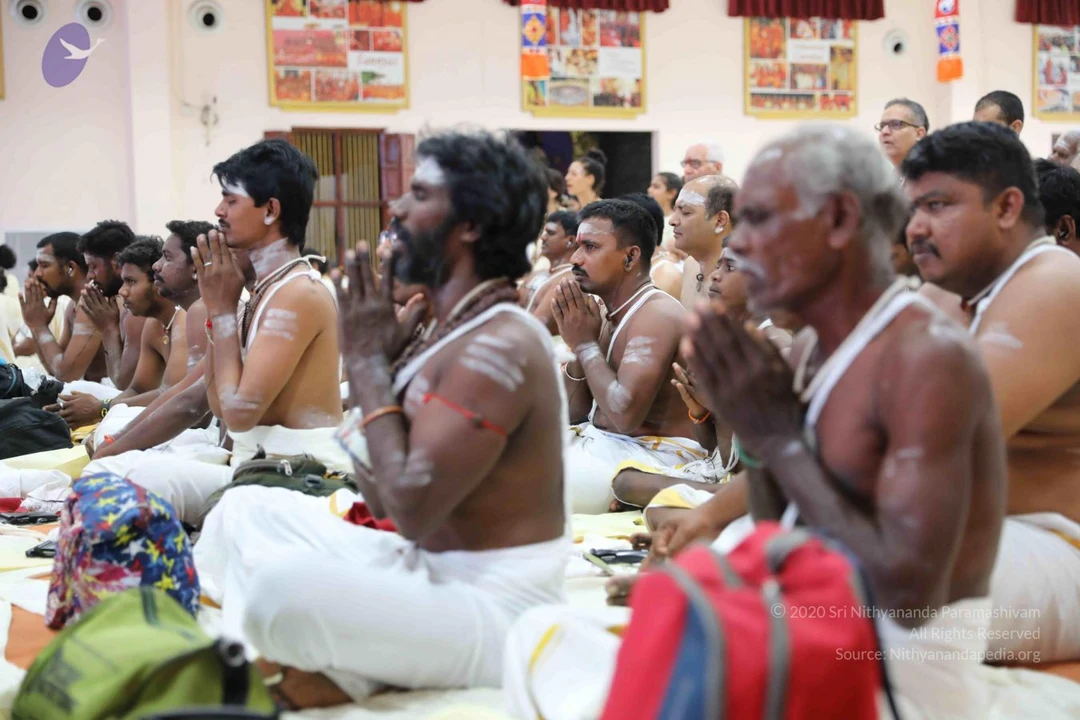
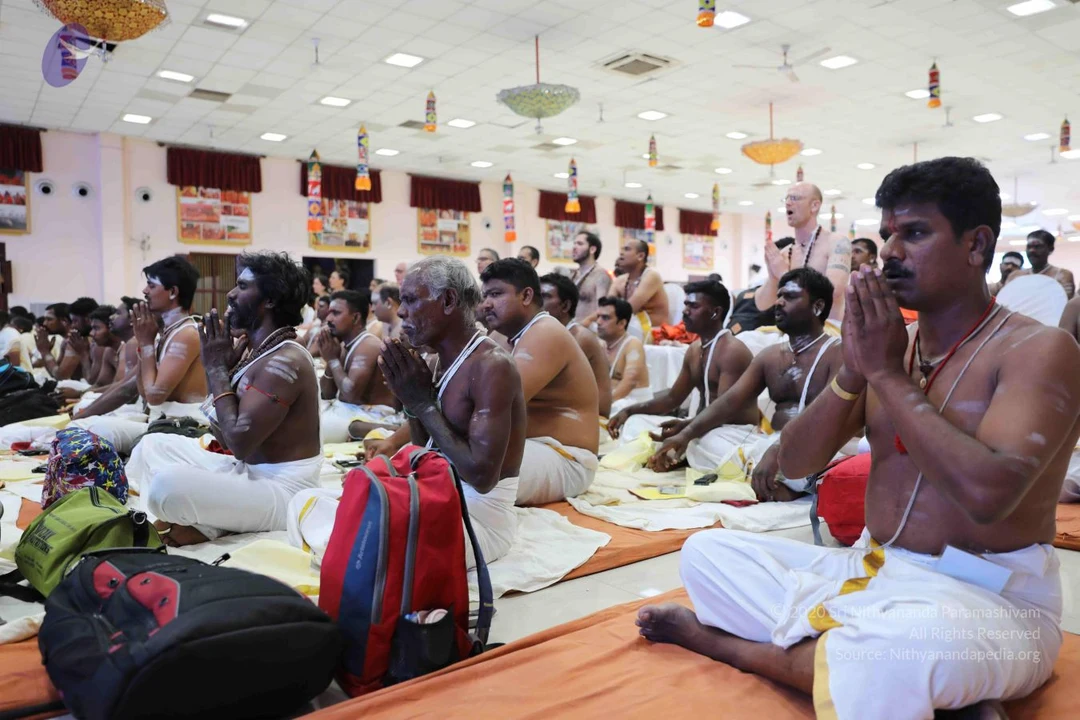
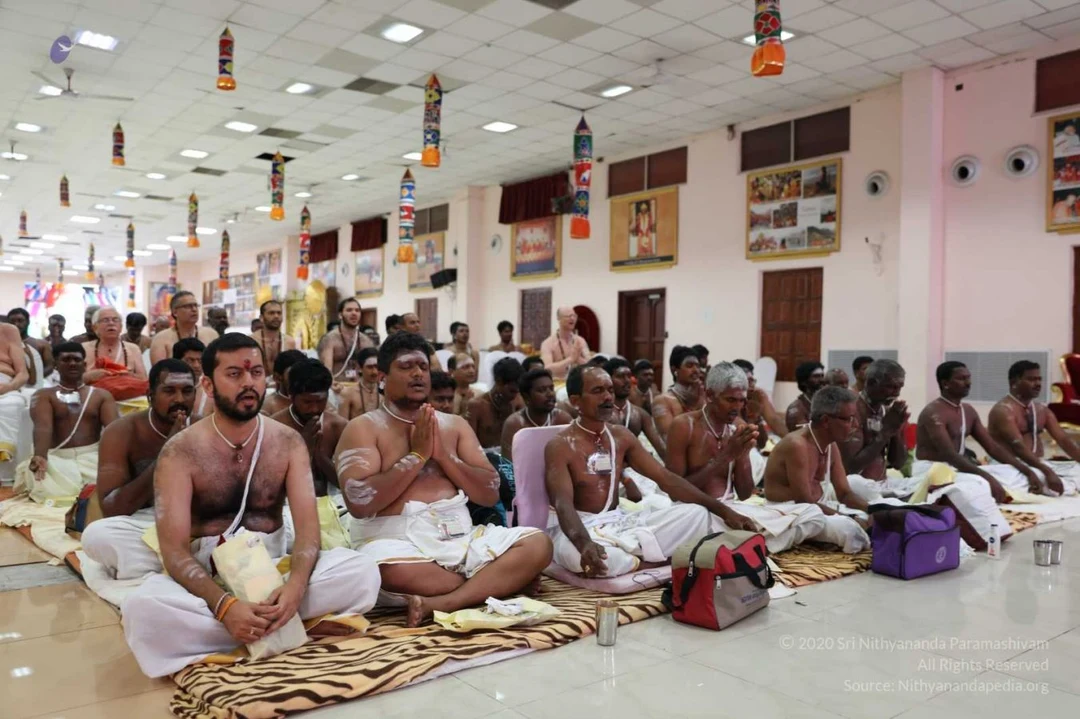 Delegates attending the Shiva deeksha Initiation
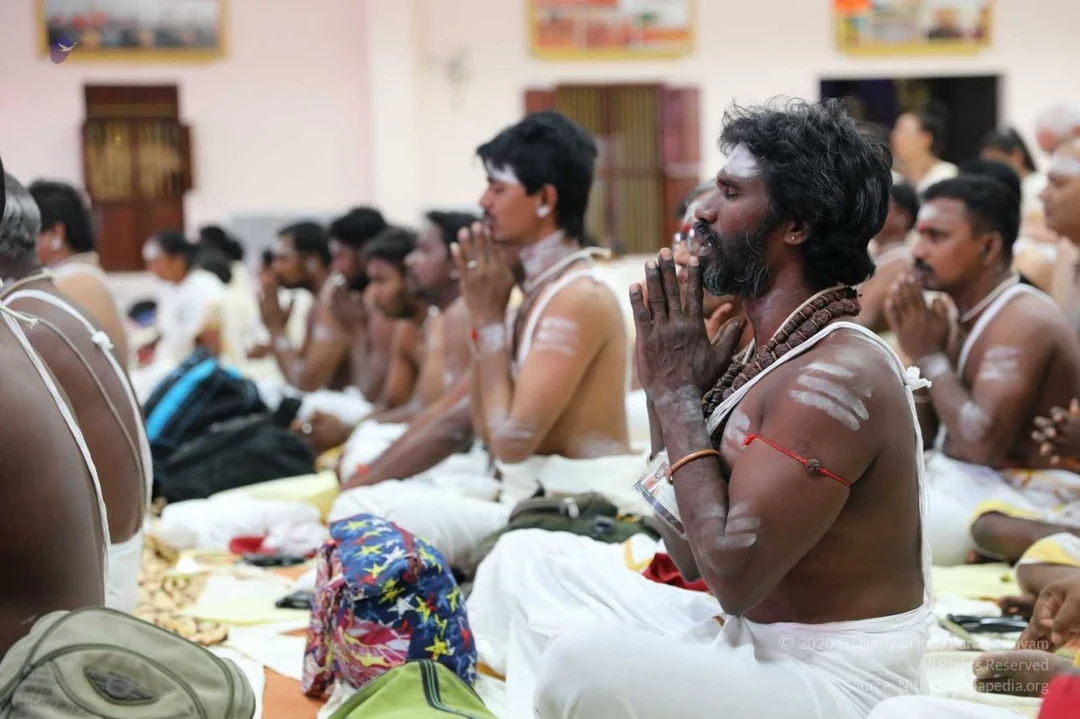 Delegates attending the Shiva deeksha Initiation
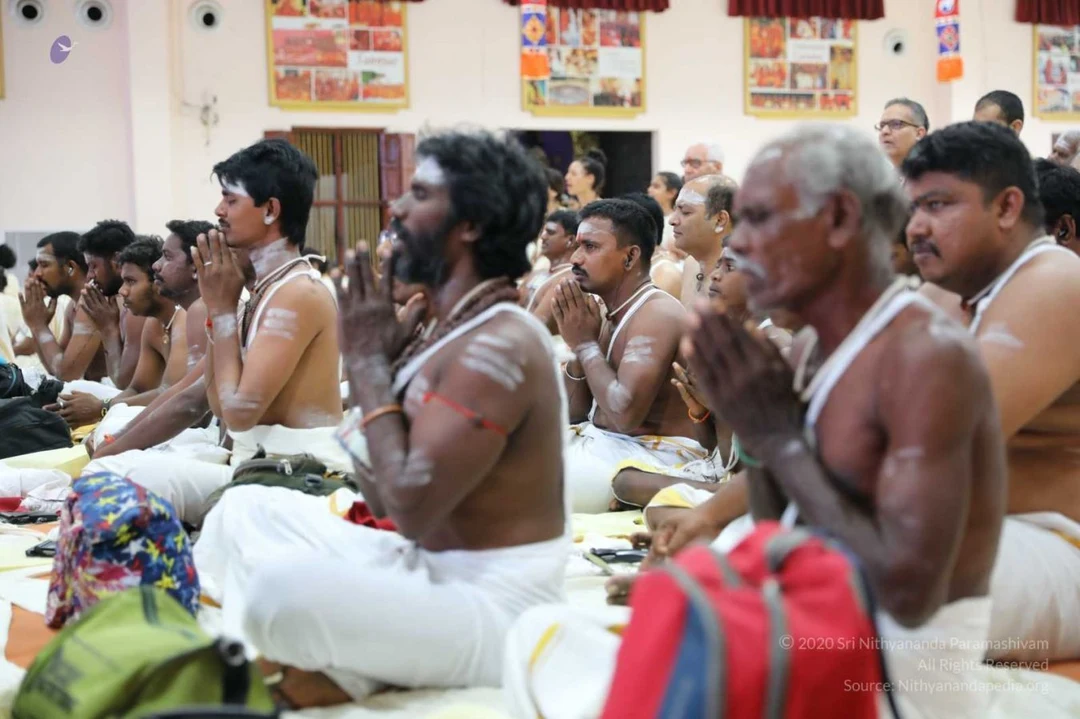 Delegates attending the Shiva deeksha Initiation
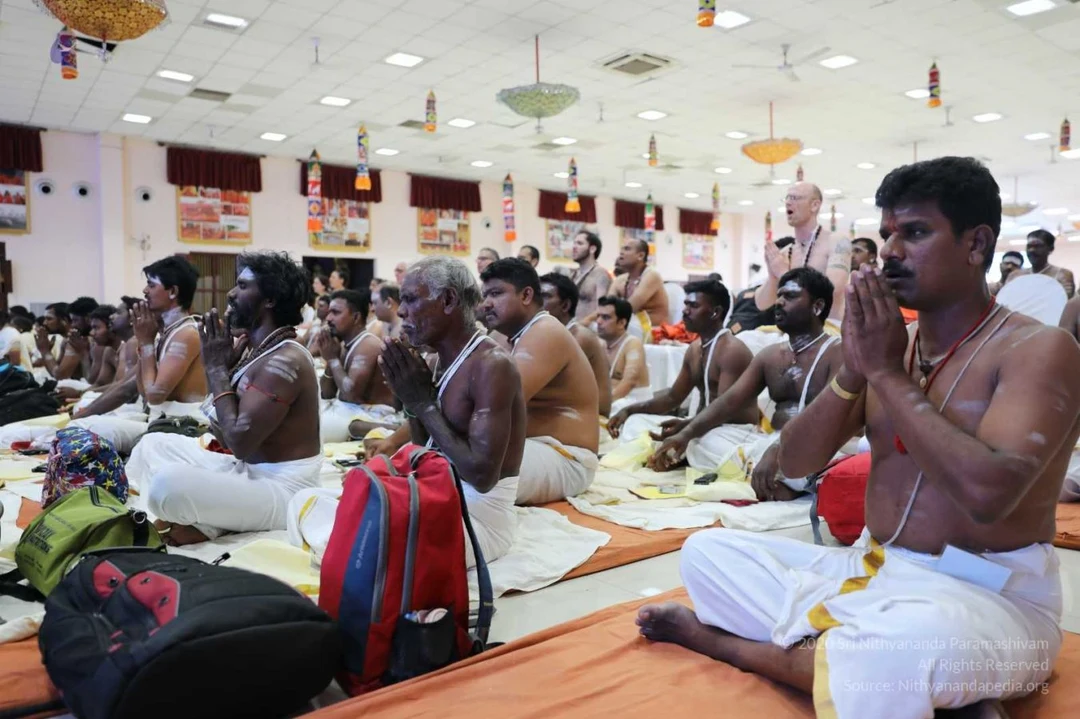 Delegates attending the Shiva deeksha Initiation
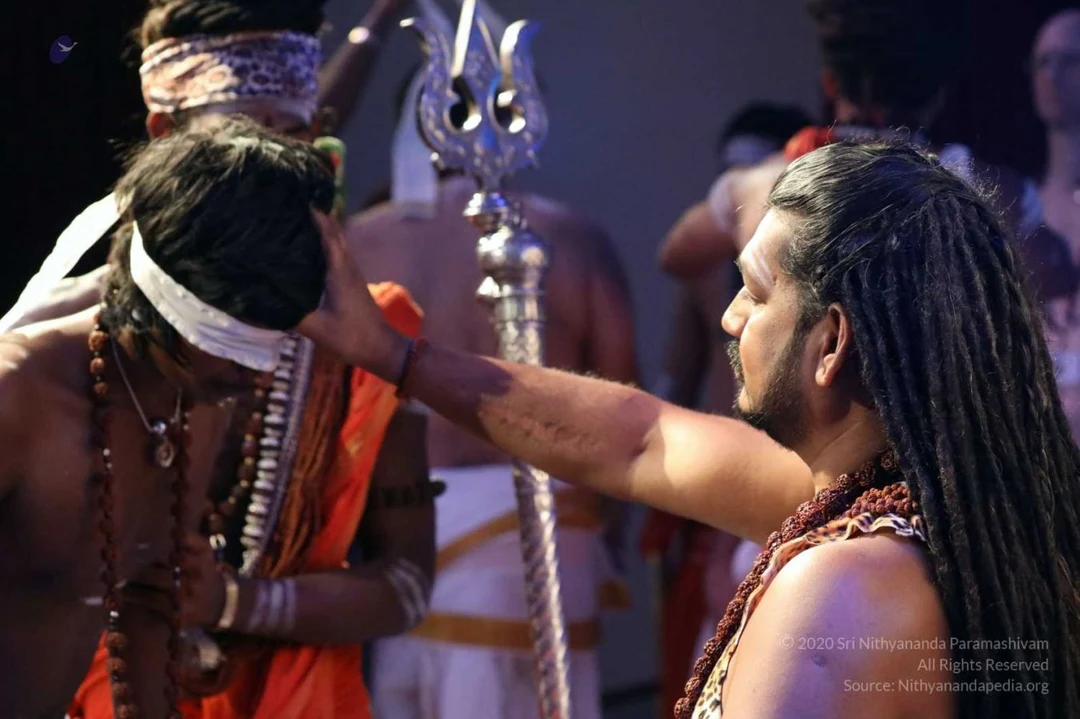 Shiva deeksha - initiation Into understanding you are Paramashiva
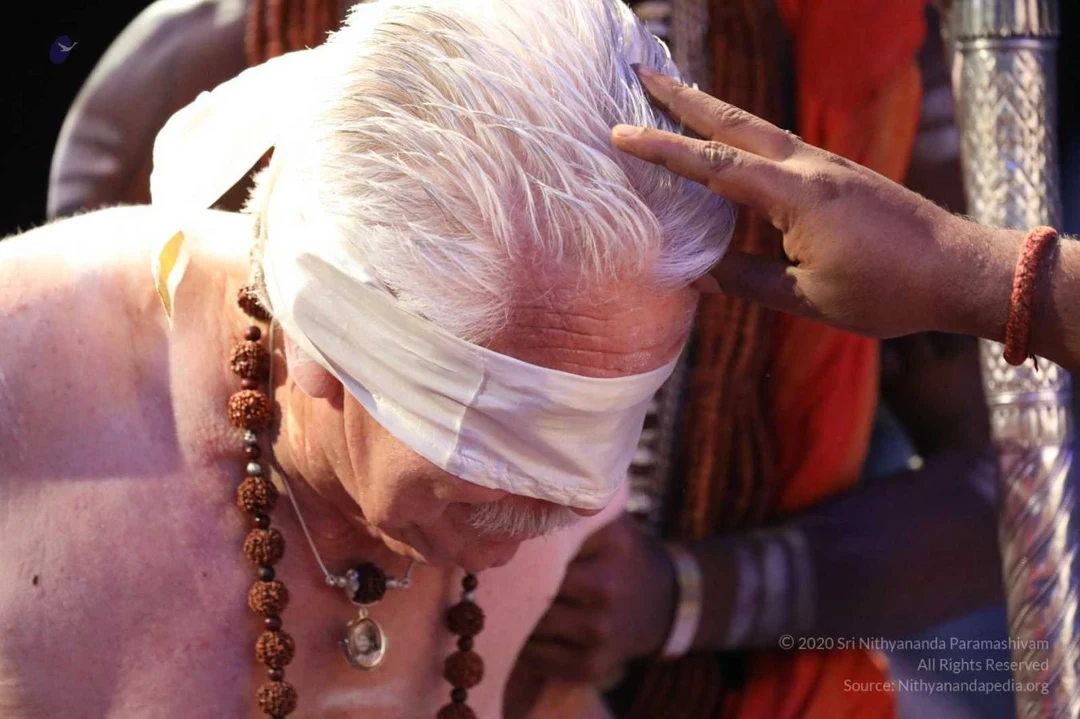 Shiva deeksha - initiation Into understanding you are Paramashiva
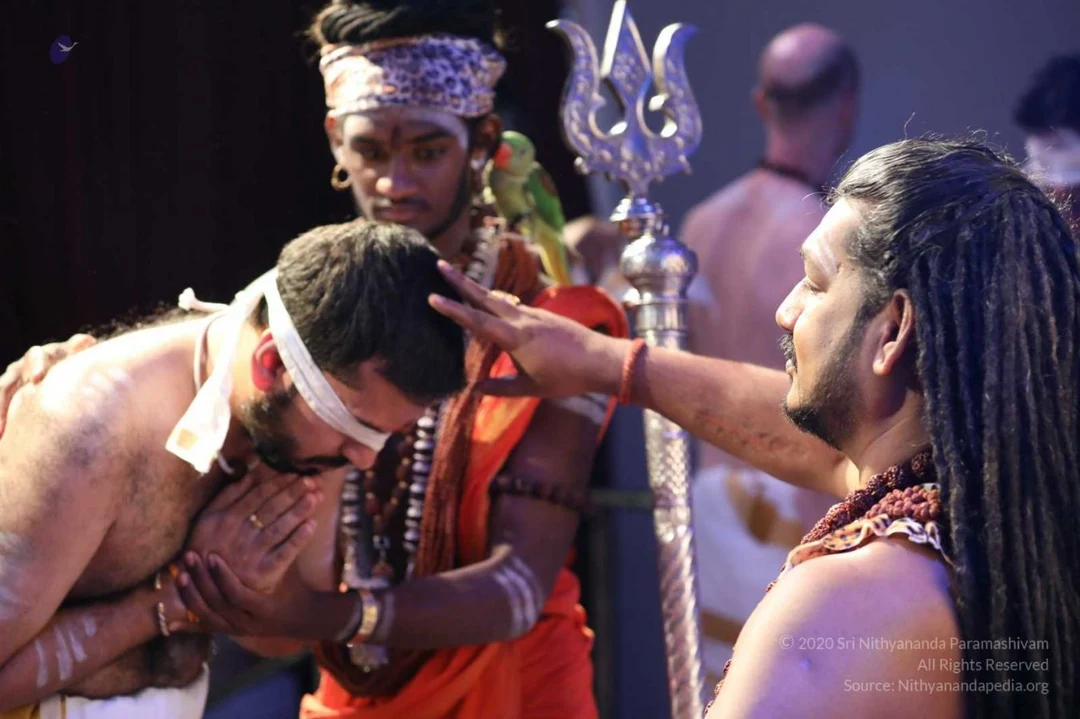 Shiva deeksha - initiation Into understanding you are Paramashiva
 Shiva deeksha - initiation Into understanding you are Paramashiva
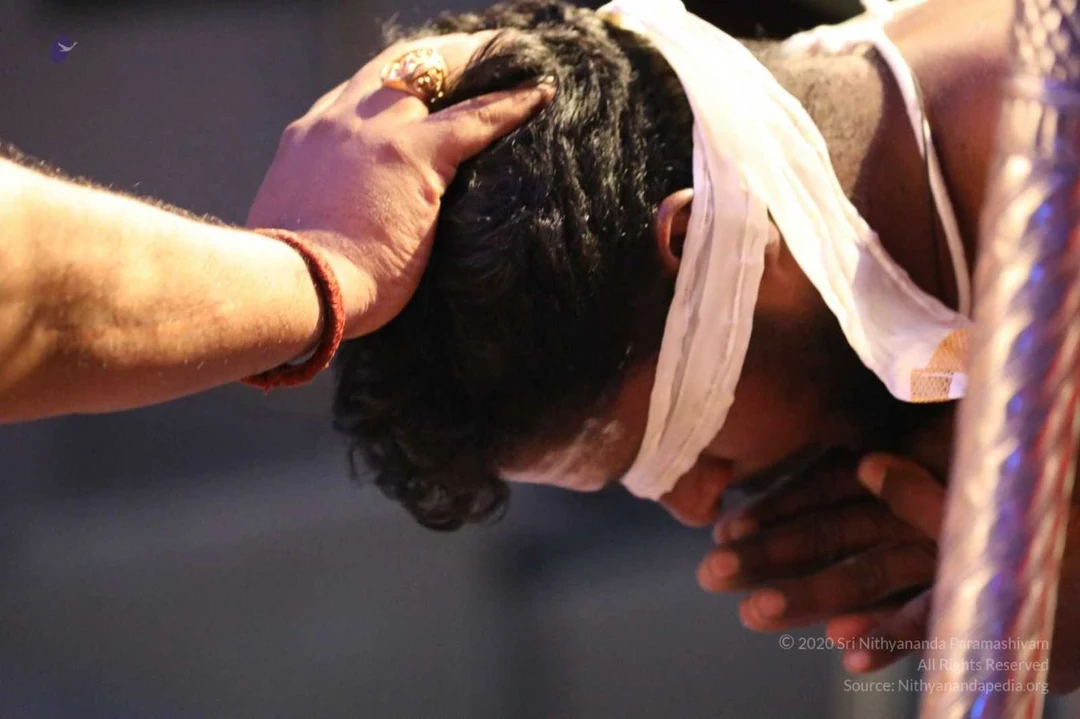 Shiva deeksha - initiation Into understanding you are Paramashiva
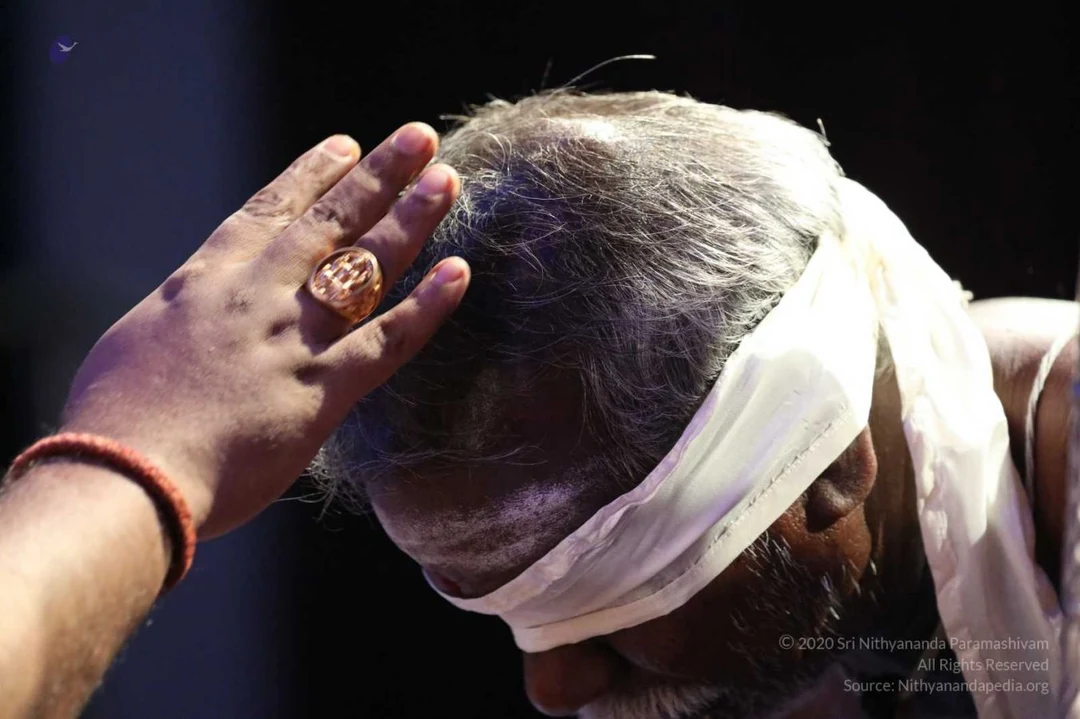 Shiva deeksha - initiation Into understanding you are Paramashiva
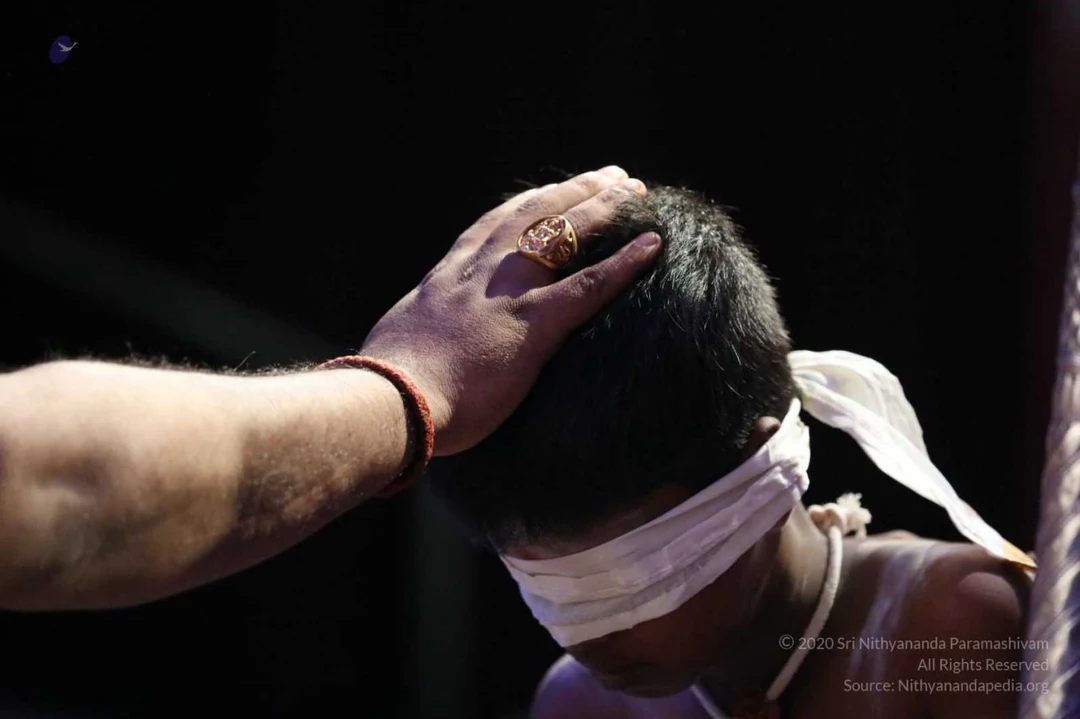 Shiva deeksha - initiation Into understanding you are Paramashiva
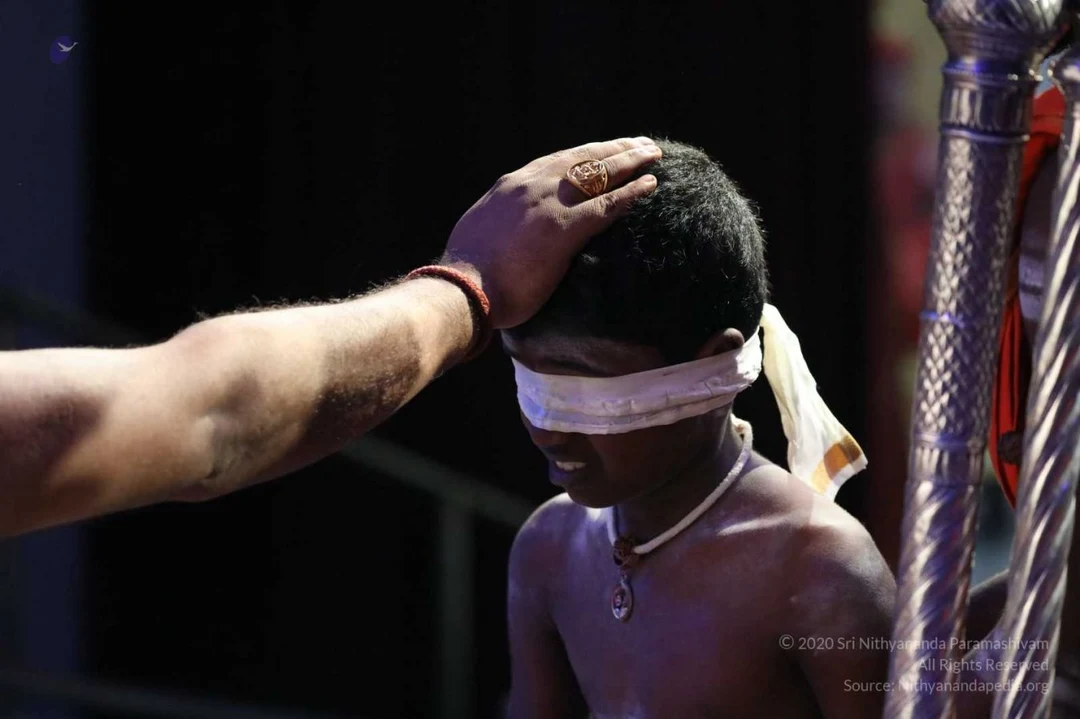 Shiva deeksha - initiation Into understanding you are Paramashiva
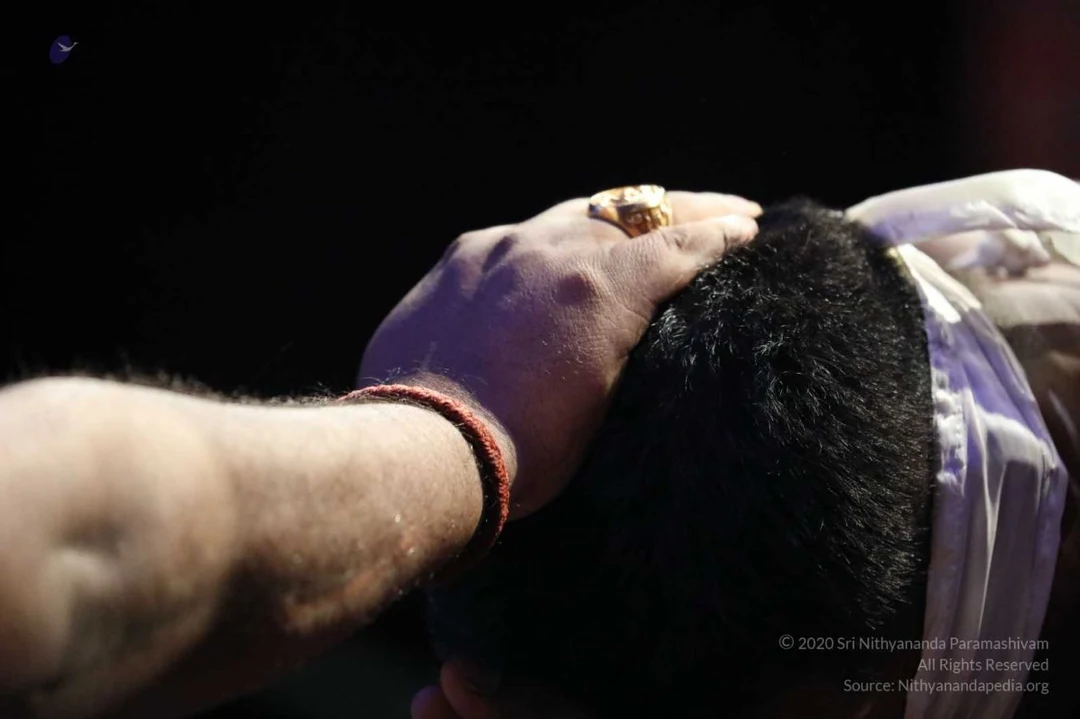 Shiva deeksha - initiation Into understanding you are Paramashiva
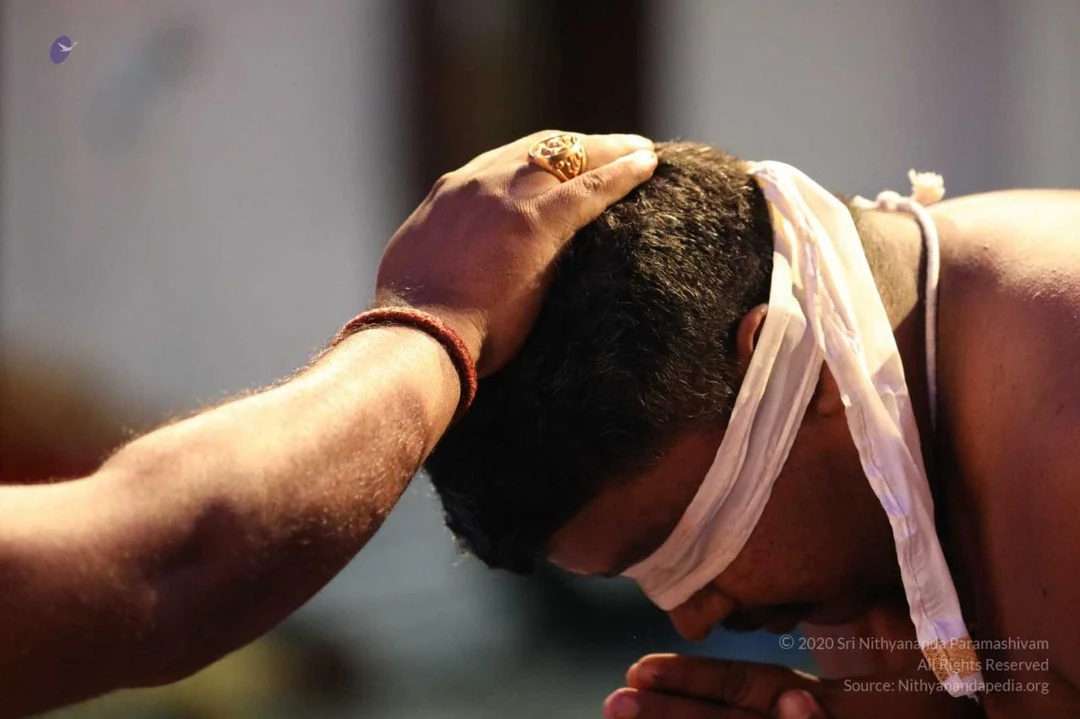 Shiva deeksha - initiation Into understanding you are Paramashiva
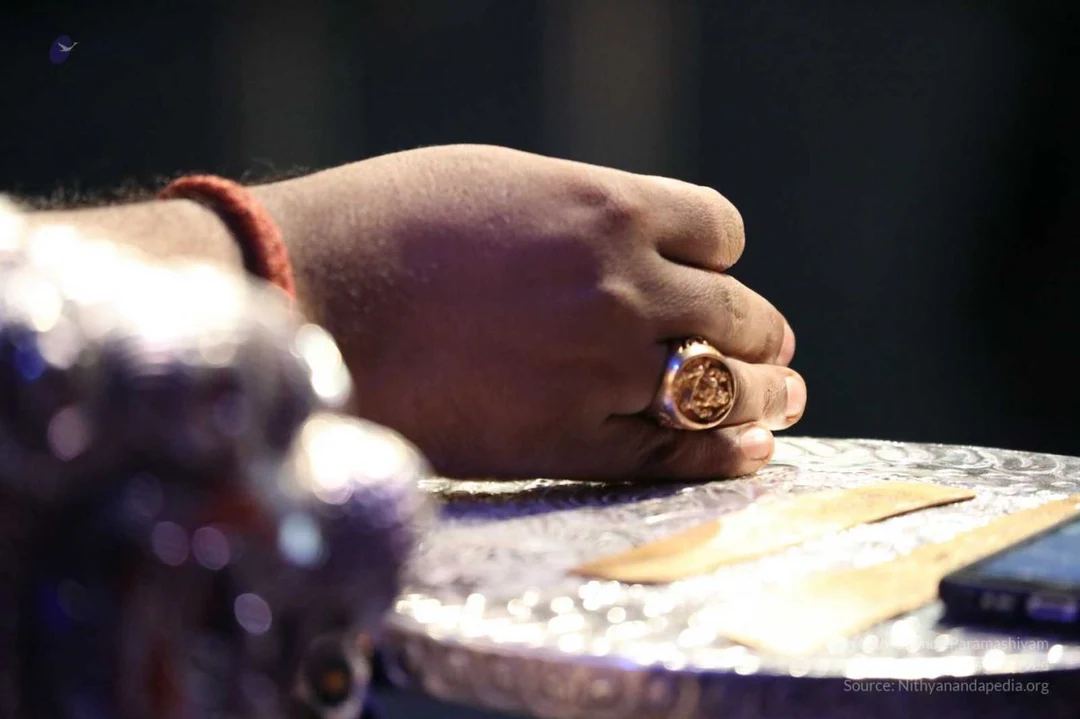 Shiva deeksha - the disciple is given access to connect with Sadashiva
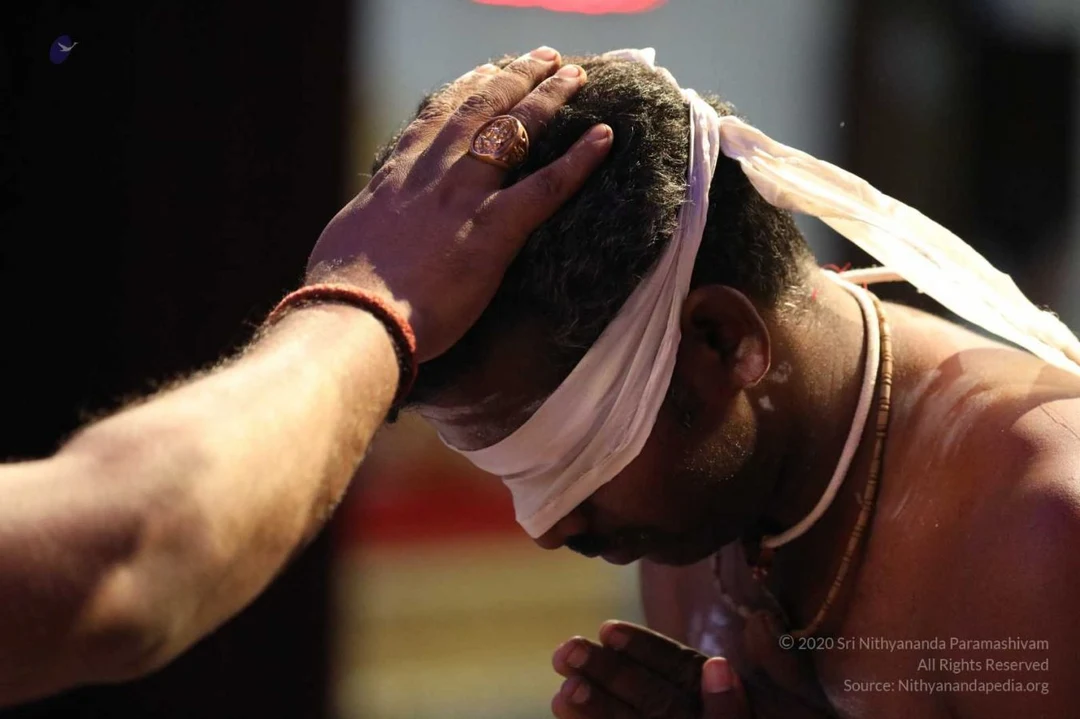 Shiva deeksha - initiation Into understanding you are Paramashiva
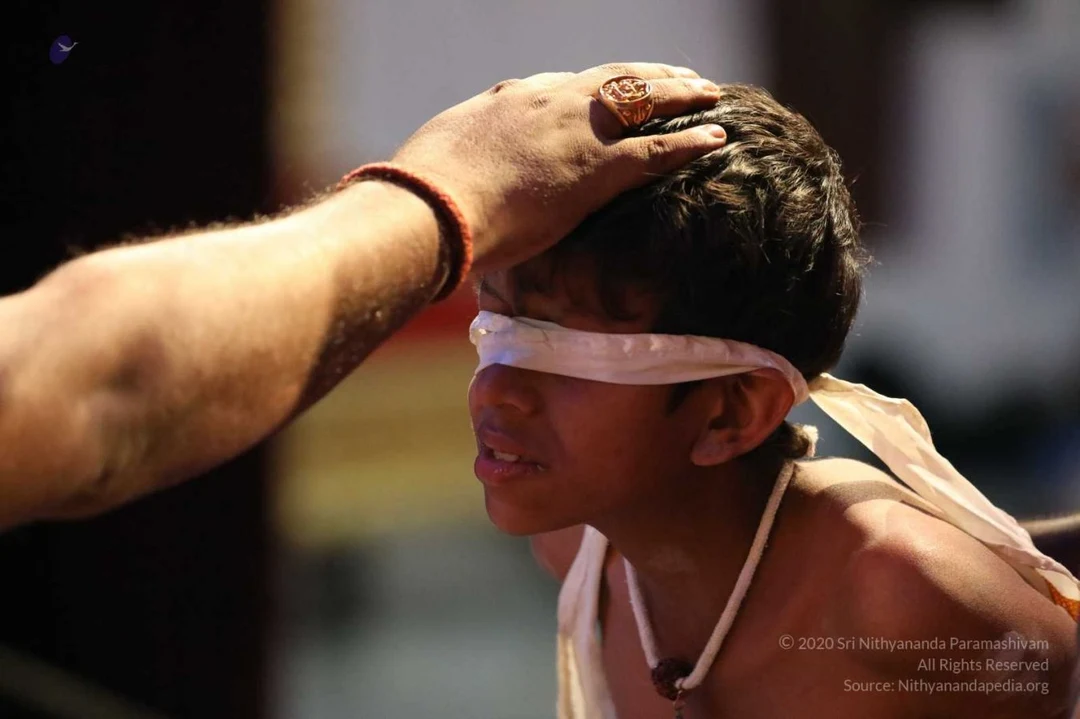 Shiva deeksha - initiation Into understanding you are Paramashiva
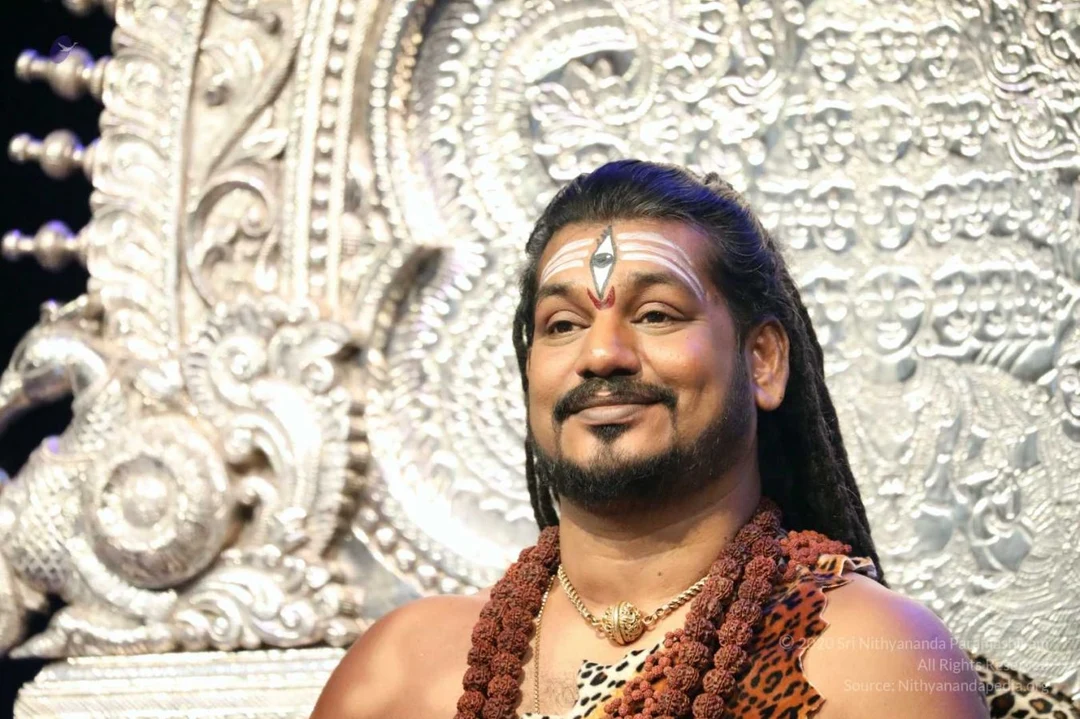 Shiva deeksha - the disciple is given access to connect with Sadashiva
 Shiva deeksha - the disciple is given access to connect with Sadashiva
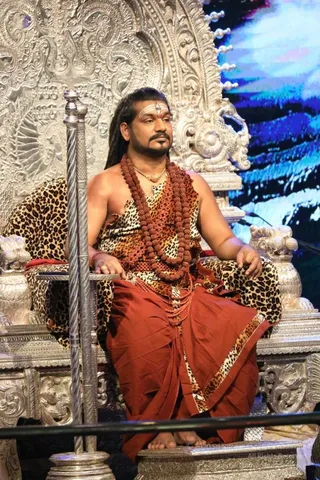 Shiva deeksha - the disciple is given access to connect with Sadashiva
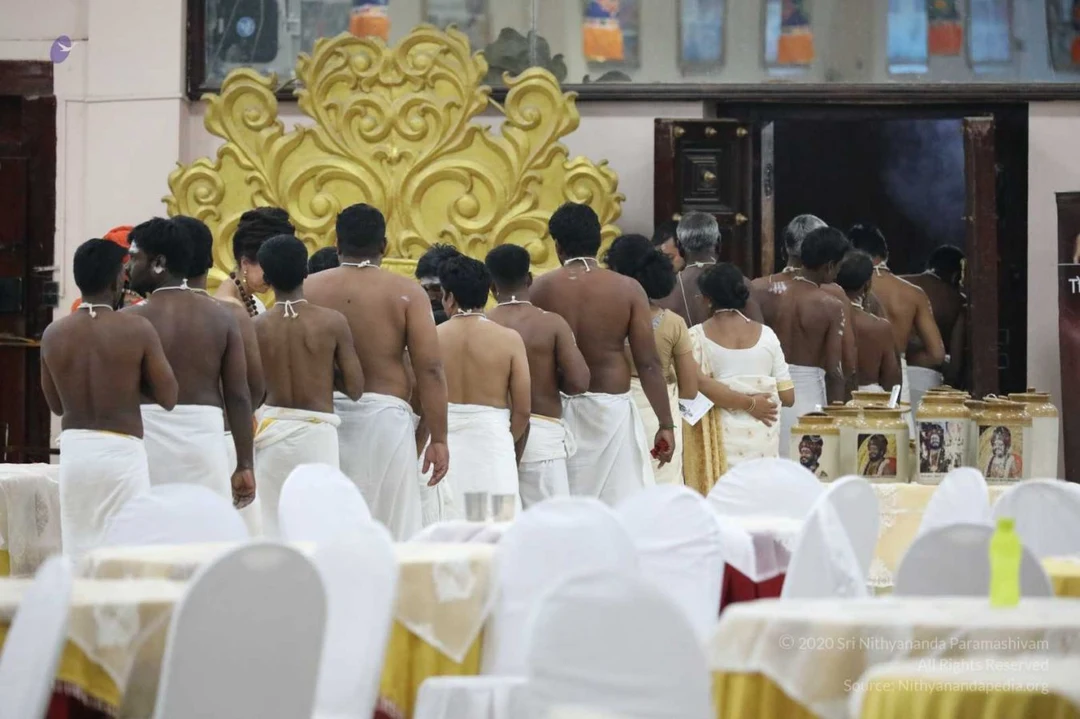 Delegates attending the Shiva deeksha Initiation
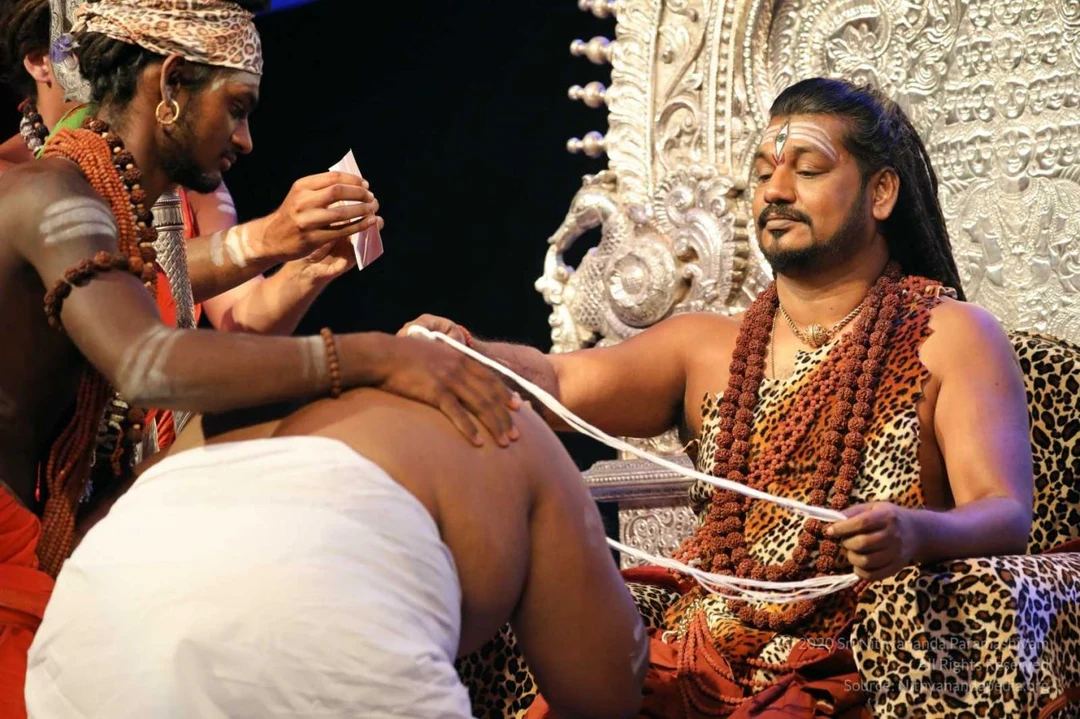 Shiva deeksha - initiation Into understanding you are Paramashiva
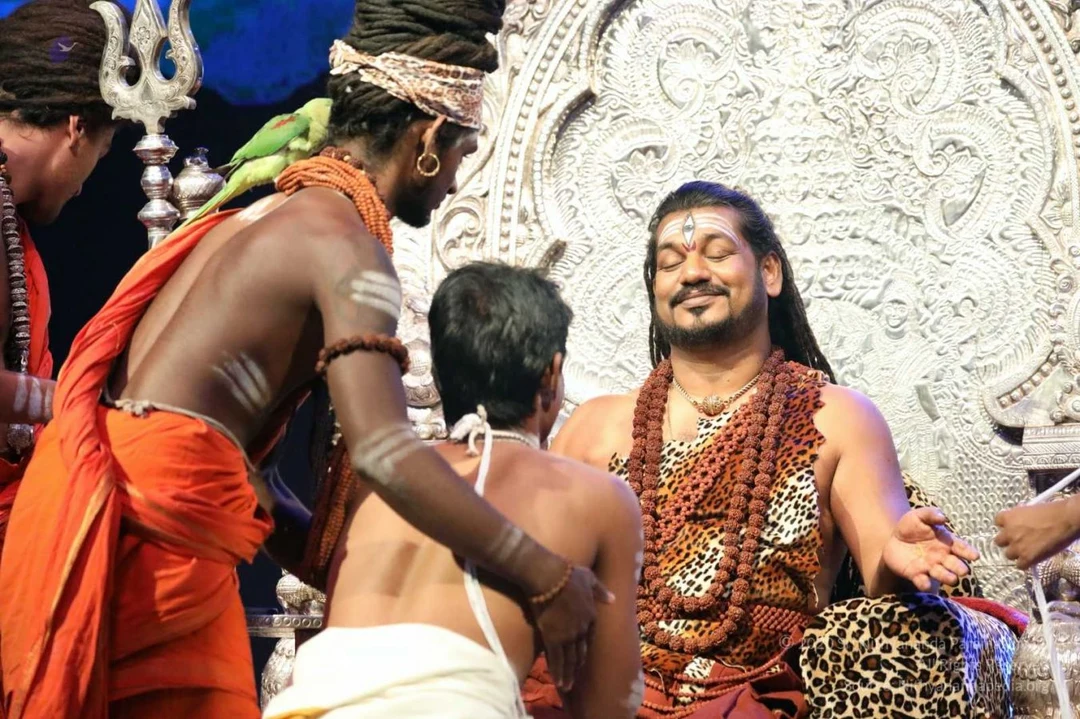 Shiva deeksha - initiation Into understanding you are Paramashiva
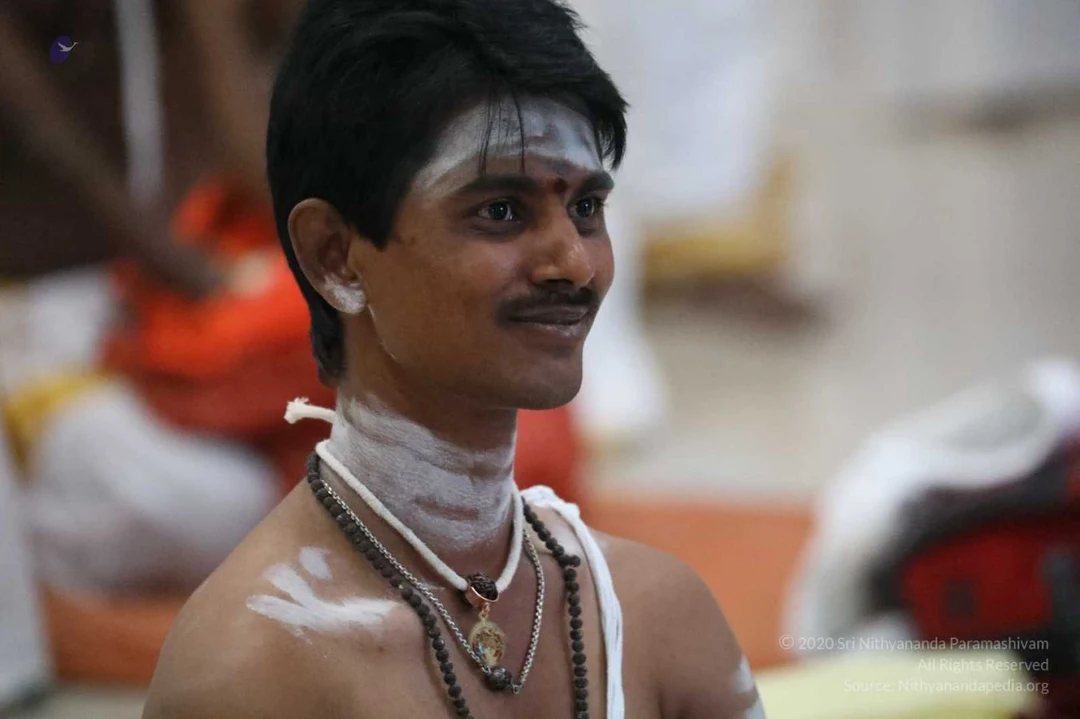 Delegate in the space of oneness with Sadashiva during Shiva deeksha Initiation
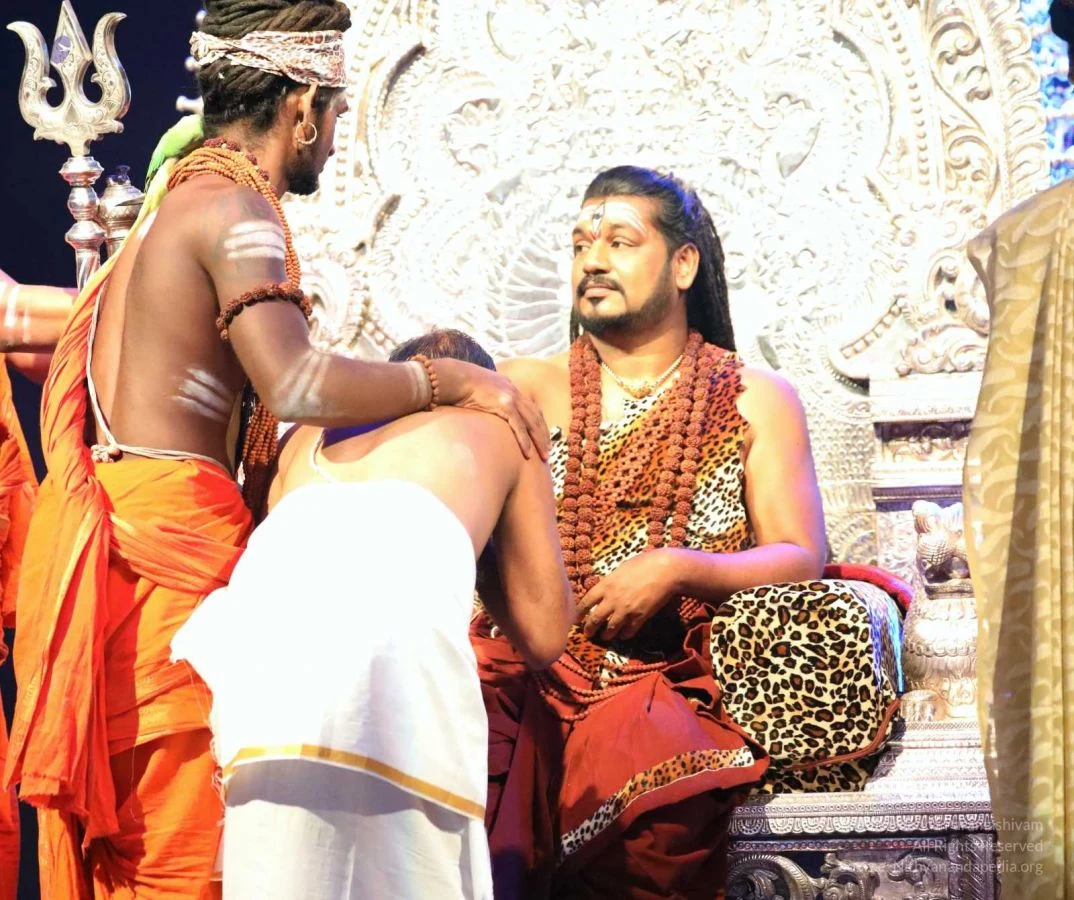 Shiva deeksha - initiation Into understanding you are Paramashiva
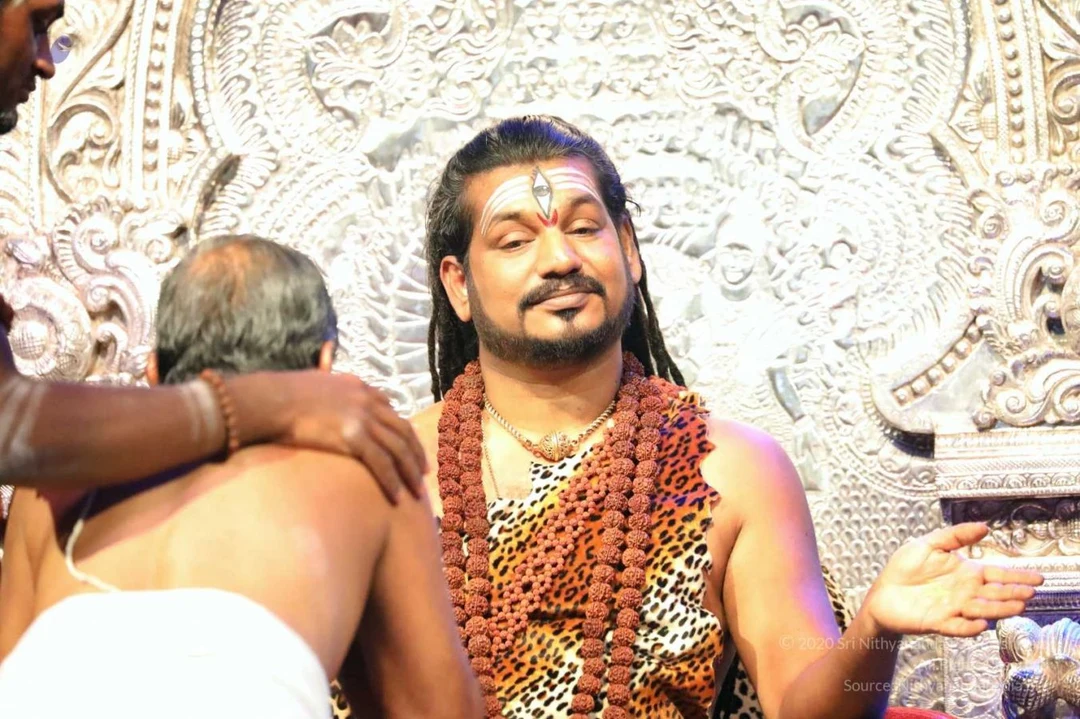 Shiva deeksha - initiation Into understanding you are Paramashiva
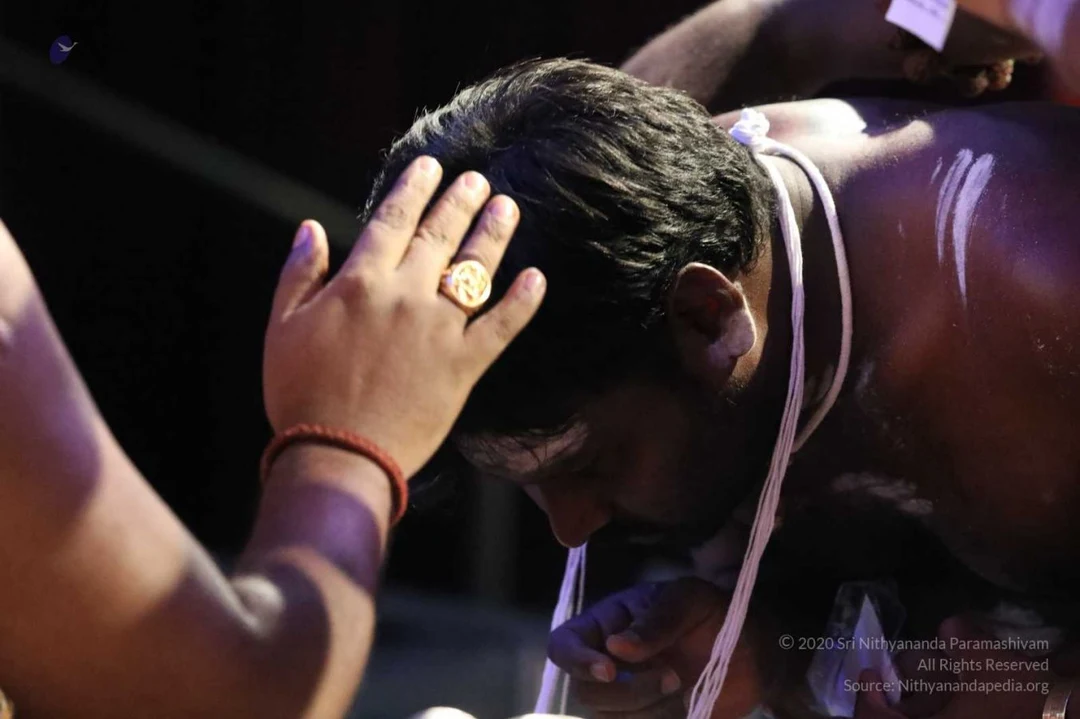 Shiva deeksha - initiation Into understanding you are Paramashiva
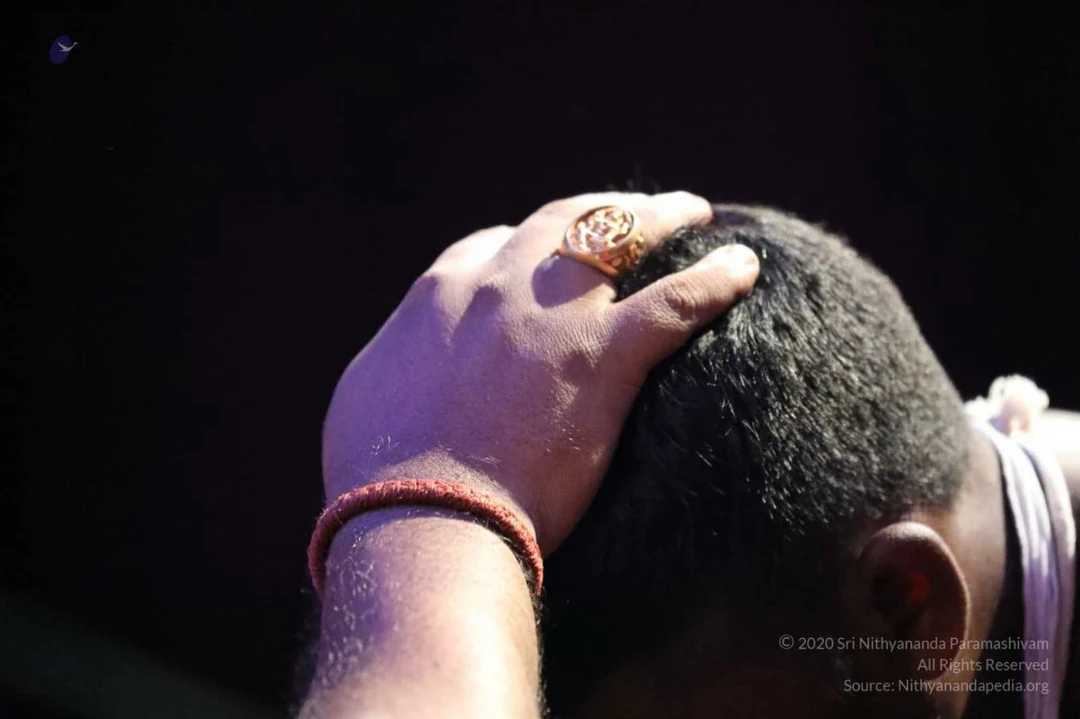 Shiva deeksha - initiation Into understanding you are Paramashiva
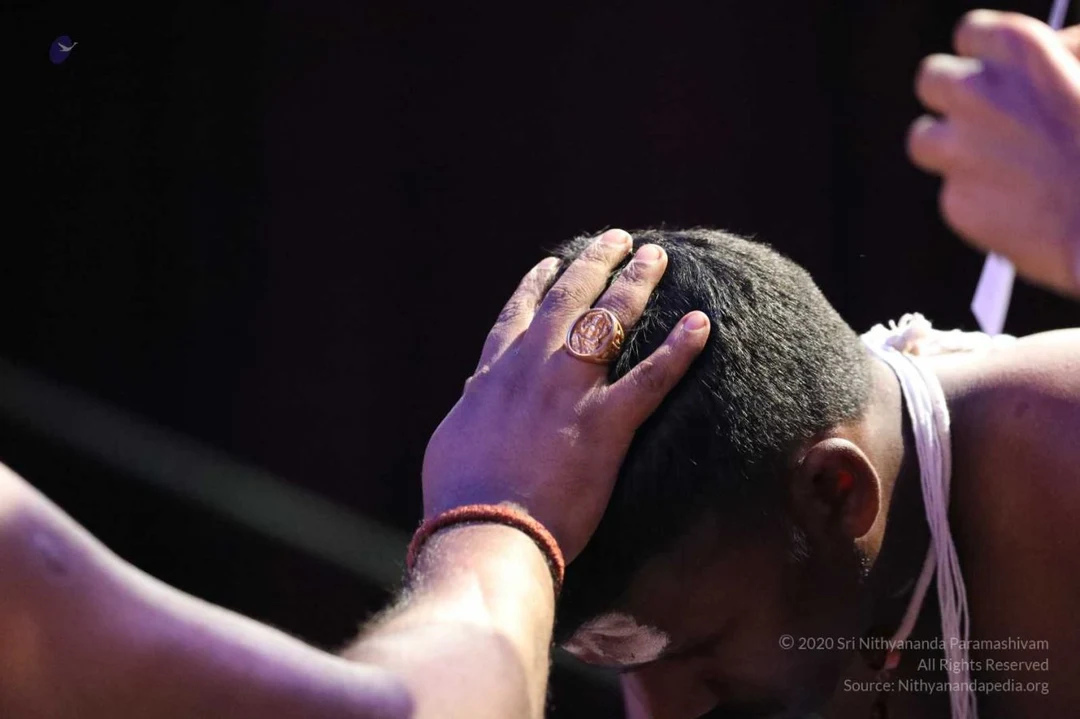 Shiva deeksha - initiation Into understanding you are Paramashiva
 Shiva deeksha - the disciple is given access to connect with Sadashiva
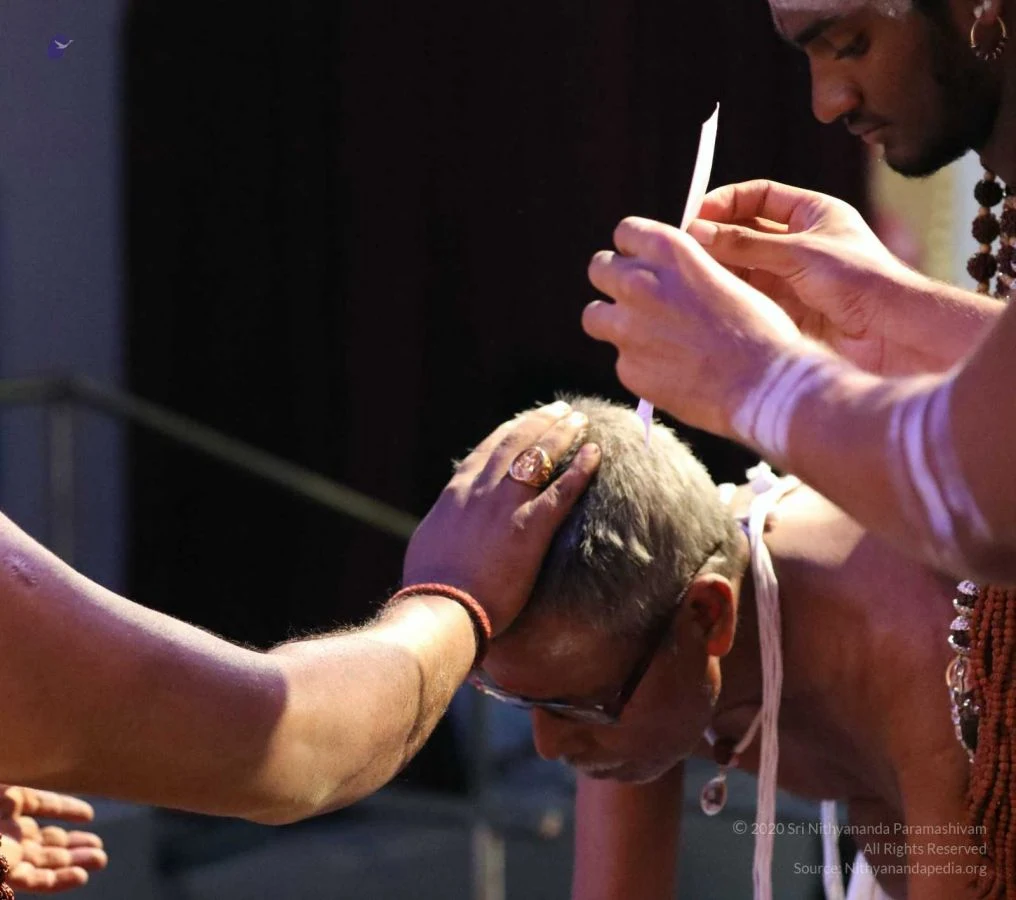 Shiva deeksha - initiation Into understanding you are Paramashiva
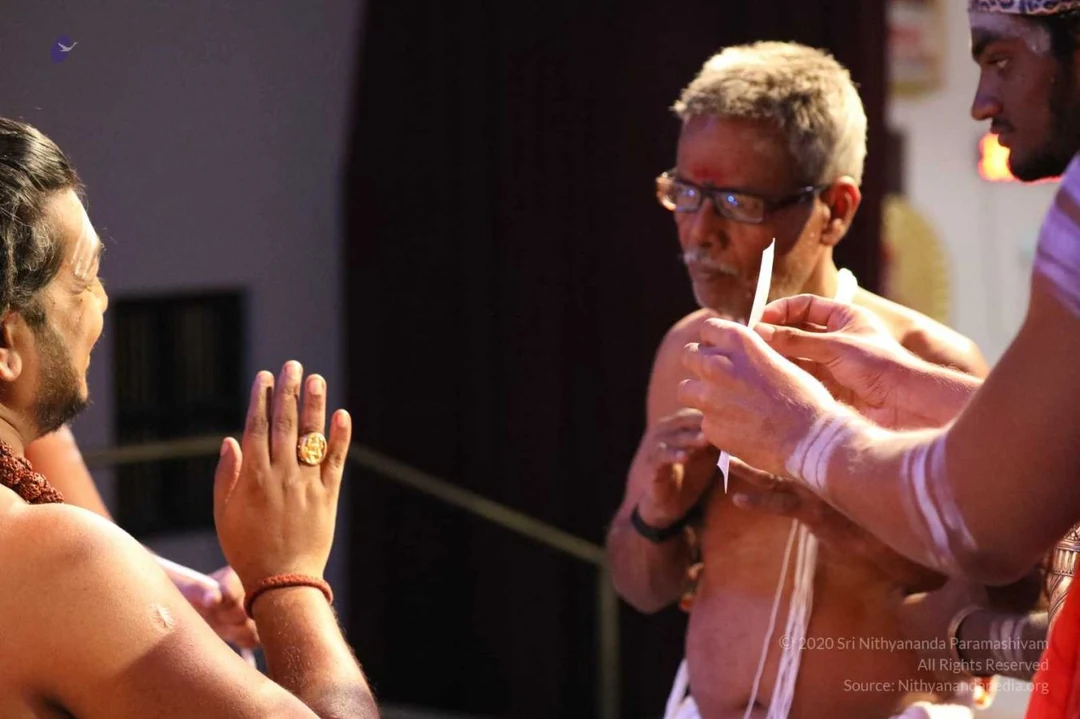 Shiva deeksha - initiation Into understanding you are Paramashiva
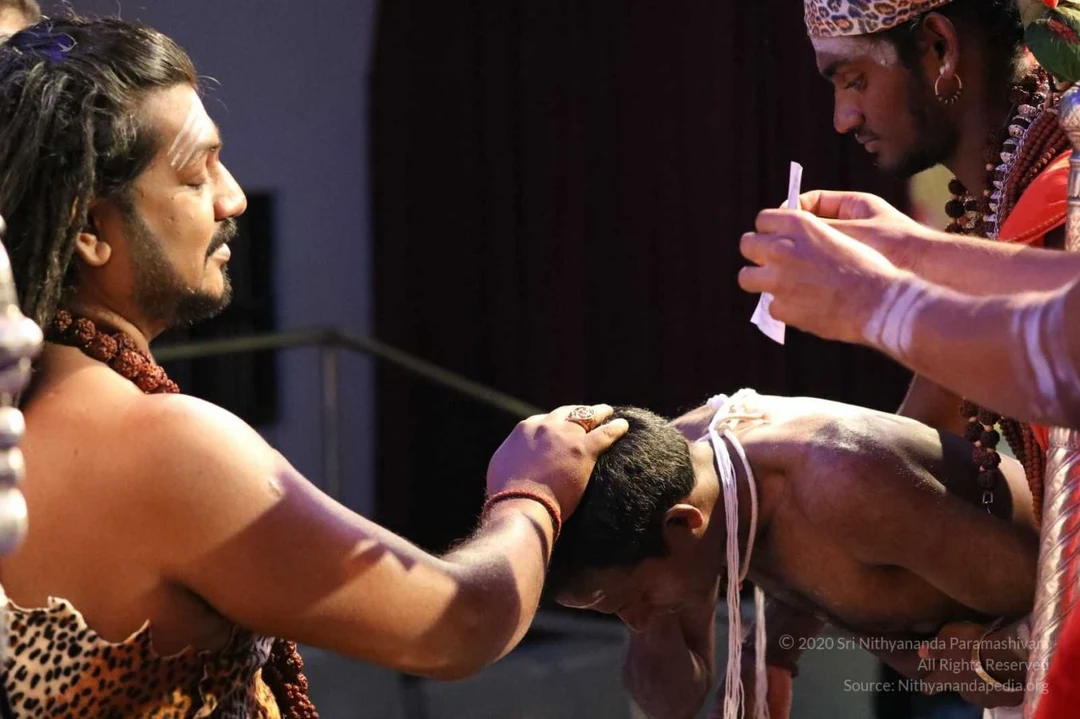 Shiva deeksha - initiation Into understanding you are Paramashiva
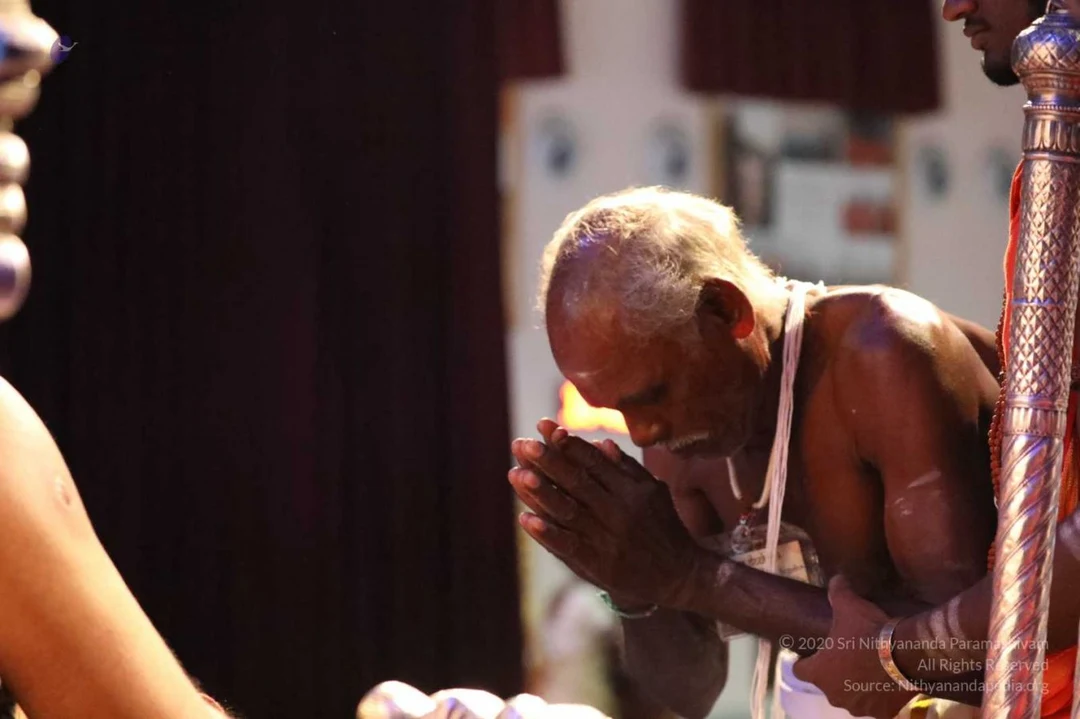 Shiva deeksha - initiation Into understanding you are Paramashiva
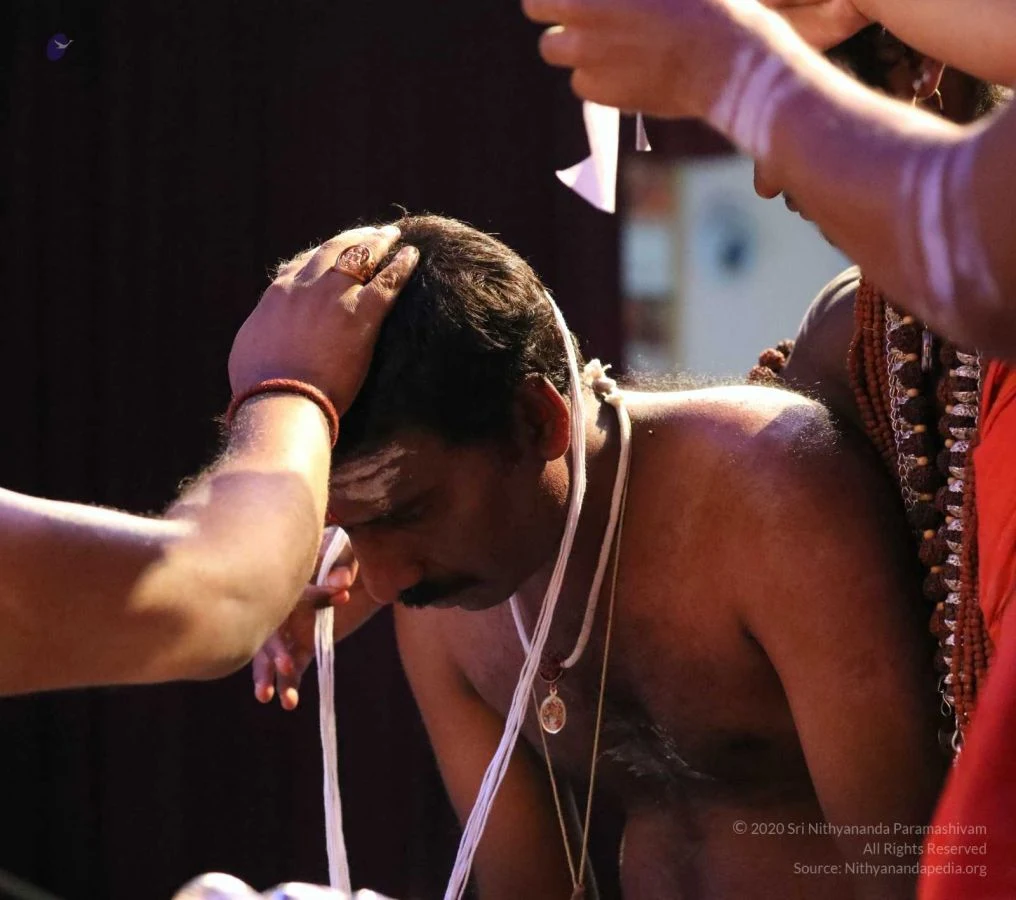 Shiva deeksha - initiation Into understanding you are Paramashiva
 Shiva deeksha - initiation Into understanding you are Paramashiva
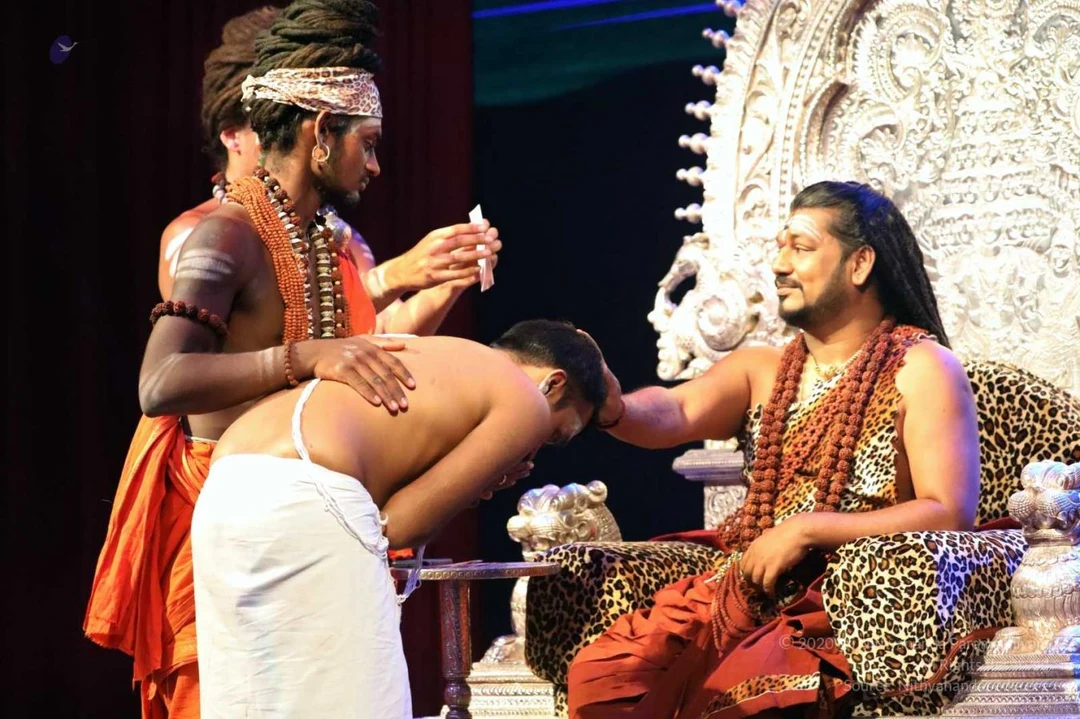 Shiva deeksha - initiation Into understanding you are Paramashiva
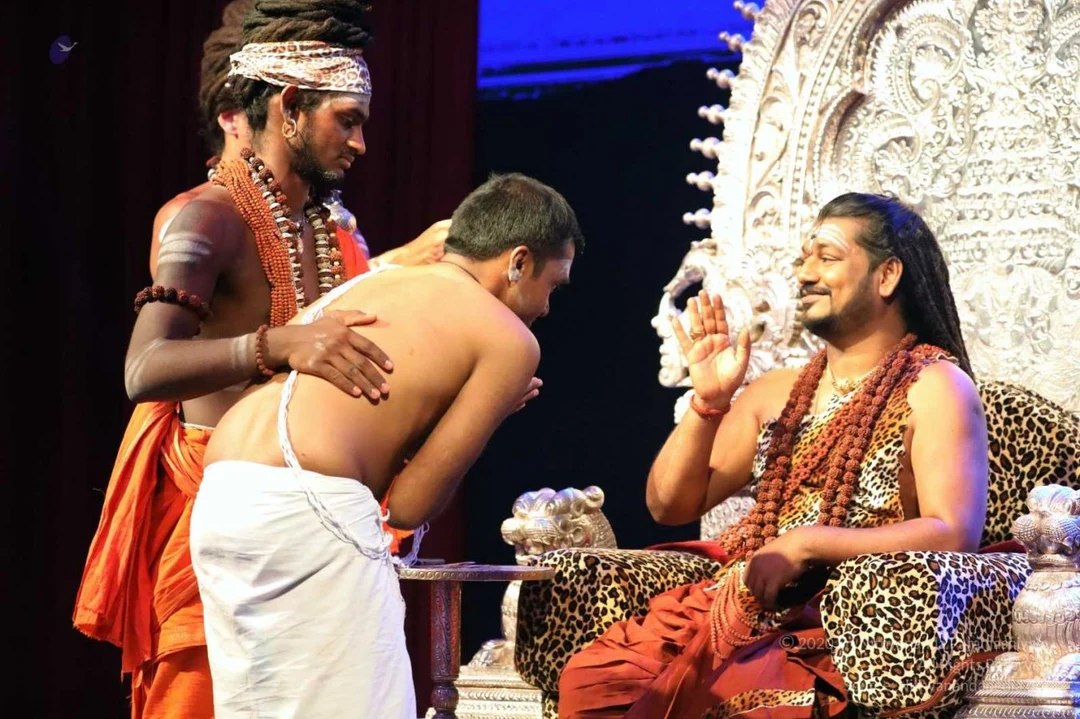 Shiva deeksha - initiation Into understanding you are Paramashiva
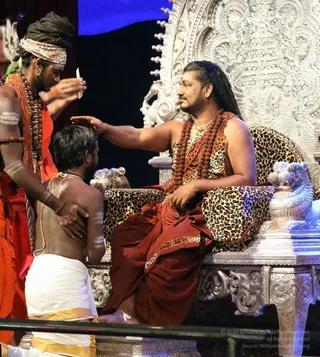 Shiva deeksha - initiation Into understanding you are Paramashiva
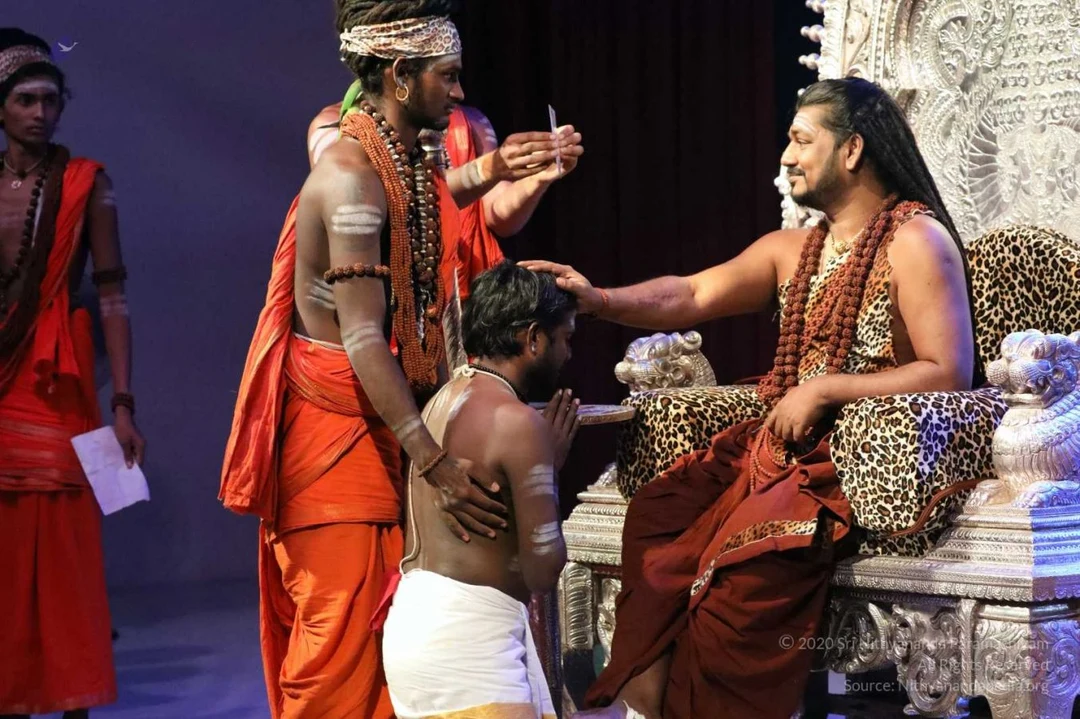 Shiva deeksha - initiation Into understanding you are Paramashiva
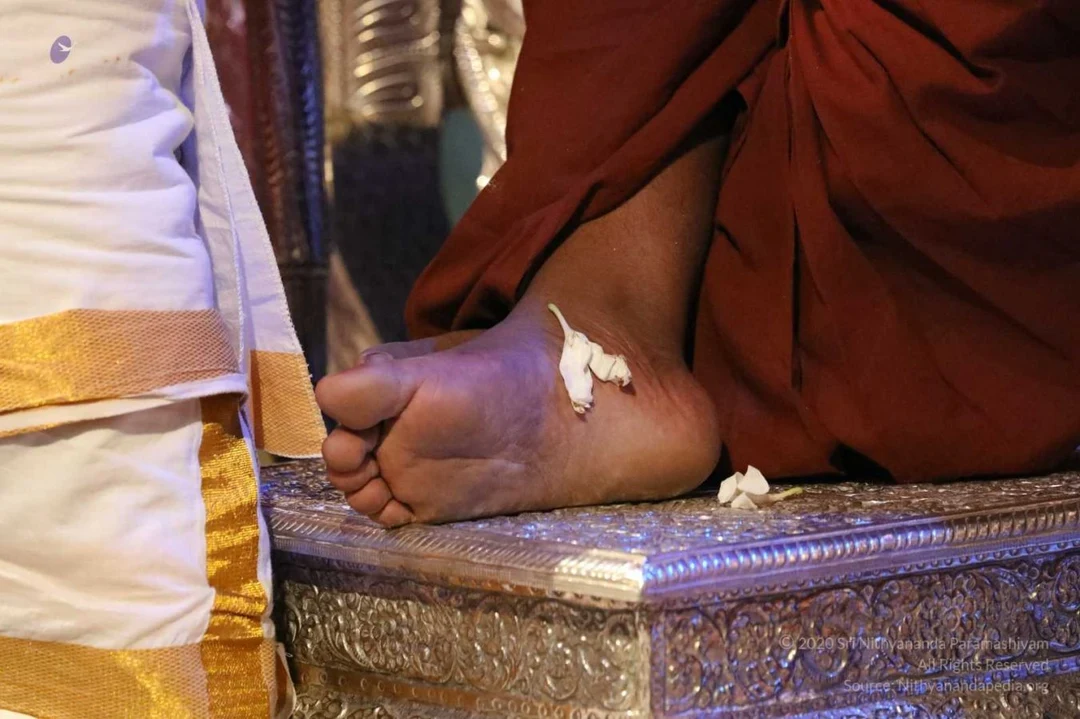 Divine lotus feet of HDH Nithyananda Paramashivam
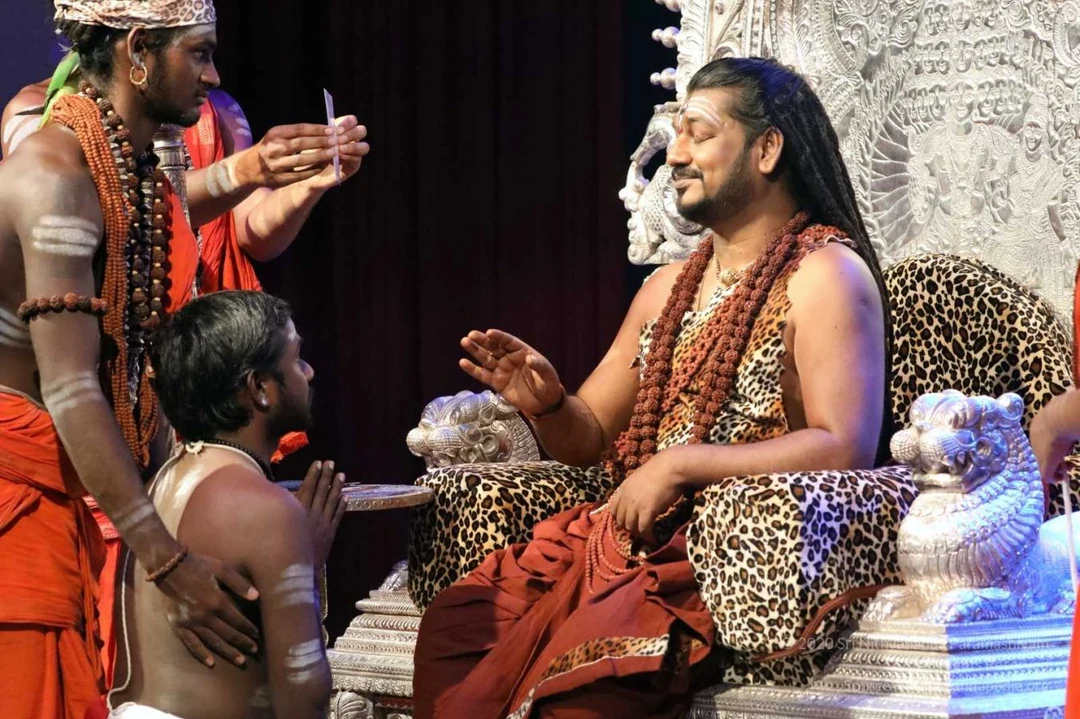 Shiva deeksha - the disciple is given access to connect with Sadashiva
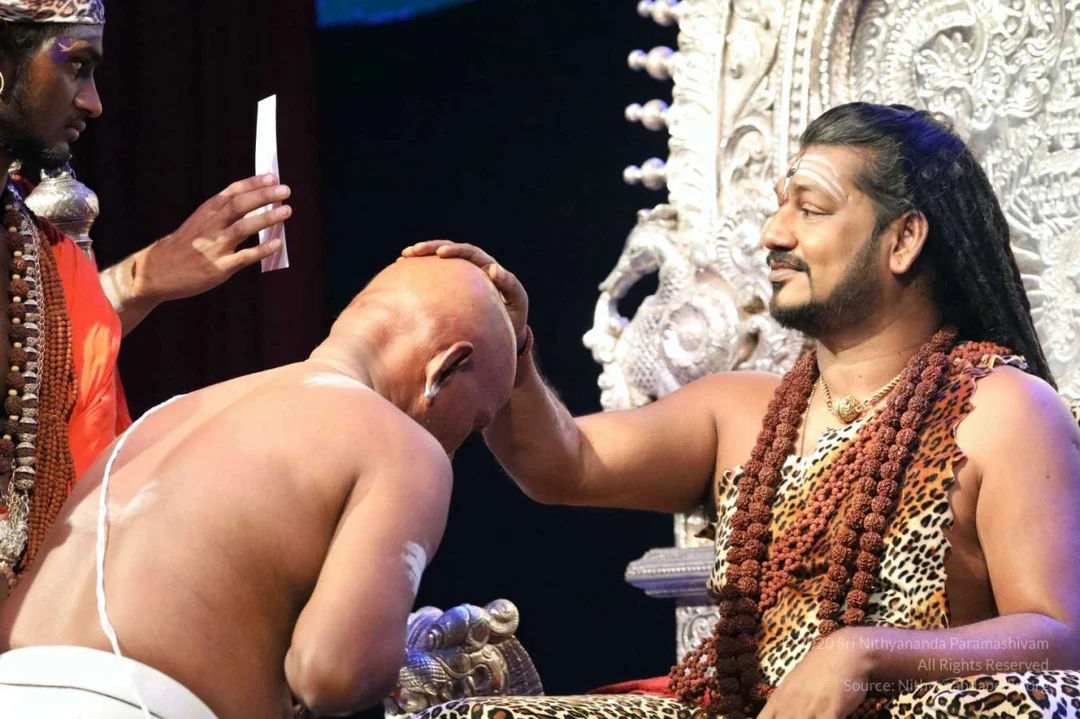 Shiva deeksha - the disciple is given access to connect with Sadashiva
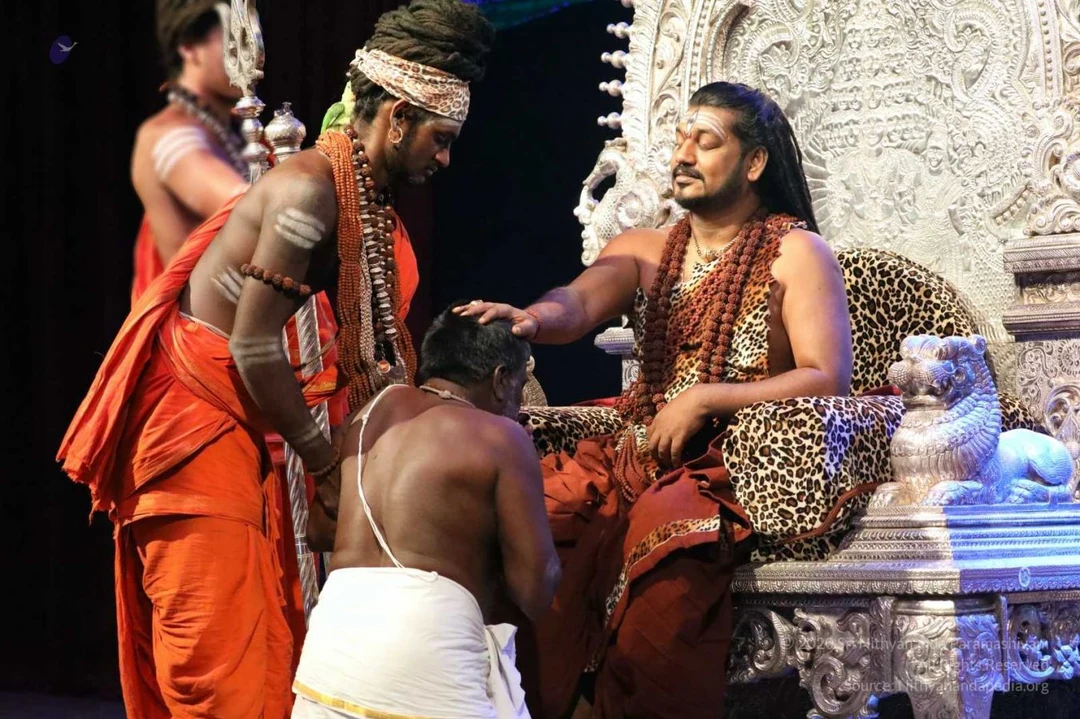 Shiva deeksha - the disciple is given access to connect with Sadashiva
 Shiva deeksha - the disciple is given access to connect with Sadashiva
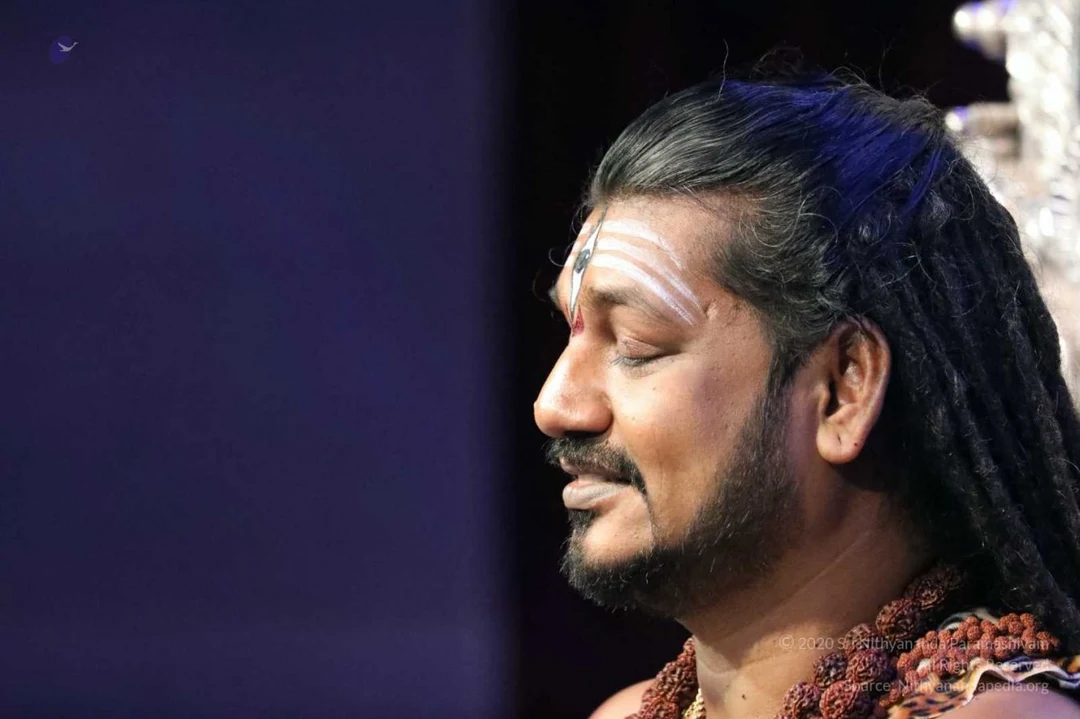 Shiva deeksha - the disciple is given access to connect with Sadashiva
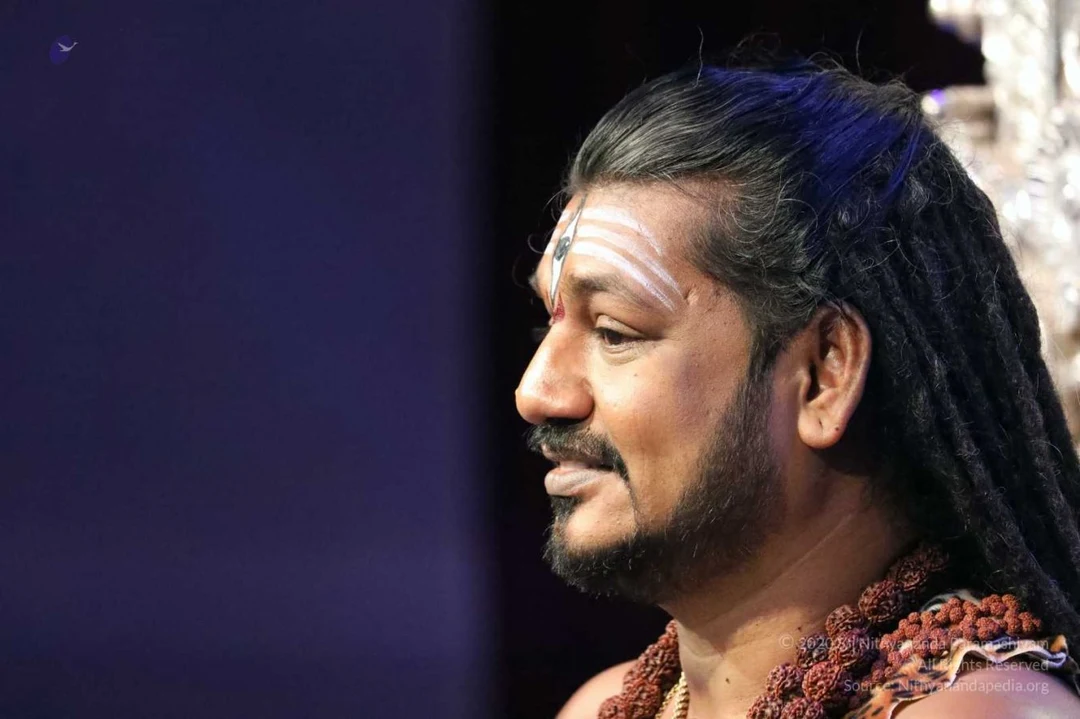 Shiva deeksha - the disciple is given access to connect with Sadashiva
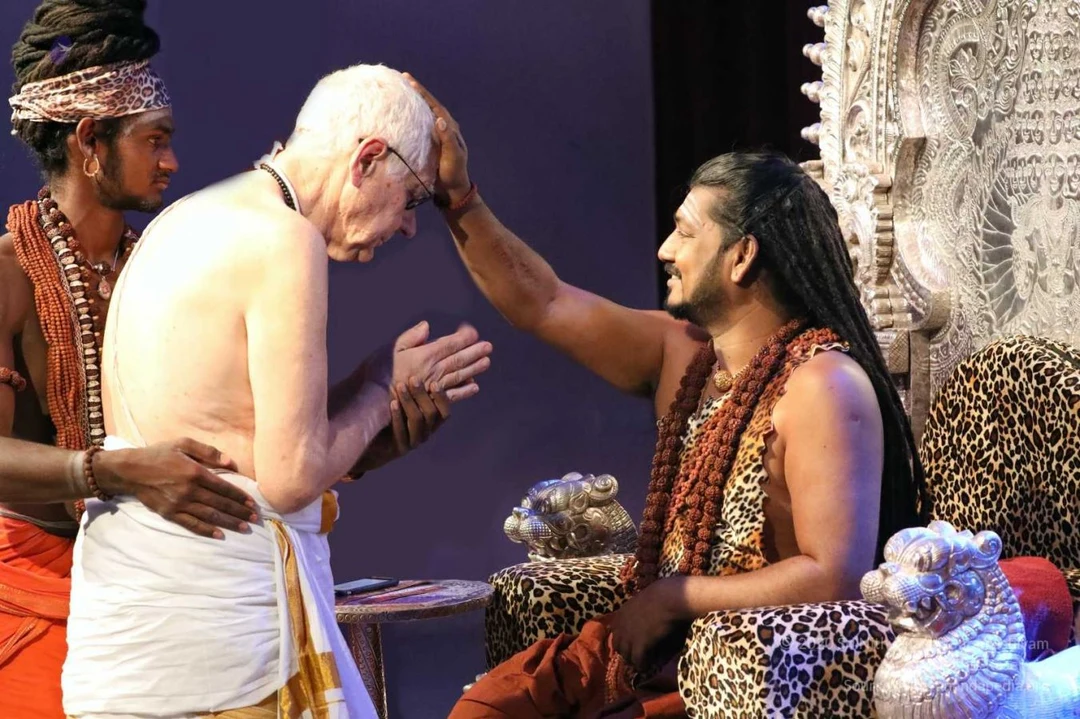 Shiva deeksha - the disciple is given access to connect with Sadashiva
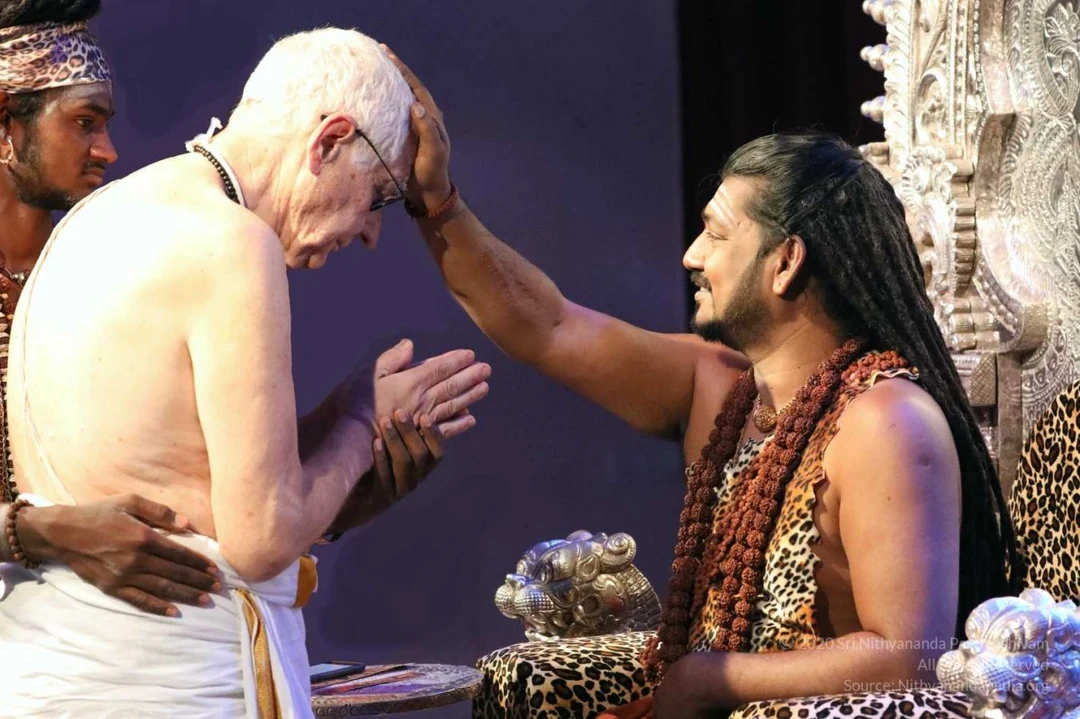 Shiva deeksha - the disciple is given access to connect with Sadashiva
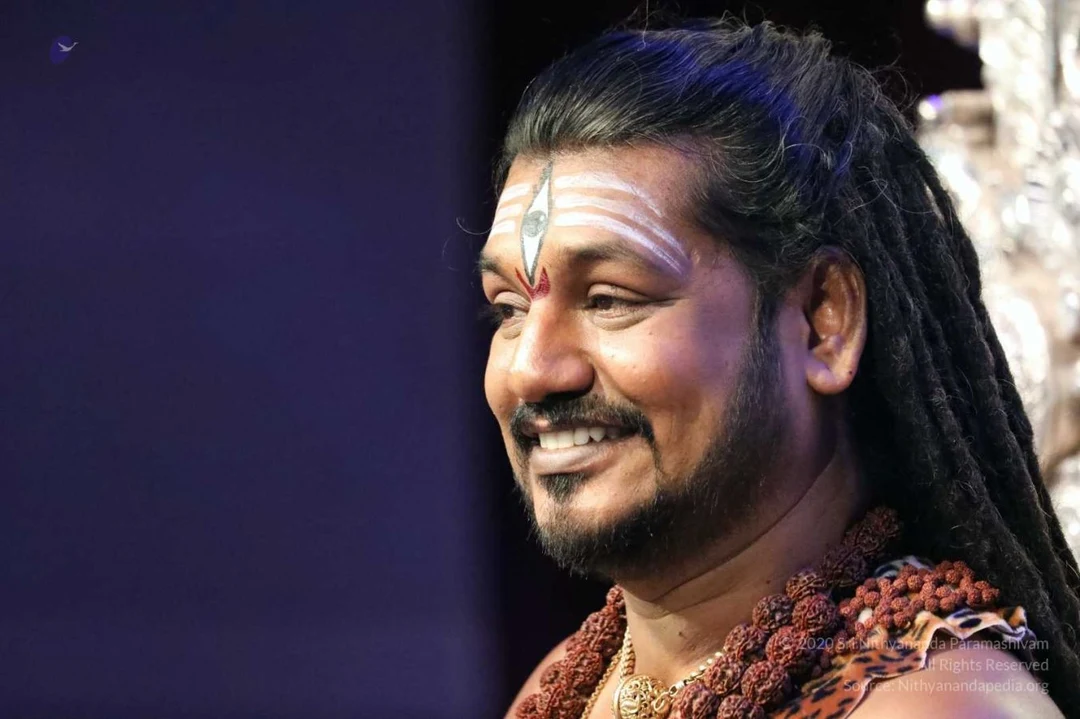 Shiva deeksha - the disciple is given access to connect with Sadashiva
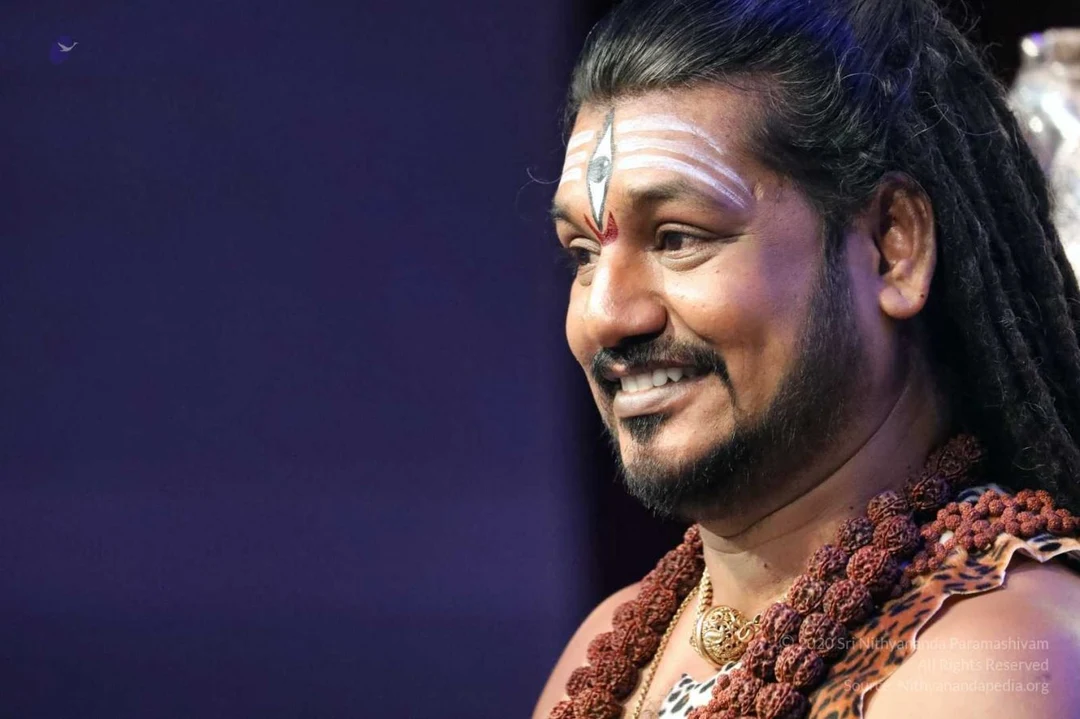 Shiva deeksha - the disciple is given access to connect with Sadashiva
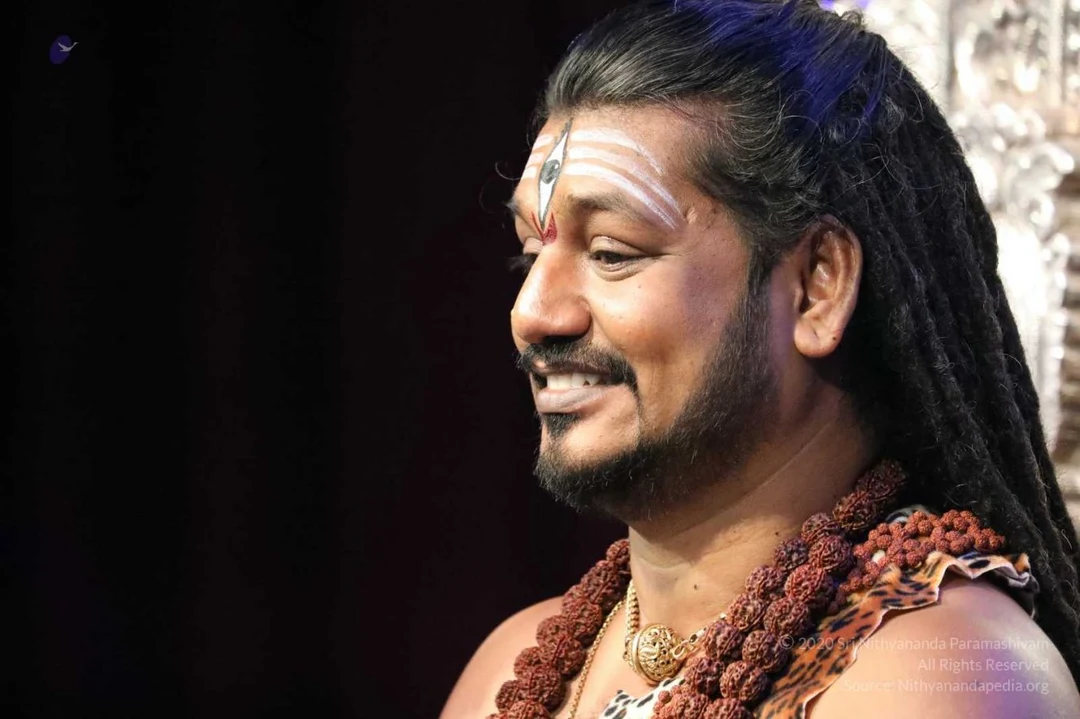 Shiva Deeksha also called samaya deeksha
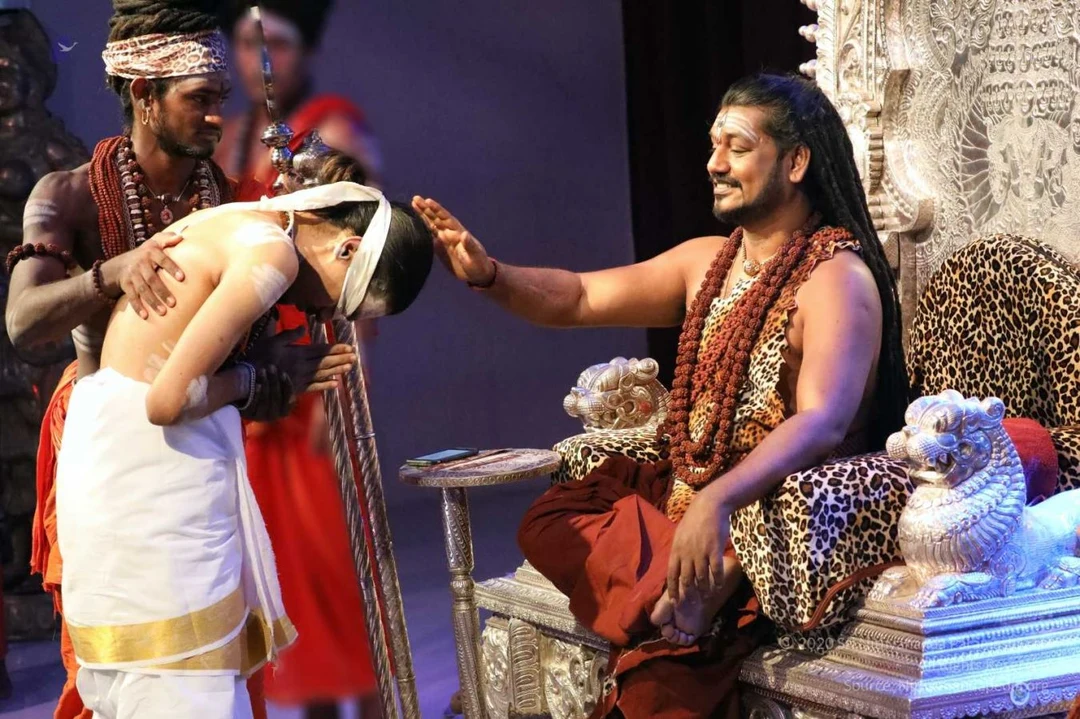 Deeksha is super-conscious energy entering one's consciousness and raising to the frequency of its existence
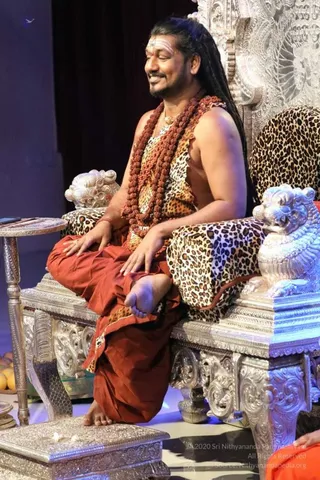 Deeksha is super-conscious energy entering one's consciousness and raising to the frequency of its existence
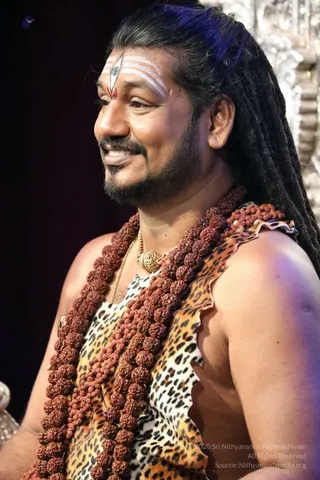 Deeksha is super-conscious energy entering one's consciousness and raising to the frequency of its existence
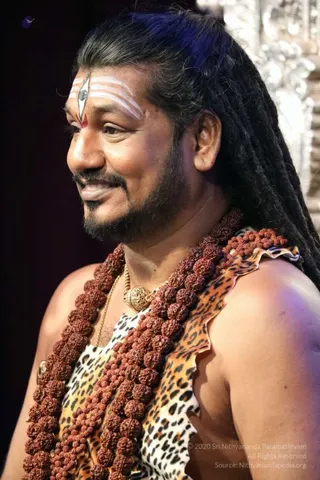 Deeksha is super-conscious energy entering one's consciousness and raising to the frequency of its existence
 Deeksha is super-conscious energy entering one's consciousness and raising to the frequency of its existence
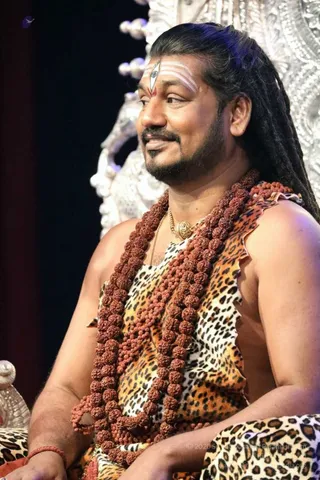 Deeksha is super-conscious energy entering one's consciousness and raising to the frequency of its existence
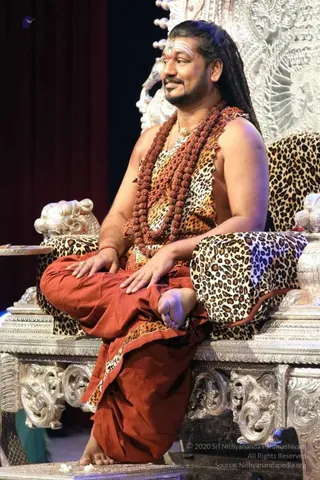 Deeksha is super-conscious energy entering one's consciousness and raising to the frequency of its existence
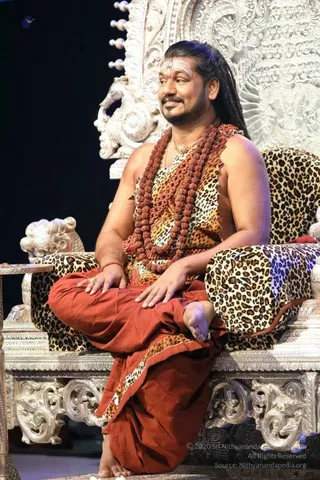 Deeksha is super-conscious energy entering one's consciousness and raising to the frequency of its existence
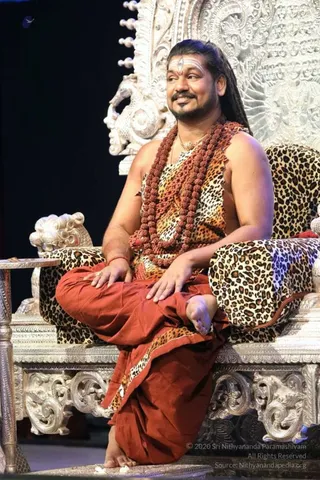 Deeksha is super-conscious energy entering one's consciousness and raising to the frequency of its existence
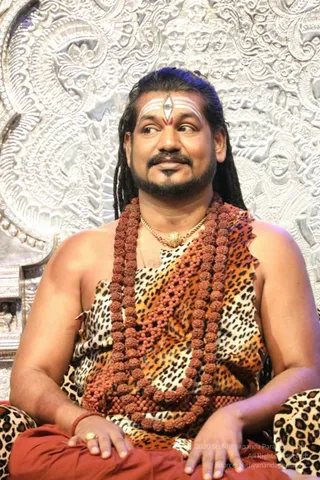 Deeksha is super-conscious energy entering one's consciousness and raising to the frequency of its existence
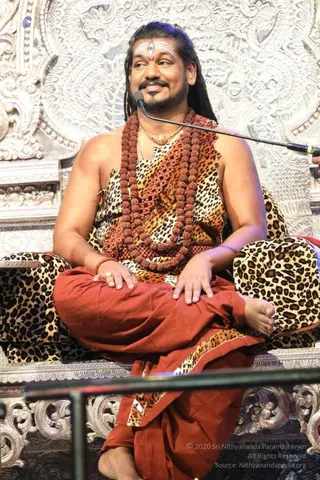 Deeksha is super-conscious energy entering one's consciousness and raising to the frequency of its existence
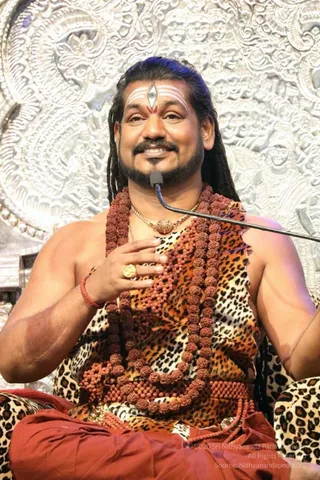 After Shiva deeksha one is never again the same old person
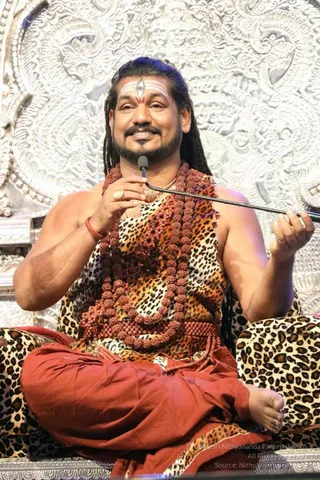 After Shiva deeksha one is never again the same old person
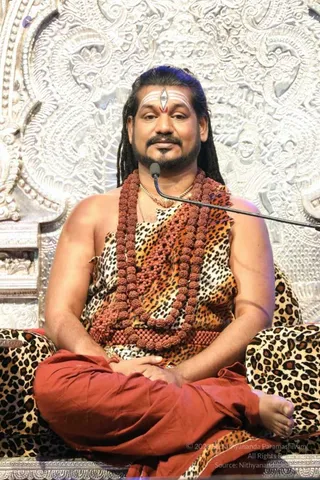 After Shiva deeksha one is never again the same old person
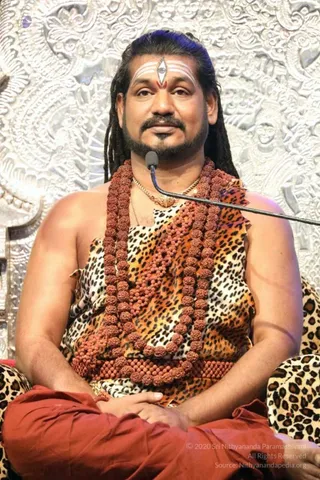 After Shiva deeksha one is never again the same old person
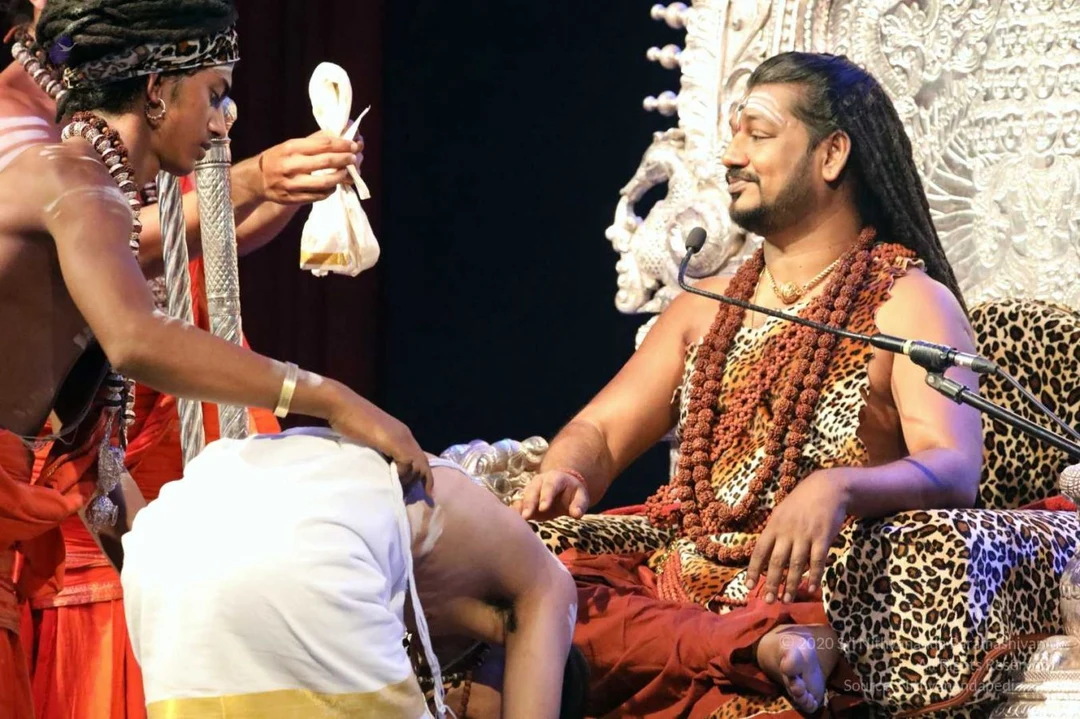 Shiva deeksha - initiation Into understanding you are Paramashiva
 Shiva deeksha - initiation Into understanding you are Paramashiva
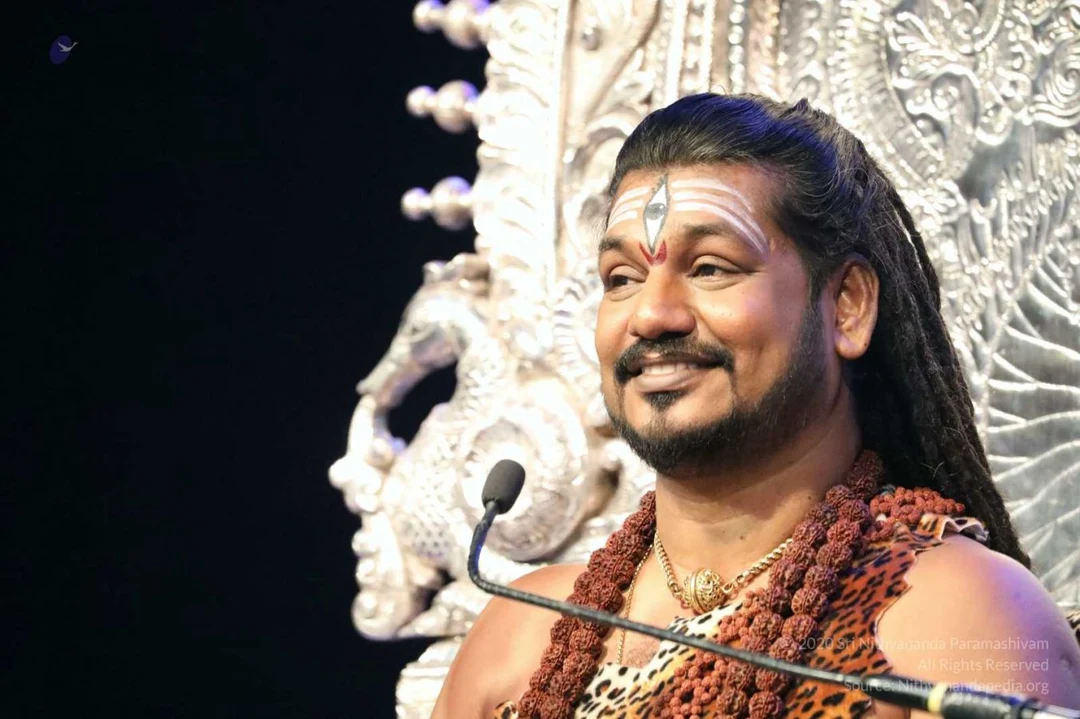 Shiva deeksha - initiation Into understanding you are Paramashiva
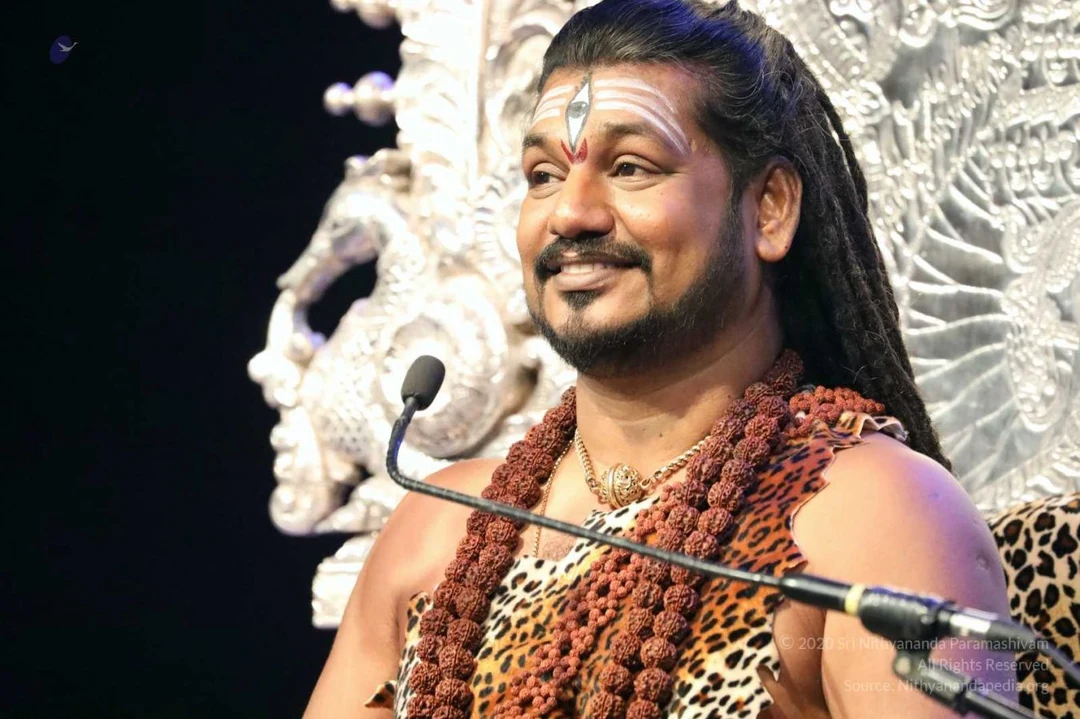 Shiva deeksha - initiation Into understanding you are Paramashiva
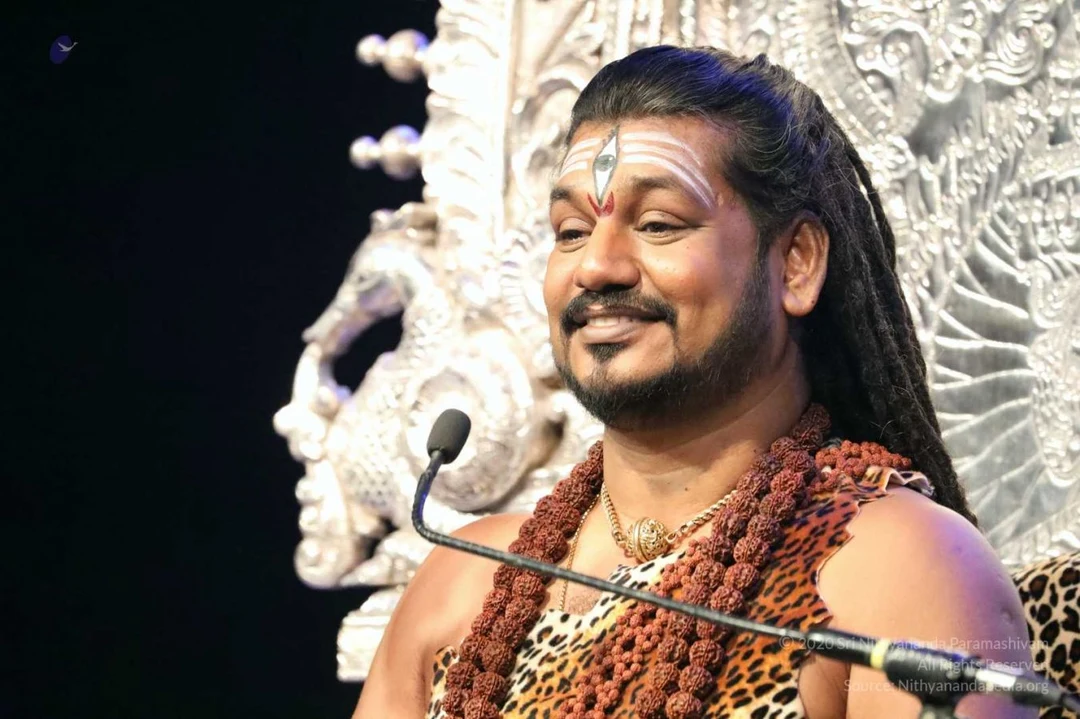 Shiva deeksha - initiation Into understanding you are Paramashiva
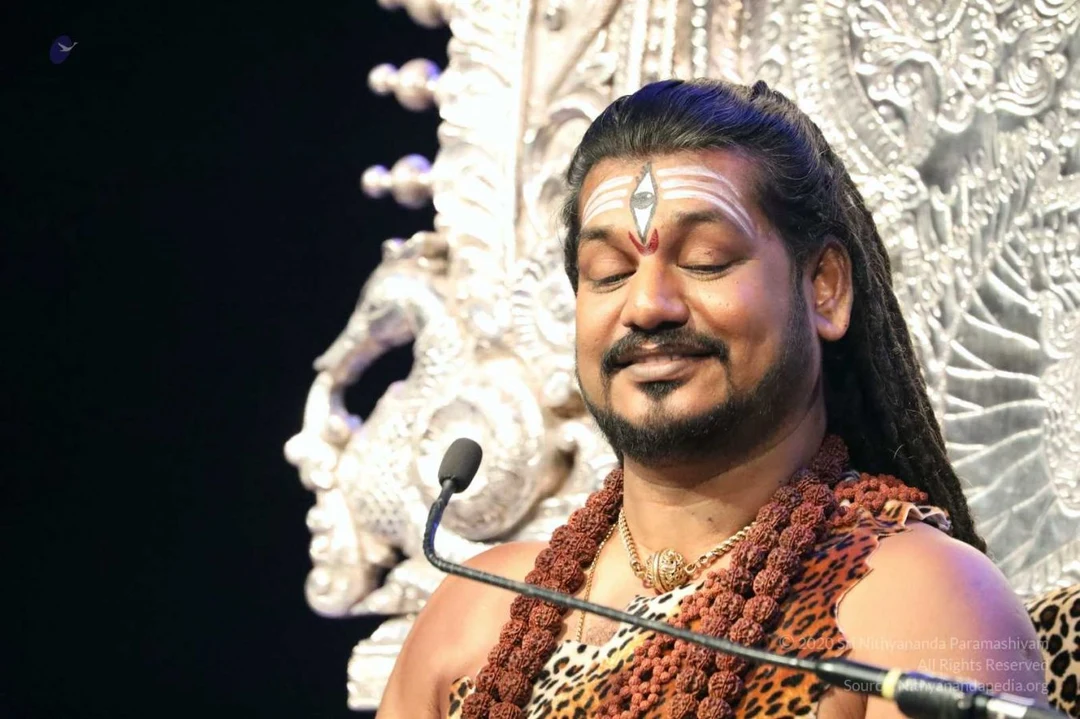 Shiva deeksha - initiation Into understanding you are Paramashiva
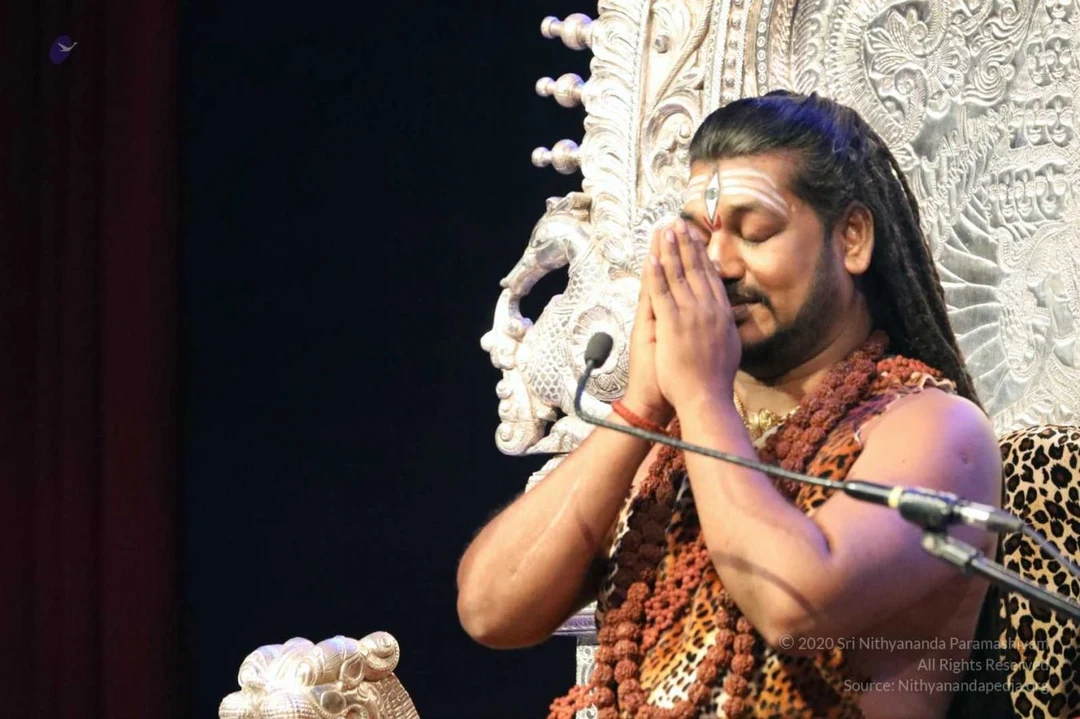 Shiva deeksha - initiation Into understanding you are Paramashiva
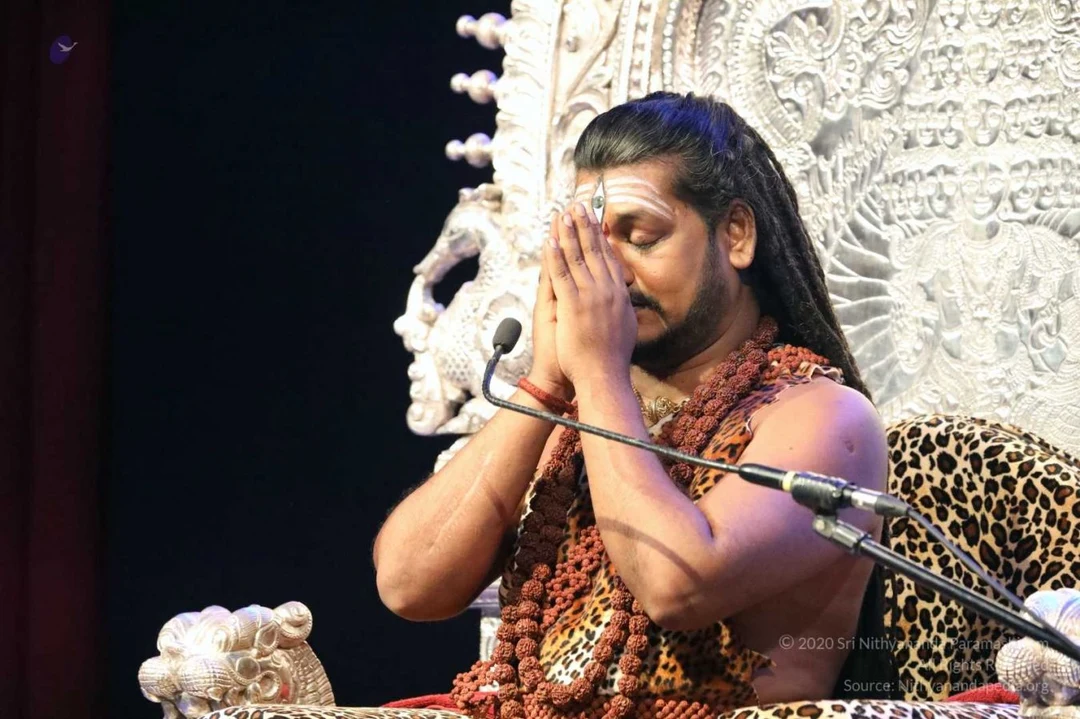 Shiva deeksha - initiation Into understanding you are Paramashiva
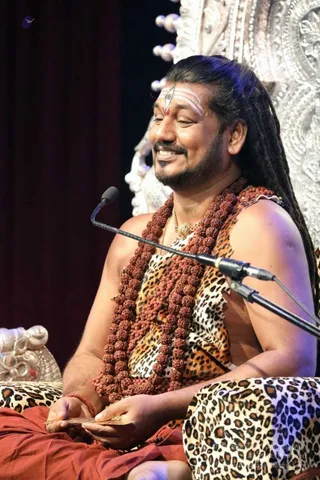 Shiva deeksha - initiation Into understanding you are Paramashiva
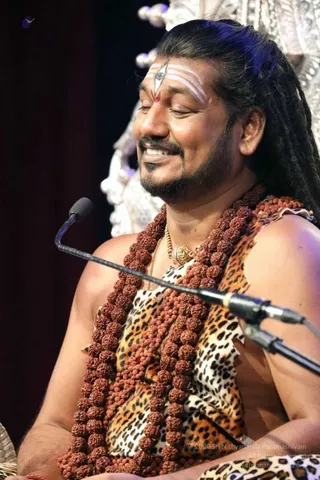 Shiva deeksha - initiation Into understanding you are Paramashiva
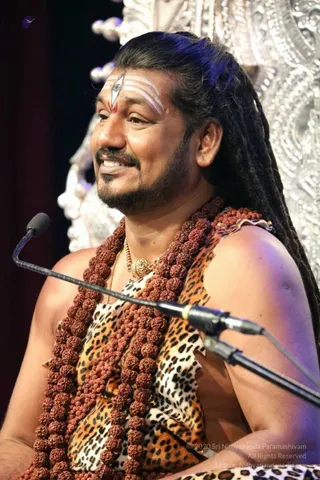 Shiva deeksha - initiation Into understanding you are Paramashiva
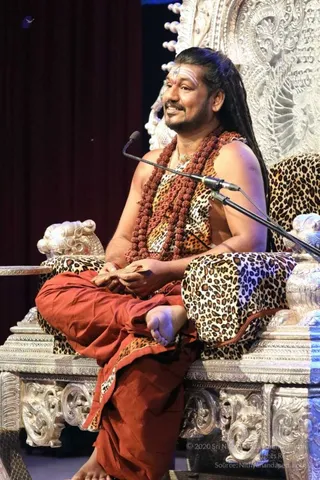 Shiva deeksha - initiation Into understanding you are Paramashiva
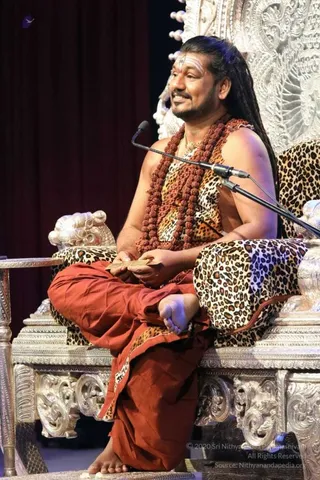 The highest frequency entering one's being is deeksha
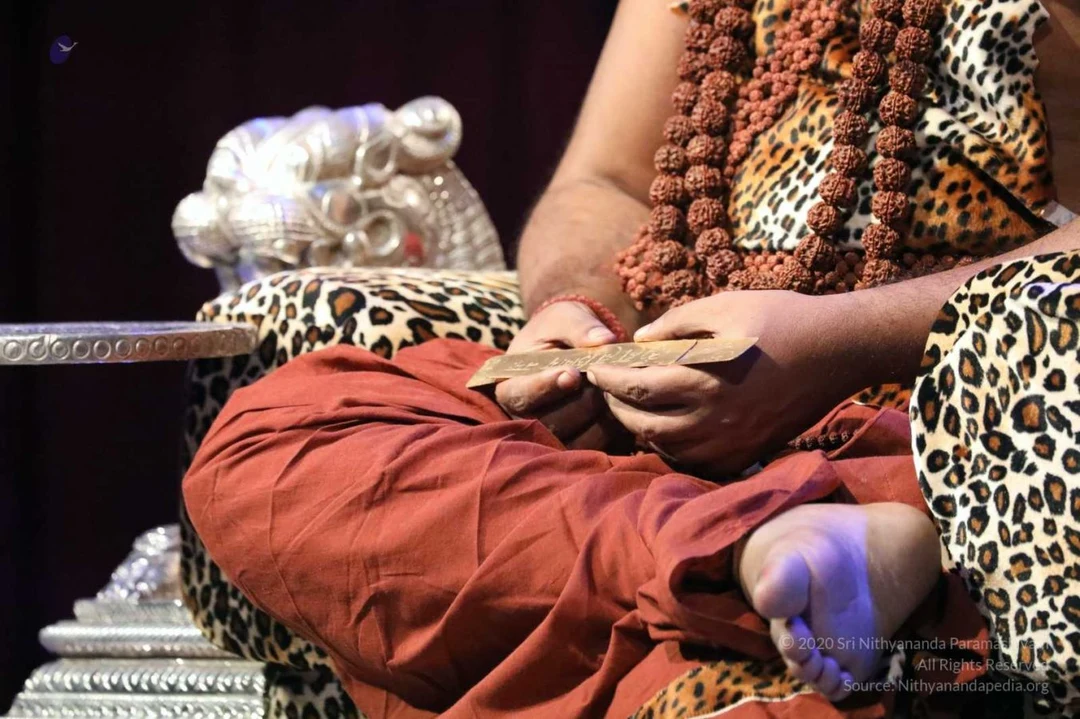 The highest frequency entering one's being is deeksha
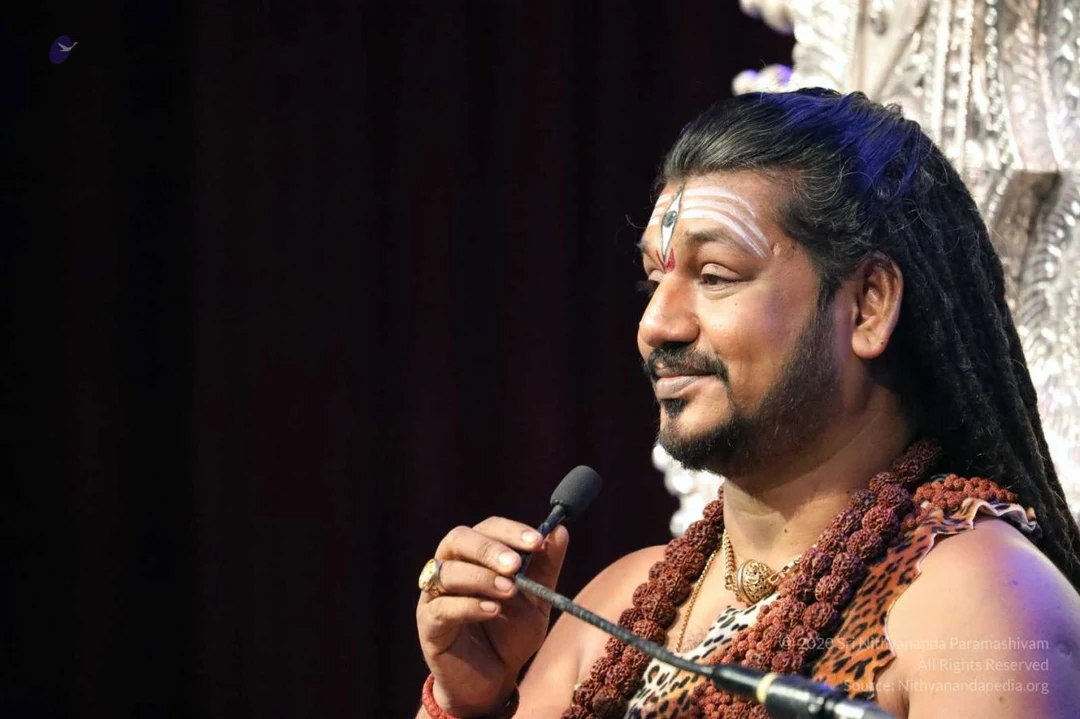 The highest frequency entering one's being is deeksha
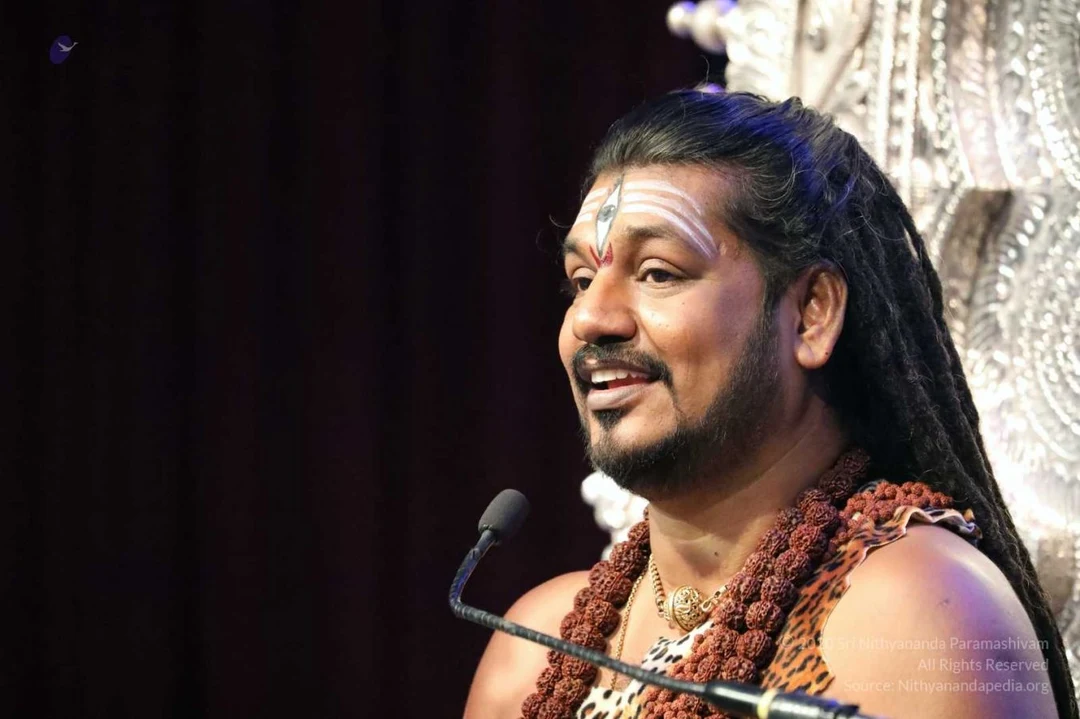 The highest frequency entering one's being is deeksha
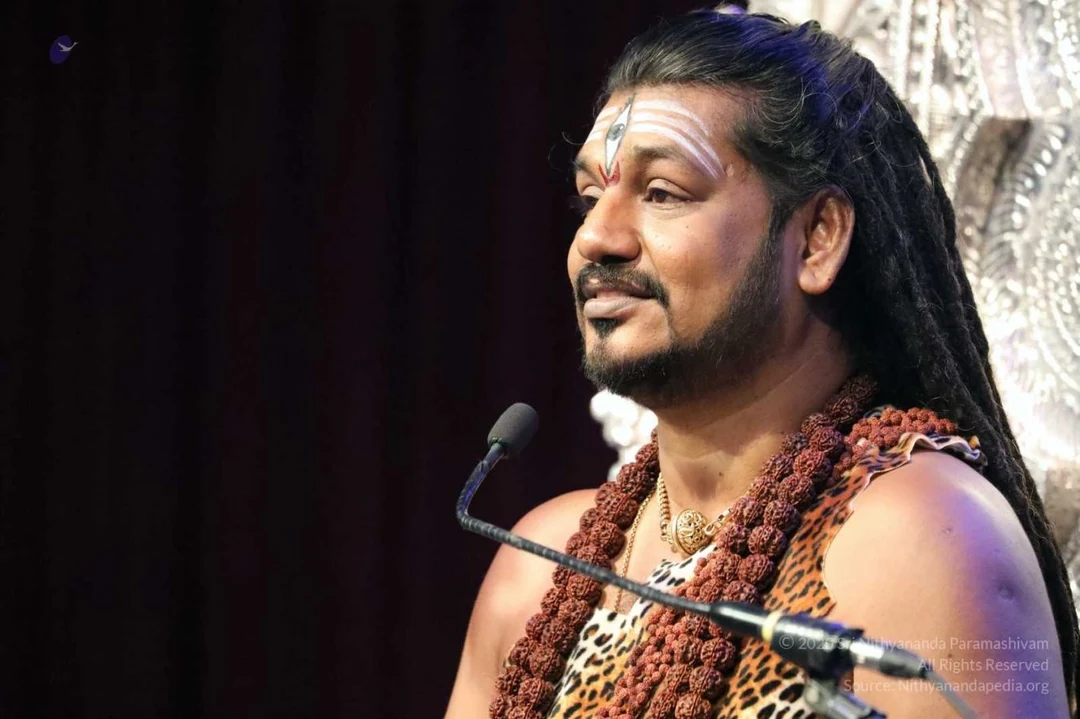 The highest frequency entering one's being is deeksha
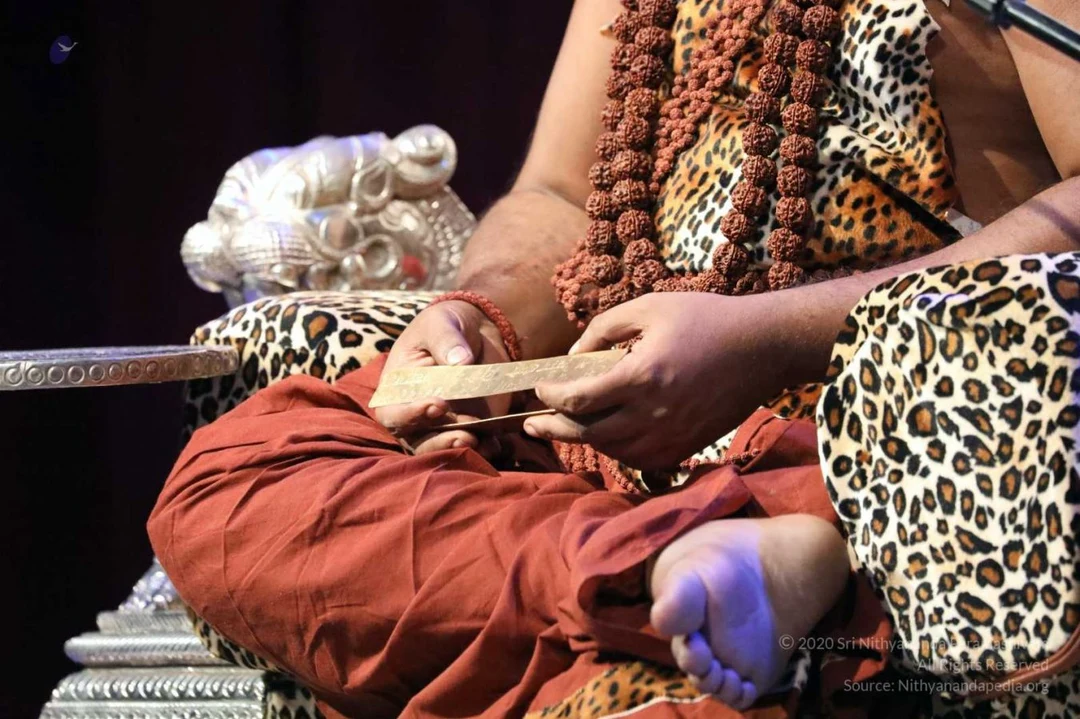 After Shiva deeksha one is never again the same old person
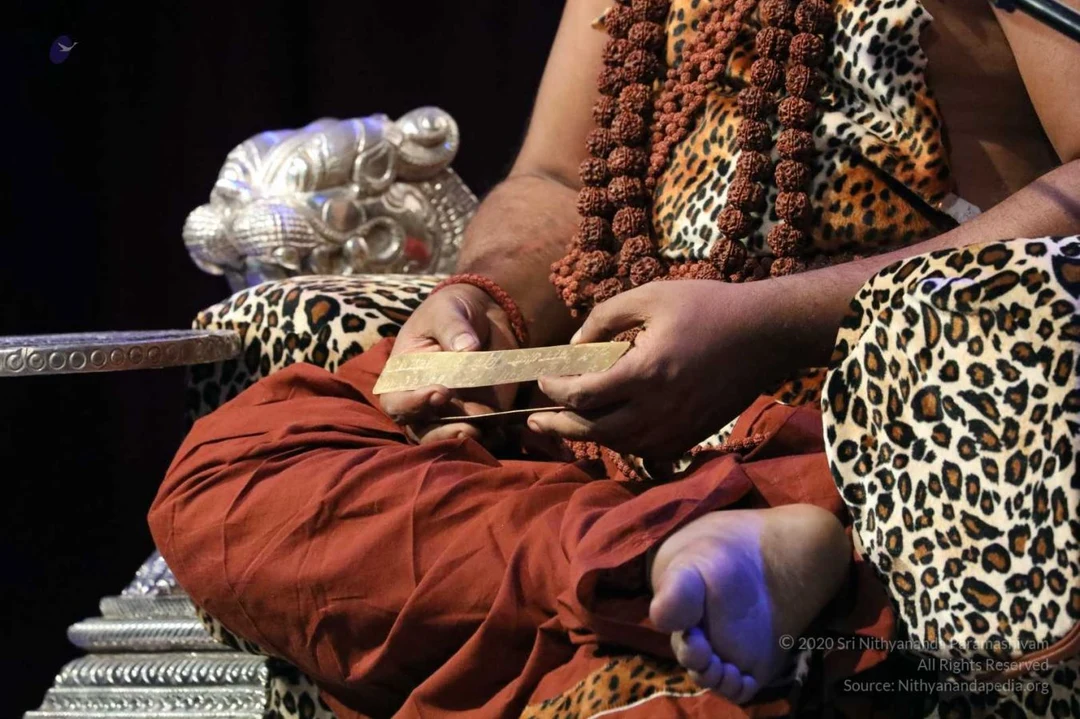 After Shiva deeksha one is never again the same old person
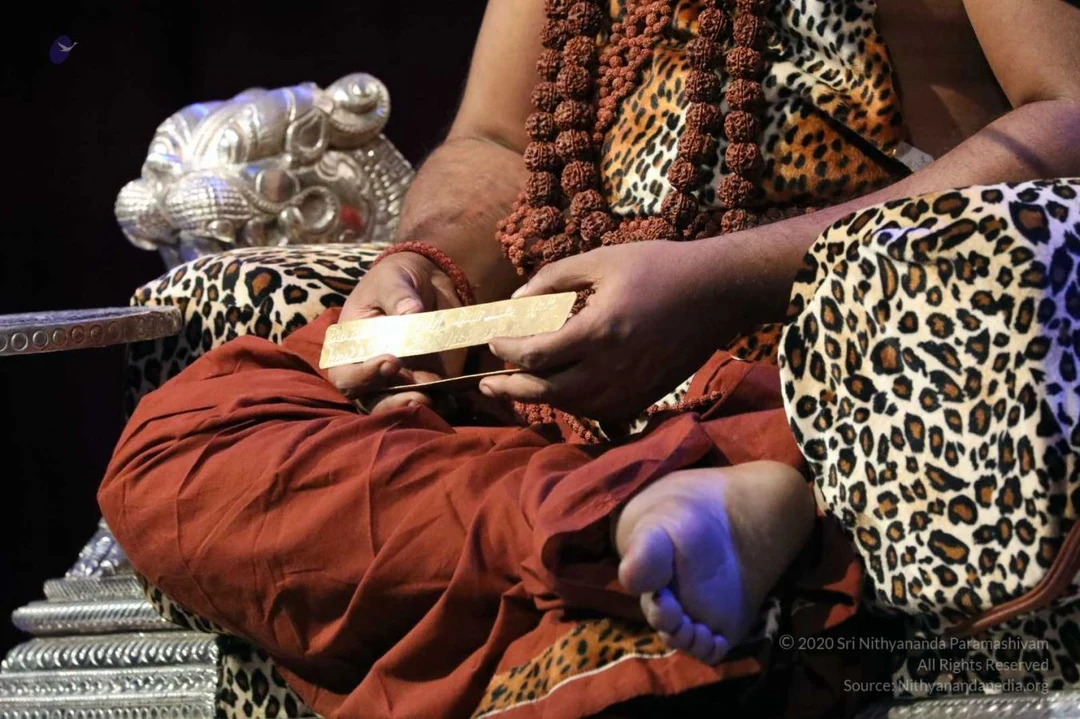 After Shiva deeksha one is never again the same old person
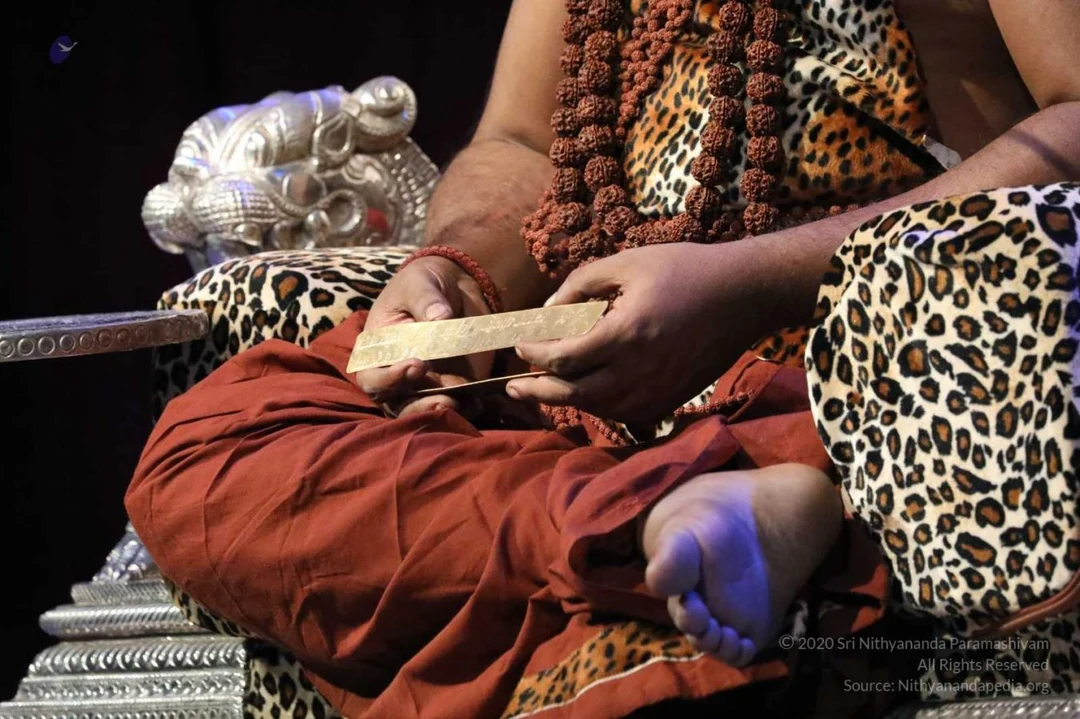 After Shiva deeksha one is never again the same old person
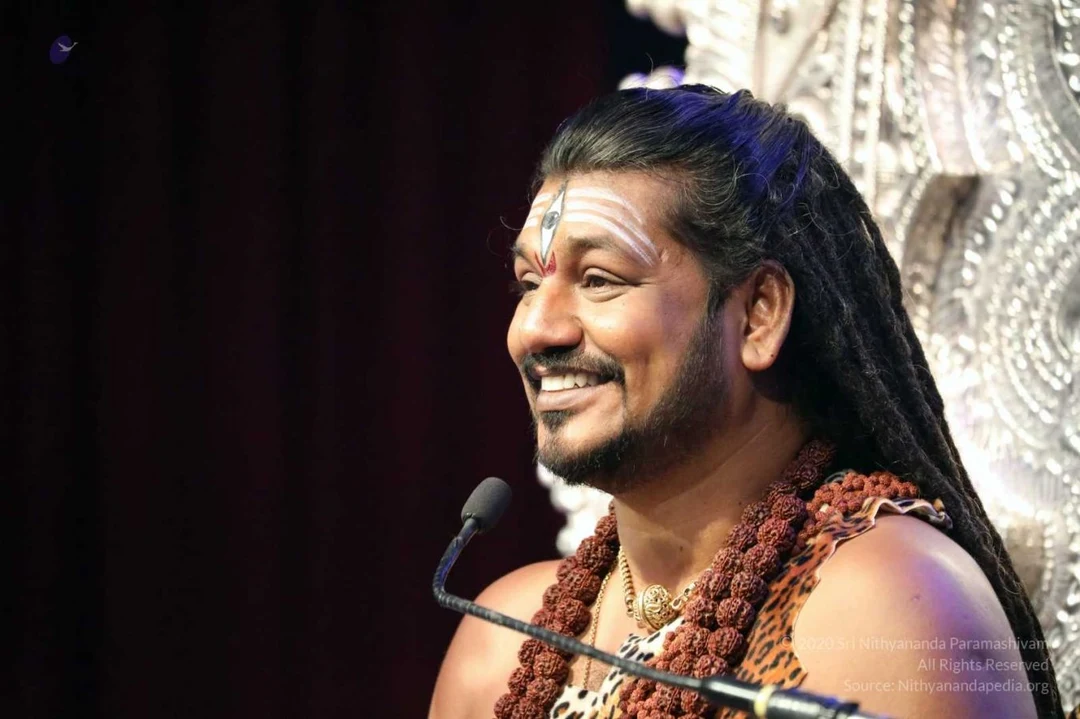 The highest frequency entering one's being is deeksha
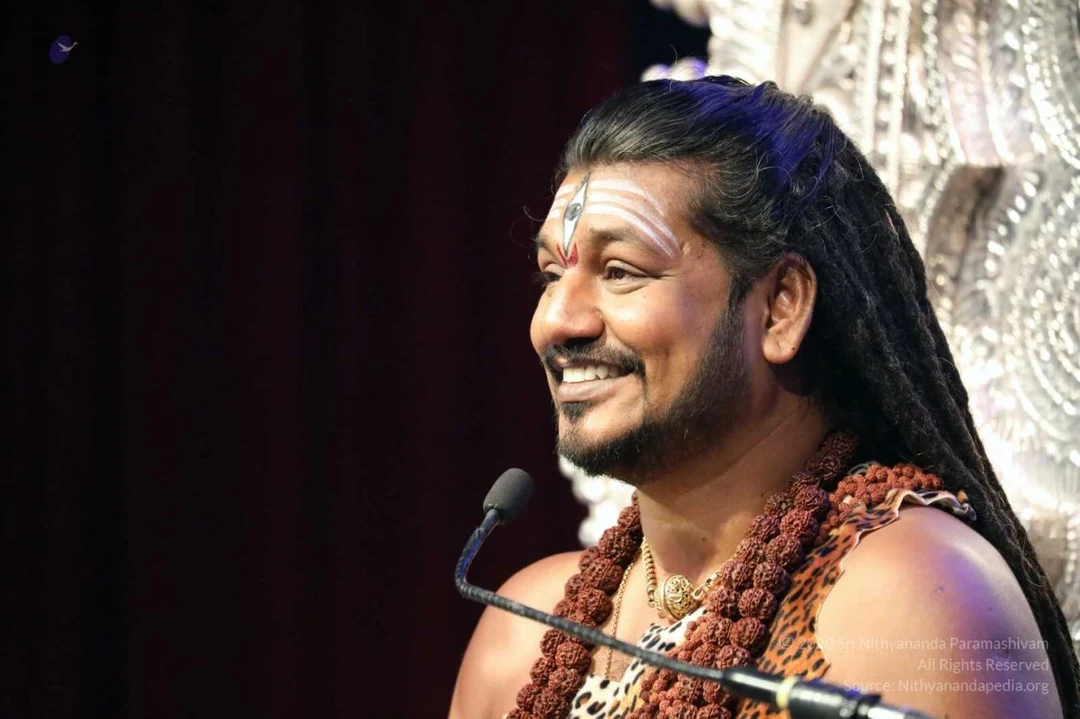 The highest frequency entering one's being is deeksha
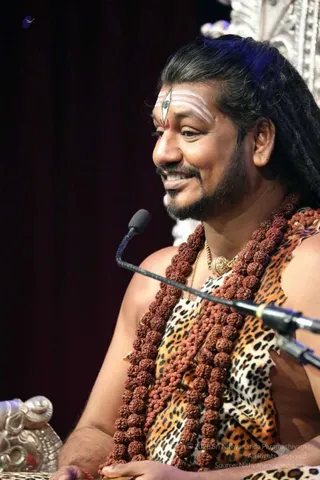 The highest frequency entering one's being is deeksha
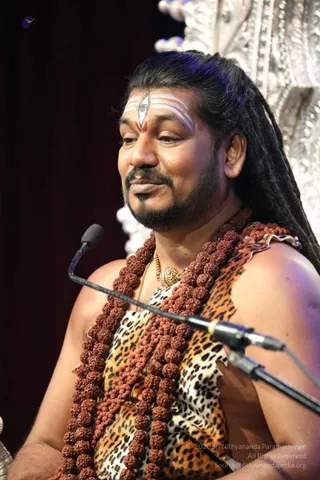 The highest frequency entering one's being is deeksha
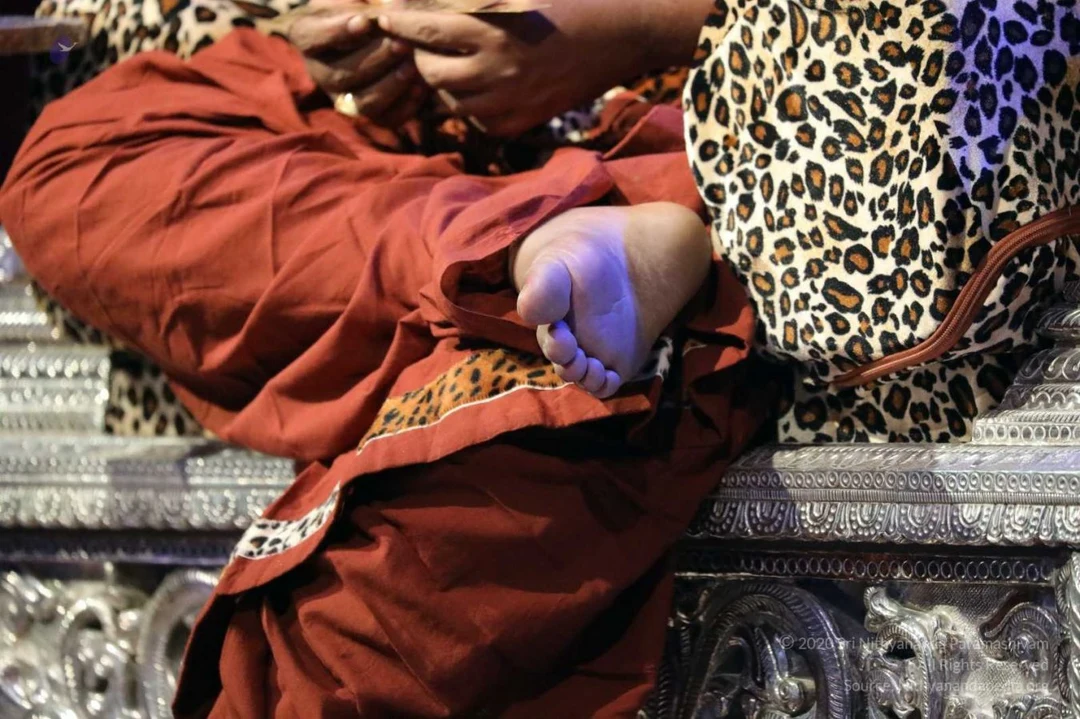 After Shiva deeksha one is never again the same old person
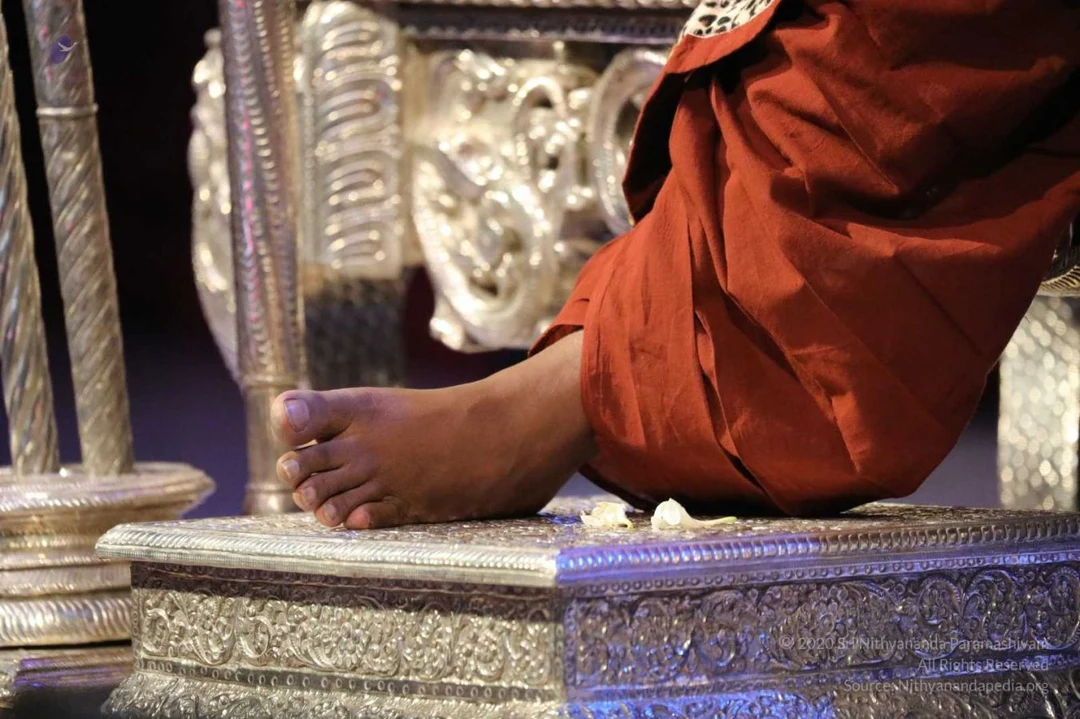 After Shiva deeksha one is never again the same old person
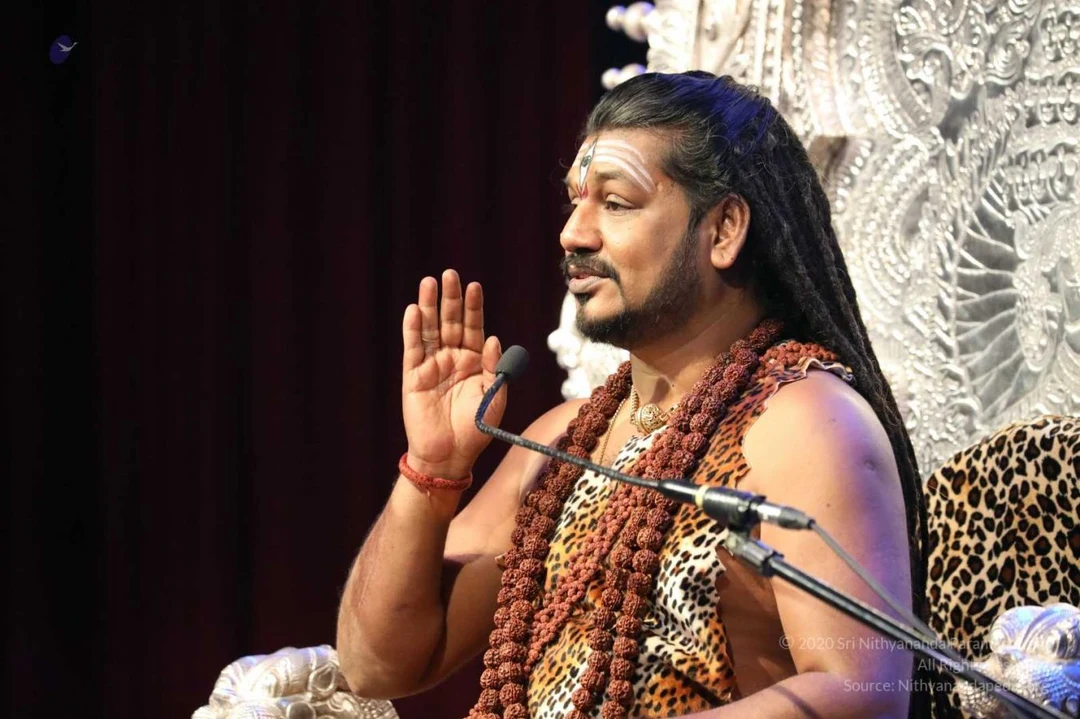 After Shiva deeksha one is never again the same old person
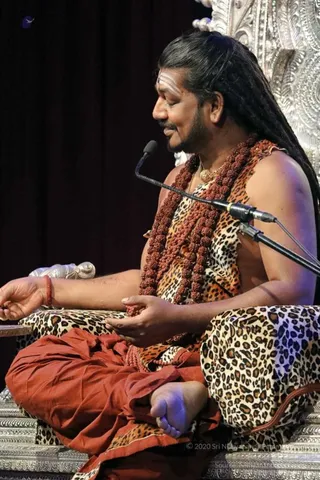 Whenever deeksha happens, one's very cognitions are blasted into powerful cognitions
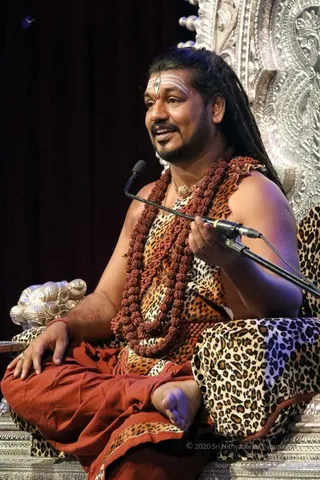 Whenever deeksha happens, one's very cognitions are blasted into powerful cognitions
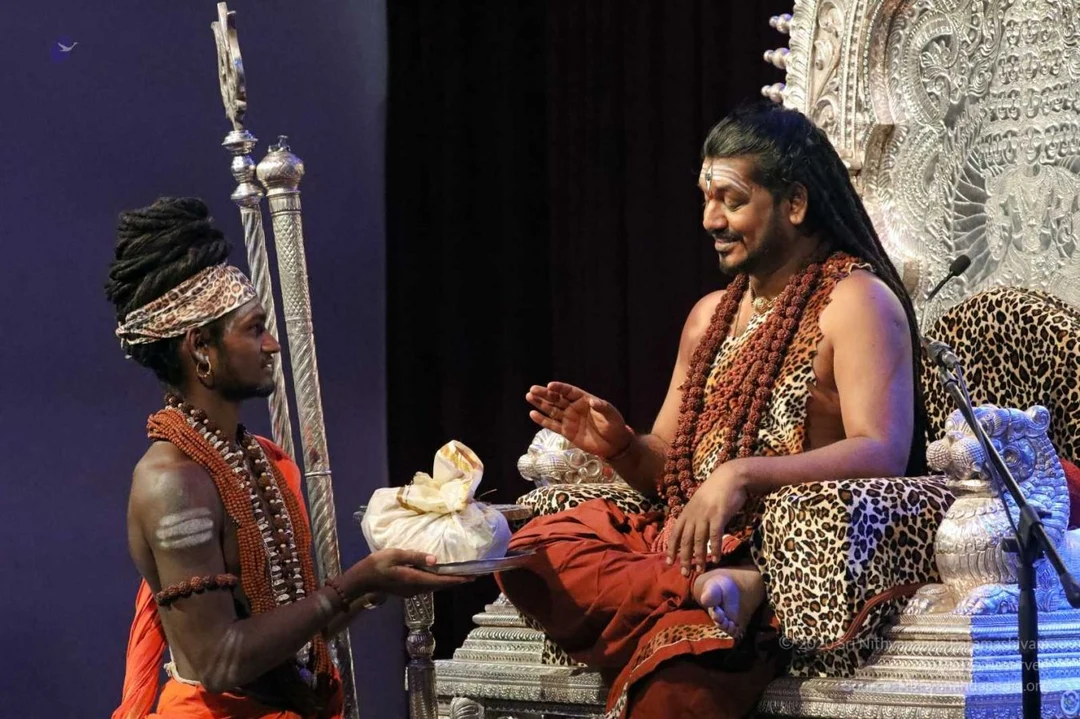 After Shiva deeksha one is never again the same old person
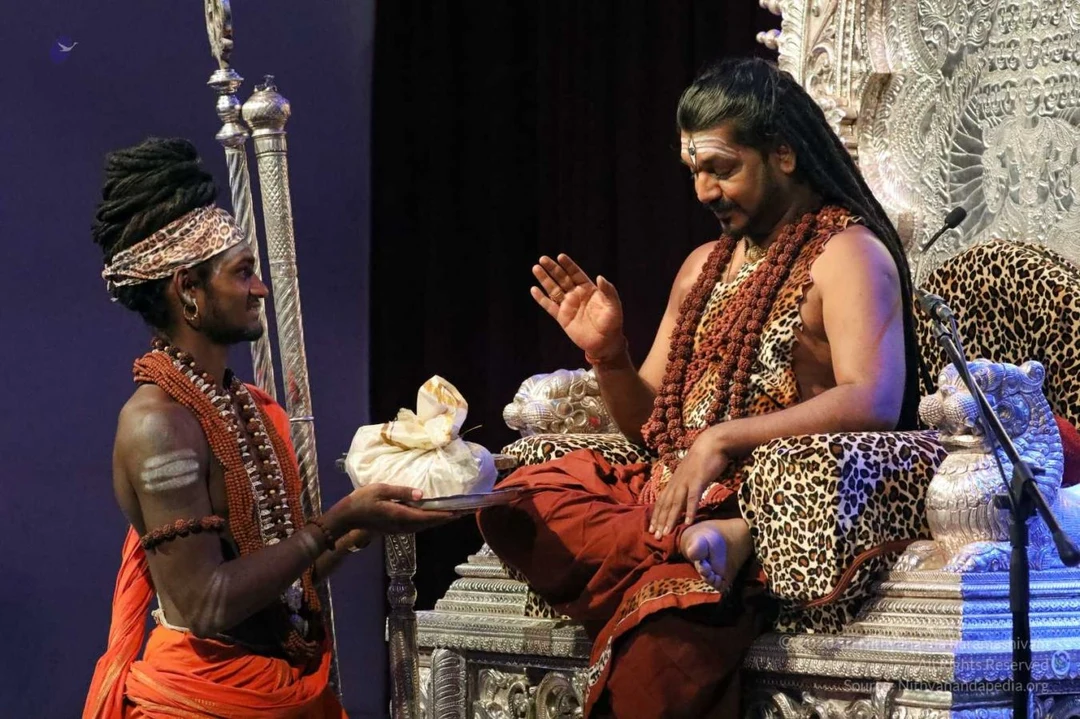 After Shiva deeksha one is never again the same old person
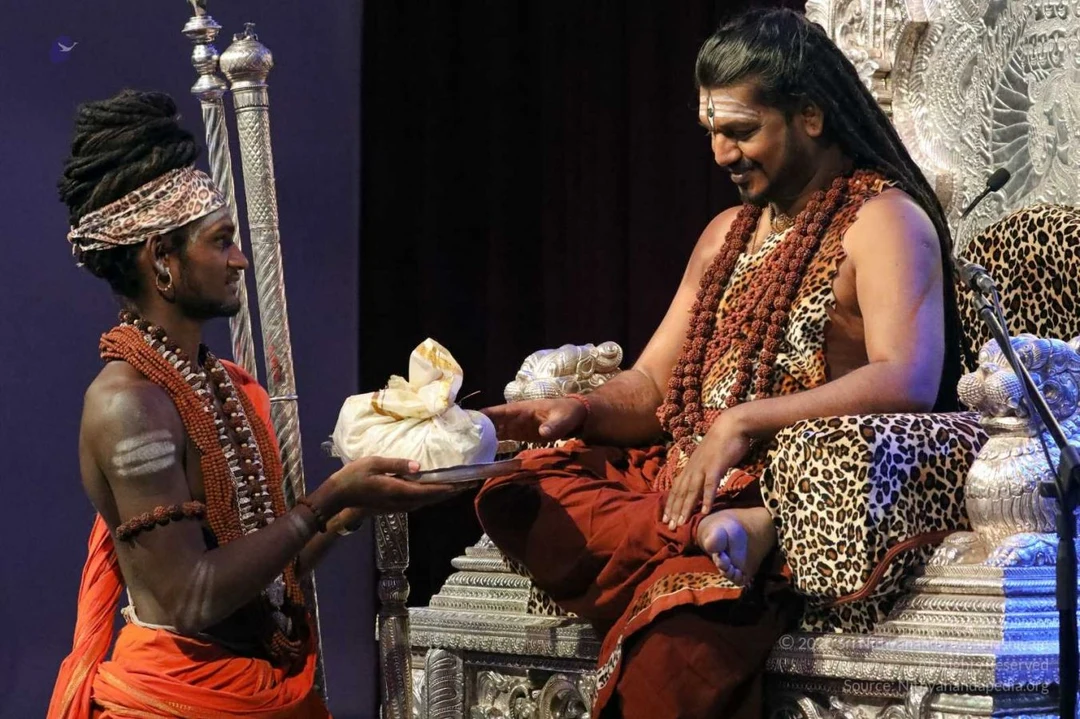 After Shiva deeksha one is never again the same old person
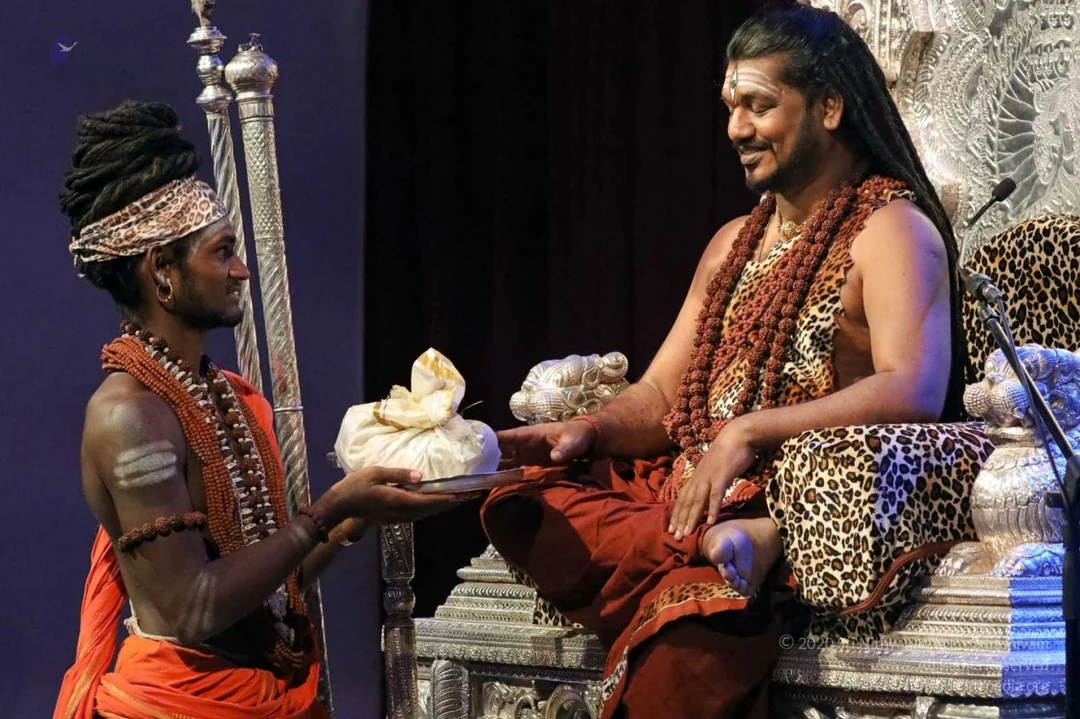 After Shiva deeksha one is never again the same old person
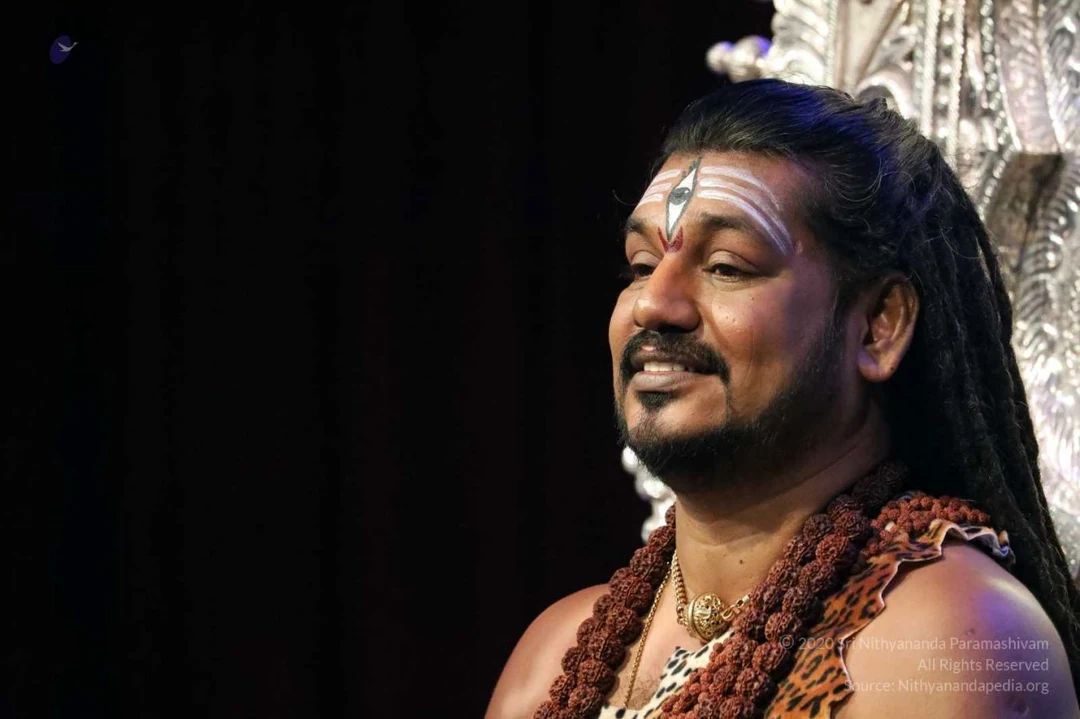 Whenever deeksha happens, one's very cognitions are blasted into powerful cognitions
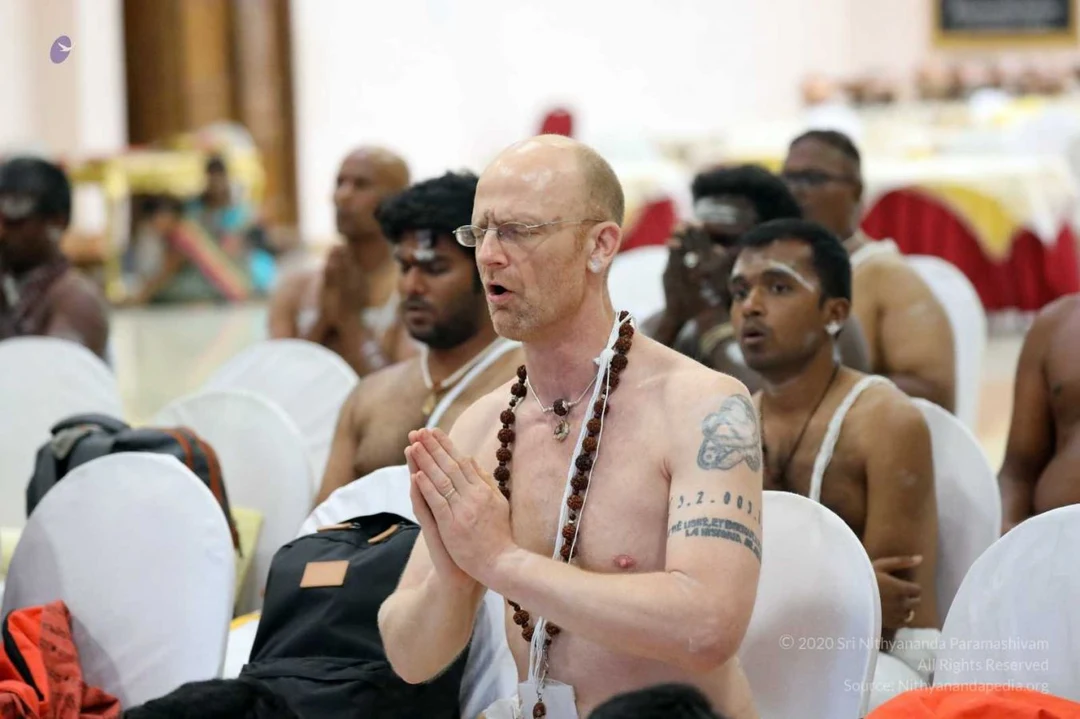
 Whenever deeksha happens, one's very cognitions are blasted into powerful cognitions
 Whenever deeksha happens, one's very cognitions are blasted into powerful cognitions
 Whenever deeksha happens, one's very cognitions are blasted into powerful cognitions
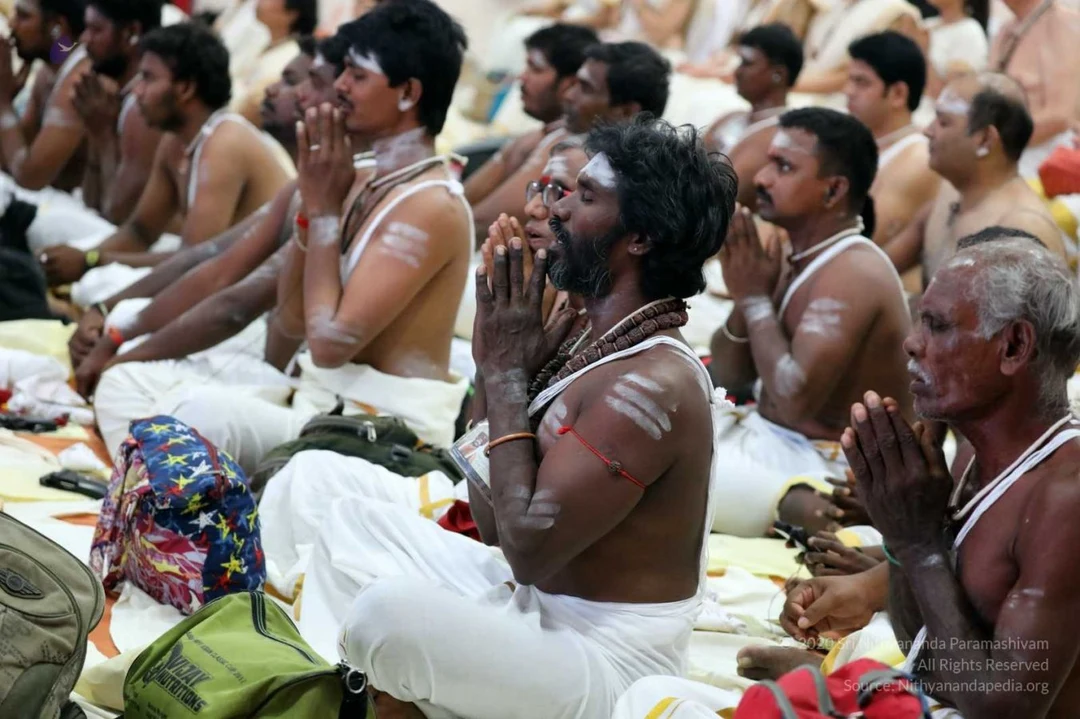 Whenever deeksha happens, one's very cognitions are blasted into powerful cognitions
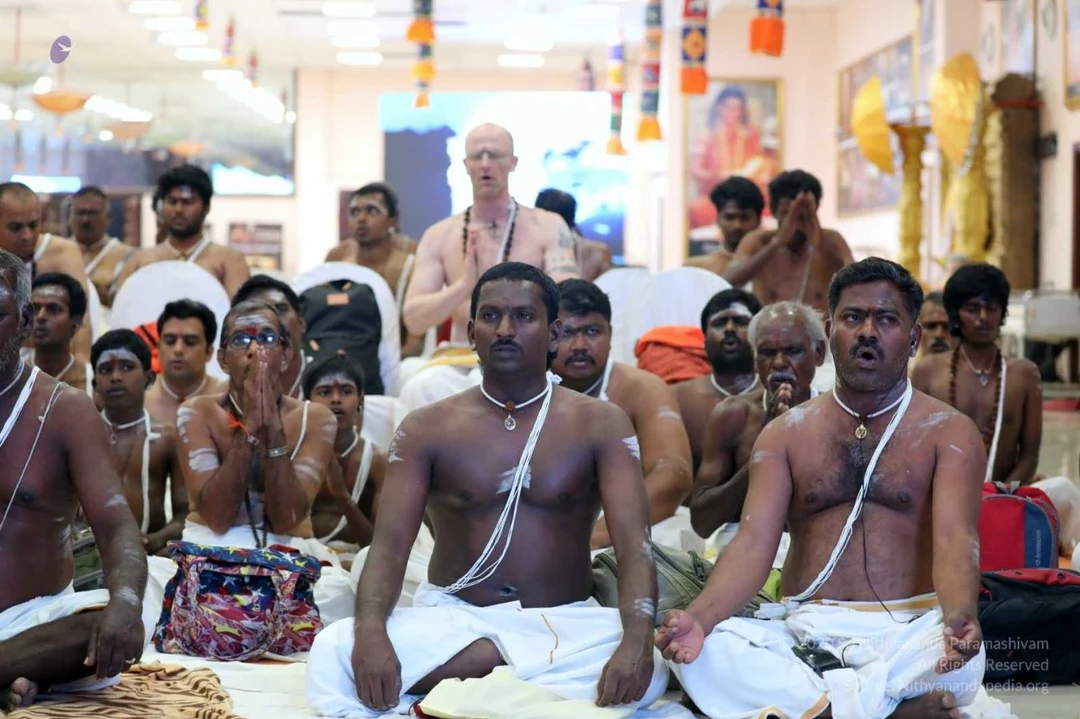 Whenever deeksha happens, one's very cognitions are blasted into powerful cognitions
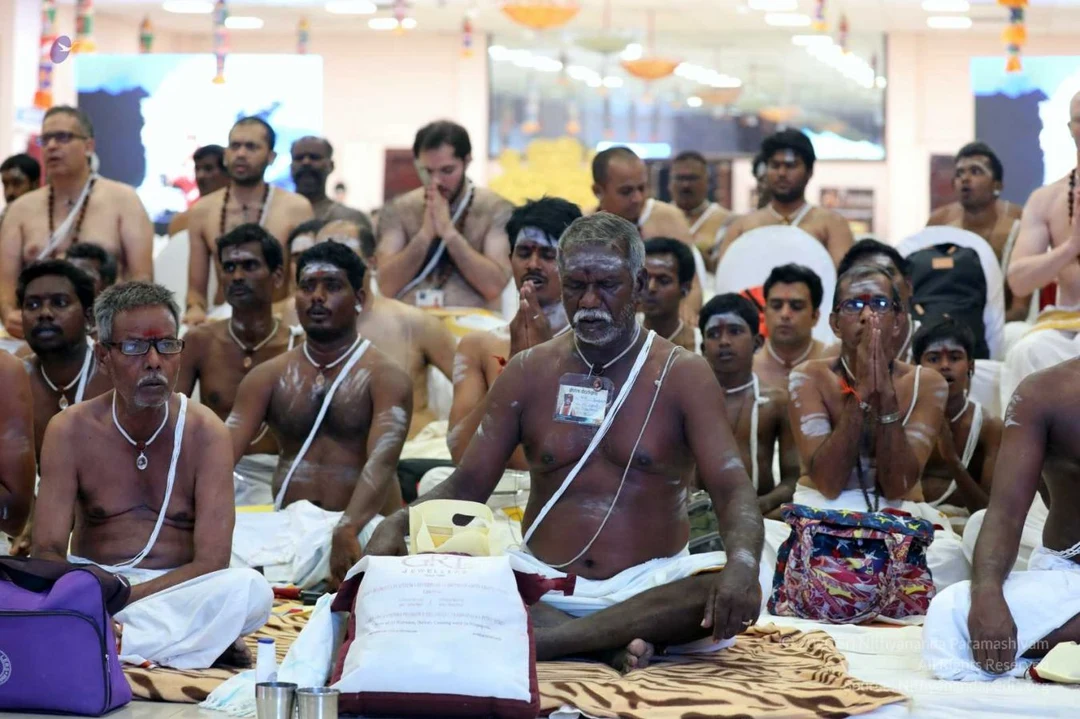 Whenever deeksha happens, one's very cognitions are blasted into powerful cognitions
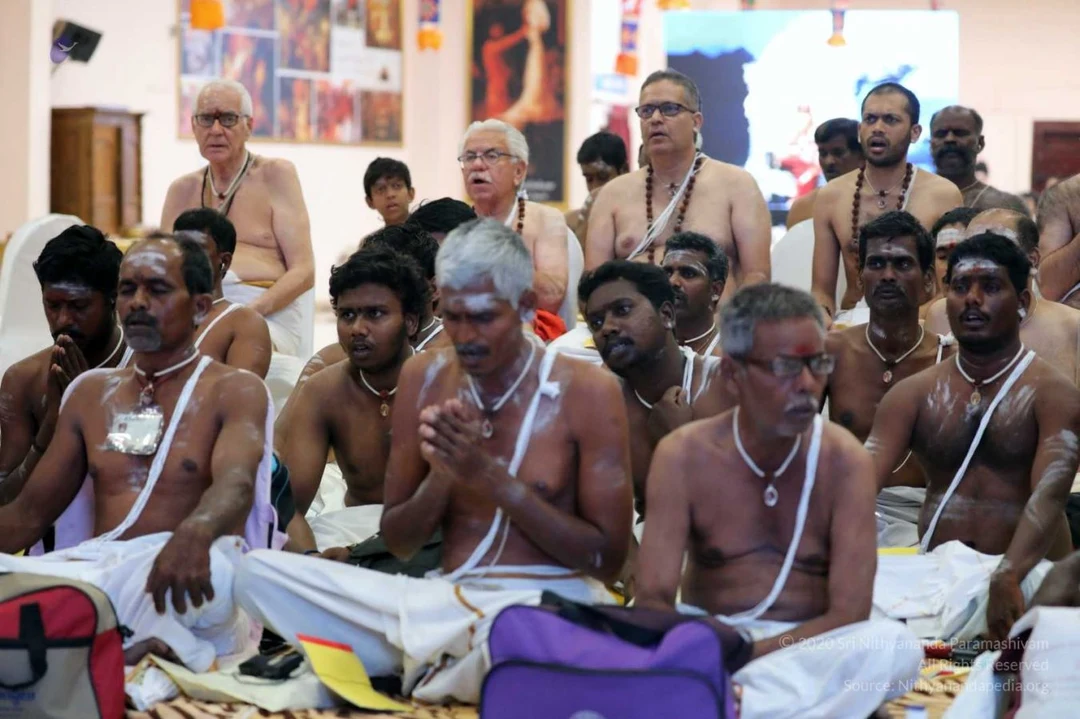 Whenever deeksha happens, one's very cognitions are blasted into powerful cognitions
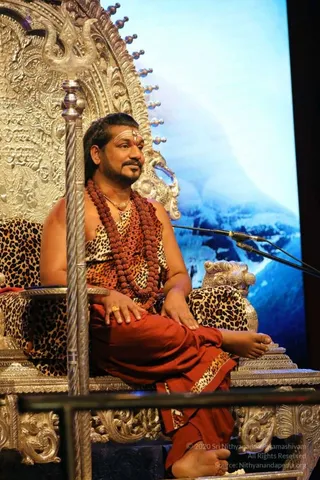 Whenever deeksha happens, one's very cognitions are blasted into powerful cognitions
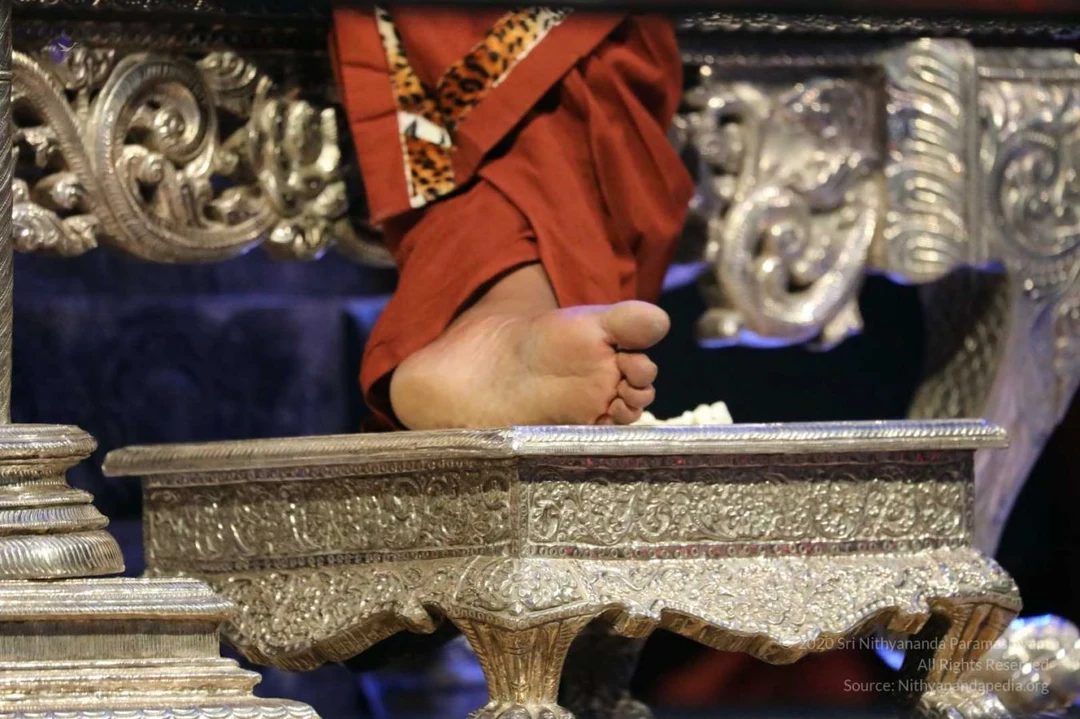 Whenever deeksha happens, one's very cognitions are blasted into powerful cognitions
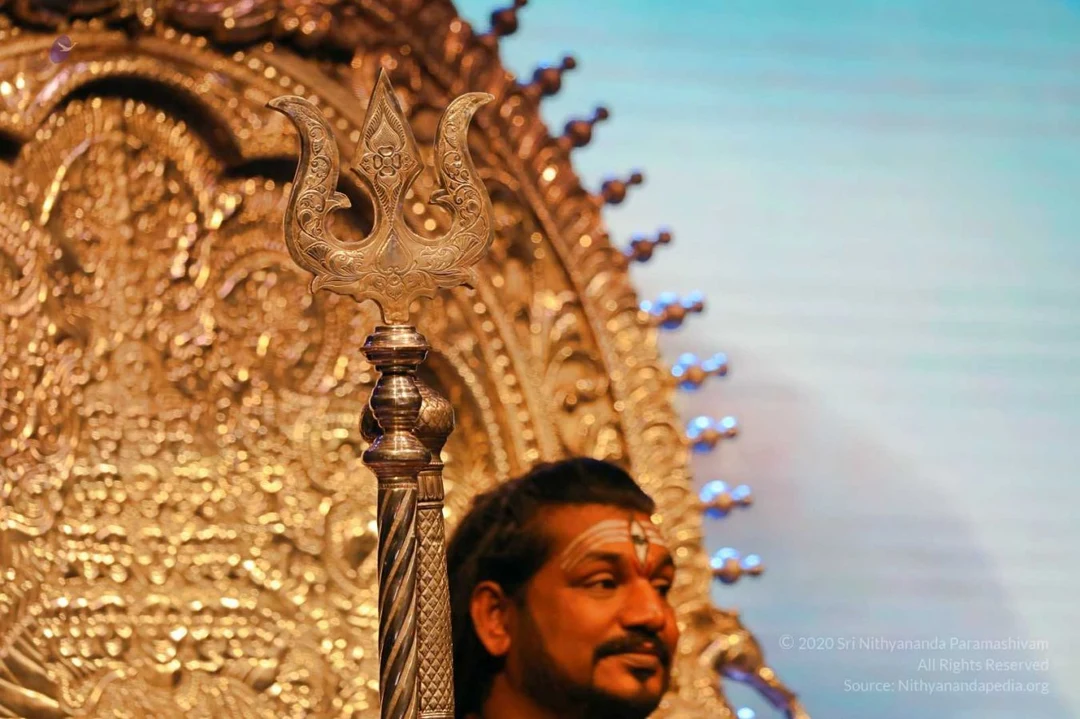 Whenever deeksha happens, one's very cognitions are blasted into powerful cognitions
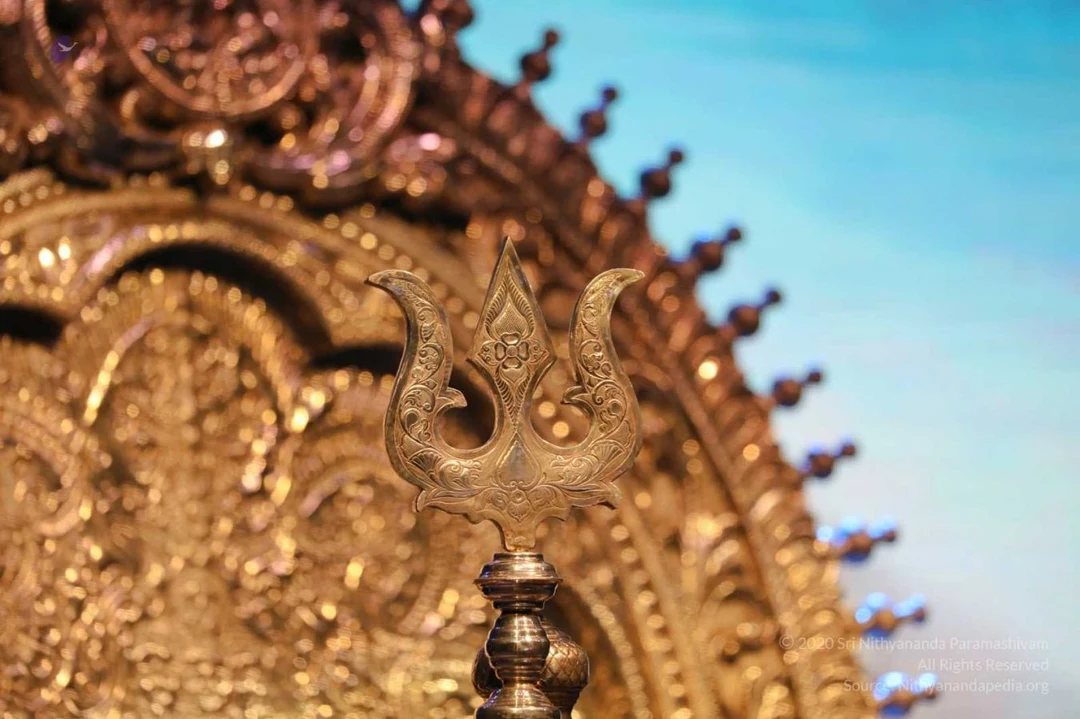 Whenever deeksha happens, one's very cognitions are blasted into powerful cognitions
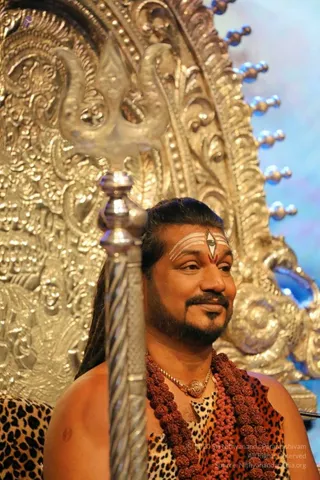 Whenever deeksha happens, one's very cognitions are blasted into powerful cognitions
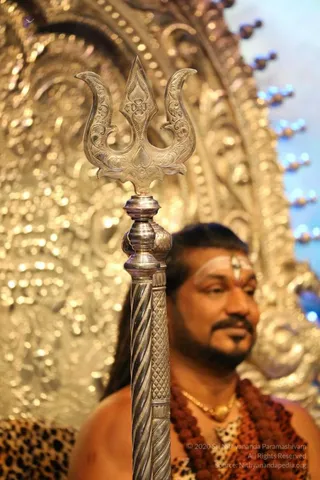 Shiva deeksha - the disciple is given access to connect with Sadashiva
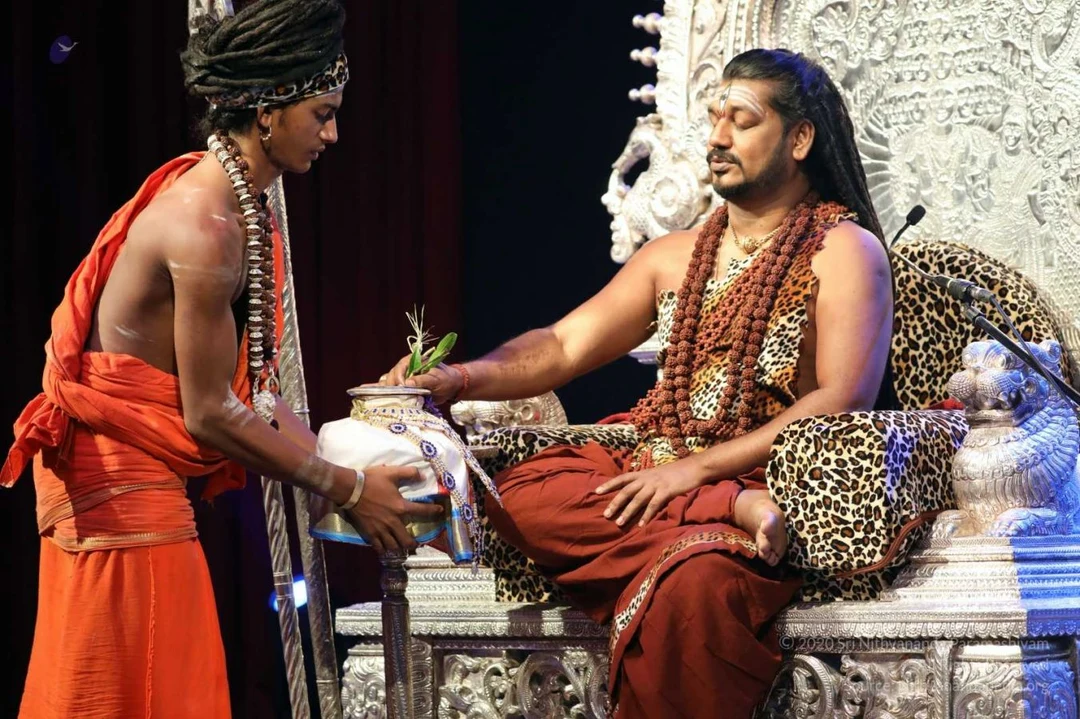 Shiva deeksha - the disciple is given access to connect with Sadashiva
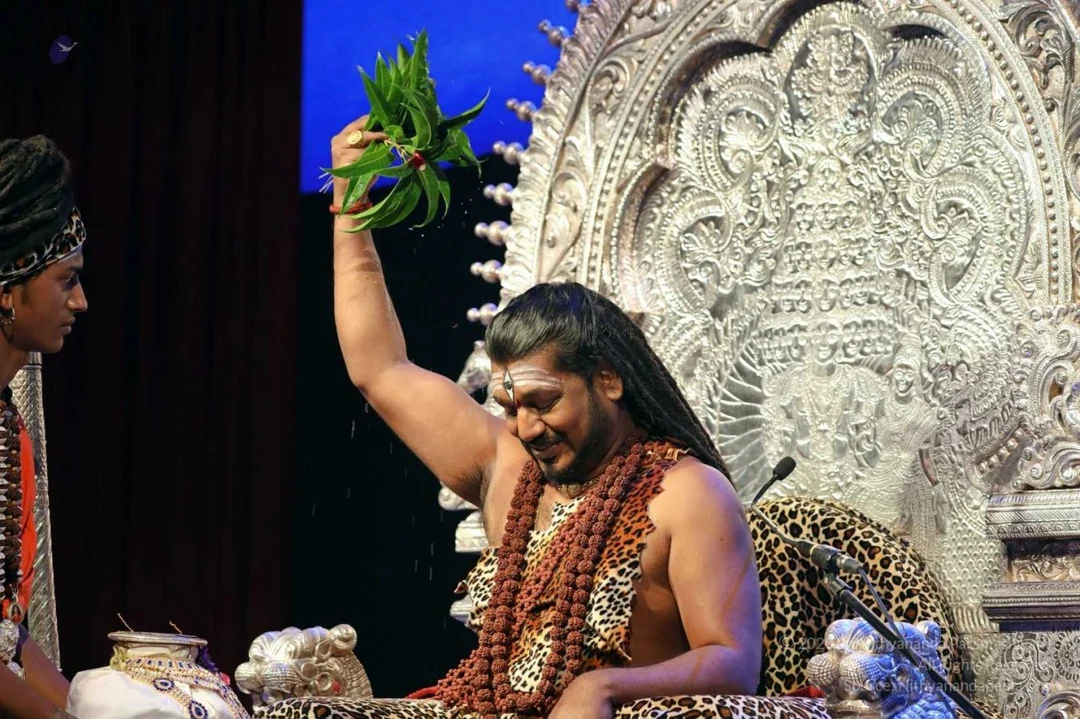 Shiva deeksha - the disciple is given access to connect with Sadashiva
 Shiva deeksha - the disciple is given access to connect with Sadashiva
 Shiva deeksha - the disciple is given access to connect with Sadashiva
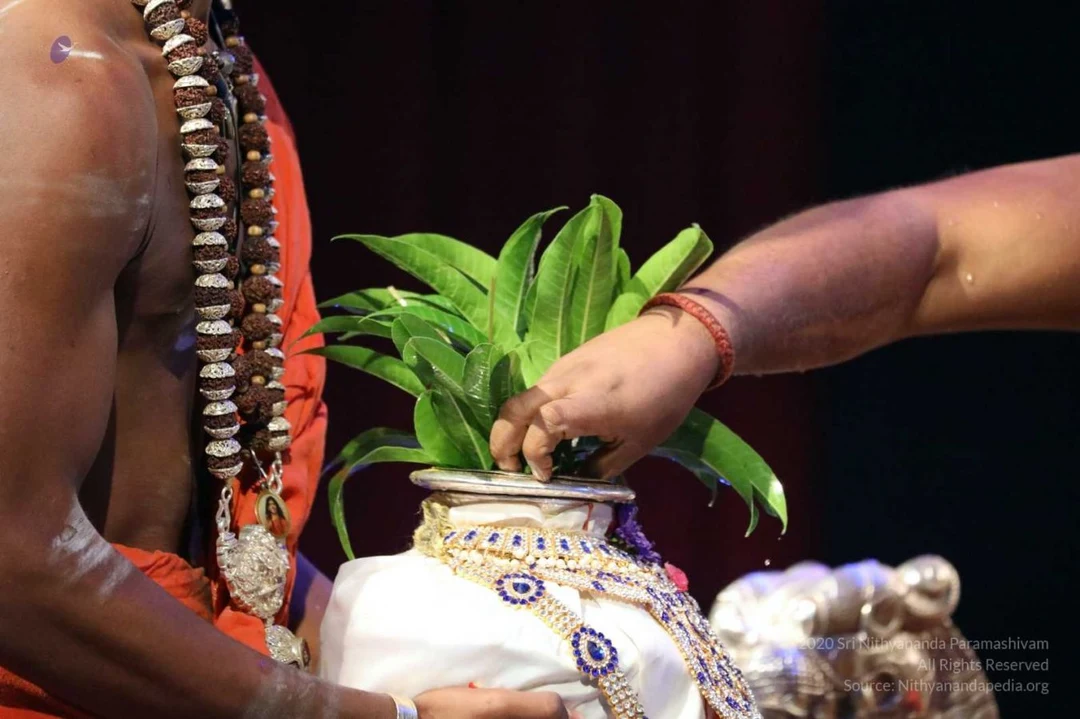 Shiva deeksha - the disciple is given access to connect with Sadashiva
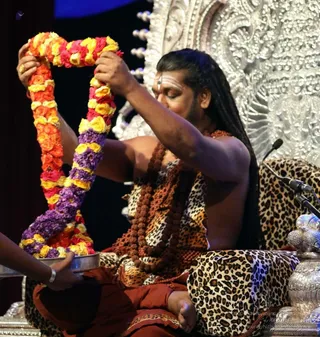 Shiva deeksha - the disciple is given access to connect with Sadashiva
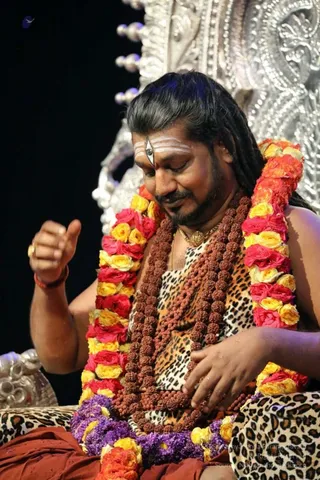 Shiva deeksha - the disciple is given access to connect with Sadashiva
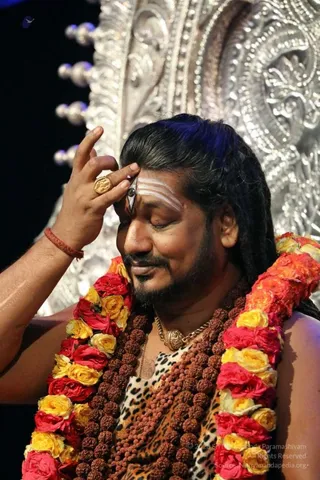 Shiva deeksha - the disciple is given access to connect with Sadashiva
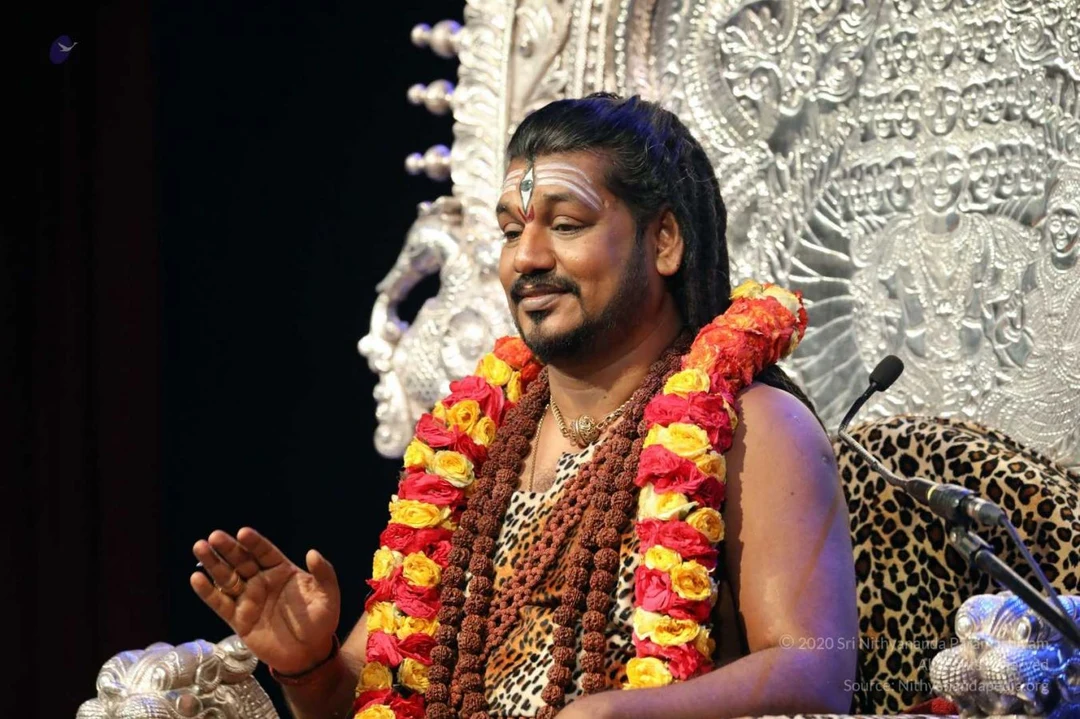 Shiva deeksha - the disciple is given access to connect with Sadashiva
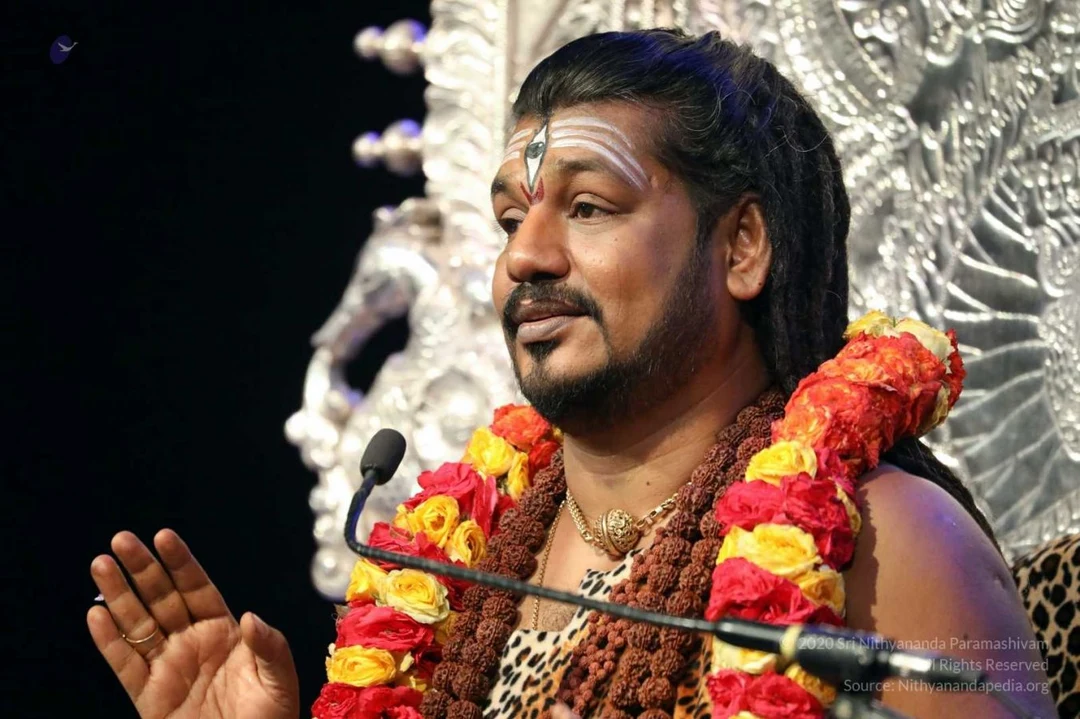 Shiva deeksha - the disciple is given access to connect with Sadashiva
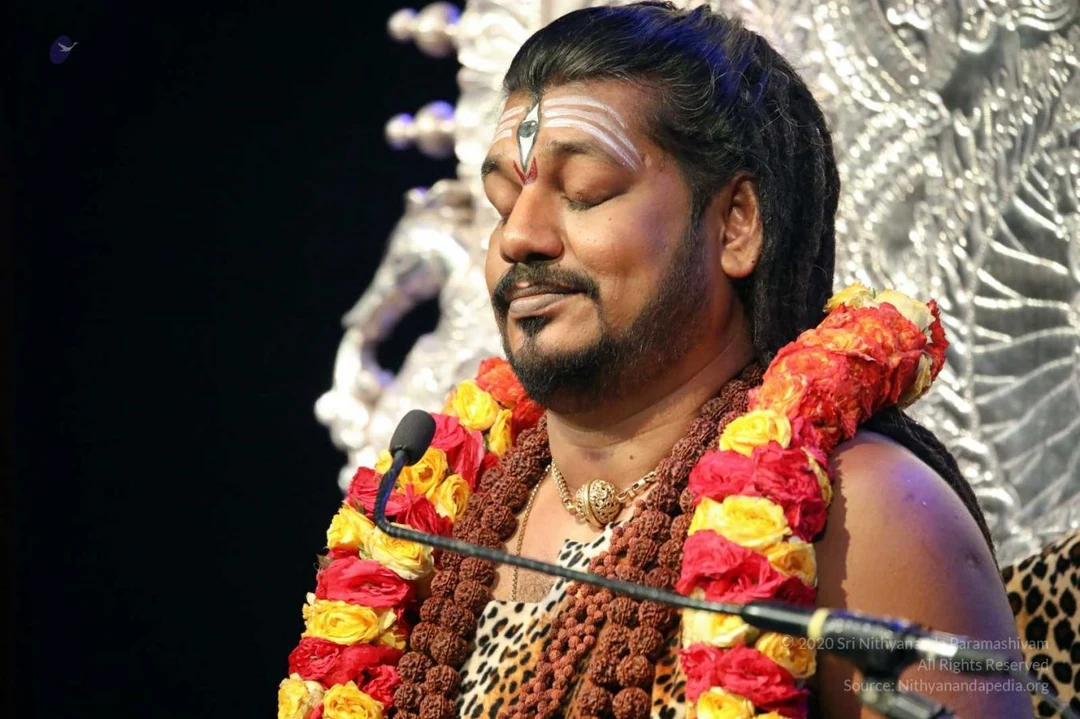 Shiva deeksha - the disciple is given access to connect with Sadashiva
 Shiva Deeksha empowers you to directly connect with Mahadeva and the cosmic conscious energy
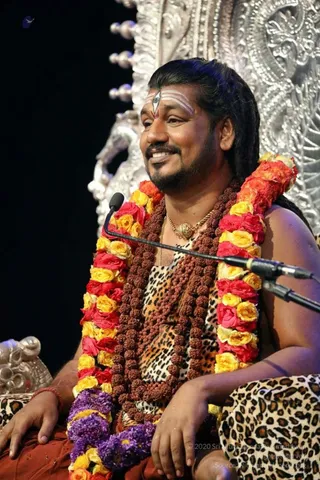 Shiva deeksha empowers you to directly connect with Mahadeva and the cosmic conscious energy
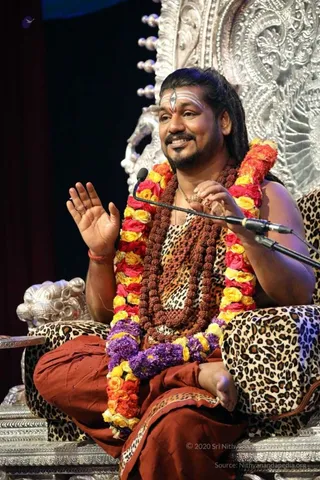 Shiva deeksha empowers you to directly connect with Mahadeva and the cosmic conscious energy
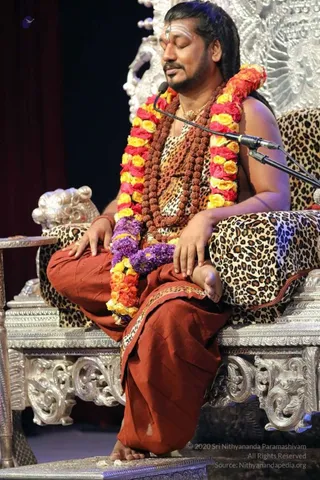 Shiva deeksha empowers you to directly connect with Mahadeva and the cosmic conscious energy
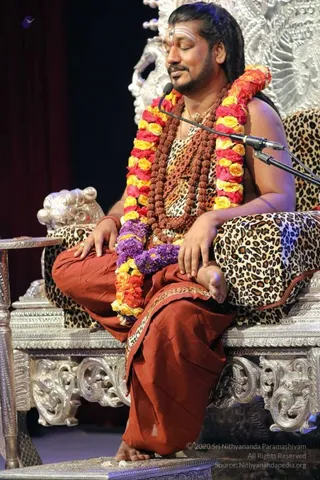 Shiva deeksha empowers you to directly connect with Mahadeva and the cosmic conscious energy
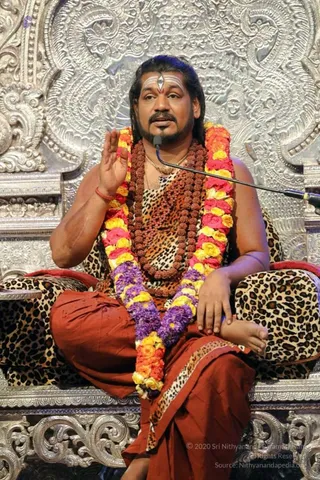 Shiva deeksha empowers you to directly connect with Mahadeva and the cosmic conscious energy
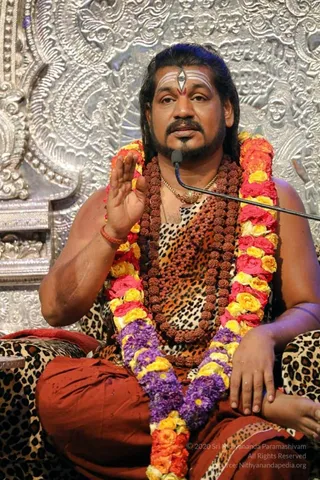 Shiva deeksha empowers you to directly connect with Mahadeva and the cosmic conscious energy
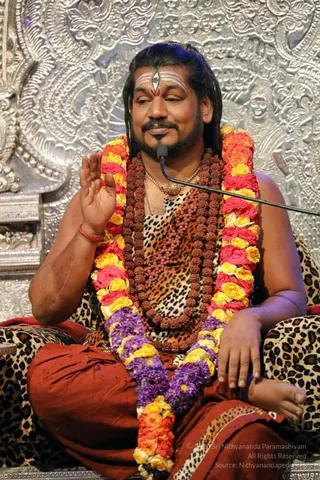 HDH Nithyananda Paramshivam blessing delegates attending the Shiva deeksha Initiation
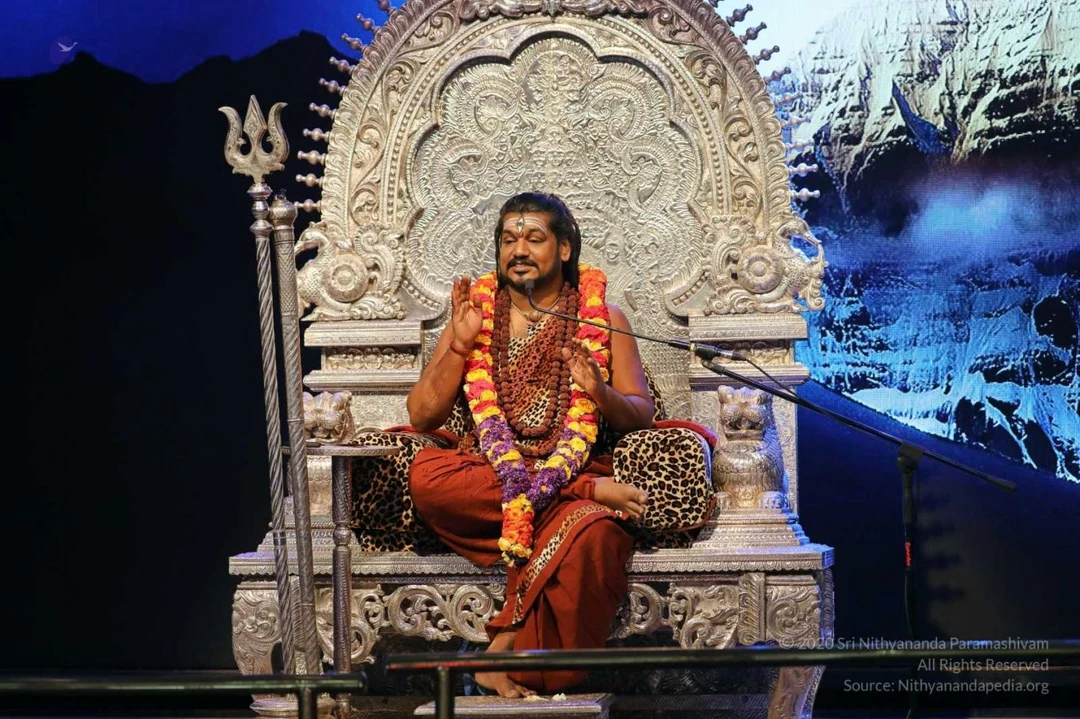 HDH Nithyananda Paramshivam blessing delegates attending the Shiva deeksha Initiation
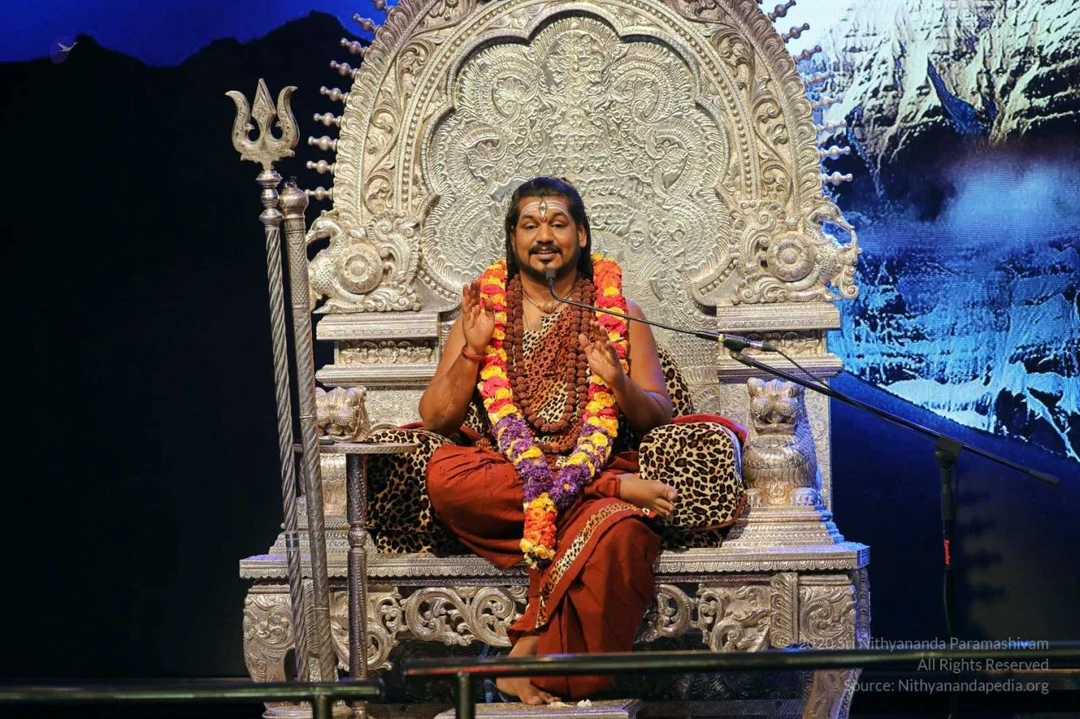 HDH Nithyananda Paramshivam blessing delegates attending the Shiva deeksha Initiation
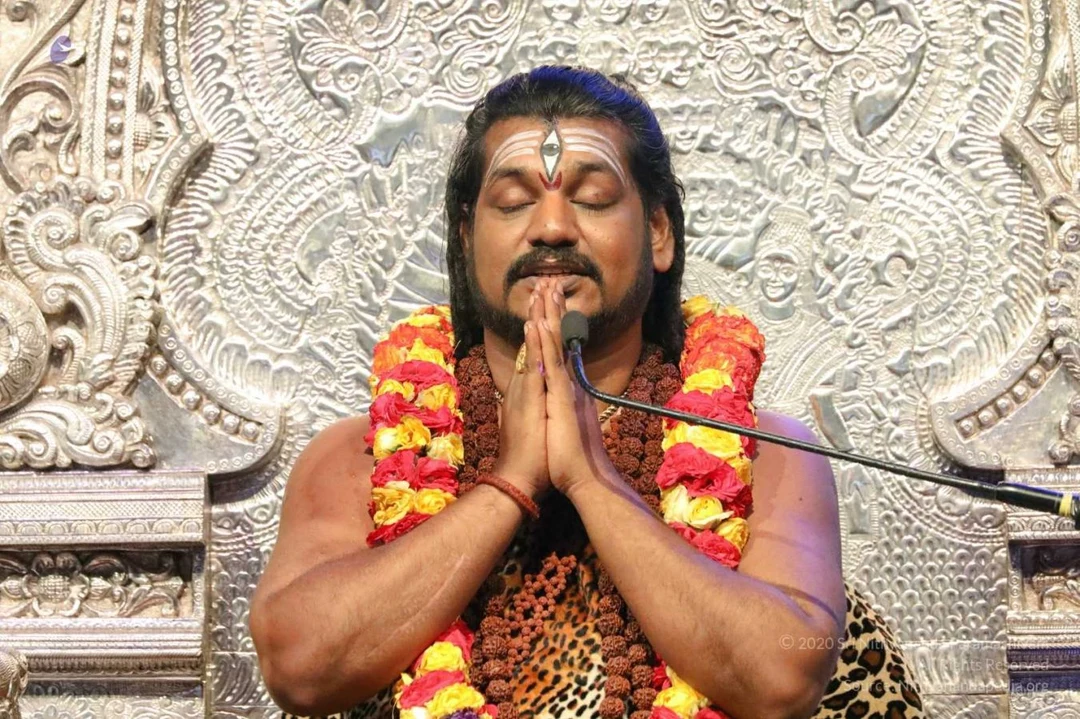 End of Shiva deeksha Initiation
 End of Shiva deeksha Initiation
 HDH Nithyananda Paramshivam blessing delegates attending the Shiva deeksha Initiation
 End of Shiva deeksha initiation
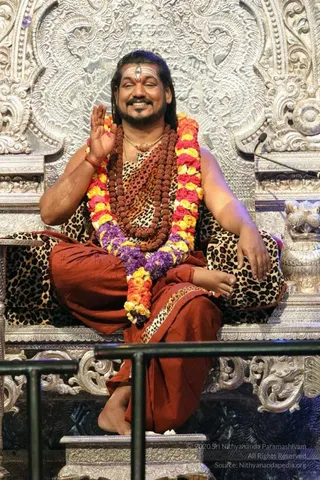 End of Shiva deeksha initiation
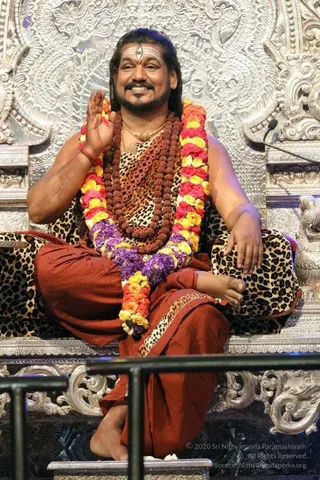 End of Shiva deeksha initiation
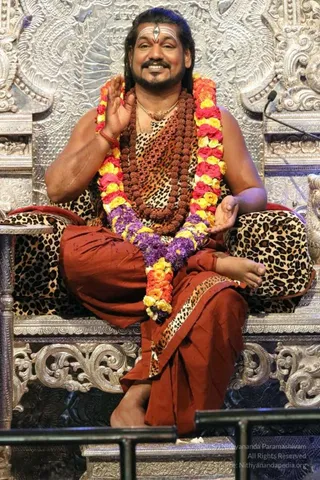 End of Shiva deeksha initiation
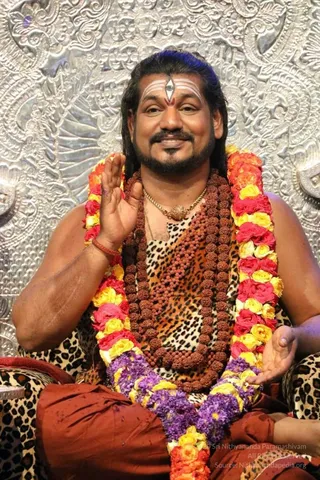 End of Shiva deeksha initiation
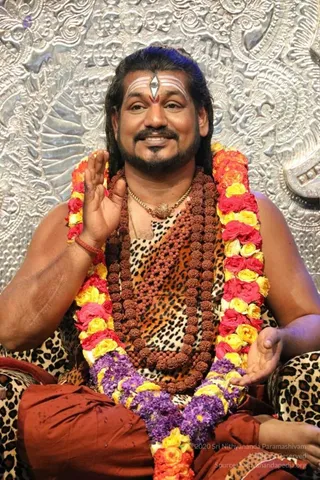 End of Shiva deeksha initiation
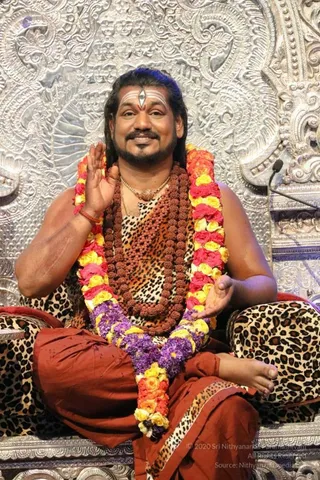 End of Shiva deeksha initiation
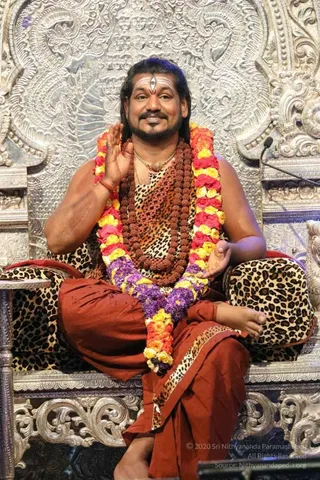 End of Shiva deeksha initiation
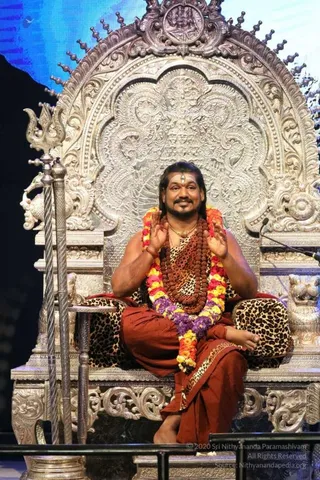 End of Shiva deeksha initiation
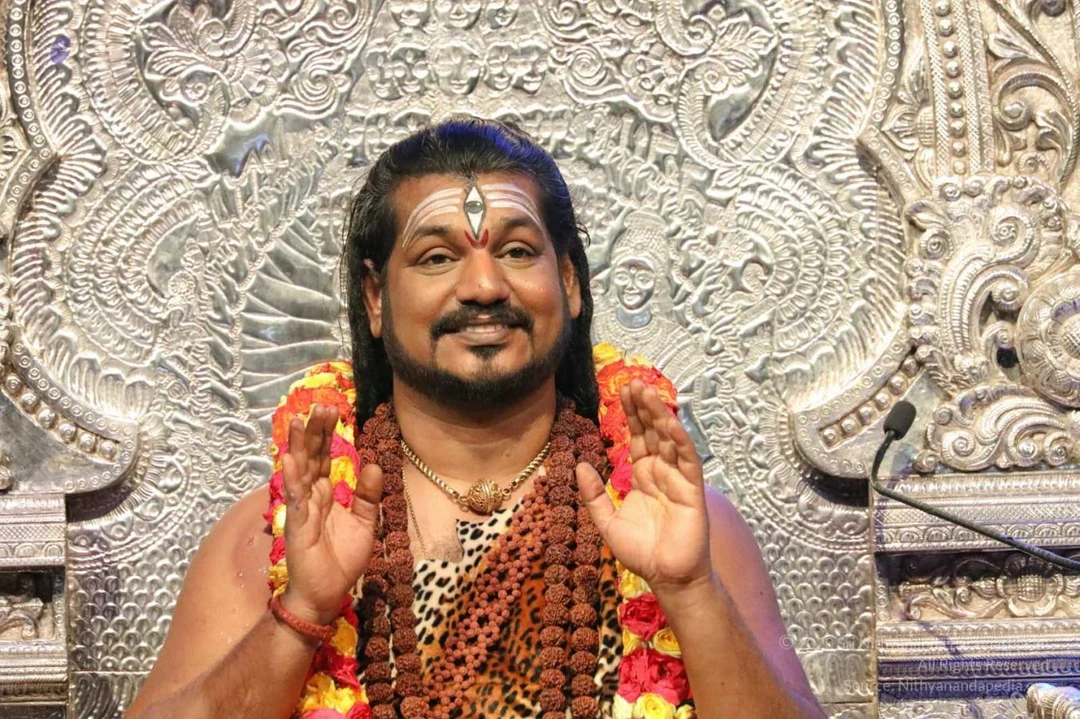 End of Shiva deeksha initiation
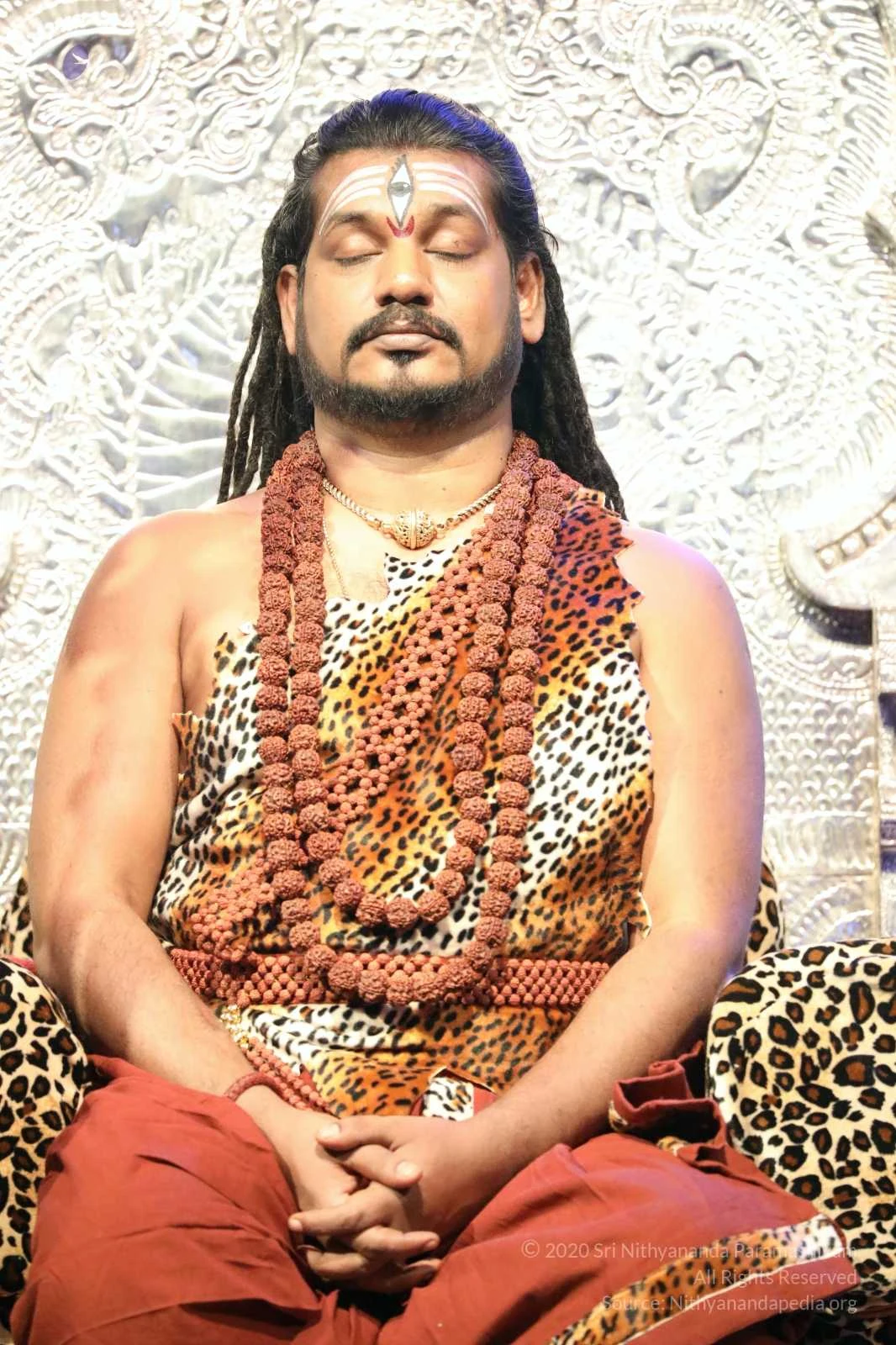
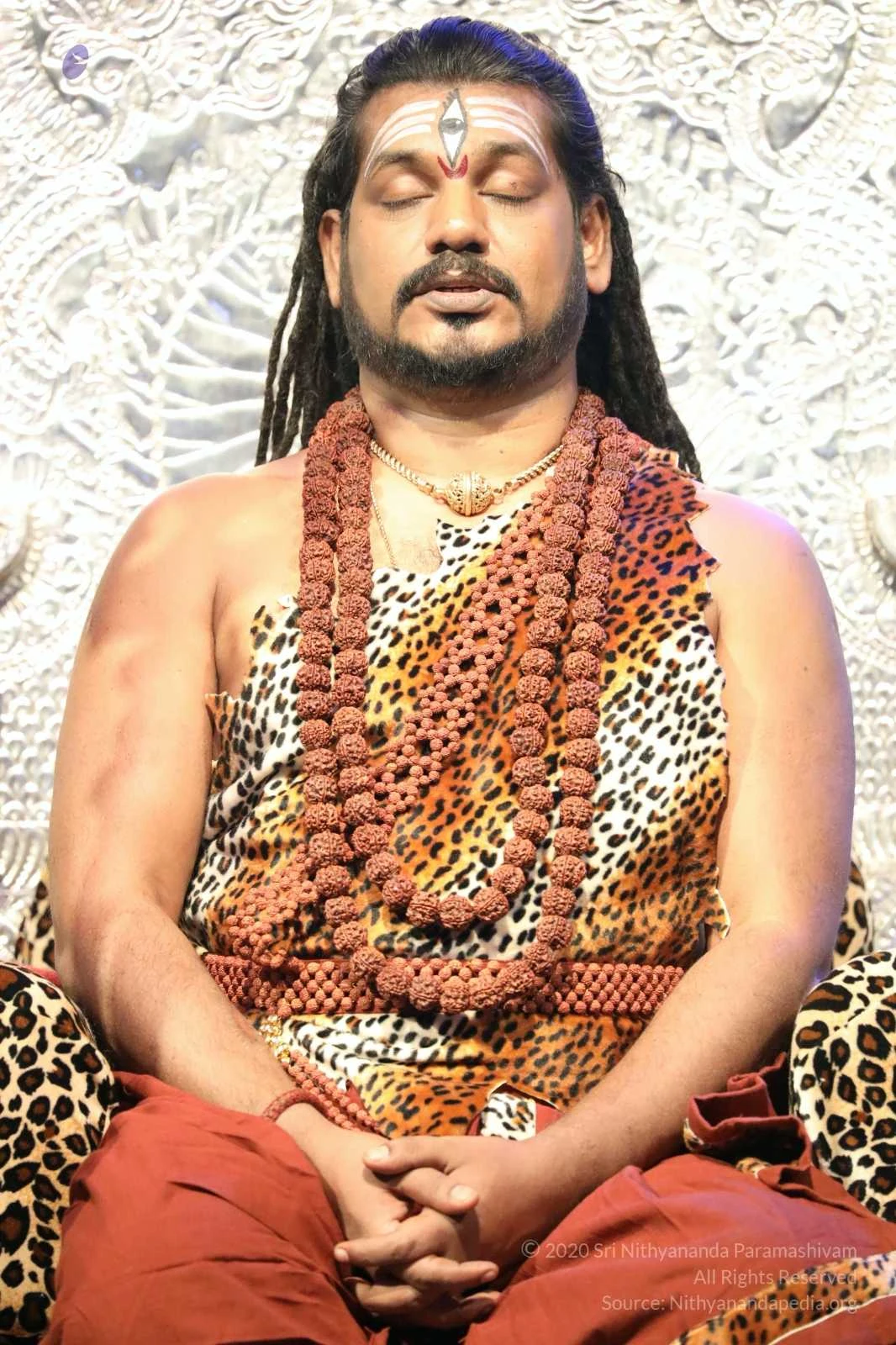
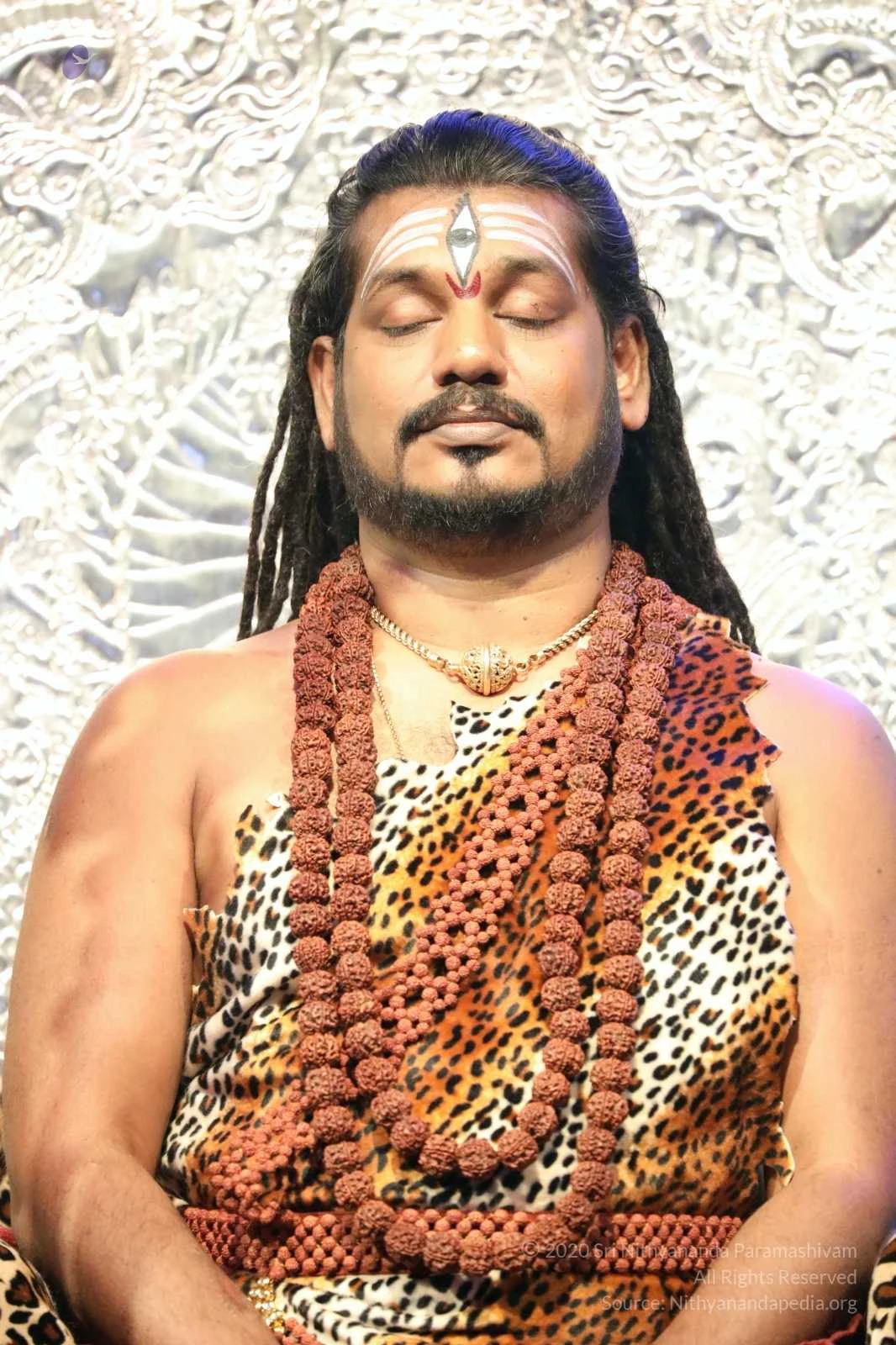
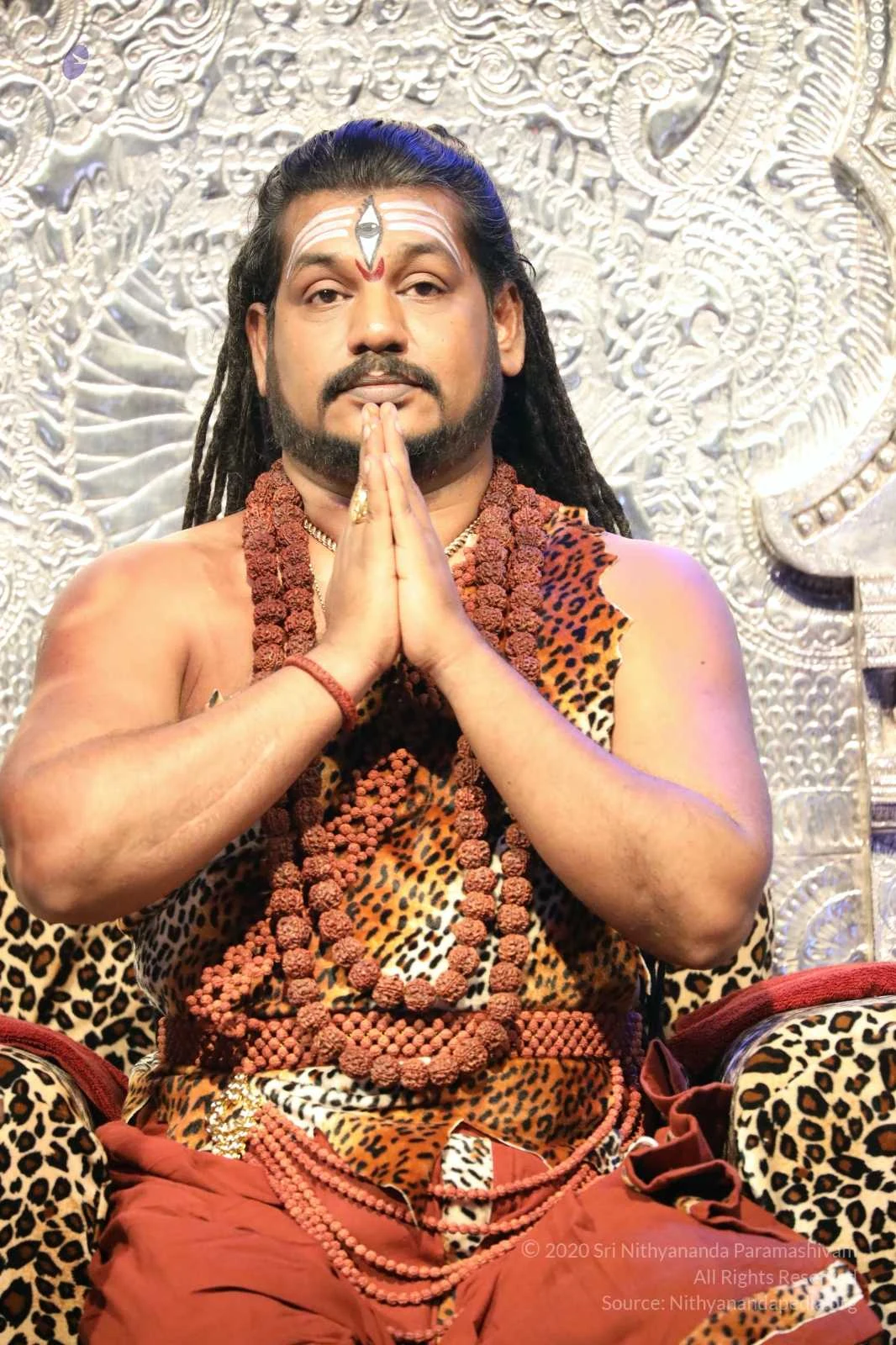
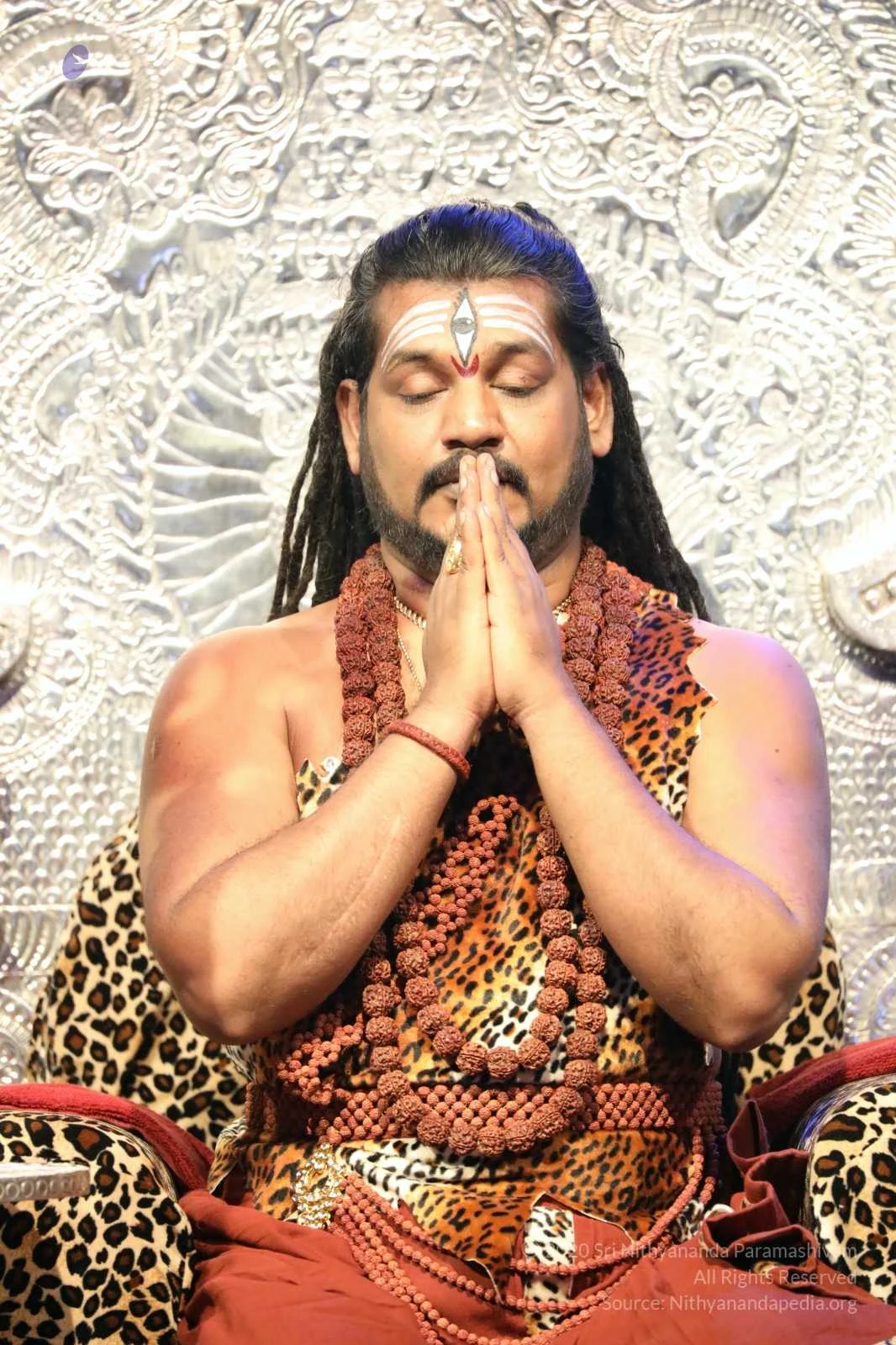
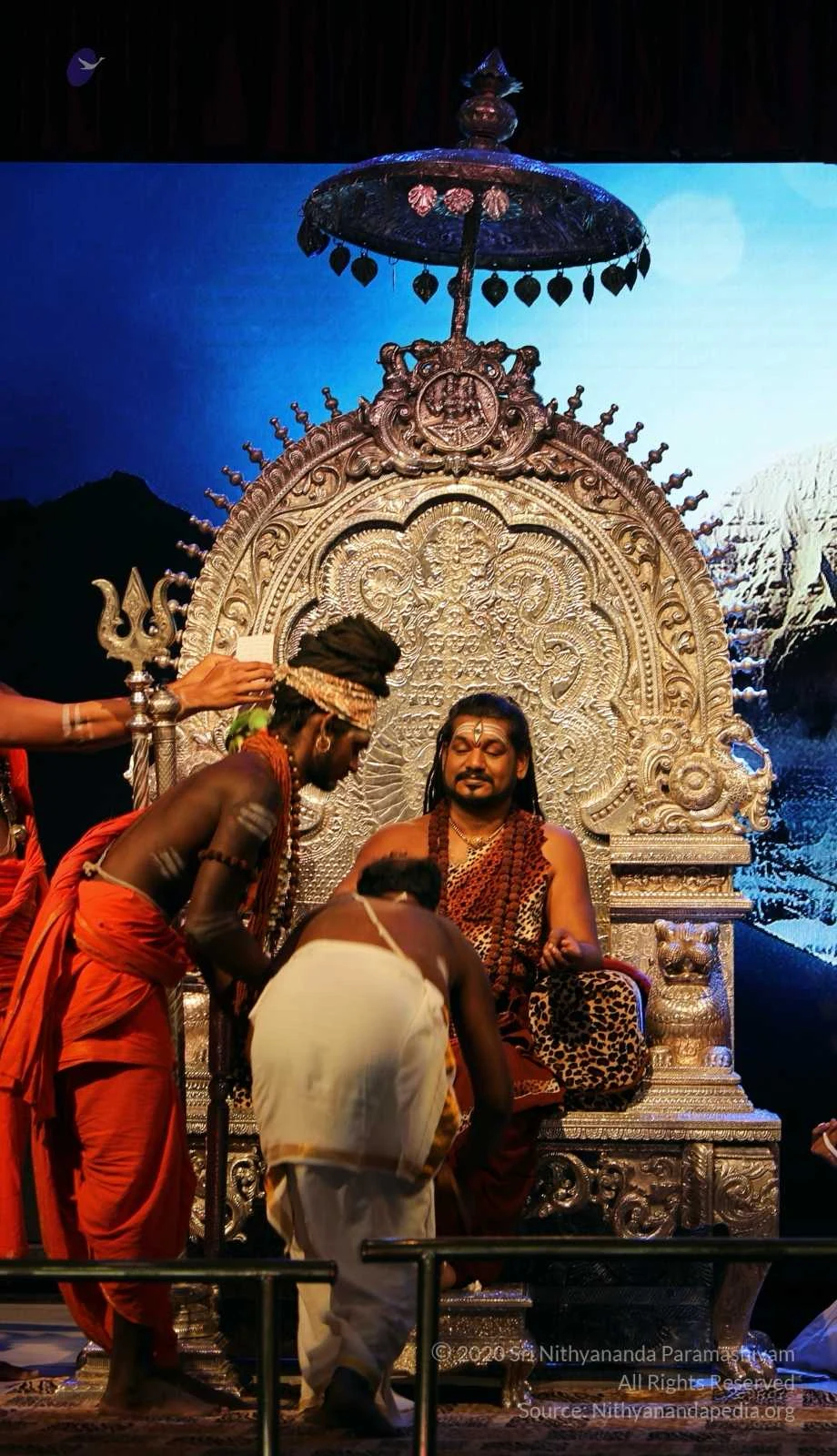
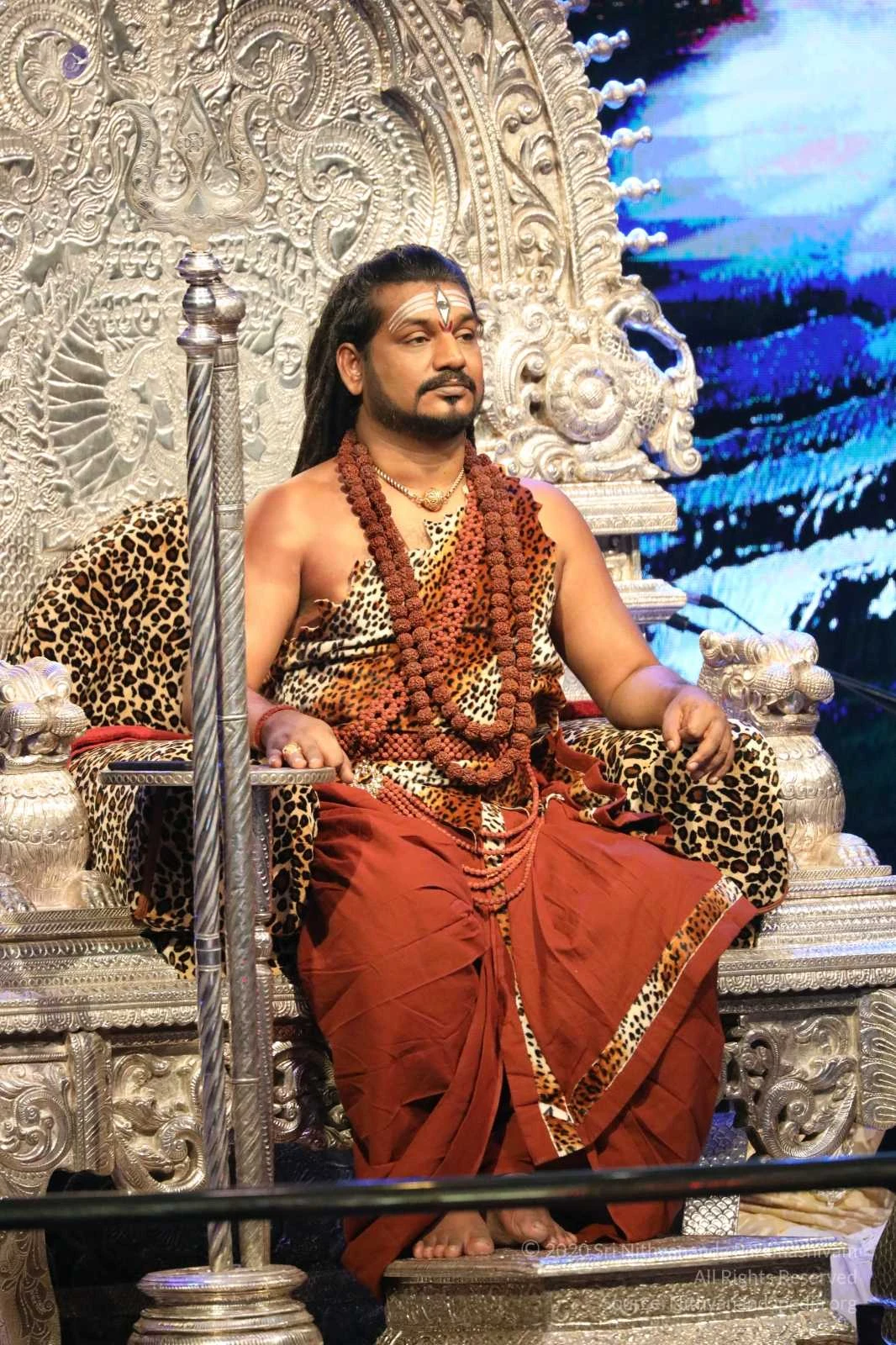
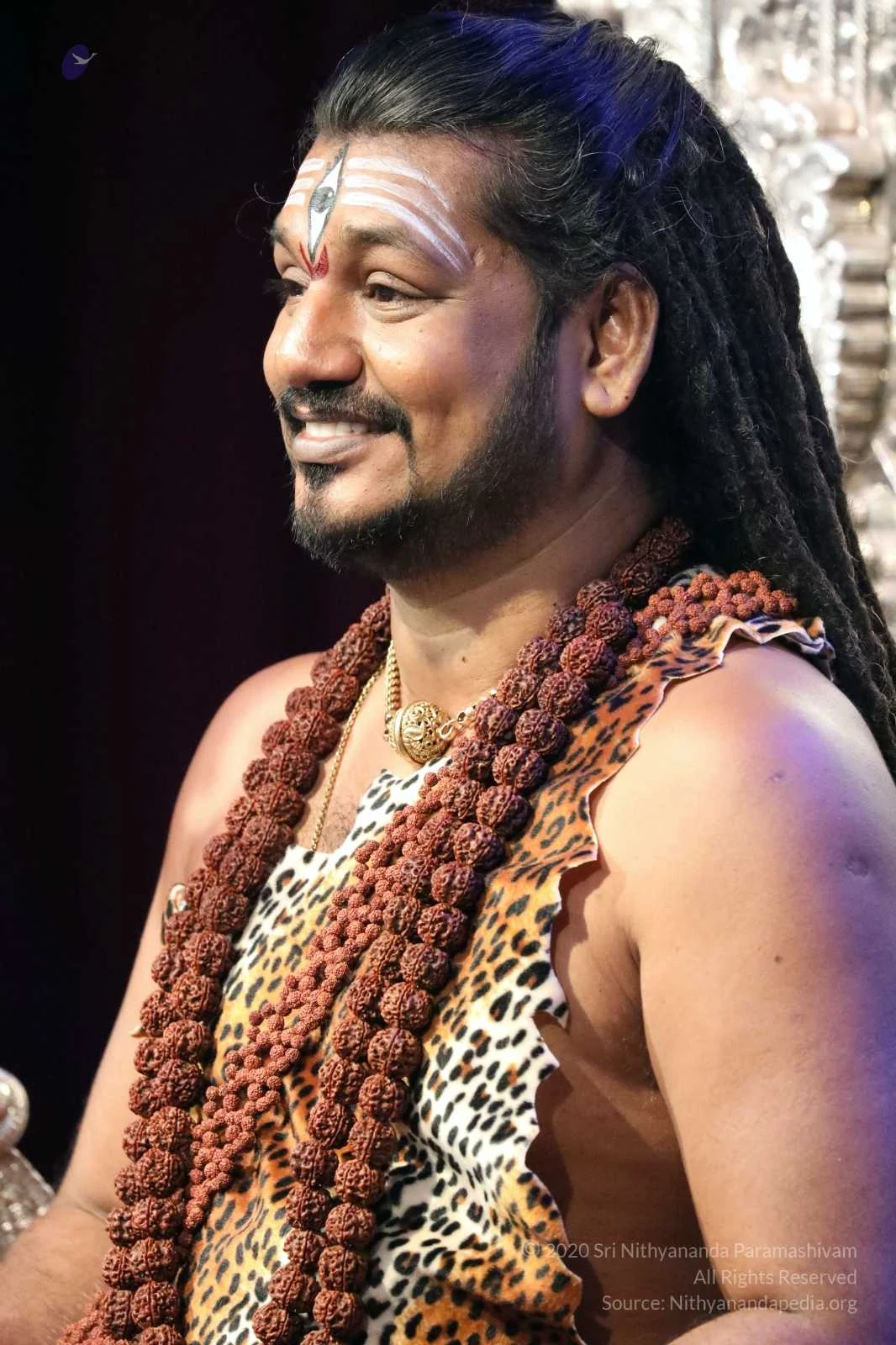
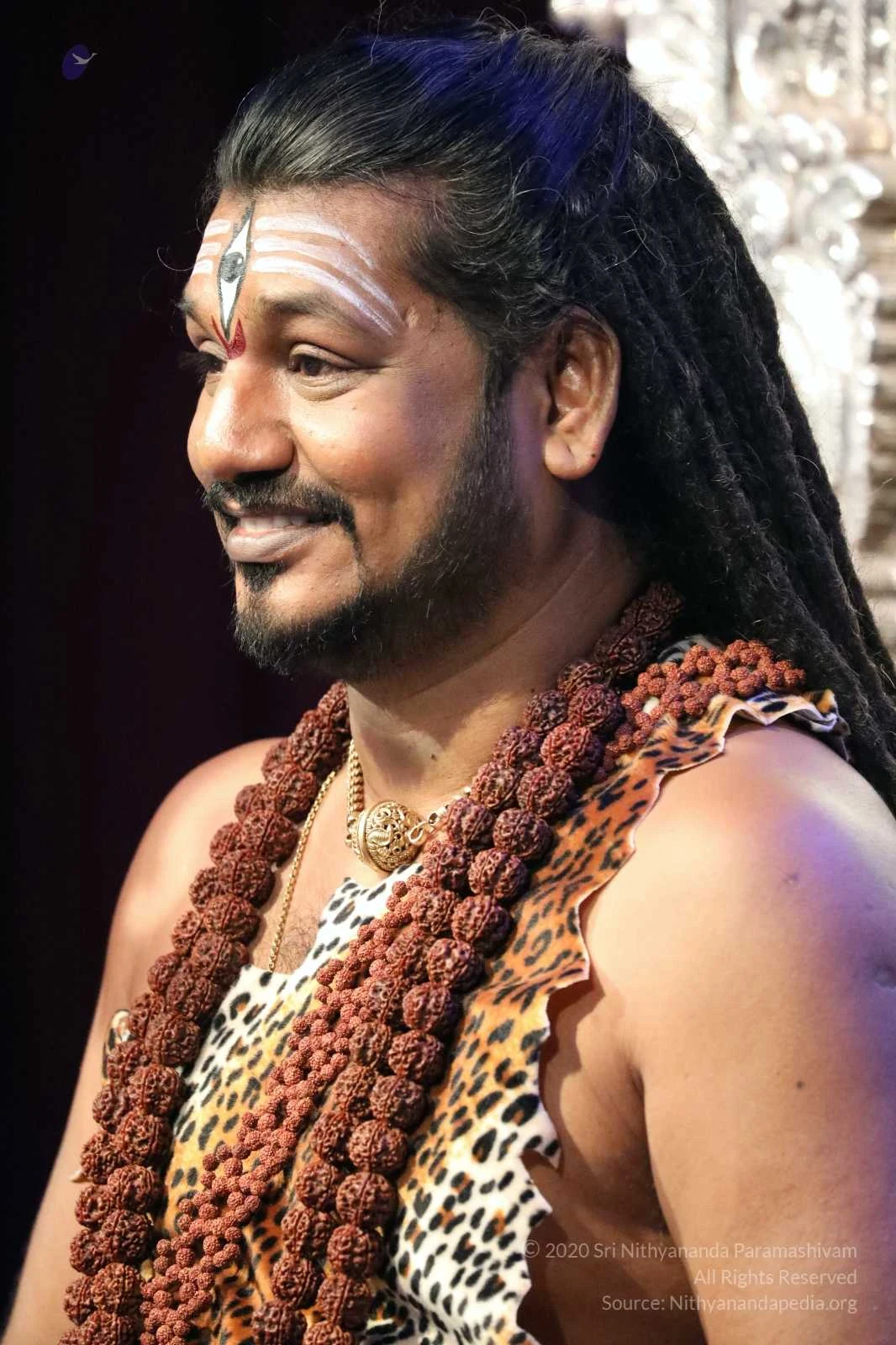
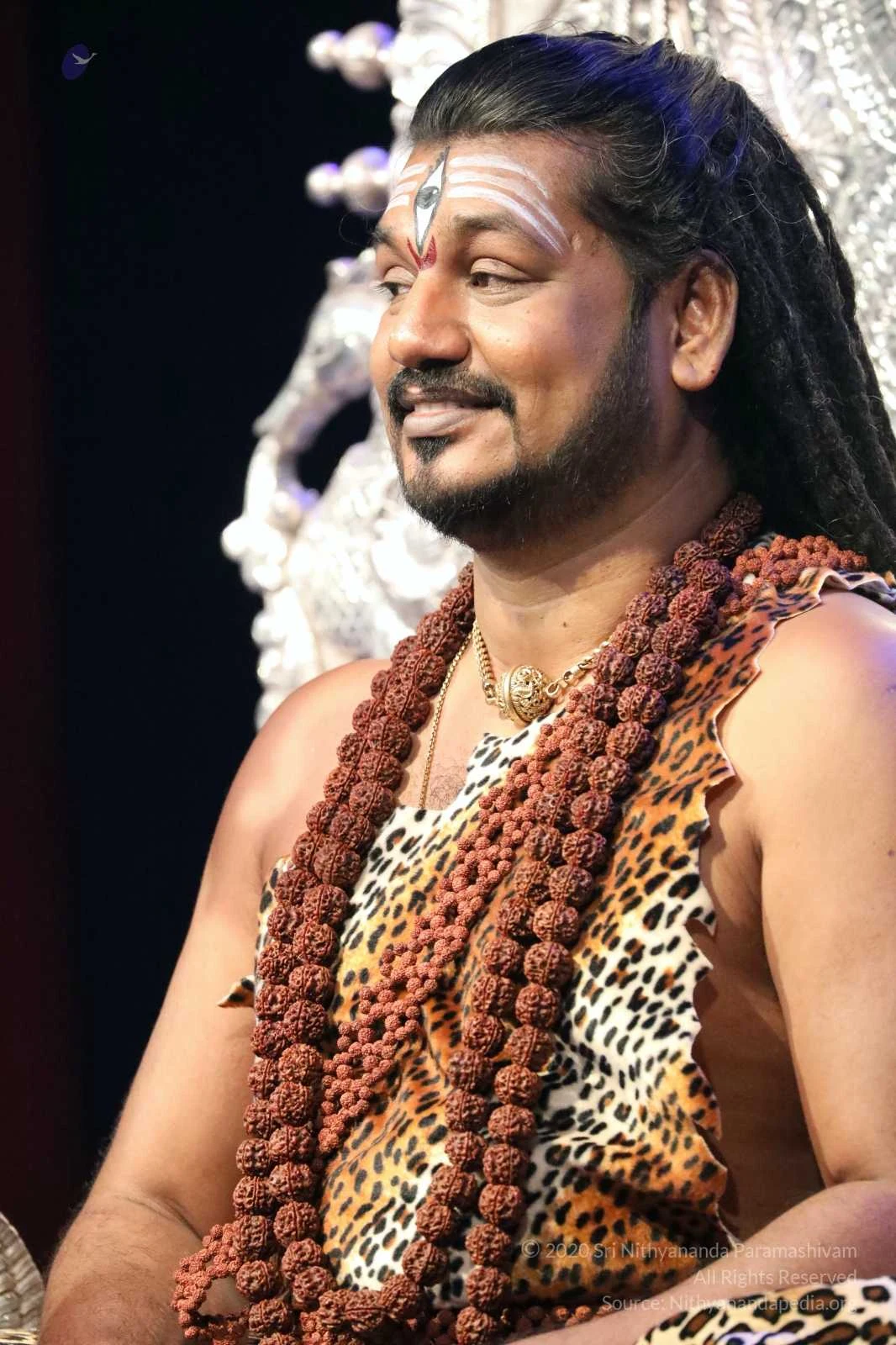
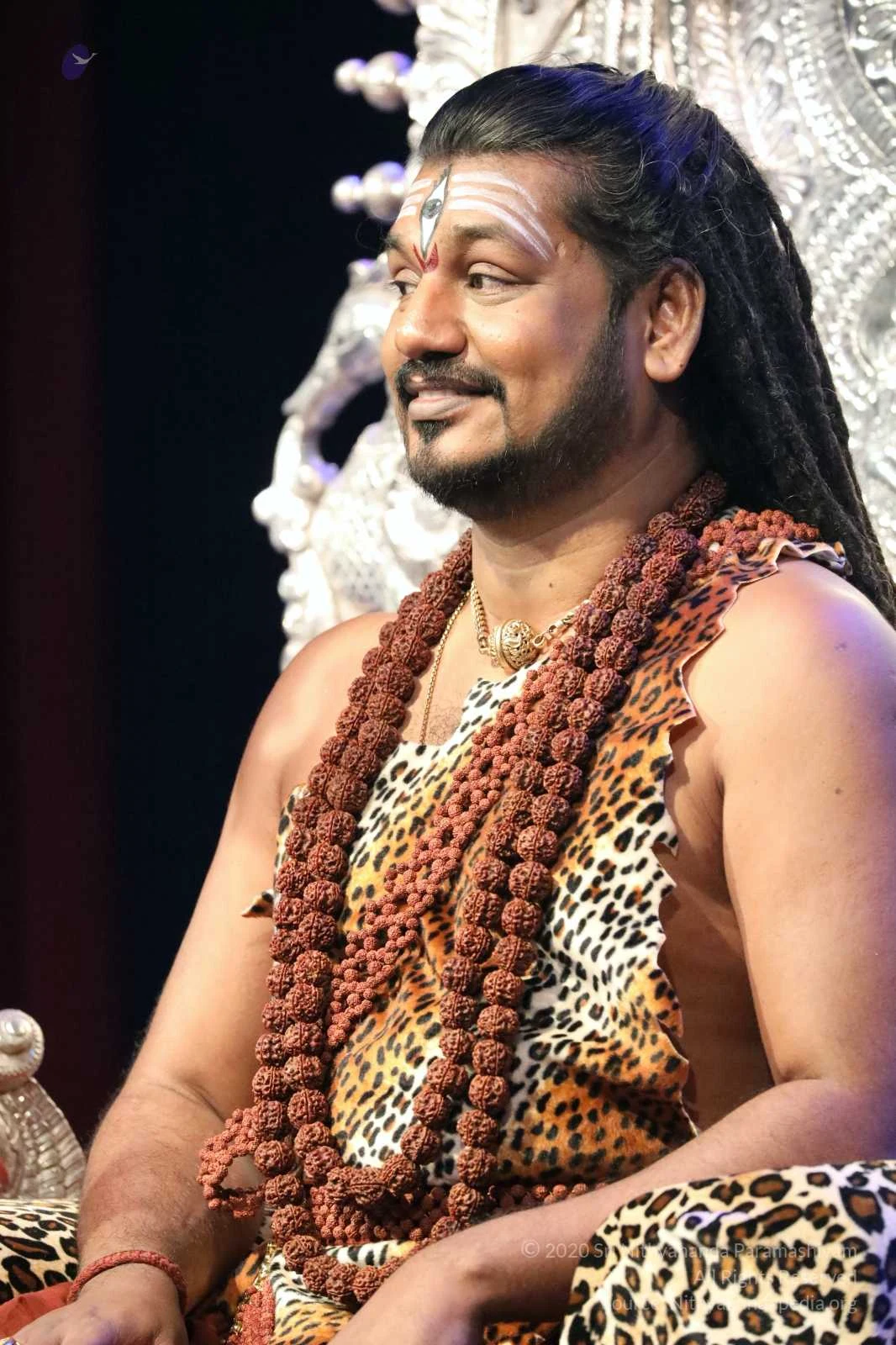
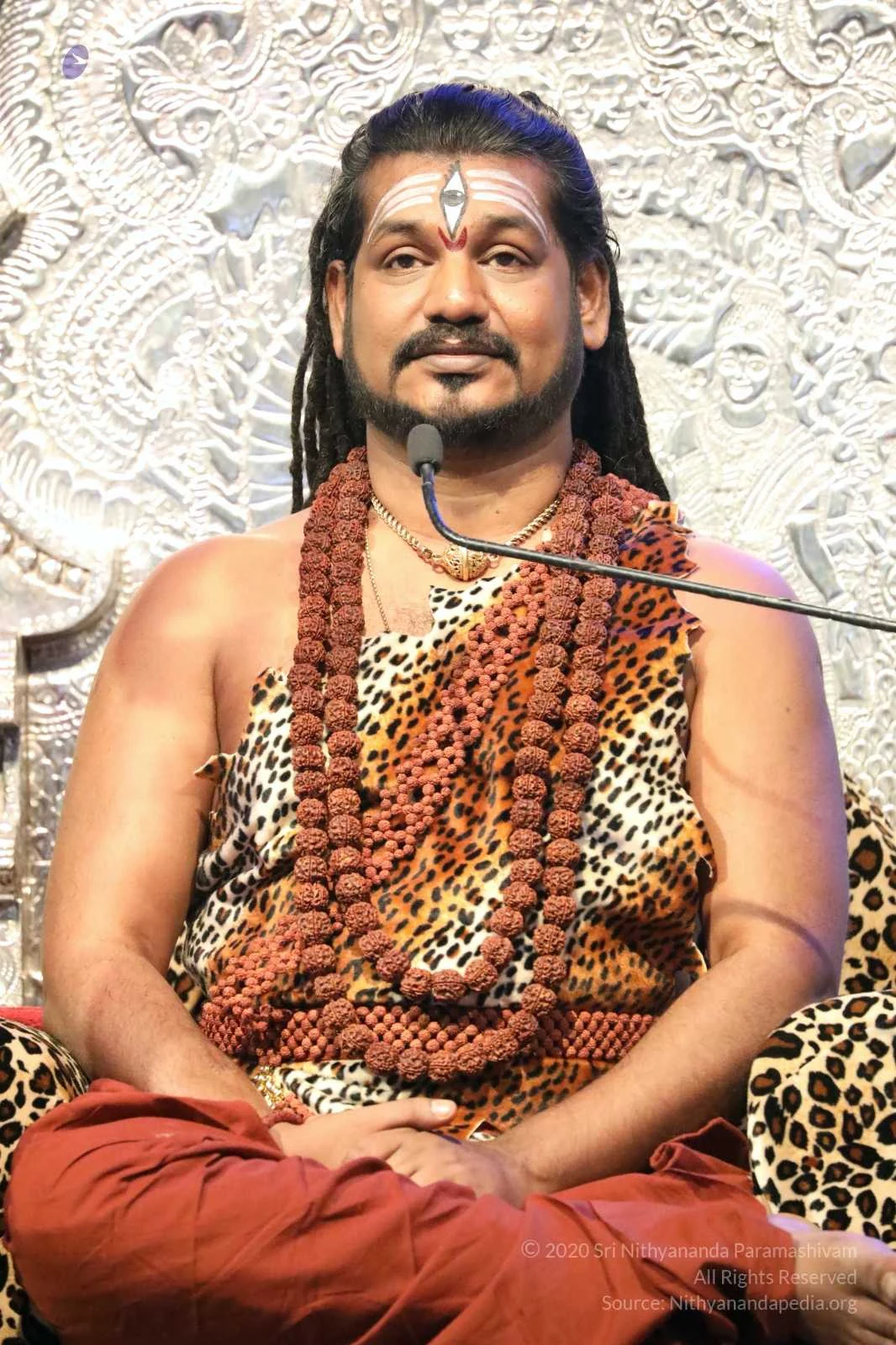
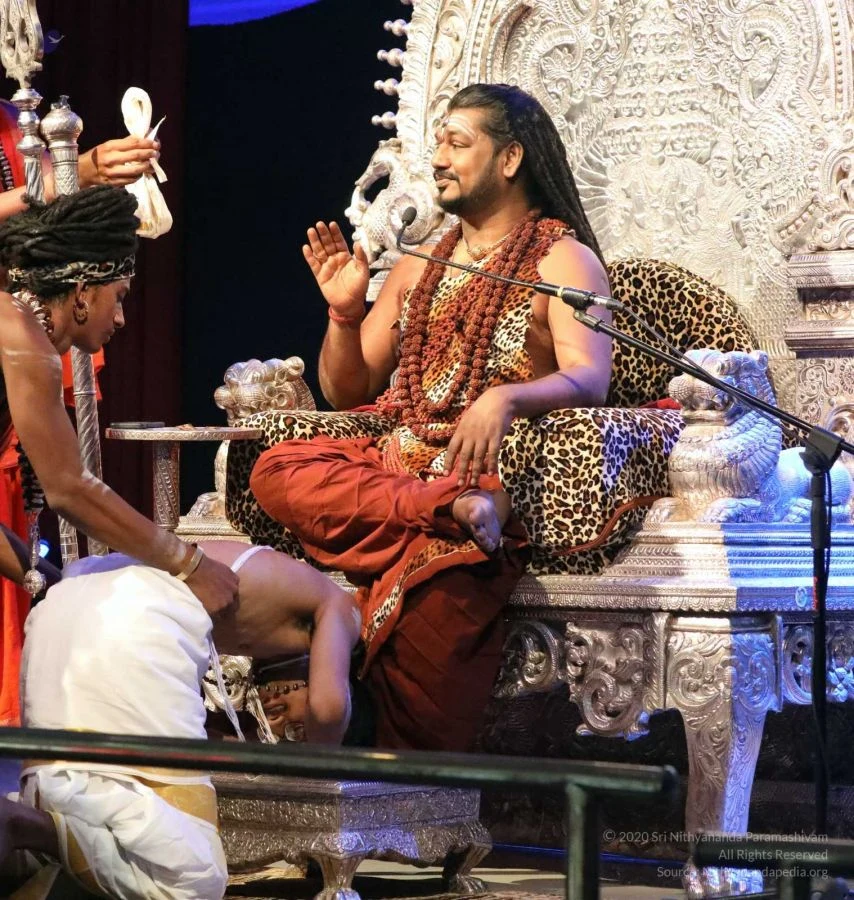
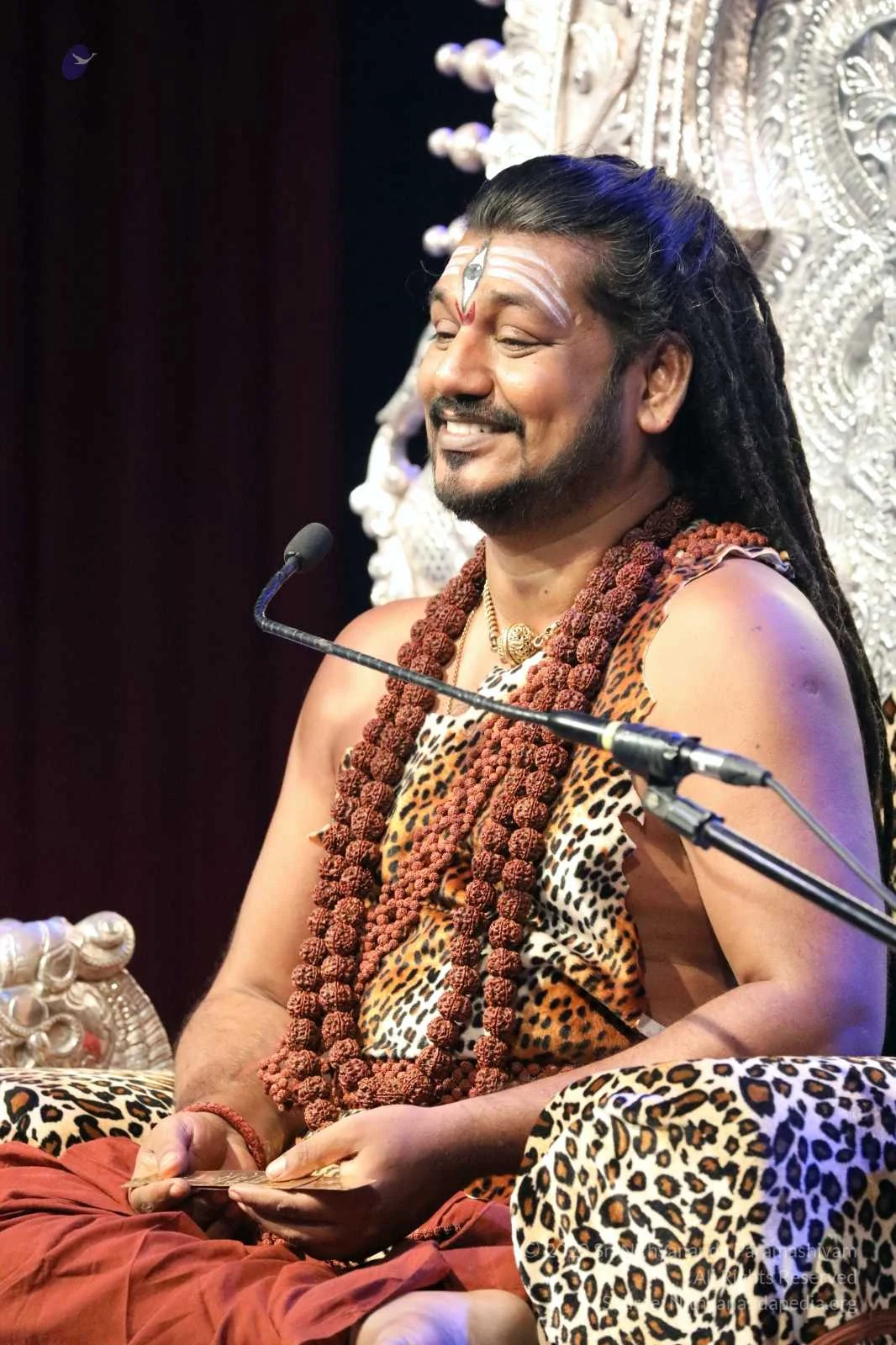
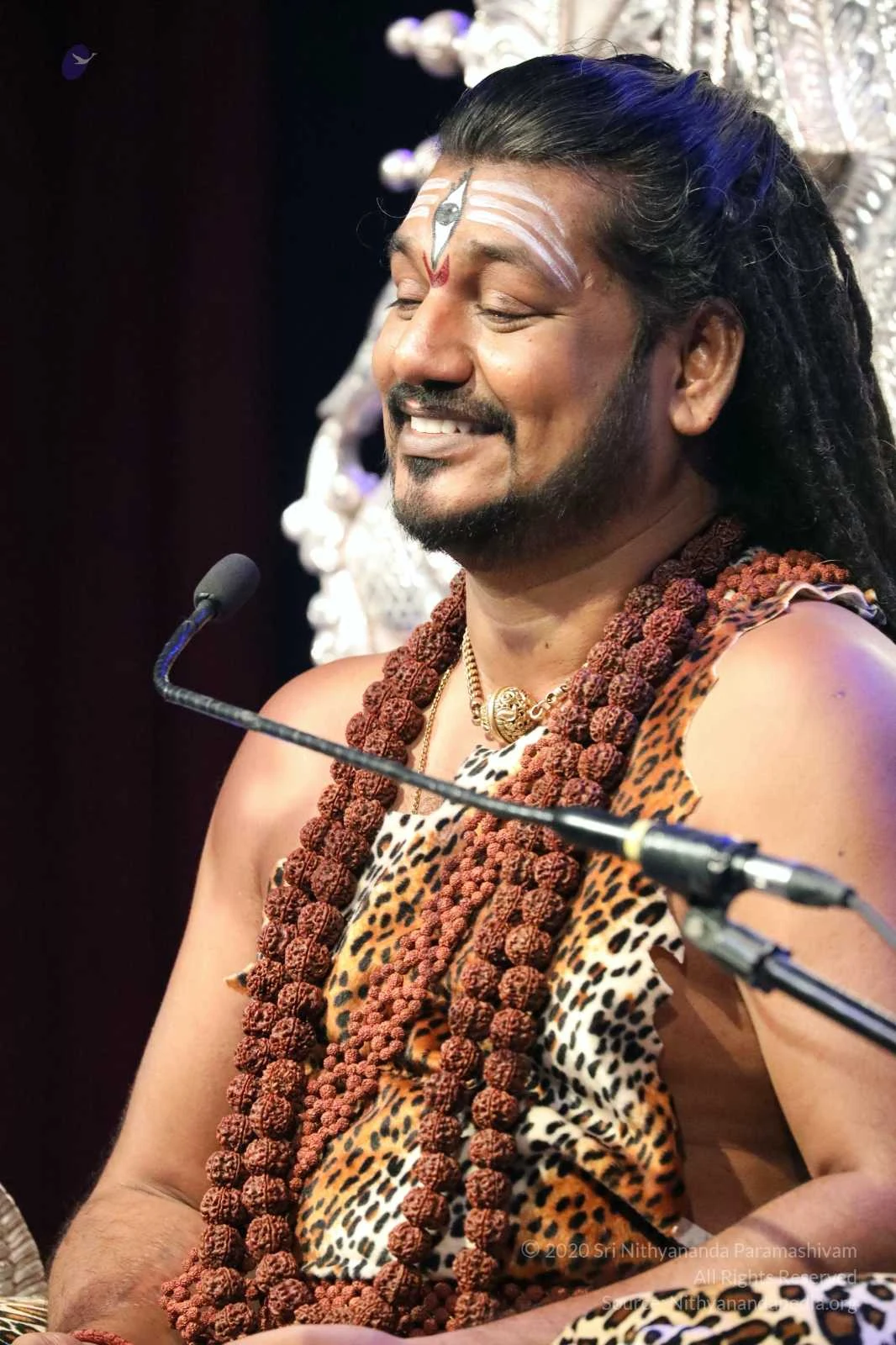
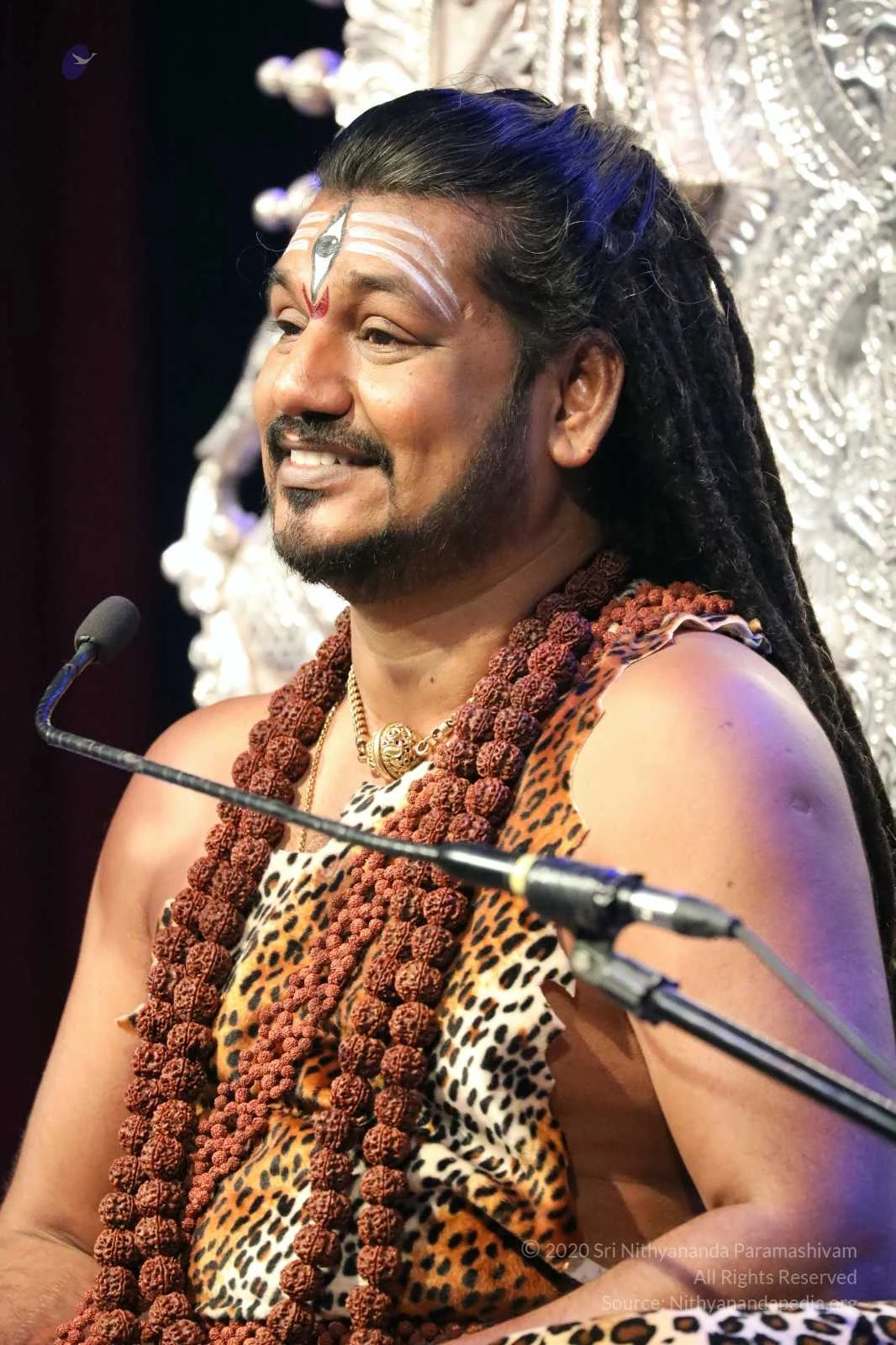
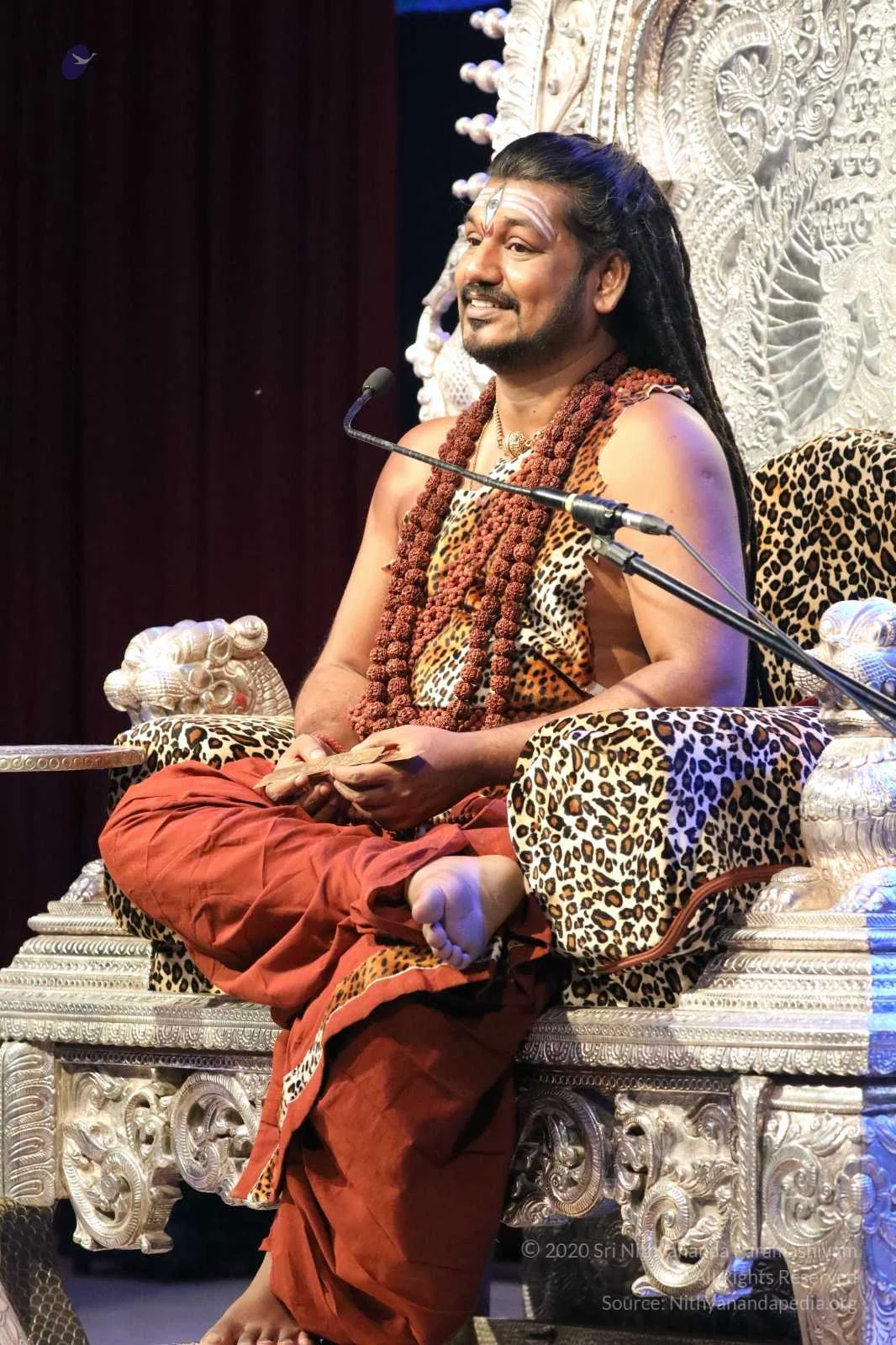
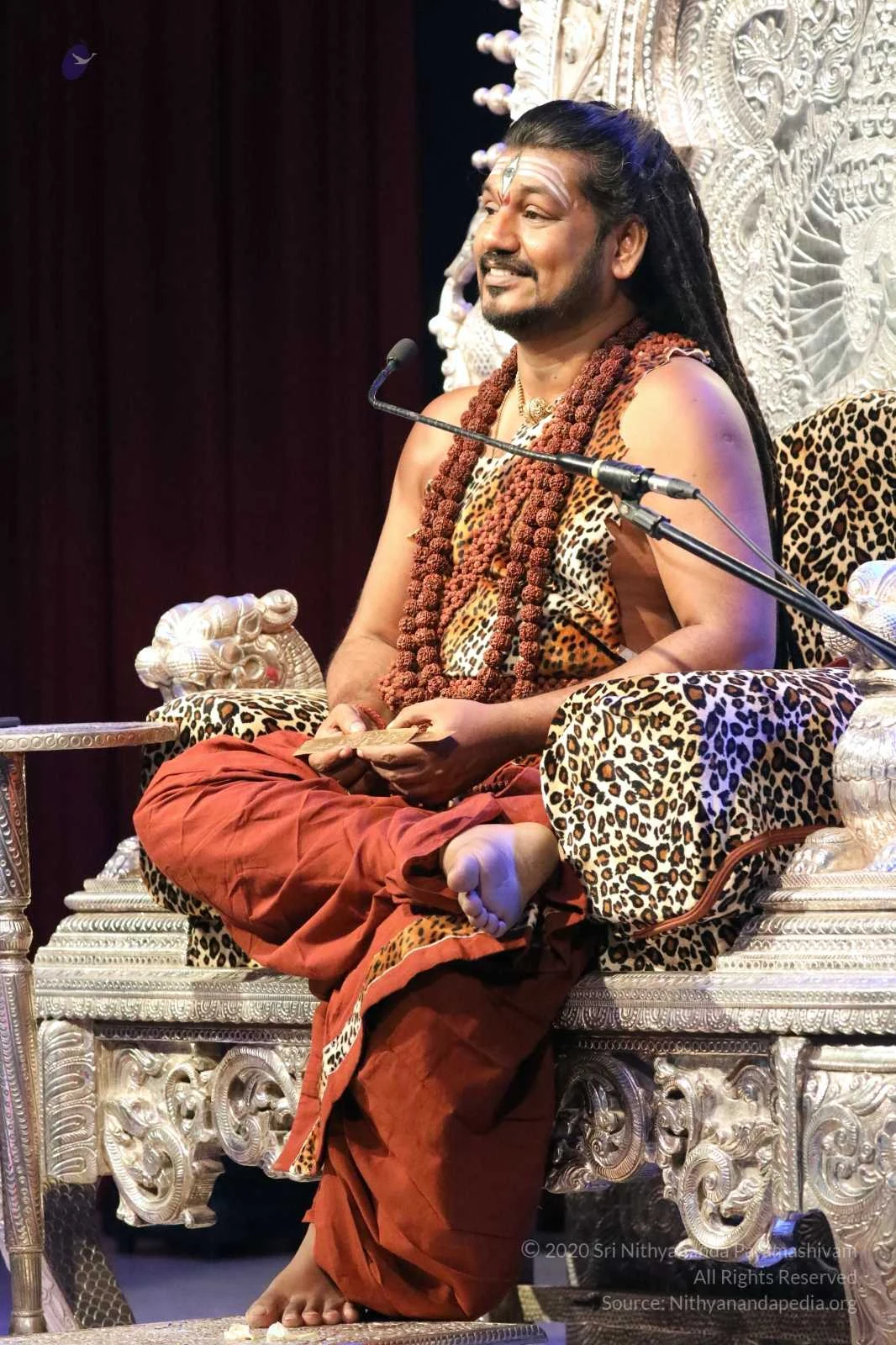
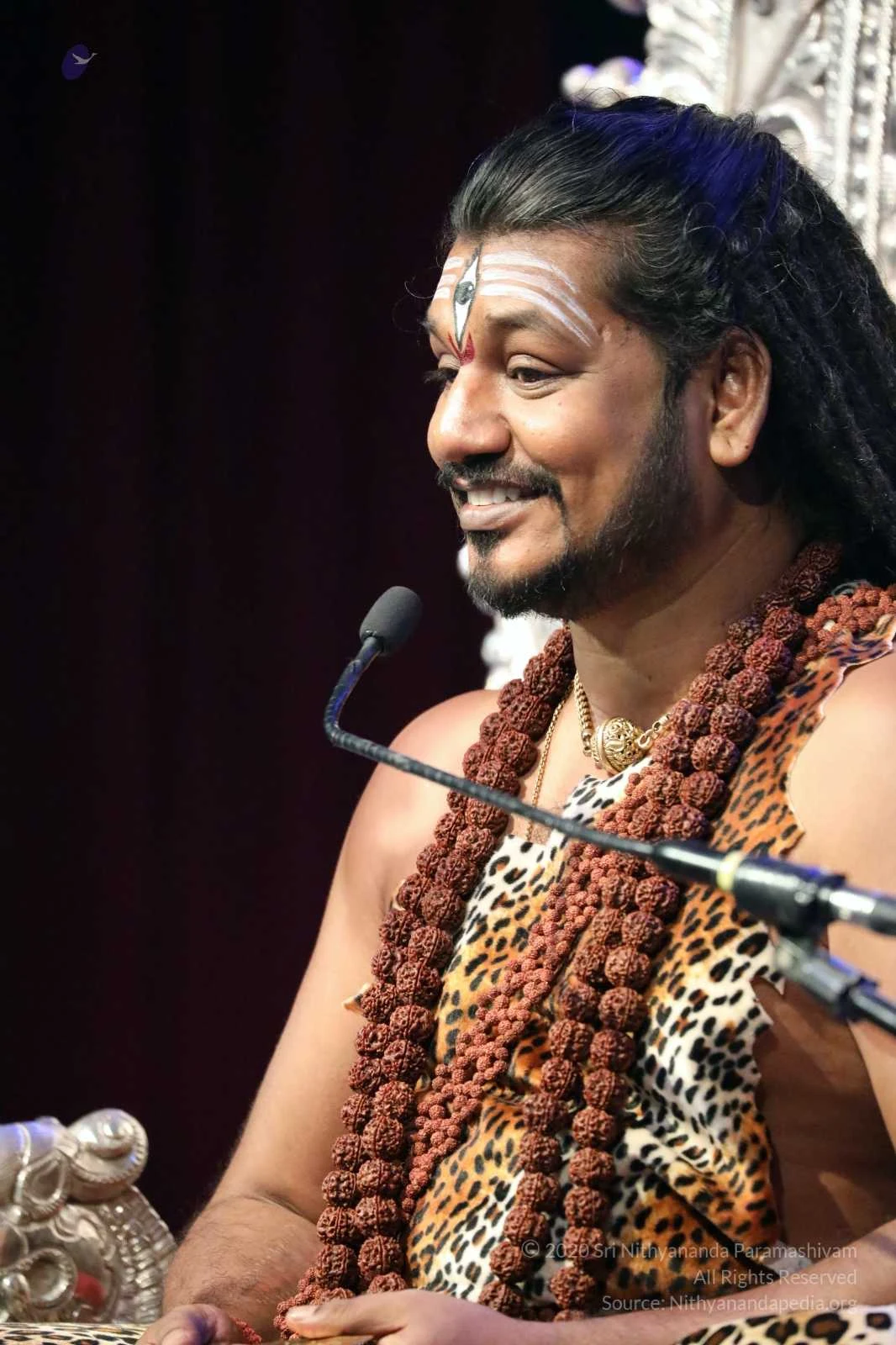
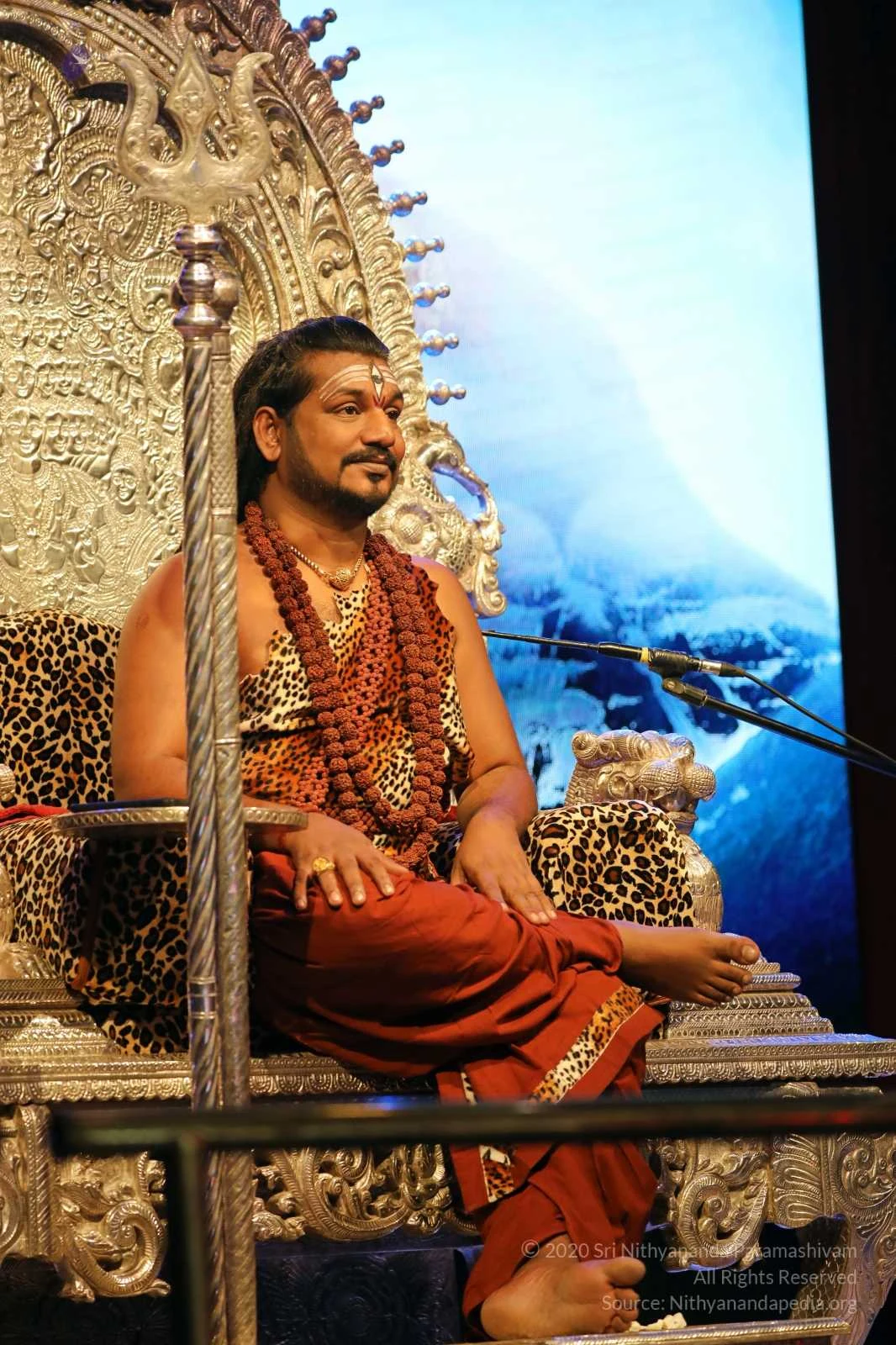
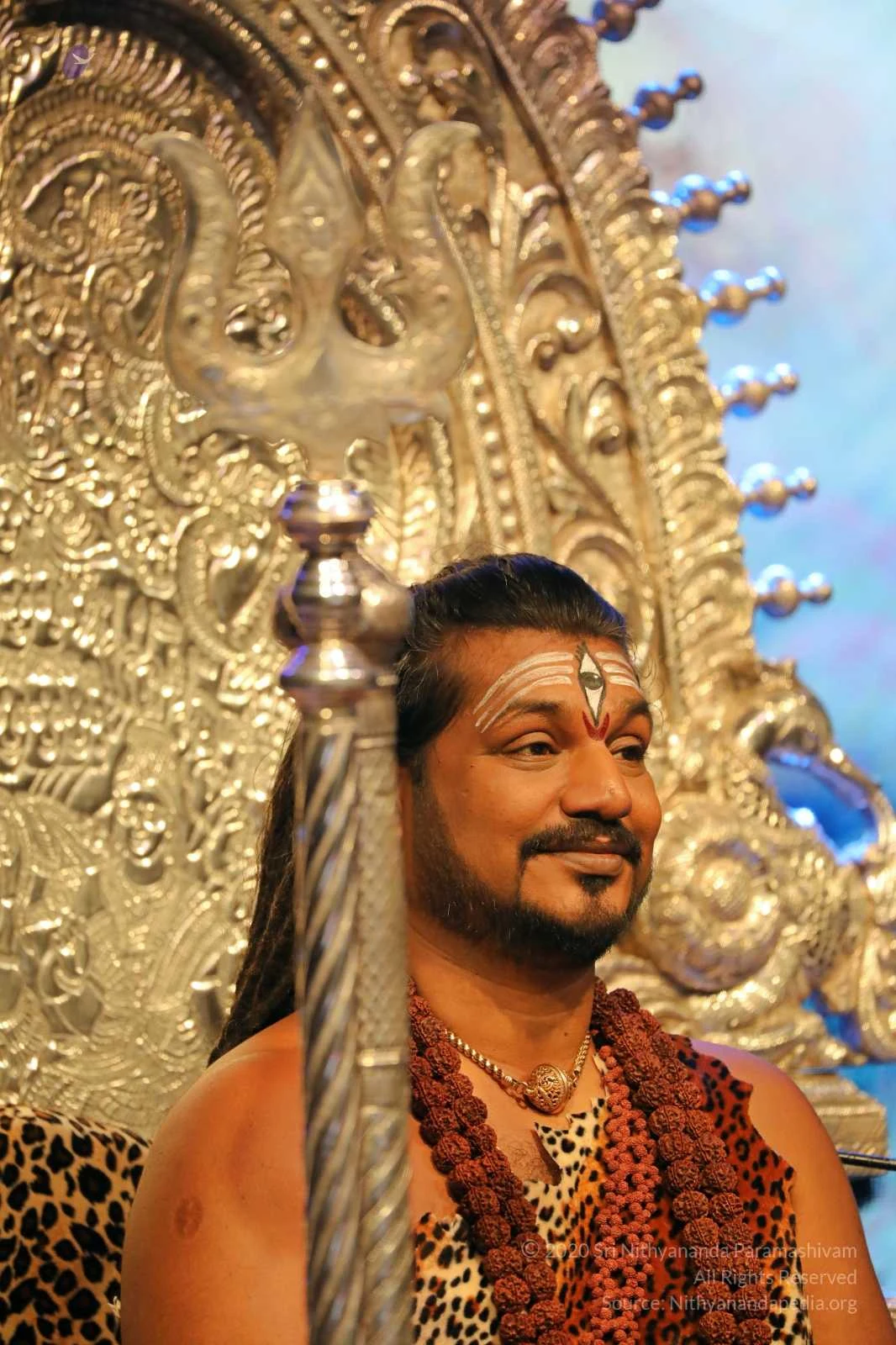
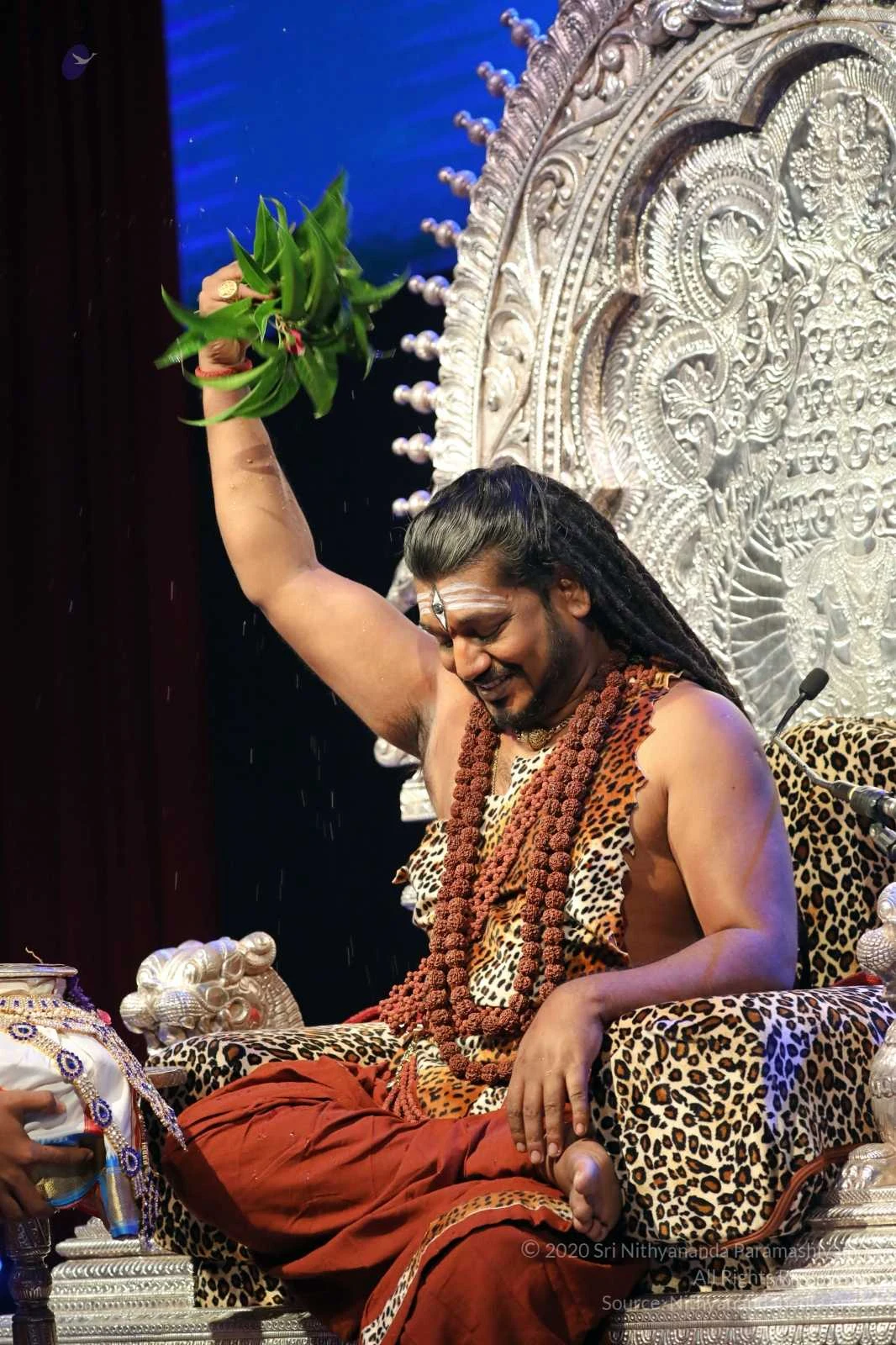
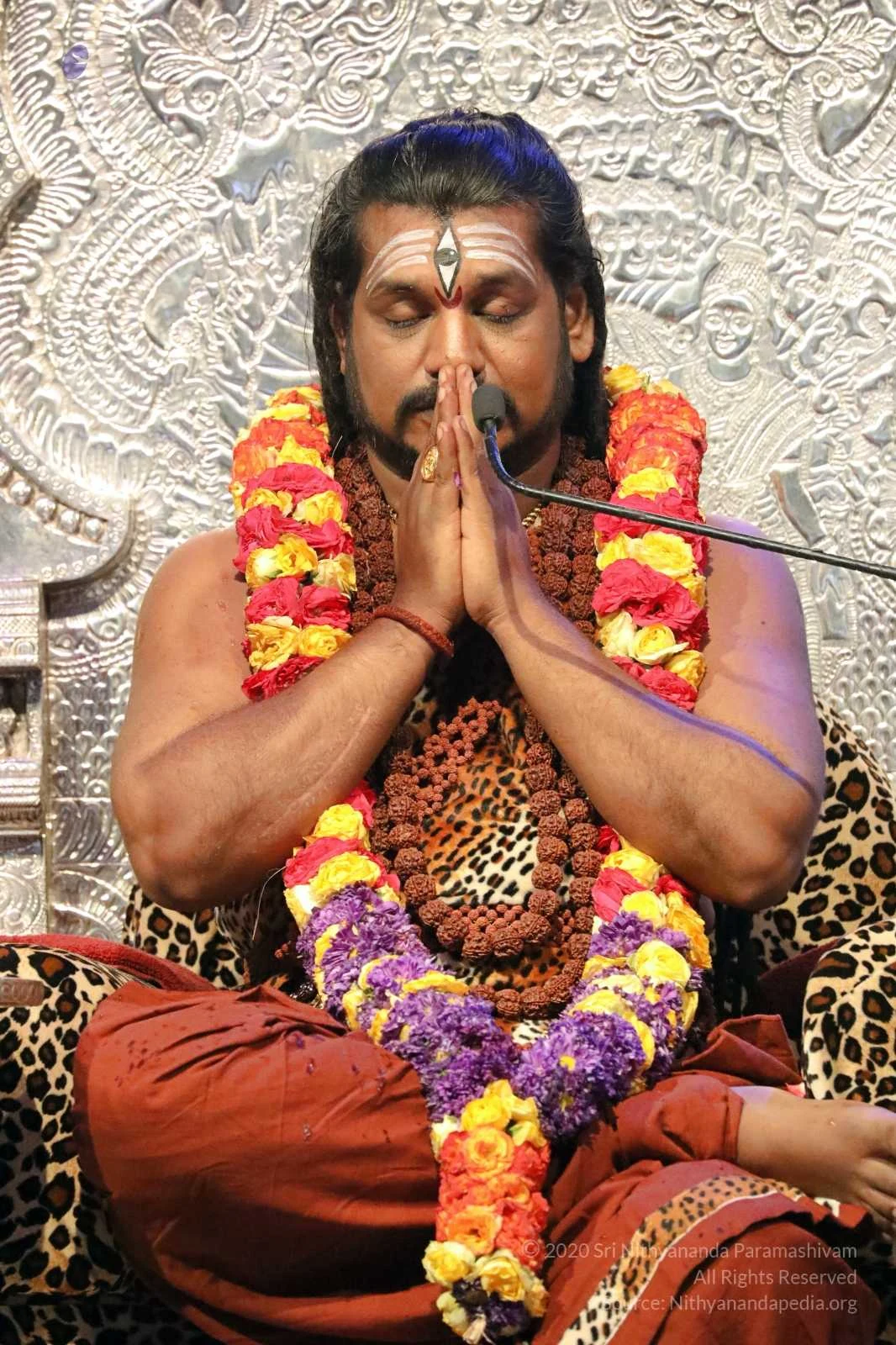
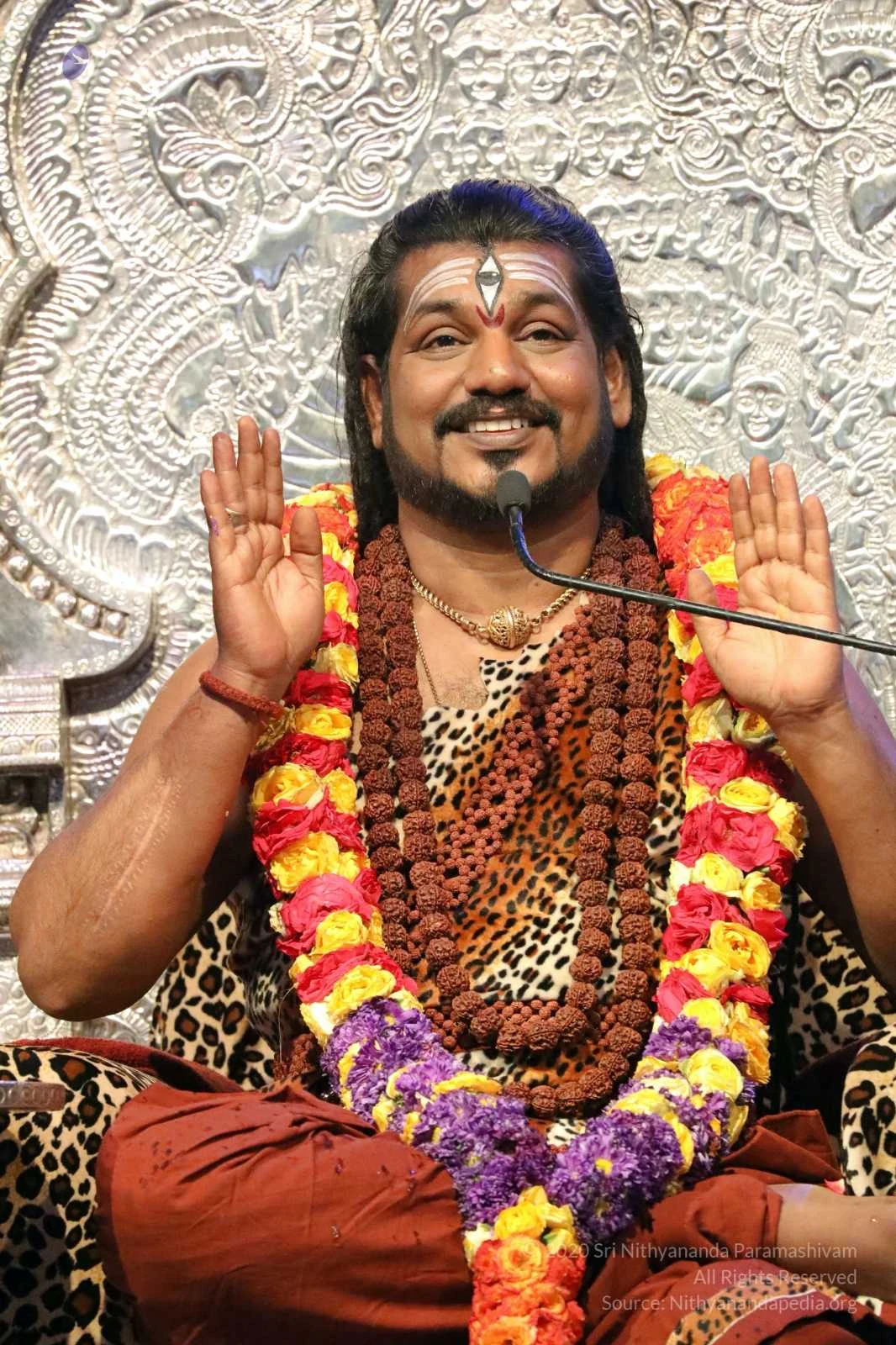
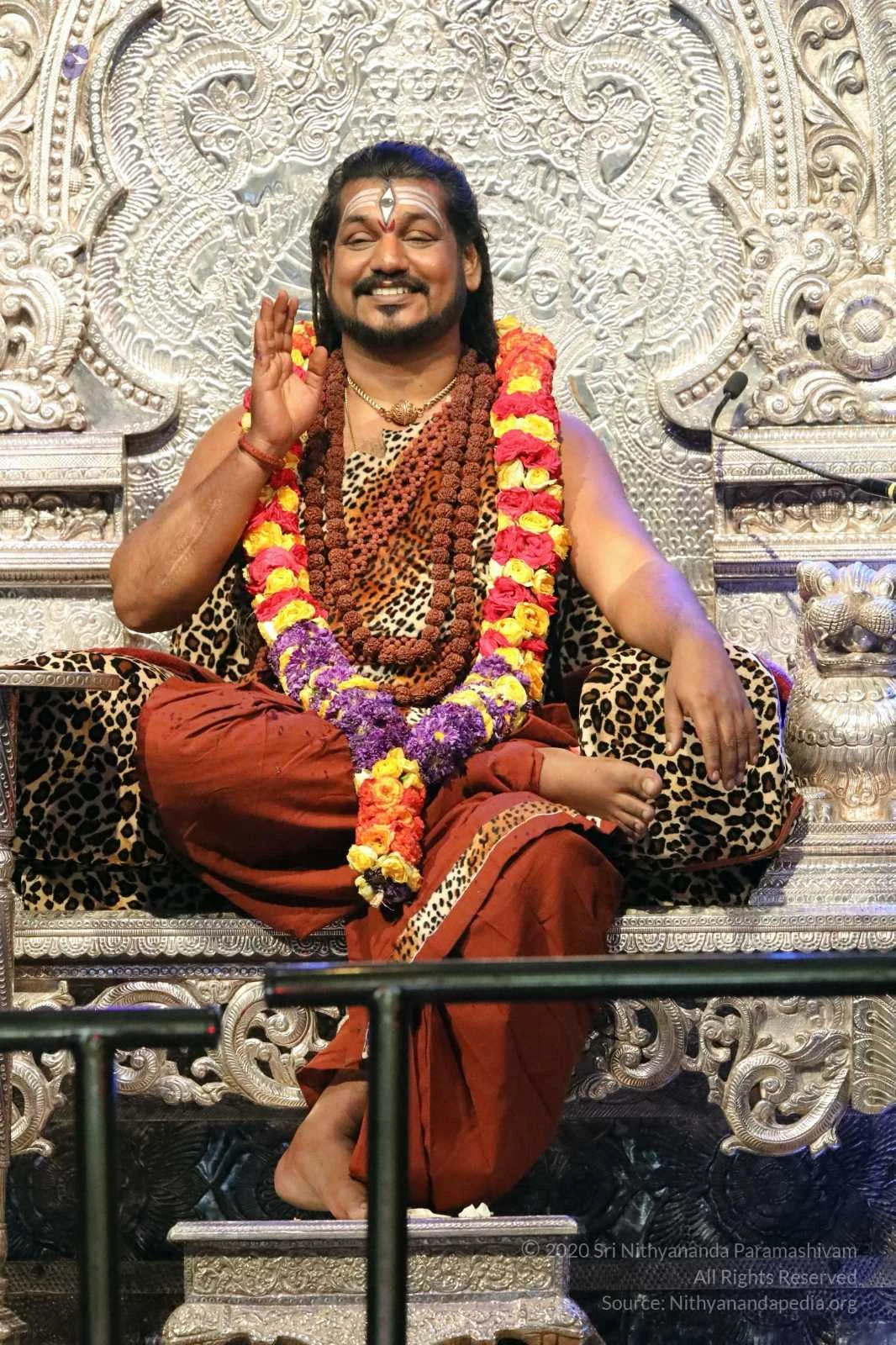
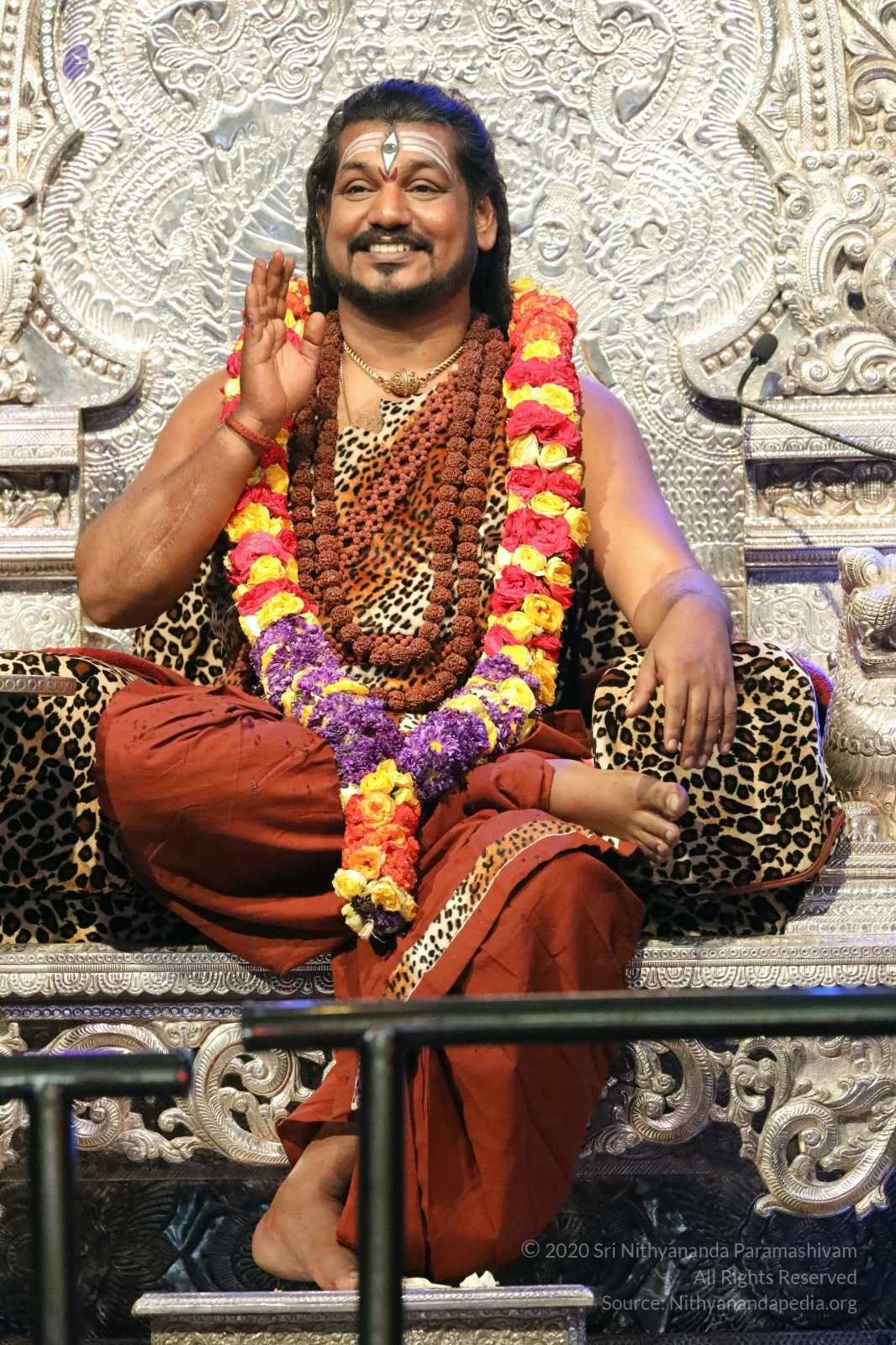
Link to Facebook
https://www.facebook.com/ParamahamsaNithyananda/posts/1698277840260059
Photos Of The Day:
Gold-Leave-Names





Darshan
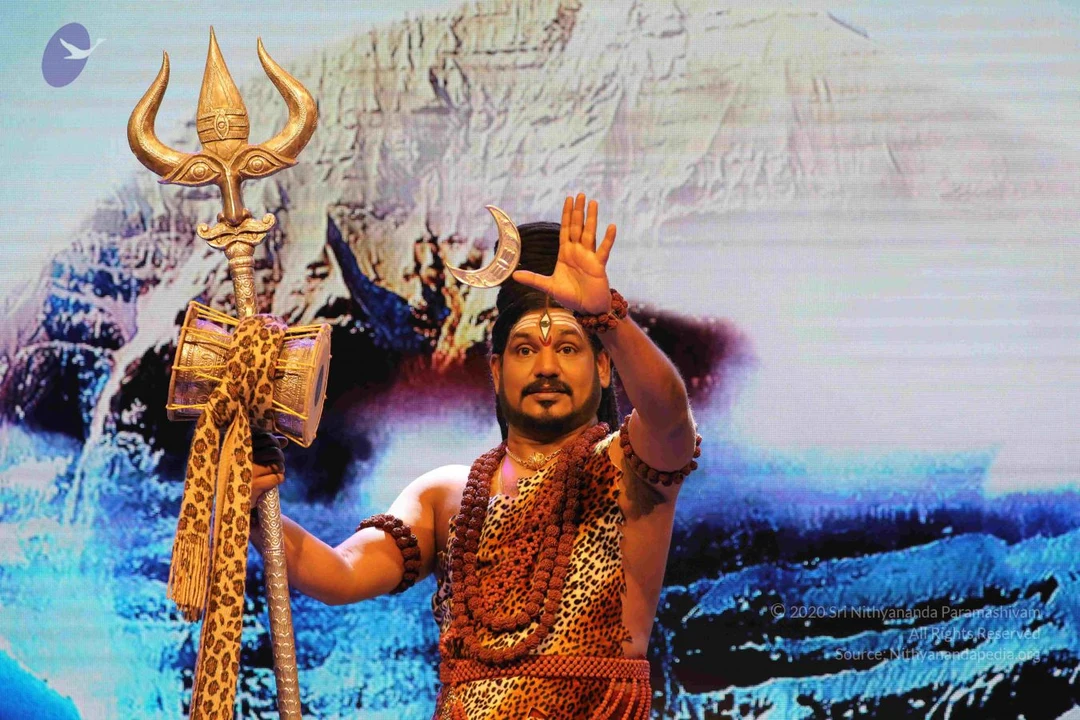
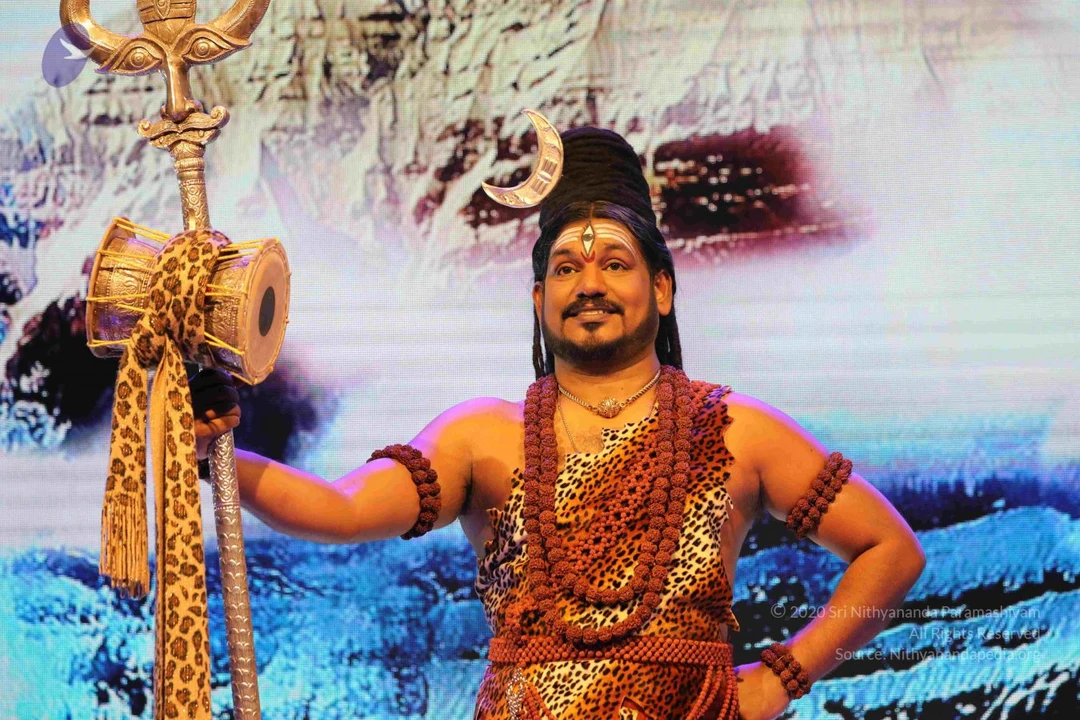
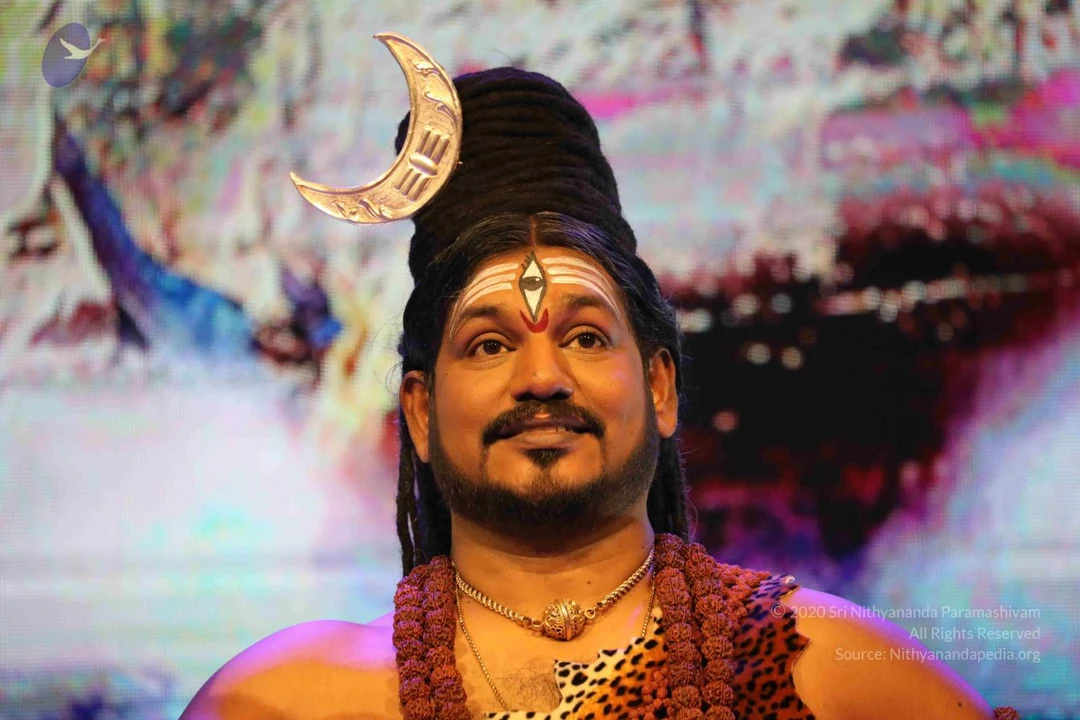
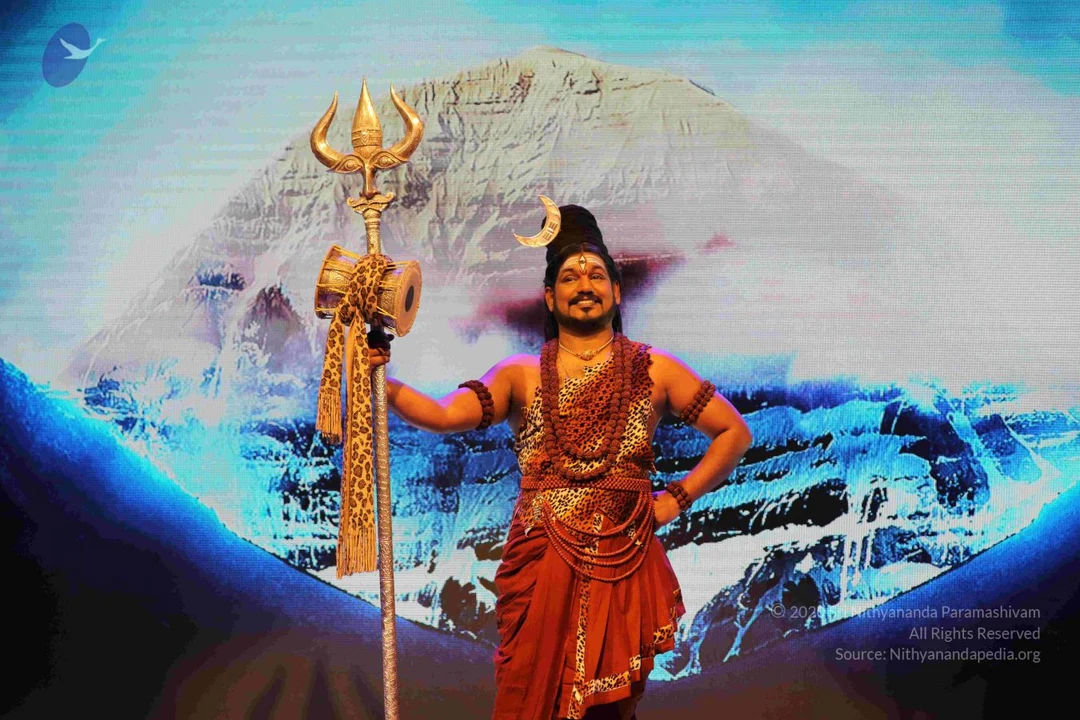
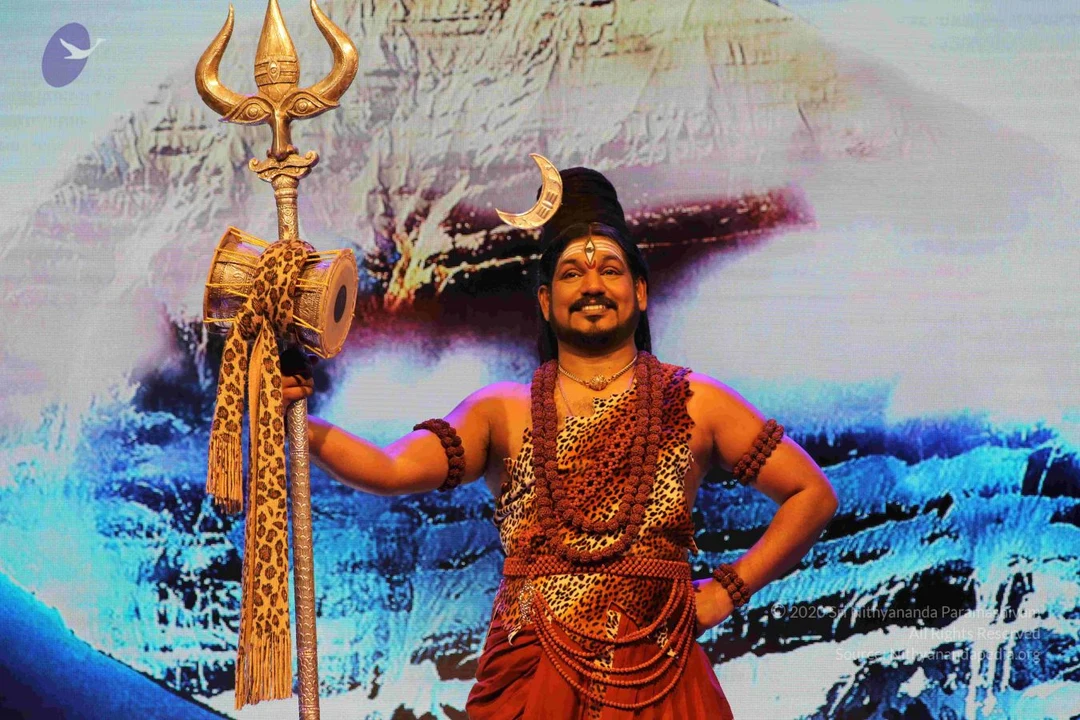
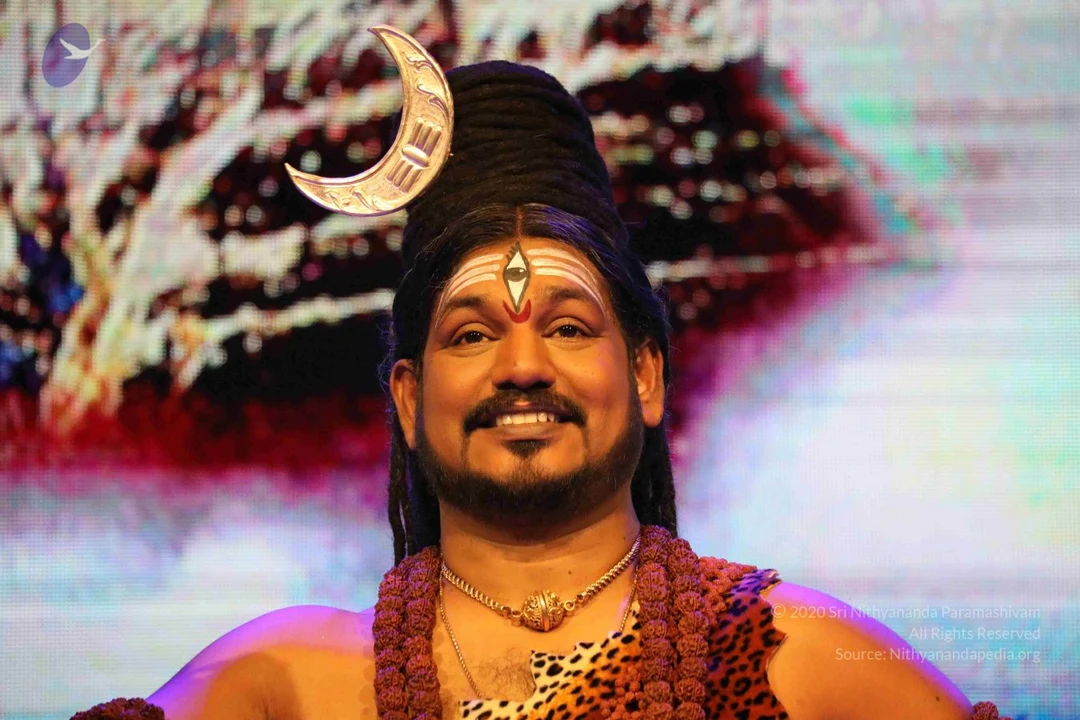
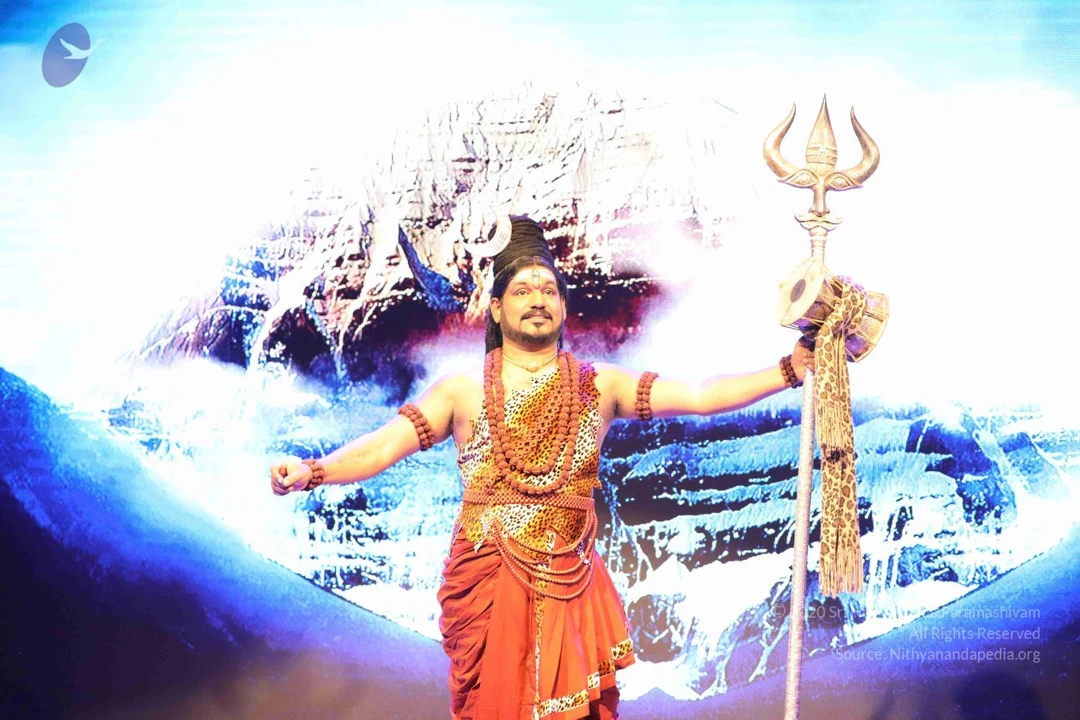
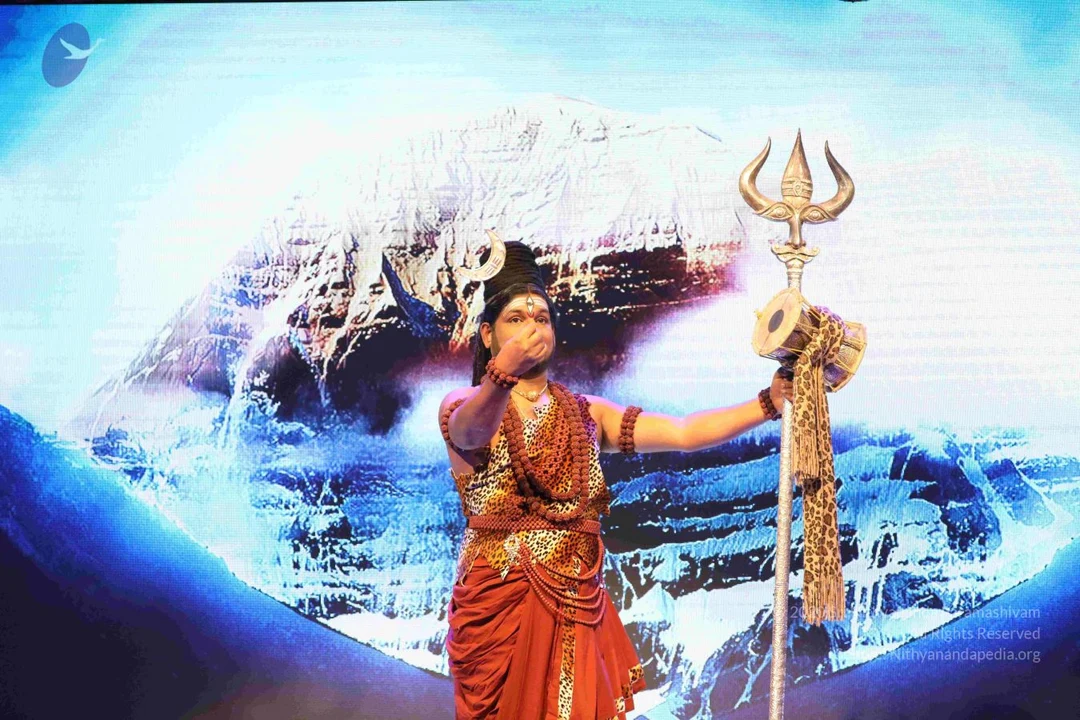
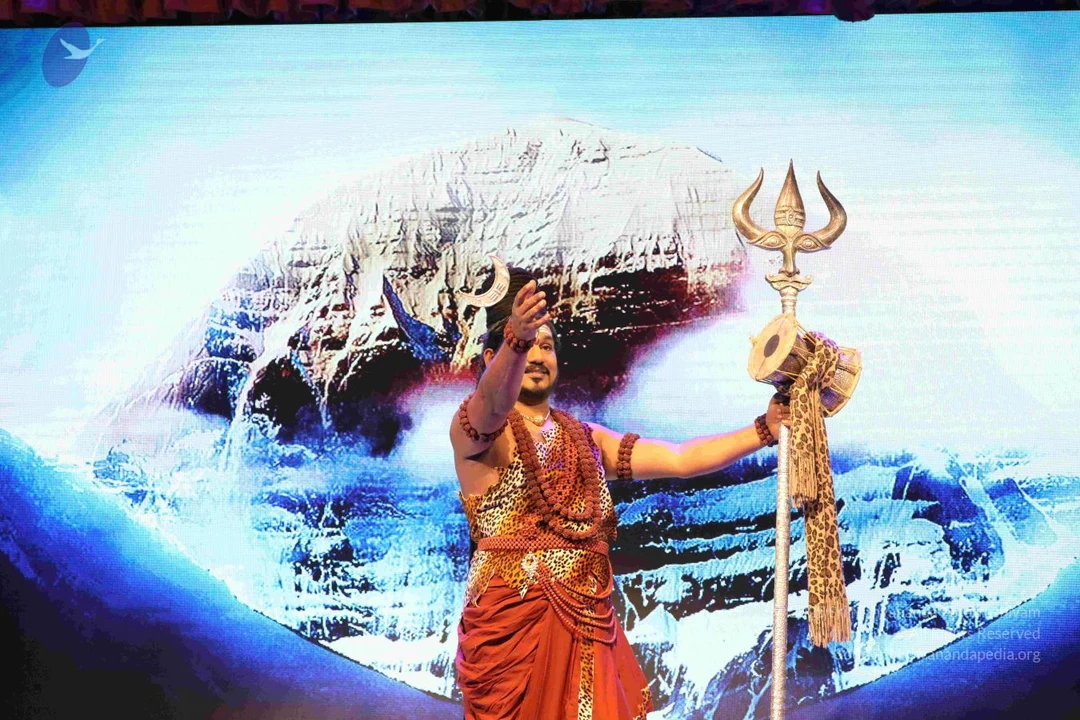
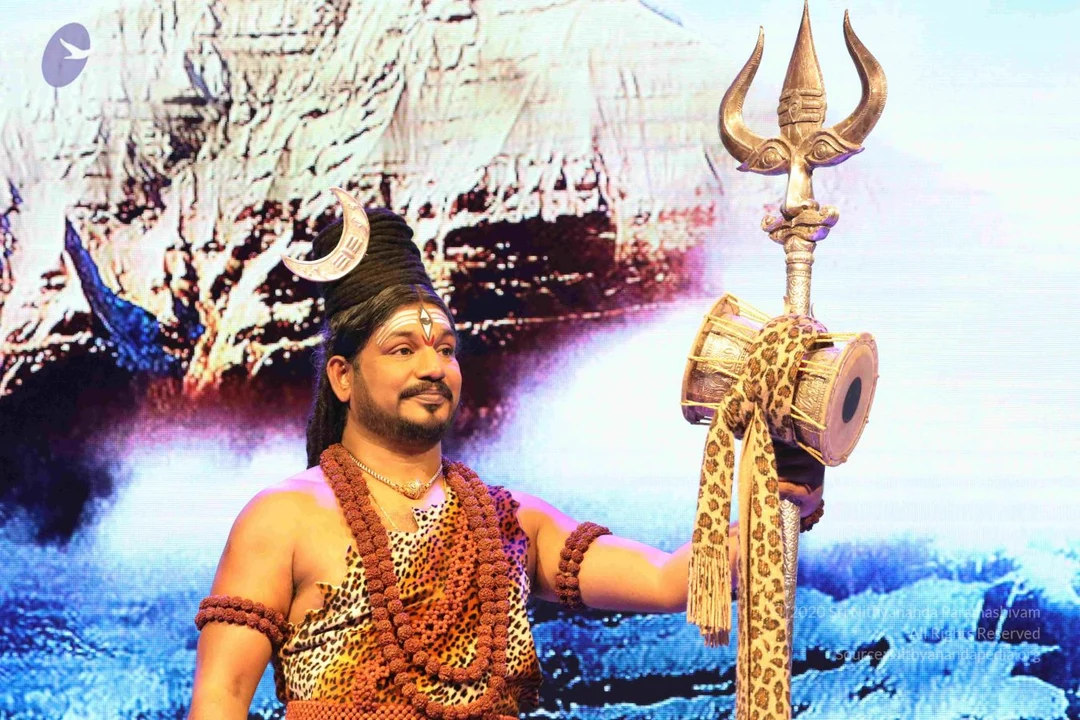
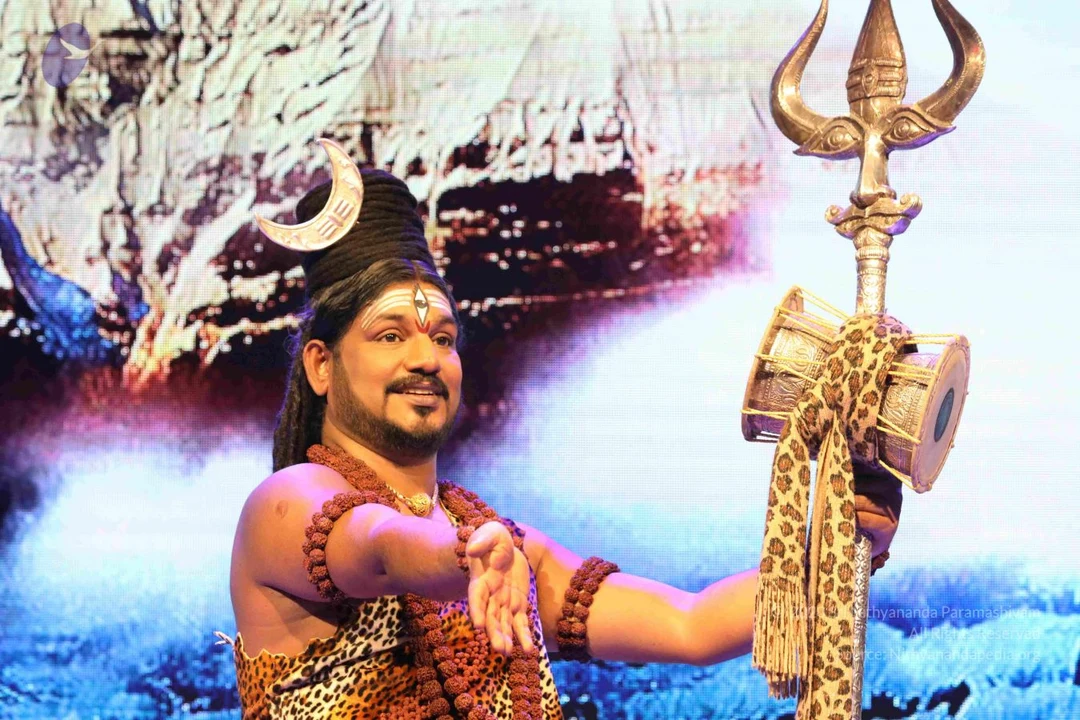
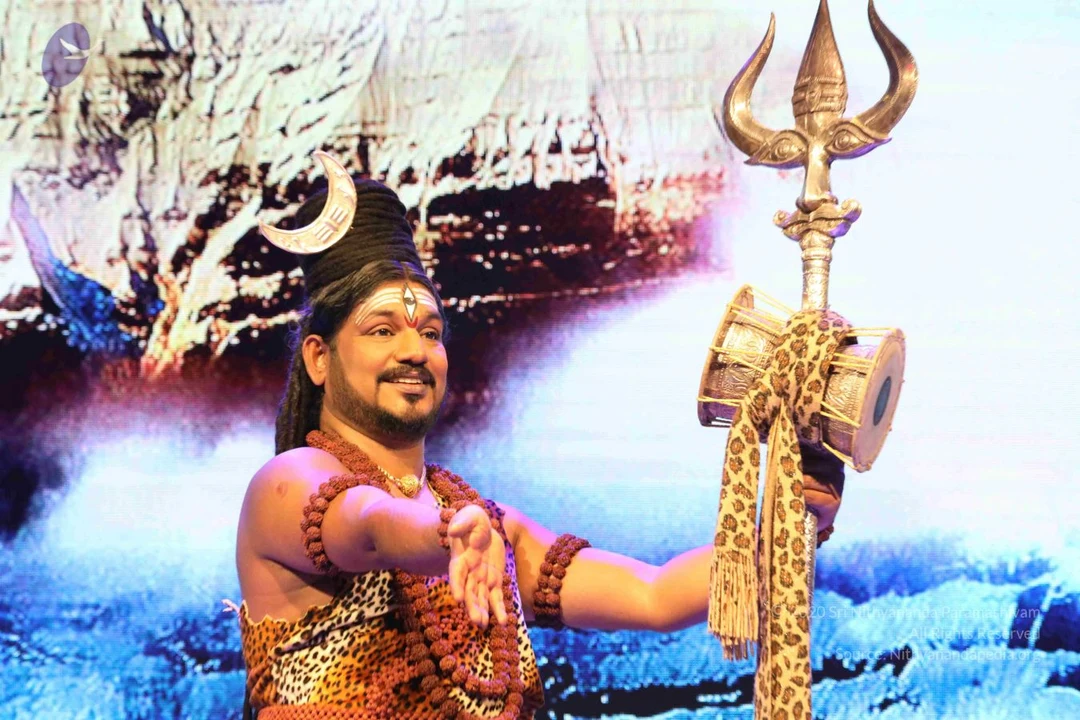
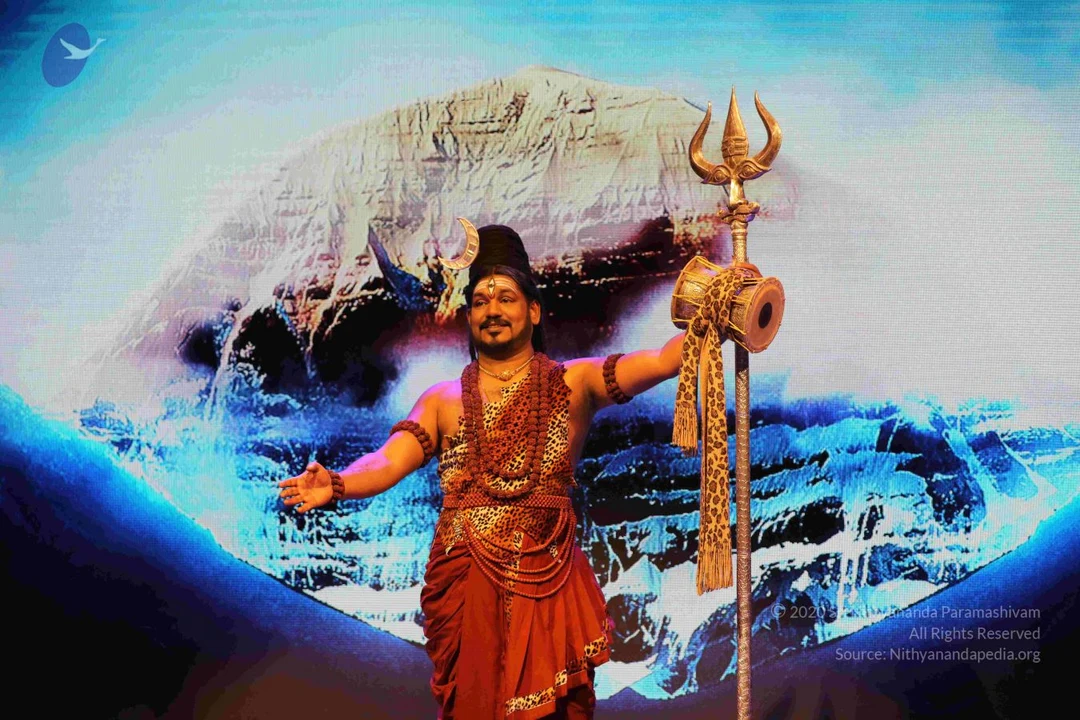

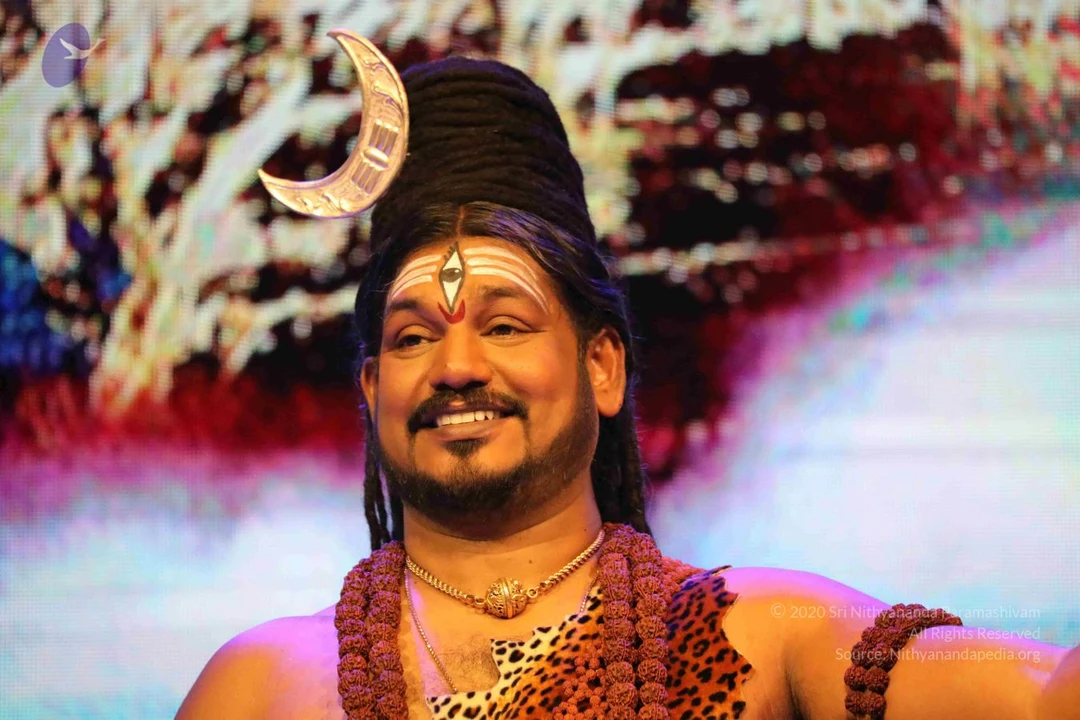
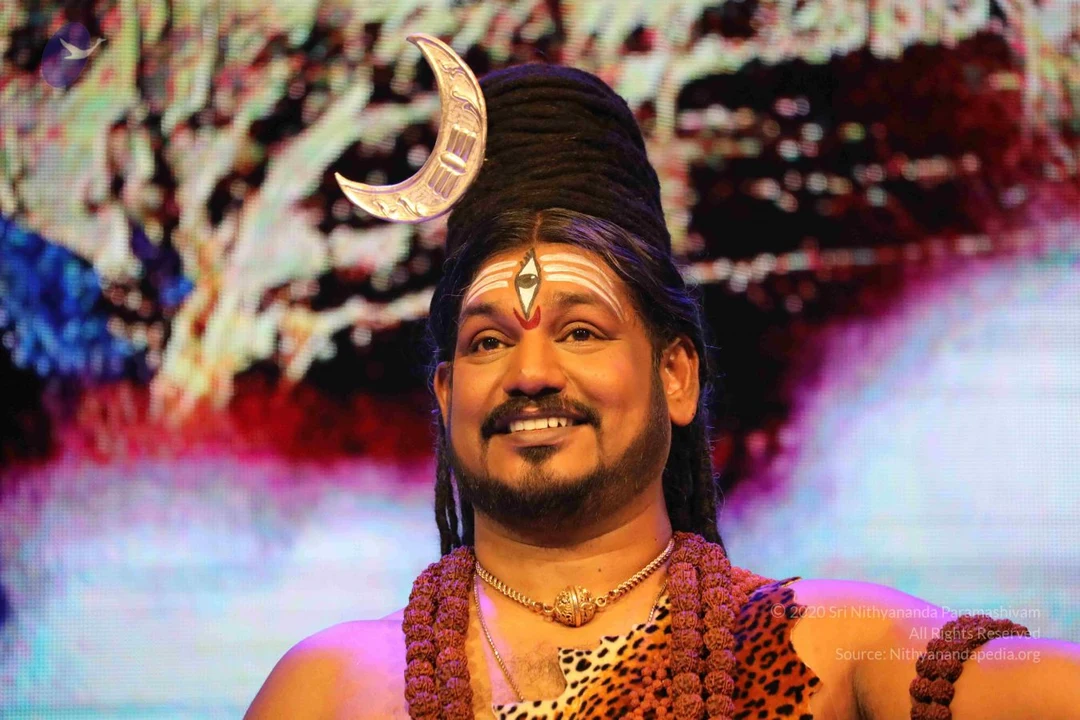
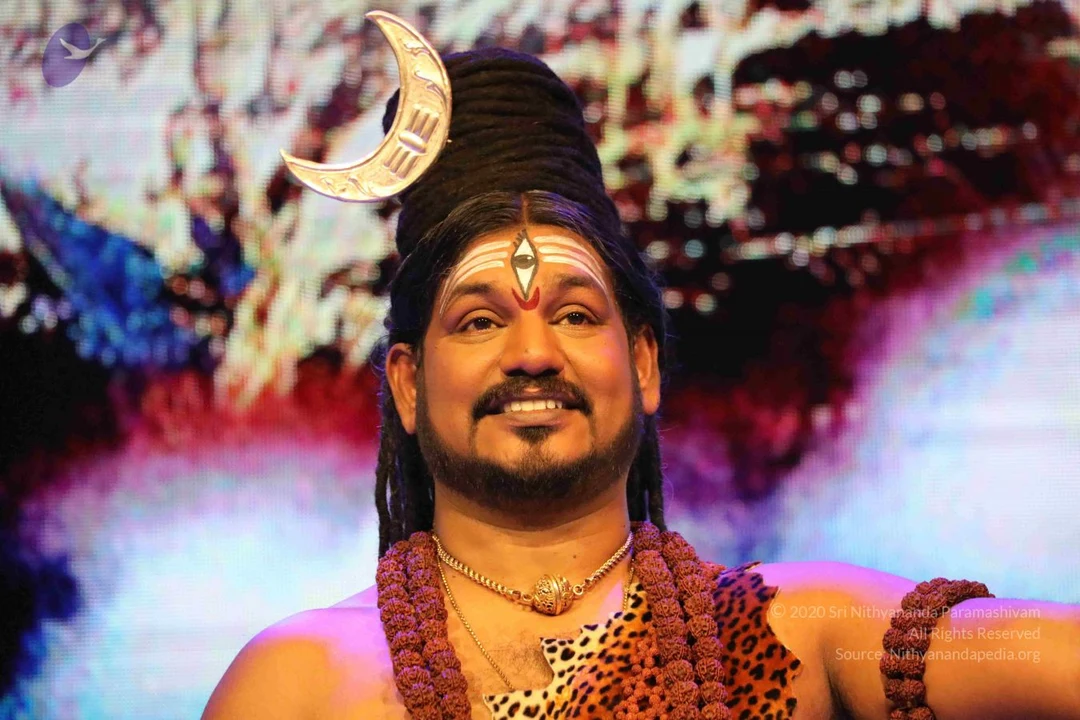
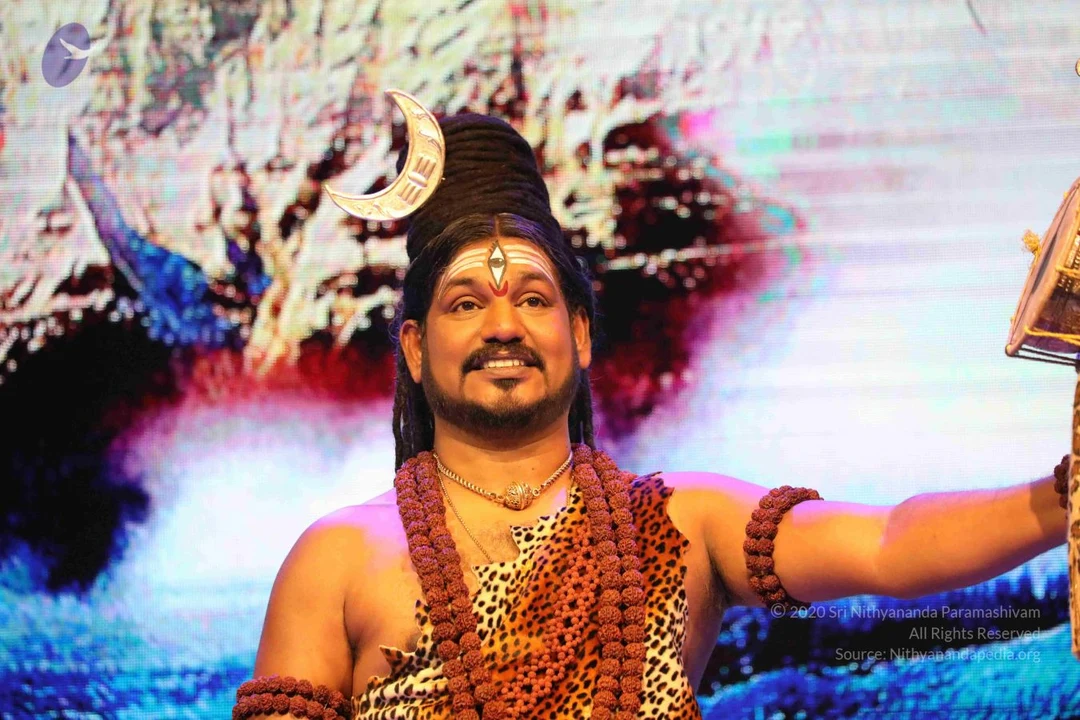
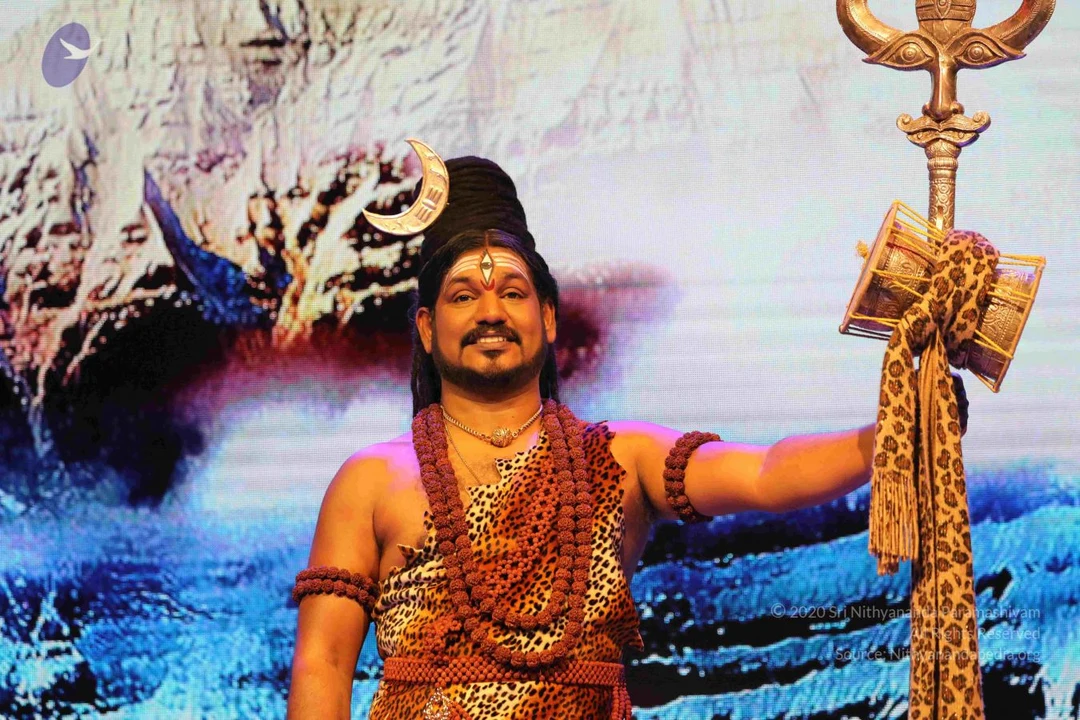

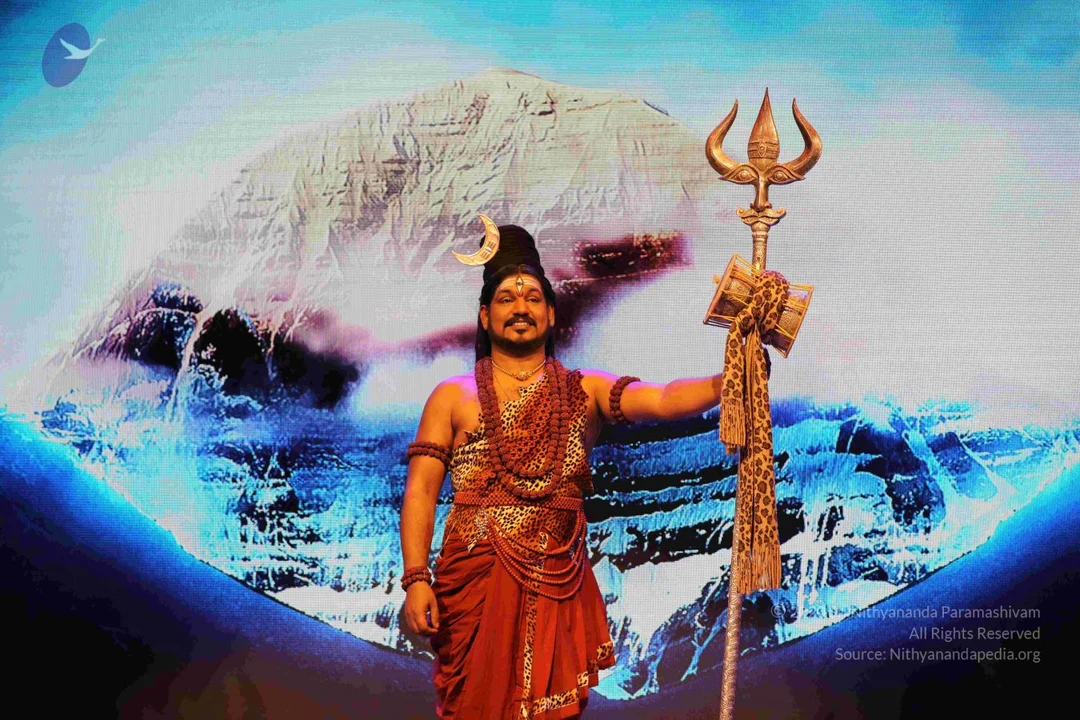
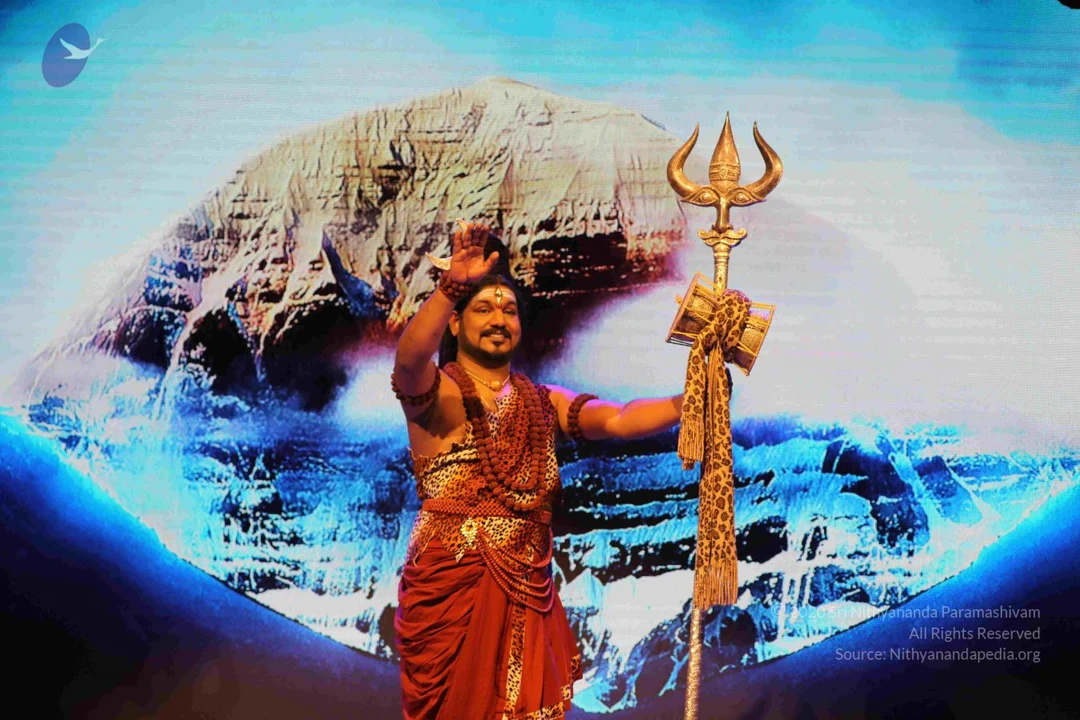
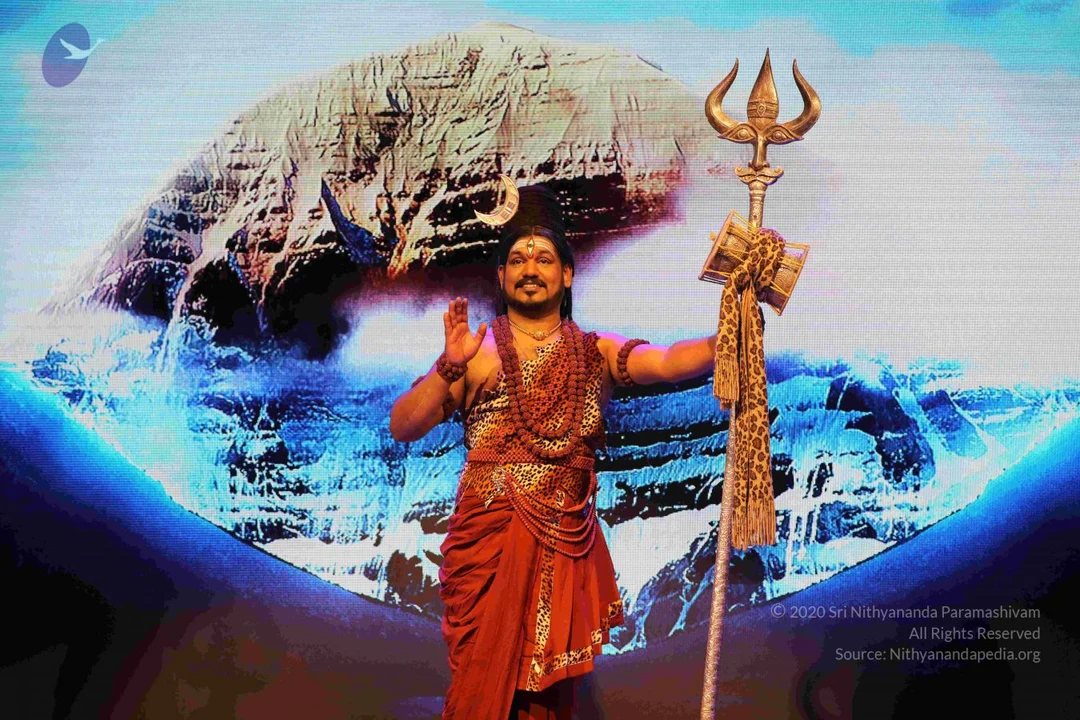
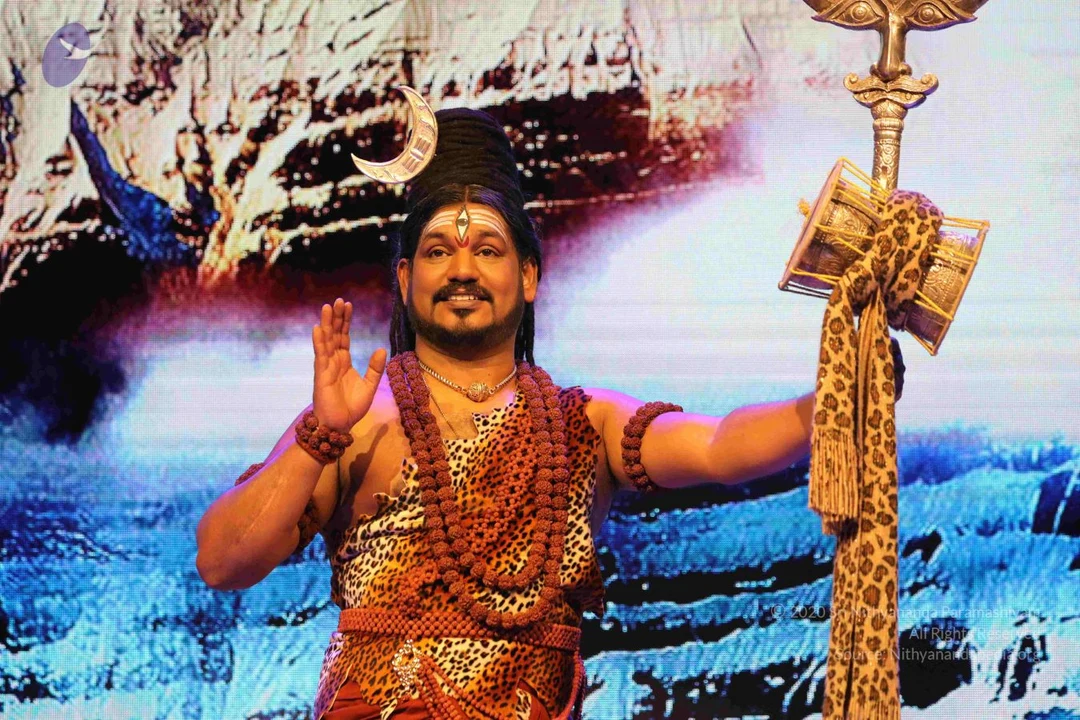
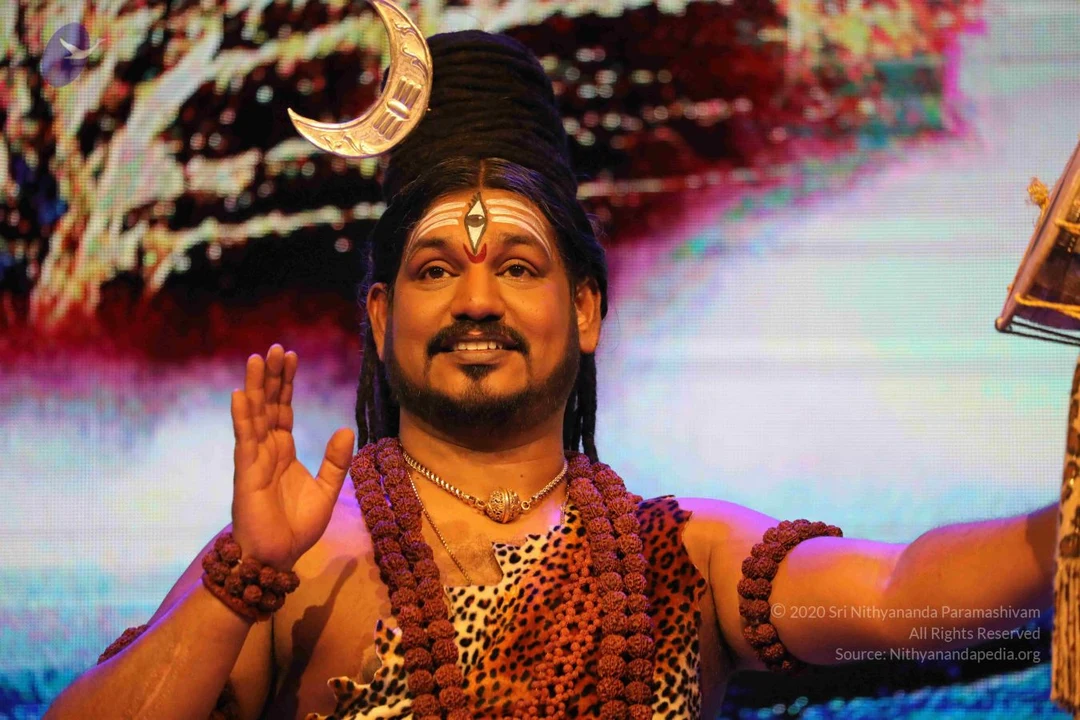
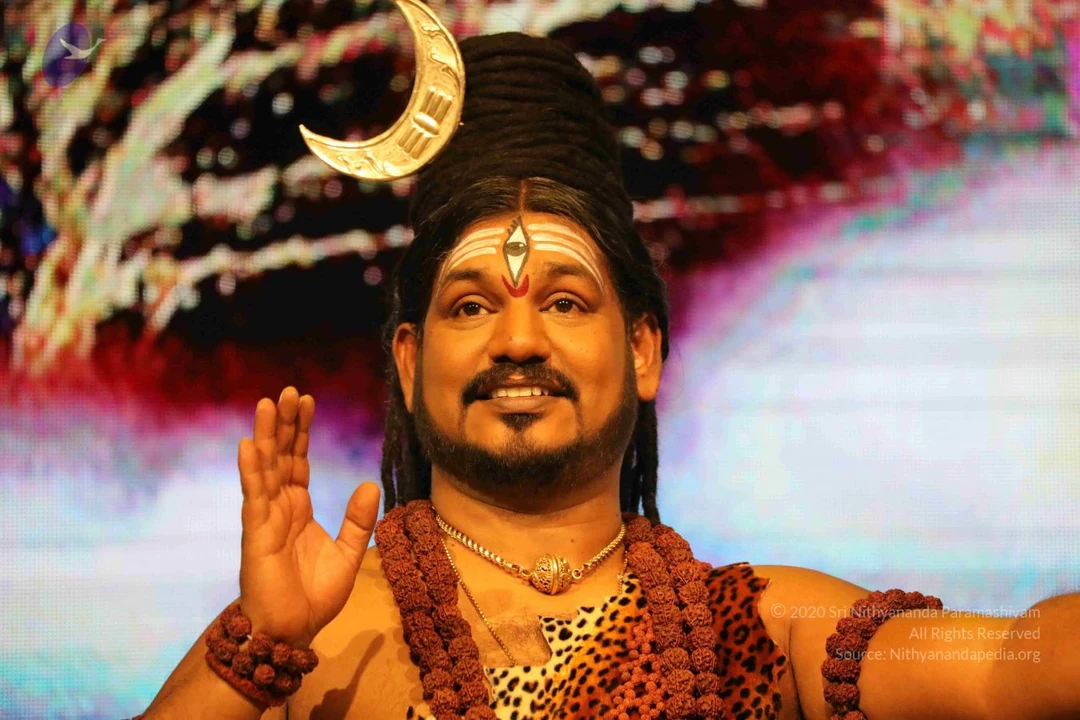
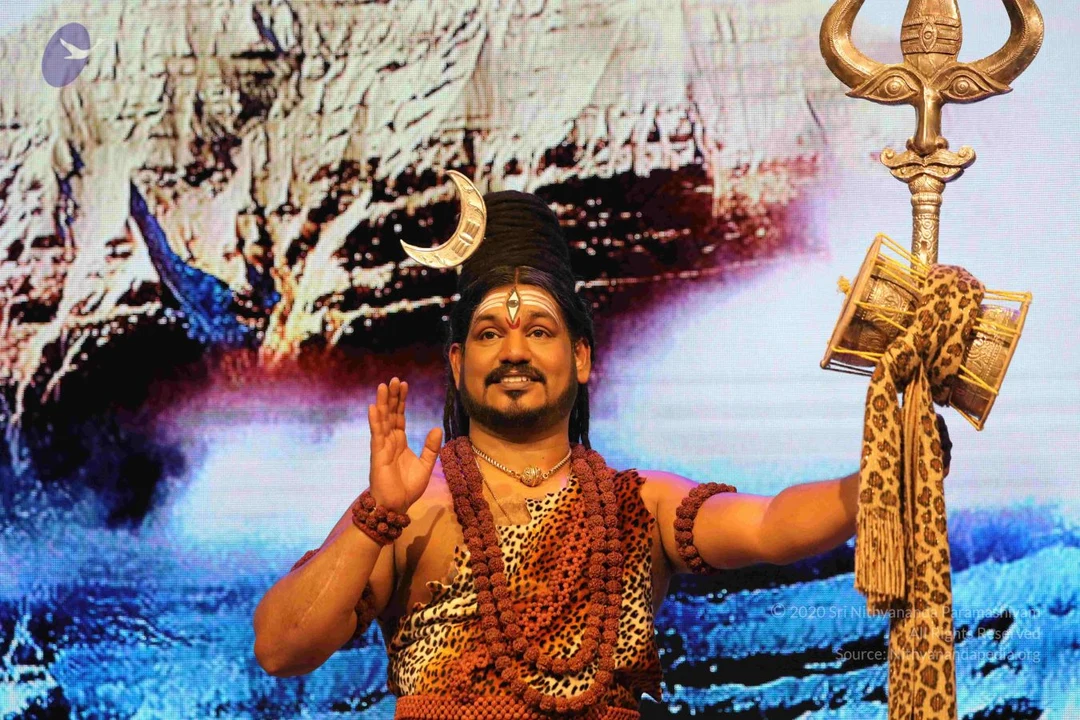
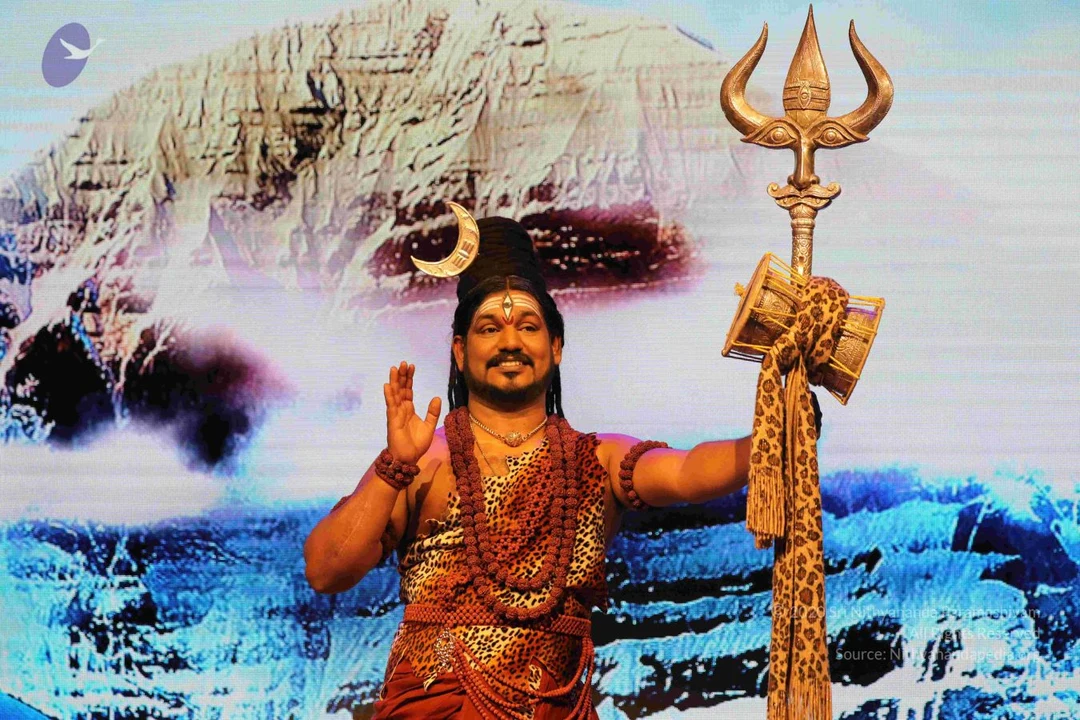
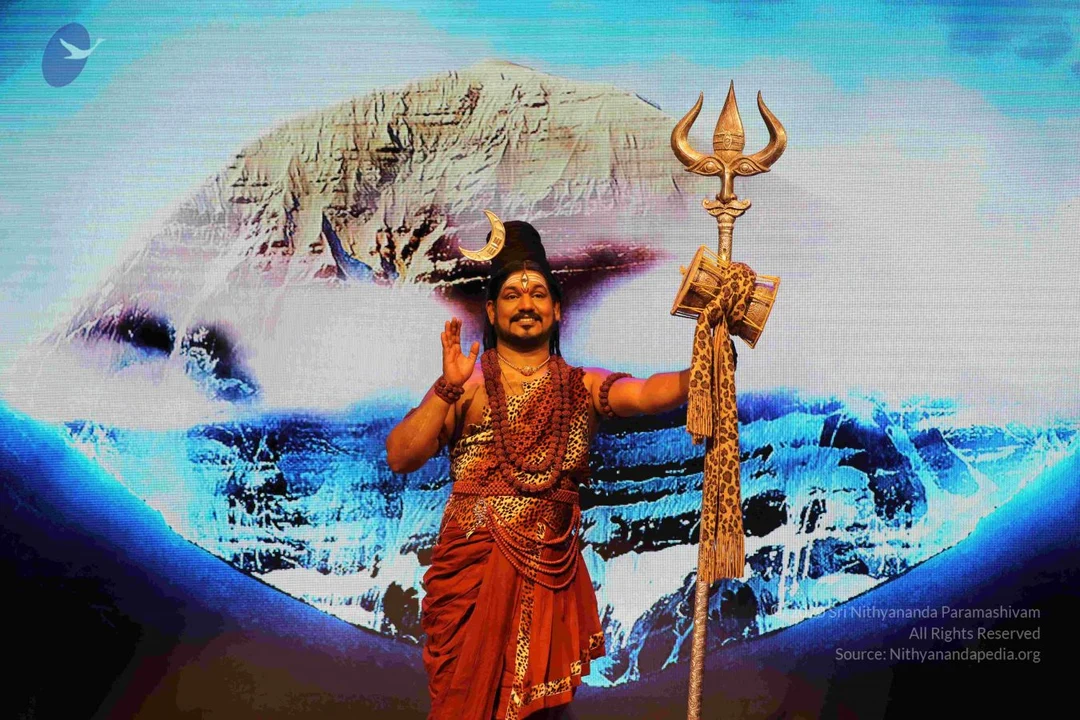
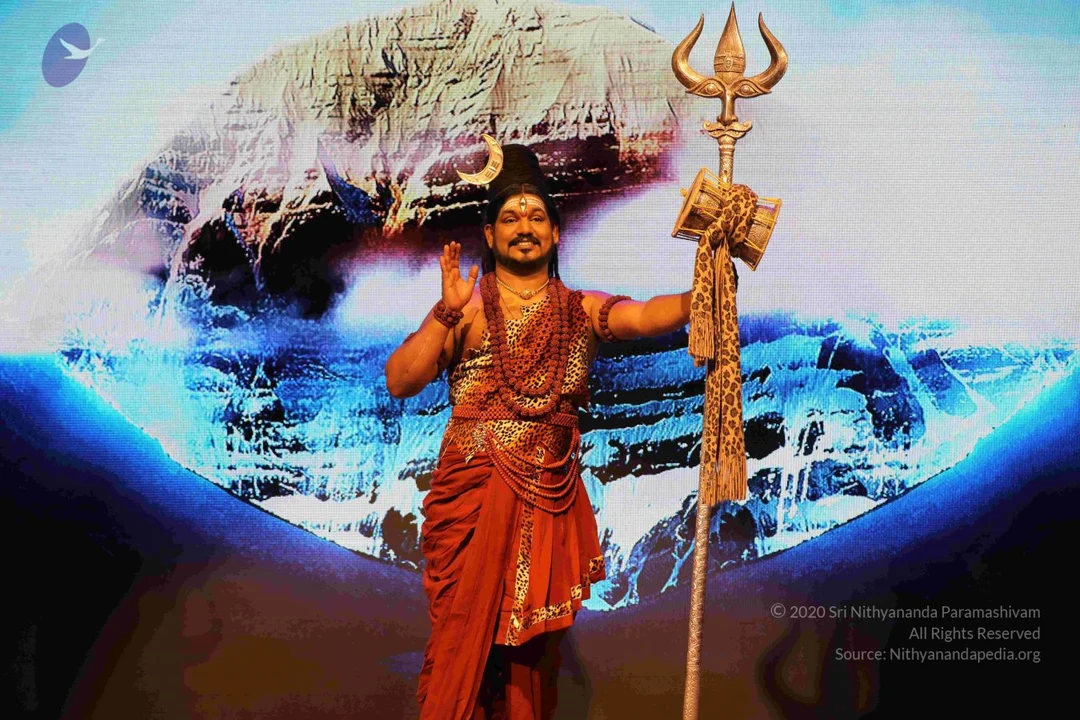
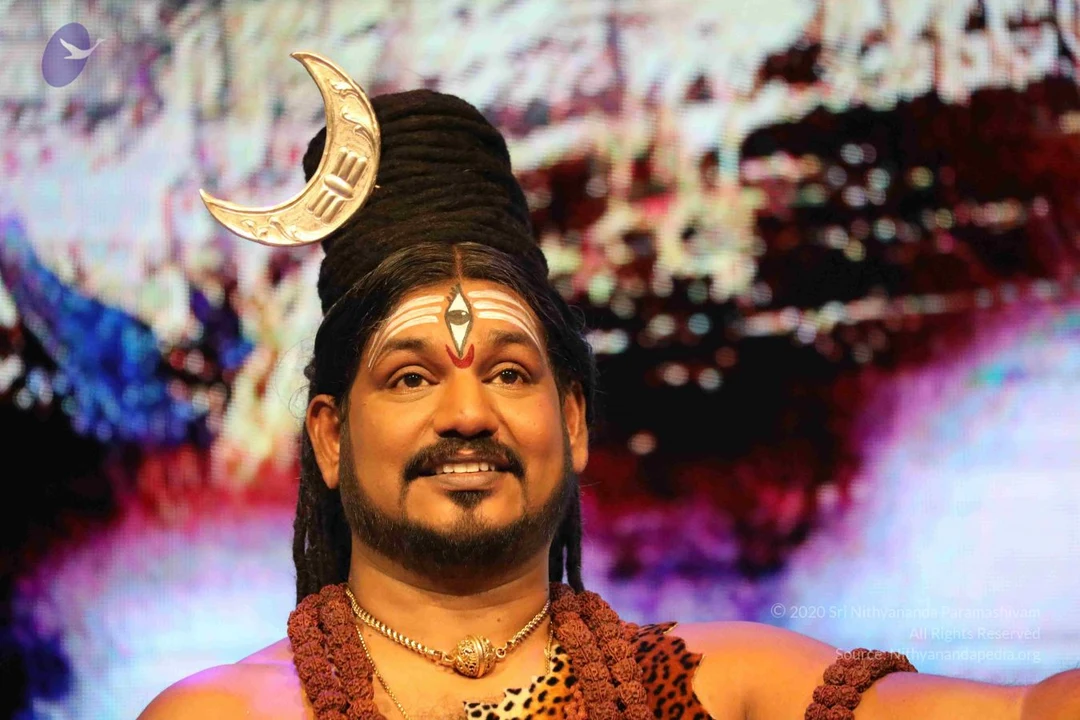

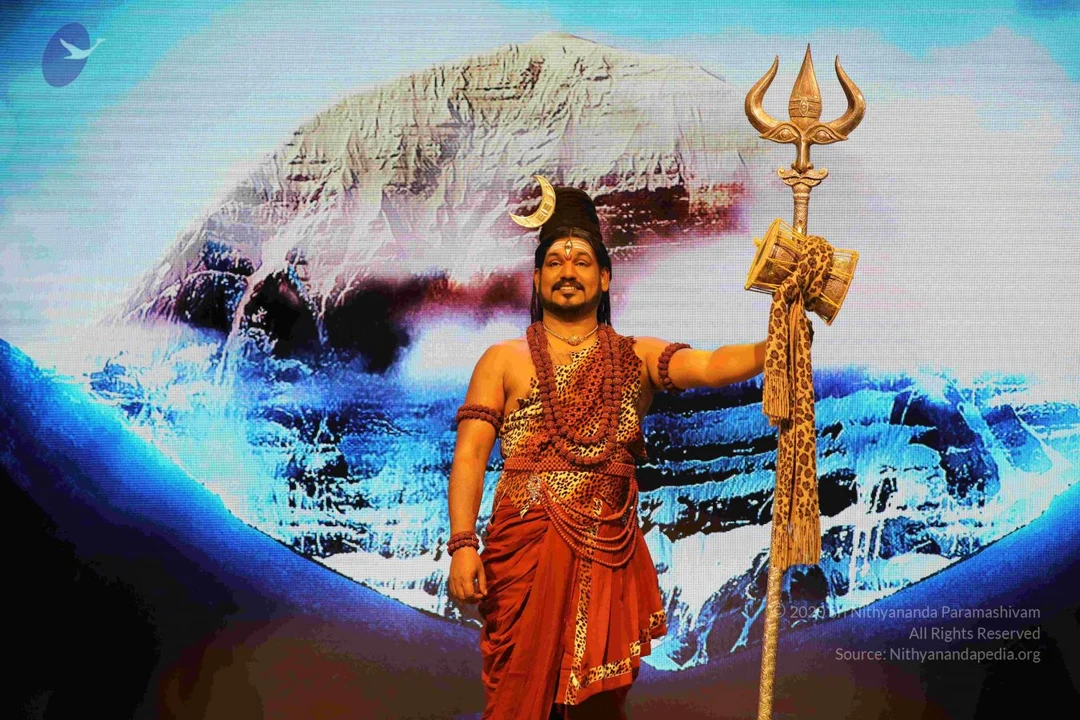
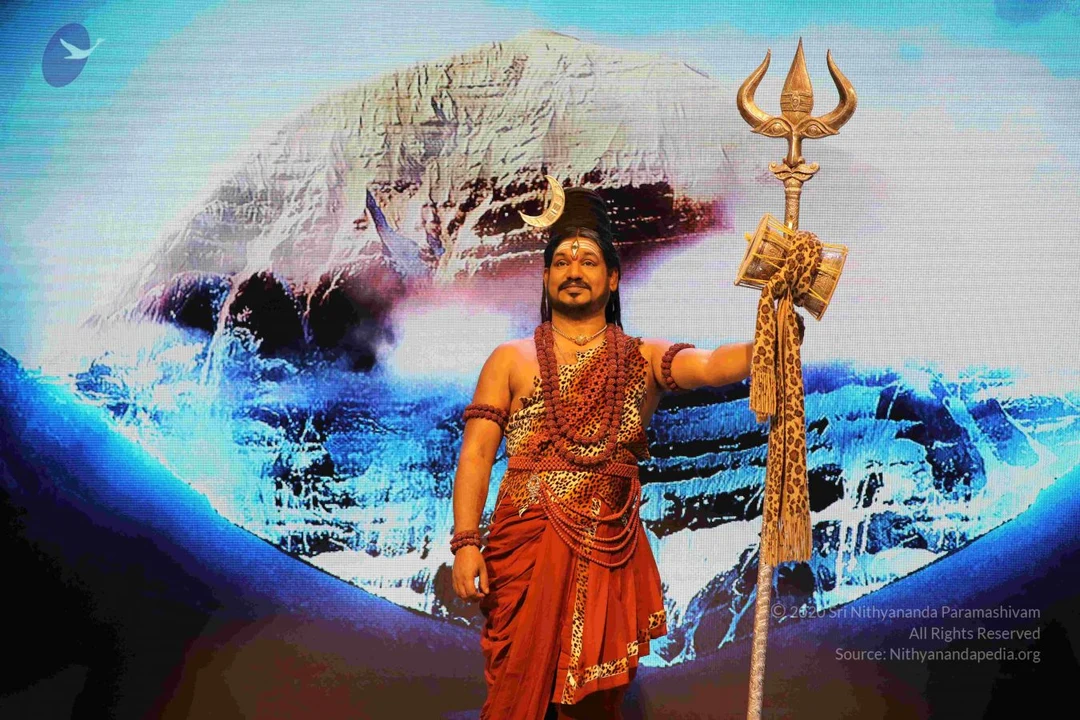
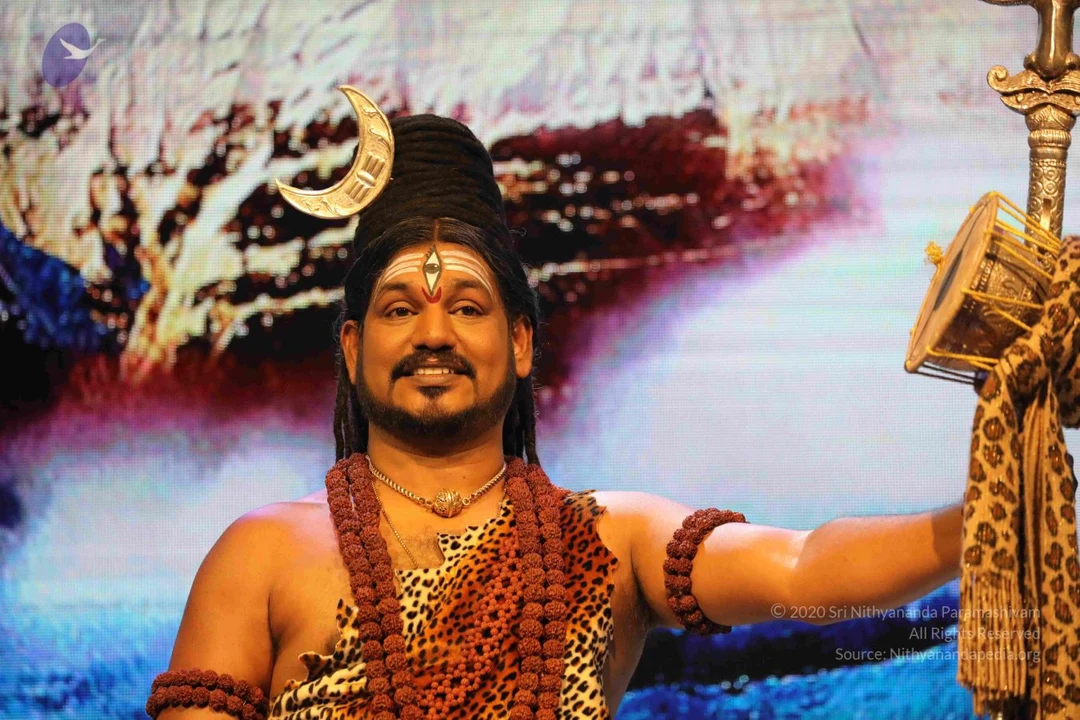
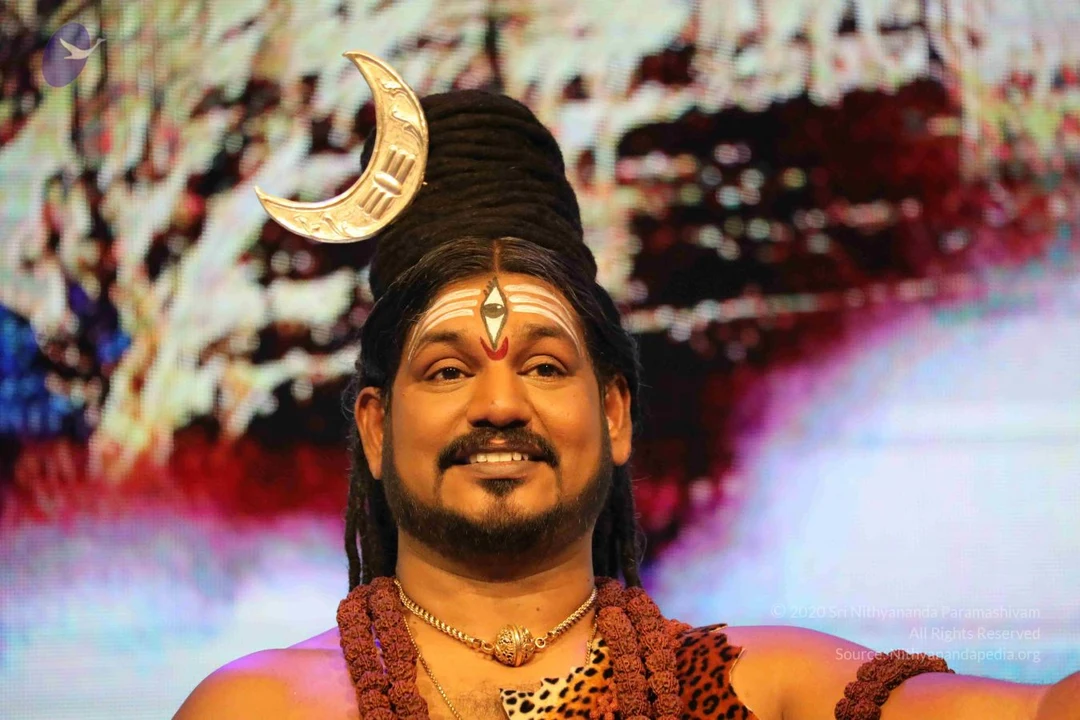
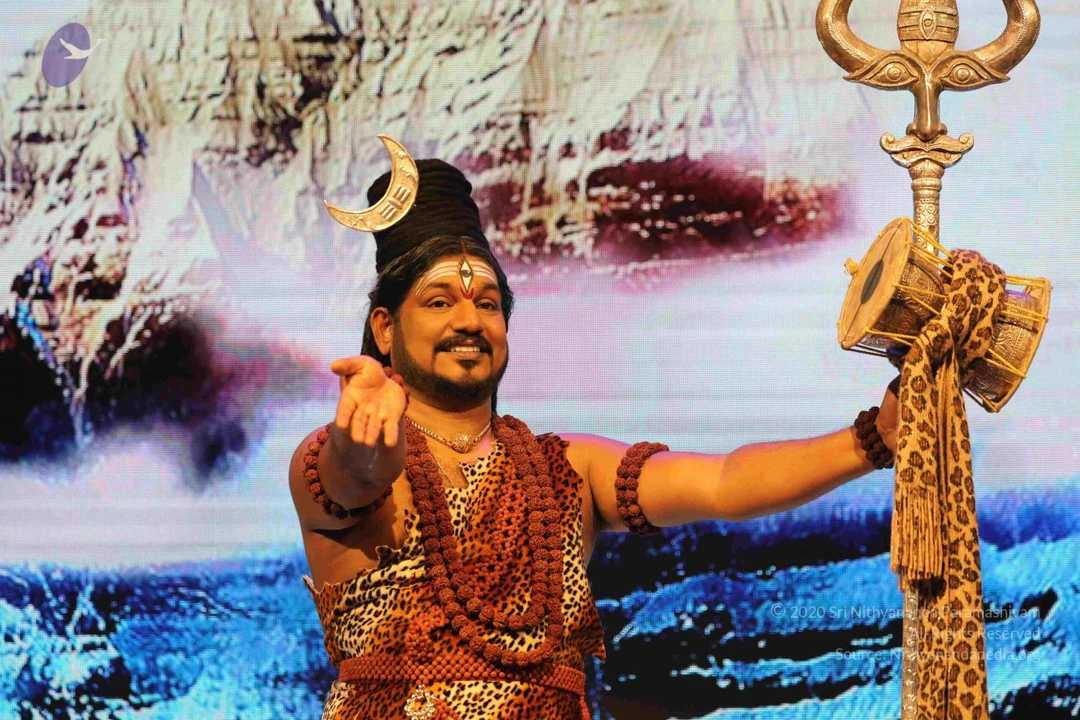
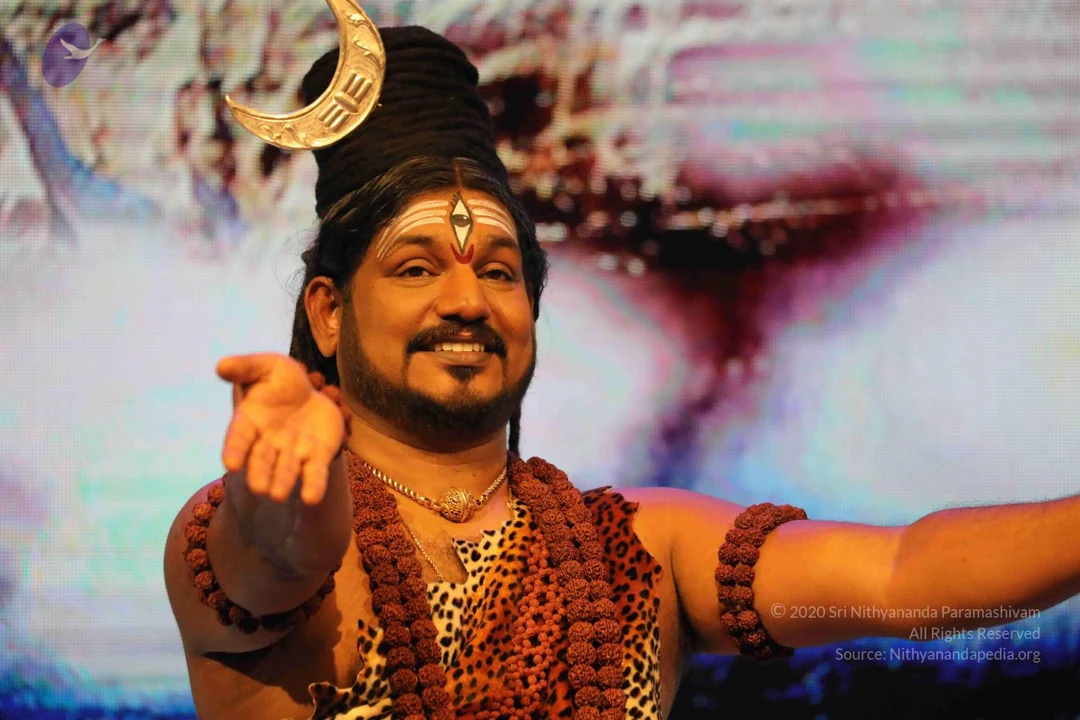
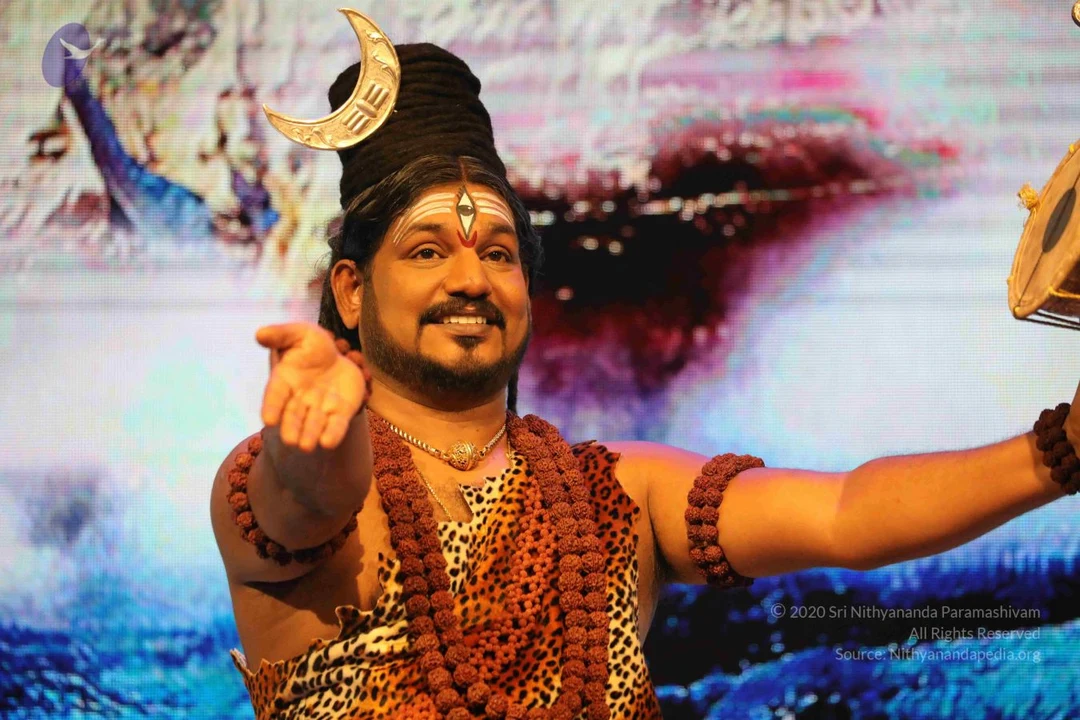
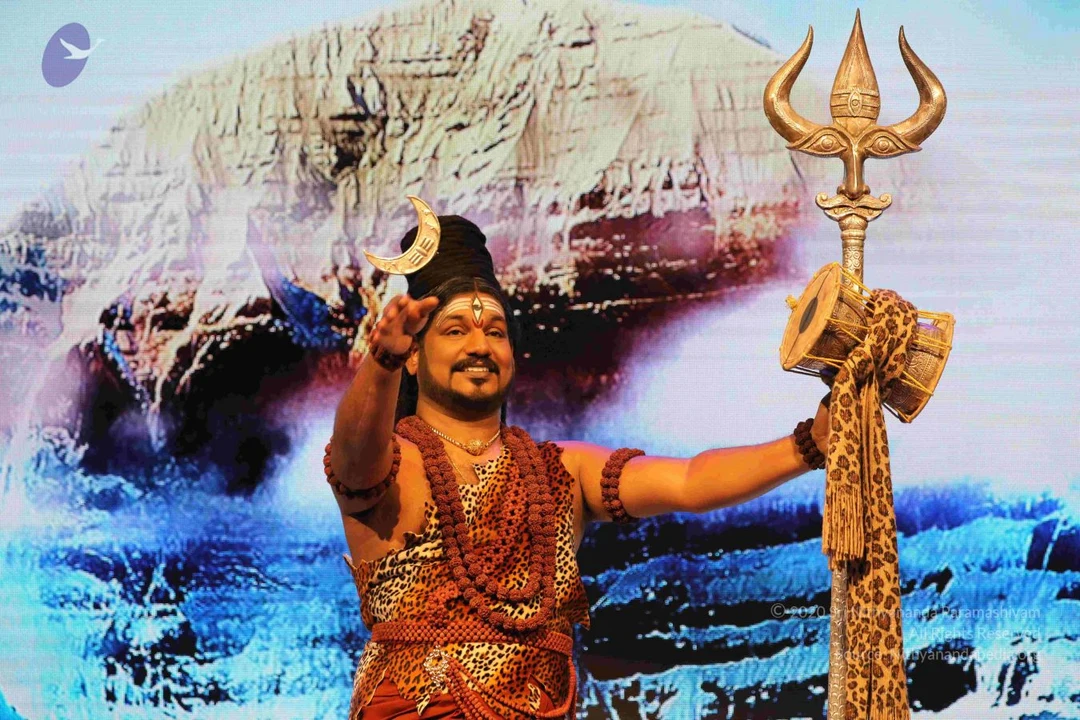
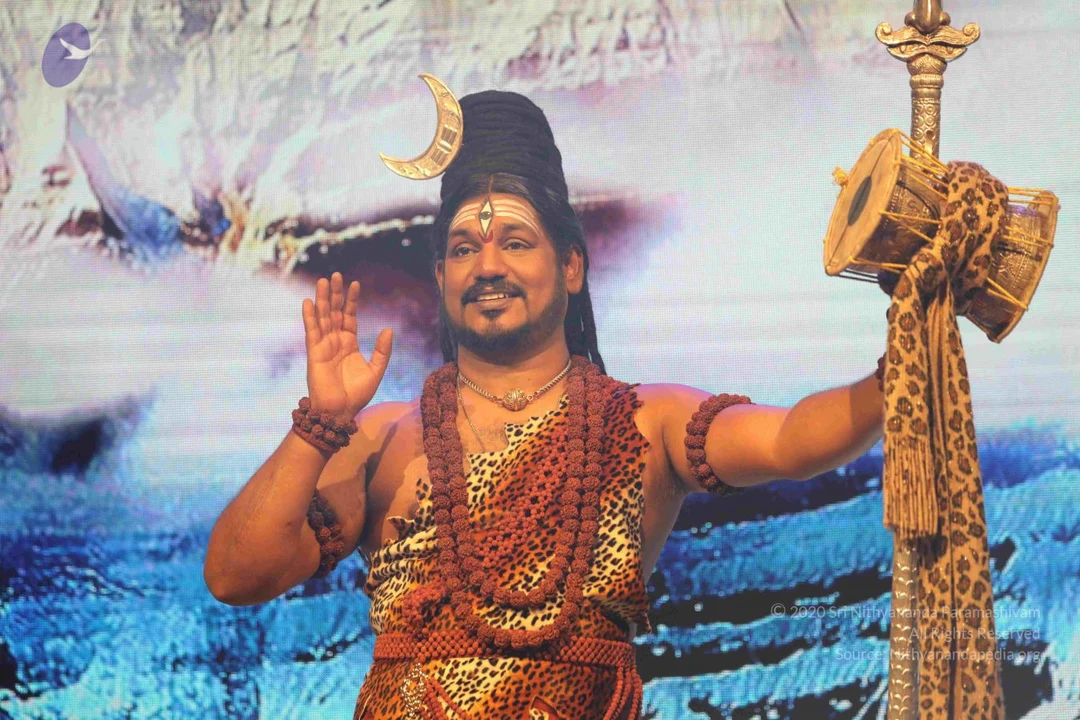
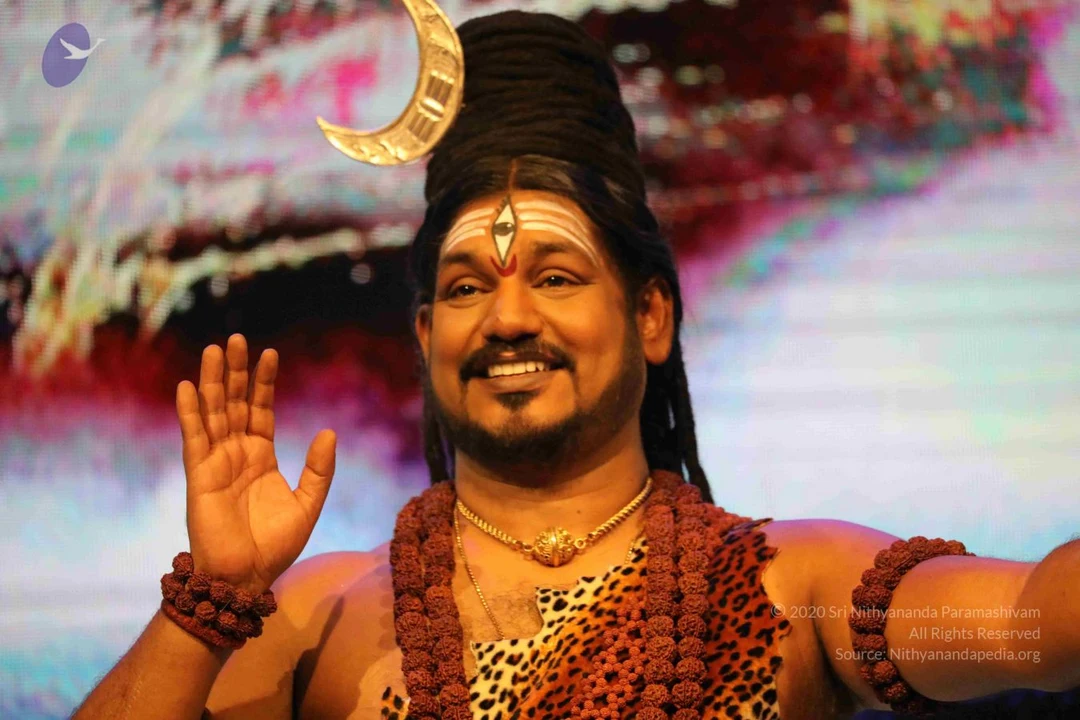
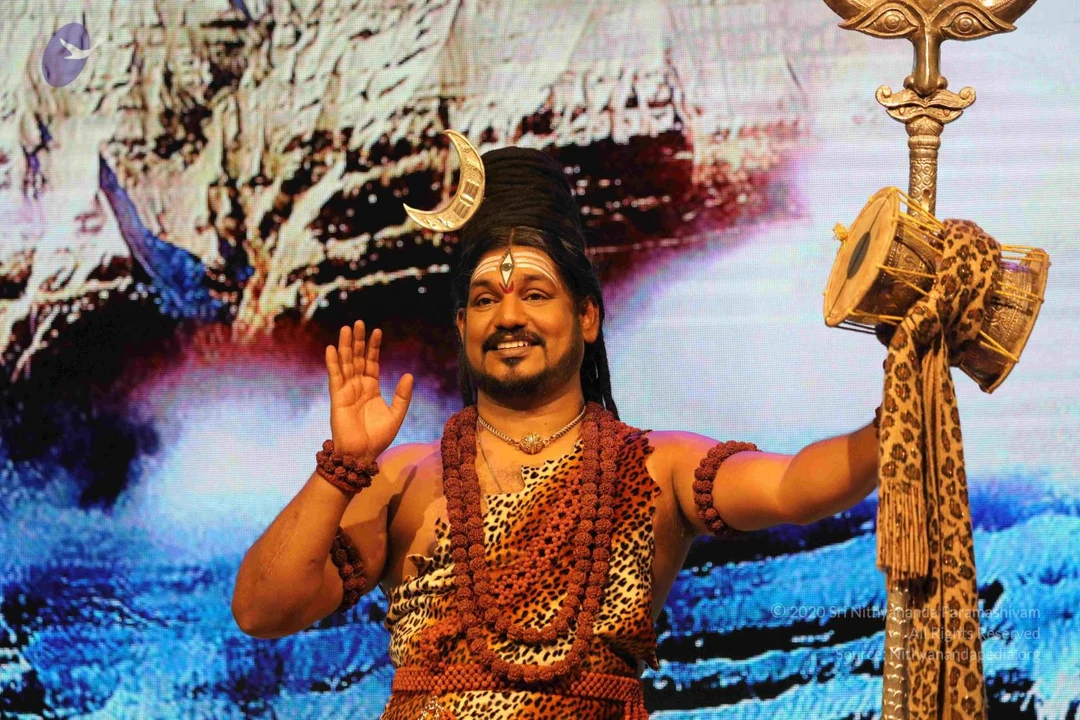
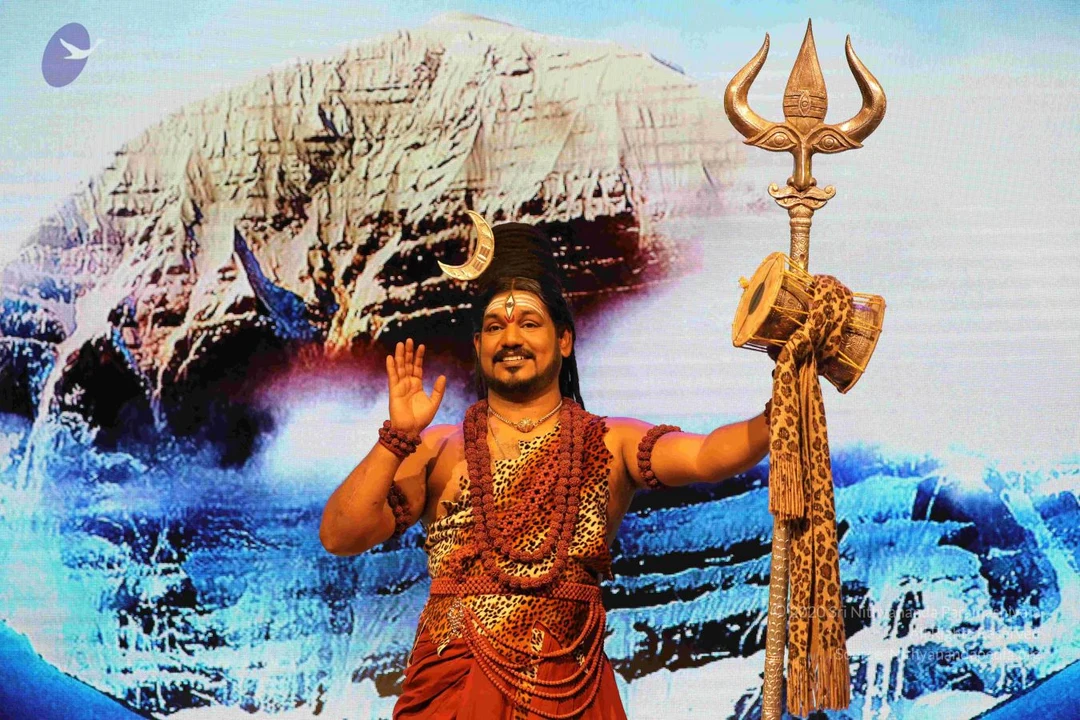
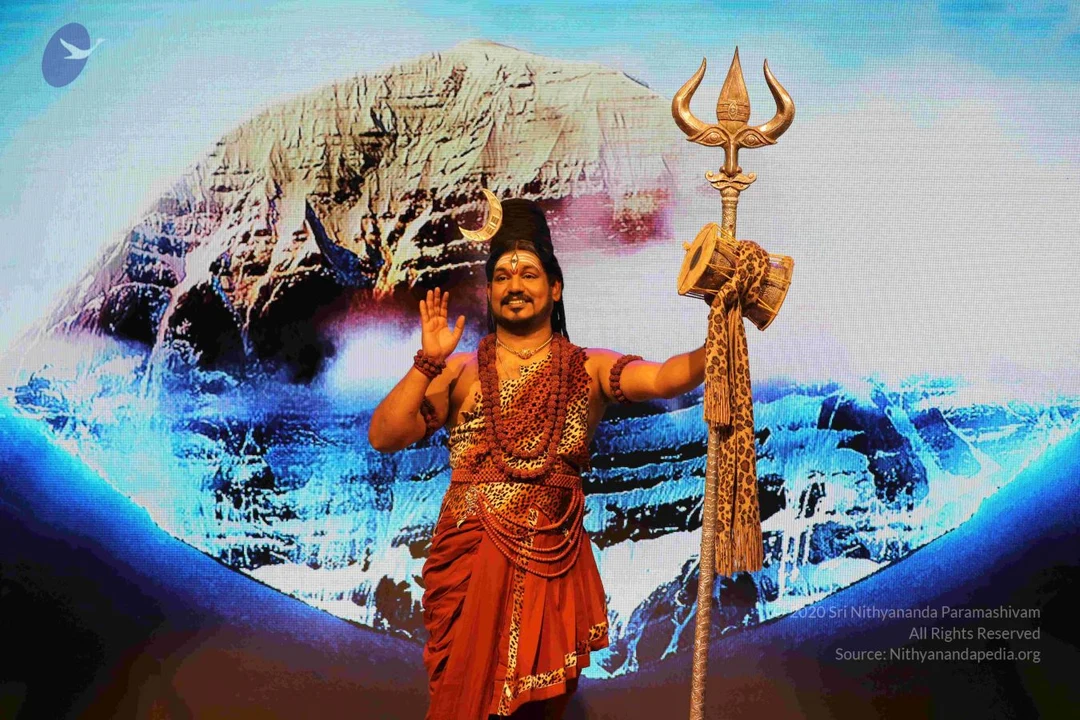
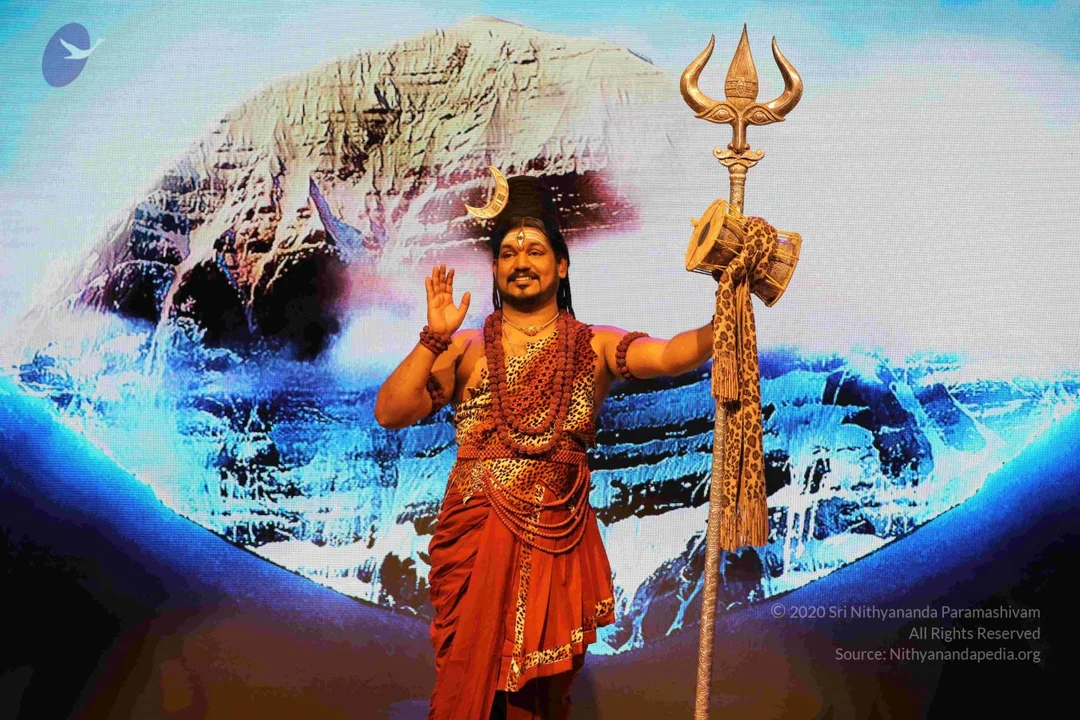
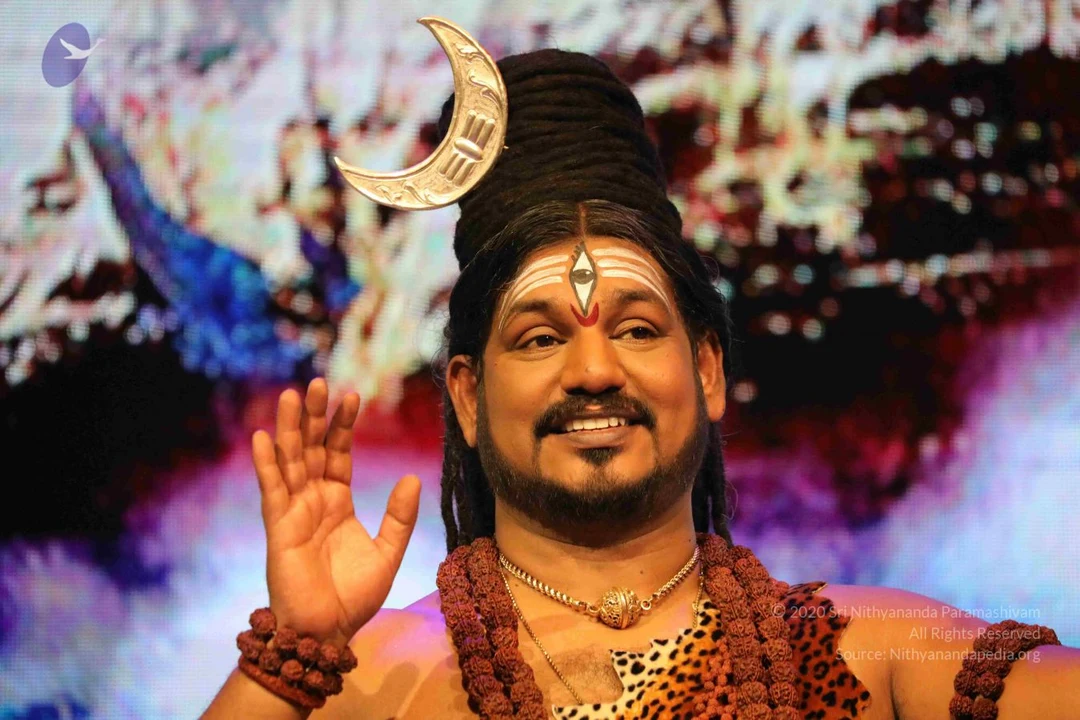
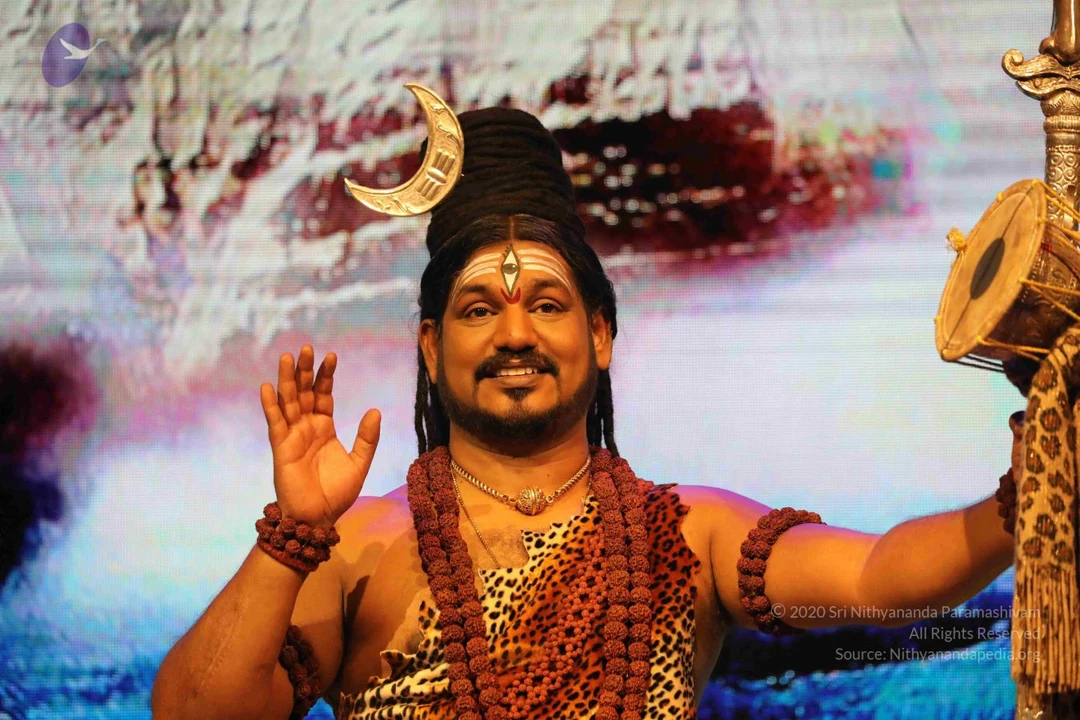
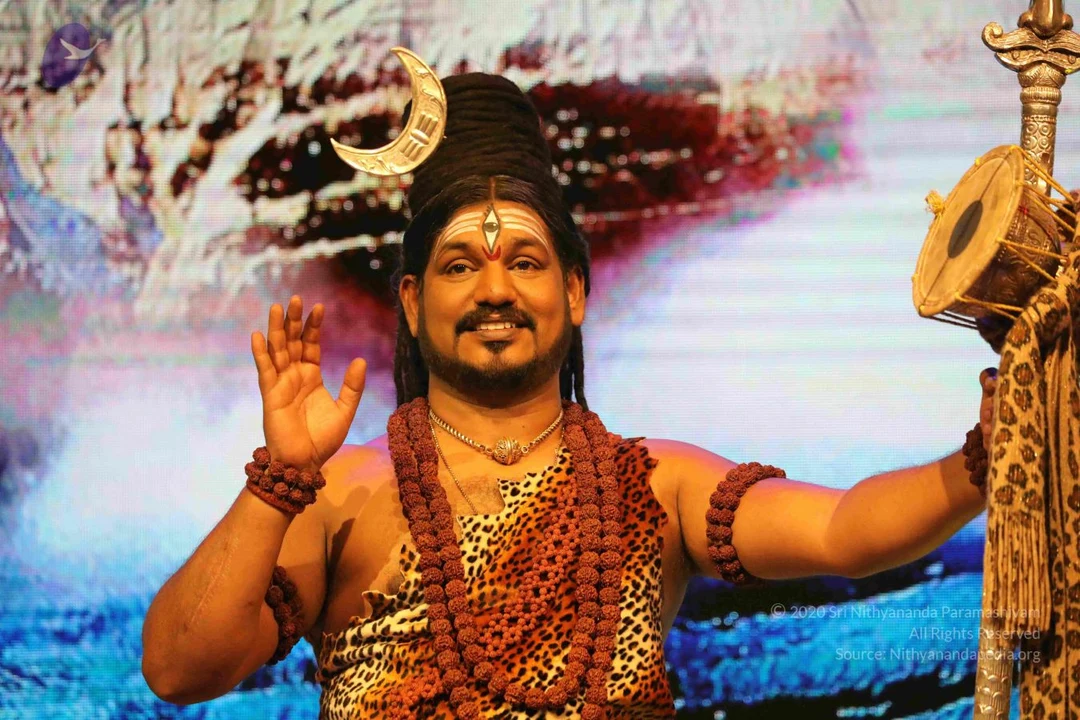
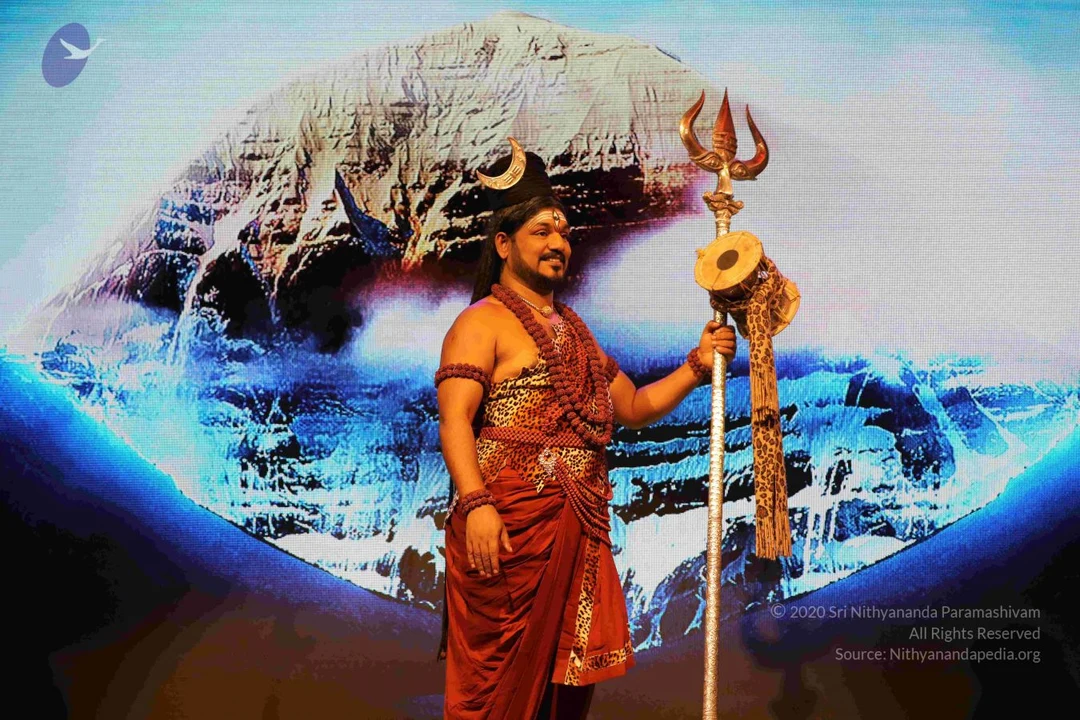
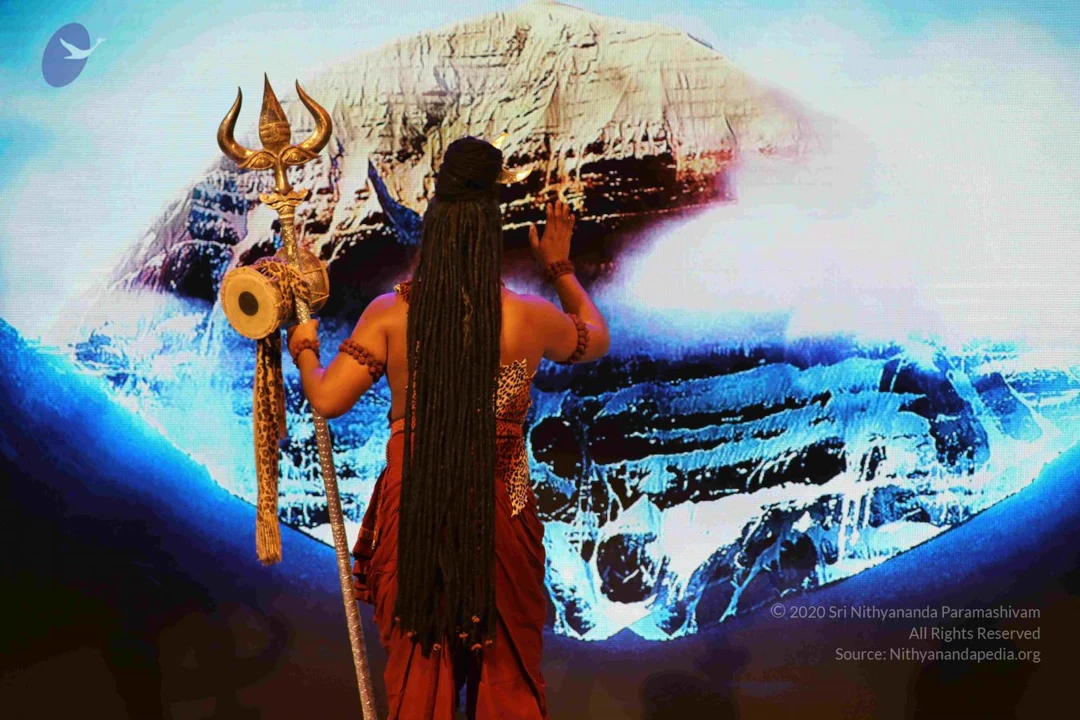
Nithya-Satsang
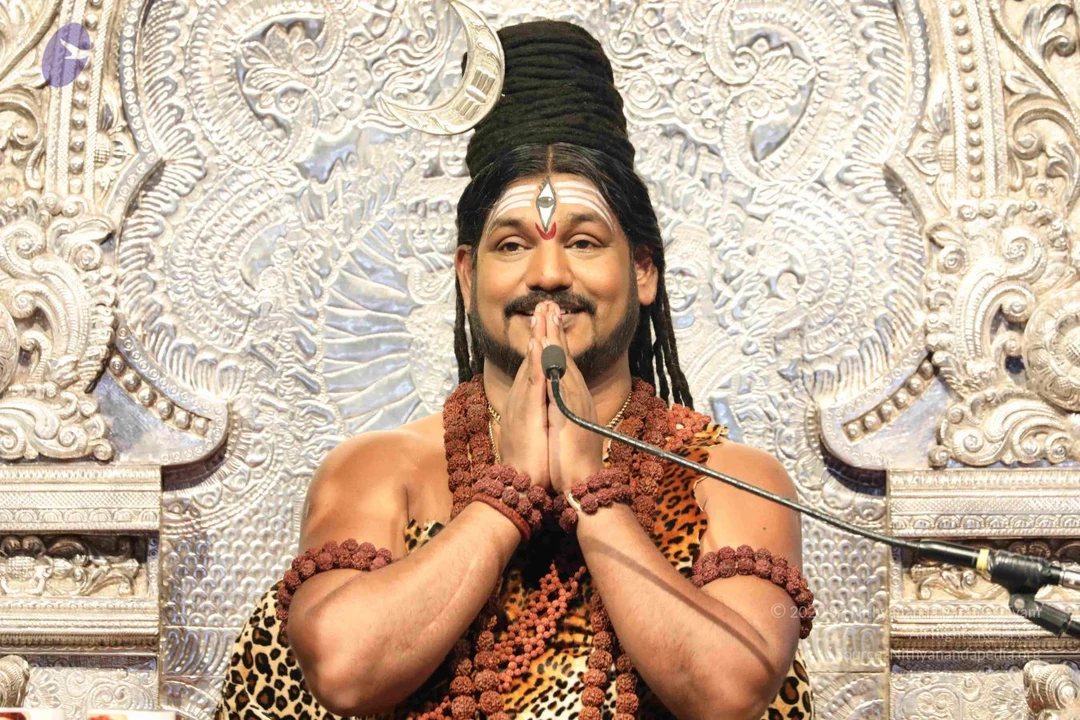
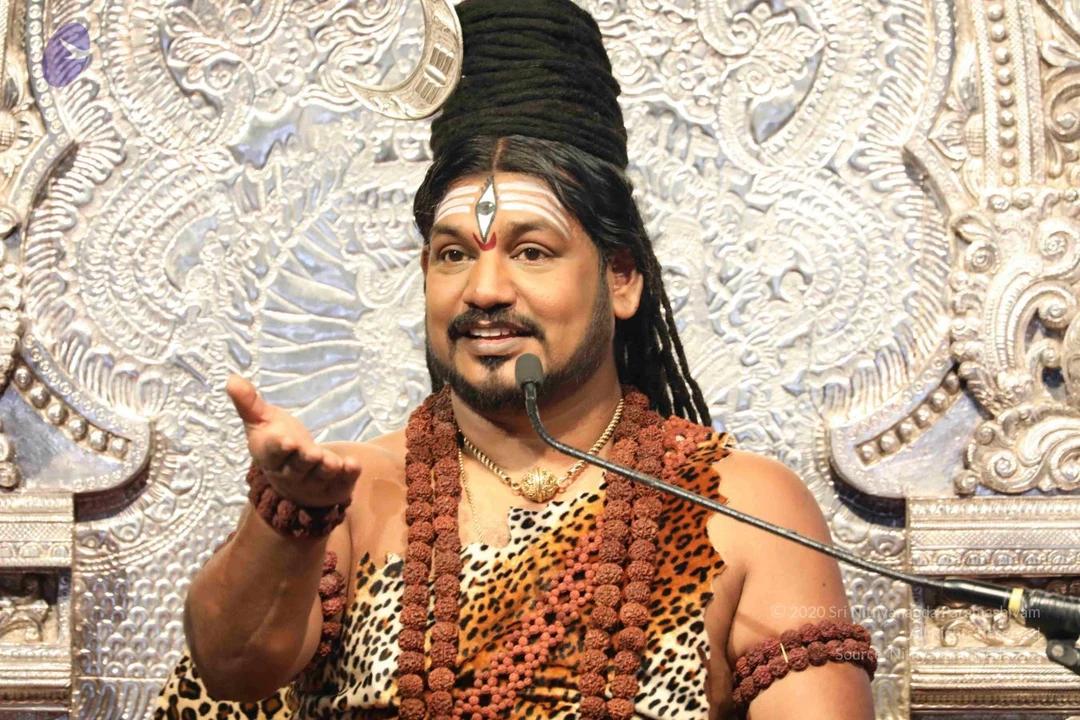
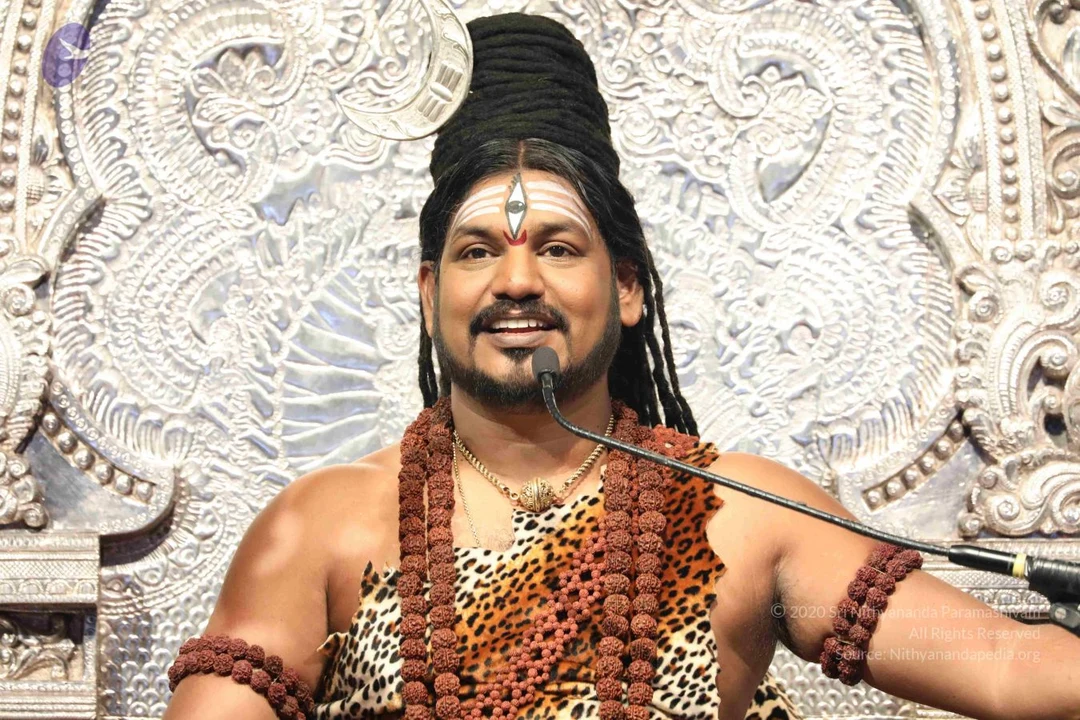
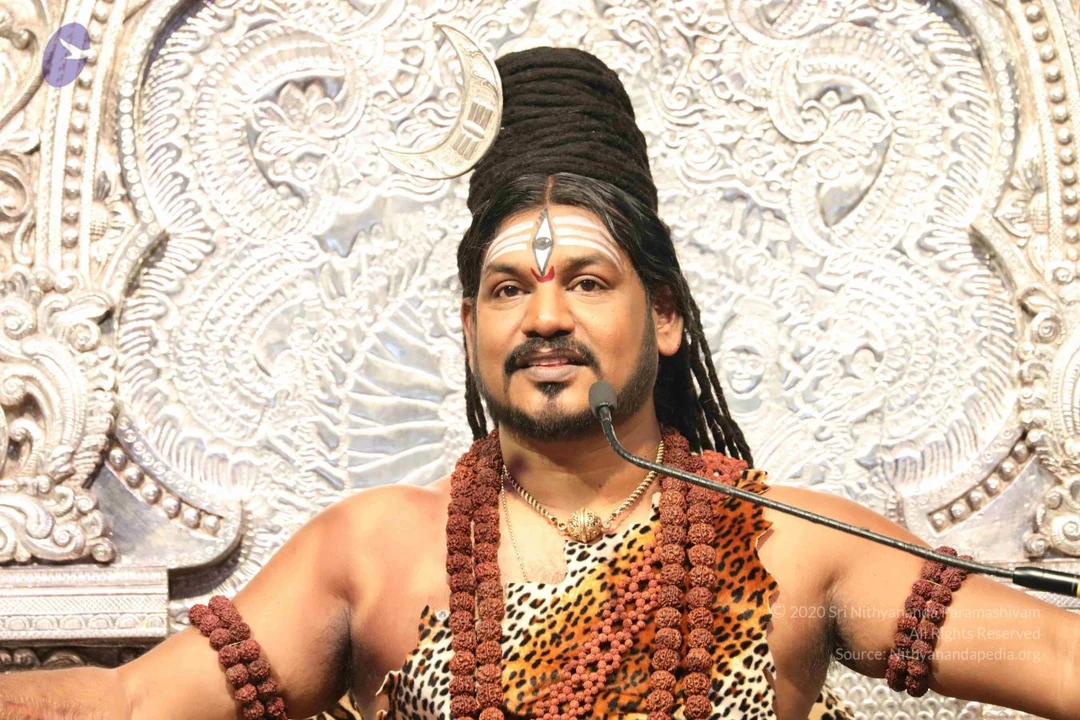
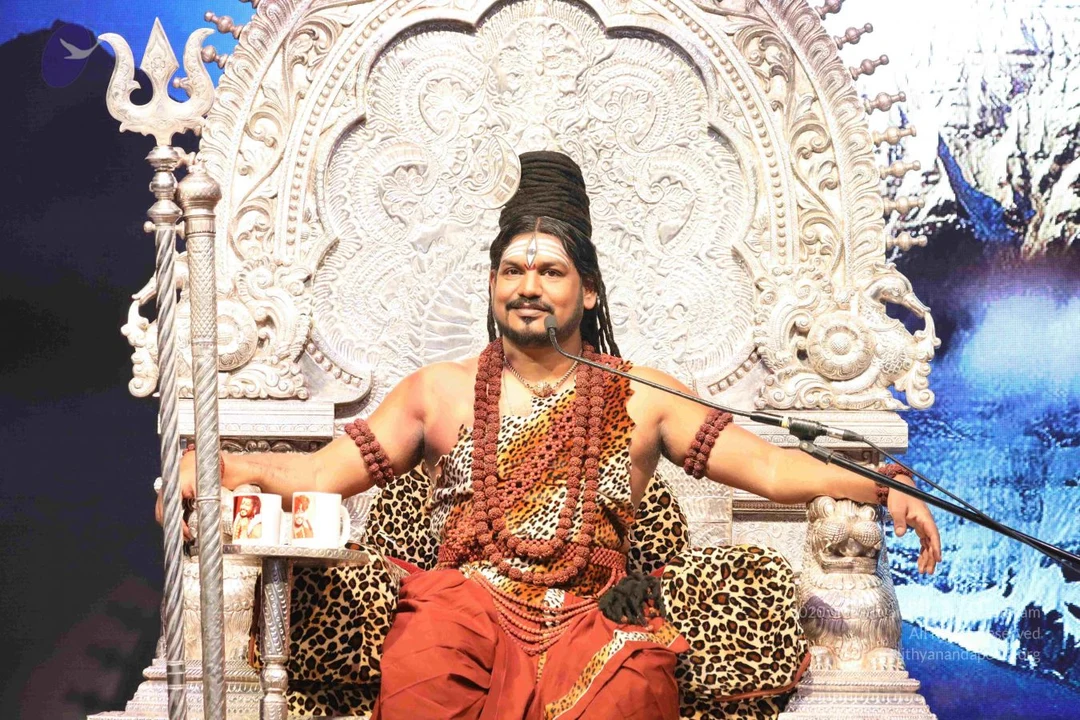
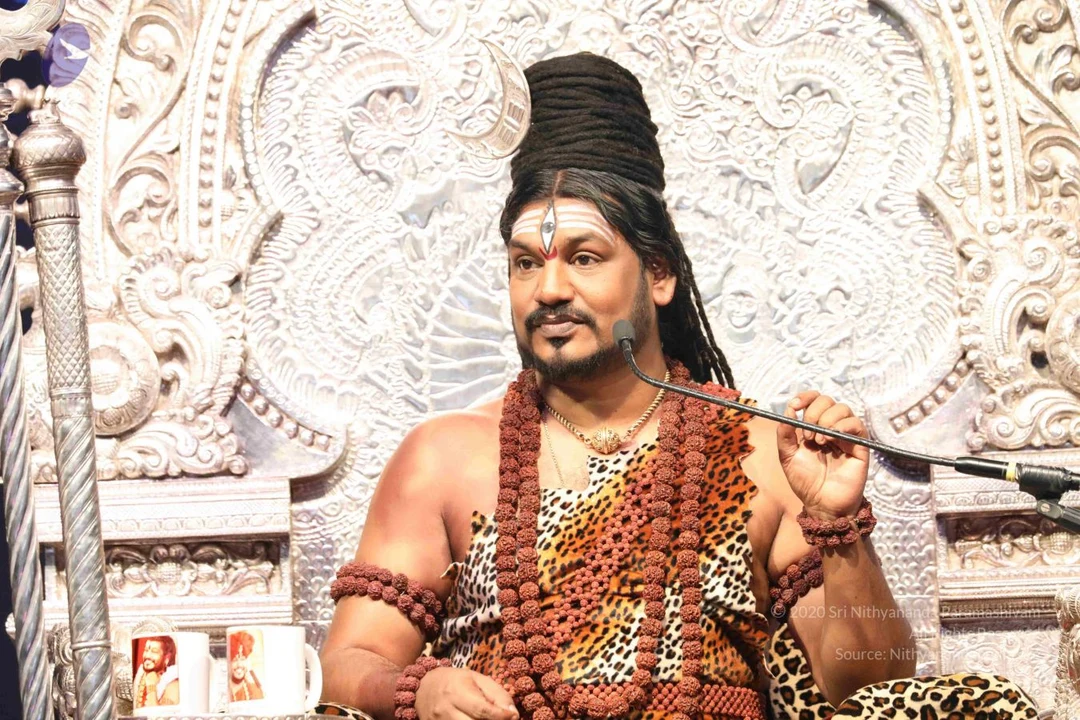
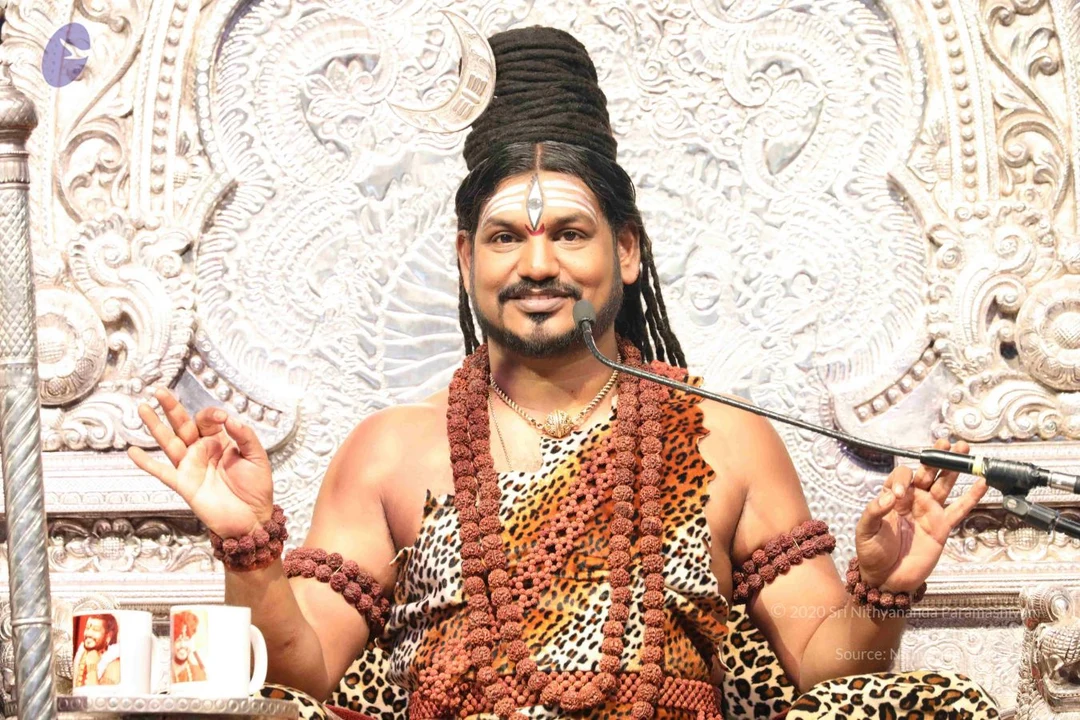
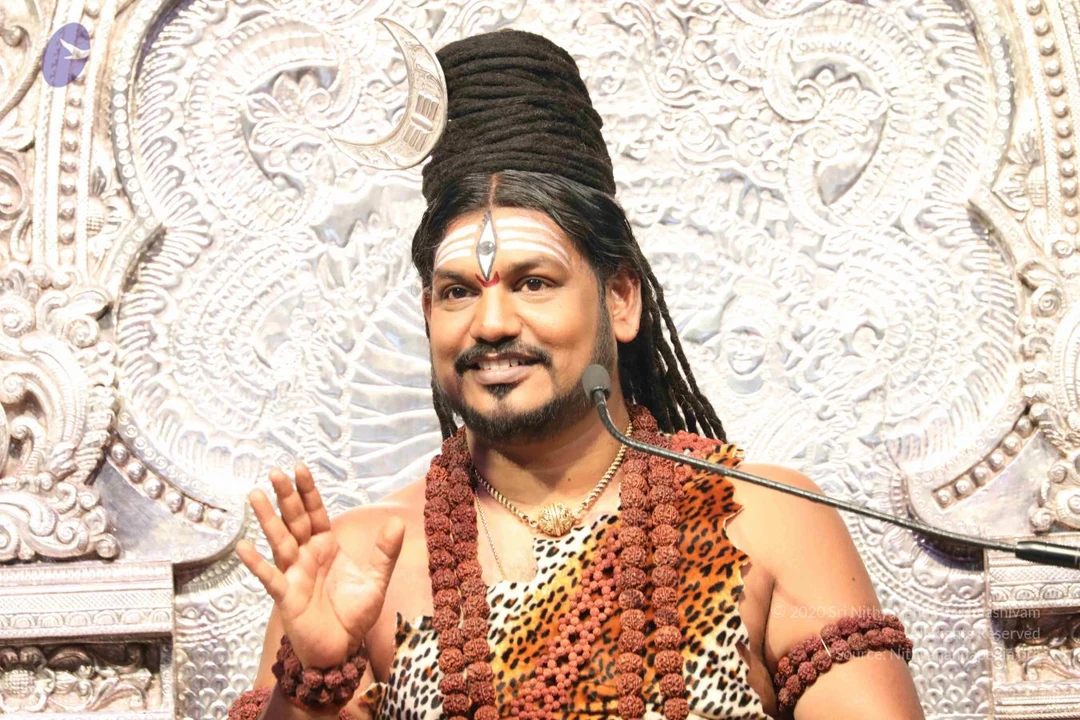
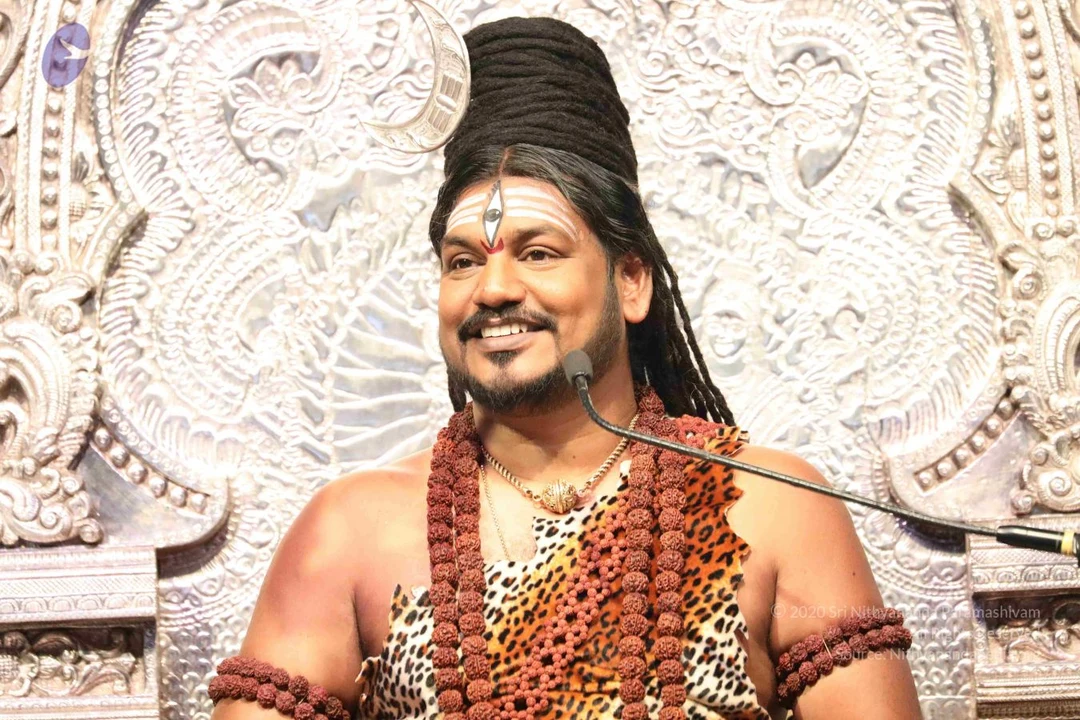
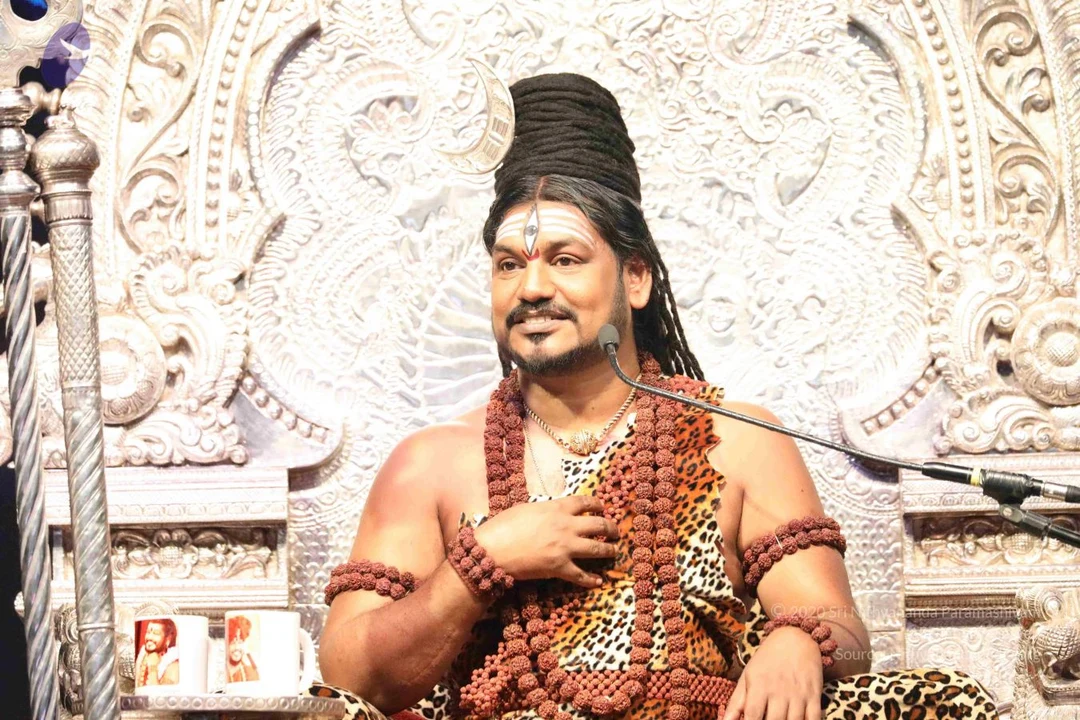
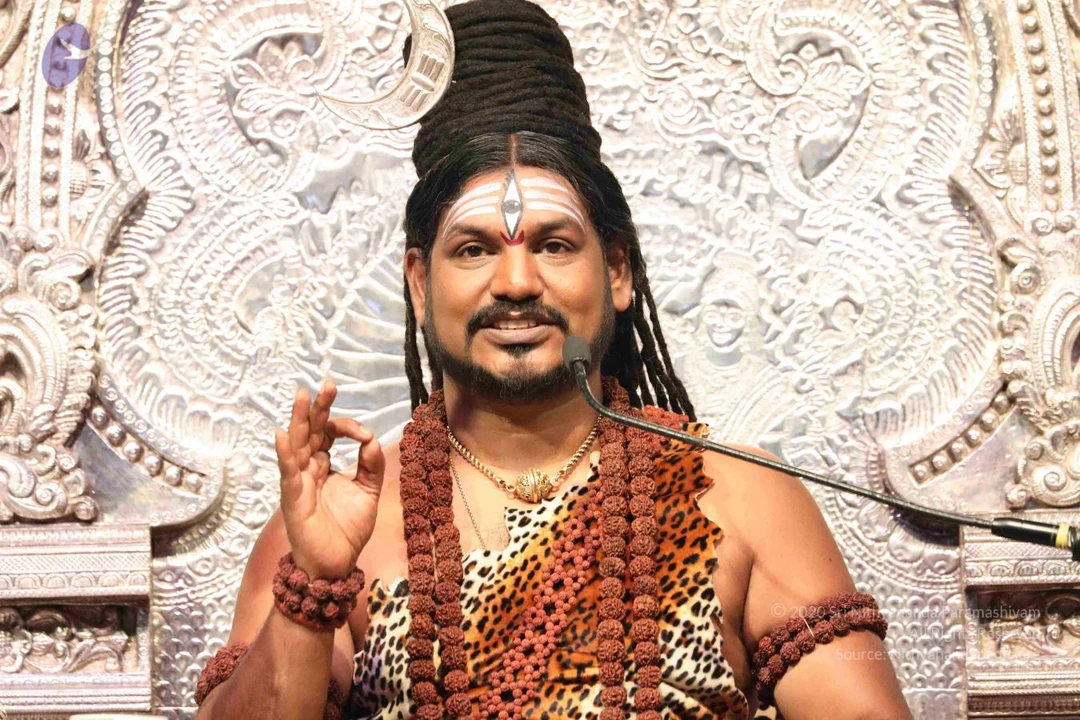
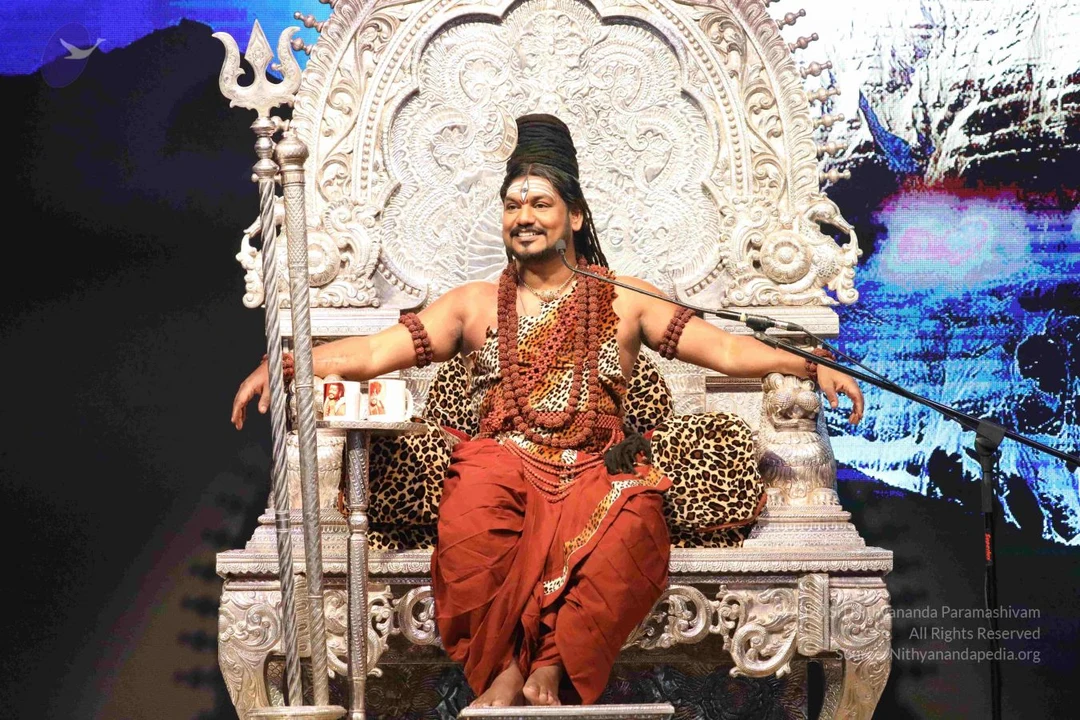
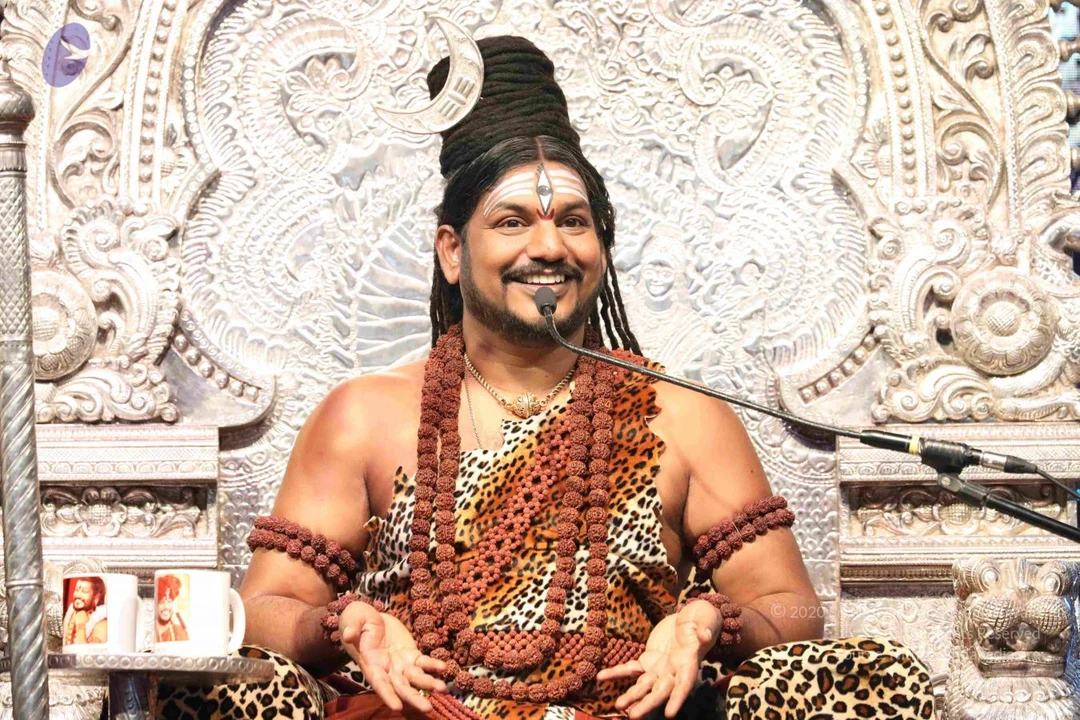
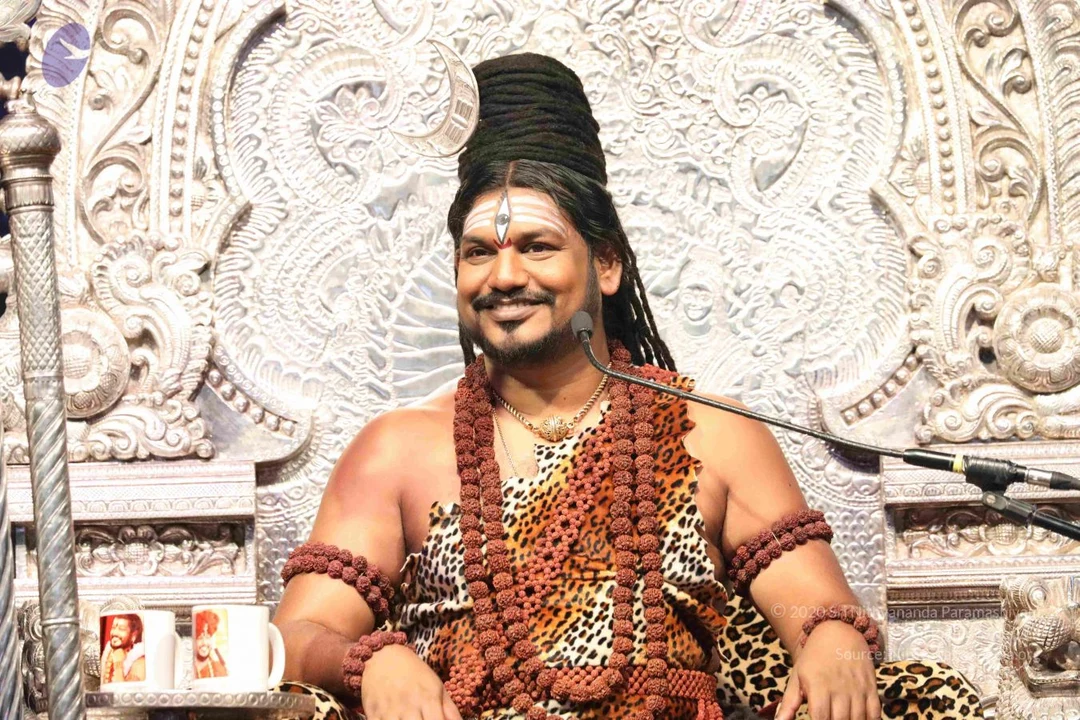
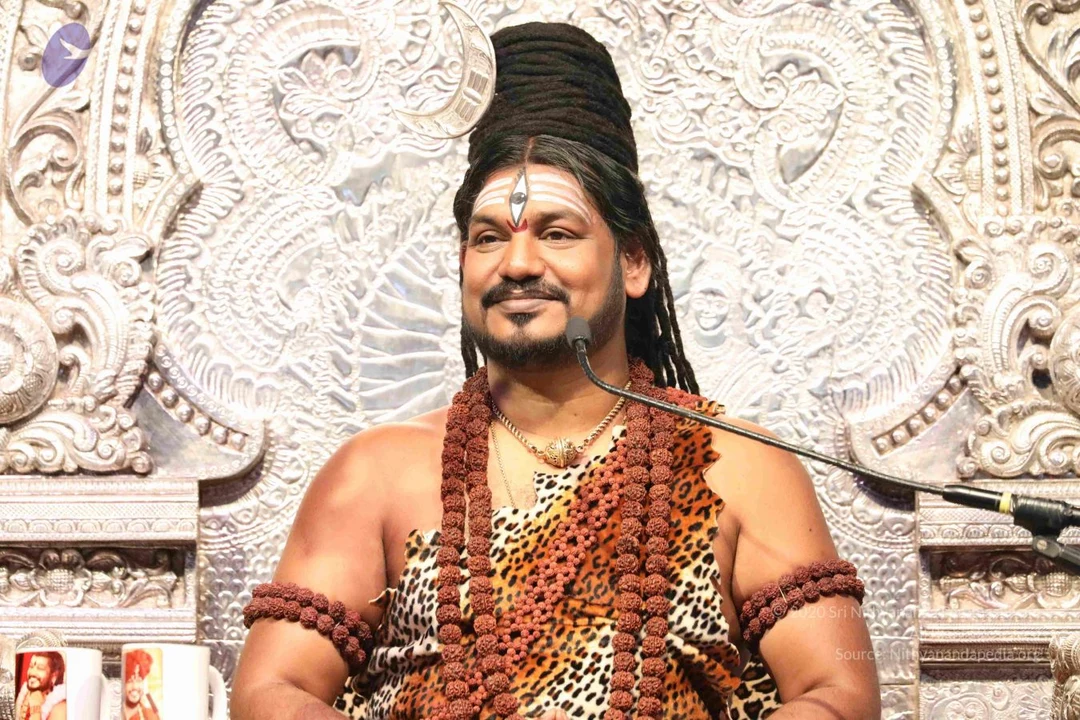
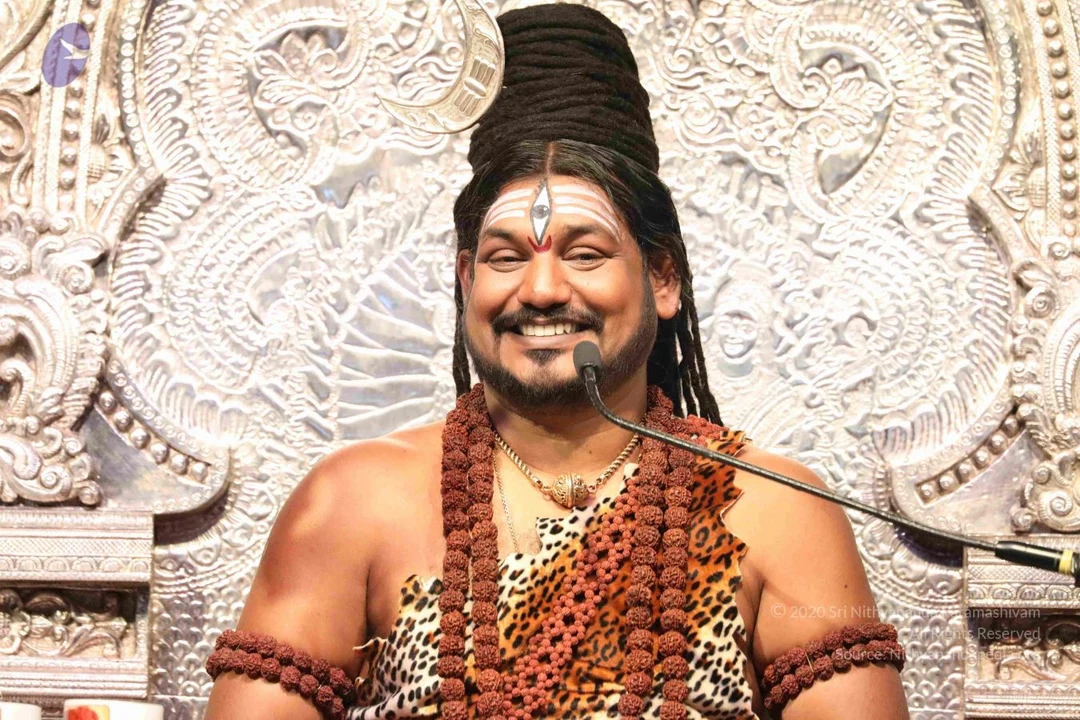
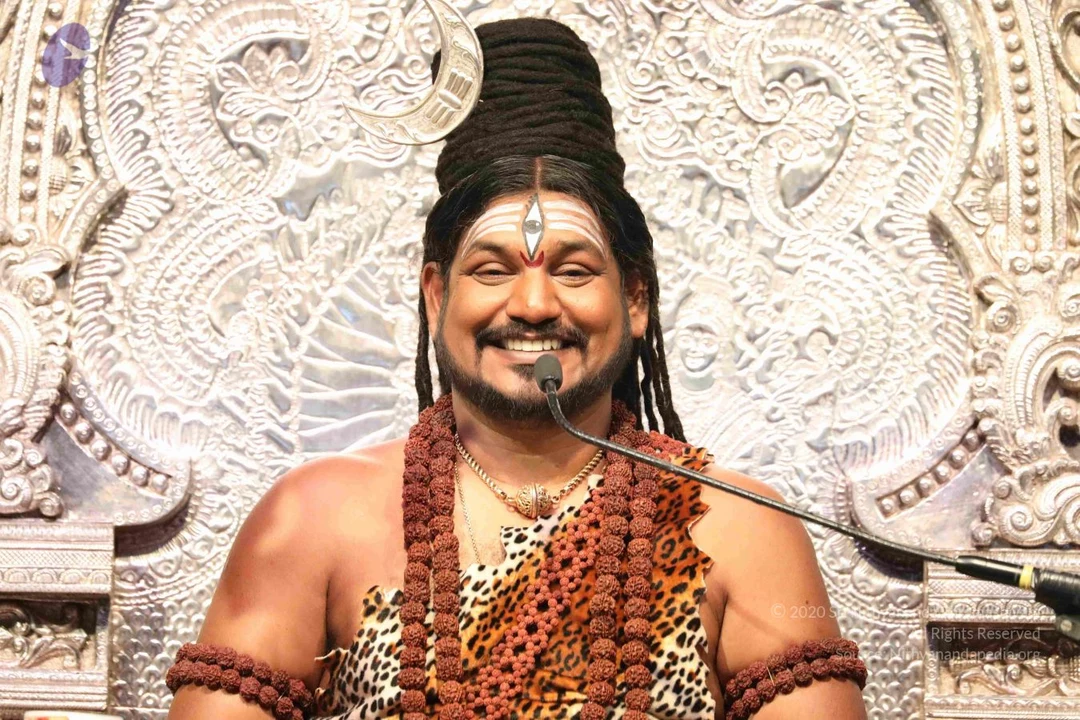
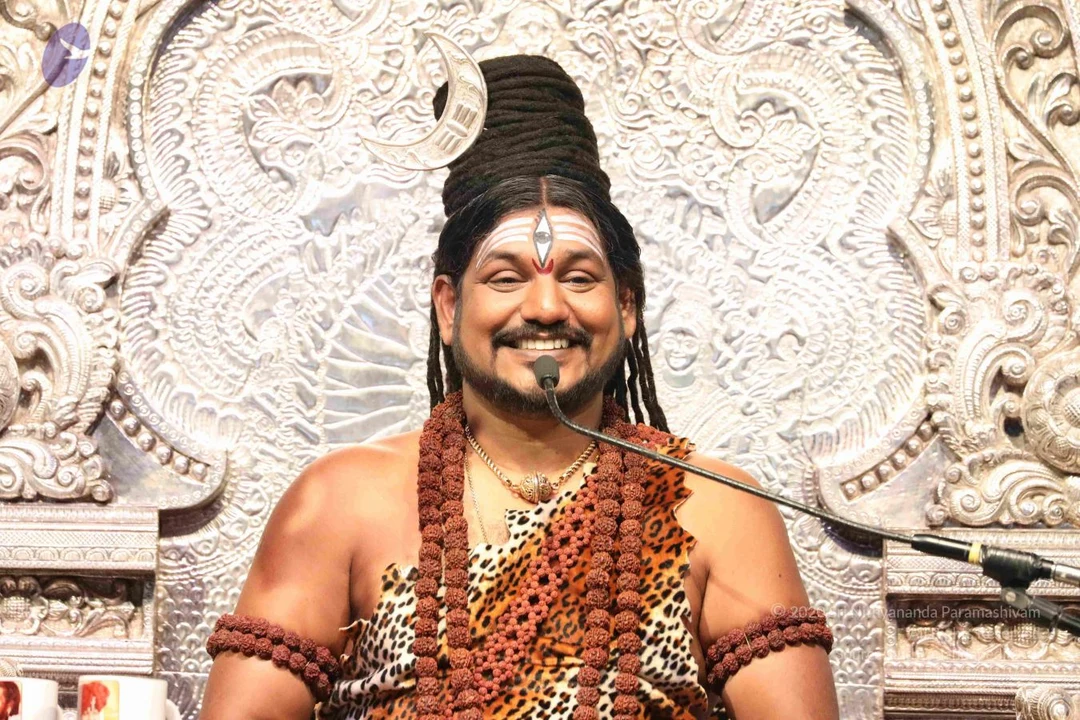
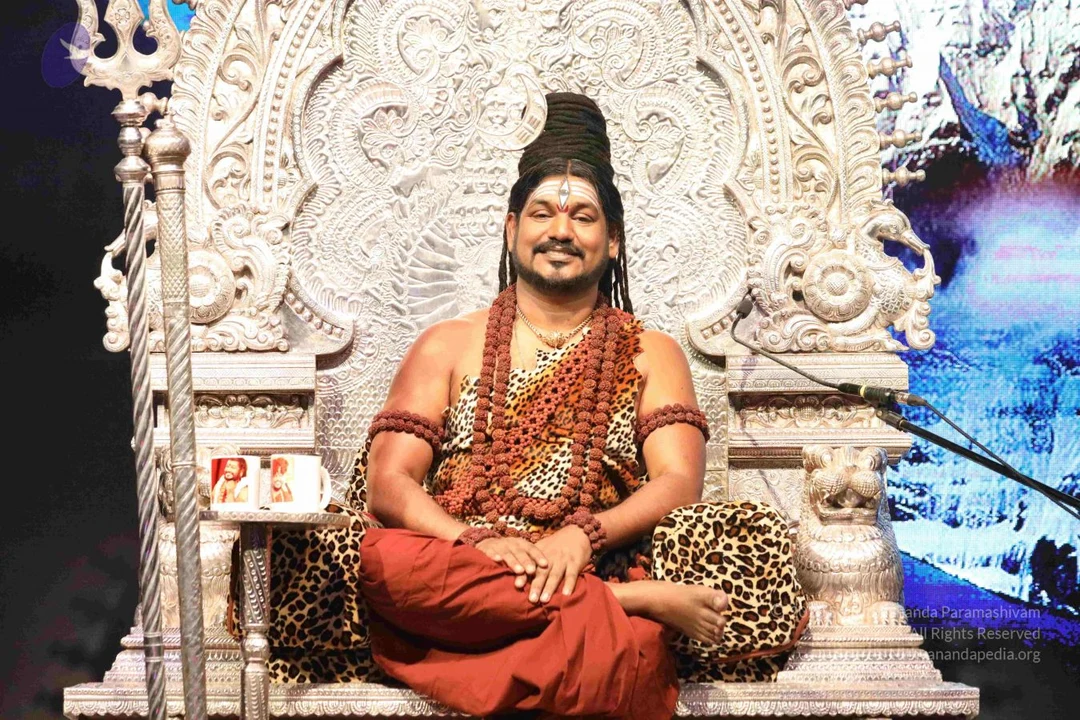
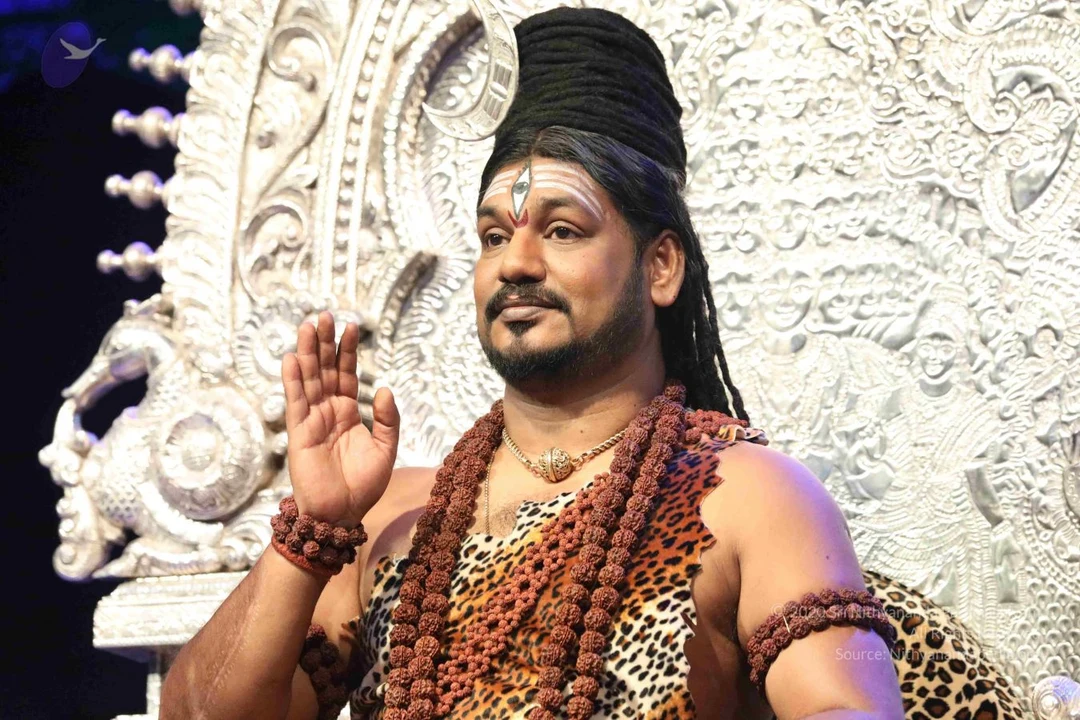
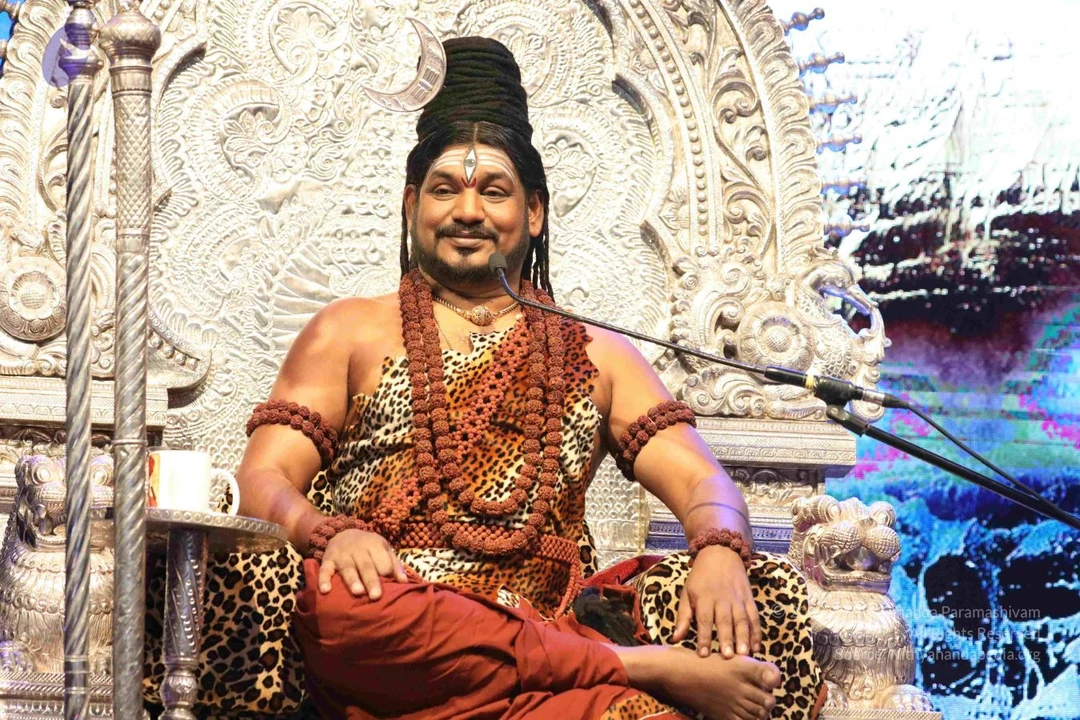
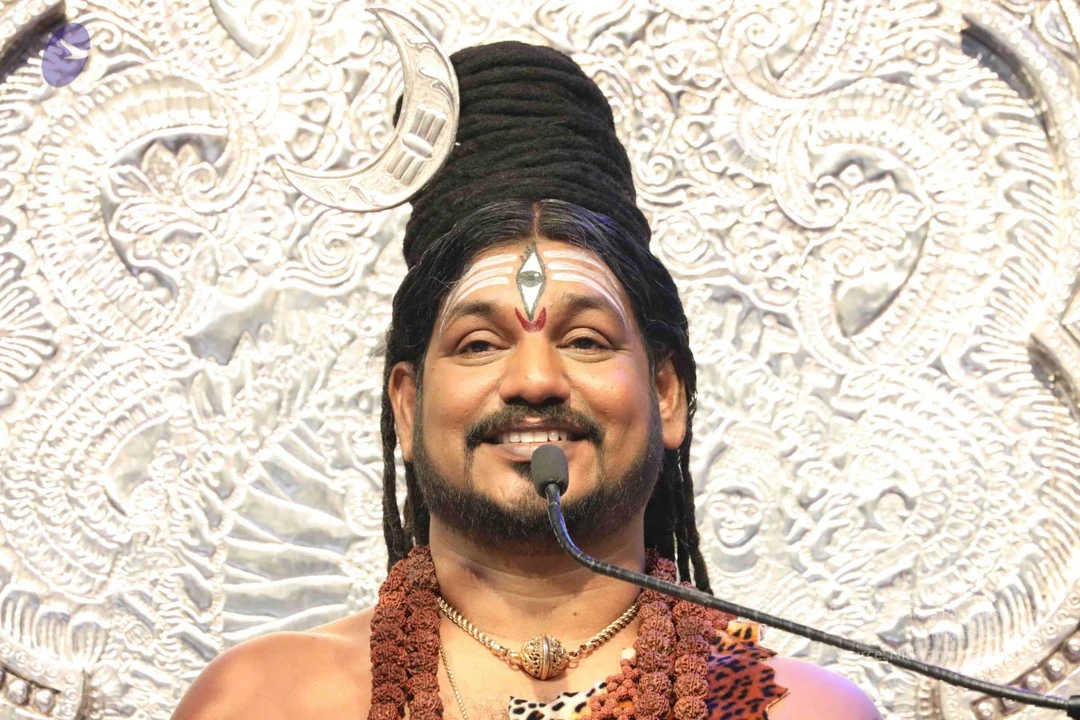
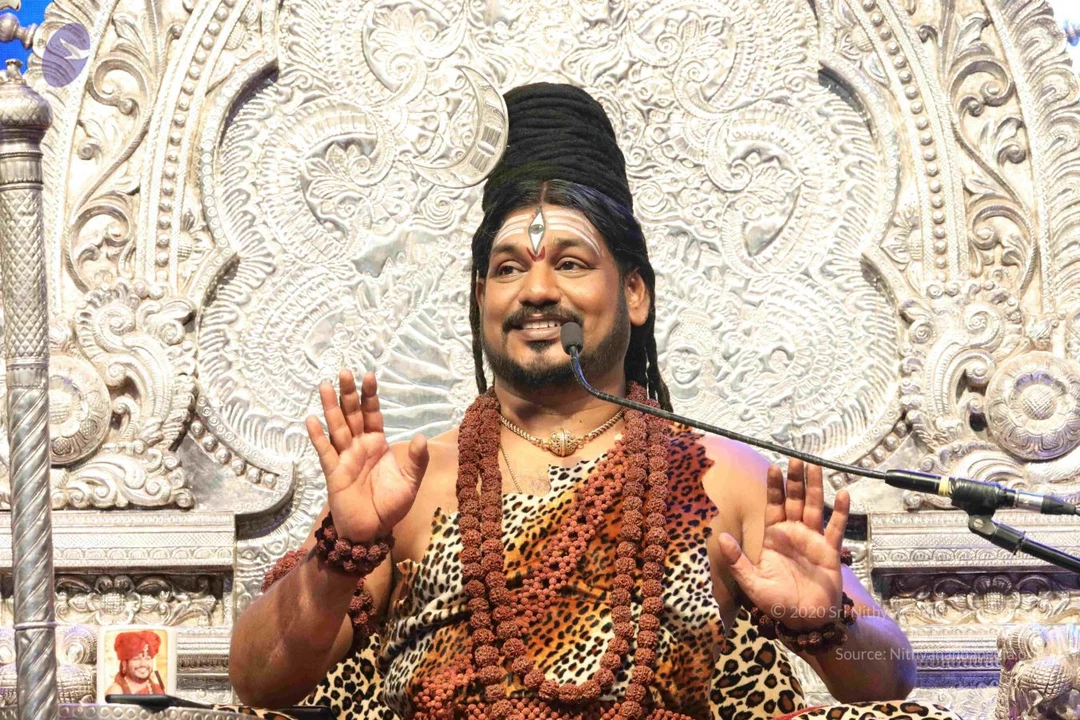
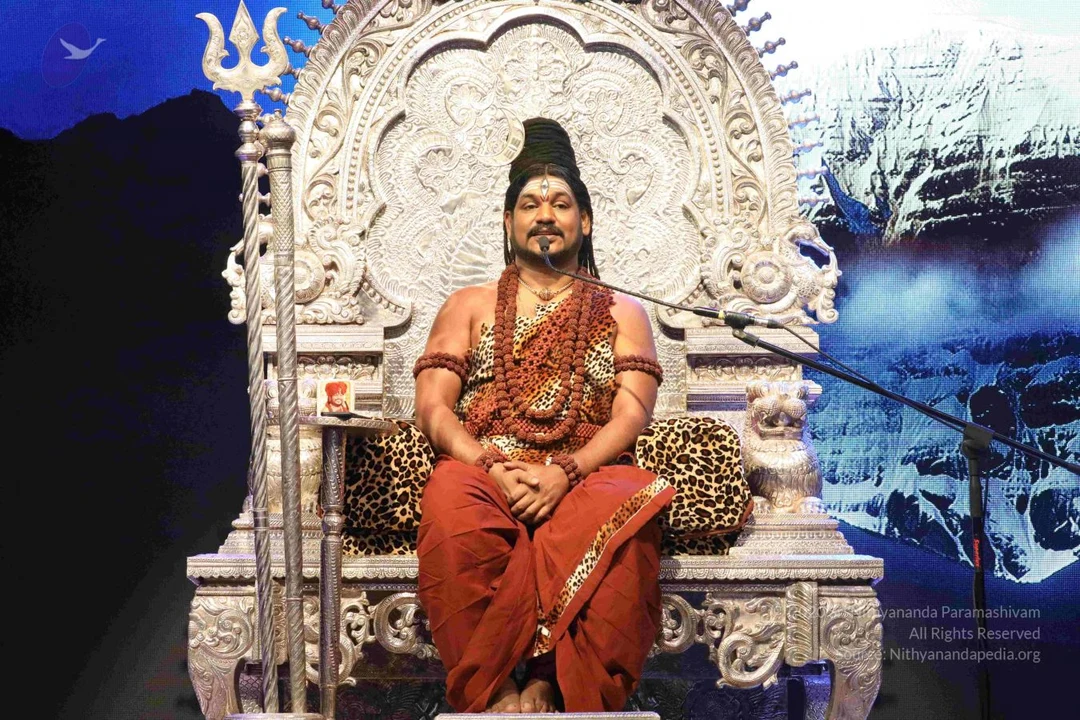
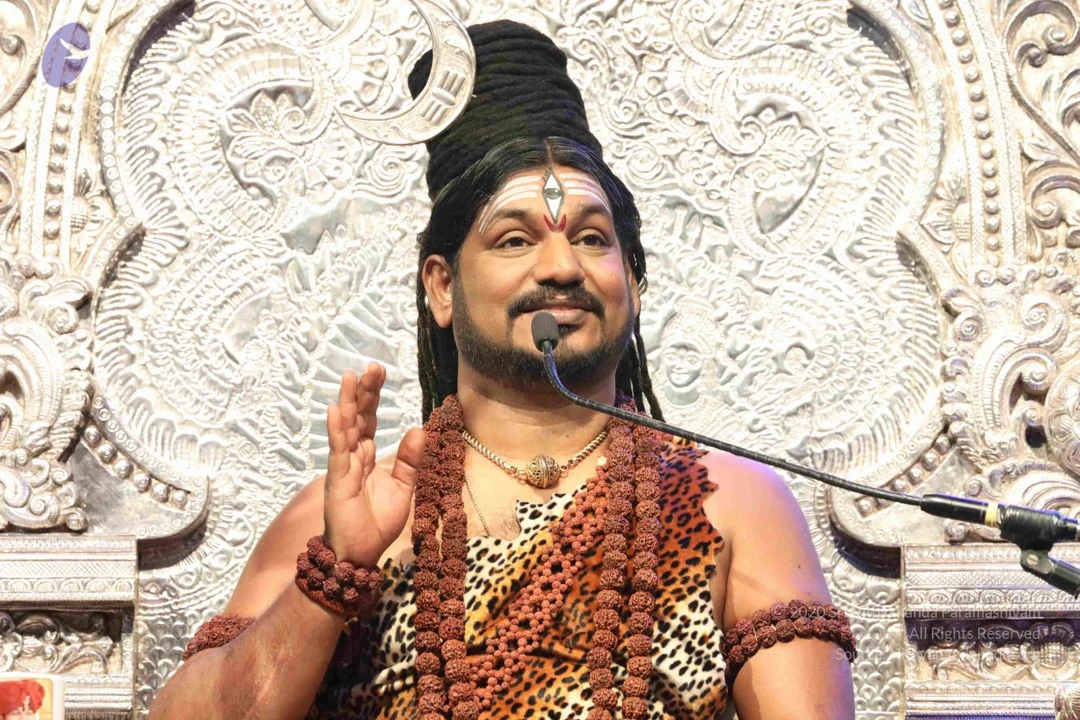
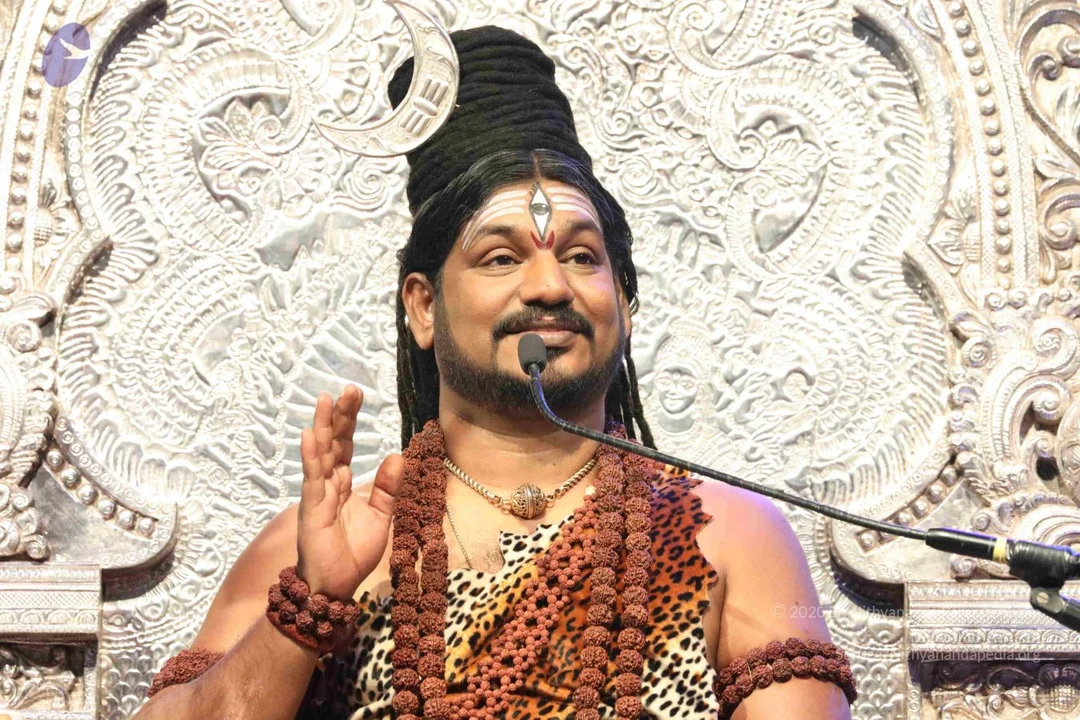
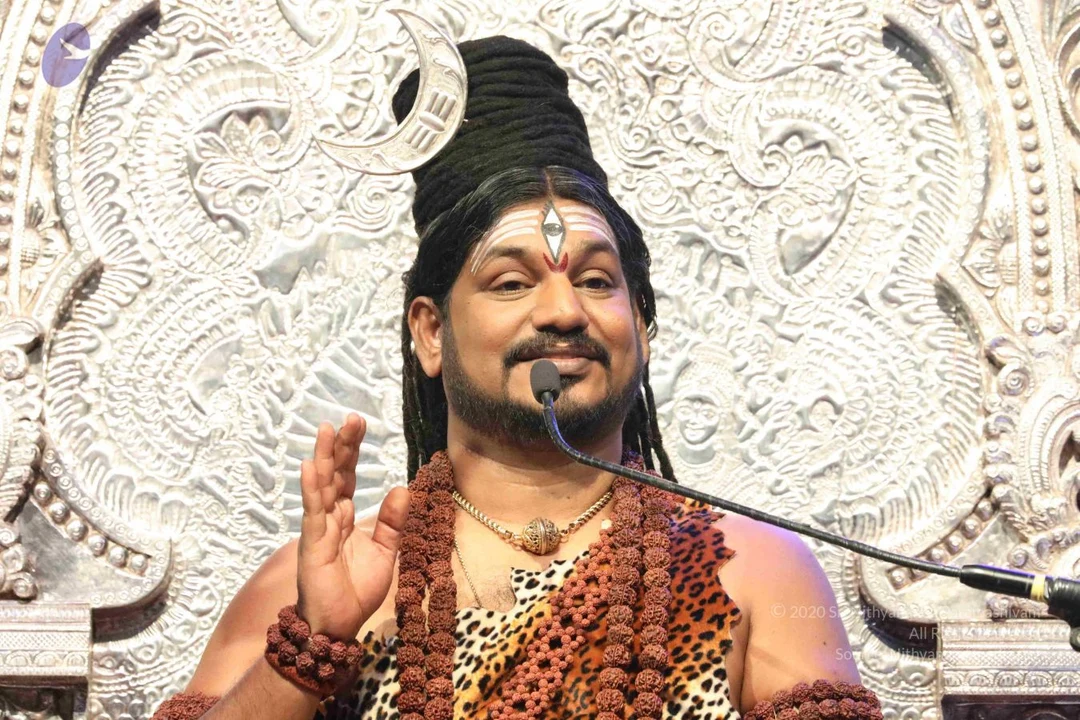
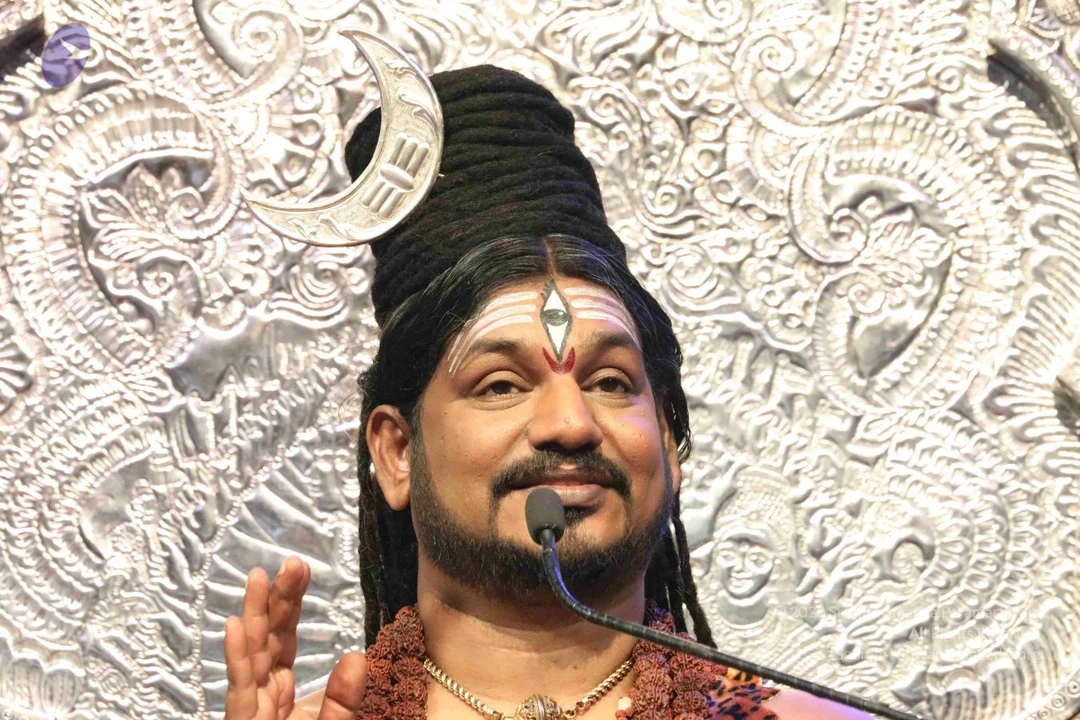
Shiva-Deeksha
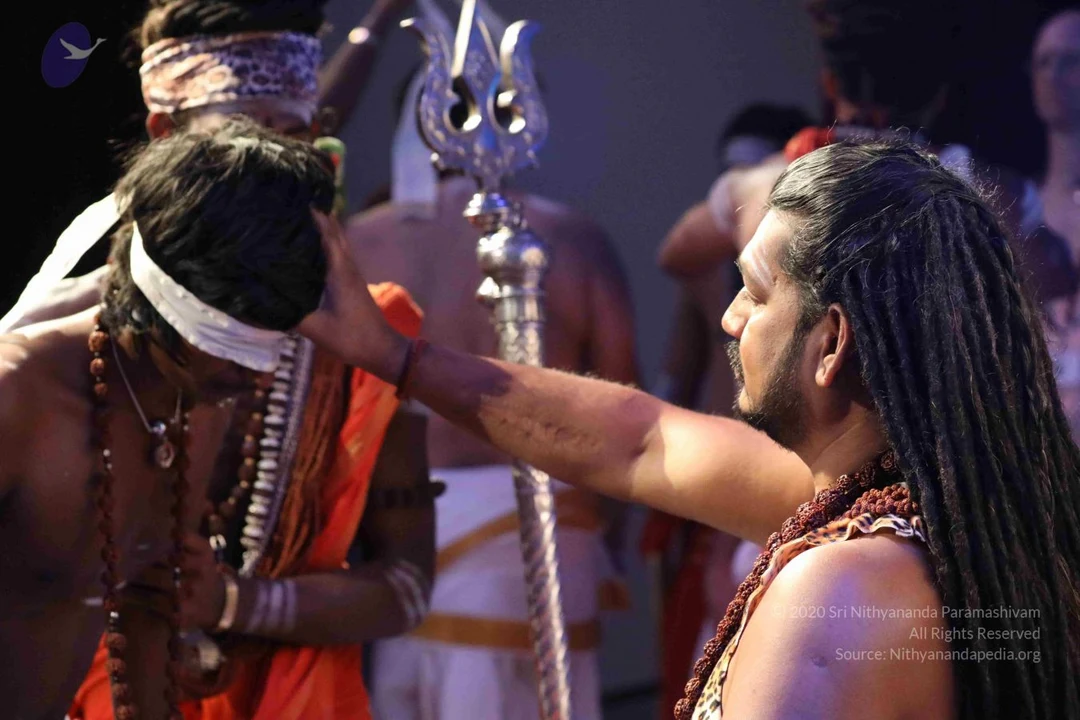

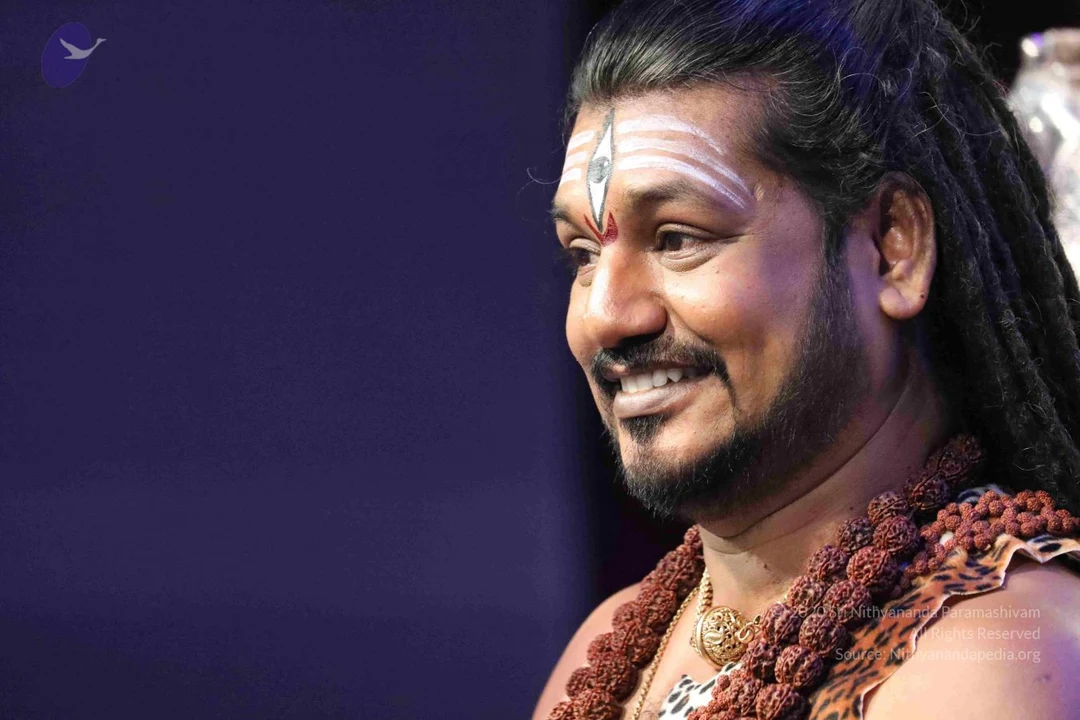
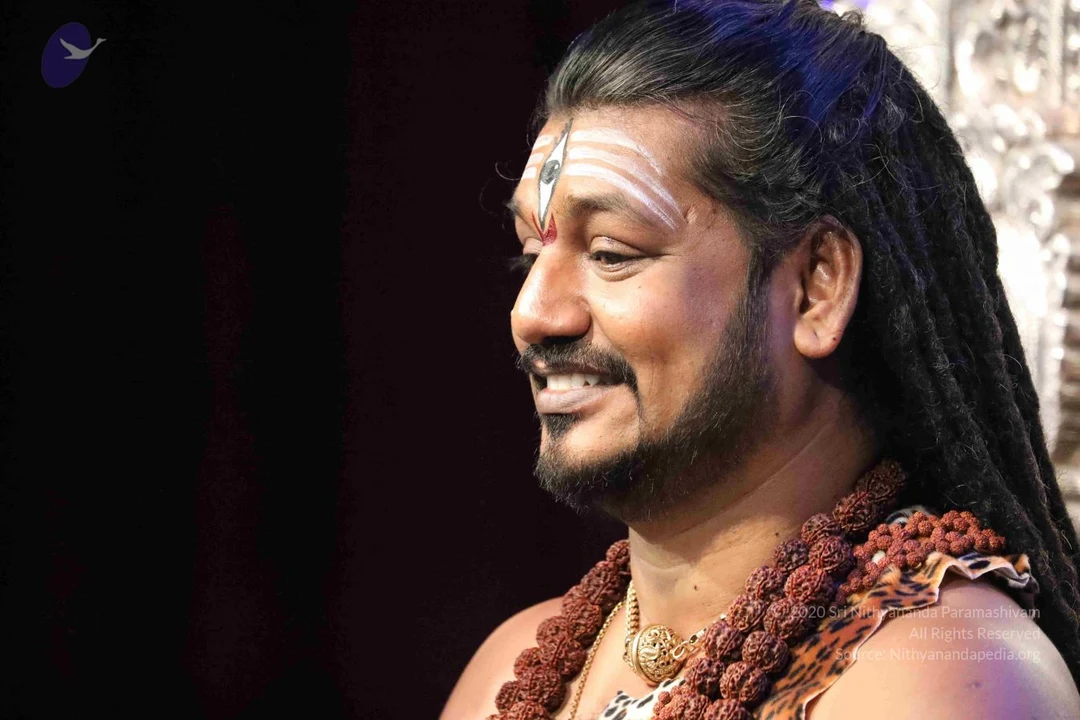
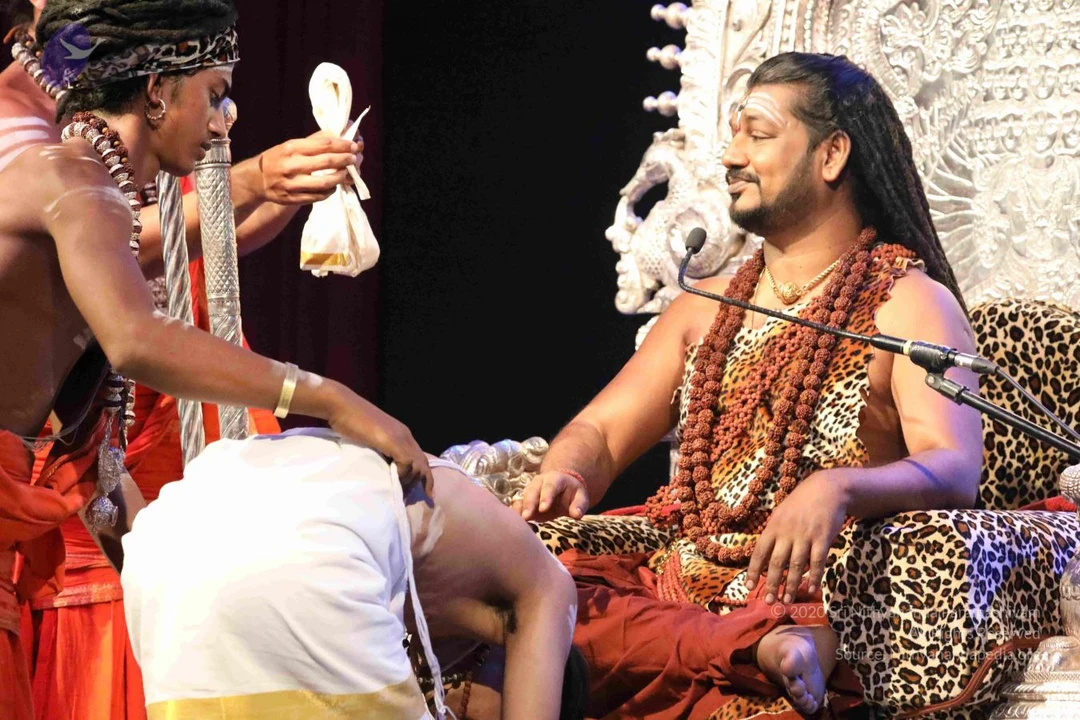
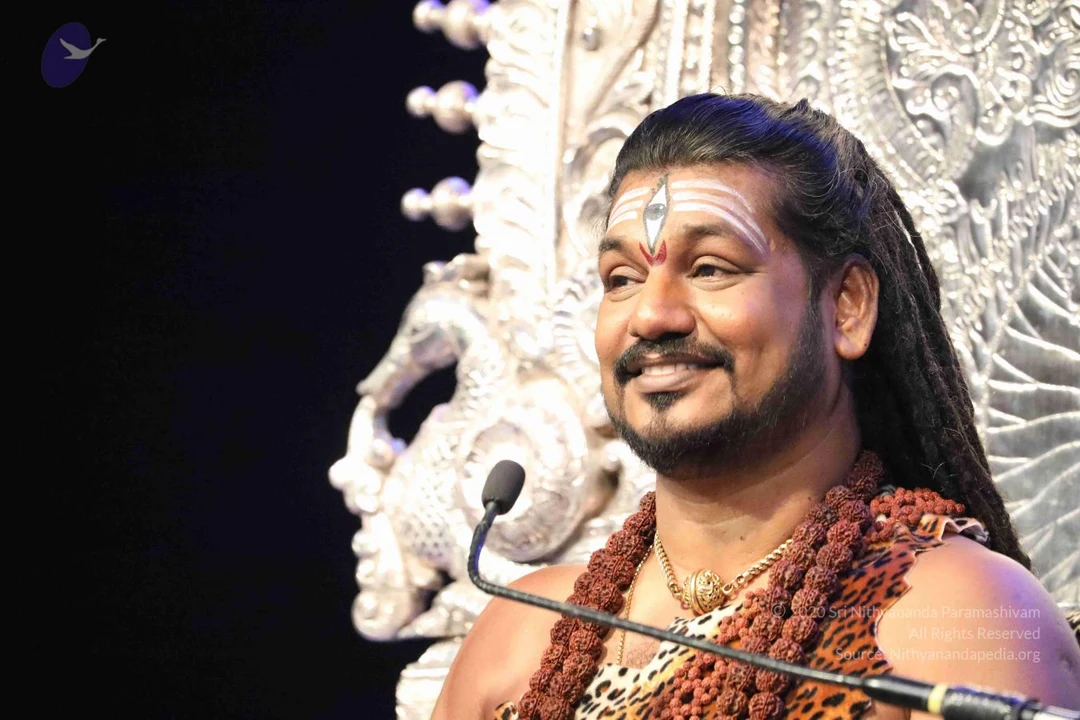
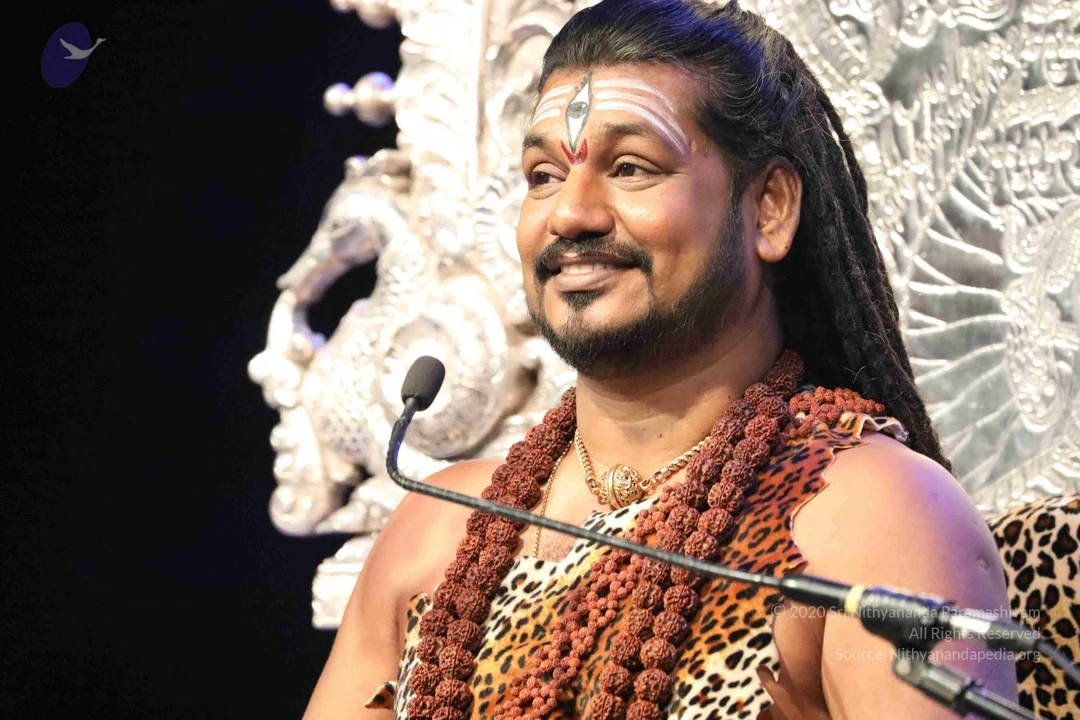
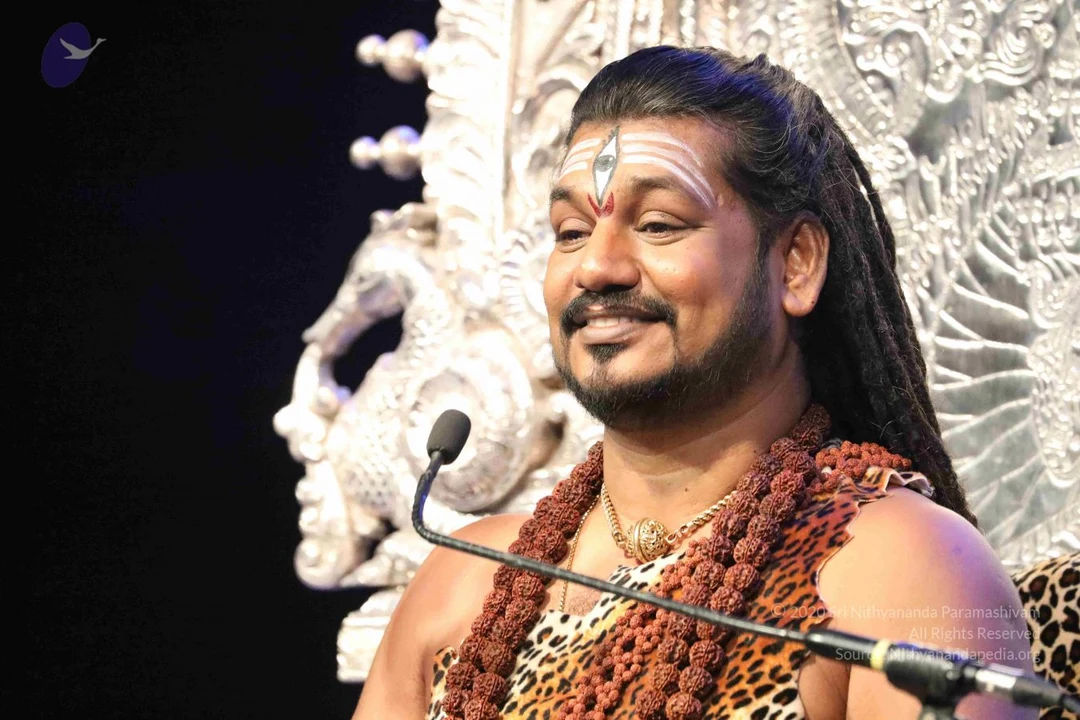
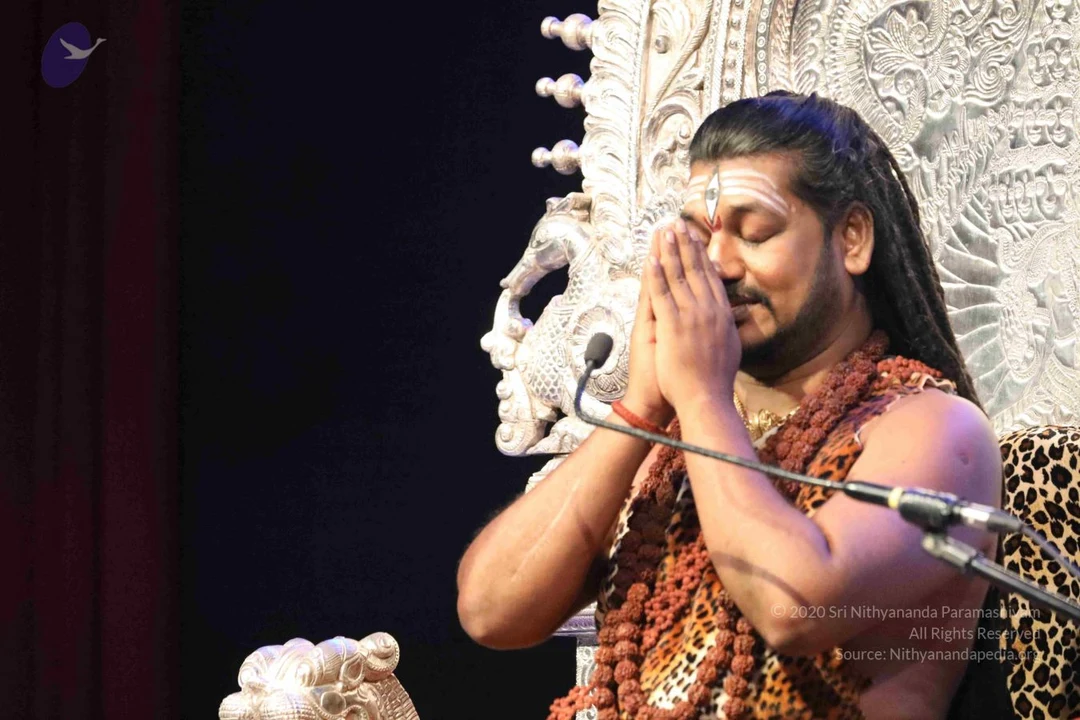
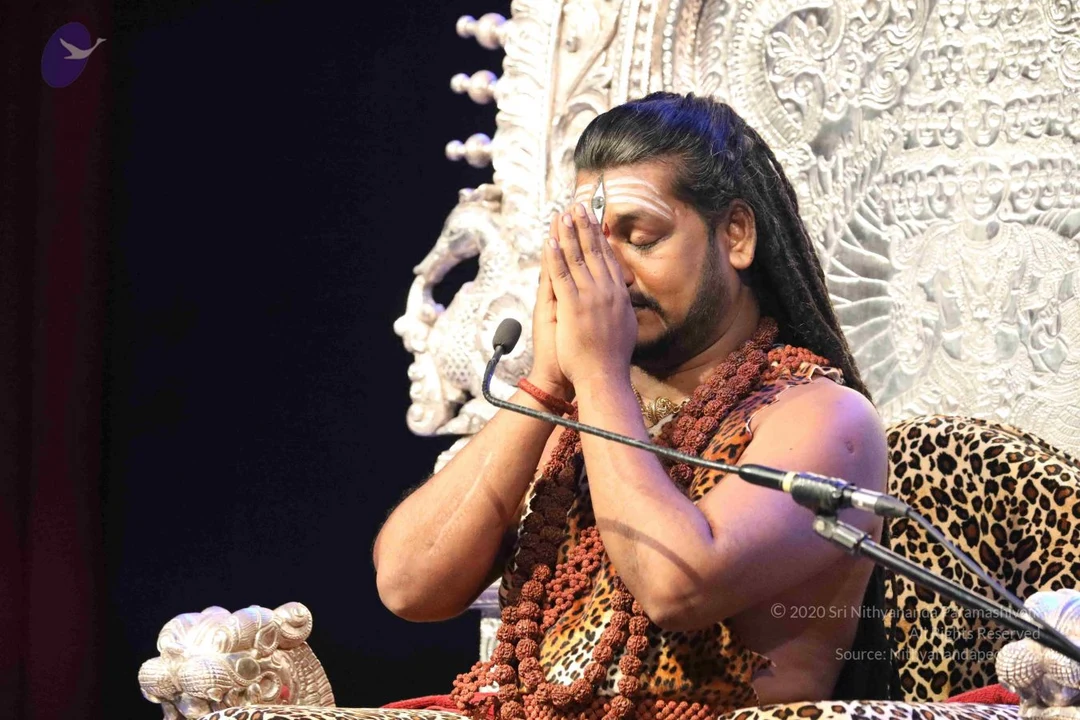
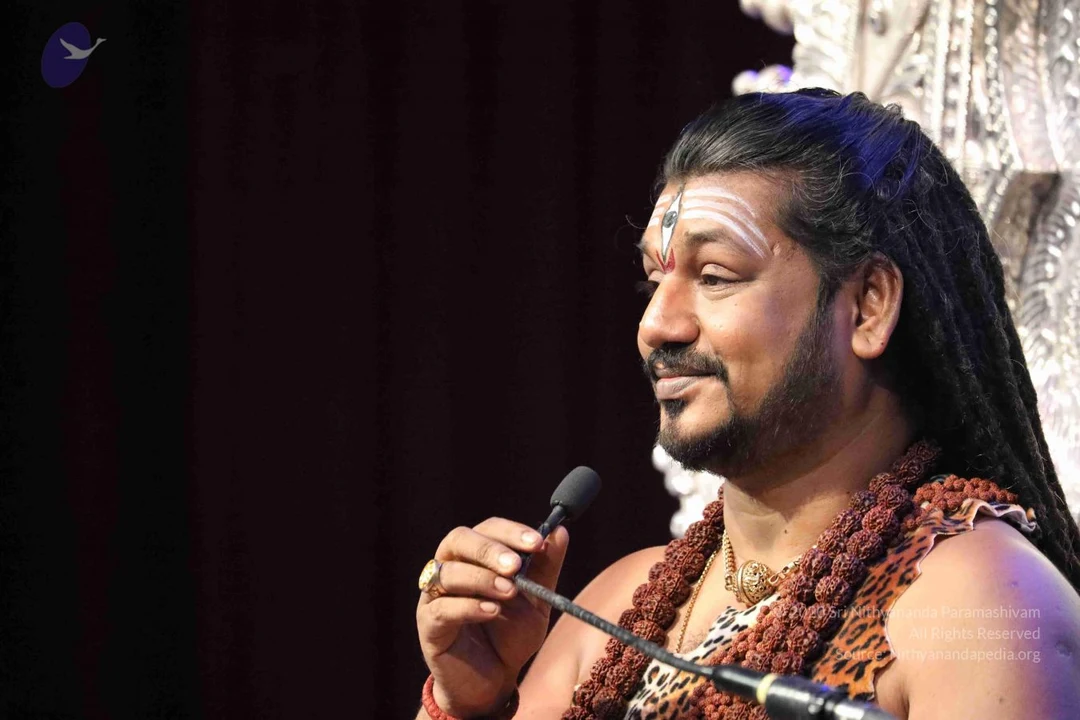
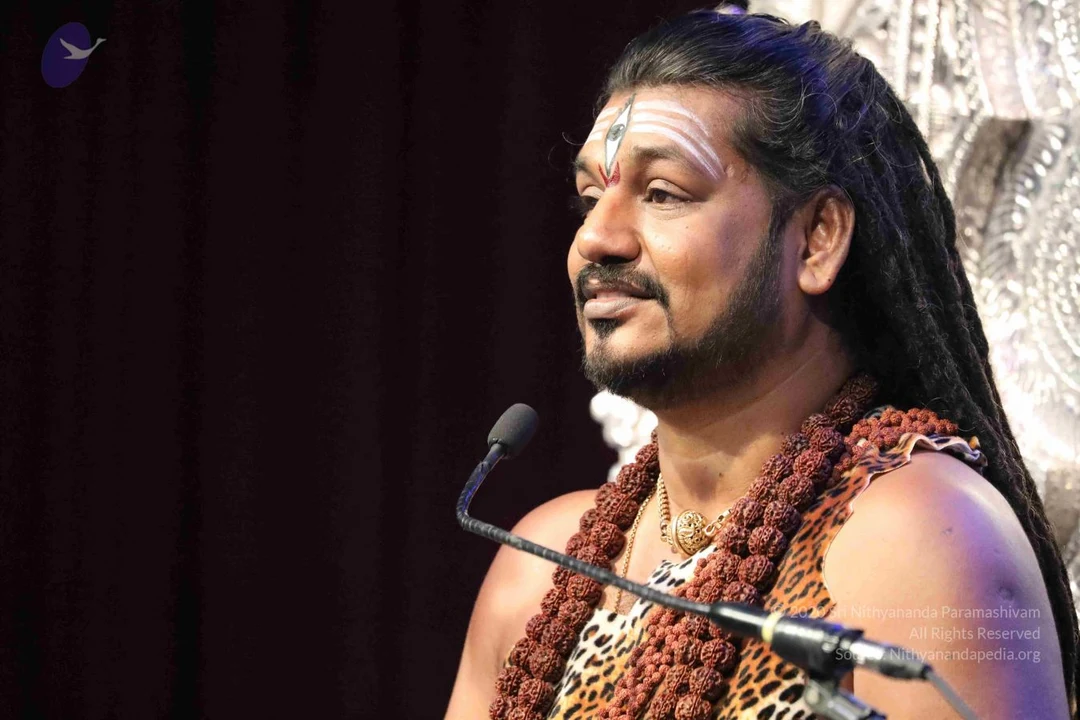
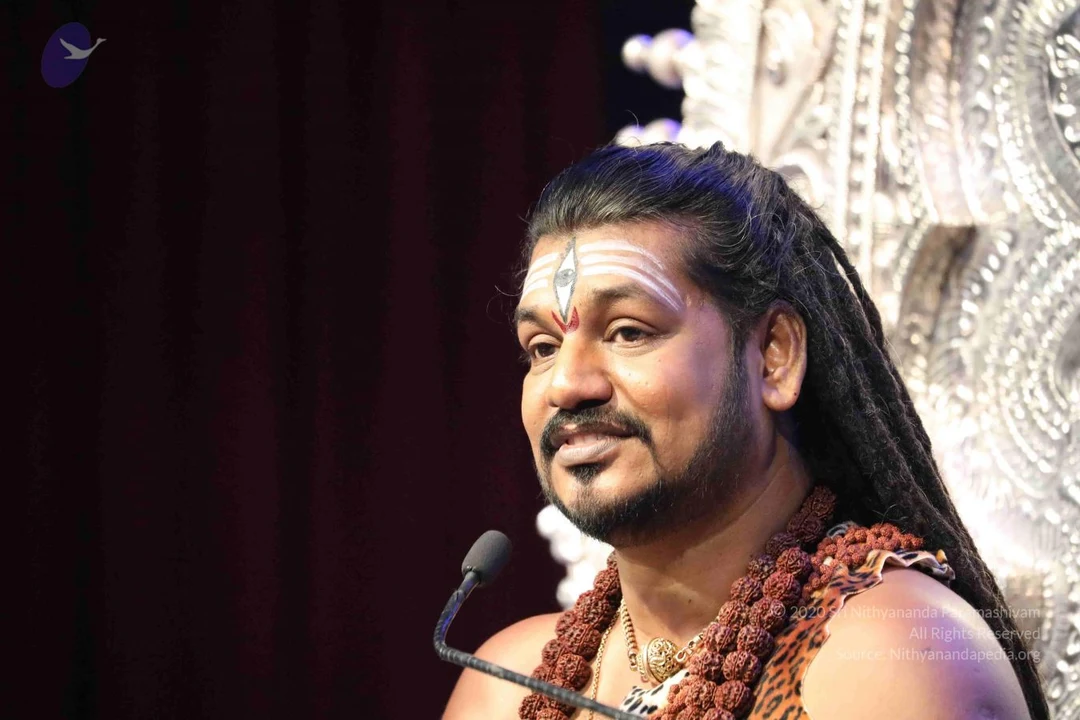
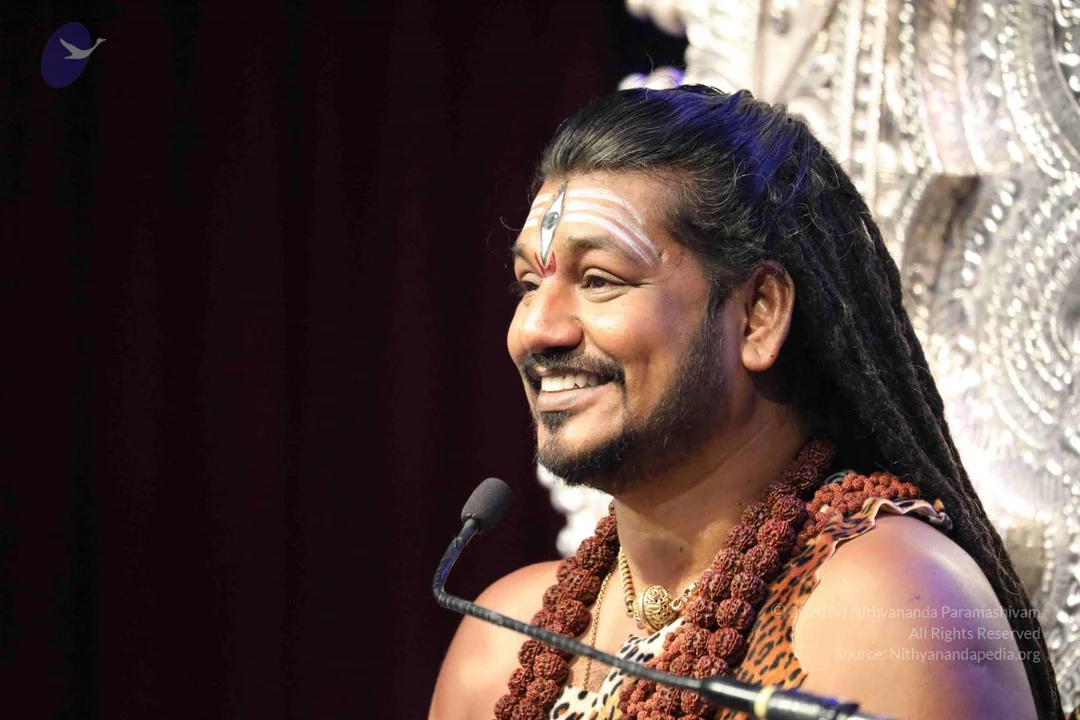
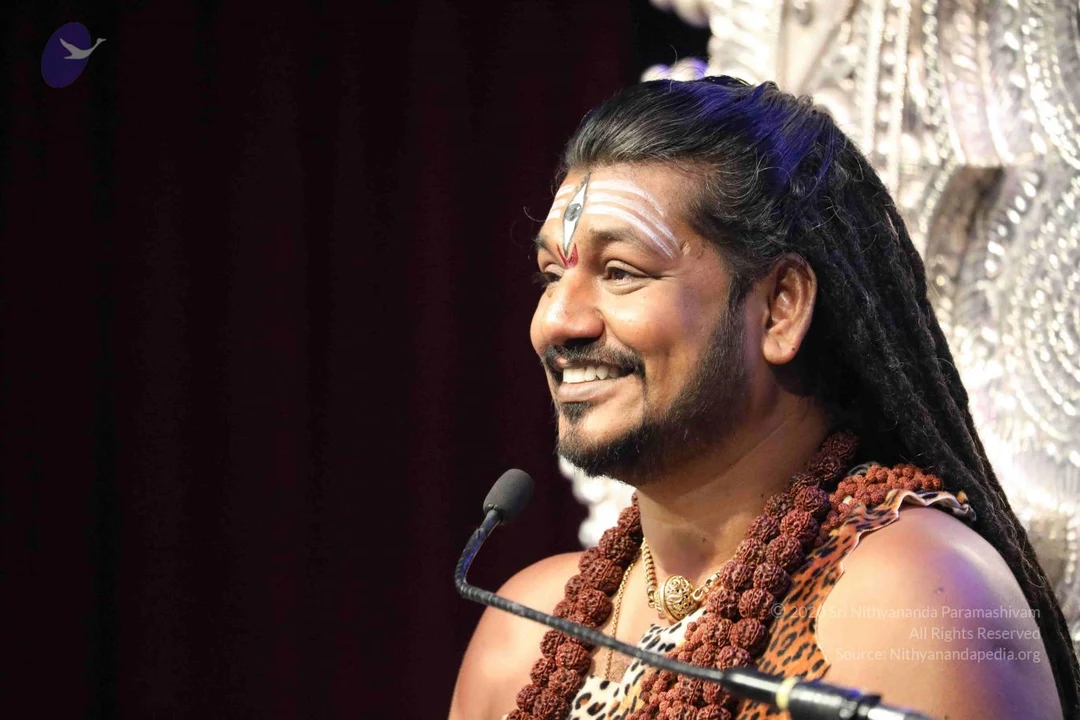
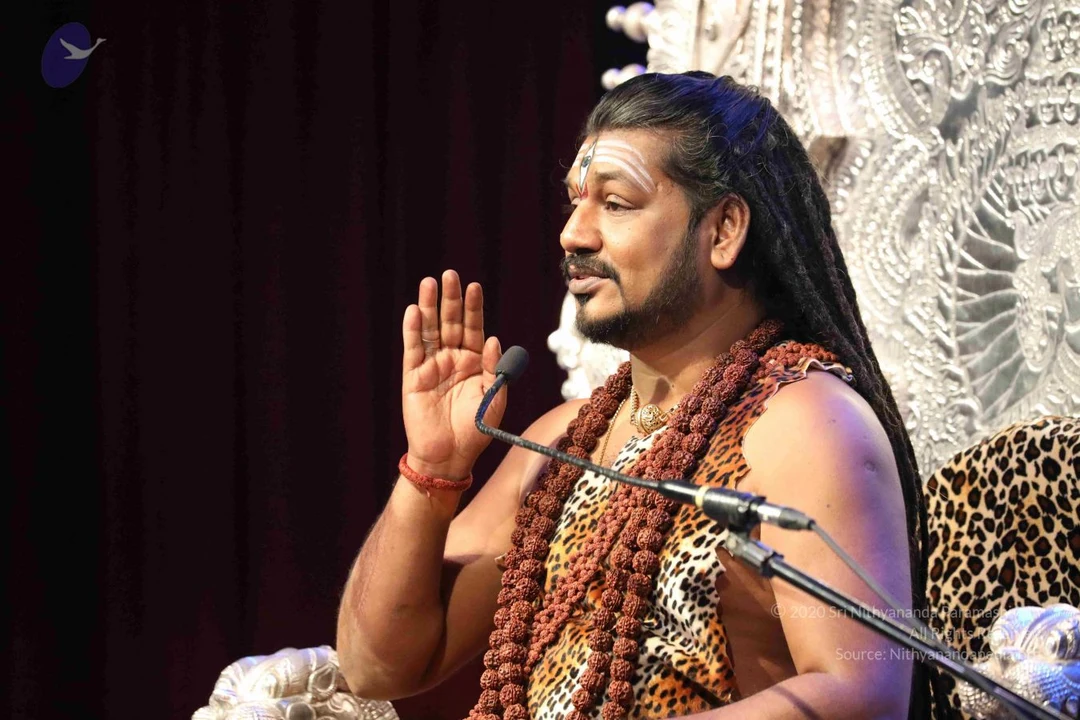
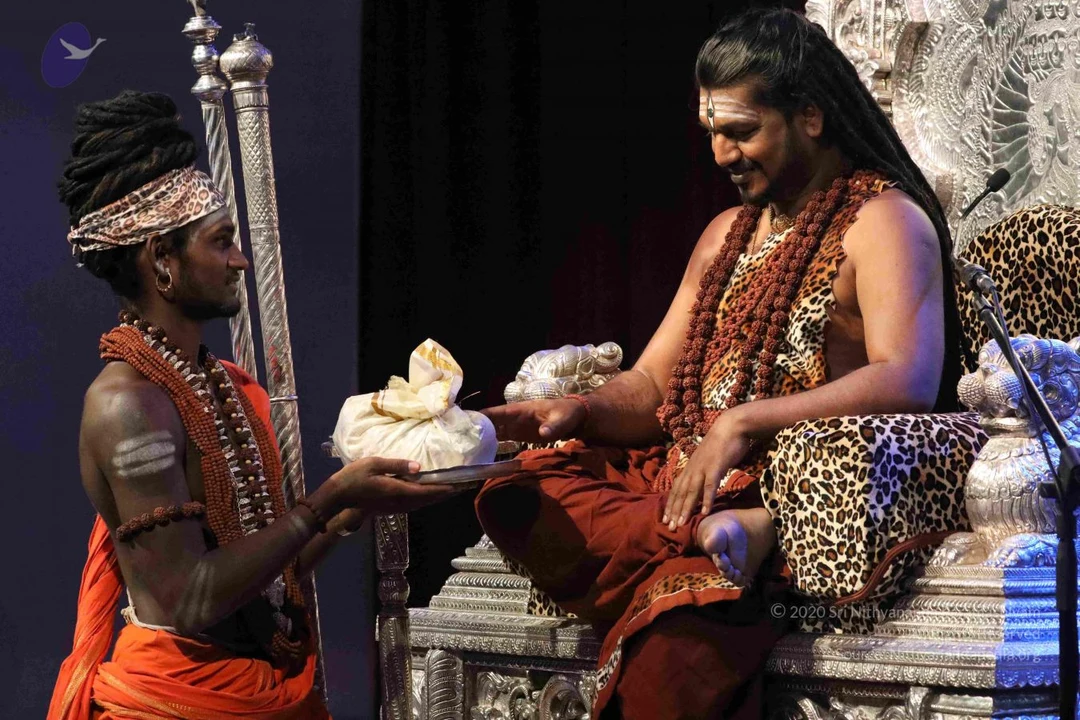
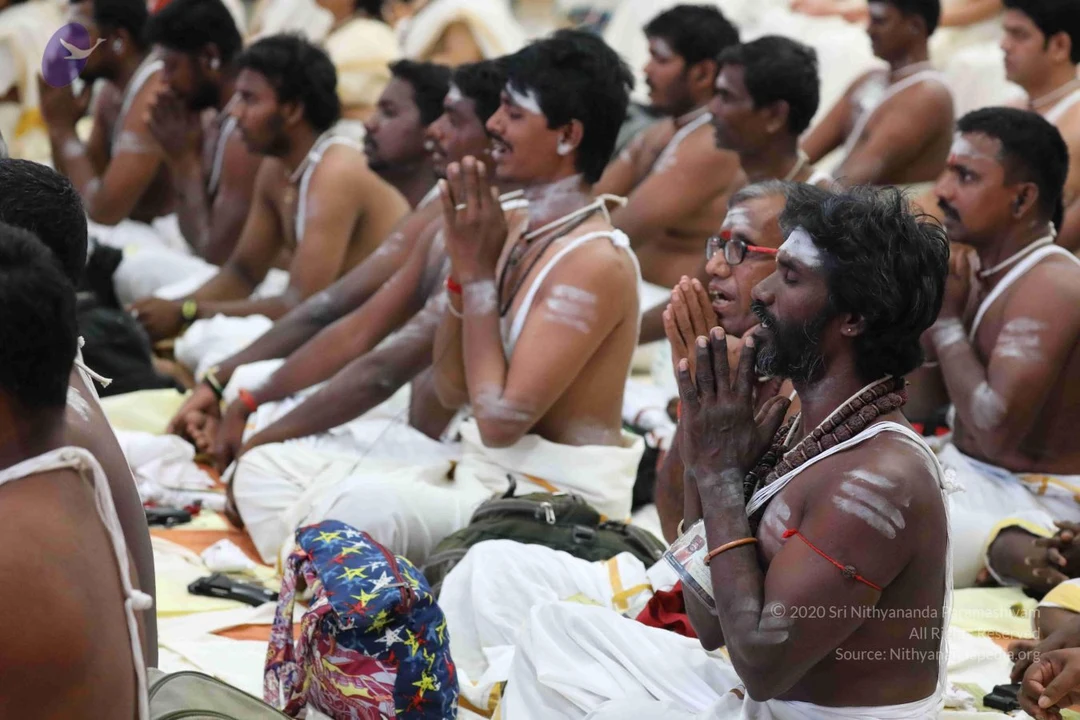

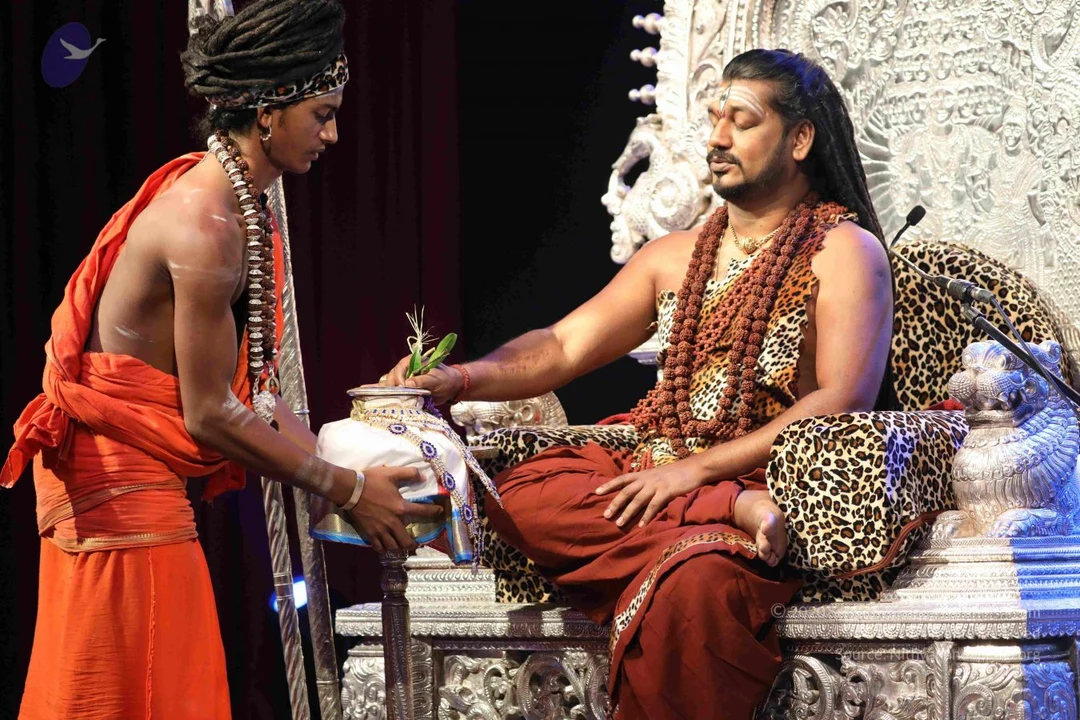
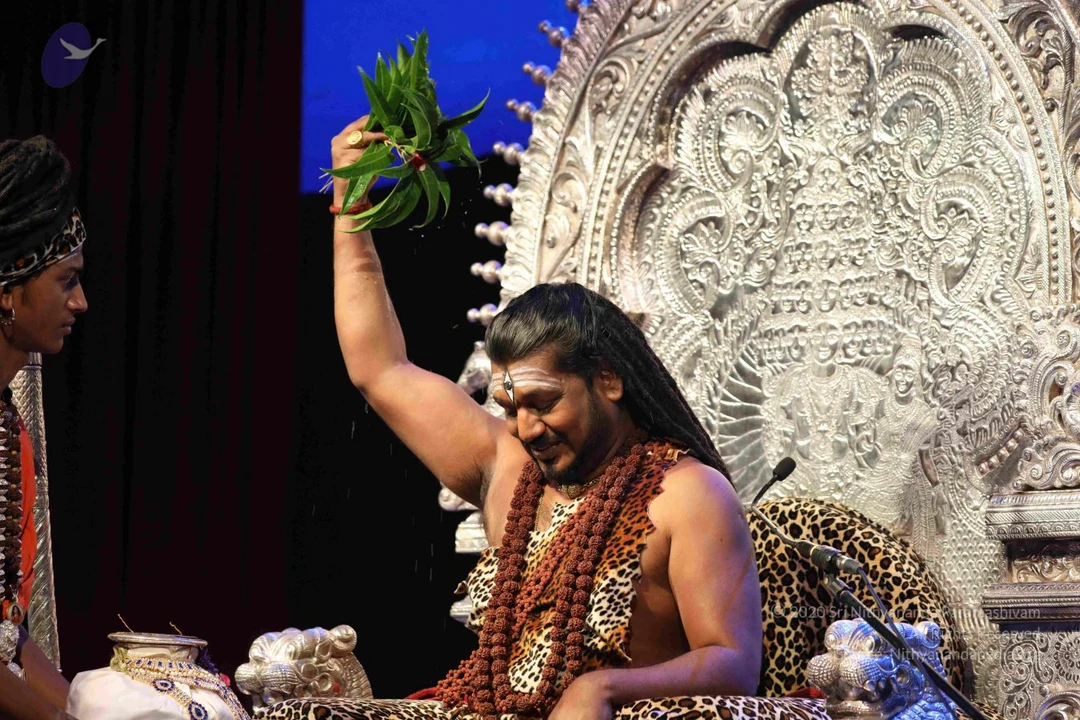
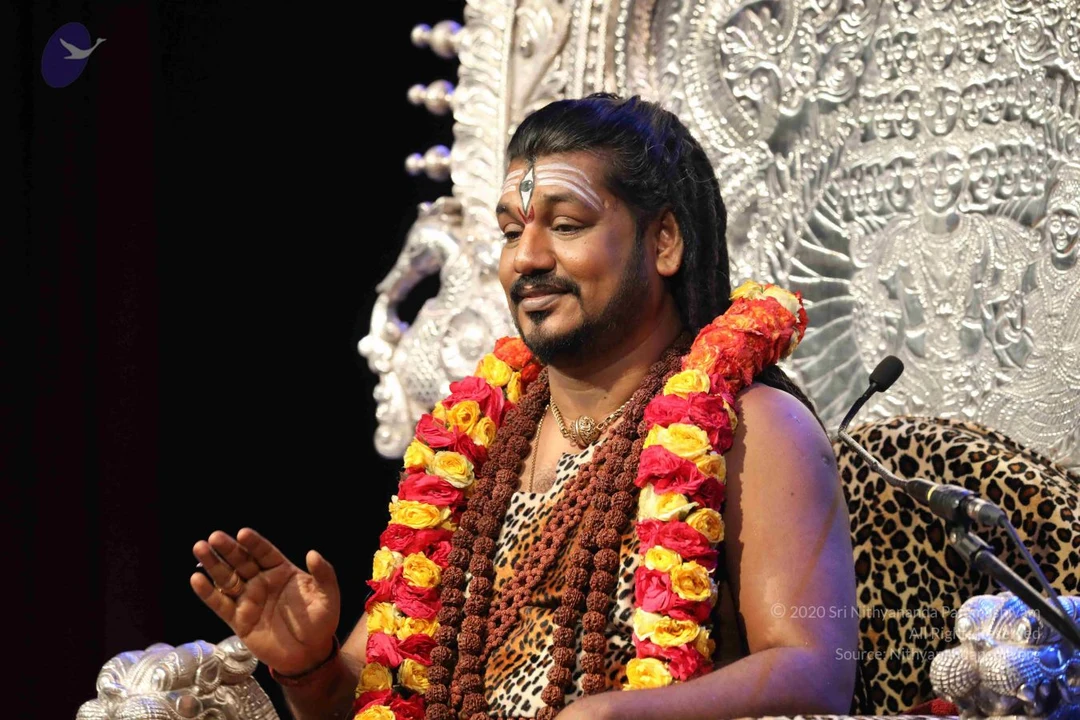
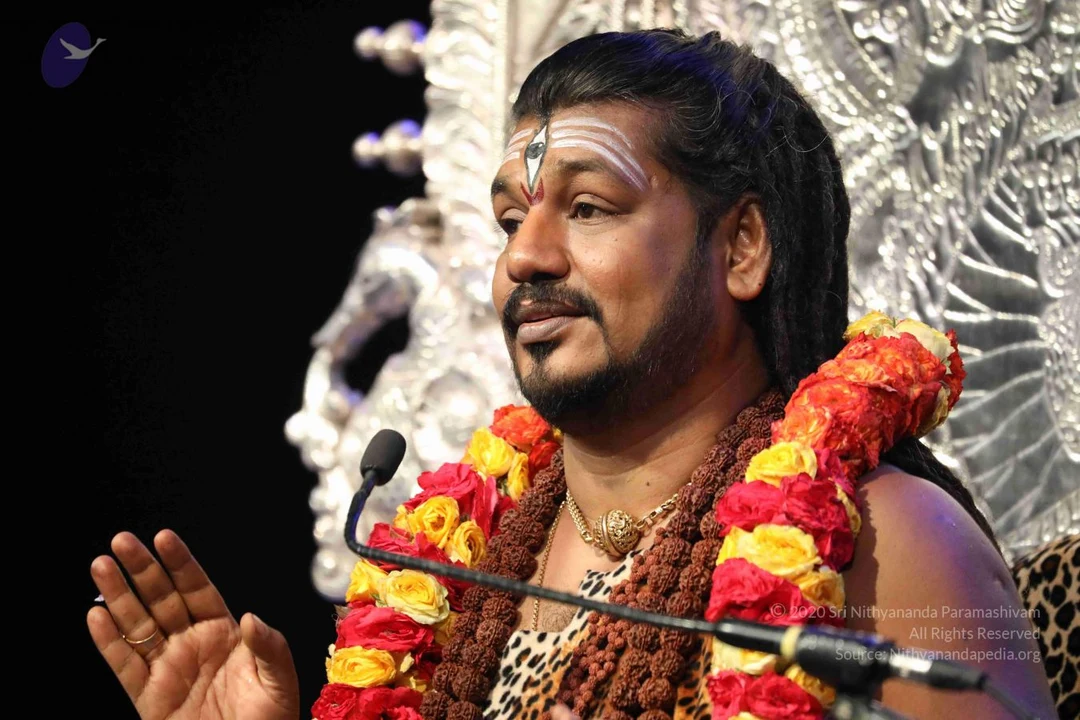
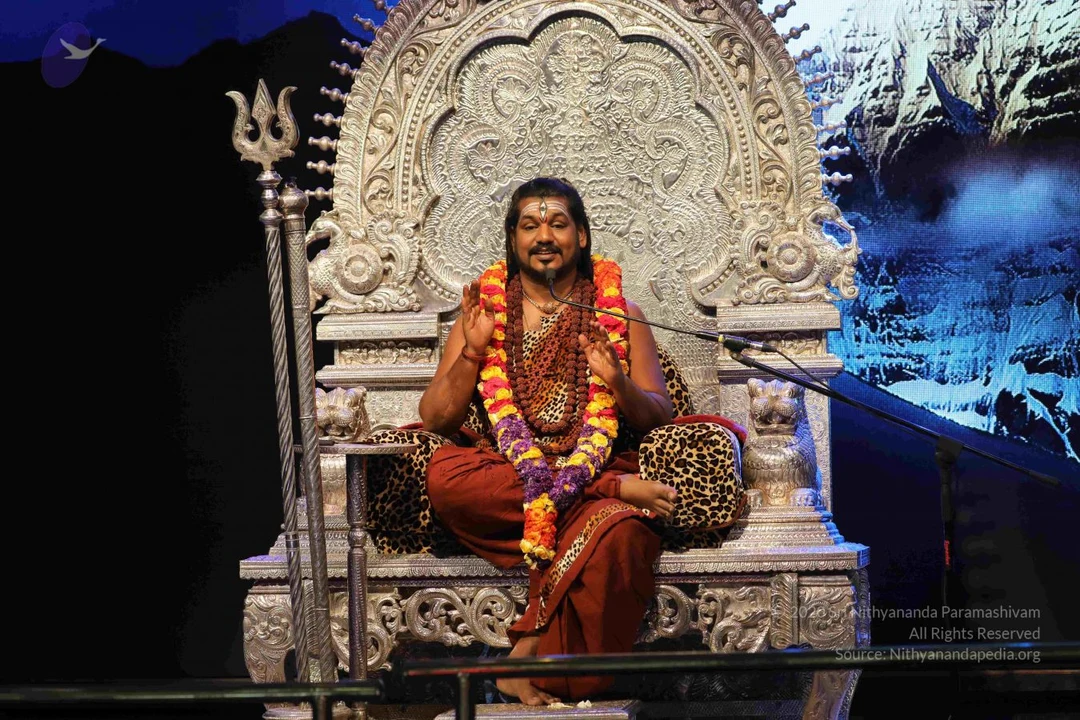
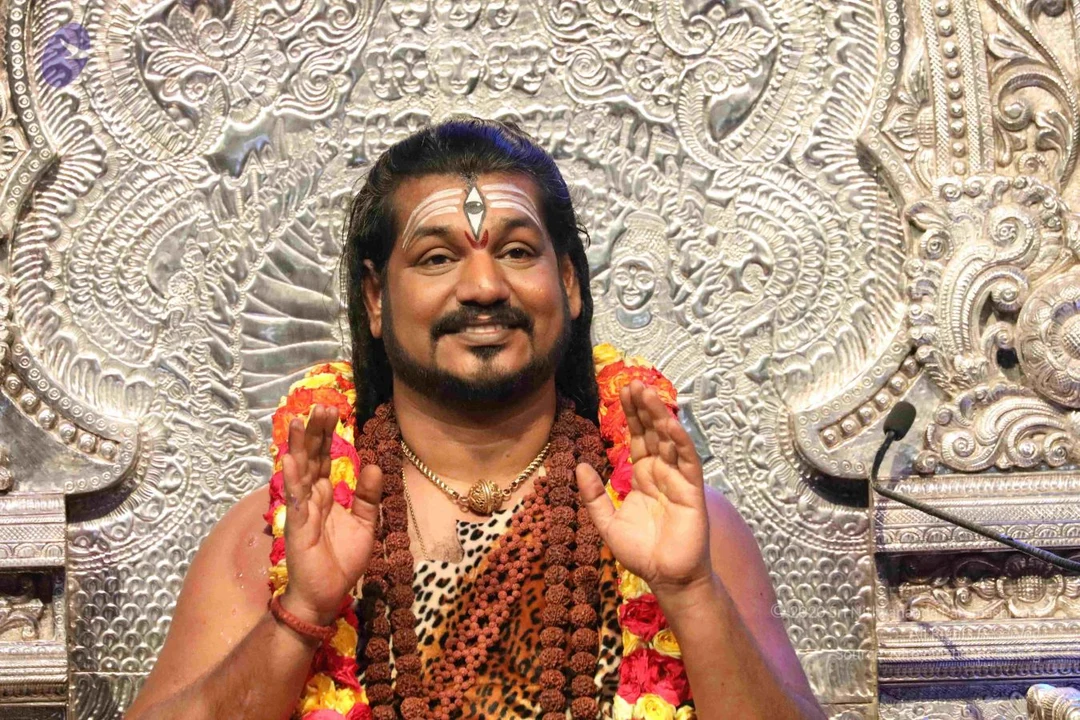
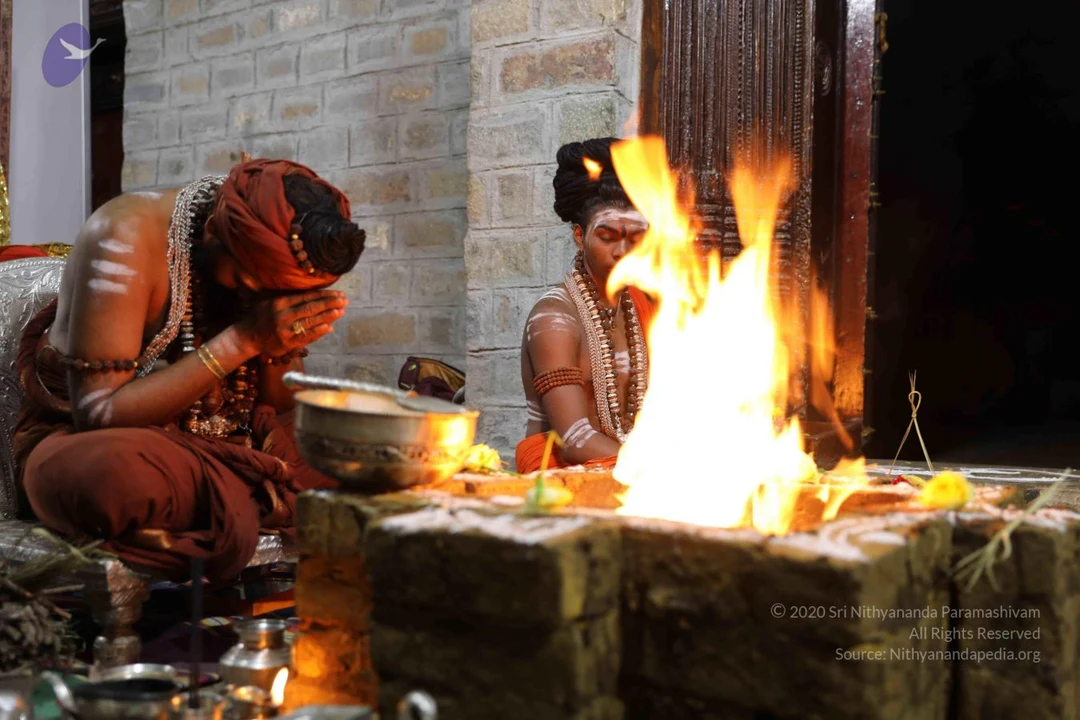
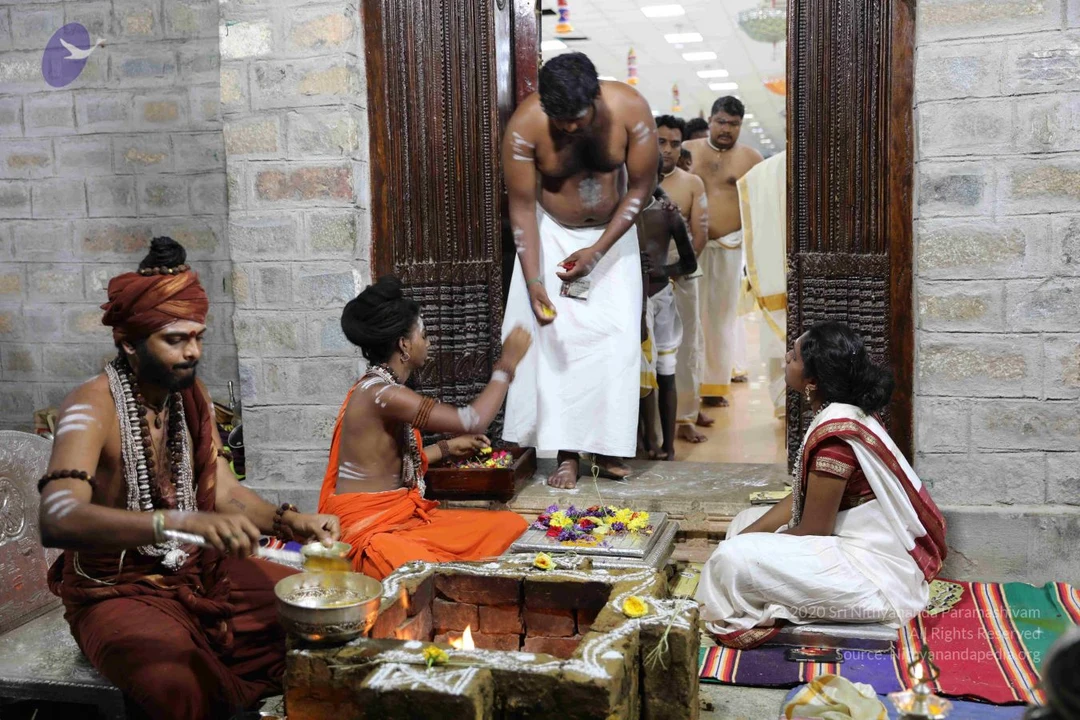
Photos from this day
View all 540 photosGold Leaf Names
10 photosSource gallery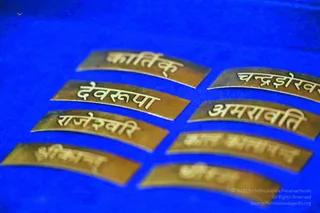
Darshan
118 photosSource gallery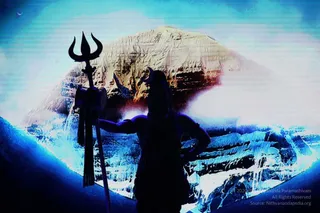
Satsang
156 photosSource gallery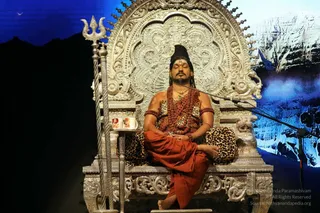
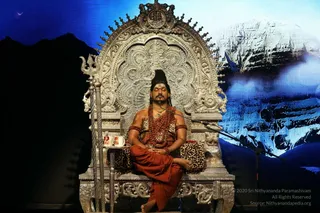
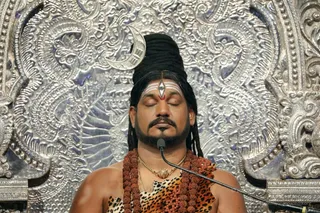
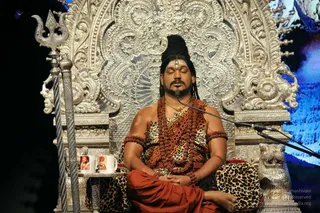
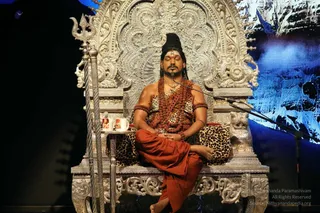
Shiva Deeksha
127 photosSource galleryGold-Leave-Names
13 photosSource gallery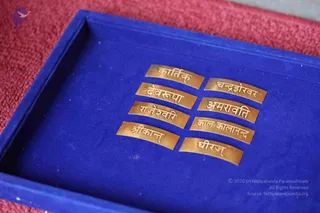
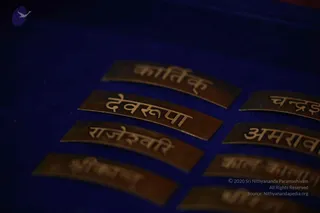
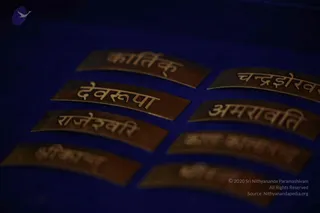
Darshan
32 photosSource gallery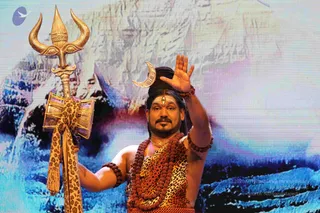

Nithya-Satsang
23 photosSource gallery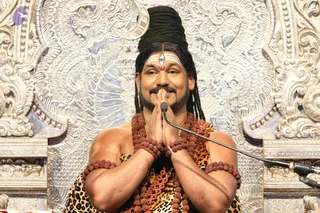

Shiva-Deeksha
21 photosSource gallery