Skip to content
Friday

24 February 2012

THE SUPREME PONTIFF OF HINDUISM HDH BHAGAVAN NITHYANANDA PARAMASHIVAM

Dated photos
21
Source pages
1
Media
2
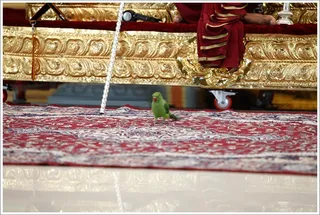
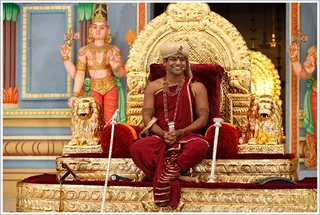
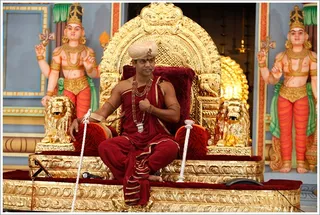
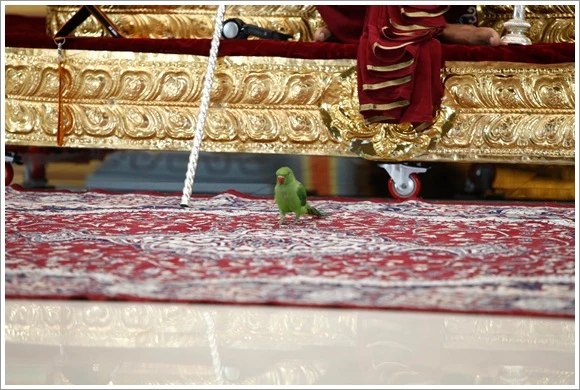
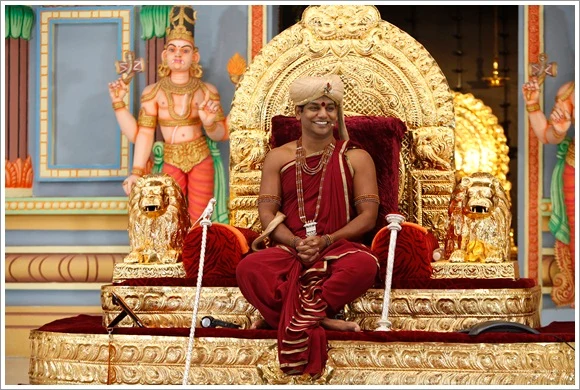
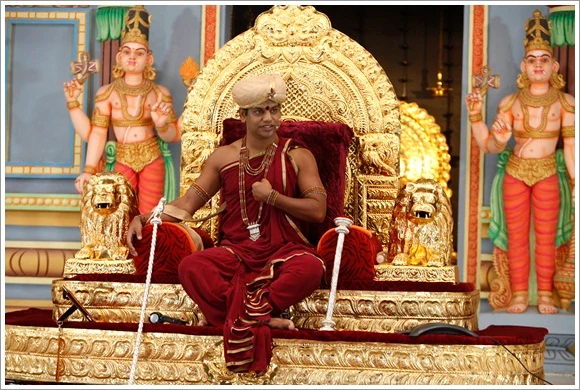
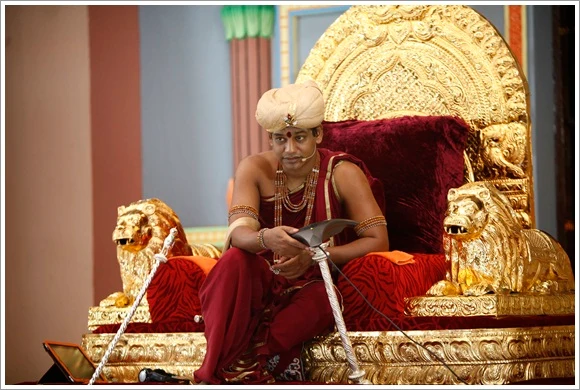
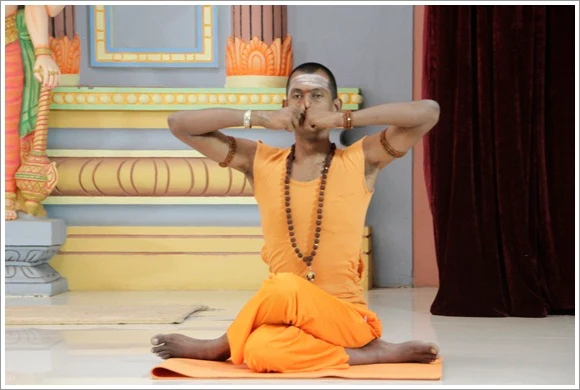
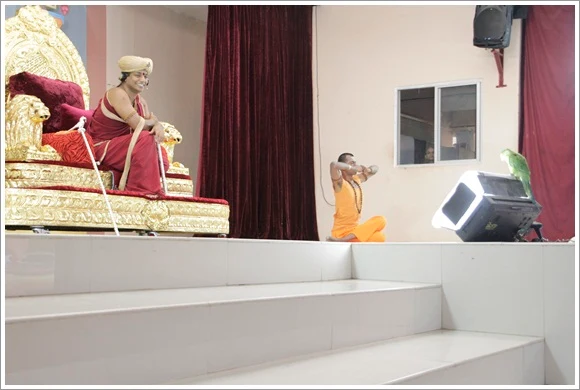
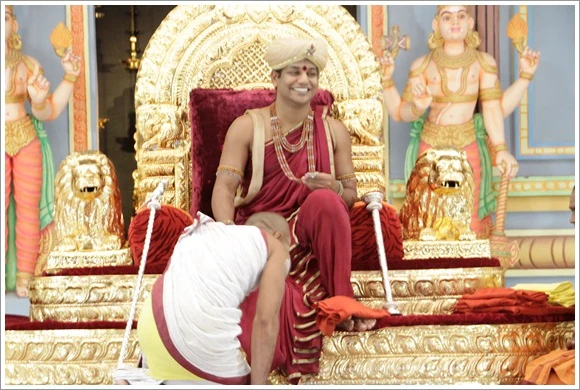
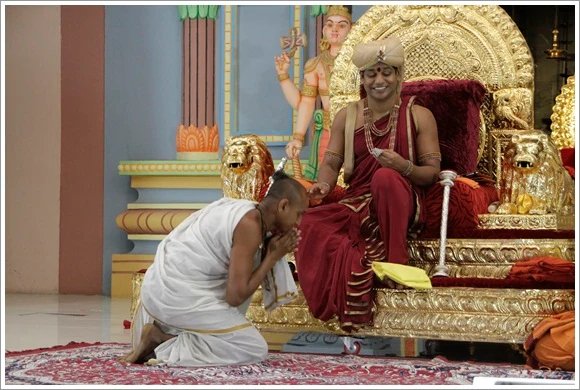
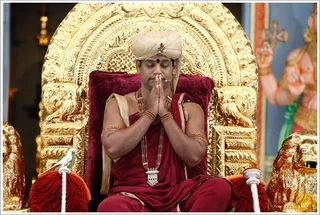
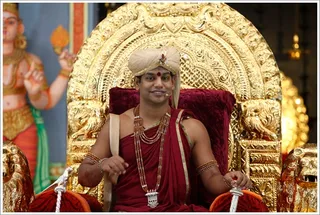
A small bright green parrot stands on a red patterned carpet in front of an ornate gold-covered throne-like seat. Only the lower part of a seated person in deep red and gold robes is visible above the gilded base, with a white rope hanging at the left edge. The floor beneath the carpet is polished and reflective.A photograph of a seated man on an ornate golden throne flanked by two carved golden lion figures, set against a painted temple backdrop of standing deity figures with raised arms holding objects. He wears a maroon-red dhoti and wrap, a red turban, layered rudraksha malas and gold ornaments on his arms and chest, and sits with hands folded in his lap. Swamiji (probable) appears on the throne, with the swept-back hair, turban, ornate clothing and rudraksha malas as cues; he is the only physical person visible.A seated man in a red and gold ensemble sits on an ornate golden throne flanked by carved lion heads and red cushions. He wears a light-coloured turban, a red wrap draped over his bare upper body, and multiple beaded necklaces including a red rudraksha mala. Two golden deity murti figures with raised hands stand on either side of the throne against a gilded temple backdrop. The setting is an ornate temple hall with gold trim and decorative walls.

February 24 2012

Original wiki page
Contents

Title

THE SUPREME PONTIFF OF HINDUISM HDH BHAGAVAN NITHYANANDA PARAMASHIVAM

Link to Video:

God Creates All Confusions

VideoAudio

Photos From The Day:
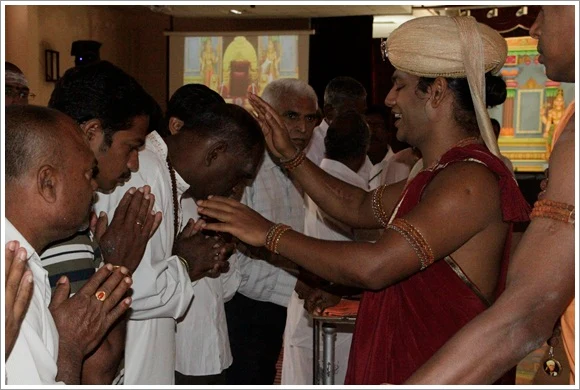
Photos from this day

View all 21 photos
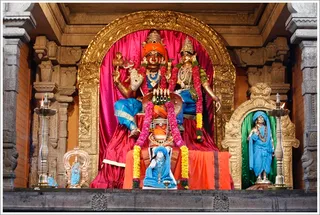
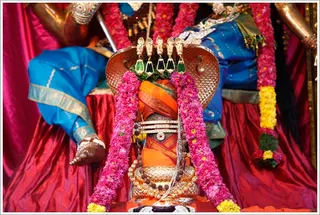
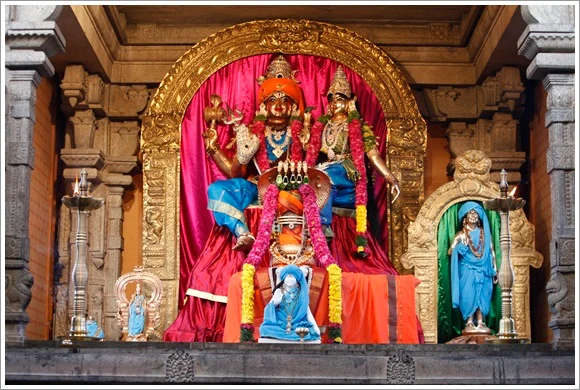
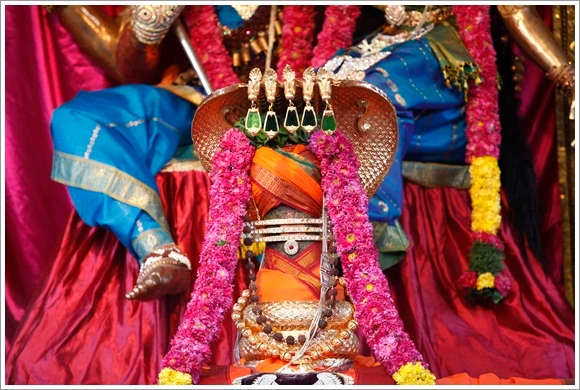
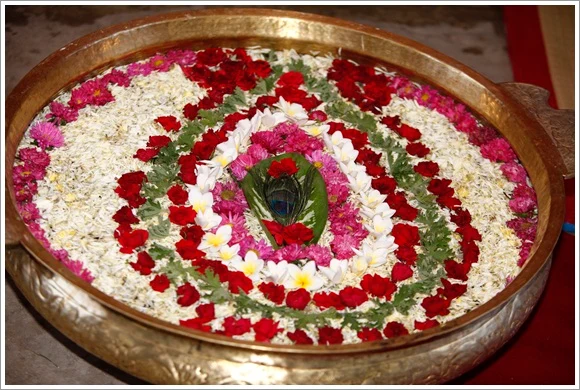
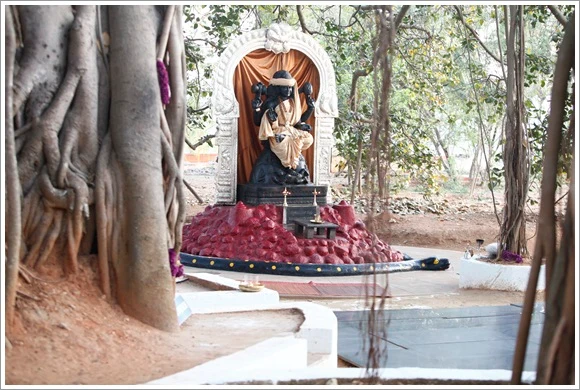
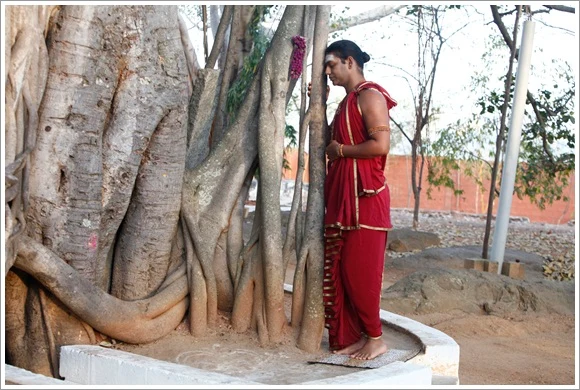
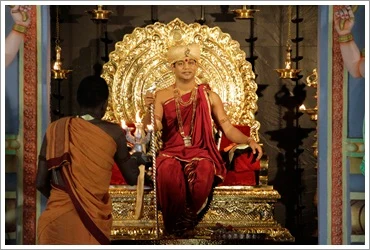
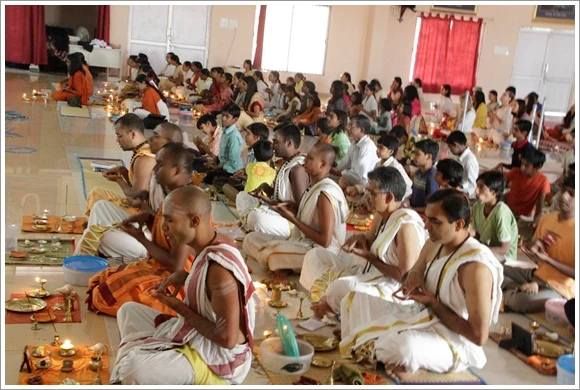
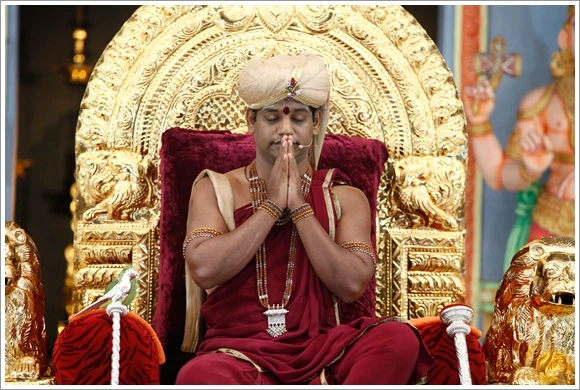
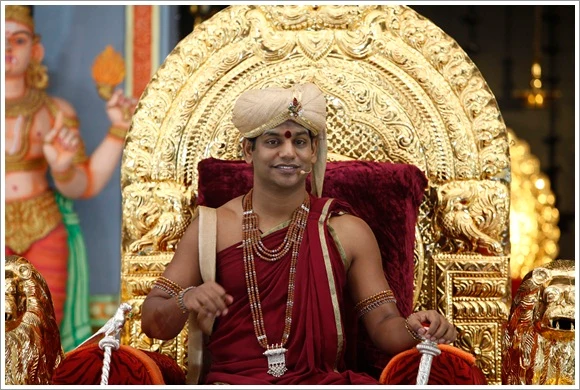
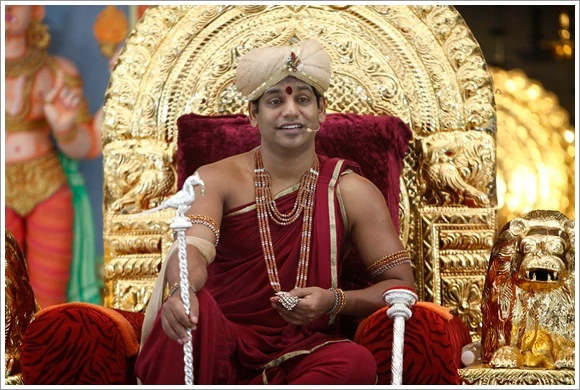
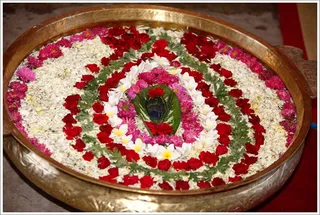
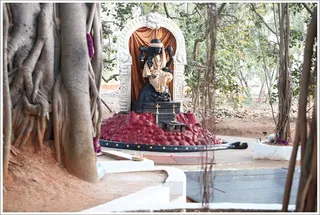
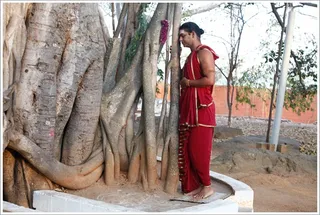
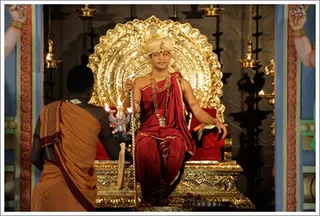
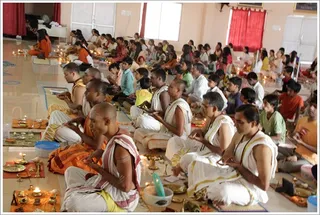
A temple shrine photographed head-on, showing a grouping of deity murtis on a raised platform. The central figure is a seated deity murti with an orange crown-like headdress and a multi-armed form, flanked by a second deity figure with a crown. A red and pink cloth backdrop hangs behind them within a gold-framed arch. Garlands of marigolds and pink flowers drape the figures, and a tiered brass lamp stand with a row of lit oil lamps sits in front. Side niches hold a small blue-robed figure and standing lamp stands with brass ornaments. No living people are visible.A photograph of a large deity murti shown from the chest upward, framed by blue and gold drapery and a red backdrop. The central figure wears an orange and red cloth, a silver and gold crown topped by a serpent hood, and long green-and-white drop earrings. Pink and yellow marigold garlands hang across the shoulders and sides. Rudraksha-style beads and ornate gold ornaments adorn the chest. Two gilded arms with blue sleeves rise behind the figure. No physical people are visible; the figure is a statue, so no a person candidate is present.A brass bowl or tray filled with concentric rings of flower petals and leaves, arranged in a circular mandala pattern. Red rose petals form the outer rings, with white and pink petals and green leaves between them. At the centre sits a single peacock feather with its iridescent eye, set on a green leaf. The bowl rests on a red cloth. No people are visible.A photograph of an outdoor shrine set among large banyan tree roots and trunks. A black stone deity murti, seated, is framed by a white arched niche with an orange-brown cloth backdrop. Its base is heaped with red and pink flower offerings, and a small white plinth with a lamp stands in front. A purple garland hangs from a nearby tree trunk. No people are visible.A man in a red sleeveless wrap and red dhoti-style garment with gold trim stands barefoot on a small flat stone platform beside a large old banyan tree with thick, twisted aerial roots and a white-painted circular base. He has long dark hair tied up, a gold armlet on his upper arm, and a red flower garland hangs on the trunk near him. He stands with his head bowed and hands clasped in front of his body, in a quiet devotional posture. Gravel ground and an orange brick wall are visible in the background.A photograph of a seated man on an ornate gold throne with a large golden halo-shaped backrest, in a temple-like hall with painted walls and hanging brass lamps. The seated figure wears a red-orange draped garment, a golden crown-like headpiece, and a beaded necklace with a rudraksha mala. A devotee in saffron-orange robes stands at left, facing the throne, holding a lit lamp or ritual item near the base. Flames of oil lamps are visible on stands on either side.A large indoor hall with rows of seated devotees performing a group puja. In the foreground, shaved-headed priests in white dhotis and white shoulder cloths with gold borders sit before small brass plates, oil lamps and offering trays, several holding flowers or leaves. Behind them, children and adults in mixed-colour clothes, including a few in orange saffron, sit cross-legged on the tiled floor. Many small oil lamps glow along the floor in front of the rows, and red curtains hang on the windows. No individual is clearly identifiable as a person from appearance alone, so the central priests are described by role only.A seated man in a maroon-red robe and a pale peach turban sits with palms pressed together in namaste on an ornate gilded throne with carved lion heads and a red velvet cushion. He wears a rudraksha mala and a large ceremonial pendant necklace, with bangles on both wrists. A green parrot perches on a small red-and-white stand beside the throne, and a painted deity figure stands in the background. Swamiji (probable): the seated figure wears a turban, ornate ceremonial necklaces and rudraksha beads, consistent with the page's reference to Swamiji. He is a single person in the scene.A man seated on an ornate gilded throne with lion-head armrests and a red cushioned seat, smiling and gesturing with his right hand. He wears a cream-coloured turban with a red jewel at the front, a rust-red shawl draped over his shoulders, multiple tiers of rudraksha beads and a white ceremonial pendant on a long necklace, and gold bangles. A small headset microphone is visible near his face. Behind him stands a painted statue of a figure in orange and red garments with jewelled ornaments and a raised hand, and a gilded backdrop extends to the right. a person: the cues are the rudraksha malas, the ornate ceremonial clothing and the throne seat, with the man seated centrally as the speaker or honoured teacher.A small bright green parrot stands on a red patterned carpet in front of an ornate gold-covered throne-like seat. Only the lower part of a seated person in deep red and gold robes is visible above the gilded base, with a white rope hanging at the left edge. The floor beneath the carpet is polished and reflective.A photograph of a seated man on an ornate golden throne flanked by two carved golden lion figures, set against a painted temple backdrop of standing deity figures with raised arms holding objects. He wears a maroon-red dhoti and wrap, a red turban, layered rudraksha malas and gold ornaments on his arms and chest, and sits with hands folded in his lap. Swamiji (probable) appears on the throne, with the swept-back hair, turban, ornate clothing and rudraksha malas as cues; he is the only physical person visible.A seated man in a red and gold ensemble sits on an ornate golden throne flanked by carved lion heads and red cushions. He wears a light-coloured turban, a red wrap draped over his bare upper body, and multiple beaded necklaces including a red rudraksha mala. Two golden deity murti figures with raised hands stand on either side of the throne against a gilded temple backdrop. The setting is an ornate temple hall with gold trim and decorative walls.