Saturday
10 September 2011
THE SUPREME PONTIFF OF HINDUISM HDH BHAGAVAN NITHYANANDA PARAMASHIVAM
- Dated photos
- 580
- Source pages
- 1
- Media
- 2

September 10 2011
Original wiki pageTitle:
THE SUPREME PONTIFF OF HINDUISM HDH BHAGAVAN NITHYANANDA PARAMASHIVAM
Link to Video:
| Video | Audio |
Transcript
(01:00) sadashiva samarambham shankaracharya madhyamam asmadhaacharya pariyantham vande guru param paraam
I welcome all of you with My love and blessings. Lets enter into Bhagavad Gita. Second chapter, fifth Verse, in Sankhya Yoga. Let us hear the sutras.
gurun ahatvaa hi mahaanubhaavaan shreyo bhoktum bhaikshyam apeeha loke| hatvaa arthakaamaans tu guroon ihaiva bhunjeeya bhogaan rudhira pradigdhaan|| 2.5
Surely, even if I have to beg, it is more virtuous to enjoy food in this world without killing these elders, who are most vulnerable. On the other hand, if I kill these unassailable teachers here itself, I will become the enjoyer of the possessor of all wealth and desires that are stained with their blood.
(02:24)
Arjuna is becoming more suicidal. The depression which he started enjoying has now started enjoying him. Understand smoking, drinking, all these actually first you start drinking. After some time, alcohol starts drinking you. Smoking, first you start enjoying, then that starts enjoying you. Life with addiction is such a abusive way of living. I tell you with this same pattern, when you live life you are not living life. The pattern is swallowing your life. There are thousands of people, I can say billions, not even millions or thousands and all is small numbers. Billions of people on planet earth who are already dead but not yet buried.
(03:48)
guru-nahatvaahi mahaanubhaavaan shreyobhoktumbhaikshyamapeehaloke| hatvaaarthakaamaanstuguroonihaiva ||
Arjuna is becoming more suicidal. He is uttering again and again the same thing. Please understand, you will utter again and again same words only if you are not confident about the logic with which you are arguing. If you are not confident, about the strength of the logic, you'll go on be saying the same thing. Here, Arjuna feels his argument has no strength, and his logic has no strength, so he goes on repeating. I can say, even he is not able to understand his hypocrisy. Even he is not able to catch how the hypocrisy is eating his life.
(05:07)
Shreyobhoktum
He says it is better to enjoy life, bhikshyam - by begging. This guy thinks begging is that easy. He need to know the fellow who is with so much of ego can never be a beggar. And he thinks himself as too much. See, here the whole problem is, he is afraid he will lose in the war. He may not be thinking he'll get killed but he feels if he loses the war and still lives, all the fellows will laugh at him. That's too much. It is just the fear of losing ego. I don't think this fellow will be afraid to die because he is a kshatriya and his life is waging war. He will not bother to see his own blood, but he is bothered that he may not get killed but he will lose the war. Then, how is he going to handle? That is too much! That is too much for Arjuna. That is why; he just wants a graceful exit.
Understand, life has no graceful exit. The moment you assume human body, either you play till the end or you exit as coward. There is no graceful exit. The graceful exists, one exit only exists in dictionary. In reality, all exits are disgraceful. Understand, do not try to exit from life. Life is an eternal expansion and you don't need to; Not only do not, you don't need to. All method to exit from life is lowering the value of life. I tell you, any truth makes you understand the value of life expands your Consciousness and it is a direct method for Enlightenment. Even a simple thing if walking 10 steps is going to make you breathe more easily, understand it is method for Enlightenment. If bending your body is going to make you live pain-free, more comfortably within your body, understand it is a method for Enlightenment. Anything which expands you is a method for Enlightenment, method for Jeevan Mukthi, the ultimate freedom, the ultimate realization. Any method you try to exit from life is lower estimating, putting the life, underestimating the life. Don't underestimate life. Underestimating life is a sin. All exit is a sin. Understand, here, not only Arjuna is trying to exit. He tries his best to make it graceful. With whom is he playing? He is underestimating life, he is under valuing life.
(09:58)
Small story; One guy goes to the shop and sees a washer-dryer and asks the salesman, 'what's the cost?' The salesman says '5 dollar.' The guy was shocked: 'is it used?' The salesman says: 'no sir, it is brand new. Do you want it or not?' 'Sure', the guy says he wants it. Then, he looks the other side. Next he finds a top of the line computer with printer and monitor. How much this, he asks. The salesman says '5 dollar'. The guy suspects ‘is it stolen?’ But the salesman says, ‘no, it is not stolen. It is all original, brand new. I'll give you with receipt.’ The man says ‘I'll take that too.’ So, he goes around and sees. Almost the salesman says everything is 5 dollar. The man was shocked. As the salesperson is ringing up the purchases, the man asks him 'why are your prices so cheap?' The salesman replies, 'well, the owner of the store is at my house right now with my wife. And what he is doing to her, I'm doing to his business.'
(11:49)
If you under value, under estimate your life, then somewhere, something wrong is happening. If you are, if your mind is under valuing, under estimating life, I'm telling you - you are caught somewhere, very seriously. And it is sin. It is sin.
(12:32)
In this whole situation, the way Arjuna is speaking, the amount of suicidal tendencies built in him. And another one important thing you need to know, when you are having depression or suicidal tendencies, if you are verbalizing it again and again, it'll become a strong experience in you. Understand, in the higher spectrum of Consciousness, if you don't verbalize any happening in you will become experience. In the lower spectrum of Consciousness if you verbalize it more and more, it will become experience. Depression - if you are again and again repeating, “I'm depressed, I'm depressed, I don't know what to do”, it'll become an experience in you. But Enlightenment, if you having first level of samadhi, if you don't verbalize even internally and just be a witness, you'll be led to the next level of samadhi. Even there, you are not trying to verbalize it and do a package and hold, you are just witnessing, unclutched, then next level of samadhi. Understand, the samadhi, the higher spectrum of conscious experiences, happens in you more and more when you verbalize less and less. But the lower spectrum experiences like depression, suicidal tendencies, schizophrenia, these things happen in you more and more when you verbalize more and more.
(14:42)
I tell you, if you want to be a great researcher in the field of psychiatric medicines, or if you want to market your own medicines, create some stuff on your own, and get a FDI approval that it is not poison. That much is enough, it doesn't need to be any medicine, it doesn't need to carry much medical qualities. All you need is, you need to create a commercial saying that if you have, you may/may not have depression in the evening, you may have a little or more knee pain if you walk for a long time, you may/may not feel little congestion in the early morning for breathing. Like this, create some 10 qualifications, and say if you are having any one or all the symptoms of this, you are having Dama-damabodhi. Create your own name. And create a commercial and go on relaying it. Every fellow who sees this commercial will try to check with himself, 'Oh, am I having any of these symptoms - one or many? It is written in such a way almost everyone will feel yes, they are having one or many symptoms. It is almost like the art of writing Indian horoscope in the TV. Almost all major channels in India reads the horoscope, morning horoscope. Anybody who sees they will feel yes, yes, yes, it is almost matching. It’s a unique kind of an art. I can say that art of generalized writing. That’s all you need to market a psychiatric medicine in US, to market a dosha nivarana puja or the yantra, jaatu in India, nothing more is required. If you can write like this, some astrological predictions you can sell any gemstone, or yantra, or jaatu, or mantra, or consultation in India. The generalized writing is what you really need to become a great psychological consultant or astrological consultant.
(17:38)
When you repeat again and again any symptom of the disease, you will discover more and more patients. Because these symptoms are self-manifested and now, you have a one more product to sell. If you are self-manifesting all these symptoms, please comon that is a one more disease. We’ll give you some more medicine for that. Then, they will tell yes, yes, I have the habit of self-manifesting all these symptoms. Whenever I read the symptoms in the TV, I really tend to manifest that. Now, you are having some more customers.
(18:22)
Arjuna is caught in the rut of lower spectrum of Consciousness and unfortunately, he is following all the rules to strengthen the lower spectrum deeper and deeper, by repeating it again and again and again with various logic. The only hope Arjuna has in this whole situation: Guru-Right consultant. The people who appraise you and the people with whom you consult are the crucial people in your life. Understand, people who appraise you are like people who cook for you. They can either make or break you. Same way, the people with whom you consult are like the people who are giving medical attention to you. If somebody messes in your medical attention, you can sue them. But people with whom you consult, if they mess your life, you can't even sue them. Understand, having the right consultant is much more than having the right doctor, right medical attention. Here, the only hope Arjuna has is right consultant.
(20:10)
Small story about consultant: A shepherd was herding his flocks in a remote pasture when suddenly a brand new Jeep Cherokee advanced out of a dust, dust cloud towards him. The driver, young man with Rayban sunglasses and a OSL tie, leaned out of window and asked our shepherd, “if I can tell you exactly how many sheep you have in your flock, will you give me one?” The shepherd looks at the yuppie, then at his peacefully grazing flock and calmly answers sure. The yuppie parks the car, takes out his notebook, connects it to a cell phone, searched to a NASA page on the Internet, where he calls up GPS satellite navigation system, scans the whole area, opens up a database, and some 60 excel spreadsheets with complex formulas. Finally, he prints out a 150 page report on his hi-tech miniaturized printer, then turns around to our shepherd and says, 'you have here exactly 1,586 sheep.' The shepherd was shocked and he says, ‘this is correct. As agreed, you can take one’, says the shepherd. He watches the young man make a selection and bundle it in his Cherokee. Then the shepard comes out and says, ‘If I can tell you exactly what your business is, will you give me my sheep back?’ Young man says, 'Ok, why not?' The shepard says, ‘you are a consultant’. And the yuppie says, ‘this is correct, how did you guess that?’ Shepherd says, ‘Very easy, you turn up here, although nobody called you. You want to be paid for the answer to a question I already knew the solution. And you don't know anything about my business, because you took my dog.’
(23:00)
All your consultants do not know the business. I really wanted to tell all of you, other than an Enlightened Being, do not have any consultants for your life. Don’t get appraised about life, about self, about Enlightenment, other than an Incarnation or a spiritually Enlightened Being. It is dangerous. The only hope here for Arjuna, he has a right consultant. Other than that I can see a complete negativity, the extreme negativity, the extreme suicidal tendency with Arjuna. But fortunately, he has Bhagavan. The cosmos happening in his life as a consultant. Even though all the people who appraised to Arjuna about life are ordinary teachers, fortunately at the crucial moment he has a consultant who is Enlightened, who is Mahapurusha, who is Bhagavan Himself. The perverted mind of a consultants misses the essence. Psychiatrist misses only one thing - Consciousness, that's all. But that is the essence; the concept of soul is essence of life. Except that, they have everything. When that is lost, everything is lost.
(25:27)
I have a story for you guys. The government had a vast scrap yard in the middle of a desert. The ministry realized someone may steal from the scrap yard at night. So, they created a night watchman and hired a person for that job. Then, the ministry said, how does a watchman do his job without instruction, so they created a planning division and hired two people: one person to write the instruction and one person to do time studies. Then the ministry said how will we know the night watchman is doing the task correctly? So, they created a quality control division and hired two people: one to do the studies and one to write the papers, reports. Then the ministry said, how are these people going to get paid? So they created a payroll division and hired two more people: a timekeeper and payroll officer. Then the ministry said who will be accountable for all those people? Then, they created an administrative division and hired three more people as admin officer assistant, admin officer, and a legal secretary. Then, one year later, the ministry reviewed the operation of the desert scrap yard and said, we've had this command in operation for one year and we are 22,000 dollar over-budget. We must cut back overall costs, so they eliminated the night watchman.
Exactly, what psychiatry did, what psycho-analysis did. They had all components of life except the life itself. They had all other offices and eliminated the night watchman for whom the whole thing is created. They kept everything like a conscious mind, unconscious mind, subconscious mind and eliminated the Consciousness, for whose sake the whole thing is created. So do not have people who don't know about the complete spectrum of Consciousness and life appraise you or don't go to them for consultancy. If you go to an engineer to consult about your house, great no problem. If you go to a lawyer to consult about your legal troubles, great, no problem. But don't go to a unenlightened being to consult about your life, to get appraised about your life. It is such a dangerous.
(29:00)
Let's enter into the Sixth verse in second chapter of Bhagavad Gita, Sankhya yoga:
Na chaitad vidmo kataranno gareeyo yadvaa jayemayadi vaa no jayeyuh| Yaaneva hatva Na jijeevishaamah te’ vasthitaah pramukhe dhaartaraashtraah|| 2.6
Arjuna goes on. I do not know which is more important for us, whether we win them or they win over us. These sons of Dhritarashtra, after killing whom we would not like to live, are standing in front of us, ready to fight. I feel so bad to see Arjuna's situation. I do not know which is more important for us, Arjuna is telling. We win them or they win over us. These sons of Dhritarashtra, after killing whom we would not like to live, are standing in front of us ready to fight. Arjuna logic is completely confused. He is in chaos. All you need is a just simple common sense, without elongating your confused logic. I give you a powerful technique for intuition - when you are in a problem, trouble, just look simply, with a simple open eyes, decide, you'll be successful. Don't put your attention inside your inner space which is constantly making you think, think, think like making chains, chains, chains. Don't create chain link of thinking. Oh! this way also you can argue, that way also you can argue. If that happens, what to do. If this happens, what do to. If this happens, I think then I will be considered I won game. If this happens, everybody will laugh at me, I lost the game. Open your eyes, see the simple logic. See, reduce the energy you put in the inner space which goes on thinking in its own tangent is the way to achieve intuition.
(31:58)
A small story, this is a very powerful story - this can make you completely understand what I mean by the word intuition. One university scholar is helping a student who want to do PhD on logic. The student goes to the scholar and asks, “Sir, I want to do PhD on logic. Can you be my guide?” The scholar says, ‘the subject seems to be too big. I will first test you, then we can decide whether I will assist you or not.’ The student says, “Yes, sir, great, c’mon, you start the test. I have a confidence, I can win.” The scholar starts, ‘From one chimney two guys come down. One fellow’s face is dirty and the other guy's face is clean. Who is going to wash the face and who is not going to wash the face?’ Naturally, the guy said, the student said, “The fellow with a dirty face will wash his face.” But the scholar says, ‘No! When they come down, the fellow with a dirty face will see the fellow with the clean face and he will think his face is clean. The fellow with a clean face will see the dirty face and will think his face is also dirty. So the fellow with the clean face only is going to wash his face.’ The student says, “Wow! I did not think of that. It is shocking to me that I could make an error in logic. Test me again. Please give me one more chance.” Anyhow, the university scholar, the teacher, again starts, ‘Two guys come down from chimney - one has clean face, and one with a dirty face. Who will wash the face?’ This guy says, “No, already we decided the guy with the clean face is going to wash his face.” The teacher says, ‘No! The one with the clean face looks at the one with the dirty face and thinks his face is dirty. And, but the one with the clean face sees the one with the dirty face.’ Please understand clearly. It is one of the best stories I've read recently. I don’t even want to miss one line. You guys need to understand it. I enjoyed it actually. I'll read out exactly for you. I explained to you the first test. The teacher again starts, ‘Two men come down from the chimney, one comes down with clean face and the other comes out with a dirty face. Which one washes his face?’ The student says, “We have already established that the one with the clean face washes his face.” The teacher says, ‘Wrong! Each one washes his face. Examine the simple logic. The one with a dirty face looks at the one with the clean face and thinks his face is clean. The one with a clean face looks at the one with the dirty face and he thinks his face is dirty. So, the one with a clean face washes his face. When the one with the dirty face sees the one with the clean face washing his face, he also washes his face. So, each one washes his face.’ The student says, “I did not think of that. It is shocking to me that I could make one more error in logic, but please test me again.” The teacher again started, holding up two fingers, ‘Two men came down from chimney, one comes out with a clean face and the other comes out with a dirty face. Which one washes his face?’ This guy says, “We now only established each one washes his face.” The teacher says, ‘Wrong! Neither one washes his face. Examine the simple logic. The one with the dirty face looks at the one with the clean face and thinks his face is clean. The one with the clean face looks at the one with the dirty face and thinks his face is dirty. But when the one with the clean face sees the one with the dirty face and does not wash his face, he also does not wash his face. So, neither one washes his face.’ Student is desperate. He says, “No, no, no. I am qualified to do PhD on logic. Please give me one more test, just one test.” He groans, when the university scholar, when logic guru lifts his fingers again and says, ‘Two men come down from a chimney, one comes down with a clean face and the other comes out with a dirty face, which one washes his face?’ This guy says, “Just now we established. Neither one washes his face, why don't you go to some other test.” Again, the teacher says, ‘Wrong. Do you now see, my dear student, the programming knowledge is insufficient basis for studying the logic. Tell me how is it possible for two men to come down from the same chimney! And how is it possible for the one to come out with a clean face and the other with a dirty face. Did you not see a simple thing with open eyes?’ Comeon, this last statement is intuition. How can two men come down from same chimney and one be a with a dirty face and the other be with a clean face?
I tell you, the method of awakening your intuition. I am giving you a very important teaching, I can say this confusion and dilemma is the oldest problem in the world. The moment God reflected Himself as a soul, the confusion started. So, out of that confusion, He created women. Understand the way for intuition. Do not put your energy on your inner thinking. See when you are in confusion, your mind goes on thinking. See, now three answers he gave. All three seems to be right. That thinking which goes on like a chain, one linked to another, one linked to another, one linked to another, which continuously thinks, thinks, thinks in the inner space. Usually, during those moments, you will not feel like doing anything physically. You'll not feel like doing anything actively. And even if you are doing, you will be just mulling over on this. I tell you, stop mulling over. That is what is adding food to the confusion. Straight away, see openly. Aye, how can two men come down from chimney, one with a dirty face, another one with a clean face. Simple, open eyes does not understand or allow it. So, it is hypothetical problem. So when it comes, let us face. Now, the solution is, it is simply impossible. Let us do the next. That's all. It is intuition.
Intuition is not growing two horns in your head; it is removing the thorns from your heart. Understand, intuition is not growing horns in your head, it is removing thorns from your heart. You don't need to grow horns on your head to have intuition, you just need to remove the thorns from your heart. Simple awareness; Just see how every time when you read the first solution: it looks like logic. Second solution: logically logical. Third solution: logically, logically, logical. But only finally, when you come to the understanding of the simple awareness, you realize how your logic is so convoluted; it wants to always keep itself busy, occupied with the problems which does not exist. You feel entertained to work with hypothetical problems. You are not interested in reality. The interest to always engage yourself with hypothetical problems is what I call ‘Maya’.
(43:37)
I'll define ‘Maya’ as interest to always engage with hypothetical problems. Entertaining hypothetical problems in your inner space is what I call Maya. I can say one of the best definitions I gave for Maya is this: The interest to entertain with the hypothetical problems and feeling you are great by finding hypothetical solutions. No, I'm really telling you - feeling you are great when you find hypothetical solutions is ‘Ego’. Entertaining hypothetical problems in your inner space is Maya; feeling great when you find hypothetical solutions for the hypothetical problems is Ego.
(44:55)
There is a beautiful story by Ramakrishna. A great Pandit, educated guy, goes in a boat and these pandits are such a nuisance. Wherever they go, they won't live inside their body. They just want to put their tent and occupy the whole place. Means, they will go on intruding everybody's space and try to influence everybody, impress everybody; practically make everybody feel their heavy presence. Do you know who am I? Do you know who am I? Who cares? No, you have to care. And this guy starts bullying that poor boatman. Have you read the Brahma Sutras? The poor fellow says, ‘no sir, I'm a boatman. I lived throughout my life in the banks of this river’. You wasted half of your life. Then, this guy comes out, the pandit, “Have you read Bhagavad Gita?” This guy says, 'no, sir. I spent all my life in the banks of this river, just rowing this boat, fishing, swimming, that's all. I've not read any of that.' One fourth of your life is also wasted. So, practically three-fourth of your life you've wasted. Suddenly, there was a huge storm and the boat started shaking. The boatman asked very calmly, 'Sir, have you learnt swimming?' This guy says, 'I don't know. I've not learnt', the pandit says. 'Sir, I think you've wasted your whole life.'
(47:33)
Most of the solutions you carry in your life or the security you feel in your life, thinking that you are intelligent, all those pillars which supports the concept-you are intelligent- are all hypothetical solutions discovered for hypothetical problems. That is why when you face life, you feel empty. The roof you built on your top does not move with you like an umbrella. The roof that you built on your top is hypothetical solutions for hypothetical problems. That will not help you when you travel if it rains. But the simple logic, a simple awareness with which you can find solutions for the practical problems in a practical way is like umbrella. Don’t miss getting an umbrella when you are too busy with building a roof for your head. Most of the time, you are too busy building a roof over your head and miss simple umbrella.
All you need is a simple awareness. Aye, Krishna is here, driving my chariot and he has already promised to my wife - he'll take care of all of us and he has promised to my mother Kunti he'll get all the five sons out of the war safely. So, naturally, we are going to win the war. C'mon, let’s wage the war. Over. Simple logic. Simple awareness. But he has started empowering hypothetical problems trying to find hypothetical solutions. Arjuna is caught in Maya, missed the awareness.
(49:58)
Small story about the awareness. In a medical college, first year of MBBS, the professor is trying to teach anatomy to the whole group of students. So, the dead body was brought and he says to become a doctor, you need two things. First, you cannot be disgusted anything related to body. You can't have any aversion or disgusting feeling about the body. So, telling that, in a very cool way, he inserts one finger in the dead body's wrong hole. And tastes, puts in the mouth, and tastes it. I know how it feels even to remember, but everyone wants to become a doctor, so nothing can be done. It’s a first lesson. Anyhow, with a lot of resistance, finally everyone finished it. The professor looked at them and said, the most important second quality is observation. I inserted my middle finger, but tasted the index finger. Now, learn to pay attention. You need simple awareness. Understand, life is not about finding hypothetical solutions to hypothetical problems. It may be good for psychiatrists’ business, not for life. It may be good for psychiatrist doctors, not for psychiatrist patients.
Just simple logic. See, if there is a first convulsion in the logic, it goes round, round, round, round, finally it comes back to you and starts eating you. For example: I've seen when I was a mechanical engineer. To make a round with a iron tube, all you need is the first moment you need to bend. After that just continue pushing the rod. In few minutes, it will come back and become a circle. Only that first bend, if that first bend does not happen the tube will be straight. If the small first bend happens, it'll become just round. I tell you if you are logic, if the first bend happens it comes back and eats you. If the first bend does not happen, it remains straight. In the story, which I gave you about the logic, the first bend the student started believing, when two men comes down from the chimney, one with a dirty face, one with a clean face is possible. That is where the problem started. He did not have a simple logic: aye, how can this be possible? It is not possible. It is a hypothetical problem. If I see some situation when two men come down, one is dirty, one is clean, I'll tell the dirty person aye, wash your face. That’s all, the whole problem is solved. But when you accept the hypothetical problem as real in your inner space, in your visualization, now you are caught and the bar starts getting bent. And naturally, anything which is bending will come back to your tail and it'll start swallowing you. The convoluted logic comes back and eats the very root, very origin.
(55:15)
Arjuna says, “I don't know which is more important for us - whether we win them or they win over us. These sons of Dhritarashtra, after killing whom we would not like to live.” Logic can go to any level of perversion if the preliminary convulsion is allowed. If preliminary perversion is allowed, it can go to any extreme. So, I tell you: Be Aware. Do not entertain, do not engage yourself, do not create interest in chewing, cherishing, analyzing hypothetical problems and trying to find hypothetical solutions for hypothetical problems in your mind. Hypothetical solutions for hypothetical problems. I tell you, the only enemy for Sanyas is or for anybody who wants two become Enlightened is cherishing the hypothetical problems and trying to find hypothetical solutions for those hypothetical problems. I have seen, in My life, thousands of people...suffering with this disease. When you try to find hypothetical solutions for hypothetical problems, you are so busy with hypothetical problems and solutions, you stop finding real solutions and you get into a big mess of real problems. I still remember, when I wanted to leave the house to work for Enlightenment, in search of My life's mission, all My relatives were threatening Me. In the old age, nobody will be there to take care of you, better marry and live, of course thousands of you are caught with that hypothetical problem, who will take care of me when I grow old, if I don't maintain a married life?
(58:26)
For the sake of last few years, will you sell your whole life? Because thousands of you are caught with that problem. If I also bent Myself for that problem, what would have happened? O God. A Avataric mission would have been snubbed in the bud. Of course, God never fails. Logic which tries to fail God only fails. It doesn't fail. I saved Myself. The convoluted logic, the perverted logic trying to find hypothetical solutions for hypothetical problems is the worst disease on the planet earth. Arjuna is suffering with that problem. Maybe, I can give real name for that problem - ‘Maya syndrome’. We can give our own name: Maya syndrome. Let us see in next satsangs how Krishna is handling maya syndrome of Arjuna!
(01:00:38)
Transcript:
Bhagavad Gita
Addiction is just an escape from life
DATE: Day 19: Sep 10th 2011
Smoking; first you start enjoying then that starts enjoying you. Life with addiction is such a abusive way of living. I tell you with the same pattern when you live life you are not living life. That pattern is swallowing your life. There are 1000s of people, I cay billions not even millions or…. 1000s and all is small number; billions of people on planet earth who are already dead but not yet buried.
guru-nahatvaahi mahaanubhaavaan shreyobhoktumbhaikshyamapeehaloke hatvaaarthakaamaanstuguroonihaiva
Arjuna is becoming more suicidal. He is uttering again and again the same thing. Please understand you will utter again and again same words only if you are not confident about the logic with which you are arguing. If you are not confident about the strength of the logic, you will go on be saying the same thing. Here Arjuna feels his argument has no strength and his logic has no strength, so he goes on repeating.
I can say even he is not able to understand his hypocrisy. Even he is not able to catch how the hypocrisy is eating his life. shreyo bhoktum. He says it is better to enjoy life–bhikshyam– by begging. This guy things begging is that easy. You need to know the fellow who is with so much of ego can never be a beggar. And he thinks himself as too much.
See here the whole problem is he is afraid he will lose in the war. He may not be thinking he will get killed. But he feels if he loses the war and still lives, all the fellows will laugh at him. That’s too much. It is just the fear of losing; ego. I don’t think this fellow will be afraid to die because he is a kshatriya and his life is waging war. He will not be bothered to see his own blood. But he is bothered that he may not get killed but he will lose the war. Then how is he going to handle. That is too much; that is too much for Arjuna. That is why he just wants a graceful exit.
Understand life has no graceful exit. The moment you assume human body either you play till the end or you exit as coward there is no graceful exit. The graceful exit only exists in dictionary. In reality all exits are disgraceful. Understand do not try to exit from life. Life is an eternal expansion….. And you don’t need to! Not only do not you don’t need to. All method to exit from life is lowering the value of life. I tell you, any truth makes you understand the value of life expands your consciousness and it is a direct method for enlightenment.
Even a simple thing, if walking ten steps, is going to make you breathe more easily, understand it is method for enlightenment. If bending your body is going to make you live pain free, more comfortably within your body, understand it is a method for enlightenment. Anything which expands you is method for enlightenment, method for jeevan mukti, the ultimate freedom, the ultimate realization.
Any method you try to exit from life is lower estimating, putting the life… under estimating the life. Don’t underestimate life. Underestimating life is a sin. All exit is a sin. If you under value under estimate your life then somewhere something wrong is happening. If you are… if your mind is undervaluing under estimating life, I am telling you, you are caught somewhere very seriously and it is sin. It is sin.
In this whole situation the way Arjuna is speaking, the amount of suicidal tendencies built in him…… and another one important thing you need to know…. when you are having depression or suicidal tendencies if you are verbalizing it again and again it will become a strong experience in you.
Understand in the higher spectrum of consciousness if you don’t verbalize, any happening in you will become experience. In the lower spectrum of consciousness if you verbalize it more and more it will become experience, depression. If you are again and again repeating I am depressed, I am depressed, I don’t know what to do; it will become an experience in you.
But enlightenment, if you are having first level of Samadhi, if you don’t verbalize even internally and just be a witness, you will be led to the next level of Samadhi. Even there you are not trying to verbalize it and do a package and hold, you are just witnessing, unclutched, then next level of Samadhi.
Understand, the Samadhi - the higher spectrum of conscious experiences happens in you more and more when you verbalize less and less. But the lower spectrum experiences like depression, suicidal tendencies, schizophrenia, these things happen in you more and more when you verbalize more and more.
Photos:





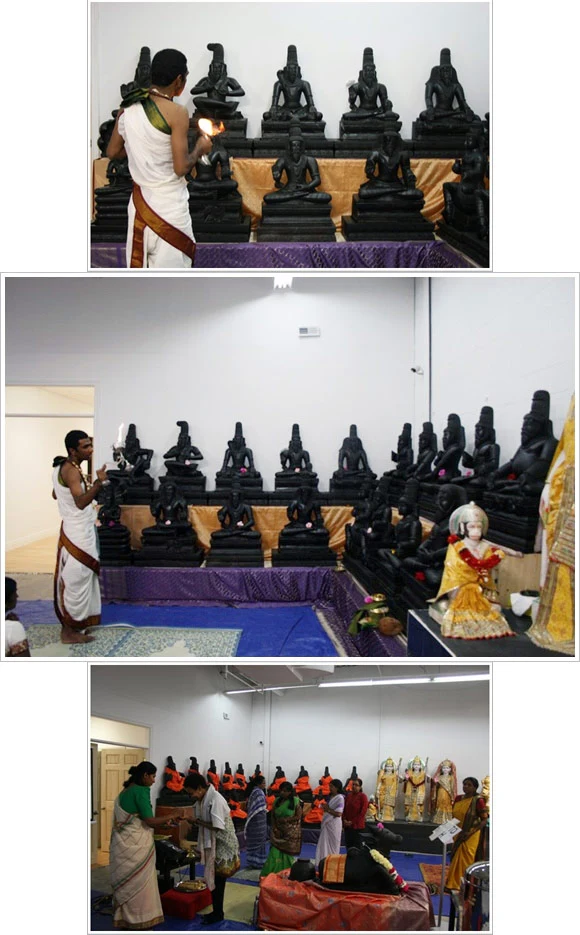
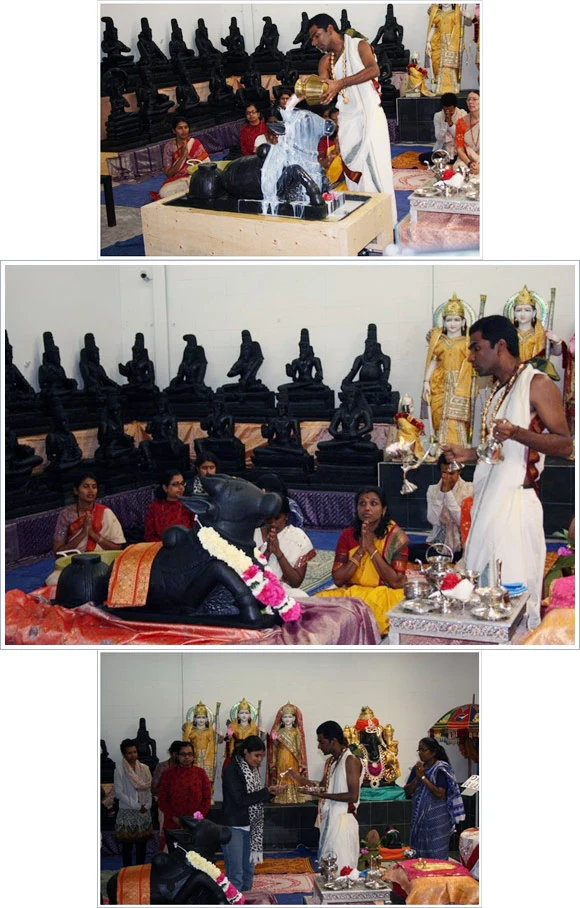

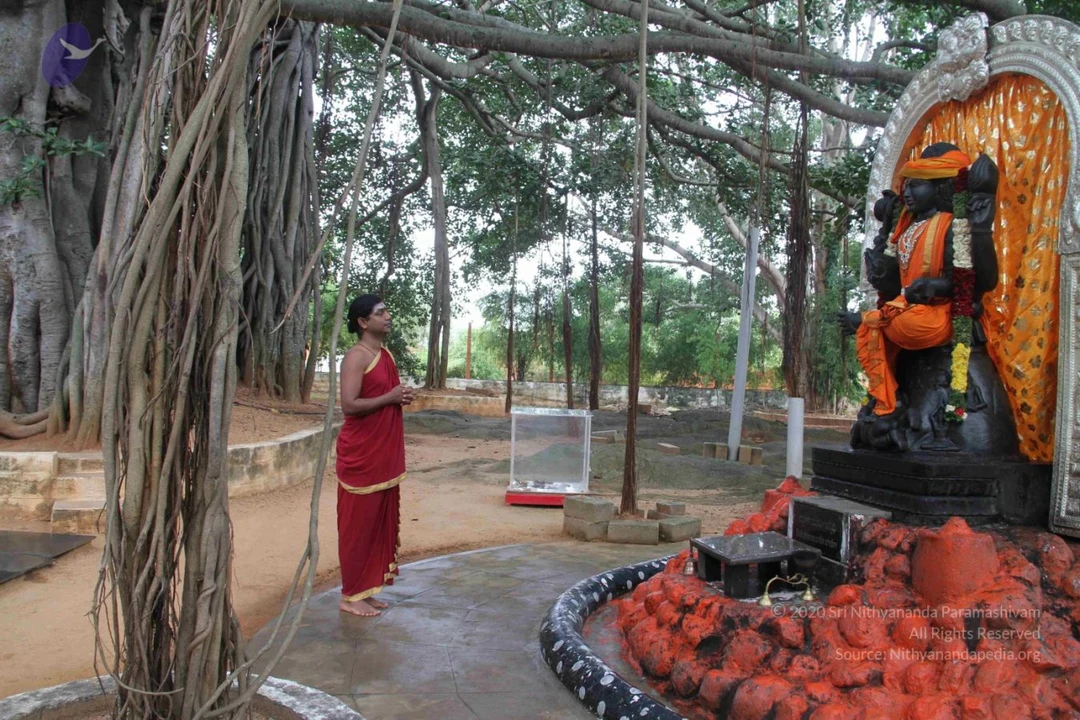
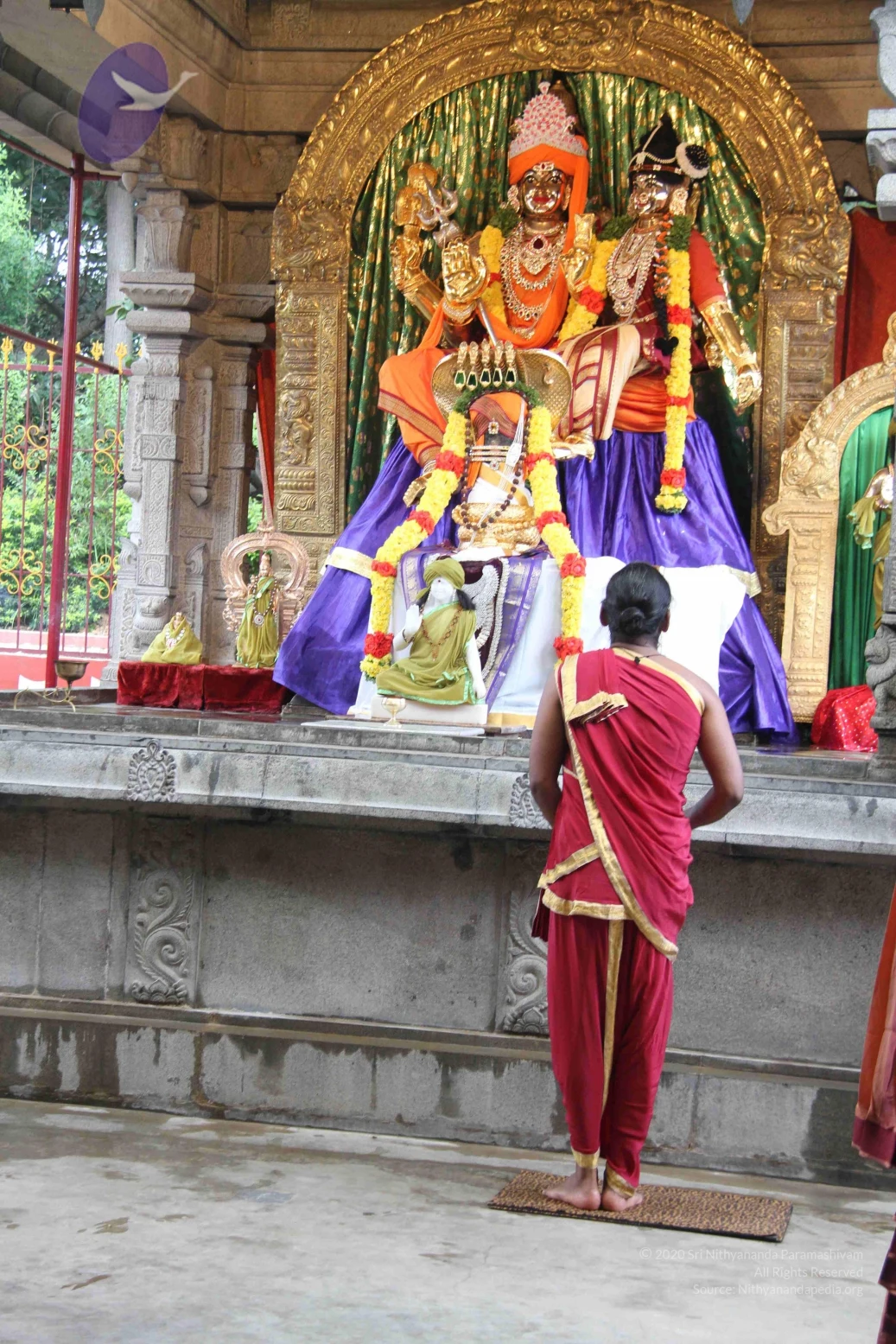
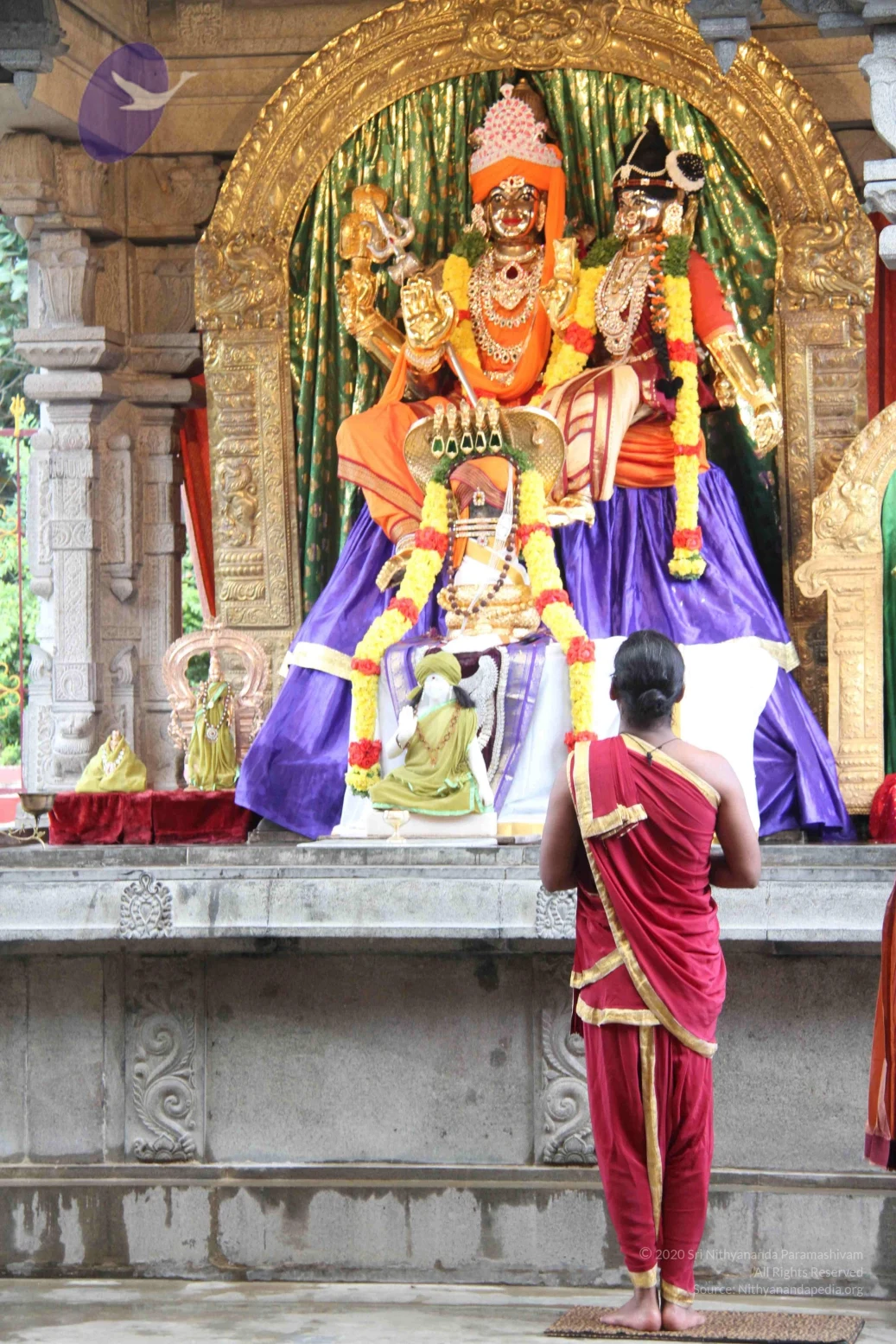
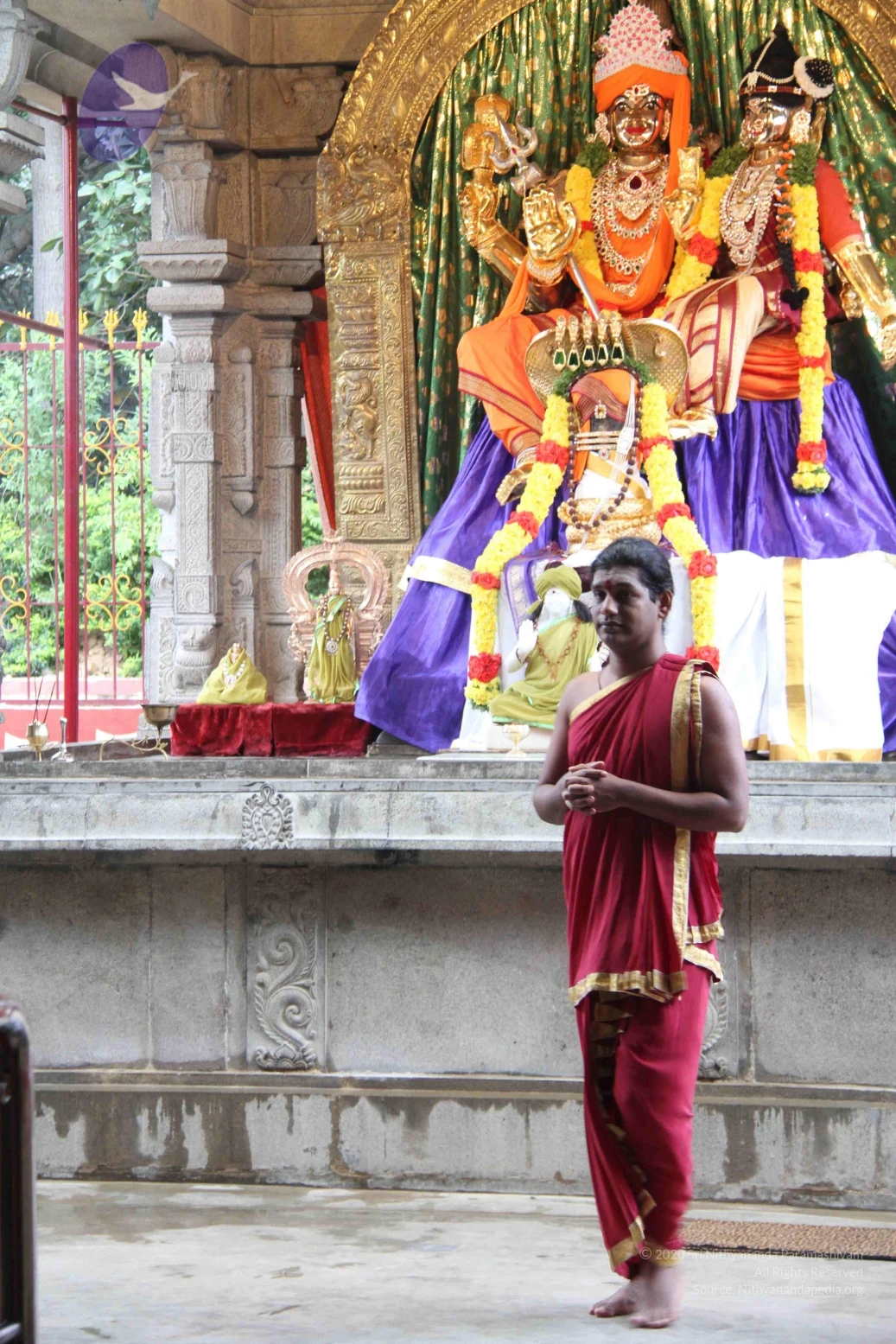
Nithyanandeshwara Paramashiva Devalayam





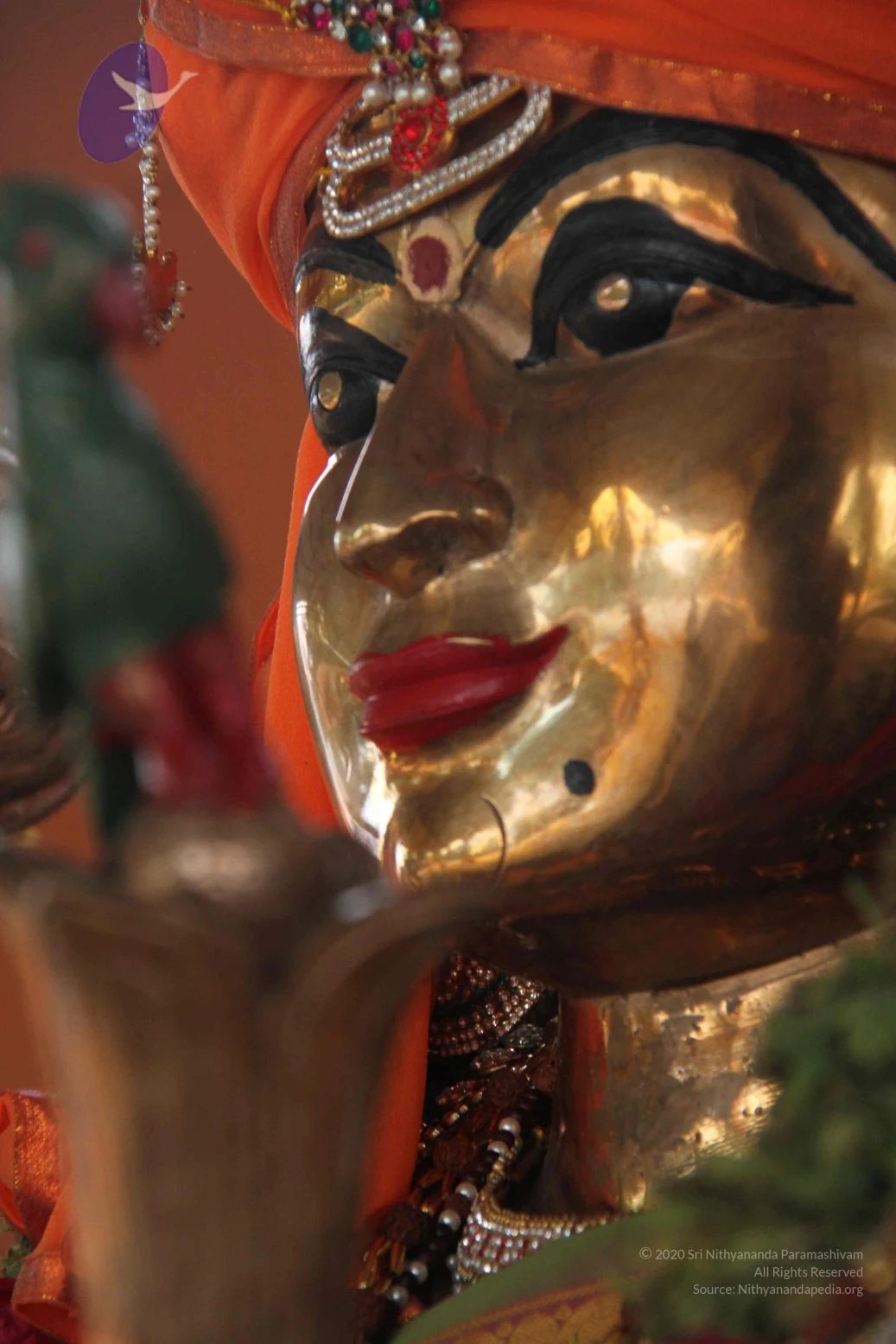



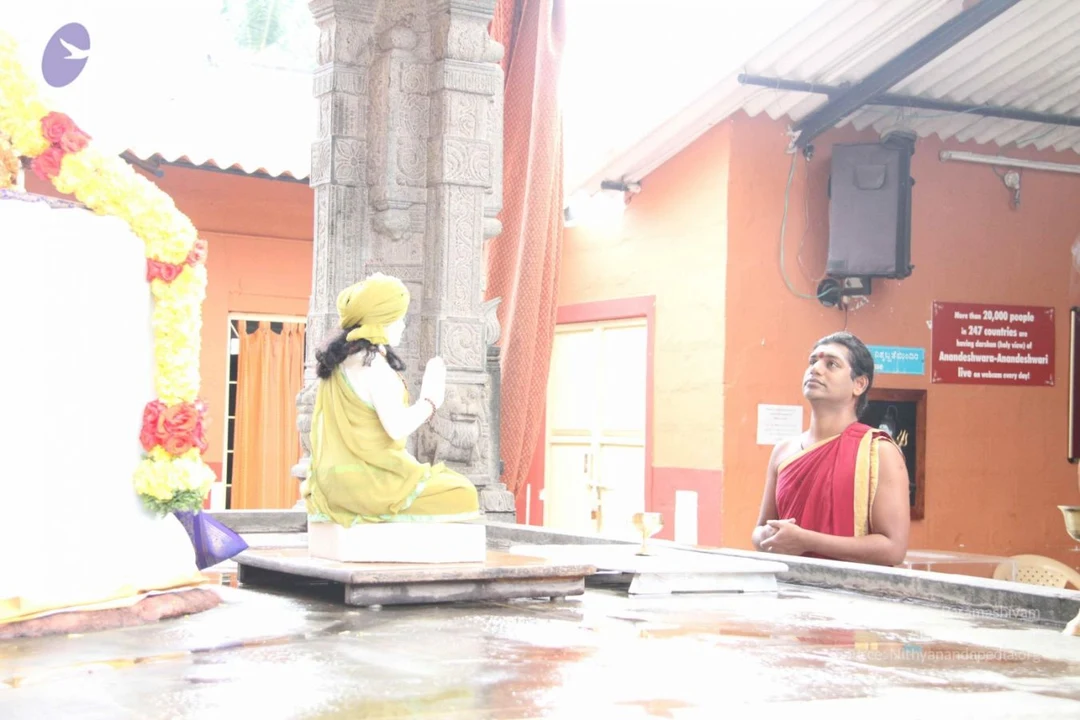
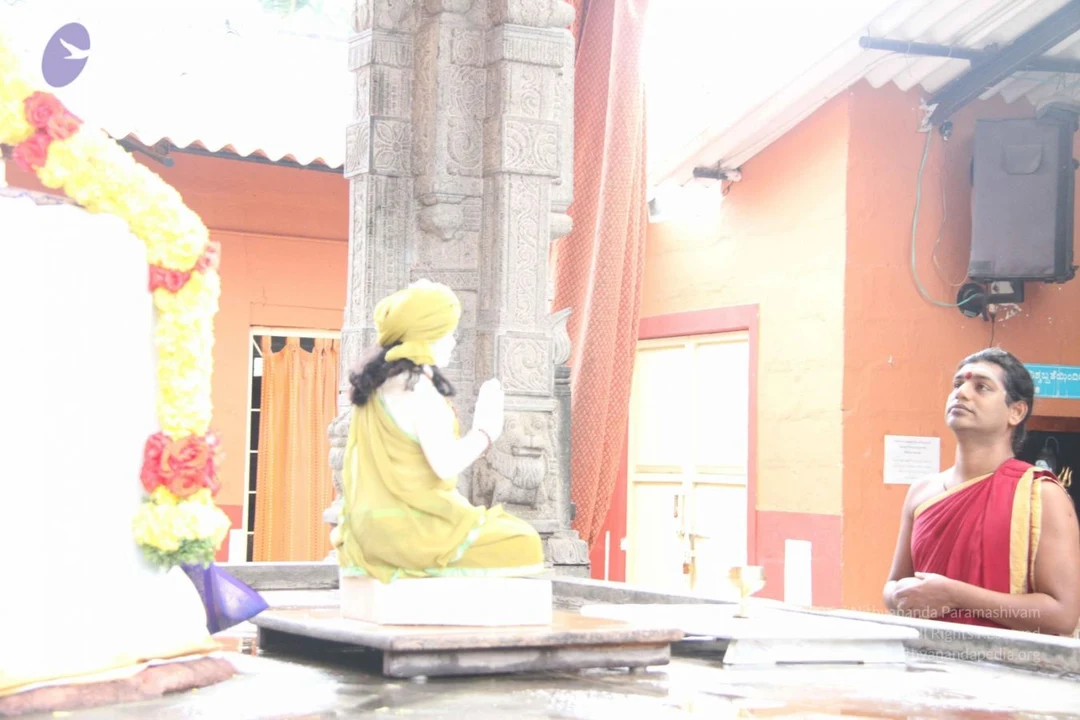
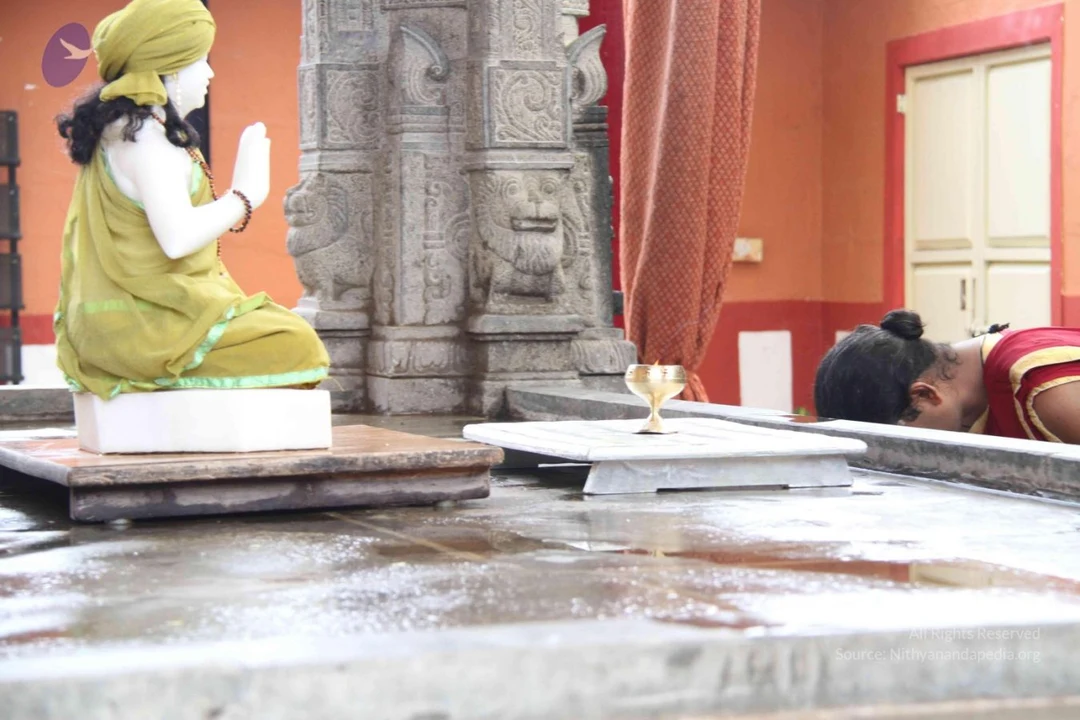
















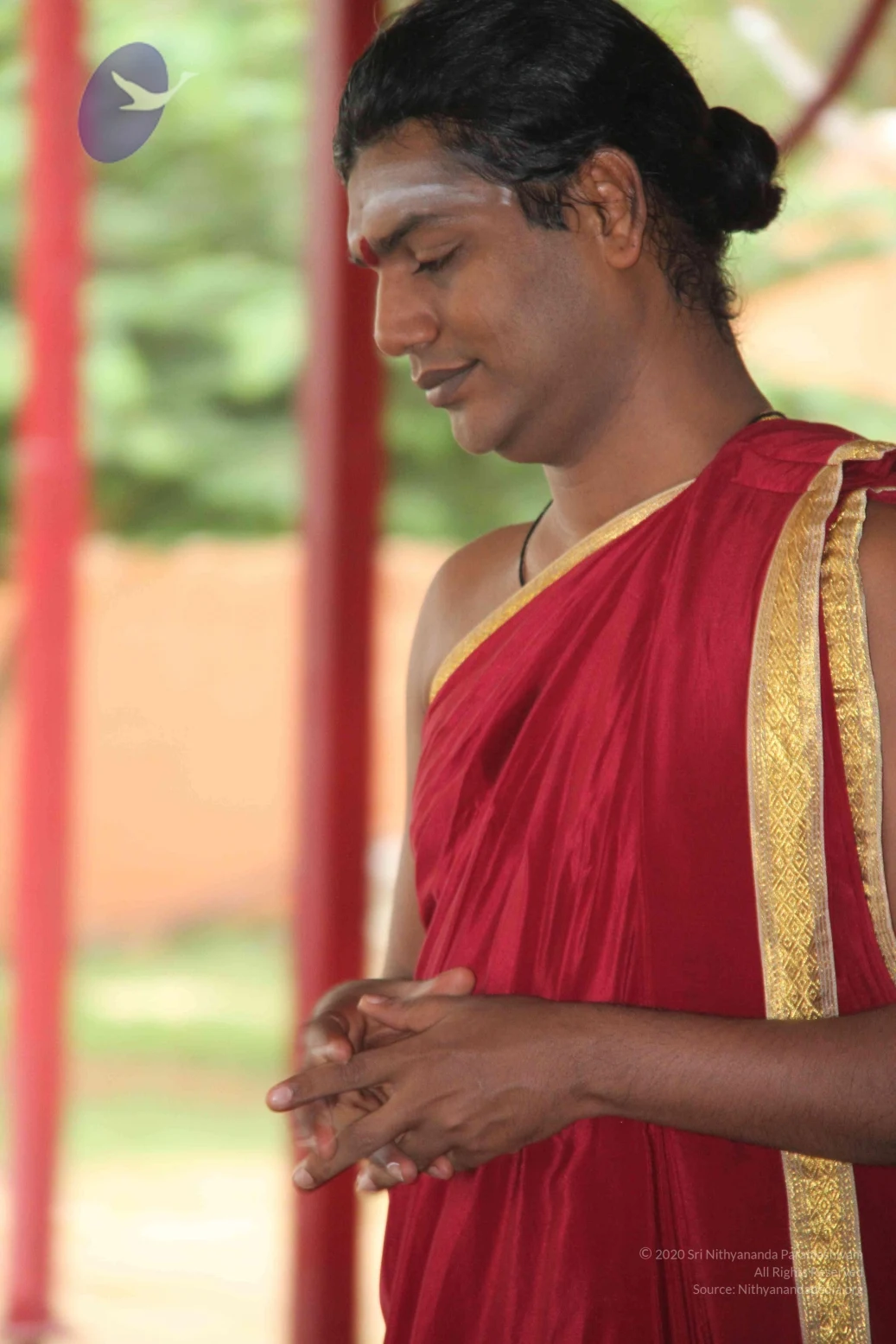
Pooja



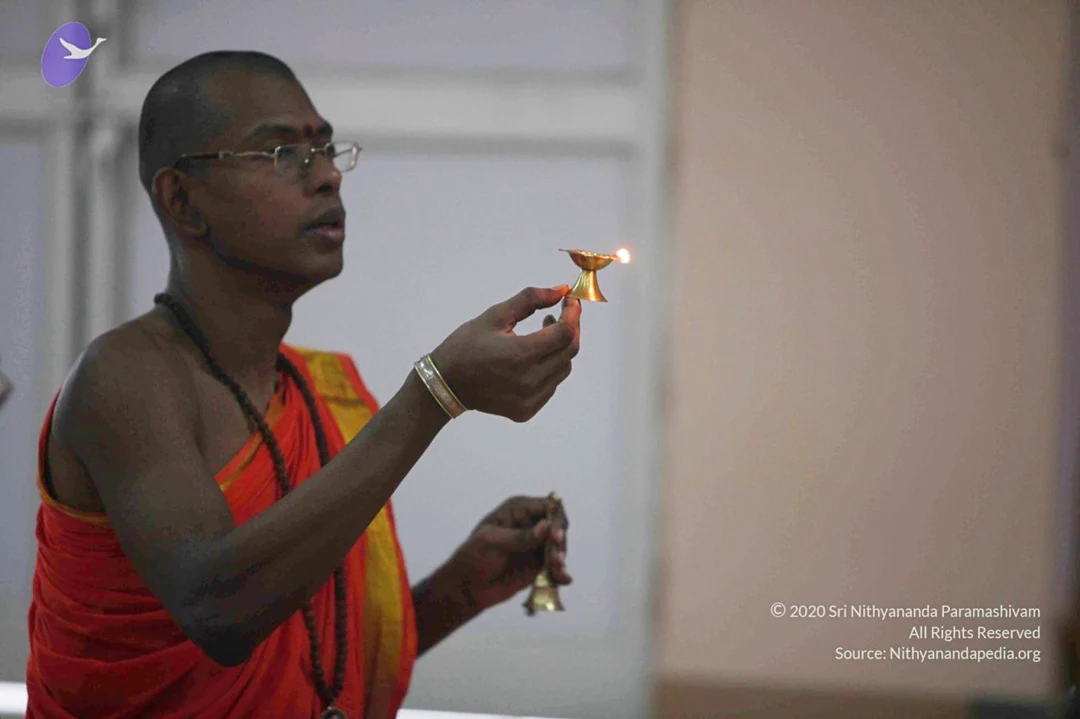
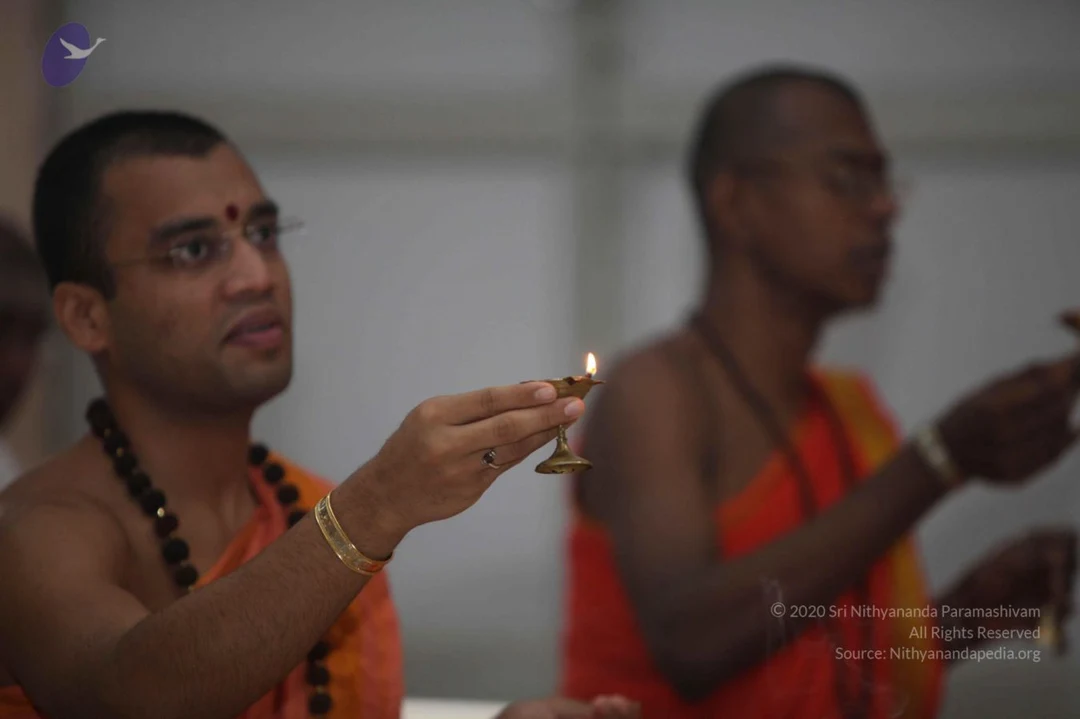

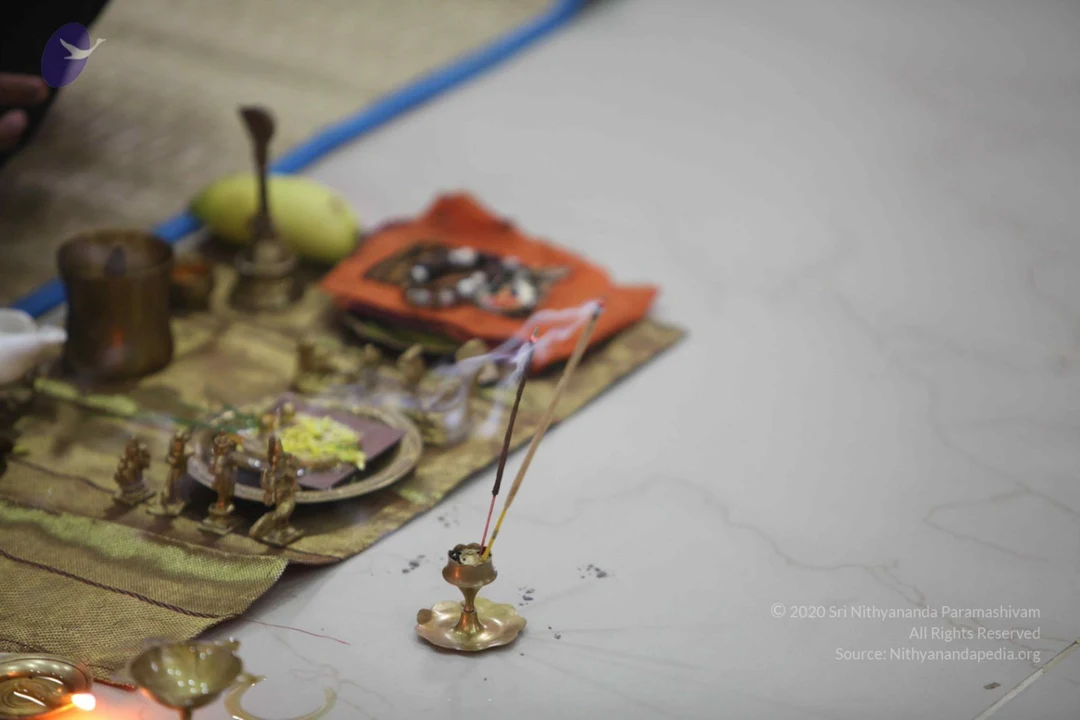
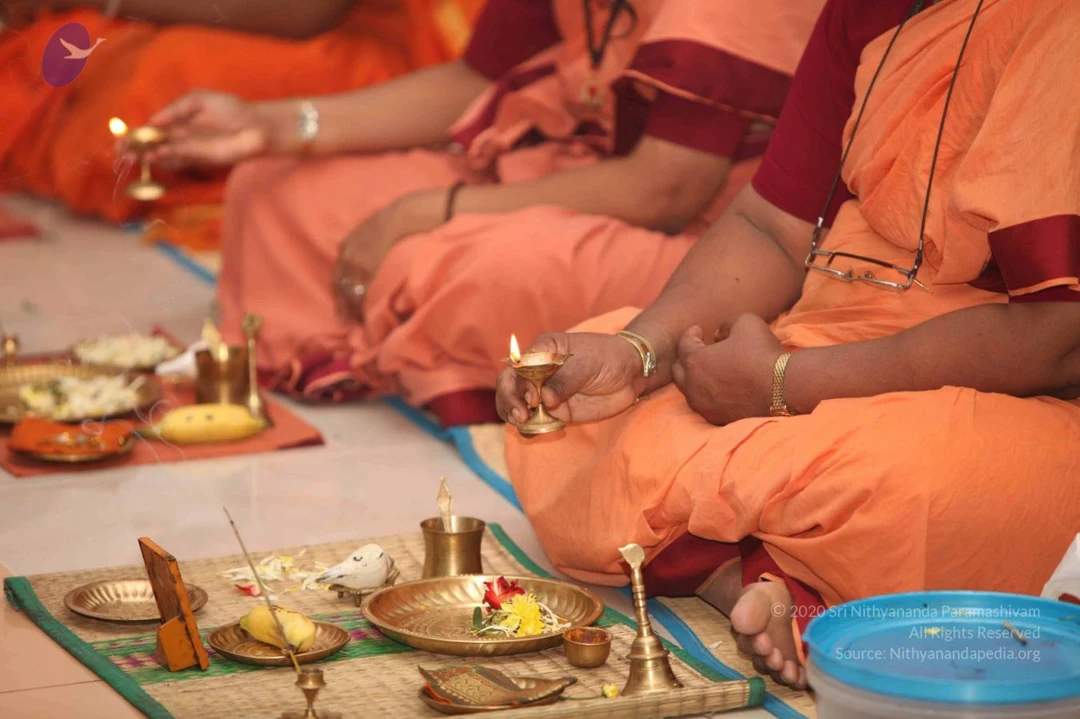

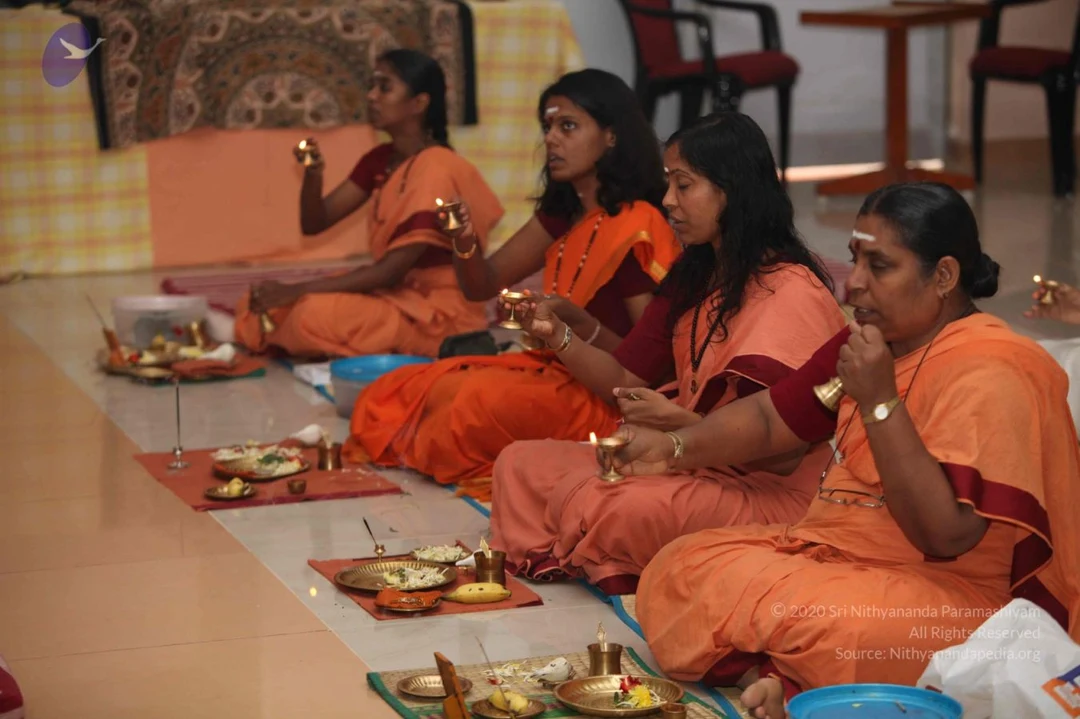


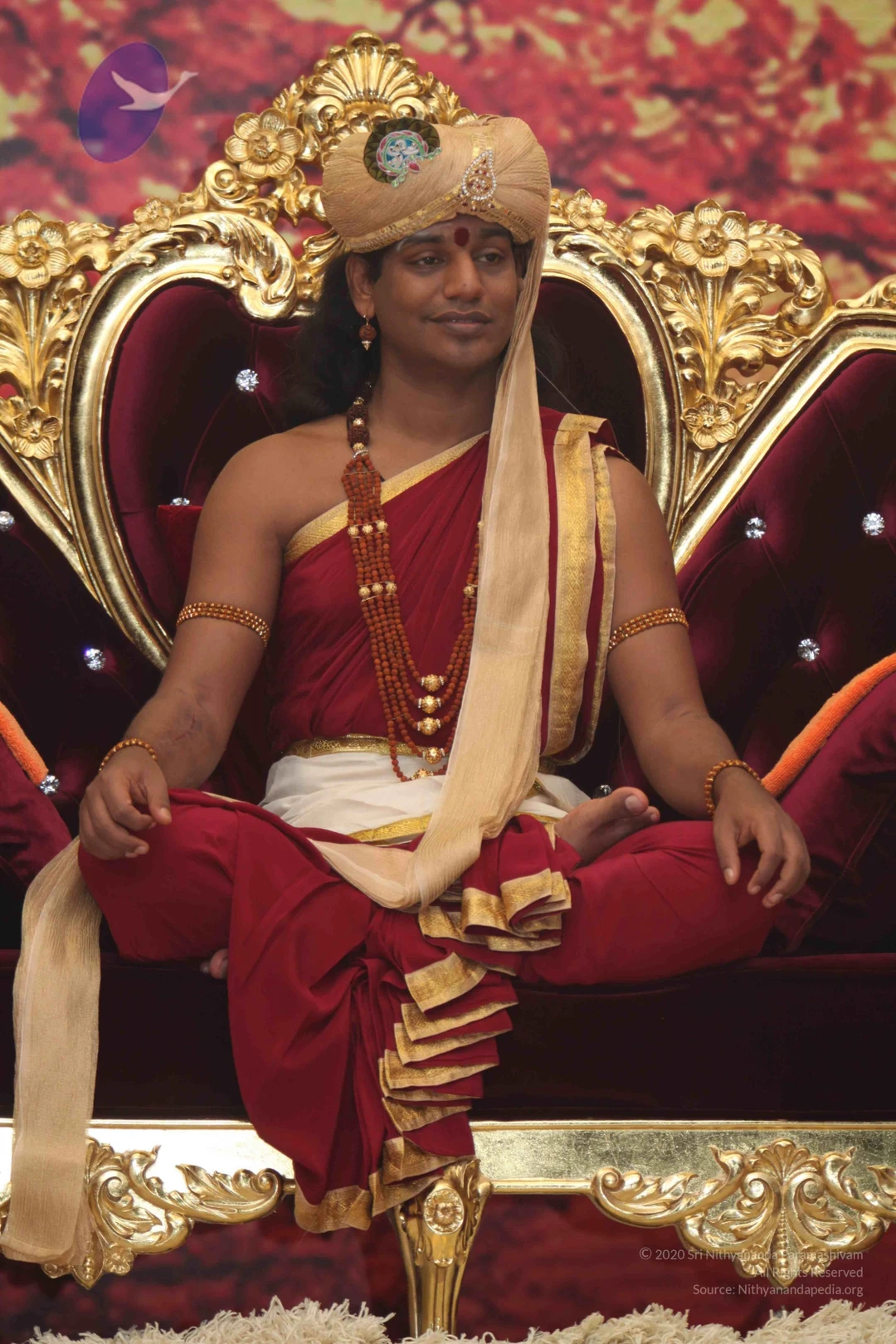
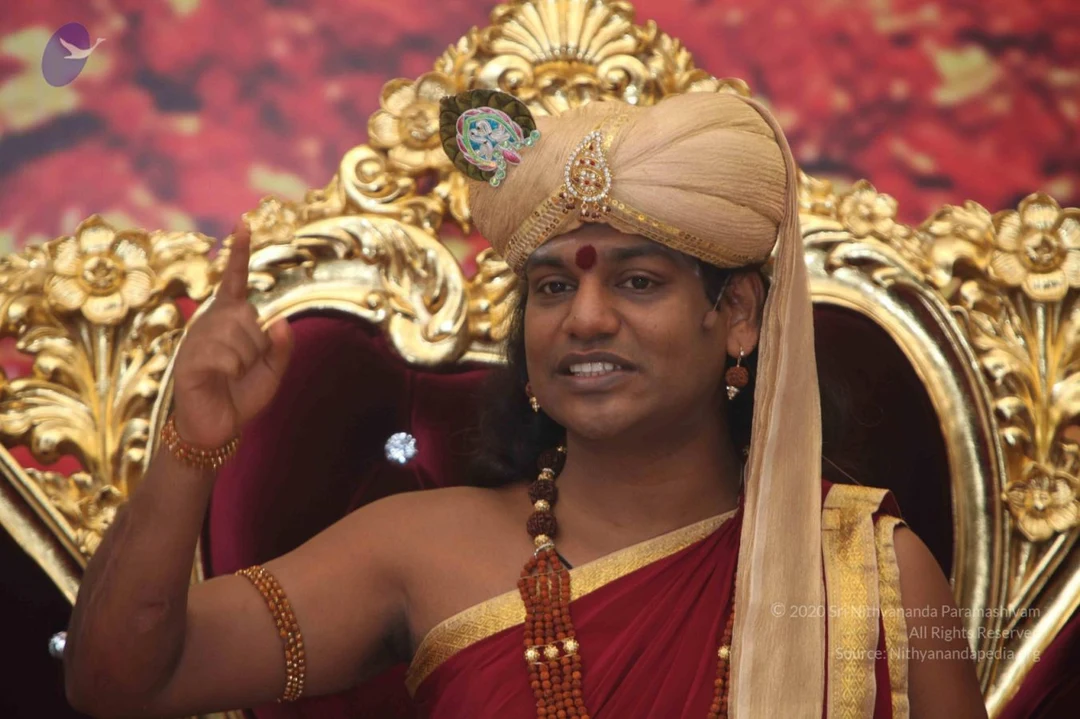
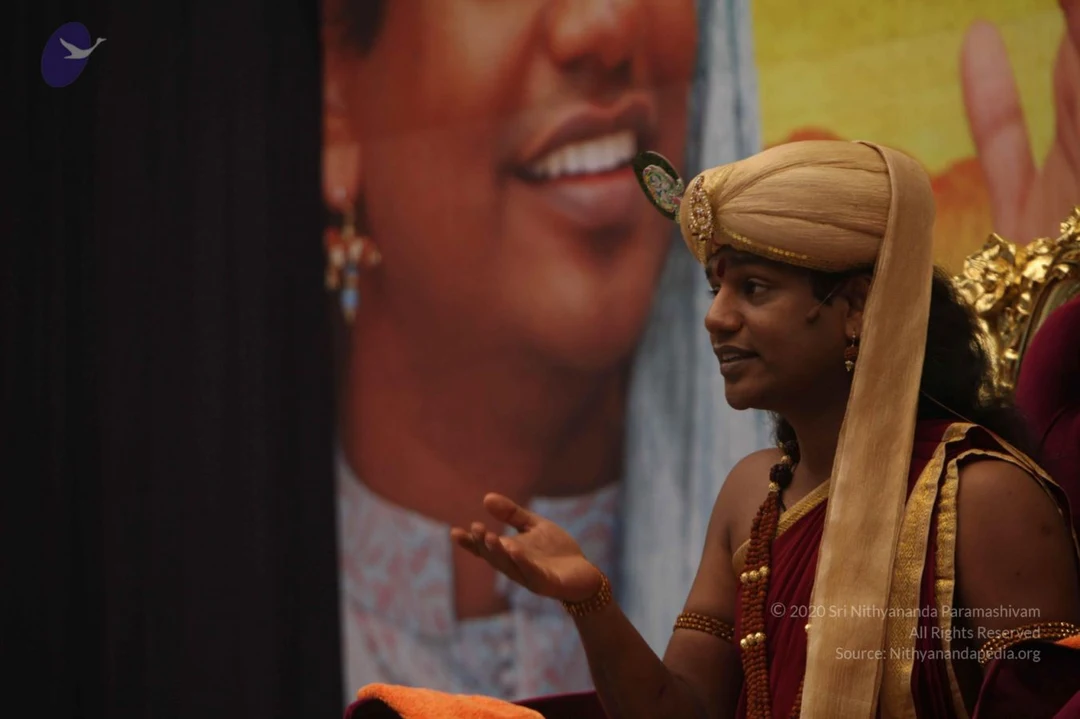
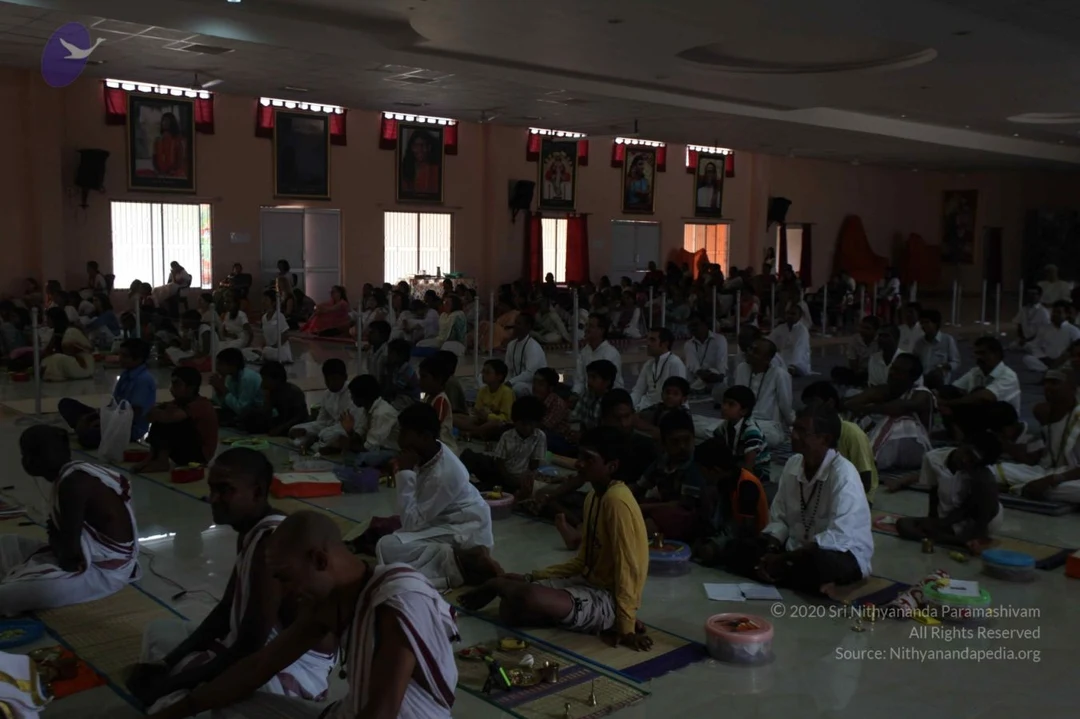
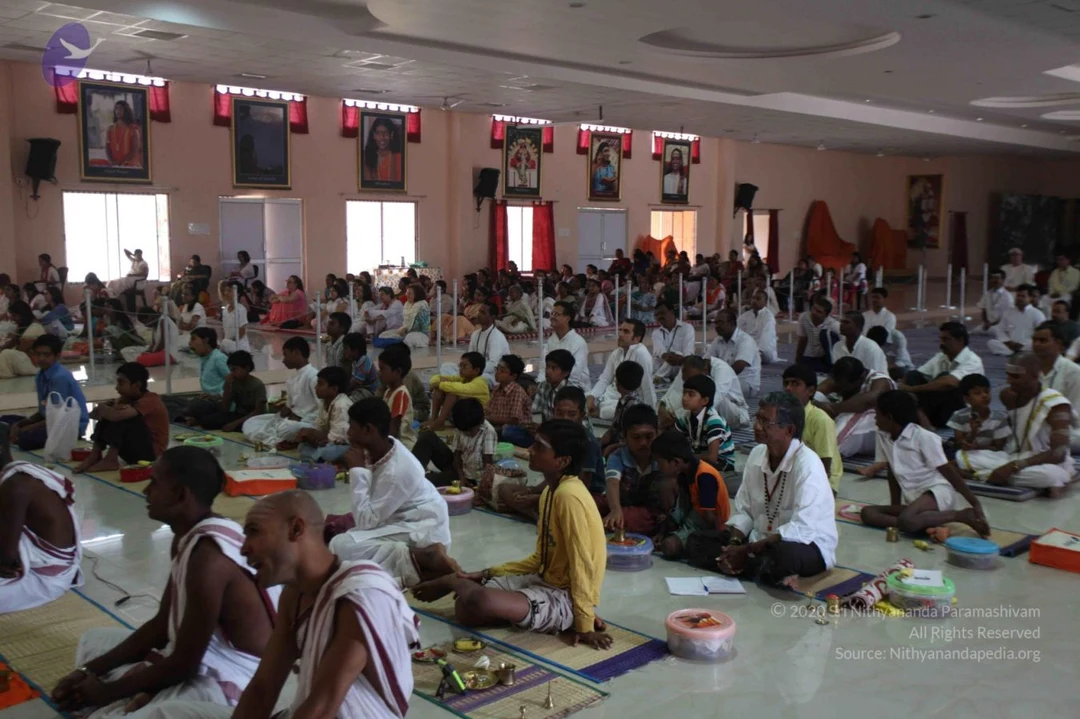
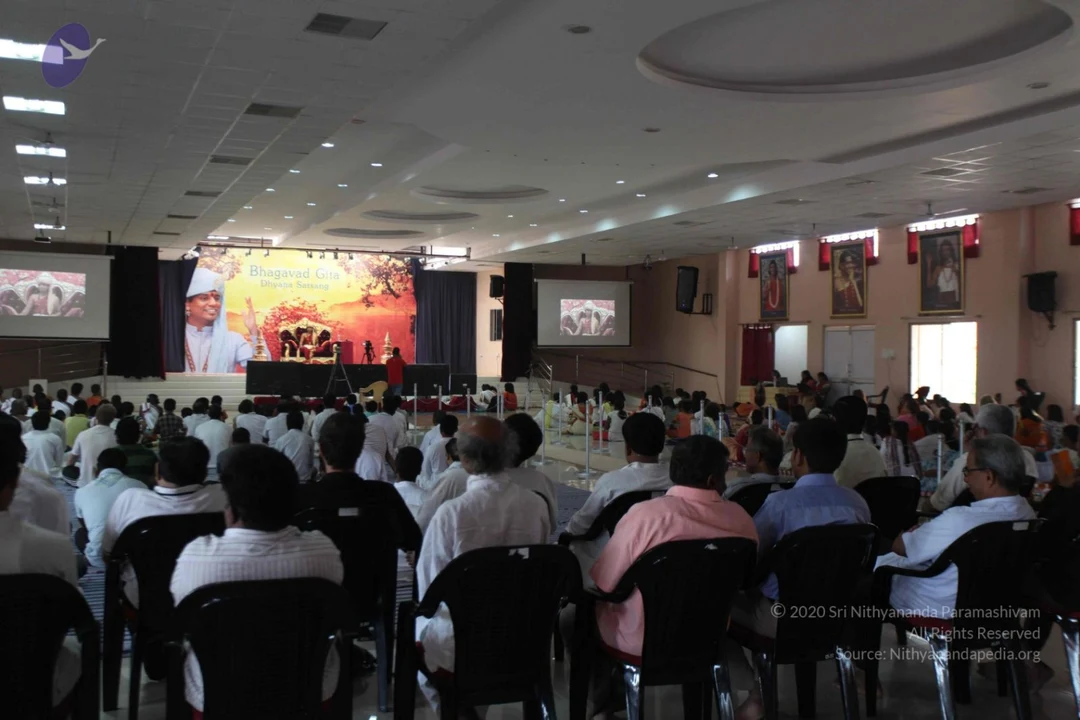
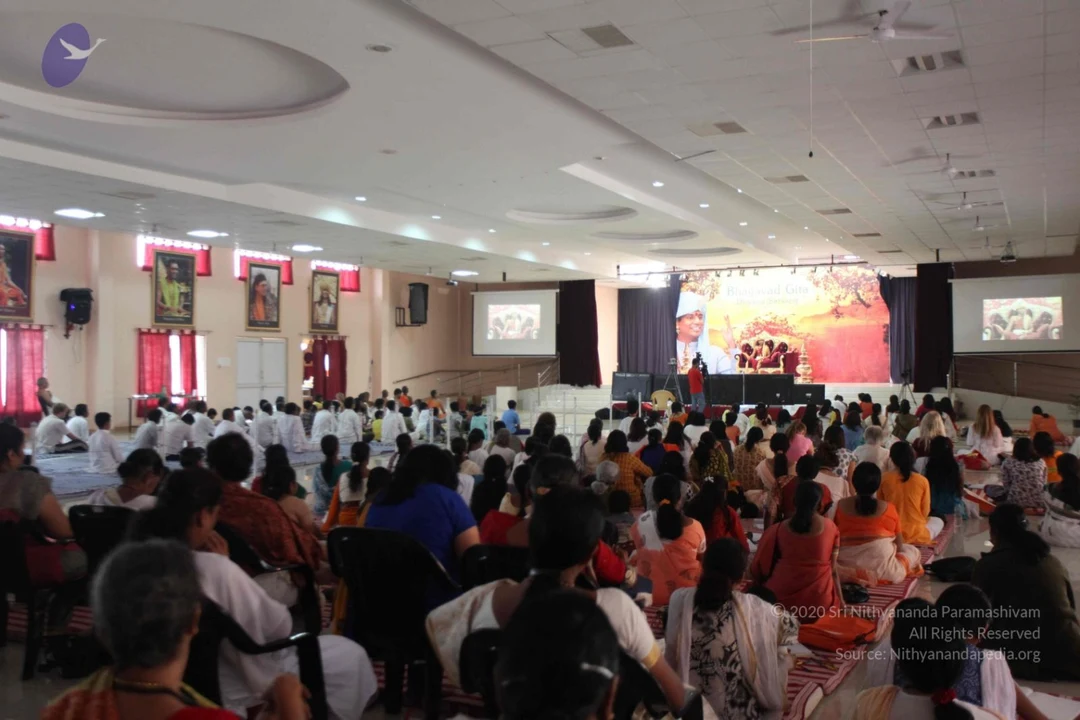
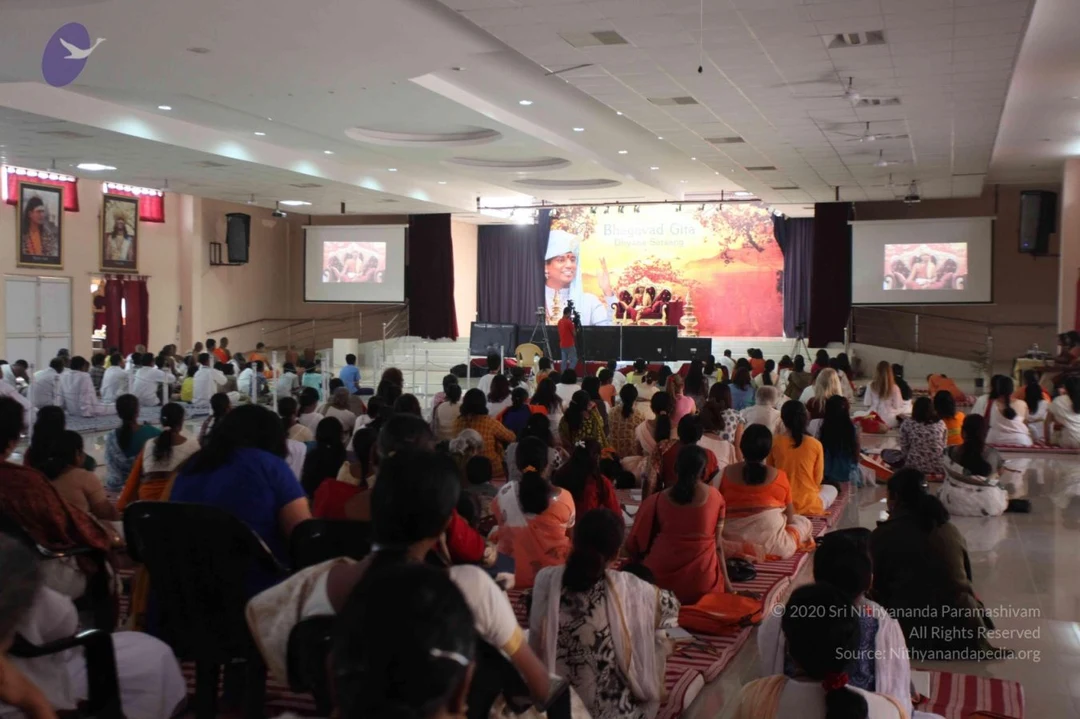
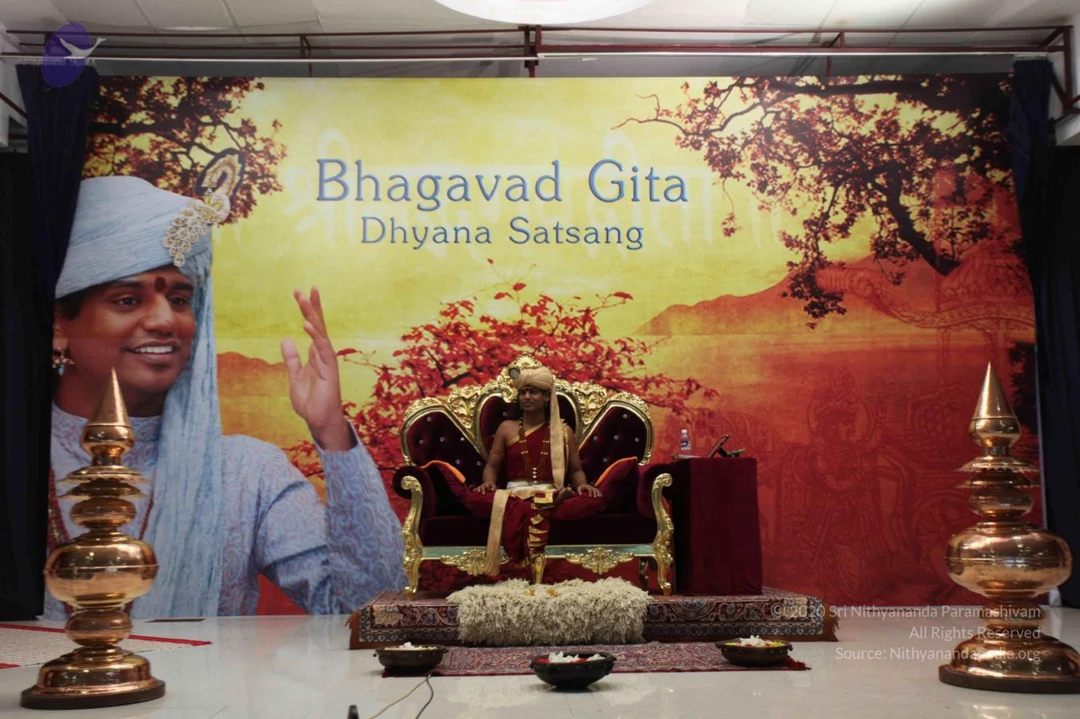
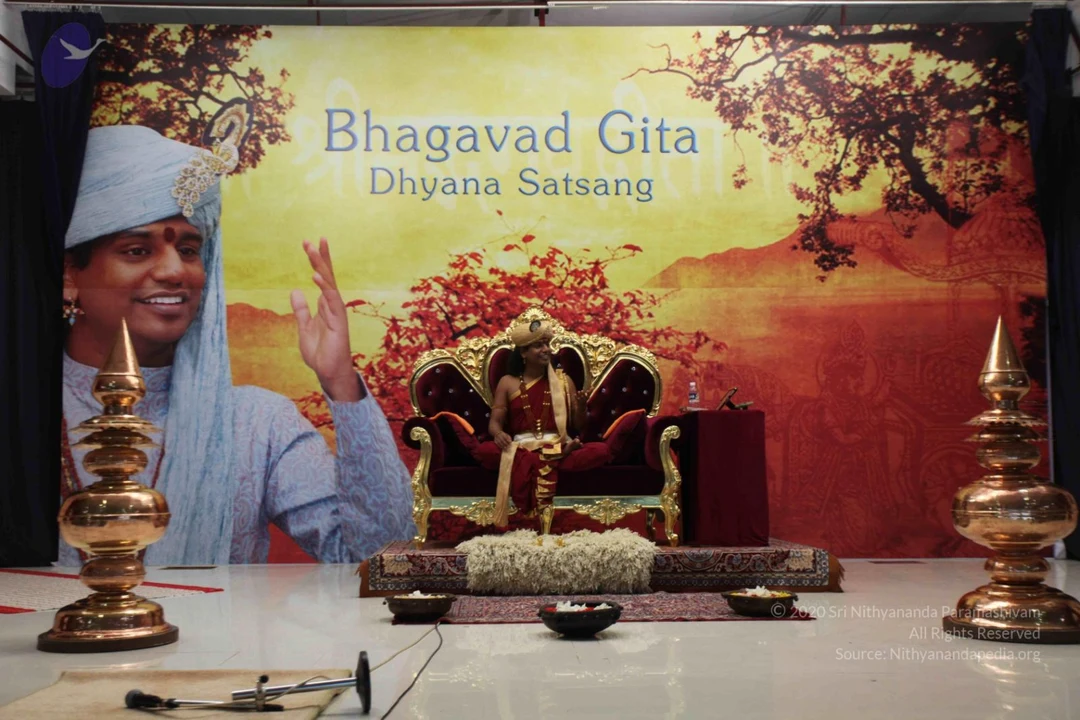
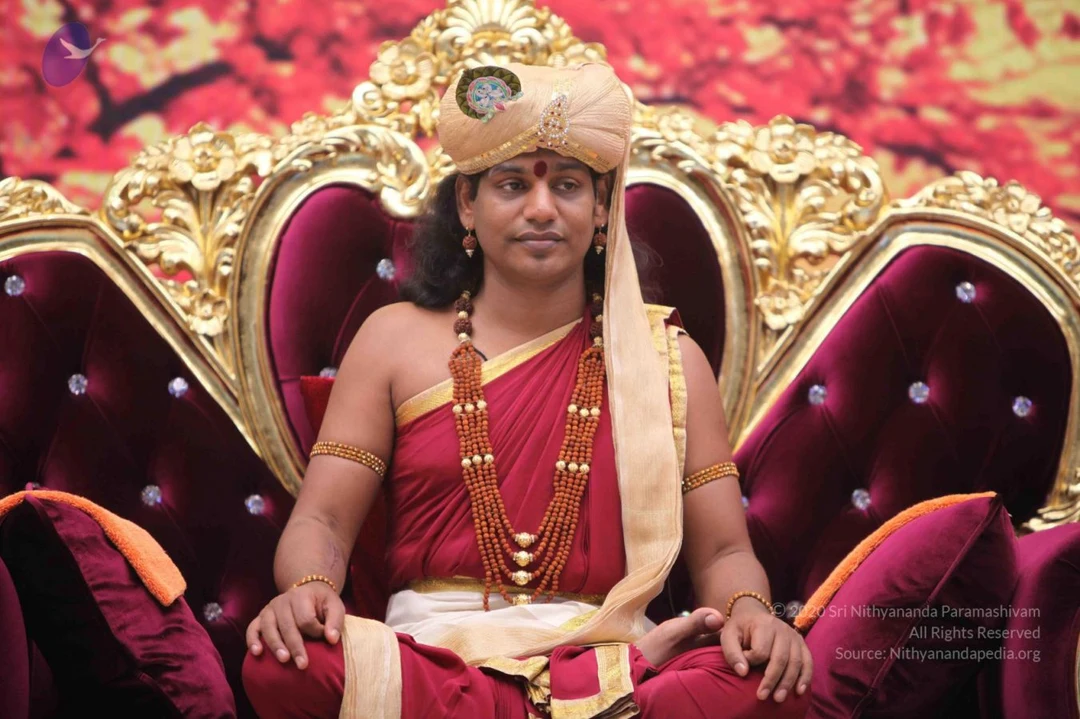
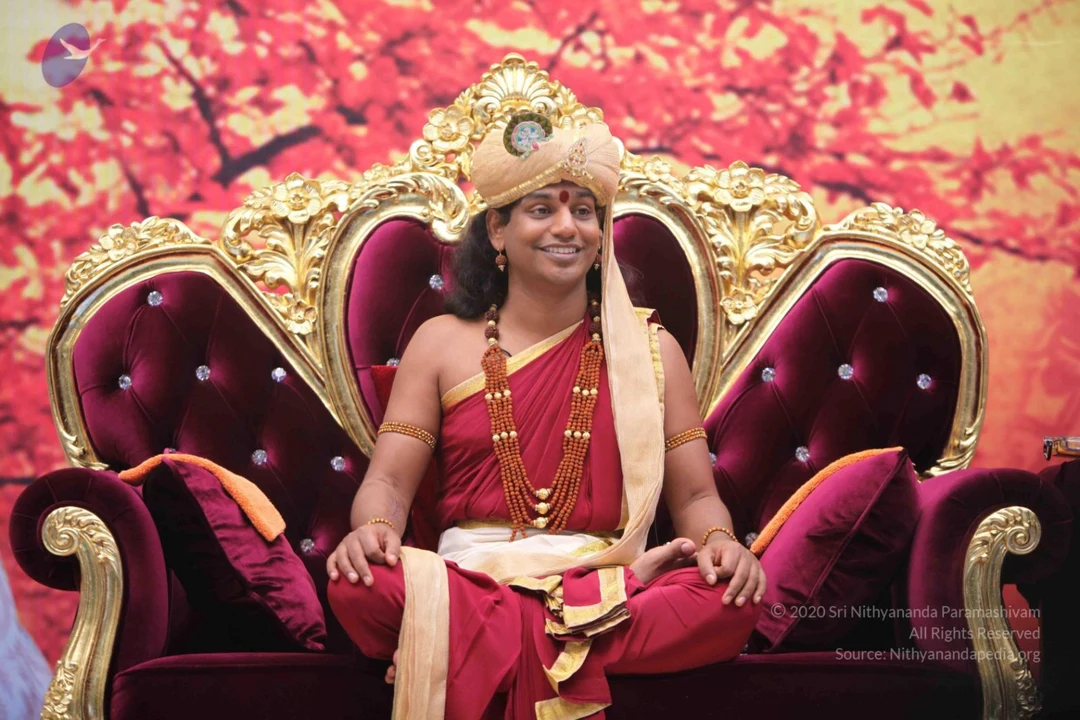
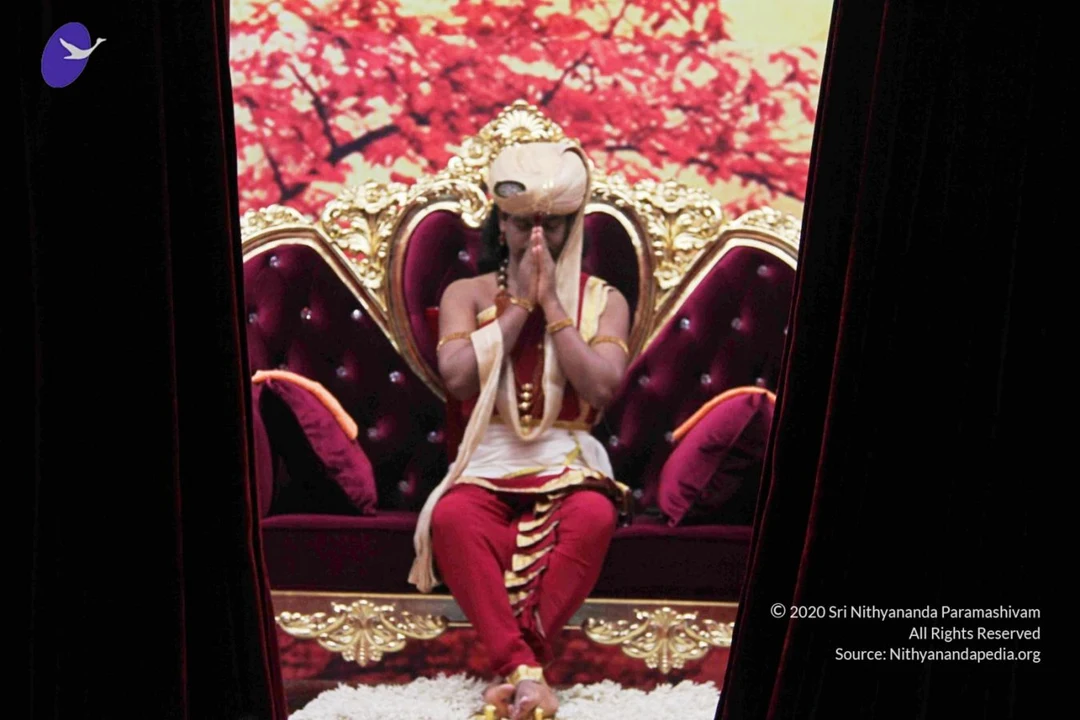
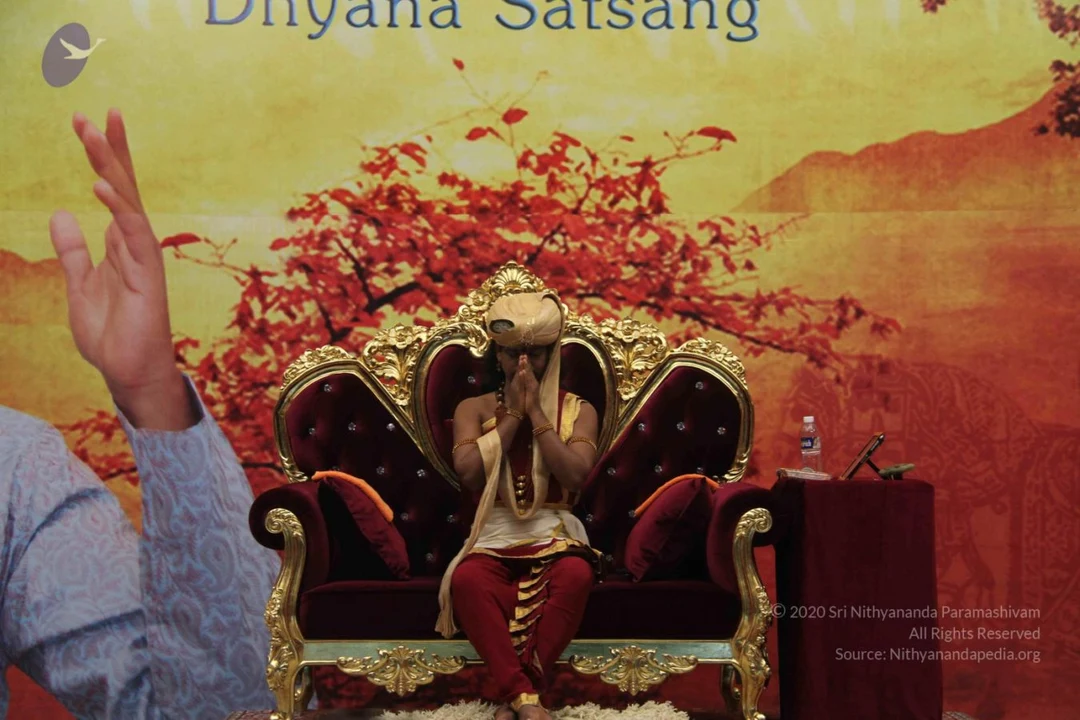
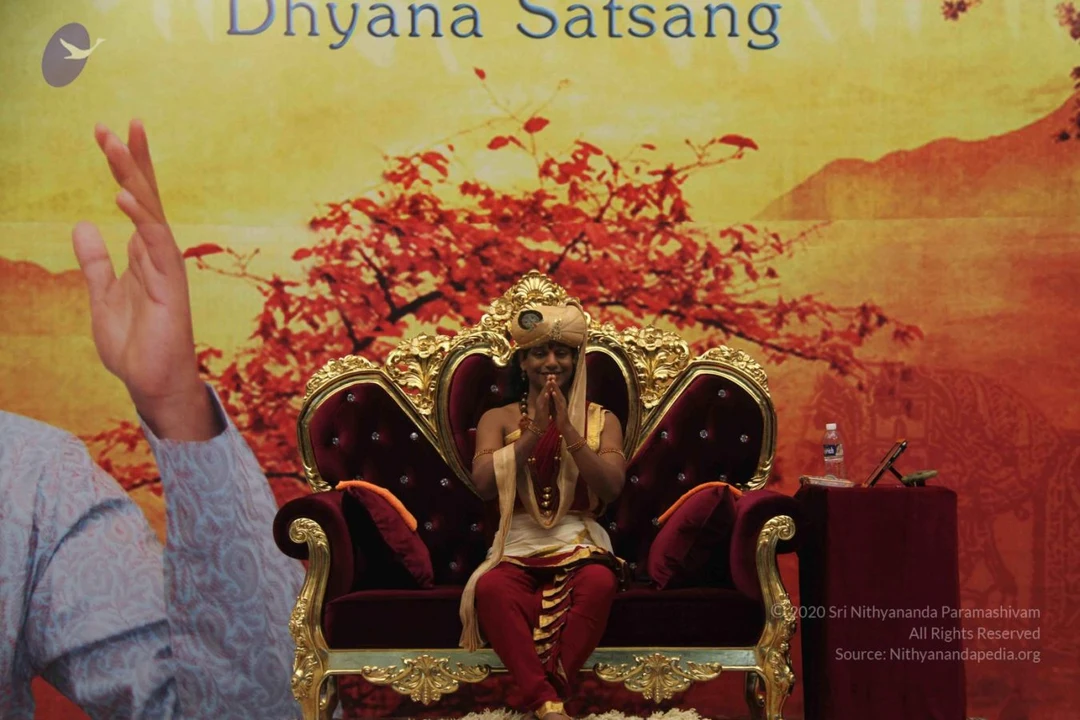
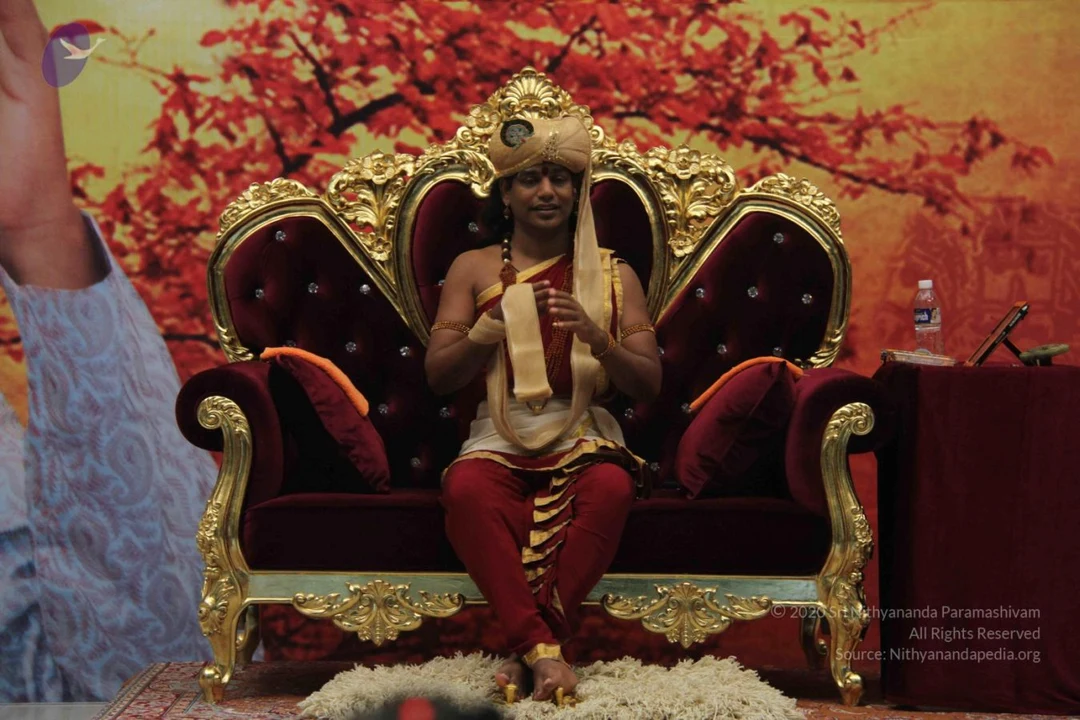
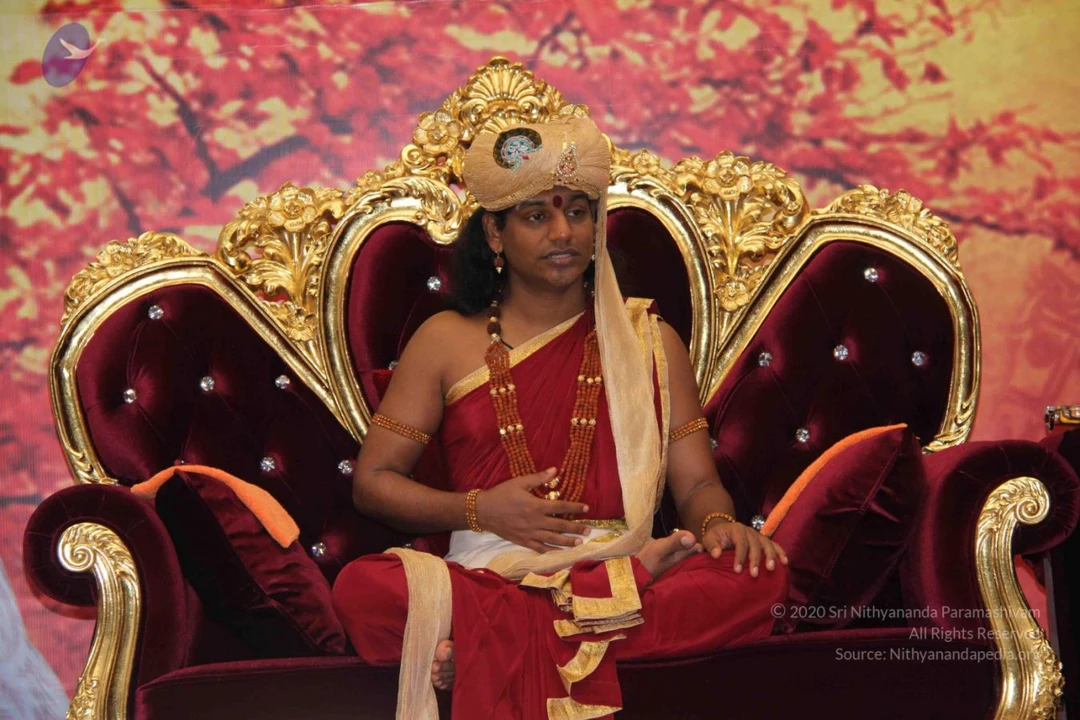
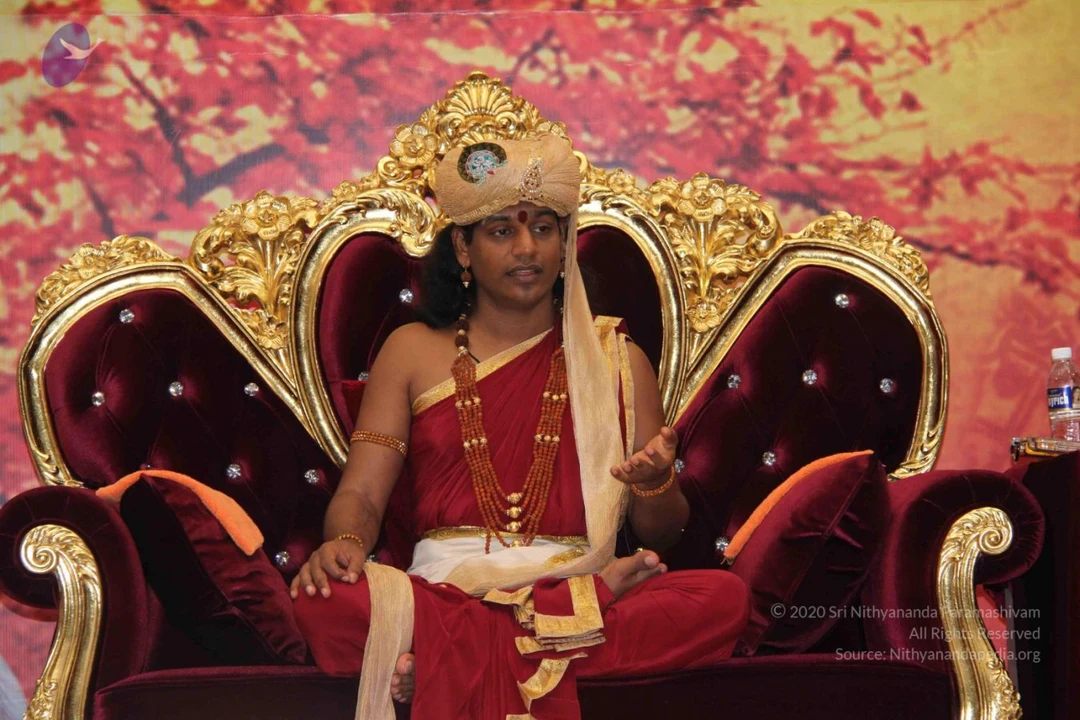
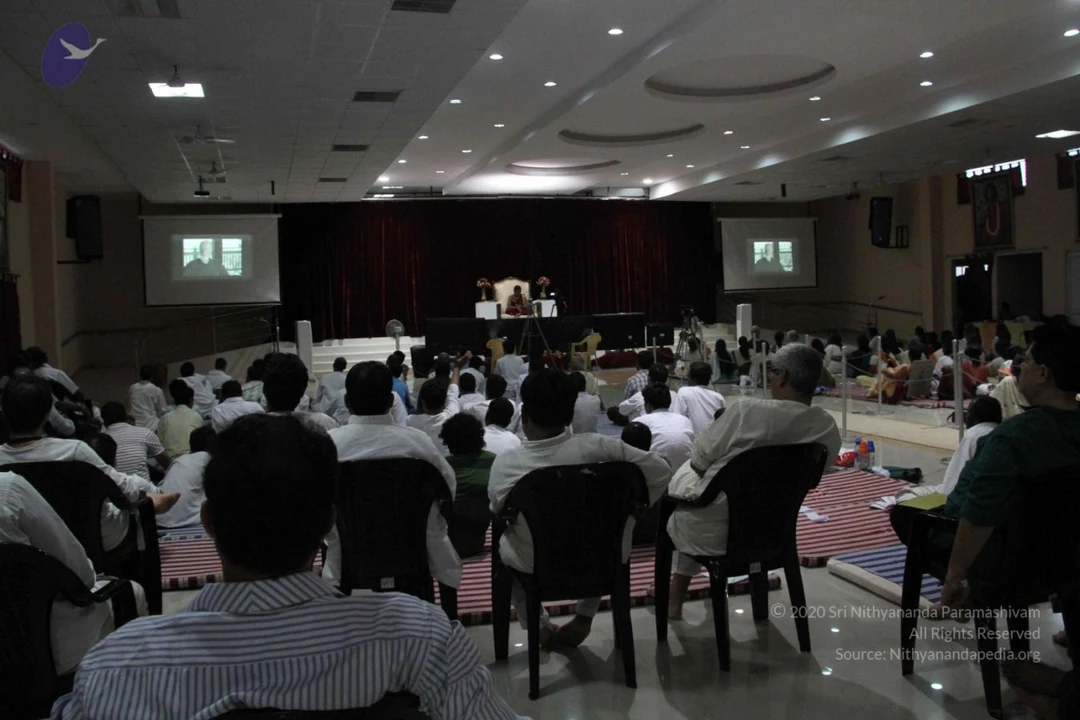
Satsang
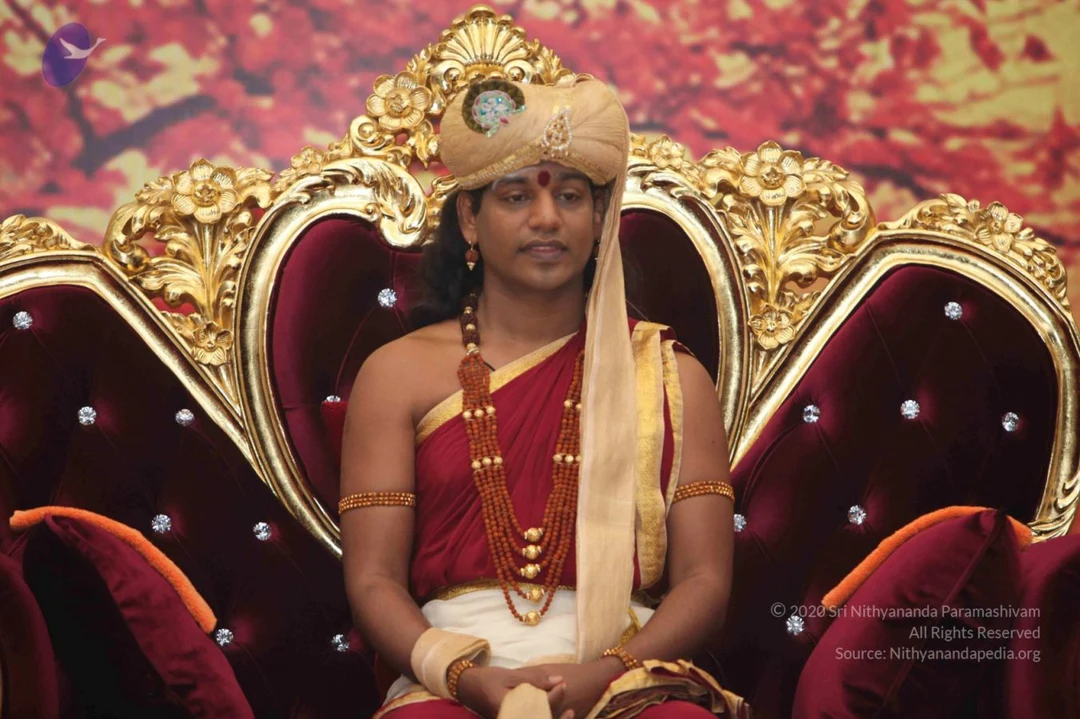
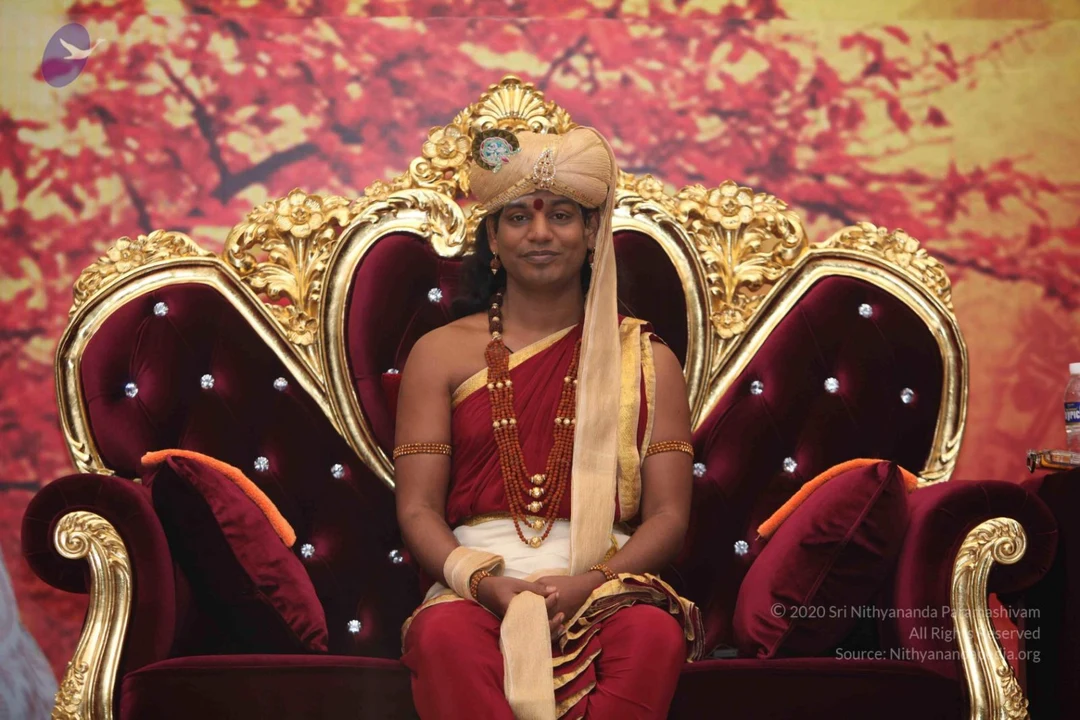















































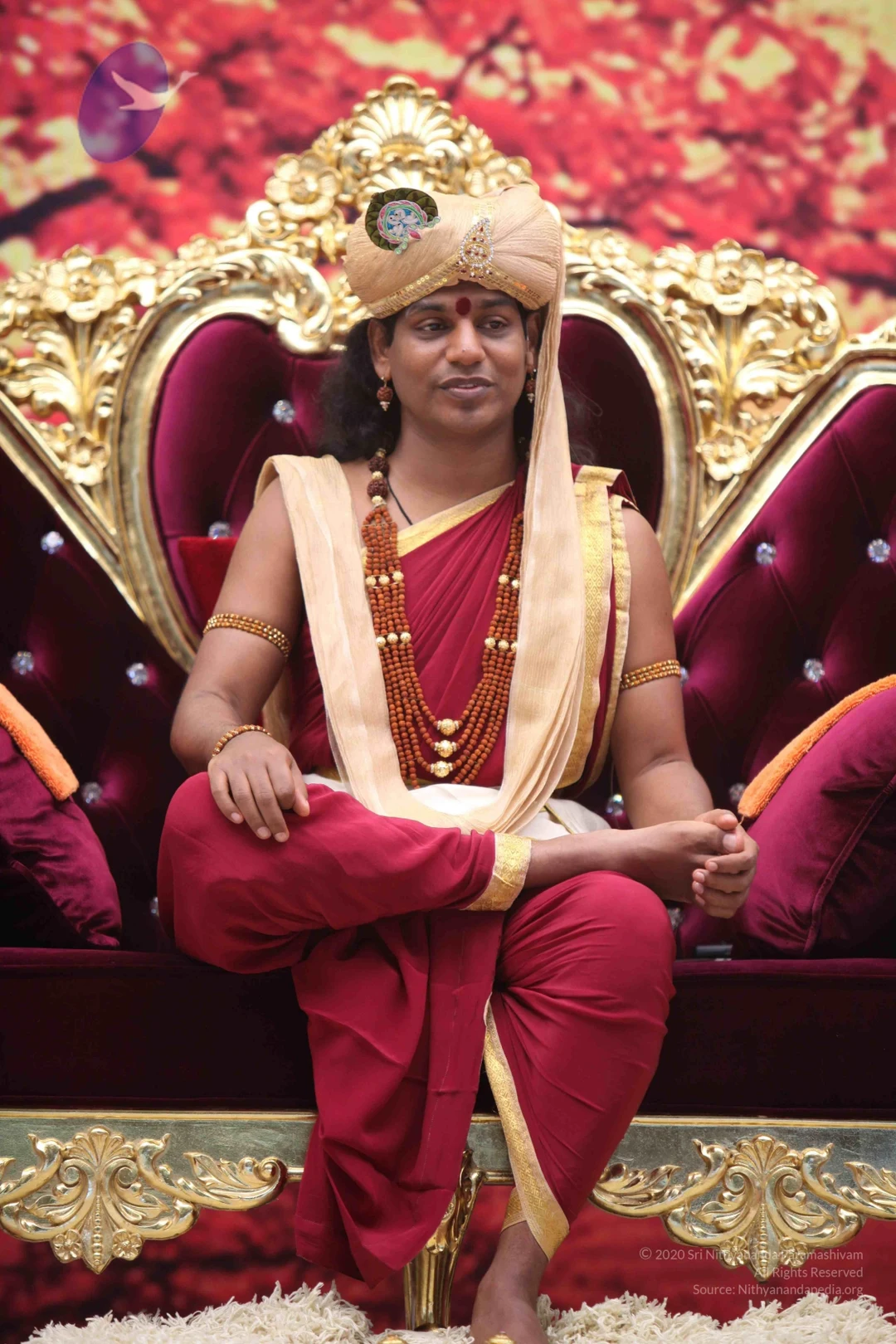
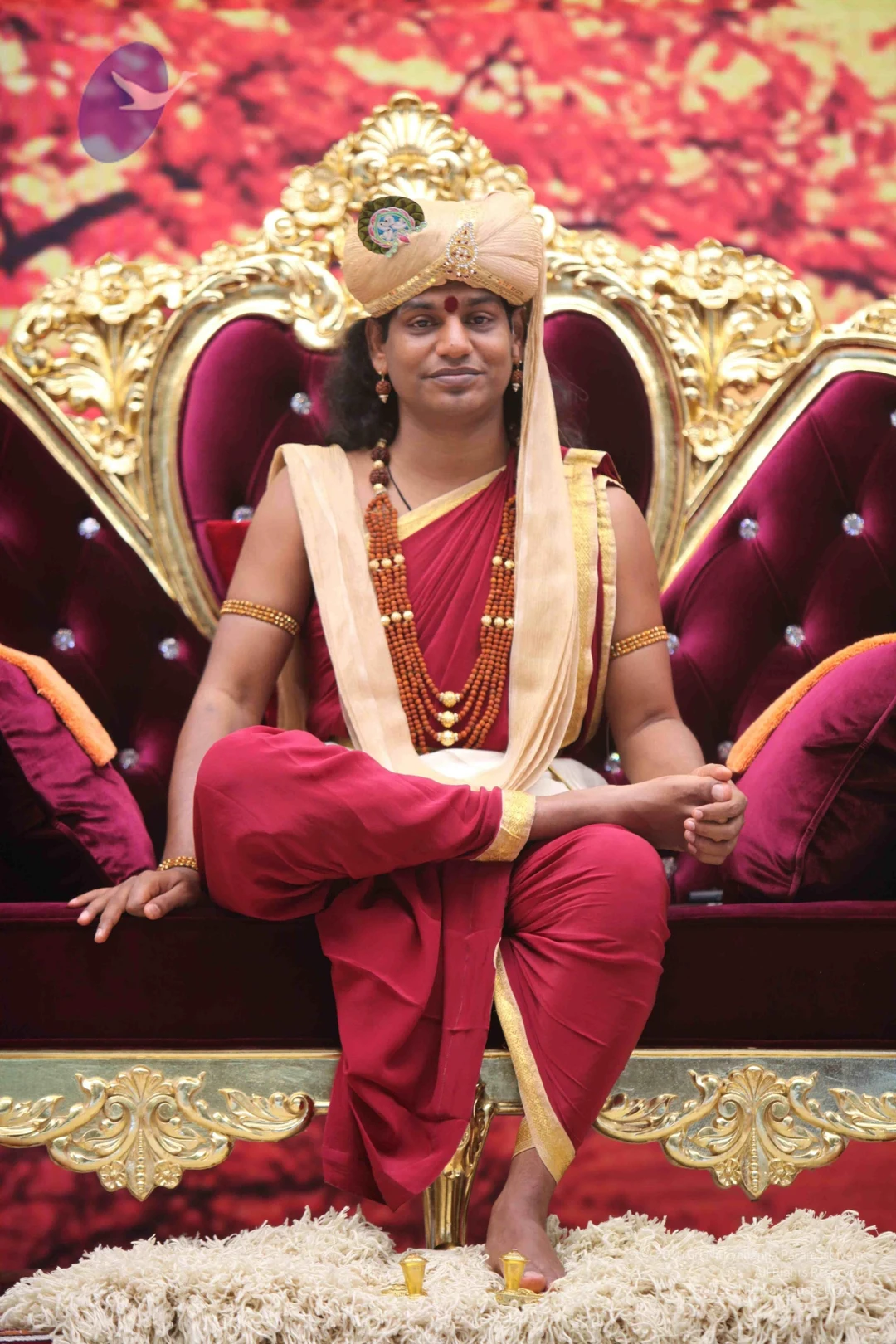
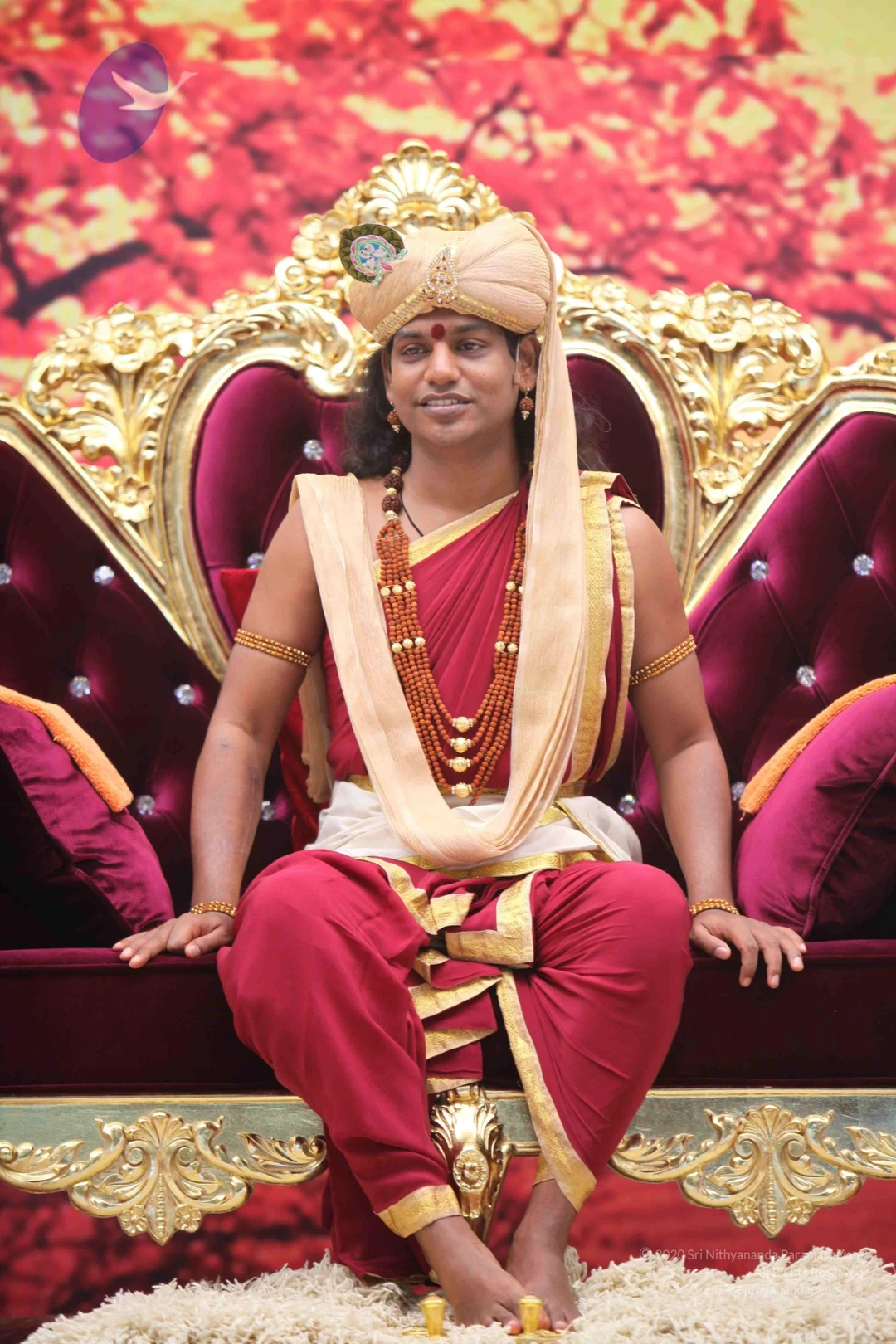

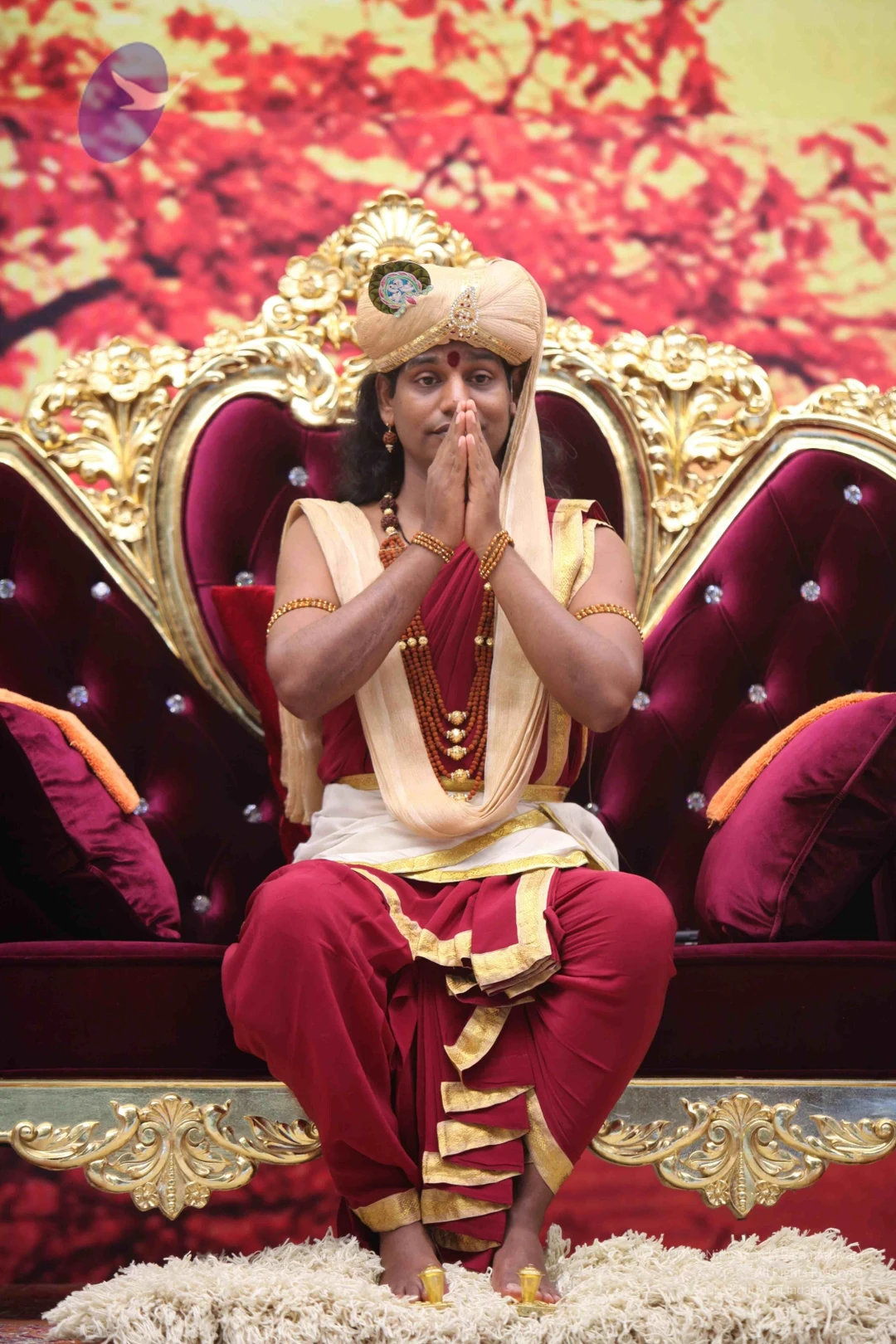







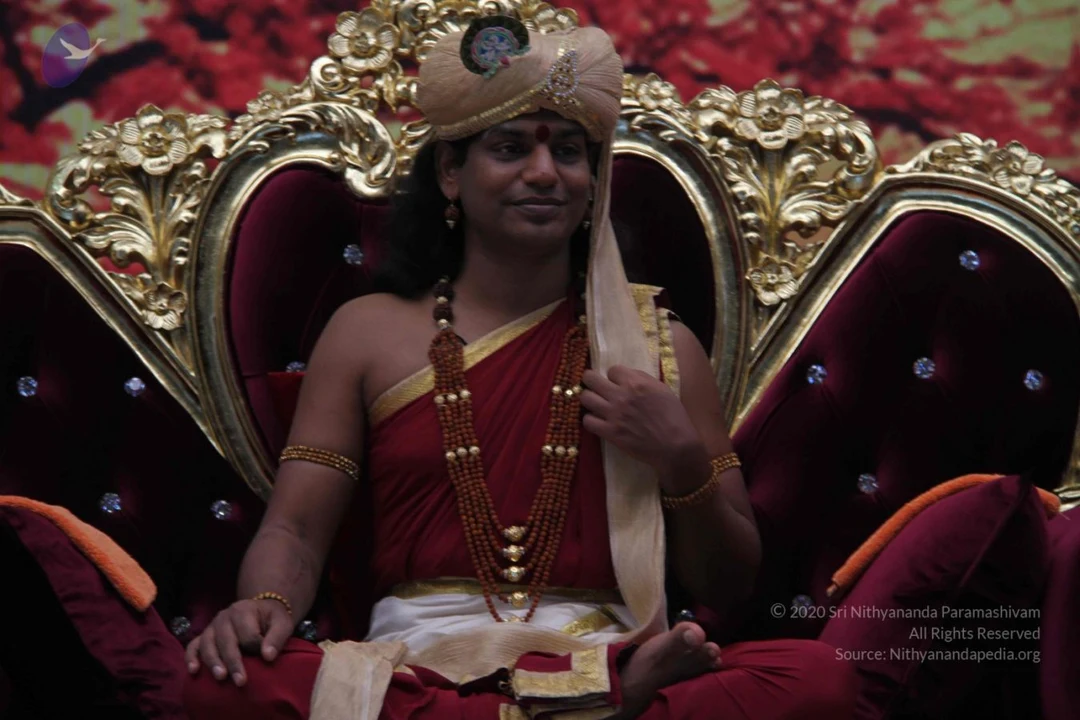

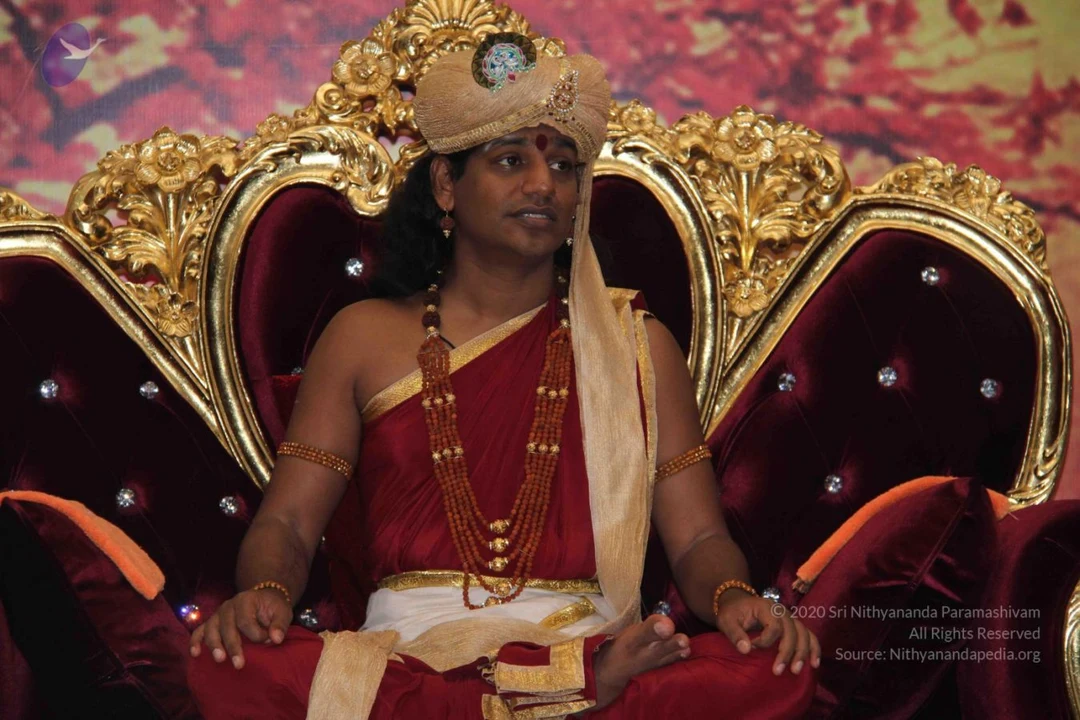
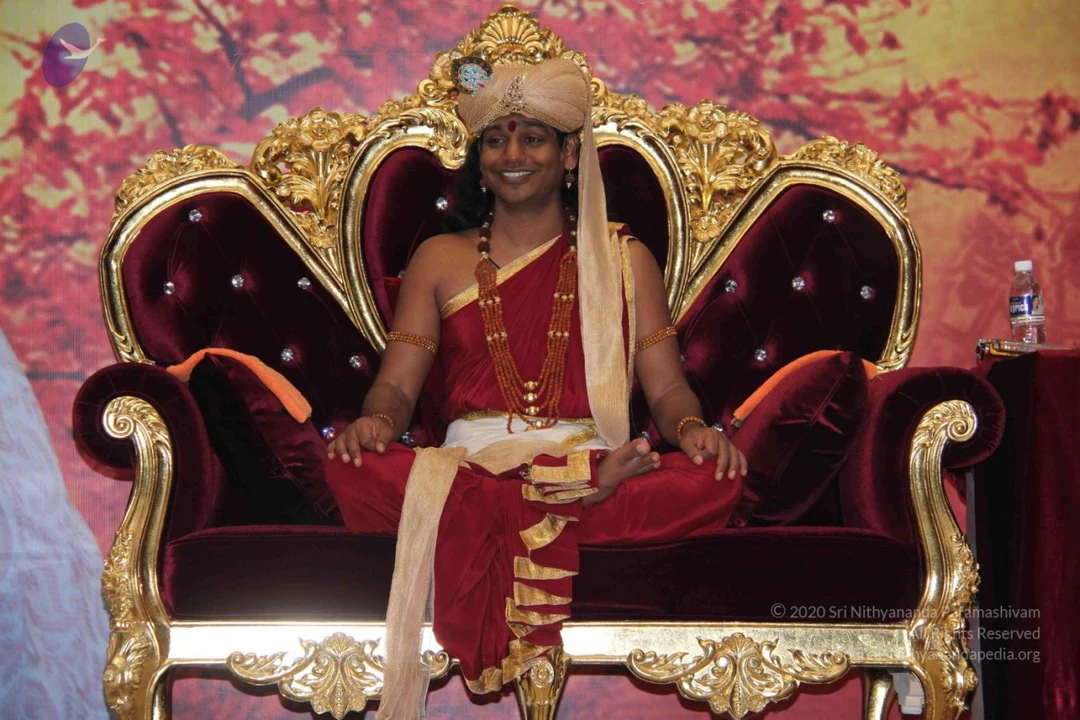


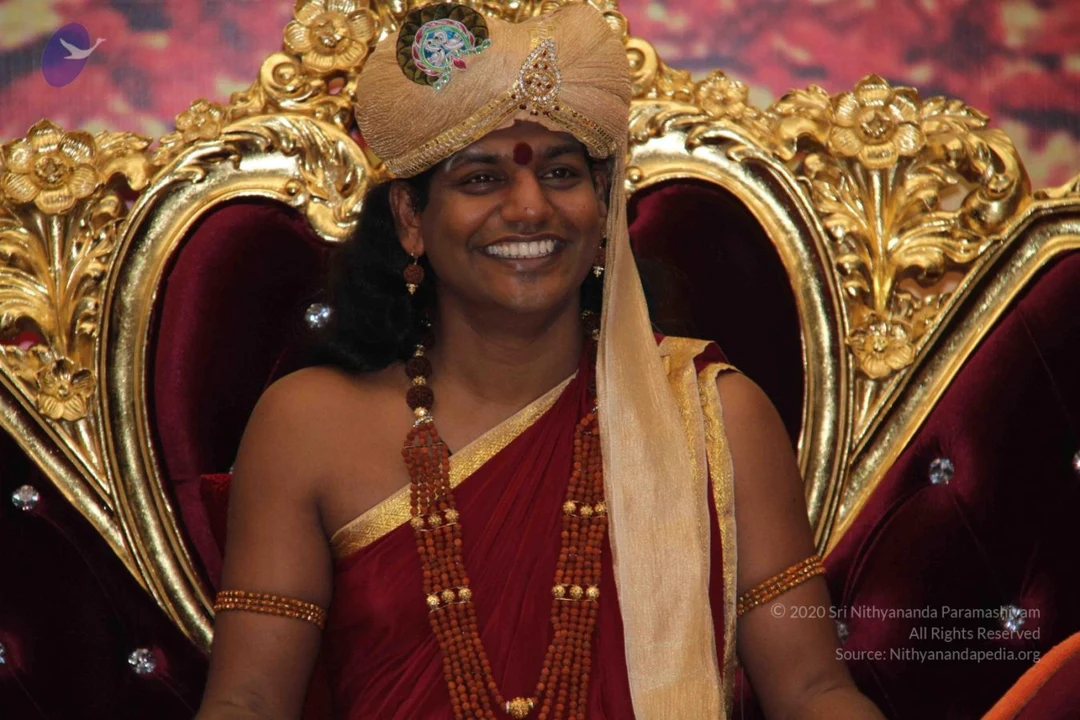



Sarvadarshan













EN-Health Session



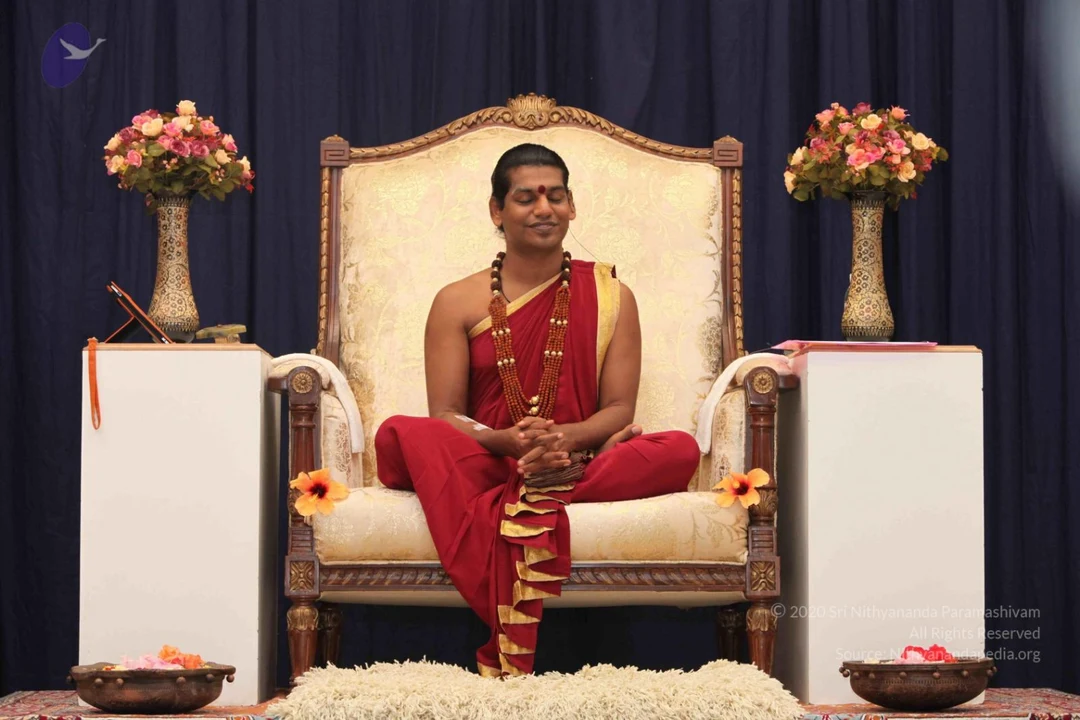
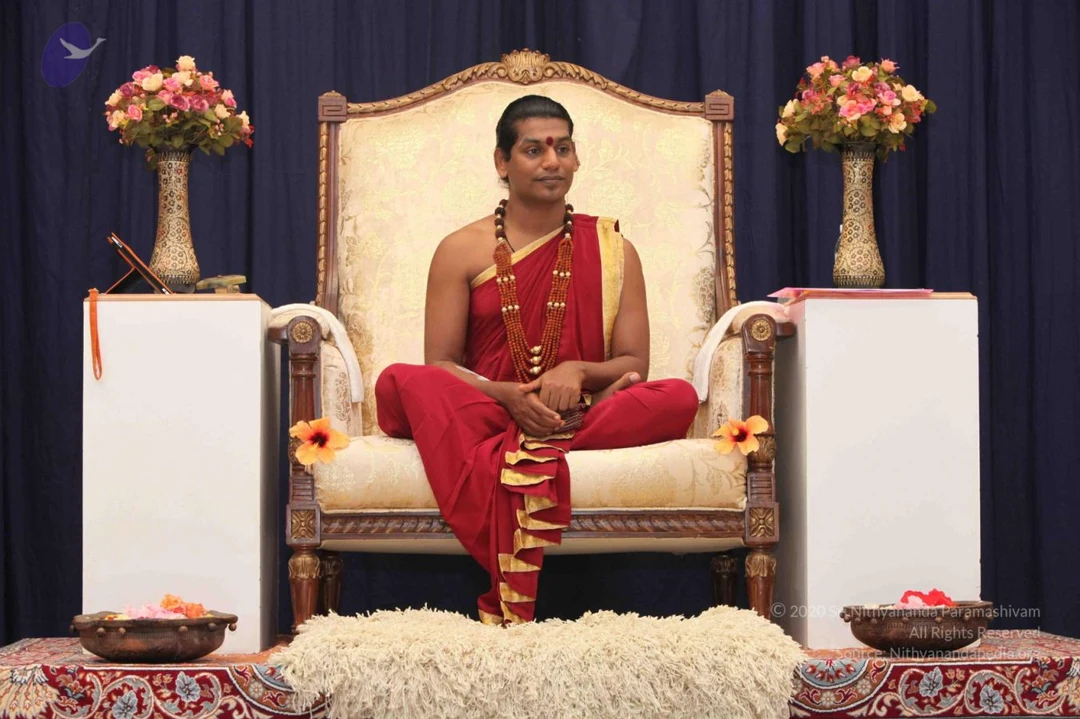
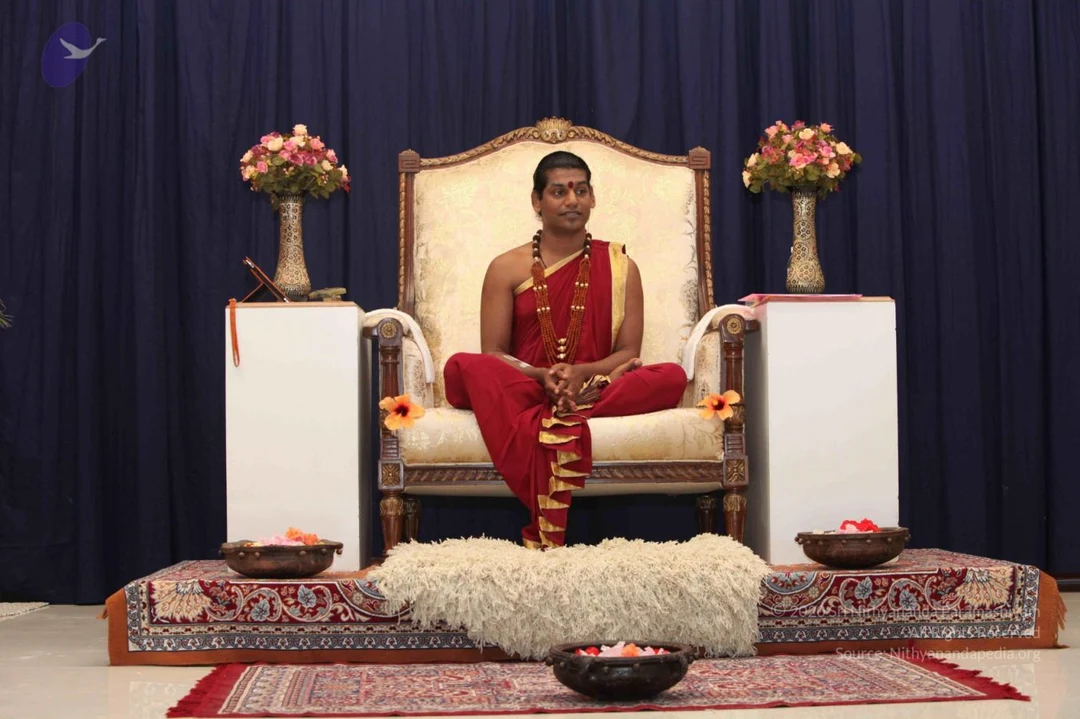
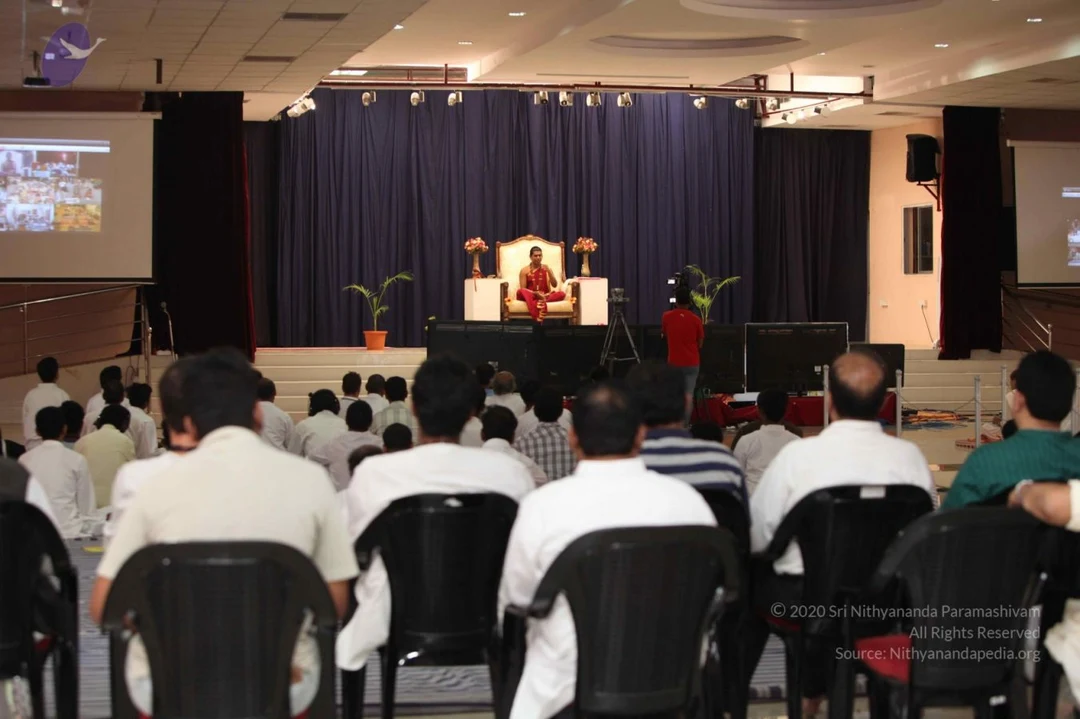






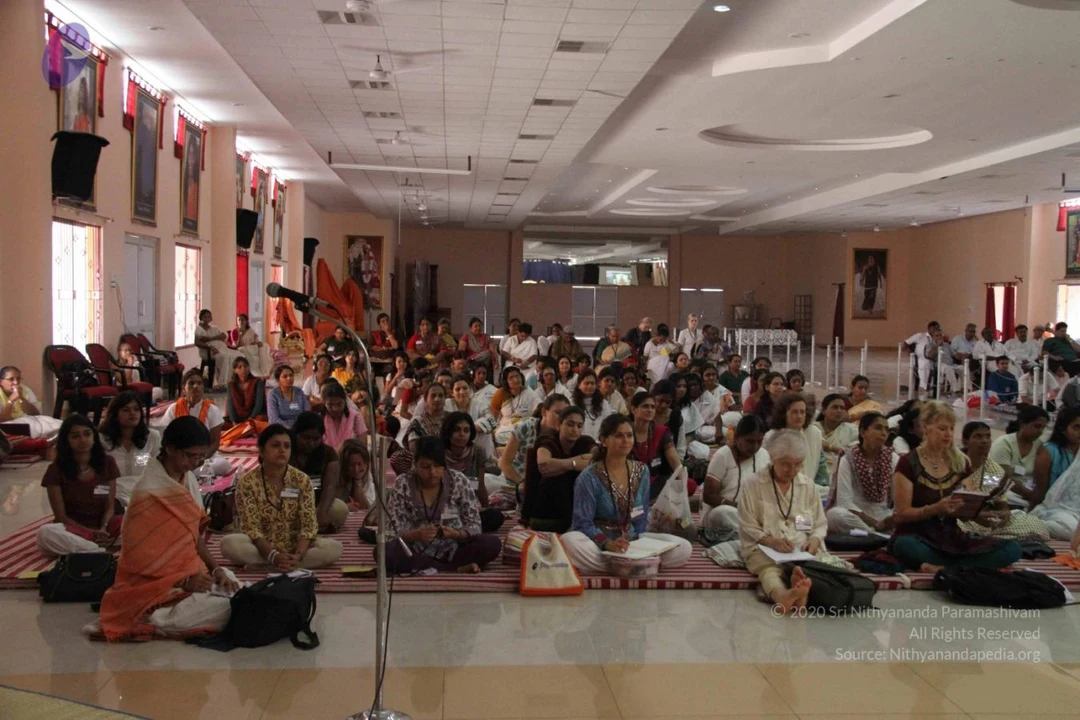
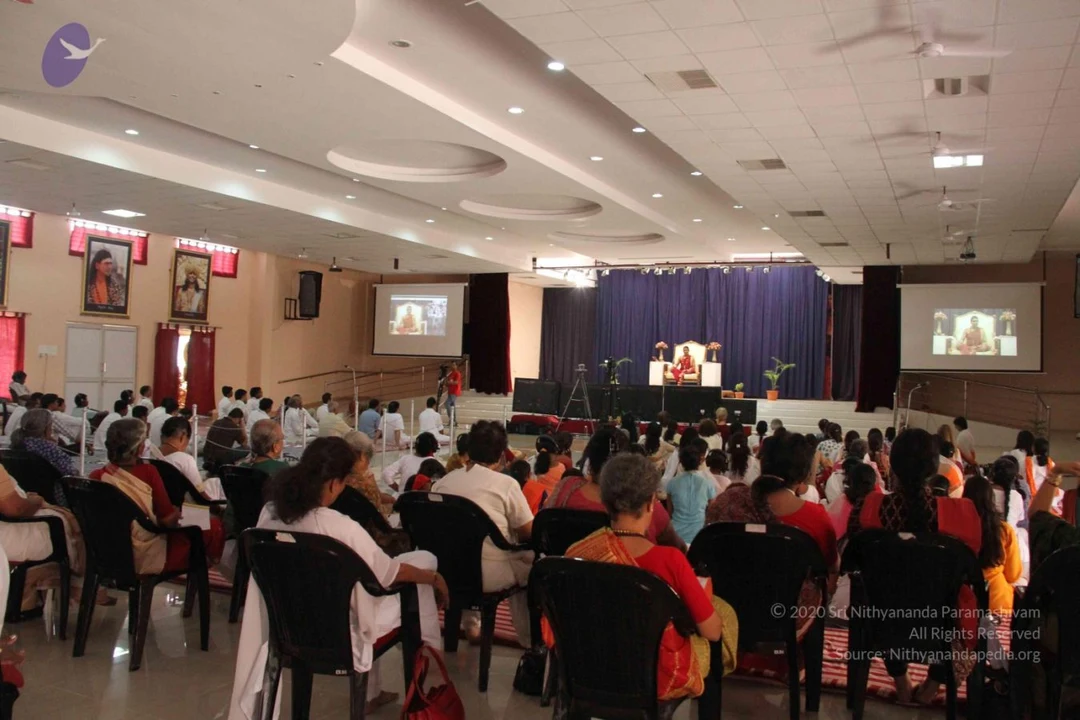
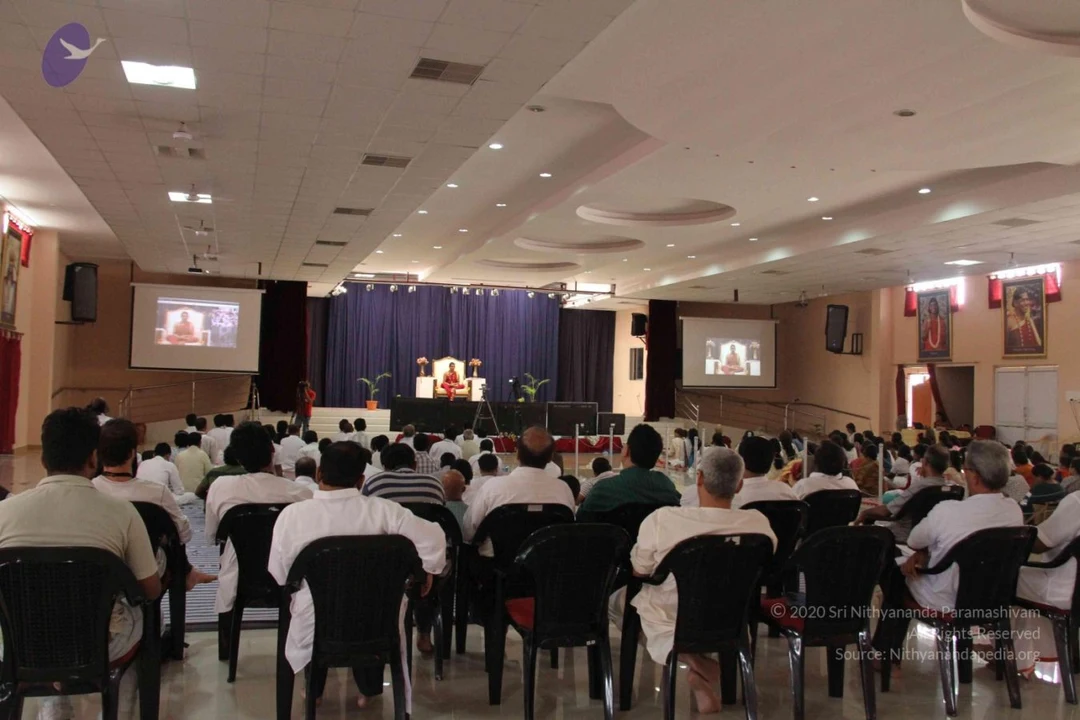
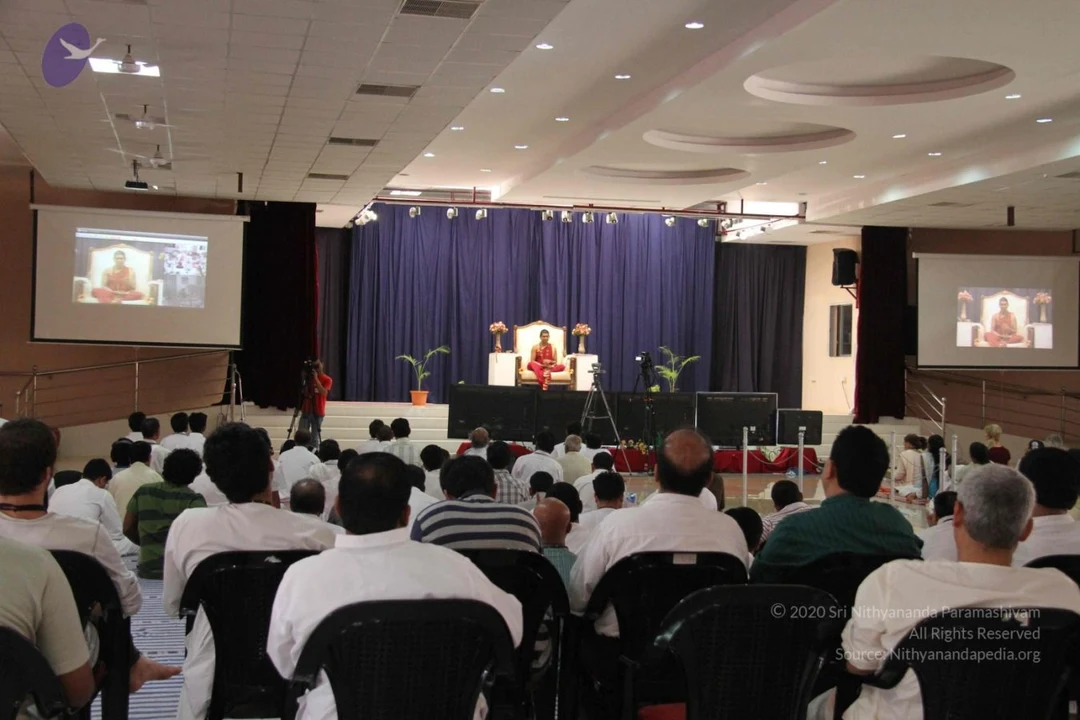






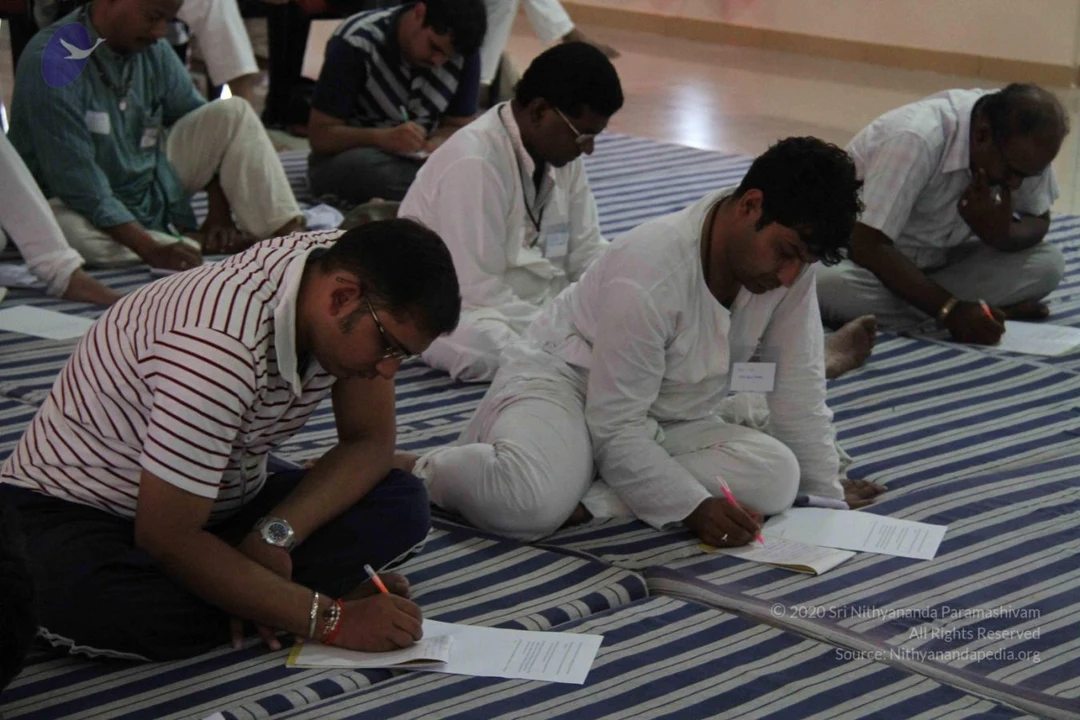




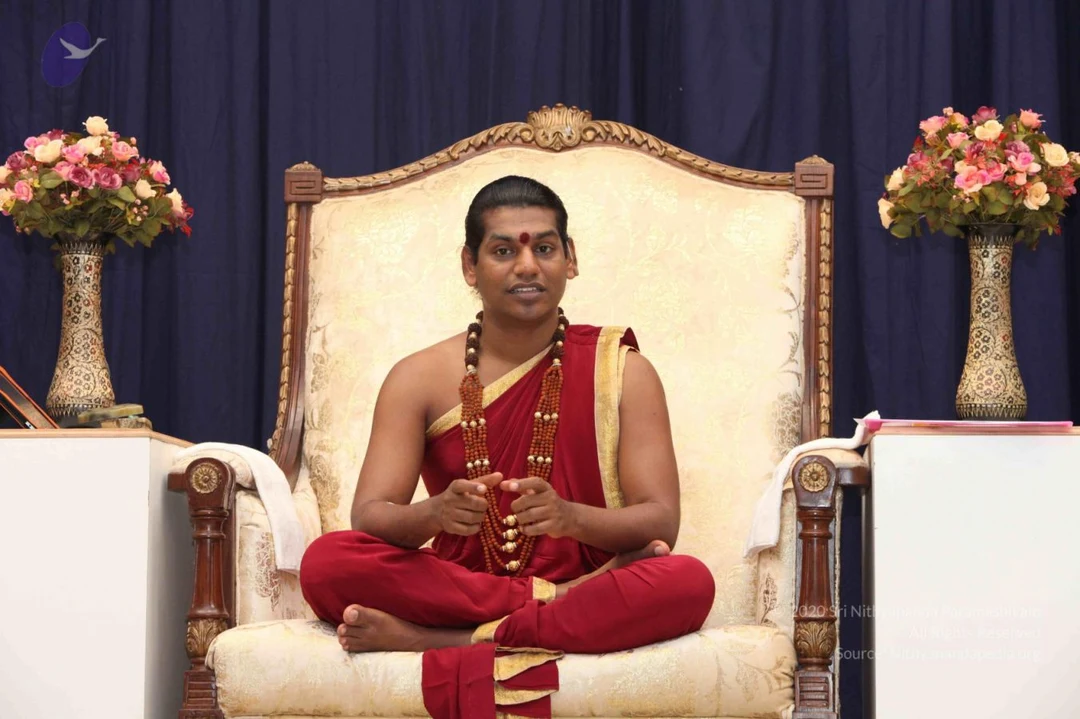
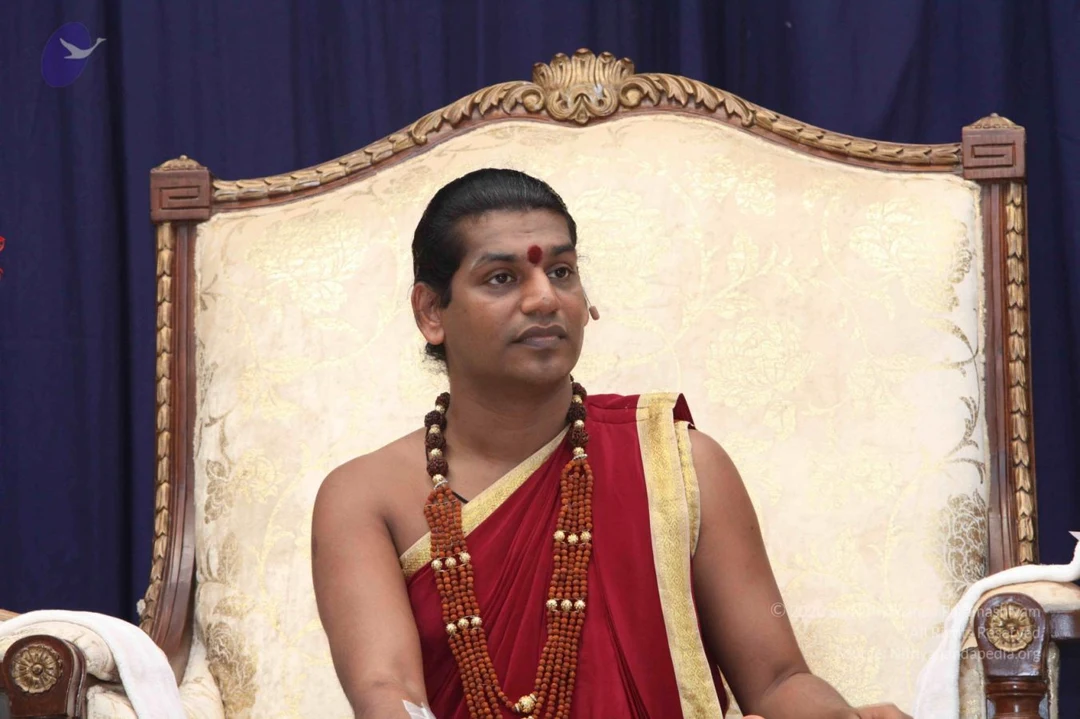
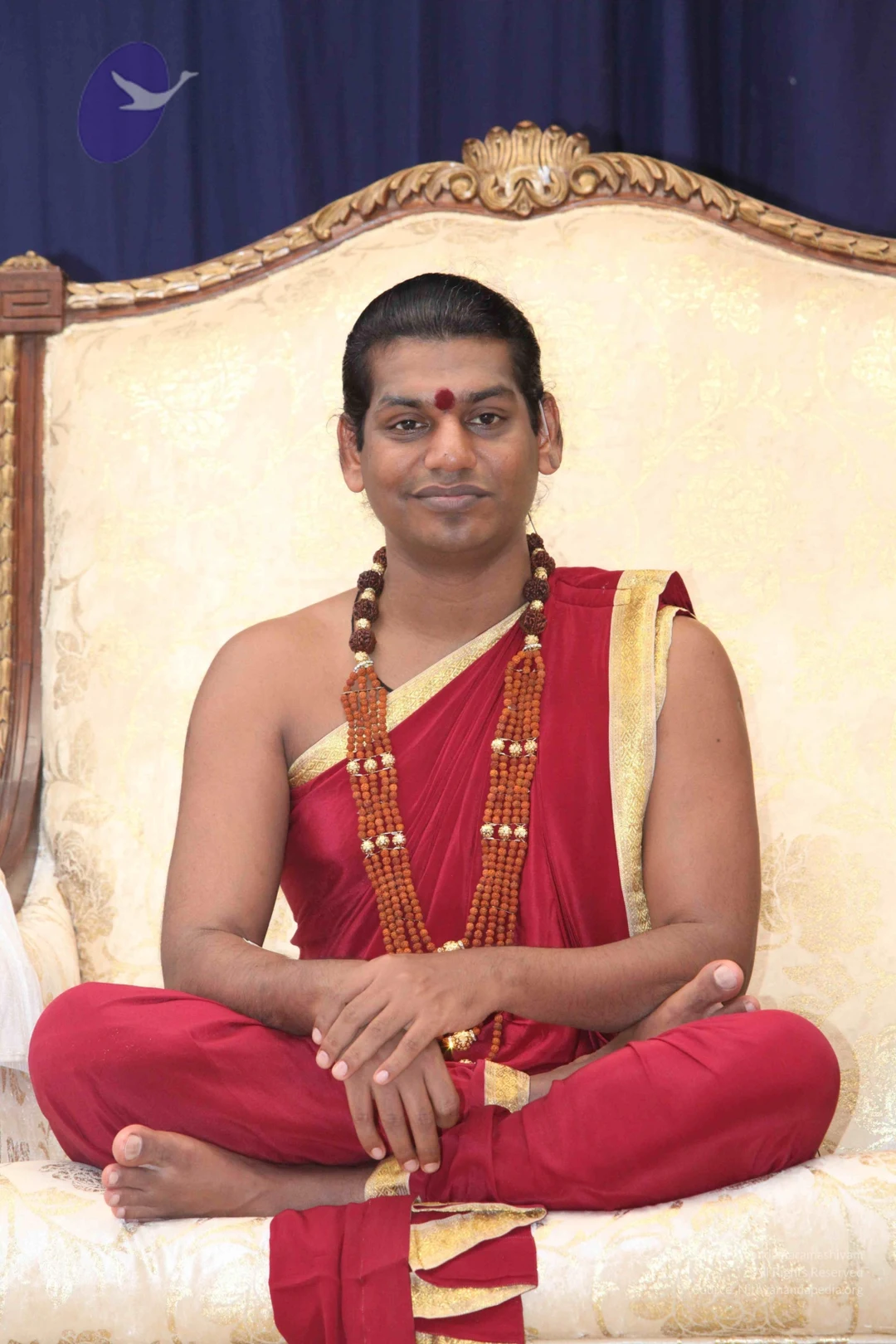
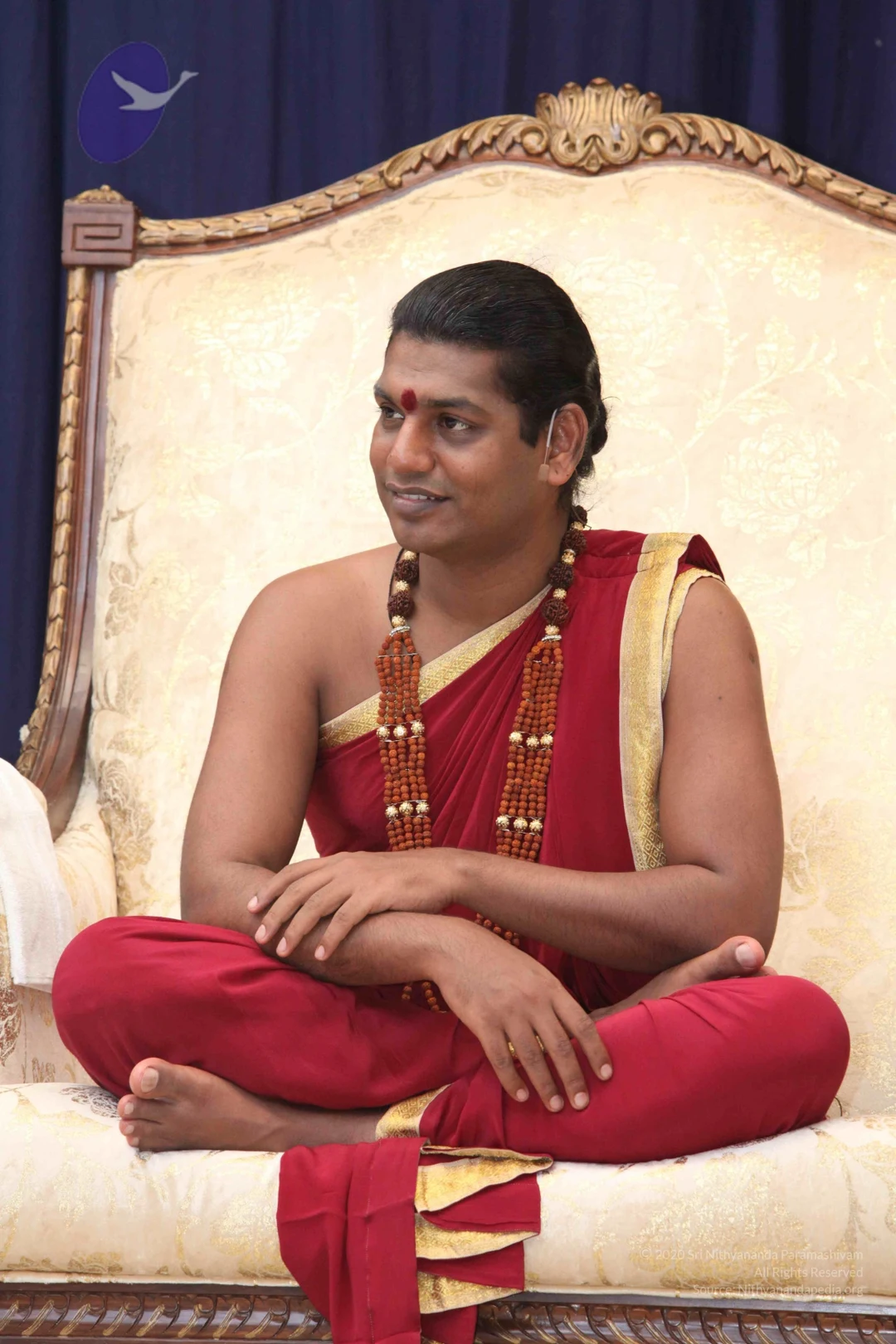





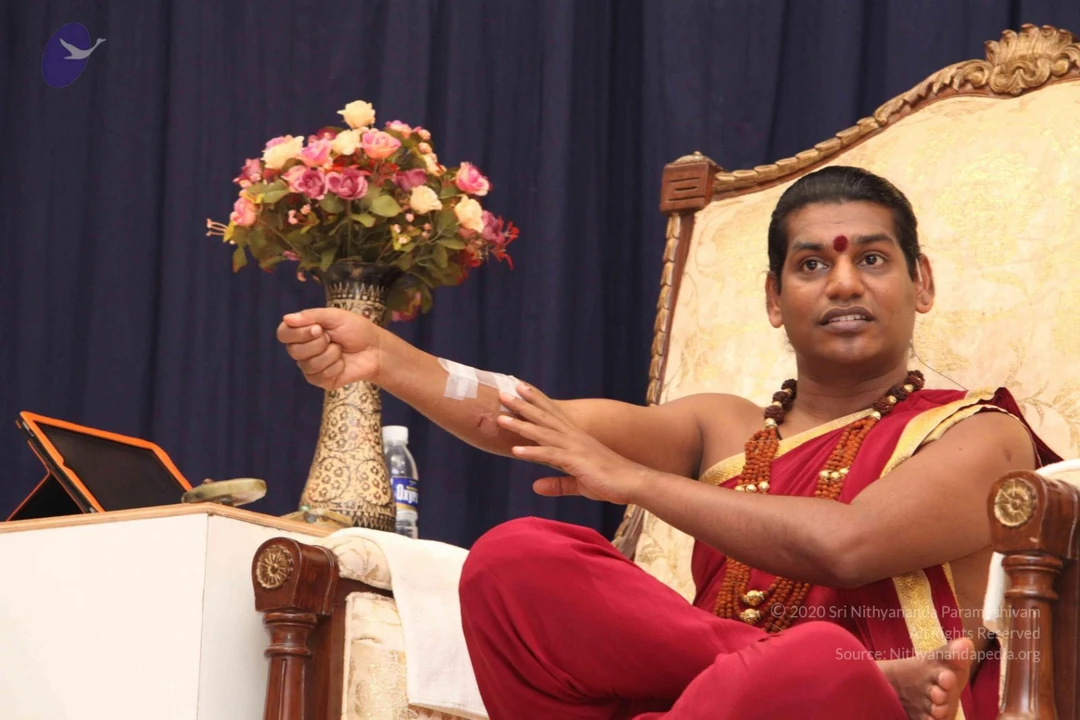


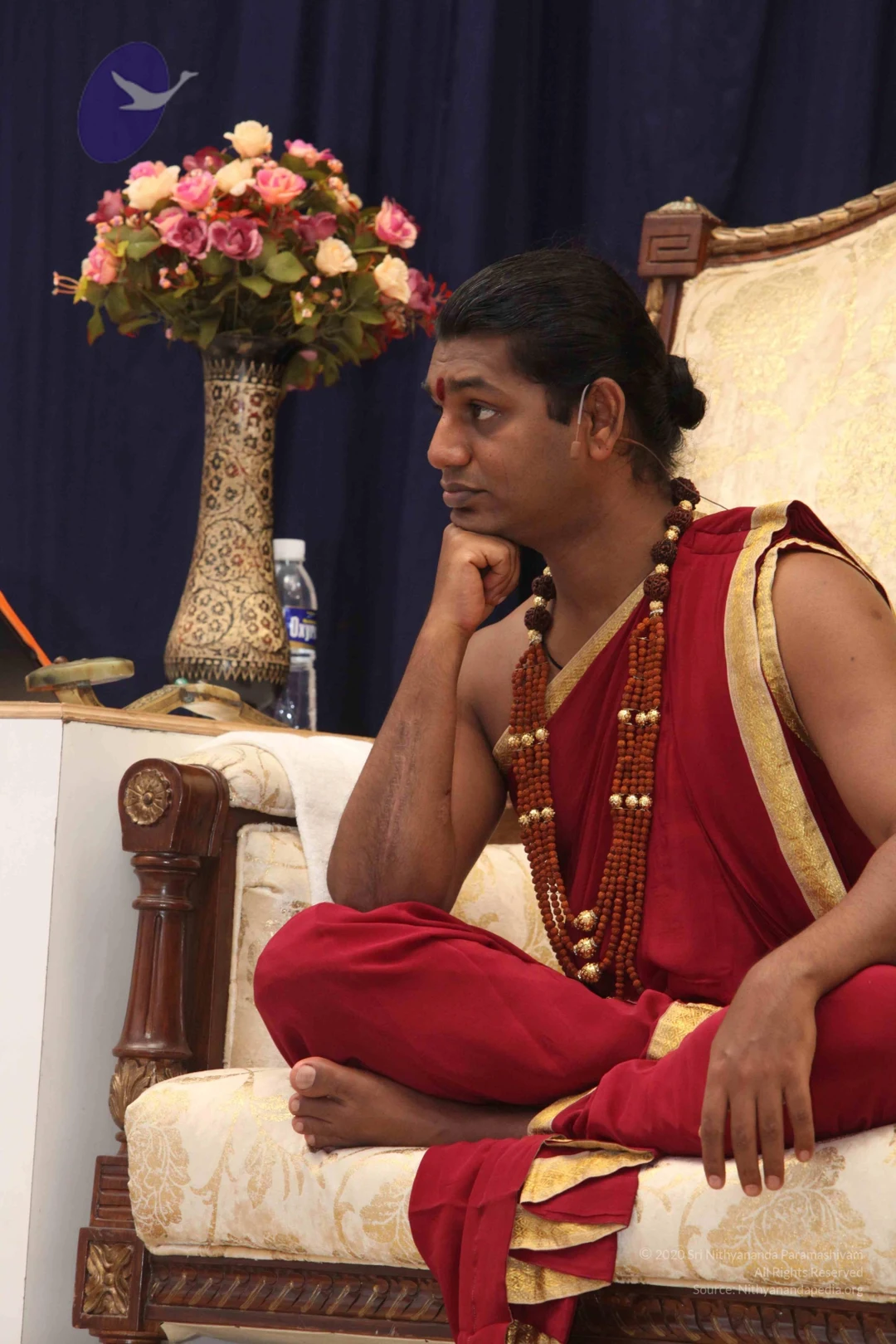
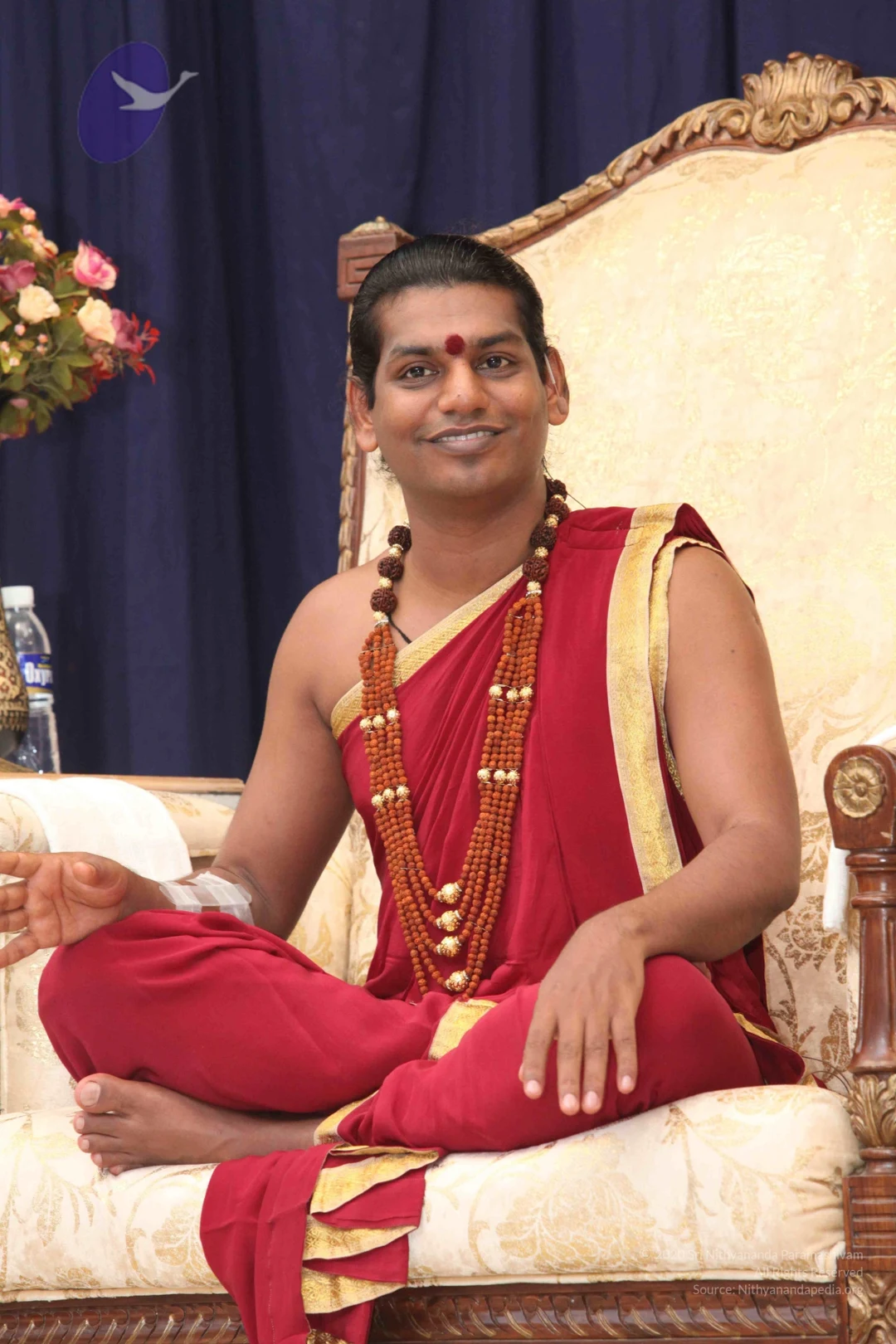
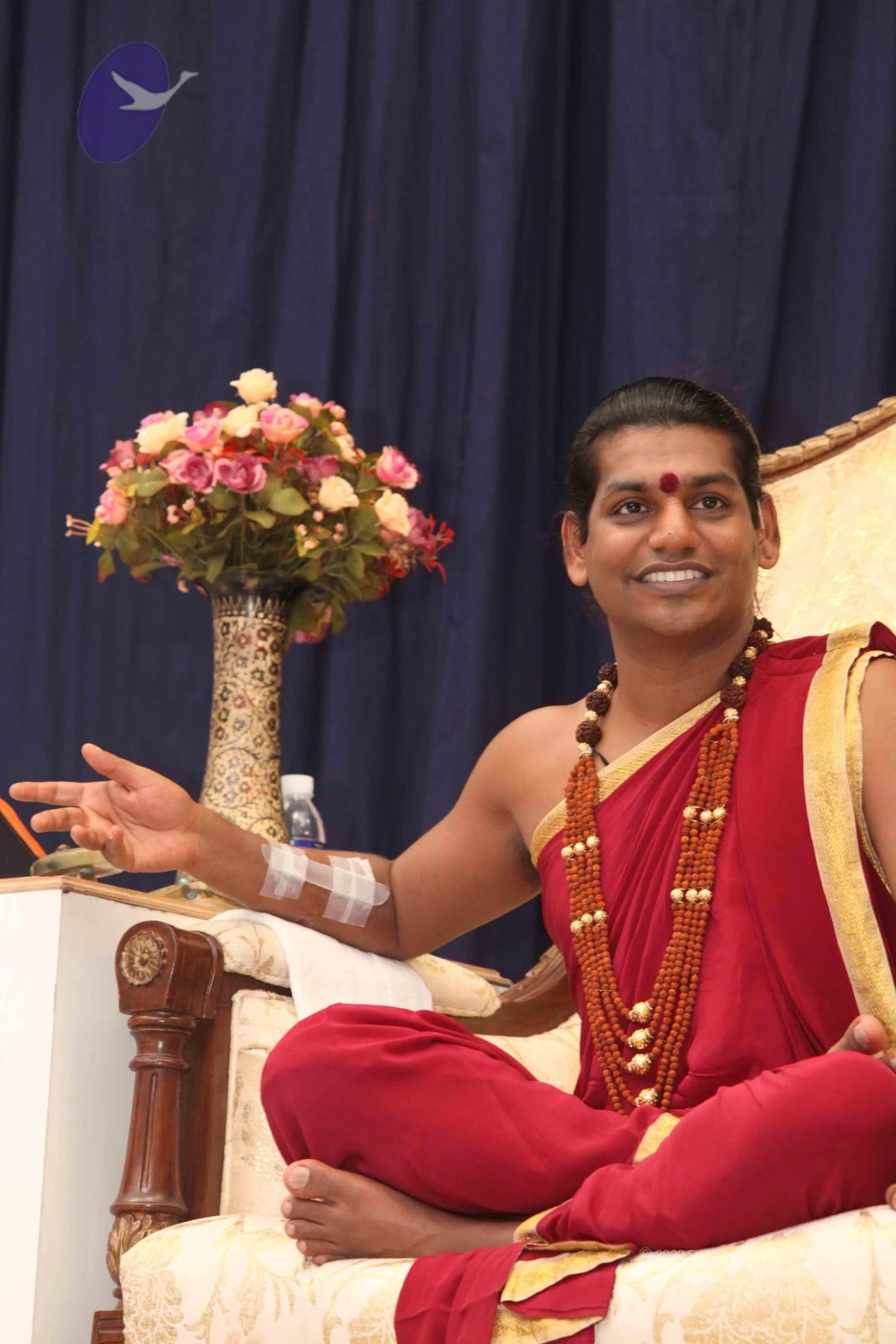
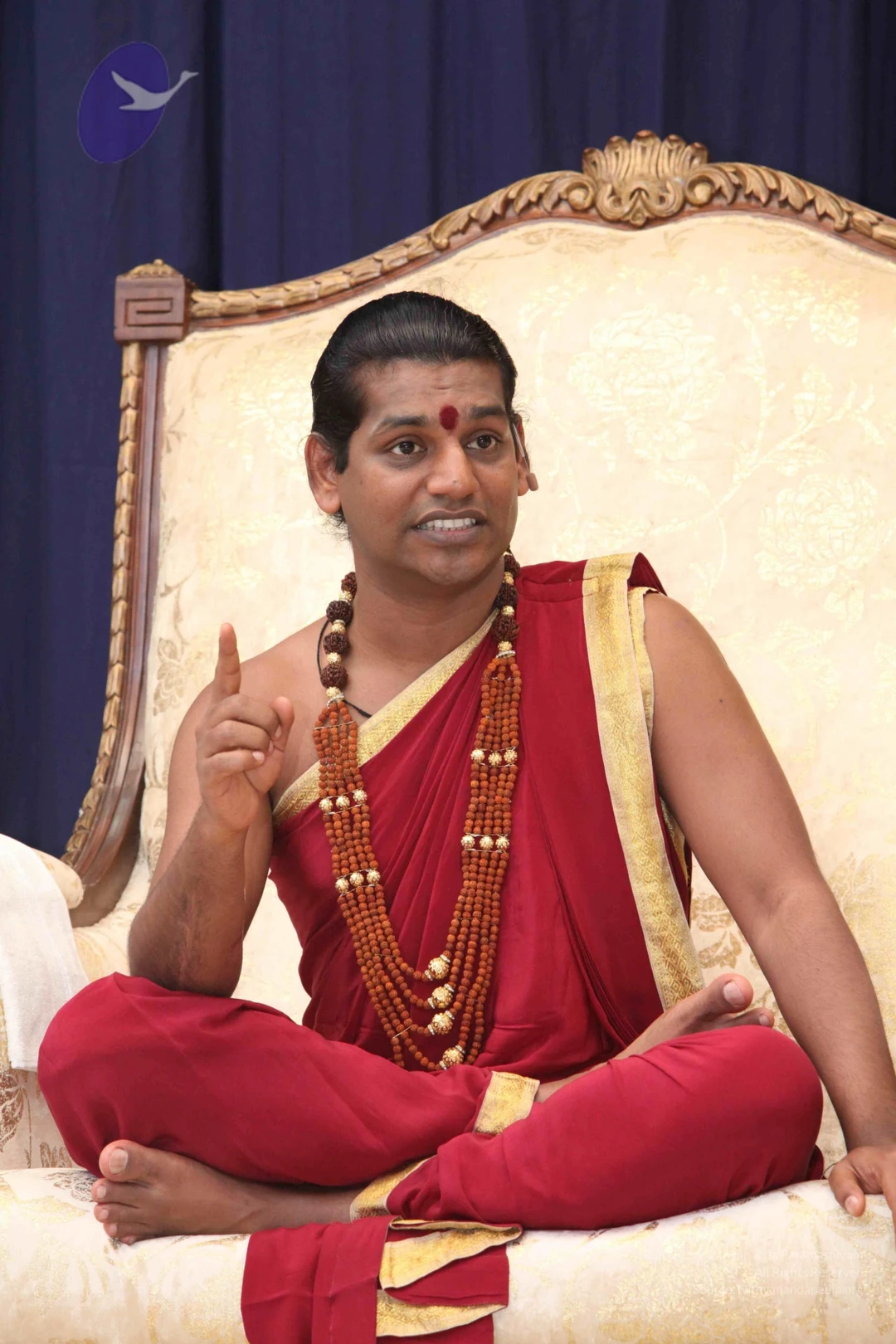
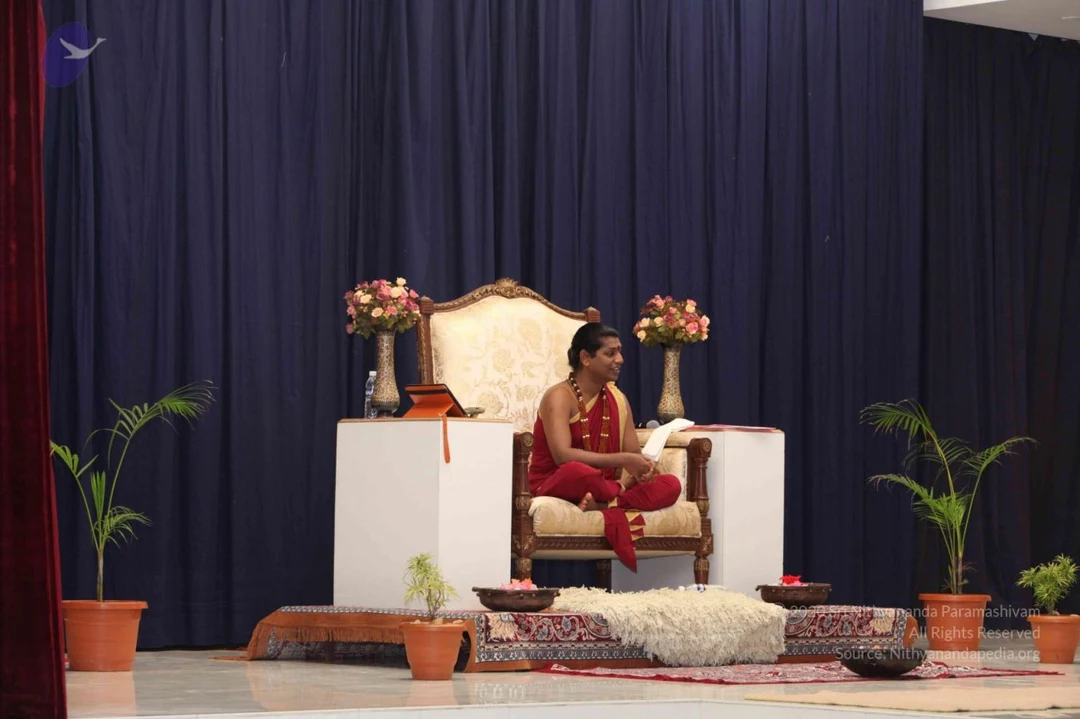
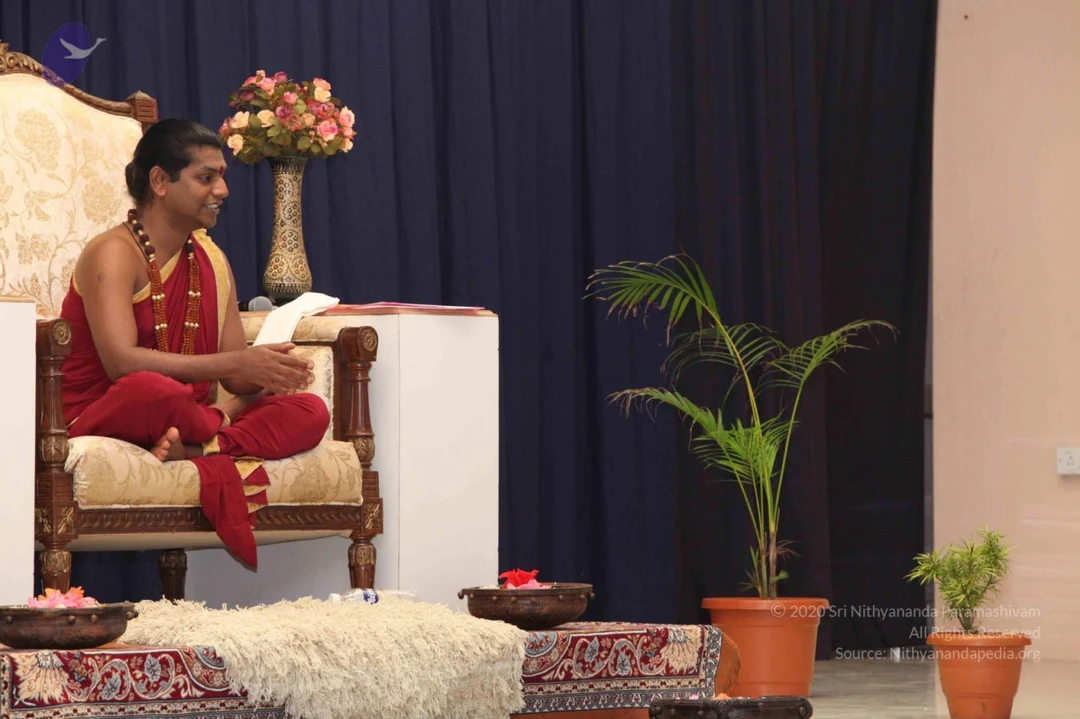
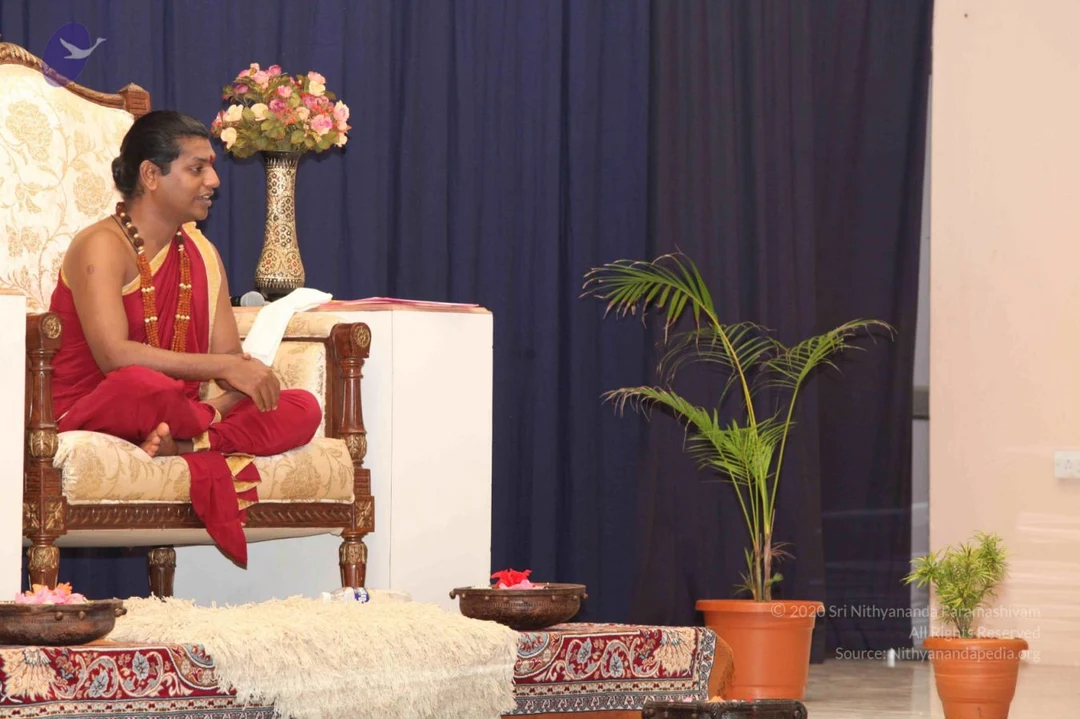
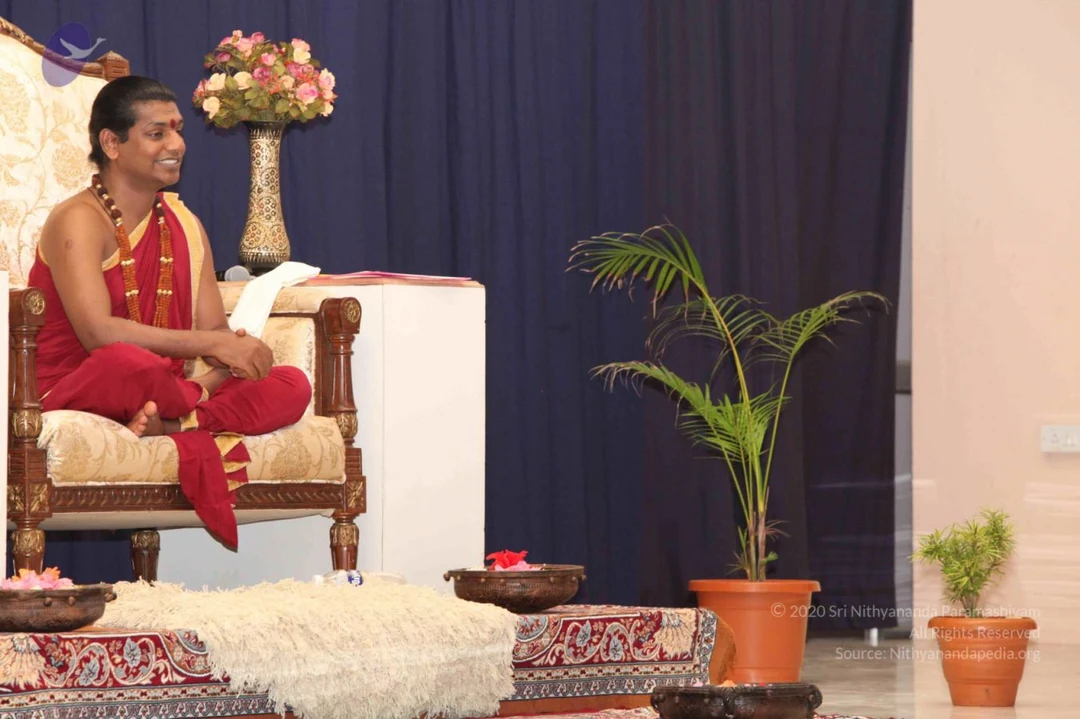
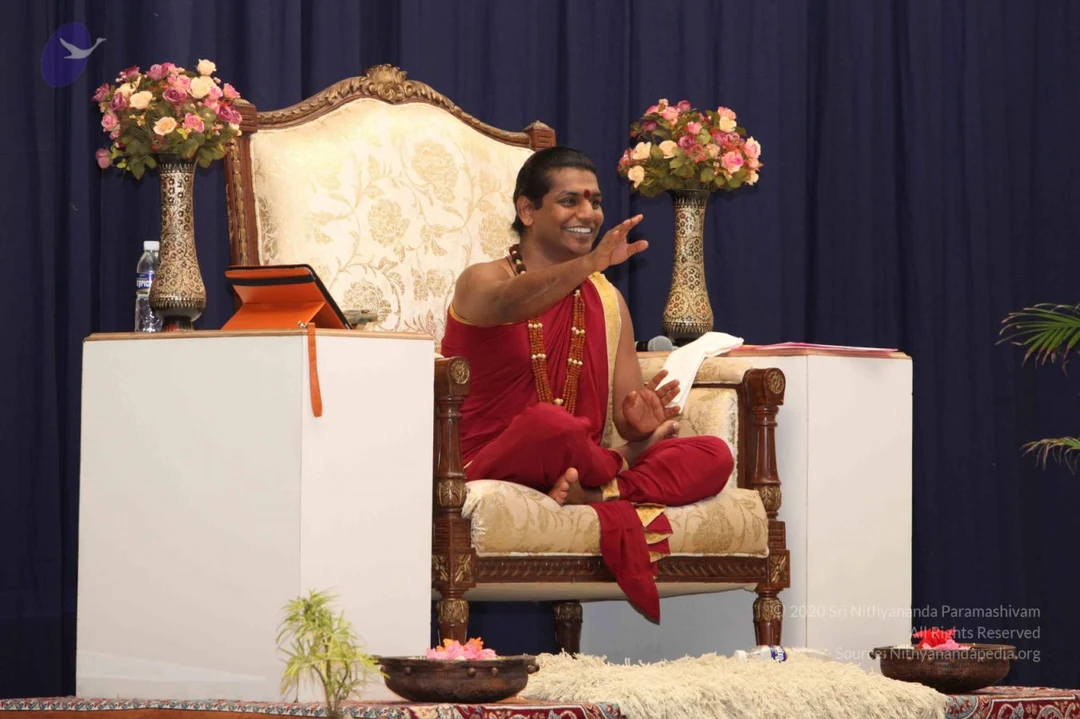
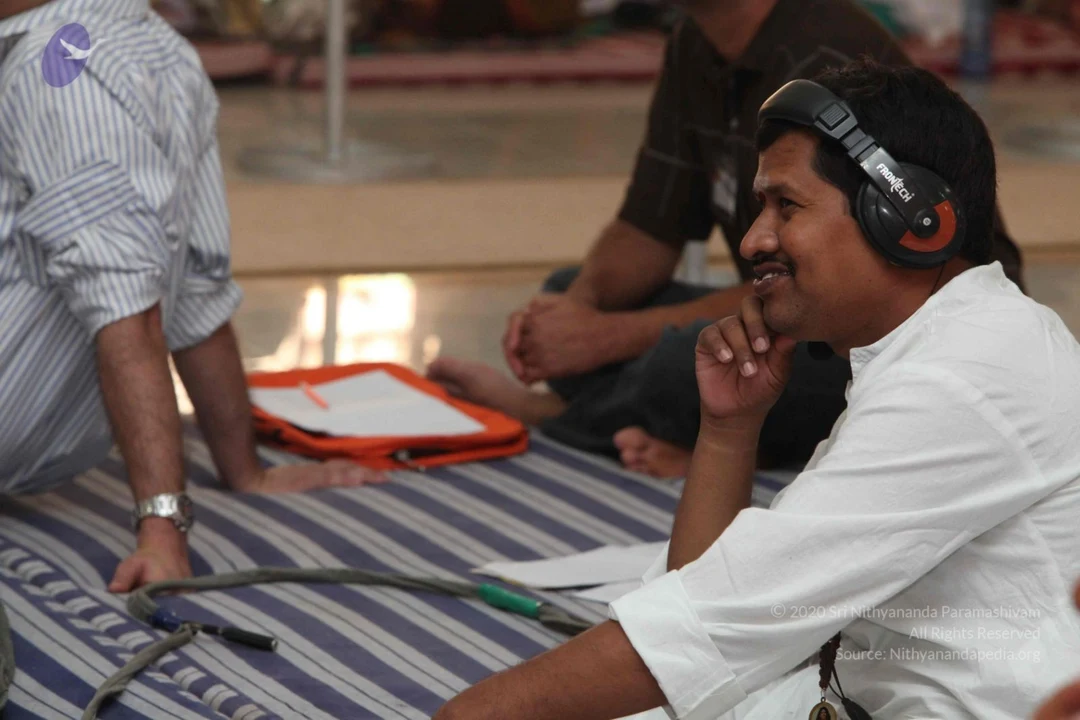
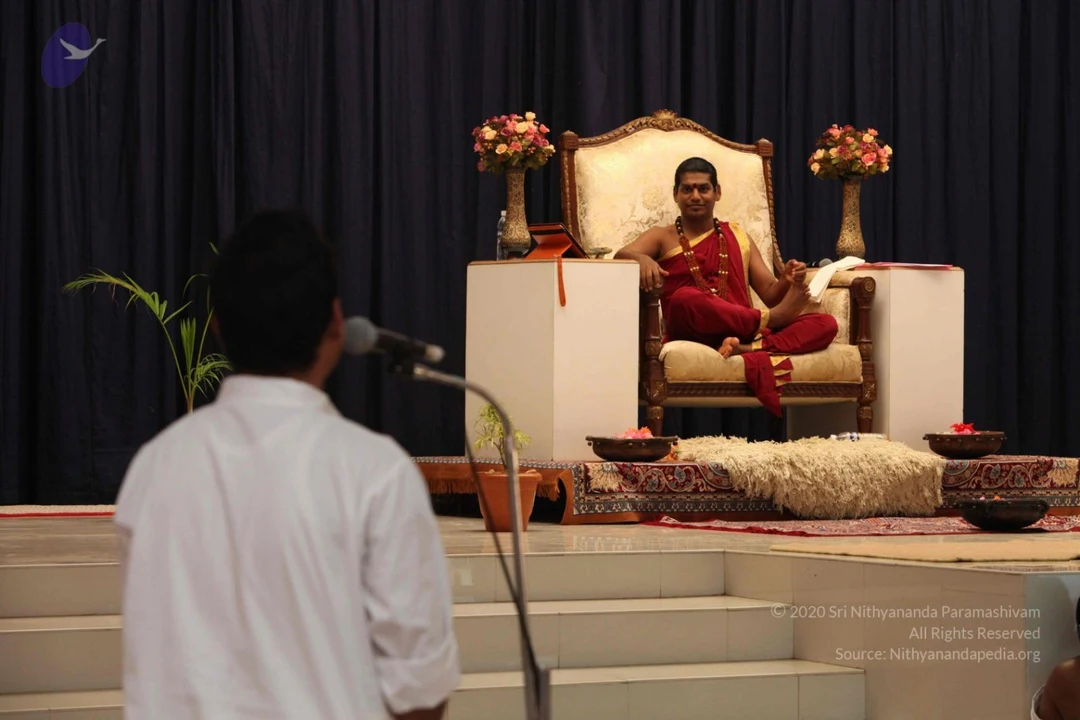
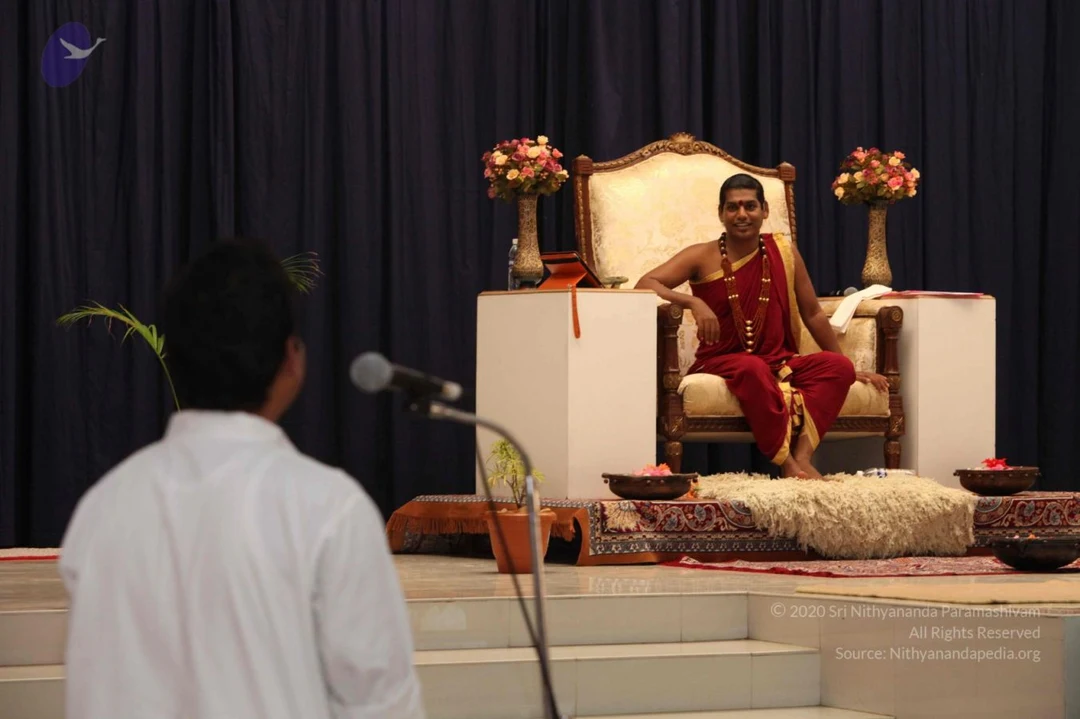
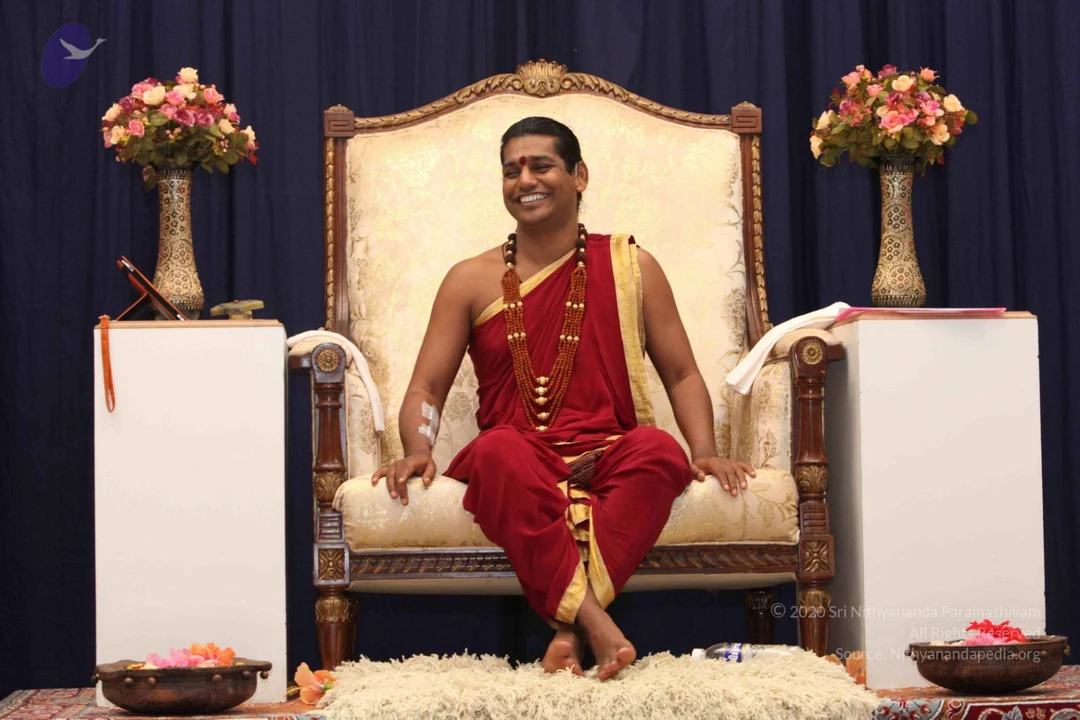
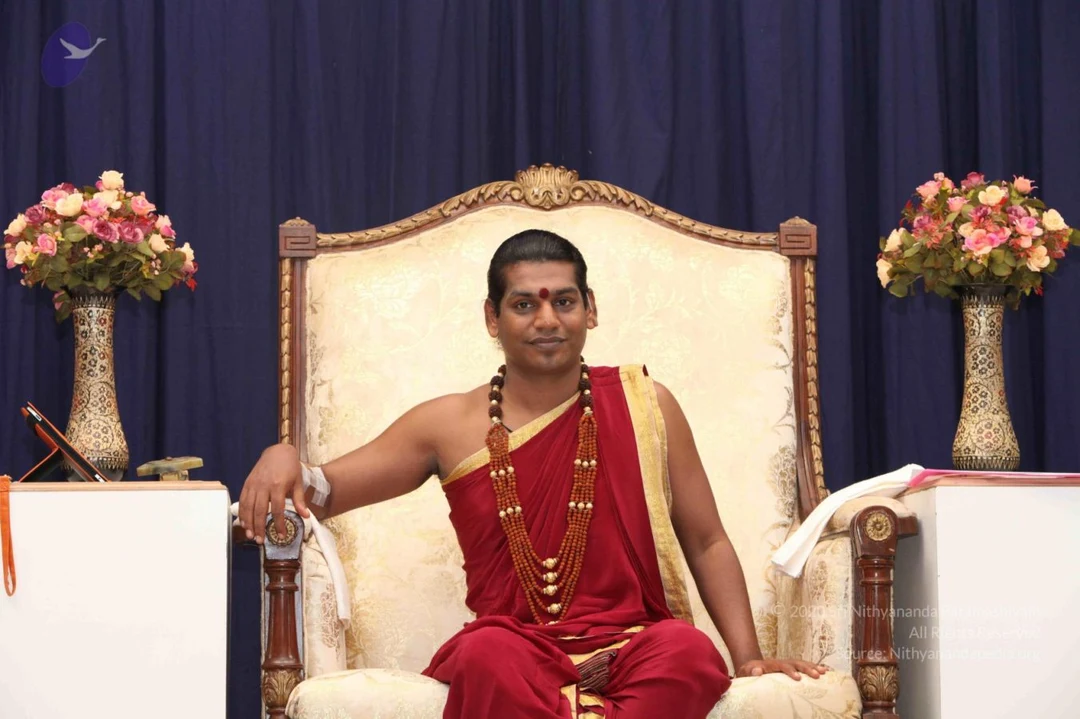
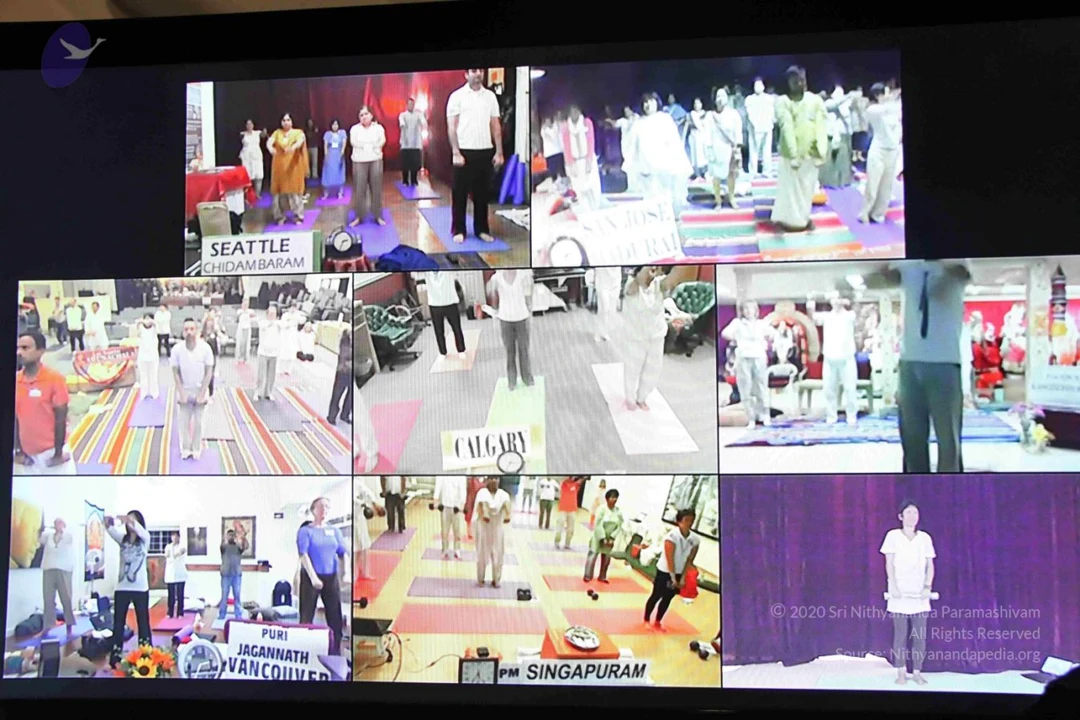
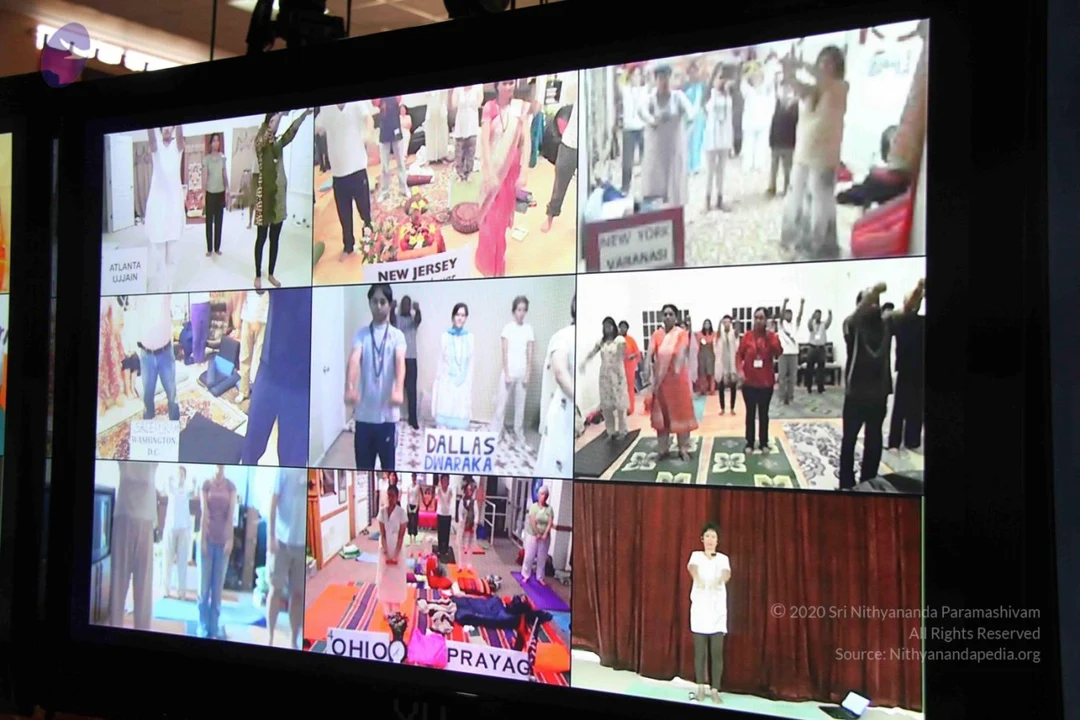
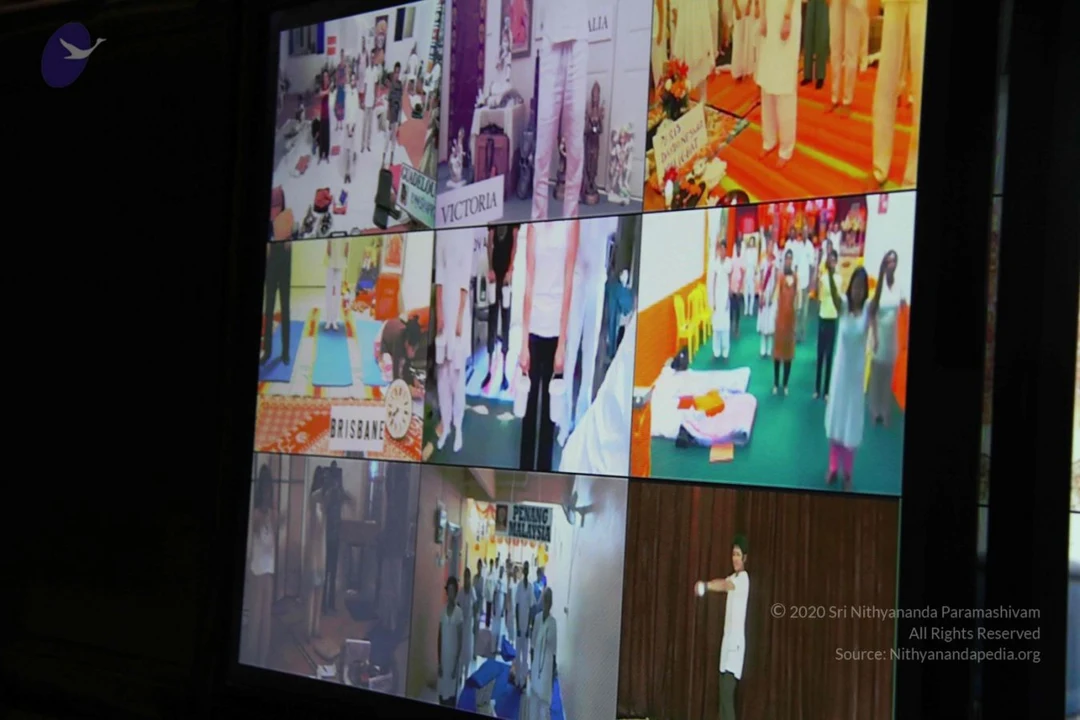
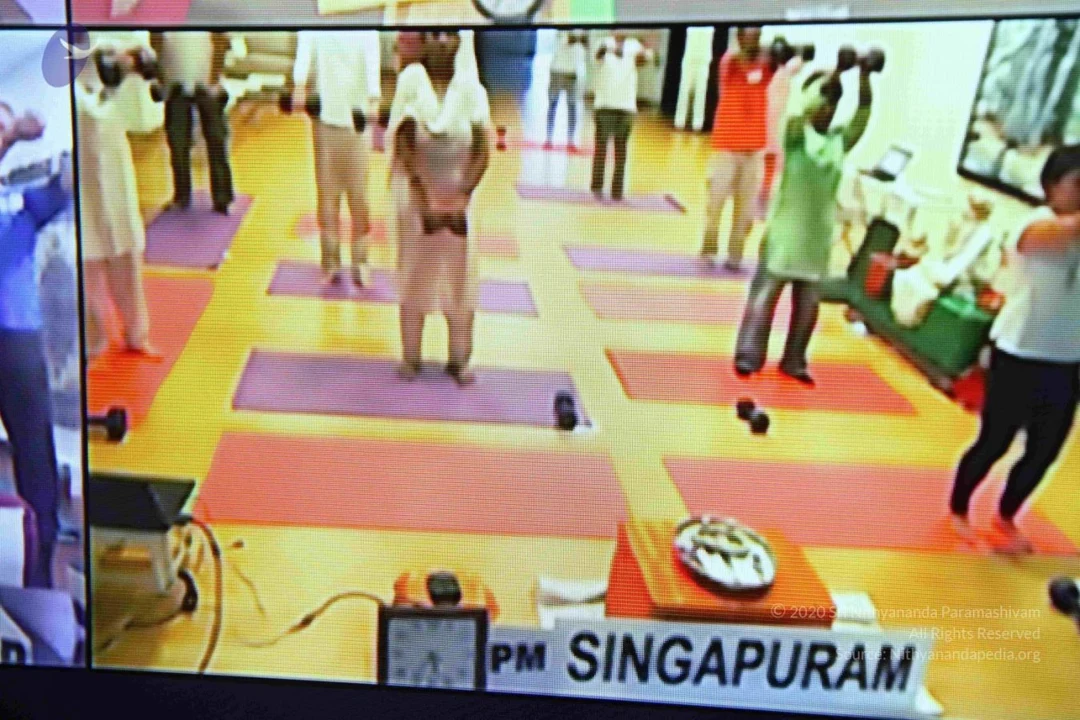
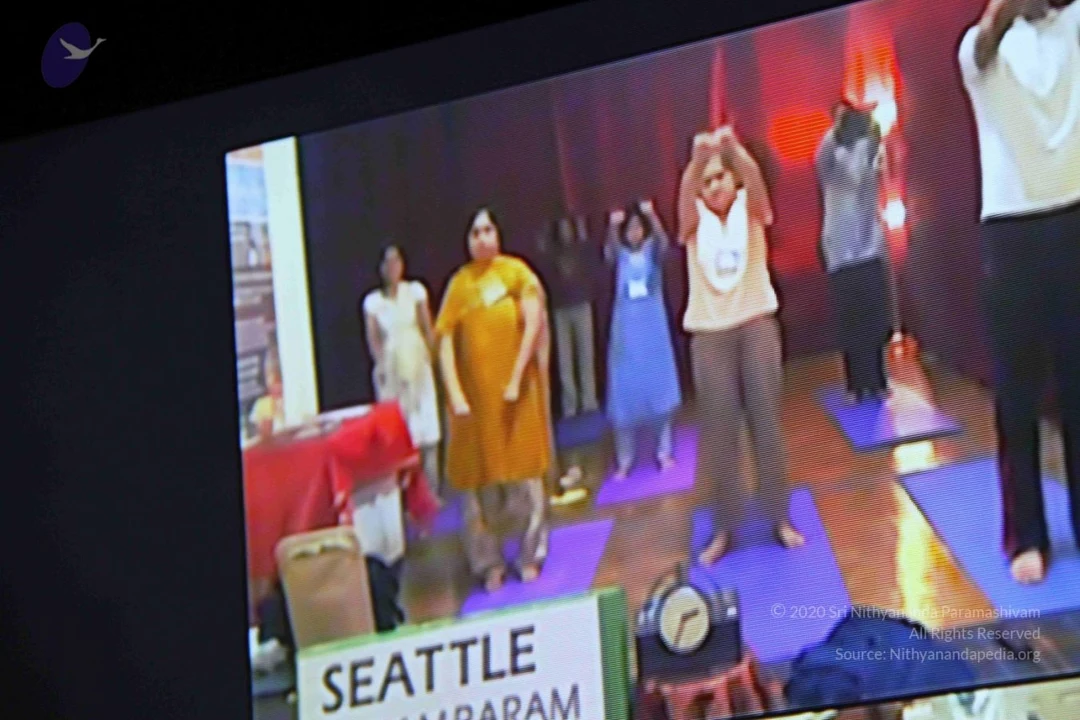
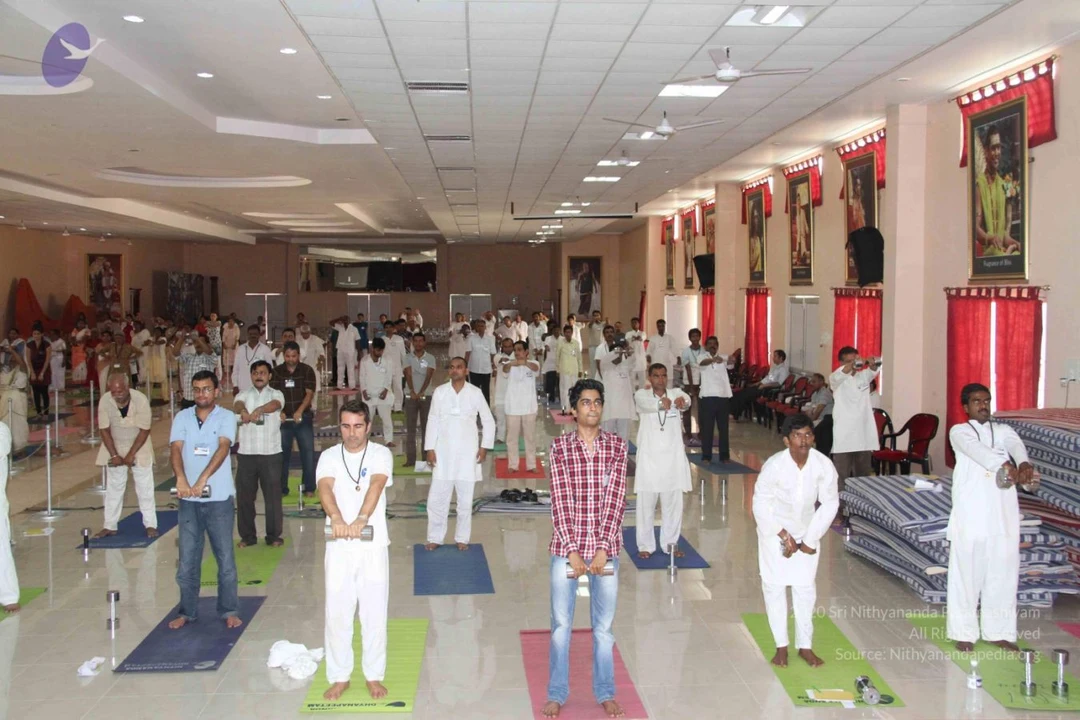
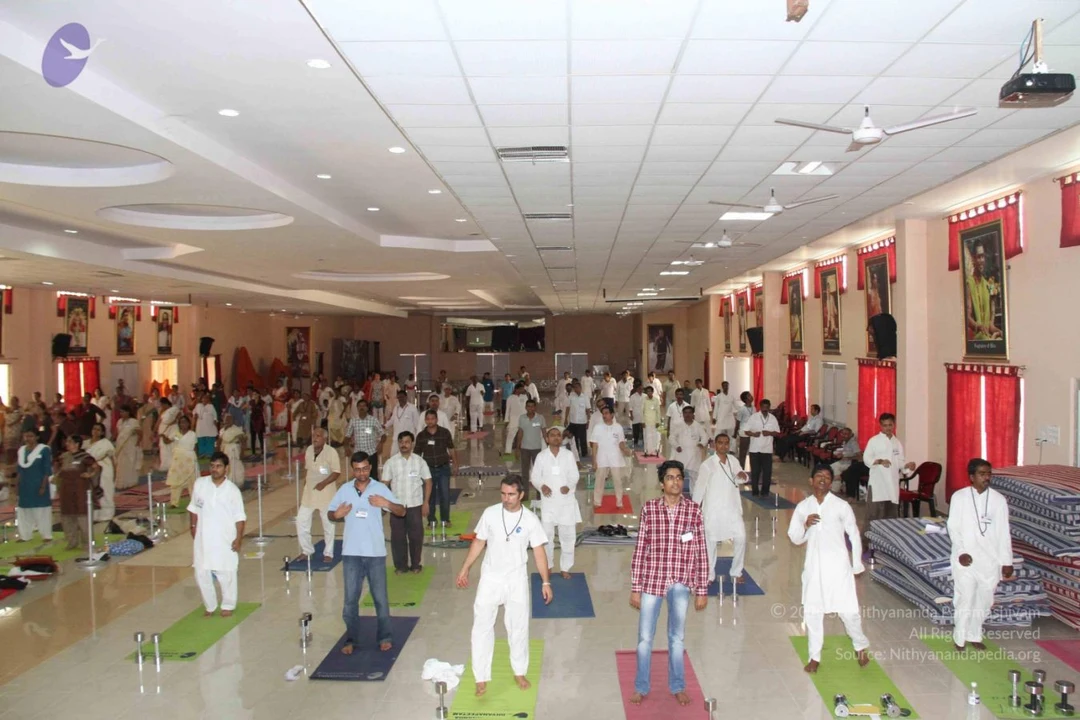
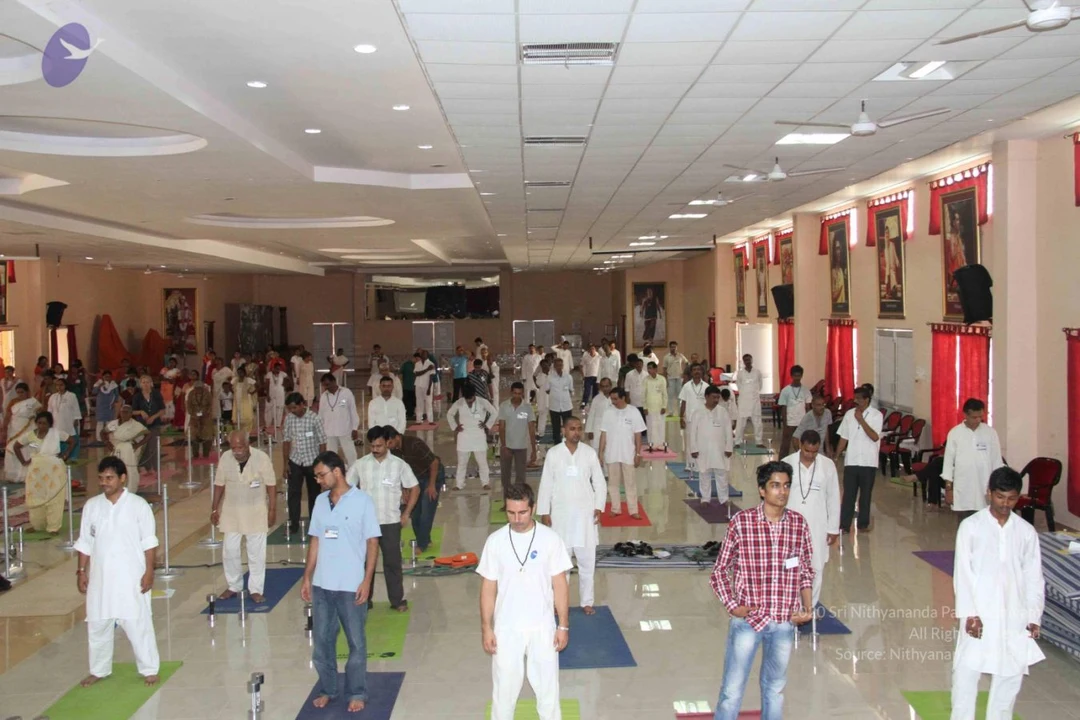
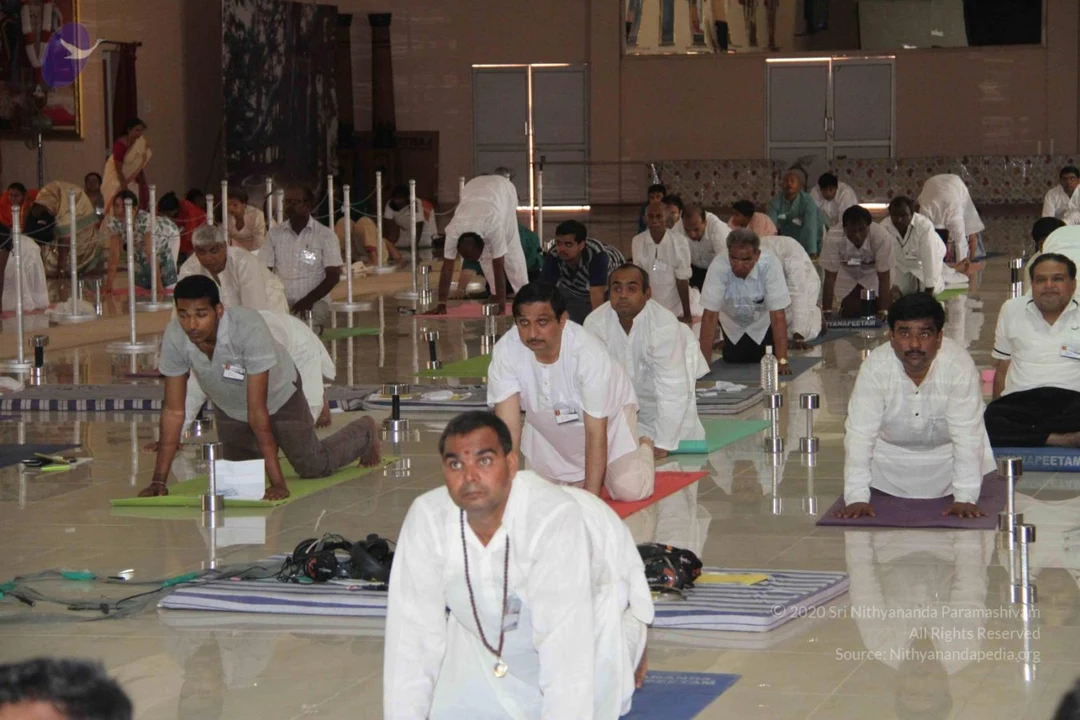
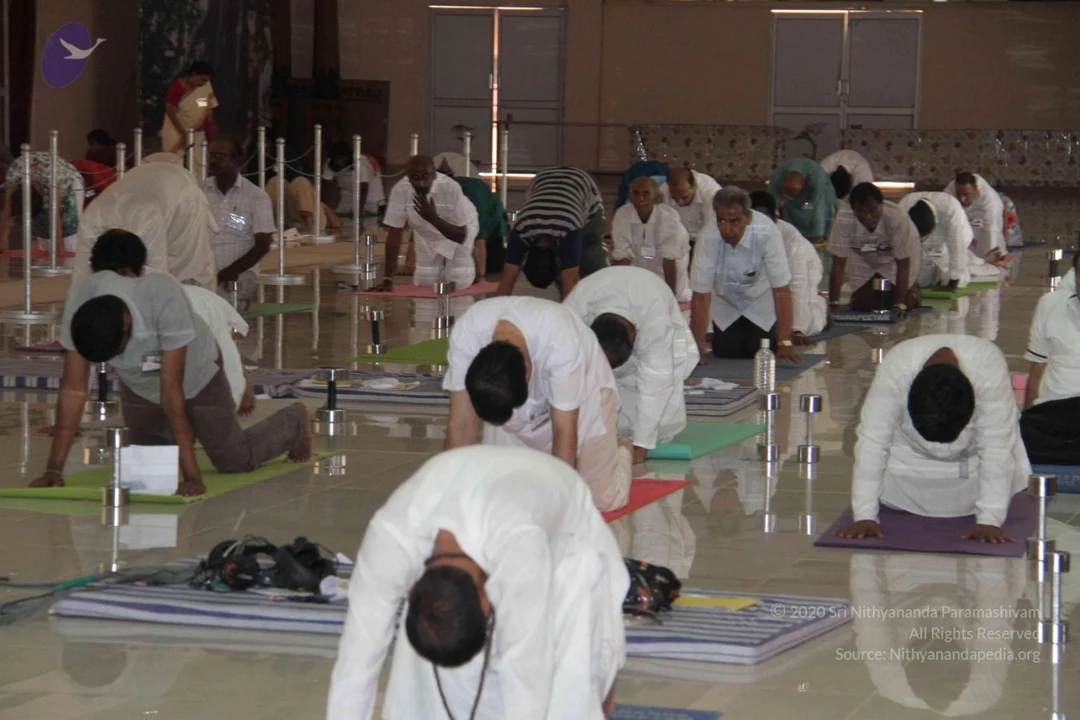
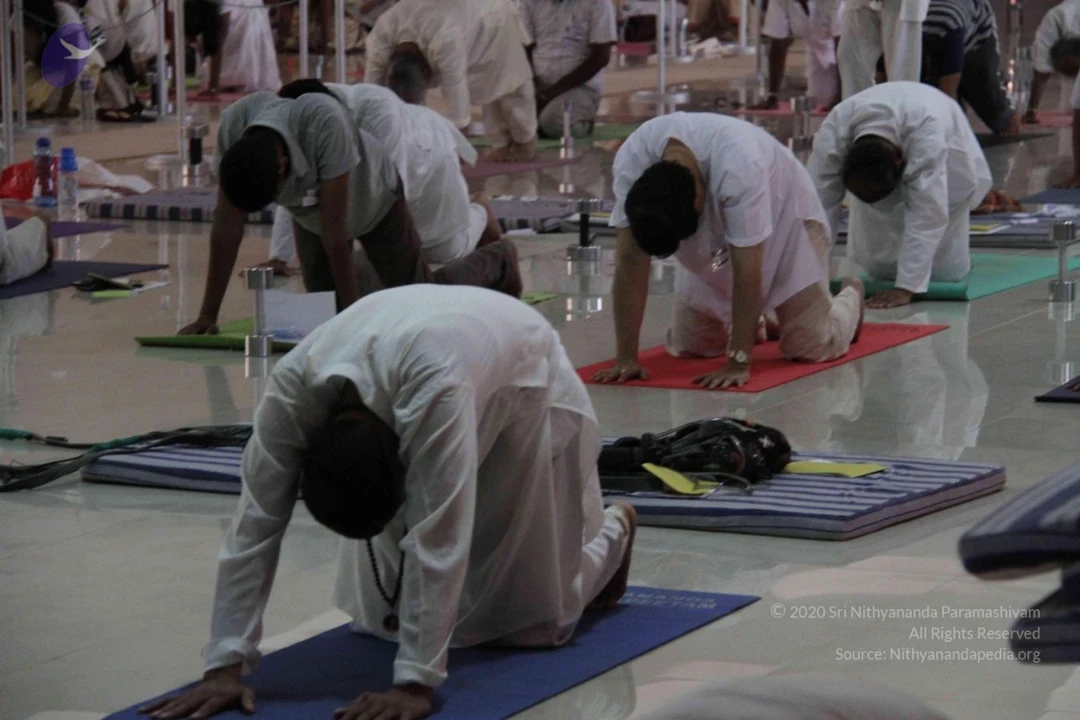
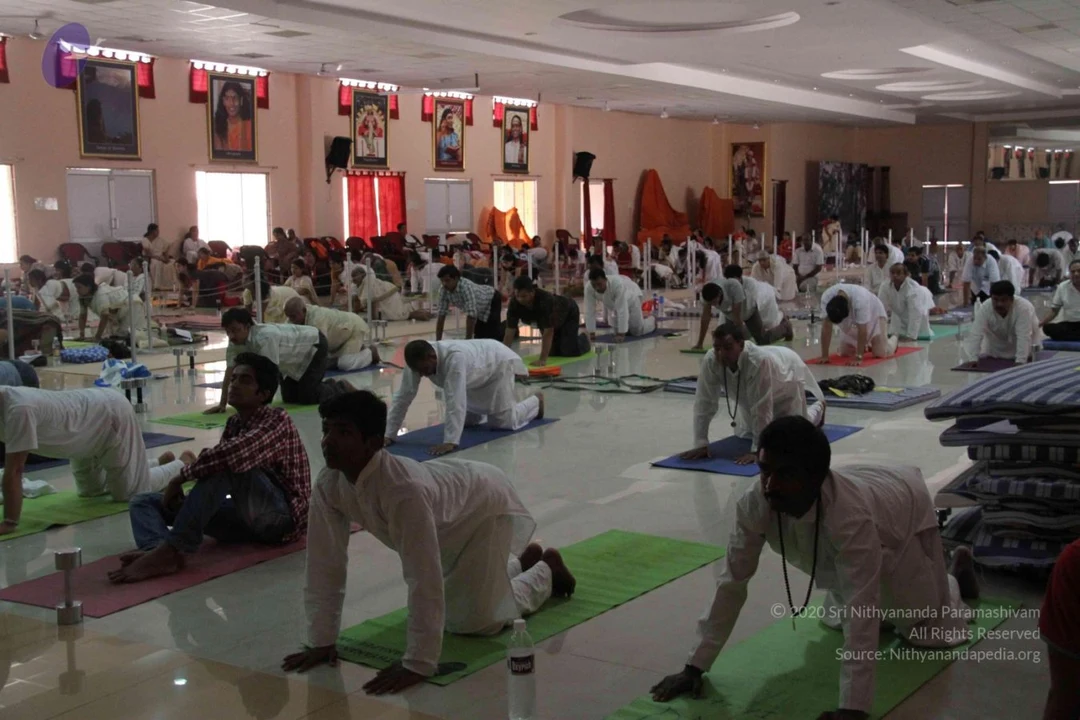
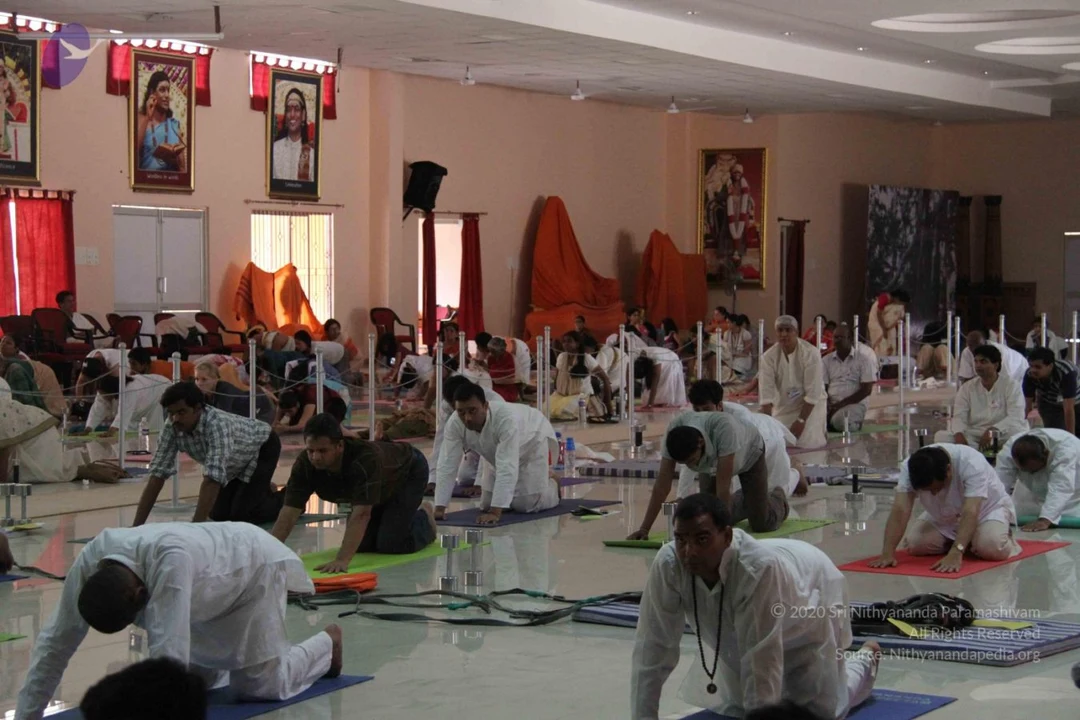
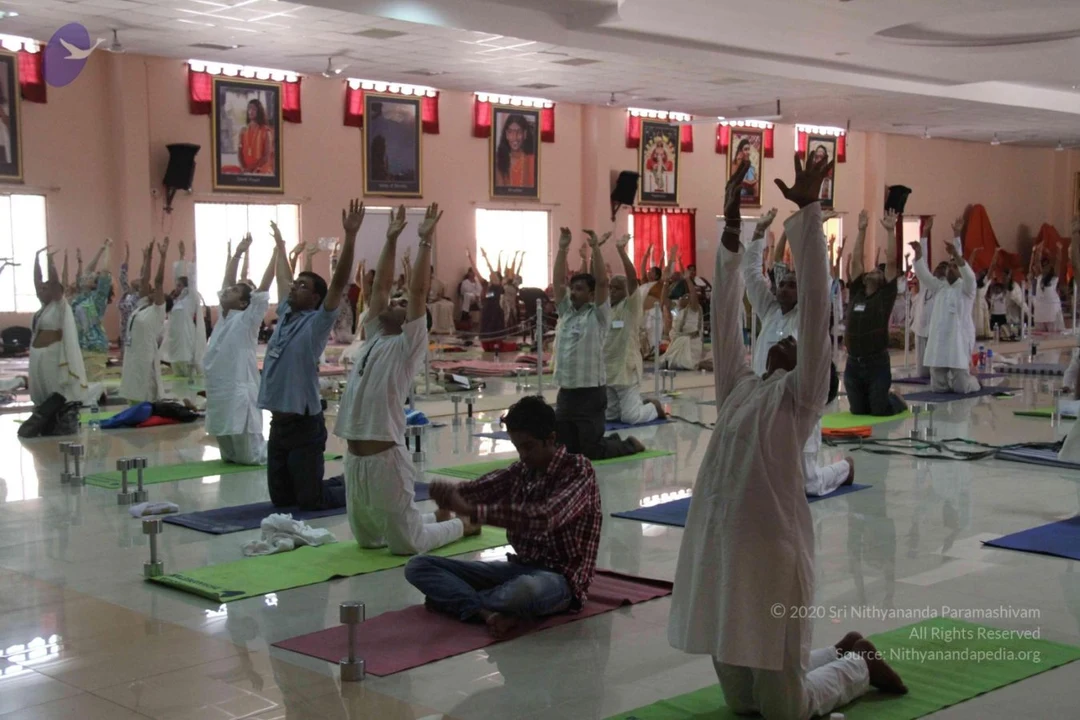
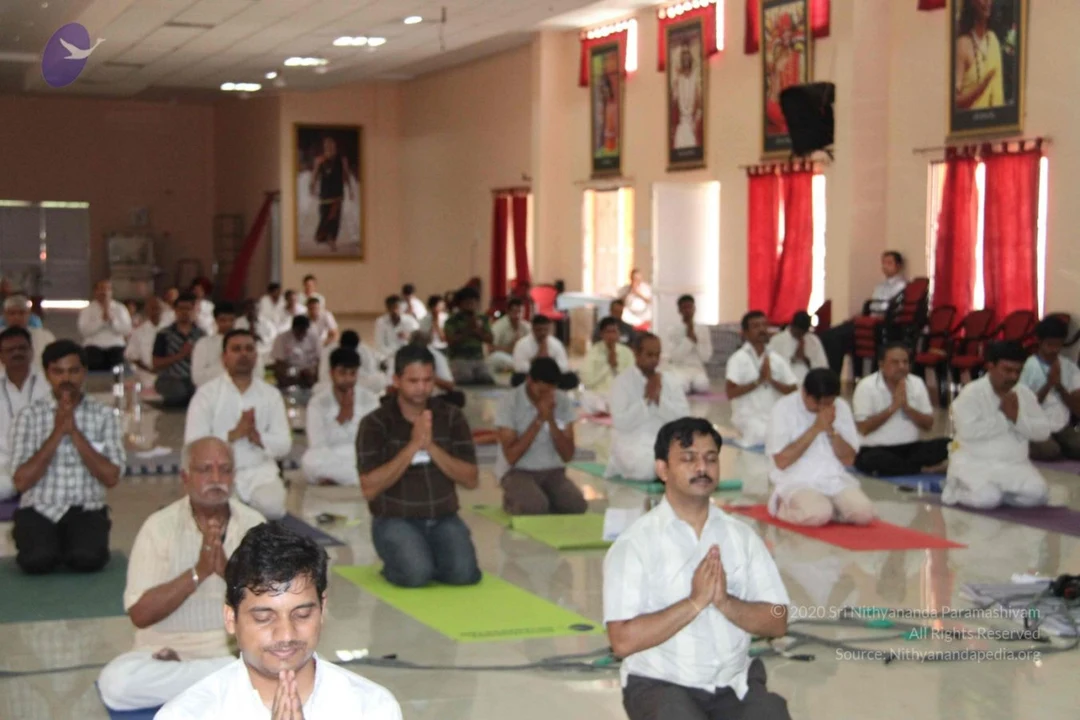
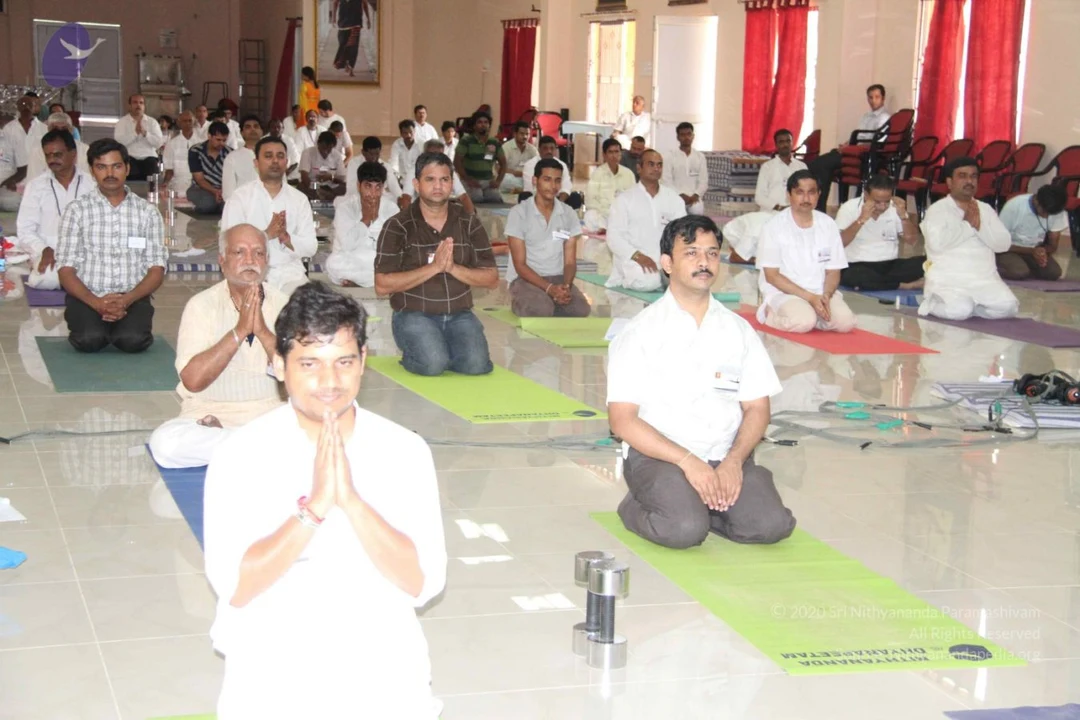
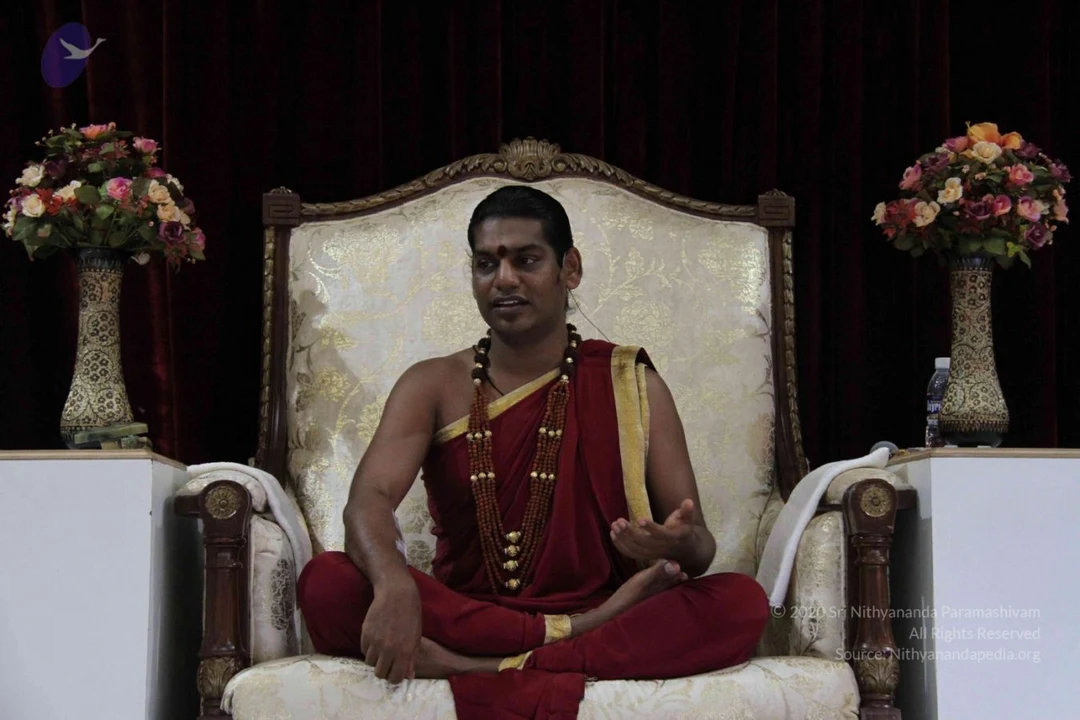
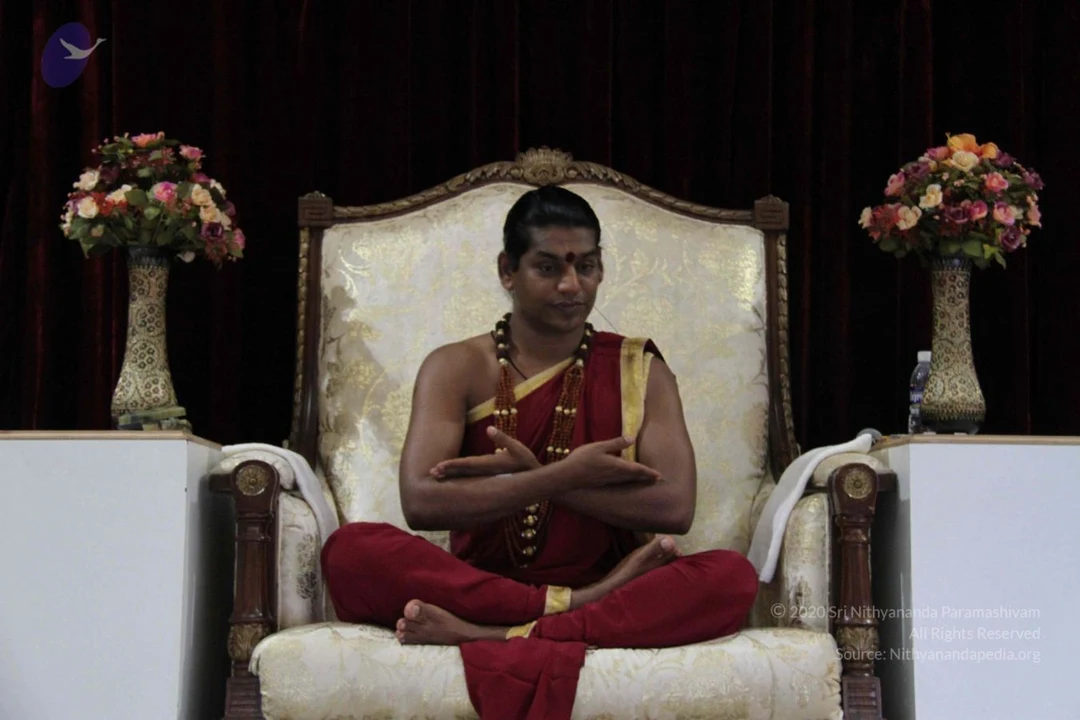
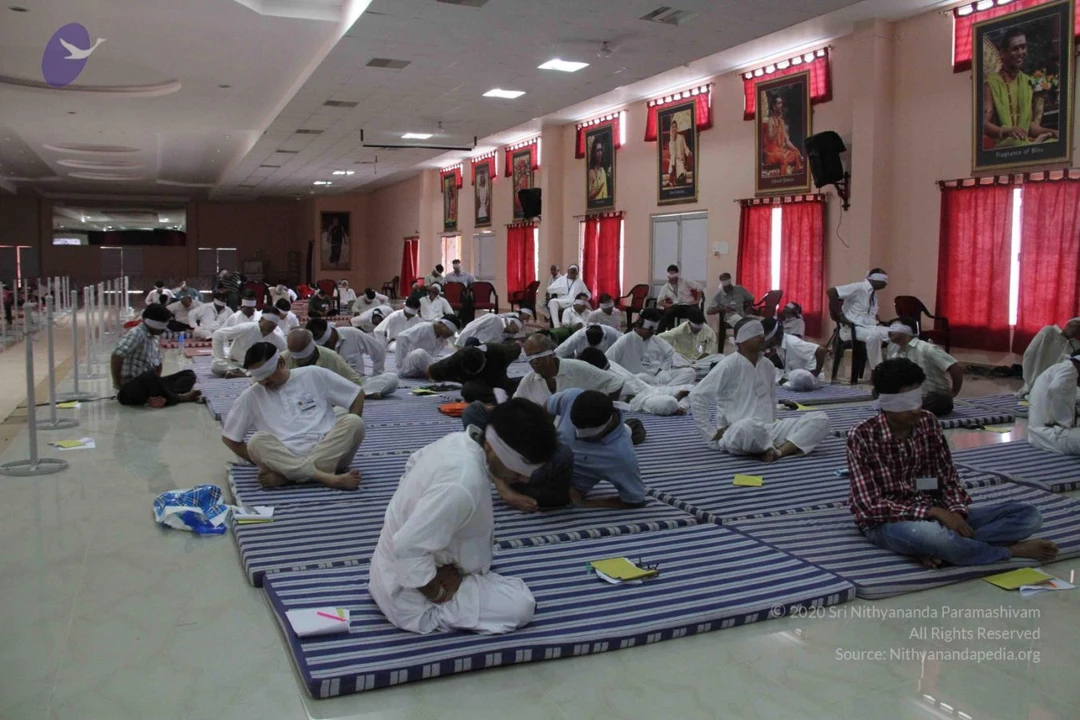
Yoga Session








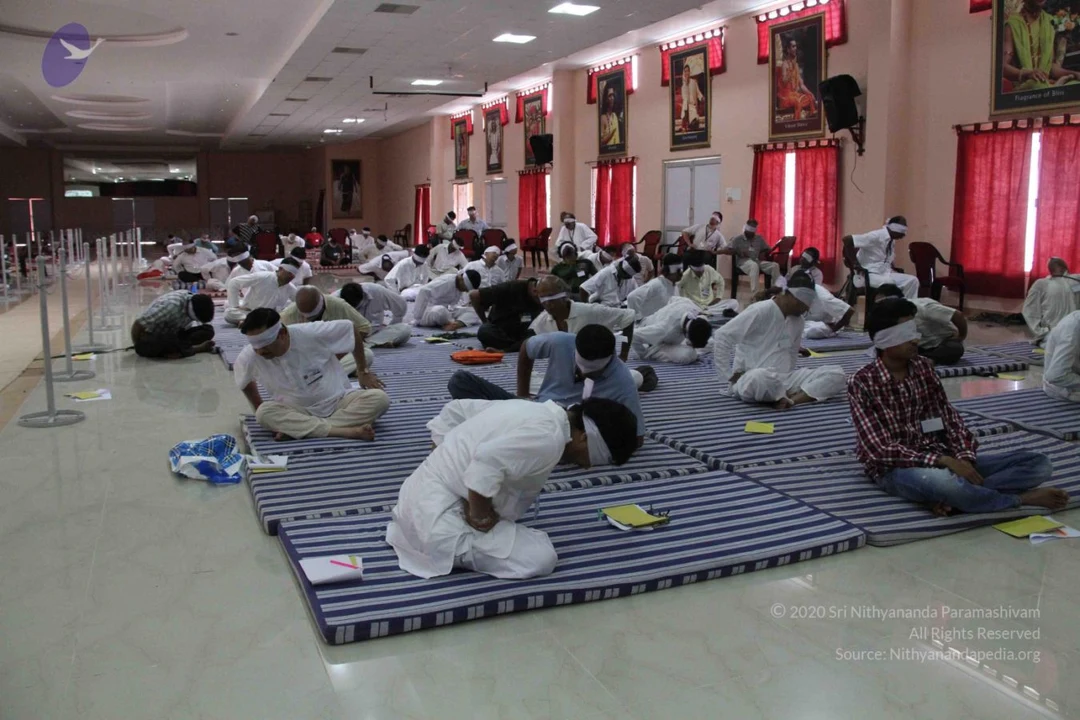


ENHealth Evening Session
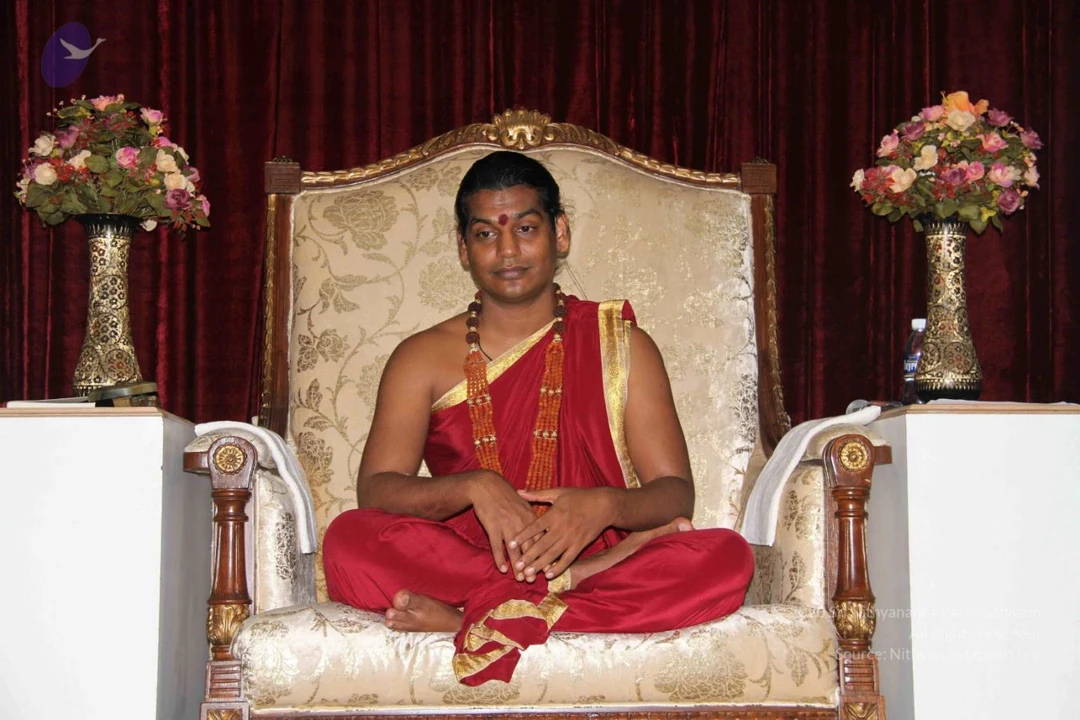

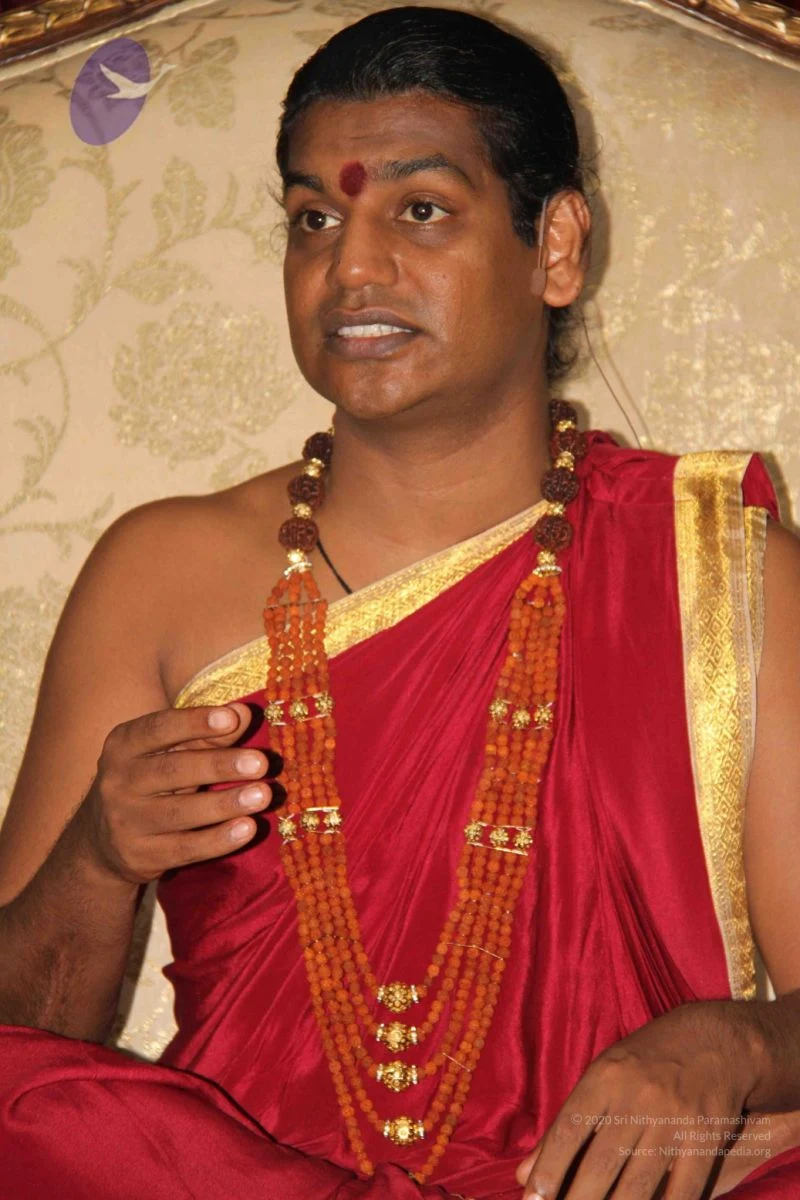








Darshan





























eN-Miracle
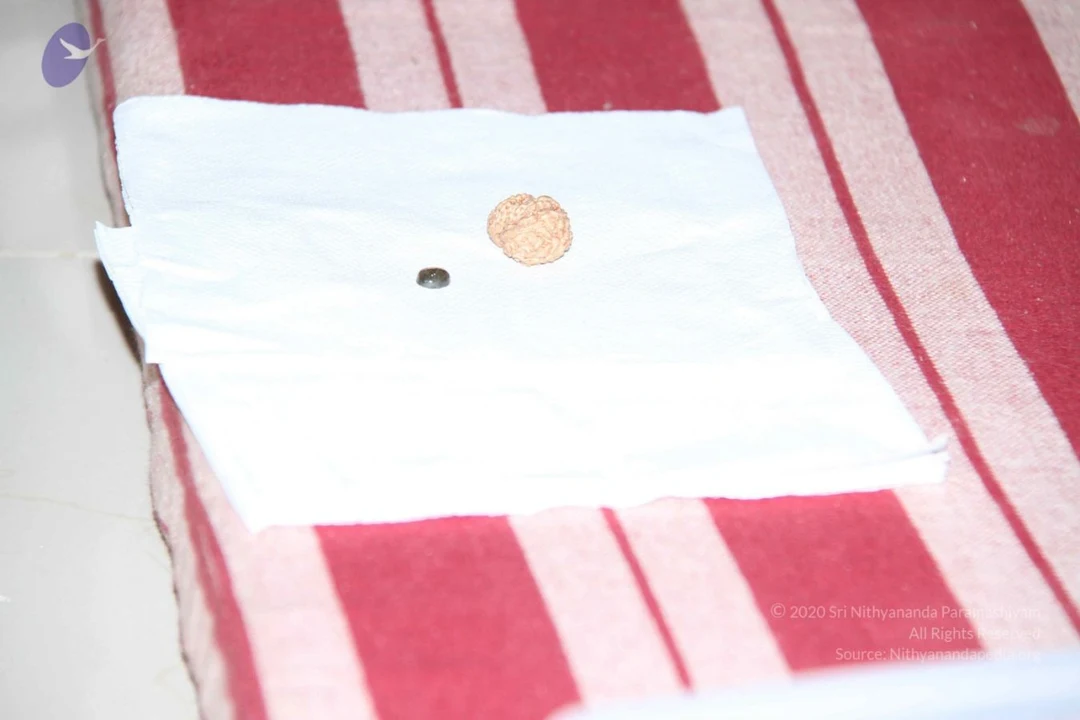
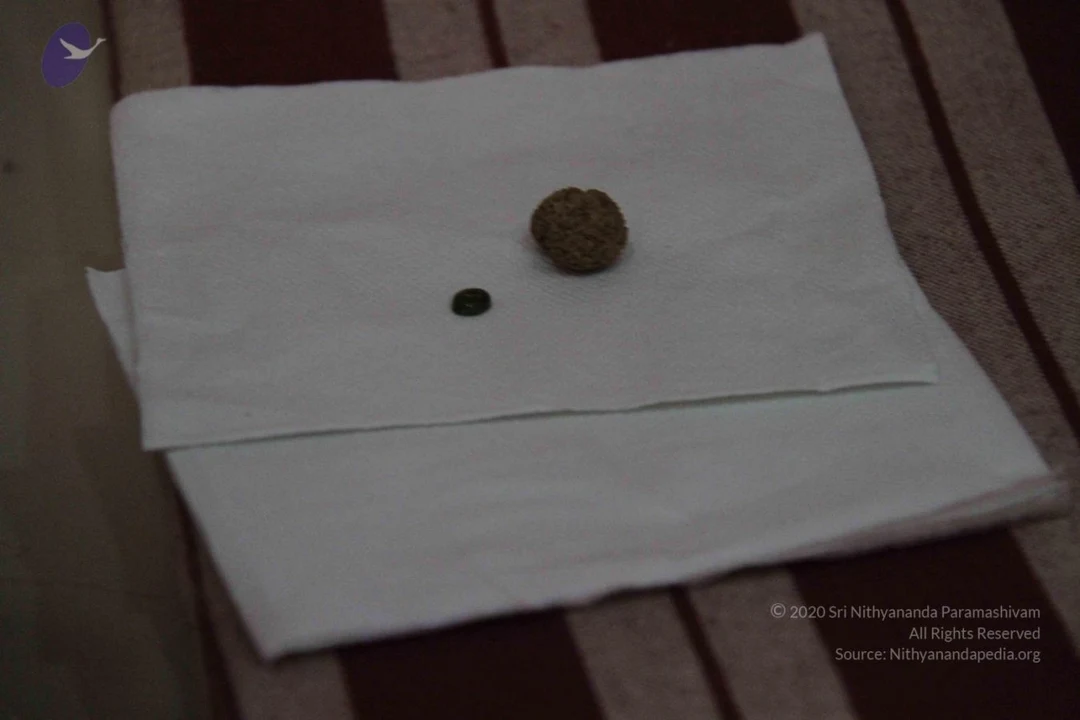
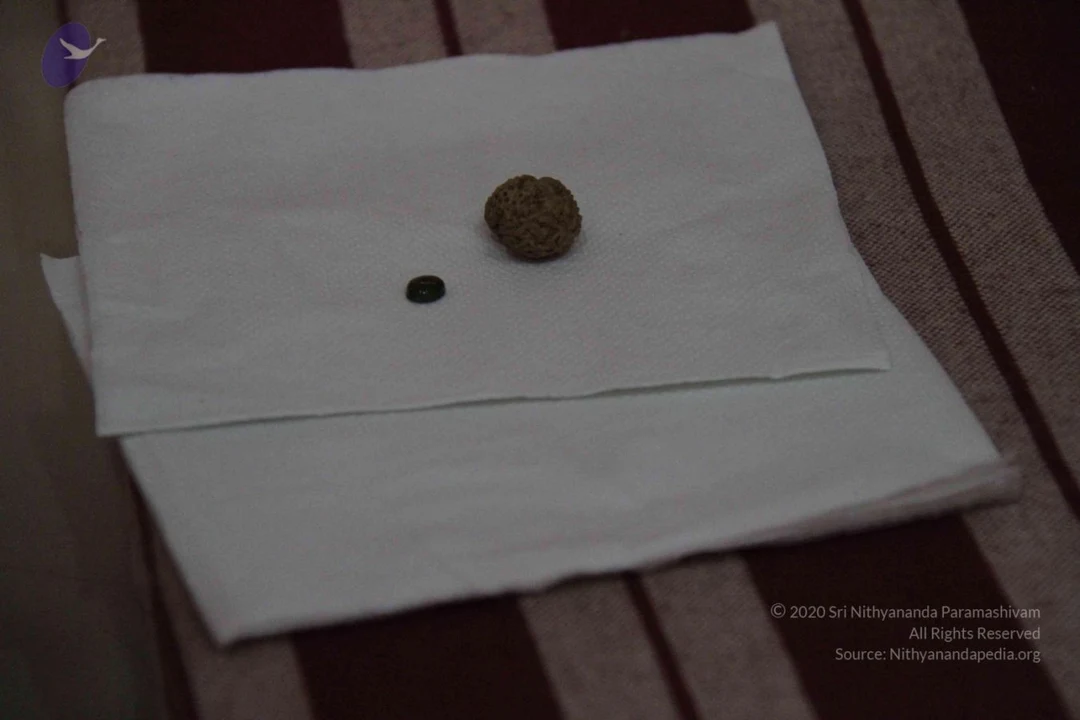












Nithyananda Galleria- Energy Beads















































































































































































Toronto Kailasam - Pradosha Abishekam










Photos from this day
View all 580 photosPhotos:
1 photoSource galleryNithyanandeshwara Paramashiva Devalayam
29 photosSource gallery



Pooja
11 photosSource gallery


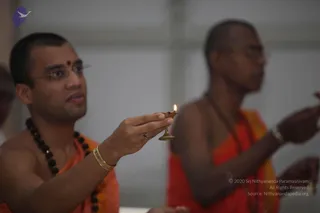

Satsang
112 photosSource gallery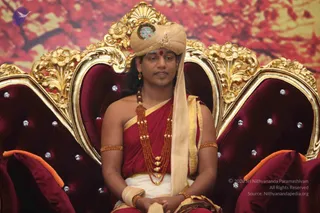
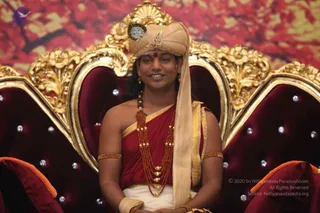



Sarvadarshan
13 photosSource gallery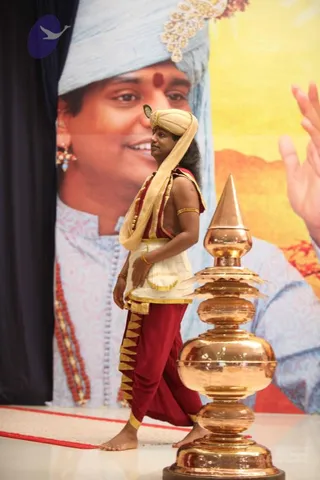
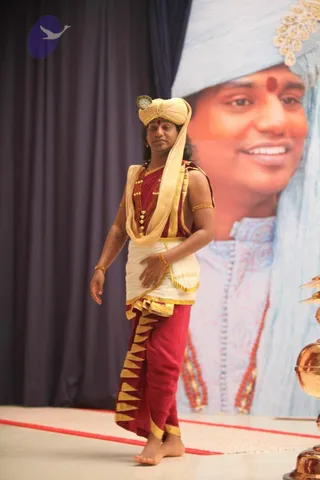




Sarvadarshan
62 photosSource gallery
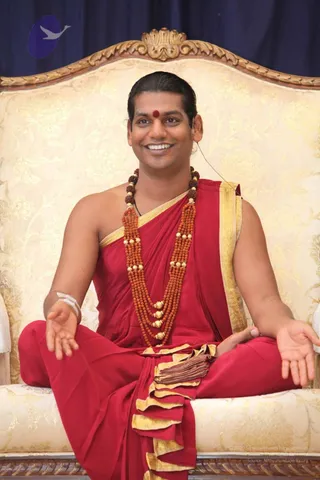
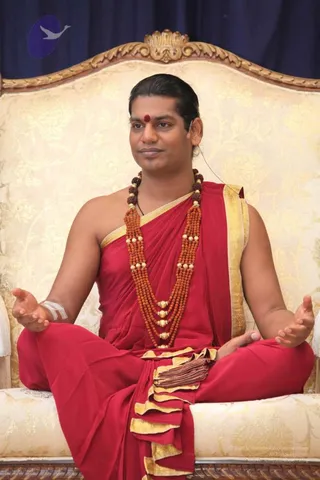
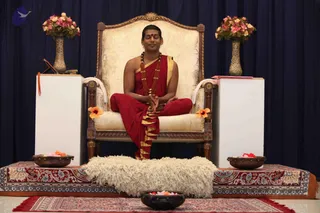
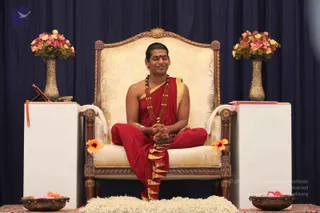
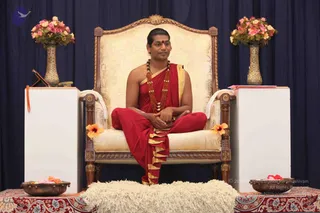
Yoga Session
29 photosSource gallery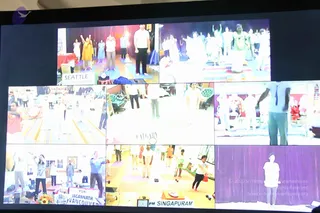
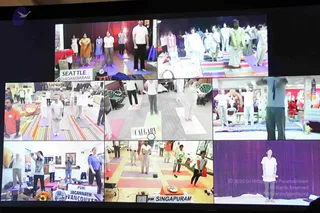


ENHealth Evening Session
22 photosSource gallery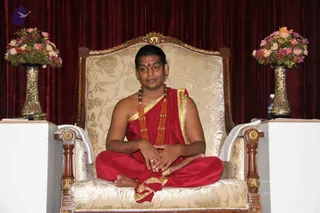
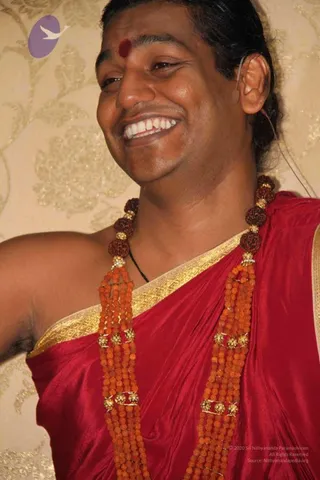
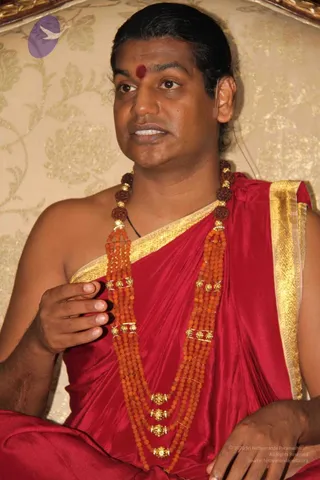


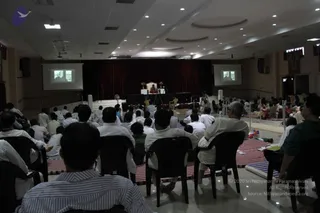
Darshan
44 photosSource gallery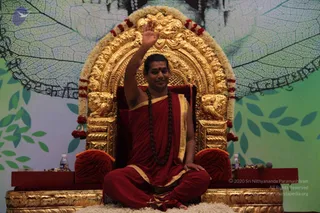
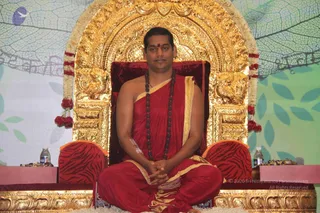
eN-Miracle
14 photosSource gallery





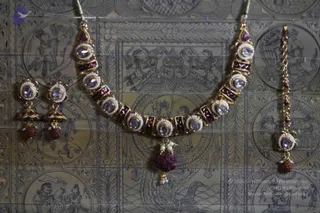
Nithyananda Galleria- Energy Beads
147 photosSource gallery




Toronto Kailasam - Pradosha Abishekam
16 photosSource gallery