Wednesday
23 March 2011
RIGHT DIET FOR PERFECT HEALTH
- Dated photos
- 26
- Source pages
- 1
- Media
- 4
March 23 2011
Original wiki pageTitle:
RIGHT DIET FOR PERFECT HEALTH
Link to Video:
| Video | Audio |
Title:
VEDIC WAY TO WEIGHT LOSS
Link to Video:
| Video | Audio |
Transcript:
Sadāshiva samārambām shankarācharya madhyamām Asmadācharya paryanthām vande guru paramparām.
(01:02)
I welcome you all with My love and respects. Today’s subject - Easiest way to weight loss. Vedic way of weight loss. 137th Sutra of Patanjali’s Yoga Sutra in the 3rd chapter, 31st verse.
कण्ठकूपे क्षुत्पिपासानिवृत्तिः ॥ kanta koope kshut pipasa nivritti h
Swami Vivekananda translates this as: On the hollow of the throat, cessation of hunger. Swami Prabhavananda translates as: By making Samyama on the hollow of the throat one stills hunger and thirst. Swami Satchidananda translates as: By Samyama on the pit of the throat cessation of hunger & thirst is achieved. Bhagwan Osho translates as: By performing Samyama on the throat there comes a cessation of the feelings of hunger & thirst.
(02:41)
It is a huge billion dollar industry. Weight loss. I don't know how many billions of dollar industry. I am going to talk on this one Samyama for the next 7 days and I am going to create a thorough scientific Vedic weight loss program. Different levels of understanding on this weight loss I wanted to share with you. First, what is overweight? Being unaware of the closest object to your inner space. What is the closest object to by your inner space? Your body. Living unaware of that. You don't understand, the stomach is also a tumour which does not directly kill you… or I can say it directly kills you; which does not give the pain of the tumour, that’s all. There is no difference between the extra stomach and the tumour. Tumour gives pain. This extra stomach does not give pain immediately, that's all. Otherwise both kills. I can say, the big belly stills and kills. Tumour immediately kills.
(04:32)
Being unaware. The base from I wanted people to start the understanding is - by the nature of your intelligence your body can directly produce whatever it wants from the Pancha Bhootas. Means from the sky, from the air, from the sun rays…sun rays is the fire representation, and from the water, from walking on the ground. It can just imbibe whatever it wants directly. You may need to support very little for the earth element - whatever is grown out of earth - Like little grains, little vegetables. Maybe that support you need to add, that's all. Otherwise your body is independently intelligent to run itself. In that five Pancha Bhootas, only one Bhoota you may need to supply little bit. Supply only required for one Bhoota element.
(05:52)
Big belly & Spirituality do not stay together. You may say, “No, no. There were Enlightened Masters with big bellies”. They had grown big belly after enlightenment; not before. You also get enlightened then grow, no problem. After that they don’t need to attend the body. They just left it. It was there and they were there. They were able to operate without that body also. It was only a centre for people to recognise and feel connect with them. Understand this body is only a centre for Me, where you feel connected to Me. Understand, I relate to you through this body. You relate to Me [Swamiji gestures upwards towards the God/Cosmos] through this body. So it is just there. So don't bother about Masters body dimension. Don't justify the Master's body dimension and plan for your body. A Vedanti should be healthy and handsome, presentable! Unfortunately, the Vaidic tradition has distanced itself from health. I can say, the greatest important contribution by Buddhism to the planet earth is--they never allowed the health and their religion be separated.
(07:40)
Patanjali says: Do Samyama on the throat centre. All the feeling of hunger & thirst will disappear. I wanted to reveal the Sacred Secrets step by step, inch by inch, layer by layer from this Sutra. First thing I wanted you to know is, hunger & thirst is not from stomach, not from Manipuraka. It is from Vishuddhi. Unfortunately, you have become so perverted, the moment you feel the heaviness is reducing in the stomach you think that is hunger. Understand, hunger & thirst is supposed to be the signal sent to your body saying that, “I am having less energy, please arrange for more energy”. But you have been trained so badly, when the heaviness in the stomach reduces, means when the matter, mass sitting on your stomach to get digested, when that reduces, immediately your body sends a signal, “Oh, please send me more. Send me more”. Two reason. One, deep insecurity you have about food - ‘Better let us store it for future. Who knows when we will get the next meal again.’ Second, It has become a habit to hold, hold, hold.
(10:10)
Understand, if you don’t enjoy chewing in the mouth, you will enjoy digestion in the stomach. Another one important Sacred Secret. Enjoy the food when you are chewing it in the mouth. Otherwise, you will enjoy the food when it is in your stomach during digestion, which is dangerous. You become perverted and you start enjoying it during the digestion. When you start enjoying the food during the digestion, one, the moment you feel the heaviness is less, your body will send signals, “Come on, we need more, more, send it, send it, send it”. You wanted always stomach to be full because you are enjoying it in belly. You are not enjoying it in the mouth. That is why I tell you, if you are a person, taste based, you will never have big belly. If you are insensitive to your tongue you will be enjoying the food in the stomach. So you always wanted the stomach to be full. Your body sends signals to you, “Oh. I’m empty. I'm empty. Please dump food”.
(11:46)
I tell you, first thing, do this from today. Do not put the food inside your body unless you feel the hunger and thirst in the throat. Raghupati Yogi used to do this. Before initiating anybody, he will ask them to fast for eleven days. I used to wonder, why? He will tell, ‘Only when you feel that hunger and thirst in the throat, start eating.’ Means, changing the wrong signals to right signals. The habit of wrong signals being sent to your body should be broken. Understand, habit of receiving wrong body signals and responding to it, should be broken. I think these people who are doing Samayama with liquid food, will realise this truth. Whenever the hunger and thirst comes, just look in. it will not be from navel, It will be from throat. If you are feeling the hunger and thirst from throat, your body is asking for energy.
(13:19)
Yogis know from the beginning, the energy center is throat. Stomach is not the energy center. Throat is energy center. When your first layer energy is empty, throat should send signal to you, “I want food, I want water”. Very beautifully a great Siddha from Tamil Nadu gives an instruction. Tamil words spoken here (13:57). Let me give you the translation. You don't need any medicine for your body if you put the food after whatever has been put is digested and leaves your body. Whatever you put in your body should leave your system in three way. One - motion, another one - urine, third - sweat. All three should happen between every meal. Before every meal, everything goes inside, these three should have happened to you. It means two meal a day and twice, at least twice, you should do 1, 2 & sweating – means working out. All three should happen between every meal. Sweating toh completely out of our life! We don’t even sit on the ground. Especially when I travel around the world, I understand, sitting on the ground is considered to be the great tapas in the Western countries! “No, no, no, I can sit on the ground Swamiji”. I thought, ‘Oh God!’ Because of that nexus of back pain doctors, surgeons and the furniture makers.
(15:50)
Whoever is doing this Chandra Samyama and this liquid diet, bring your awareness again and again when your body sends the hunger, thirst signal to you. Is it from stomach or is it from throat? If it is from stomach, don’t listen to it. Just tell the body – get lost. Your body is like your child. If you use sharp words it will come to senses. First understanding: do not trust the signal if it is from stomach. It has to be from throat. You can spend few days breaking this signal of the habit of getting signal from stomach. Few days of liquid diet will help you to stop the habit of getting signal from stomach. If you are feeling hungry or thirsty, signal should come from right place! If signal itself is from wrong place, all your response, what will happen? All your response will be wrong. I am going to guide you guys in this Samyama step by step.
(17:22)
First thing, change the habit of receiving signal from wrong places. Then I will explain how doing Samyama on throat completely relieves you from the hunger and thirst. I'll take you step by step. First line: the wrong hunger and thirst should disappear. Second: the right hunger and thirst should be understood. That itself will reduce half of the food intake. Then, technique to awaken the throat, which will not only give the right signal to you, which will give you the solution also. So the food intake drastically reduces. See, receiving signal from right place reduces the 50% of the quantity intake. And, doing Samyama on the throat Chakra, throat Chakra itself starts releasing energy, so another 25% of your food intake reduces. So within a week the intake will come down to just 25% and you will be fully alive, energetic, intelligent, less weight. So it is an important thing to understand, Patanjali is not only talking about weight loss, he is talking about the dimension of going beyond the necessity for food and water.
(19:36)
I'll take you step by step. First, I will bring you out of this obesity. Then bring you to the regular food habit. Then teach you the science of releasing energy and living with very less quantity food. Then teach you the science of living without any food or water. Please understand, I know the science. I used that science for years. I can share that science with you. I am going to share it with you. It’s possible. I am declaring today, human beings can live without food or water from outside. I have seen people living, I have learnt that science from them and I myself lived like that. So I can share that science with you! I may not emphasise too much that you should go to the extreme of living without food & water because you need to waste too much of time preparing for that, which may not be required. After all, food and water costs only few pennies in your pocket. That is nothing wrong. But, when you spend hundreds or thousands of dollars on food you may have to spend hundreds and thousands of dollars on medicine too! I am trying to avoid only that dimension.
(21:22)
I'll teach you the science step by step, inch by inch. So today I want all the devotees and disciples, even if you are not practising this Chandra Samyama, just today one day try to live on liquid diet and take the neem juice. If you are already practising Chandra Samayama then no problem, you are on liquid diet already. If you are not, just today practise. And whenever you get the signal of hunger or thirst, see, it should come from throat, not from stomach. I am going to guide you step by step. Only after you shift, you experience this shift, I want to continue further. So in this one week, I will create a powerful Vedic Weight Loss Program. Guaranteed way for weight loss, safely, without any side effect. I will create eN-weight loss program. I bless you all. Let you all achieve, experience, live, express, radiate and share the Eternal Bliss. Nithyananda. Thank you!
(22:50)
Photos Of The Day:
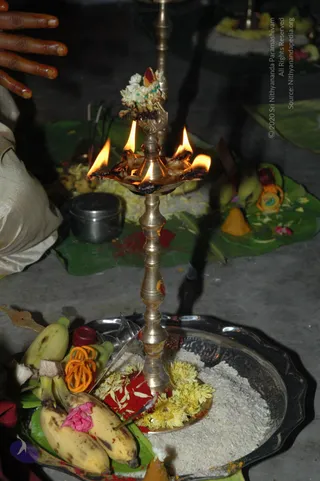
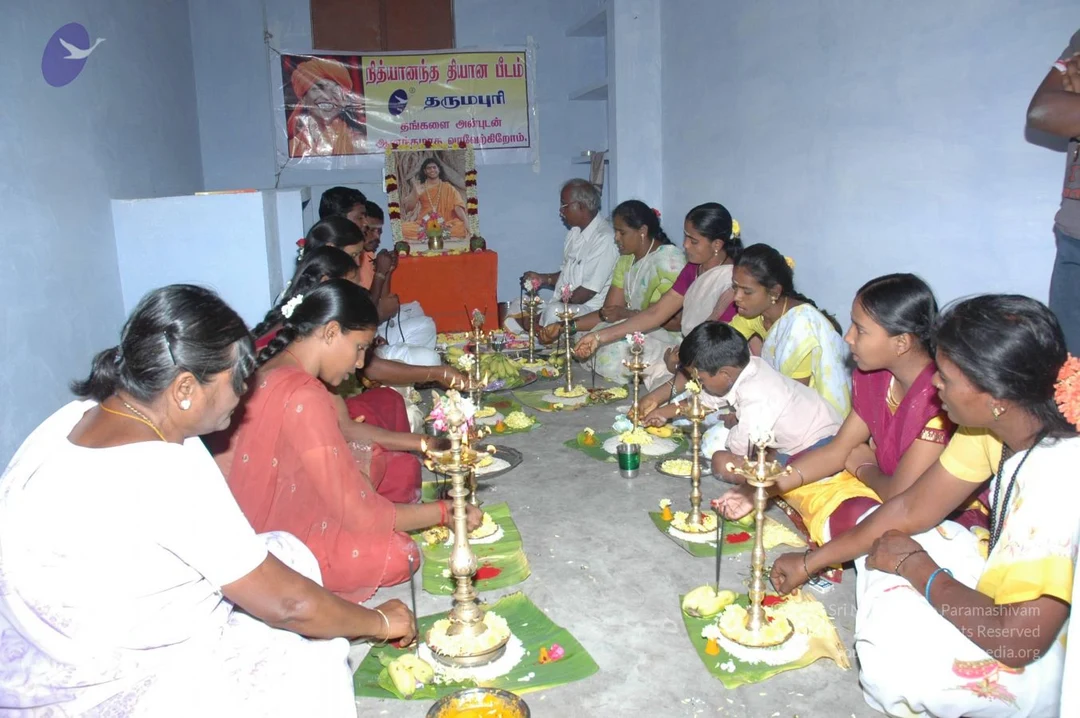
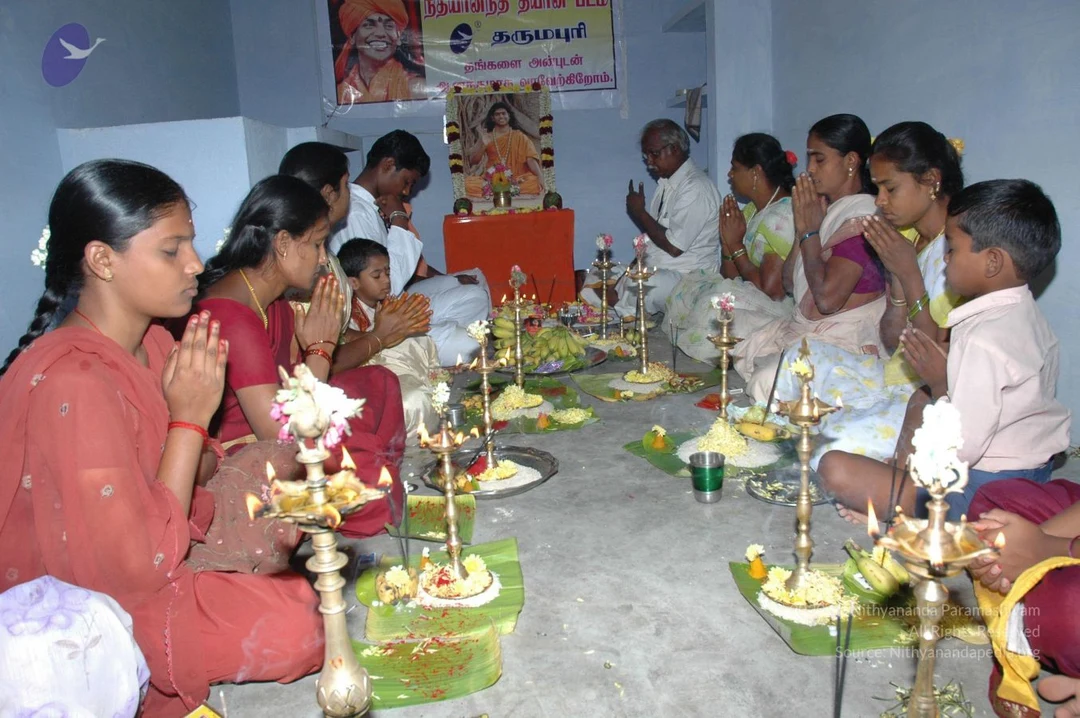
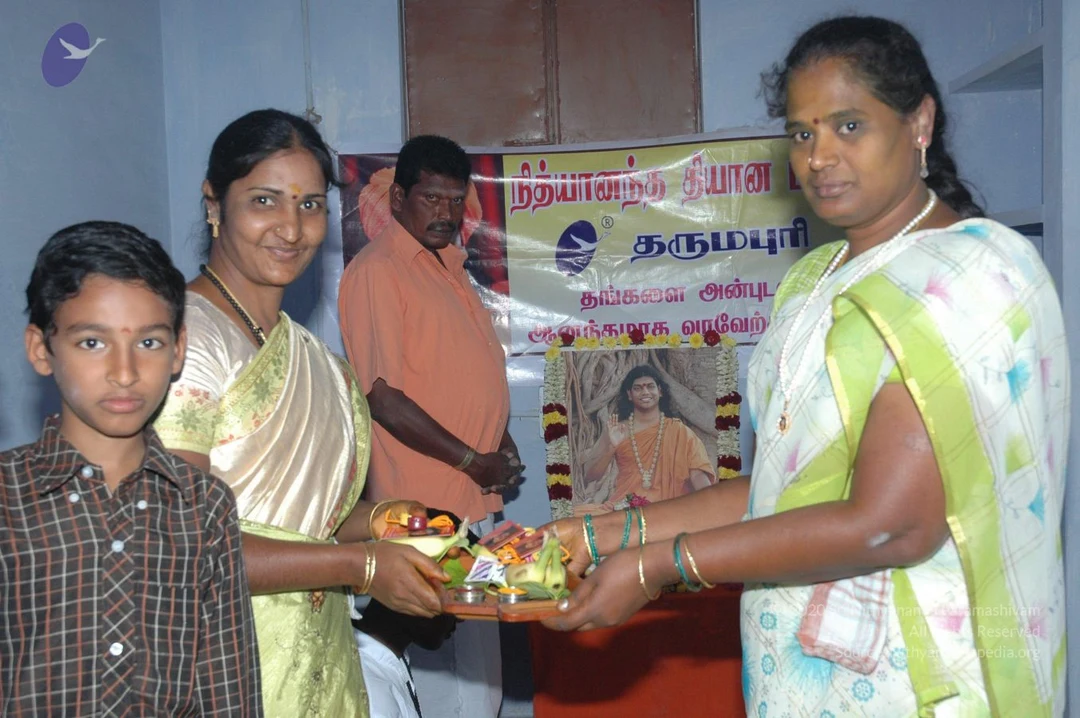
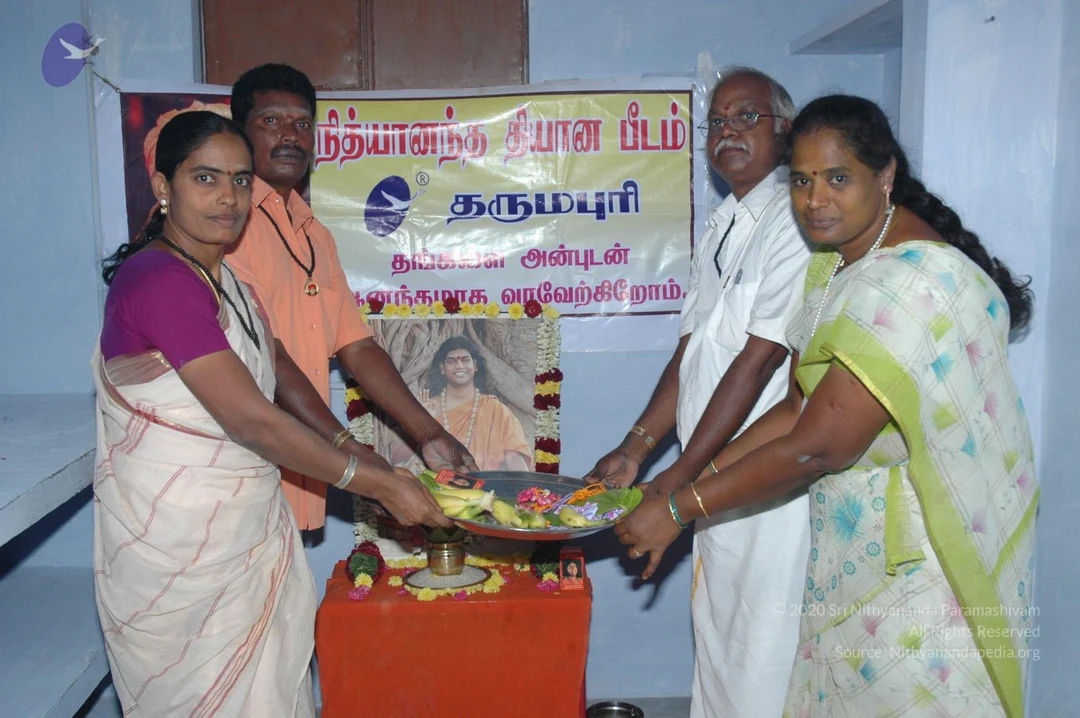
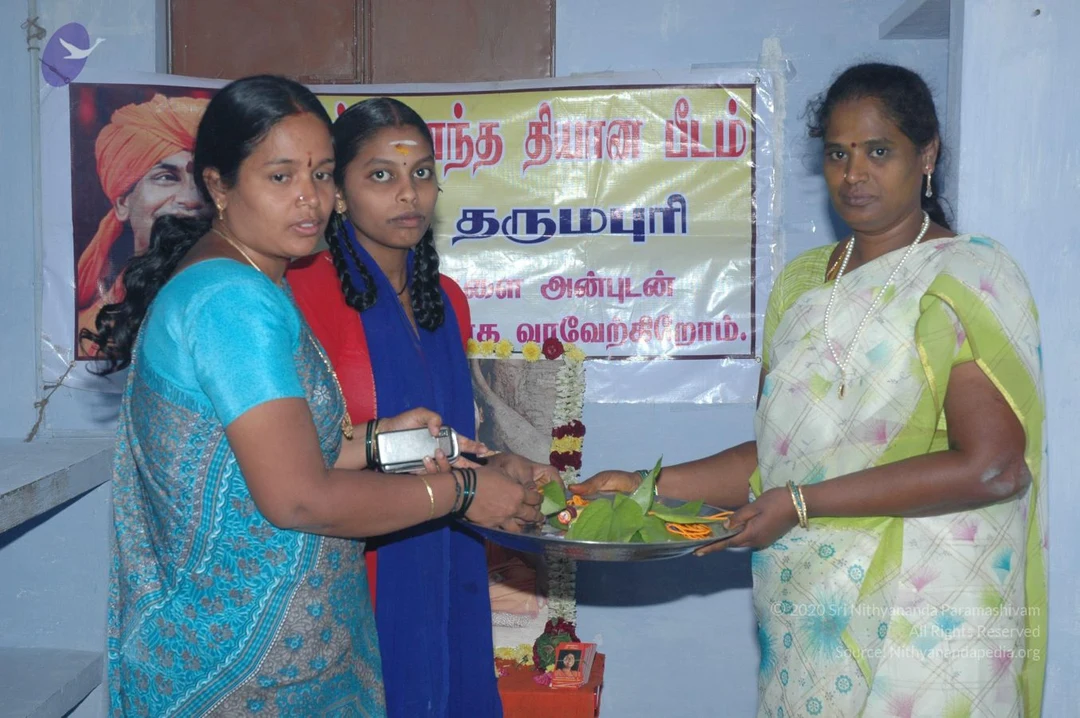
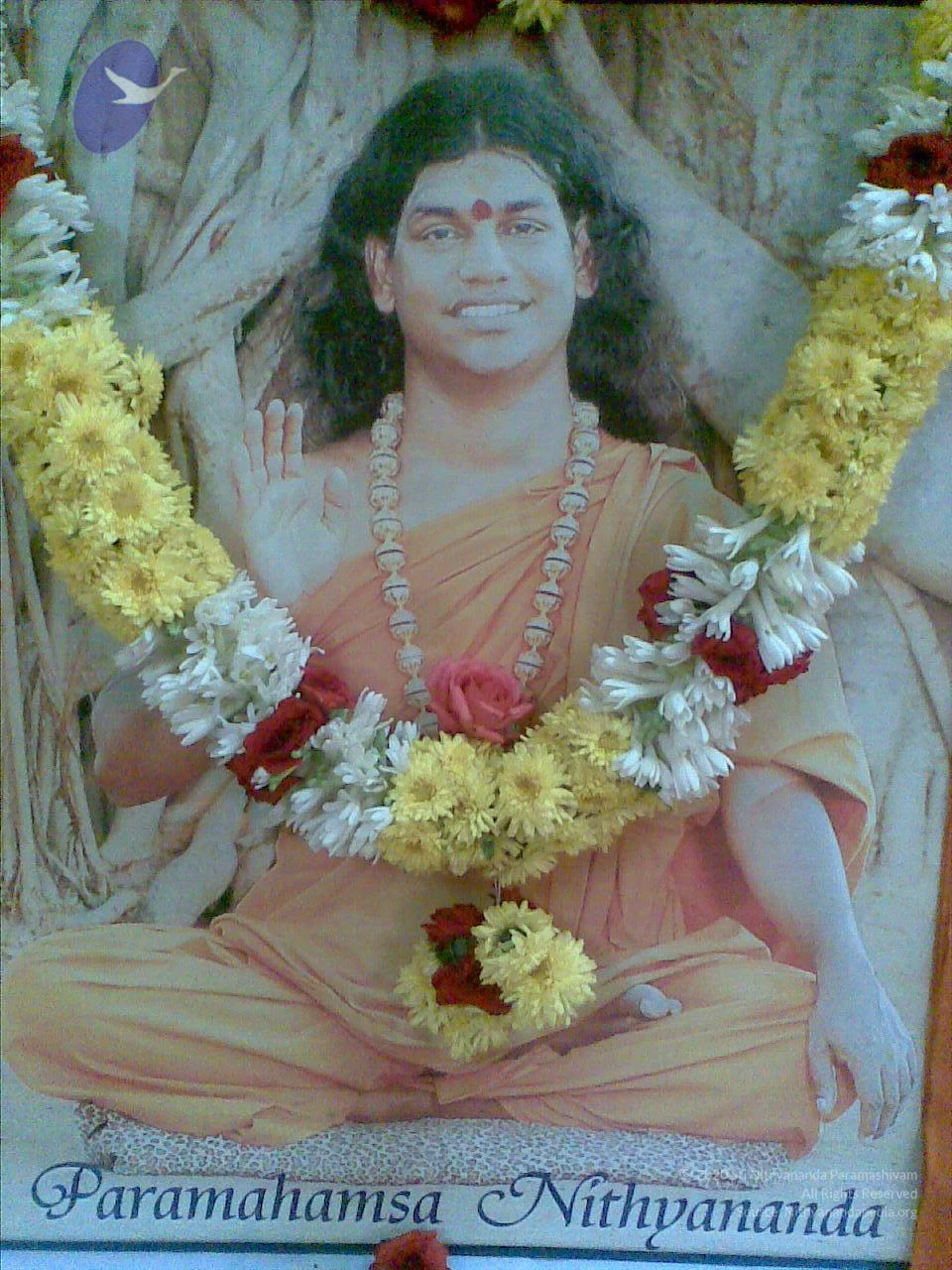
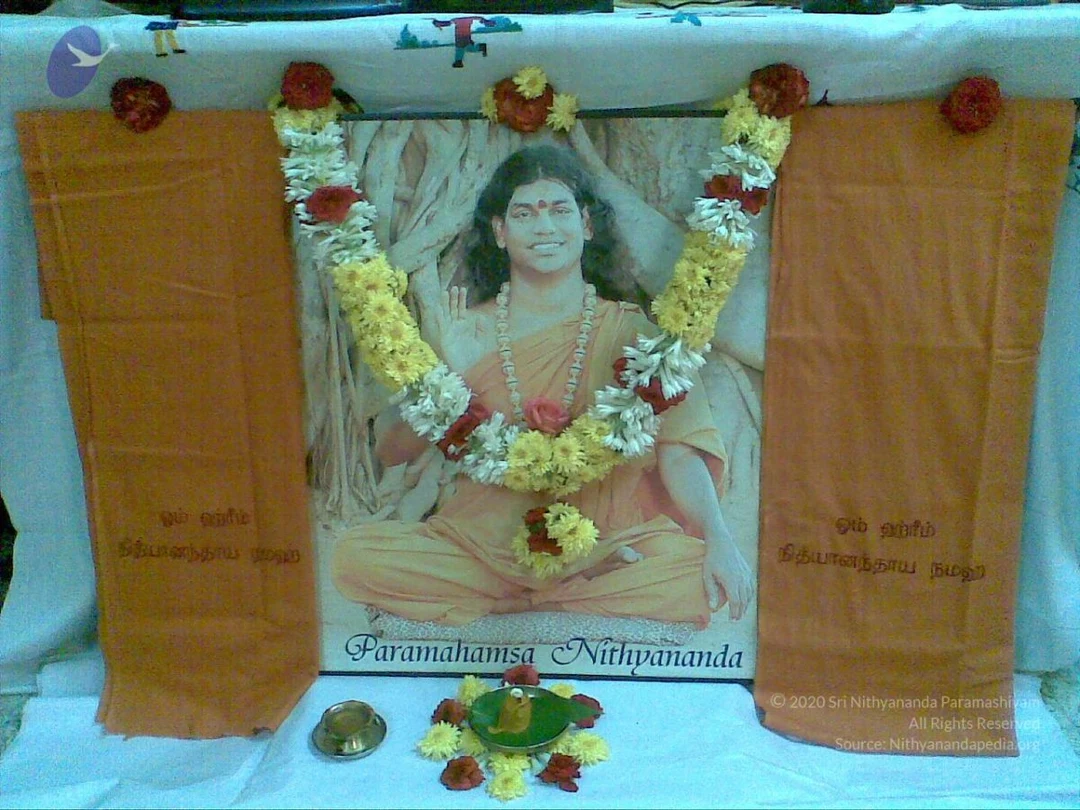
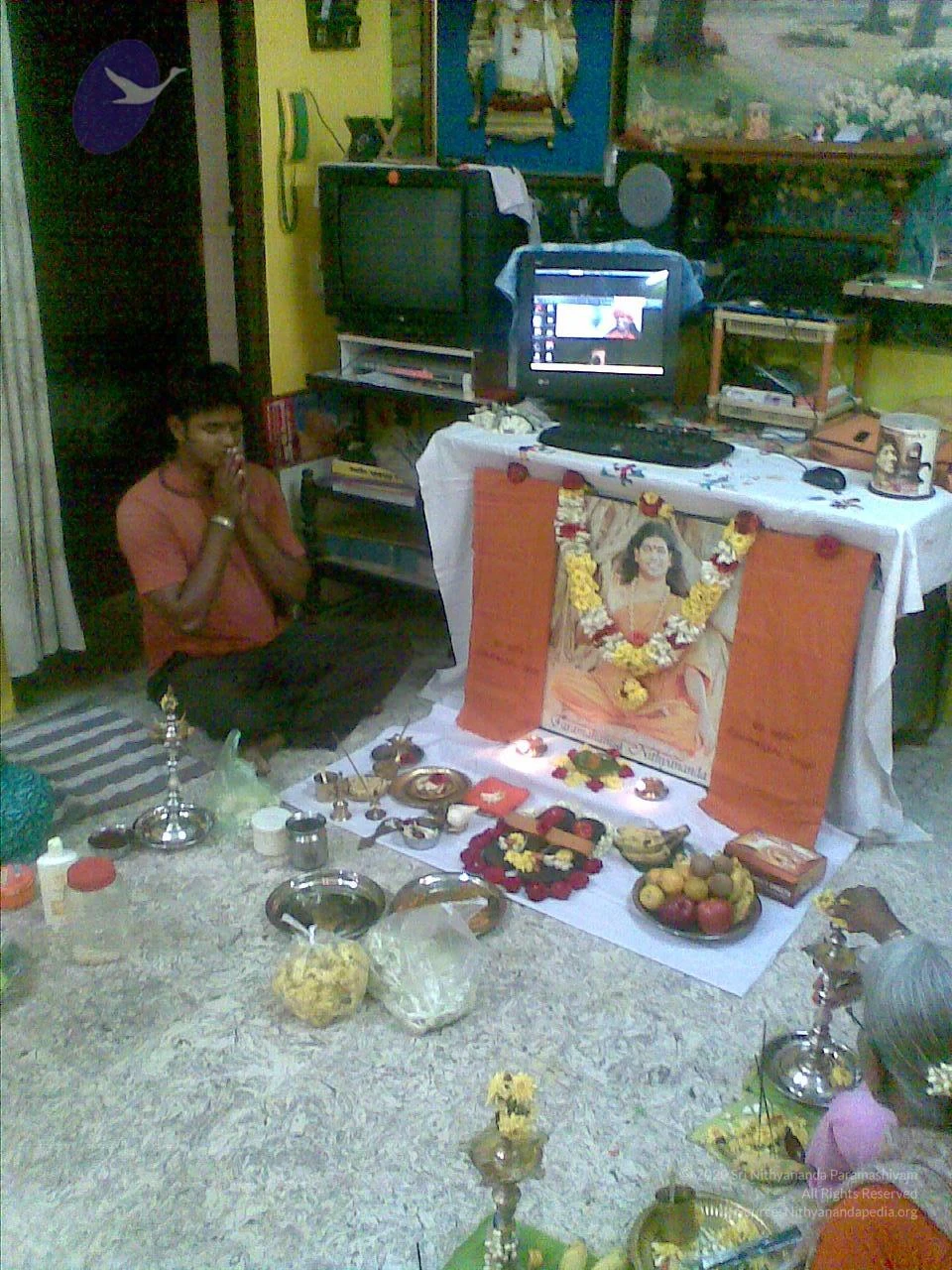
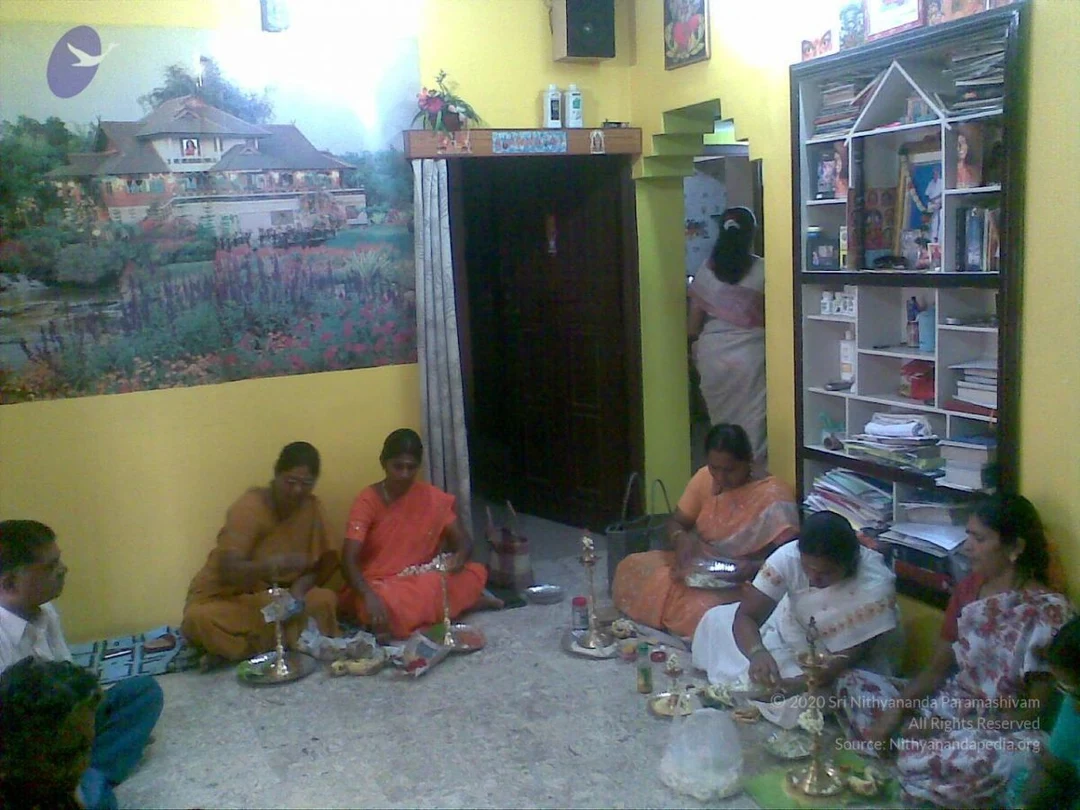
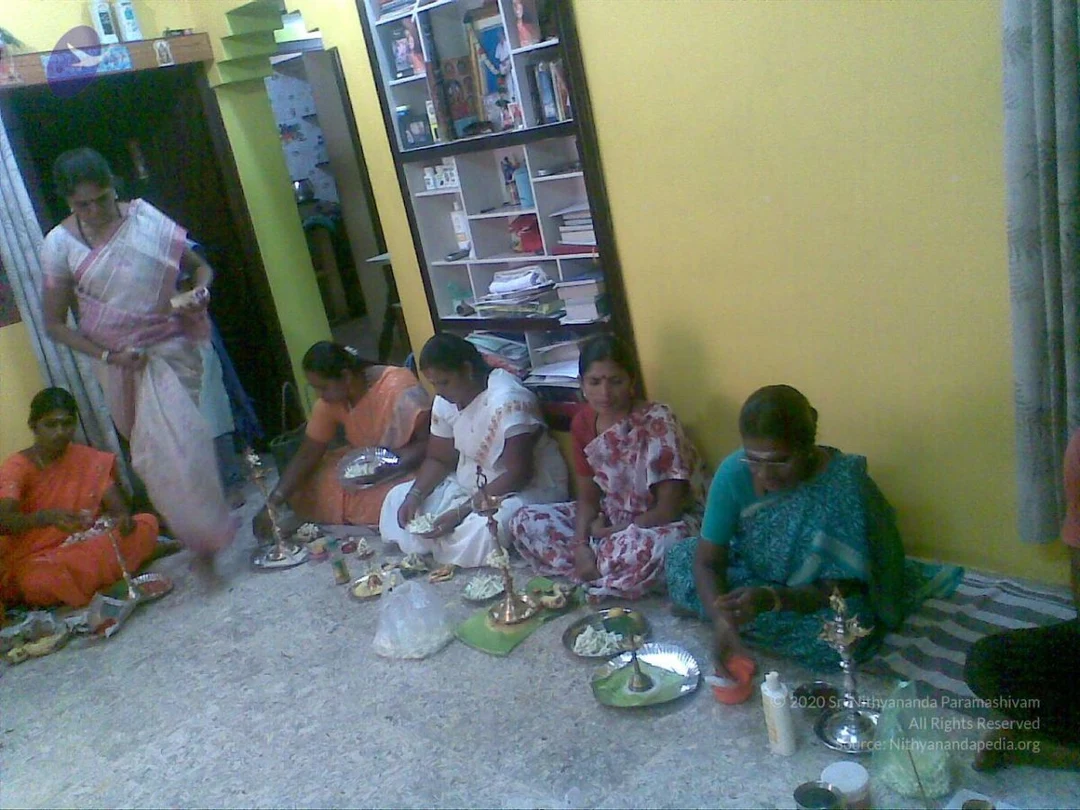
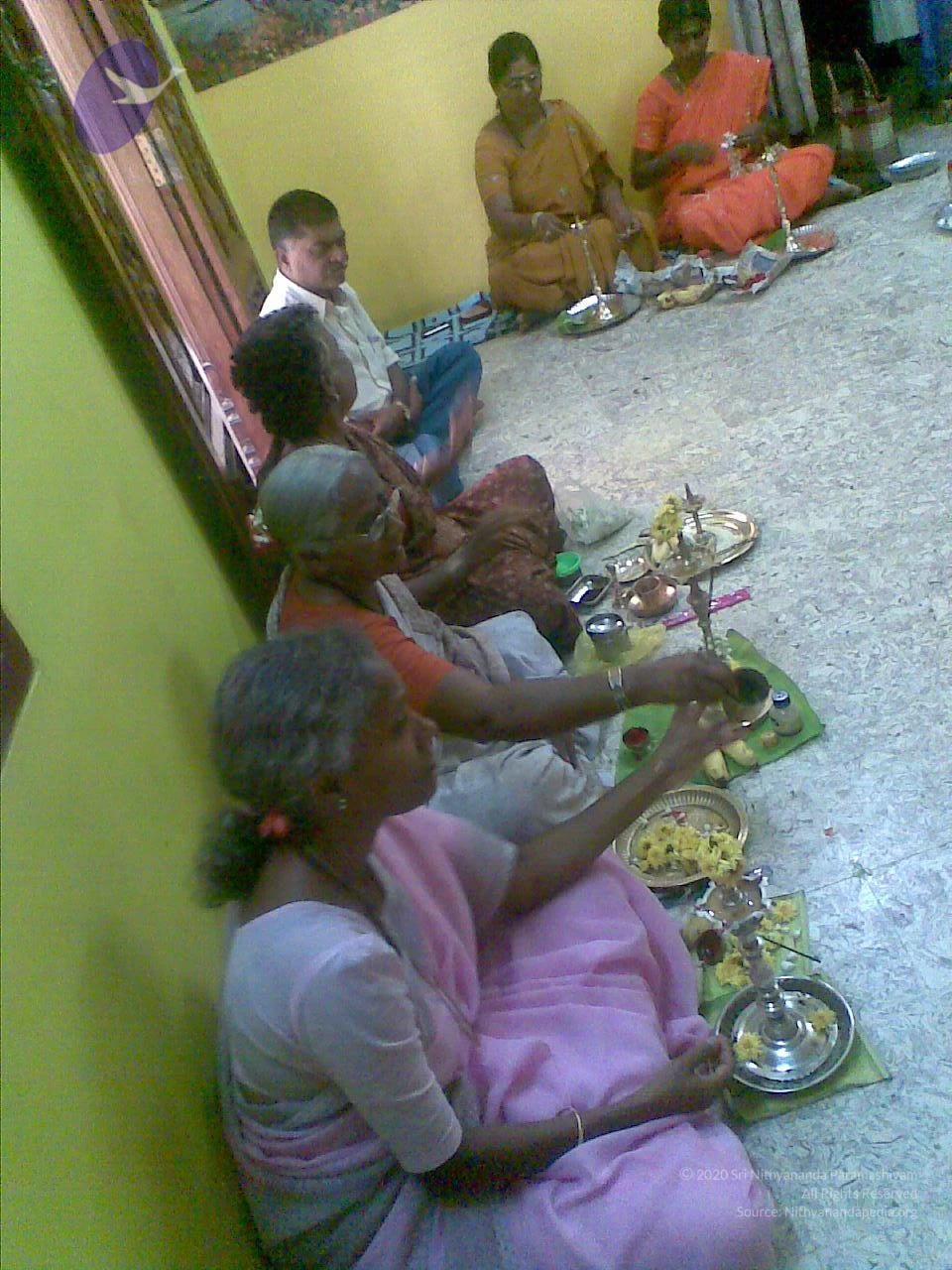
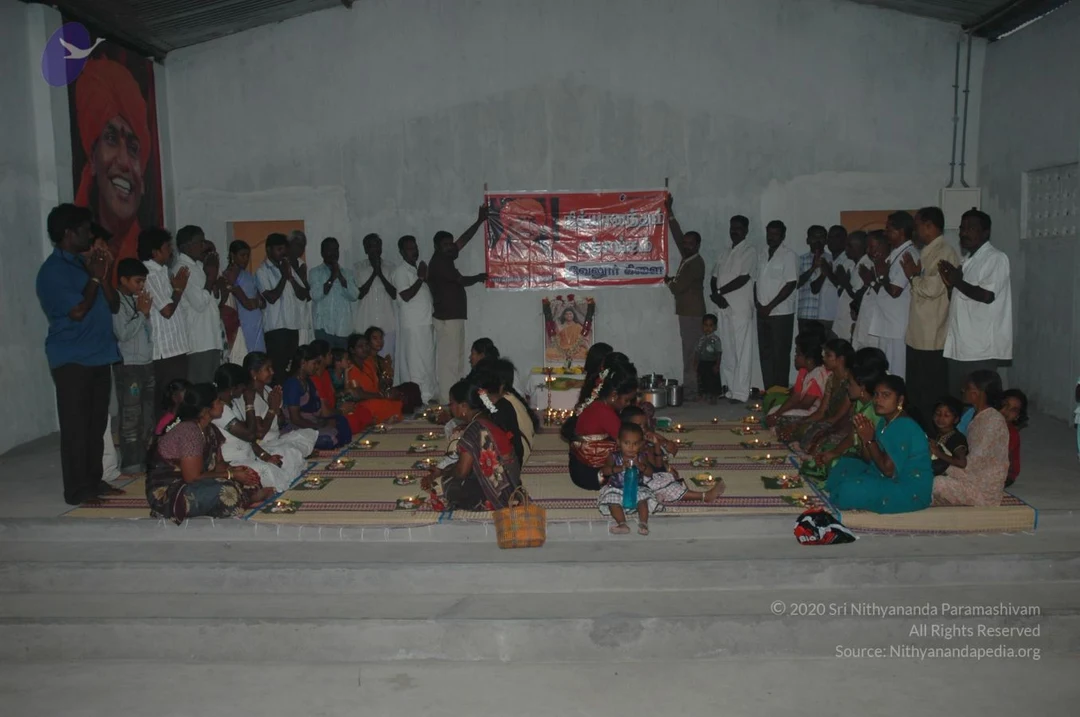
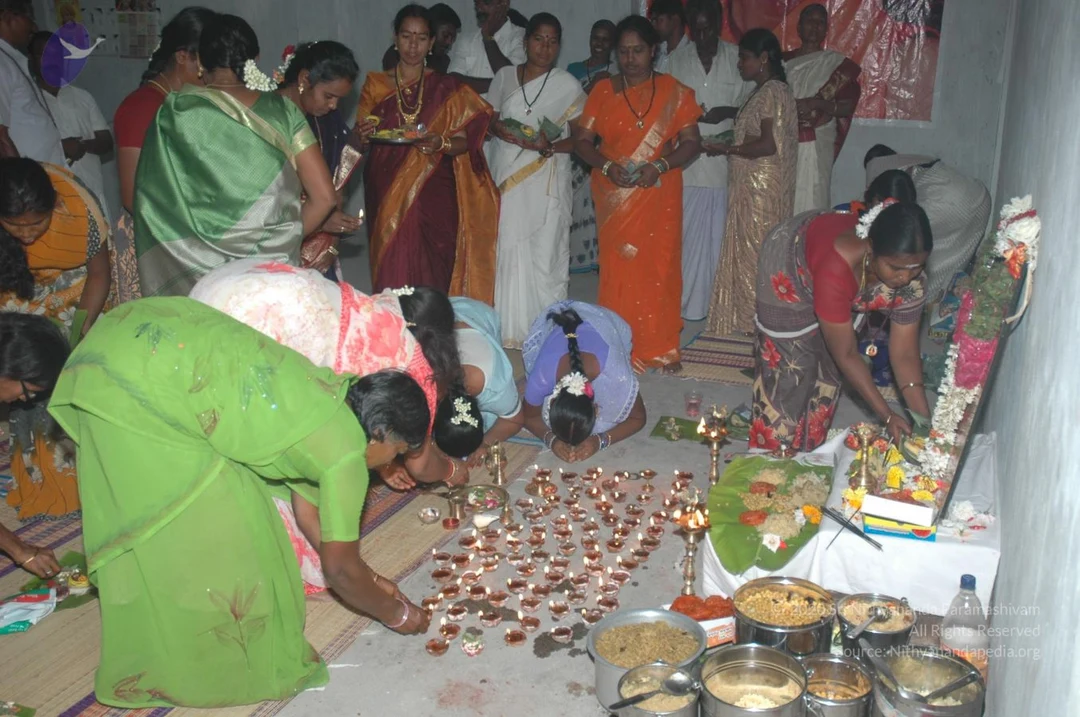
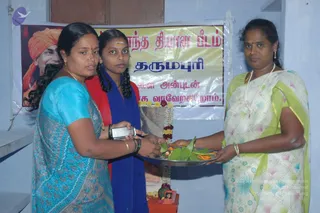
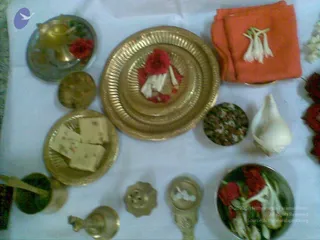
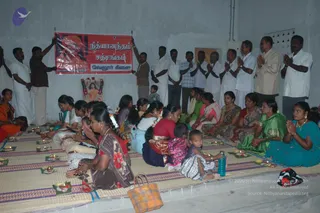
Sumangali-Pooja
Photos Of The Day:
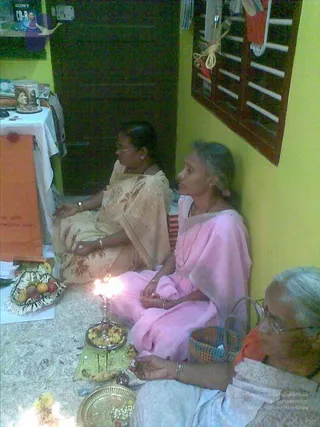
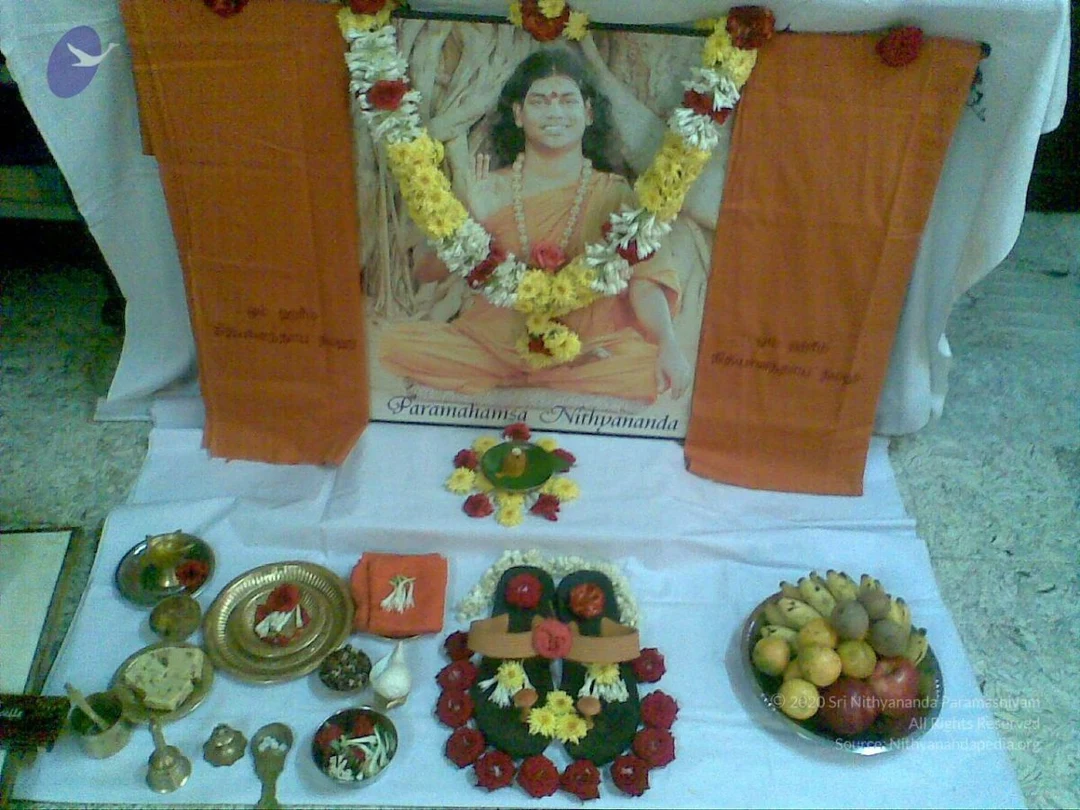
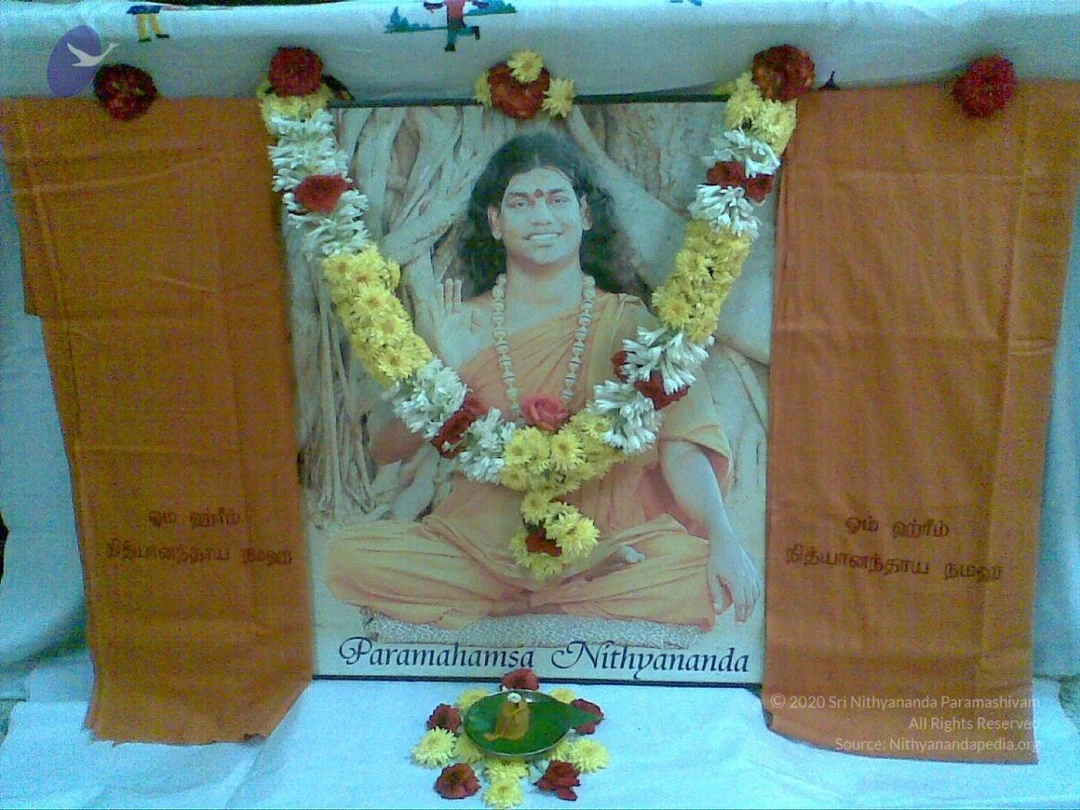
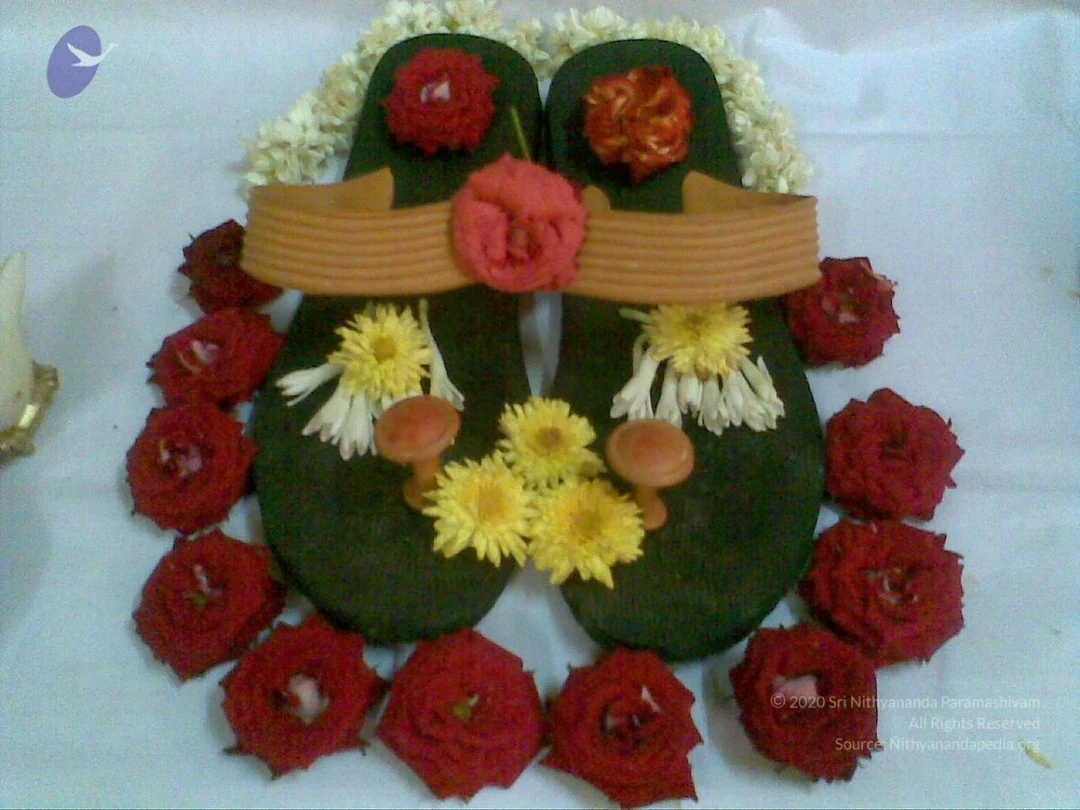
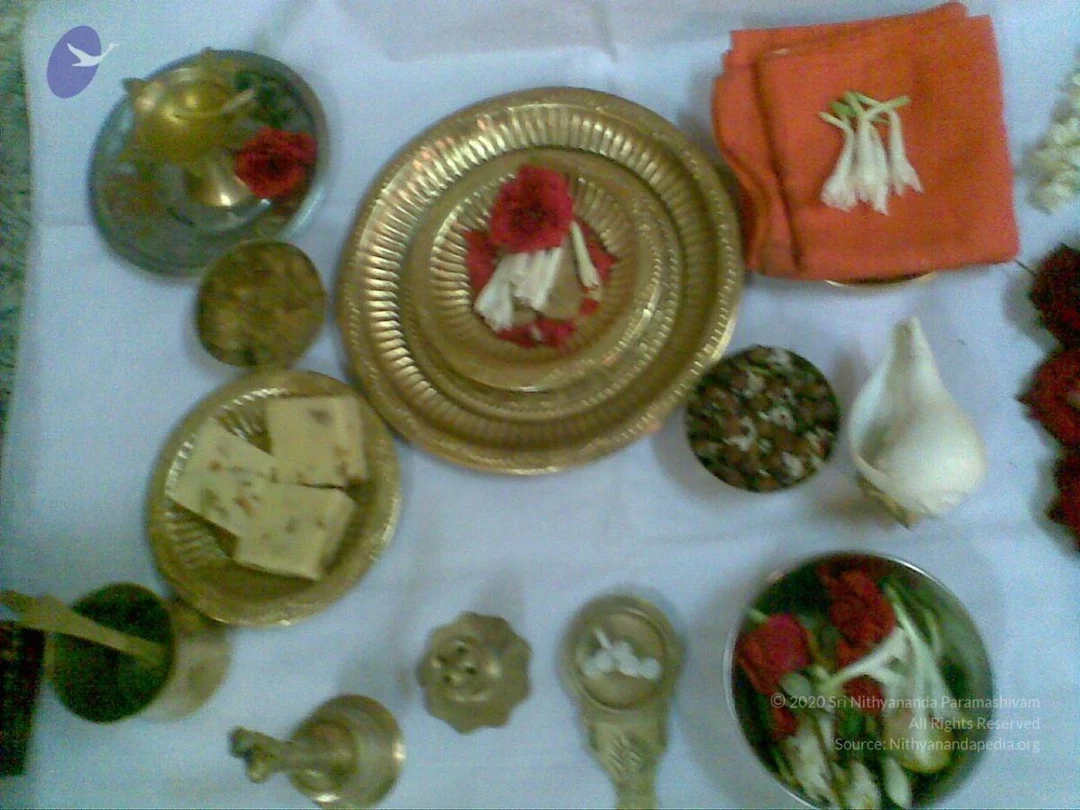
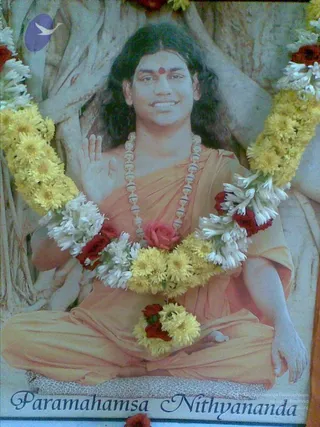
Pada-Puja
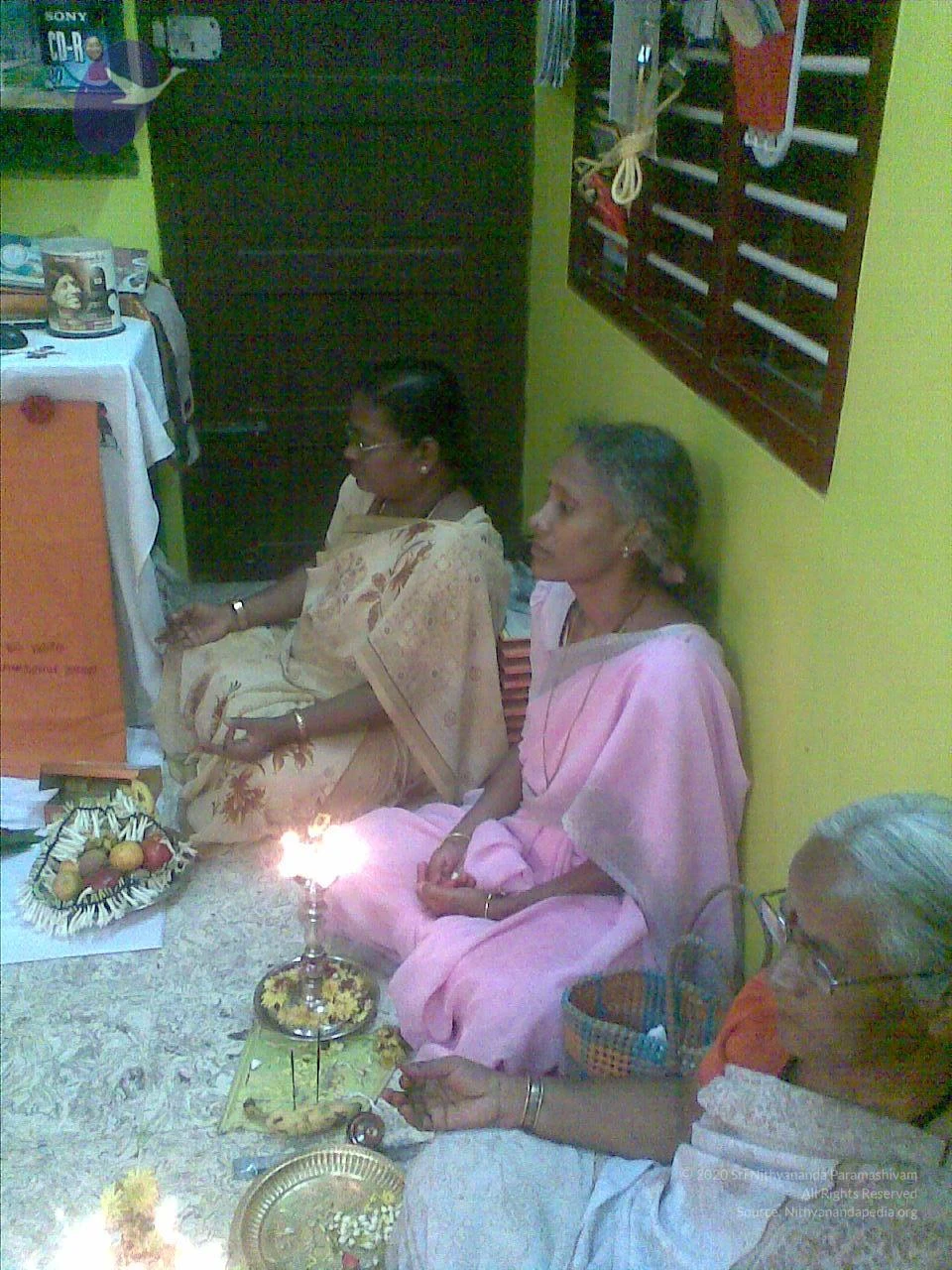
Photos Of The Day:
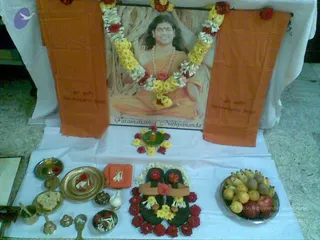
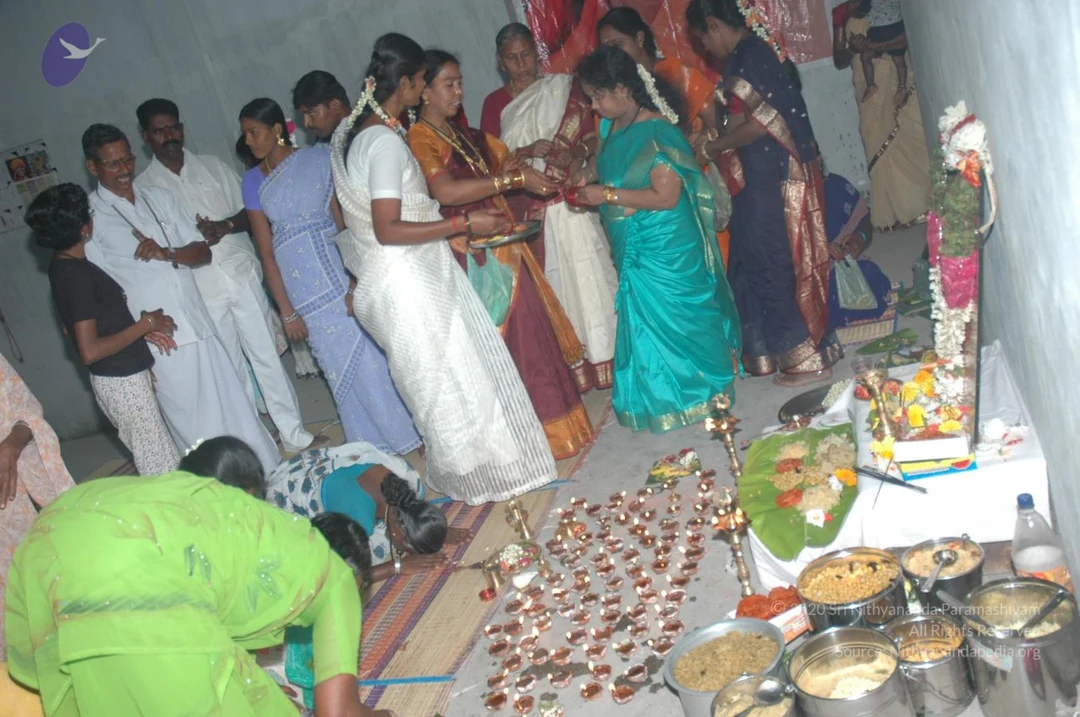
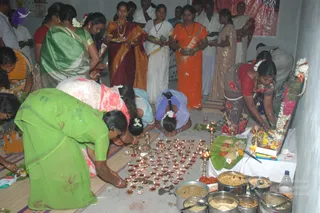
Sumangali-Puja
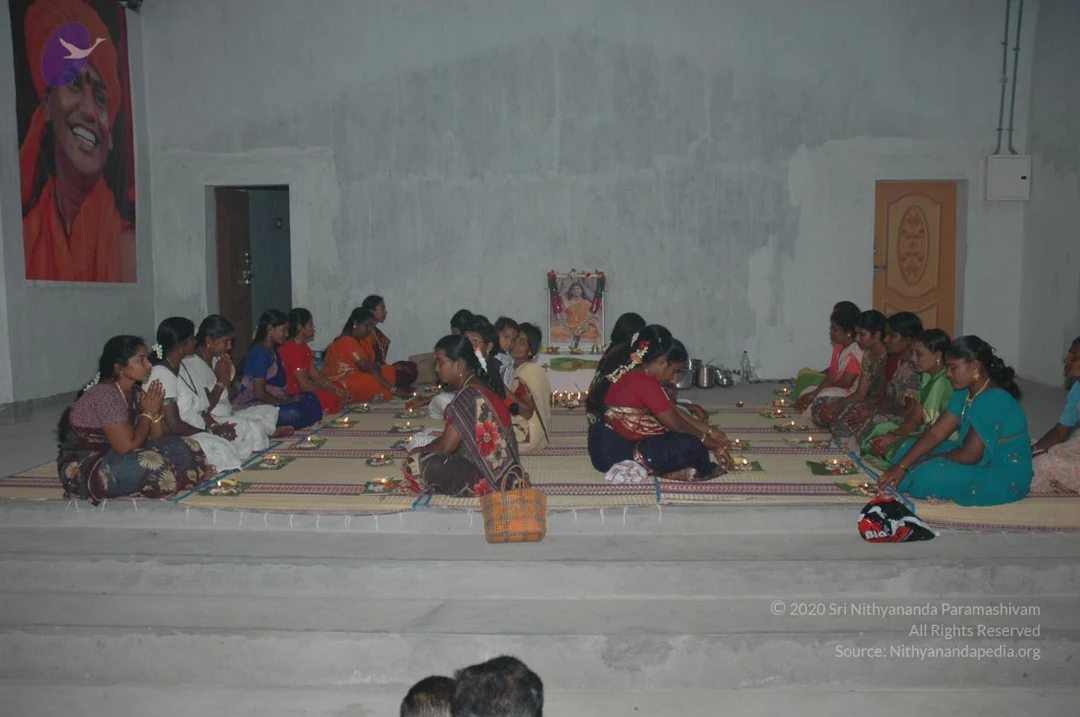
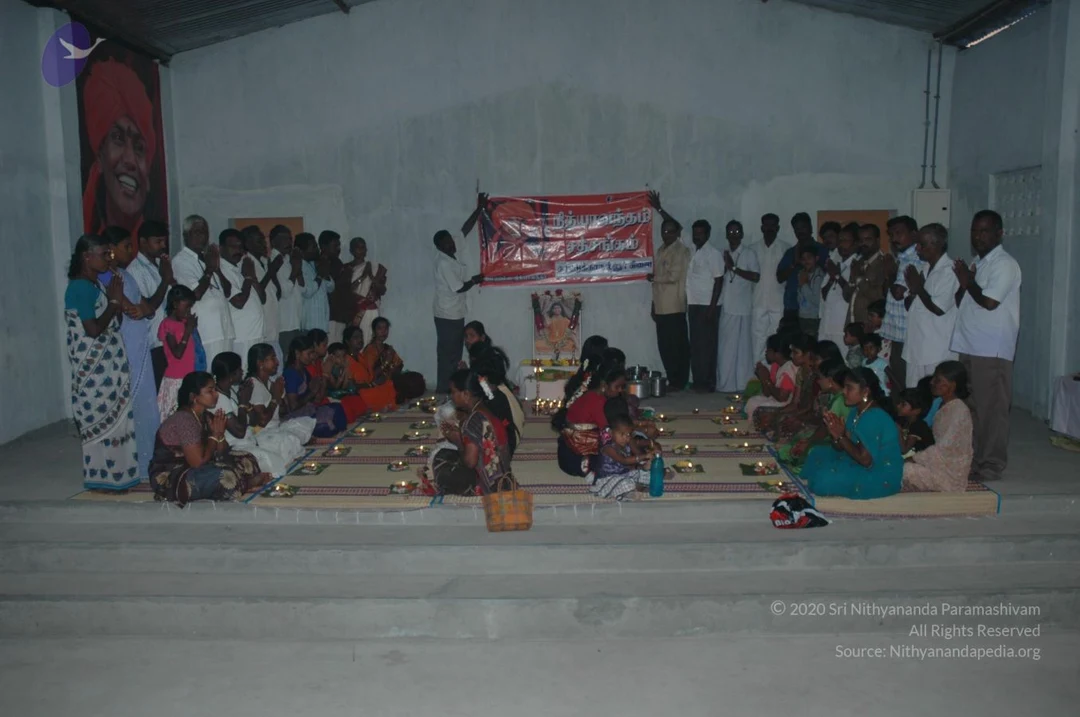
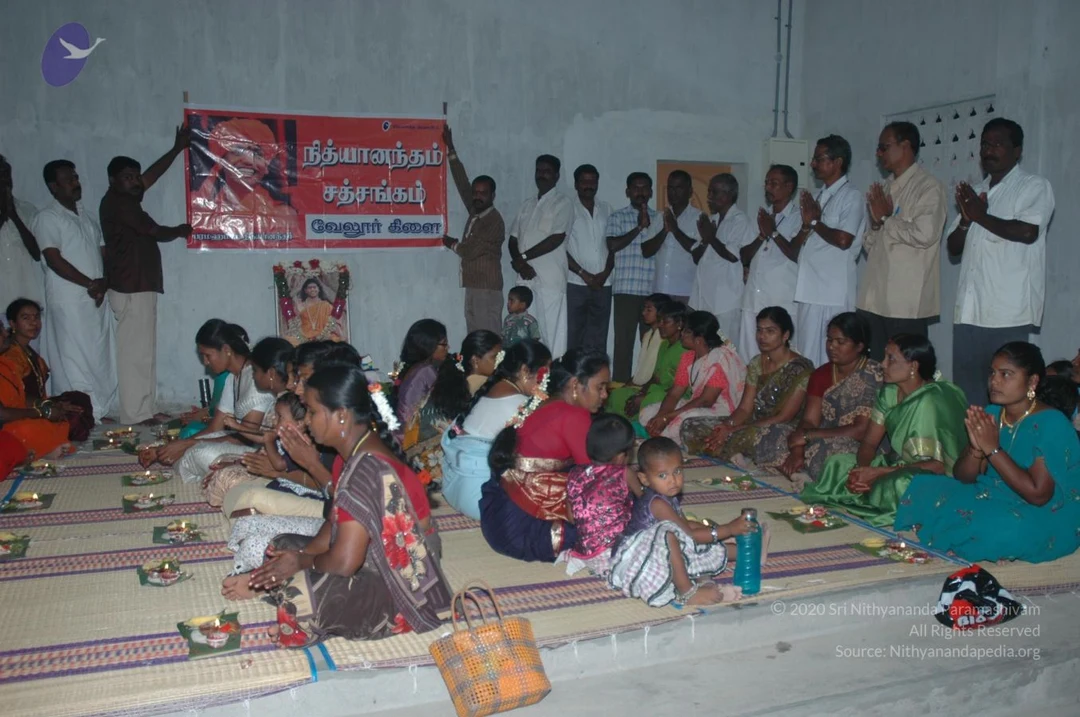
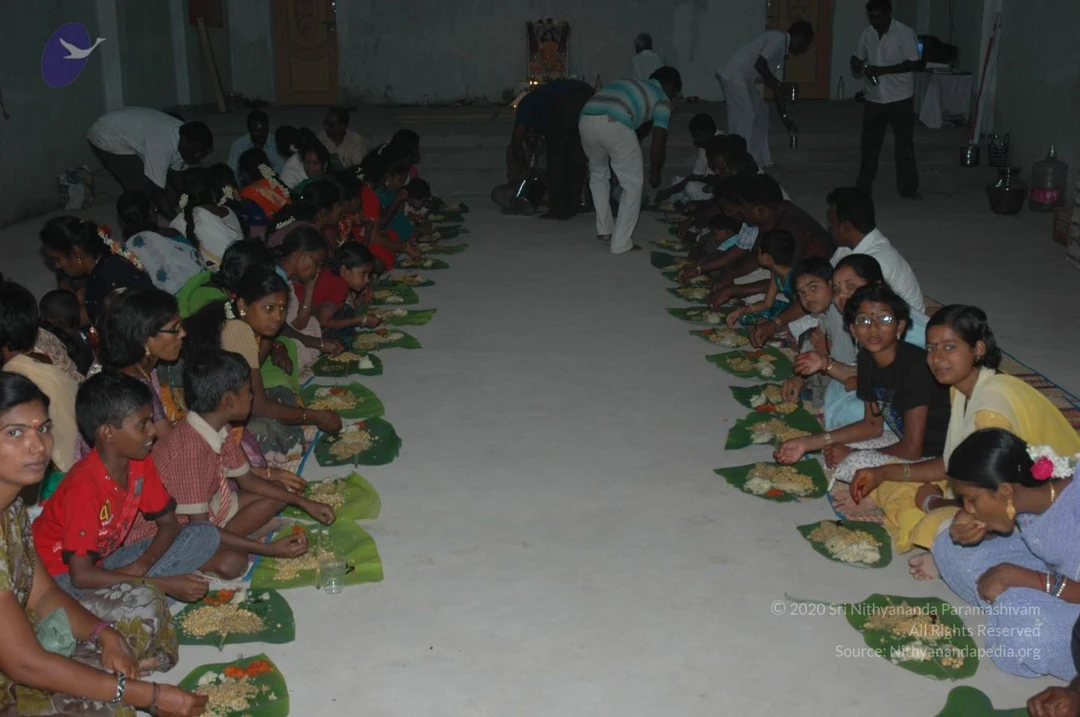
Photos Of The Day:
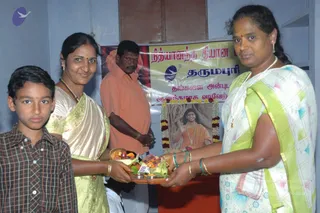
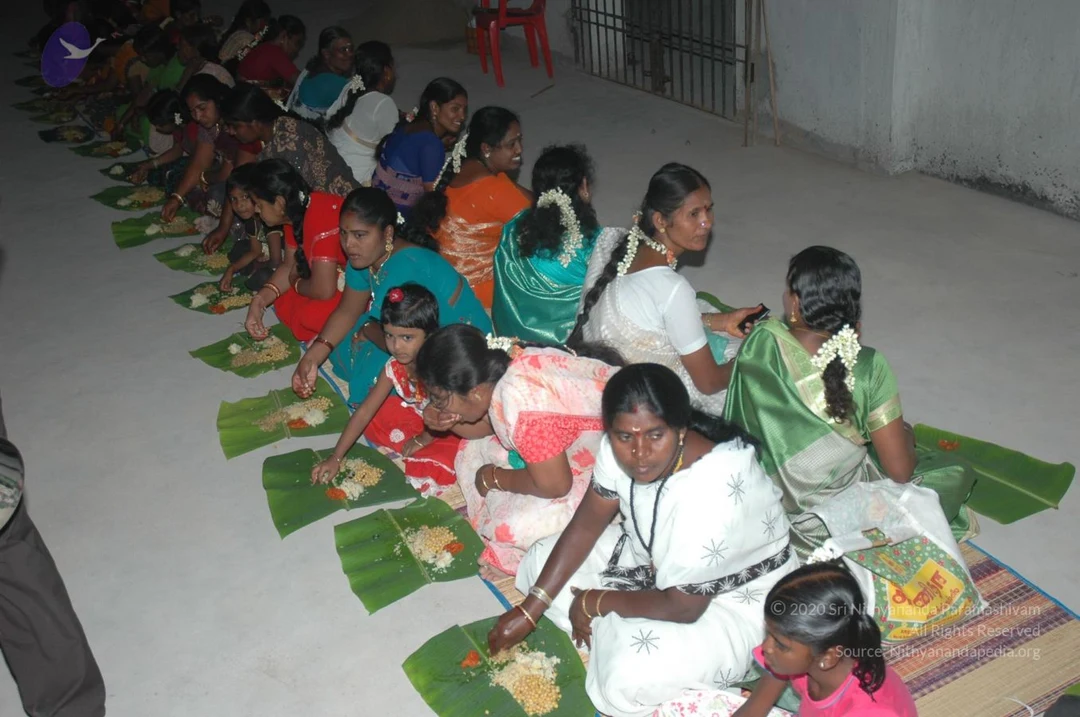
Sumangali-Pooja-Dhanam
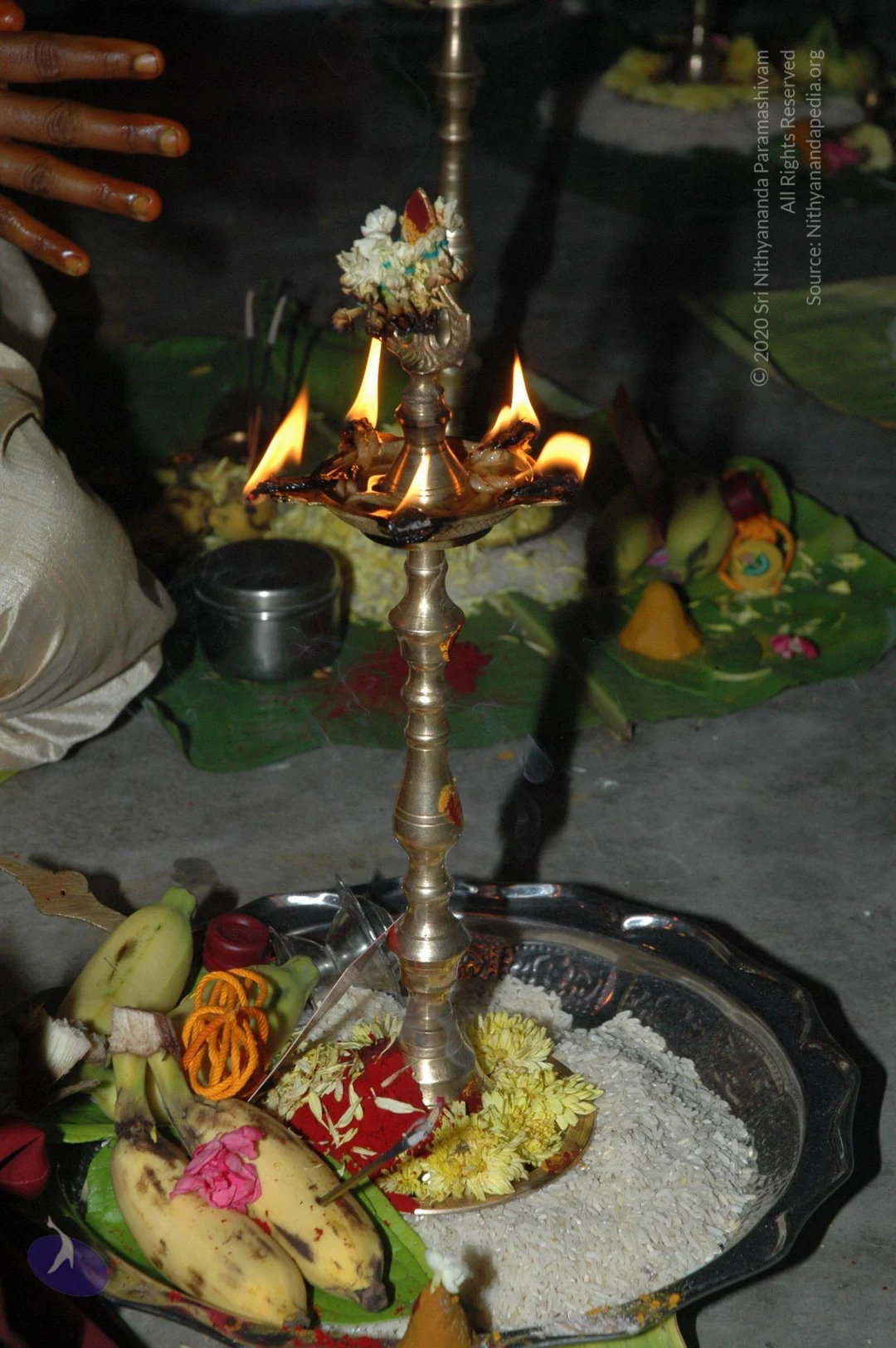
Photos from this day
View all 26 photosSumangali-Pooja
5 photosSource gallery

Pada-Puja
12 photosSource gallery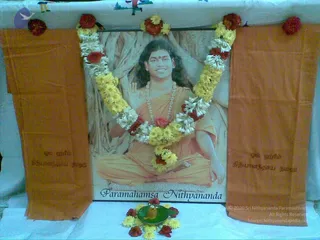
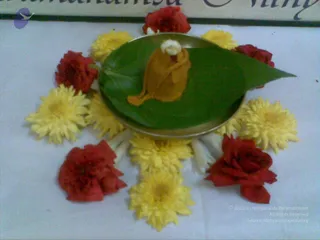
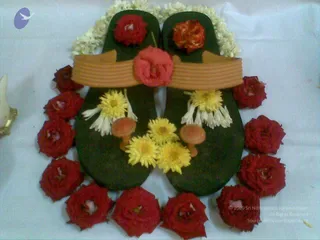
Sumangali-Puja
8 photosSource gallery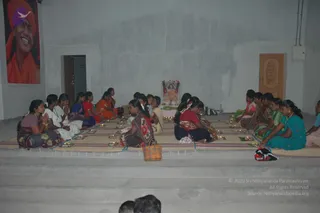
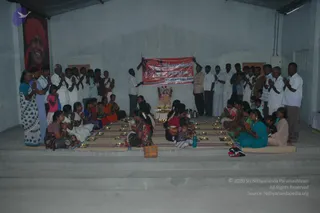
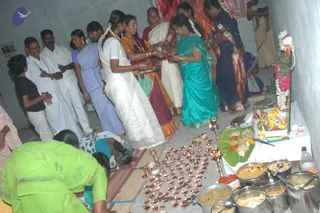
Sumangali-Pooja-Dhanam
1 photoSource gallery