Tuesday
25 January 2011
Breathe Life into Breath Patanjali Yoga Sutras 102 Nithyananda Satsang 25-Jan 2011.mpg
- Dated photos
- 212
- Source pages
- 1
- Media
- 6
January 25 2011
Original wiki pageTitle
Breathe Life into Breath Patanjali Yoga Sutras 102 Nithyananda Satsang 25-Jan 2011.mpg
Description
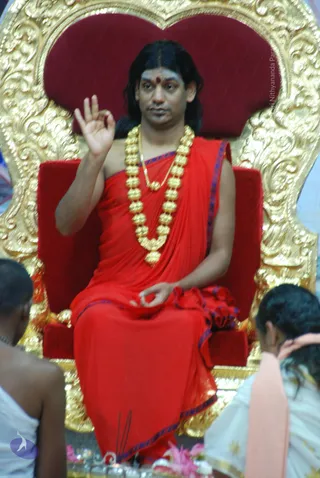
Today living incarnation Paramahamsa Nithyananda completed his discourses on Pranayama by explaining the fourth and final type of Pranayama - Stoppage of breath caused by concentration on internal and external objects.
The awareness you carry about you, if it gets centered on something whether internal or external; because of this centering, if the breathing stops, it is the 4th type of pranayama. This is the ultimate Pranayama. To summarize the four levels: The first level - just regulating all four actions of breathing (going in, staying in, going out, staying out) The second level - Elongates the four stages. The third Level - Stopping in any one of the four stages. The fourth level - because of being centered in some object internally or externally, your breathing stops.
If the awareness gets centered in any chakra or thought in the mind, it is internal. If you are centered on an outer object or inner thought, if the breathing stops, that is 4th stage of Prana. It can lead to Prana settling into your system. You will experience the state of breathing without thinking. This is the most powerful stage of Pranayama. In this stage, you will be able to create anything you want because everything is made out of Prana.
All material is created out of Prana. If you have Prana under your control, you can create anything. However, only up to Indra Loka (Heaven), pleasures can be made by Prana. After that, you can not use Prana for that purpose. In this Loka, you can make anything out of Prana. Extraordinary siddhis and powers can be achieved through this!
Watch, share and like the videos and Subscribe to our channel to be notified of the next upload. click http://bit.ly/20j90wr to subscribe.
Video and Audio - Breathe Life into Breath Patnjali Yoga Sutras 102 Nithyananda Satsang 25-Jan 2011
| Video | Audio |
Transcript
(00:35)
Now let’s enter into the satsang. Today’s subject - "Breathe life into your Breath"; 102nd sutra in Patanjali Yoga Sutras and in 2nd chapter, 51st verse. The sutra means.... let me read the sutra, bahya abhyantara vishaya akshepi chaturthah The fourth is the restraining of the prana by directing it either to external or internal objects. This is the Swami Vivekananda's translation. Swami Prabahavananada's translation is: the fourth kind of pranayama is the stoppage of the breath which is caused by concentration upon external and internal objects. Swami Satchidananda's translation is; there is a fourth kind of pranayama that occurs during concentration on an internal or external object.
(02:10)
This is a very powerful sutra. bahya abhyantara vishaya akshepi chaturthah; The awareness which you carry about you, if it gets centered on something whether internal or external…. Means on any chakras if it gets centered, it is called internal or any object in the mind, it’s called internal. If it gets centered on external, some outside object, because of that awareness getting centered, if the breathing stops that is the fourth kind of pranayama. I can say it is one of the ultimate pranayama; fourth stage of pranayama. Only after this step we can enter into the next steps of yoga, next parts or angas of ashtanga.
(03:48)
Please understand, the first level pranayama is just regulating the four actions, four flow: going in, staying in, coming out, staying out. The second stage of pranayama is elongating. I can say the second stage; I am putting it now serially. Elongating that four stages. The third stage of pranayama is stopping in any one of that four stages. The fourth stage of pranayama is because of being centered in some object internally or externally, if your breathing stops, that is what is fourth. That is what is fourth.
(05:08)
bahya abhyantara vishaya akshepi chaturthah. Outward, inward, object, experience or idea, all these things can be called as vishaya. Whether.... see, if it is external it can be called as object. If it is internal you cannot call it as object. It can only be an experience or thought or an idea. So being centered either on external or on internal object can lead to the stoppage of air movement, can lead to just prana going in and settling into your system. This is the fourth stage of pranayama. Please understand, concentrating on external object or internal object, because of that your, if your breathing sto...movement stop, you will experience the stage of breathing without thinking. Breathing may, may not happen but your thinking will not be there. That stage I can say is one of the most powerful pranayama; the fourth stage of pranayama.
(07:13)
In this stage, you will be able create anything you want because all the materials are created out of prana. You will have access to that base material. It's like a.... if you have a clay, you can make anything which can be made in clay. Same way if you have a prana under your control, you can make anything you want, because everything is made out of prana. All the materials made out of prana can be made by you, if you achieve this state of stoppage of breath by being centered; your awareness being centered on something internally or externally.
(08:07)
But you need to understand, only till Indraloka pleasures can be made by prana. Beyond the Indraloka pleasures, the spiritual realms, those cannot... those things cannot be made by prana. But in this world whatever you want can be just like that made when the prana is under your control. Understand this sutra. Concentrate either some object external or some idea or experience internal. If your awareness is centered on that, breathing stops, only prana inflow happens, you achieved the fourth stage of pranayama. And extraordinary siddhis and powers are expressed through this achievement.
(09:16)
I bless you all to experience, live, express, radiate, share the Eternal Bliss, Nithyananda. Thank you.
(09:36)
Title
Nithyananda answers on Dream and Vision: Q&A during Nithyananda Morning Satsang 25-Jan-2011
Description
Living incarnation Paramahamsa Nithyananda answers questions from devotees and disciples from around the world on dream, vision and kundalini awakening and pranayama.
Watch, share and like the videos and Subscribe to our channel to be notified of the next upload. click http://bit.ly/20j90wr to subscribe.
Video and Audio - Nithyananda answers on Dream and Vision: Q&A during Nithyananda Morning Satsang 25-Jan-2011
| Video | Audio |
Transcript
Sadāshiva samārambām shankarācharya madhyamām Asmadācharya paryanthām vande guru paramparām.
(00:35)
I welcome you all with My love and respects. Before entering into the today's subject satsang, I'll answer the questions related to the last satsang’s discourses, from the satsang centres. As you are aware, in hundreds of cities all over the world, thousands of people are watching the satsang live every day. The number is exploding, that’s the right word I have to use, every day! And I really feel as if just now I started My mission.
(01:38)
Here is a question. I am getting lot of questions. Every day I will attend and answer at least few. This is the question from Redondo Beach satsang centre, Redondo Beach satsang centre, from Vinnie Ocean. Oh! Beach satsang centre and Ocean name okay. Vinnie Ocean from the Redondo Beach satsang centre: "Most Beloved Swamiji, within days of finding you on the YouTube, I had a dream about you. You were sitting on my bedside performing healing on my abdomen, which is the exact place I needed healing. You were wearing your bright saffron robe. I felt lot of gratitude, but at the same time I wondered if it was my imagination. The following night I had a similar dream about you. I know it was not my imagination.”
(02:47)
I always tell you, the scale to find out whether what you are having is a imagination or a vision. If you see in multicolour, it is vision; if you see, if you are able to remember the experience only in black and white then it is dream. When you say you were wearing your bright saffron robe, when you are able to see the colour of my robe, be very clear it is a vision, it is not dream.
(03:28)
"I thought WOW!! I did not even ask for a healing and Swamiji is already taking care of me." When you have a strong feeling connection, you don't need to ask Me. Please understand. And I don't even need to think I should help you. There is very beautiful verse by Ramana Maharshi on Arunachala, “கேளாது அளிக்கும் உன் கேடில் புகழை கேடு செய்யாது அருள் அருணாசலா” The grace and compassion you have and the name and fame you have, says you always give before asked, without even asking. “கேளாது அளிக்கும் உன் கேடில் புகழை” everybody says and the whole world knows you have a name of giving without even asking. Don't destroy your name. Give me what I am supposed to be receiving. “கேளாது அளிக்கும் உன் கேடில் புகழை கேடு செய்யாது அருள் அருணாசலா” Don't destroy your name by yourself. Better let you grace me.
(05:03)
Actually when your feeling connection is in the being level, those are fortunate; I am no way involved directly. Please understand if the feeling connection is strong, I am not even necessary. Not only, I am no way involved, I am not necessary. It just happens. If you connect with Me in the level of words, then I am your teacher. Then you will…. you will have to ask what you want, then I'll give you the solution or technique. You may need to practice that; then you will have the relief. If you connect with Me through Bhakti - emotion, then when you ask, then I'll say alright it will be done, it will be done!! If you connect with Me through Being, means you have not even seen Me physically, you have never been around Me physically, you never heard any stories about Me, just suddenly some connection awakening, then you don't need to even ask Me, it is… the relationship is totally different.
(06:35)
If you connect with Me verbally, more like a Teacher-Student relationship. If you connect with Me emotionally through bhakti, it will be like a Guru-Disciple relationship. If you connect with the being level, then it becomes God-Devotee relationship. Fortunate, blessed are those who experience God and devotee relationship. Vinnie Ocean, you are fortunate to experience that highest relationship. So when you are awakened to that highest relationship, you don't even, you don't even need to ask me. The God which is functioning in this body automatically answers. He takes care of that. It's like a three different department for Me; the Teacher department, Guru department, God department.
(07:52)
The God department is always in automated mechanism and rarely I interfere in that. Mostly, I play the game of this Guru-Disciple mechanism and very less the Teacher-Student mechanism. The Teacher-Student mechanism may be 20% of my job time and 80% Guru-Disciple mechanism. And as far as the God-Devotee mechanism, it is automated. I don’t need to attend that at all. I don’t need to spend much time on it. I don't need to attend to it, as it is an independent intelligence. If I need, some time I can interfere, but other than that it has its own simple intelligence. It runs by itself.
(08:49)
Vinnie Ocean, you are fortunate to connect with that third dimension. So I tell you I don’t even need to tell you. Simply you will know in few days you will be completely healed. And not only that, anybody who have a stomach problem, abdomen problem, you put your hand on their abdomen, stomach, they will be healed; because, you got the healing not by any physical ordinary method. It has happened to you as a spiritual experience of Devotee-God relationship, so naturally your bio memory is now intelligent enough, solid enough, strong enough to radiate the same healing to somebody else who has the same problem.
(09:49)
So here he is saying, "I would officially asking for assistant your assistance Swamiji in restoring total health in my abdomen. I have a few tumors which I believe can be dissolved with your grace and compassion. Please guide me through this." Just find out how many tumors are…Within that many days, it will all be dissolved. That’s it, nothing else is required. I don't need to interfere at all. Understand, actually it is your greatness you even need to mention this to Me and you attribute that miracle to Me. Even if you don't attribute this to Me, it will happen on you. You will be healed. But the gratitude which you may experience, may make you at ..attribute that towards Me. That is different. But even if you don't ask Me officially, it will be healed. Anyhow, now because you asked officially, I'll answer you officially. You will be healed within few days.
(11:05)
And the next statement, "I have a great deal of love for you Swamiji, no matter what." This is... this statement is the key statement in the whole letter. This statement is responsible for your God-Devotee relationship. Here you end. Finally whether it gets heals or not, I don't care, I surrender! I can say that this statement gives you the right, not only to get healed, to heal anybody who has abdomen problem. Anybody whom you find has an abdomen problem, put your hand on their stomach and heal them. Tell them, just I am helping you. I am praying for you. Nothing else and you don’t need to pray for, pray towards anybody, anything. Just remember that dream or I can say vision you had. Just remember that vision you had and the mood you felt when you had the vision on your stomach. Just remember that and put your hand on anybody who has abdomen problem, their abdomen, you will see, they will be healed. Now you will become abdomen specialist!!
(12:24)
Next, a question from UK satsang center: "Swamiji, Nithyanandam Swamiji, my sincere and humble salutations to you, my atma guru. My name is, just dot dot dot, waiting to be named spiritually by you, my guru. And the name given by my parents are Shanmugasundaram. I am currently from Milton Keynes, UK and originally from the spiritual grounds of Pondicherry, India. I got a query on today's satsang on pranayama. In Shiva sutra you explained that we should meditate on kumbhaka, the energy point between inhalation and exhalation. I can do this only when I am in the presence, during meditation, and when I exercise my breathing. When I slip into the deep mode, I forget my breathing. The breathing becomes too shallow and hardly recognise, realise whether I am breathing or not. The silence experienced at this stage is completely different to the one done with presence. Today you have defined breathing is not simply inhalation and exhalation of air, but the actual intake of prana. Does this means even when I slip into the meditation and forget myself, do I still intake the required prana? Also could you please shed some more light on prana? I used to think that is oxygen which is in the air. Please pardon my ignorance. Now I realise that it is something more subtle. Could you please explain a bit more on this? Ever in your service, Shan.”
(14:10)
I'll completely demystify the truths of prana. That will solve all these questions. Please understand prana is a kind of a vibration which goes inside along with your breathing the air. And that vibration stays inside you and continues to add more vibration, frequency to the life energy. And that air comes out. That is the exact science. And few more things you may need to know about this whole movement. Even while you feel that breathing has stopped, still during the deep restful awareness or meditation, the prana continues to go in and comes out. You can see Indian yogis who have mastered the prana process, independent of breathing. They bury their head and they breathe through the leg. During kumbha mela you can see, the naga sadhus, aghori sadhus, they do this. They bury their head for thirty days and no food, nothing. Through leg they breathe. But you can see their finger tips inhaling and exhaling. That nails will be... the gap of the nail will receiving the prana and taking the… releasing the prana. So understand, inhaling and exhaling, the prana going in and coming out, independent of breathing.
(16:27)
I am trying to get the right word. Prana, life breath is independent of breathing. When you forget yourself in the meditation, prana going in and coming out actually increases; air going in and coming out may reduce, but the prana going in and settling increases. That is the reason meditation rejuvenates you. If meditation is making you tired, understand, you are doing something seriously wrong. It should only rejuvenate you and it only rejuvenates you. It will only rejuvenate you. So understand Shanmugasundaram, the prana is independent of breathing.
(18:10)
Title
101 réponses sur comment vivre l'illumination
Description
Watch, share and like the videos and Subscribe to our channel to be notified of the next upload. click http://bit.ly/20j90wr to subscribe.
Video and Audio - 101 réponses sur comment vivre l'illumination
| Video | Audio |
Photos Of The Day:
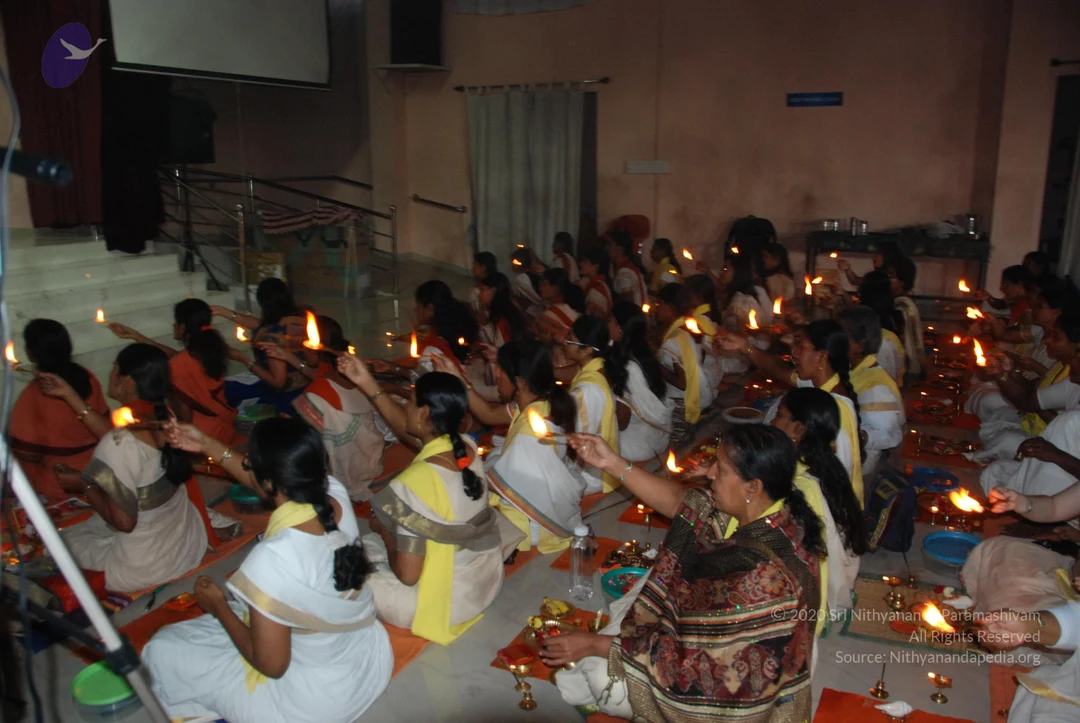
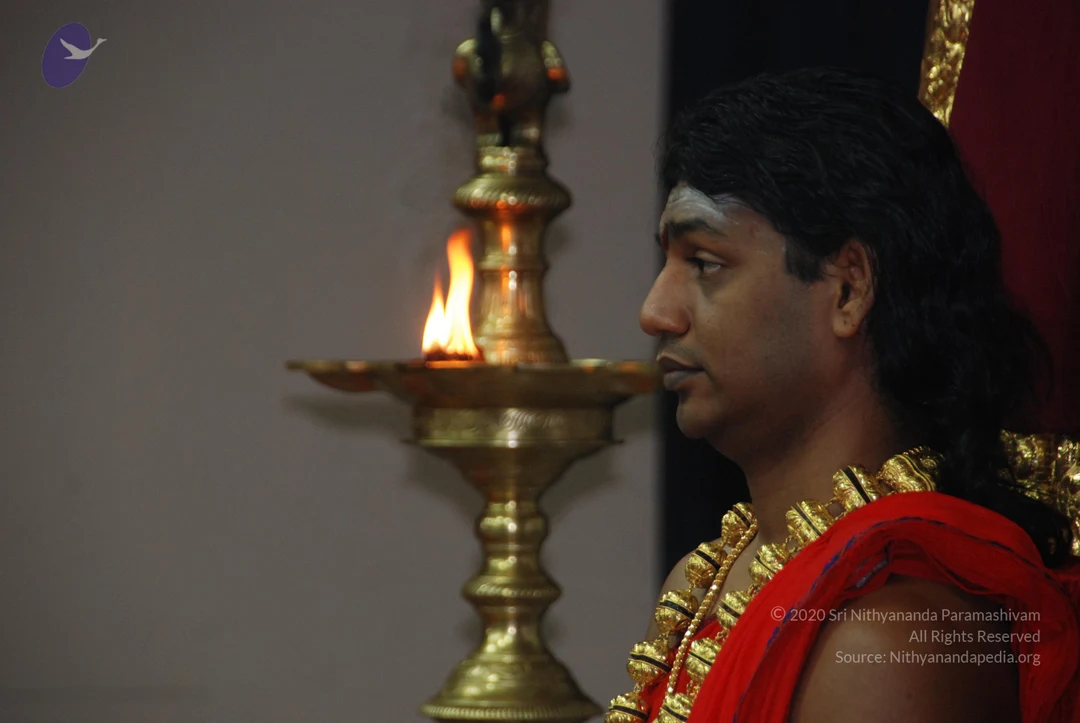
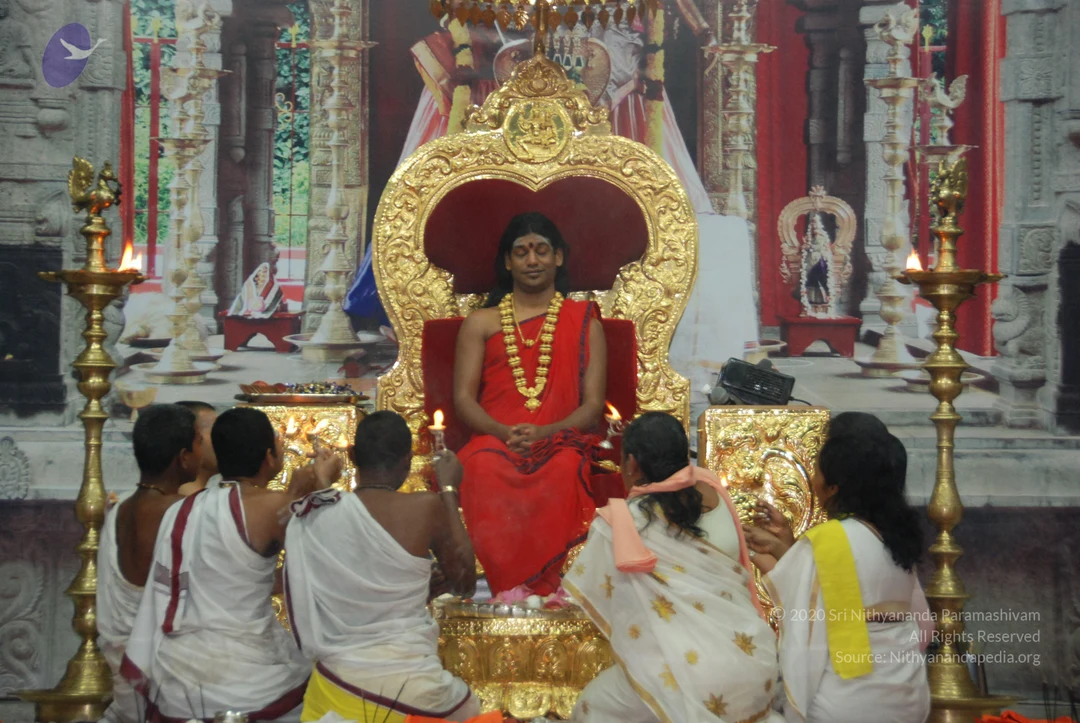
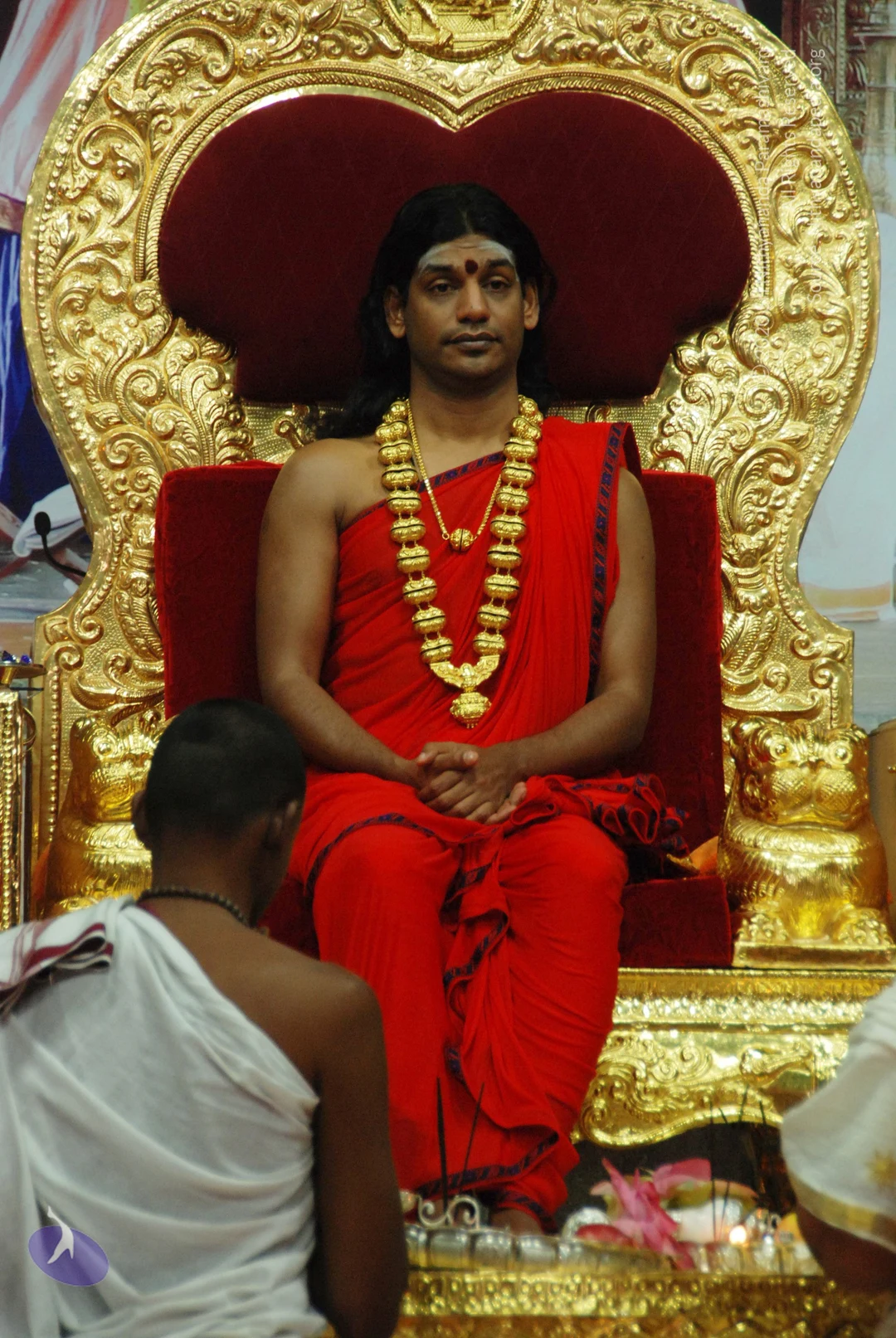
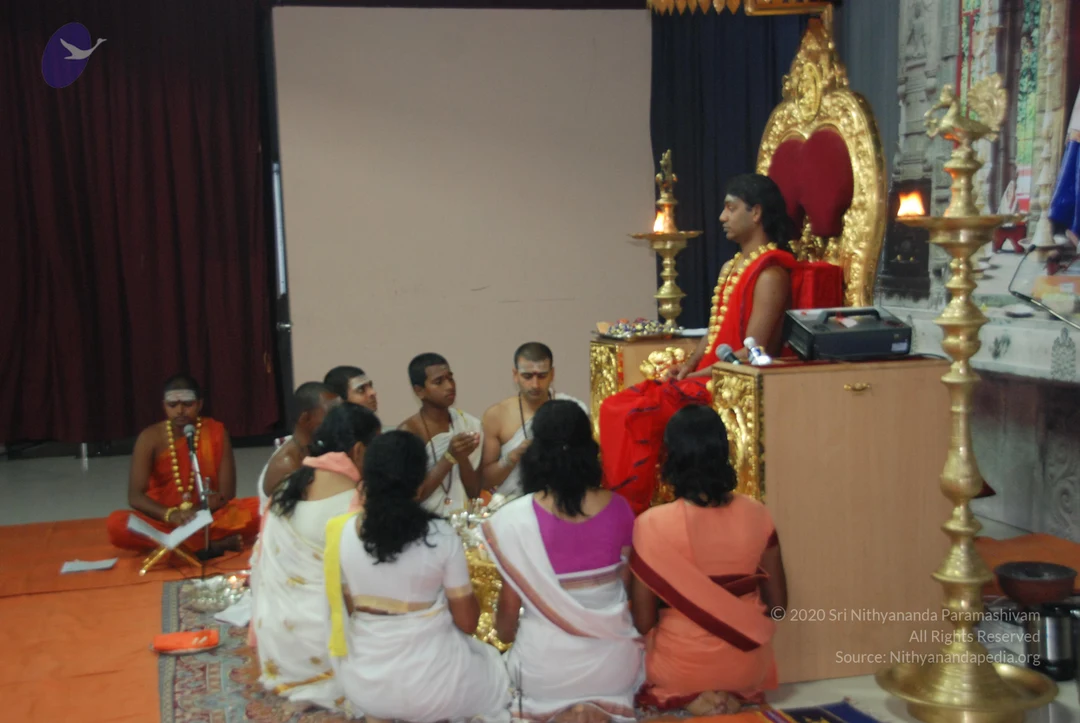
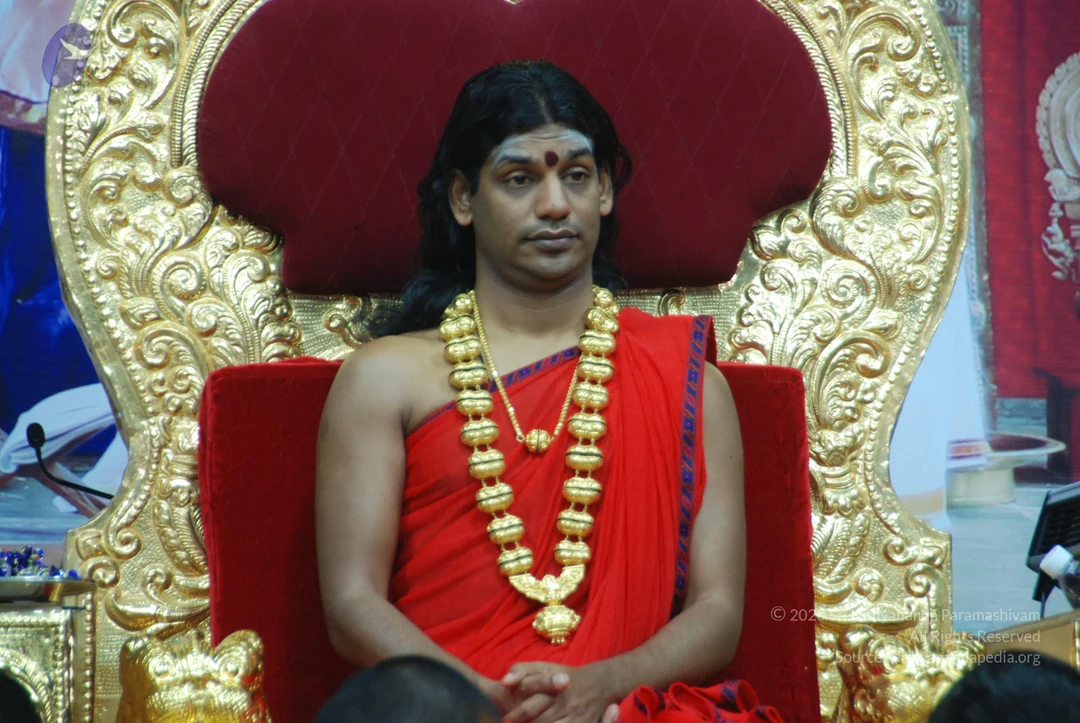
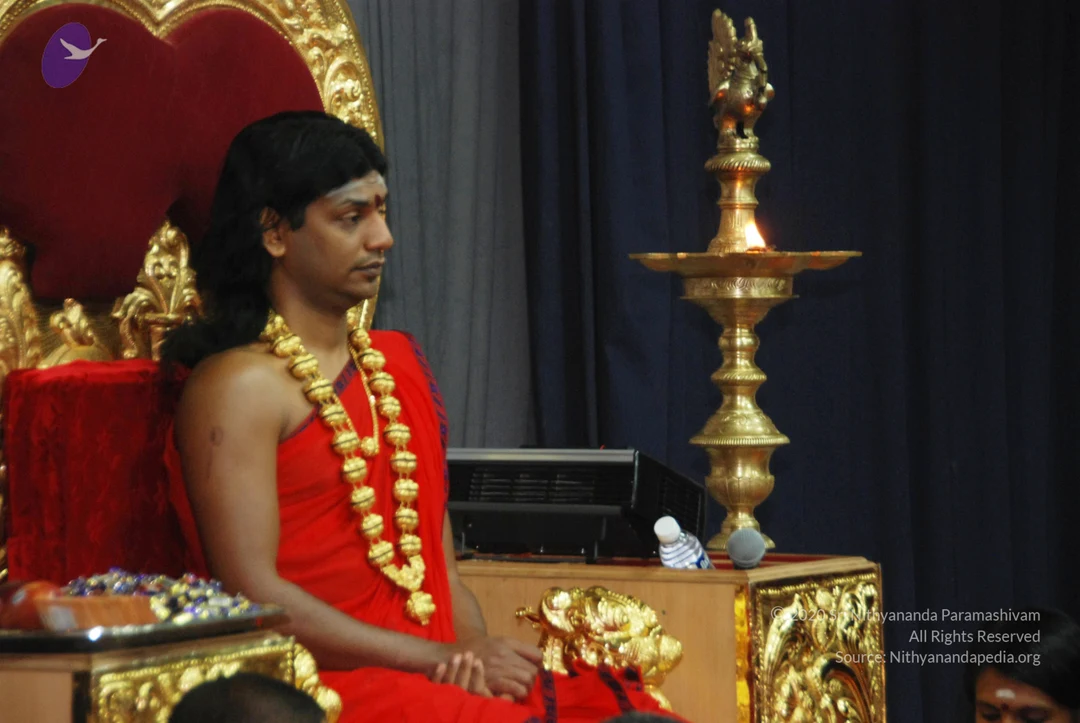
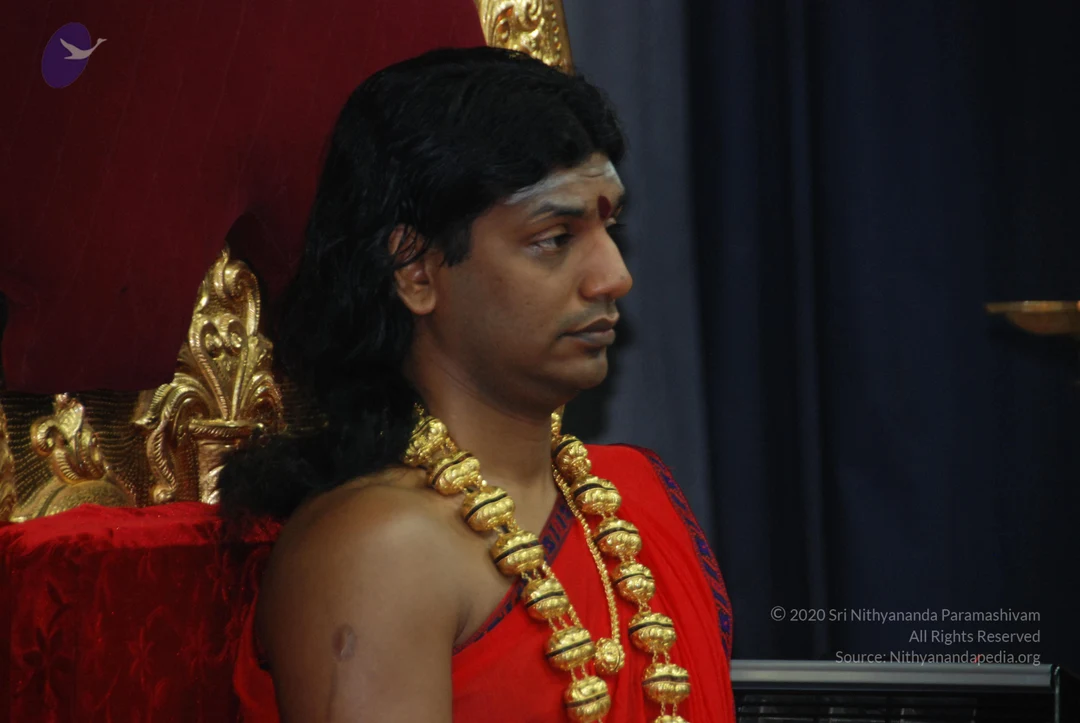
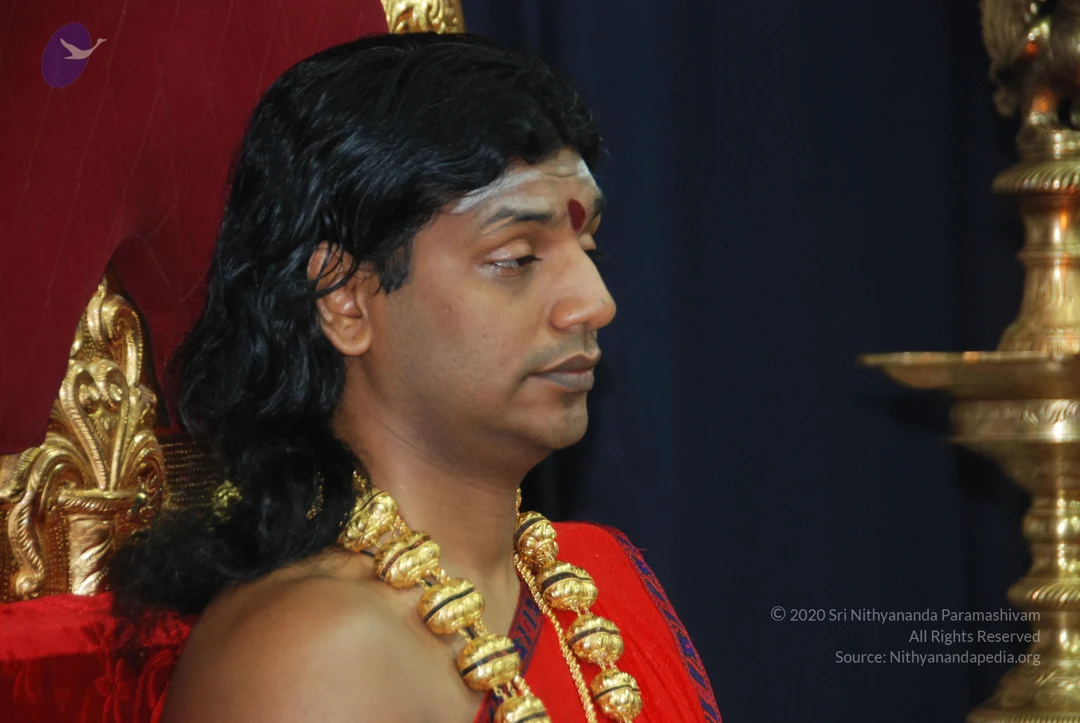
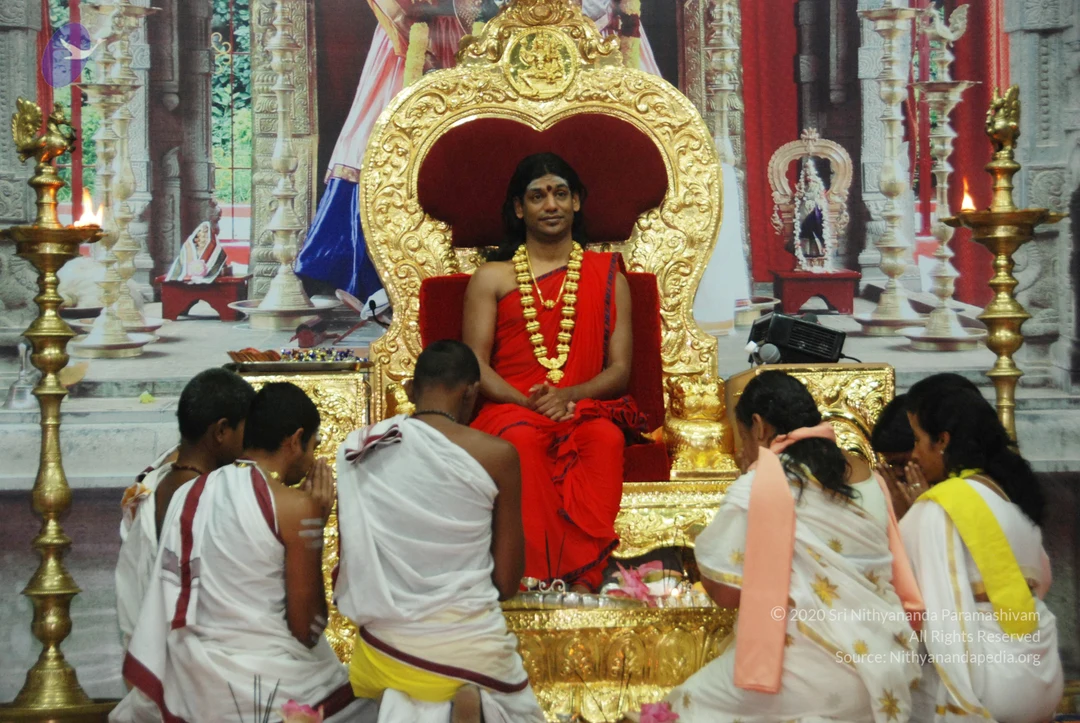
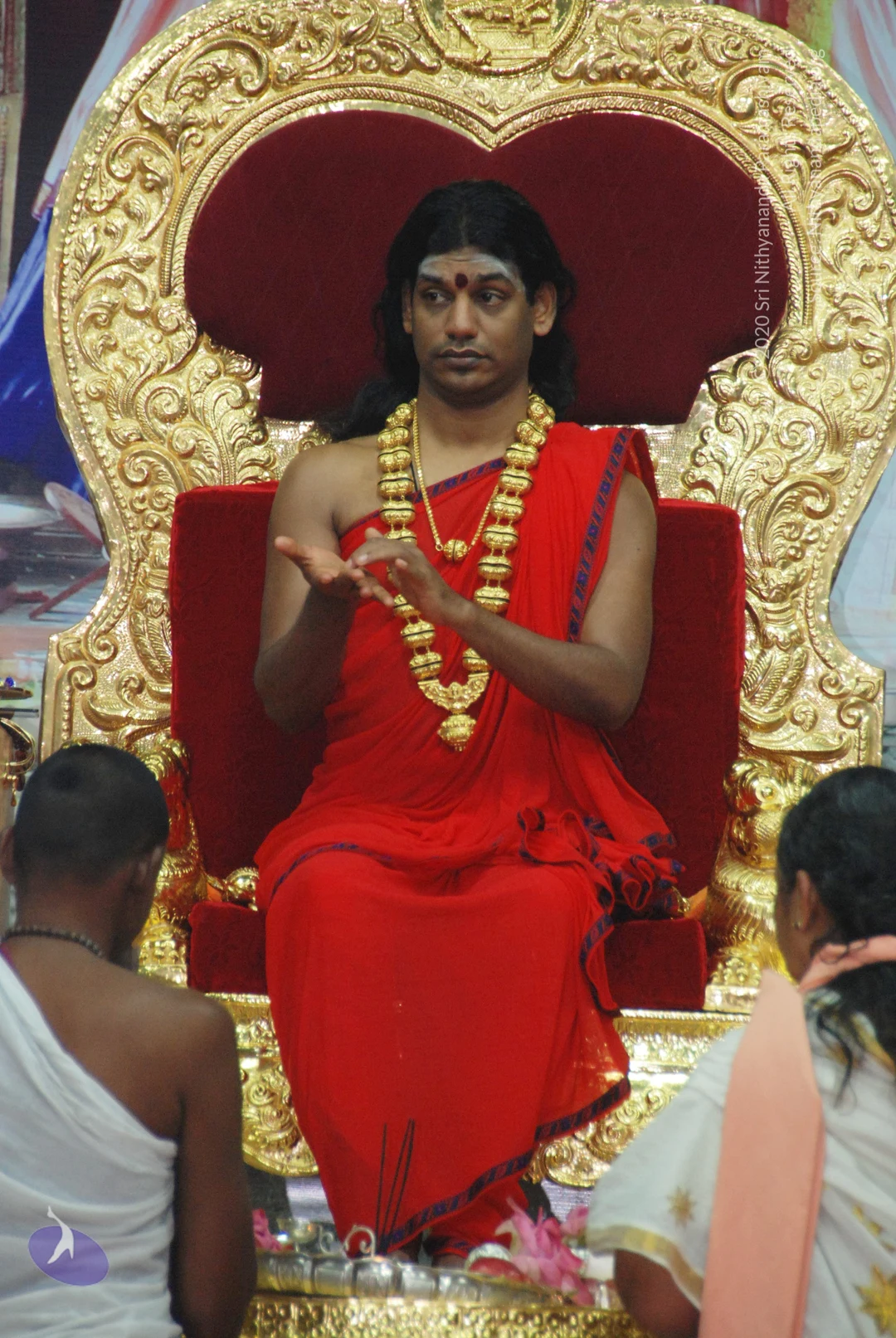
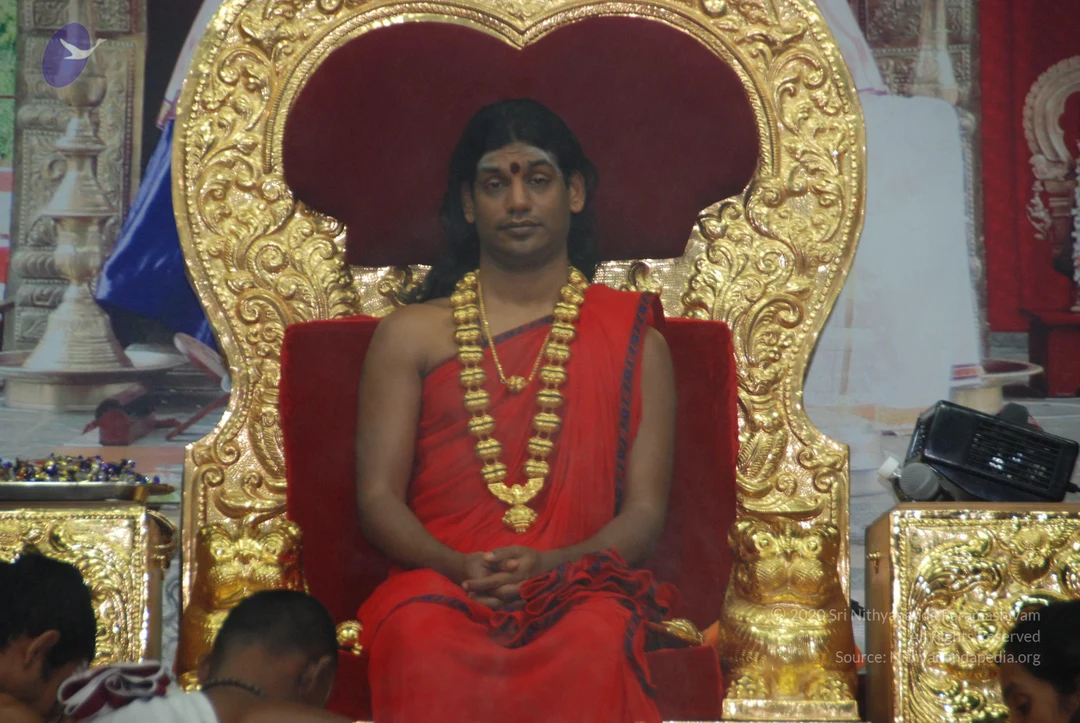
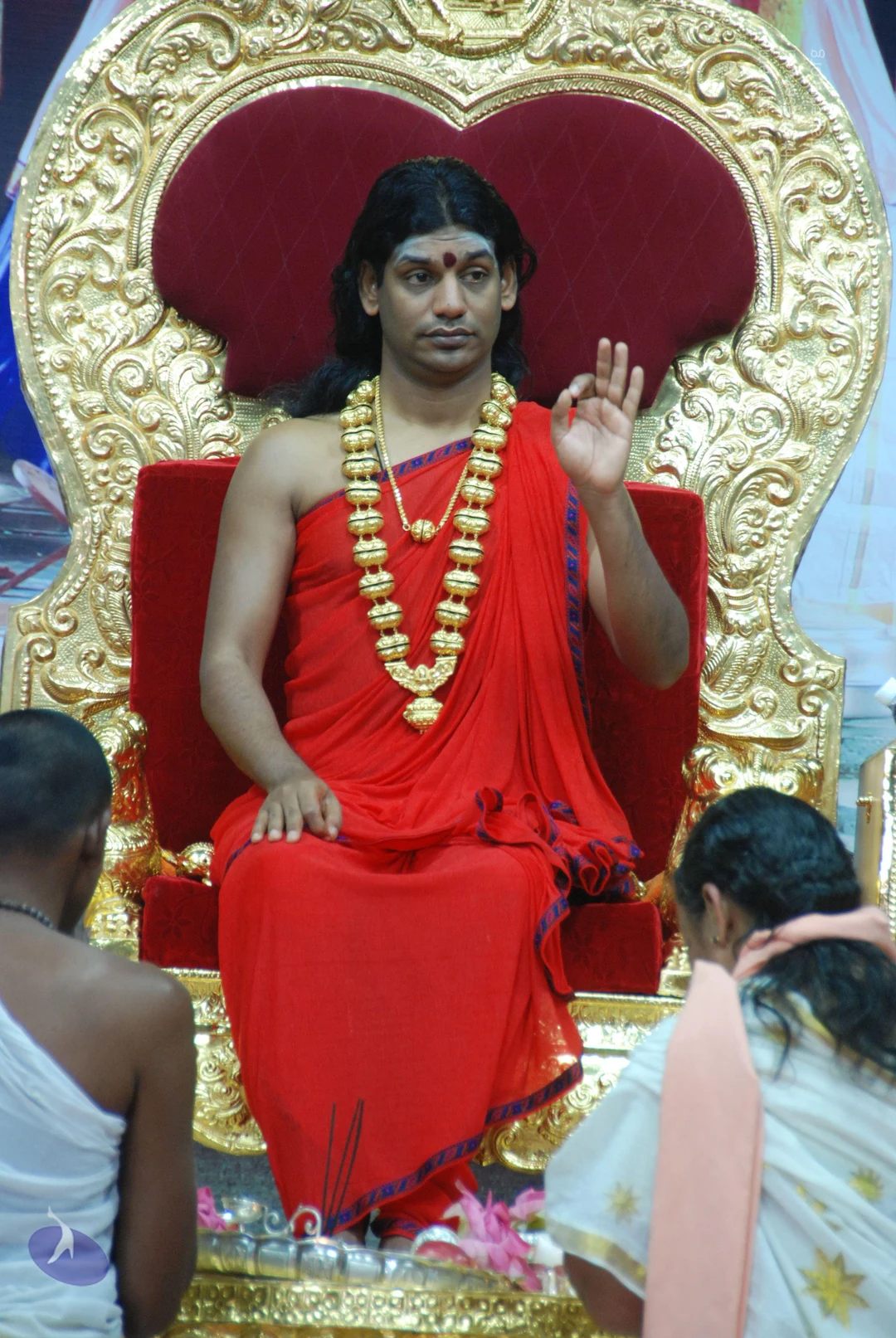
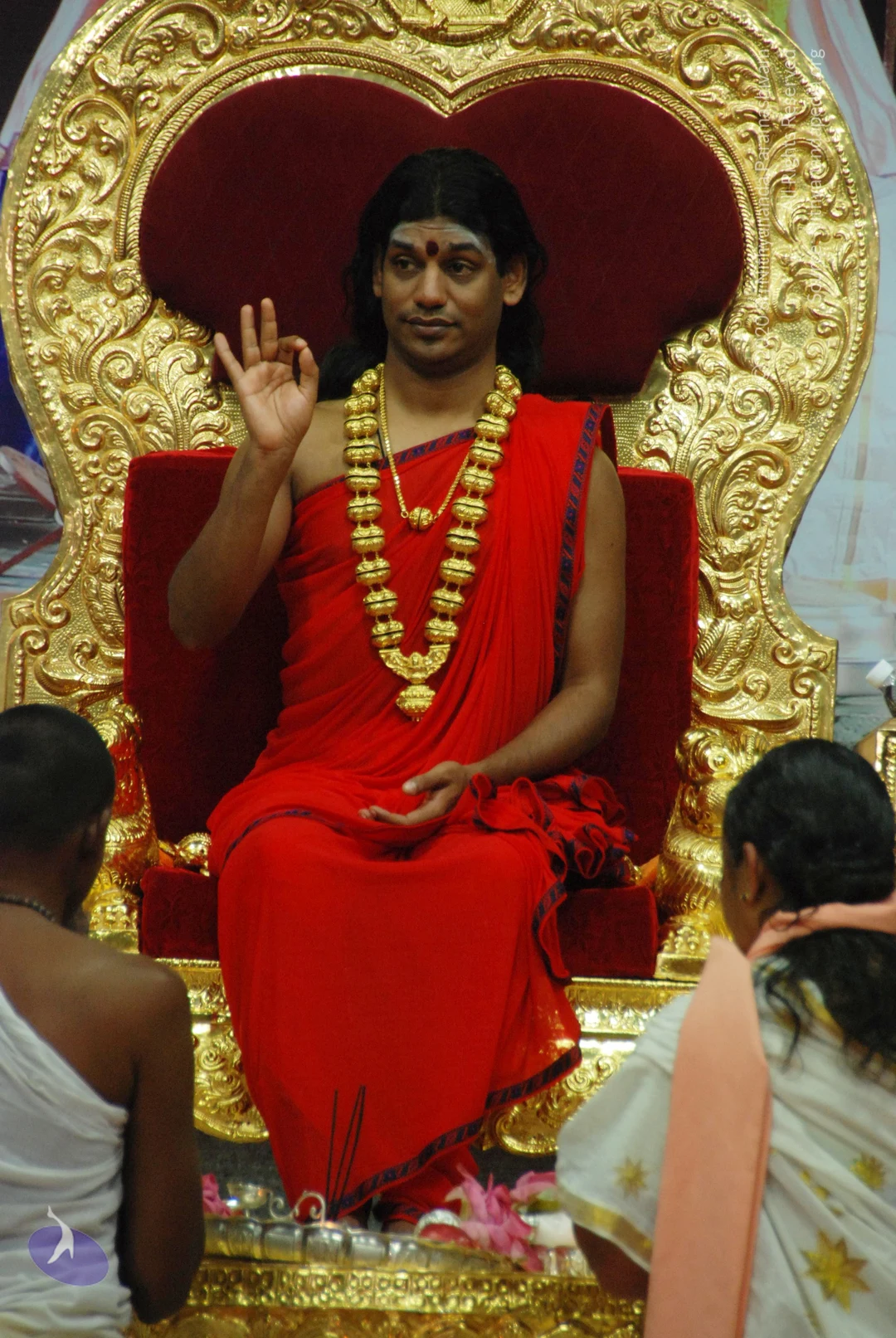
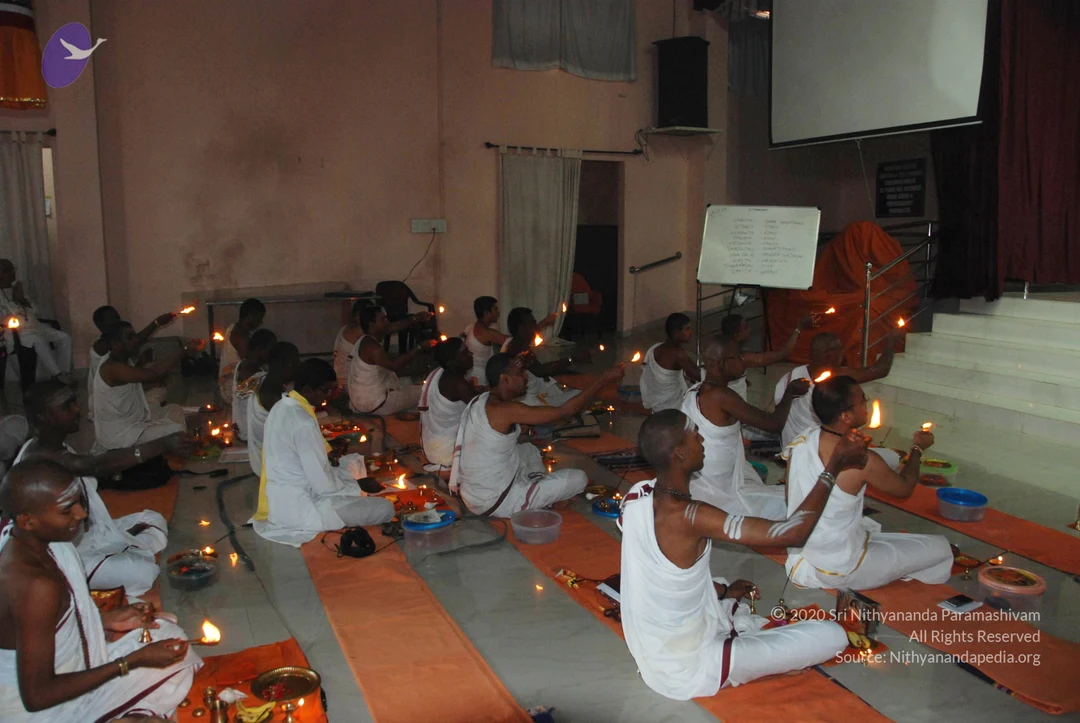
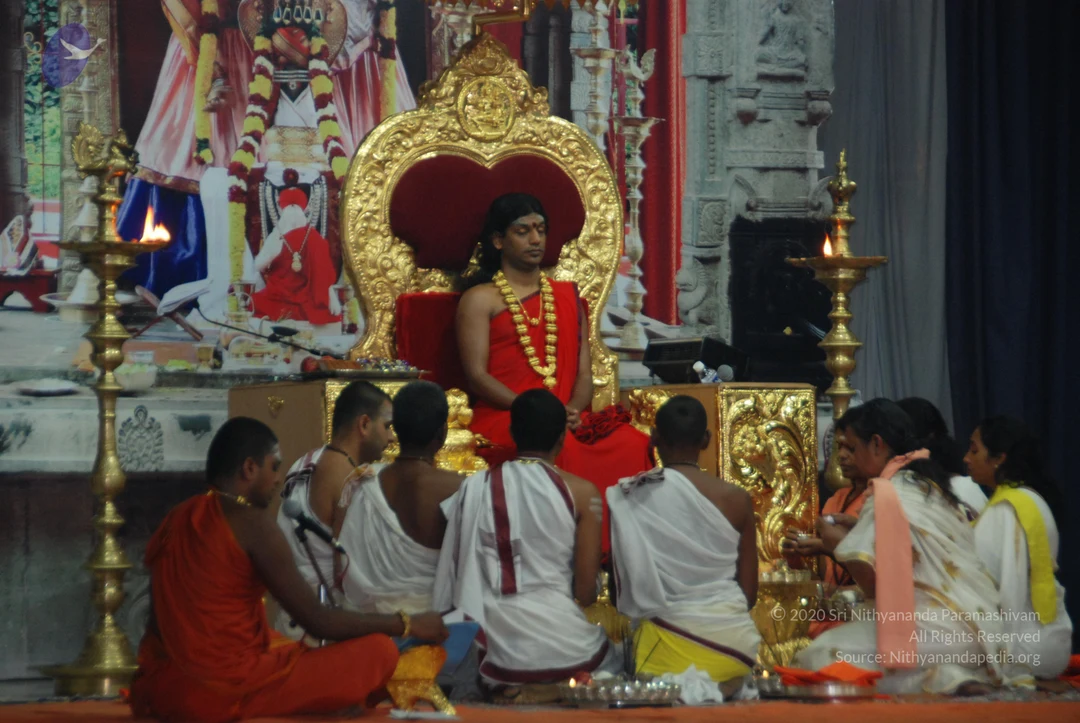
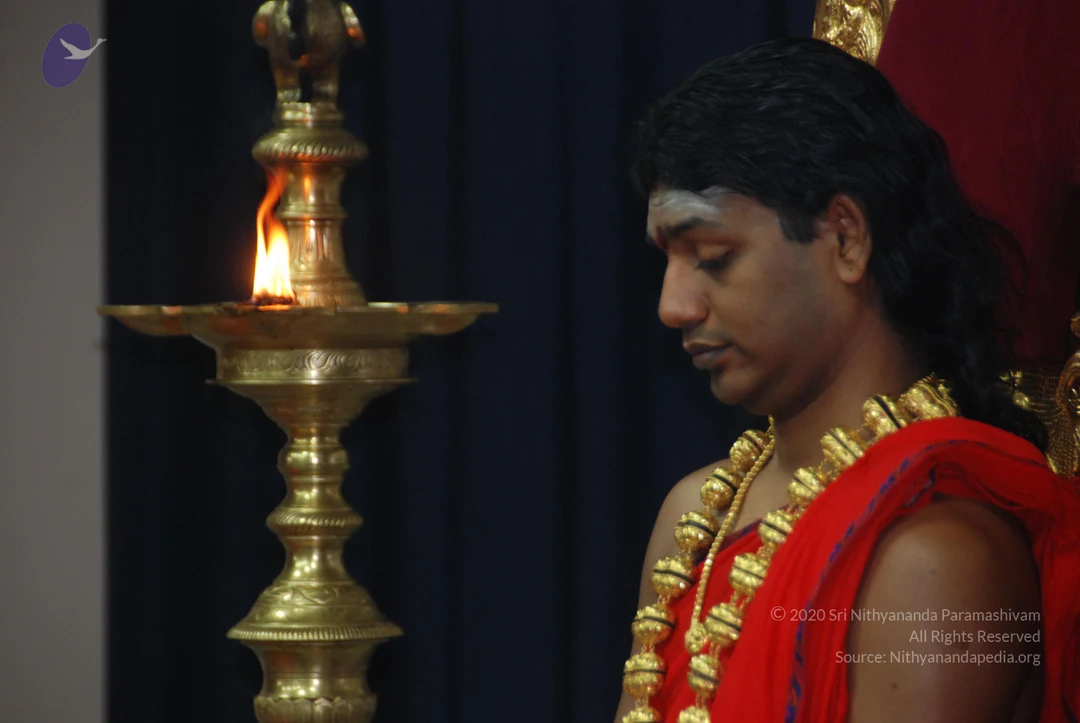
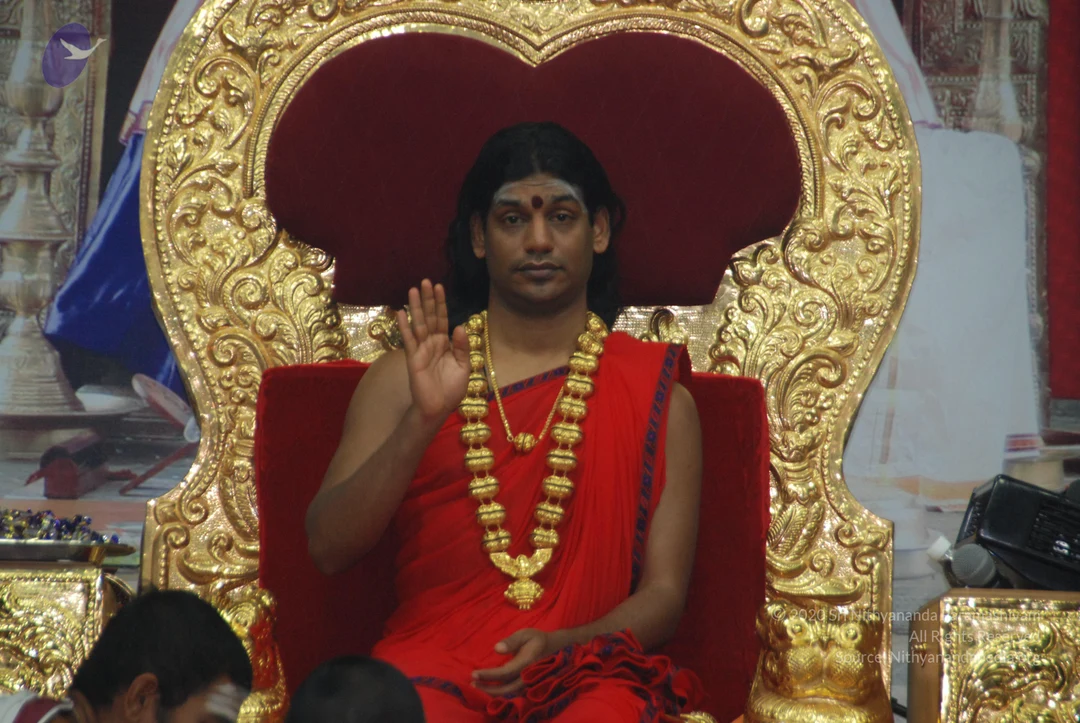
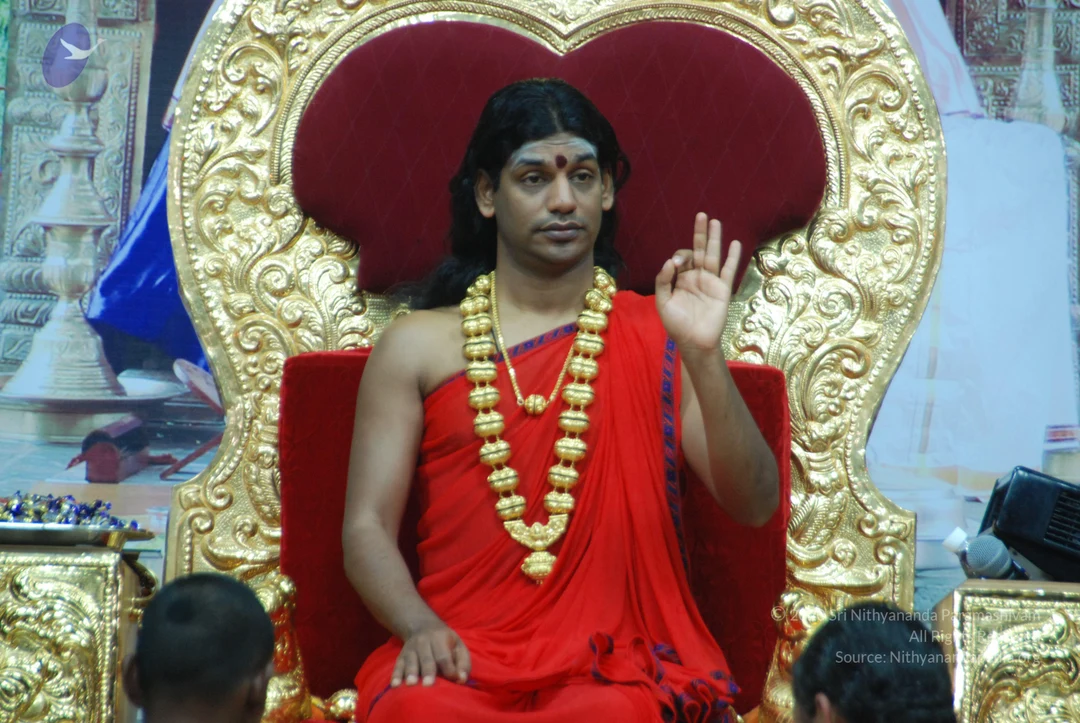
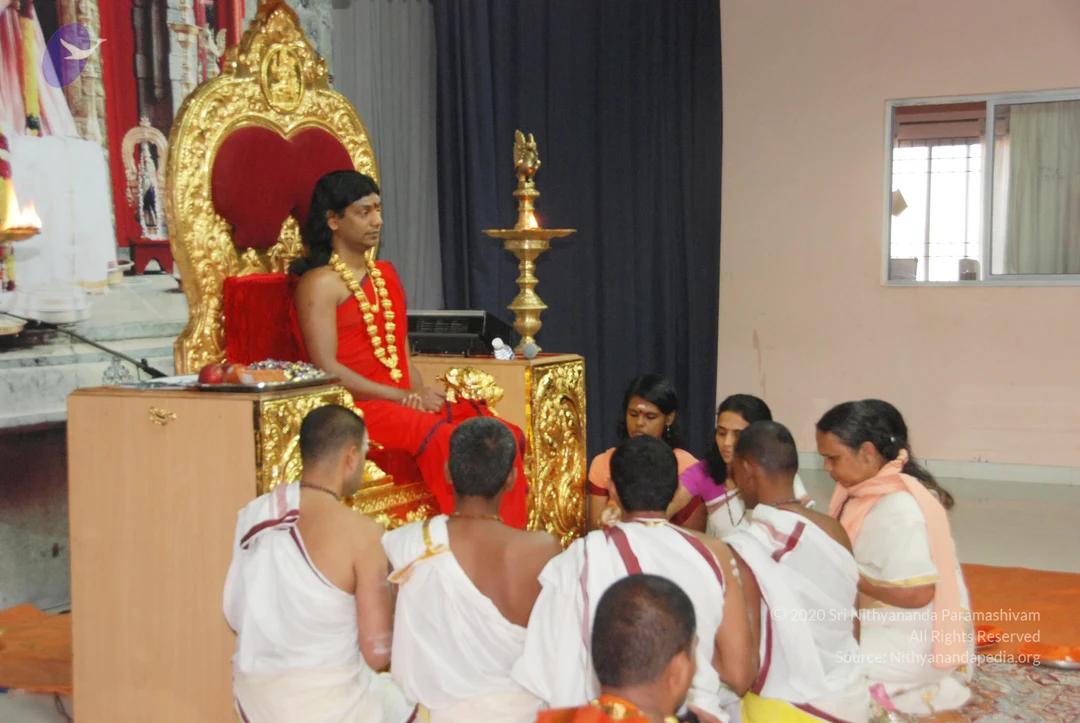
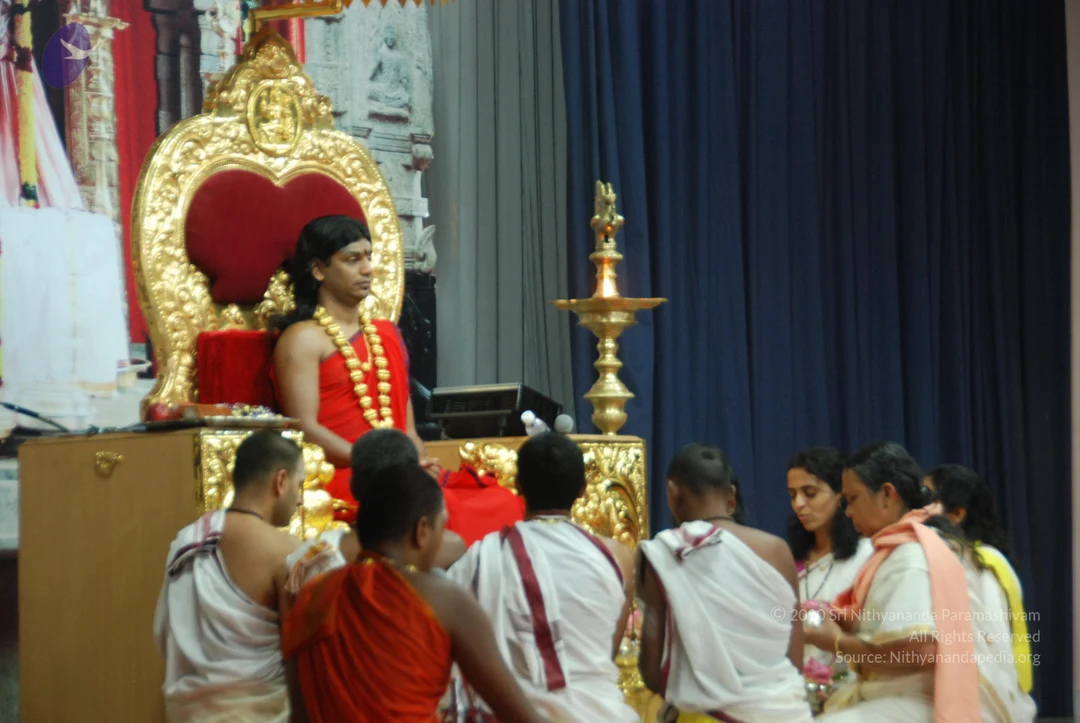
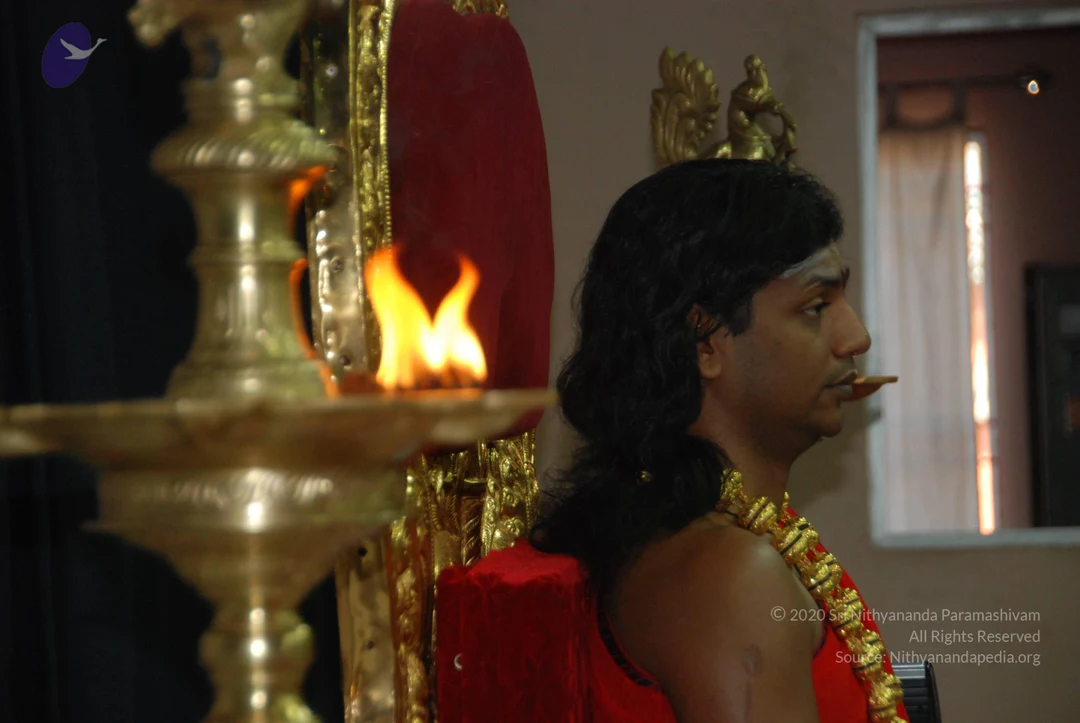
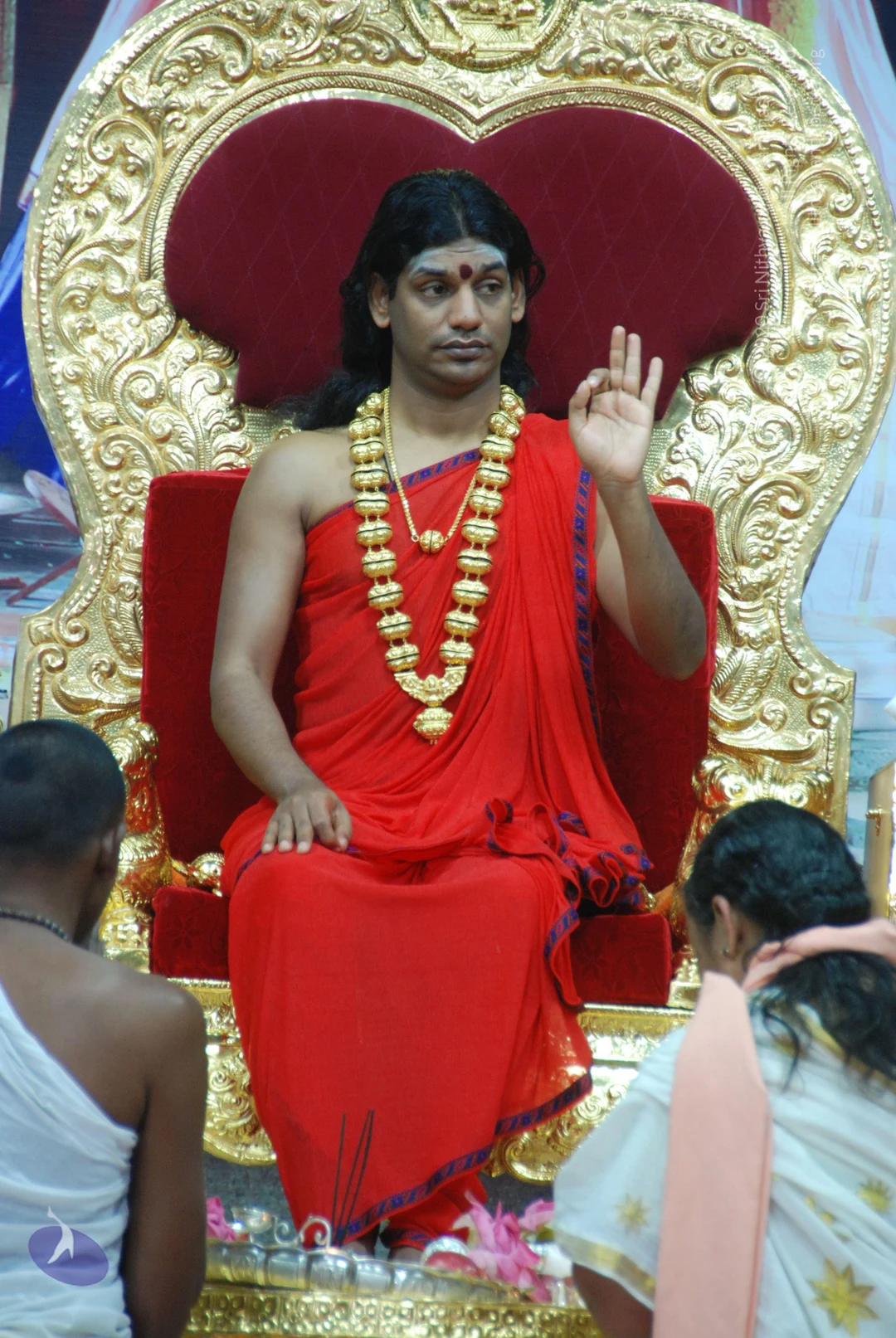
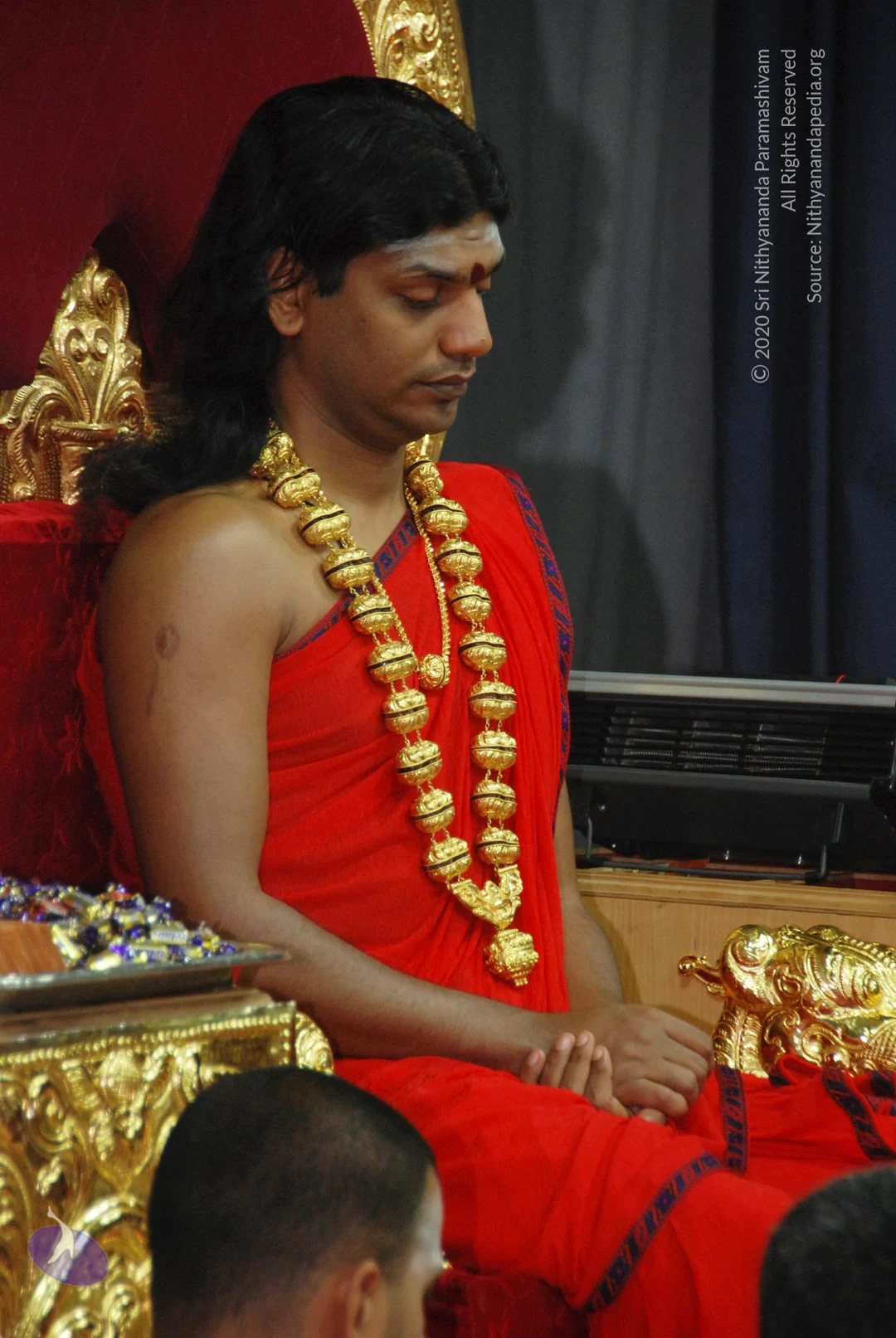
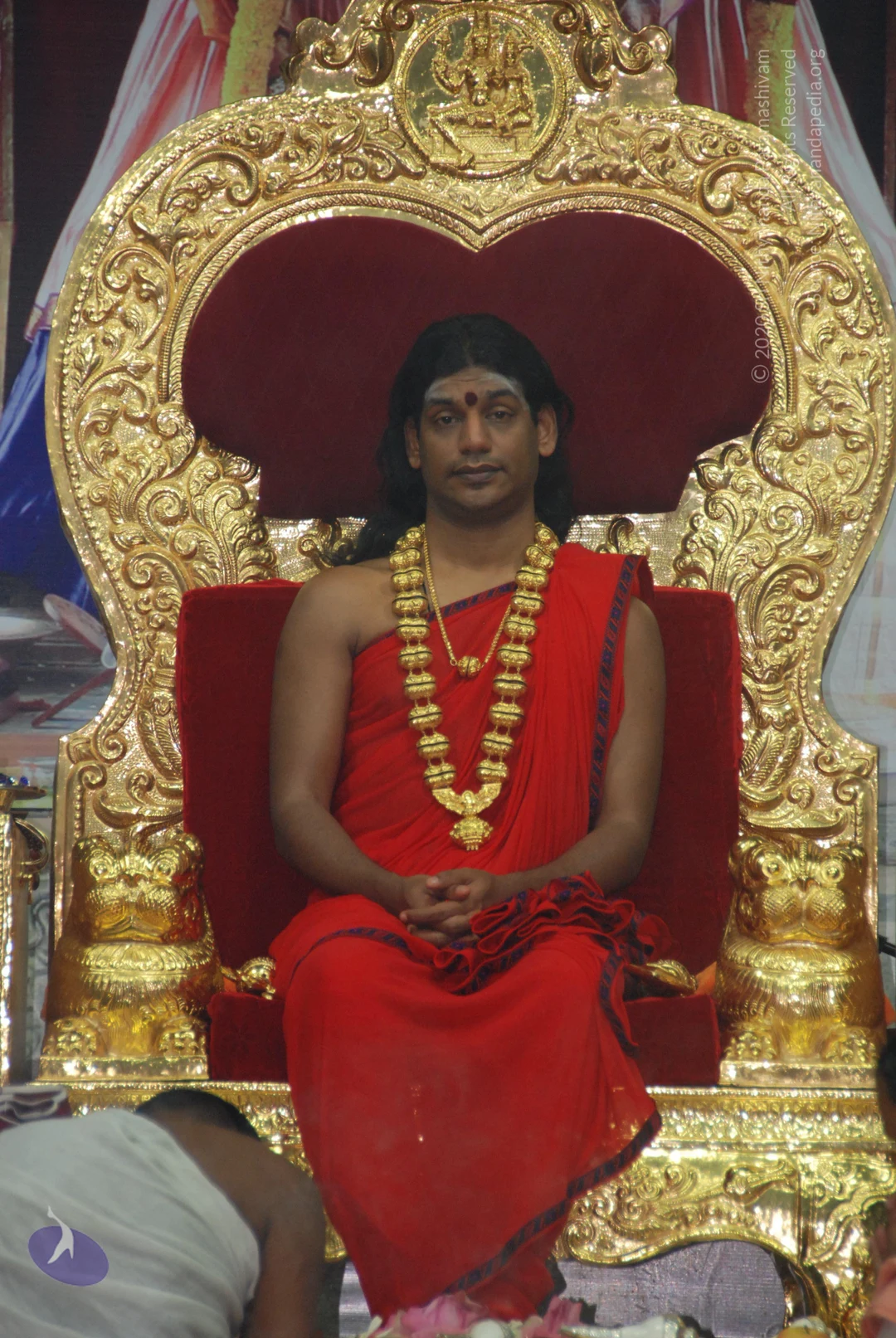
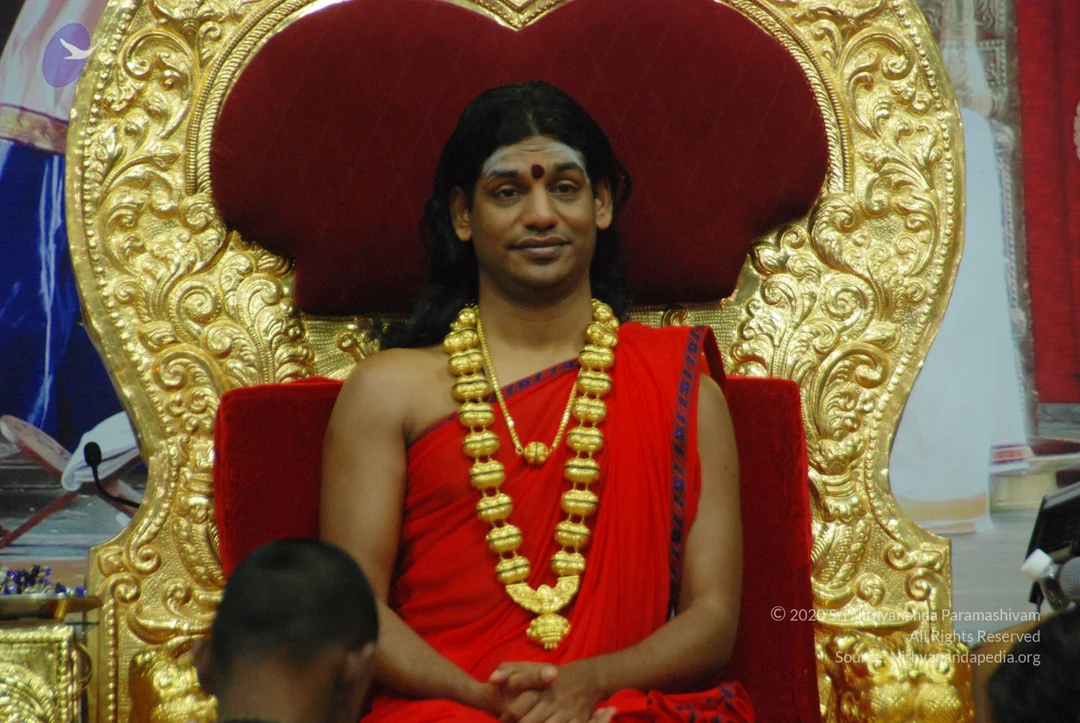
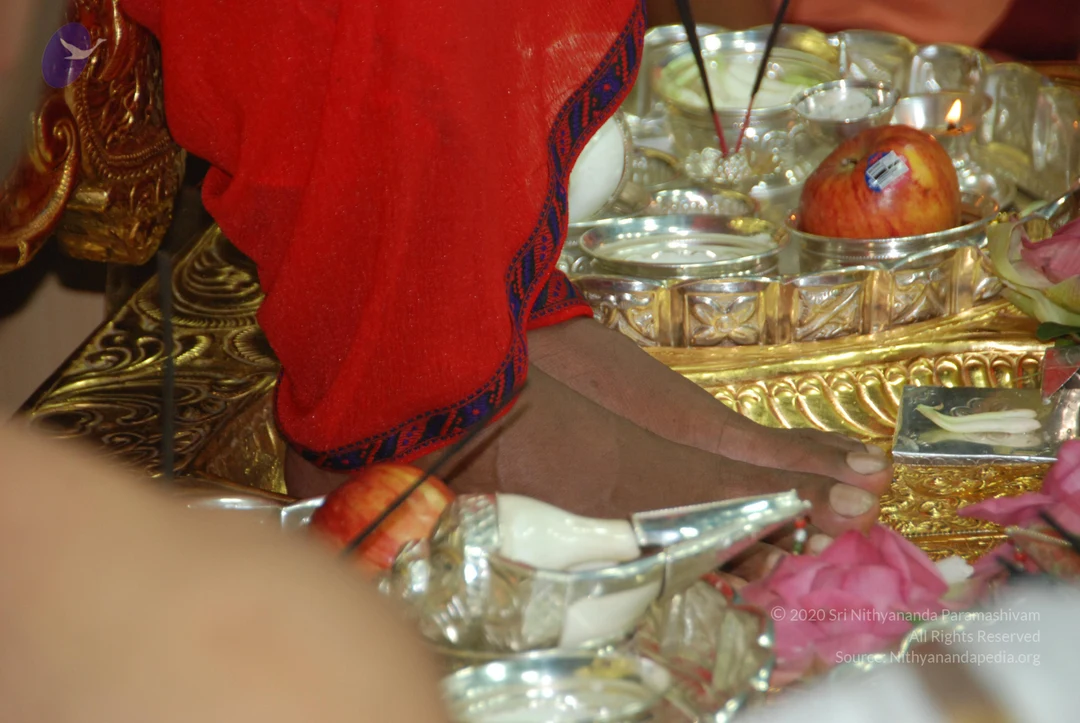
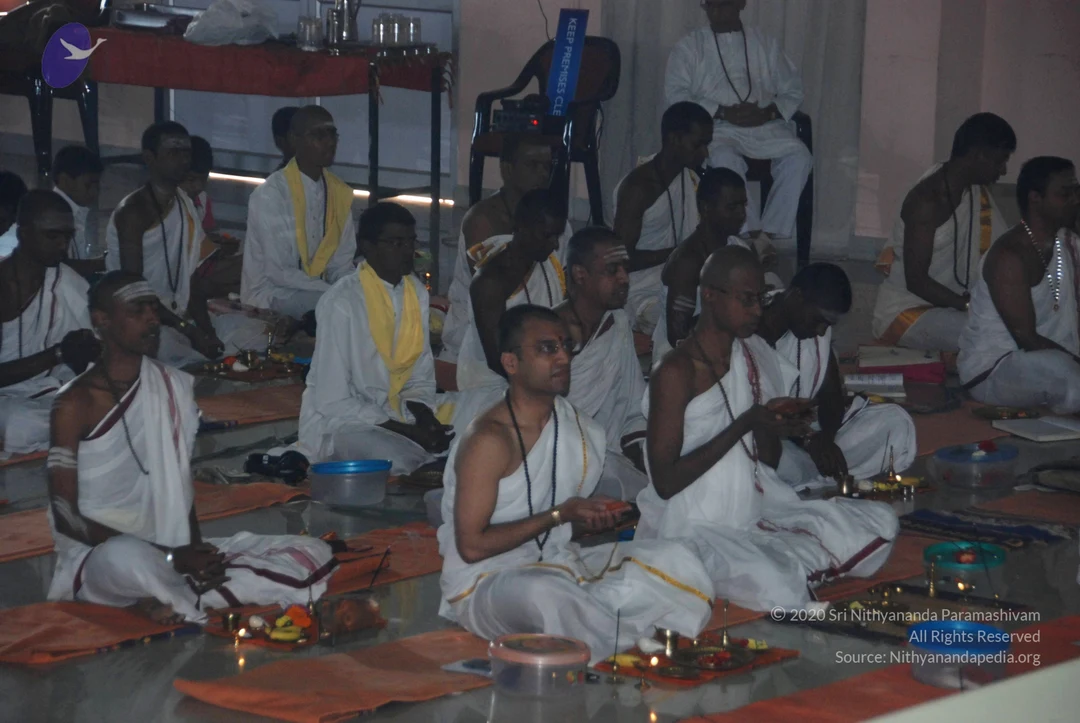
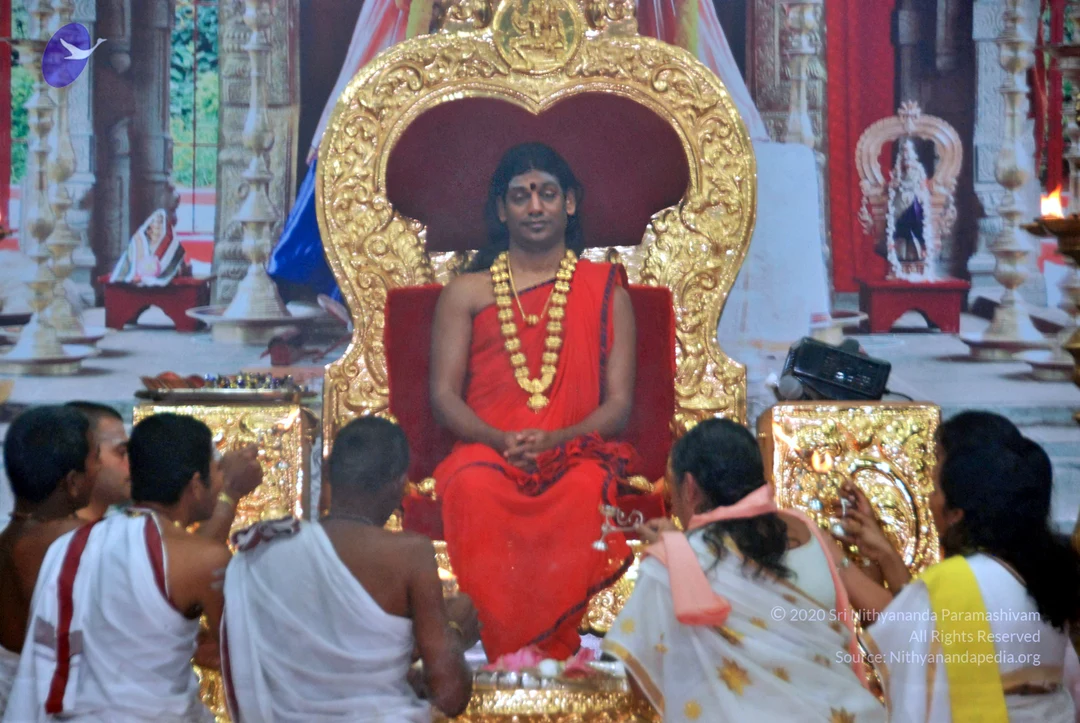
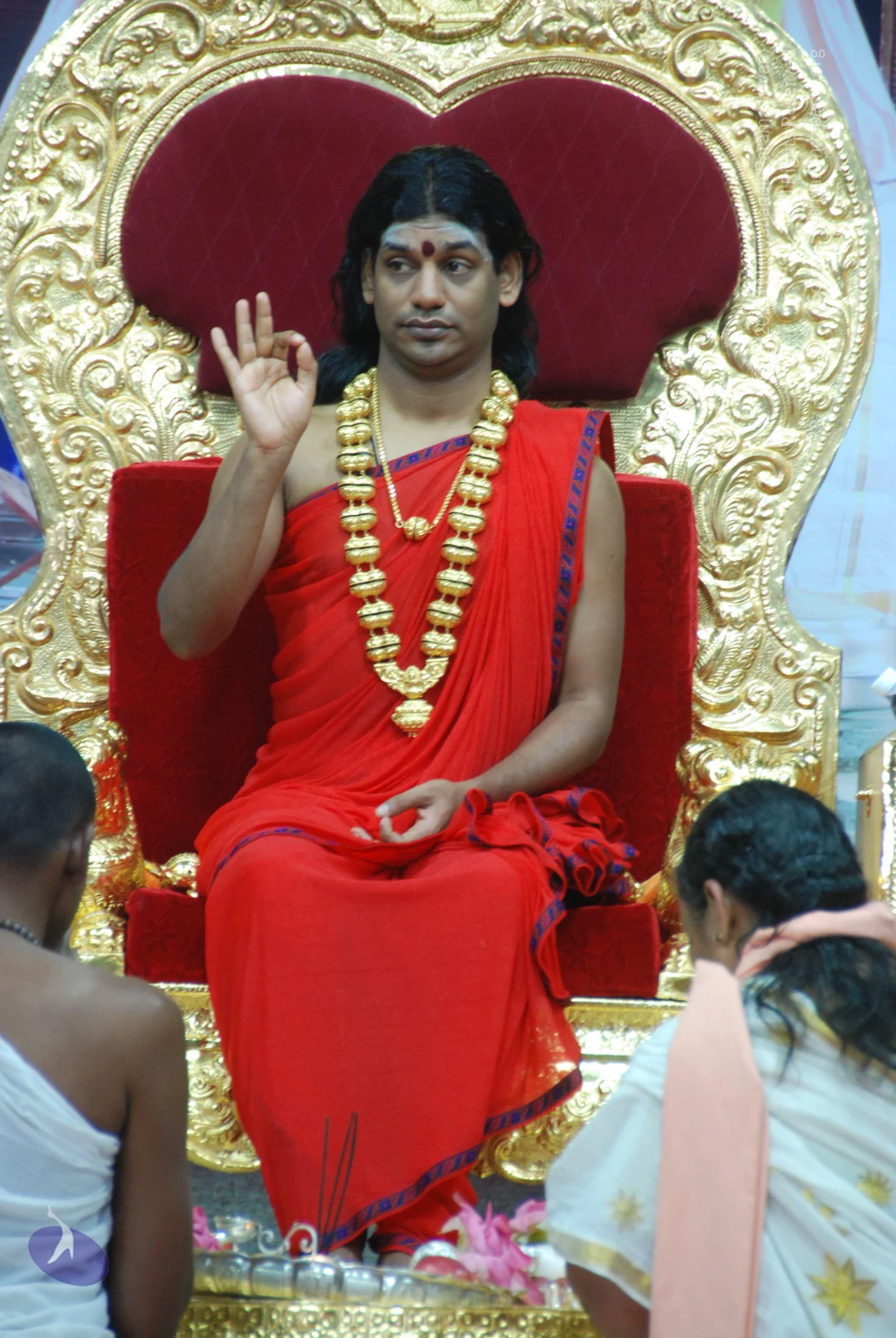
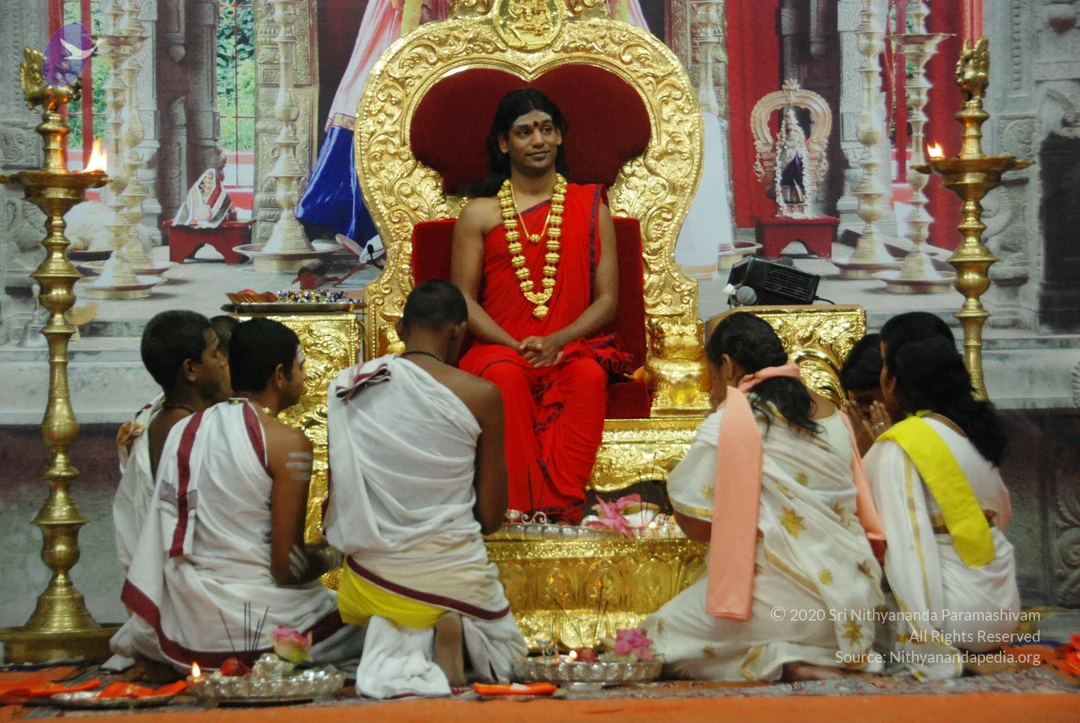
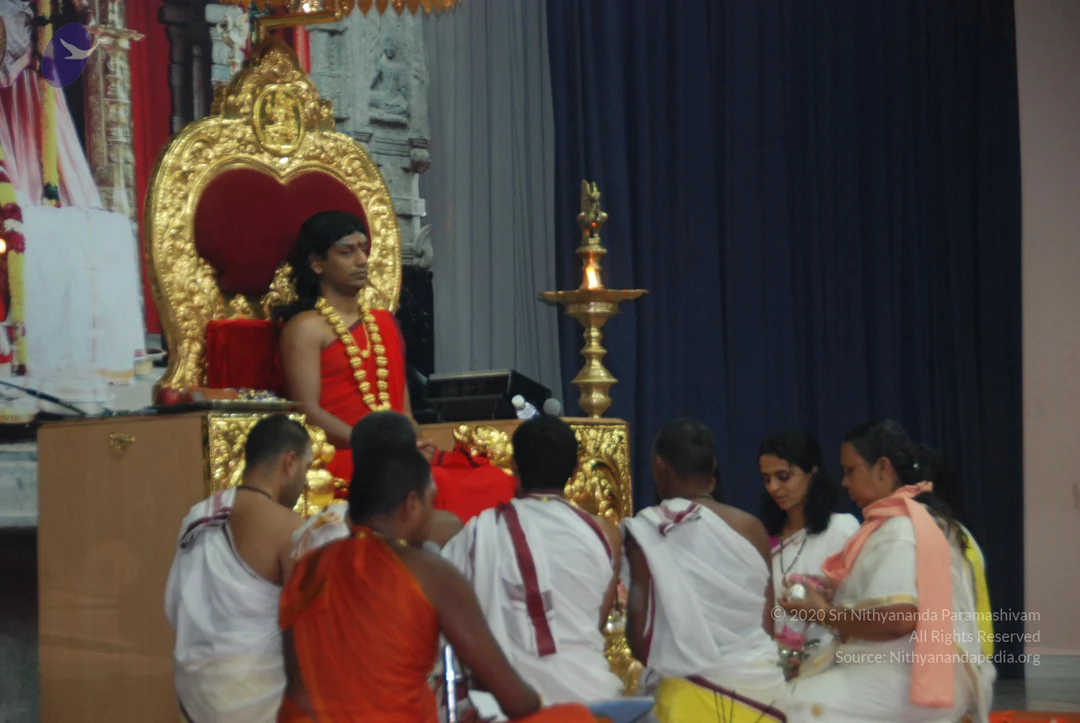
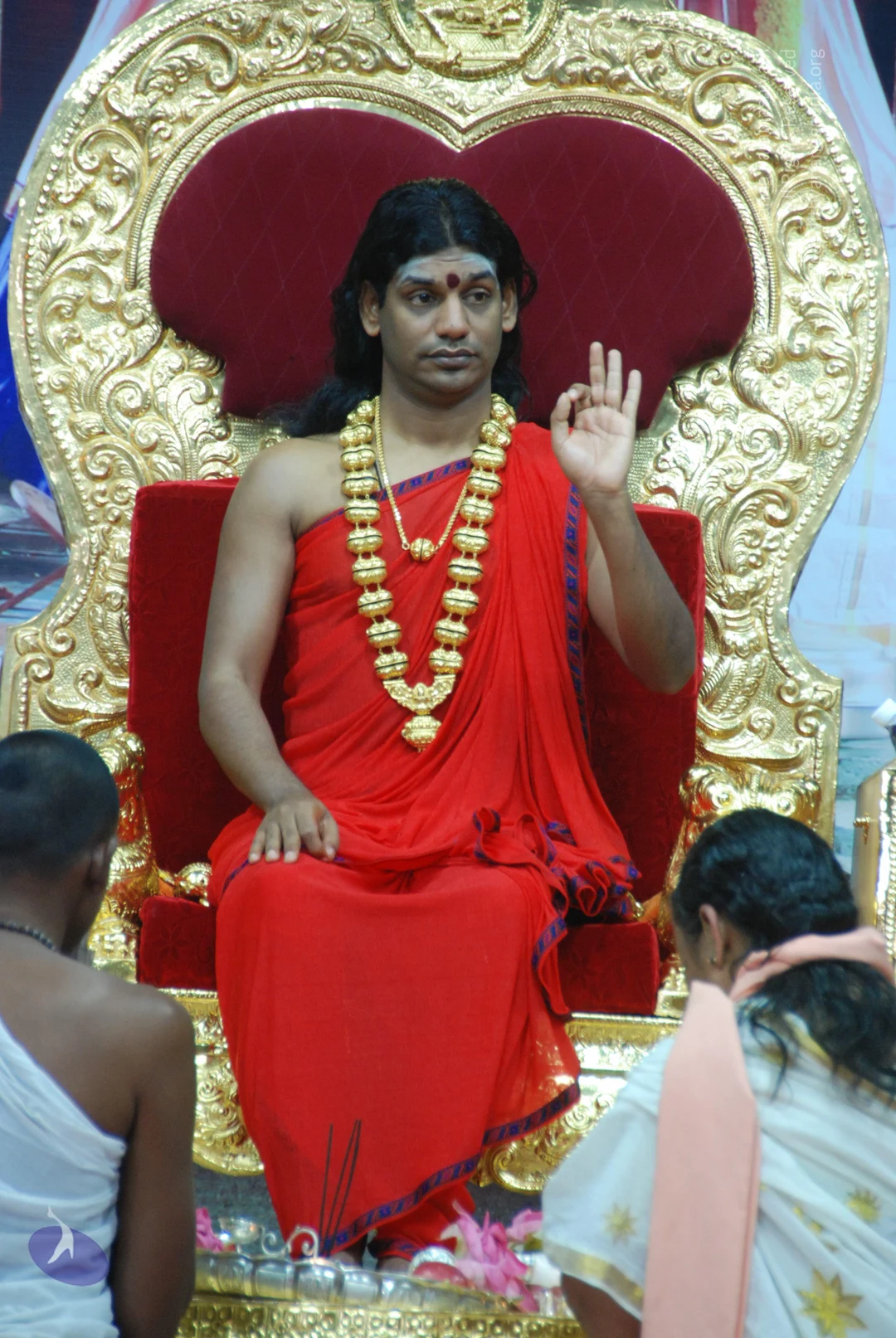
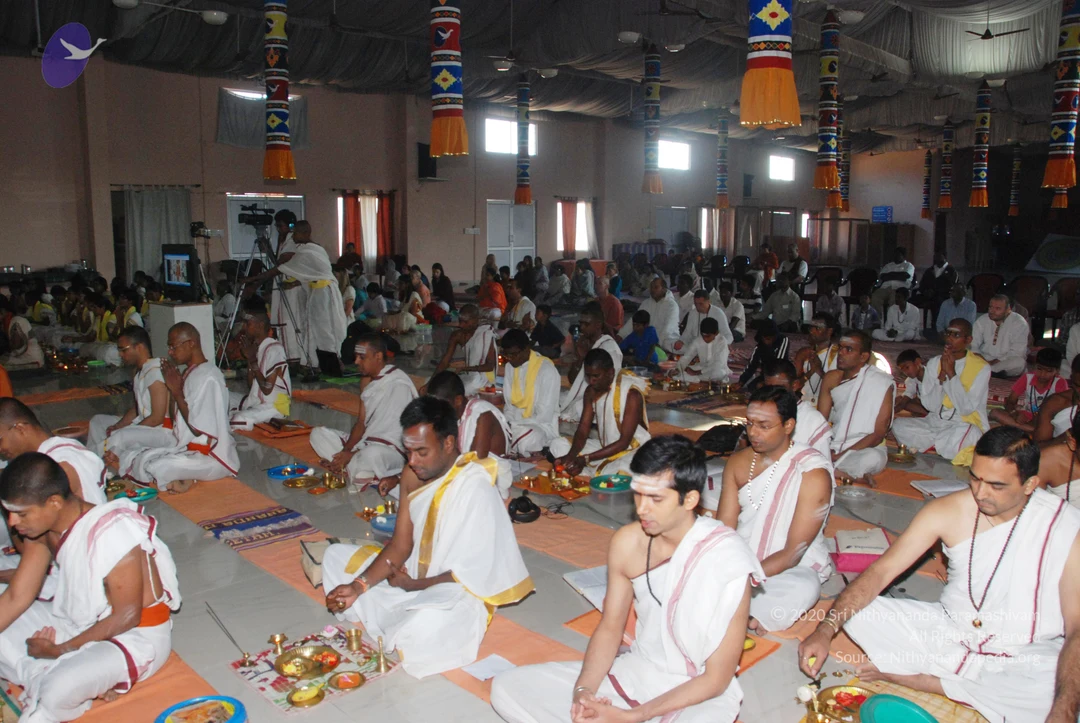
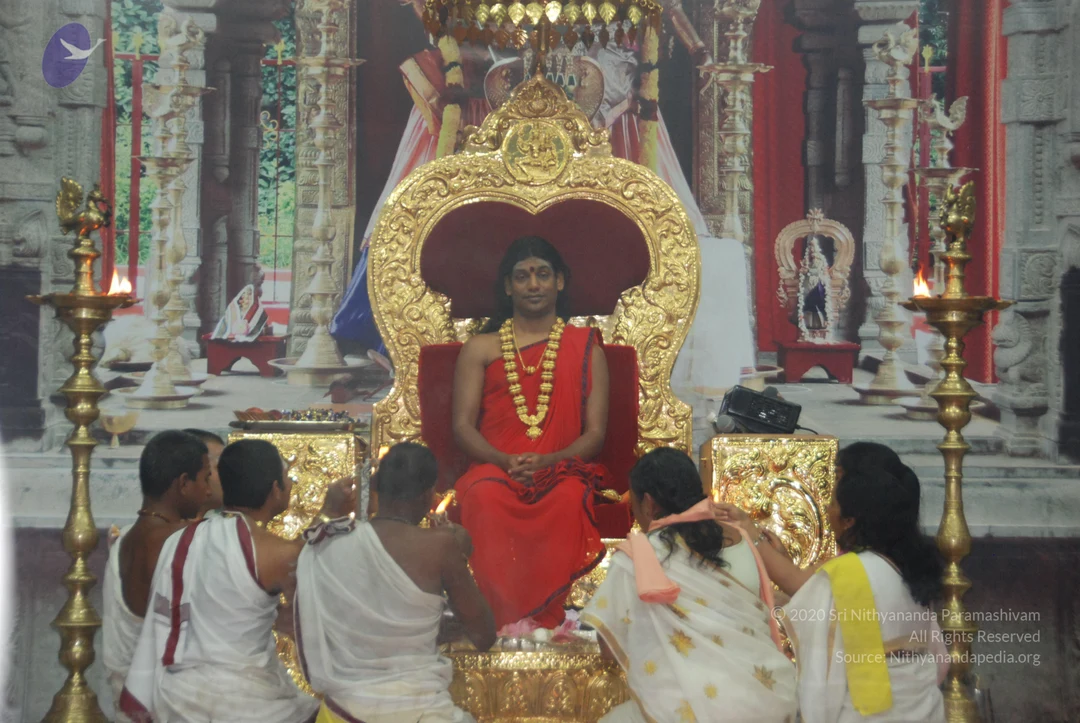
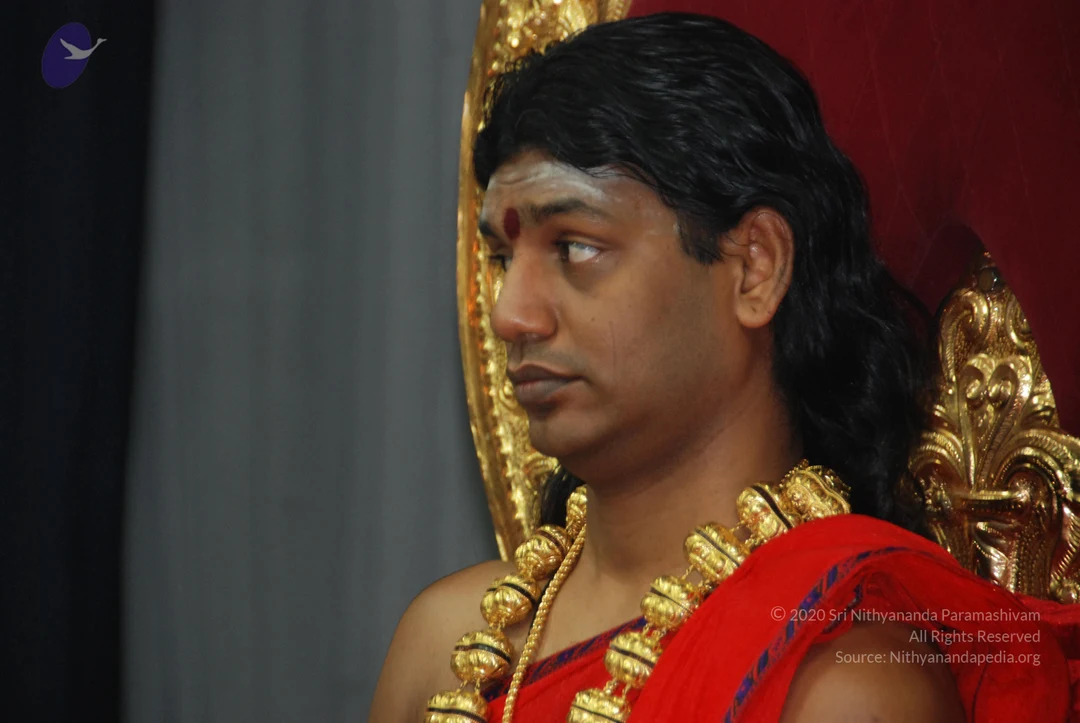
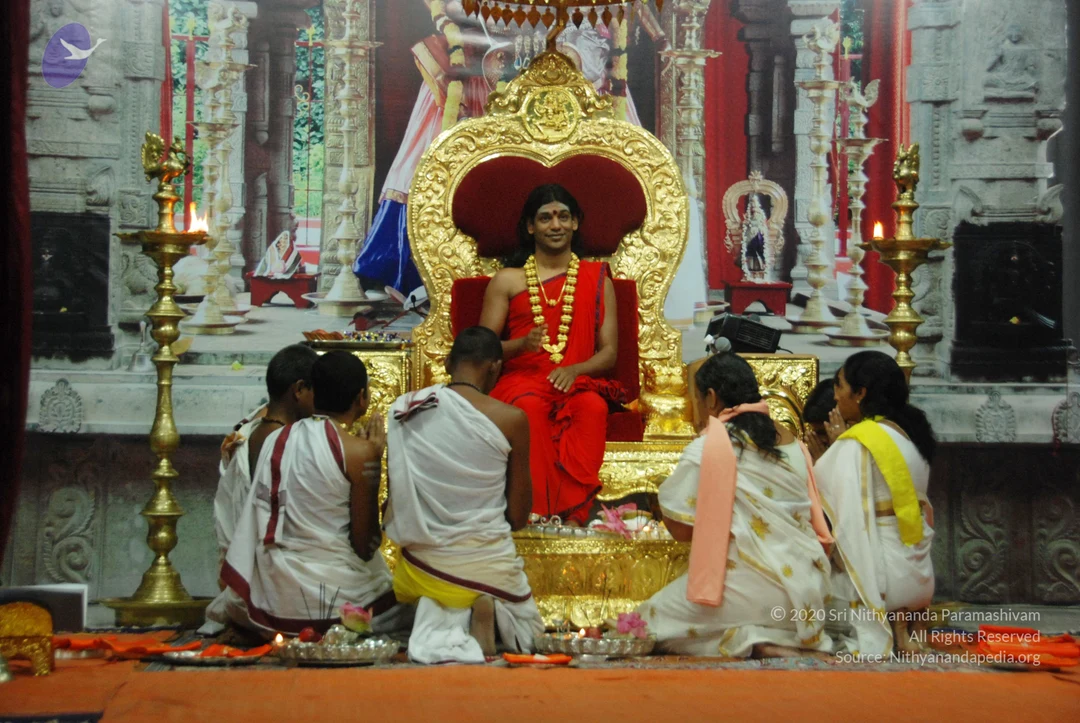
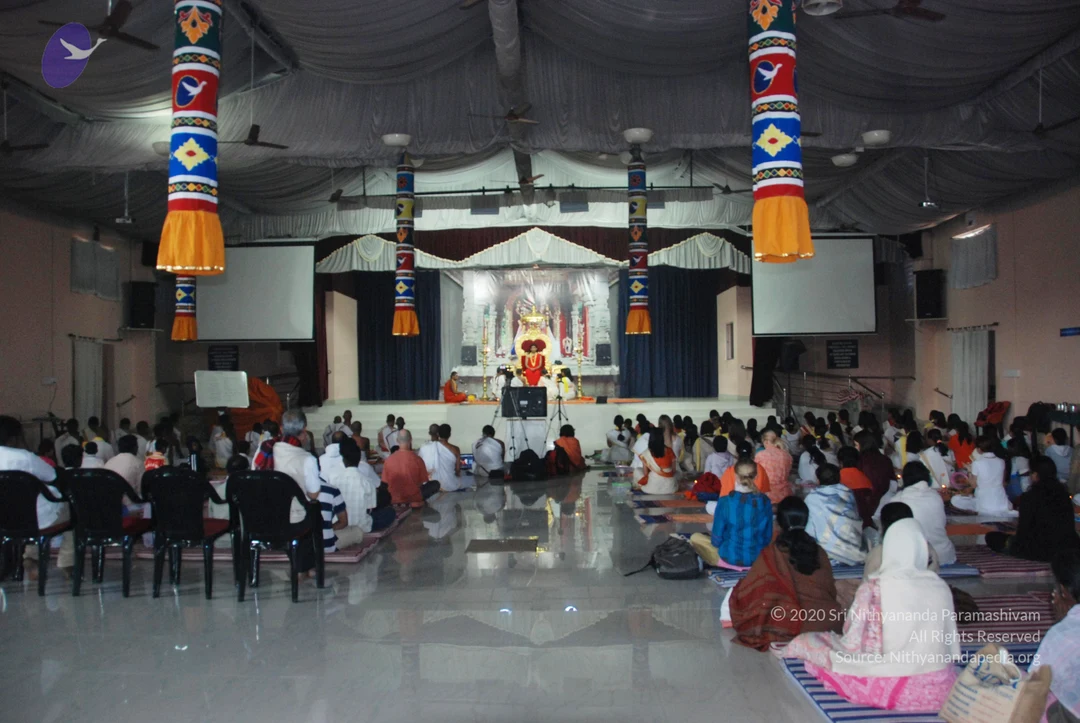
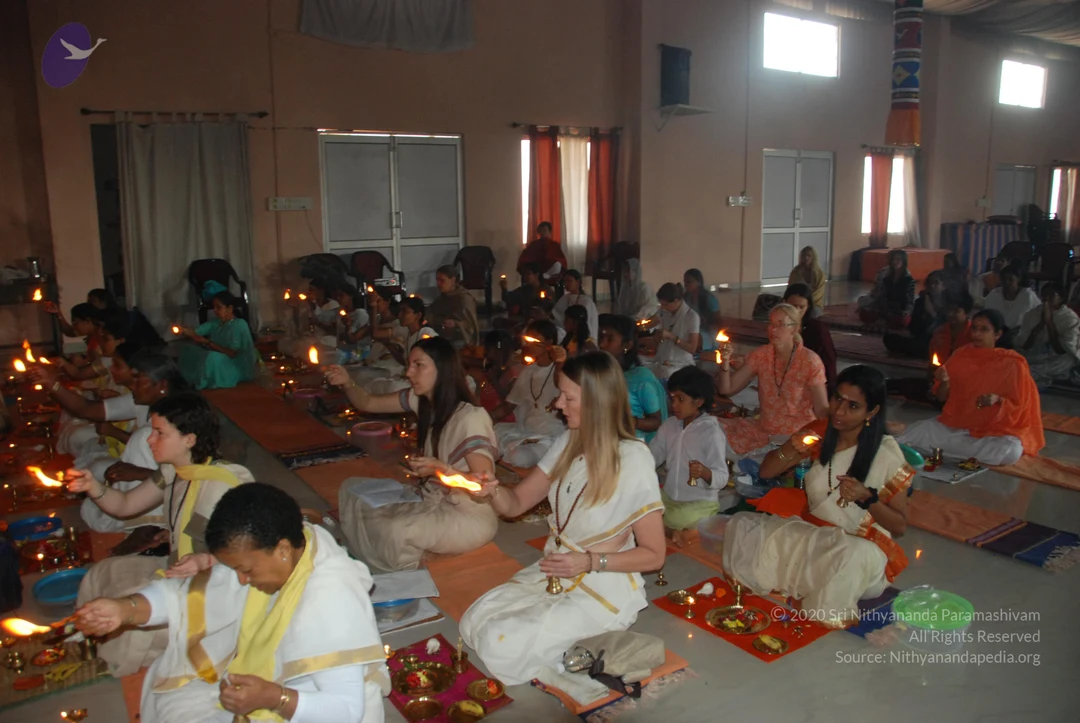
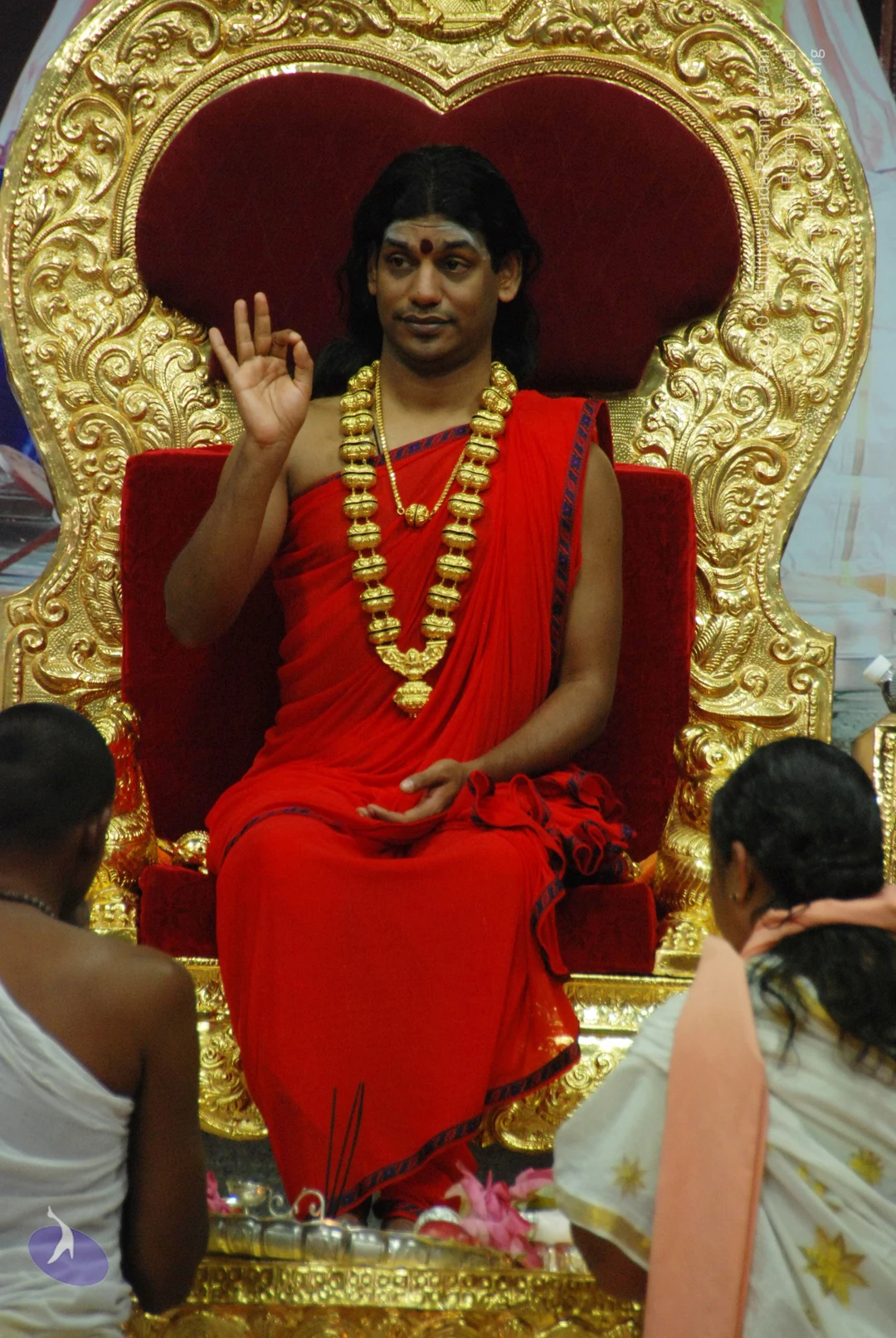
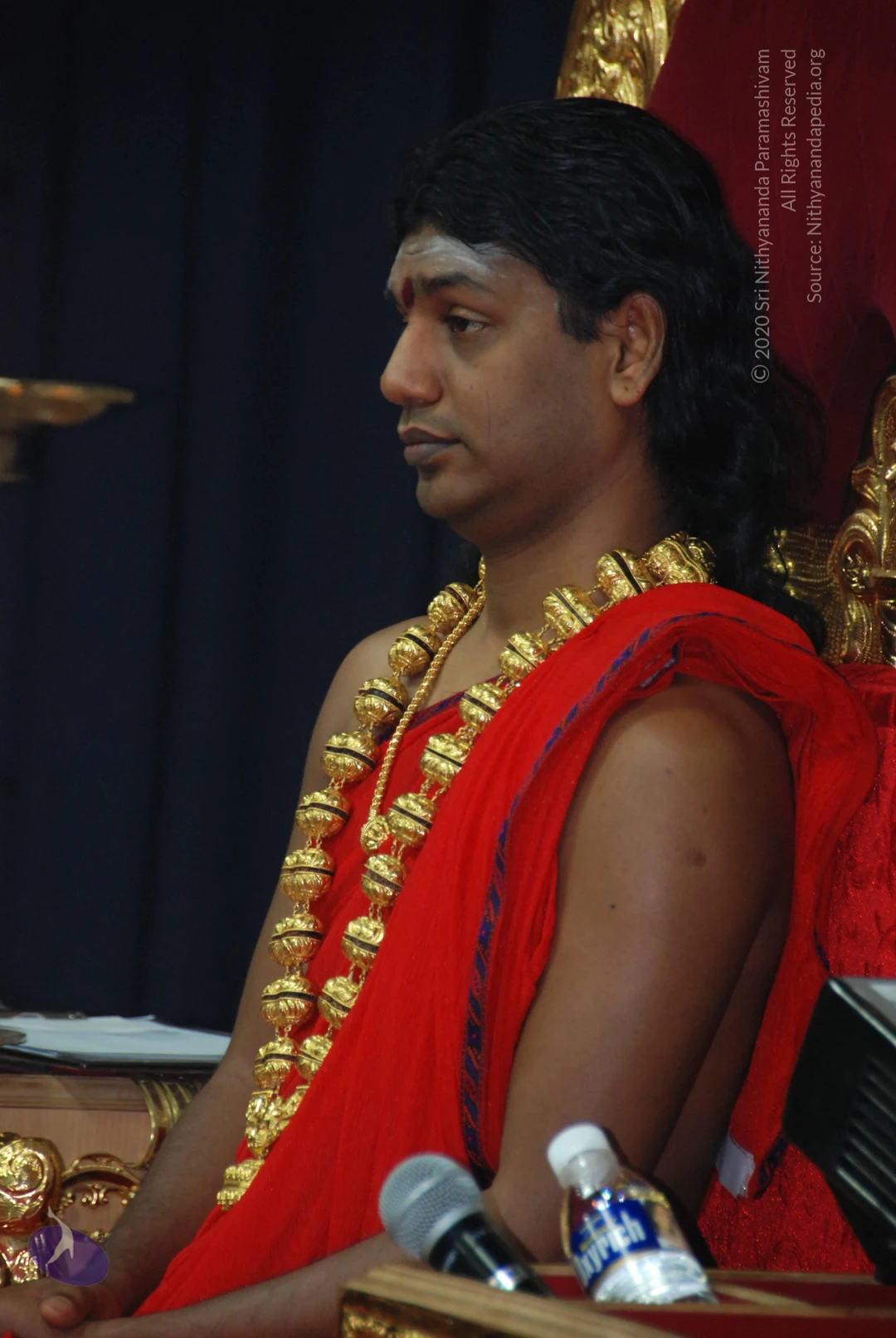
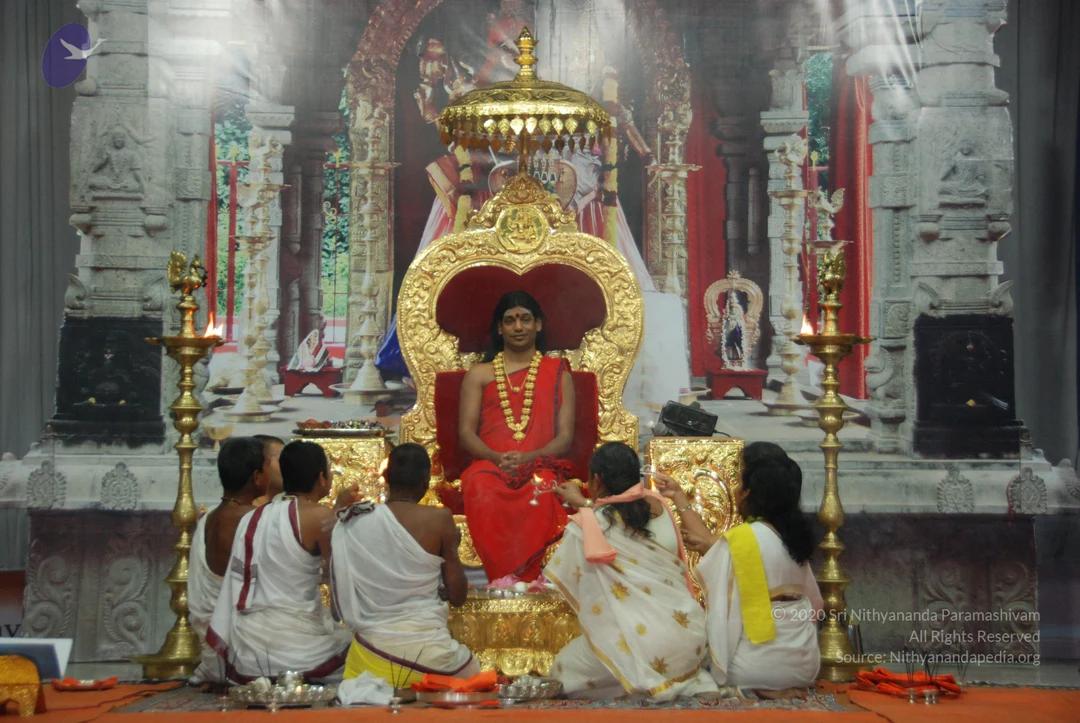
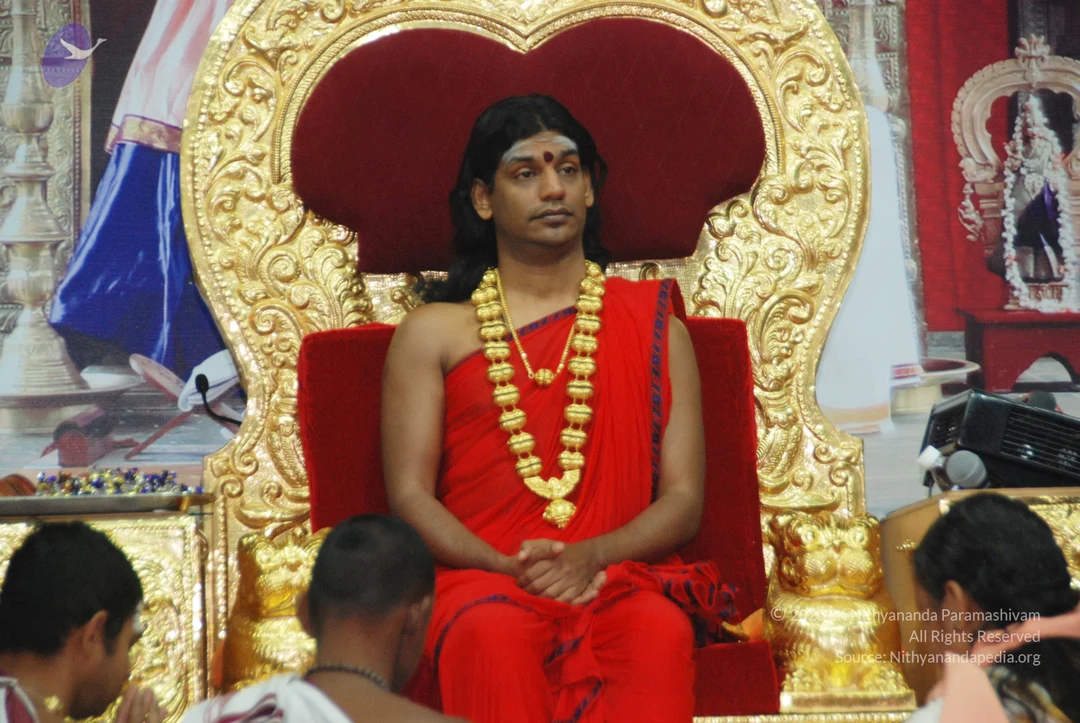
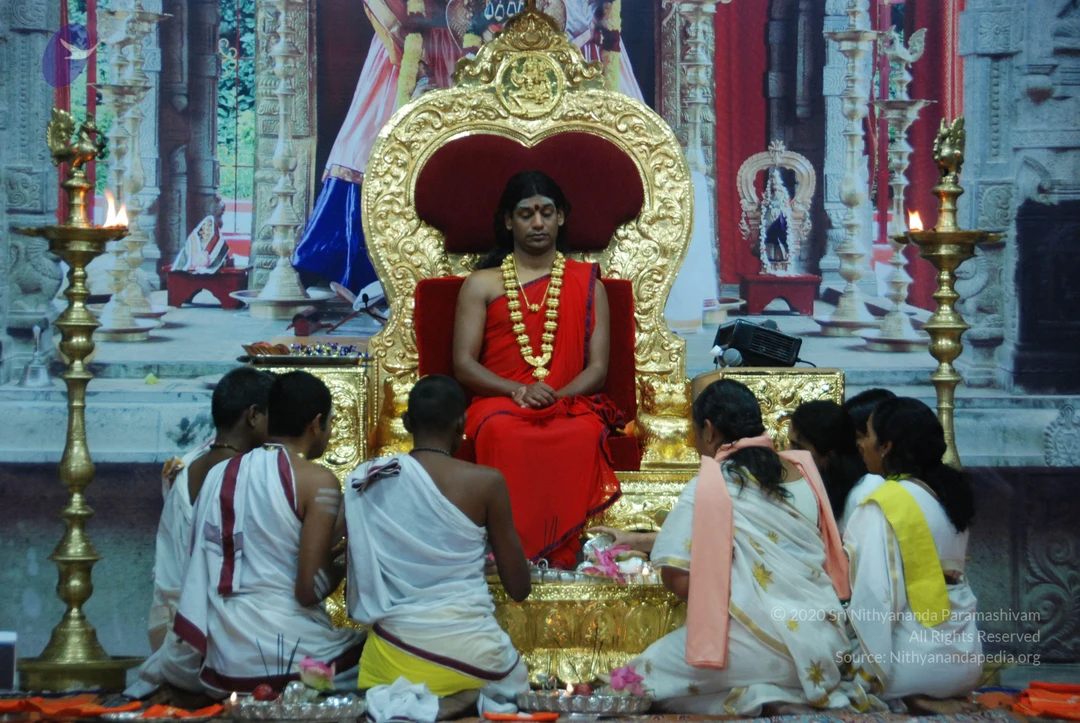
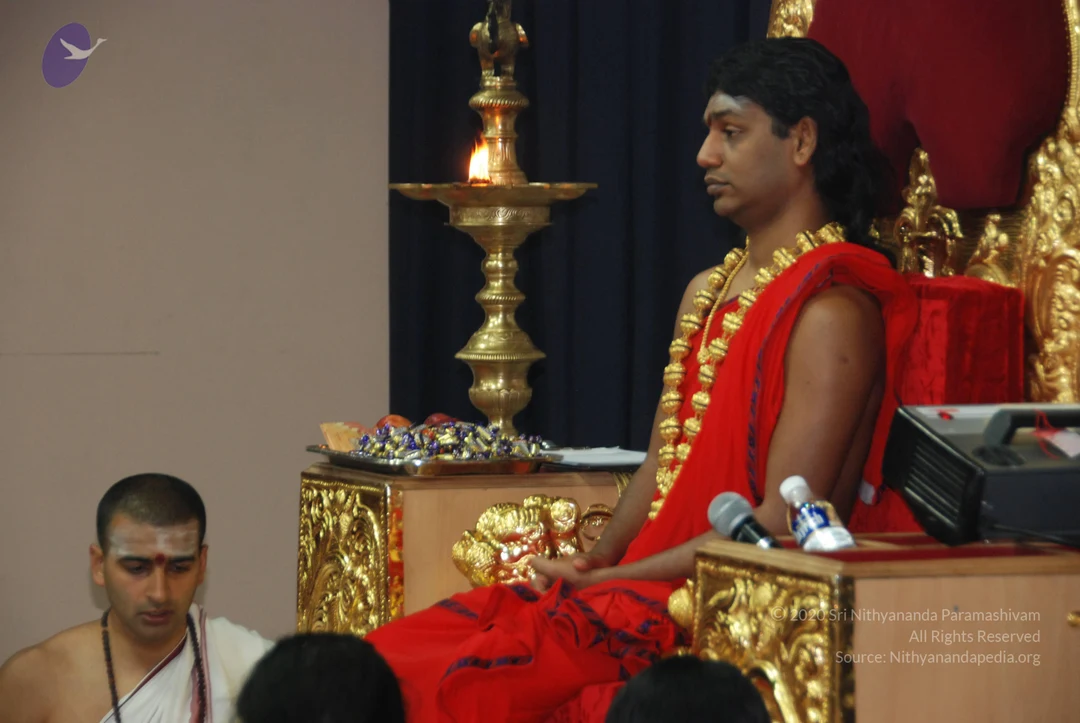
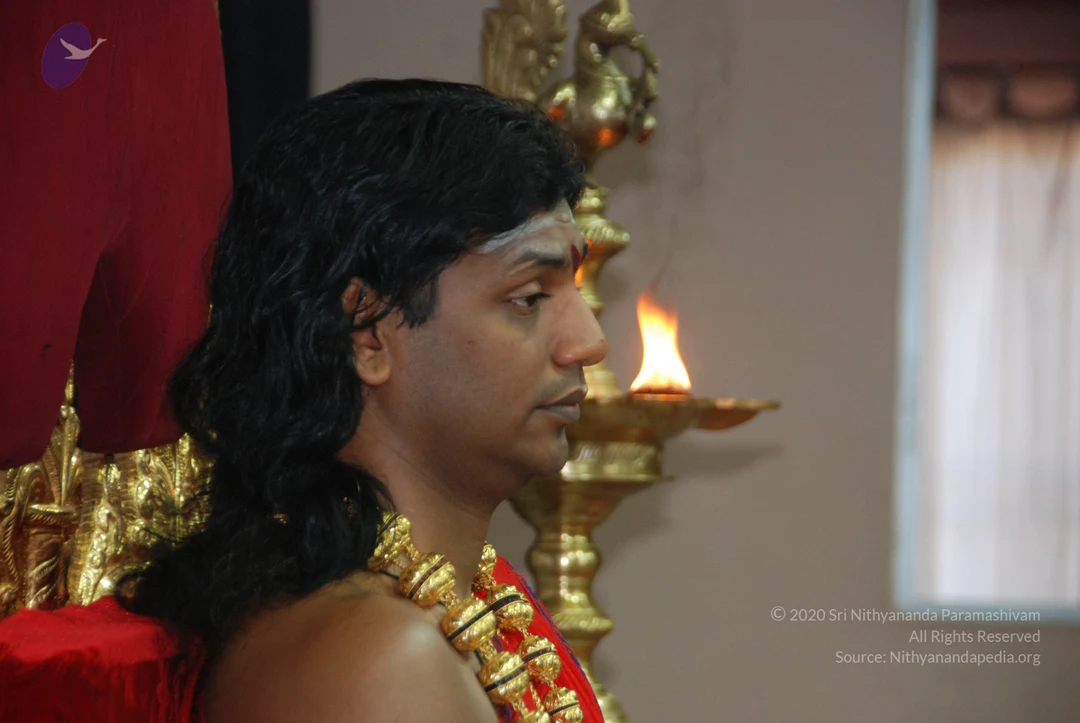
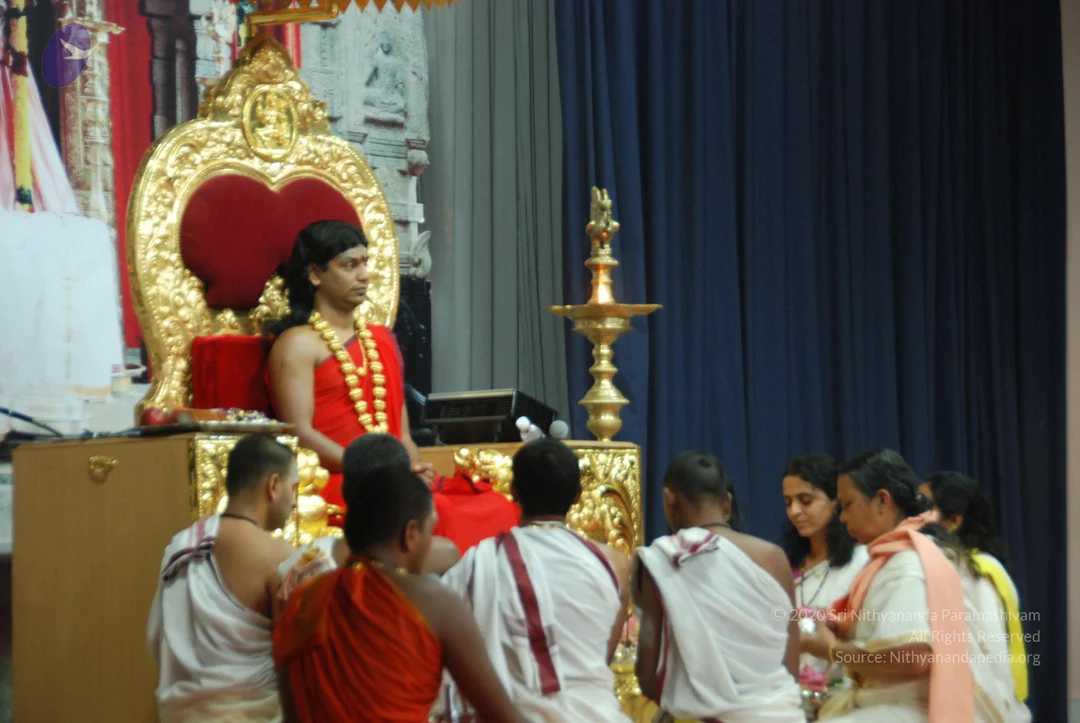
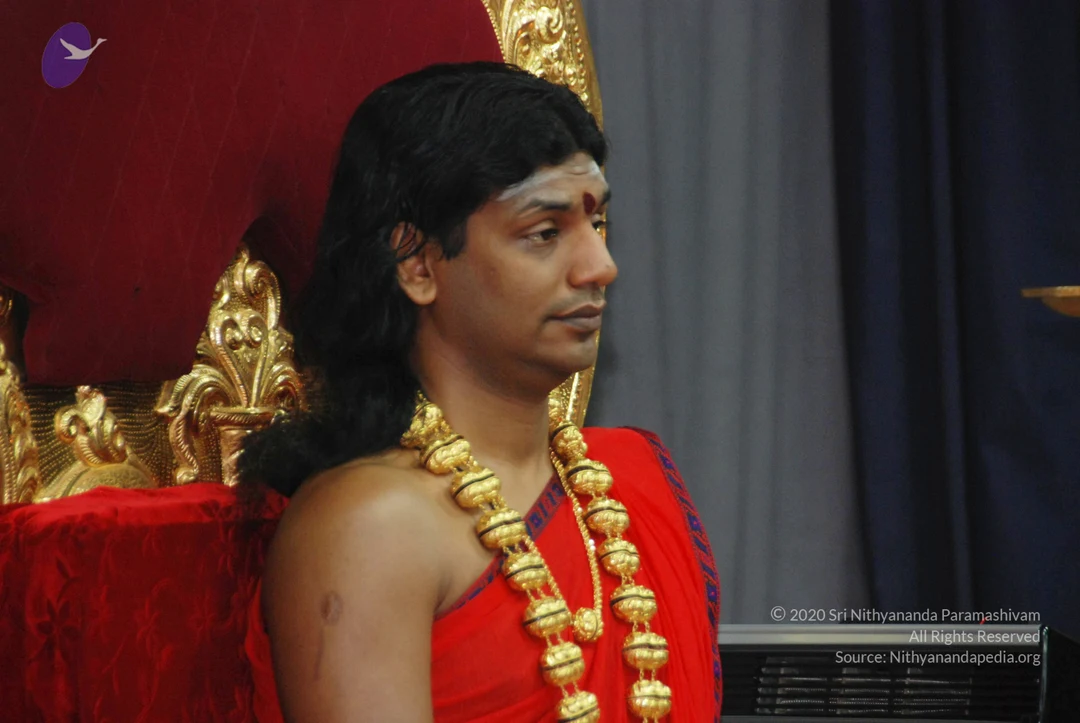
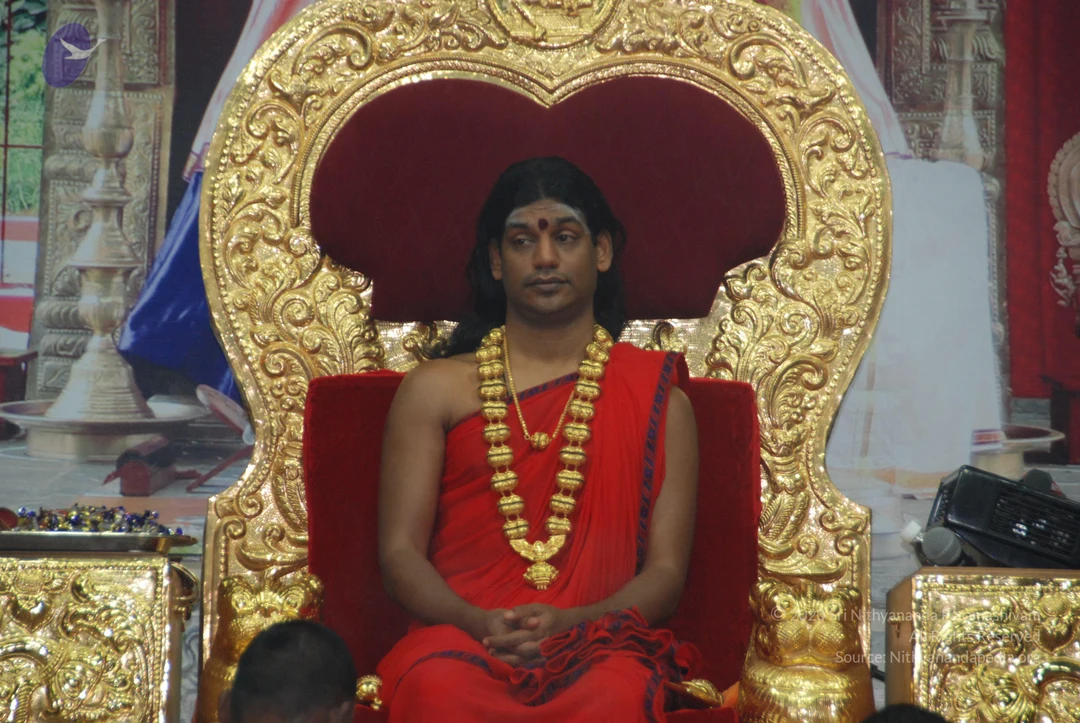
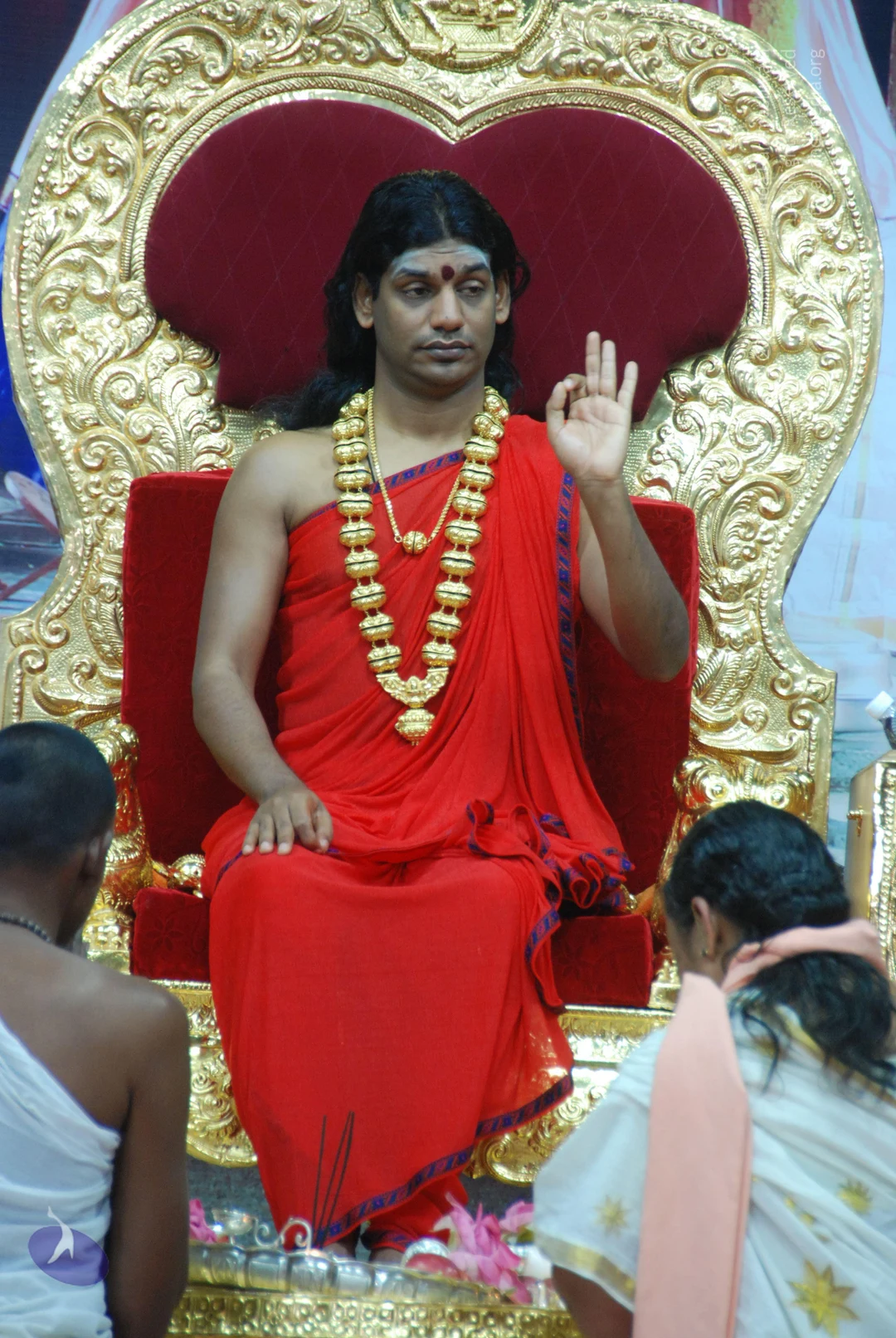
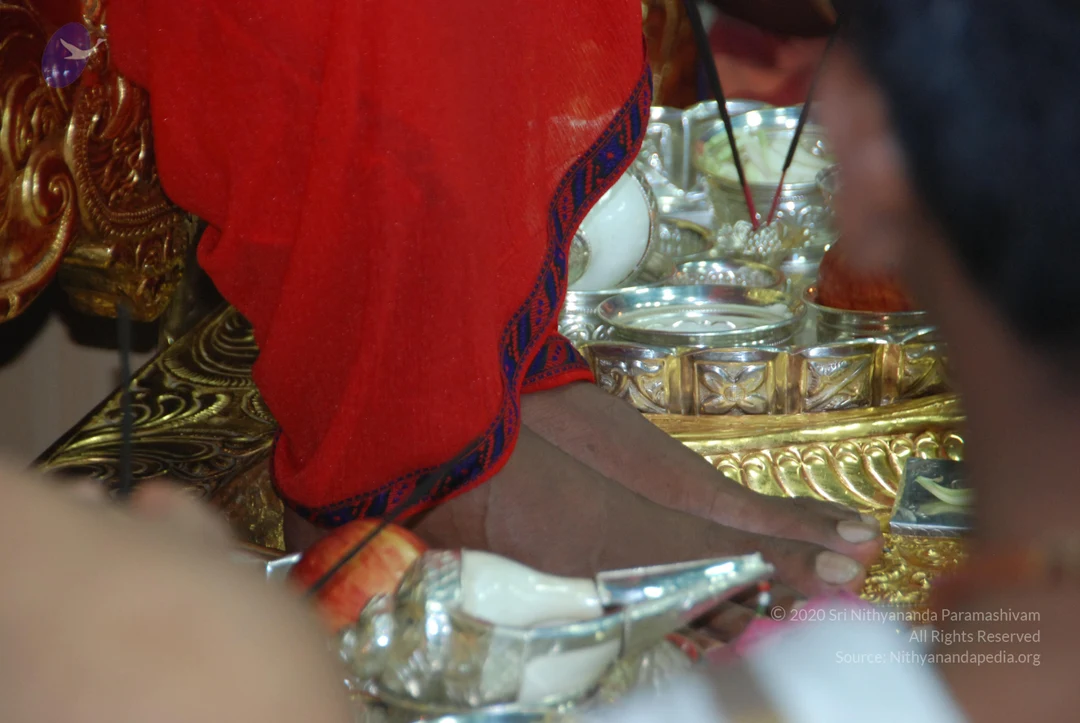
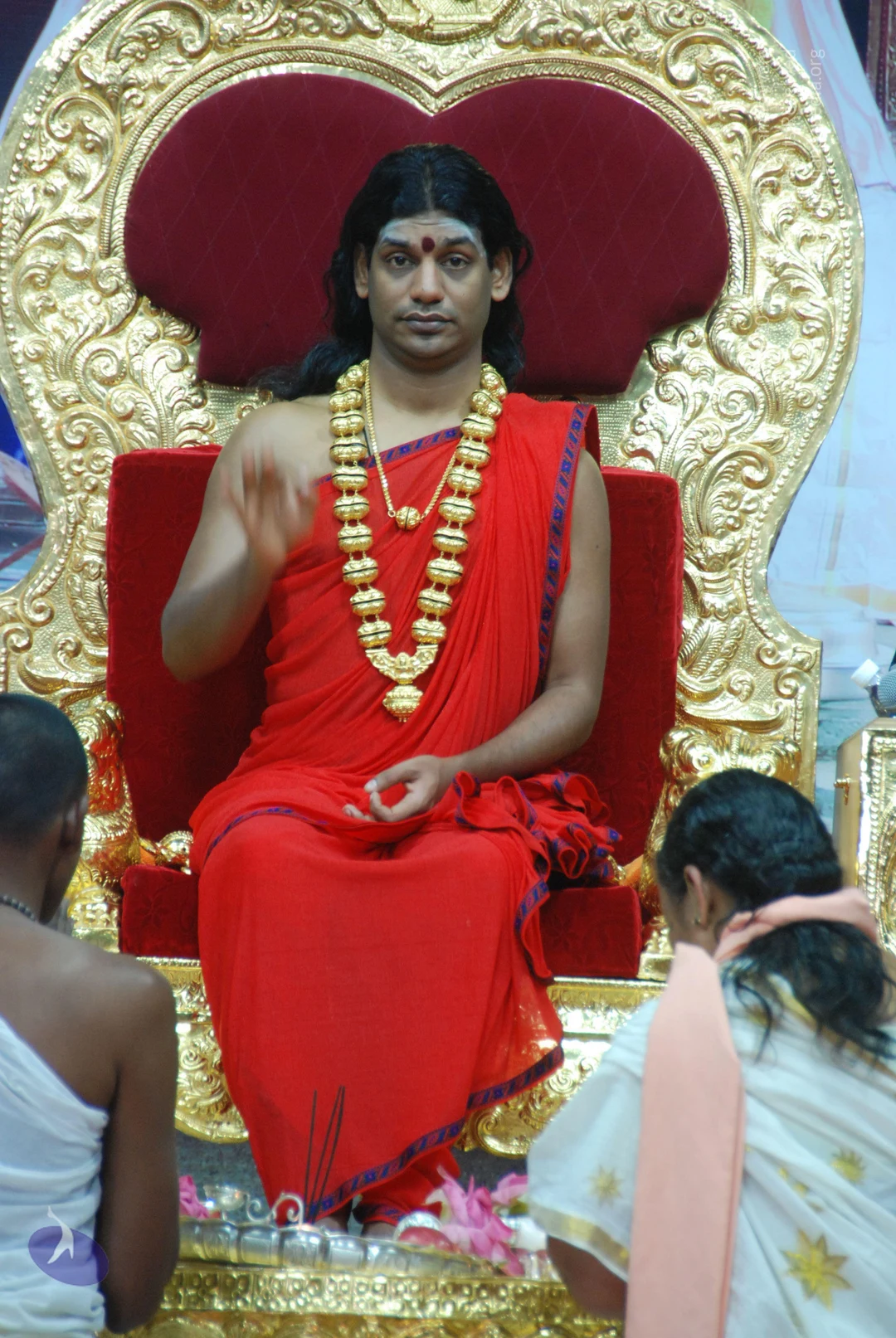
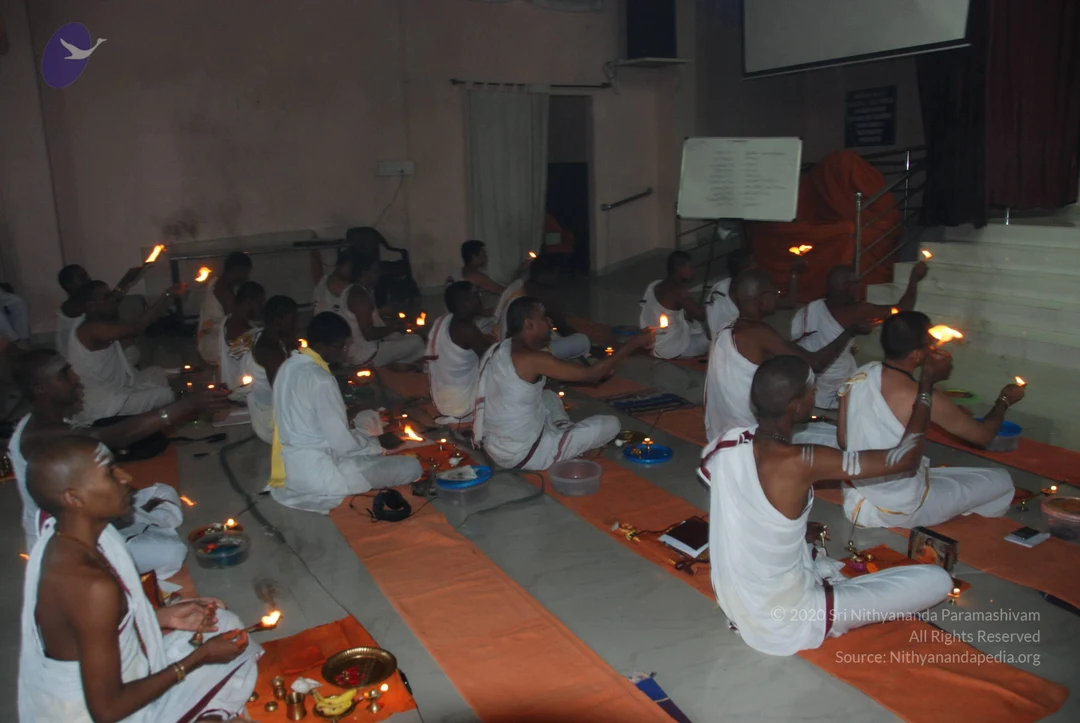
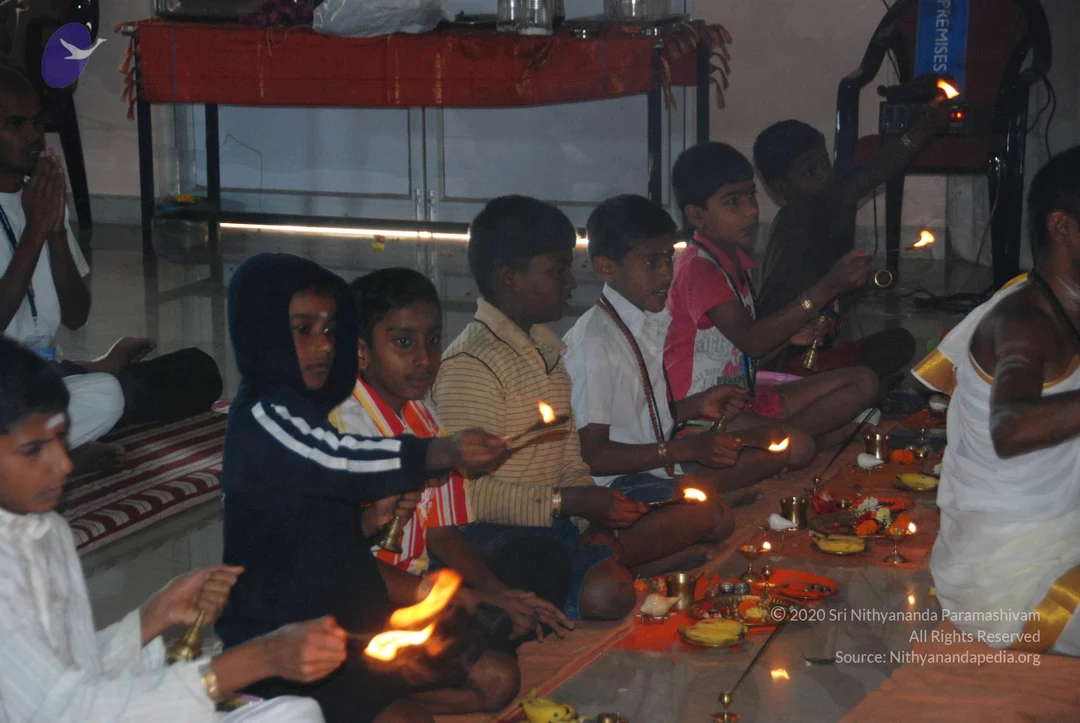
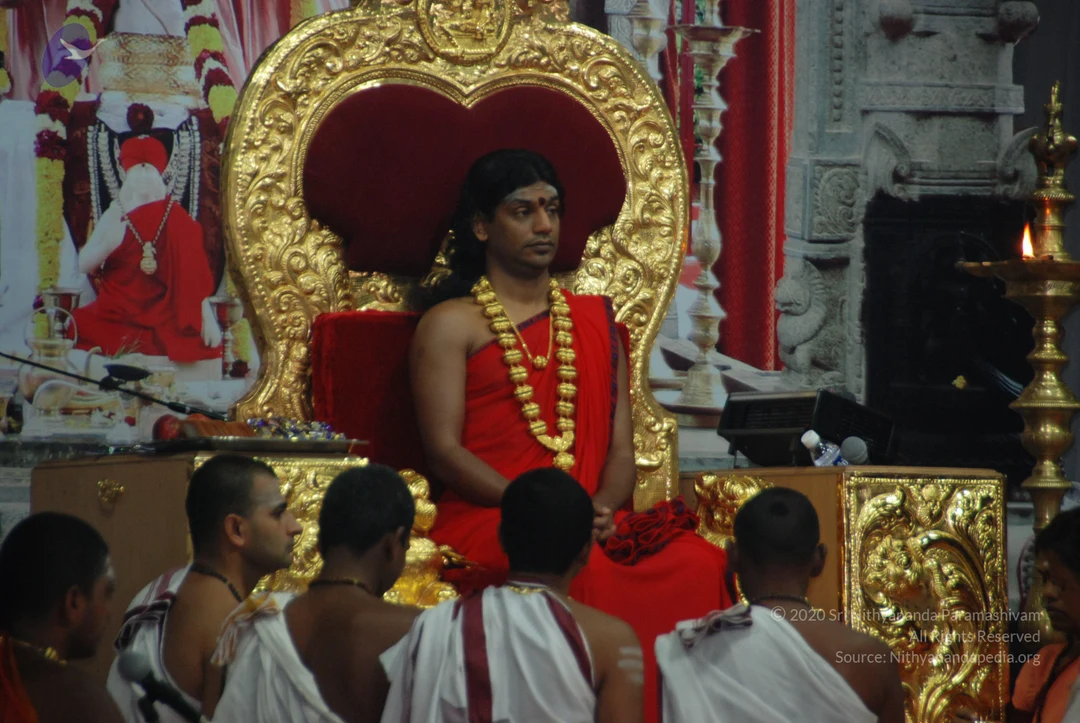
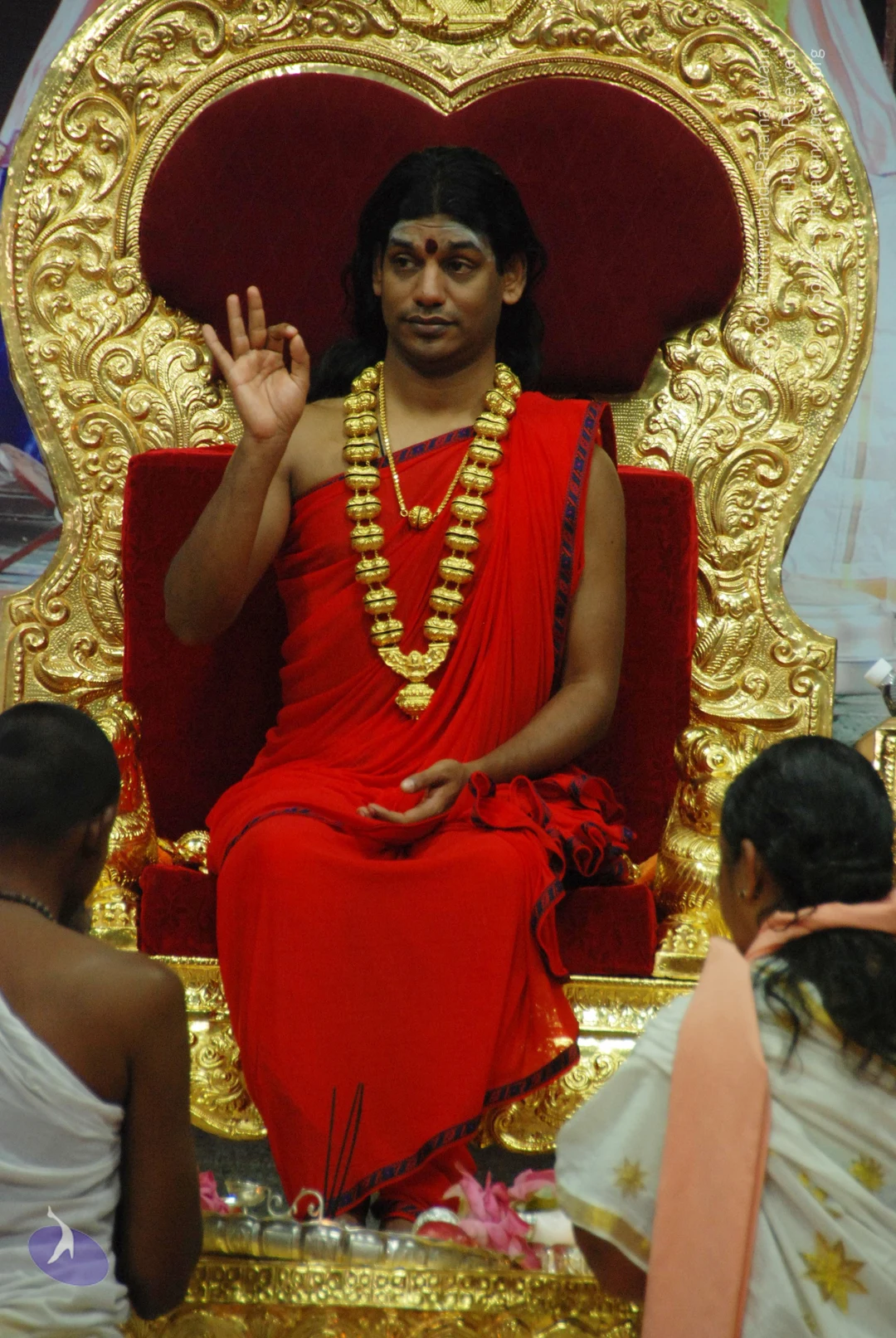
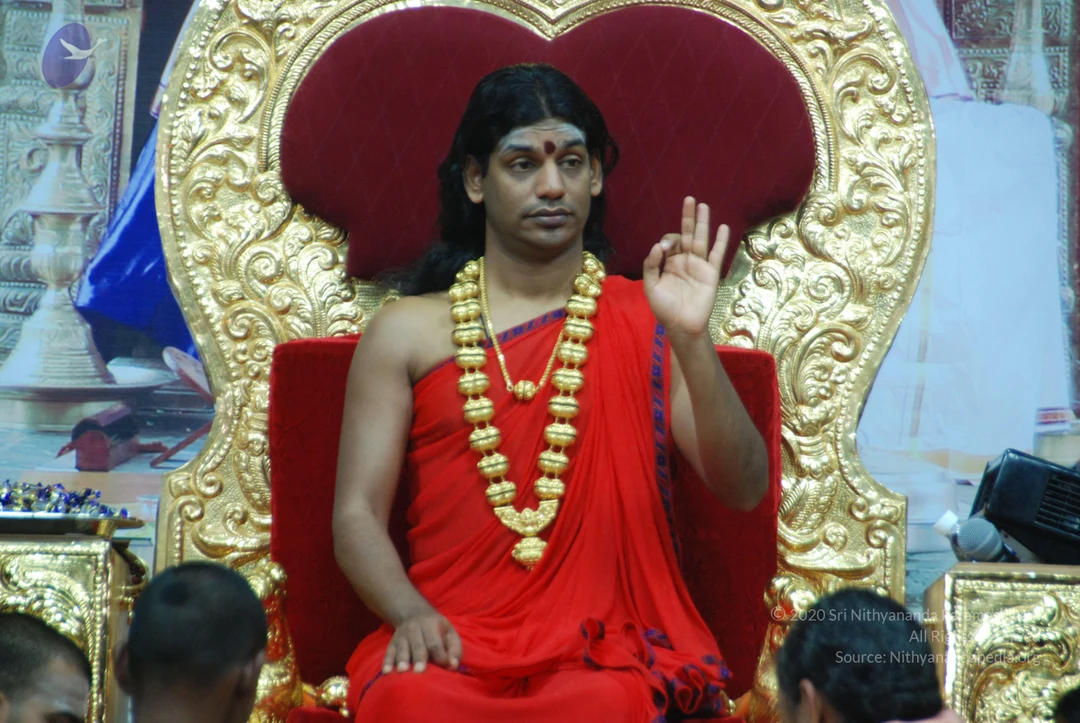
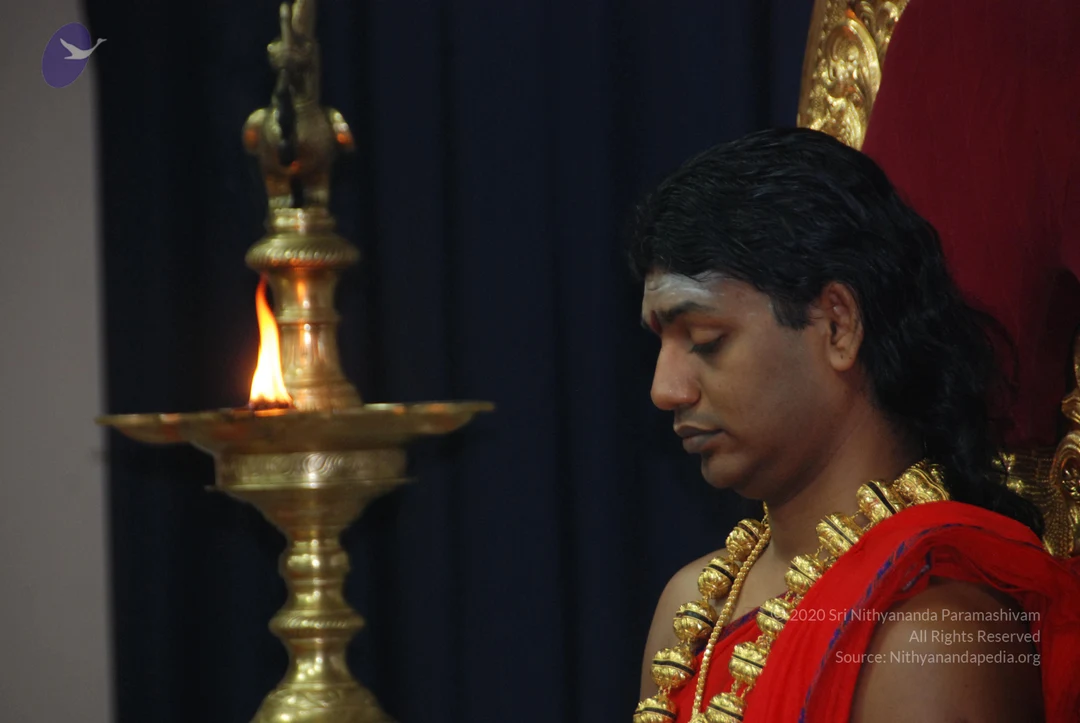
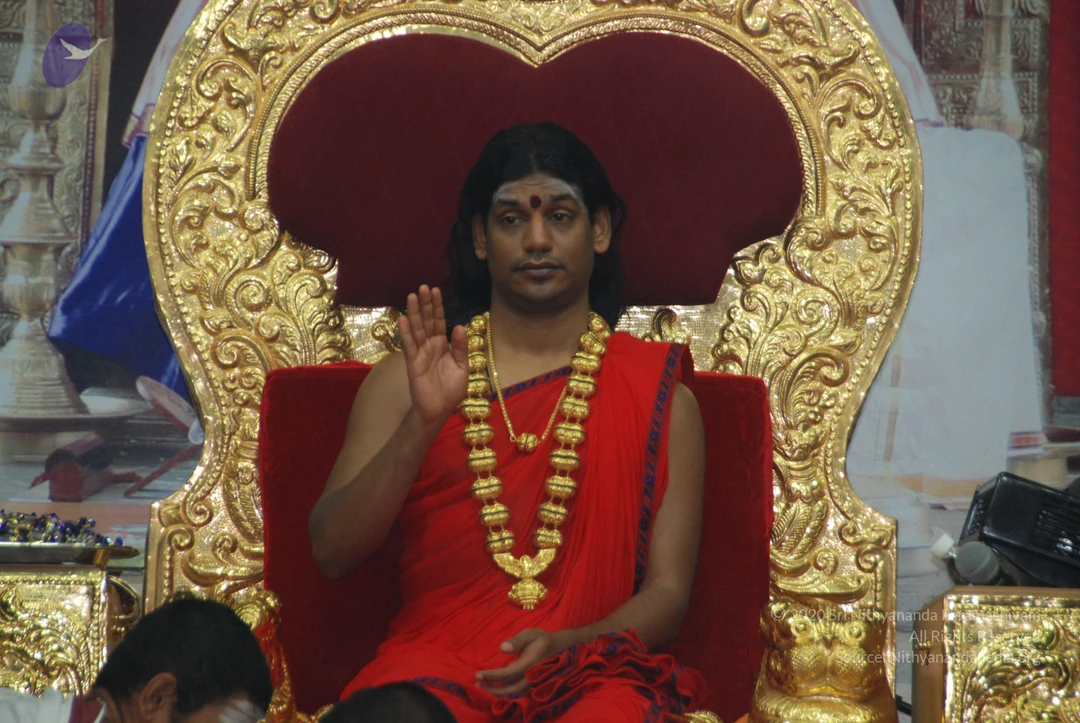
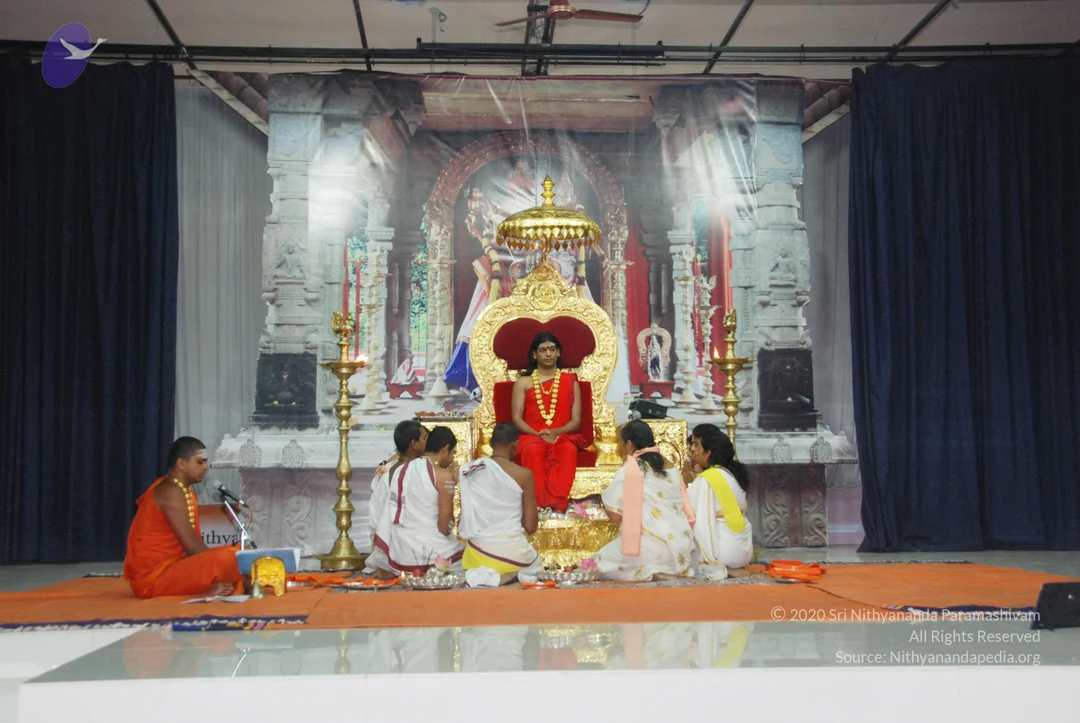
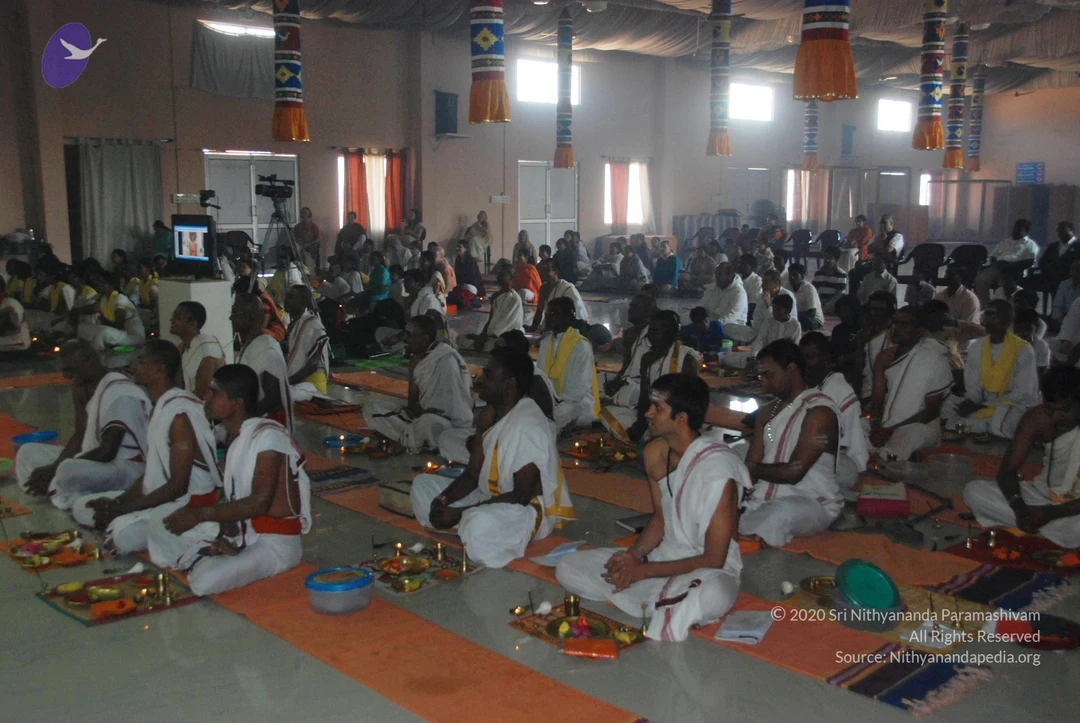
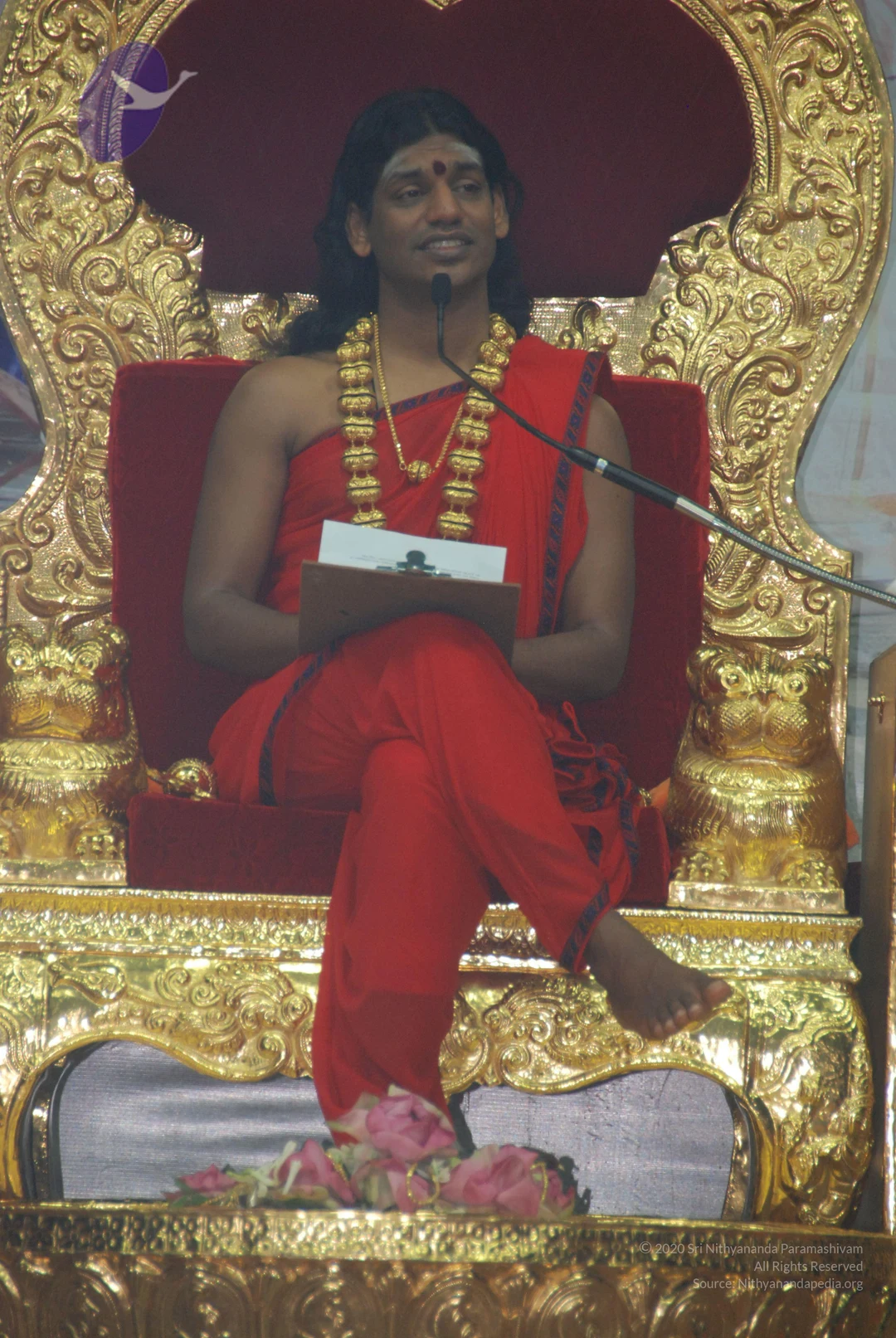
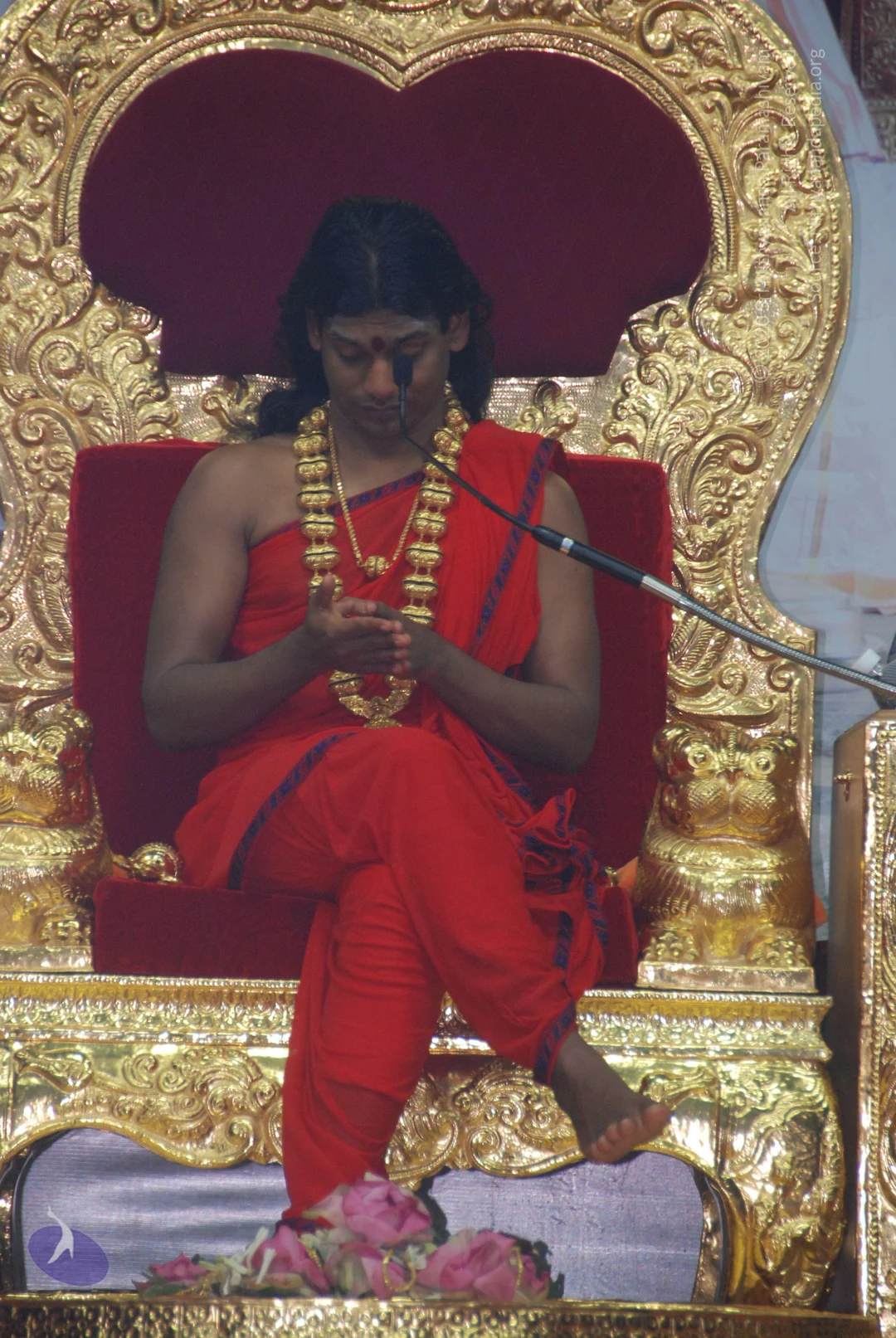
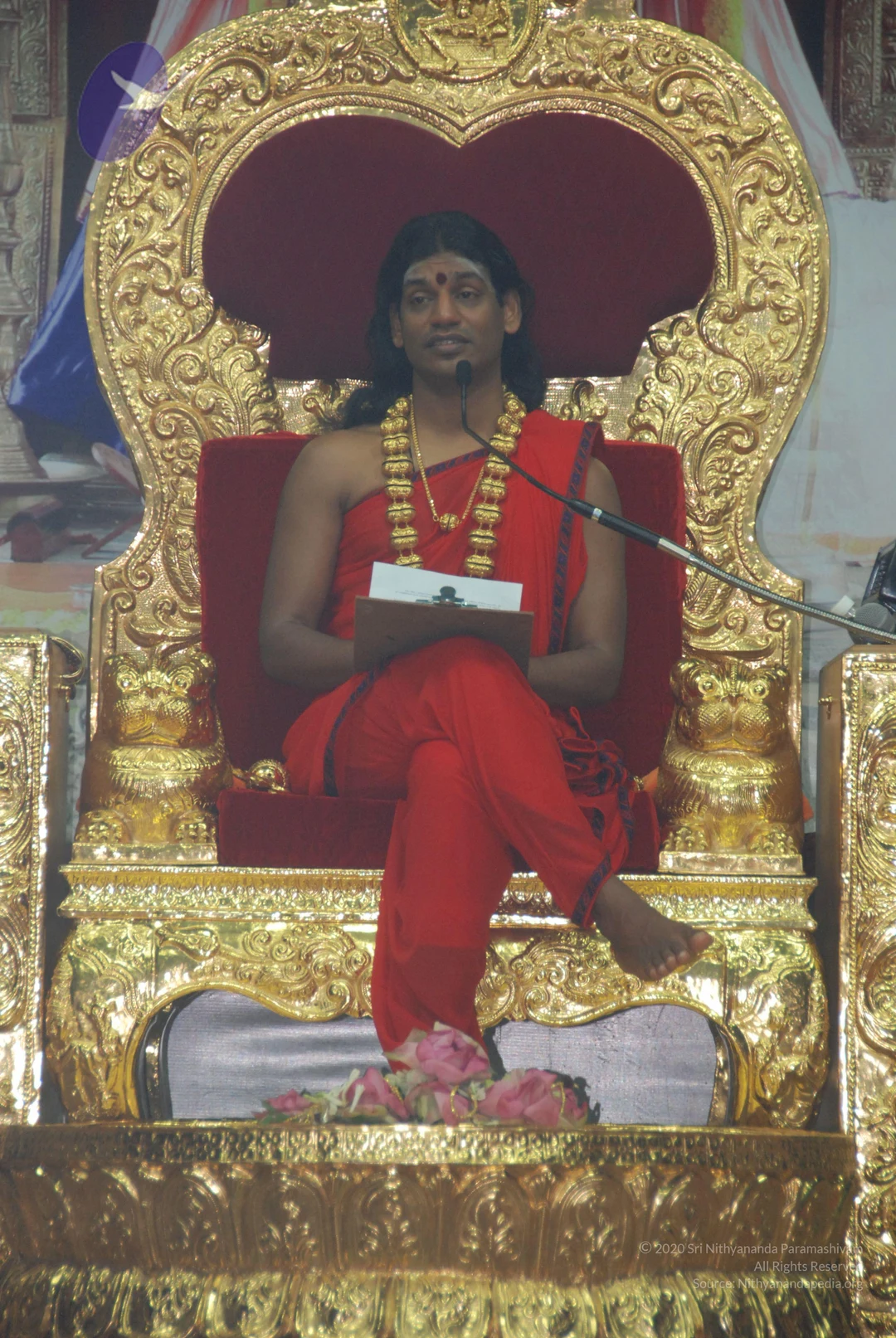
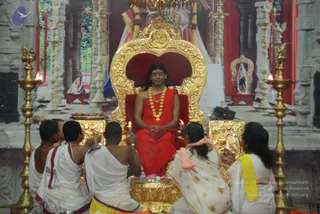
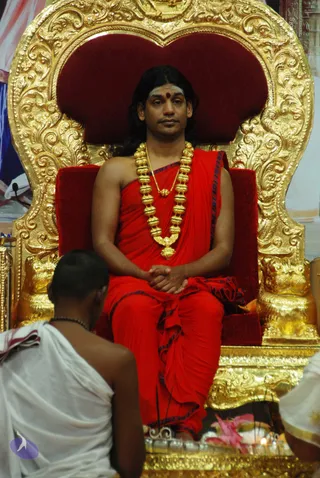
01-Pada-Puja
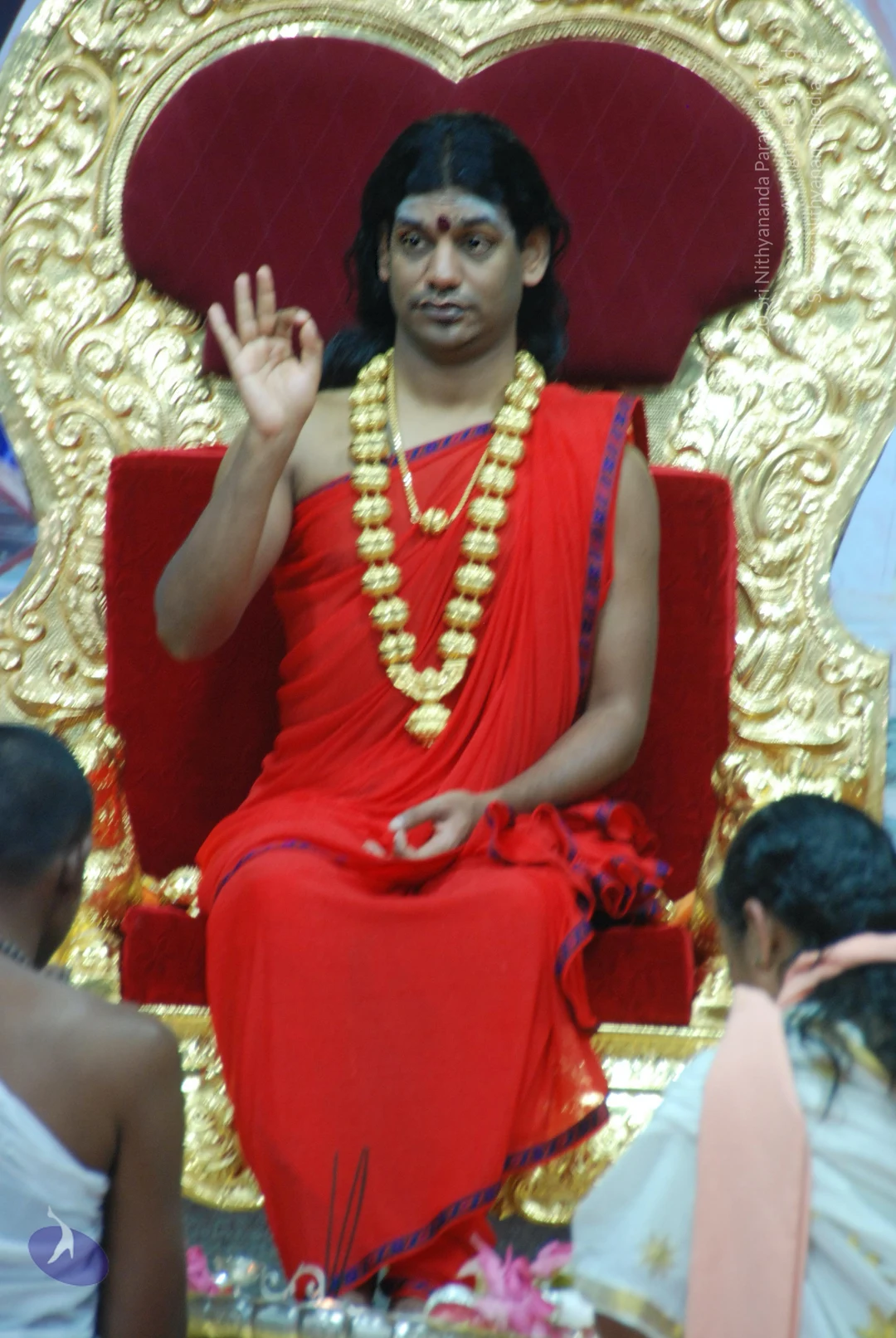
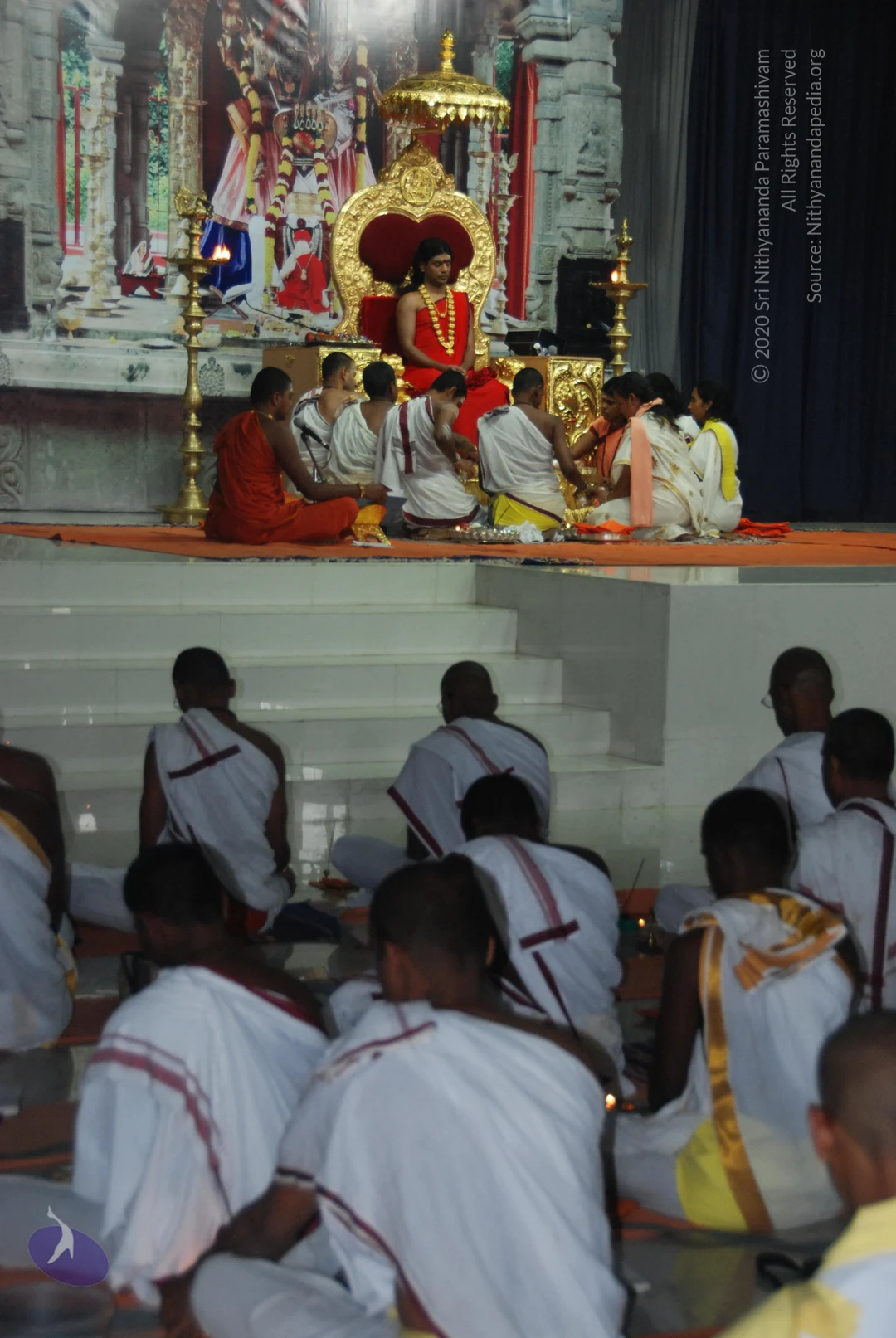
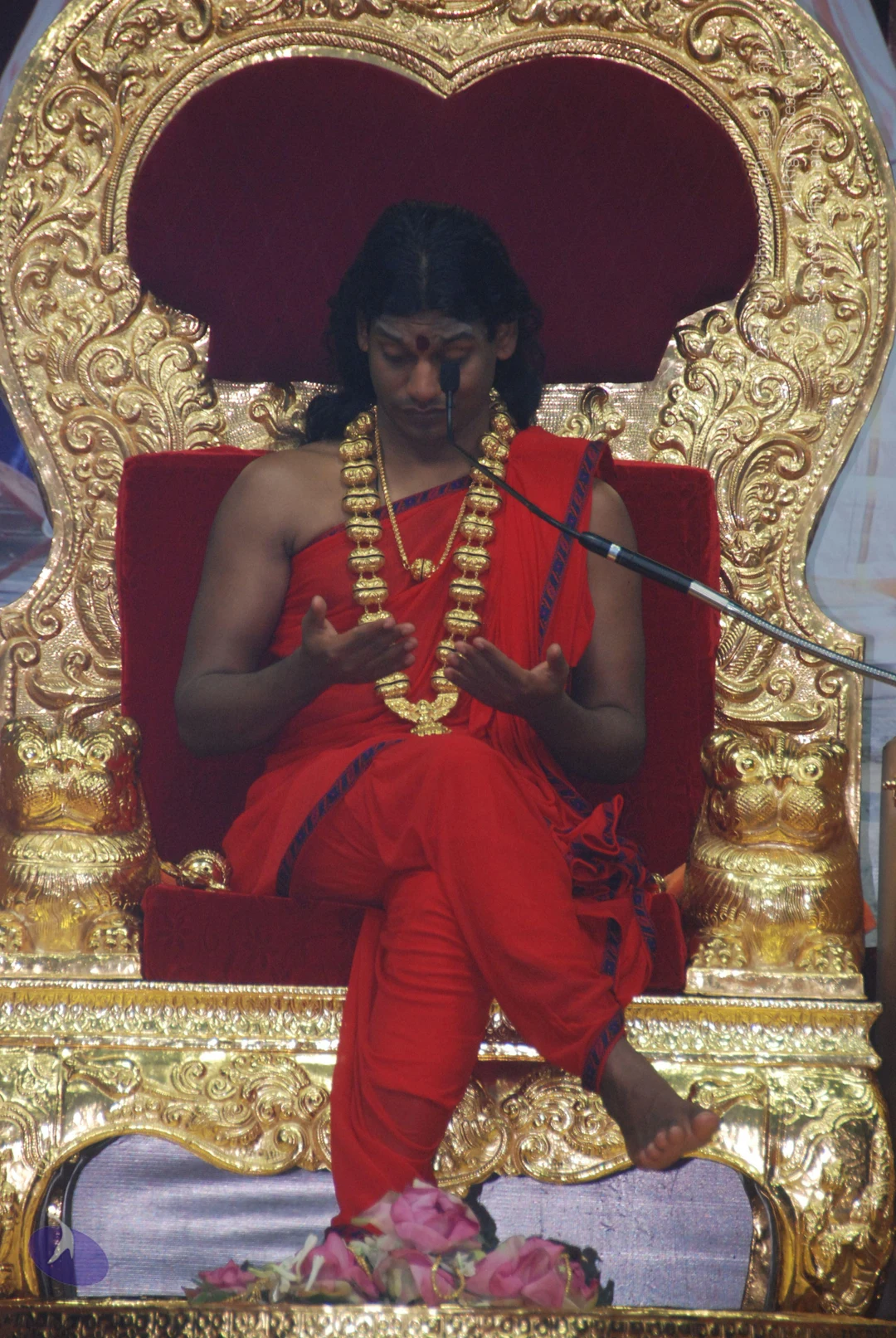
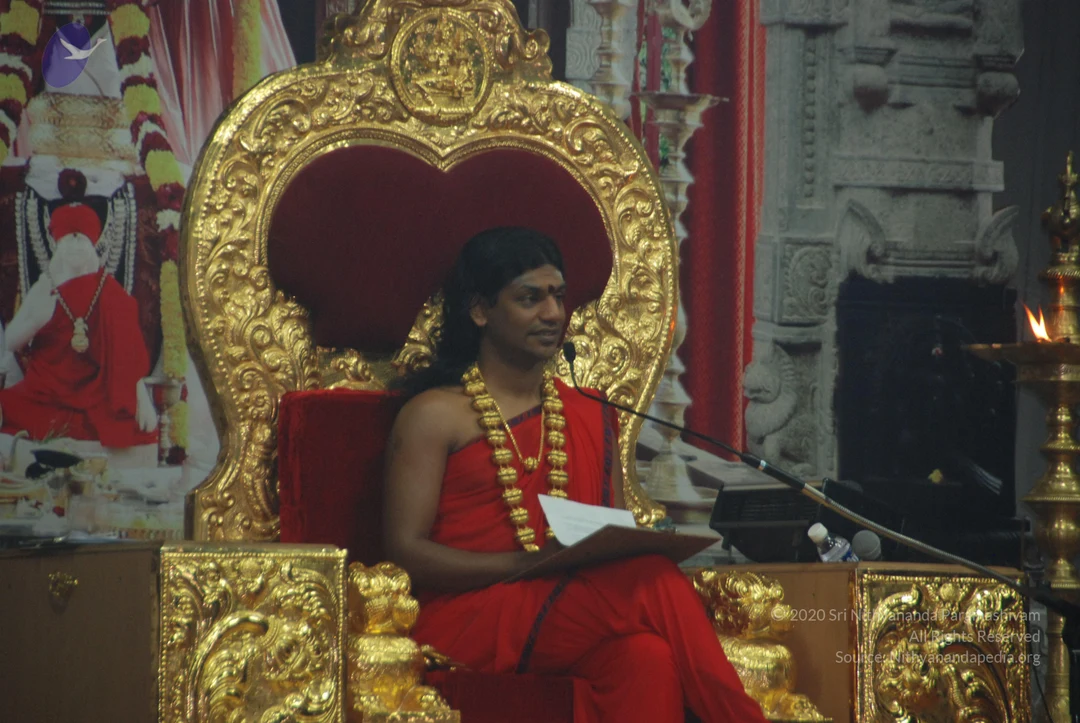
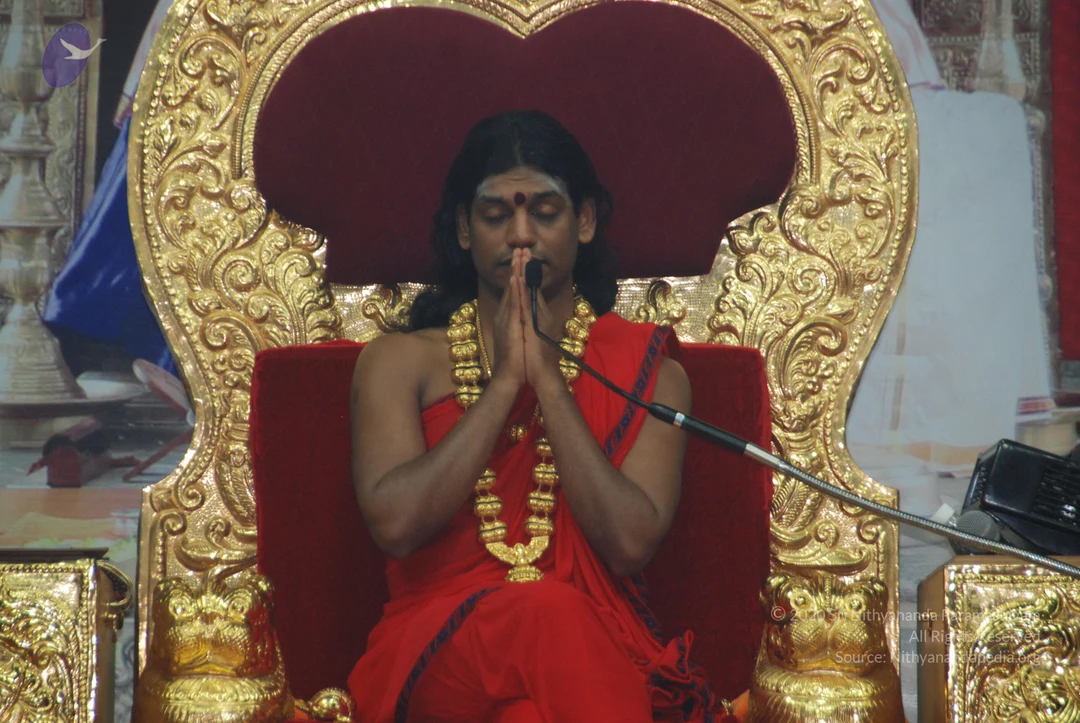
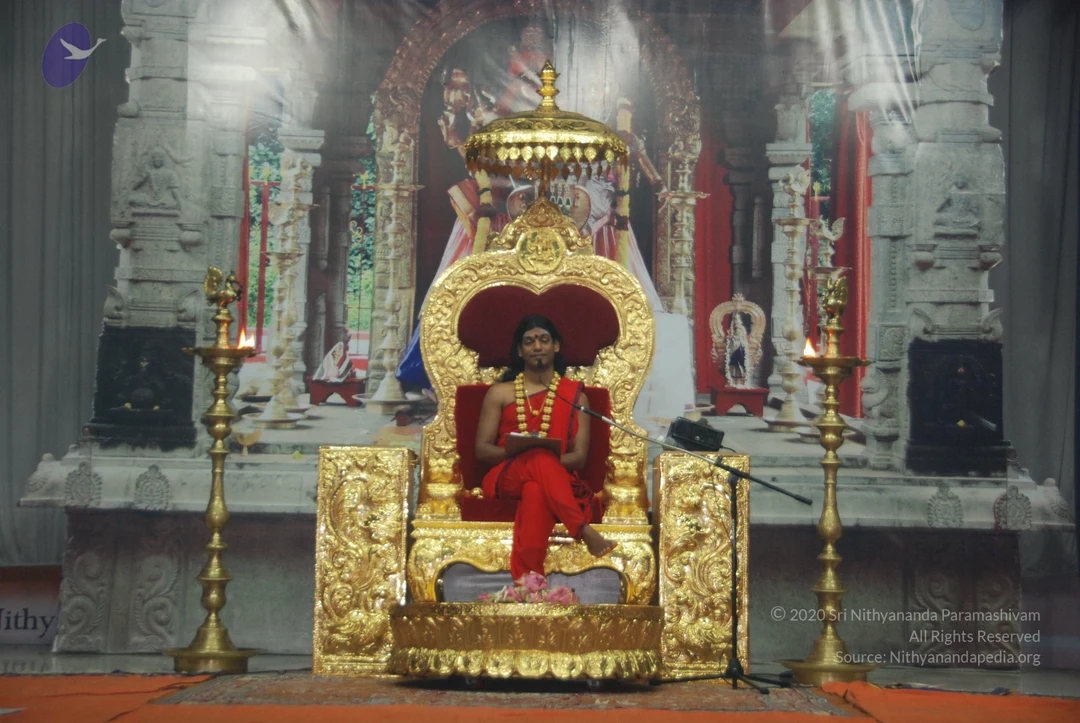
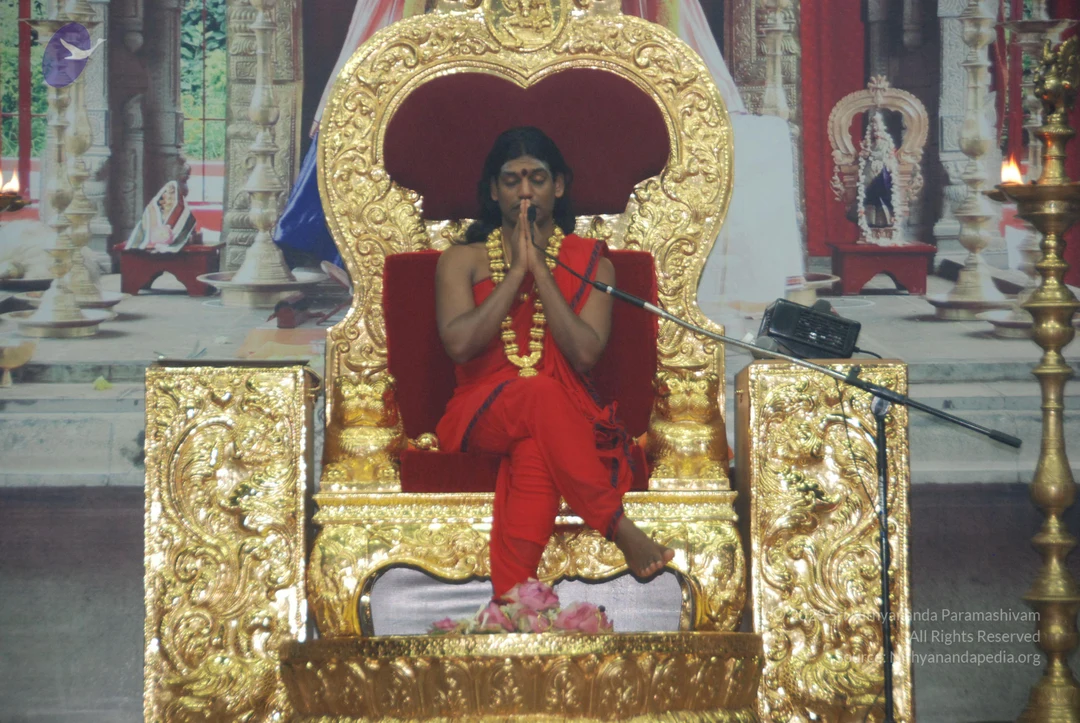
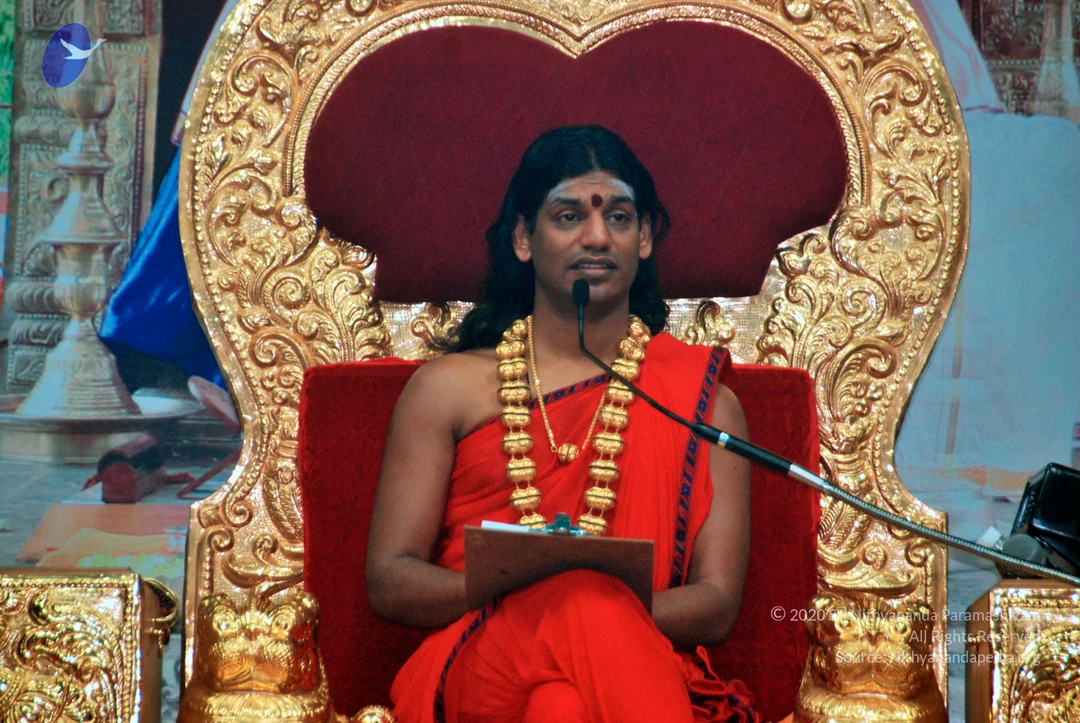
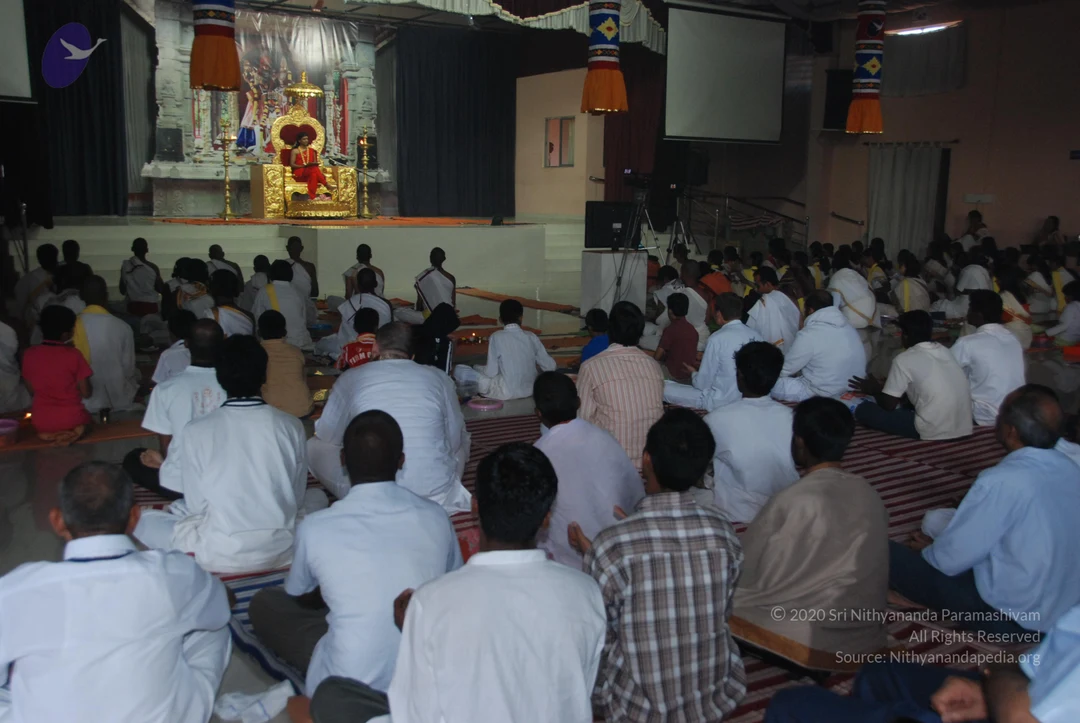
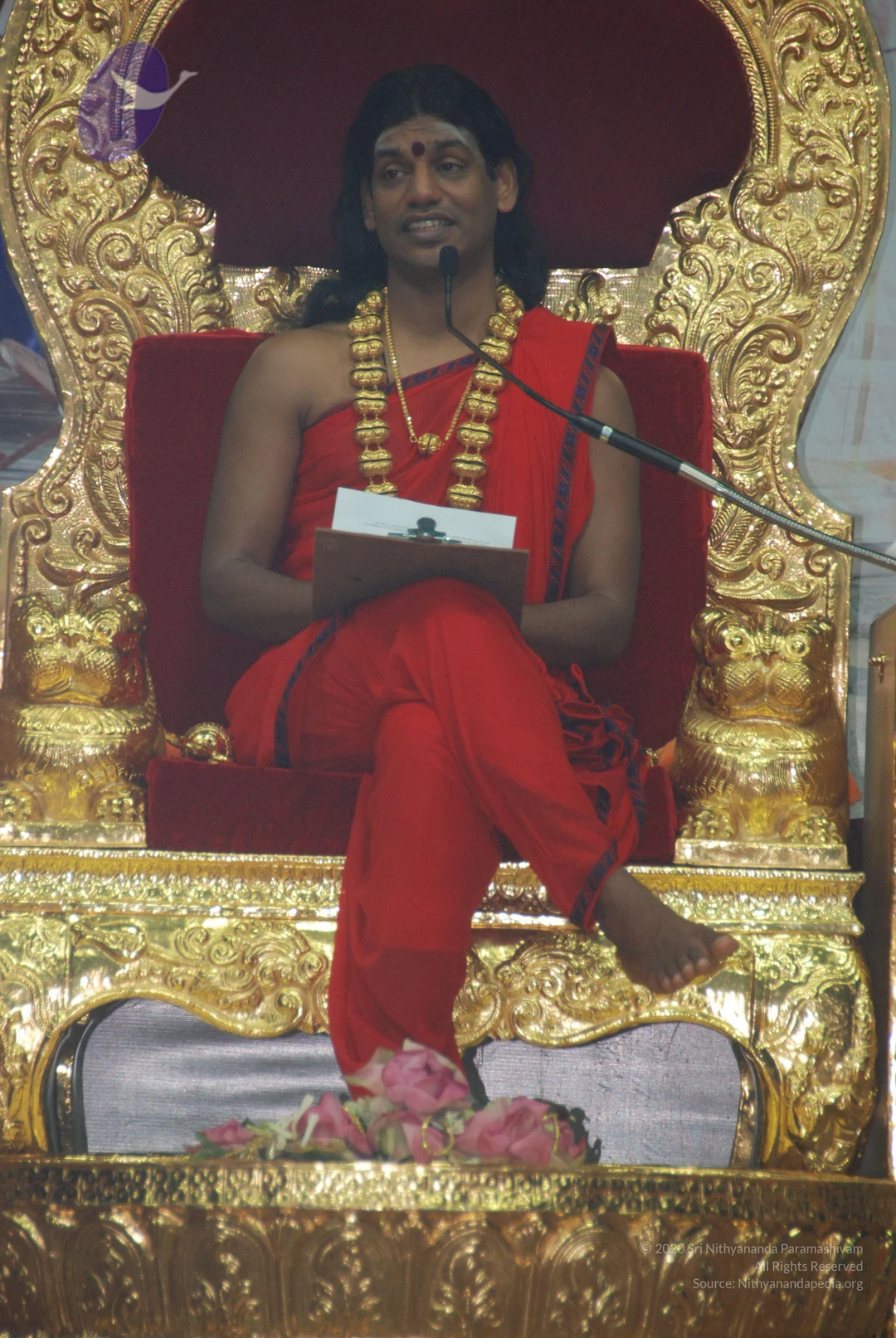
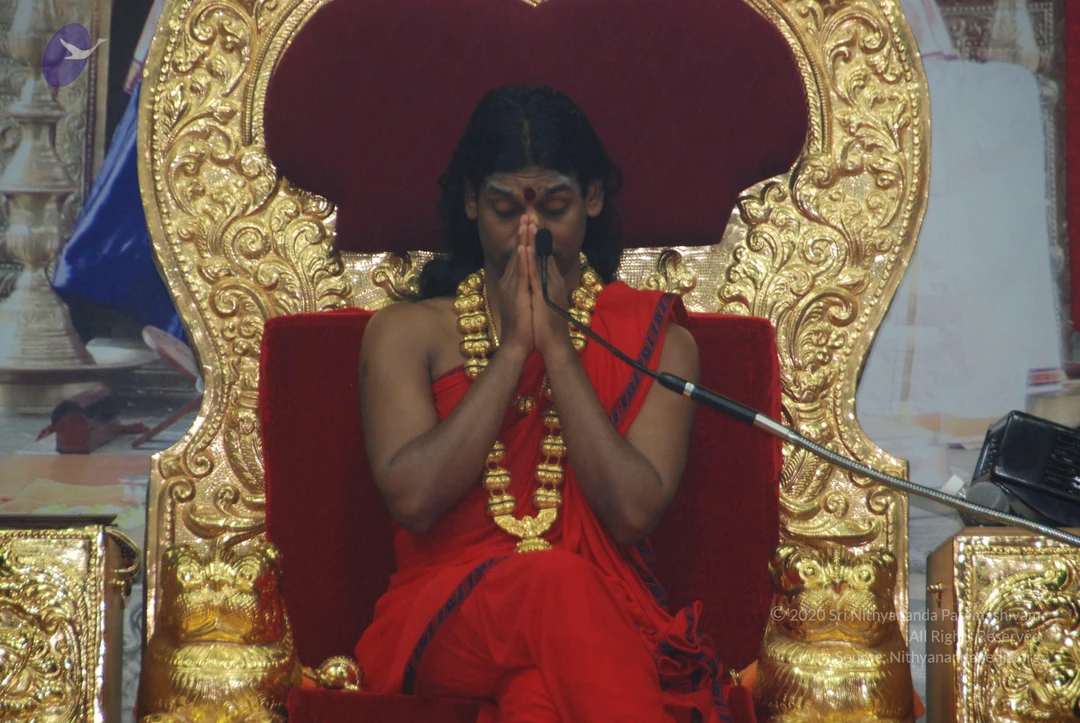
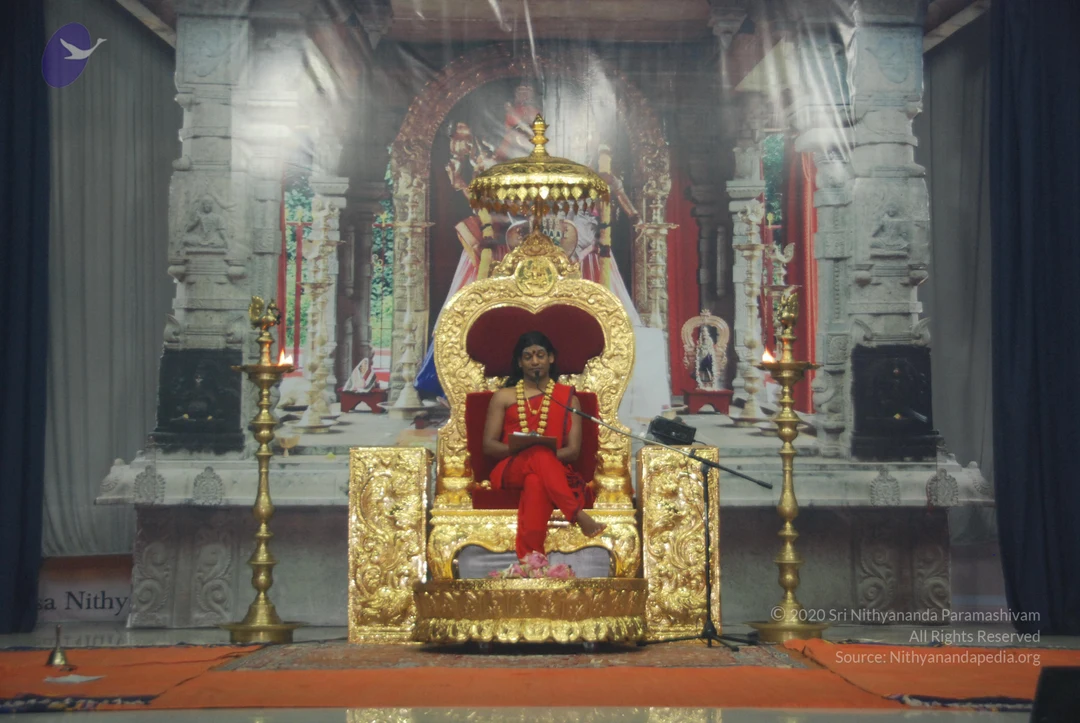
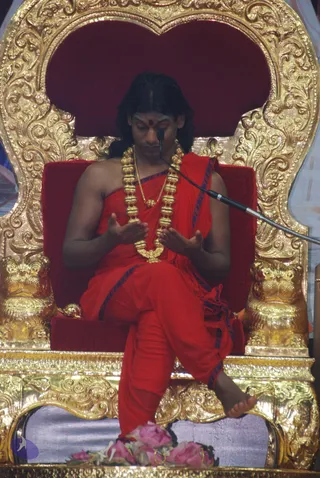
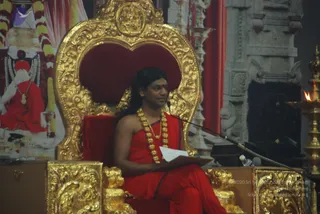
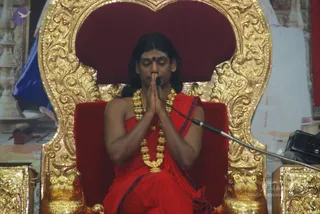
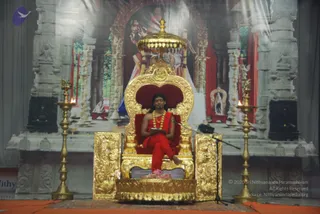
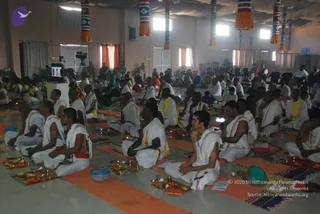
02-Morning-Satsang
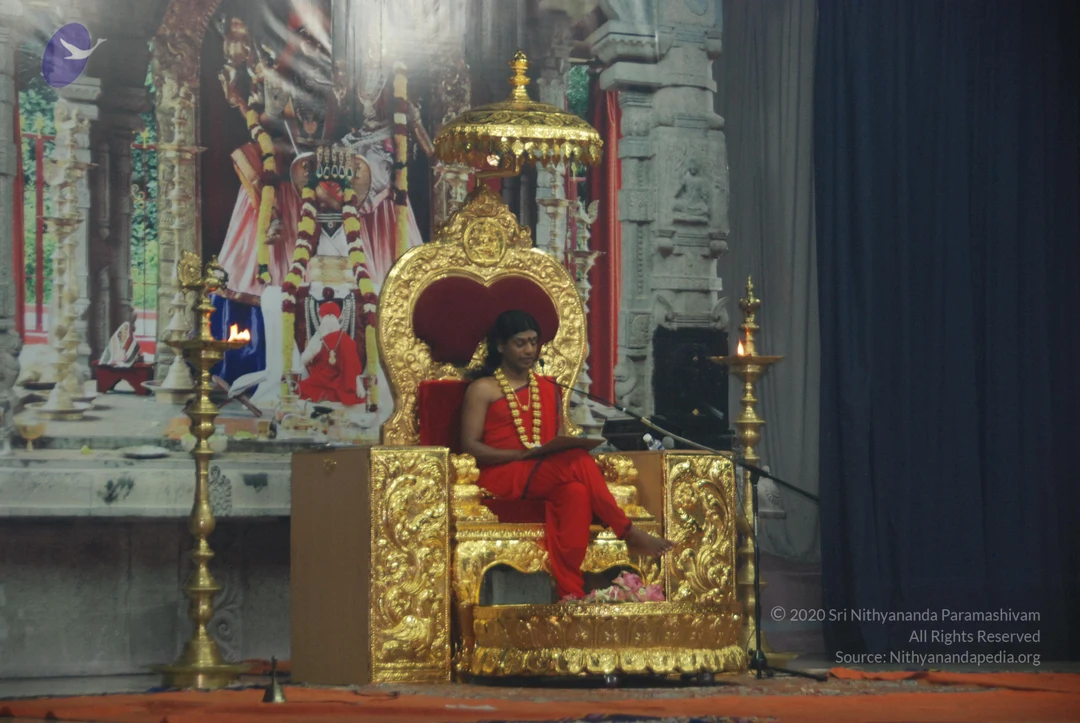
03-Sarva-Darshan
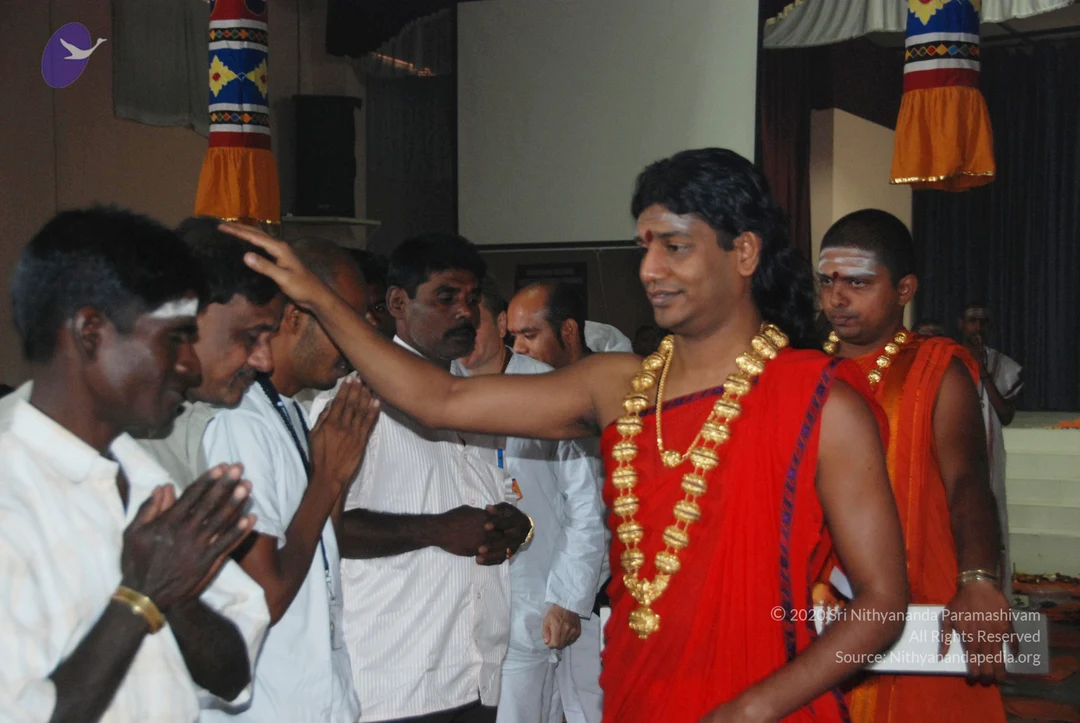
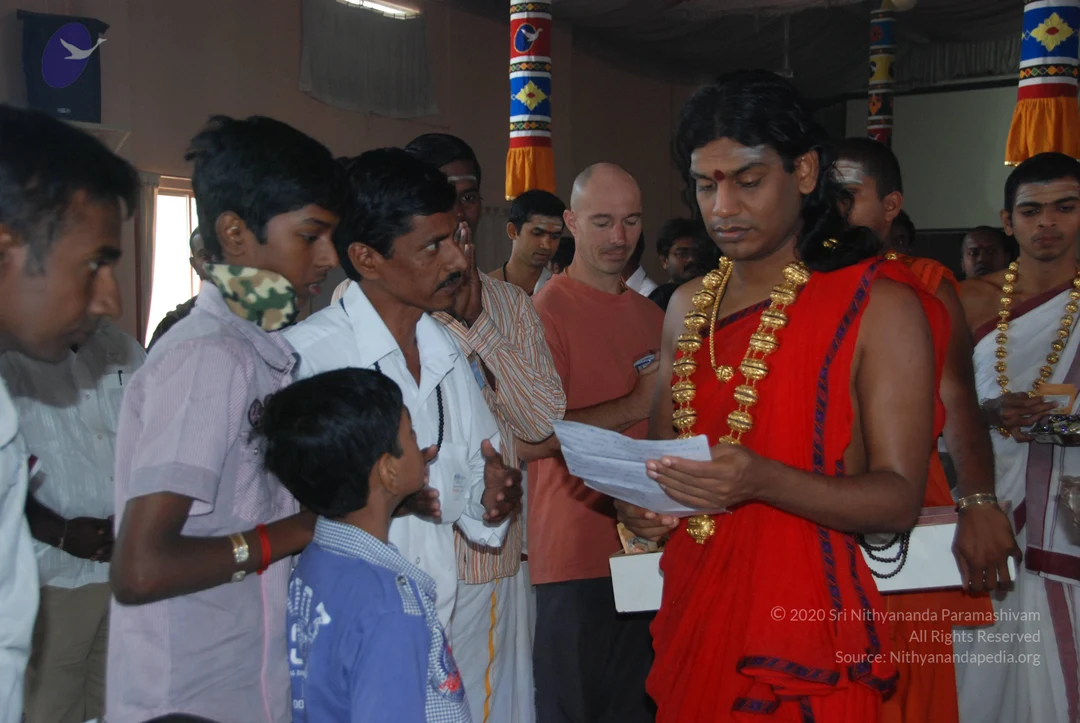
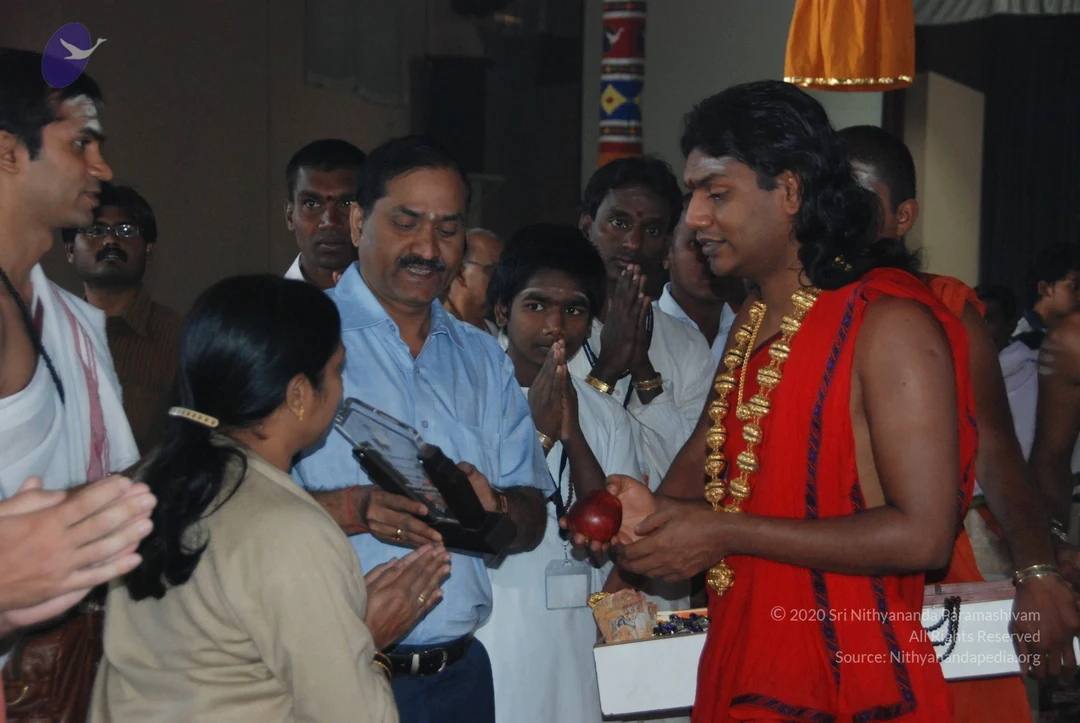
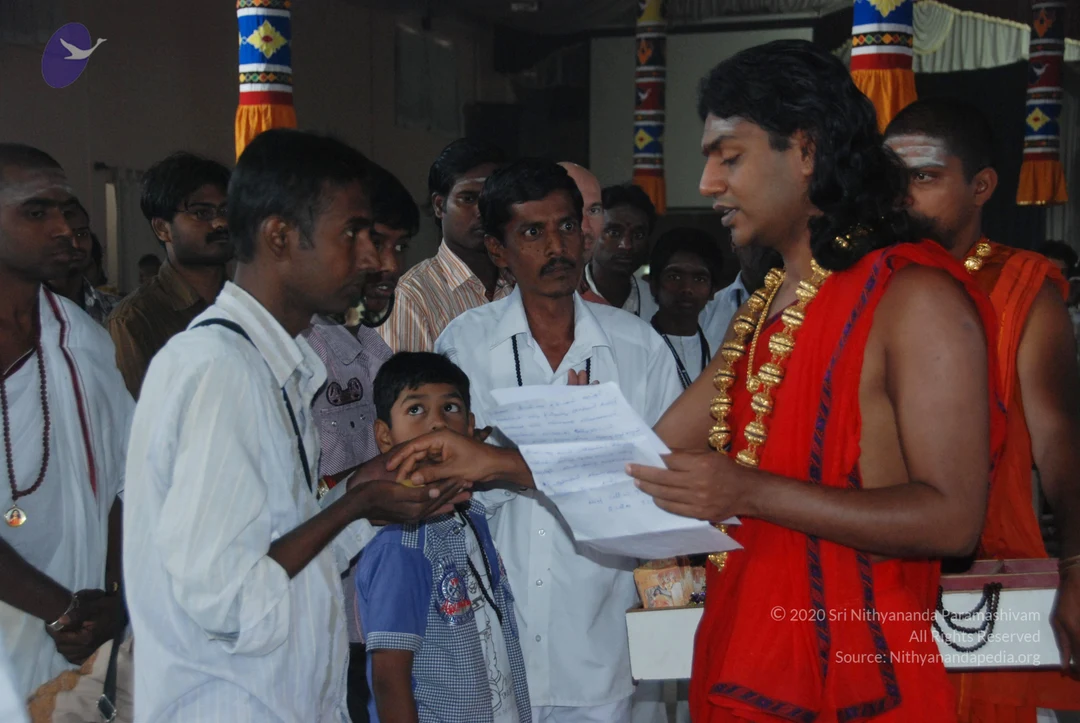
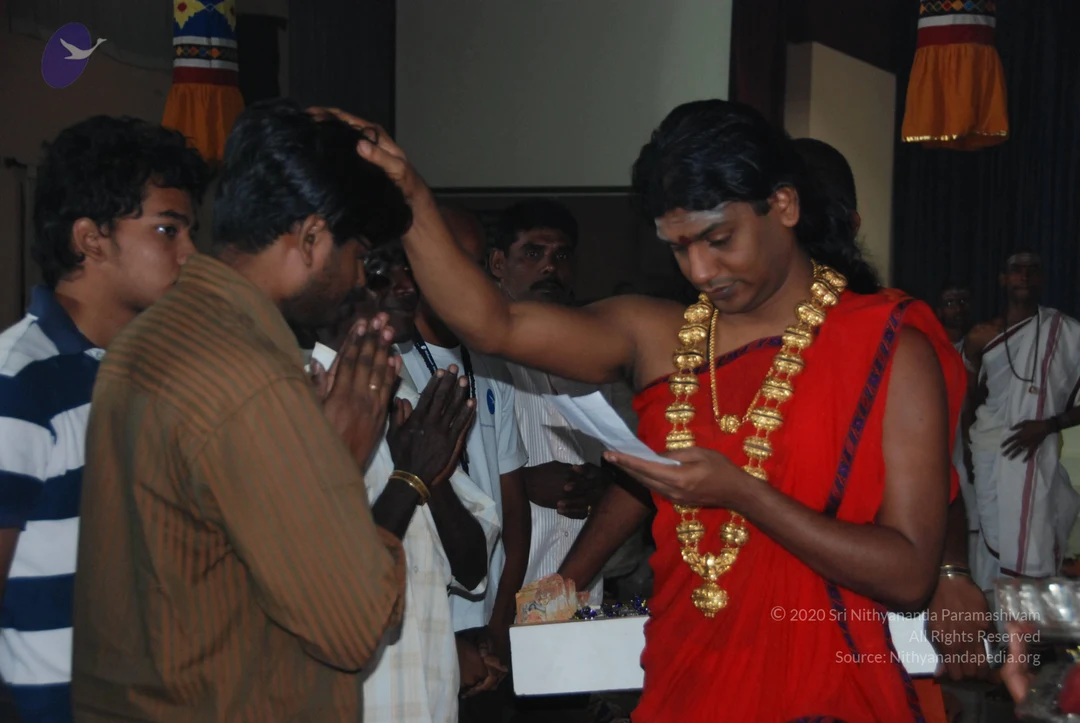
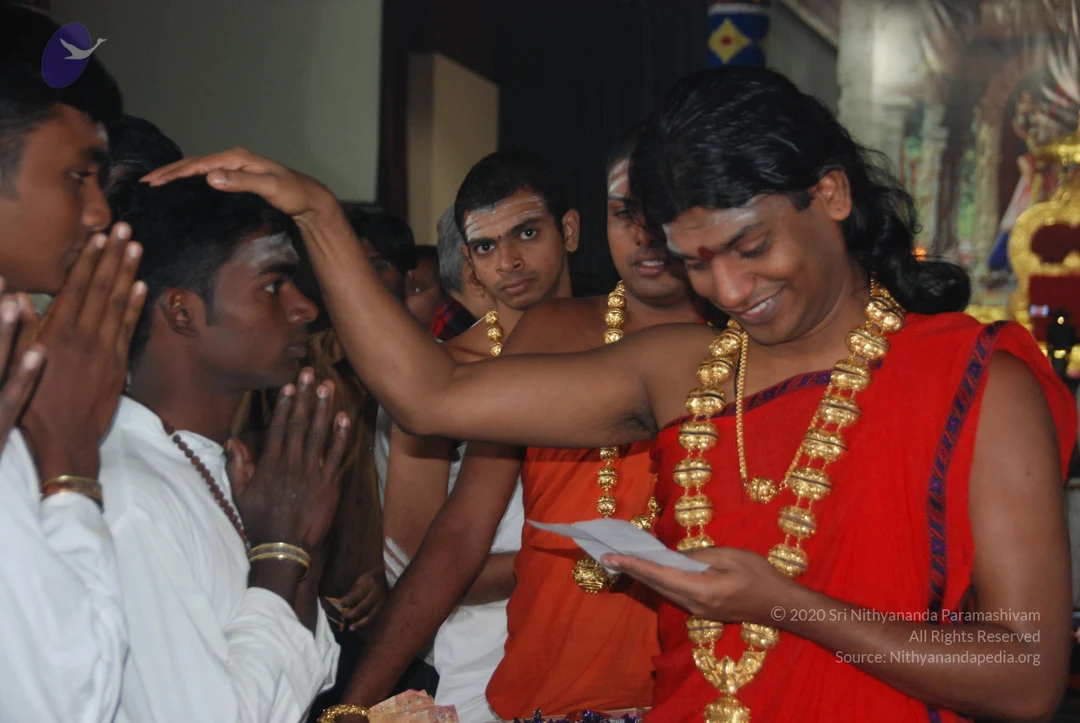
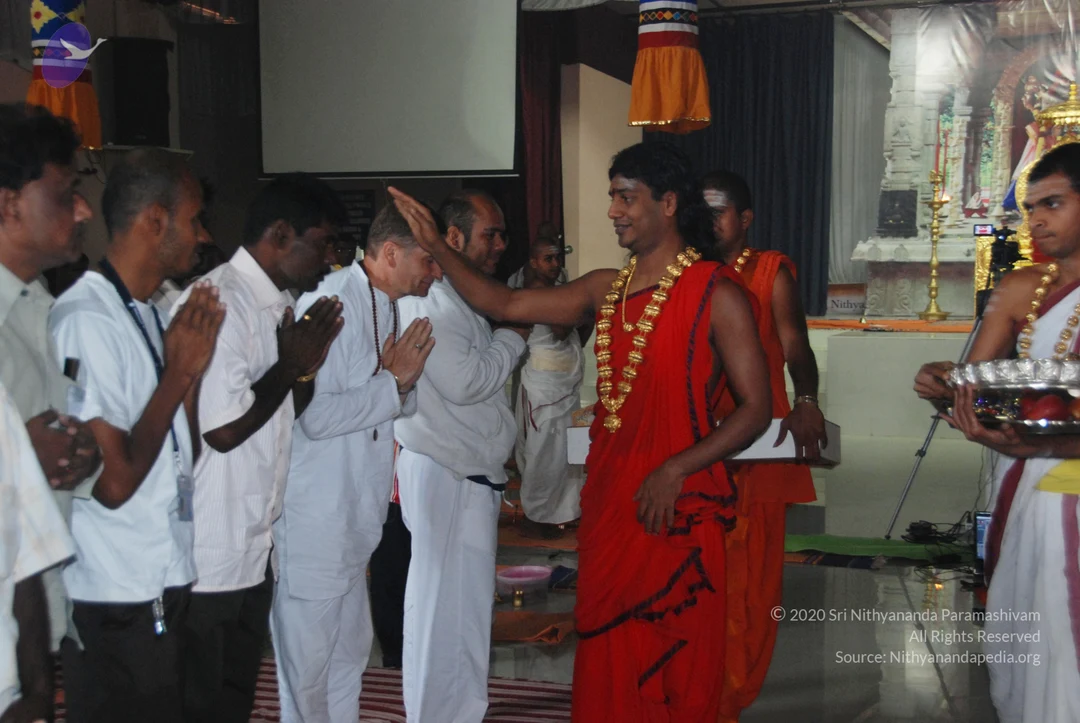
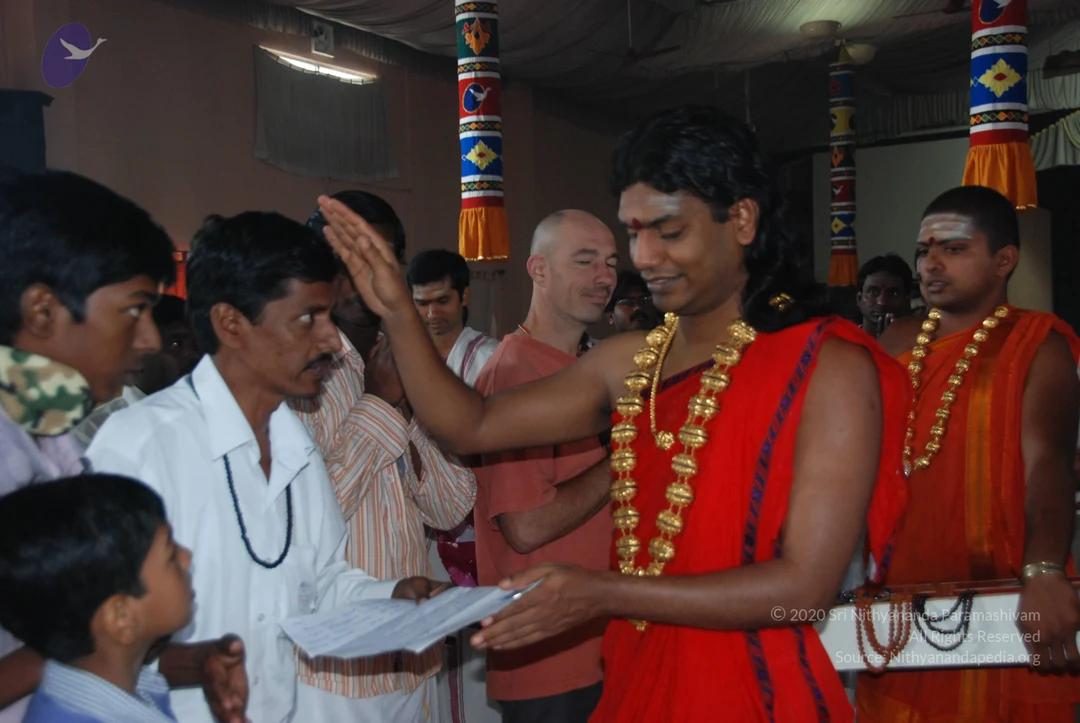
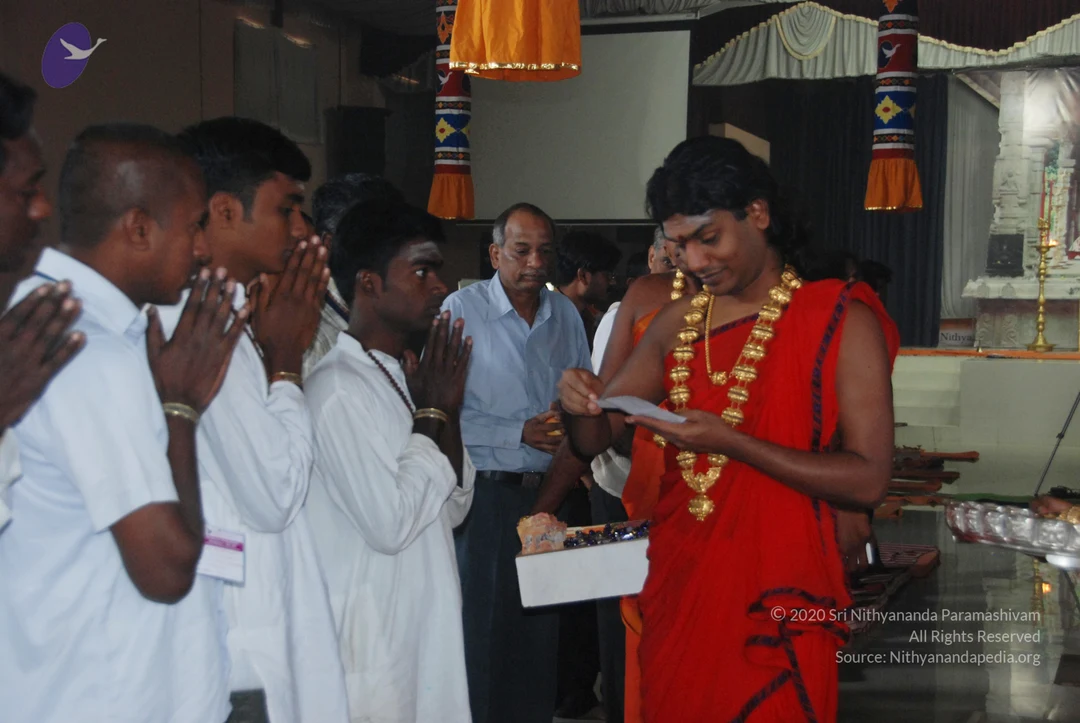
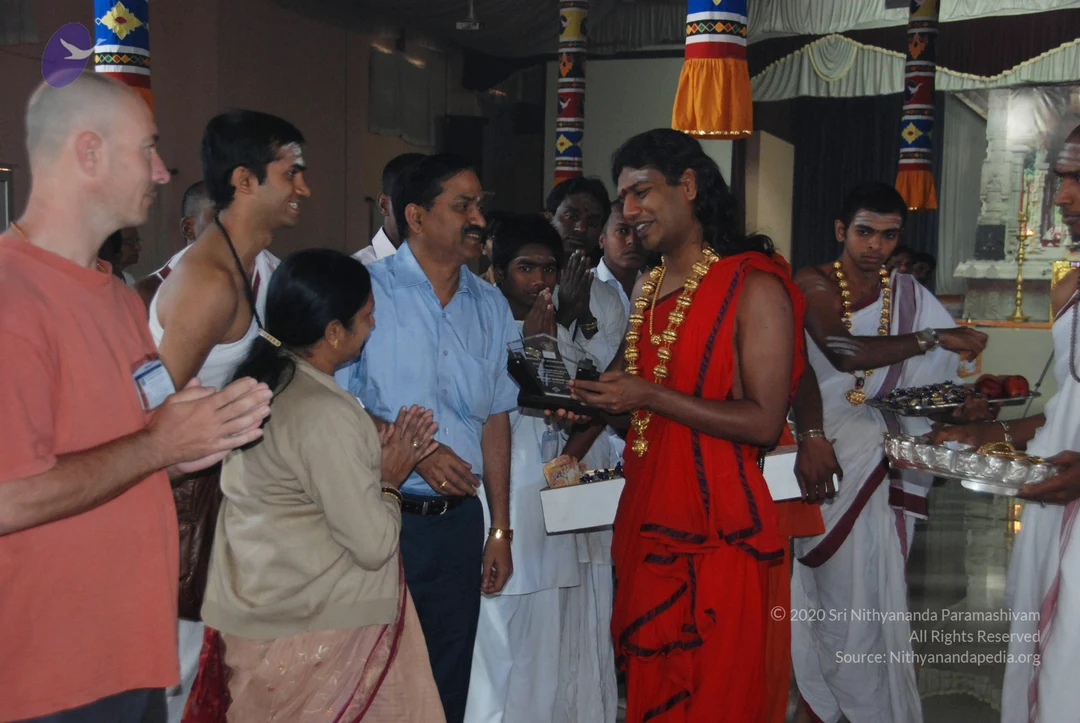
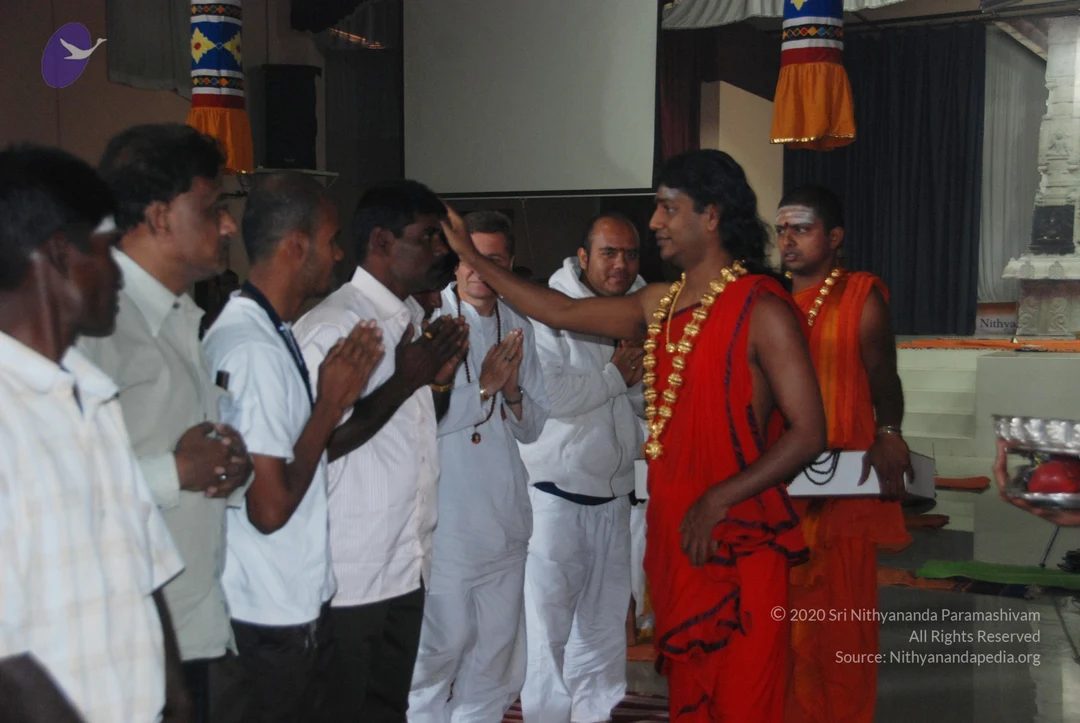
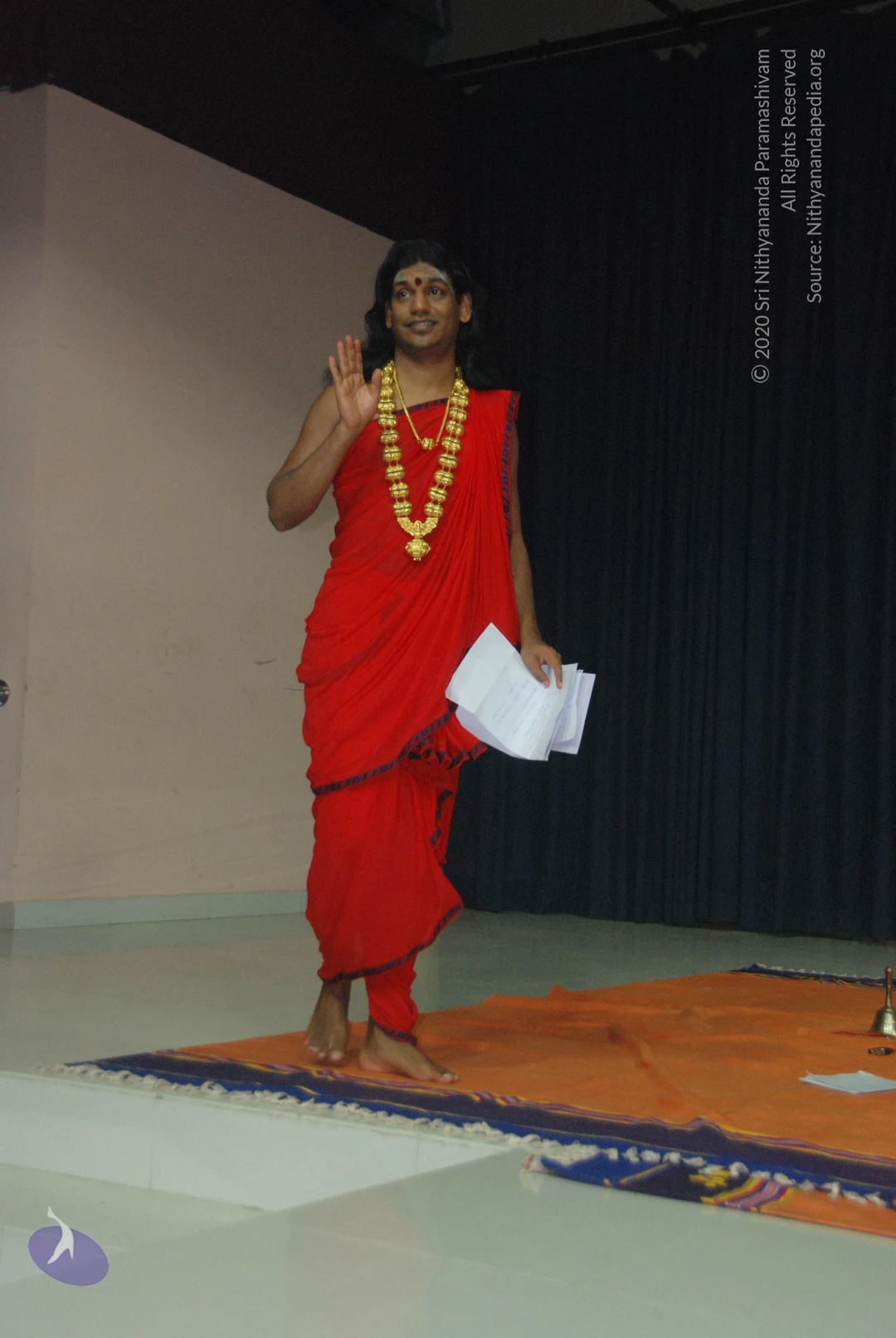
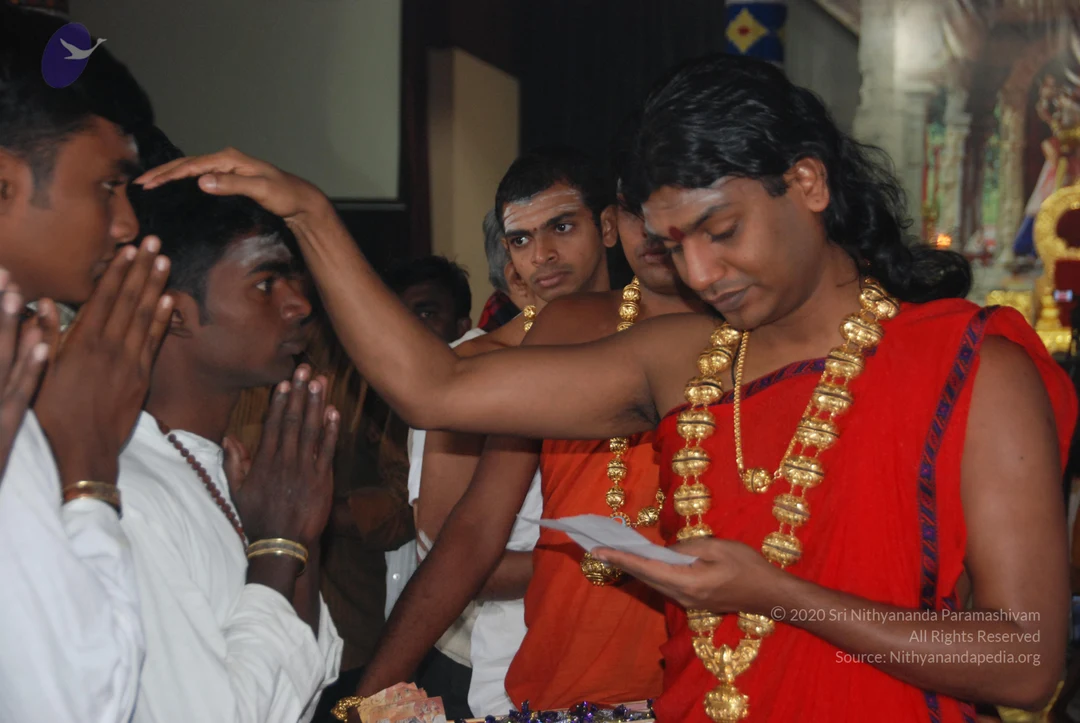
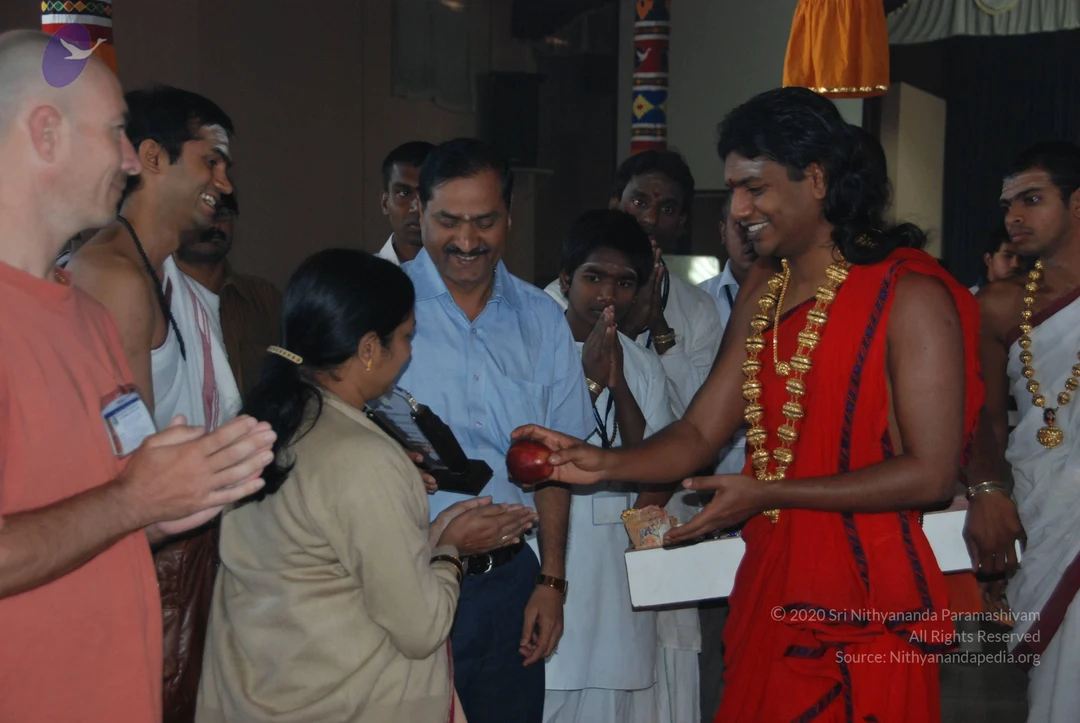
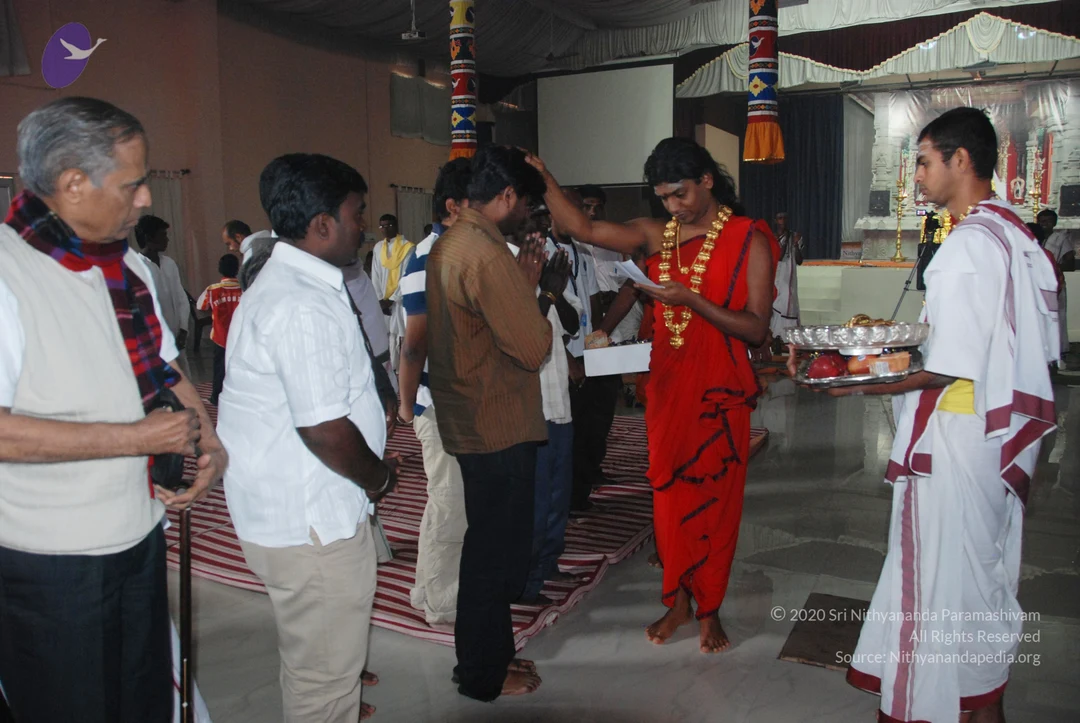
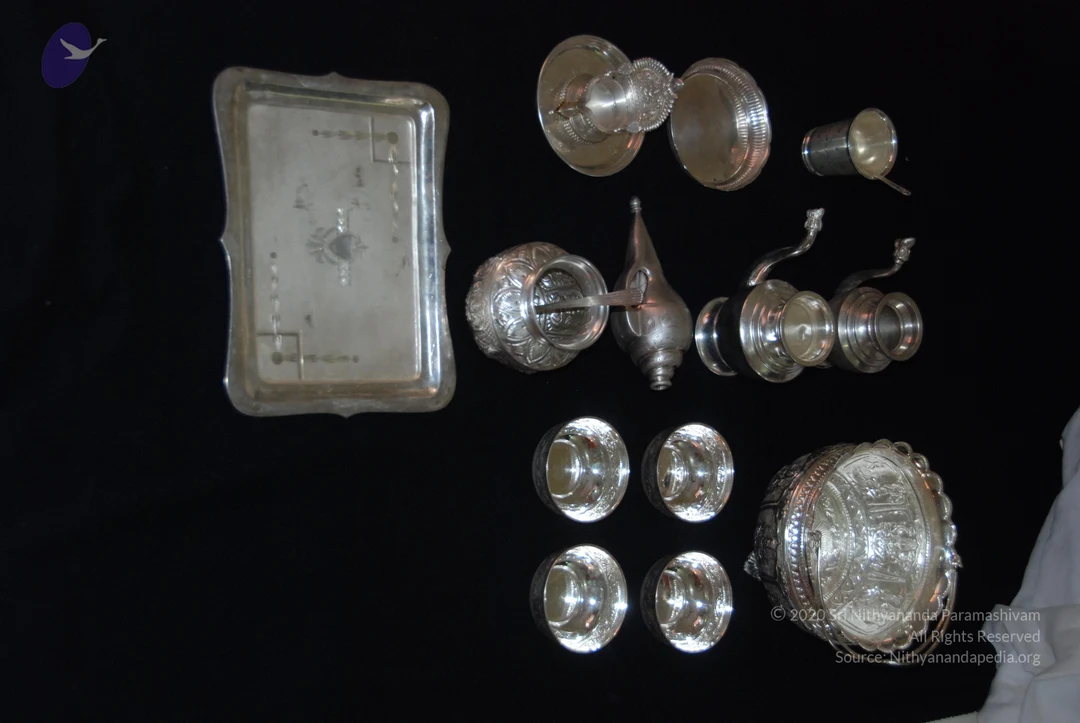
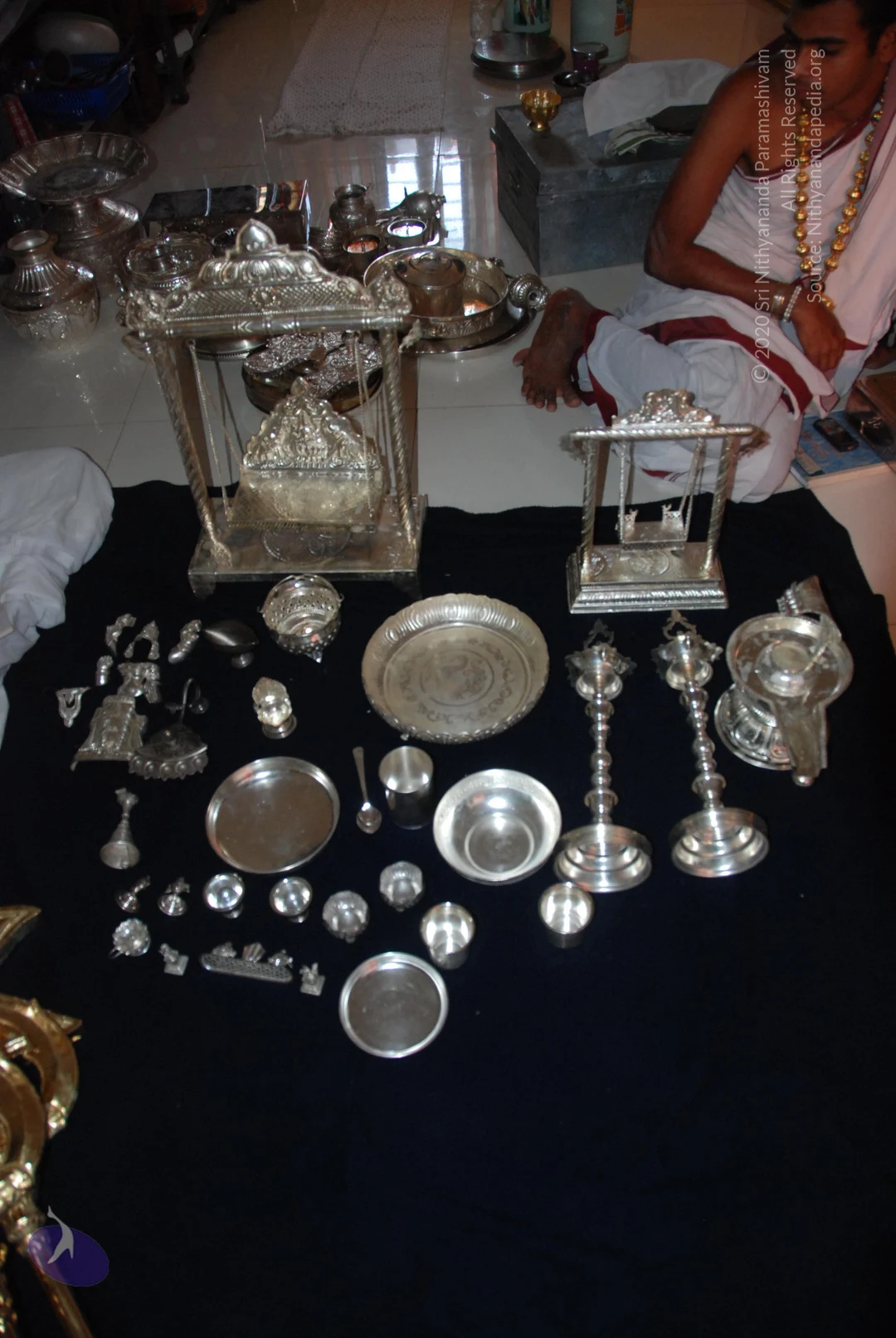
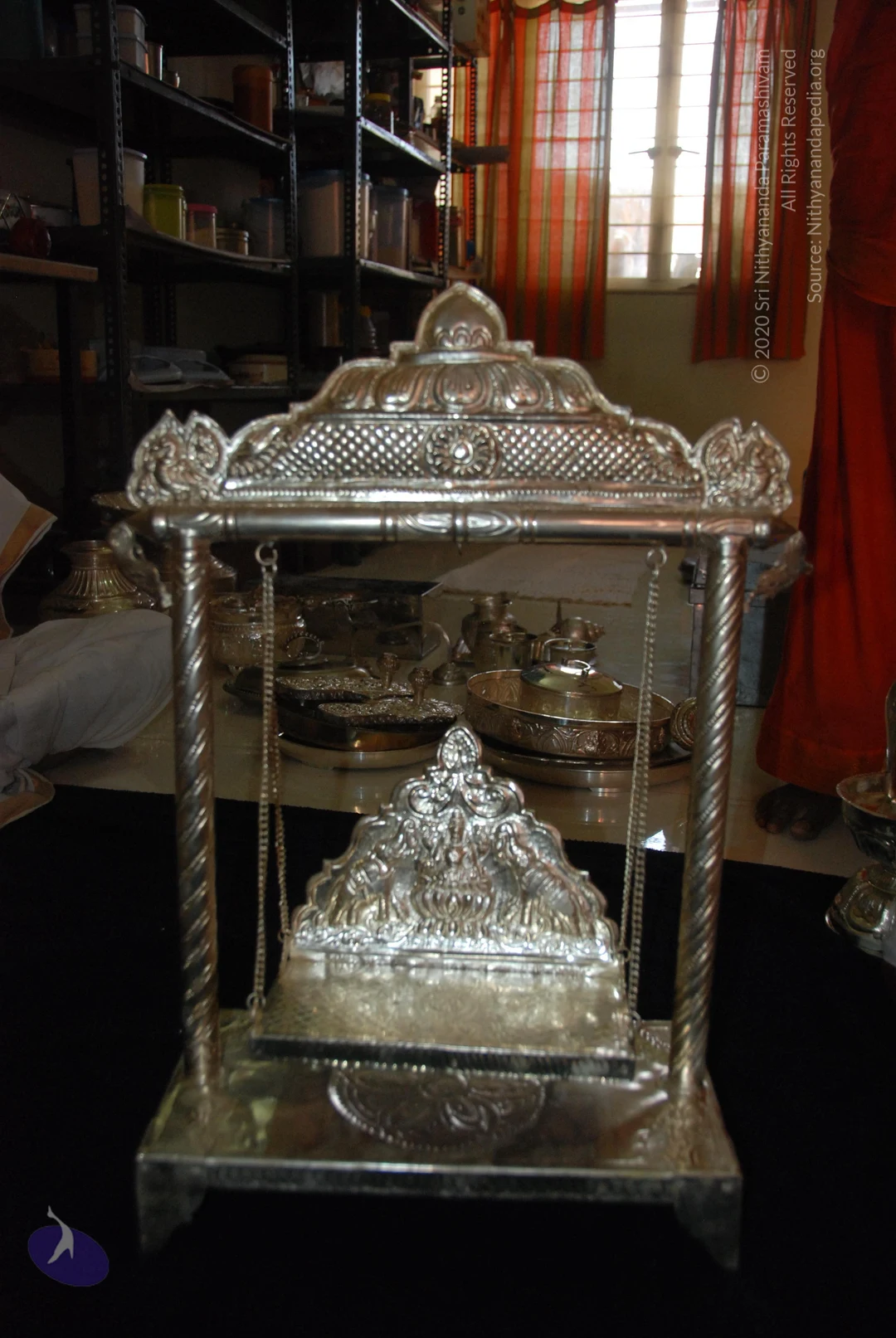
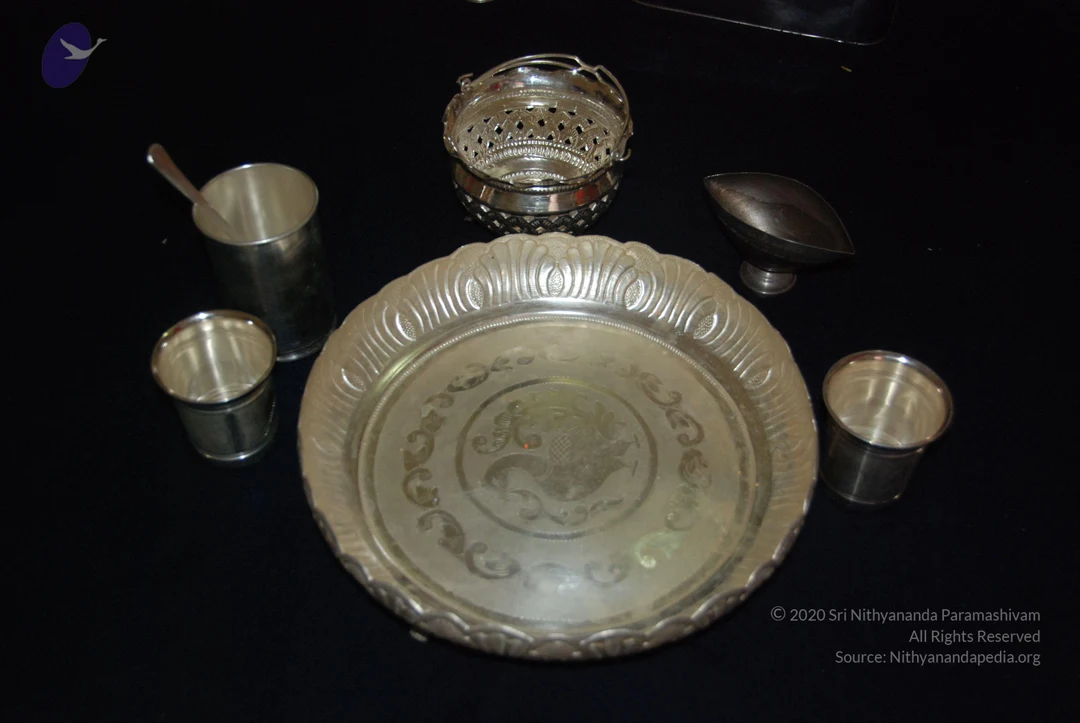
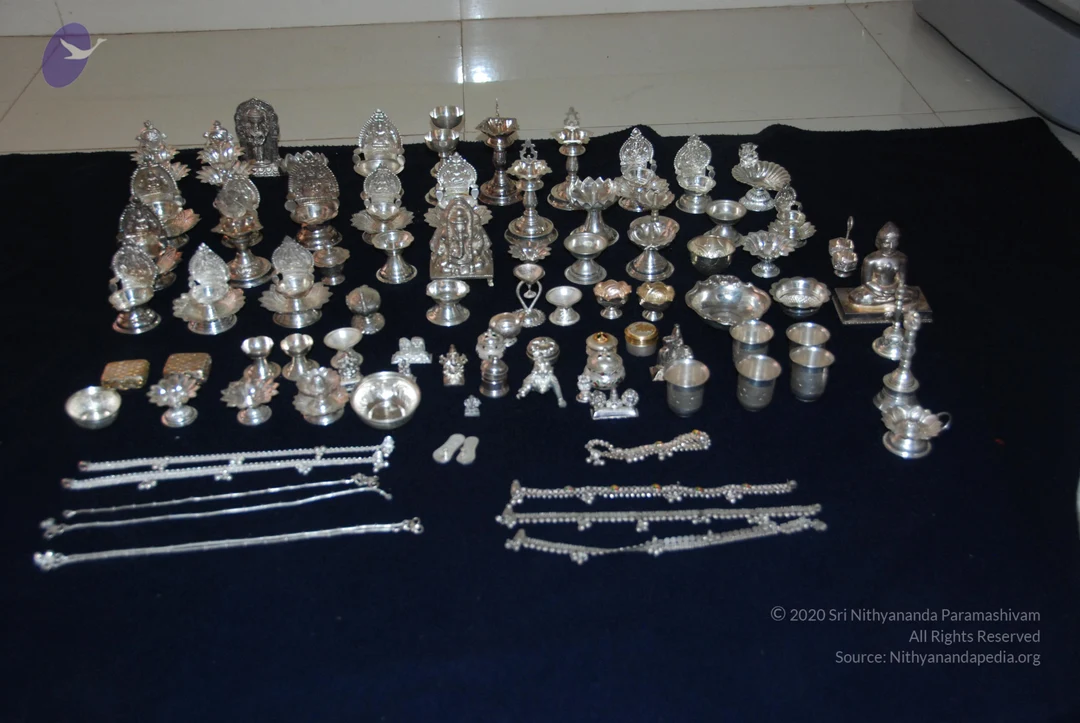
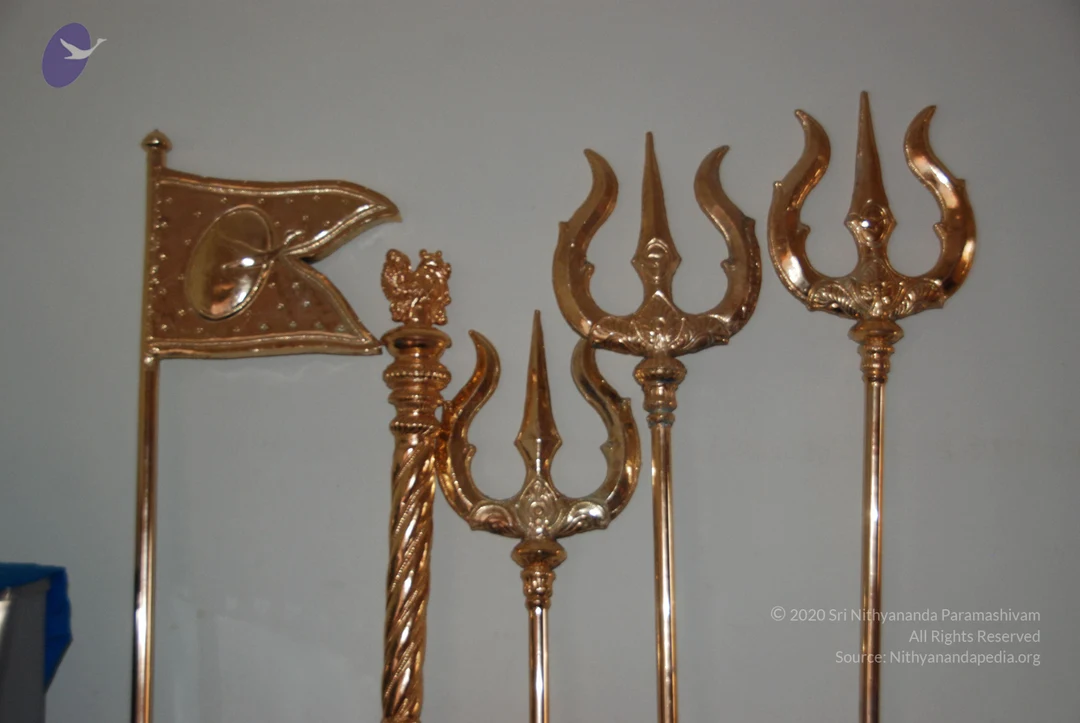
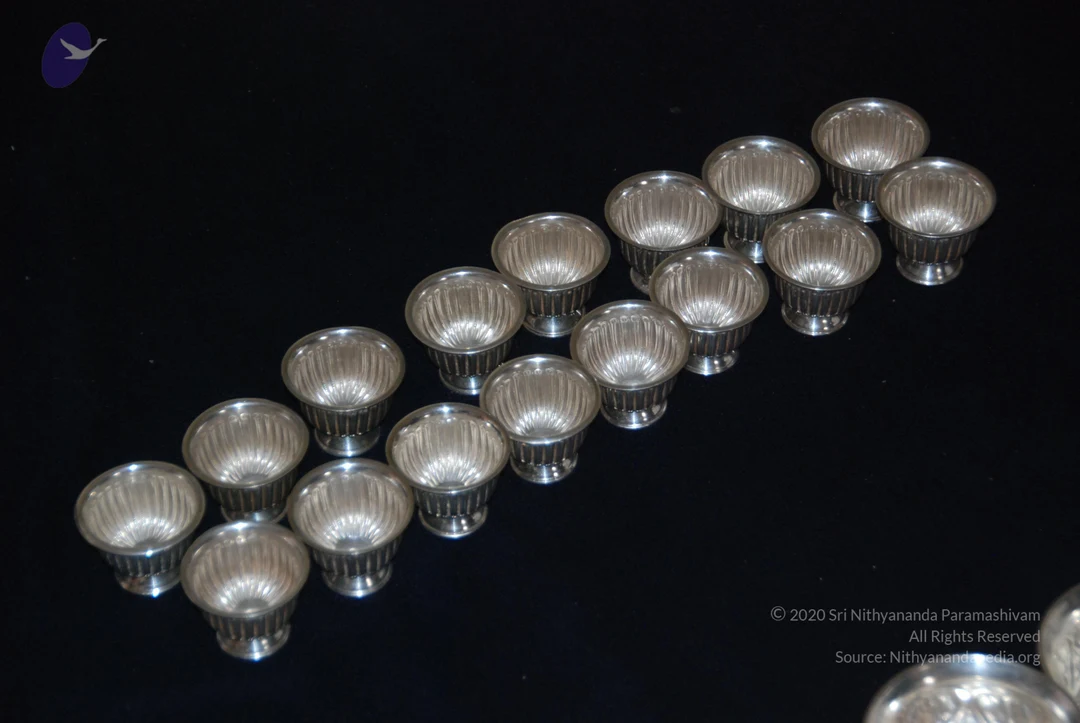
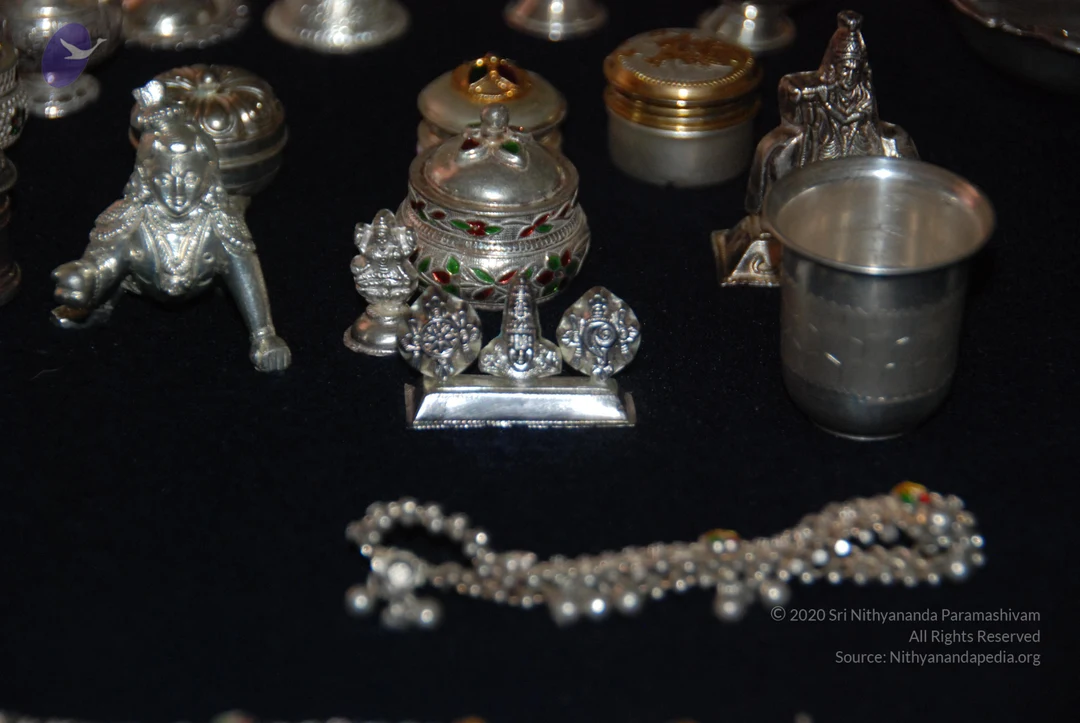
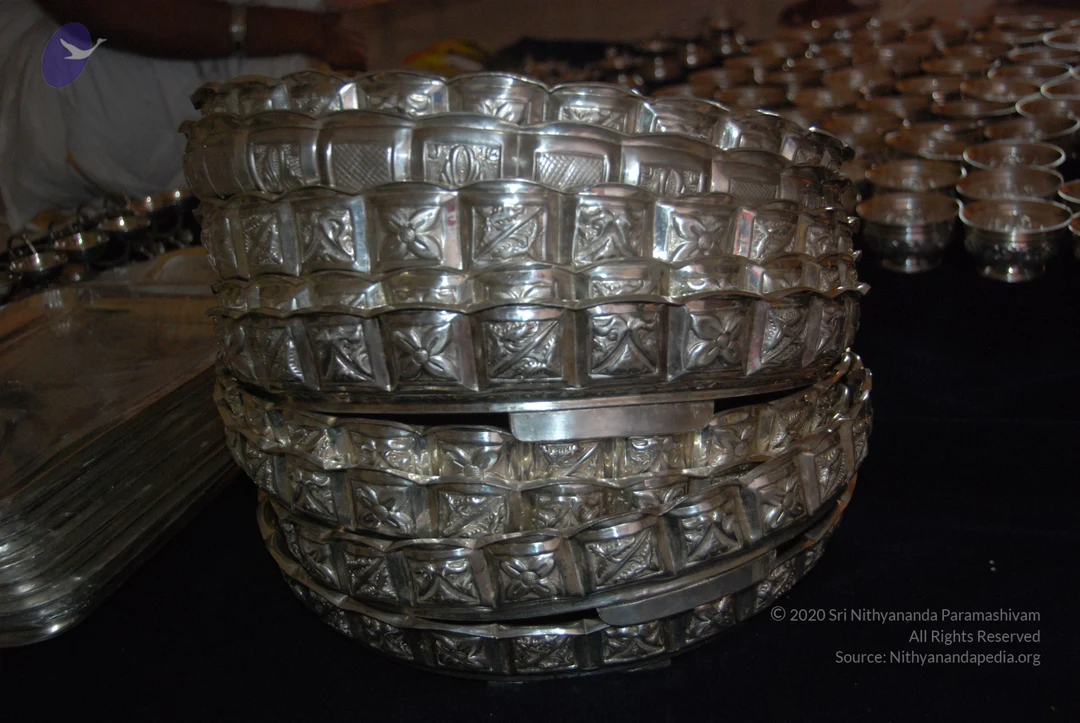
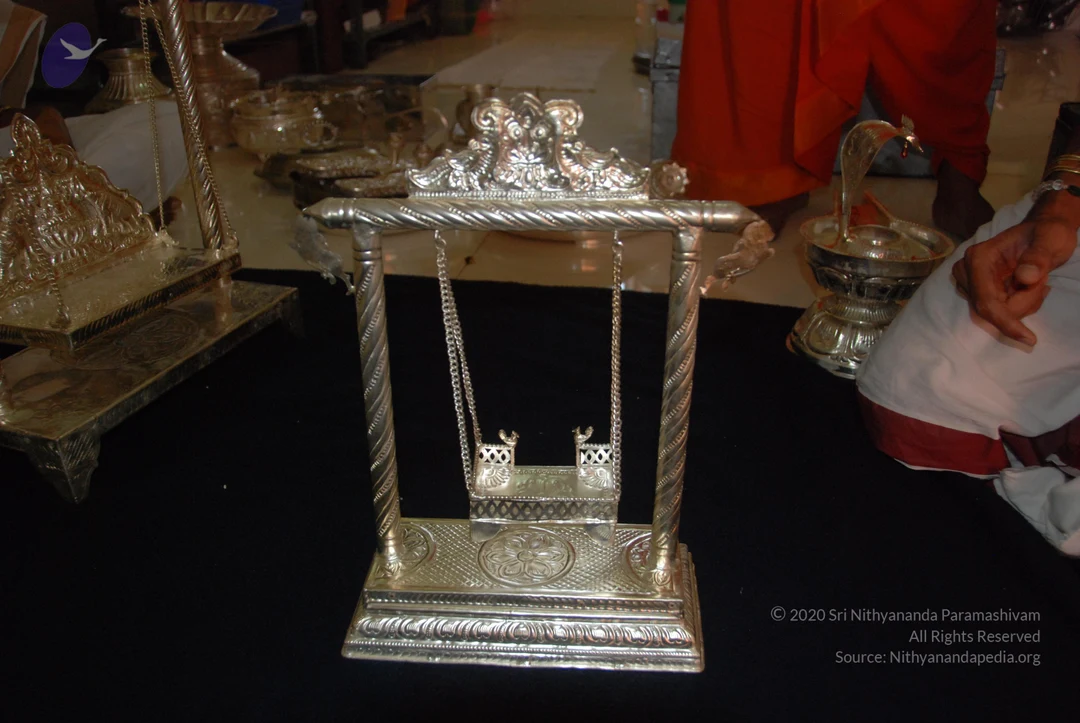
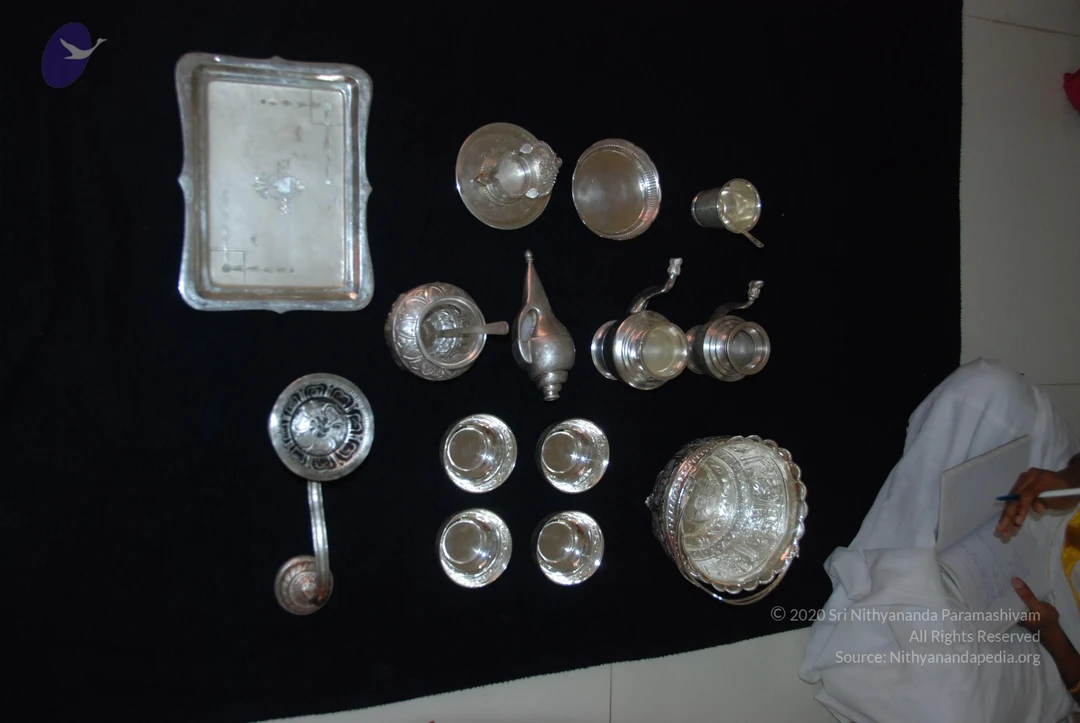
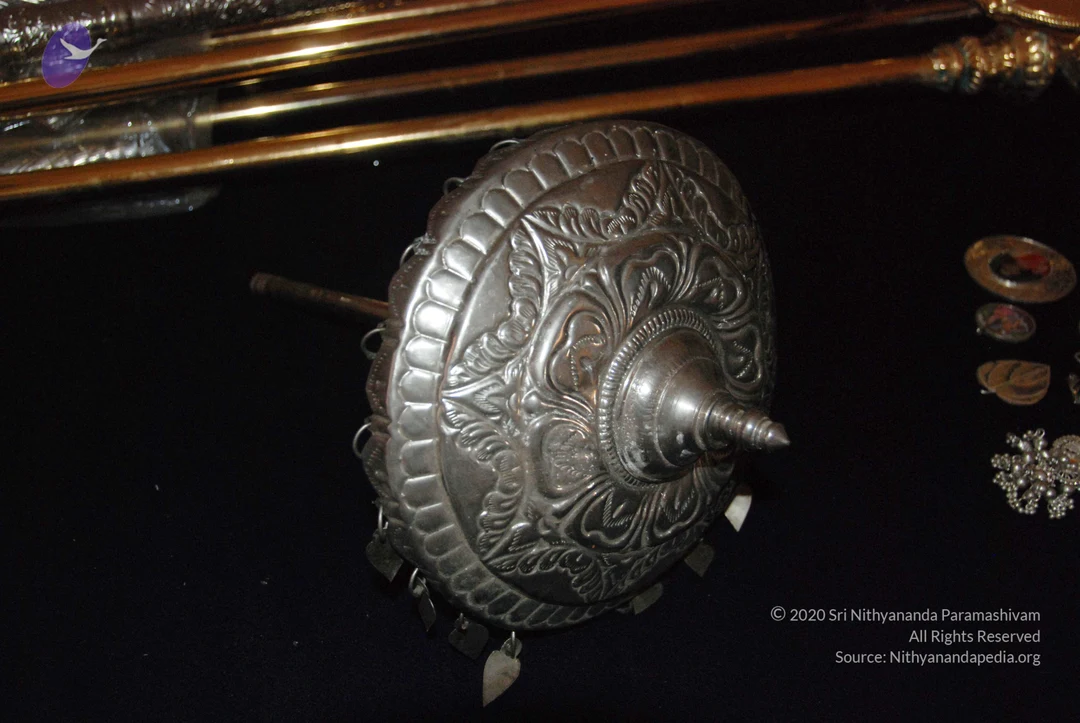
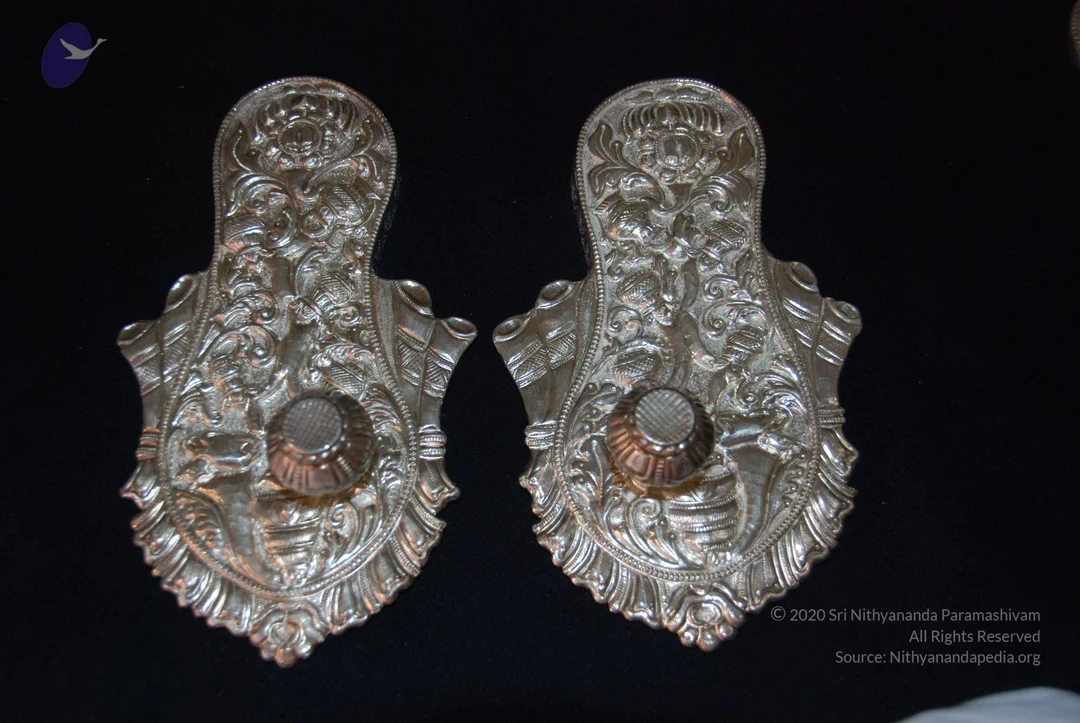
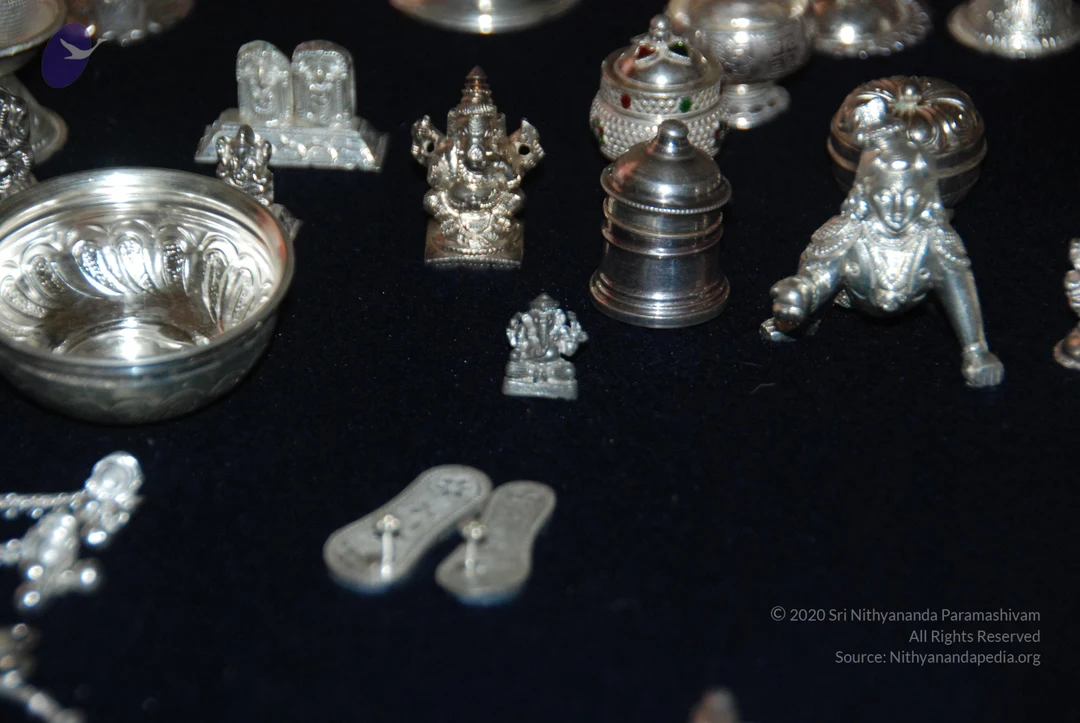
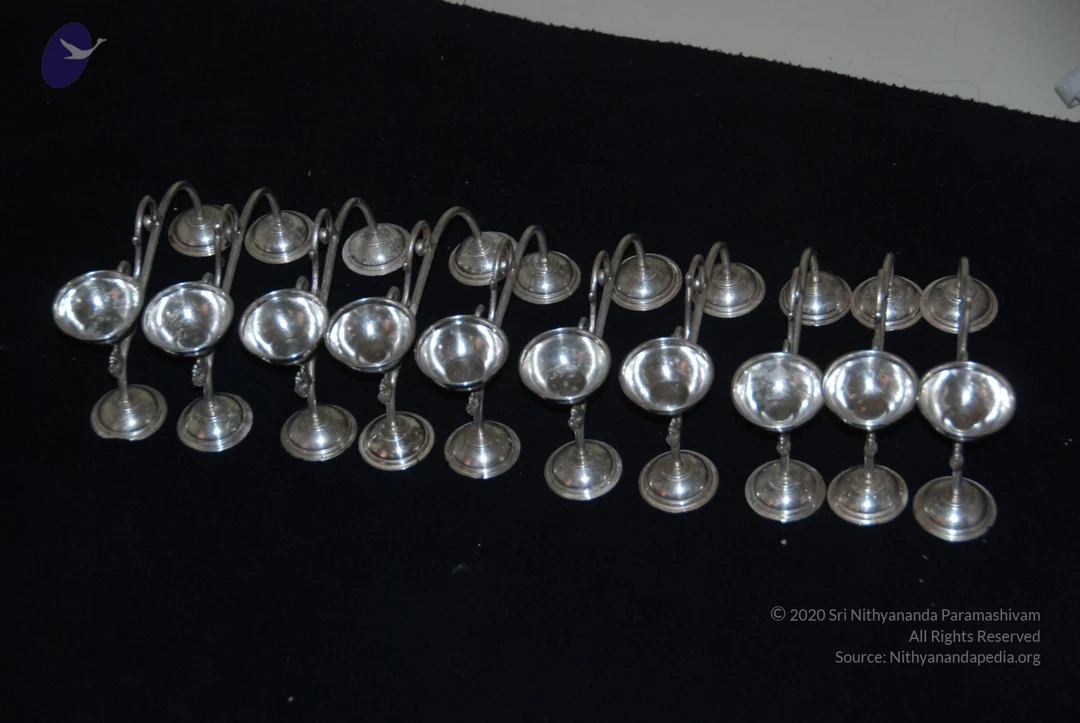
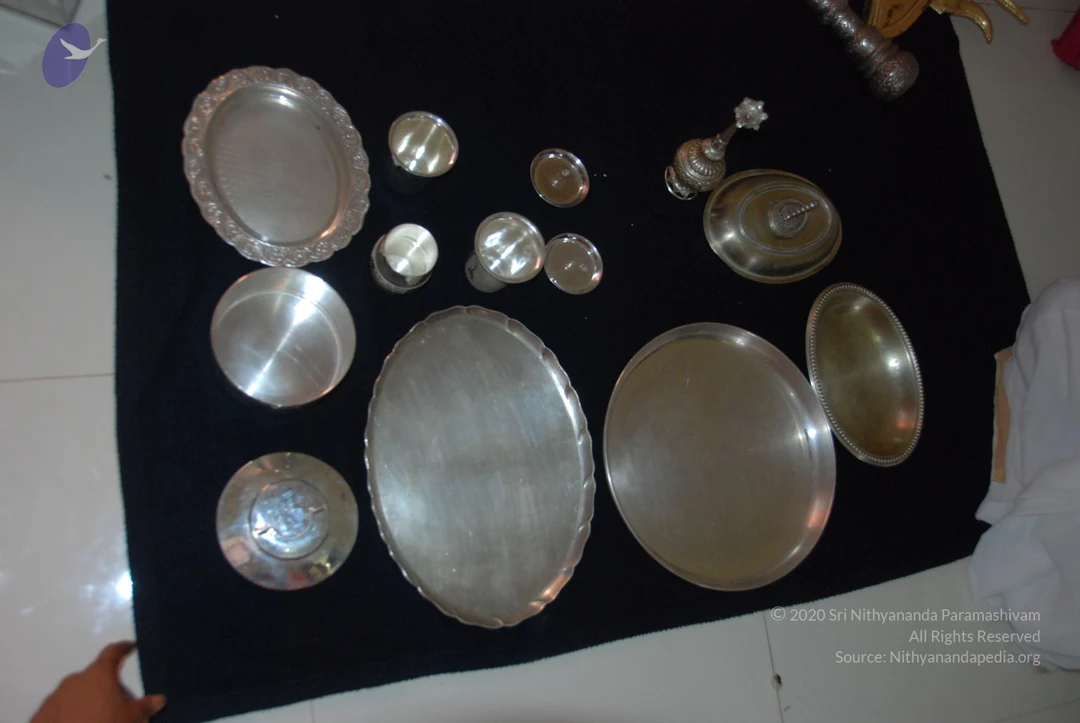
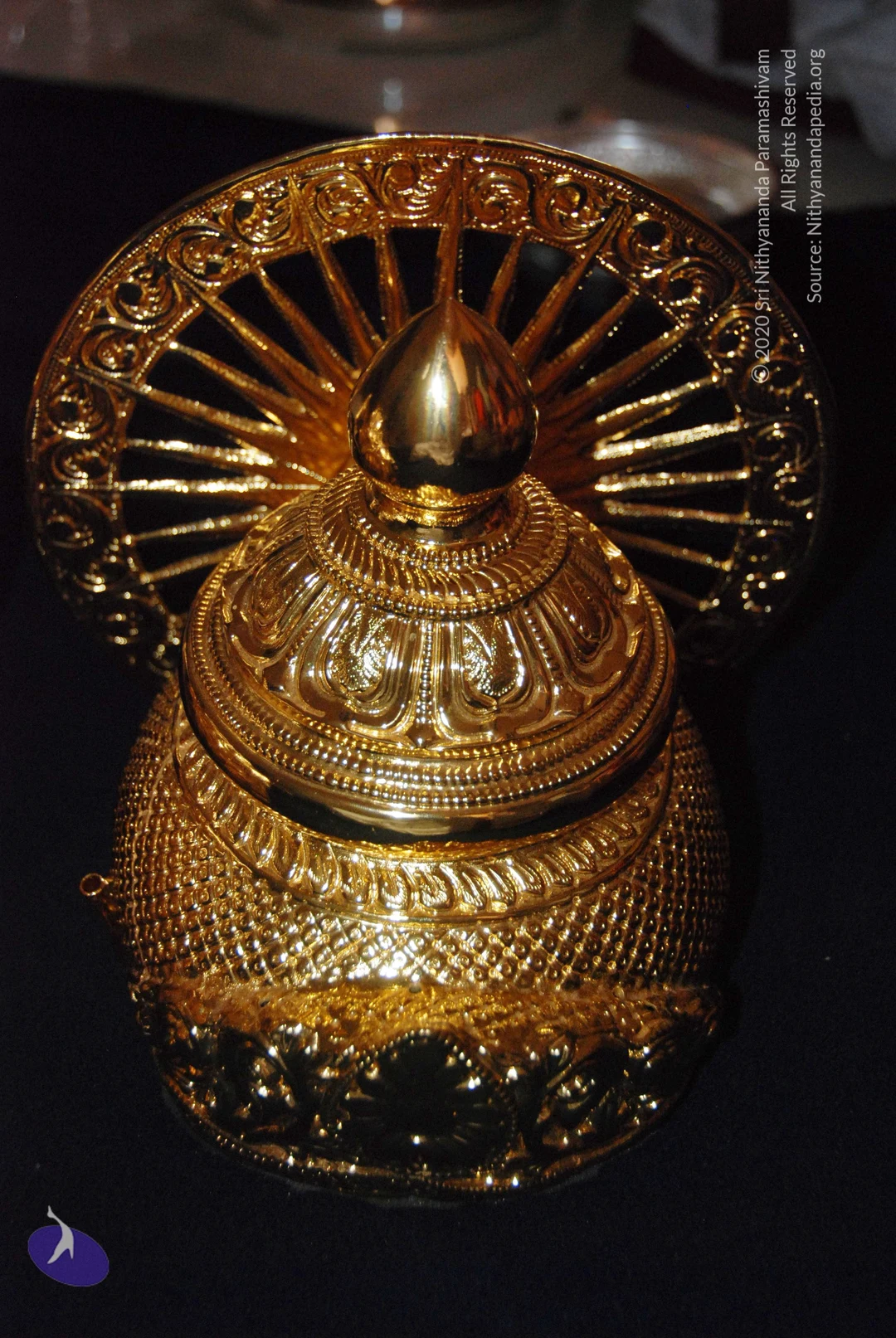
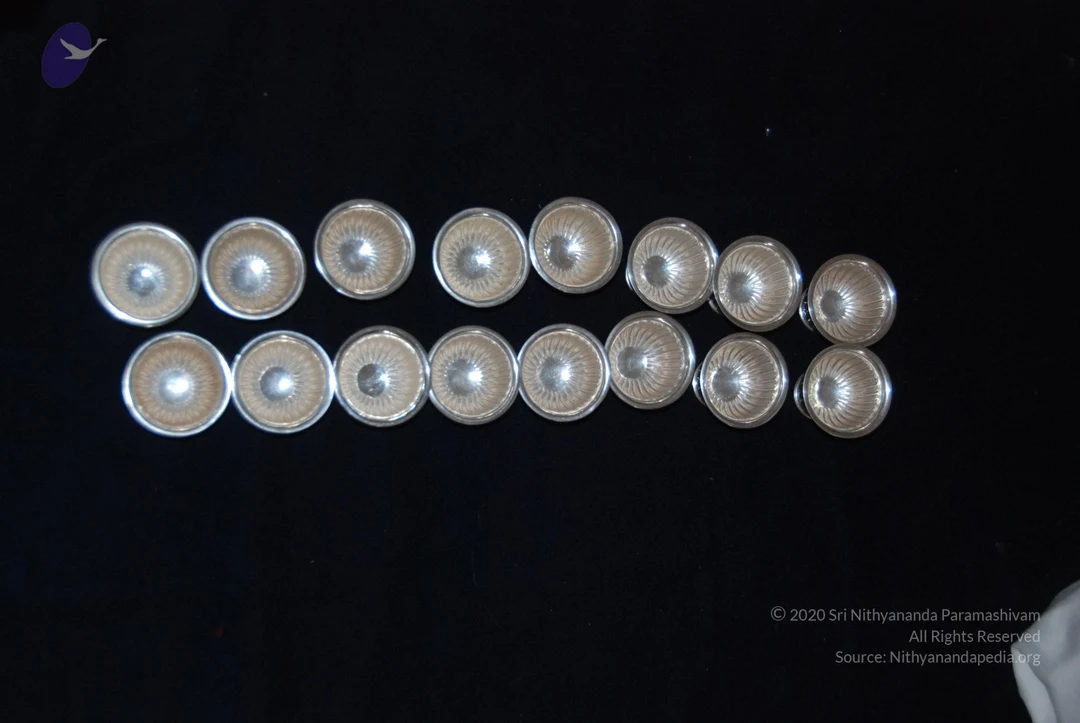
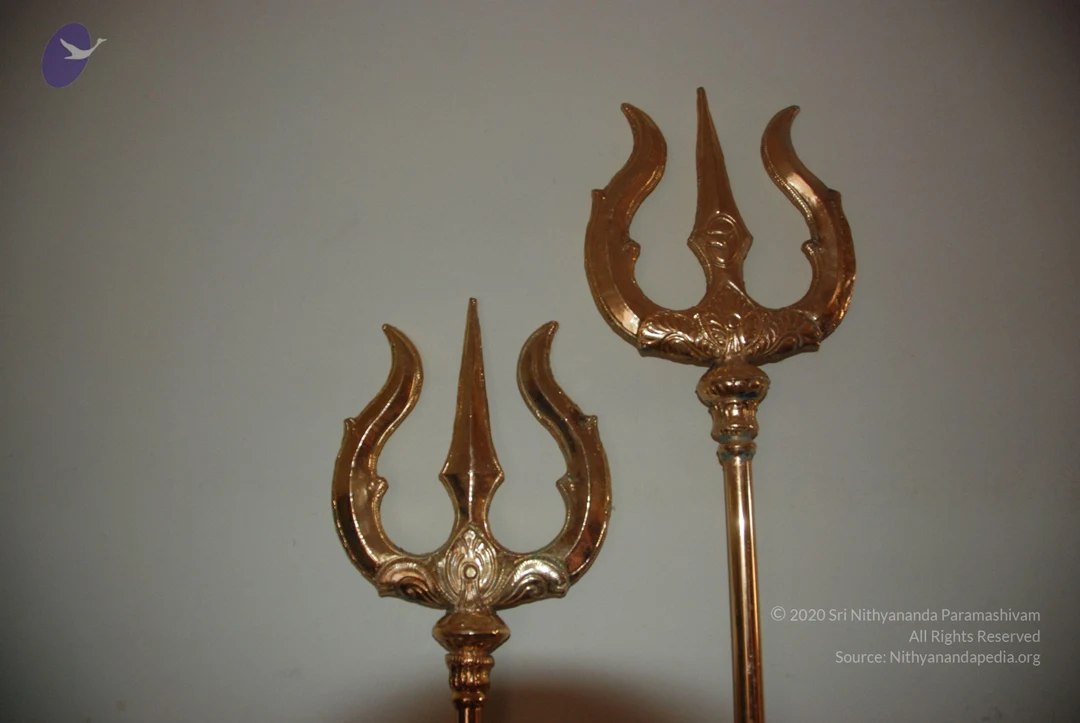
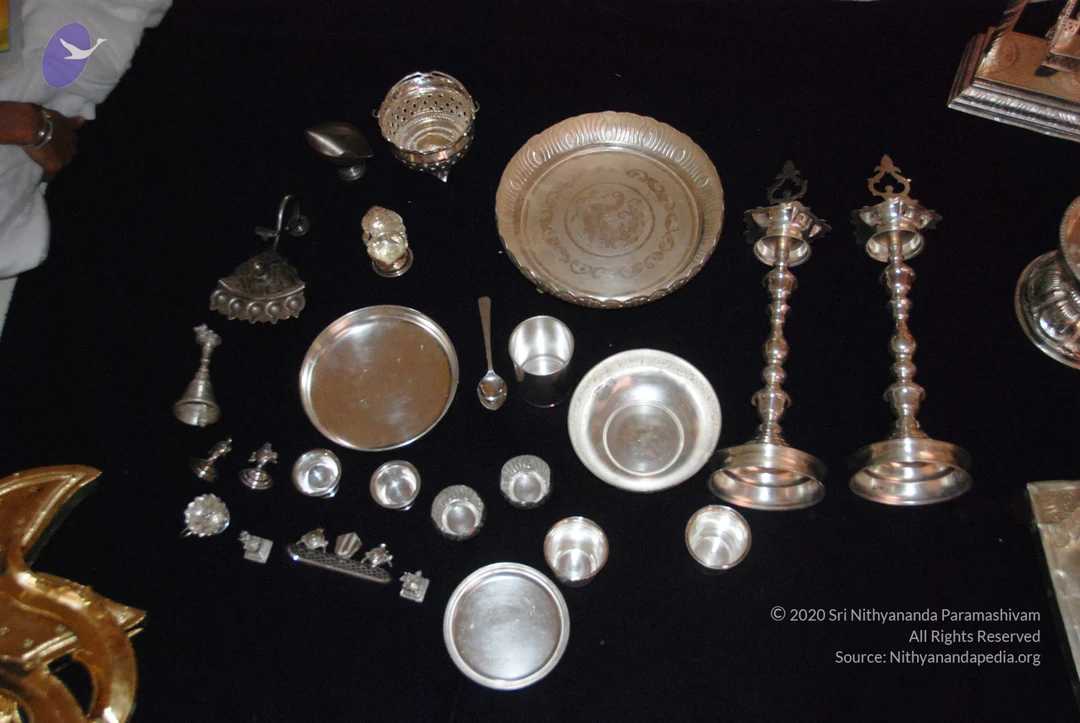
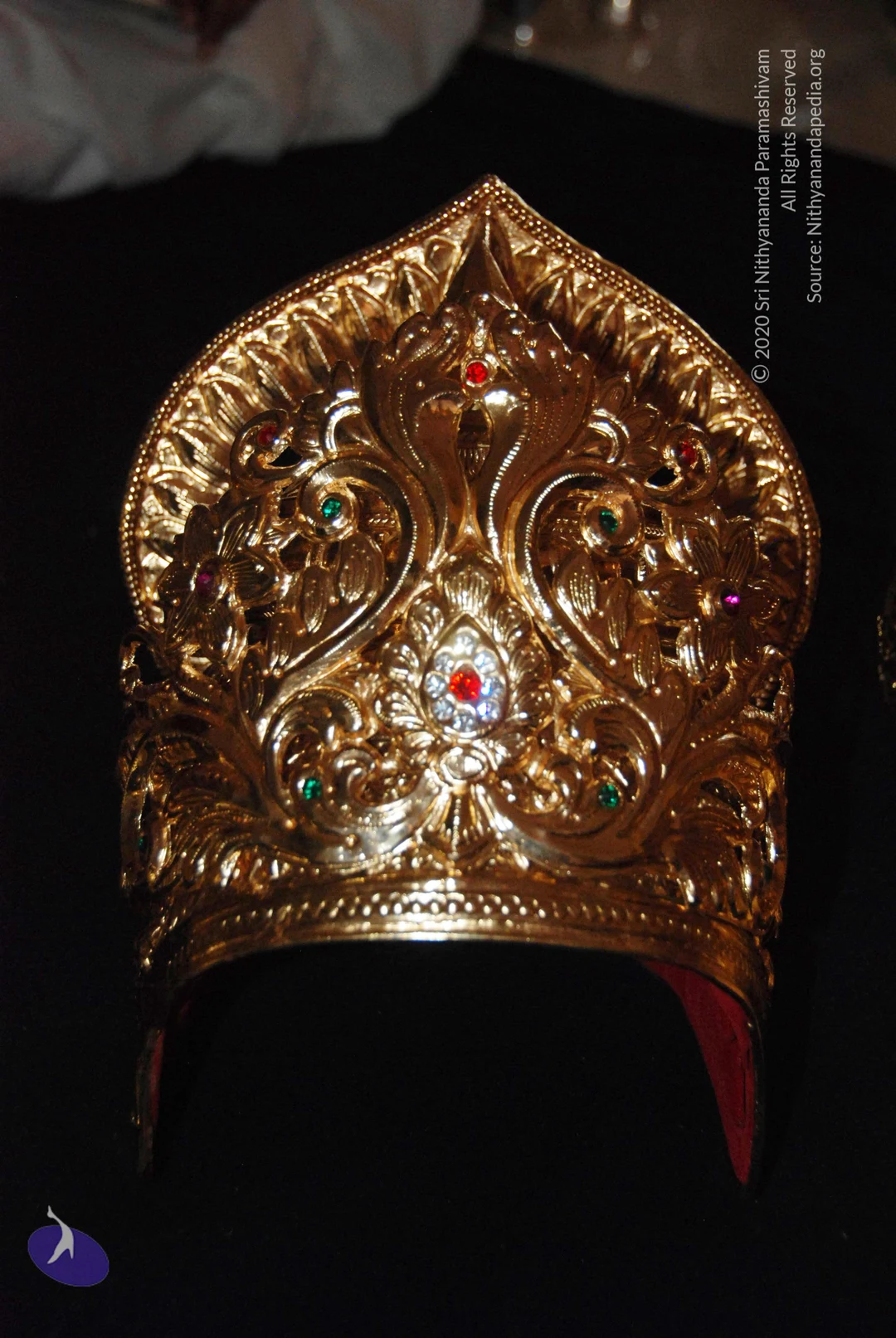
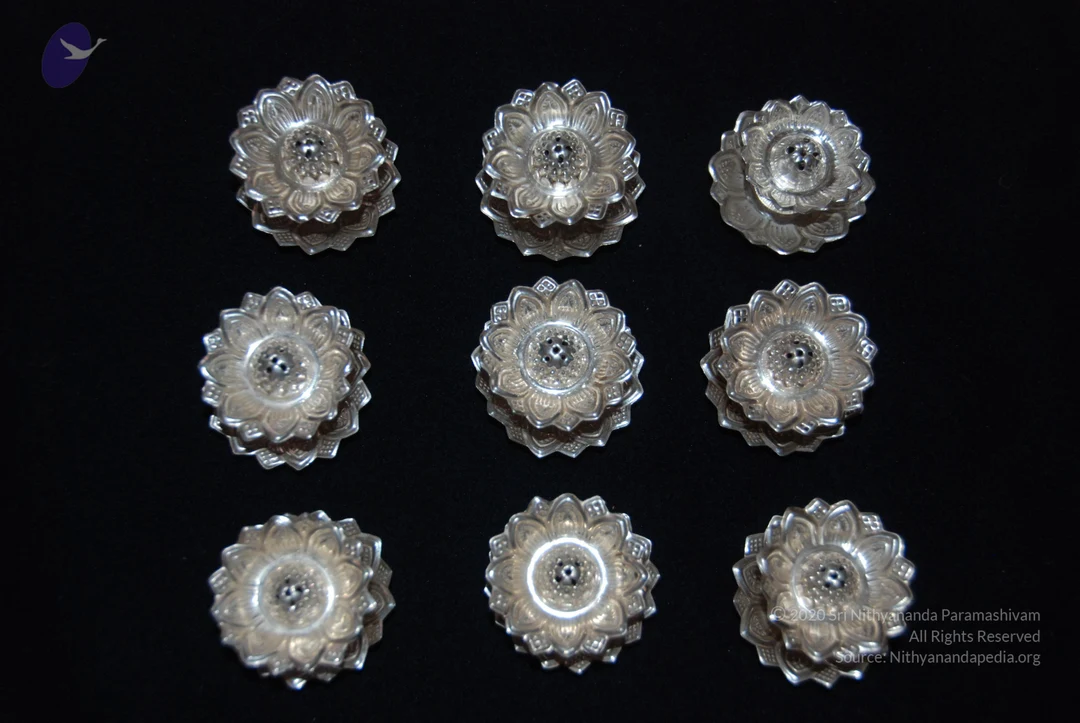
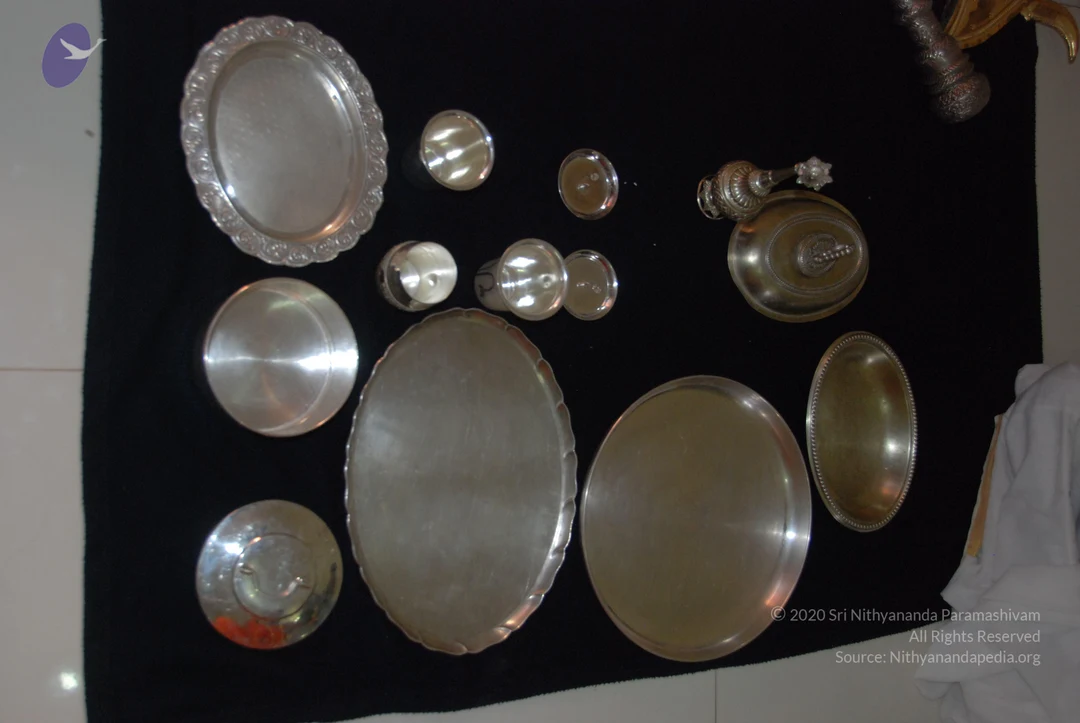
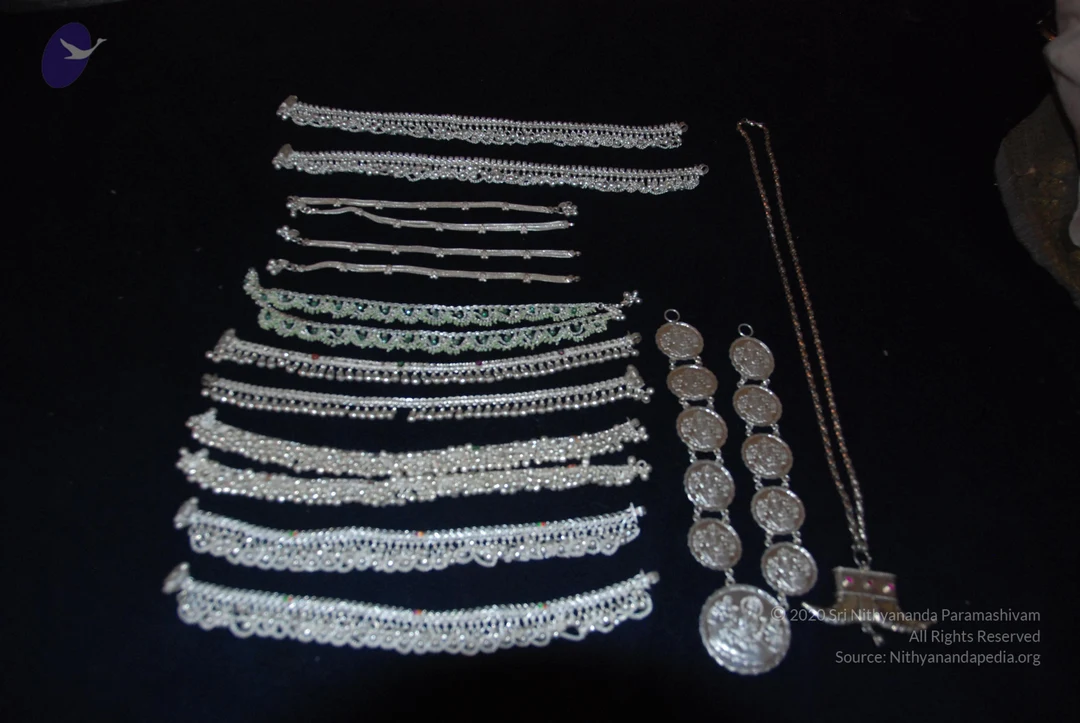
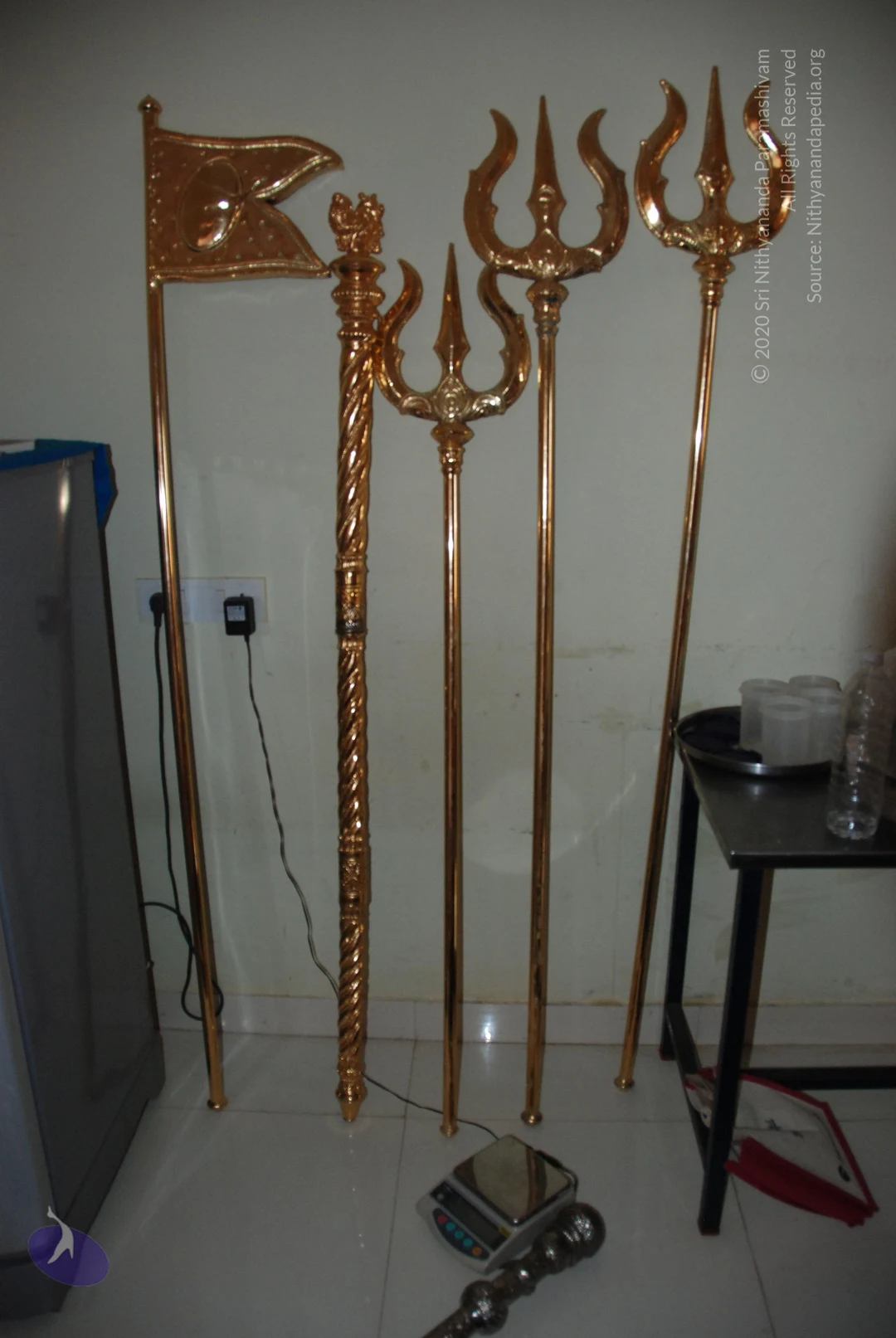
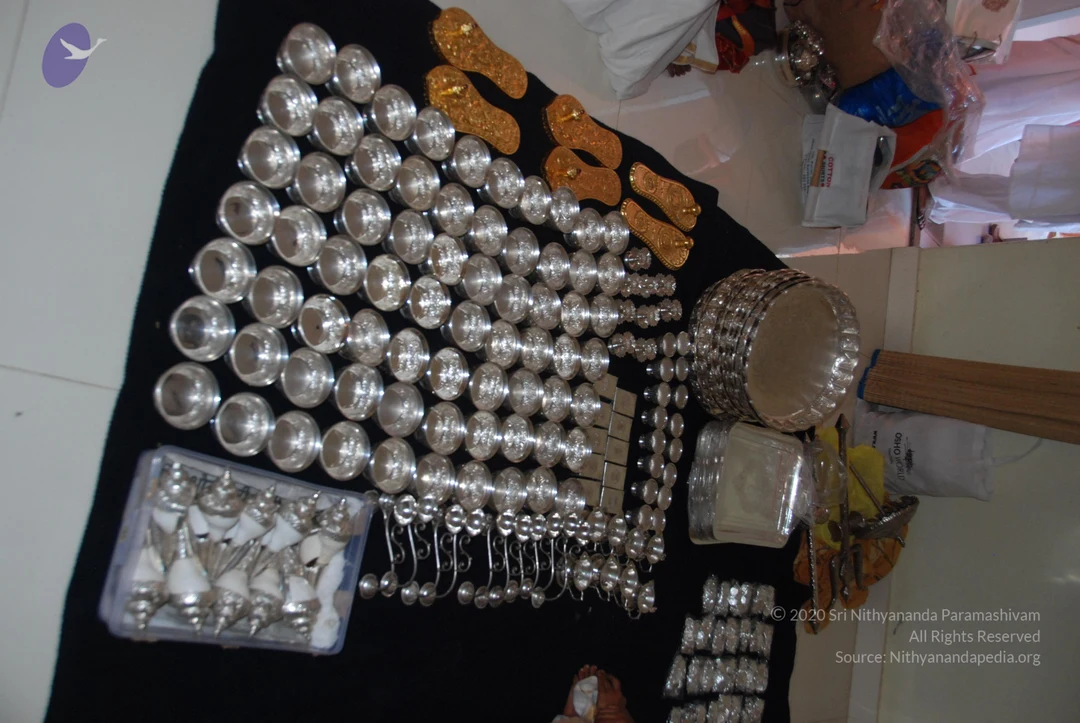
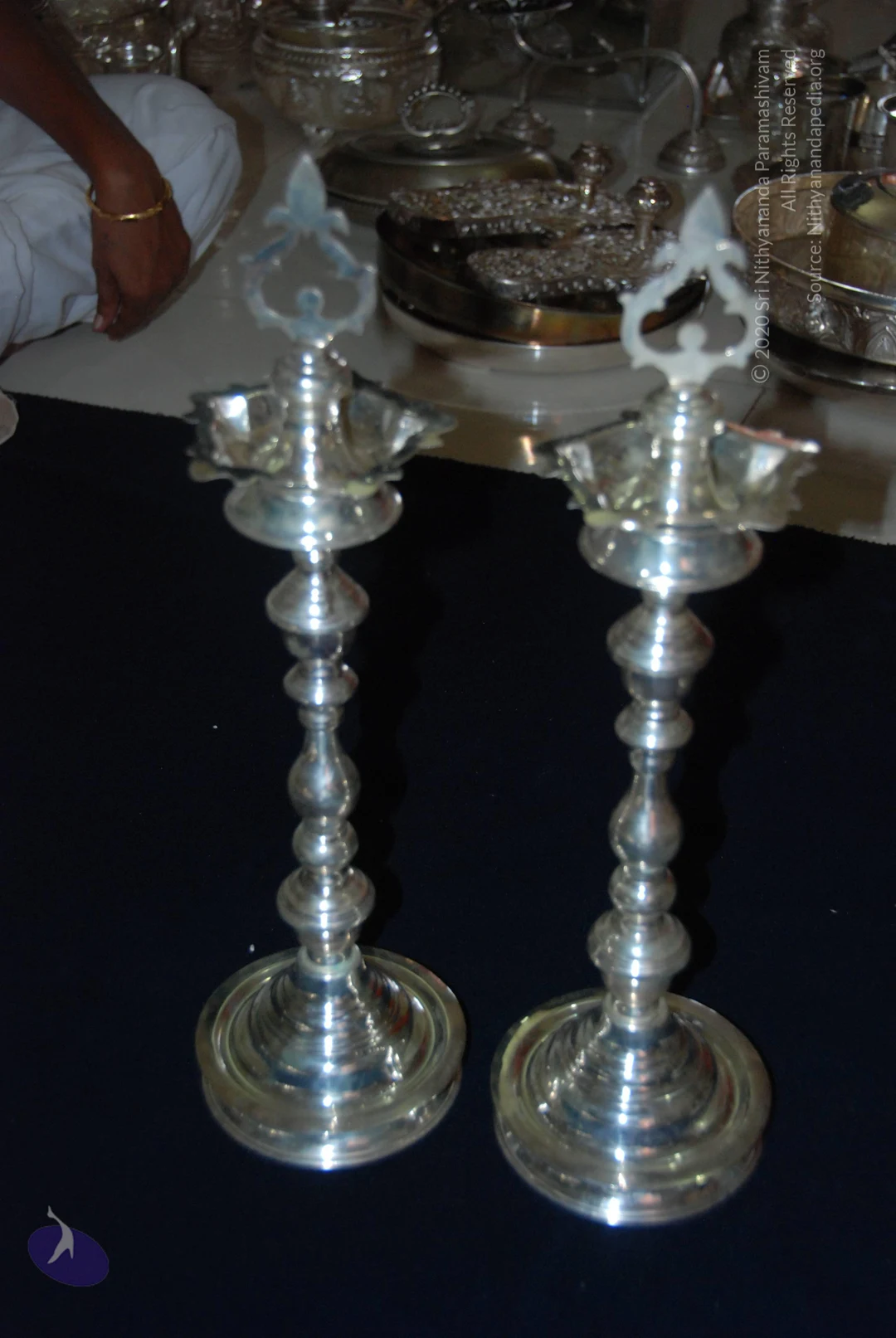
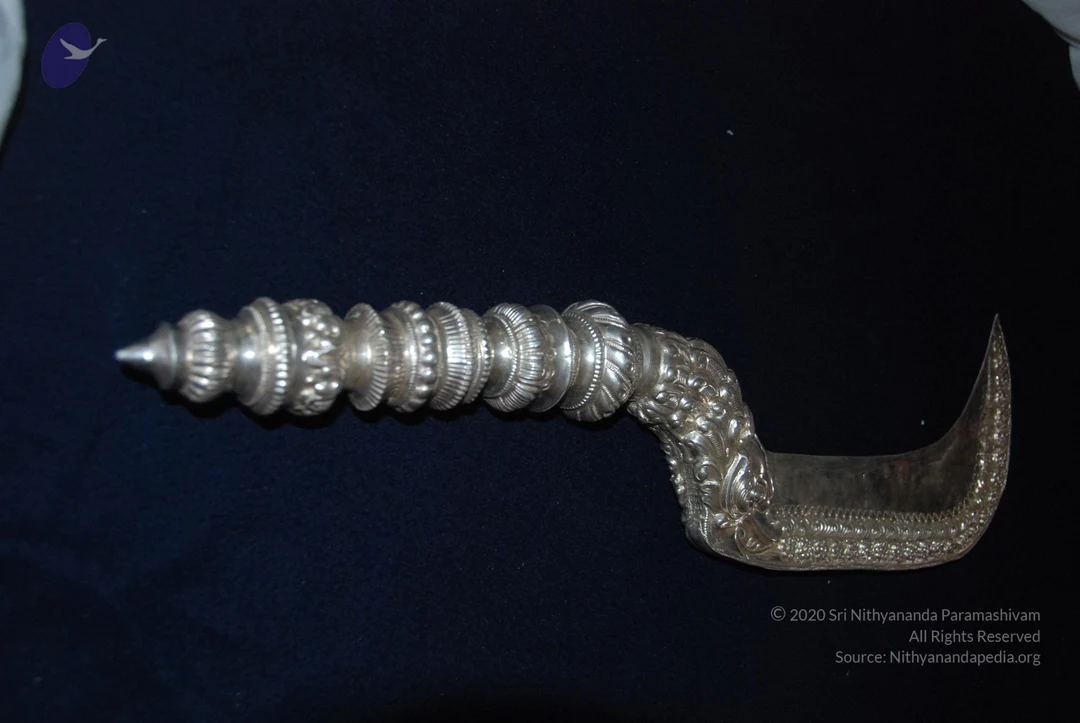
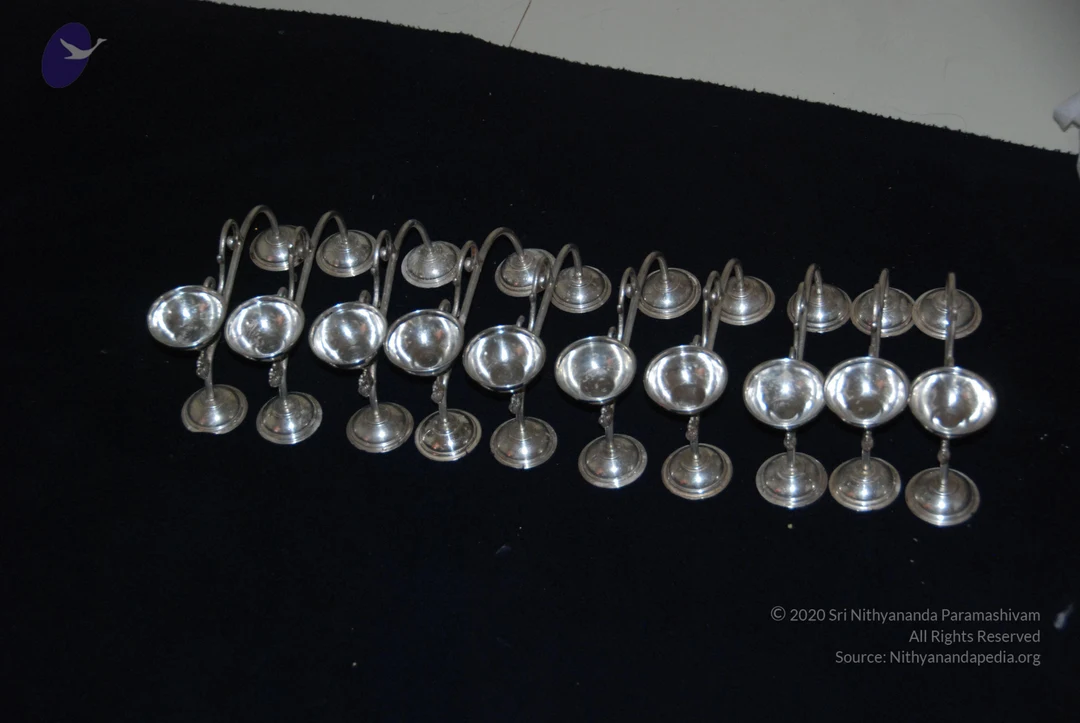
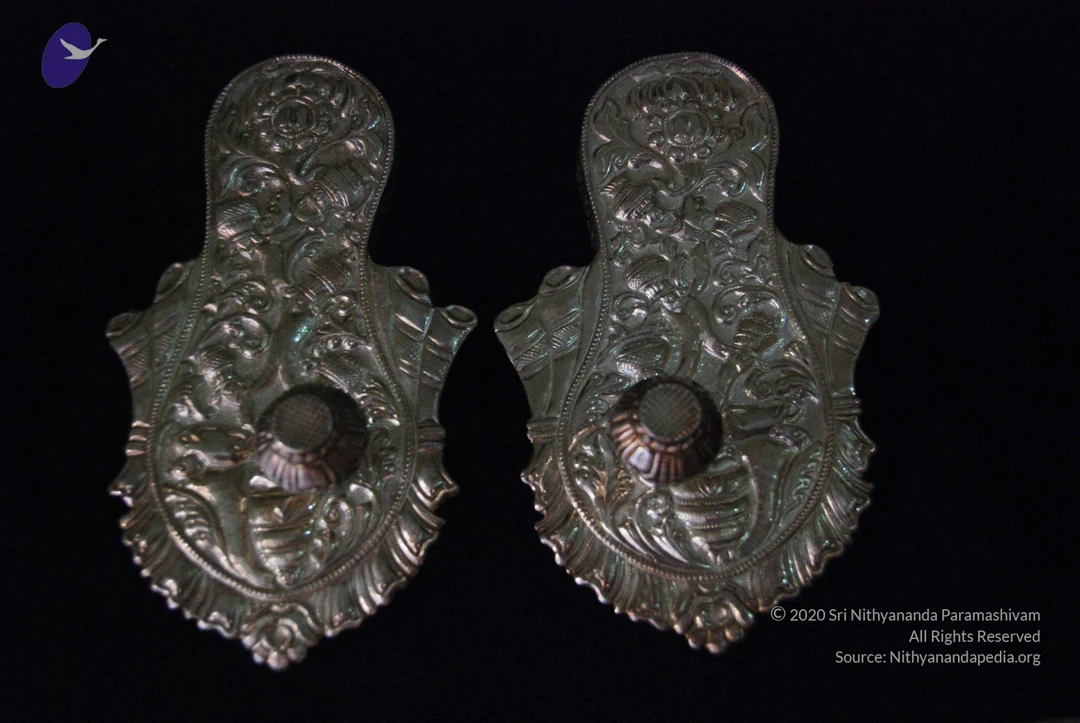
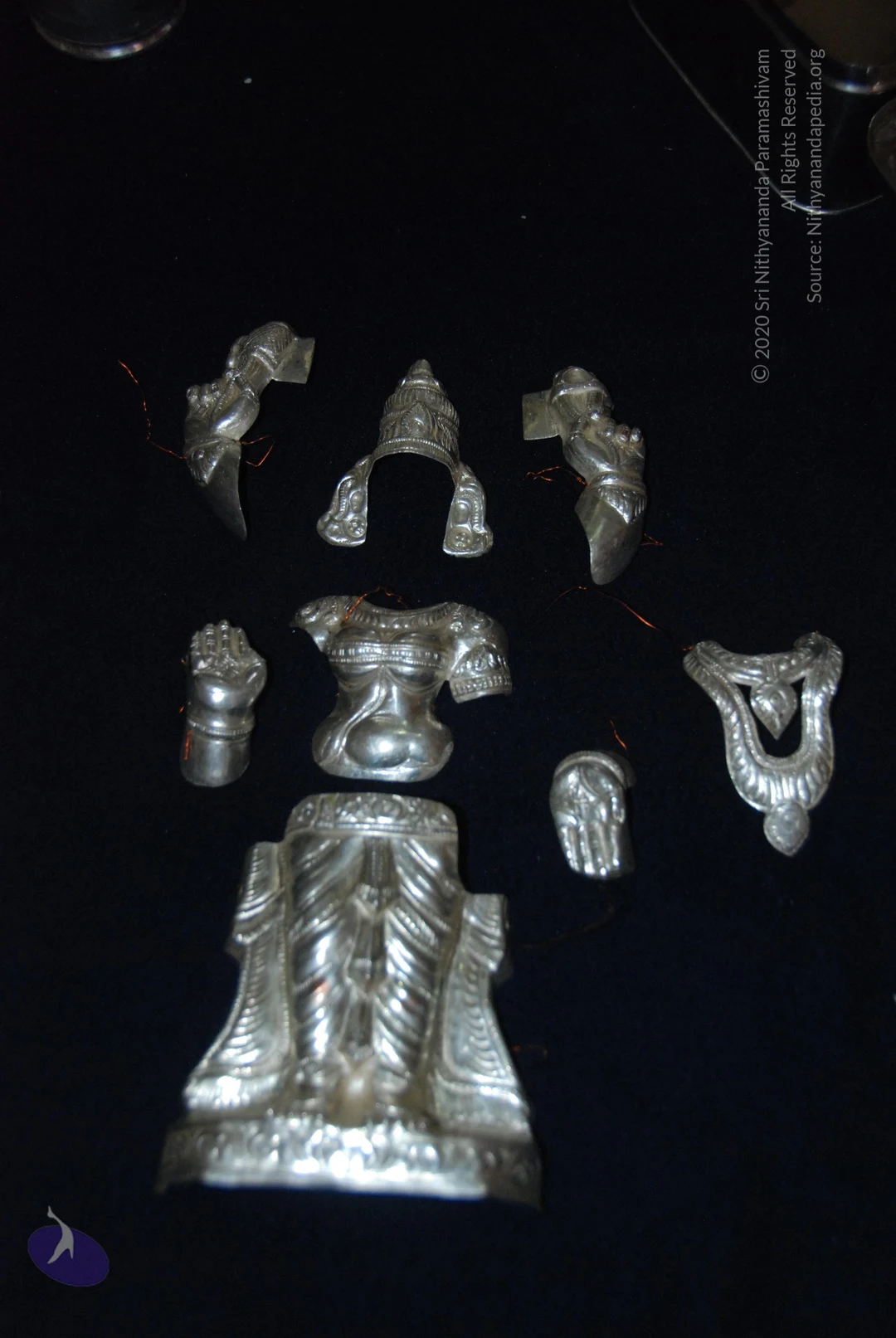
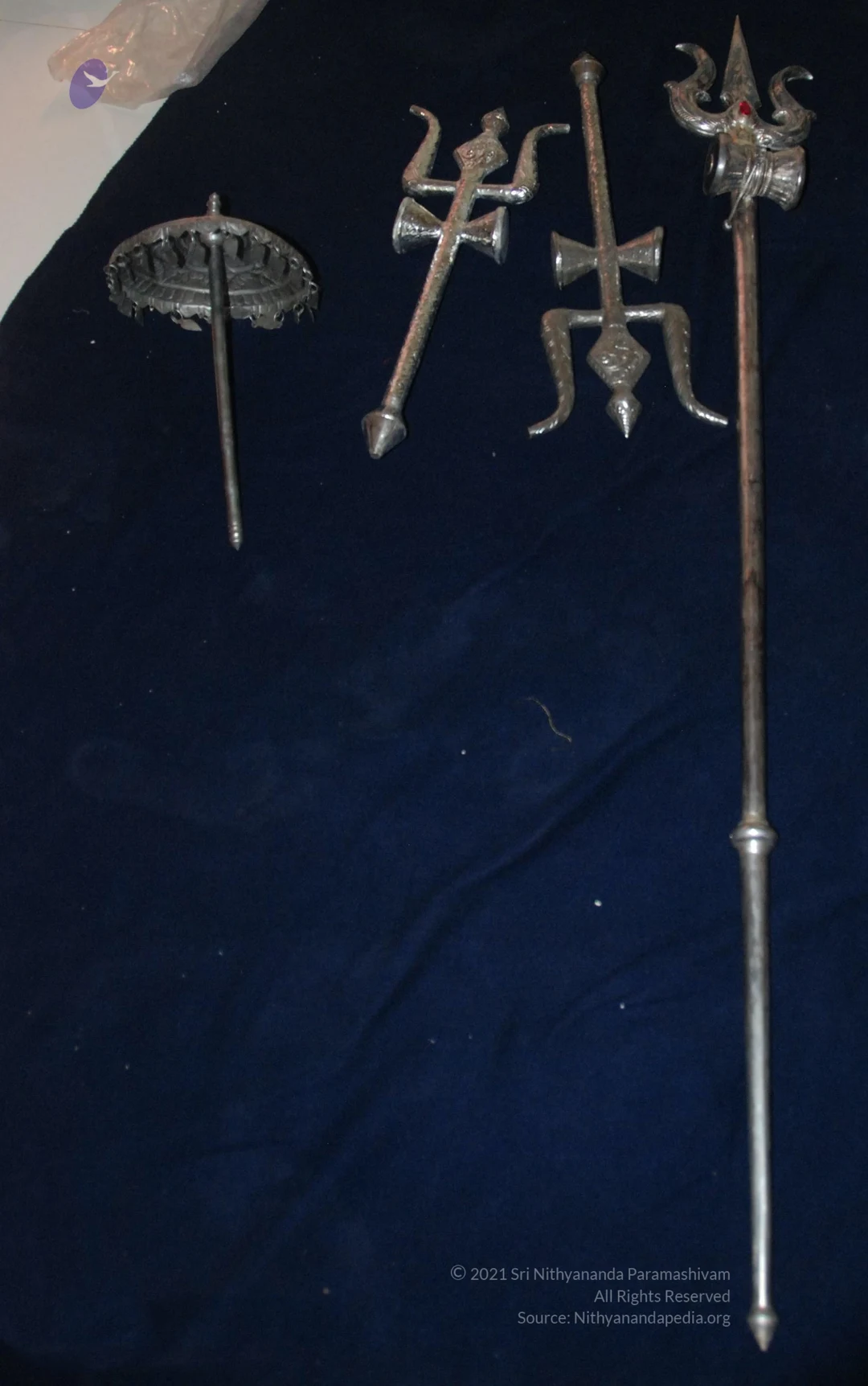
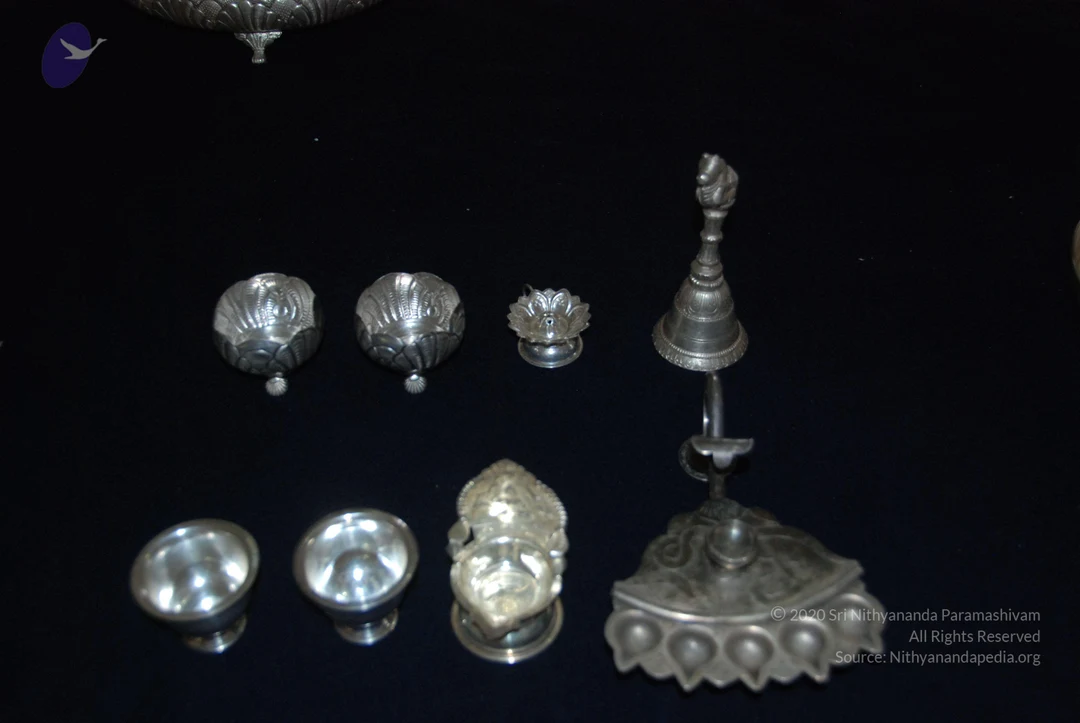
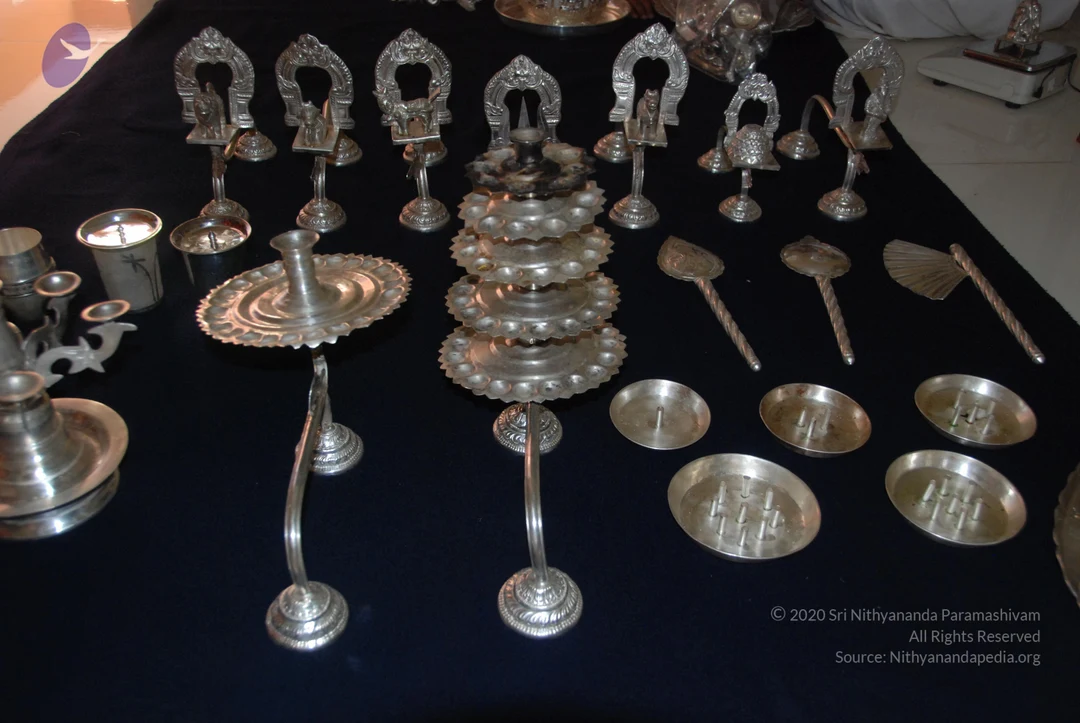
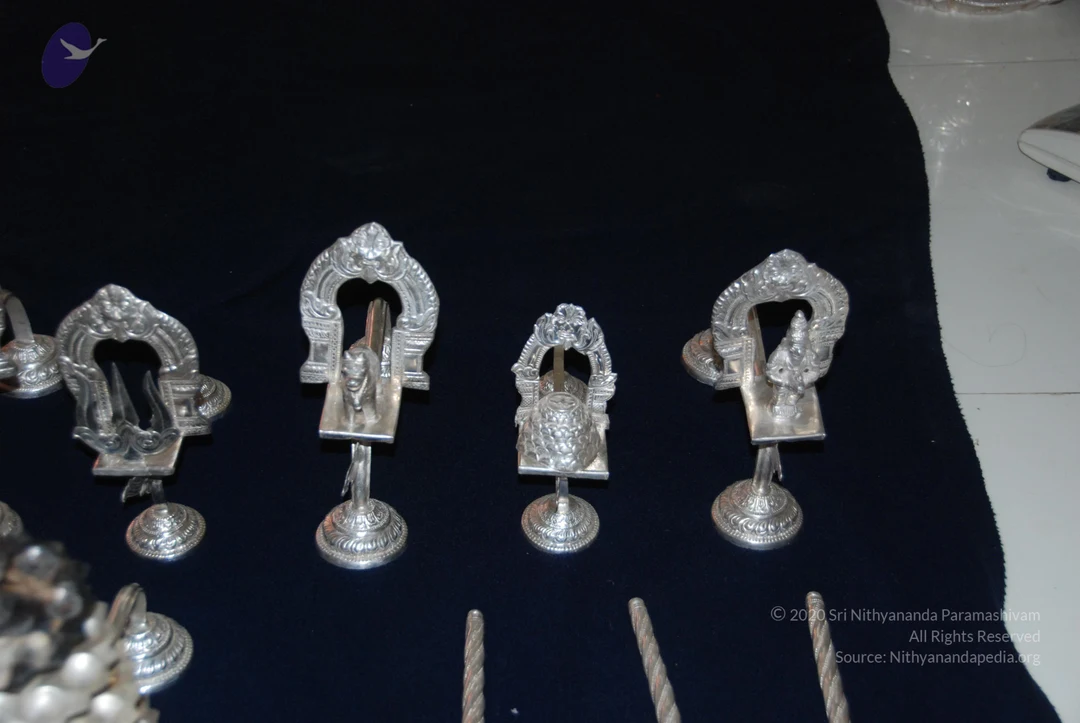
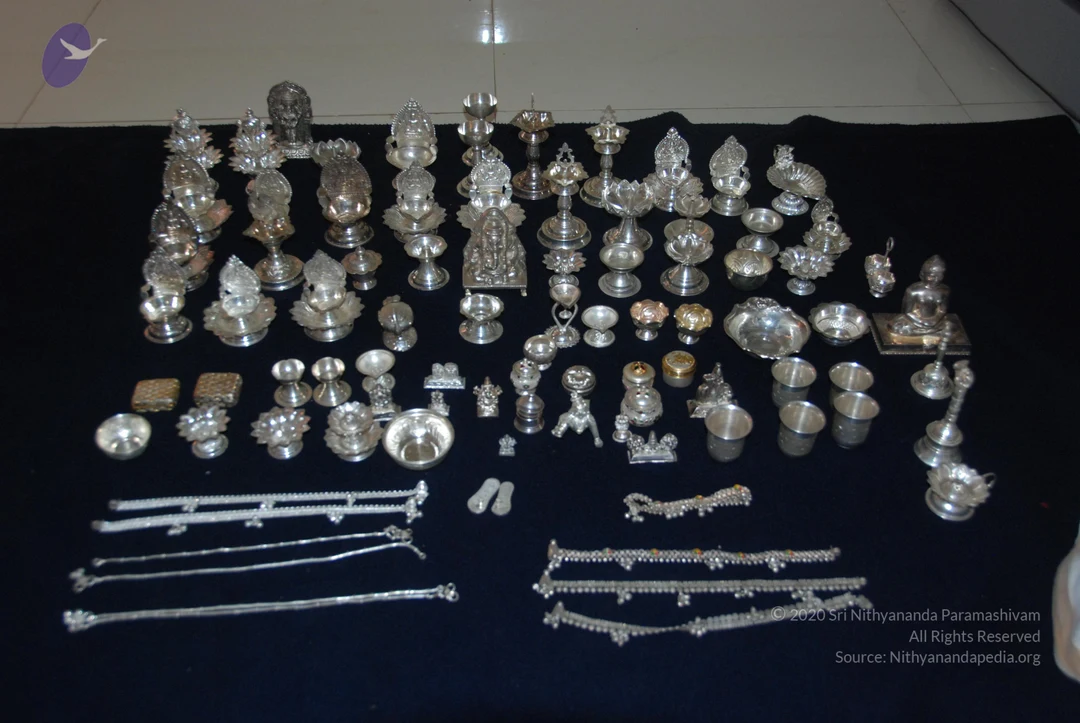
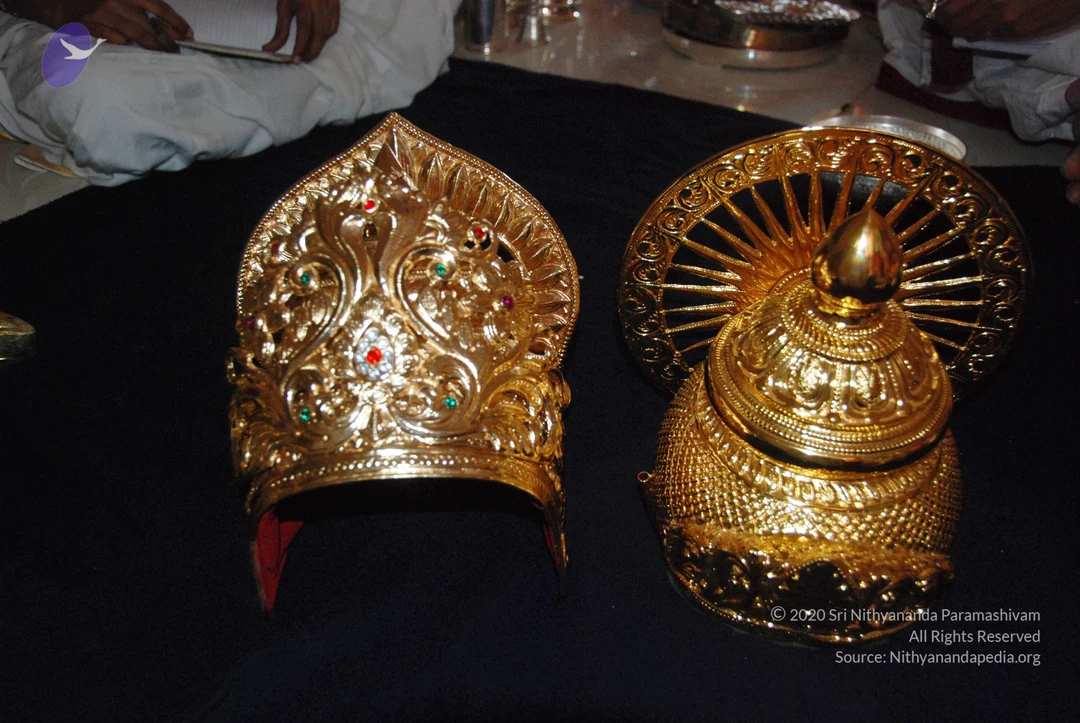
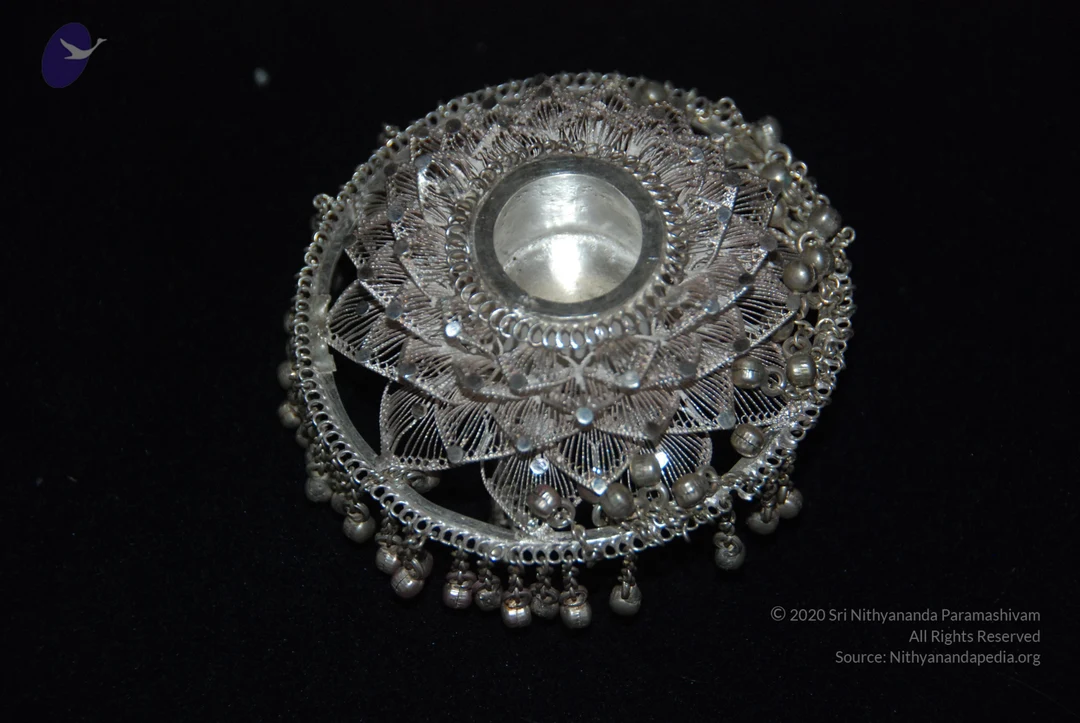
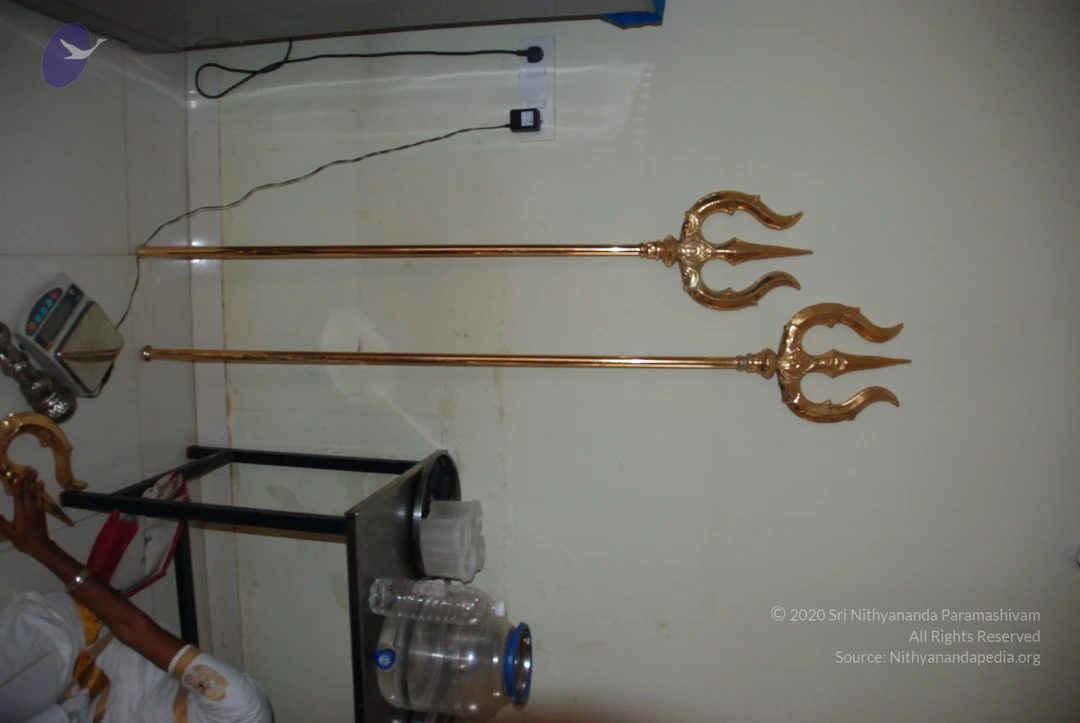
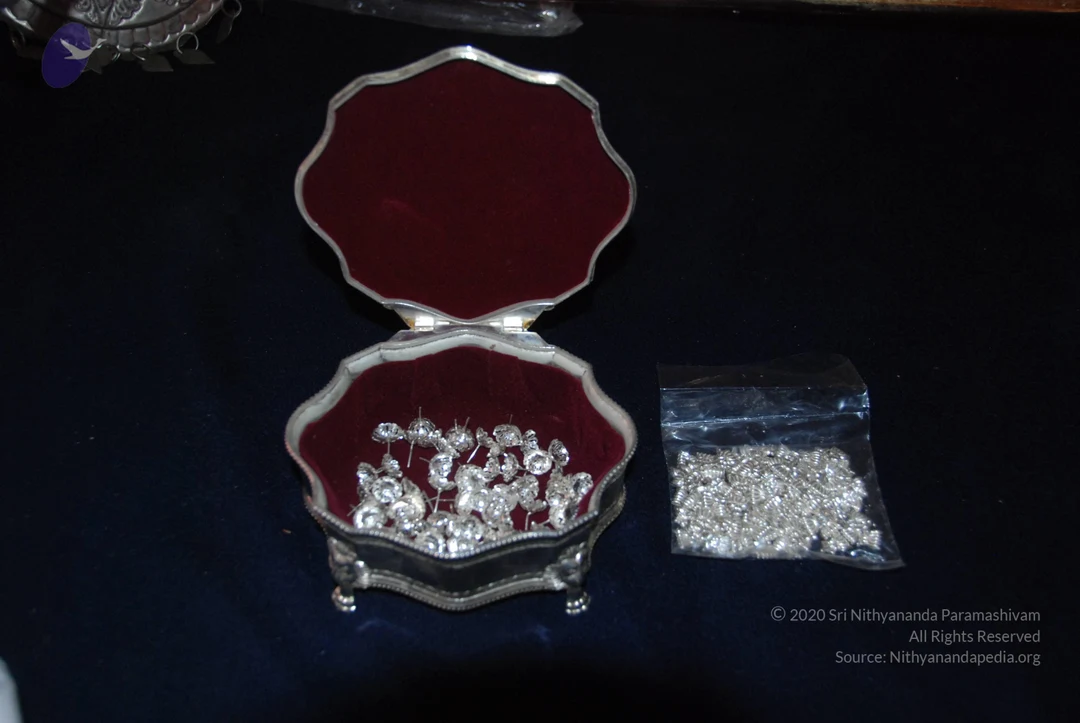
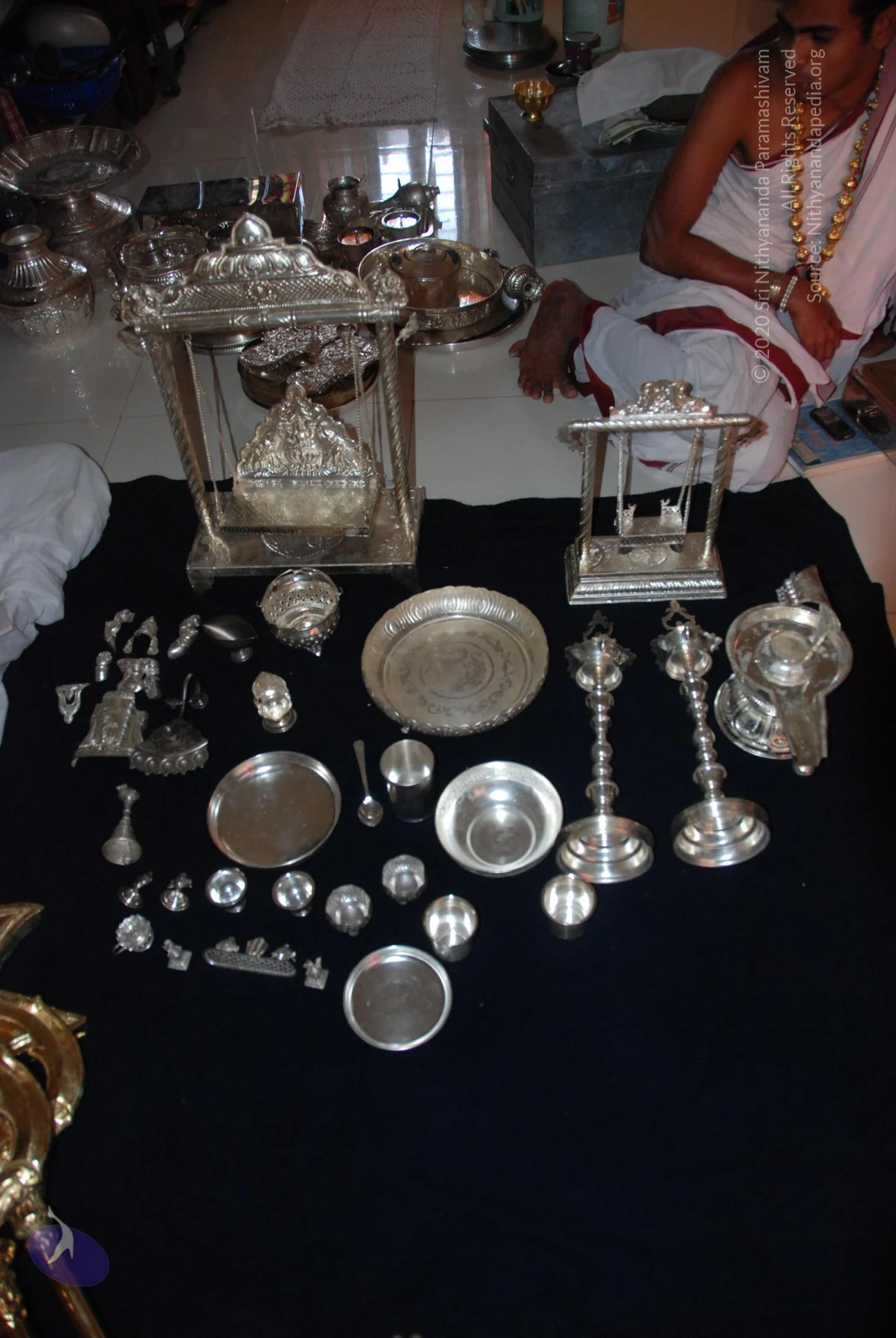
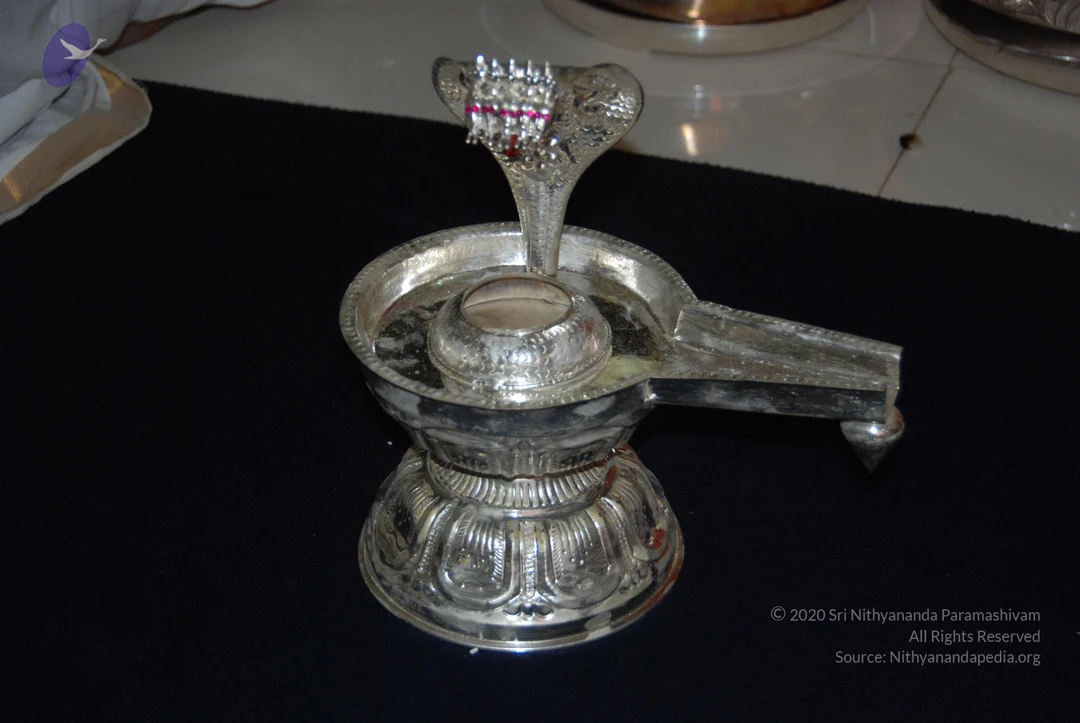
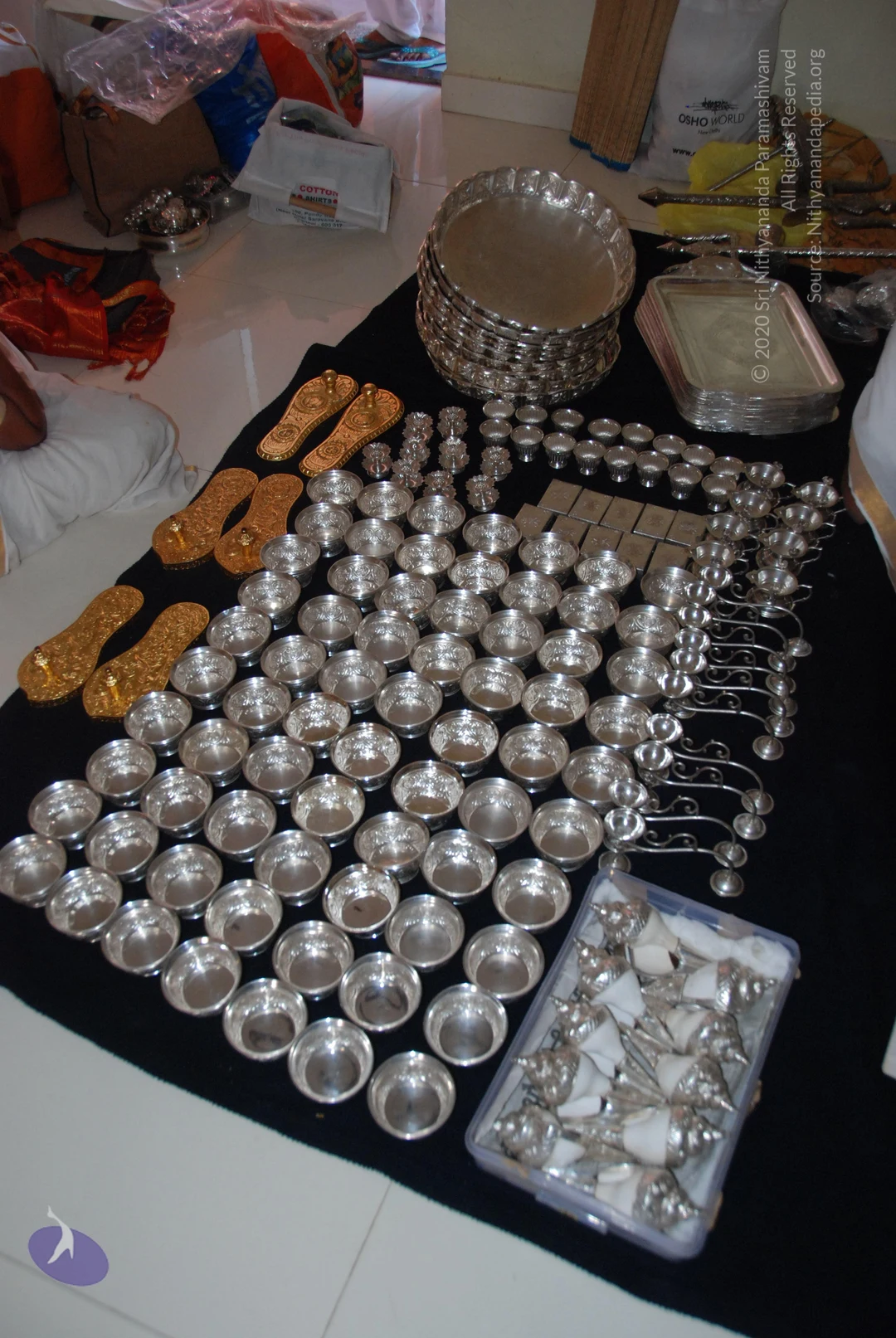
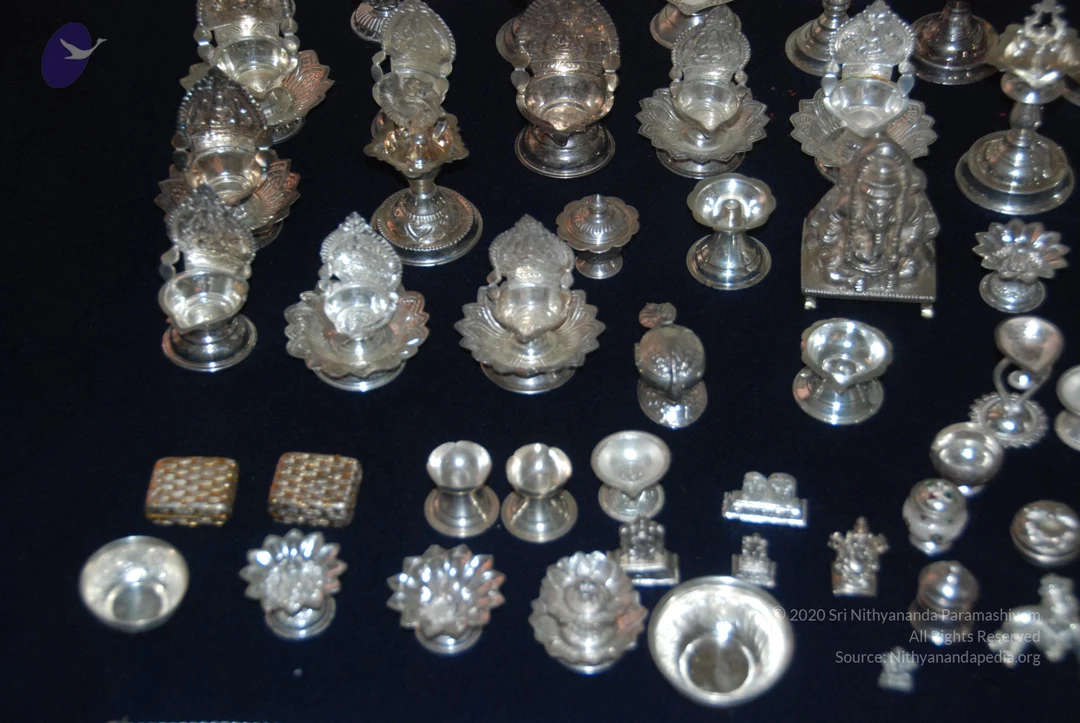
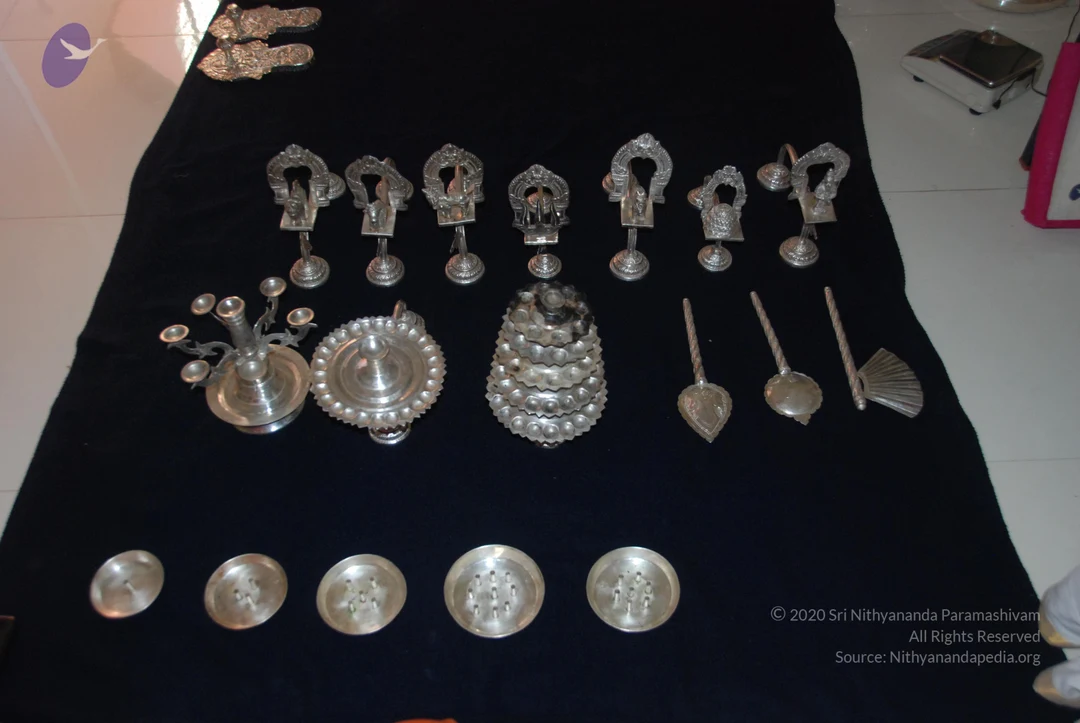
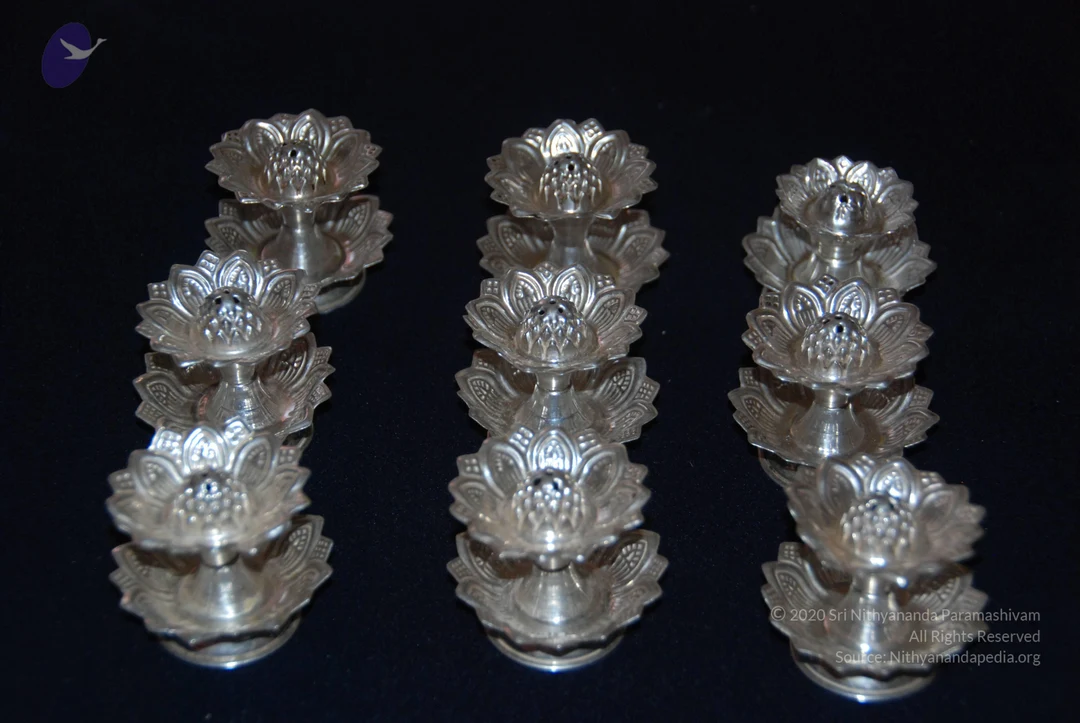
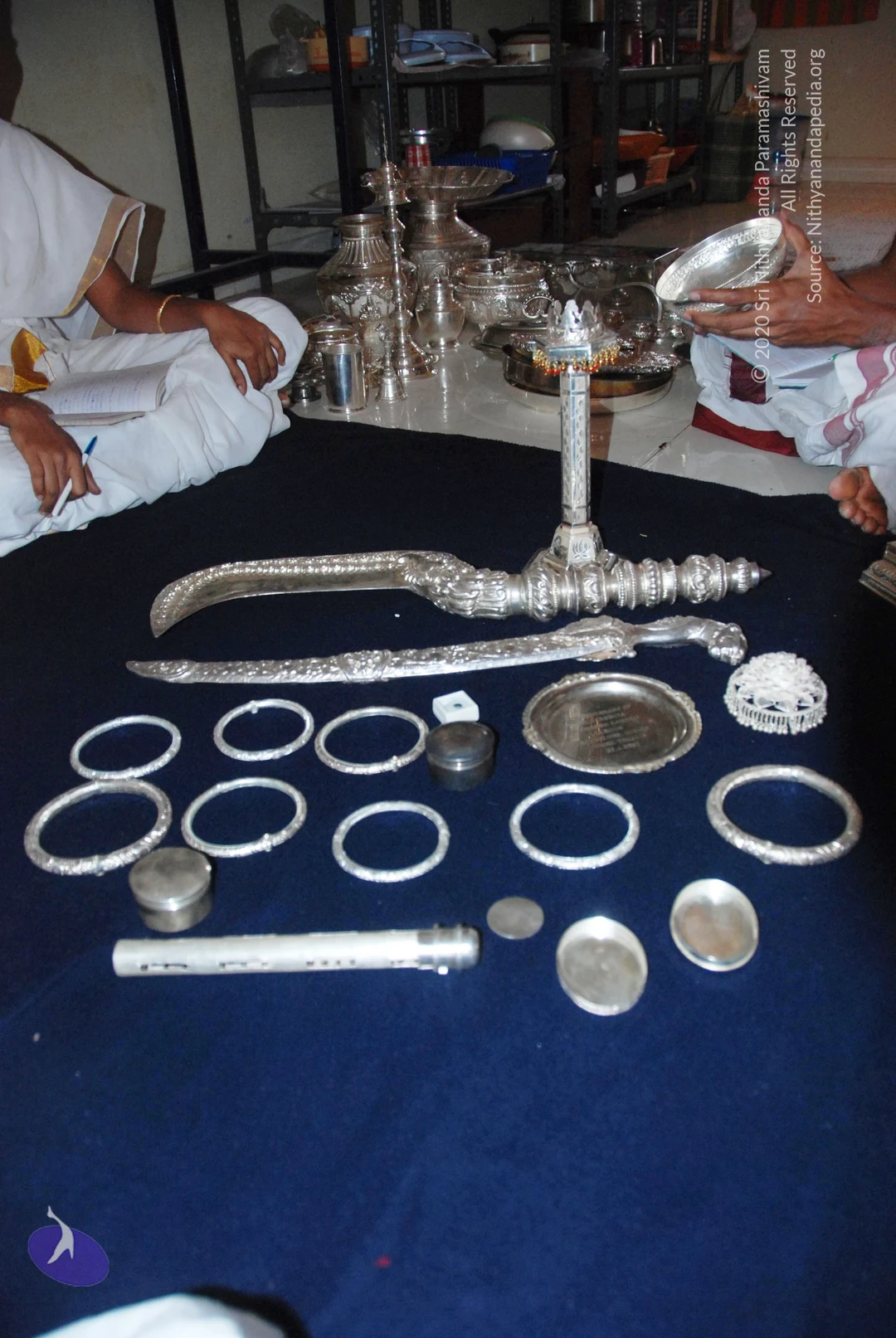
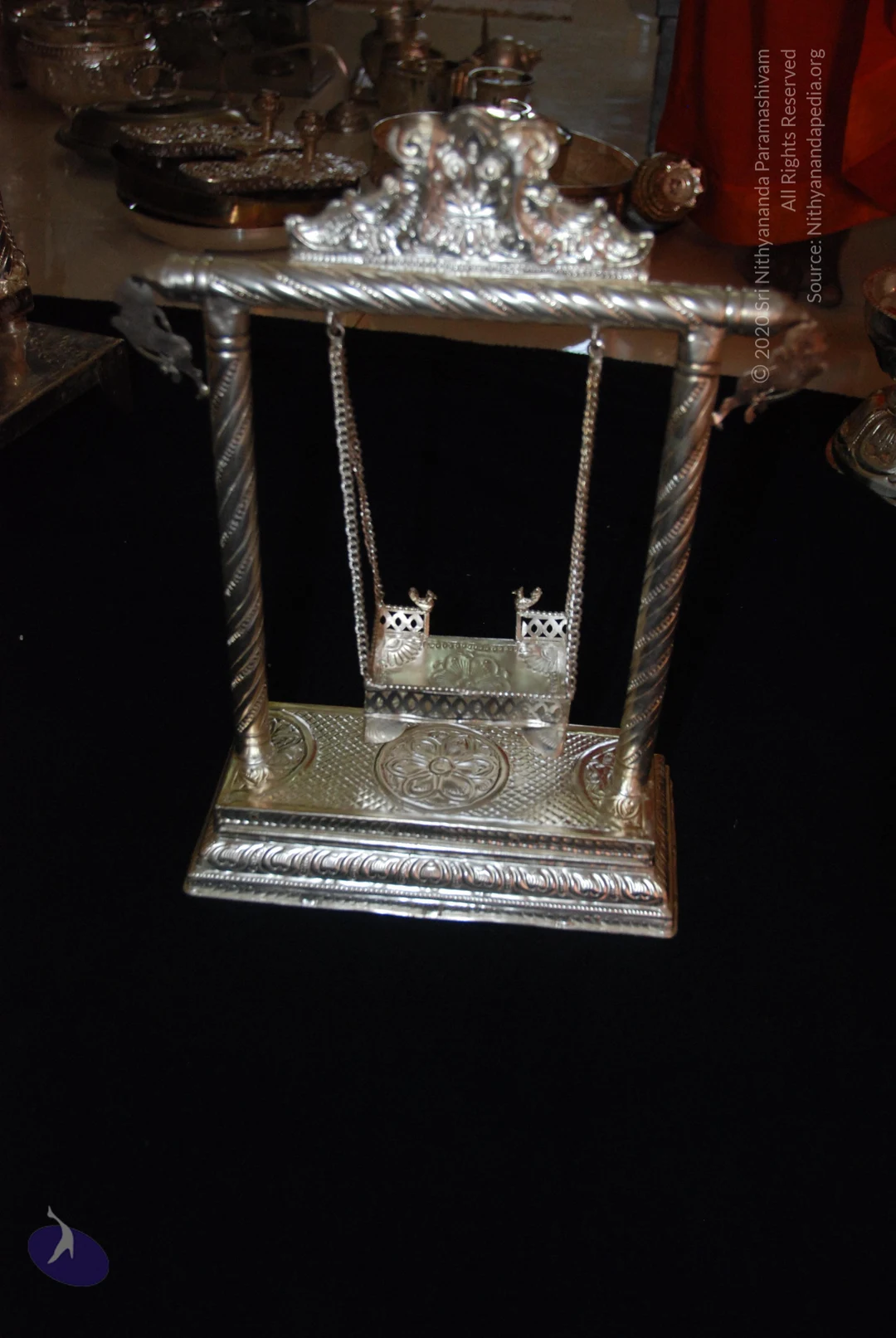
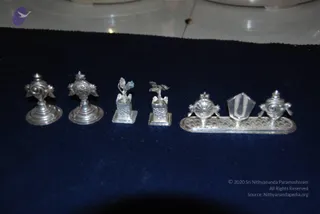
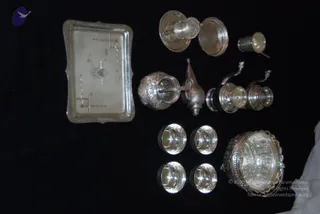
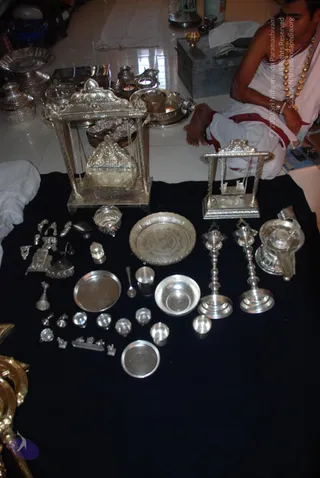
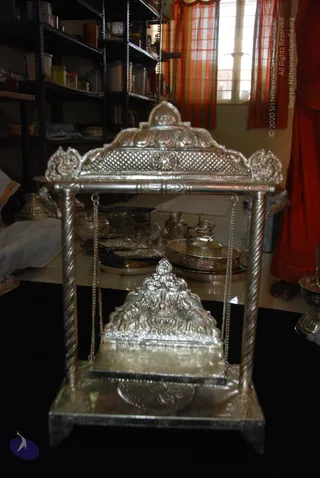
04-Silver-Vessels
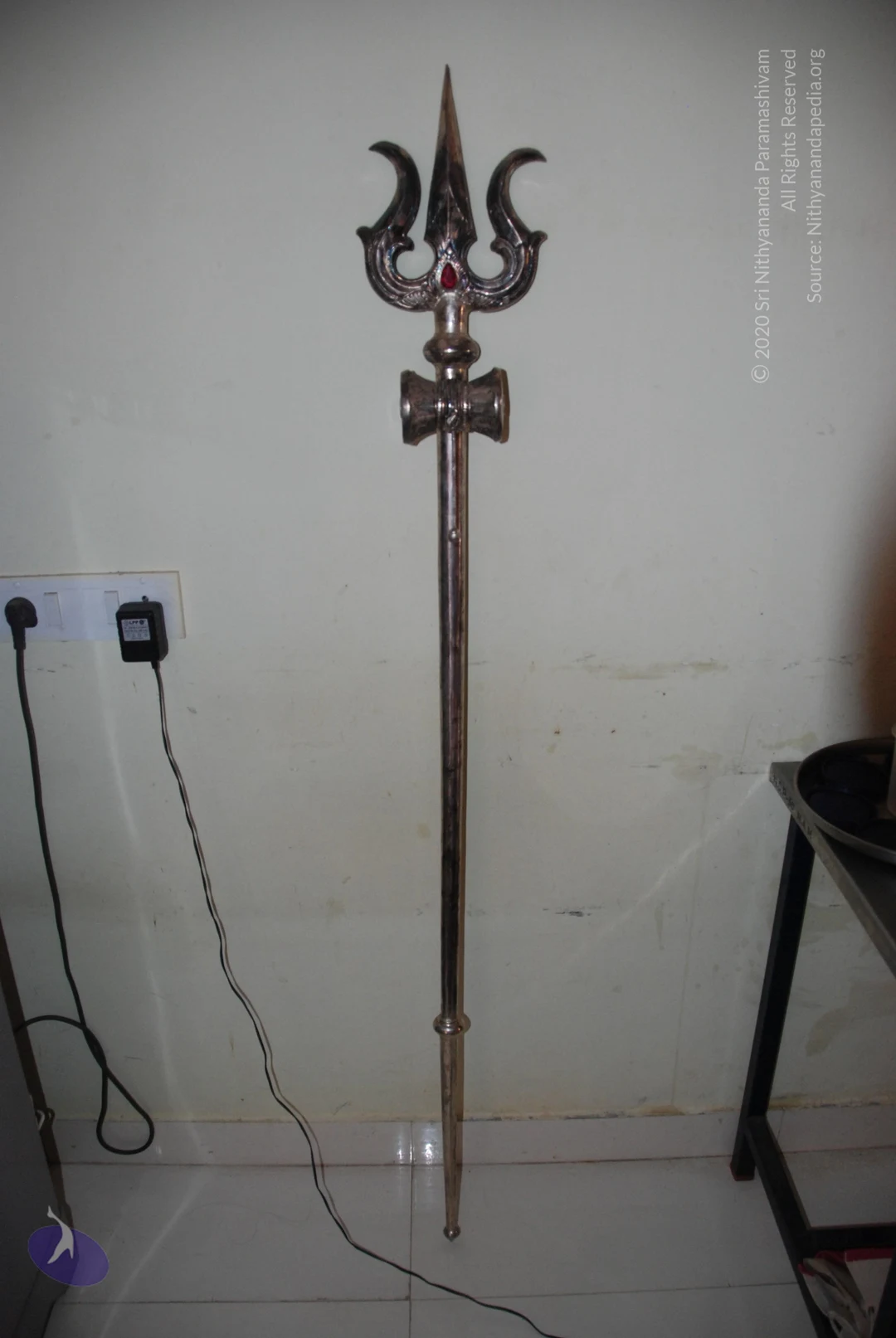
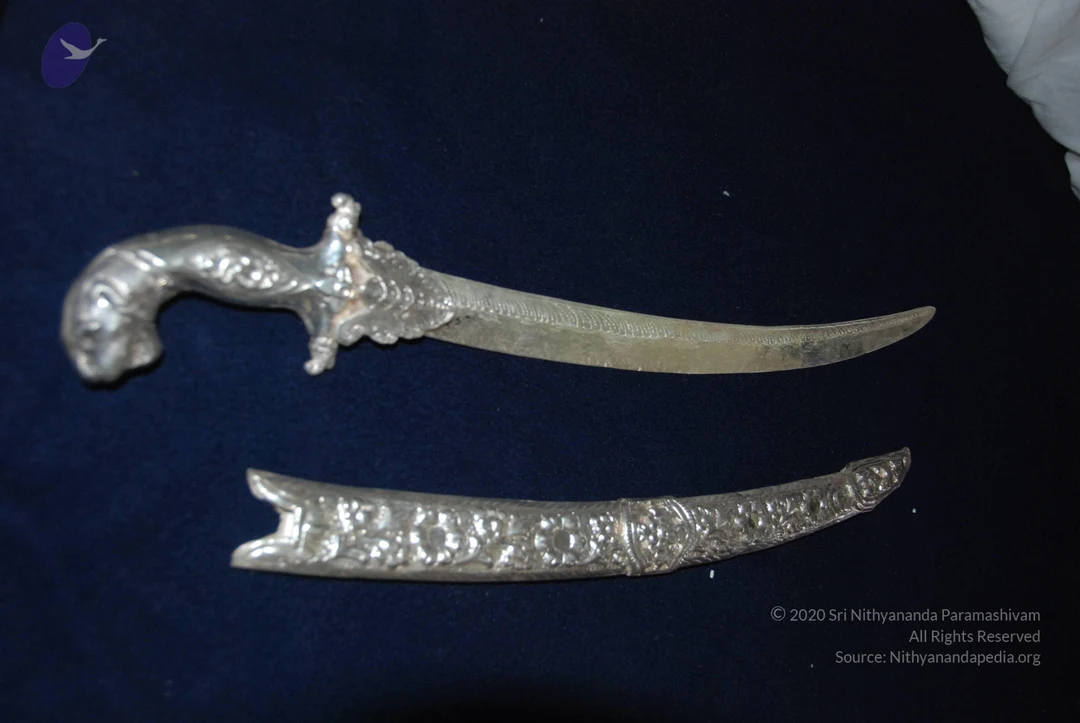
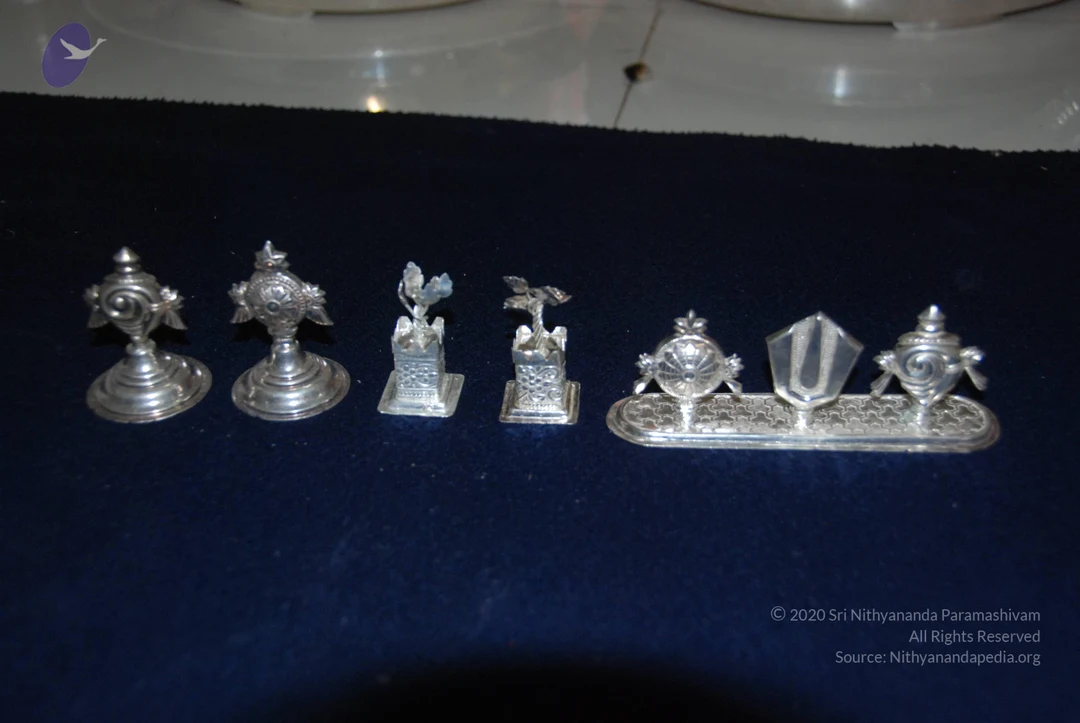
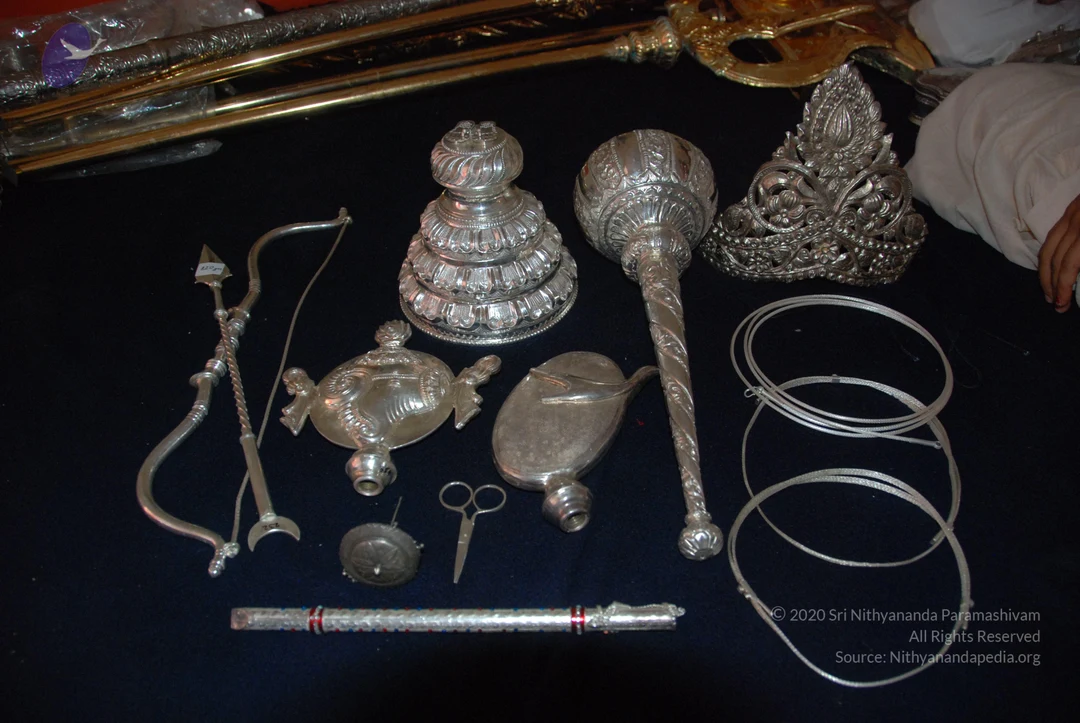
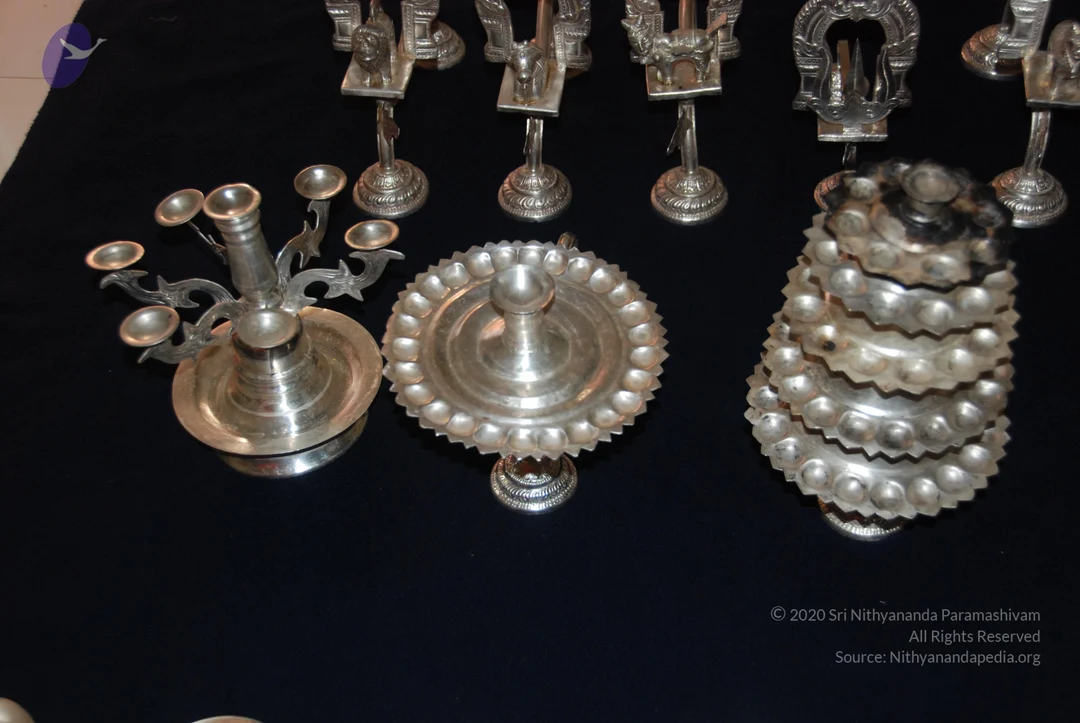
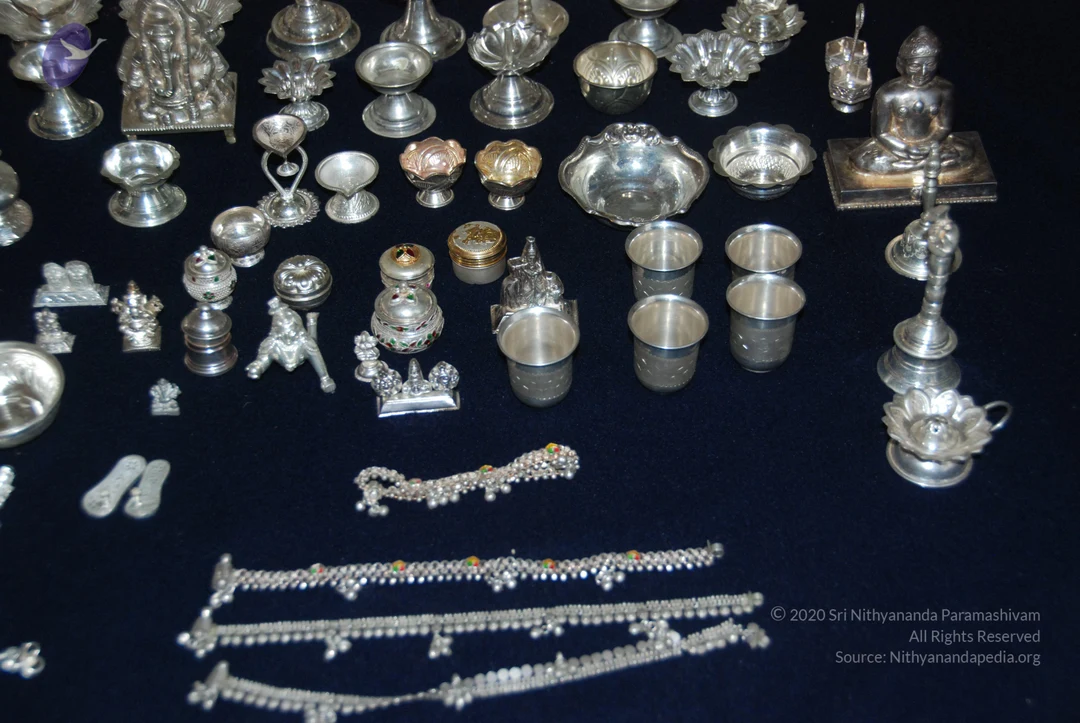
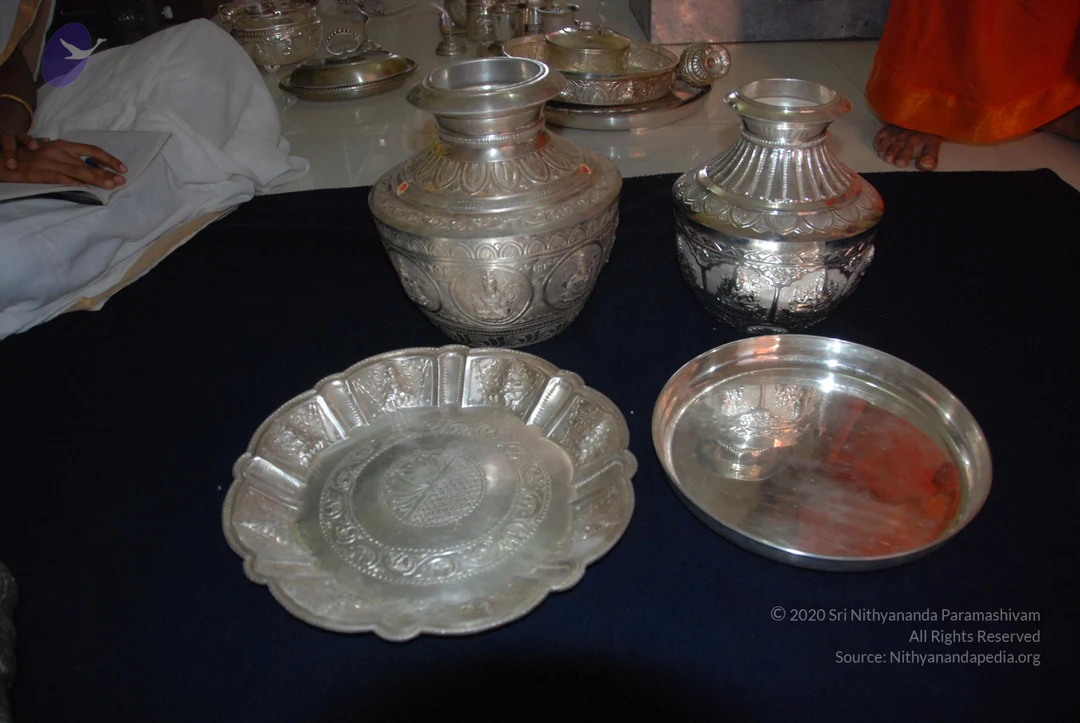
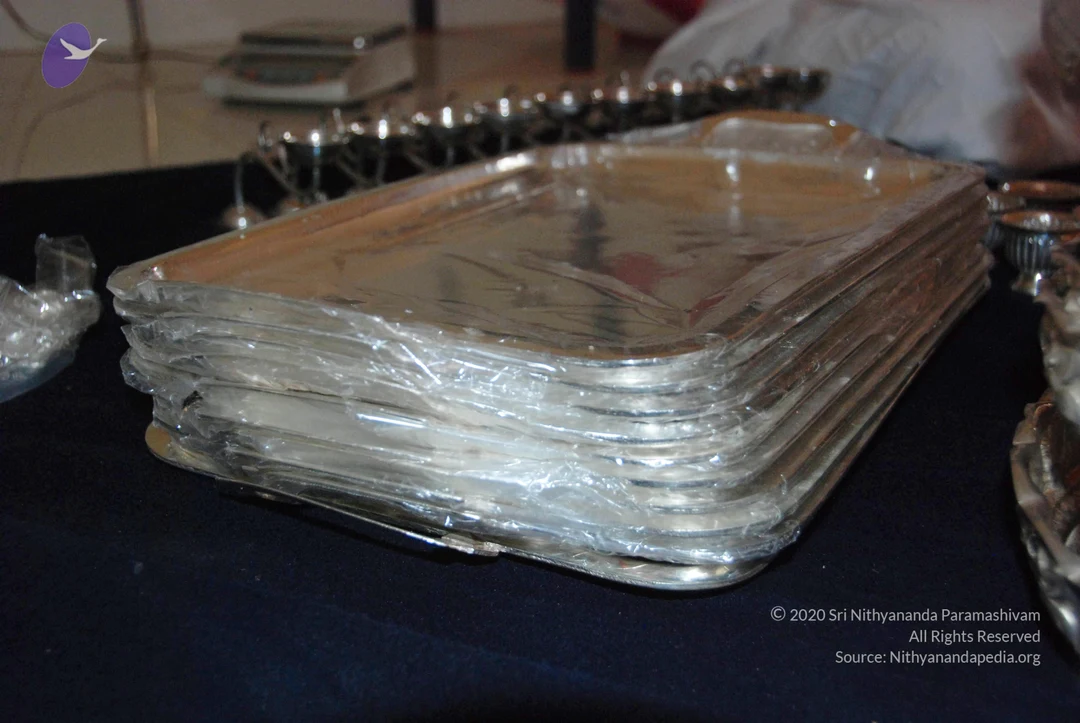
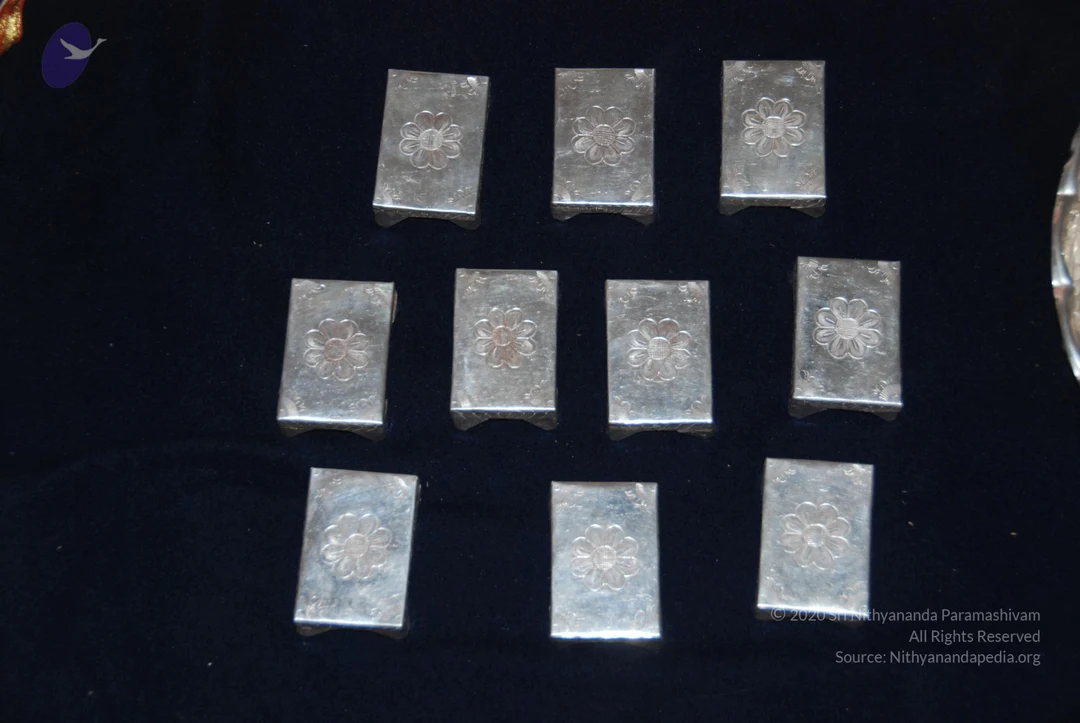
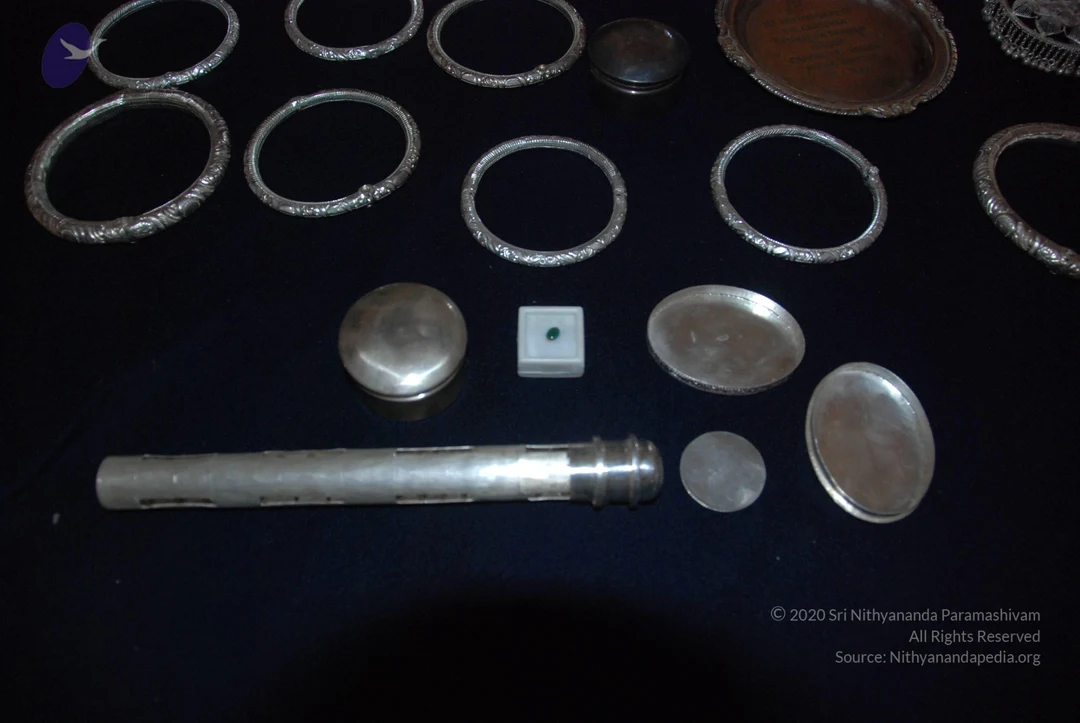
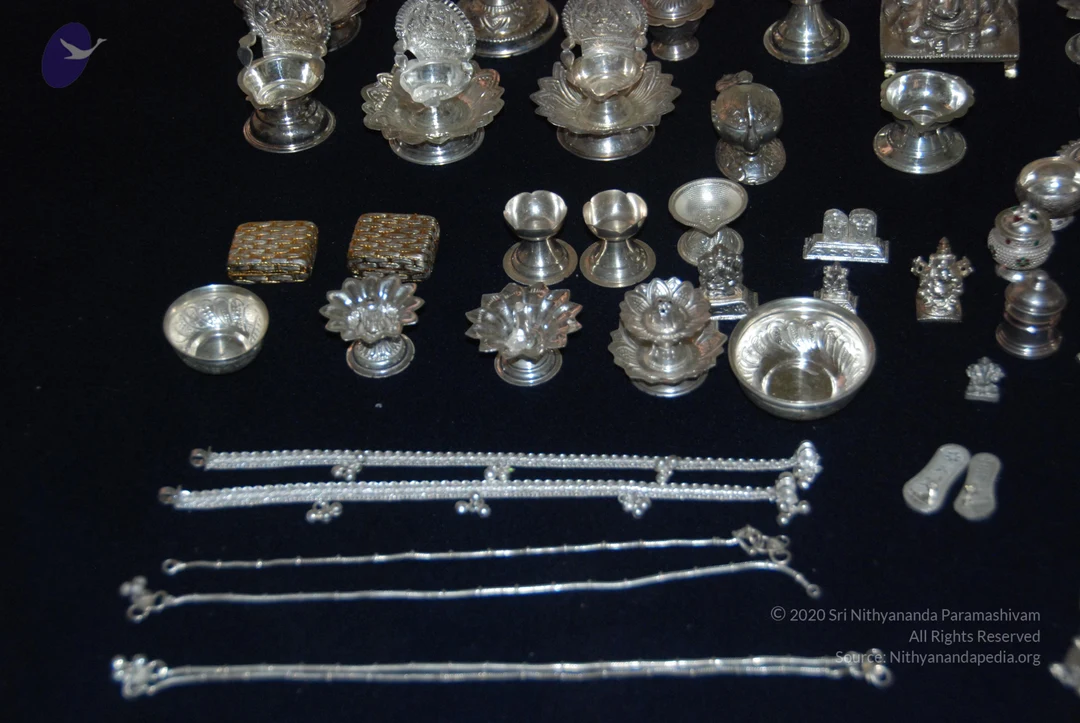
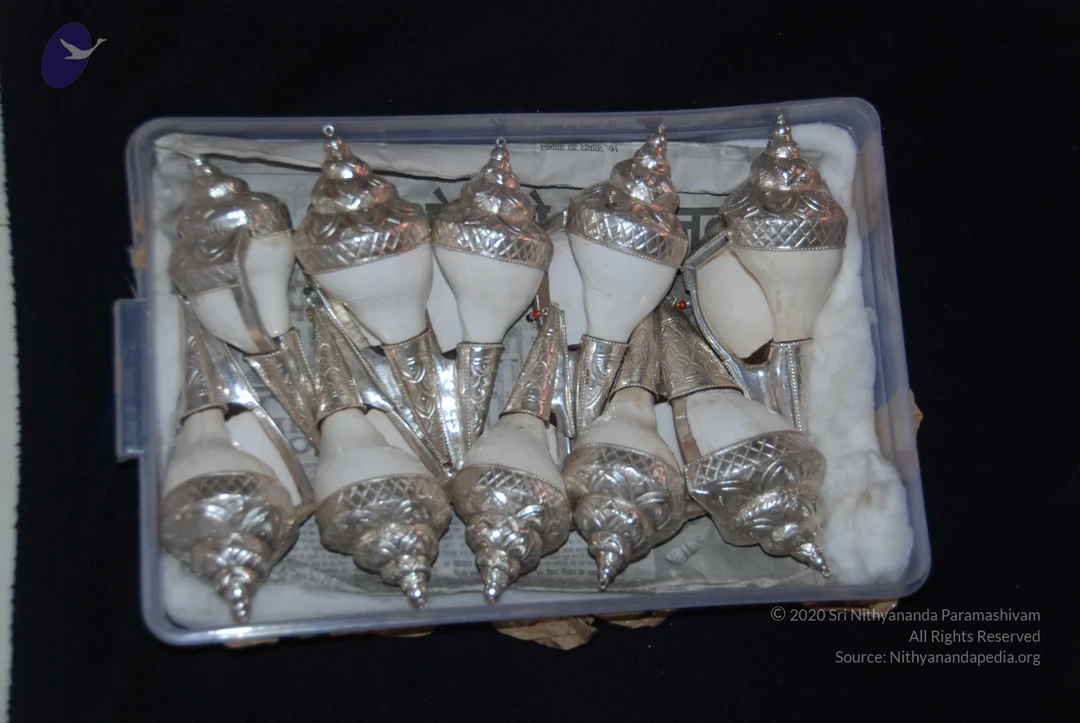
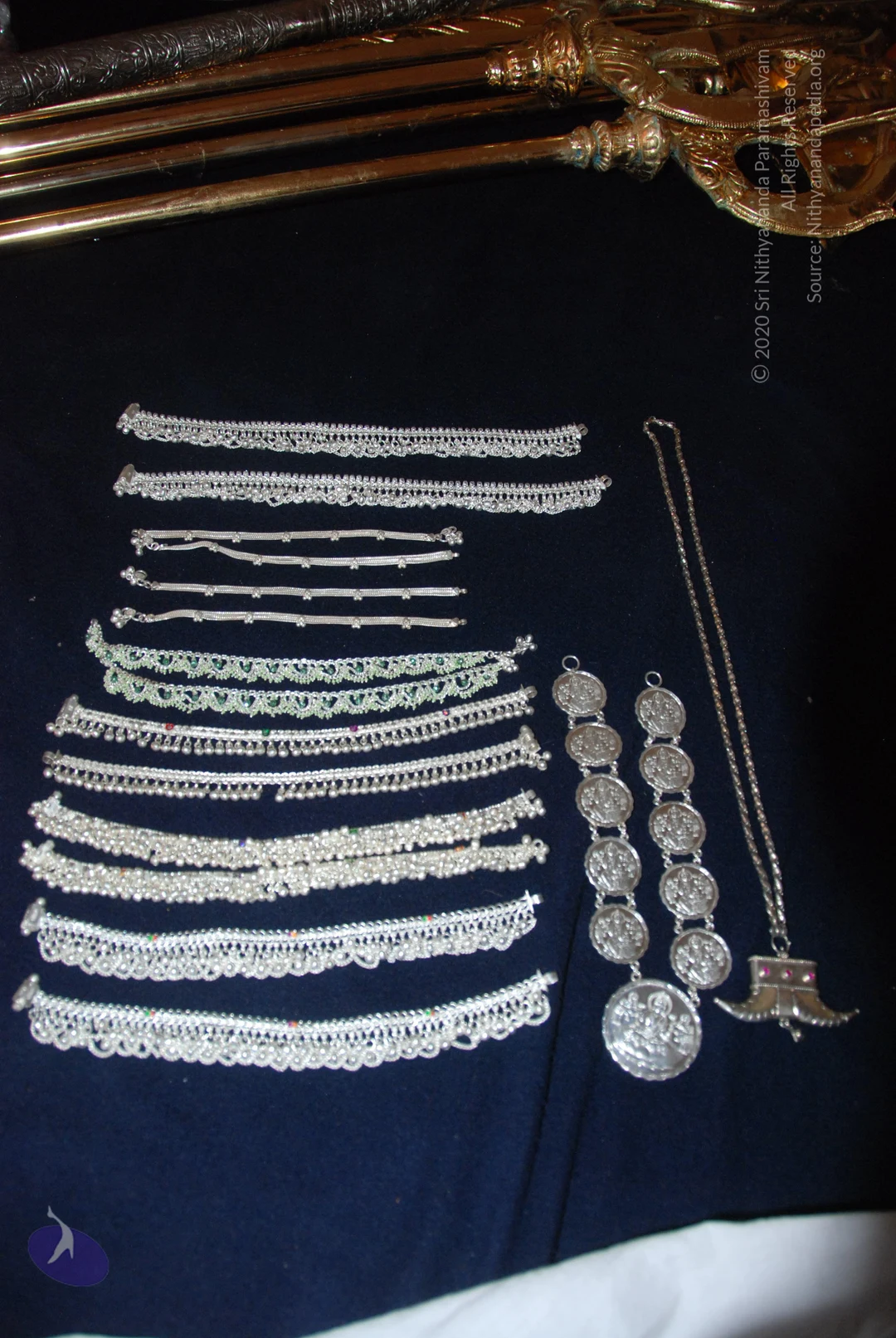
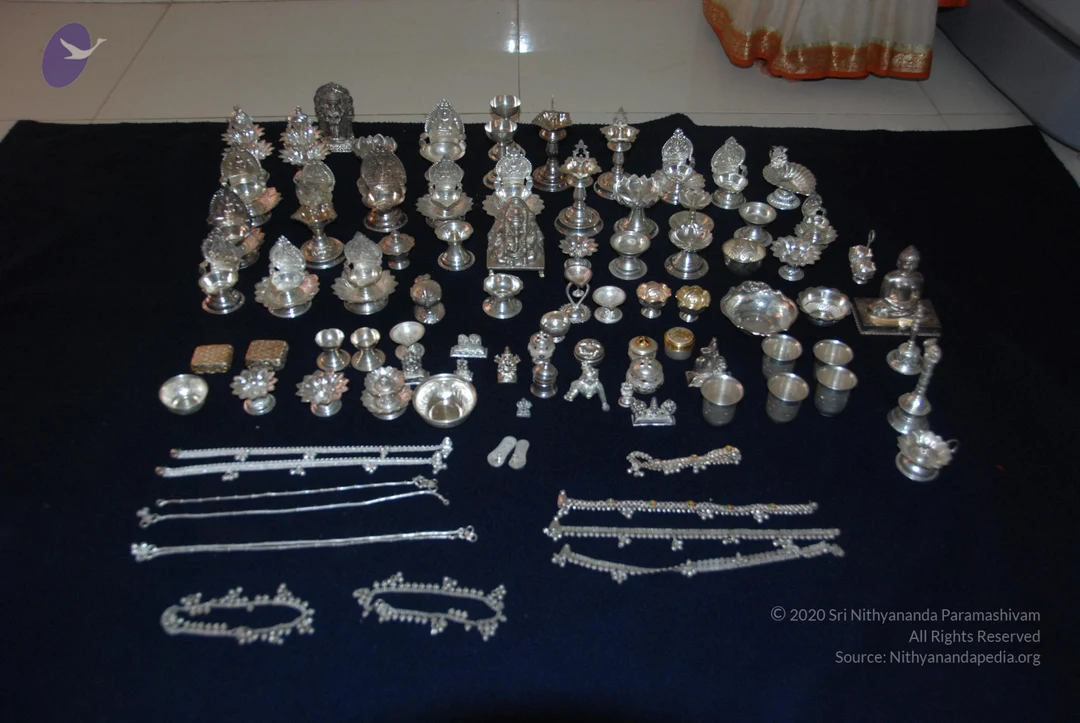
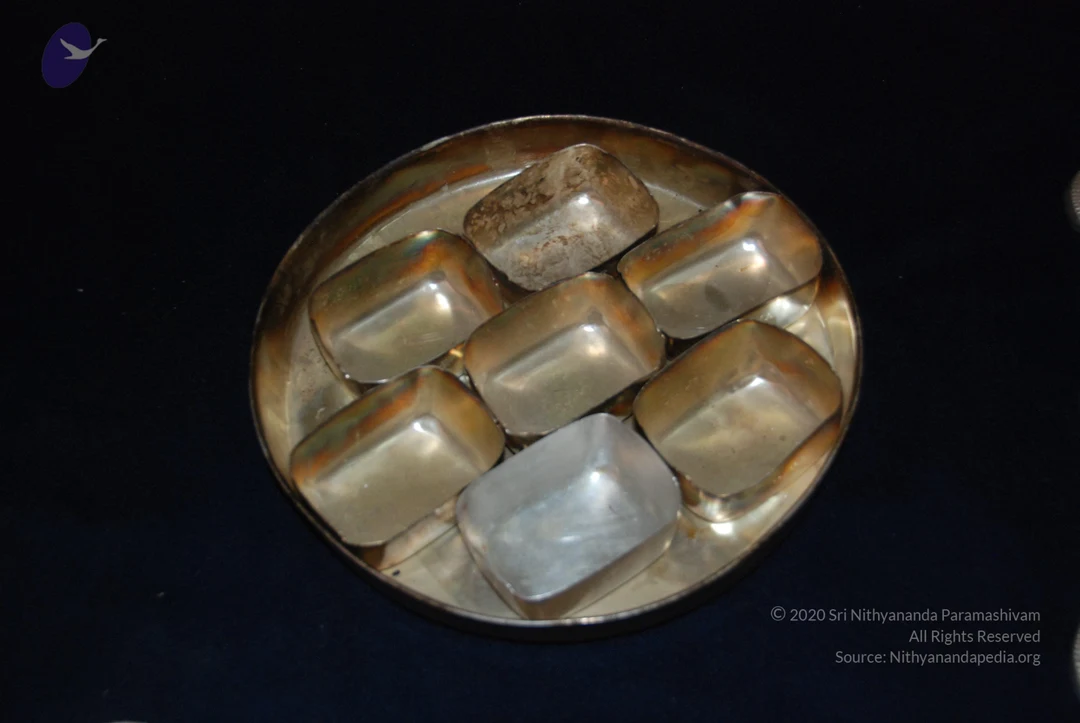
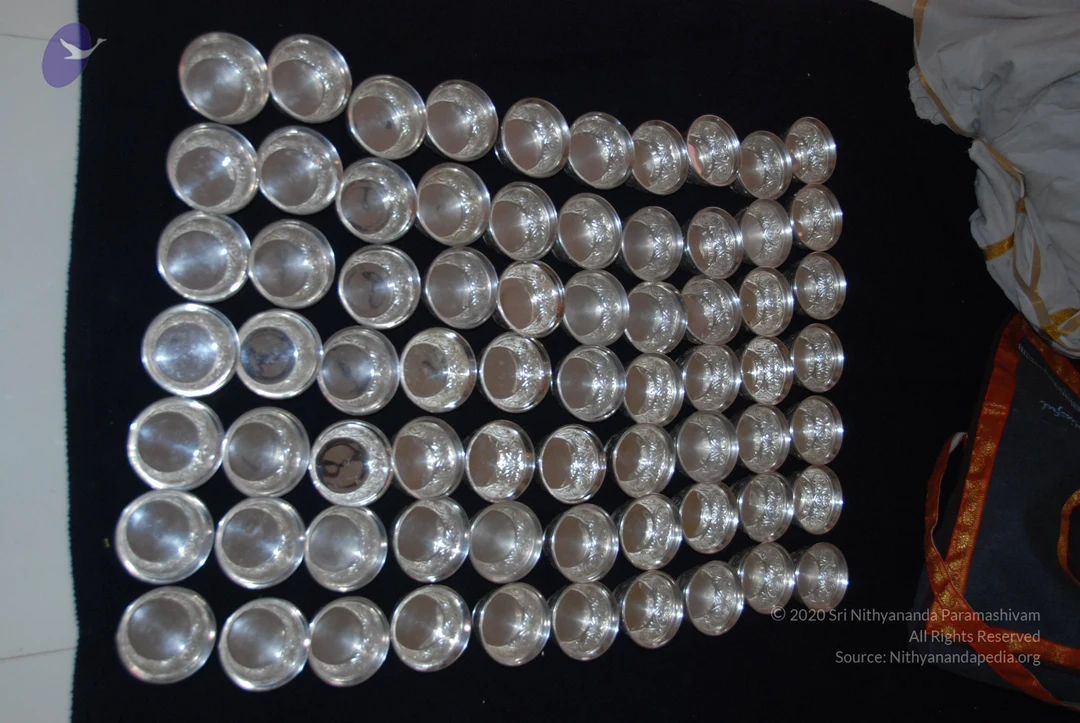
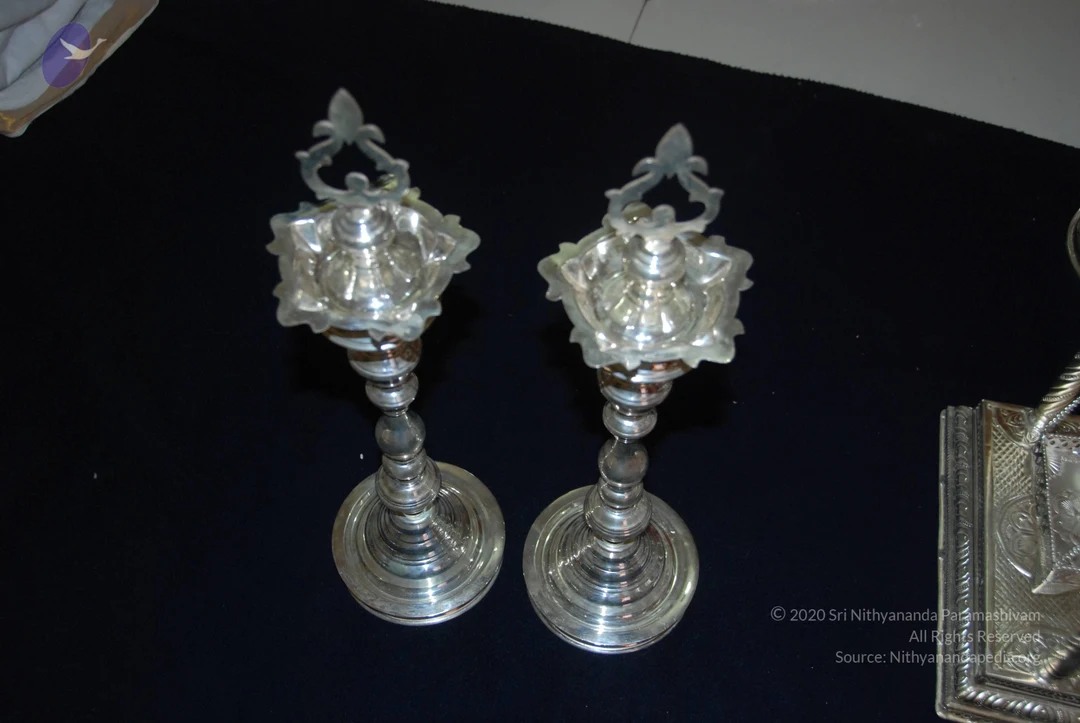
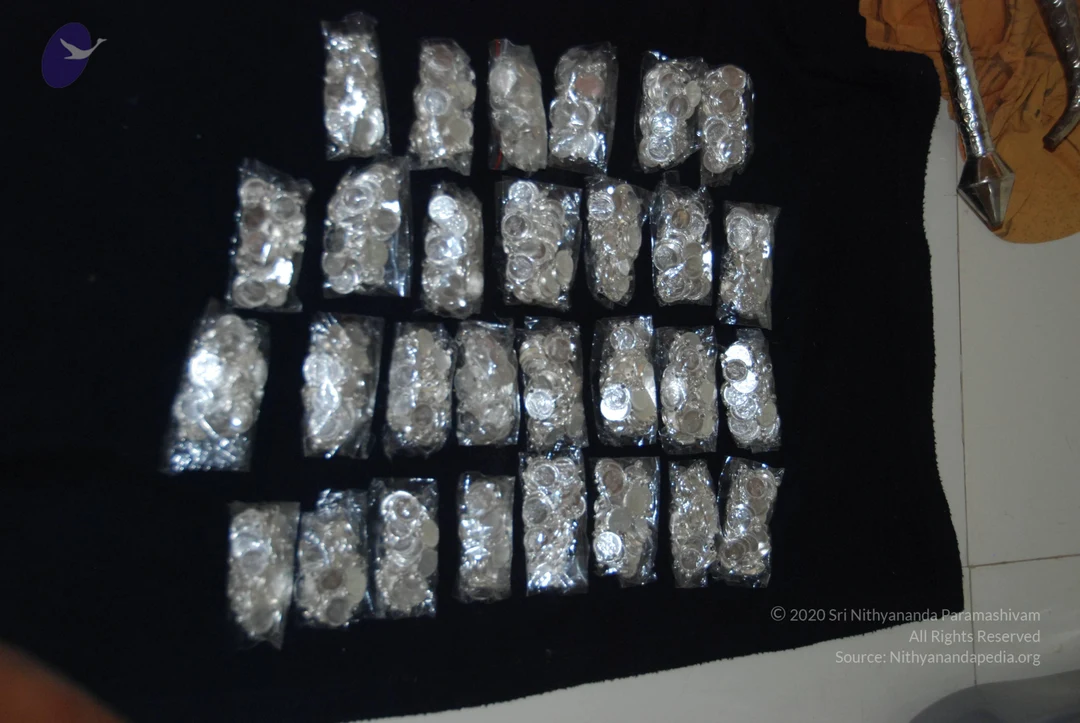
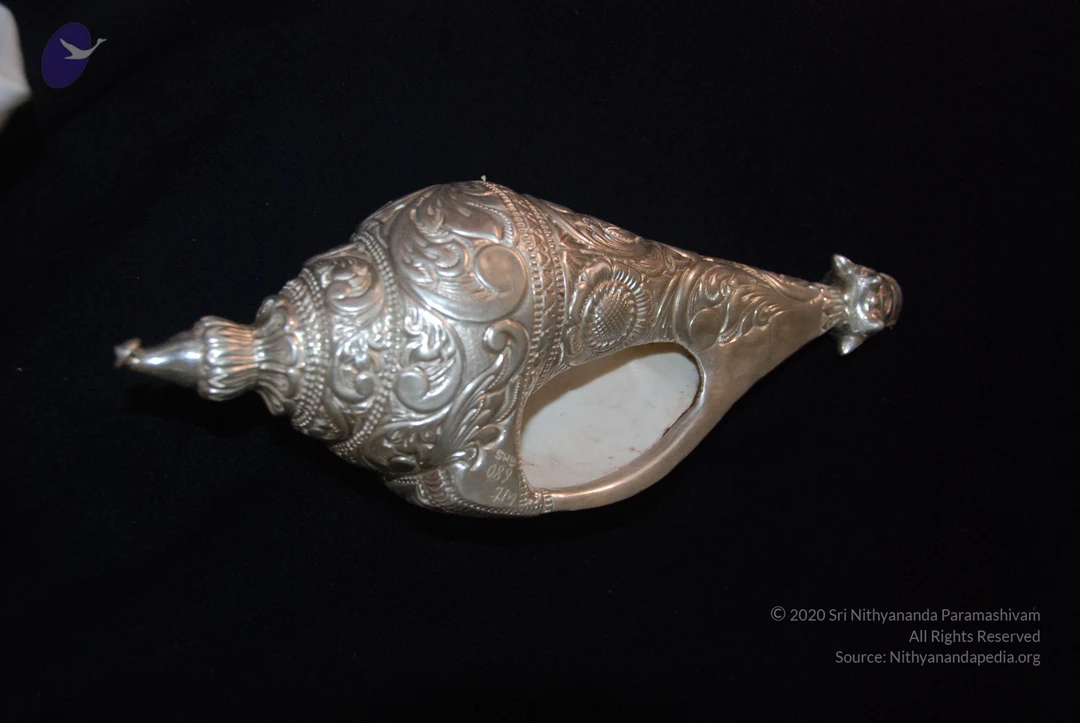
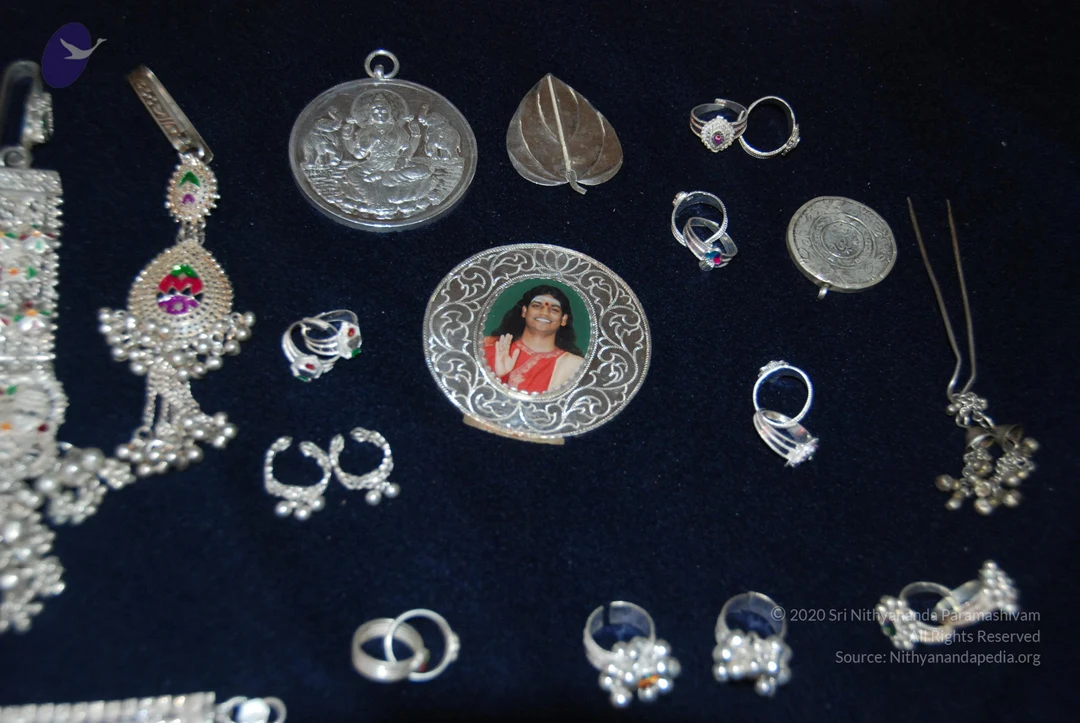
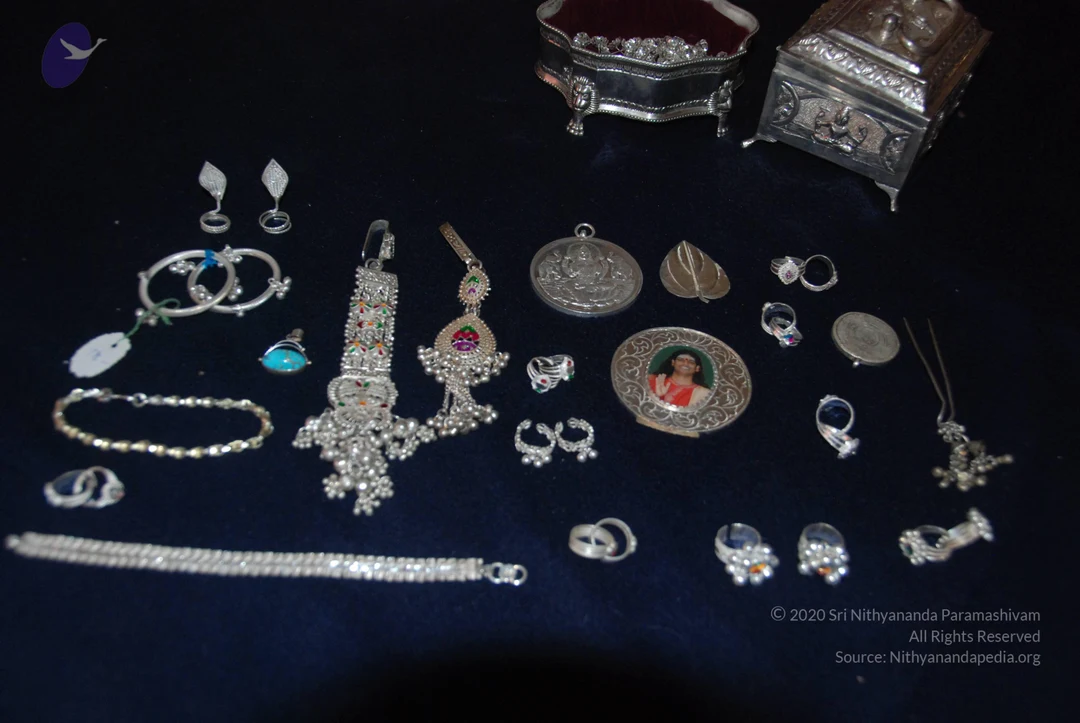
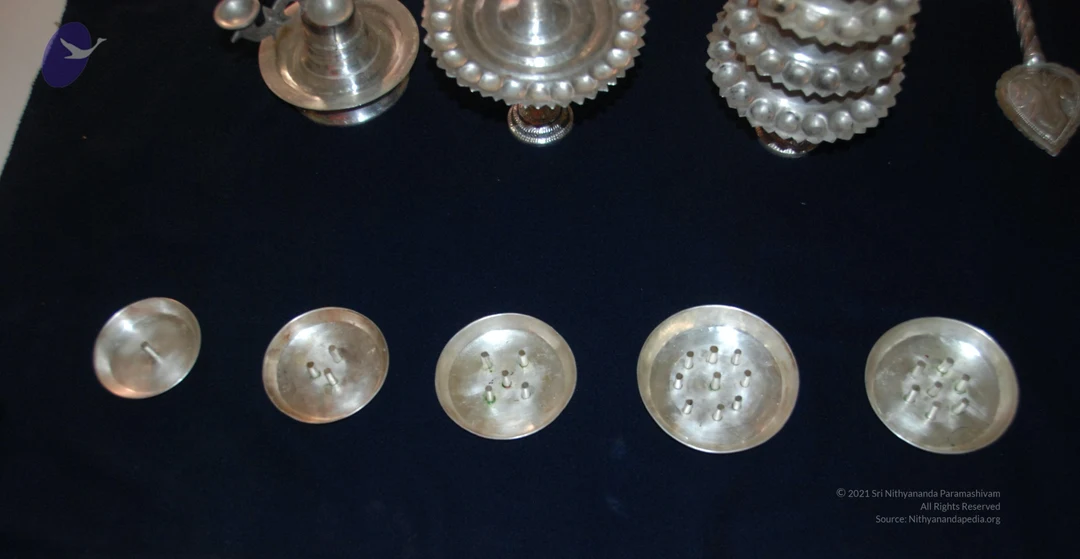
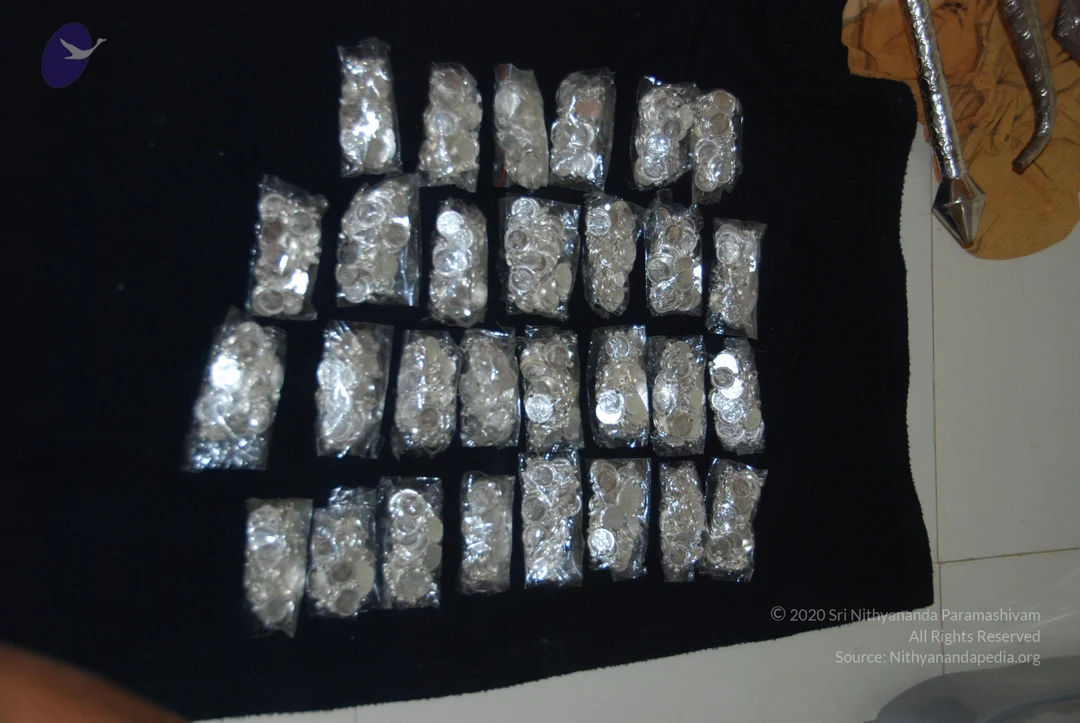
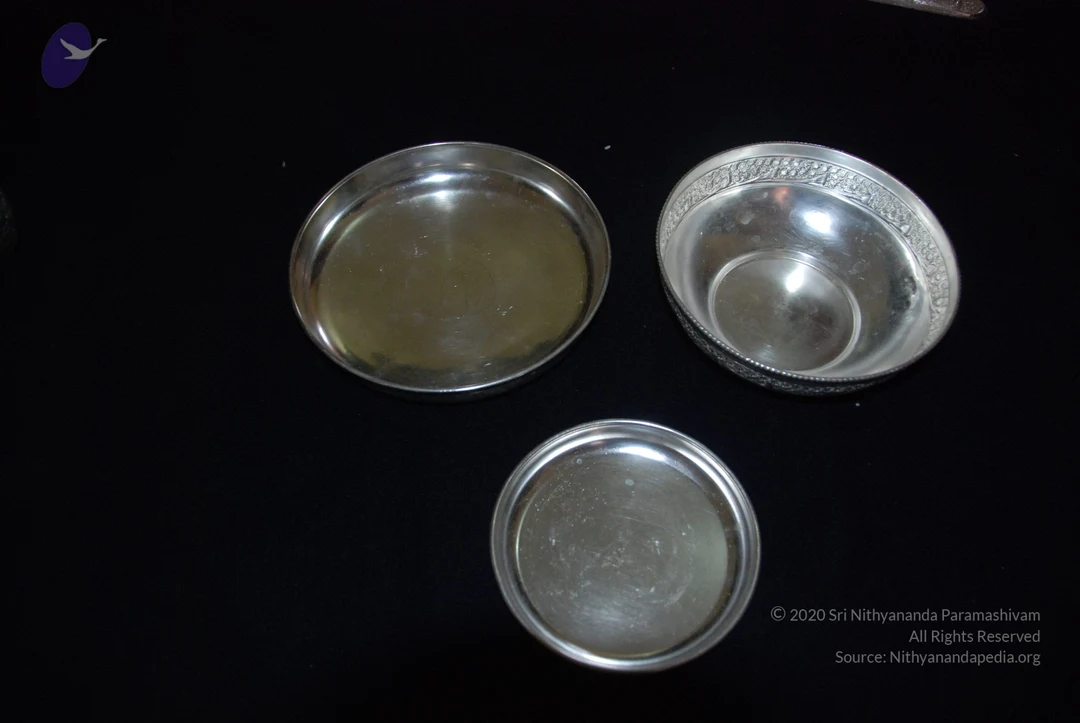
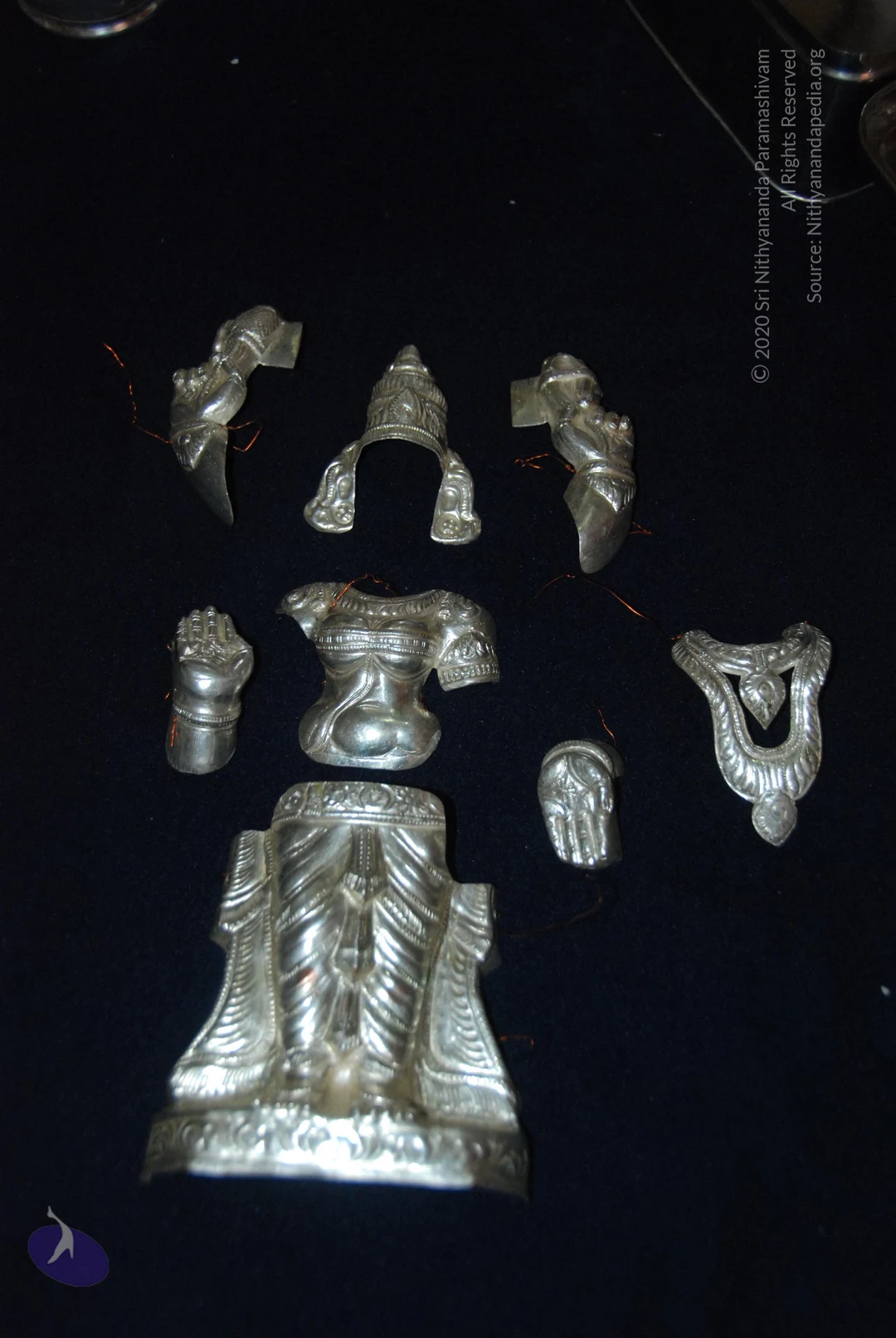
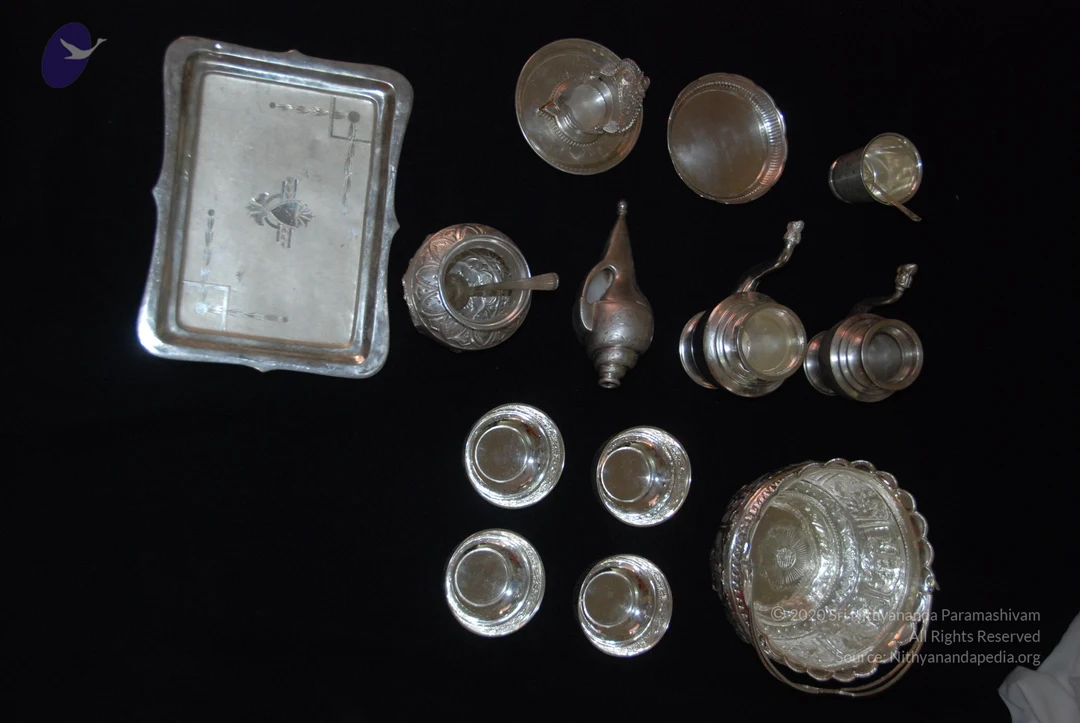
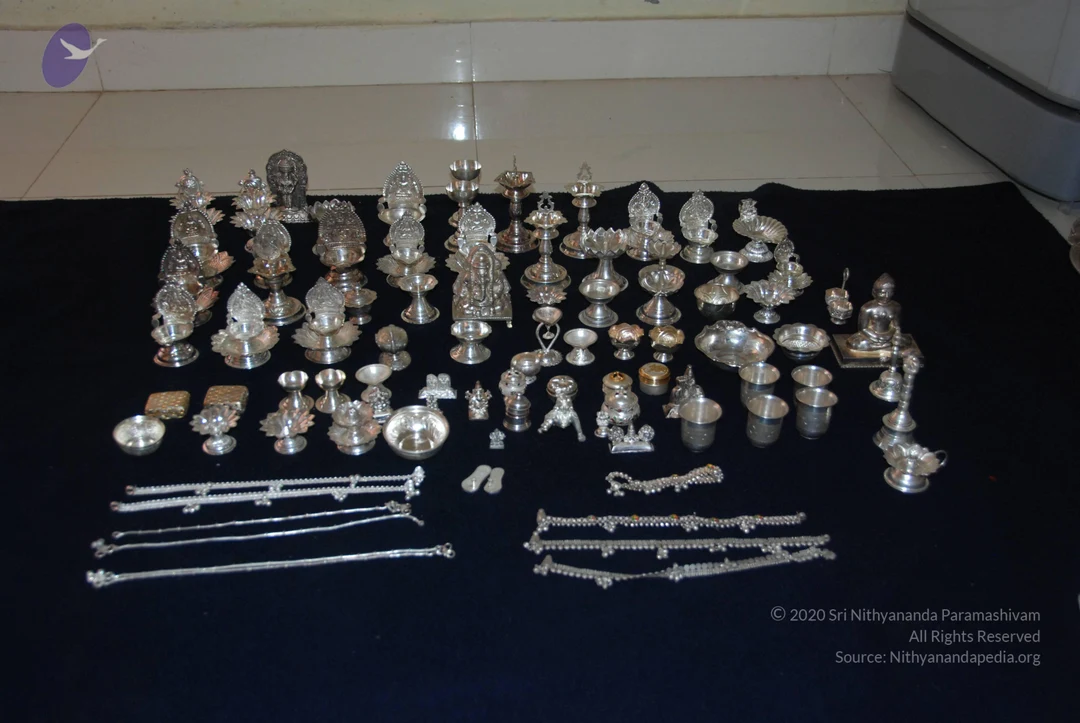
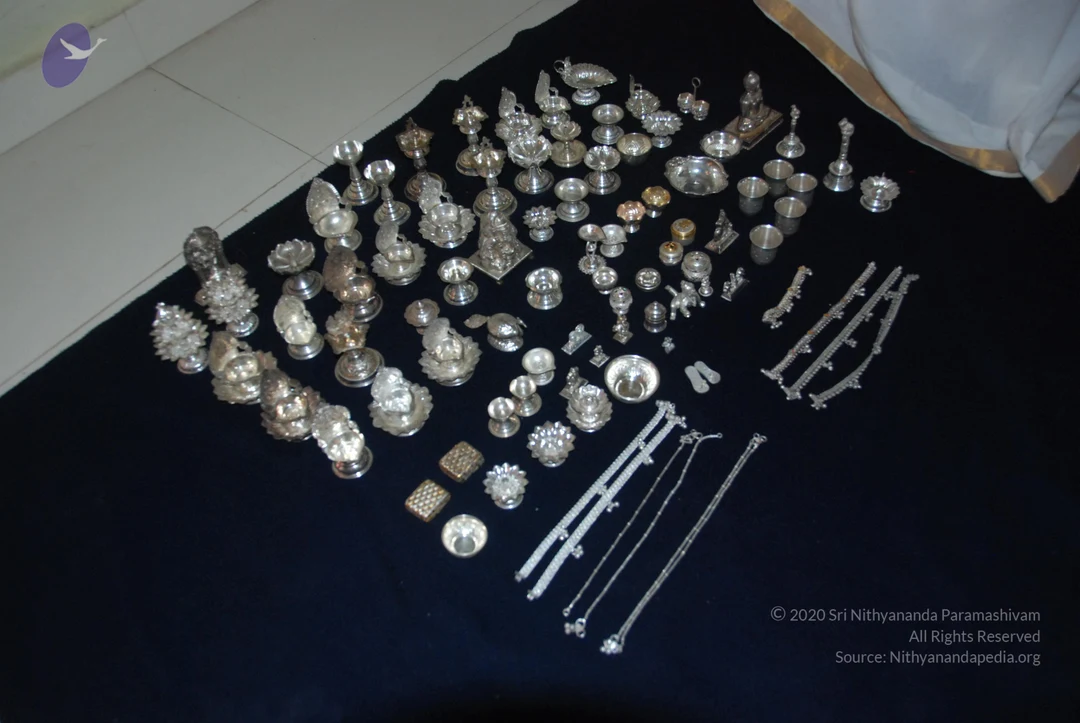
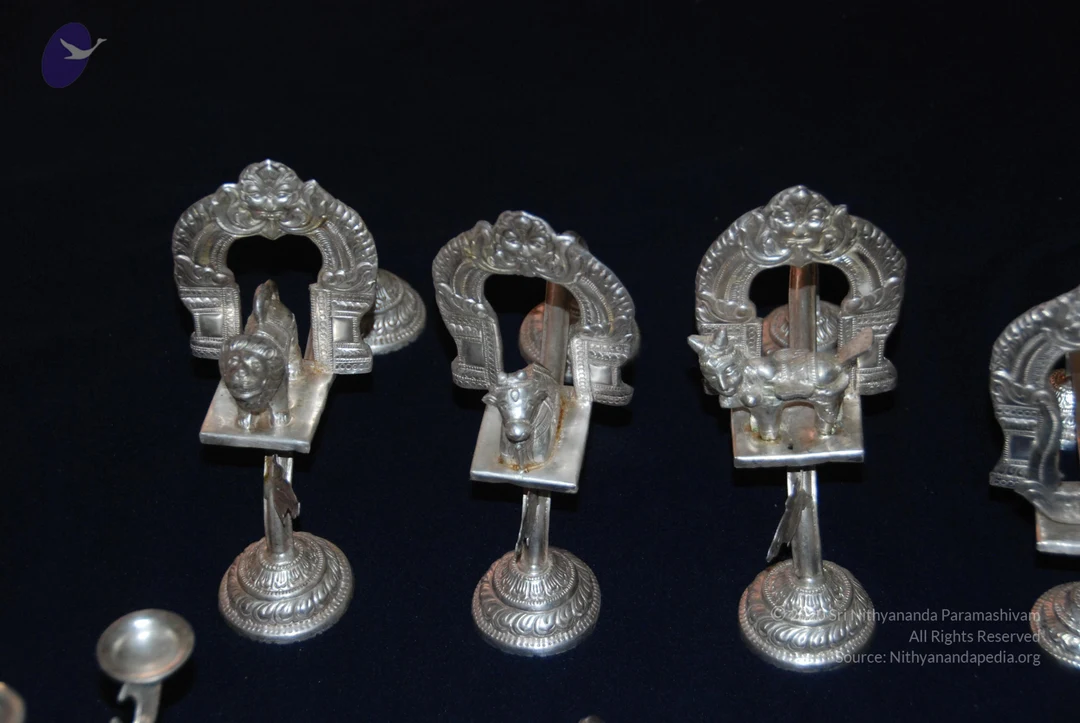
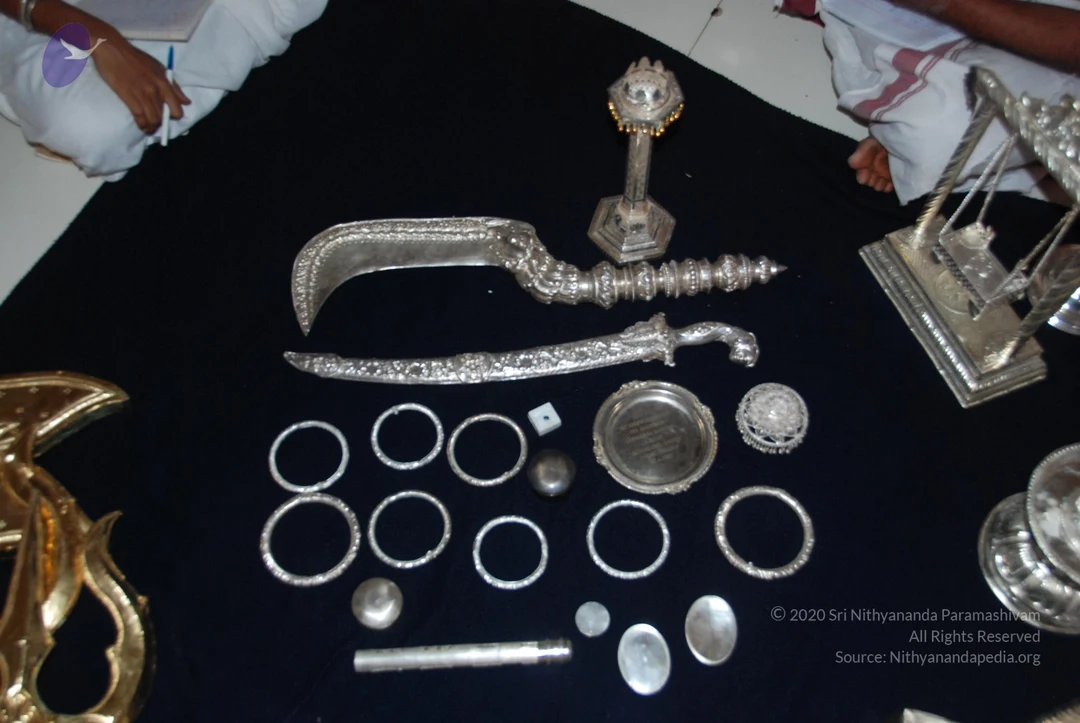
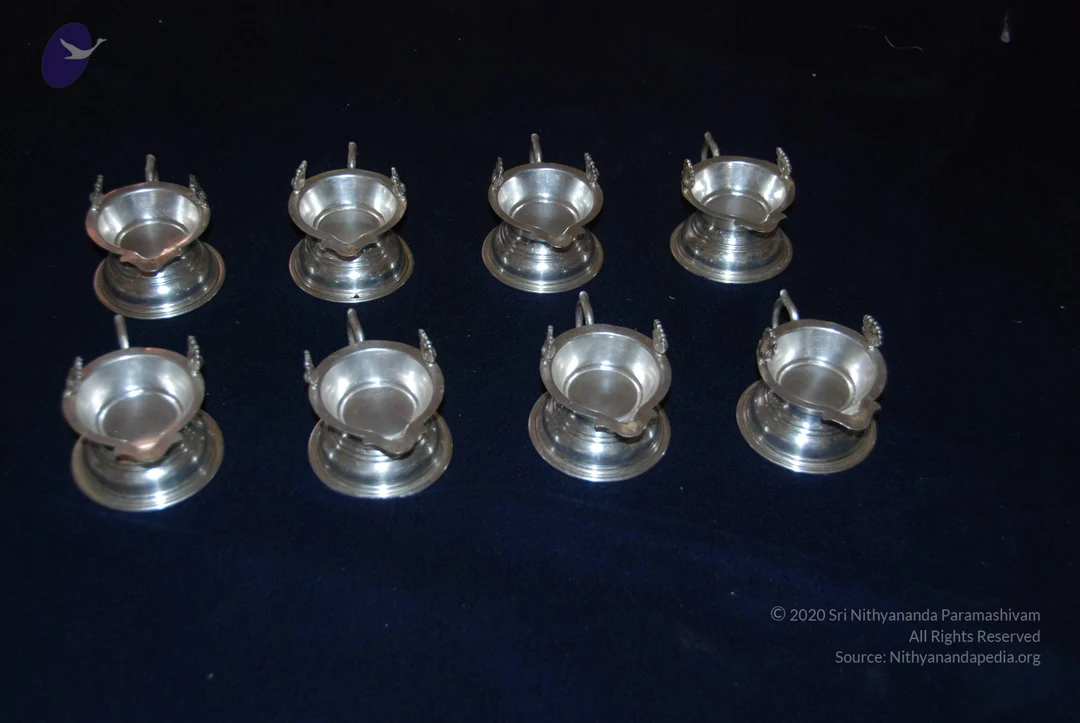
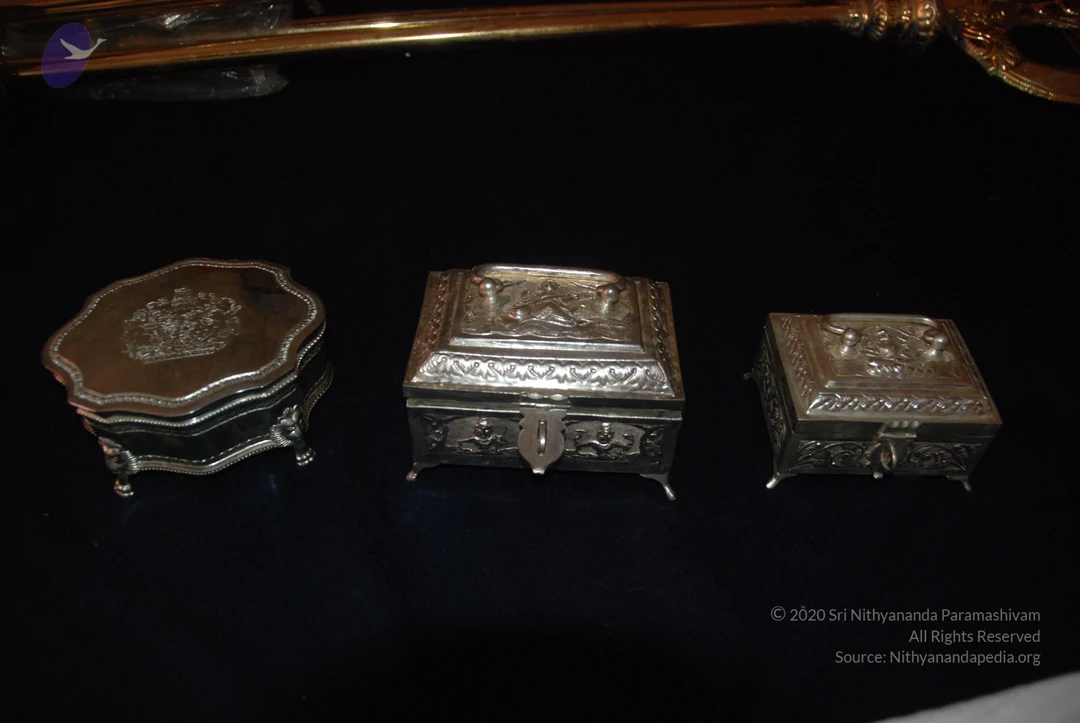
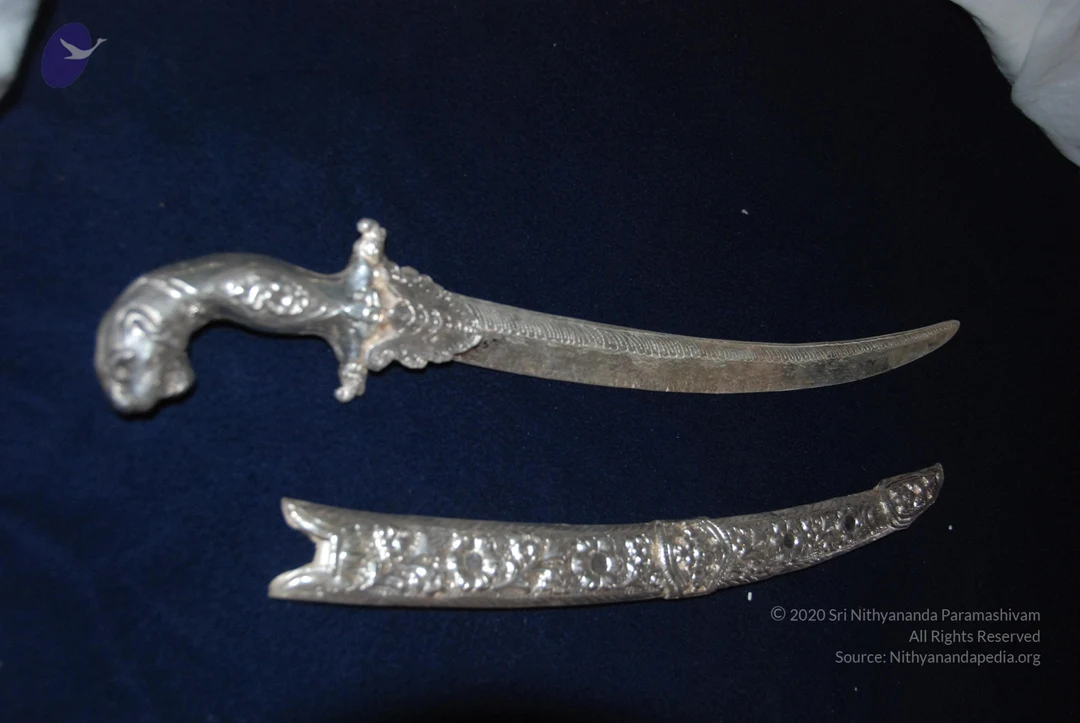
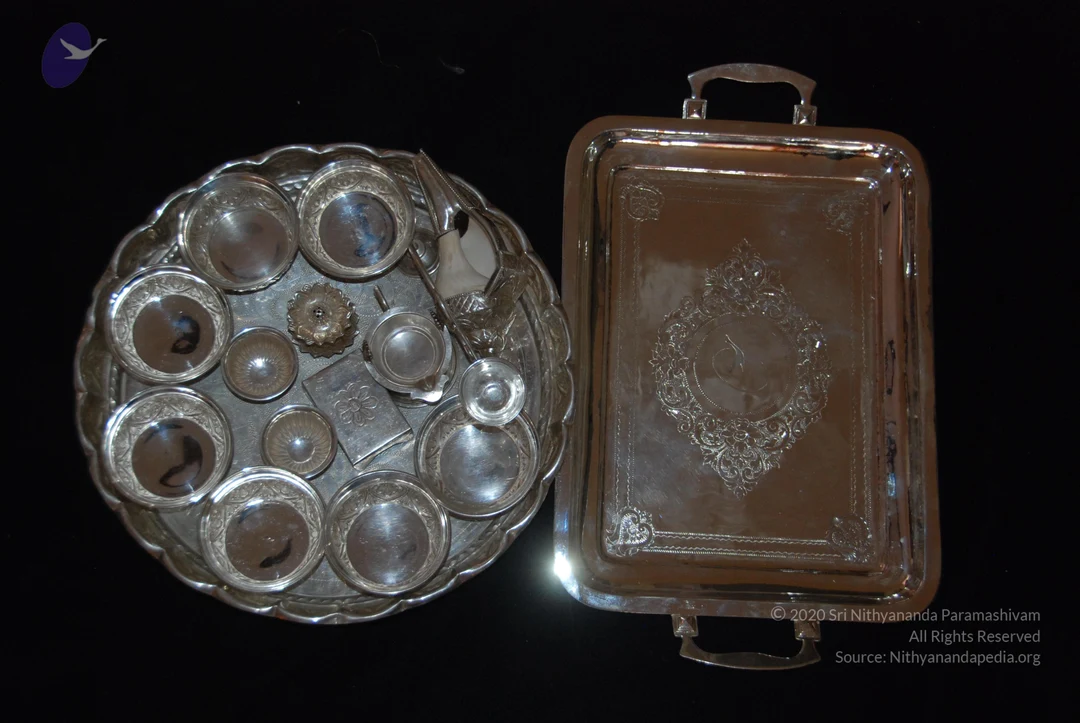
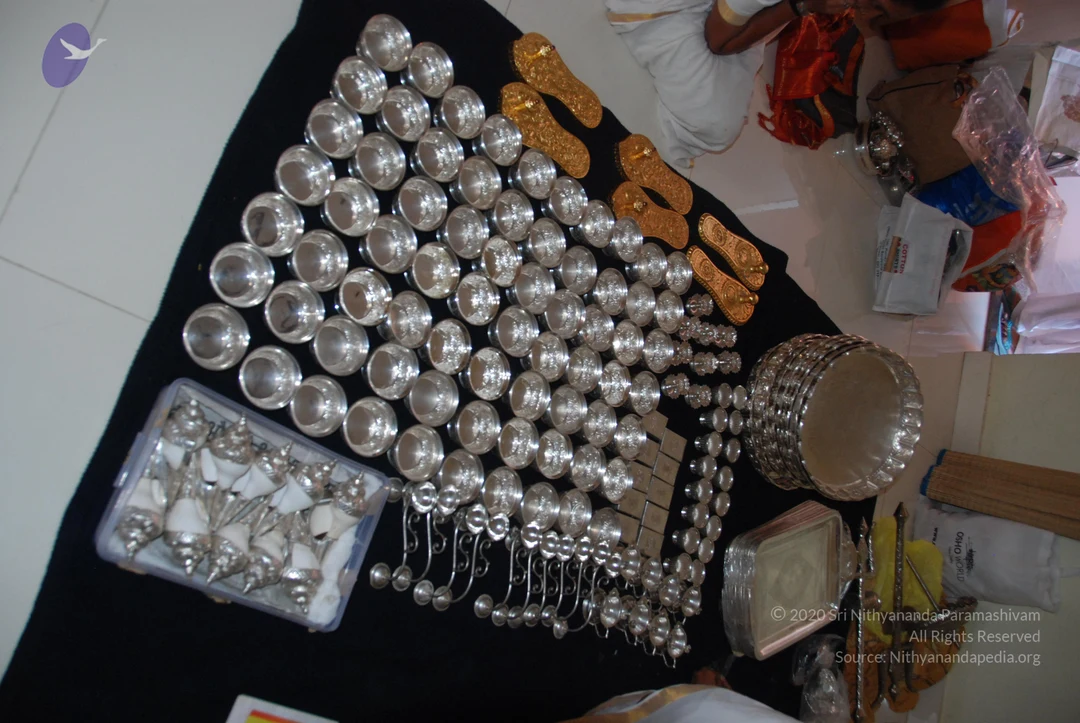
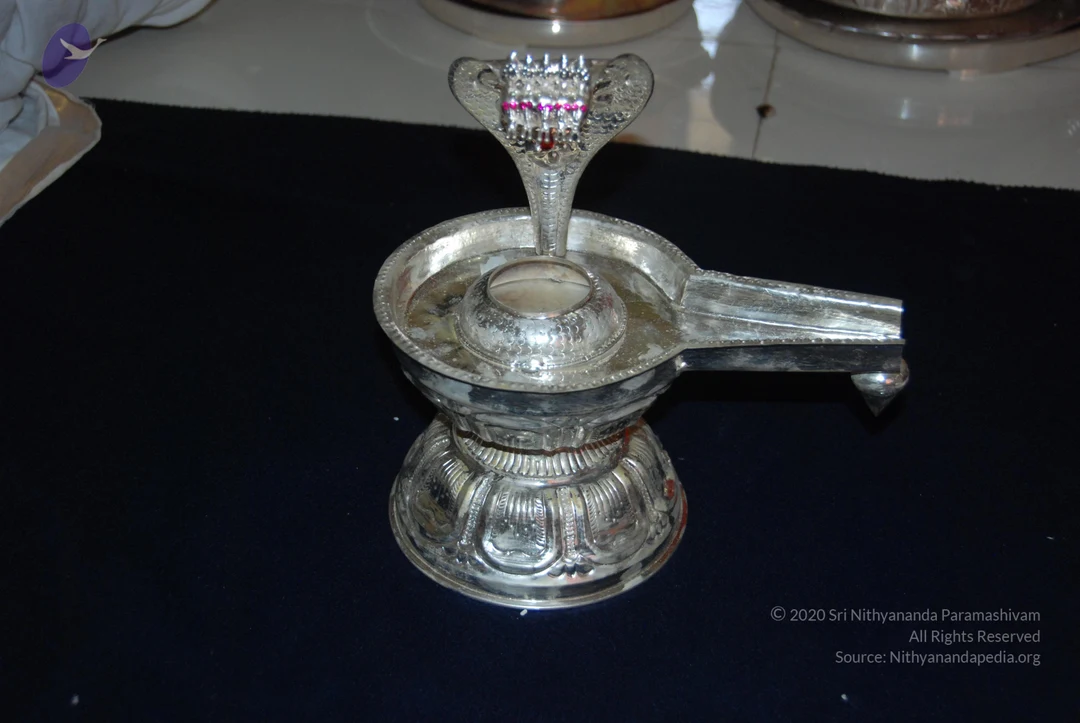
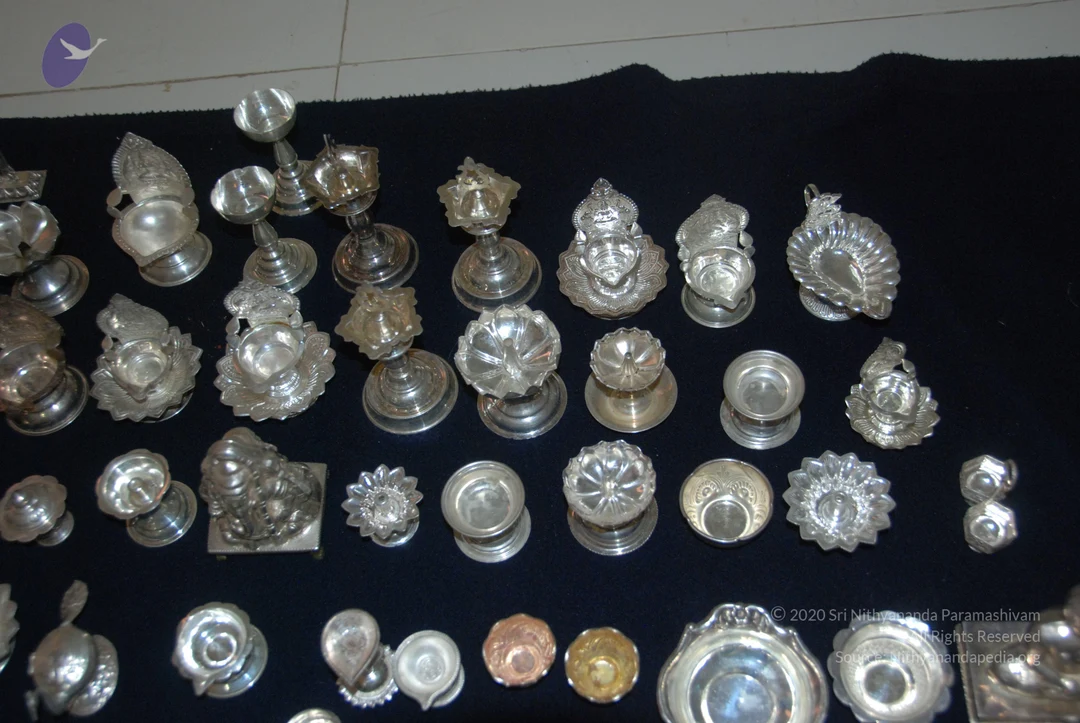
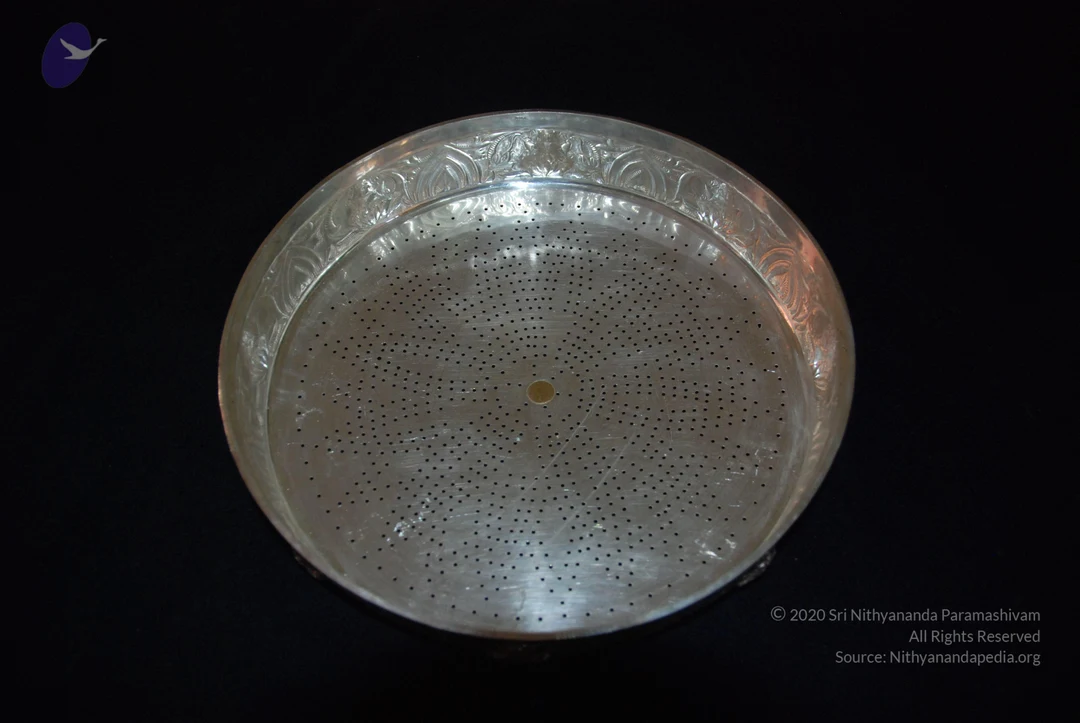
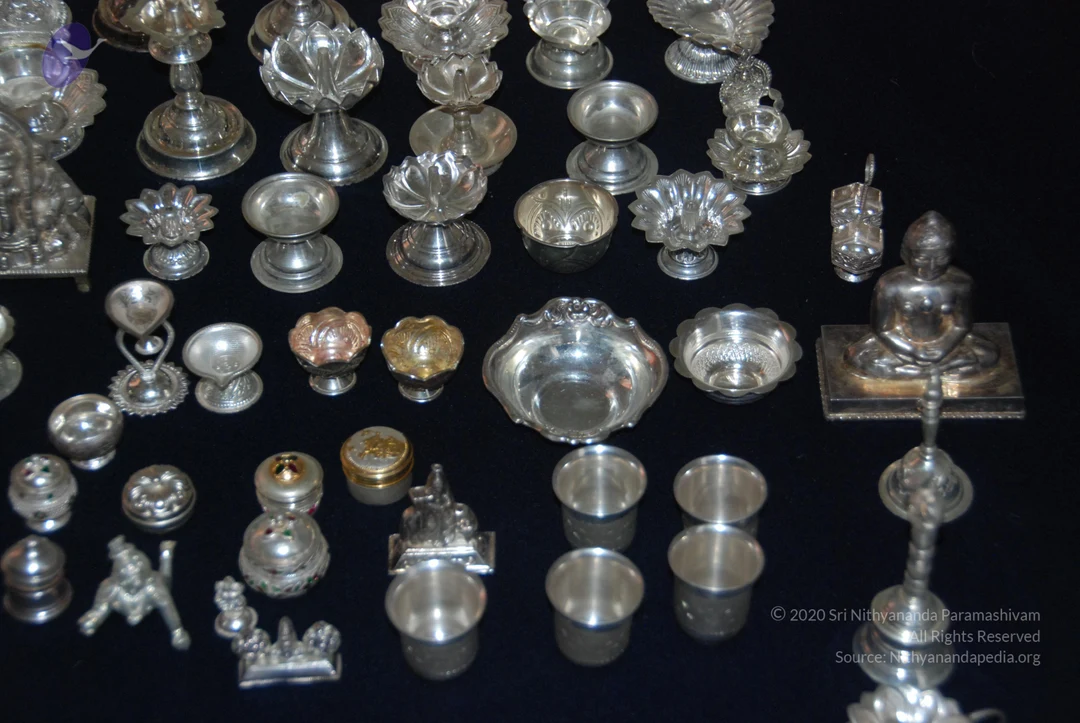
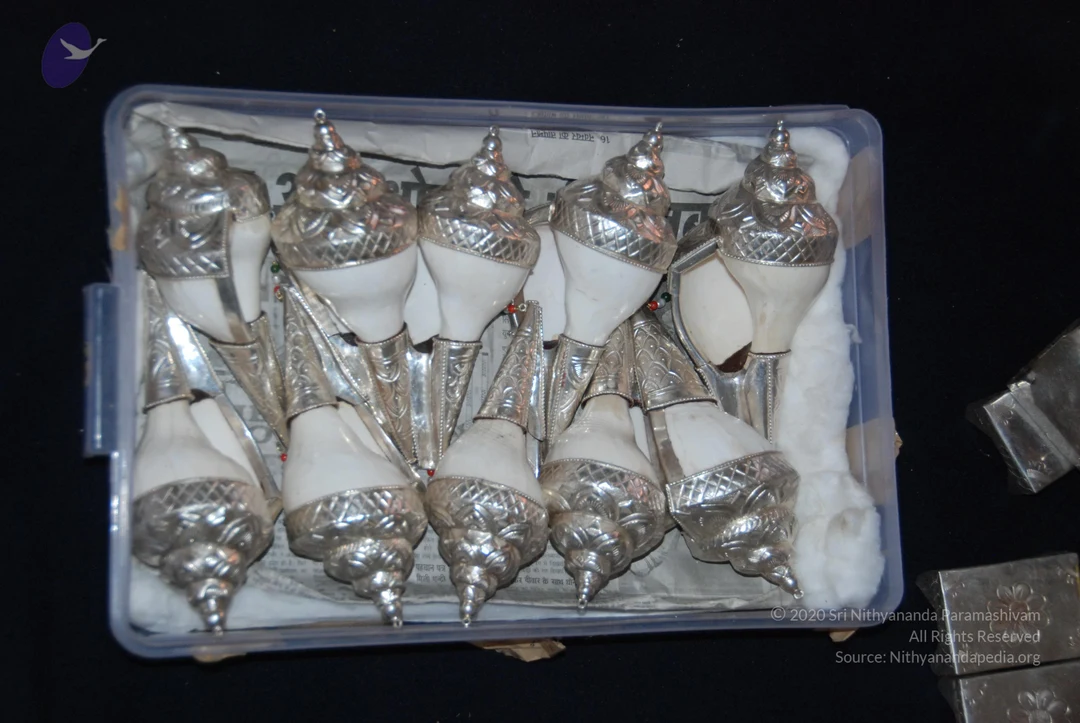
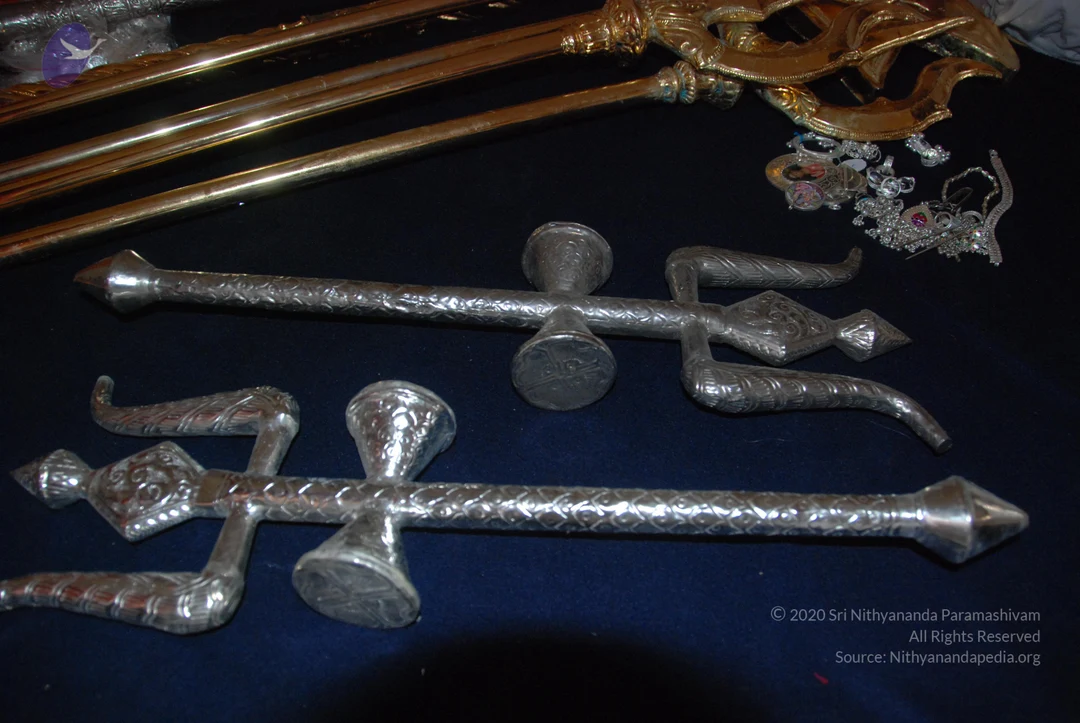
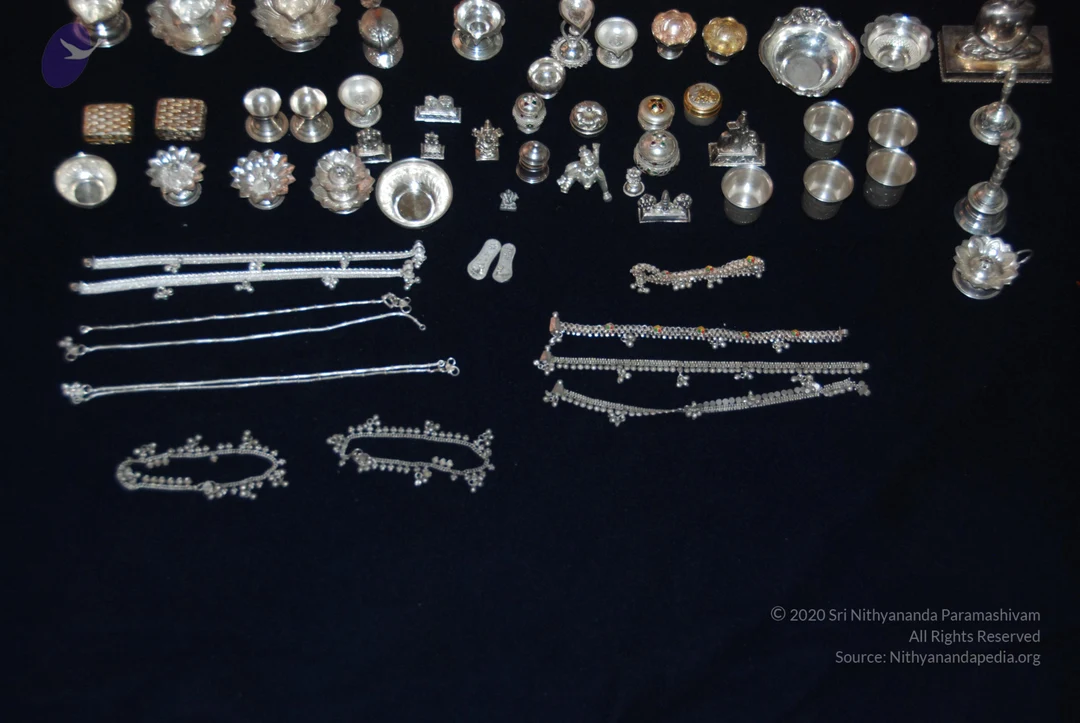
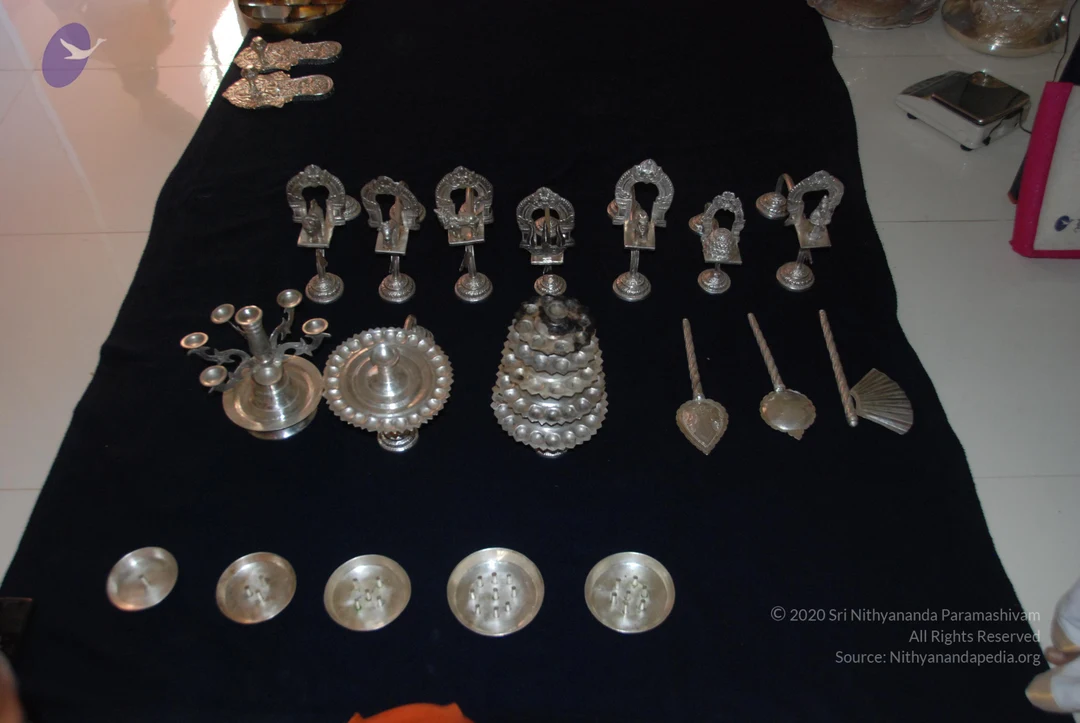
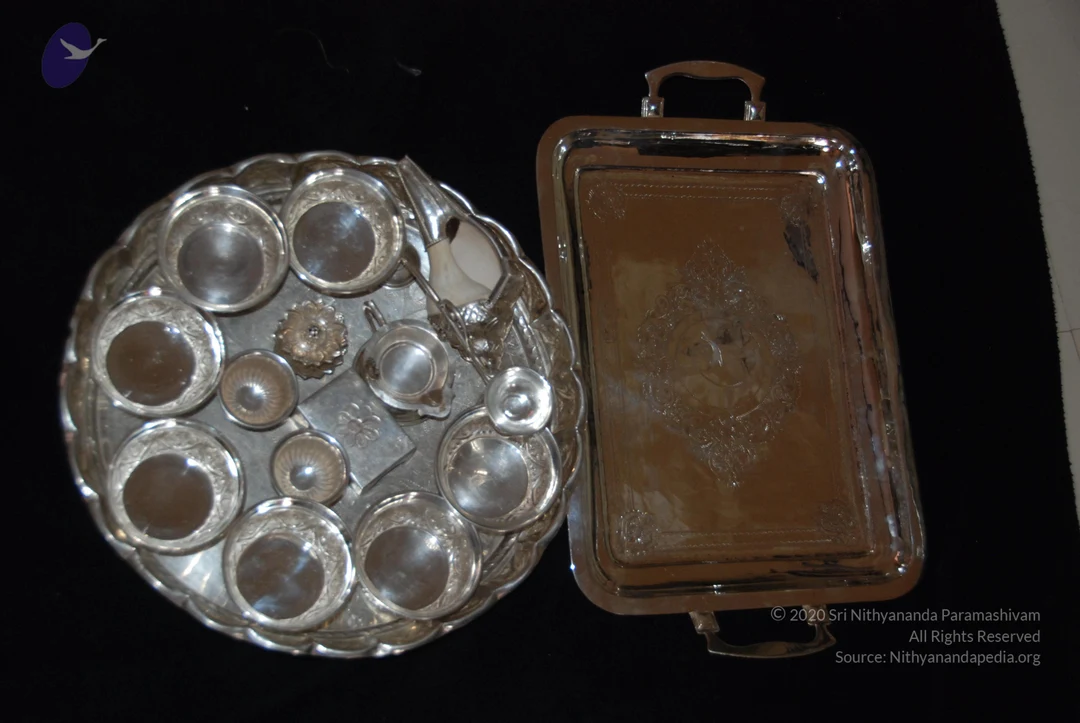
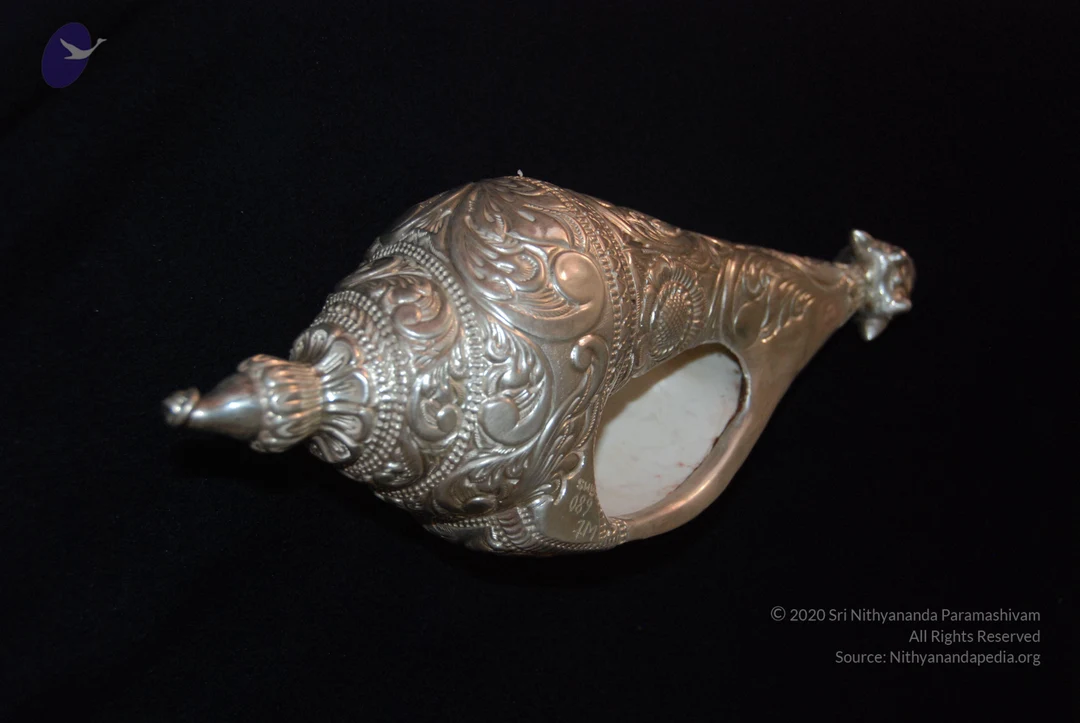
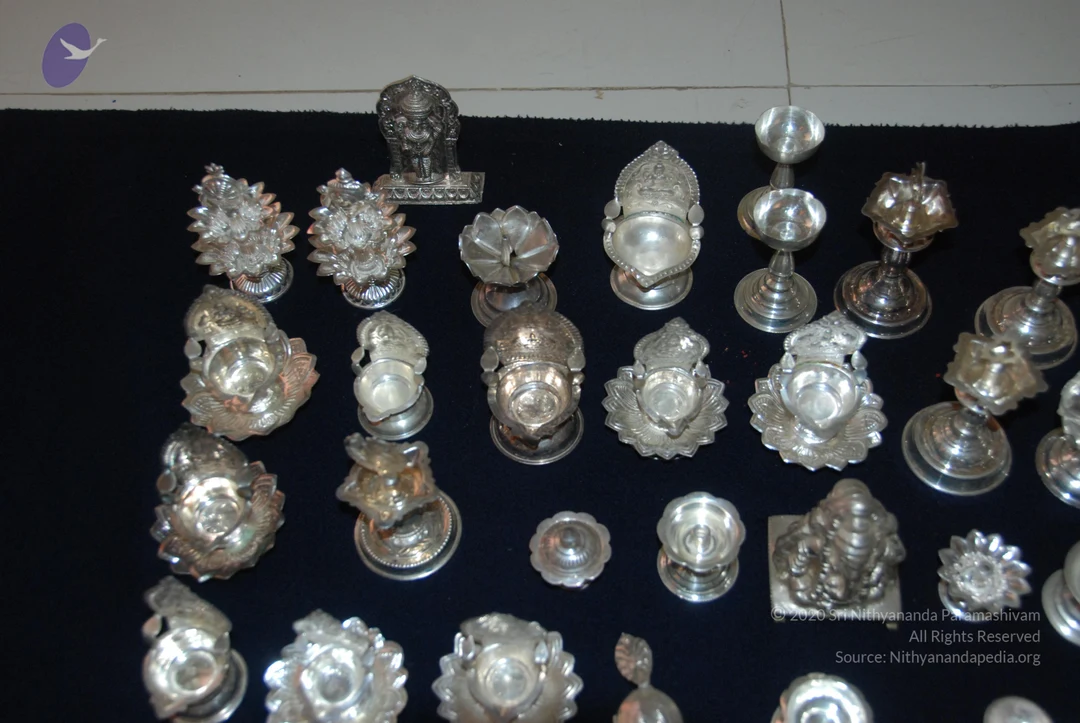
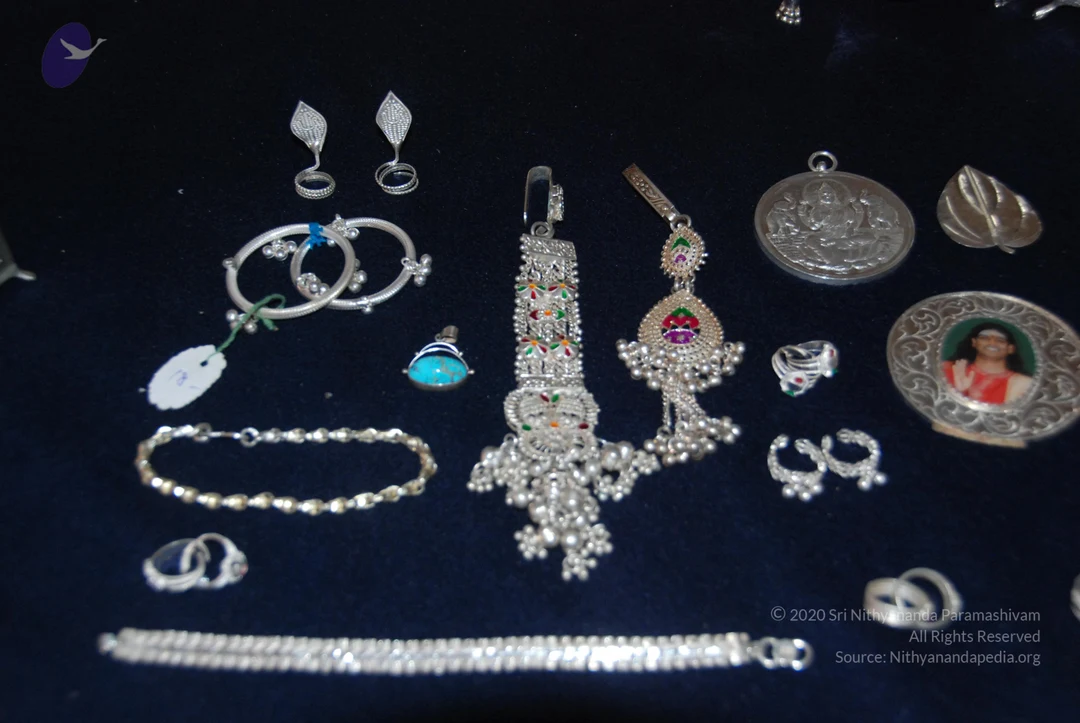
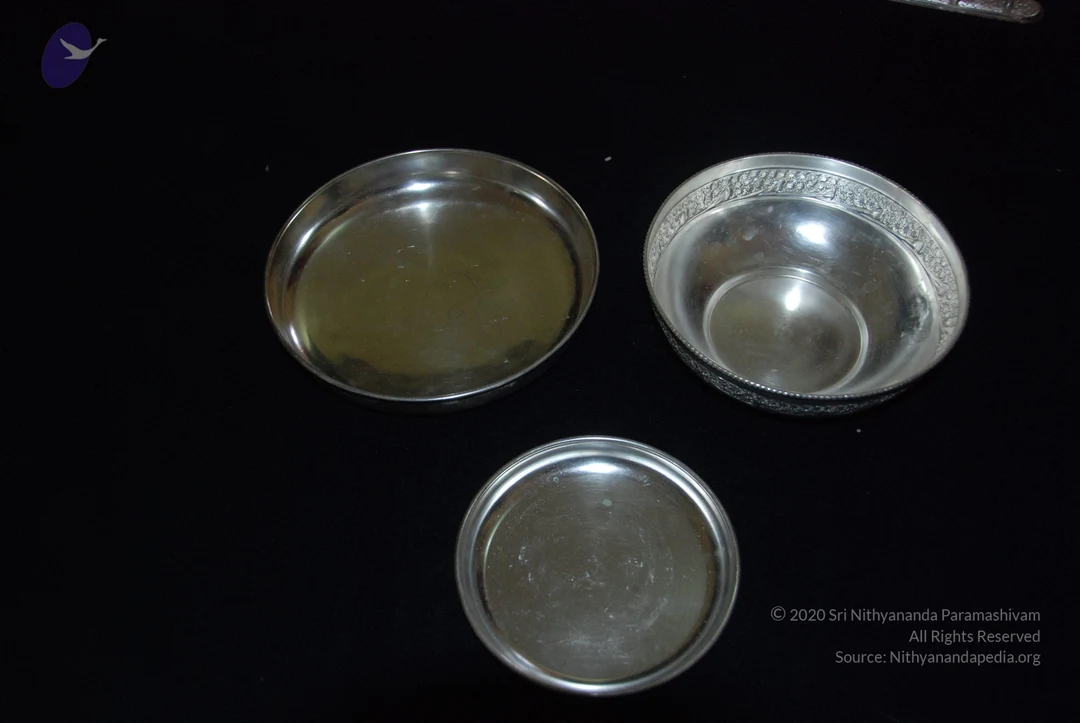
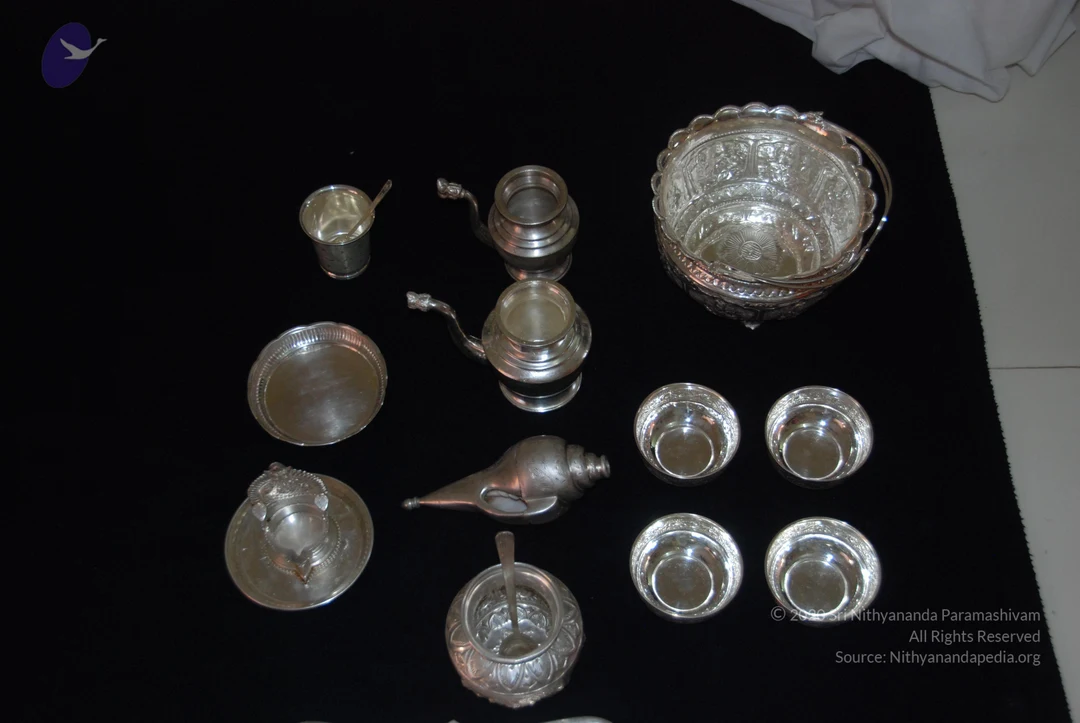
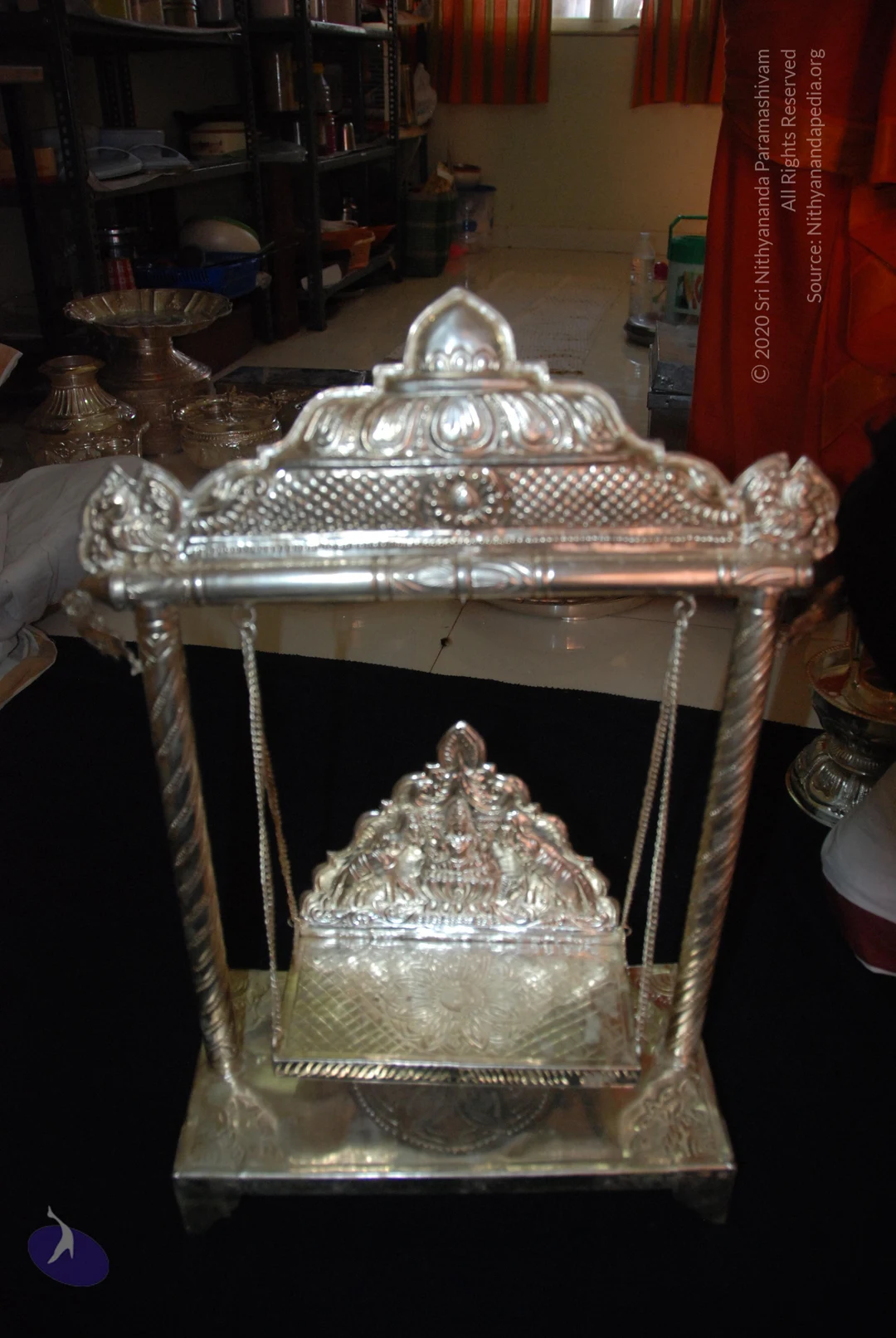
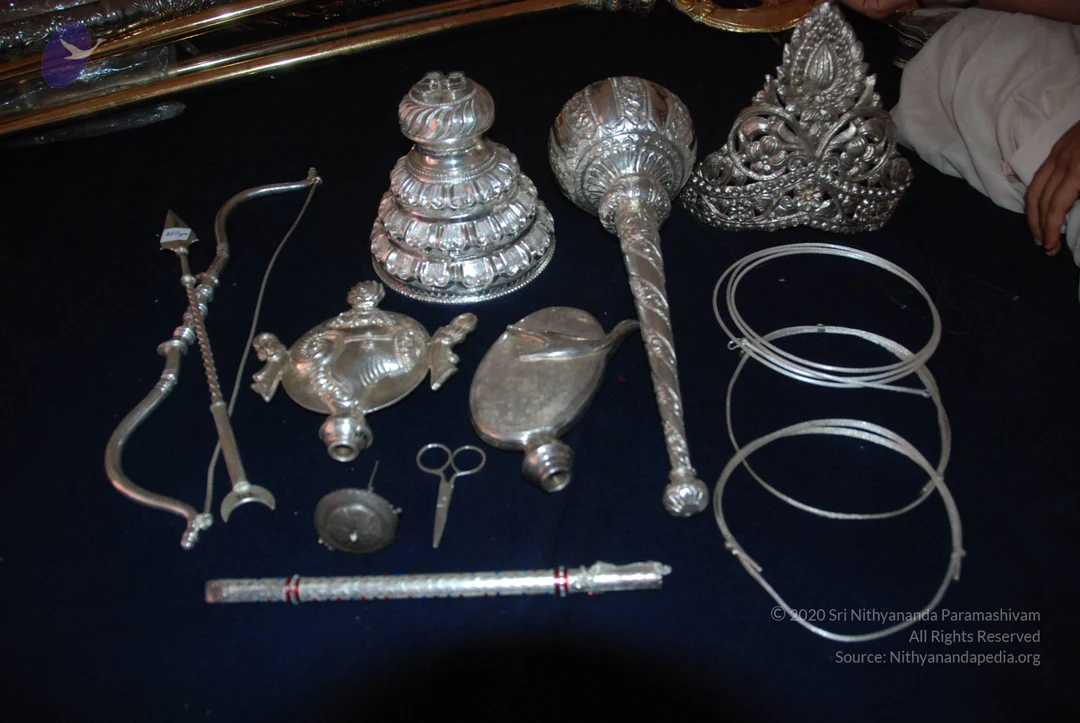
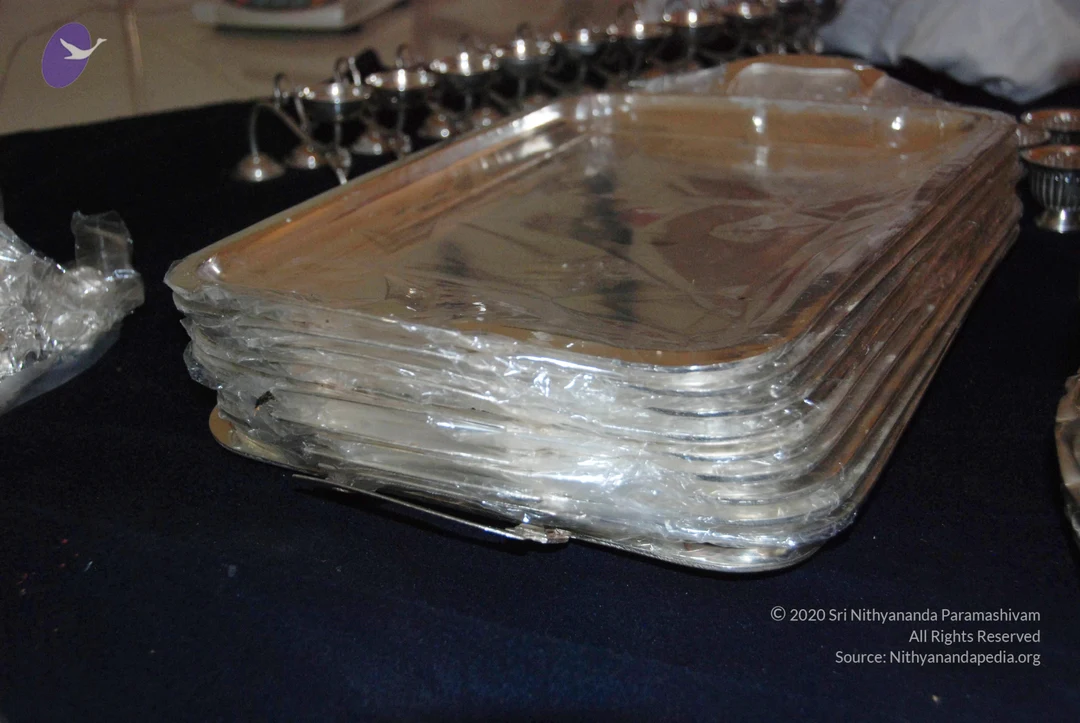
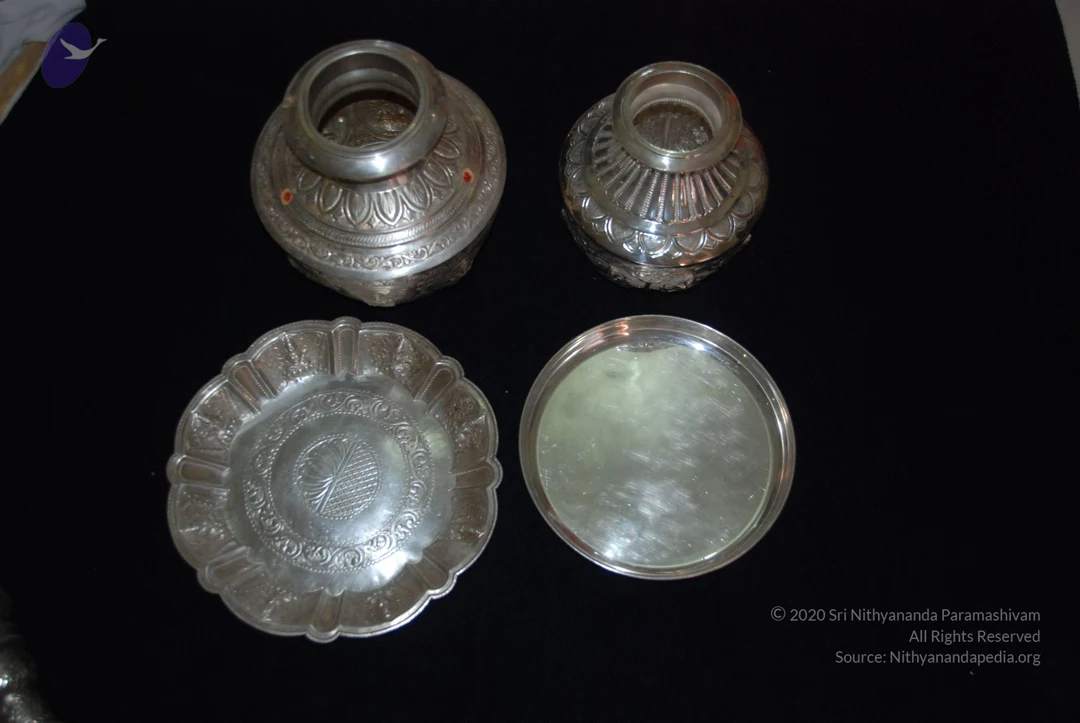
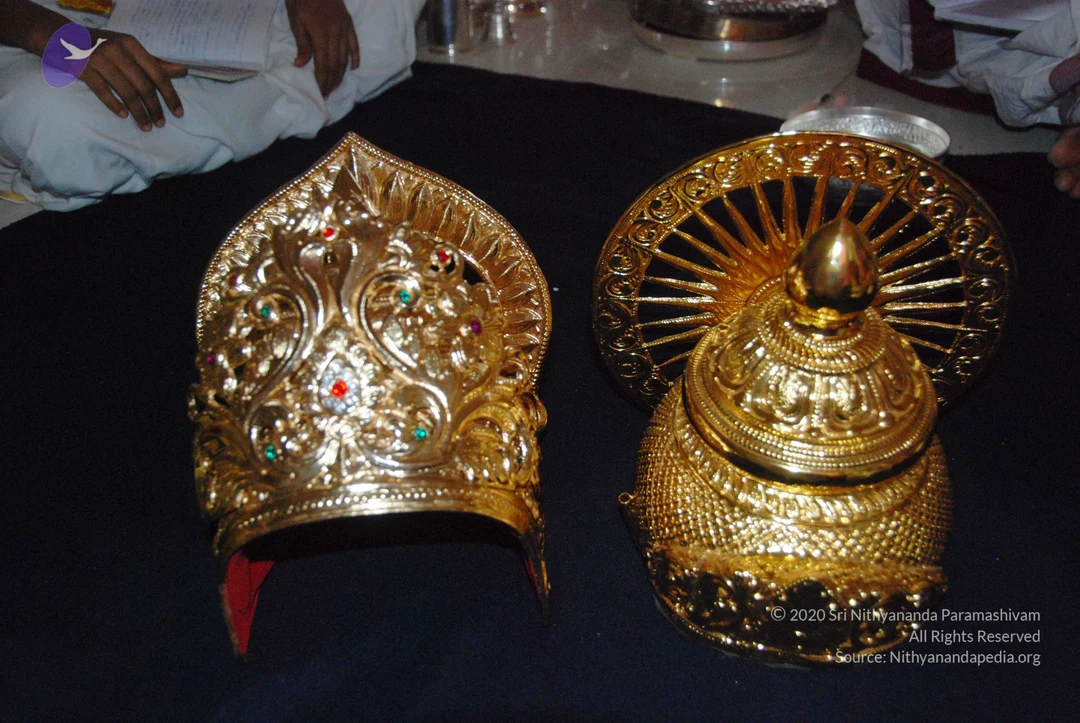
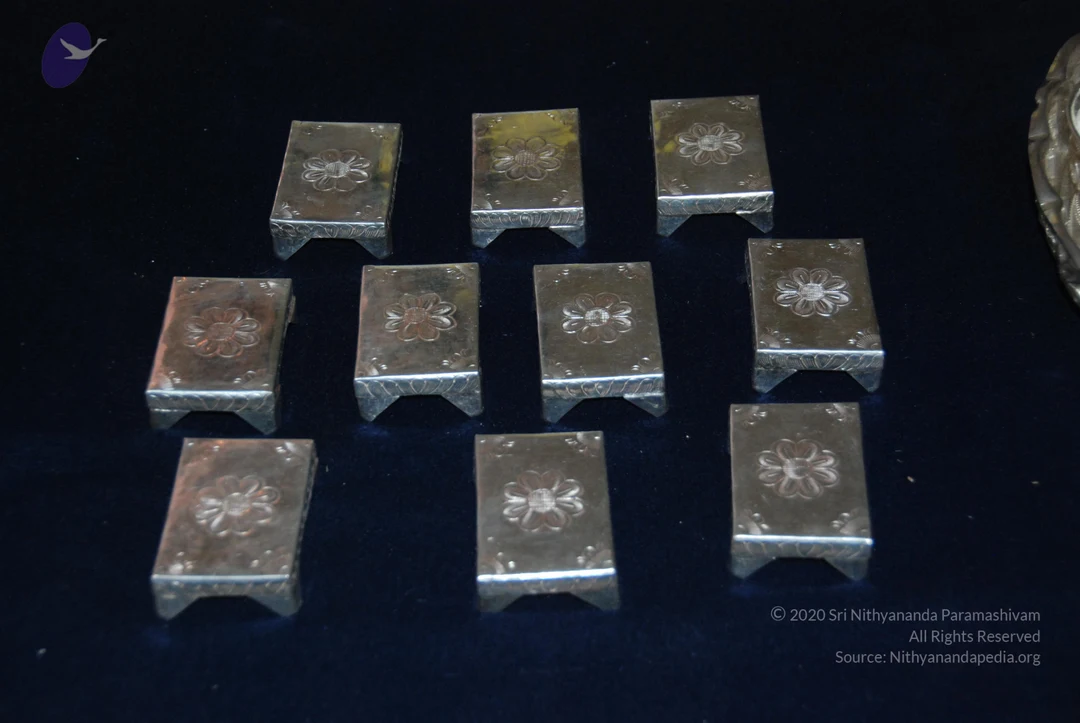
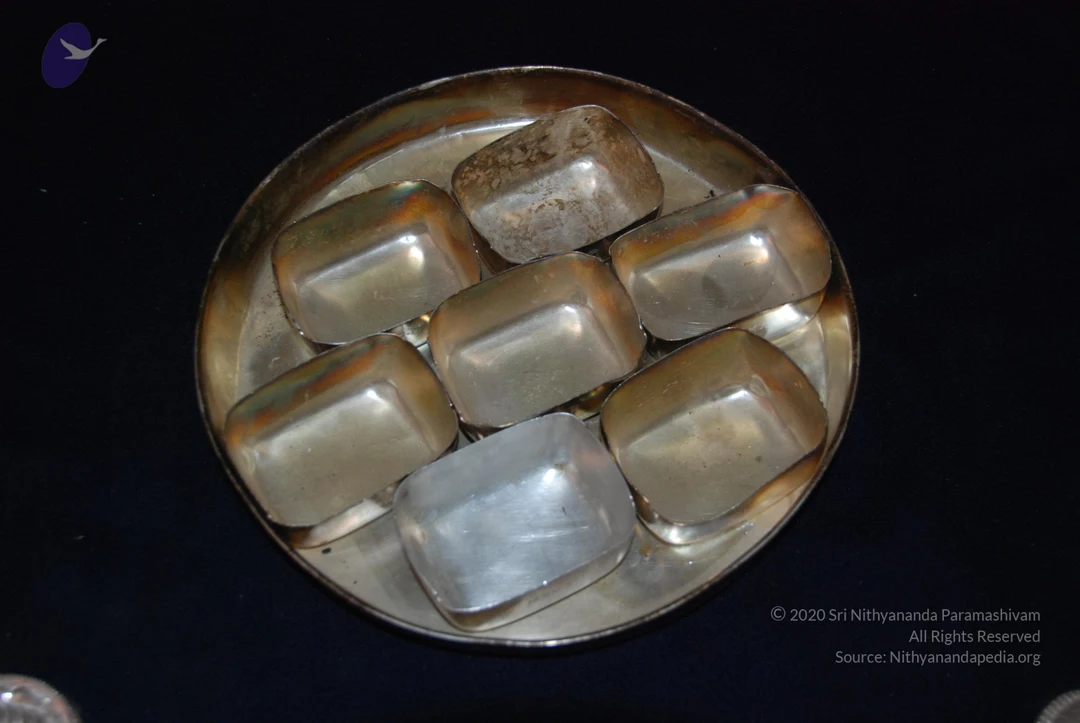
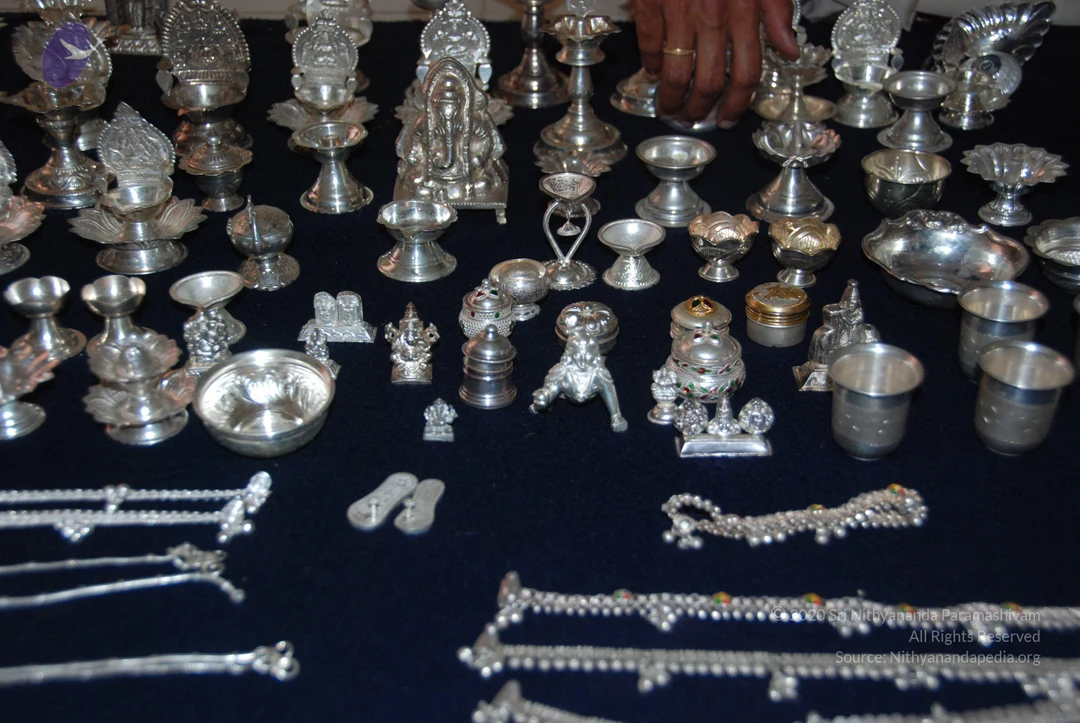
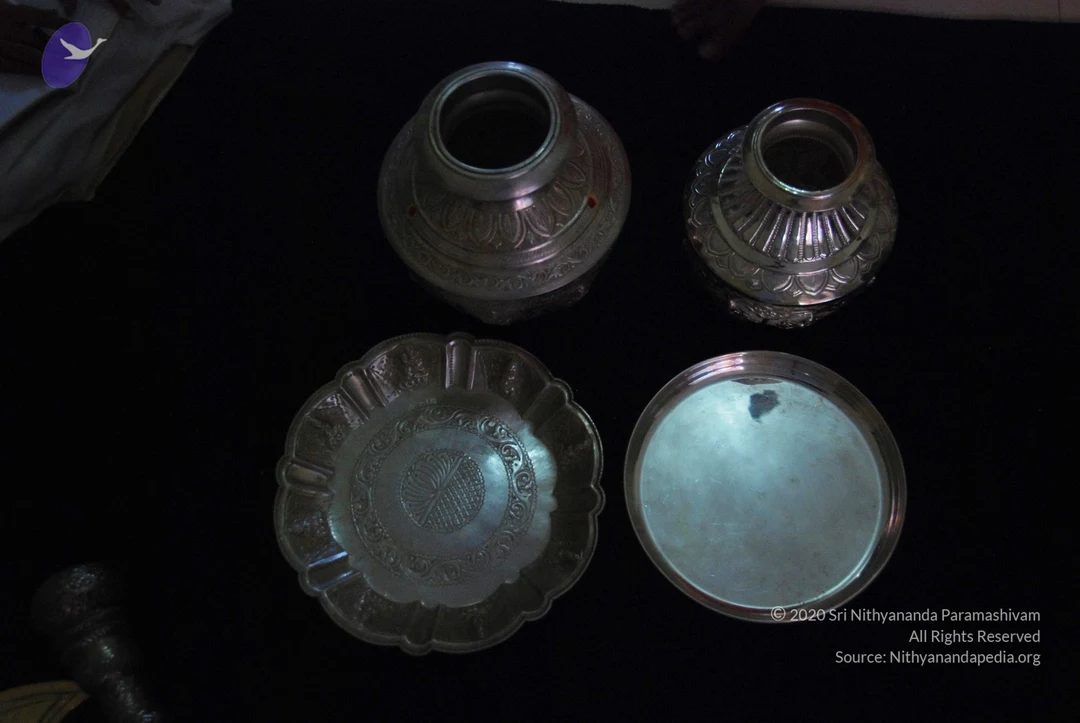
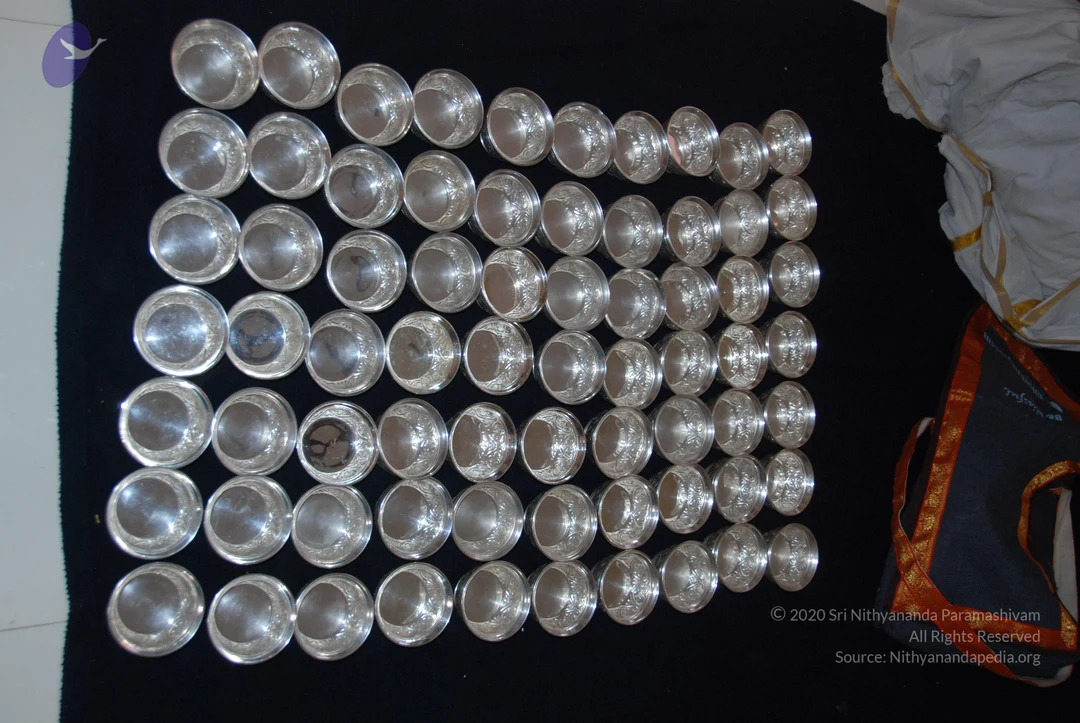
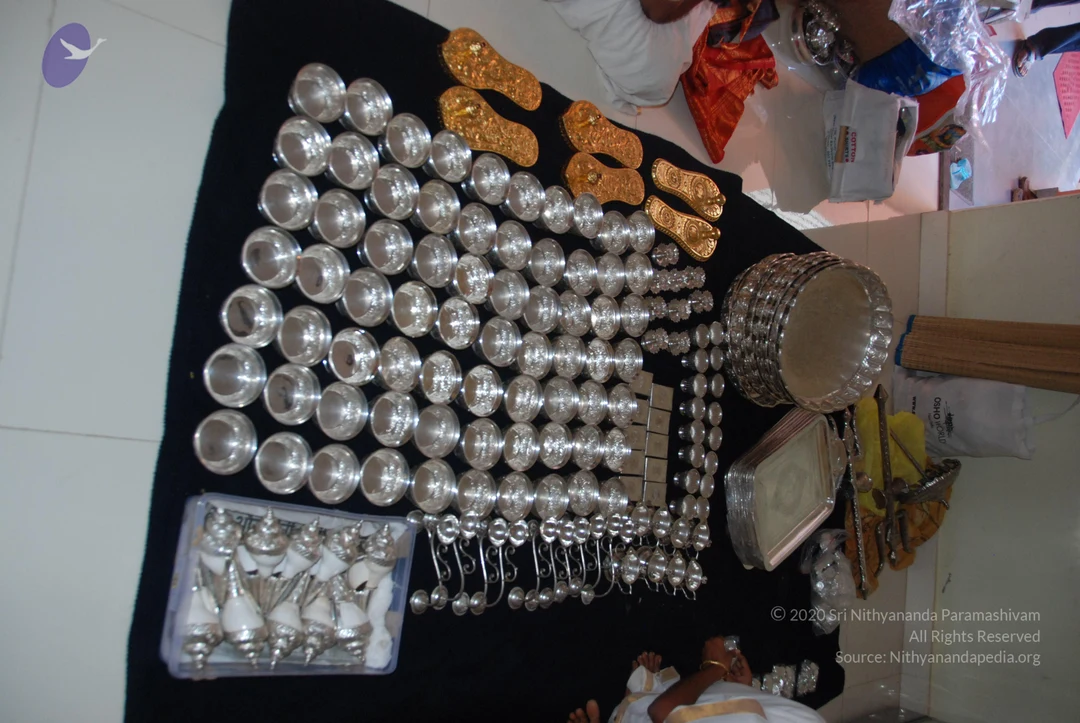
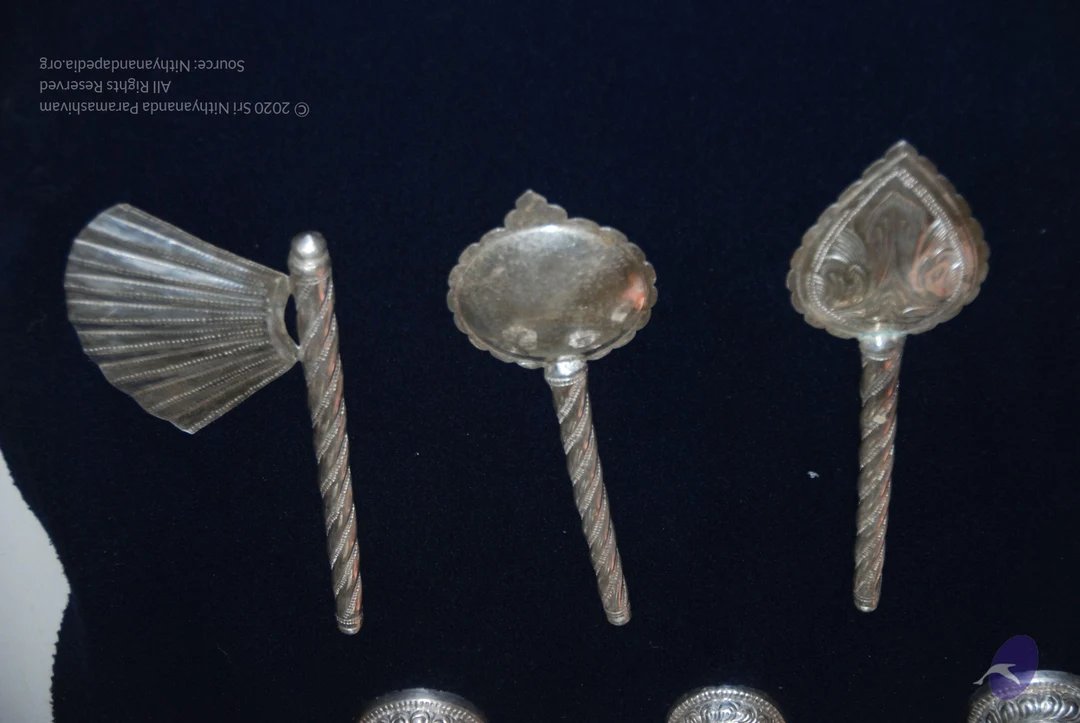
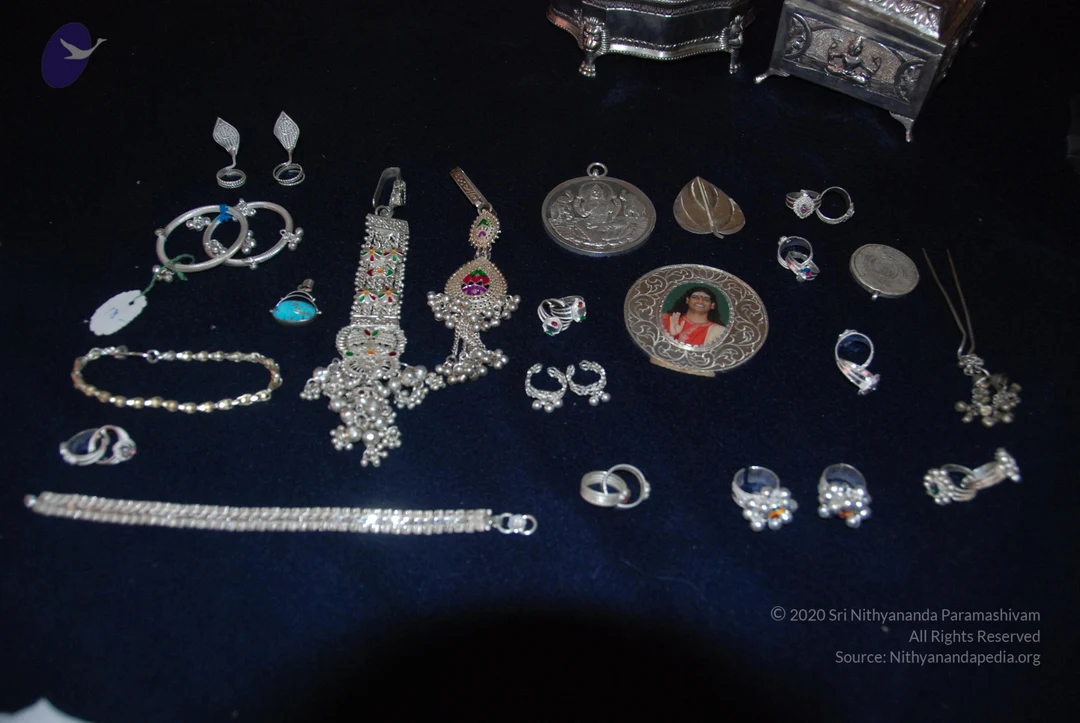
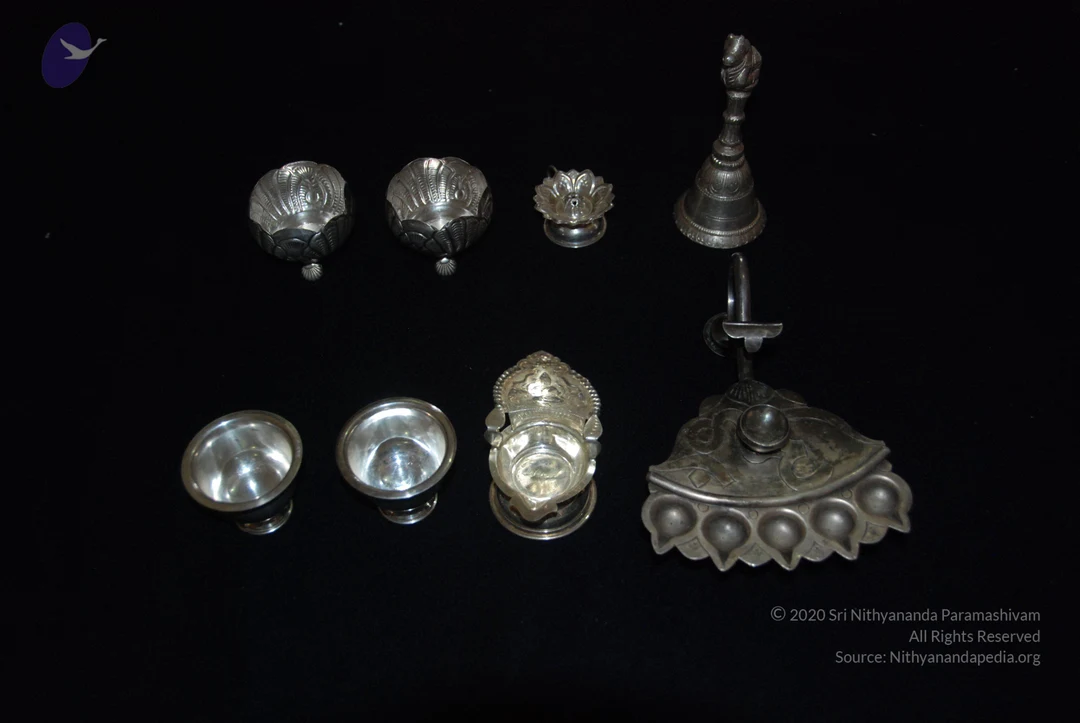
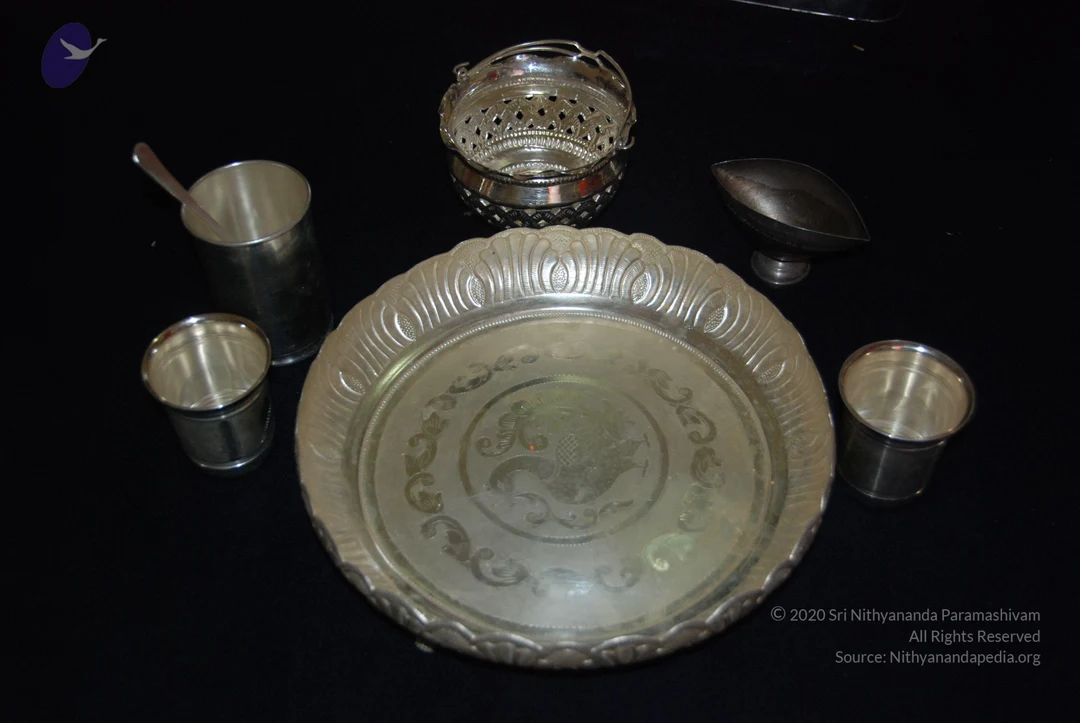
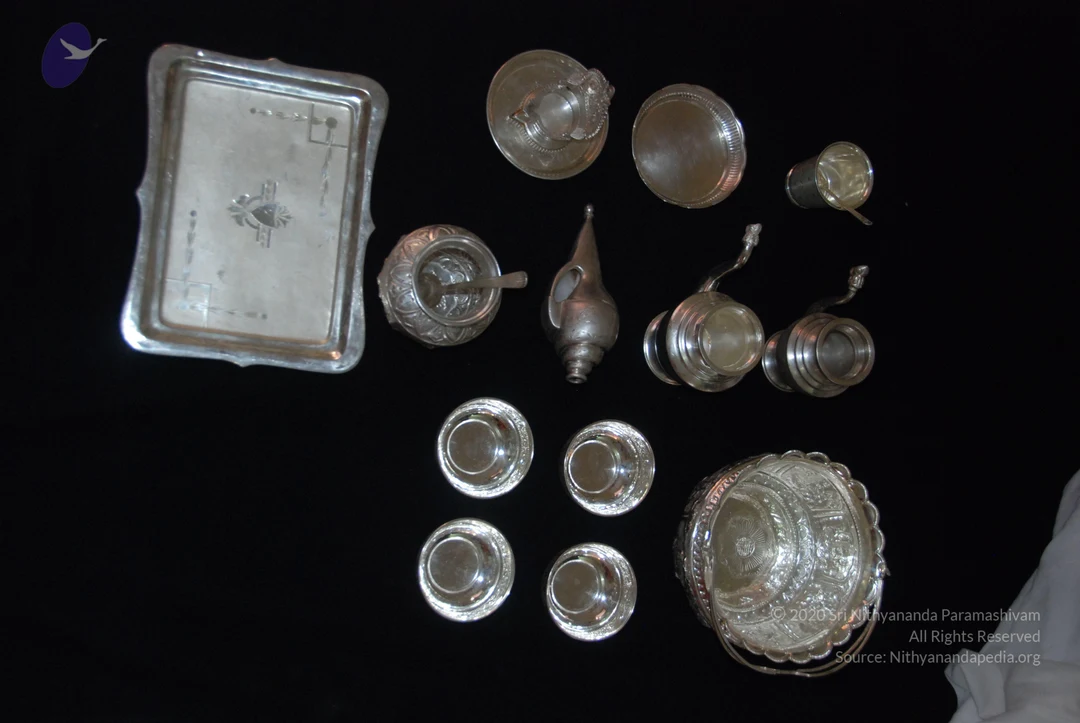
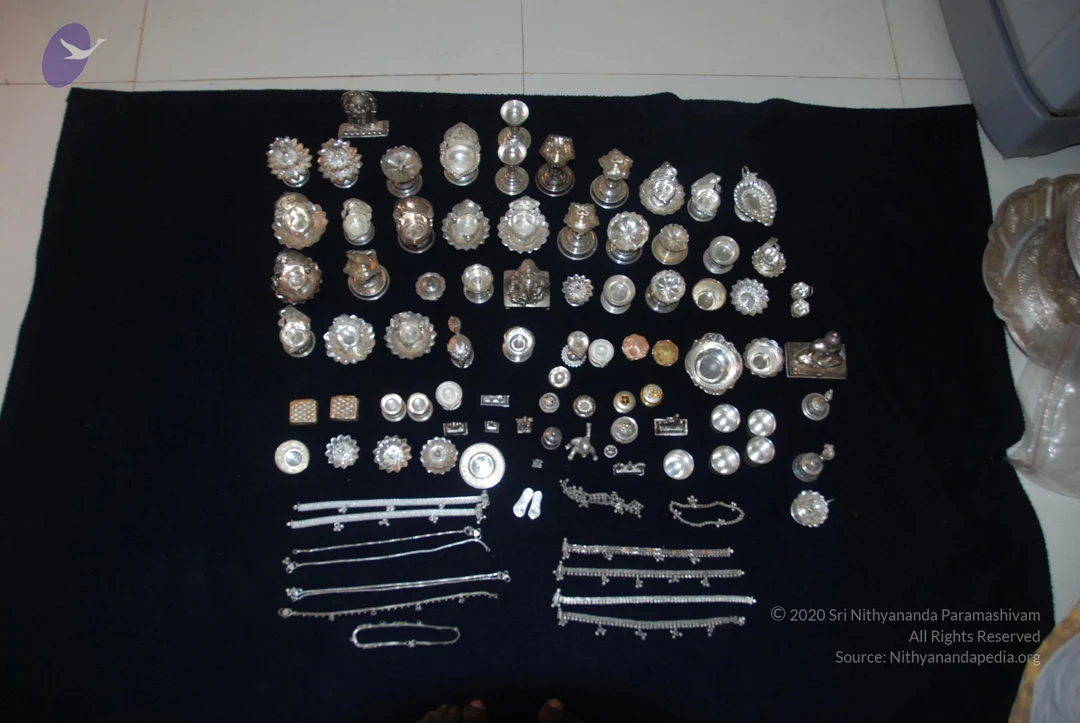
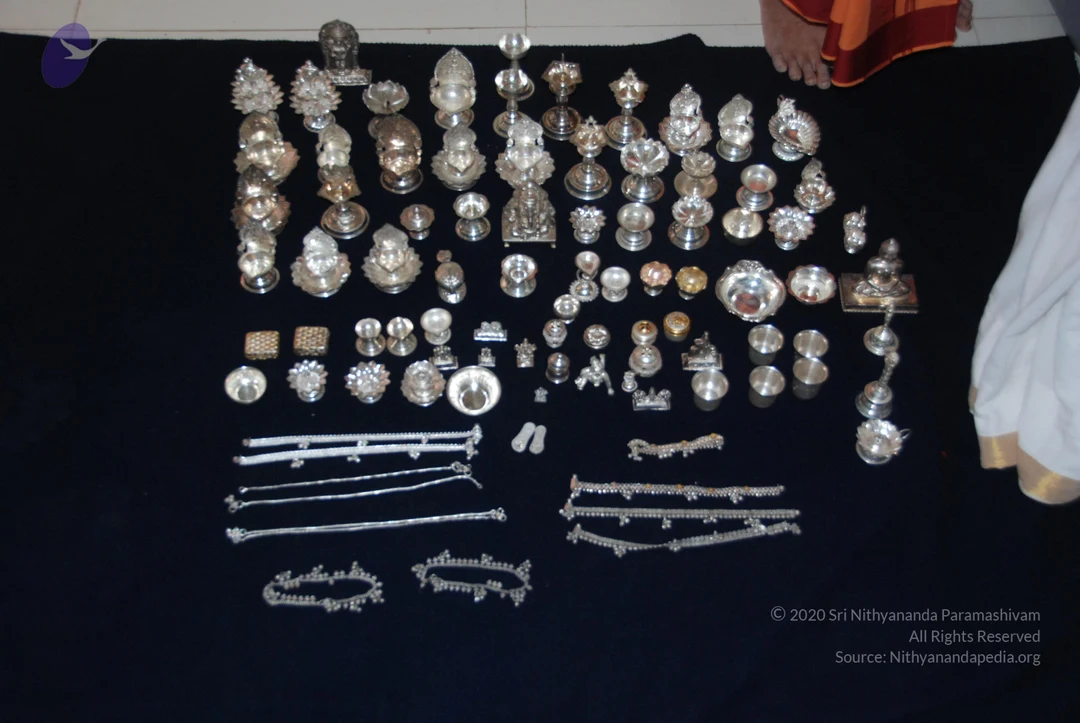
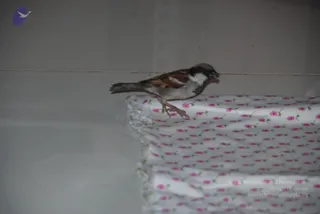
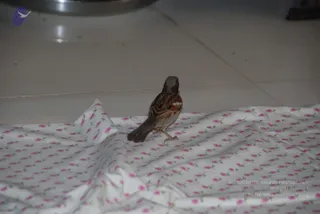
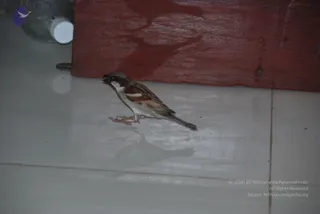
05-Bird
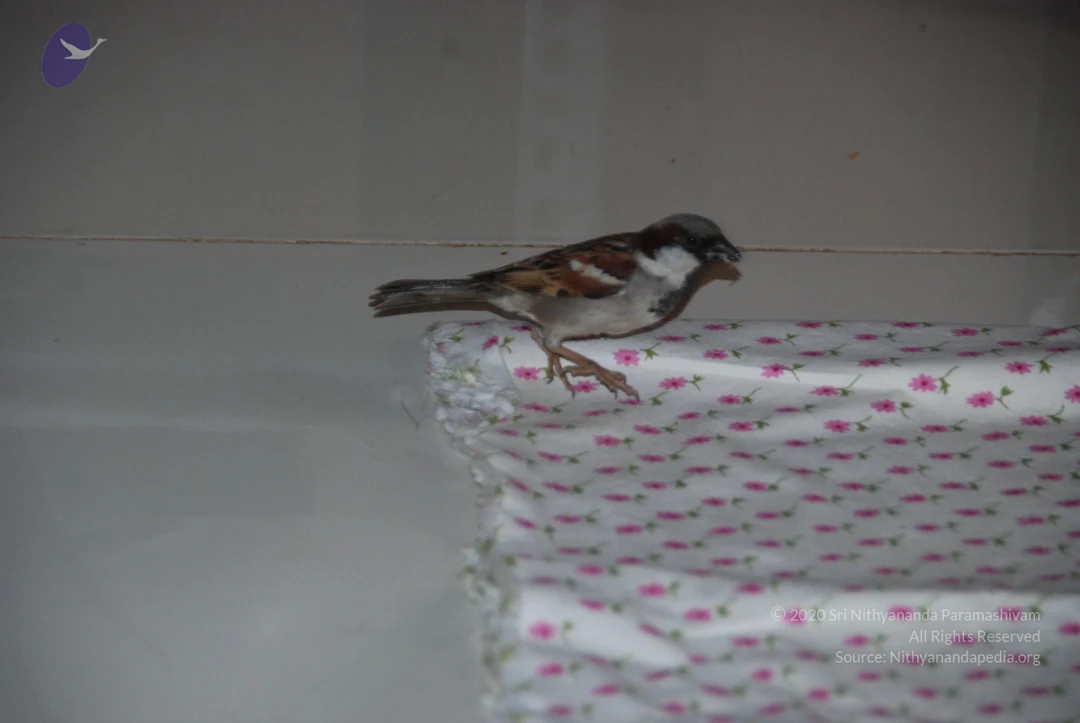
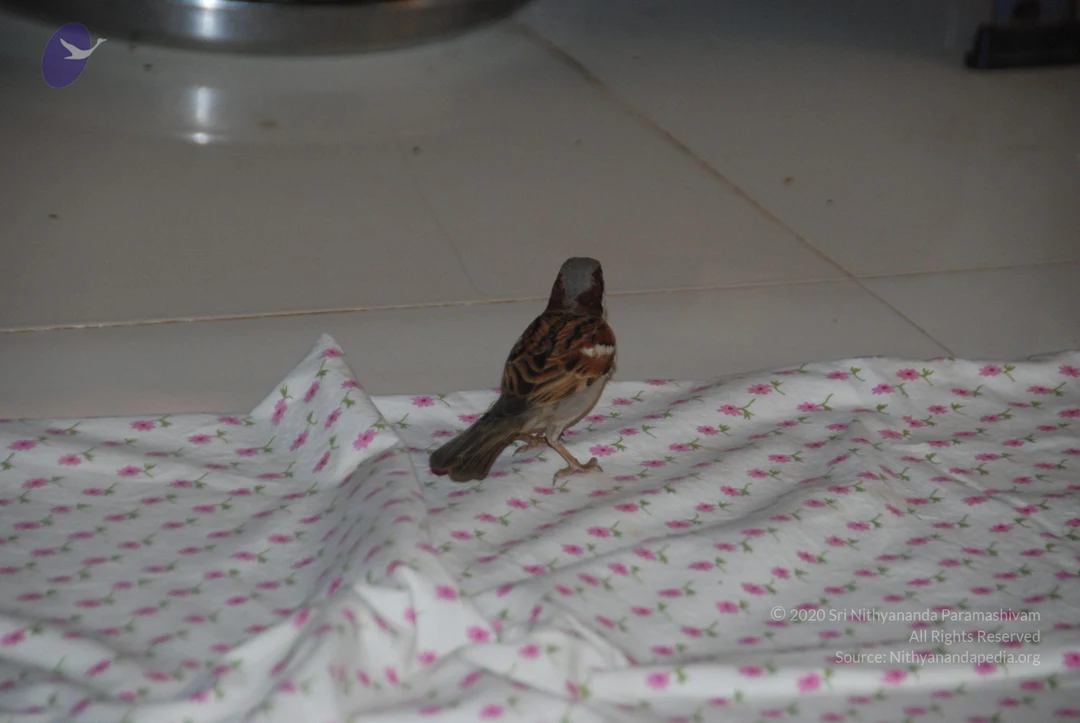
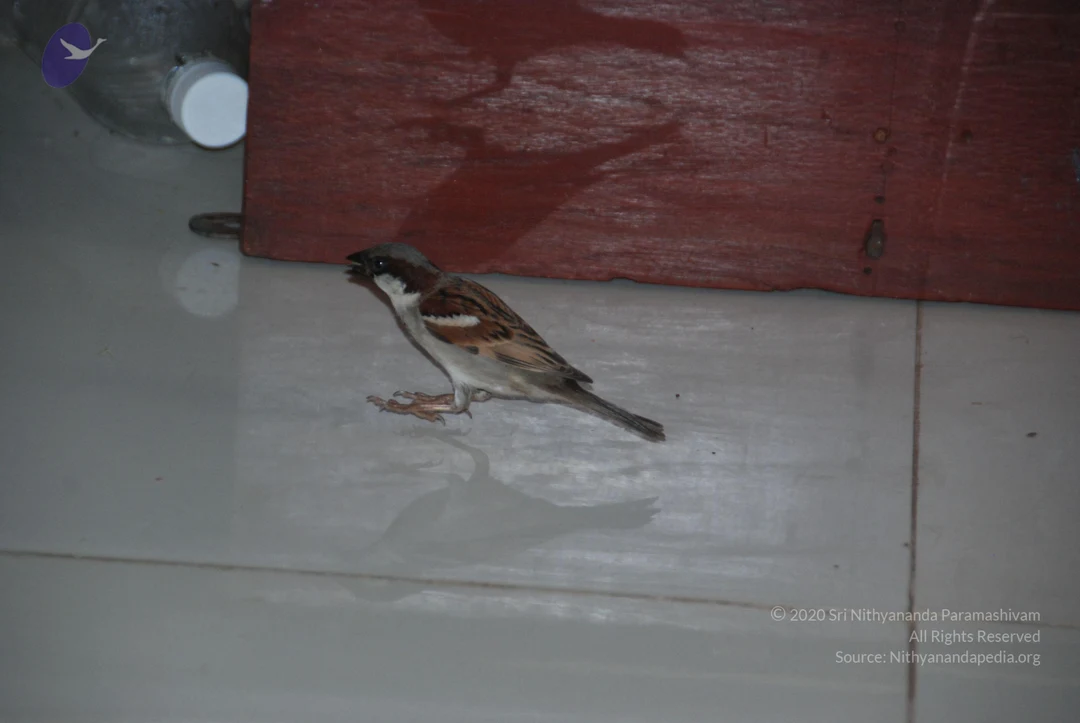
Photos from this day
View all 212 photos01-Pada-Puja
64 photosSource gallery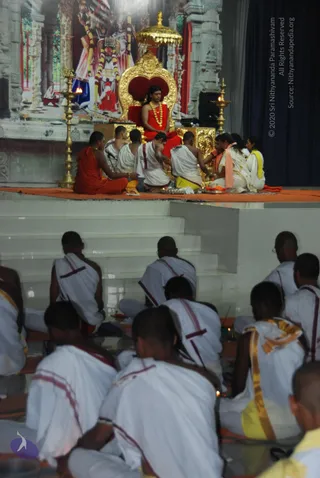
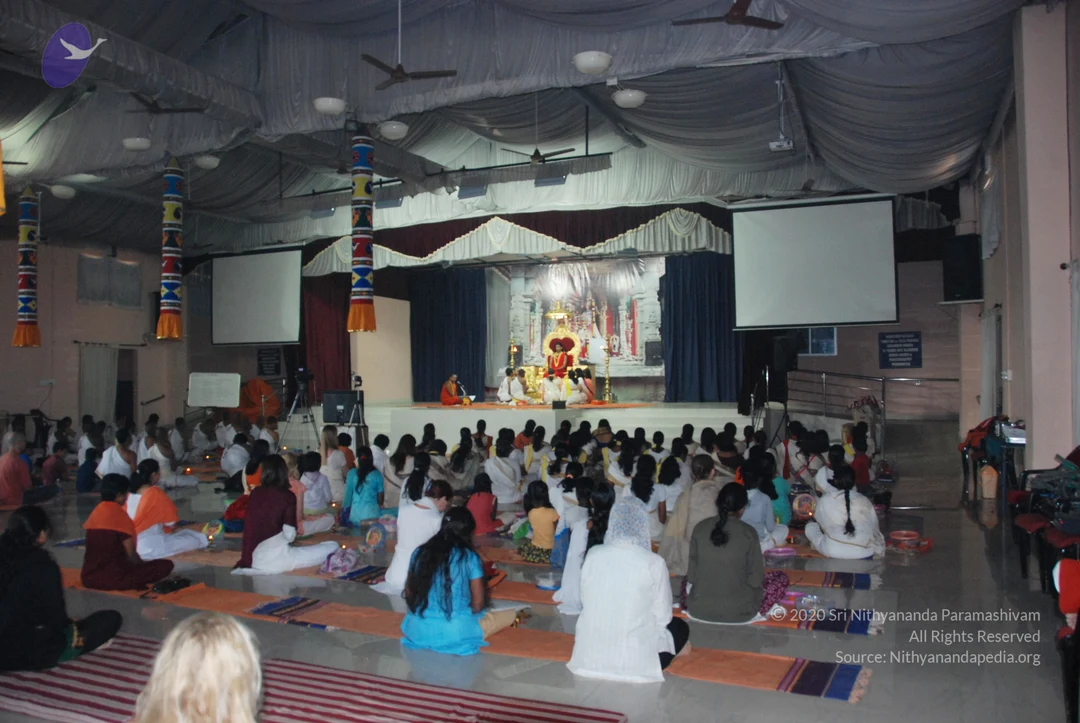
02-Morning-Satsang
15 photosSource gallery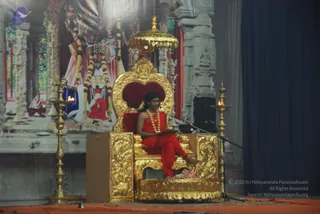
03-Sarva-Darshan
15 photosSource gallery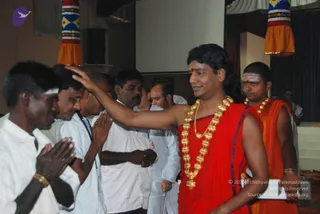
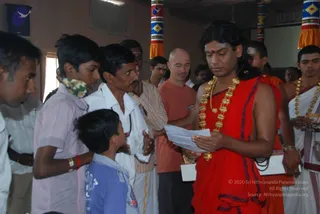
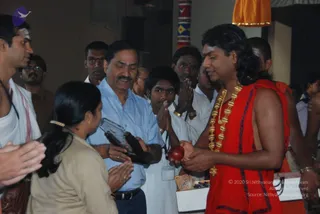
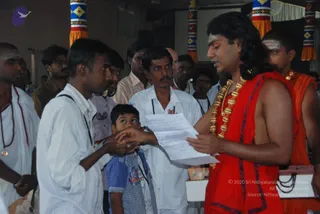
04-Silver-Vessels
115 photosSource gallery
05-Bird
3 photosSource gallery