17 December 2010
Ashtanga Yoga: Inner Awakening - Patanjali Yoga Sutras 85: Nithyananda Morning Satsang 17 Dec 2010
Photos of the day
342 distinct dated photos. Source gallery sets may overlap.
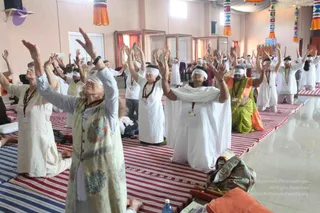
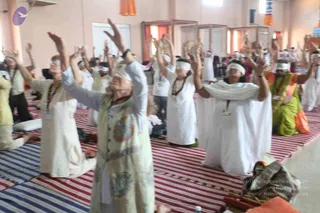
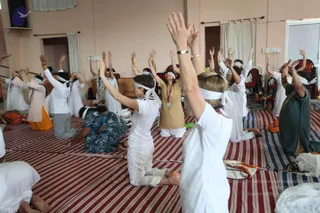
Inner-Awakening-Session
12 dated photos in previewSource gallery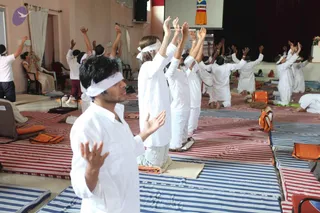
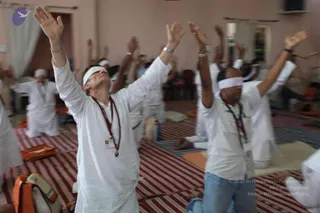
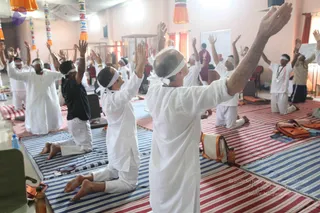
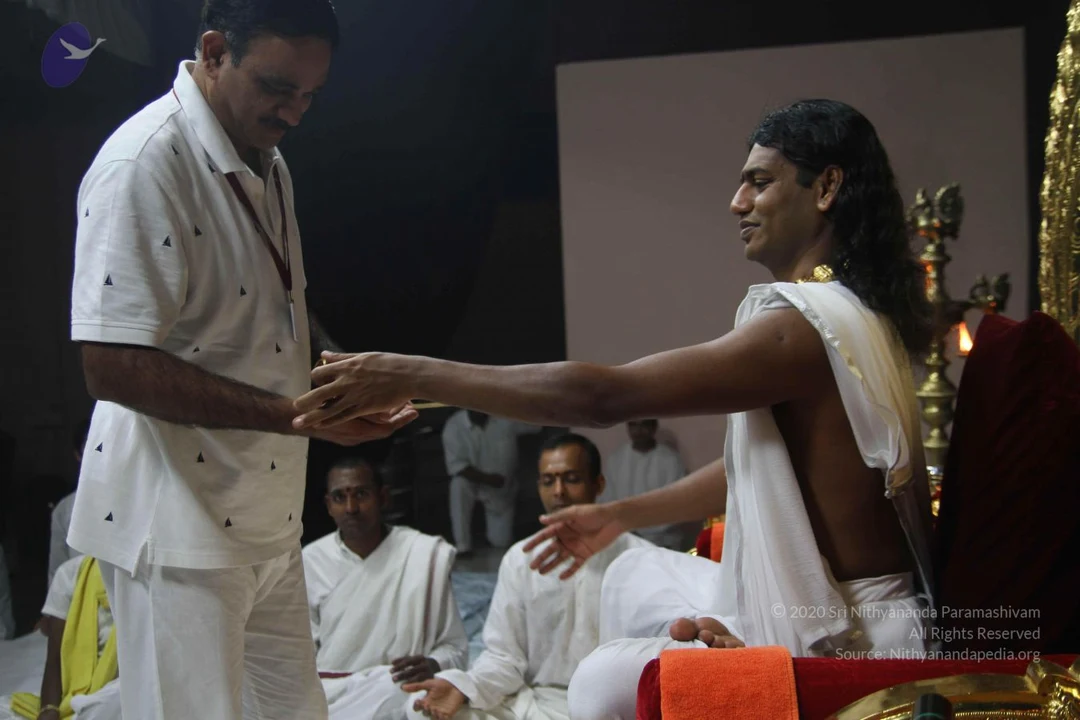
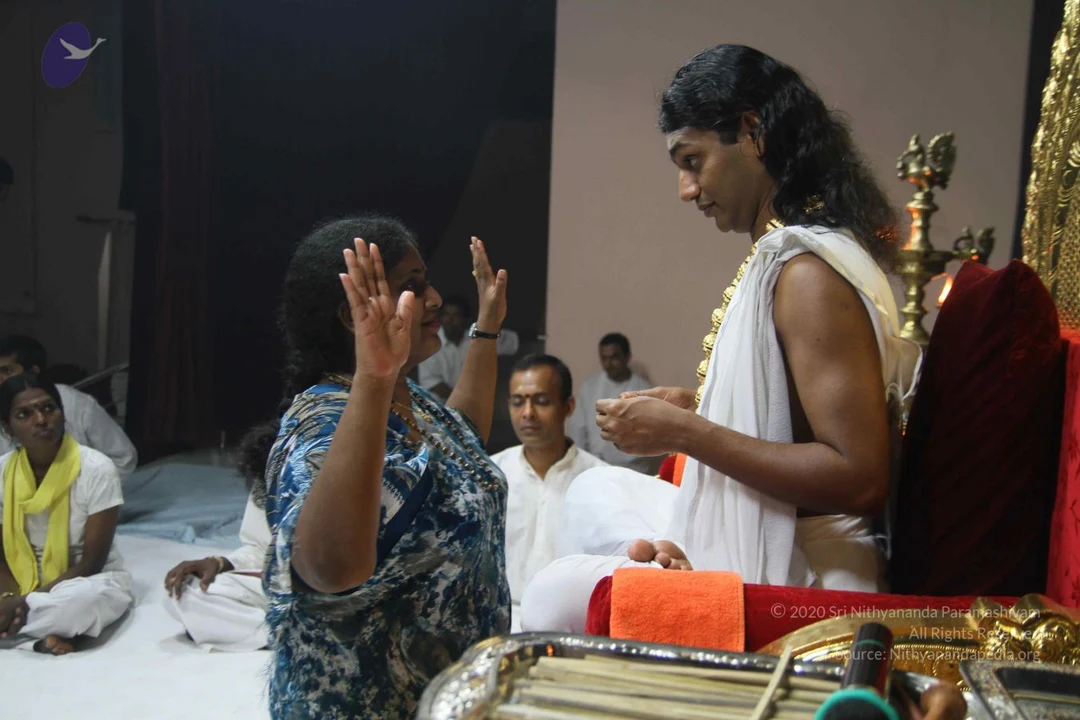
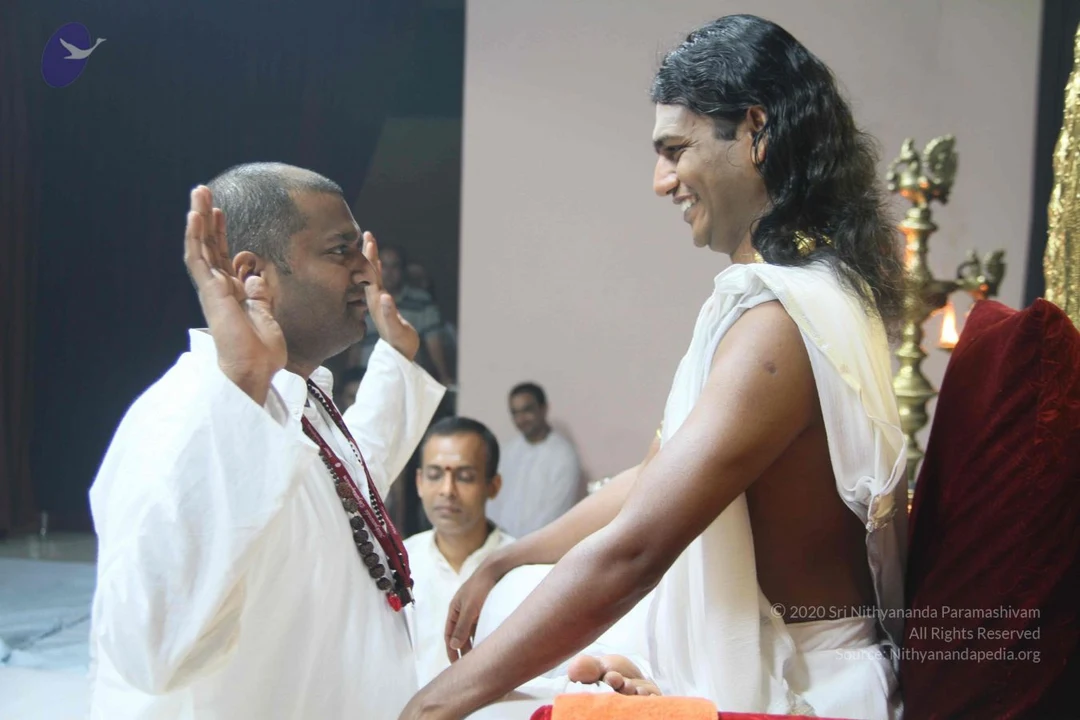
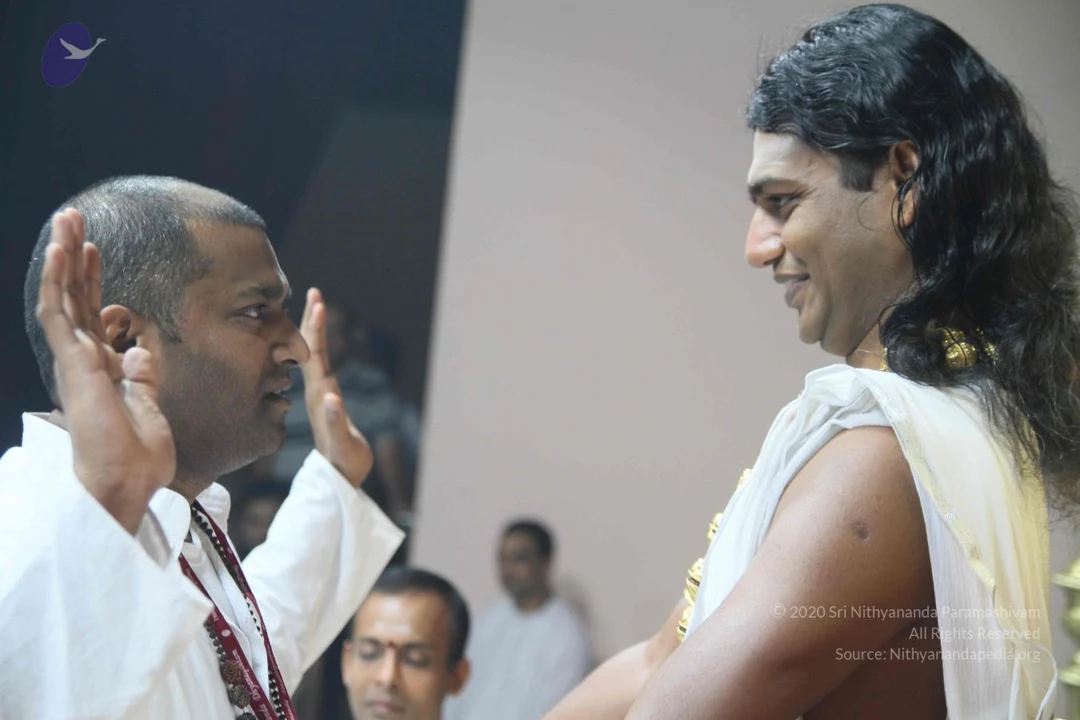
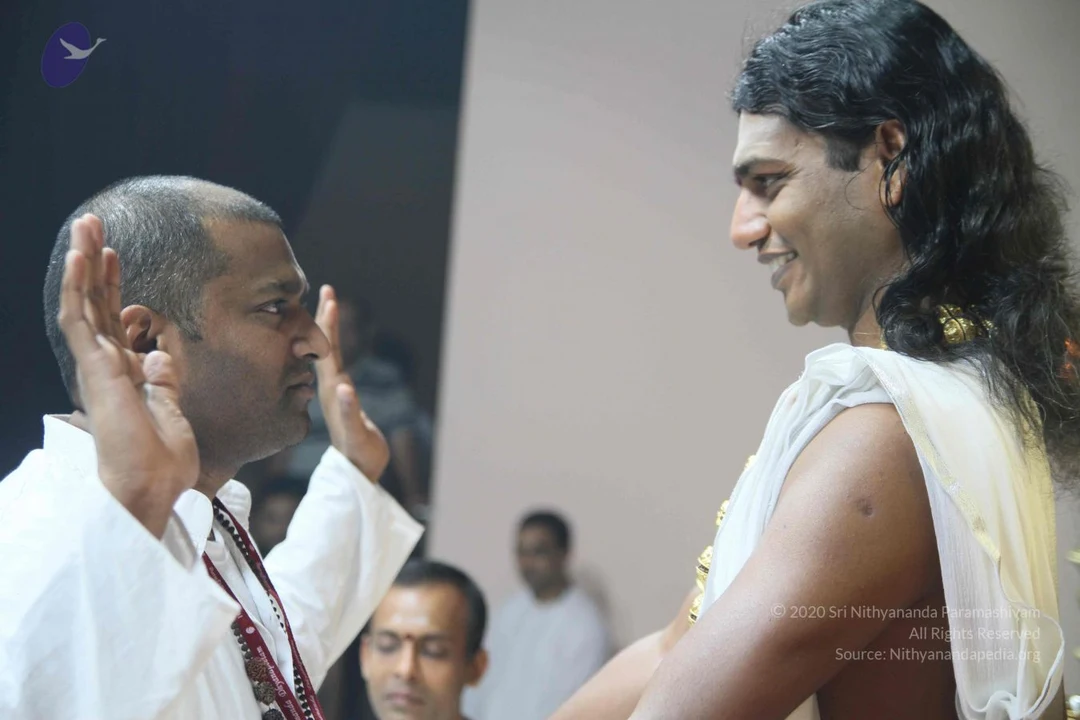
Inner-Awakening-Energy-Darshan
146 dated photos in previewSource gallery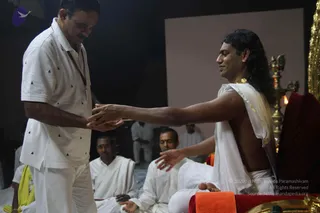
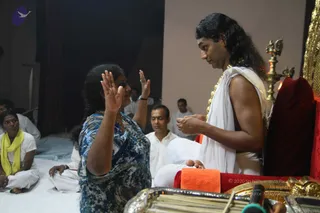
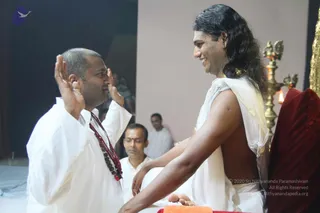
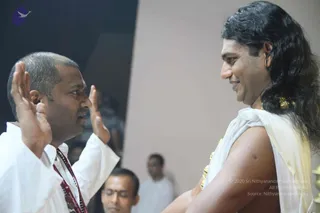
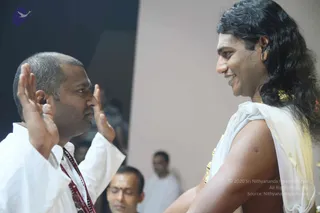
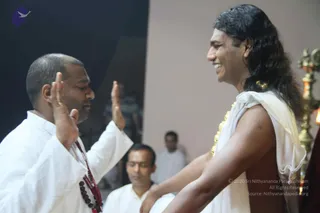
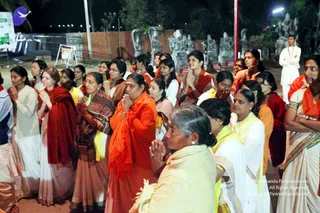
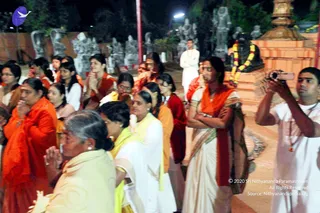
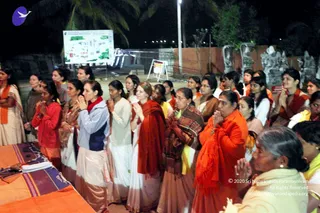
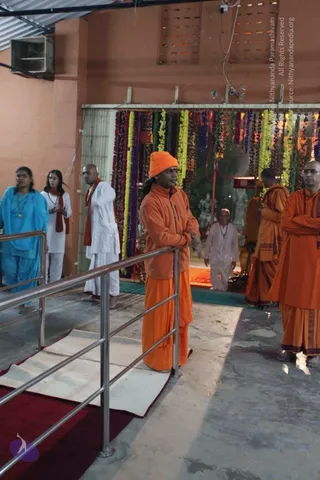
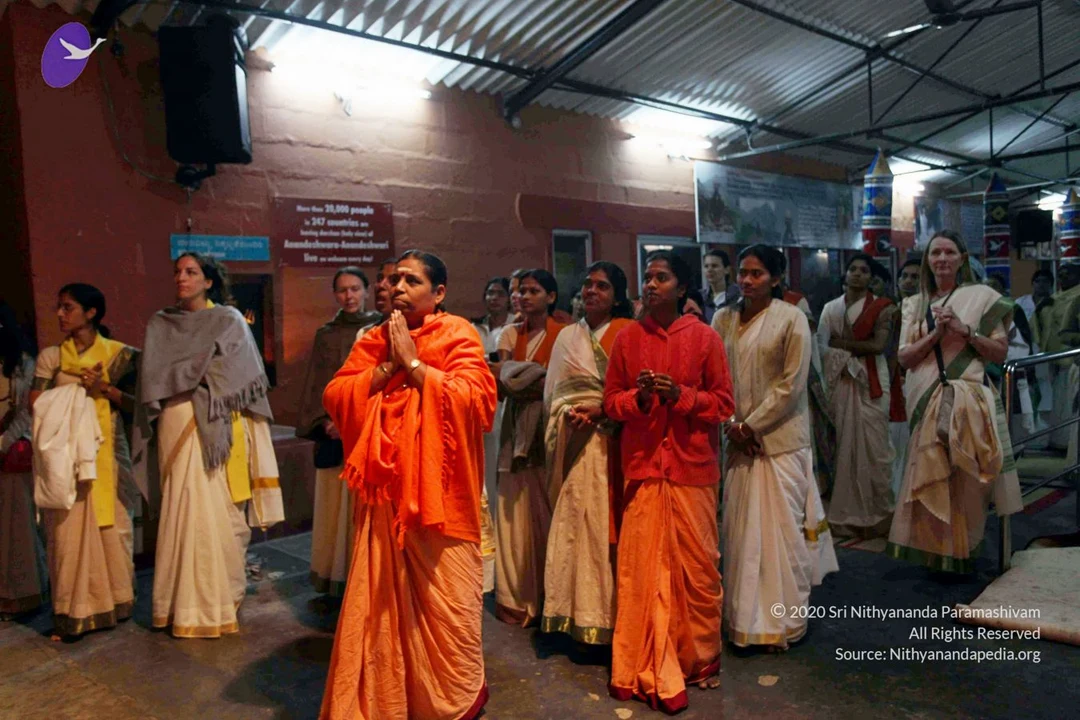
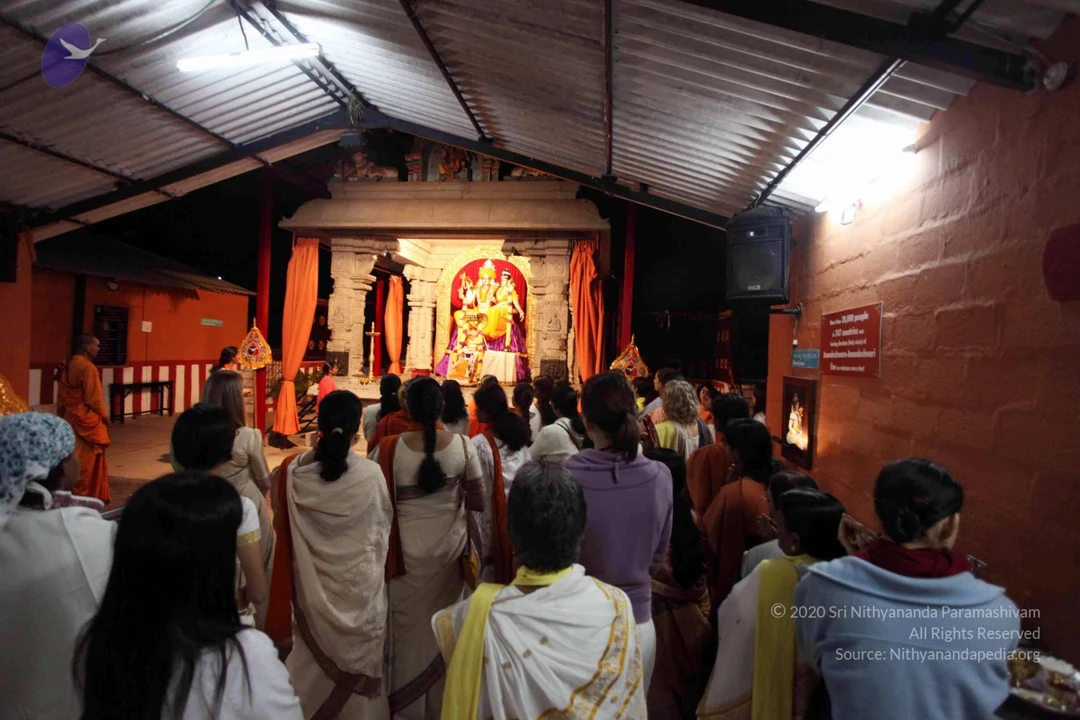
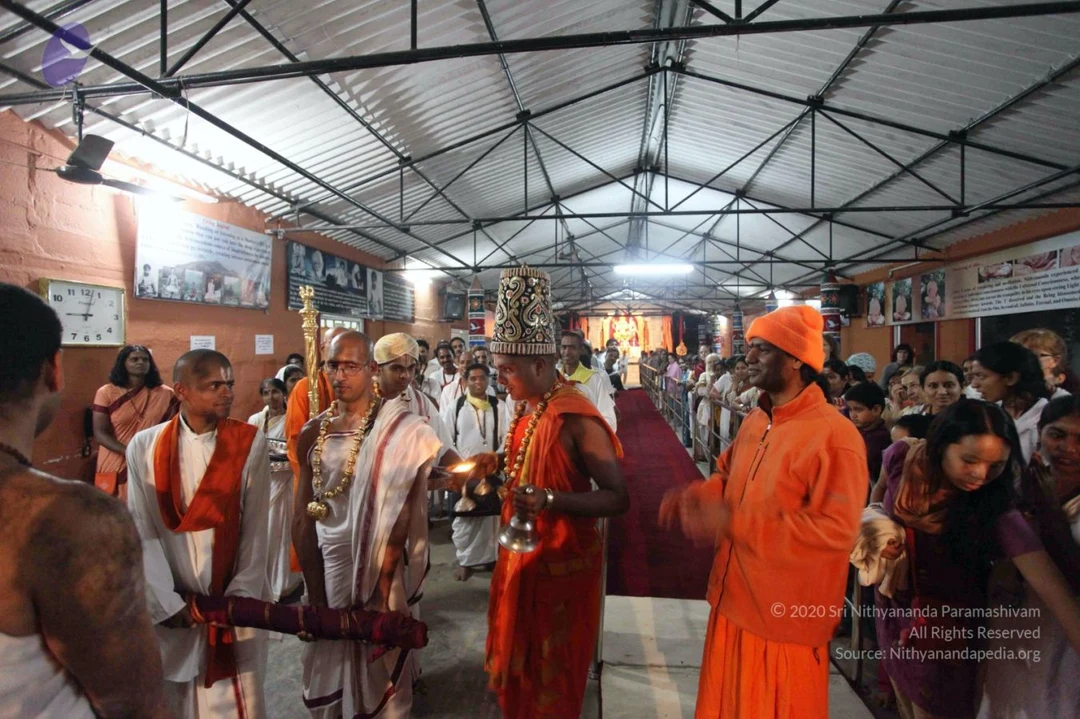
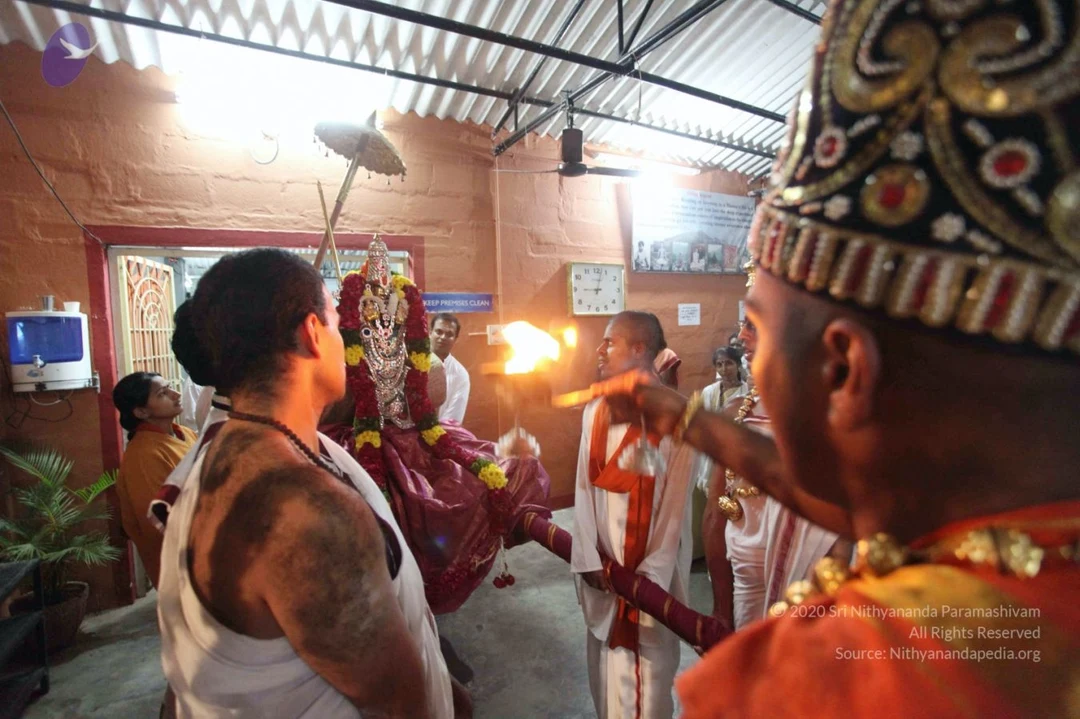
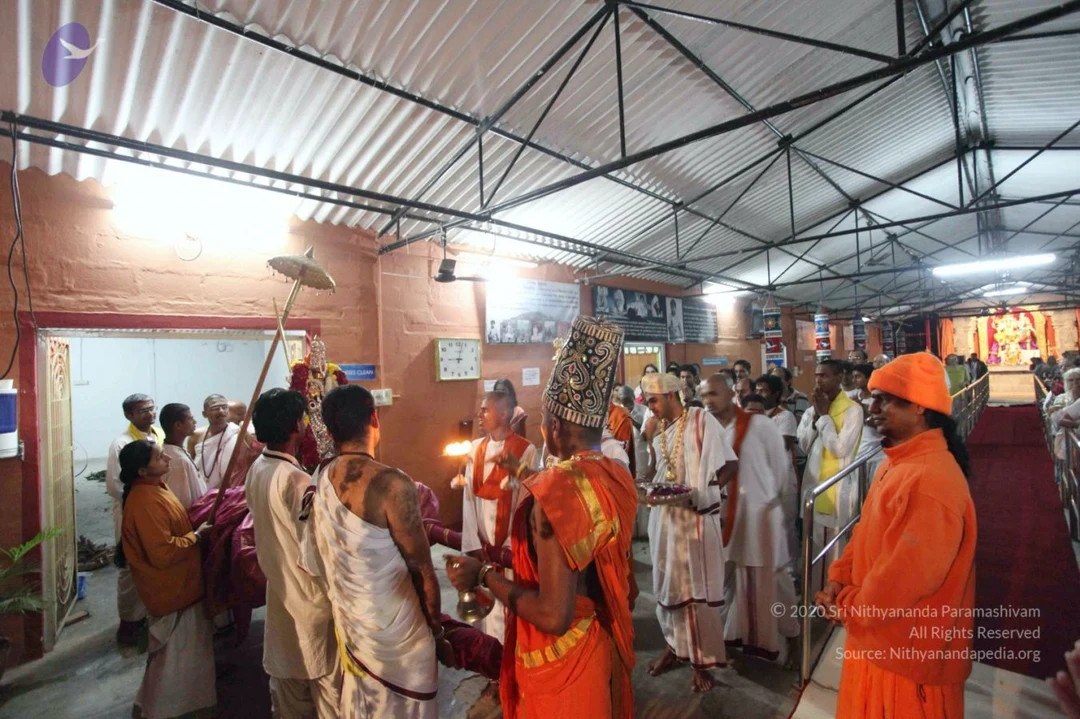
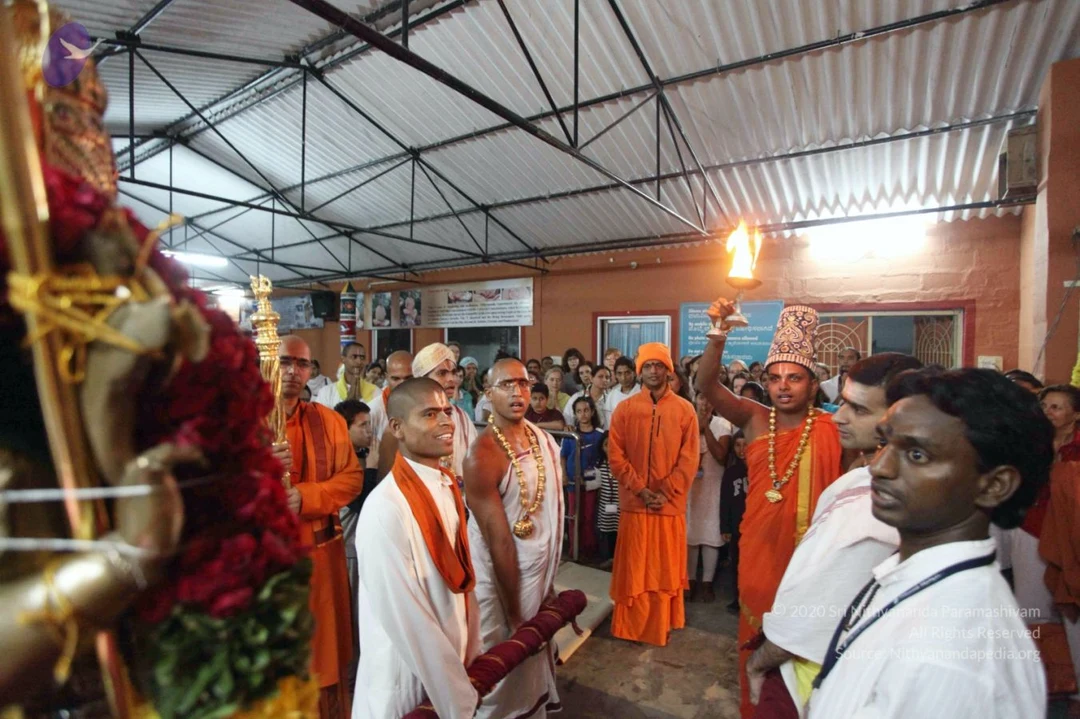
vaikunta ekadashi Celebration at adikailaasa
114 dated photos in previewSource gallery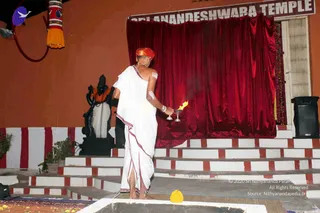
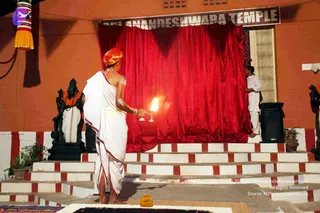
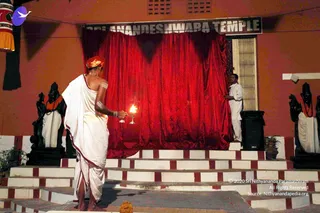
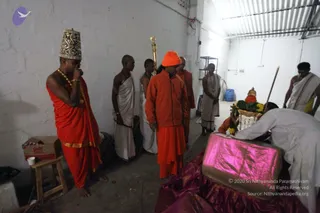
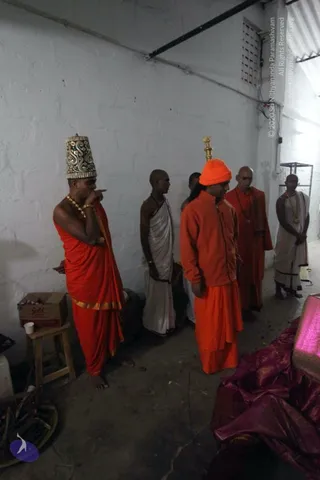
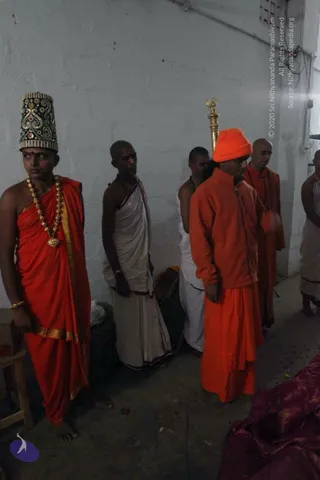
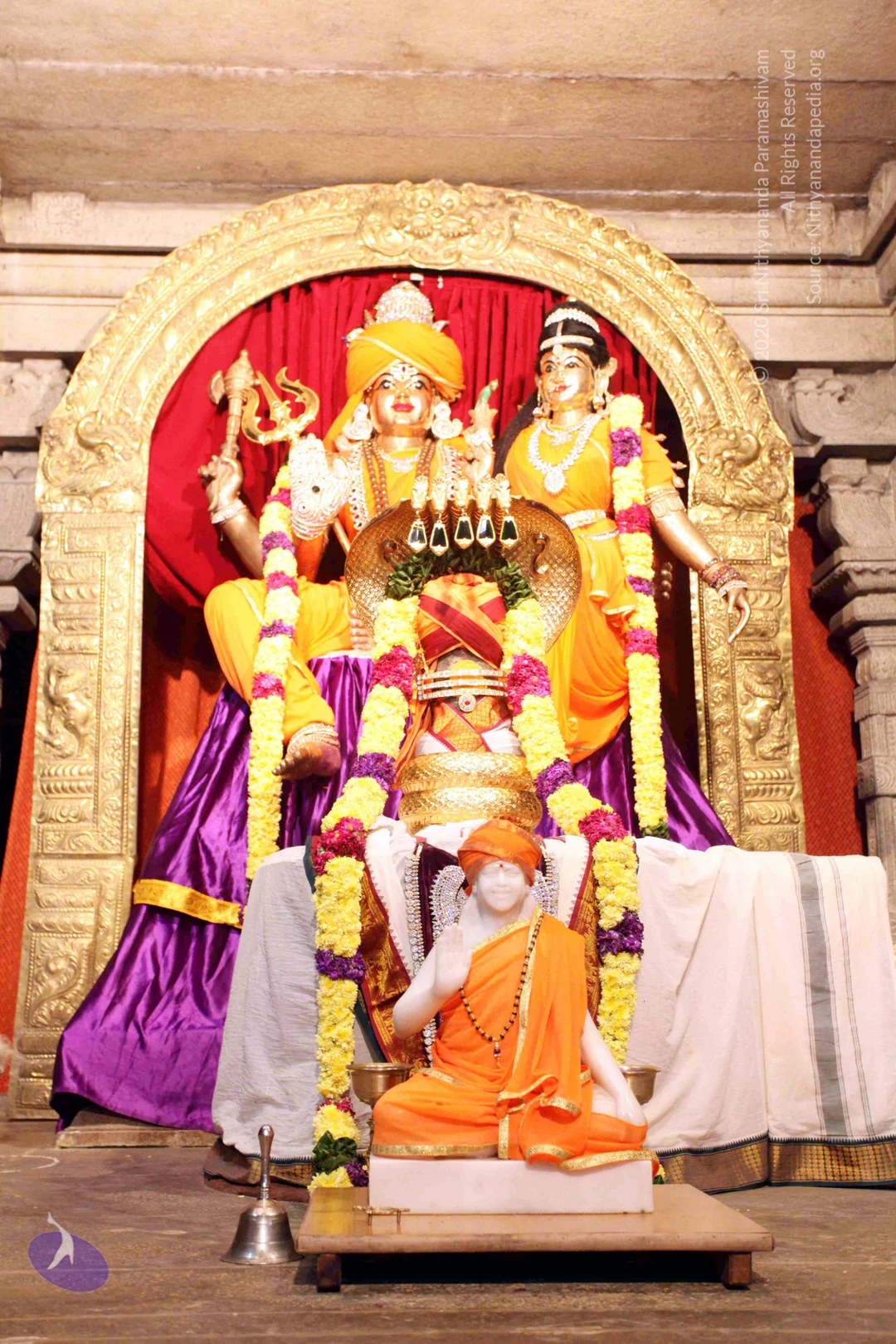
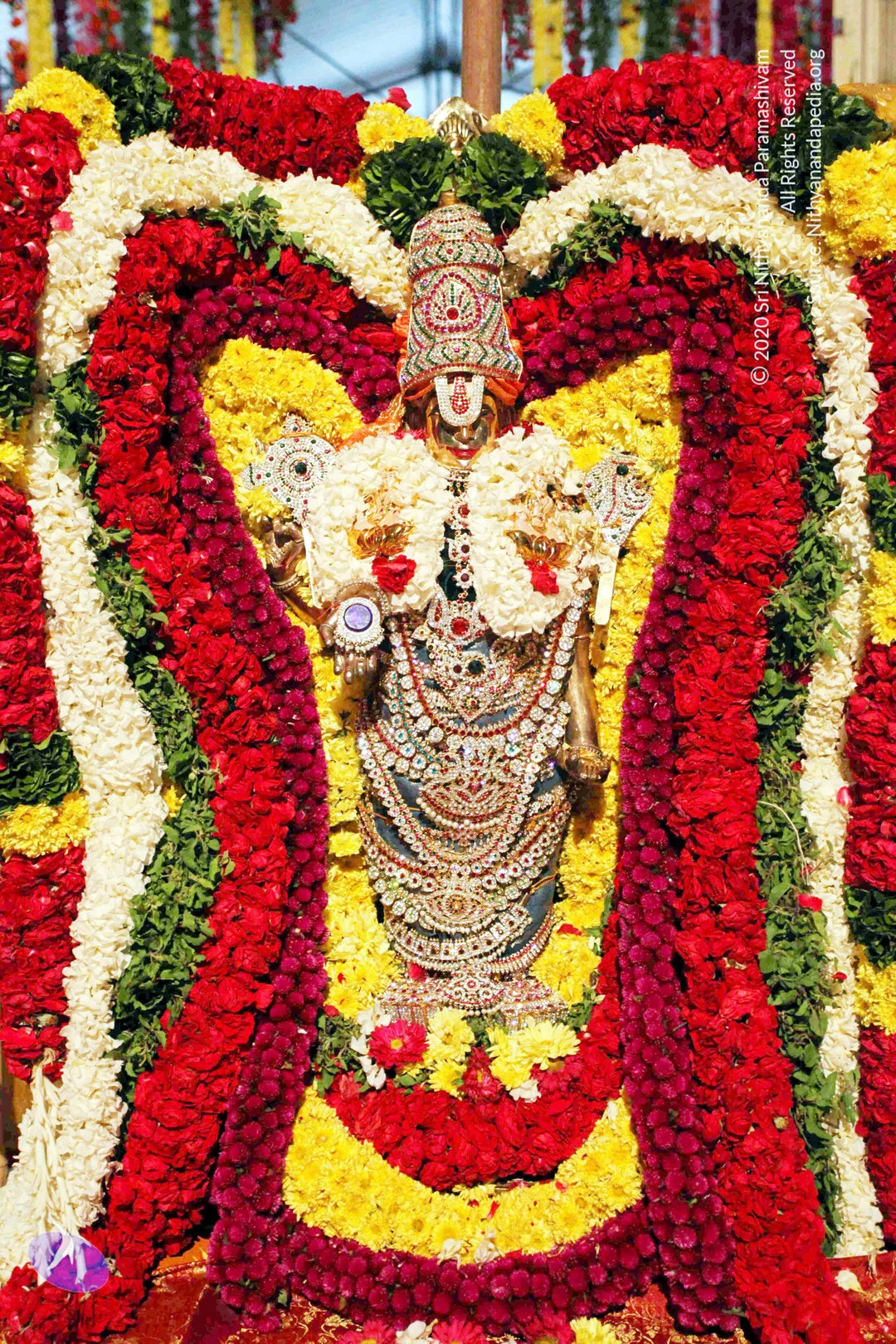
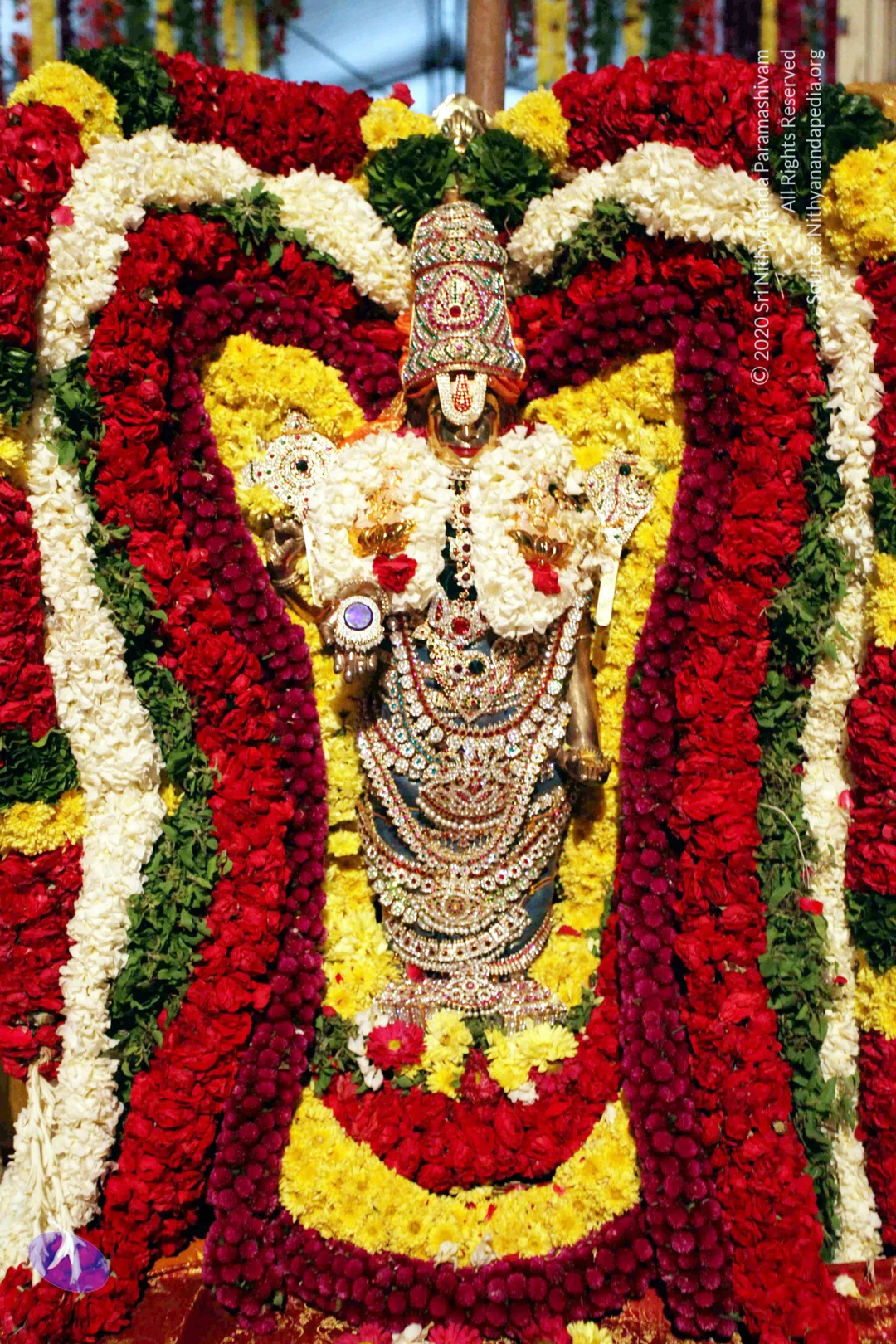
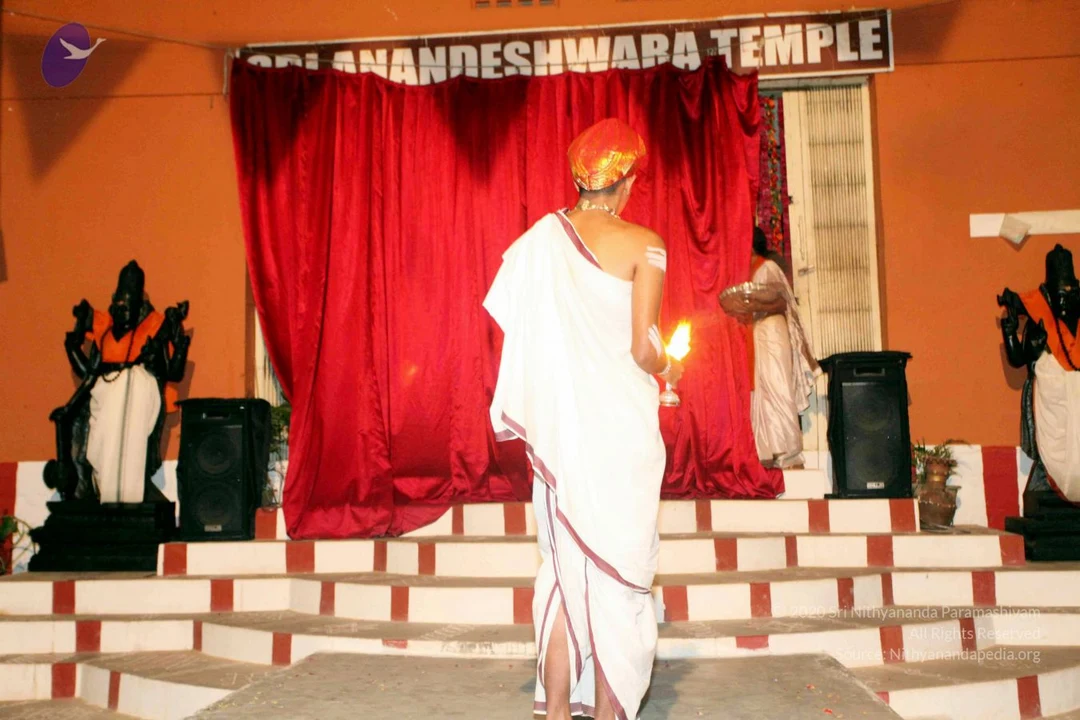
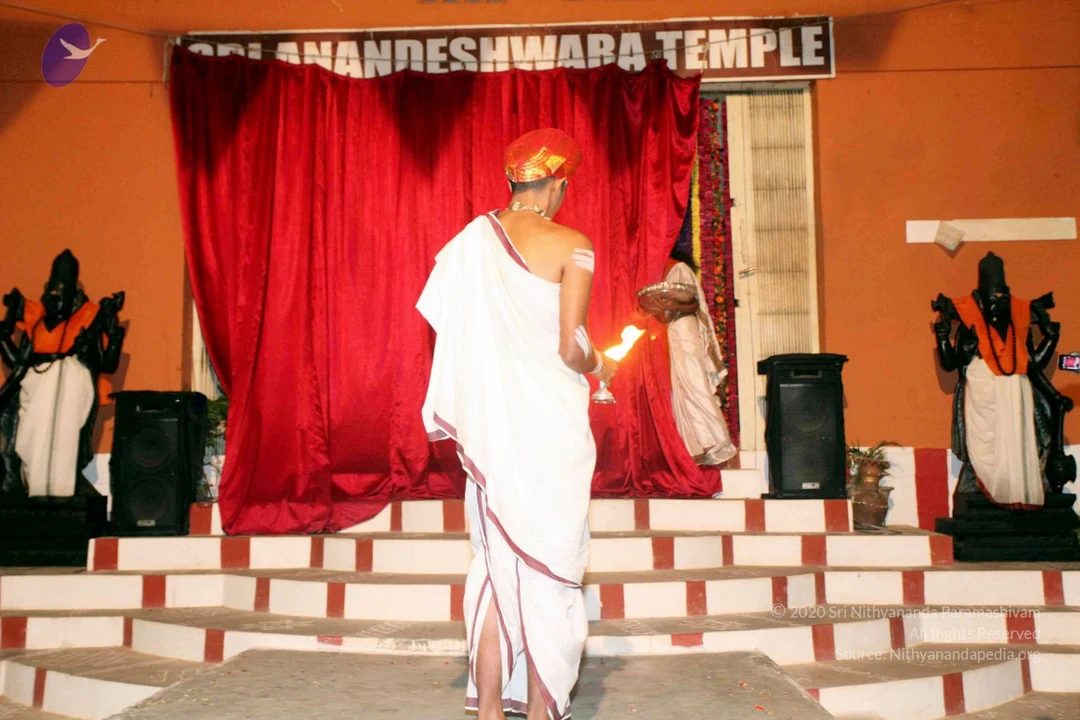
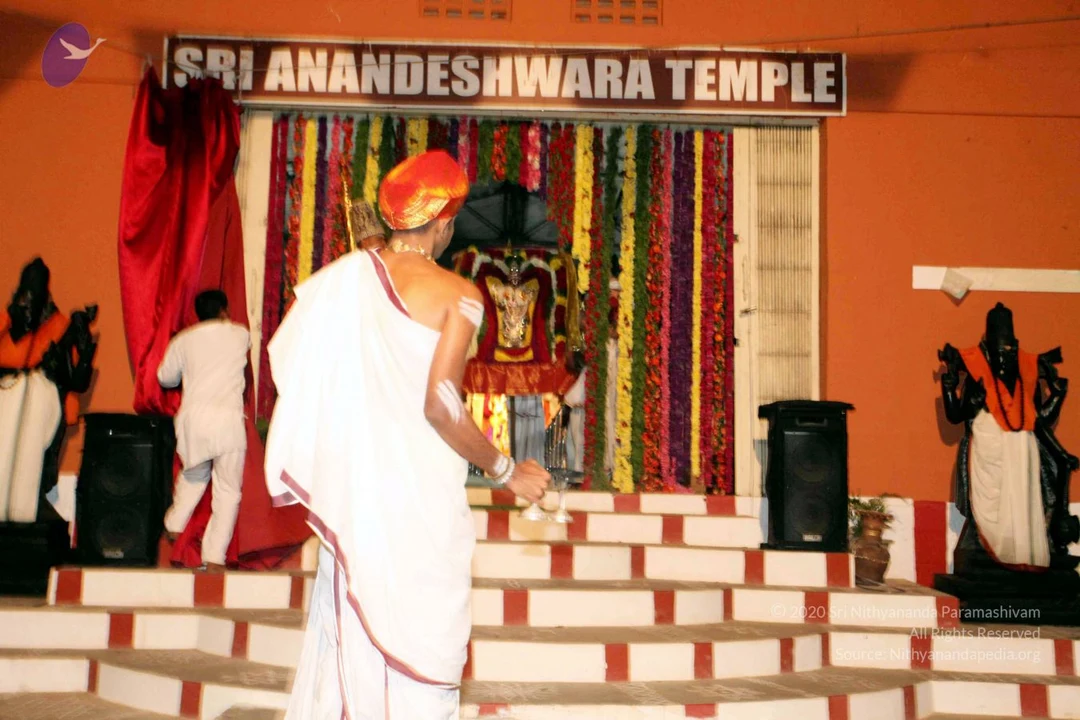
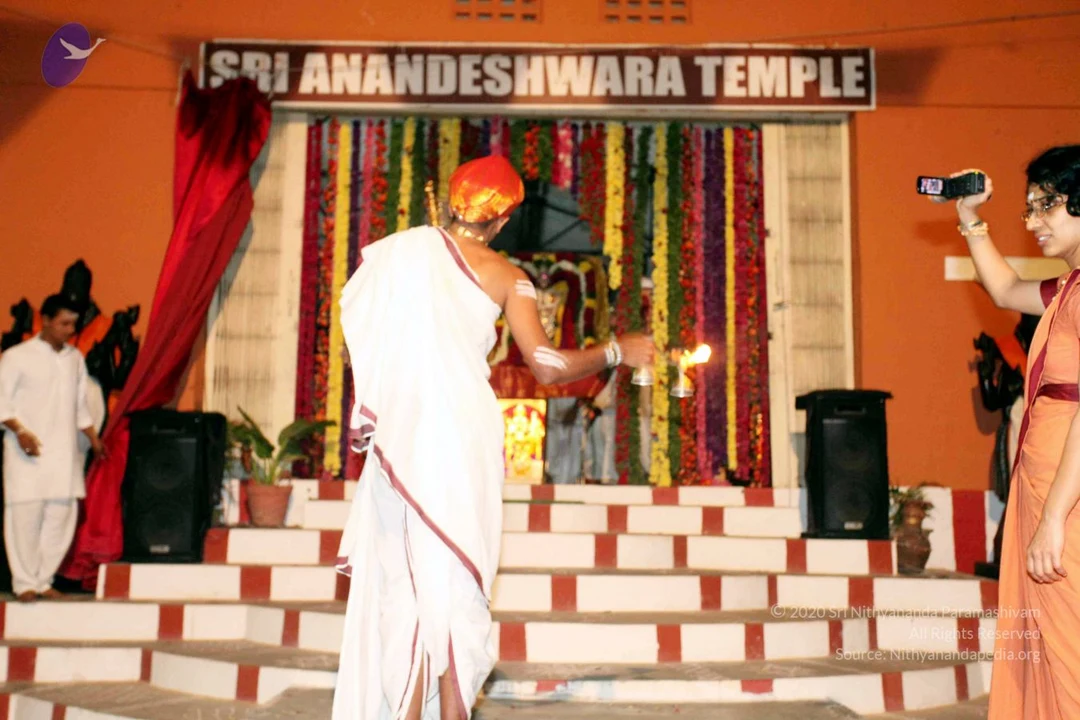
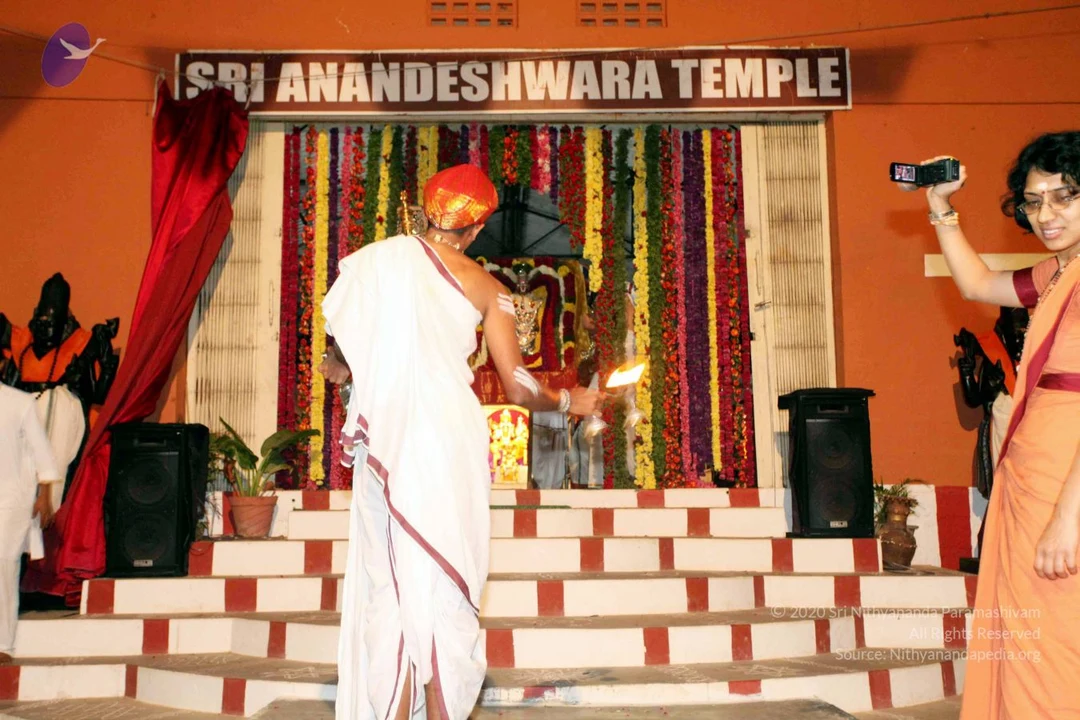
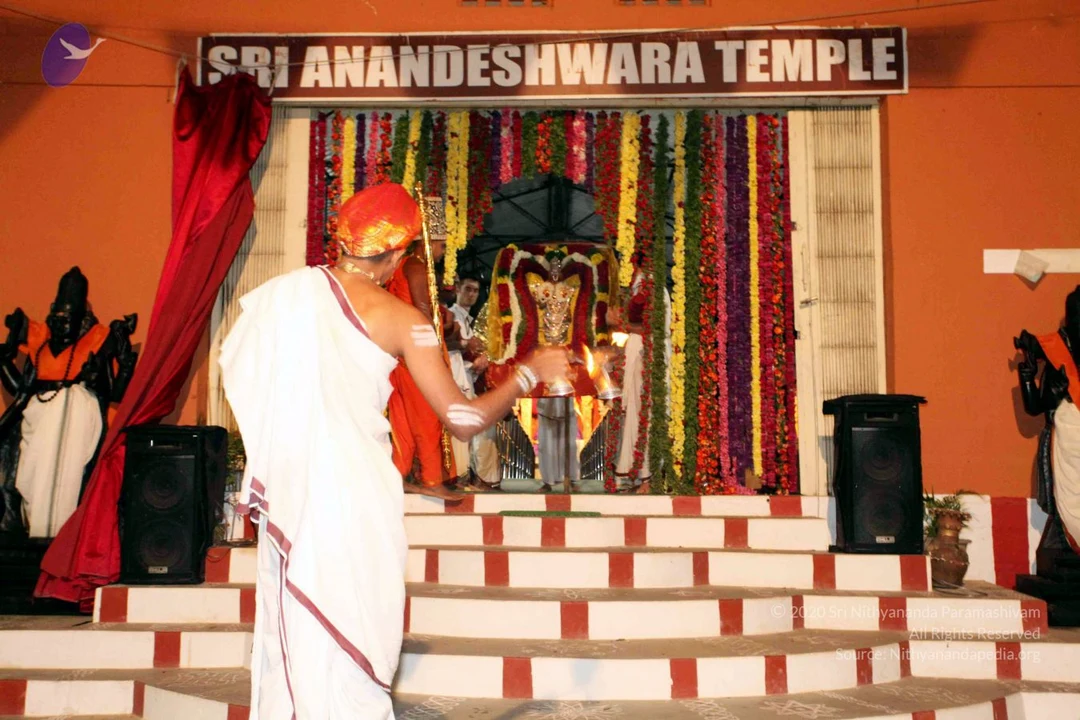
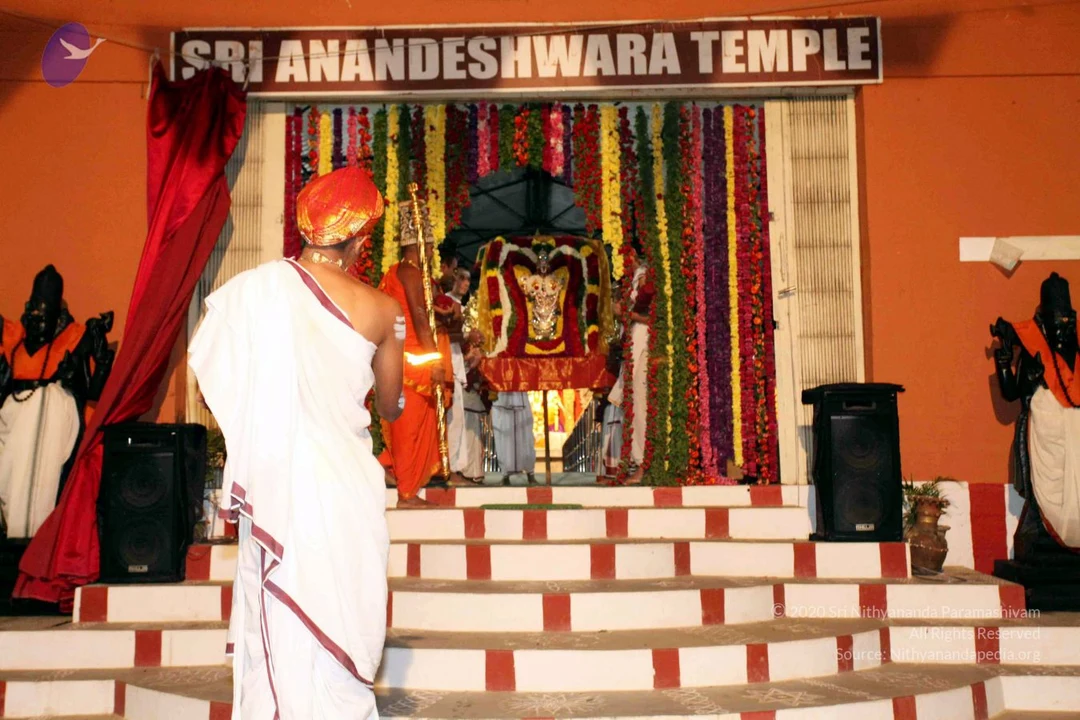
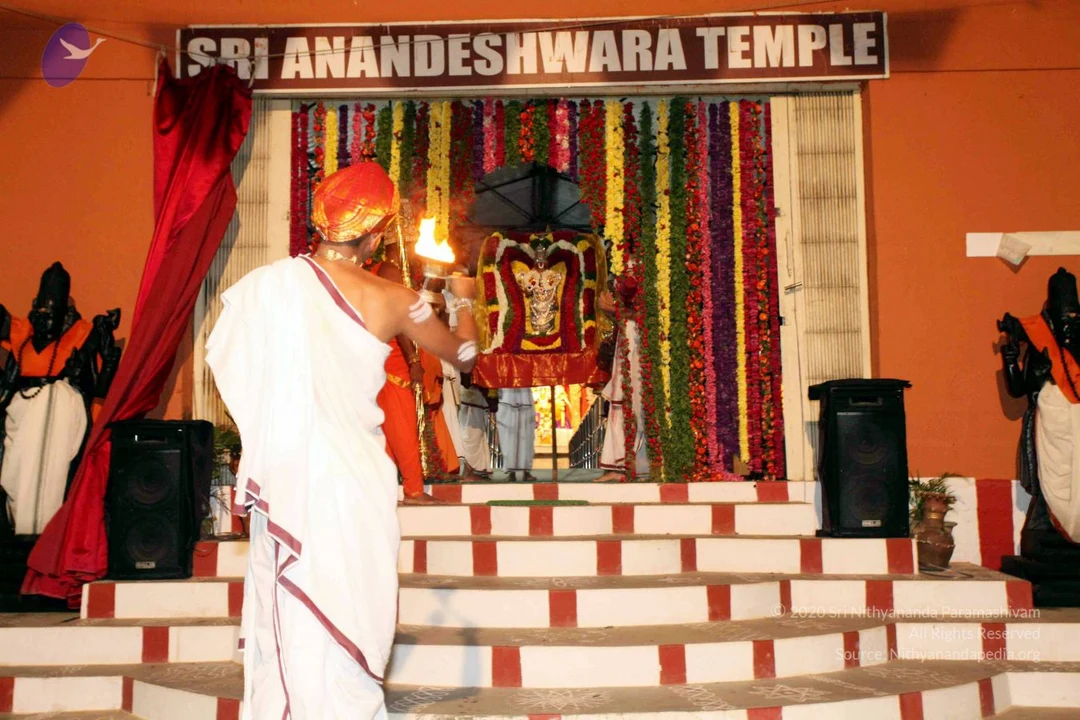
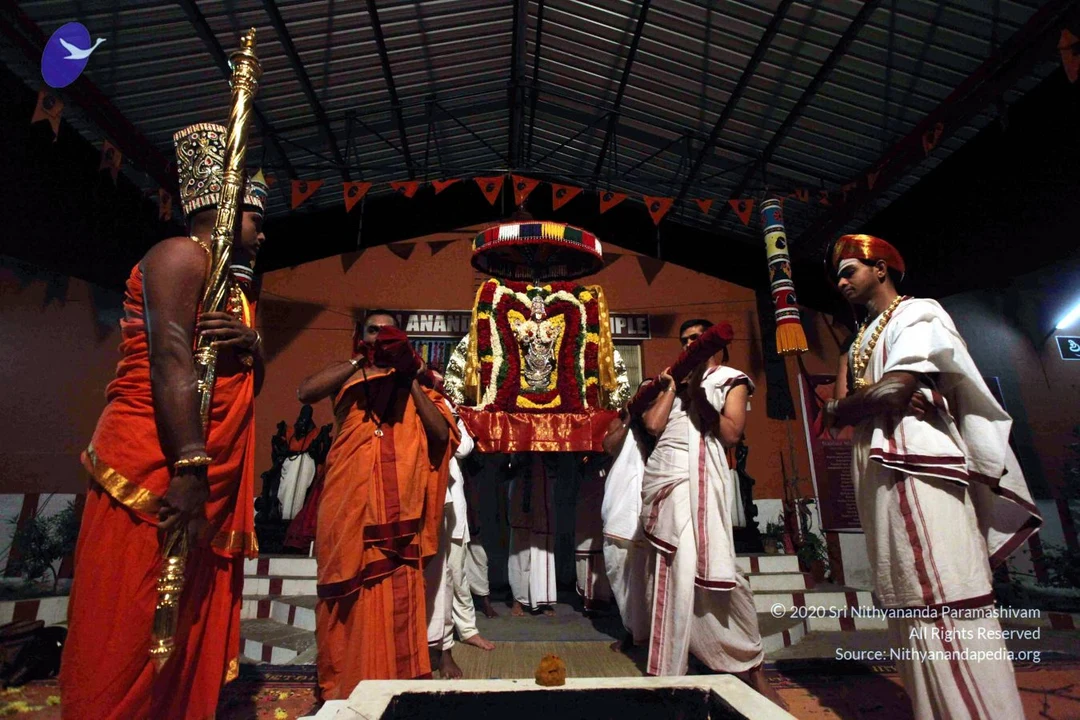
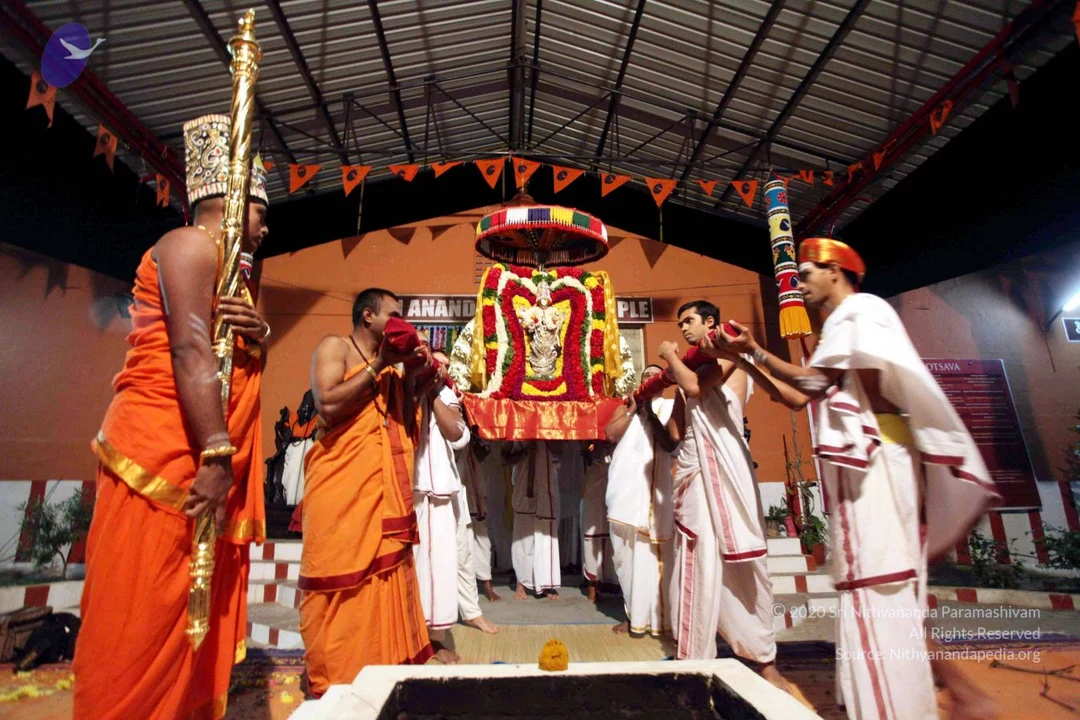
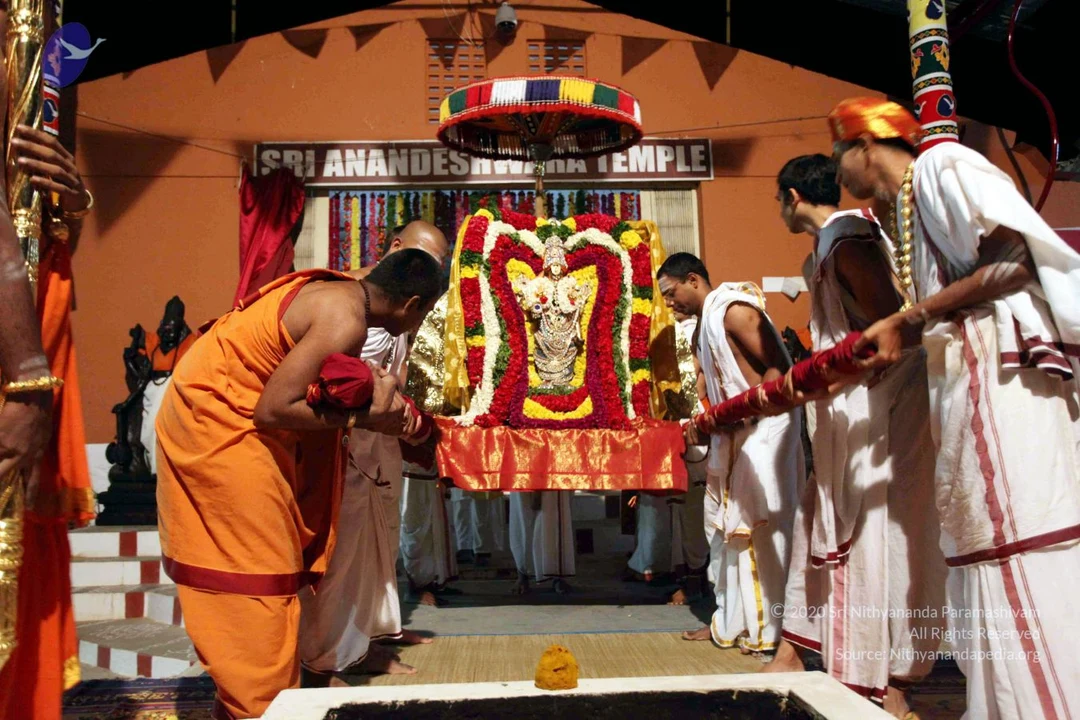
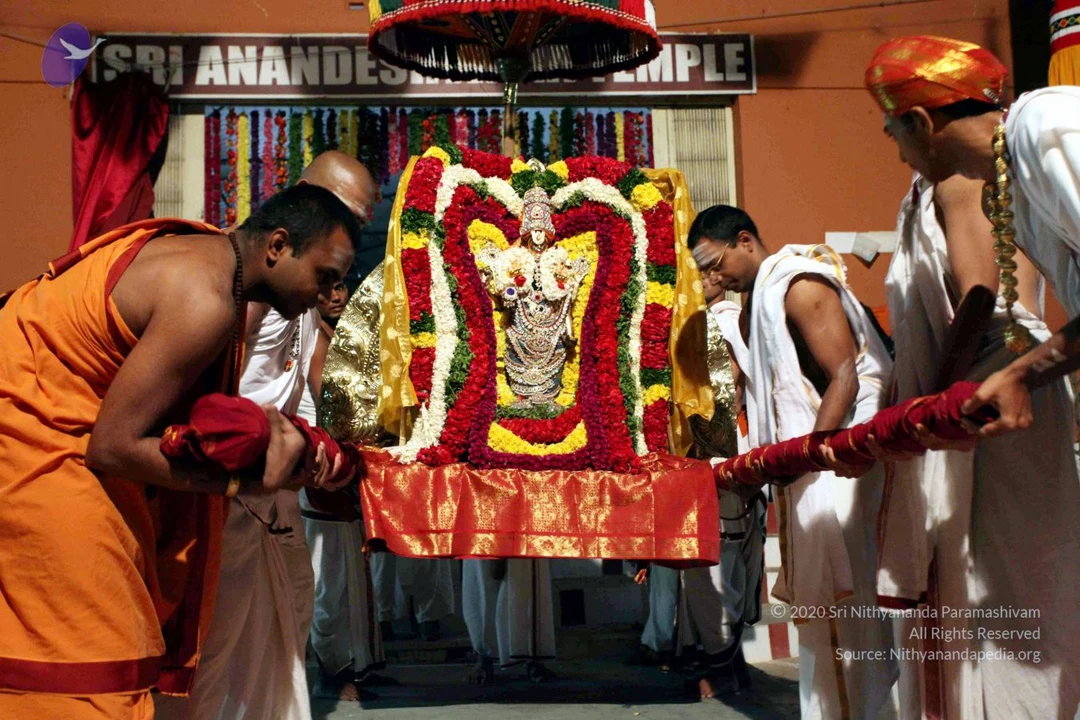
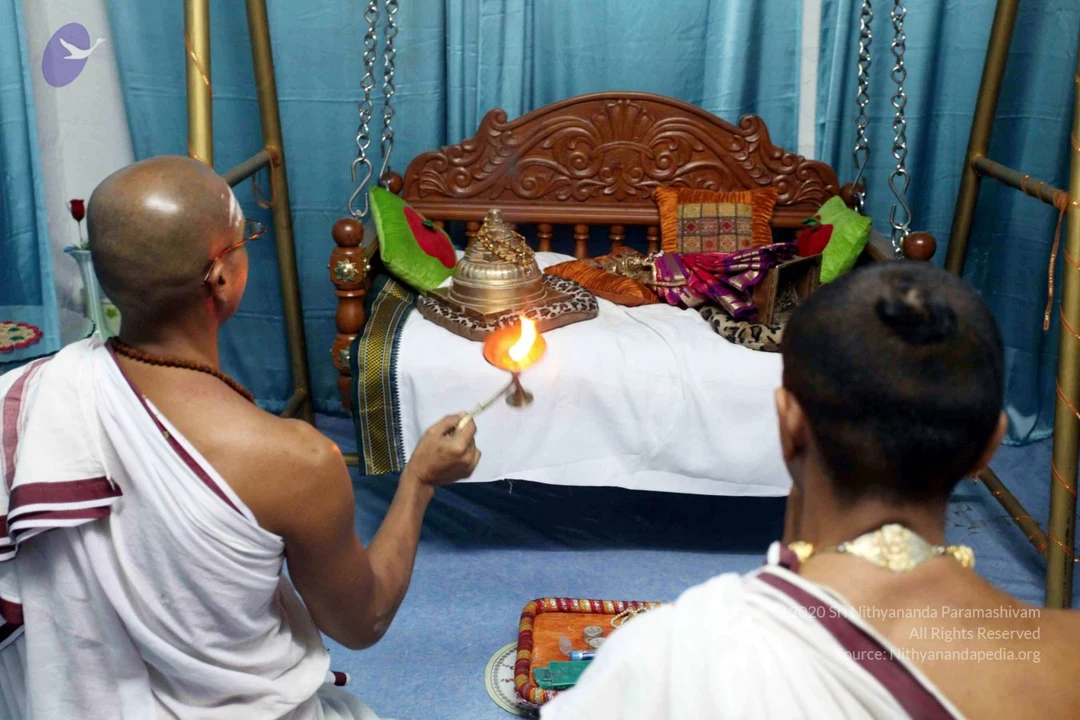
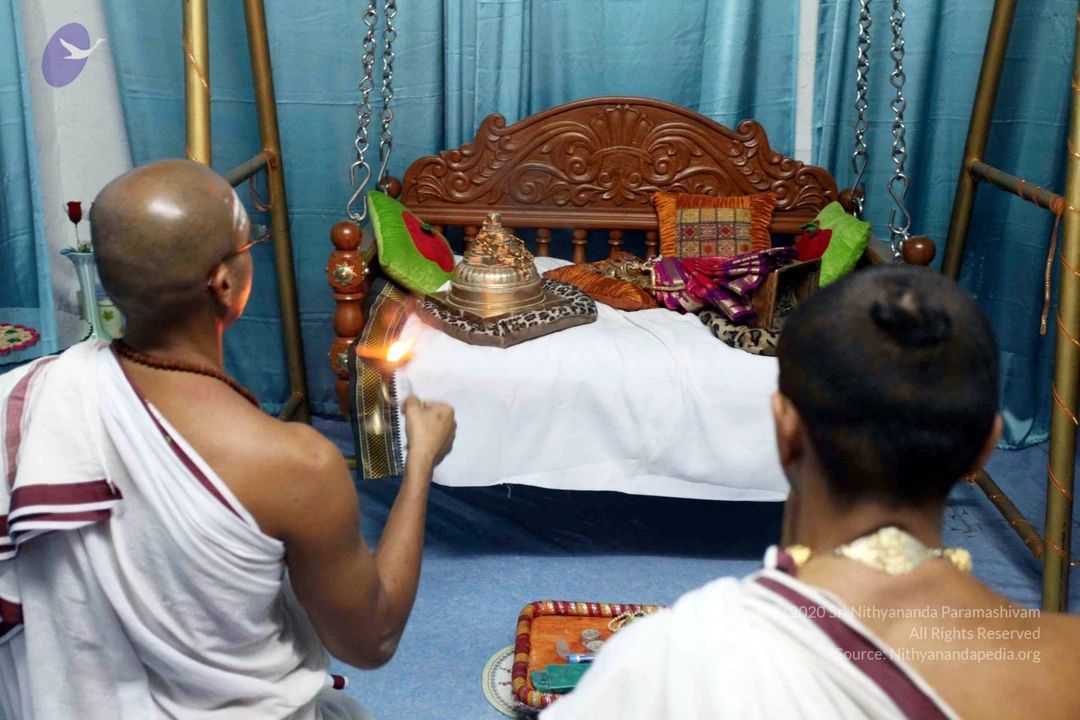
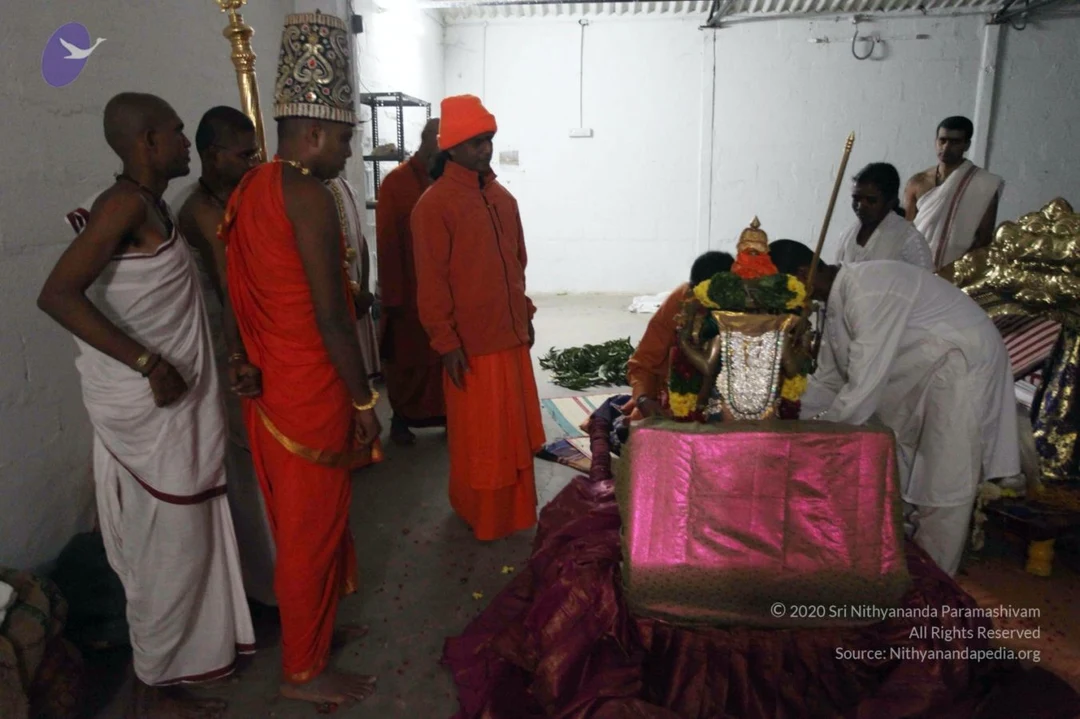
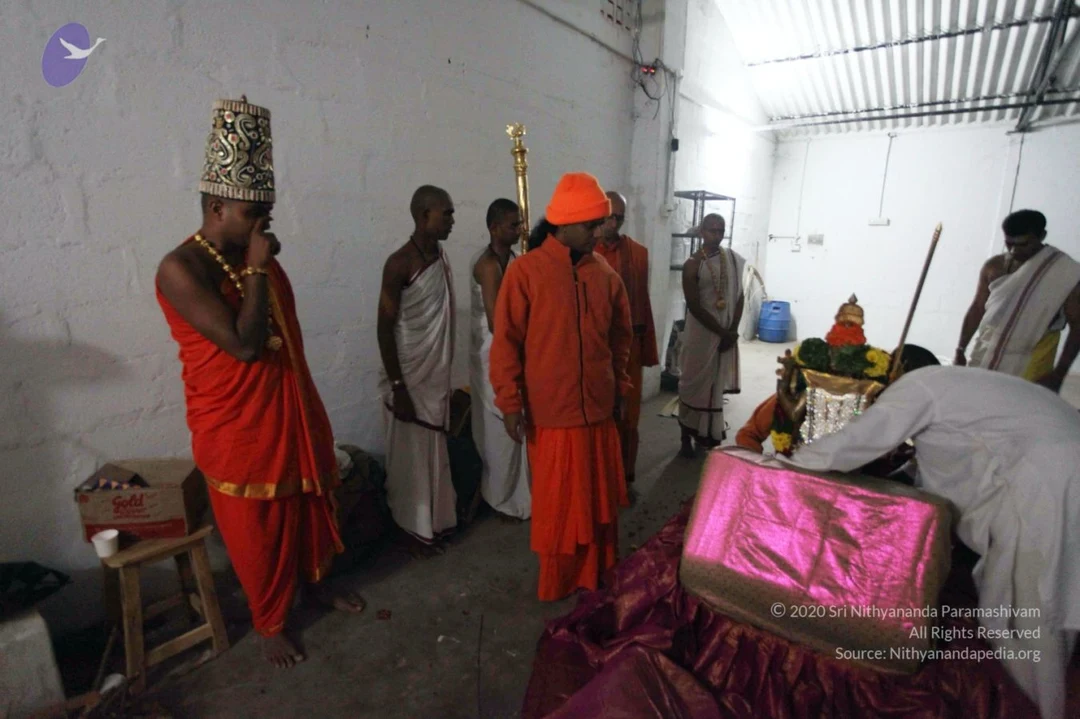
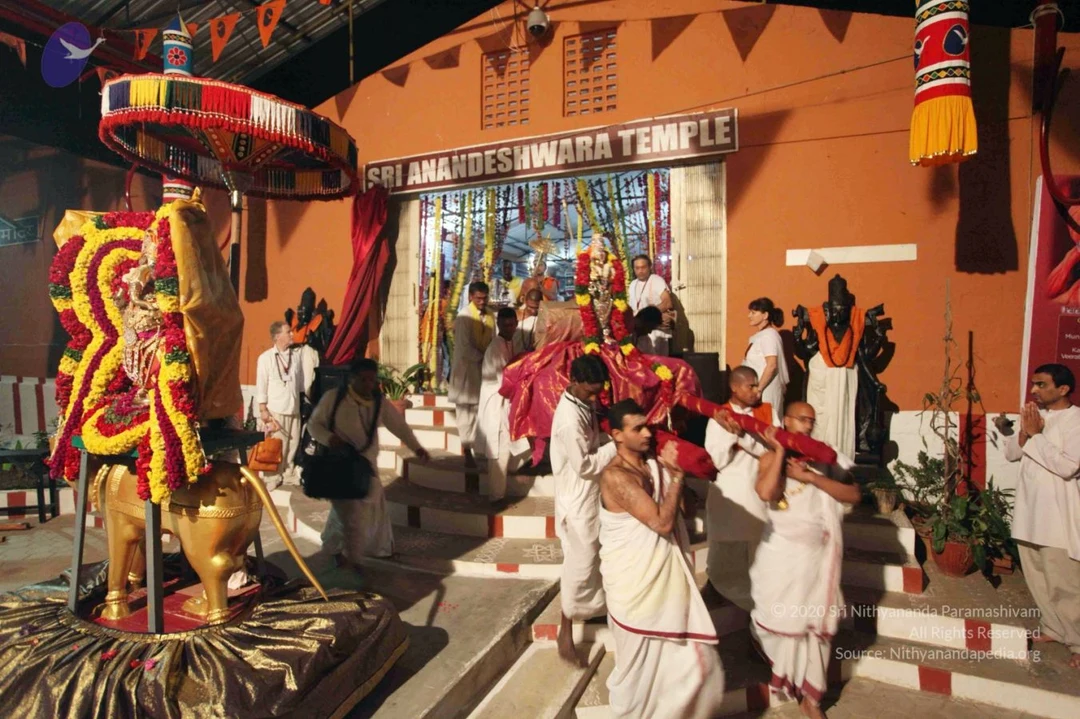
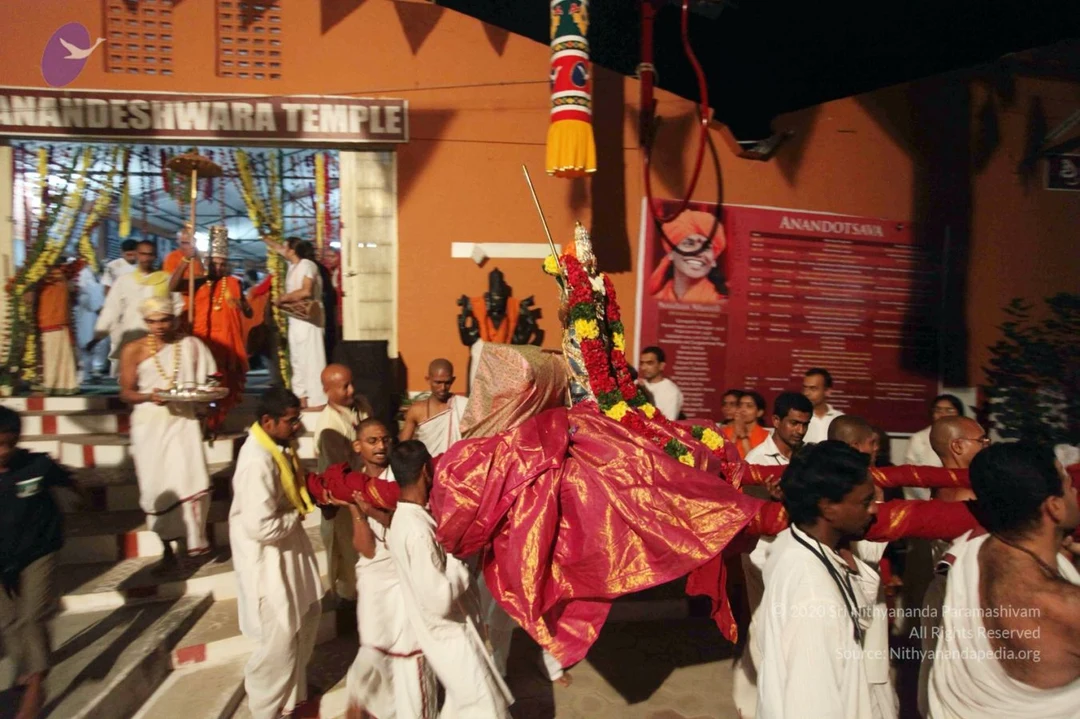
Bidadi-Temple-Utsava-Murthy
16 dated photos in previewSource gallery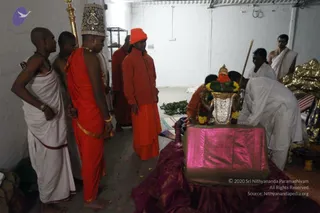
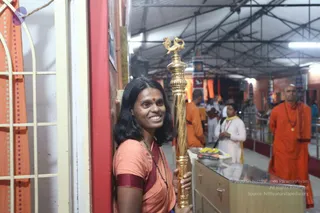
1-En-Genius-LE-Activity
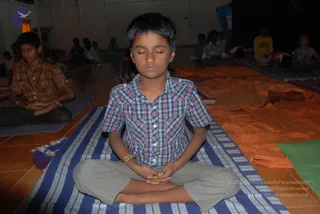
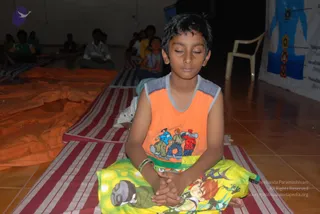
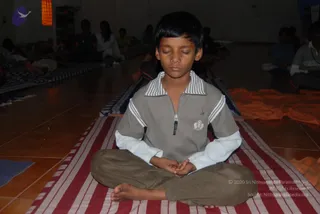
3 dated photos in previewSource gallery2-En-Genius-Meditation
32 dated photos in previewSource gallery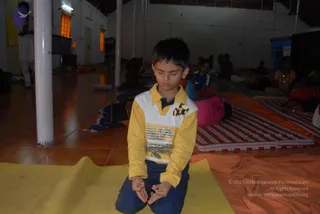
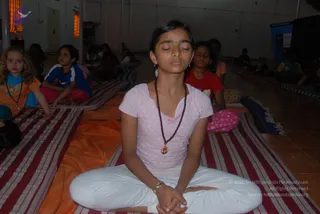
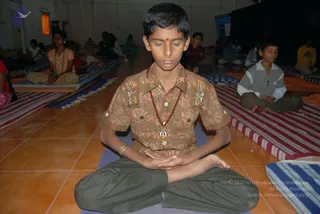
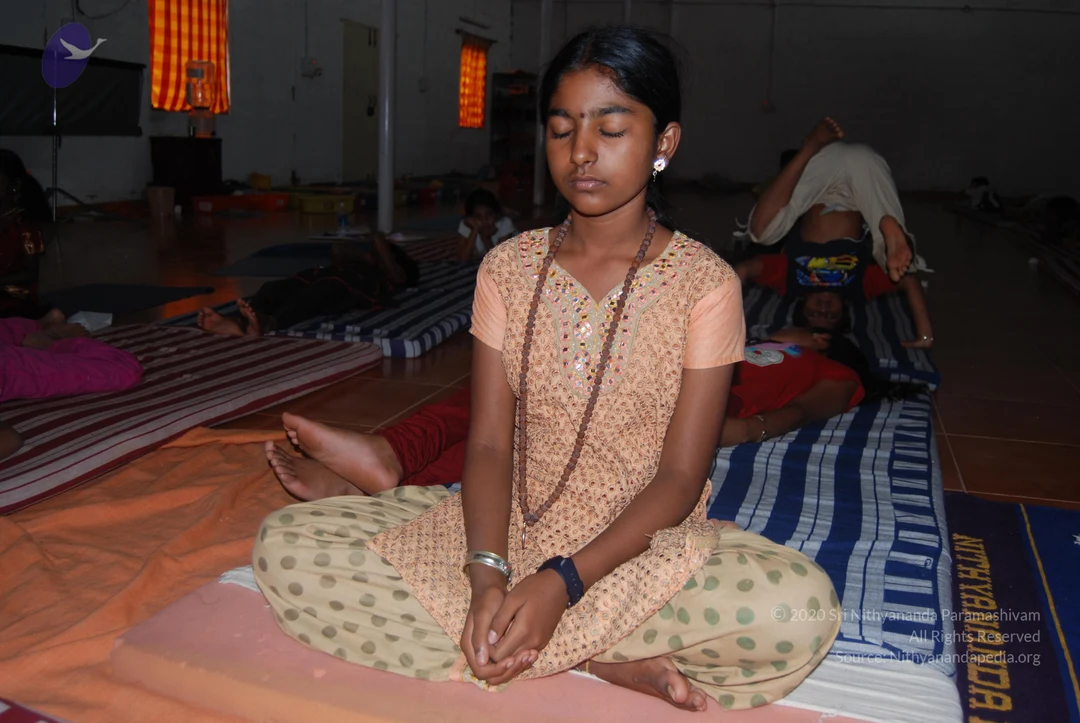
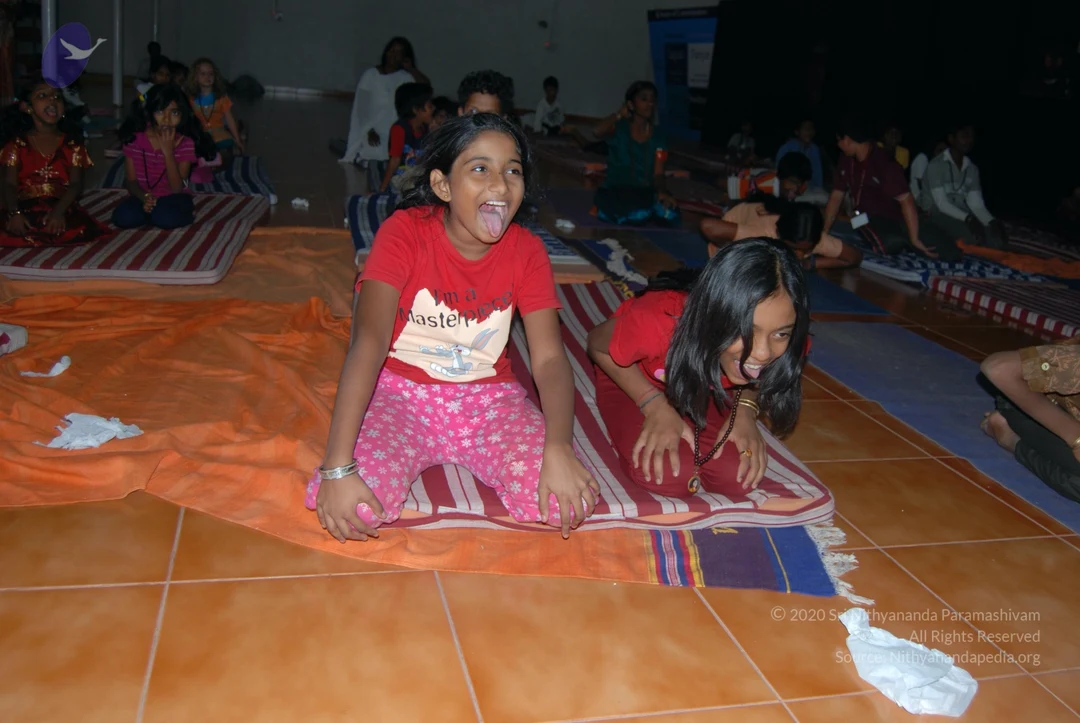
3-En-Genius-Yoga
11 dated photos in previewSource gallery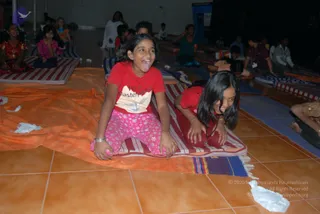
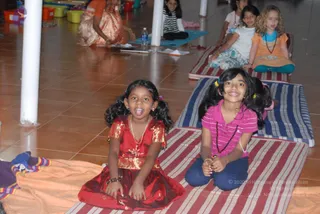
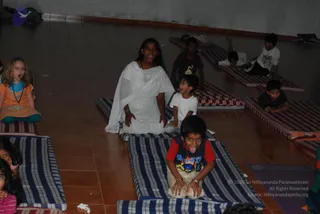
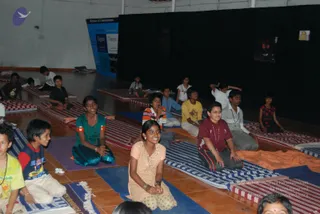
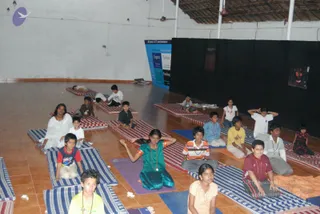
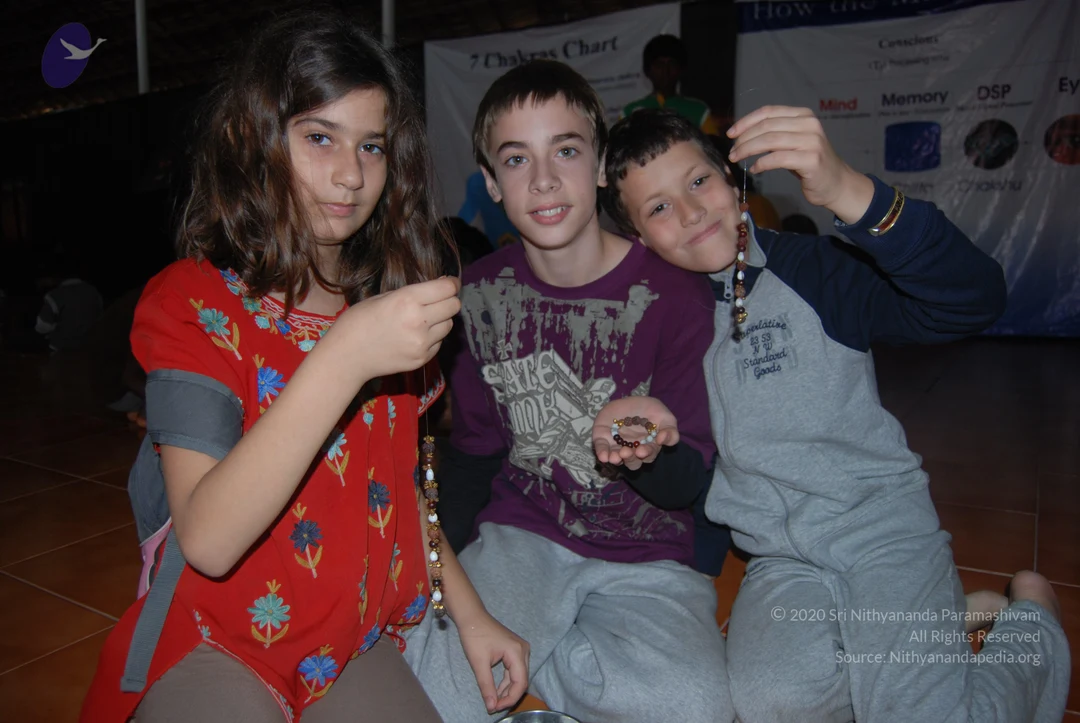
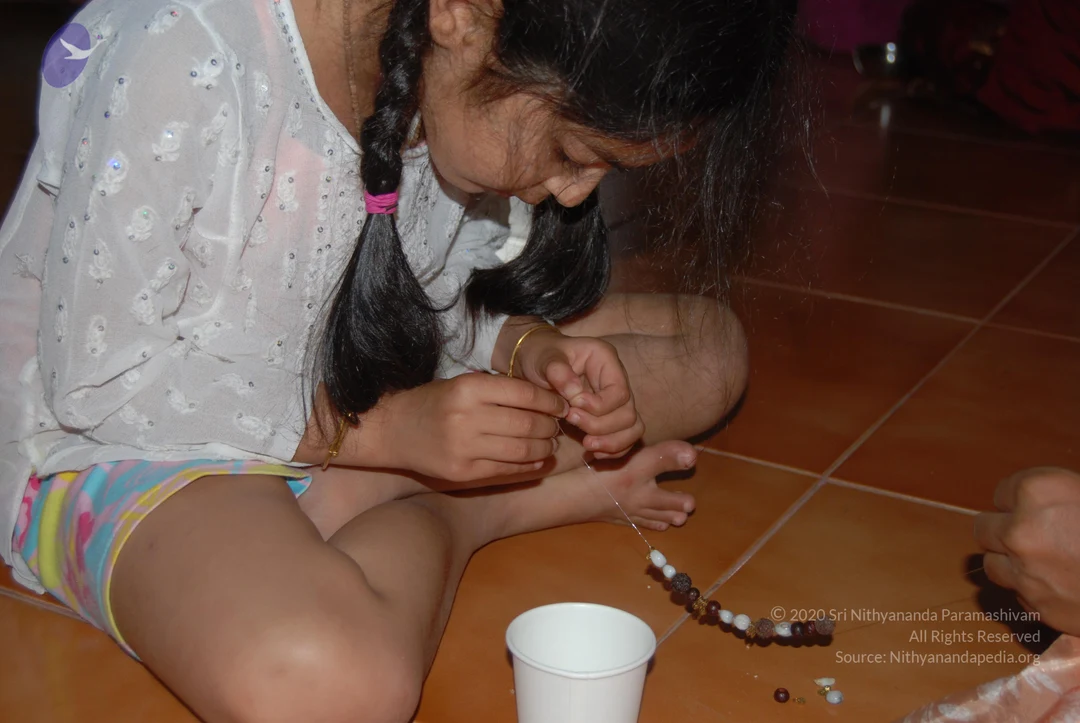
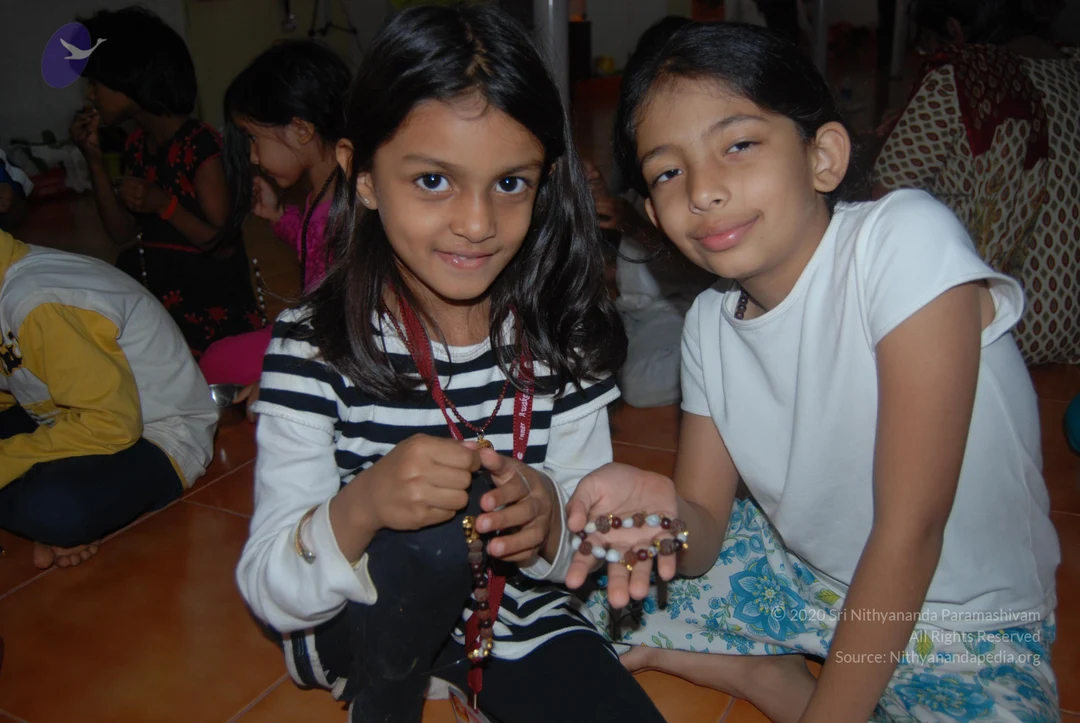
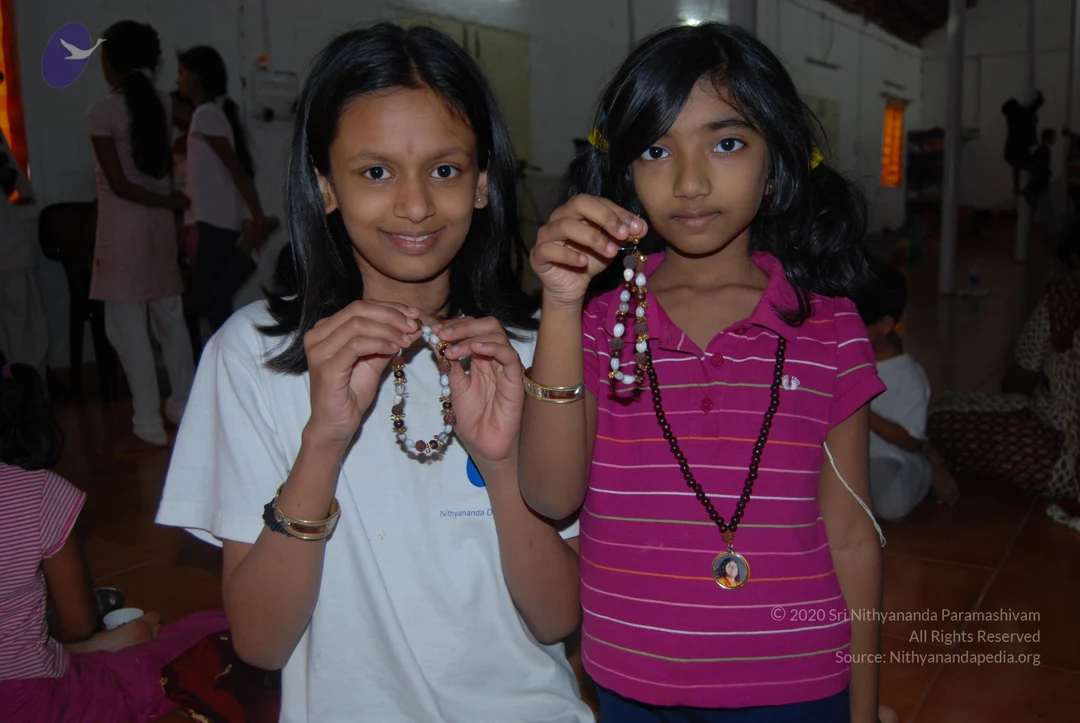
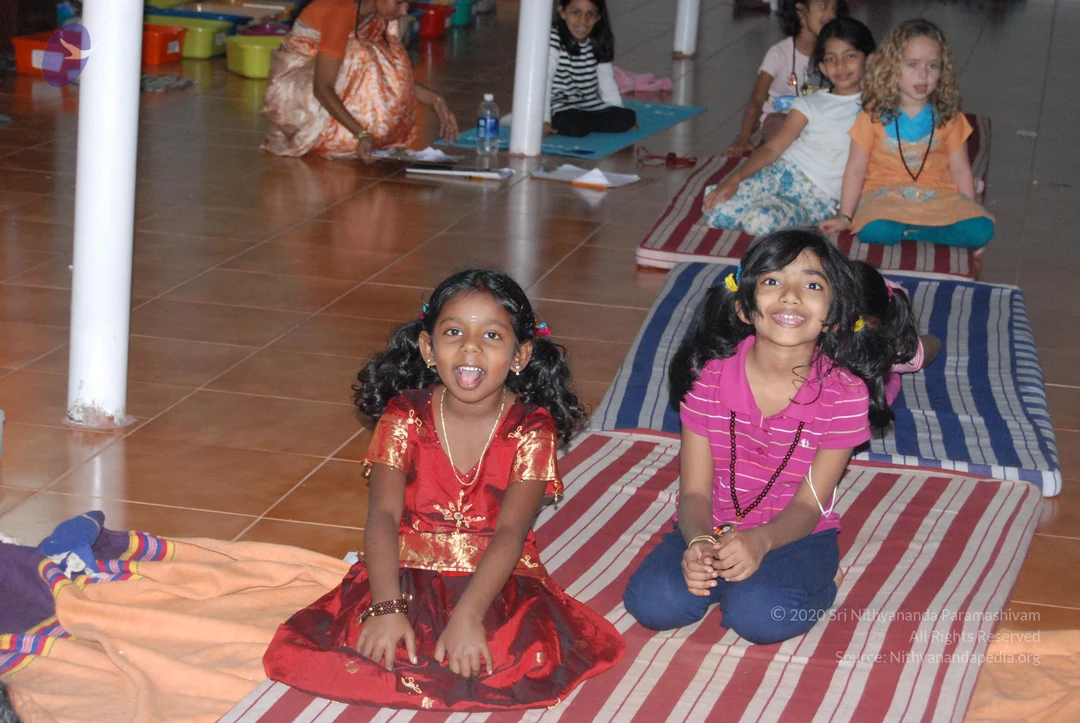
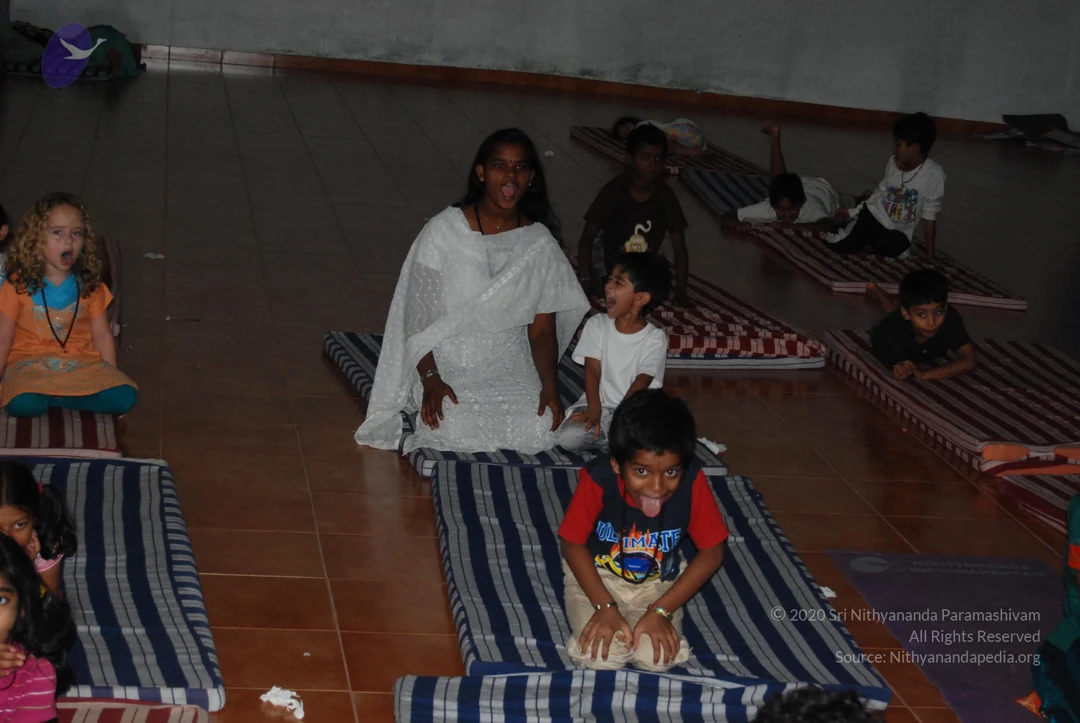
4-En-Genius-Vedic-Arts
8 dated photos in previewSource gallery



December 17 2010
Original wiki pageContents
Title:
Ashtanga Yoga: Inner Awakening - Patanjali Yoga Sutras 85: Nithyananda Morning Satsang 17 Dec 2010
Narration:
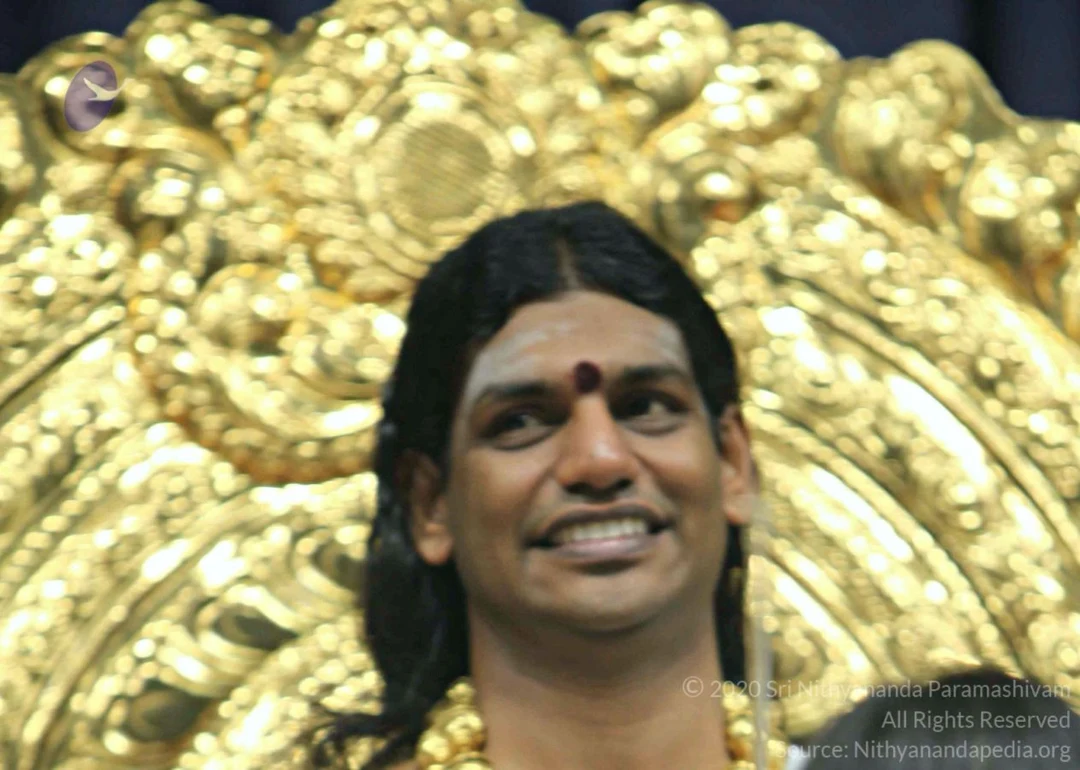
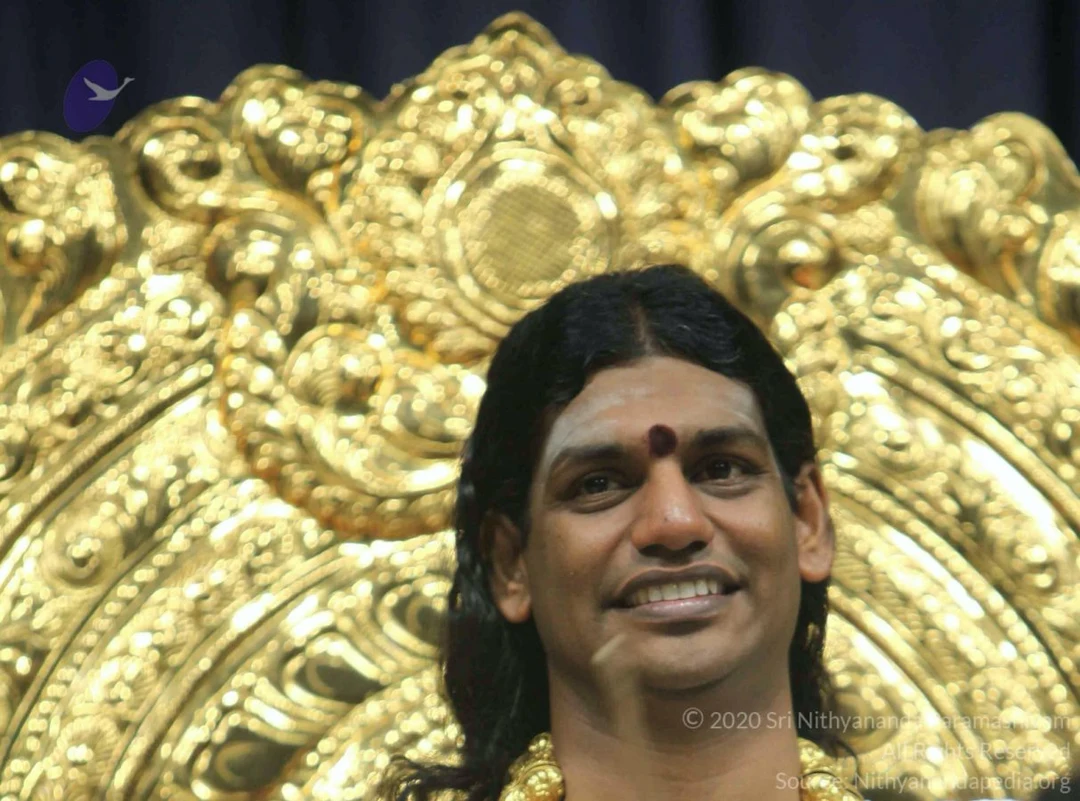
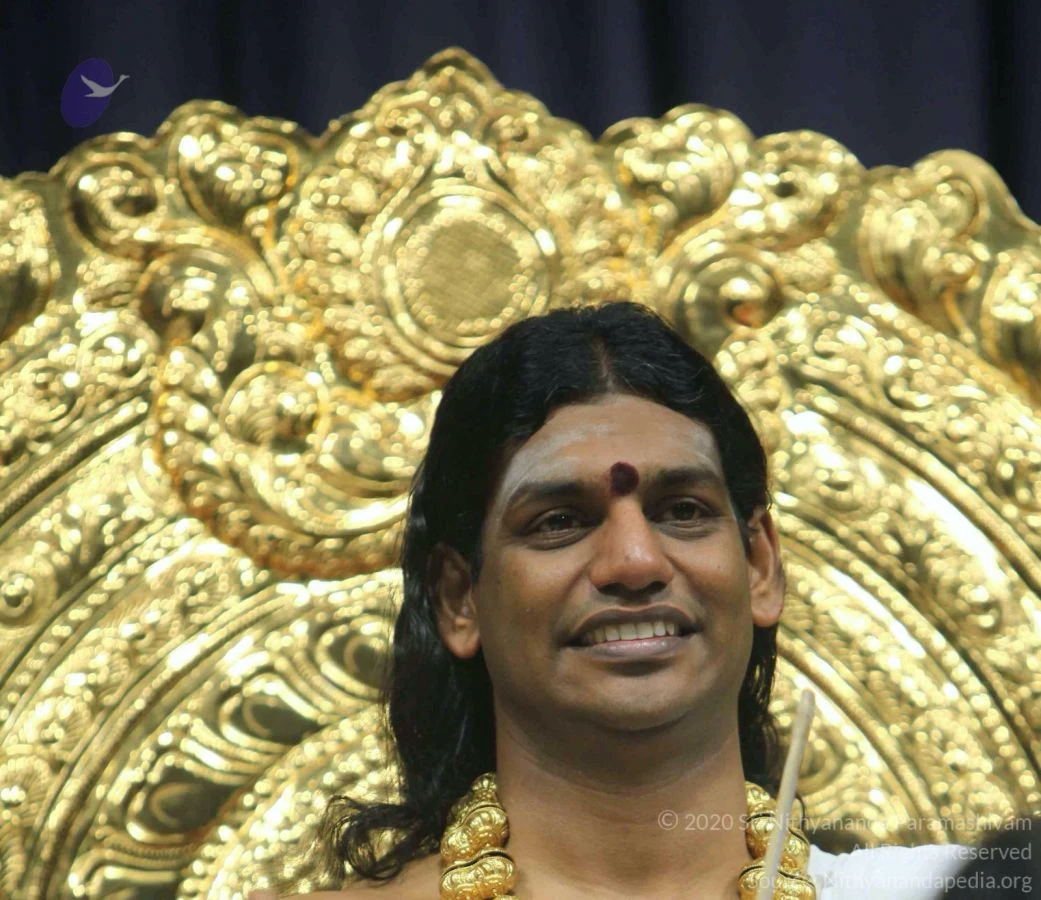
The Supreme Pontiff of Hinduism, Jagatguru Mahasannidhanam, His Divine Holiness, Bhagavan Nithyananda Paramashivam, expounded on the Cosmic Principles of Patanjali Yoga Sutras during the live public talk - Nithyananda Satsang. In this talk entitled Ashtanga Yoga: Inner Awakening (Patanjali Yoga Sutras 85), The Supreme Pontiff of Hinduism shared that in this Sutra, Patanjali is giving one of the powerful techniques to be out of ignorance and to establish oneself in Yama and Niyama raising oneself to the highest coherence. He shared from His own life experience how Raghupathy Yogi, one of His beloved Gurus, taught Him this Sutra in Arunachaleshwara Temple in a place called Krittikai Mantapam, by making Him levitate. Sharing the basic understanding of this Sutra, He said the moment negativity enters in you, put the brakes on and stop it; have the inner awakening, immediately creating the right understanding so that you can be out of that negativity. His Divine Holiness explained that this will raise the coherence of one’s system to its highest possible peak.
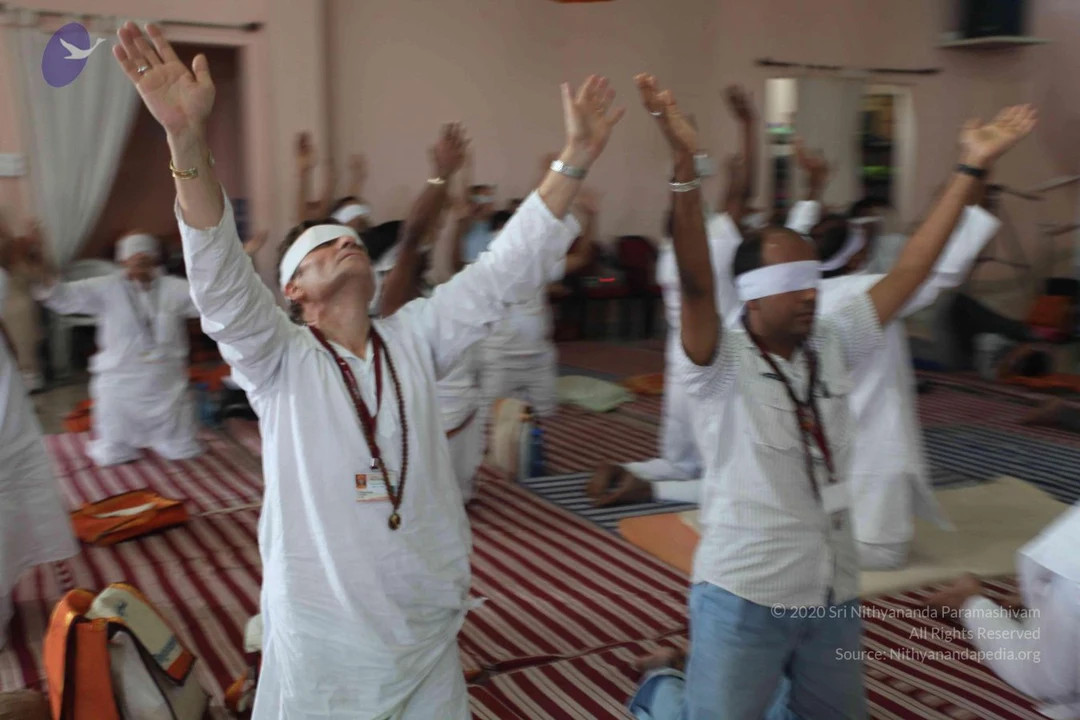
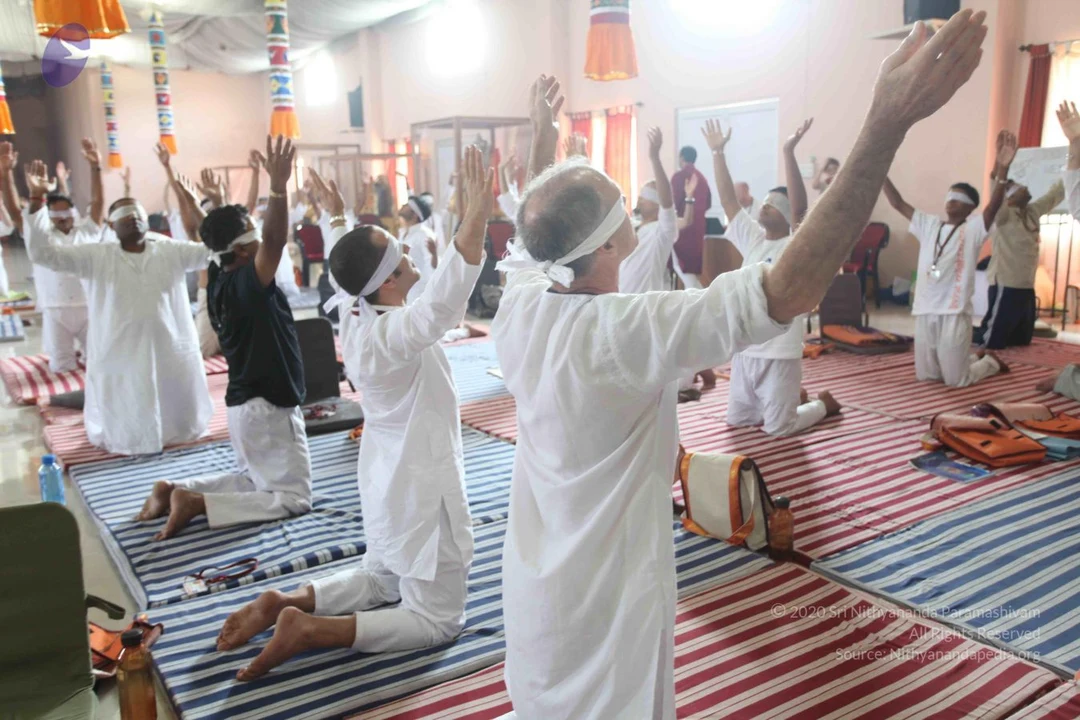
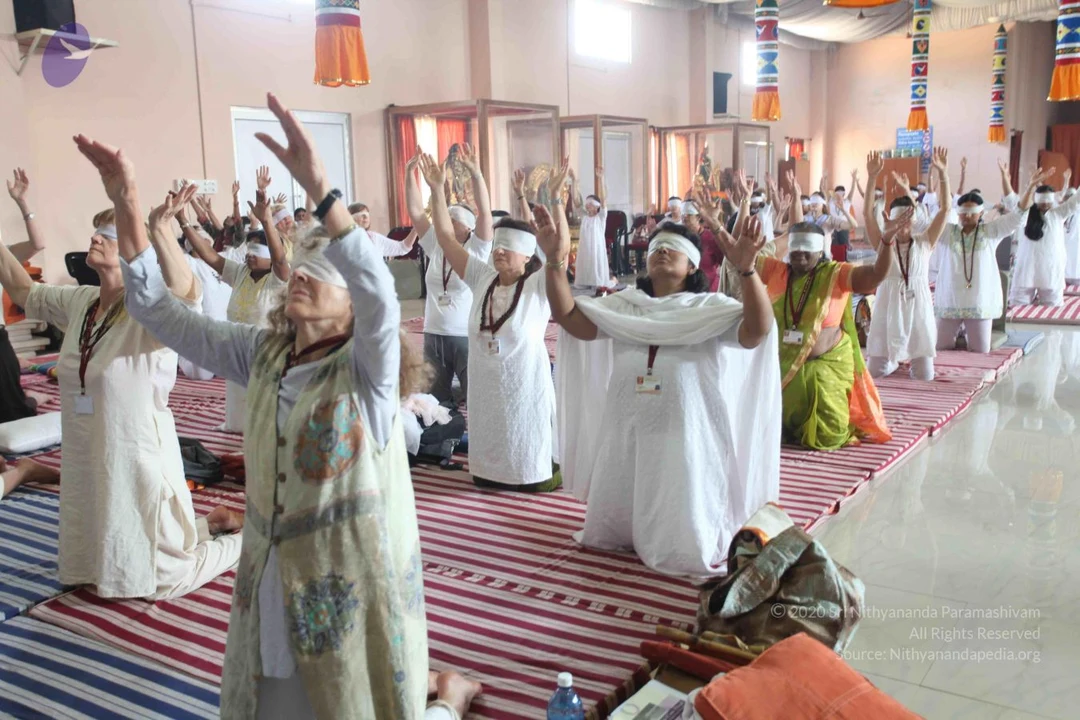
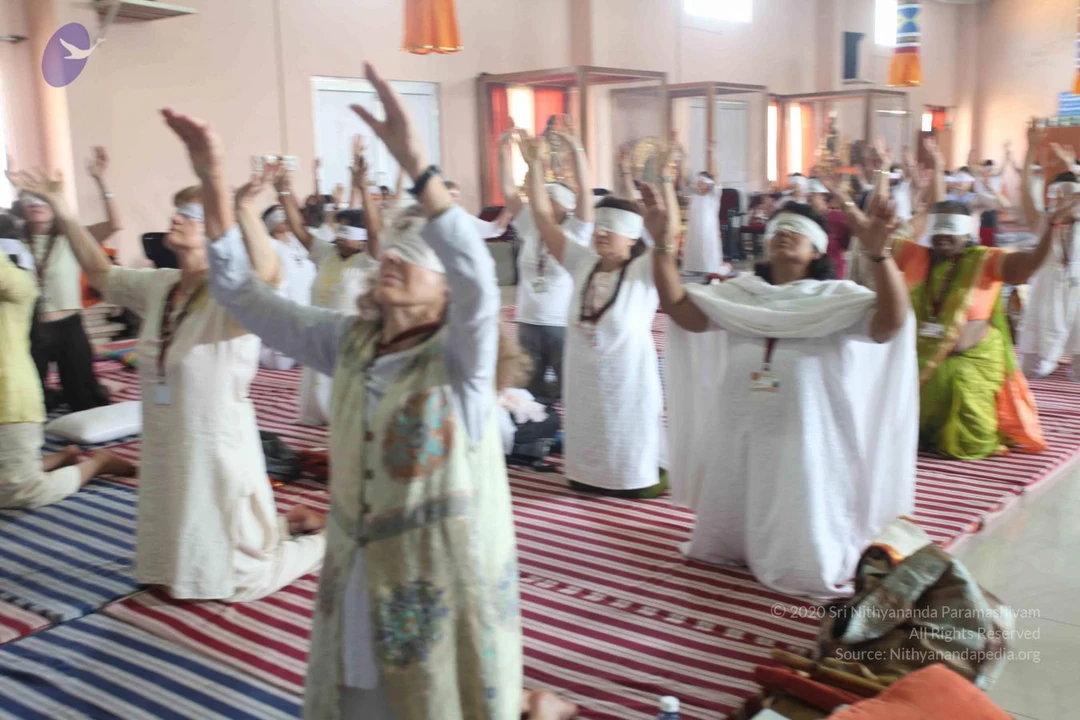
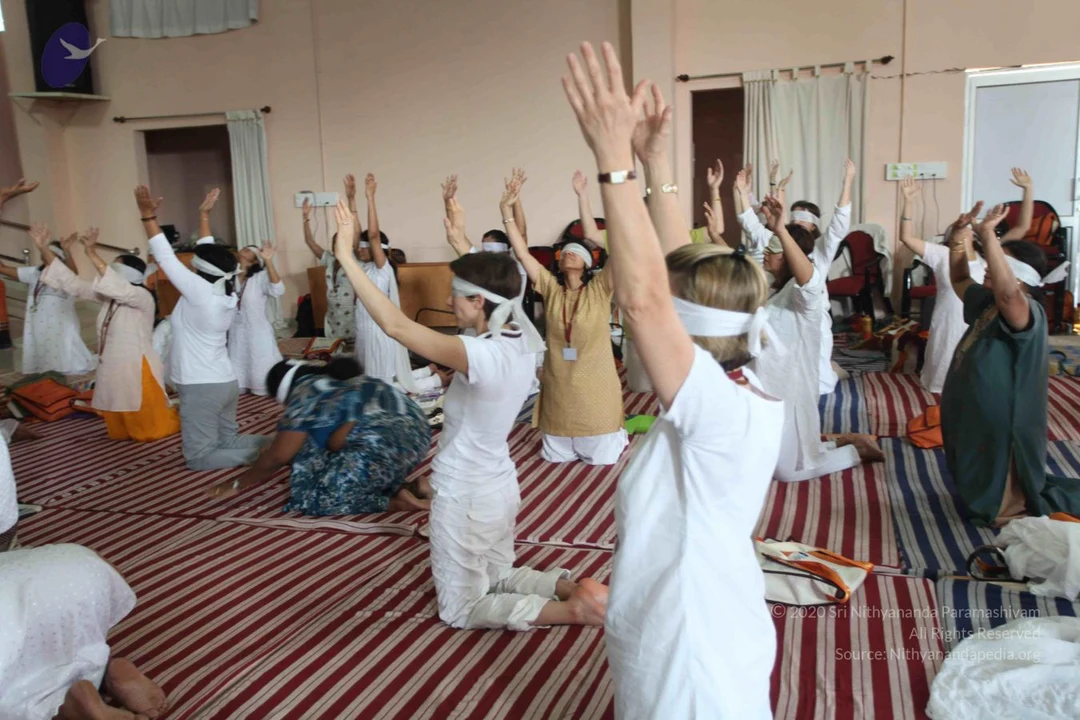
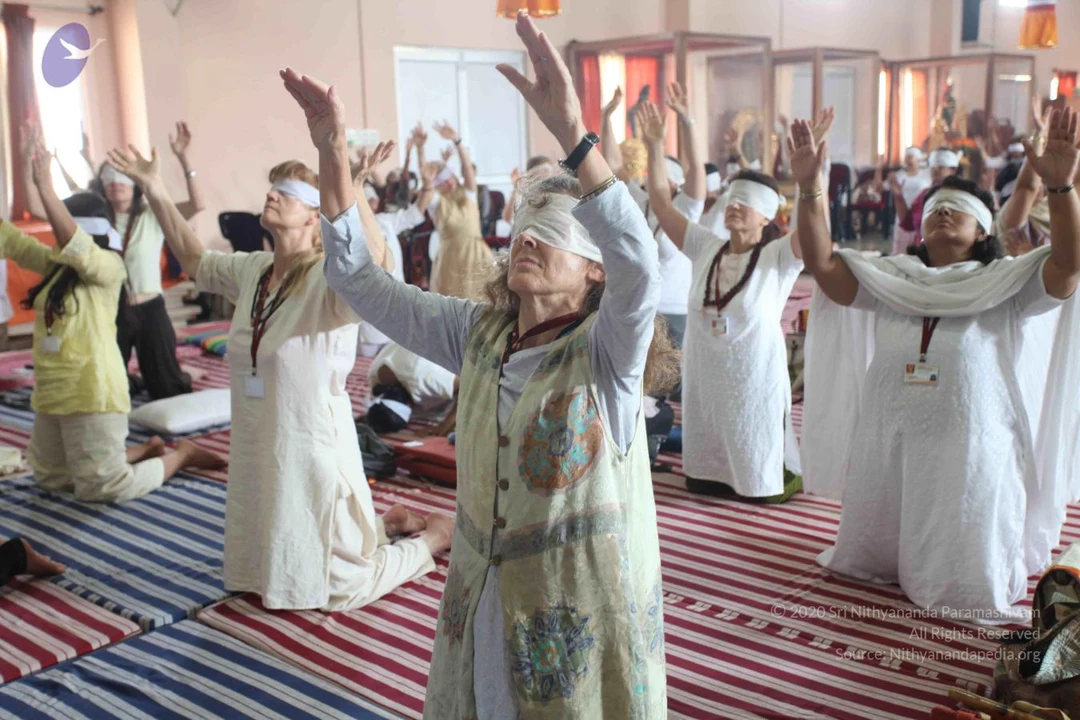
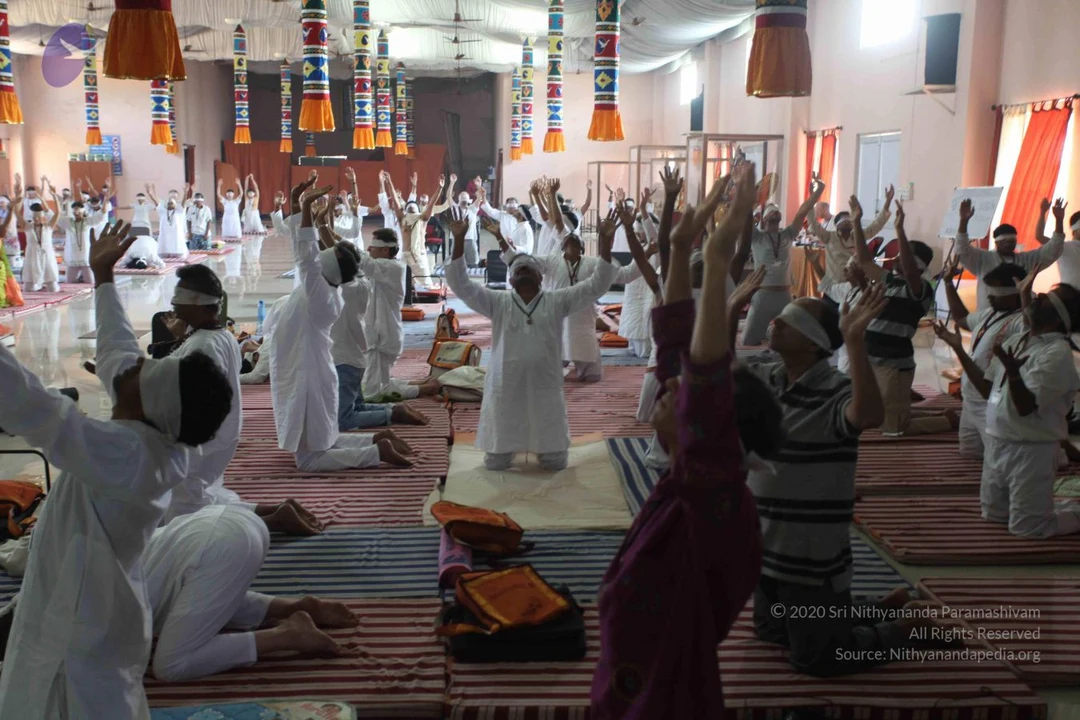
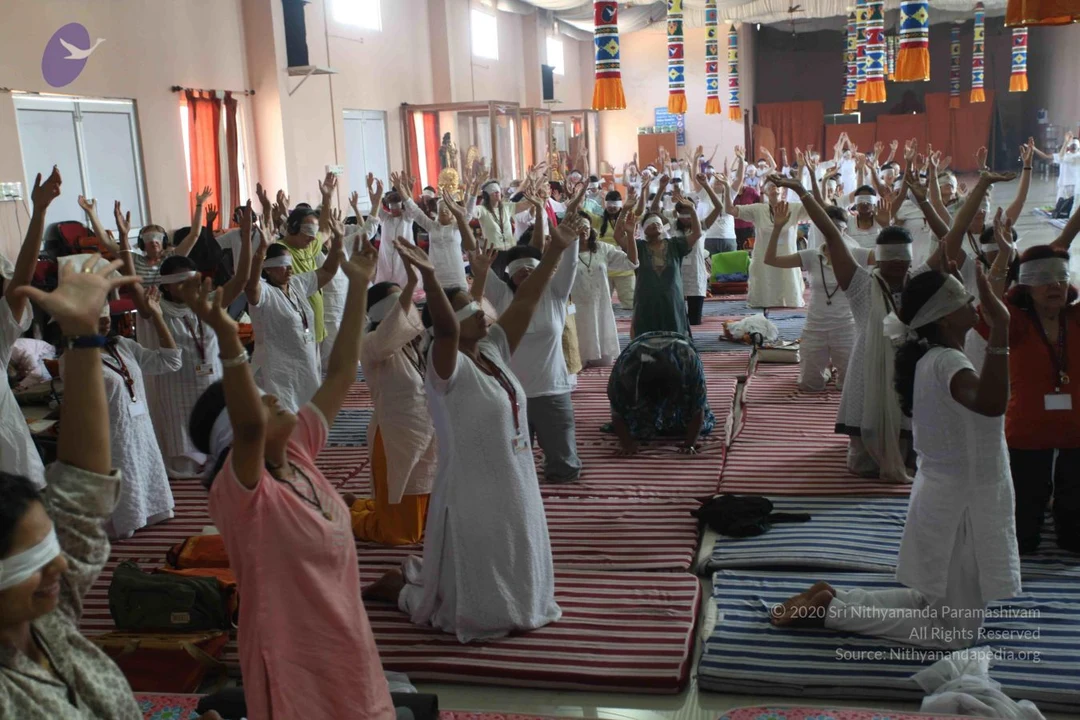
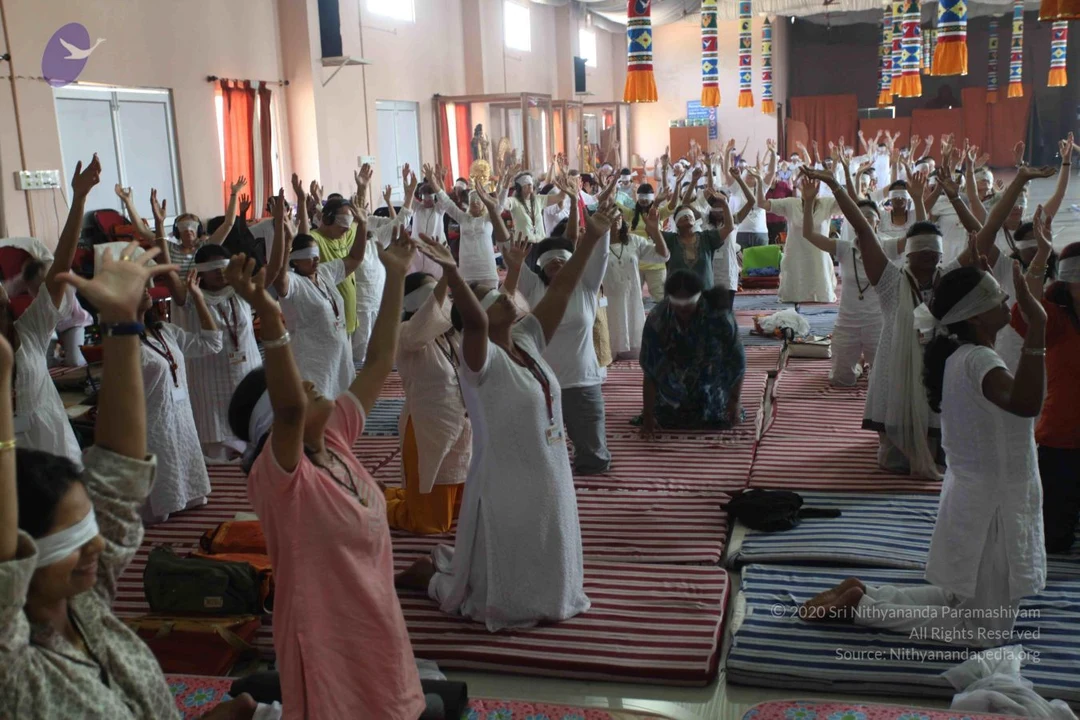
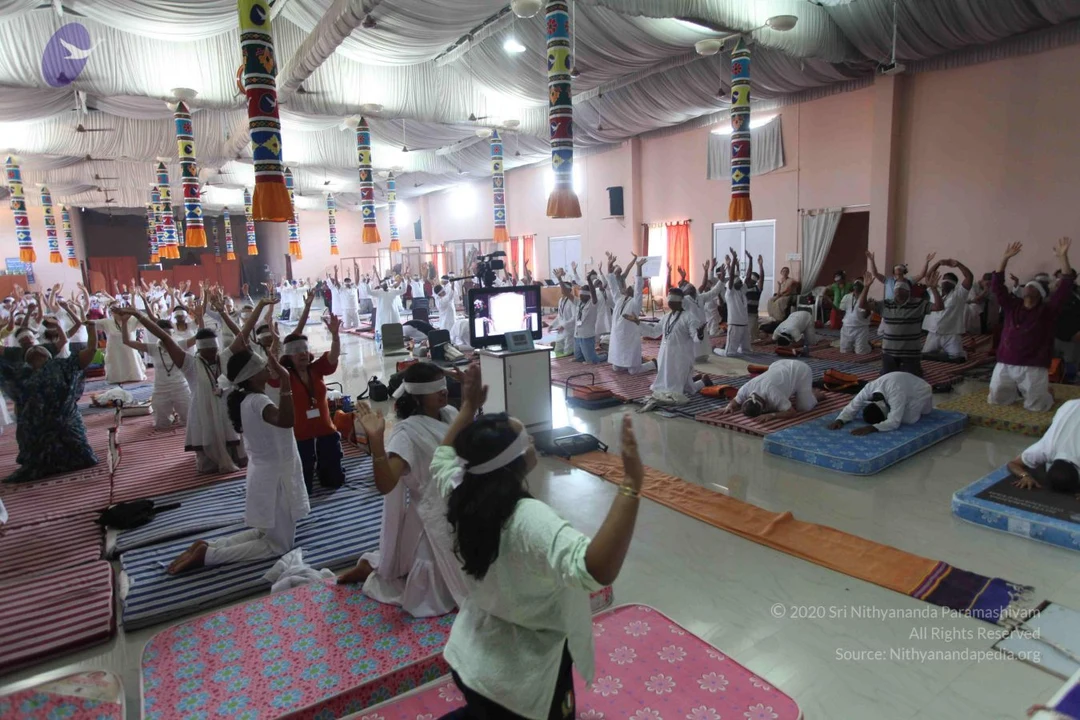
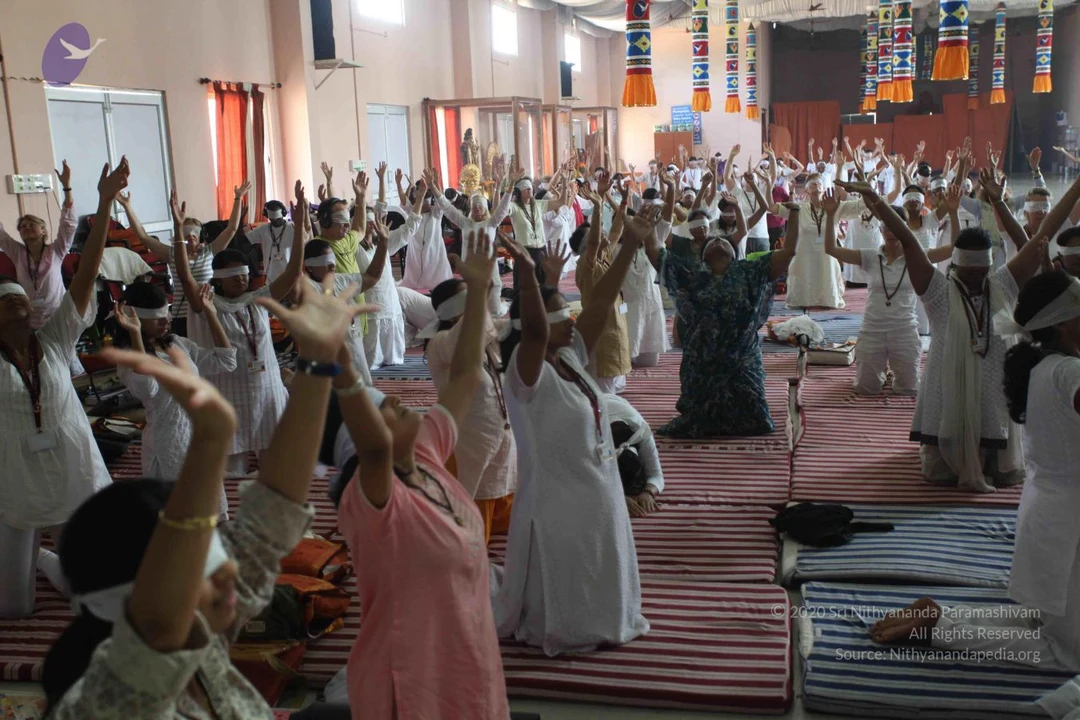
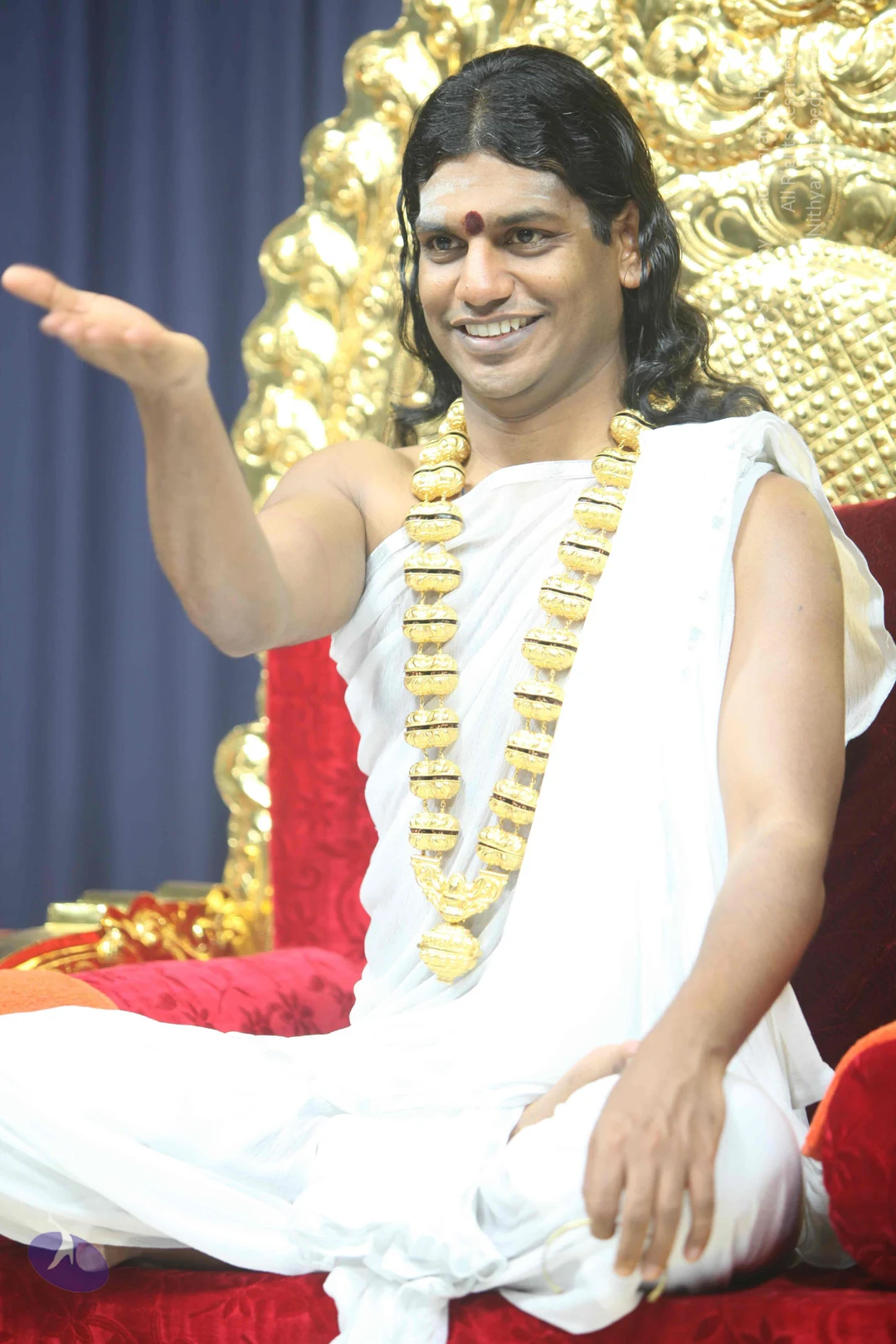
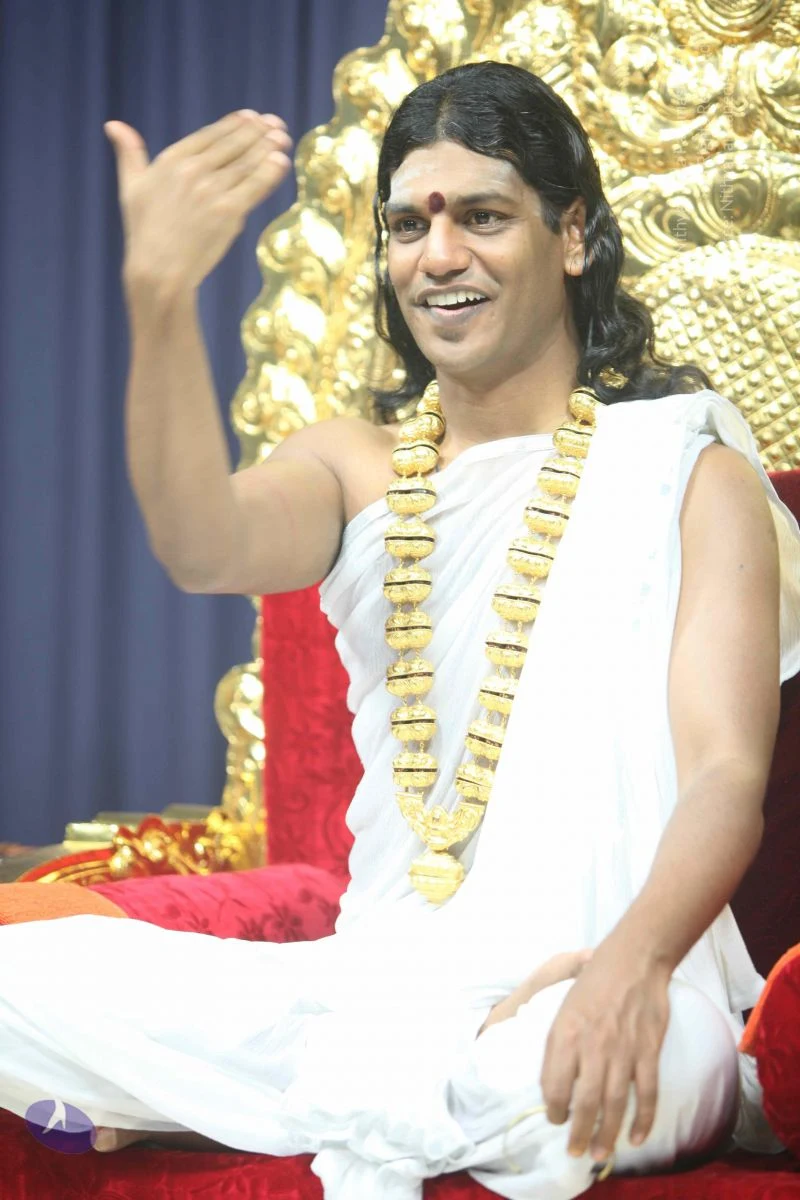
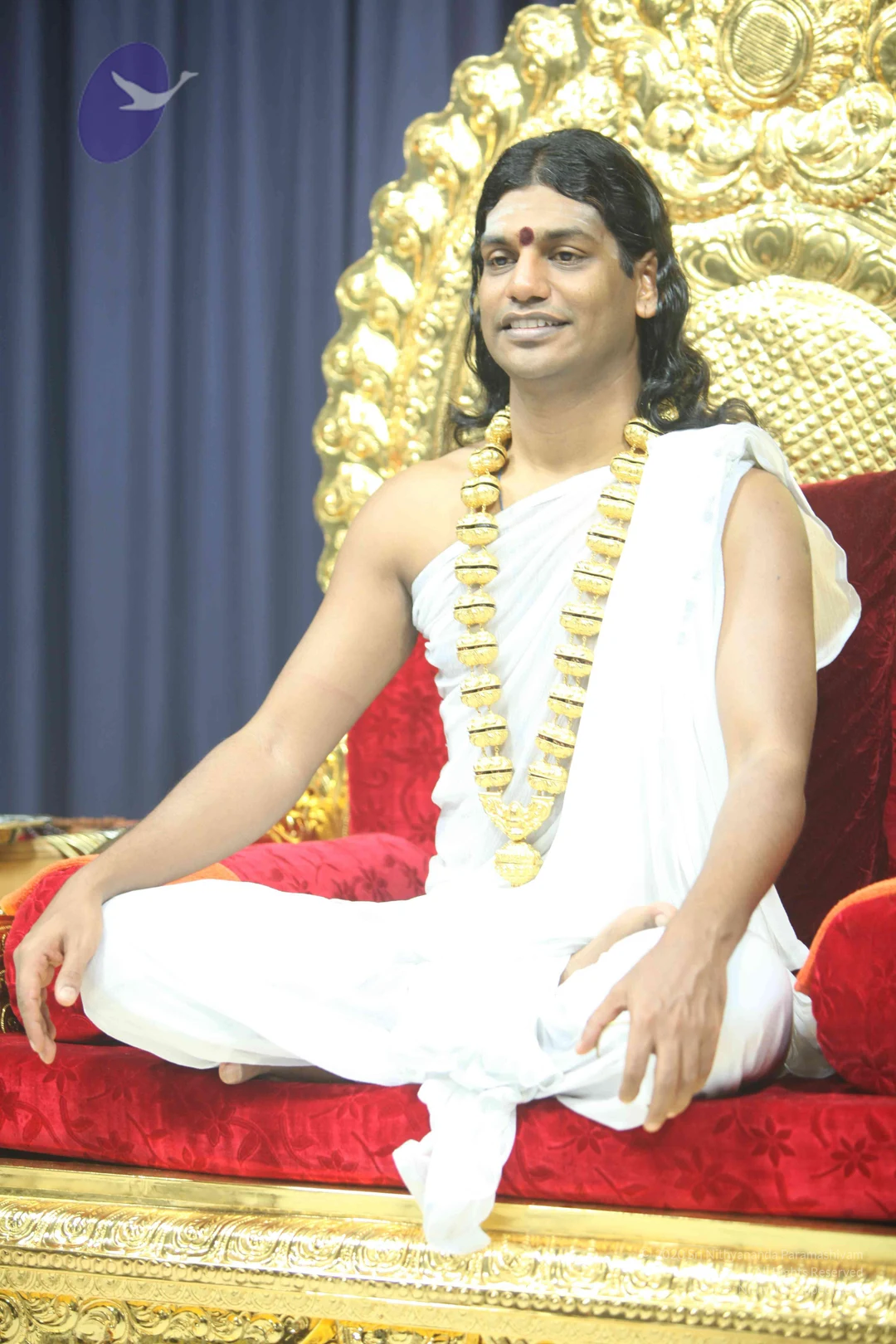
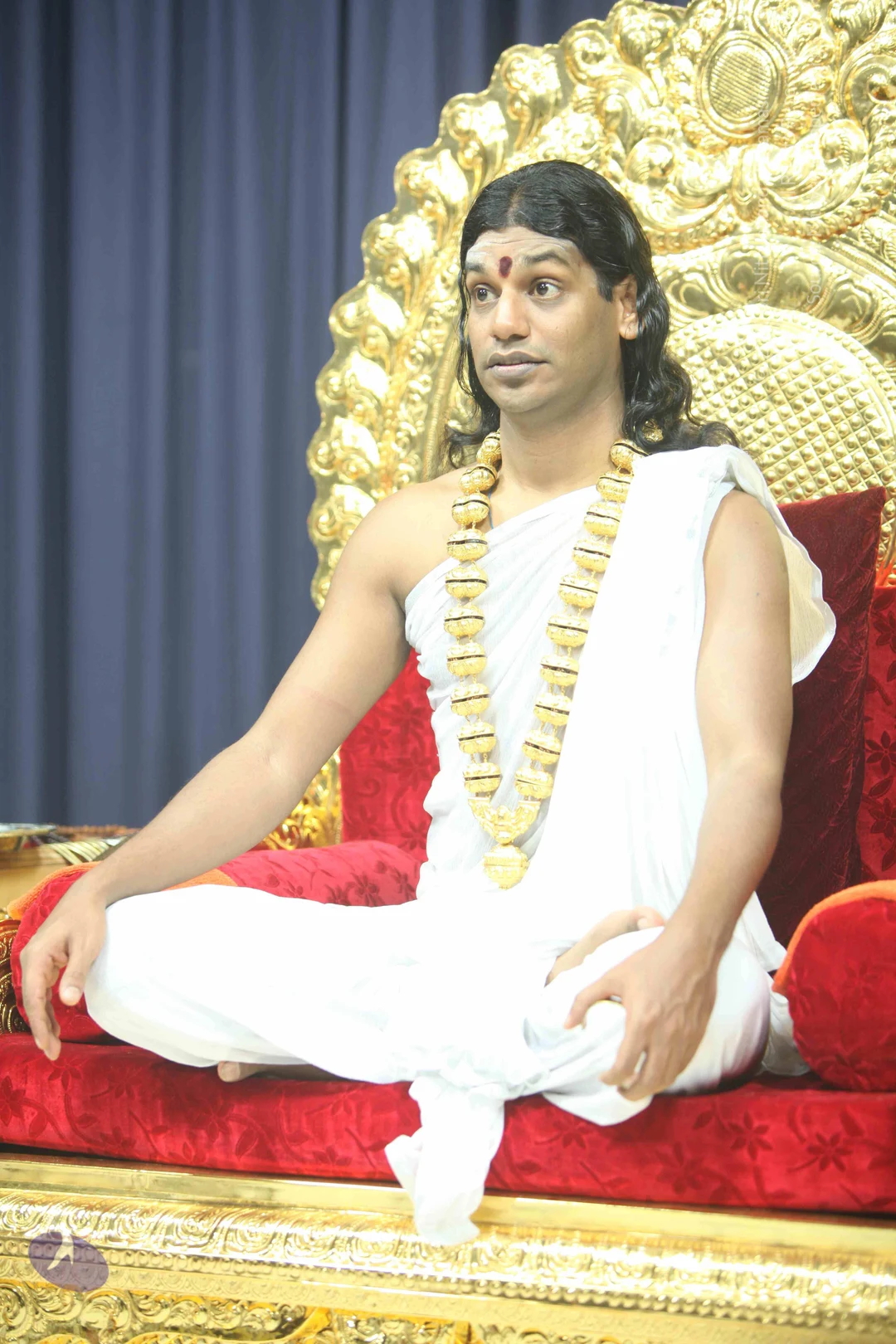
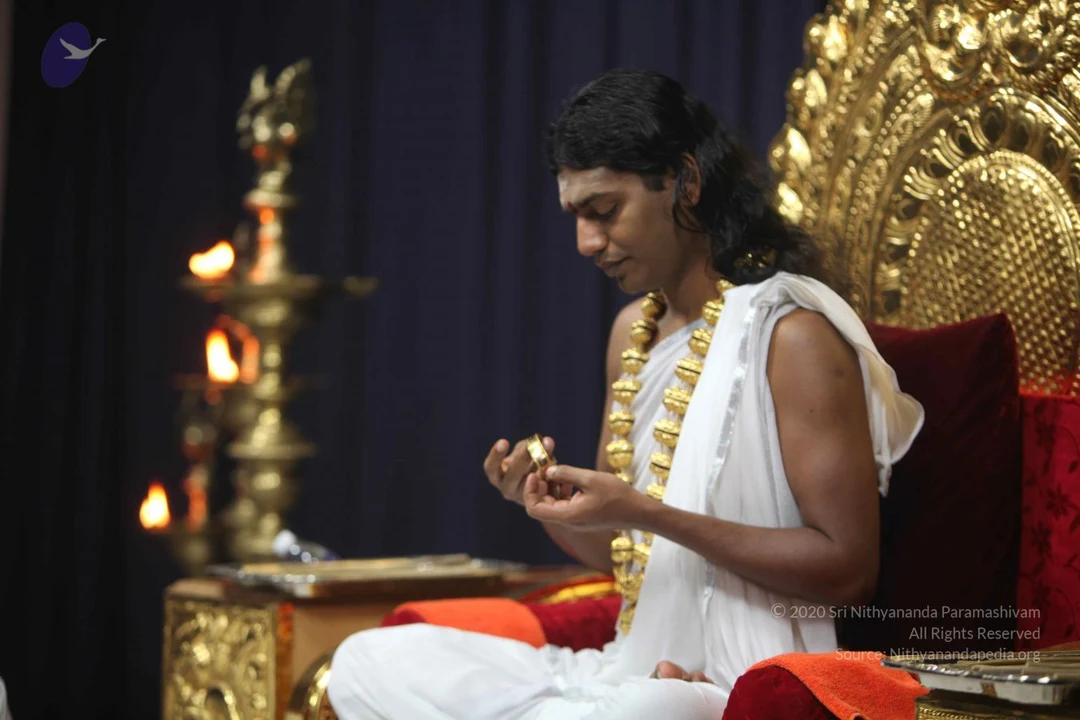
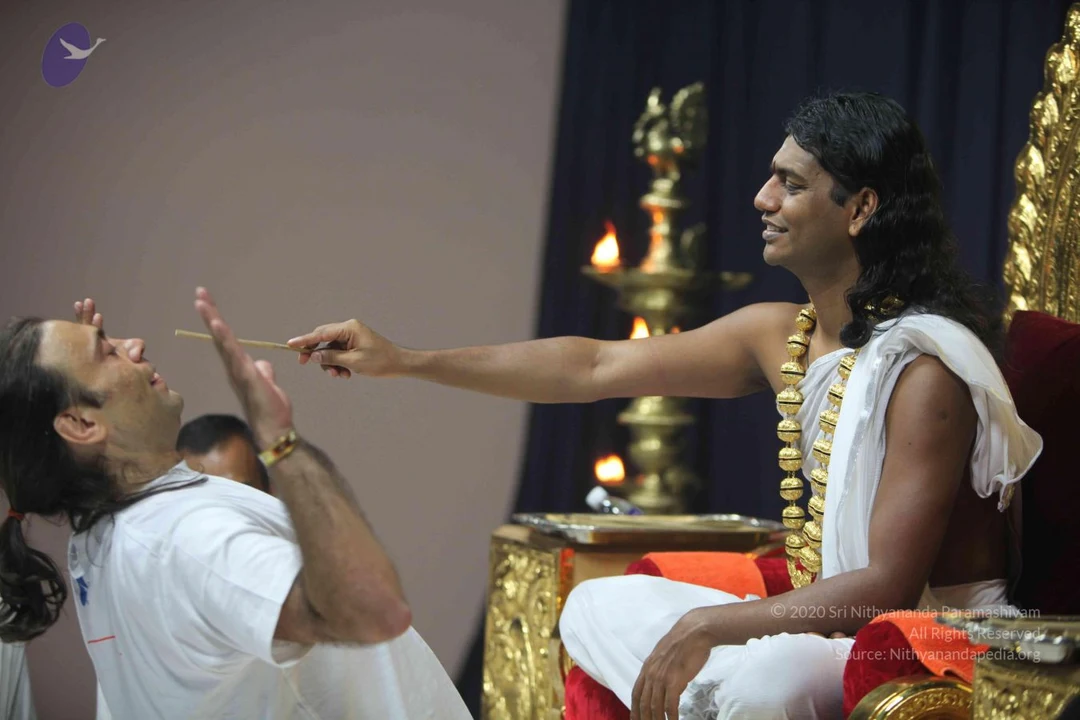
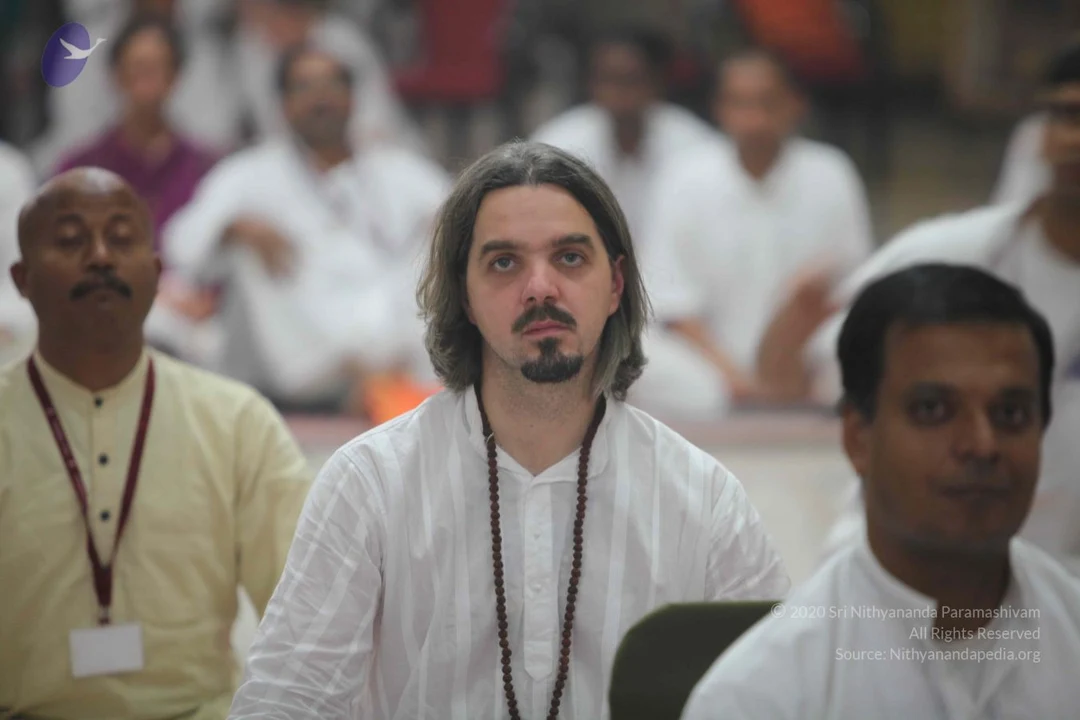
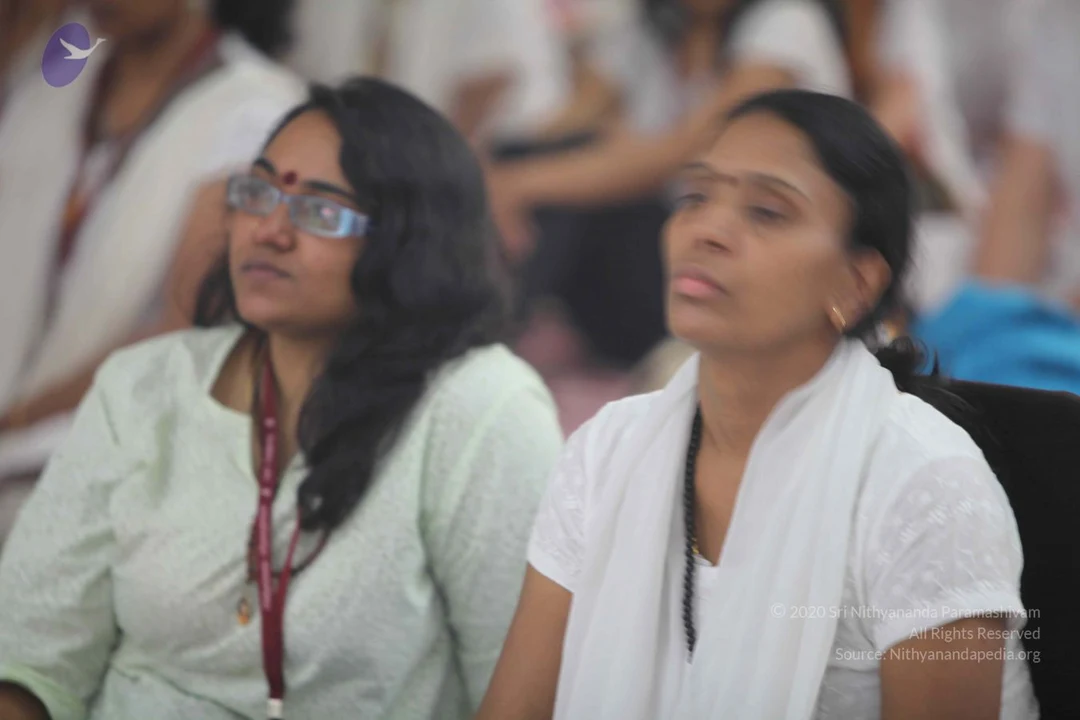
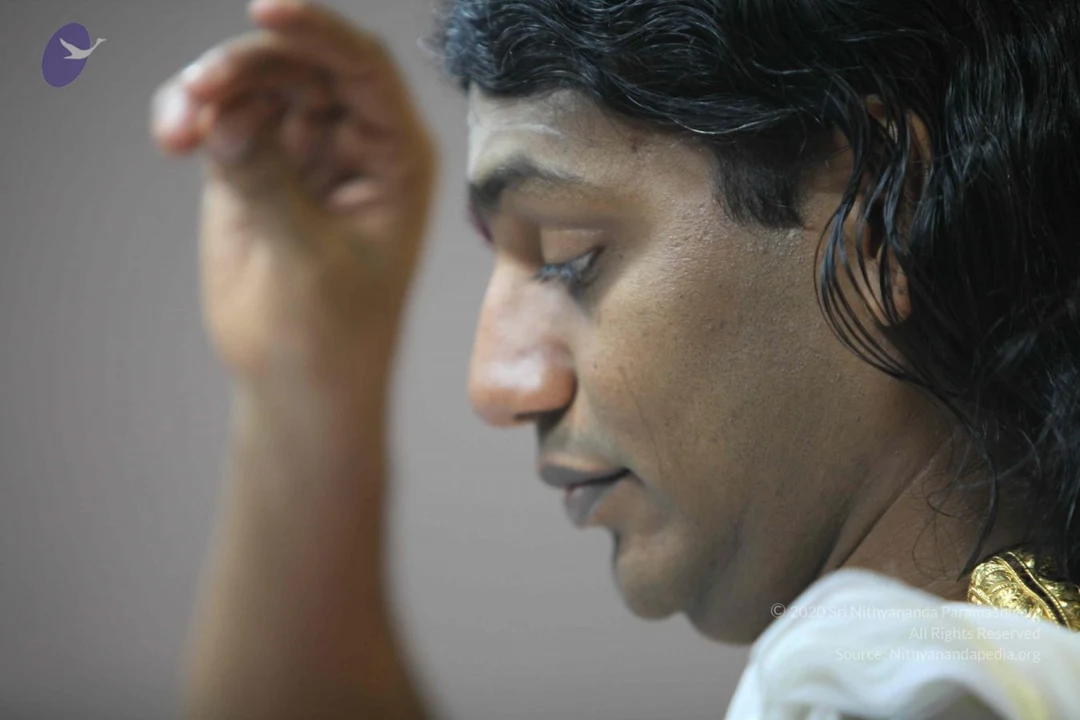
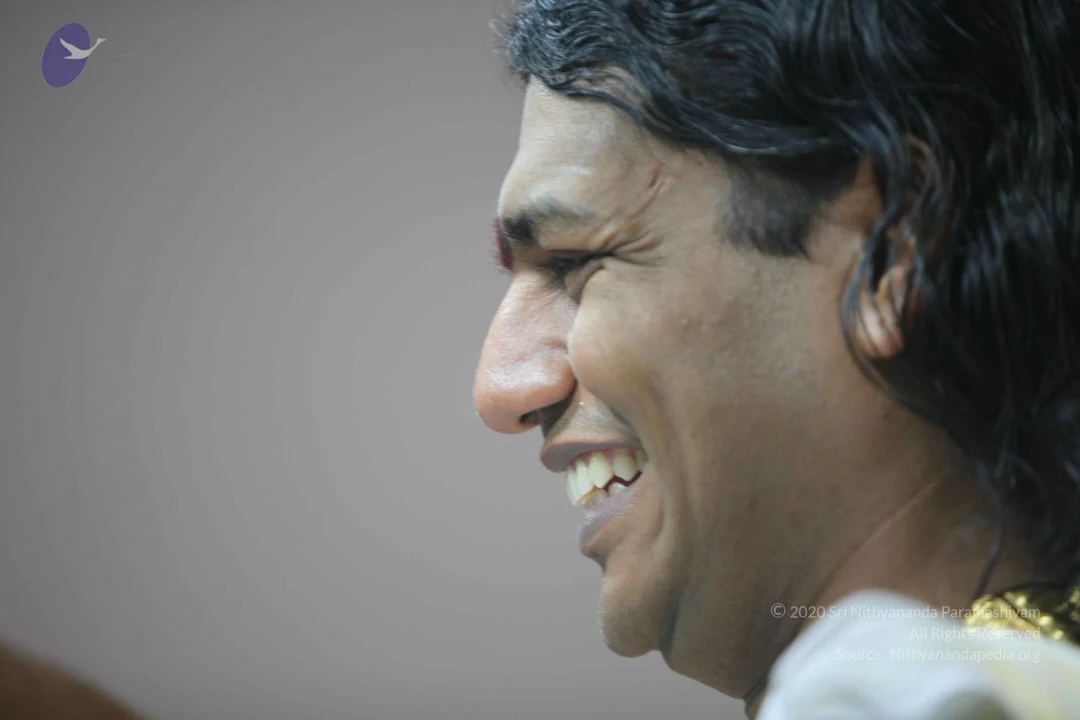
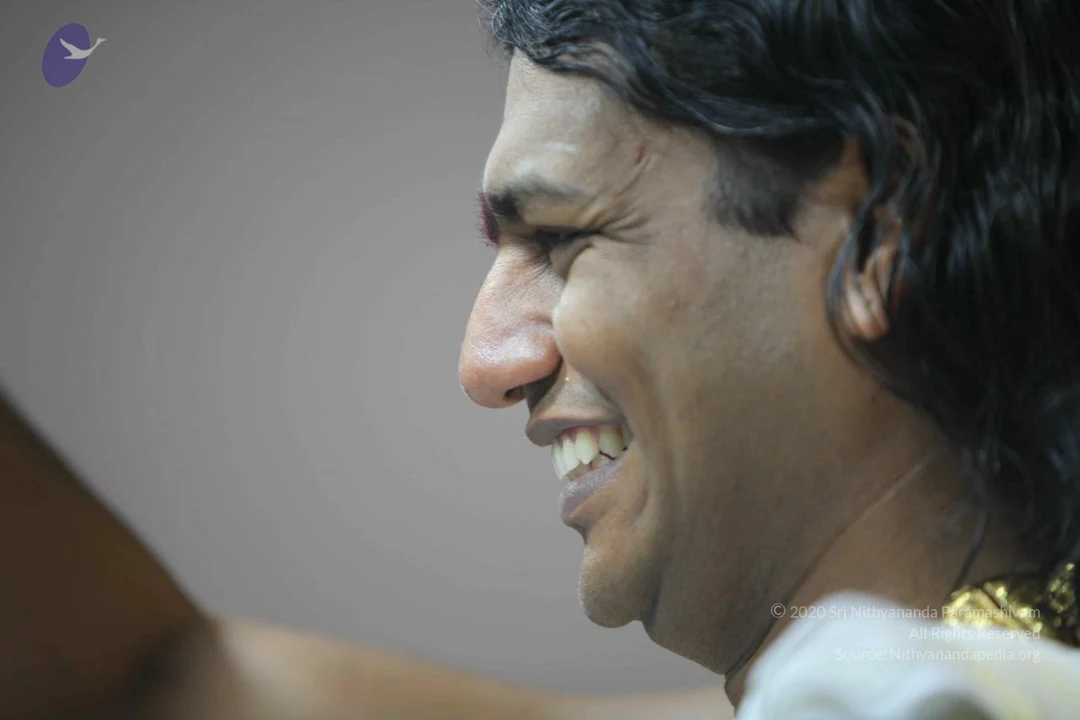
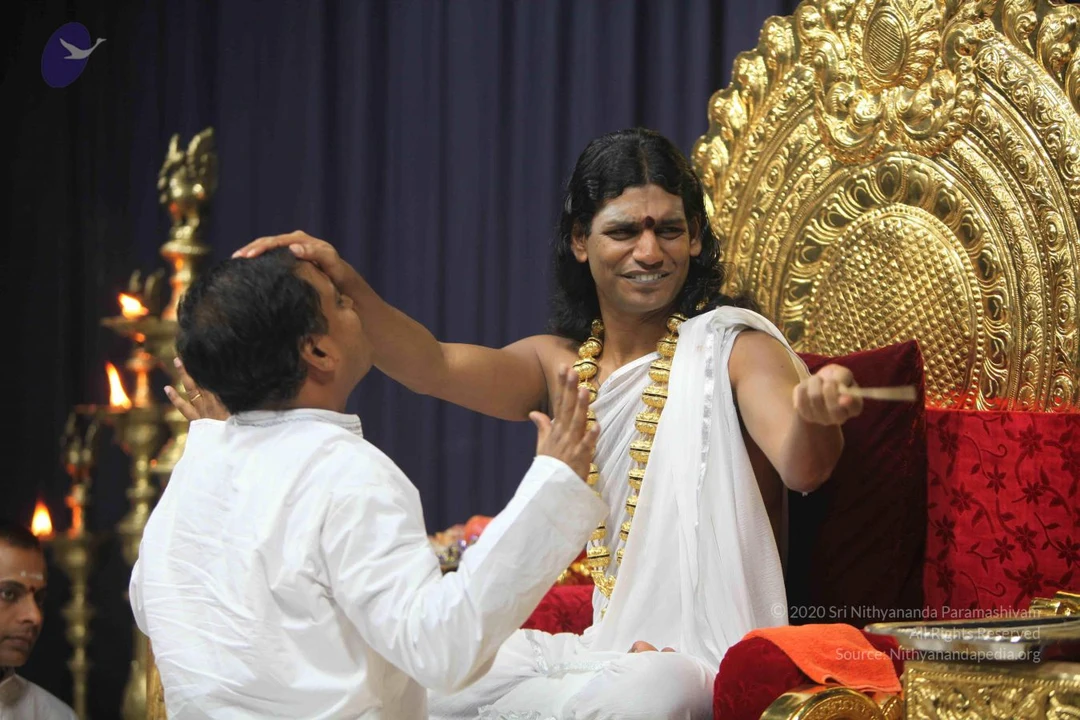
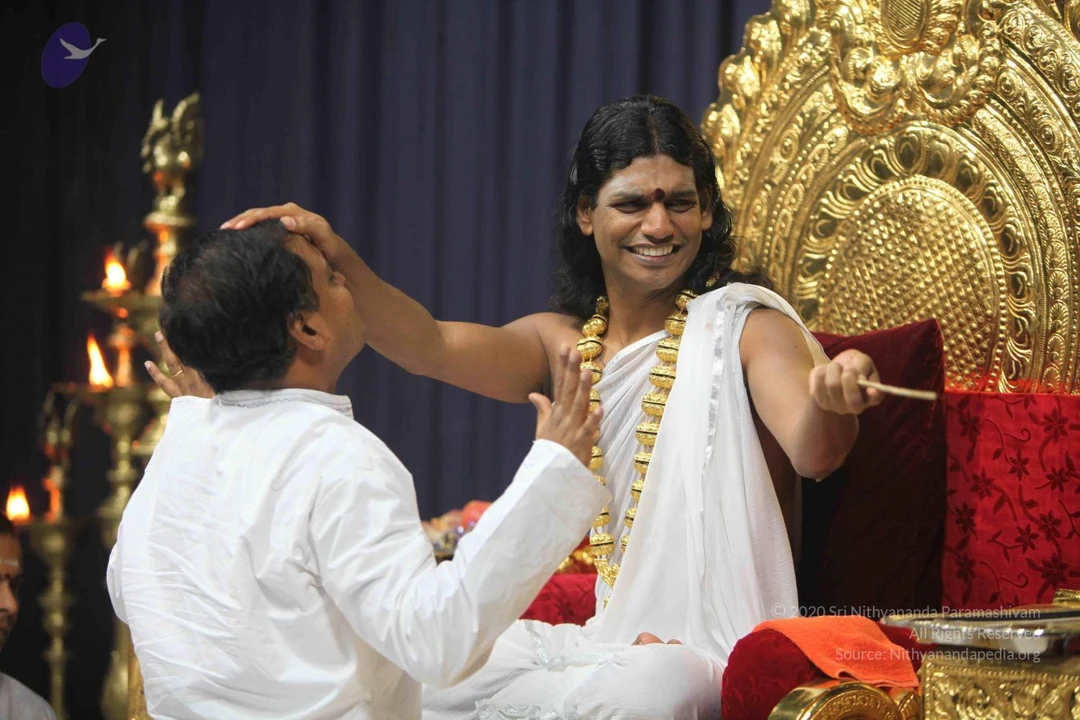
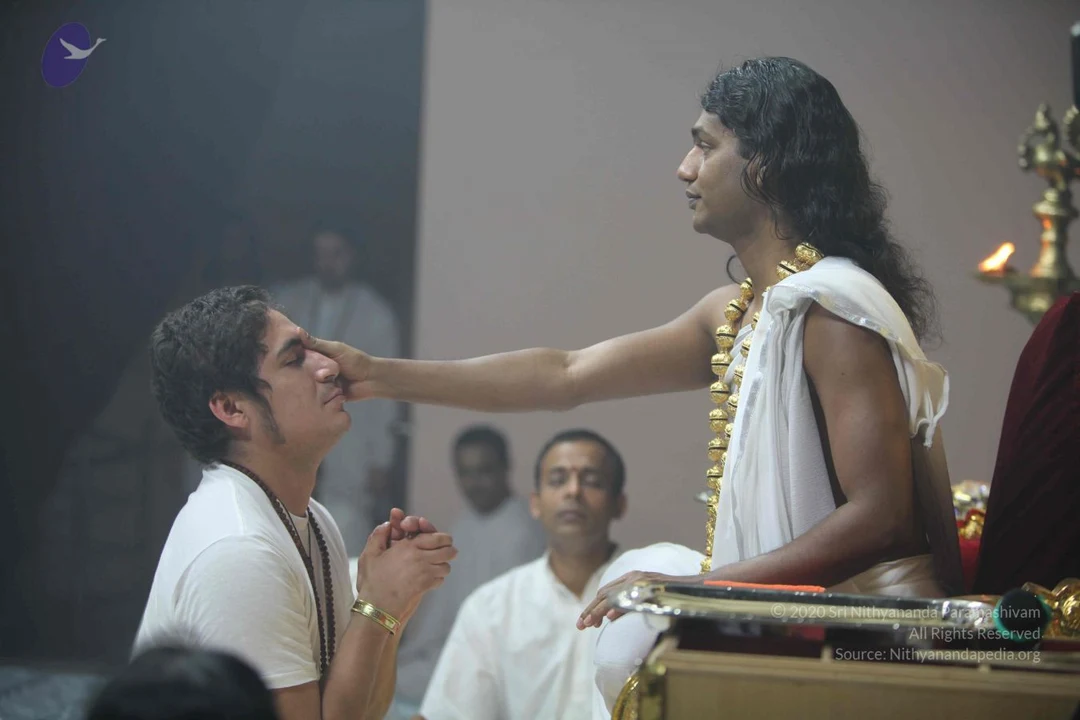
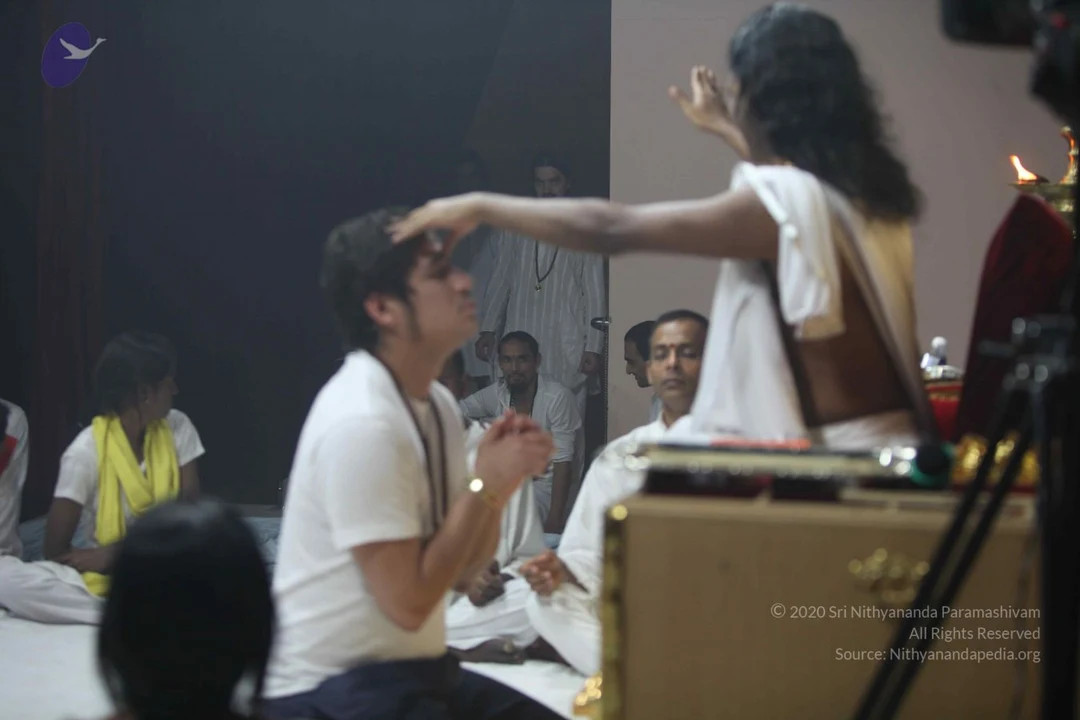
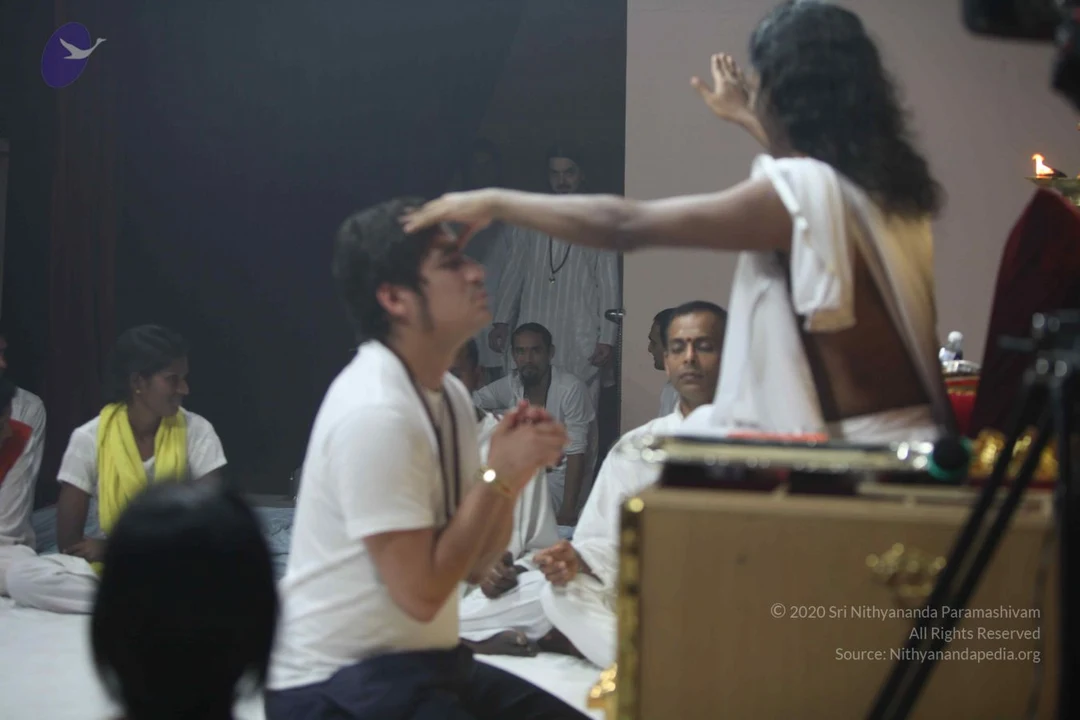
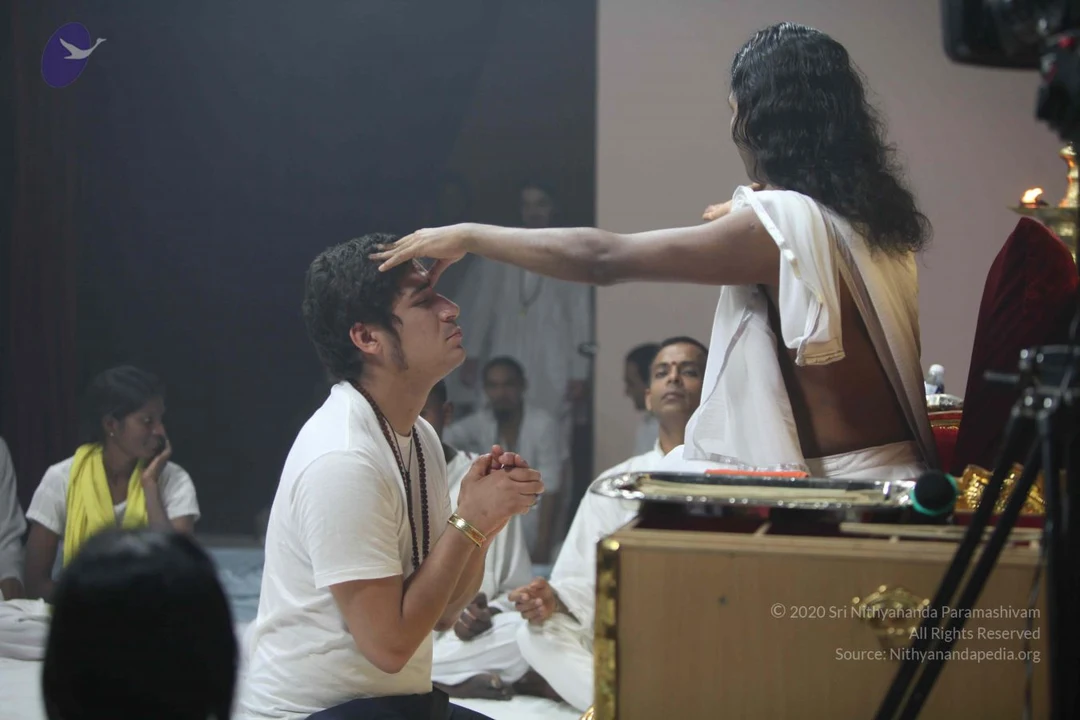
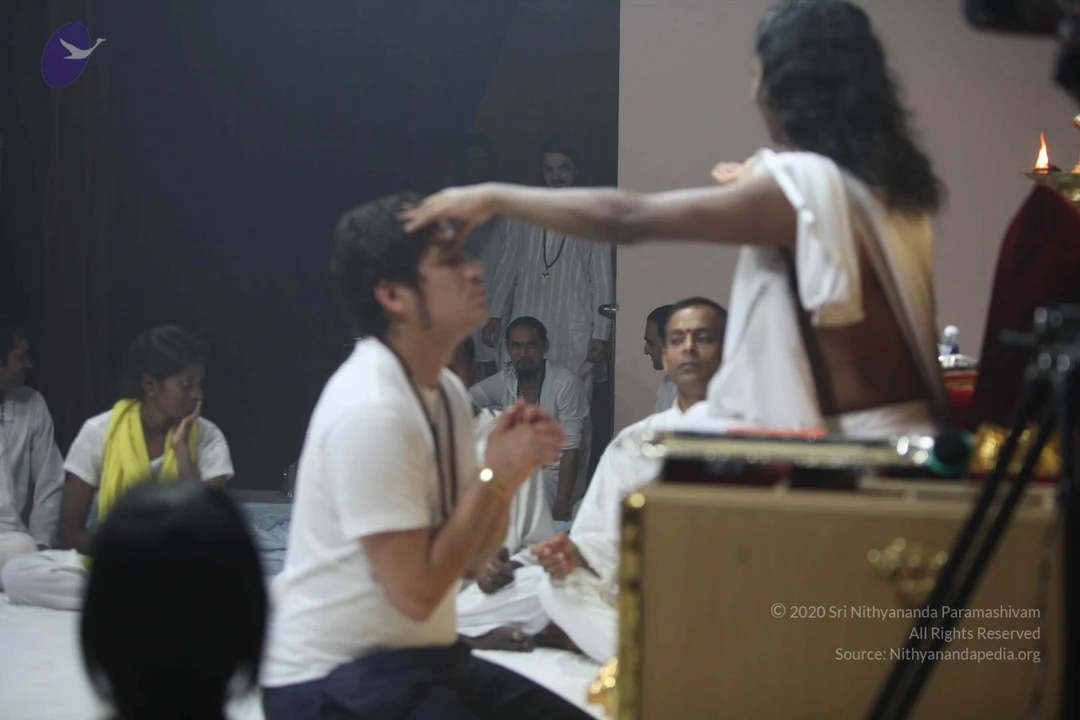
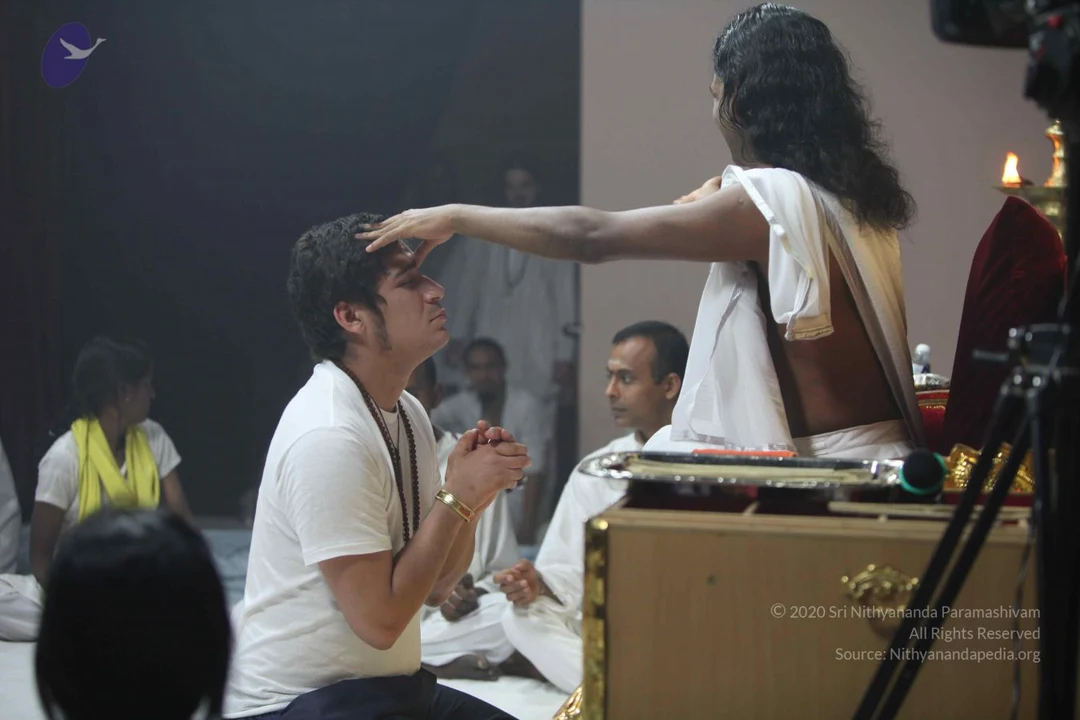
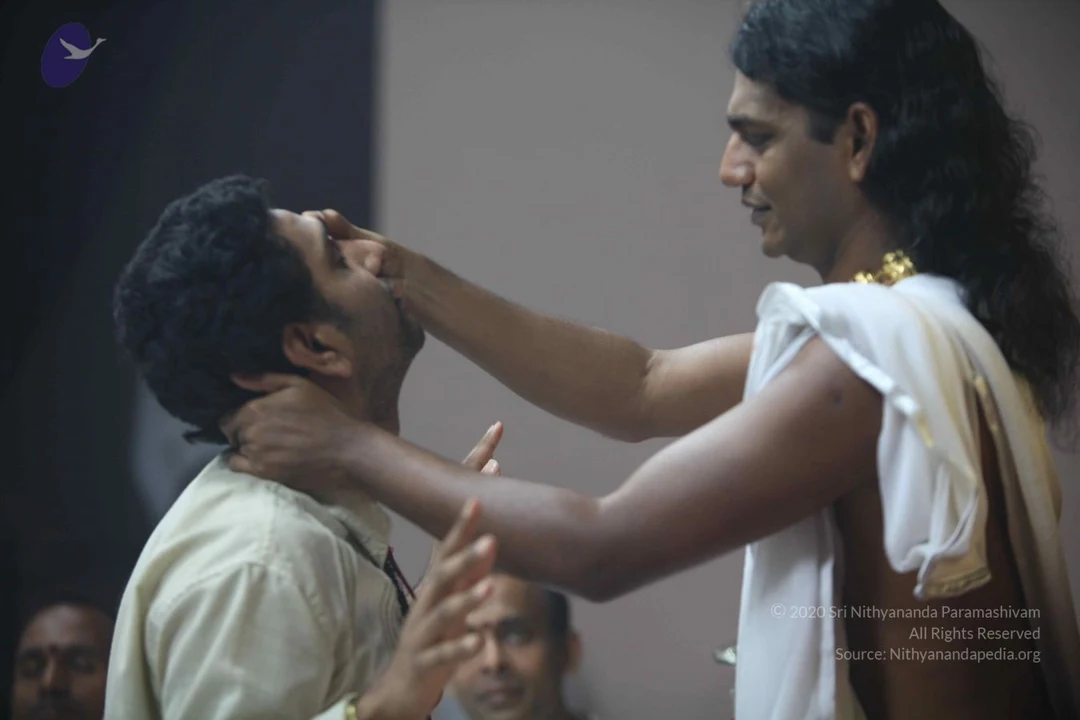
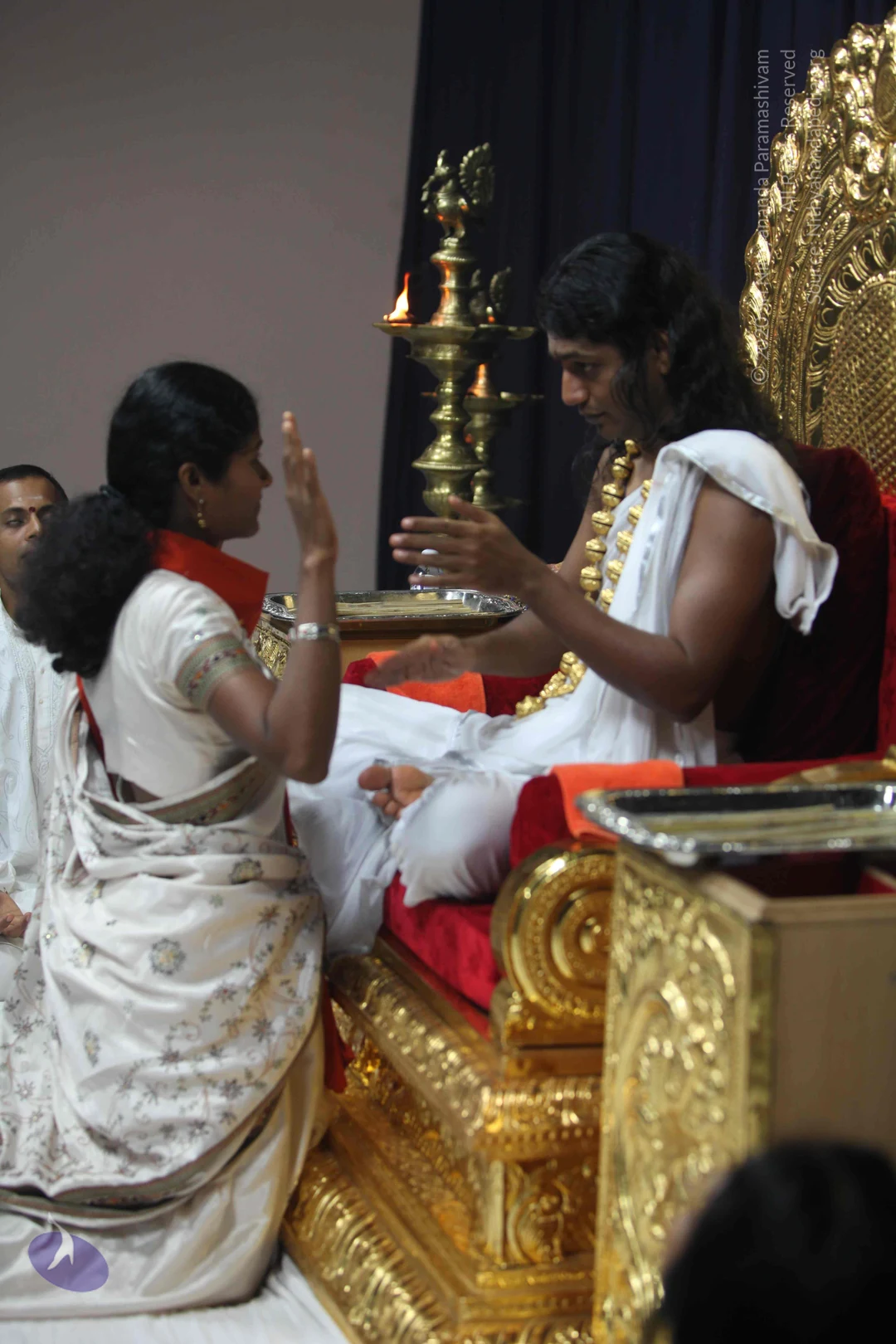
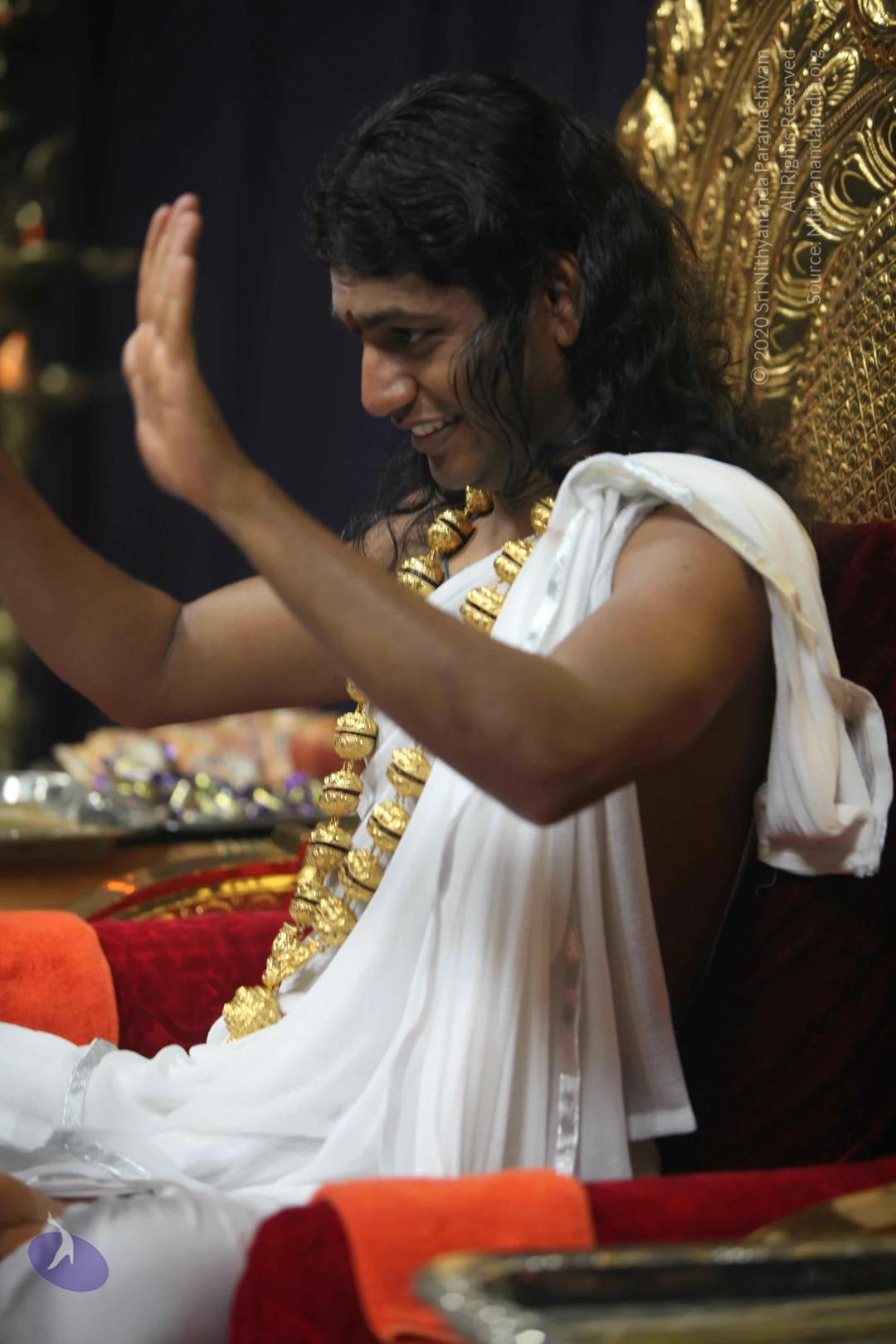
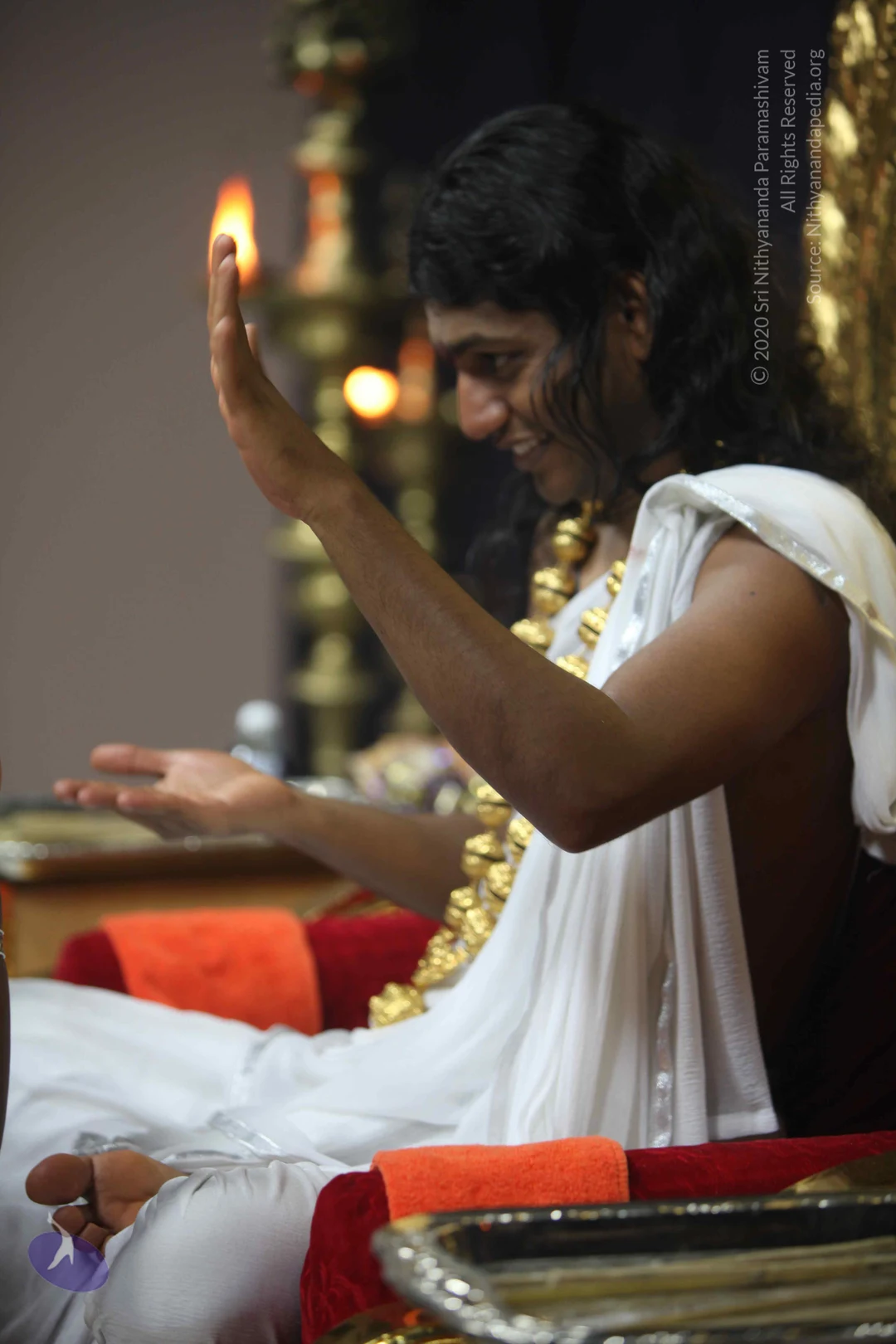
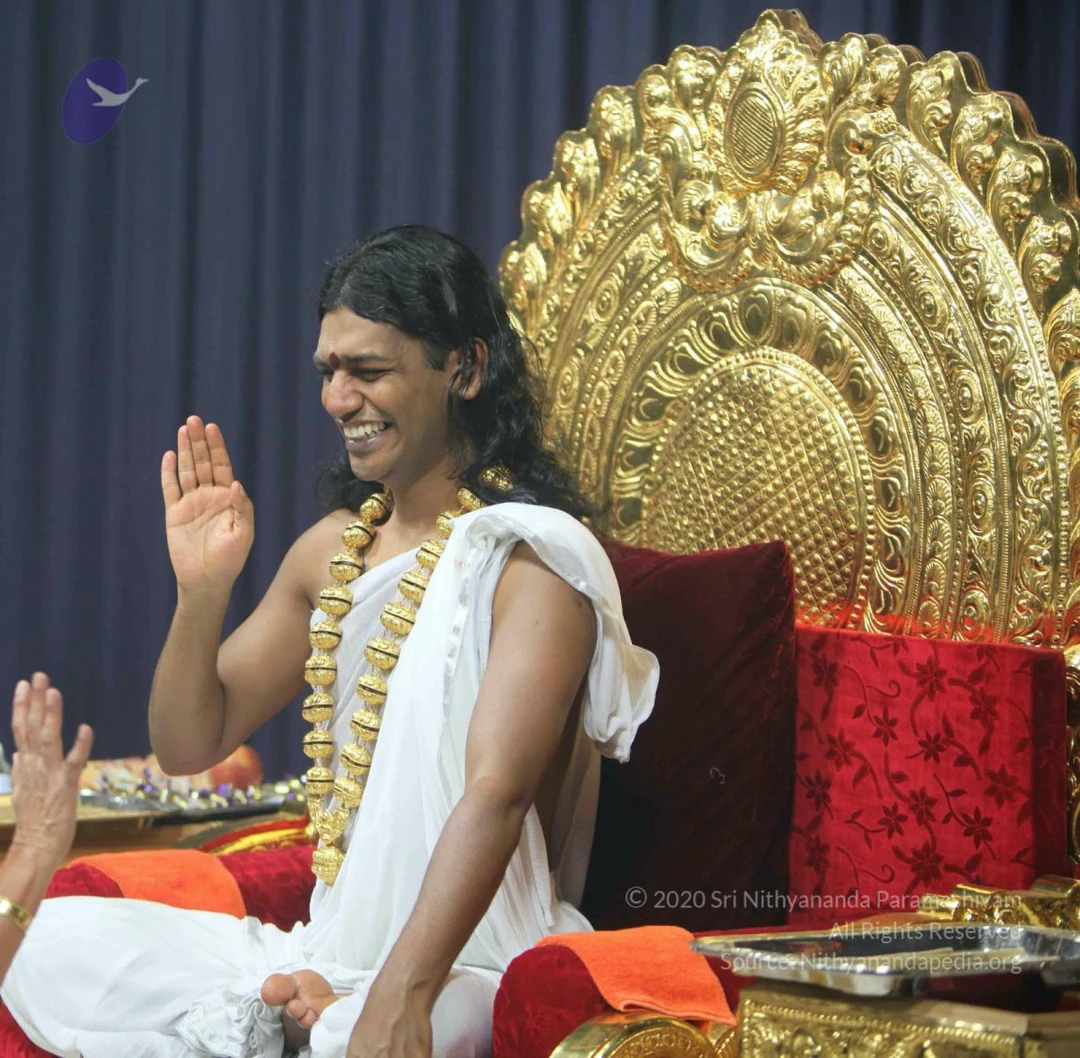
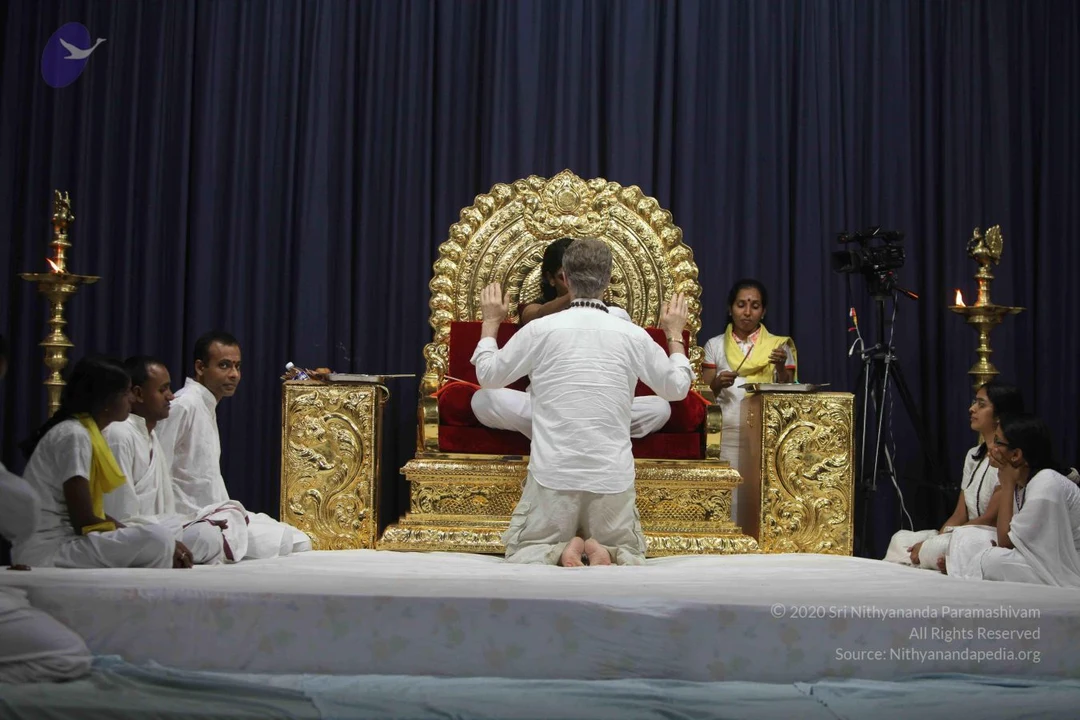
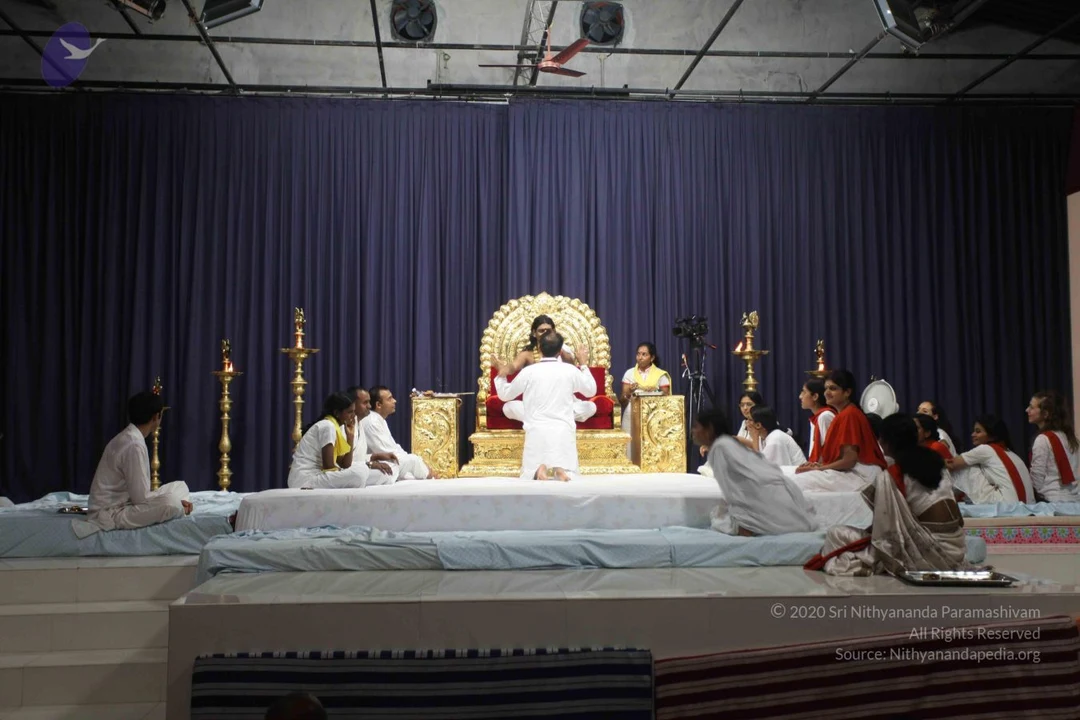
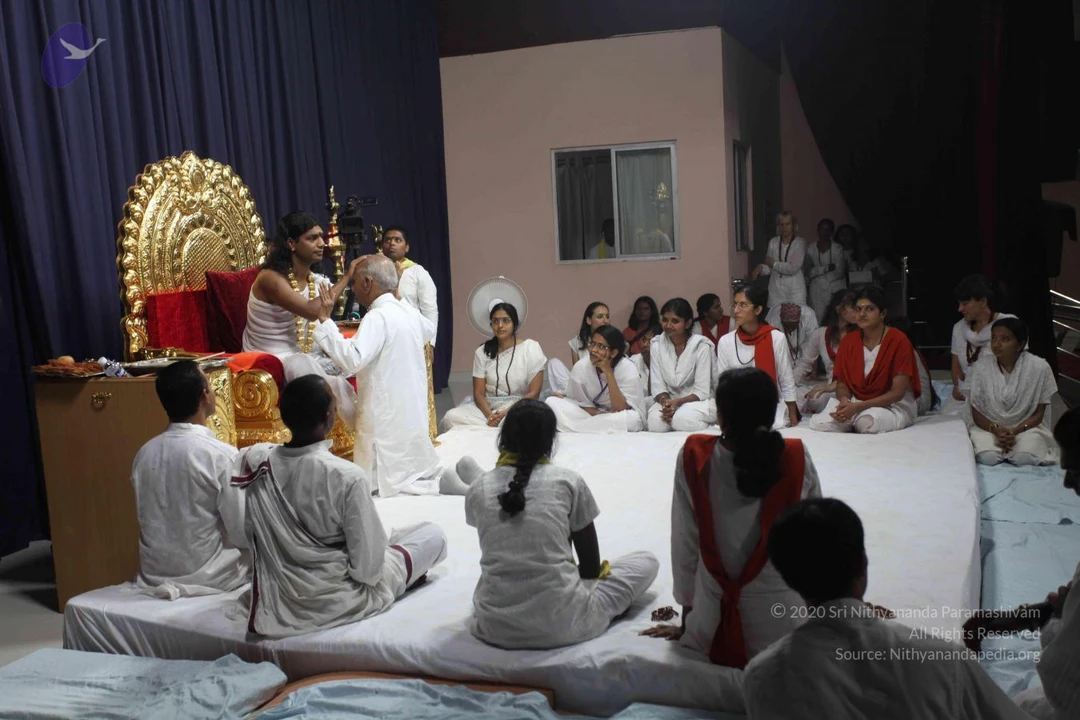
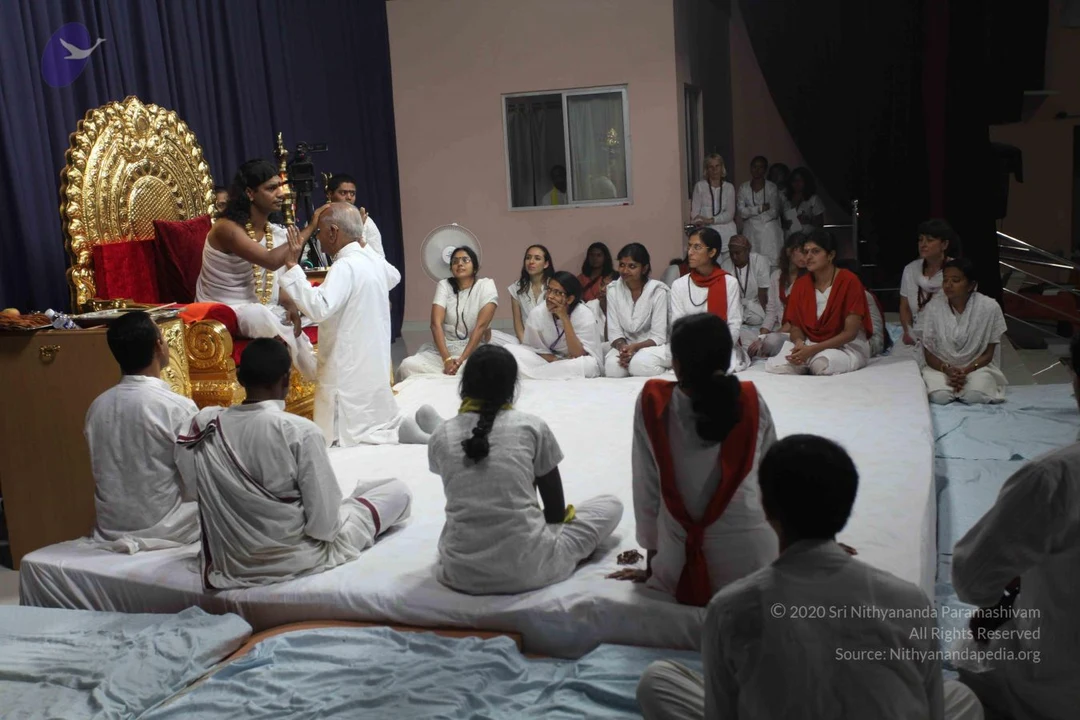
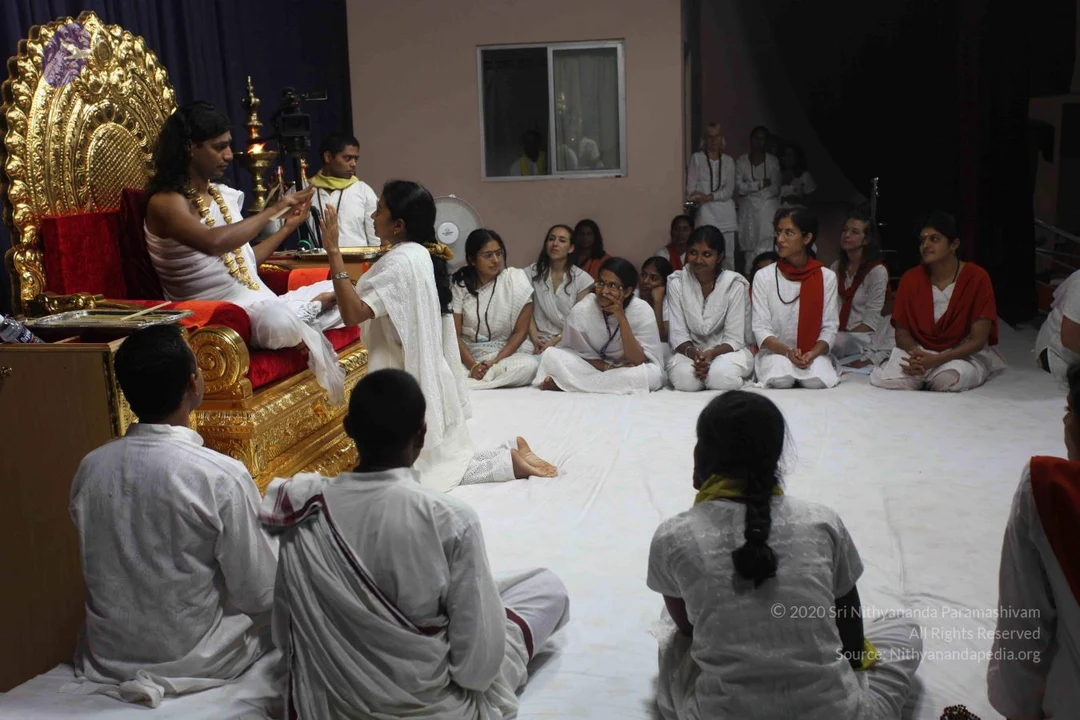
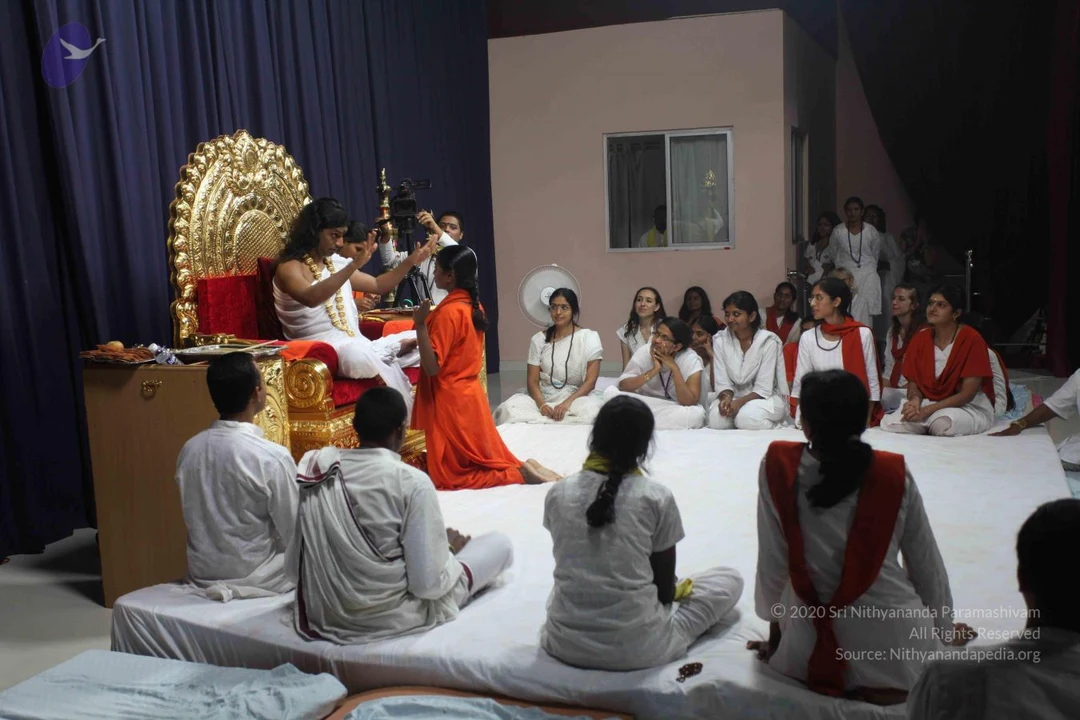
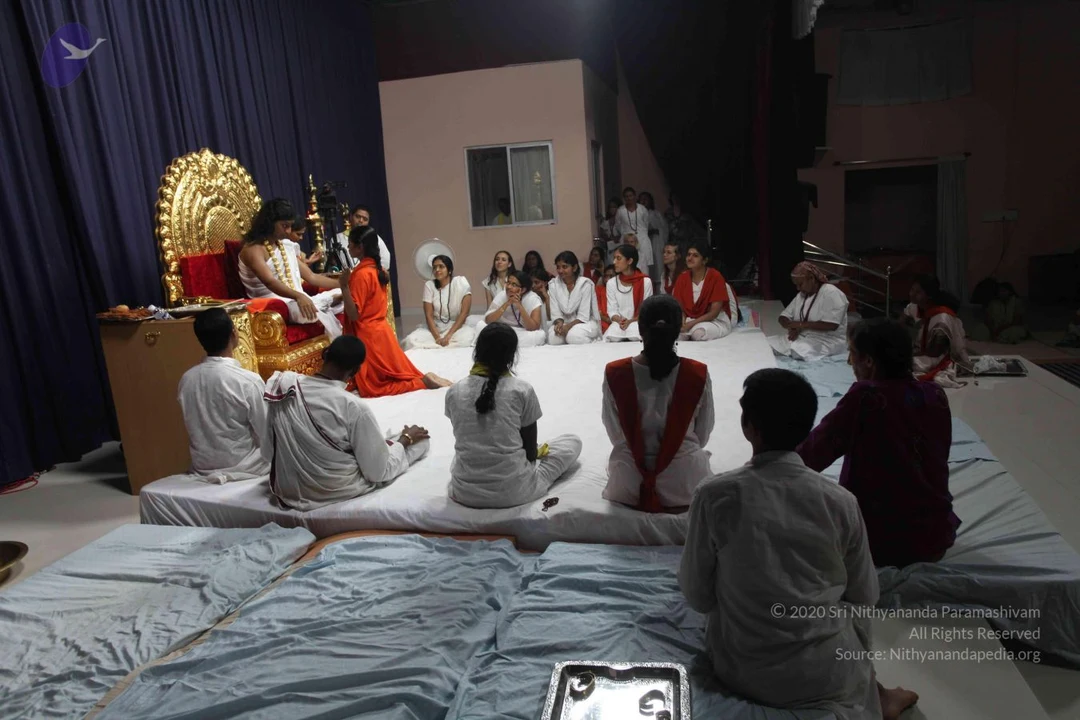
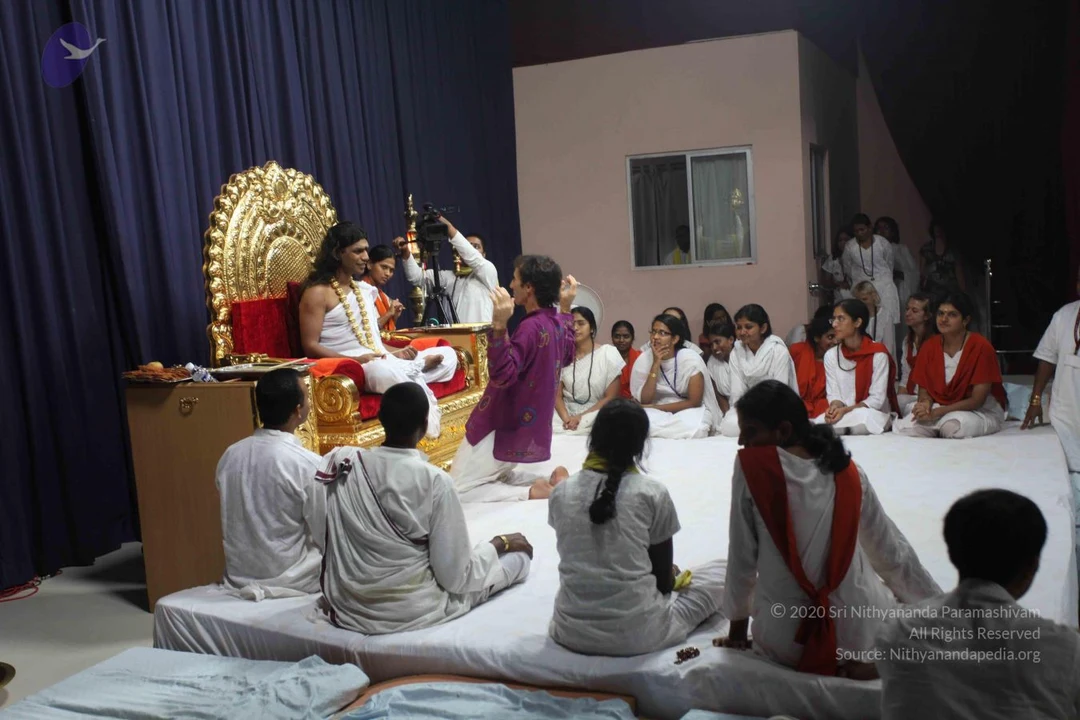
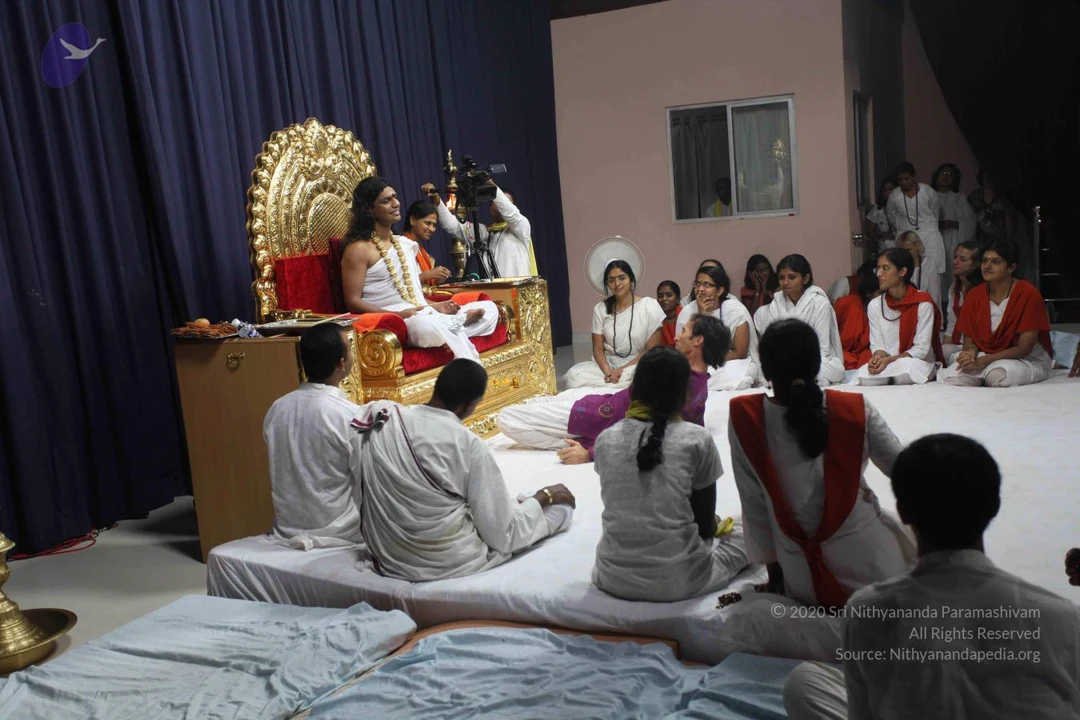
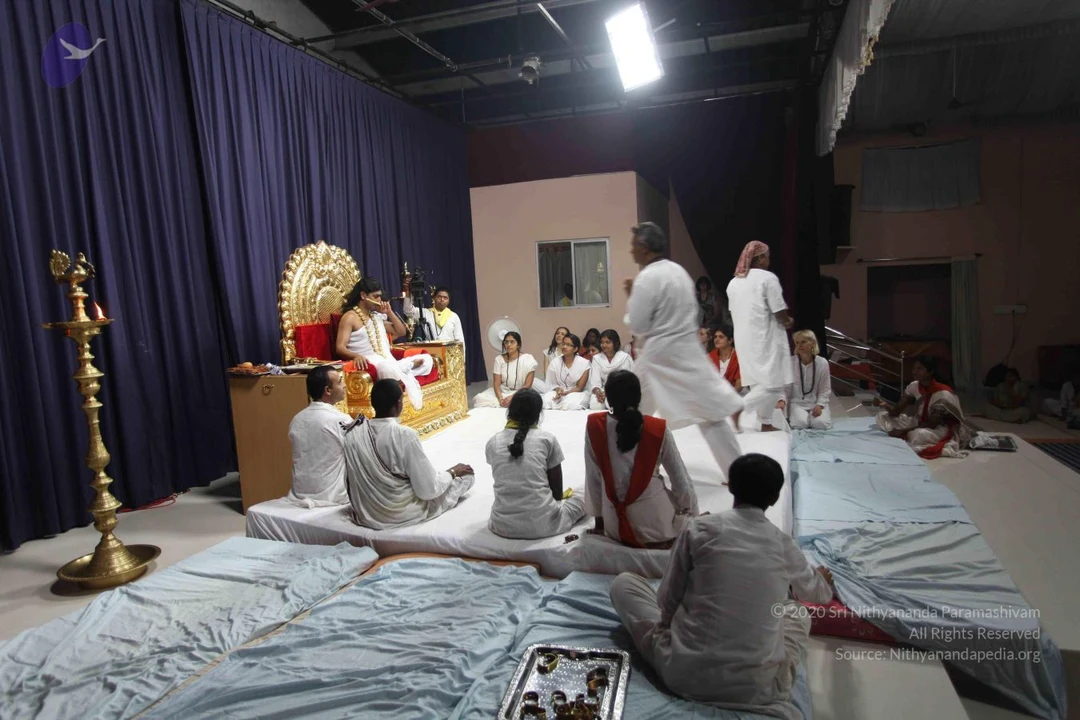
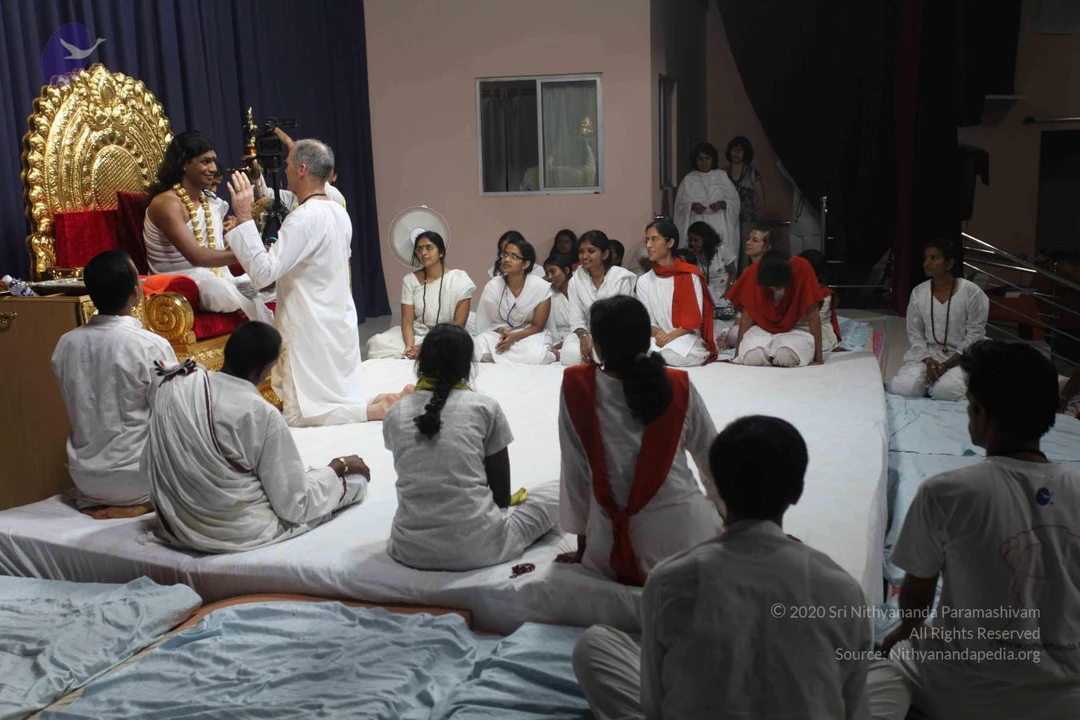
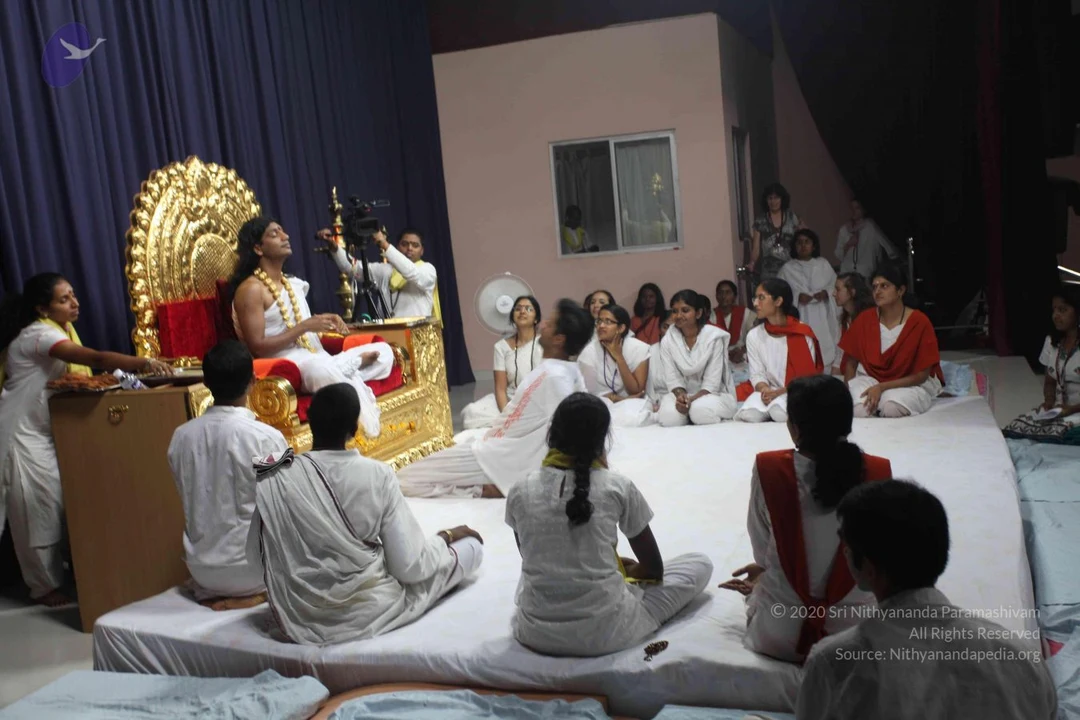
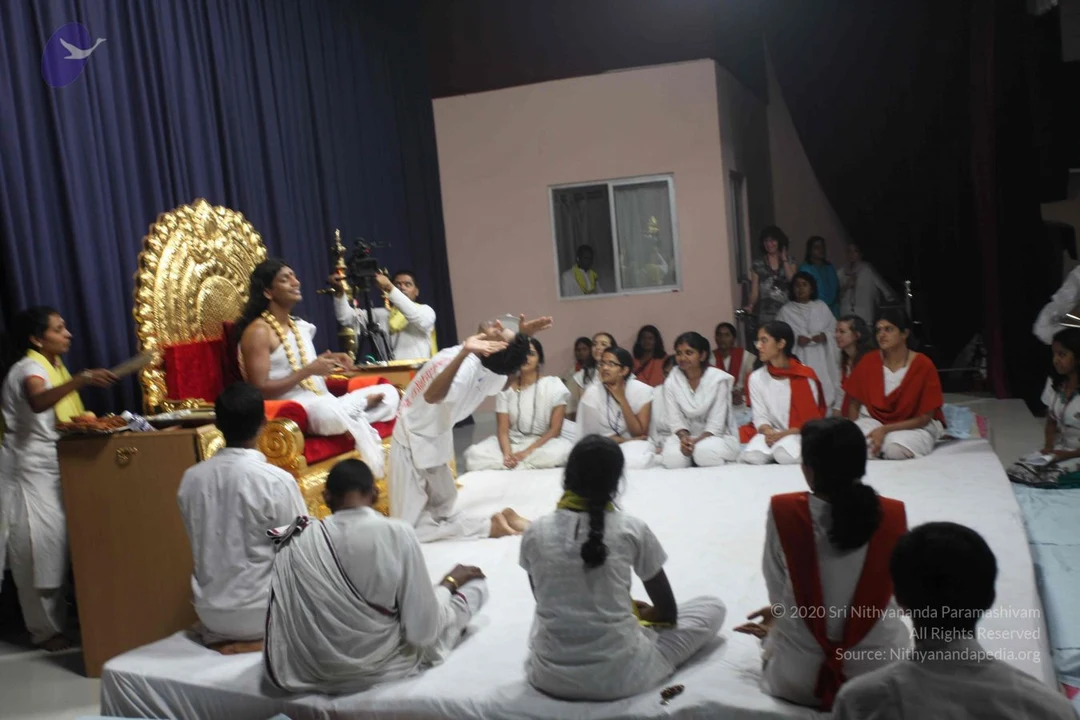
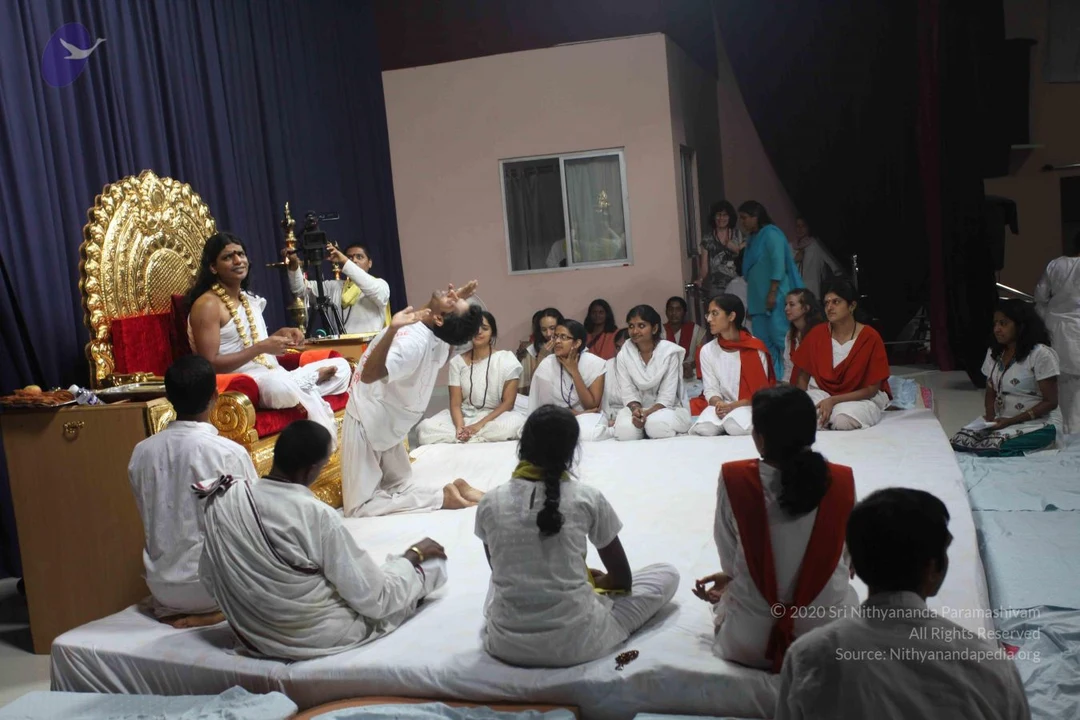
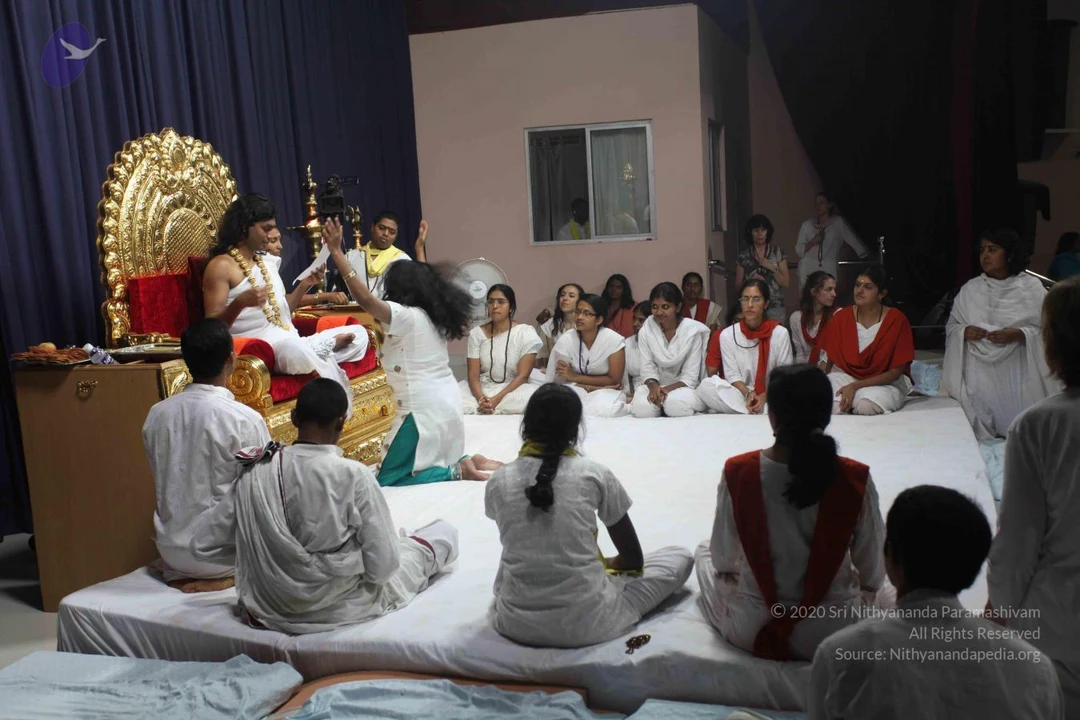
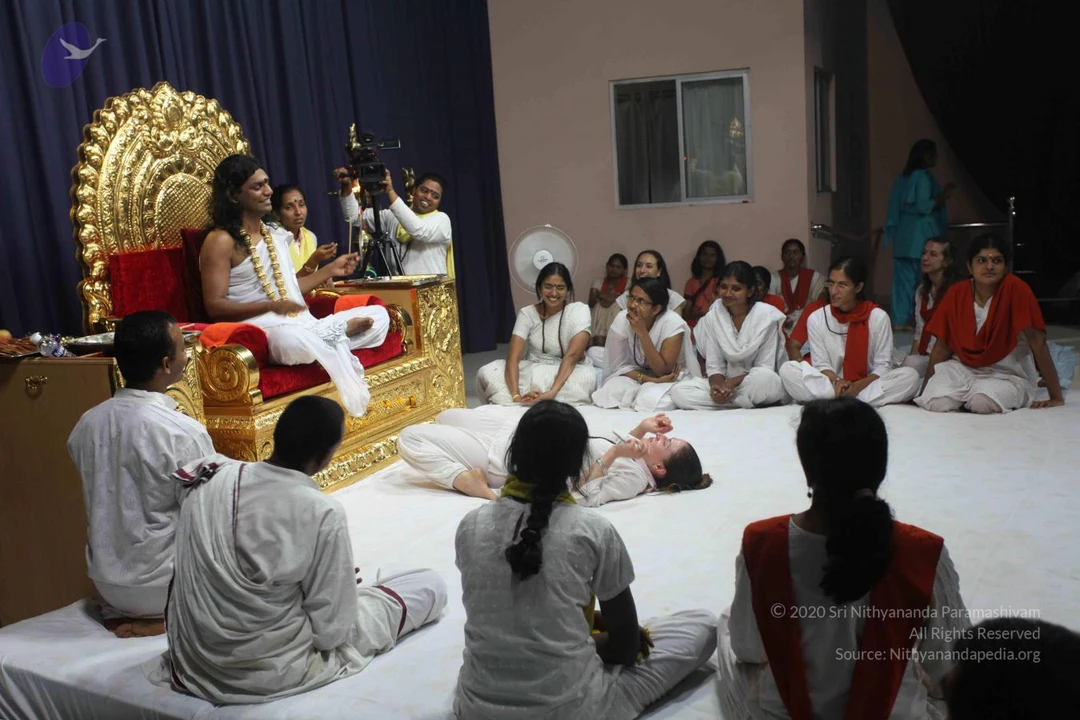
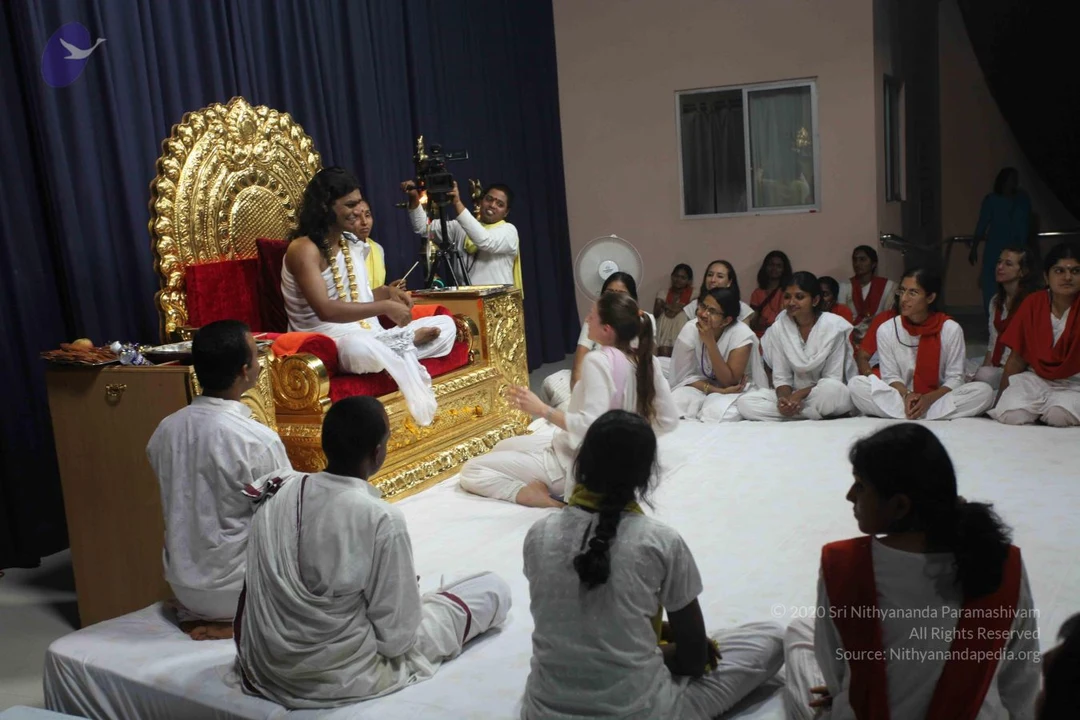
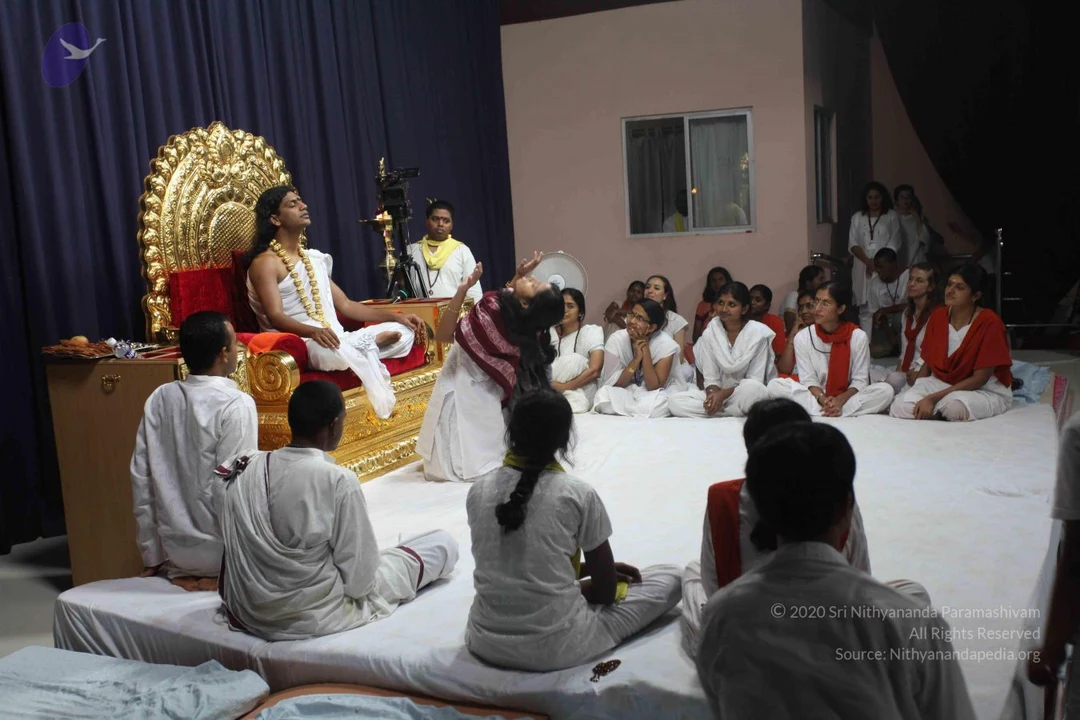
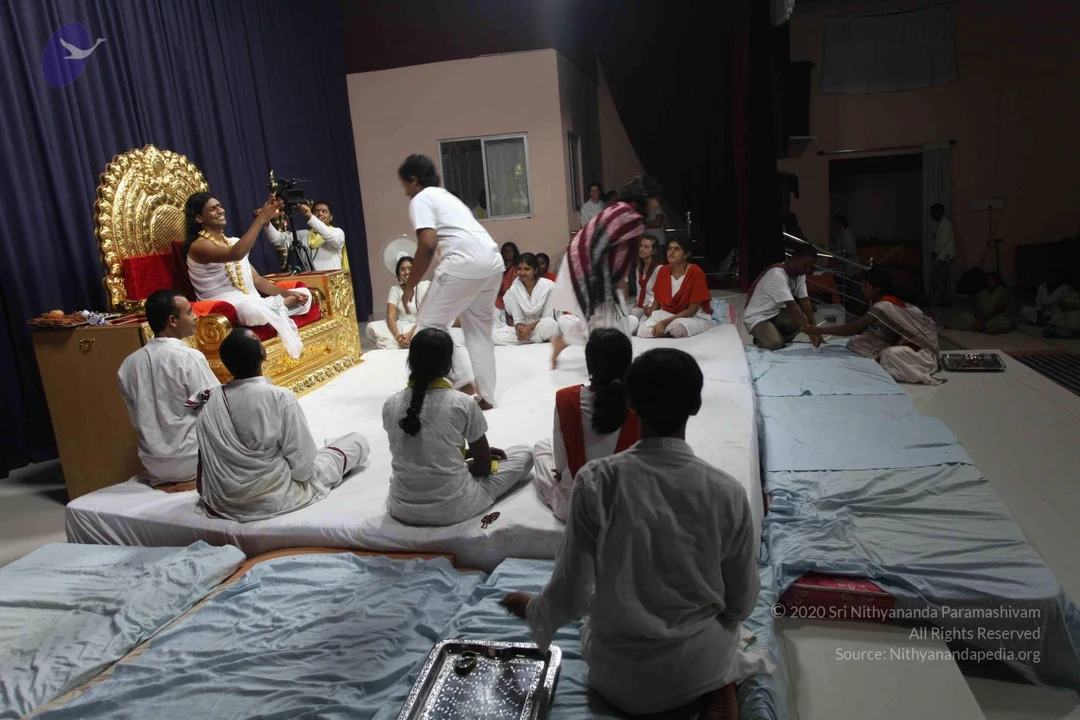
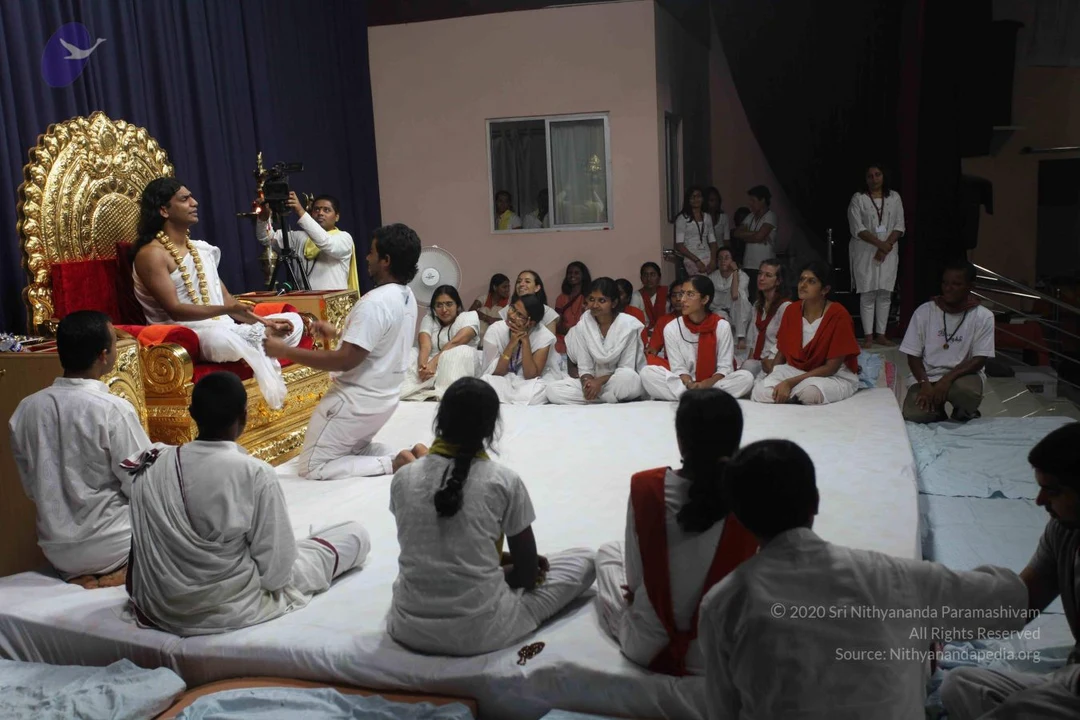
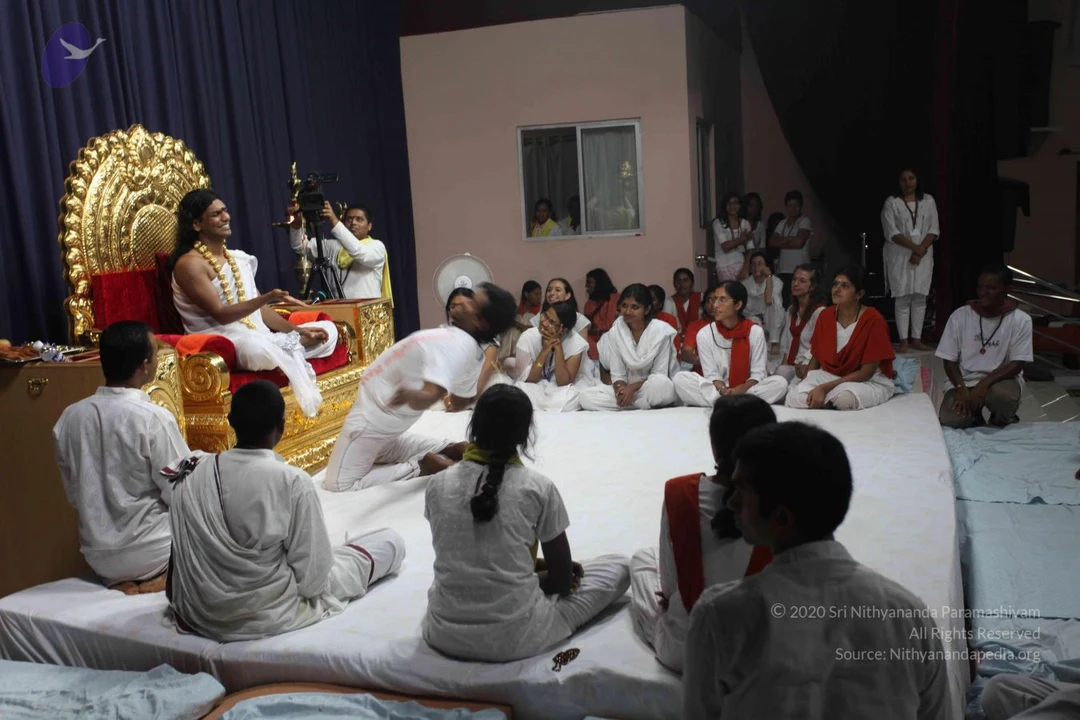
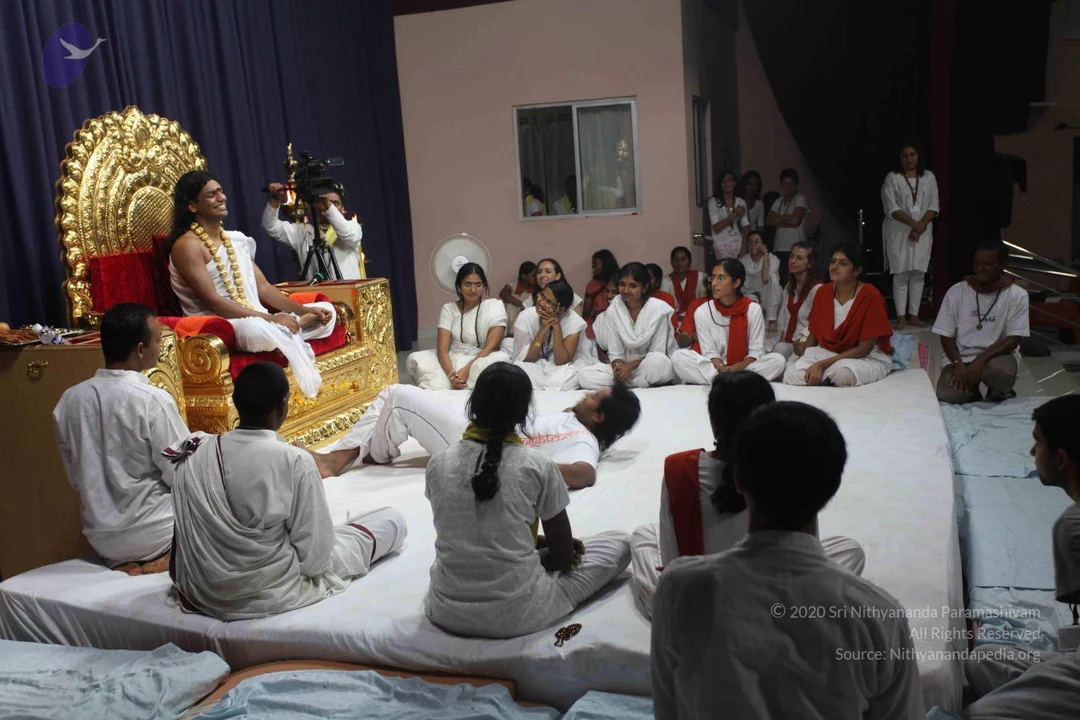
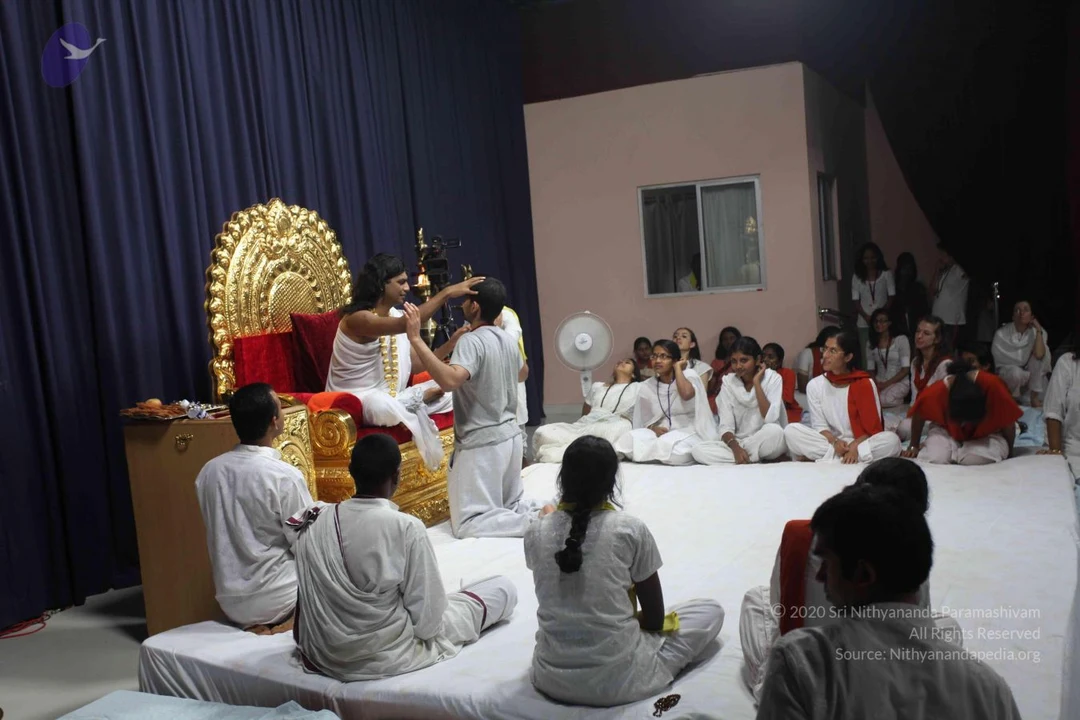
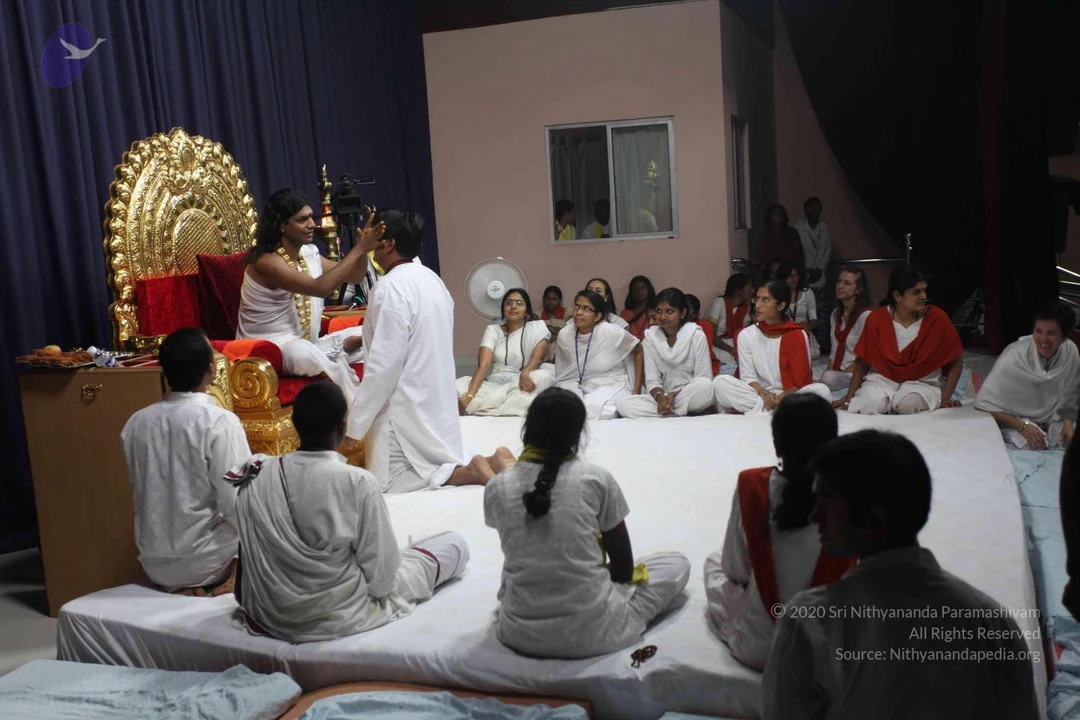
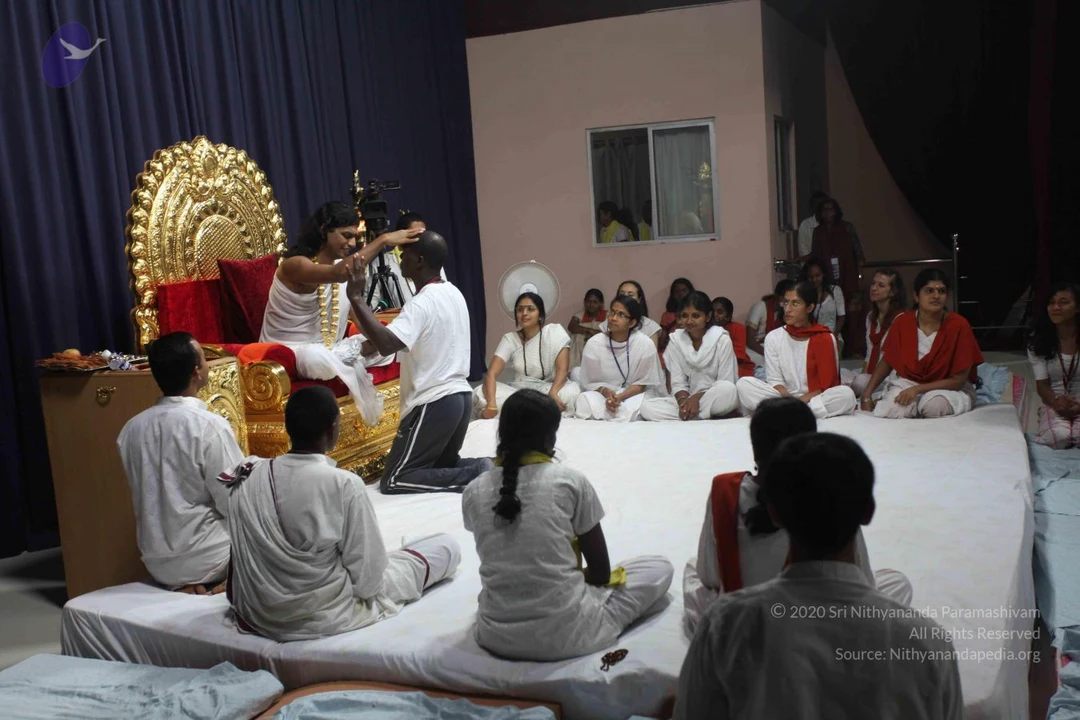
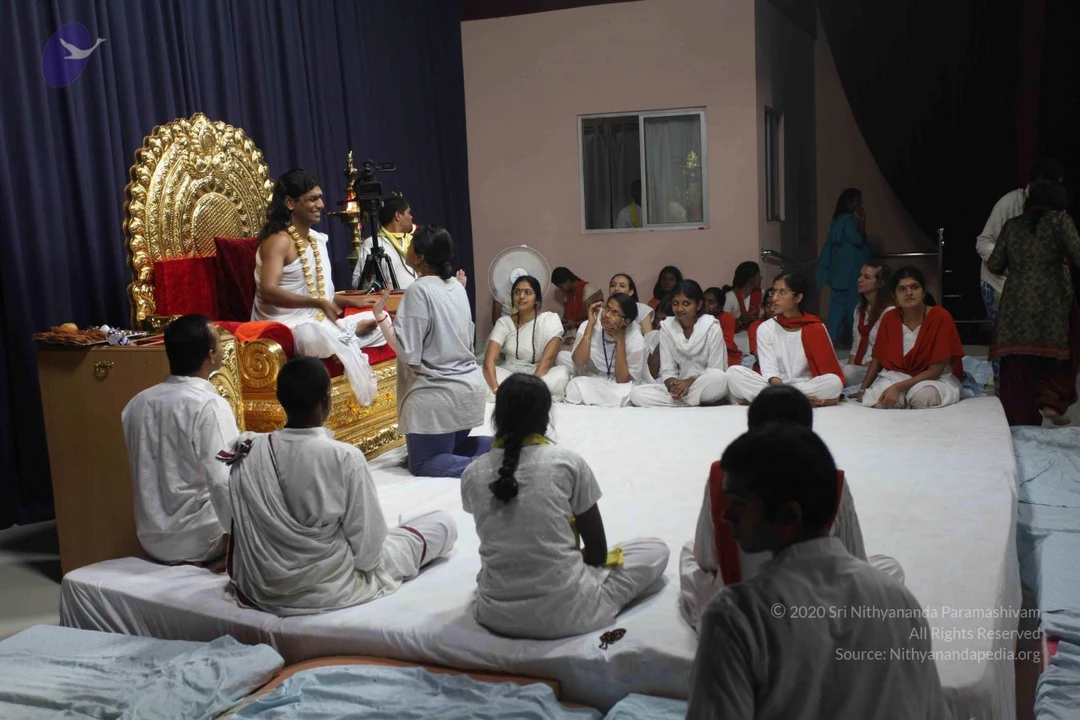
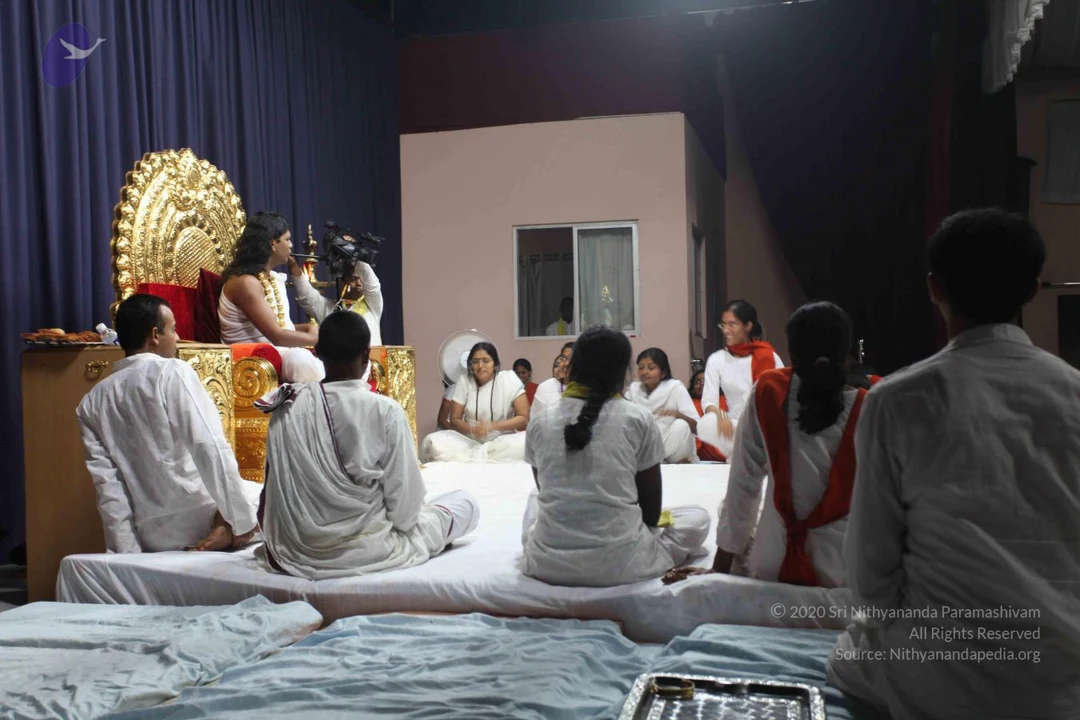
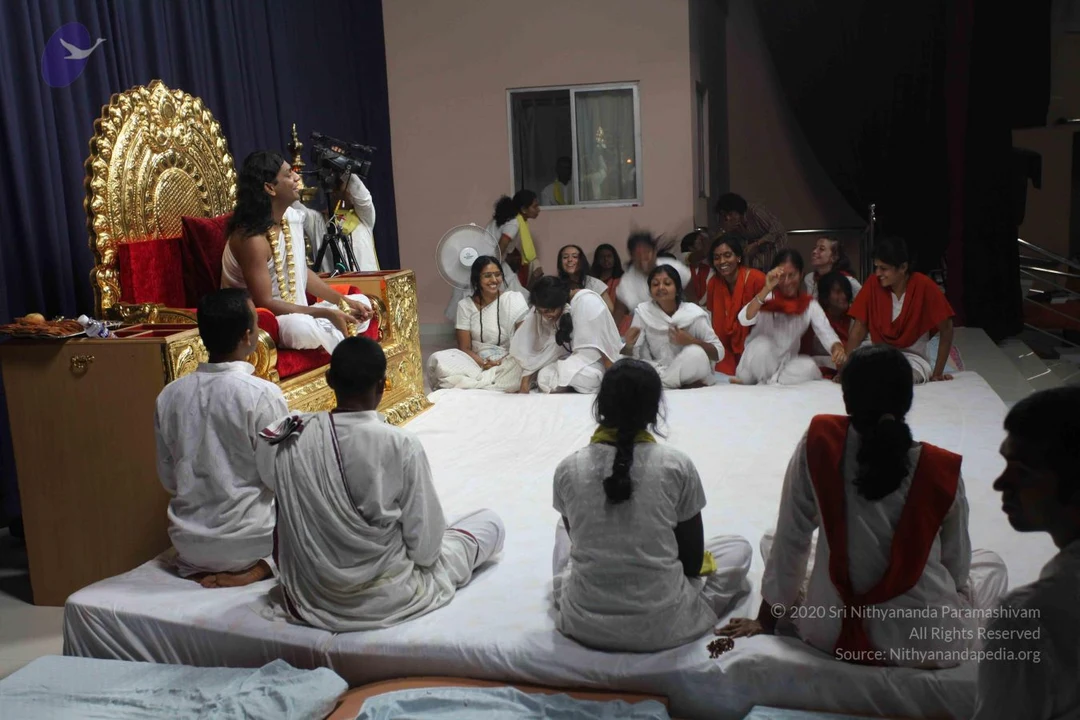
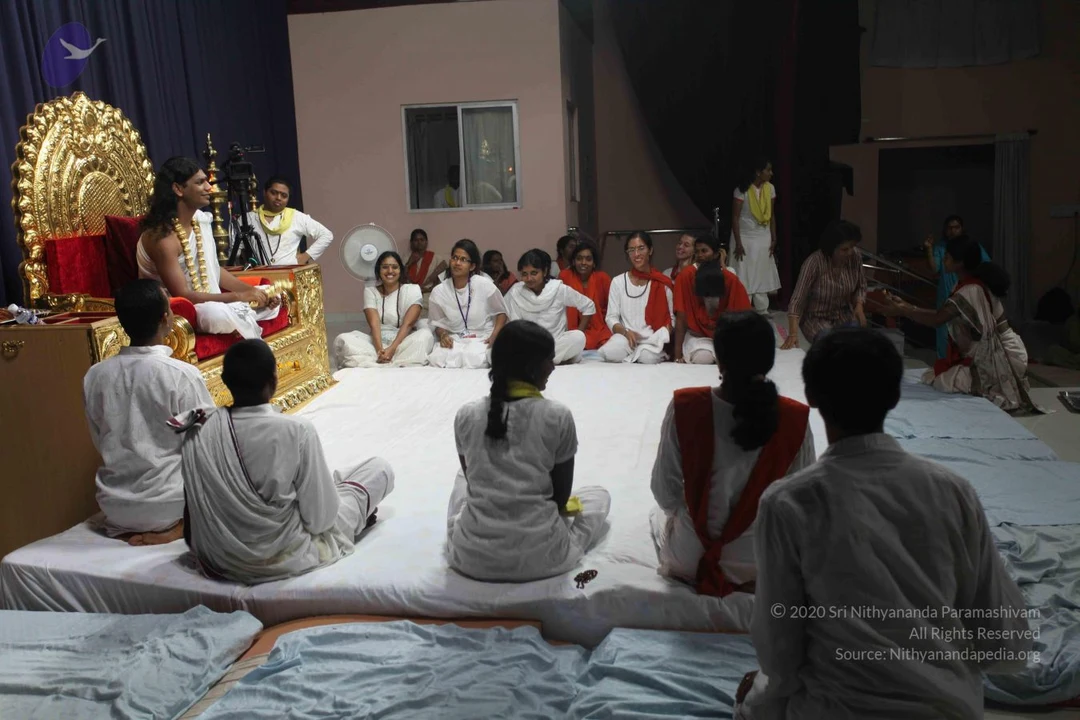
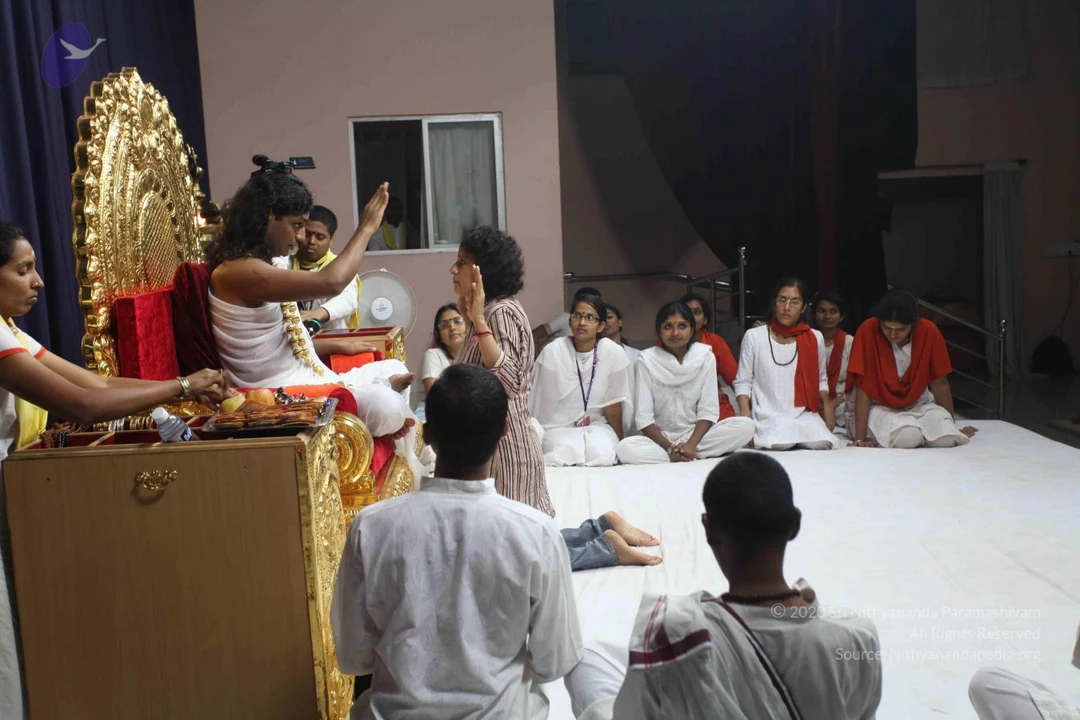
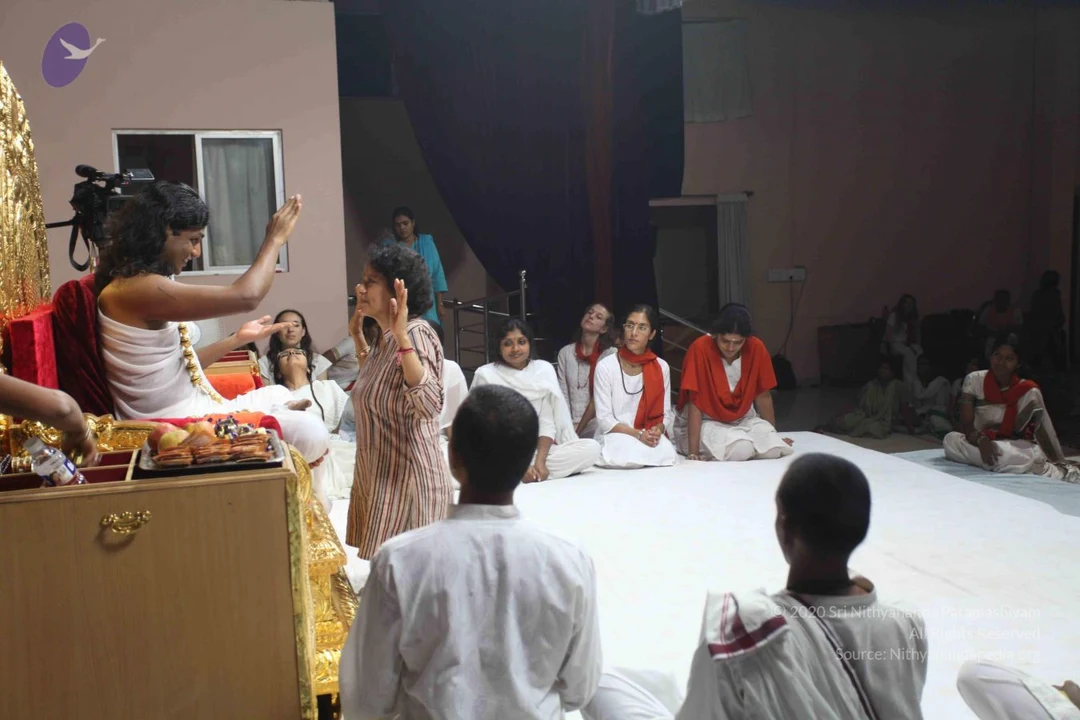
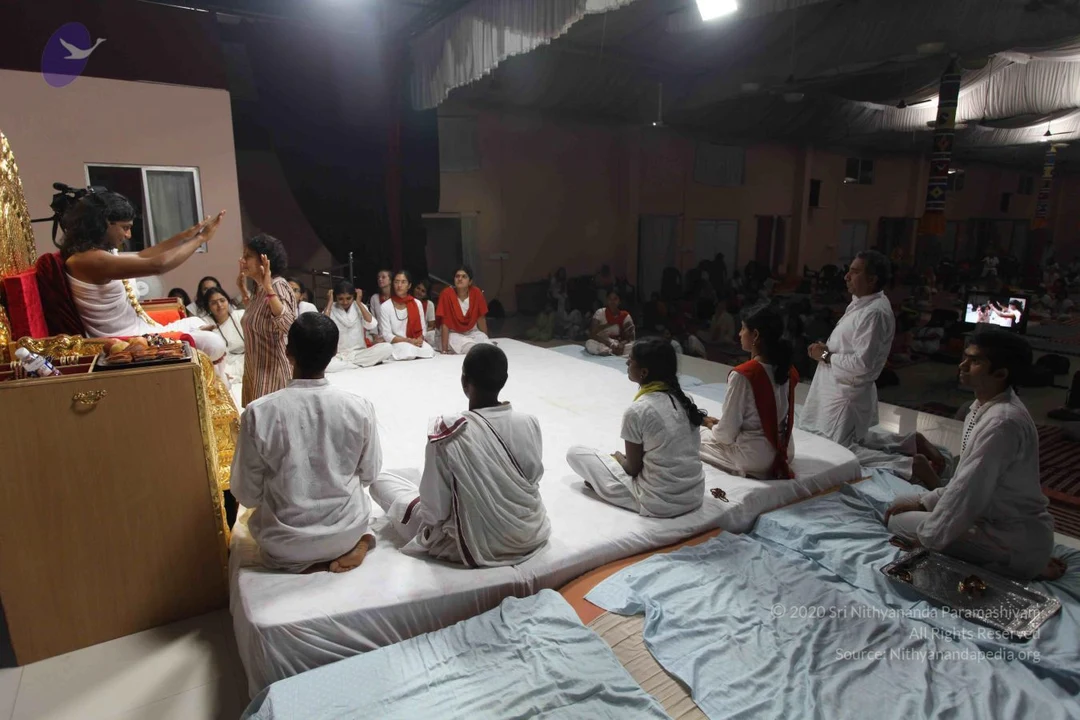
Today during Day 17 of the Inner Awakening Program, delegates experienced powerful Sessions with His Divine Holiness.
Video and Audio:
Ashtanga Yoga: Inner Awakening - Patanjali Yoga Sutras 85
| Video | Audio |
Transcription:
Sadashiva samarambam shankaraacharya madhyamaam Asmadaacharya paryanthaam vande guru paramparaam.
0:39 I welcome you all with my love and respects. Today’s subject for morning satsang is ‘Straight way out of ignorance’; straight way to be out of ignorance. In this sutra Patanjali gives one of the powerful method, a technique to be out of ignorance to establish yourself in yama and niyama; to raise yourself to the highest coherence. You will be surprised today’s sutra is the longest sutra in the whole Patanjali yoga sutras. Patanjali never utters more than five or six words in one sutra, maximum five or six. Some time just two word, one sutra. Even there is one sutra only one word. Here he gives a full long two line. I can say almost 21 words. Then understand the importance Patanjali is trying to give for this technique.
2:46 I will read the sutra and try to express the truth expressed in this sutra embedded in this sutra. This is the 85th sutra of Patanjali in chapter II, 34th verse; vitarkaha himsaha adayaaha kruta kaarita anumodita lobha krodha moha purvaka mrudu madhya adhimaatraa dukkha agnana ananta phala iti pratipakshabhaavanam. Yesterday Patanjali gave us a technique how to create the contrary thoughts and establish yourself in the right yama and niyama; in the highest coherence. Now he is expanding on that same giving an example because he doesn’t want people to misunderstand. Understand this sutra can be very easily misunderstood. So he is giving us an example so that we don’t misunderstand; we don’t miss it. Because just missing this one sutra you may miss the whole spiritual practice. You need to have confidence over your understanding.
4:57 Vivekananda translates this sutra as: the obstructions to yoga are killing falsehood and so forth; whether committed, caused or approved either to avarice or anger or ignorance whether slight, meddling, or great, they result in infinite ignorance and misery. This is the method of thinking the contrary. He is giving us the technique. Swami Prabhavananda translates as: the obstacles to yoga such as acts of violence and untruth may be directly created or indirectly caused or approved. They may be motivated by greed, anger or self interest. They may be small or moderate or great but they never cease to result in pain and ignorance. One should overcome distracting thoughts by remembering this. Swami Sachidananda translates as when negative thoughts or acts such as violence are caused to be done or even approved of whether in sighted by greed, anger or infatuation, whether indulged in with mild, medium or extreme intensity, they are based on ignorance and bring certain pain. Reflecting thus is also pratipaksha bhavanam.
6:36 Each translation if you see they are actually completely from different angle. This is the greatness of vedic tradition. We give freedom to interpret as per the understanding of an acharya. One funny thing if you see Swami Vivekananda translates this sutra in certain way Swami Prabhavananda who is disciple’s disciple of Vivekananda who belongs to Vivekananda sampradaya, he translates this completely different way; and has courage and guts to publish it and people respect it. That is the amount of freedom we have understand; you can refute, alter, amend your guru’s guru’s words. Vivekananda translates this as one way. Swami Prabhavananda belongs to the Ramakrishna order, maybe after, I don’t know maybe 50 years of Vivekananda, he comes up with a new translation; sometime little slightly altered or even contrary. The greatness is his translation is also accepted in the same order. The same order publication publishes both books. That is the greatness of our tradition; freedom of thinking, freedom of understanding and freedom to raise the understanding to the next level.
8:31 I will try to express as I experienced this sutra. Vitarka himsaadaya krutaa kaaritaana modita lobha krodha moha purvaka mrudu madhyaadhimaatra dukkha gnanaanta phala iti pratipakshabhavanam. I will tell you exactly how Raghupathy yogi, now I can remember the whole slide as it is; how Raghupathy yogi taught me this sutra in Arunachaleshwara temple place called krittikai mantapam. That was the stone mantapa where he used to teach me the yoga and yoga sutra. He was sitting on a wooden plank. I was sitting on some four five pillows because he was trying to make me levitate. That’s the way he will do. He will put some four five pillows and bed and I have to sit on that and I will have to continuously do the pranayam. Once I intensely do the pranayam and stabilize, do the kumbhaka he will remove the pillows one by one; then I have to be in the air. That is the way he will teach the levitation.
10:15 If I am getting down when he removes the pillow then he will stop and ask me do more pranayama and kumbhaka and then after he removes all the pillows if I am stable in the air then he will get his pet dog to sit under me. That fellow will be sitting under me so I will have to be holding on to that air. I cannot release. I will have to completely lock the kumbhaka and because if I release I will fall on the ground and I will fall on that fellow and that fellow will bite me. So I will have to be just holding on or even if I land I have to land in a very slow way; very slowly in a very subtle way I have to release the air not even through the nose. I have to release the air through the kurma nadi. Means such sensitive prana, through the middle fingers I have to release the air, only then you can land very smoothly. If you release the air through the nostril itself you will just fall because nostril is a too big hole. So that has to be locked the releasing has to happen through the kurma nadi; means subtle prana. Actually when it is released it is not called prana, it is called apaana. The air which leaves your system other than the nostril holes is called apaana; through any part if it leaves your system it is apaana.
11:49 So slowly I have to release and then land on the…... I have to balance and land on the dog so that he doesn’t bite me. So I was sitting on four five pillows and he had one old book in which the Sanskrit sutra will be there and Tamil translation will be there. He read out the sutra. I was sitting and asked what does it mean and let me exactly tell you in Tamil then I will translate because it is a adu onnum illada exactly I’ll repeat the word enna varu modada sayyanoo appadiya thodraka badala ida maata veccha ida maathina nama kulla enna nada konu paatha enna maatha ennatha vidaikarada pratip[aksha bhavanou. I'll translate… when a thought comes in you without allowing the feeling that it should be executed, if you alter and put an alternative thought, establish that in you, is called pratipaksha bhavana. In a very simple way he finished it.
13:40 I will explain step by step. This is a one technique one process which you can practice whole day. This process only can change your muscle memory. Understand if you unclutch, practice unclutching, your mind will be transformed. If you practice yoga your body will be transformed. So each technique transforms some part of you. This is the only technique which can transform your muscle memory. Muscle memory means the part which makes the decision spontaneously to do any act and completes it before even you become aware of it. Your muscle memory is responsible for making decision and without even micro millisecond, completing the act spontaneously before even you are aware of it.
14:59 Please understand as I was telling the other day, you do not act the way you act because you are habituated……….. No!! You are trained……. No!! You have engraved memories….... No!! There is no specific reason why you act the way you act. There is only one thing we know the moment the decision comes such a spontaneous energy is released in you without even micro millisecond the decision is executed. It becomes action; reality. See the funny thing; it’s very funny and very difficult to understand. Grasping is such a difficult thing. So unless you understand the source of this it’s very, it’s practically impossible for you to alter. Muscle memory is responsible for making the decision and executing it within micro millisecond before even you become aware. Such dangerous thing you see. So the muscle memory need to be attended. This is the only technique which can attend the muscle memory.
16:57 I need to expand on this technique more and more in a detailed way. Today I will give you the simple meaning. Then I will explain to you how to apply this sutra in every situation. Patanjali says, for example, violence is anti yoga against yoga; when you have the thought of violence, how to bring the pratipaksha bhavana; get yourself back to non violence and not to allow the violence to get rooted in you. Remembering oh……. violence will bring suffering and it will bring ignorance. I should not allow it. So he is teaching us reasoning. He is teaching us the applied science. A master of Patanjalis level coming down and teaching us the applied way, it means almost that this one process is so powerful it can transform your being.
18:33 If you transform your intellect, even emotion, not muscle memory you are in suffering. I tell you; because muscle memory is responsible for your actions. I have seen. I have had many disciples whose intellect and emotion was transformed but unfortunately they never transformed their muscle memory. That’s why they missed me. Muscle memory transformation means ever thought comes out only with the clear censored system. Every idea by the time it becomes alive, the awareness and consciousness has casted their energy, their shining, their knowledge on that thought. Even a few thoughts allowed without awareness can cause so much misery and suffering, can cause so much…… I have seen people suffering because they allowed just simple one or two thoughts without this filtering system.
20:28 So today grasp this basic meaning. Whenever the negative thoughts which are against the yoga - the purpose of your life happens in you, analyze, understand, take that thought to its logical conclusion, and create the opposite understanding; means the right understanding for the purpose of your life and raise the coherence of your system to its highest possible peak. That is the right way of living yama and niyama; having confidence over your understanding and executing that understanding very strongly. The word confidence means courage to live and execute the truths you intellectually grasp.
22:01 I have a story for you. One boy goes to his father and asks Dad what’s the difference between confident and confidential. Dad says hmmmm.... You are my son…. of that I am confident. Your friend Timmy is also my son; that is confidential. Sometime you need to time the stories properly, time the jokes properly.
23:20 So understanding about confidence, the courage to live the truth and execute it in your body language. Patanjali puts a very beautiful example in the right place; because we all suffer with this one suffering unable to get back to the highest ideal in practical life. So no short cut; this is the only way. Again and again and again creating the pratipaksha bhavana means creating contrary thoughts to negativity and bringing yourself back to your center. It’s such a difficult job. People feel lazy that is why sometime I need to push them to do that job. Sometime I use love or sometime I use the fake or so called hatred to push them to get back to their center; because inability to create pratipaksha bhavana, means inability to create the contrary thoughts to negativity and destroy negativity will allow negativity to grow in you. Once the negativity grasps you…. over, your life is hell... you are done…. you are done. 25:26
Even if it is fake, restful awareness and peace and joy which you get through the fake ideas, please understand those experience will become solid and the fake ideas will lose its power over you. But even if it is so called logically strong idea, if you are restless, suffering, tortured inside, those, torture, restlessness and suffering will stay inside and these strong logical thoughts will become more and more powerful over you. So understand the goal and the scale should be the restful awareness.
26:16 So Patanjali puts the right truth in the right sutra in right place. Just now he taught us on yama and niyama; highest coherence of life and told us how to be established in that and giving us now technique the applied technique; when you have violence what to do. He is giving us an example. First time in Patanjali sutra I am seeing an example. He doesn’t wait to give example. He just gives the sutra and goes; he knows, because his disciples were such high intelligent people, if he is giving example means something very important. Timing is very important. And making disciples understand very important. Please understand it’s a very important process for all spiritual seekers in the life; creating contrary thoughts to negative thoughts. Because whenever negativity arises in you, don’t give up….. don’t flow with it……. don’t go with it. Again and again and again stand up still your muscle memories feel confidence.
28:07 I can say that this is the one process which has raised my whole awareness in the young age. I used to have a note book. Whatever spiritual things I read or hear, all the essence I will write down and whenever I have any confusion or necessity to understand, I will read that; I will read that. I will carry that book always with me. That is like my extension of heart and brain; extended heart and brain. I used to call that as ‘My Book’. Now I am trying to remember the contents of ‘My Book’ to publish; because there are so many things I have note down in that book which I heard from Arunagiri Yogeeshwara directly. Almost it’s like a I will remind me; all my pratipaksha bhavanas are written in that. So practically any negative thought which can come to a human being I have solution in that book. And I will always refer to it. It’s almost like my guide. I will continuously cherish, cherish, cherish, cherish, cherish. And get those ideas back to the inner space and establish myself again into yoga. Understand even if you miss once the timing of creating the right thought against the wrong thought, you are caught. Timing is very important.
30:14 I have a story for you about timing; little dirty it’s ok. Sometime for the sake of understanding it can be accepted. A man was in the restaurant and he suddenly realized he has a gas problem in the stomach. He needed to release the gas. The music was really loud. So he thought nobody will notice. He timed his gas with the beat of music. After couple of songs he started to feel better and relieved. He finished his coffee and noticed that suddenly everybody is staring at him. Then suddenly he remembered and realized that he was listening to his iPod. Time it properly with understanding. Don’t time it based on your iPod. No….. timing is really important.
31:50 Rama Maharishi says very beautifully aimbula kalvara agathinil pugumbudu agathinilayo arunachala. Oh lord when my five senses entered my house to rob me and to rape me where were you? Were you not in my inner space? So when the negativity enters to rob you and rape you, immediately bring the security, the right understanding, right attitude against the negativity. Timing is very important; timing, immediately responding to your negativity. Catch the thief in right moment. Catch the negativity the moment he enters your house. Don’t wait you can talk to him in the police station…... No. That won’t work. It’s like putting the camera everywhere. What is the use? Thief has disappeared what will you do? I tell them put better locks than the bigger cameras. Bigger cameras are useful if you have the people who are sensitive and afraid; and if not better to have locks. Thief is not going to be bothered camera is there; comes and robs and goes away.
33:50 So understand the moment negativity enters you, put the break stop it. Have the inner awakening and immediately create the right understanding so that you can be out of that negativity. I will expand on this sutra everyday till it is completely understood for different situations. Because this is the one sutra I practiced more number of times in my life, more than unclutching; because unclutching just in two times, two moment I realized it; over. Once I tried, second time I experienced; that’s all. There was no third trial. But this only made my whole bio memory pure and radiating.
35:19 I bless you all to achieve, experience, live, express and radiate the eternal bliss, Nithyananda. Thank you. 35:31
Photos Of The Day:
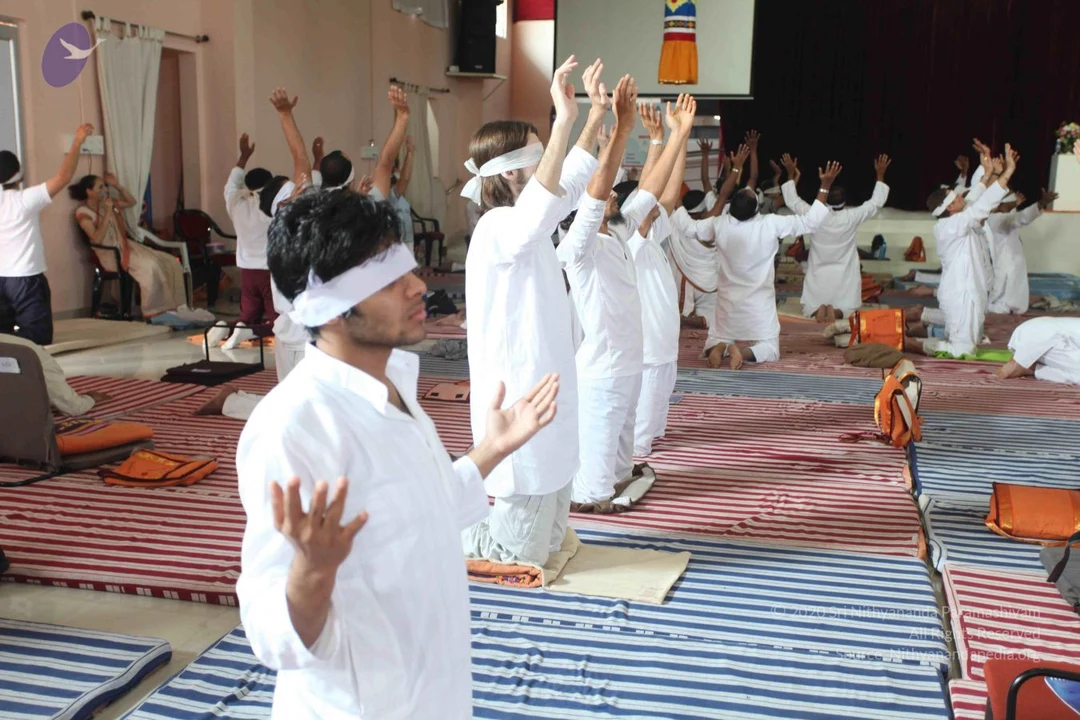
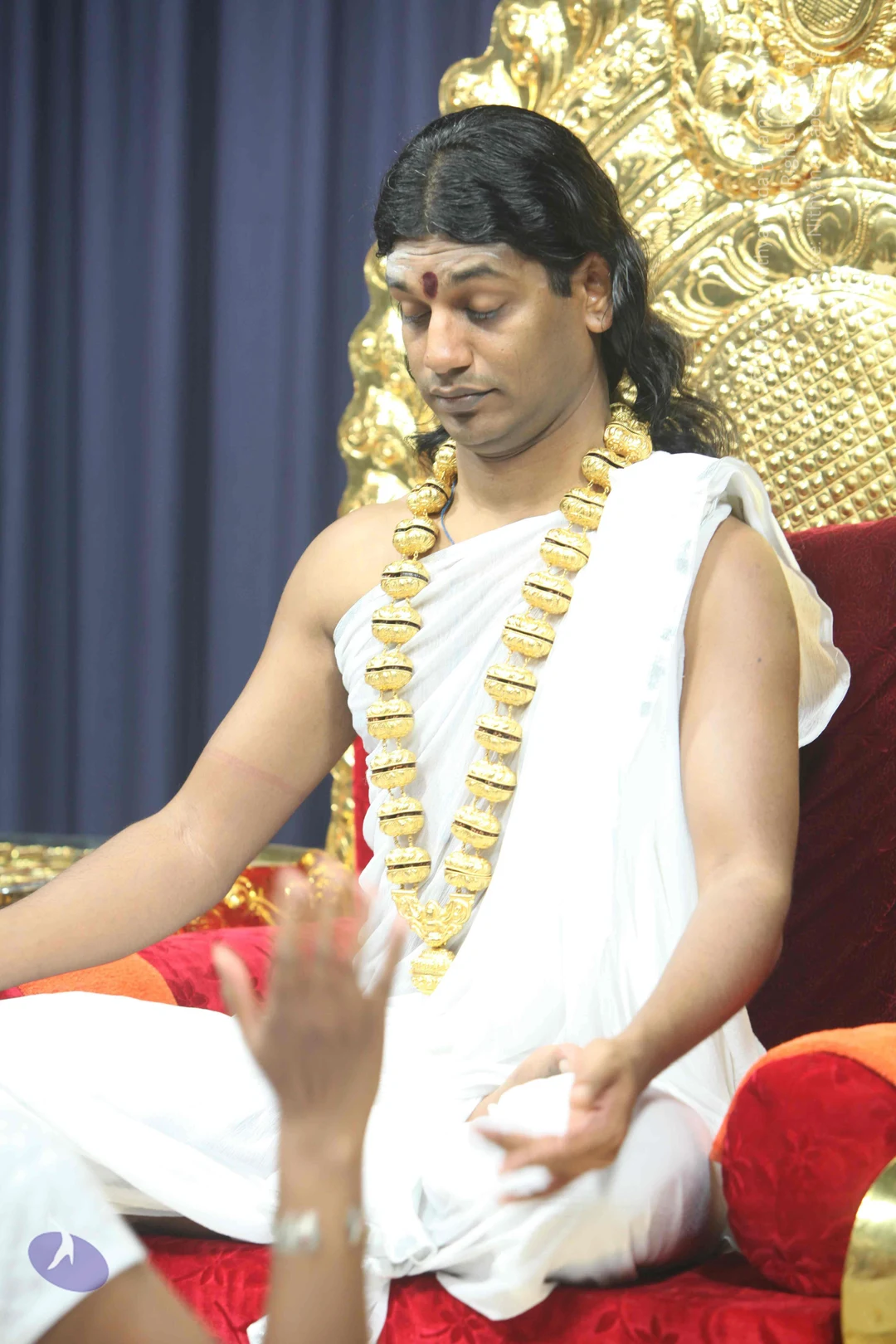
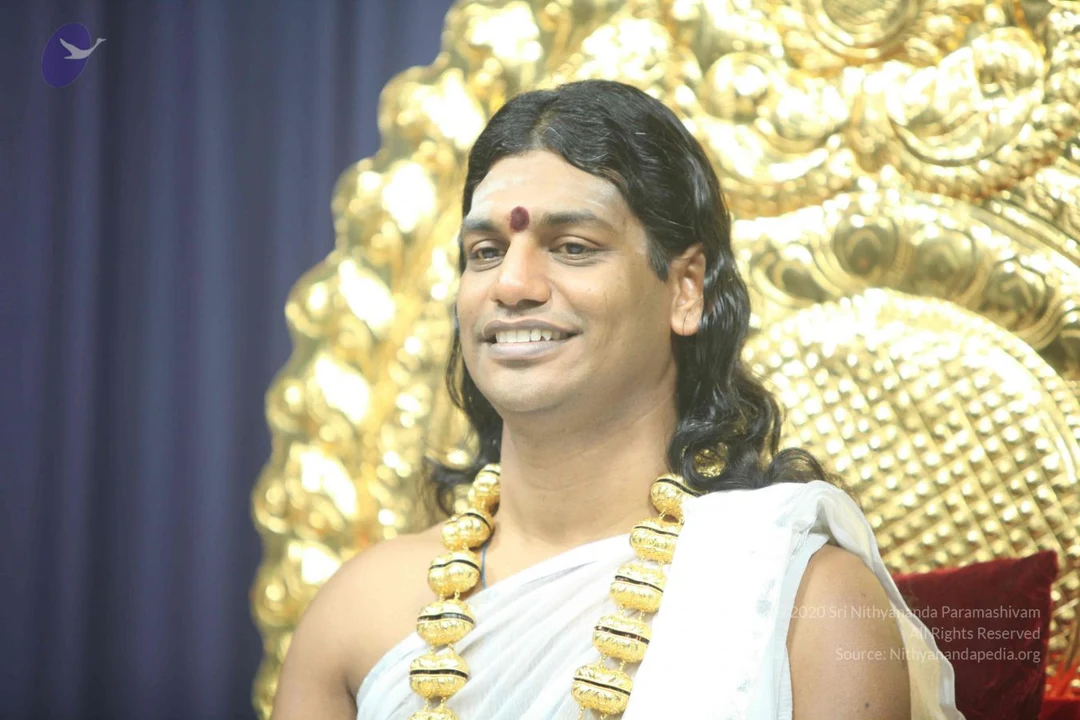
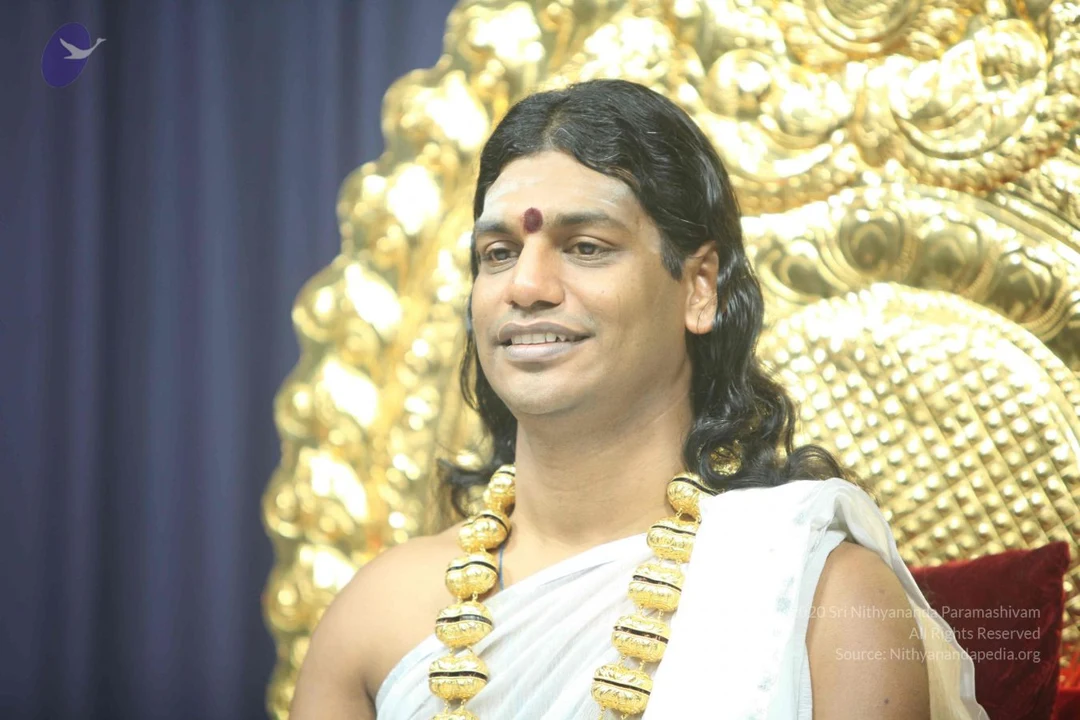
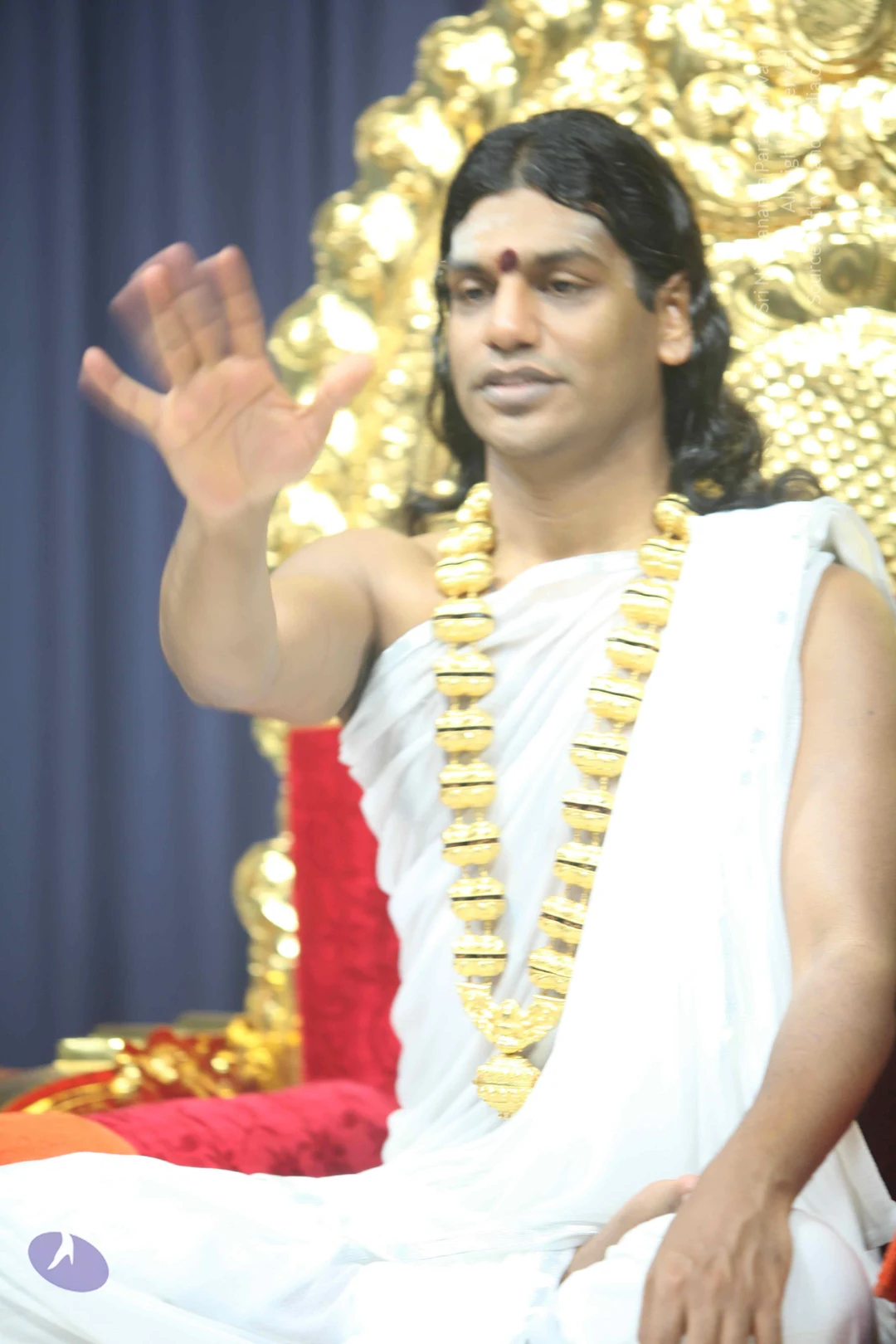
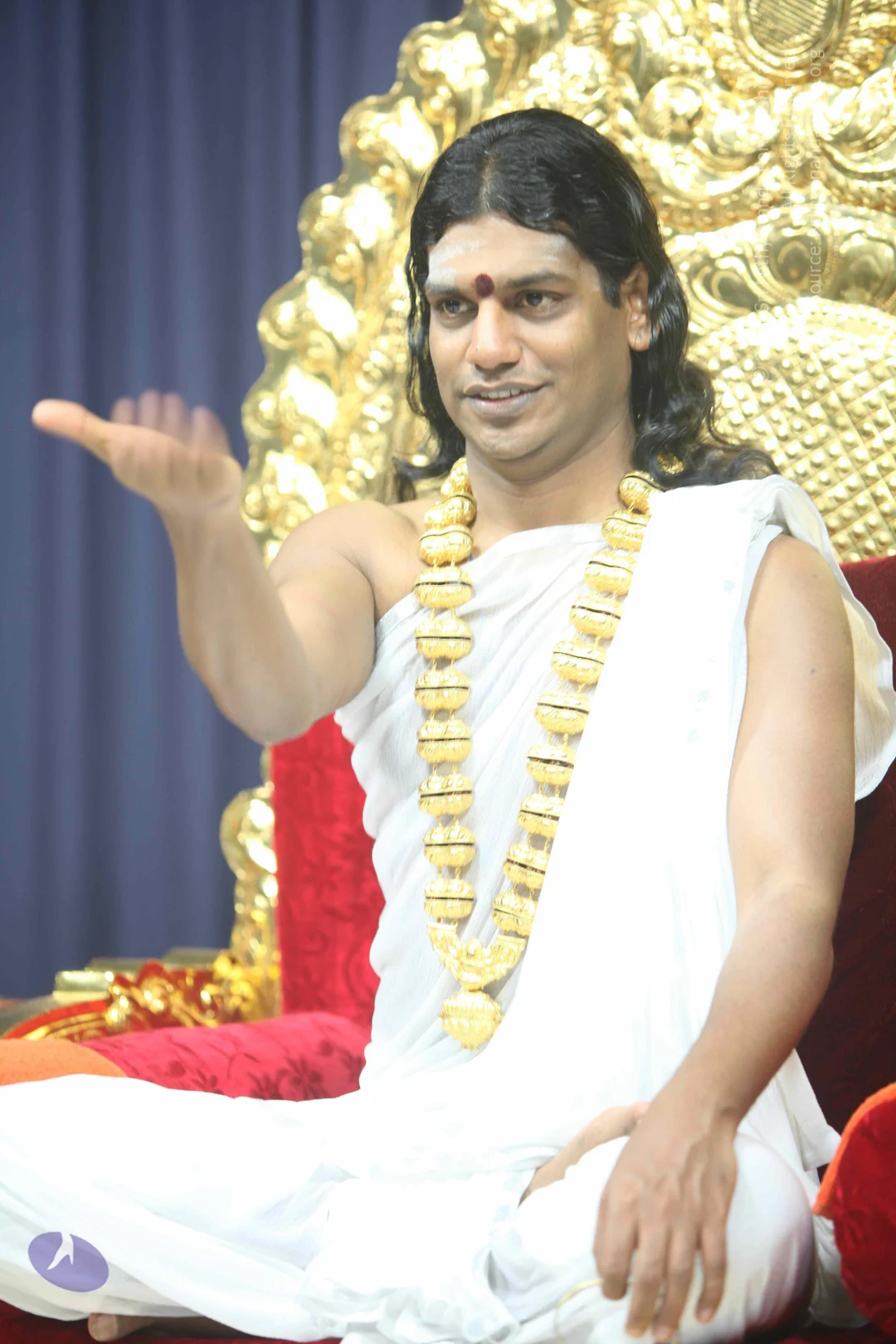
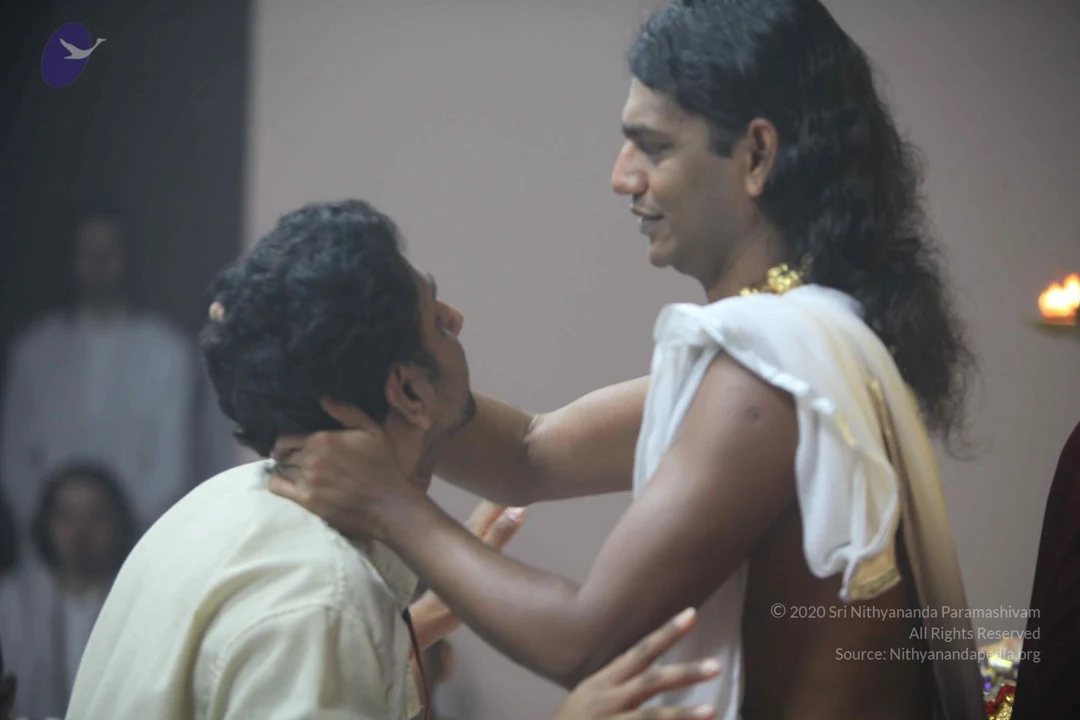
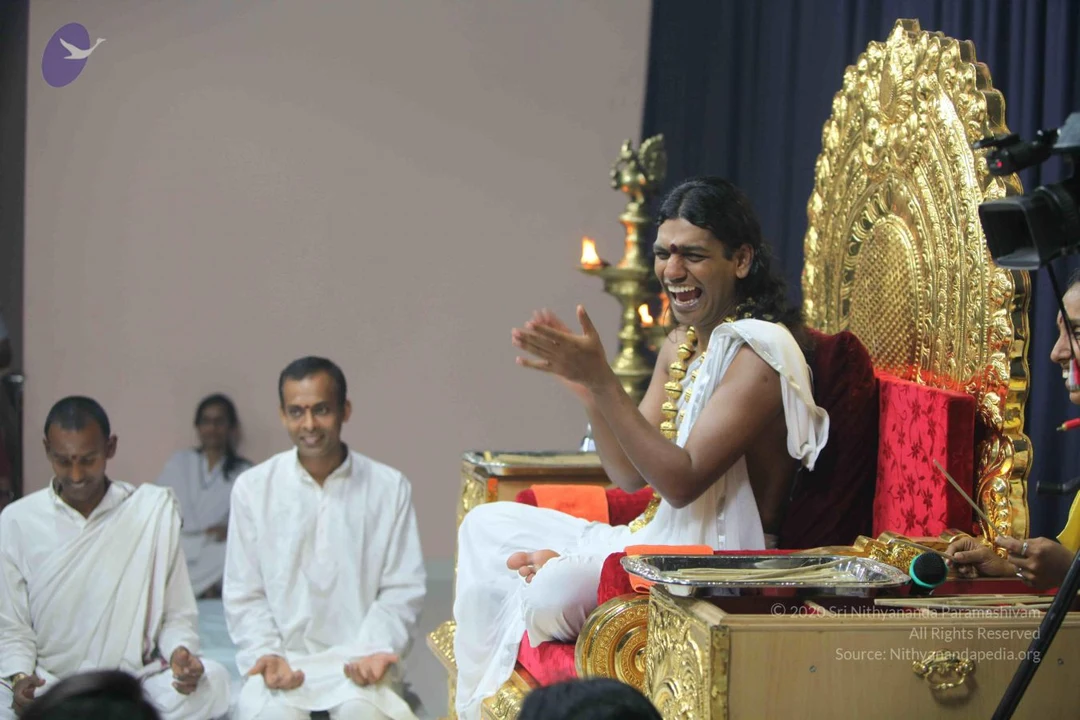
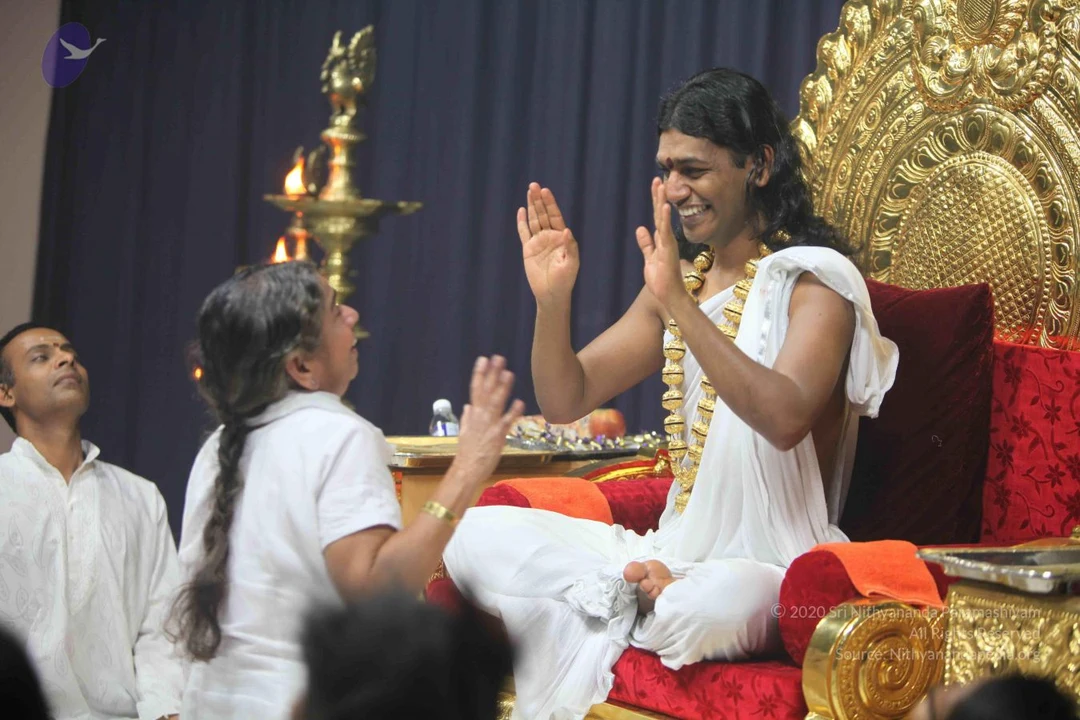
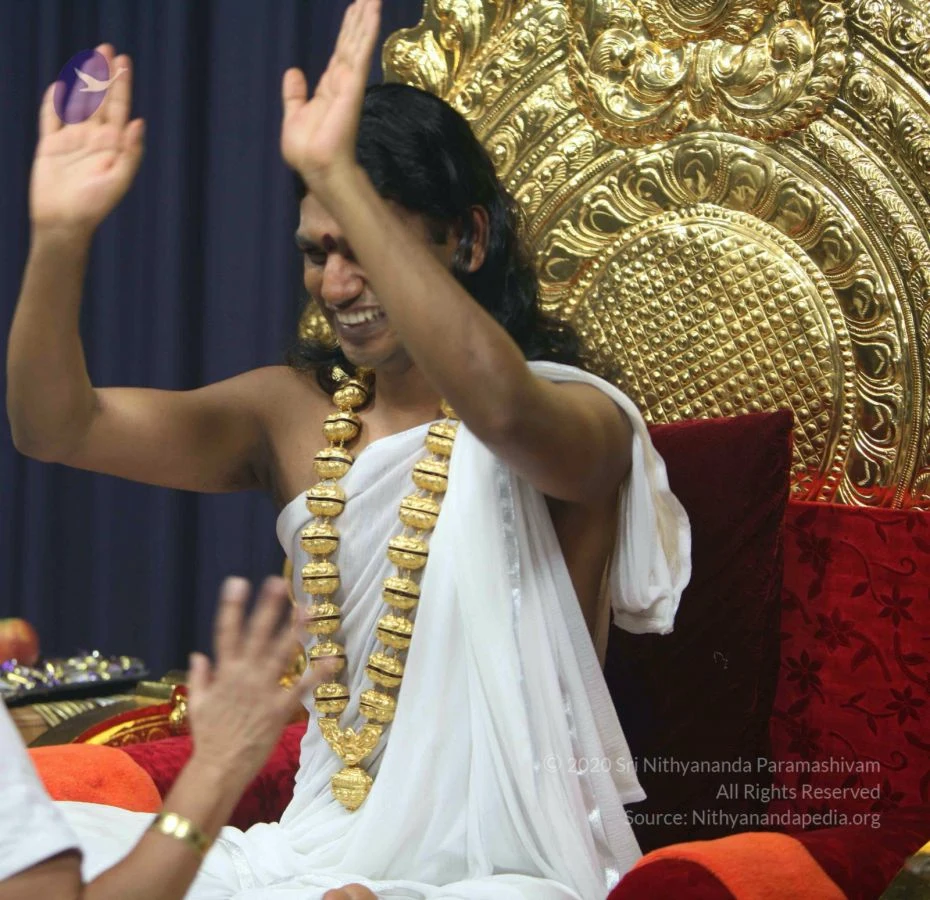
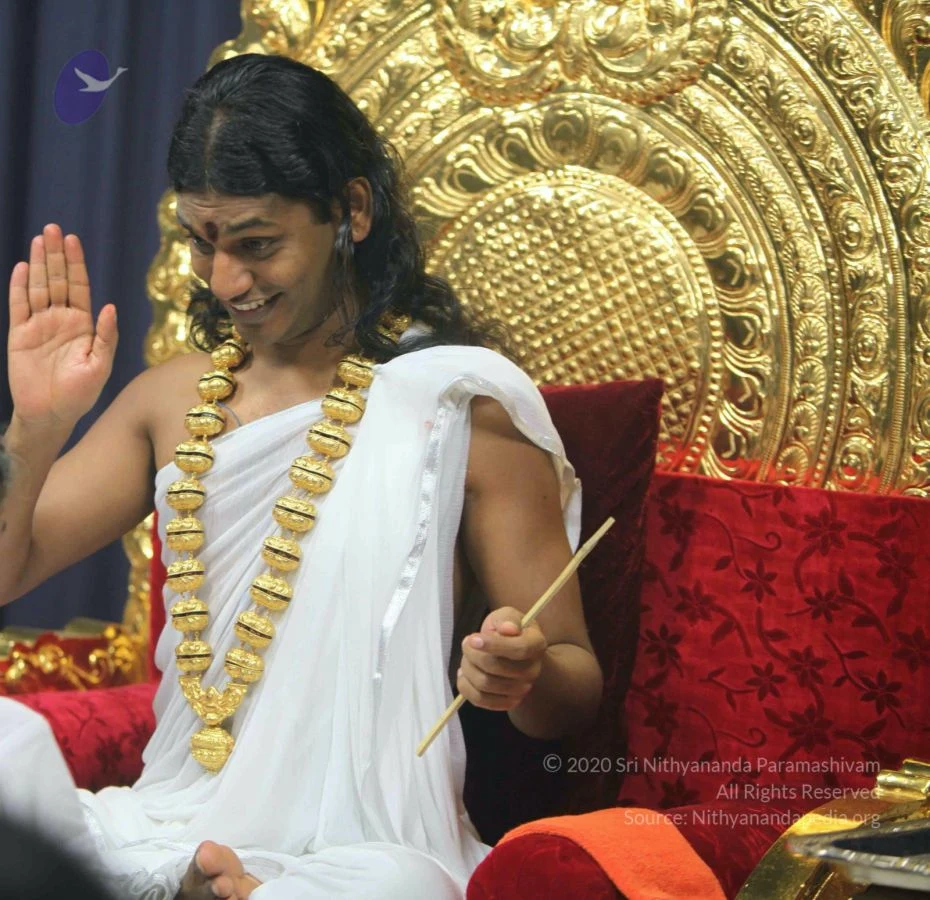
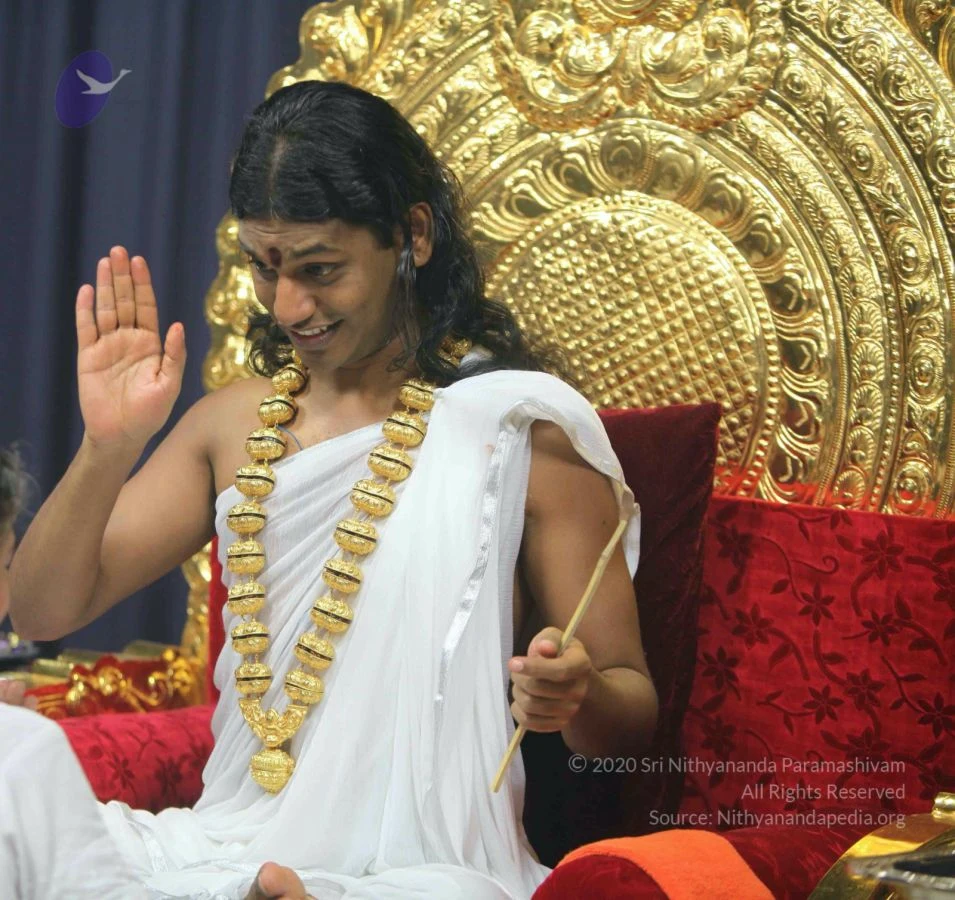
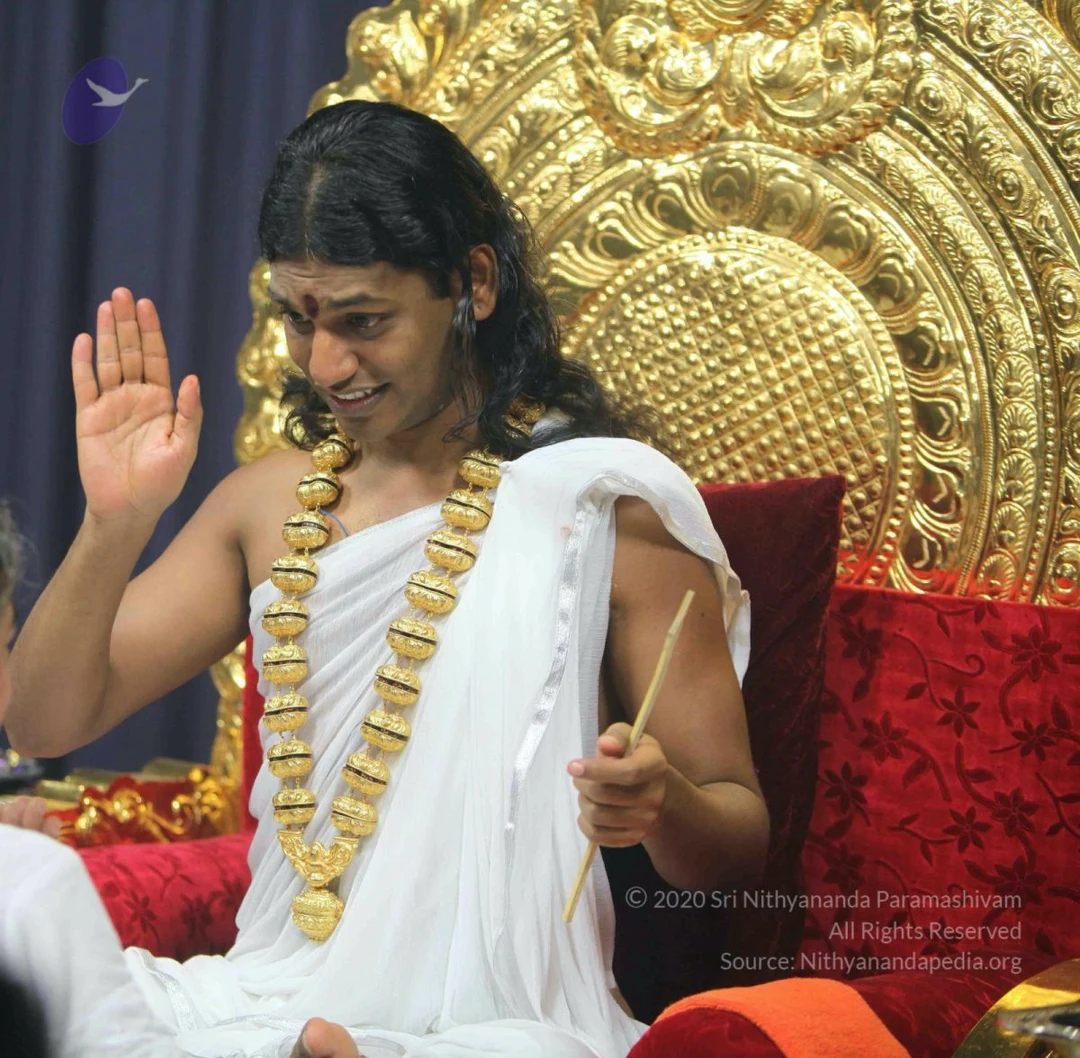
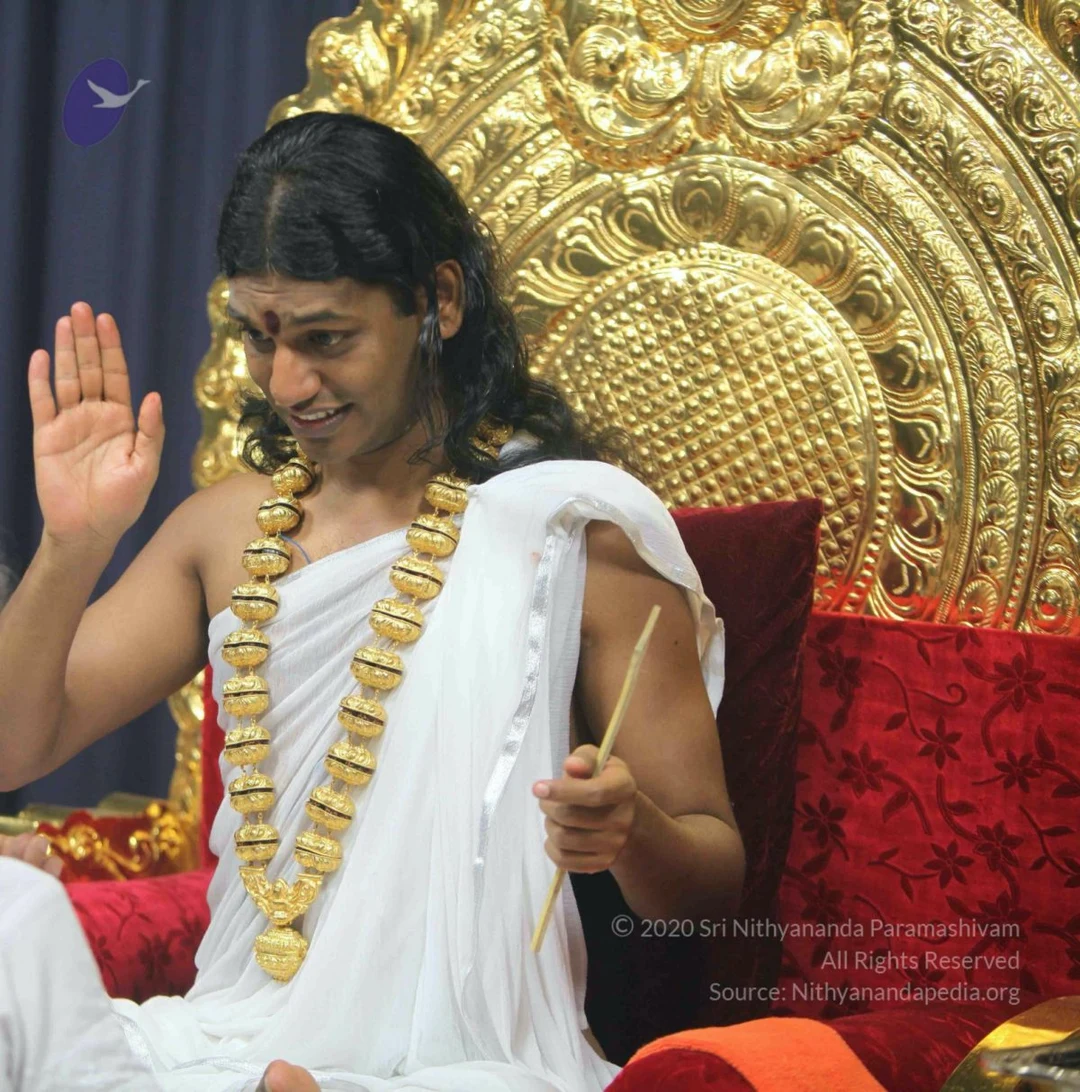
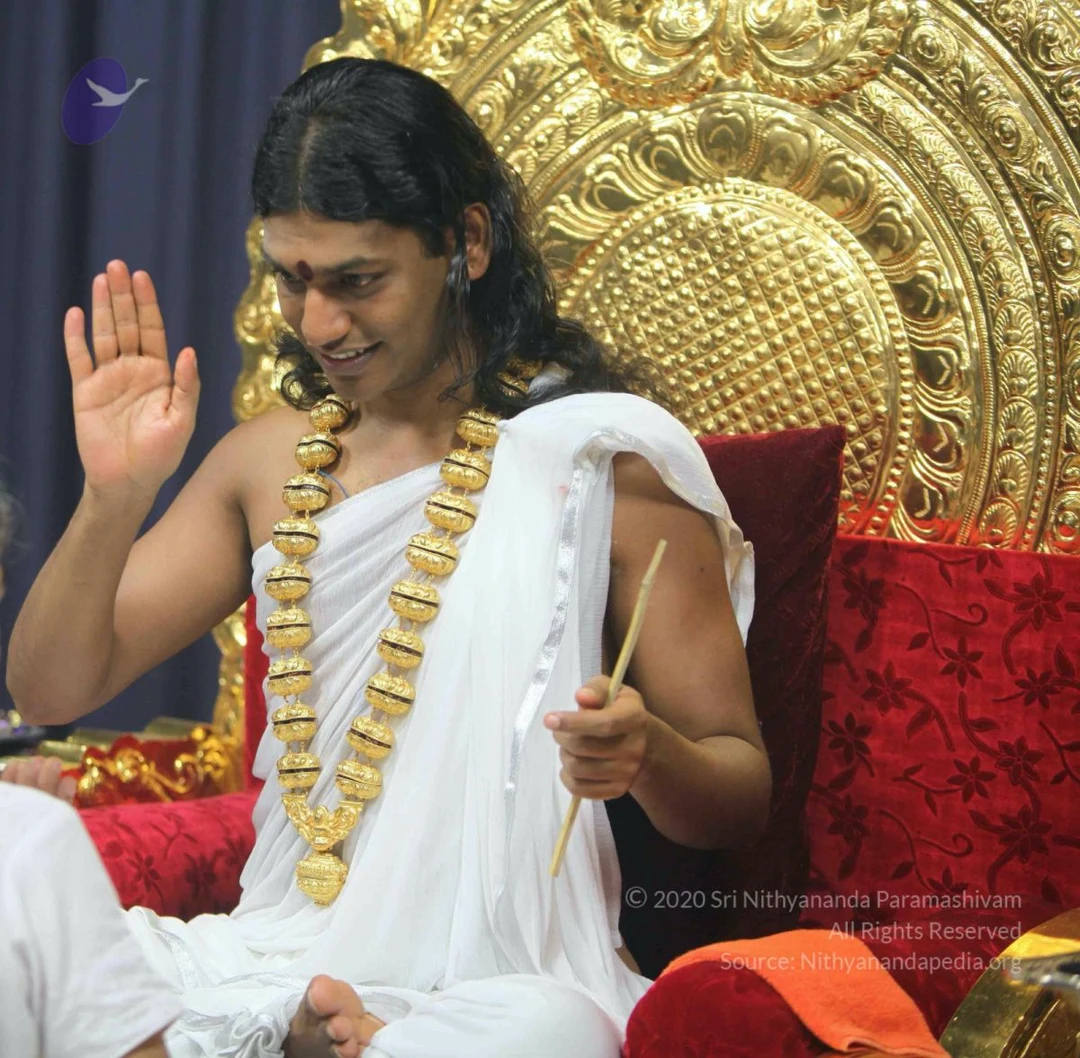
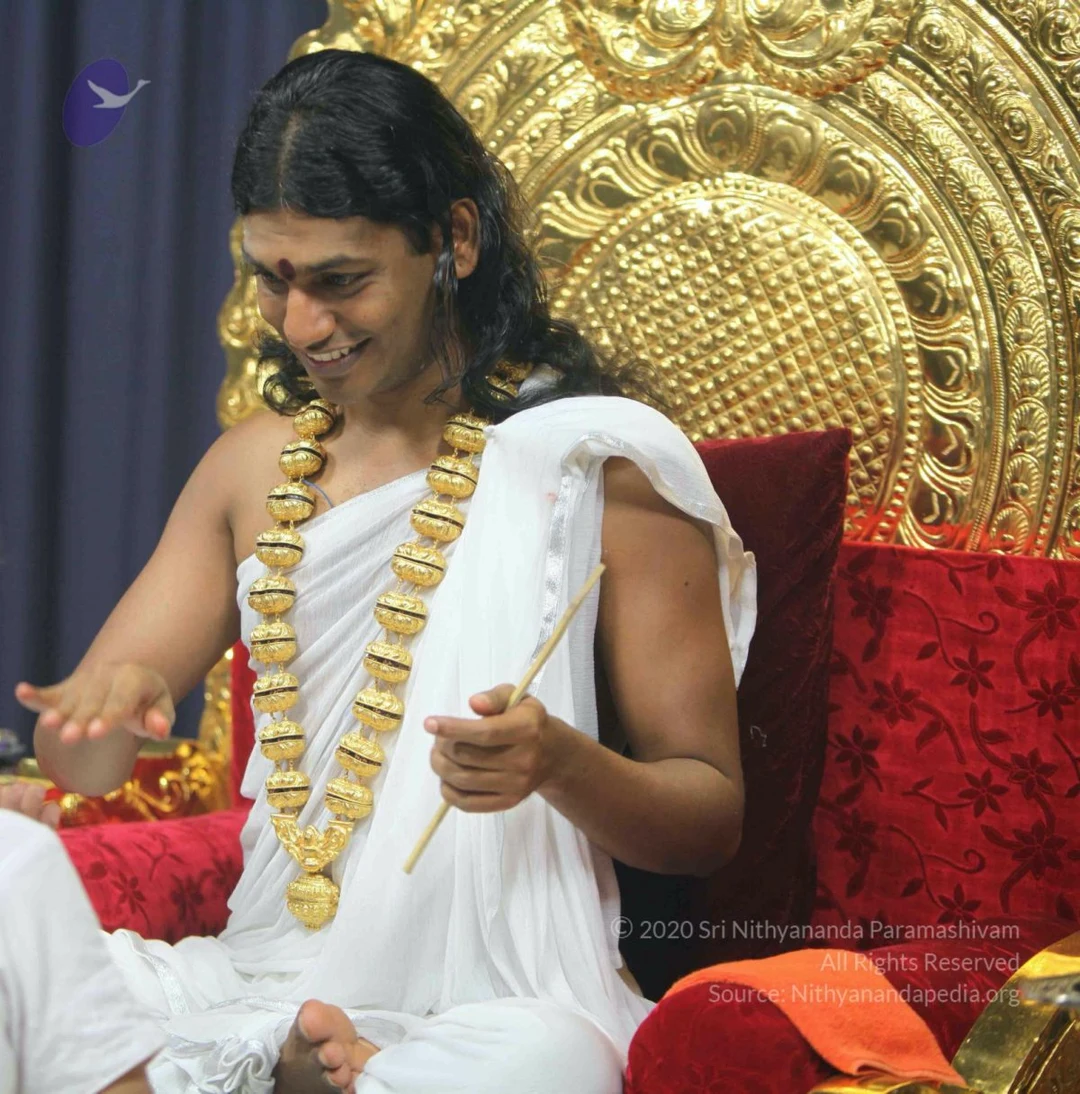
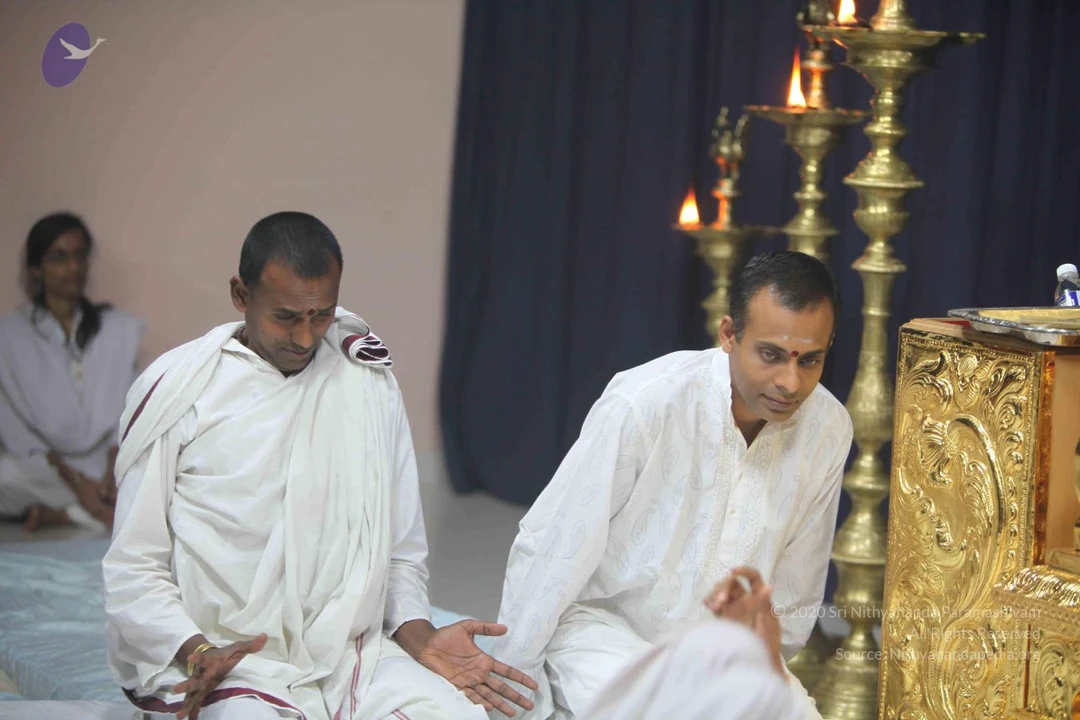
Inner-Awakening-Session
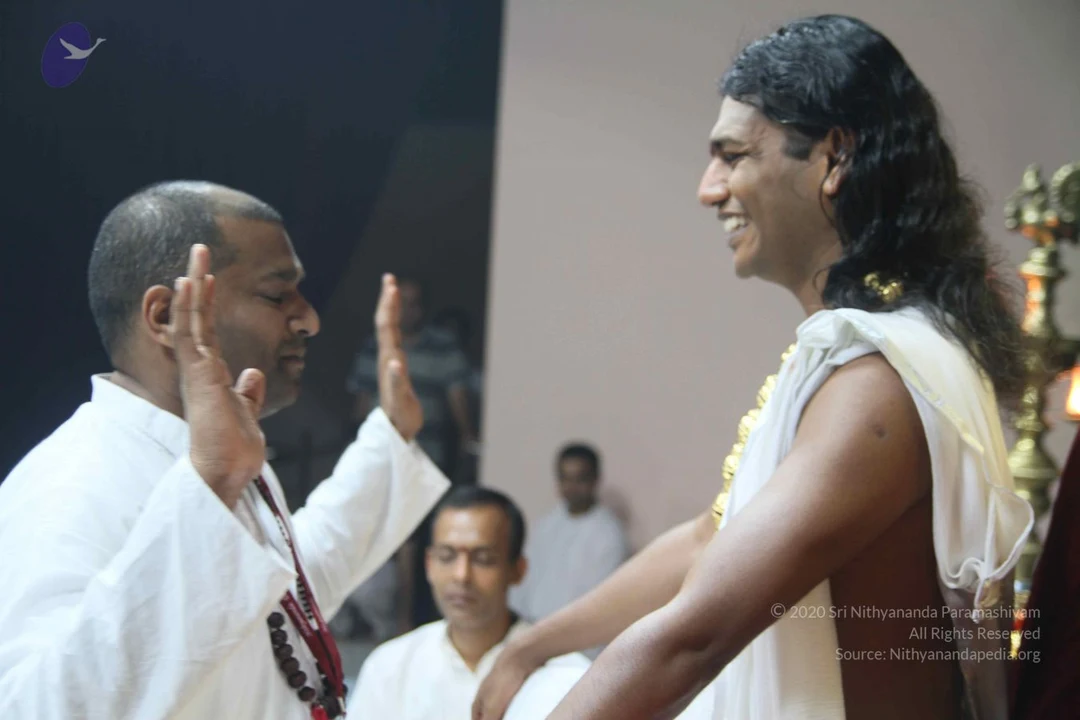
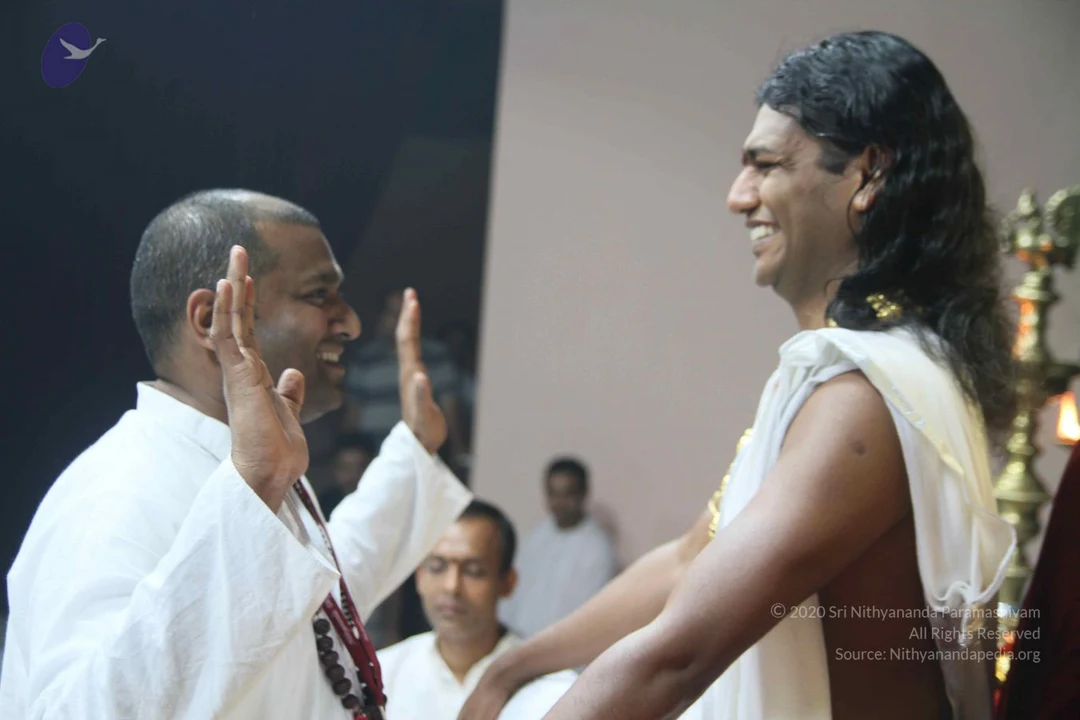
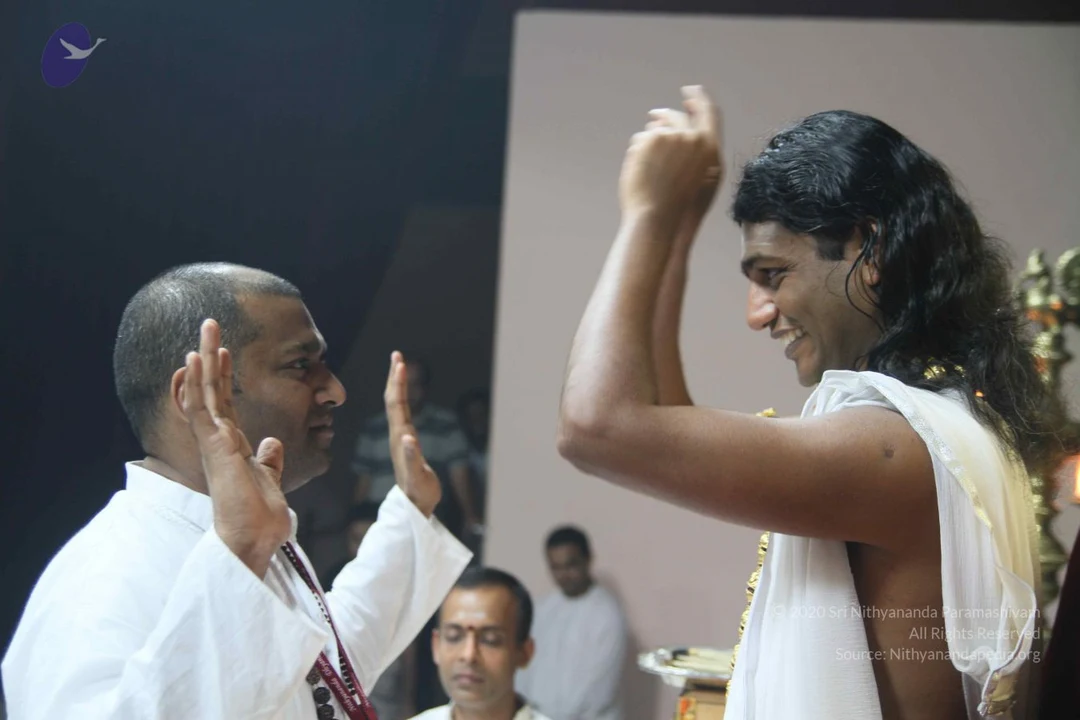
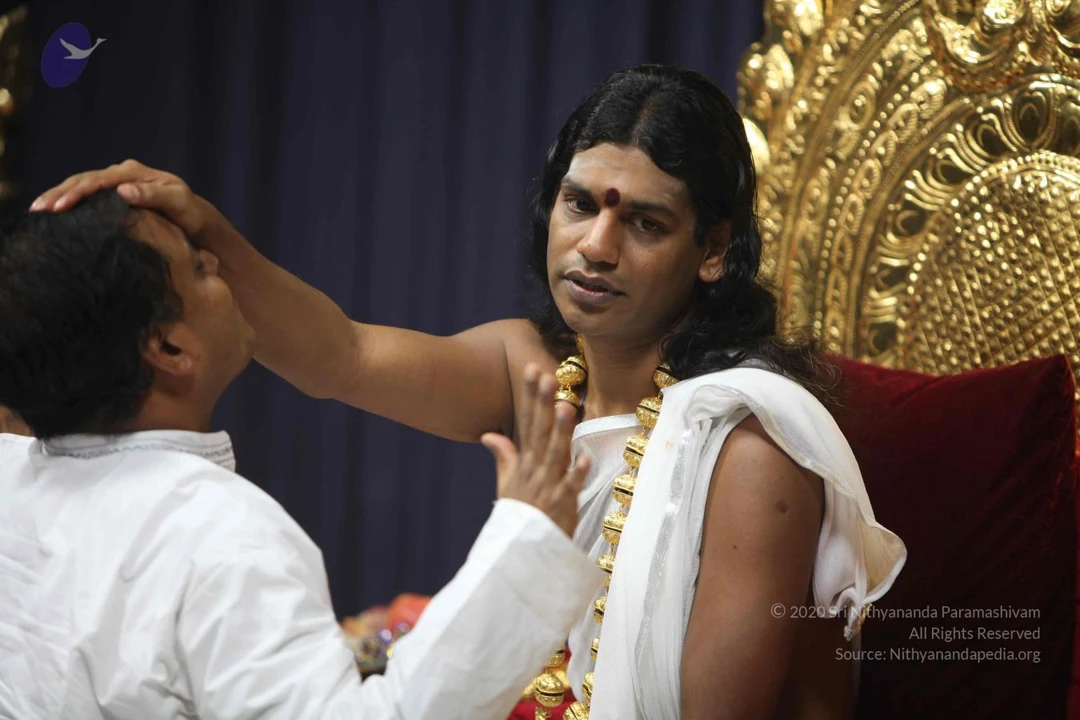
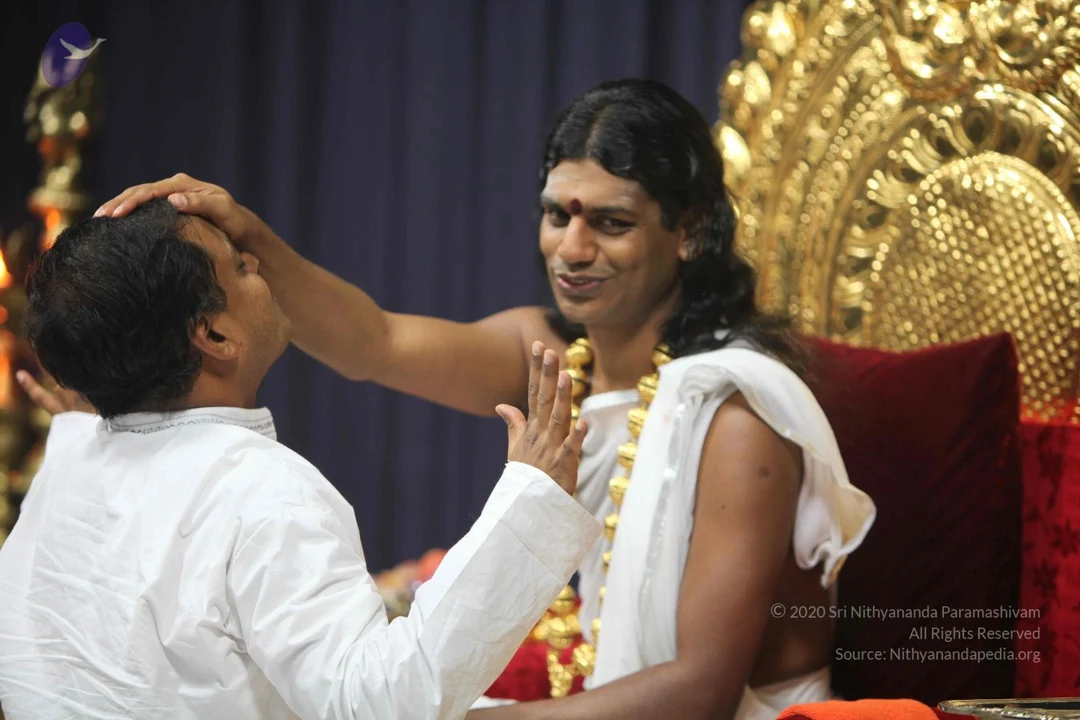
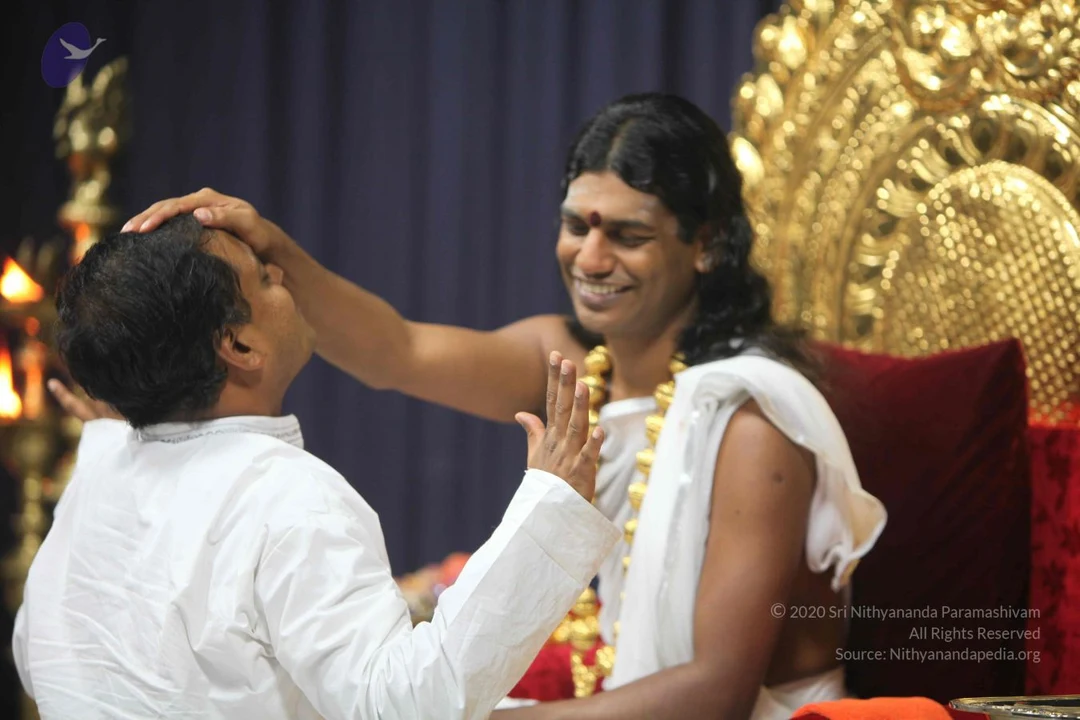
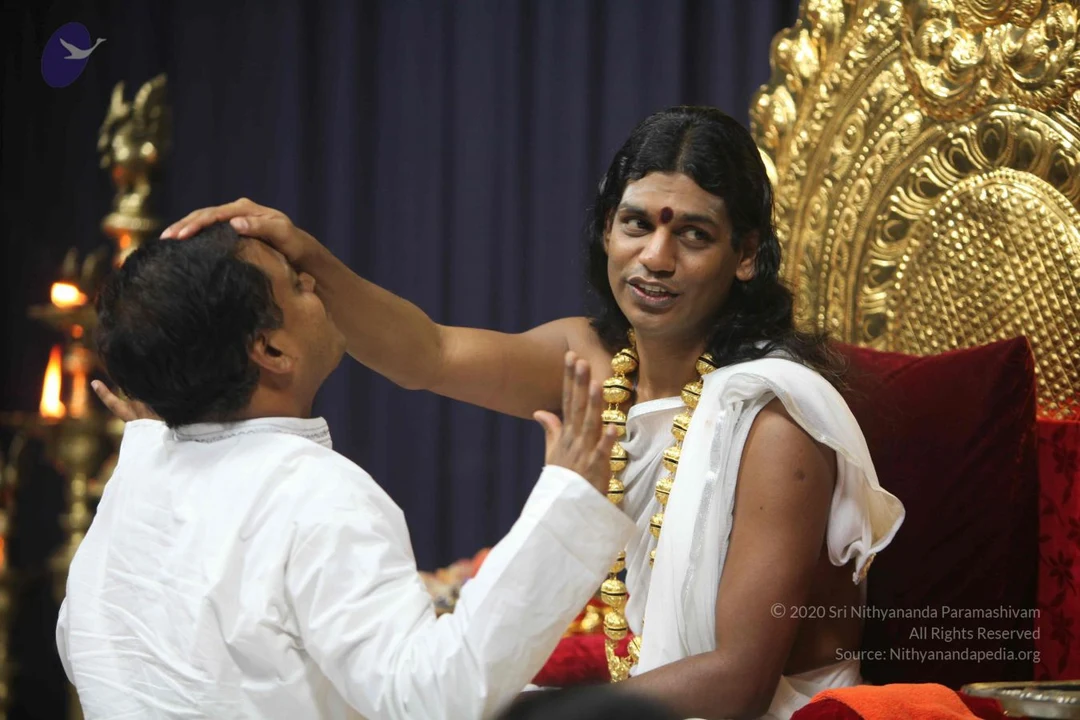
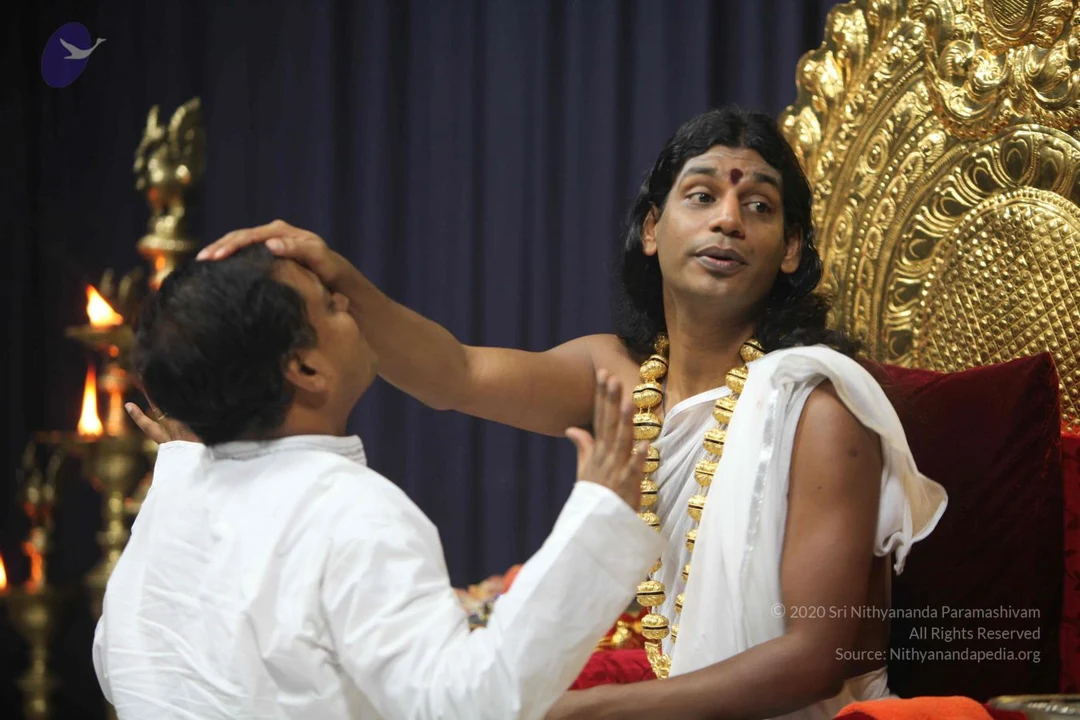
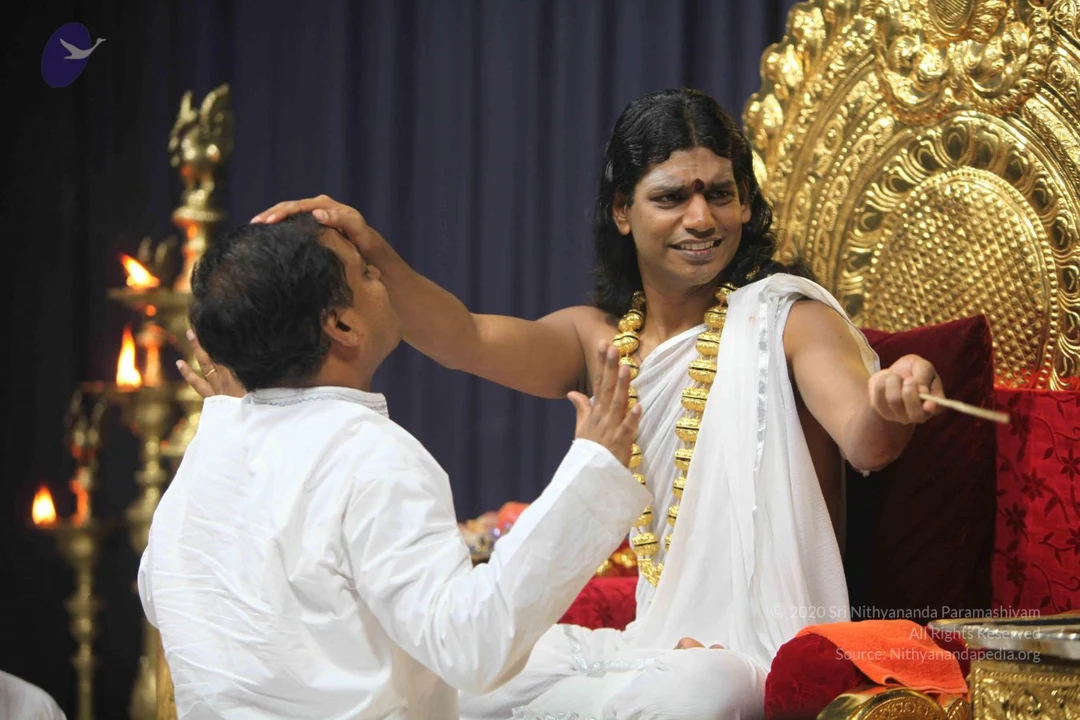
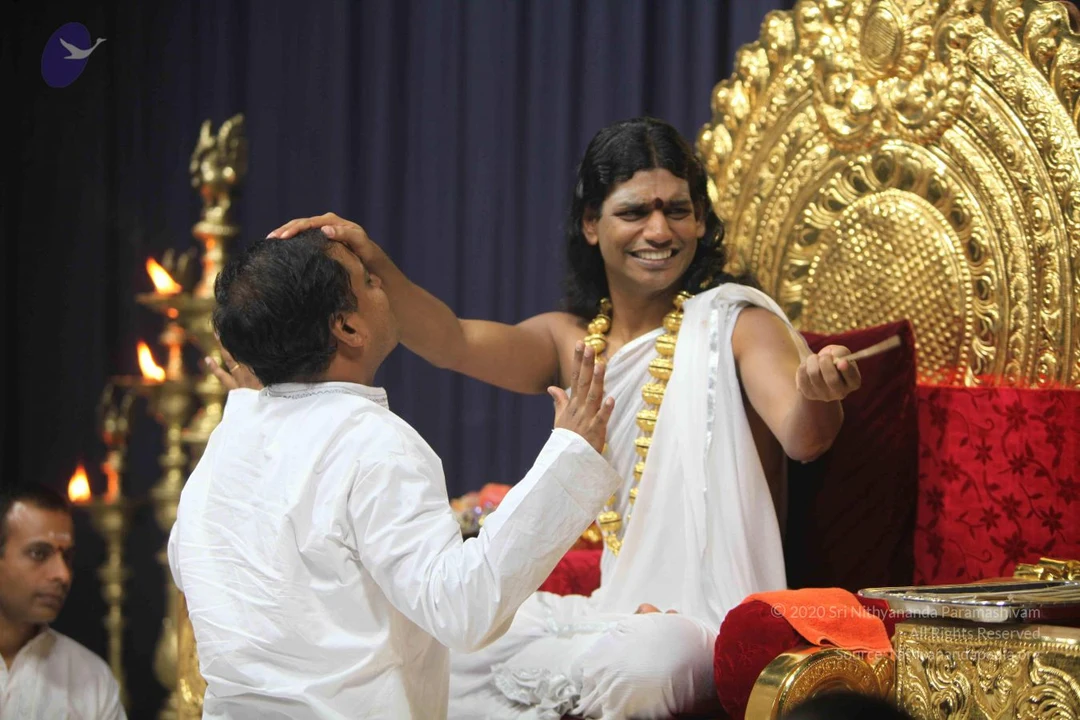
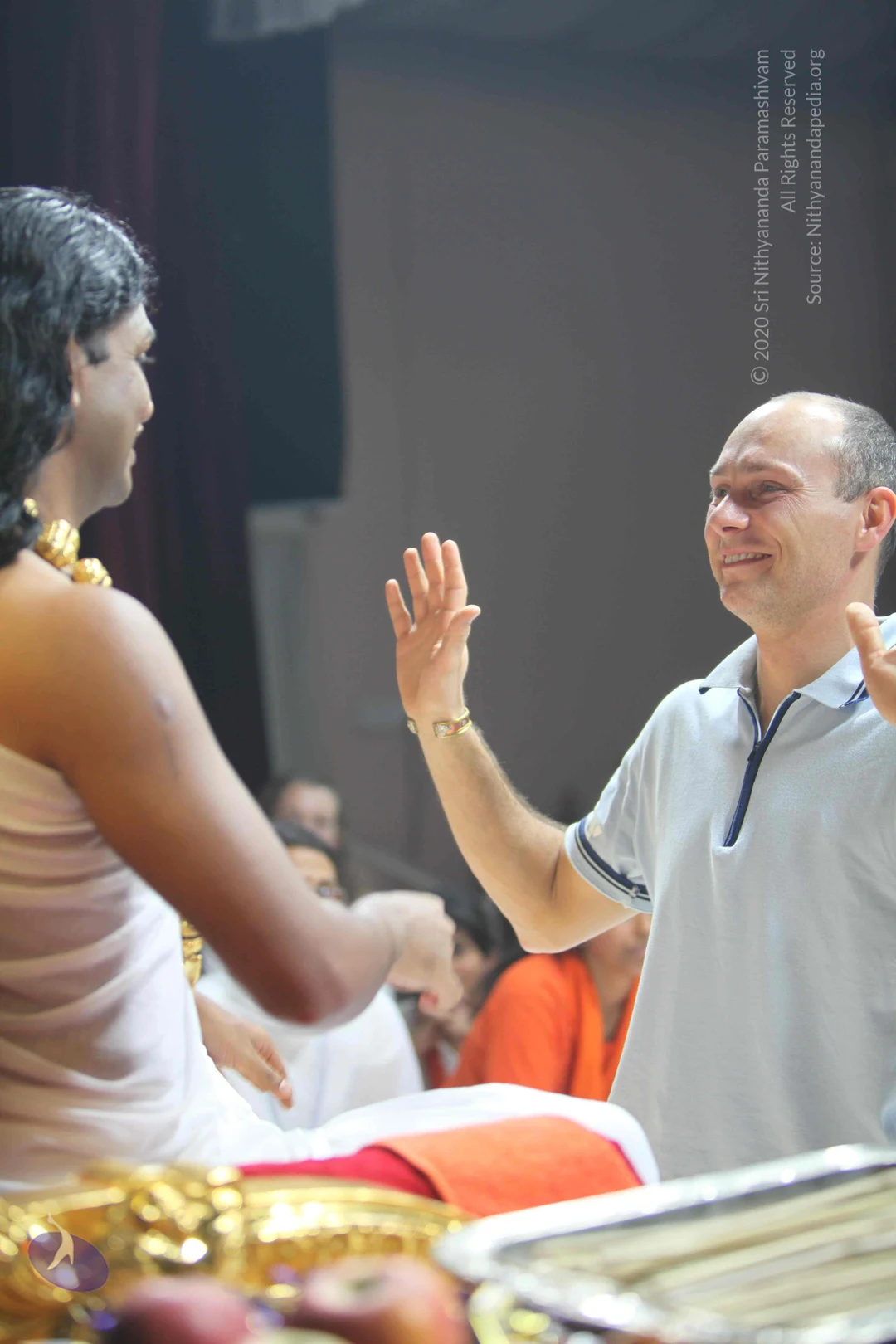
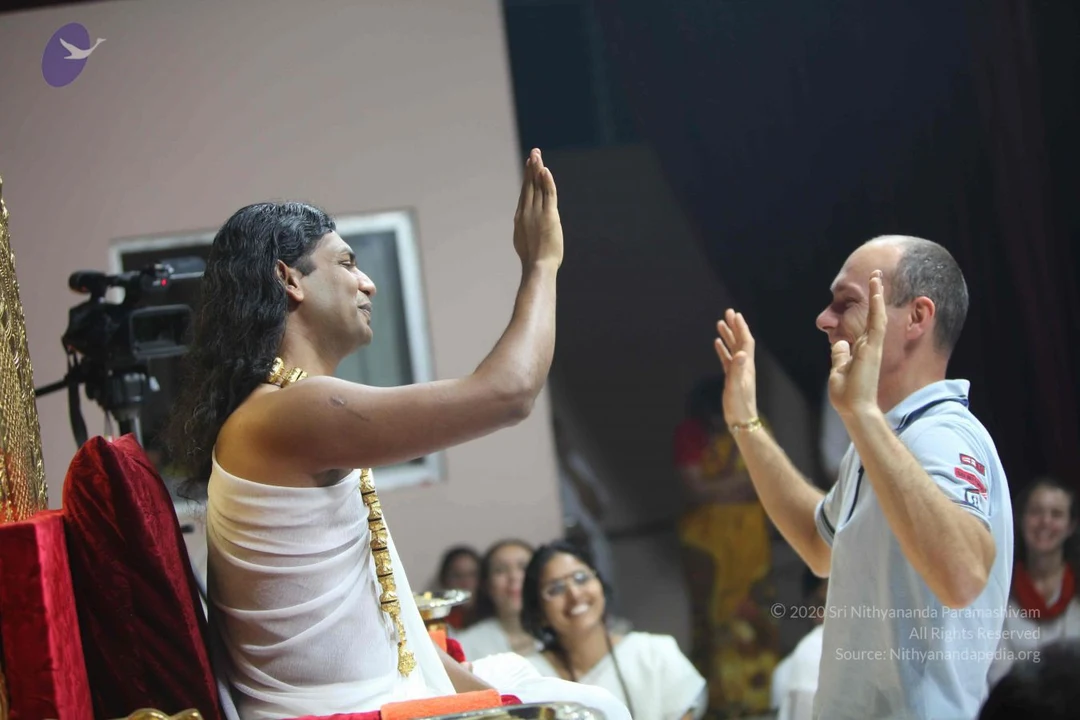
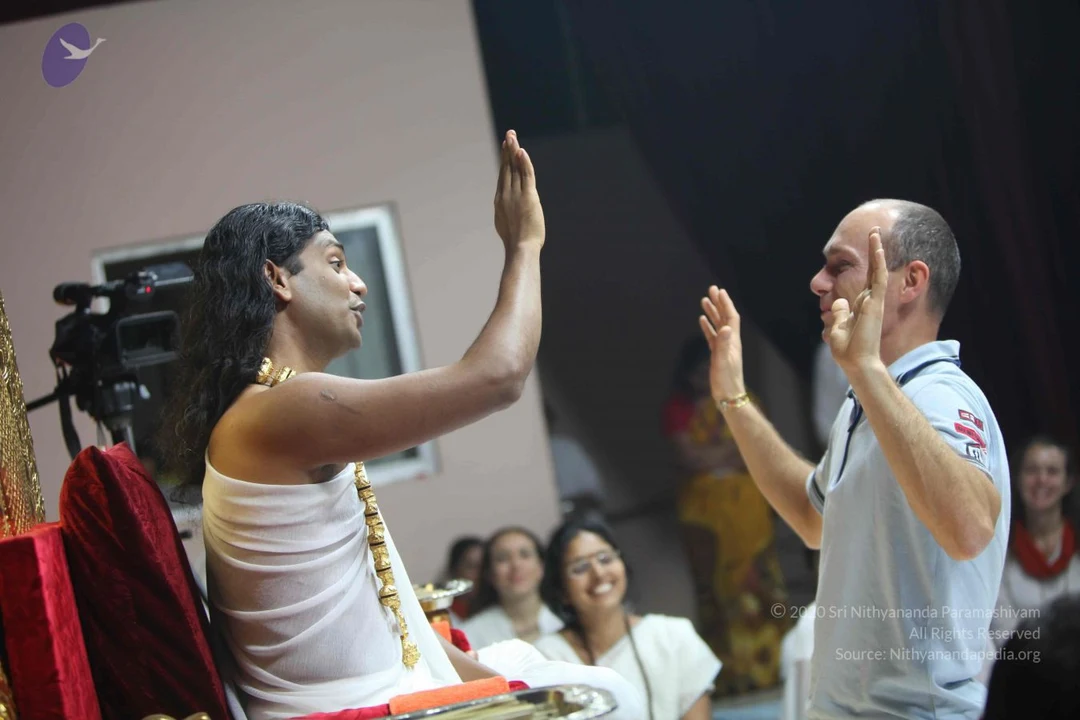
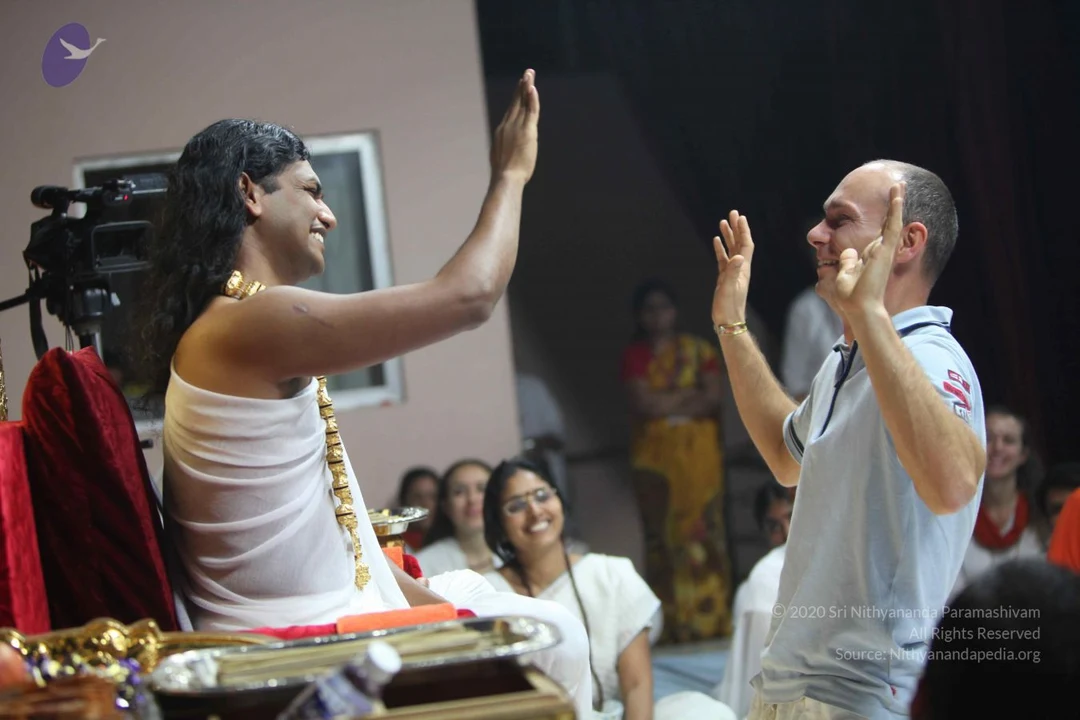
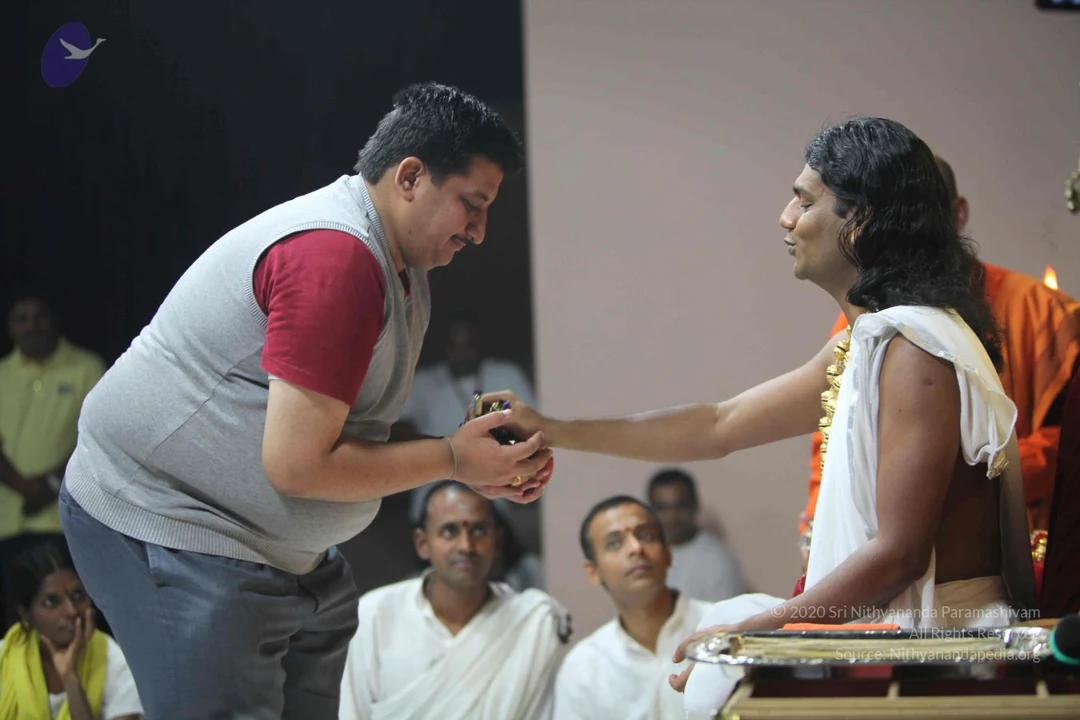
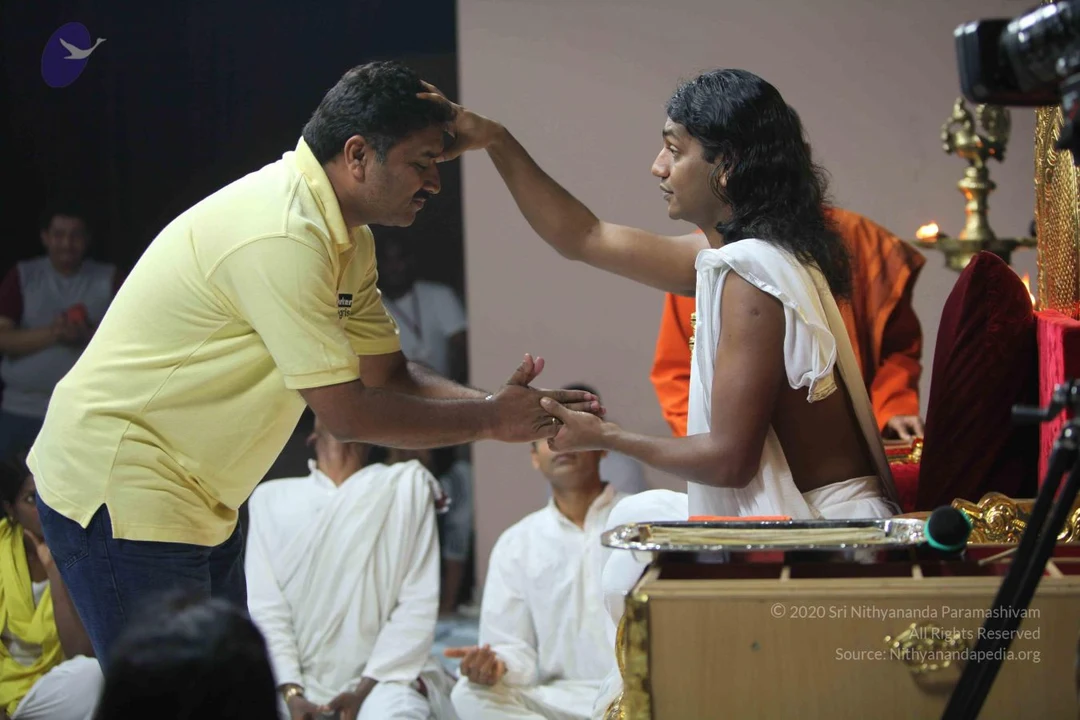
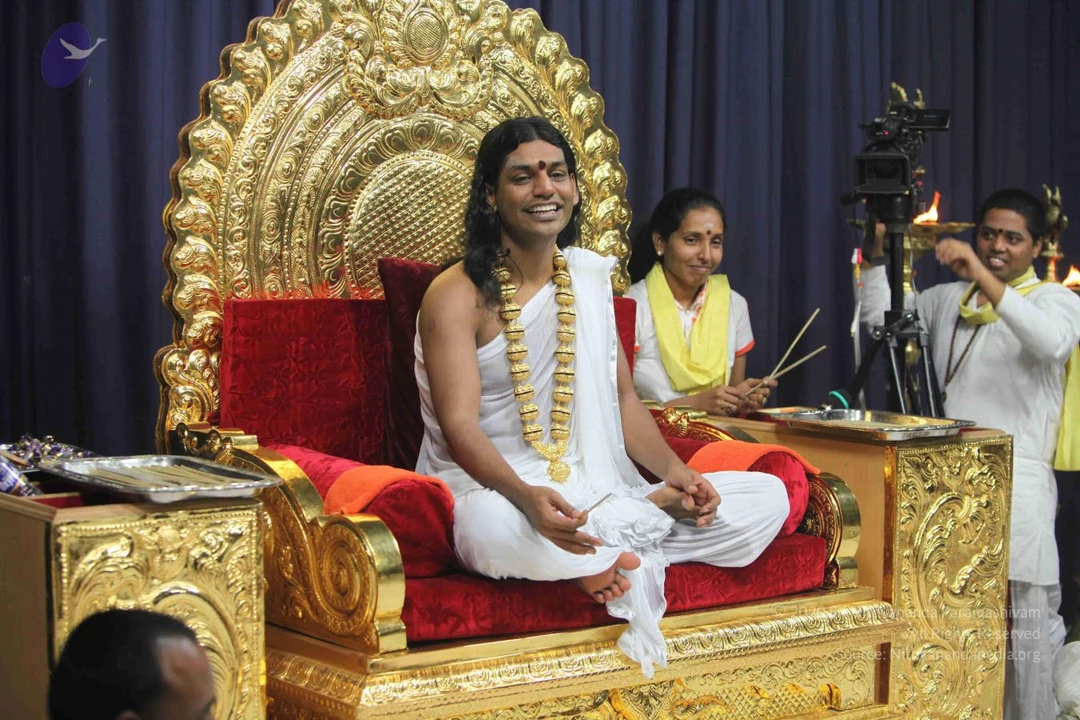
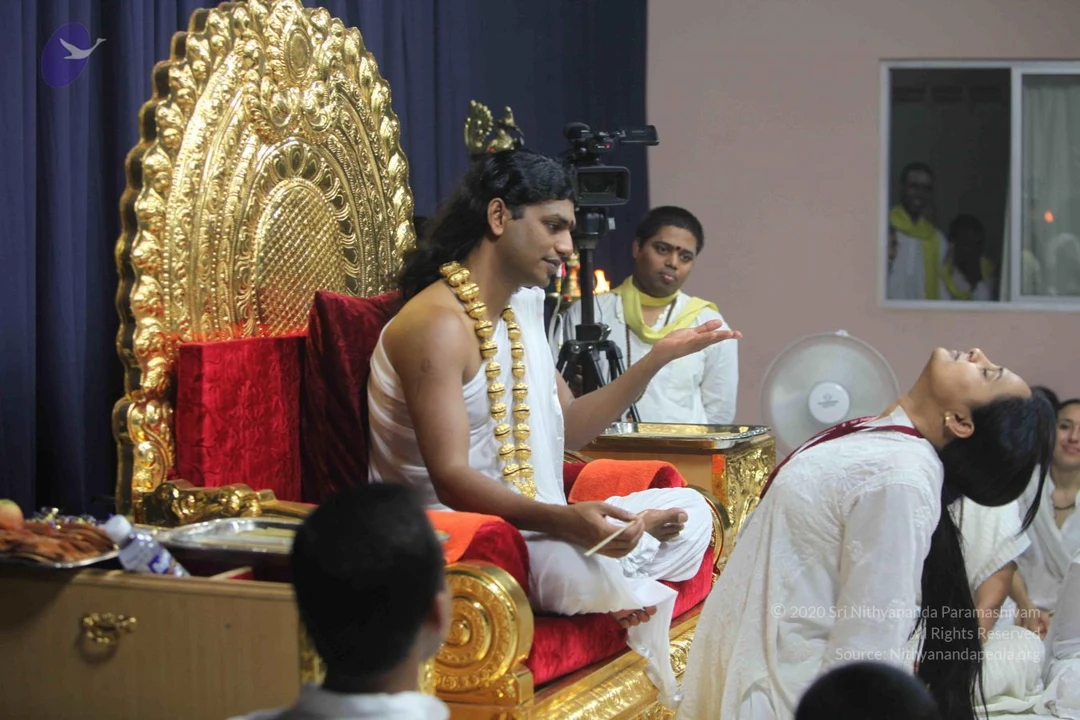
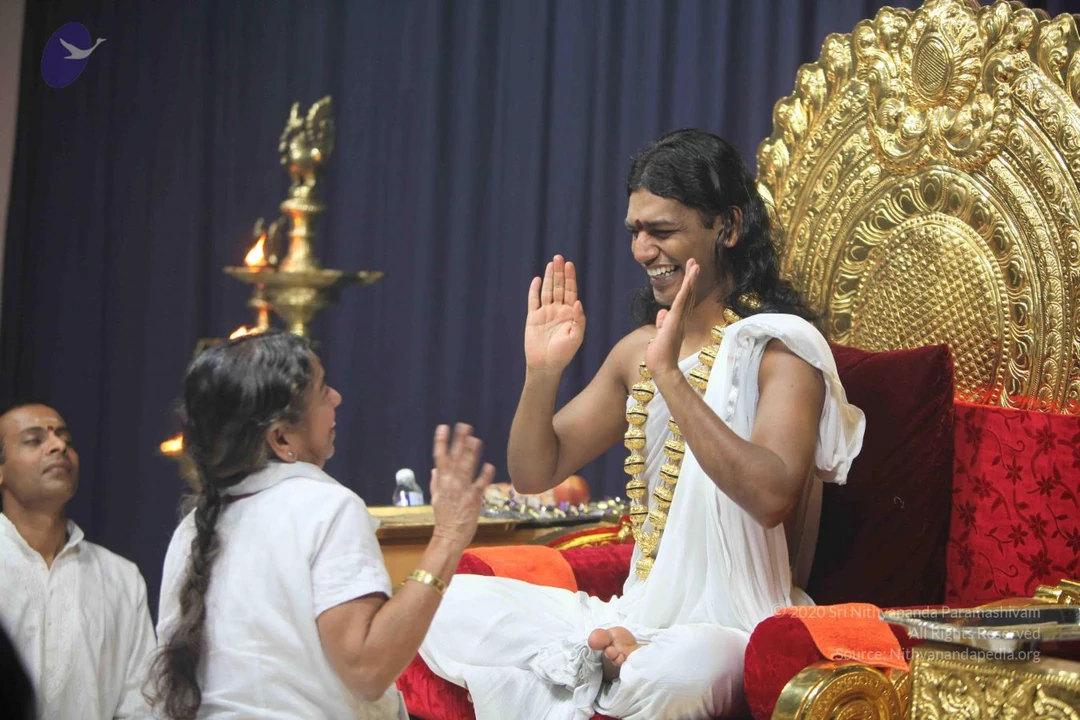
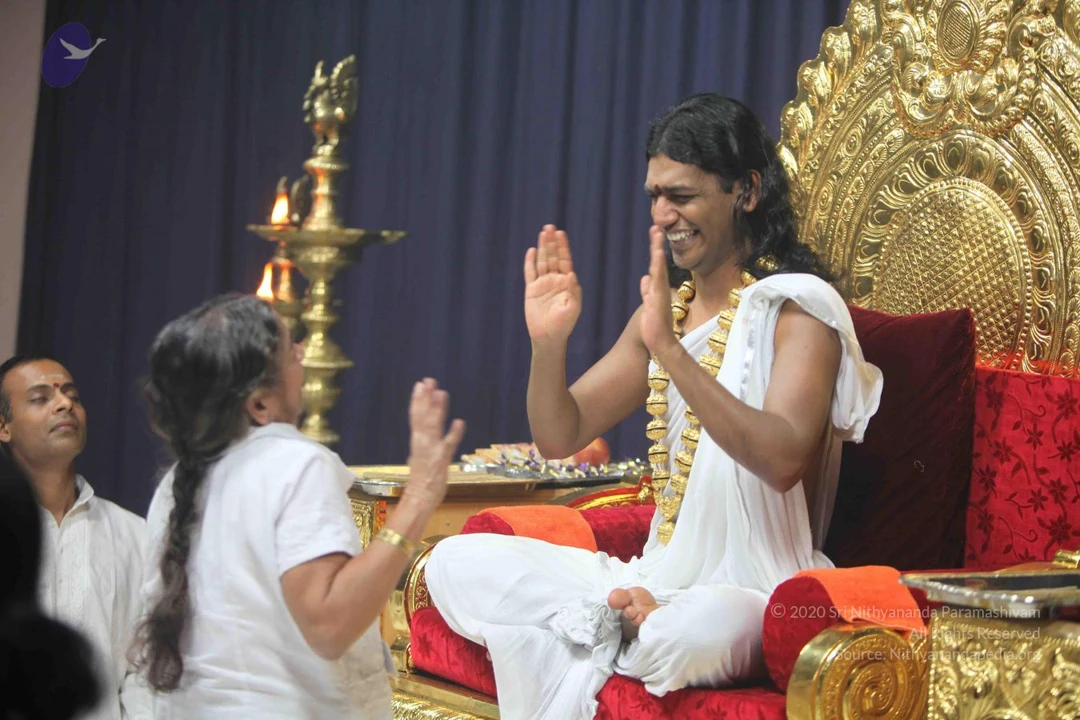
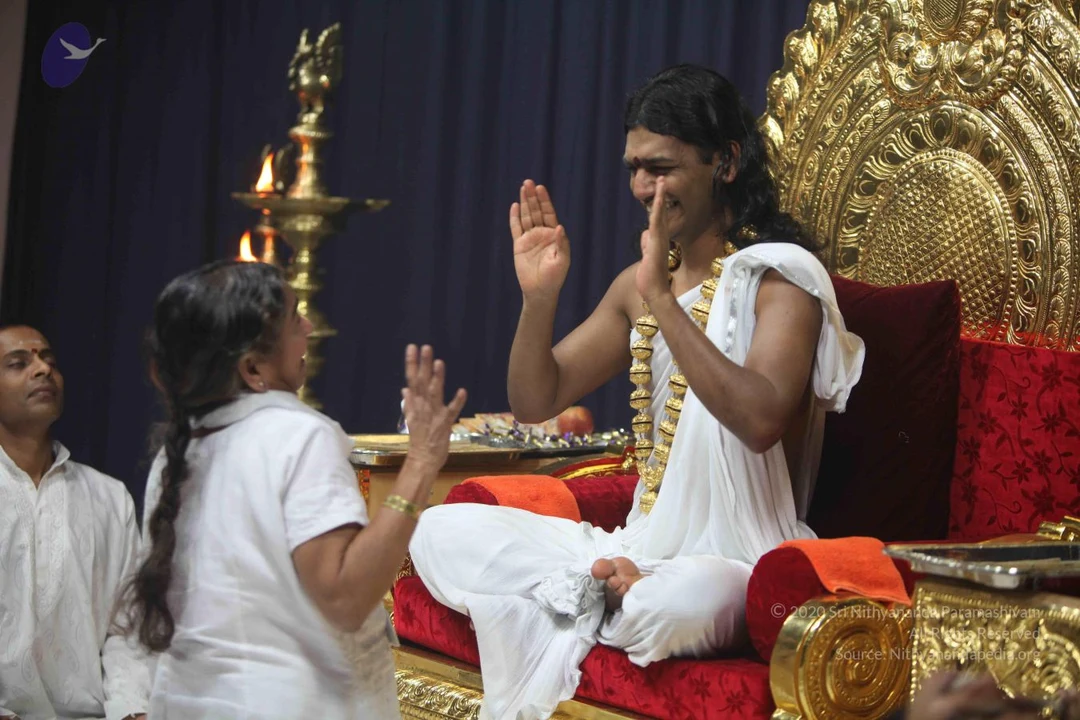
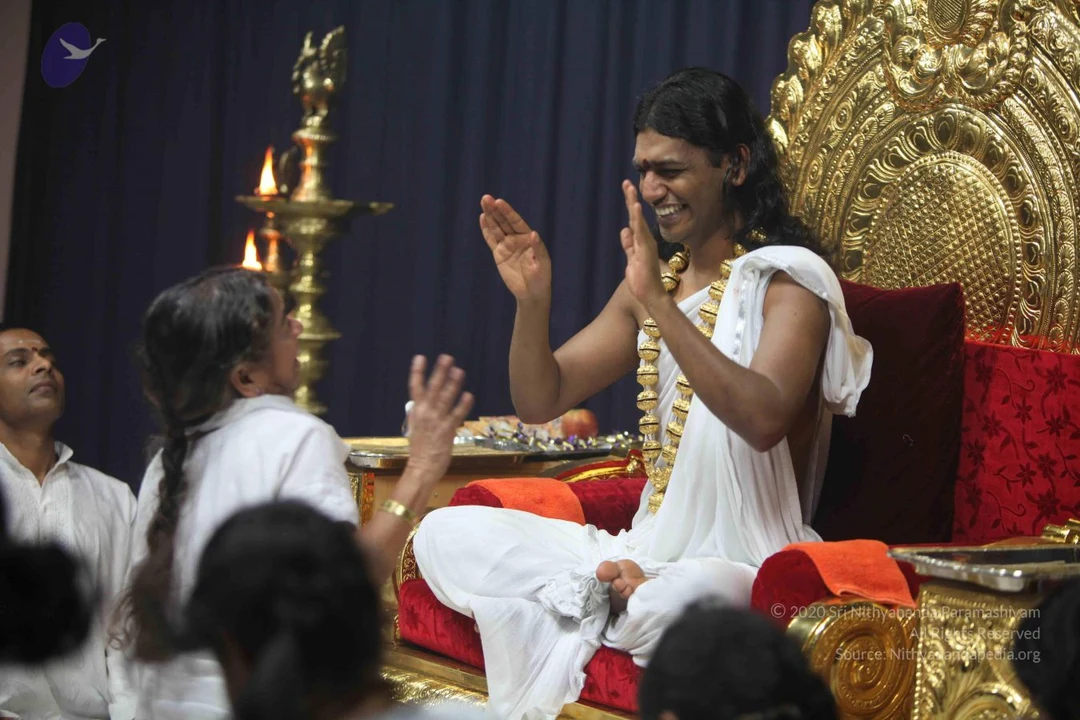
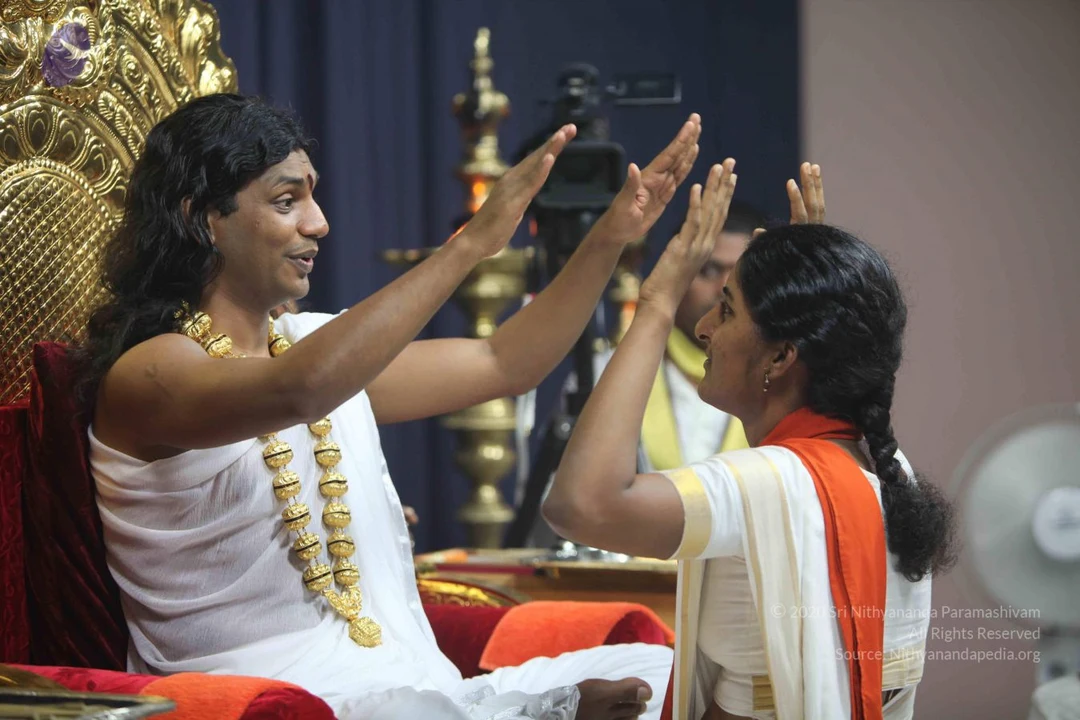
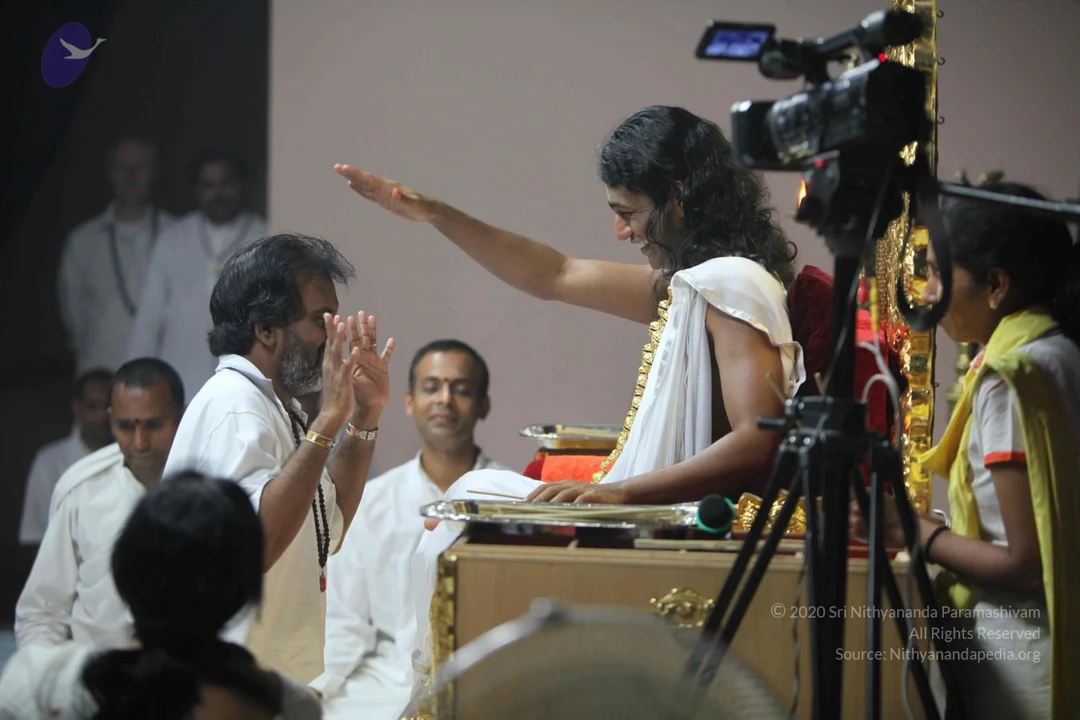
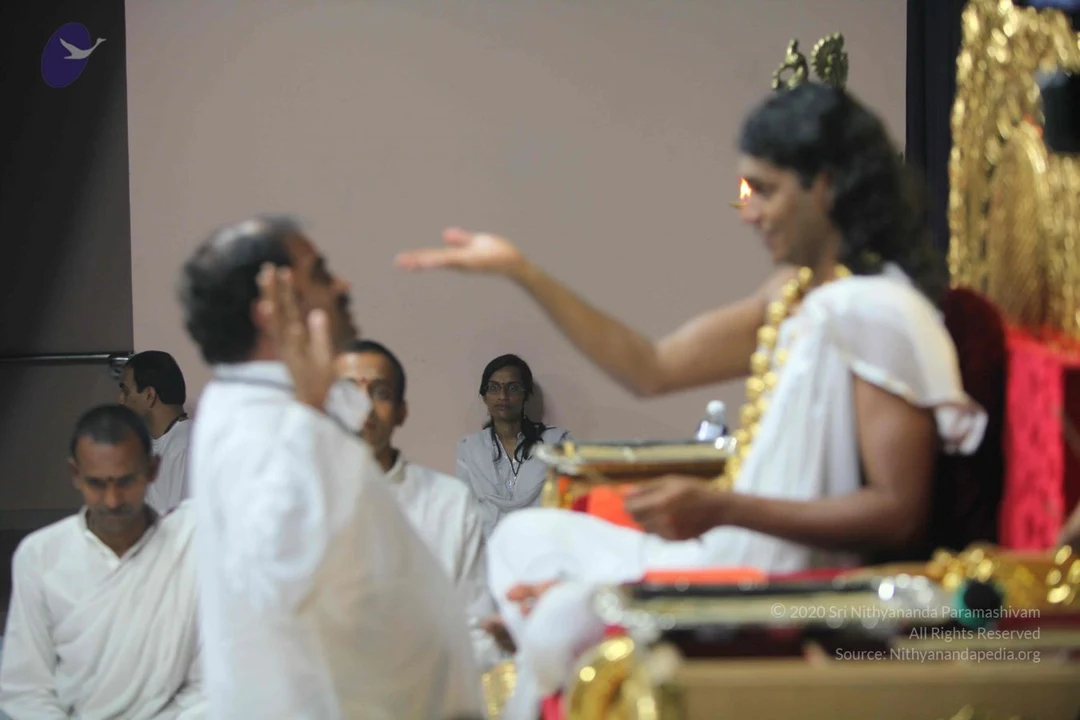
Inner-Awakening-Energy-Darshan
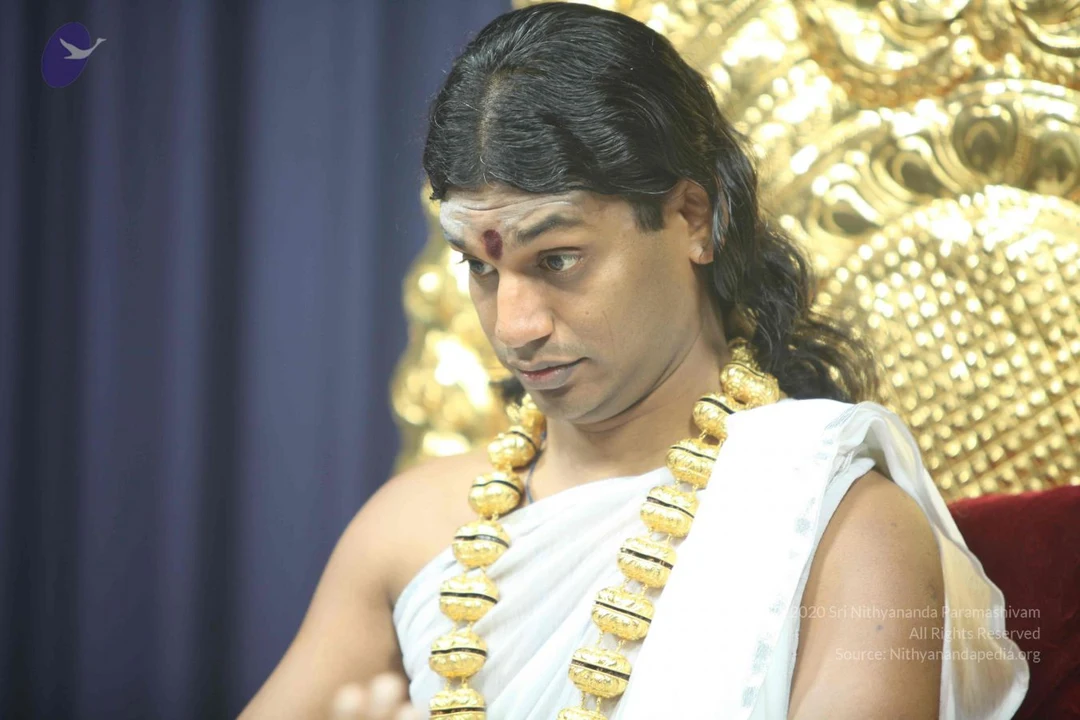
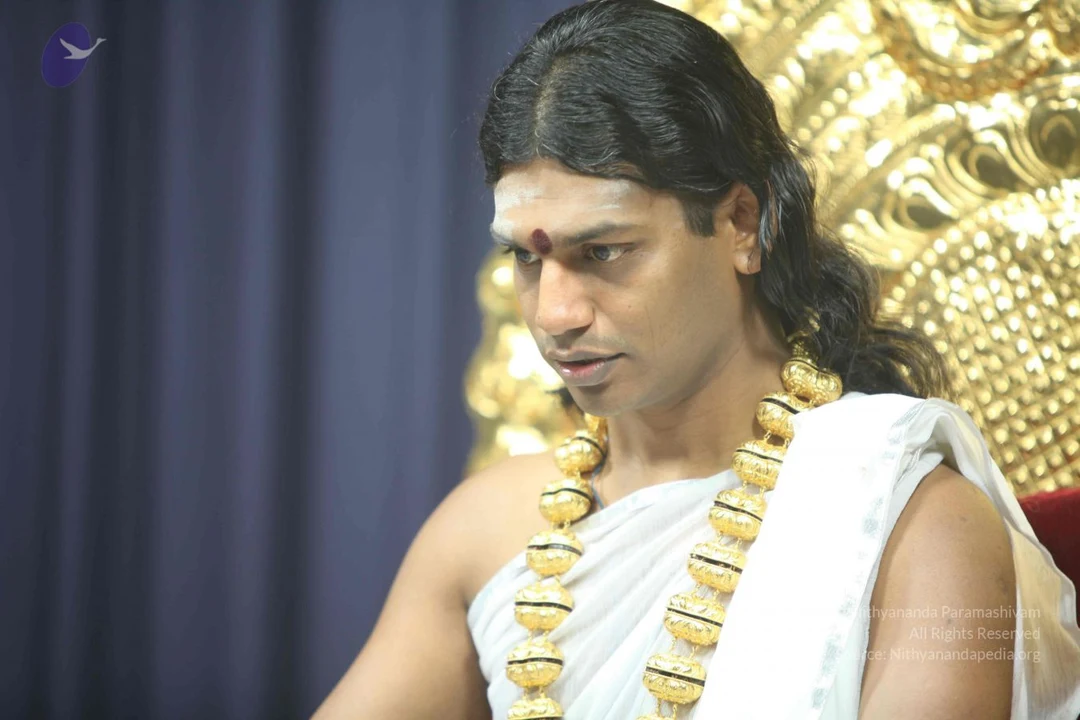
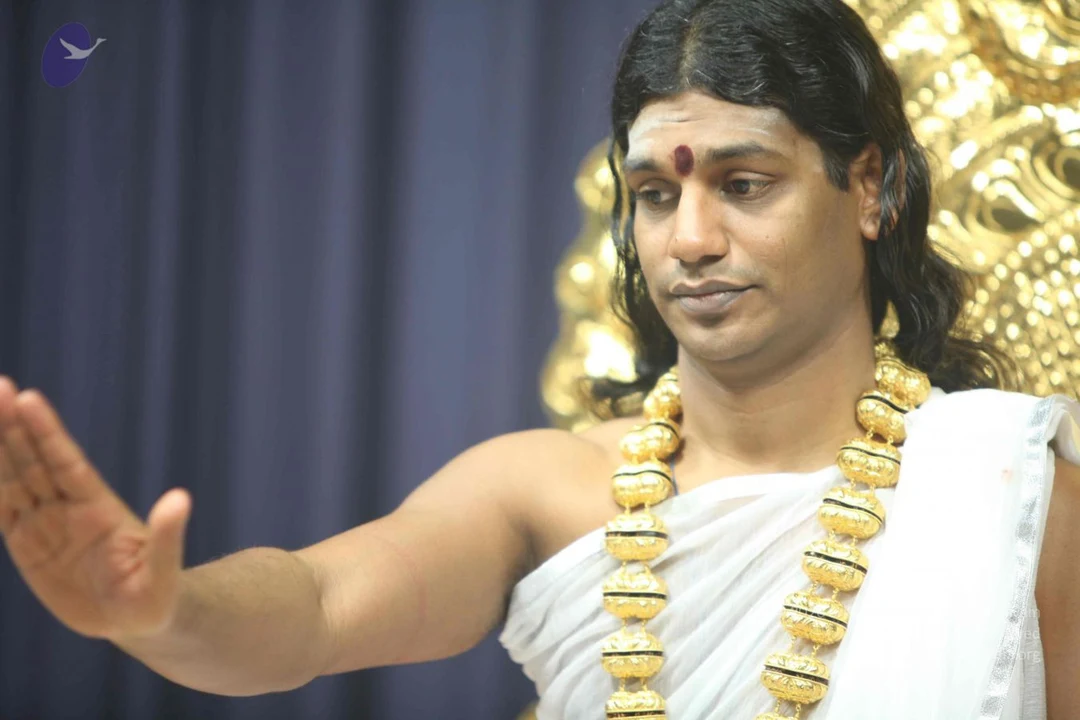
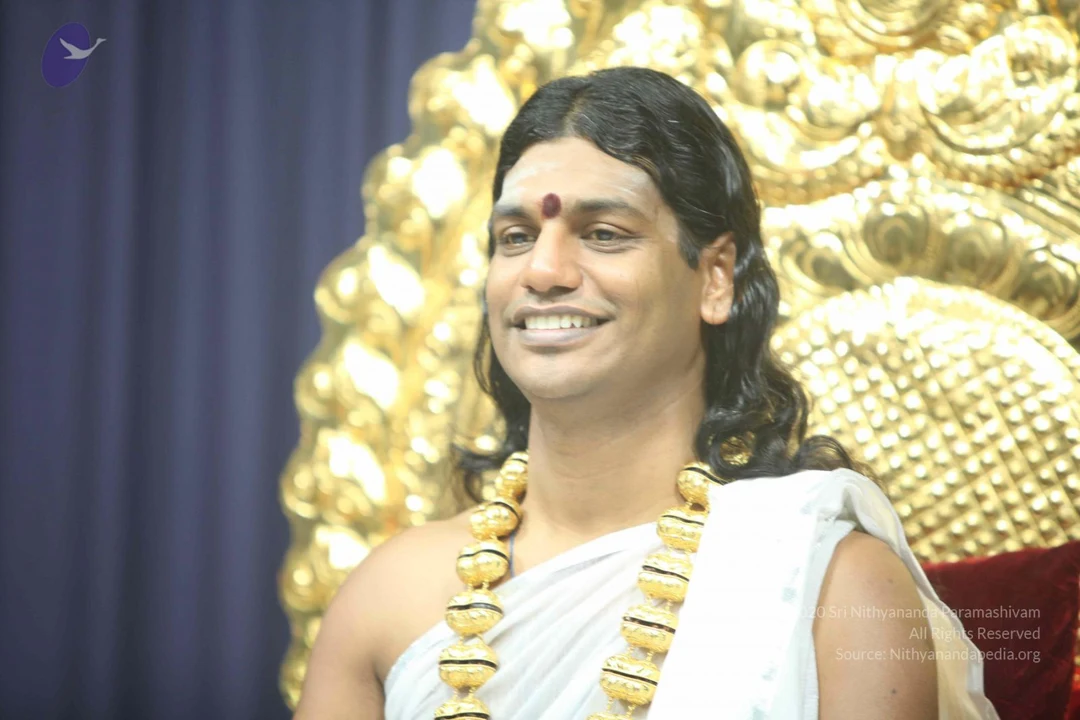
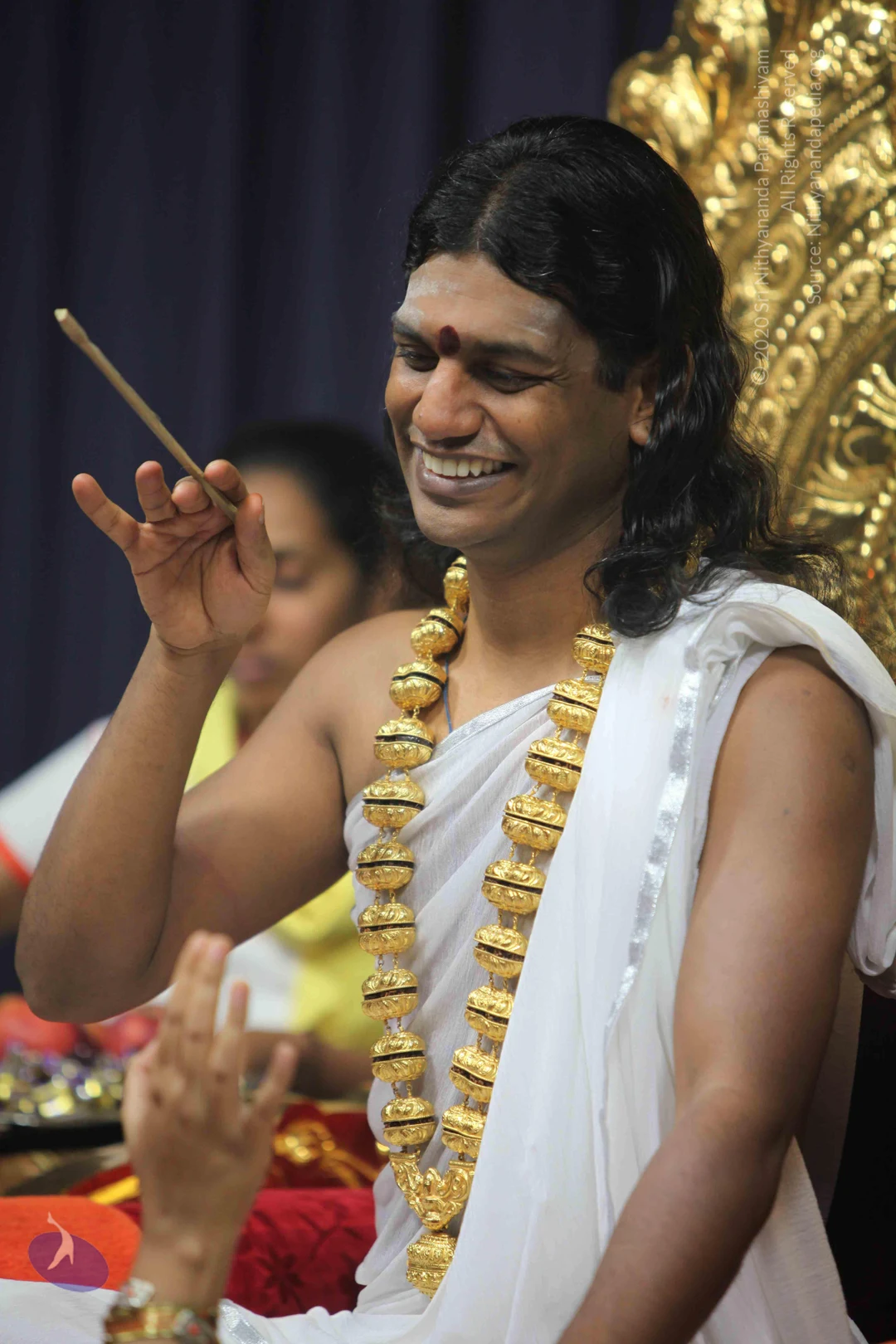
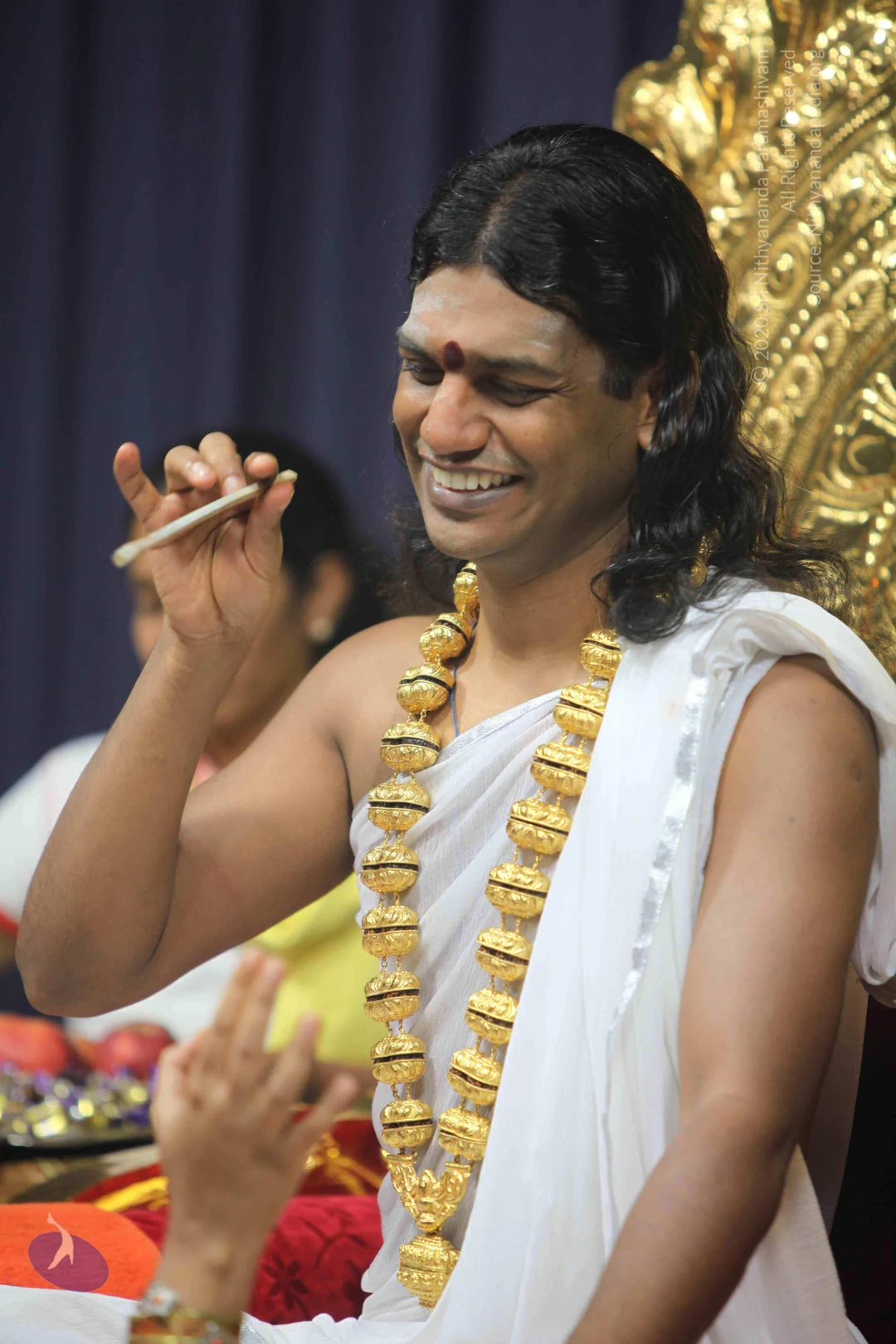
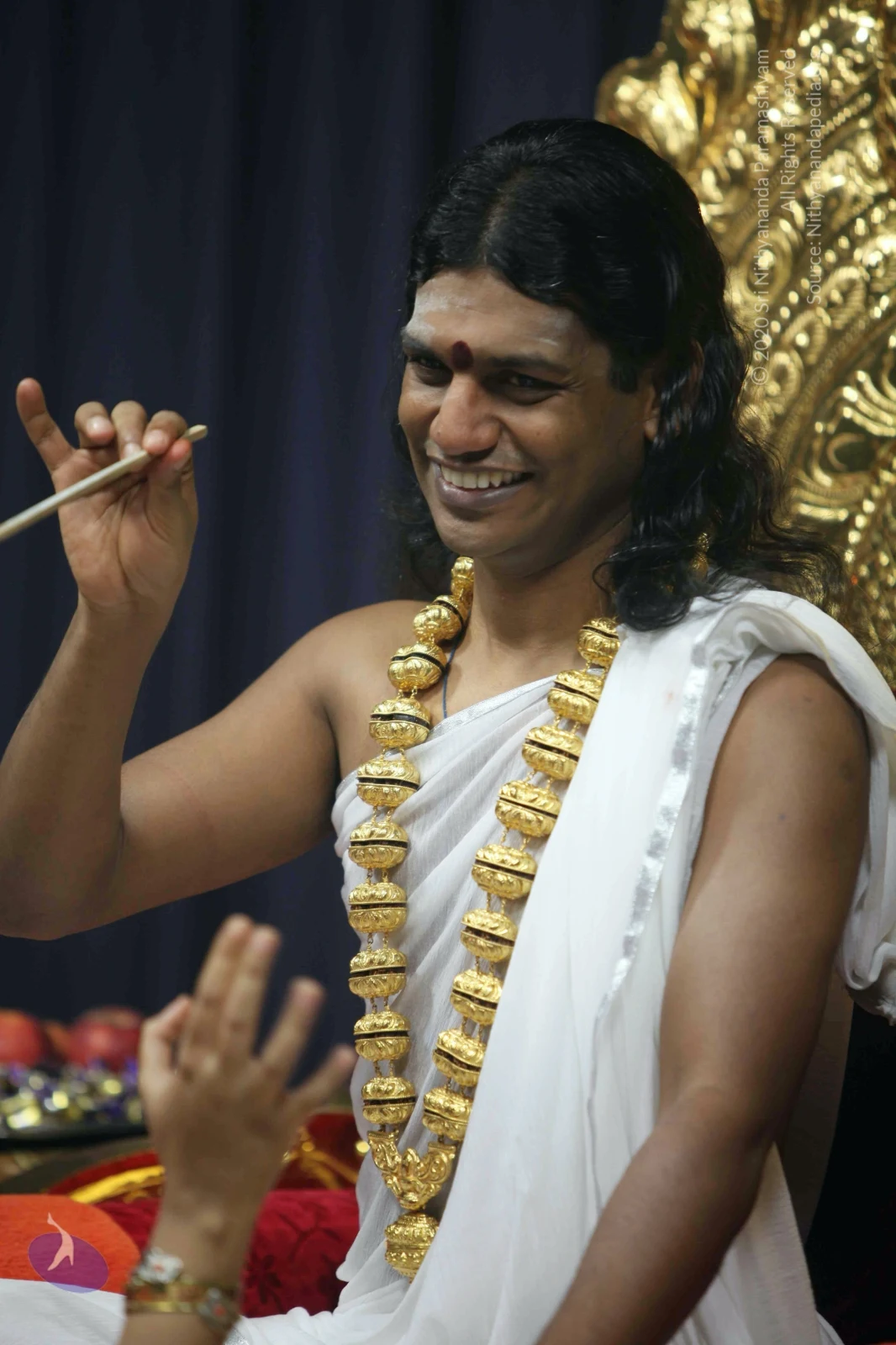
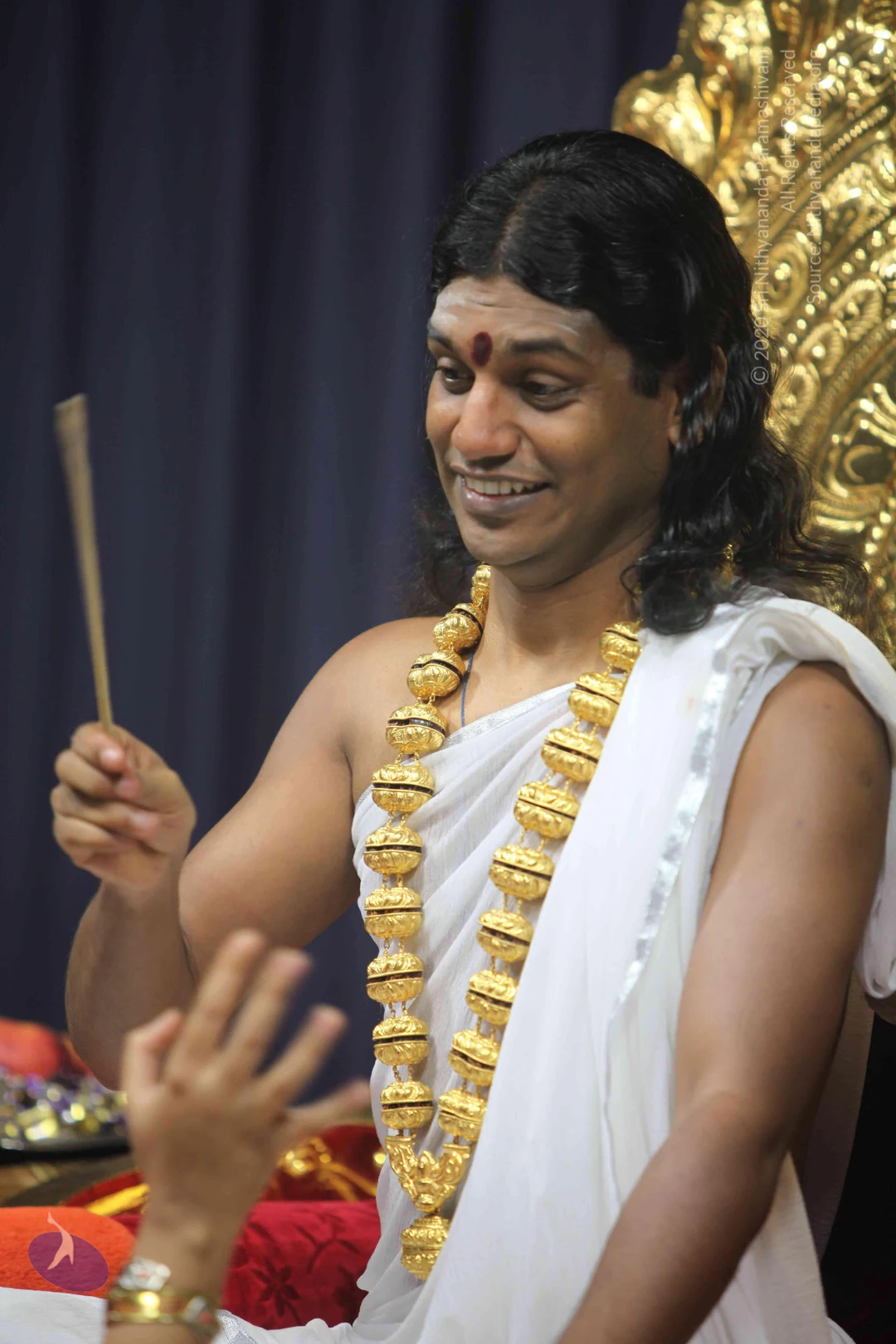
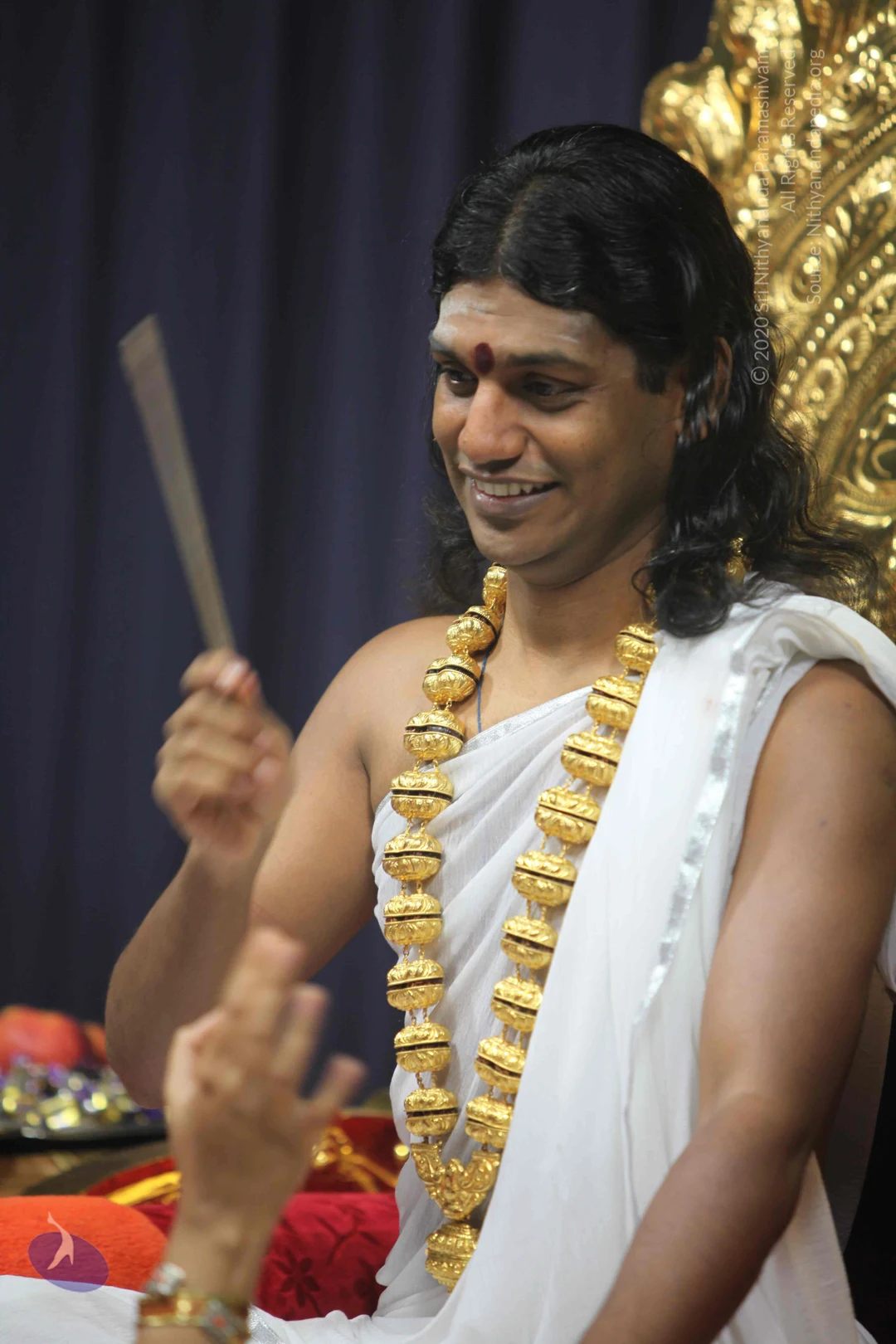
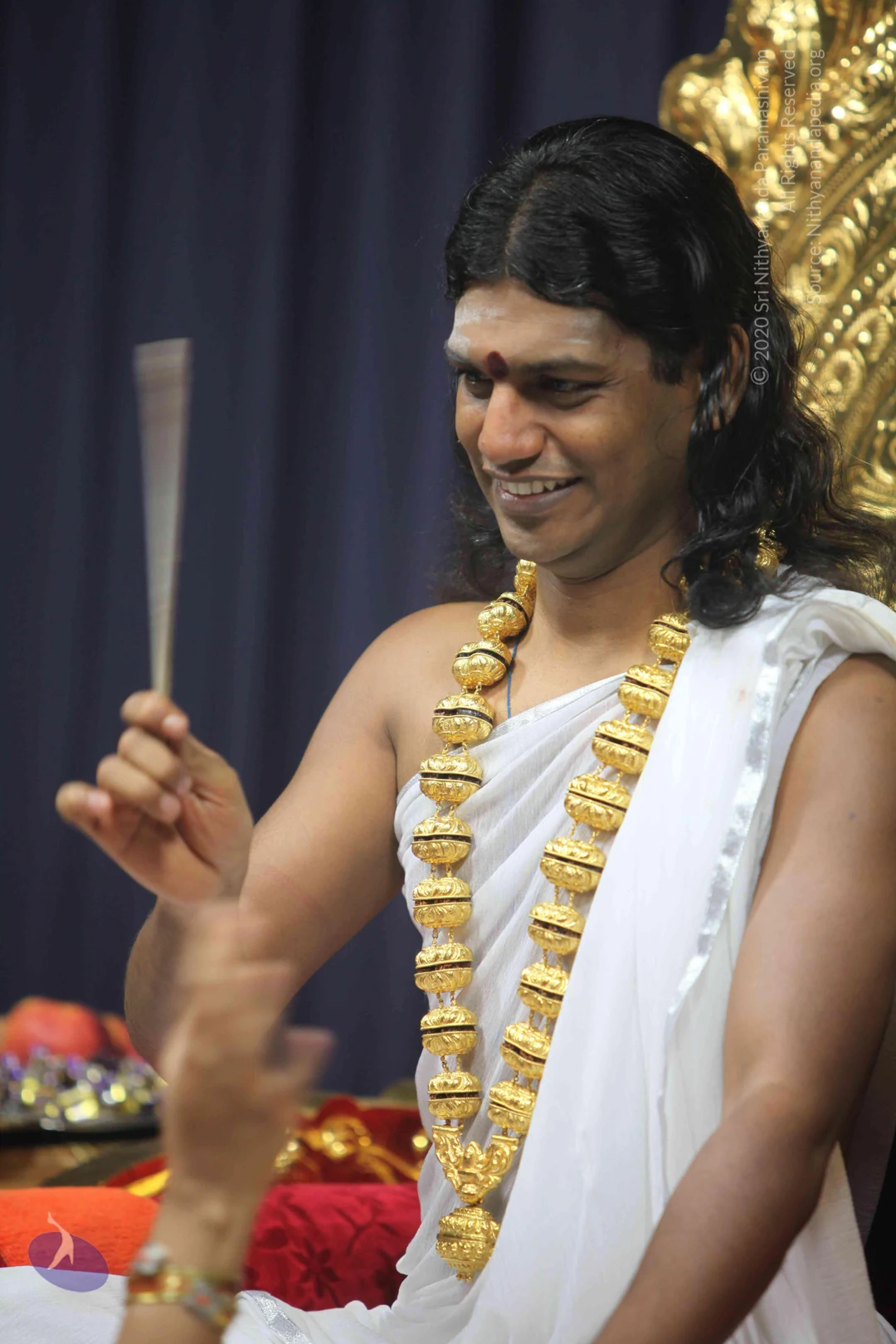
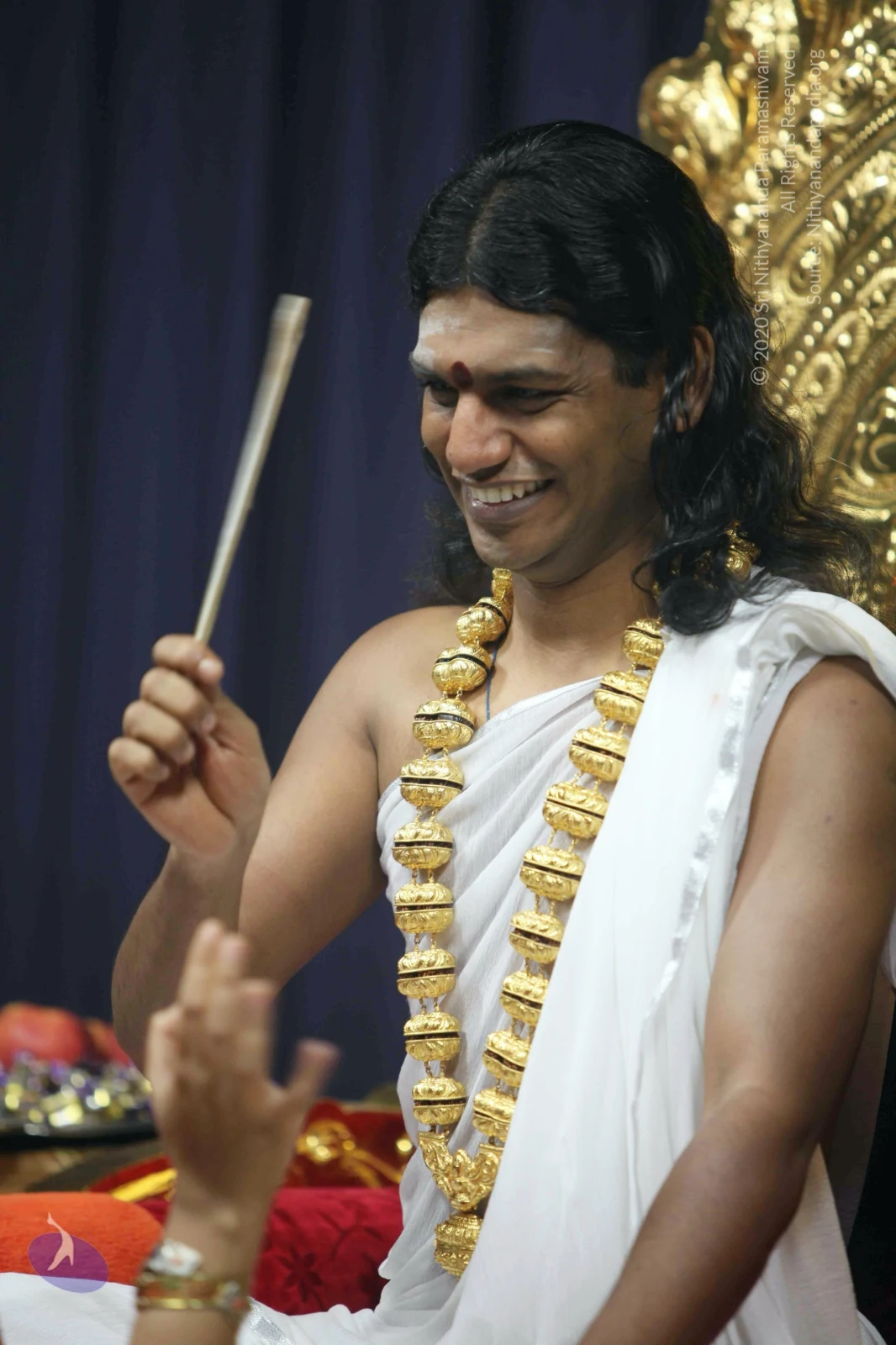
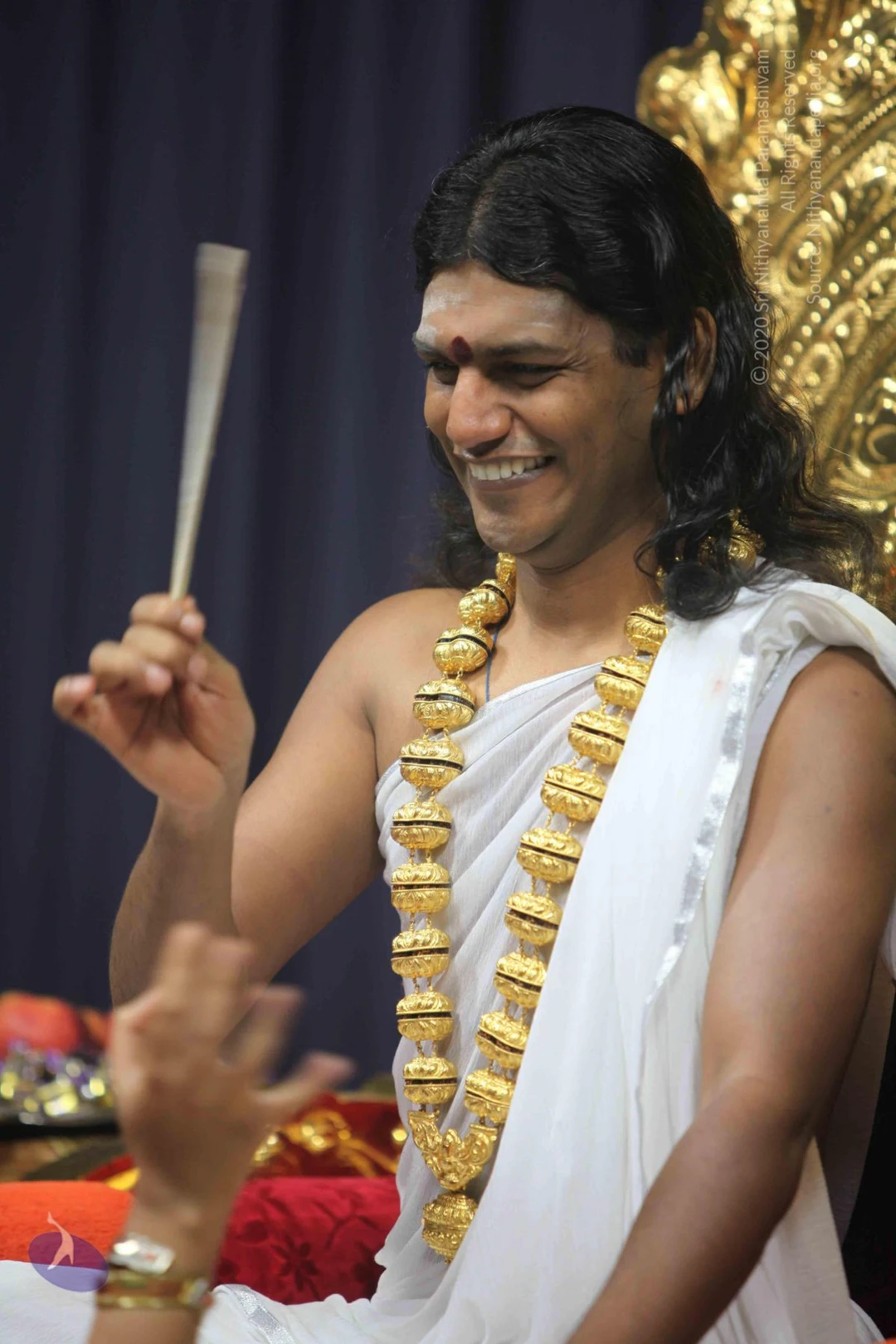

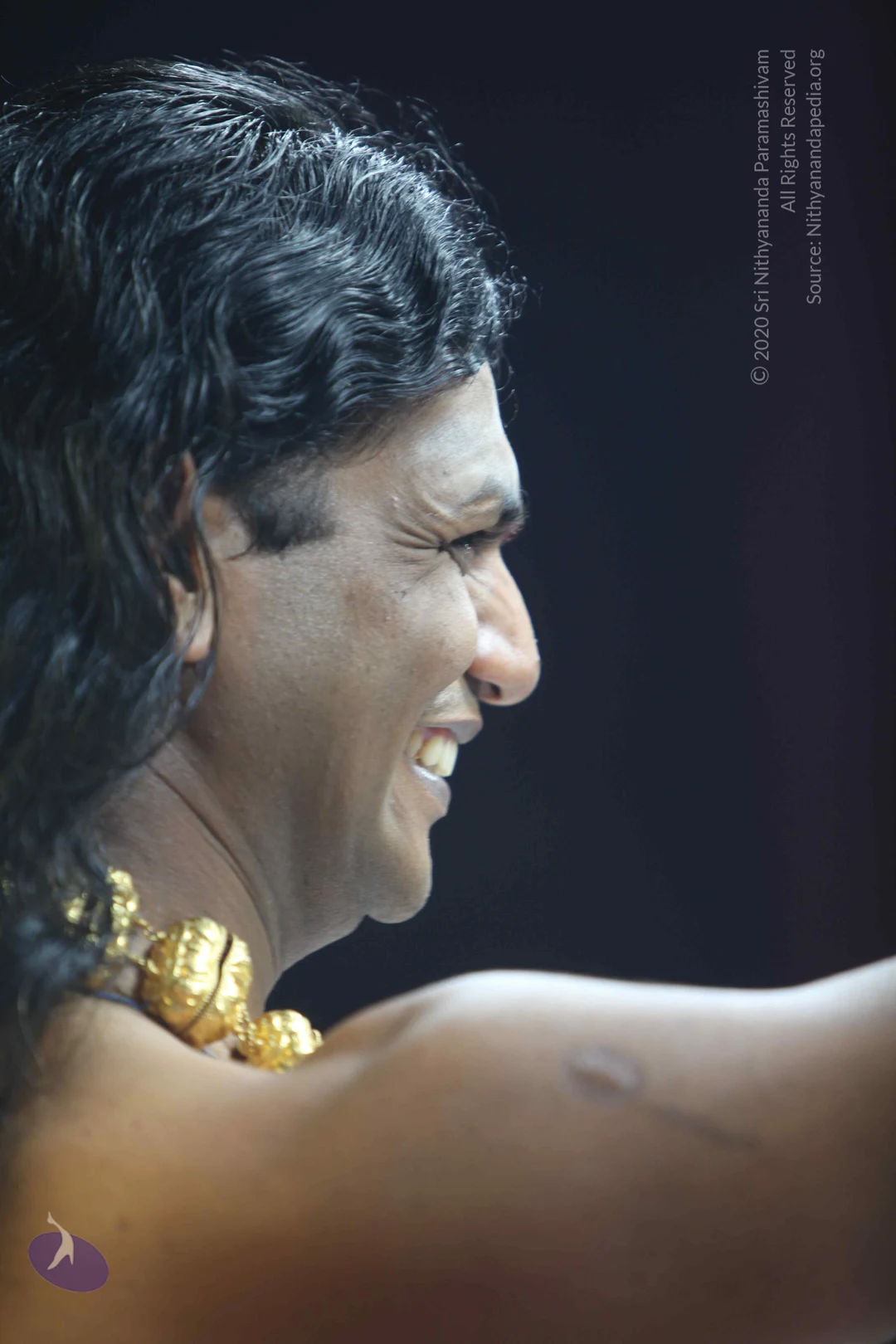
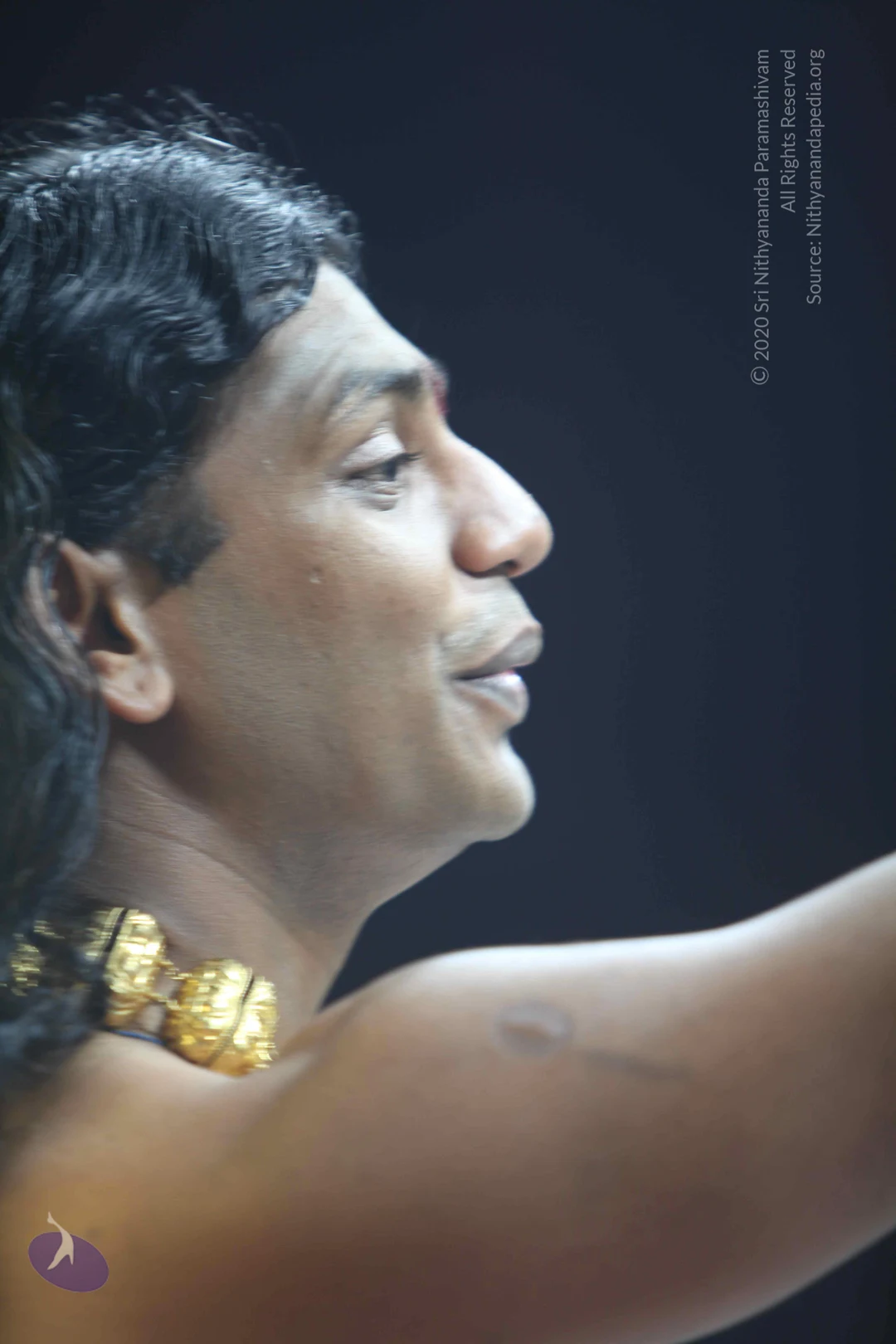
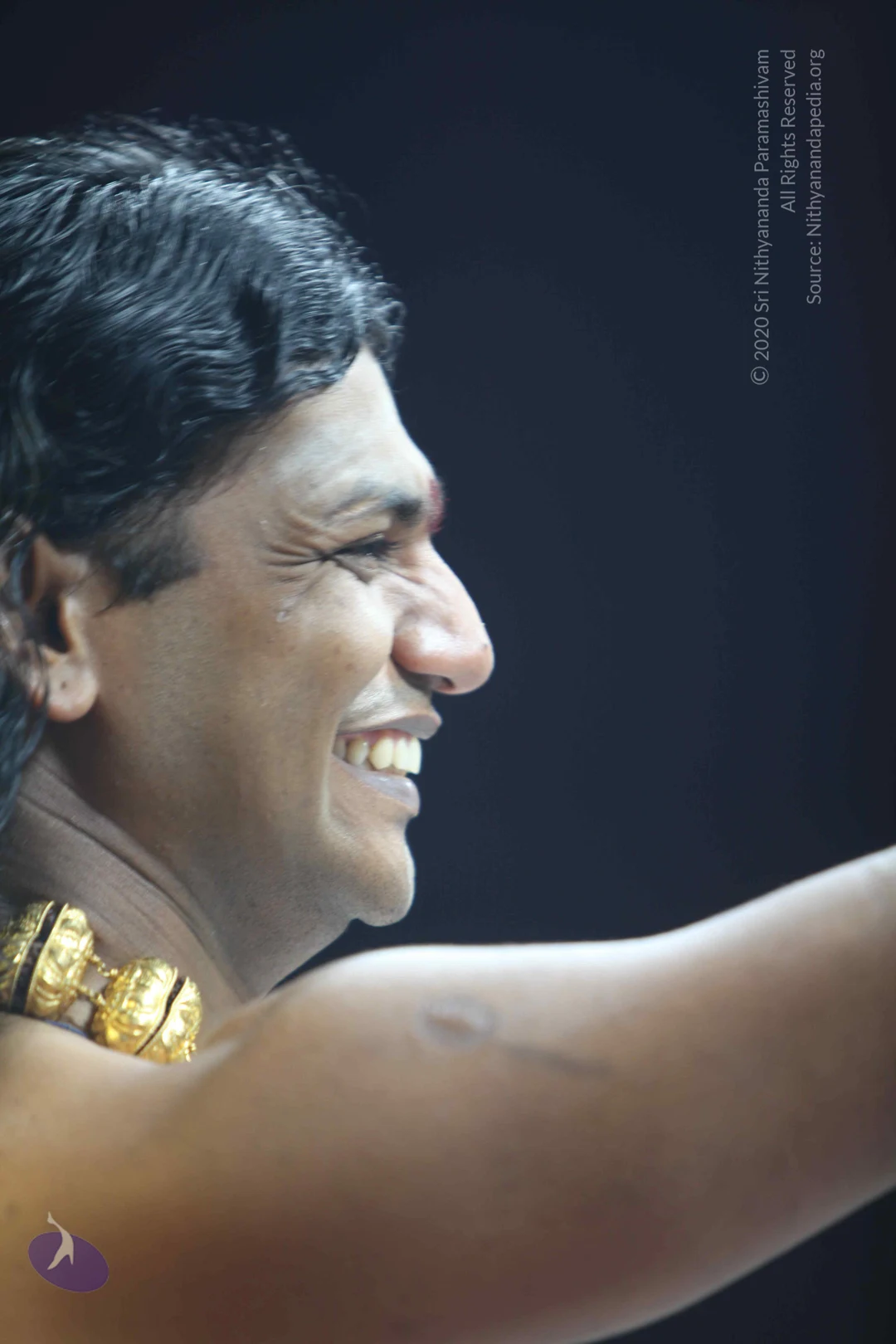
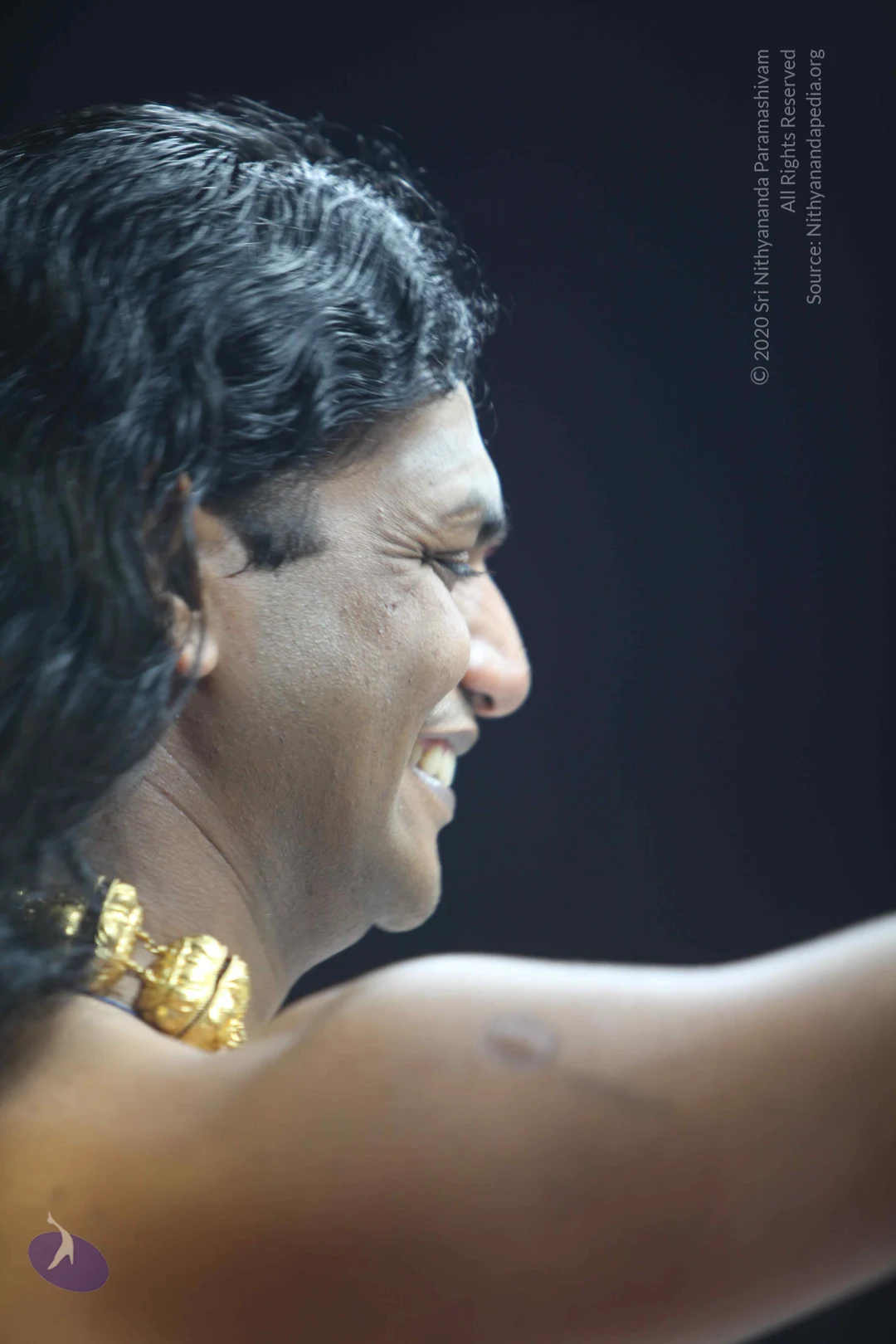
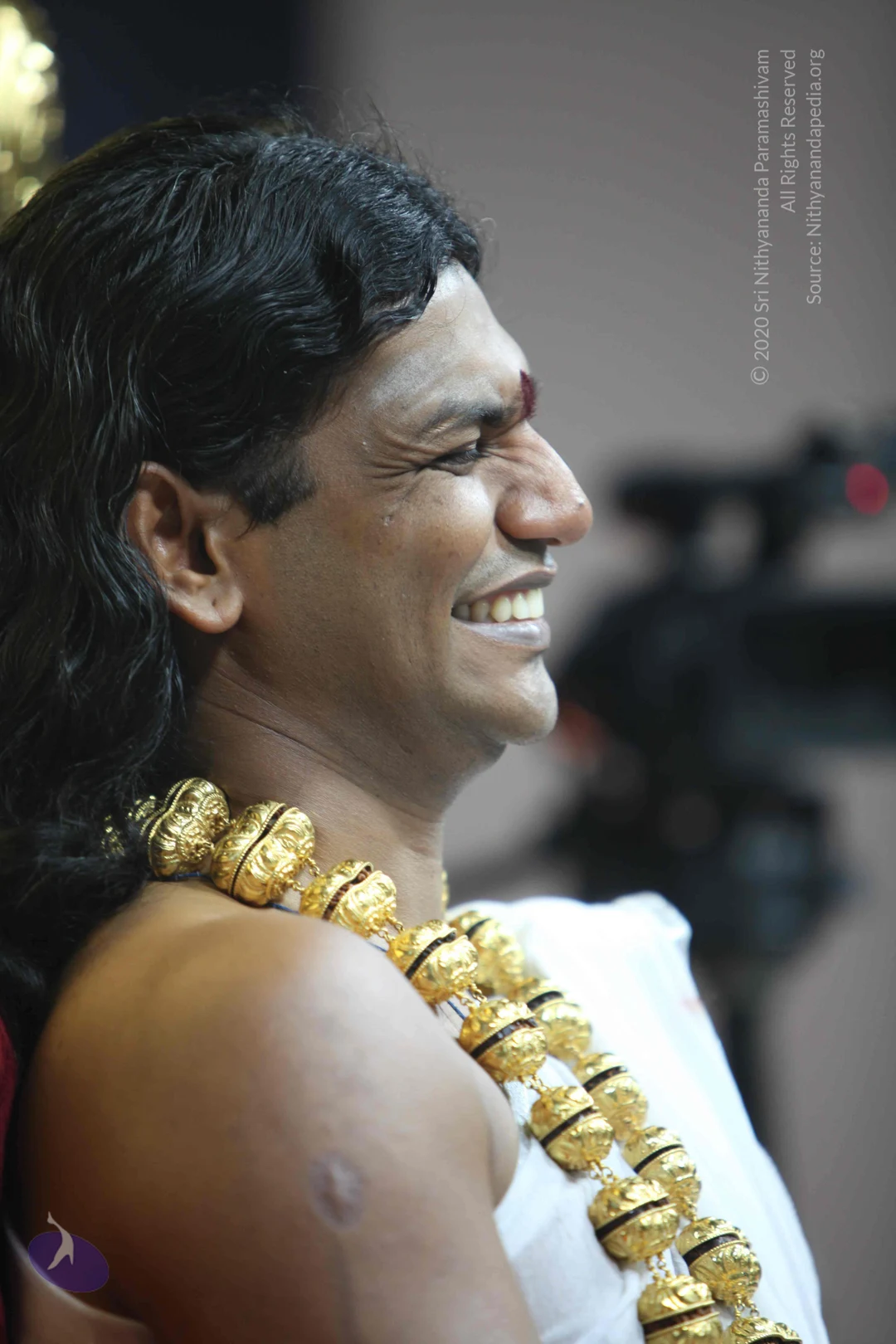
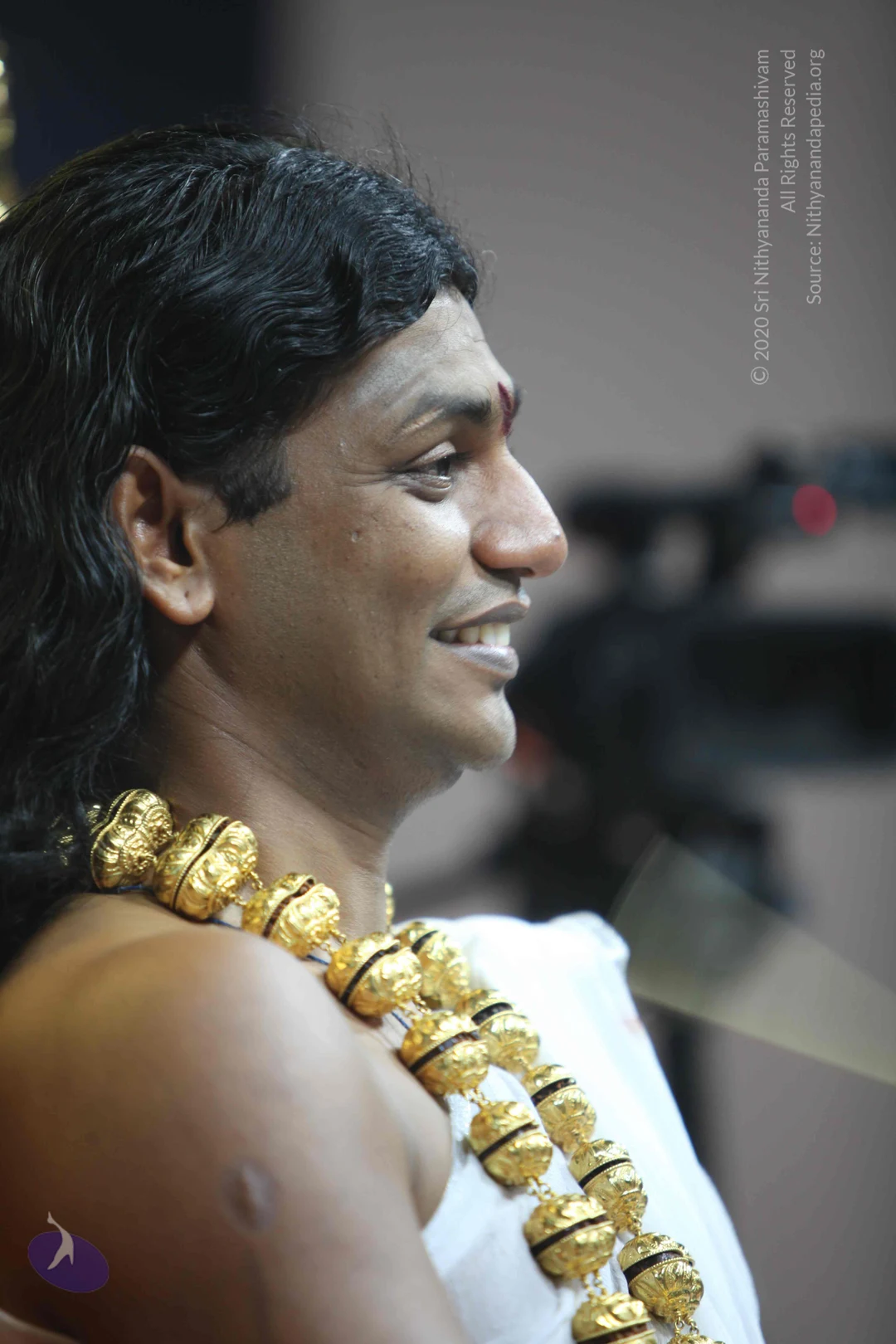
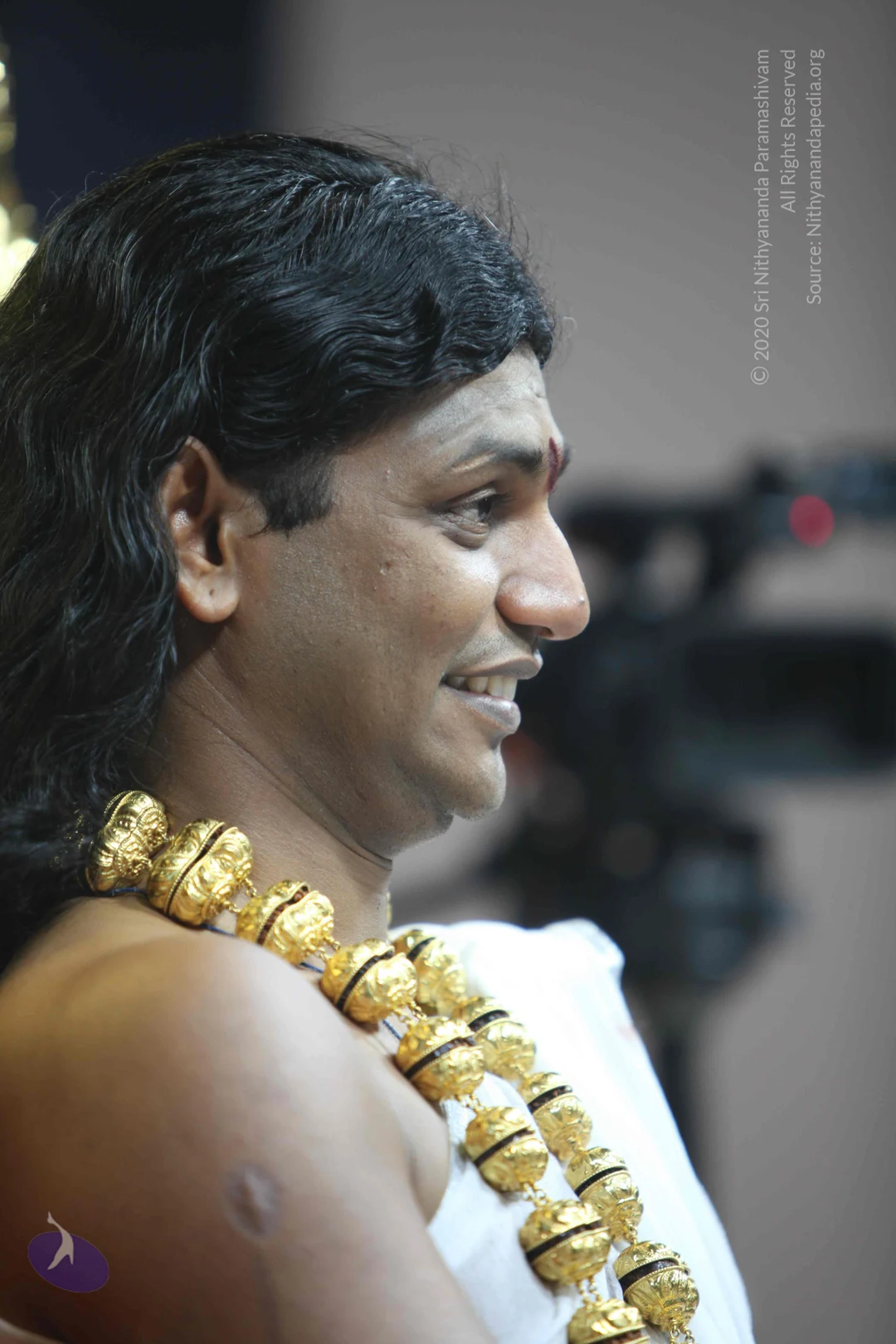
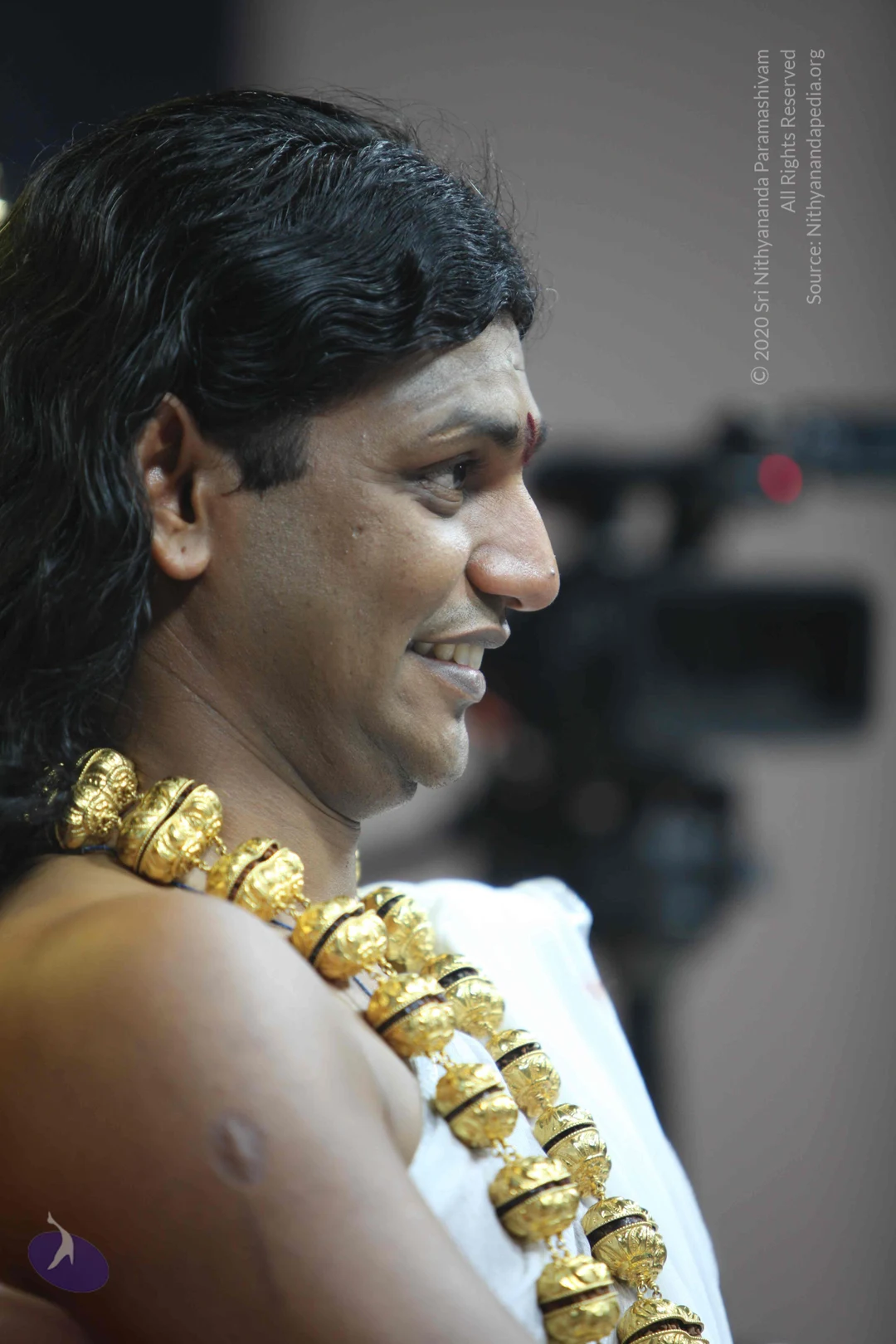
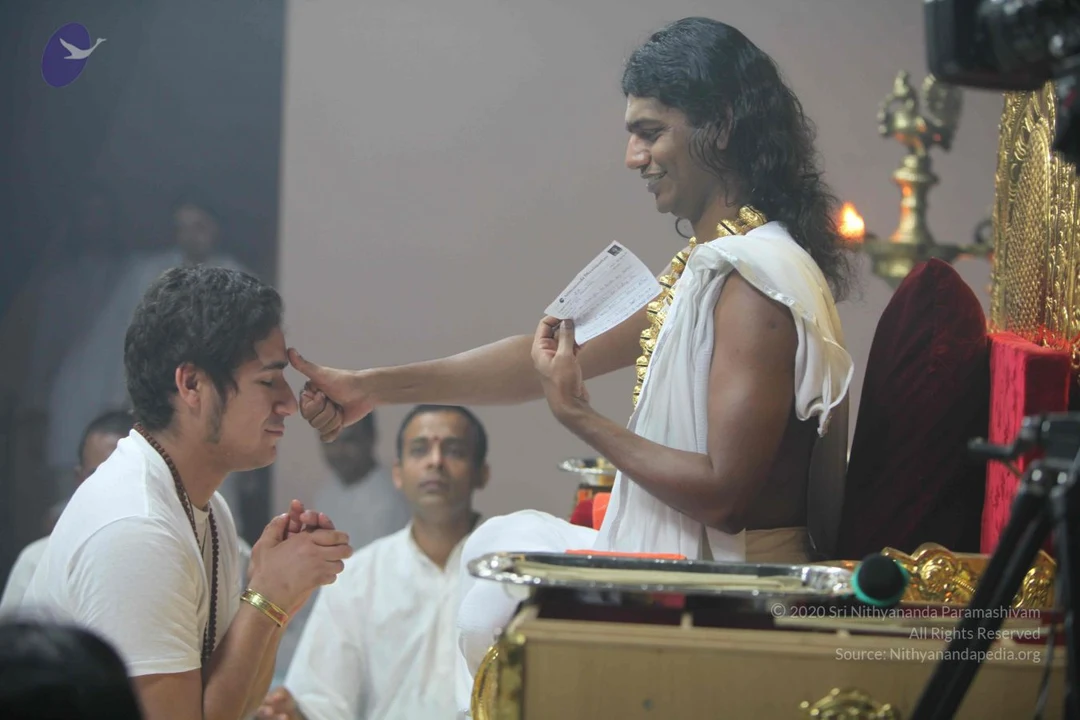
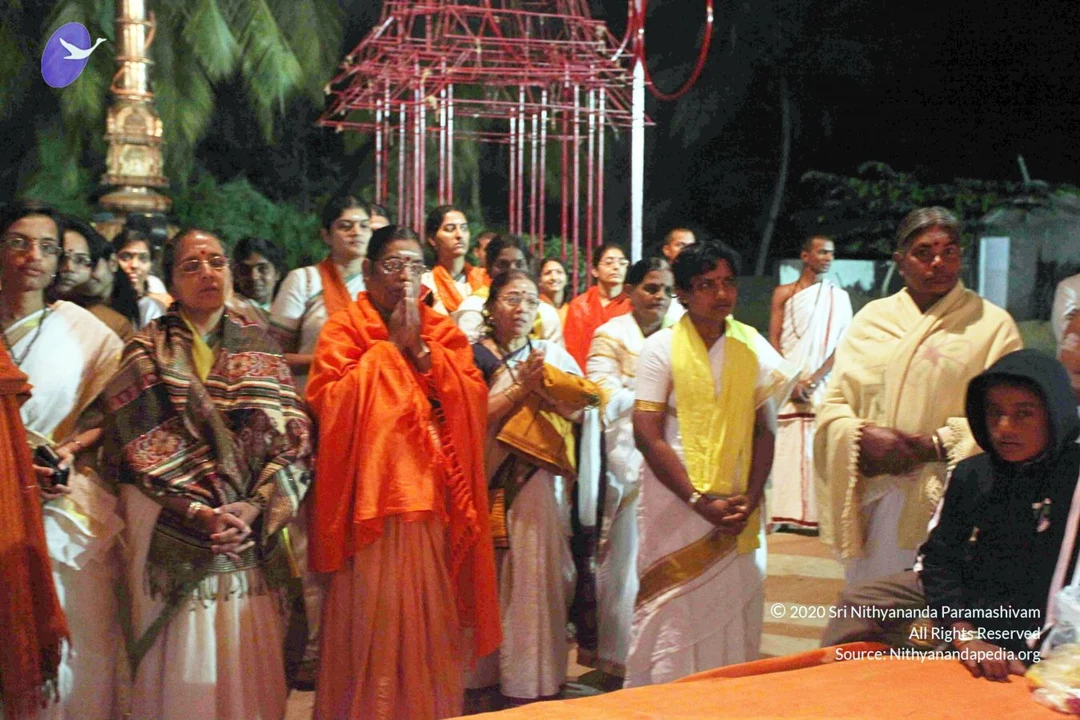
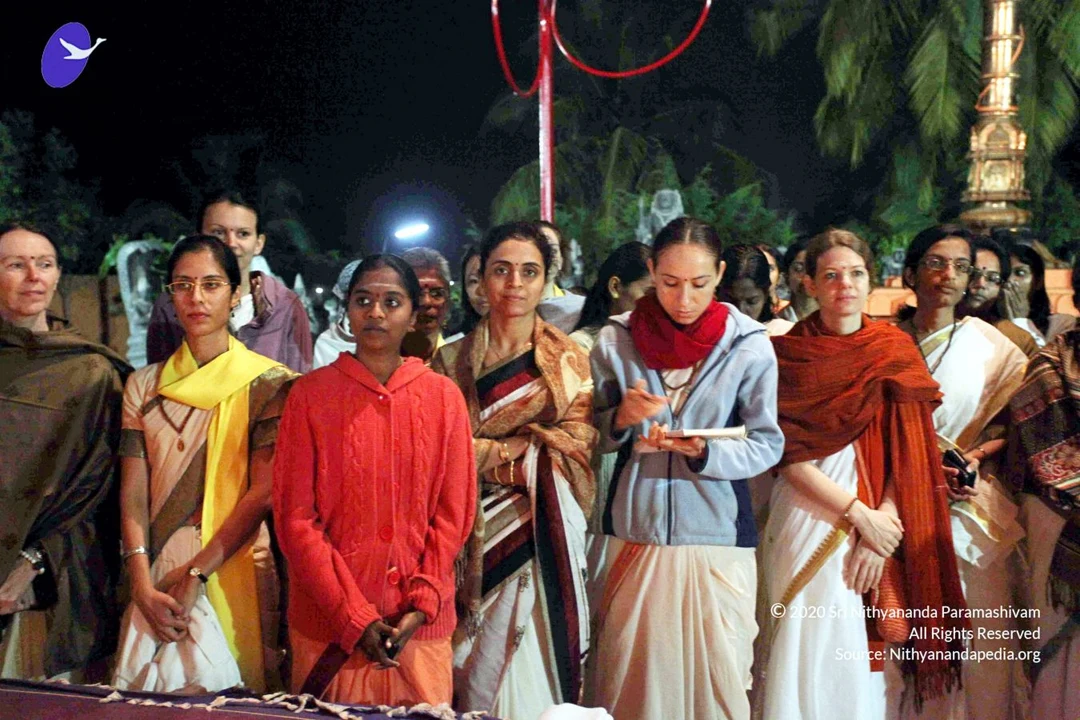
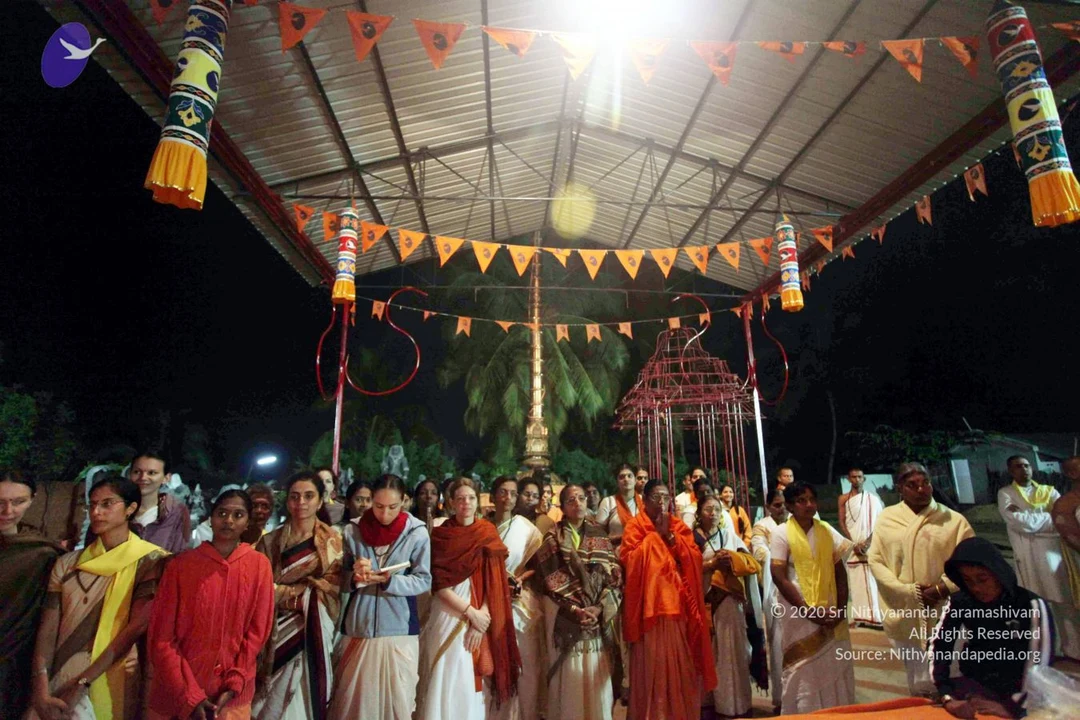
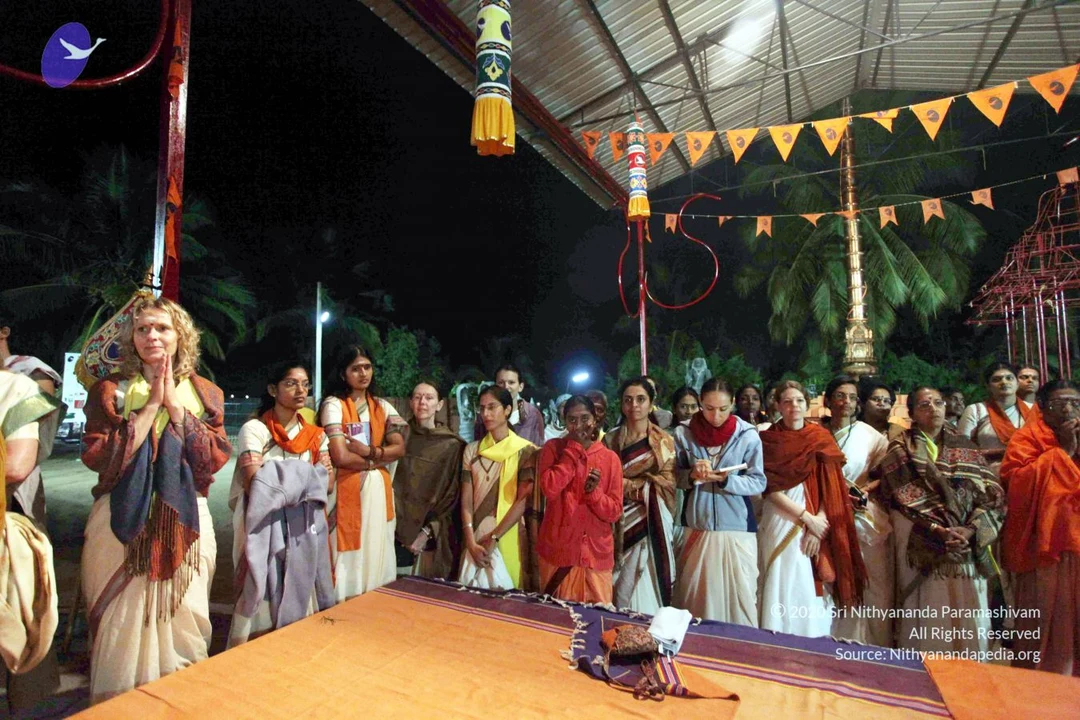
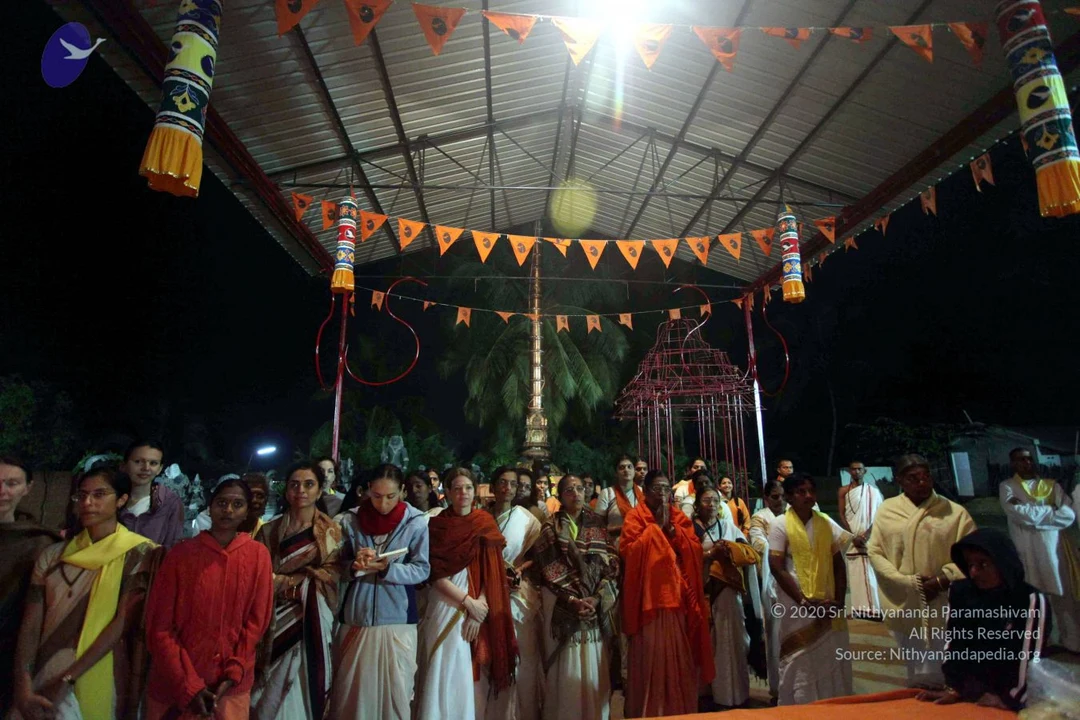
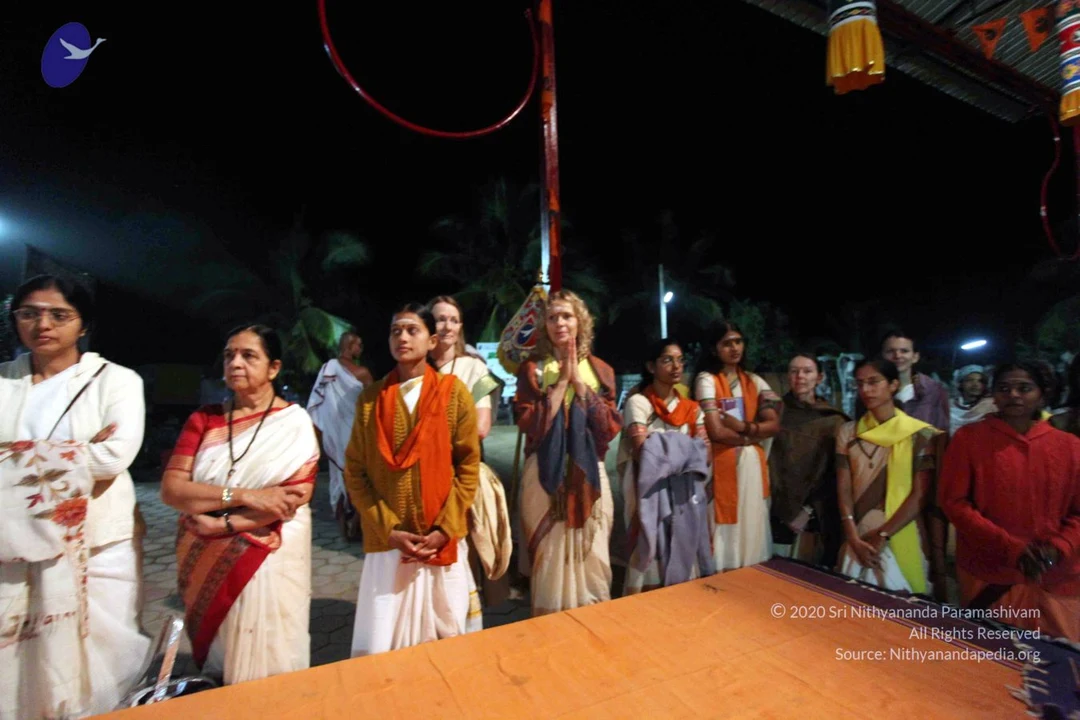
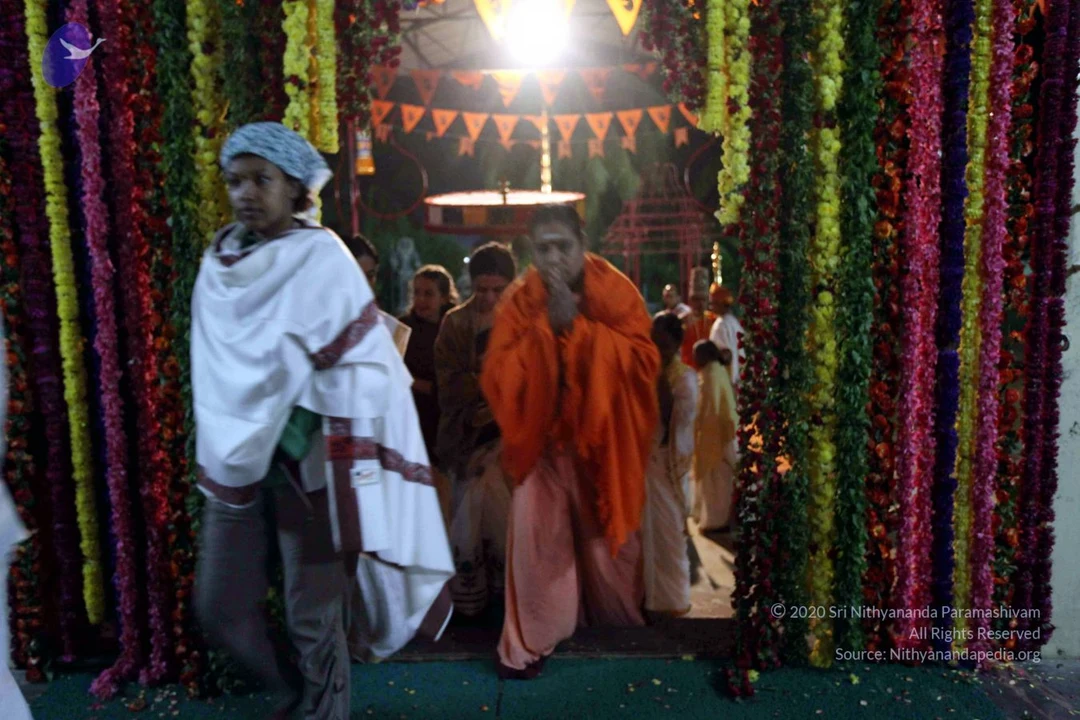
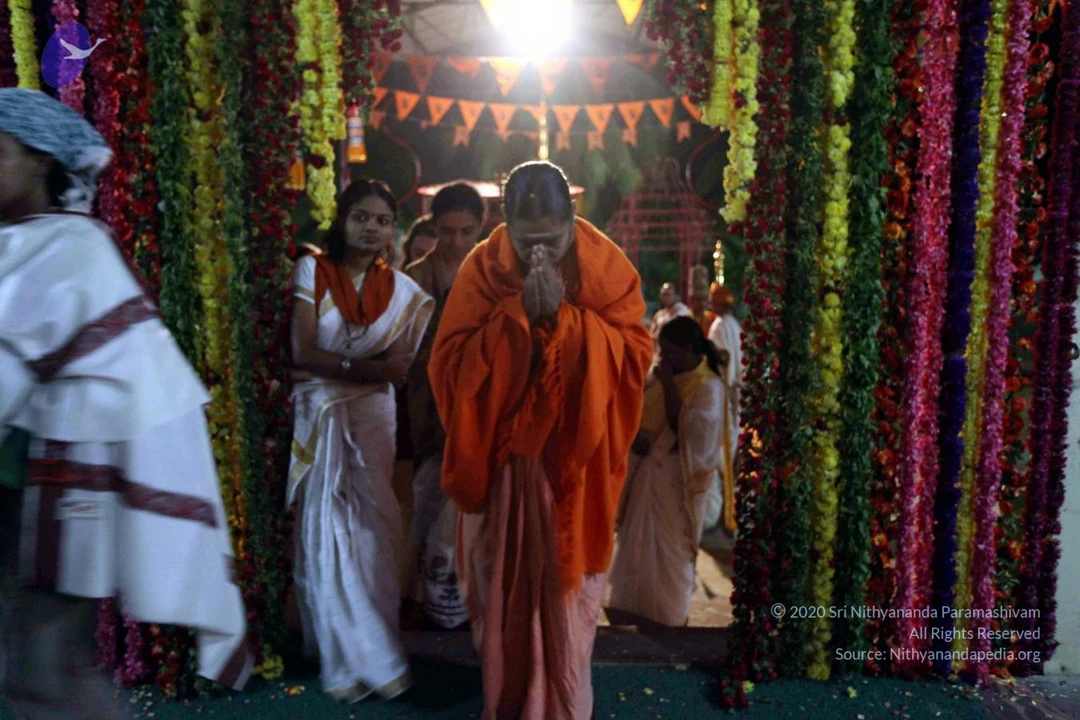
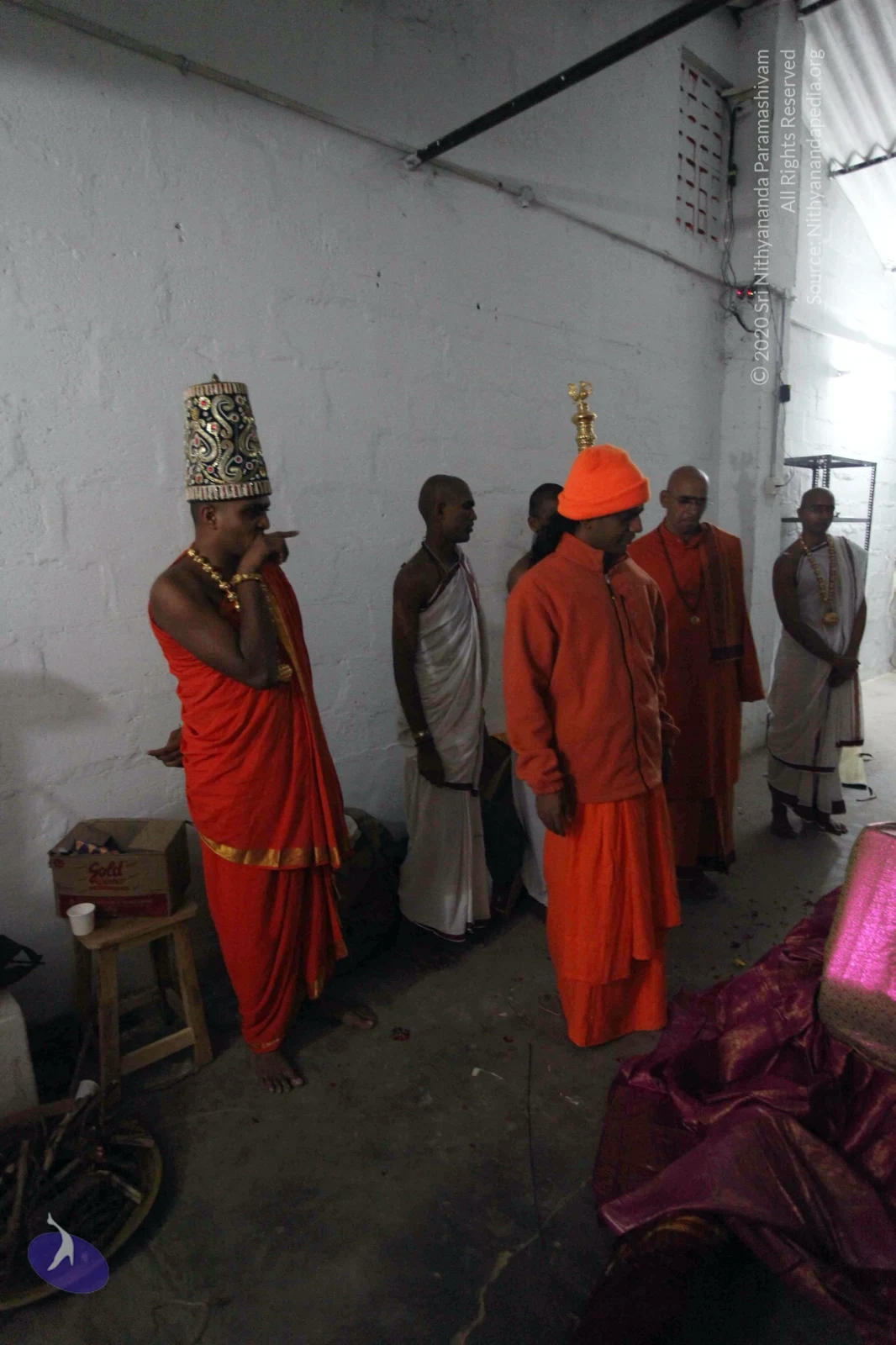
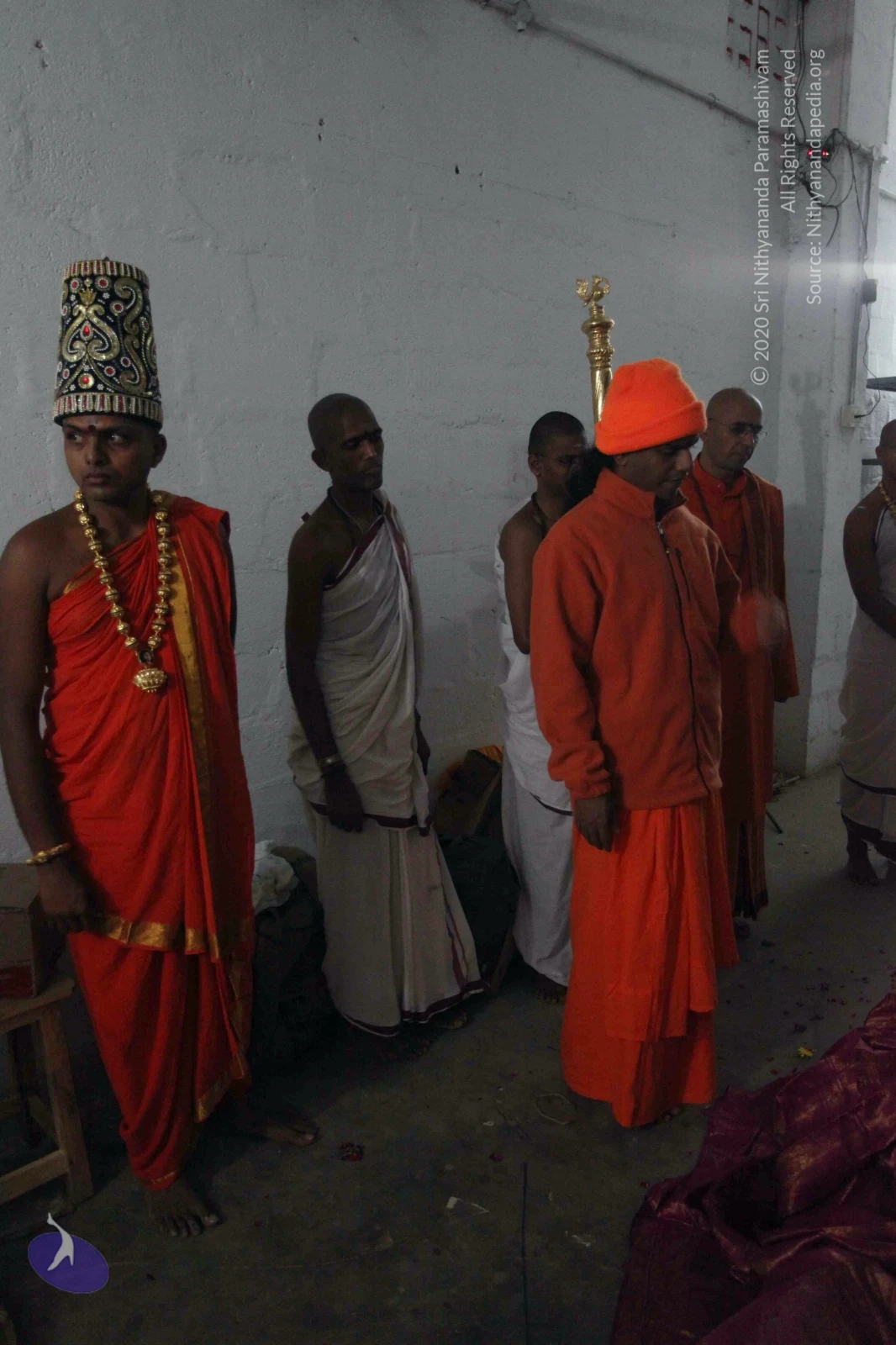
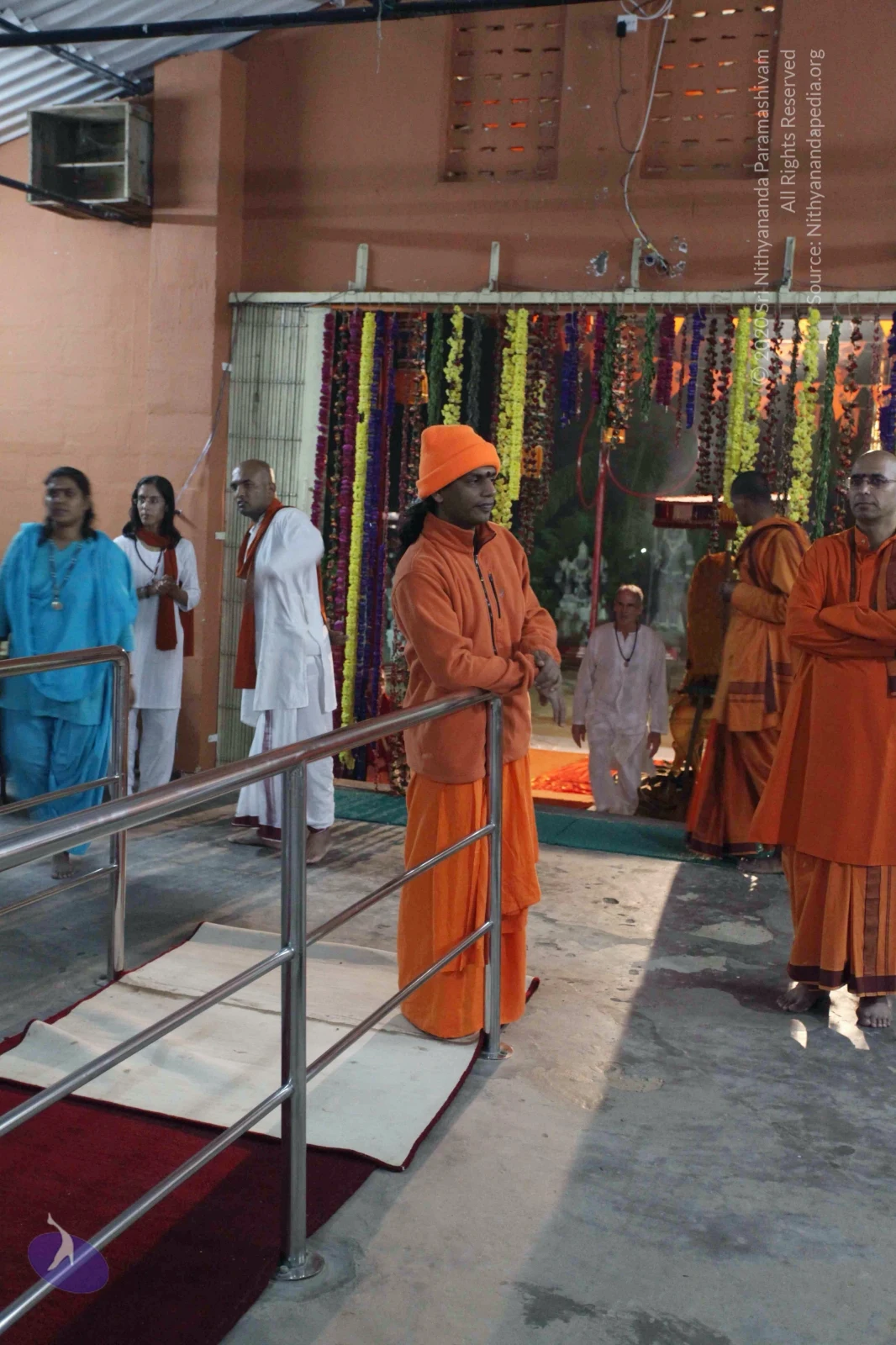
vaikunta ekadashi Celebration at adikailaasa
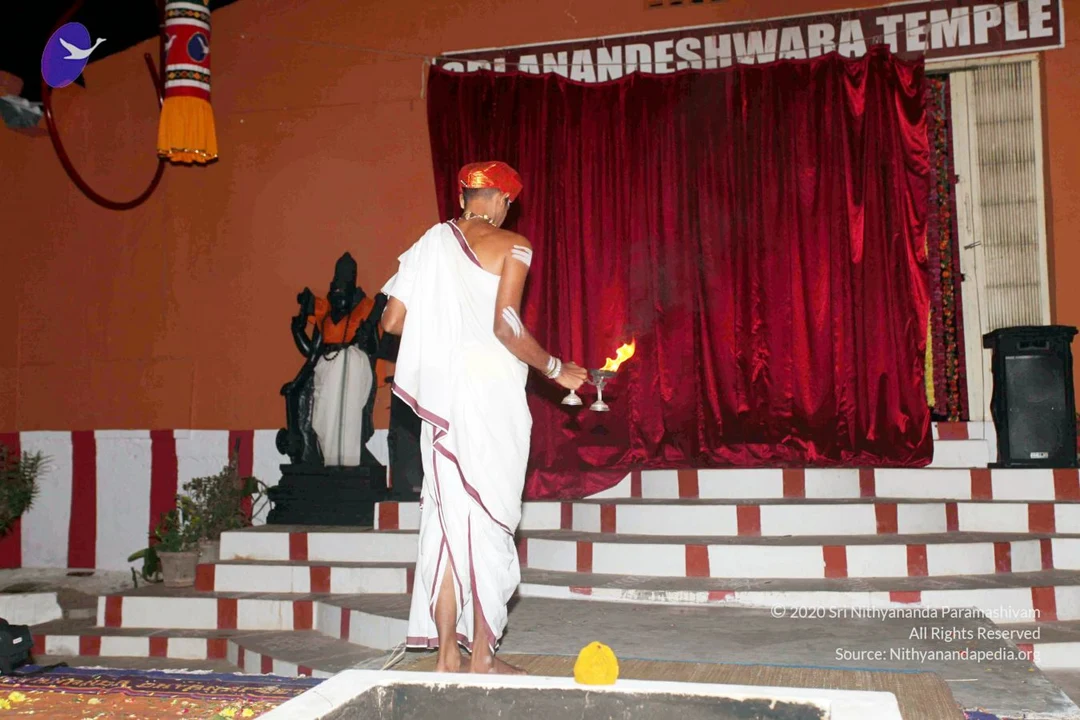
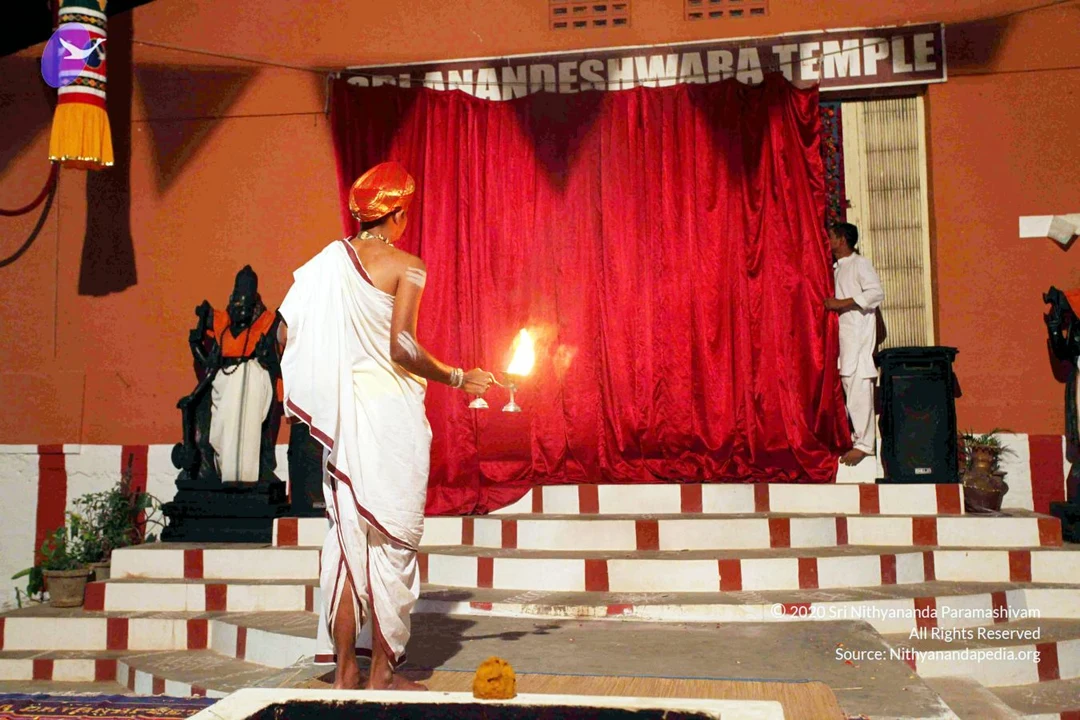
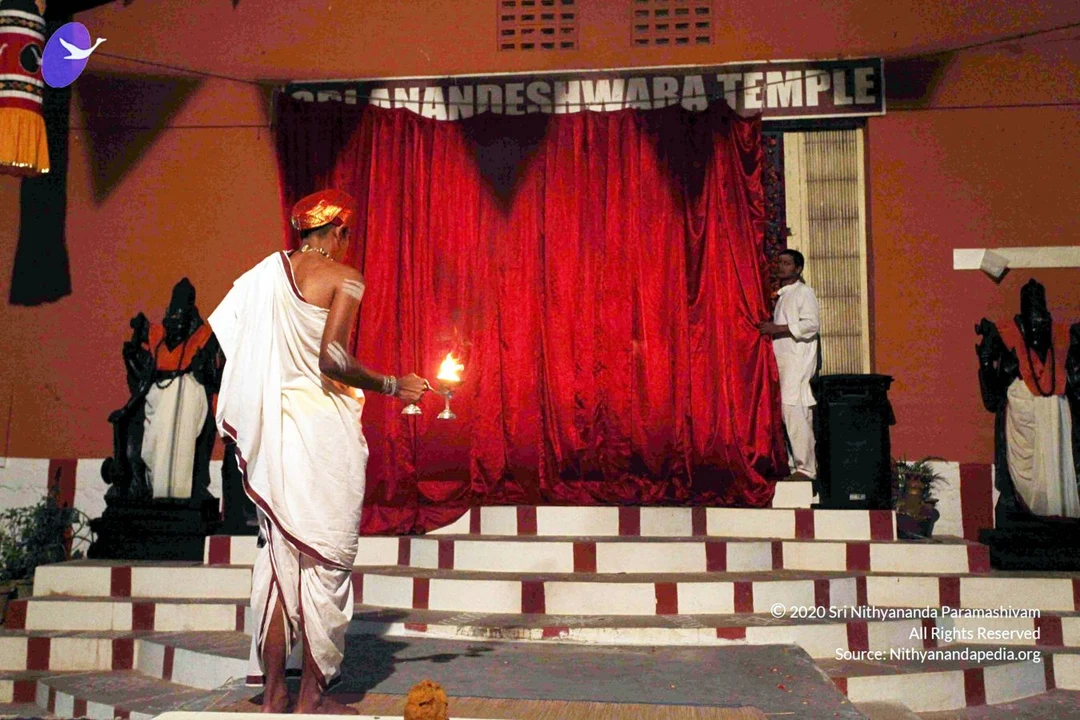
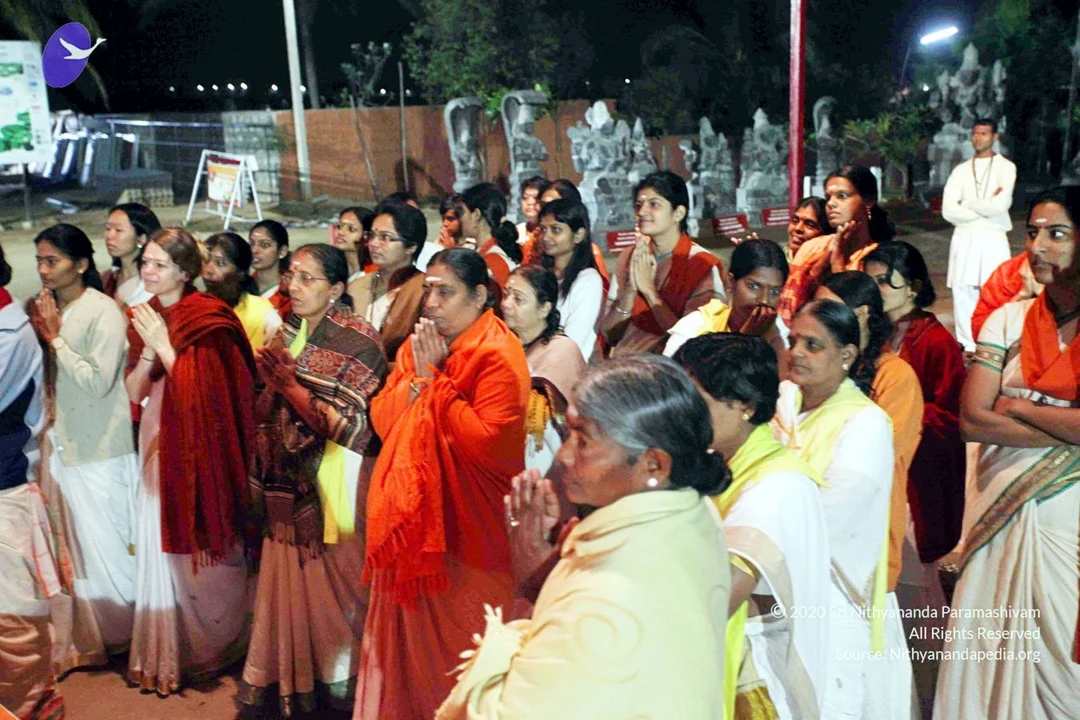
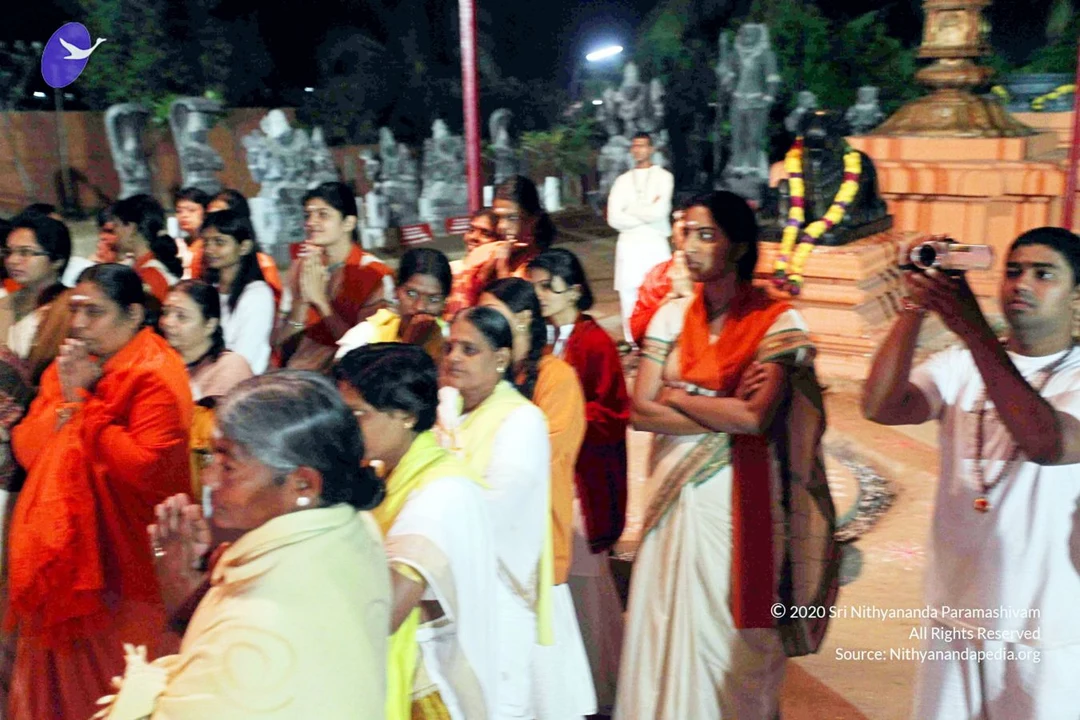
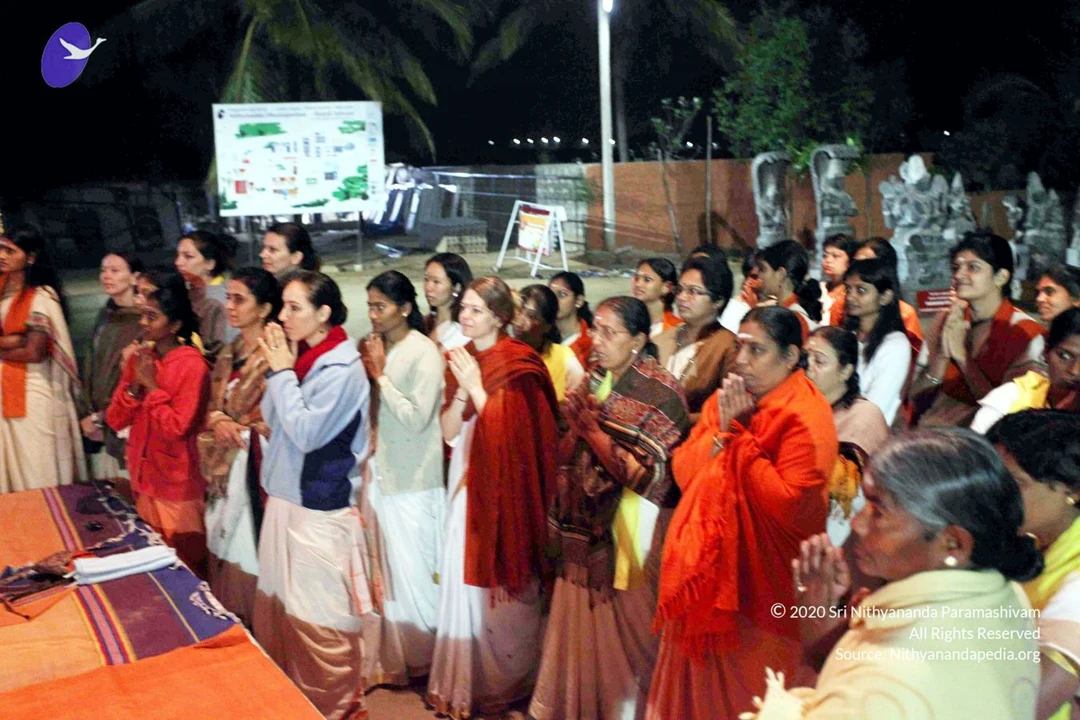
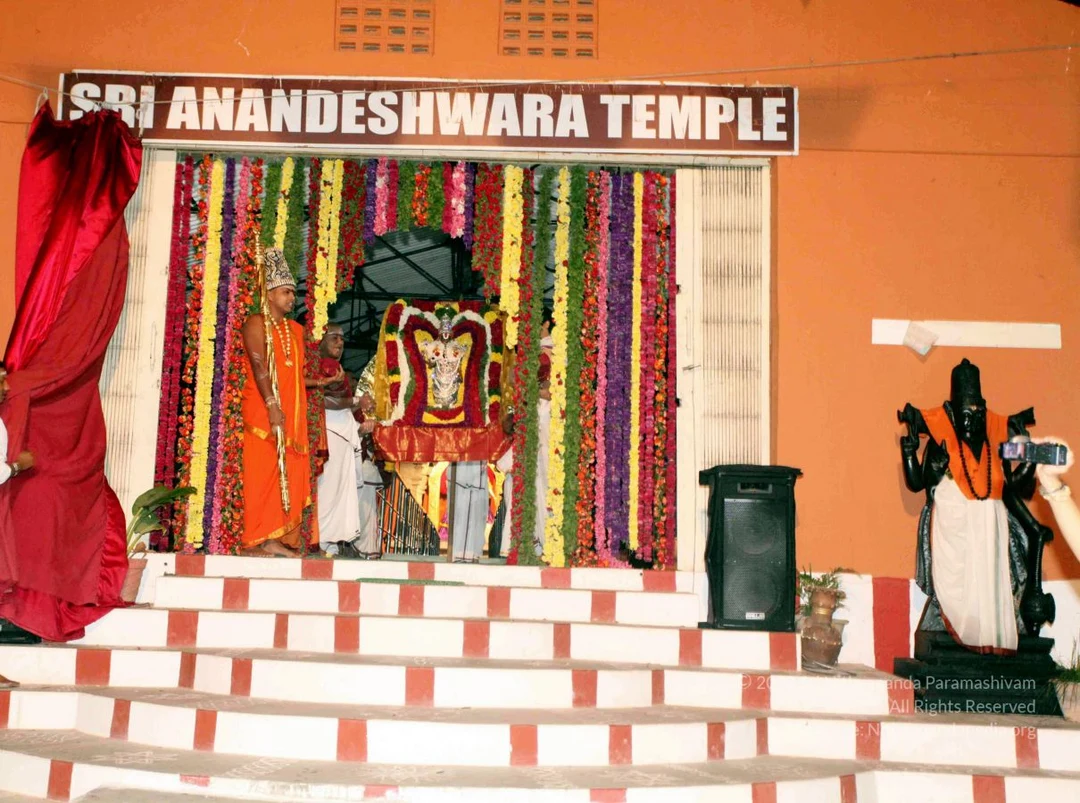
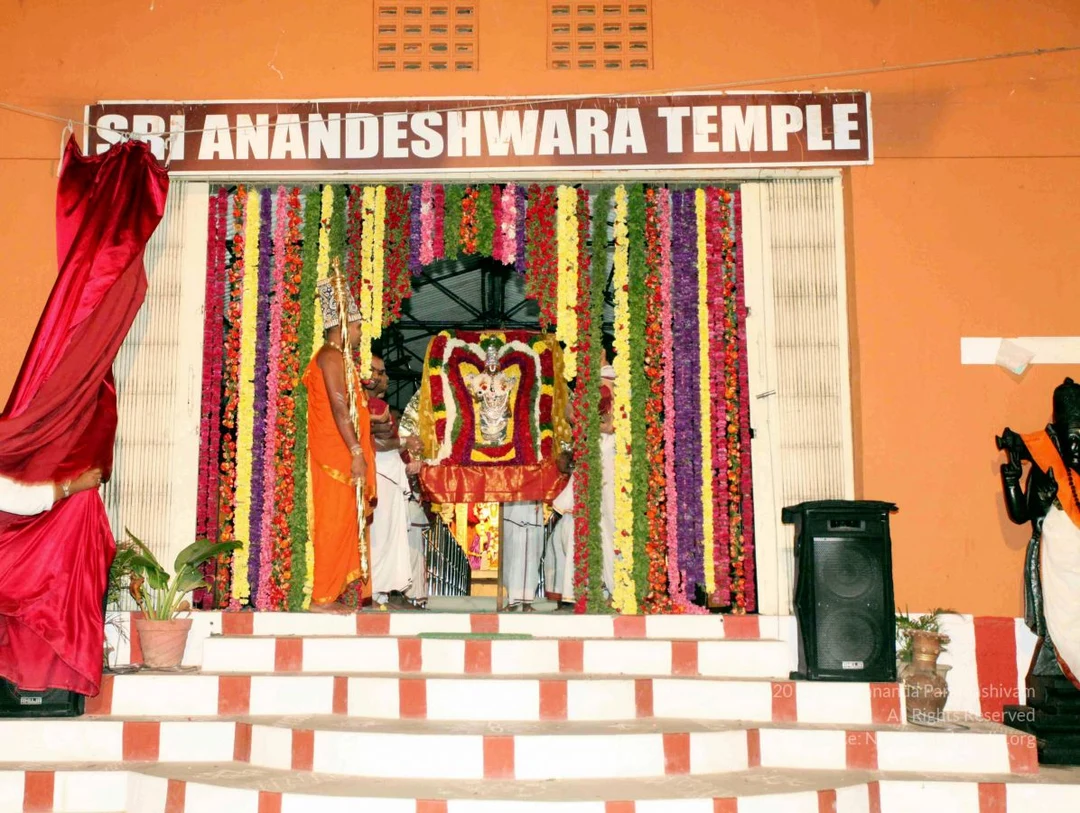
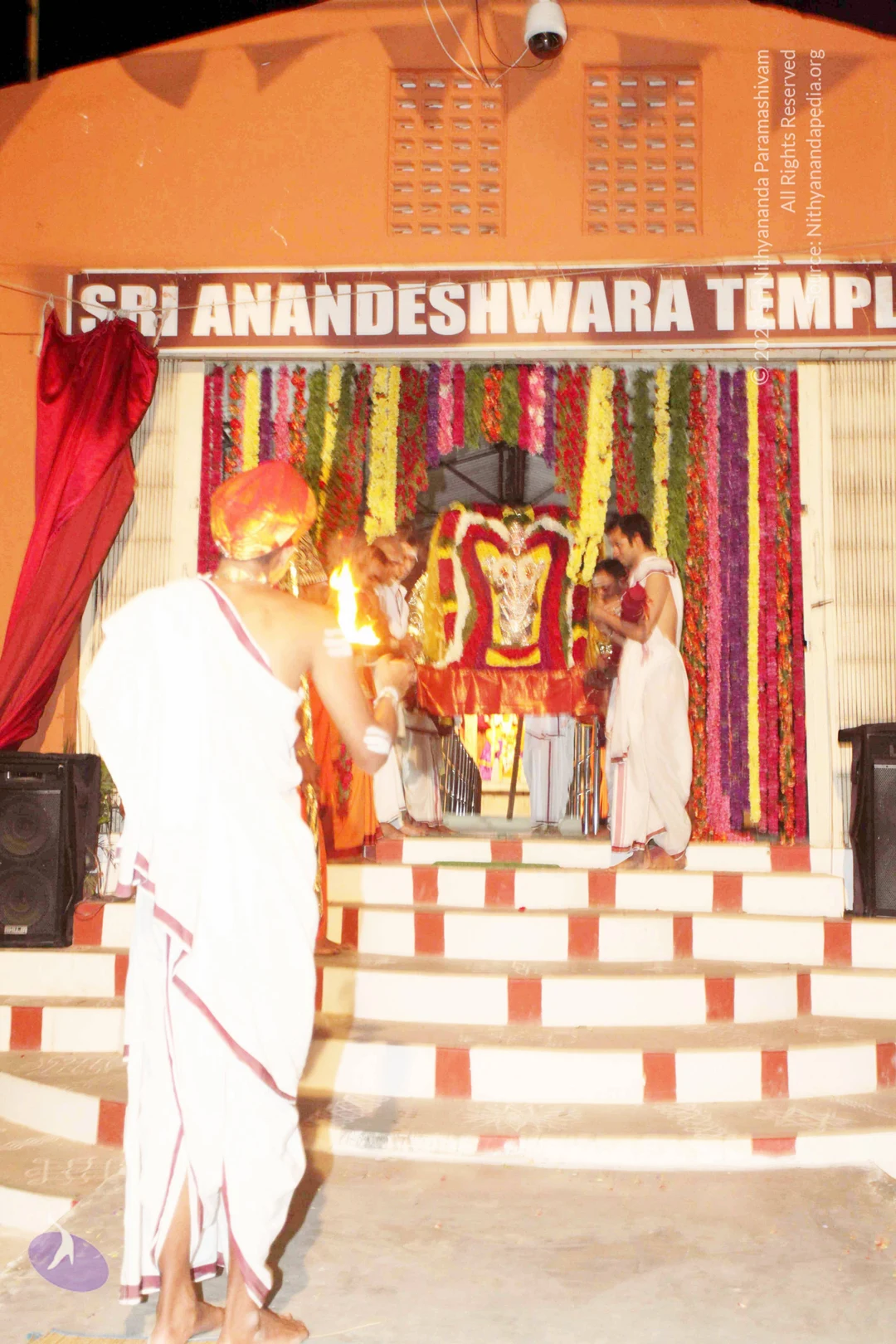
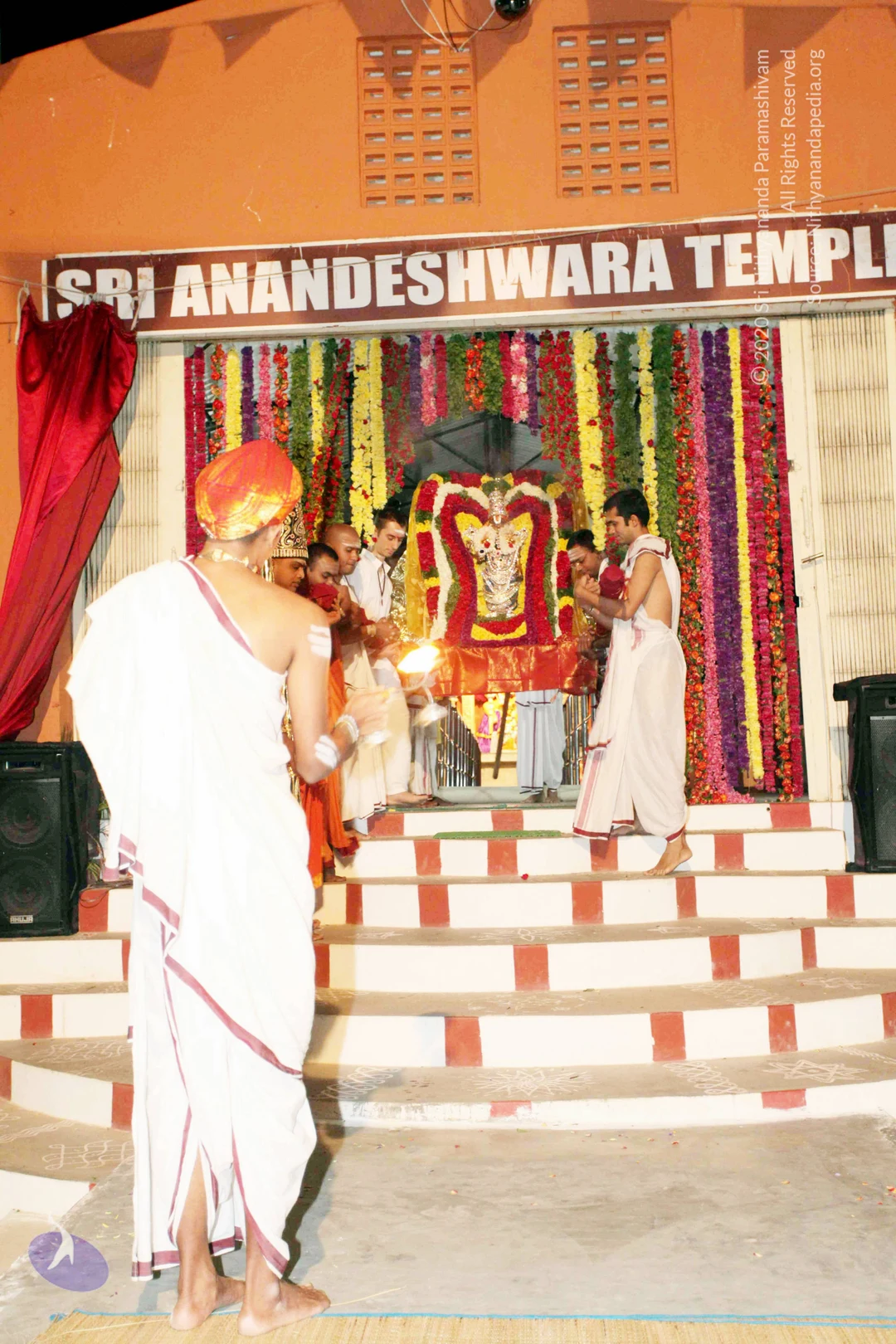
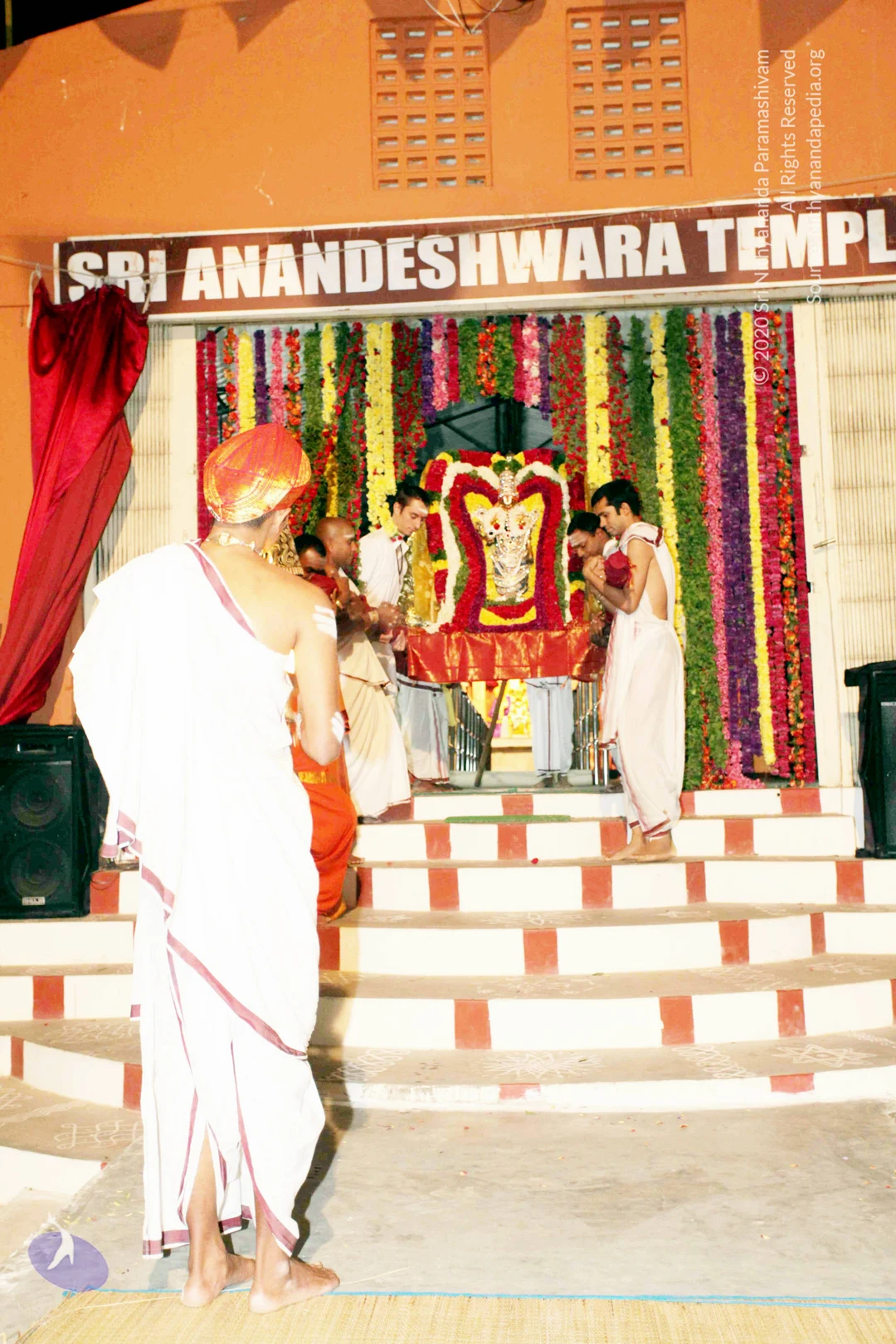
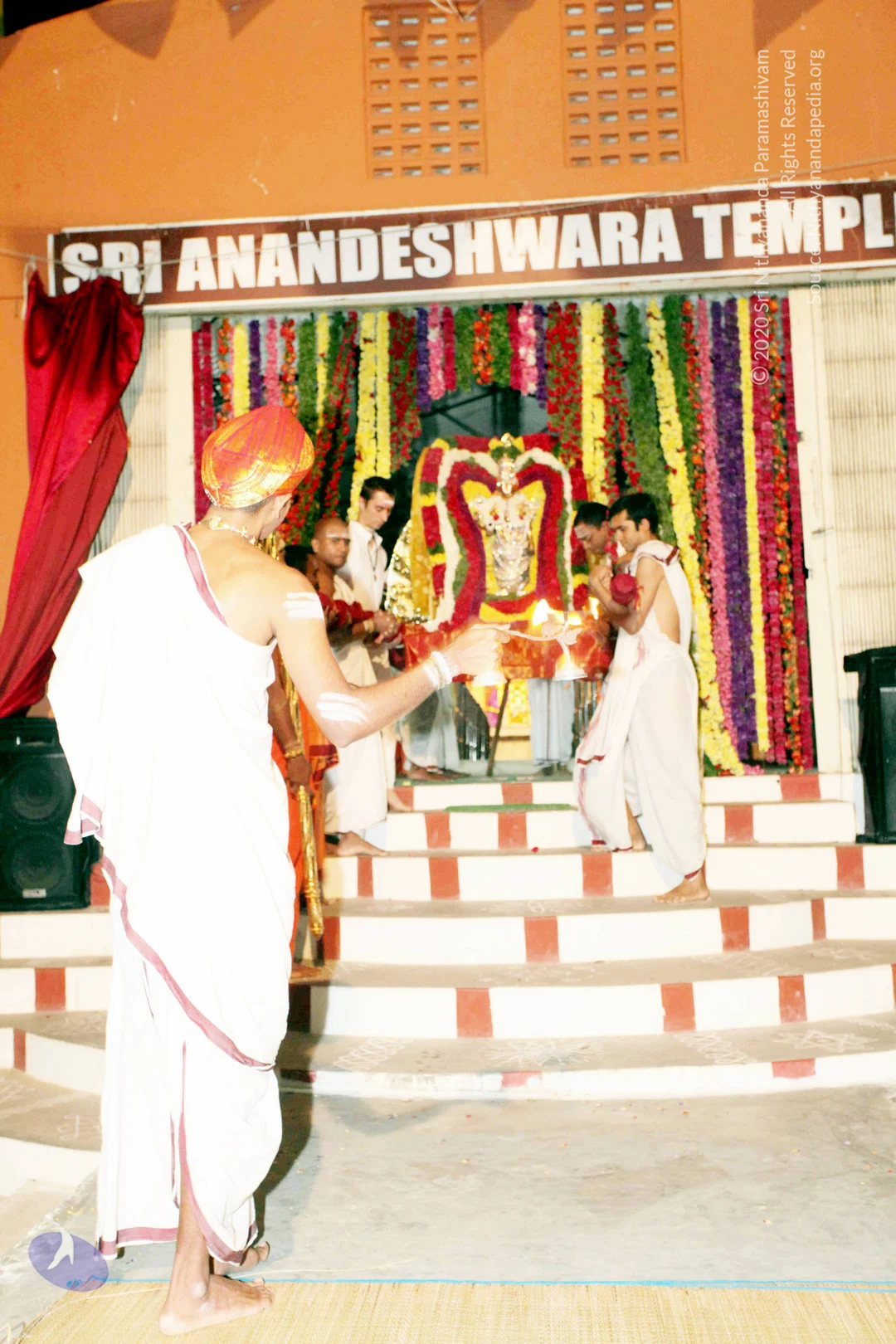
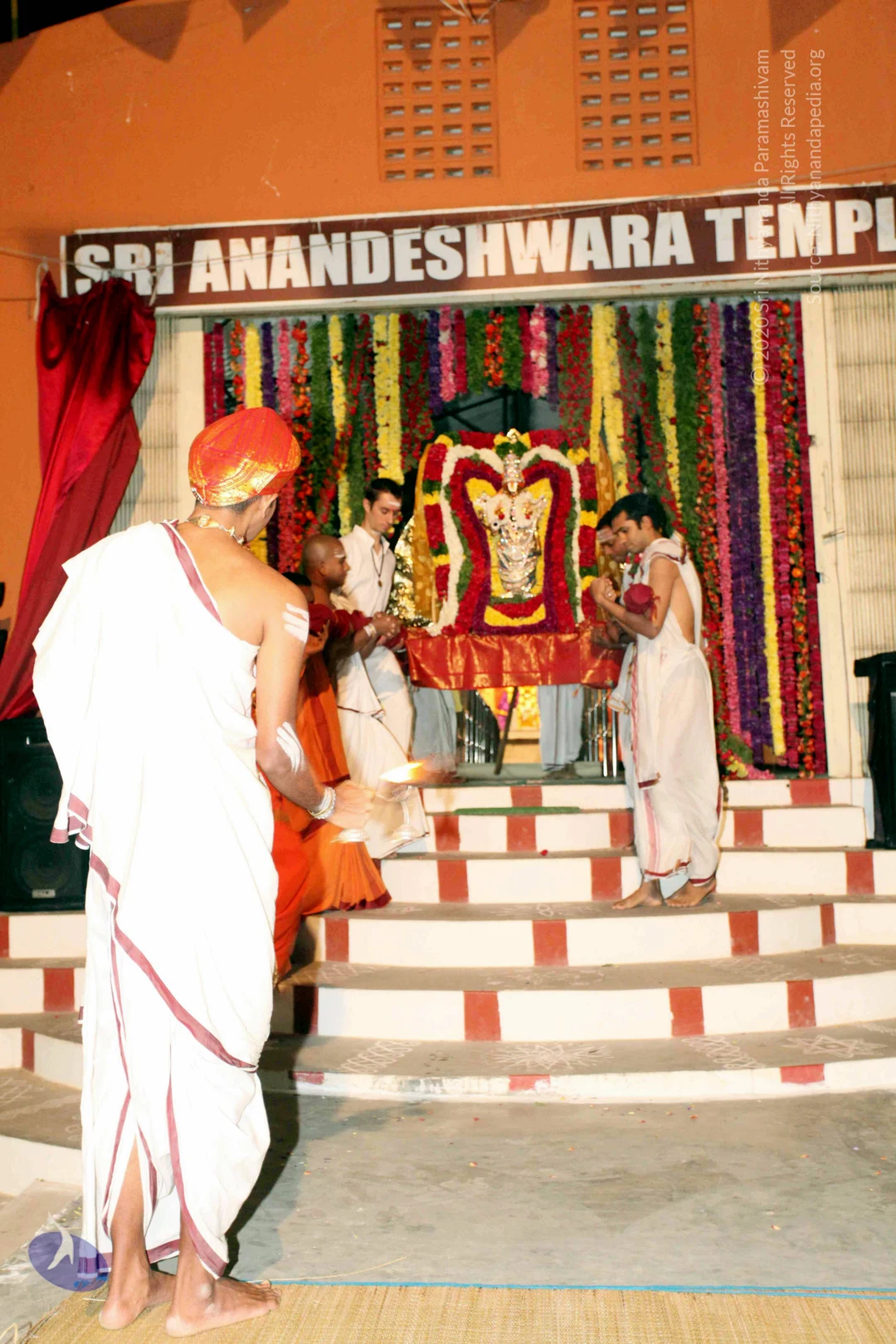
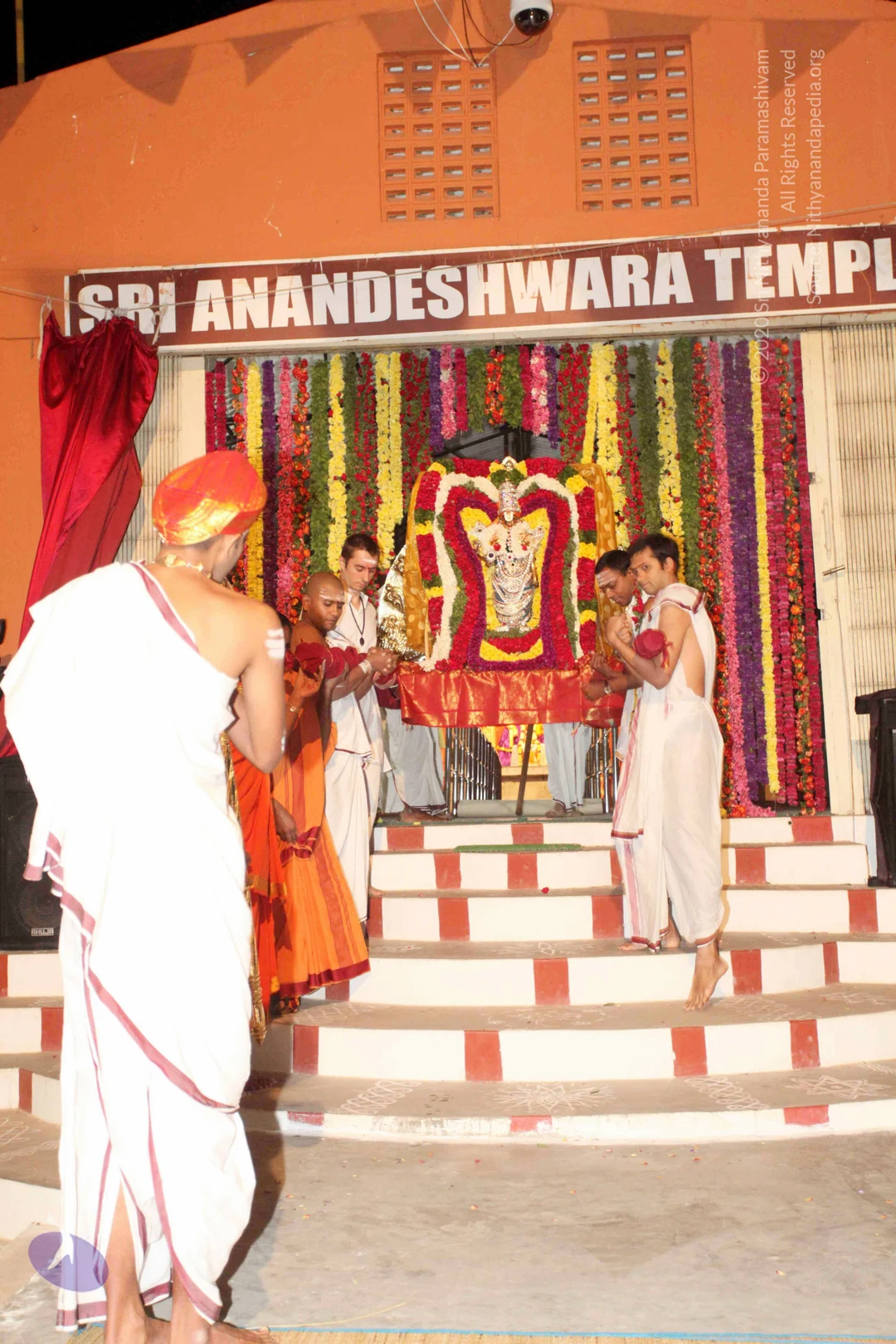
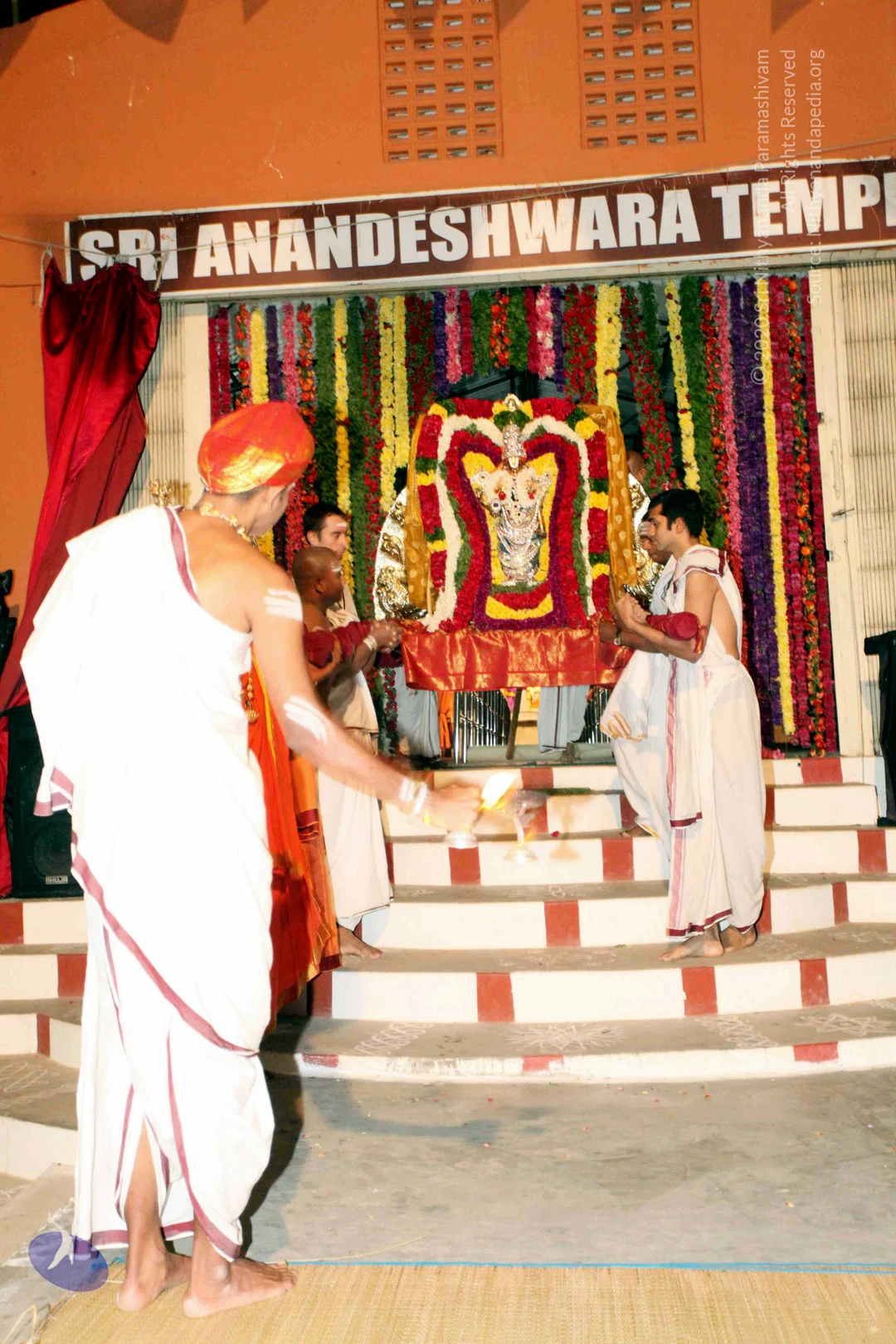
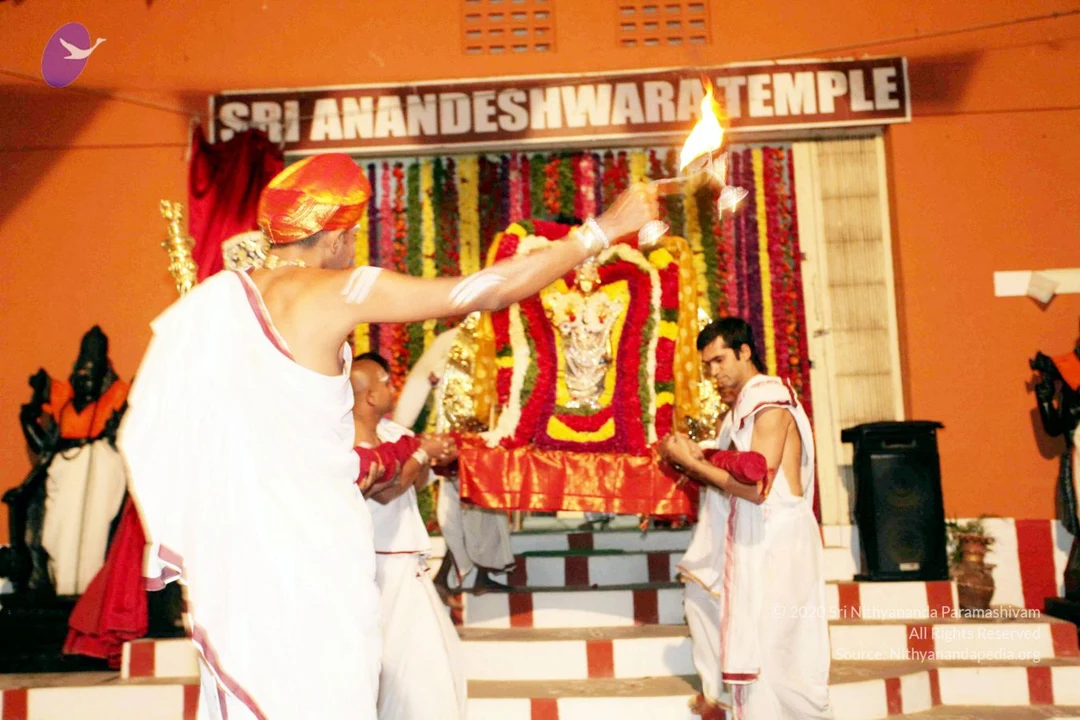
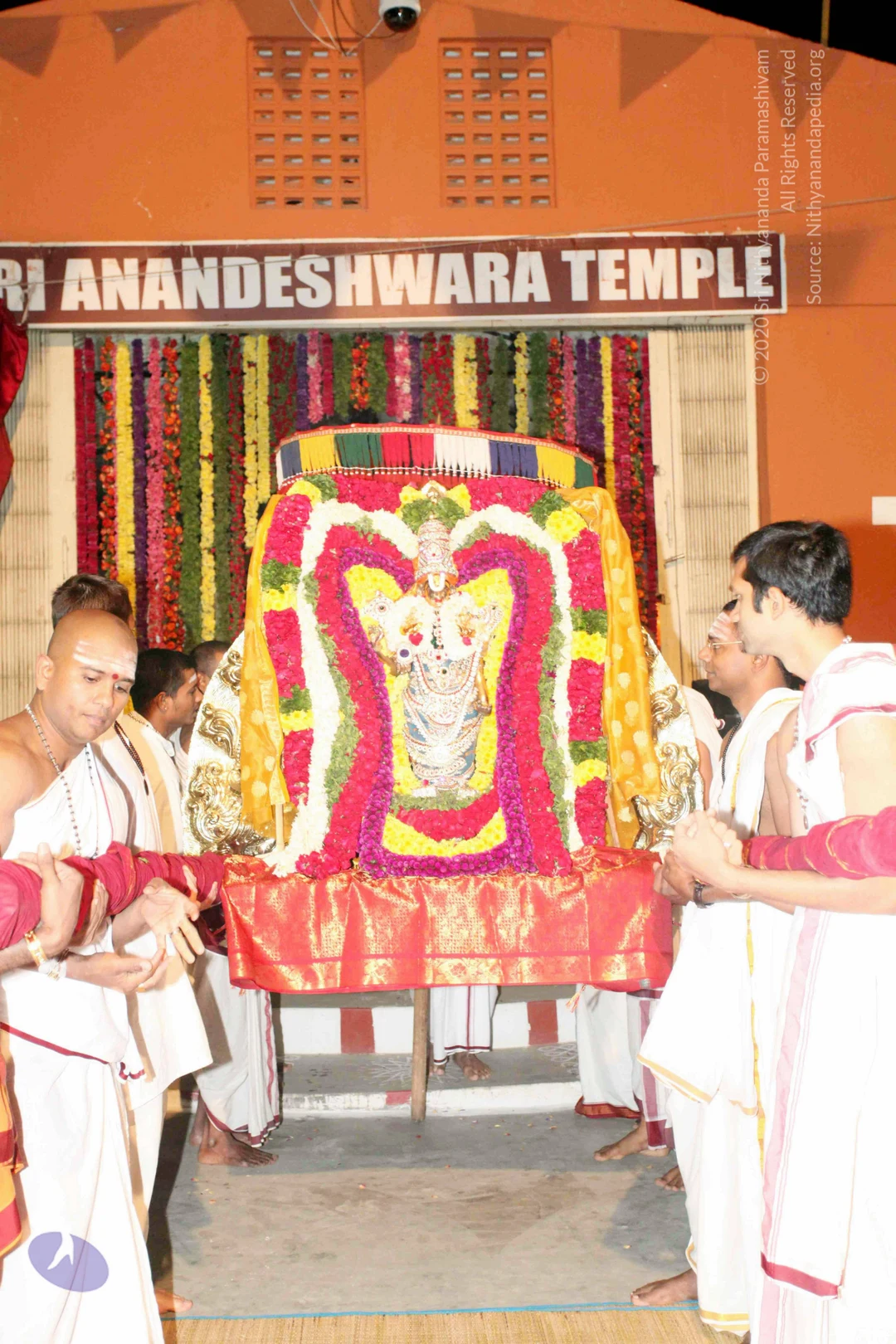
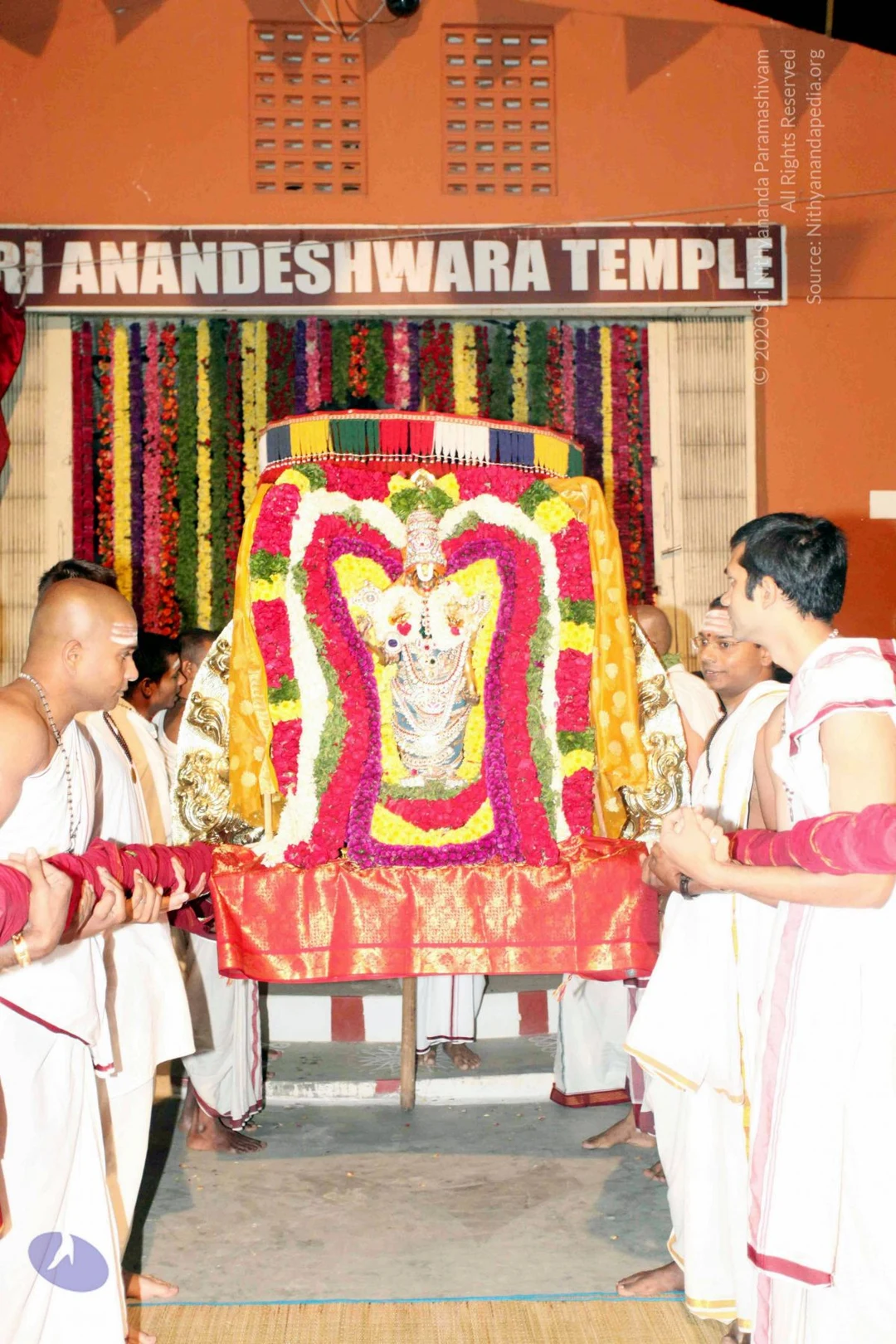
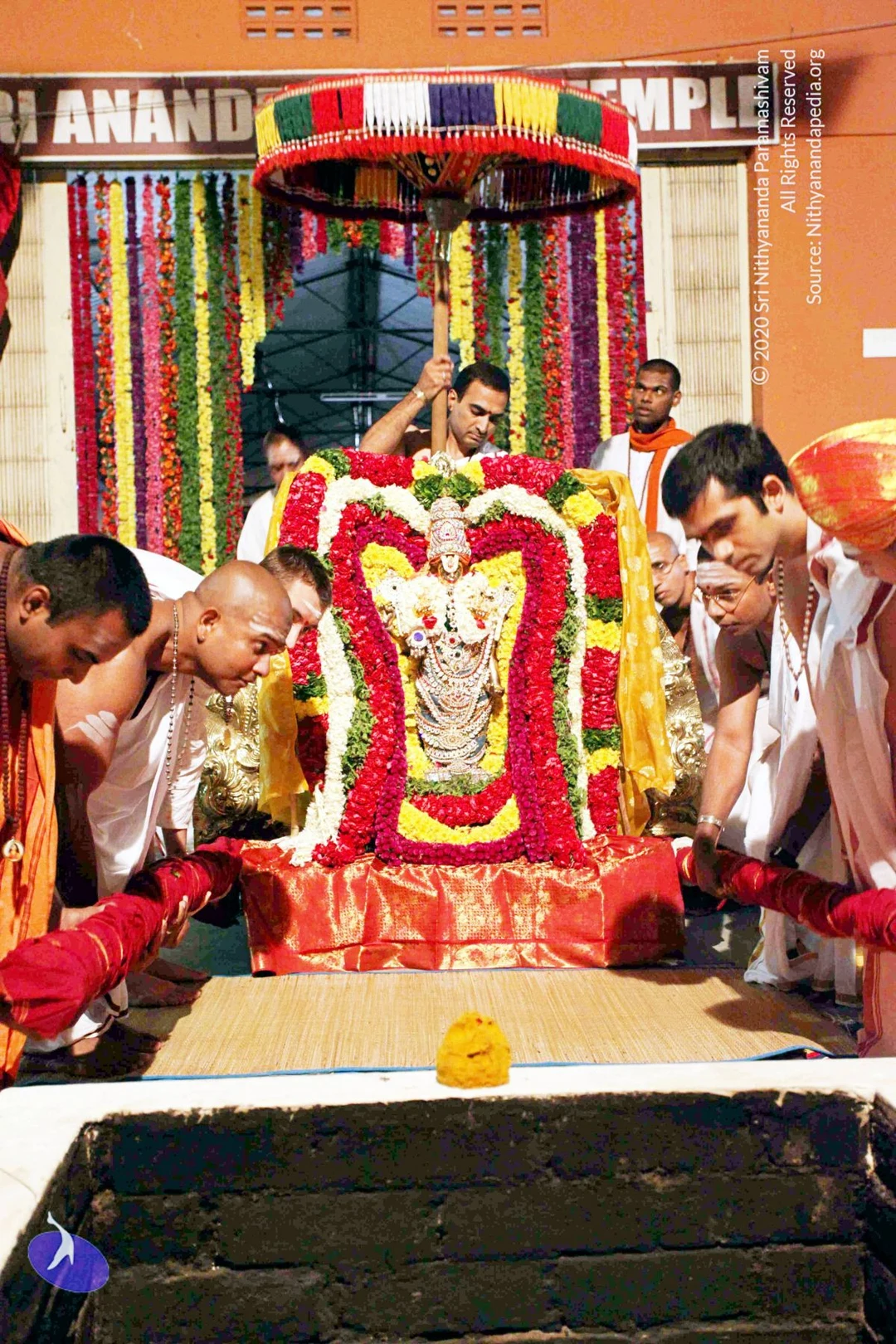
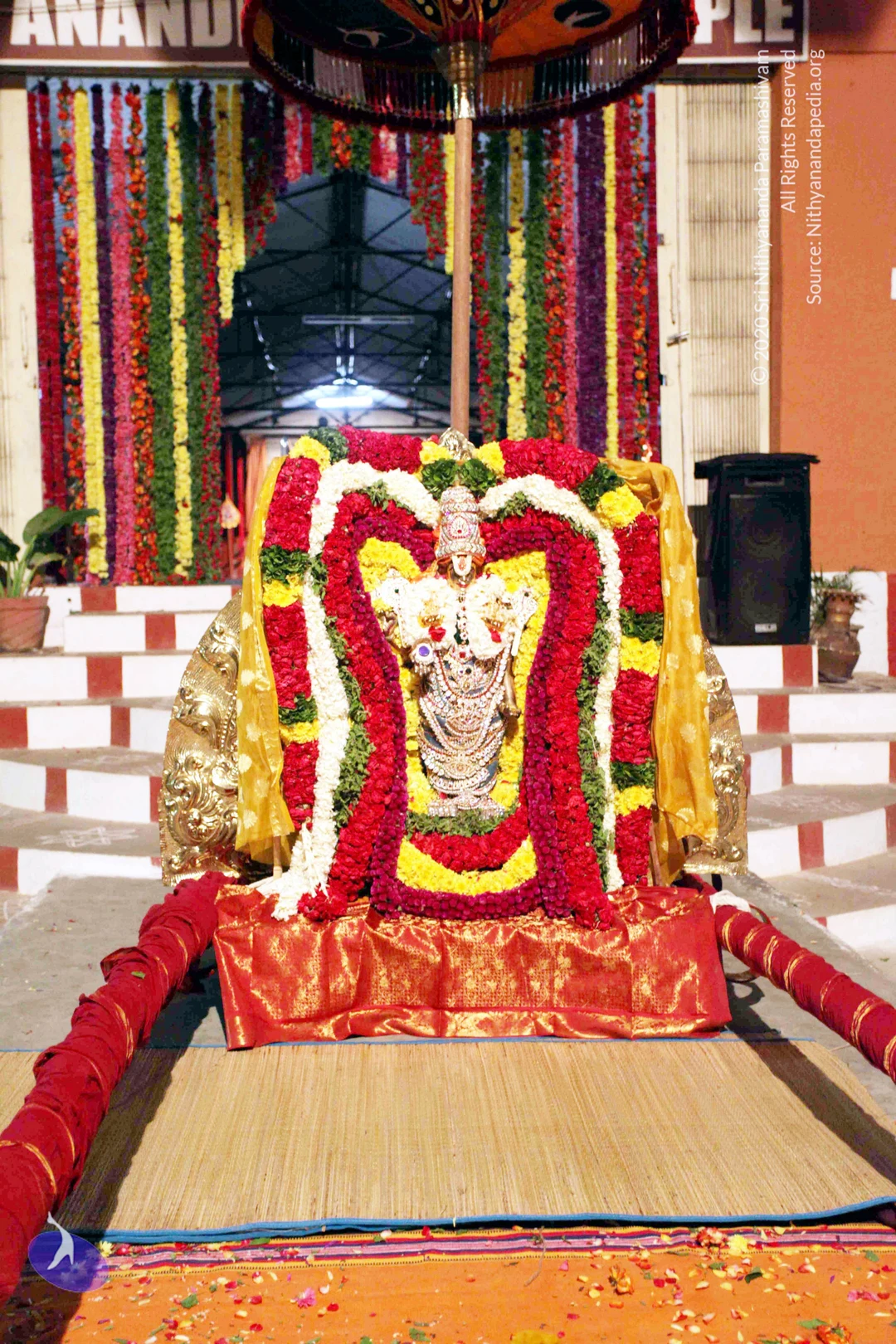
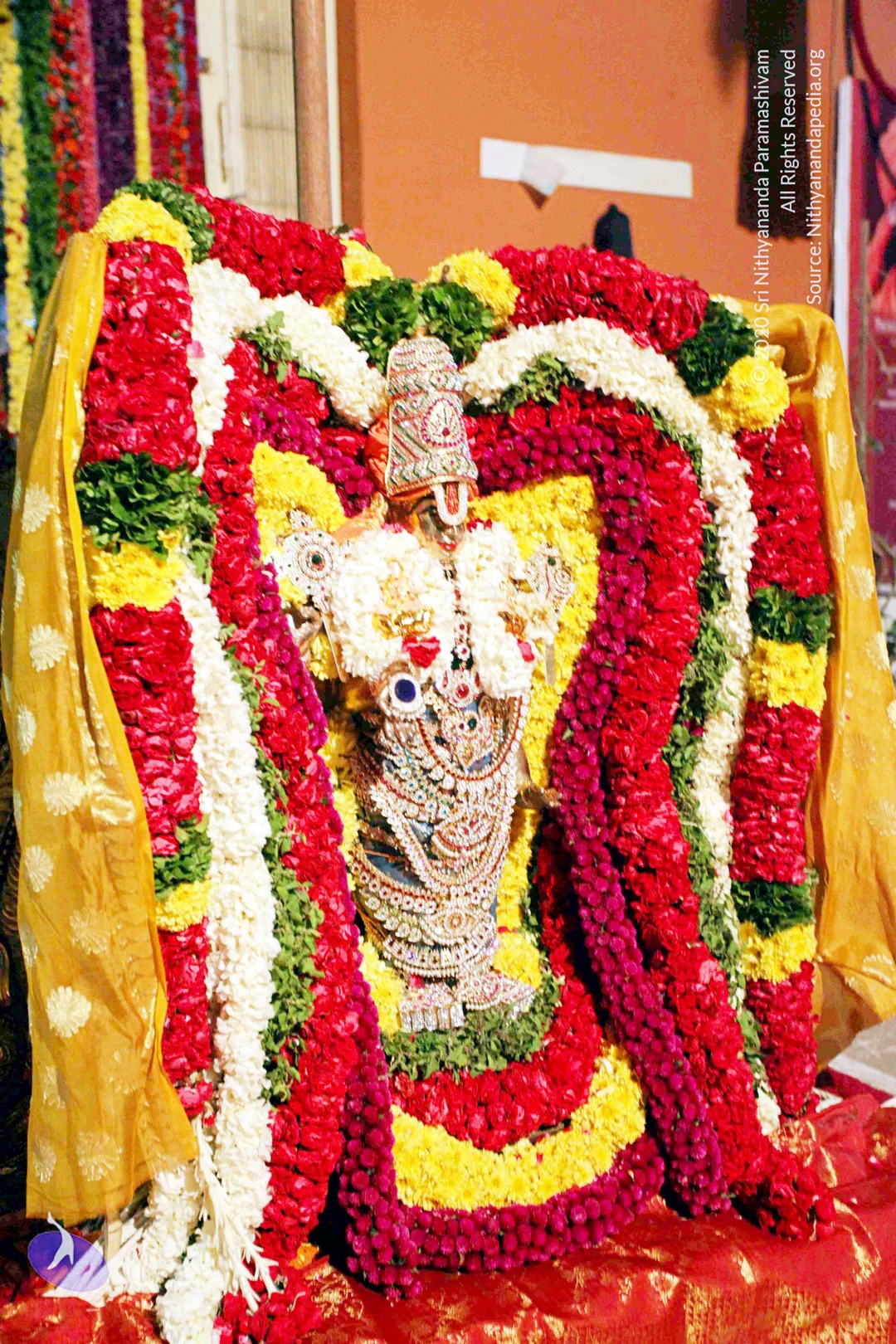
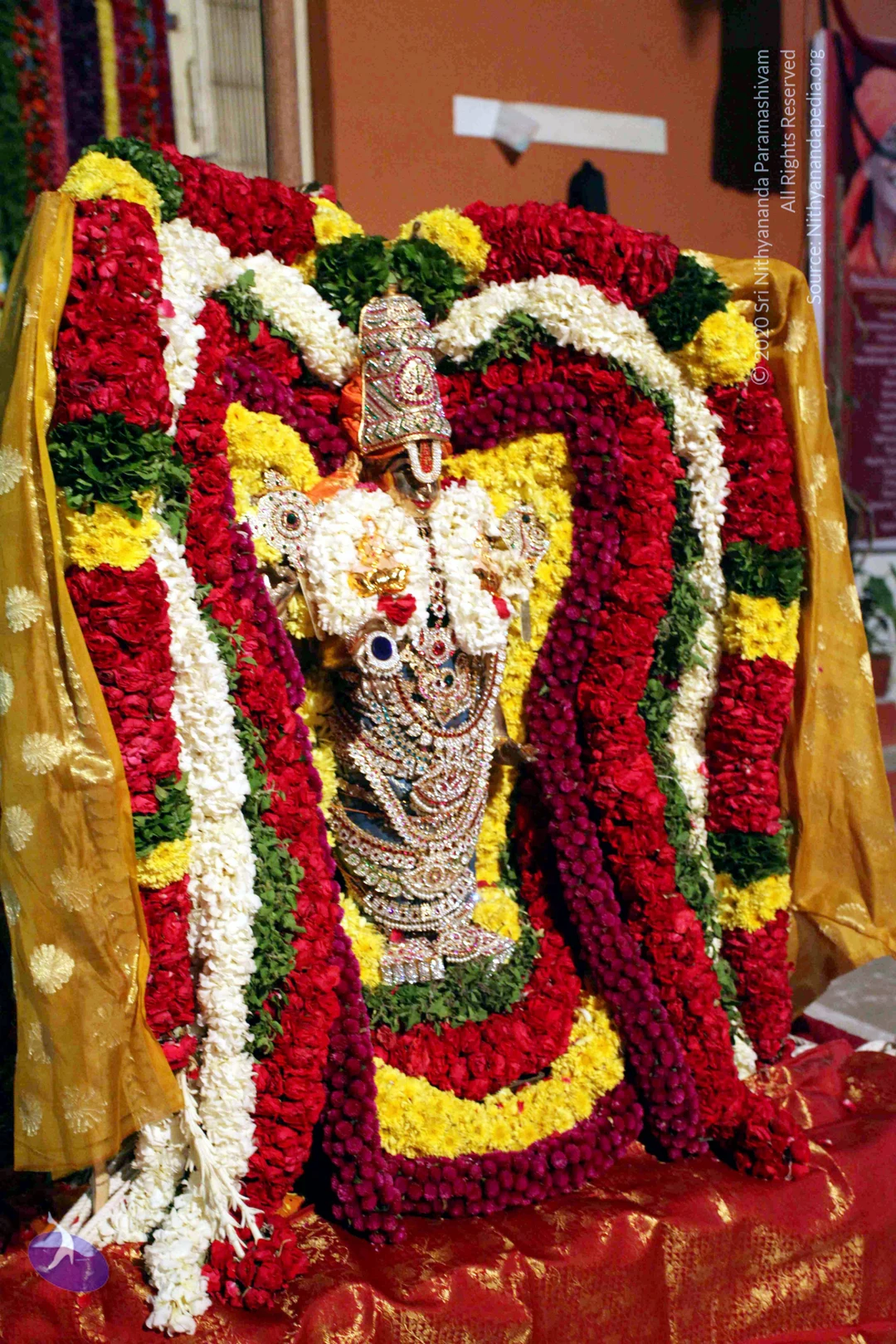
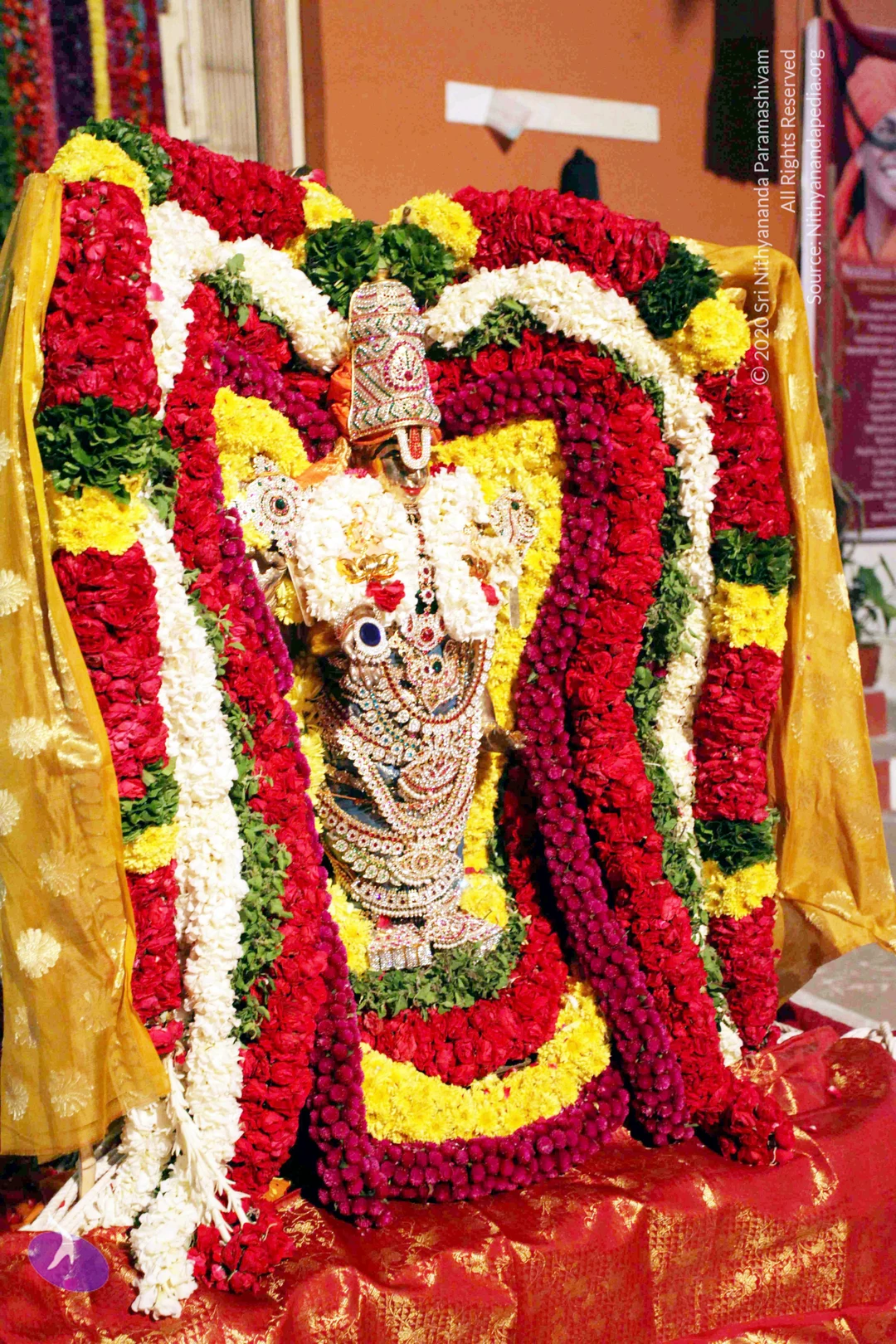
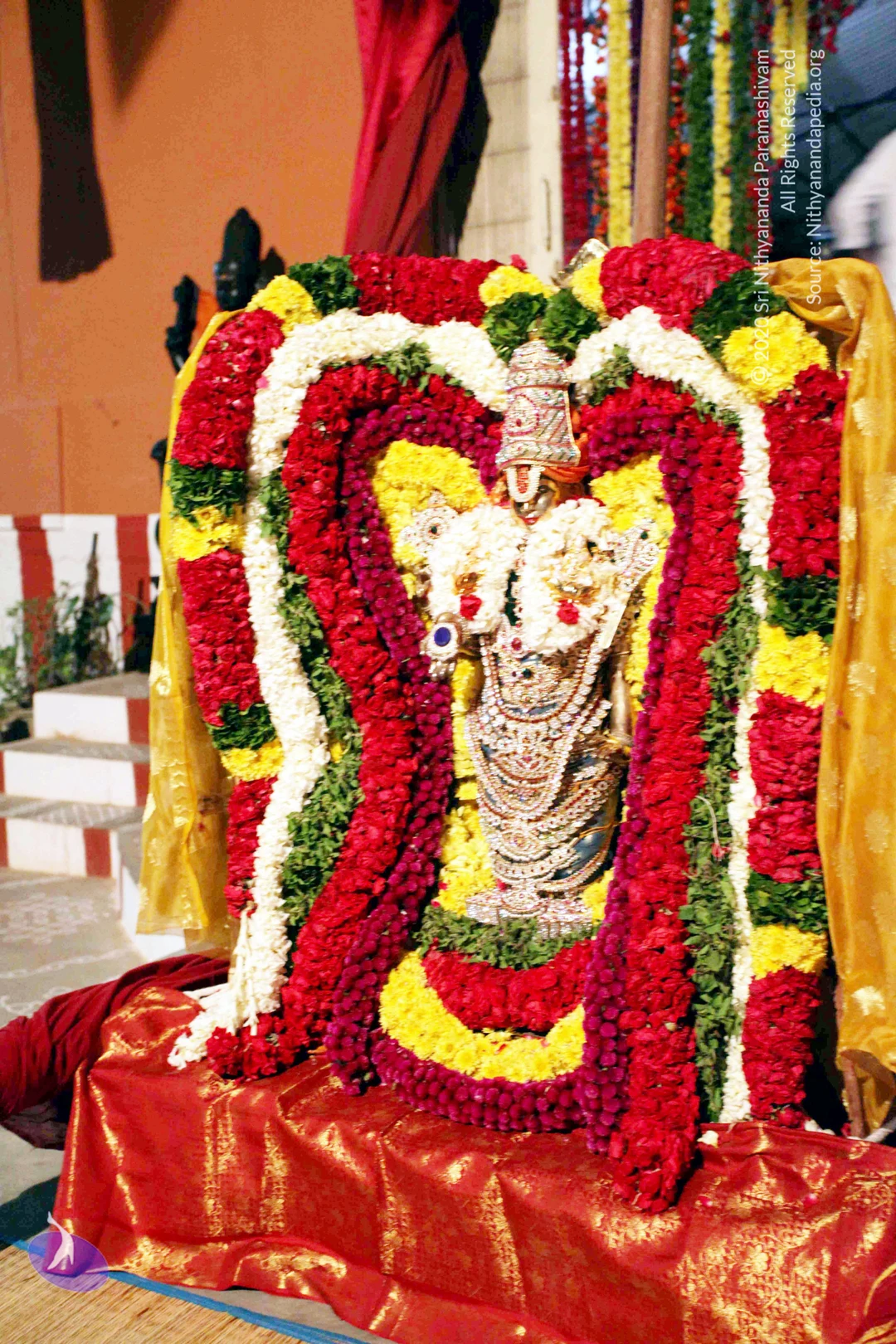
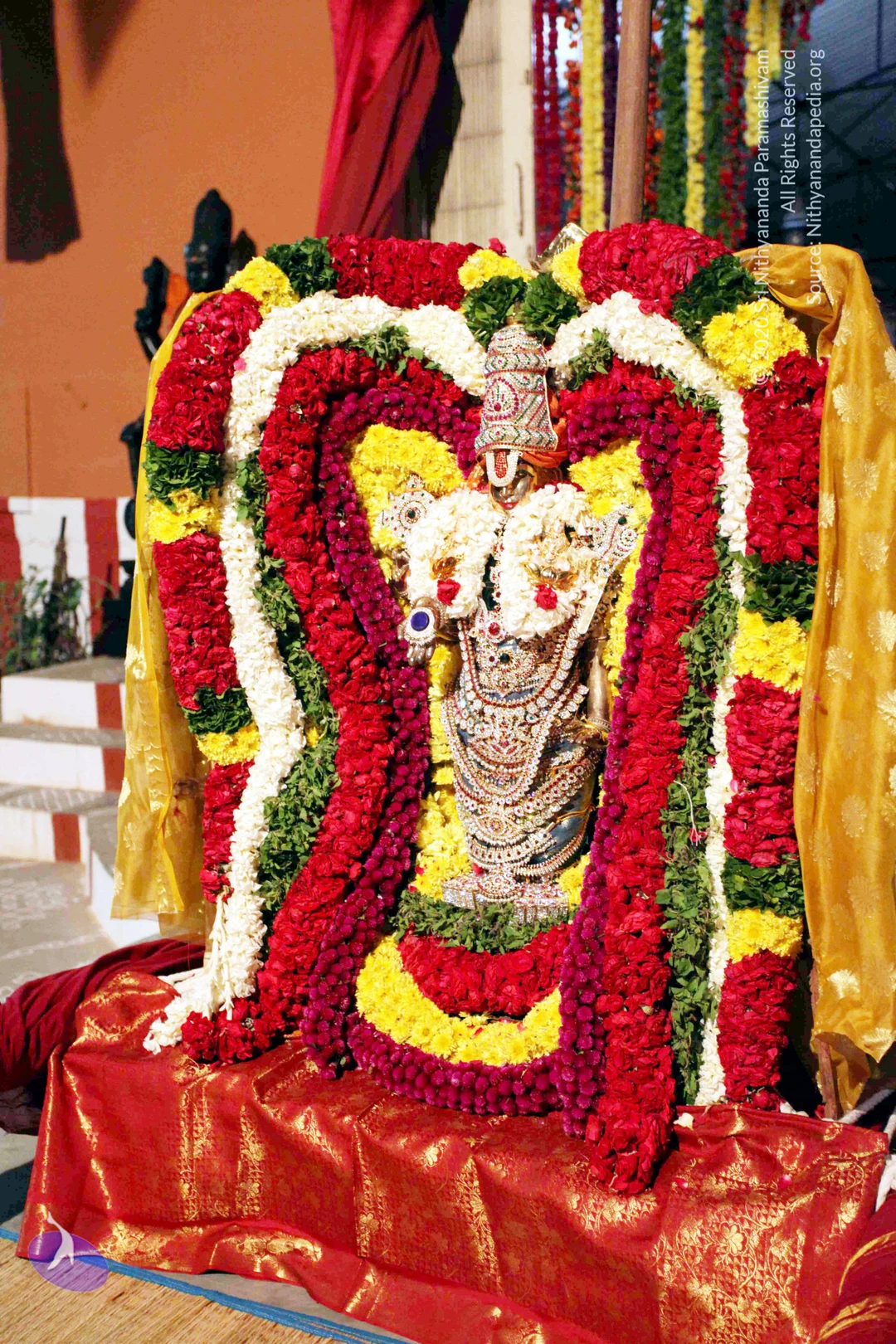
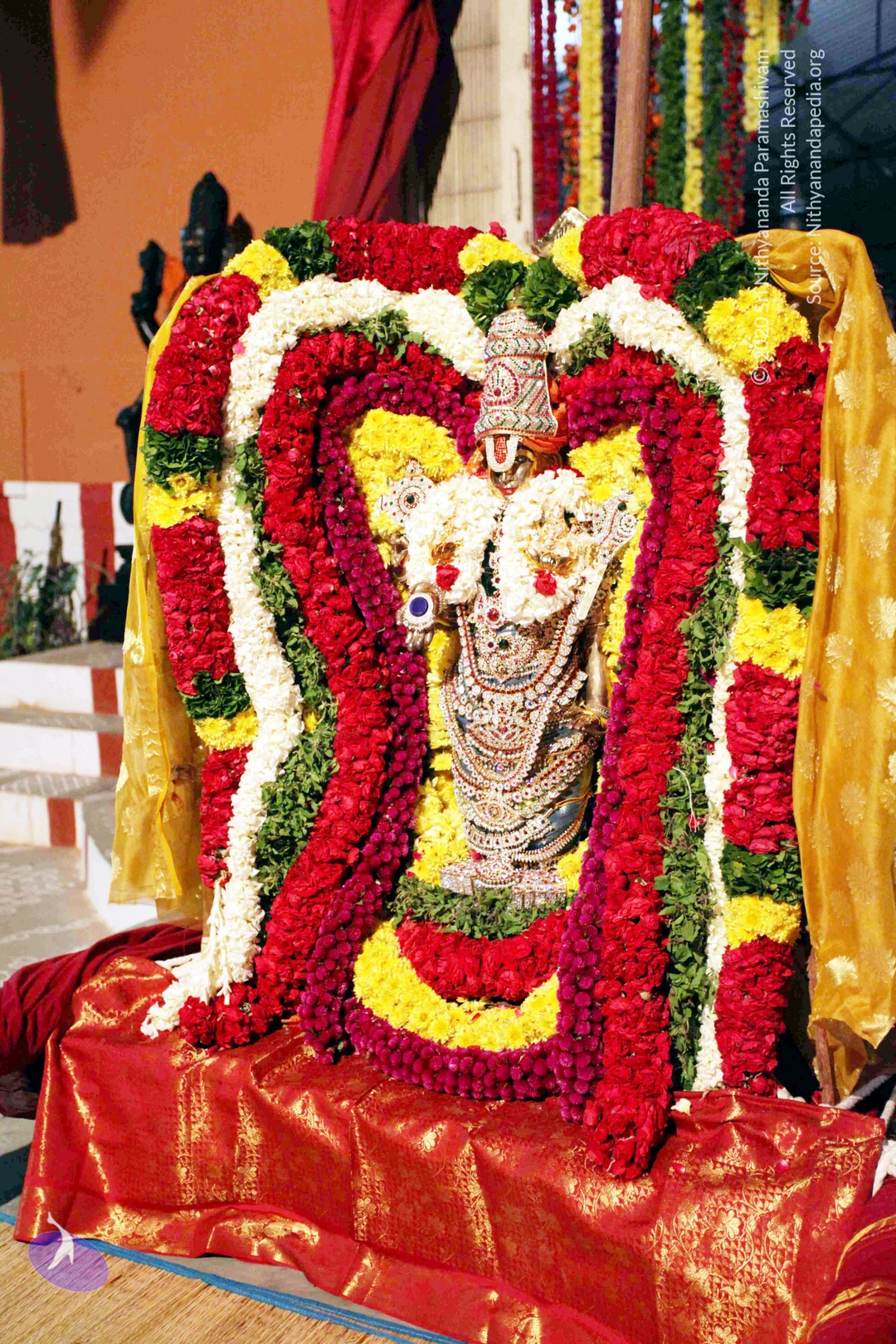
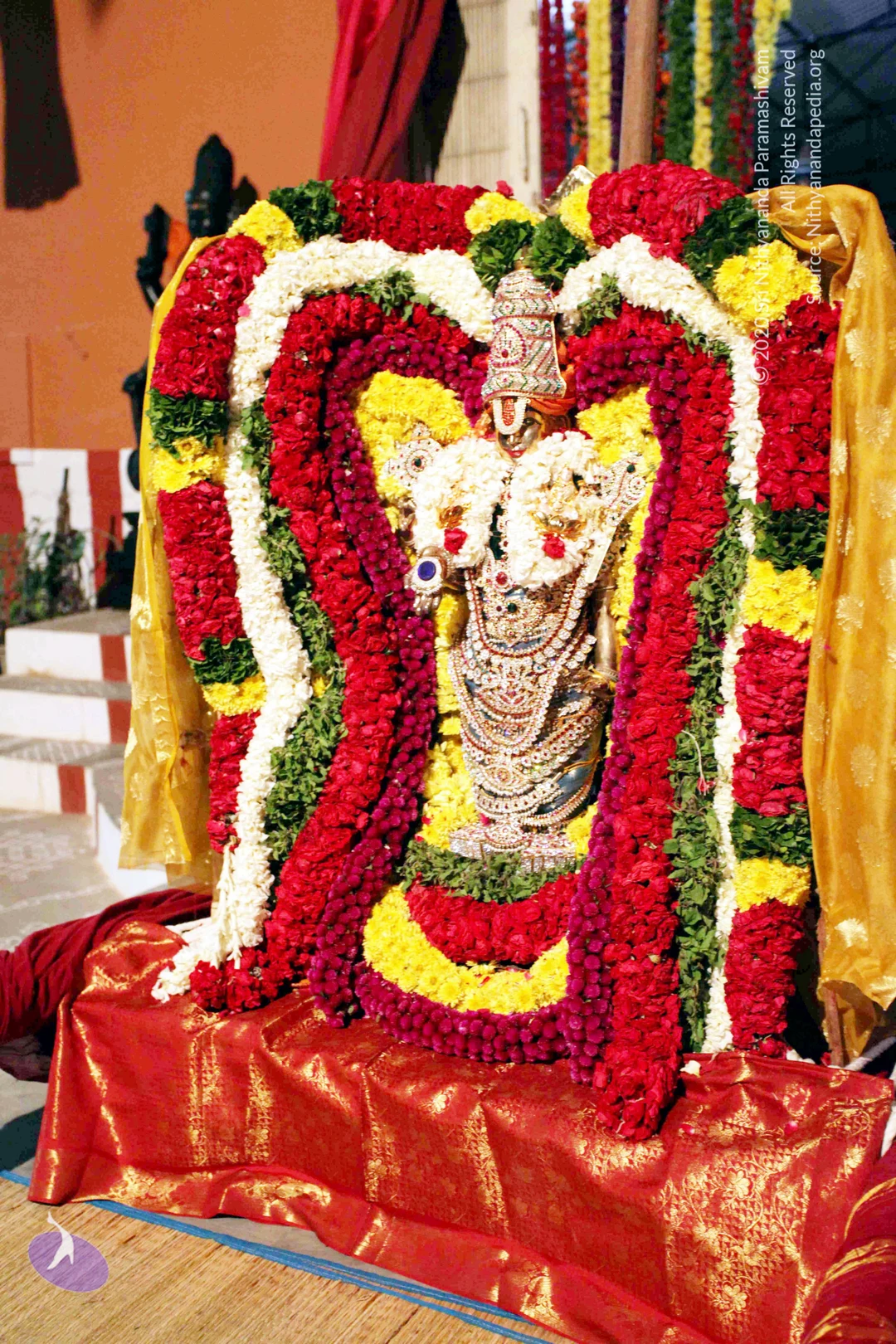
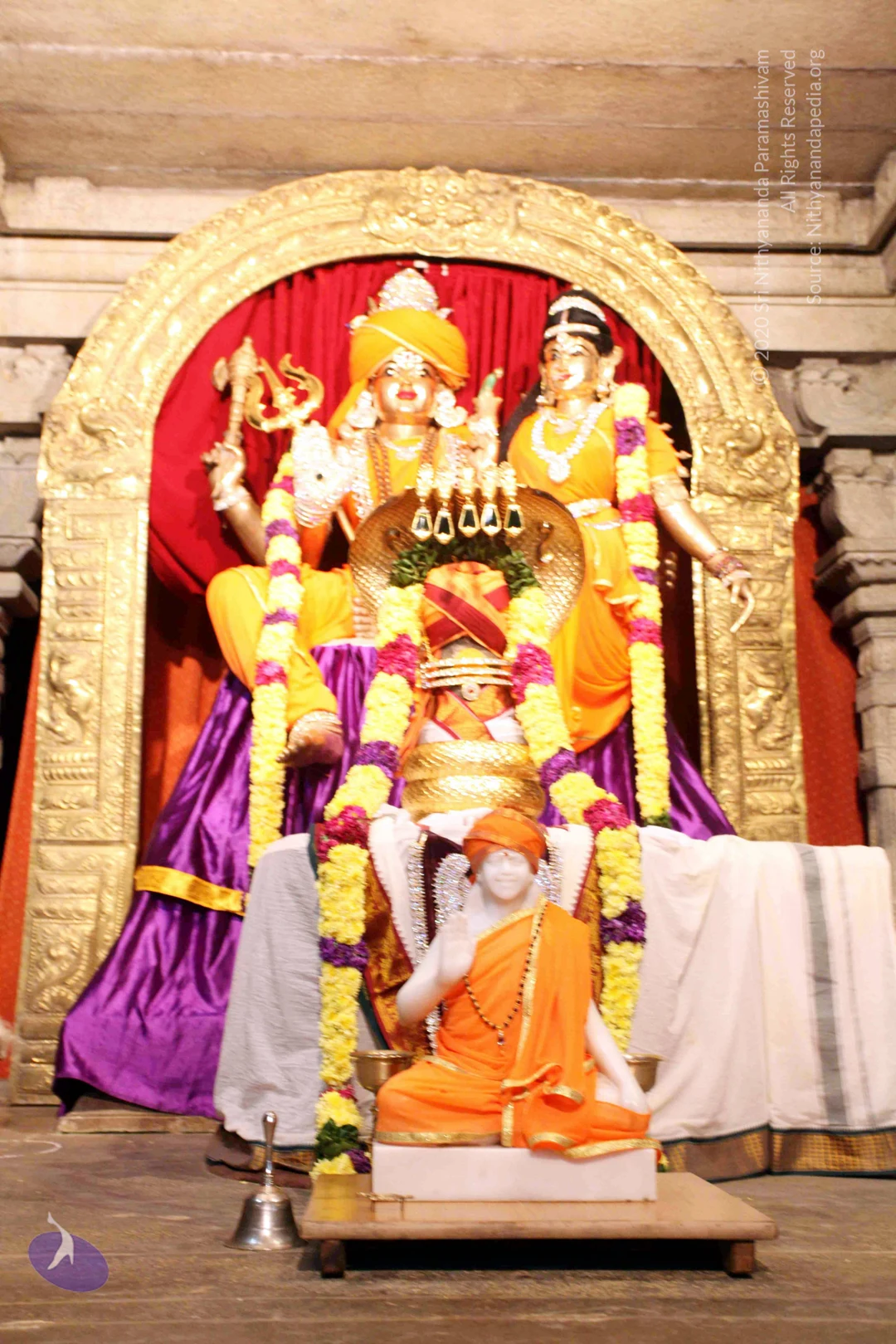
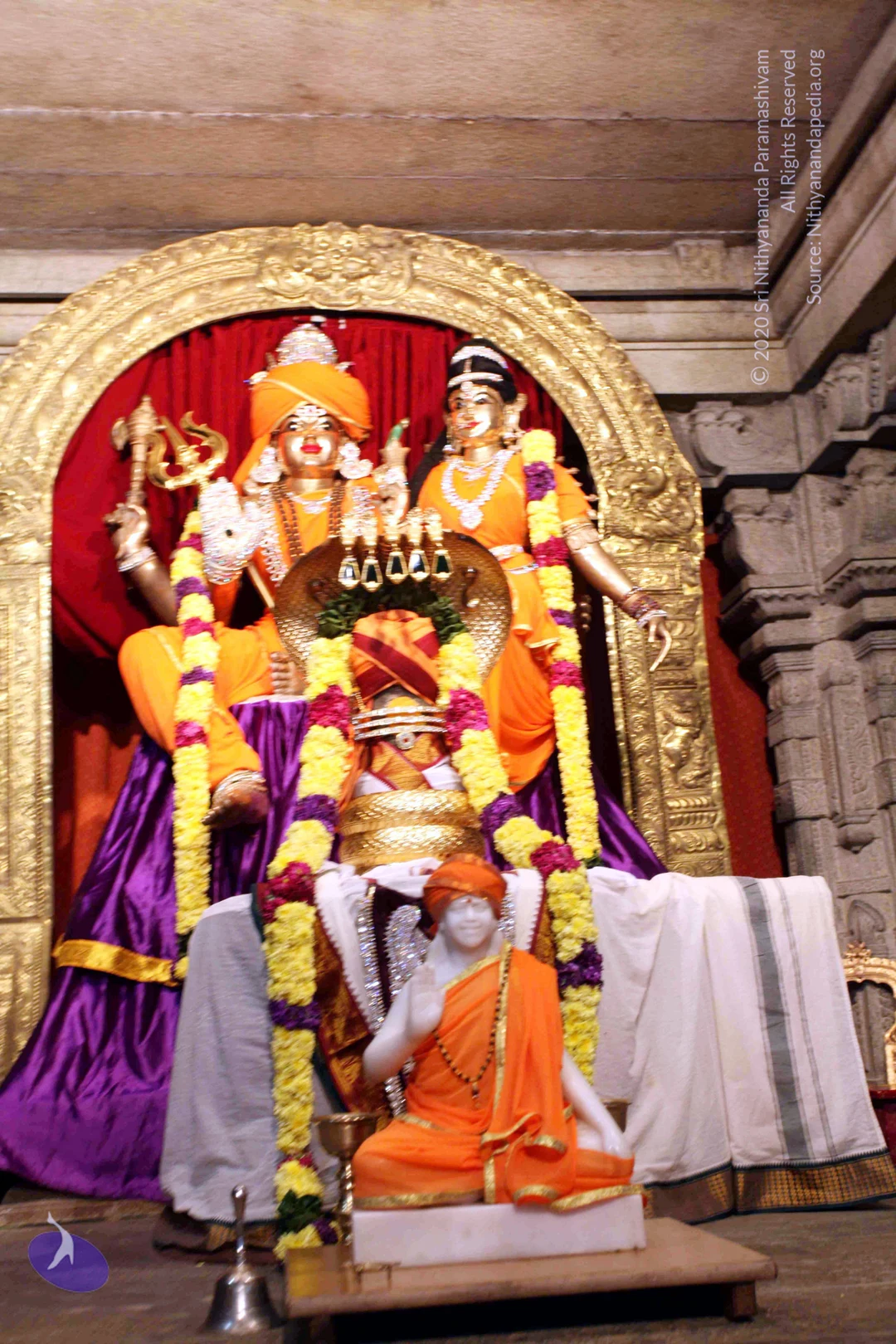
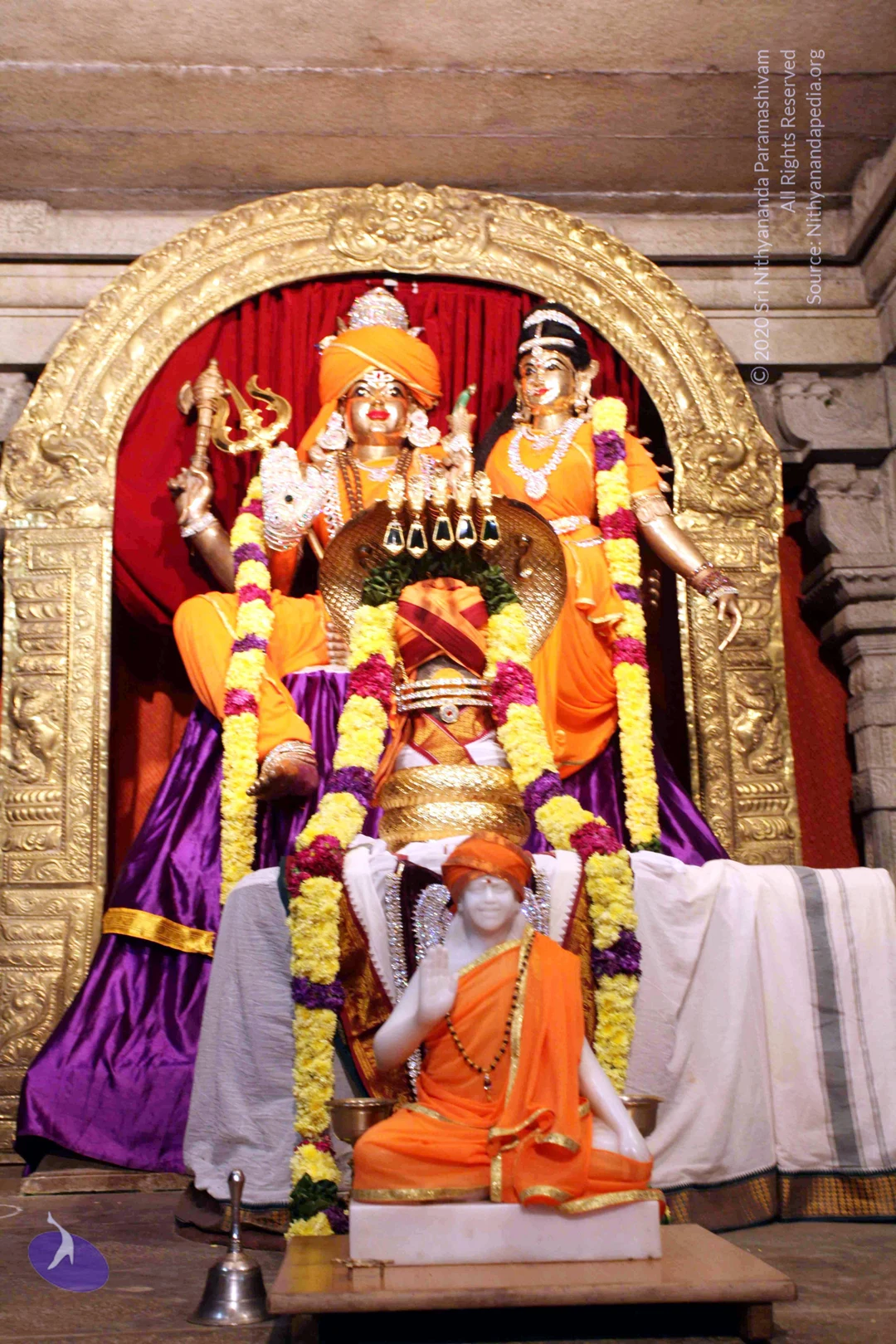
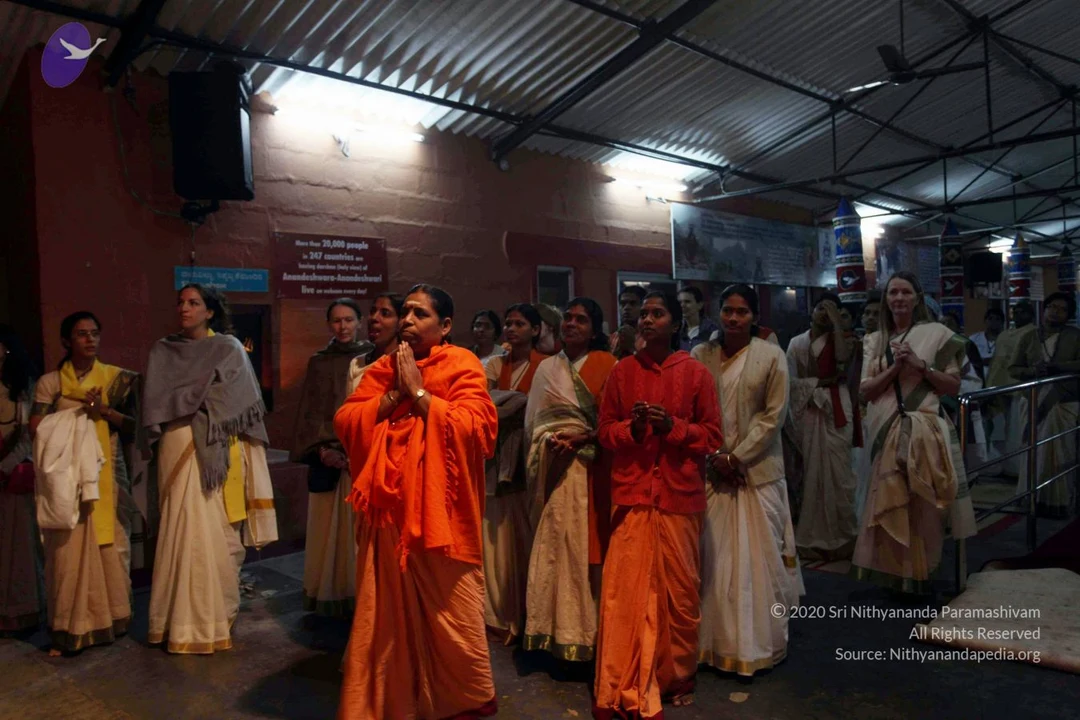
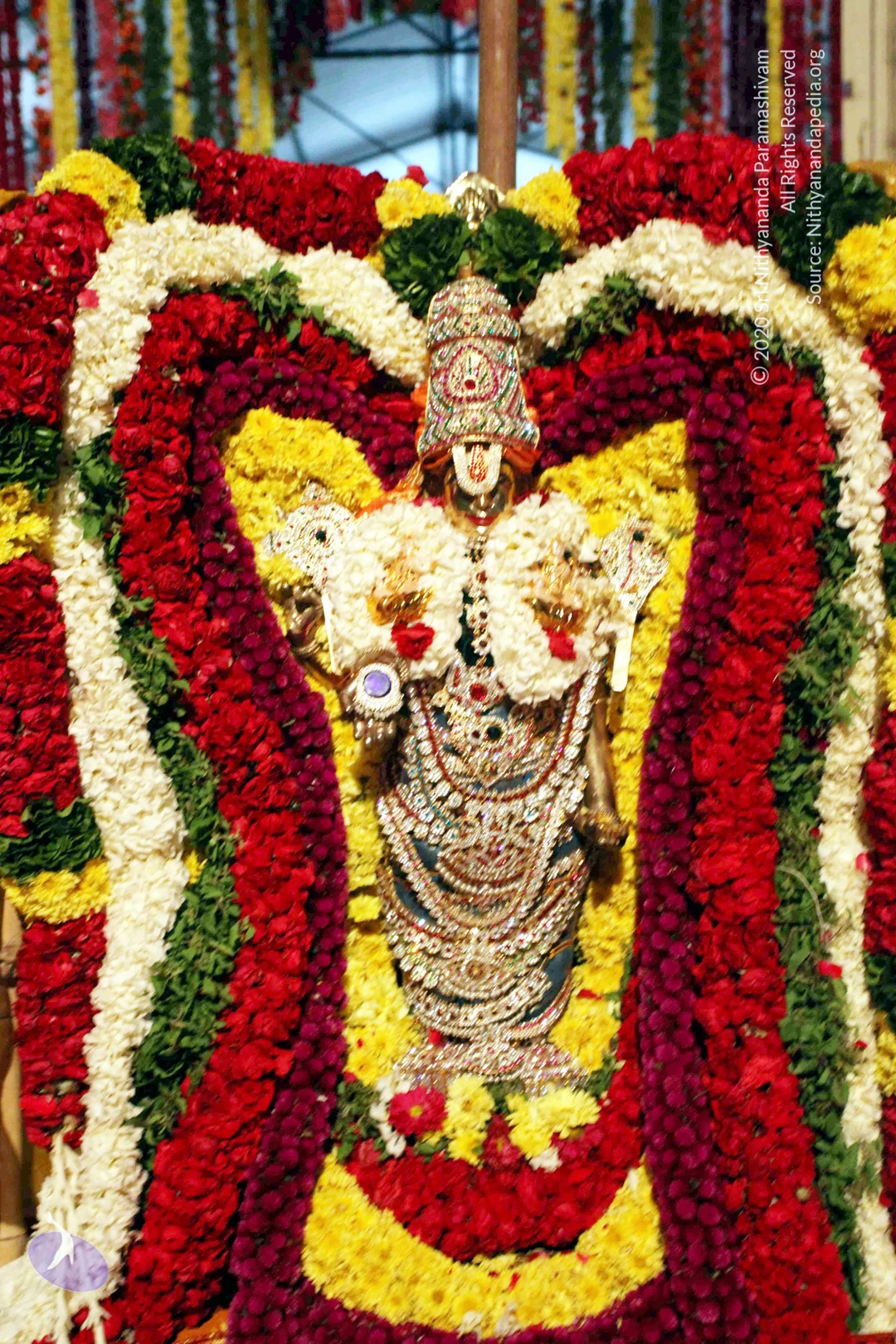
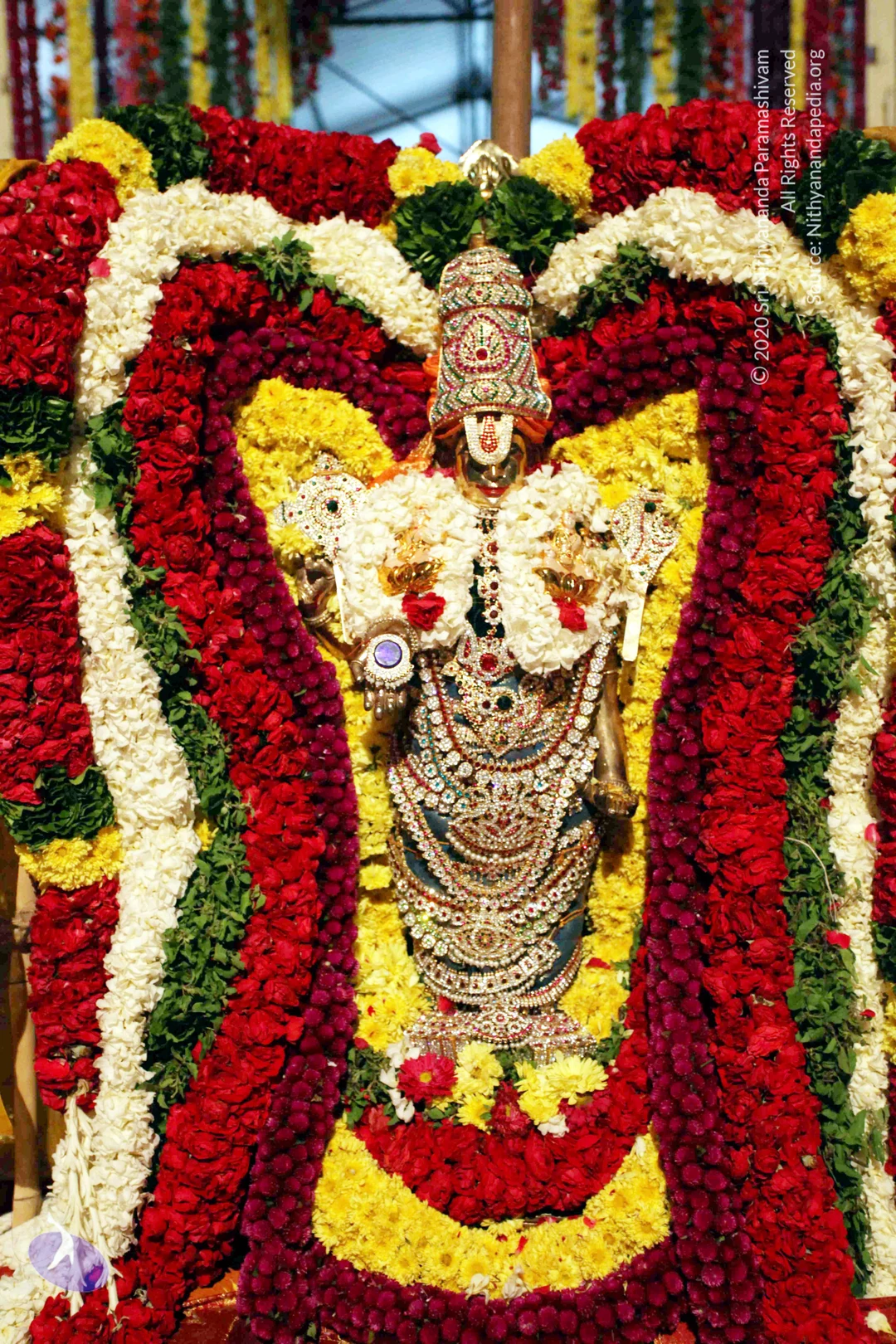
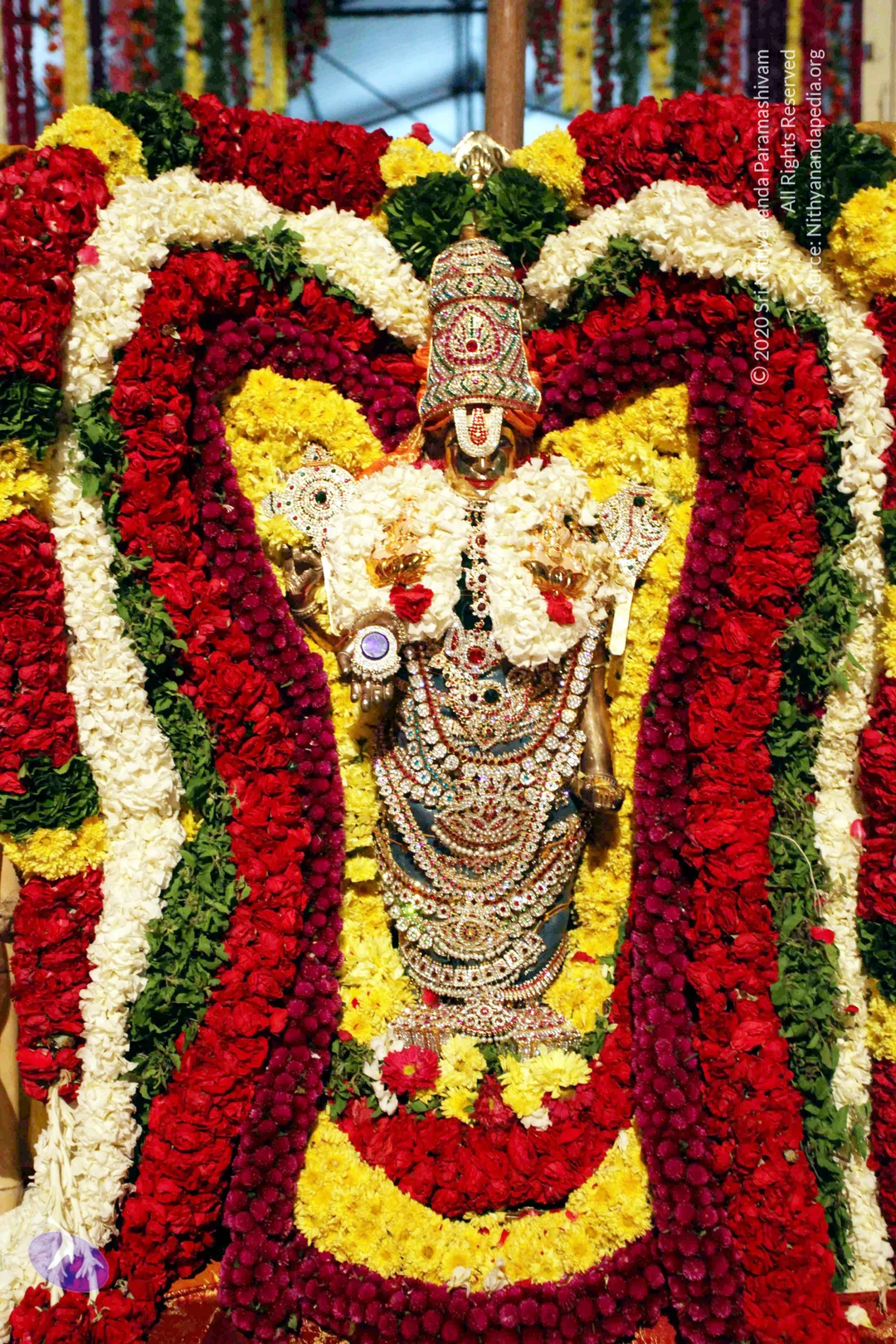
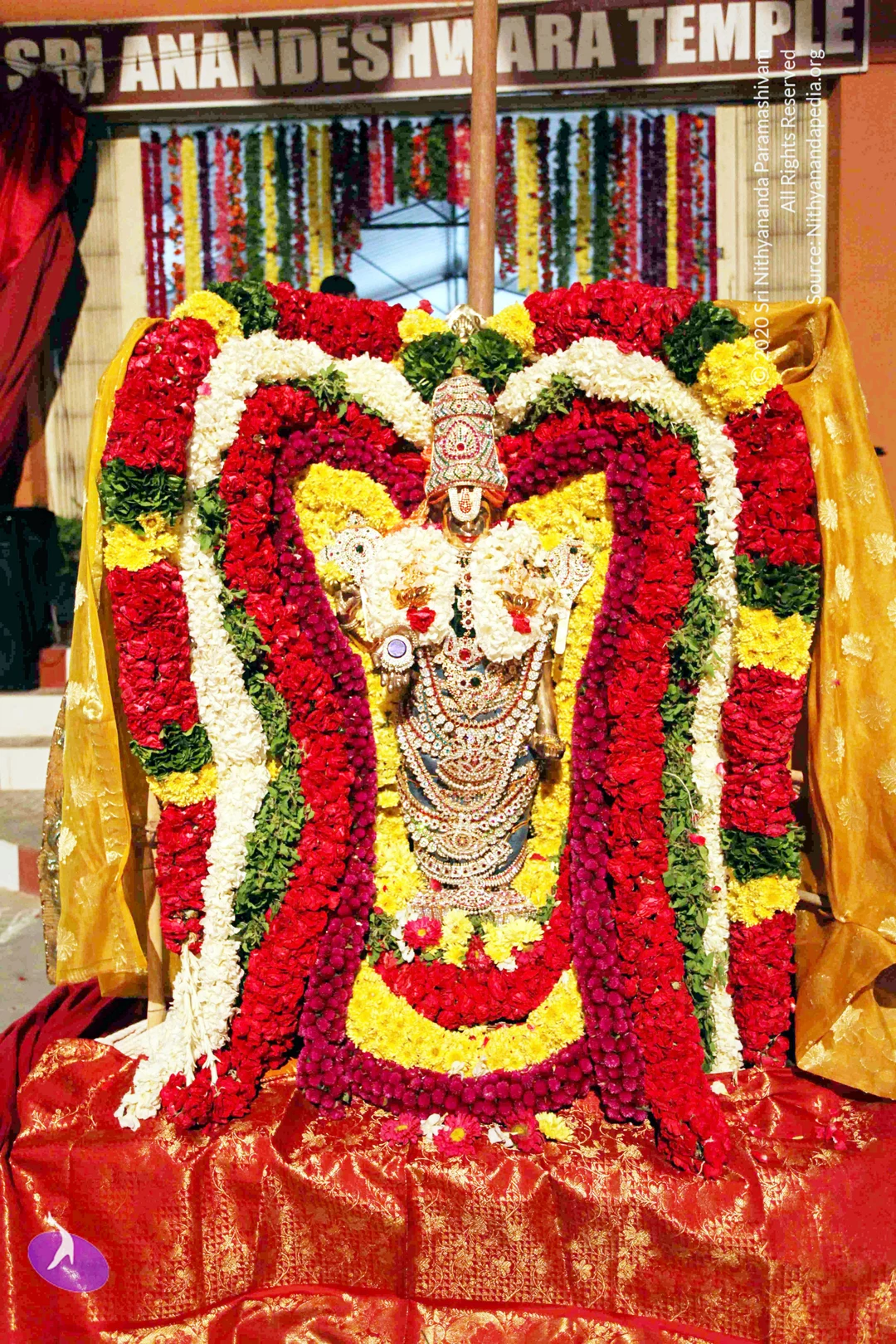
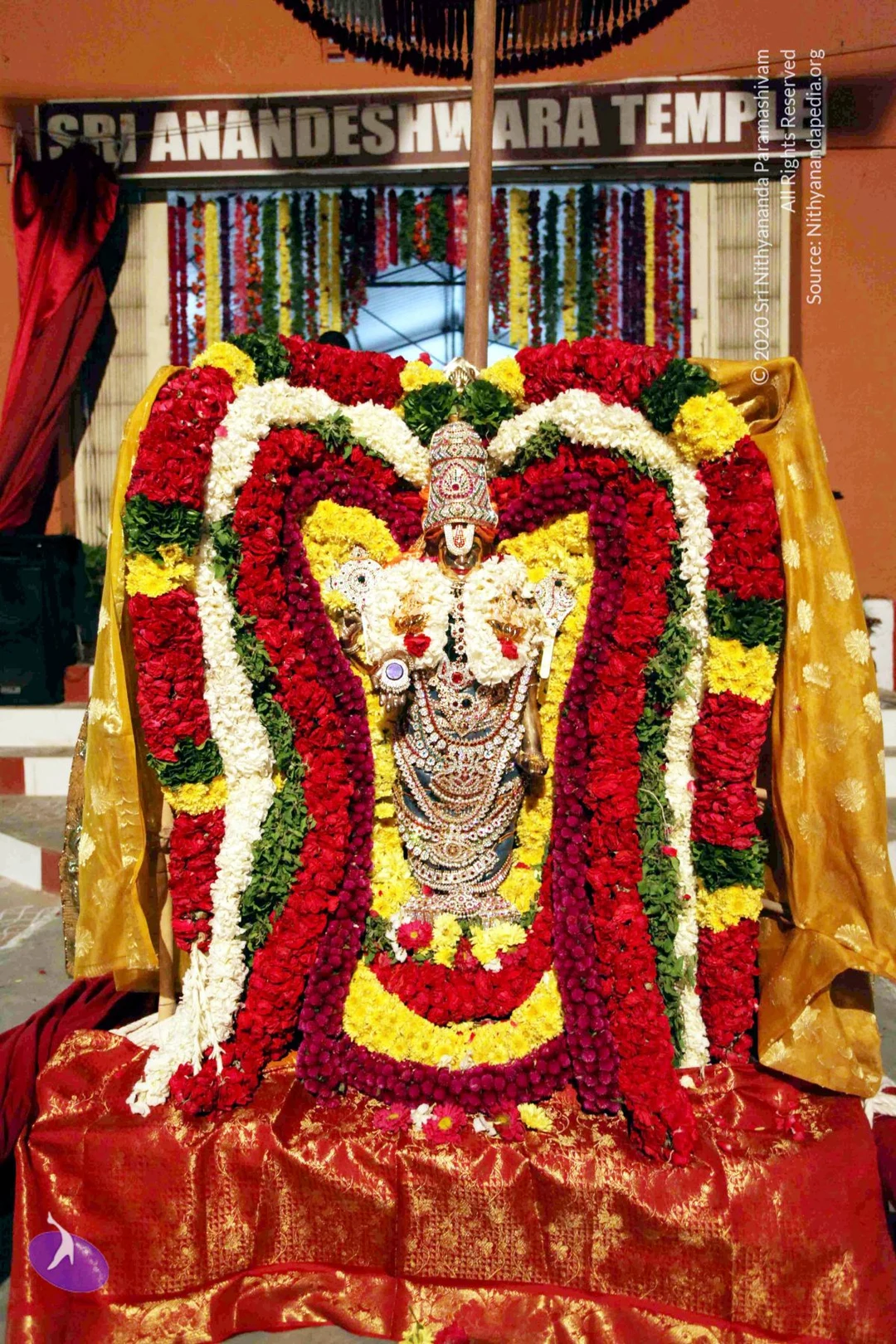
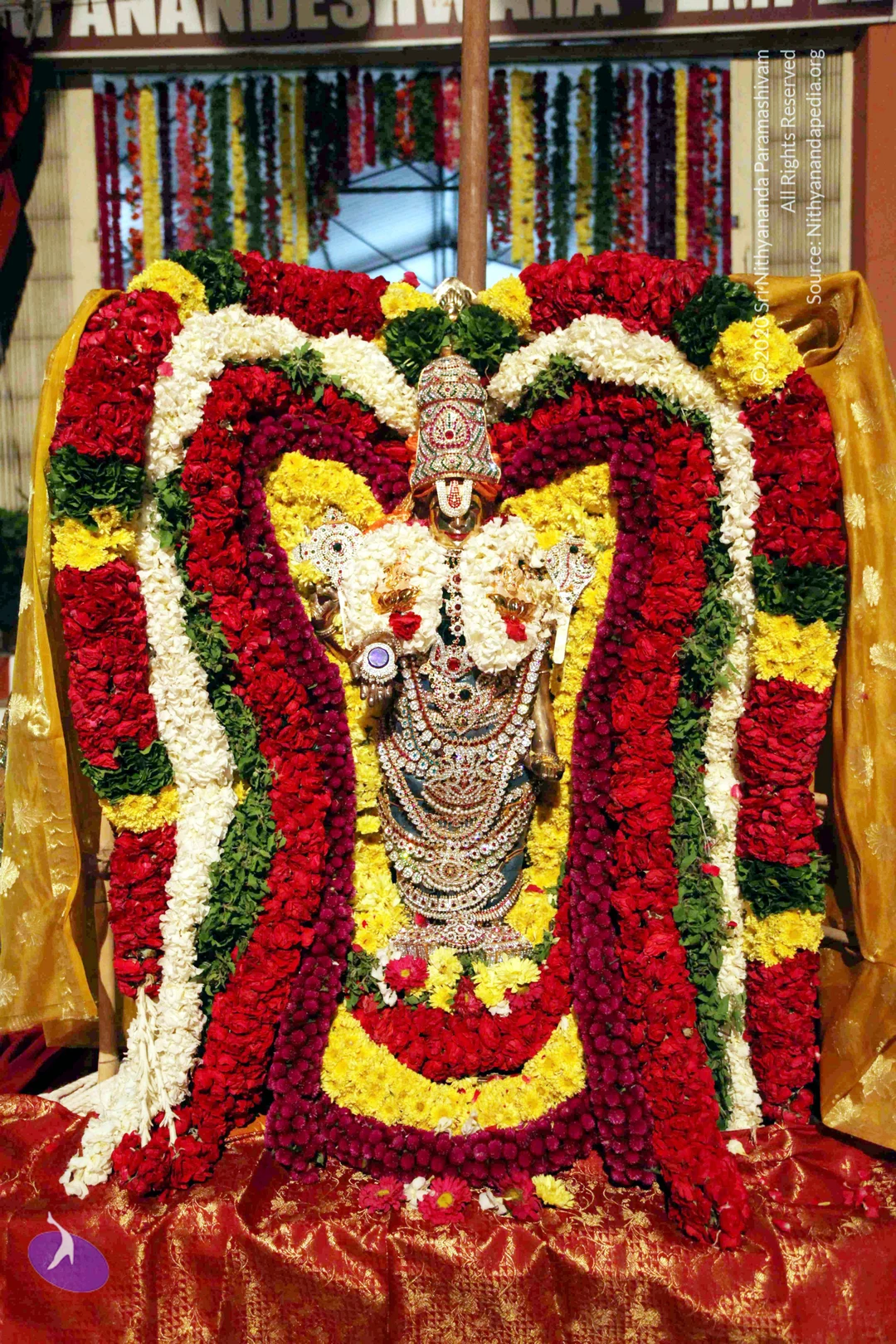
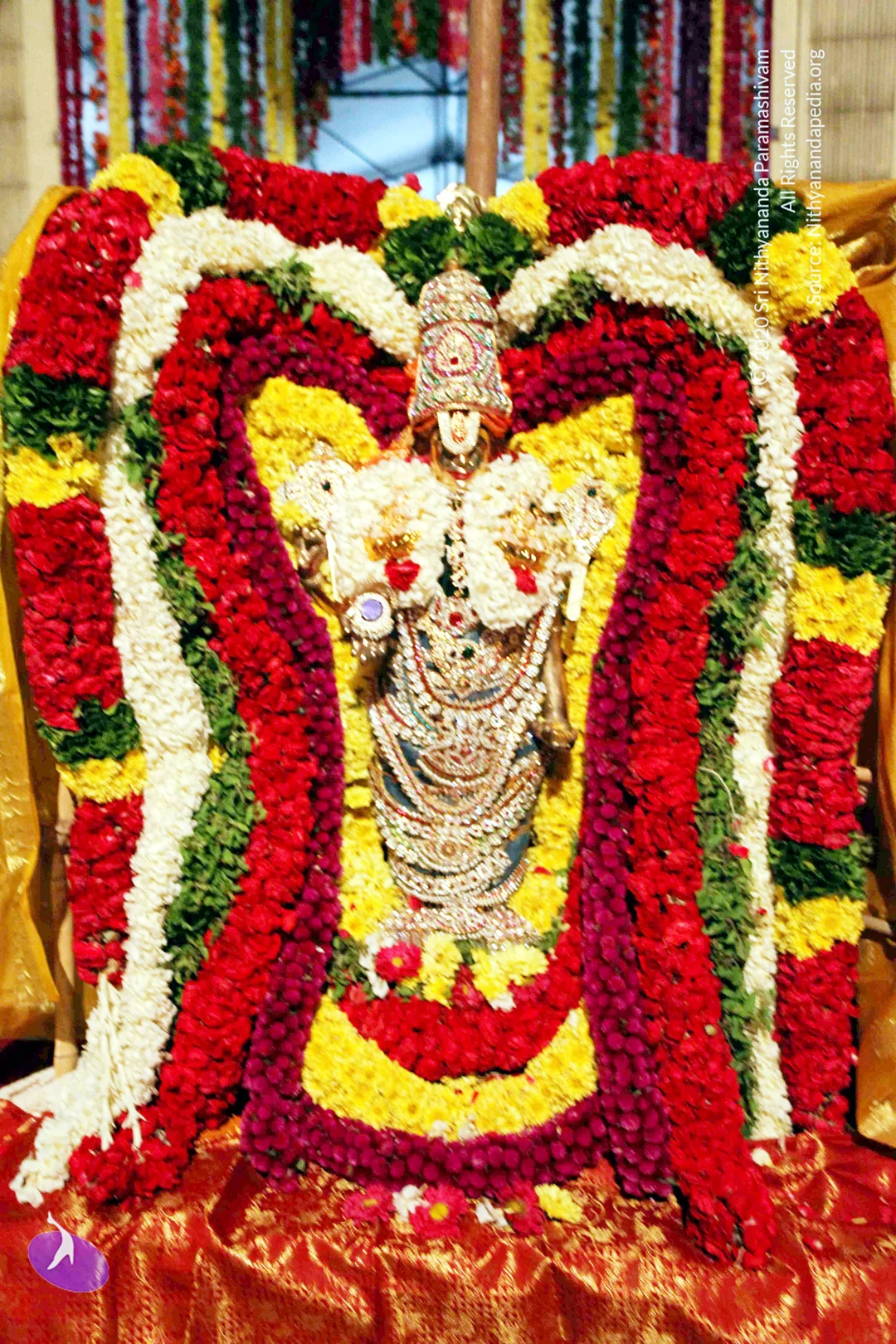
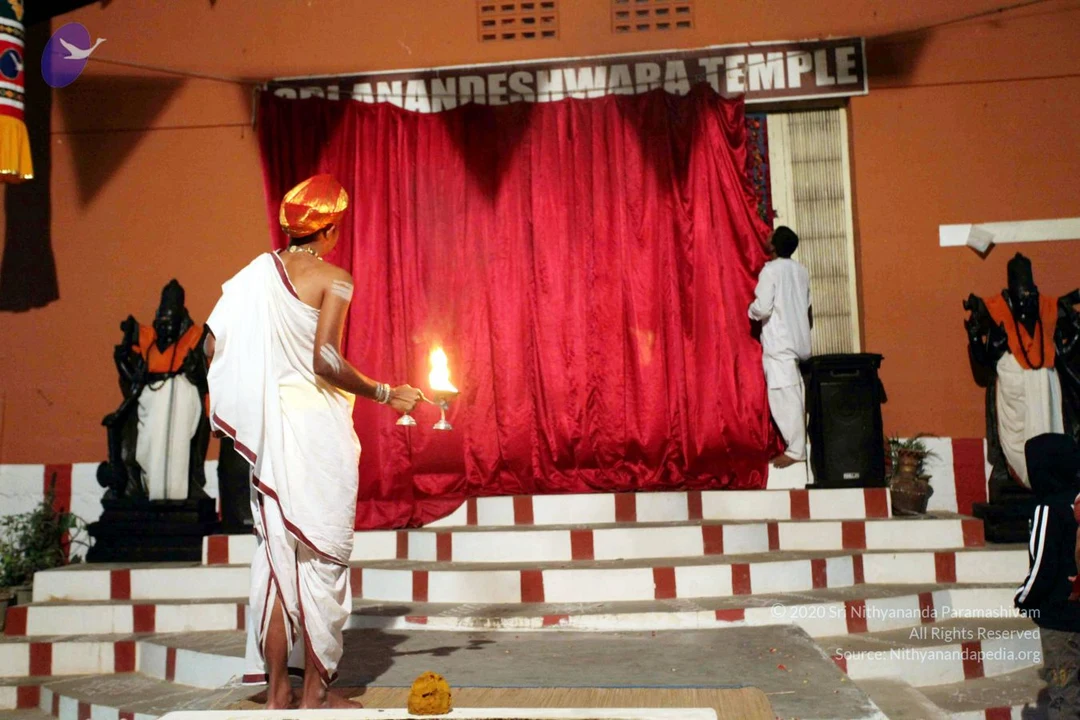
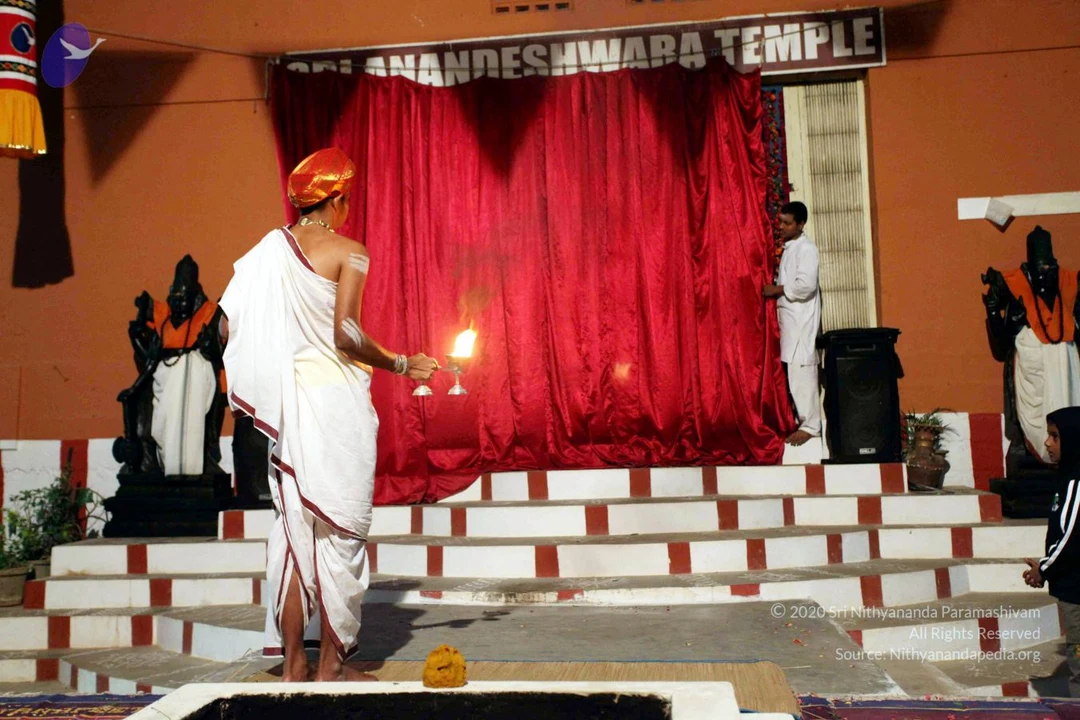
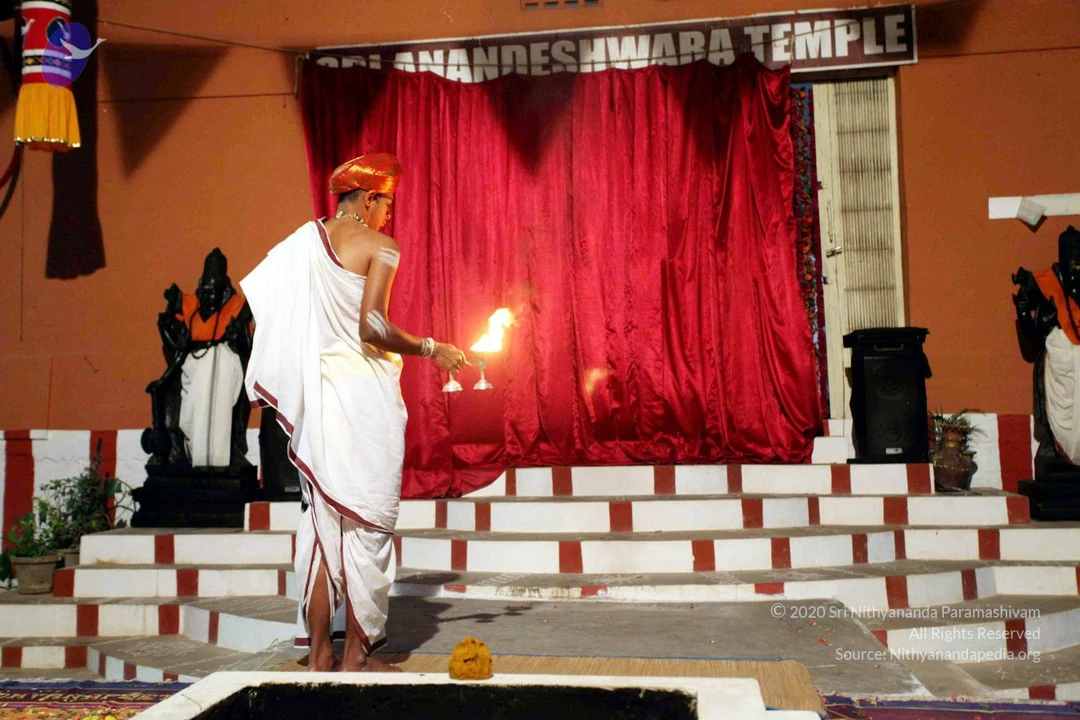
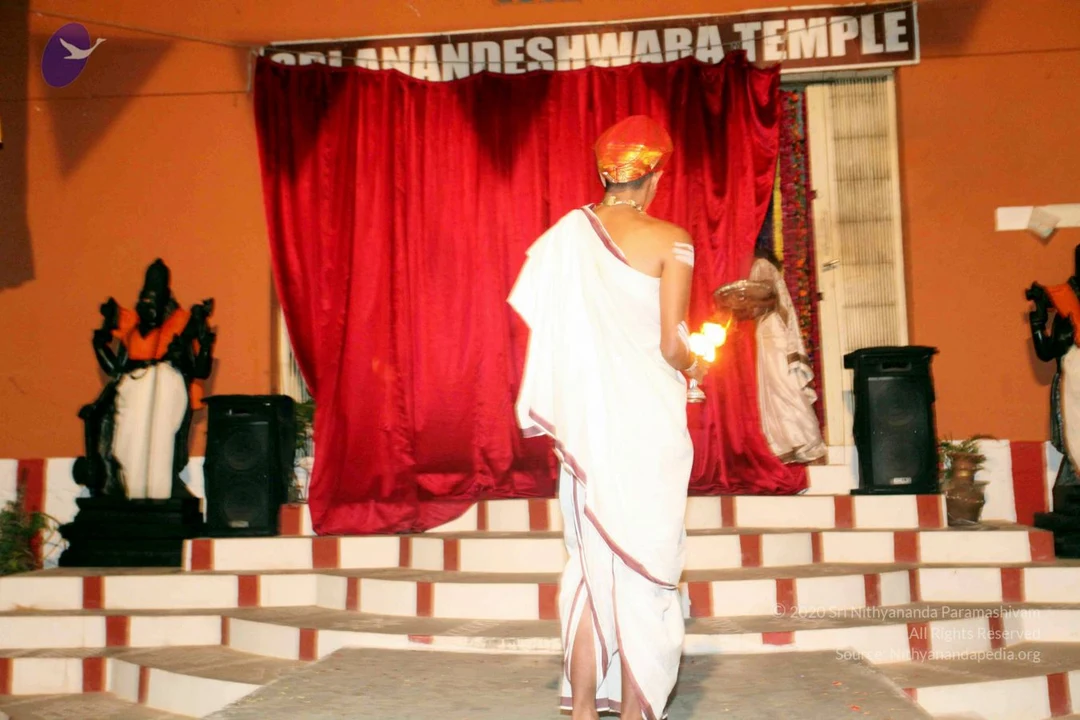
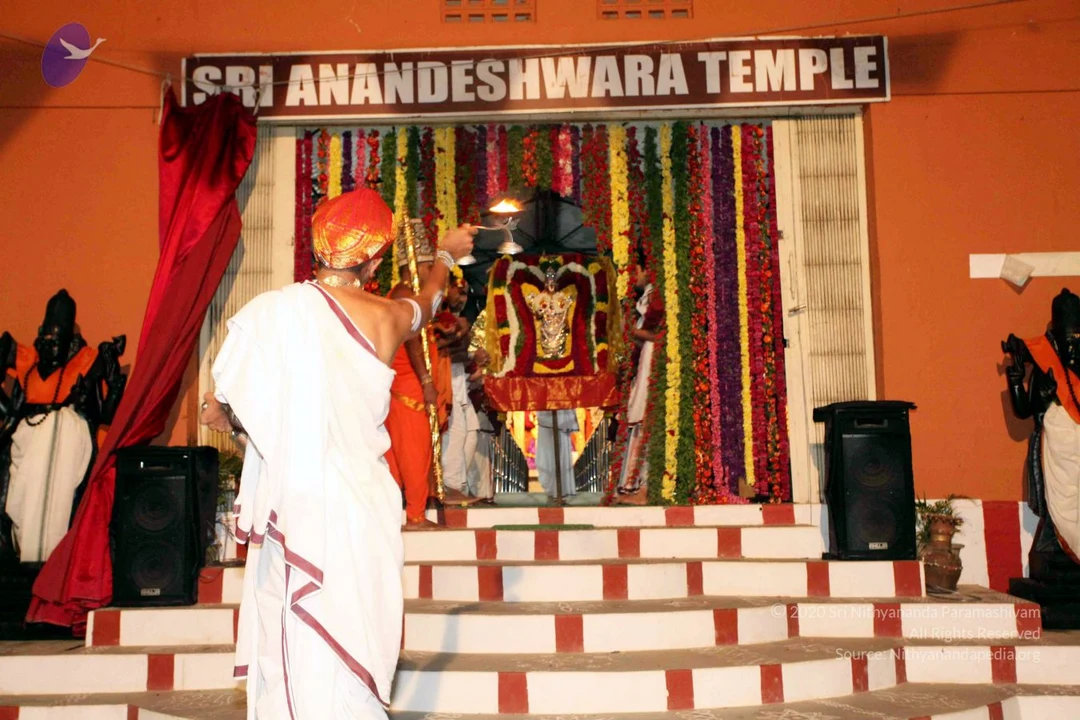
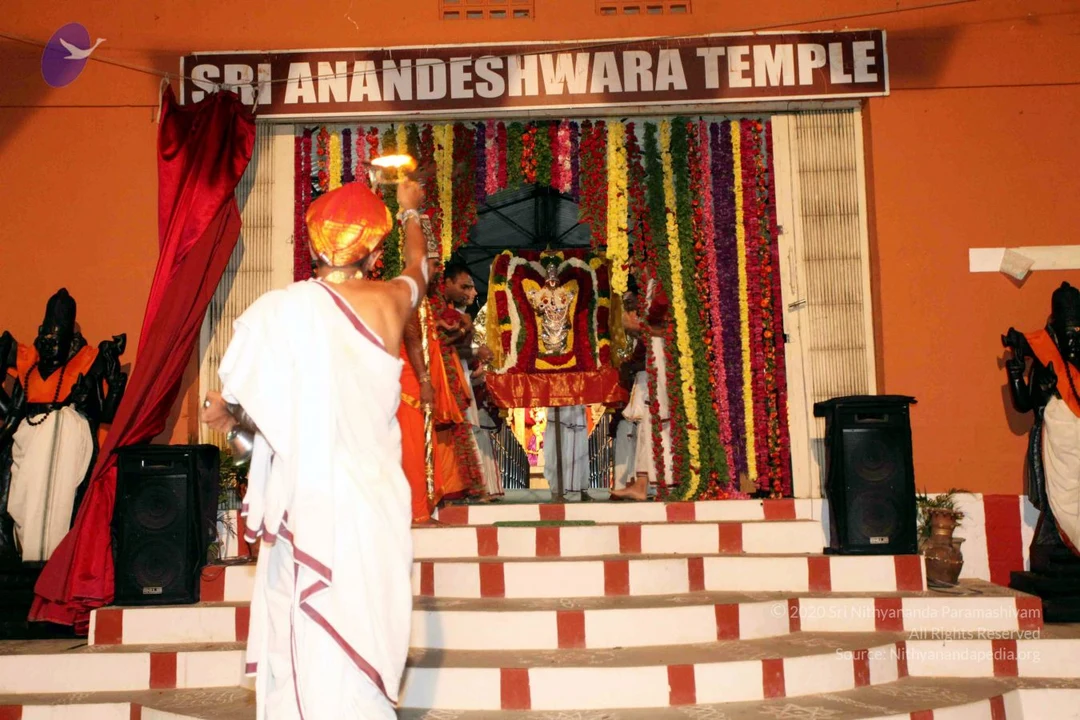
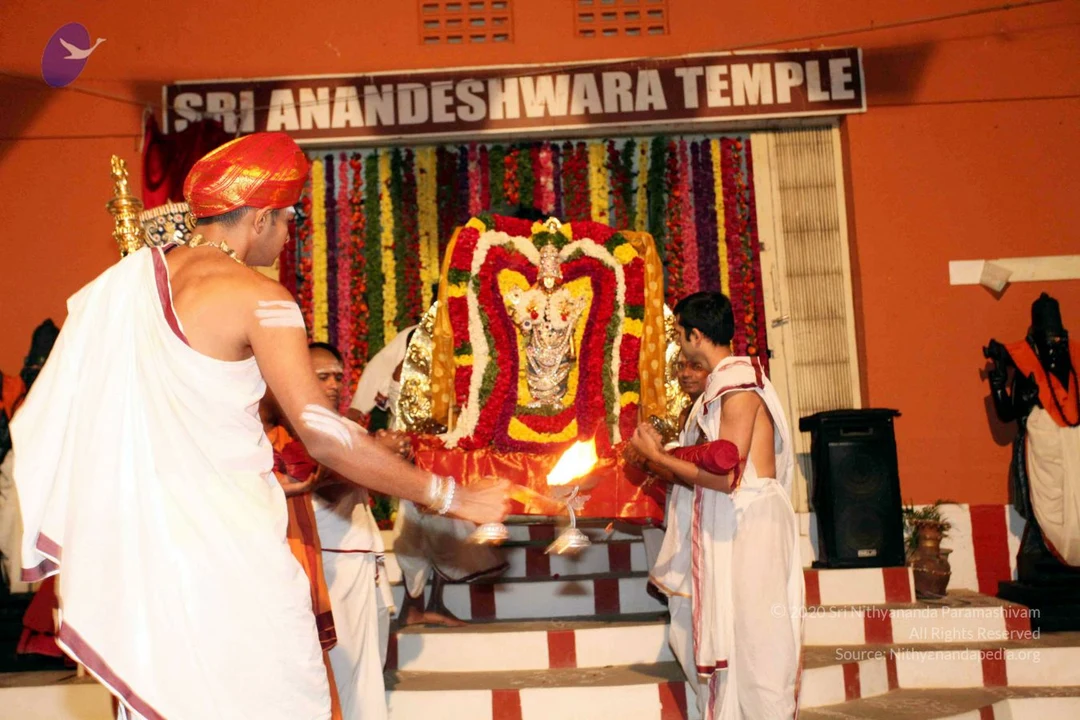
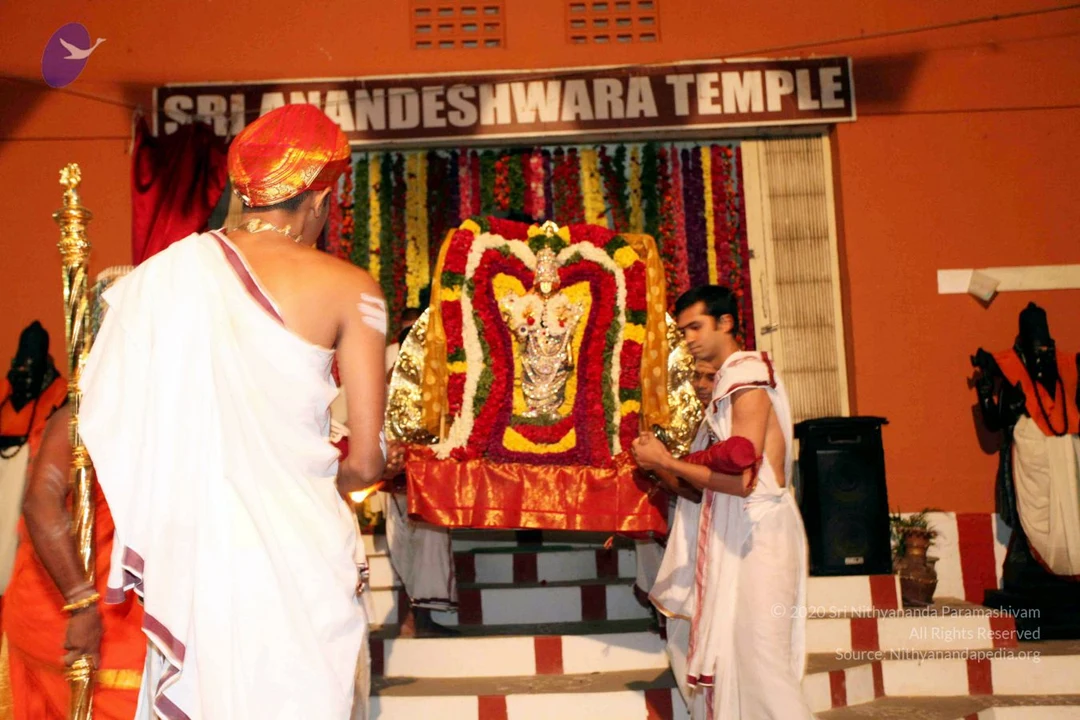
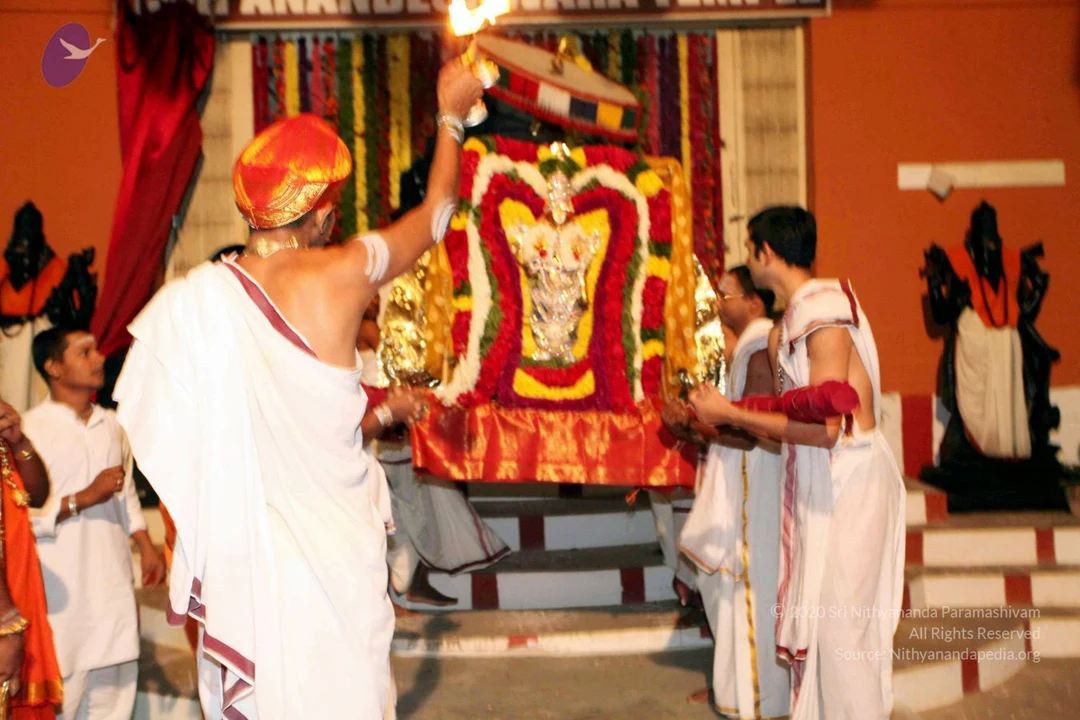
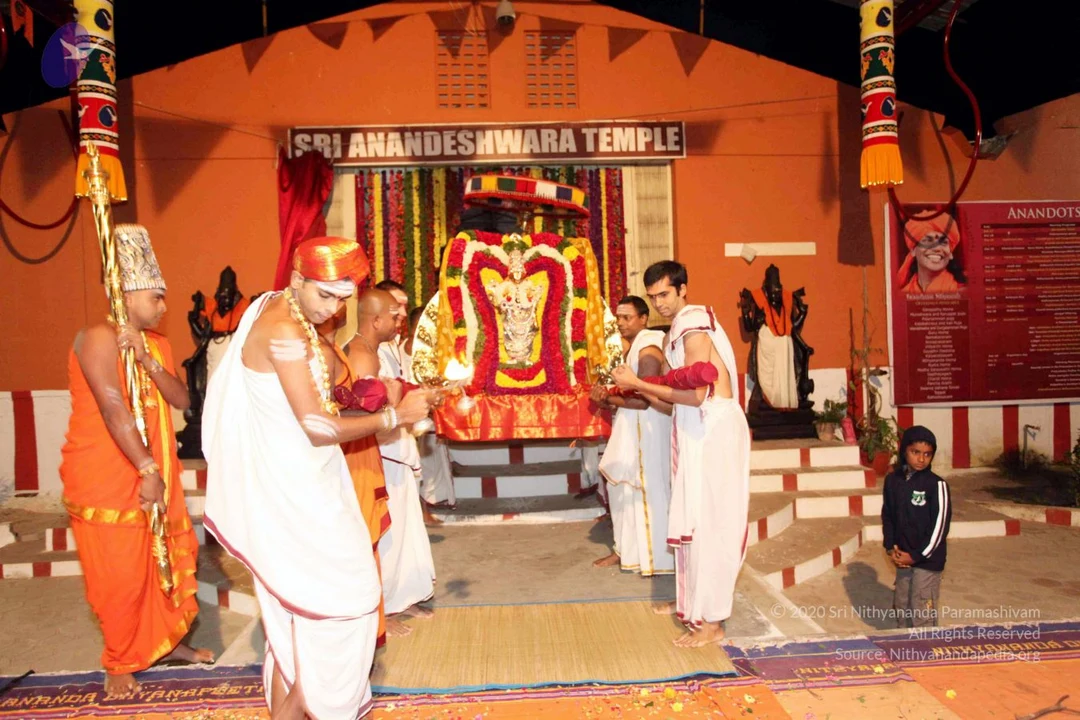
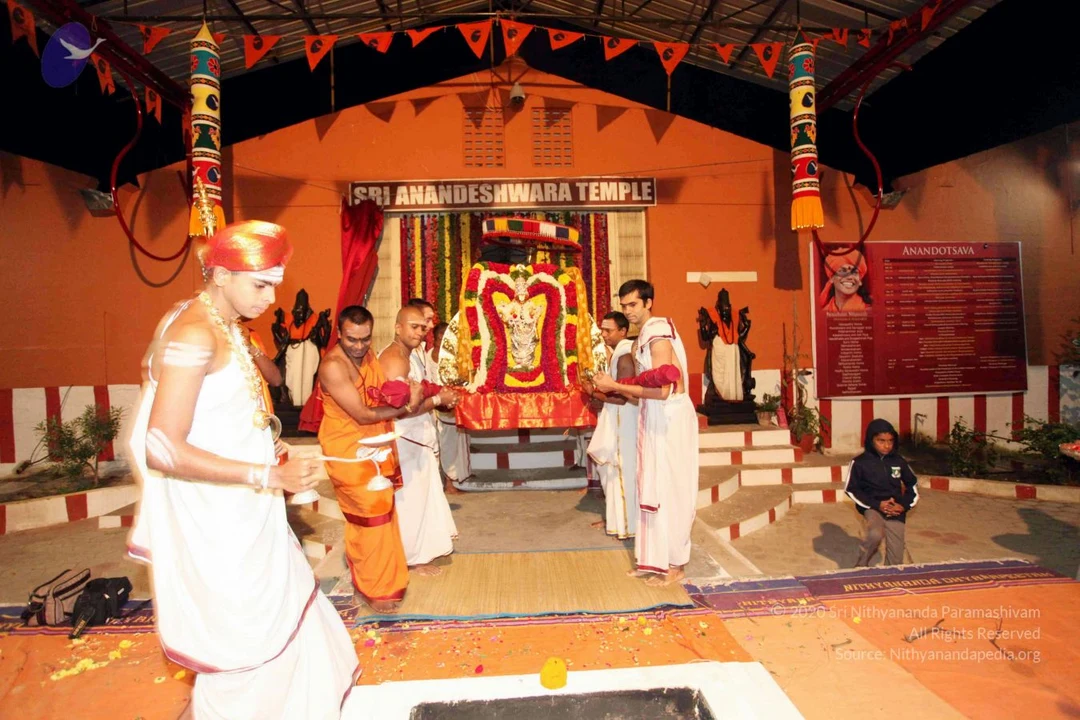
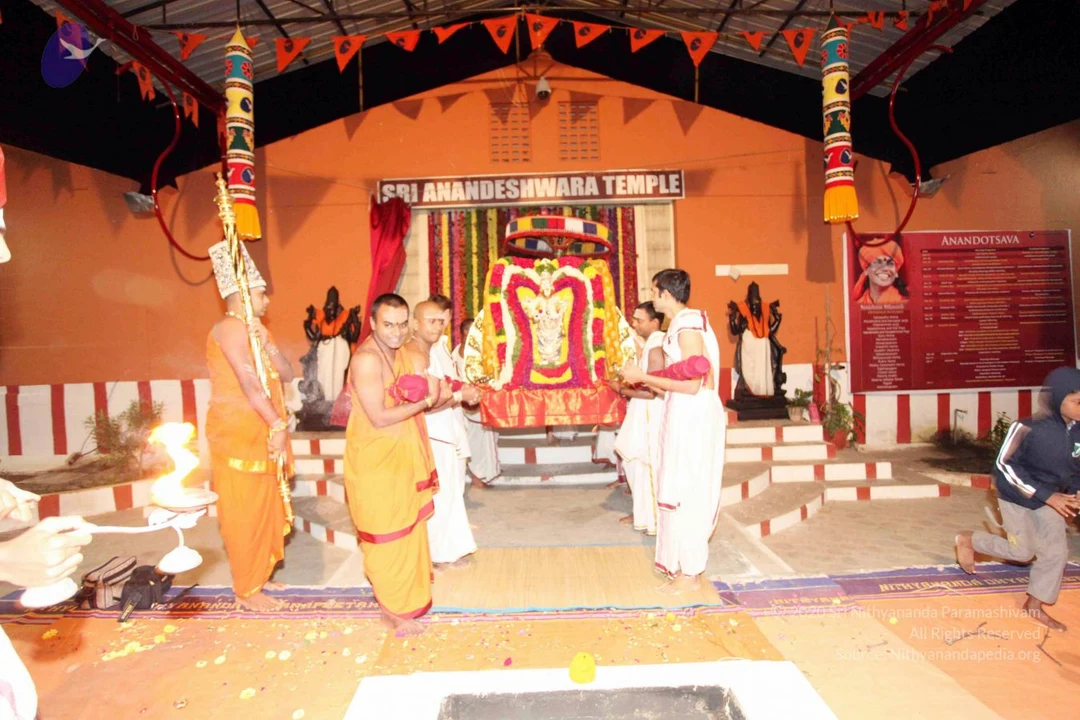
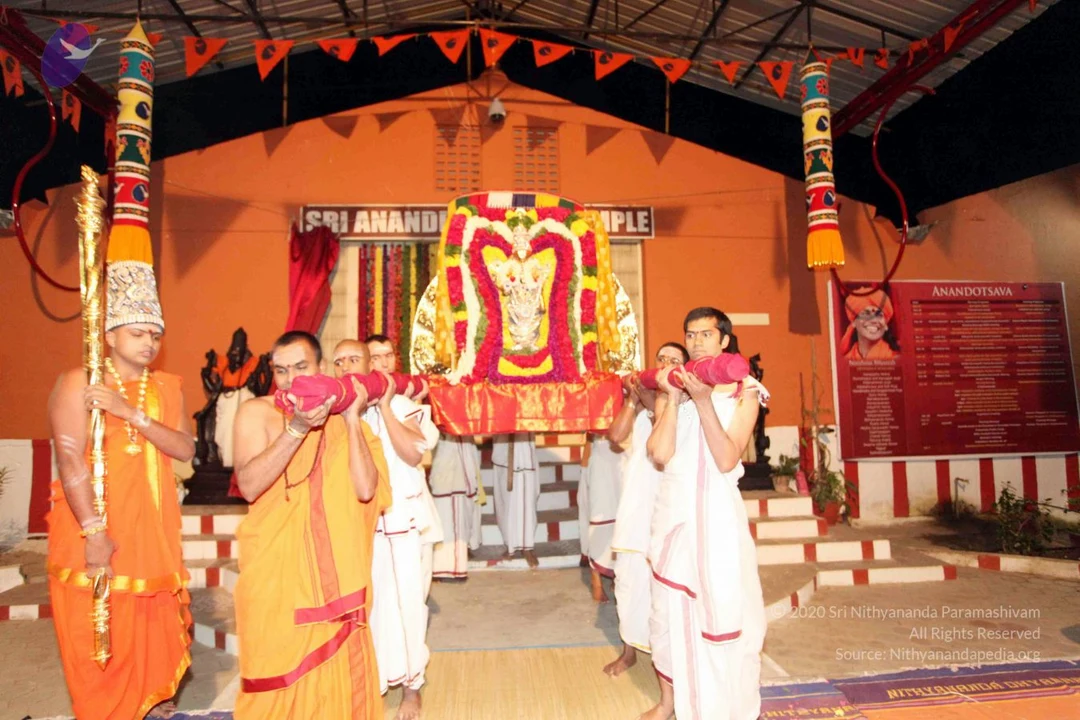
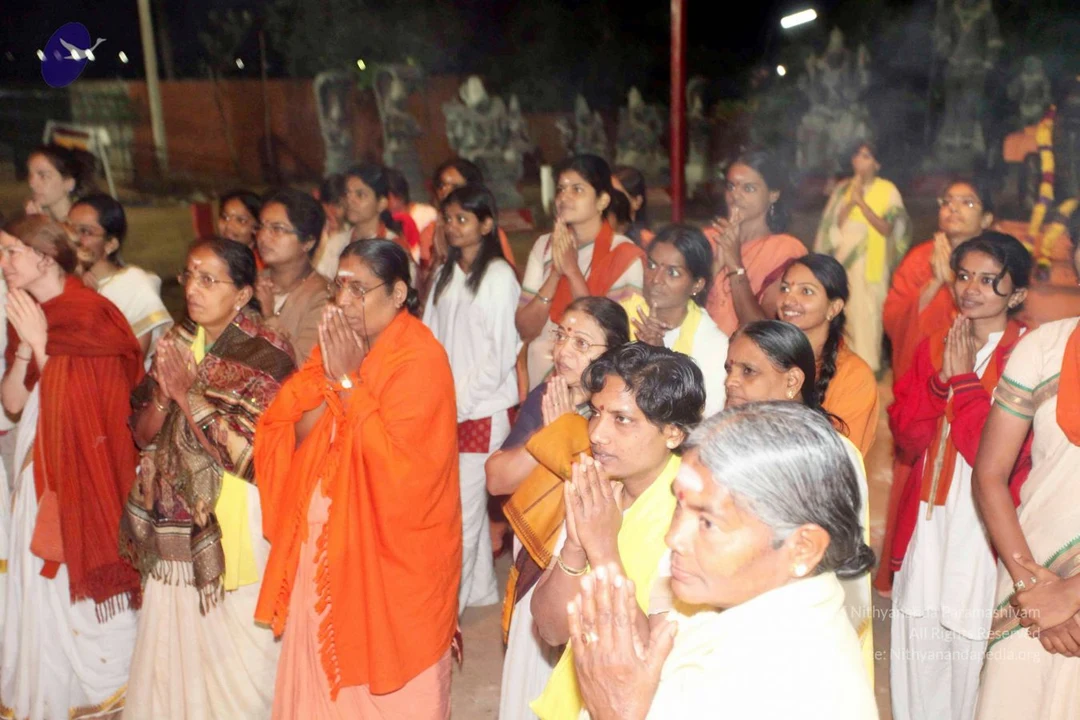
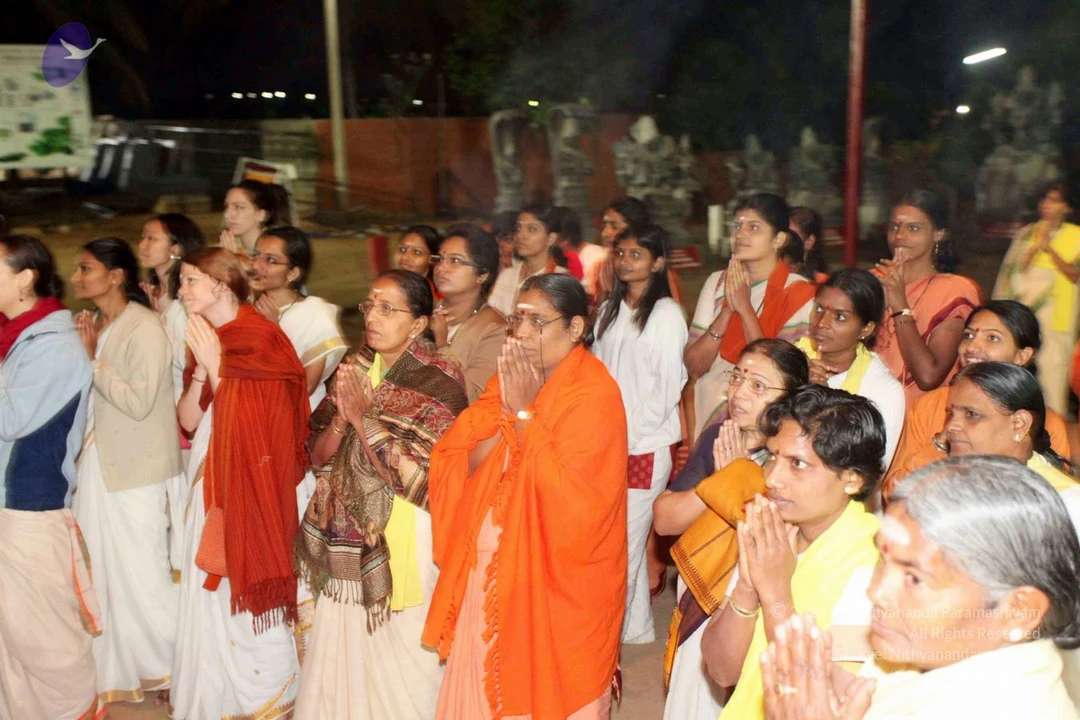
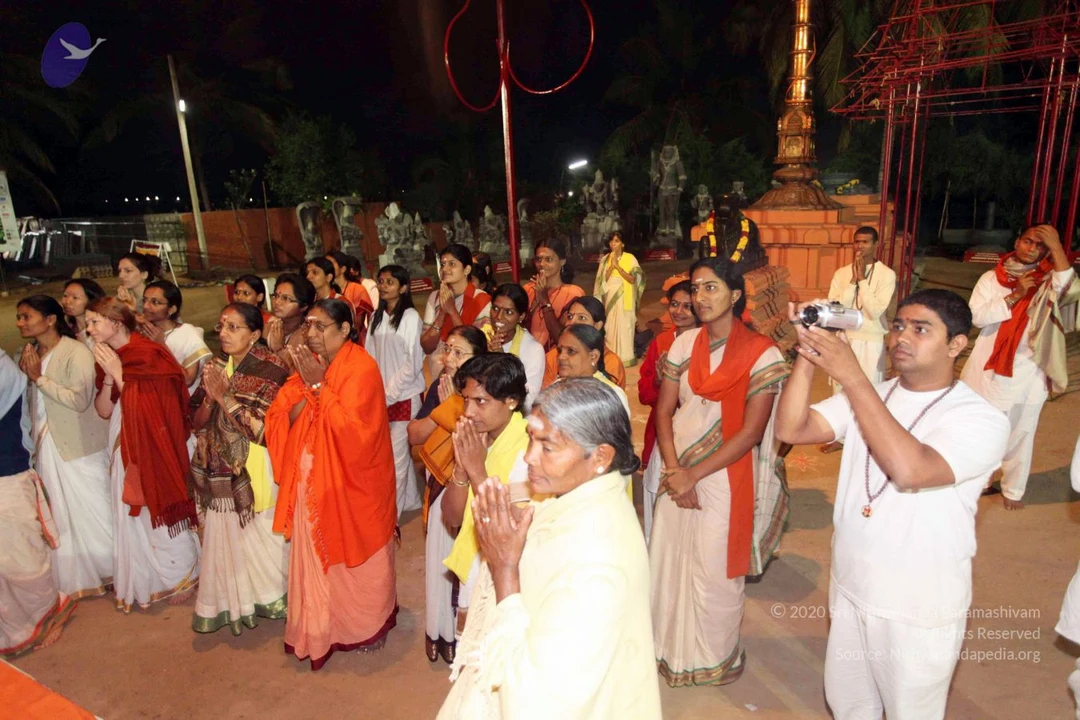
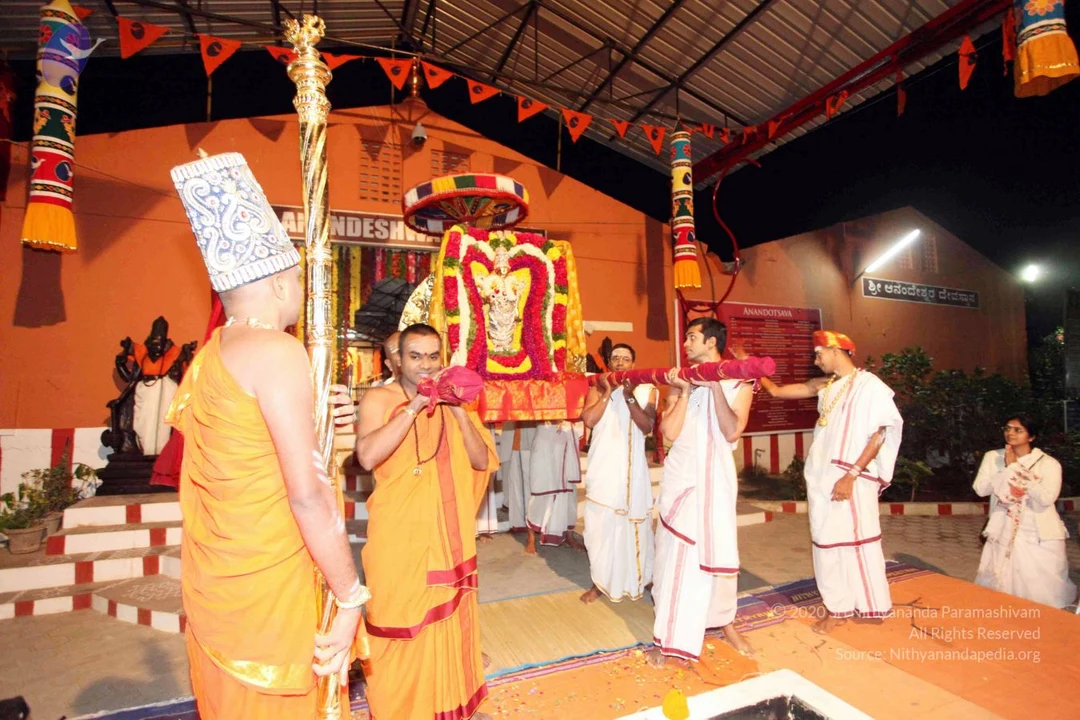
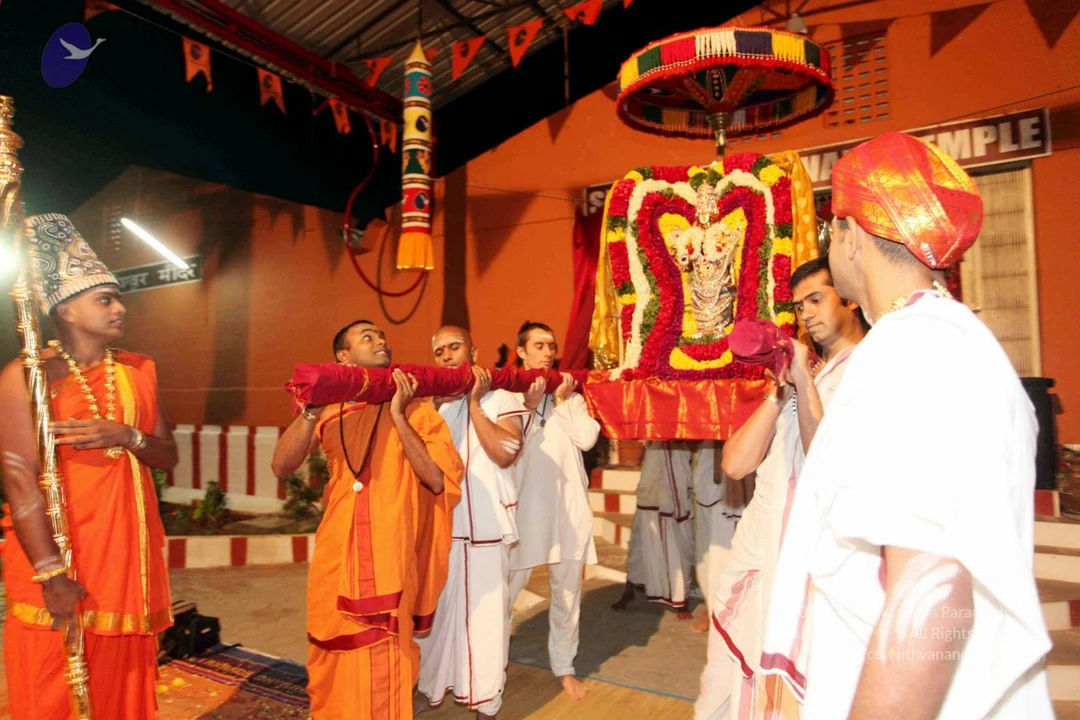
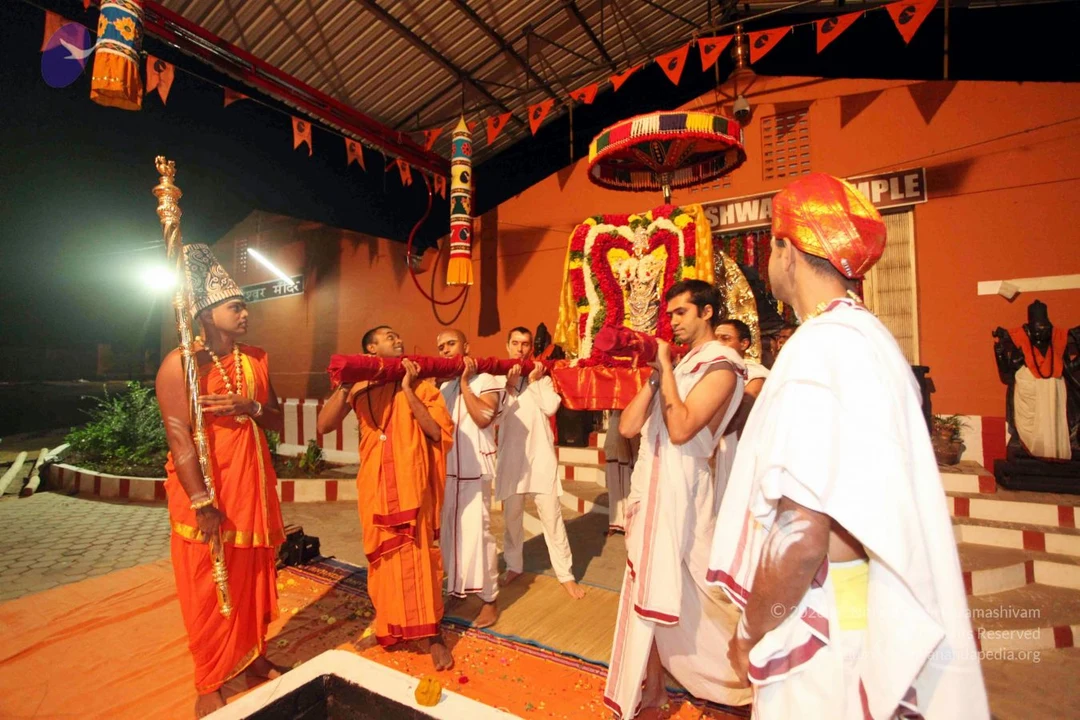
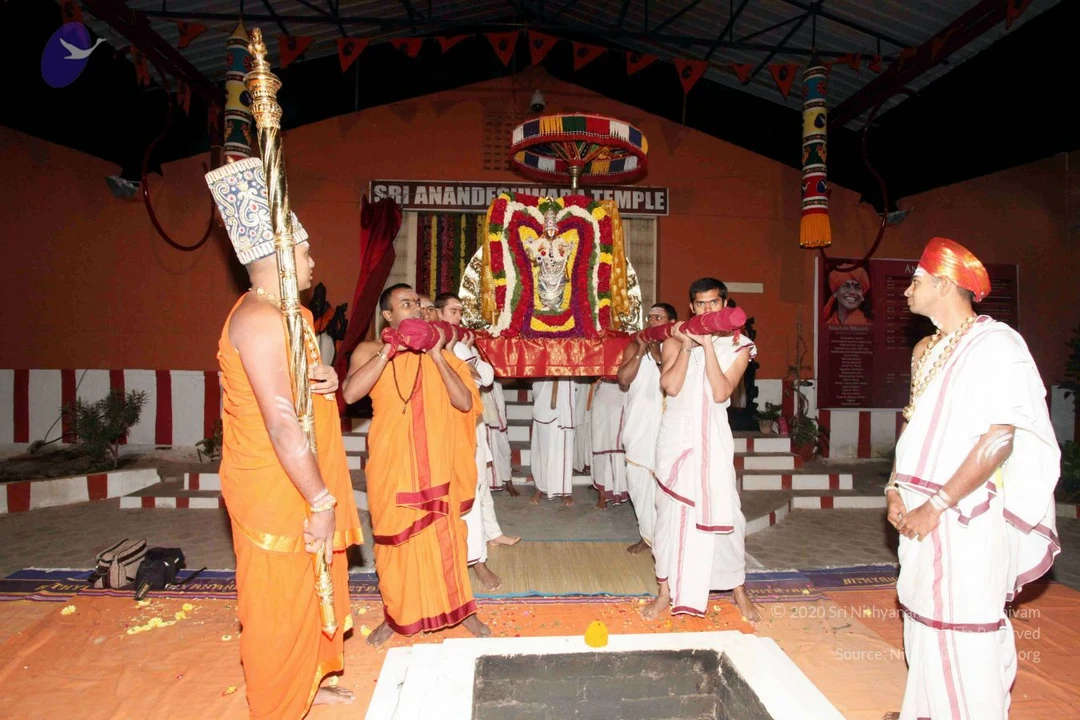
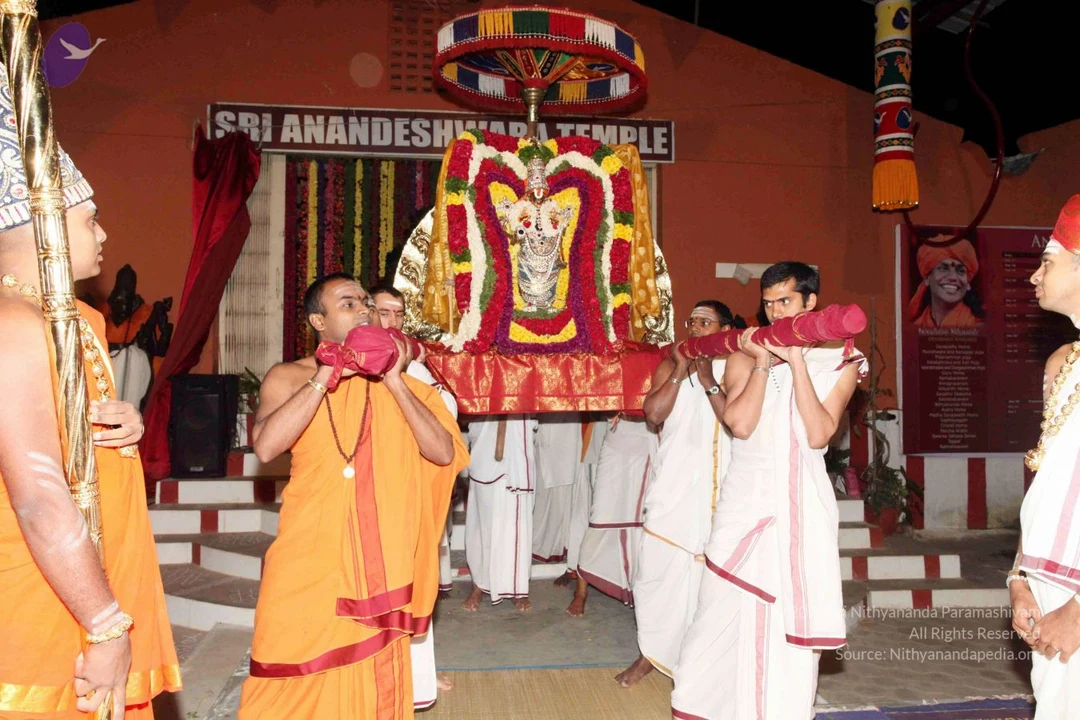
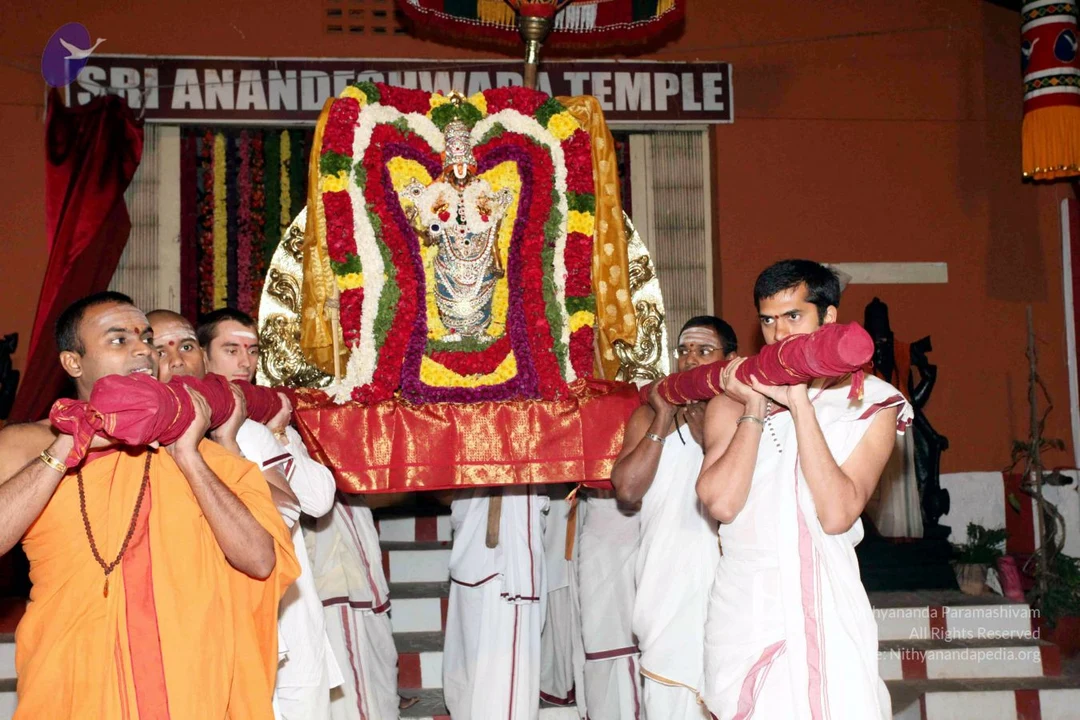
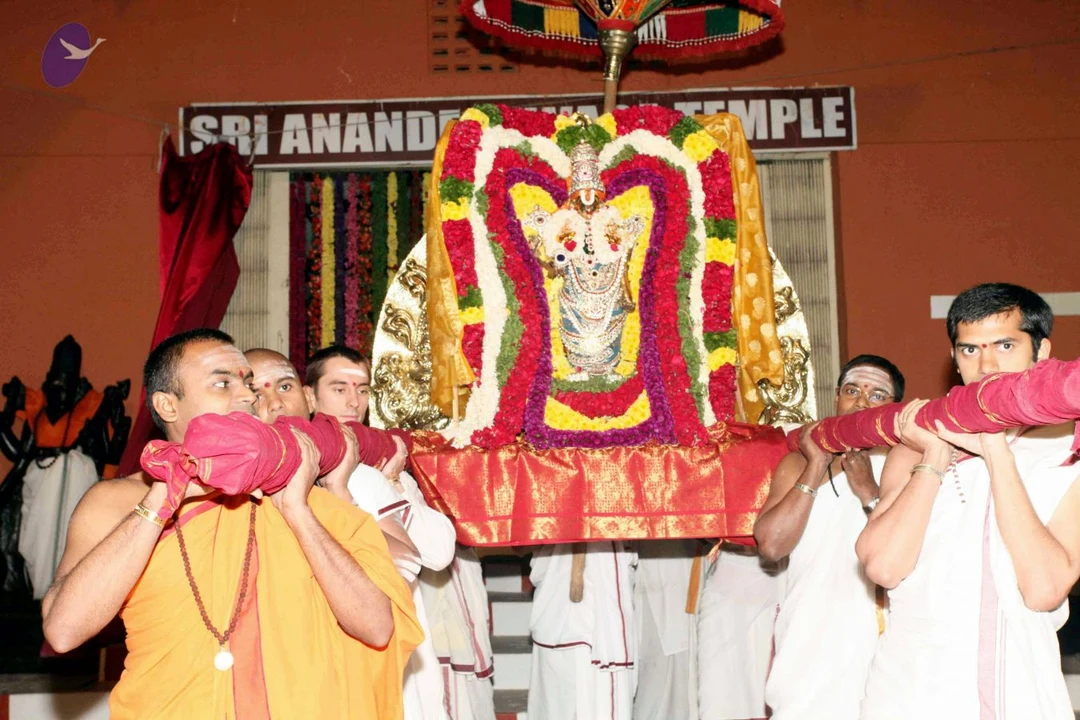
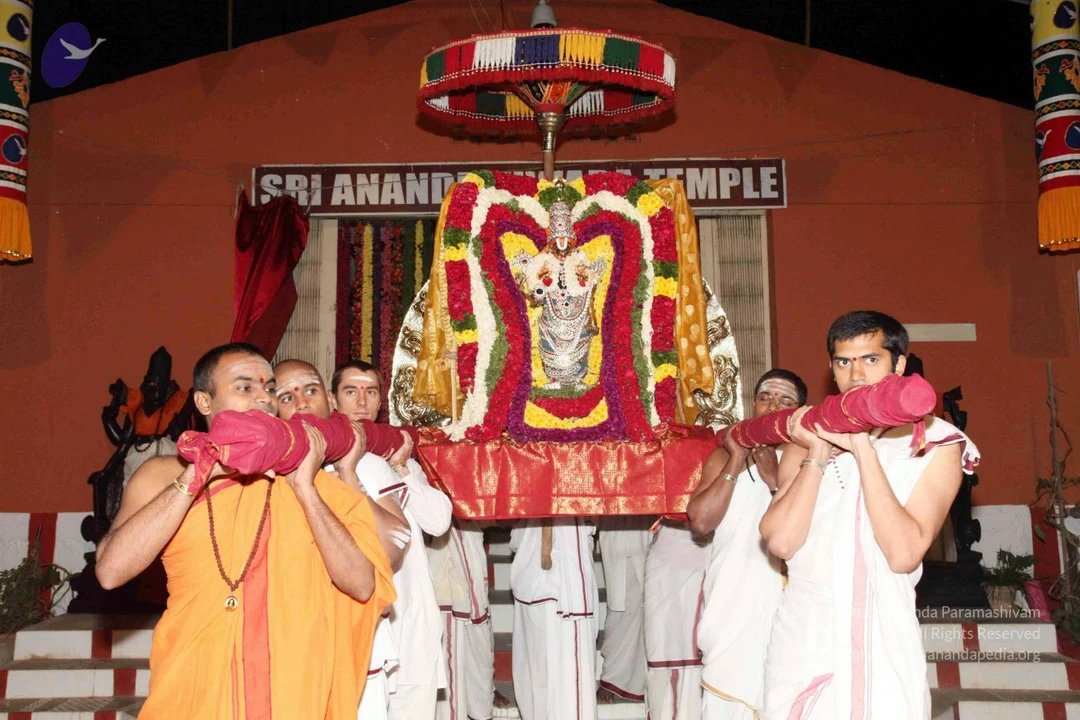
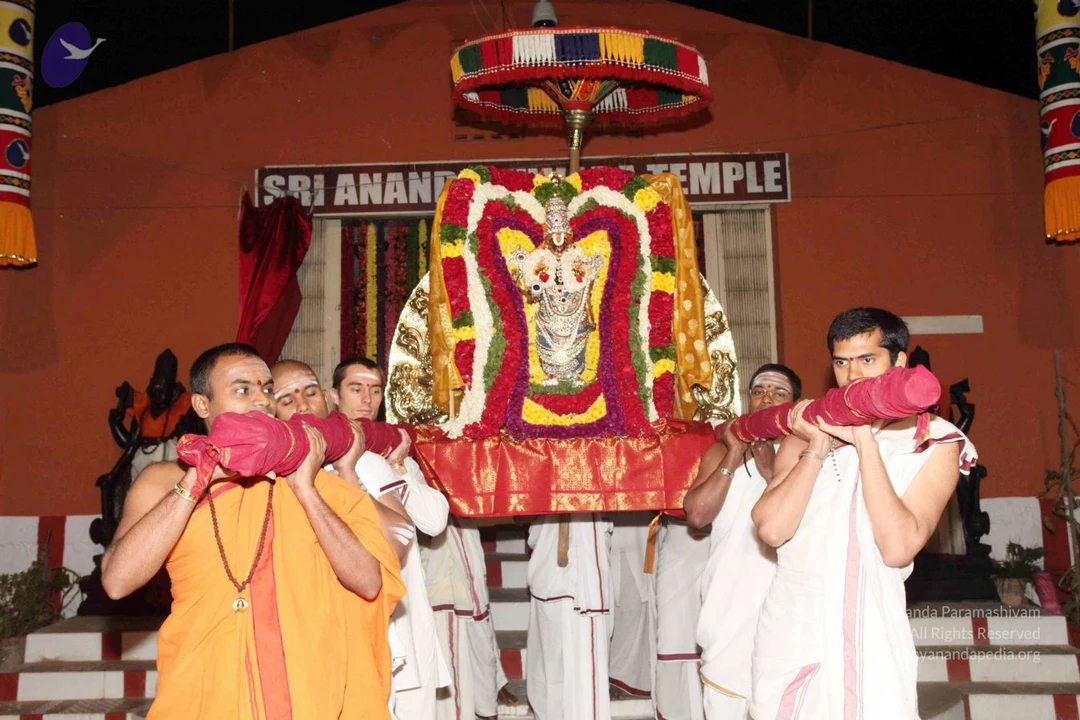
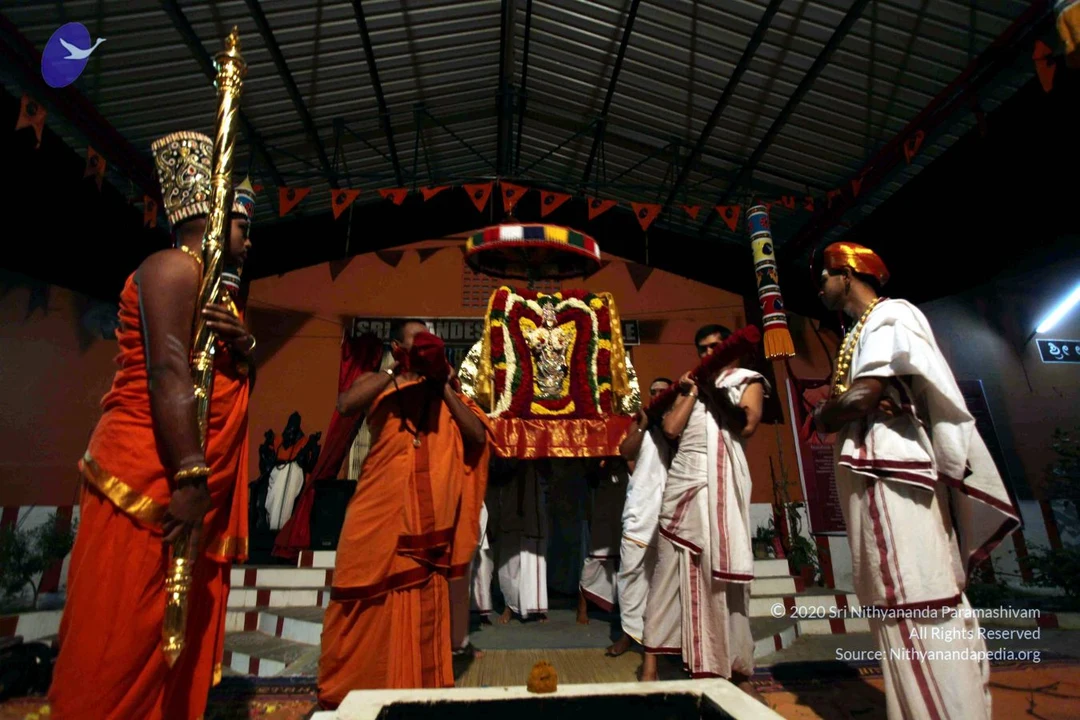
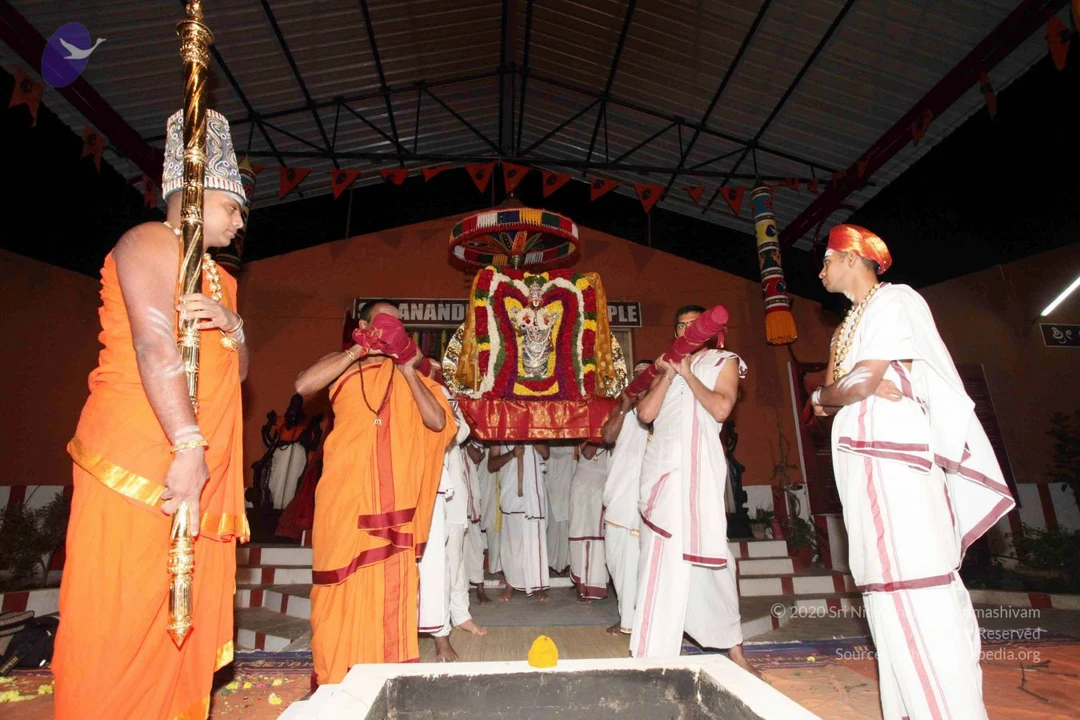
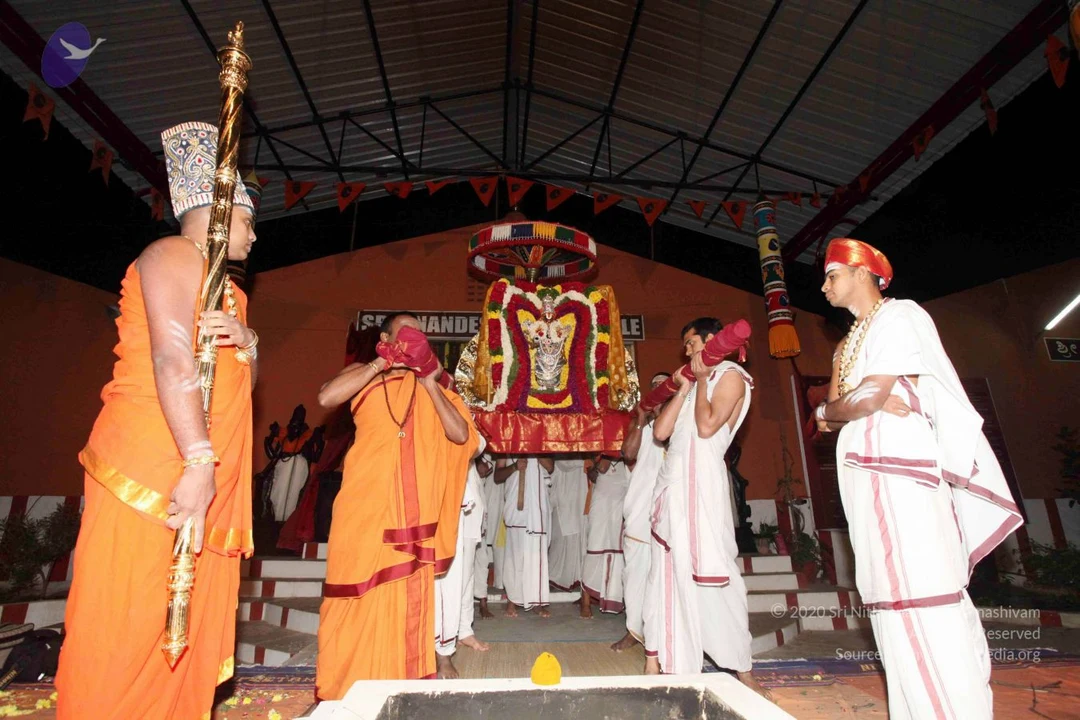
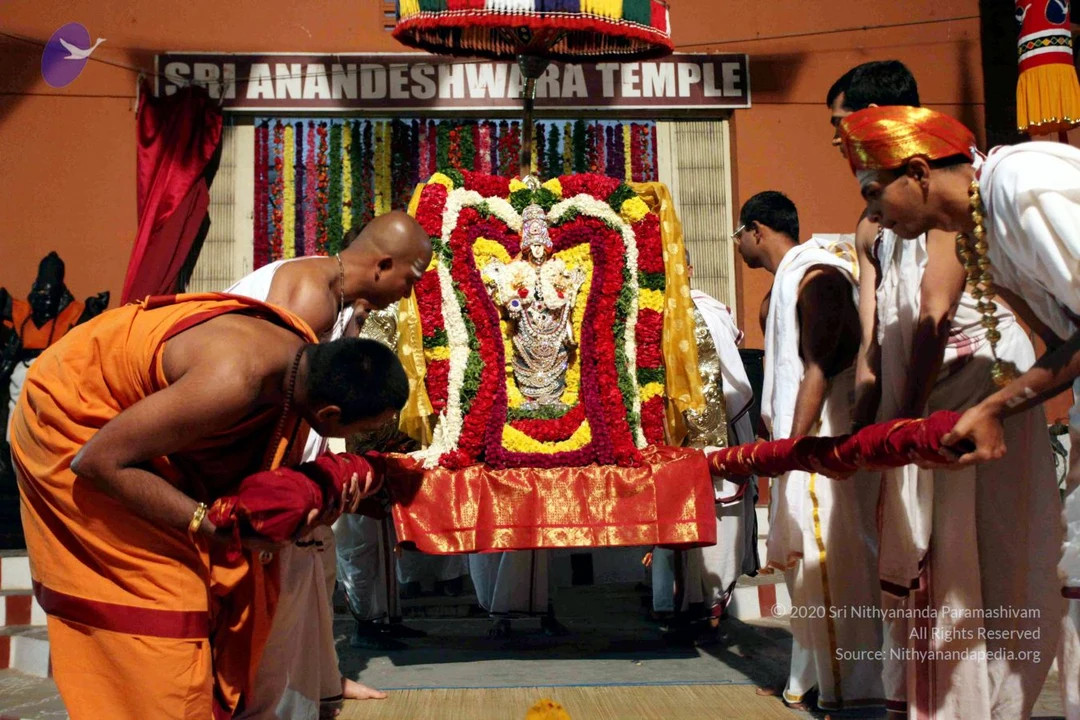
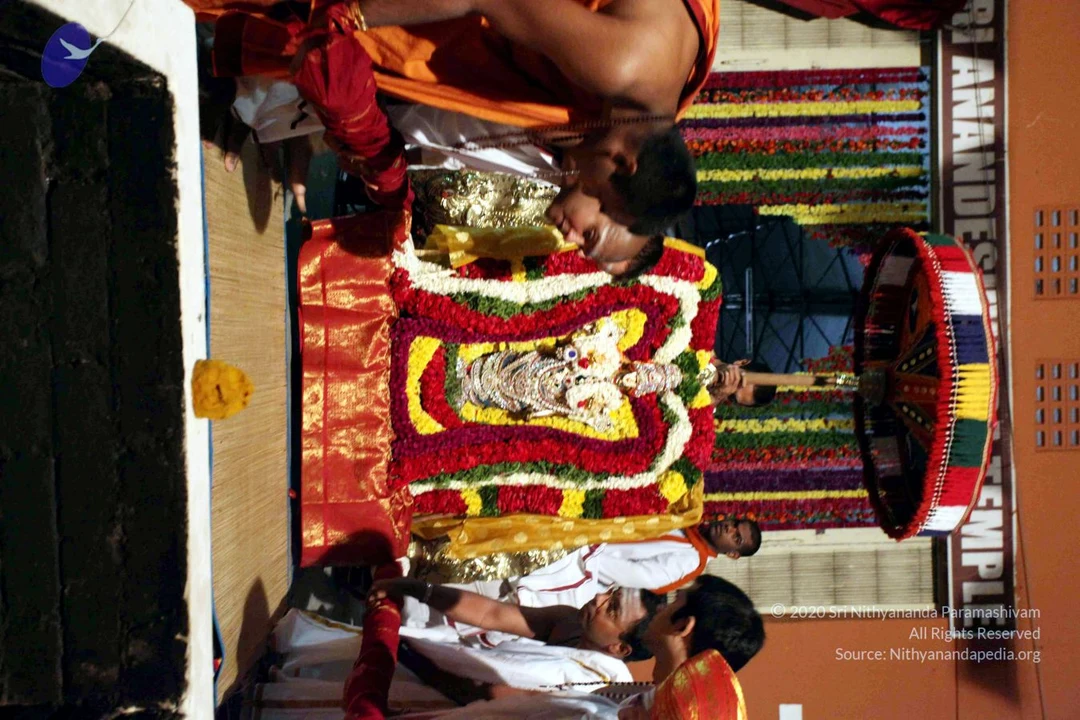
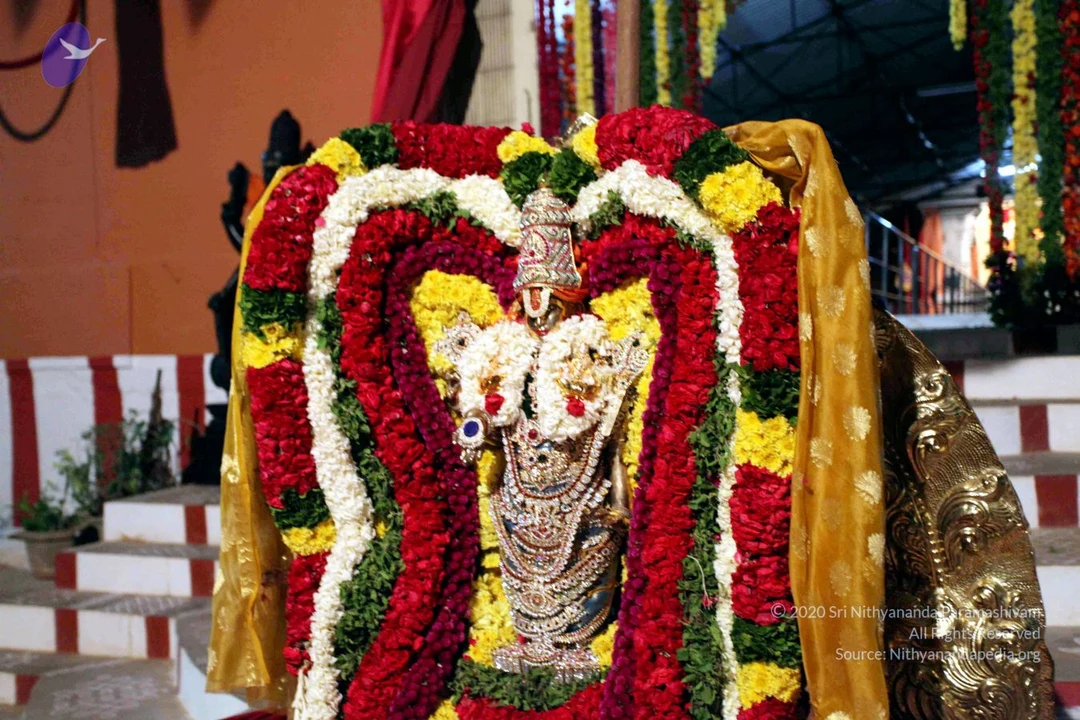
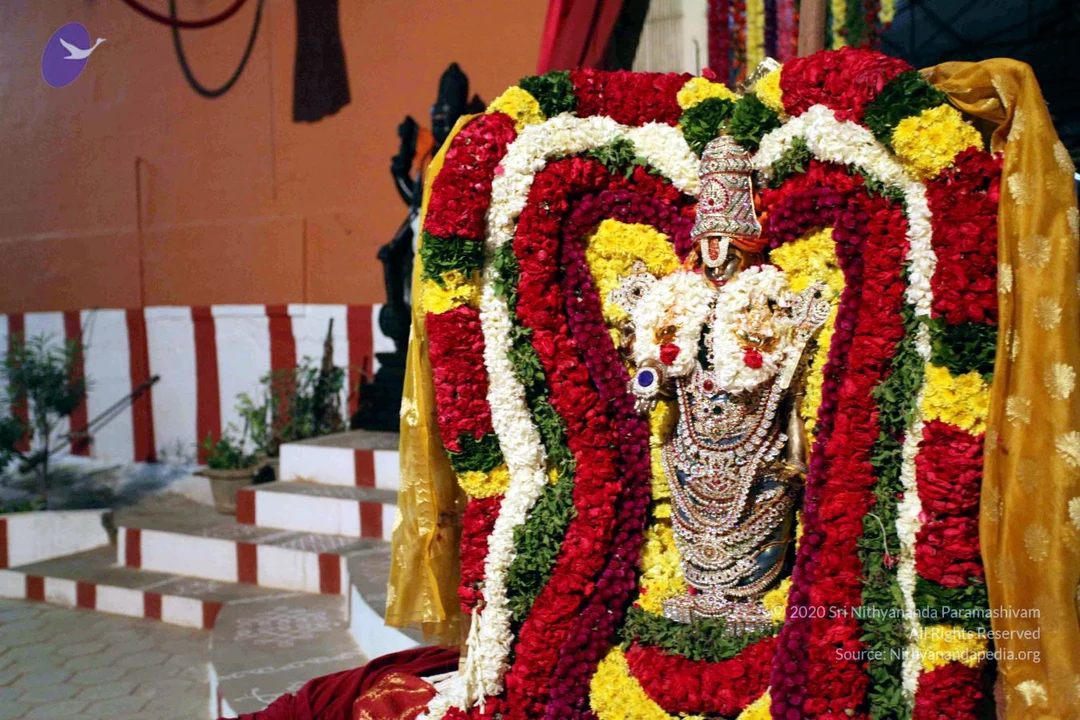
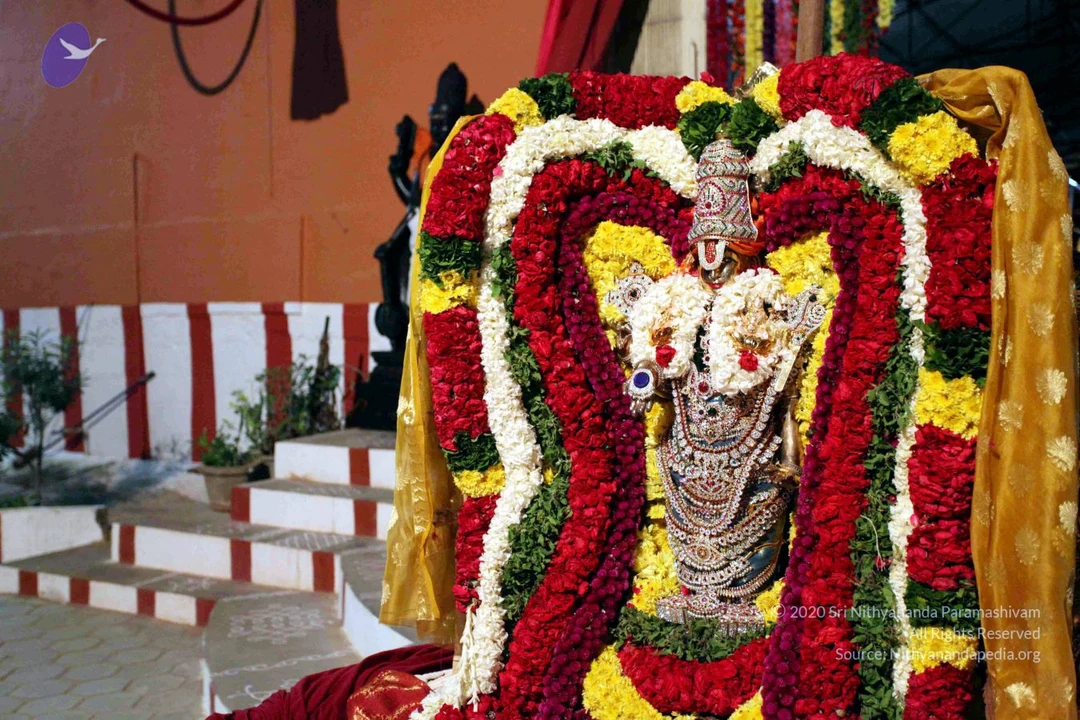
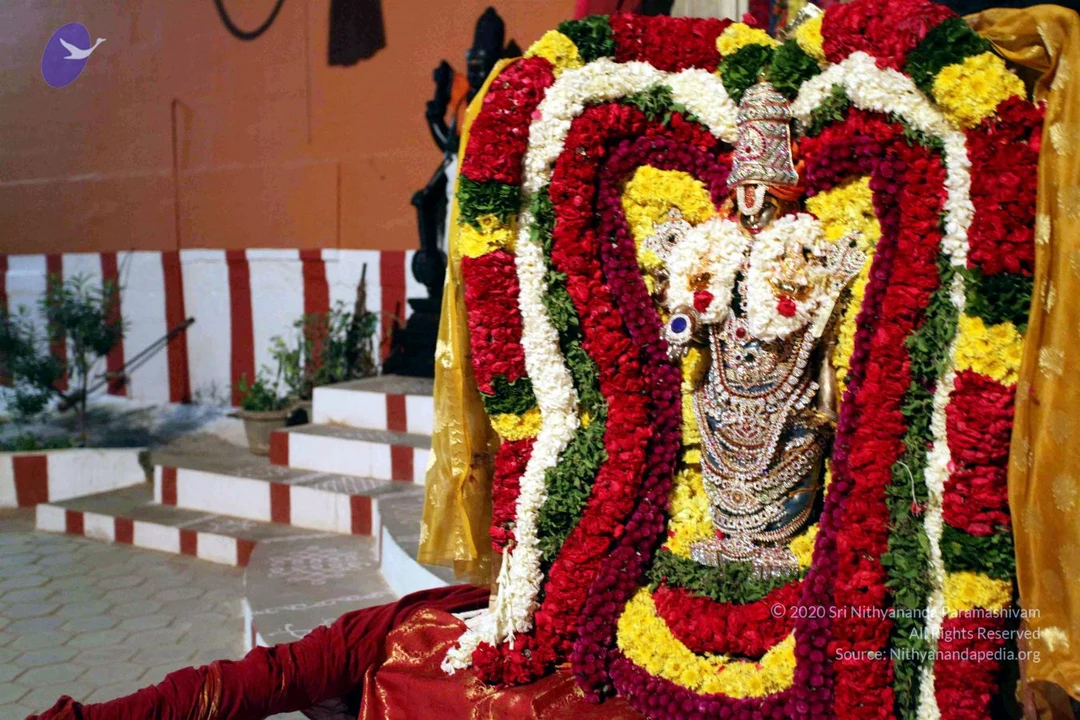
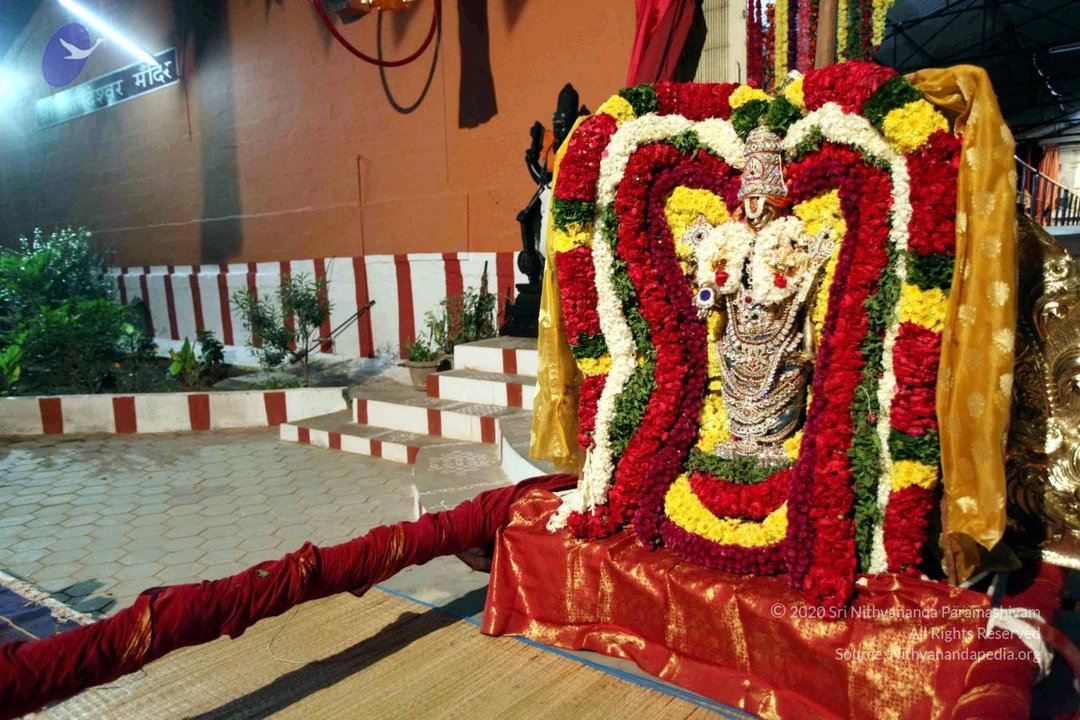
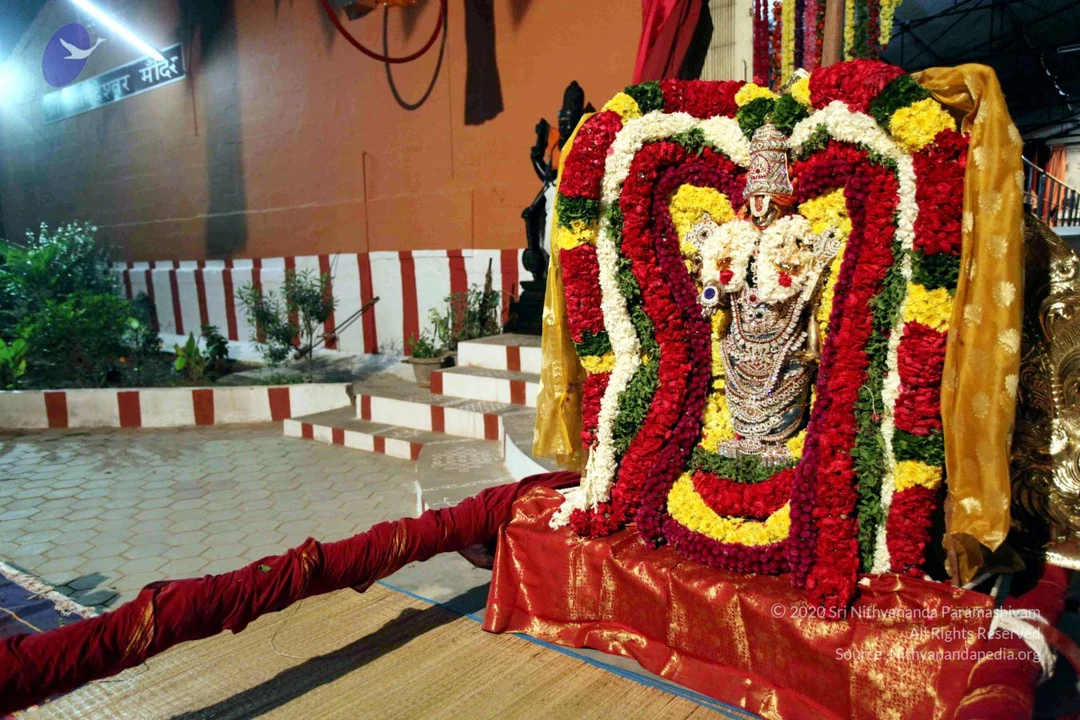
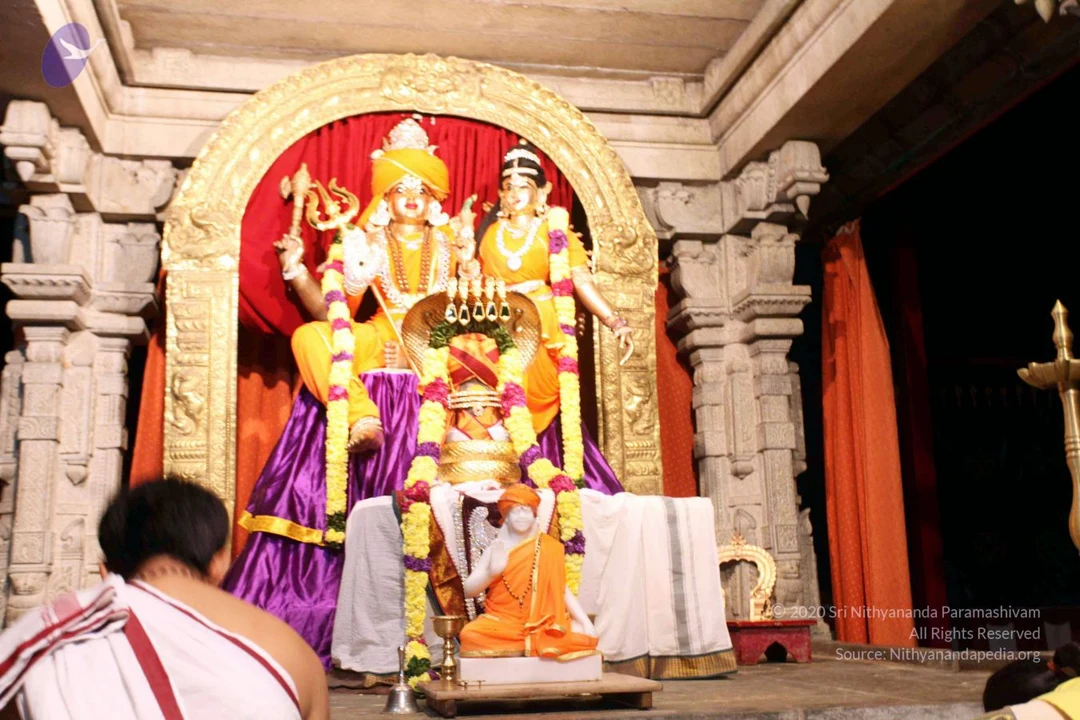
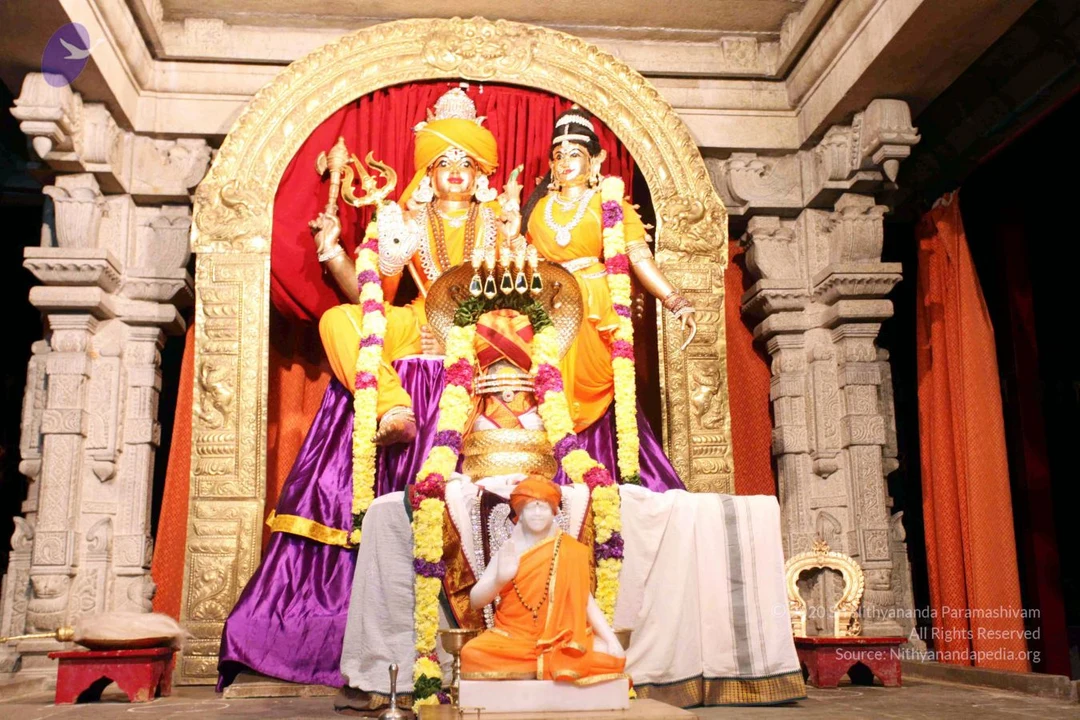
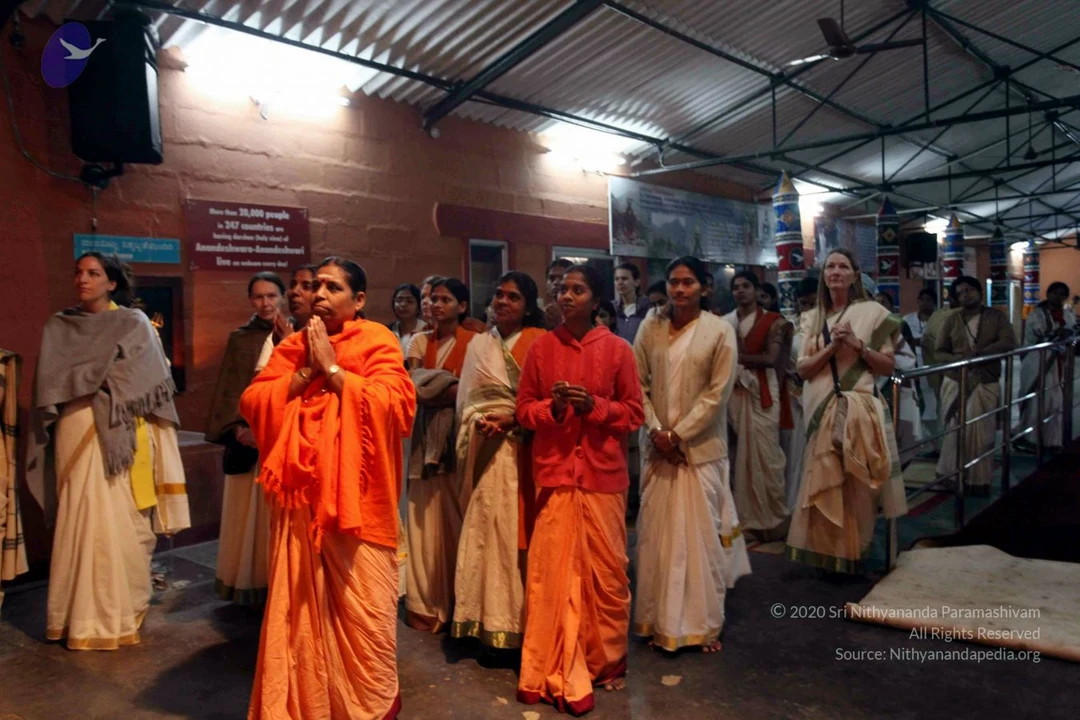
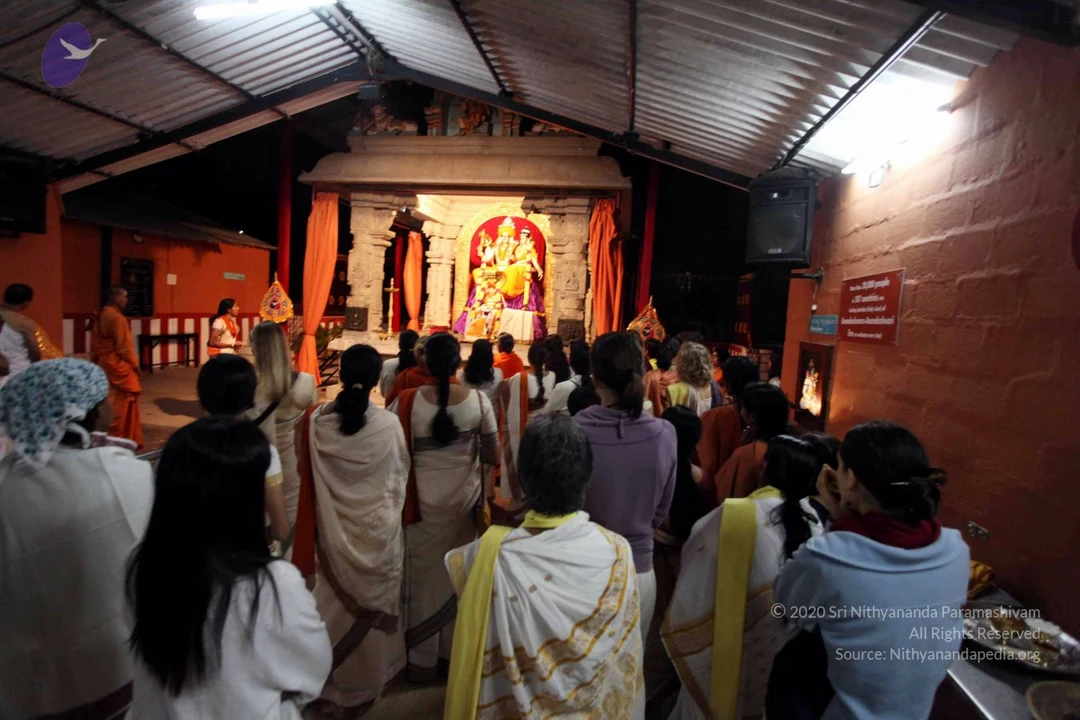
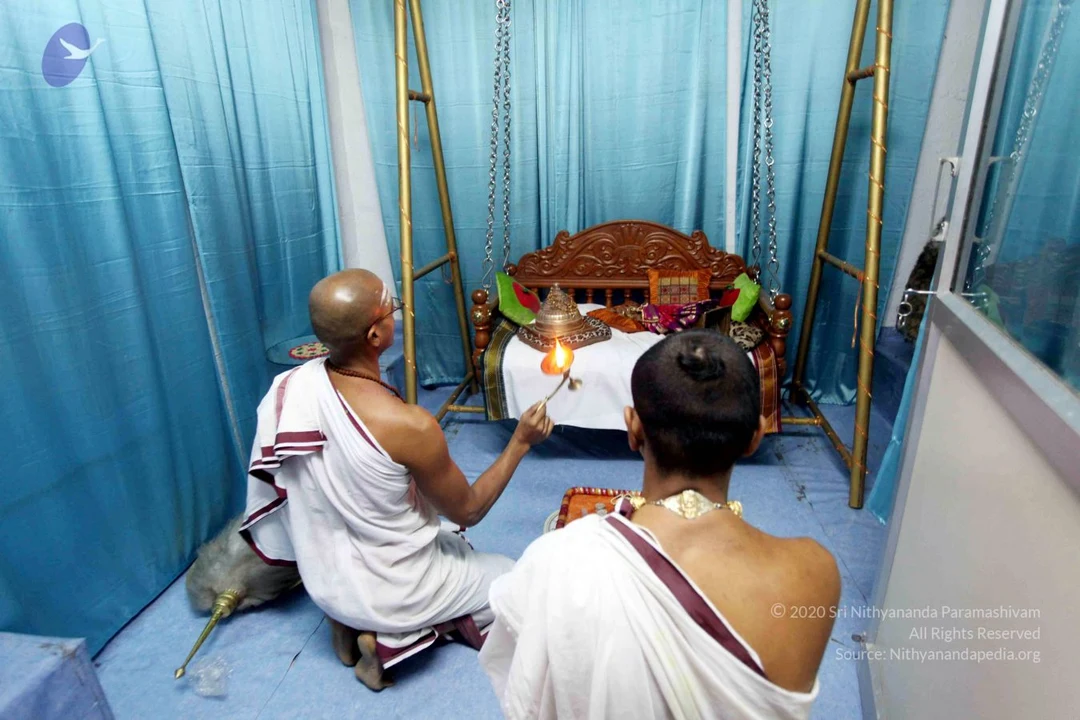
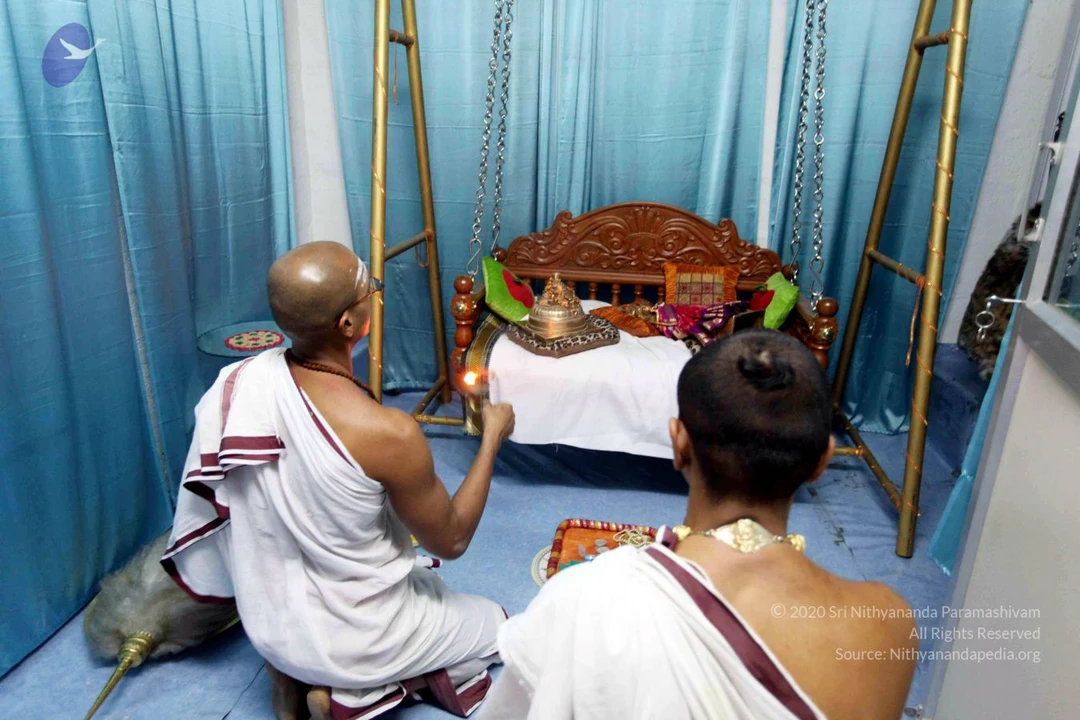
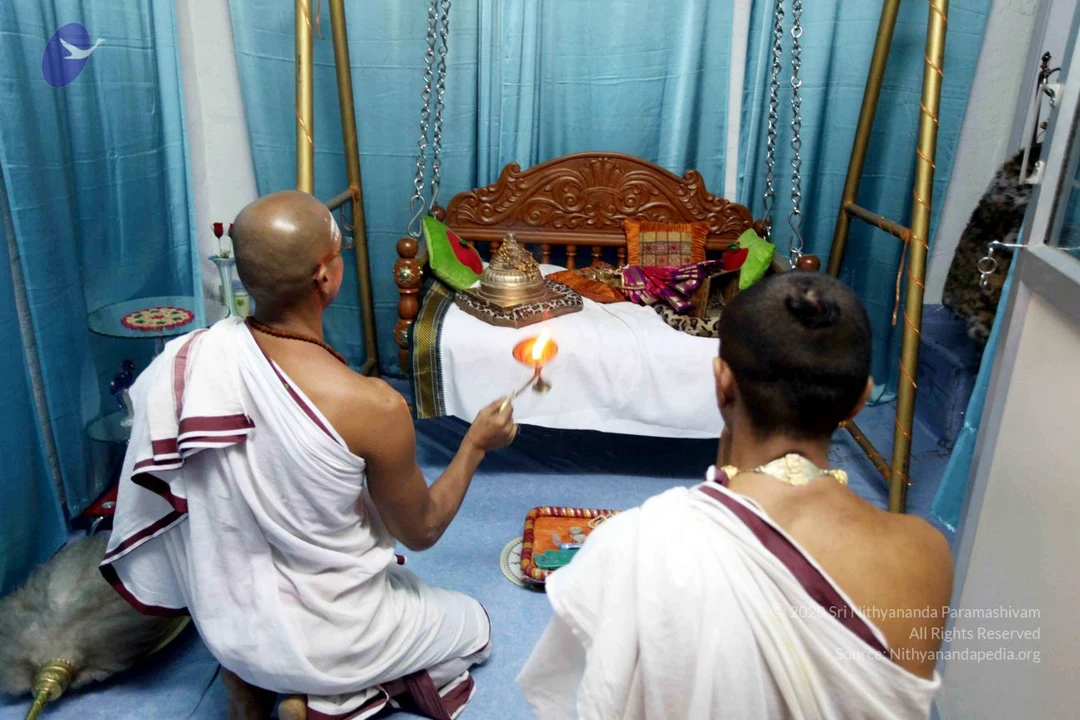
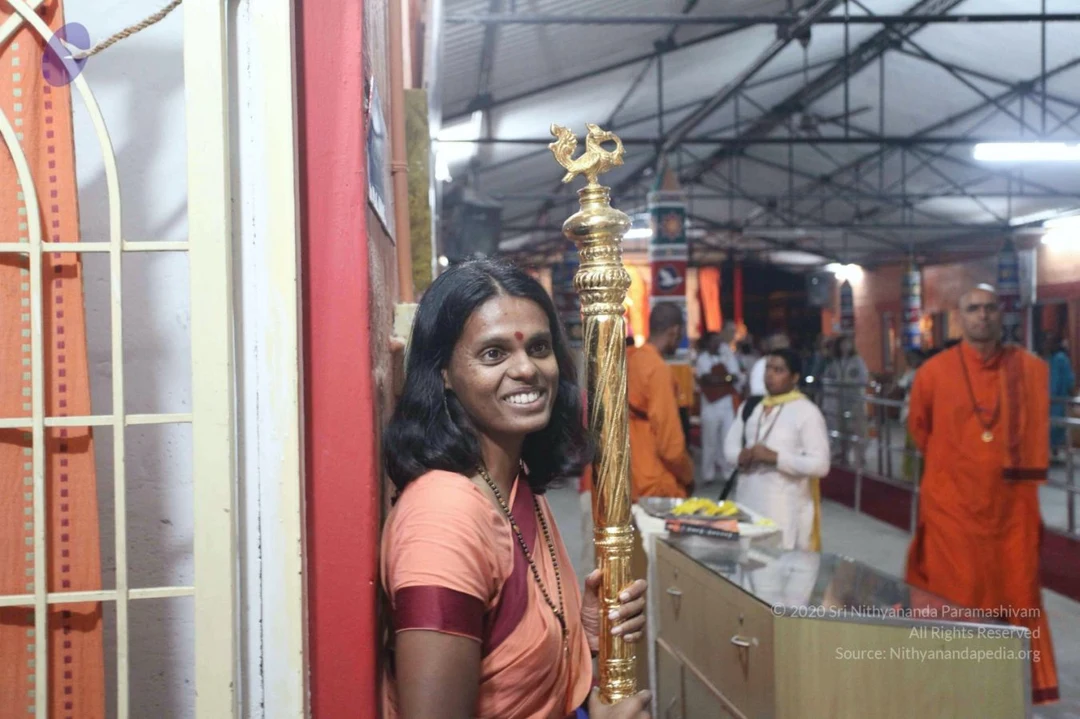
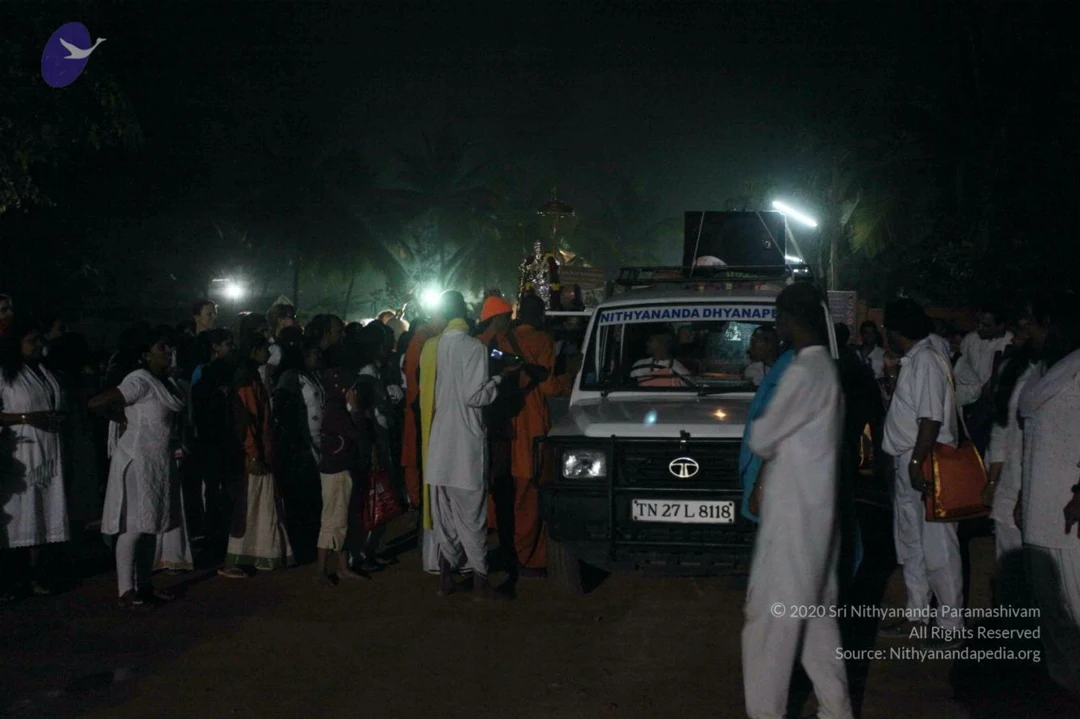
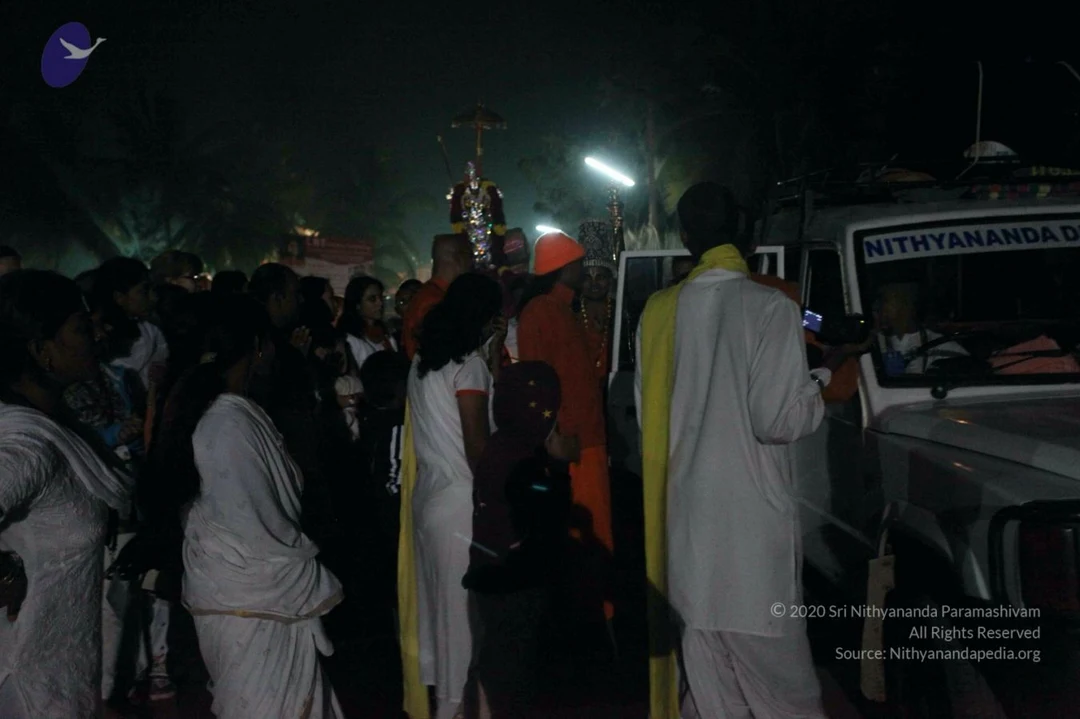
Bidadi-Temple-Utsava-Murthy
1-En-Genius-LE-Activity
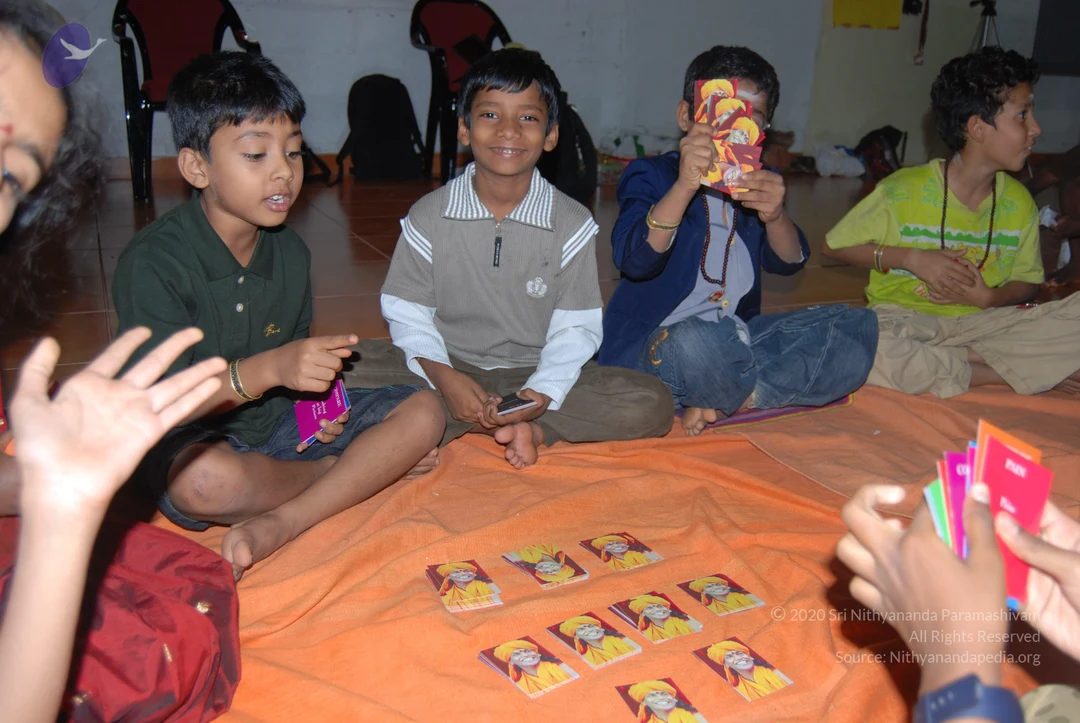
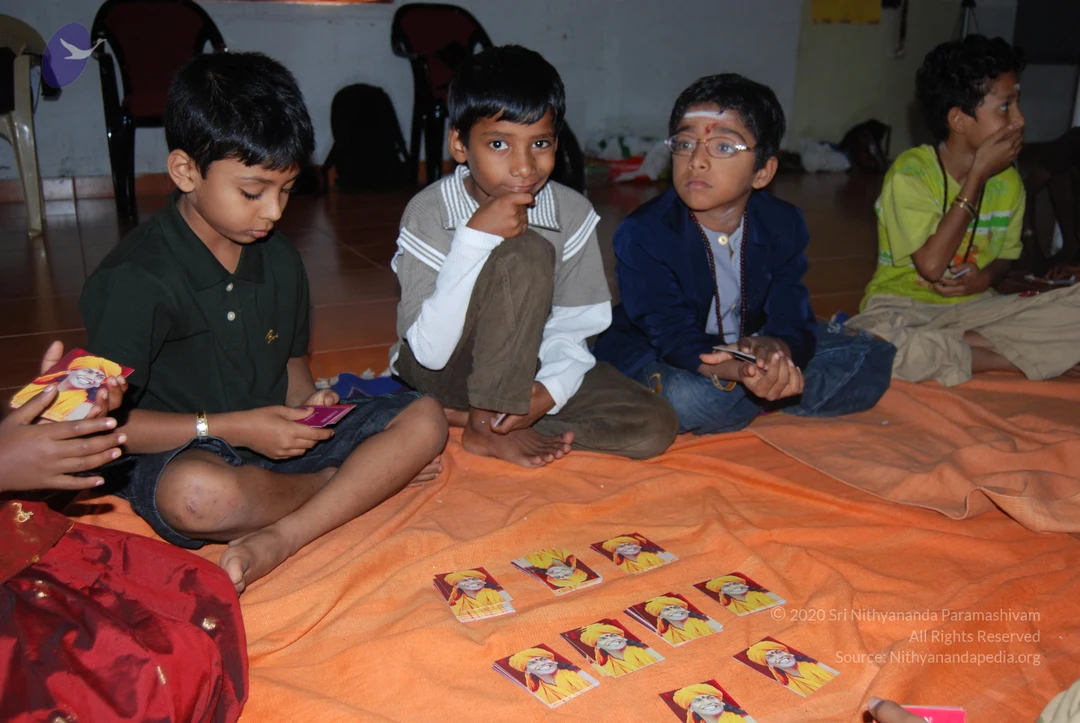
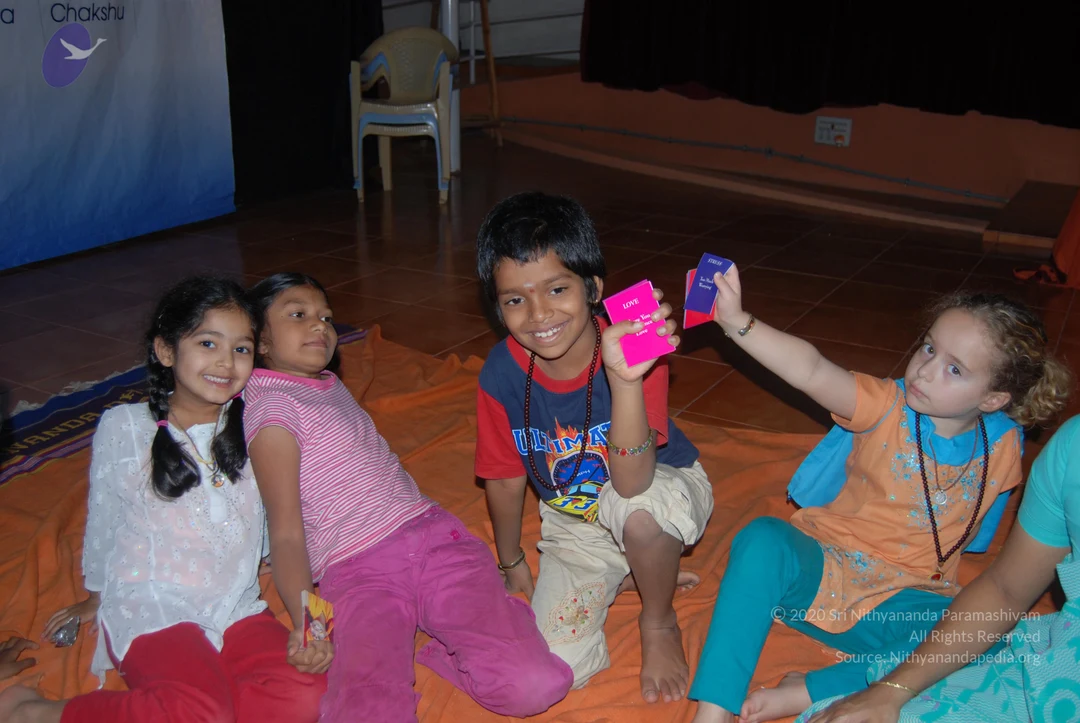
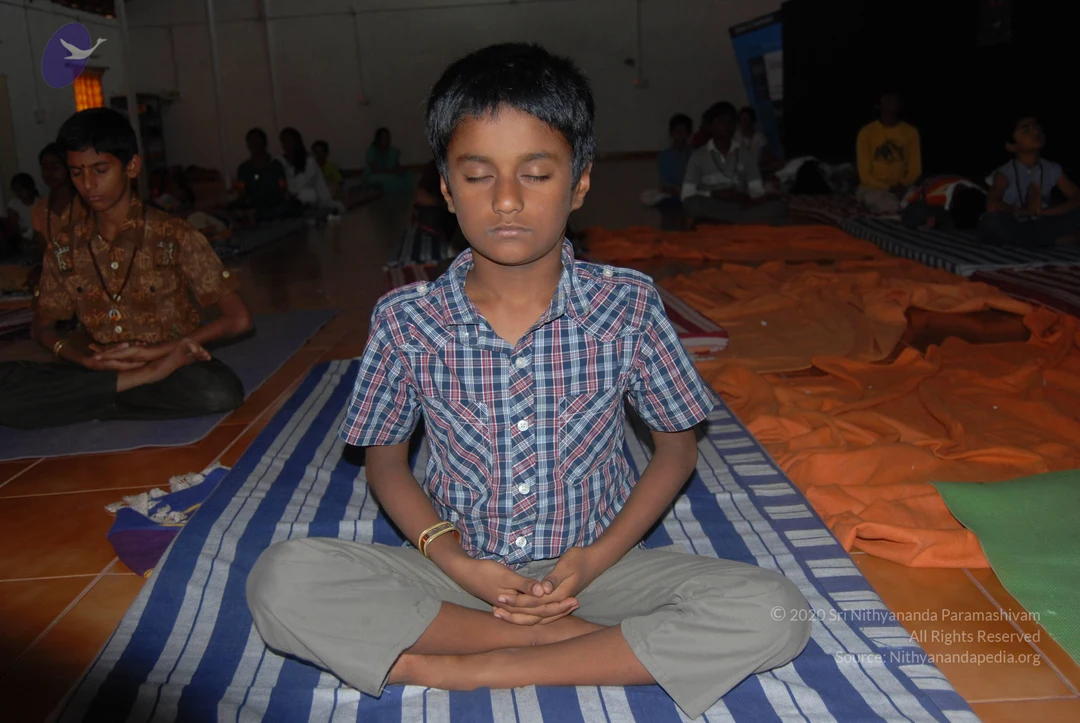
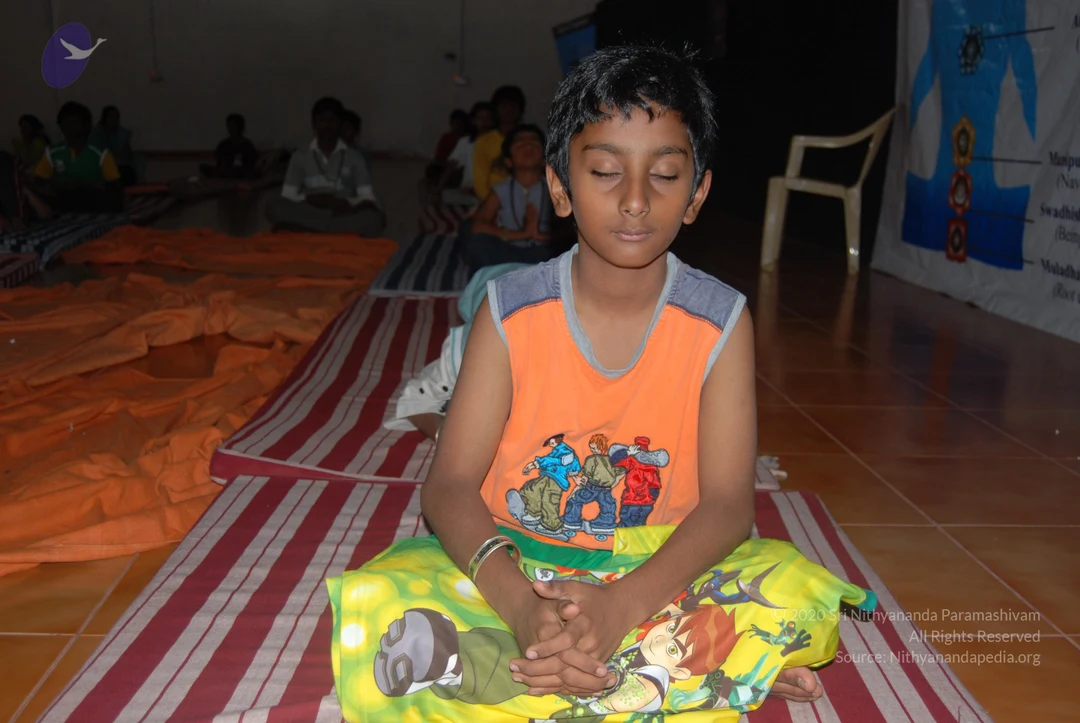
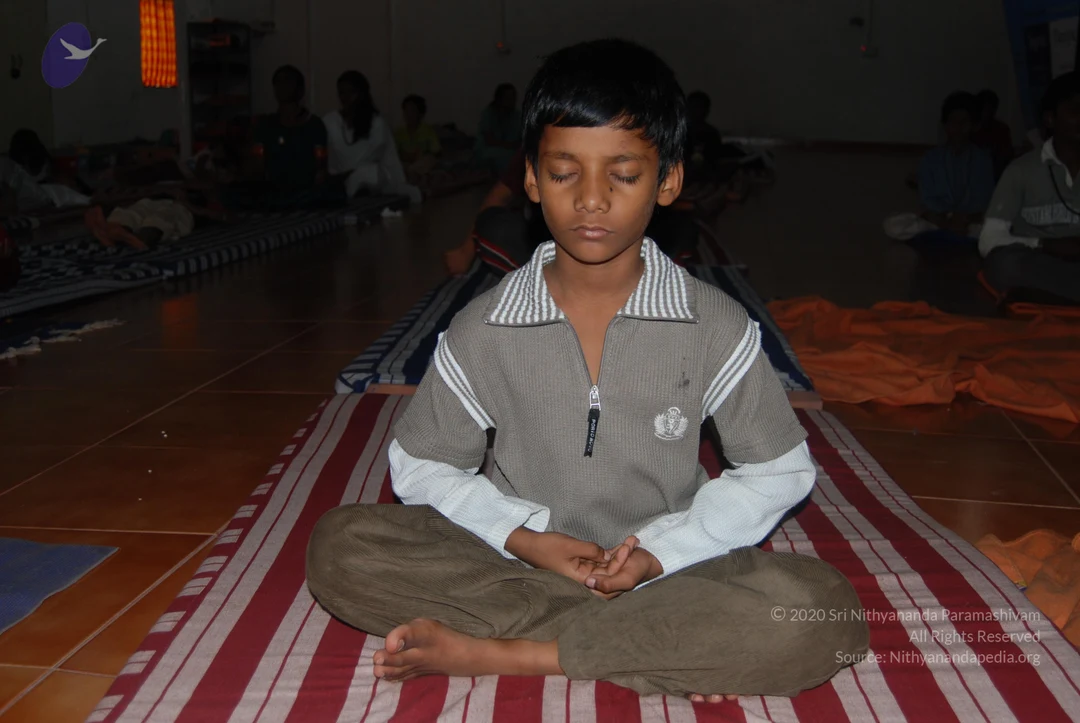
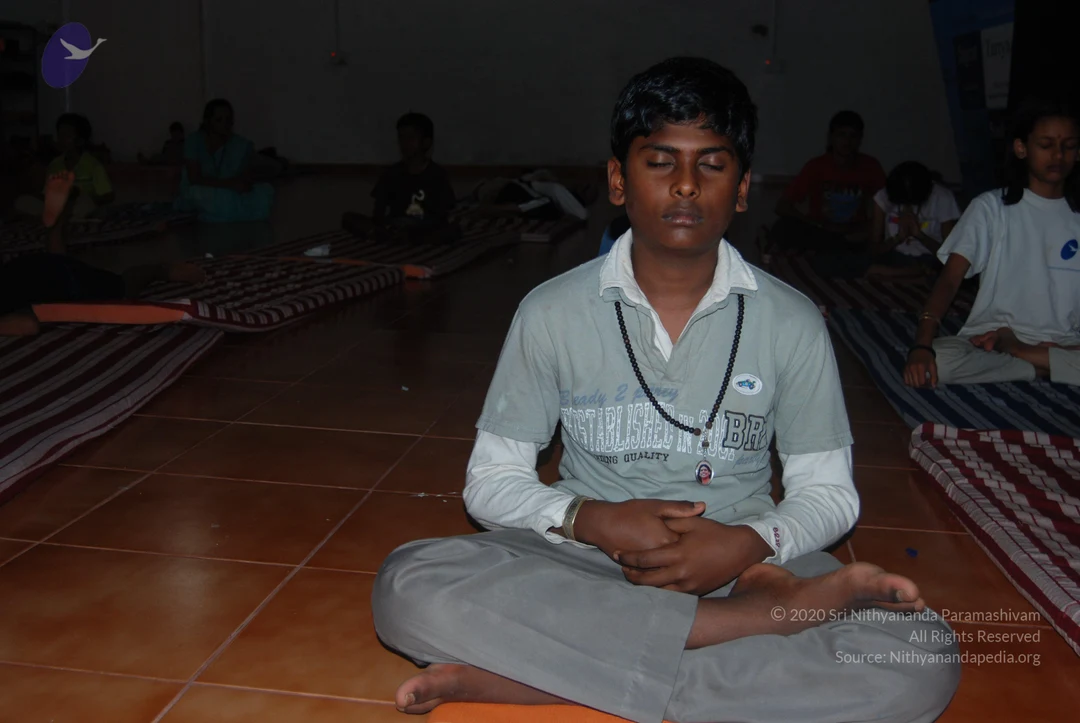
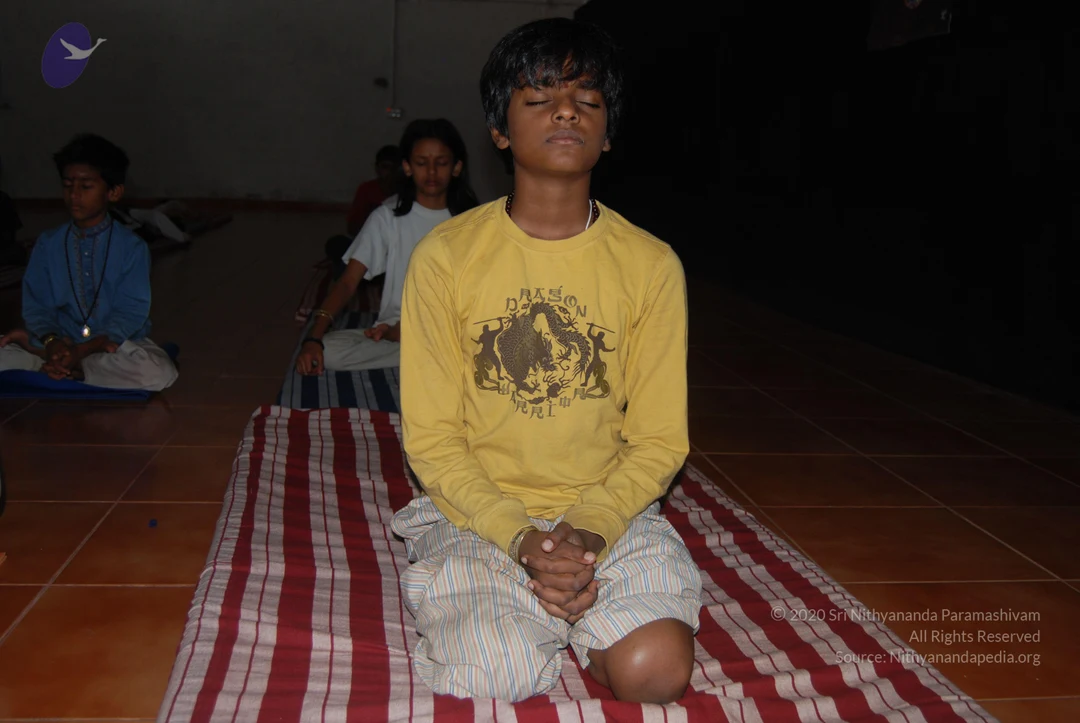
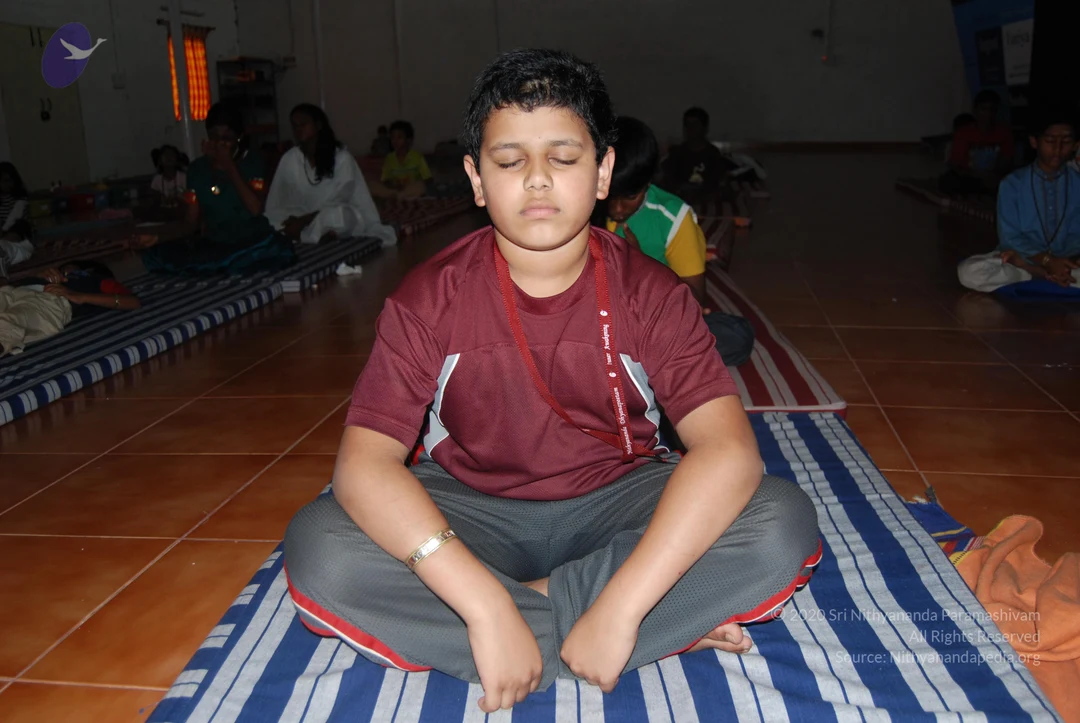
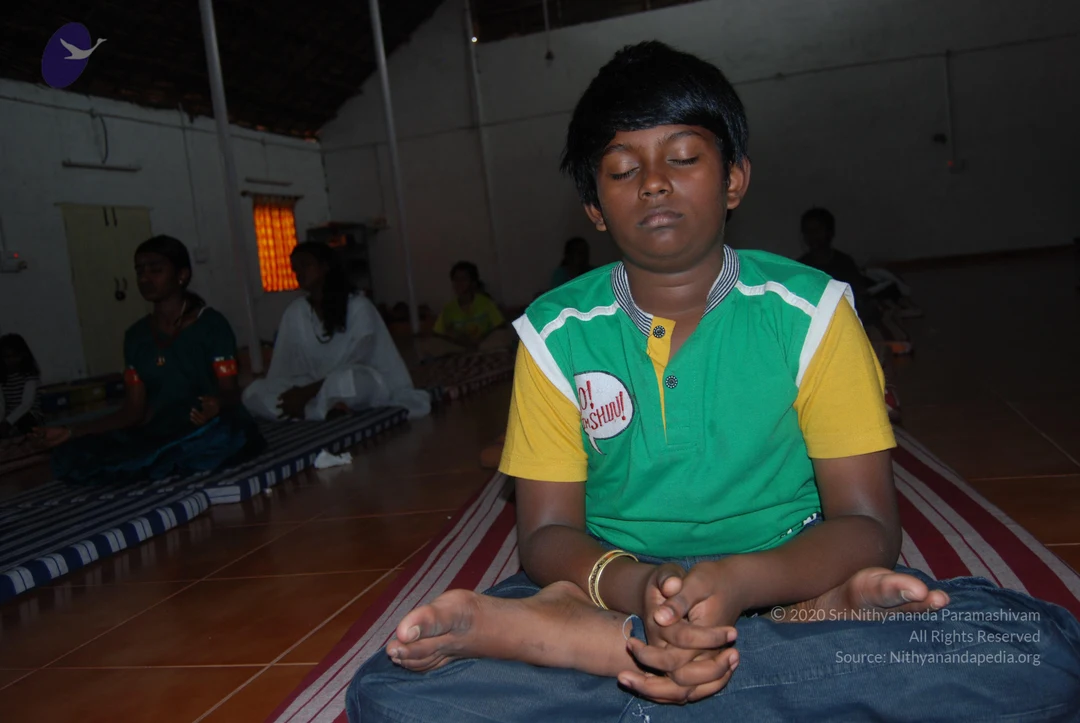
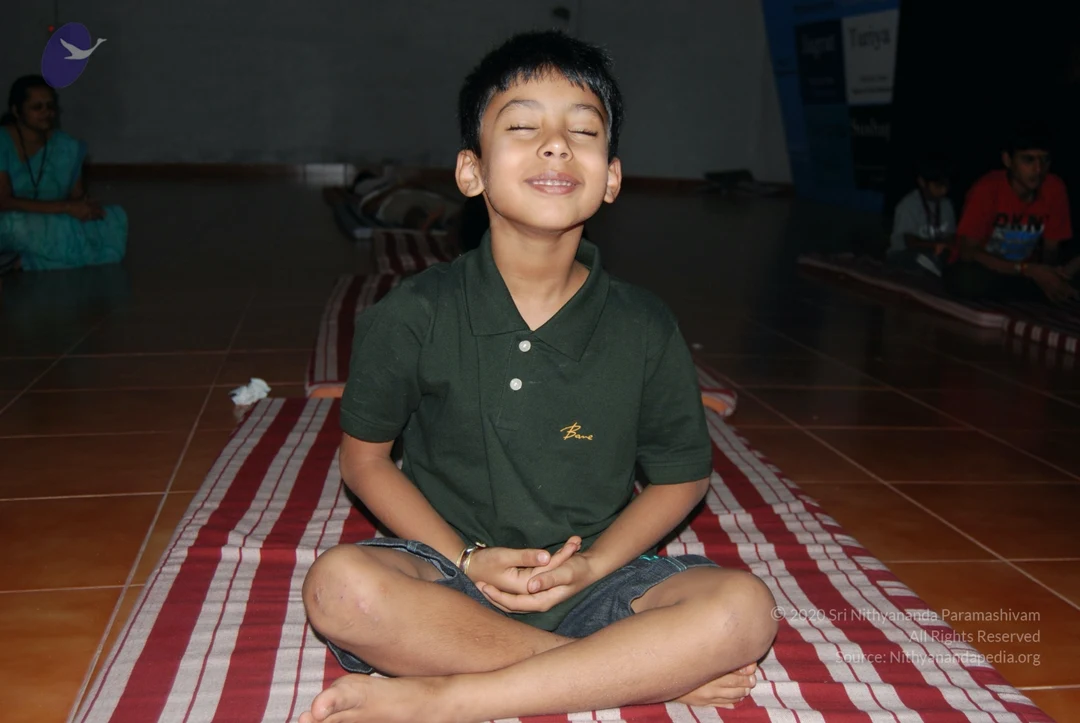
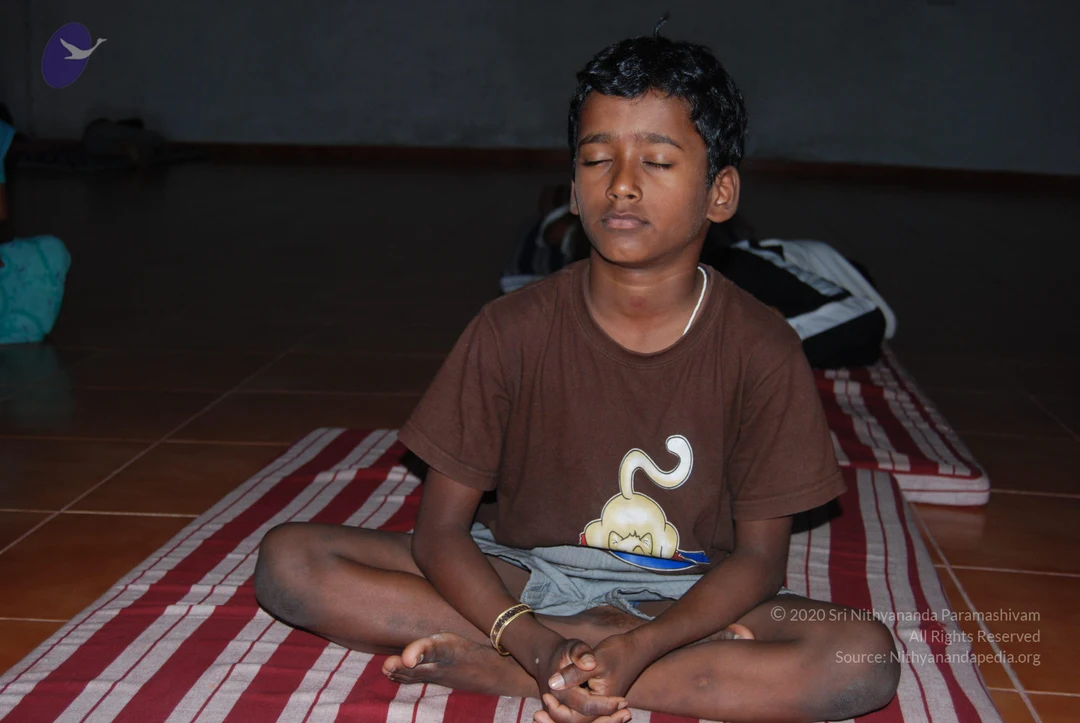
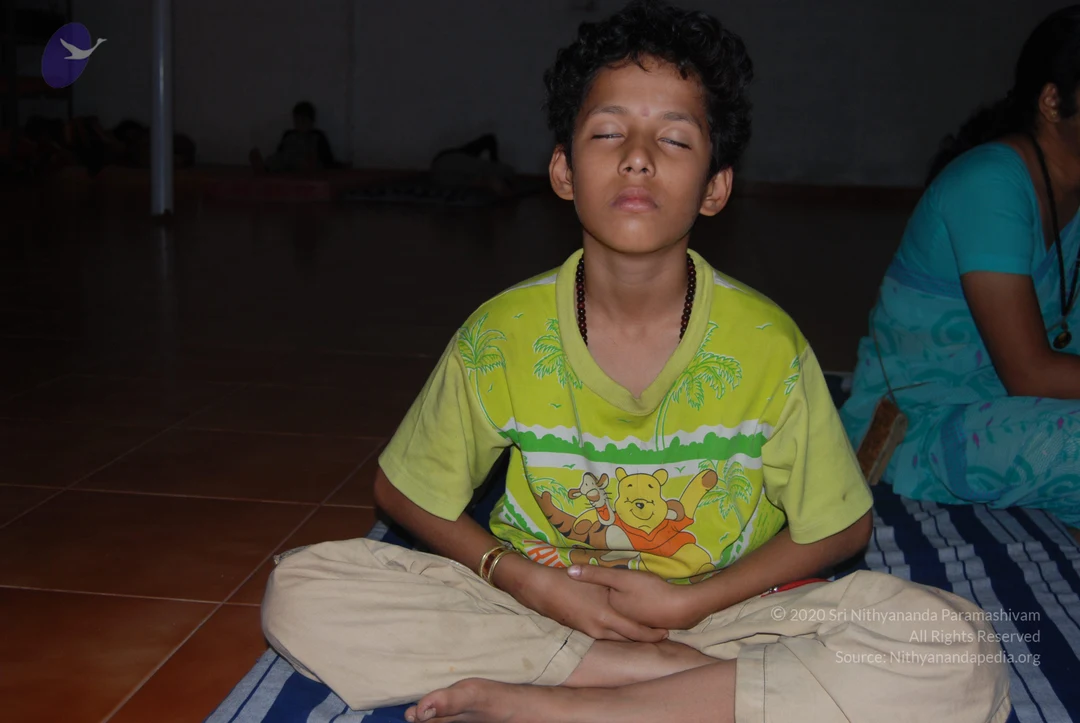
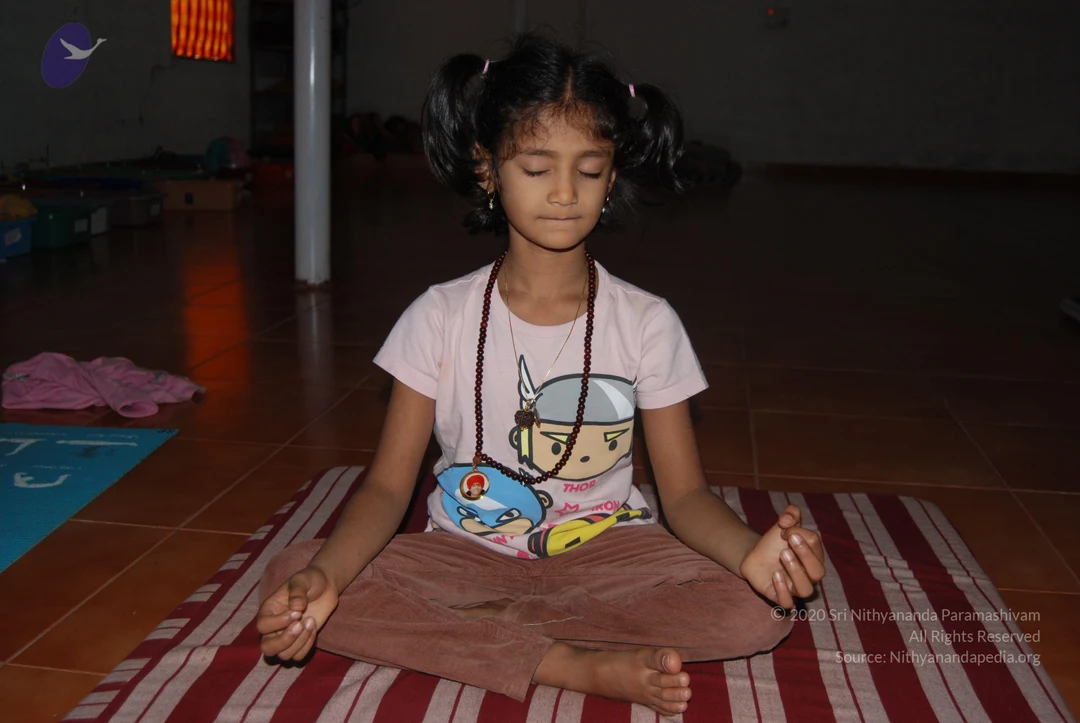
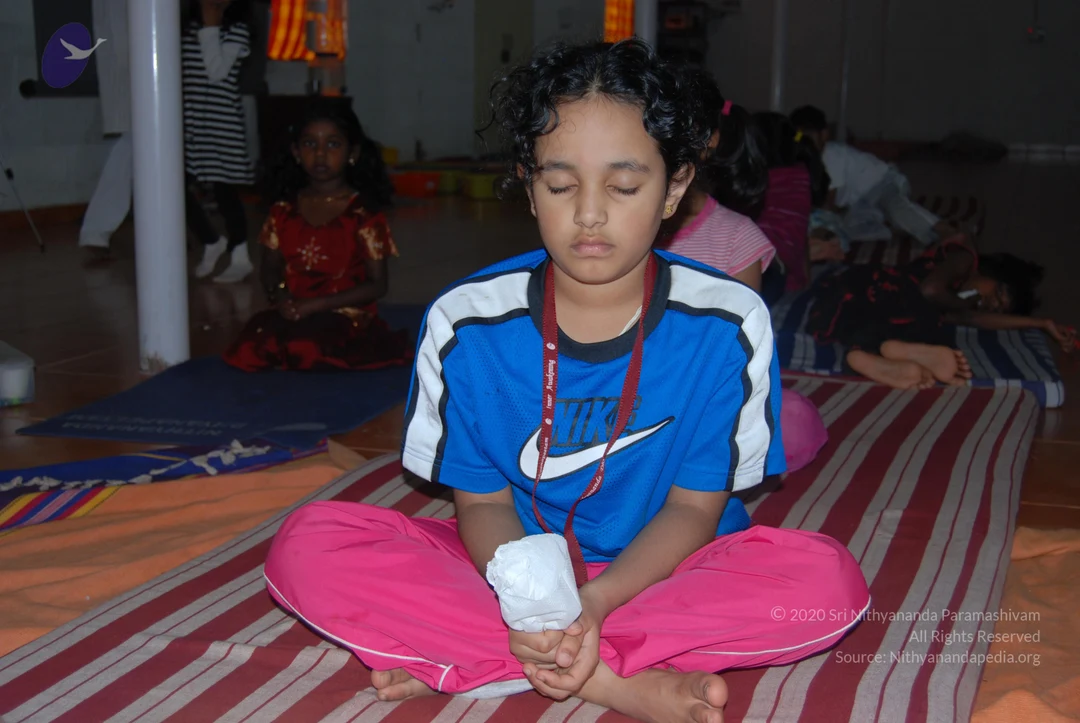
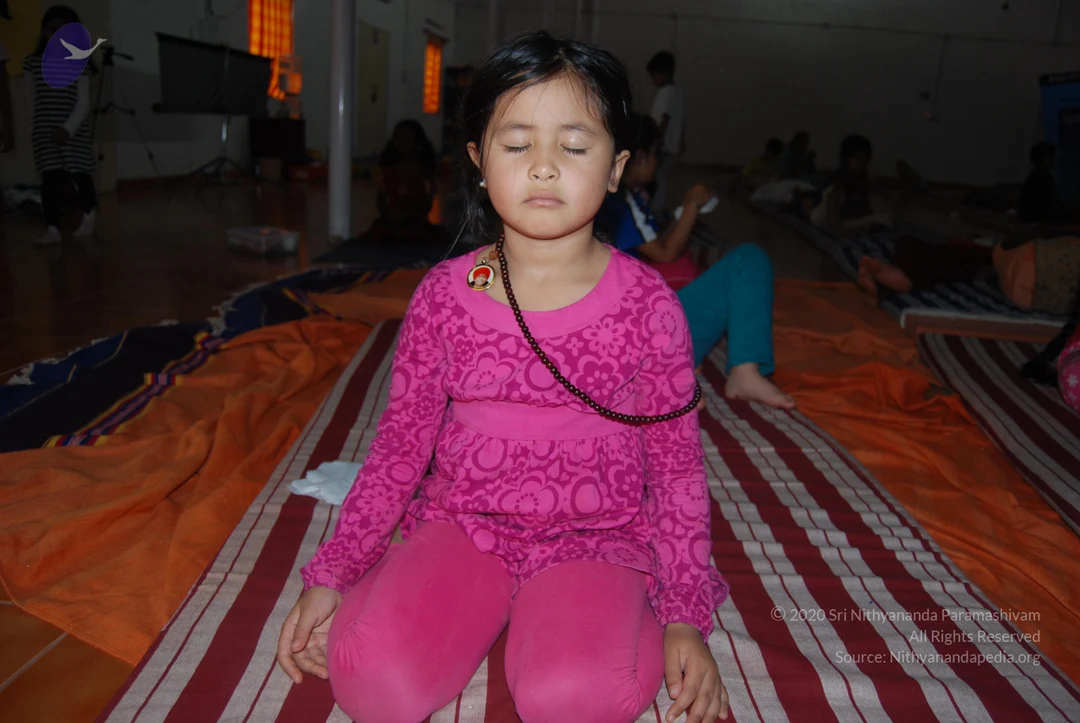
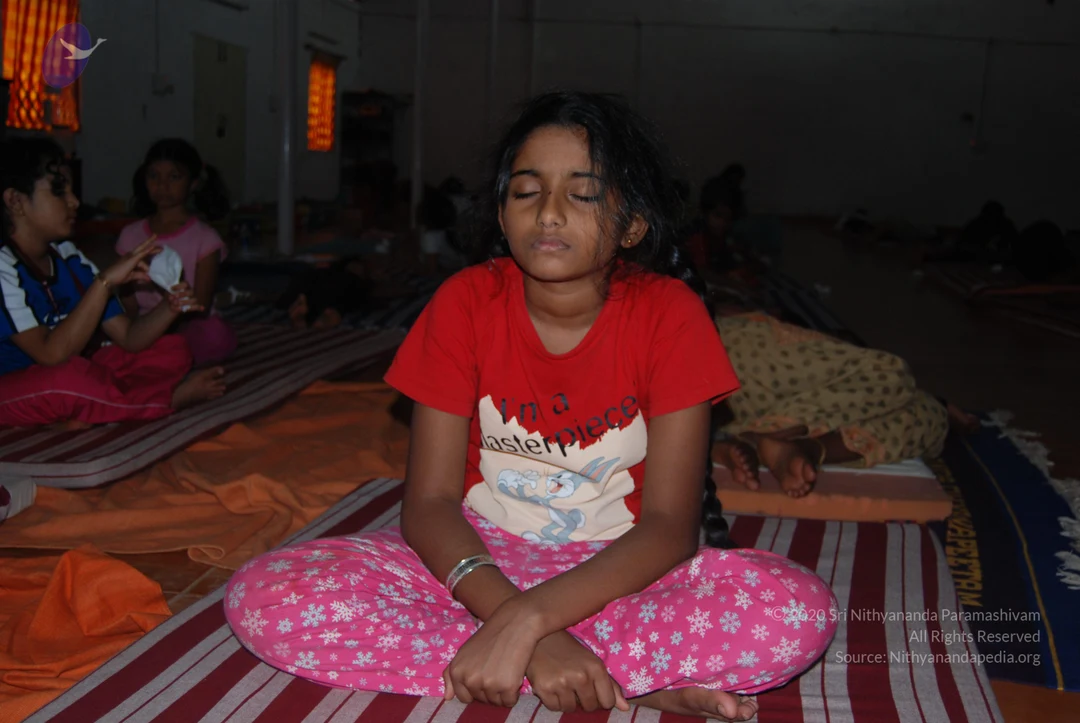
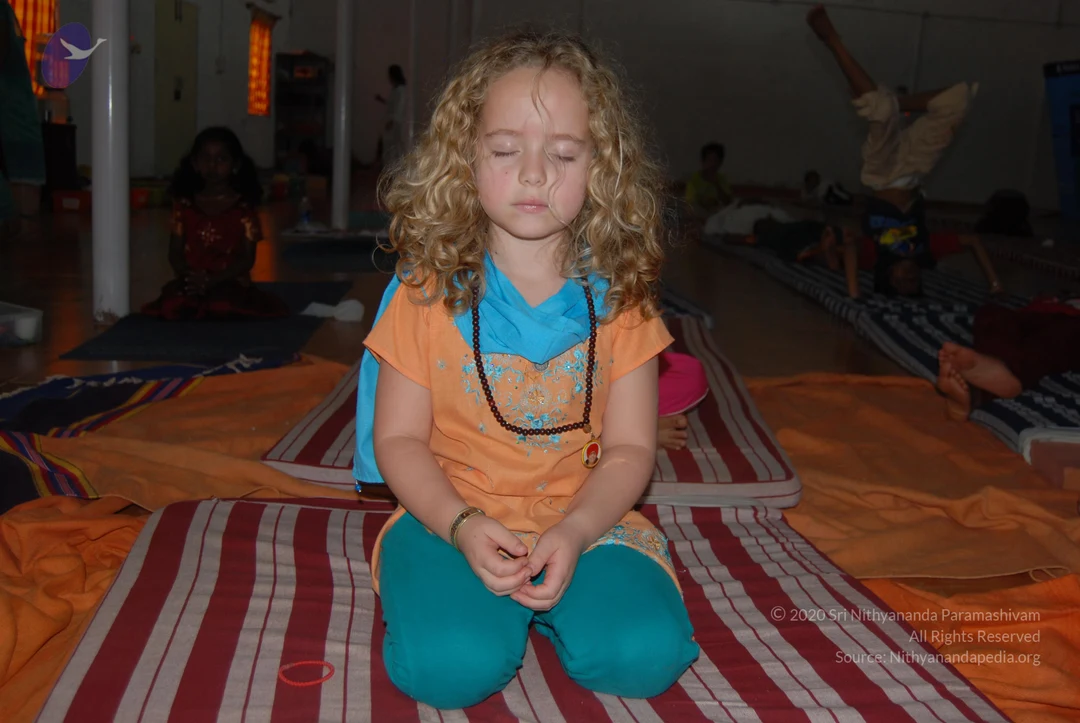
2-En-Genius-Meditation
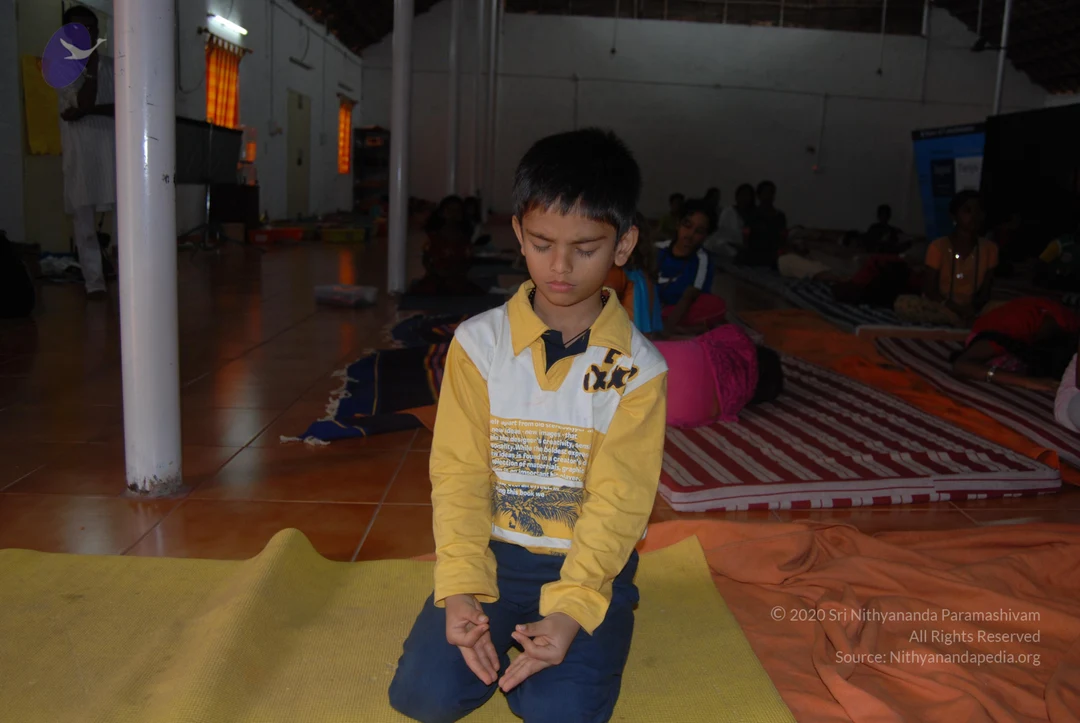
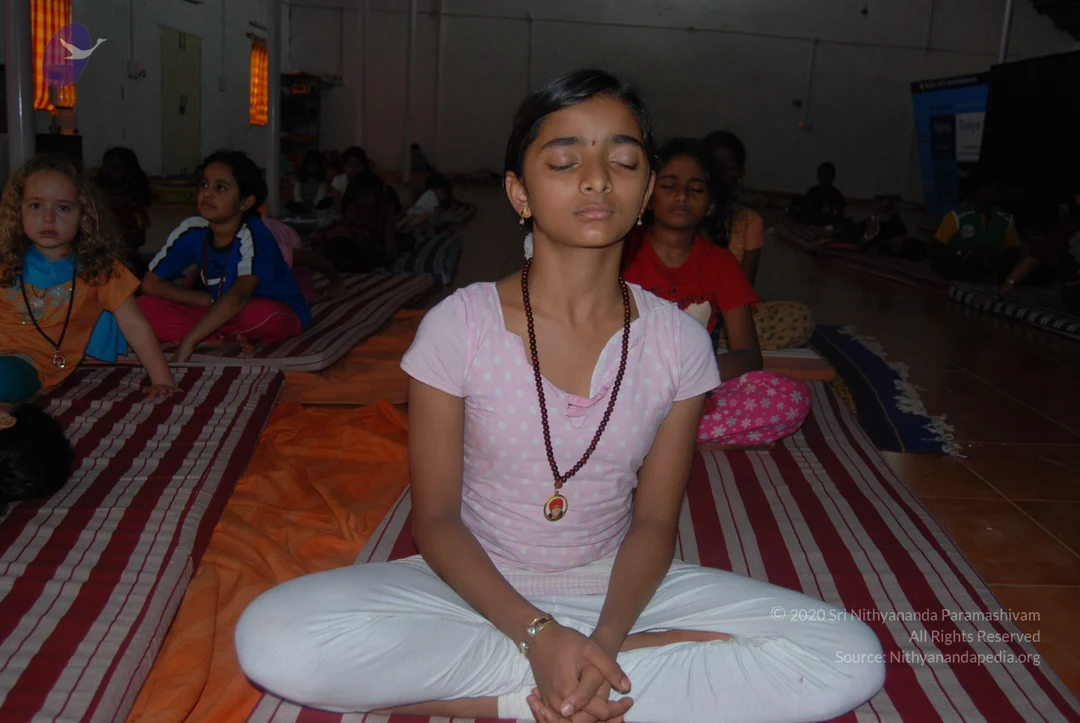
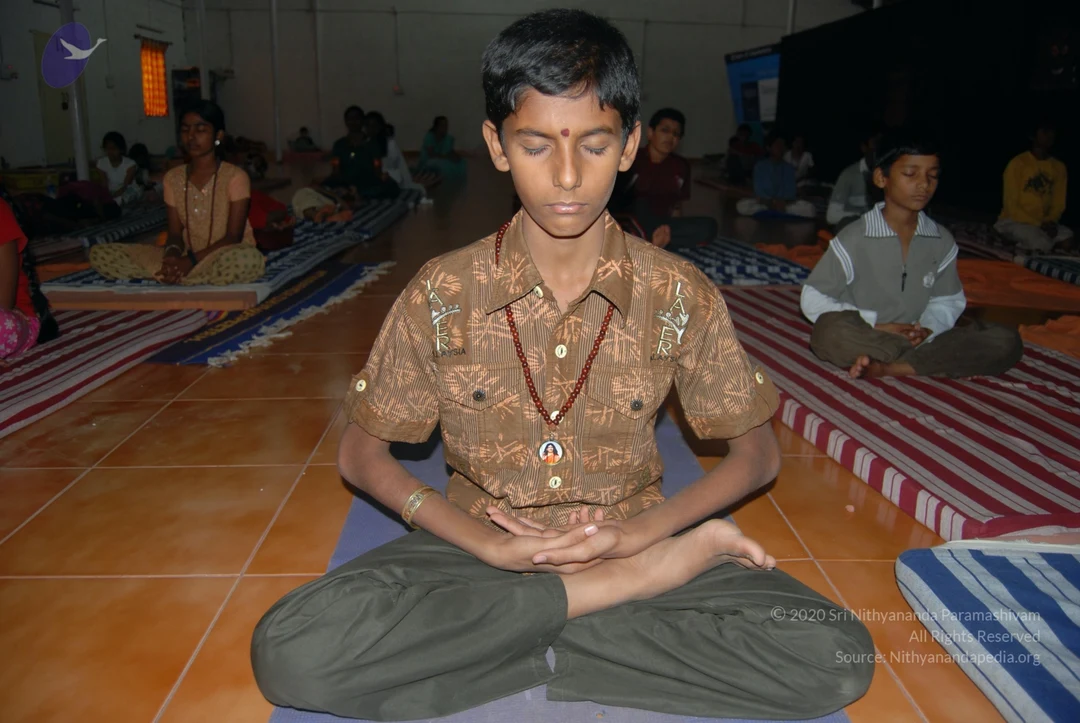
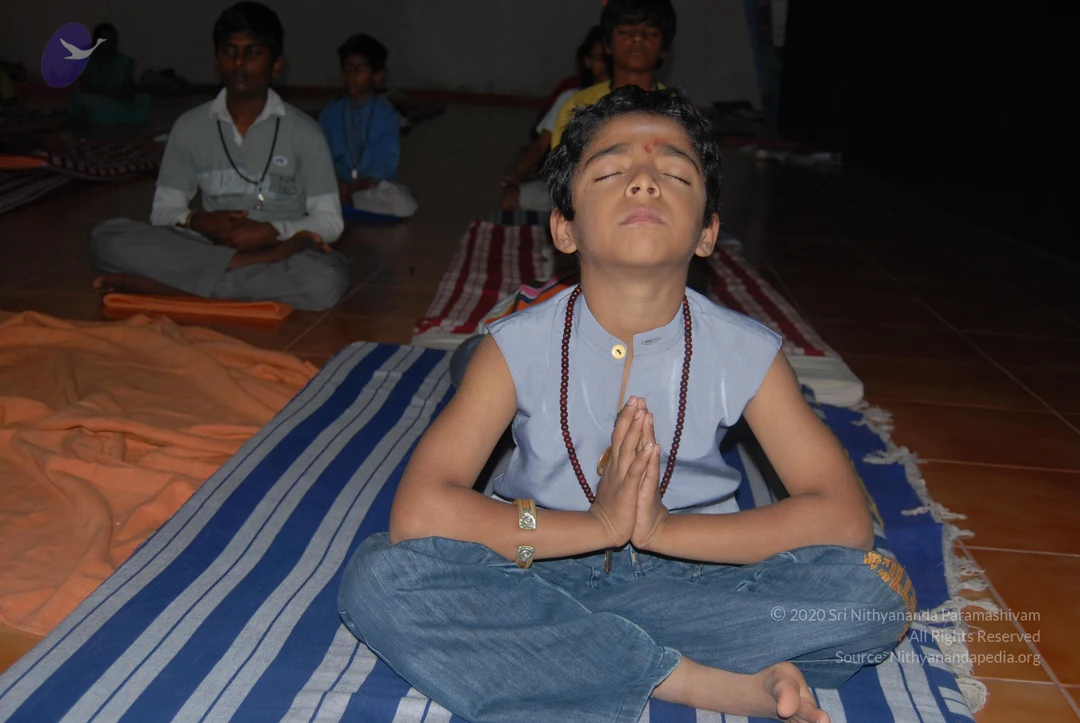
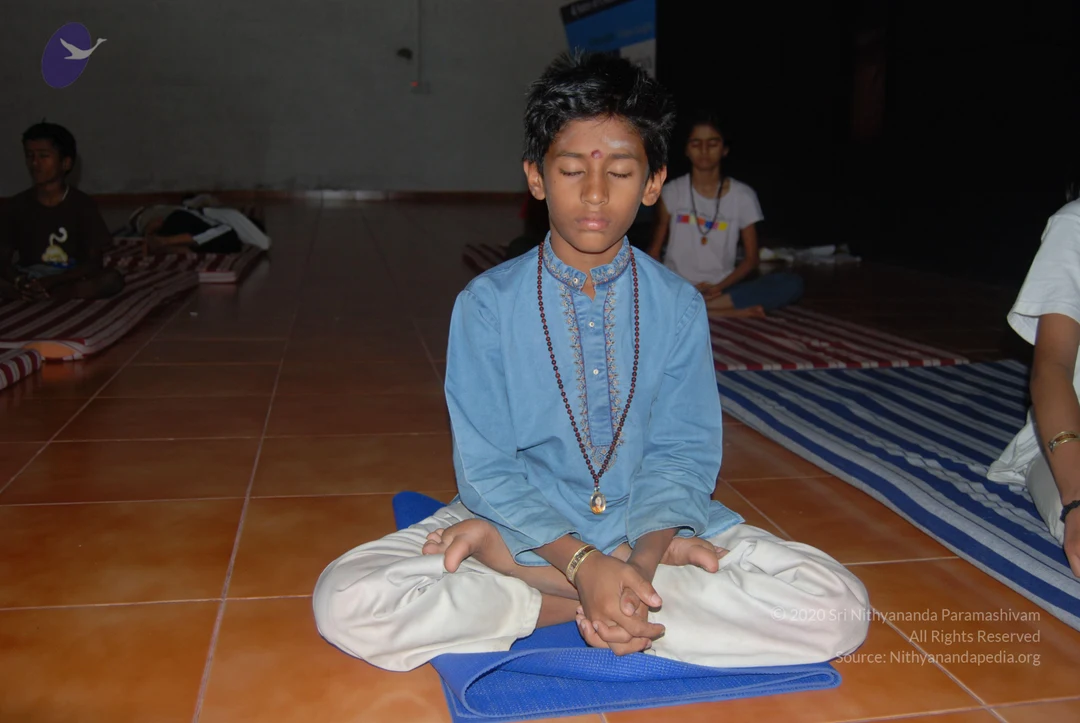
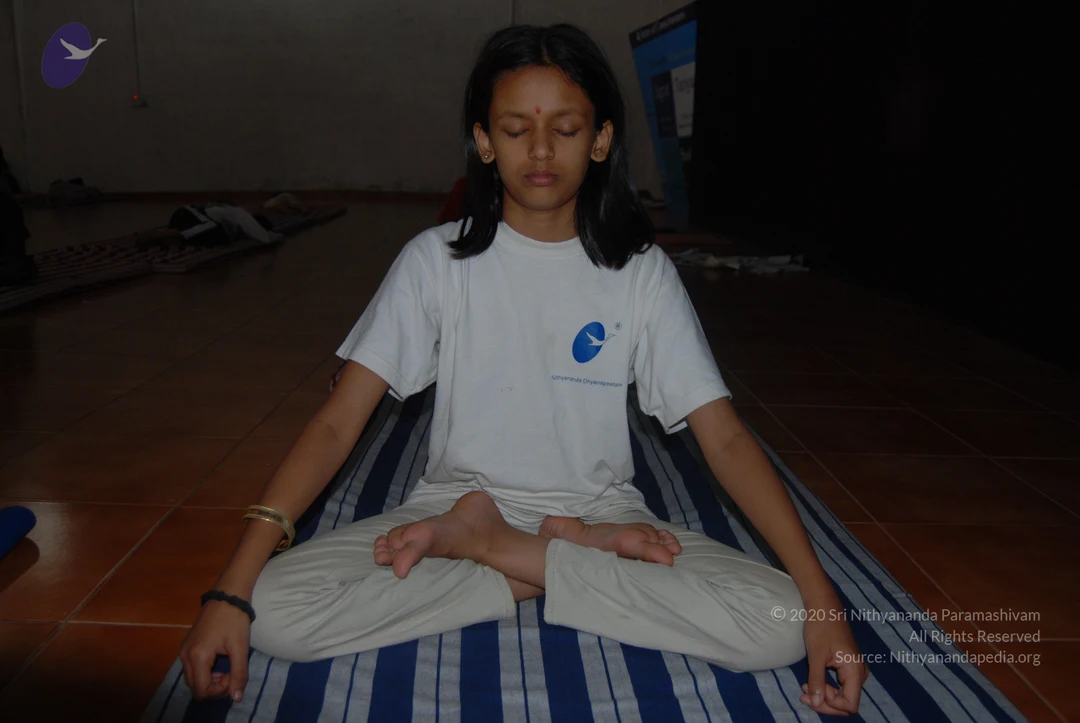
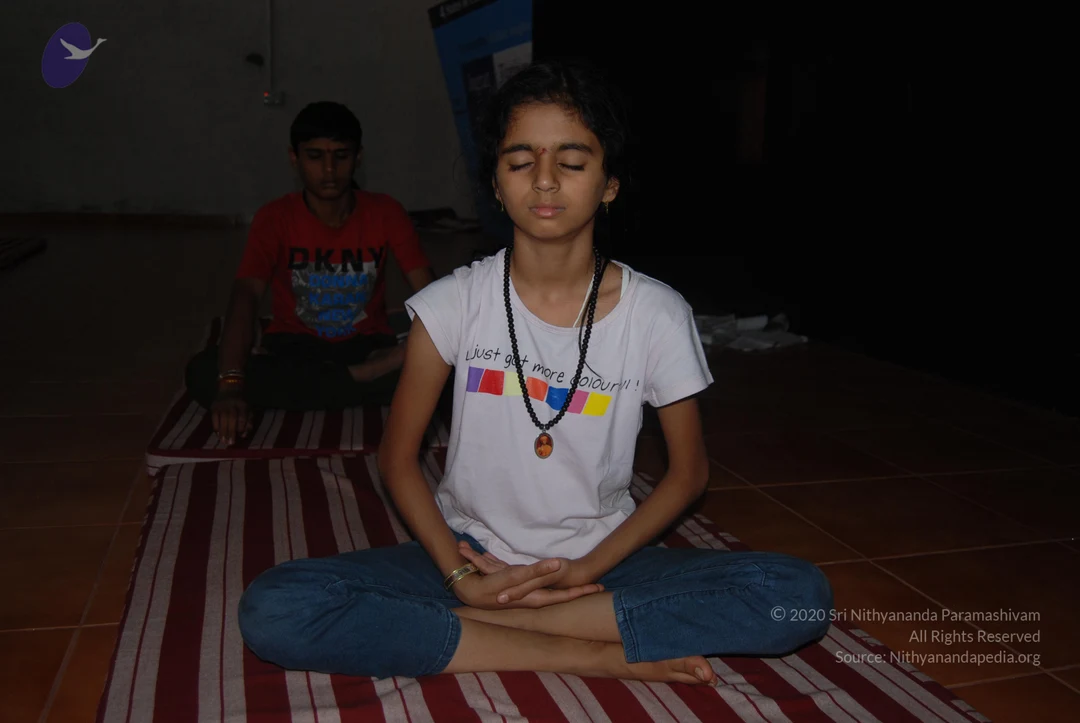
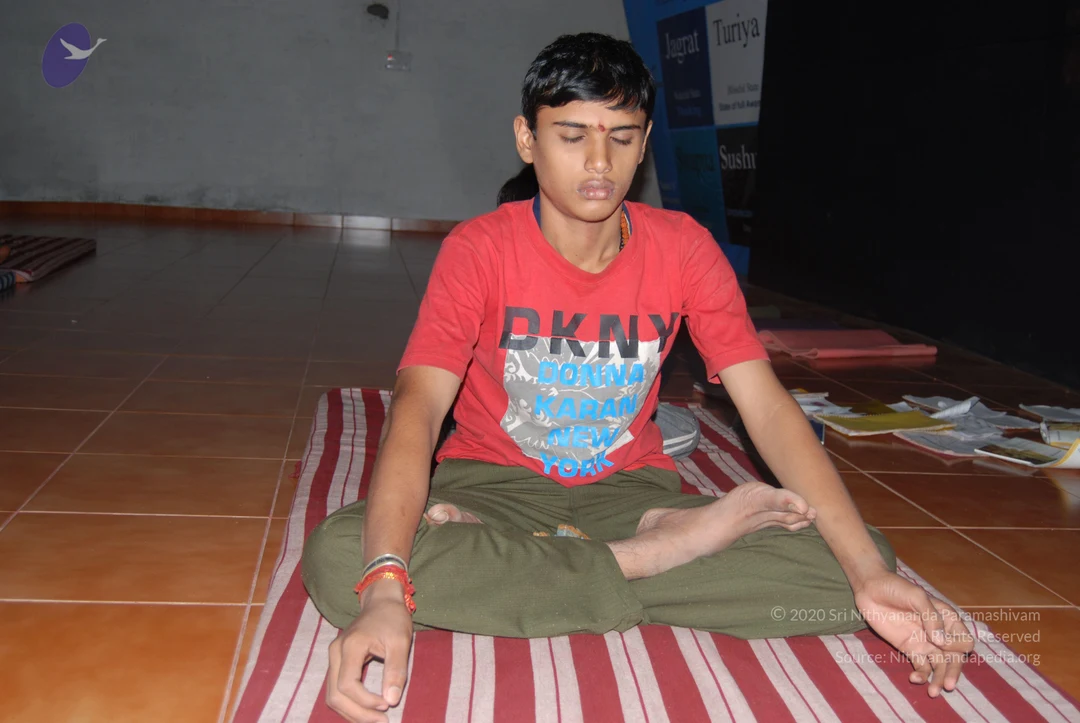
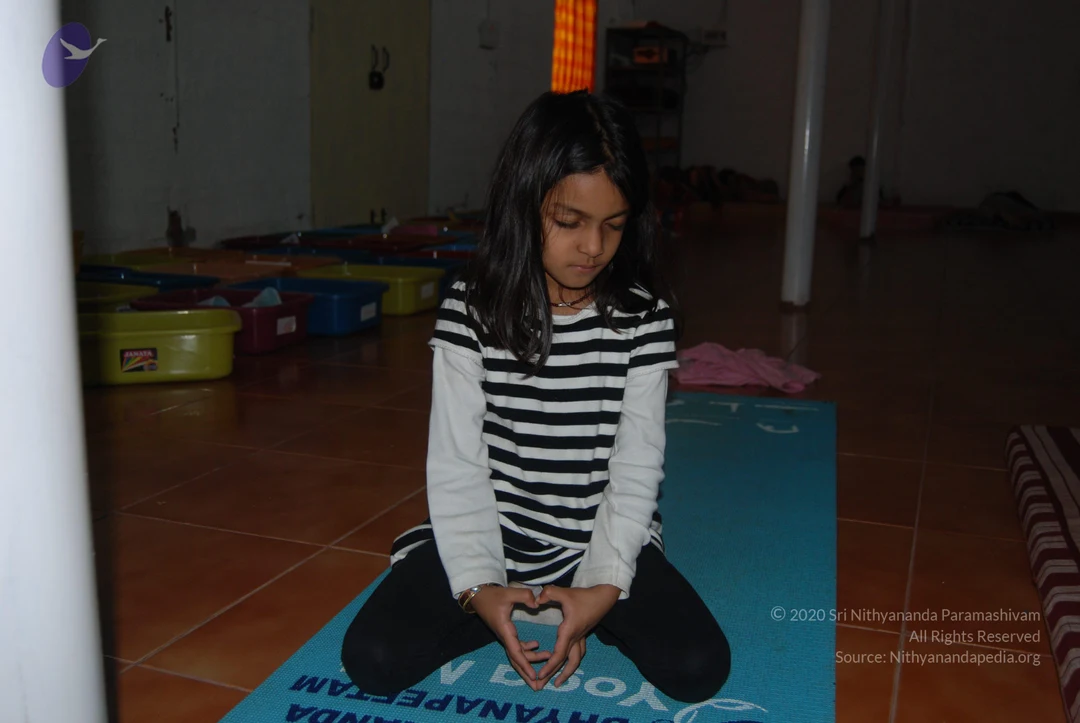
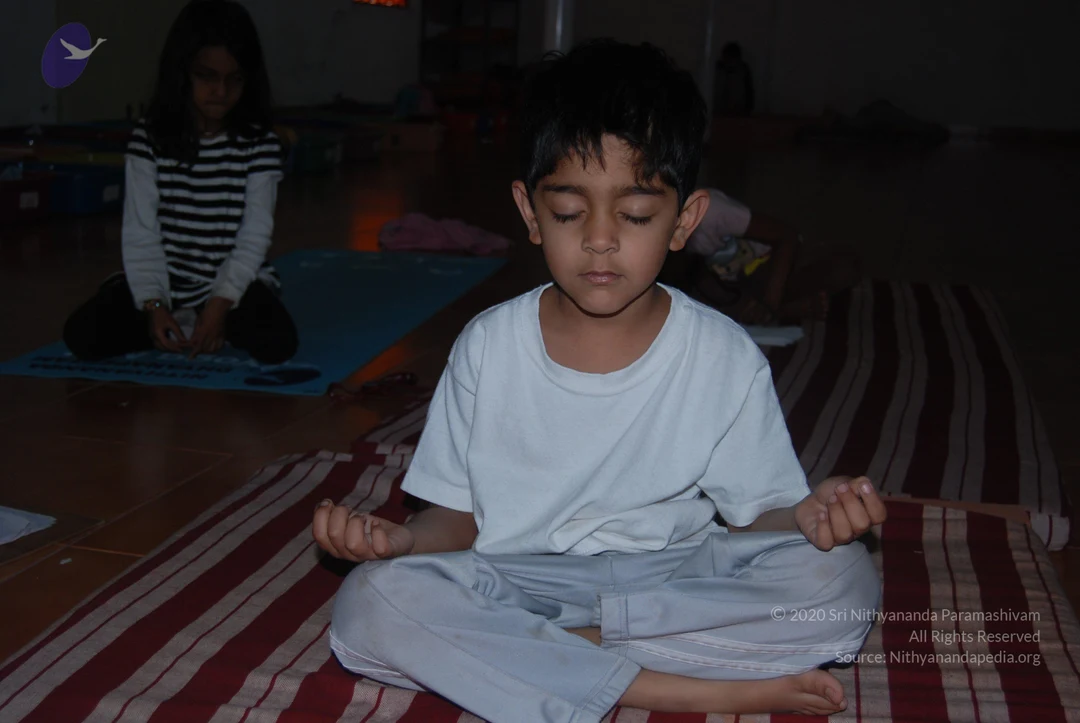
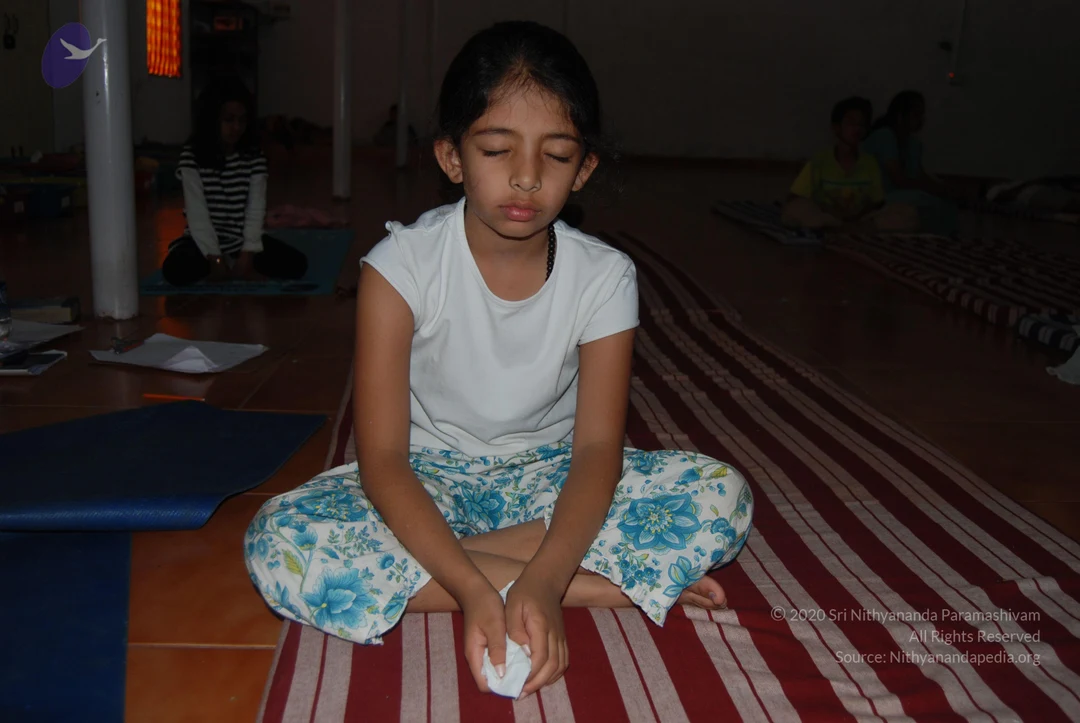
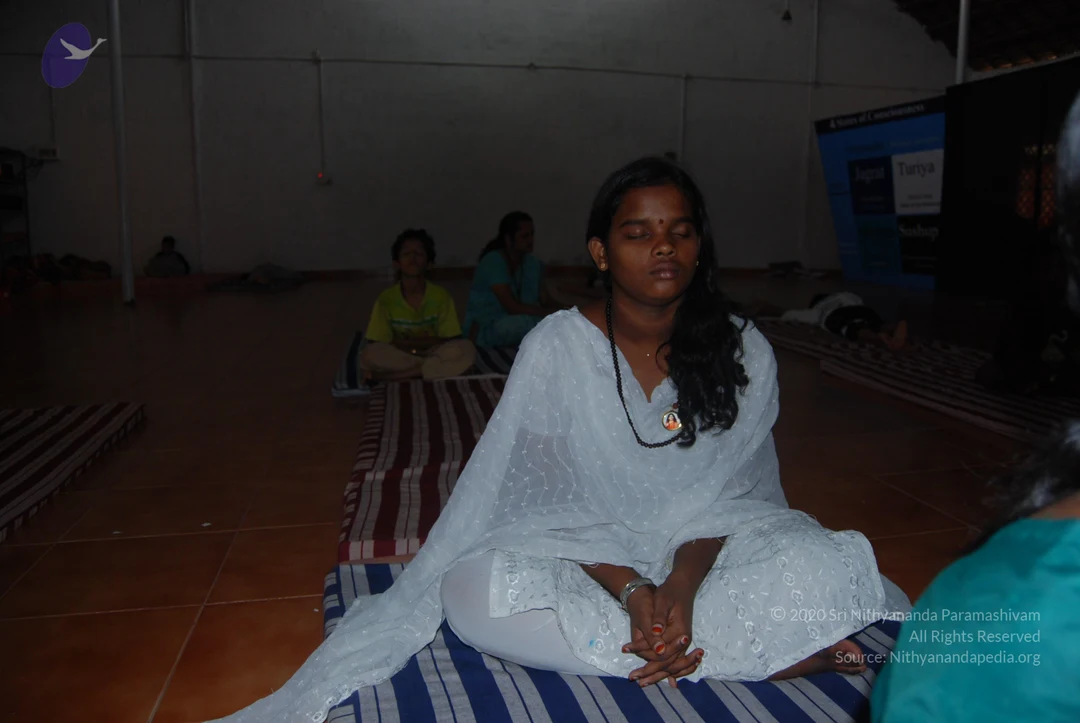
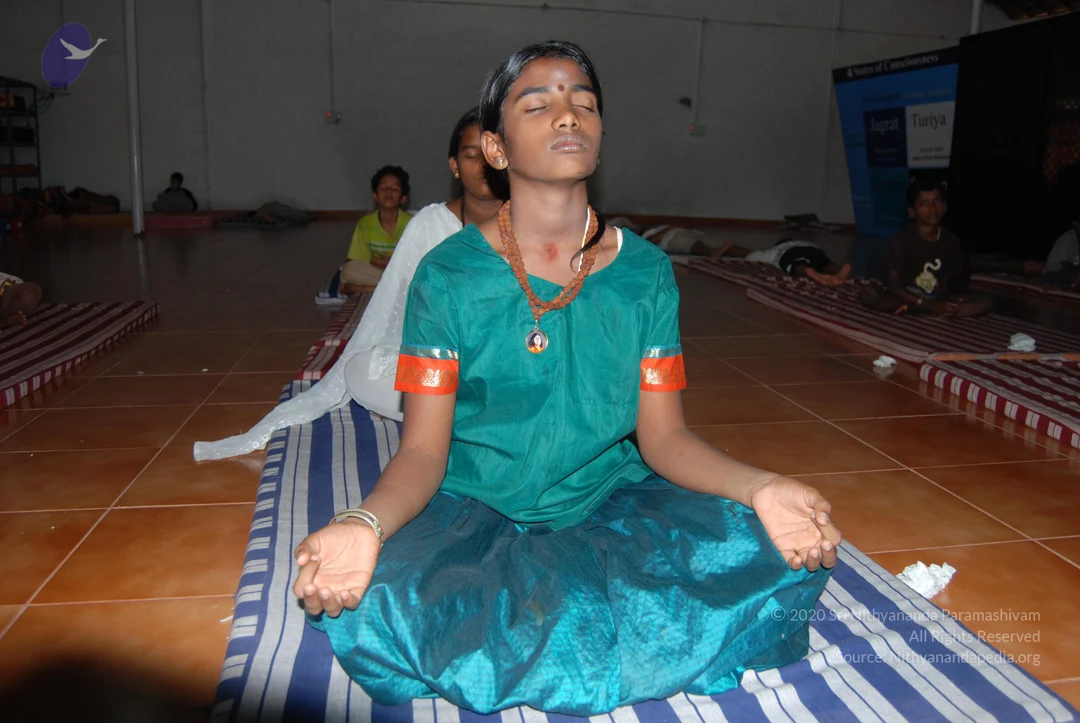
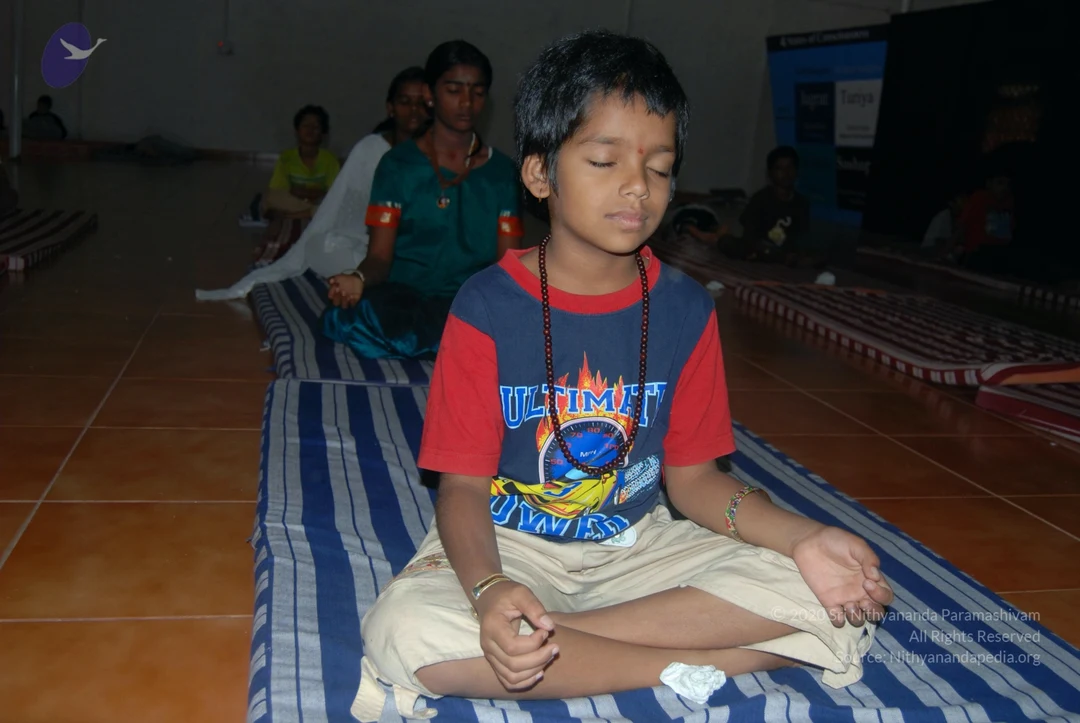
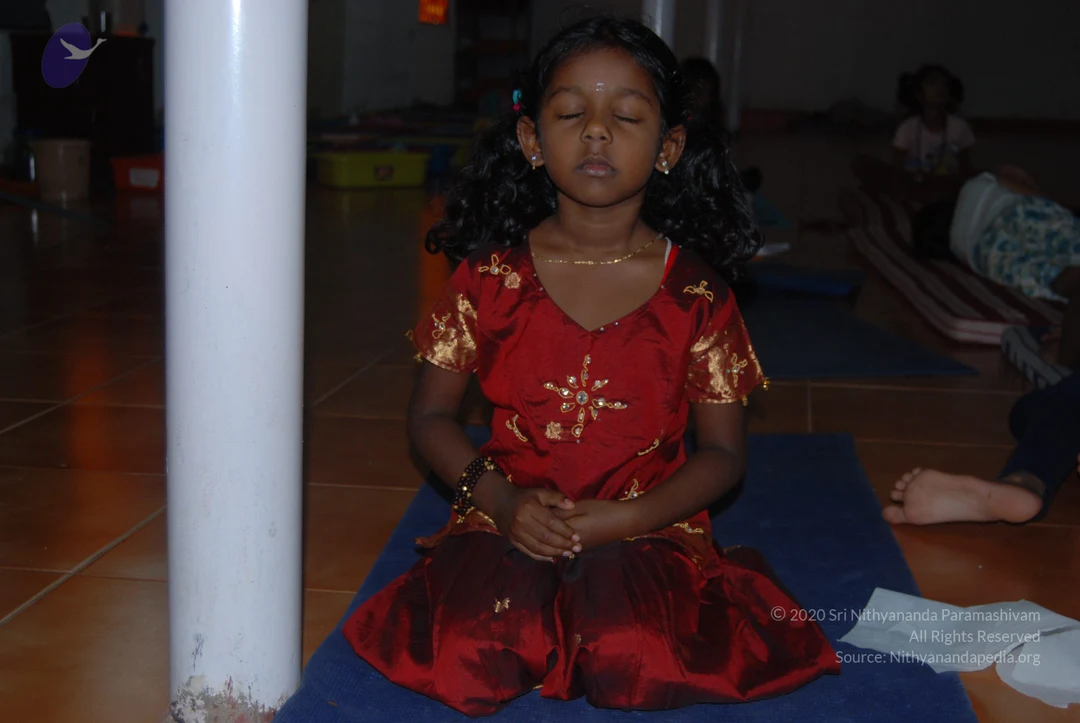
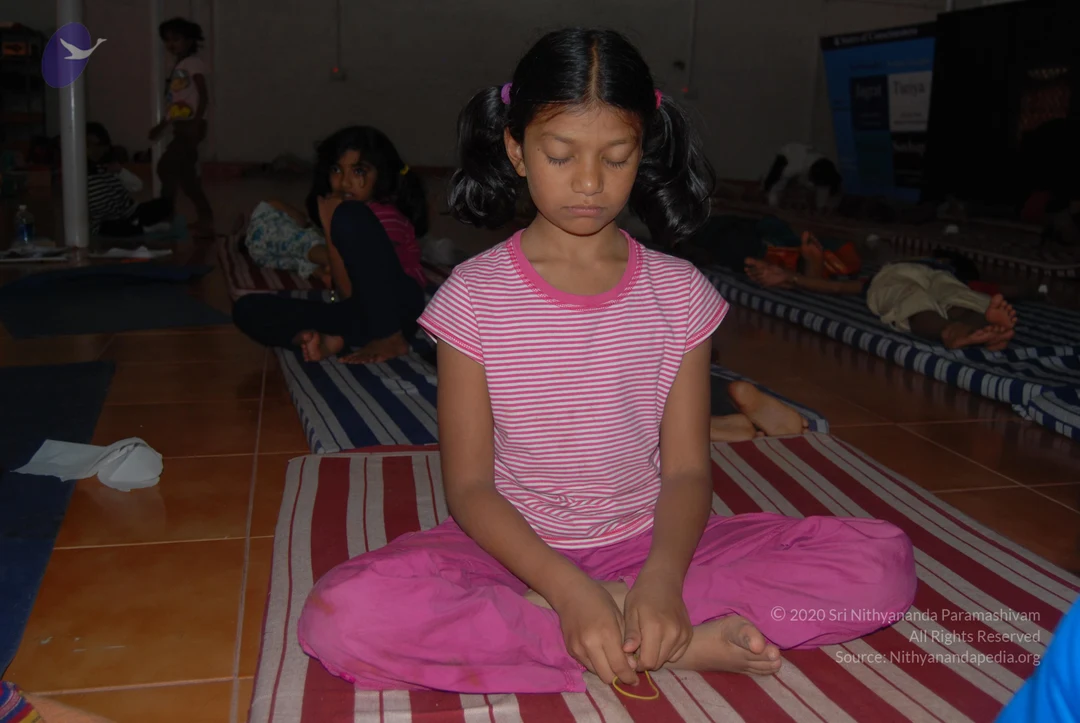
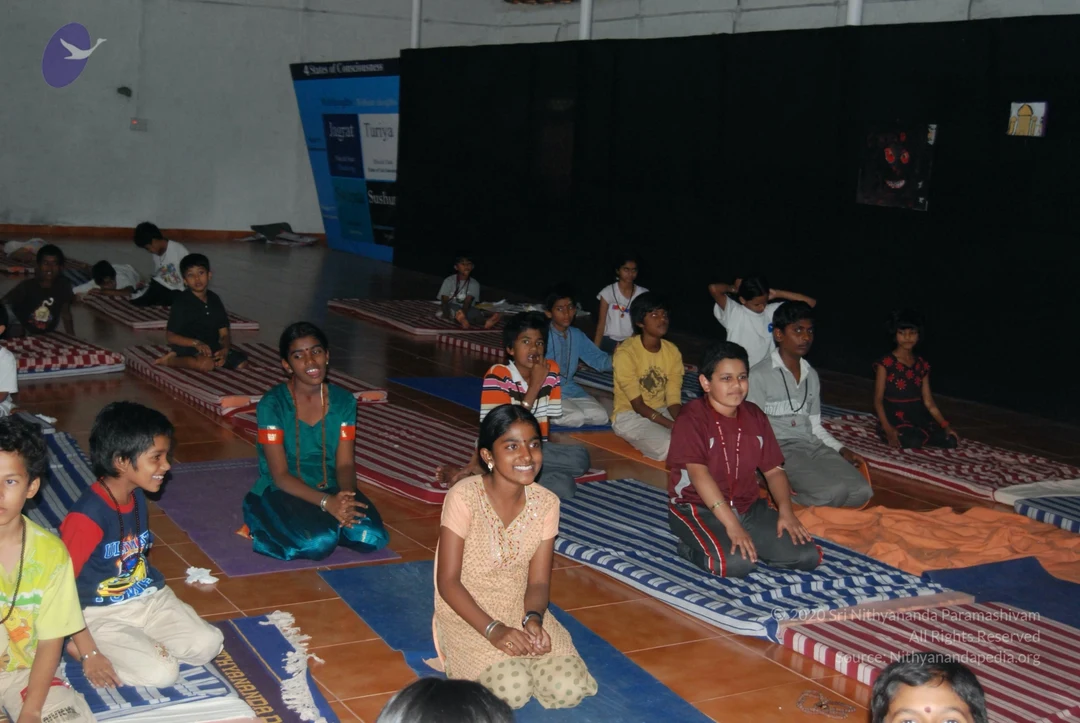
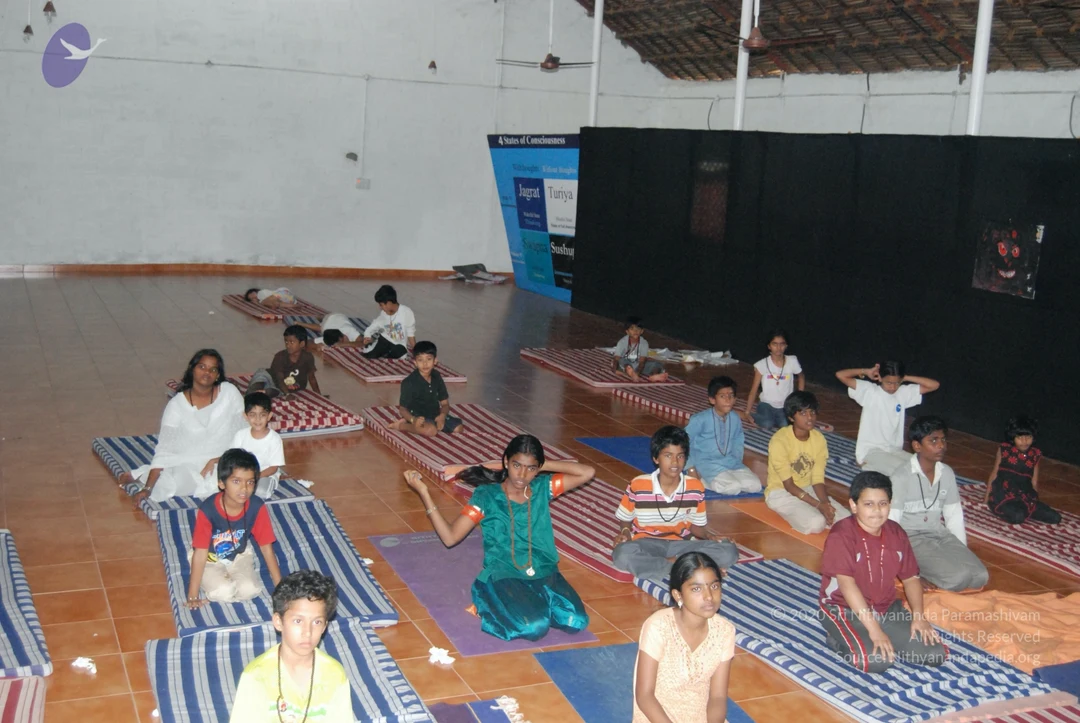
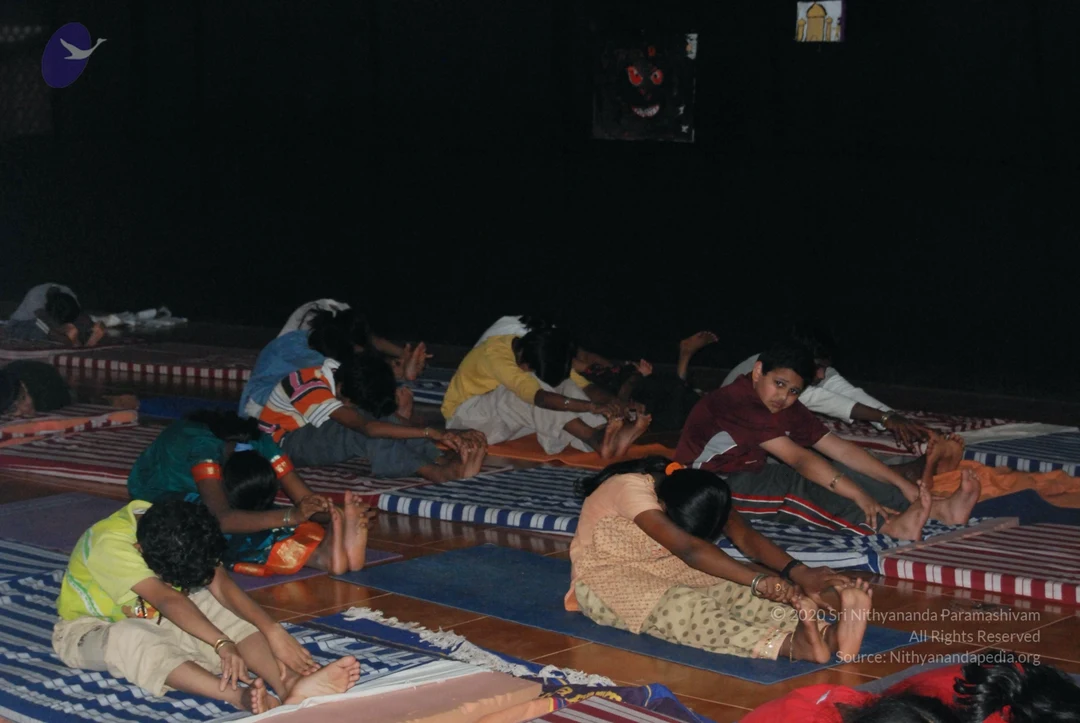
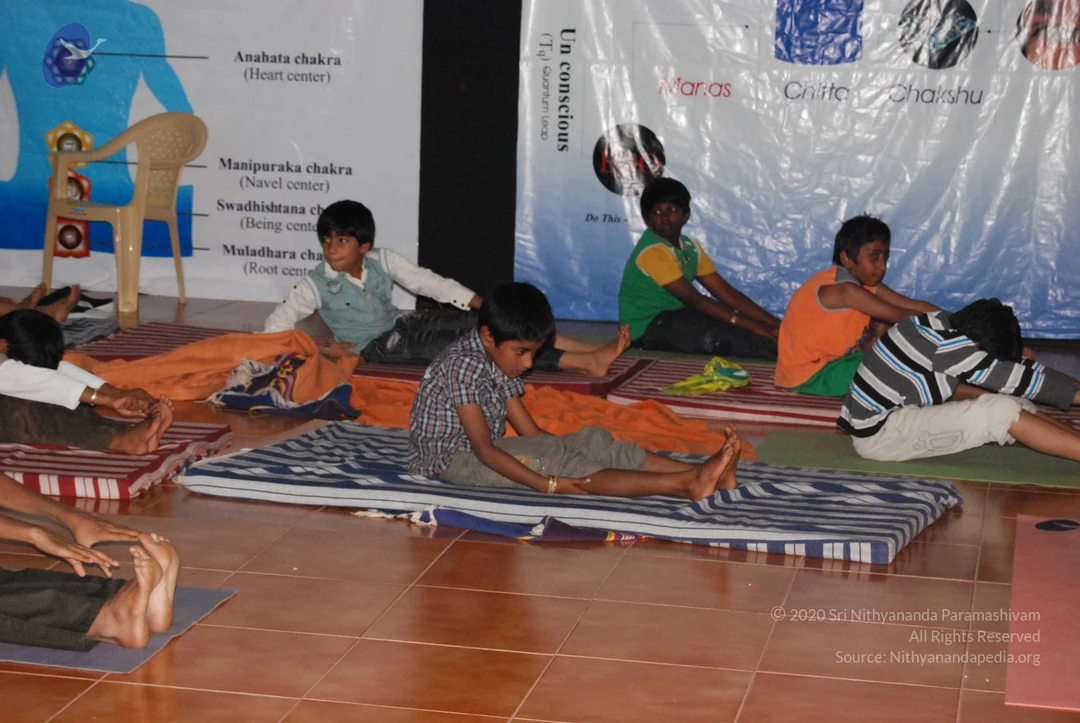
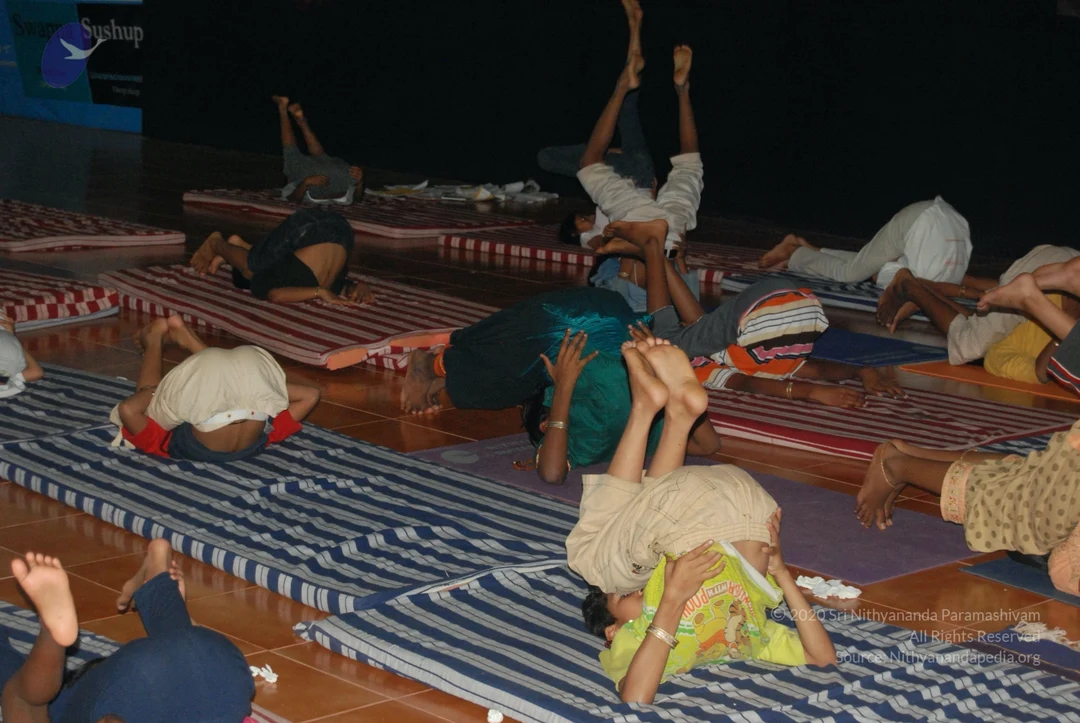
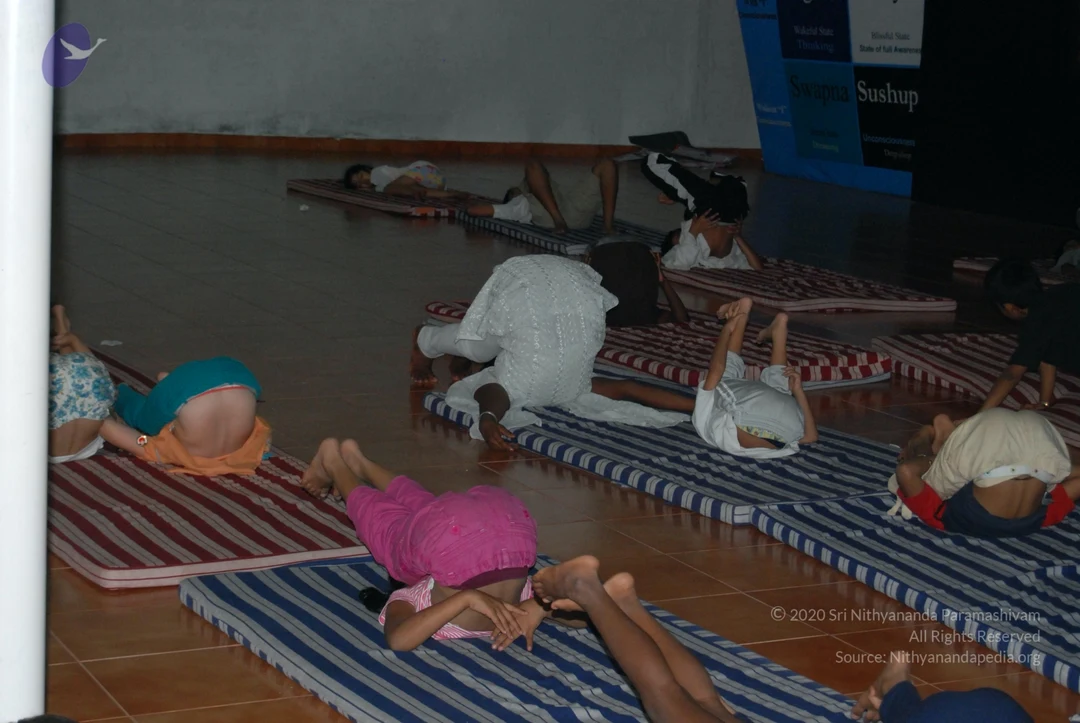
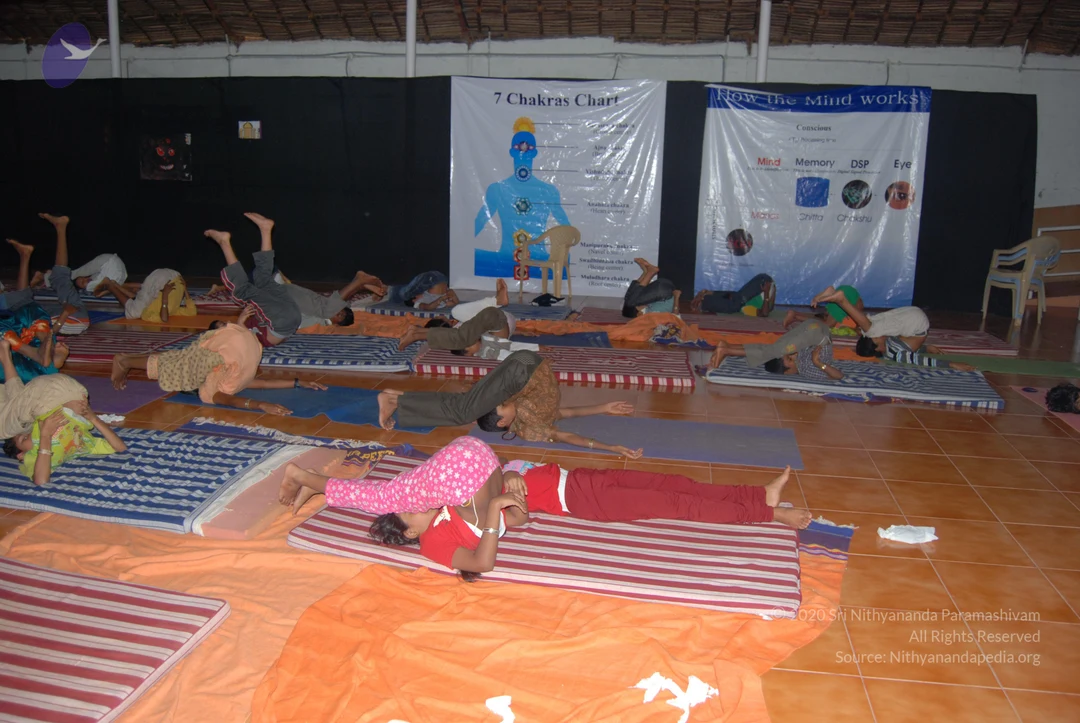
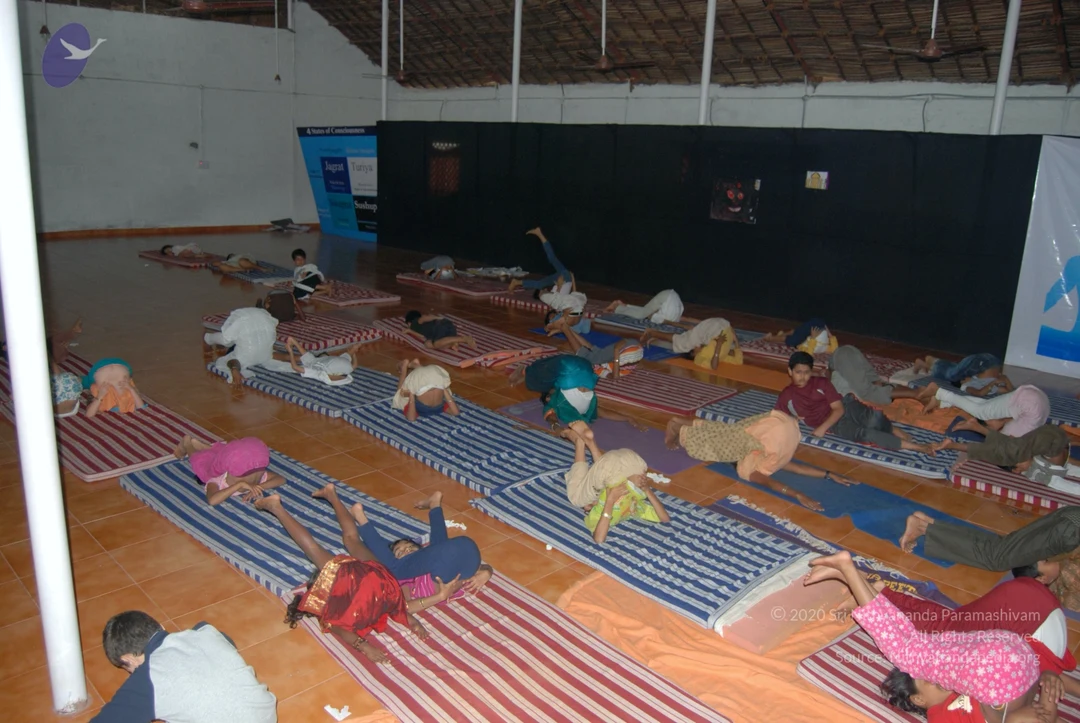
3-En-Genius-Yoga
4-En-Genius-Vedic-Arts