Saturday
7 August 2010
Message to former disciples: Nithyananda
- Dated photos
- 325
- Source pages
- 1
- Media
- 2
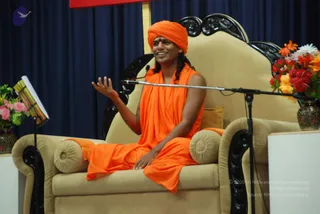
August 07 2010
Original wiki pageTitle
Message to former disciples: Nithyananda
Narration
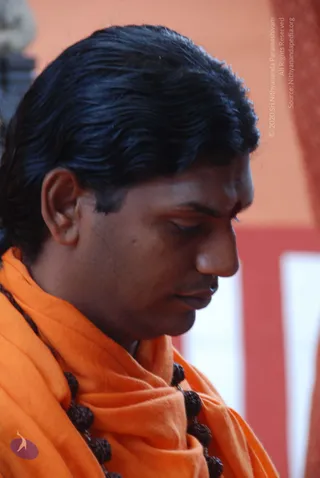
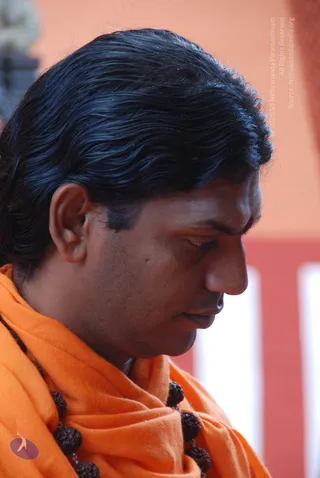
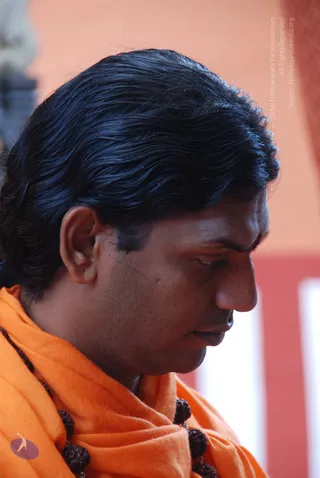
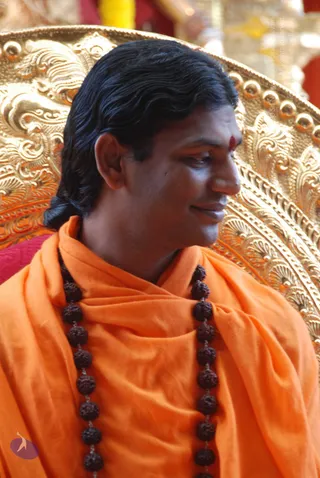
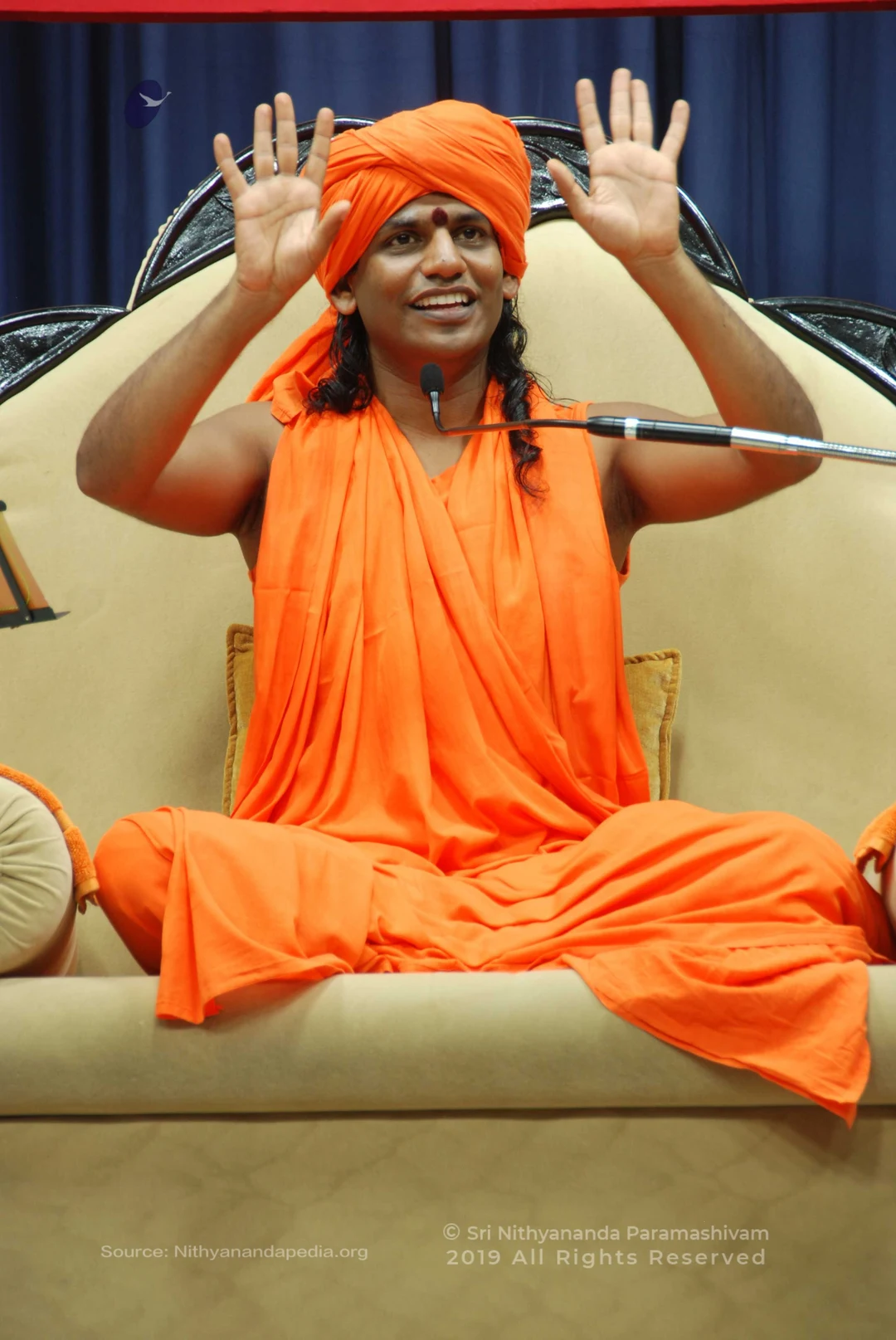
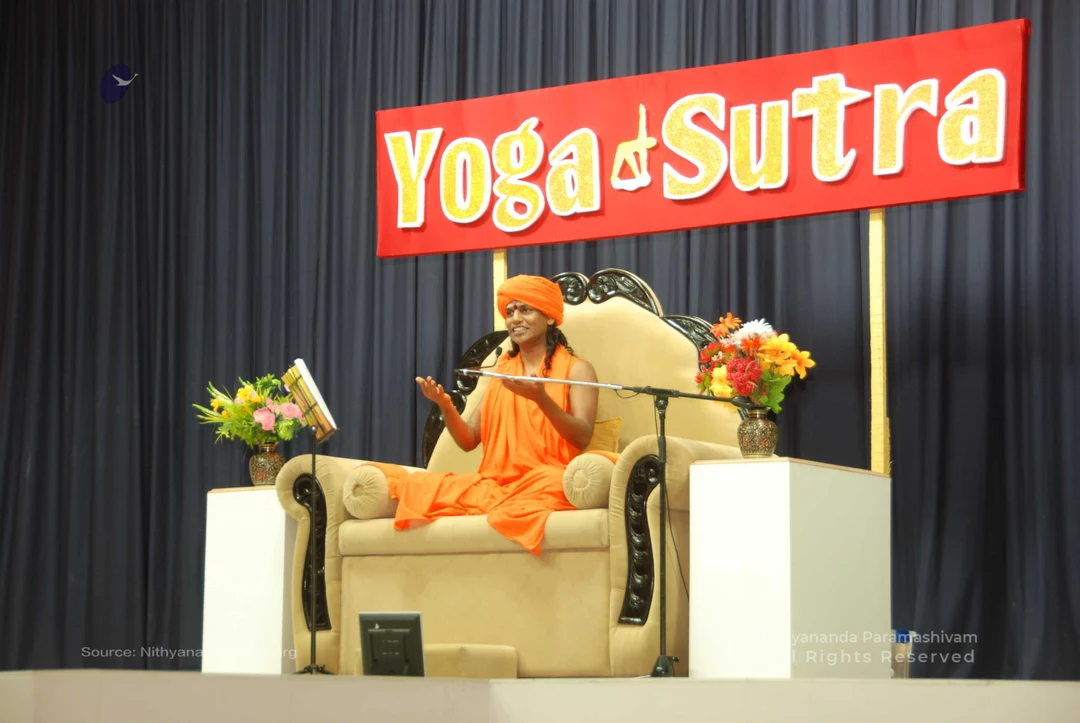
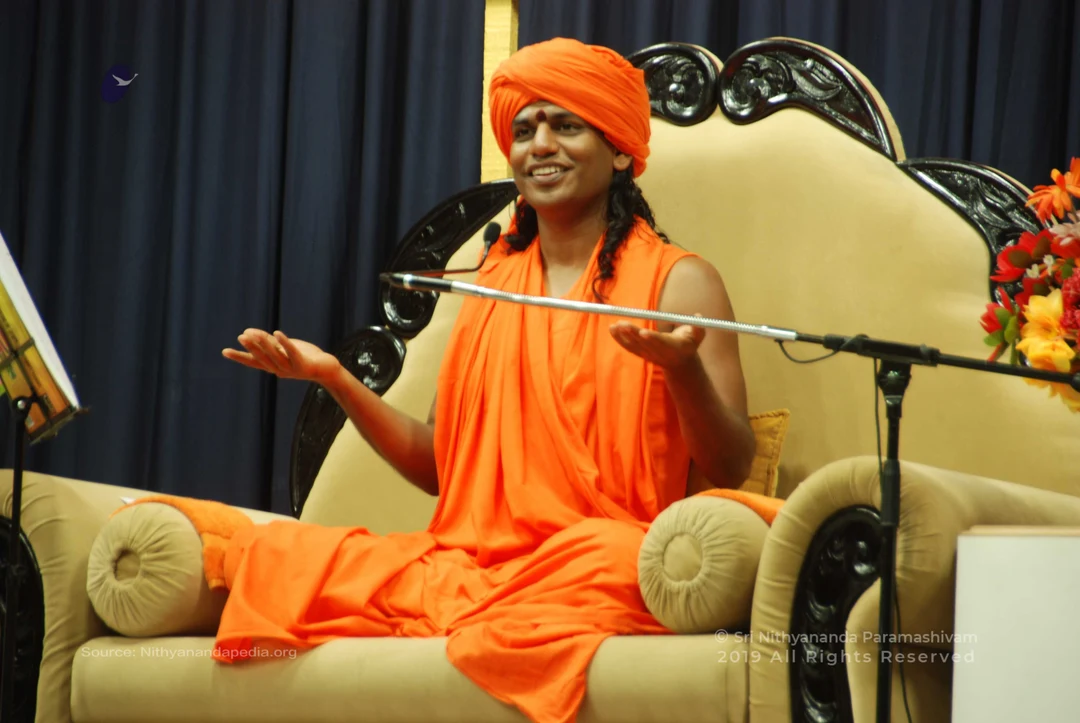
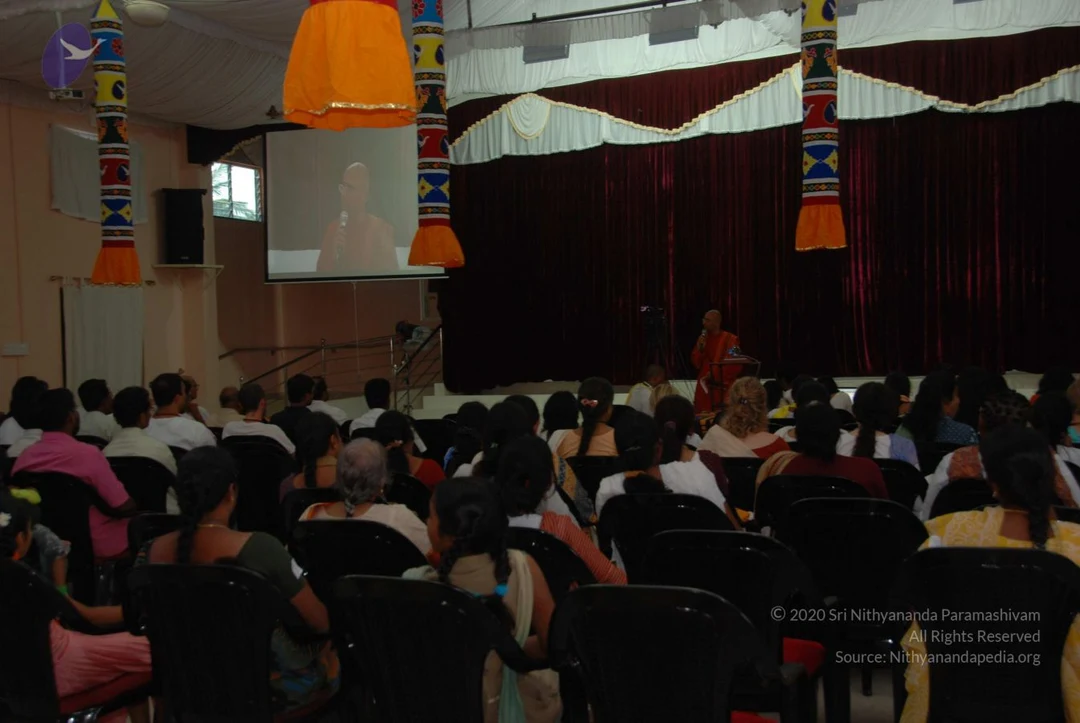
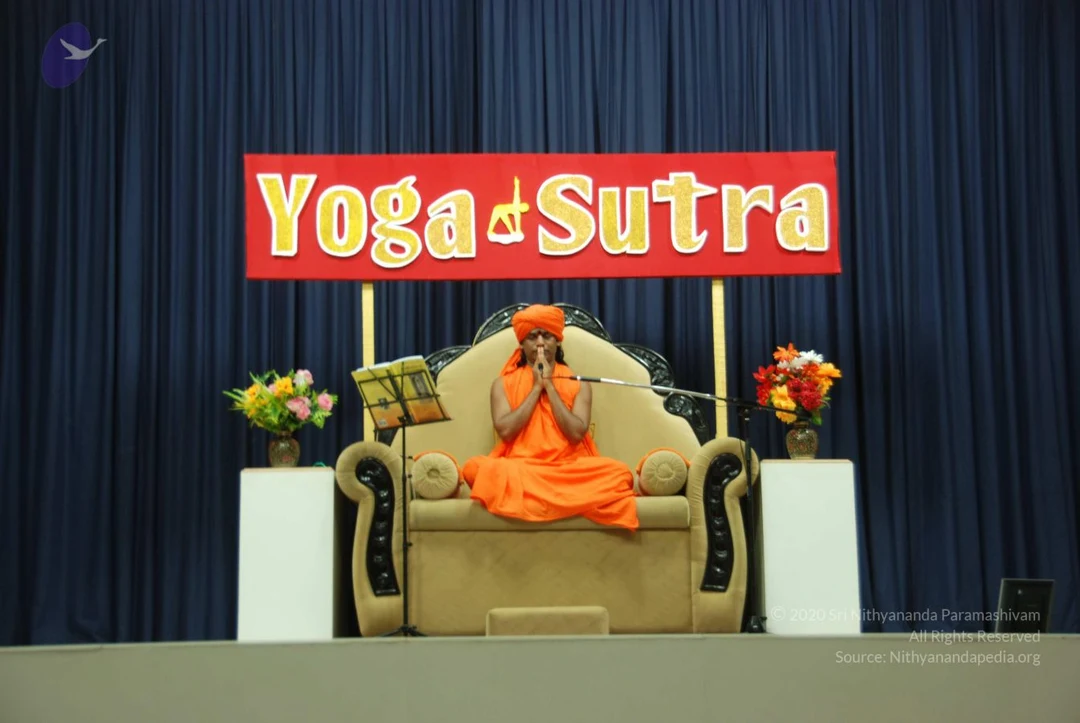
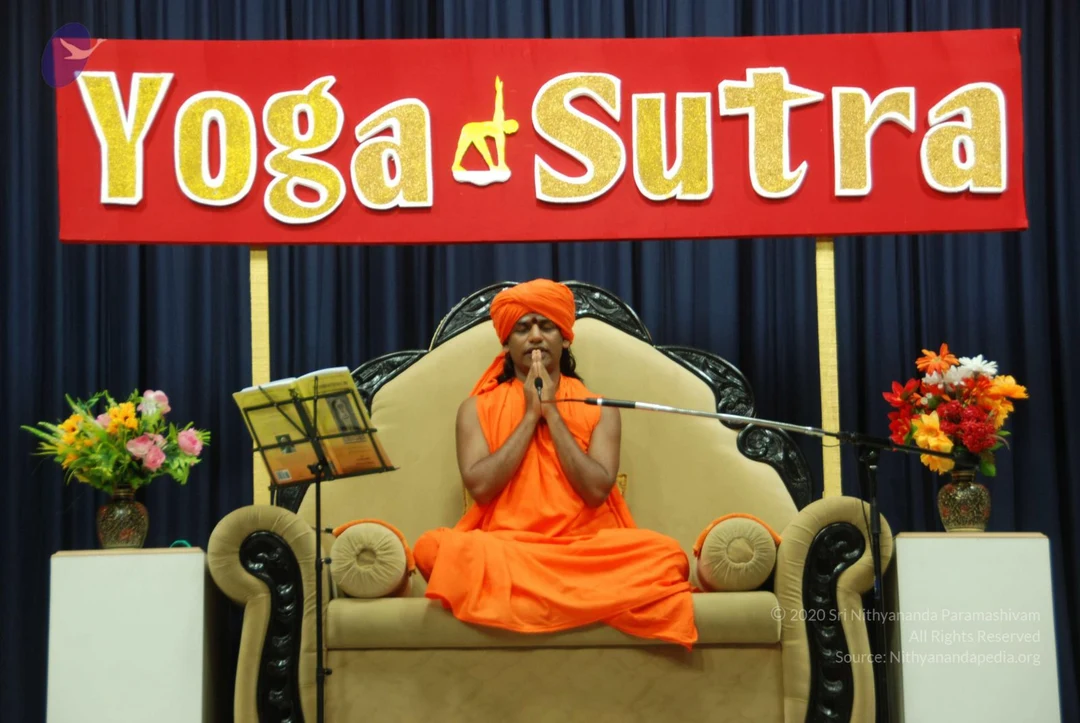
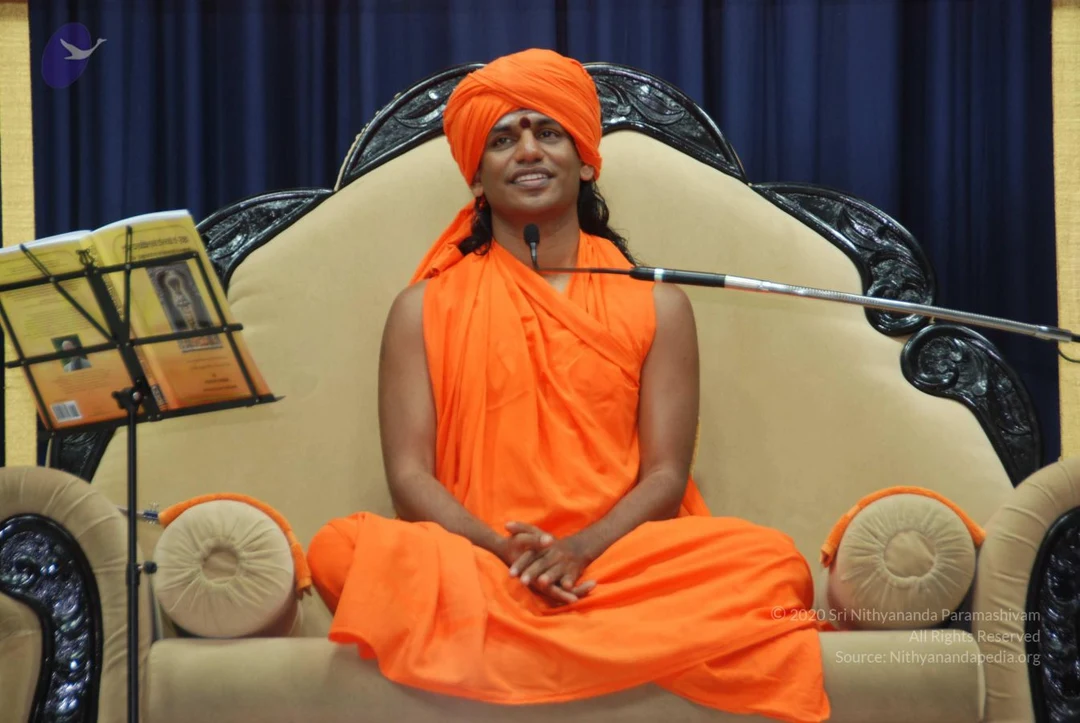
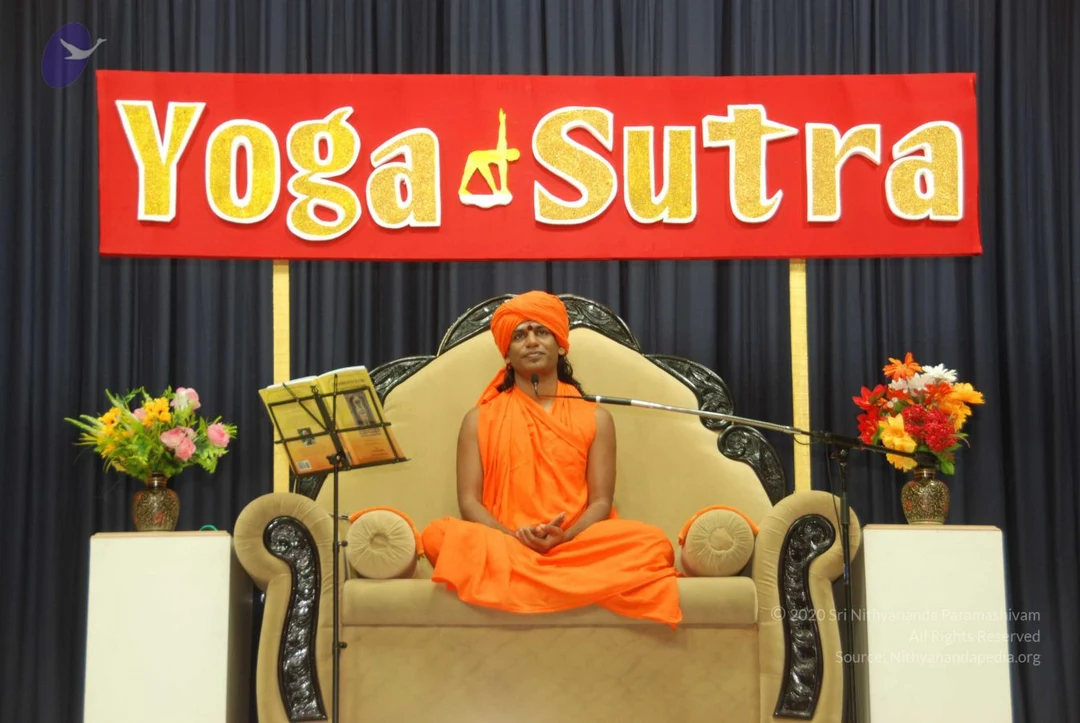
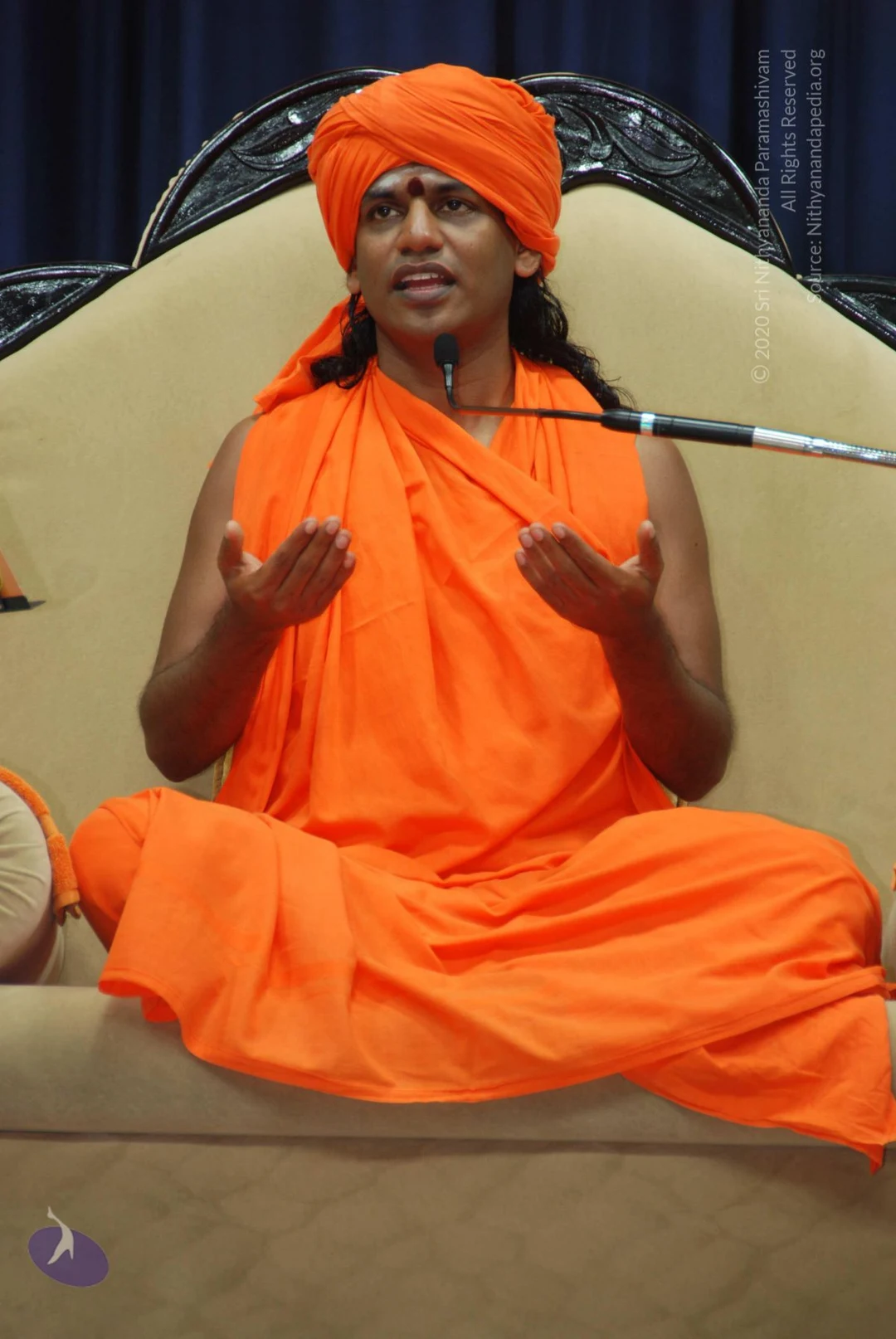
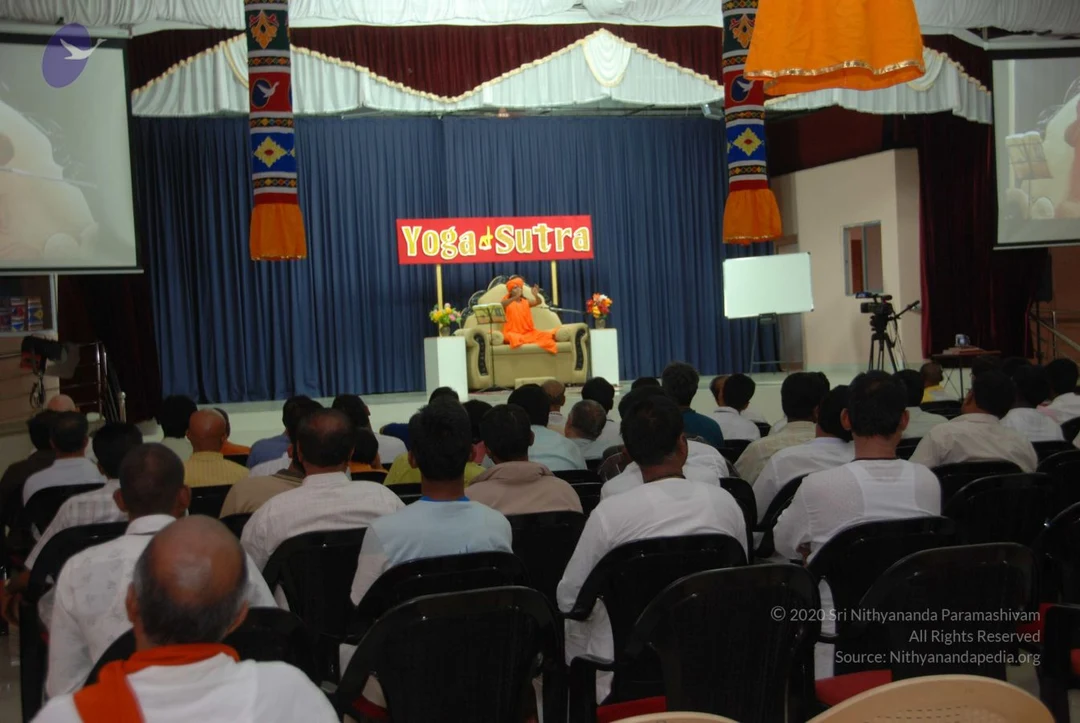
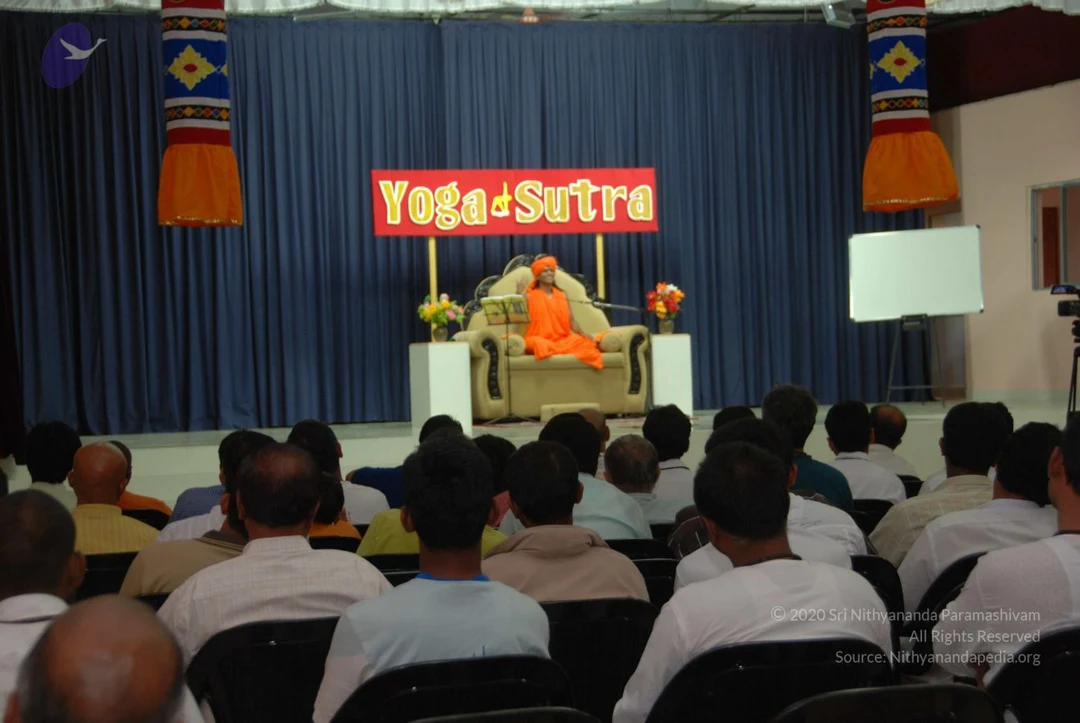
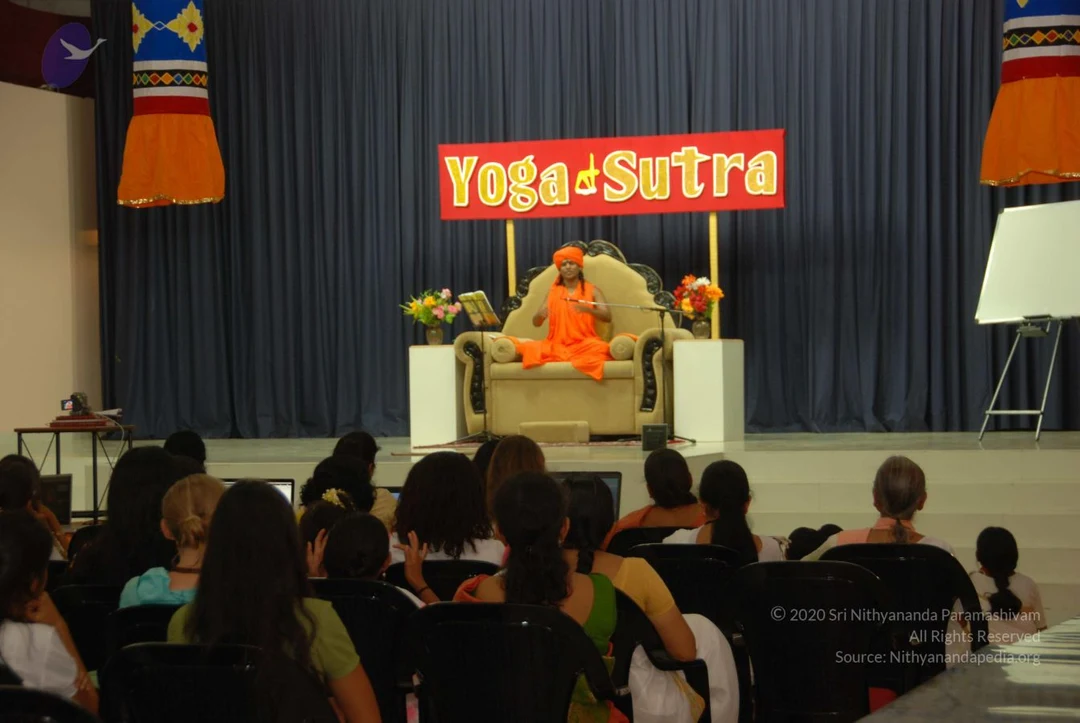
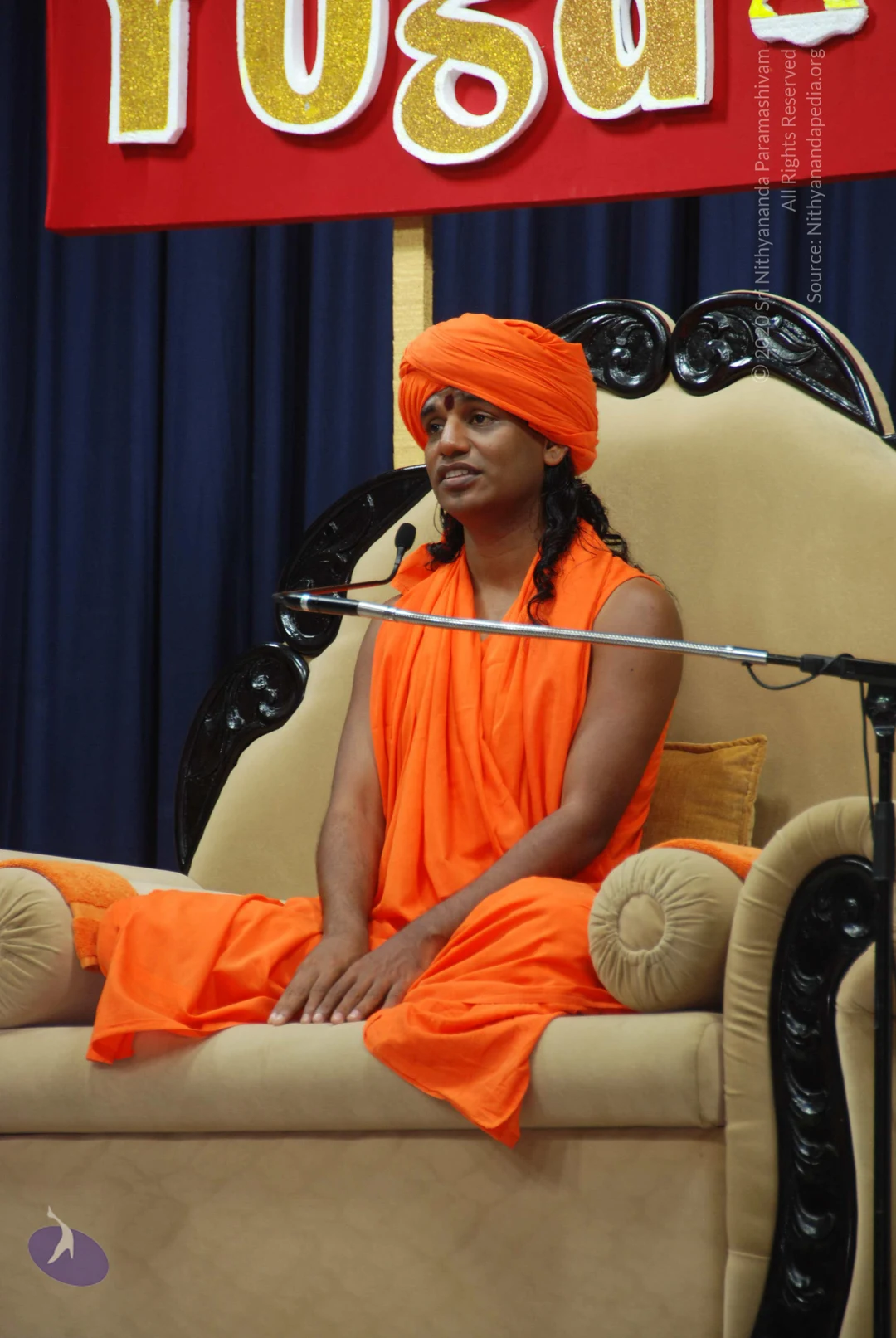
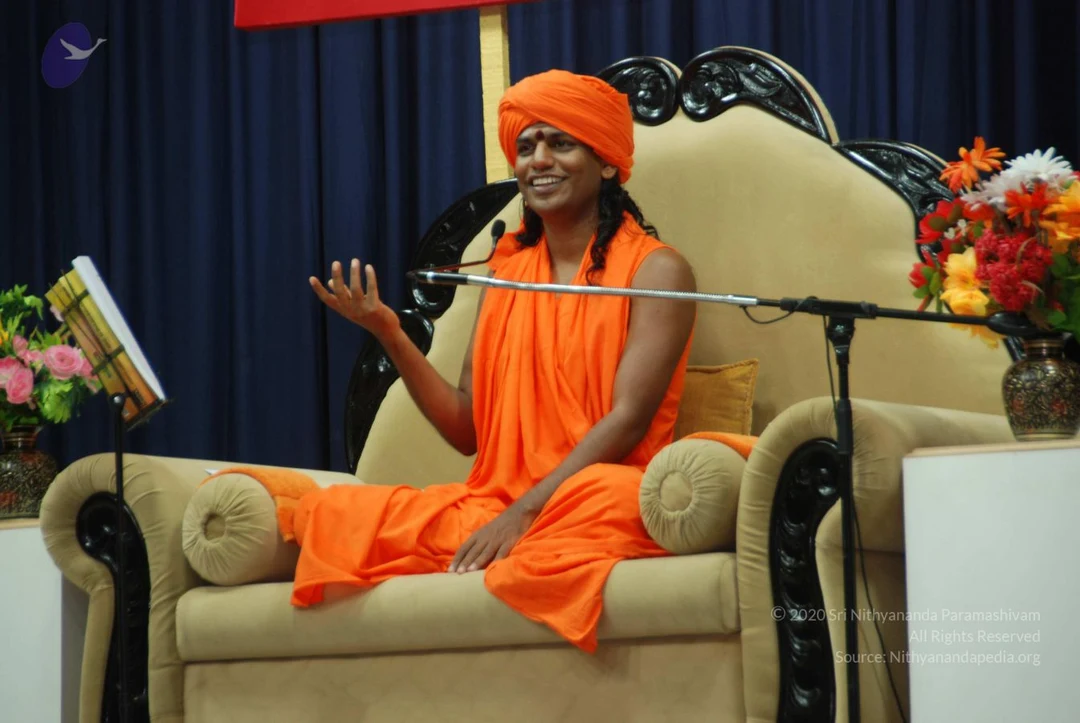
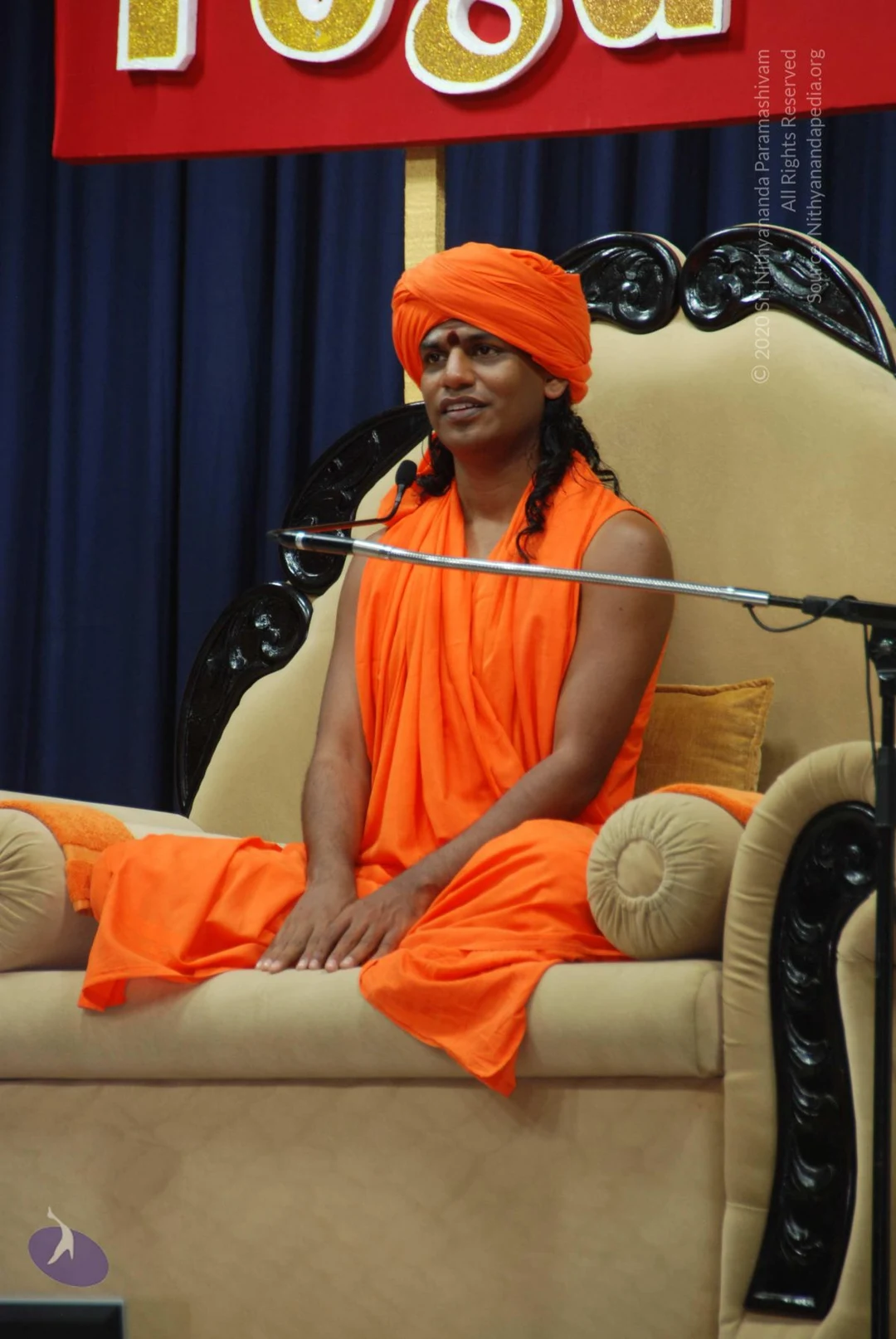
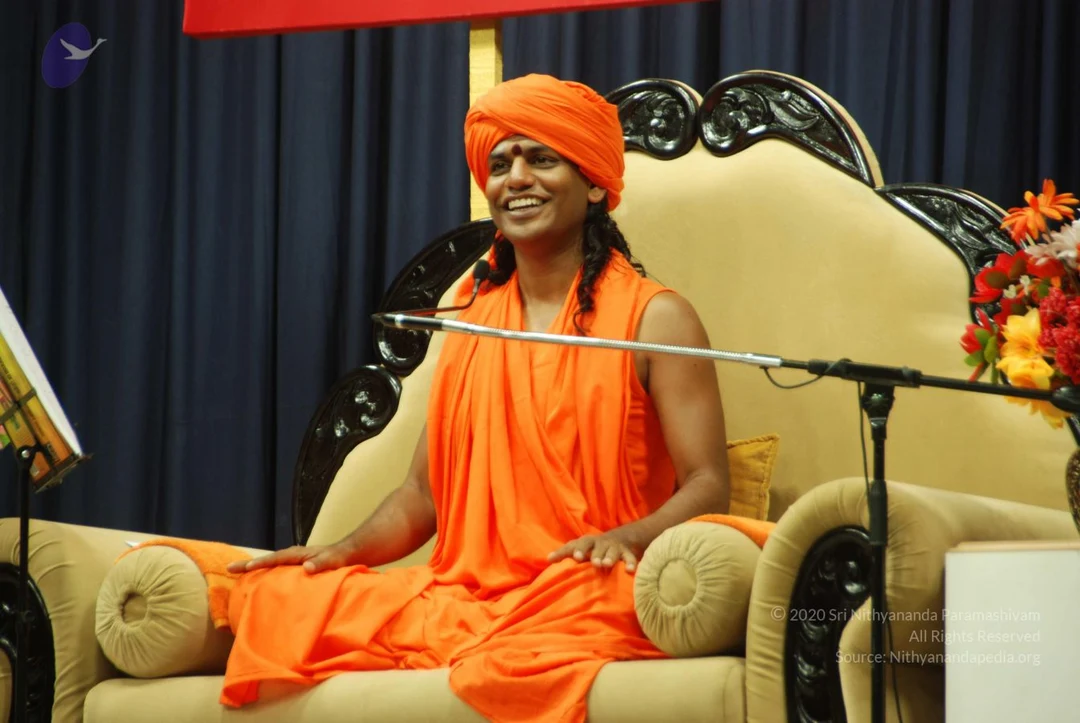
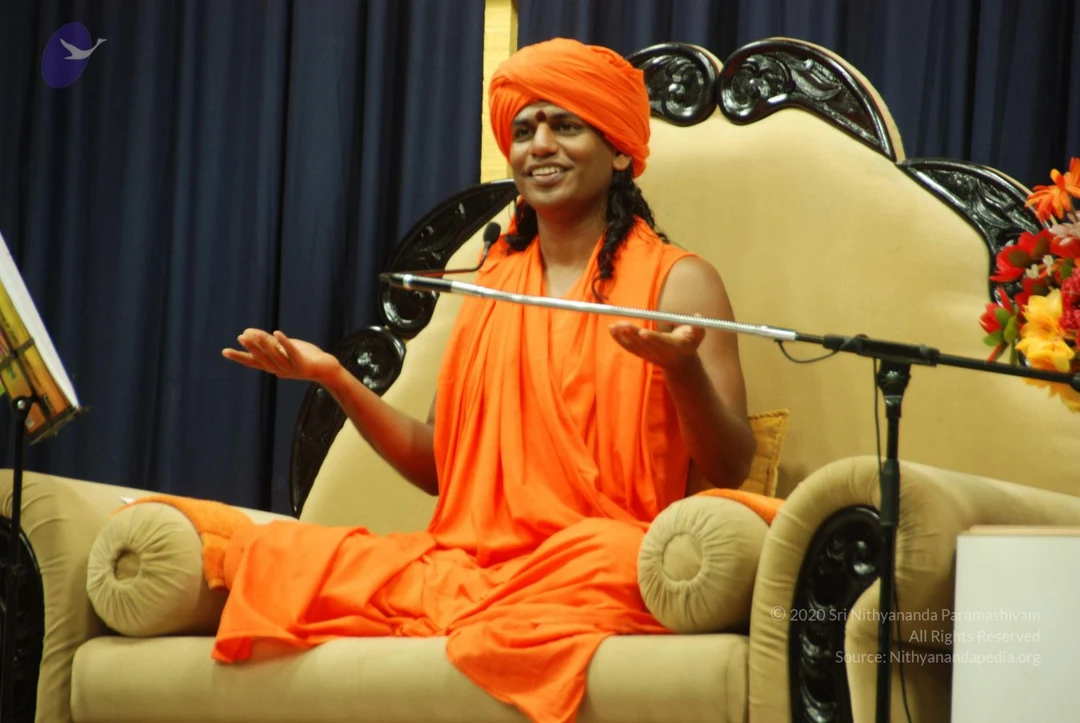
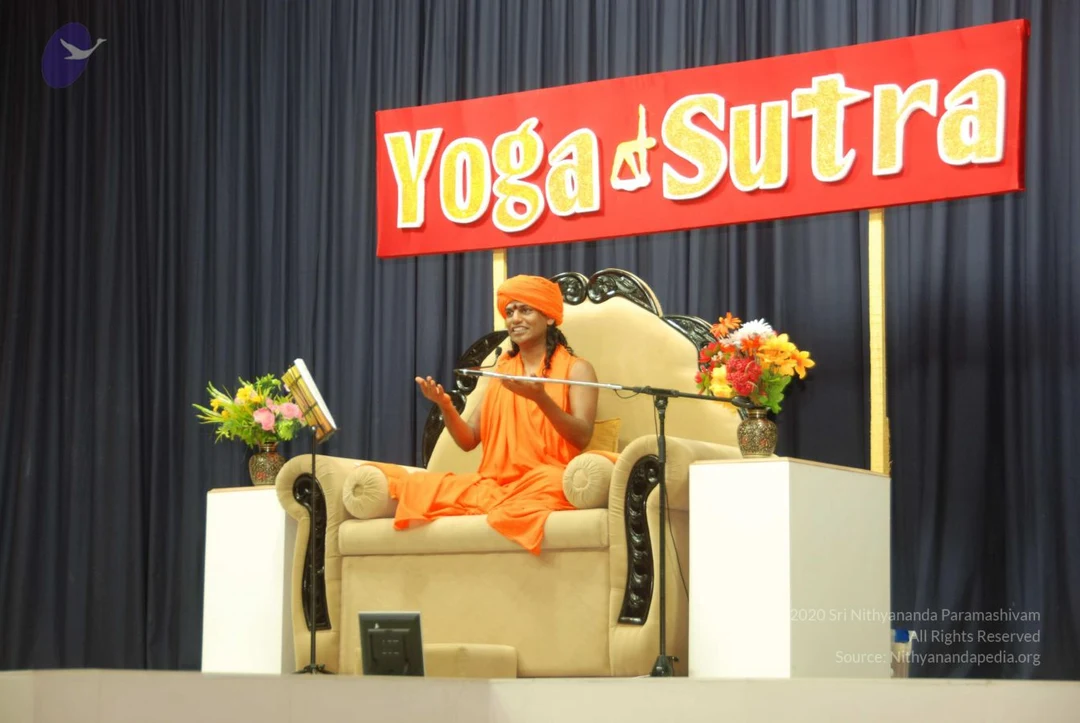
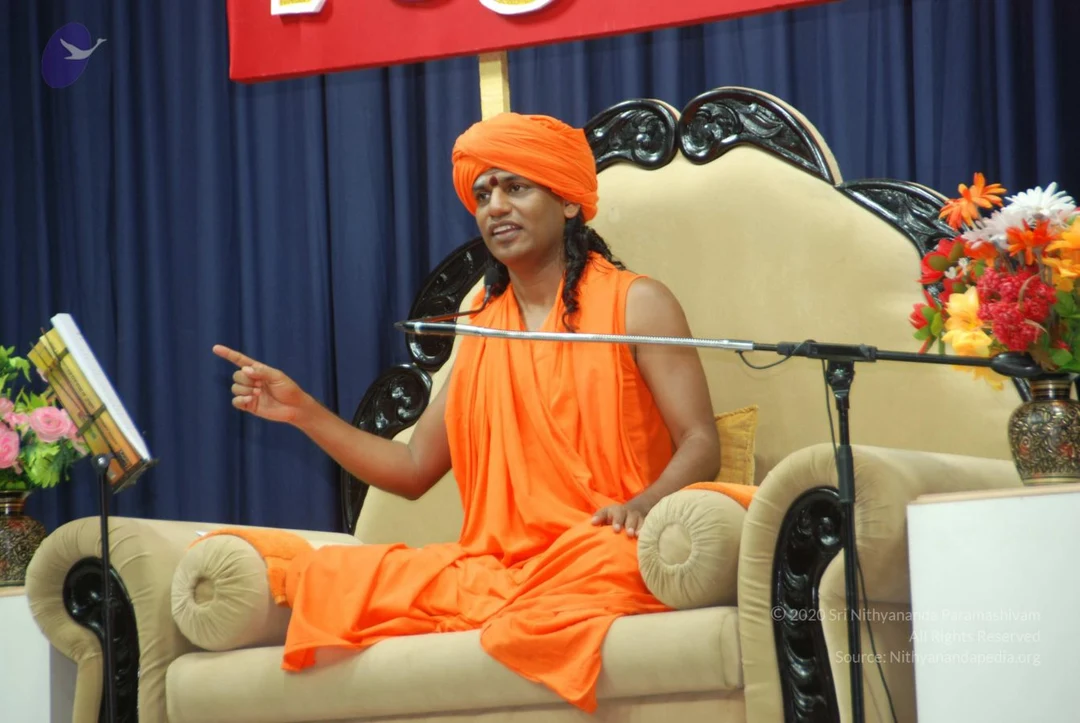
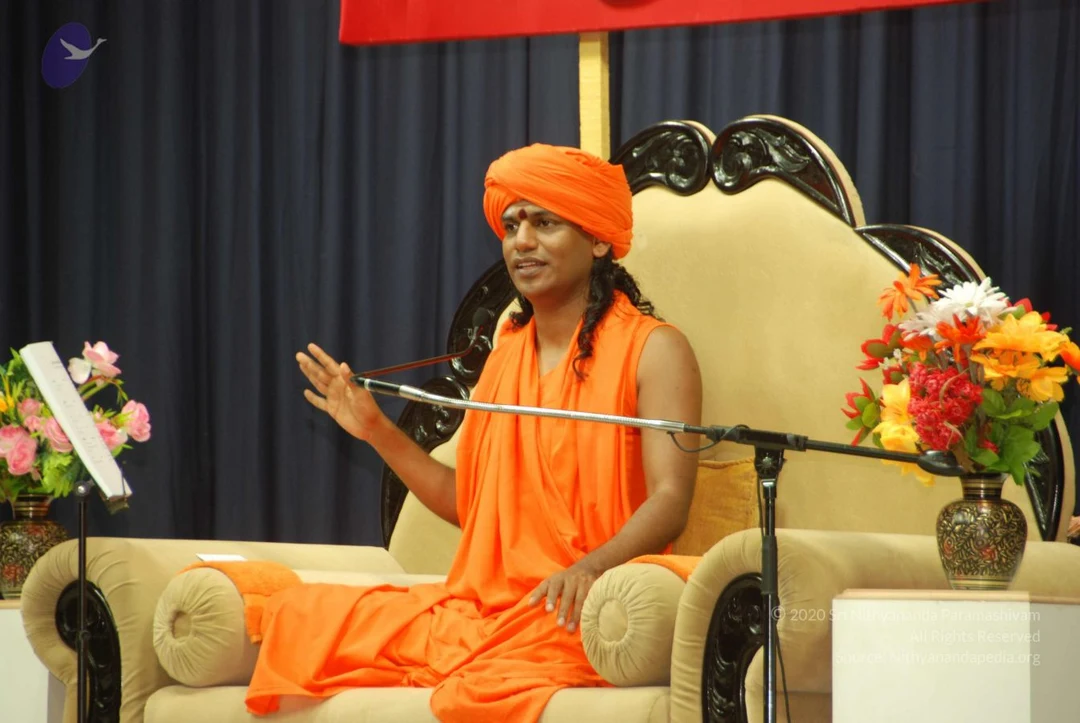
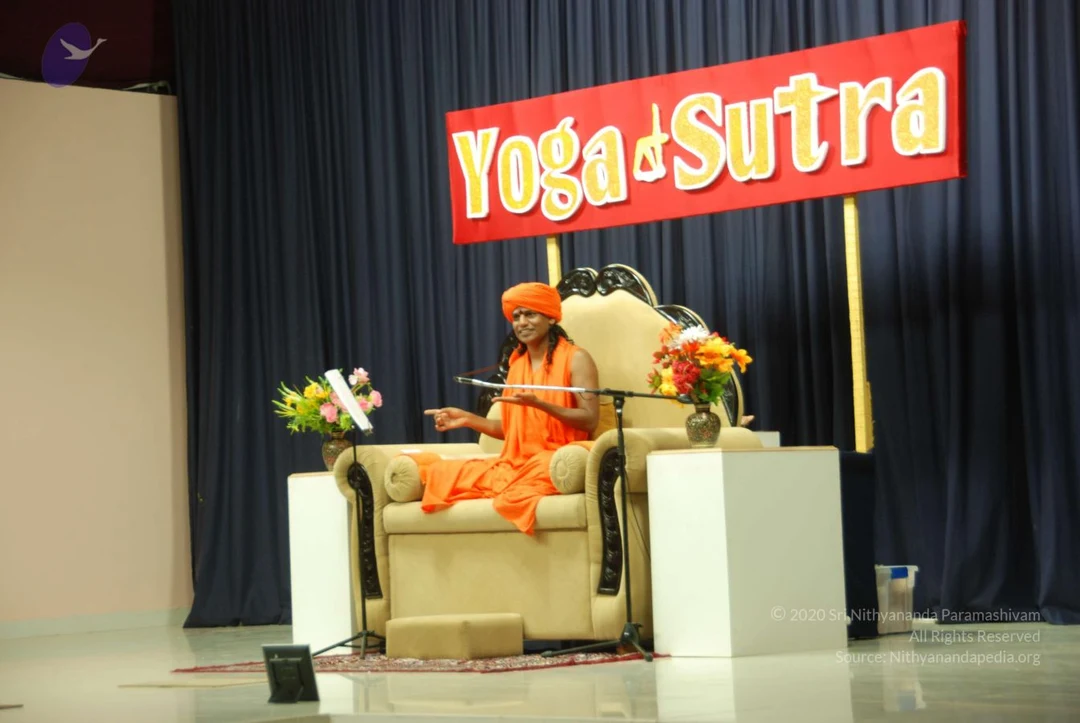
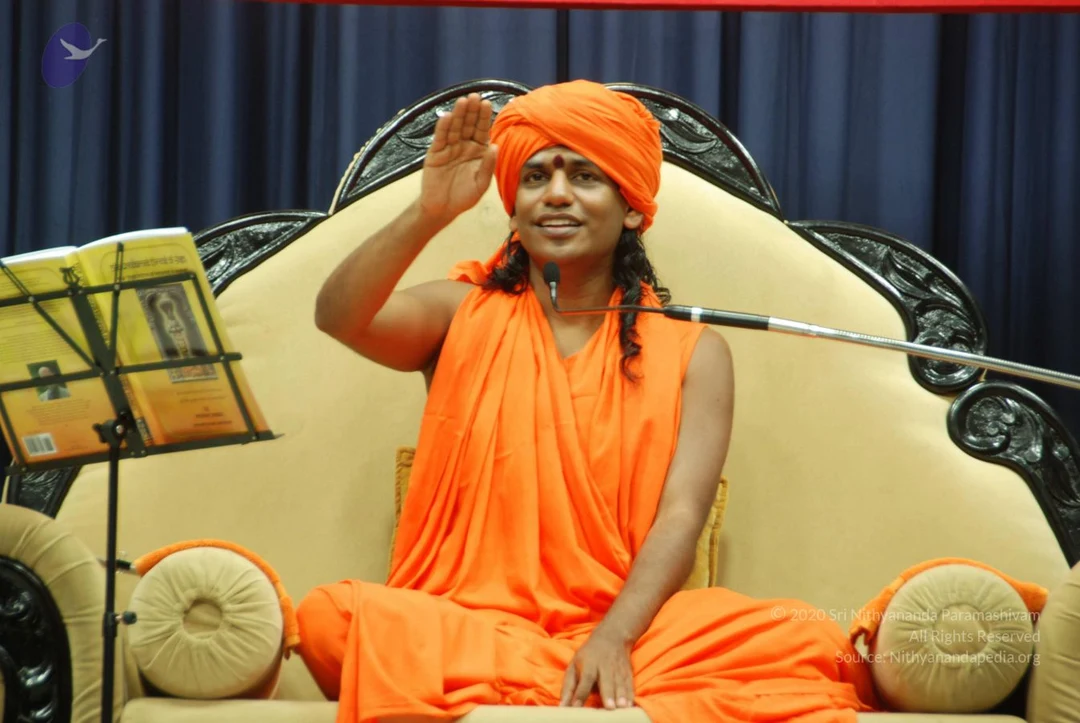
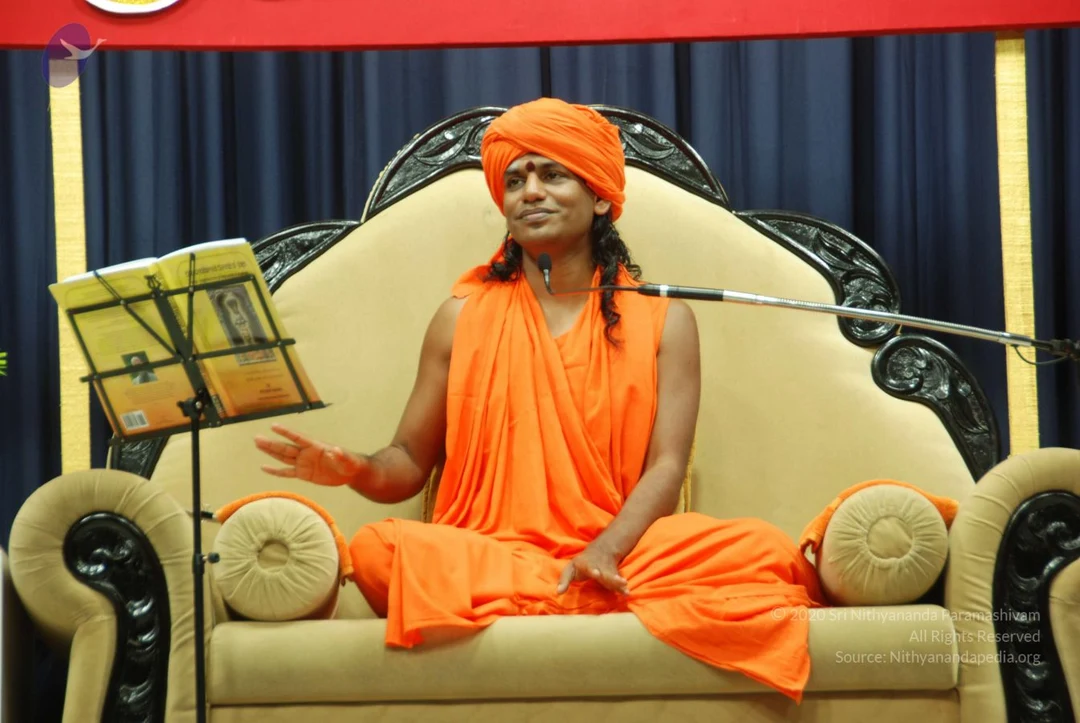
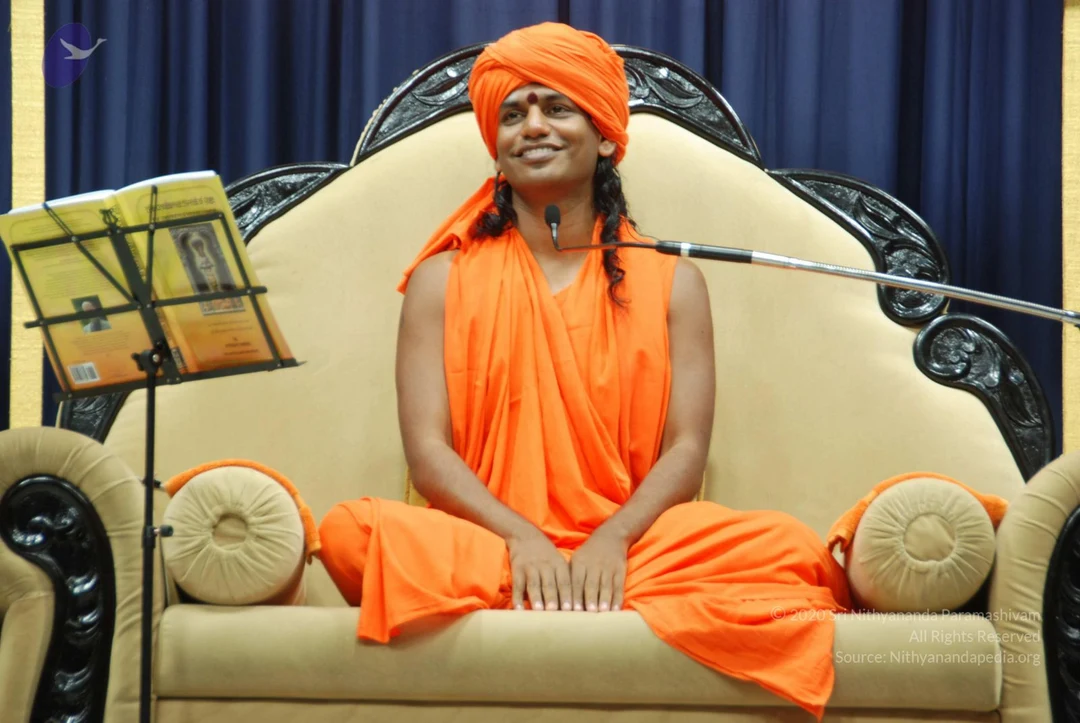
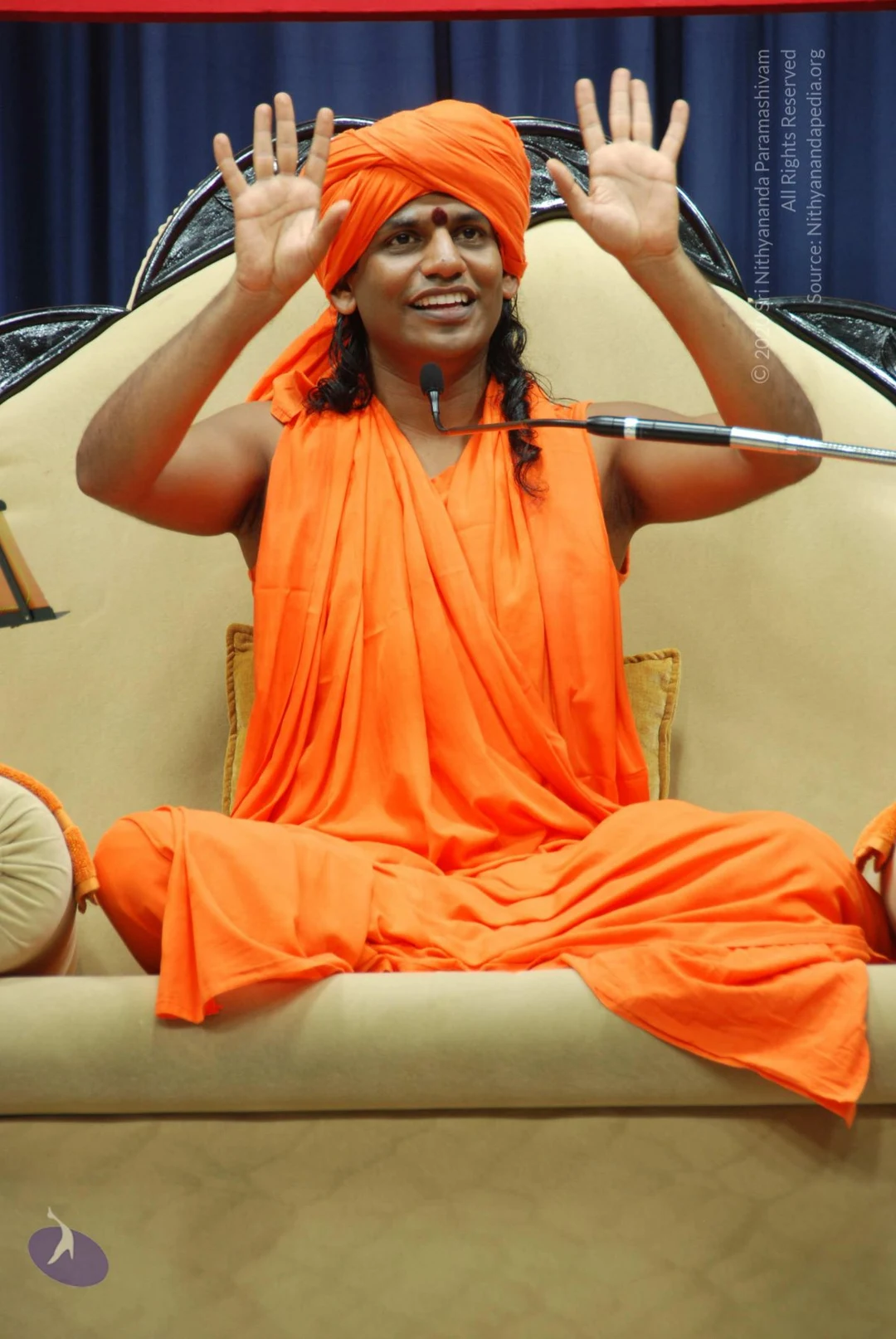
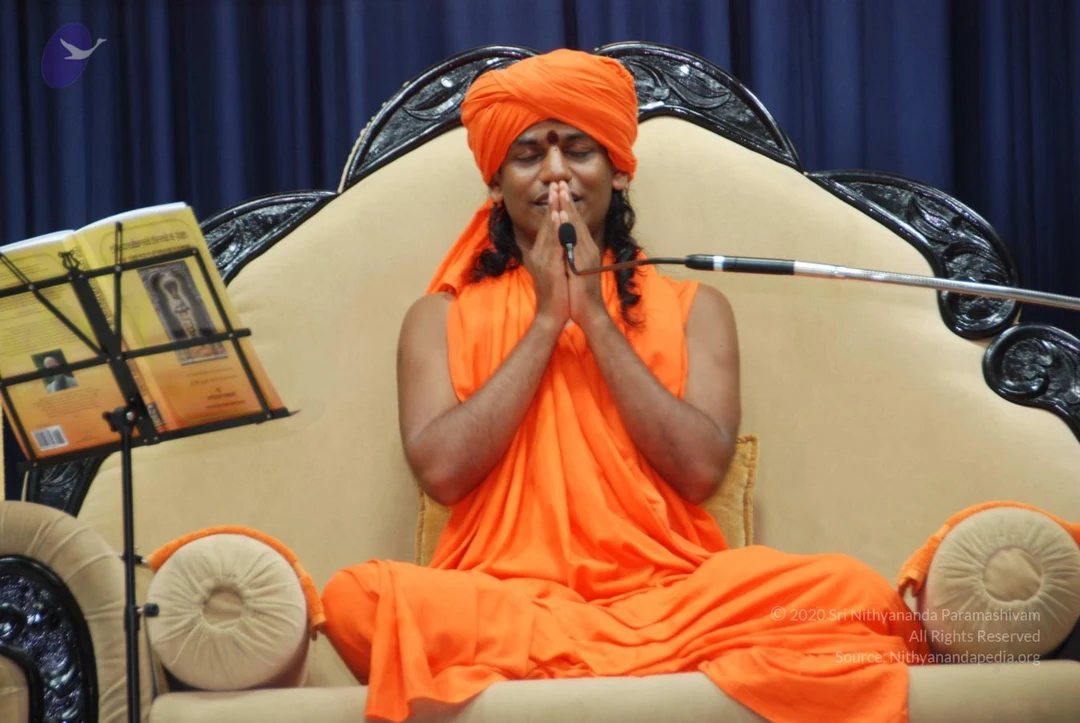
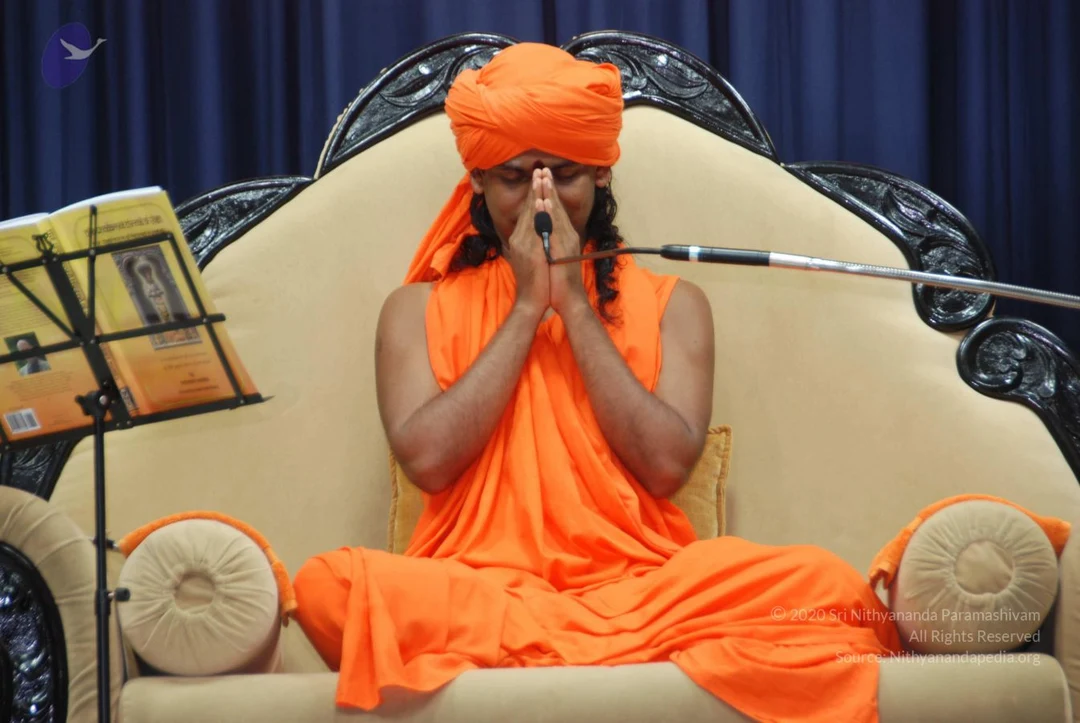
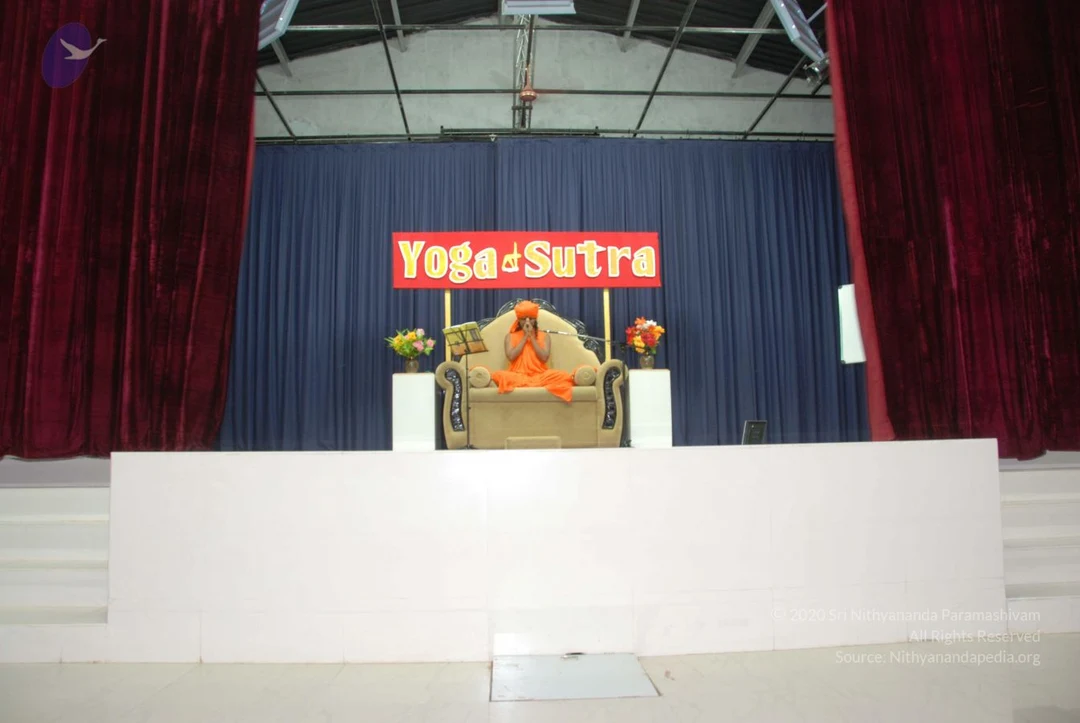
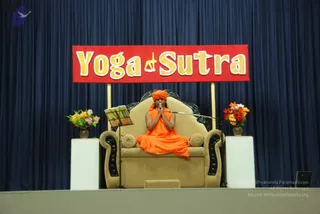
The Supreme Pontiff of Hinduism, Jagatguru Mahasannidhanam, His Divine Holiness, Bhagavan Nithyananda Paramashivam, expounded on the Cosmic Principles from Patanjali Yoga Sutras during a talk - entitled Five obstacles to Samadhi-antiaging. The Supreme Pontiff of Hinduism shared further on the 3rd Sutra of Sadhana Pada explaining one of the obstacles in life, abhinivesha, clinging to life. He explained through many examples why clinging to life is the worst suffering happening to human beings because it keeps them from experiencing life. He challenged everyone to every once in a while to close their eyes and wildly shake anything you think as life. Then, He shared, just sit and handle the chaos and you will then have entertainment and intense excitement in your life. He shared that the ultimate happening is the juice of excitement continuously happening in your Ananda Gandha area and that living without clinging to life is living Enlightenment.
Video and Audio
Message to former disciples: Nithyananda
| Video | Audio |
Transcript
(0:50)
Sadāshiva samārambām shankarācharya madhyamām Asmadācharya paryanthām vande guru paramparām.
(1:09)
I welcome you all with My love and respects.
(1:29)
I welcome all the devotees who are in the physical presence and in the virtual presence.
(1:37)
Today I will continue the same, third sutra of Sadhana Paadha, on which I was speaking in last discourse, because I have not completed the whole sutra; there are some important two words which we need to internalize in today’s session.
(2:14)
Let Me enter into the sutra.
Avidya asmita raaga dvesha abhiniveshaha kleshaha
(2:30)
As I said earlier, Vivekananda translates this as: ‘The pain-bearing obstructions are ignorance, egoity, attachment, aversion and clinging to life.’
(2:46)
Swami Prabhavananda translates as: ‘These obstacles, the causes of man’s sufferings are ignorance, egoism, attachment, aversion and the desire to cling to life.’
(2:57)
In last session I explained the words avidya, asmita, raagaha, dveshaha. Now we need to understand these two words, abhiniveshaha kleshaha.
(3:22)
Abhiniveshaha - Clinging to life. Let us understand this word abhiniveshaha, clinging to life.
(4:05)
First thing, what you think as life is not the life. What you think as life, is just accidental combination happening of the different persons’ desire, anger, greed and chaotic emotions. Please understand, whatever you feel as the best moment in your life, just open it and see; it is nothing but the illusion created by so many different peoples’ greed, anger, emotions, chaos together.
(5:08)
The other day I was seeing a laser beam show. Just with different laser beams they create a scene or a picture in the air. Just, in the open air, they create as if somebody is appearing, just with few laser beams. Same way… Please understand, just four-five different laser beams are concentrated at one place in sky in the open air. Suddenly somebody’s form appears. Whatever you call as life is just like that laser beam; laser beam created picture. Even one beam, one inch moved, the picture will not be there! Whatever you call as life, just sit and take the accounts. What is the best moment in your life? Or what do you think as the best thing in your life? What for you are still breathing? See, all of you are breathing, continue to be alive, expecting some moments which you had to be repeated; or the different versions of some moments which you had, to happen. See, something which has happened in your life you wanted it to be repeated. Or something which has happened in your life you wanted it to be repeated in a different way, opposite or altered. That is the reason you continue to breathe, you continue to exist.
(6:48)
There is a hope in the deep secret corner of your being, secret corner of your heart, there is a hope for what you call as the best thing in your life to repeat itself again. What you call, what you think as the best thing happened in your life, just see, it is nothing but the picture created in the sky through the different laser beams. Sit and look. Yes, what is the best moment in my life? What is the moment which I wanted always to happen again in my life? If you see, that moment or that happening has happened because of so many different laser beams meeting. So many peoples’ greed or fear or raaga or asmita is the laser beam.
(8:01)
If I take one example, may be the joy or the contentment you had when you had a baby, or when you got married, or some important scene which you think as a great moment, you got some award, reward, or your birthday celebration, or some celebration where you have been honored, if you think that is the moment, the best moment in my life, may be that kind of moments will repeat in my life, in a much better version, or at least in that same scale, for that I am still alive; if you think, come on, scan that moment; it is the projection of so many peoples’ greed. Why people come to your birthday and give the gifts? Because they know when they have their birthday you will be there with the gifts. Interest-free loan! A decent, interest-free loan! I have seen in villages, at least in the village in which I was born and brought up, people take the accounts, whatever is given during the marriage ceremony or the other ceremonies. I used to think why they take accounts? So they keep it and return it when they have the ceremony. It is almost like a interest-free loan; nothing else!
(9:32)
So, somebody’s greed, somebody’s avidya, somebody’s asmita… If you are rewarded, please be very clear, all the fellows who are sitting in front of you when you are rewarded, either expect that you will be there as part of their reward, you will somewhere be there as part for them getting reward, or there are some…..there is some other reason.
(10:03)
Please understand, all the fans of a hero, or actor, or celebrity, wanted to be in that place. It is the unconscious fulfillment. Understand, all the followers of a particular political party or a leader wanted to be in his place. That is why the followers are the worst danger for the political leader. Fans are the most jealous people for celebrities. And disciples, if they are not intelligent, if they don’t have the understanding….. . If they work for the state of the disciple…..state of the Master, they are the best people to be associated with. If they are eyeing on the status of the Master, worst people to be associated with. Of course, the moment they eye the status of the Master, they are no more disciples; they are either fans or followers of a political party.
(11:24)
Please understand, so whoever is there as part of your best moment, they are all projecting their laser beams: their avidya, or their asmita, or their raaga, or their dvesha. So with all these laser beams, a illusory picture, your larger-than-life-size picture appears in the screen or in the air; not even in the screen background, just in the thin air; and you think, ‘Wow! This is the life! Best moment!’ And you try to cling to that.
(12:11)
Please understand, so many peoples’ so many different, chaotic emotions is beamed, and in that chaos, in that projection, something appears which you feel as life. And you cling to that life. What an unfortunate life! What an unfortunate mental set-up! Even if one person’s one laser beam shifts one inch, the picture will disappear. But you try to cling not only to that picture which is appearing on the thin air, you try to hold on to all the laser beam sources. How can you control all the laser beam sources? Even those sources cannot control the color, intensity of the light they are projecting, the beam they are projecting! Because, it is out of their ignorance, avidya, it is out of their asmita, it is out of their raaga, it is out of their dvesha they are projecting. It is just chaos covered by chaos! When the chaos covers the chaos, something happens which you think as life and you cling to it constantly. That is why, the clinging to life is the worst suffering can happen to human being. Clinging to life avoids you experiencing life.
(14:10)
I tell you, the beautiful, open, simple prana, air, where there is no light beams, laser beams, where there is no figure, is life. That is what I call “annaththa”. Buddha calls “nibbana” – nirvana. Nothing is there, just pure liberation. But, because of your clinging to life, some chaos created by the chaotic laser beams which are from unconscious sources is considered as life and you cling to it.
(14:57)
There is a beautiful story in Mahabharata, the greatest Indian epic. Of course, not only in India, all over the world, this is the largest poem ever written. Still the record is not broken! Somebody who can create a record which is not broken for more than ten-thousand years in any language, still, after ten-thousand years, in no language the record created by Vyasa remains unbroken! Surely, great genius!
(15:43)
There is a beautiful story. The king named Yayati... he was strongly clinging to life, what he thinks as life. He thinks, sitting in the court, and all the ministers in front of him, and people come and tell their problems, and he solves them. And people come and bring all their disputes and everything; he solves them.
(16:21)
See, listening to people’s problem, by and by, people can think that they are all-powerful! That is the most dangerous thing! Listening to others’ problems continuously, two thing will happen: one, basically you will get depressed constantly listening to others’ problems; second, unconsciously you will start thinking you are all-powerful; that you can solve everybody’s problem. It is a most dangerous thing.
(16:53)
So this guy thinks this is life! And he clings continuously to it. He goes on clinging to life. Understand, clinging to life is the worst mental disorder.
(17:12)
Shah Jahan…..when Shah Jahan was arrested, put behind bars, just opposite to Taj Mahal, the building from which he can see the Taj Mahal which he built, by his own son, Aurangazeb… Once in a while, Aurangazeb will visit the prison. After all, father! Shah Jahan was just completely dull, dead, depressed. If prison cannot put you in depression, you are an Incarnation! Nothing else! Because, it really, it really, really, will put ordinary mind into depression. Impossible! I think the man’s worst invention to torture other human being is prison! Anything else is tolerable. Even the death is tolerable. But keeping alive in prison is the worst sadistic invention, the worst invention in the field of torturing others. Sadism! See, in each field, people invent. That concept of putting people in prison, I don’t know, how many thousands of years before man has invented that, that is the worst invention happened in the field of sadism. Anyhow!
(19:08)
So this guy is completely depressed, dull, dead, practically lost the life in the eyes, life in the body, the lustre in the skin. Really Aurangazeb felt little bad! Oh god! Whatever is said and done, he has seen his father in the throne, and the grace, power, charisma he commands. It was too much even for a sadist like Aurangazeb. So, he couldn’t contain.
(19:48)
He asked the…..asked Shah Jahan, ‘I know, I cannot release you. I have to be king. But I can give you some things. Ask what you want, because I can’t tolerate seeing you in depression. Whatever will help you to get out of this…..this depression, whatever will get you out of this depression, tell me, I will provide that.’
(20:23)
Aurangazeb thought this guy may ask some of his queens to be around him, or little comfortable situation; he may ask something. But funny thing, Shah Jahan did not ask anything!
(20:41)
He said, ‘I want fifty school children who will obey my words. Send them. Nothing else.’
(20:51)
School kids, fifty kids were sent as he asked.
(20:57)
After one month, Aurangazeb came again for his rounds. He saw Shah Jahan up, alive! His eyes are shining. His skins have the same luster. And his voice has the same grace of a king. And he is radiating power. He is up, back as Shah Jahan!
(21:22)
Aurangazeb was shocked! How can this be? Just these fifty school kids! How can this guy be back to life? Alive, radiating his grace as king?
(21:38)
He asked the officers who are in charge of prison, ‘What is going on here?’
(21:45)
They described, ‘Sir, every day morning, he trained all those fifty kids to act as ministers. And he comes and sits in his seat like a king. All of them behave just like his ministers. How he used to conduct the court, all of them have been trained to come up with some complaints, some disputes, some problems. They come and present. Around three-four hours he conducts his court. And whole day he is happy with that. Nothing else! The whole team of the kids were trained to act like different ministers, to bring different problems, to bring different disputes, to conduct the whole court. He comes and sits, and all the…..all the kids sit like a ministers, and they all talk whatever has been taught to them, and he conducts the court, and end of the day he is happy; he is relaxed!
(22:55)
Shah Jahan was shocked! Not only Shah Jahan, even I was shocked when I read the story.
(22:03)
Clinging to life! What Shah Jahan thinks as life, he has started clinging to it. He thinks, when he conducts the court how he feels, that scene, that mood, that way of lifestyle is life. He thinks that is life. That’s the best thing can happen to him. That is the purpose why his consciousness is reflecting on the body. That is the purpose why his eyes should see, mouth should talk, nose should smell, ears should listen, hands should move, and body should act. That is what he thinks as the purpose of his consciousness reflection on the body. So, naturally, he clings to that. Even if it is illusory, it is okay. He wanted that illusory clinging to continue, to hold on to life.
(24:14)
I tell you, knowing the illusion is illusory…..please understand, illusion is illusory…..many time, we know, it is illusion; but we don’t remember illusion is illusory. Illusion is illusory is second level of understanding. Understand, only with the second level of understanding any truth will become bio-memory in you.
(24:49)
The first level of understanding is ordinary intellectual analysis; but, does not have the complete substitute. The second level of understanding will bring the substitute or the replacement or the positive truth to replace and remove the negative understanding. That is what I call second level understanding. Any truth, any truth in the life, if you do not have the second level understanding, it will not become bio-memory; it will not become lifestyle. The nididhyasana, means expressing through your bio-memory, living it does not happen if the second level understanding do not happen. For example…..I will give you one example of first level understanding and second level understanding.
(25:54)
The first level understanding is, once Shah Jahan is put behind bar, understanding that whatever he had is impermanent. That is the first level understanding.
(26:12)
The second level understanding is, how can I be in tune with impermanent life.
(26:21)
Unfortunately, Shah Jahan is not able to get into the second level understanding - the illusoriness of illusion. He feels, even if it is illusion, let me hang on to it. Let me cling on to it. Let me cling to it. Let me have it.
(26:47)
Please understand, this is the most dangerous obstruction, most dangerous deviation from Enlightenment. This is what exactly I call abhiniveshaha. Abhinivesha means, after having the first level understanding and unable to get into the second level understanding. After having the first level understanding, not moving to the second level understanding is what the crime against consciousness, conspiracy against the cosmos, brahma haththi dosha. In Sanskrit we have the word brahma hatya dosha.
(27:36)
Having the first level understanding…..Shah Jahan had the first level understanding; he has to. When he is put behind bar, he knows the impermanence of life. Life is illusion; the first statement is already given to him. But the poor guy is not ready to receive that first statement. He is not developed his being to be with that beautiful truth.
(28:10)
Please understand, all the sadhana, all the spiritual practice is nothing but preparing your inner space just to move from first level understanding to second level understanding when the first level understanding is slapped on you by life as happening.
(28:39)
Please understand, all sadhana, all spiritual practice is just preparing your inner space. Whenever the first level understanding is slapped on you…..please understand, many time it is only slapped, because we are not interested in listening. Life just happens. Life just happens.
(29:04)
One of My devotee asked Me, ‘Swamiji, I saw as per my horoscope this big problem is going to happen. You know, I know you know horoscope and you have the power to change. Why did you not change?’ She was asking, ‘Why did you not change?’
(29:33)
I just laughed and said, ‘First thing, being established in the joy and bliss, you never feel like changing anything. You never feel like changing anything. You are just ready for happening. And you are in the mood of celebrating the happening. The happening, if it is received with a deep friendliness, all happenings are celebration. If the happening is received with resistance, all happenings are accidents. With resistance all happenings are accidents.’
(30:31)
When the life slaps you with happening, first level understanding is delivered to you. Preparing the consciousness beautifully will simply make that first level understanding into second level understanding. Second level understanding means, when Shah Jahan had the first level understanding life is impermanent, if he was matured enough, if he was molded enough, if he was prepared enough, he will just know how to be with that beautiful impermanence, how to flow with that impermanent life.
(31:24)
Impermanent…..impermanence is the only permanent thing. Anithya is the Nithya. Anithya is the only thing which is Nithya. Understand, change is the only thing which can’t be changed. Death is the only thing which can’t die. Impermanence is the only thing which is permanent.
(31:56)
But unfortunately, this guy Shah Jahan has never prepared himself to be slapped by the first level truth. So, he did not move to the second level truth. He just fell into depression.
(32:16)
I tell you, preparing yourself to slip into the second level truth beautifully without any pain whenever the first level truths are slapped on your face by life, is sadhana. All your study, spiritual practice should be aiming expecting the life to slap the first level truth on you so that you can just simply relax into the second level truth.
(32:52)
Unfortunately, Shah Jahan was not prepared. So he fell into depression. Lost the grace. He was just depressed. And the beautiful thing is... again and again and again, even if you are not interested in entering into the second level life…..life…..even if you are not interested in entering into the second level truth, life is so compassionate, it waits, and slaps you again! It waits and slaps you again! It waits and slaps you again! It never relaxes saying, ‘Oh, god! This guy can’t be made Enlightened! This guy can’t be liberated! He is too much!’ No! Nobody is too much for life. Understand, that is the greatest assurance that all of us have to be liberated! No other way! Till then, life waits. Constantly brings the happenings in your life. Constantly, he expresses himself.
(34:18)
See, when these laser beams are creating a picture, an illusion in the air, suddenly the life moves the laser beams, appears as pure life, as the emptiness, or as the pure sky. And you say, ‘No, no, no, no, no, no! It is too much! Come on!’ You just try to adjust those laser beams here, there, here, there, and again you want some illusion, some picture, you cling to it; but after half an hour, again he comes as a breeze and just moves one light, and the laser beam is not there. Again the pure space. But again you feel insecured. And you wanted fifty kids in front of you to conduct your court.
(35:09)
Poor Shah Jahan! How silly it looks! Having fifty kids and teaching them for few hours what they should talk! You are the writer of the script. You are the person who is directing the script. And you are the person who is doing the makeup. And you are the person who is making them enact. You are the person who is sitting and enjoying. You see, writing a screenplay, story, directing and being a hero in a movie is okay. But, just making that as a life, and enjoying, feeling that it is reality, it is something really, really, really dangerous! A serious mental disorder! Please understand, we are all playing the same game. That is what I call “clinging to life”.
(36:18)
Not having the maturity to get into the second level truth when the first level truths are slapped on your face by life is abhiniveshaha. That’s the exact meaning I will give for the word abhiniveshaha. Not interested, not matured enough, not intelligent enough to step into the second level truth, get into the second level truth, move to the second level truth when the first level truth is slapped on our face. When the happening is happening, unable to change the strategy for the future, clinging to the old, same strategy with which you created with lot of thinking and investments, is abhiniveshaha.
(37:14)
All of us create strategy for our life. We do strategy planning for our life. But when happening happens in your life, your whole strategy planning is shaken. Unfortunately, you do not have patience or intelligence and not prepared to redo the strategy planning for future, to replan, restructure, rebuild your life after that shattering, after that happening, is abhiniveshaha.
(37:54)
Understand, happening will be happening in all fields of your life. Whether it is your economy zone, or physical health zone, or mental health zone, or family, the relationship zone, or the friends zone, or the spiritual zone, in all zones the happening will be happening. The life will suddenly appear larger than the life- size. But, unfortunately, either you are not interested, or not matured enough to move to the new strategy planning. All challenges are just message from God to change your strategy planning and branding. Please understand, all challenges sent to you is just message from God saying that, ‘Hey, take diversion! It’s time to take diversion.’ Unfortunately, when we are not interested in getting into the second level truth, we are stuck.
(39:13)
One more thing, if you are interested in getting into the second level truth, if you have trained yourself to get into the second level truth, if you are matured enough to get into the second level truth, you don’t need huge happening as it happened in Shah Jahan’s life. A simple thing, a simple happening is enough to put you into Enlightenment. See the Zen Masters’ life.
(39:40)
There is a simple, beautiful story. One nun was trying to fetch water from a well. And she had a bamboo on the shoulder. Both sides she was hanging mud pot filled with water. She was walking from the well to her monastery in the night. It was a full moon day. The full moon’s reflection was seen on the pot. She was just deeply engrossed or lost in that full moon reflection which was there on one side pot. She was walking very slowly with deep, restful awareness, ready to fall into the second level understanding. Suddenly, the bamboo broke, pot fell and died…..fell and broke, and something from in…..inside her fell and died; she became Enlightened!
(40:51)
Please understand, it is a beautiful, very beautiful story. Because she was so prepared, so matured to get into the…..to fall into the second level truth, life does not need to happen in her life in larger-than-life size. Just a simple happening: the full moon was reflecting on the pot…..the water on the pot which she was carrying on the shoulder, just bamboo broke, pot fell and broke. The full moon, that shining, that picture, that scene which she was seeing has disappeared. And something inside her also fell, broke; she became Enlightened! Something inside her died; she became Enlightened! The clinging to life was not there. Abhinivesha was not there. She was almost ready, waiting, waiting, to pass into the second level understanding. So, simple breaking of the bamboo, something broke in her, she became Enlightened. She does not need a big happening. Just a simple thing; she is Enlightened.
(42:26)
Understand, prepare your whole life continuously and be ready for the life to slap you with the first level understanding. The simple statements.
(42:41)
How do we know what is first level understanding? All first level understandings are taught to you before you are seven in the life. Whatever you learn from your first level teachers - from your mother, father, or teacher - the simple things: life is impermanent, we are all going to die; the sickness is inevitable; the simple truths: relationships are not stable; love is not permanent, whether you have it or somebody show on…..shows on you, it is impermanent. These are the first level truths which you always hear but avoid; which always comes to your notice, but you try to find out some technique to delay it. You always go for second opinion with the first level truth. Going for second opinion with the first level truths is abhiniveshaha.
(43:49)
One guy goes to the doctor. After a thorough check up, doctor says, ‘I am afraid, to tell you the truth, you may die in a month!’
(44:02)
This guy was shaken and asked, ‘Doctor, I want second opinion.’
(44:08)
Doctor takes few seconds and says, ‘My second opinion can be, you are also ugly!’
(44:14)
That’s all! All second opinions are abhiniveshaha - clinging to life. Do not go for second opinion with first level truths. There is no second opinion! There is no second opinion! With second opinions, you can postpone the first level truths becoming second level truth in you. That’s all! That postponing is what I call clinging to life, abhiniveshaha.
(44:57)
Simple breaking of bamboo, and breaking of a pot, and the moon’s scene disappearing, she realized the life is laser beam, projected illusion, the illusion created by projected laser beams. And clinging on to it is just foolishness.
(45:23)
Why we cling on to life? This Yayati story with which I started the discourse session... If you understand that Yayati story, you will have the answer to this question: Why we cling on to life so much? This guy, this Yayati, lived for hundred years as king, ruled and enjoyed all possible enjoyments whatever he thinks as enjoyment, lived with it, means whatever he thinks as life, he was able to project with different laser beams and see that illusion in the air, and was able to maintain that illusion for quite a long time. He had control over all the sources of laser beams. Understand, if you have control over all the sources of laser beams and create a illusion, that is too poor, because you know that illusion is under your control, and slowly you will be bored also; you will be bored. Even though Yayati was bored of that illusion which he was creating and enjoying, he was not courageous enough to slip into the second level truth. He wanted that illusion to be continued even if it is boredom.
(47:14)
So, Lord of Death, Yama comes to take Yayati. He says, ‘Come on, it is time you die!’
(47:24)
I tell you, death is the ultimate freedom when you understand. It is the greatest freedom from boredom. Boredom is prison; ultimate imprisonment. I tell you, people are afraid of imprisonment because of boredom. But unfortunately, they do not understand the seriousness of boredom when it happens directly to you. Death is the master who liberates you from the boredom. And he just gives you some other entertainment. He says, ‘Don’t you feel bored with the same people?’ Unfortunately, when you establish relationships, and enough wounds and scars are created which can’t be healed, what will you do? The same persons, same people, same situations. Too much of boredom. You start shrinking from all the things. So death comes as a liberation. He says, ‘Come on, relax! I will give you now new set of people; new set of beam, laser beam sources with which you can play and create new illusions. It was a break, big freedom.
(48:46)
But, this Yayati is not ready even to get into that small change. He was afraid, ‘Who knows, this Yama may take away my…..the present laser sources, beam sources, and he may not give new laser beam sources! Or he may give something which I may not like! Maybe worse than this boredom!’
(49:12)
He said, ‘No, no, no! I want to live! I want to live the same way. Please give me hundred more years!’
(49:20)
Yama said, ‘What foolish boon you are asking? It’s impossible!’
(49:28)
This guy bargains, ‘No, no, no! You take one of my sons, their hundred years, and give me that hundred years.’ The first money exchange! Or exchange offer!
(49:48)
Yama thinks, ‘Alright! Let’s see! Let’s give one chance, whether this fellow is able to handle hundred more years of boredom!’
(50:06)
So, he says, ‘Alright! This time I will allow. I will take your…..one of your sons’ life.’
(50:13)
One son died, and his life hundred years was given to Yayati. And Yayati lives for hundred more years.
(50:22)
Understand, the thickness of unconscious in Yayati is so bad, so deep, even boredom cannot make him bored. He was so dull….. Sometime, sometime I have really seen the insecurity feeling, the unconsciousness becomes so strong in people, knowing that there is no juice in that kind of a lifestyle which they are living, they will hold on to it! I have seen, they will hold on to it! That mental set up, they will hold on to it! They know that mental set up will just destroy their life. And the place where they are living will destroy them. It is just too big missing. Too big loss.
(51:20)
I have seen how people miss Me! Or miss being near the Living Master. Many time, just simple foolish things, they know, and they know that I also know, just in few weeks or few months they will be in such worst depression, just because of the thickness of their boredom. They will not be able to even get out of the bed early morning. They will not be able to move in life. They know they are just stuck. But, the depth of boredom…..sorry, the depth of unconsciousness, the unawareness, the arrogance is so strong, they choose boredom. Like Yayati choosing hundred more years. Too much of insecurity.
(52:42)
Understand! Insecurity about life will not allow you to live with the Master, because Master is life. He will be constantly moving all the sources of the laser beams and appearing again and again as the pure air in front of you. He will constantly make things go blank in front of you. Constantly, he will be showing the nirvana, the purnatva, the emptiness, the fulfillment, the simple space. If you are holding on to him….. . Sometime, people start doing that. They try to project some laser beams in such a way it almost looks like the open sky; but they are projecting the same shade of the open sky, blue, and imagining it is open sky. That is what is being caught by the idea of Master, leaving the Master.
(54:01)
All the guys who have an idea about Me, because of that idea left Me, is holding on to the blue sky projection which they are projecting, in the thin air with the blue laser beams and thinking that is the sky. That is the worst, unfortunate missing. At least, if you have a different colors, at some point you will remember it is an illusion and you will catch that emptiness, you will catch the sky, you will get into the second level truth; but, if you are projecting the…..the same sky color and feeling you are already with the sky, with the open space, you will miss the real open space, even when the real open space moves your blue projection and appears, ‘I am here!’ But what to do?
(55:11)
You say, ‘No, no, no! Which I was projecting was much better, because the sky which I was projecting through my laser beam looks almost like the original sky, and it is safe, it is under my control. I am the source of that projection. It is almost closer to the sky, so better let that be there. I am more safe with my own projected sky than the original sky.’
(55:45)
So when the original sky appears, moving your projected sky, you say, ‘No! No! No!’ Shivering, frightened, disturbed, and do not want to enter into the second level truth. This is the worst missing can happen to human beings: Missing the real Master, because of your projection about the Master.
(56:18)
See, if you never had any projection about the Master, you are missing, nothing wrong; you have nothing to do with it; forget about it. He never happened in your life; you never happened to experience; there is no problem. But, missing the real Master because of your projected Master, is the worst missing.
(56:44)
The thickness of unconsciousness is so strong, you feel security is much more important than reality. Like how Yayati chose hundred more years of the same illusion than liberation, than change in life, than new set of happenings in life. Anyhow, Yama granted. And, after hundred years, he was there again.
(57:27)
Again this Yayati is saying, ‘No, no, no! Hundred years is too short period! You are here too soon!’
(57:38)
When you have the same routine, when you a have deep unconsciousness, when you have deep insecurity, your time will just be swallowed without your awareness. You will not know how this many number of years passed. Just close your eyes and do it for ten minutes. Later on let us face it. Once in a while, get into the scene and shake. Shake all the laser beam sources. Make chaos. Then sit and start handling the chaos. You will have entertainment in the life. You will have excitement in the life. Your life will be thickly packed. Your life will be intense excitement.
(58:37)
I tell you, the ultimate wealth is life energy happening, juice of life continuously happening in your life, in your ananda gandha, in your body. Continuously you should feel you are on your toes. Your samana is alive. Samana means, the prana energy which goes into your body and spreads all over the body. Unfortunately, most of you do not imbibe samana using your whole body. Your samana spreads only, maybe, twenty percent of your body. Not more than that. More and more your life becomes secured, and routined, safe, morning you get up from the same bed, walk into the bathroom, and have the same breakfast, same table, same car, same route, same office, same sleeping in the office, same work, same thing, and you are back in the same route, and same TV serial, and same bed, back. Samana is not required.
(1:00:10)
I really tell you, I have scanned millions of people’s consciousness. Whenever they come for initiation, I just have to do one moment of scanning of their whole consciousness. The worst consciousness, I should not tell, but I should tell, is the government employees. Really I tell you, because nothing much to be done. Everything is secured. Their salary, their routine, where they need to sign, nothing much happening! See there are the higher level officers who are going to make decisions, their samana is little more, maybe twenty percent more. But a employee level who does not need to make strategy planning, who does not need to go on transfer, or go to different place, who are just that government official employees, office employees, practically ten to twelve percent is the samana energy happening in them. Means, they don’t need the…..the remaining ninety percent of them does not need to be alive.
(1:01:31)
Almost all the people who are sitting and living with the same set of laser beams and creating illusions are stuck like government employees. I tell you, that is the worst way of existing, even if you have crores of wealth, worst way of existing.
(1:02:00)
Once in a while get down, close your eyes, wildly shake all the sources of laser beams. With closing eyes! If you open your eyes and try to shake, you will say, ‘No, no, no, no! this illusion is okay; I can reject. But, not this illusion; this is too costly!’
(1:02:21)
No! Just wildly shake. Before life happens to you, you happen to it. See, threatening life is renunciation. Whenever life happens to you, how it threatens you, if you want to threaten the life, just make happening to life. You making a happening to life itself is renunciation. When you just say no to life, renounce everything, whatever is the best illusion you think as life, just renounce! Life will be shaken in front of you! It will be shocked! Person who can shock the very life is mayateeta. If you want to be a mayateeta, just shake it! Just shake it! Whenever that sincerity happens to you, where you just get down and shake all the sources of the laser beam with which you created your illusion, that moment is called shraddha vivecha.
(1:03:45)
Kathopanishad says, Nachiketa had shraddha vivecha, possessed by sincerity. These moments happens in everybody’s life. I have seen. I have seen. That is the sweetest moment in the life. That is the honeymoon with Cosmos. I have seen many of My brahmacharis having that moment when they jump into the sanyas; when they jump into the sanyas. Unfortunately, many of them try to get new set of laser beams after they jump into the sanyas and try to create a new illusion. And try to be very comfortable and cozy with that new illusion. But don’t worry; after that I will be taking care; I will be going on shaking that new illusion. I will be going on shaking that new set of laser beams. Because now, all the new set of laser beams are under My control, not under your control. Just shaking the life.
(1:04:48)
Renunciation is threatening the life itself; frightening the very fright…..fear itself; sending a legal notice to Cosmos. Cosmos gets frightened. That is why, again and again, Upanishads describe, ‘A renunciant, a Paramahamsa is worshipped by gods, devas.’
(1:05:25)
When Buddha became Enlightened, all the Gods came and touched the feet of Buddha, because he just said such a big “No!”; he sent legal notice to cosmos. That is what is meant by the words, whenever a tapasvi does tapasya, penance, like panchagni tapas and all, even the gods are shaken; even they receive legal notice. Of course, surely demons are shaken and destroyed! Even gods are shaken! Because, this guy is just saying big “No!” to the whole life! So, no happening can be happening for him. It’s like going beyond happening. When a happening happens to you, if you are prepared, you may fall into the second level truth. But if you are over-prepared, you just wait for the happening. If still it is not happening, you just initiate the happening. You say, ‘Come on! I am ready! I am just burning and you guys are not coming in front of me to take the legal notice! Come on! I am starting the war!’
(1:06:51)
Renunciation is you initiating war with maya, illusion. That is why, the renunciation, so powerful, so strong, the maya gets shaken! The gods get the legal notice! That is why in the Hindu tradition, the Vedic tradition, a renunciant, a Paramahamsa is respected much more than gods, much more than devas, because these guys make happening happen to the Cosmos. Usually, when a happening happens in you, you are frightened. But these guys do such daring things, the life gets frightened! They appear larger than life-size to the life itself!
(1:07:46)
Let’s come back to the story of Yayati. This poor guy, again he is telling, ‘No, no, no! I want hundred more years. I have not lived the life fully. If you have such a thick insecurity and boredom, how will you live the life fully? You will be afraid to change your tea-cup! You may be thinking, ‘No, no! This tea-cup may be the responsible, this may be the reason why I am living so long without the disease! Why to change unnecessarily and take the risk?
(1:08:28)
Not the flavour of tea, even the cup of tea you will not change! Even the cup in which you drink the tea, you will not change! The whole thing is frozen!
(1:08:39)
Anyhow, Yama is little compassionate. And he thinks, ‘Alright! Let’s see! Let’s see to what extreme this guy can go!’ He gives hundred more years and takes one of the grandsons’ life…..grandson of Yayati, and goes.
(1:09:00)
Again, hundred years are over; third hundred years. Yama is back. As we all expect, Yayati says, ‘Hundred more years…..!’
(1:09:15)
Now, Yama has become too compassionate. He did not give. He says, ‘Understand, the more and more time you try to remain in the same illusion, you become more and more sure of illusion. You take that illusion as reality, and bringing you out and liberating you, leading you to Enlightenment, becomes more and more difficult. More and more difficult. So, please understand, now it is time you come.’
(1:10:04)
He gives a very beautiful teaching, ‘By pouring ghee, you cannot put the fire off. By pouring unconscious illusions, you cannot satisfy the senses. By keeping that illusion and the laser beams safe and secured, you cannot be liberated.’
(1:10:31)
And, by the teachings of Dharma, the Yamadharma, the great Dharmaraja, beautifully Yayati liberates himself and enters into the second level truth.
(1:10:53)
Understand, Yamadharma, Yamaraja, is the master to remove abhiniveshaha from us, clinging to life from us. So, let you all deeply connect and offer yourself and pray, surrender to the Yamadharma’s energy, Yamaraja’s energy. Understand, with right understanding, Yamaraja is rejuvenation energy. Yamaraja is Shivaraja. Kaala is Kaalabhairava. With wrong understanding, with fighting mood, he is death. With an understanding, with the clear mood, he is Kaalabhairava, Shiva. It is we, we supposed to decide which way we can look at it. When the first level truth is slapped on your life, if you are matured enough to slip into the second level truth, Yama is Kaalabhairava. Kaala is Kaalabhairava. If you are not matured enough to slip into the second level truth, even if Kaalabhairava happens in your life, you will call him as only Kaala. Even if Shiva happens in your life, you will see him only as Yamadharma.
(1:12:32)
So, understand, not clinging to the life, just flowing with the life, abhiniveshaha, is straight way to the freedom. Straight way to the freedom.
(1:12:58)
People come and tell Me, ‘Swamiji, I am ready to sacrifice my life for you! My whole life is for you! This moment if you tell, I will jump from the hill!’
(1:13:23)
I tell them, ‘No! I don’t want you to die for Me. I want you to live for Me.’ Live without the clinging to the life. That is the most difficult. Living, clinging to life is easy. Or just dying is also easy. But the real thing I need from My disciples is live without clinging to life. Abhiniveshaha.’
(1:13:56)
That is where they say, ‘No, no!’
(1:13:59)
I have seen too many people coming and telling Me, ‘My life is yours! I am all yours! My life is at your feet!’
(1:14:11)
I used to see, ‘What a hypocrisy? If I just tell this fellow one small thing, he will bring ten reasons. But he goes on just lying through the teeth!’
(1:14:25)
I just want to smoke out all these fellows. I did! I did it! Now they all know, the words which they are uttering is such an ugly lie! Ugly lie!
(1:14:51)
One guy, the so-called ex-disciple, wrote an email to another disciple saying that, ‘He spoke to Me. One day before, My life was at his disposal! What…..I would have given my life for him! But now, I have decided, I am not interested in listening to him!’
(1:15:18)
Understand, I want to tell that disciple, if he listens to this co…..this discourse, he will know very clearly whom I mean; he will understand, ‘See, really if you have felt even once your life is at My feet, it can never be changed. Or if you think it has changed because of this scandal, because I am not qualified to have your life at My feet, find out somebody else or some other guru and have that same feeling that your life is at somebody’s feet. Have that vitarka. Have that feeling. Have that connection. You will be transformed! If you feel I am not qualified to have your life at My feet, find out somebody, some thing, some god who is qualified to have your life at their feet, and surrender.’
(1:16:20)
You see, surrendering life at the feet of the Master is nothing but living without abhiniveshaha. Living without clinging to life. All I am saying to many people who thought they have surrendered to Me, and now they think because I am not worthy of having their life at My feet, they took it back, I tell them, ‘Surrendering to My…..to Me…..surrendering at My feet is not the real thing. I never expected. I never wanted. And, whatever you surrender is worthless! Which has no use for Me! It is like a sheep collecting the green grass and trying to feed the lion. Lion has no use for the grass you collected and brought. Lion has no use. And I have no use. And I do not need your surrender, your life. And I am not interested in you dying for Me. Or I am not interested in you doing anything for Me, you sacrificing. All I am interested is, I encourage surrendering to the master just to teach you the life without abhiniveshaha; living without clinging to life. If you can do the surrender to…..with somebody whom you feel as qualified, and learn the science of abhiniveshaha, living without clinging to life, that’s all is the purpose of surrender to the master.’
(1:18:25)
So, My message, My humble message and suggestion to all the former disciples, I am not interested in you dying for Me, or you surrendering your life at My feet. I am only…..I was only interested in teaching you the abhiniveshaha, the truth of abhiniveshaha, living without clinging to life. Now, you may feel I am not worthy to have your life at My feet, find out some god, some Deity, some Guru, some Master who is worthy of having your life at their feet. When you surrender honestly, suddenly you will learn to live without clinging to life, and you will experience life. You will just experience life. I tell you, when you stop clinging to life, you will just experience life.
(1:19:37)
A small story.
One lady, after thoroughly being healed, goes to her doctor and gives a beautifully embroidered purse and says, ‘I am grateful to you. So, I made this purse and embroidered it by myself. Please have it.’
(1:20:00)
That guy, restless guy, ‘I am not interested in your gratitude! First, give me my fees!’
(1:20:08)
She asked, ‘What is your fees?’
(1:20:12)
He said, ‘Two hundred dollars.’
(1:20:14)
She opened the purse, removed the thousand dollar, and put the two hundred dollars and gave it!
(1:20:20)
Understand, life comes to you with a hand-embroidered purse! Do not ask for your fees. Your fees is clinging to life. When you cling to life, life opens the purse and removes the thousand dollar, and puts your fees and gives it to you. Relax! Accept the life as life. Stop clinging to life. When you stop clinging to life, life happens to you. Means, the capital letter - L-I-F-E – Life, the real life happens to you.
(1:21:06)
So, let you all experience the real capital letter LIFE by not clinging to life, by not holding on to the source of laser beams with which you create illusions and play with it. Do not be Shah Jahans! Do not be playing with your own children…..child ministers, your own court! Just relax! You will be running, you will be living in the cosmic court. If you relax from running your own court, you will be running cosmic court. If you are too much interested in running your own court like Shah Jahan, you will be ruining your life. Running your life, or ruining your life, is in your hand. If you add “I” to running, you will be ruining. If you remove the “I” from the ruining, you will be running. So, run your life. Don’t ruin it by adding “I” to it.
(1:22:31)
Let these great truths fill you. And, let you go beyond abhiniveshaha.
(1:22:43)
Patanjali says, ‘These are all the klesha, obstacles, which moves you away from samadhi.’
(1:22:52)
Just this clinging to life, if you understand, that is enough; you are liberated this moment. Be ready to pass into second level truth when first level truths are slapped on you. That’s all is life! That’s all is Living Enlightenment! Living without clinging to life is Living Enlightenment.
(1:23:25)
So, I bless you all. Let you all live, radiate Enlightenment! Let you all achieve, experience, live and radiate the Eternal Bliss, Nithyanandam!
(1:23:49)
Thank you!
(1:23:50)
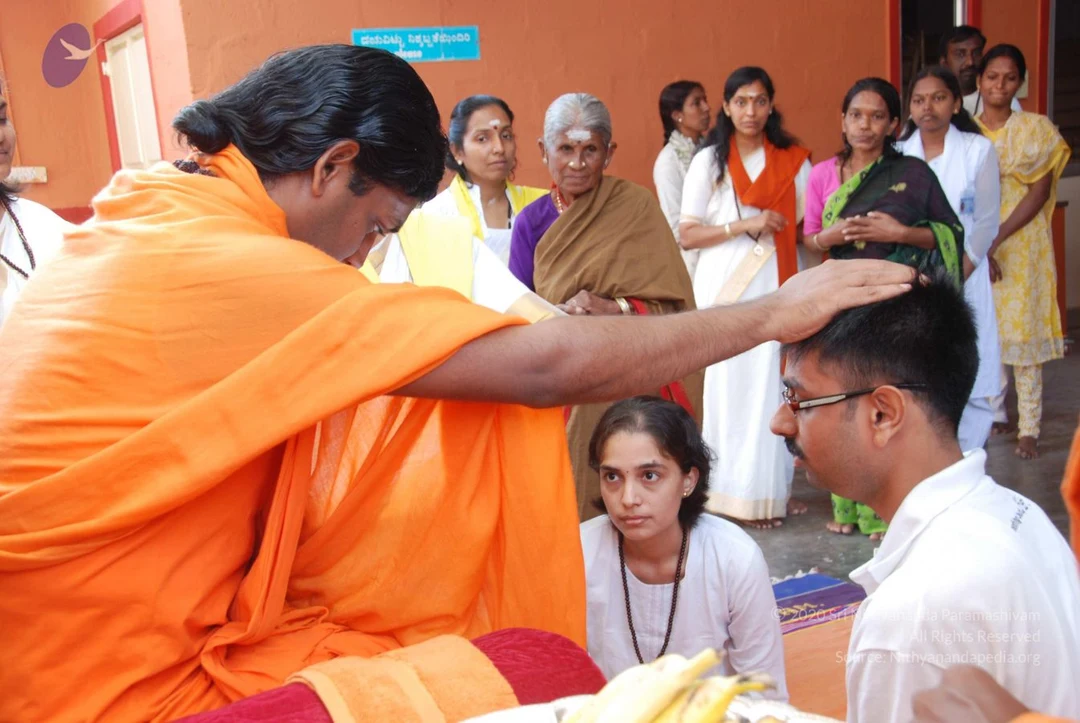
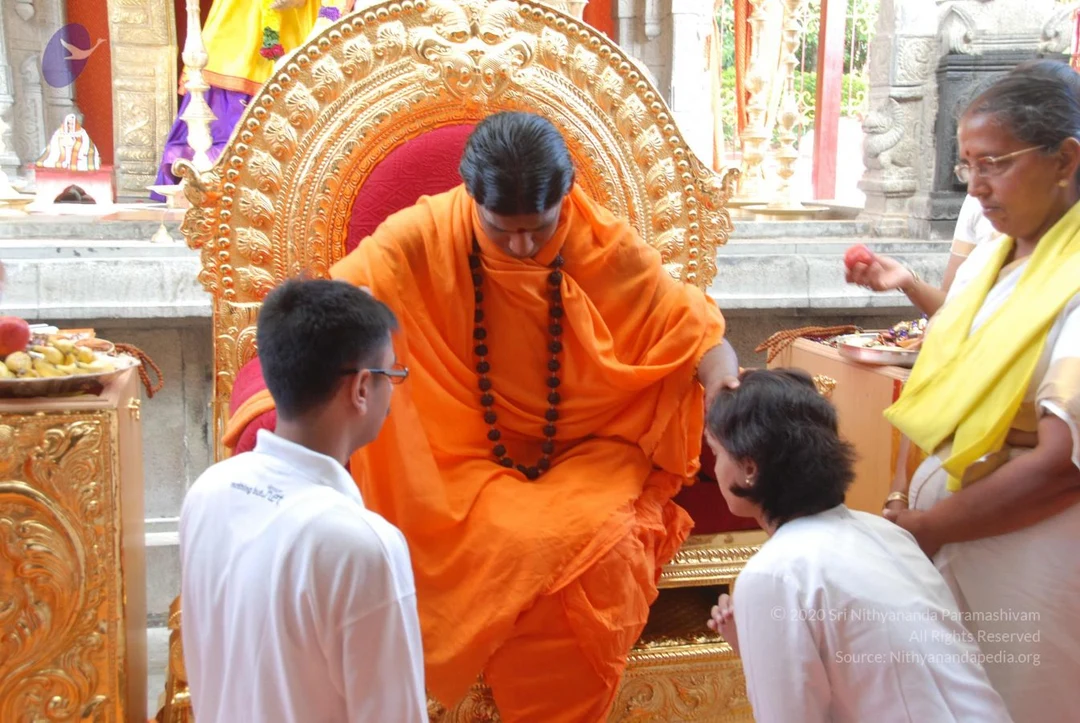
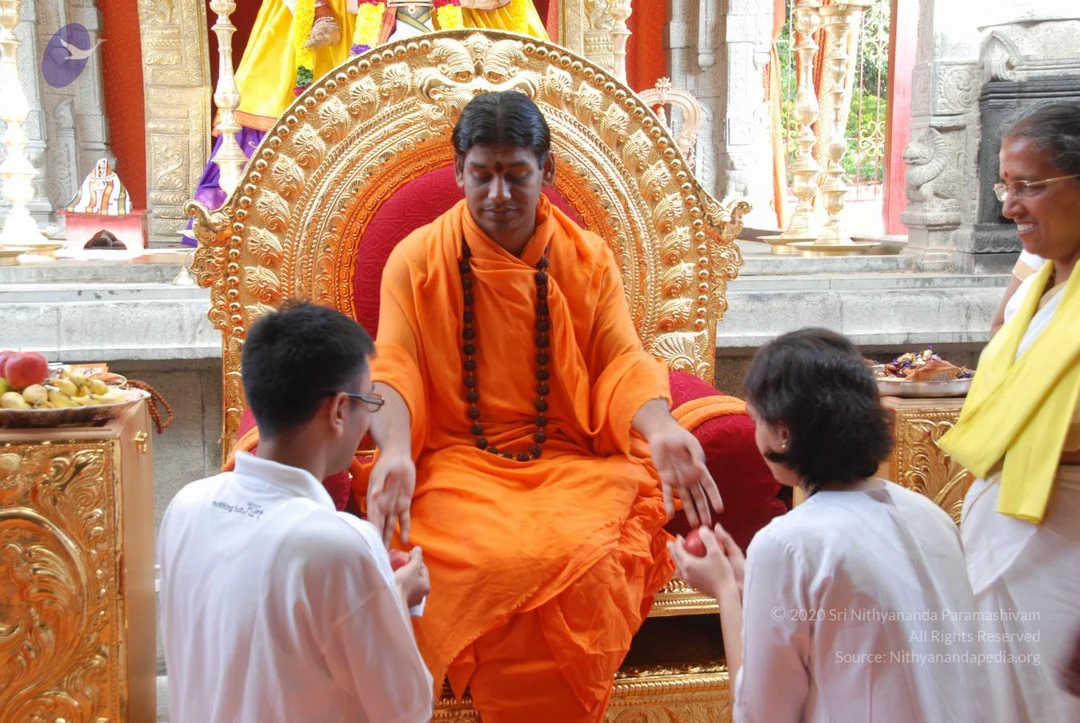
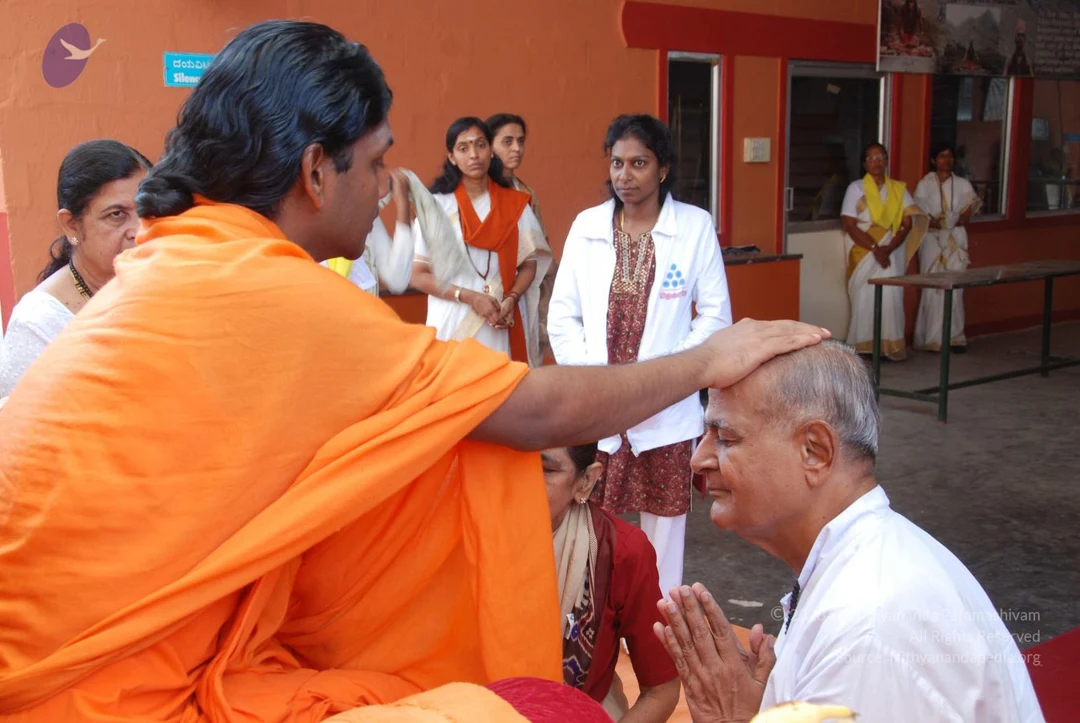
Photos
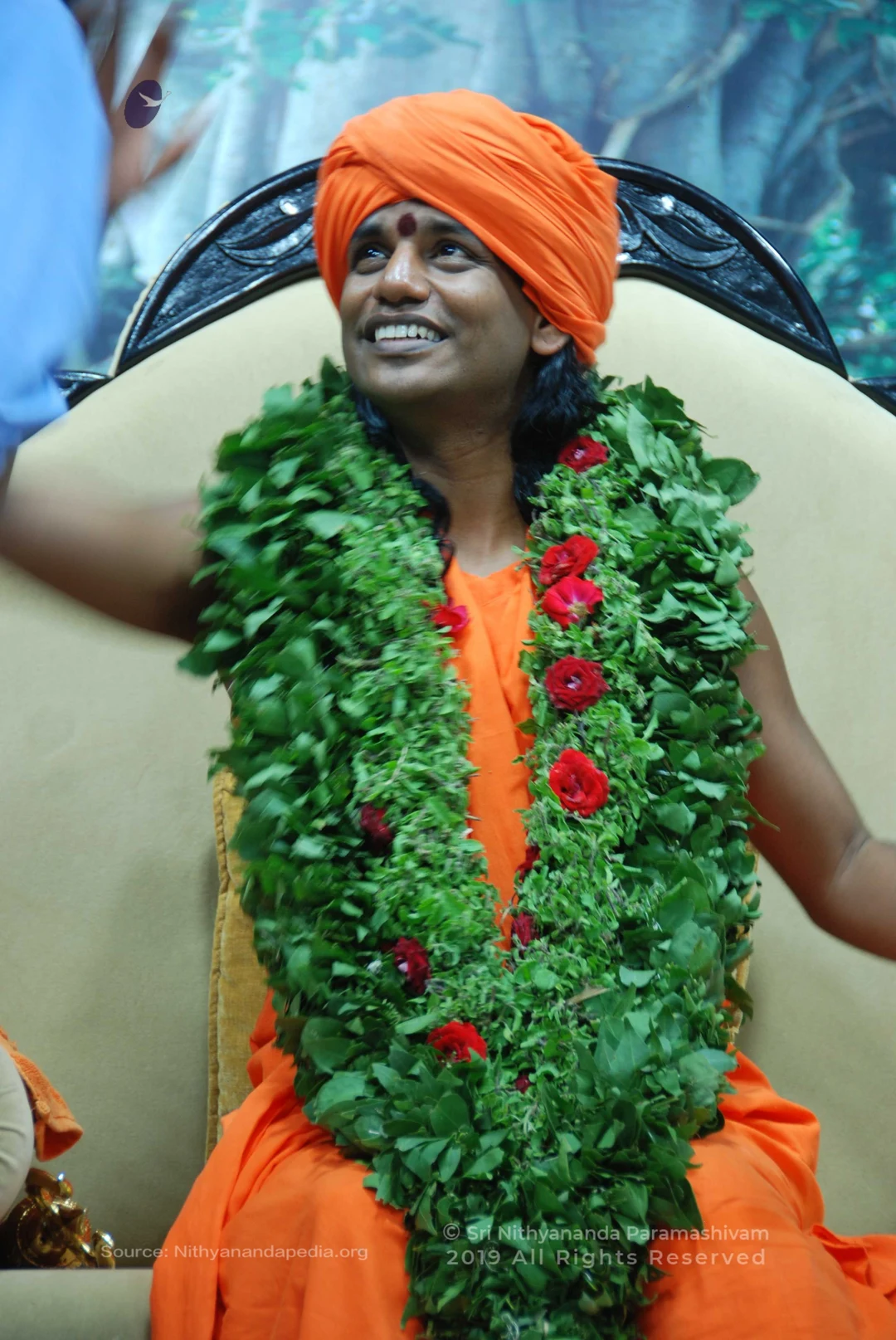
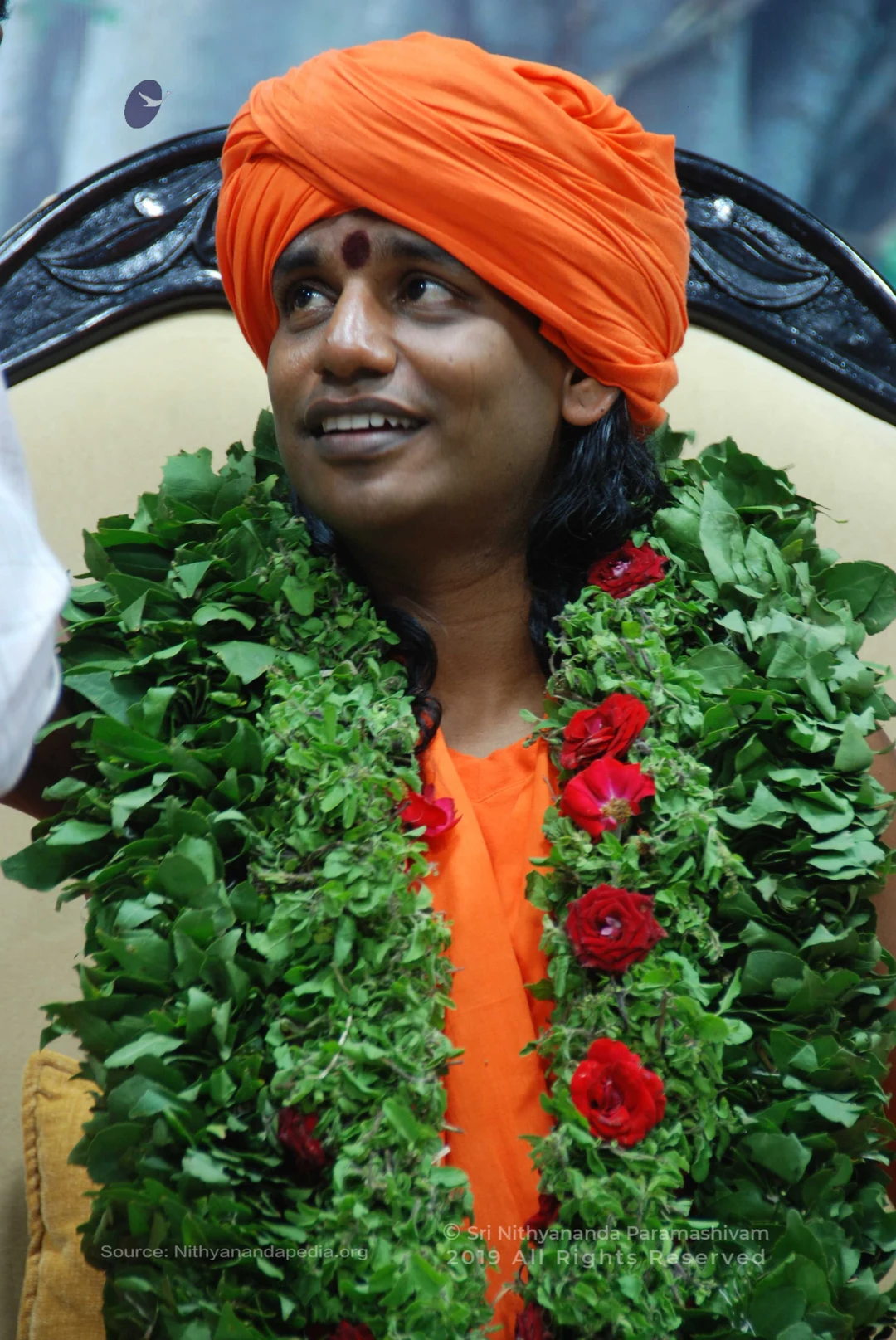
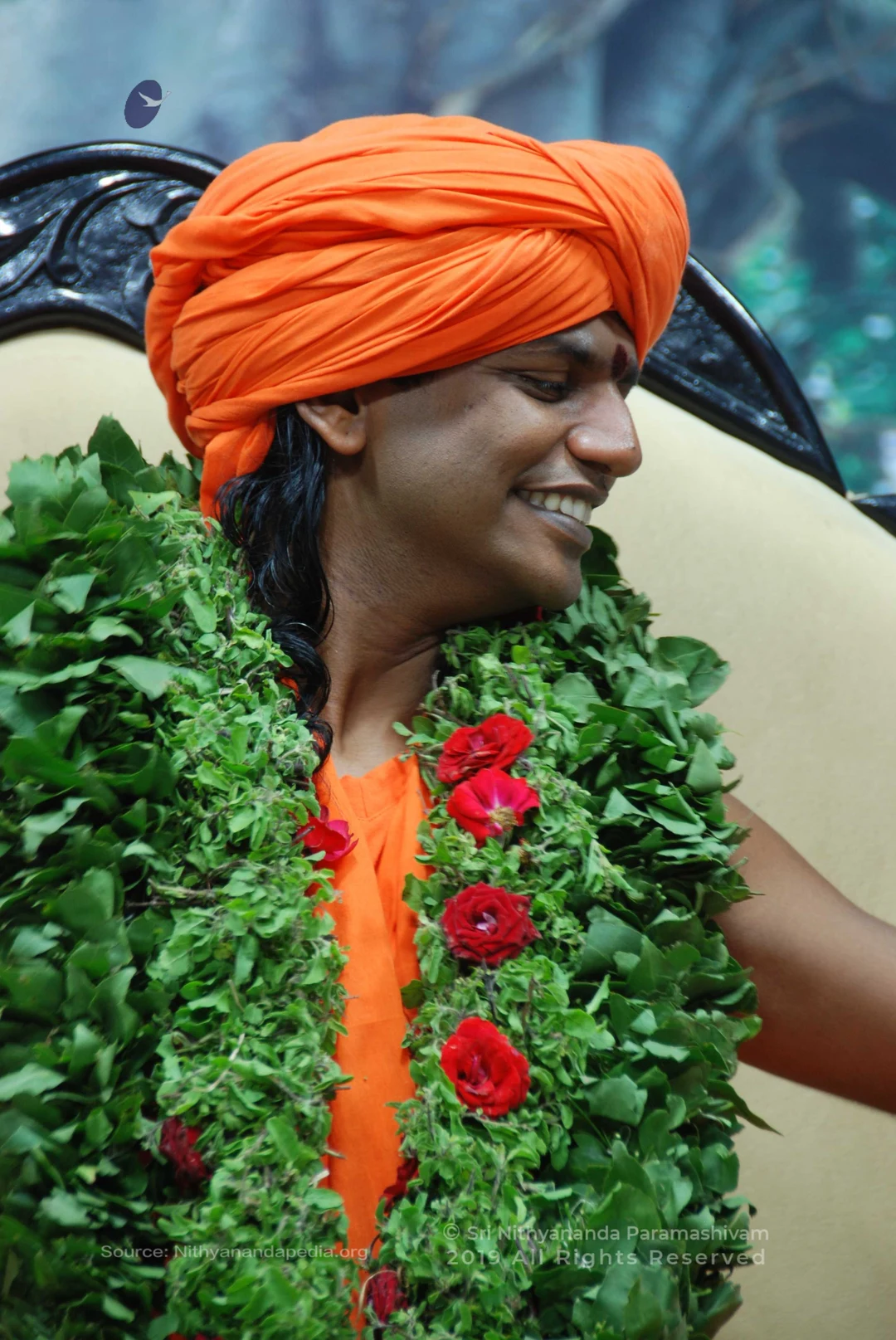

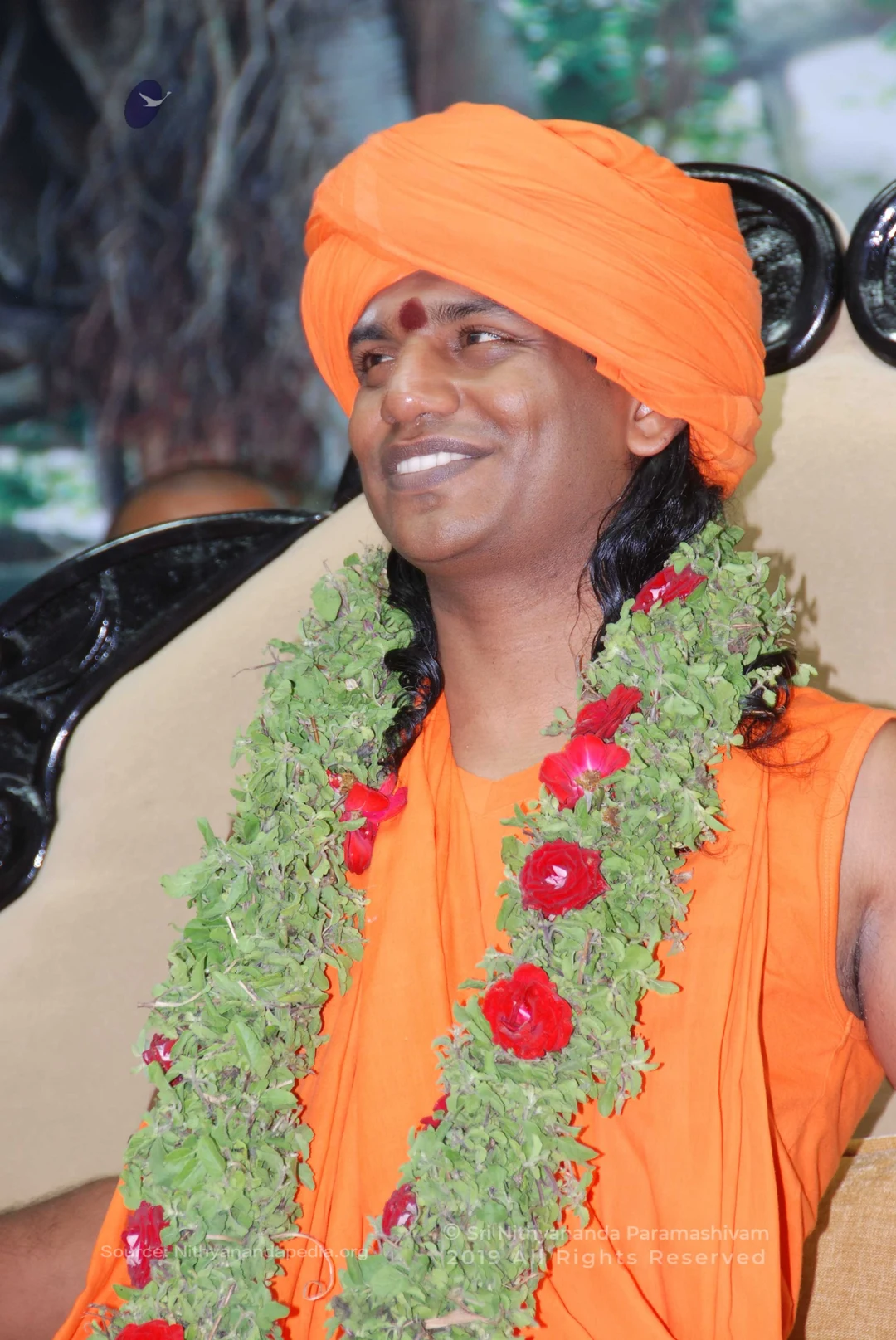
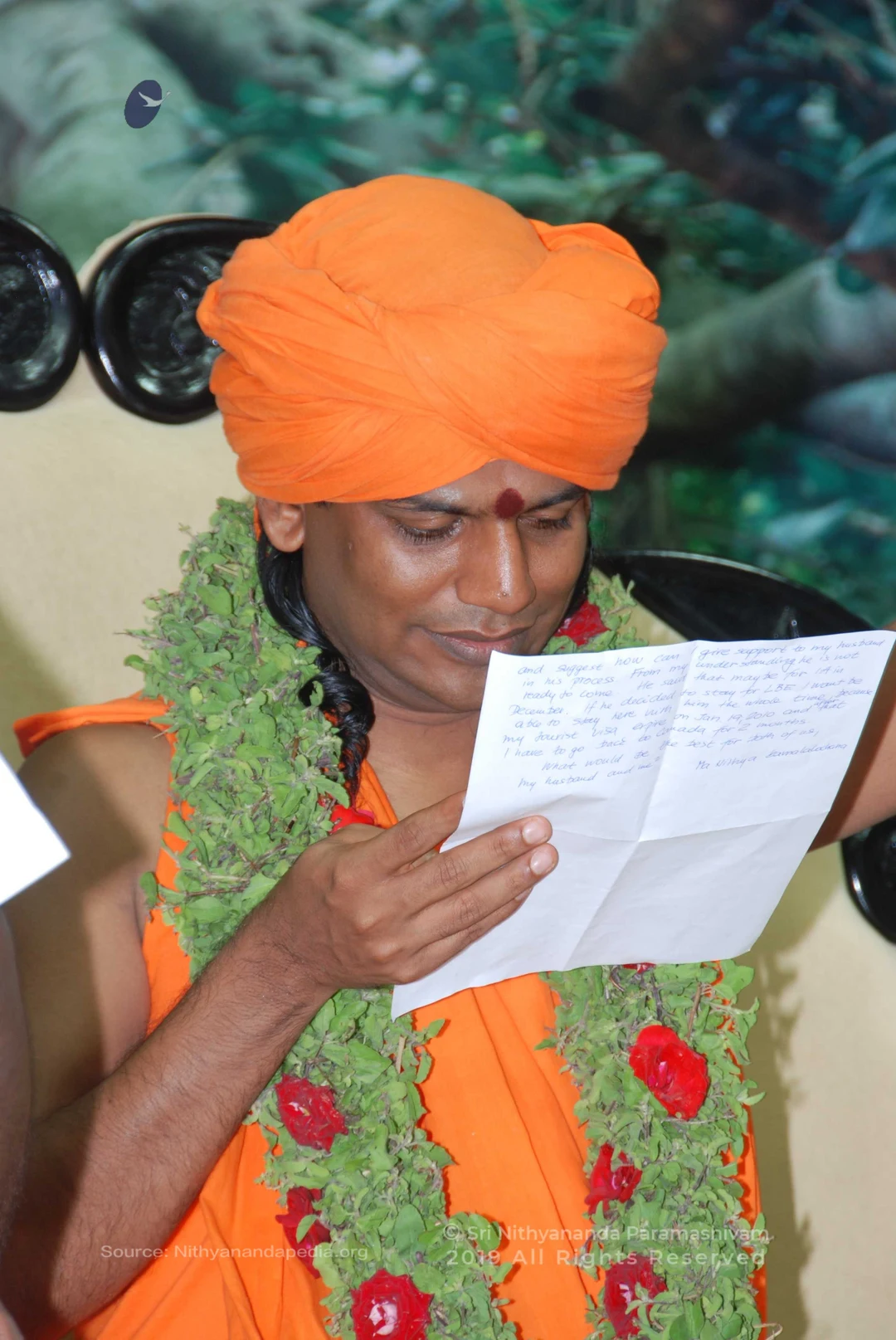
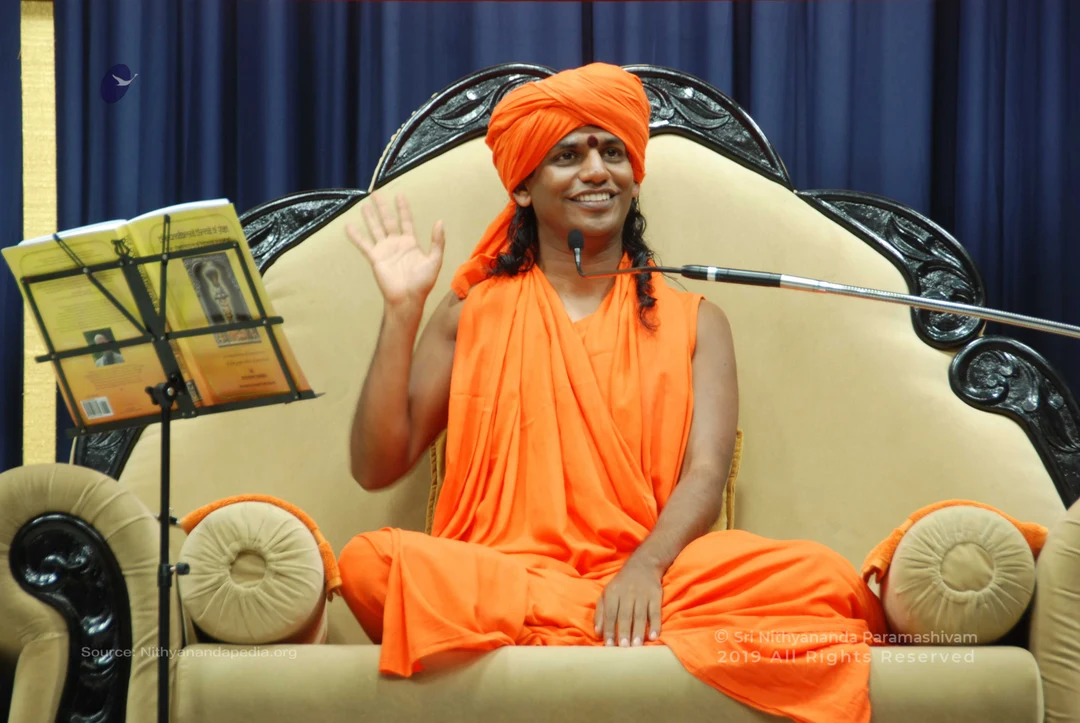
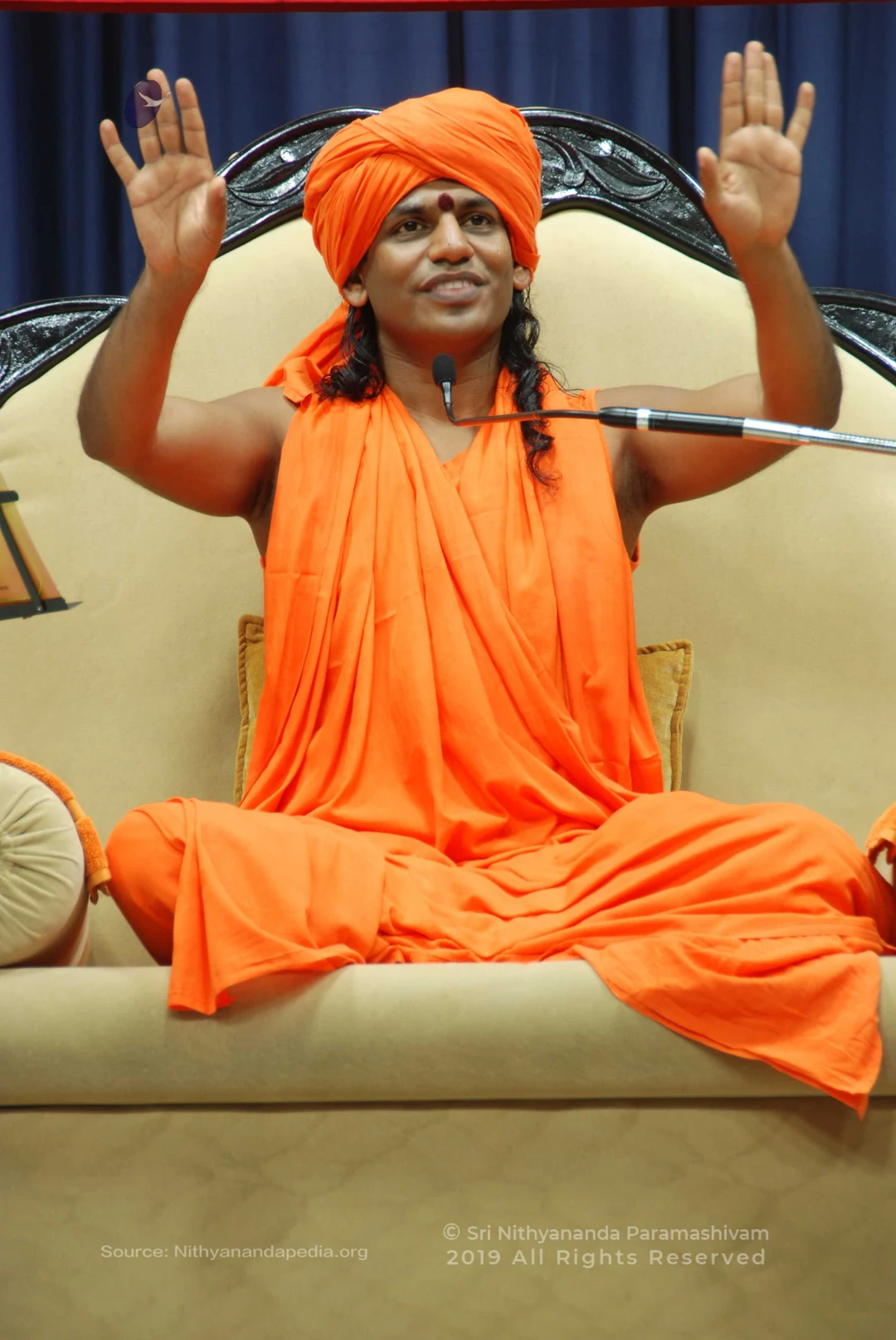
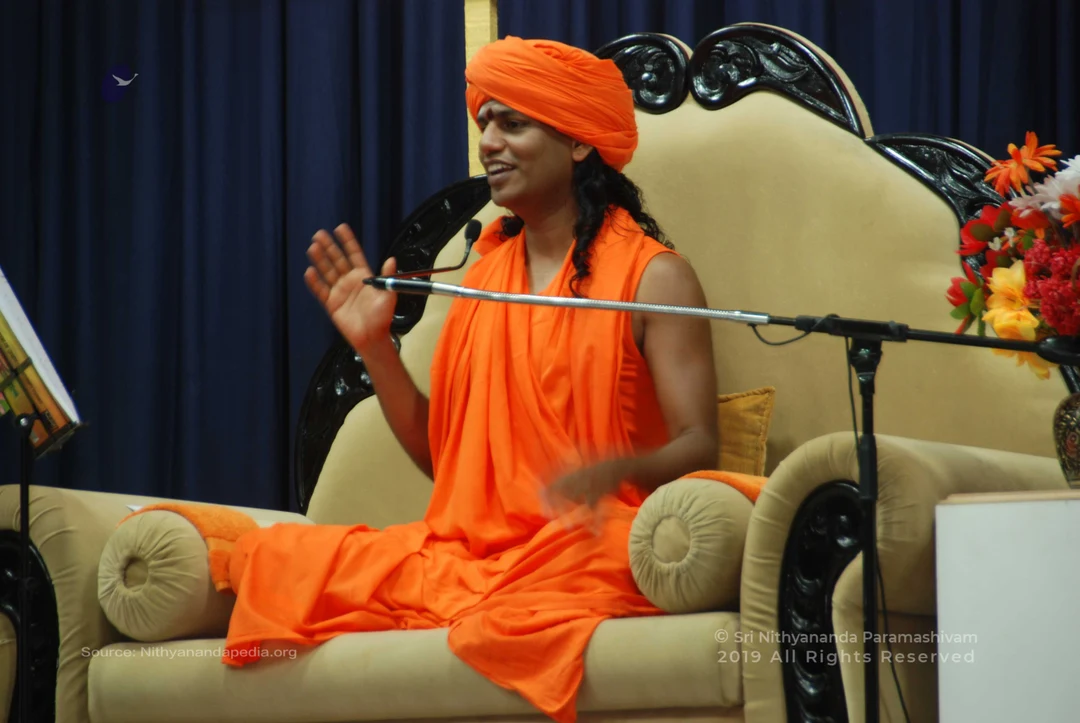
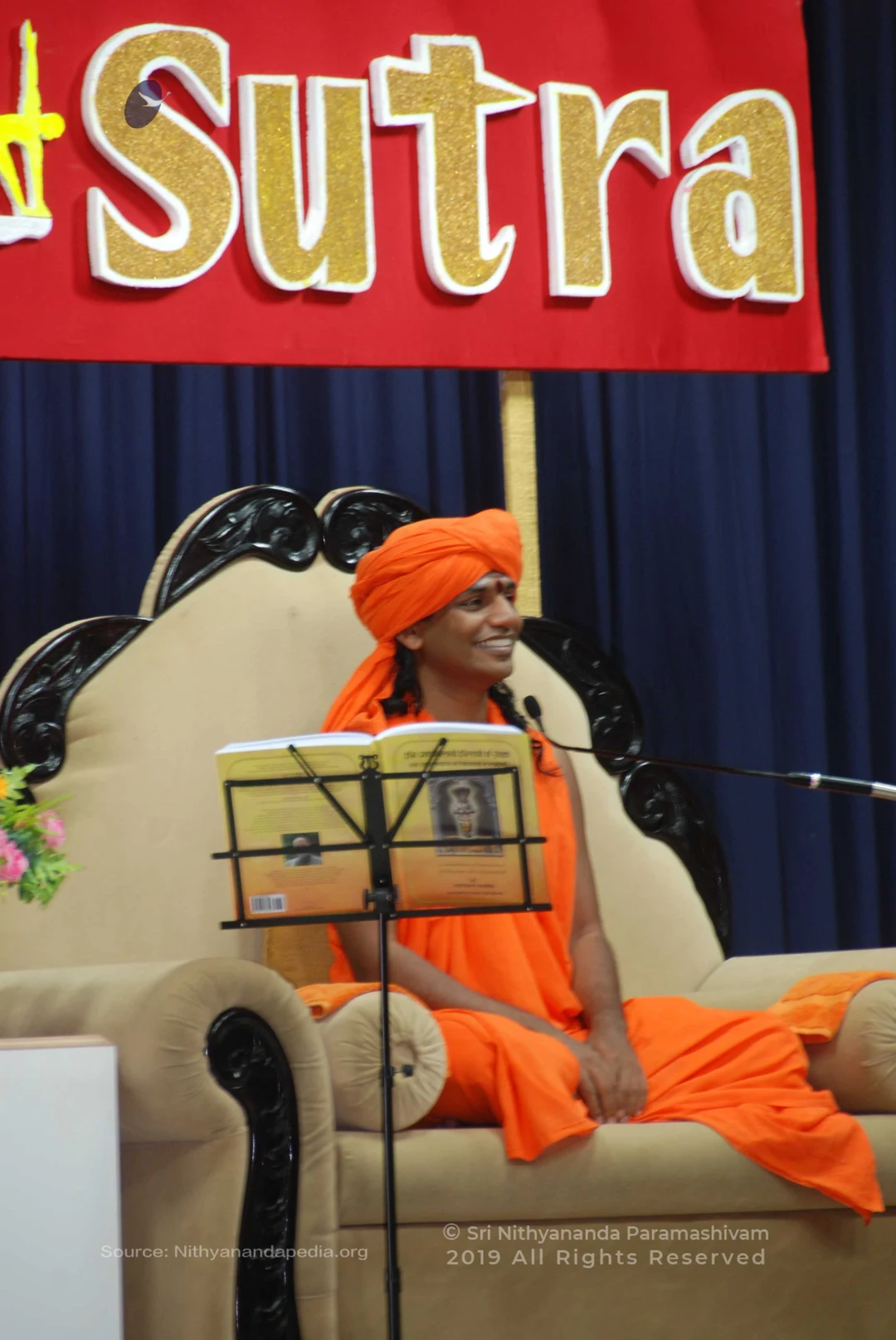
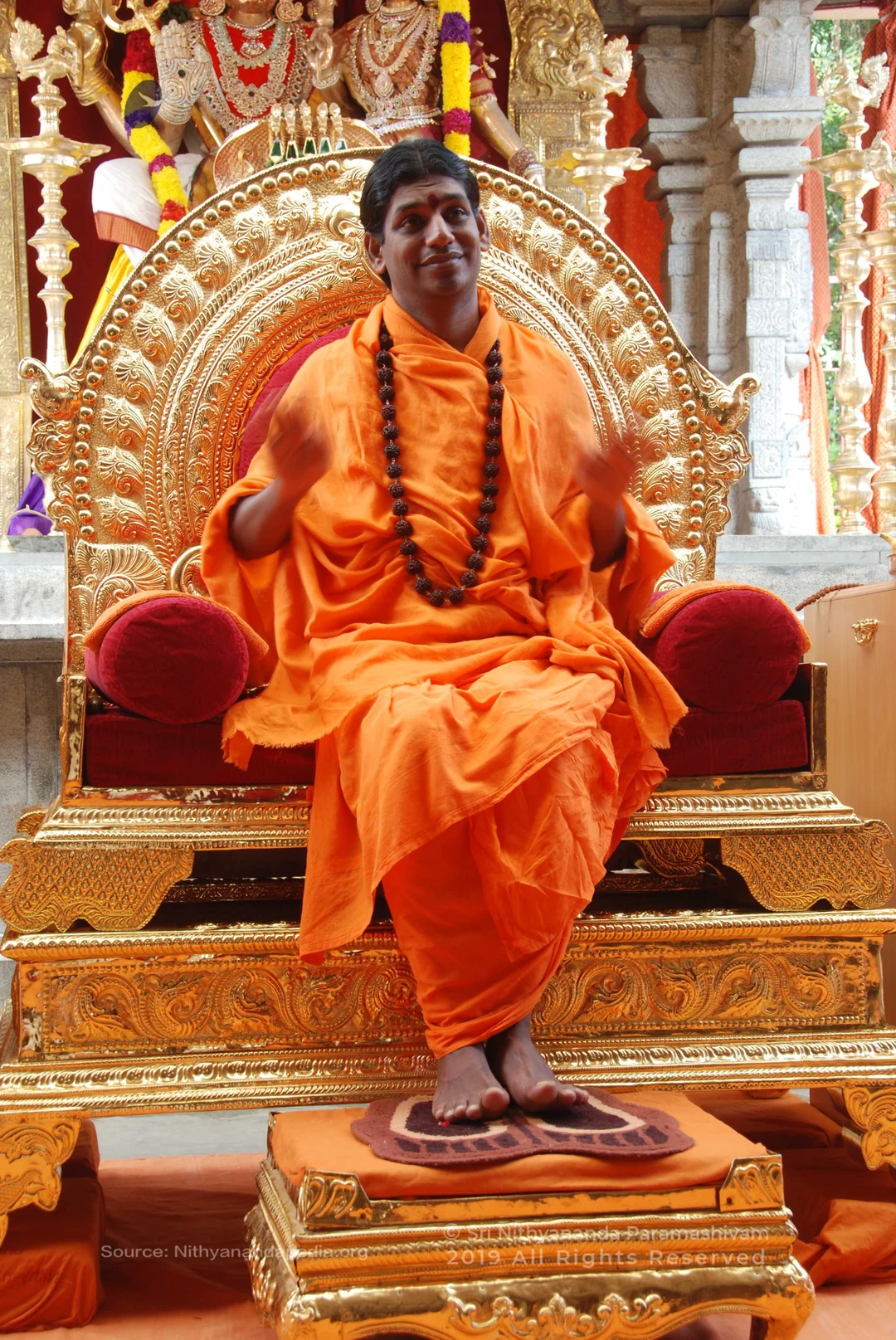
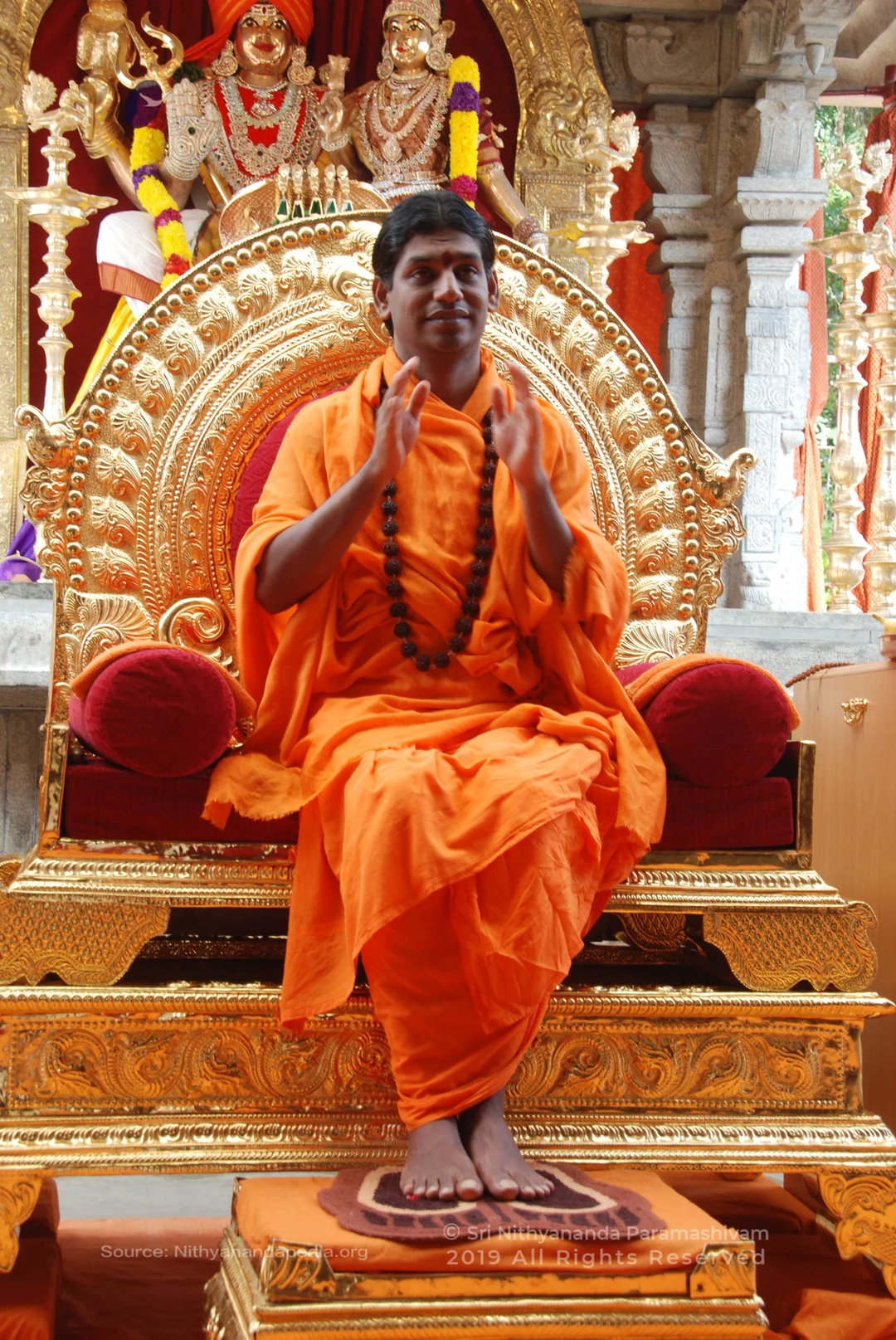
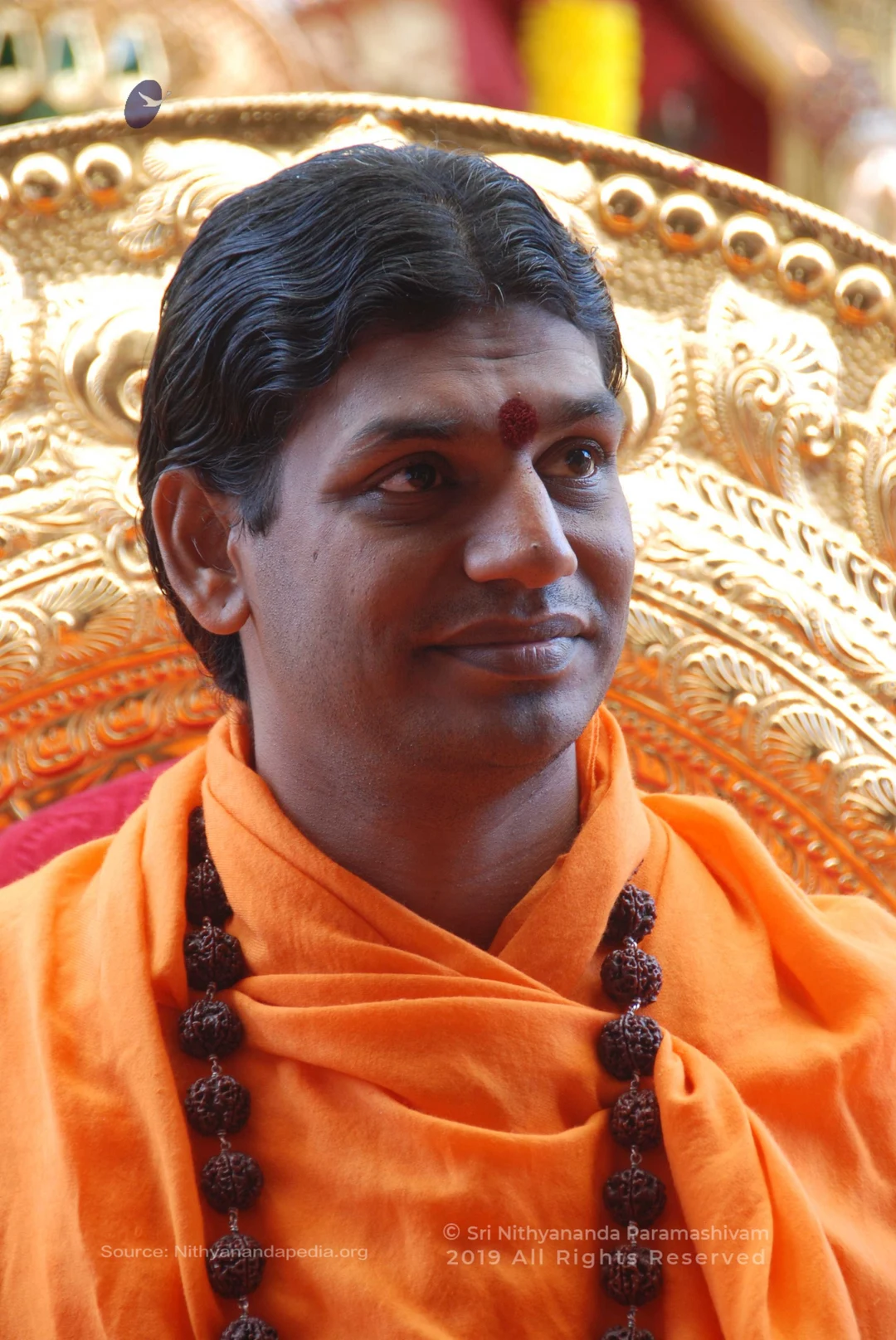
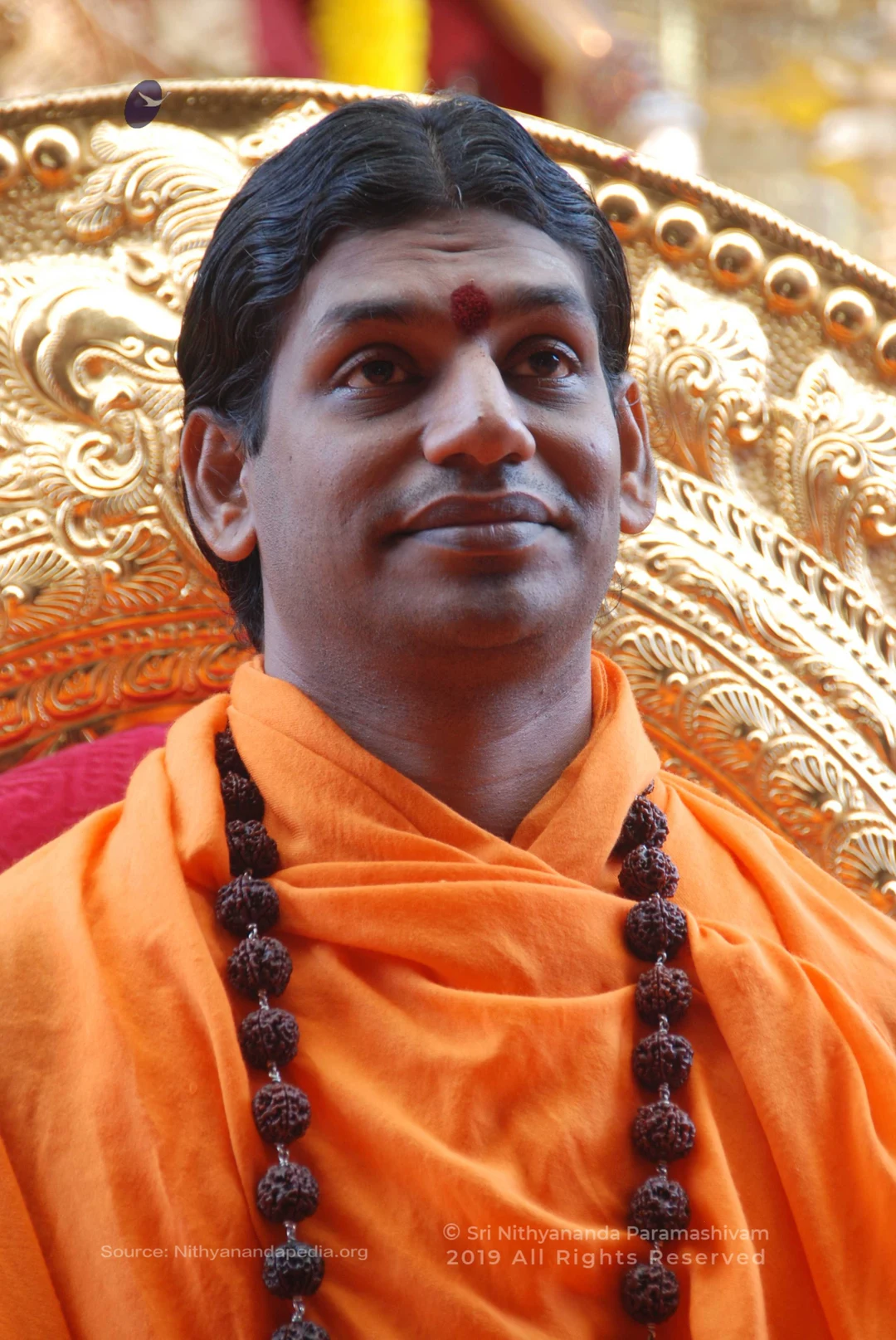
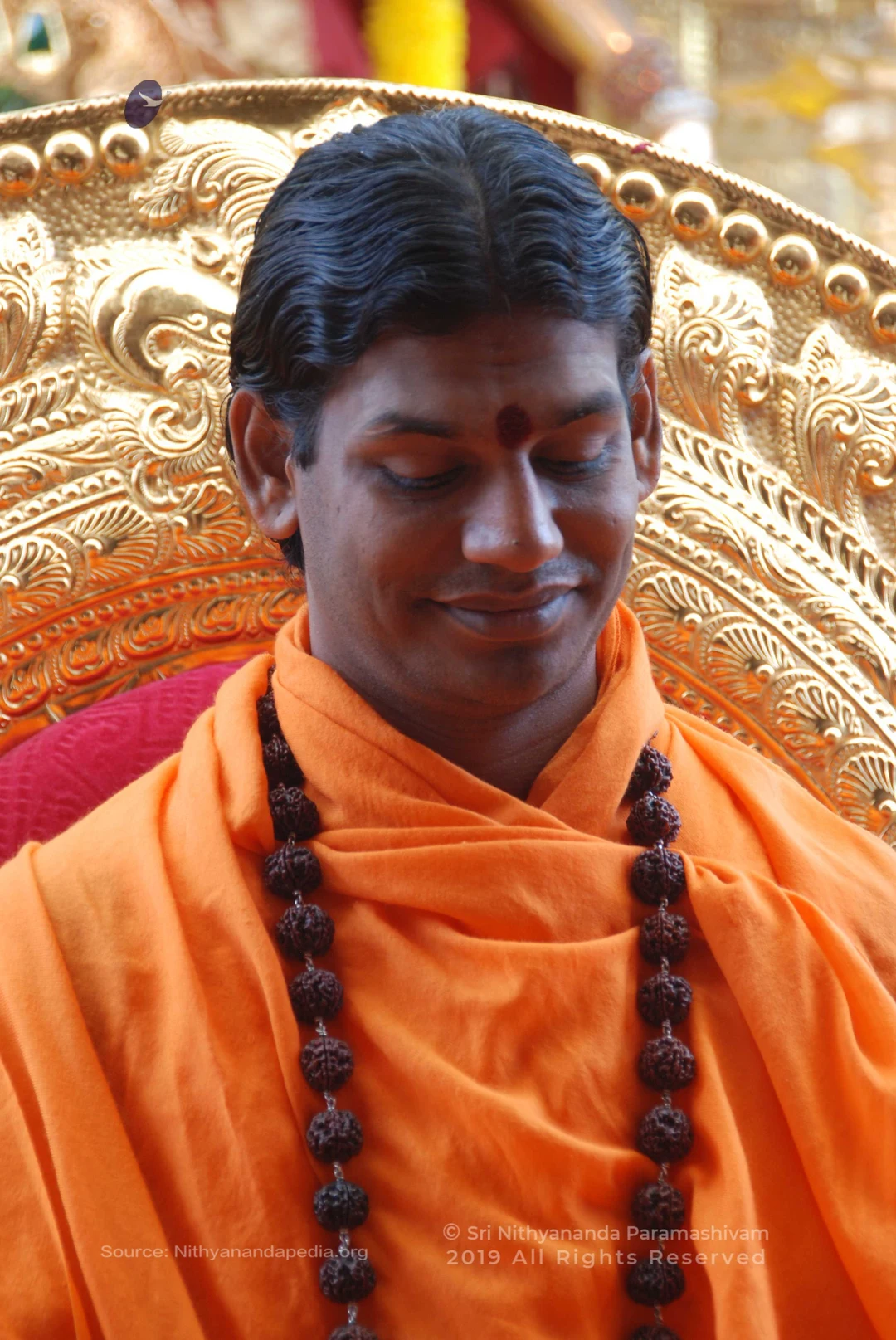
Photos Of The Day:
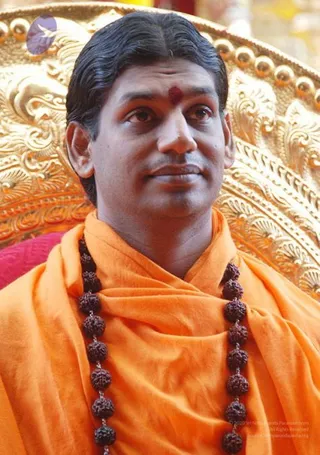
Darshan
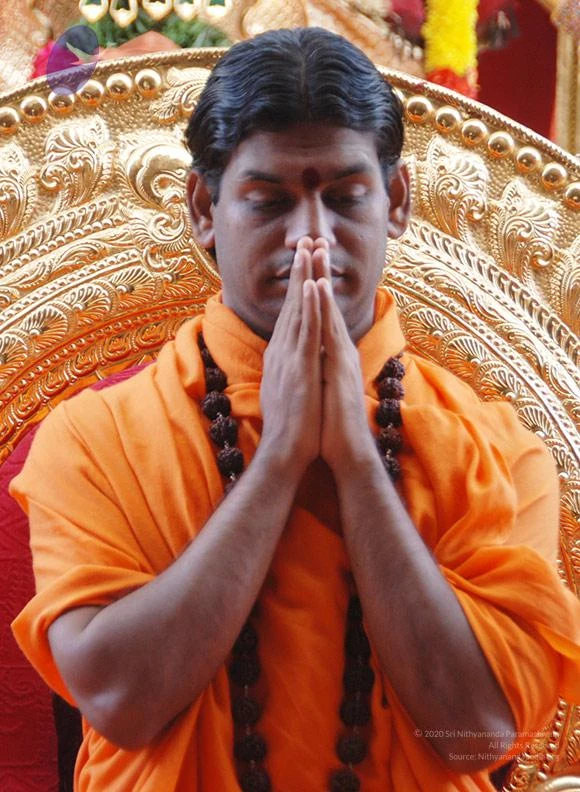
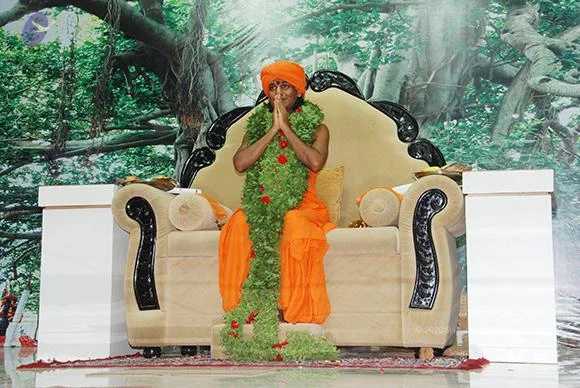
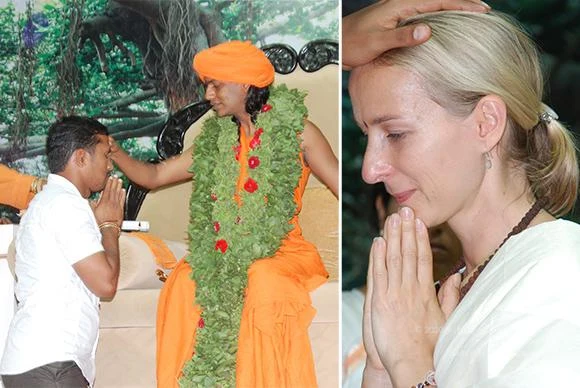
Goshala
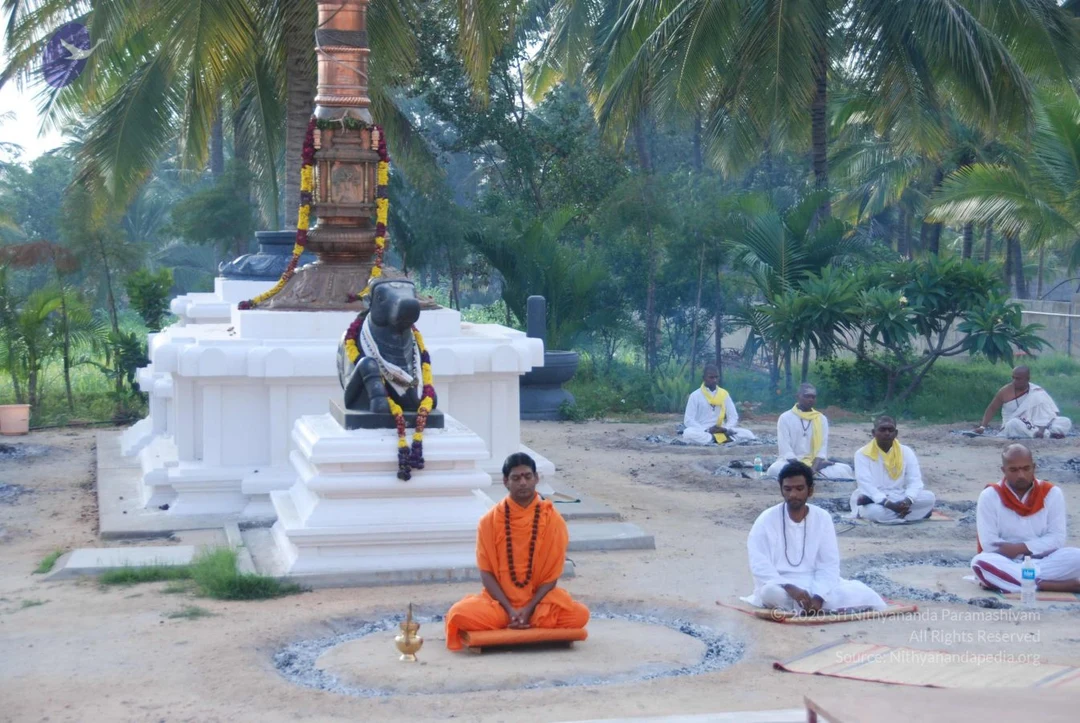
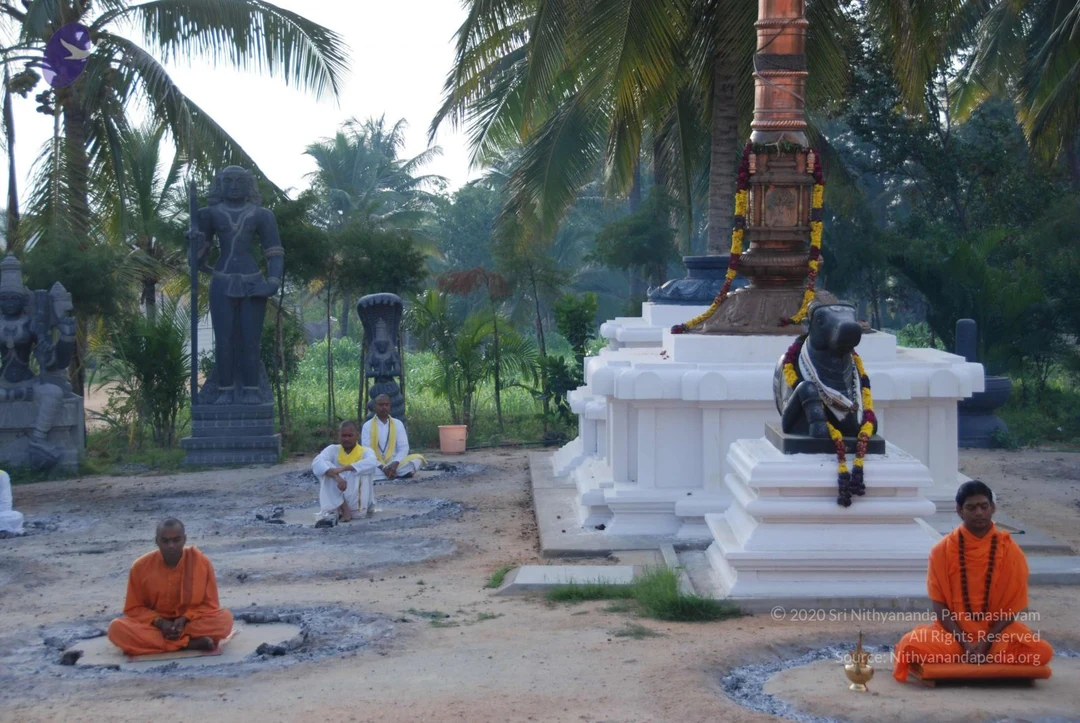
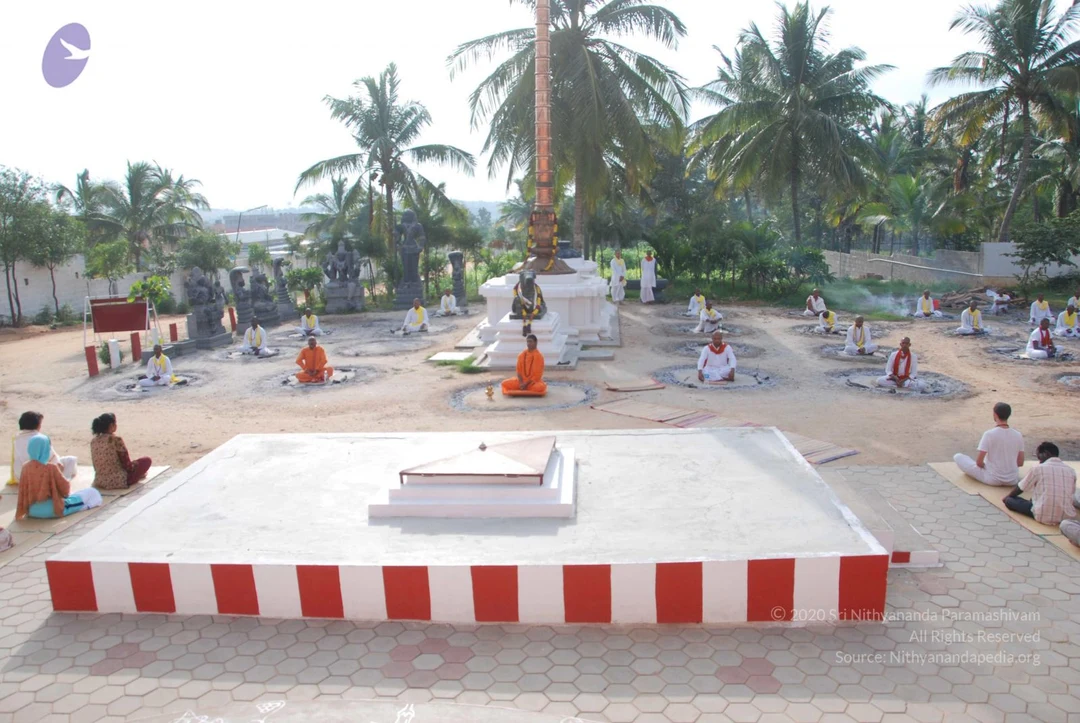
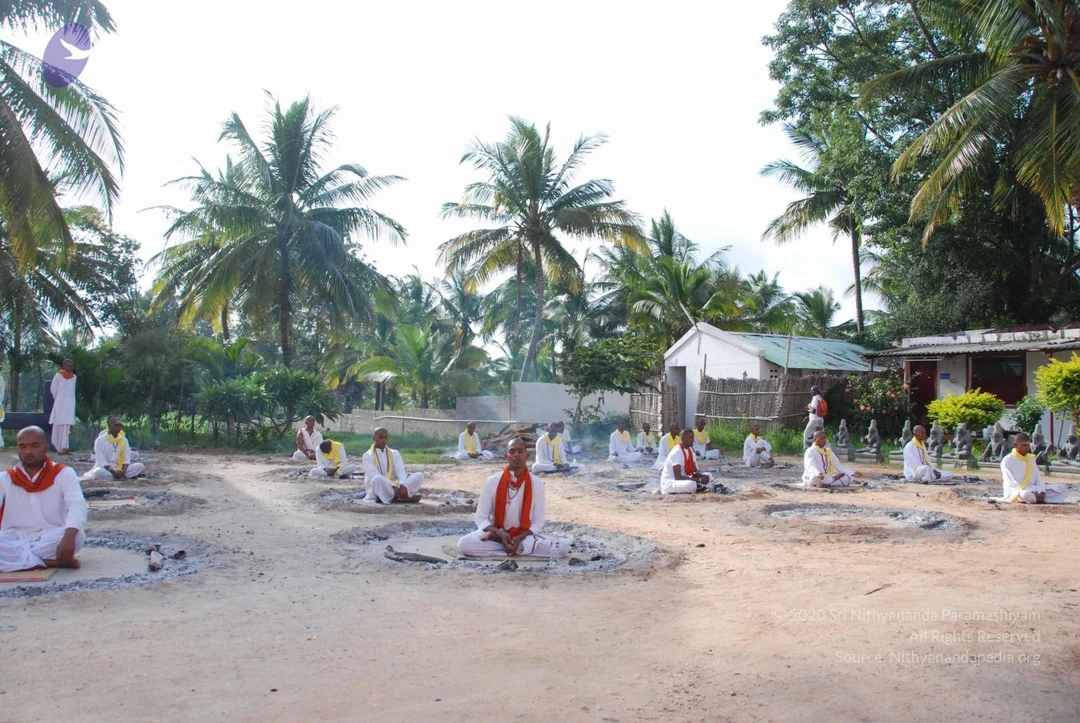
Pancha-Tapas
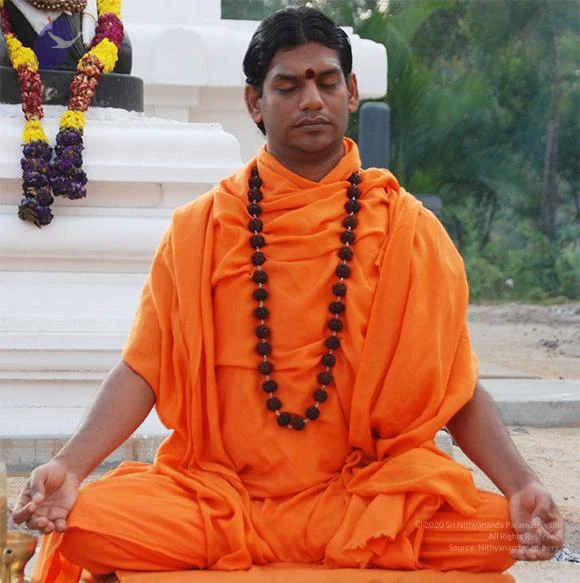
Photos Of The Day:
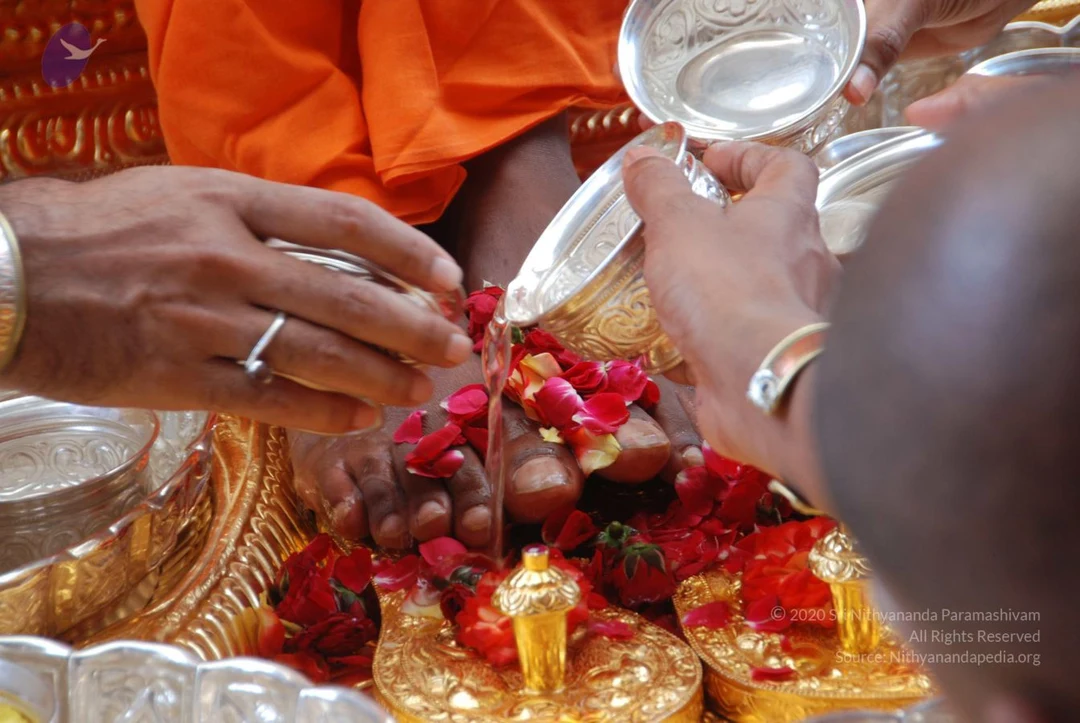
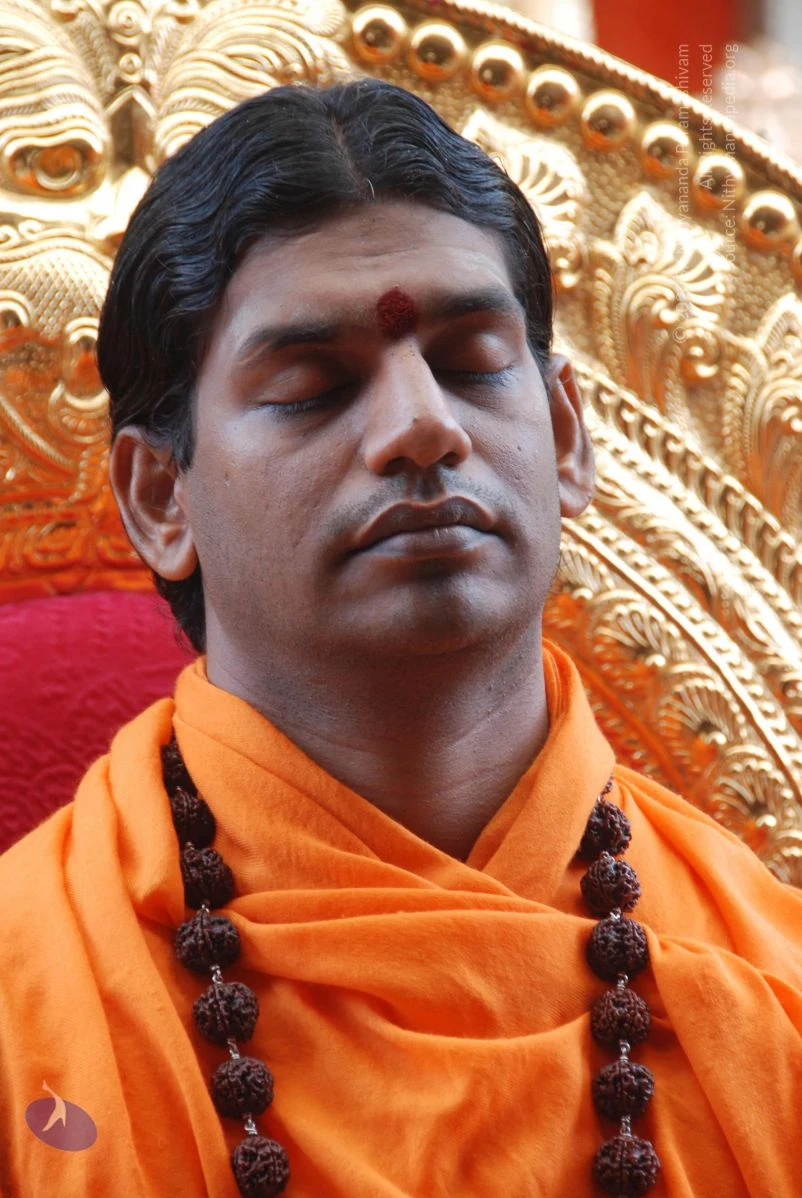
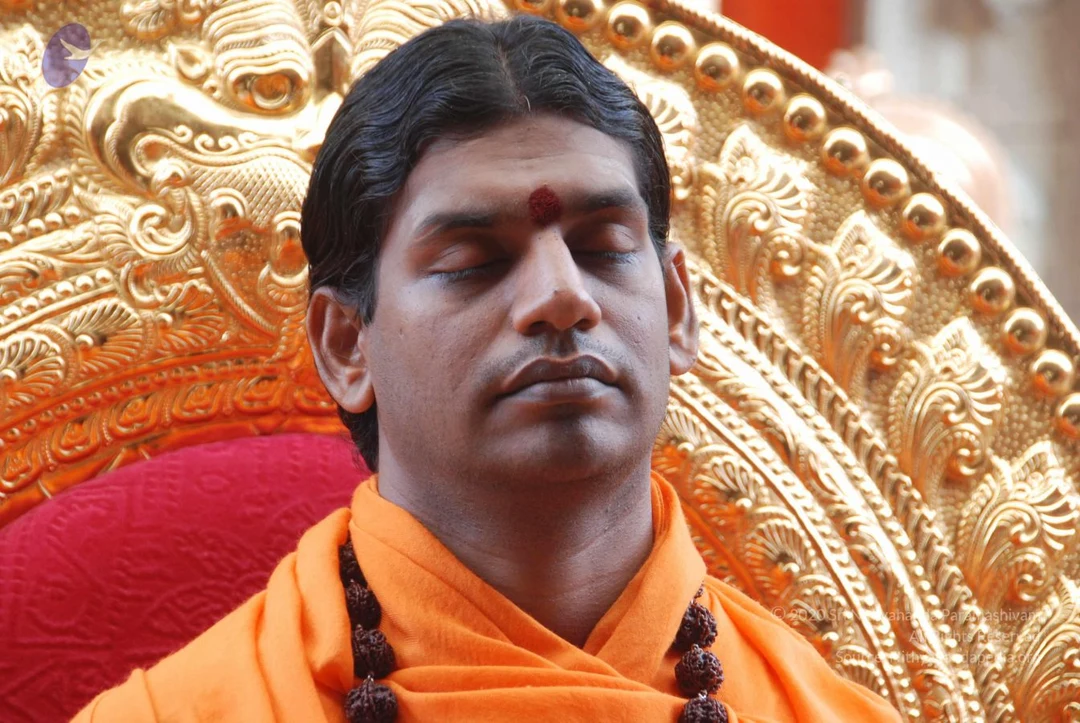
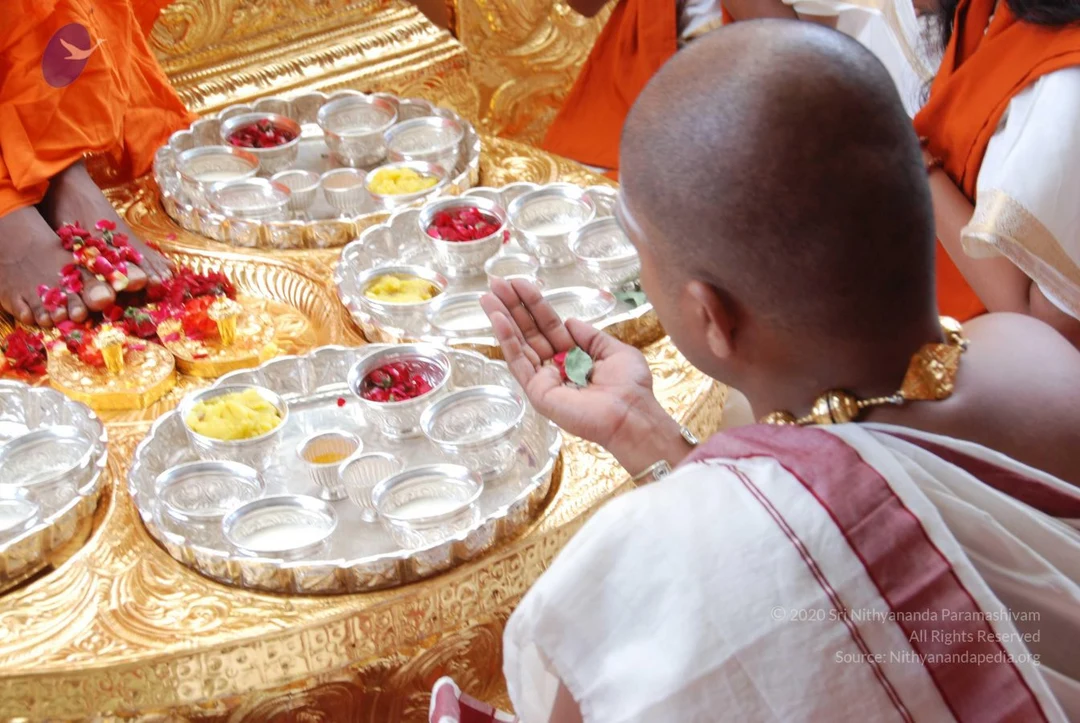
Prathyaksha-Pada-Pooja
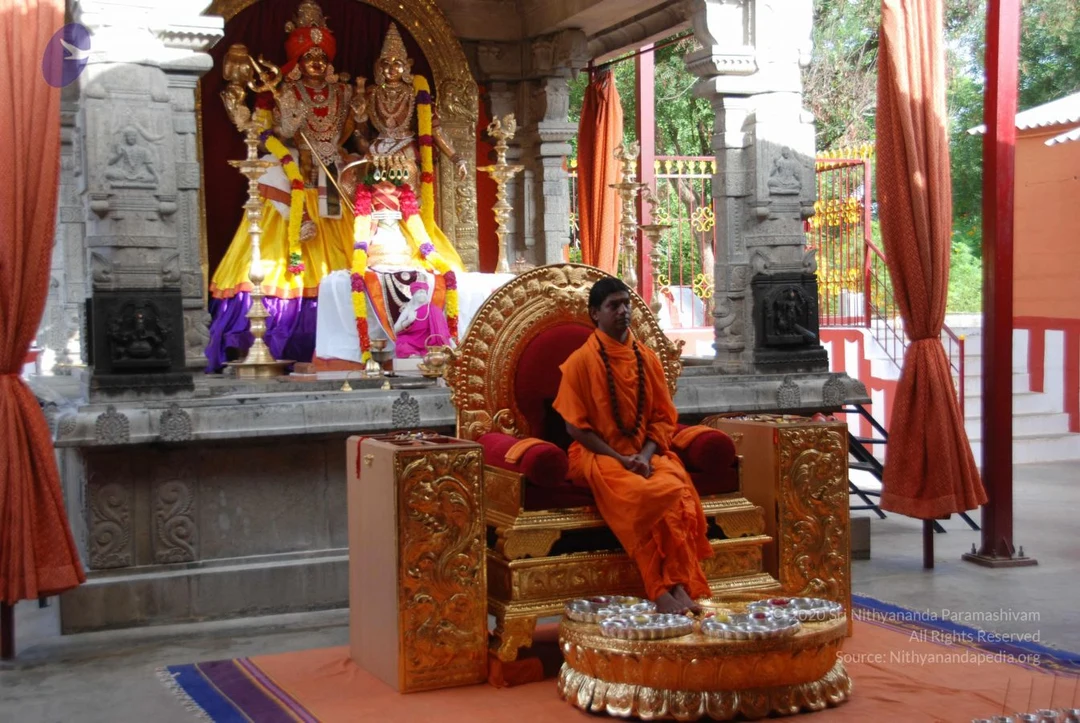
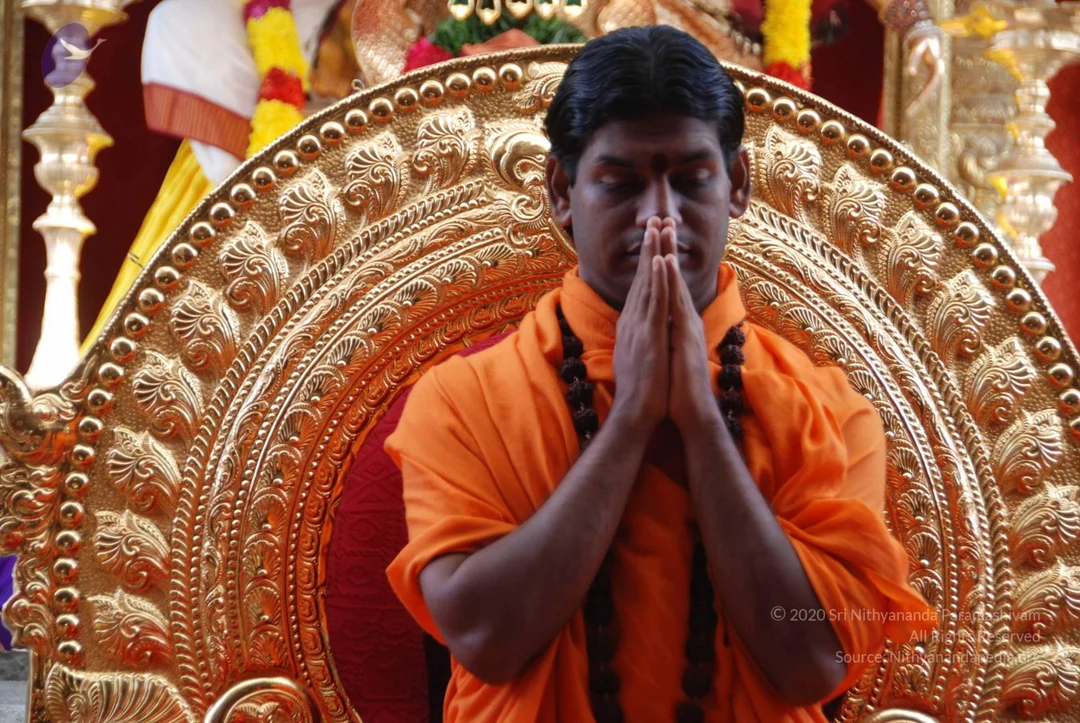
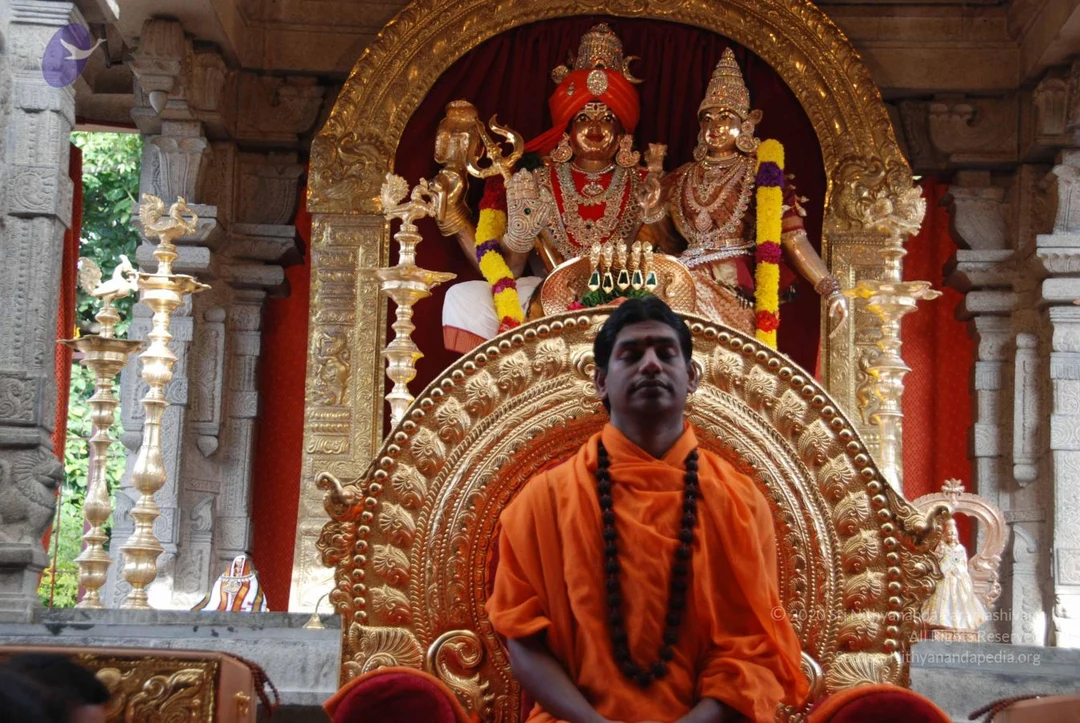
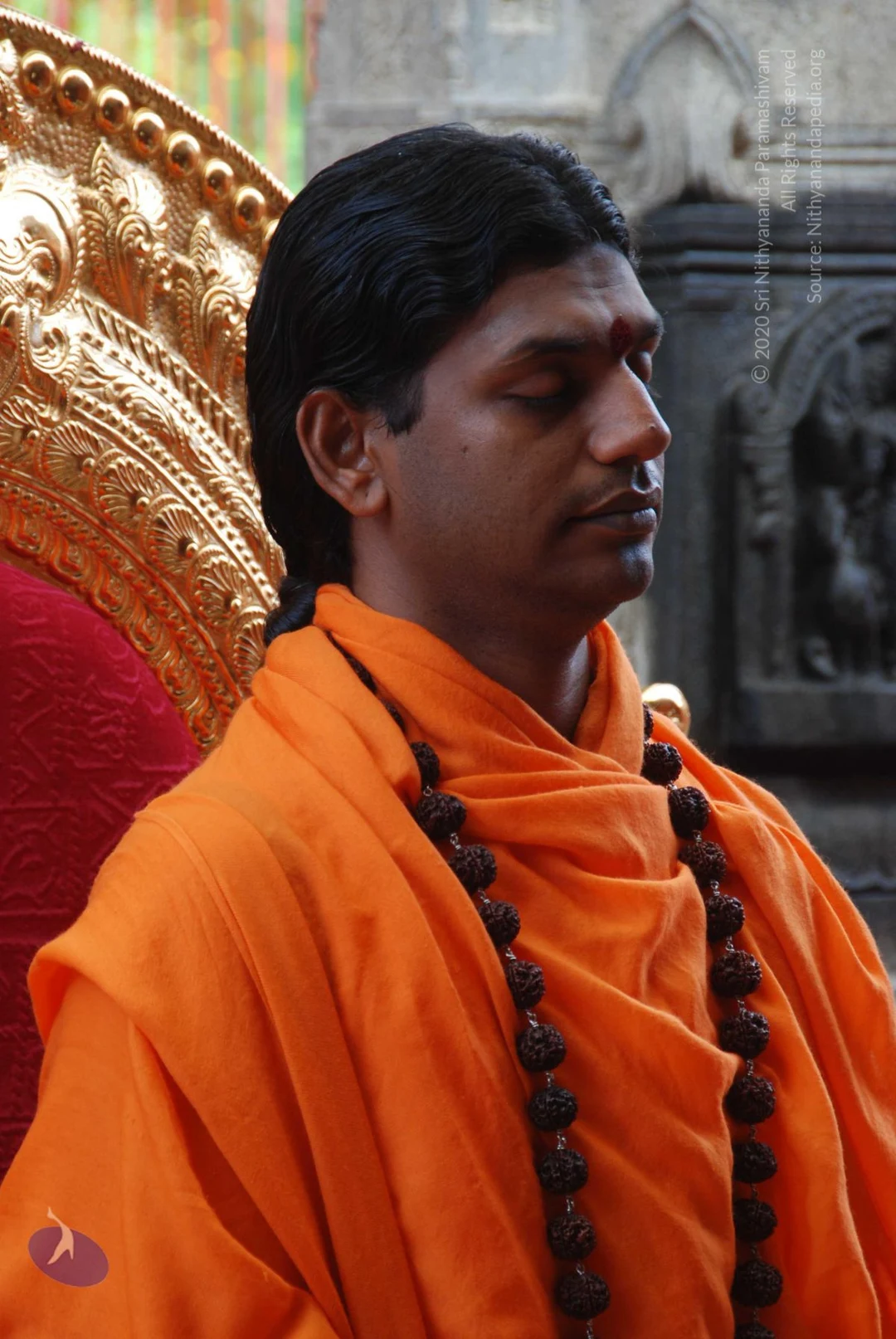
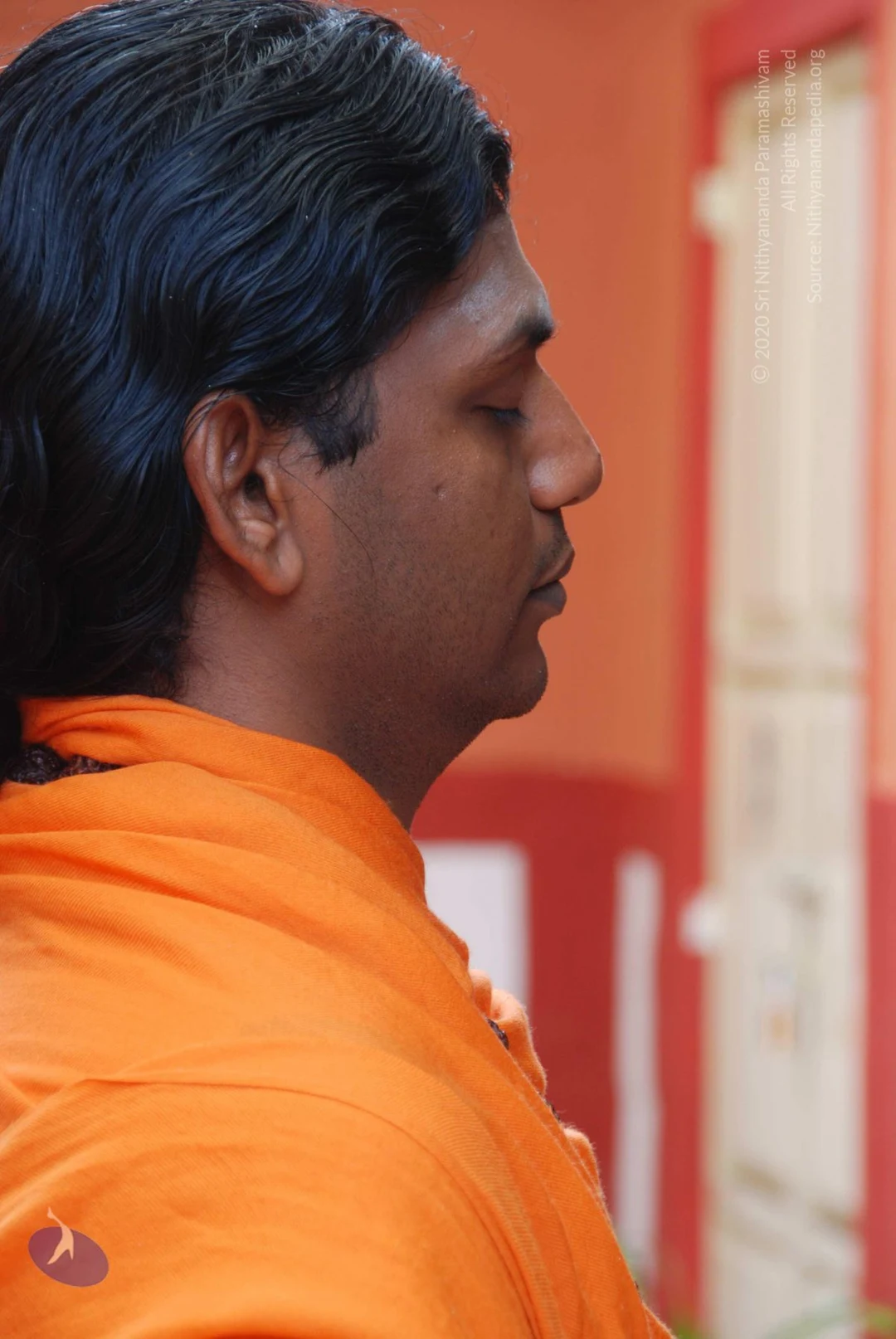
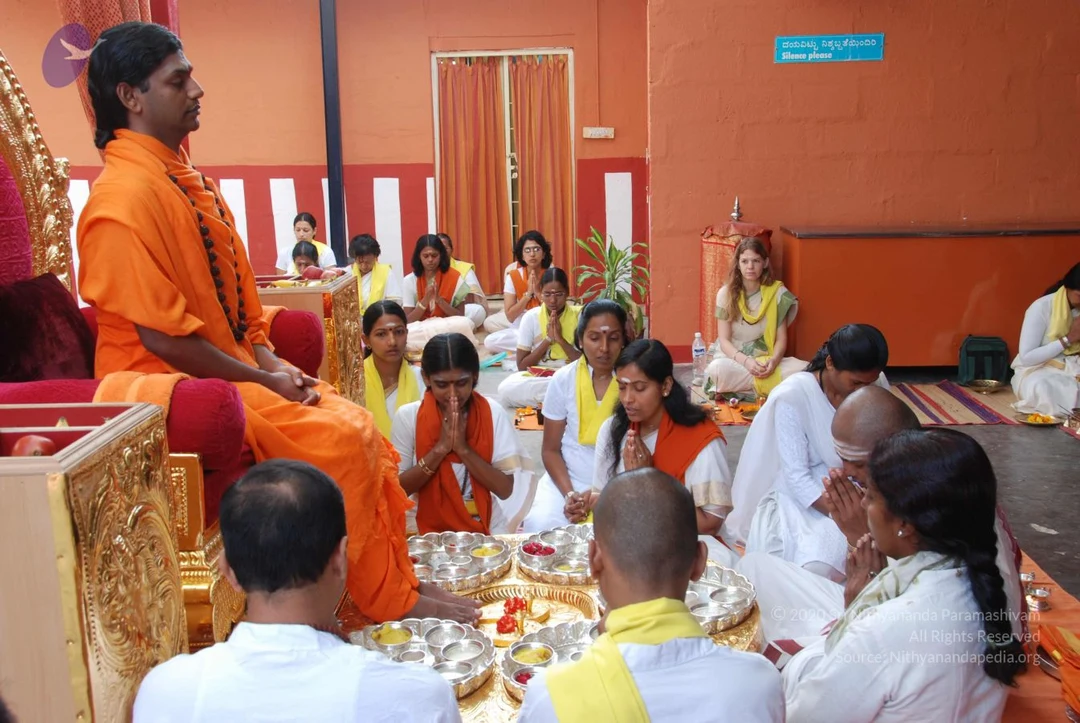
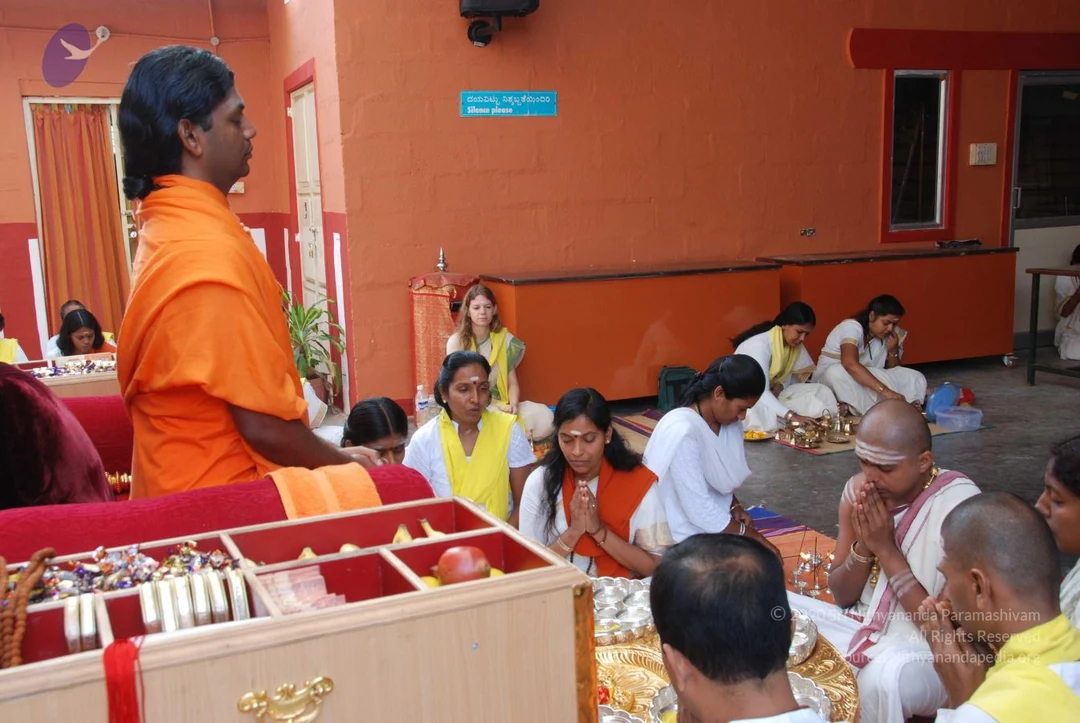
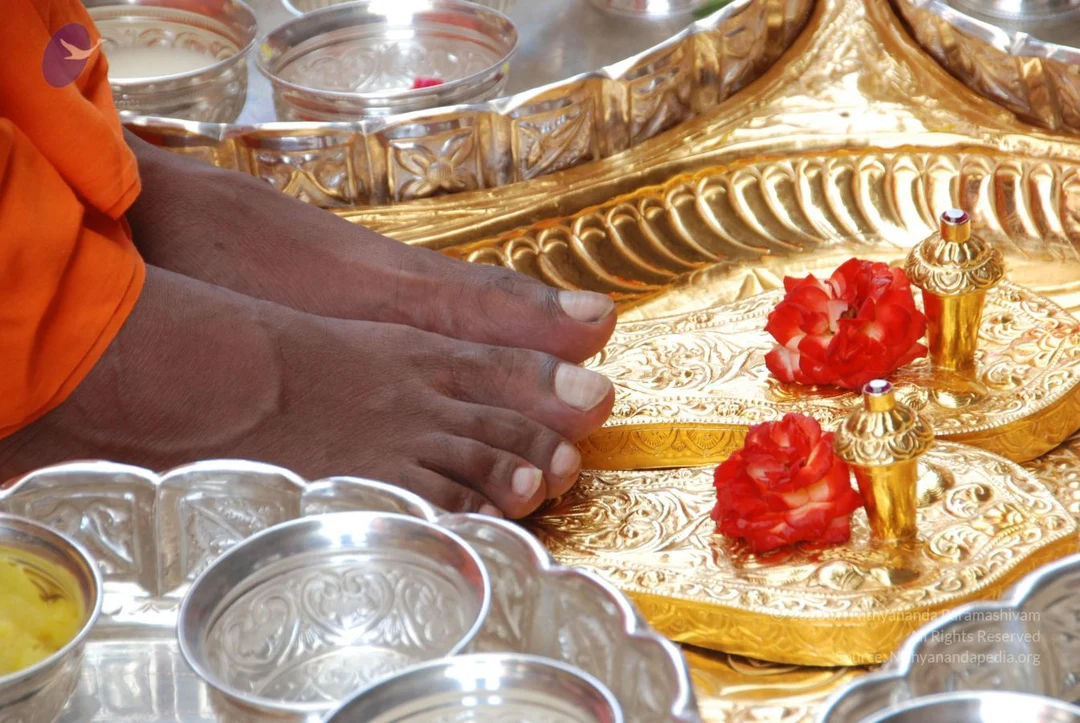
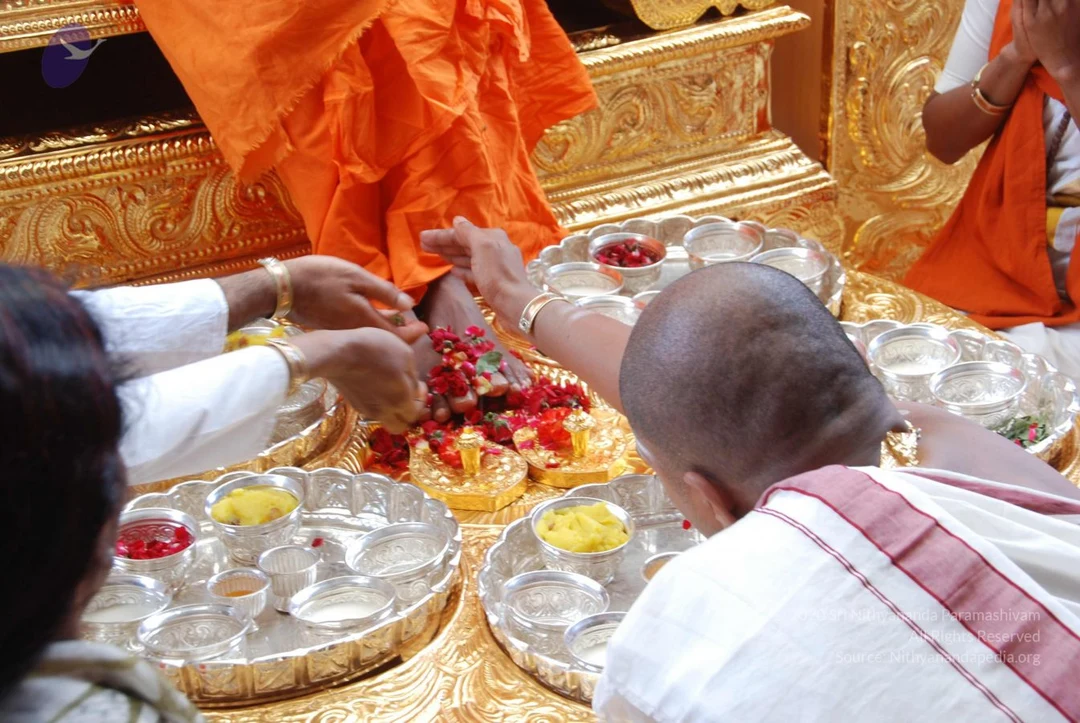
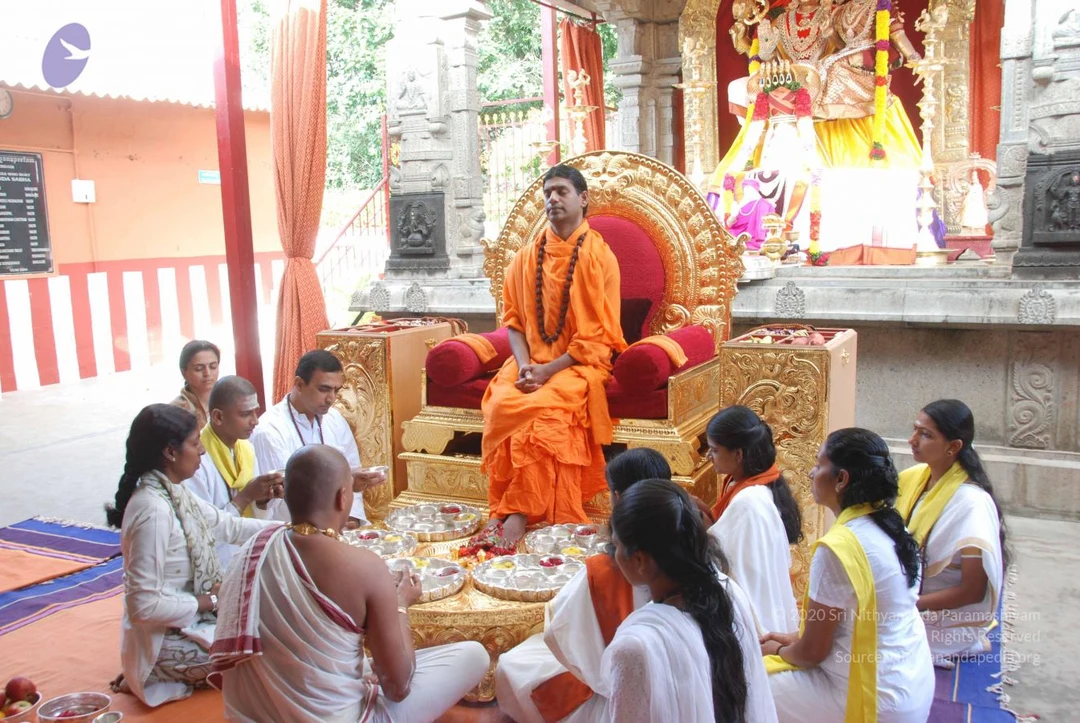
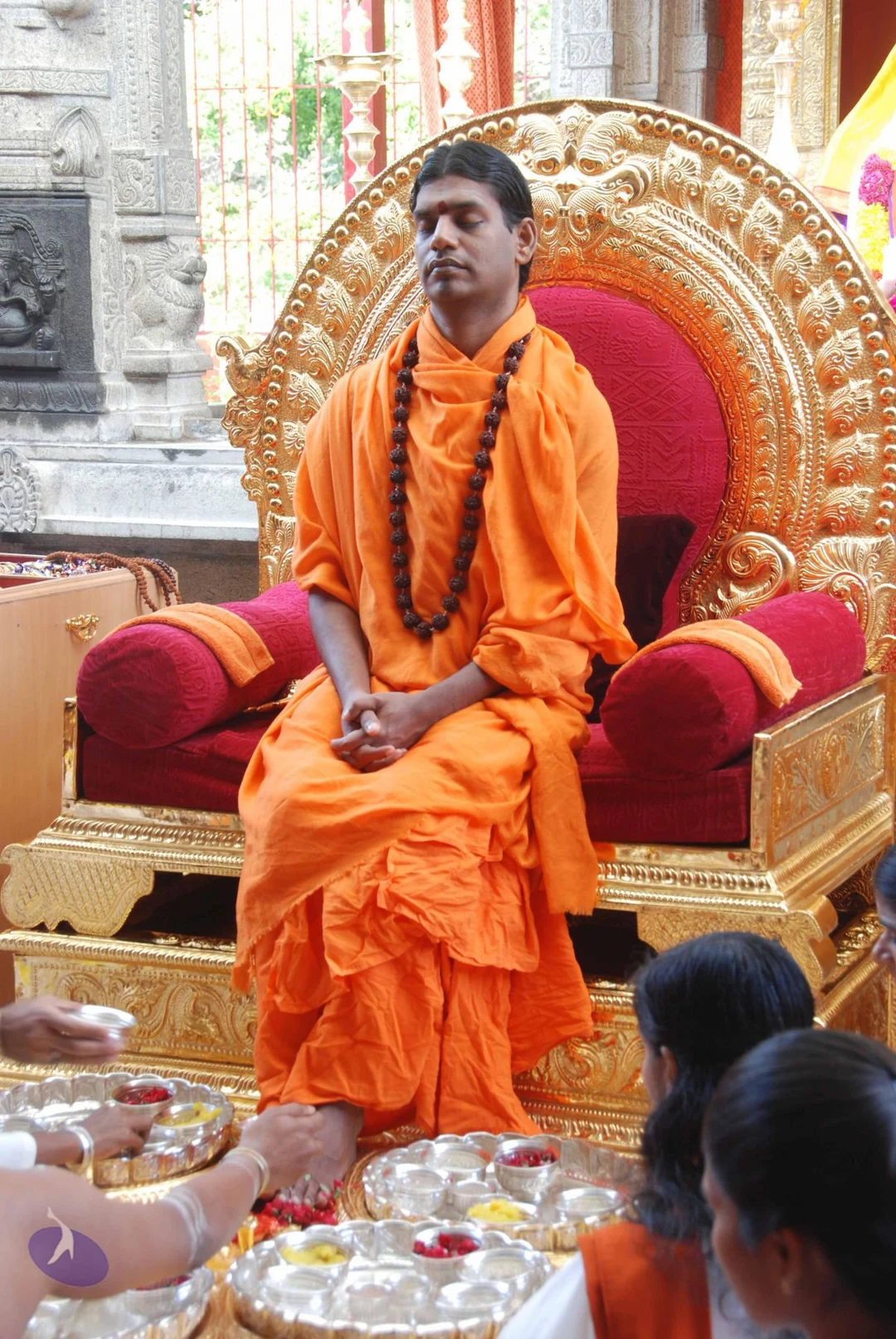
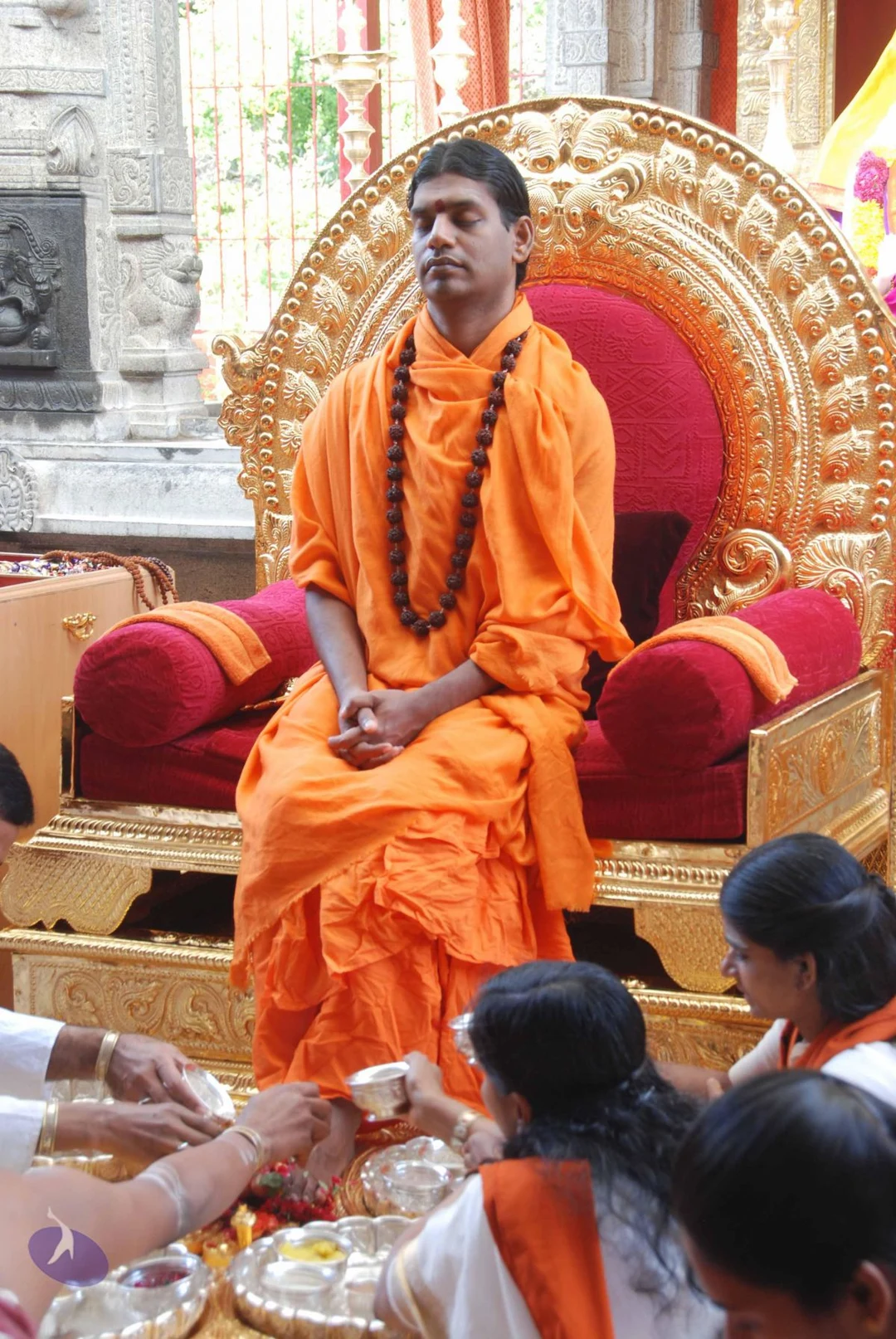
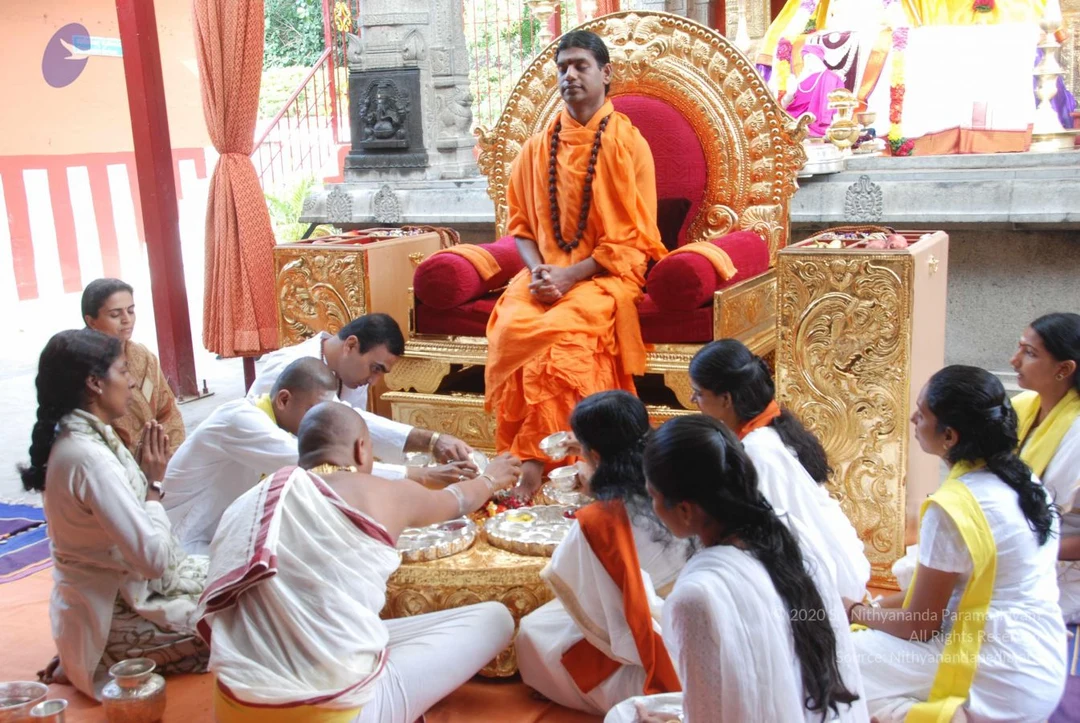
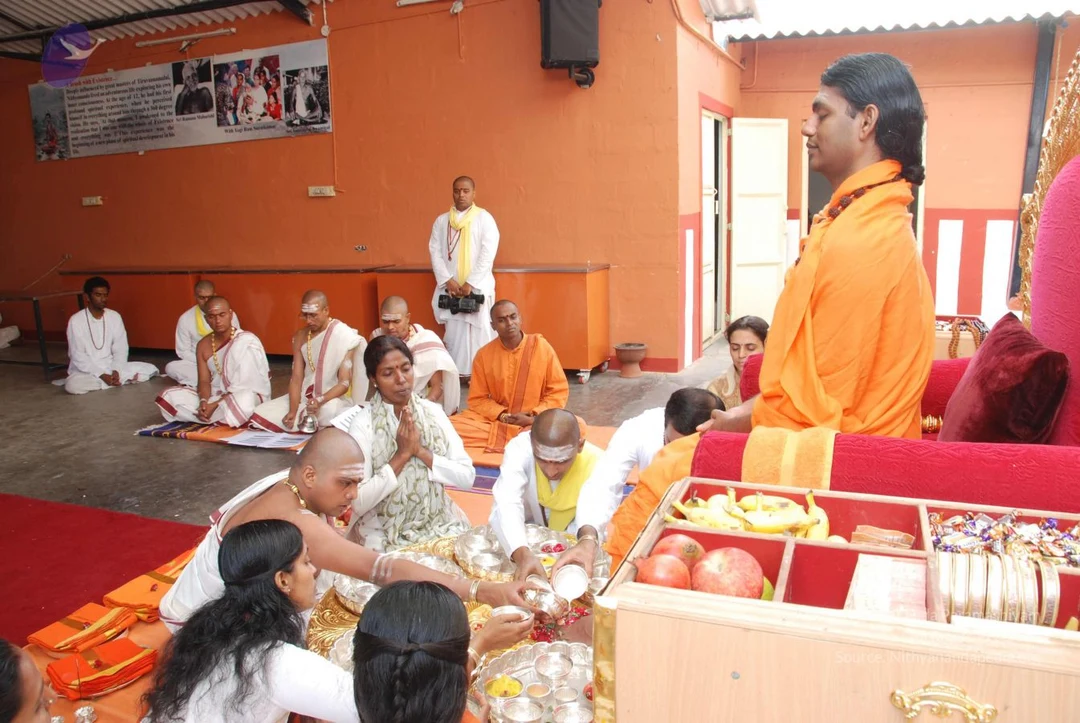
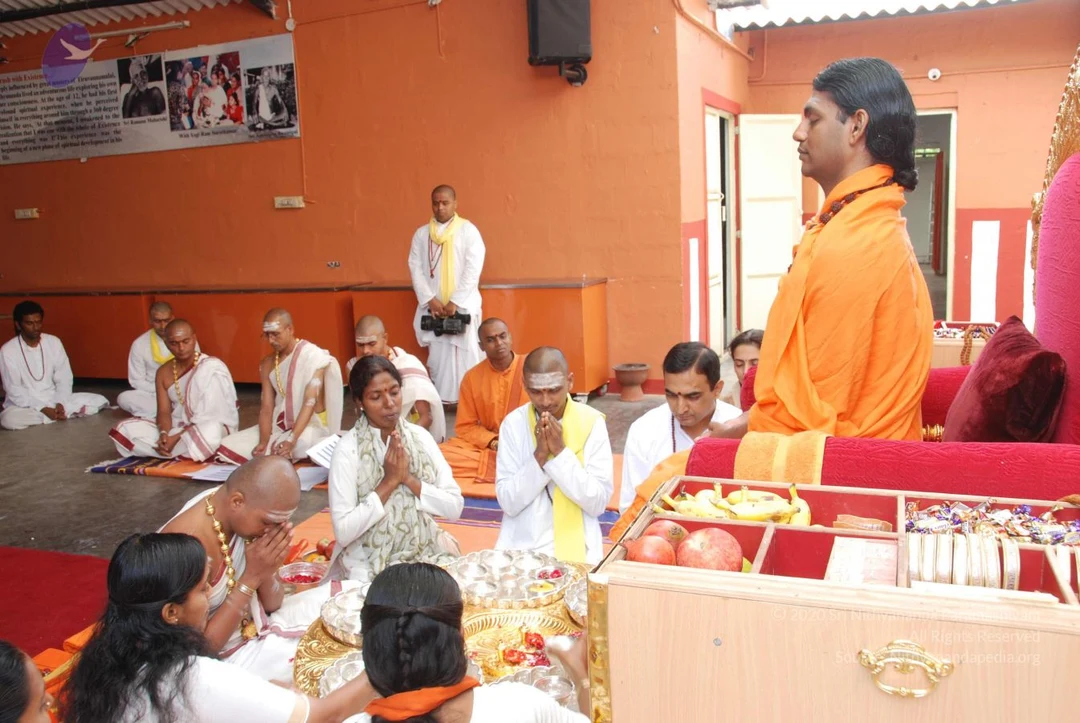
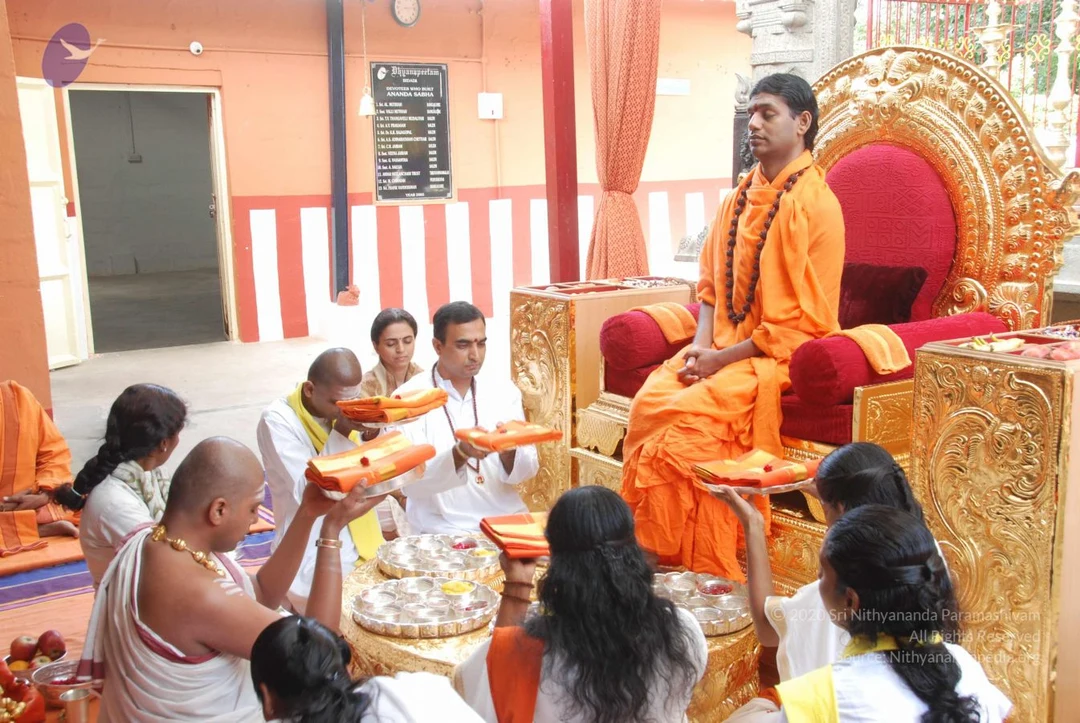
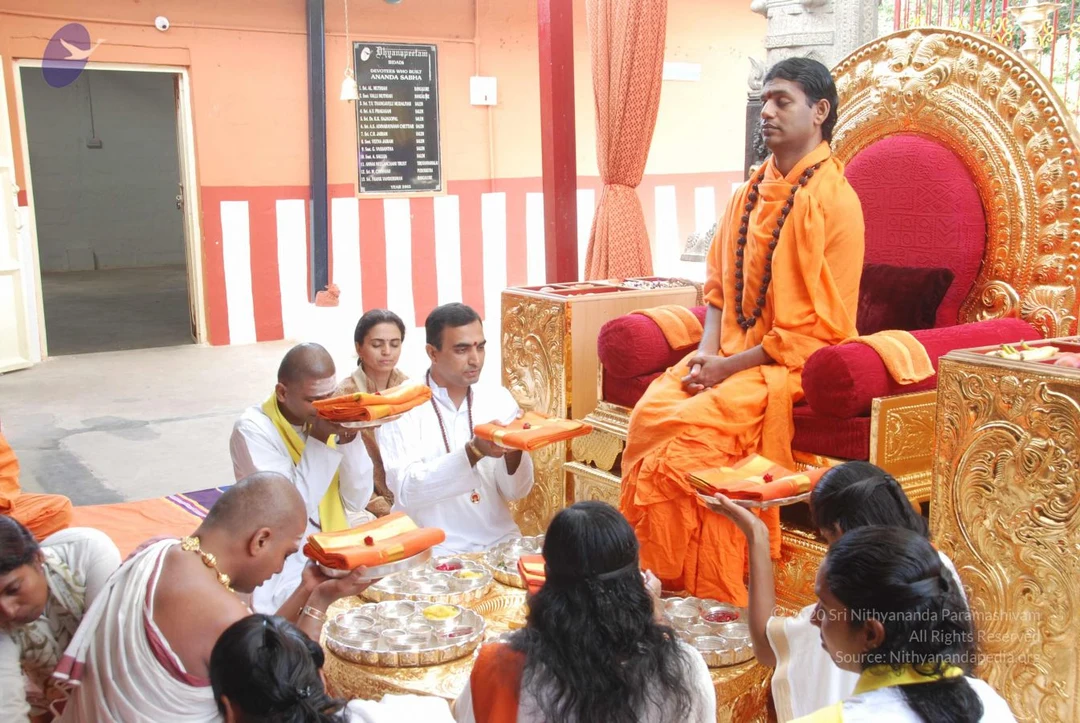
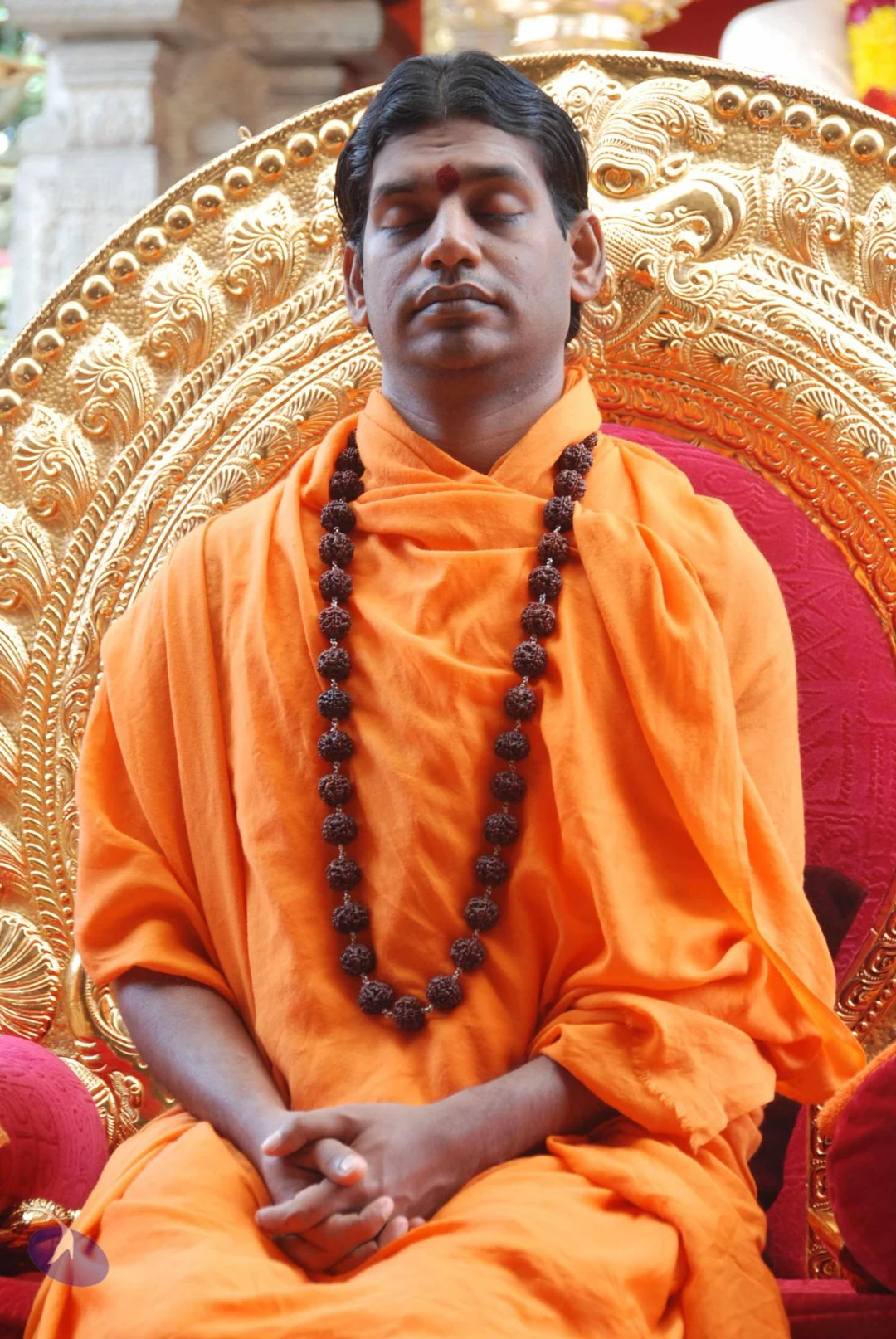
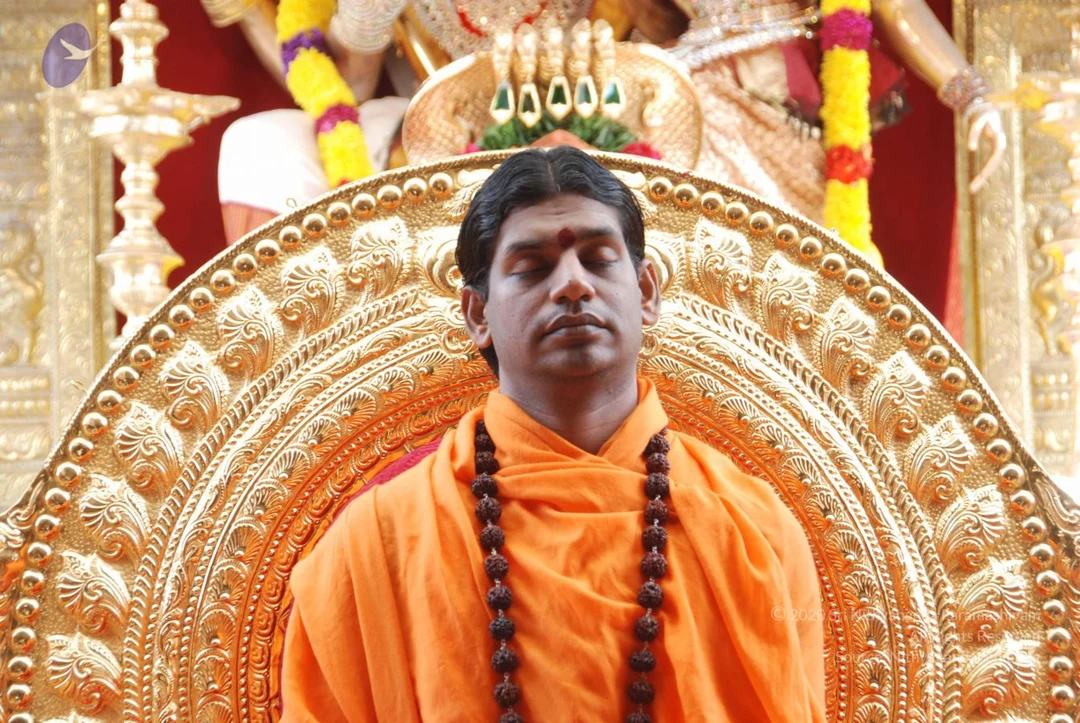
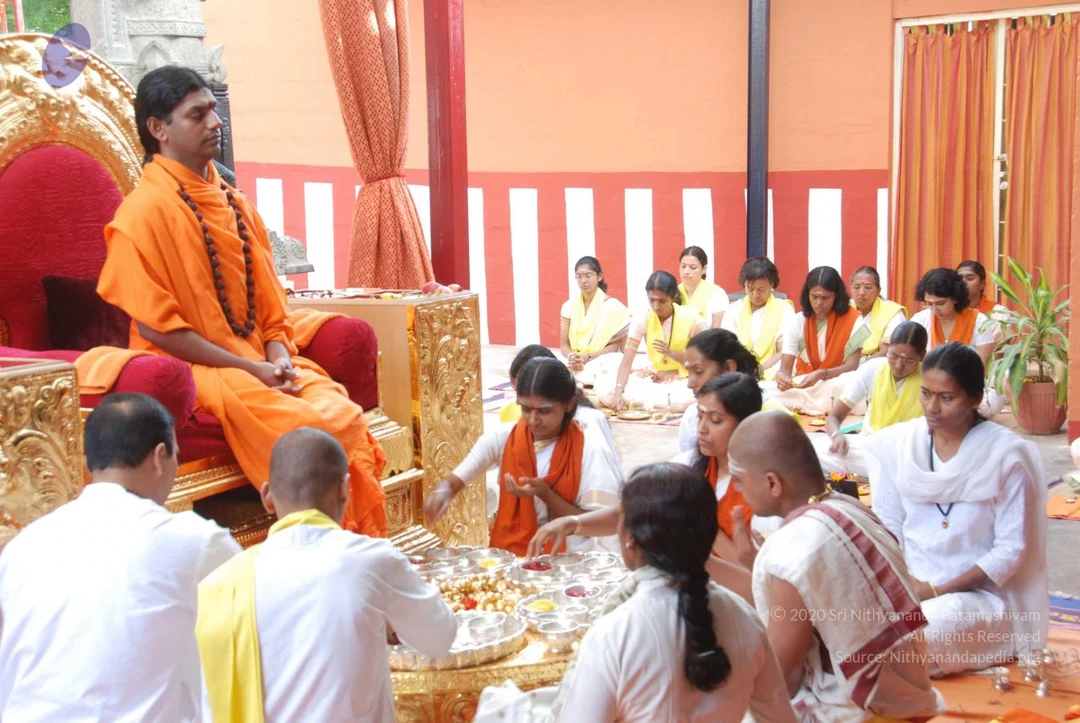
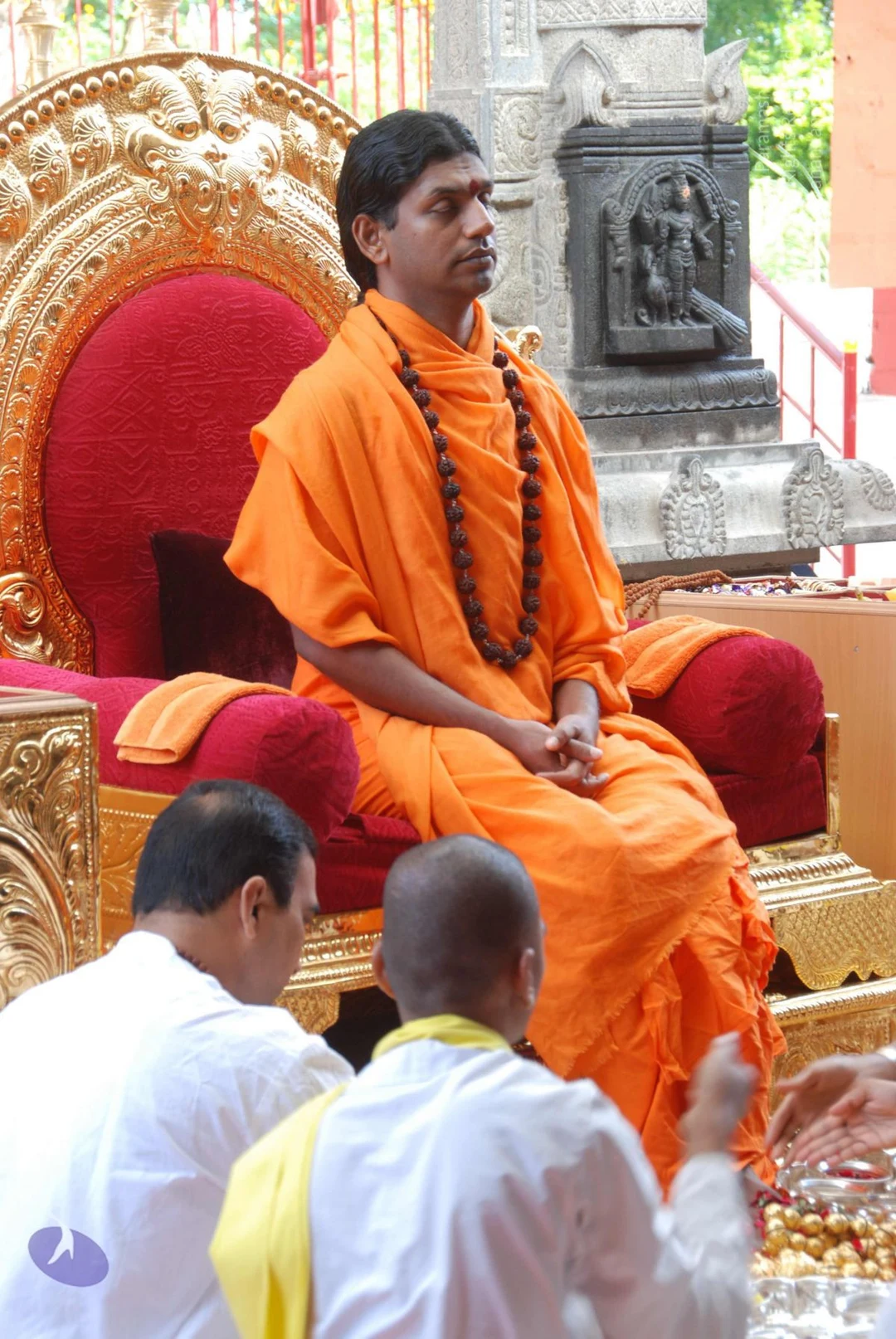
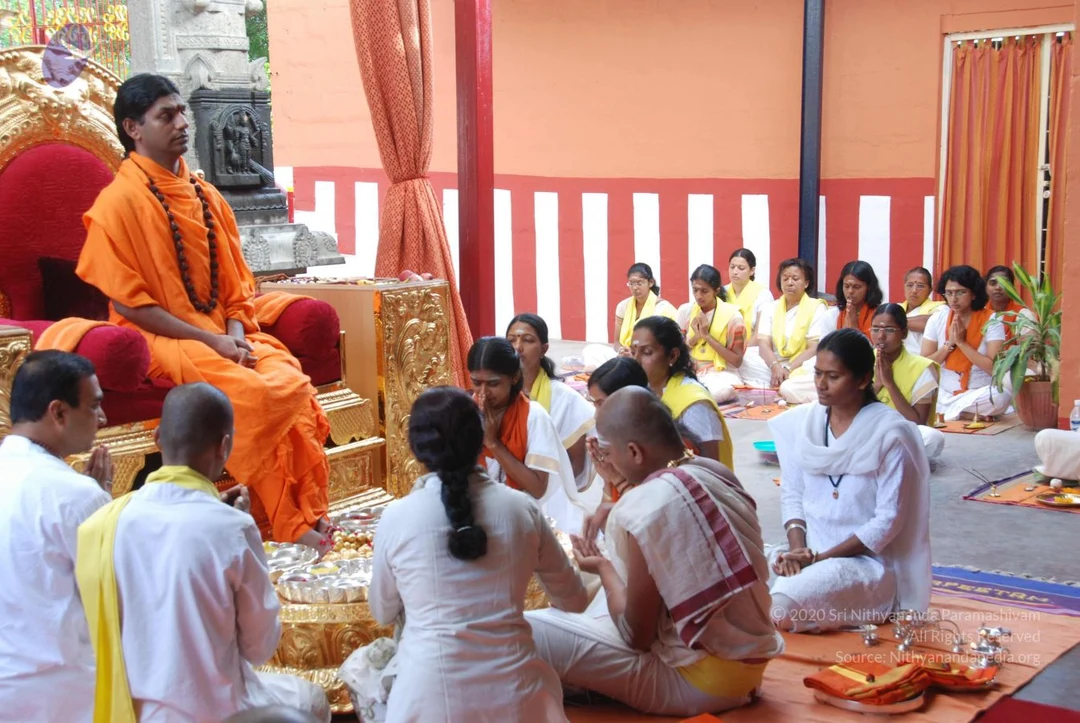
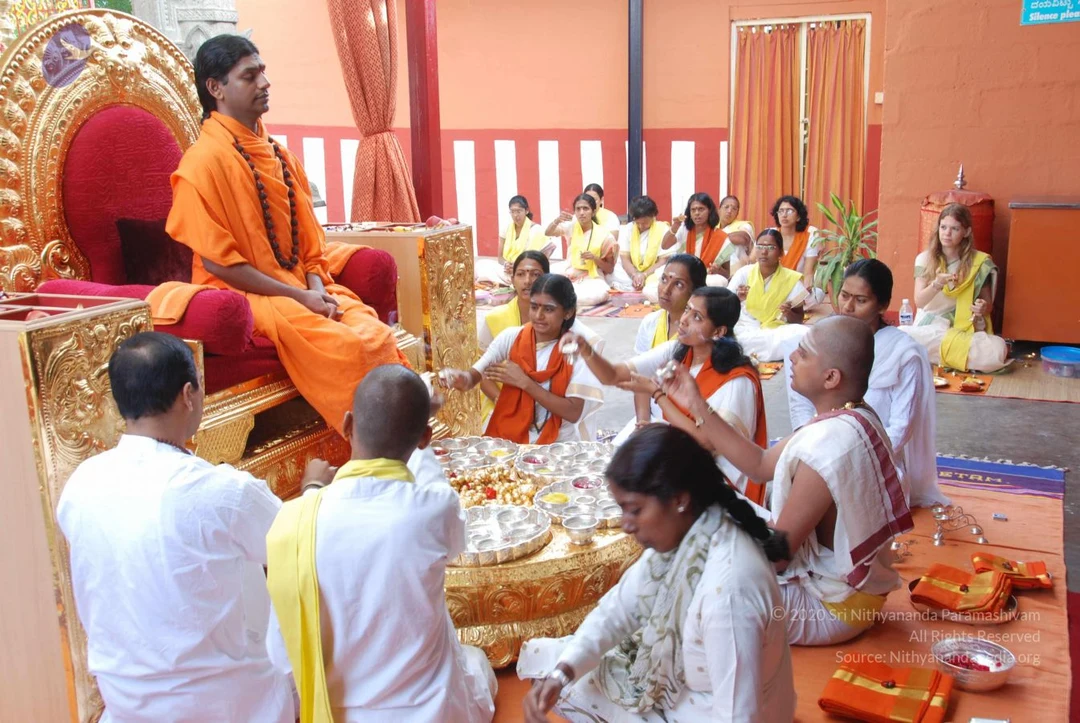
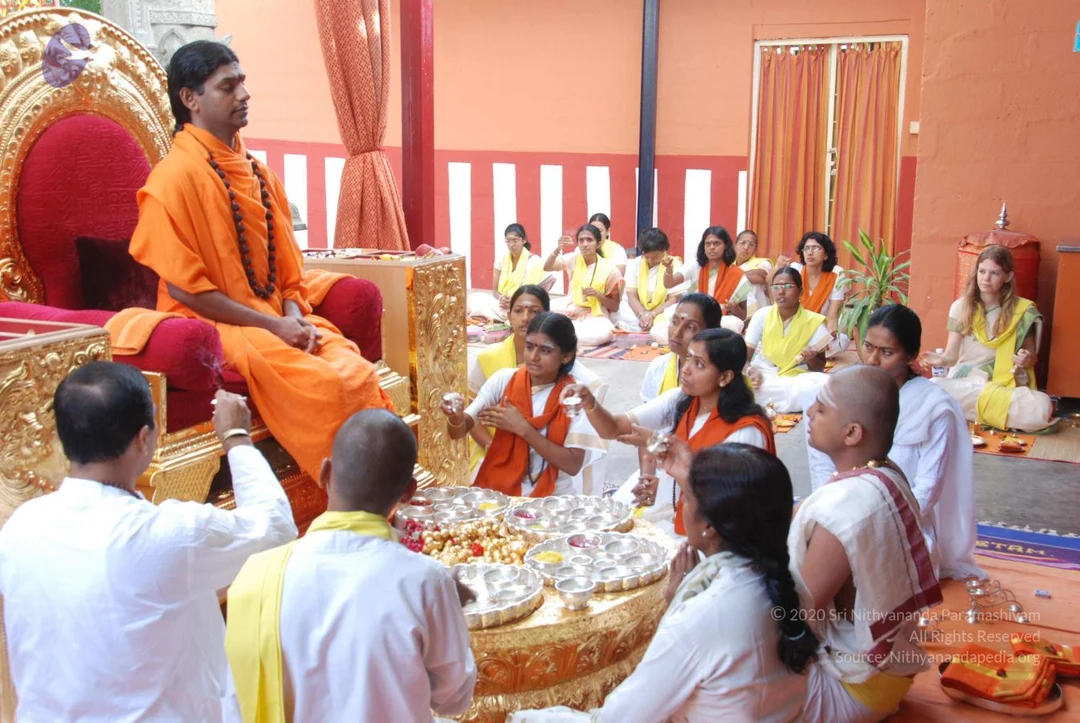
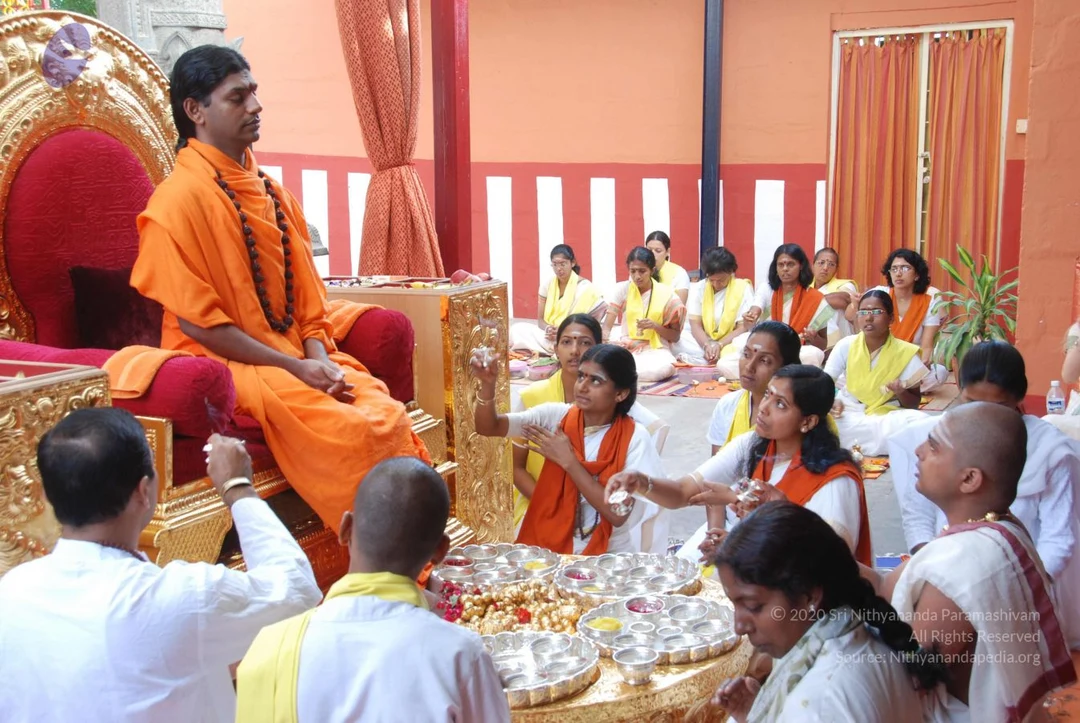
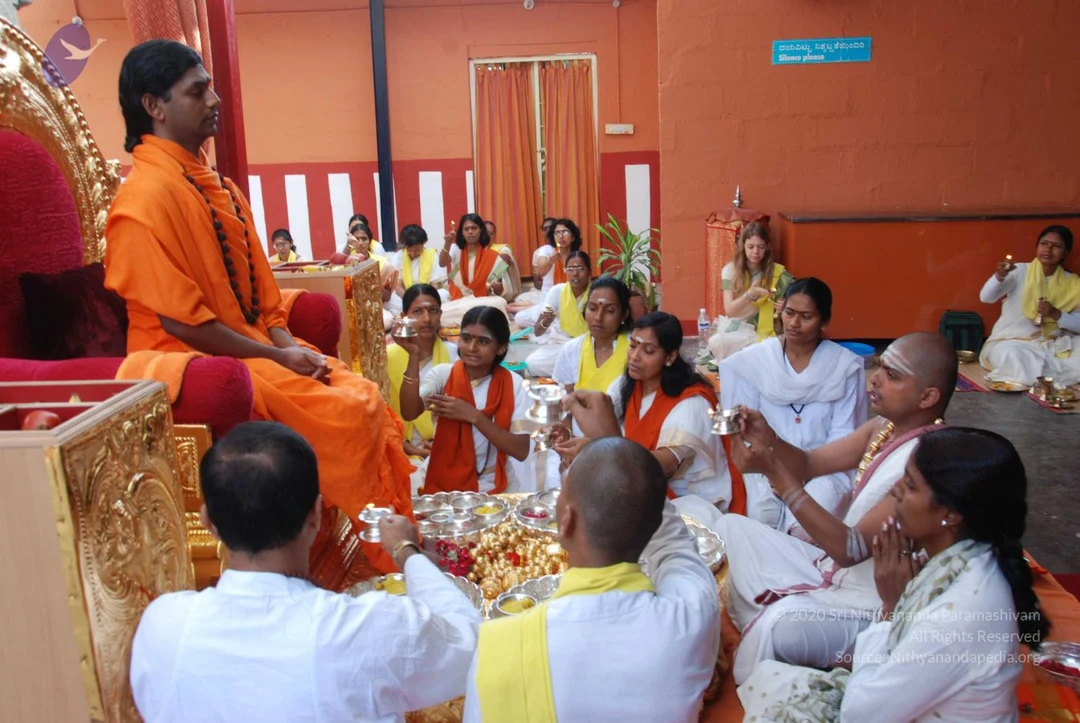
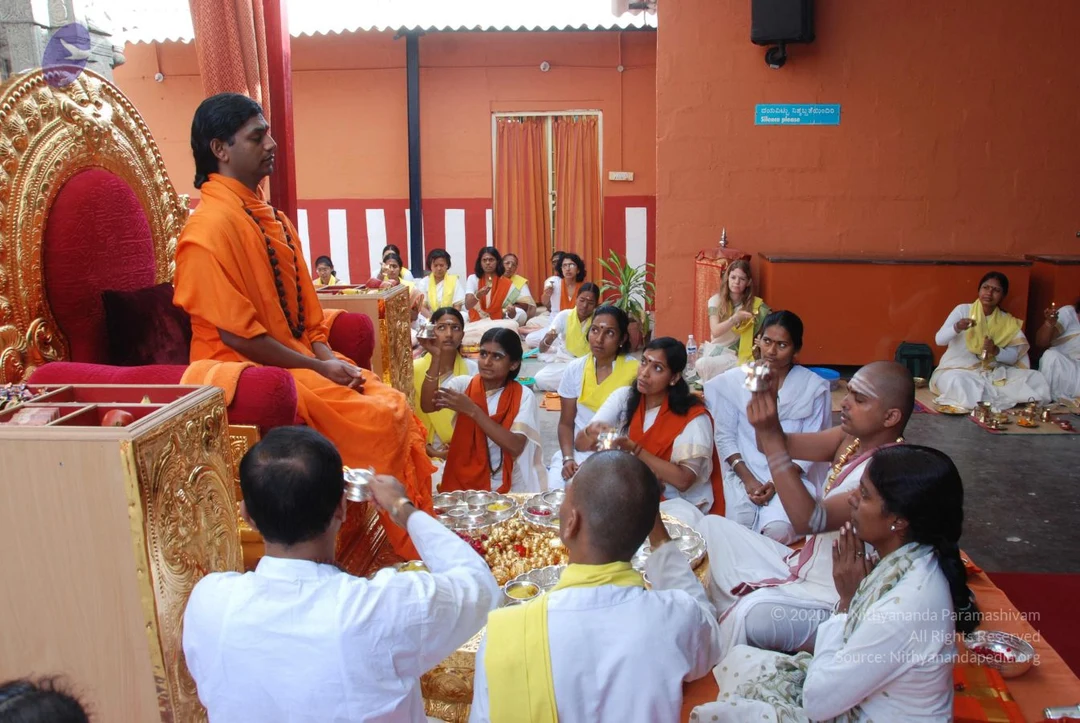
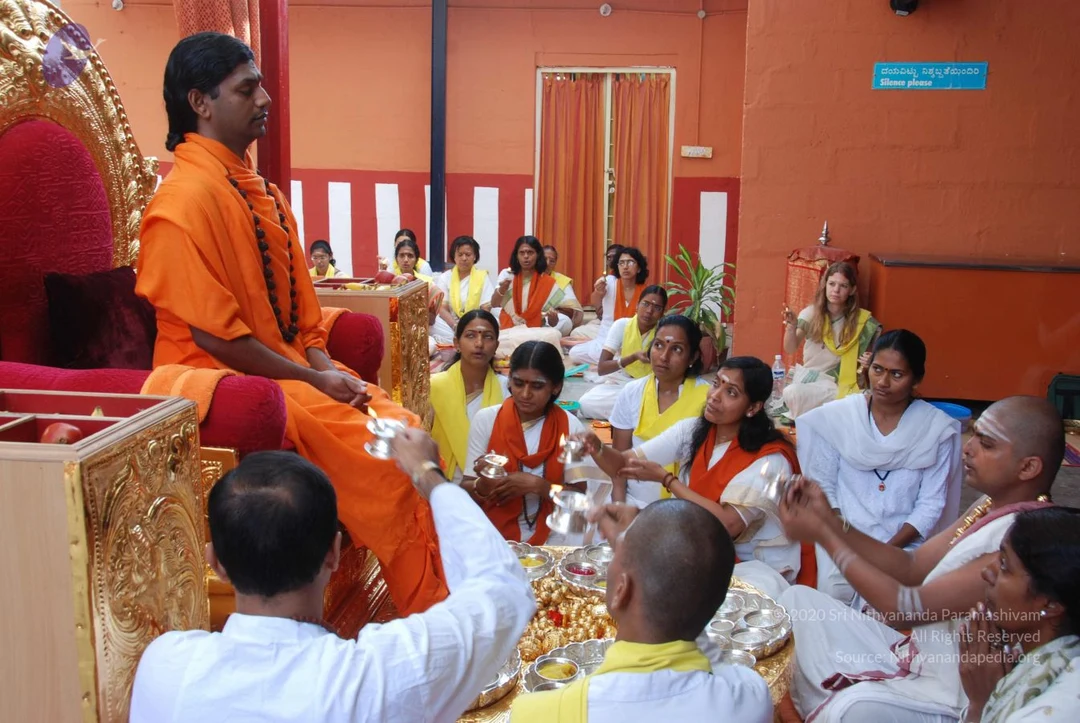
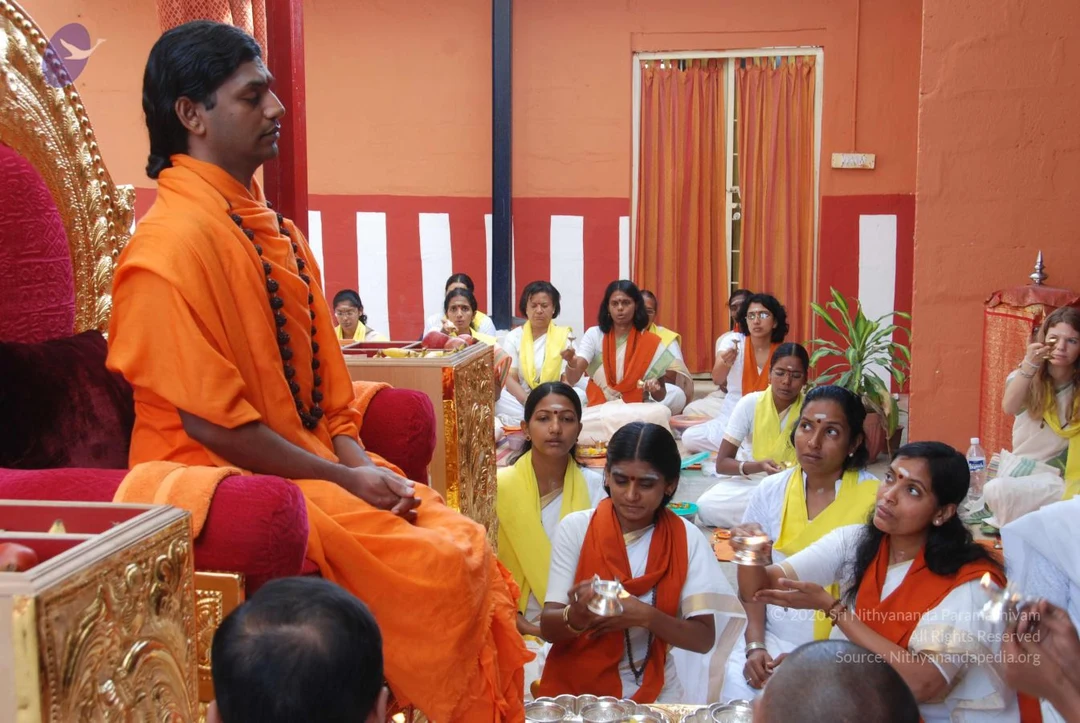
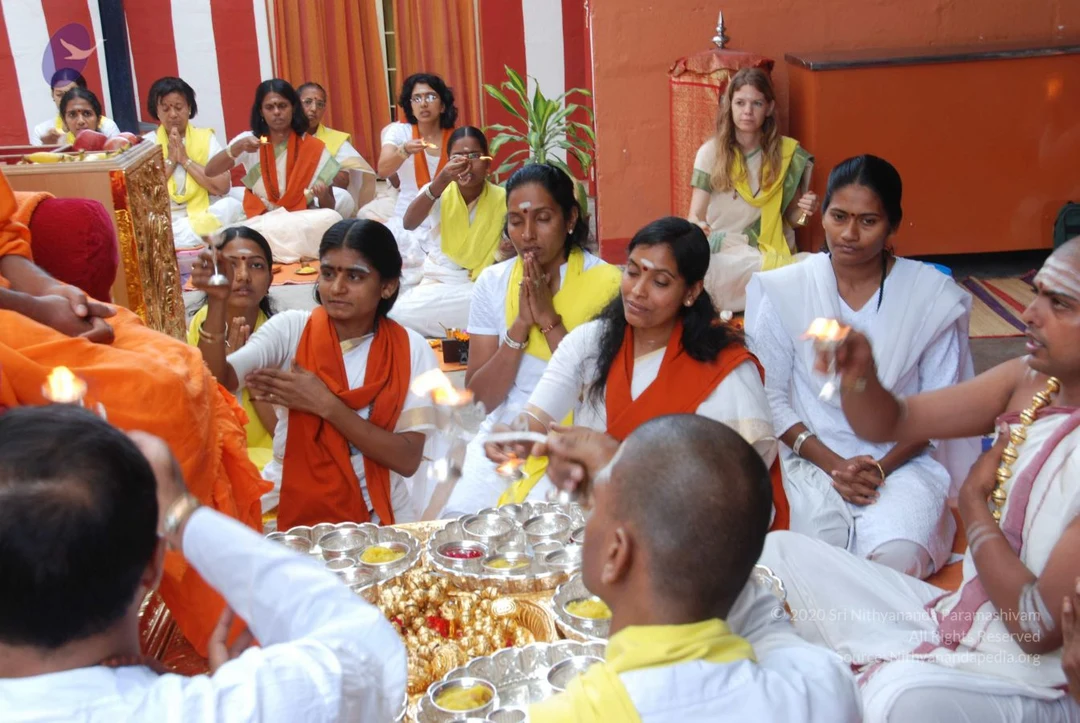
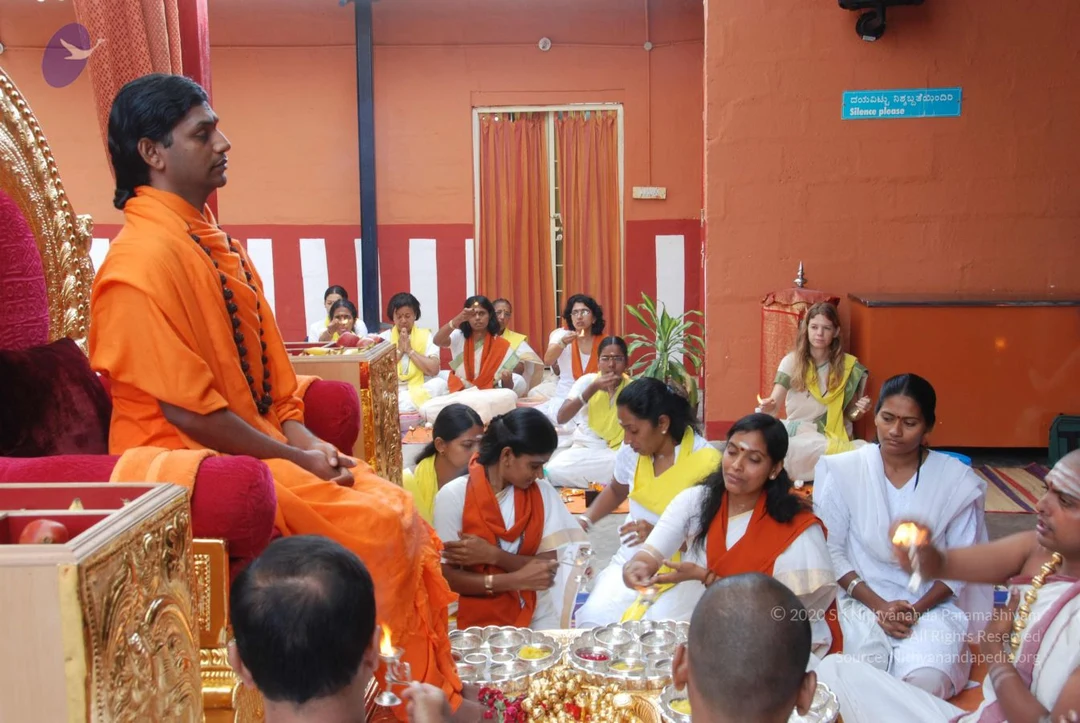
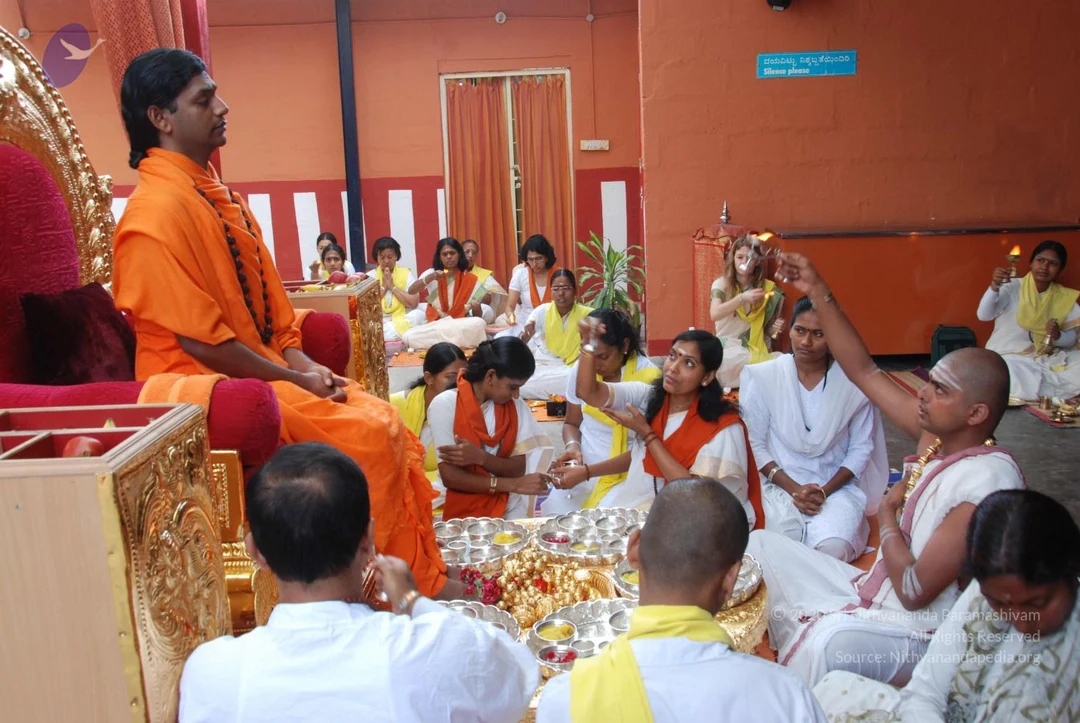
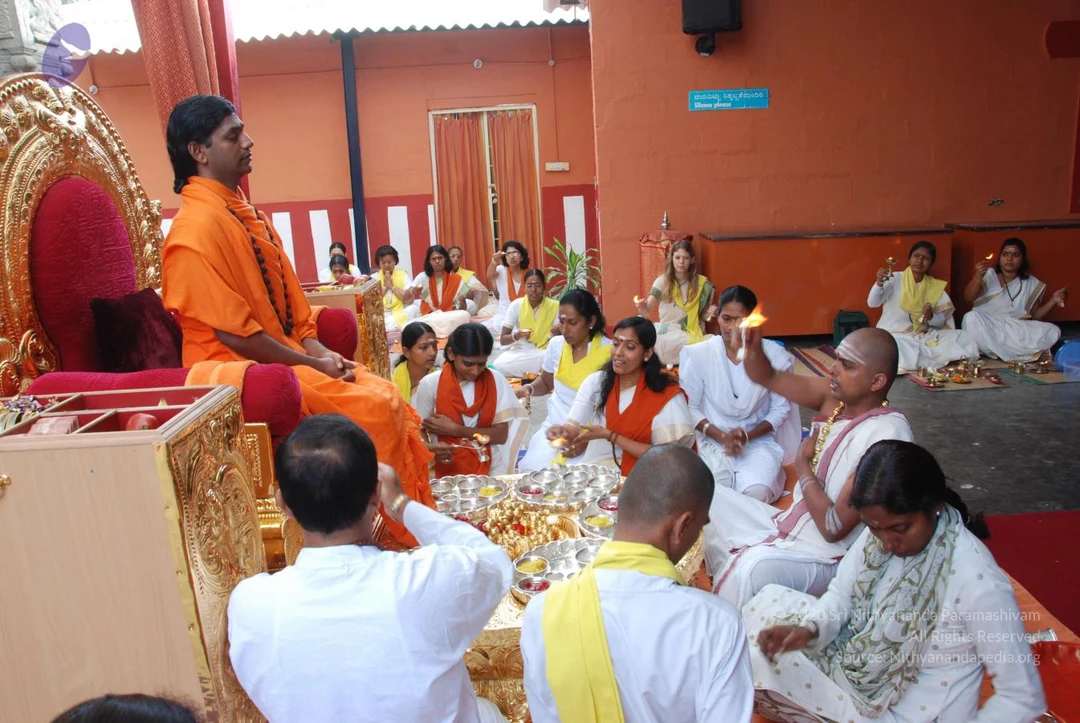
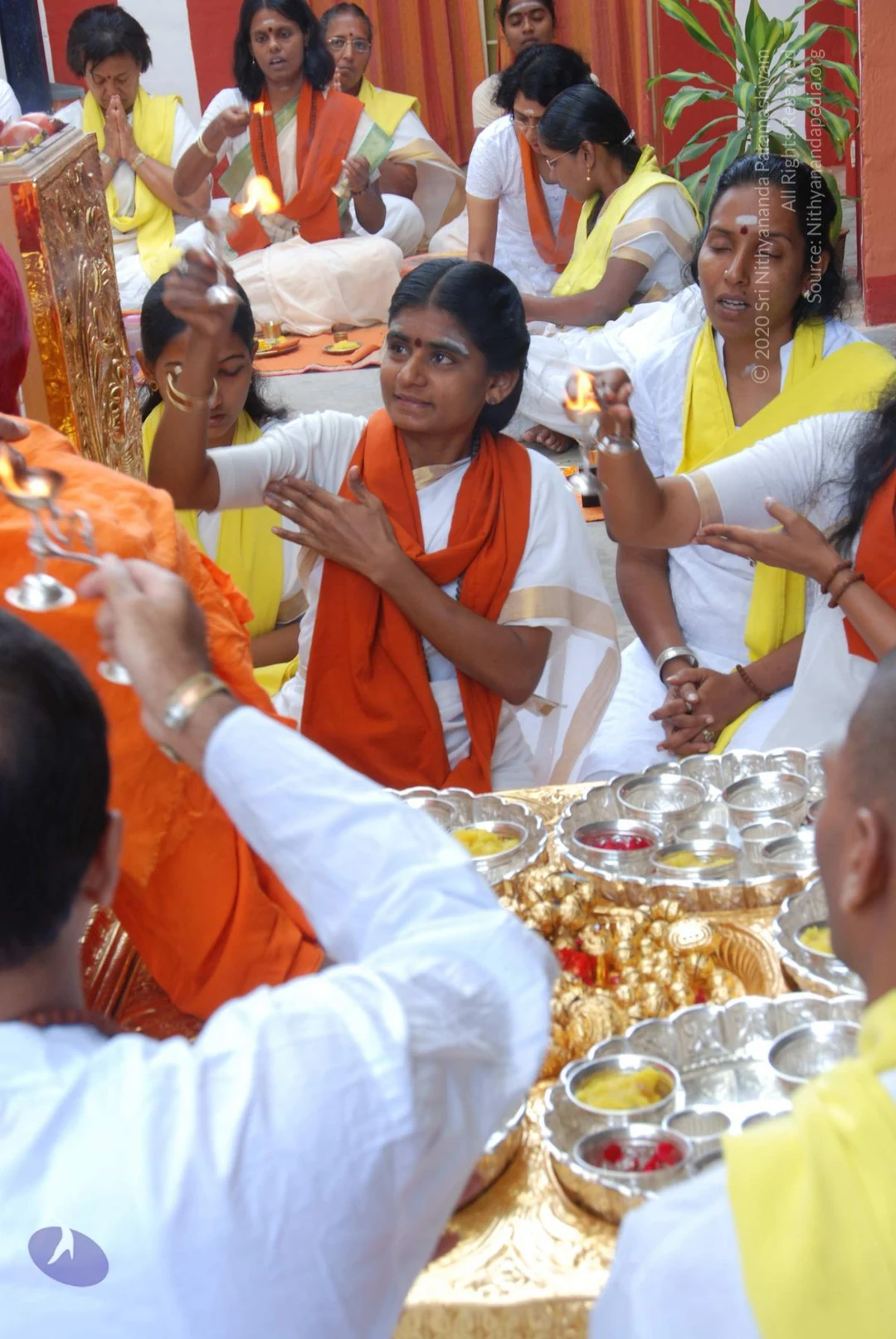
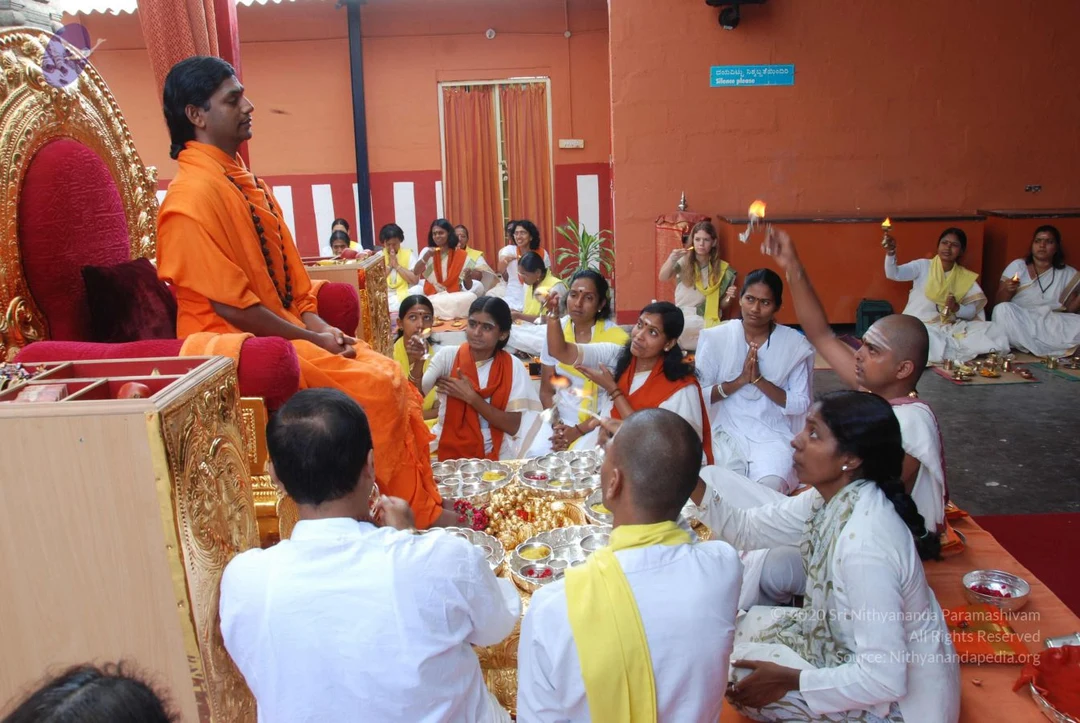
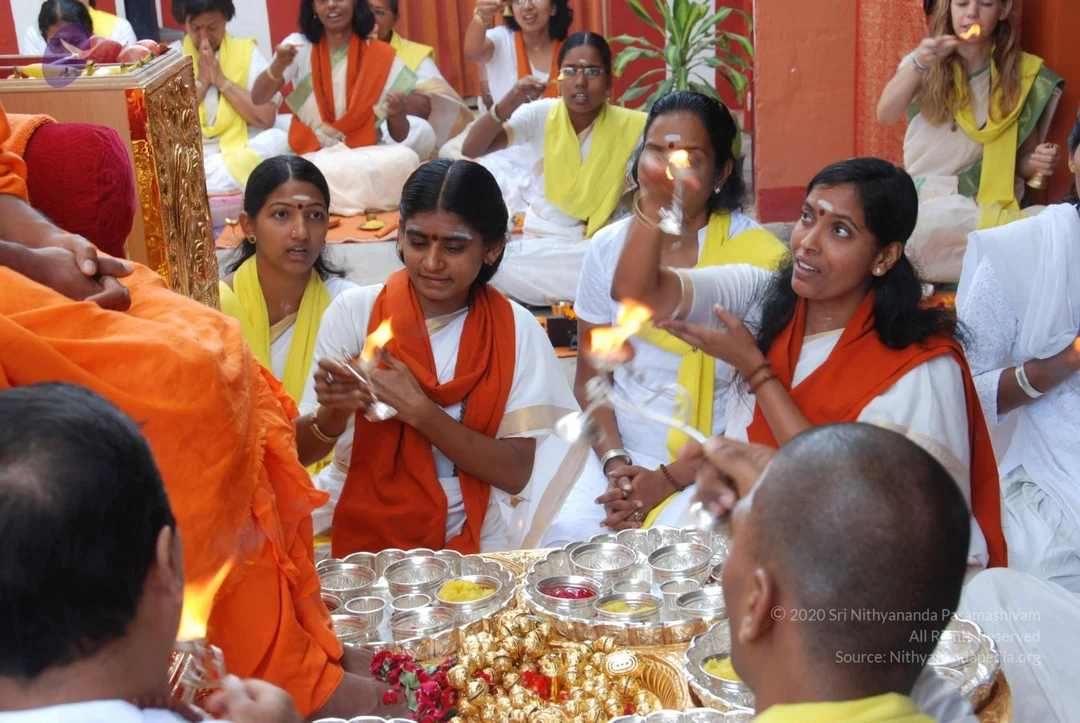
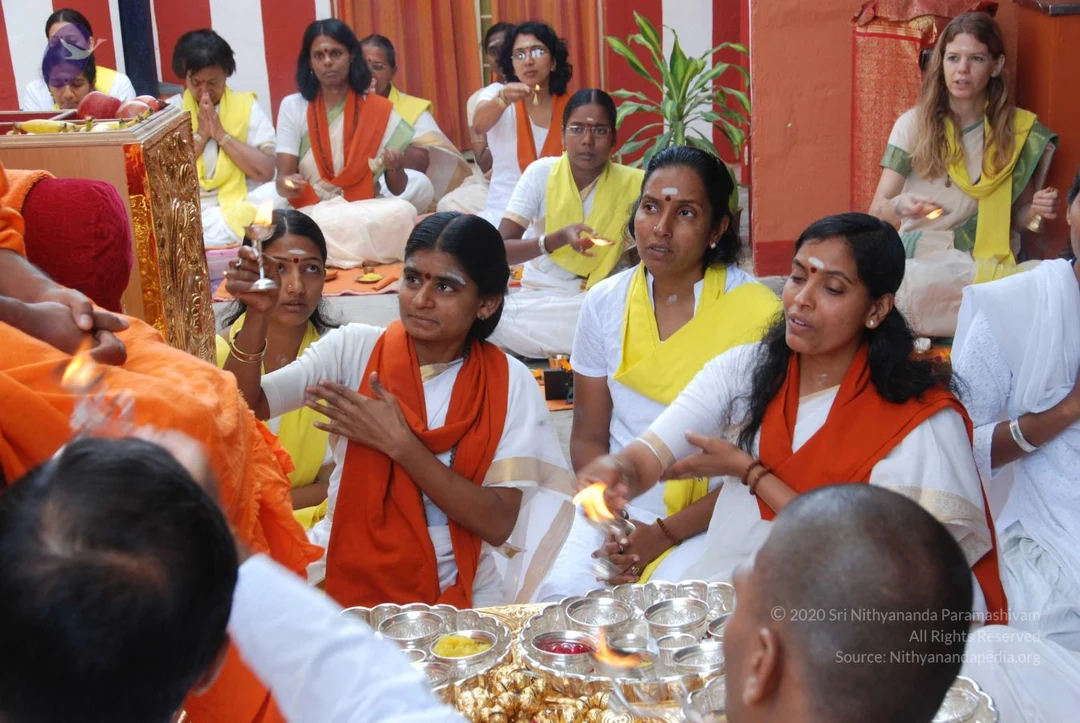
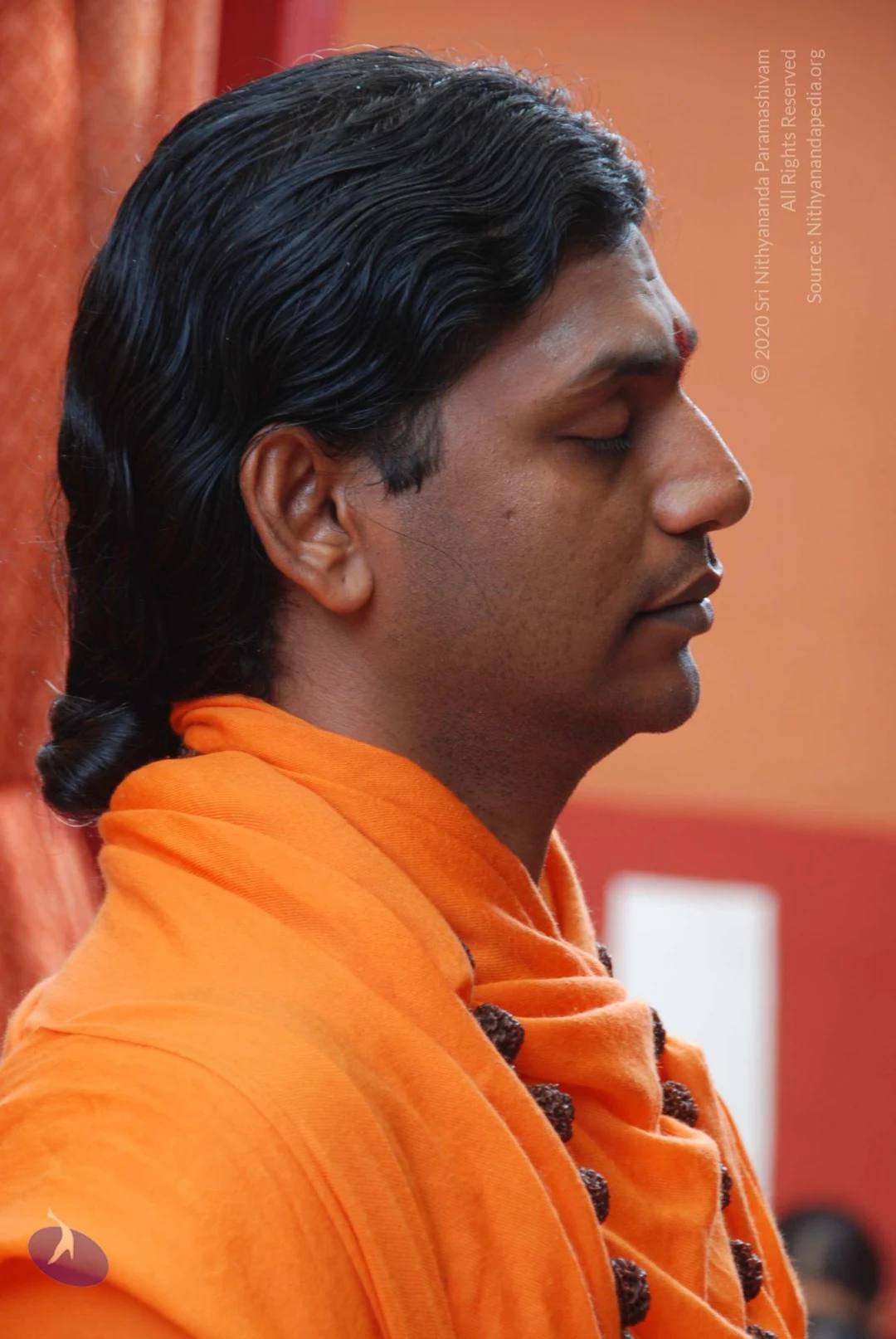
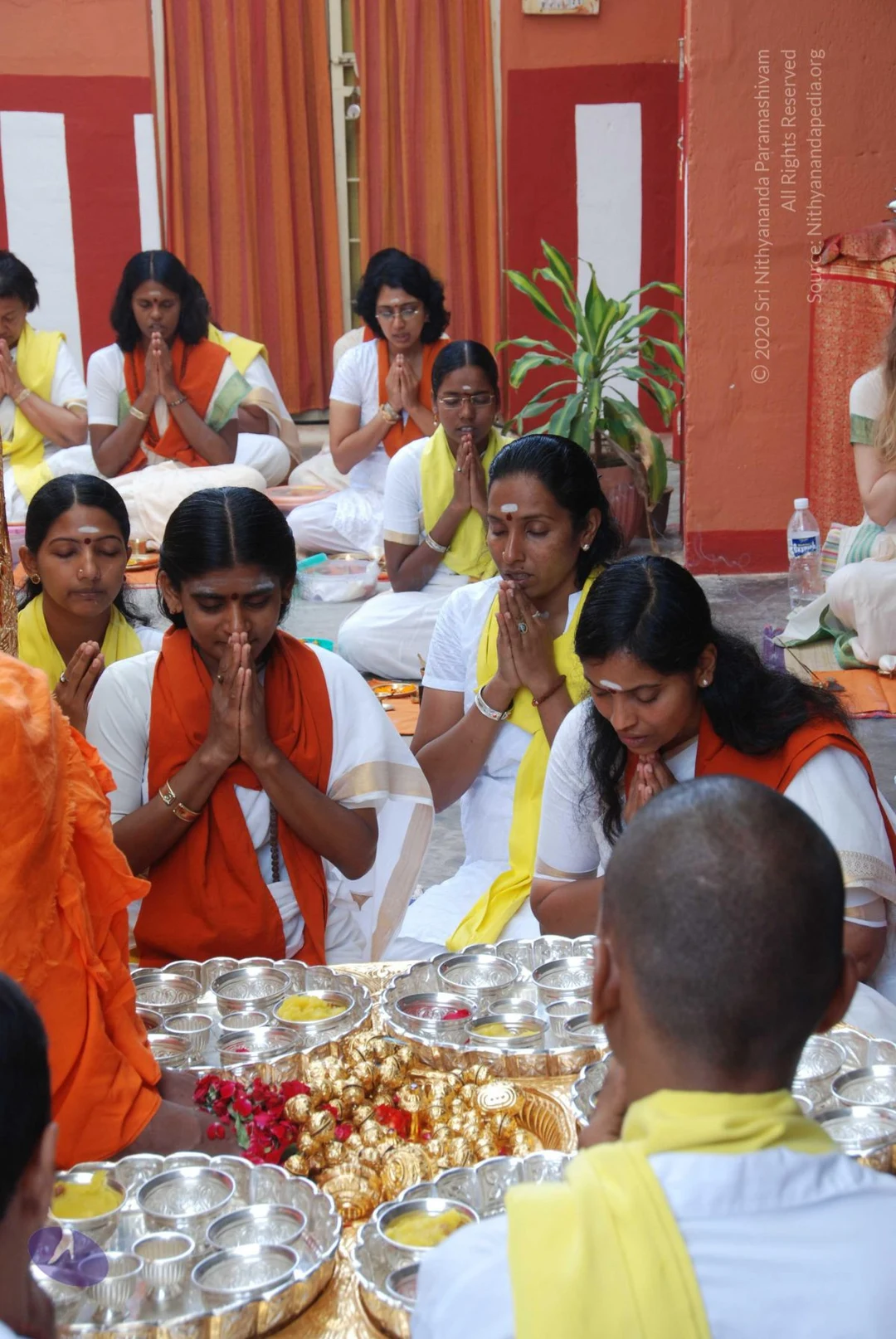
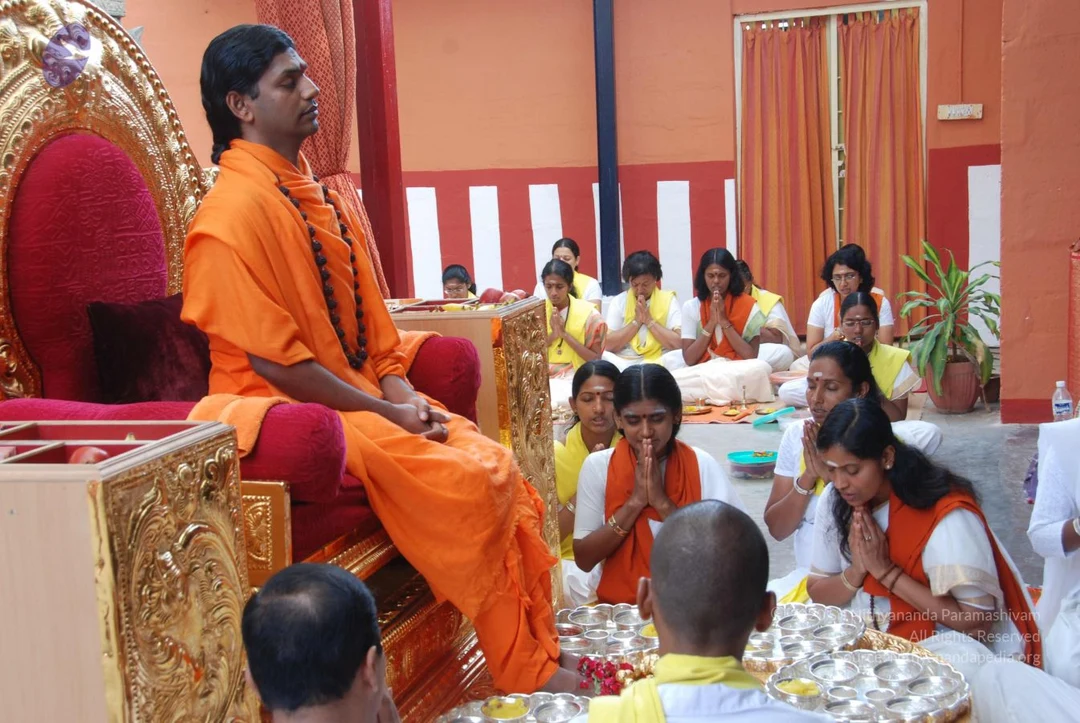
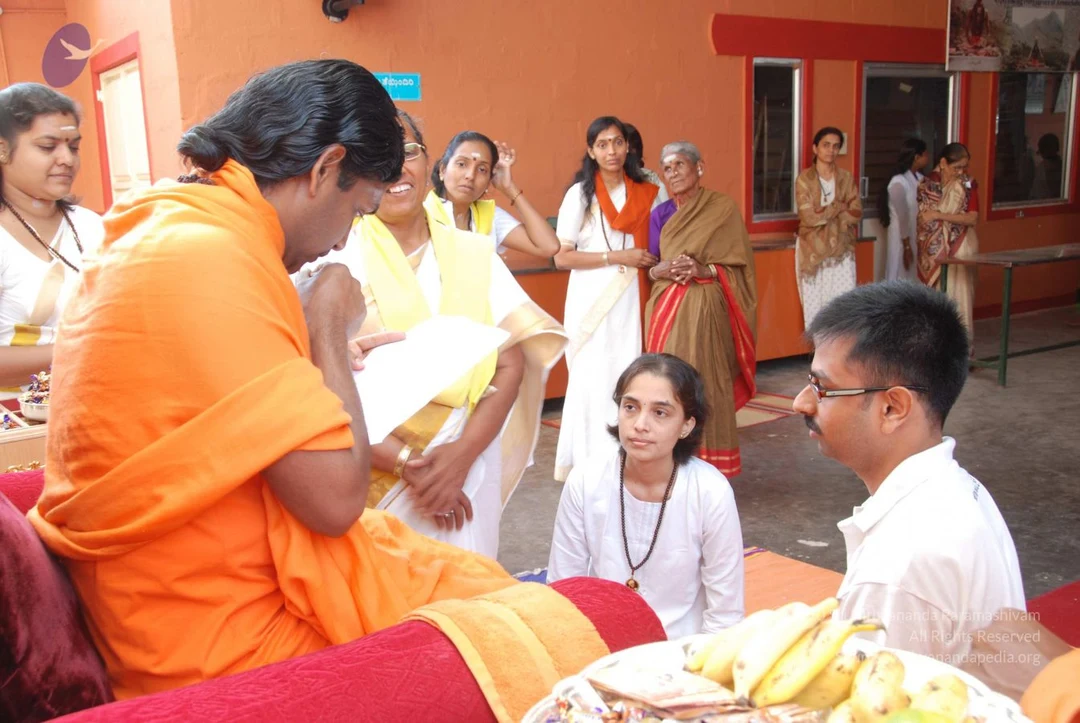
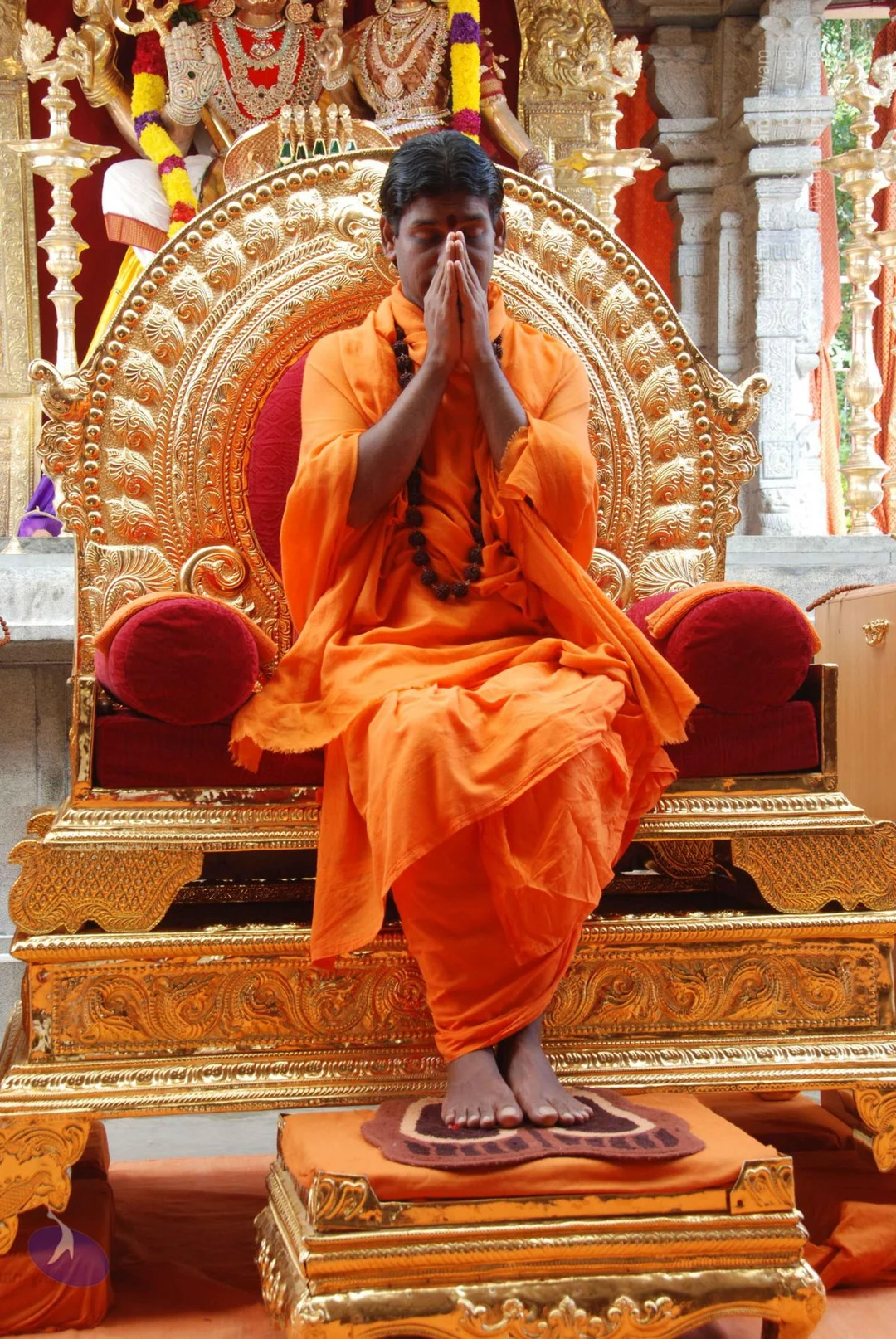
Goshala
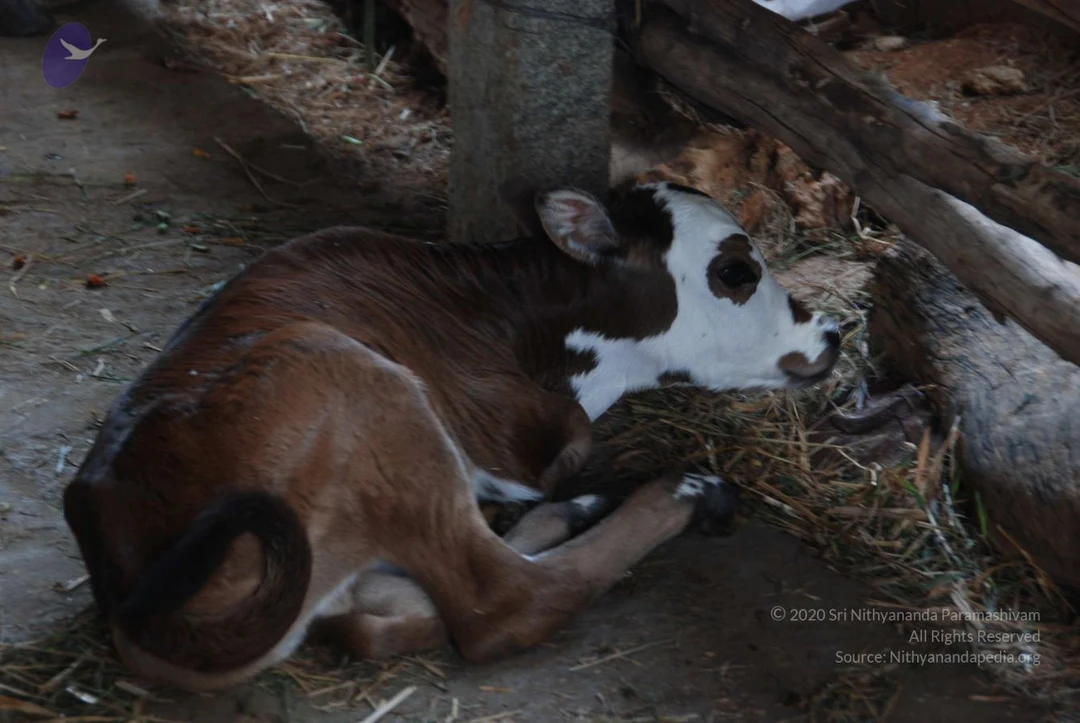
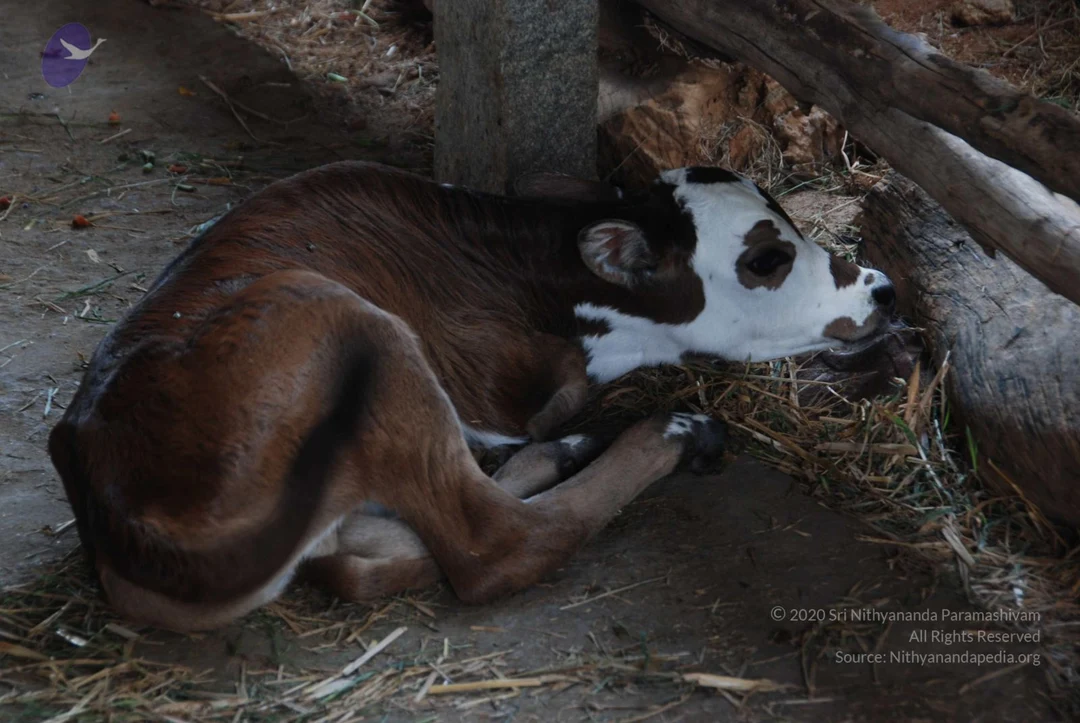
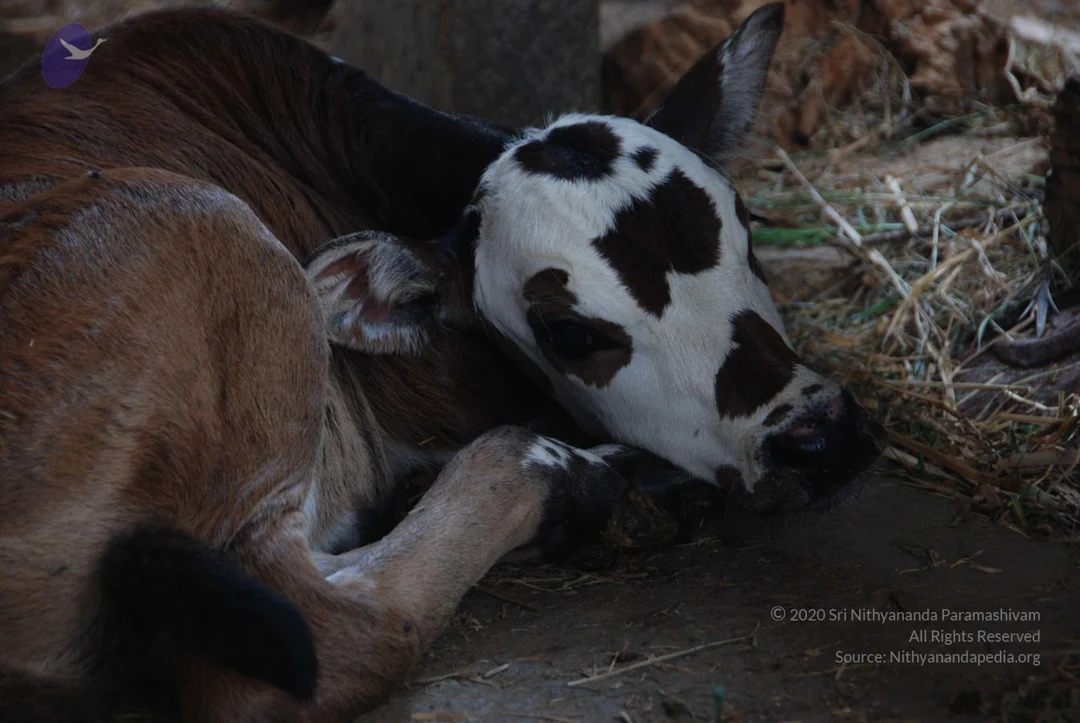

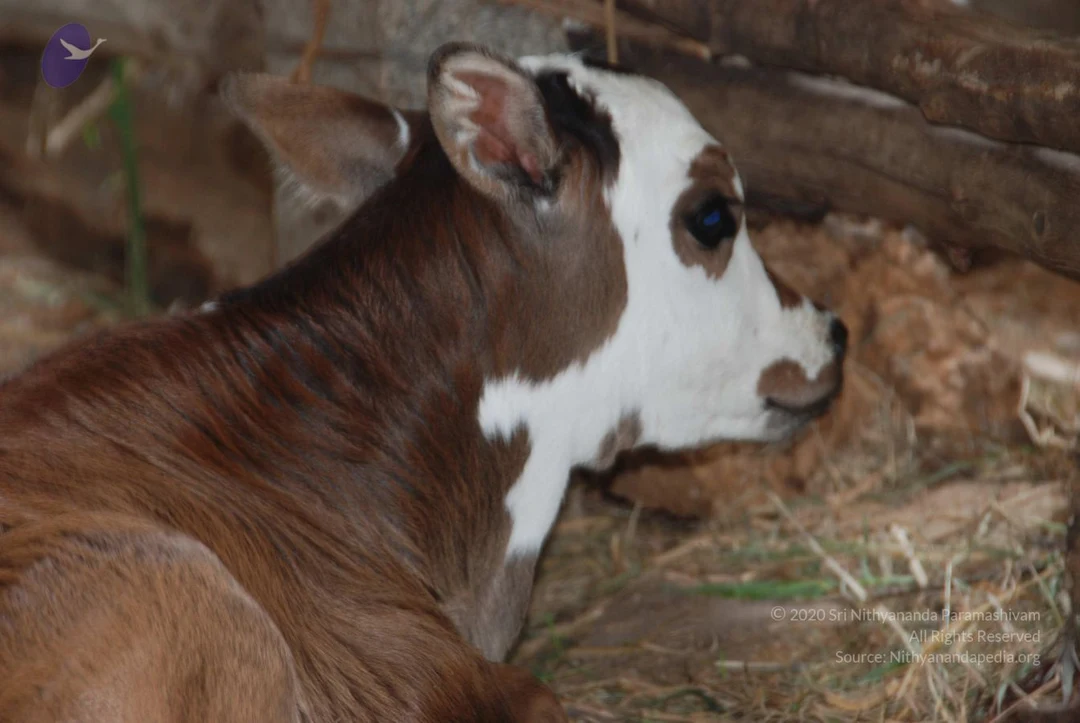

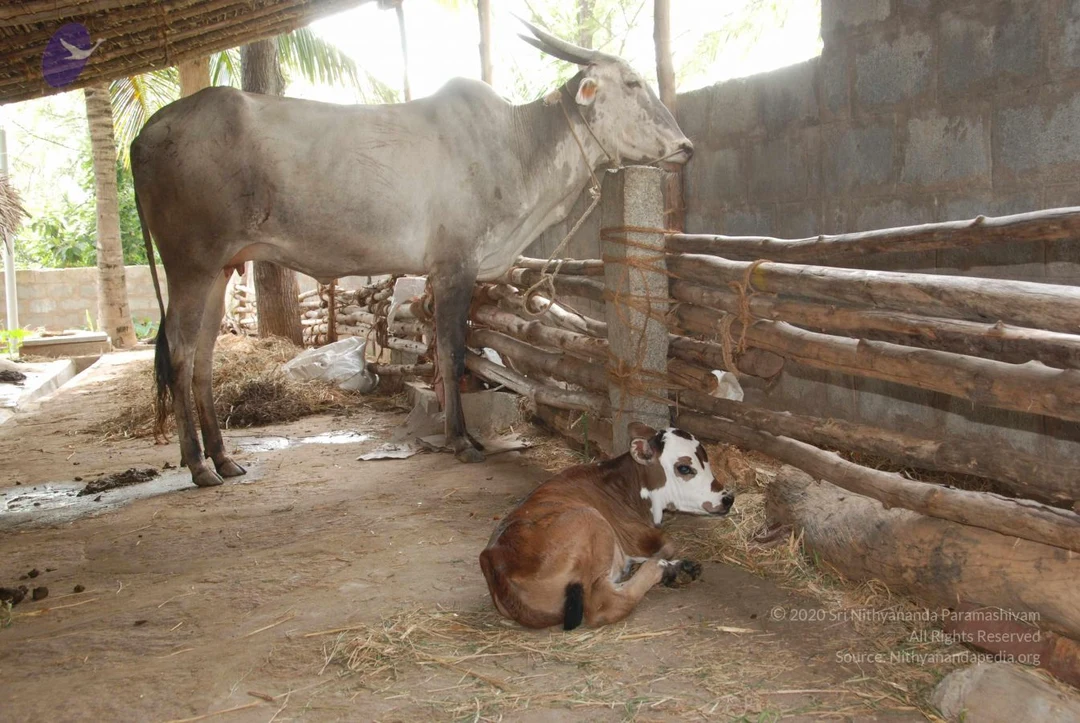
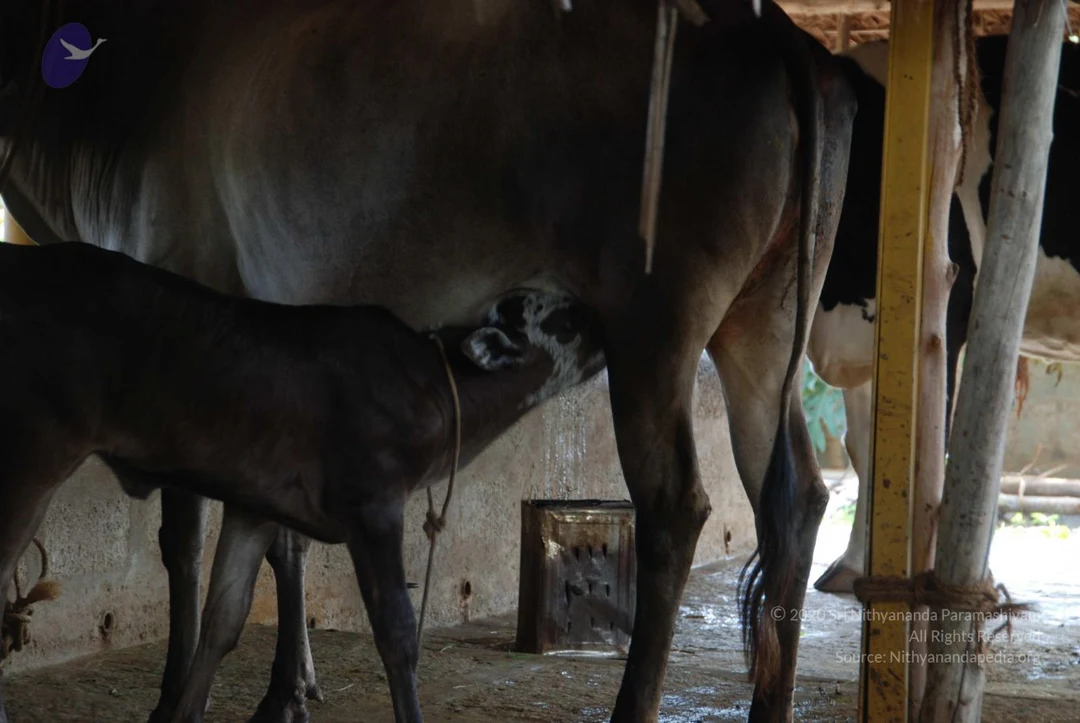
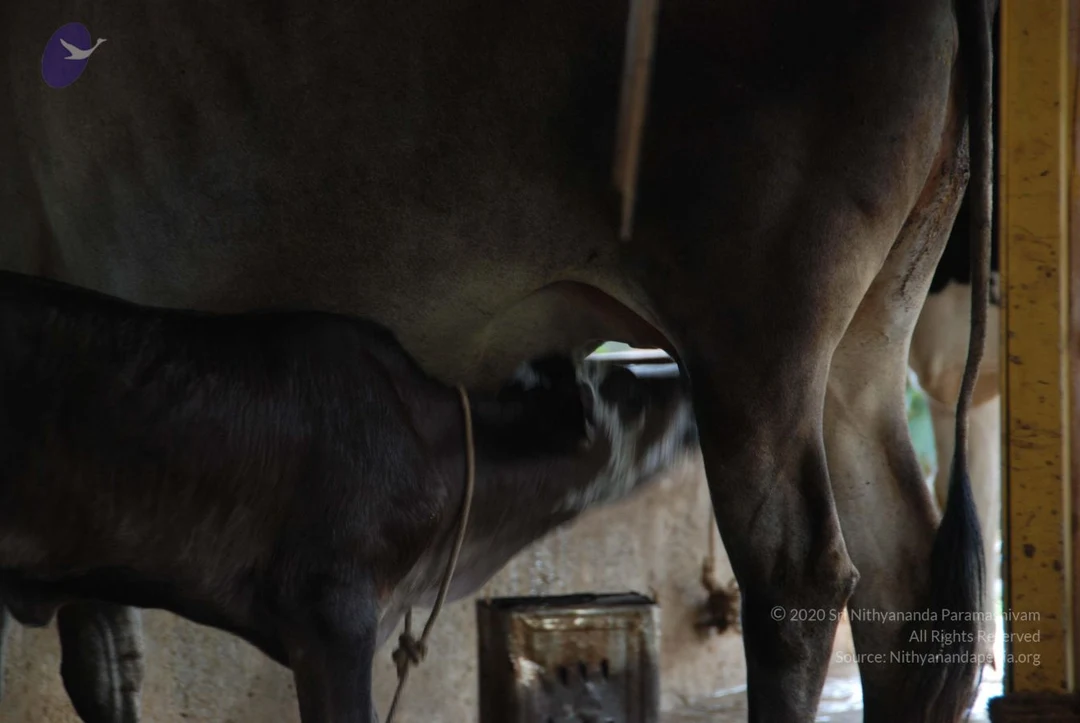
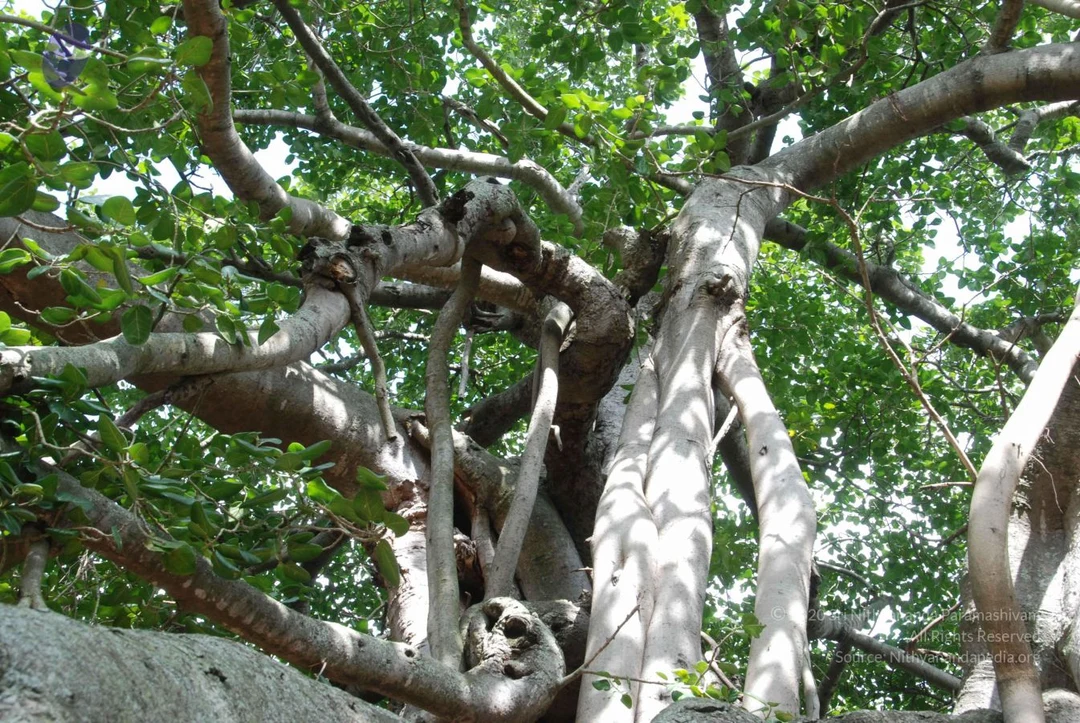
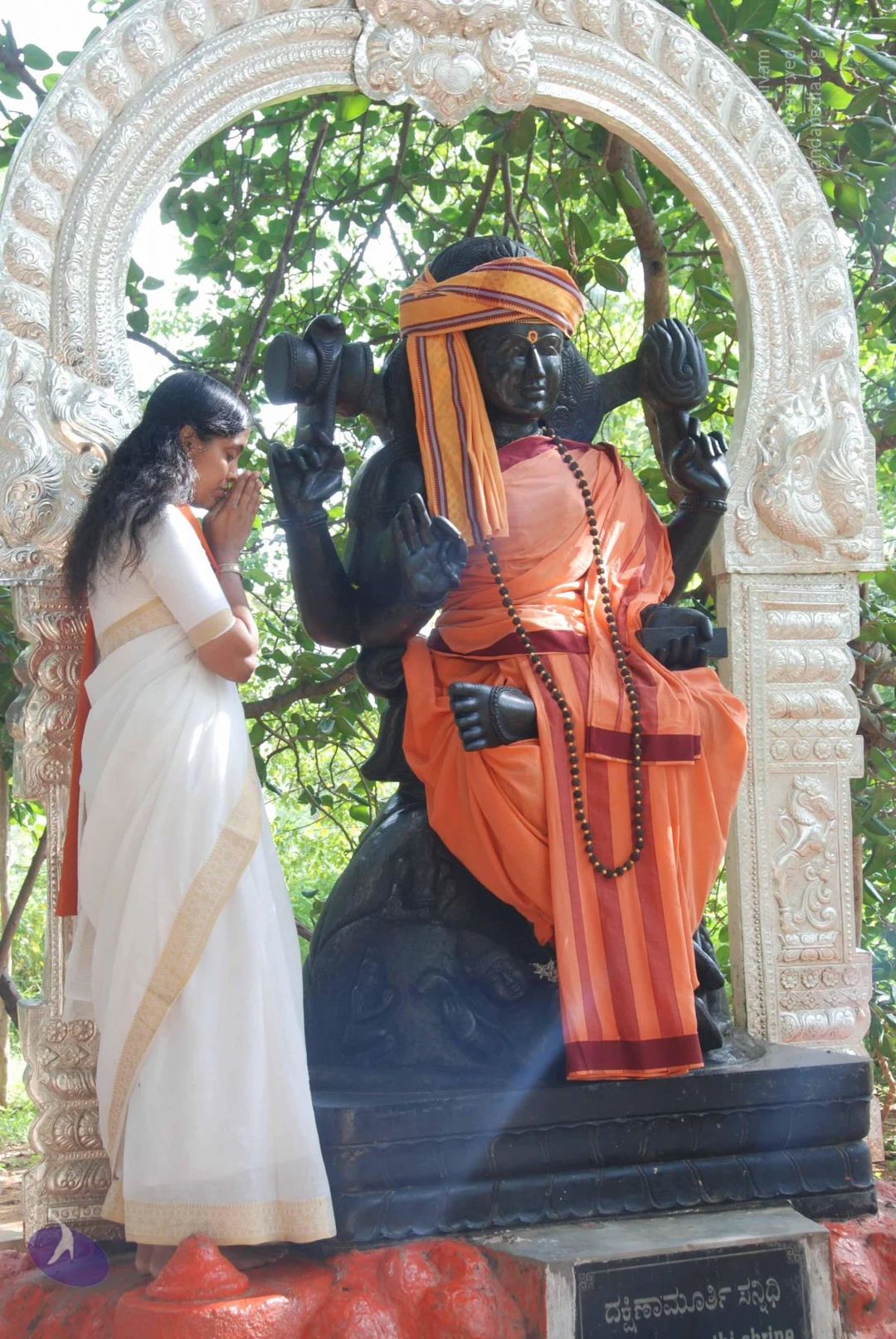
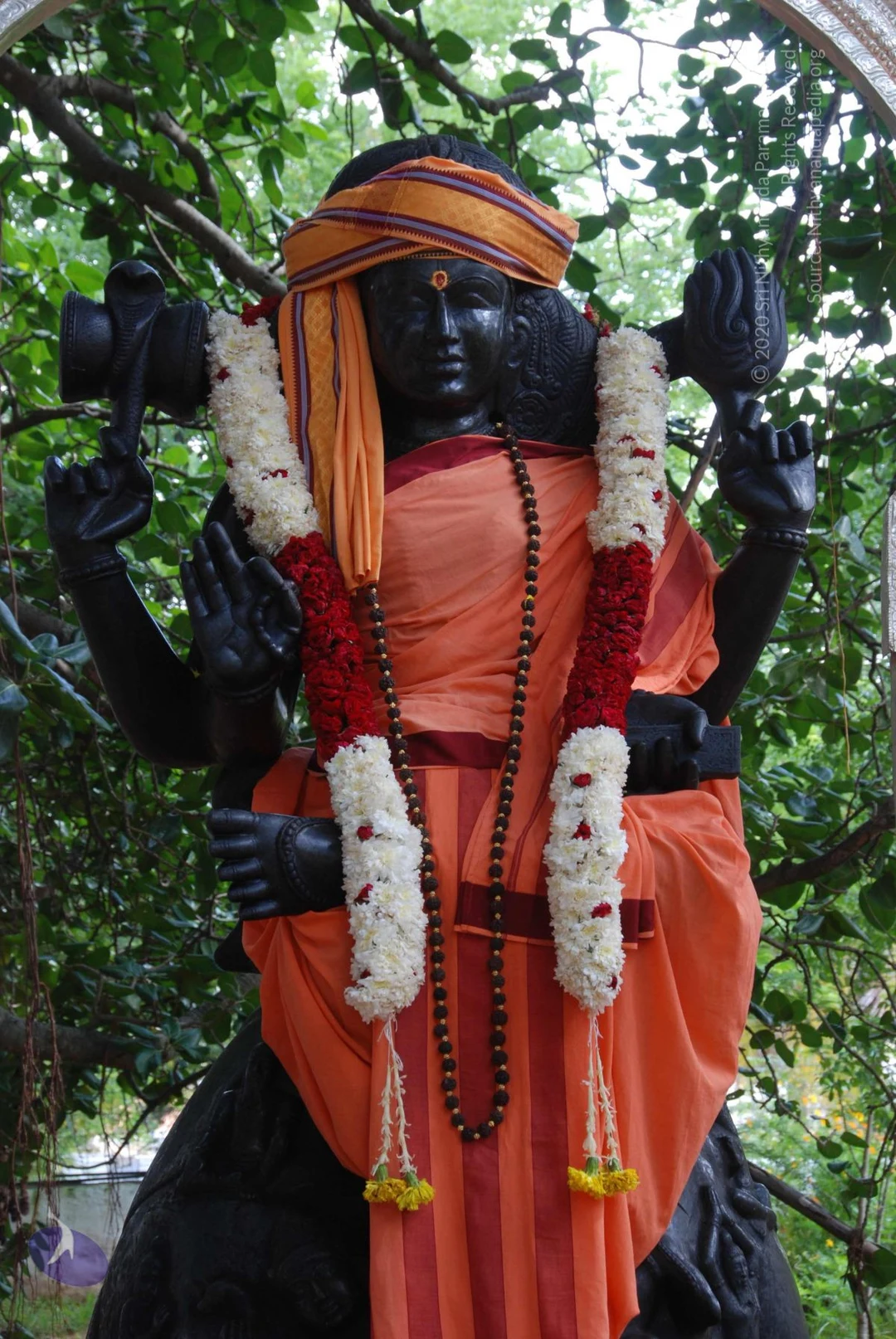
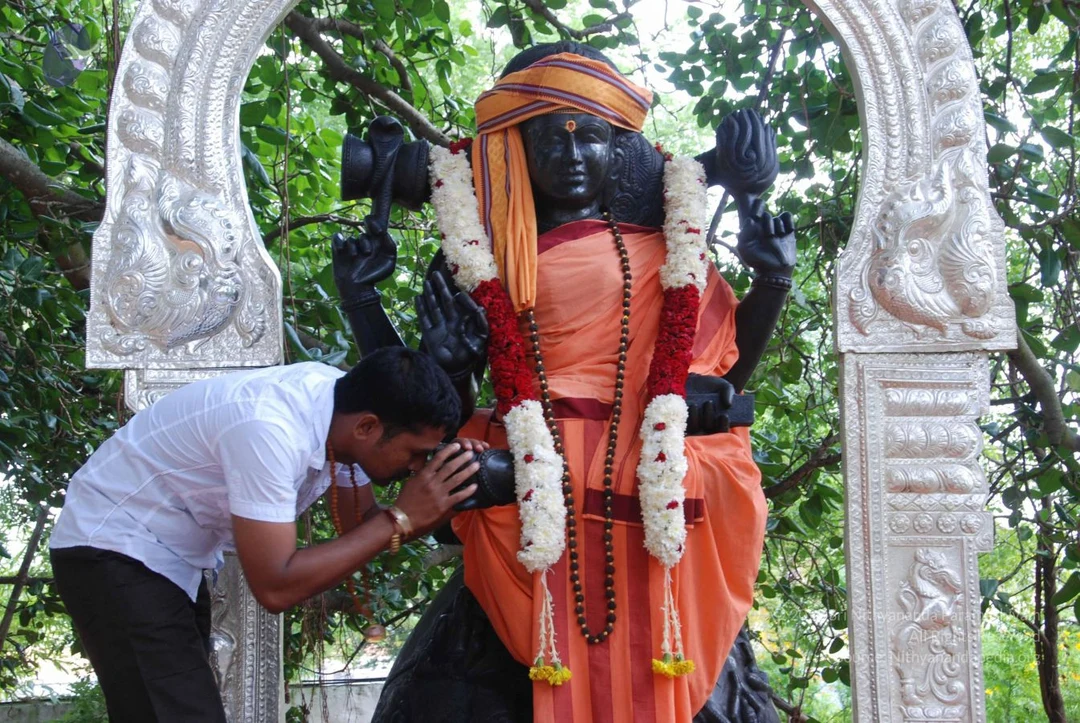
Bidadi-Banyan-Tree



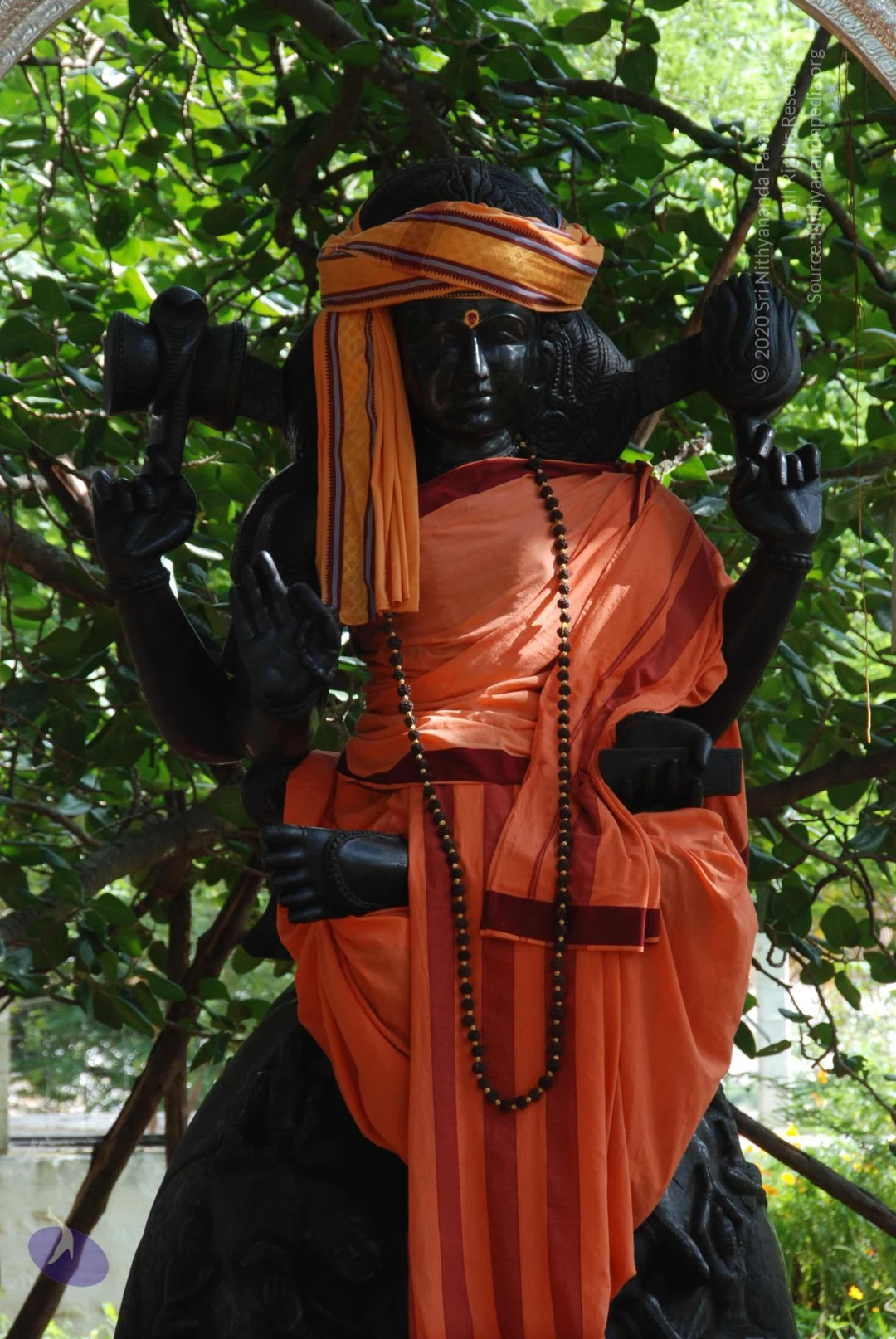
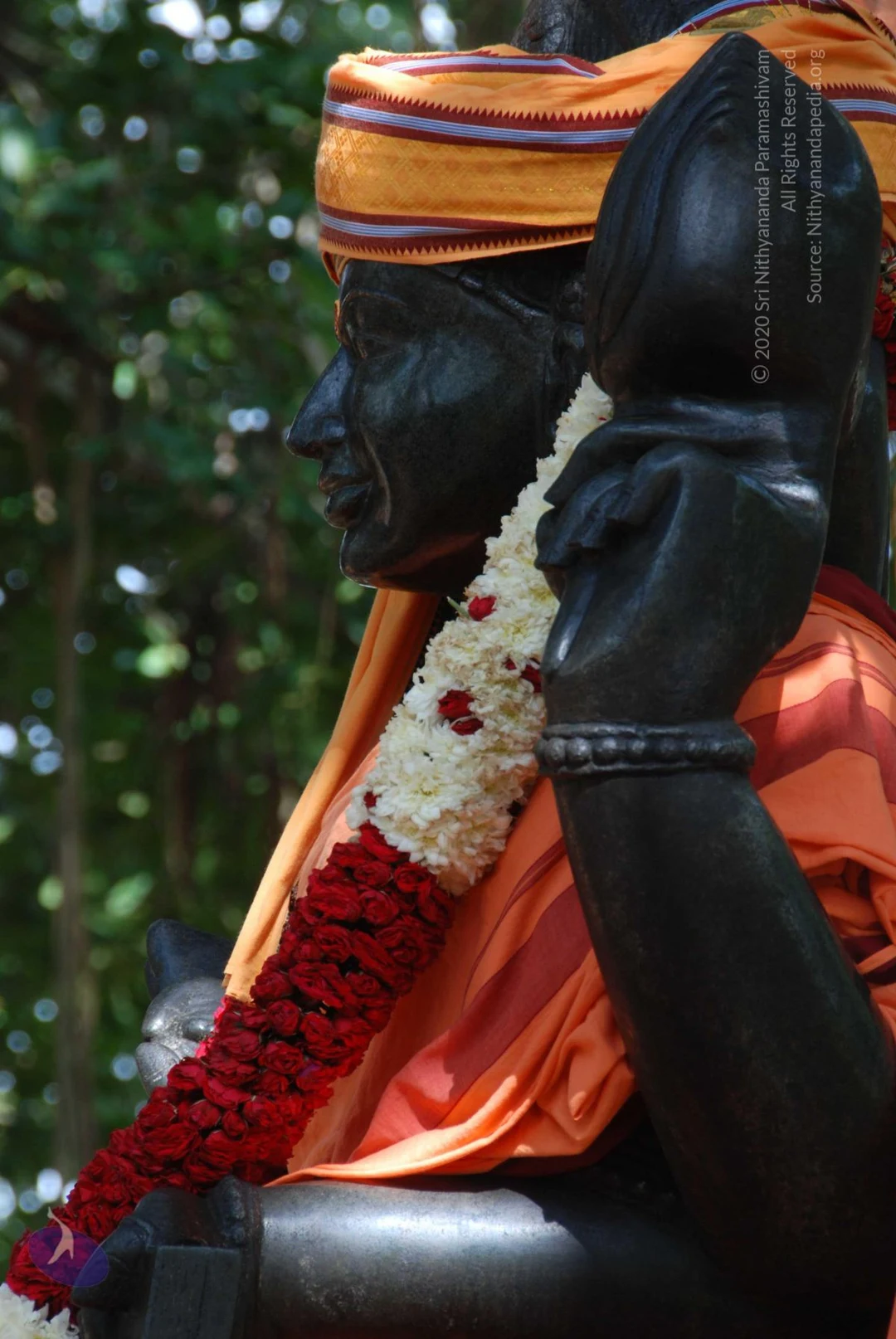
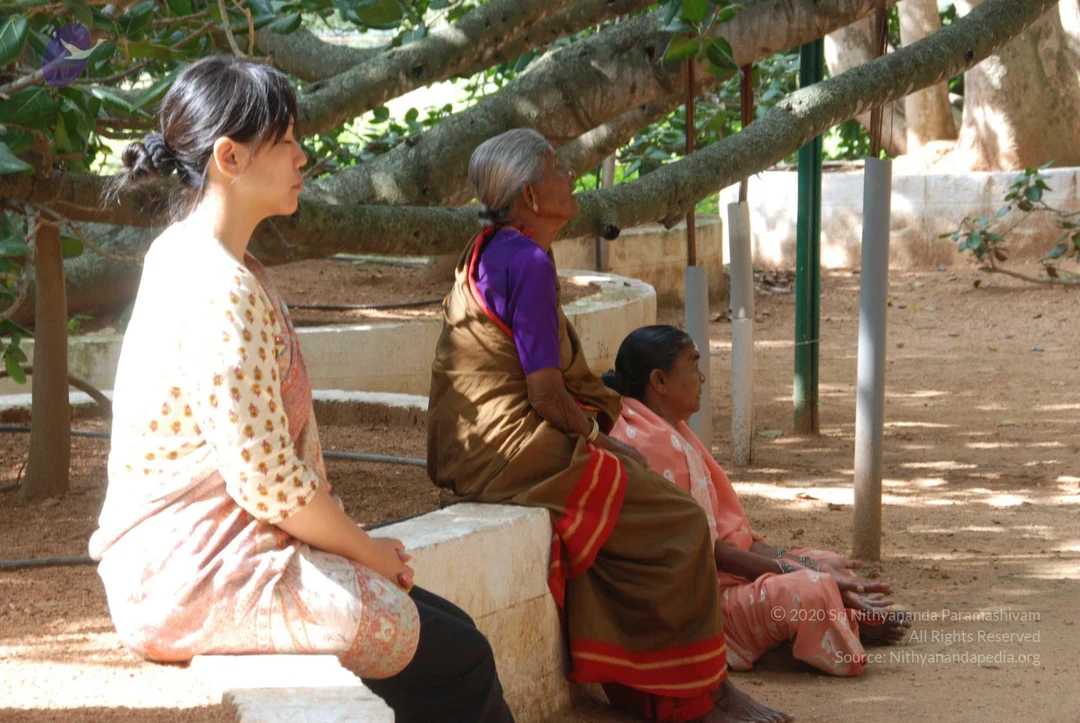
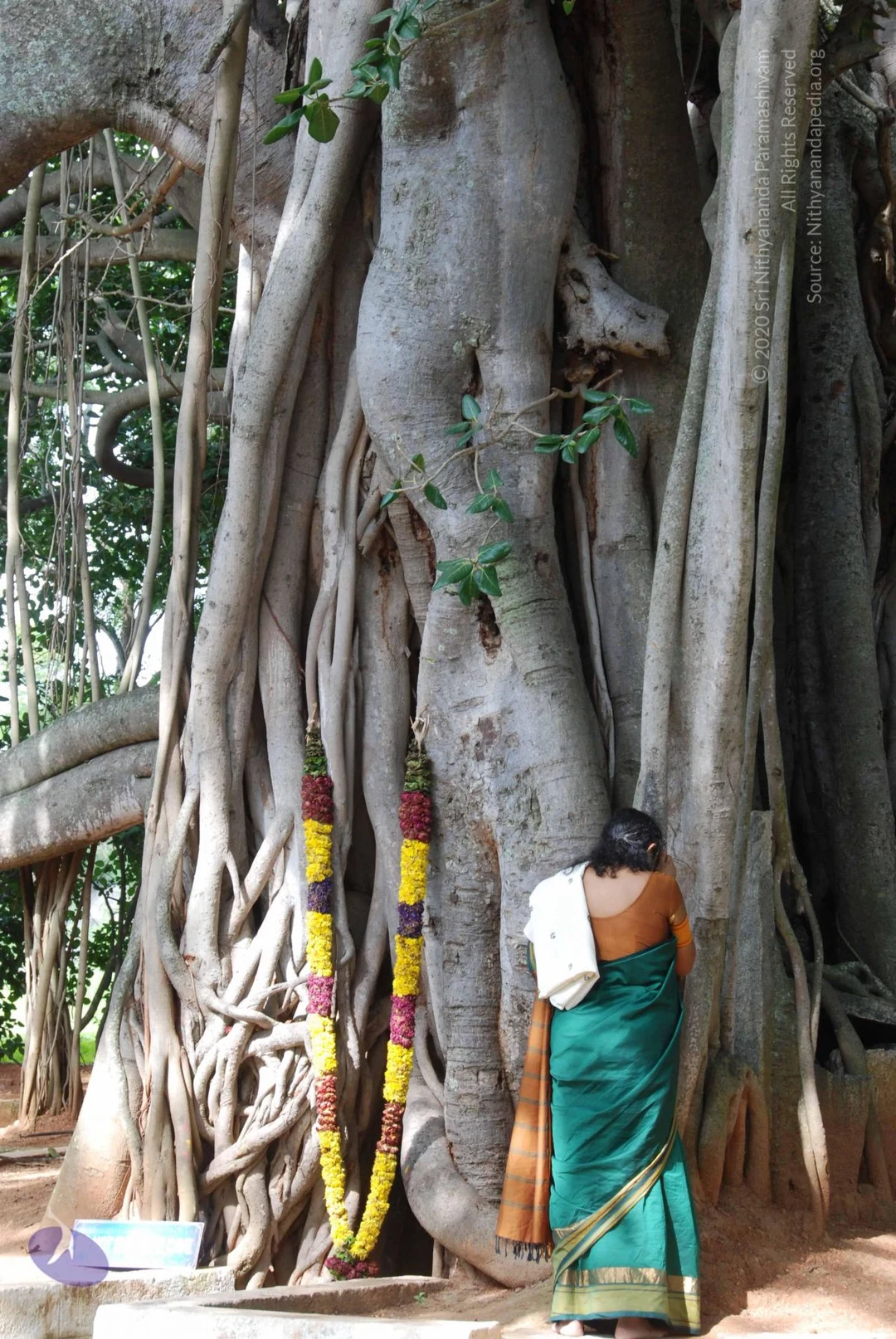
Evening-Discourse
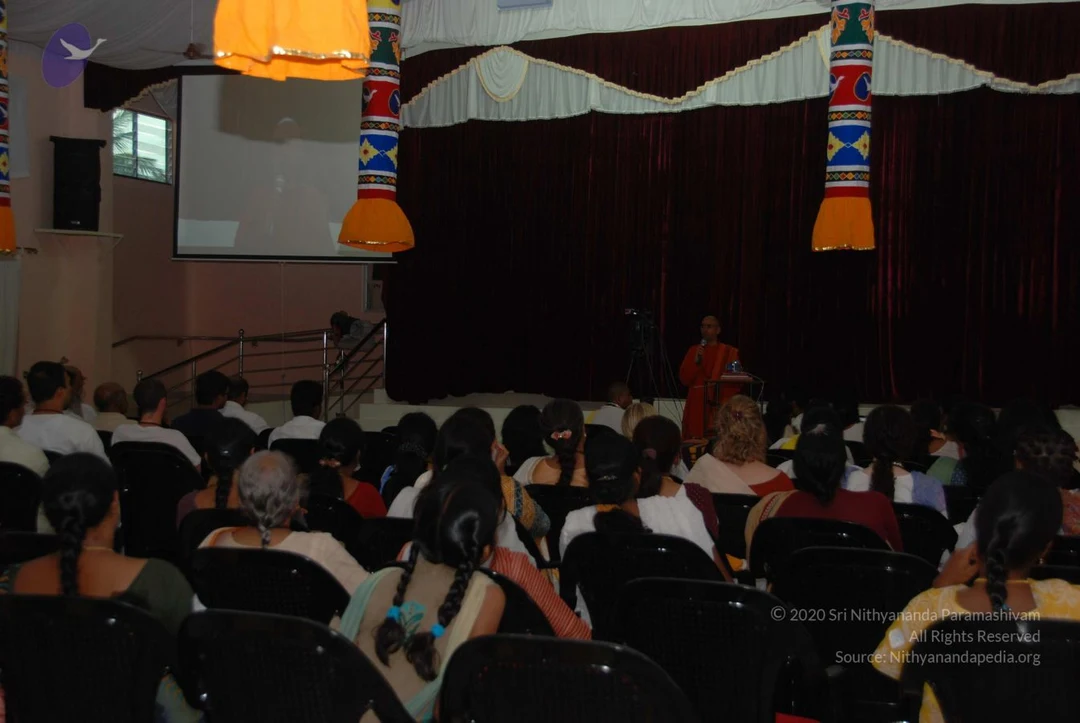

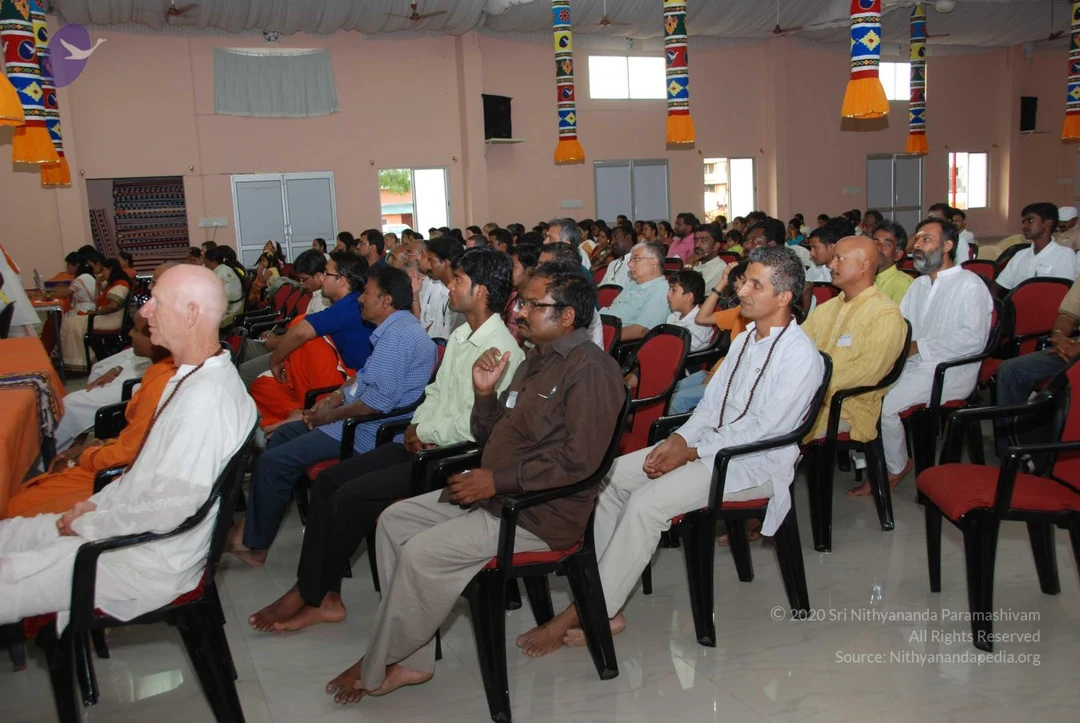
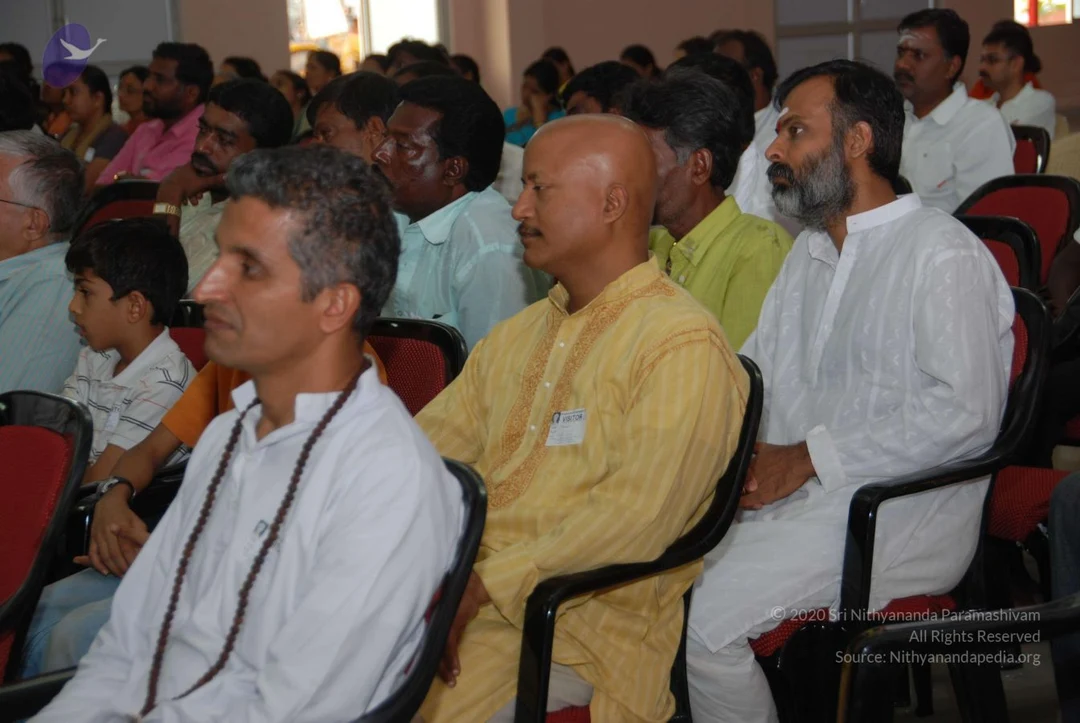
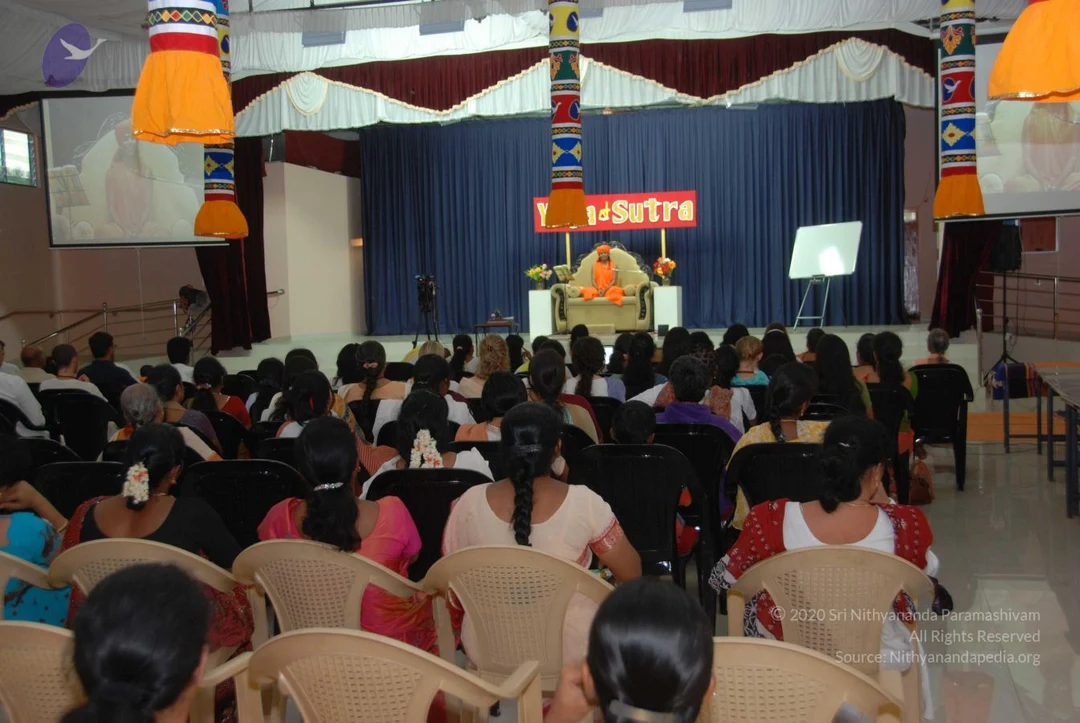
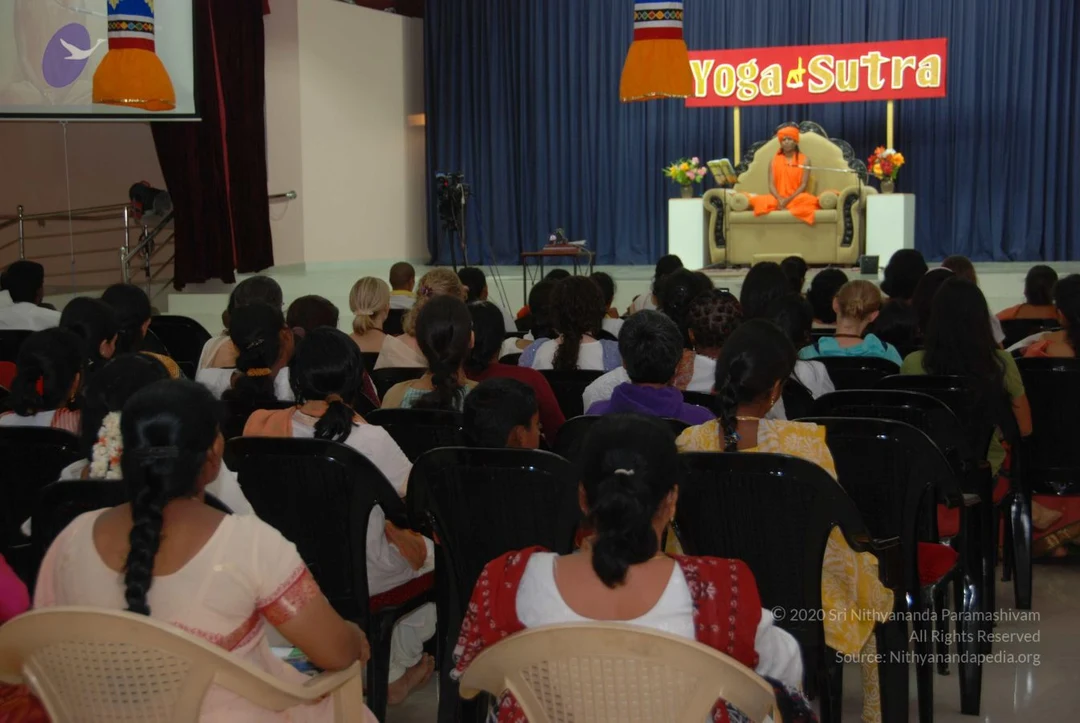
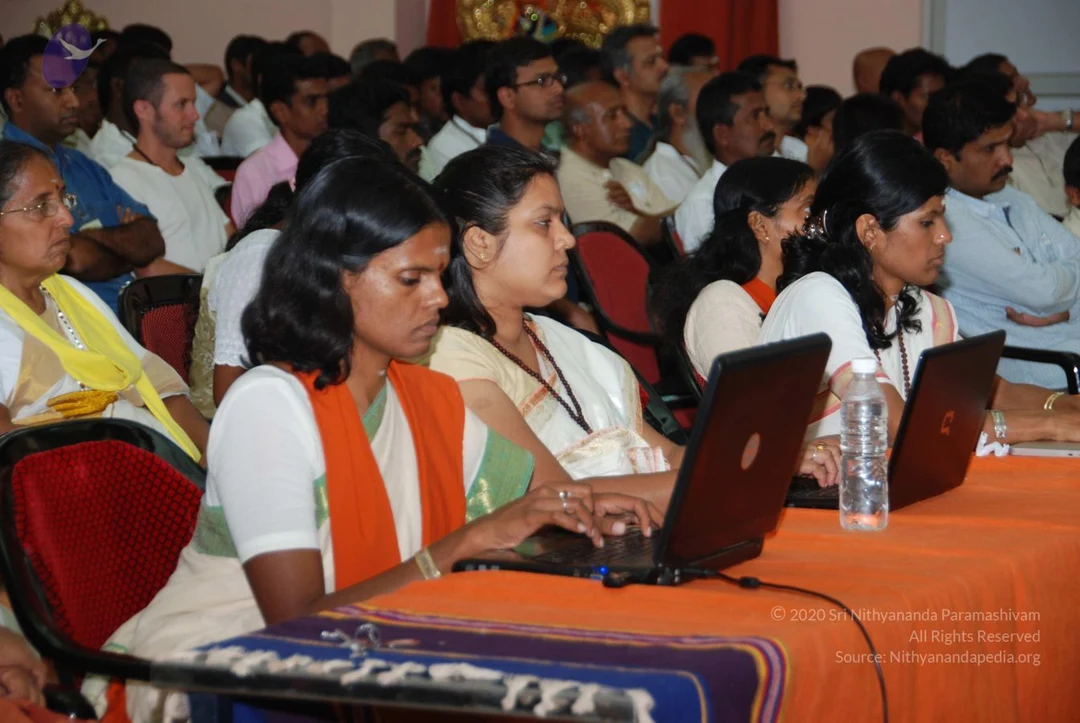
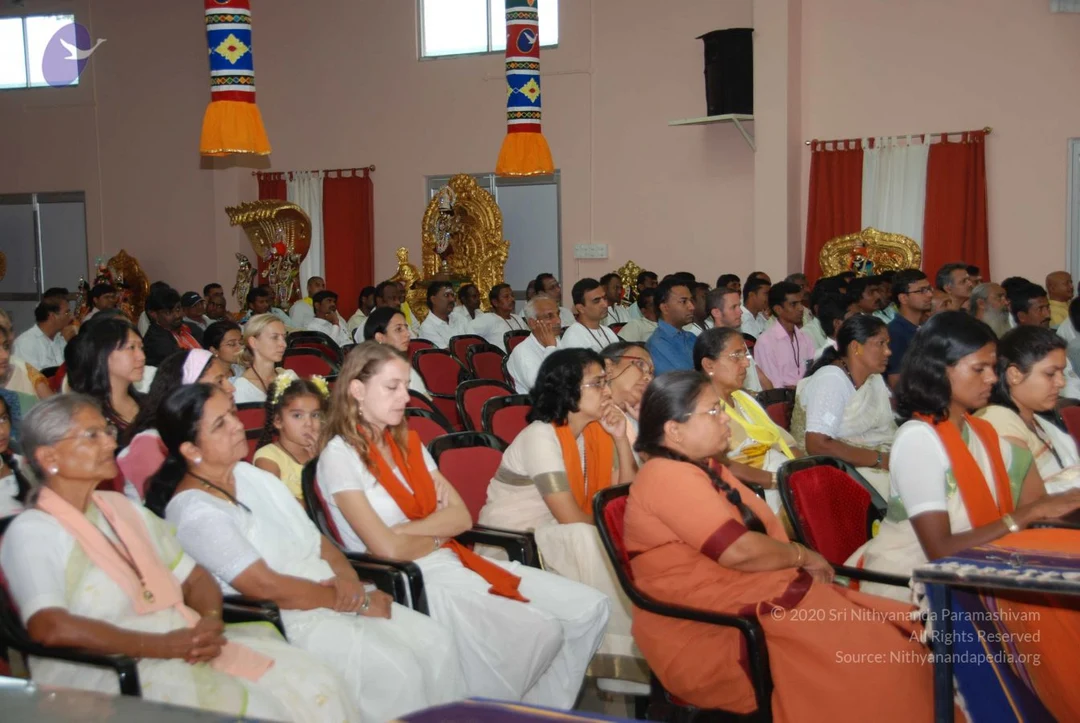
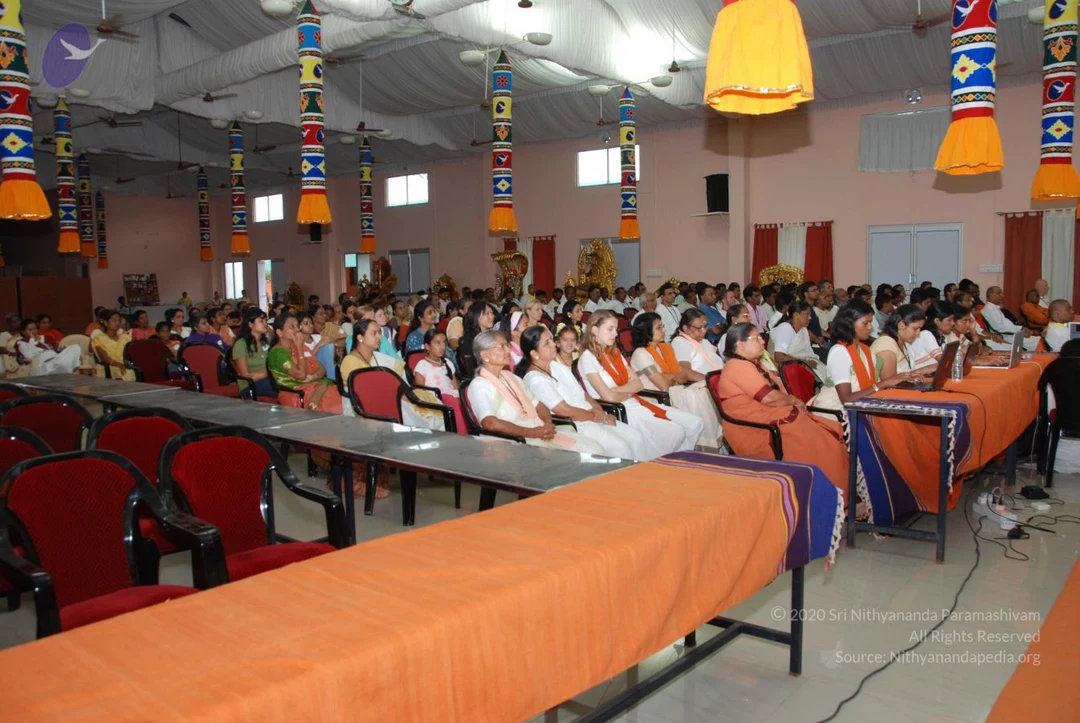
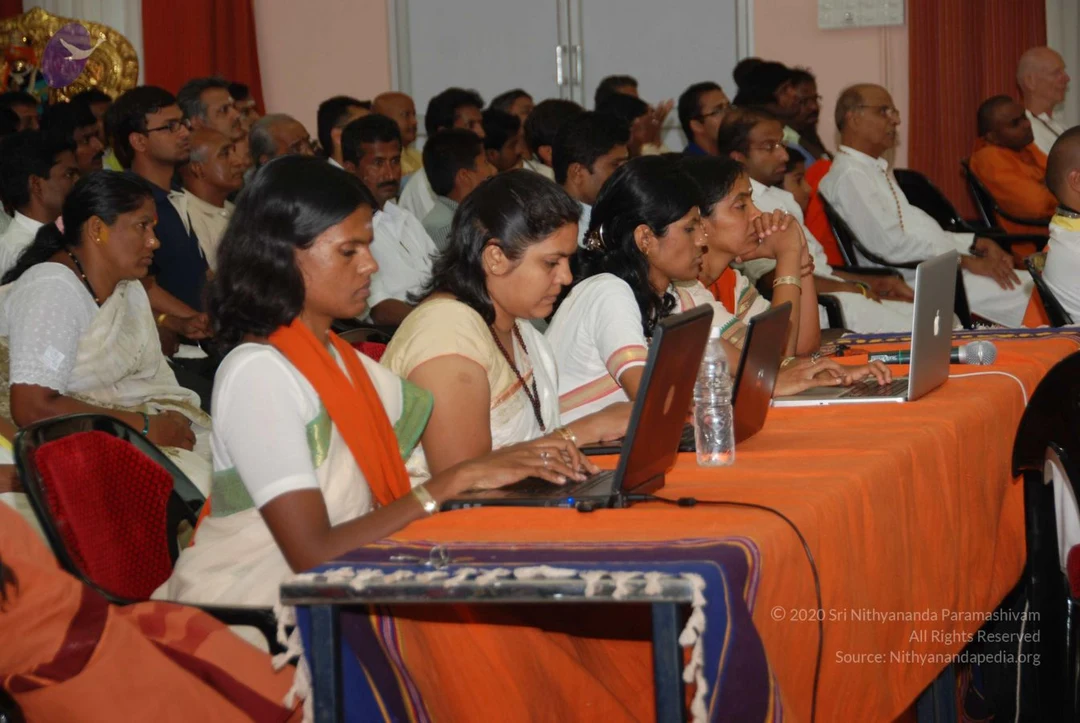
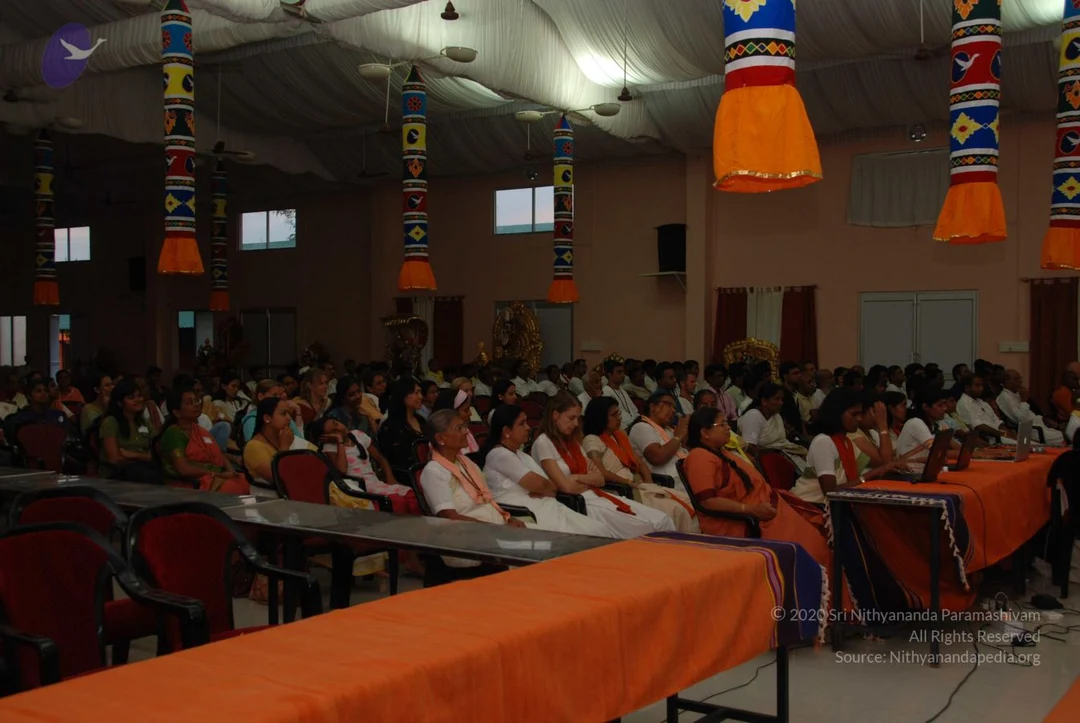

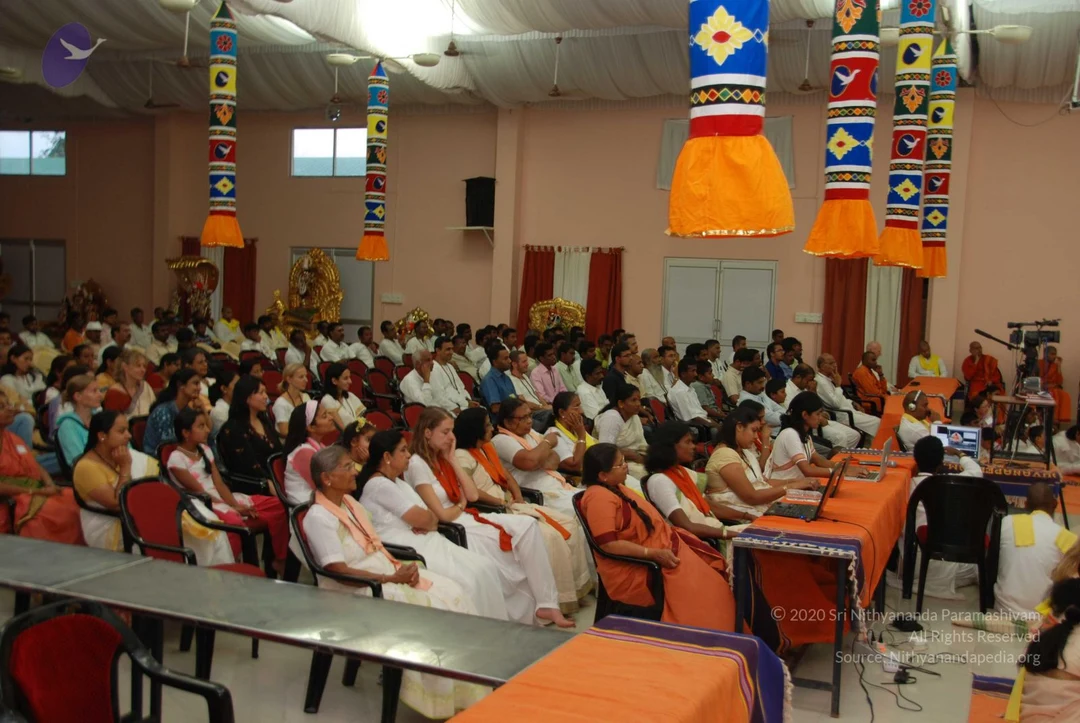
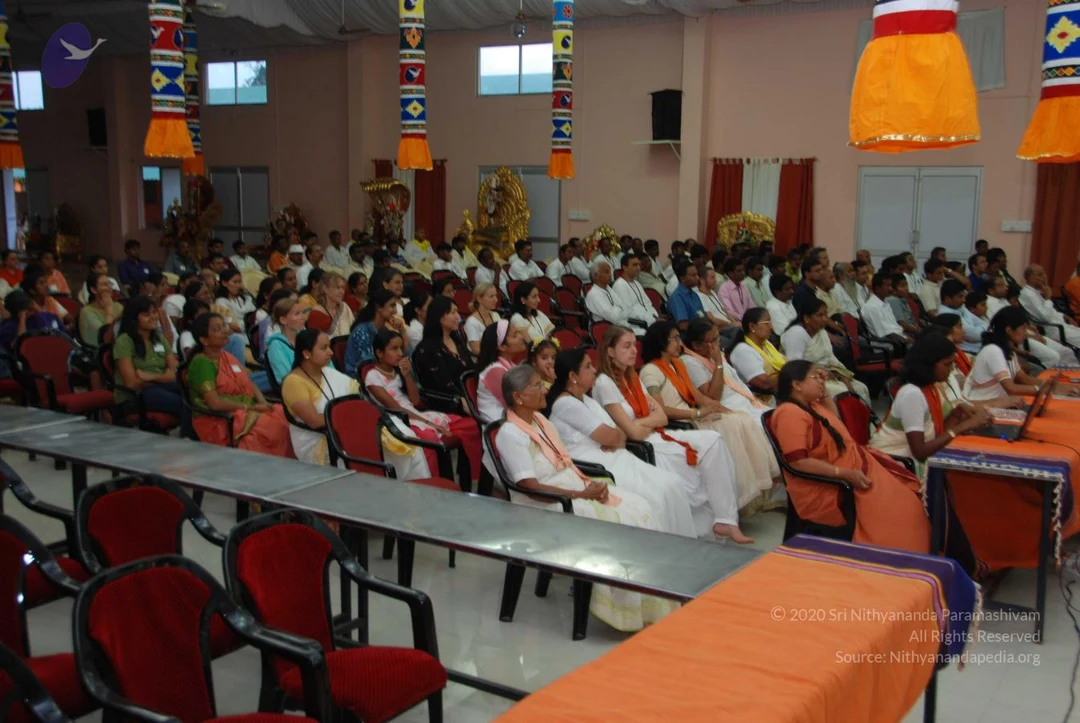
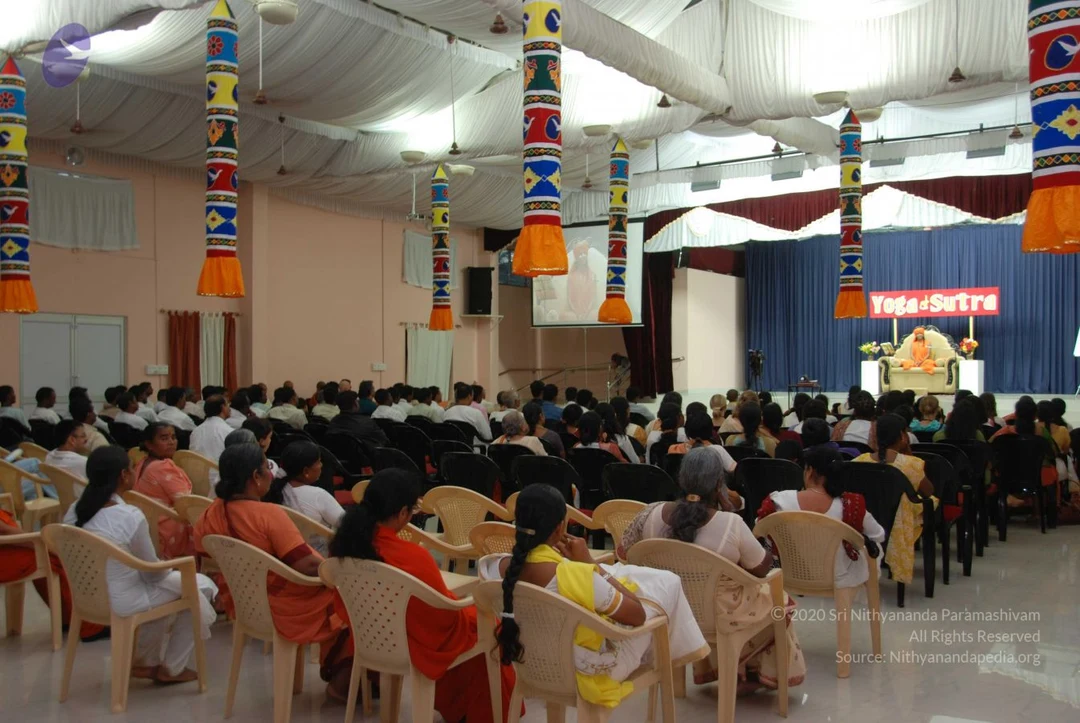
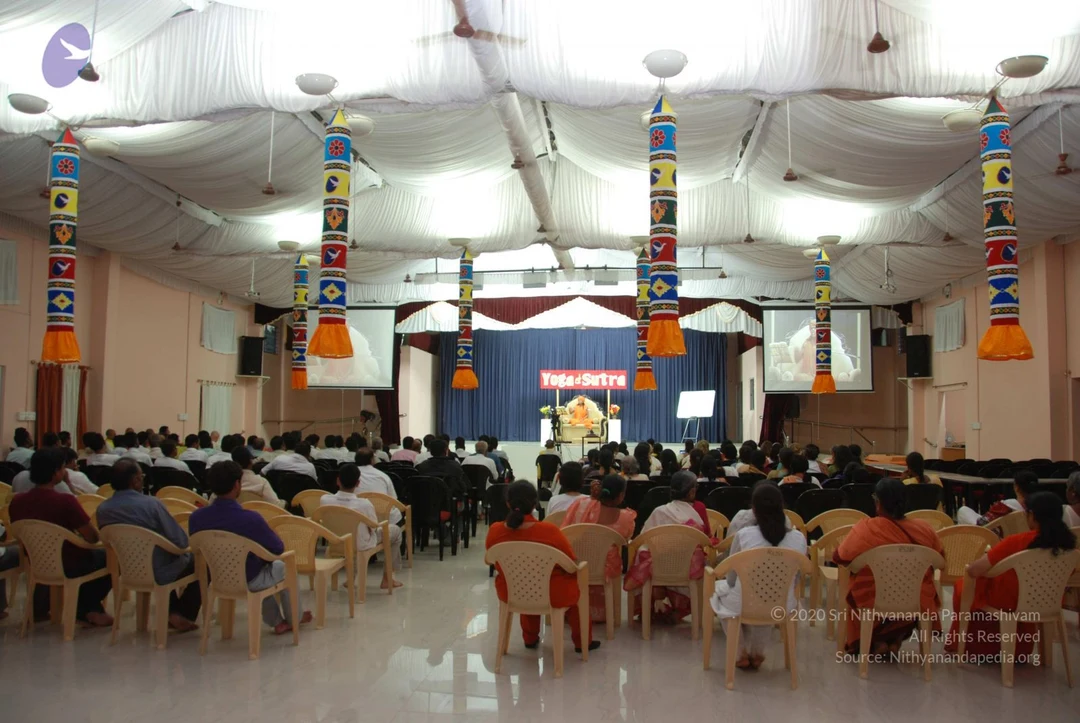
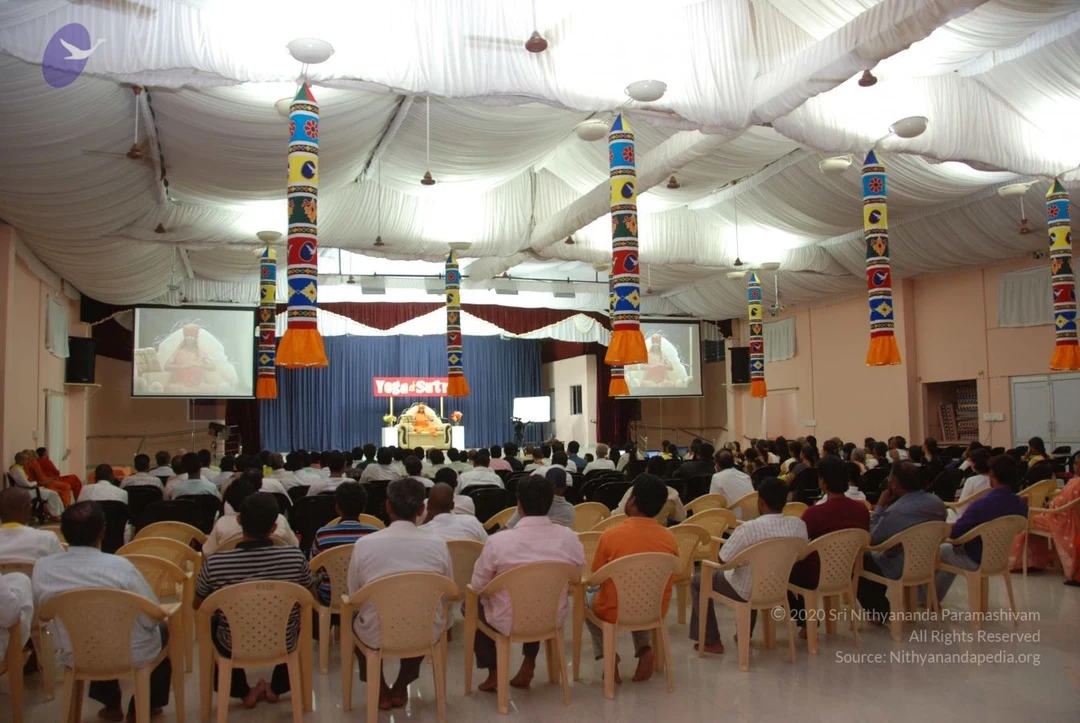
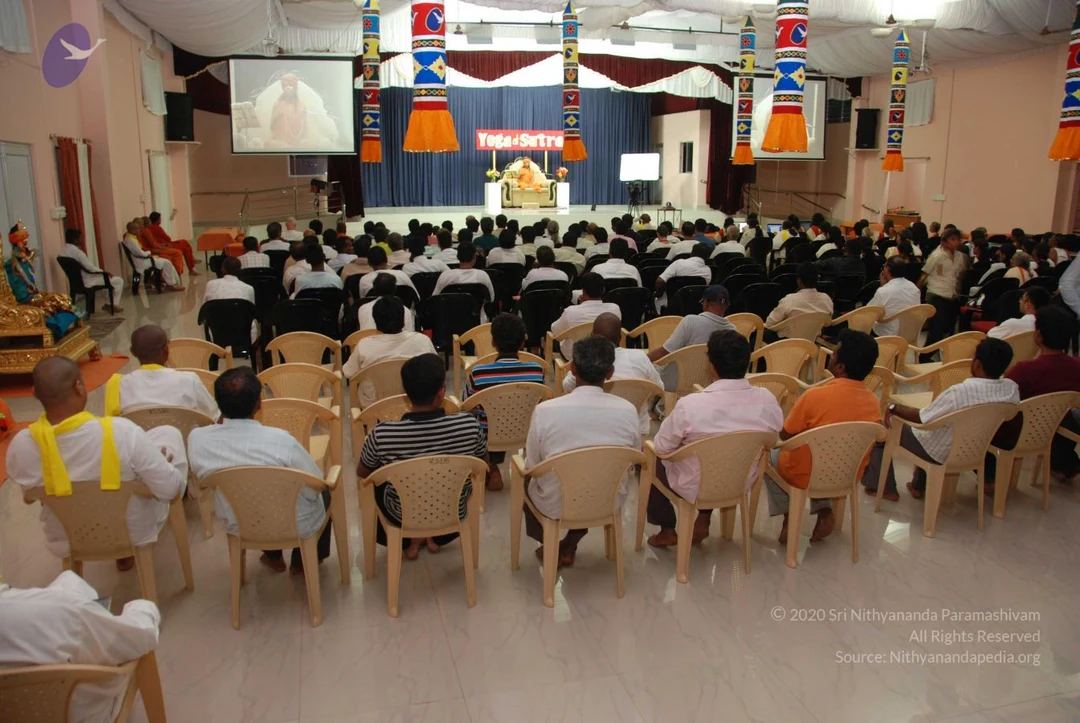
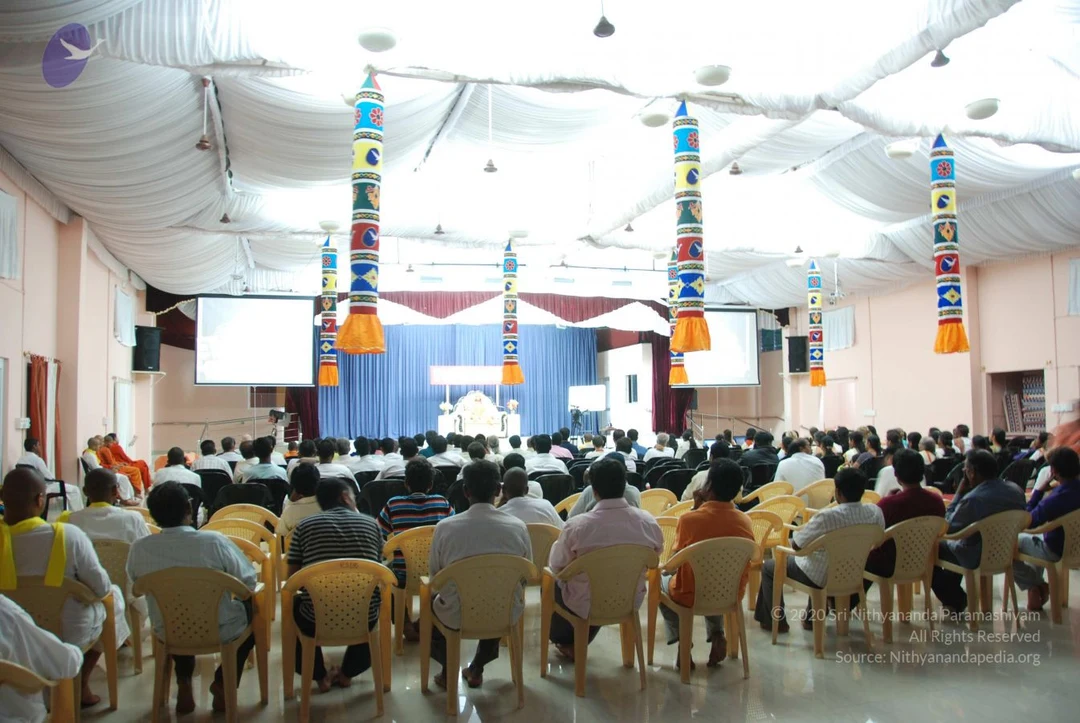
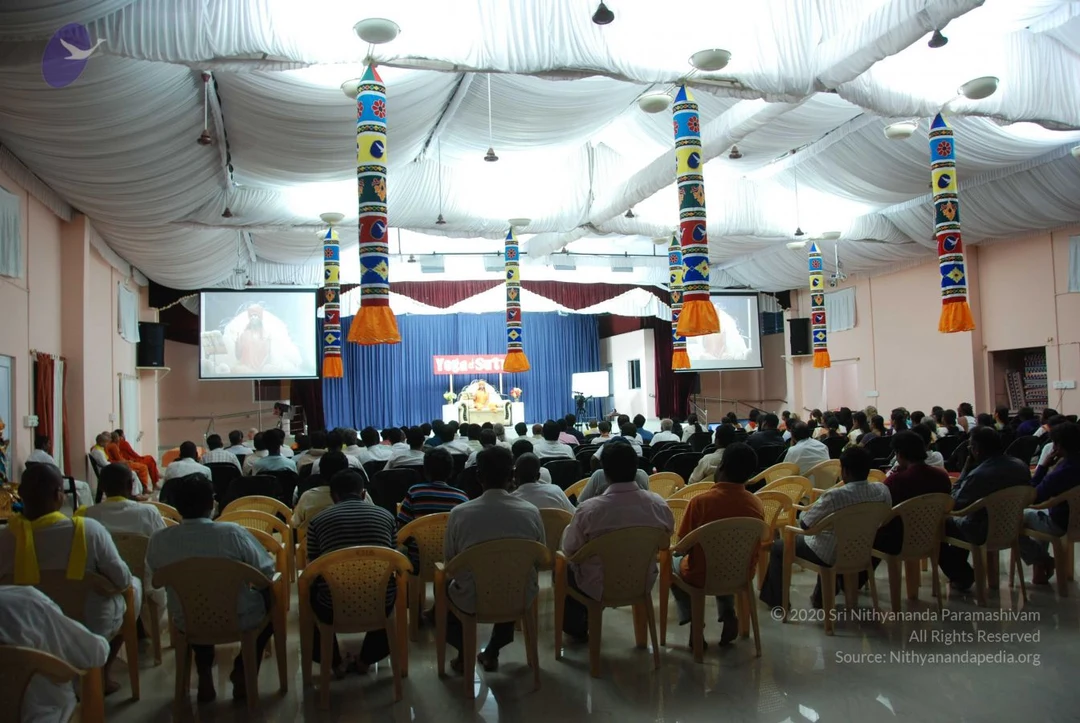
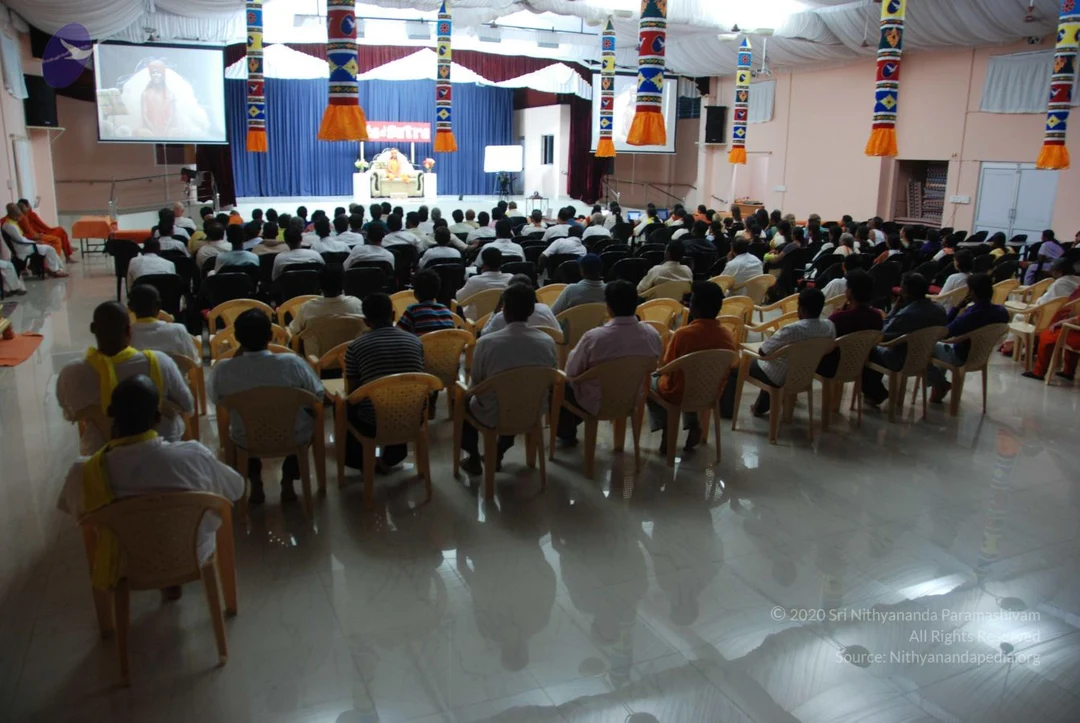
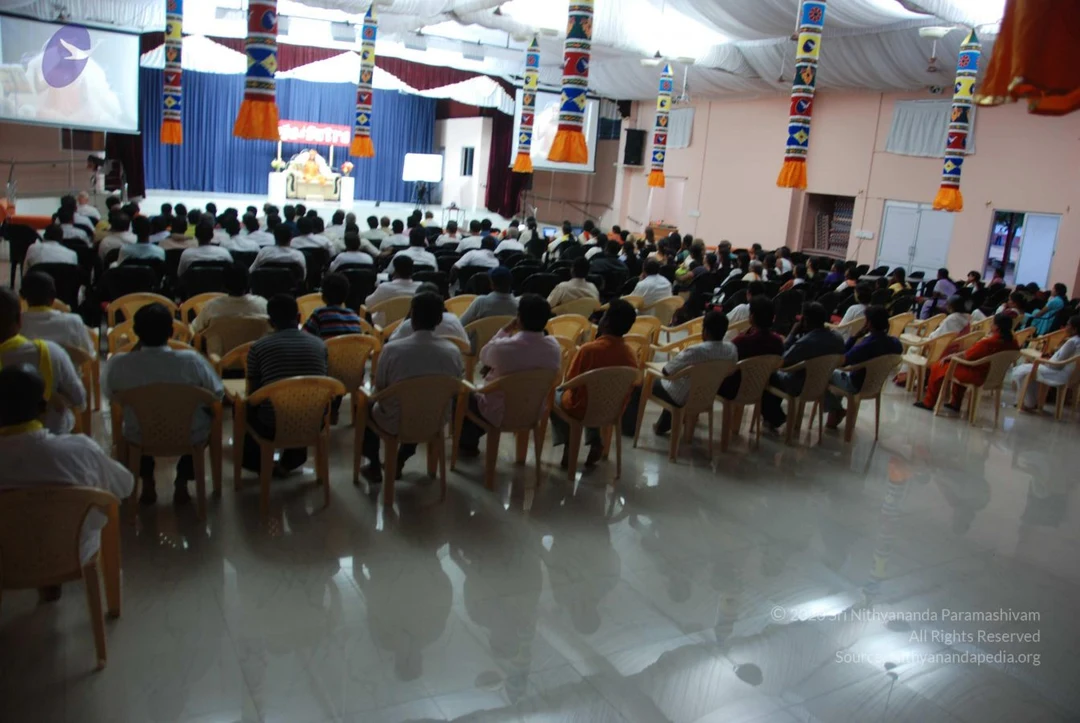
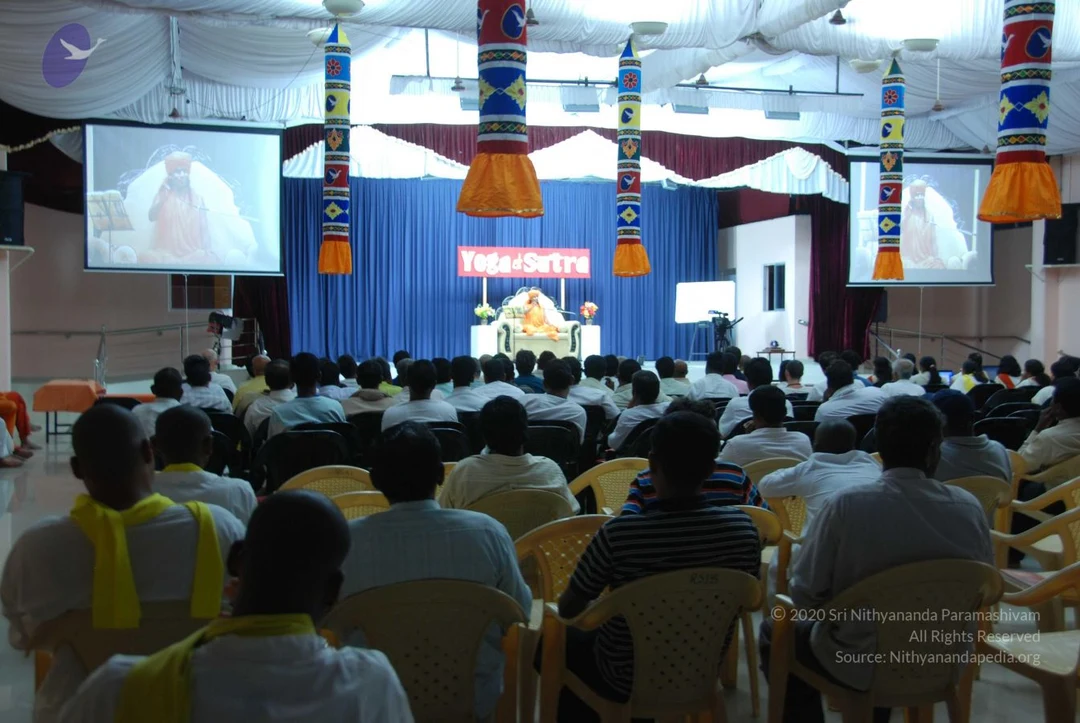
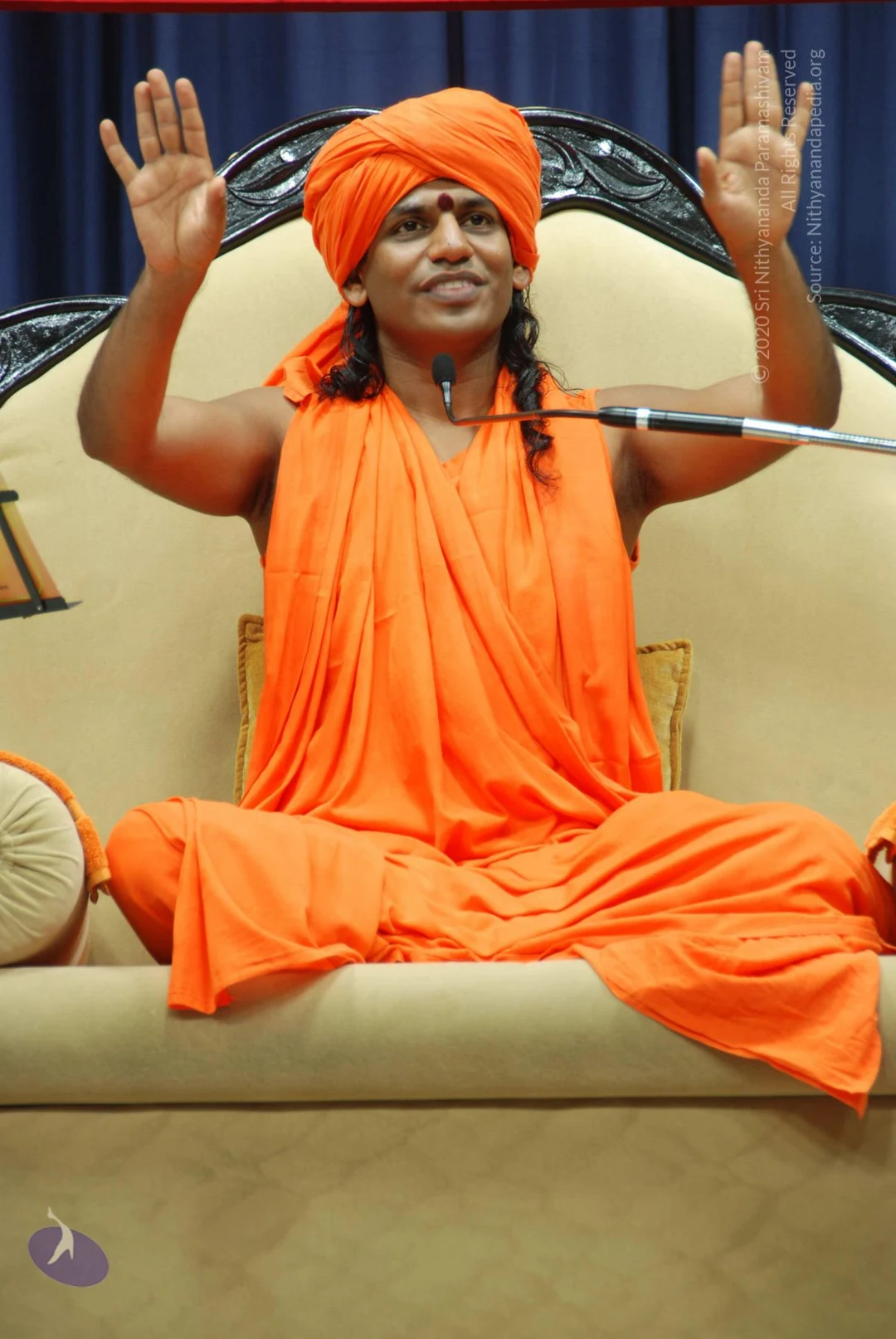
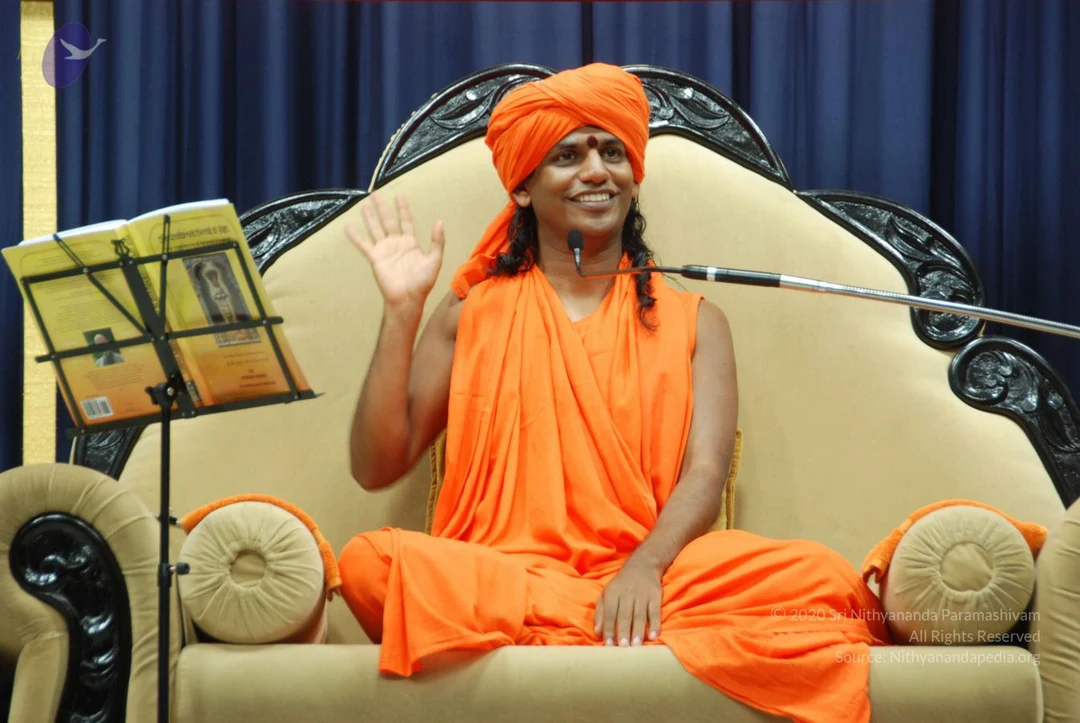
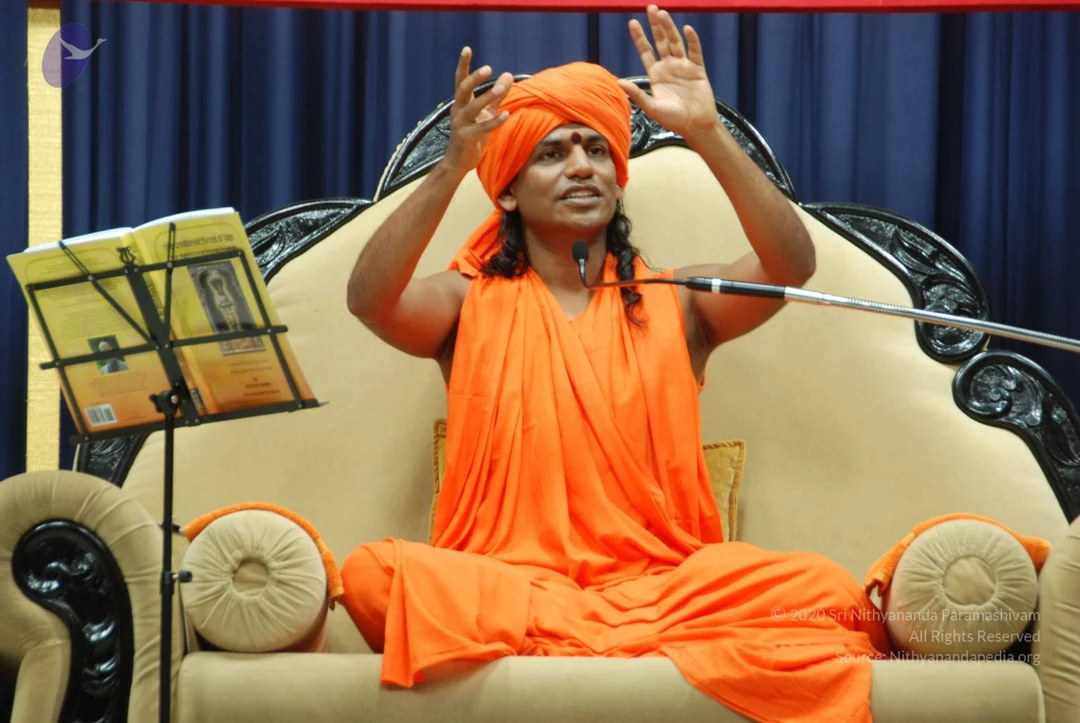
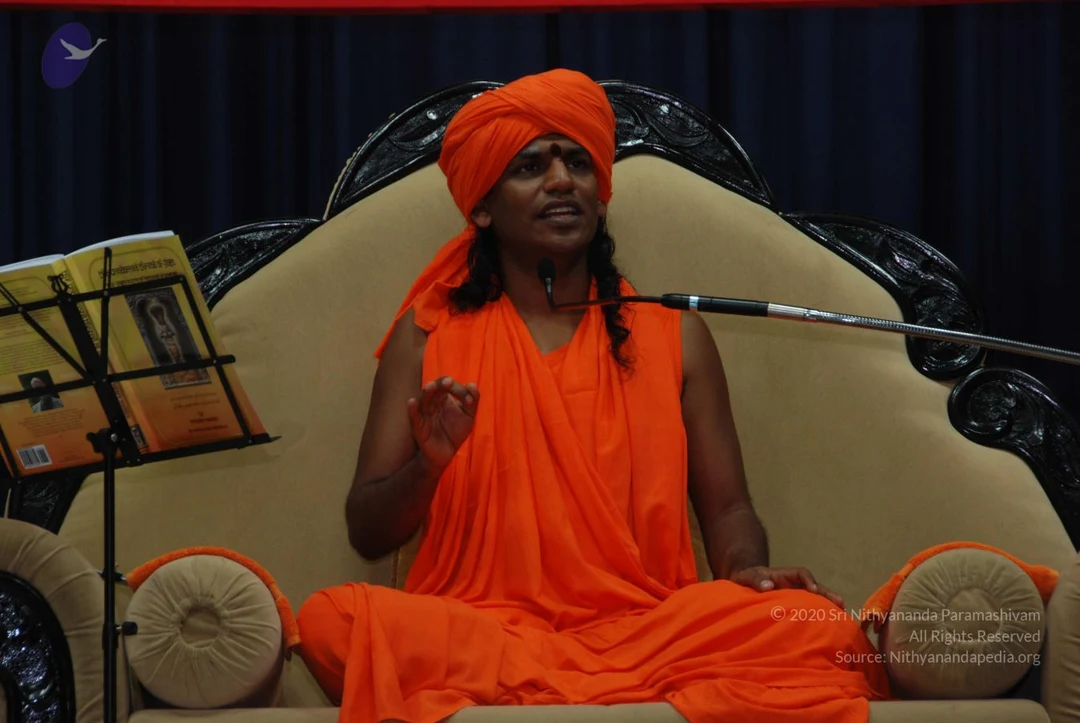
Session-with-Swamiji
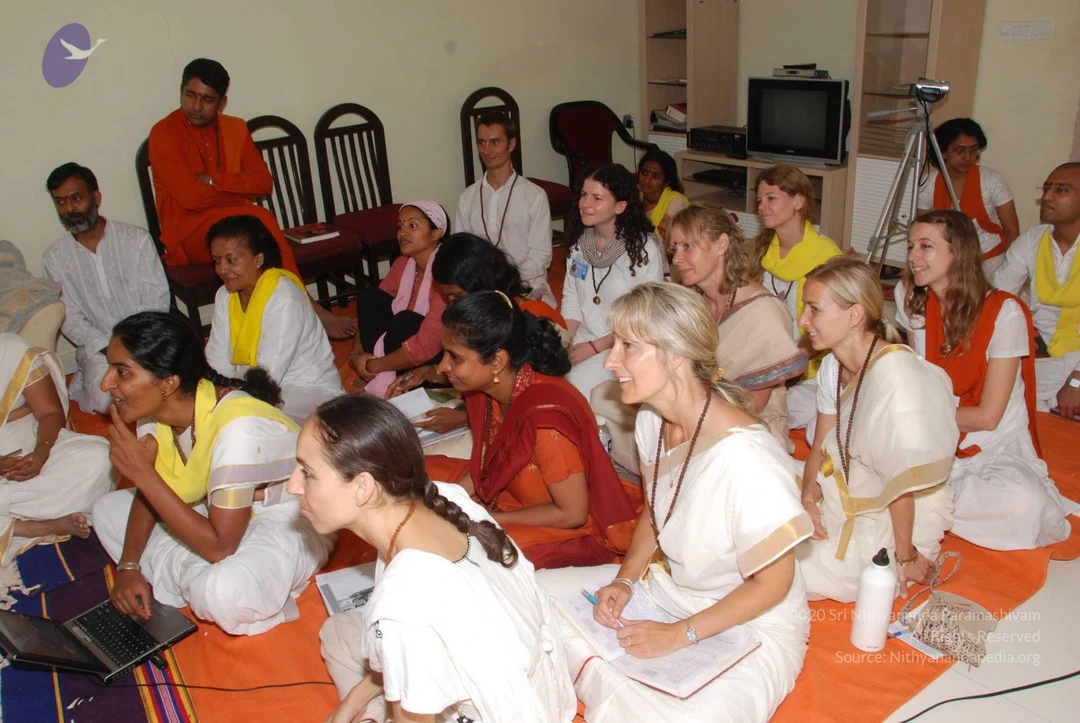
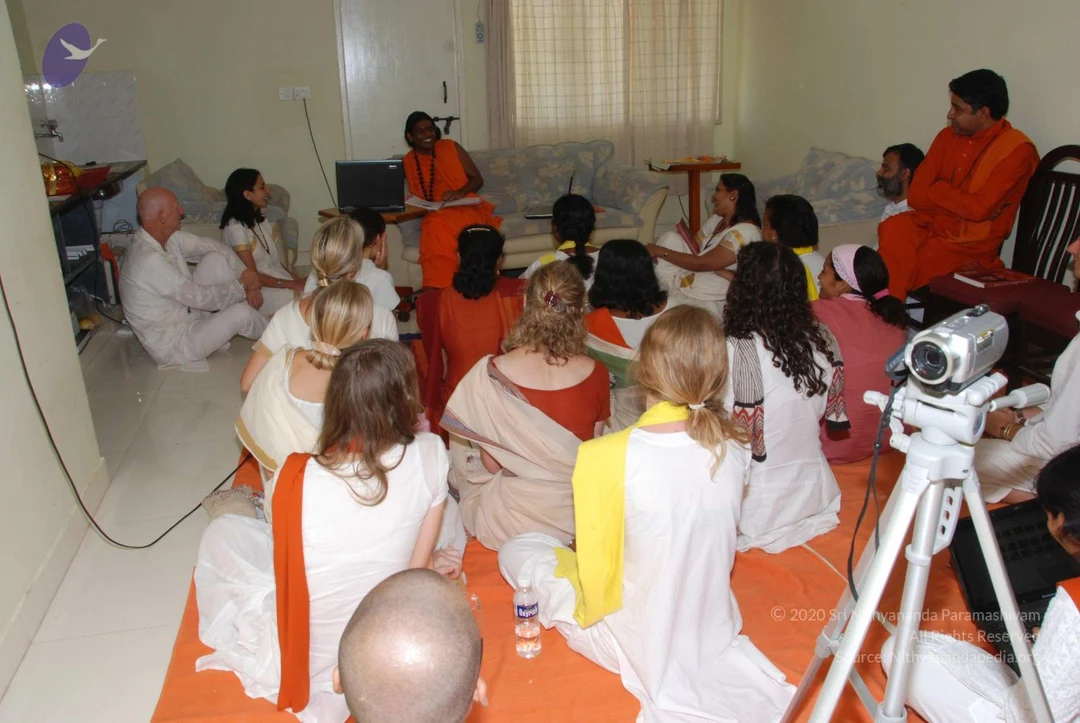
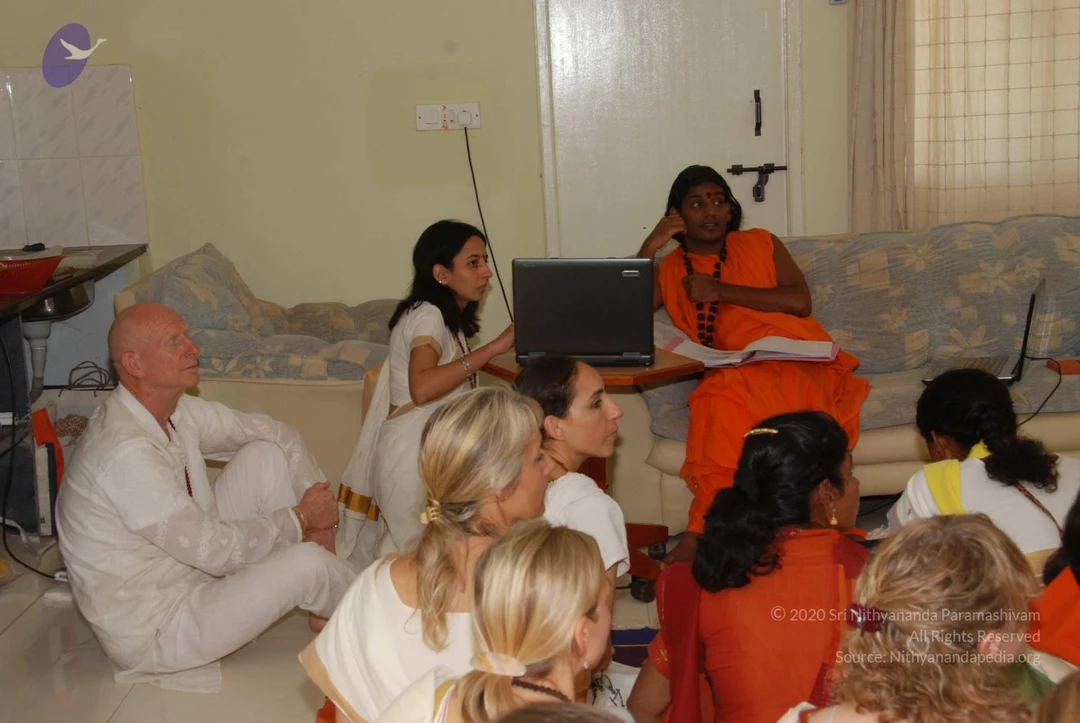
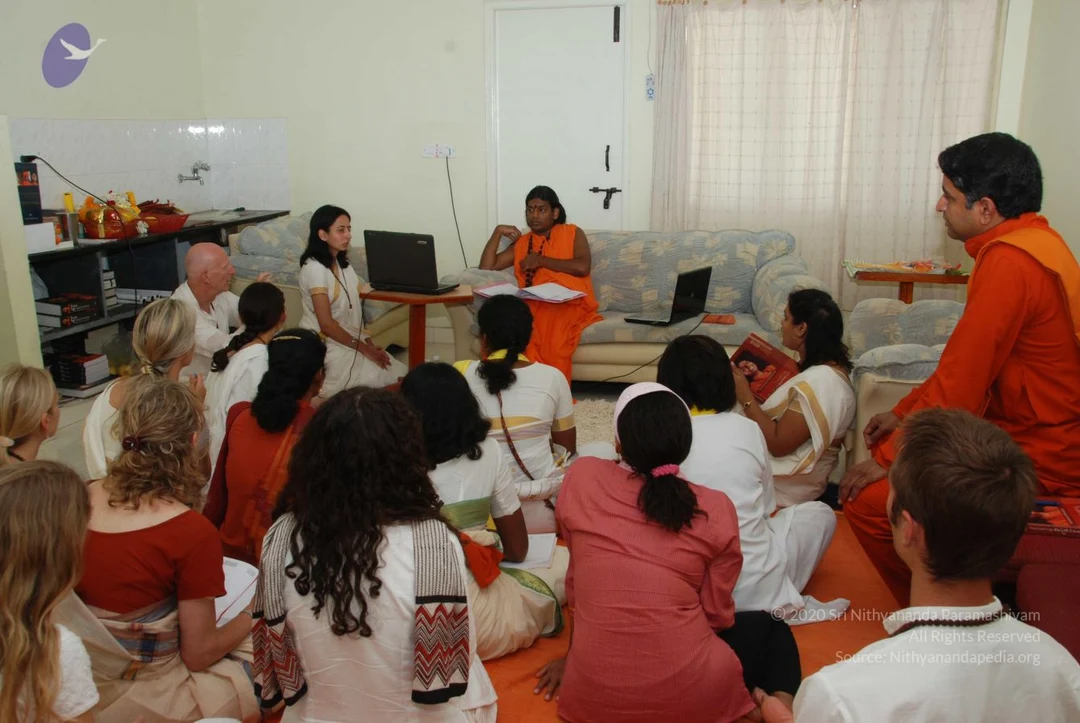
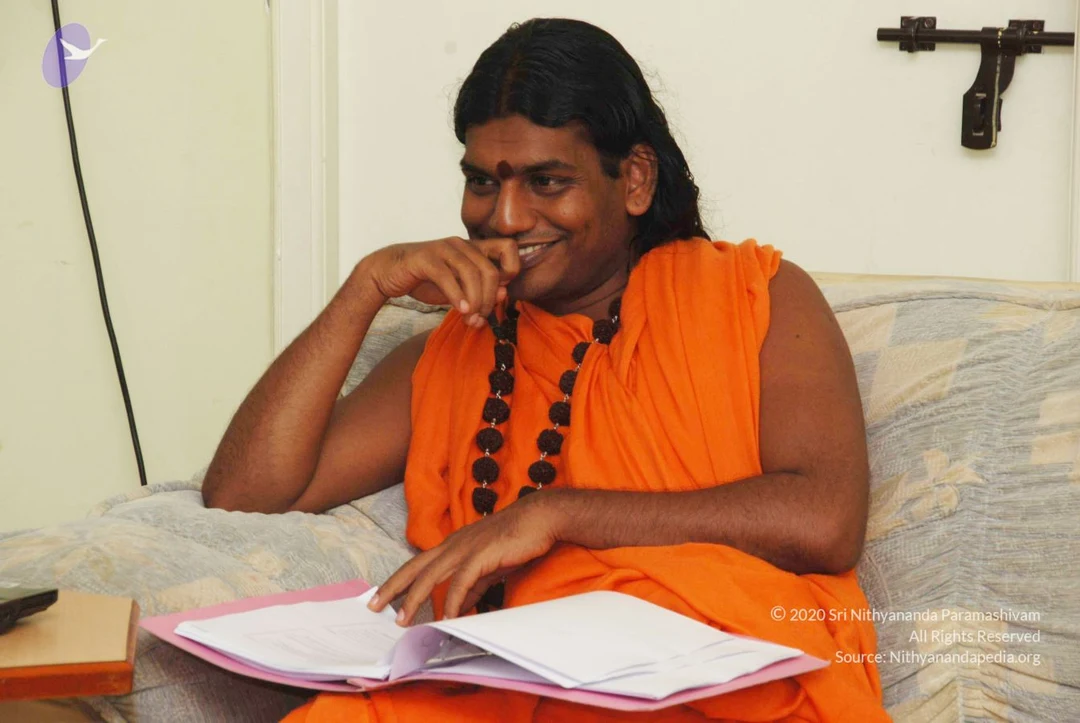
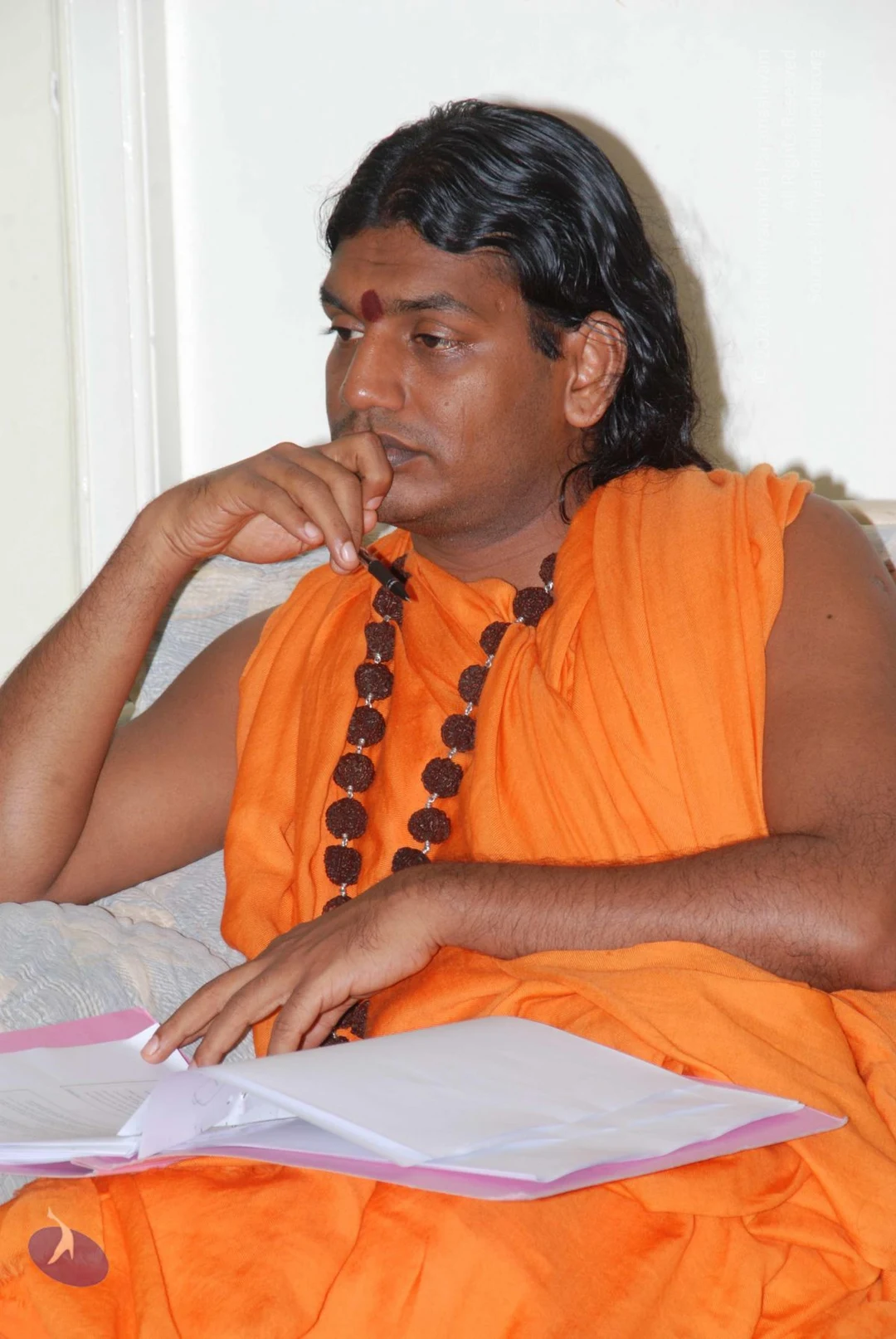
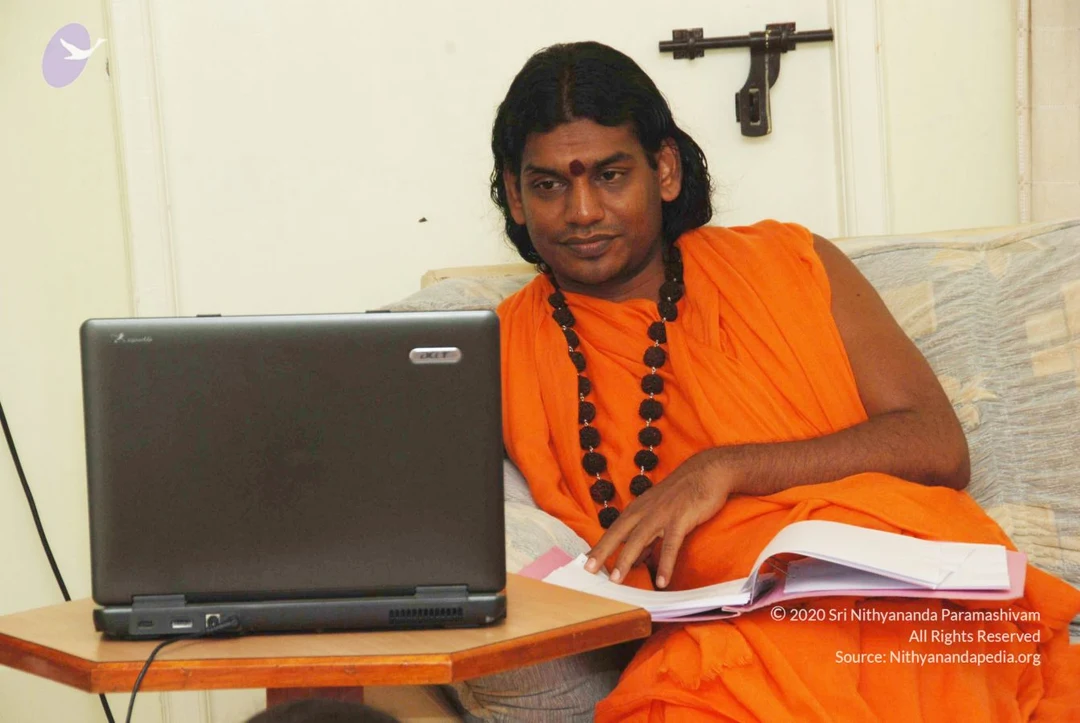
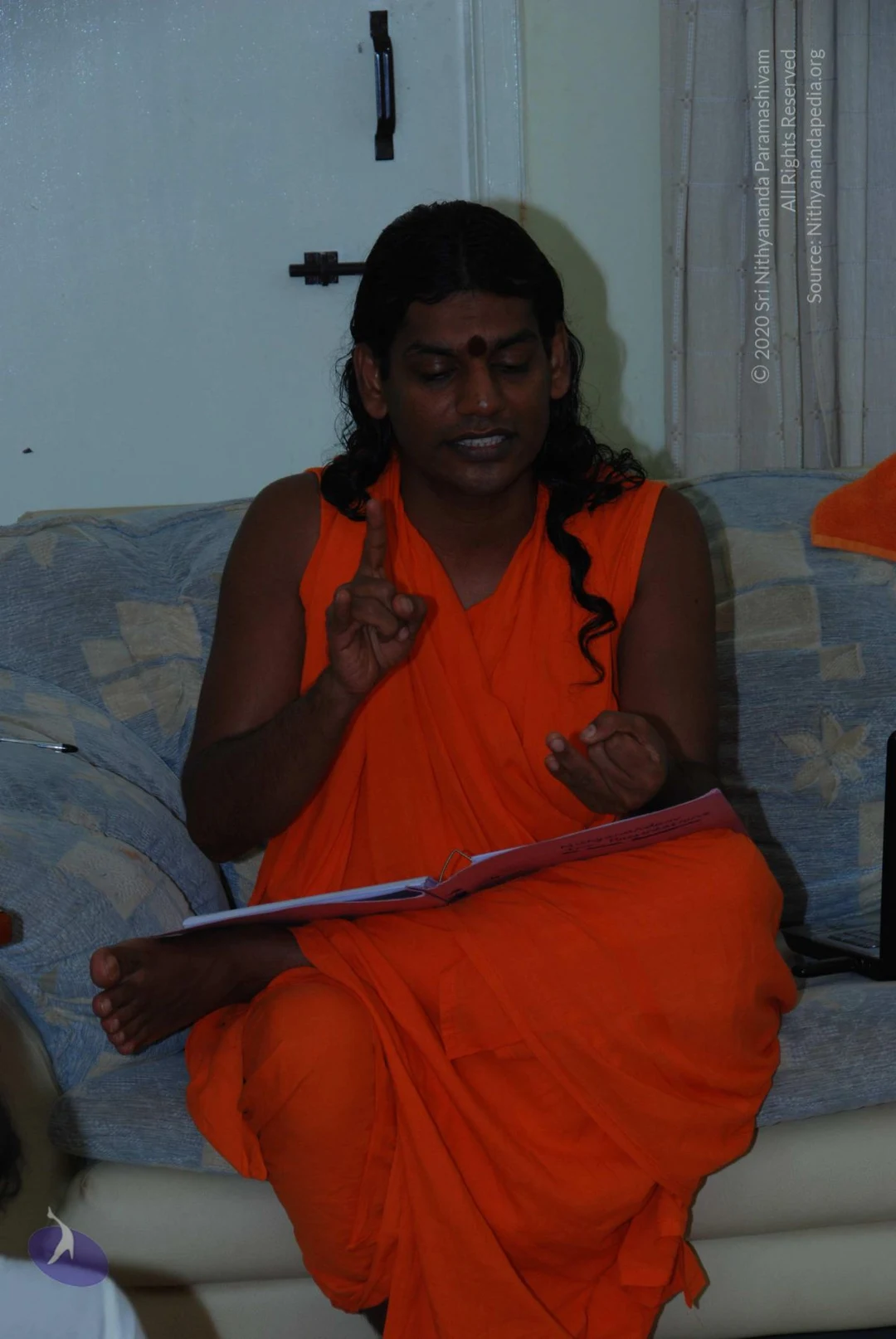
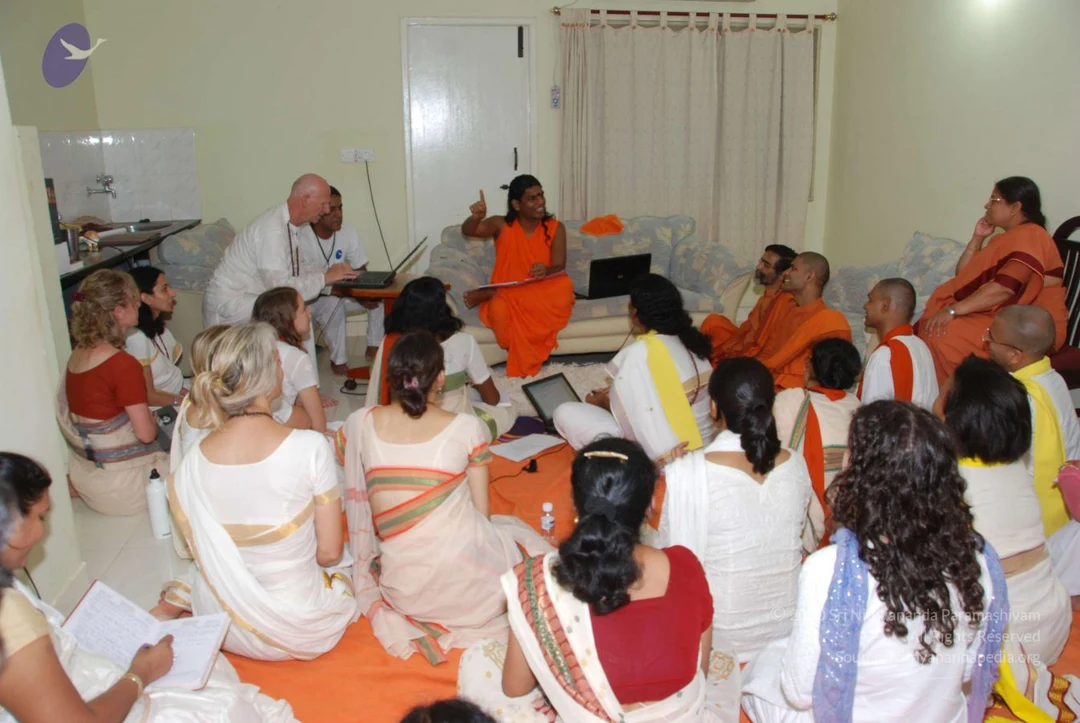
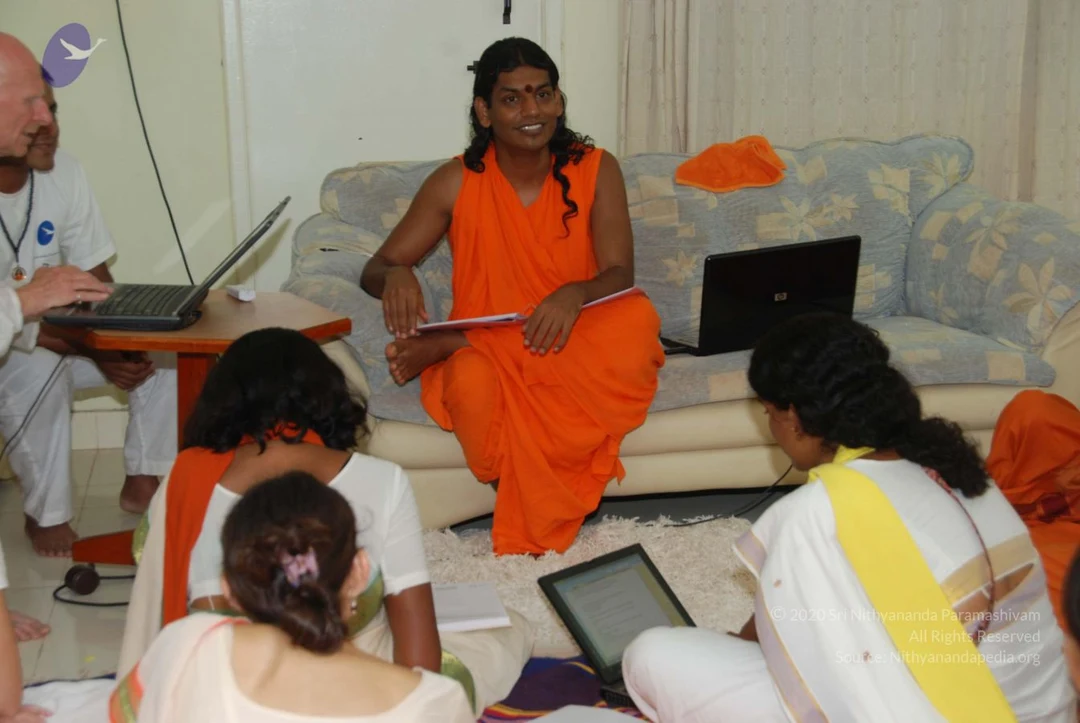
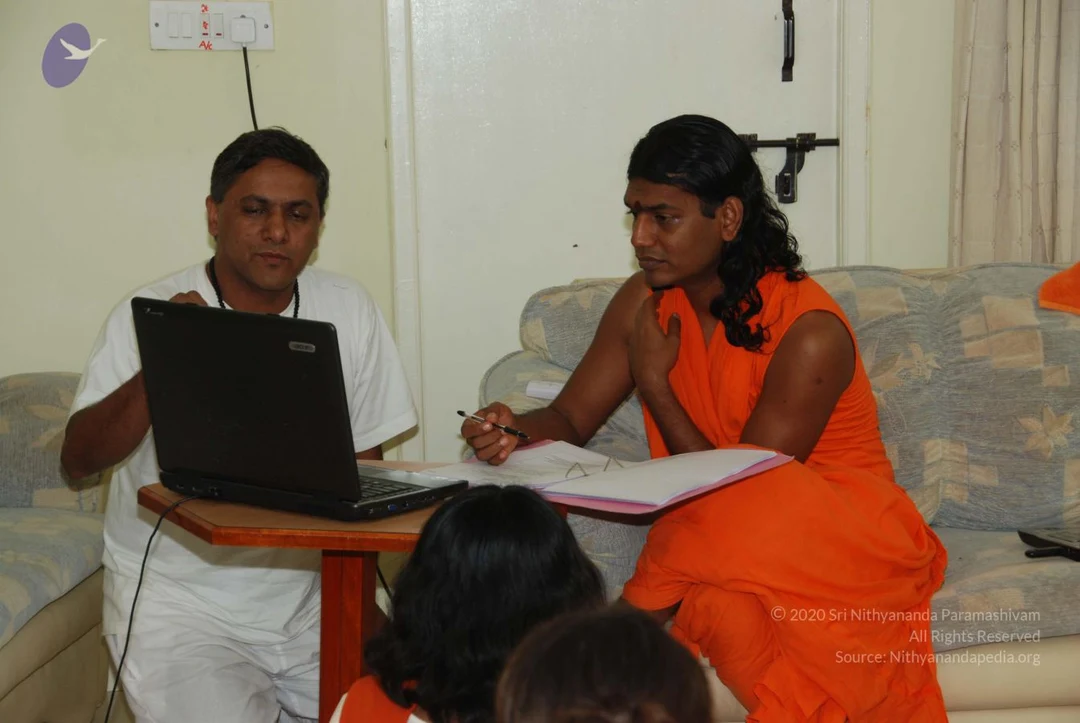
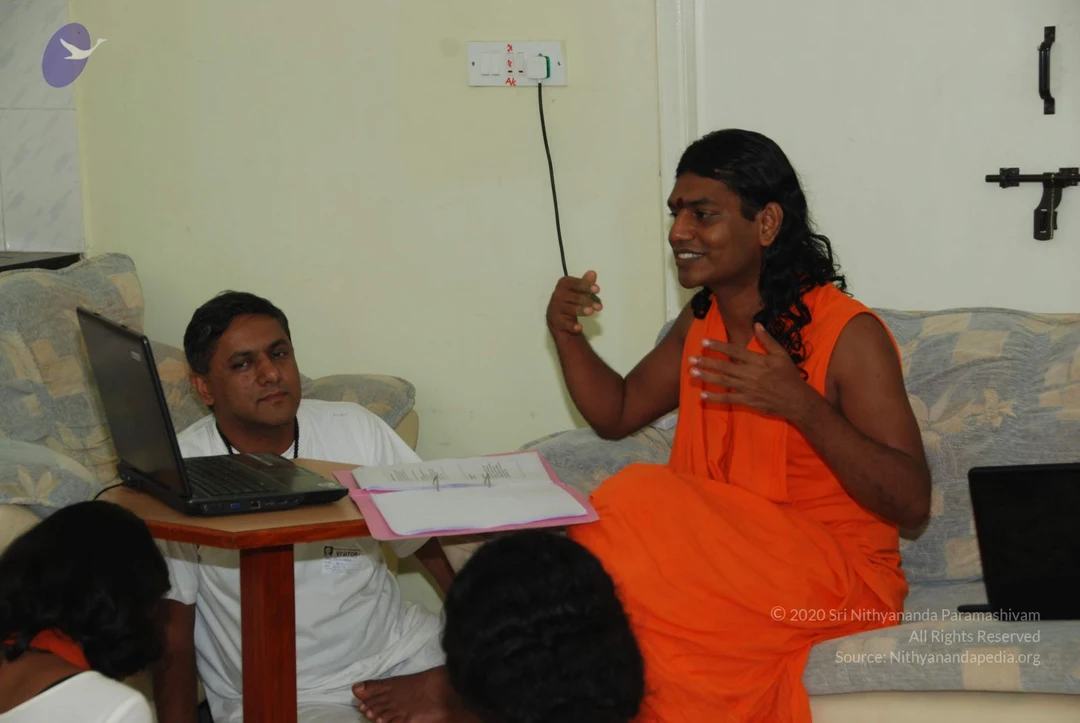
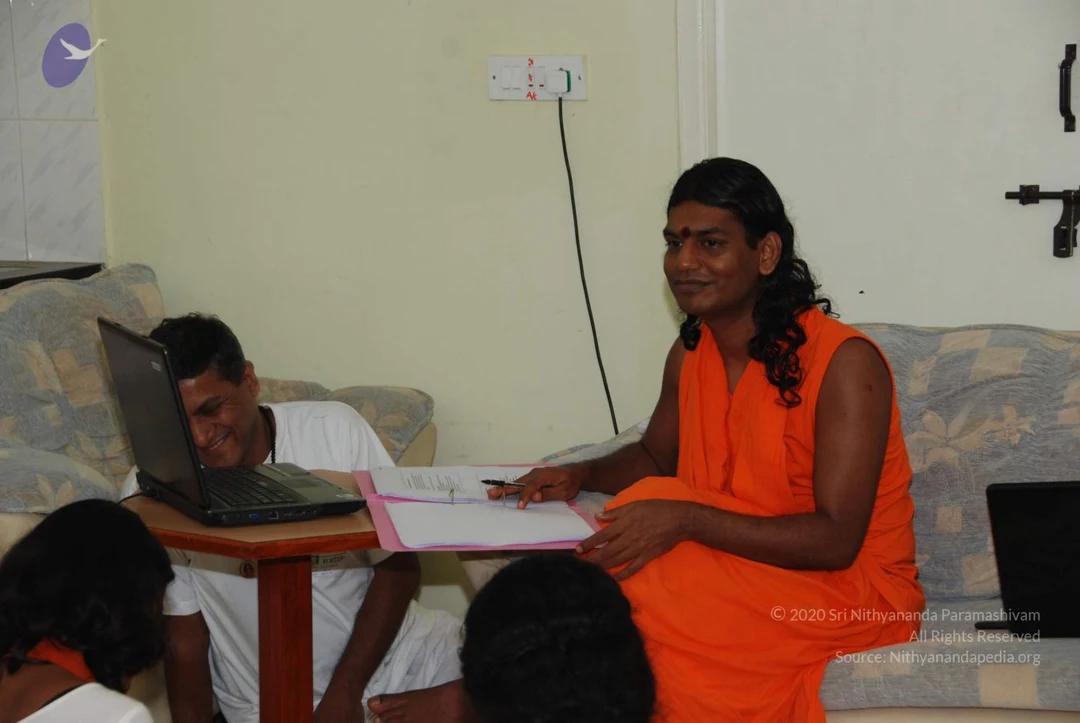
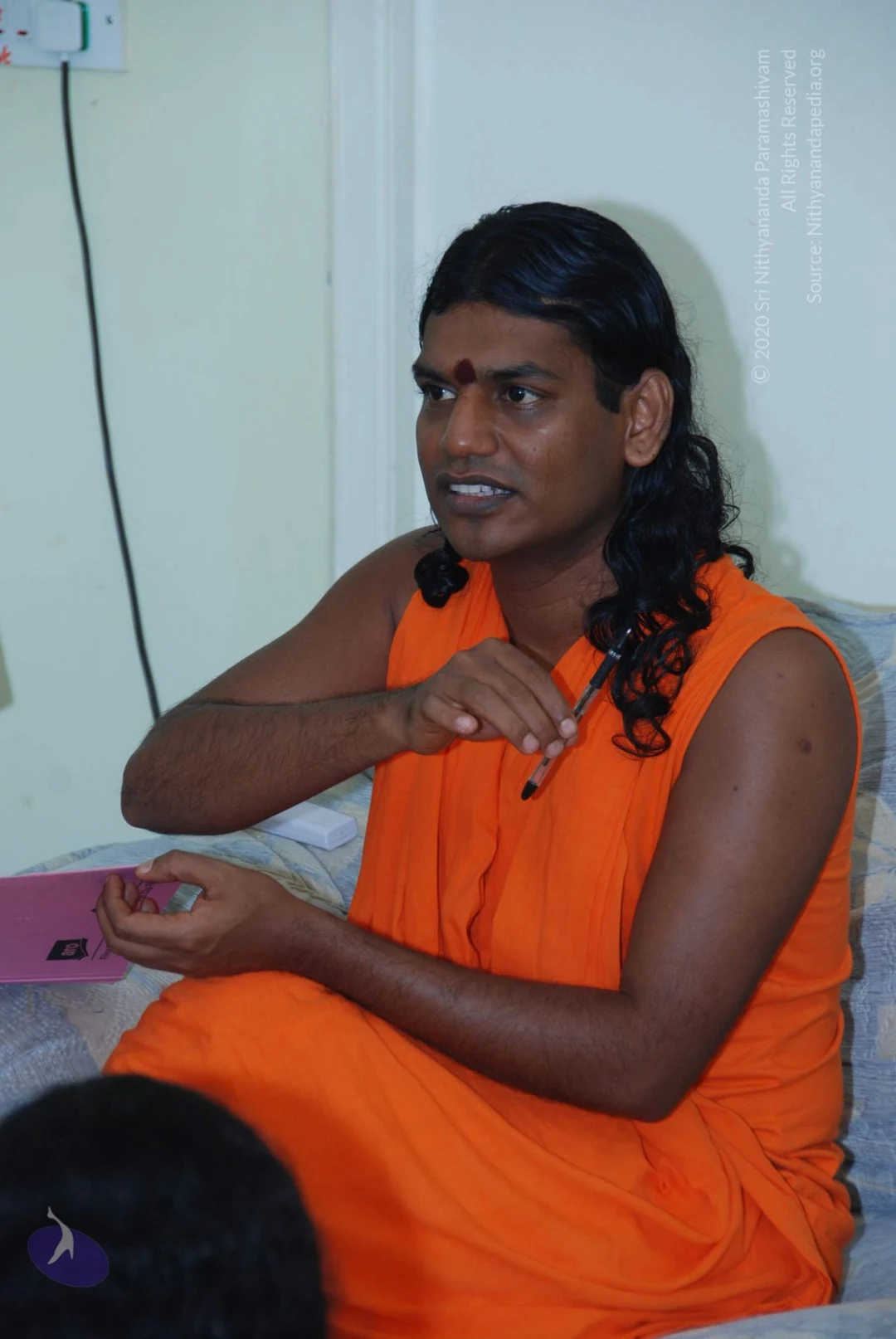
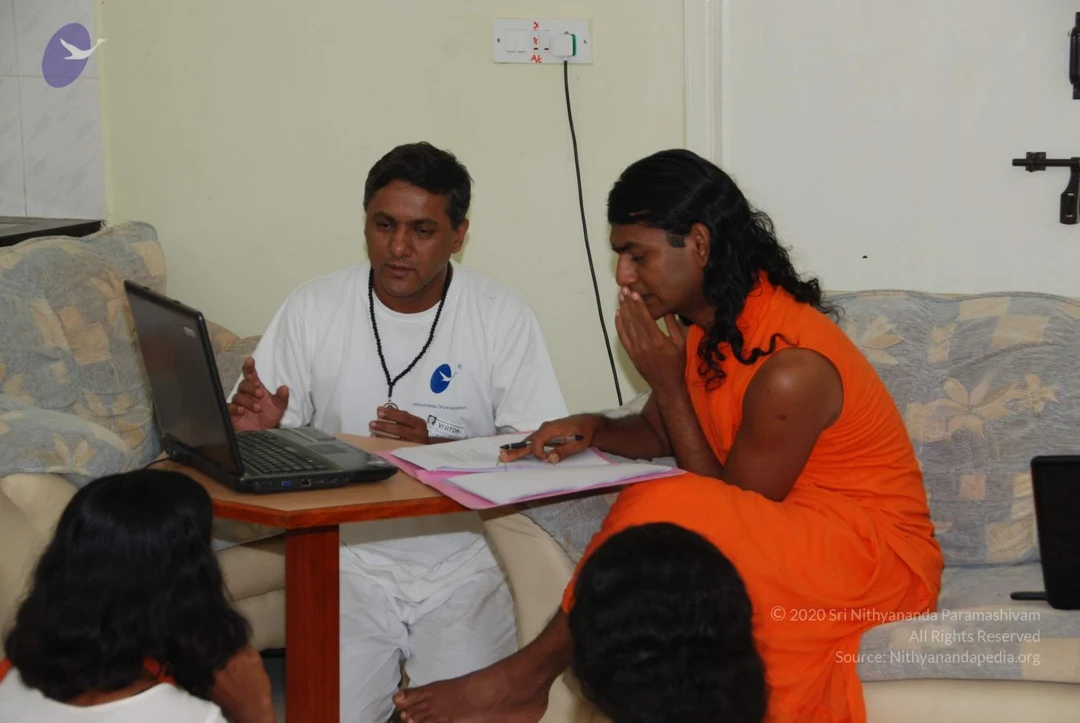
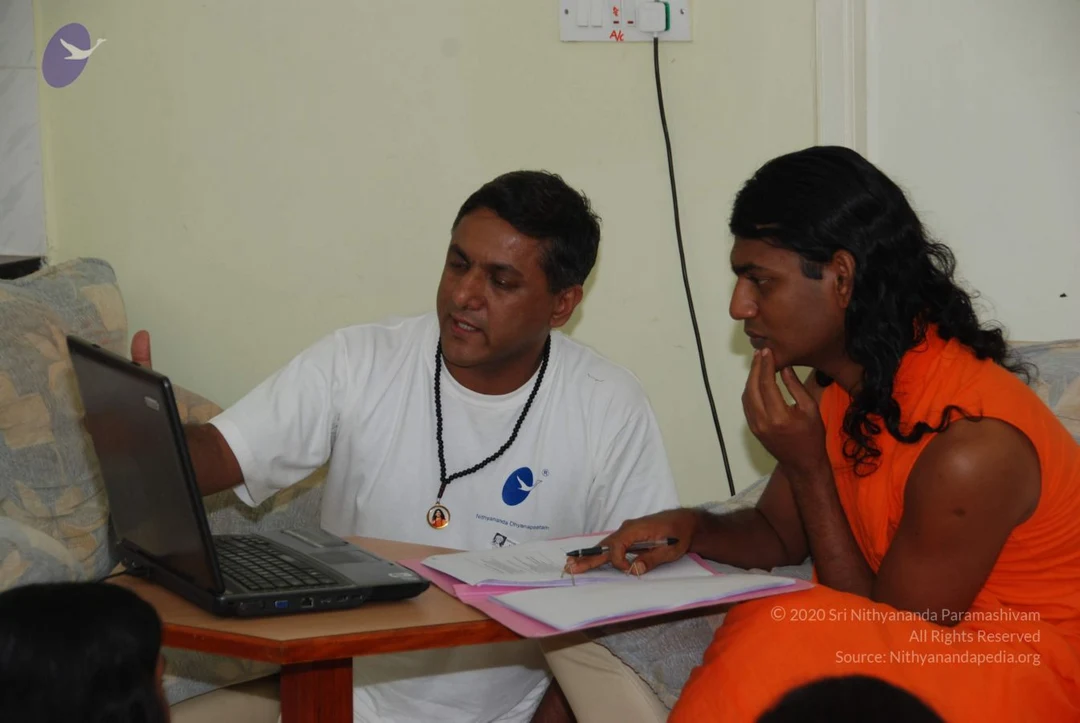
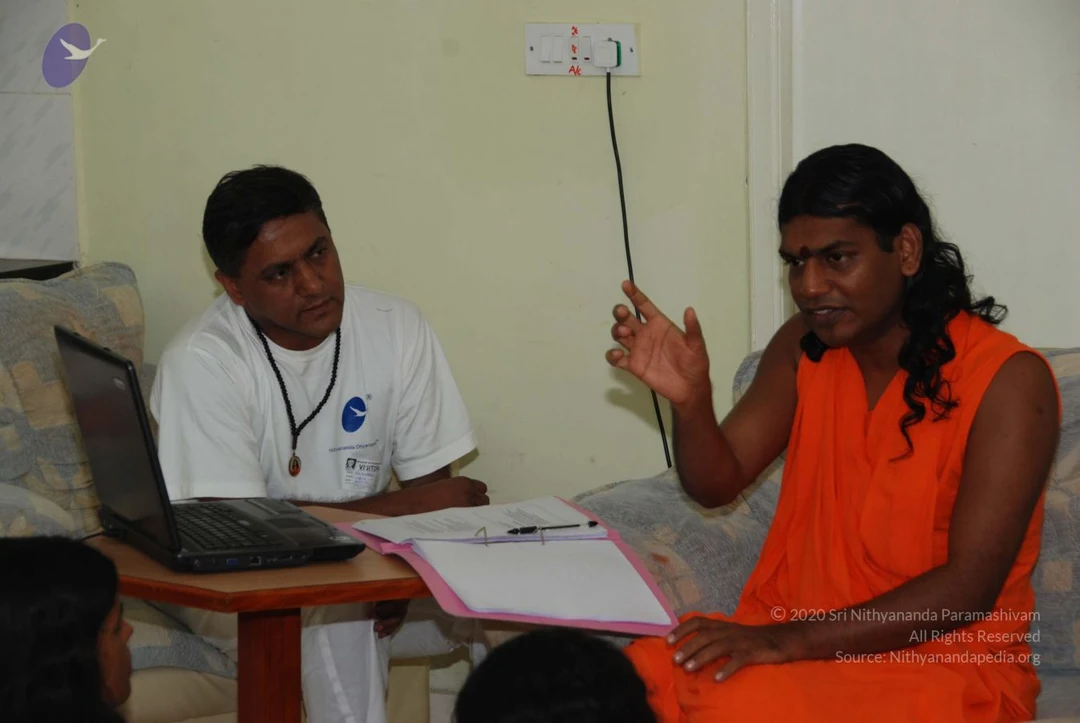
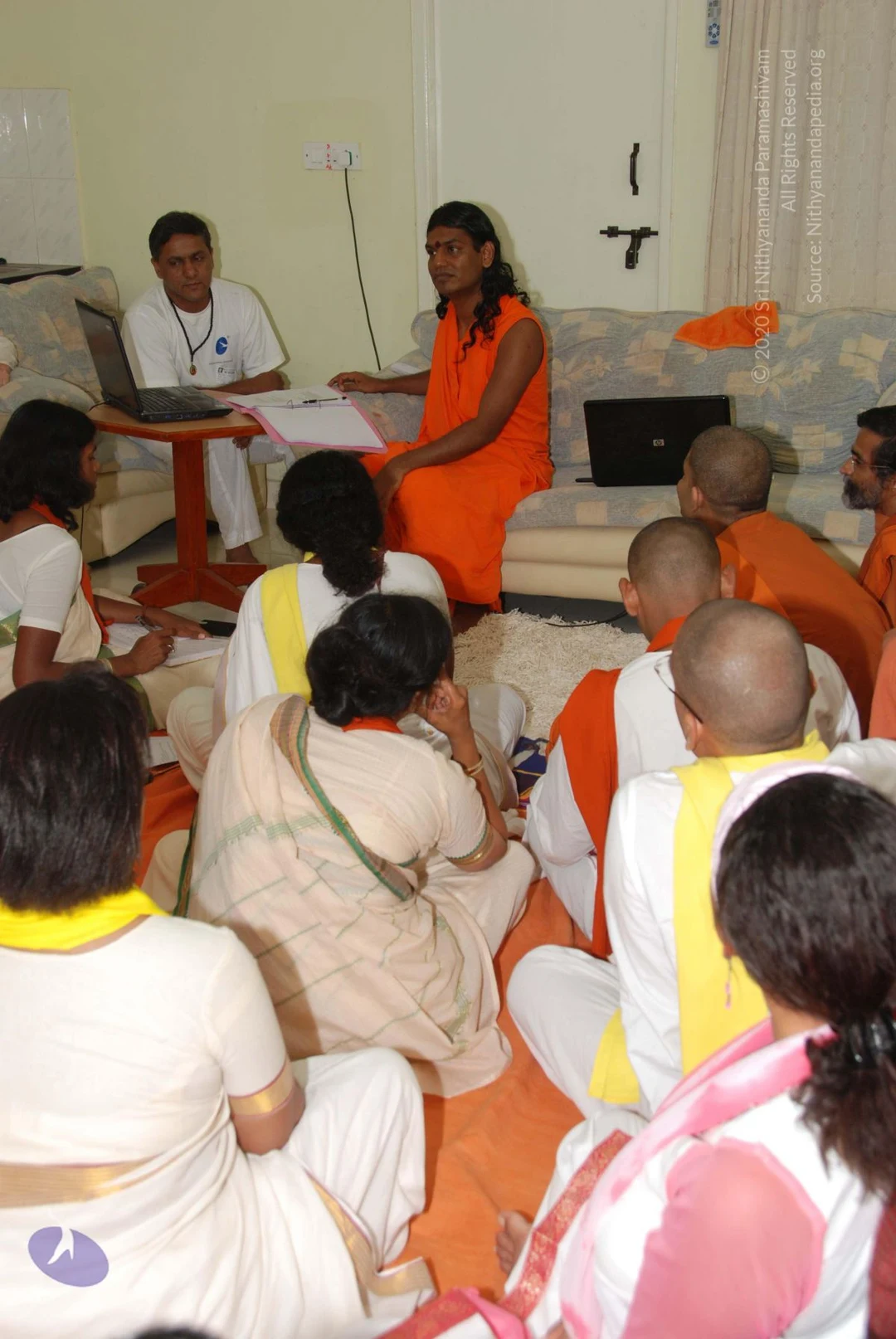
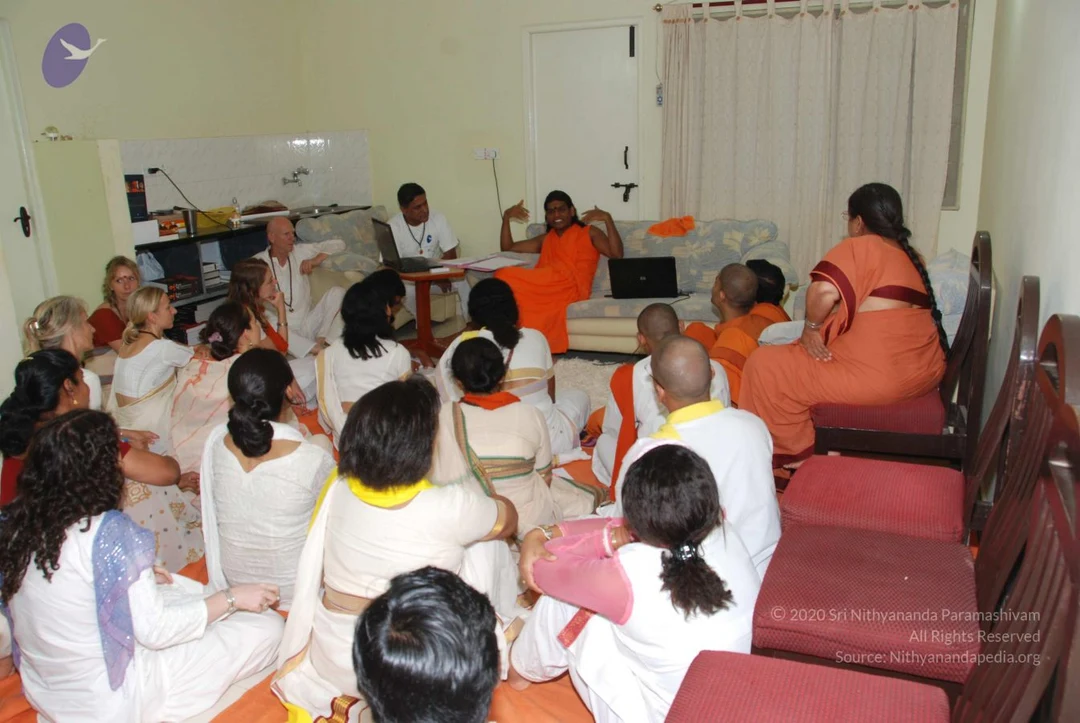
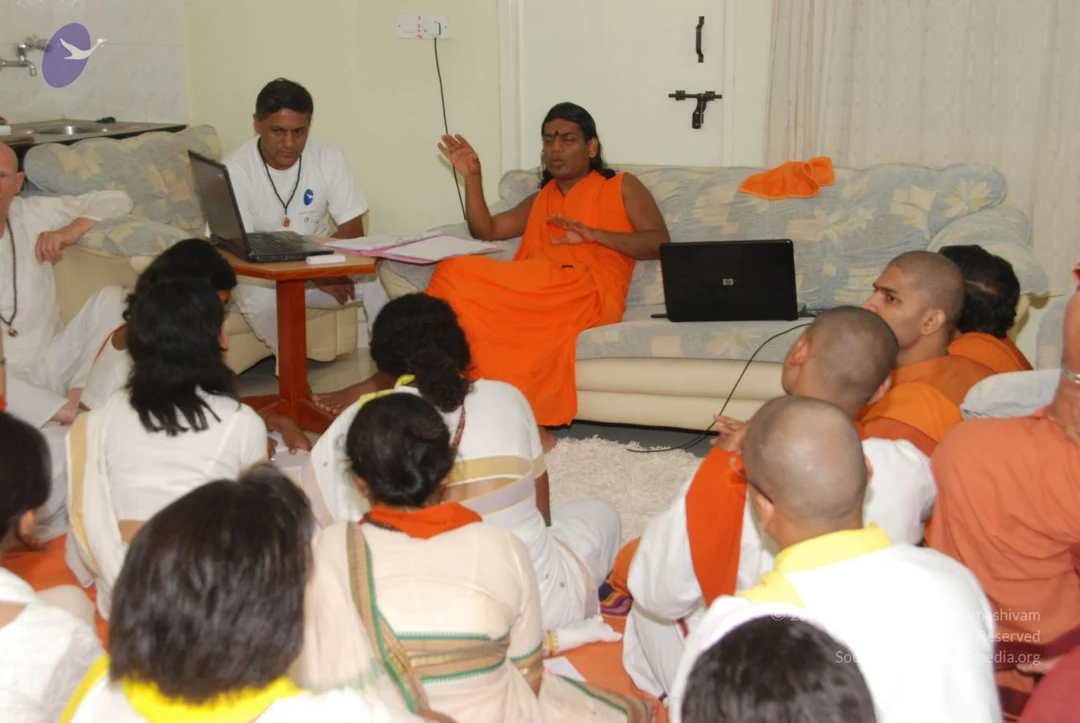
Kalpataru-Darshan
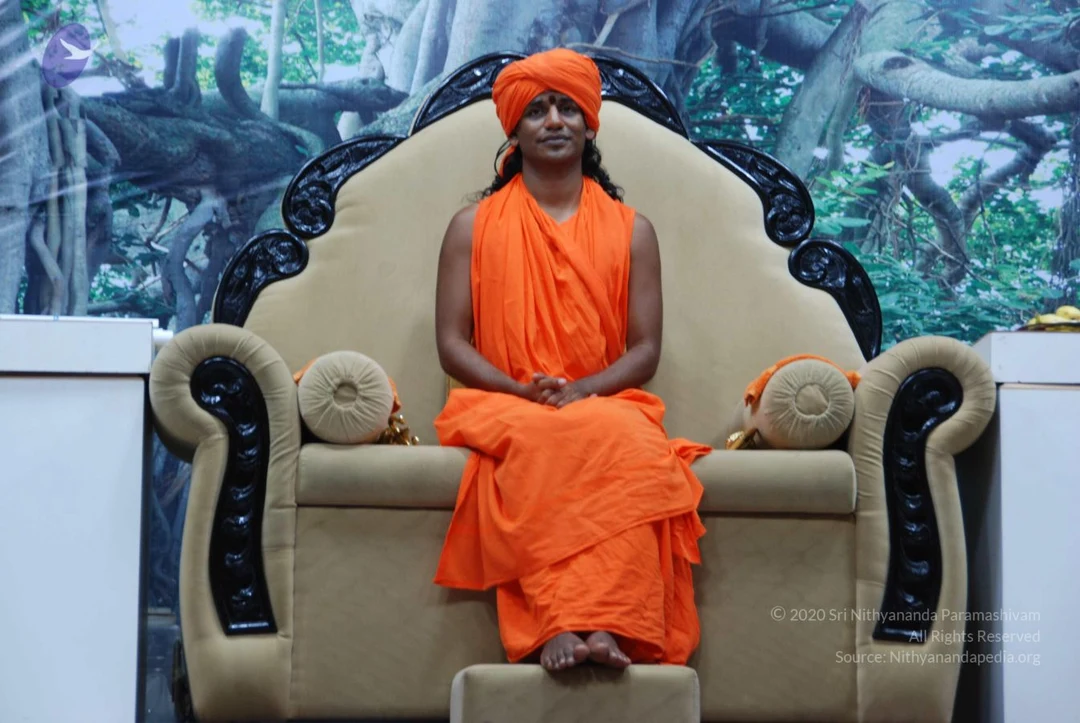
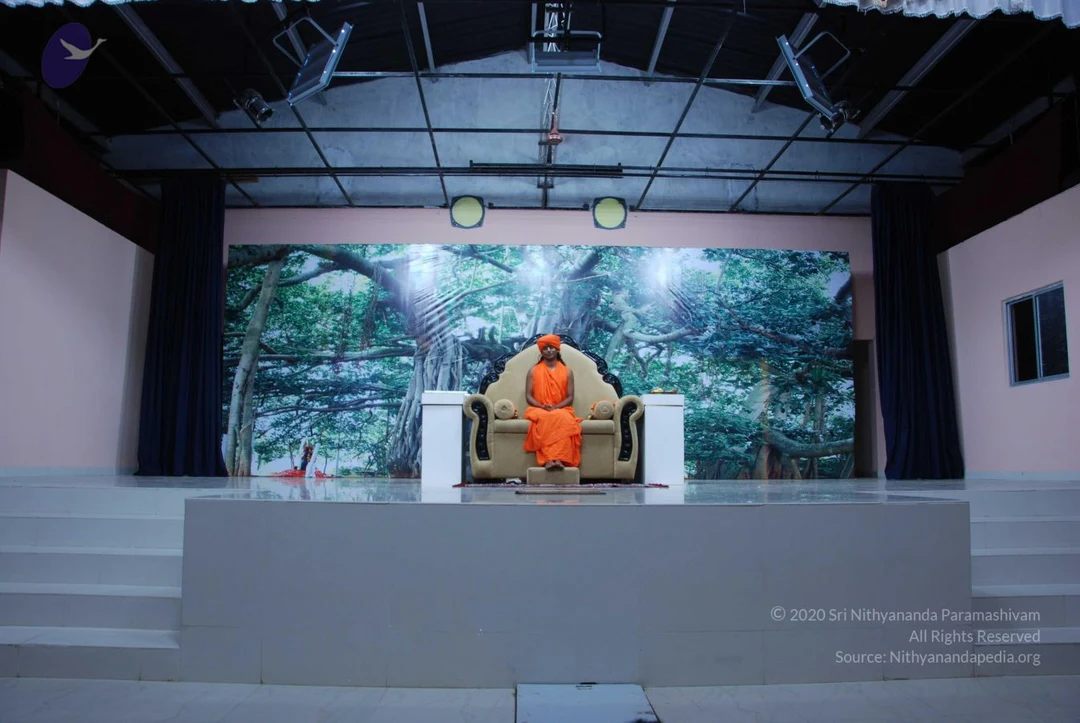
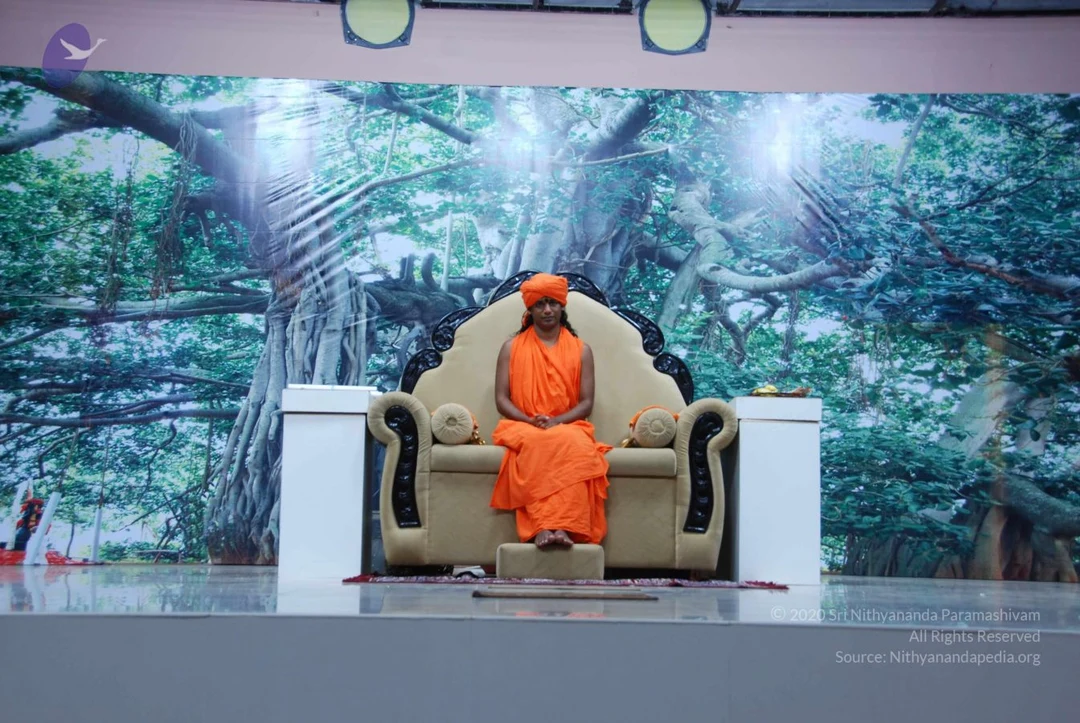
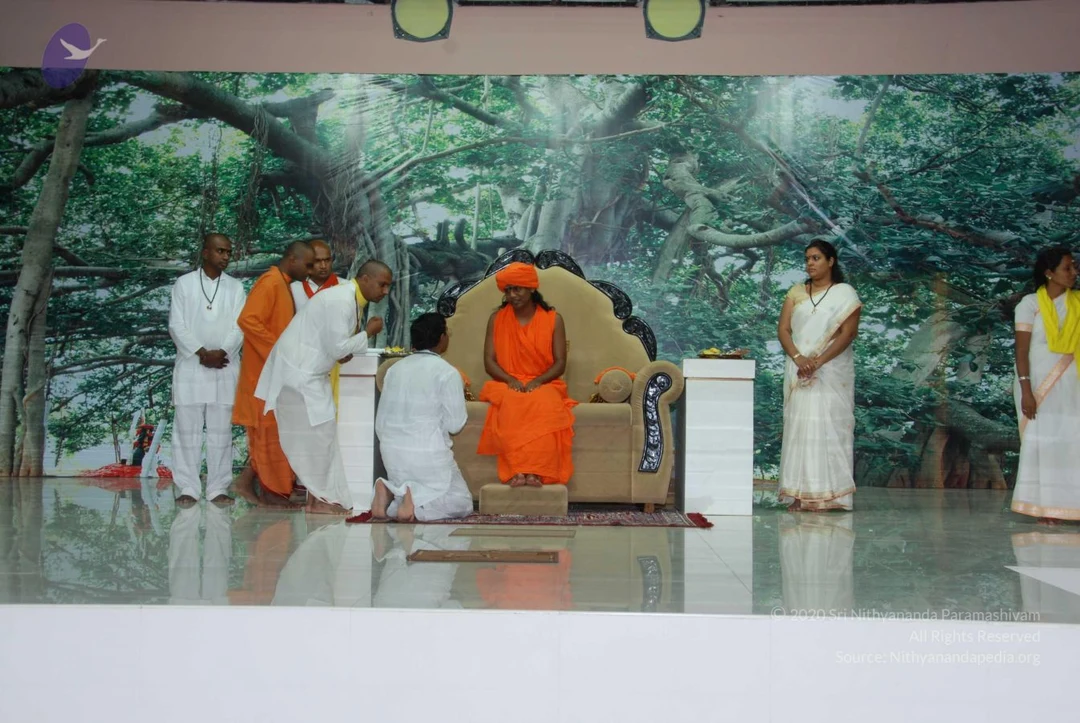
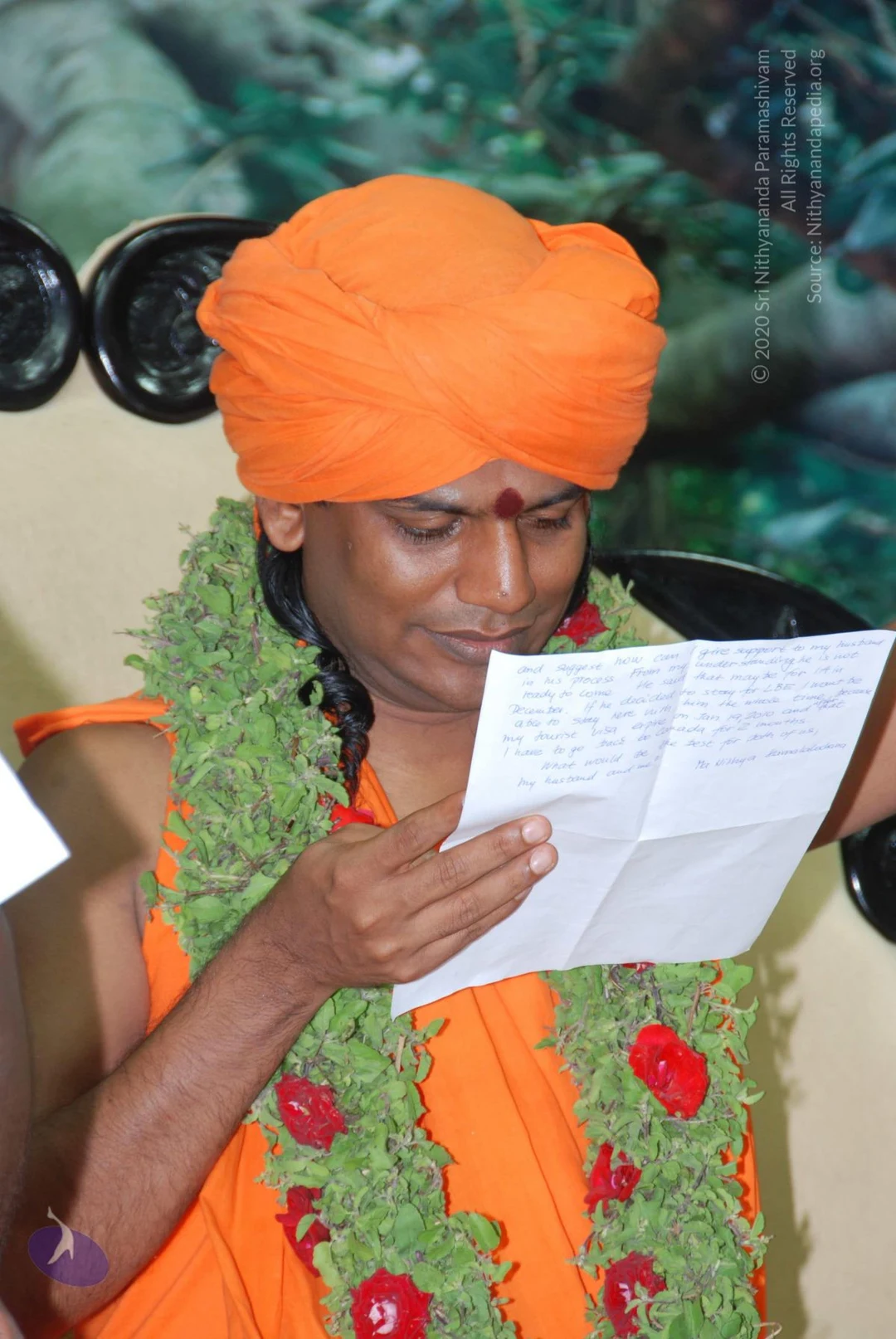
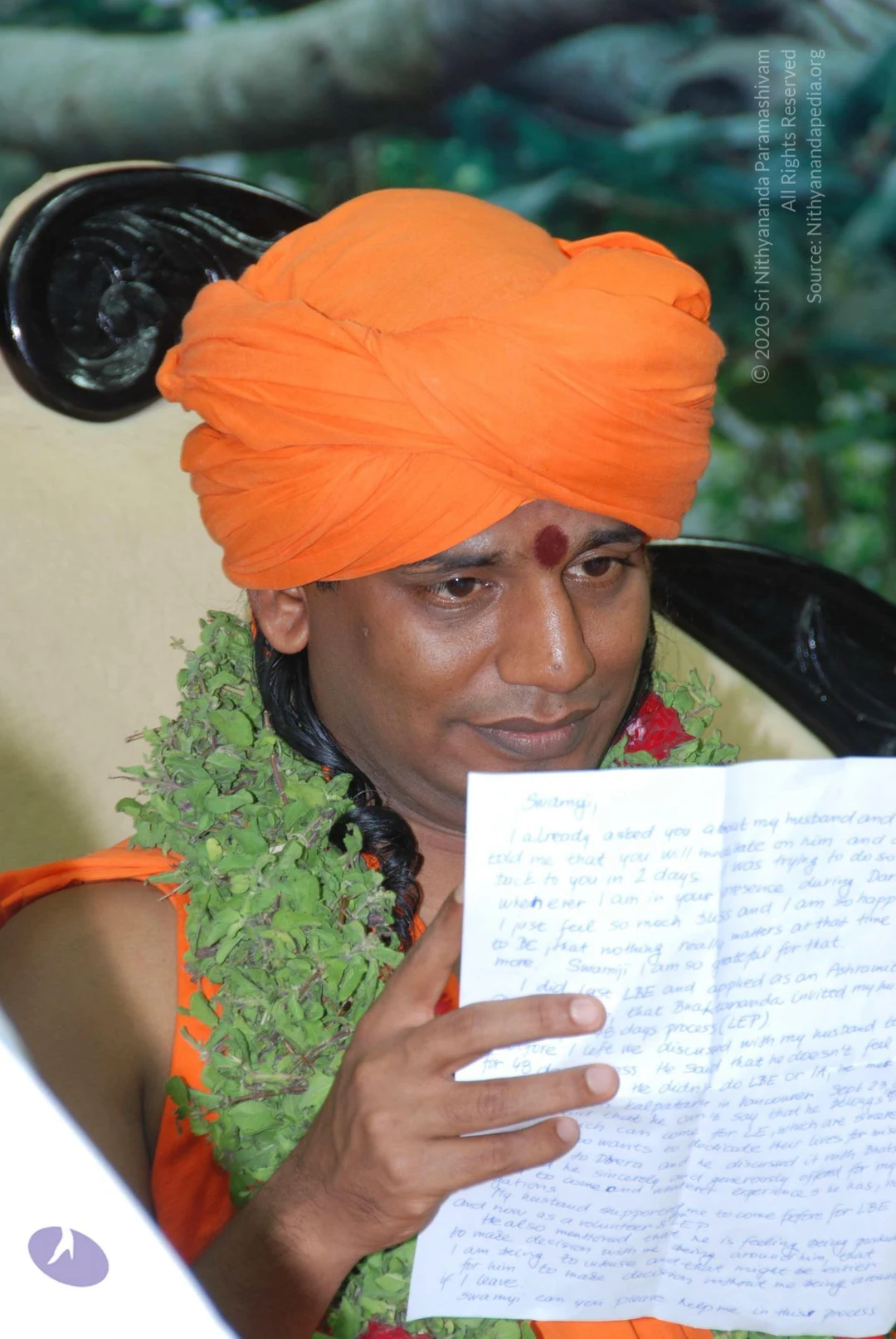
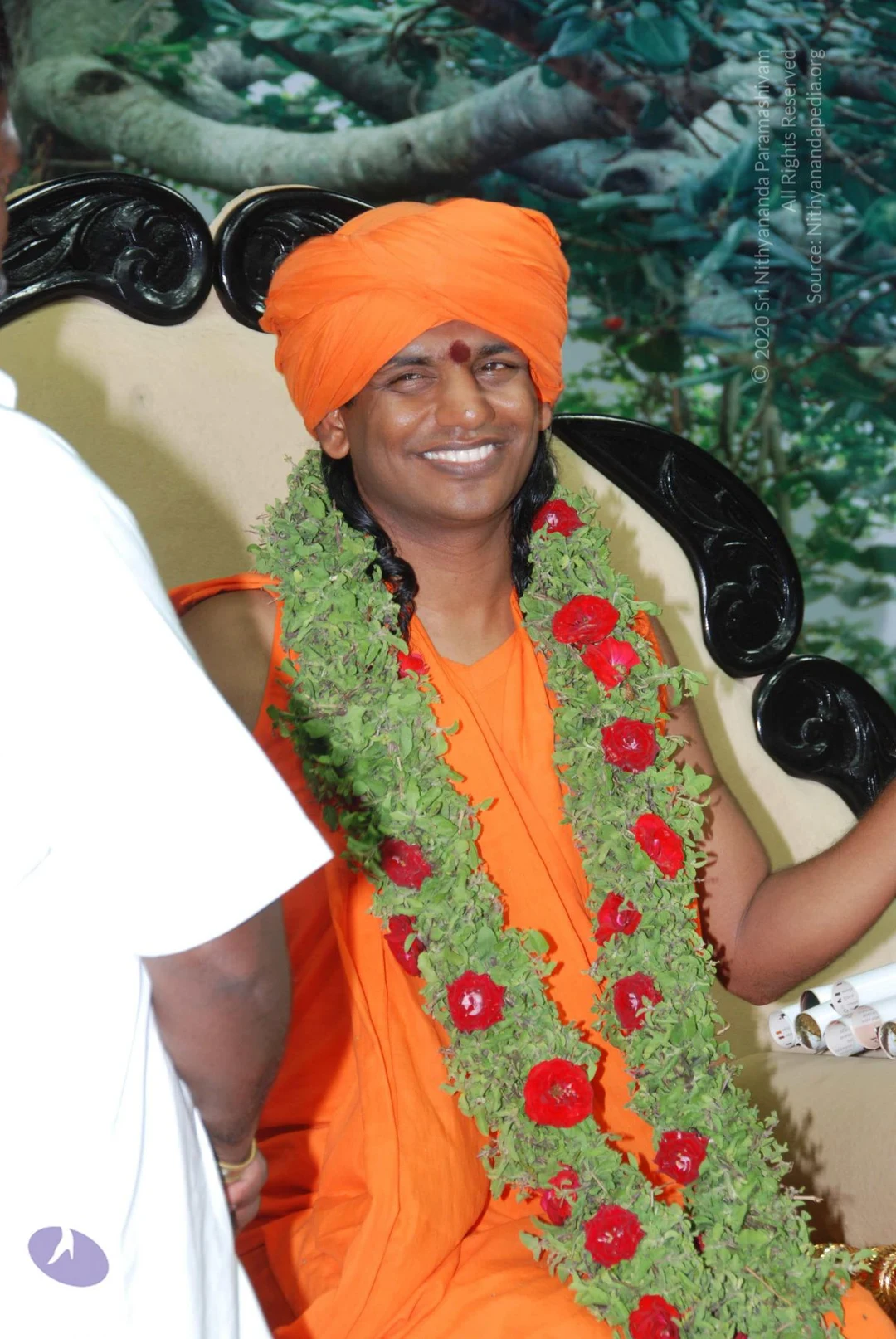
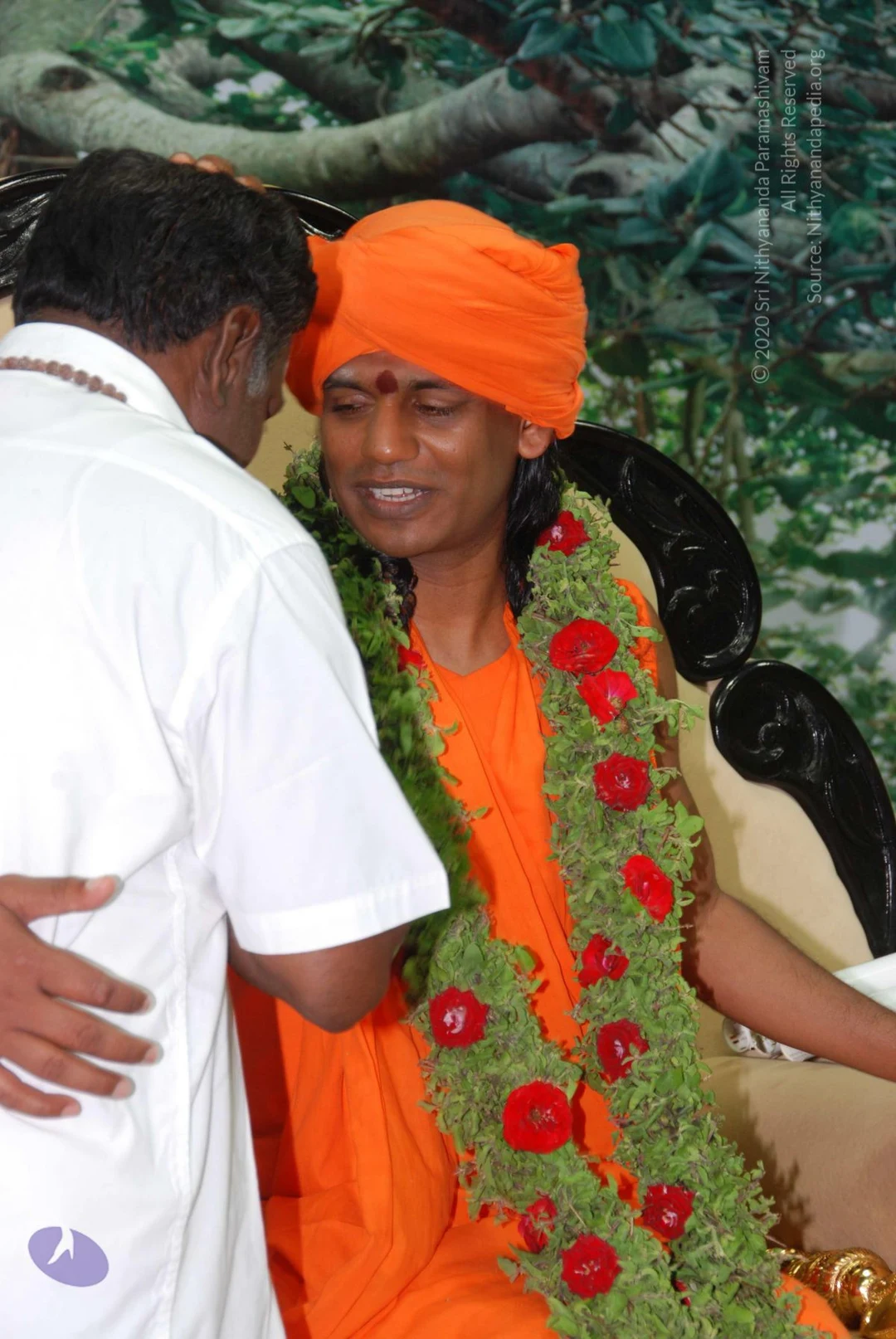
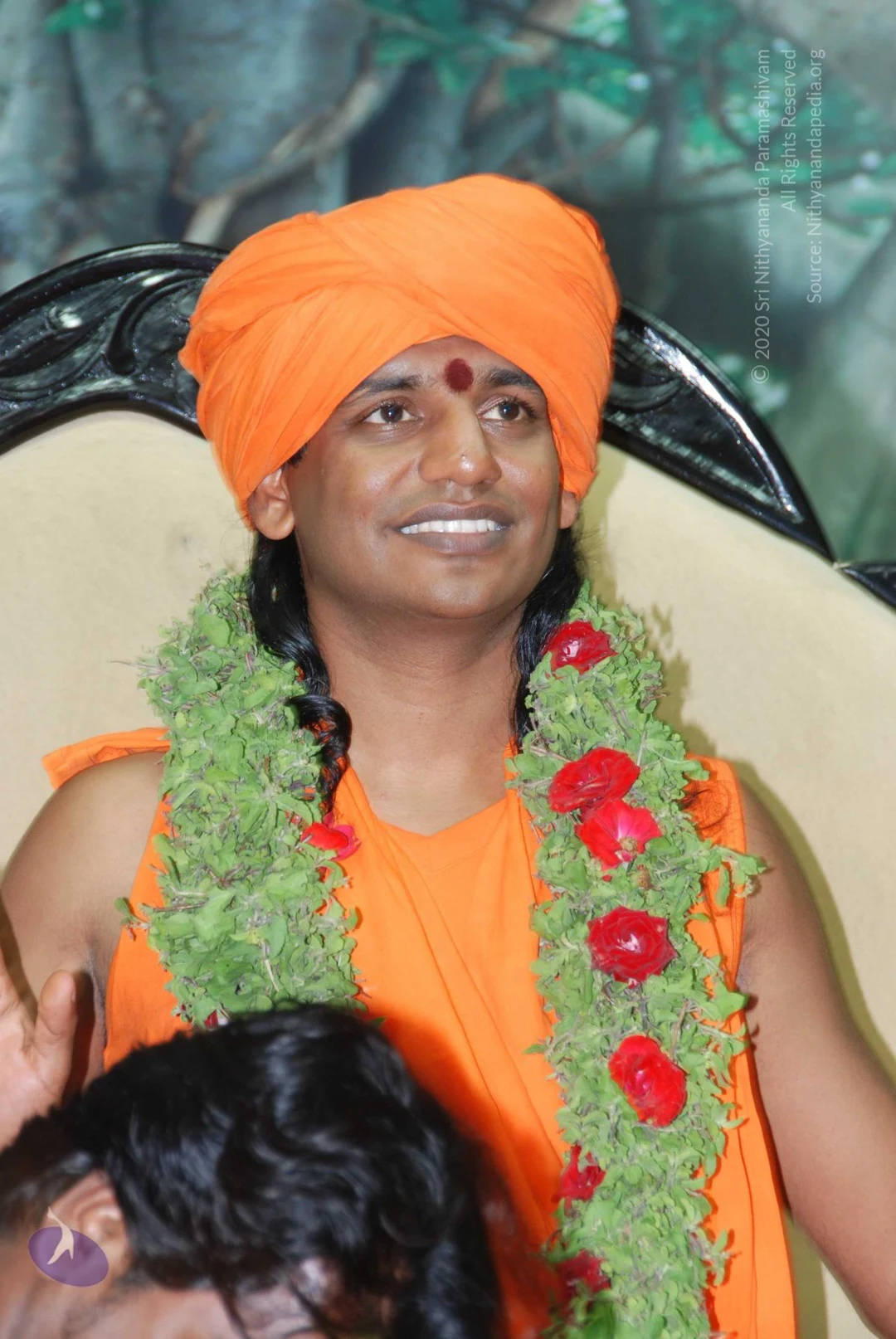
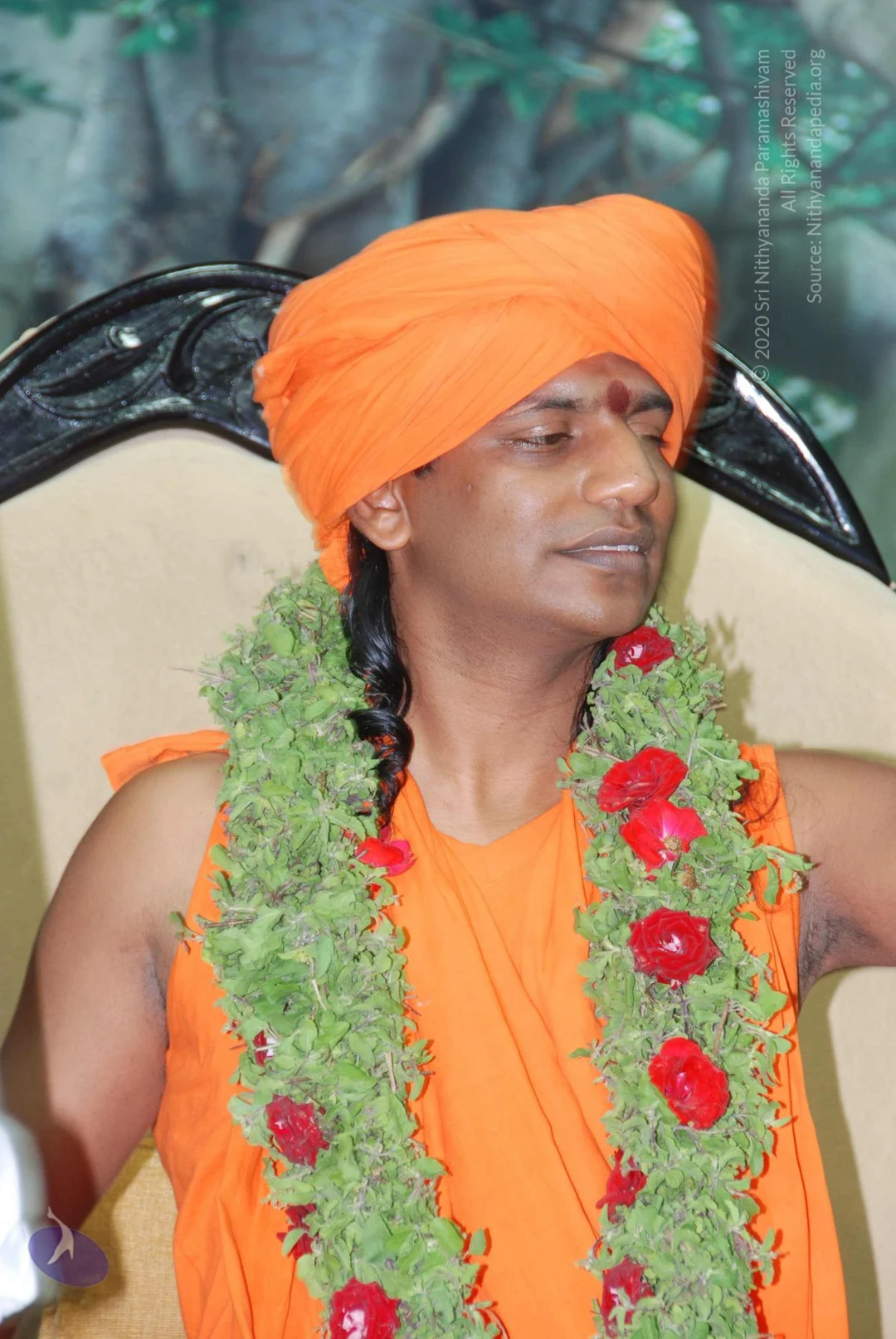
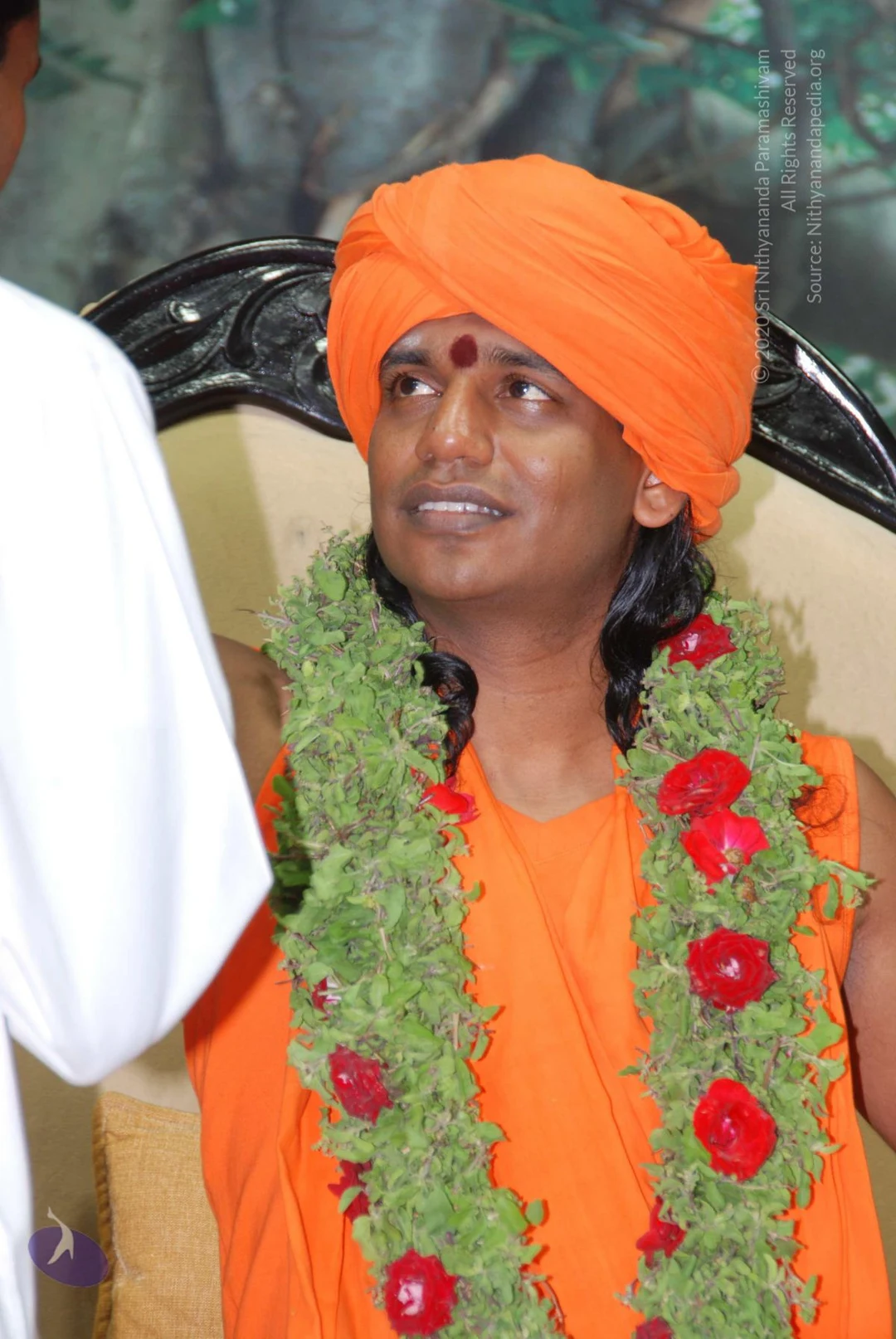
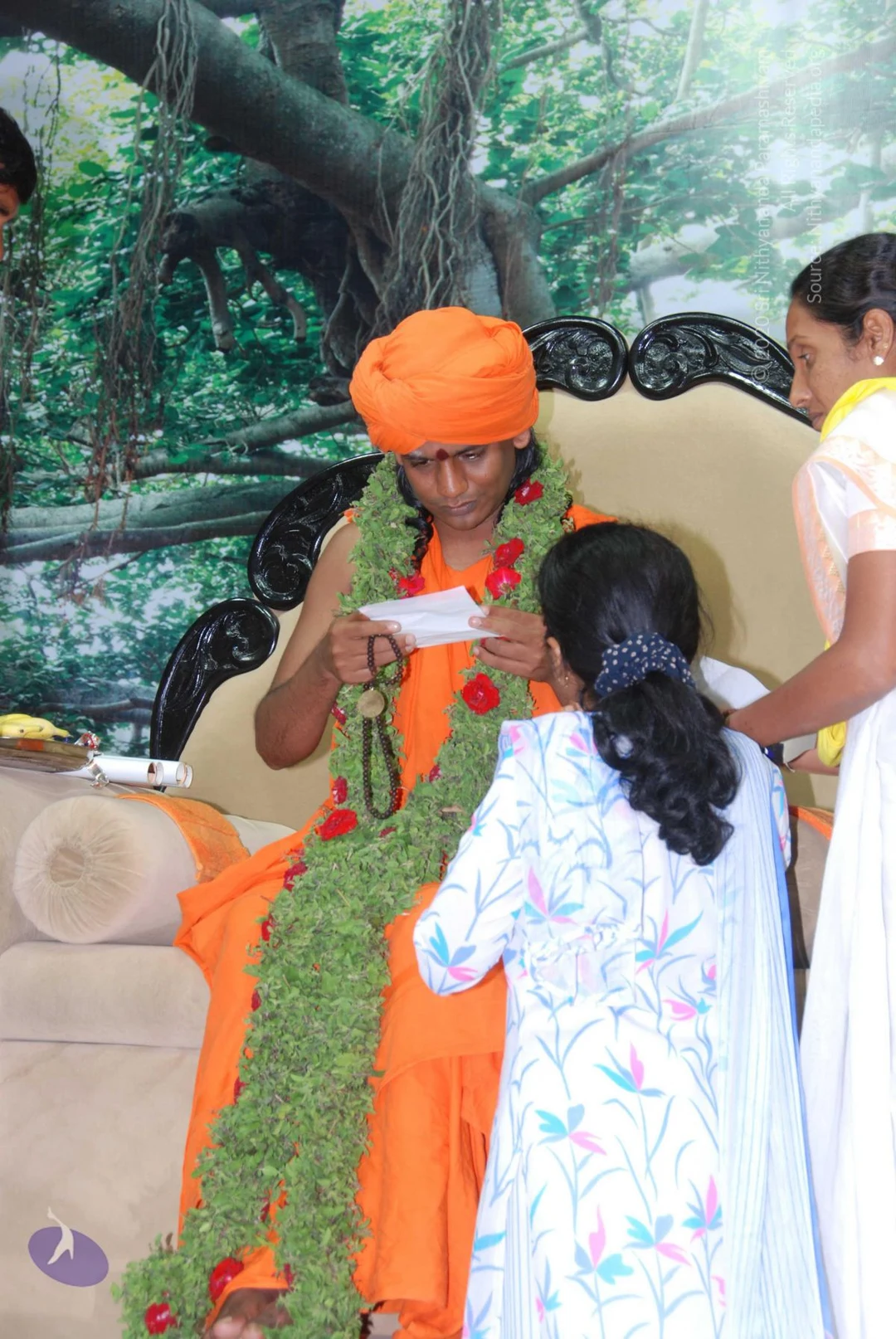
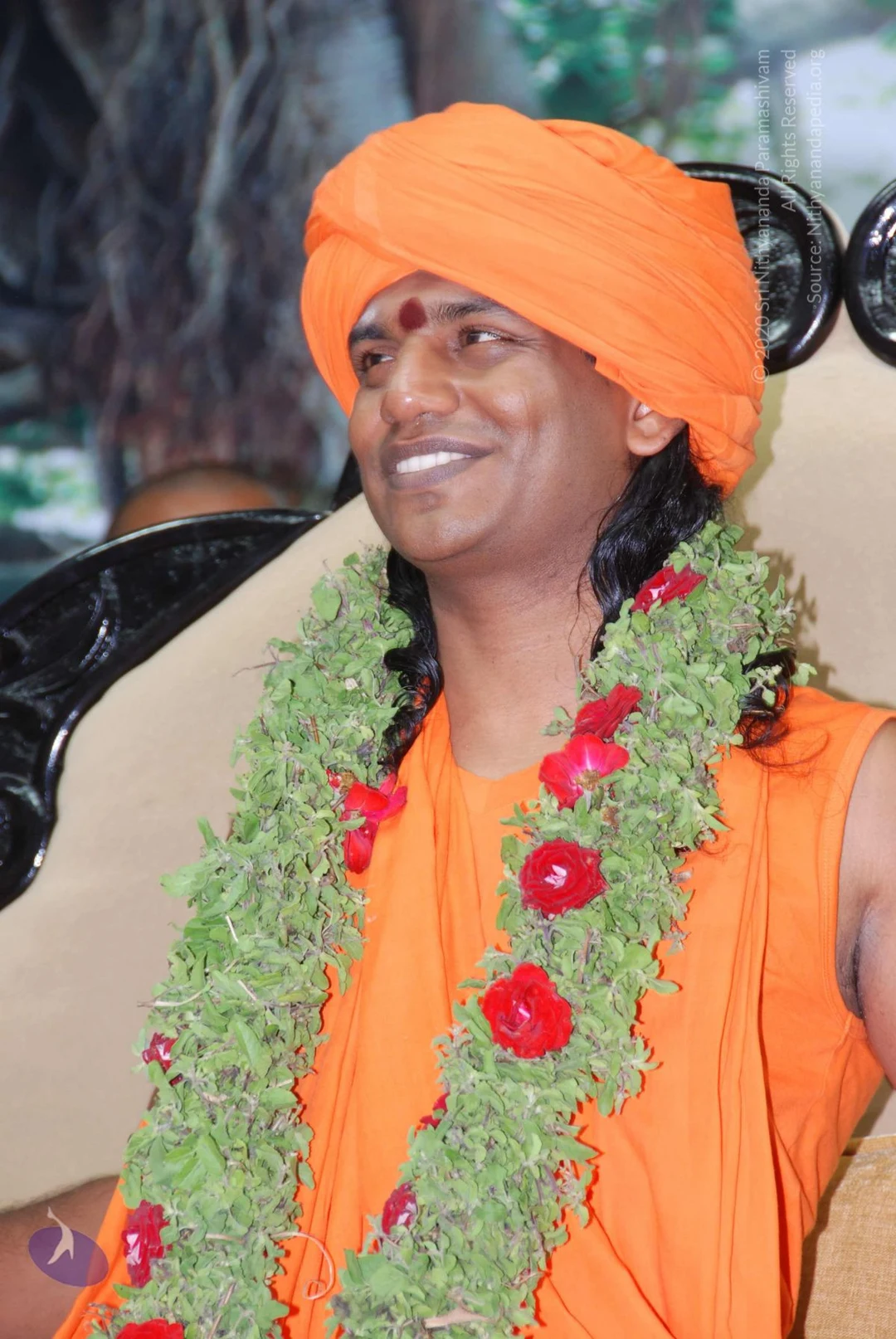
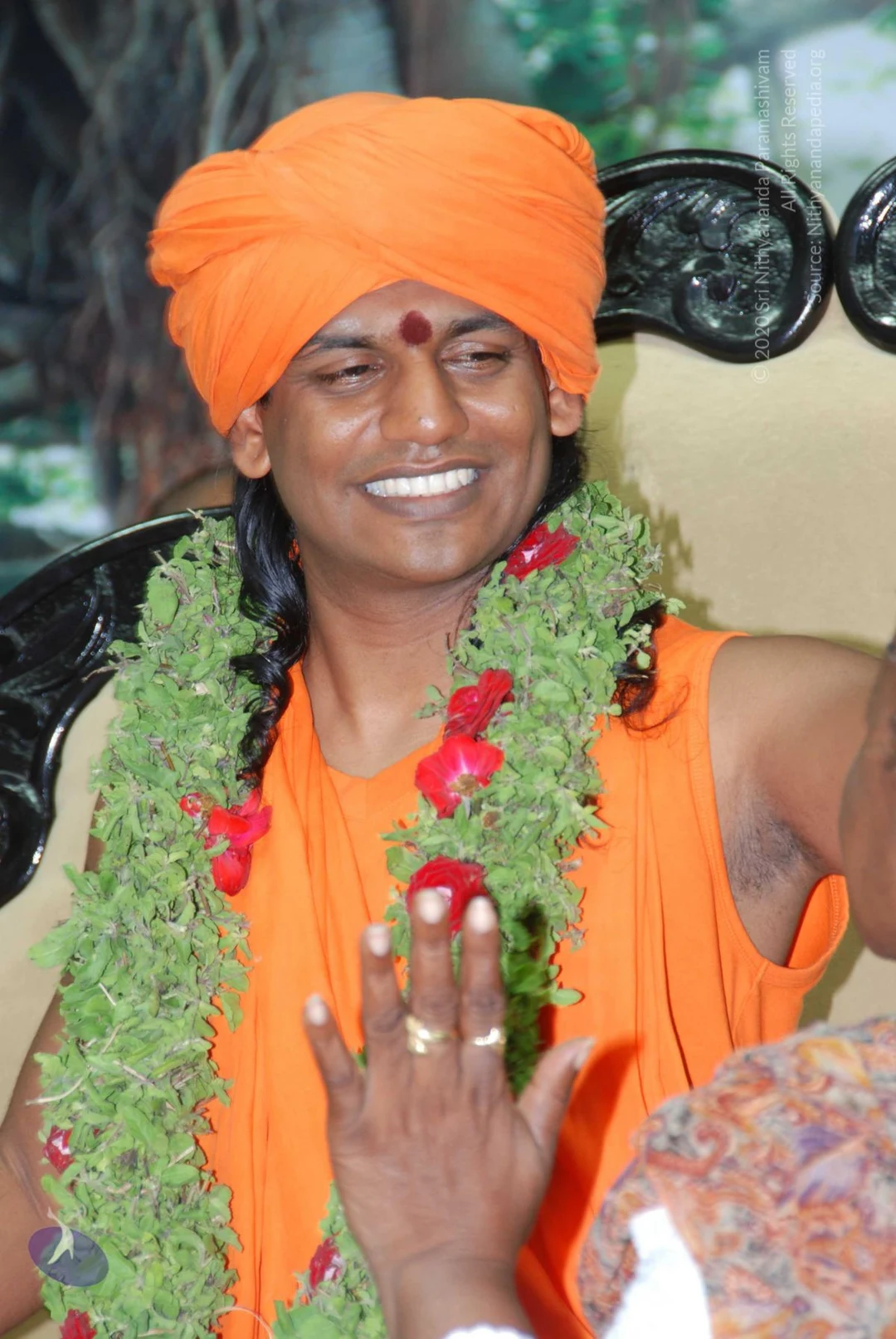
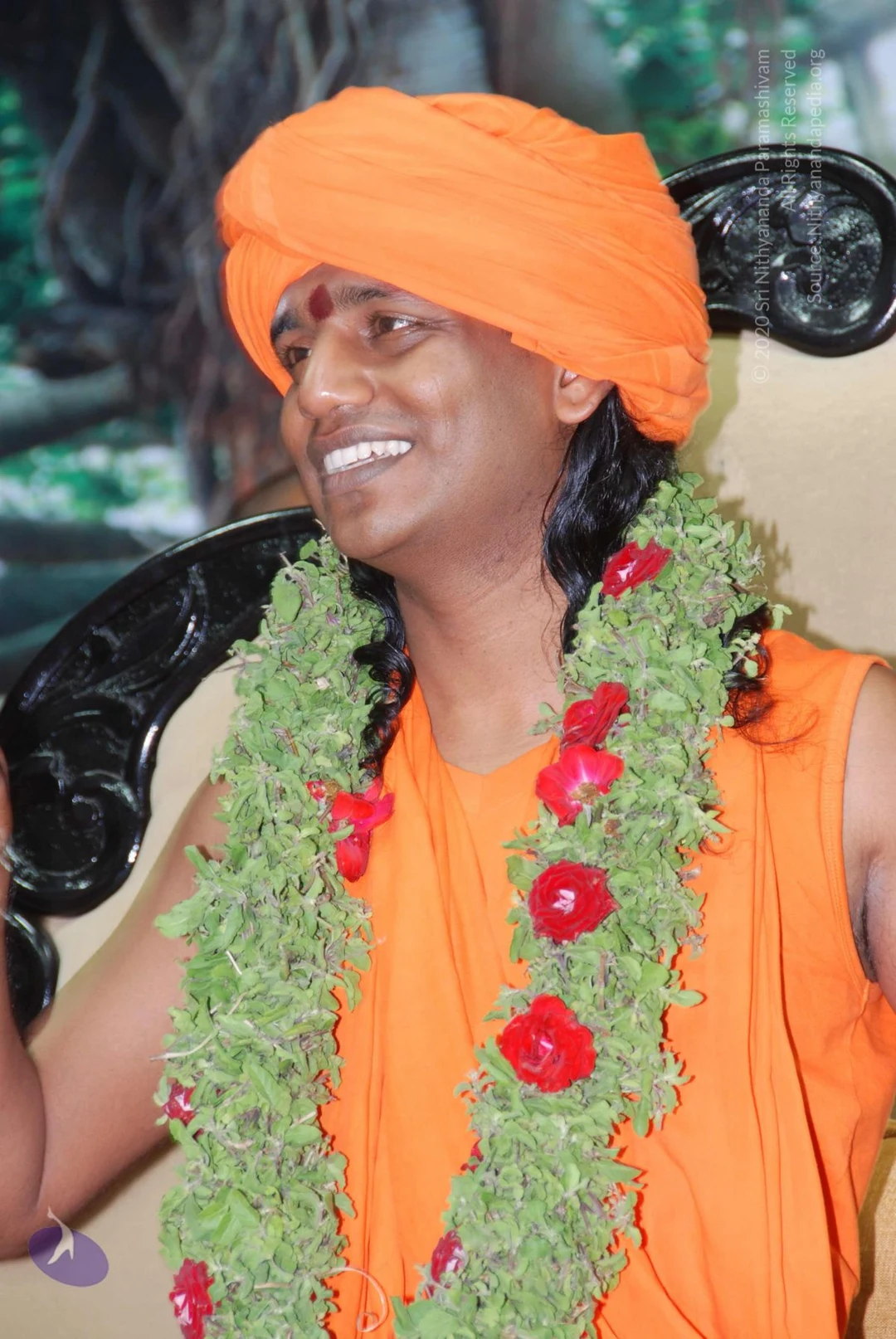
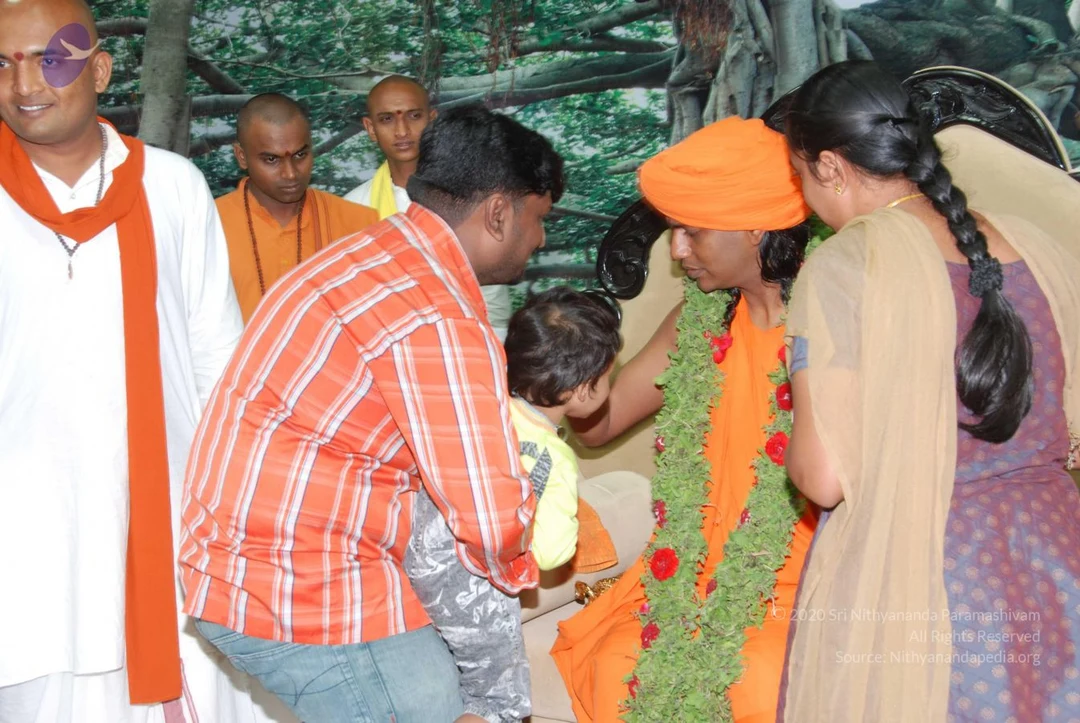
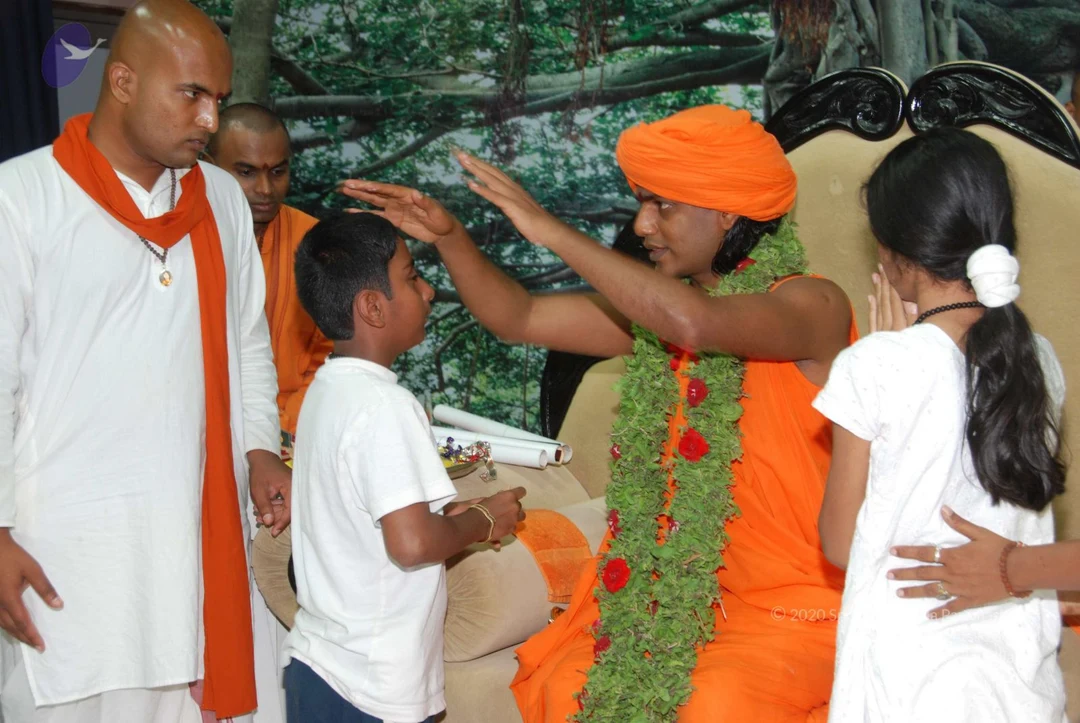
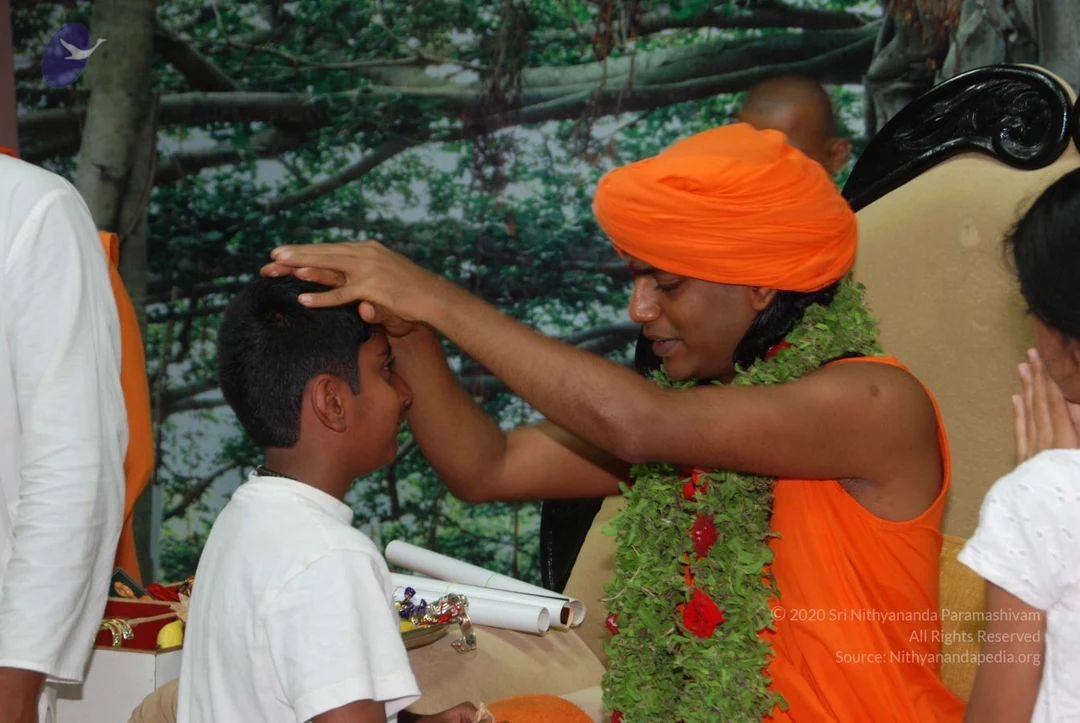

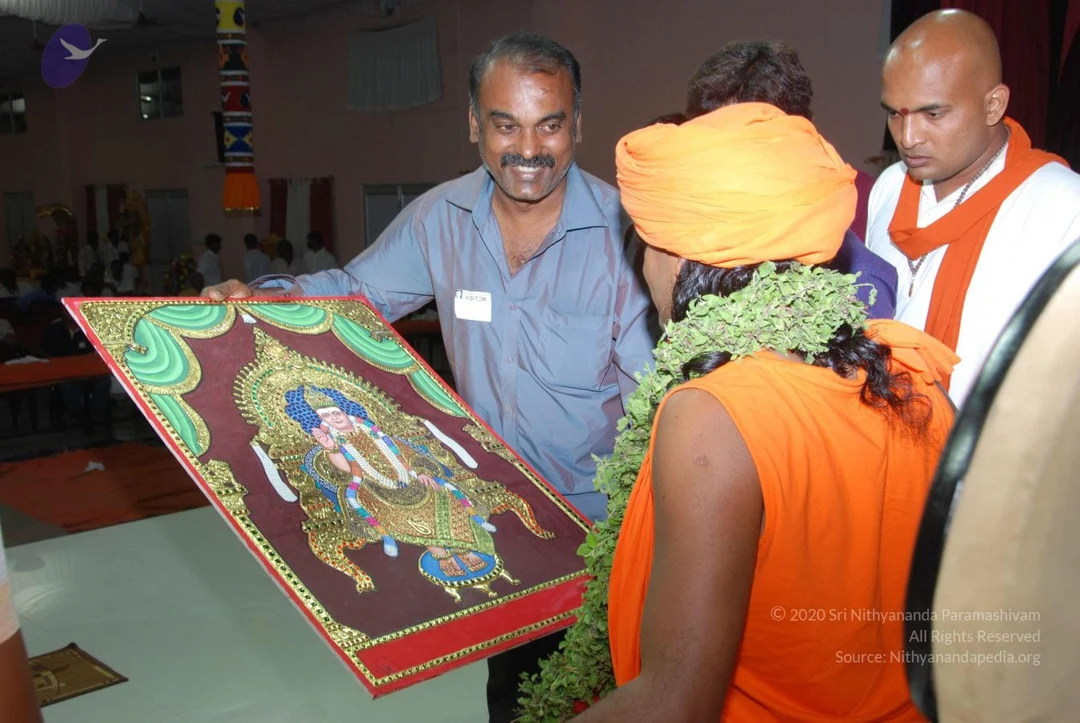
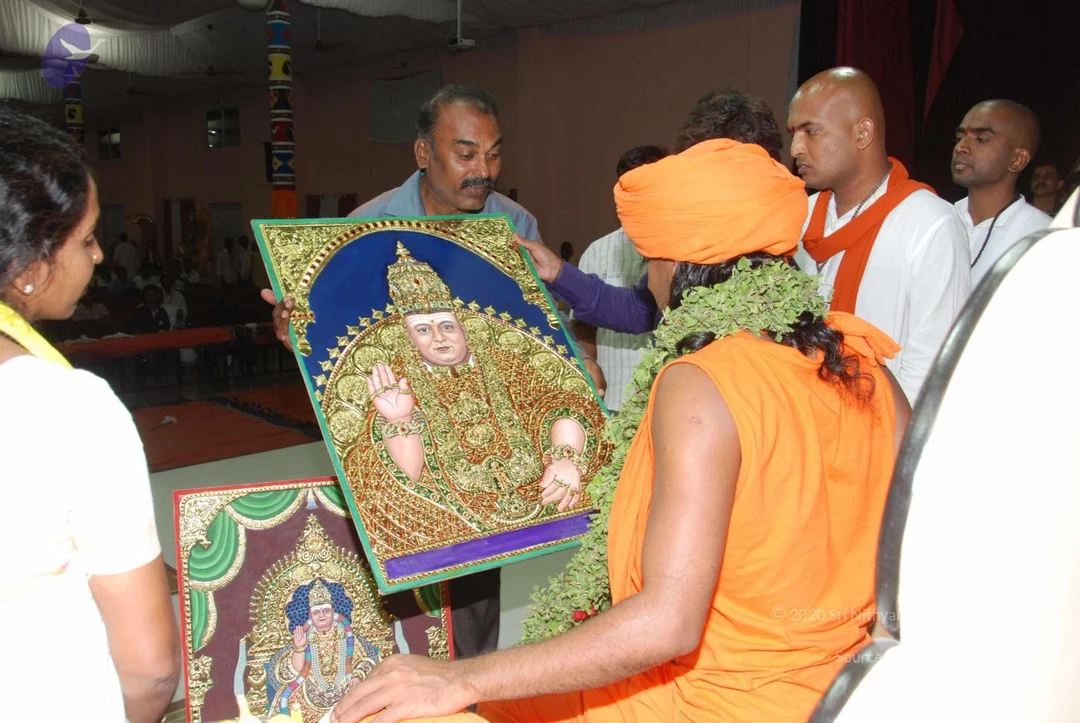
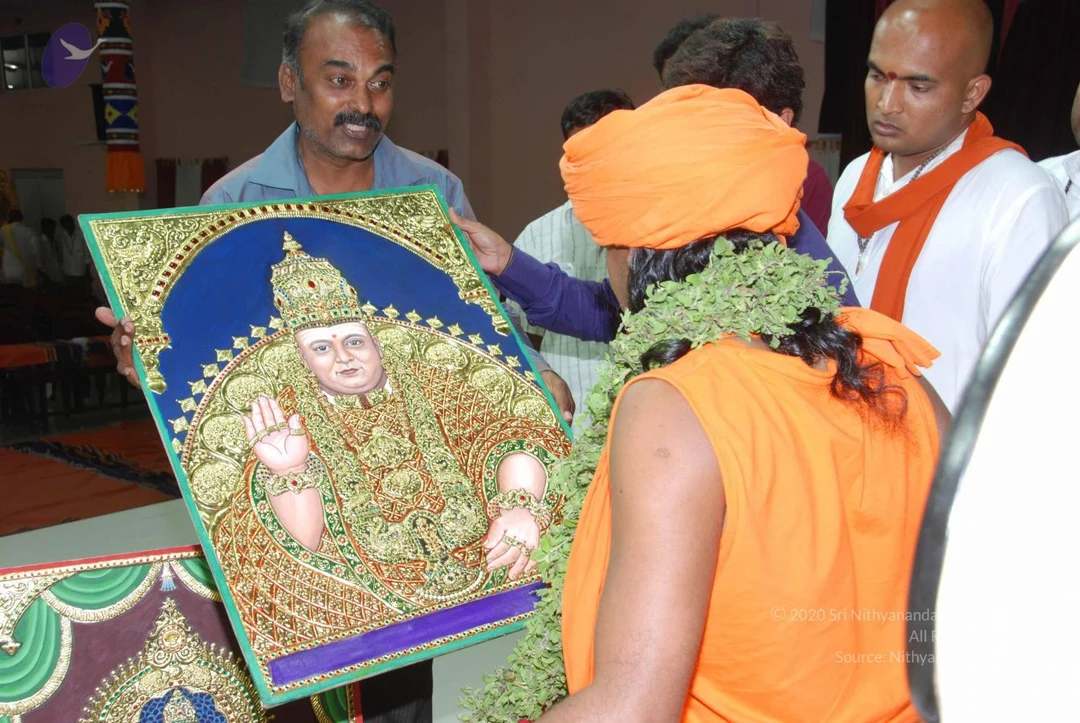
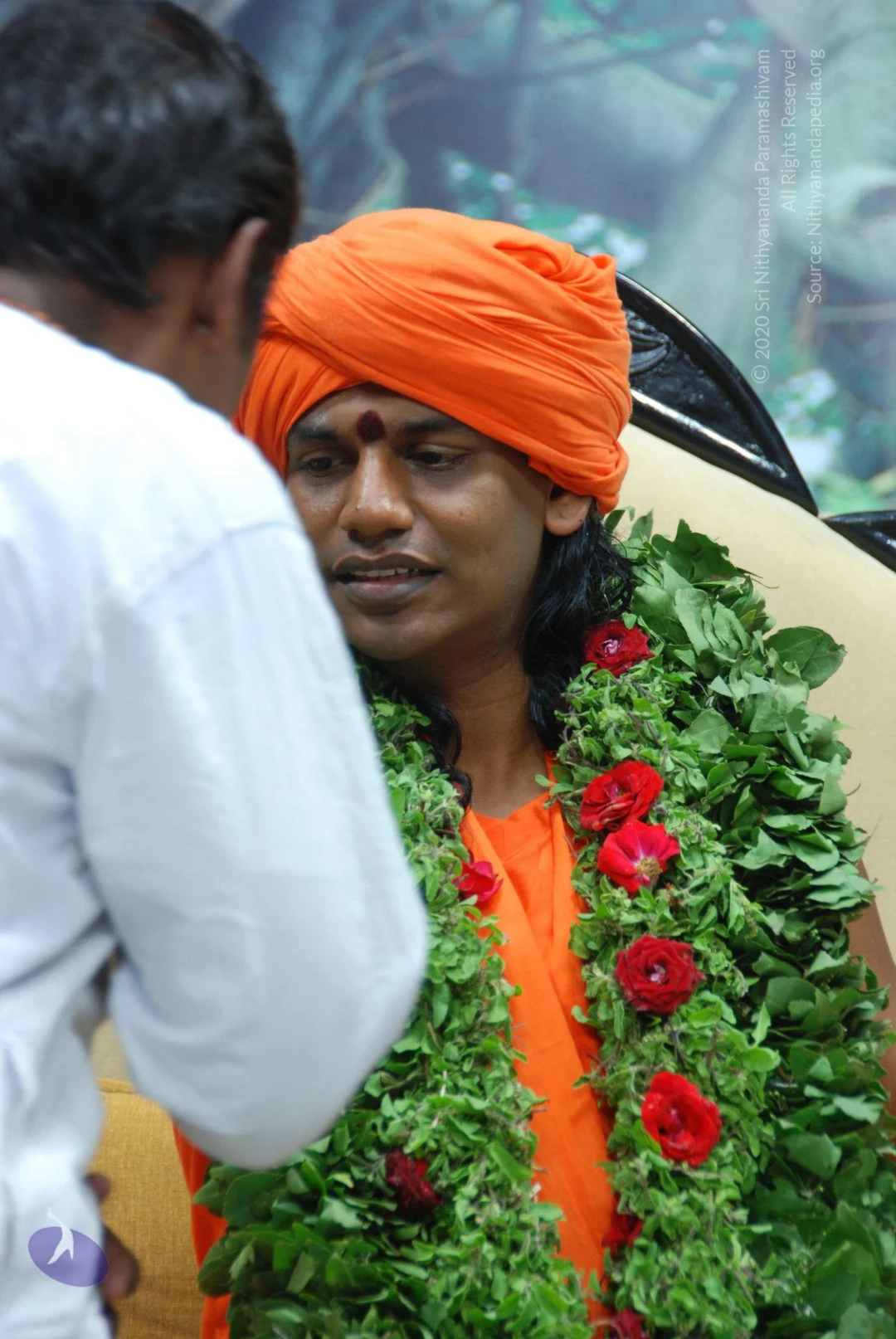
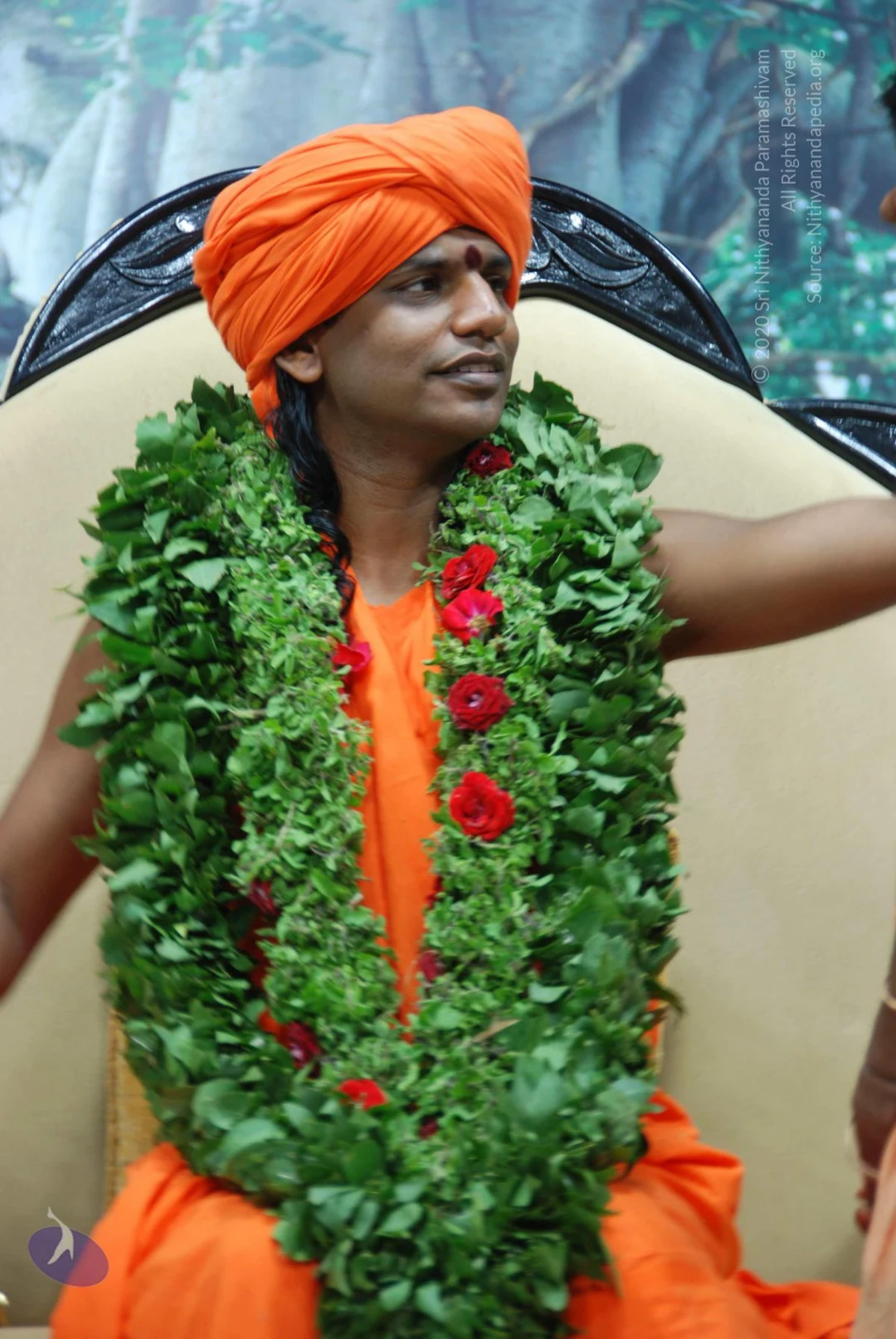
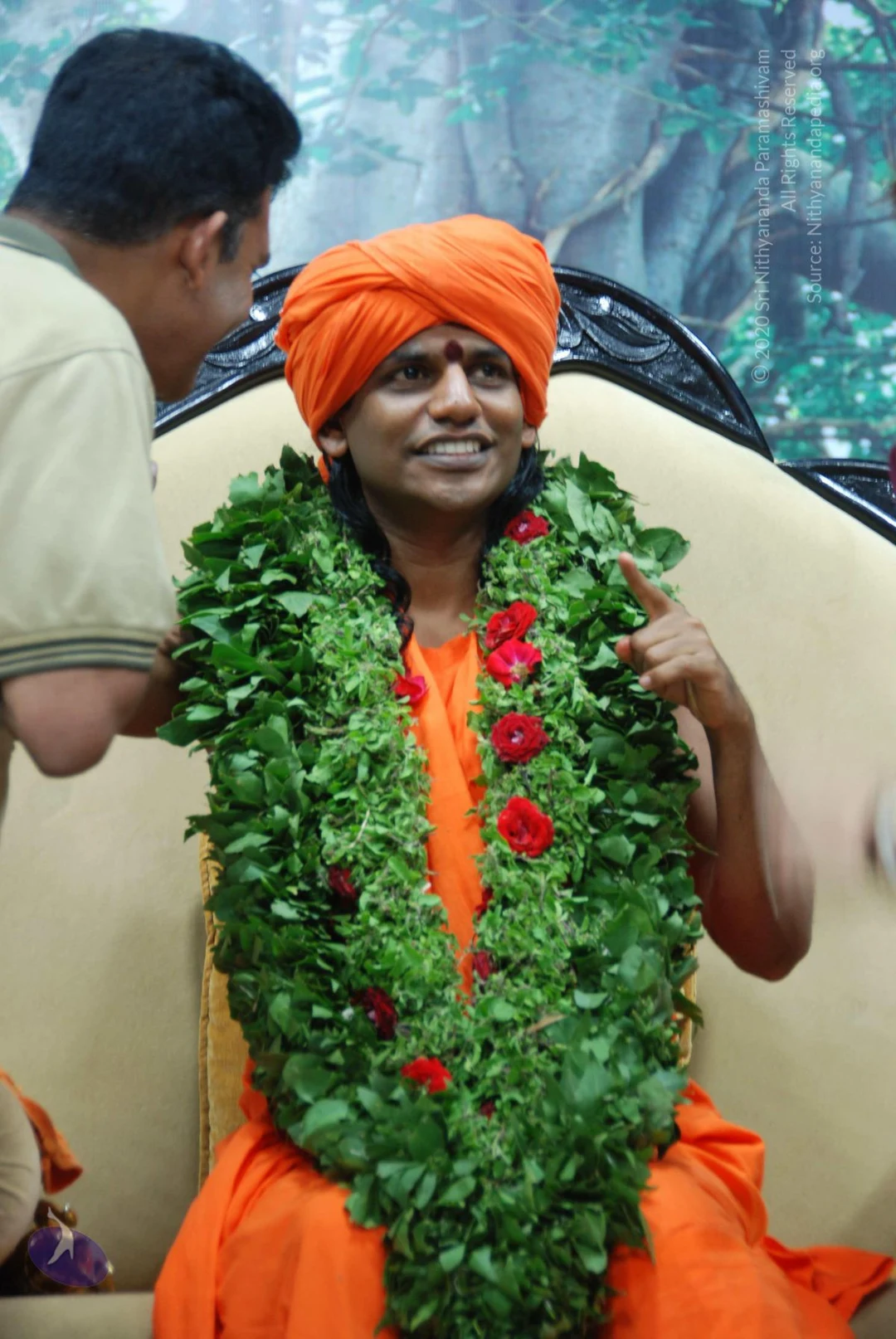
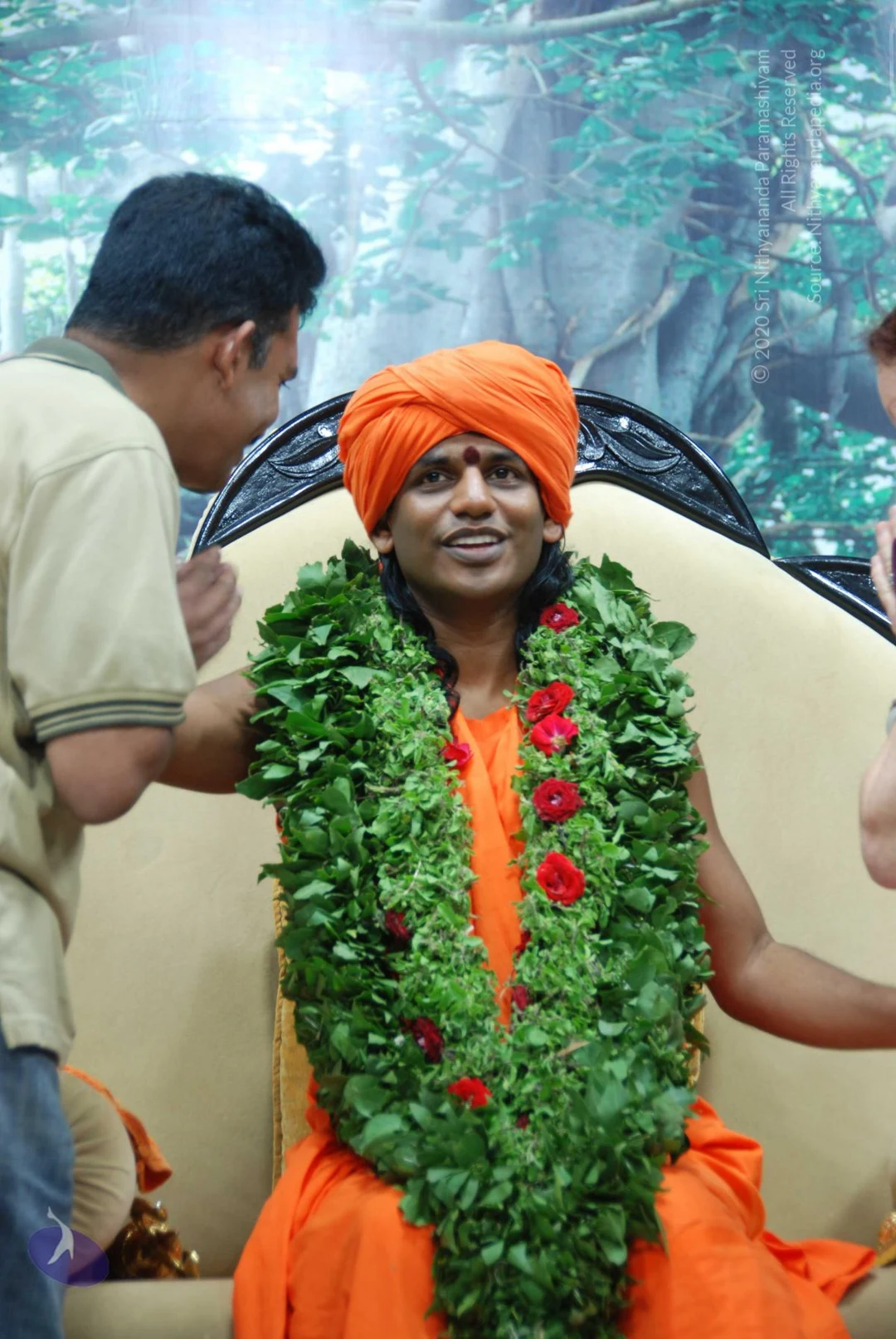
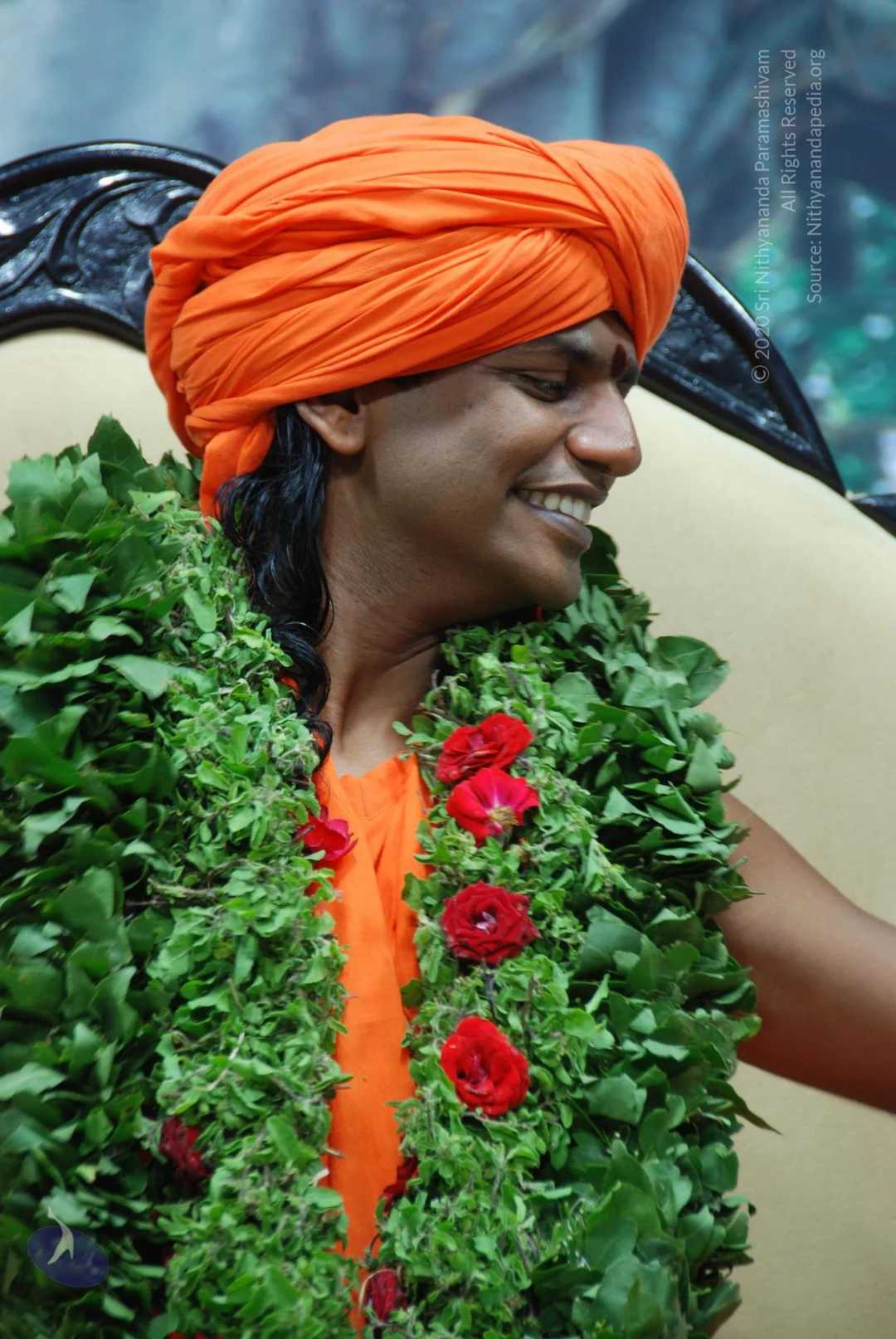
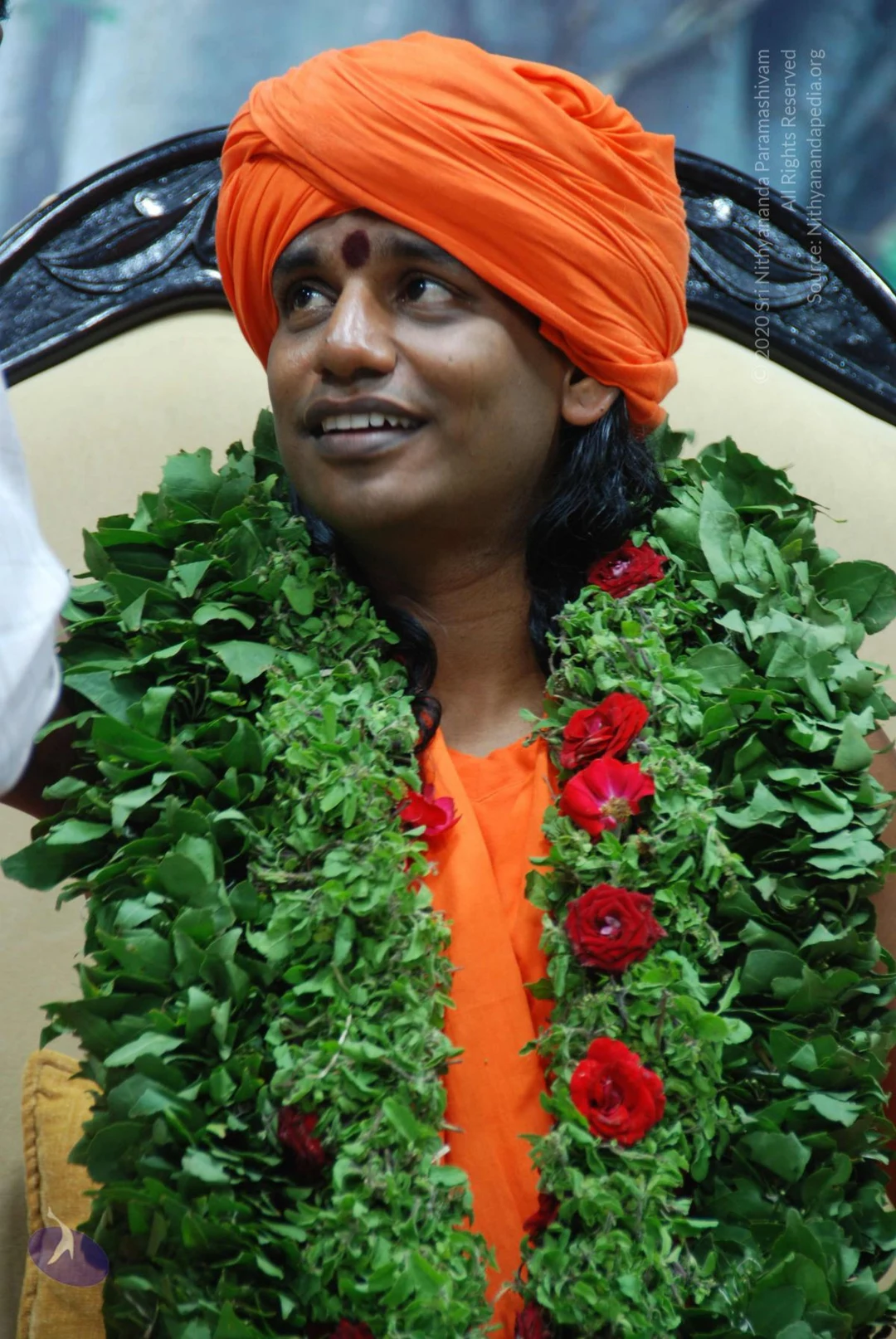
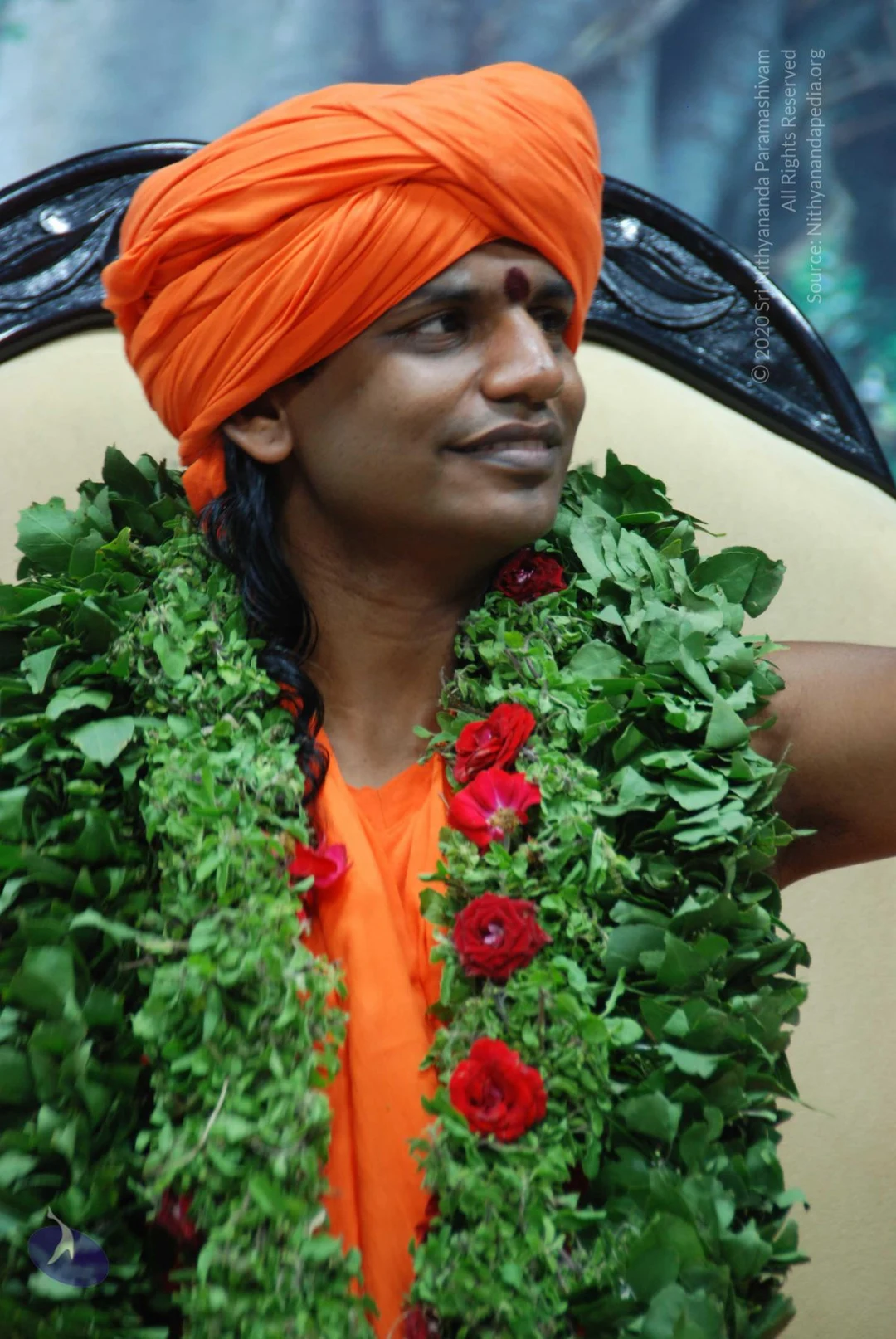
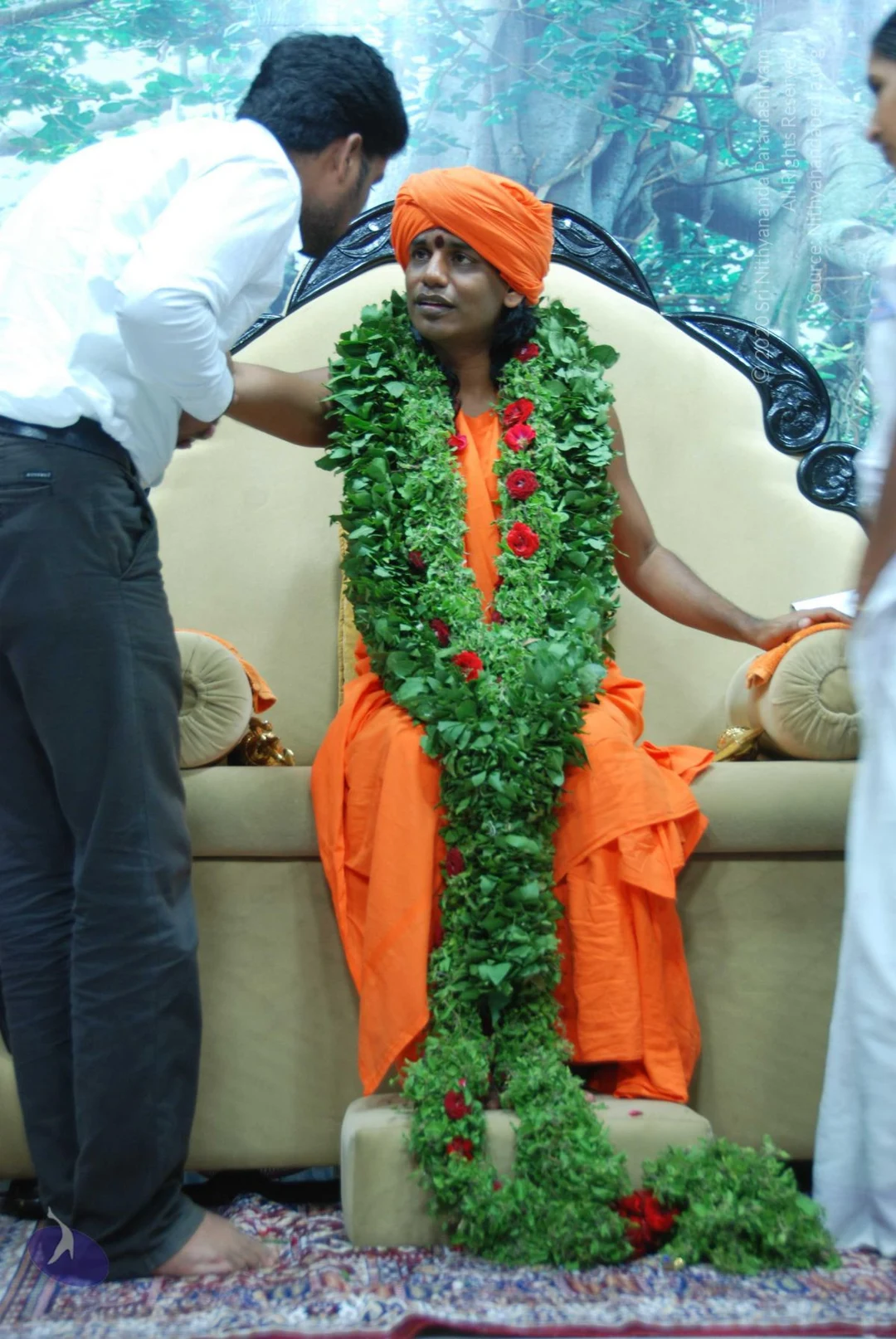
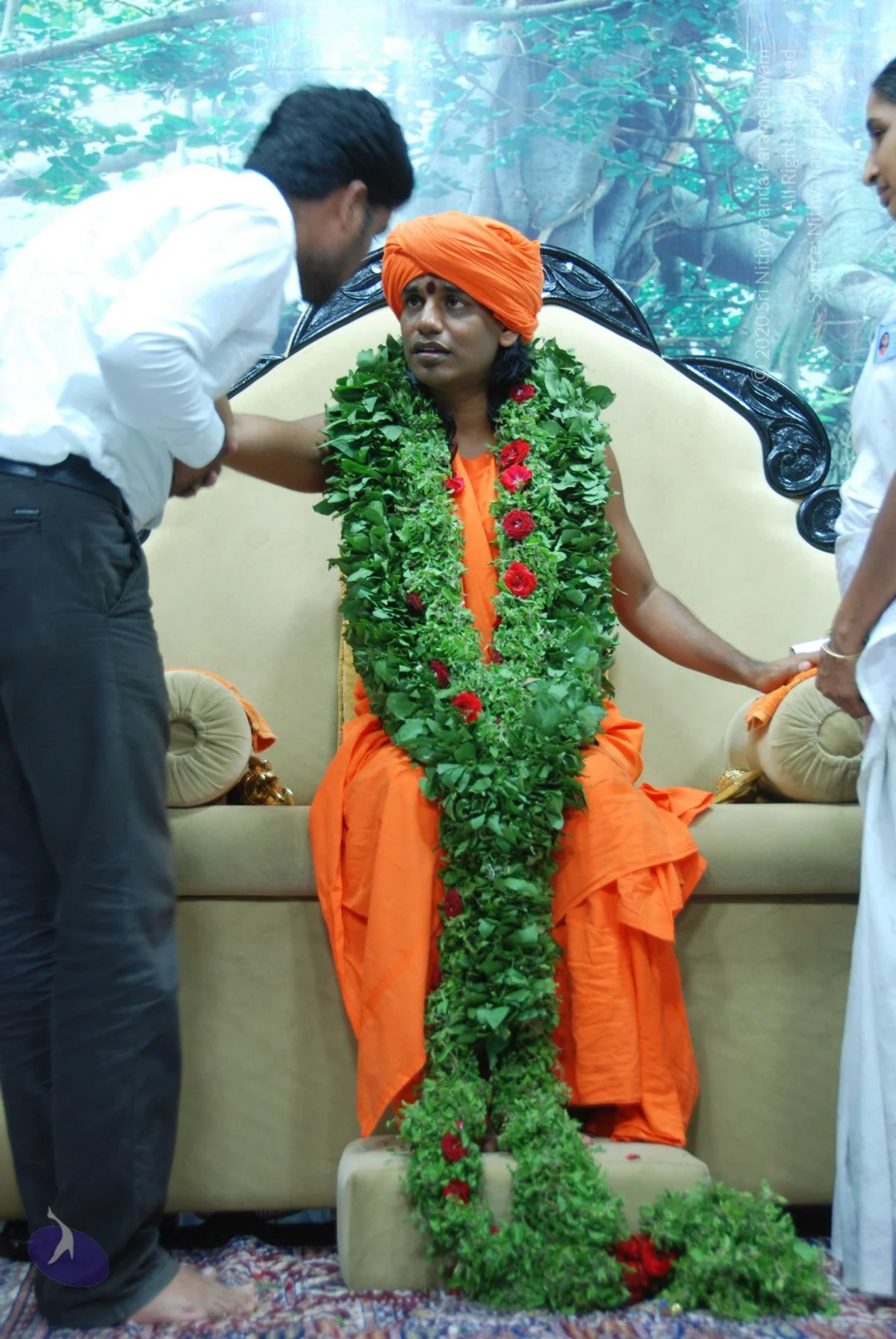
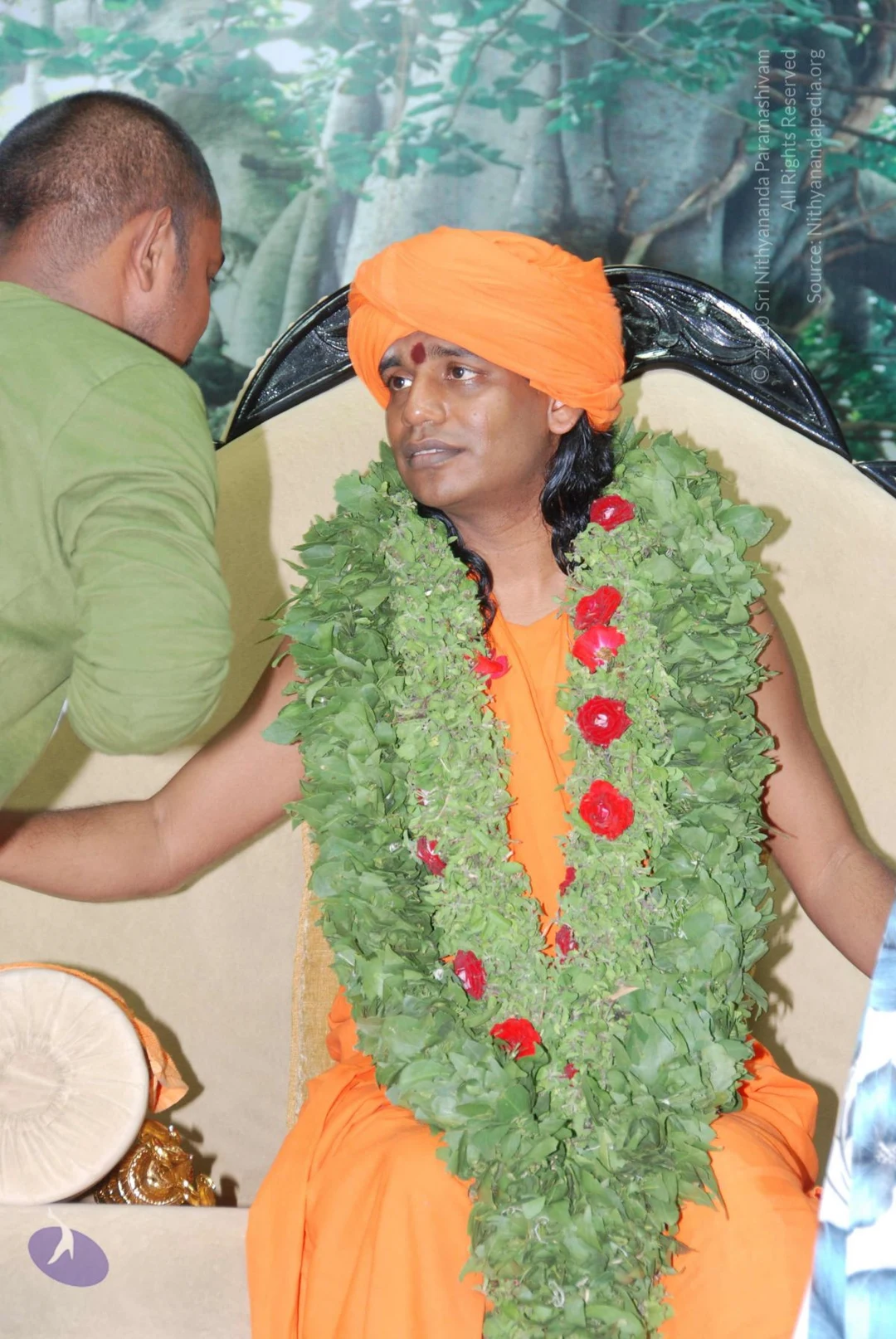
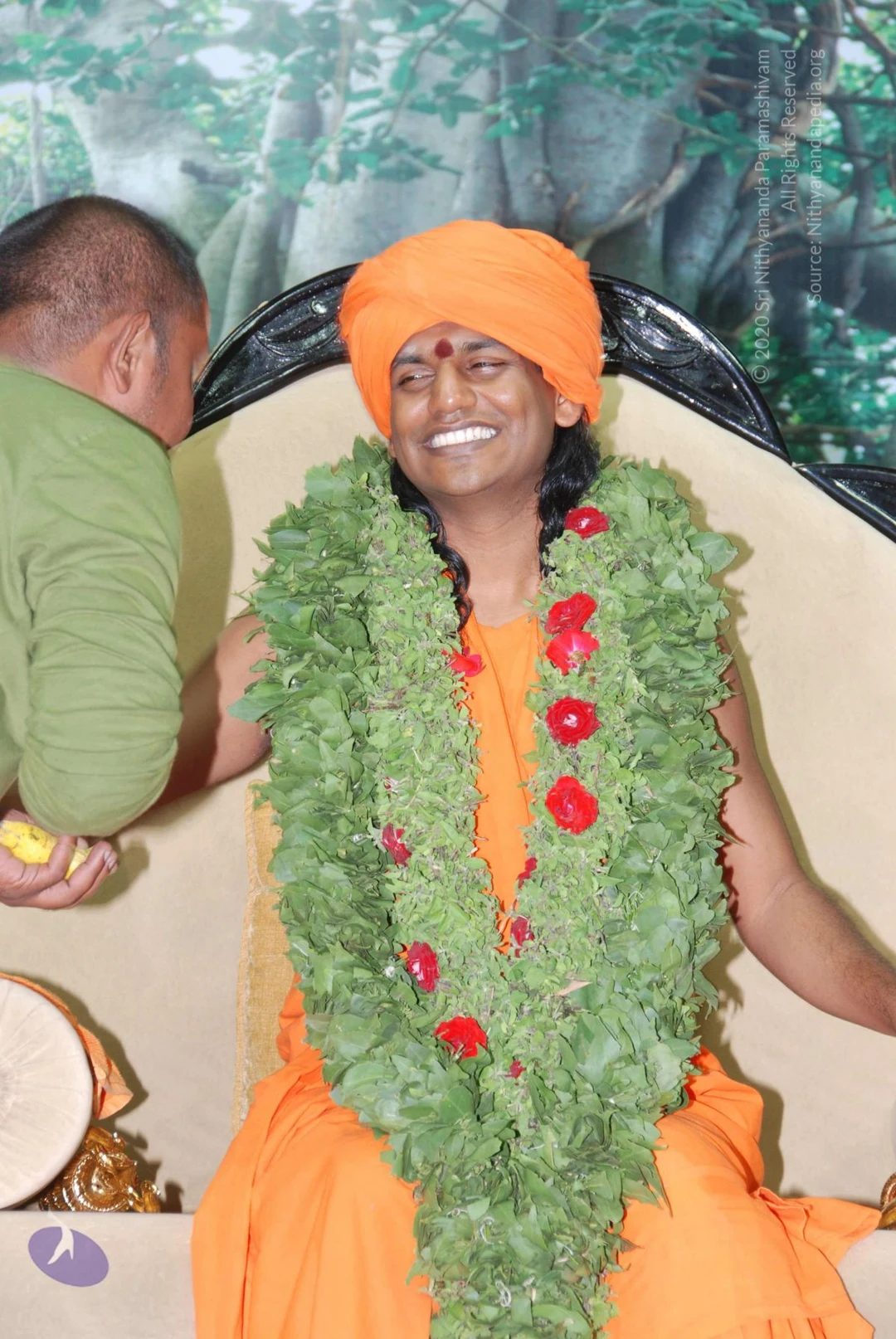
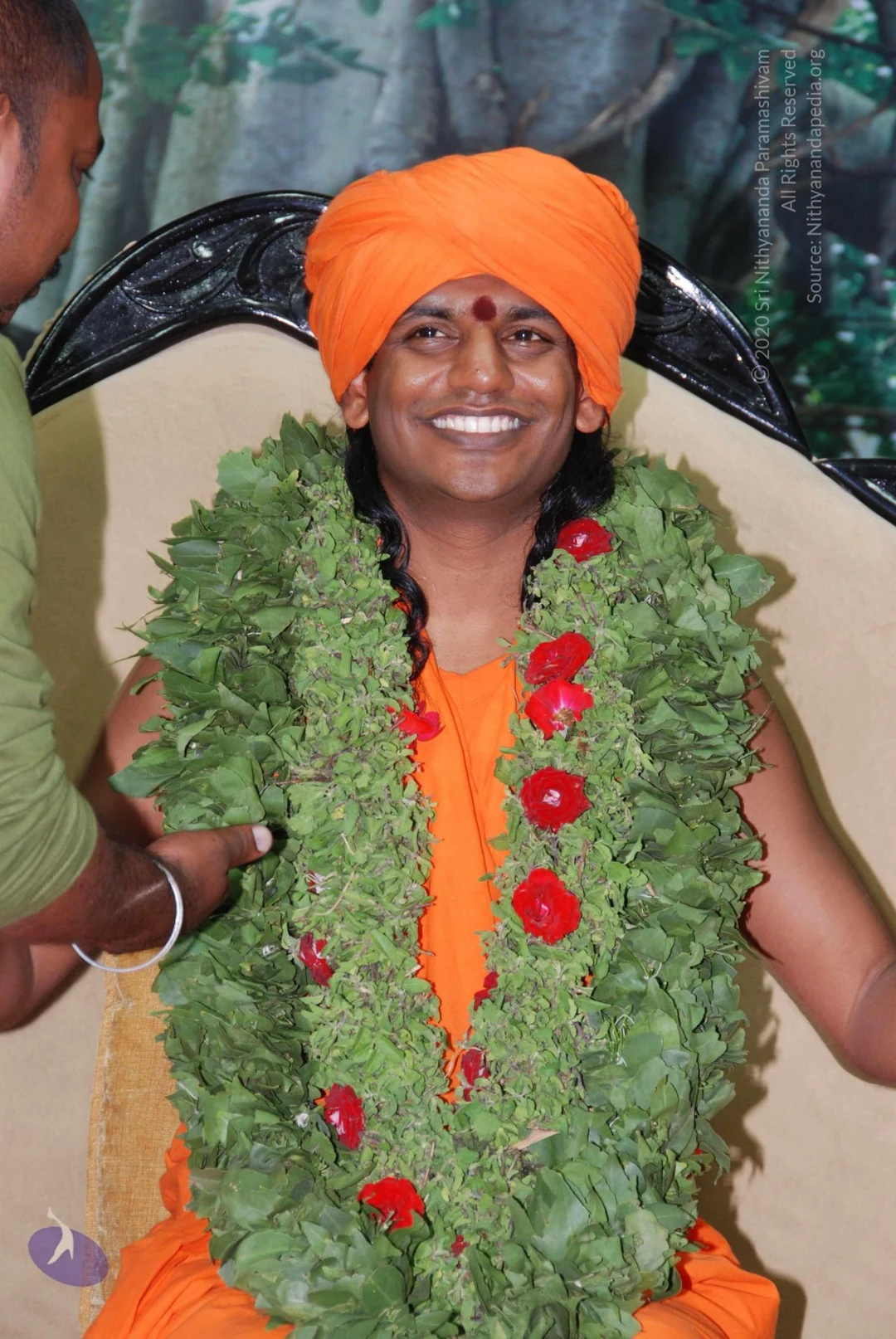
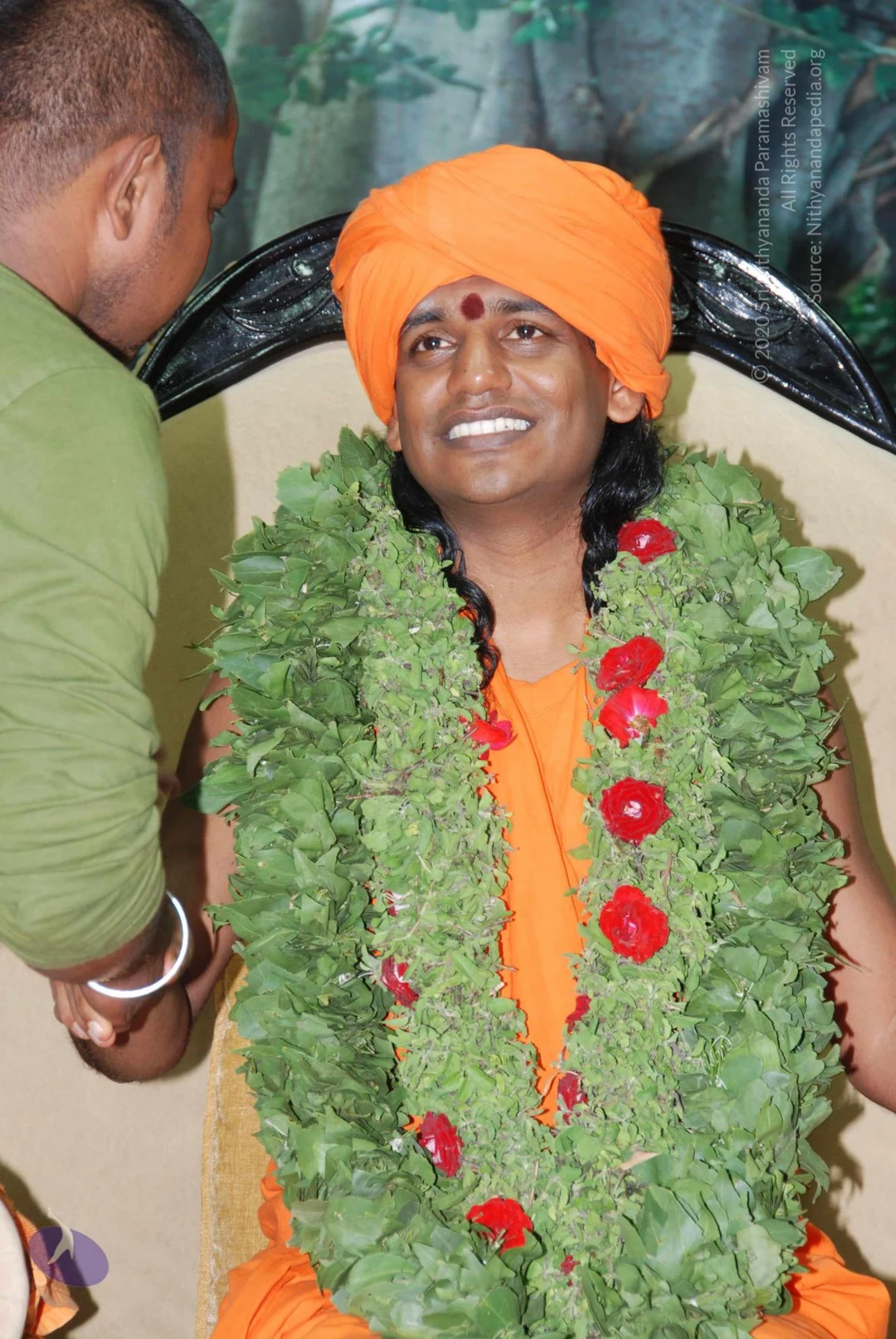
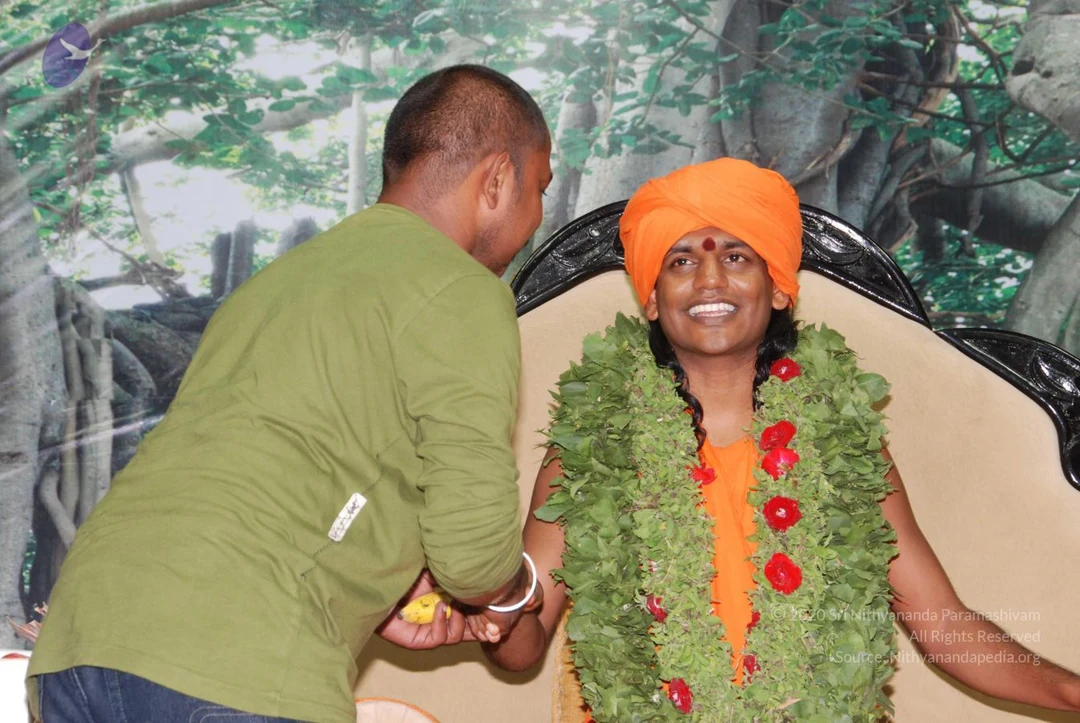

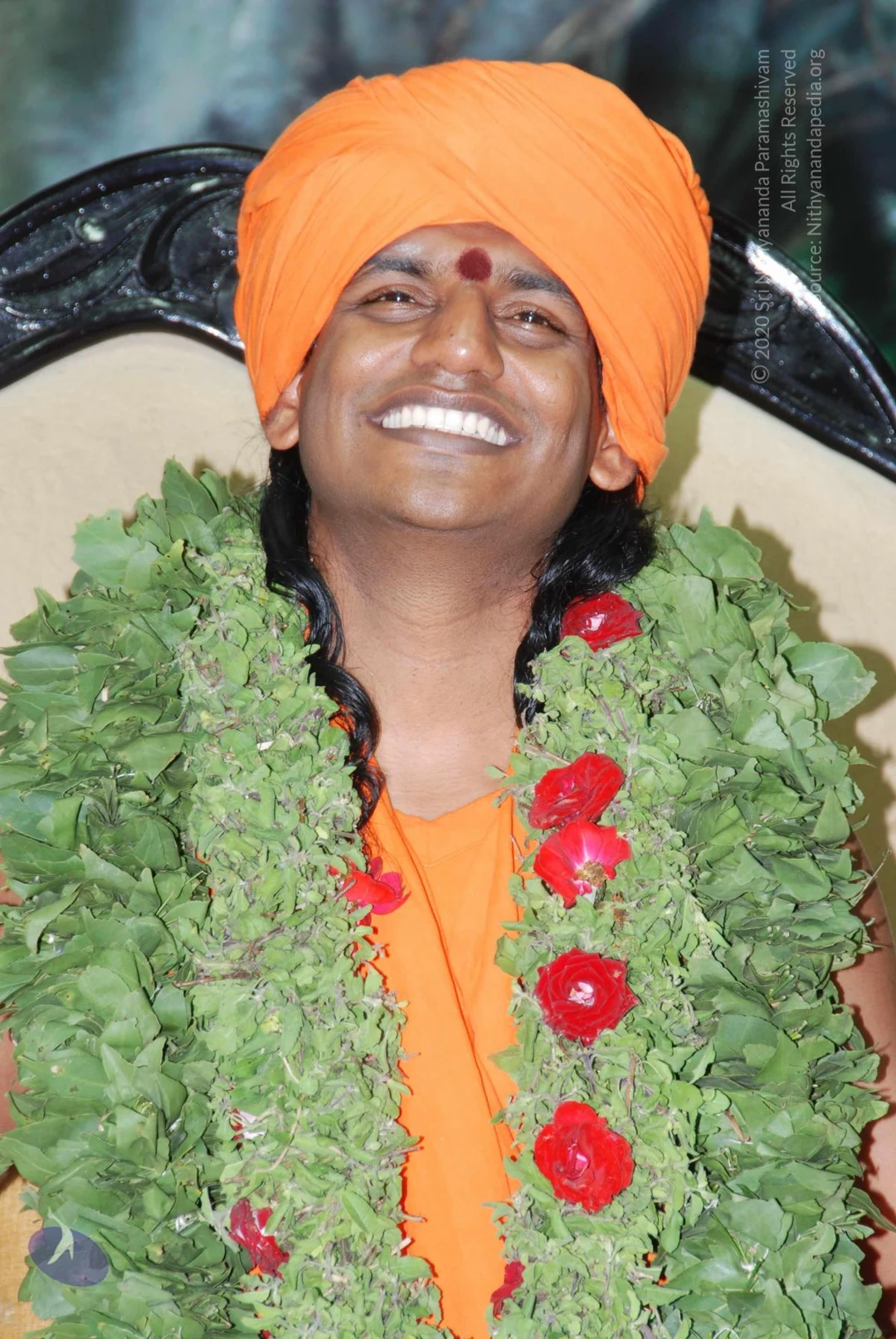
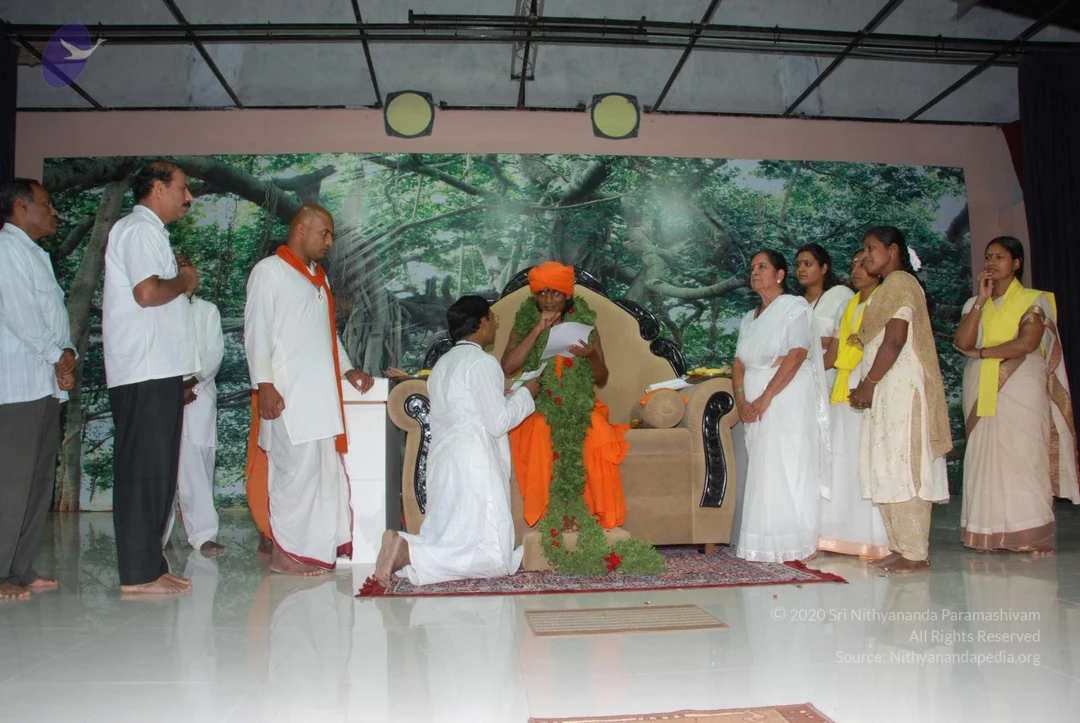
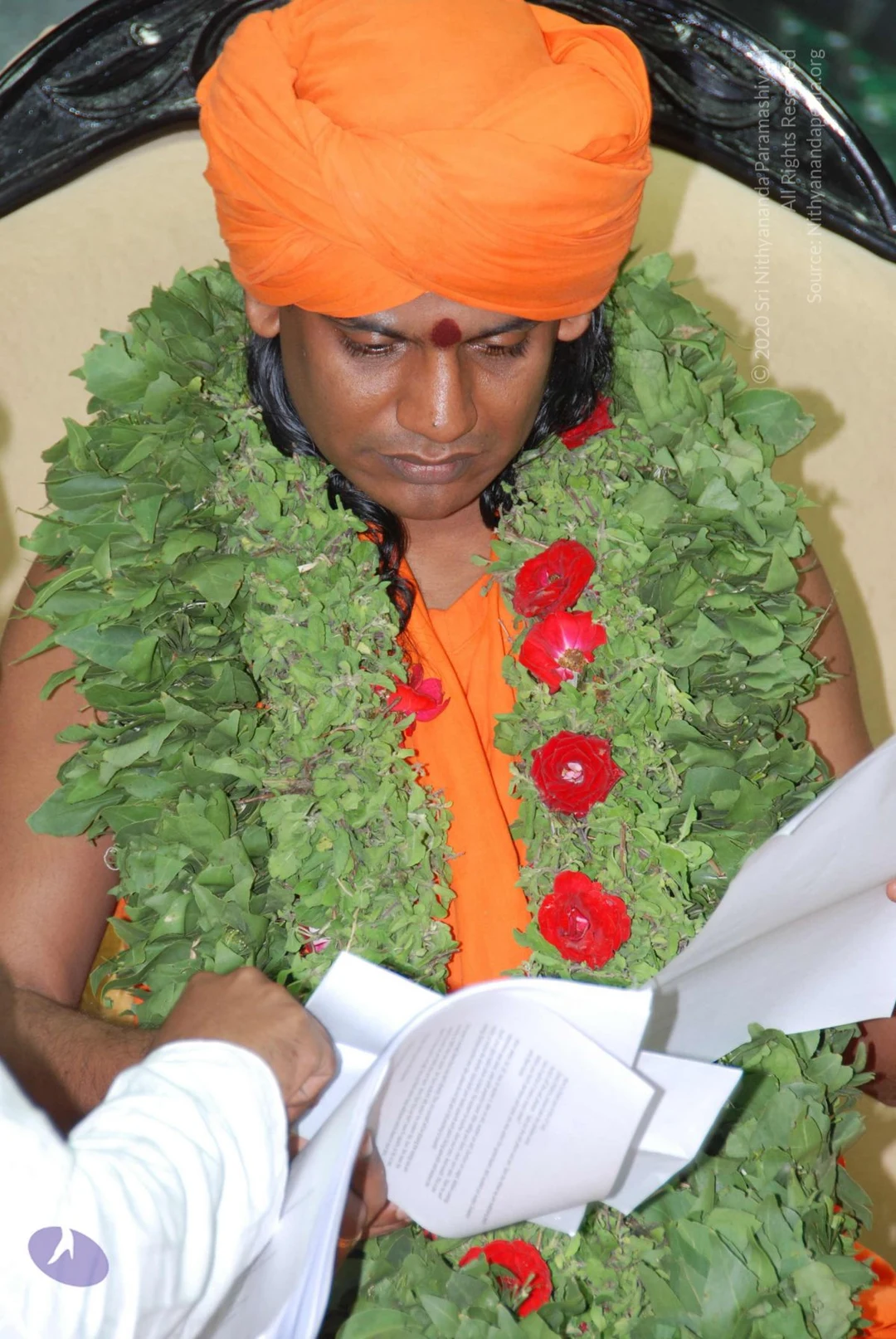
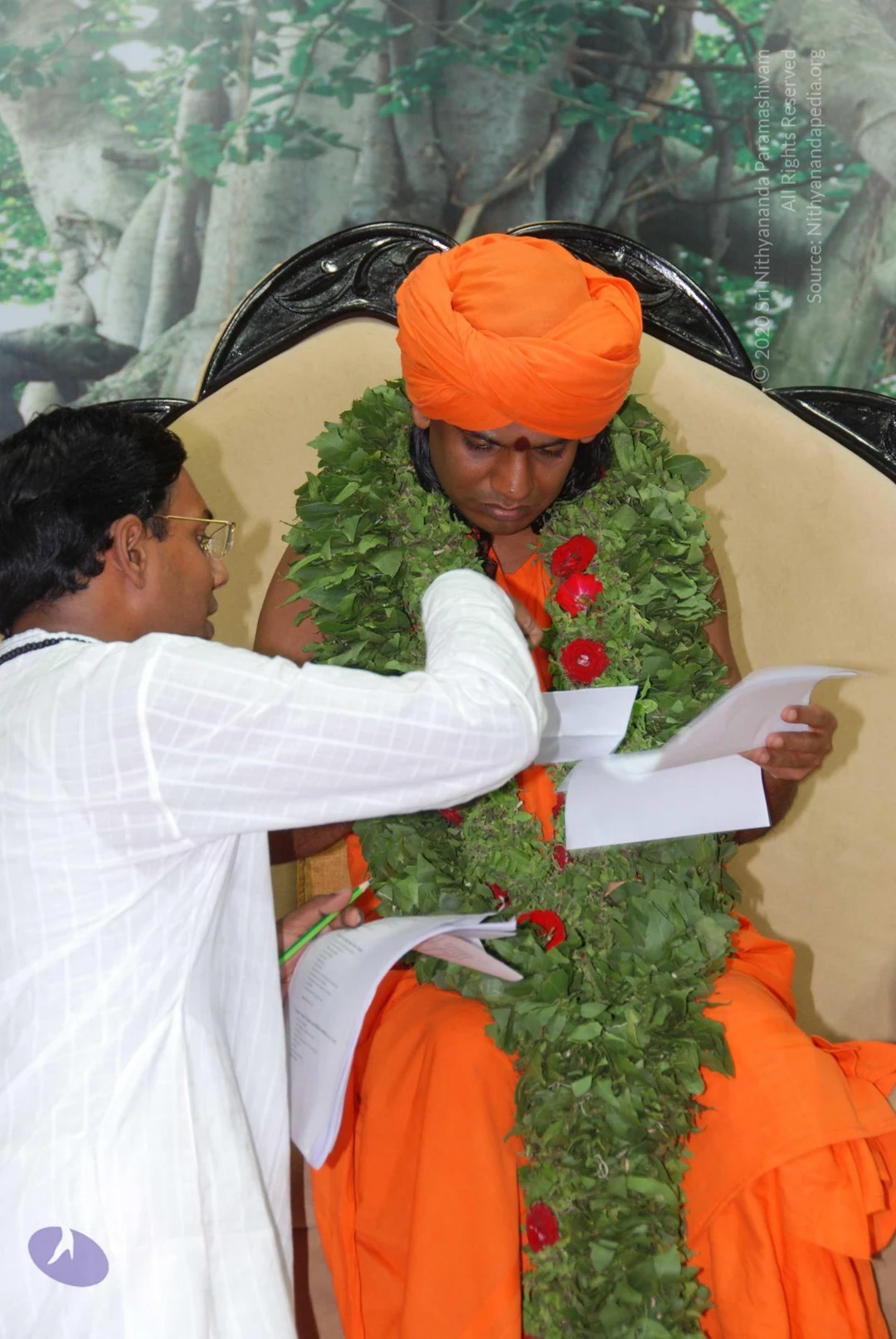


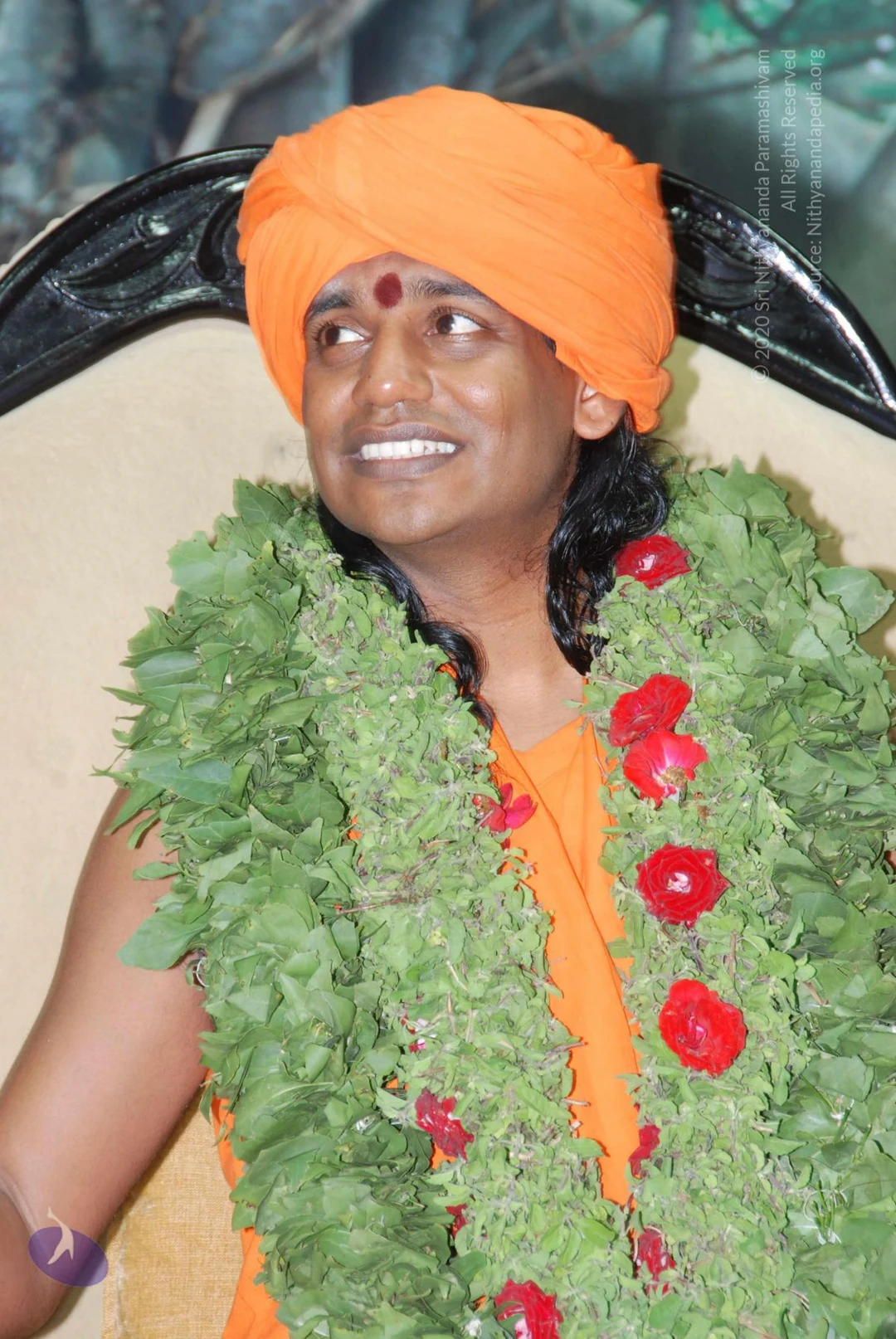
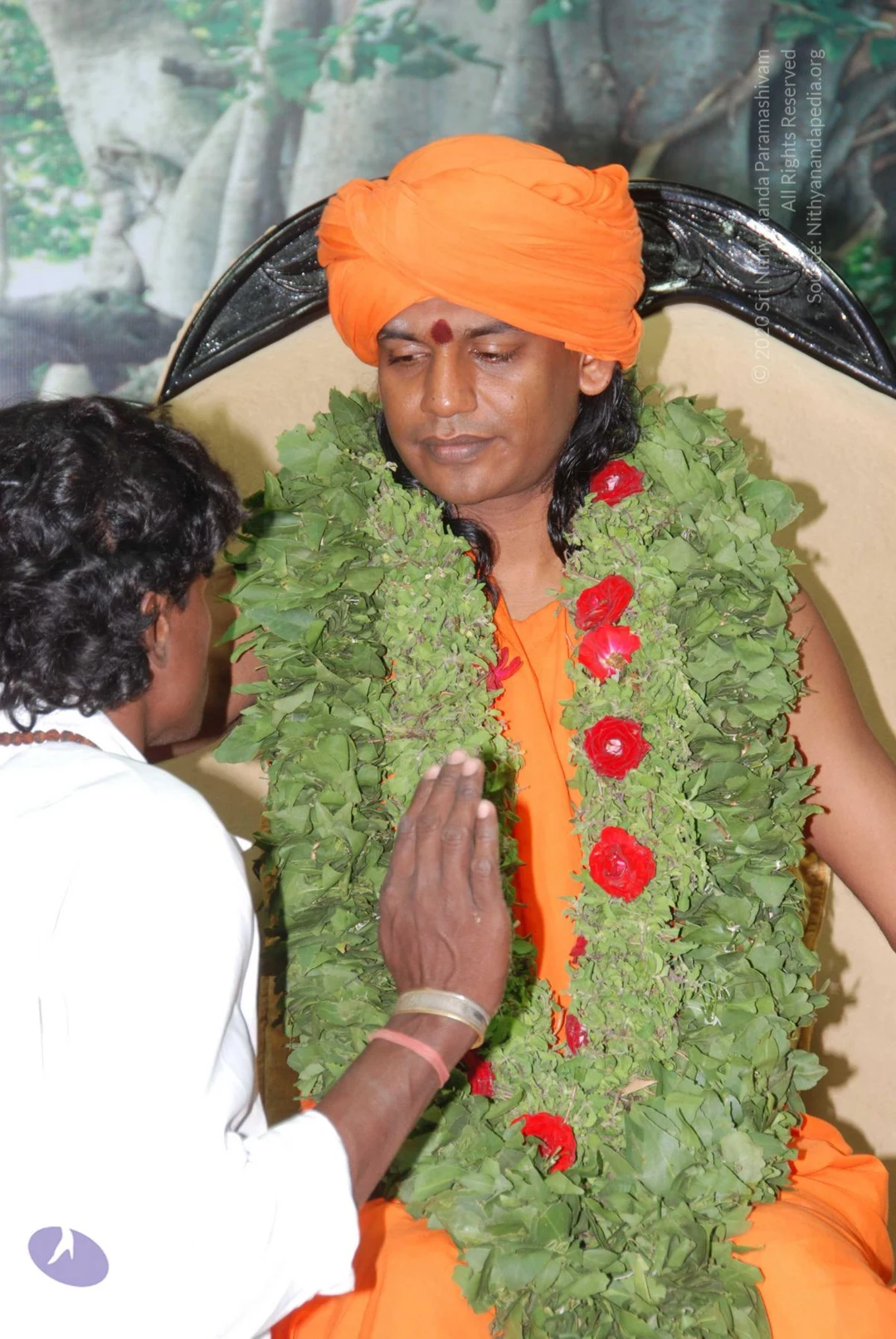
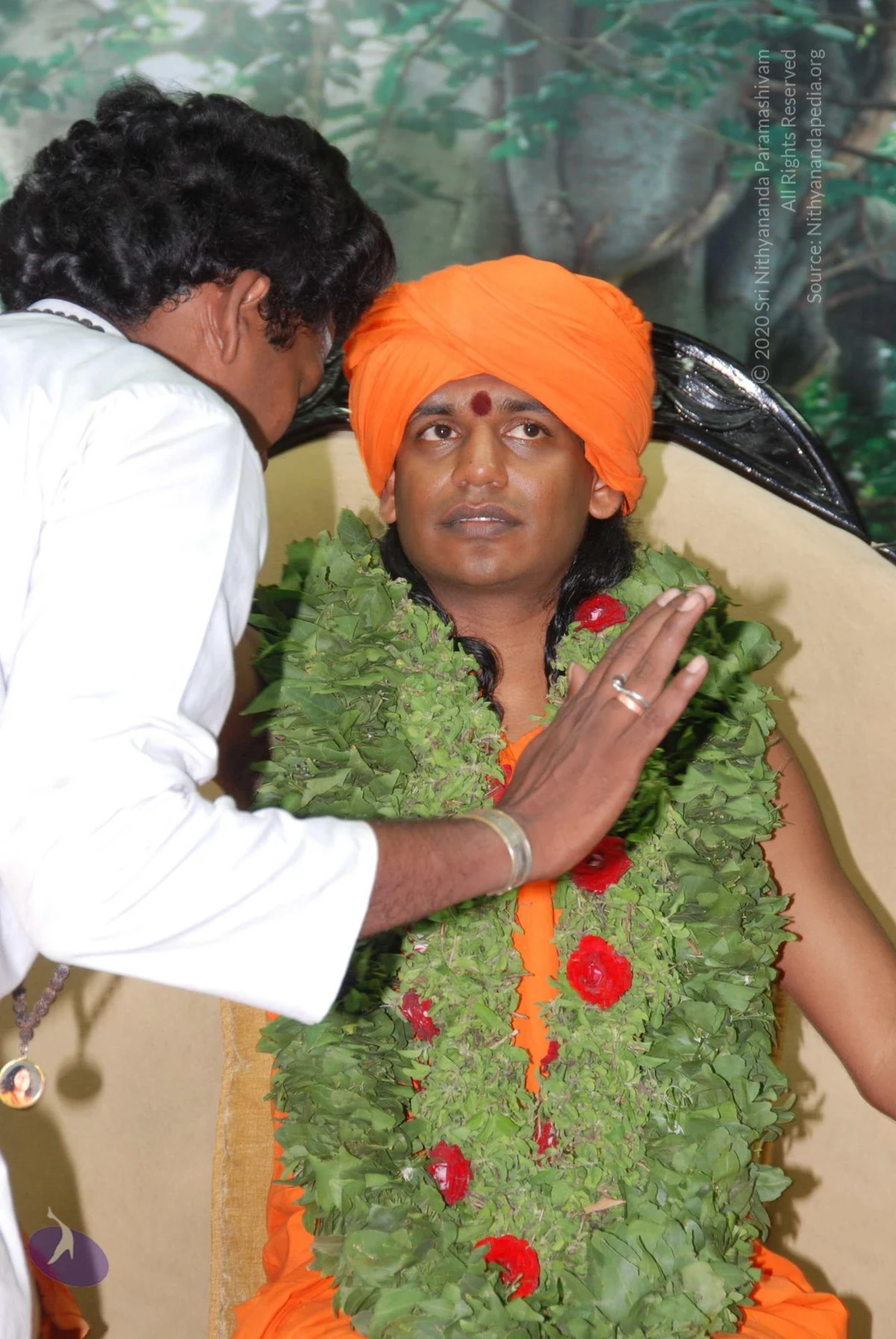
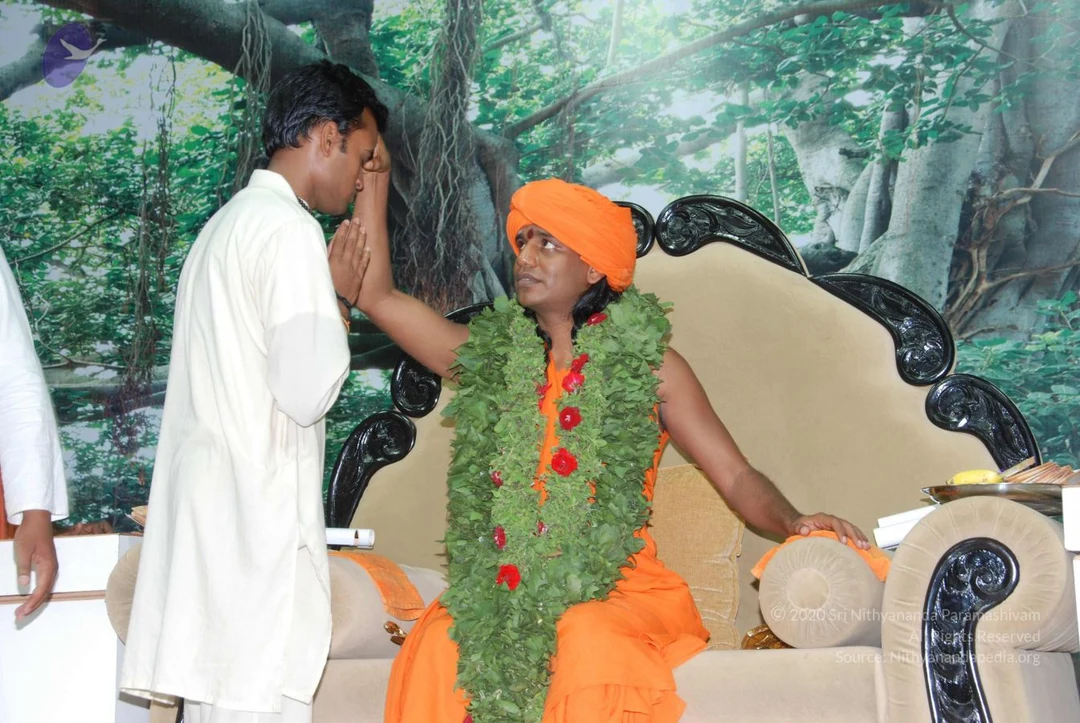
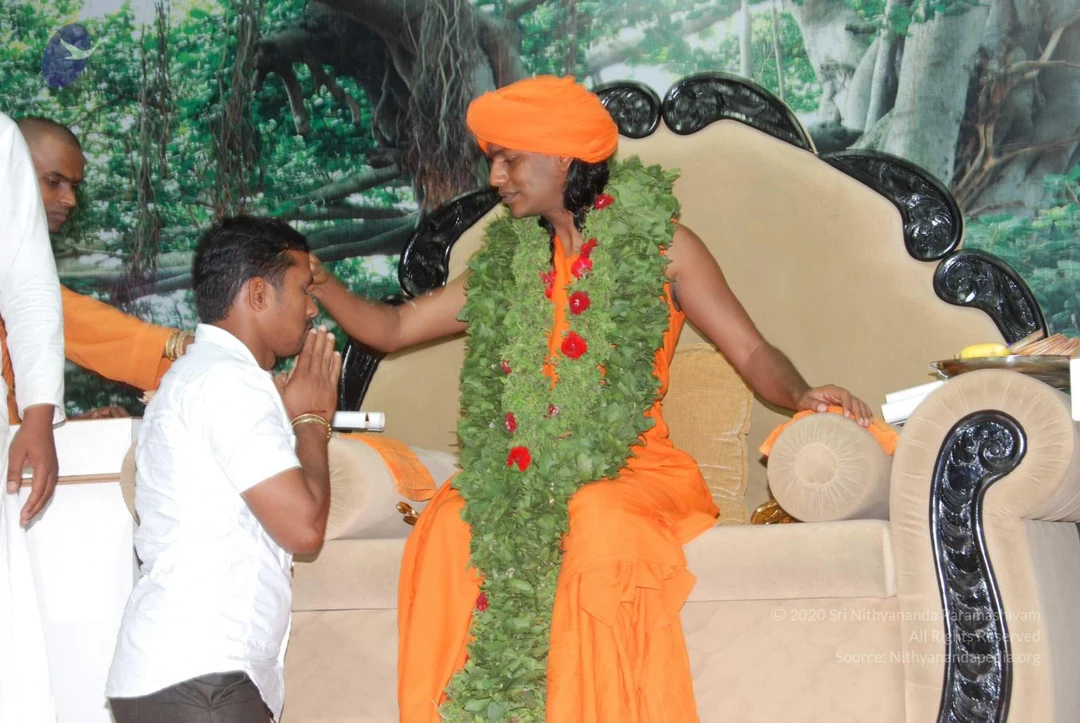
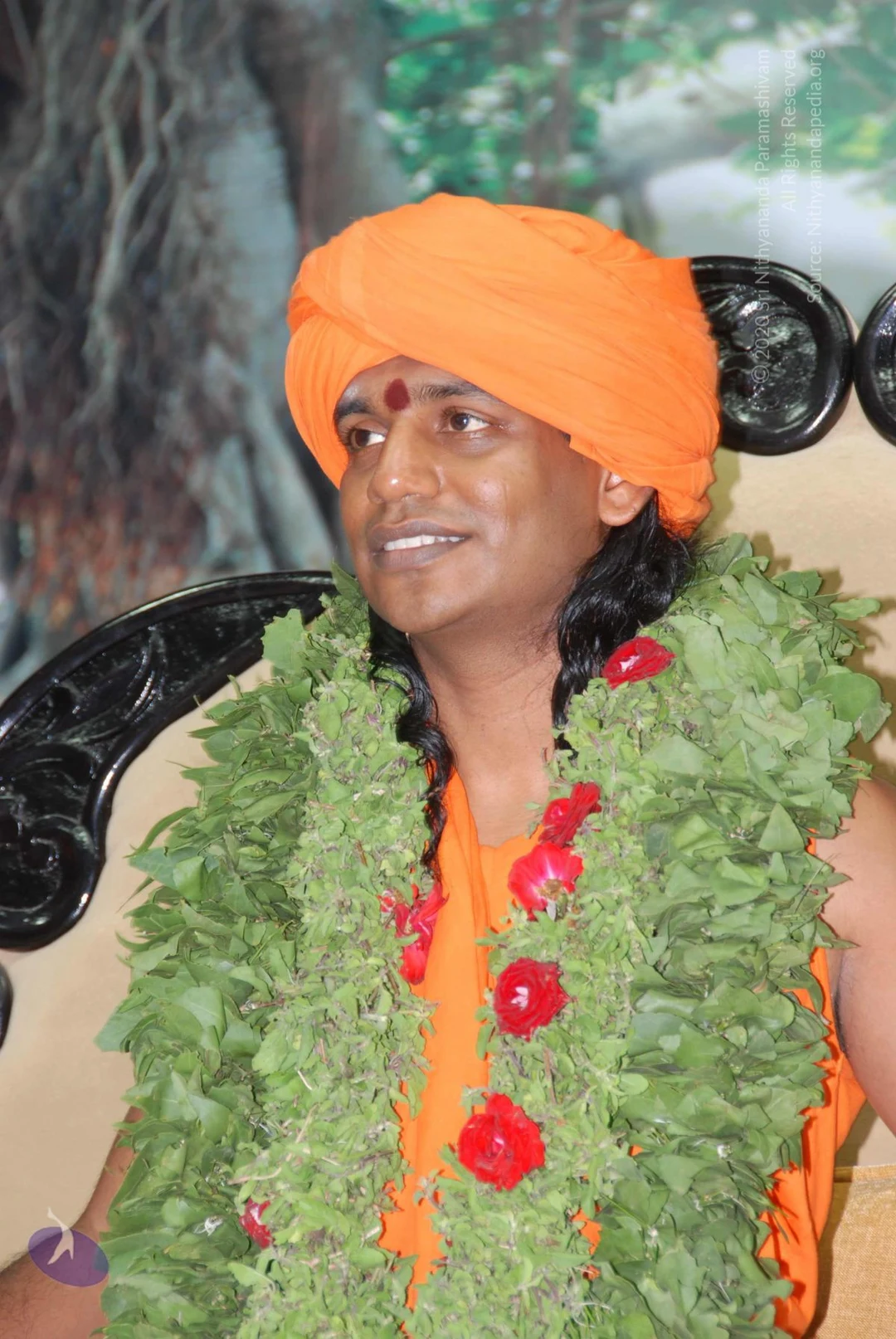

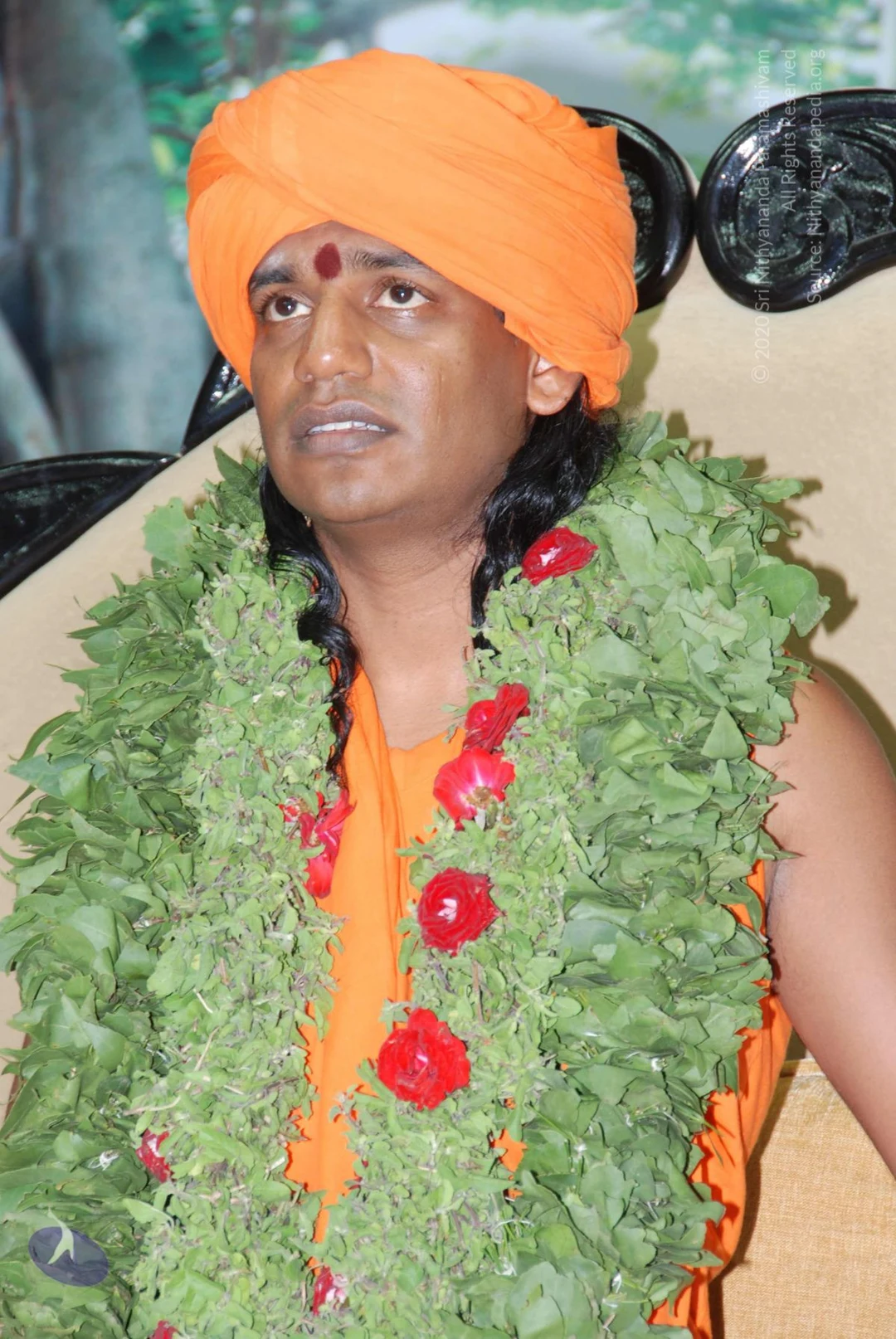
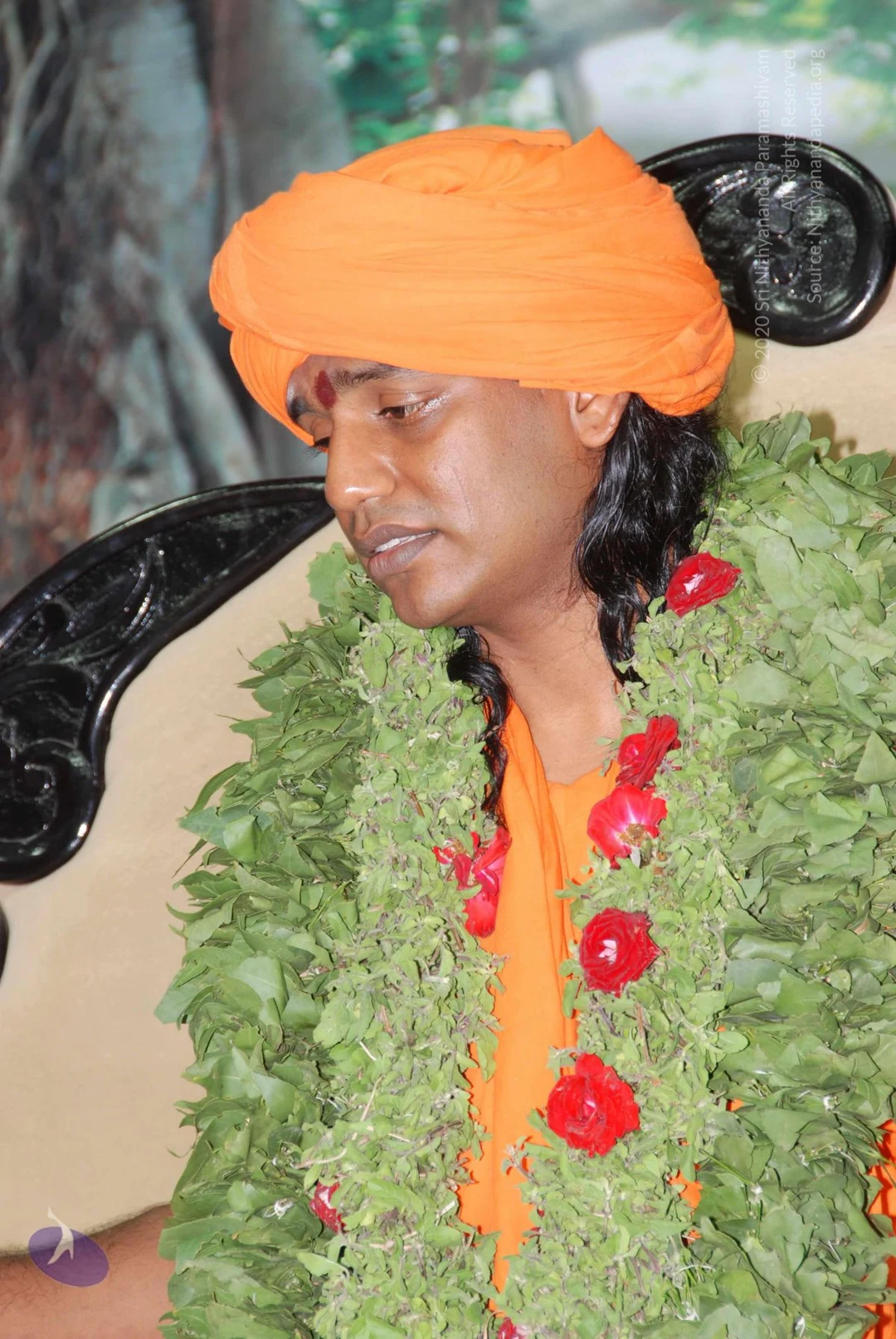
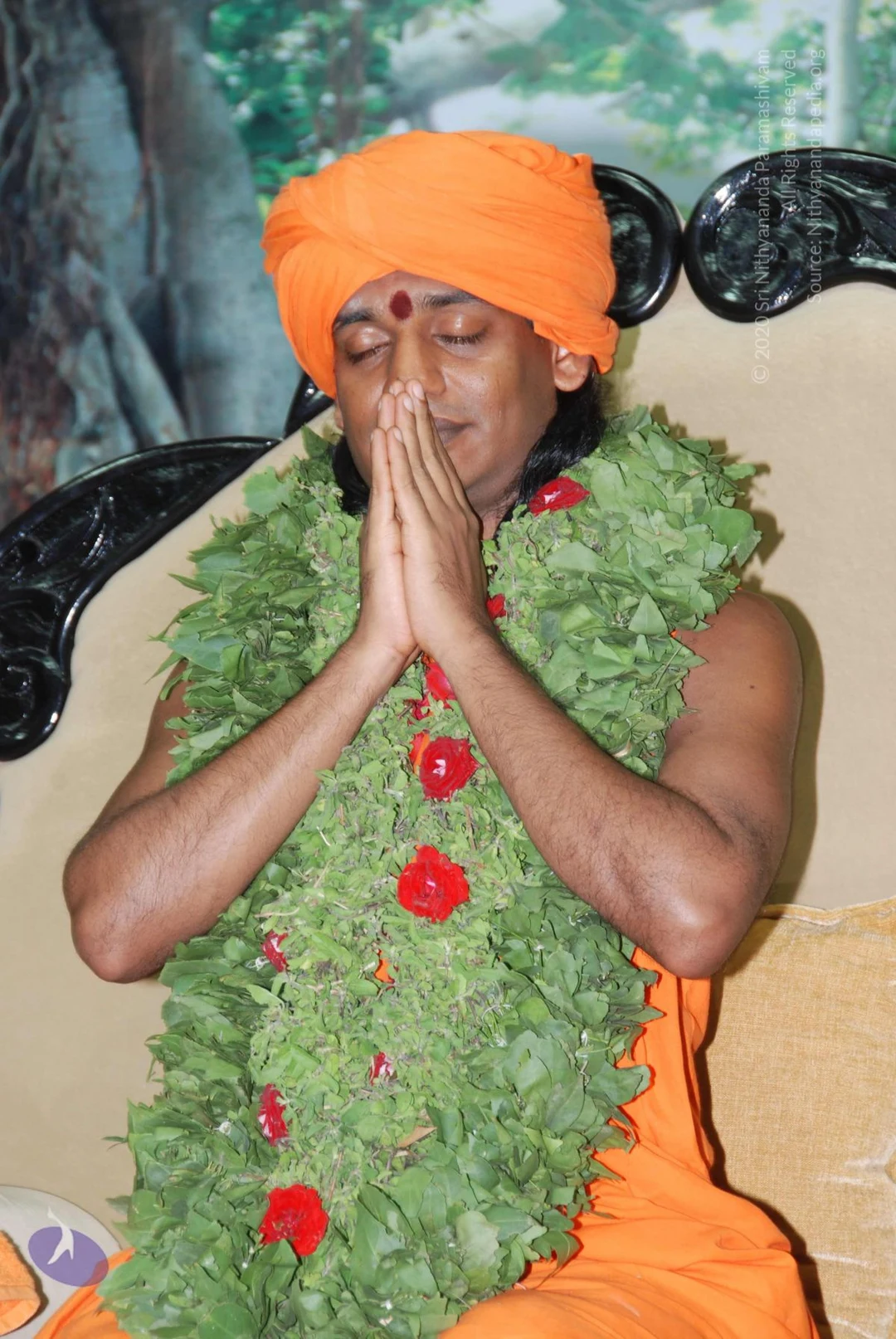
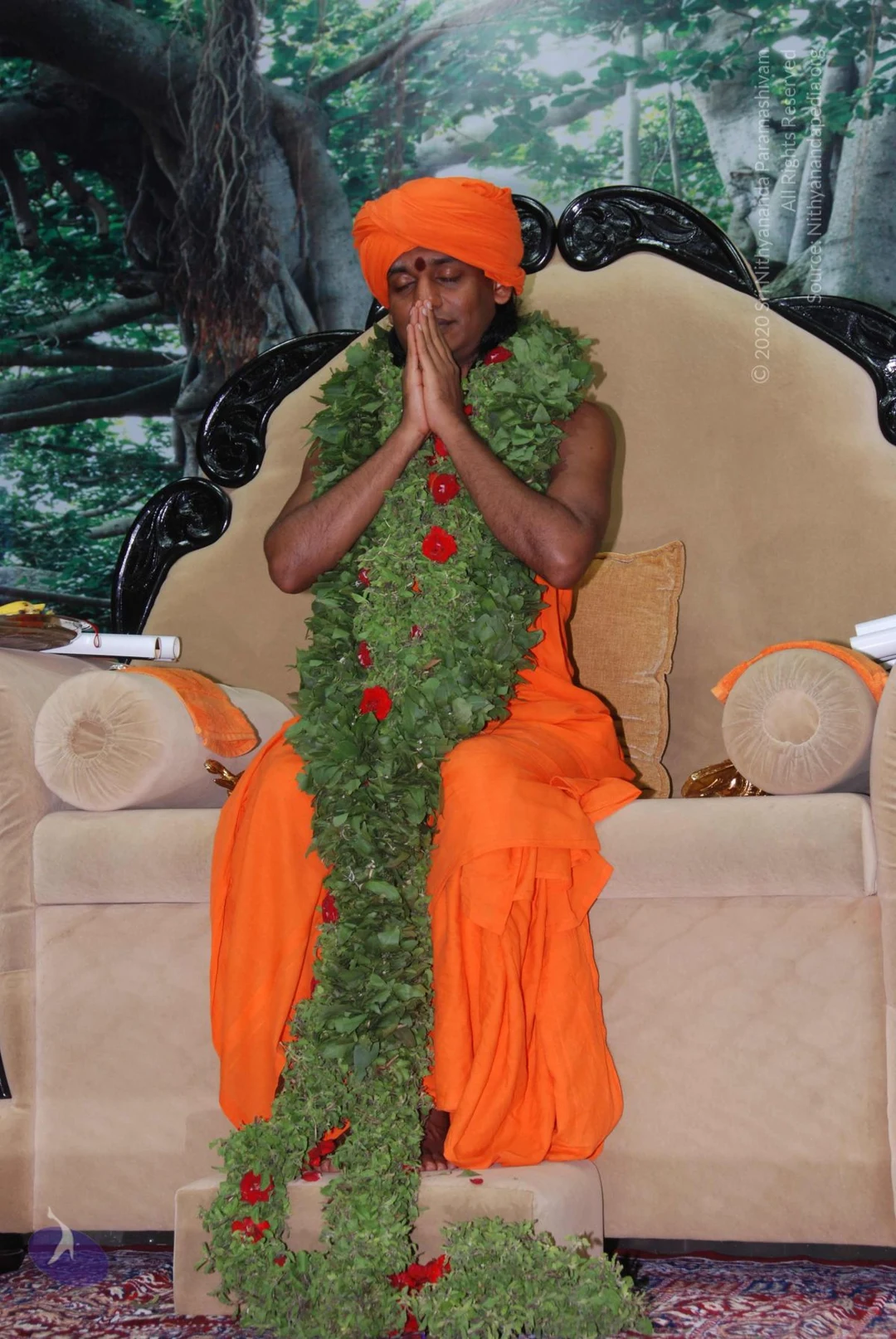
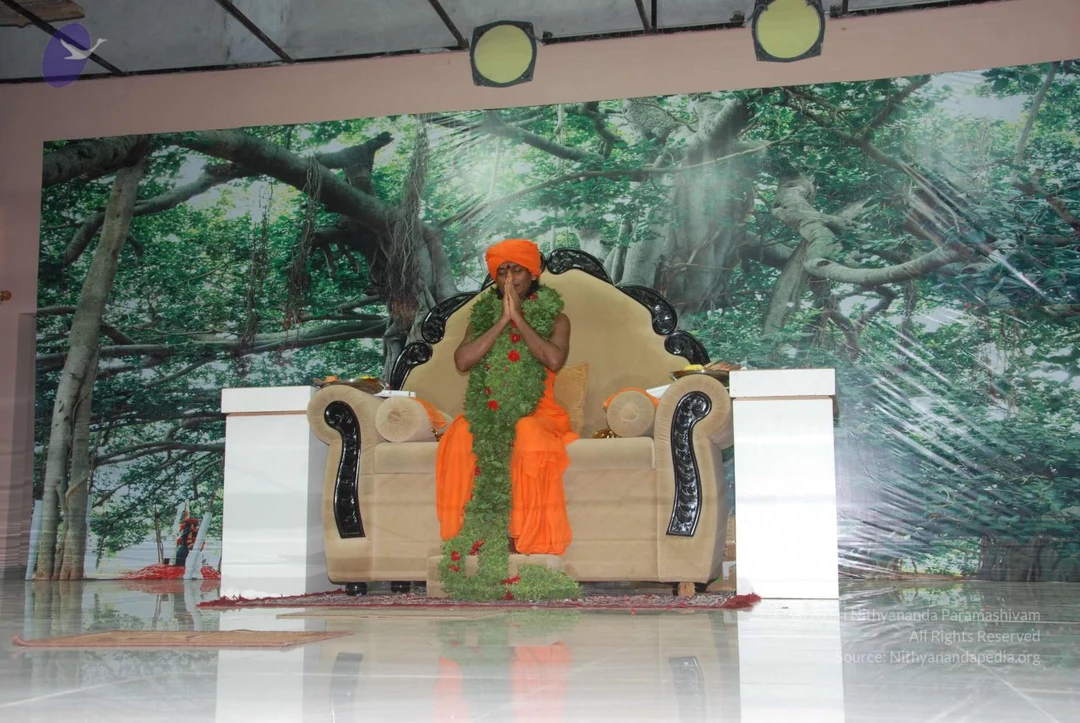
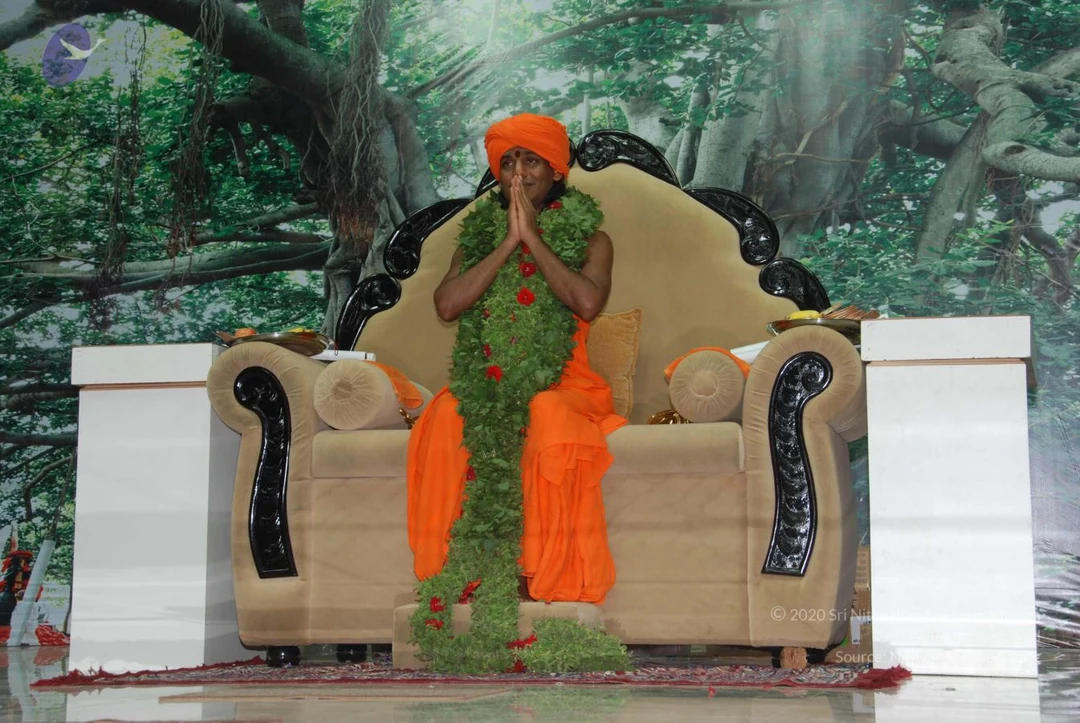
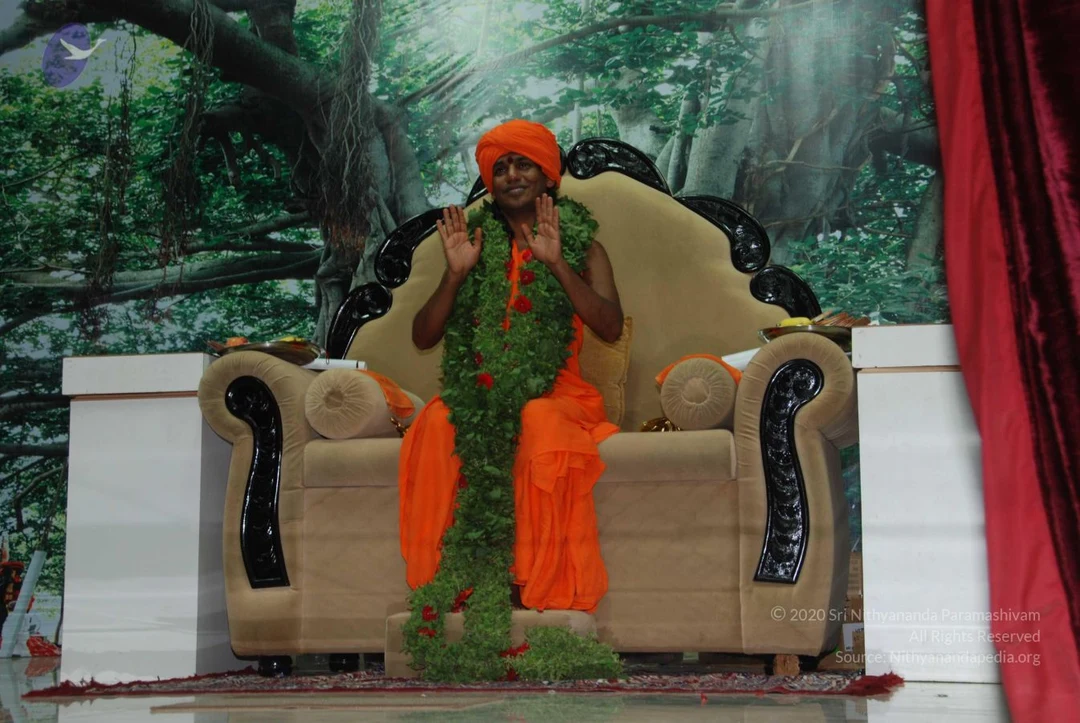
Pancha-Tapas
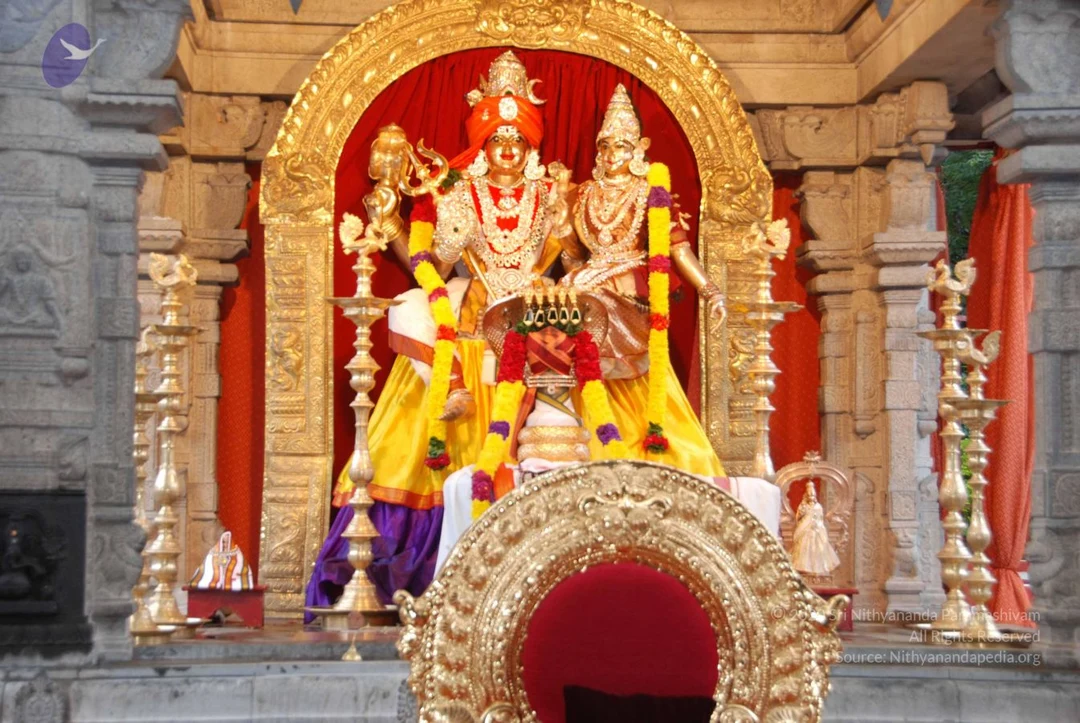
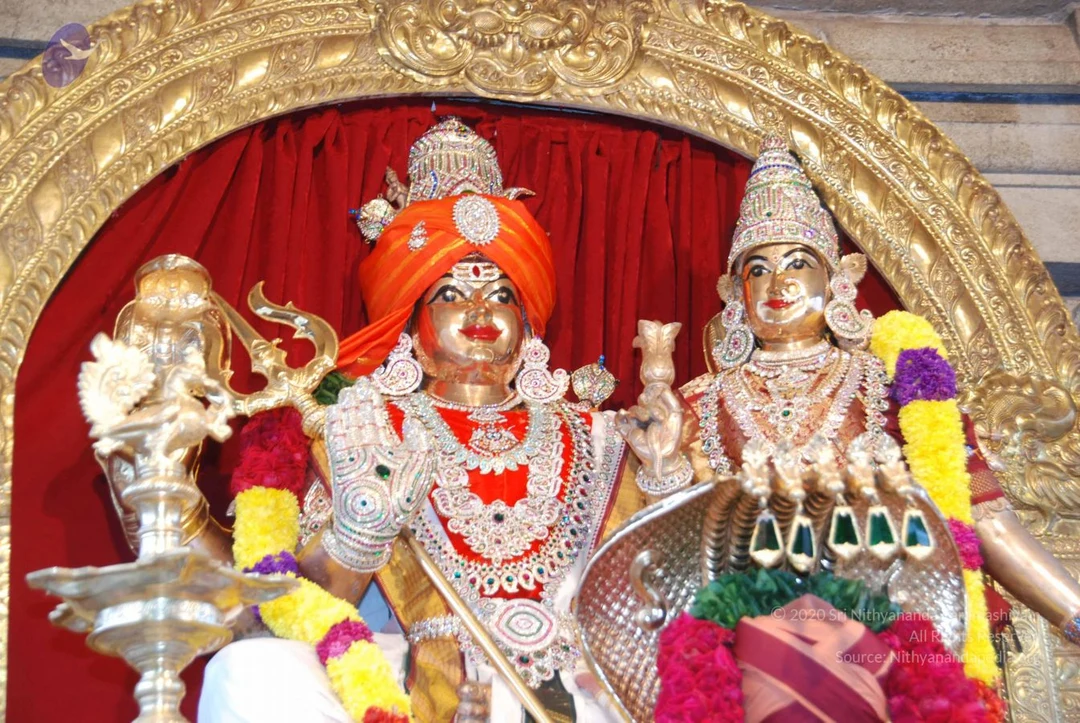
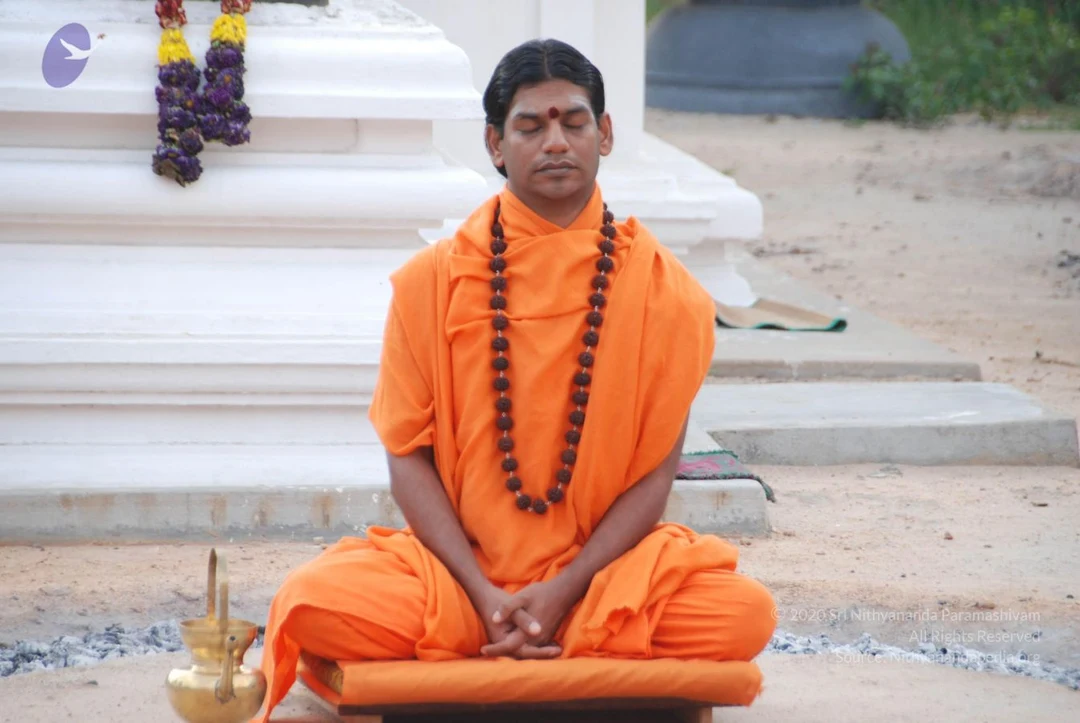
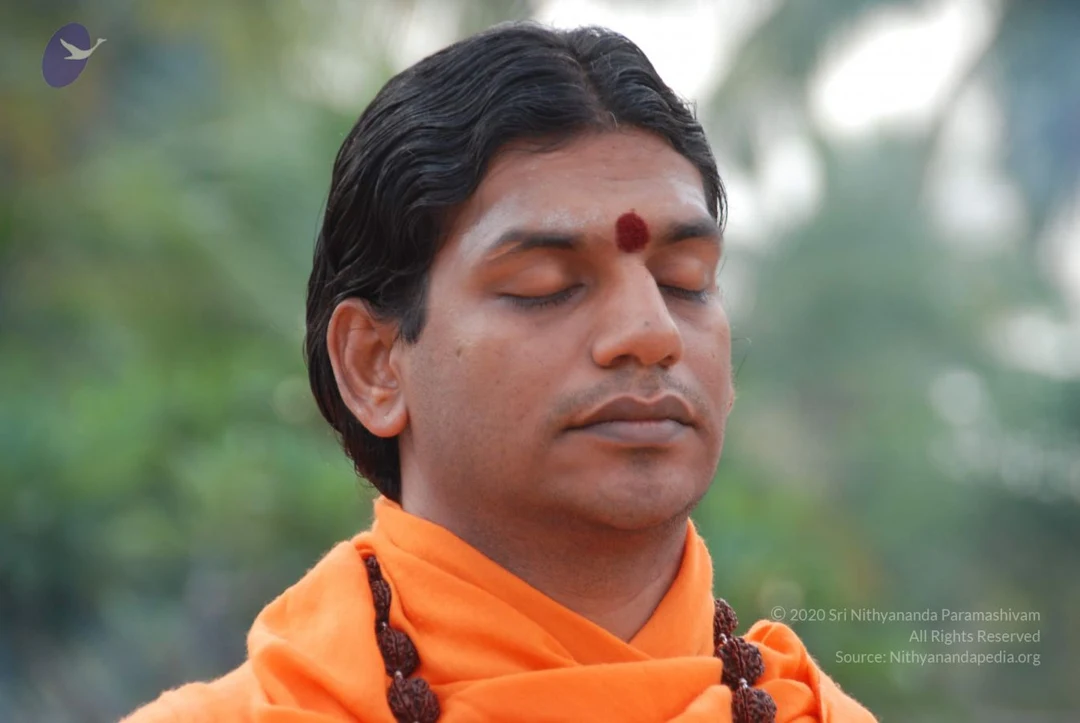
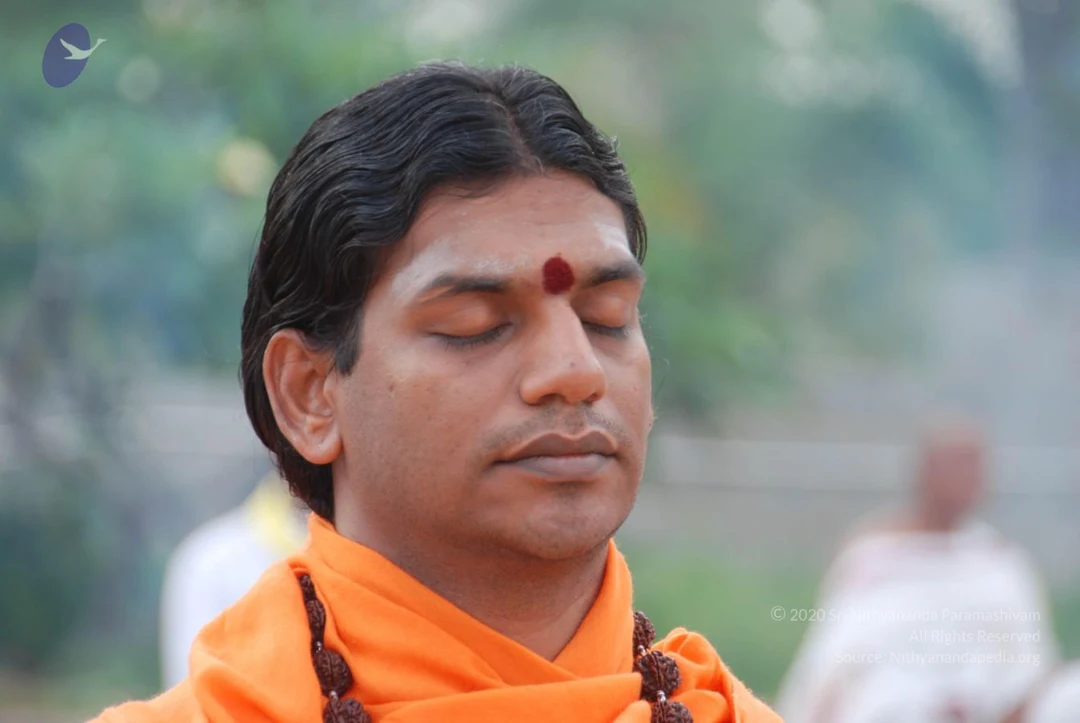
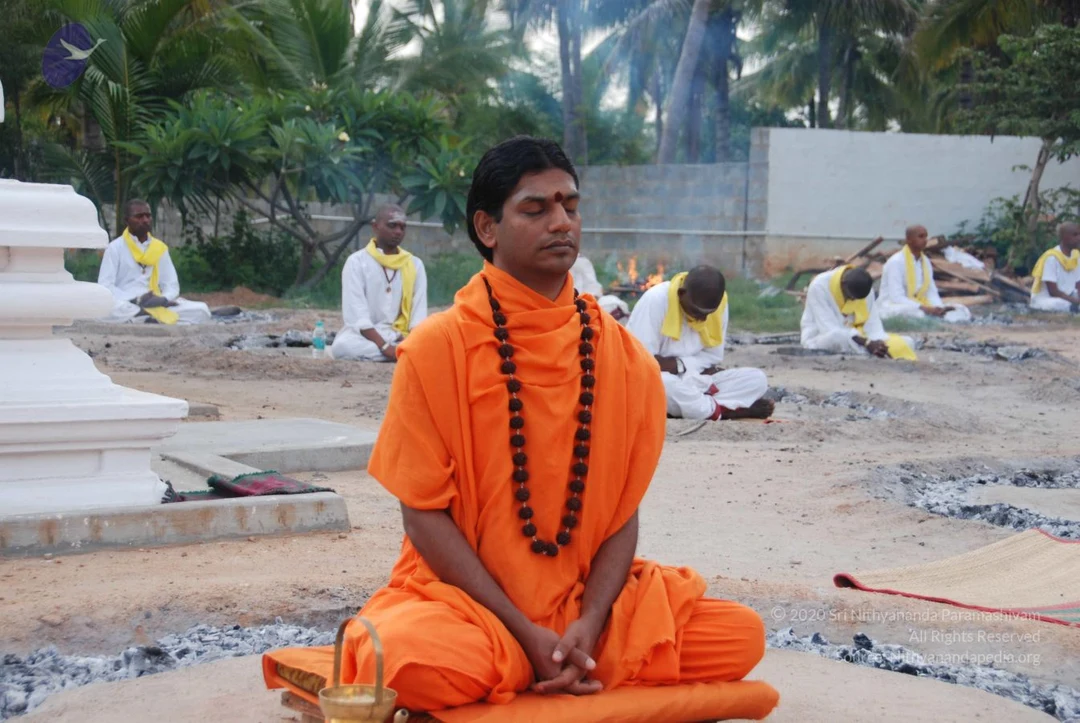
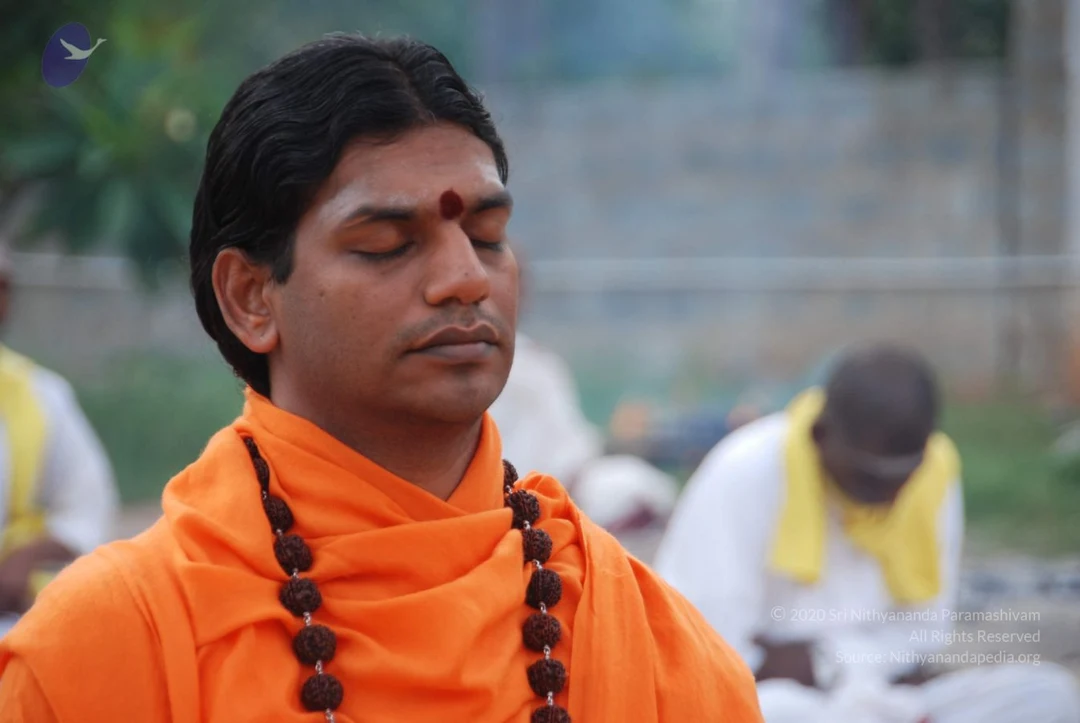
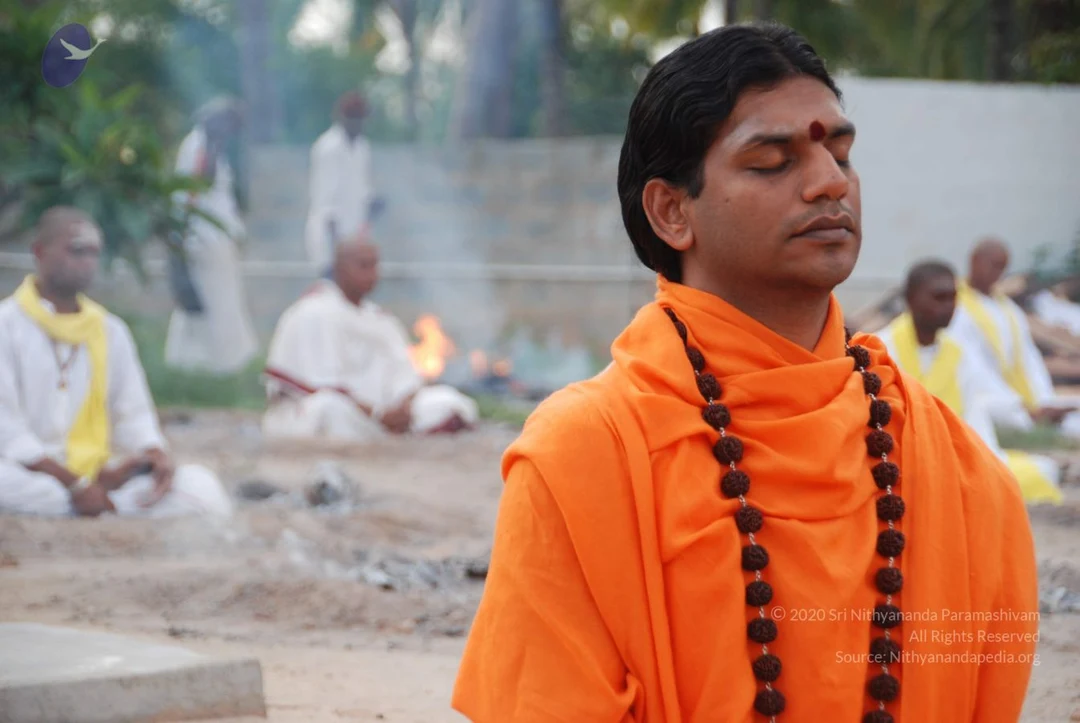
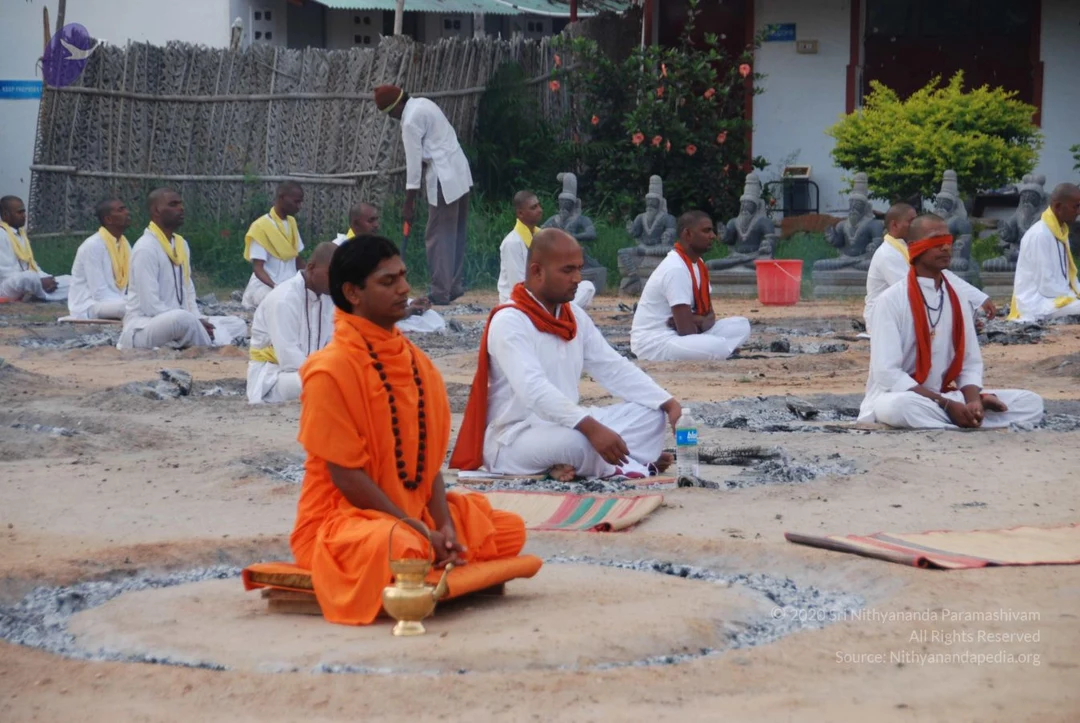
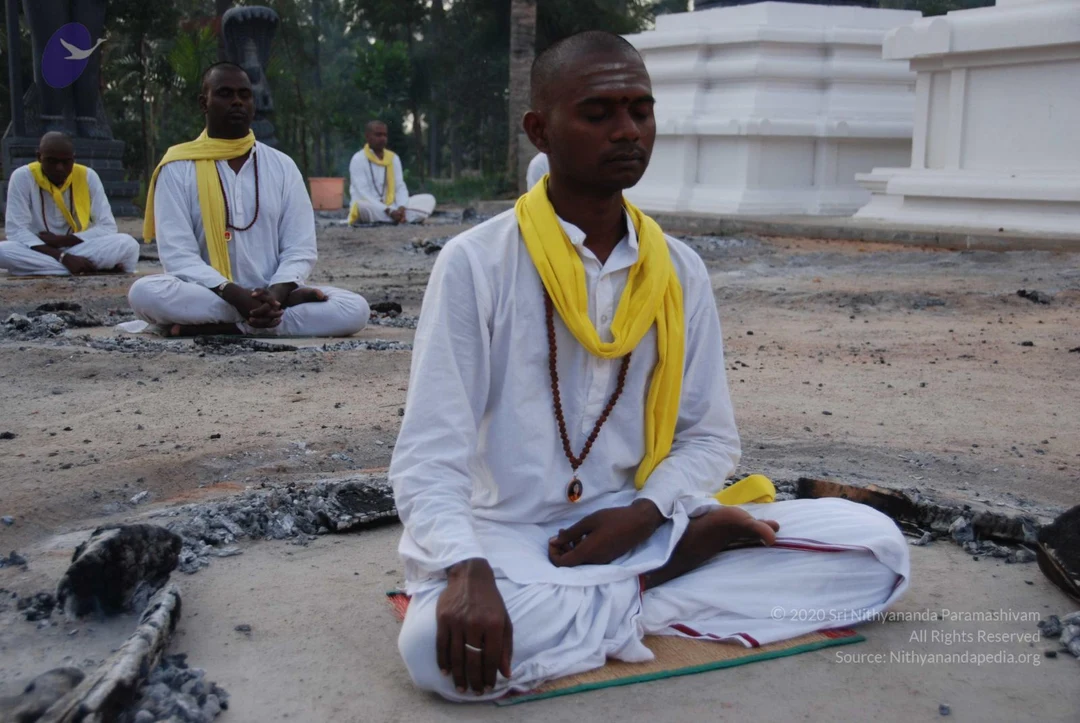
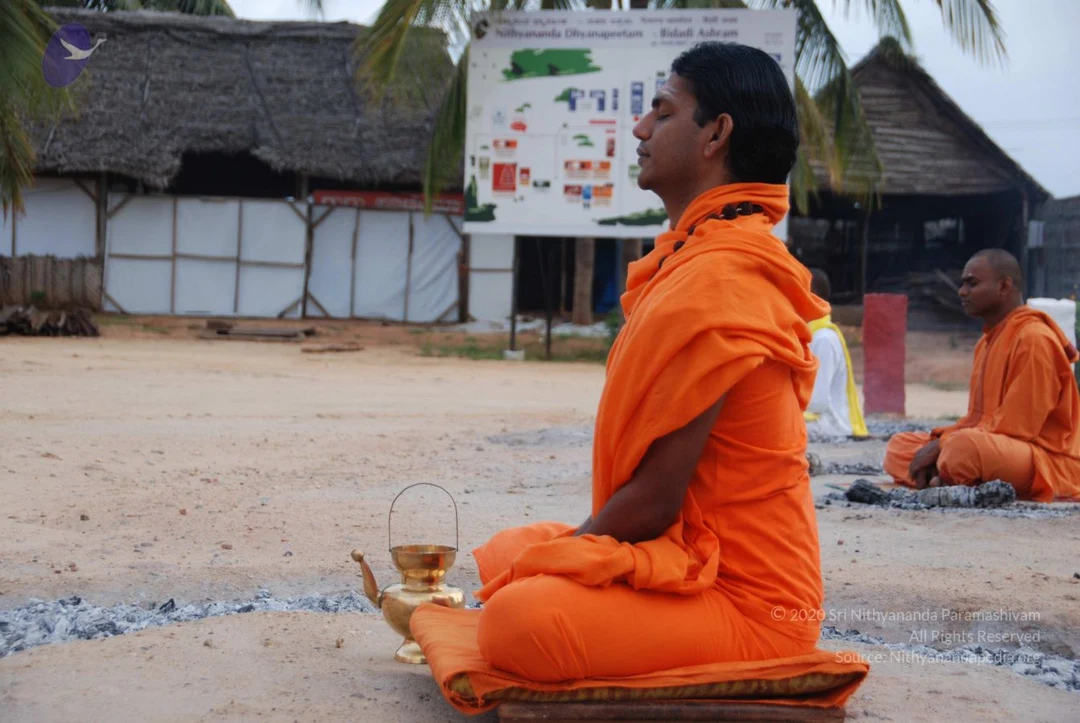
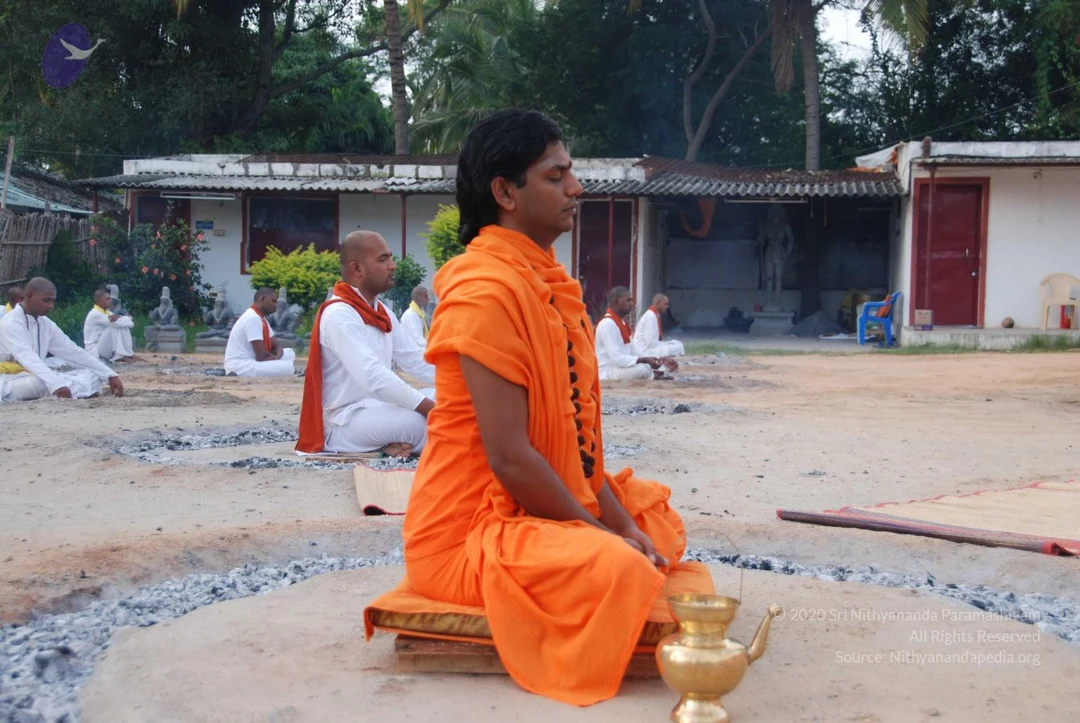
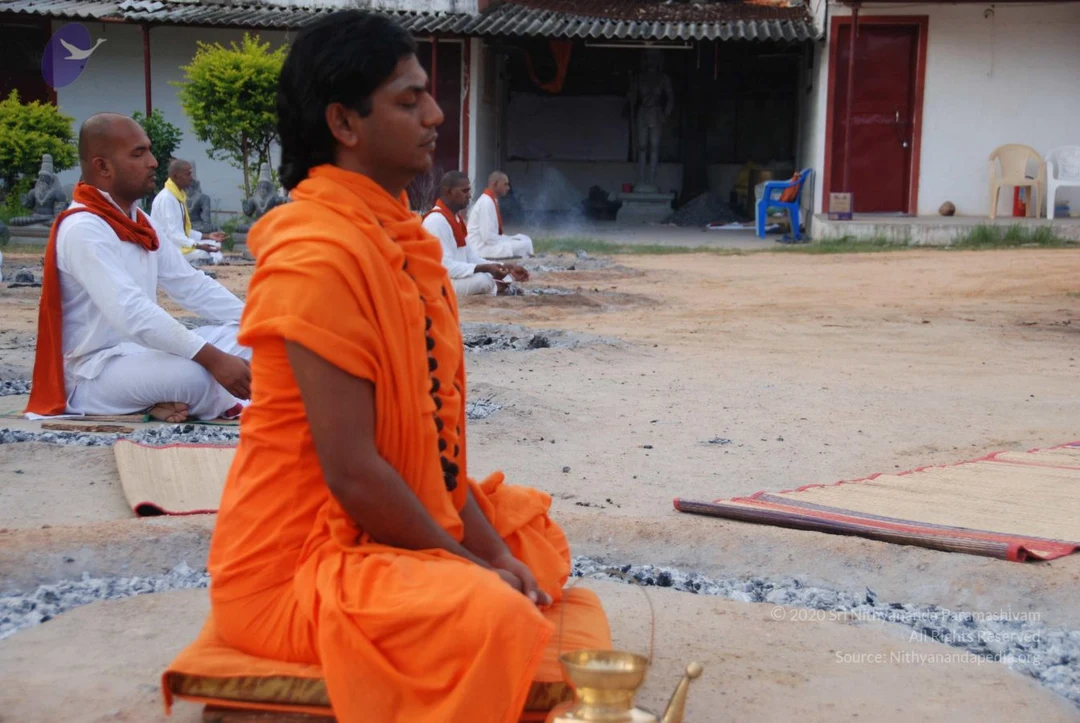
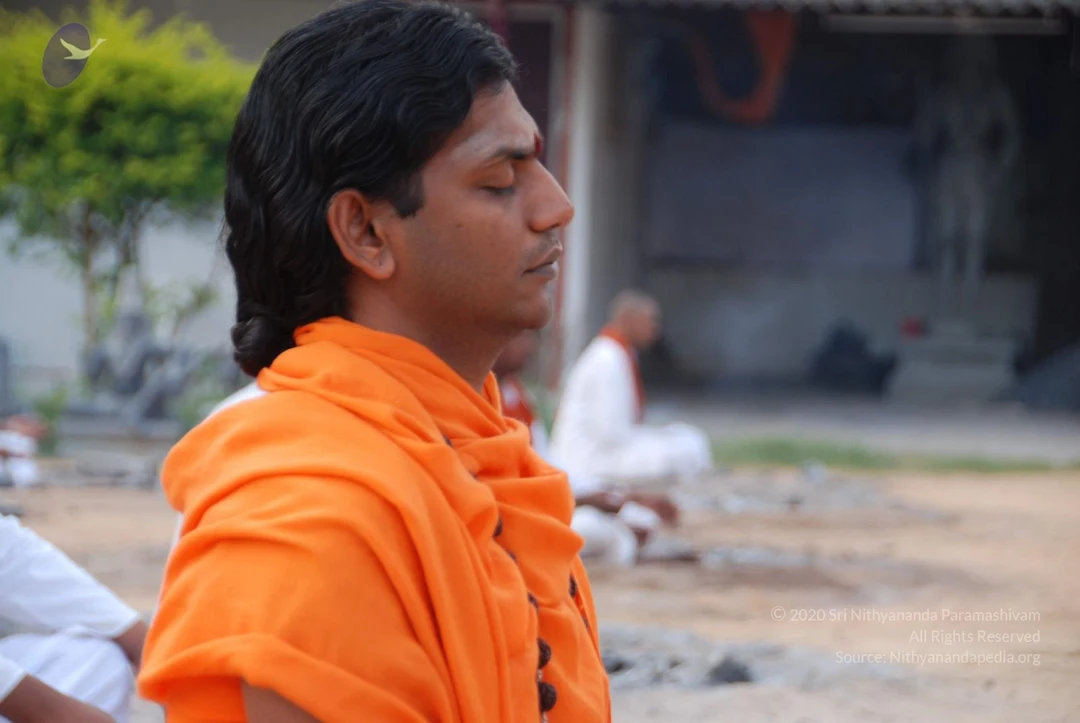
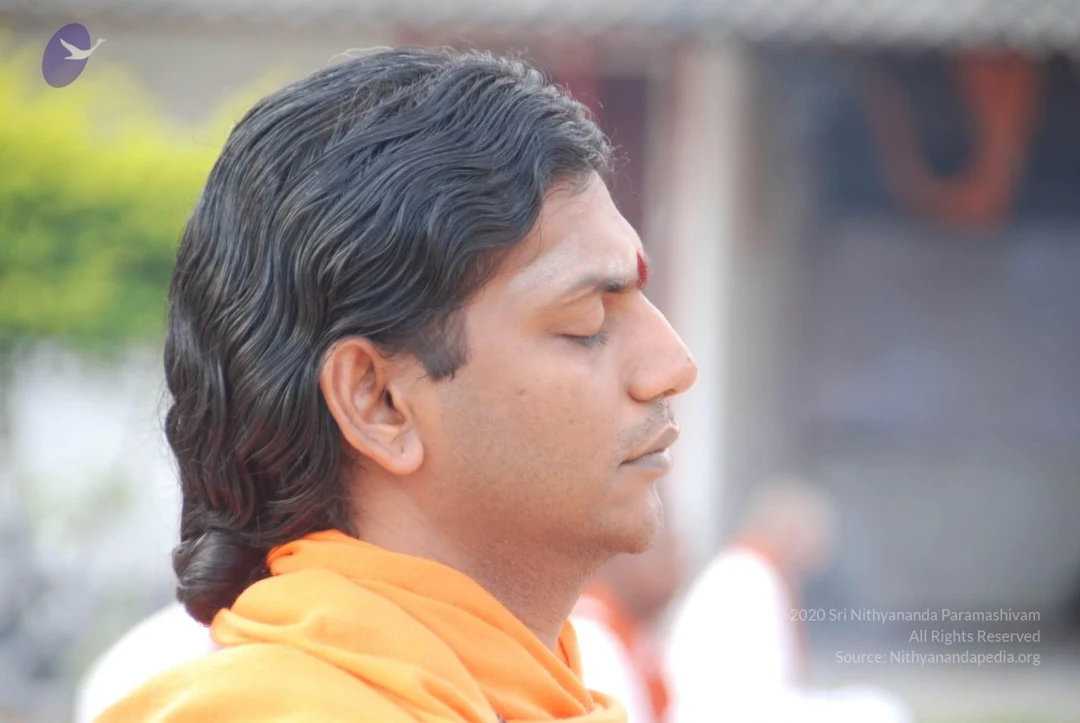
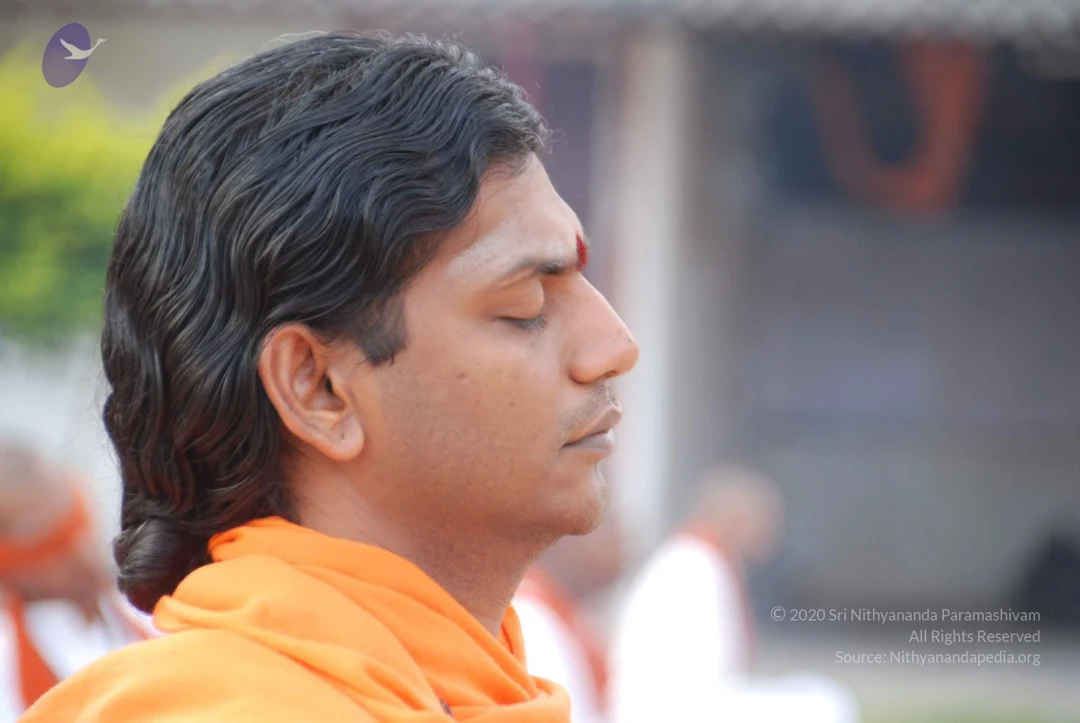
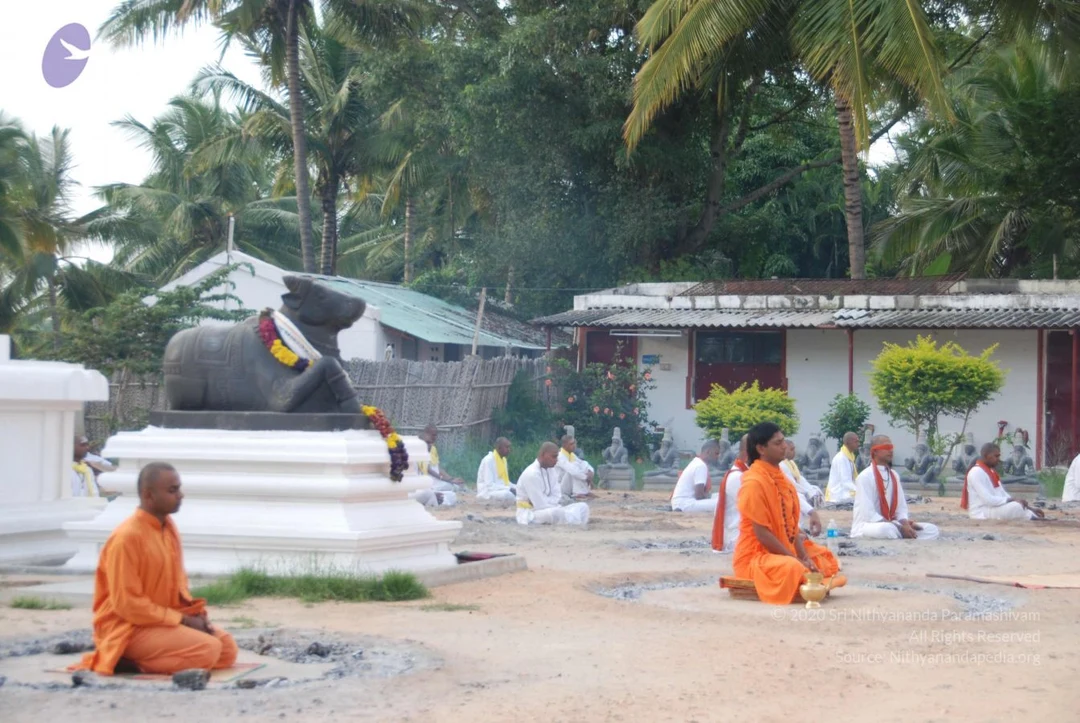
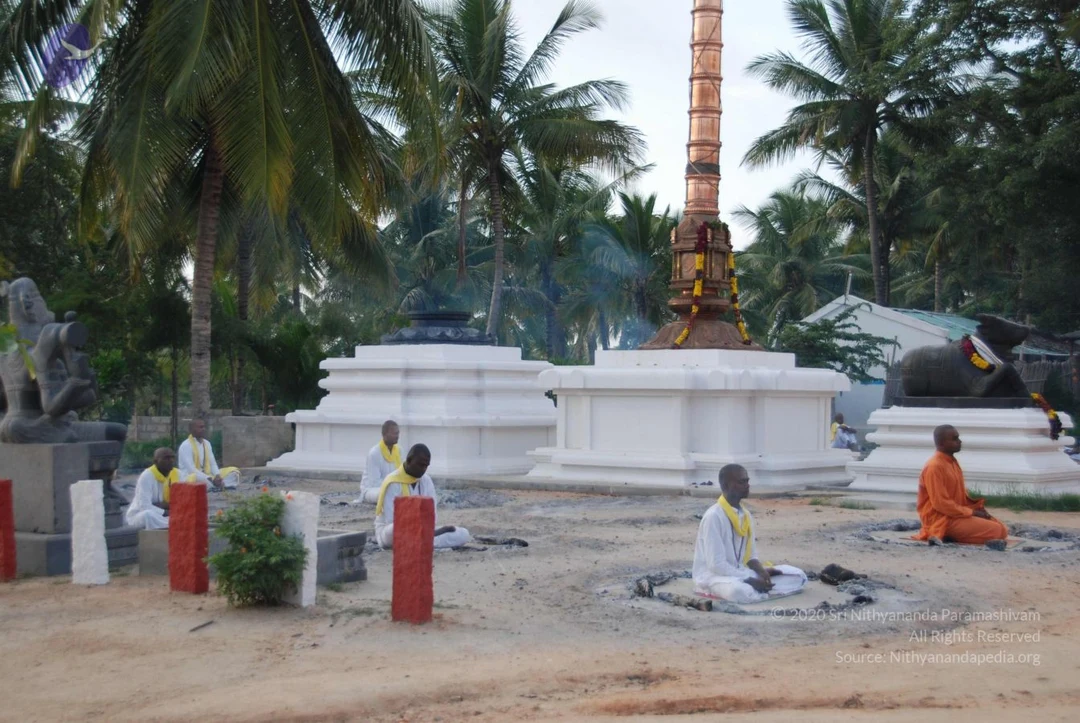
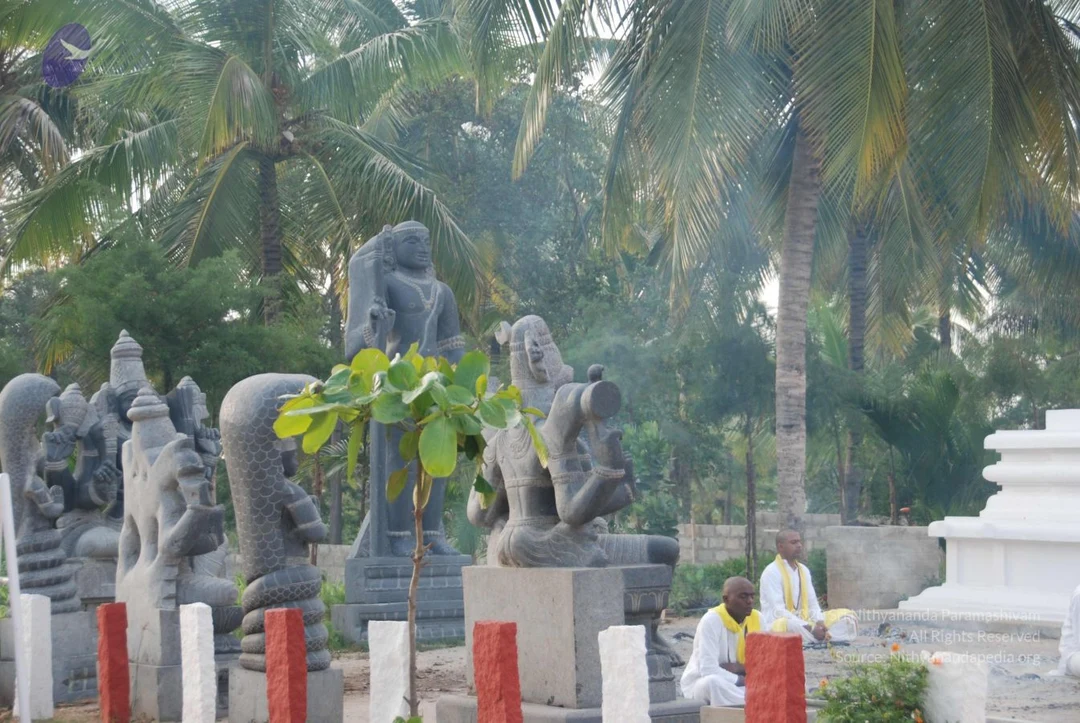
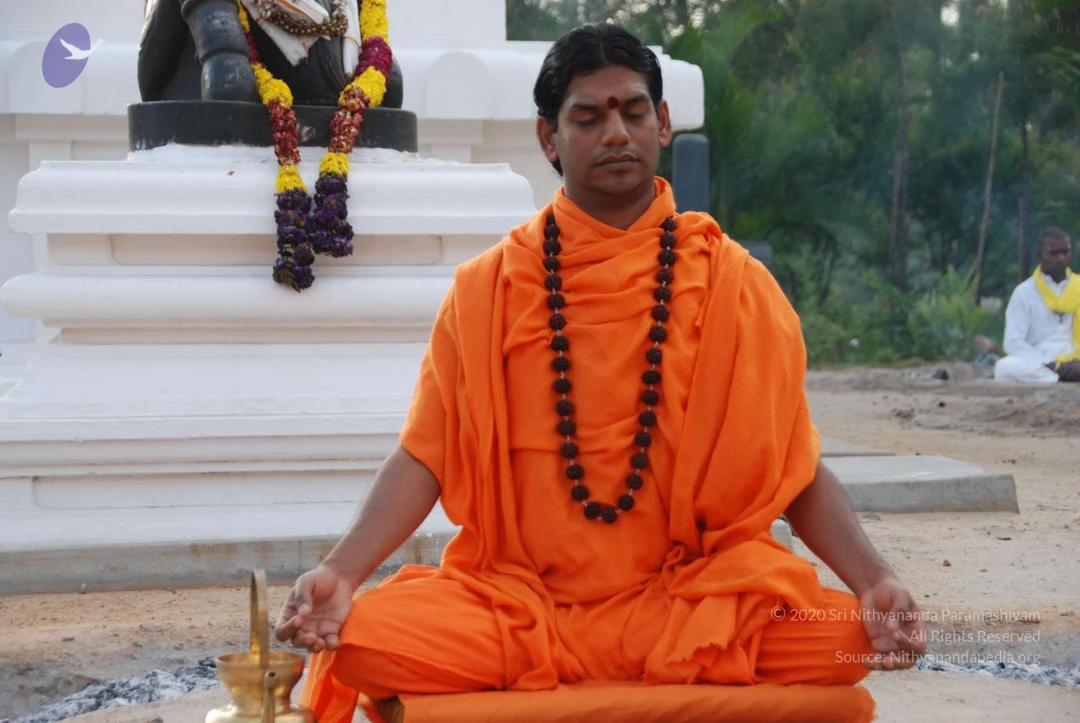
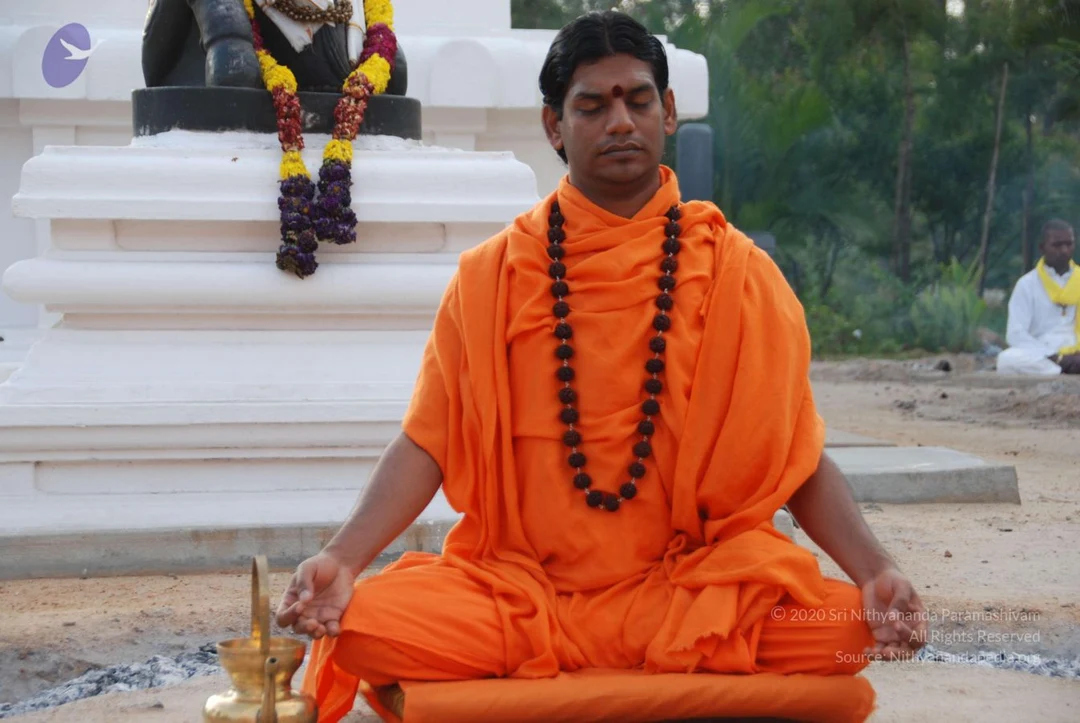
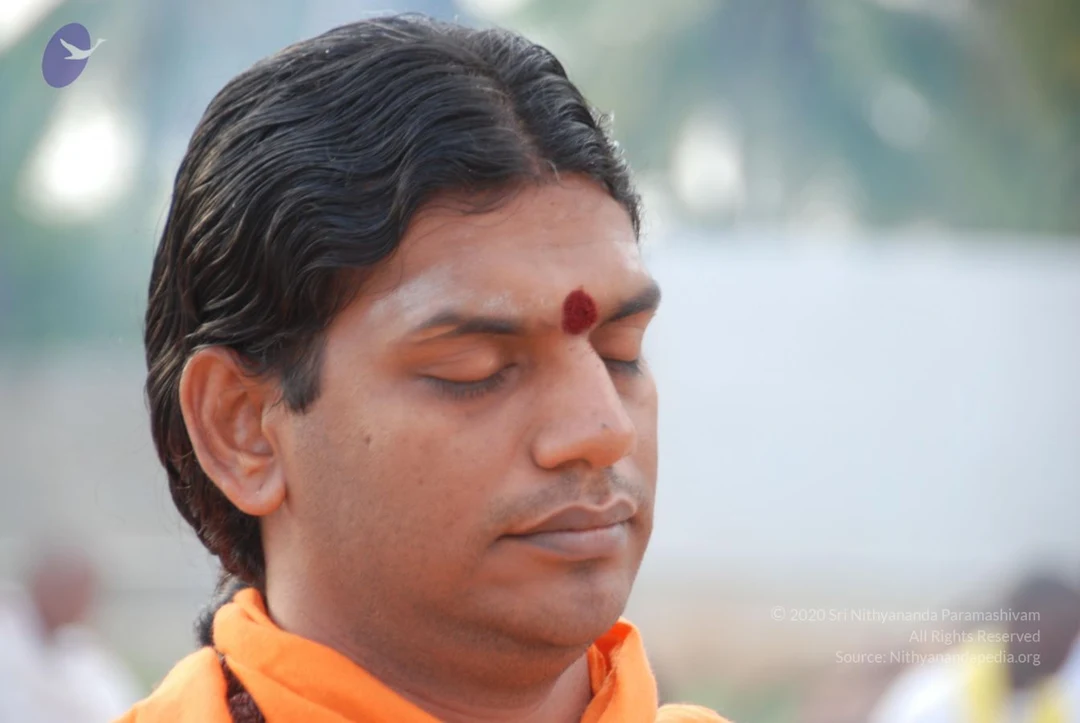
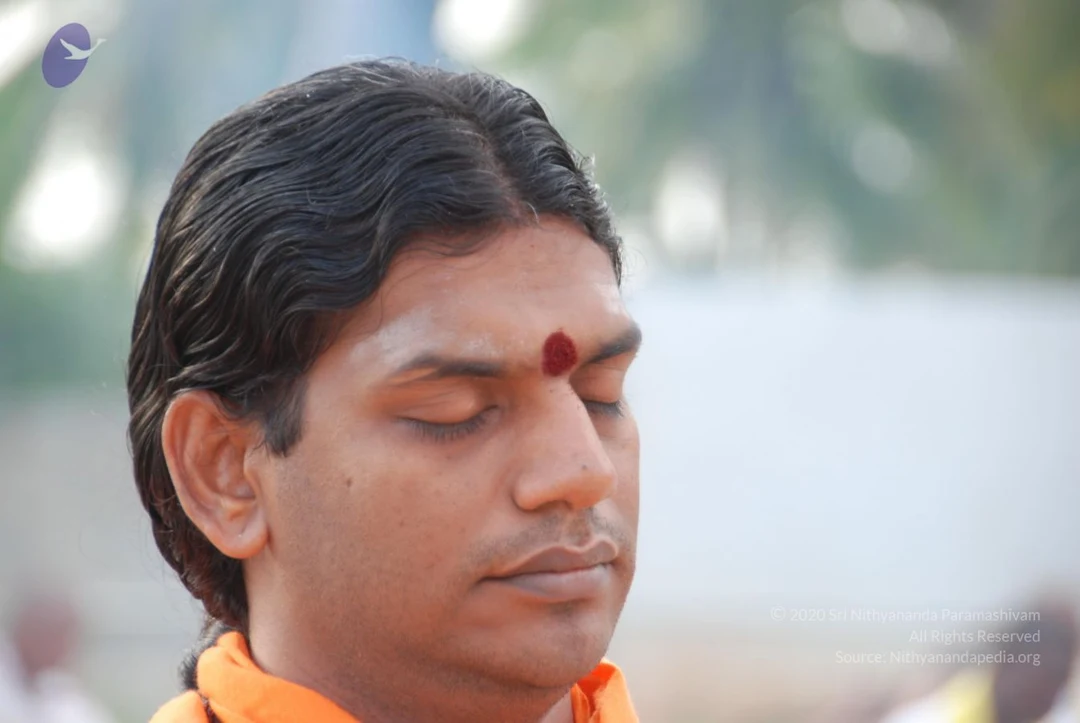
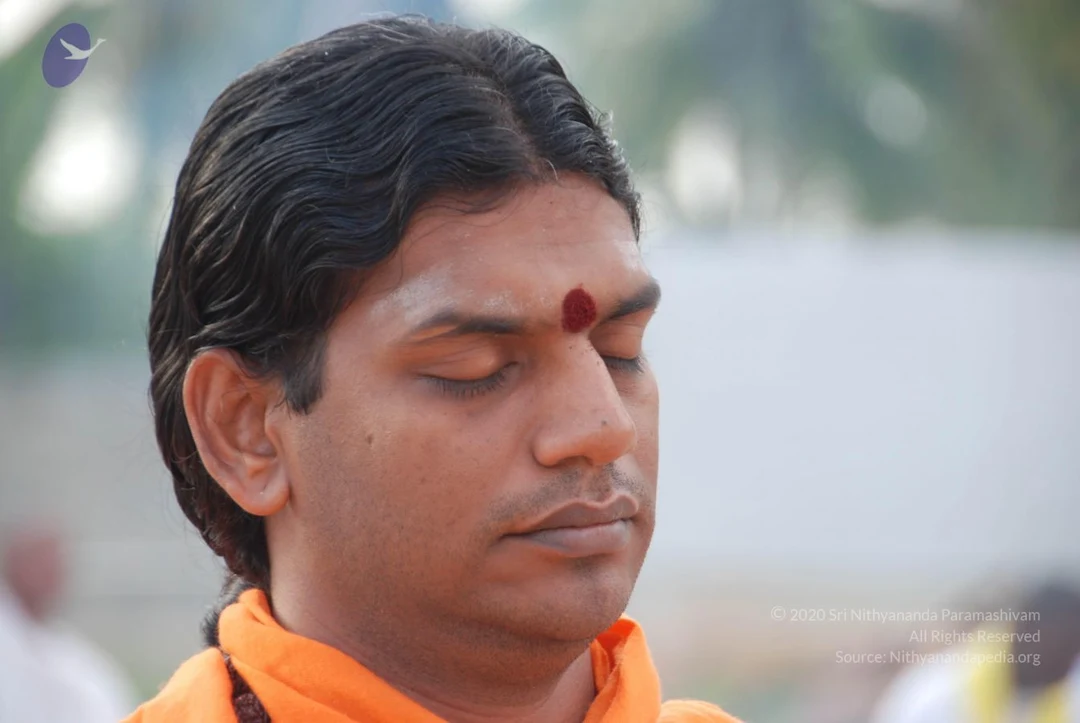
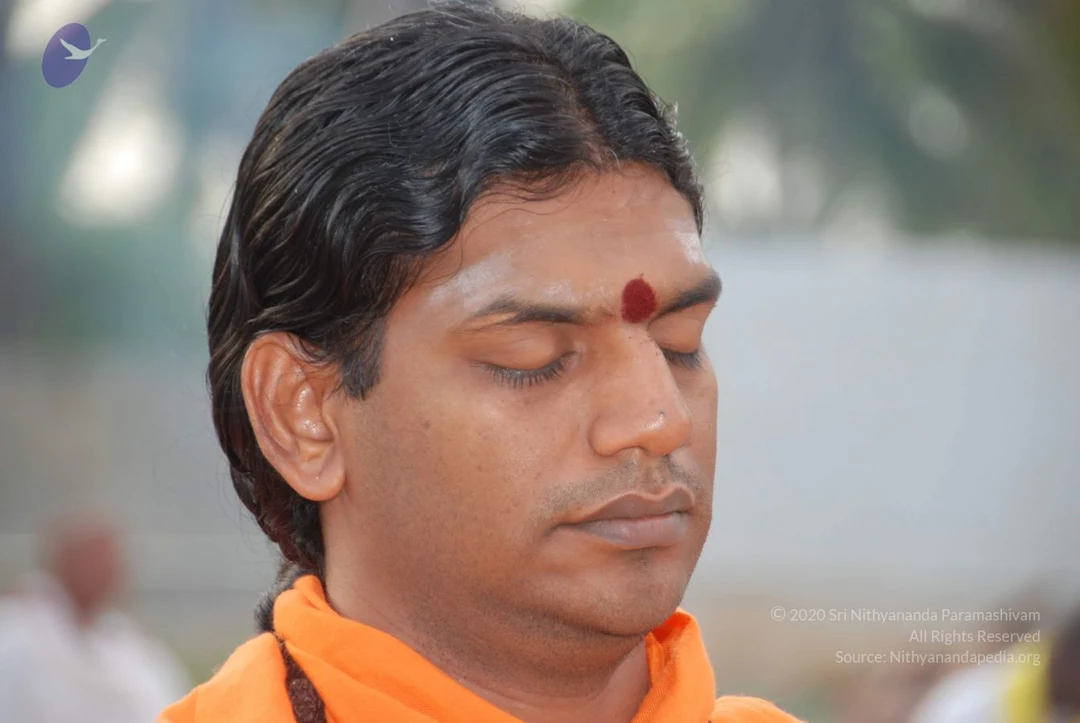
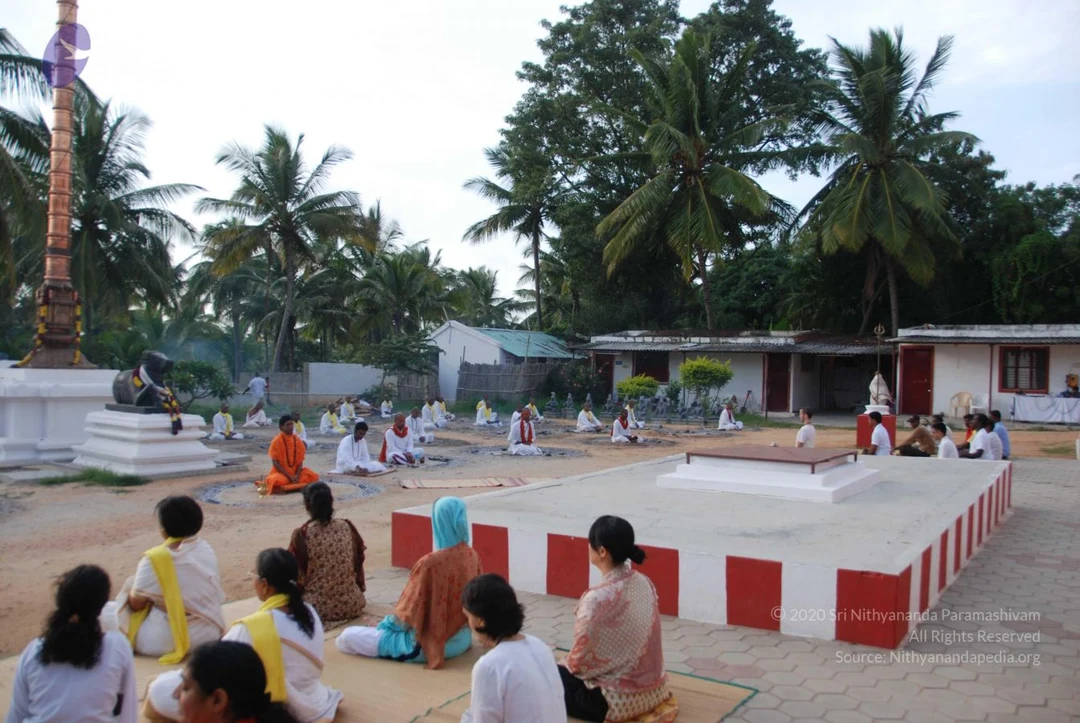
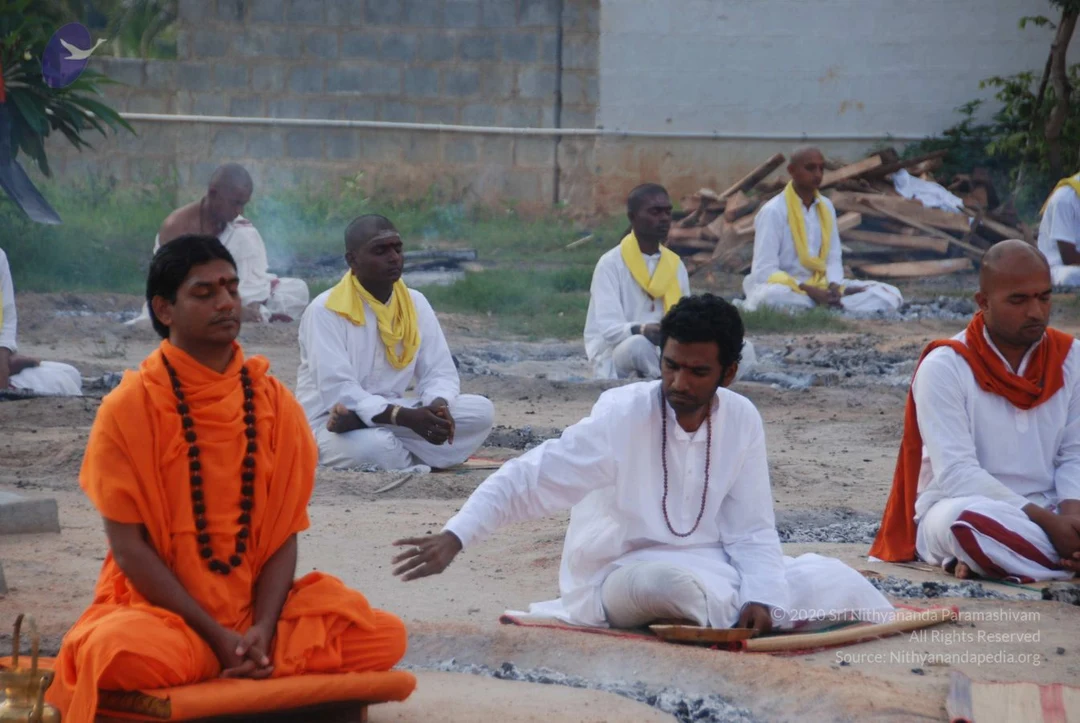
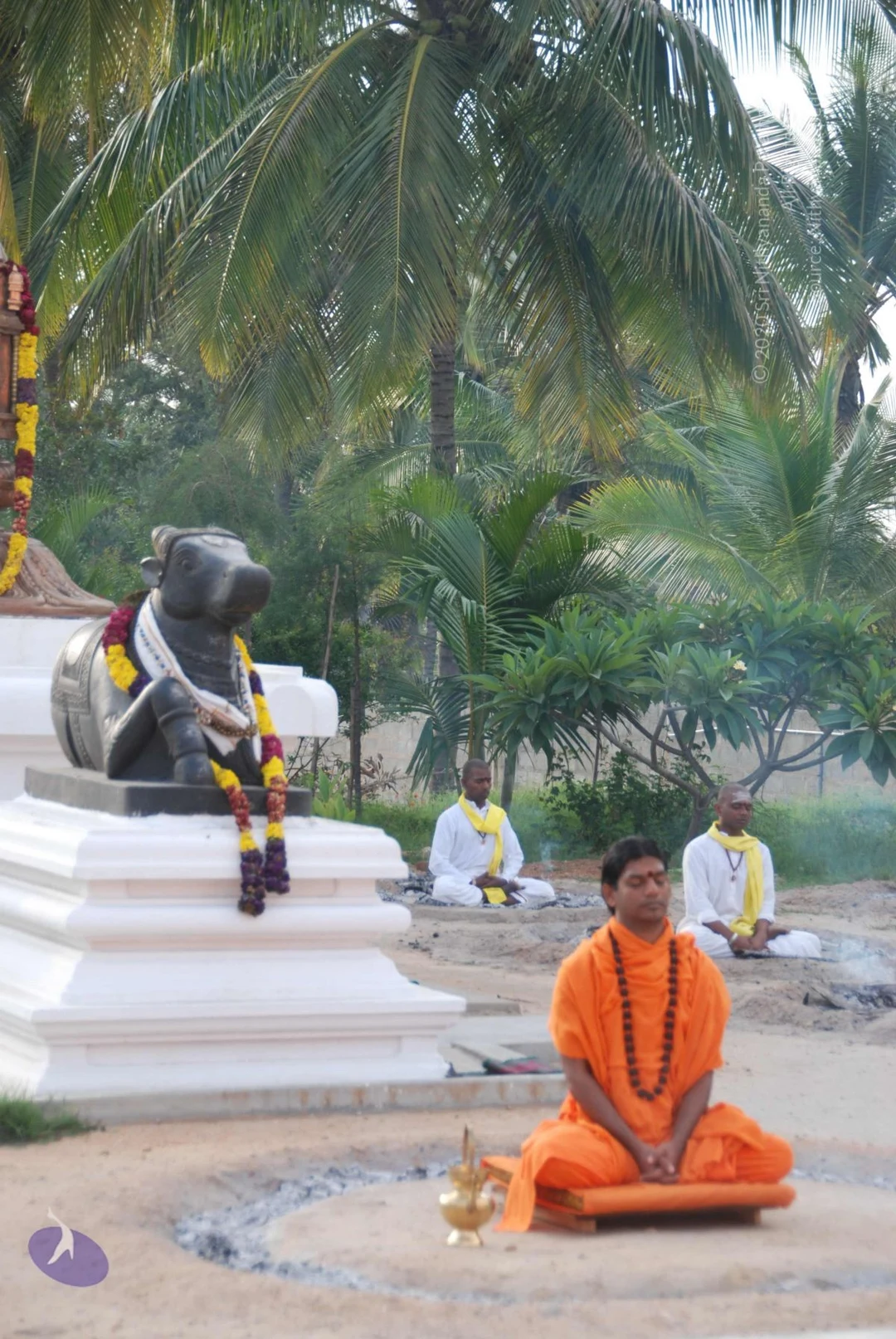
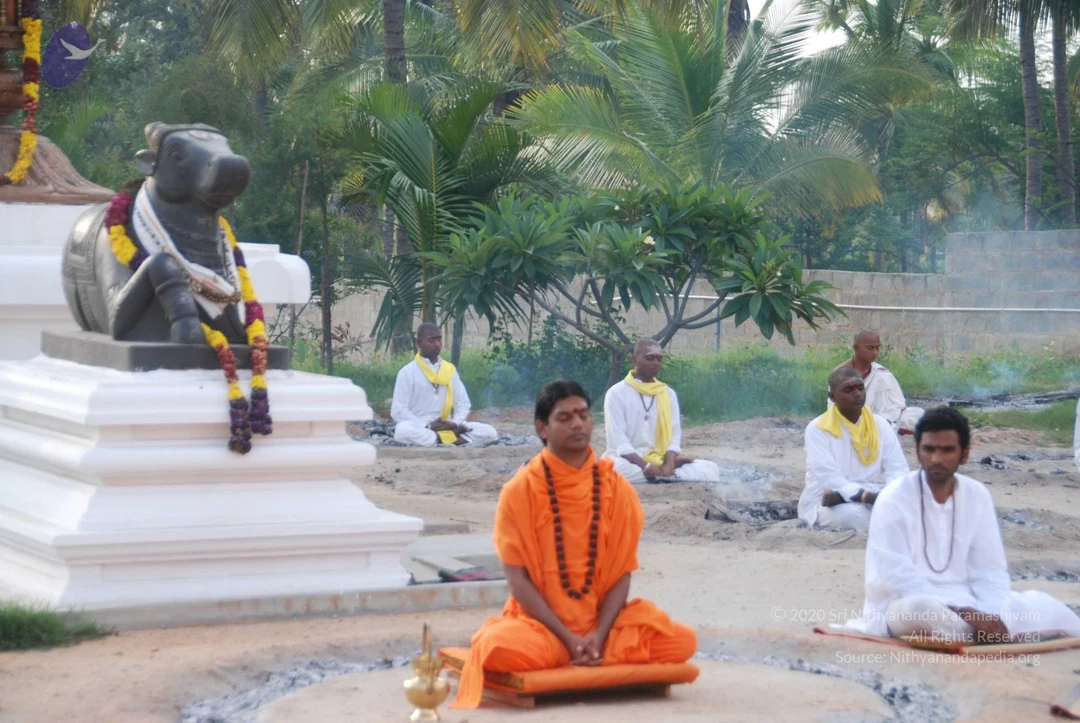
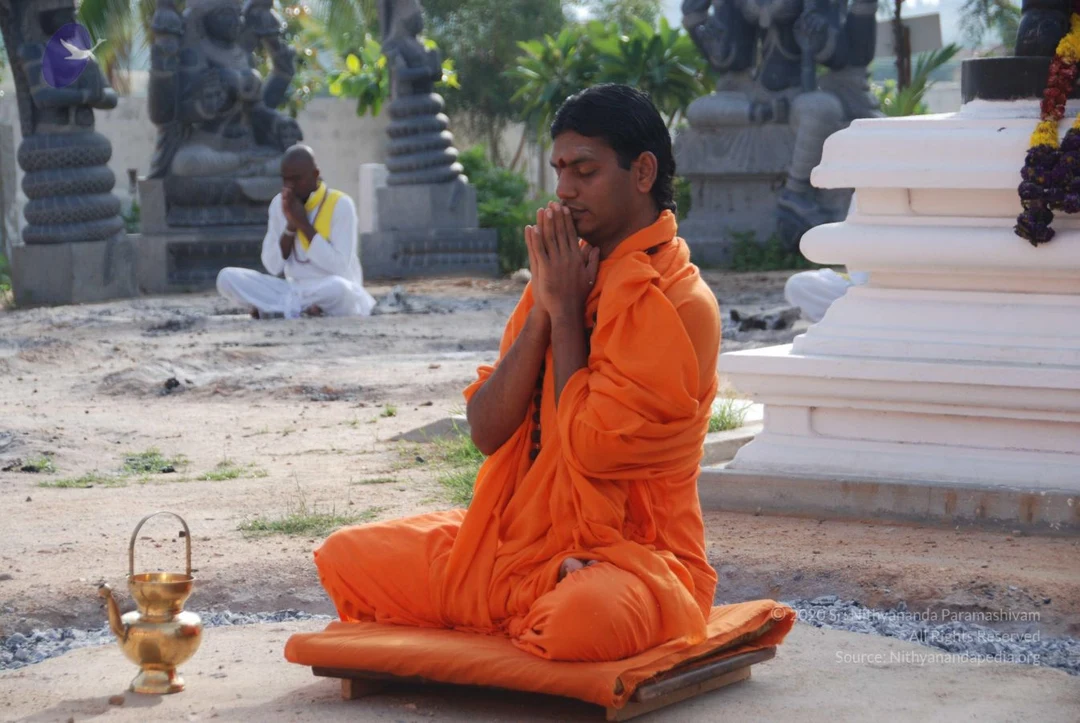
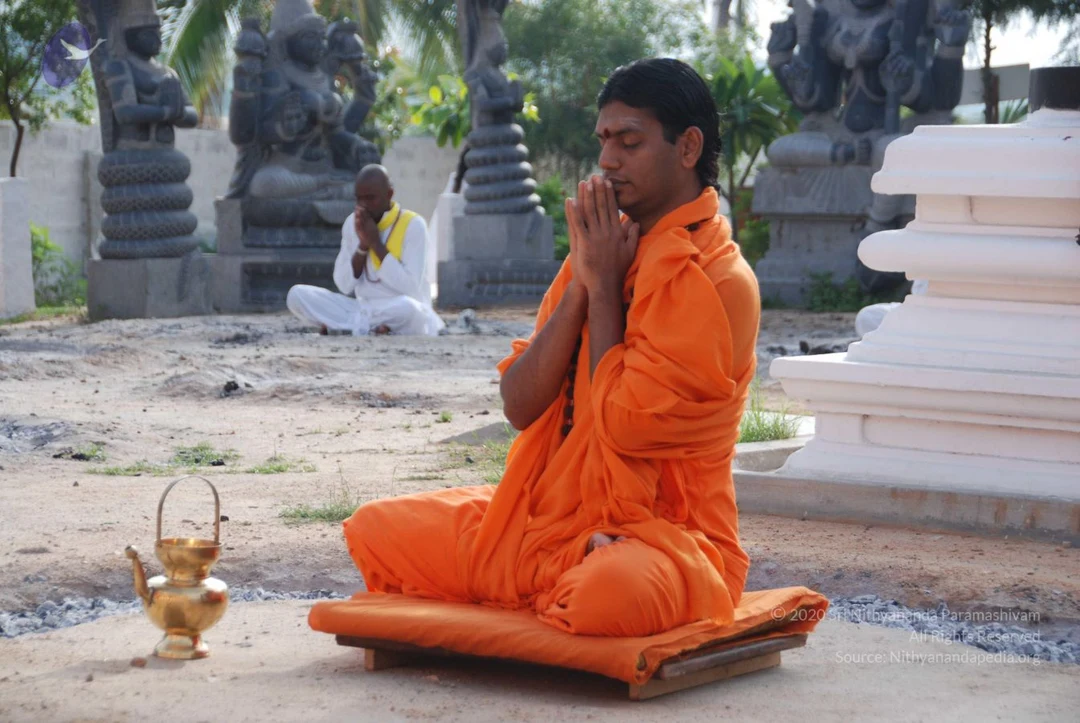
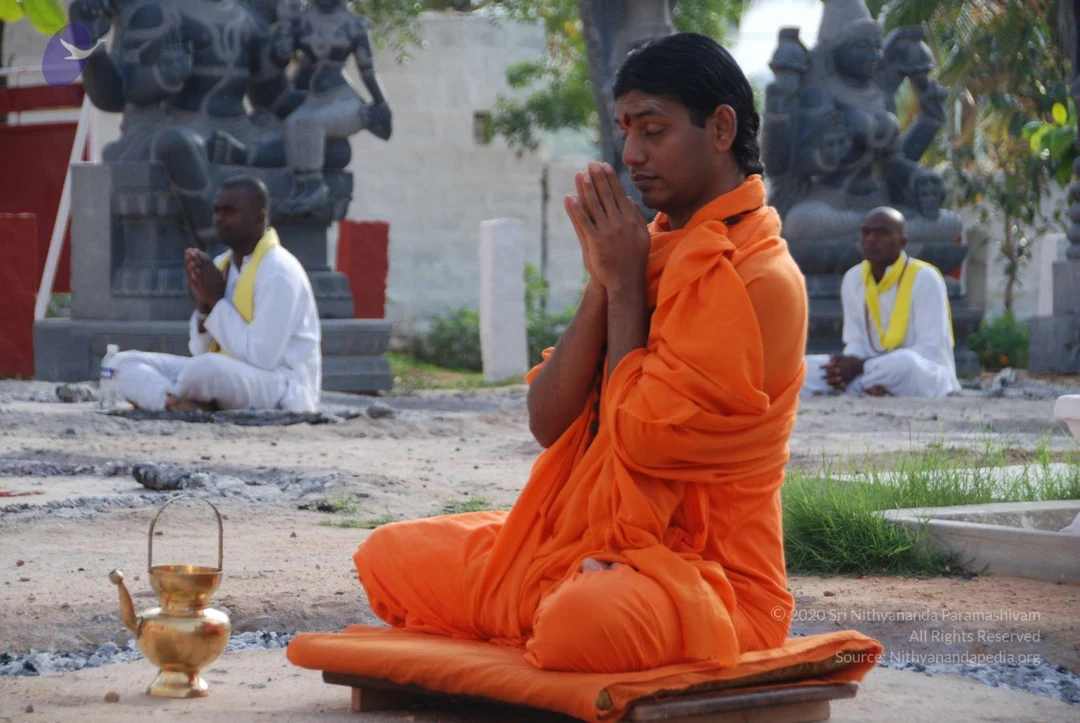
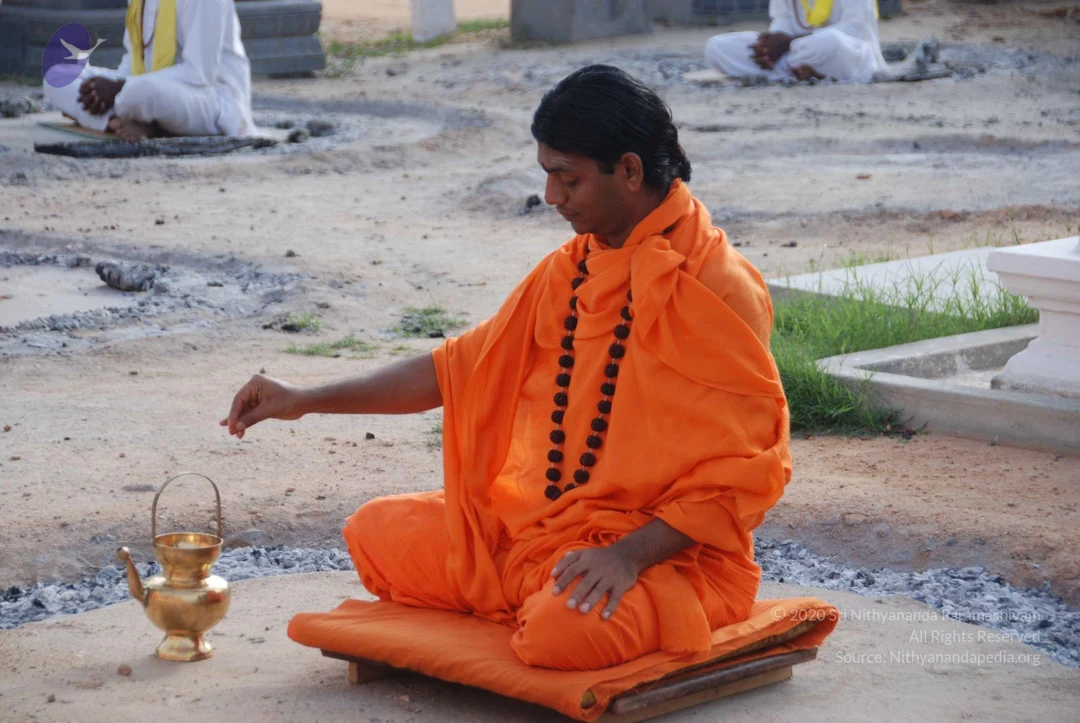
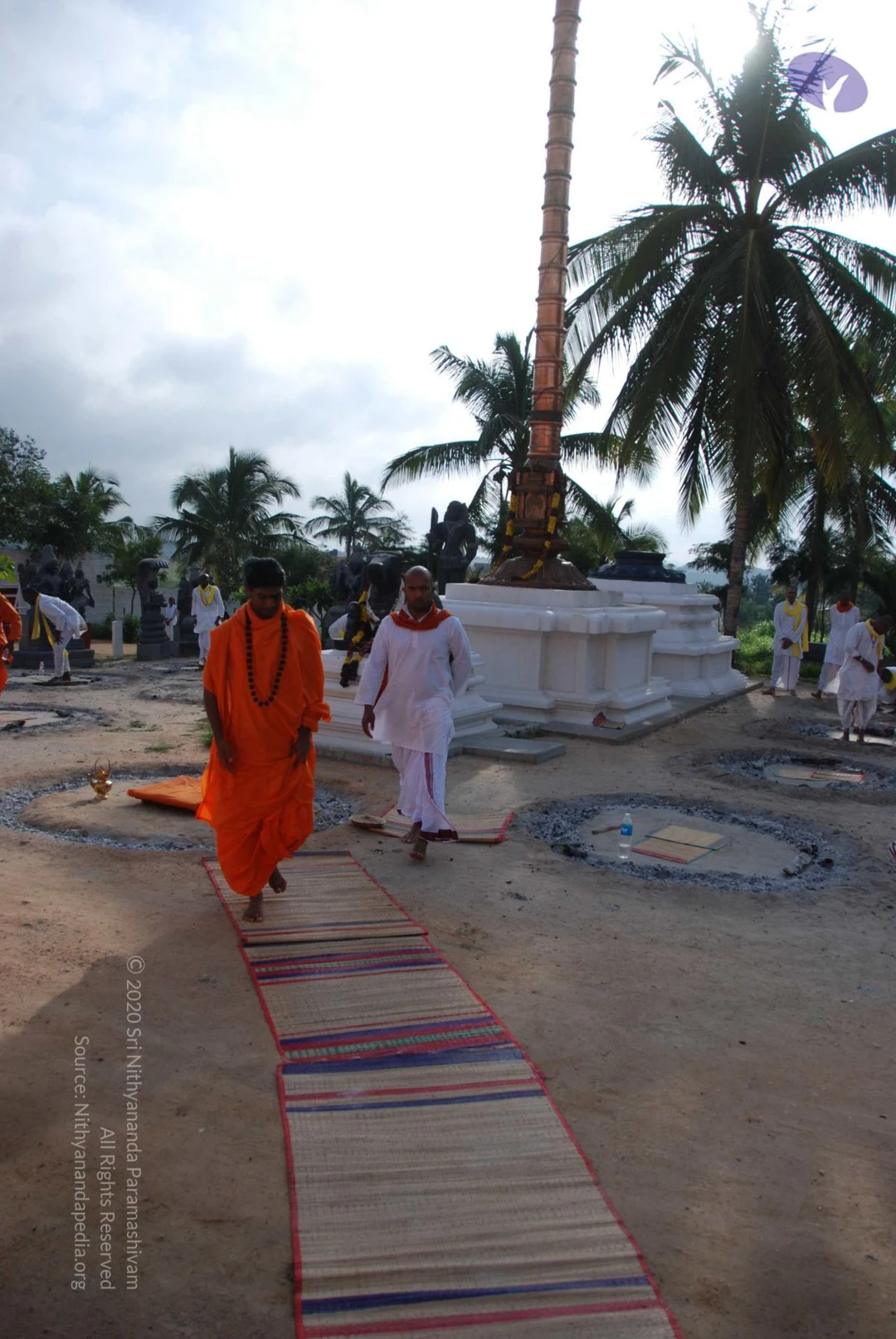
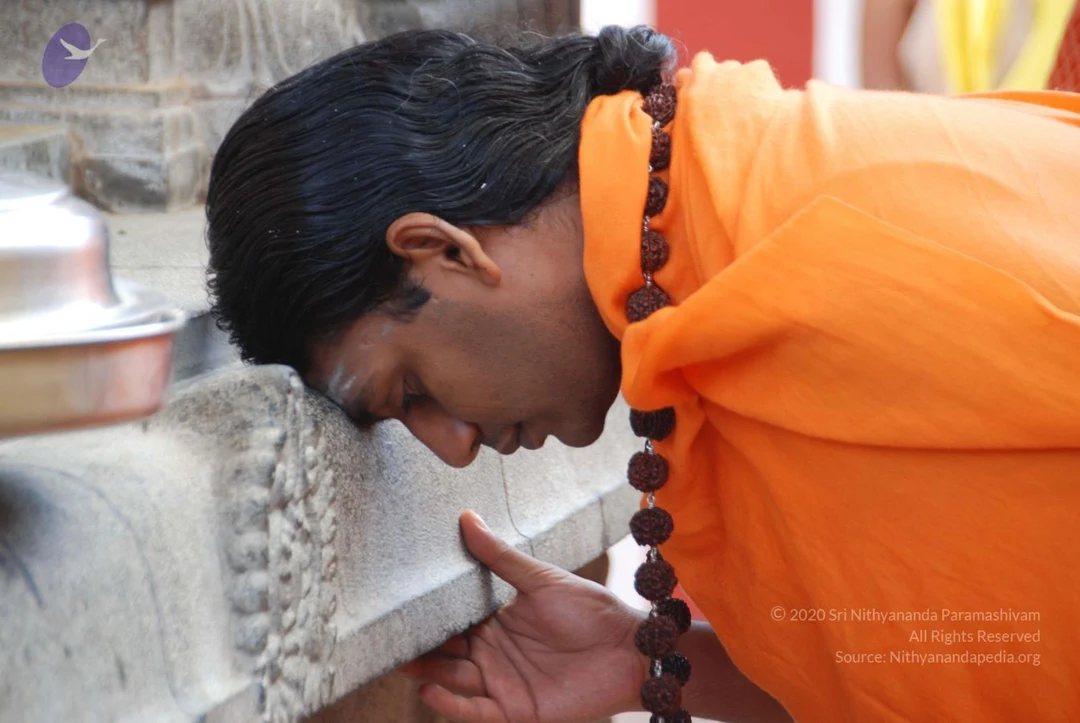
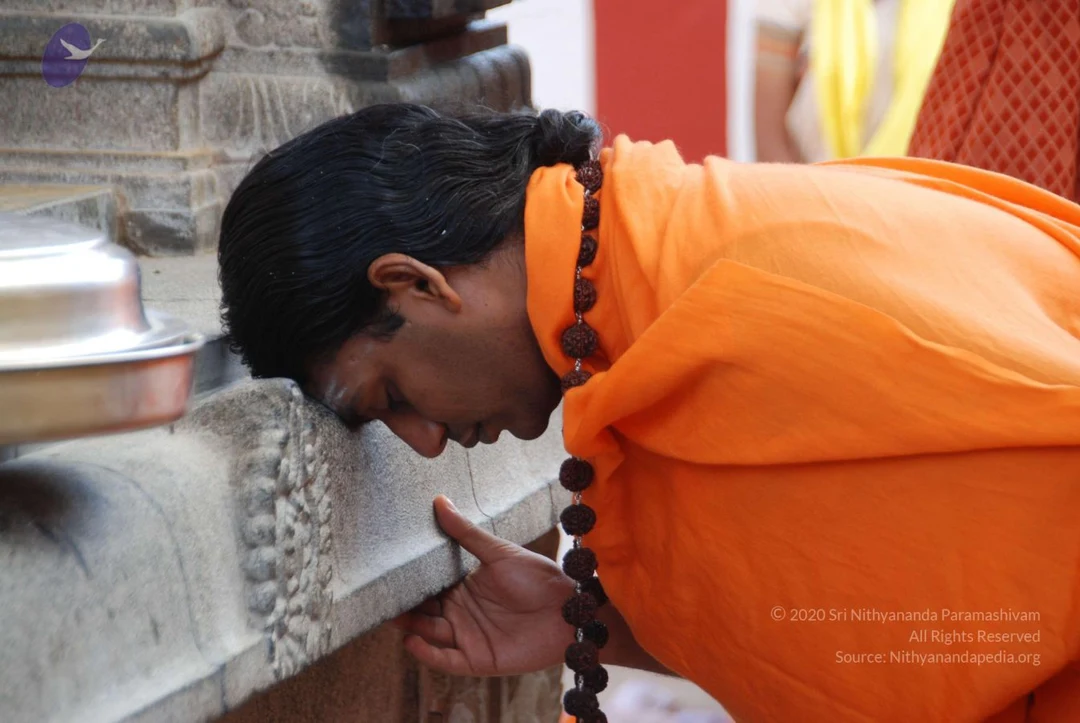
Sarva-Darshan
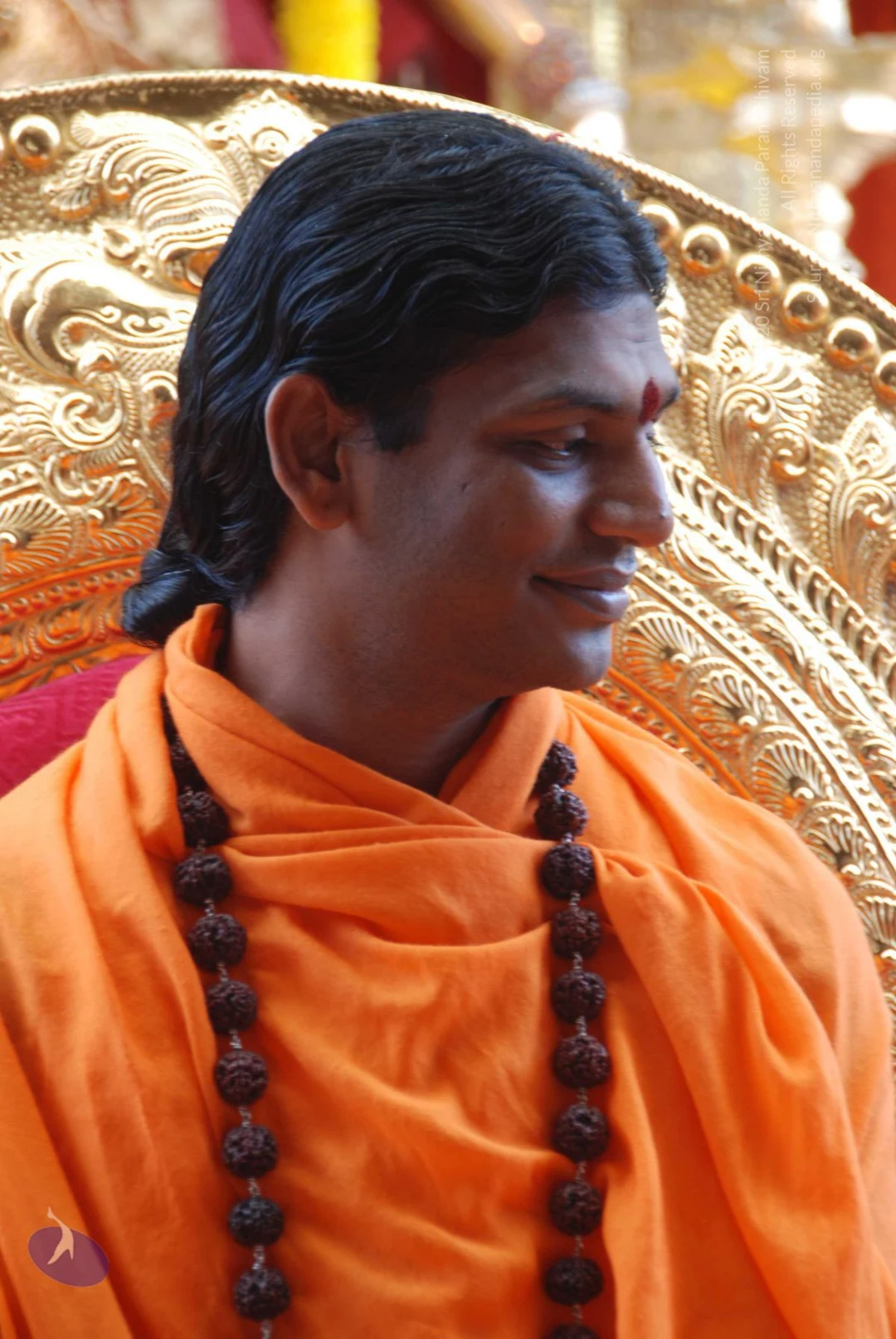
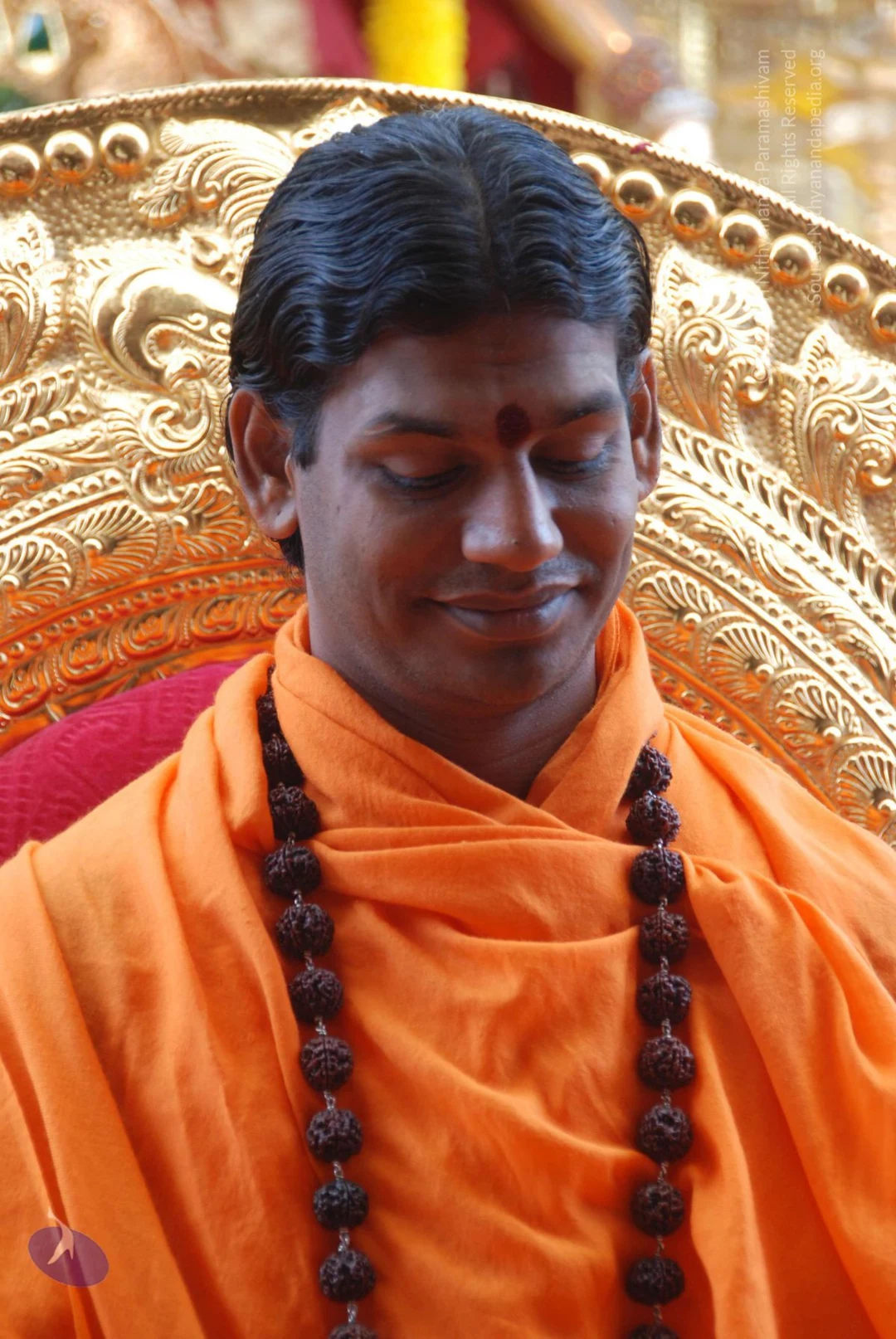
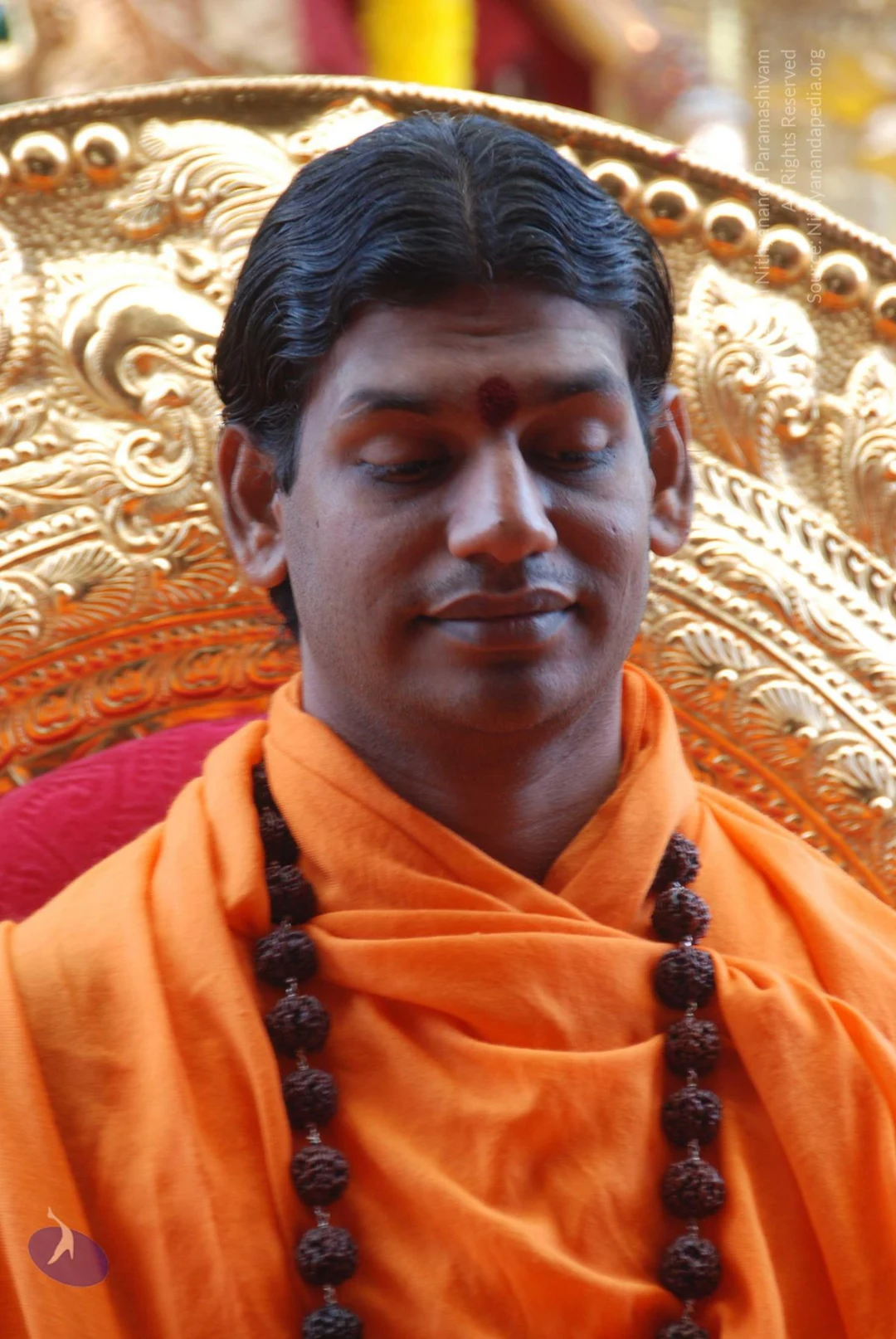
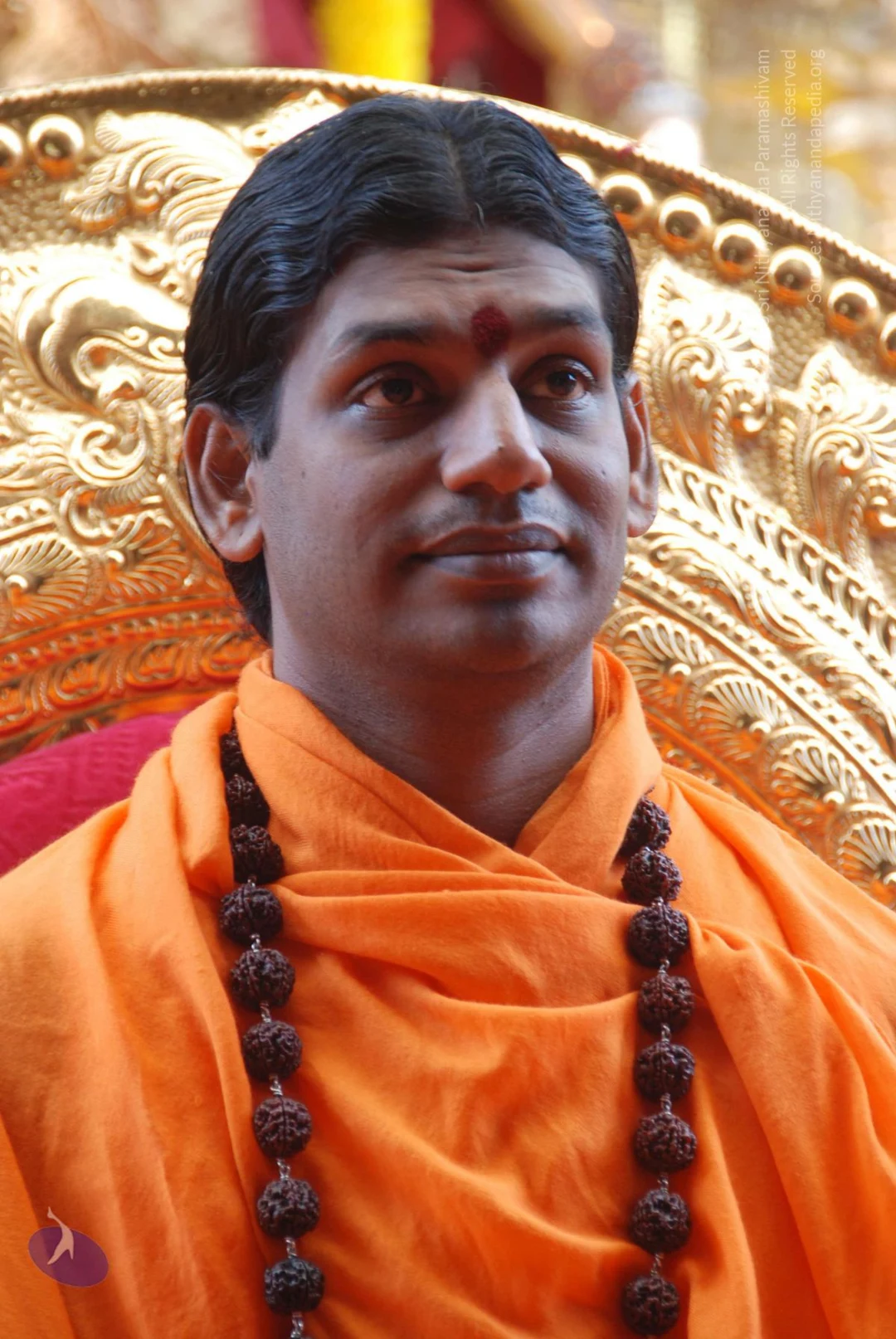
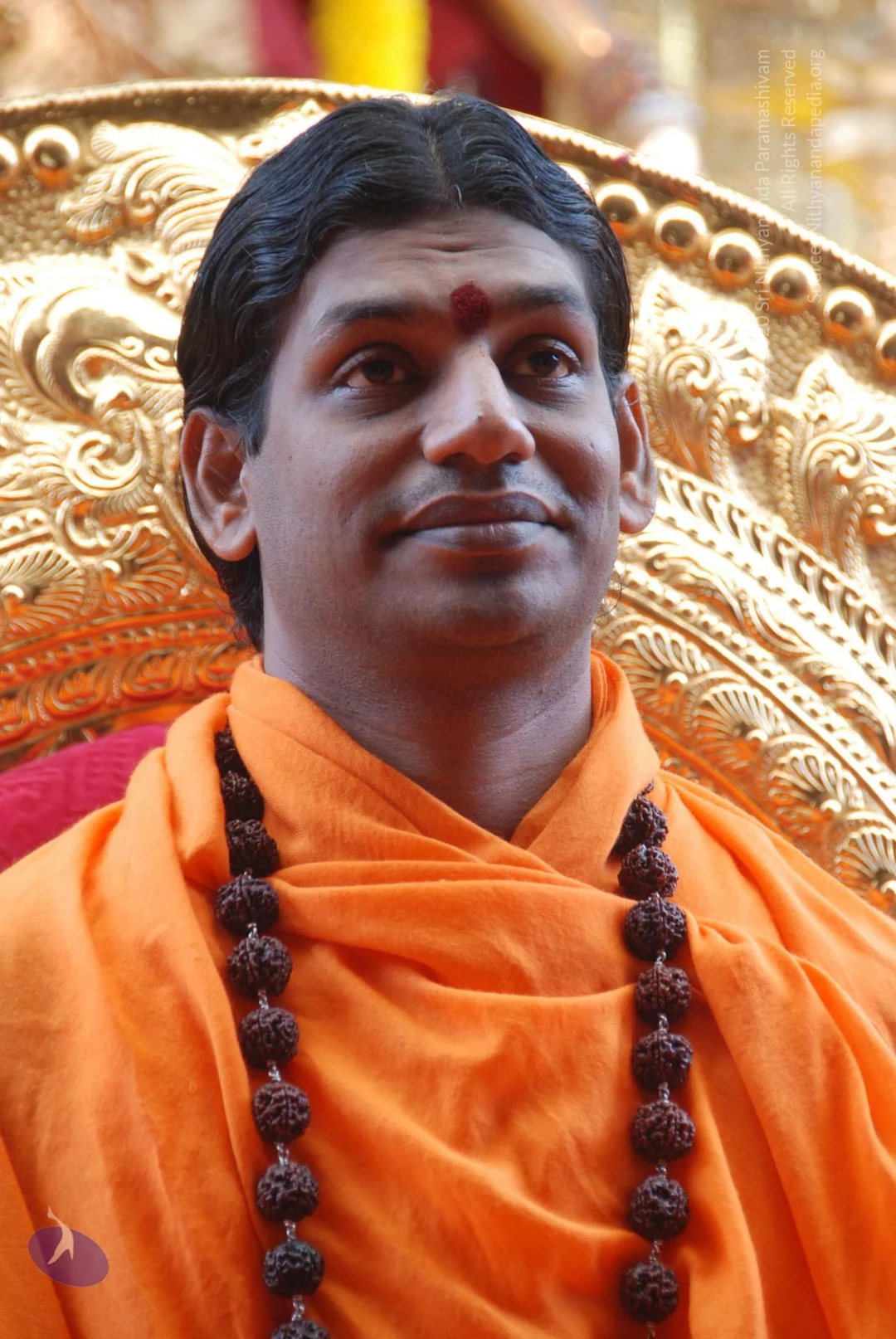
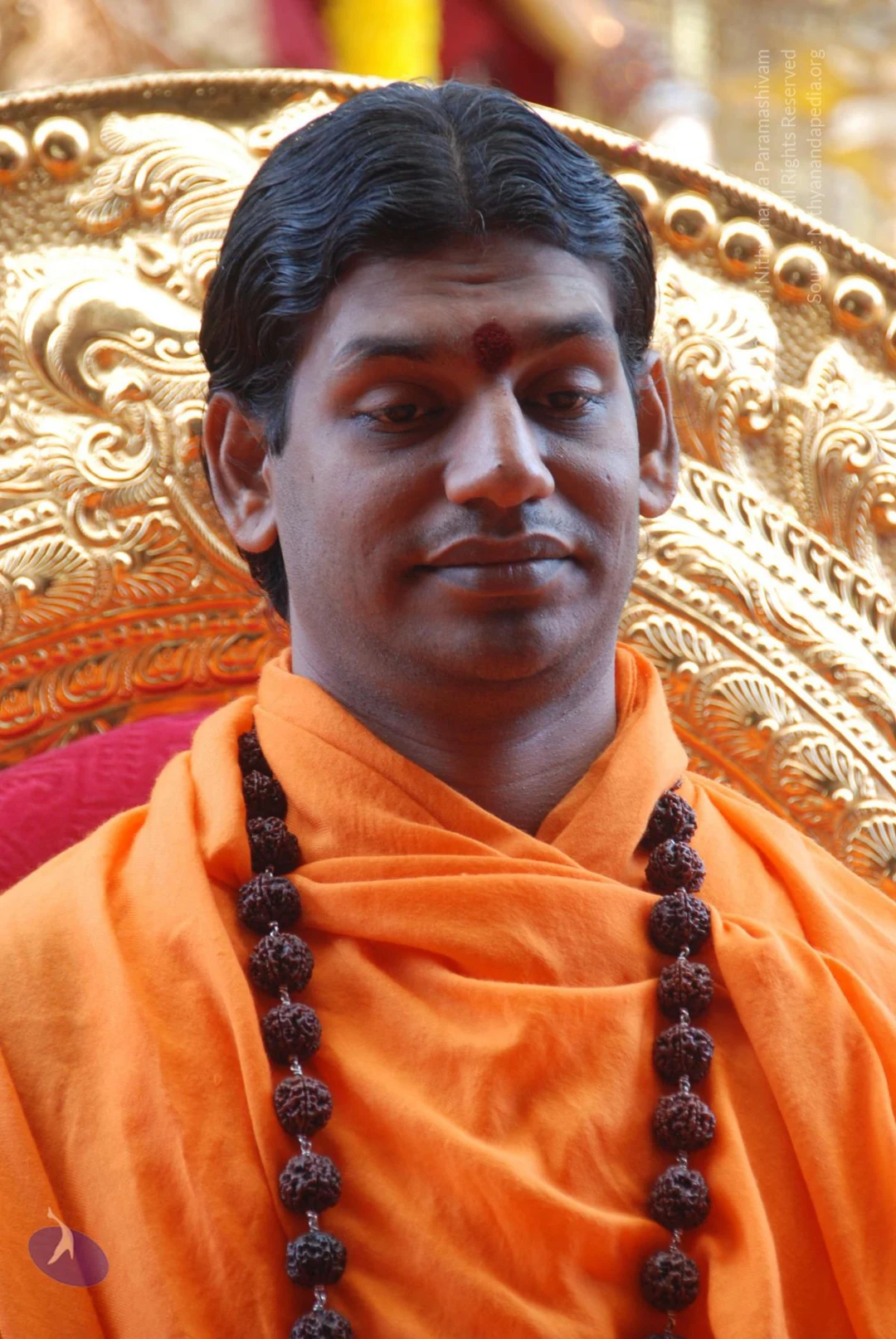
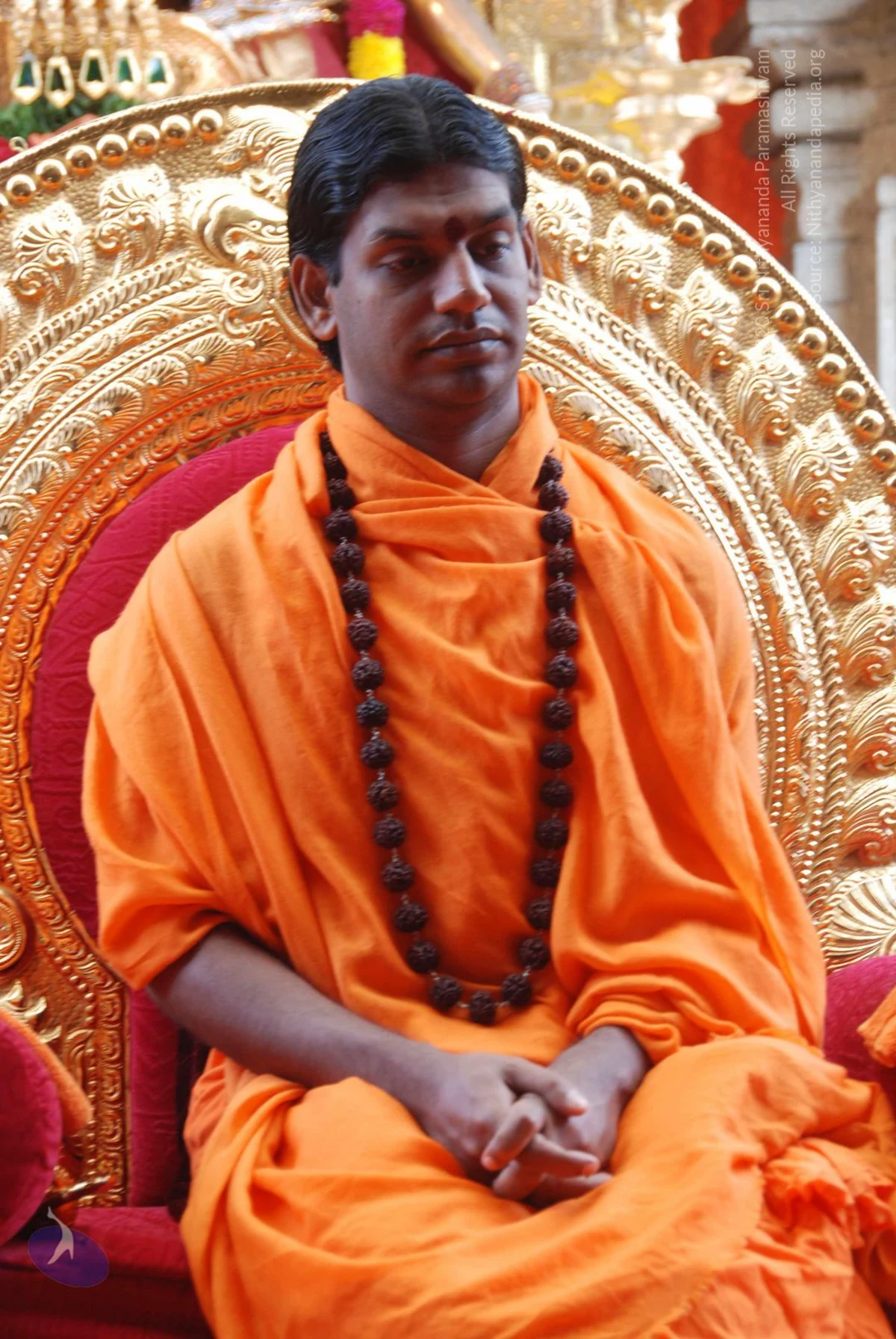
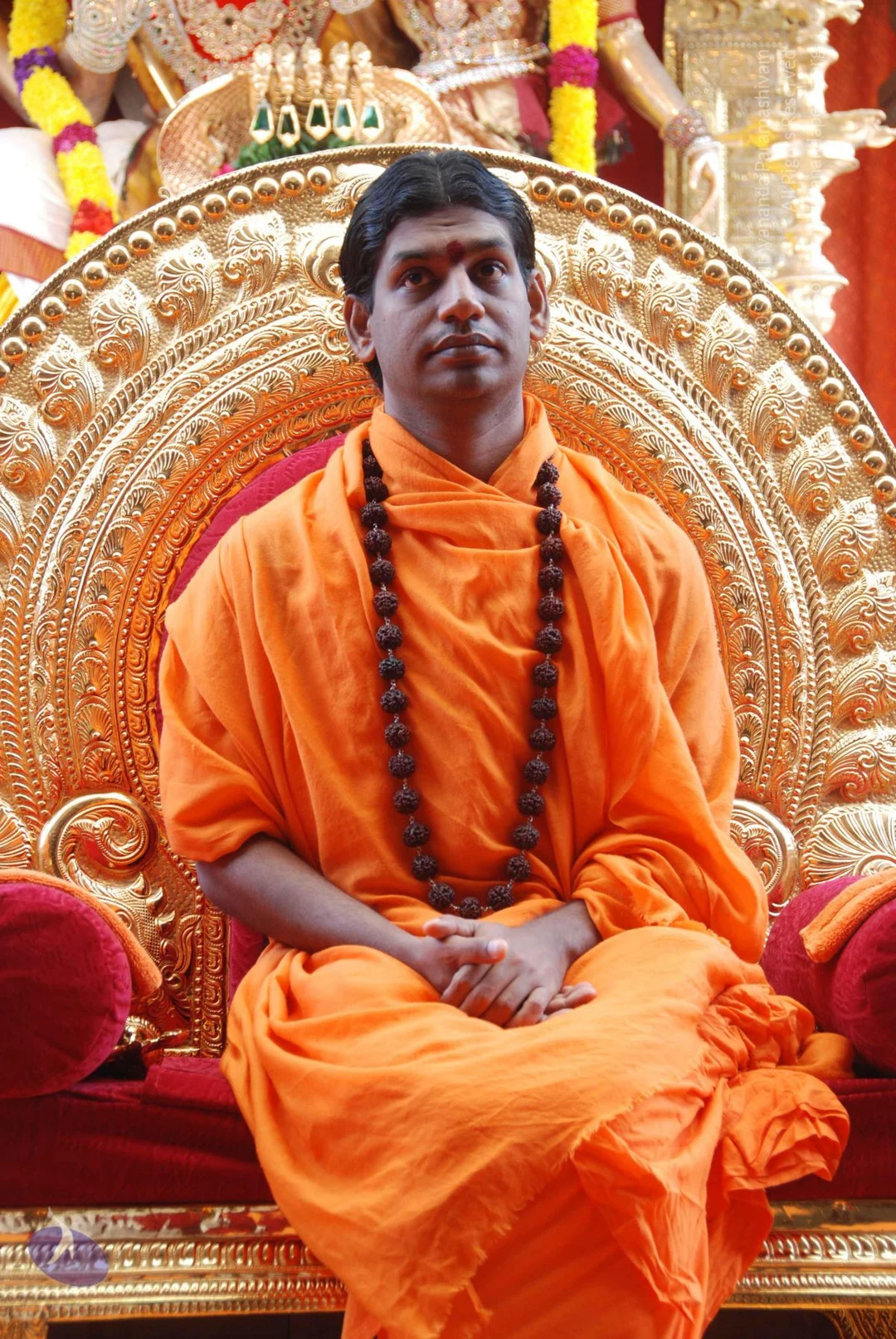
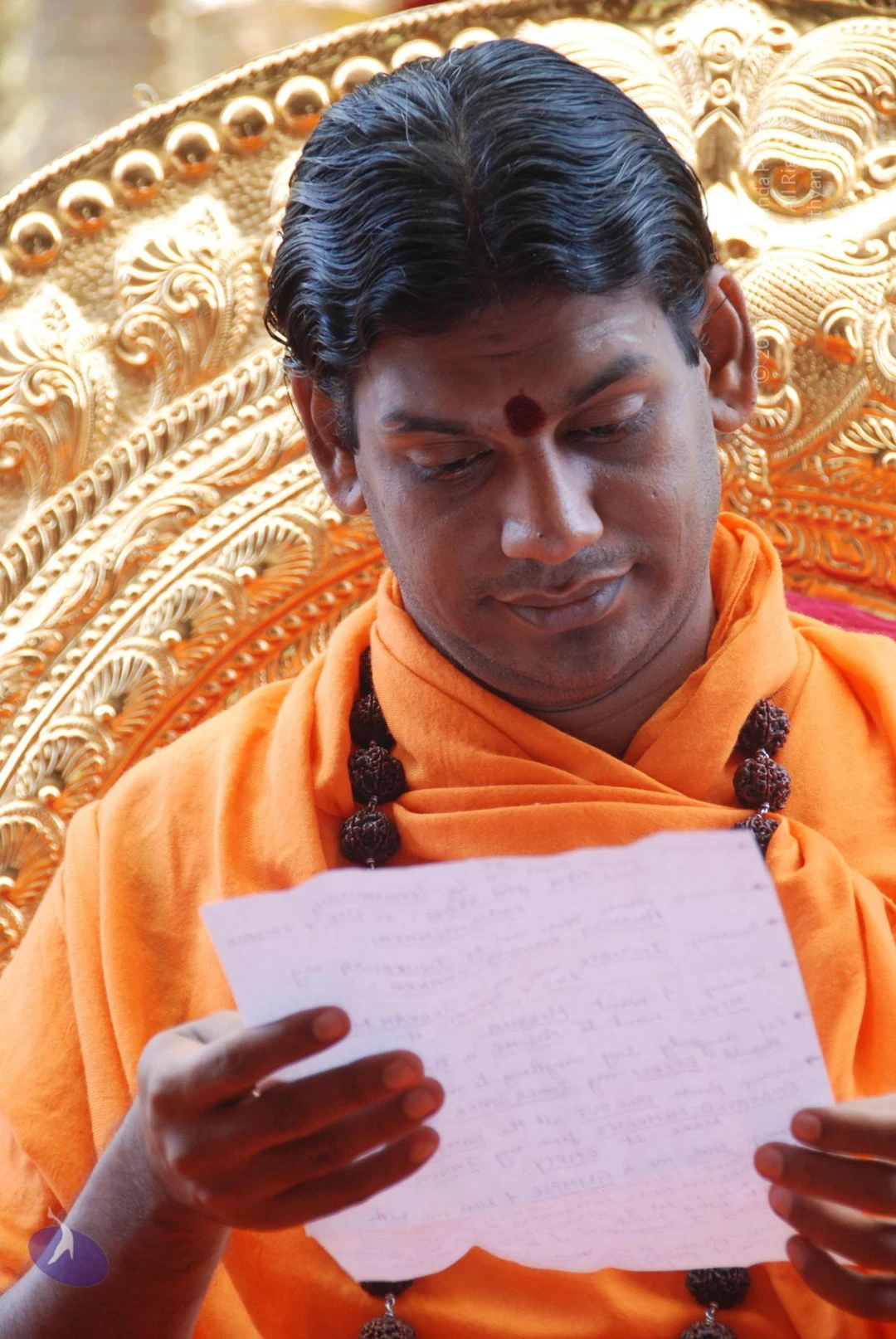
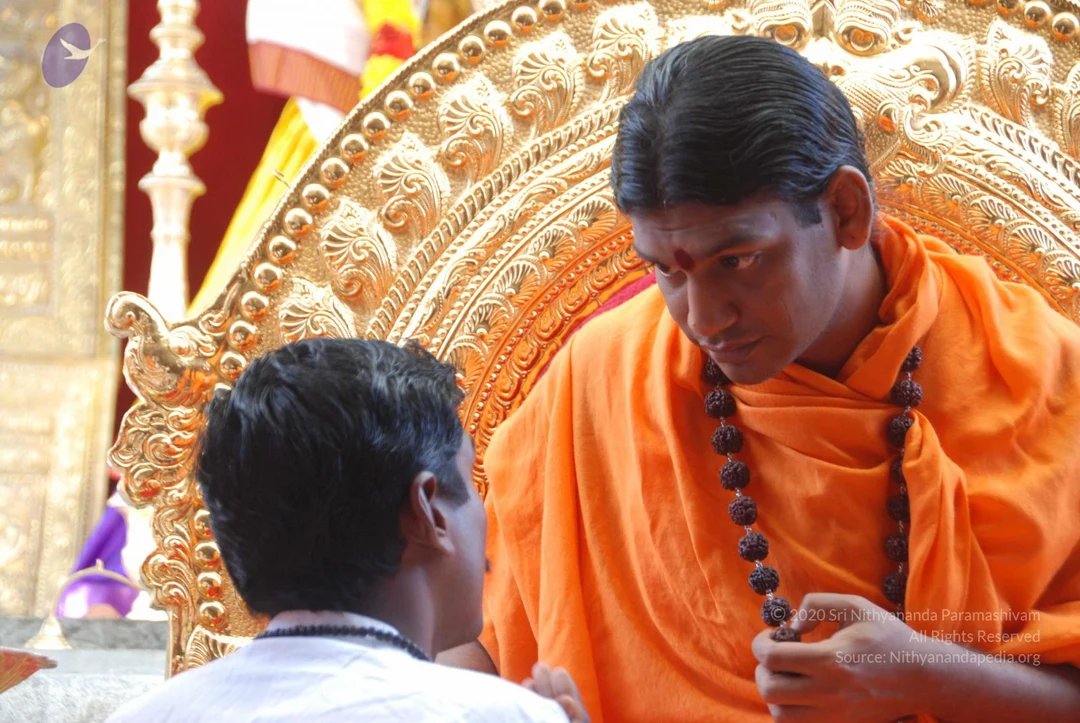
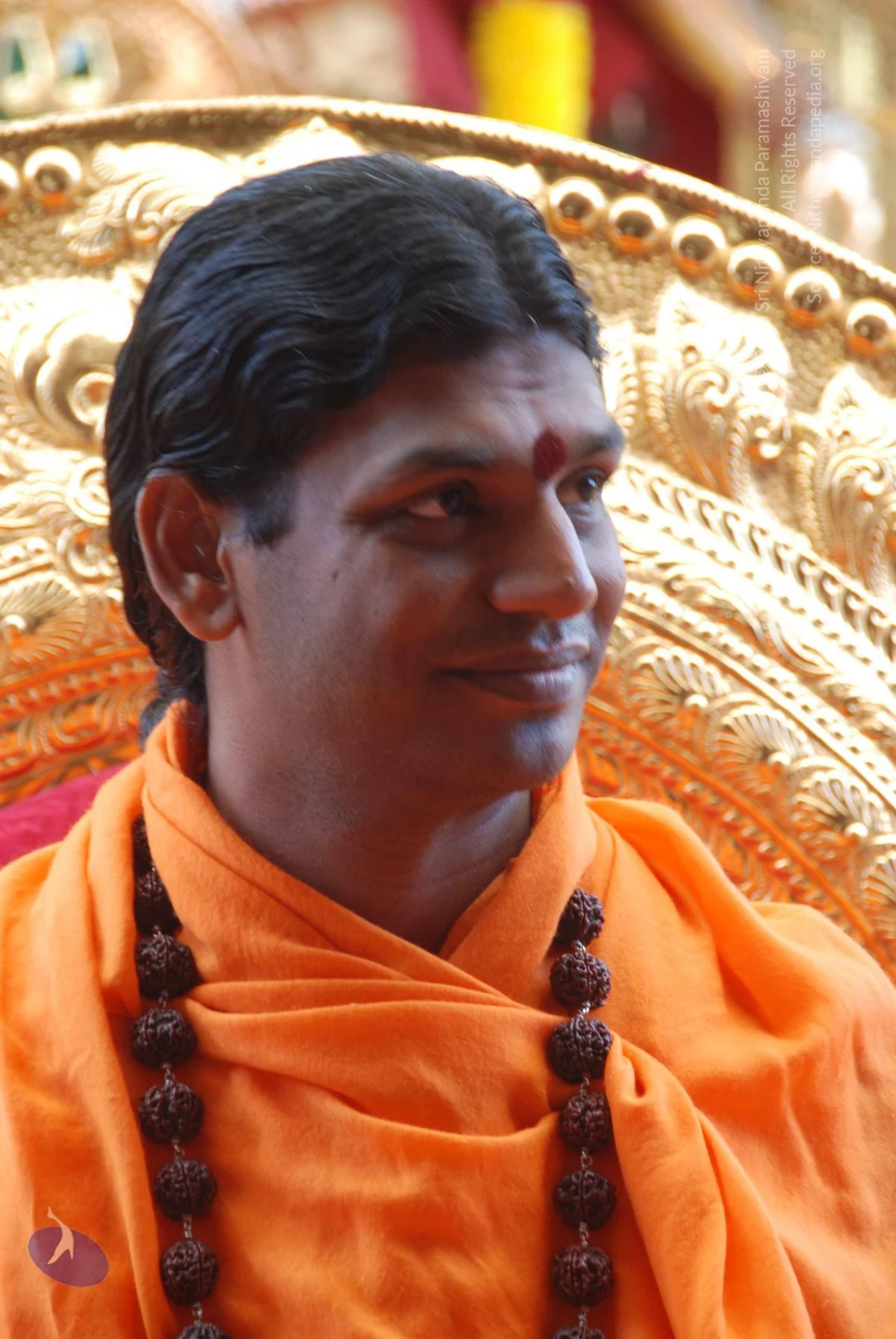
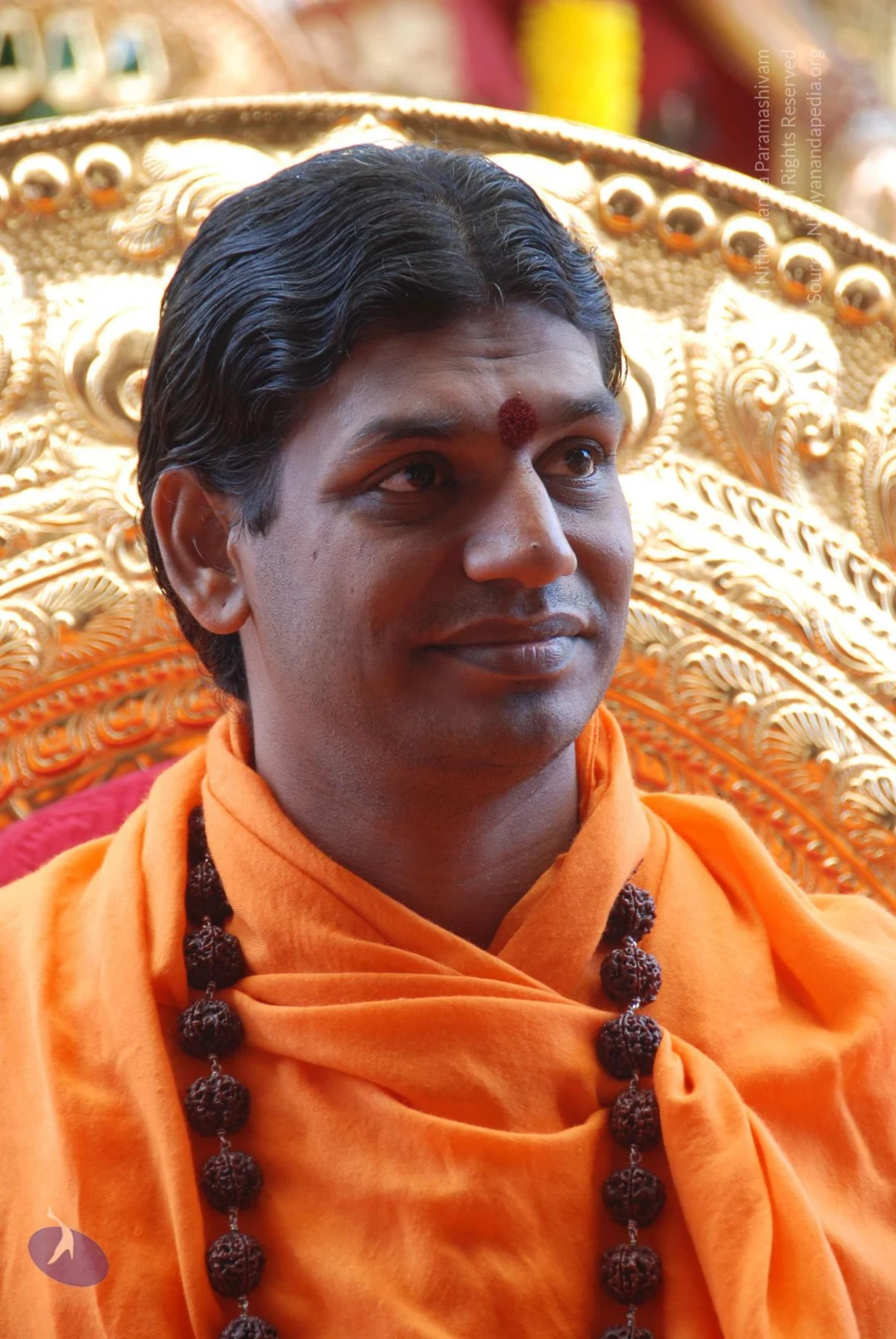
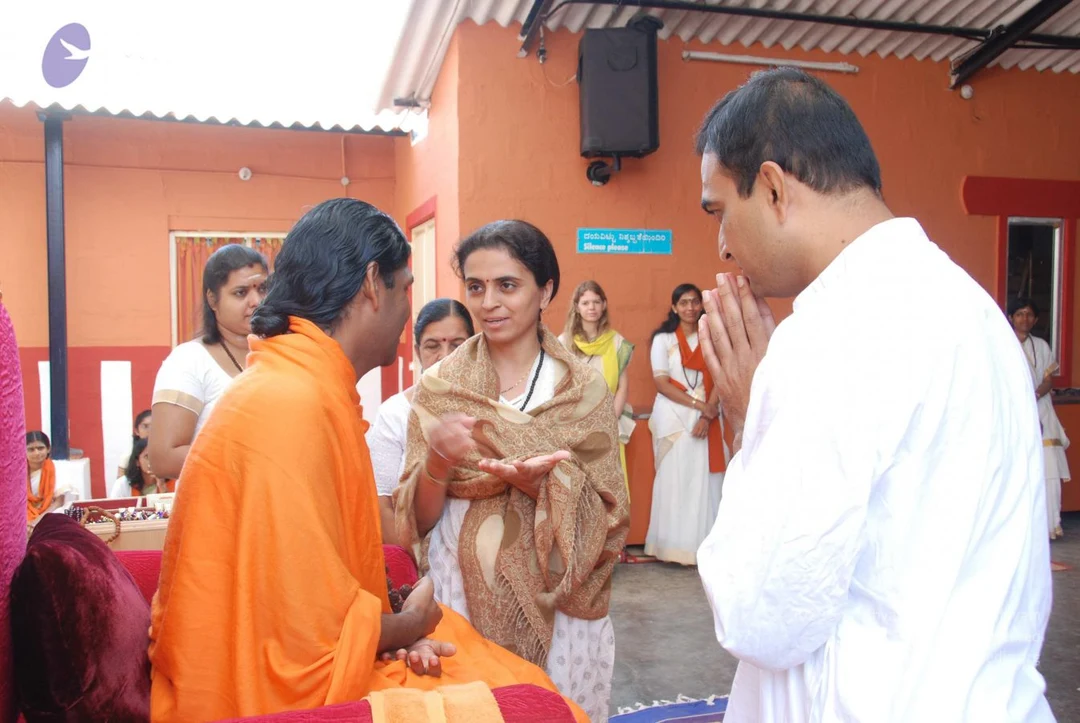
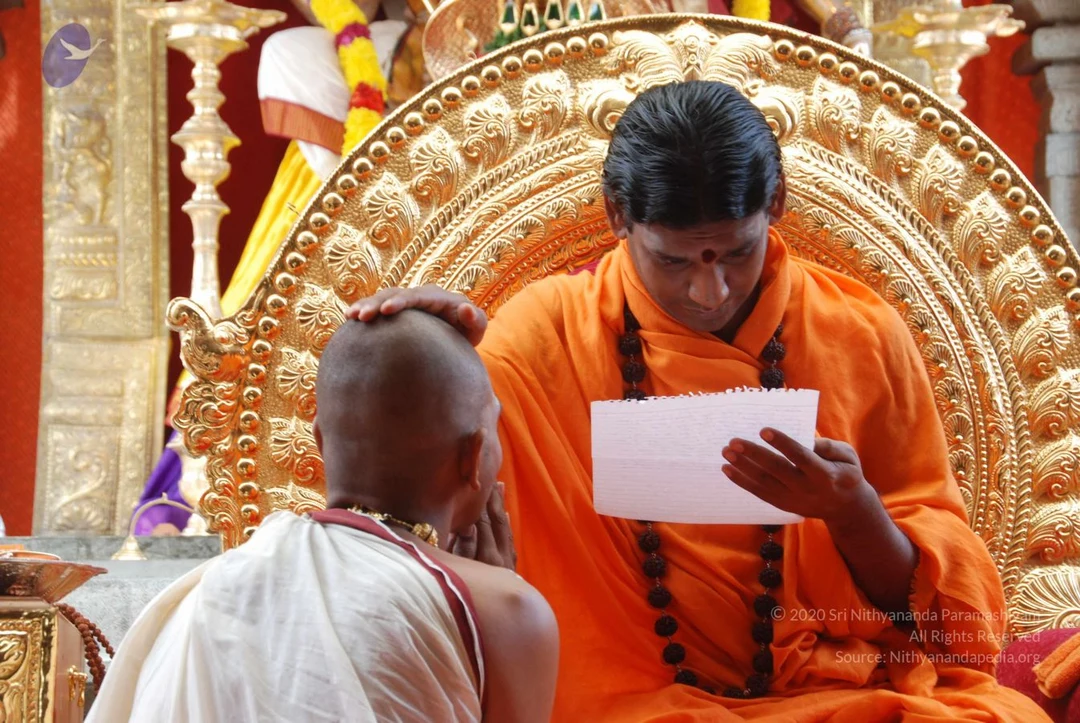
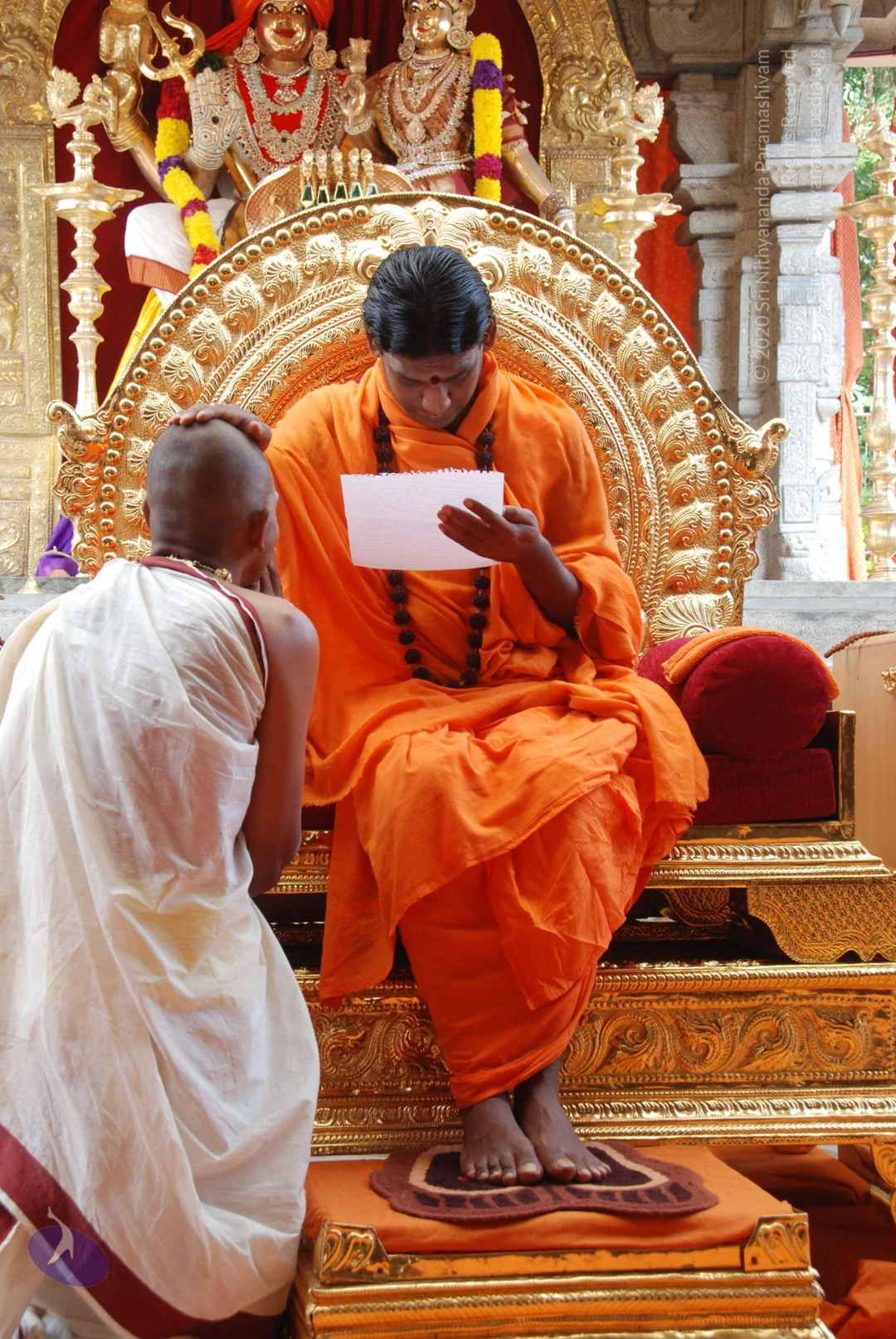
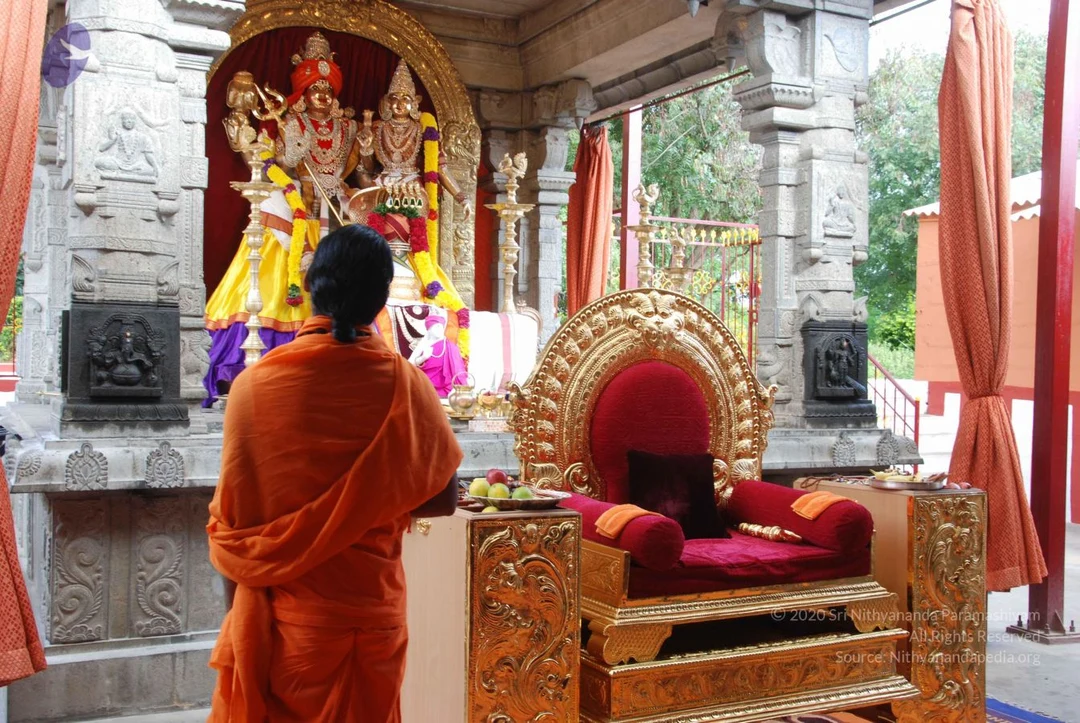
Photos from this day
View all 325 photosPhotos
8 photosSource gallery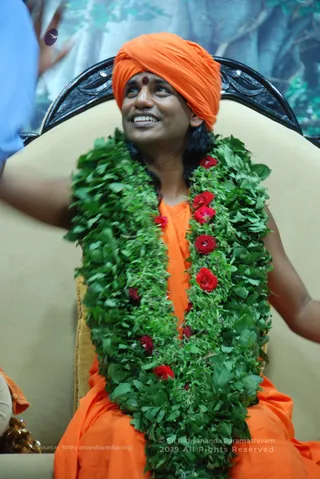
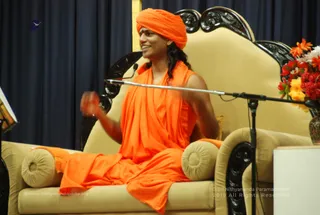
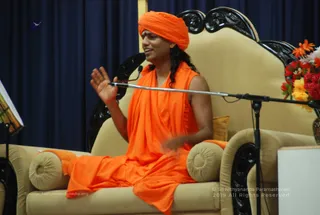
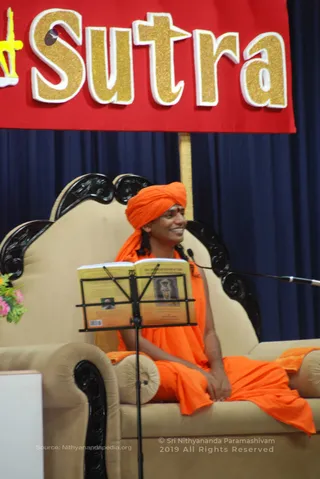
Darshan
12 photosSource gallery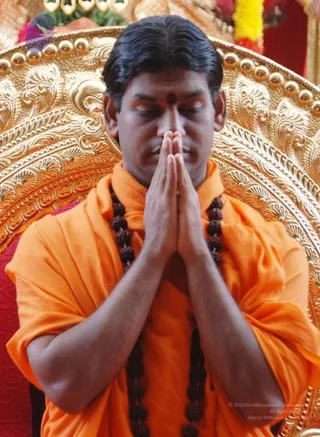

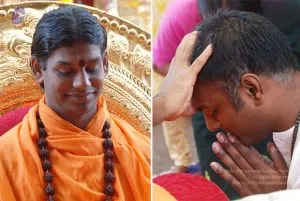
Goshala
1 photoSource gallery
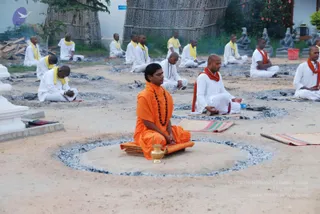
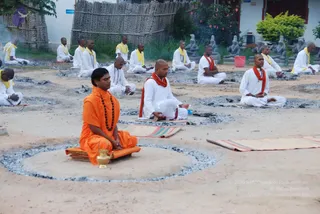
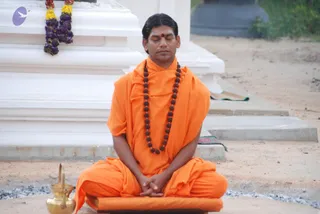
Pancha-Tapas
2 photosSource gallery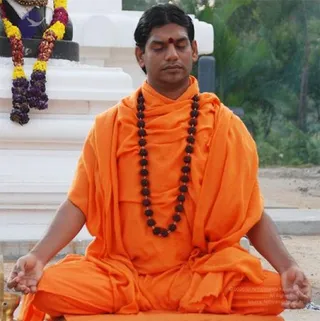
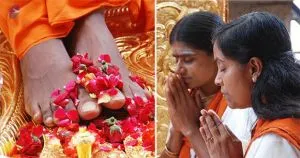
Prathyaksha-Pada-Pooja
56 photosSource gallery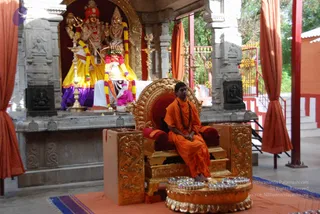
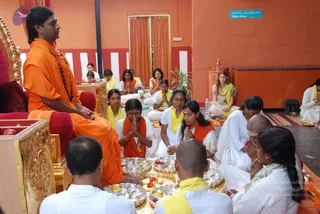
Goshala
9 photosSource gallery





Bidadi-Banyan-Tree
11 photosSource gallery


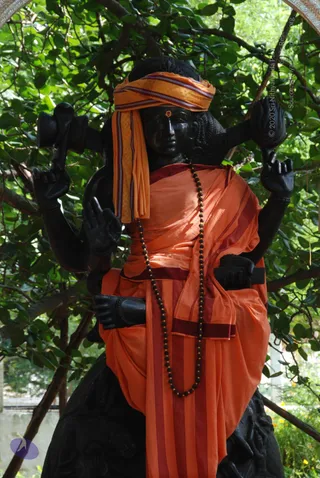

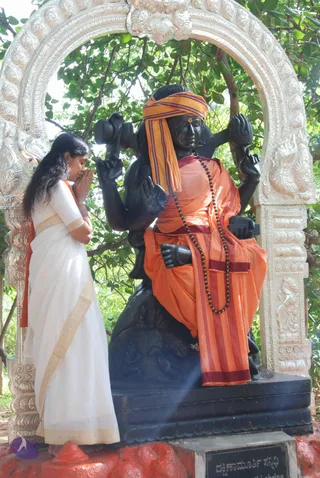
Evening-Discourse
61 photosSource gallery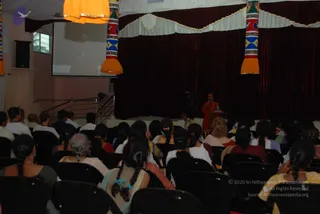
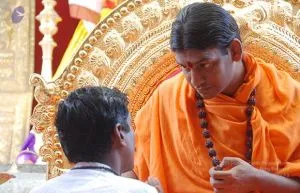
Session-with-Swamiji
21 photosSource gallery
Kalpataru-Darshan
66 photosSource gallery
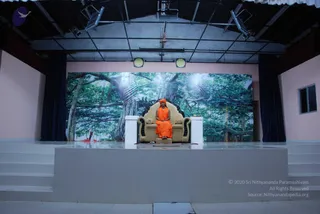
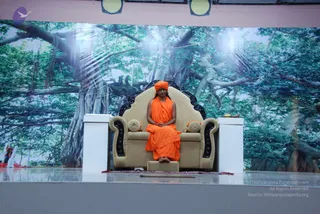
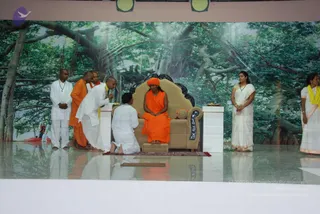
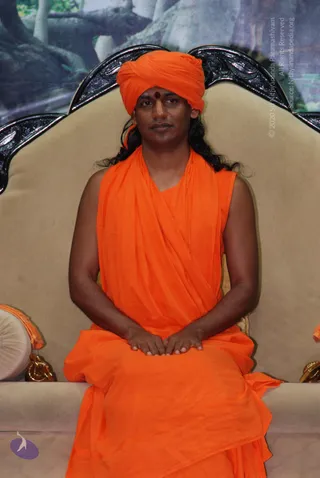
Pancha-Tapas
51 photosSource gallery
Sarva-Darshan
29 photosSource gallery