Sunday
11 July 2010
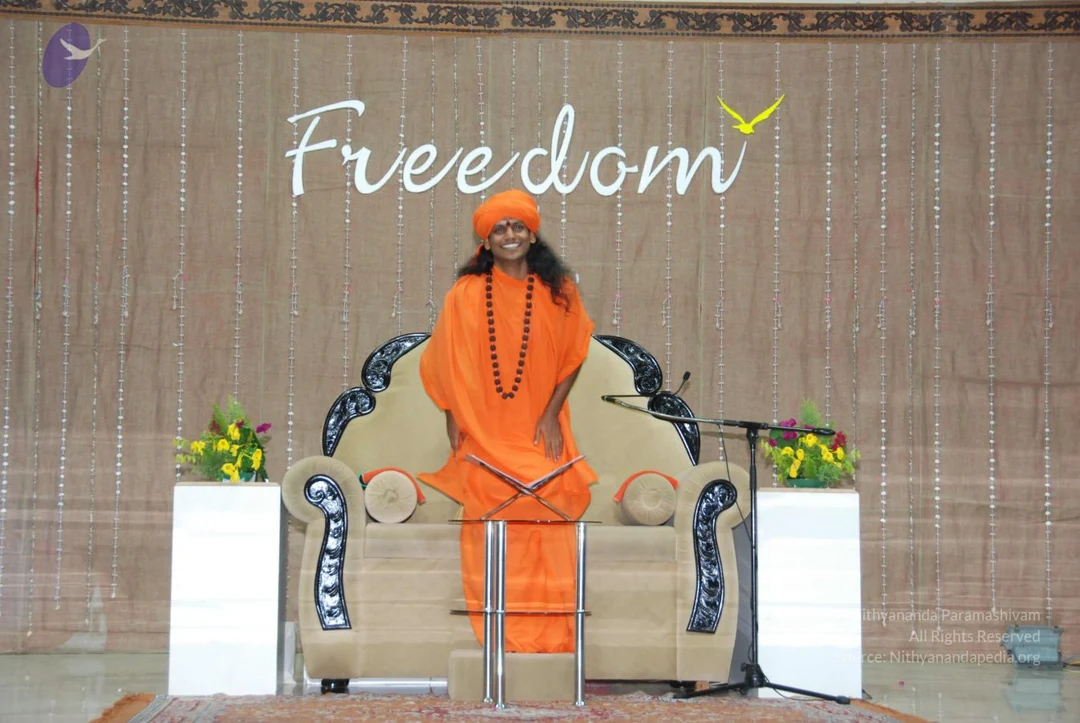
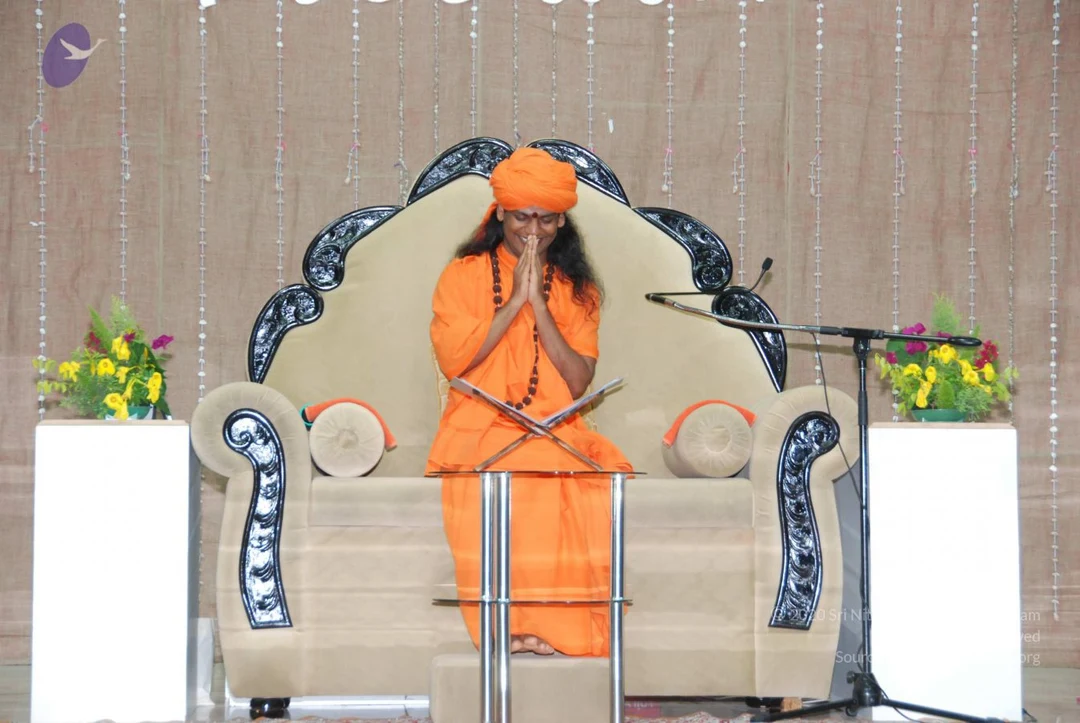
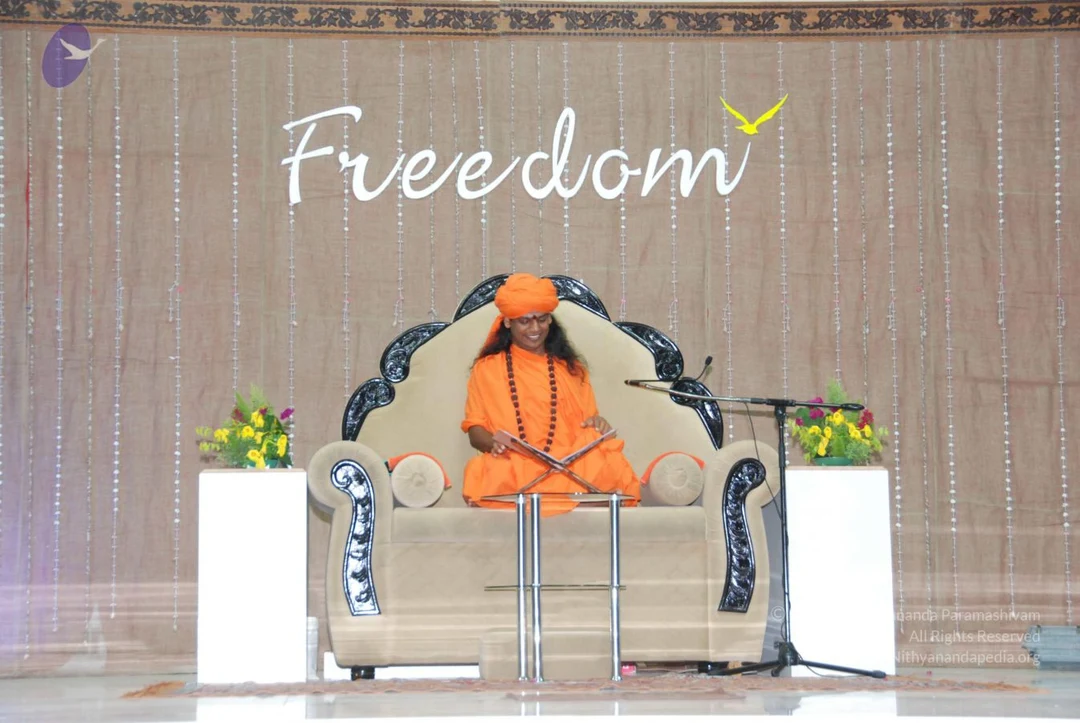
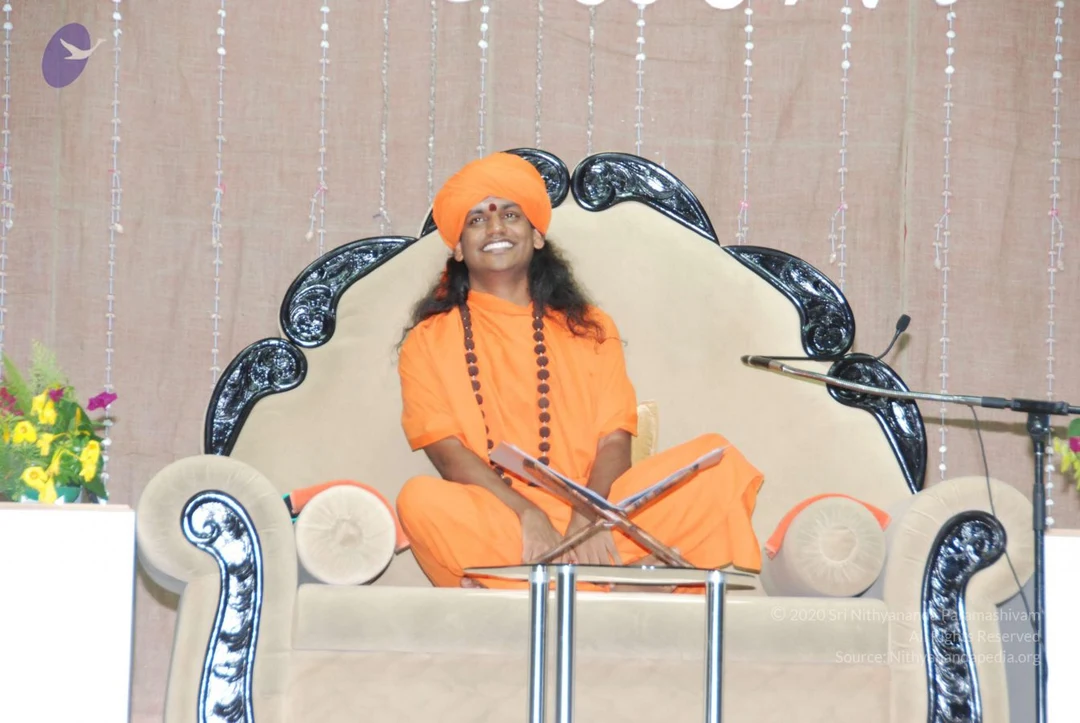
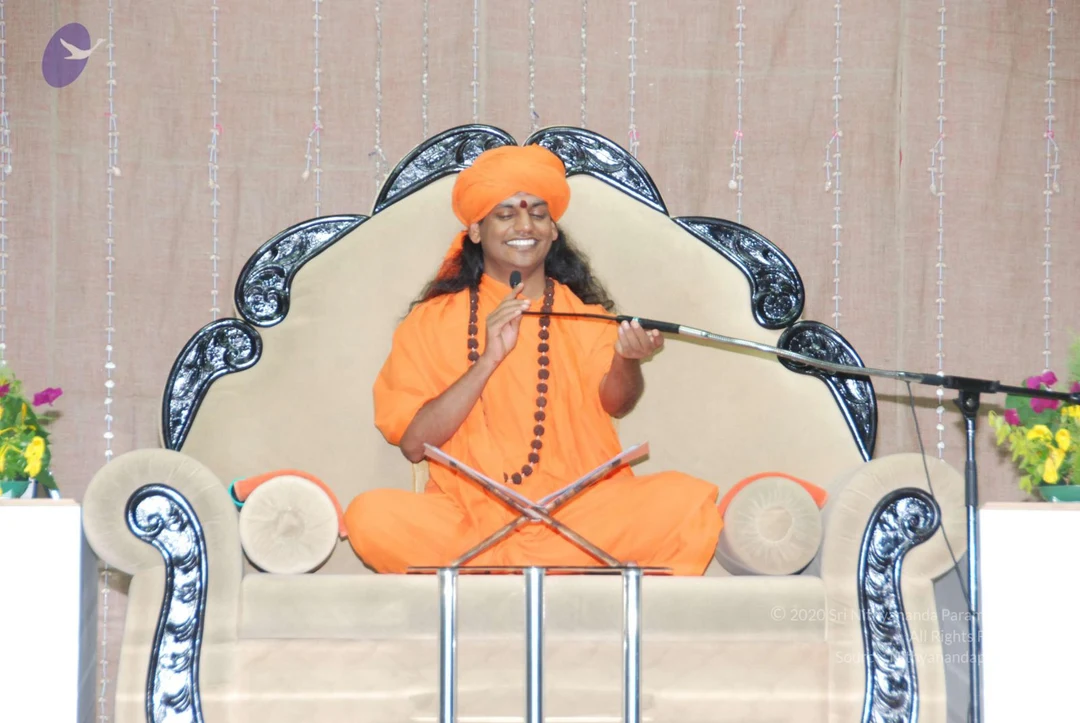
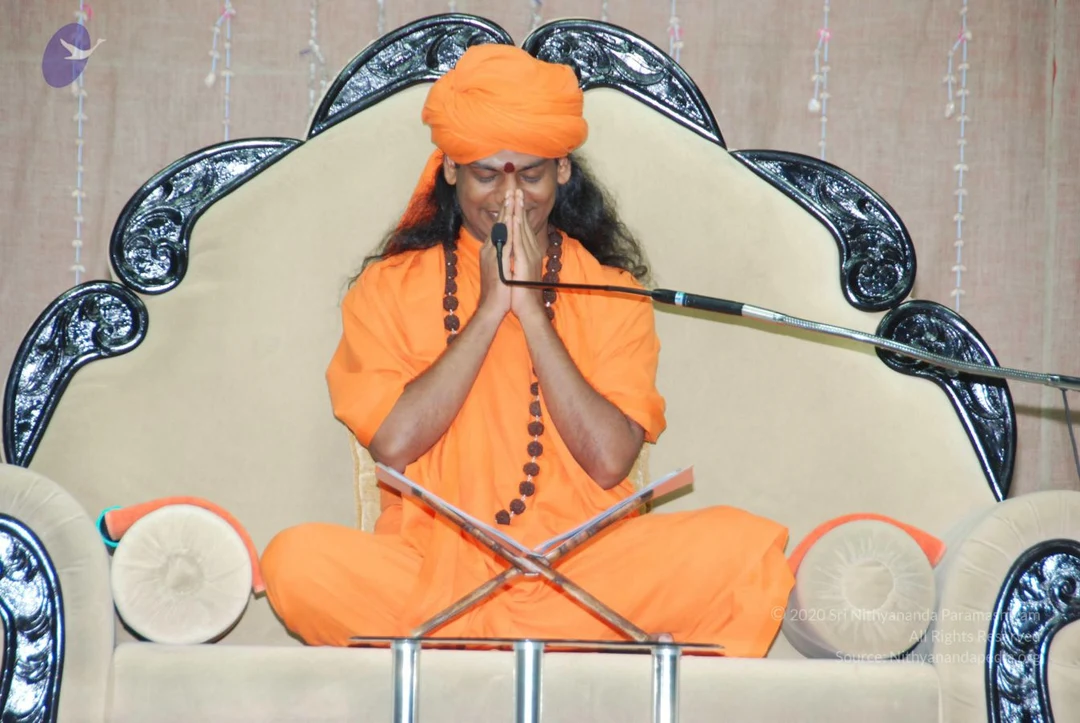
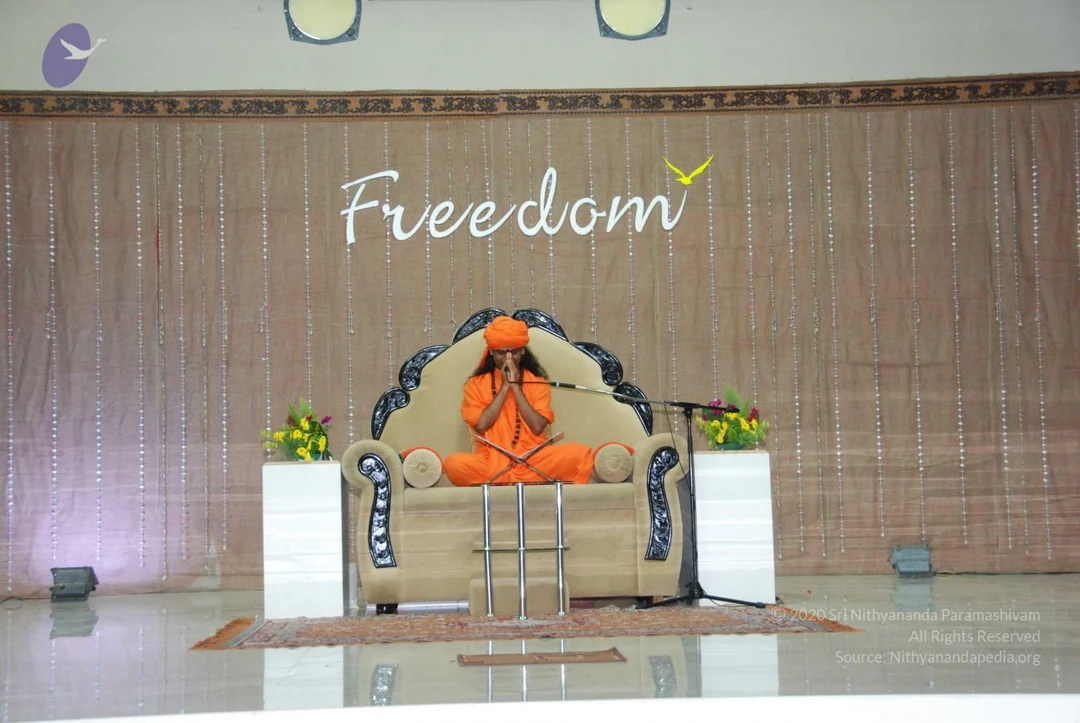
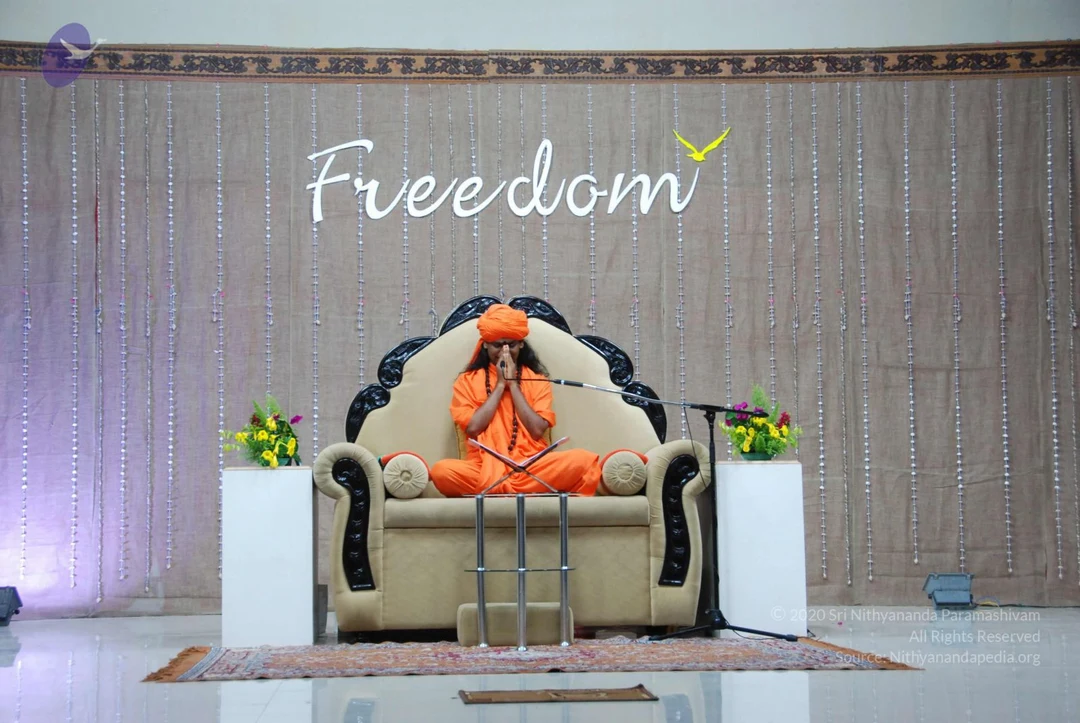
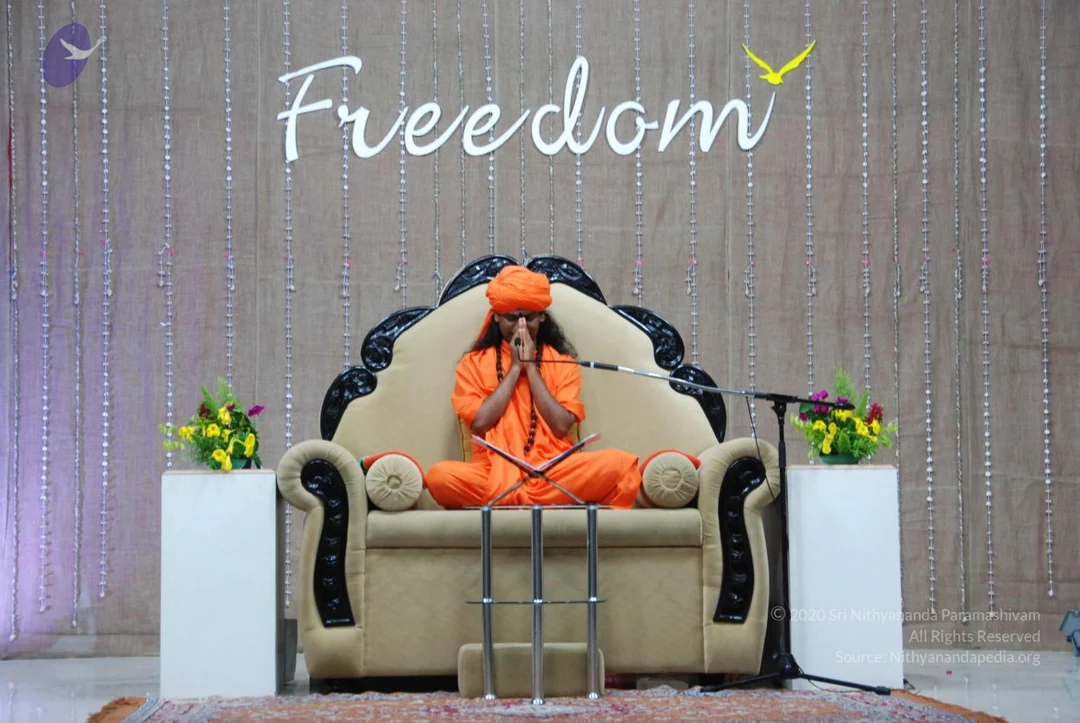
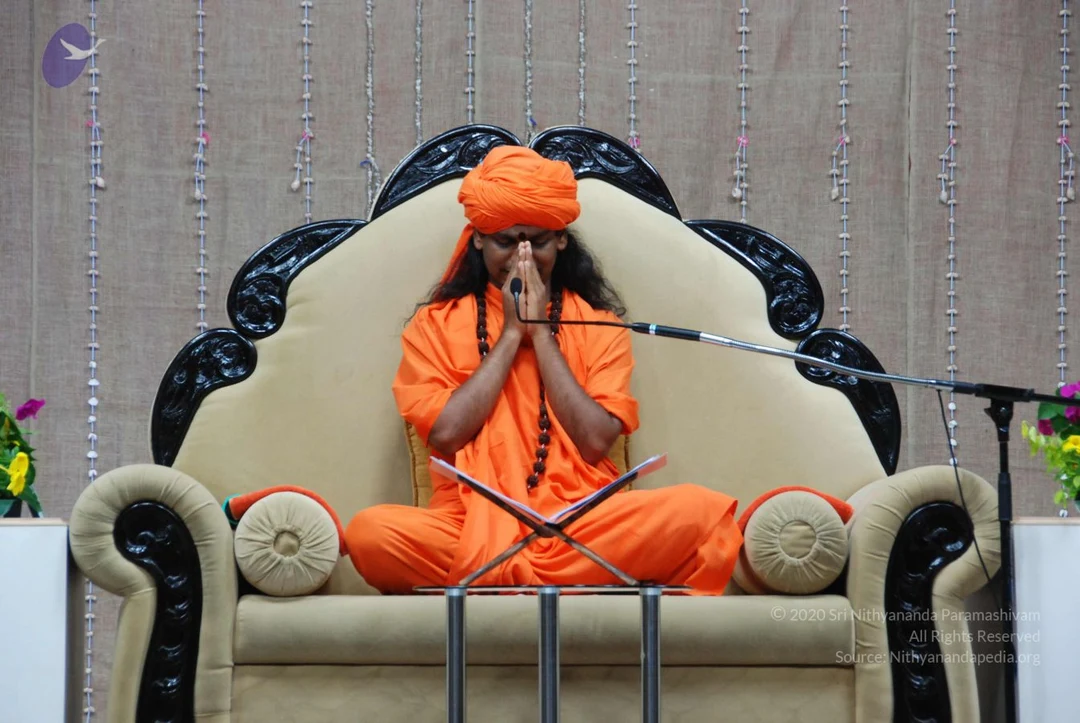
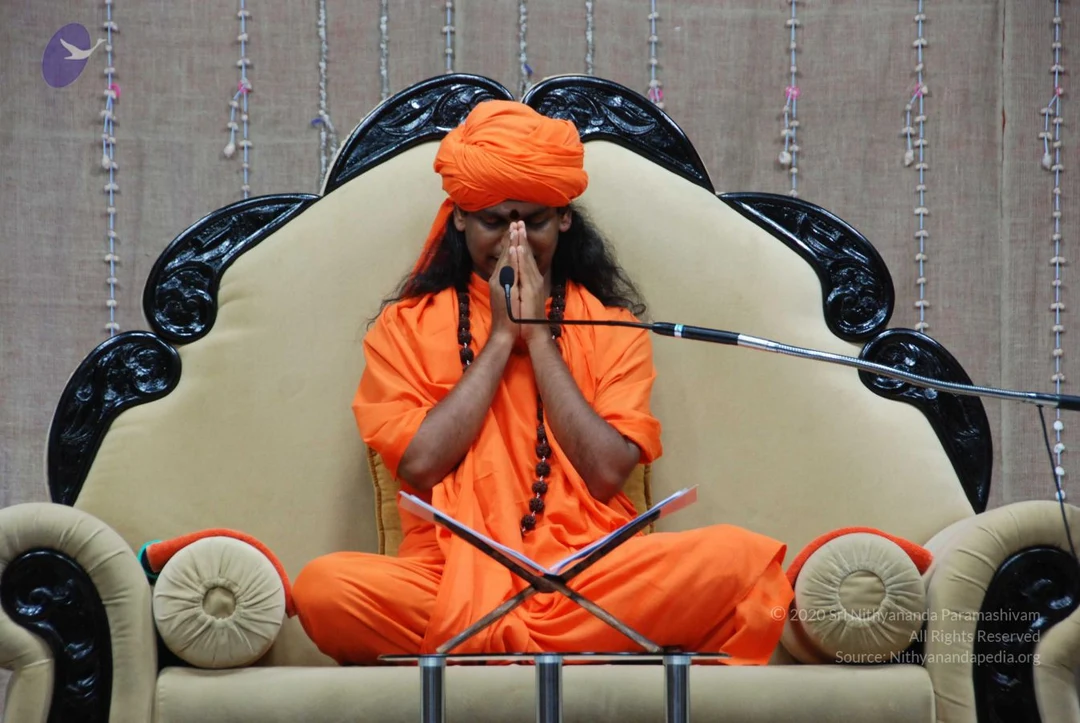
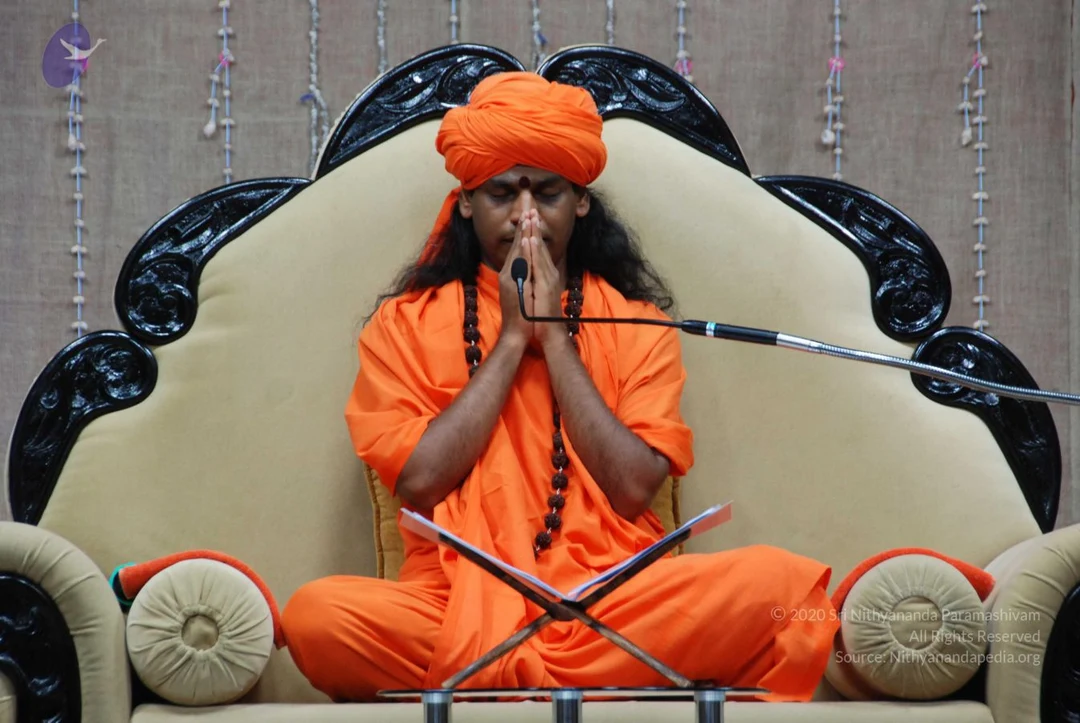
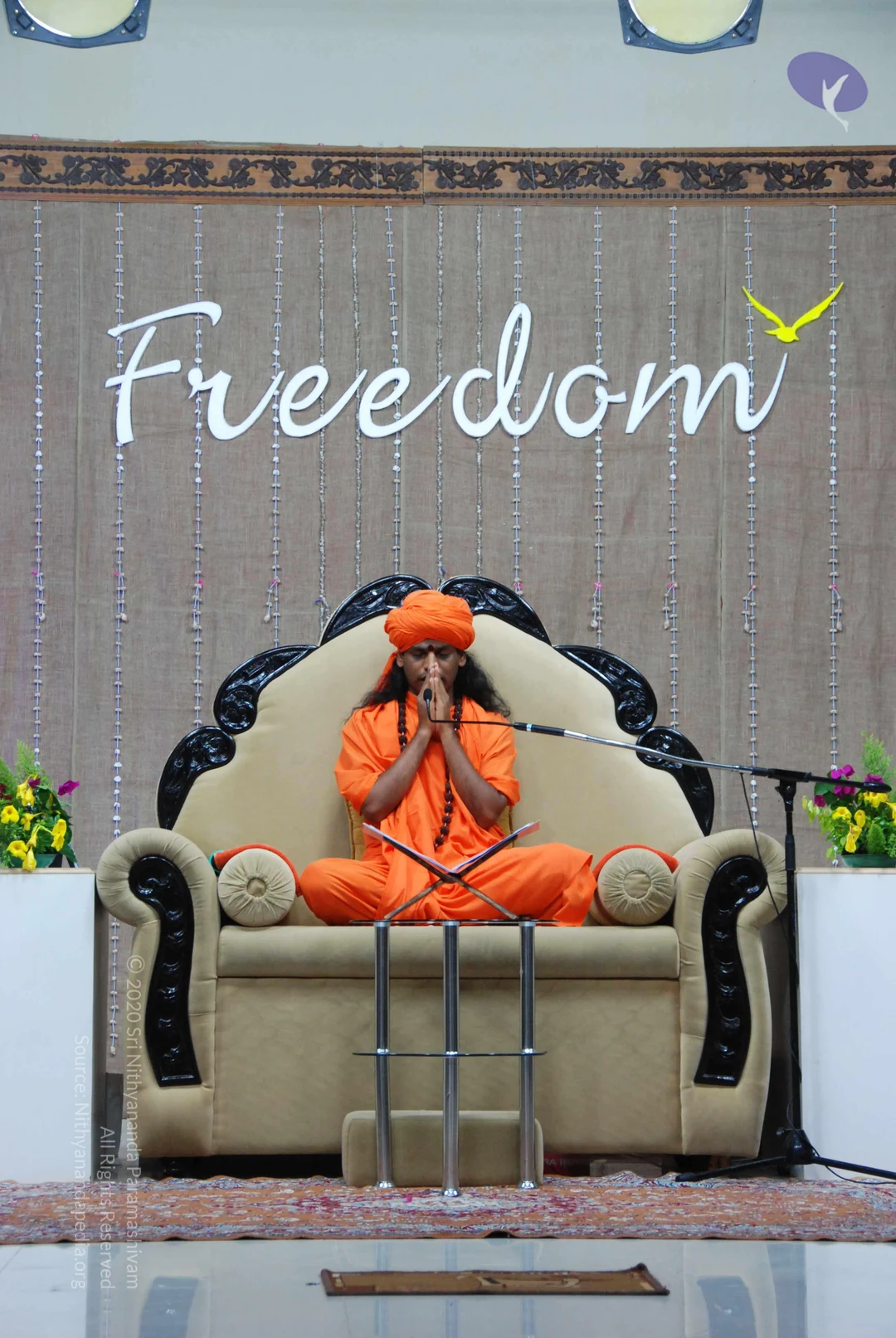
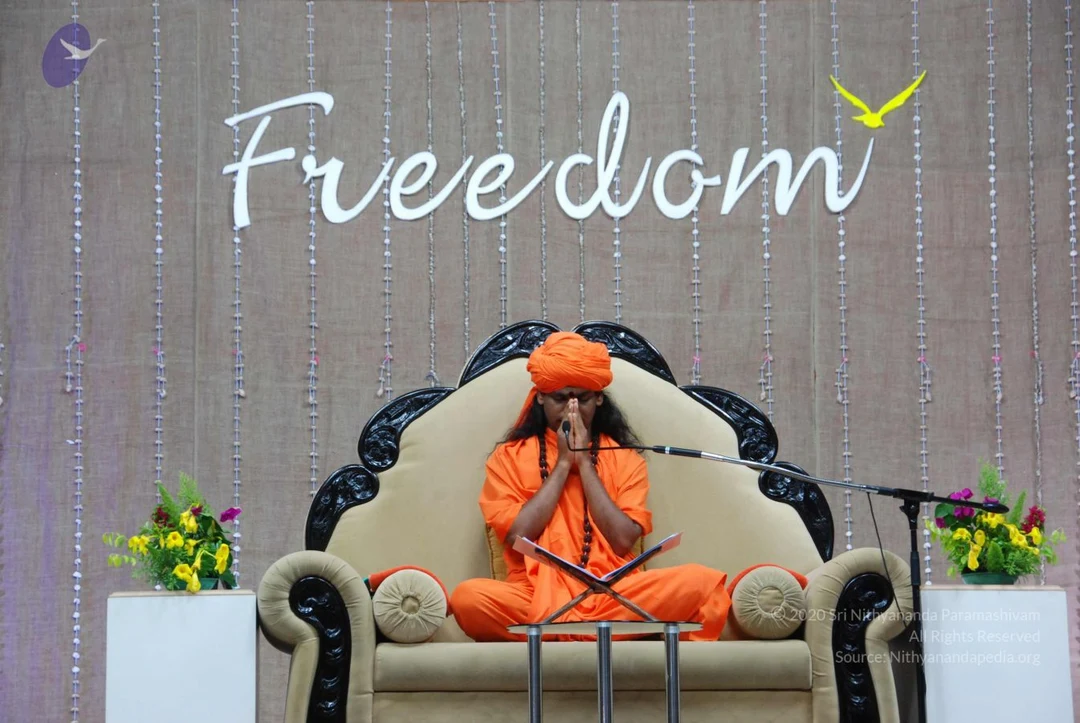
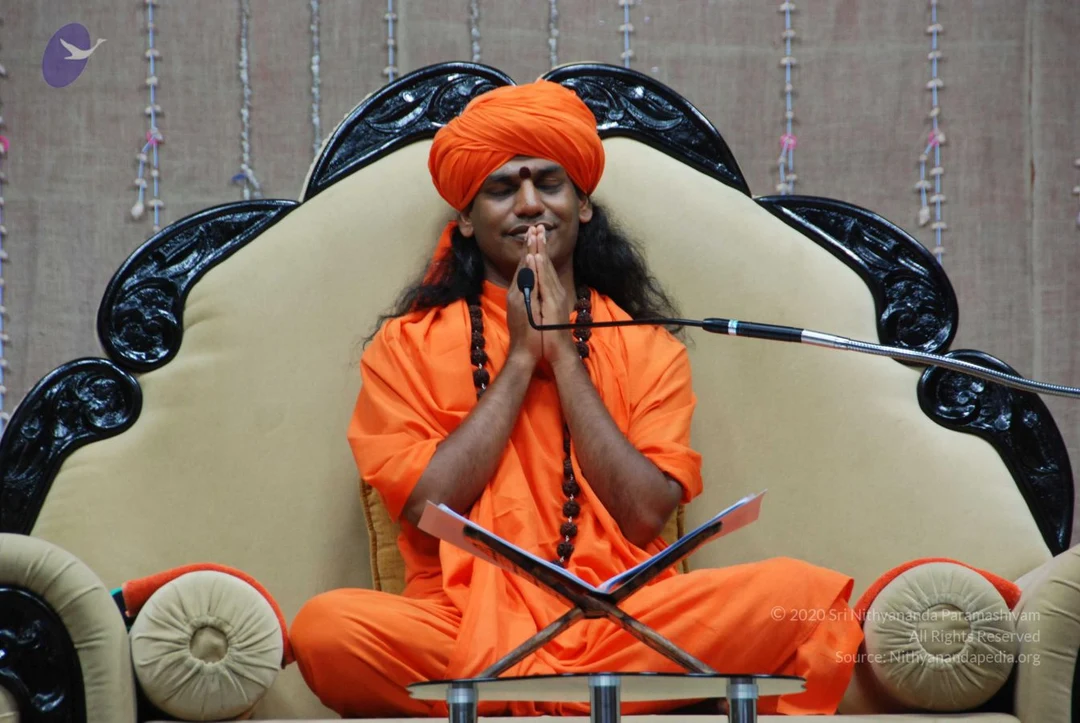
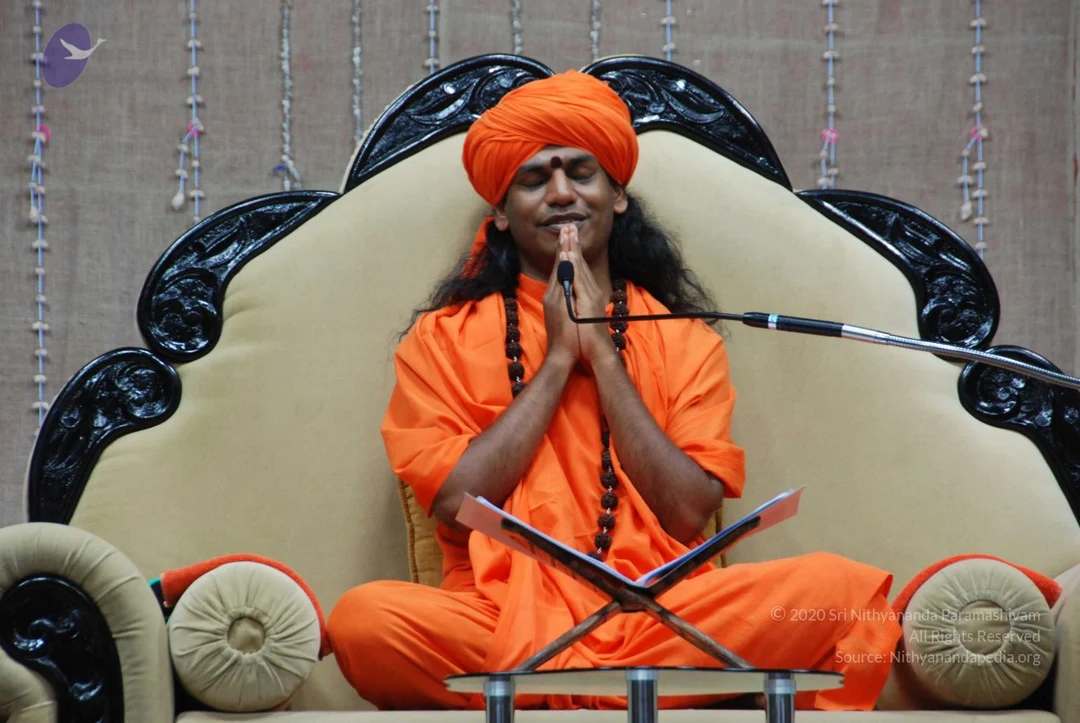
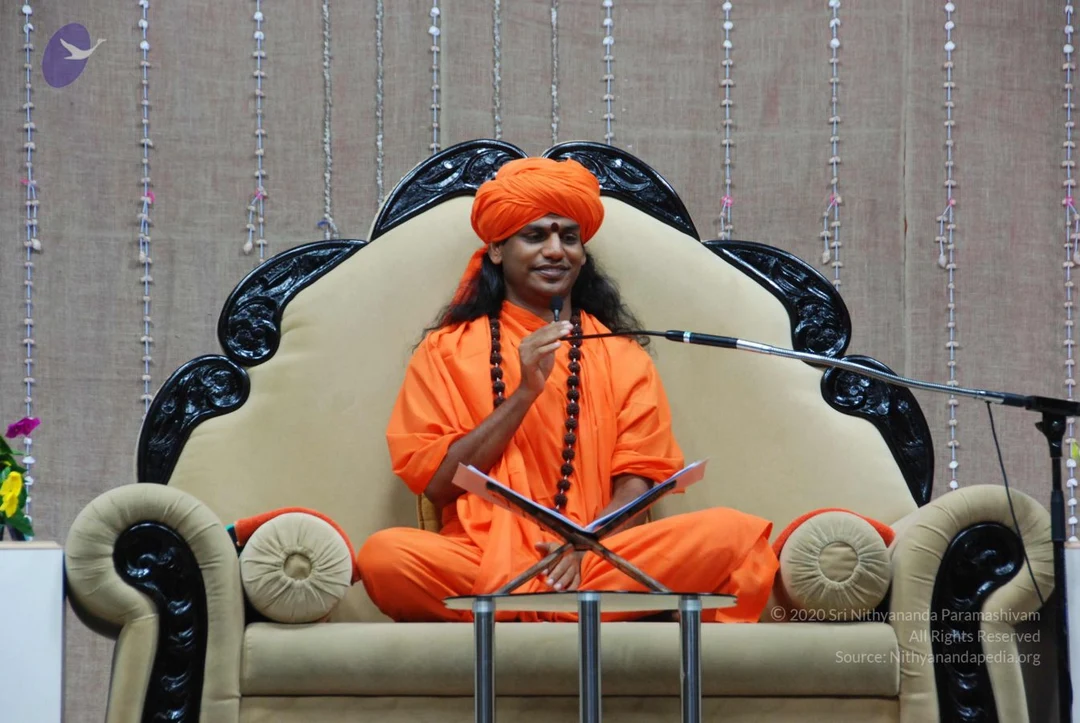
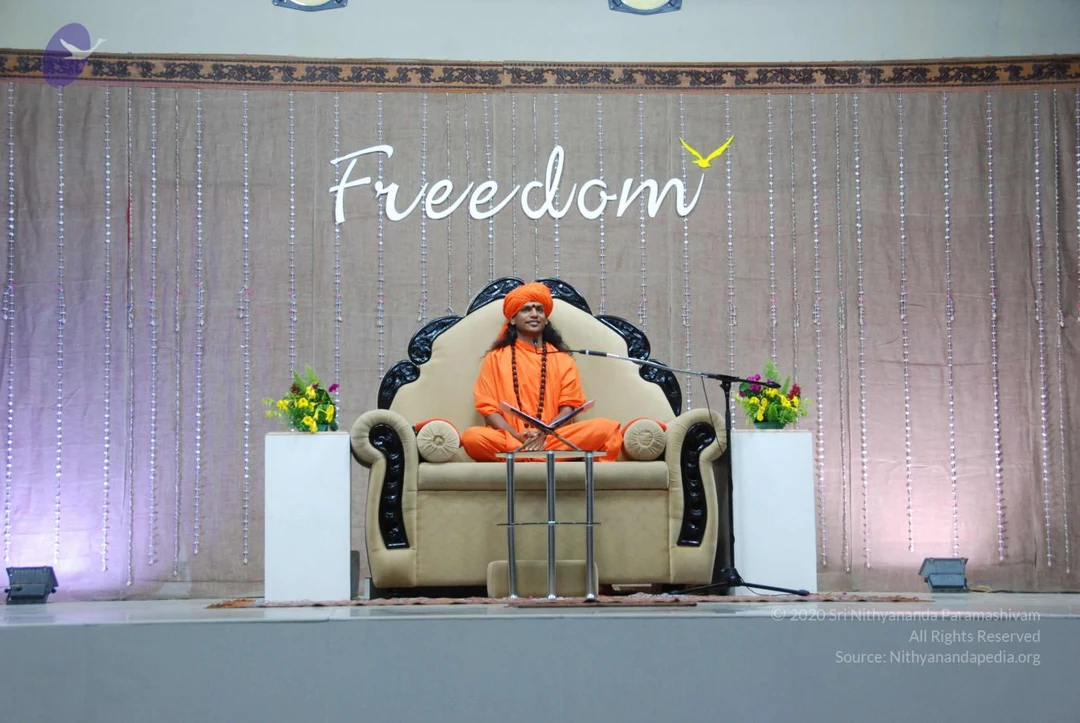
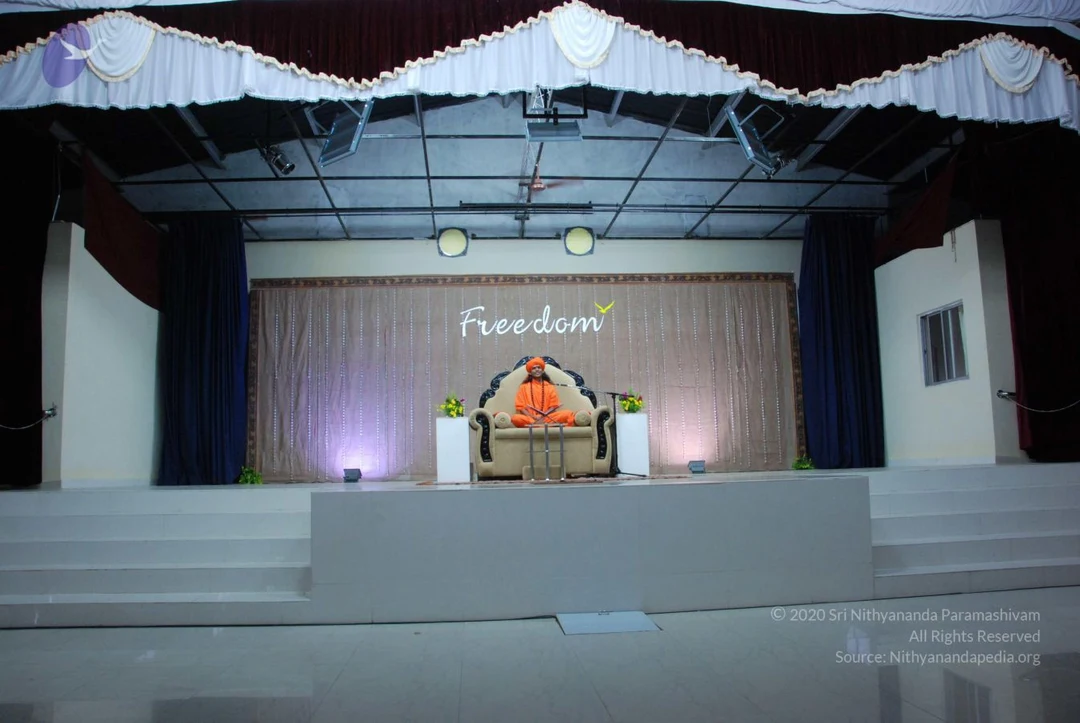
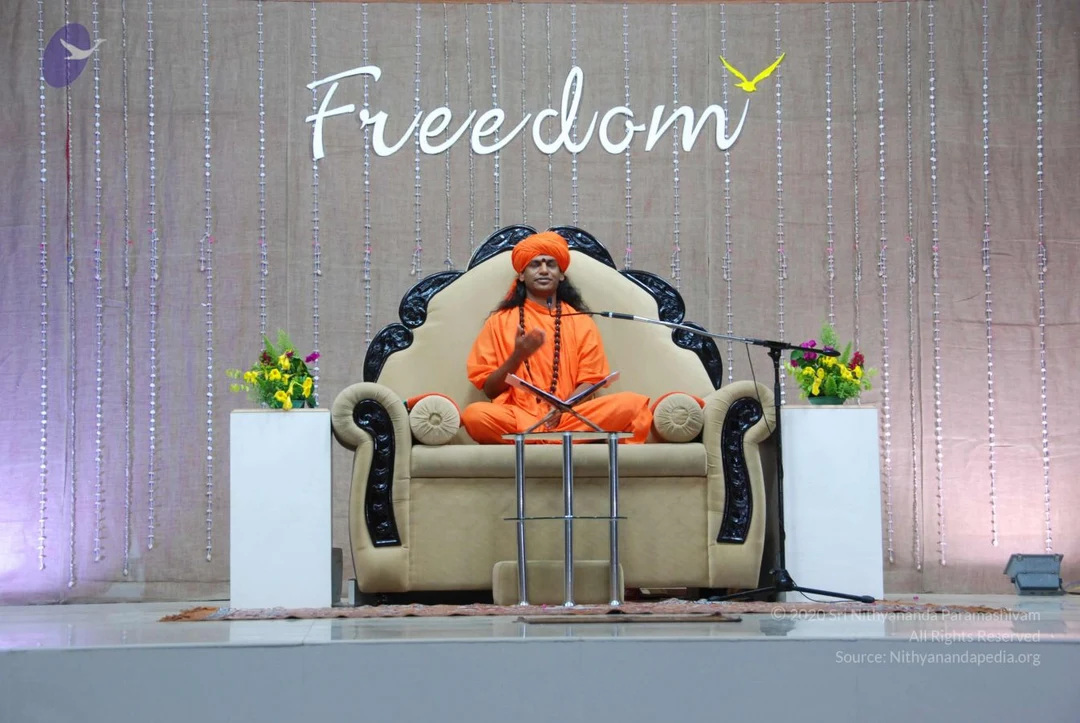
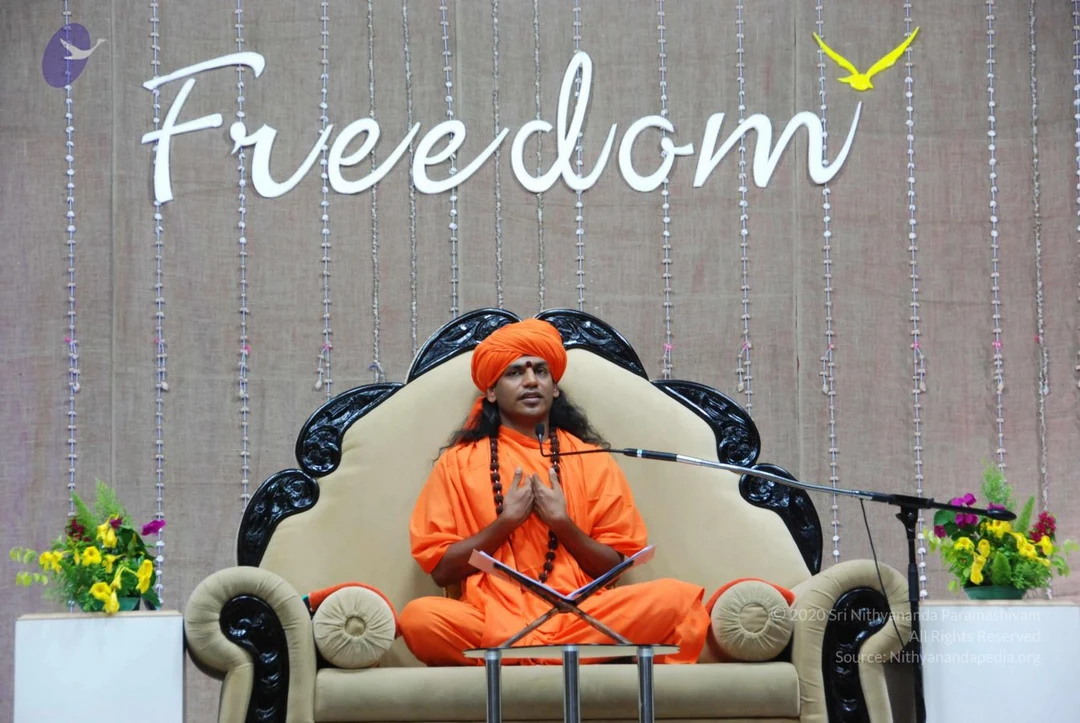
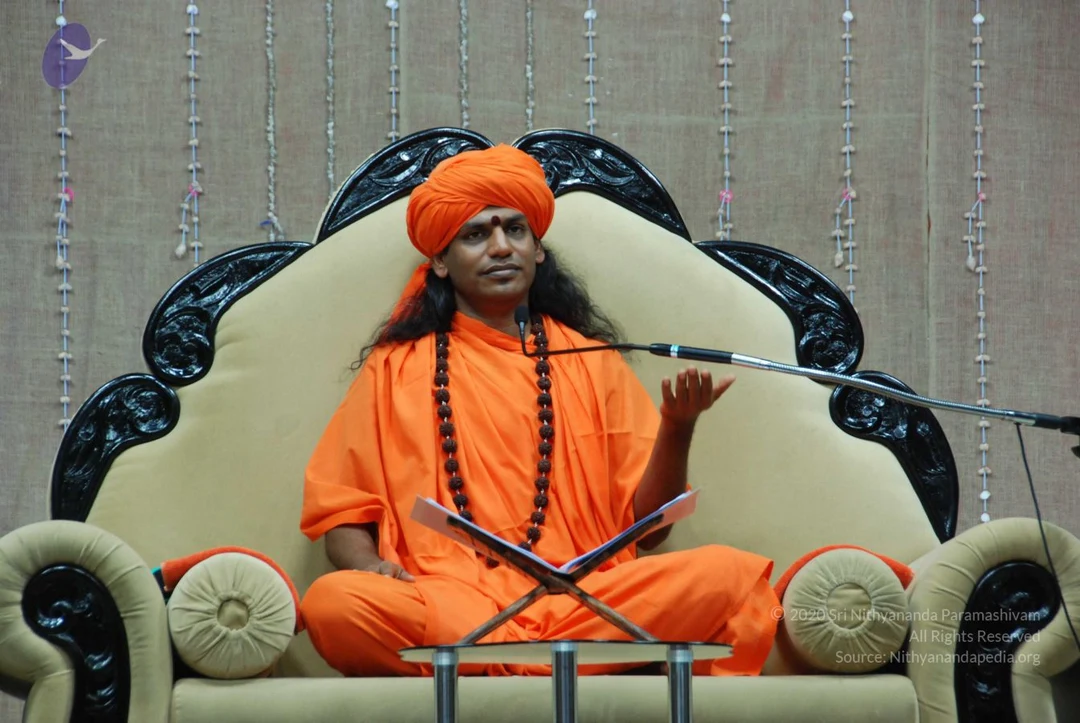
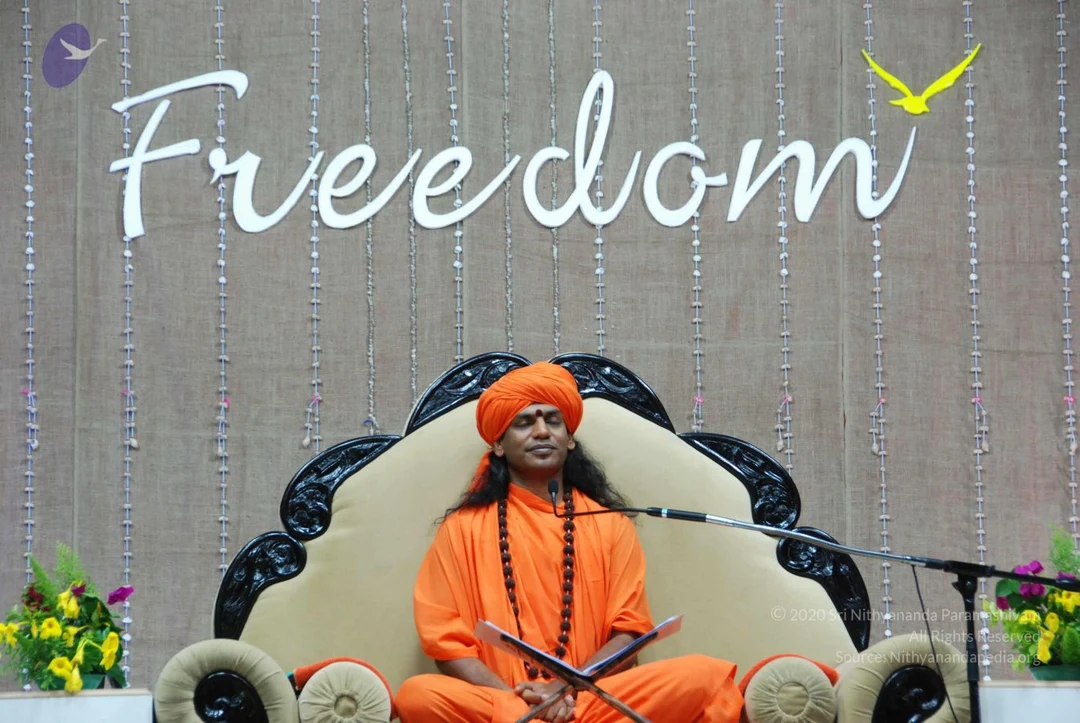
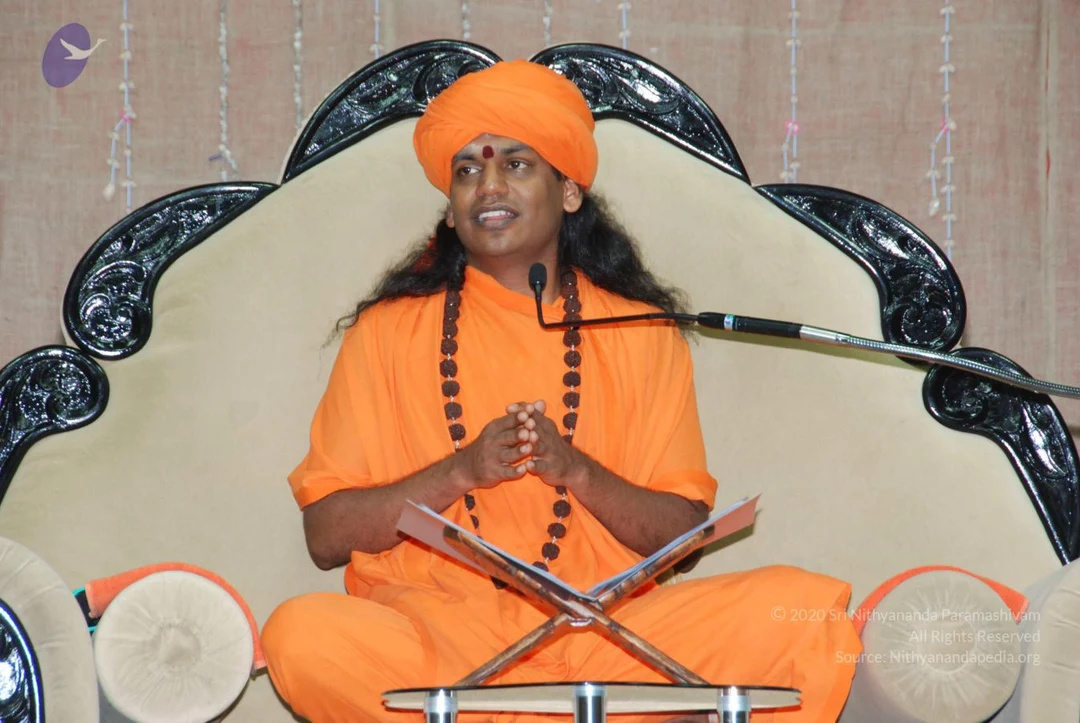
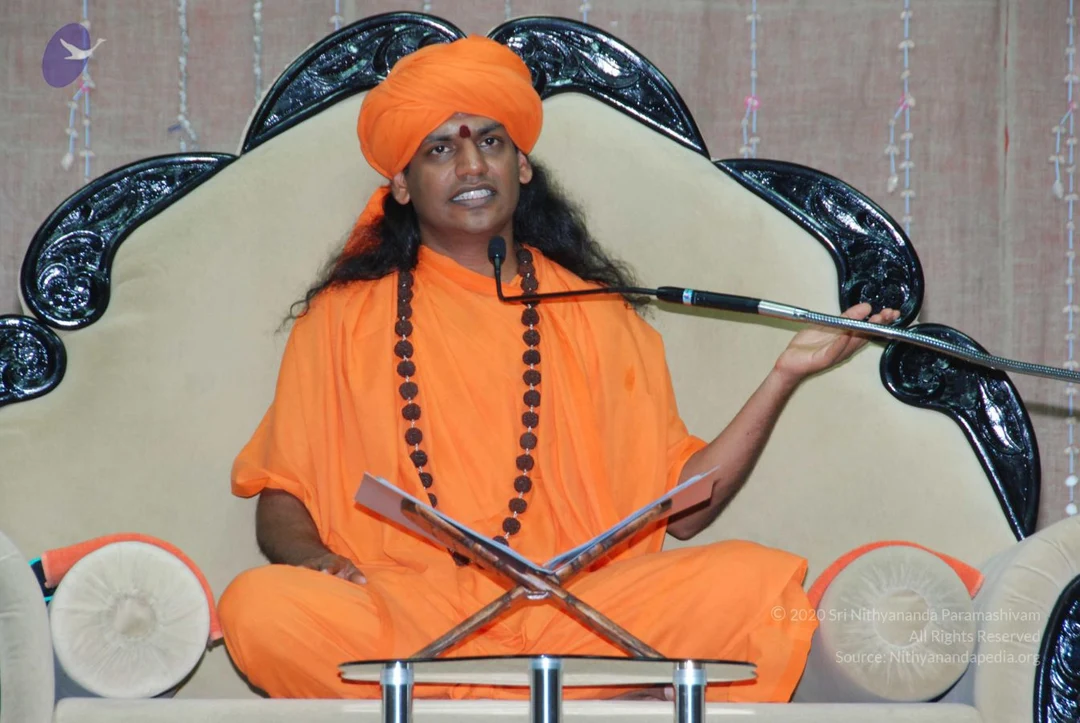
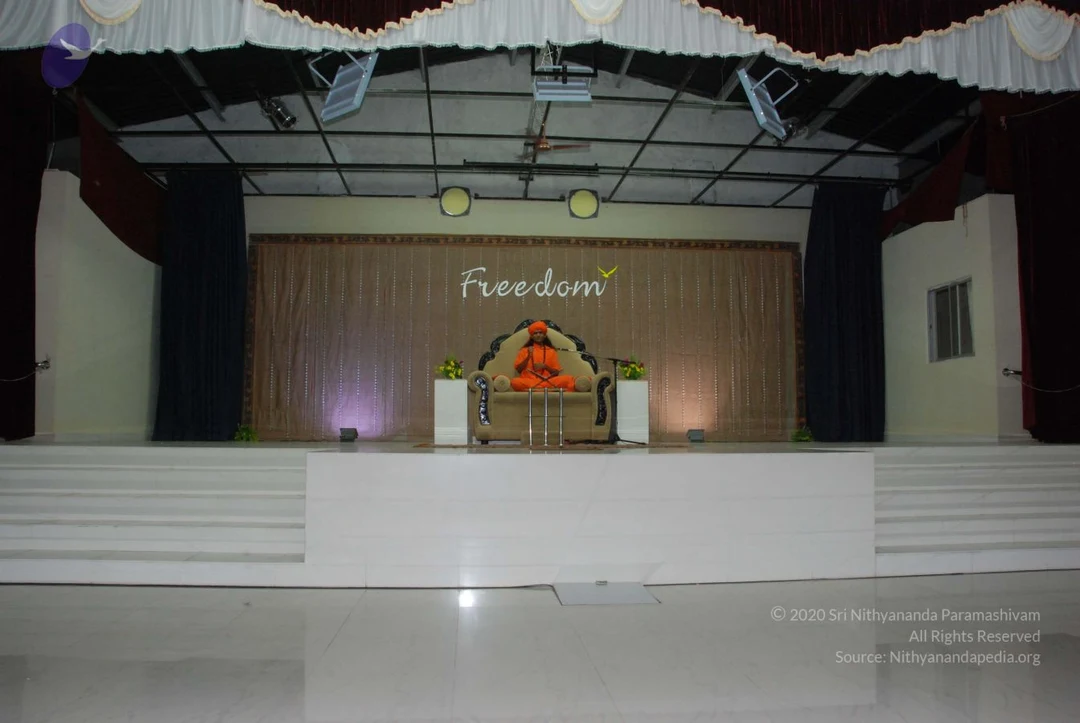
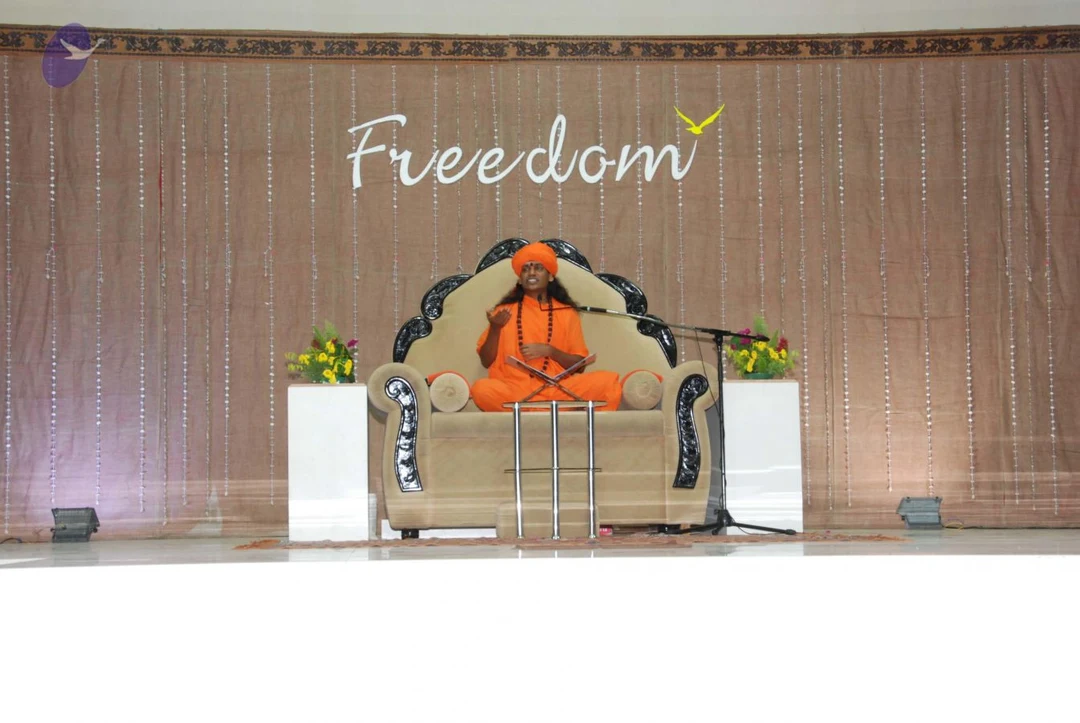
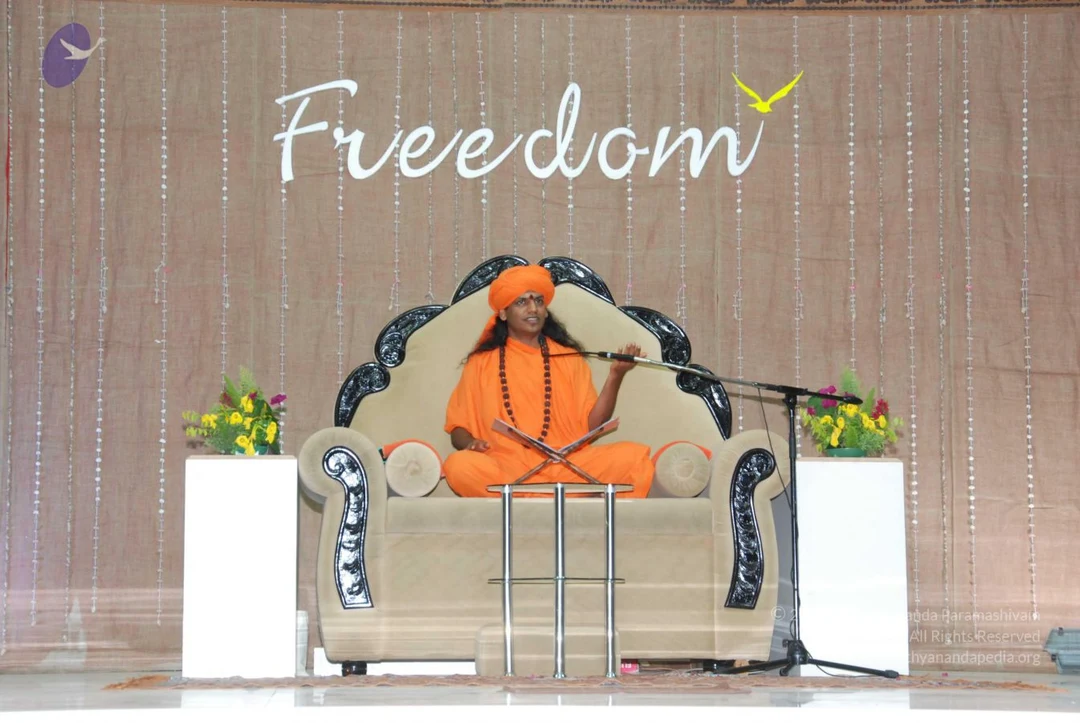
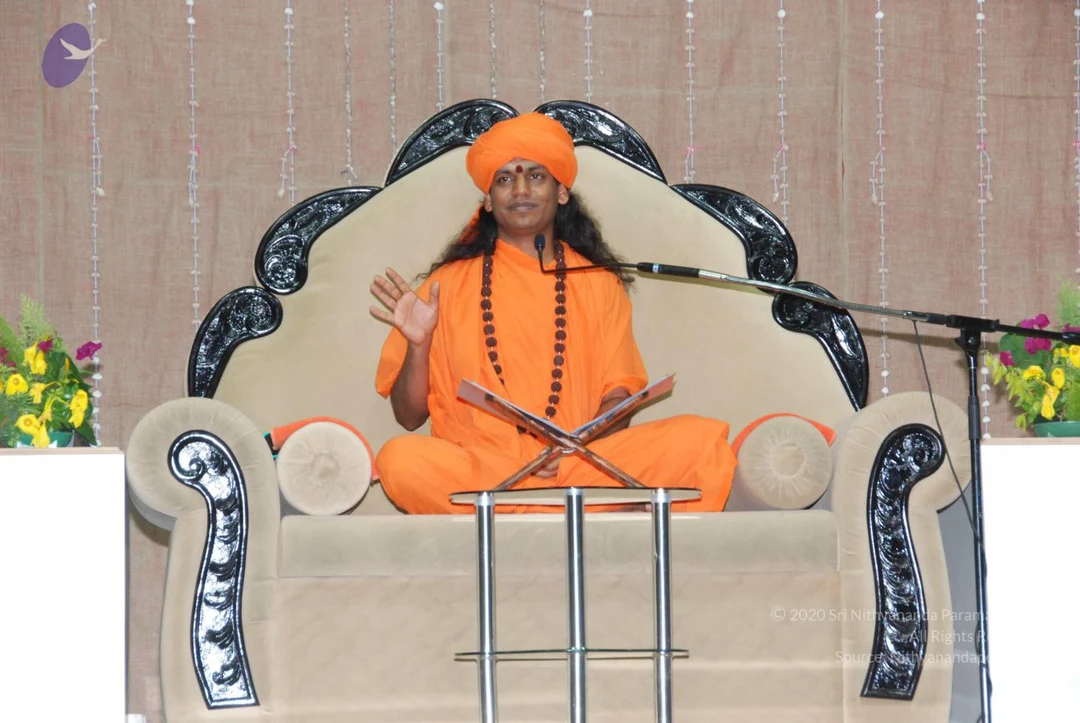
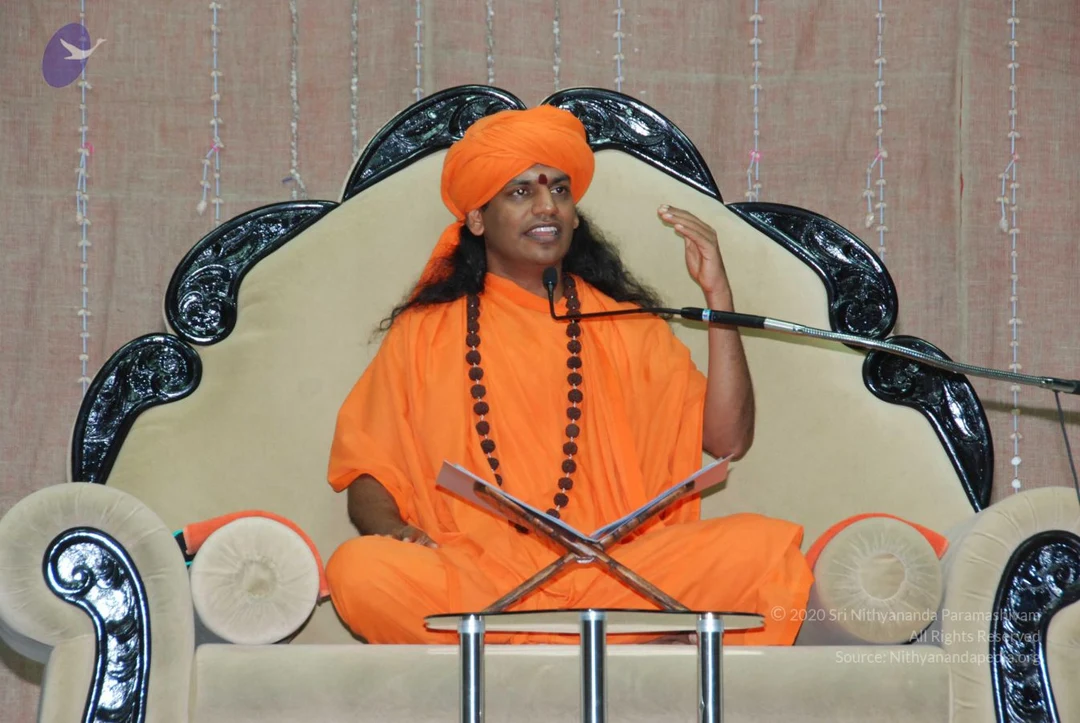
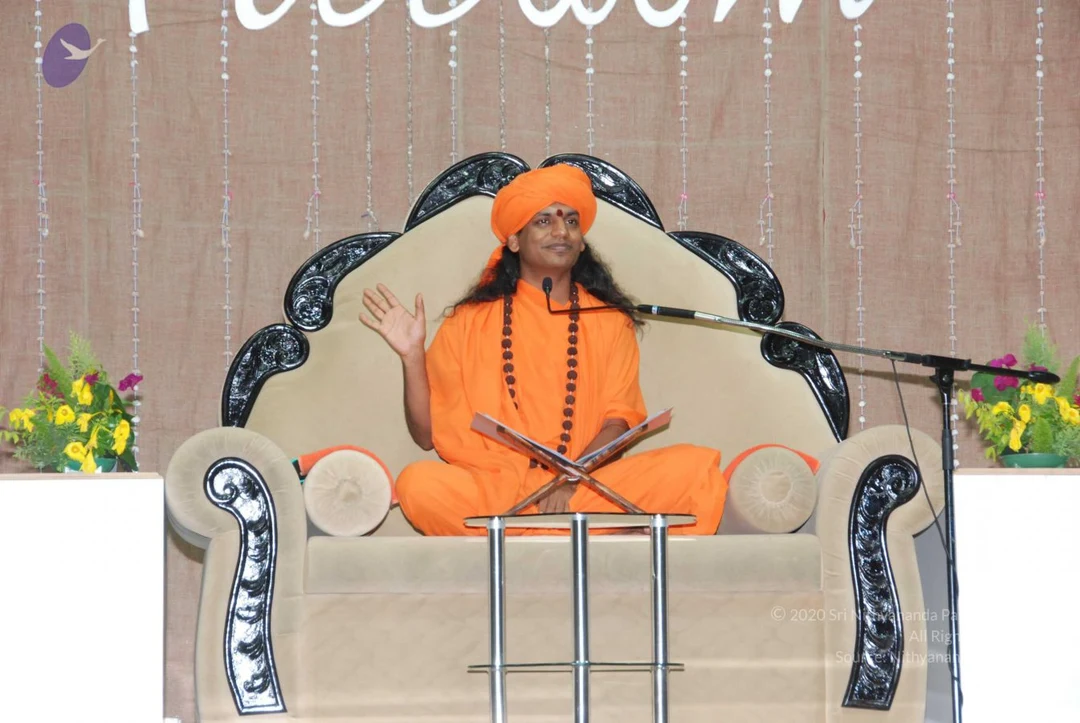
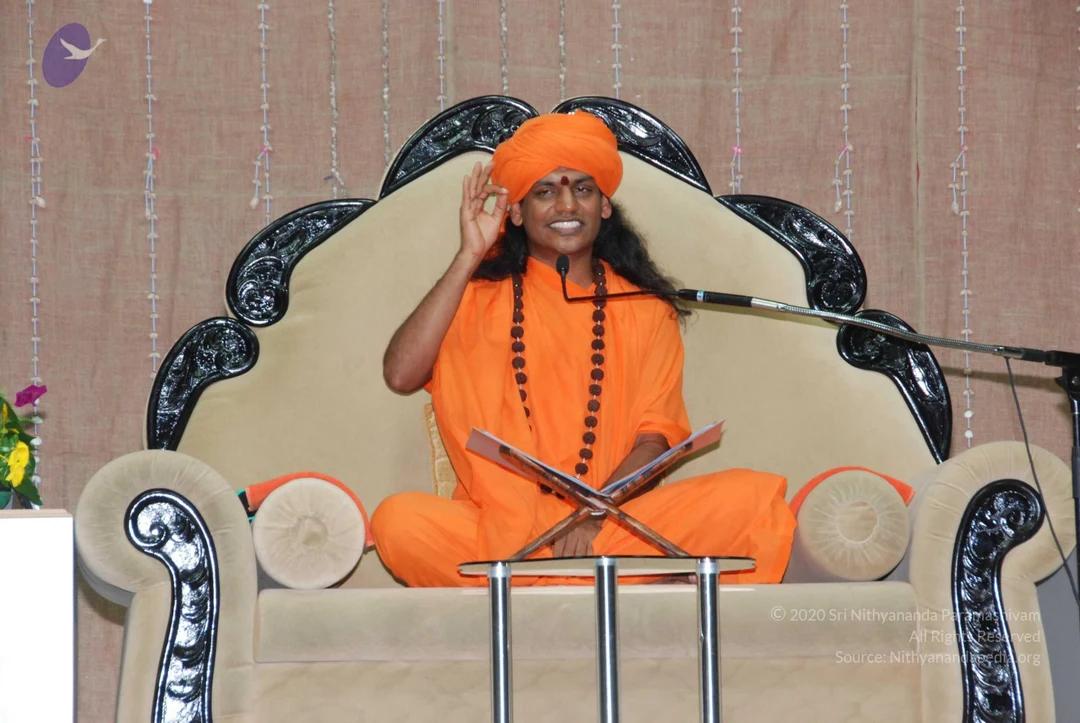
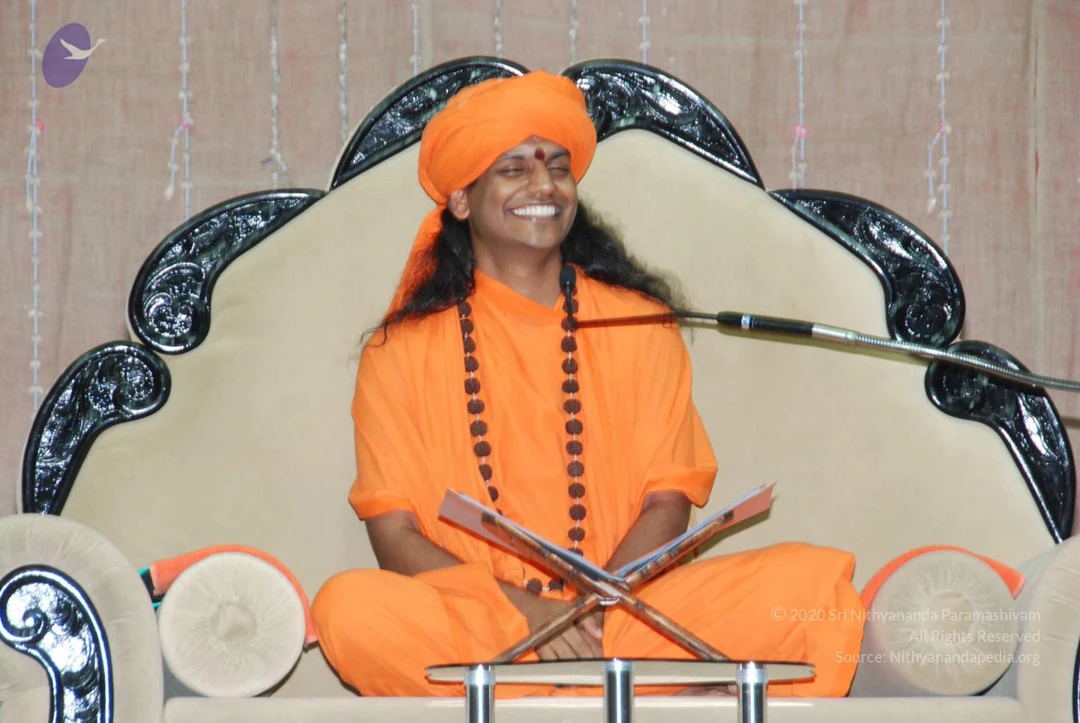
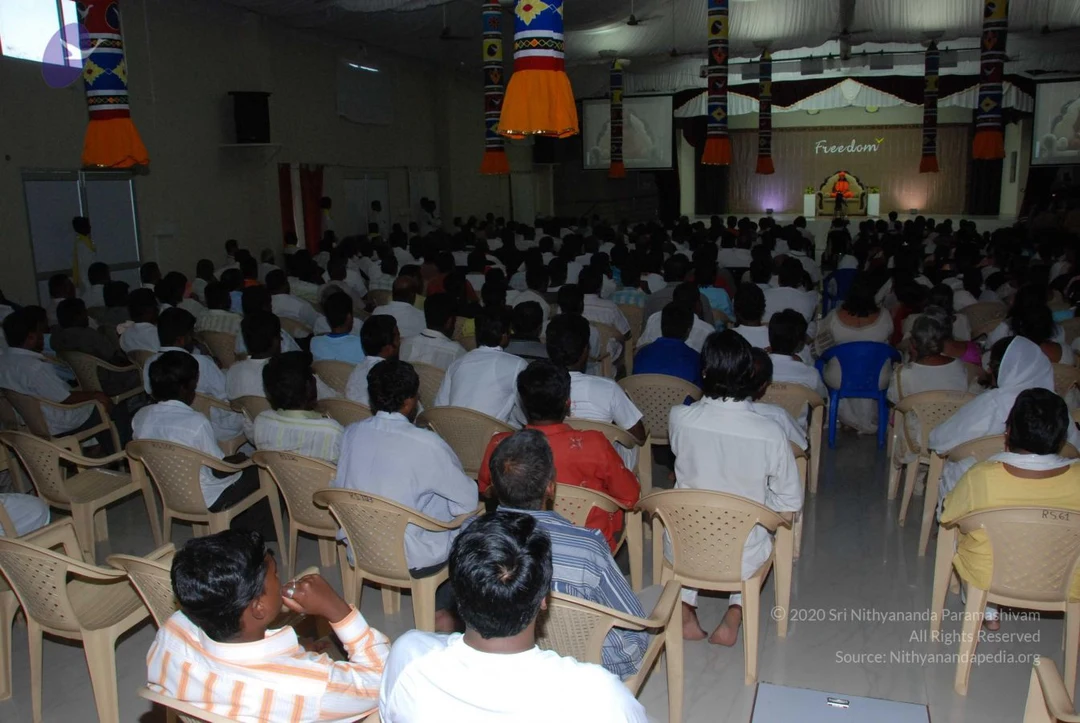
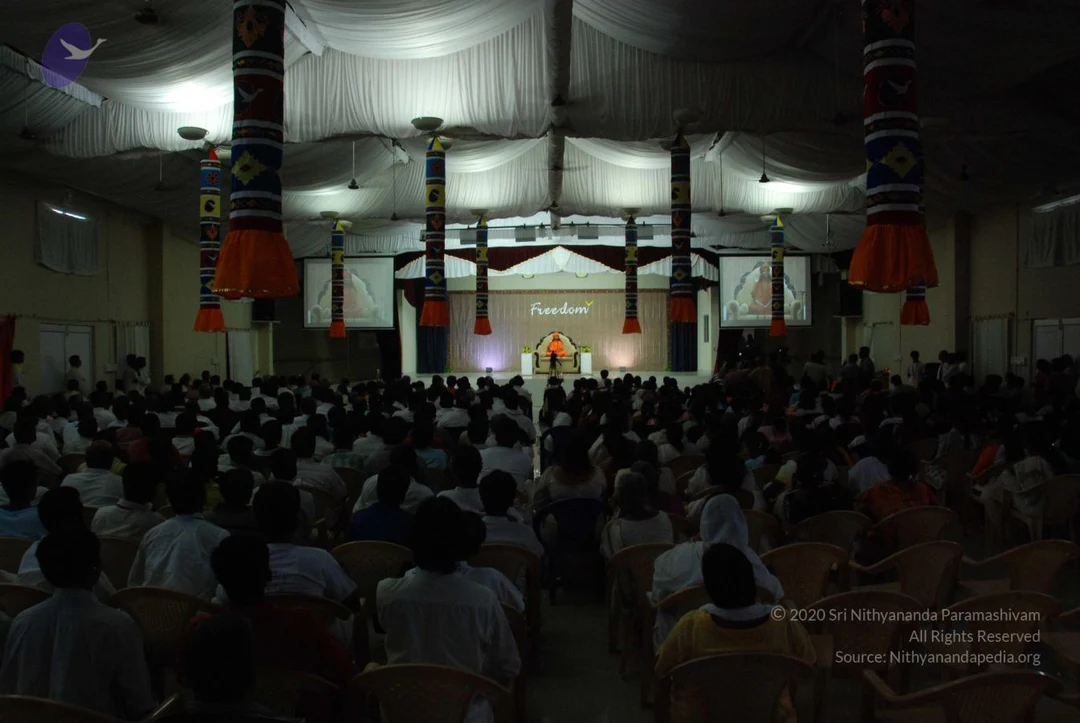
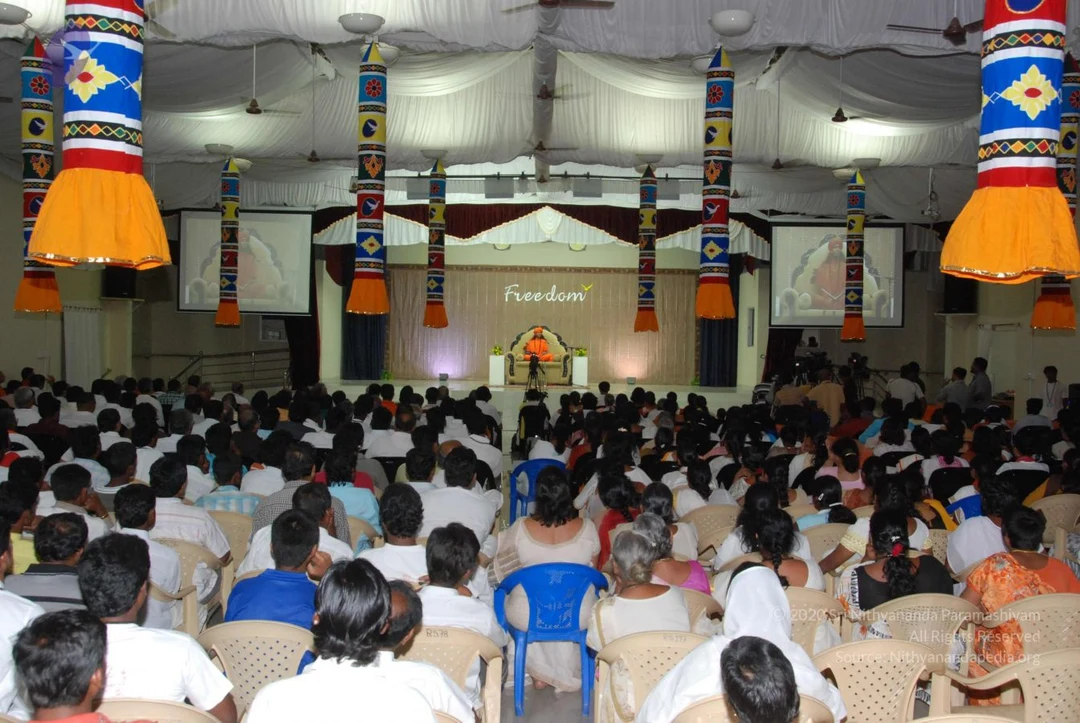
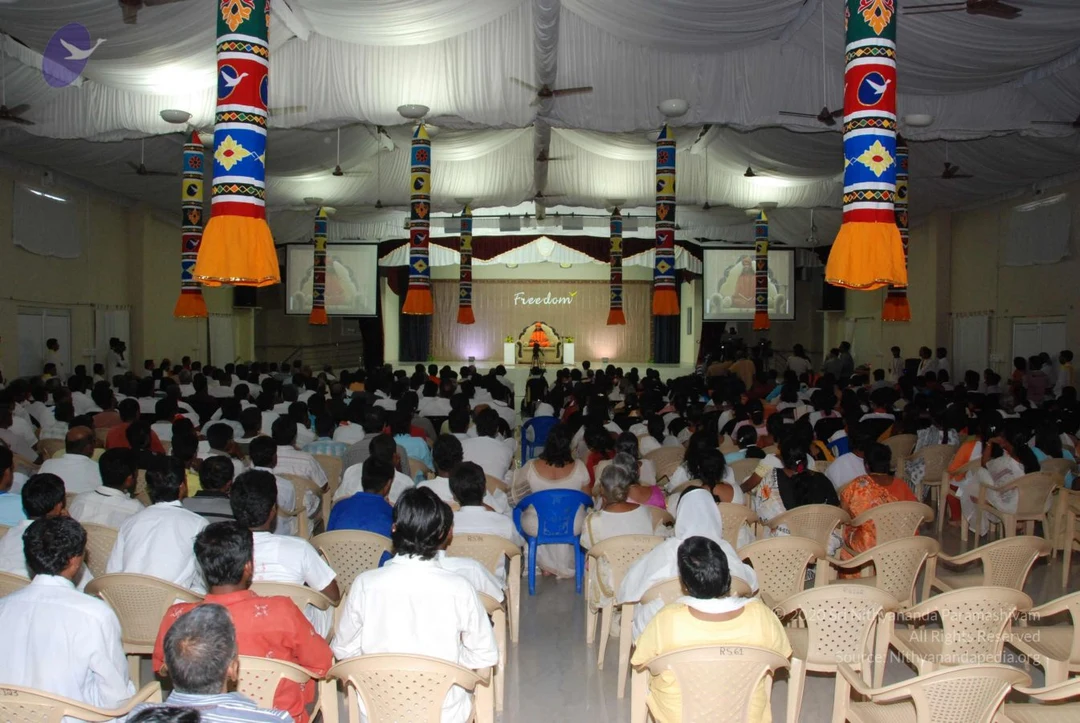
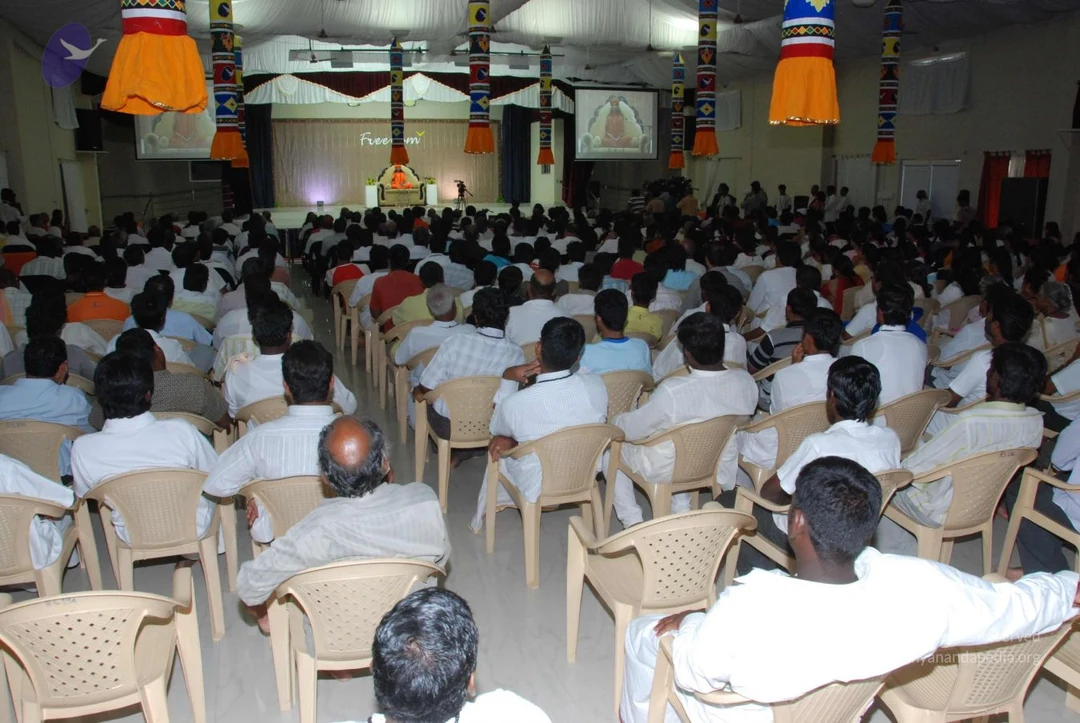
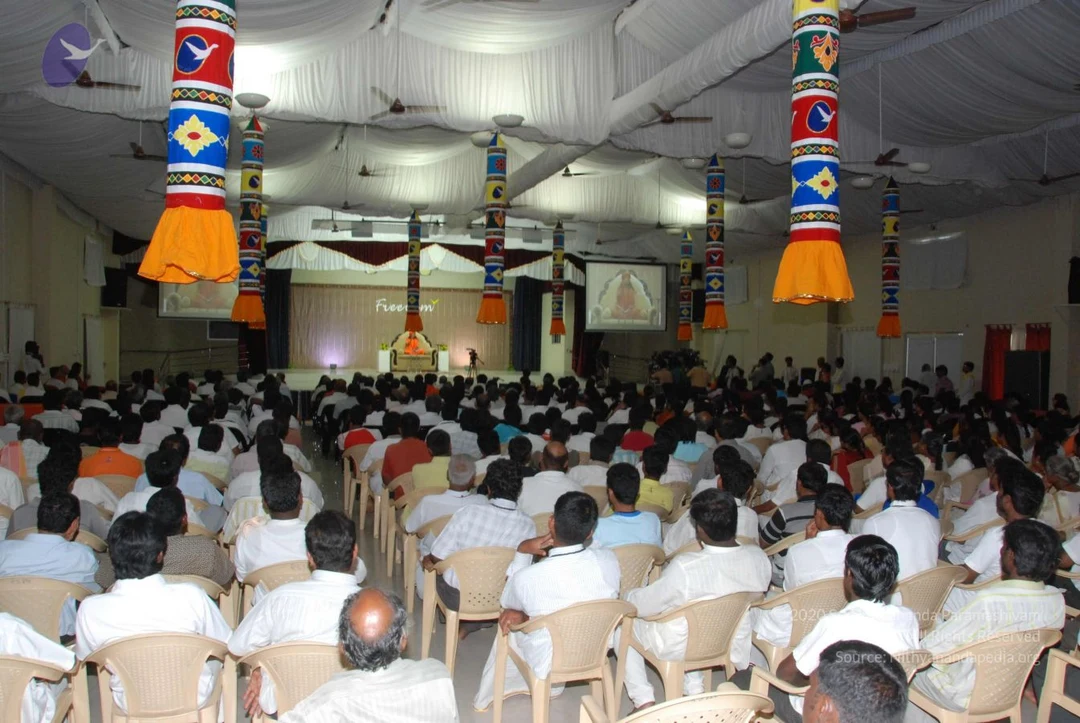
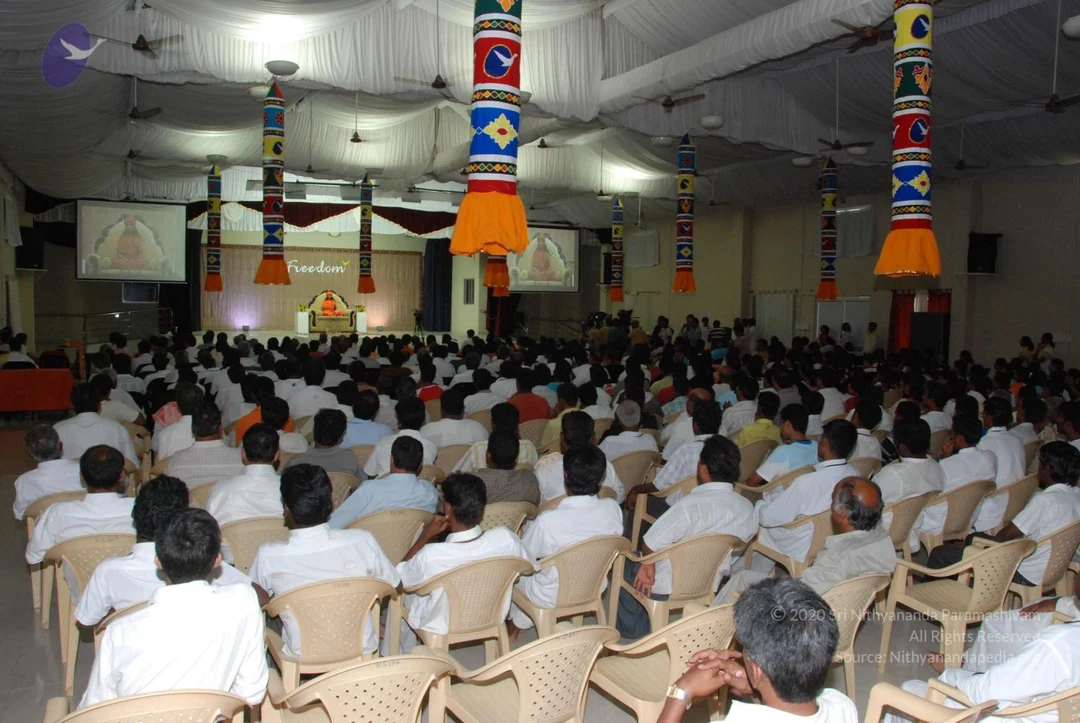
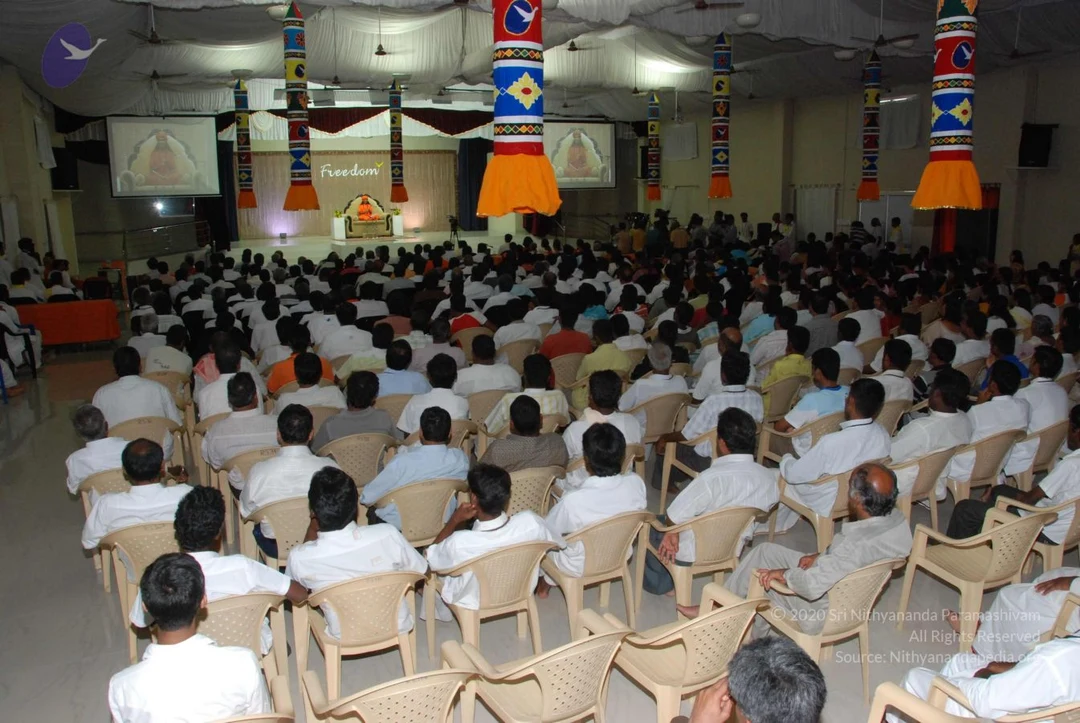
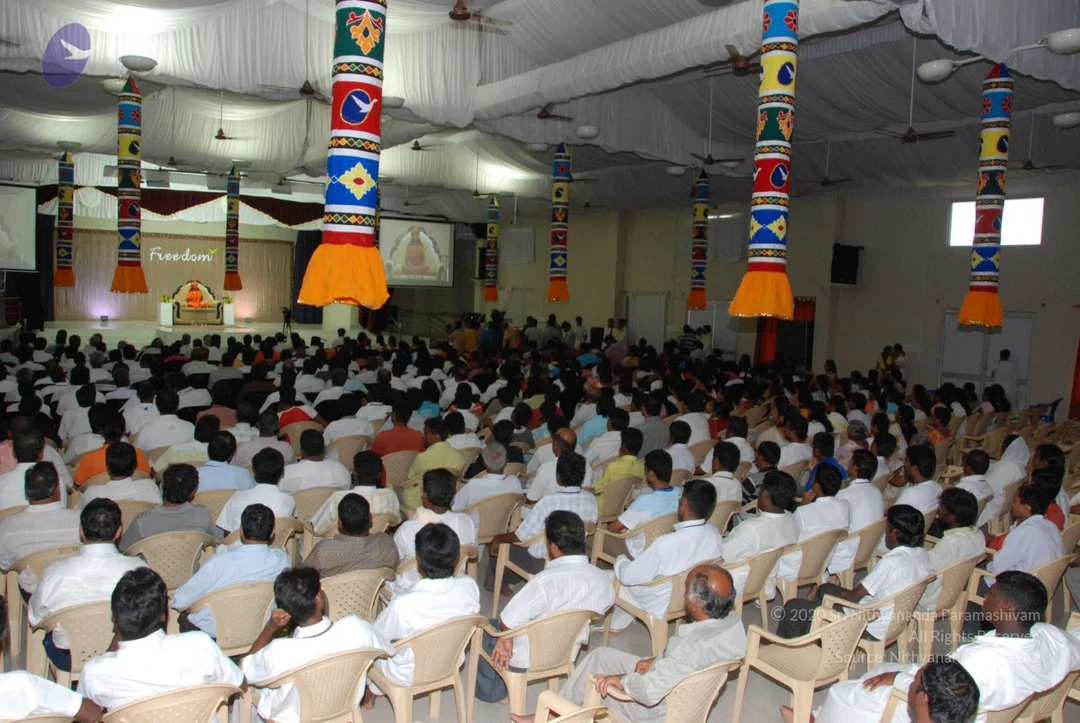
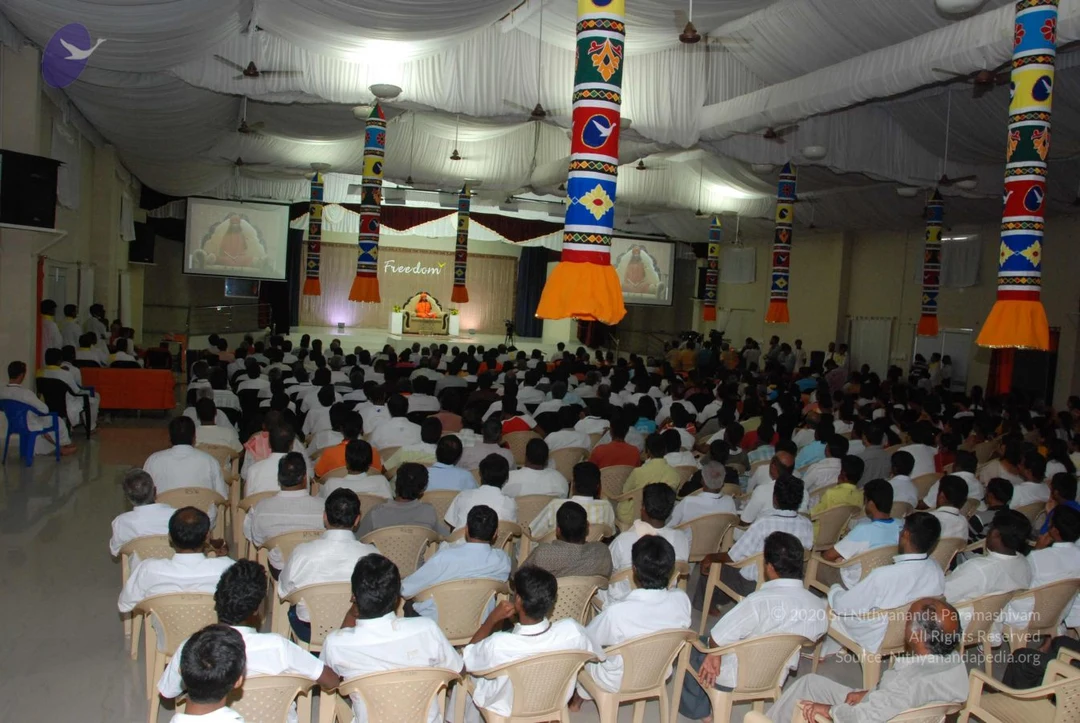
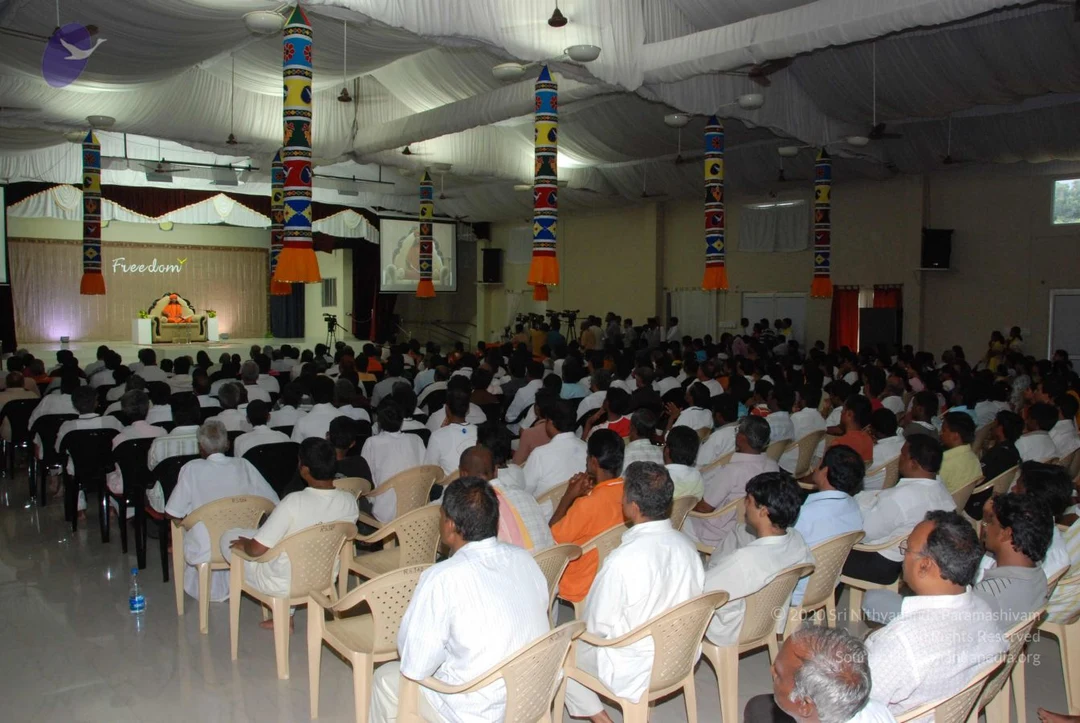
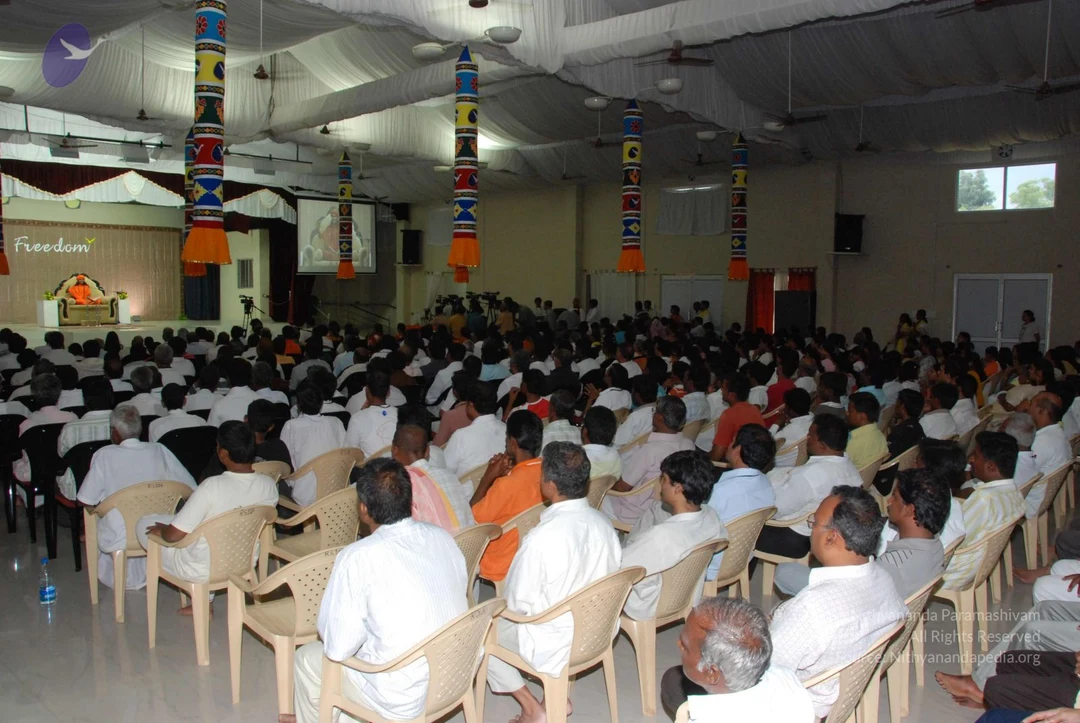
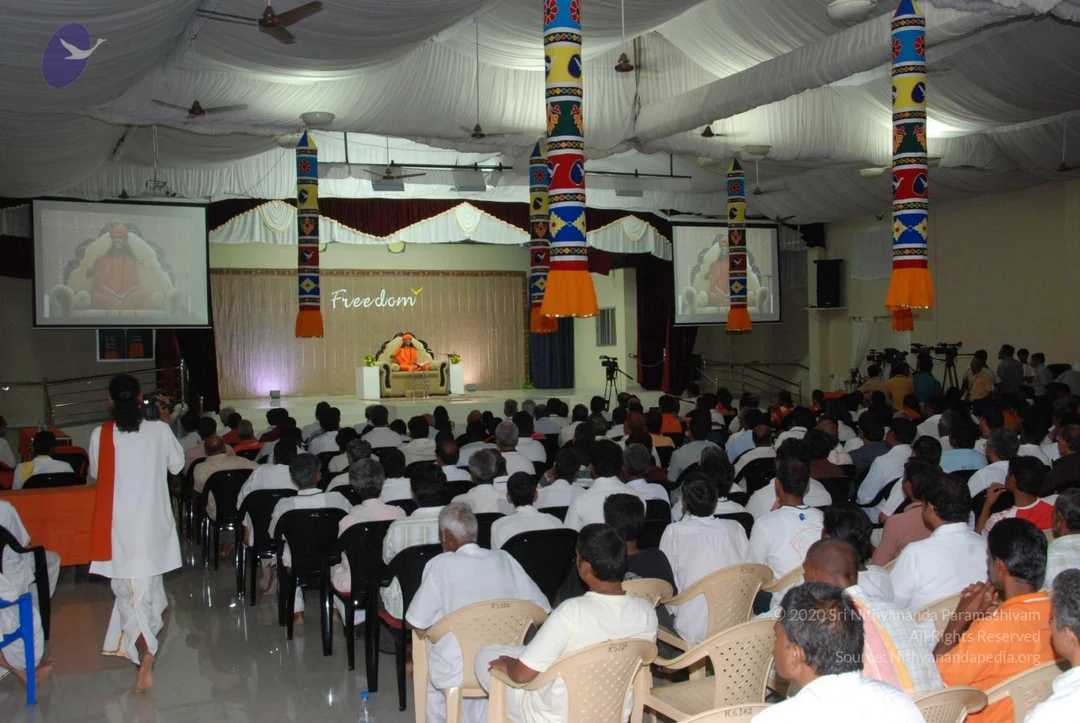
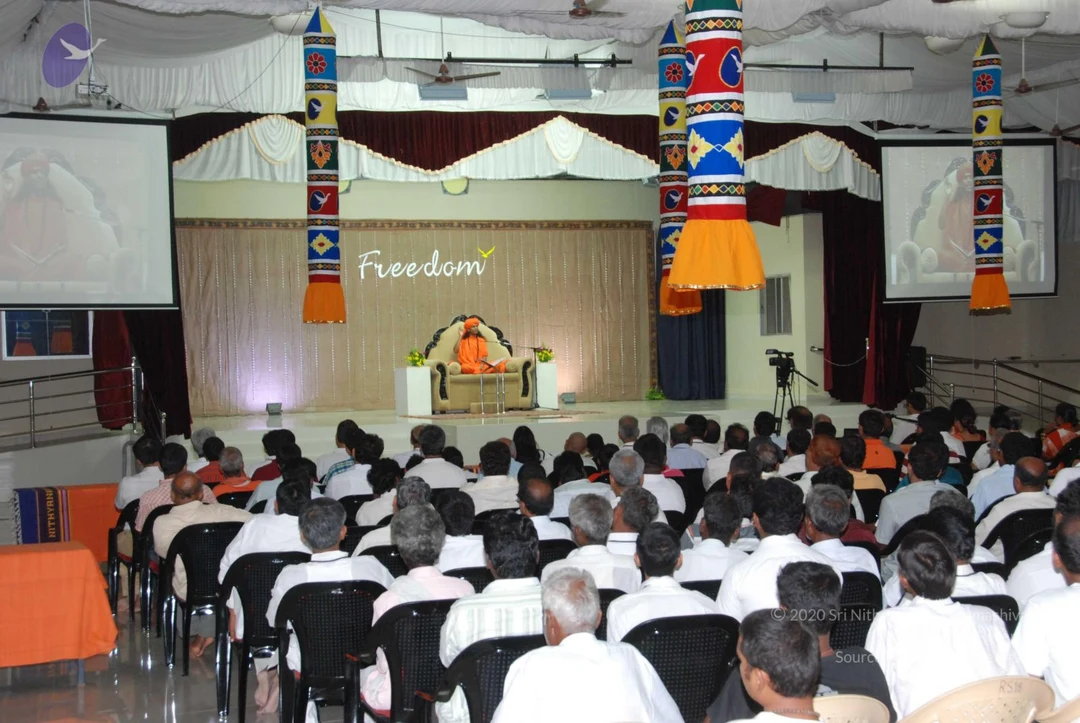
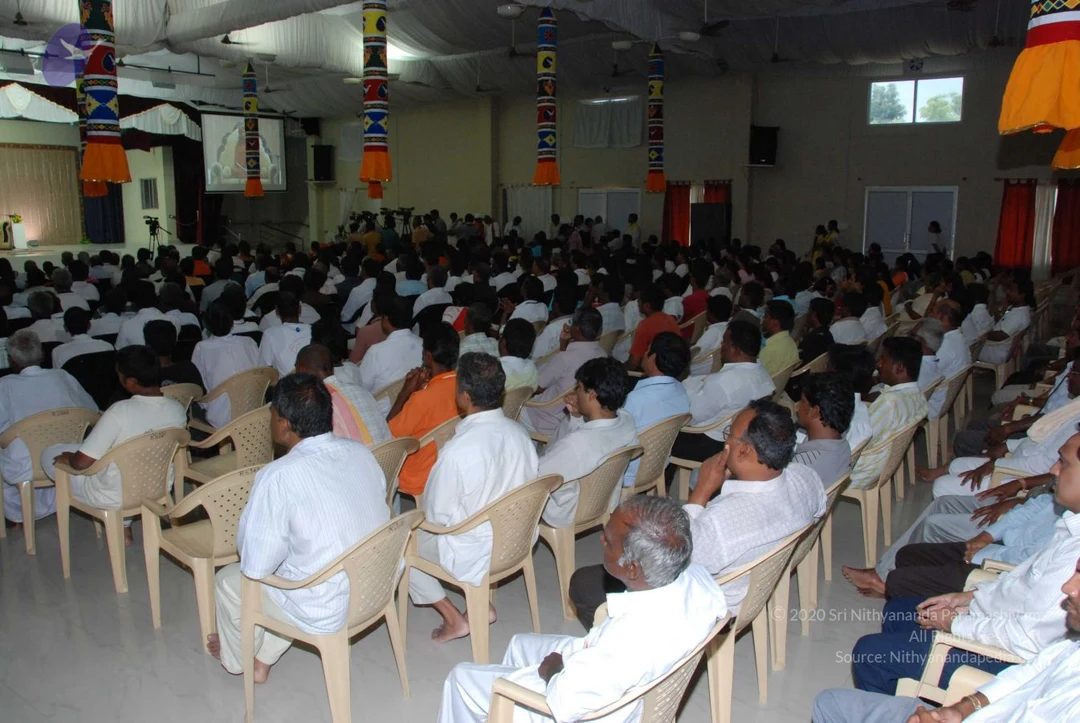
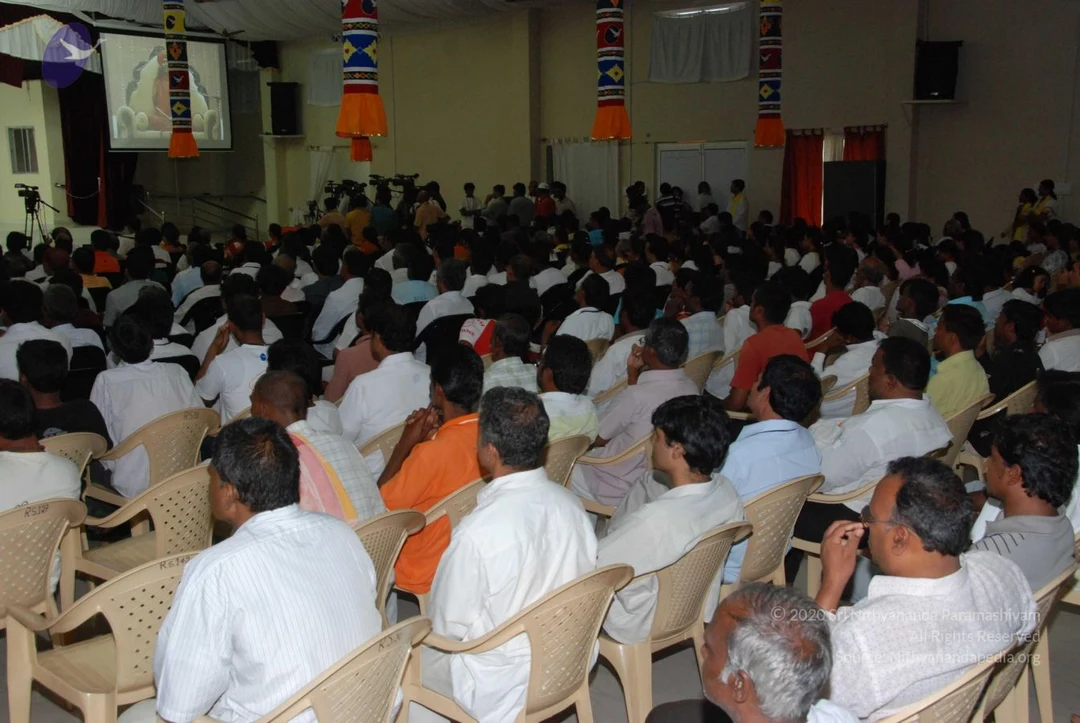
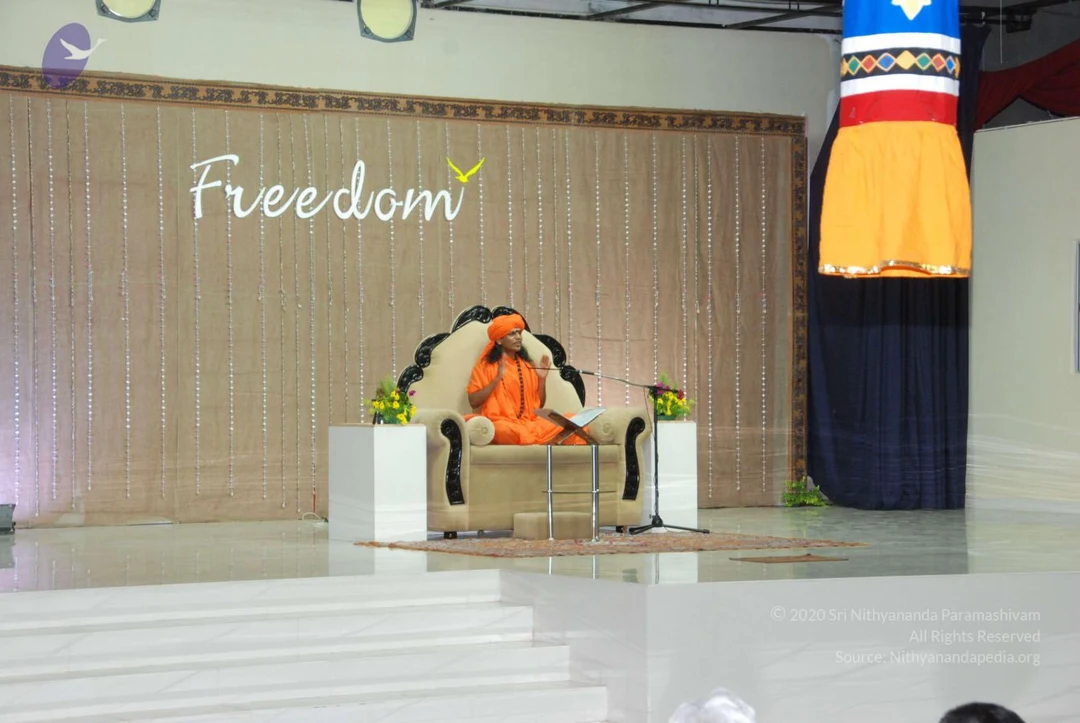
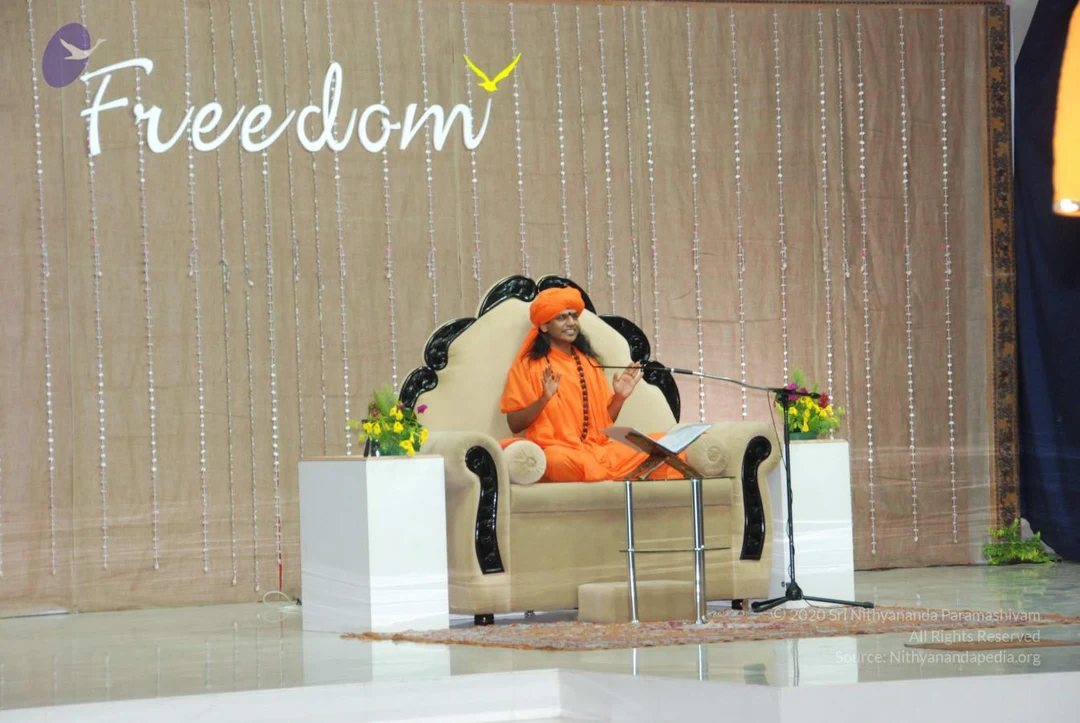
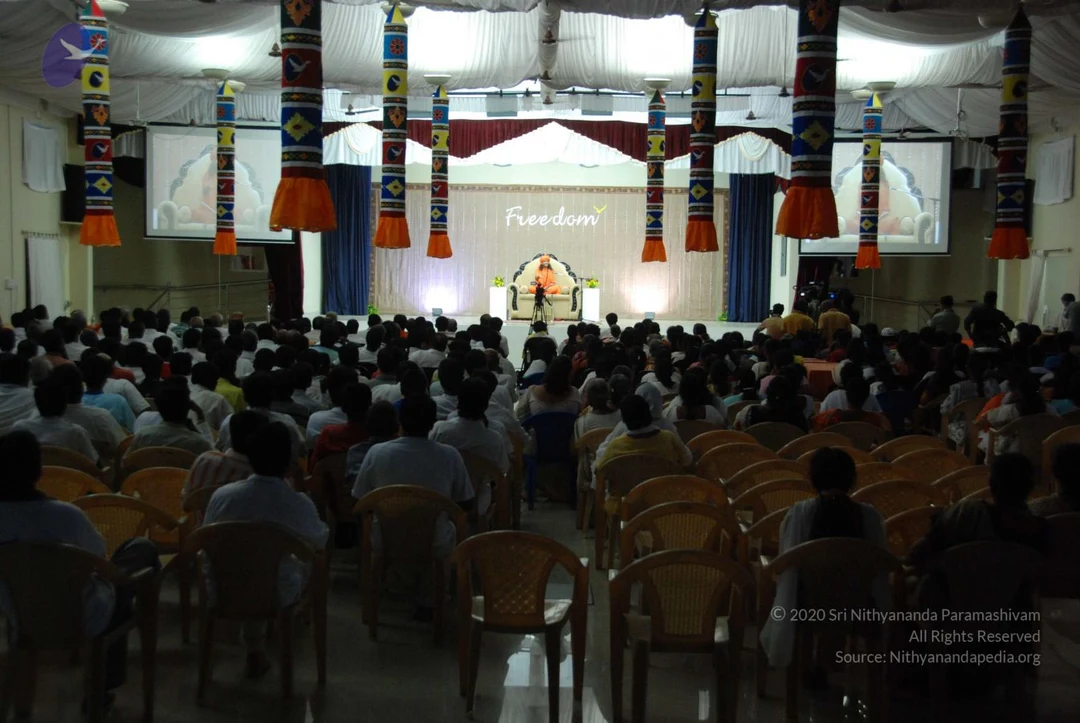
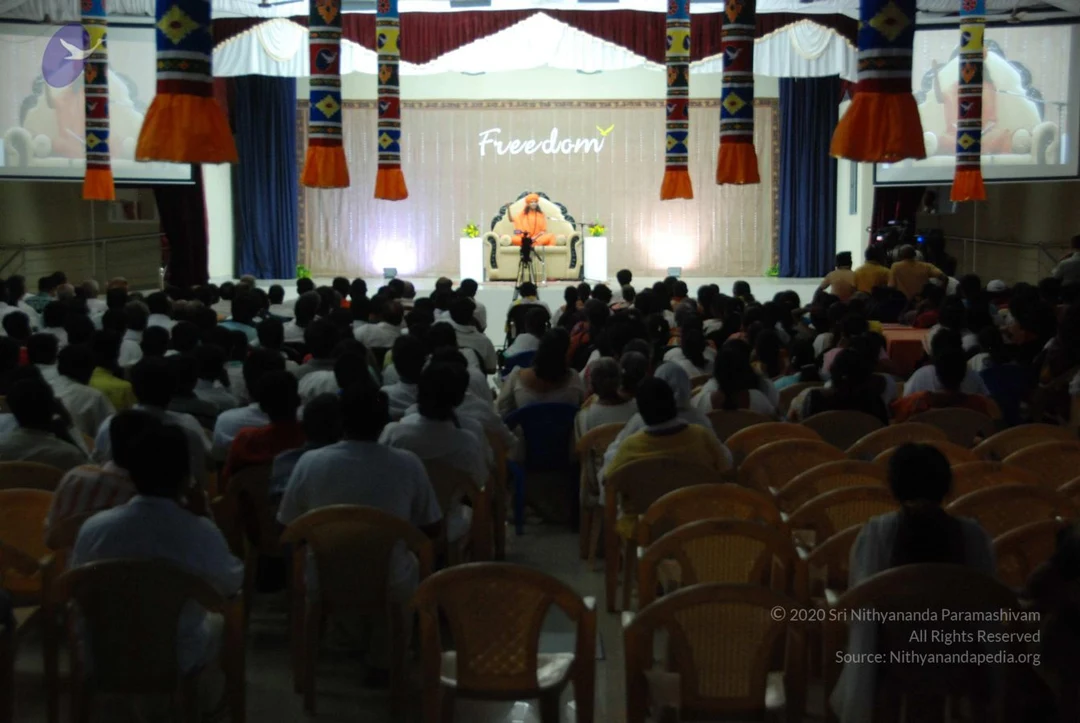
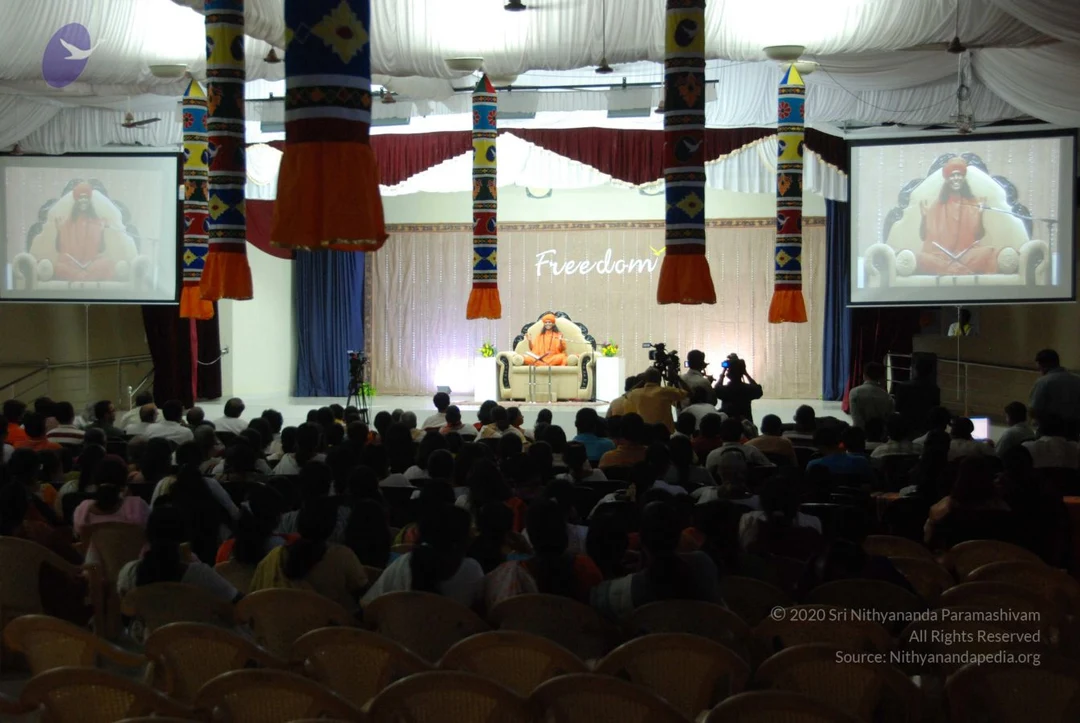
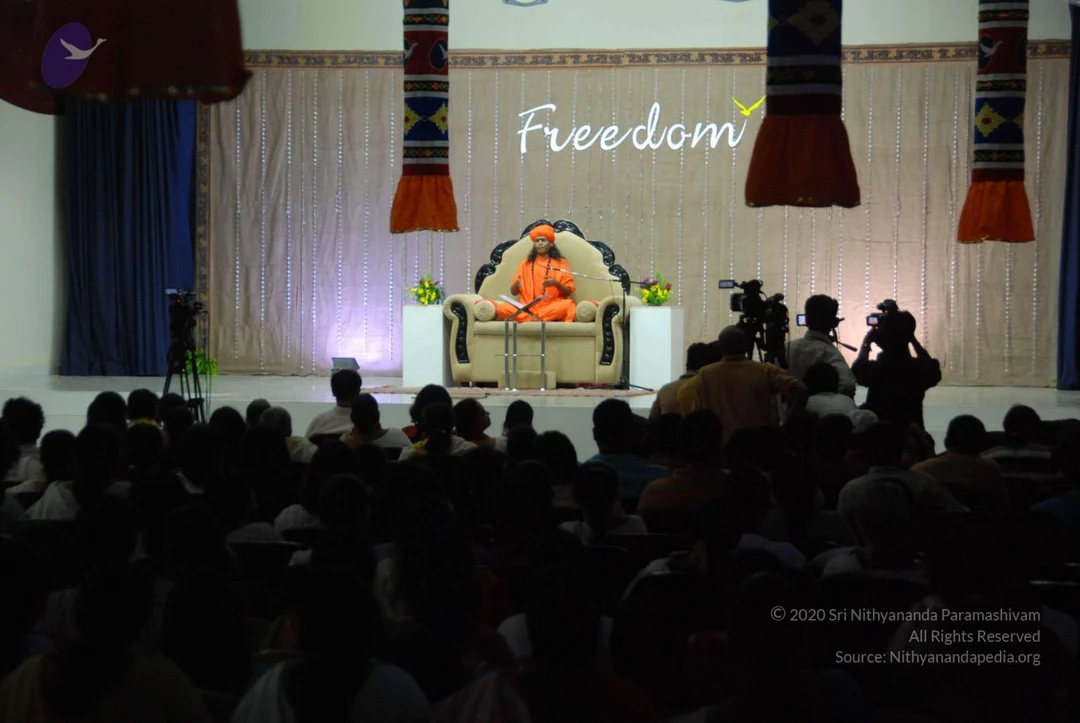
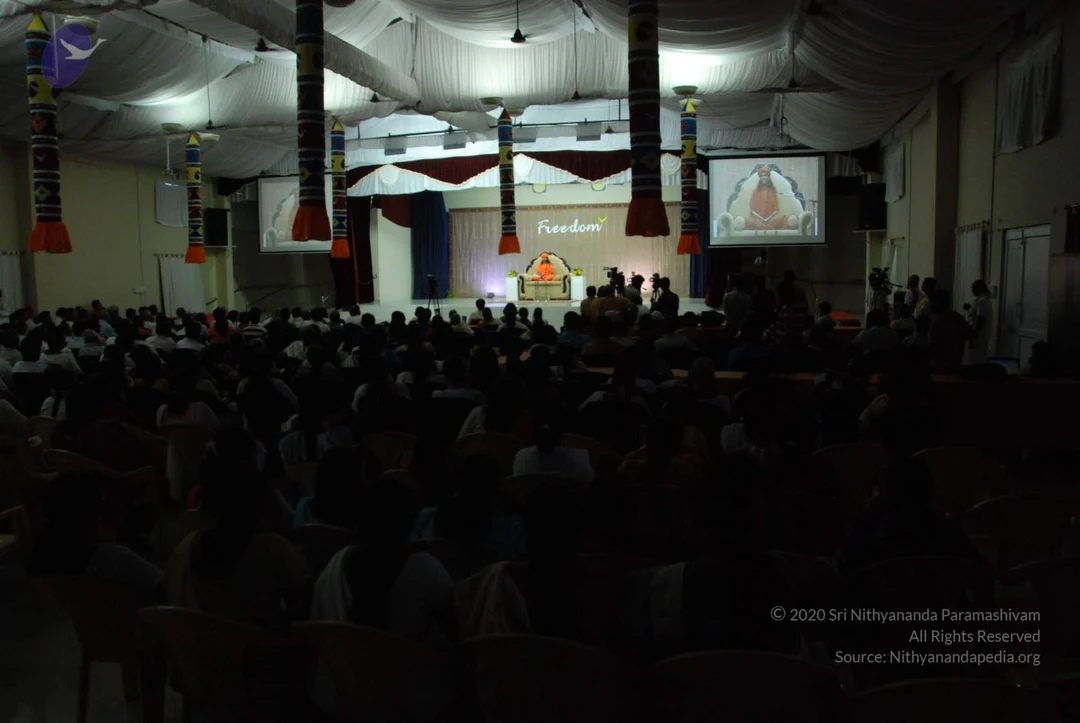
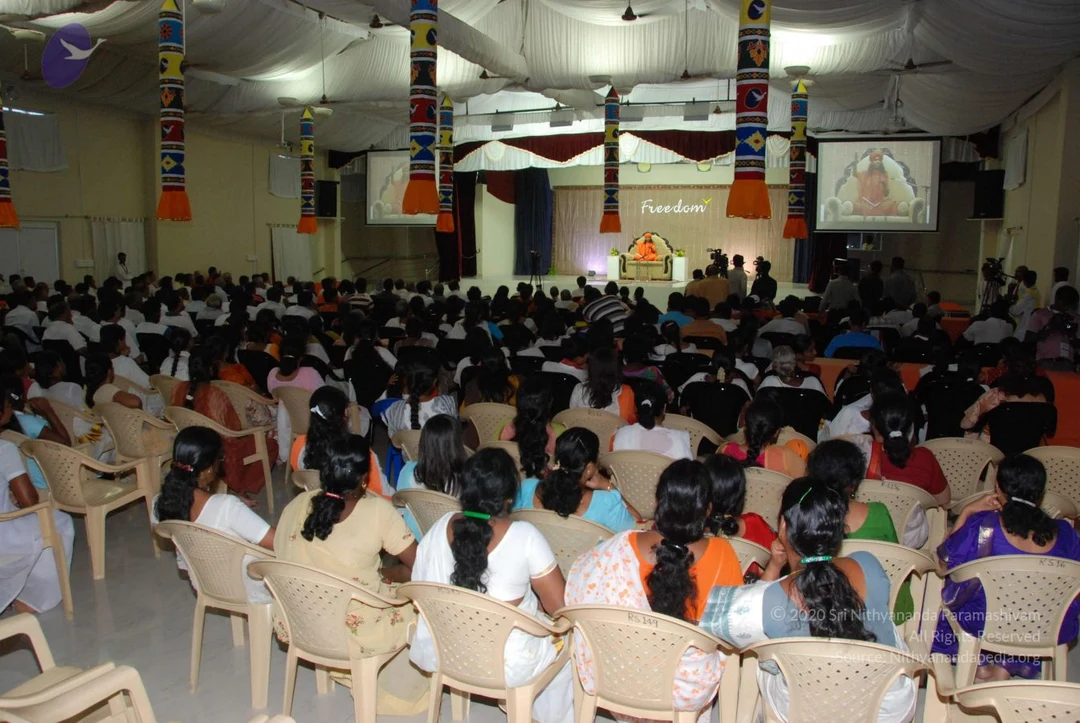
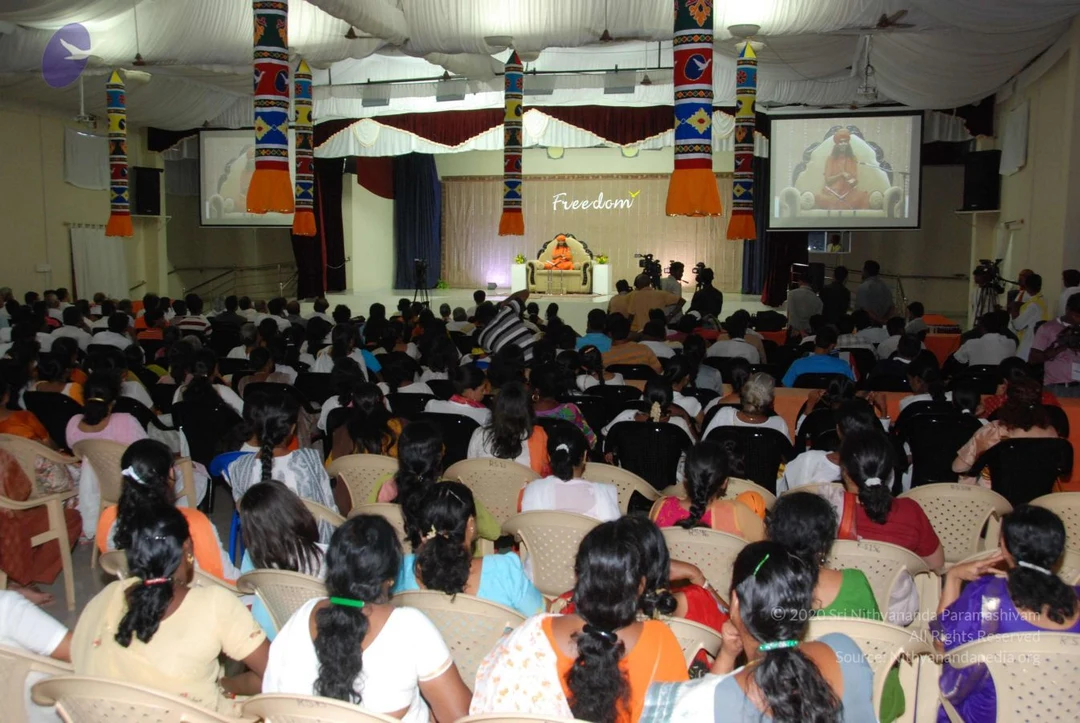
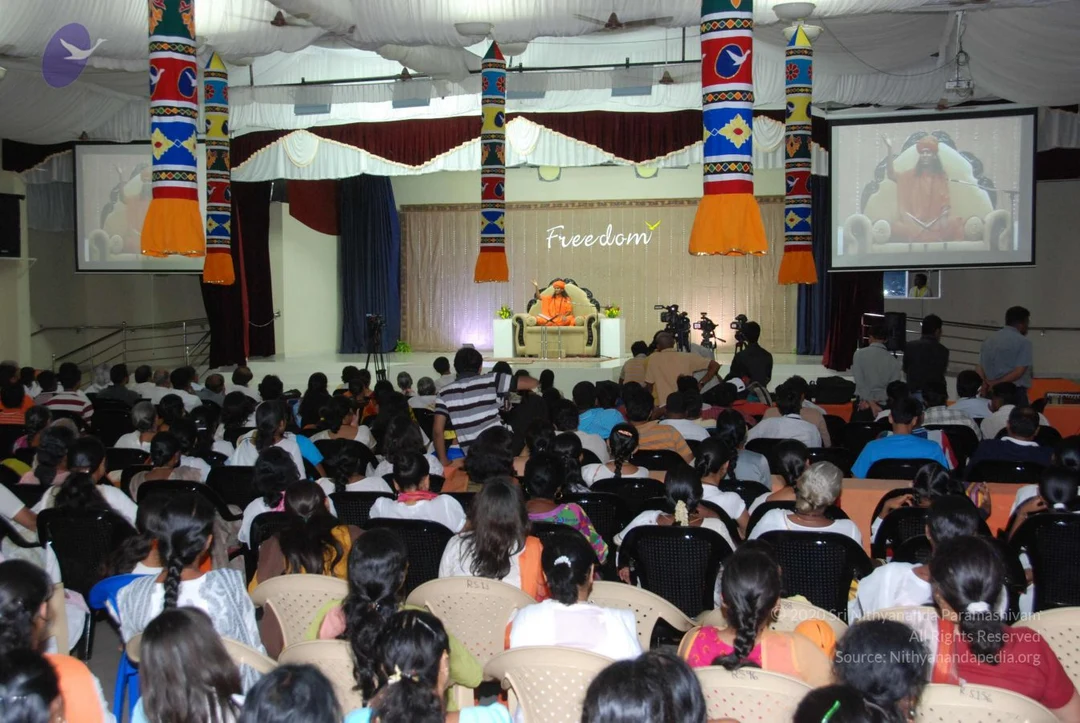
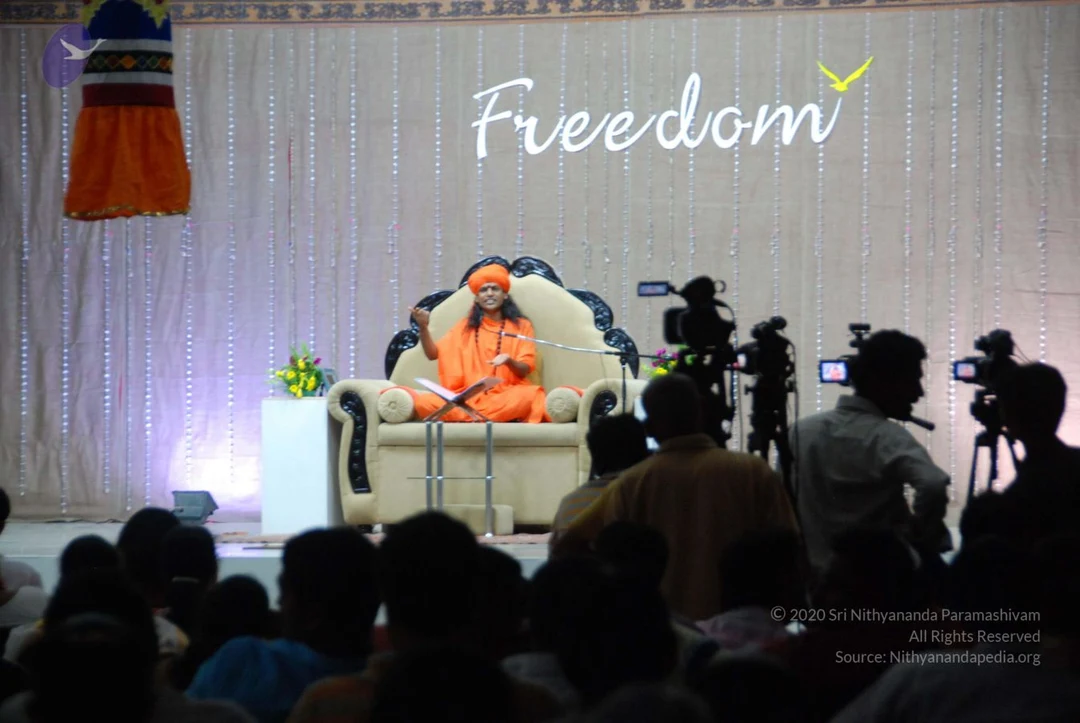
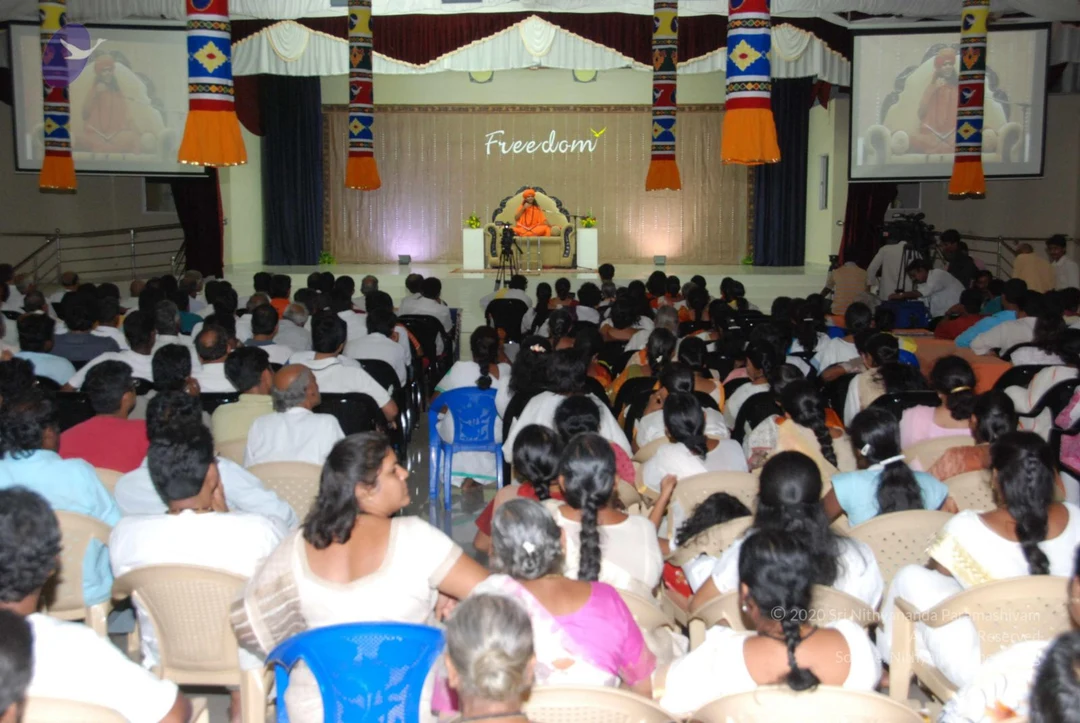
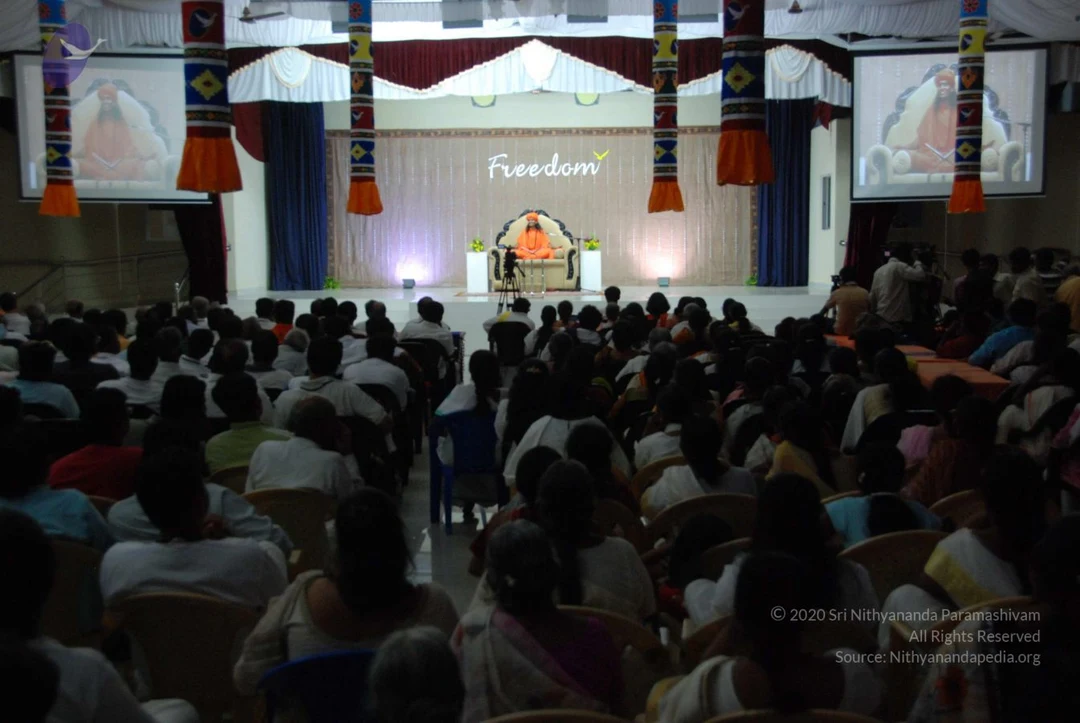
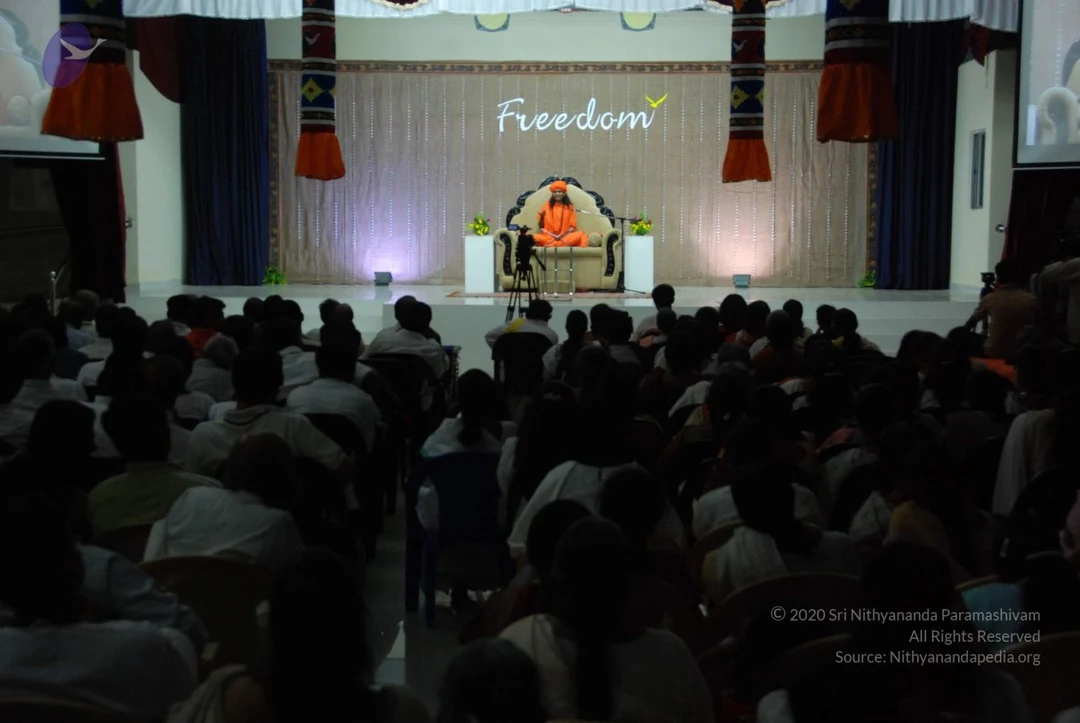
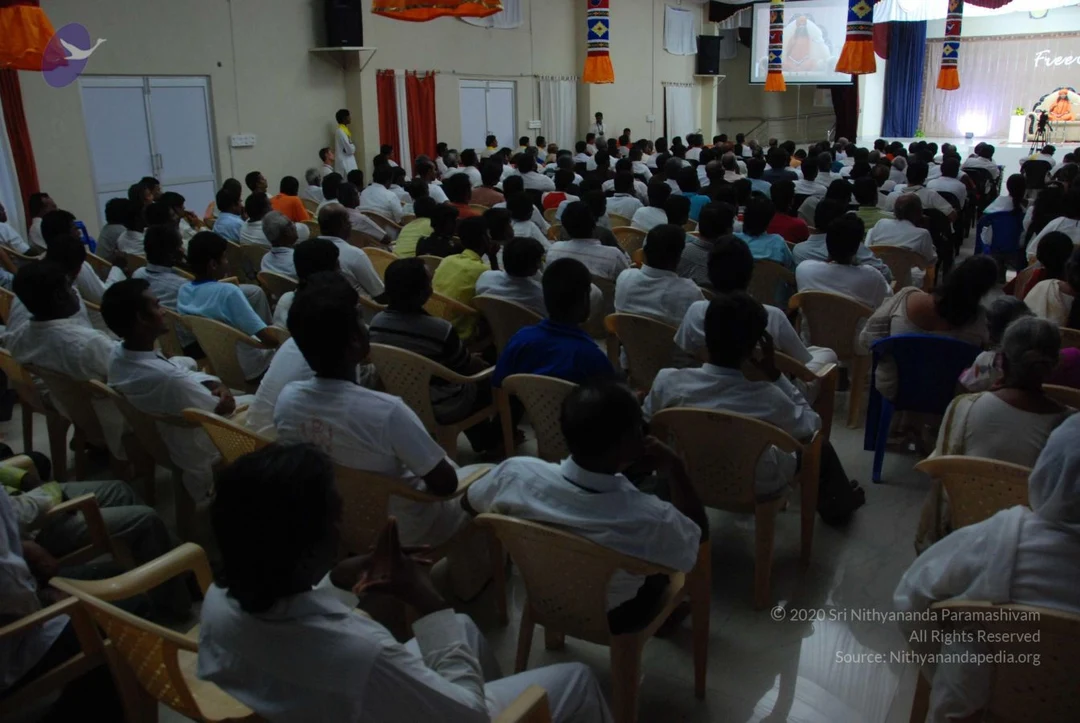
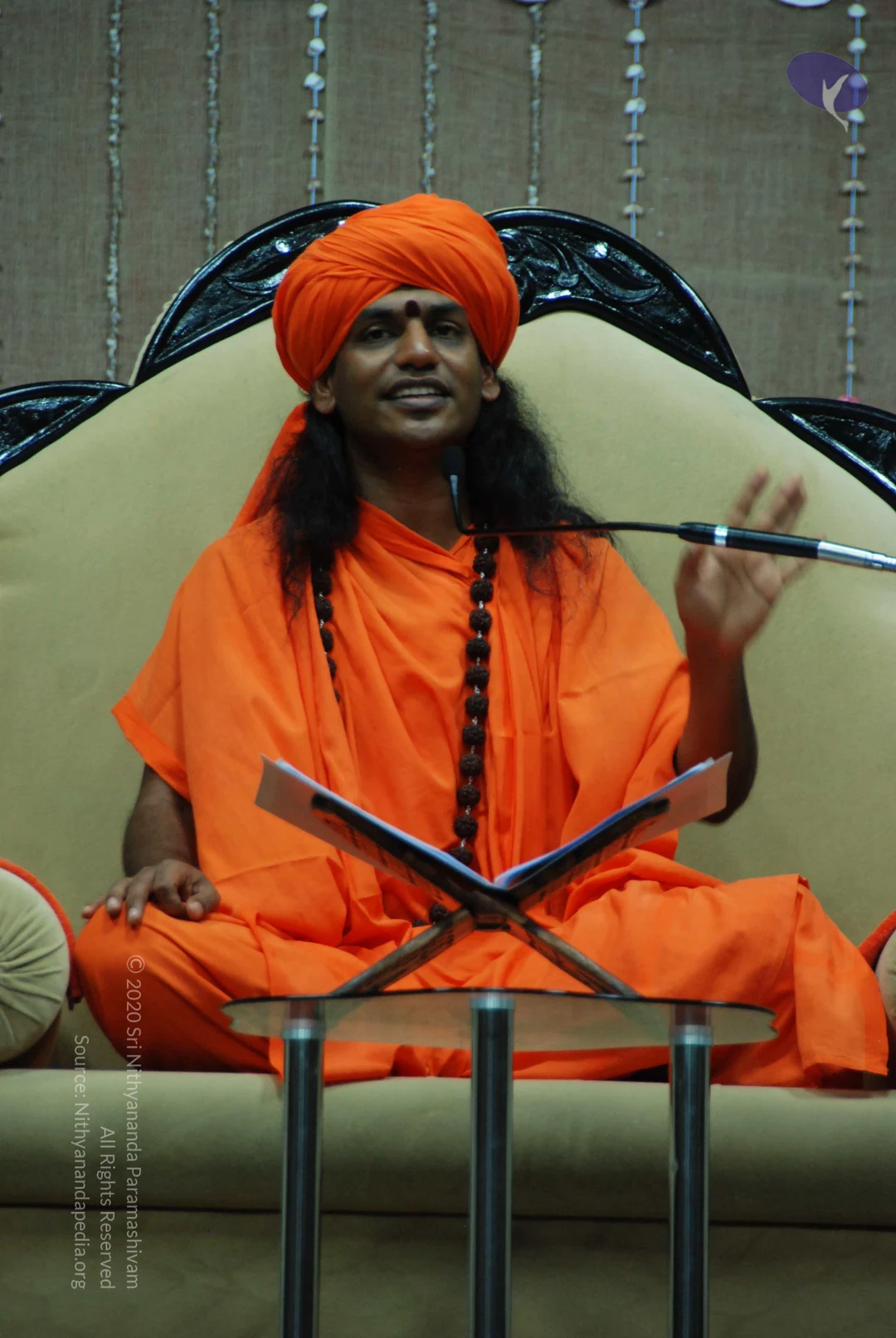
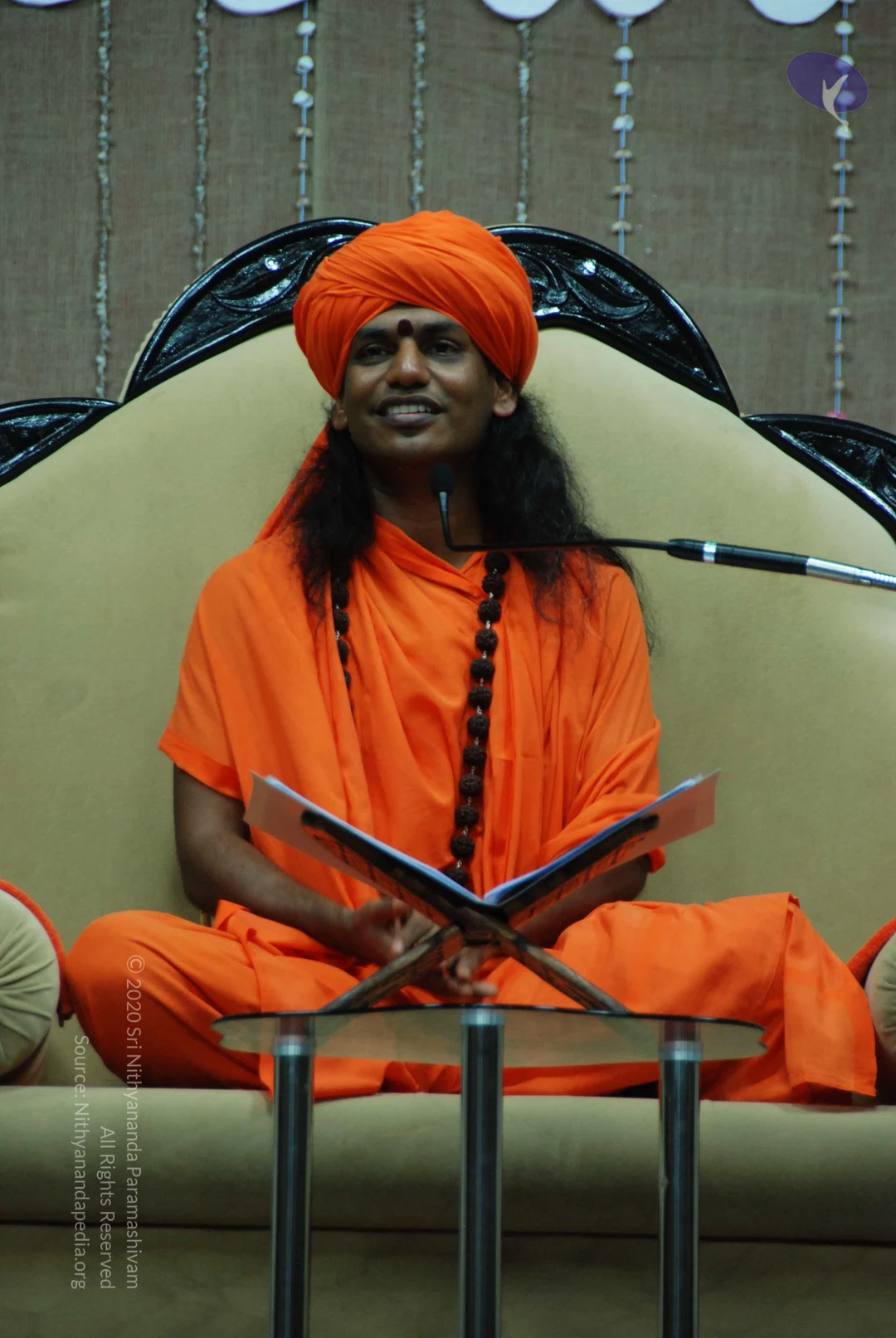
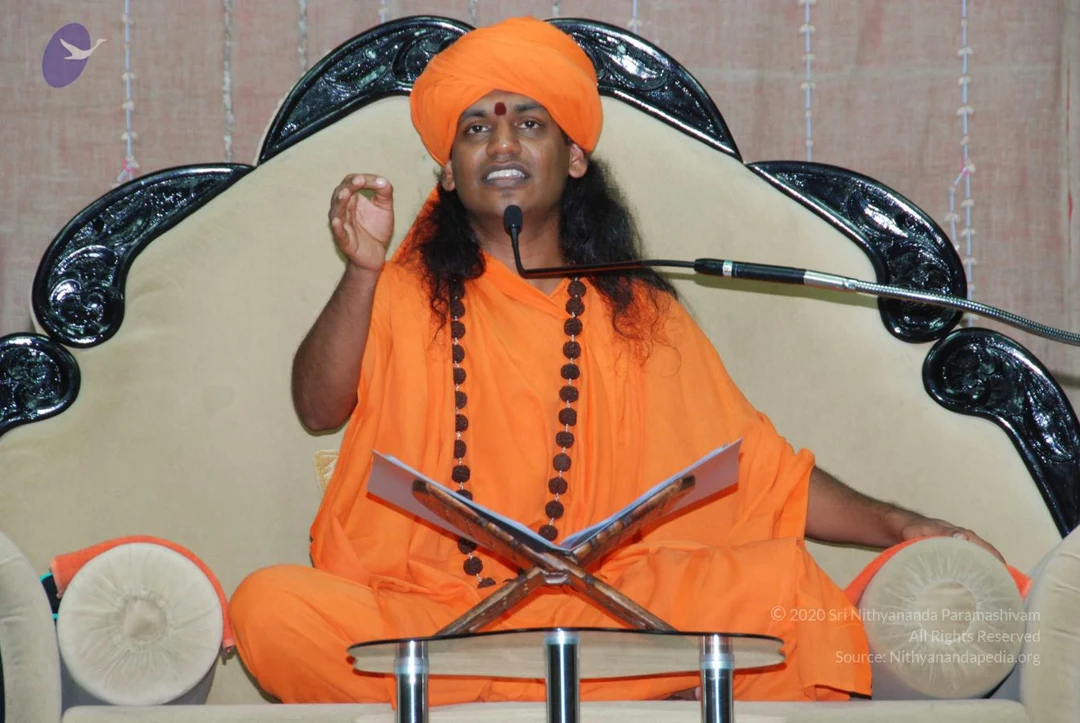
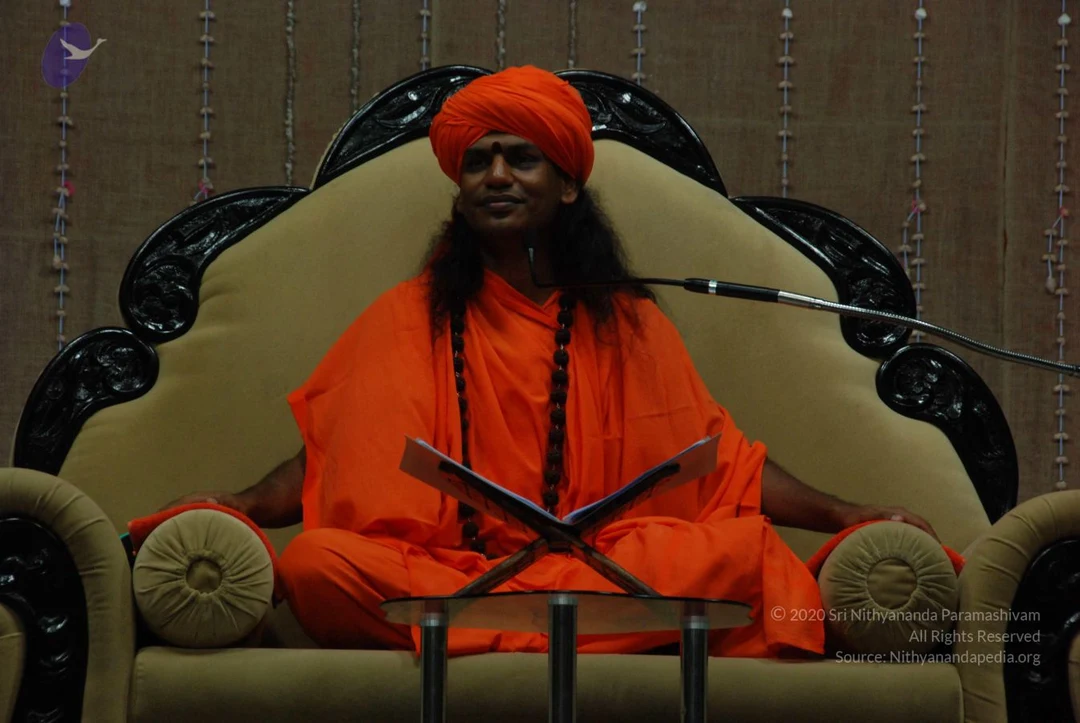
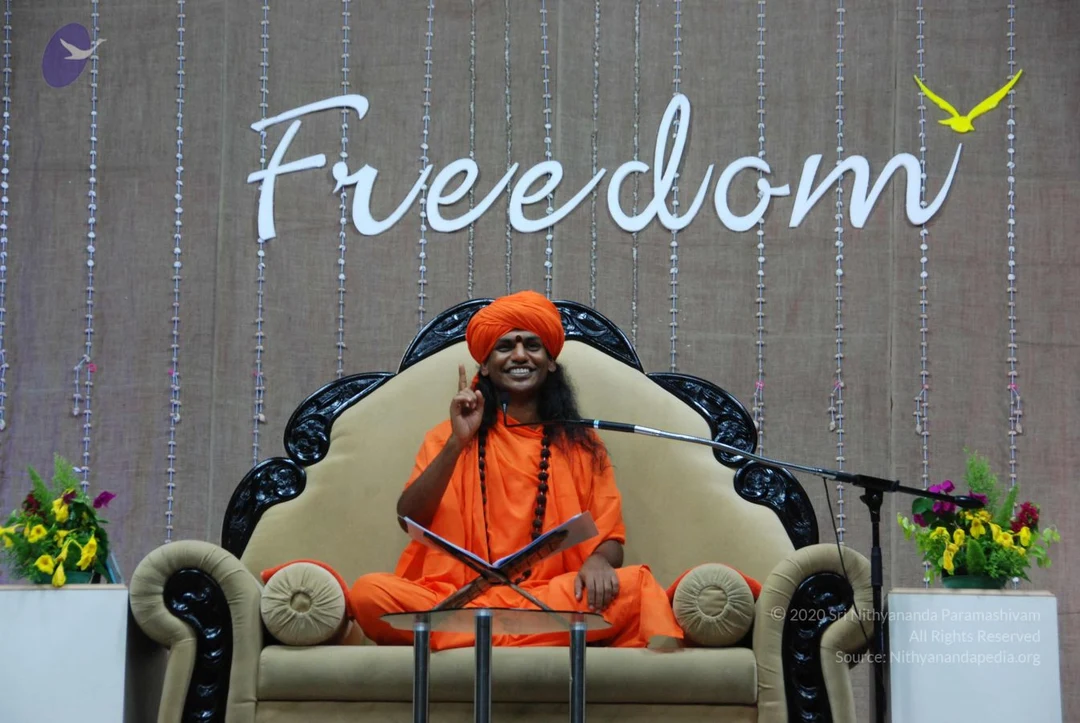
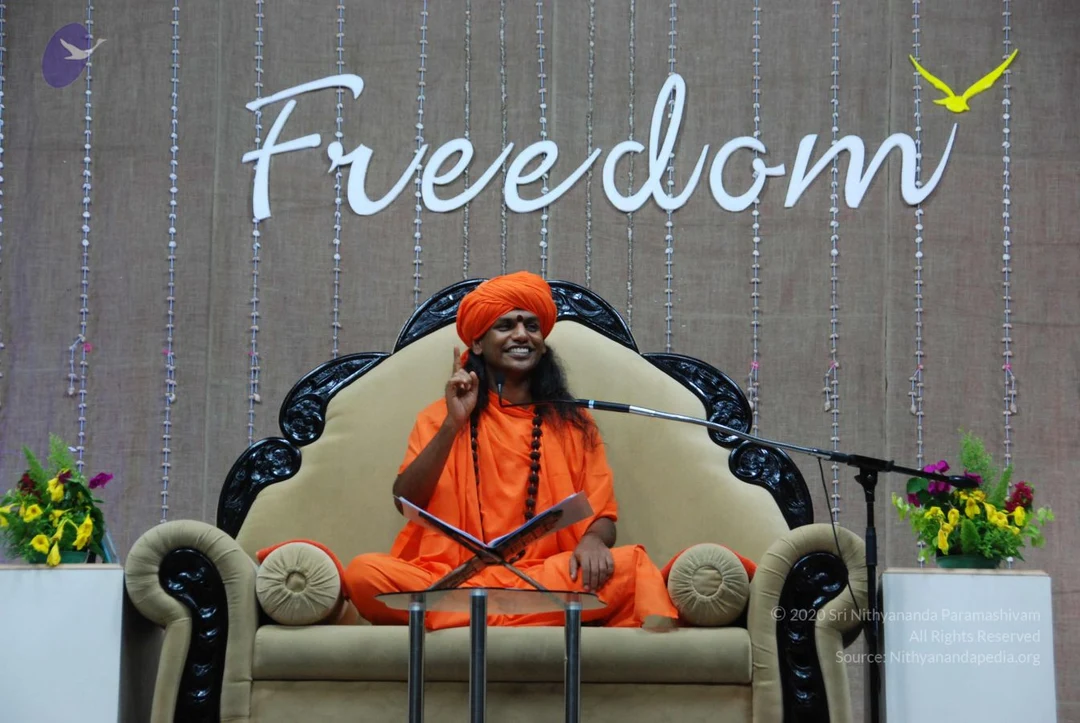
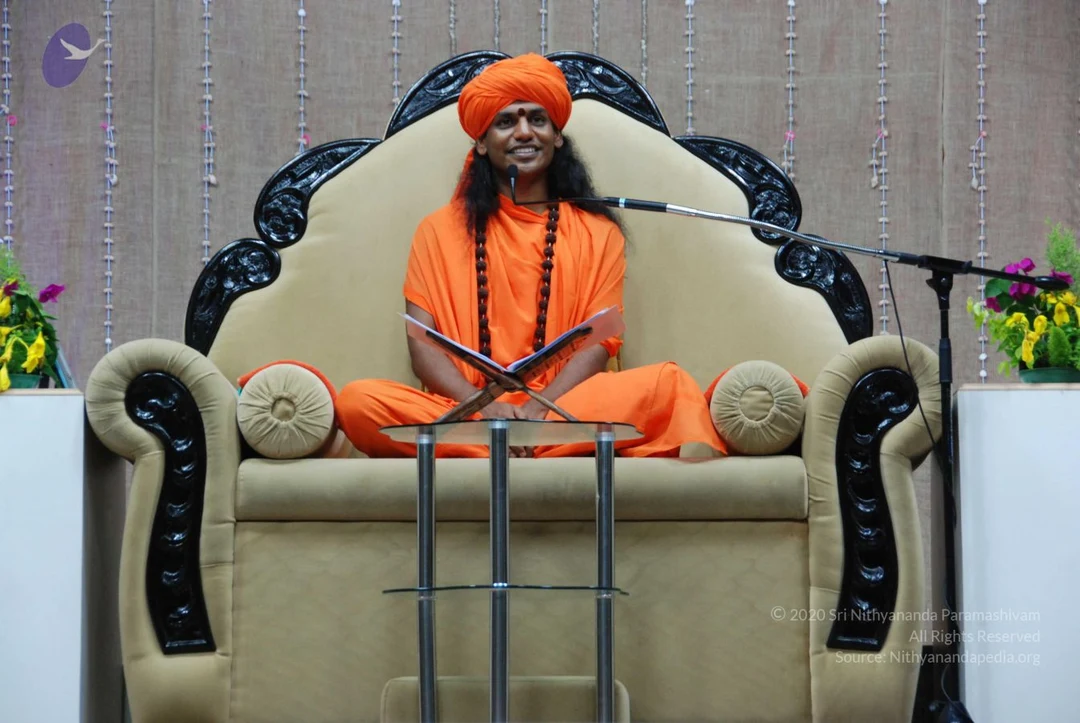
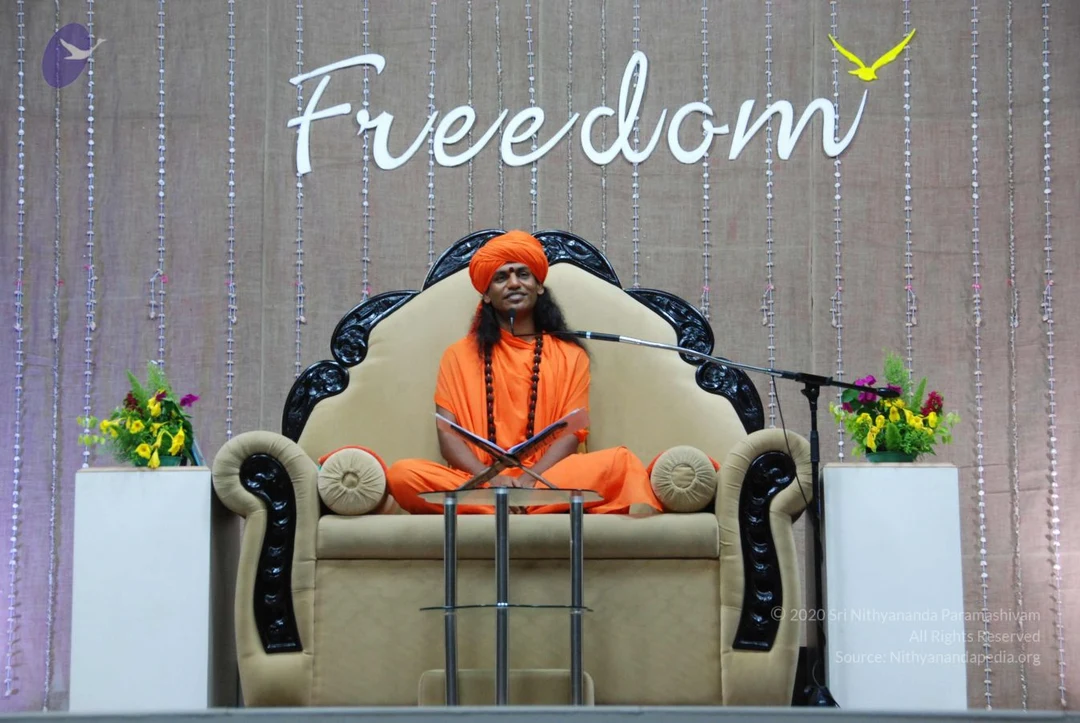
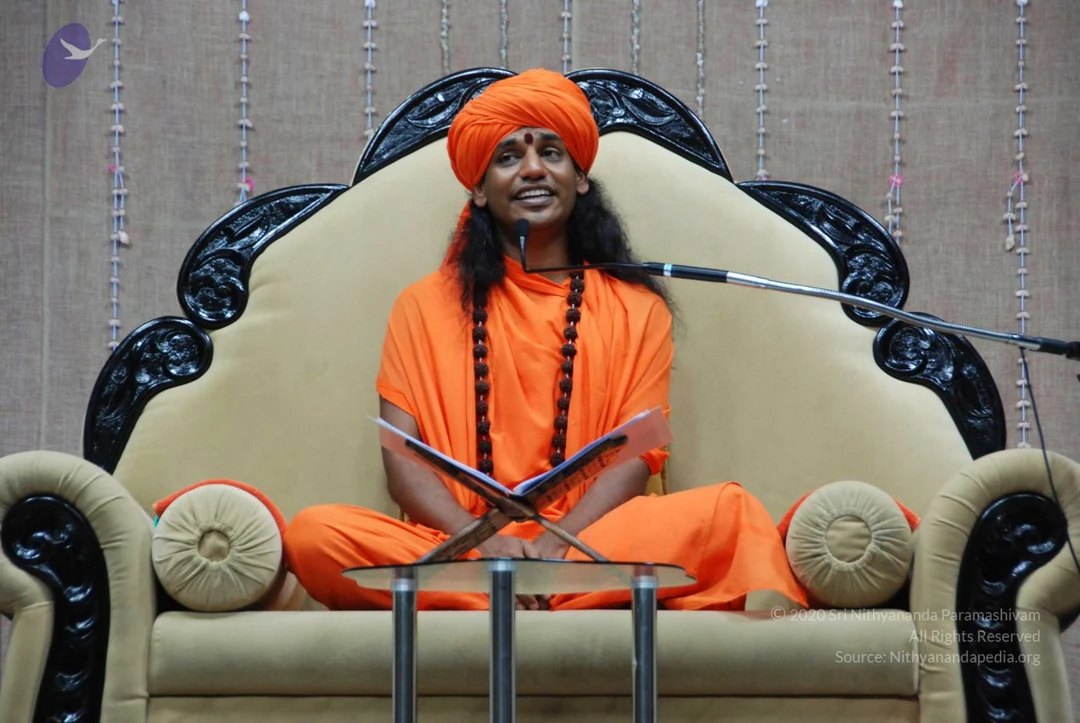
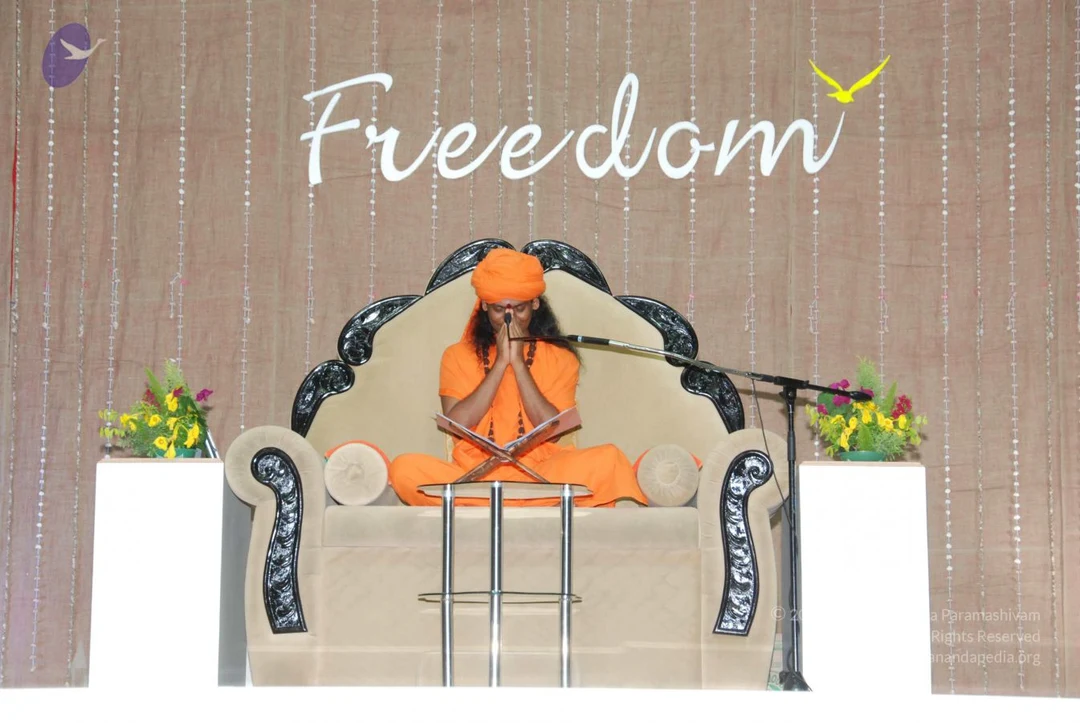
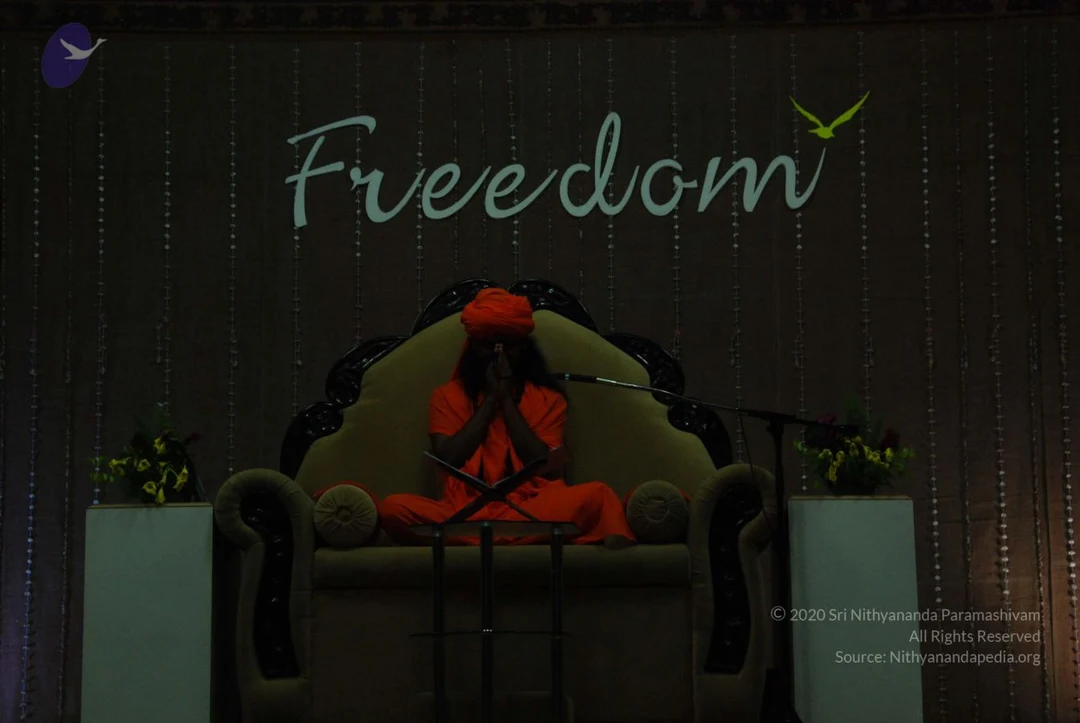
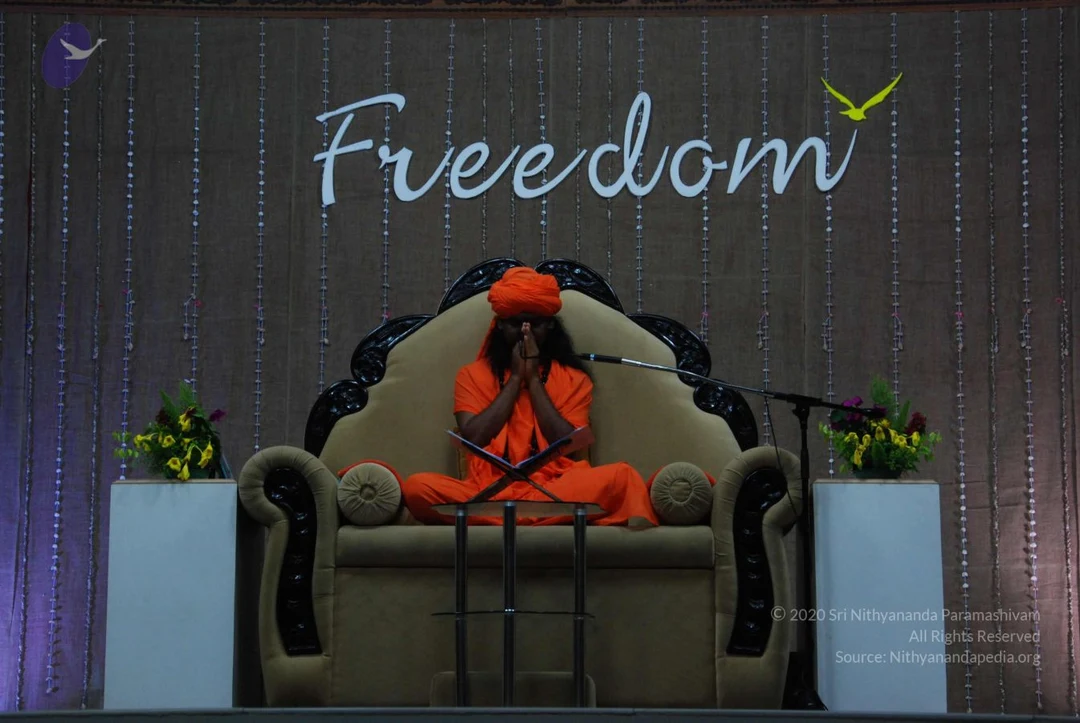
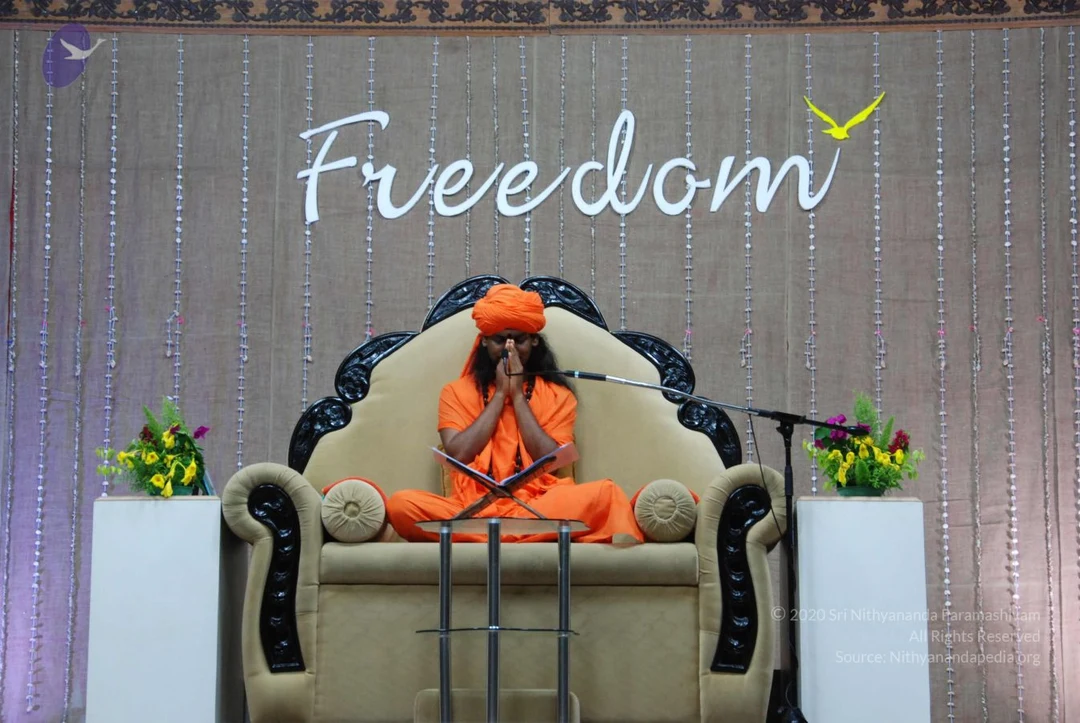
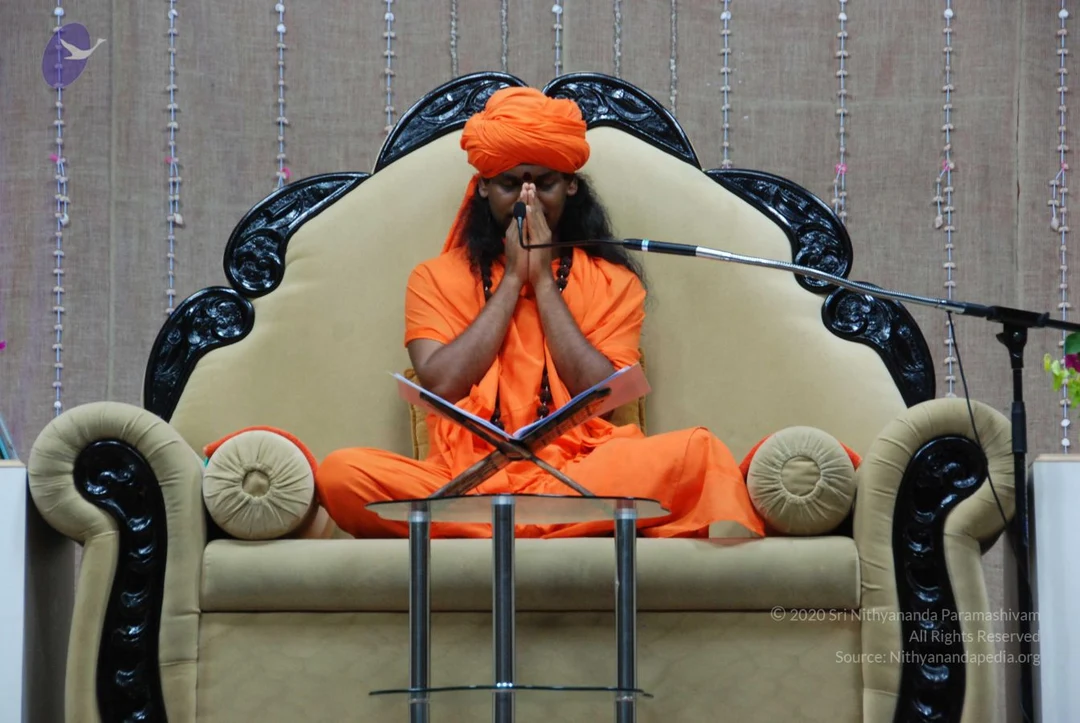
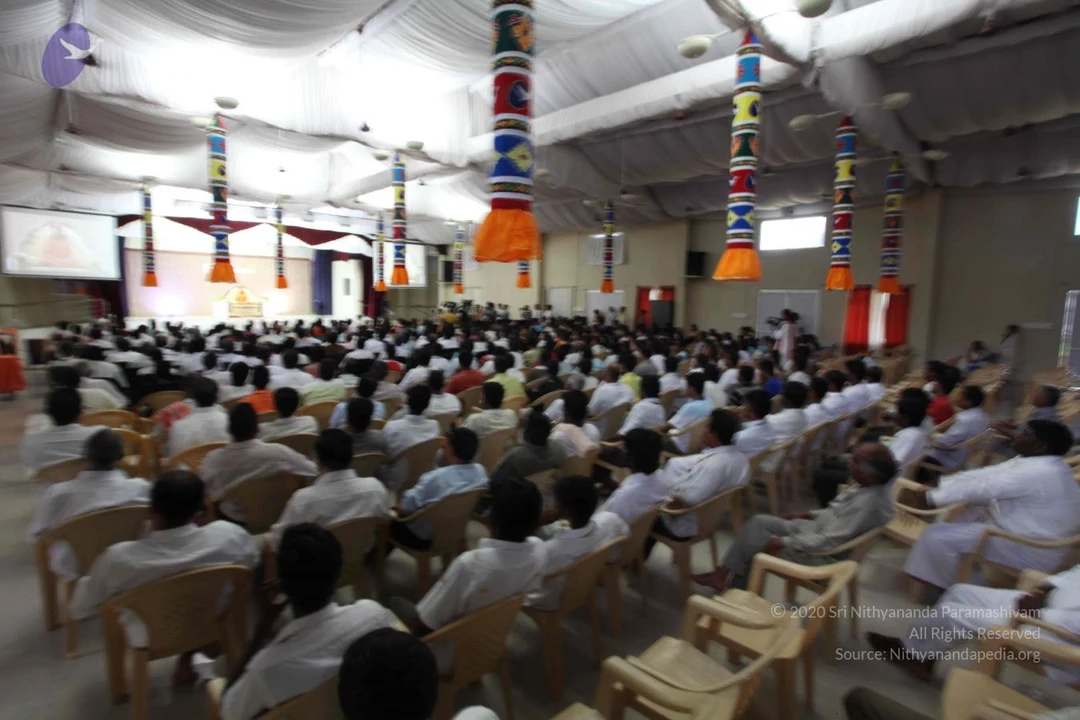
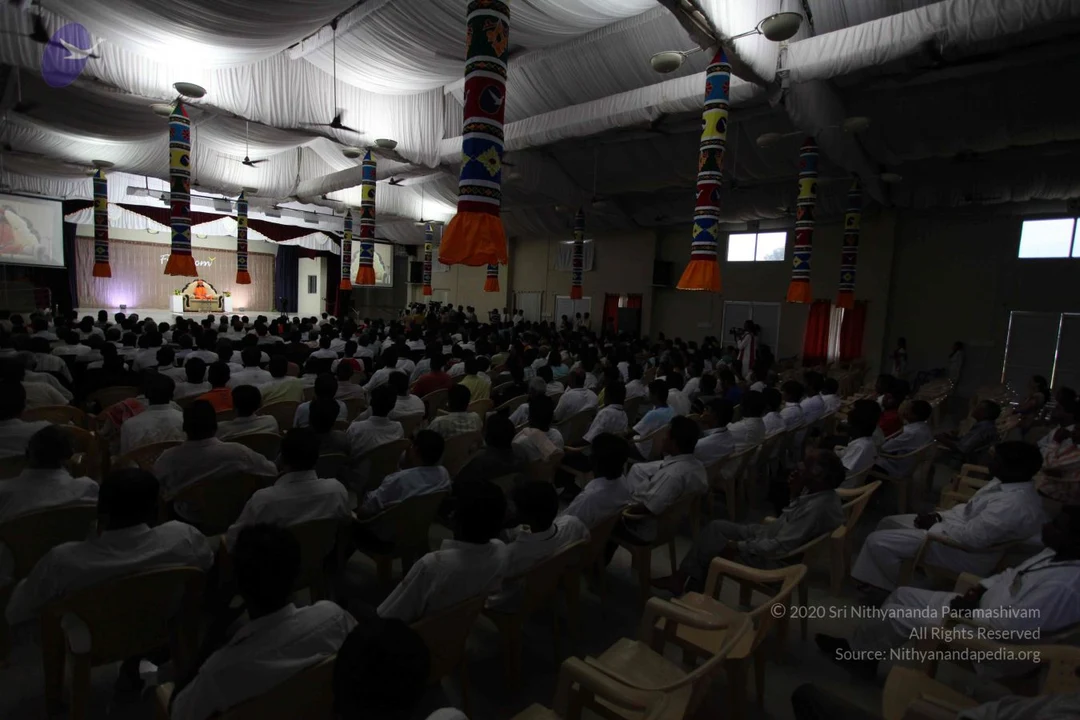
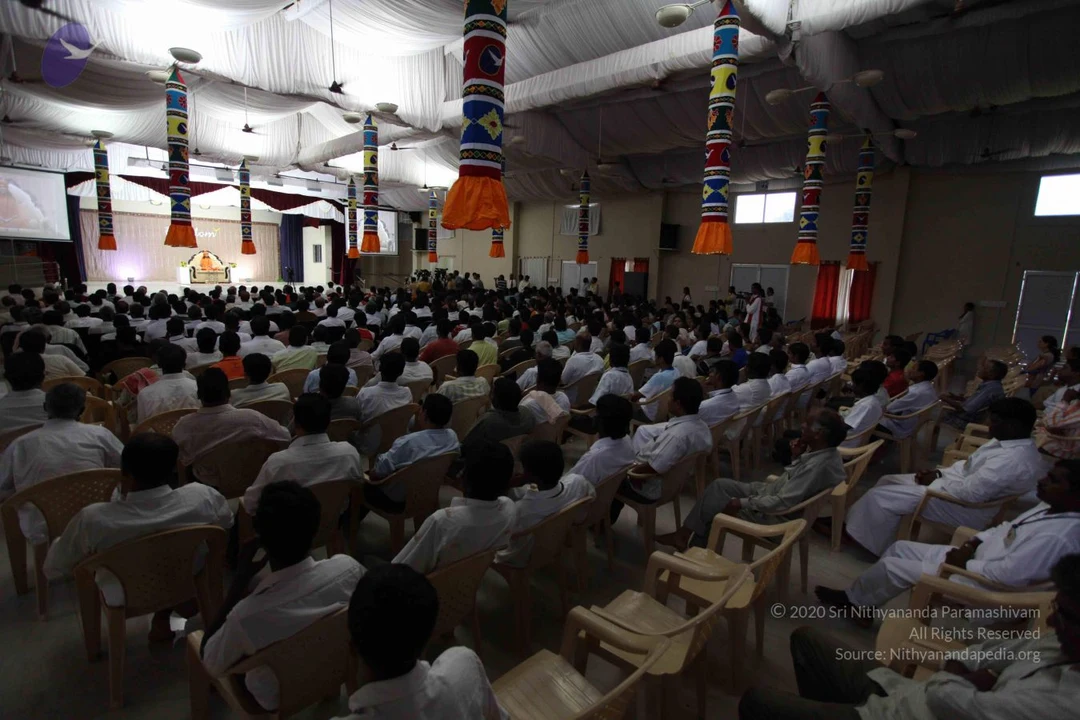
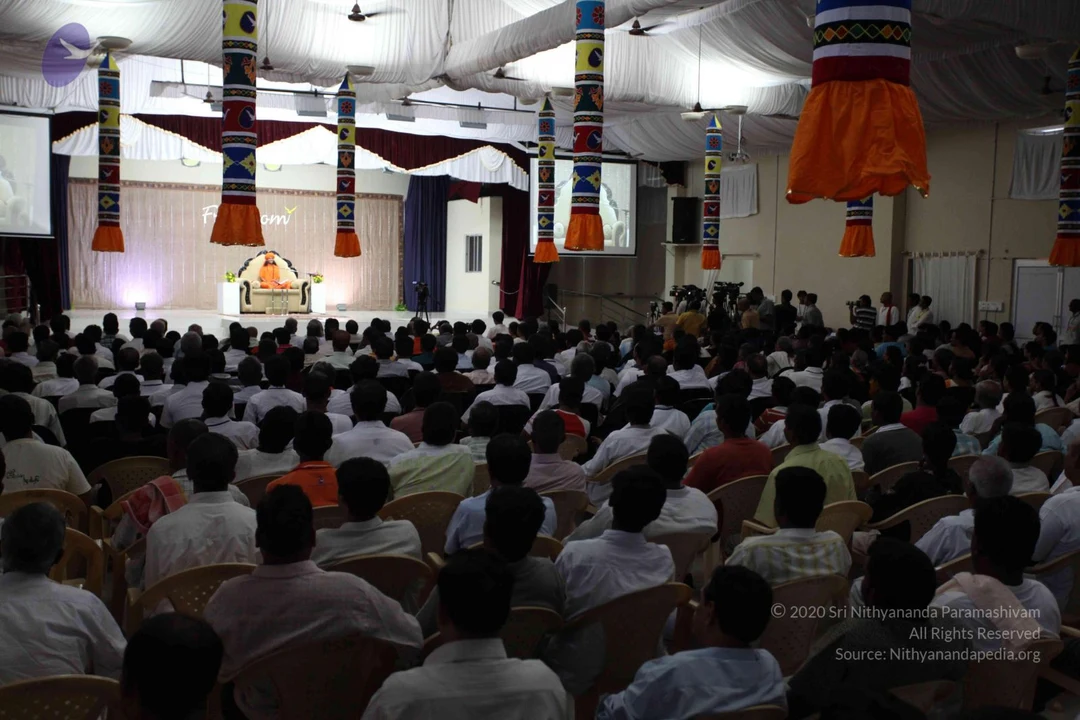
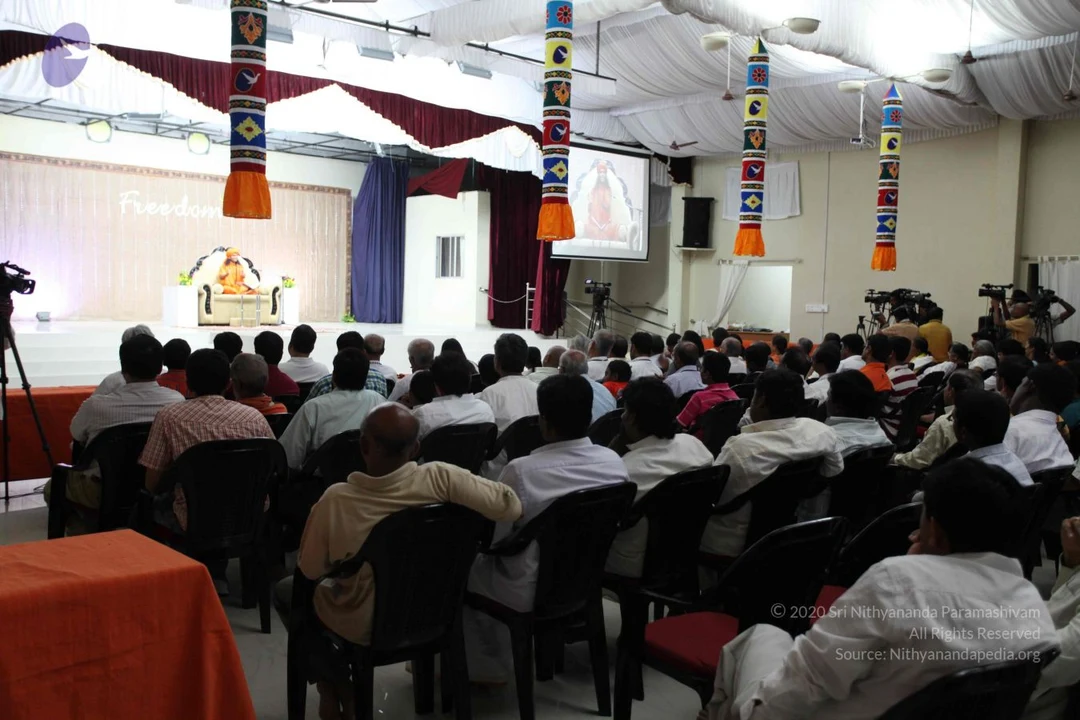
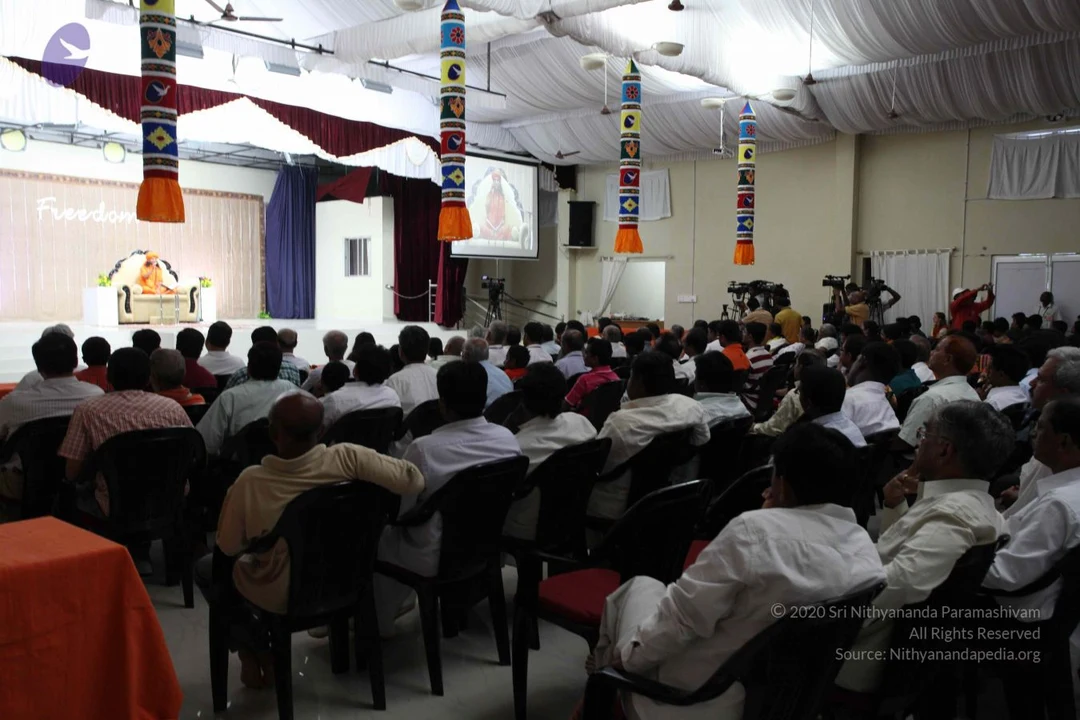
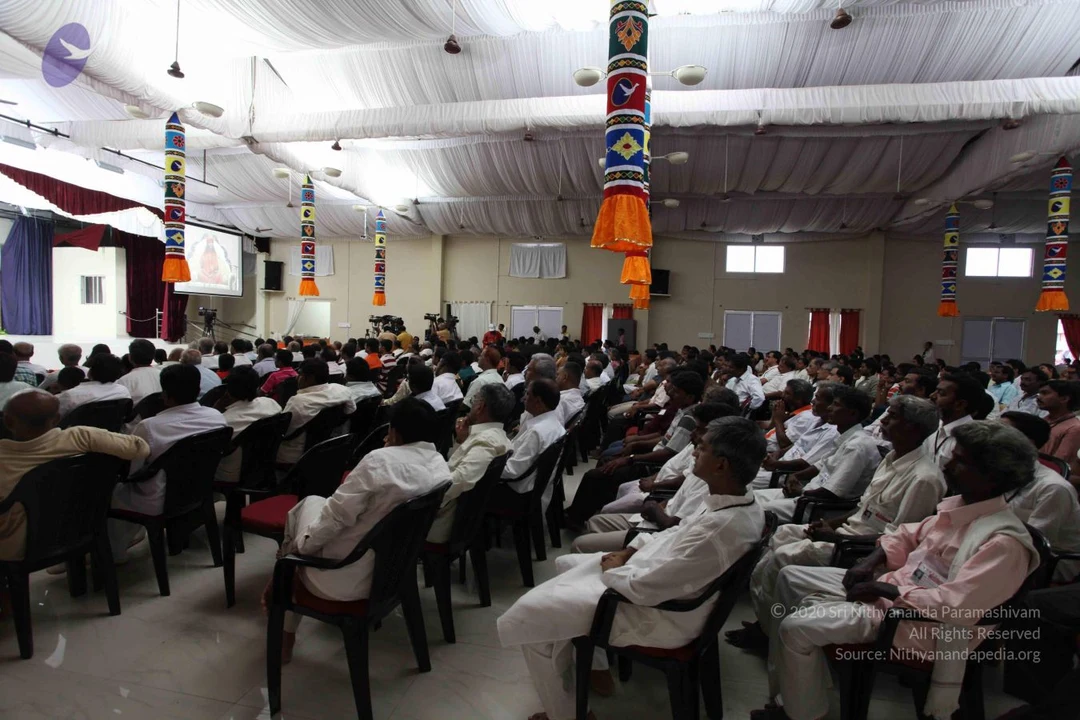
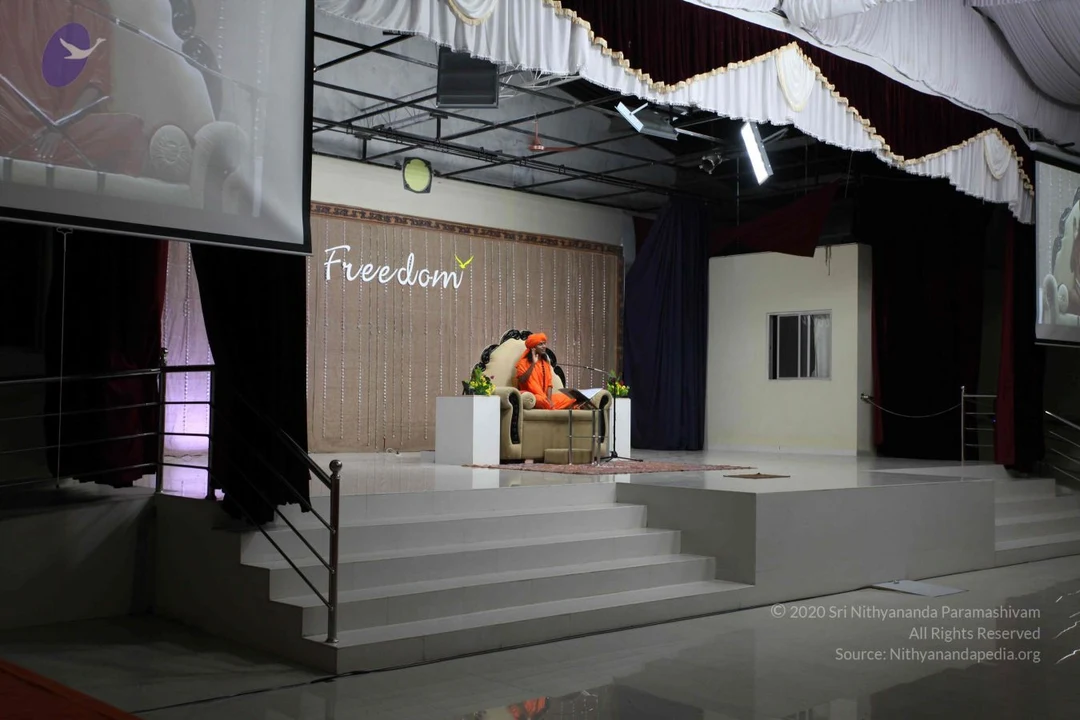
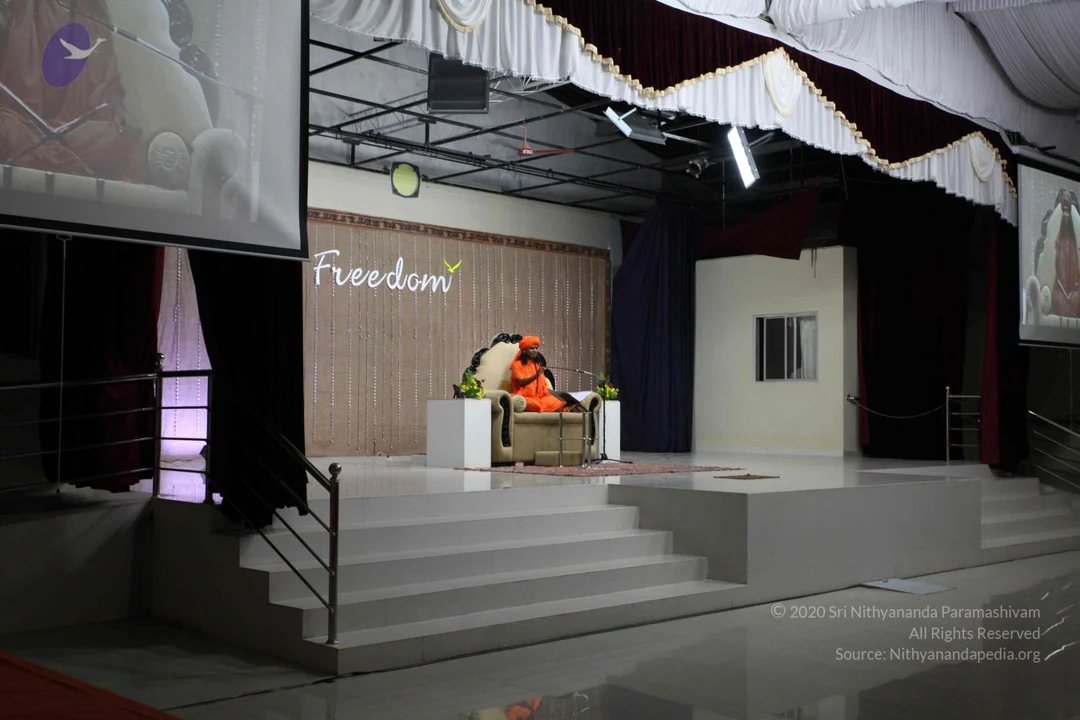
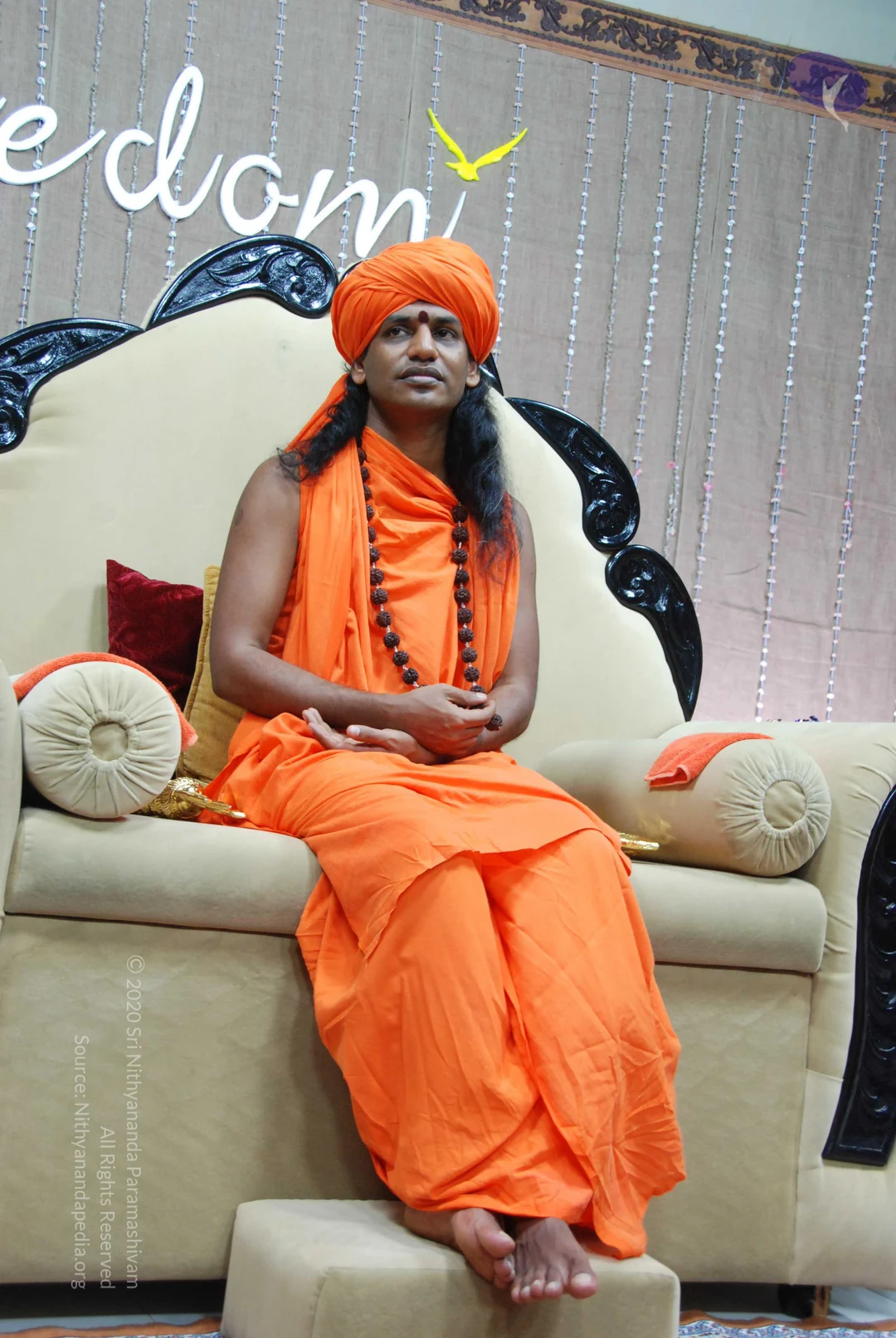
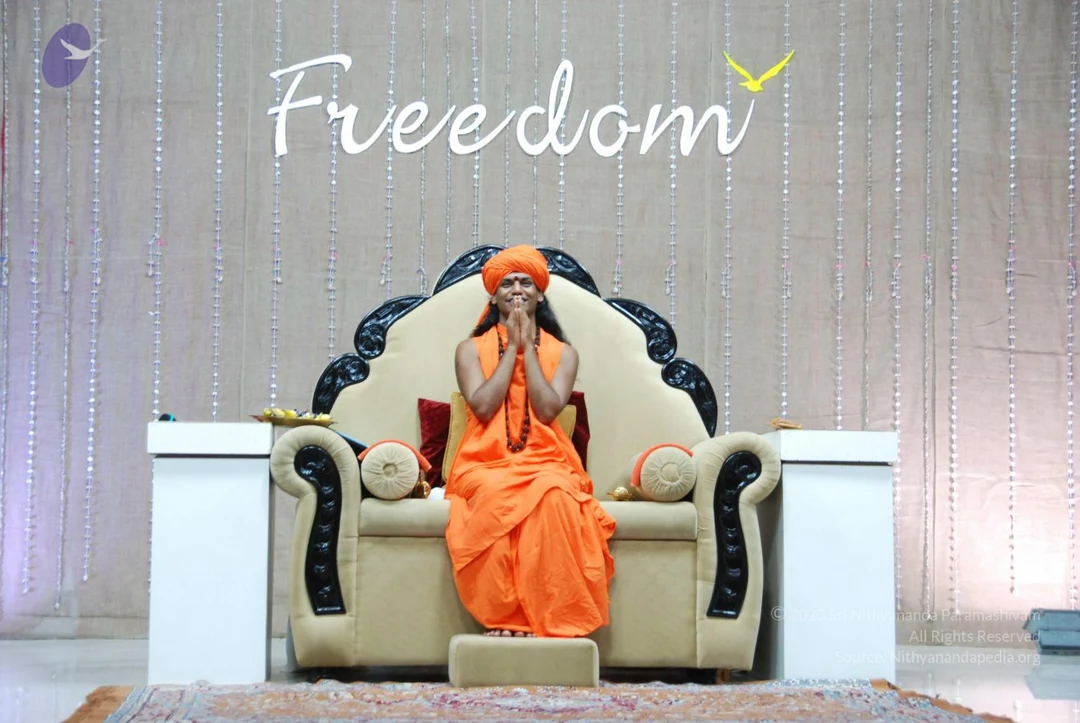
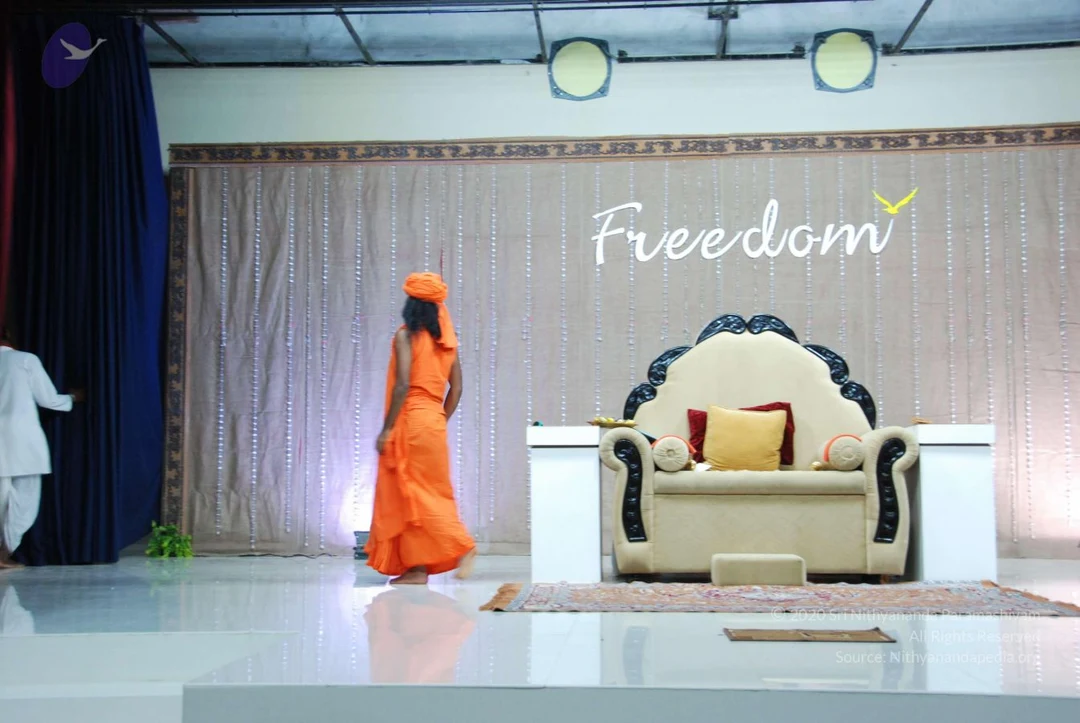
Nithyananda speaks on Freedom
- Dated photos
- 938
- Source pages
- 1
- Media
- 6
July 11 2010
Original wiki pageTitle:
Nithyananda speaks on Freedom
Narration:
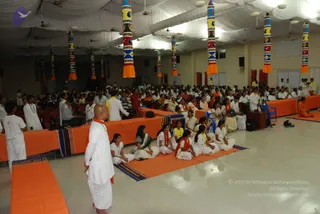
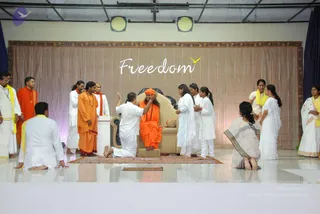
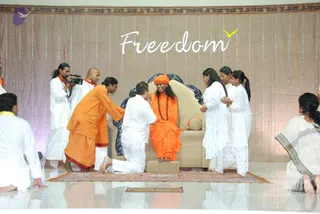
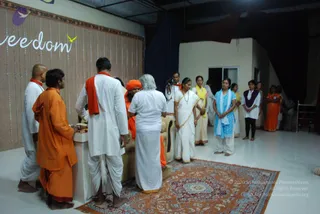
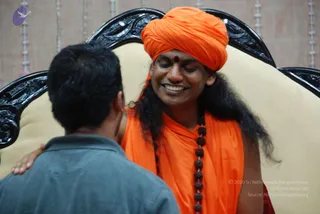
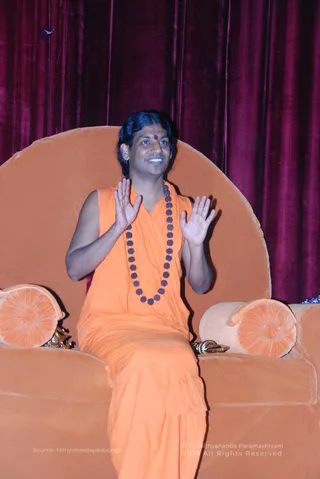
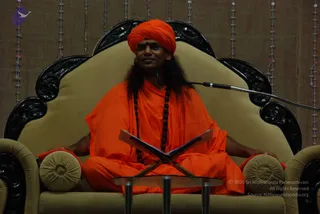
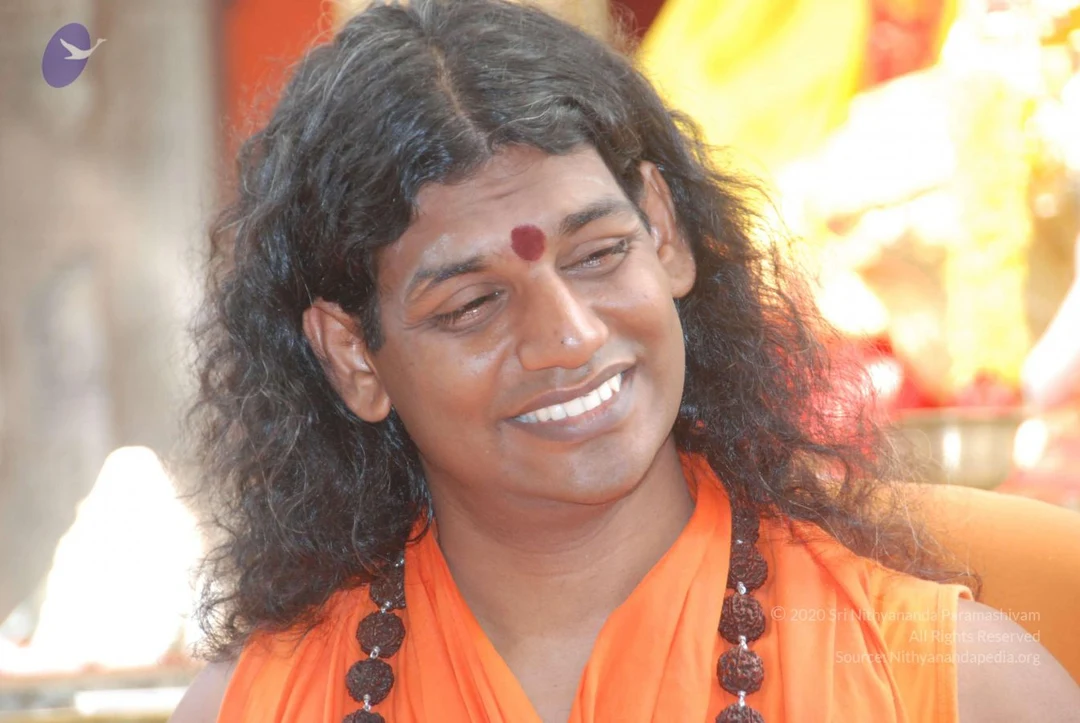
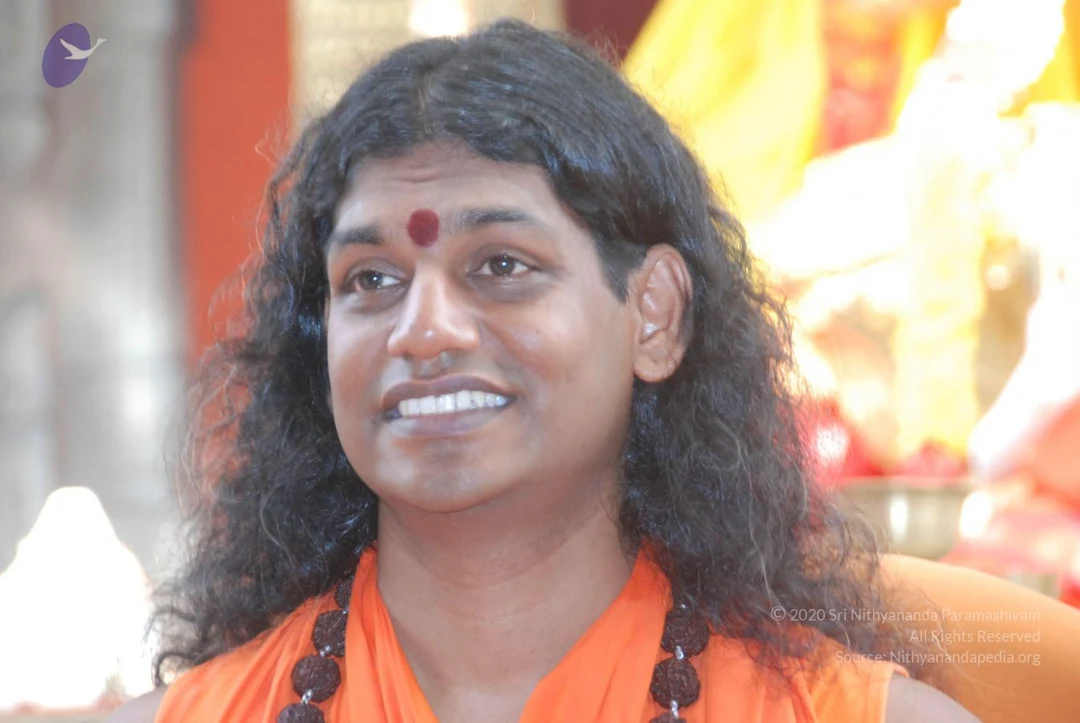
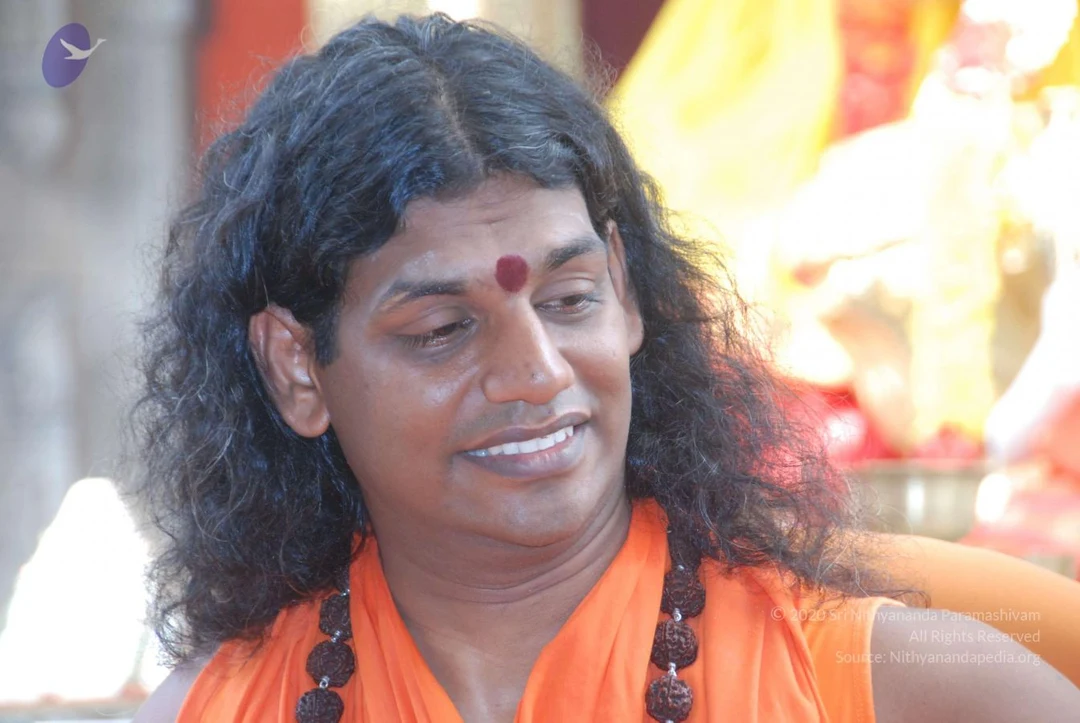
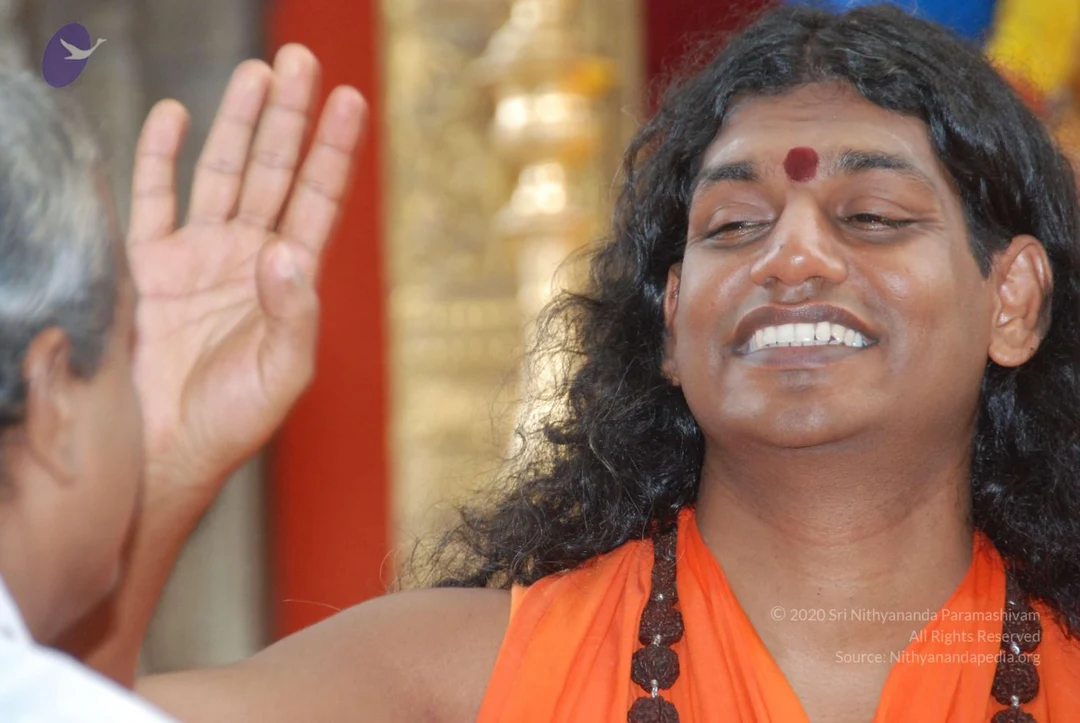
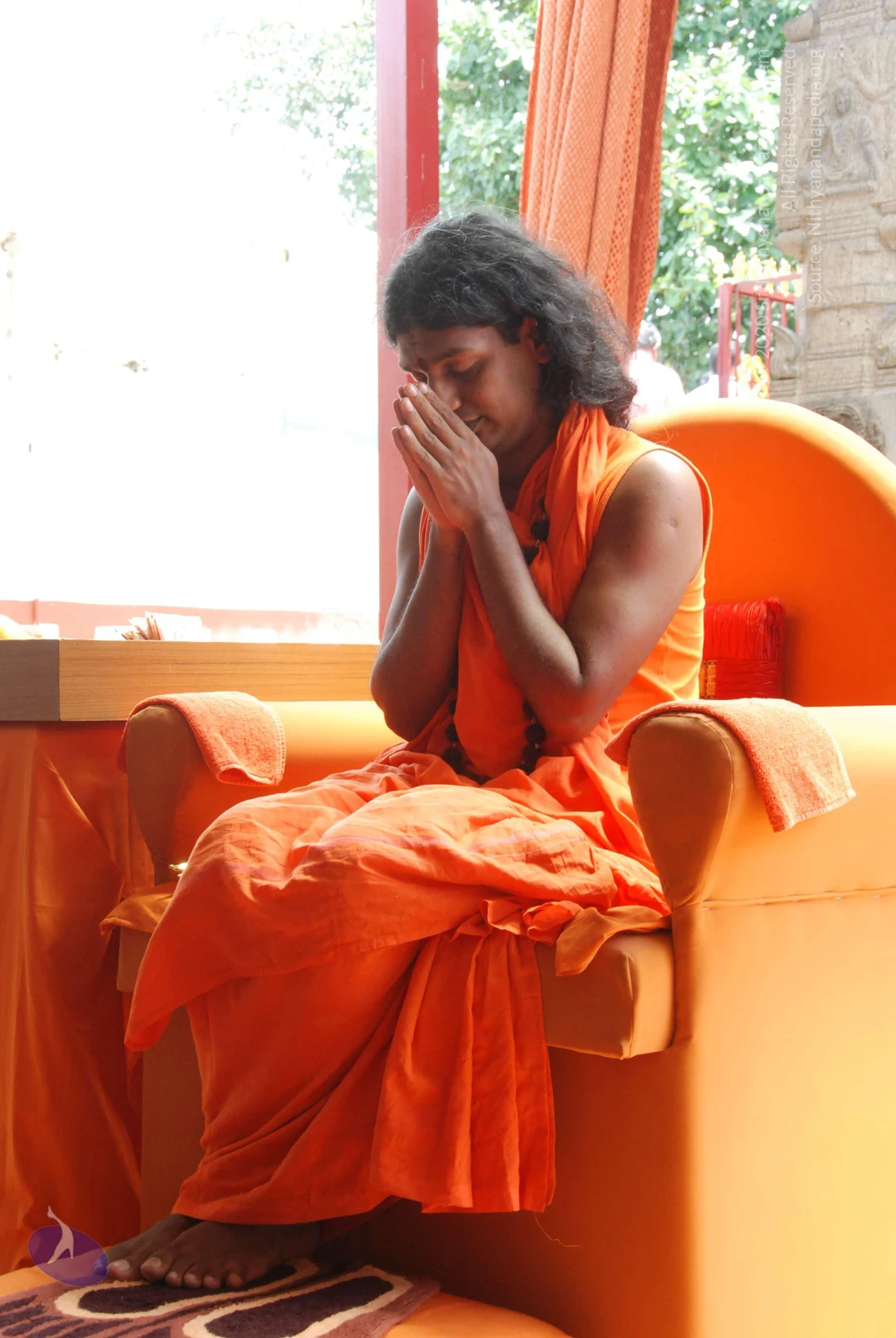
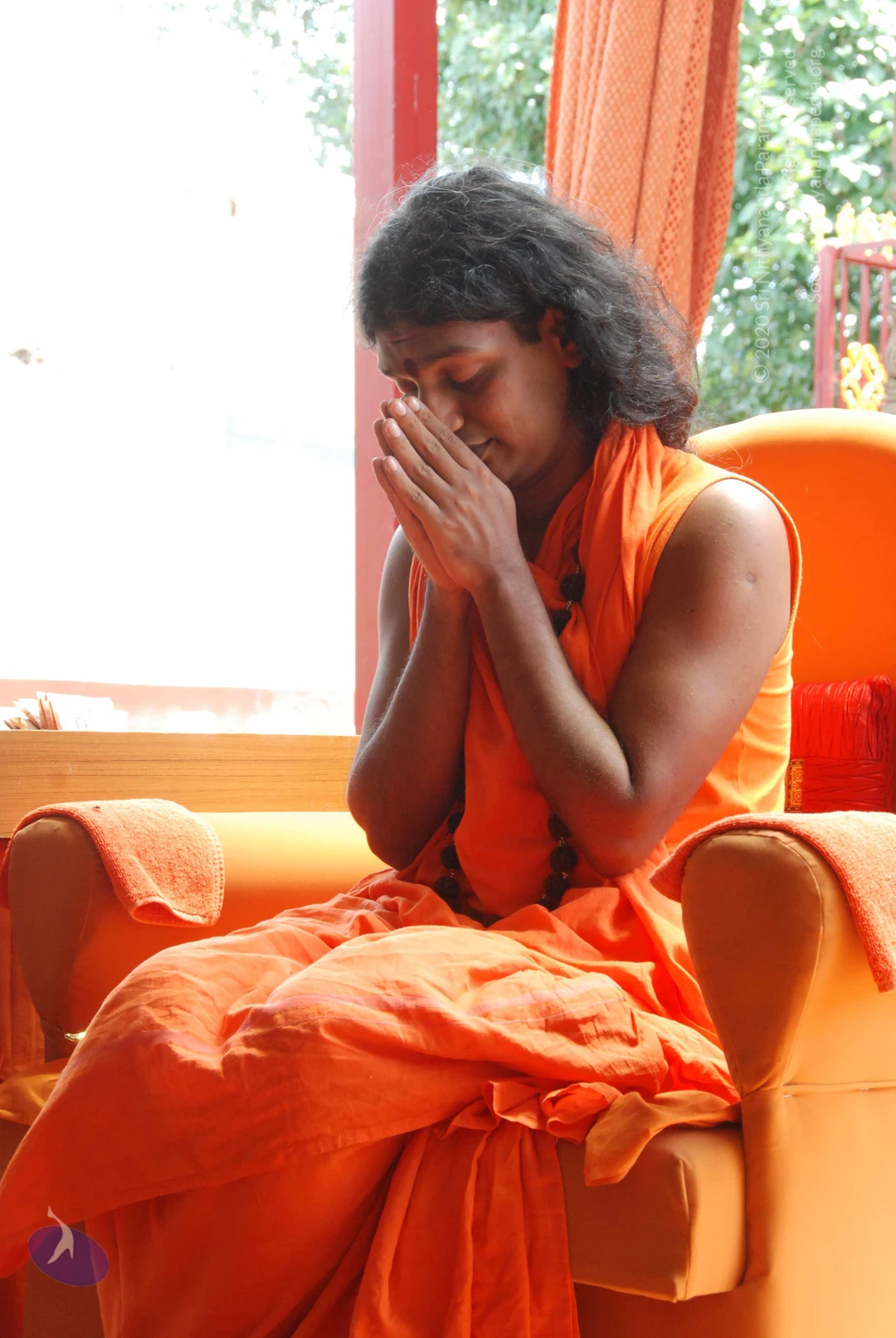
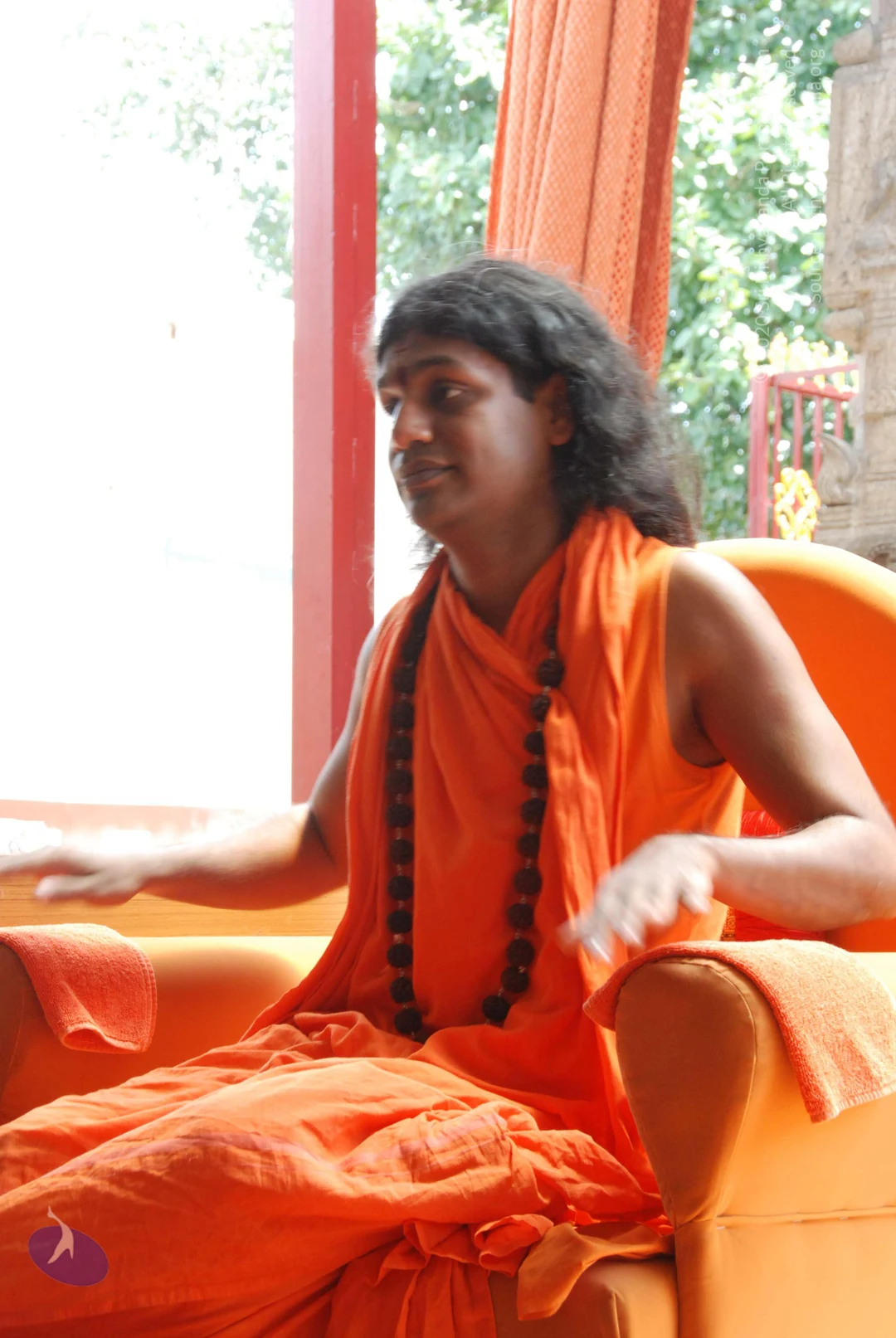
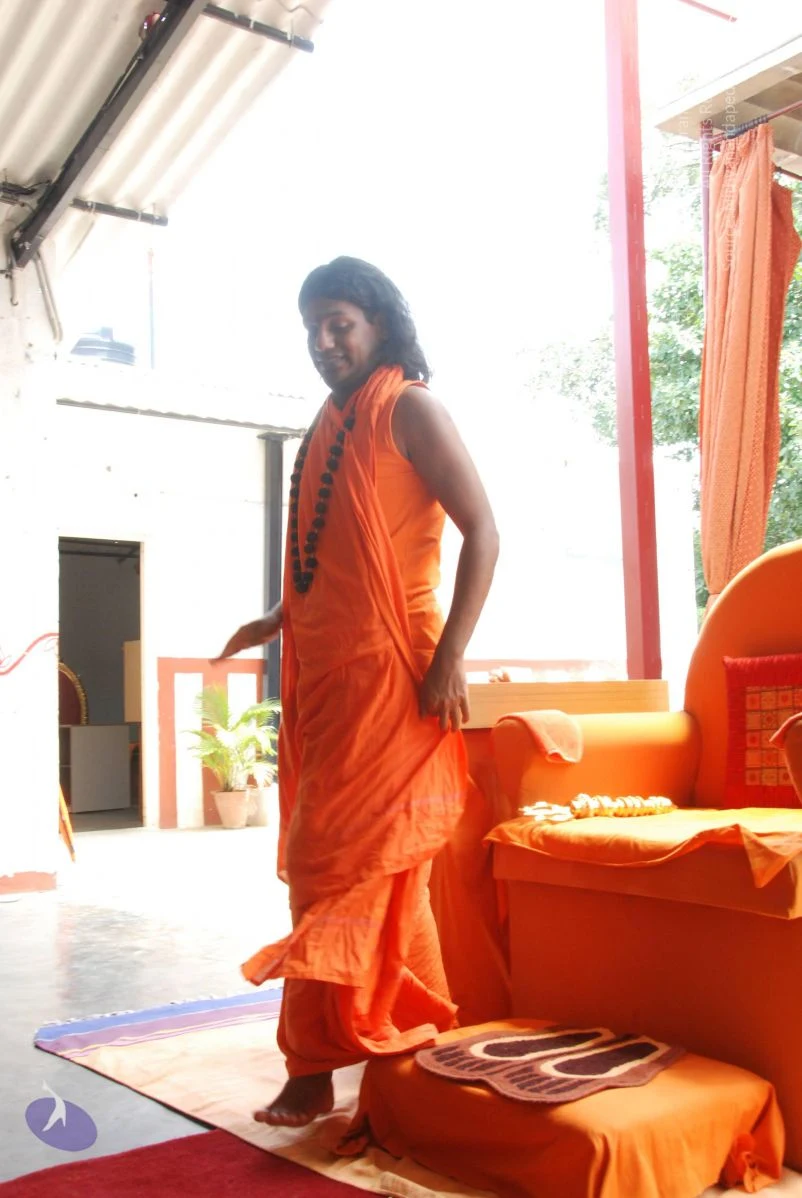
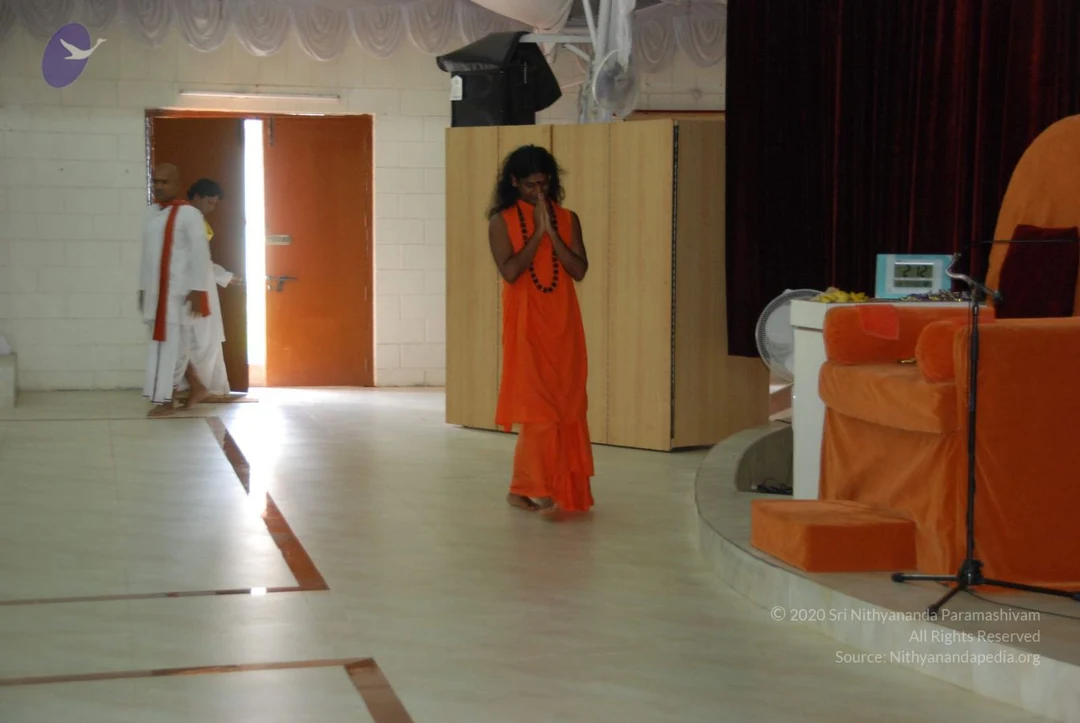
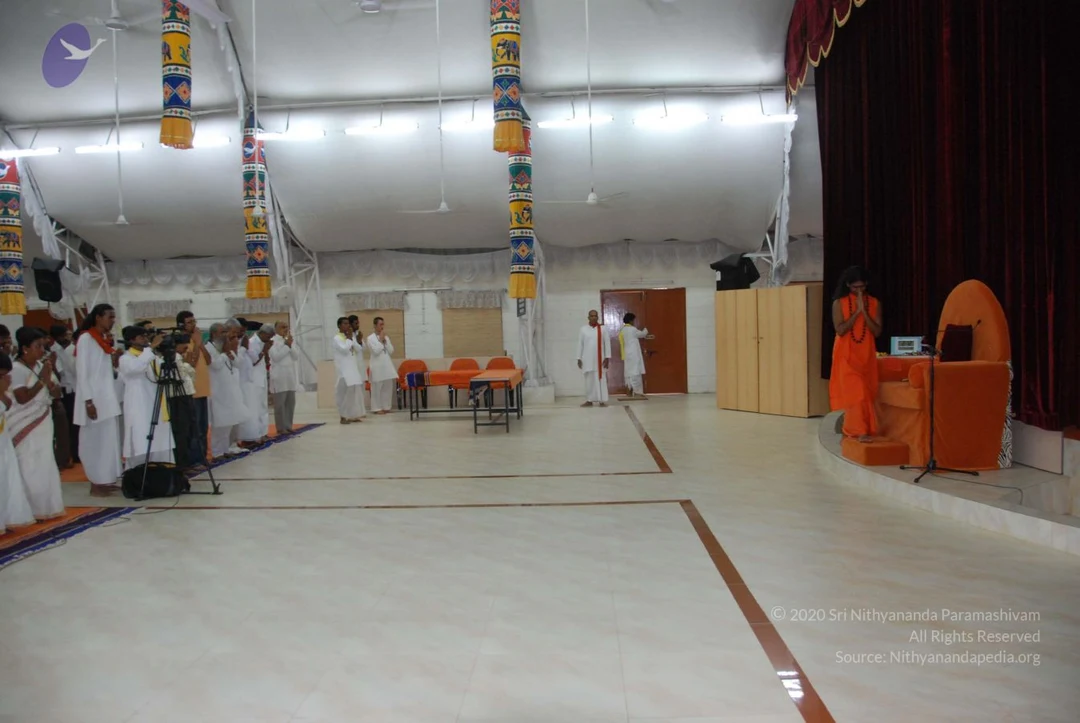
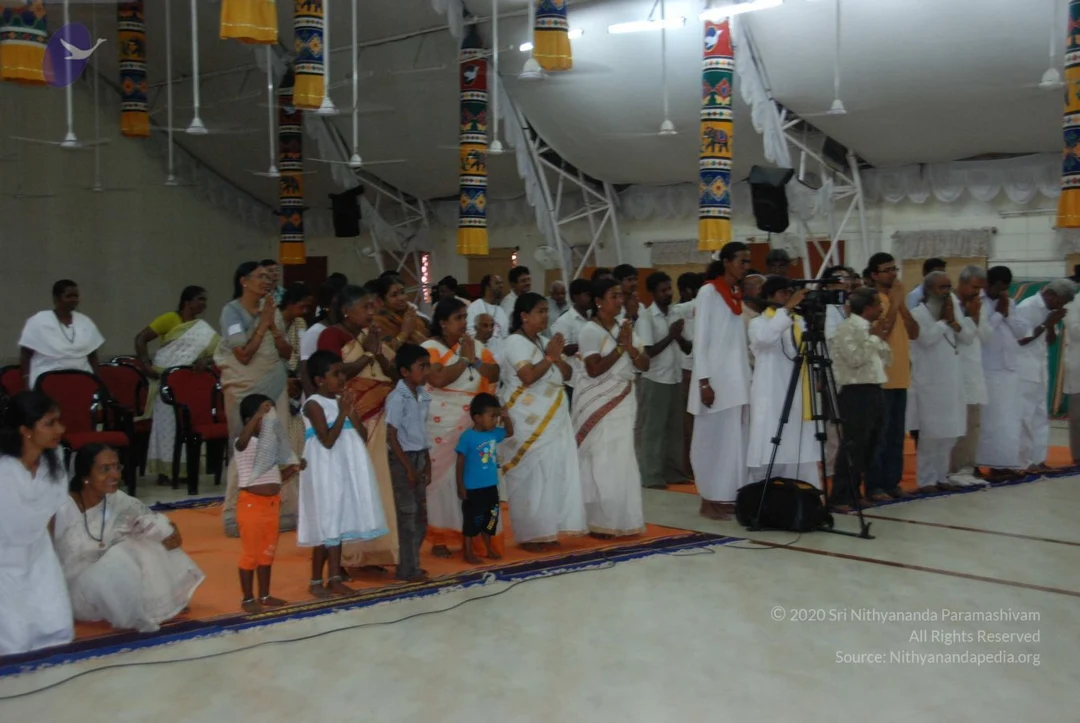
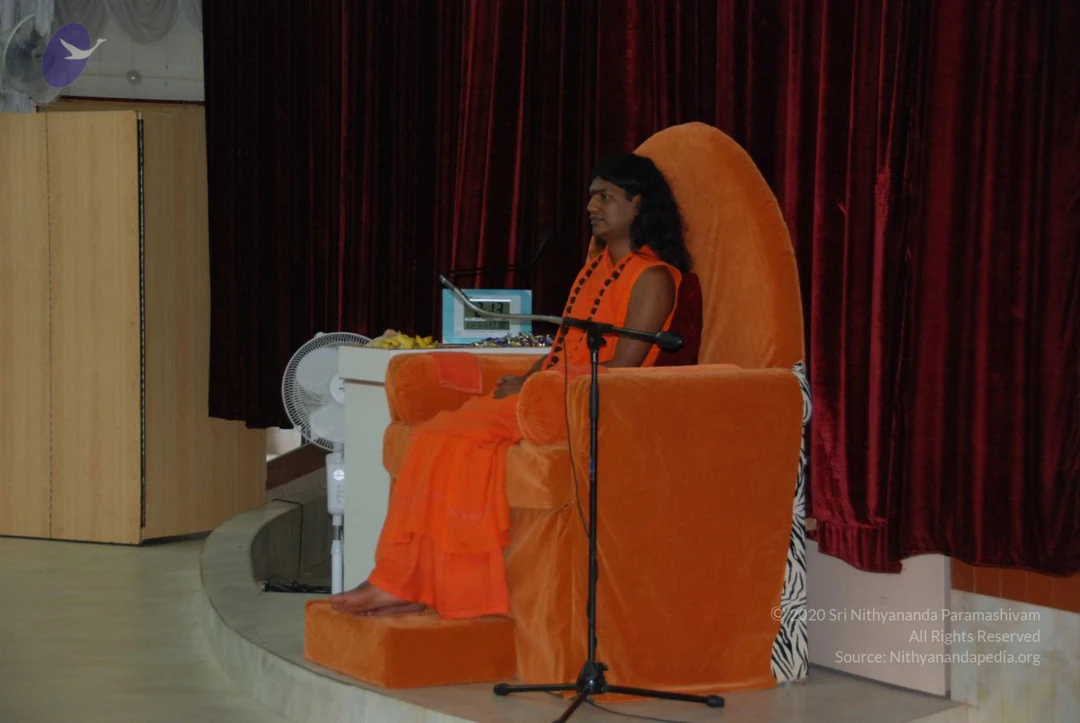
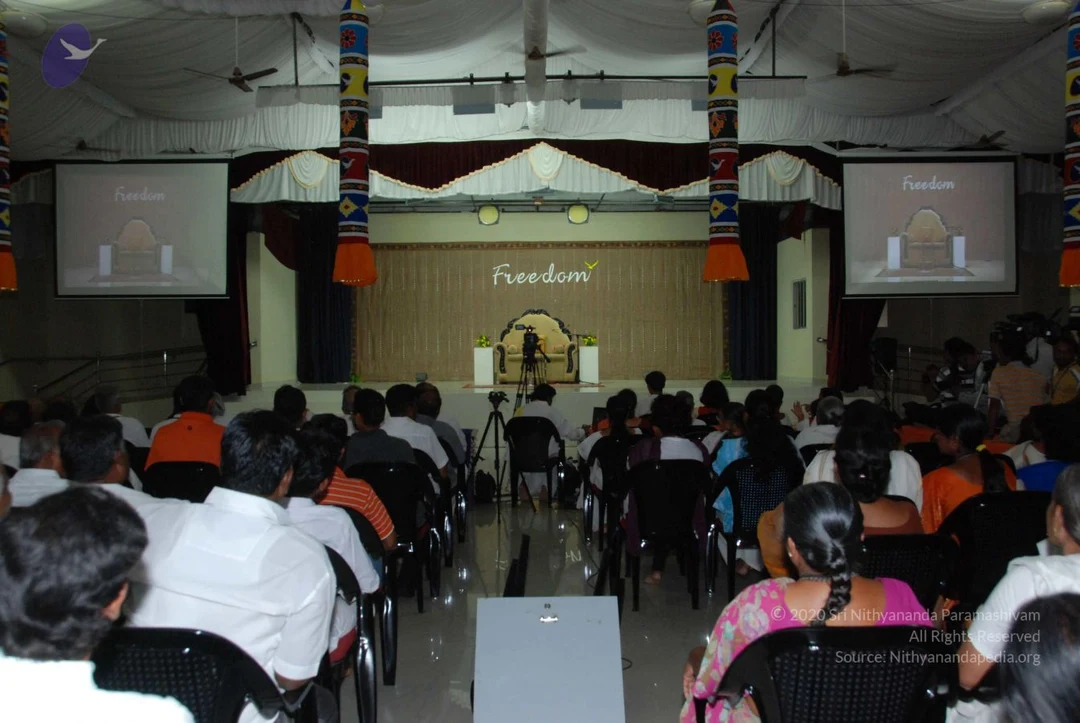
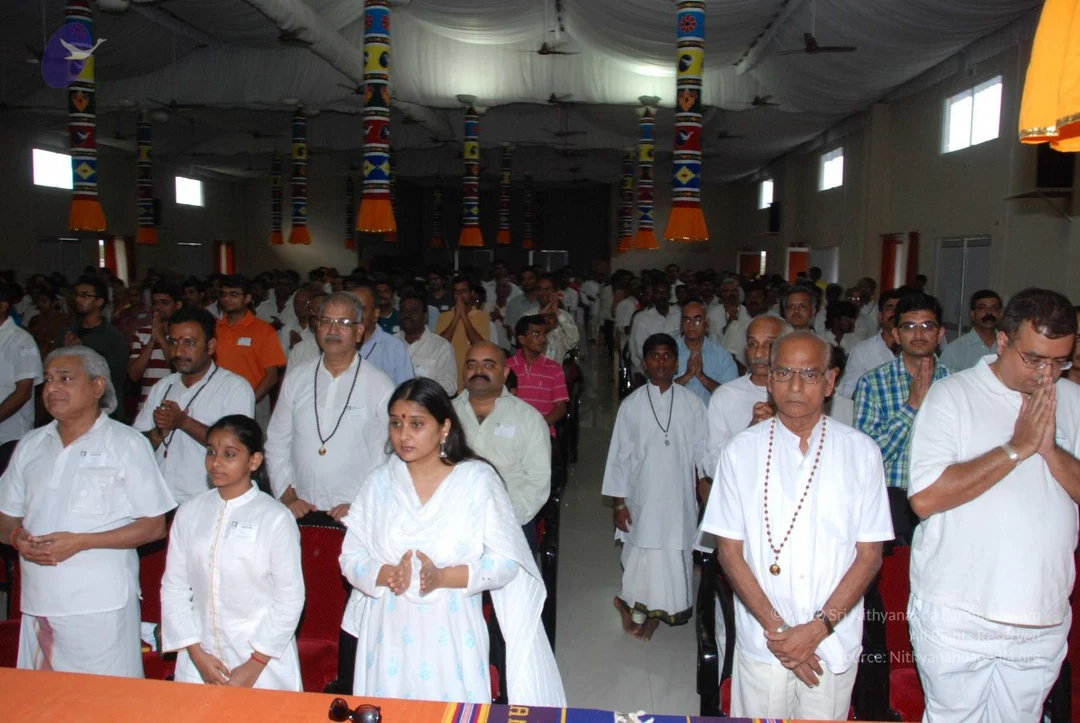
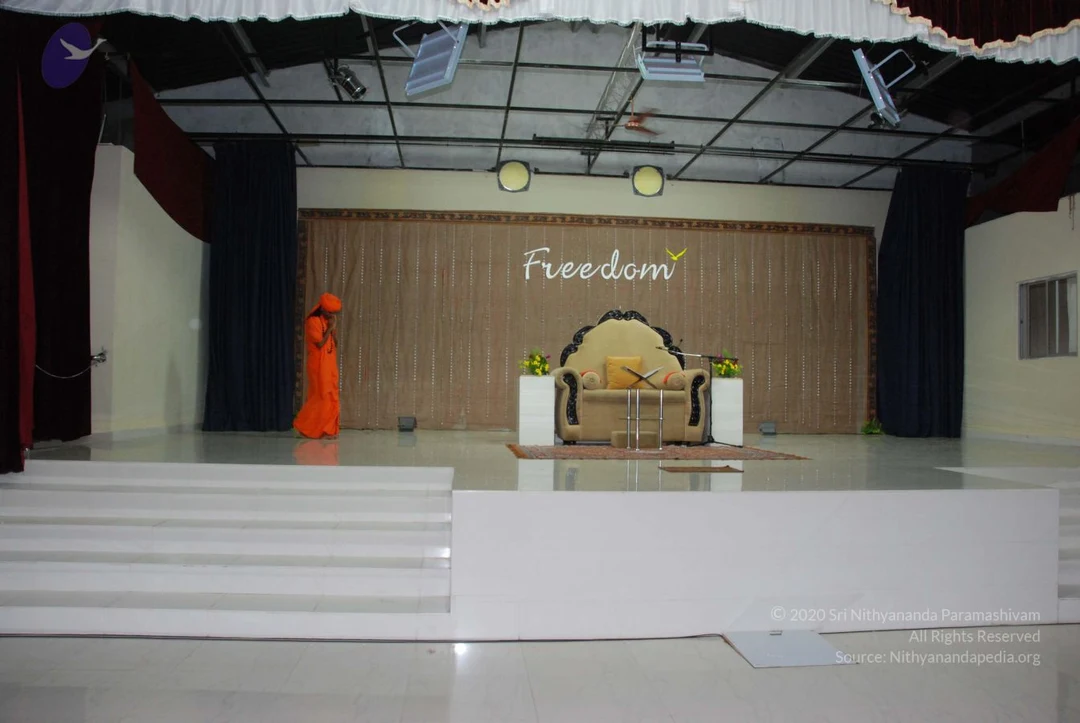
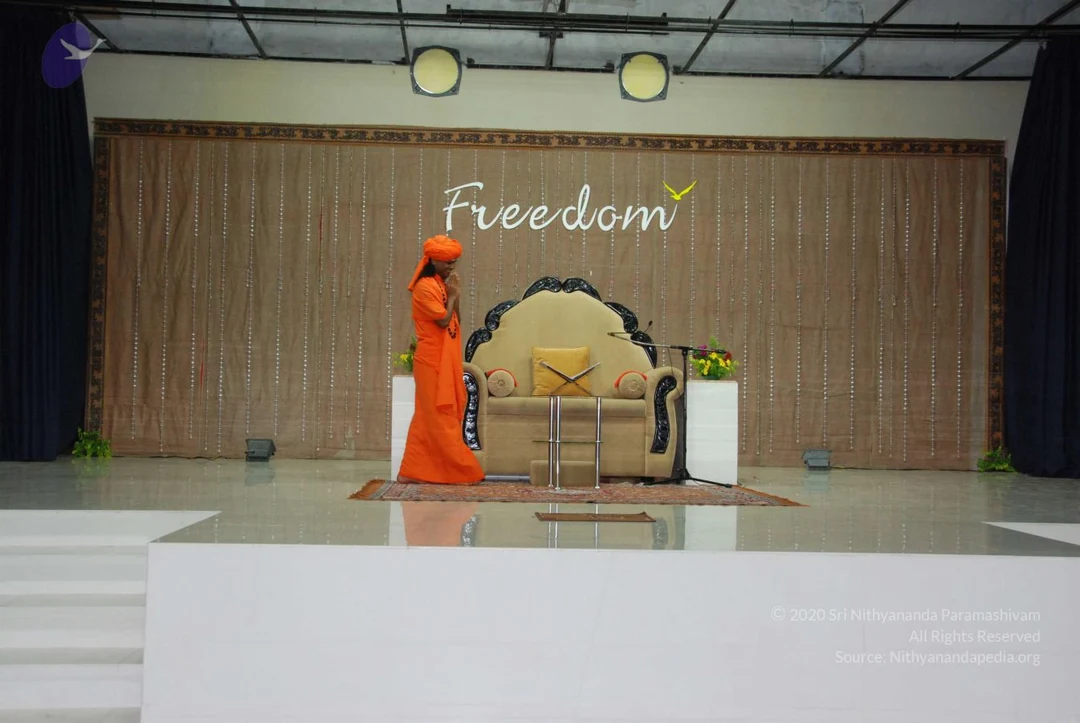
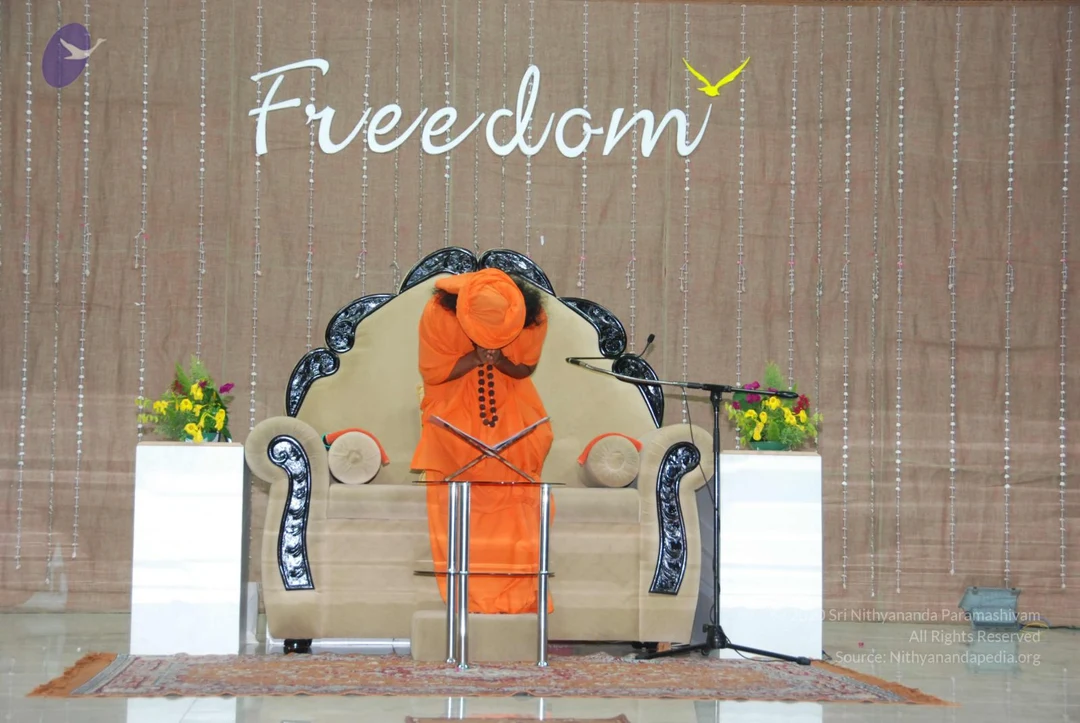
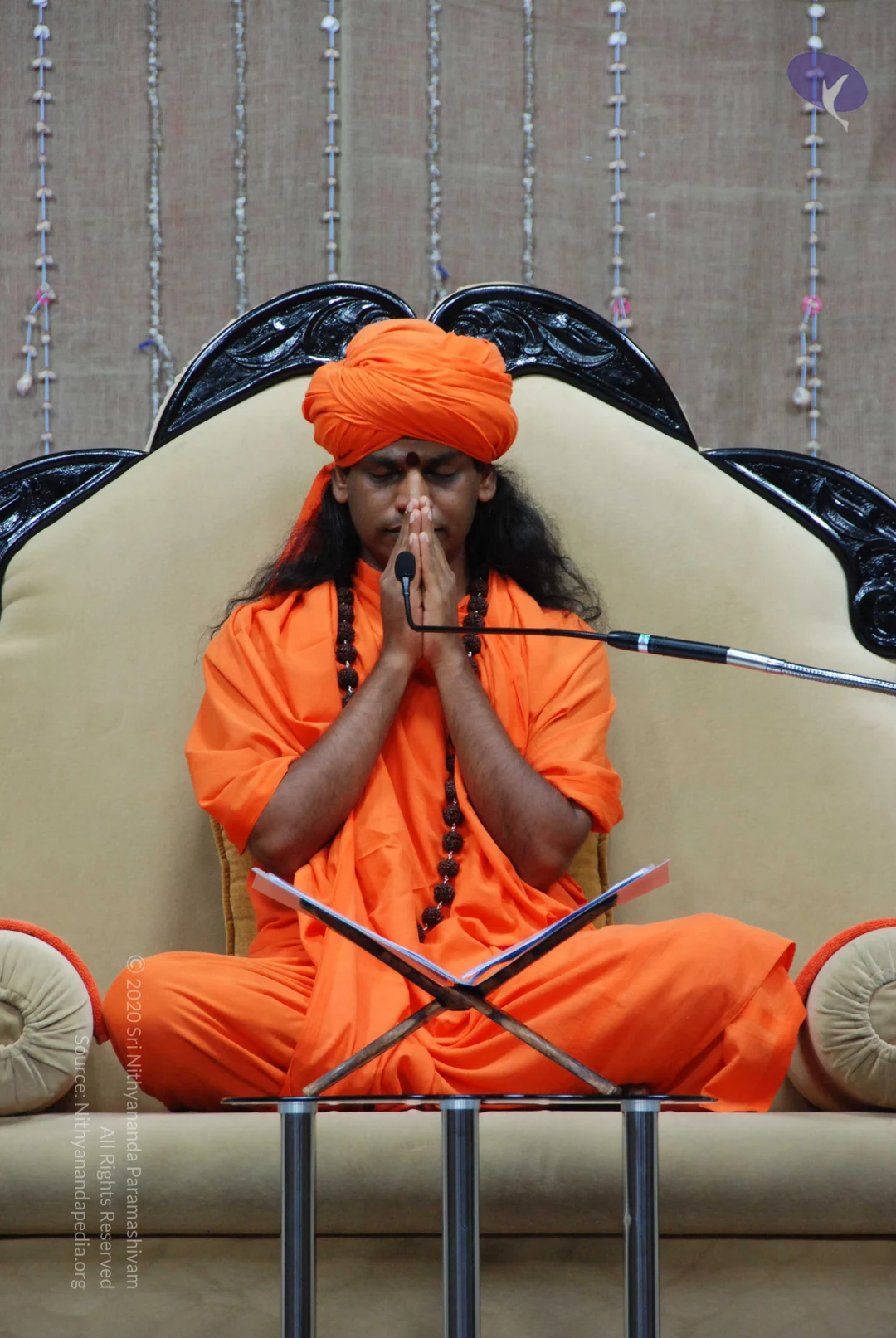
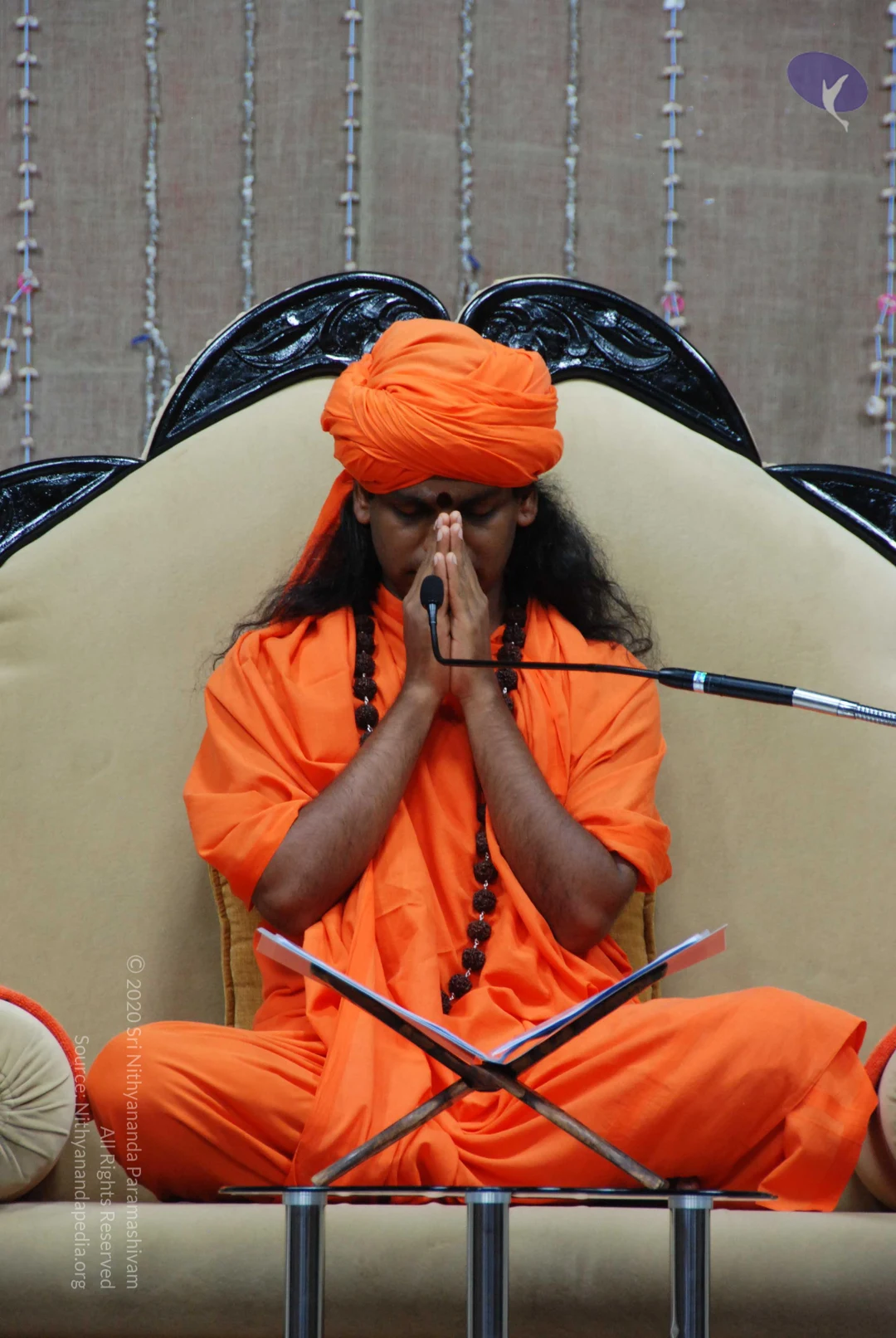
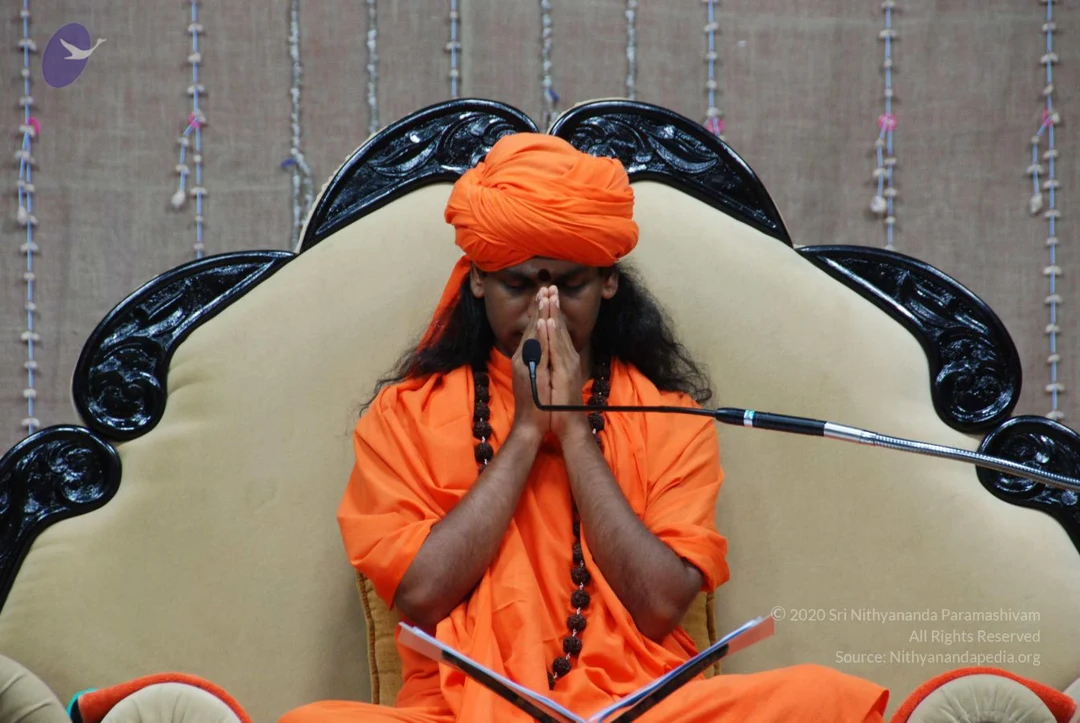
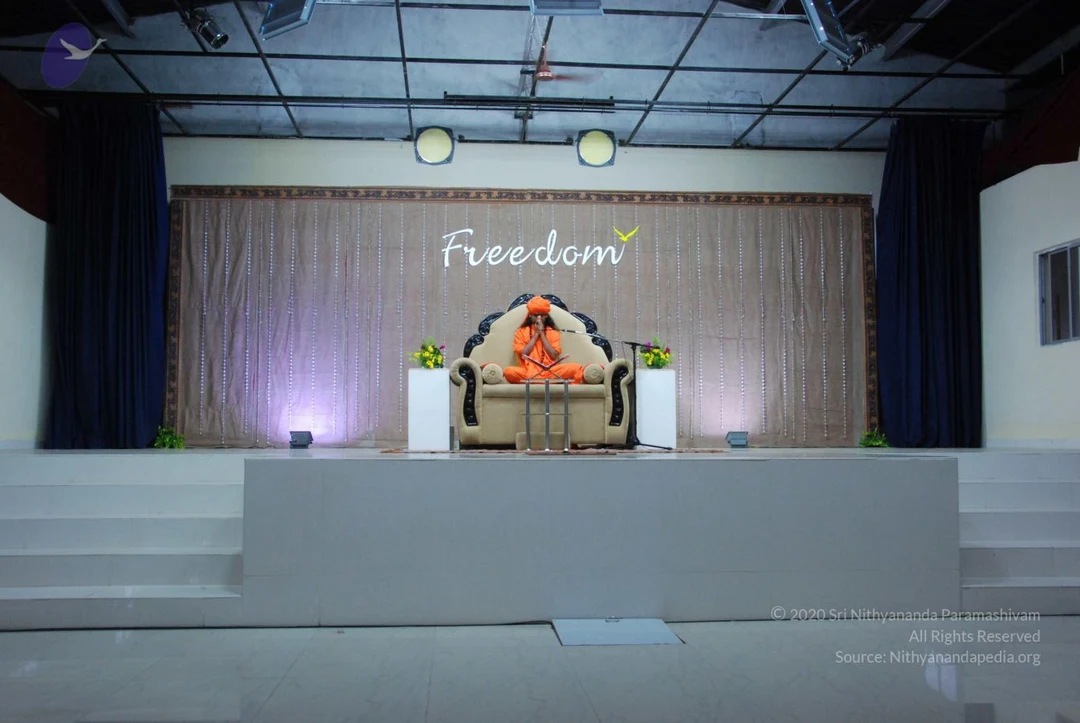
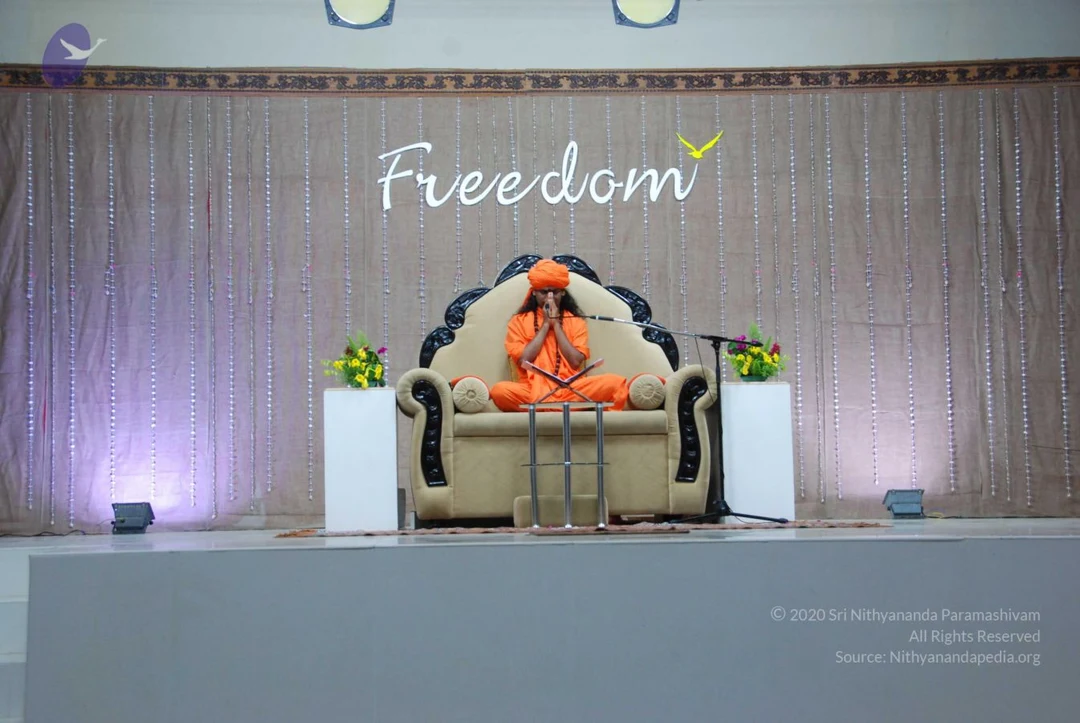
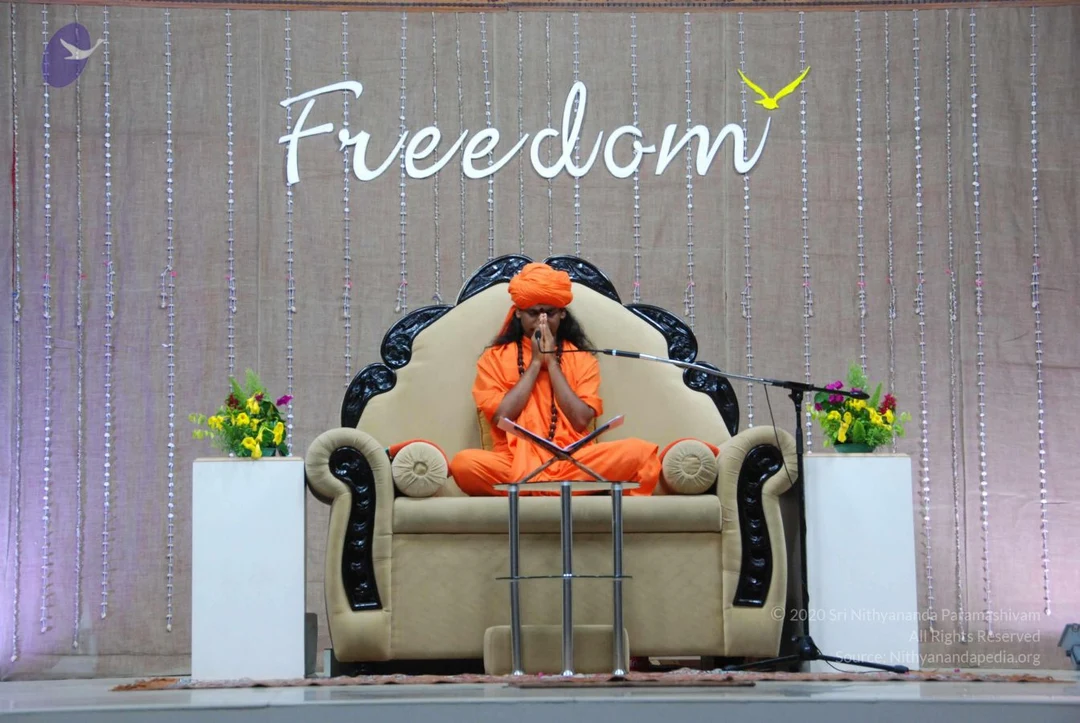
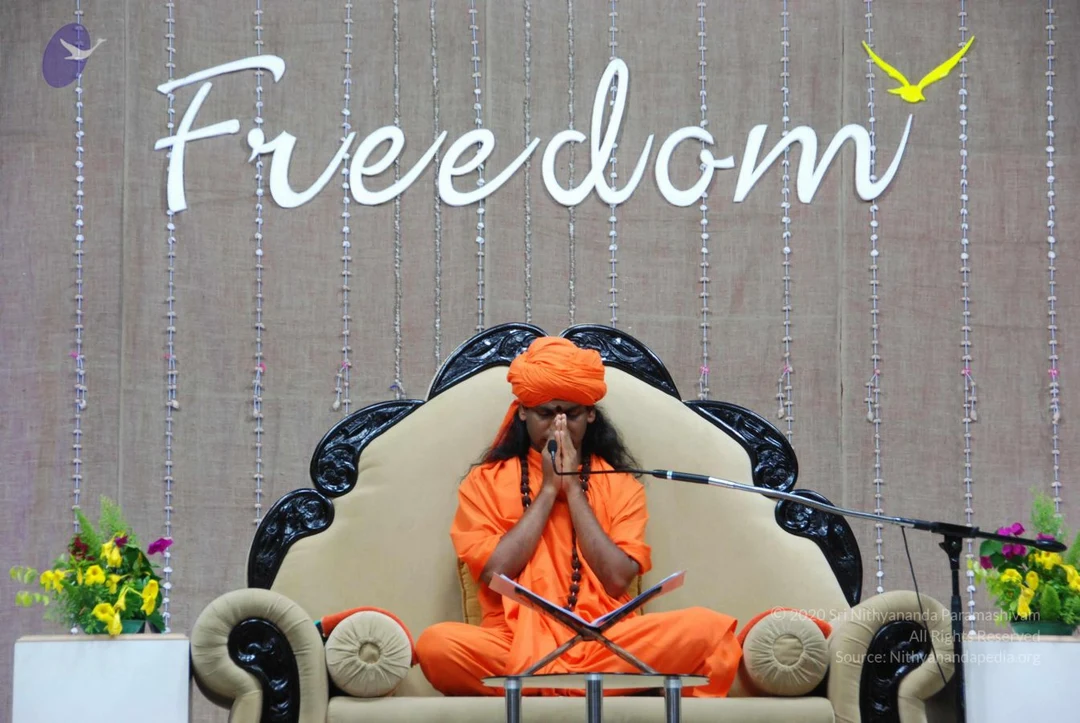
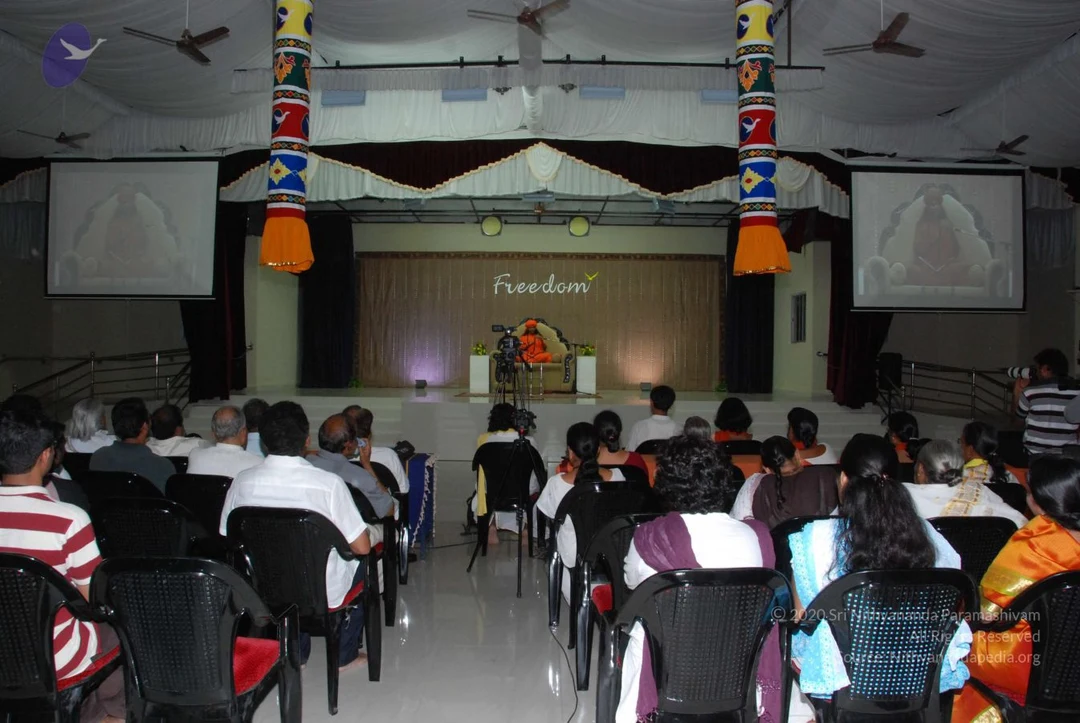
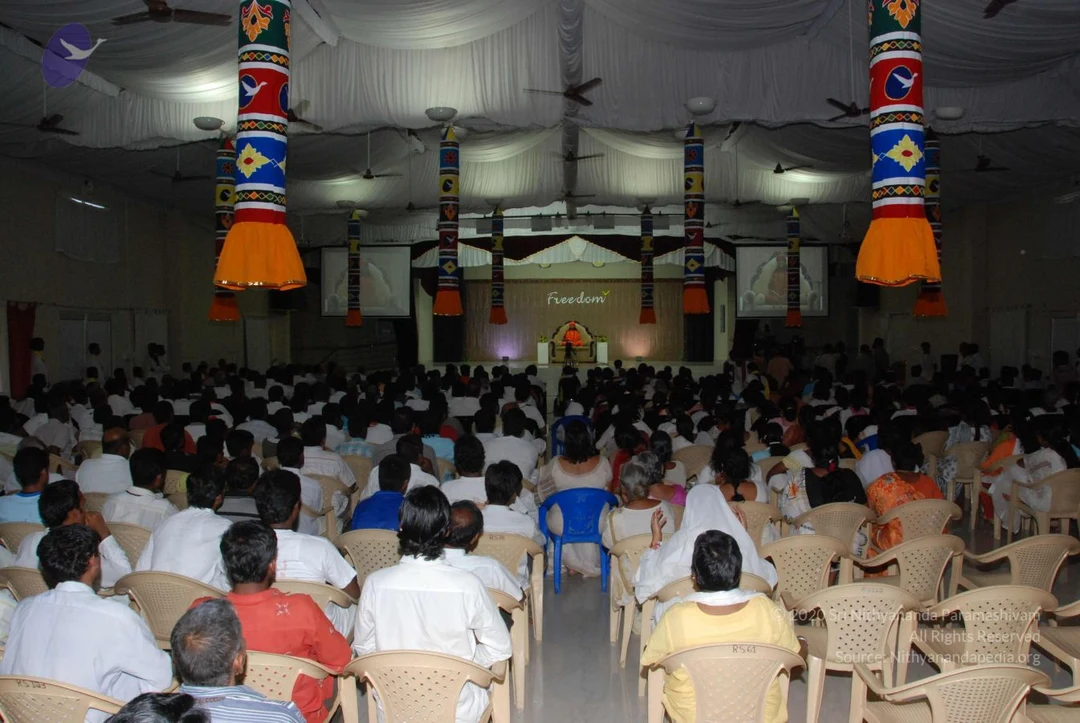
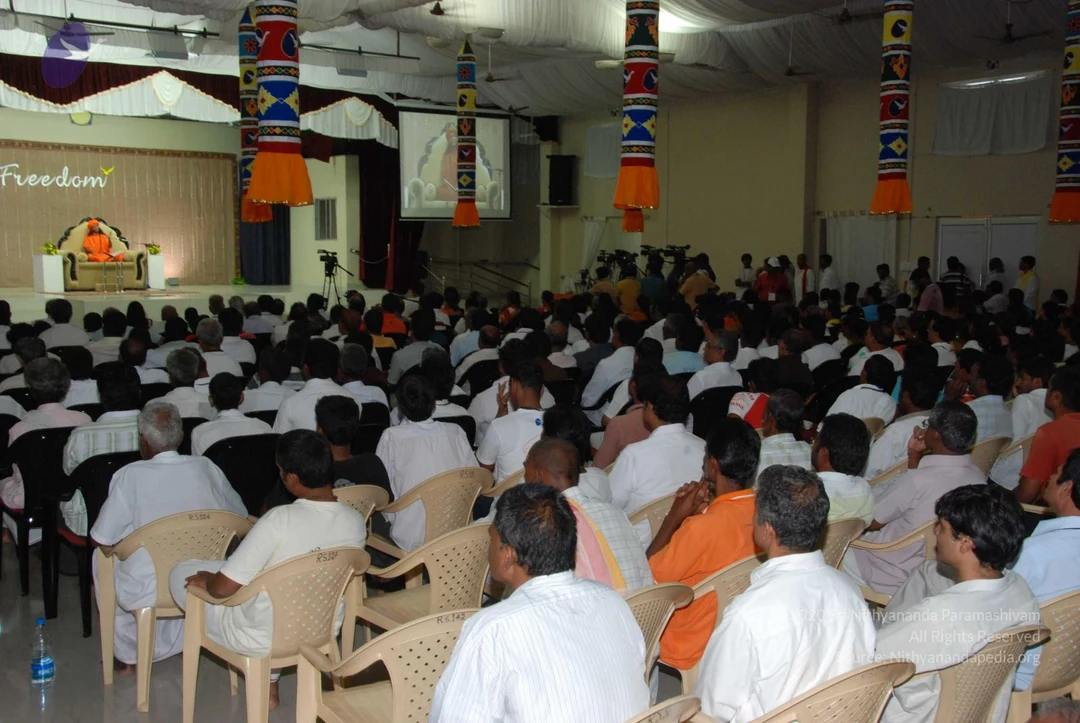
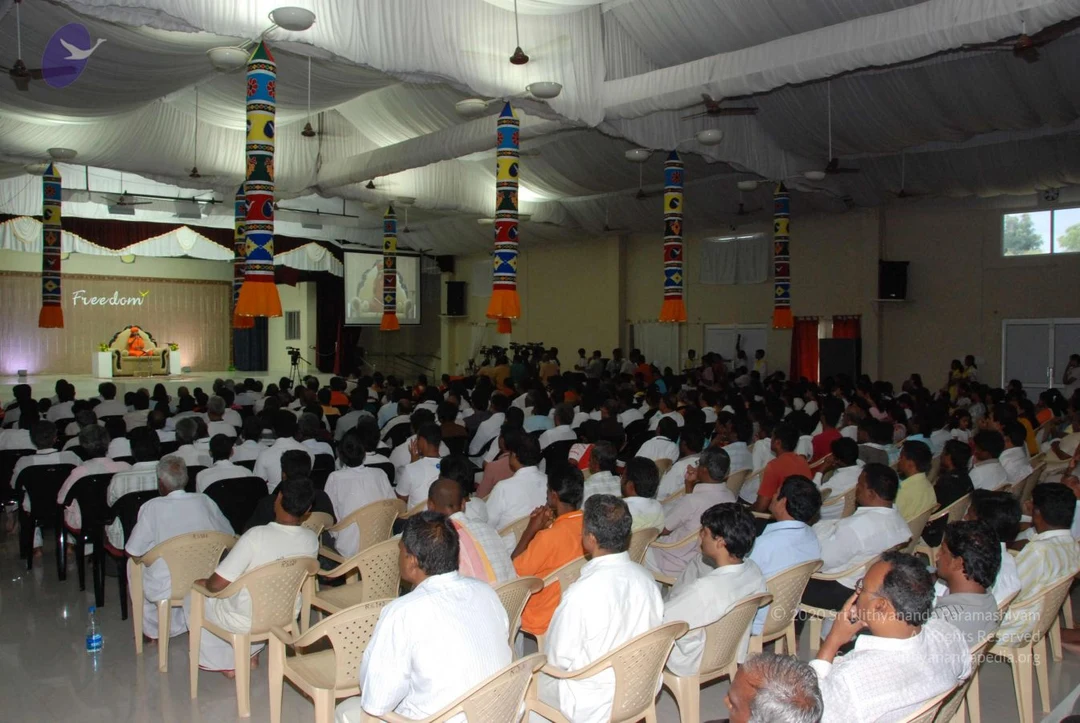
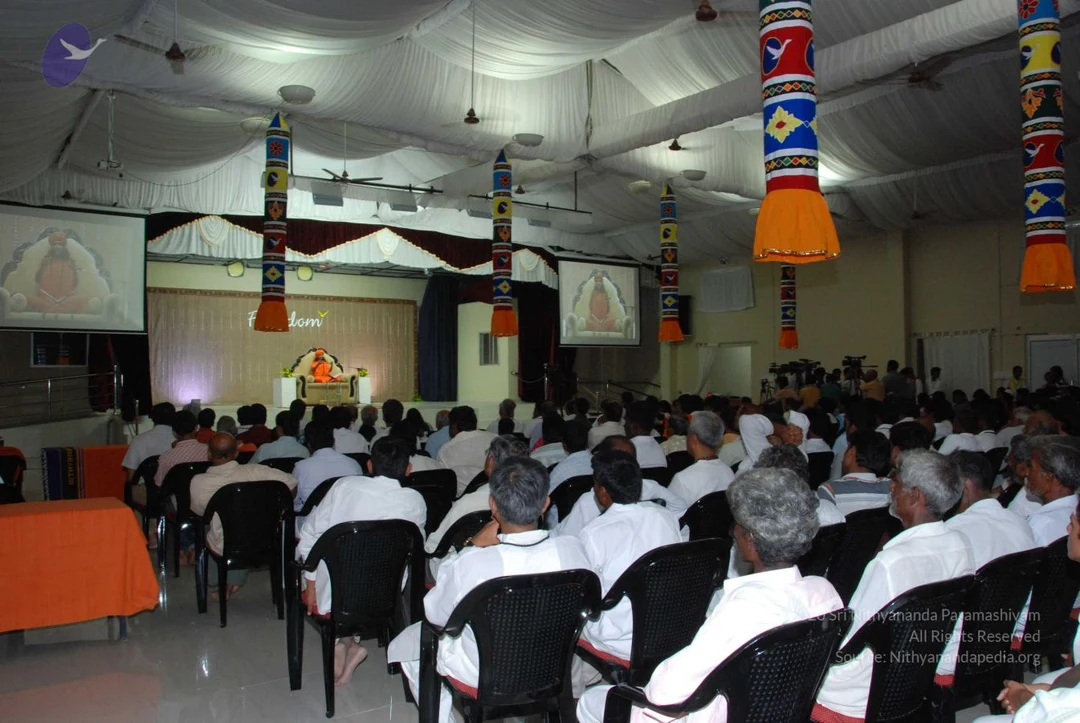
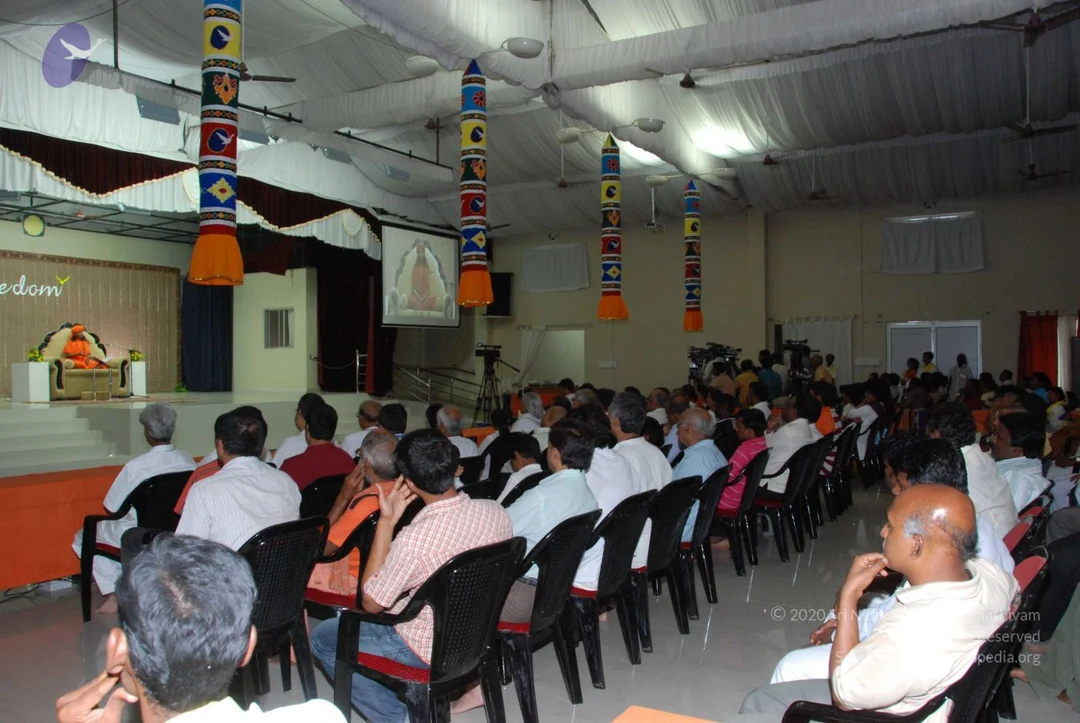
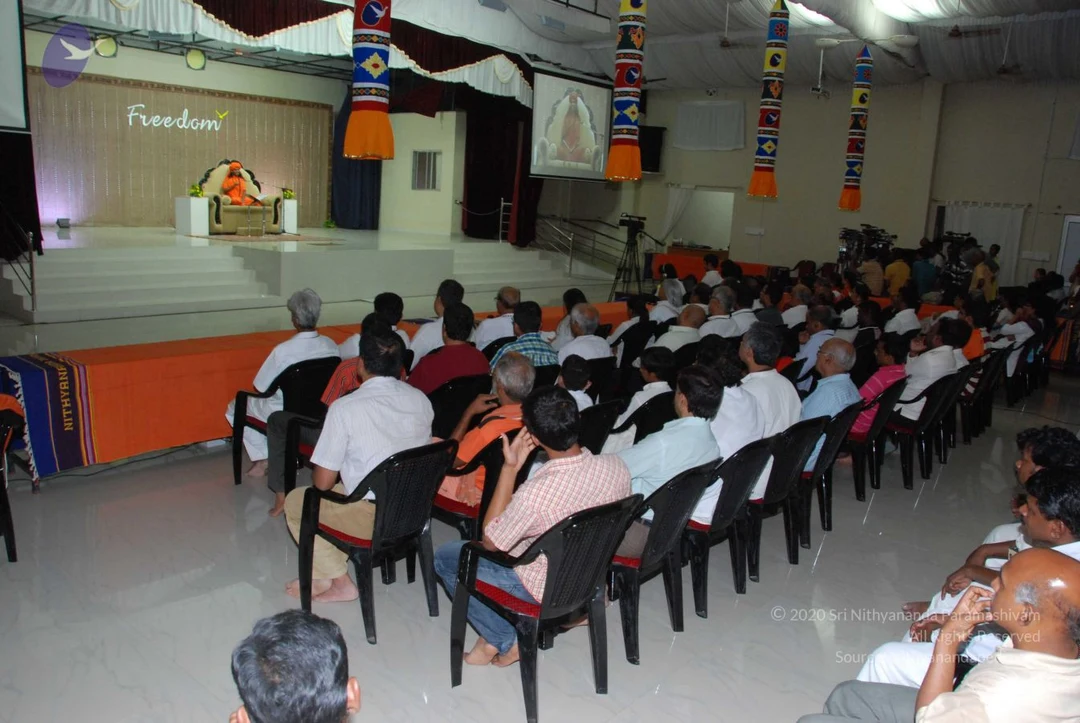
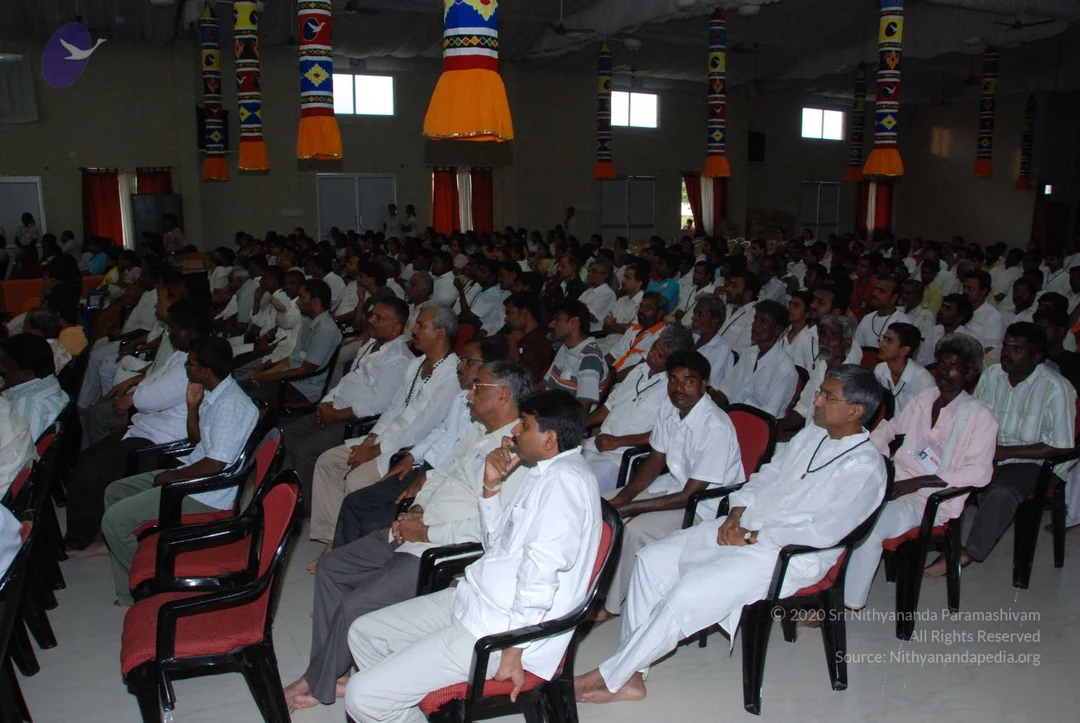
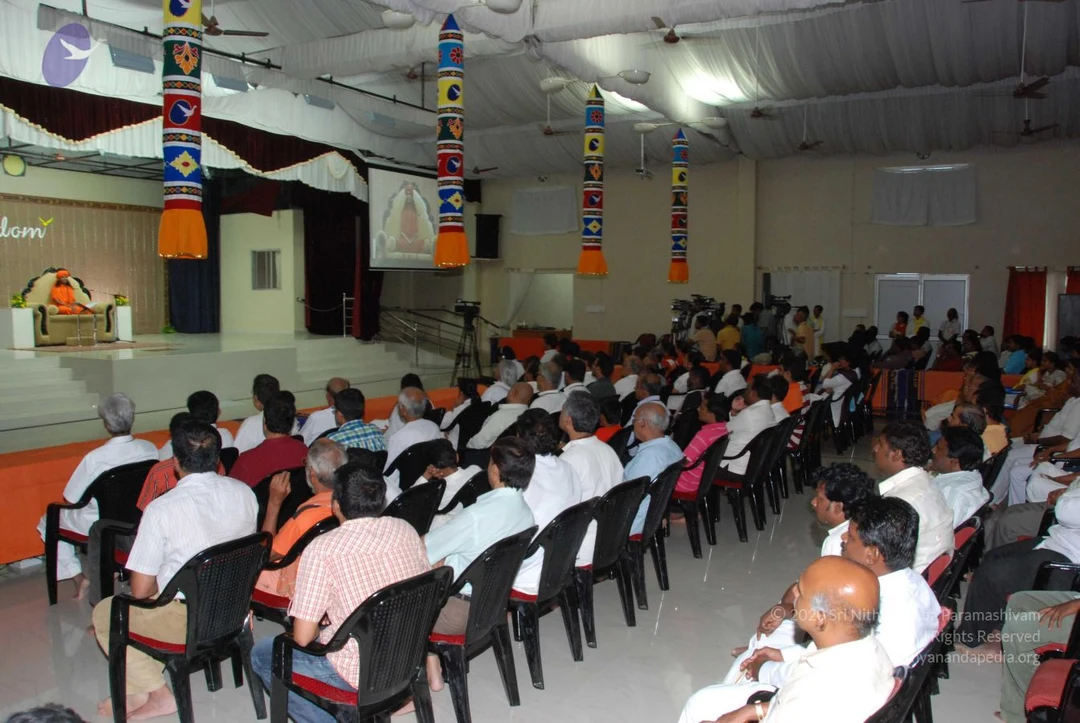
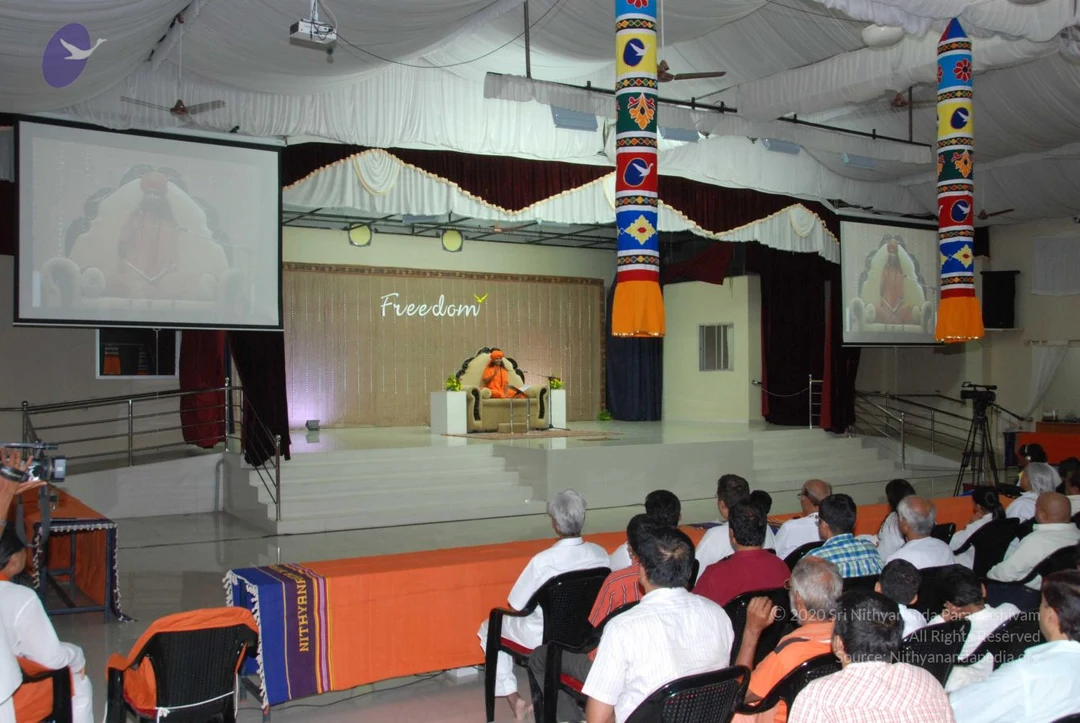
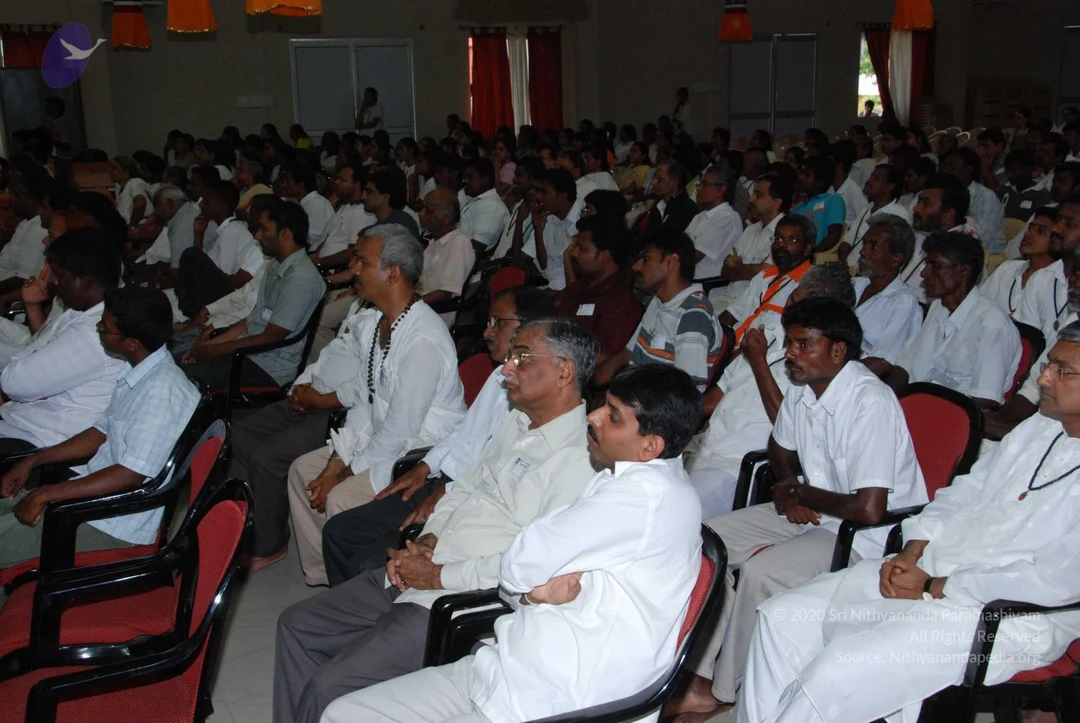
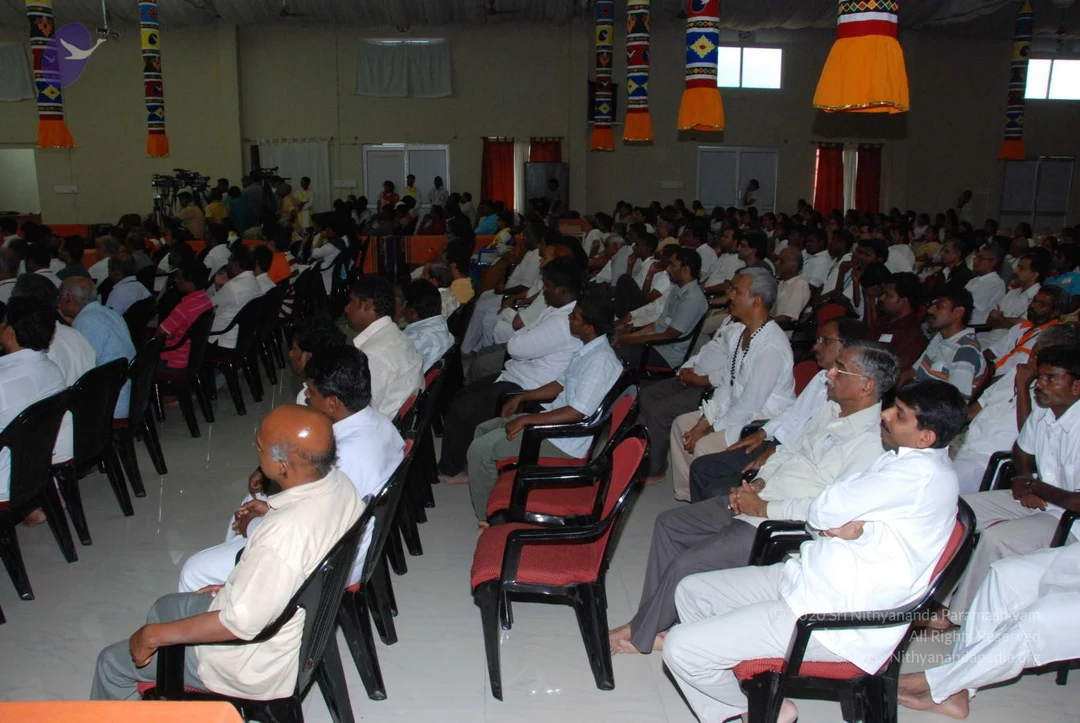
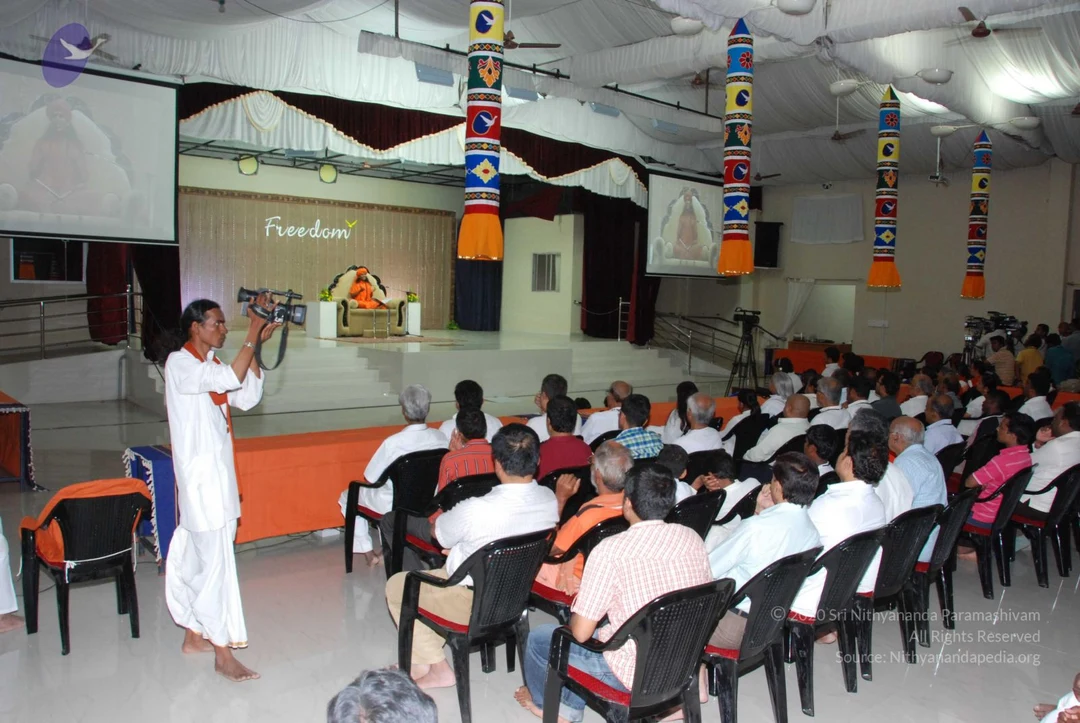
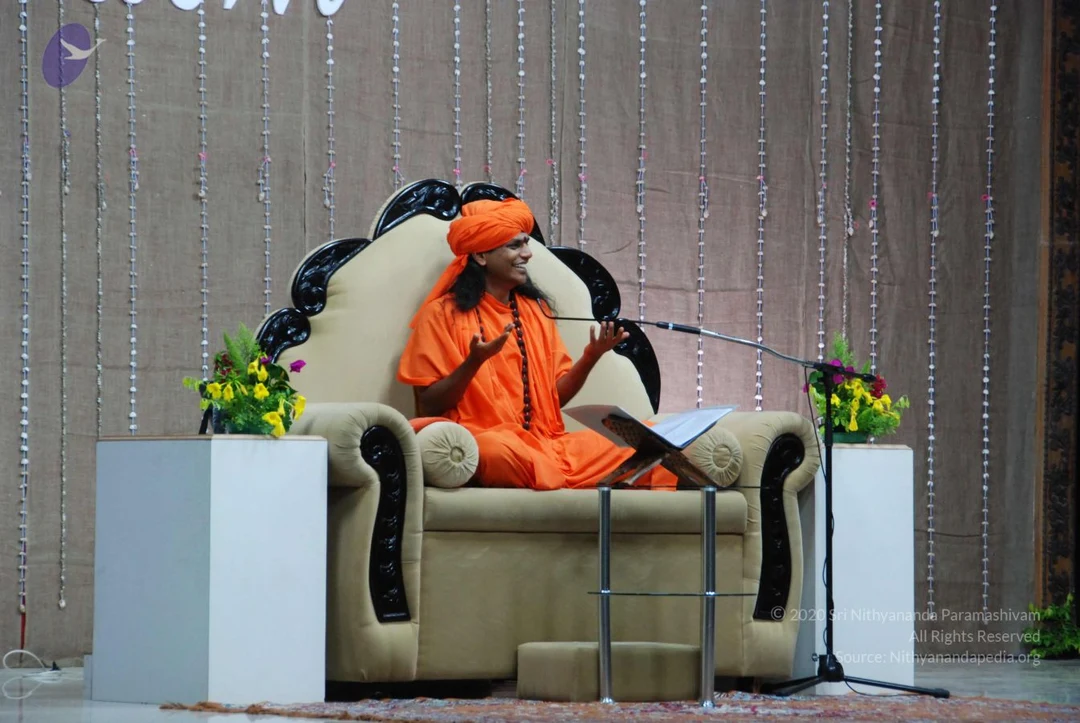
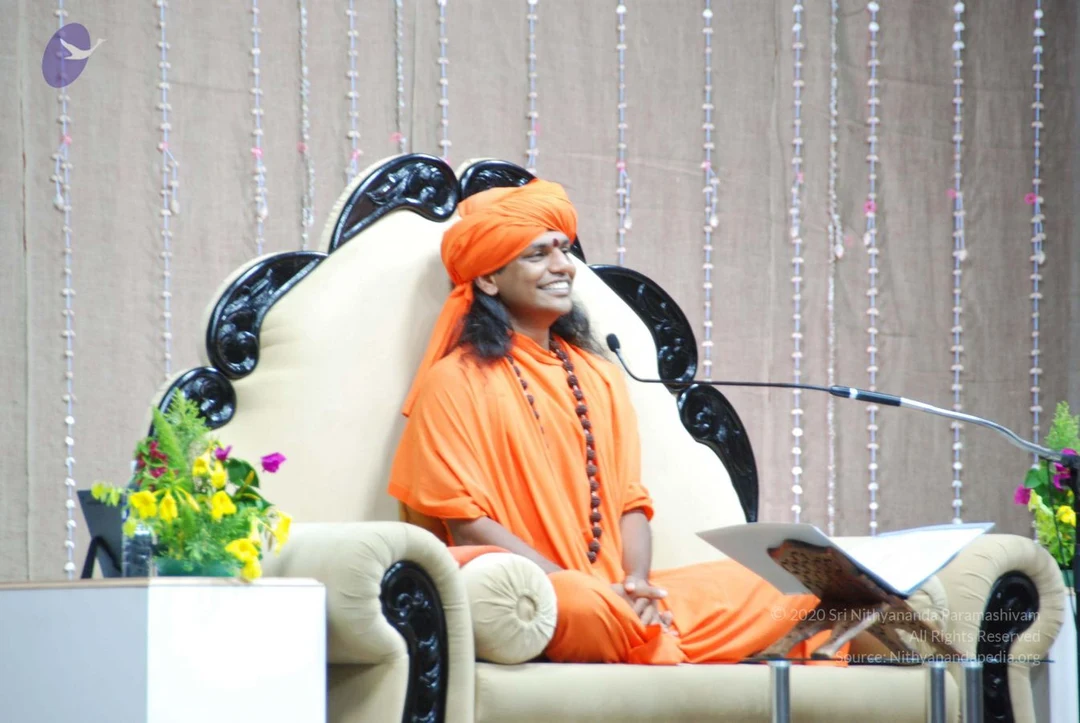
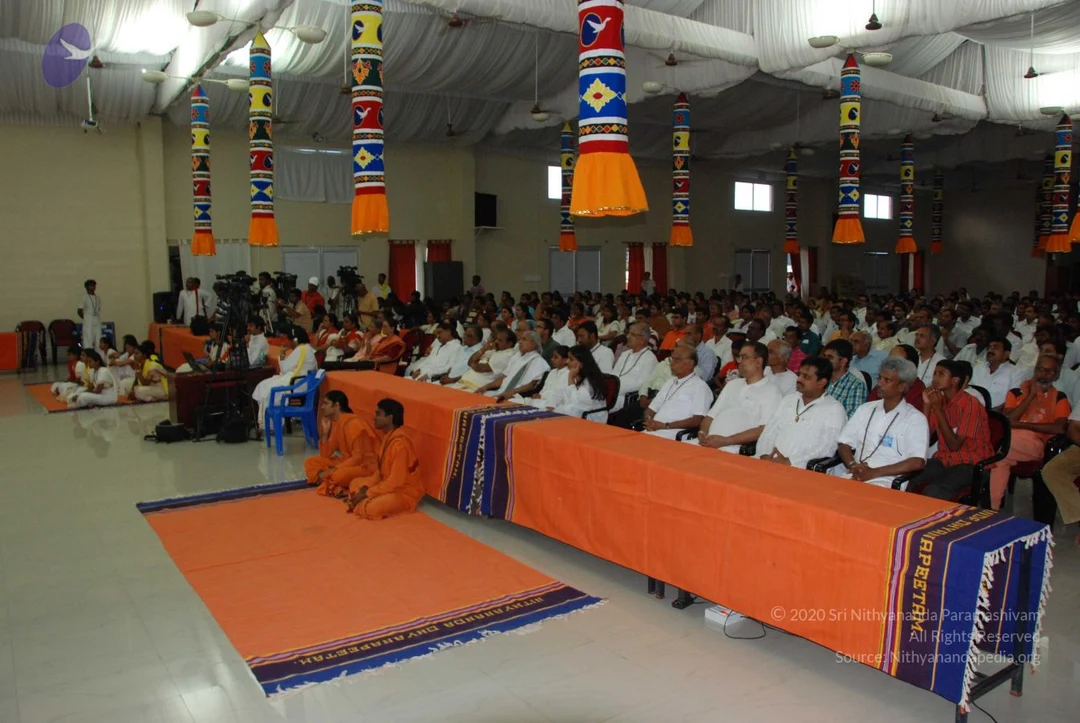
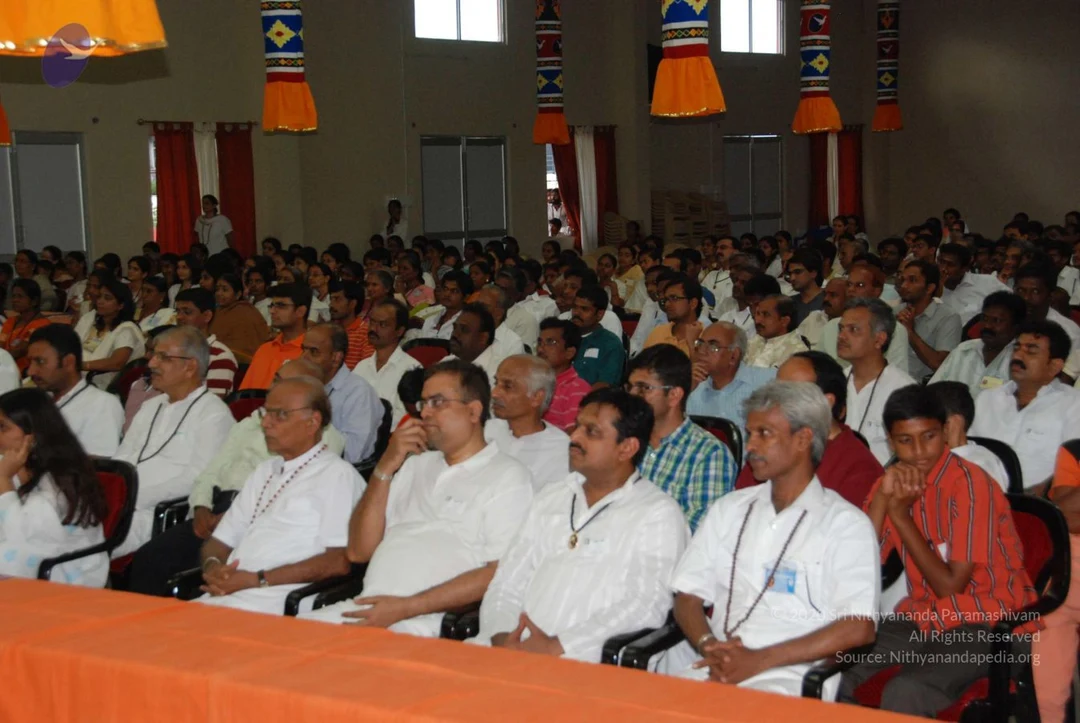
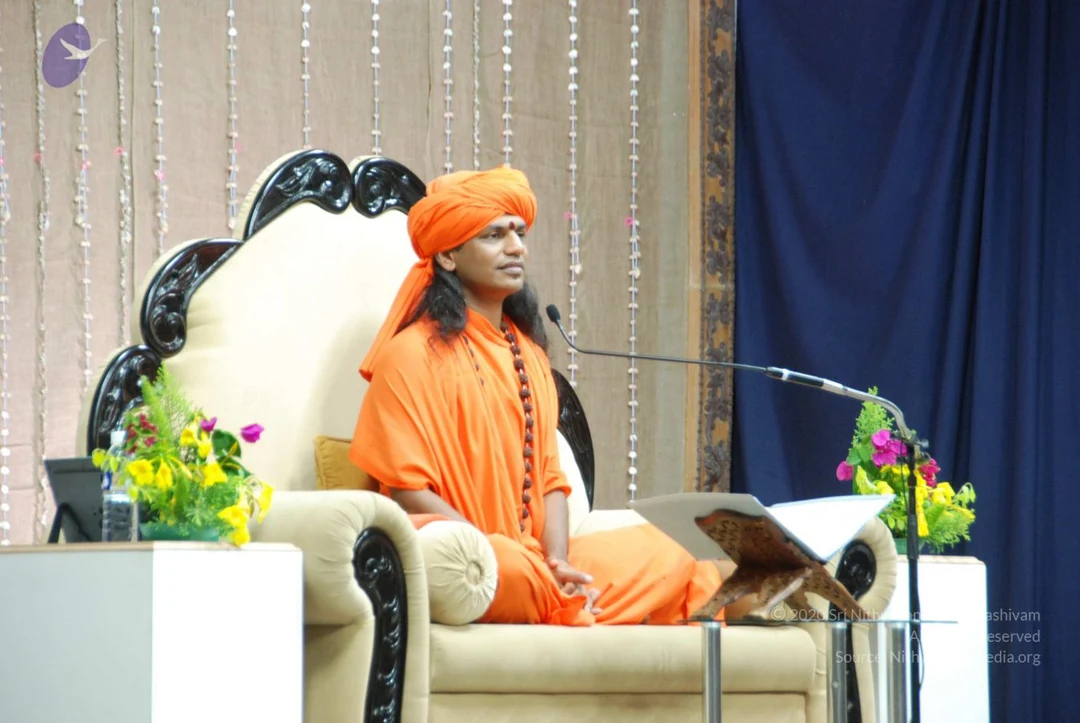
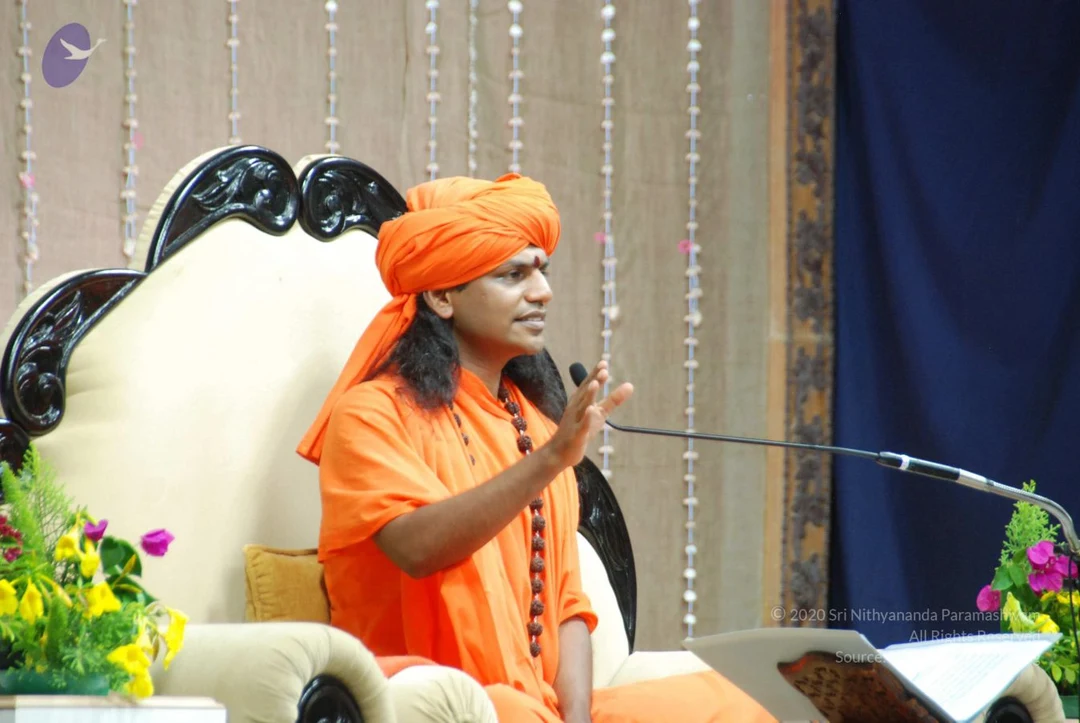
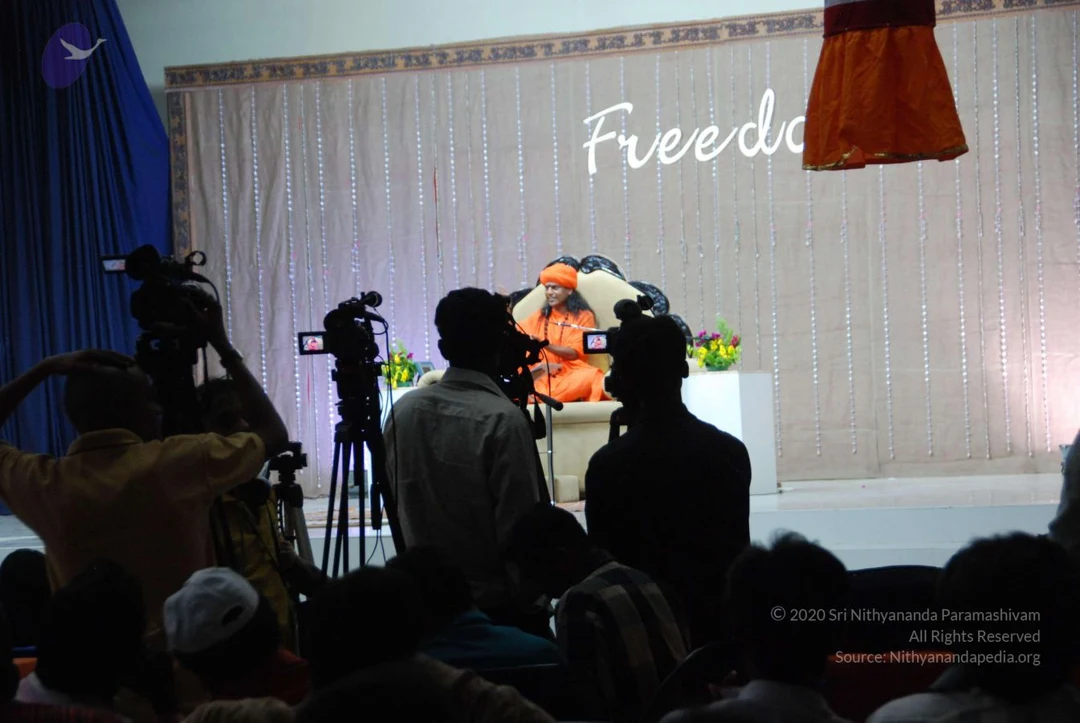
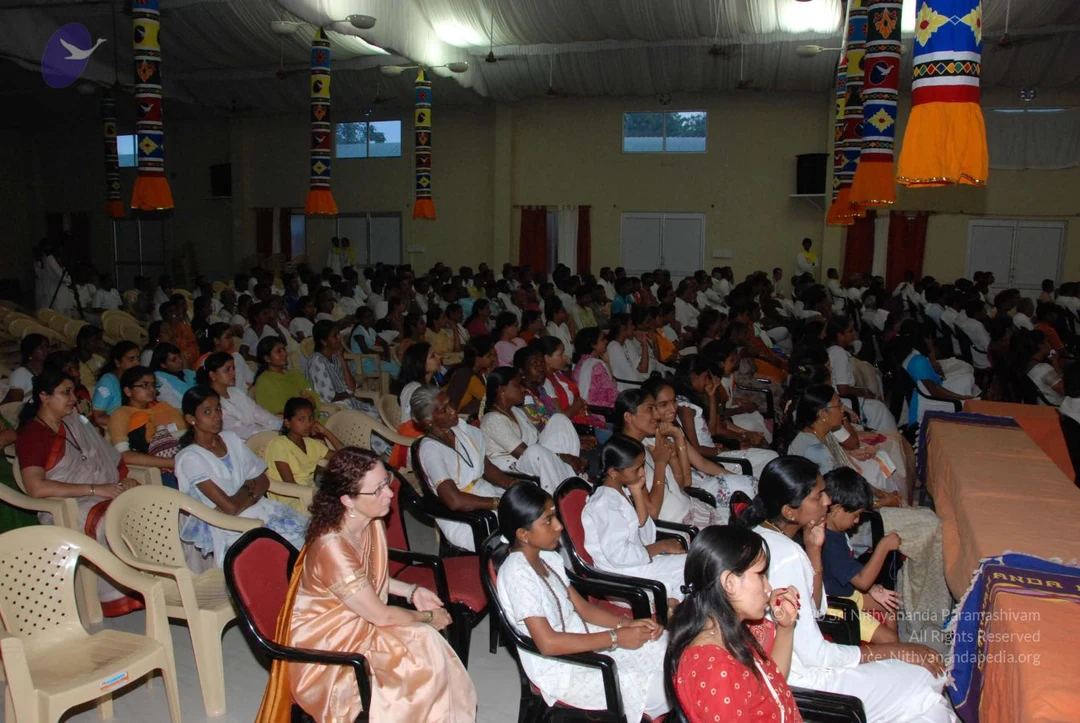
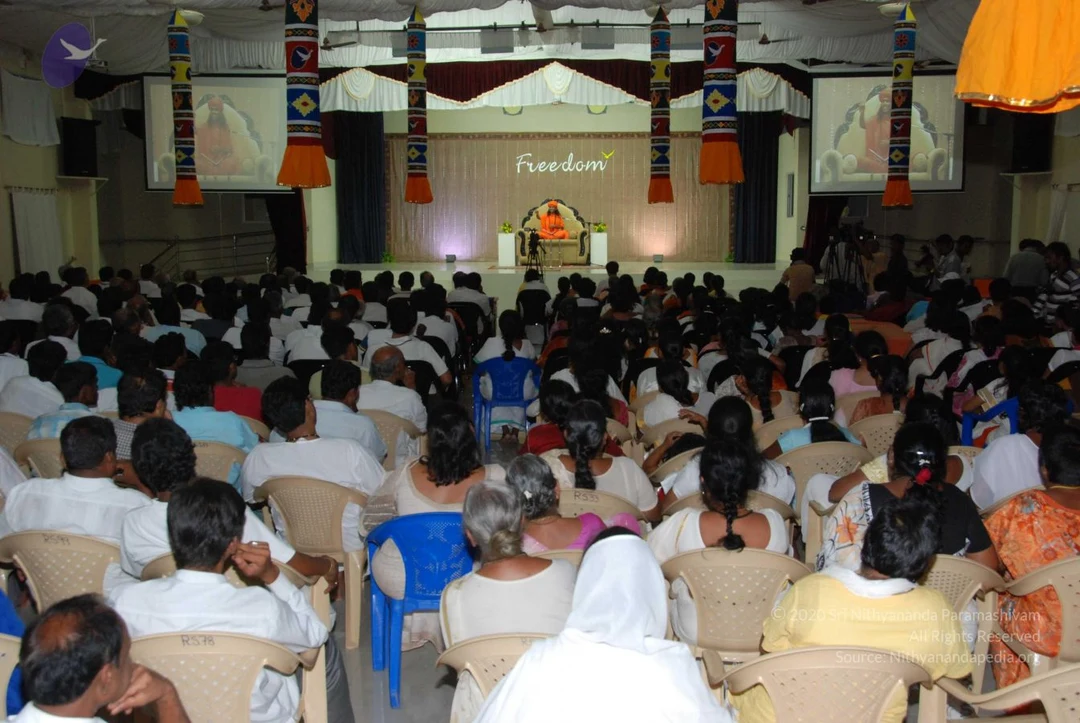
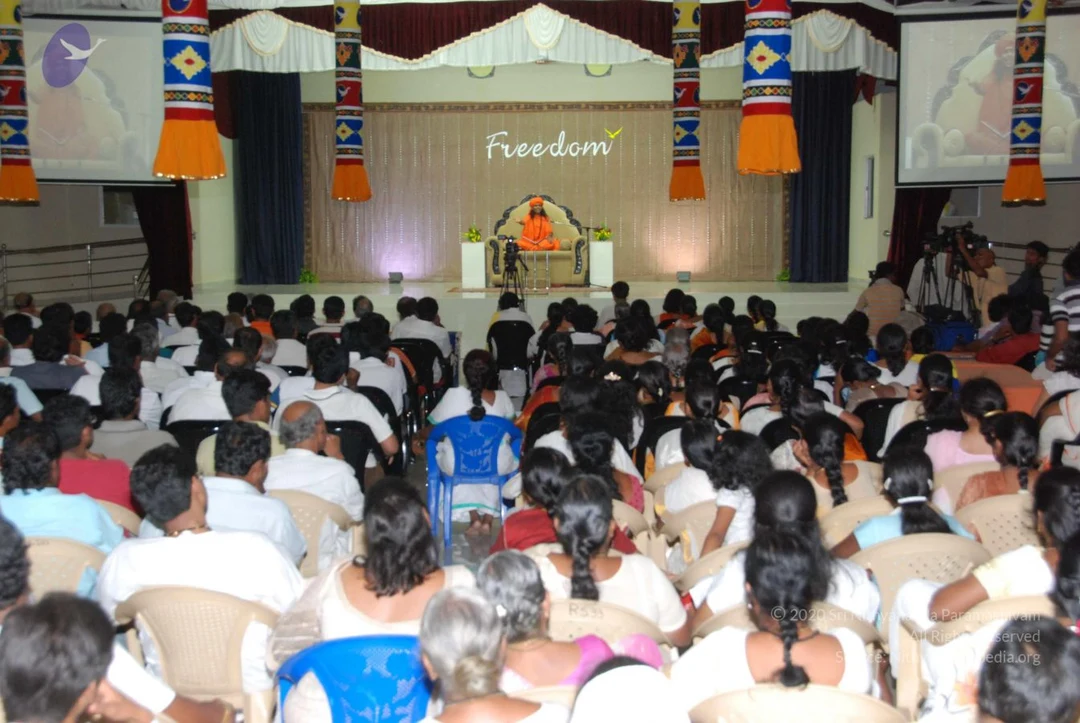
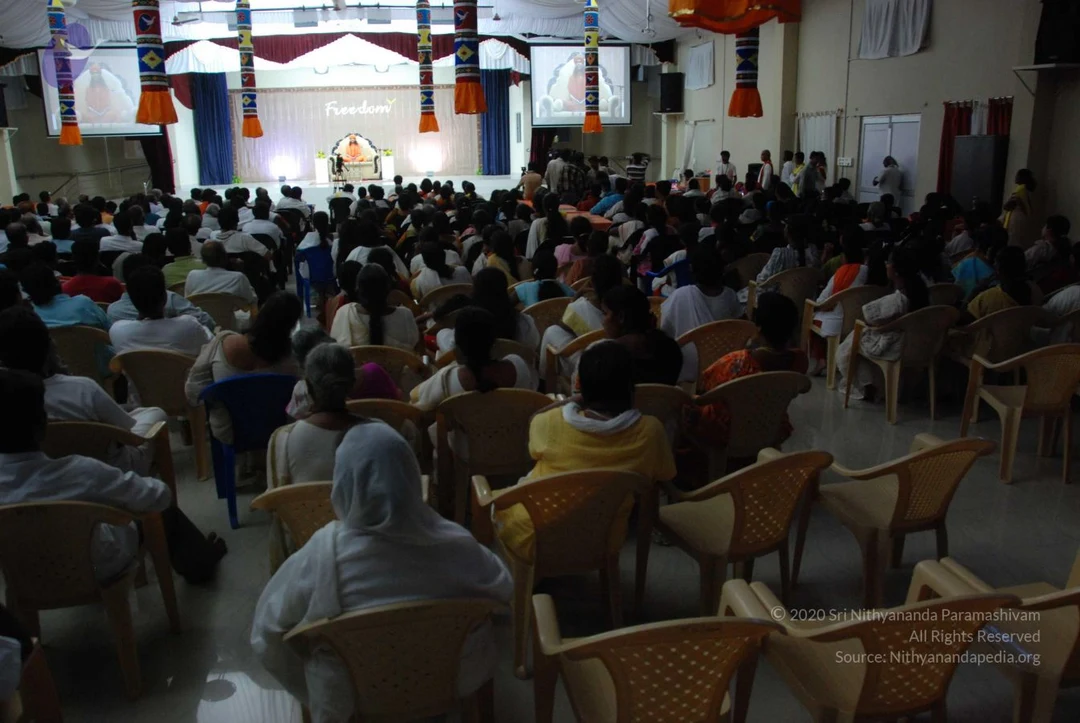
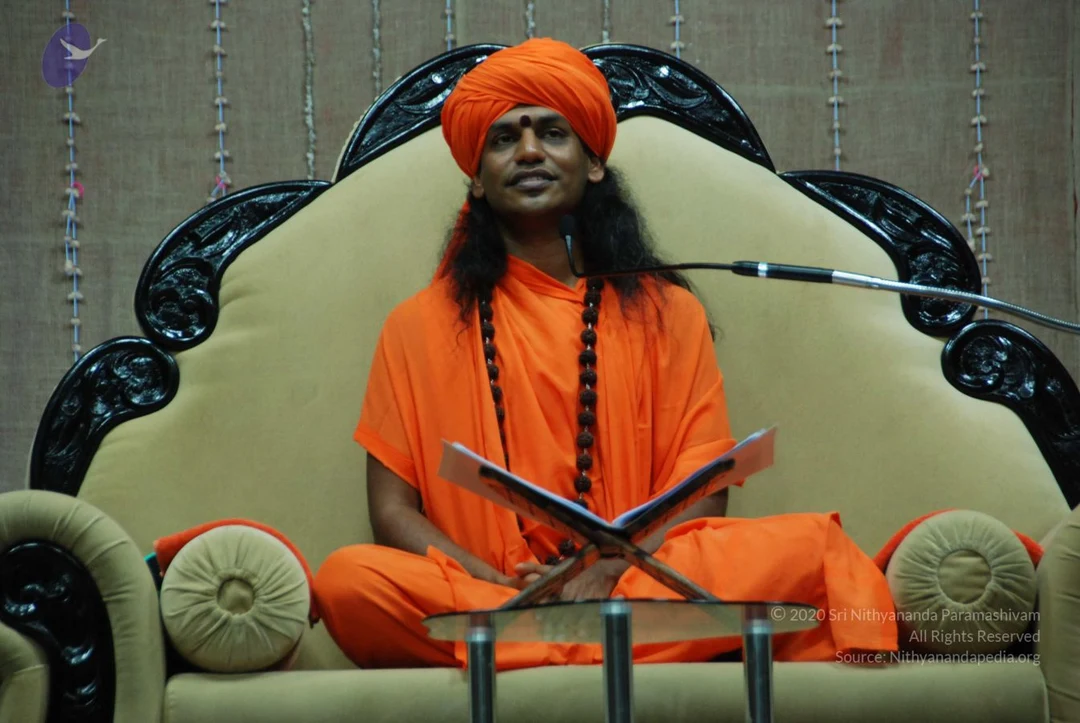
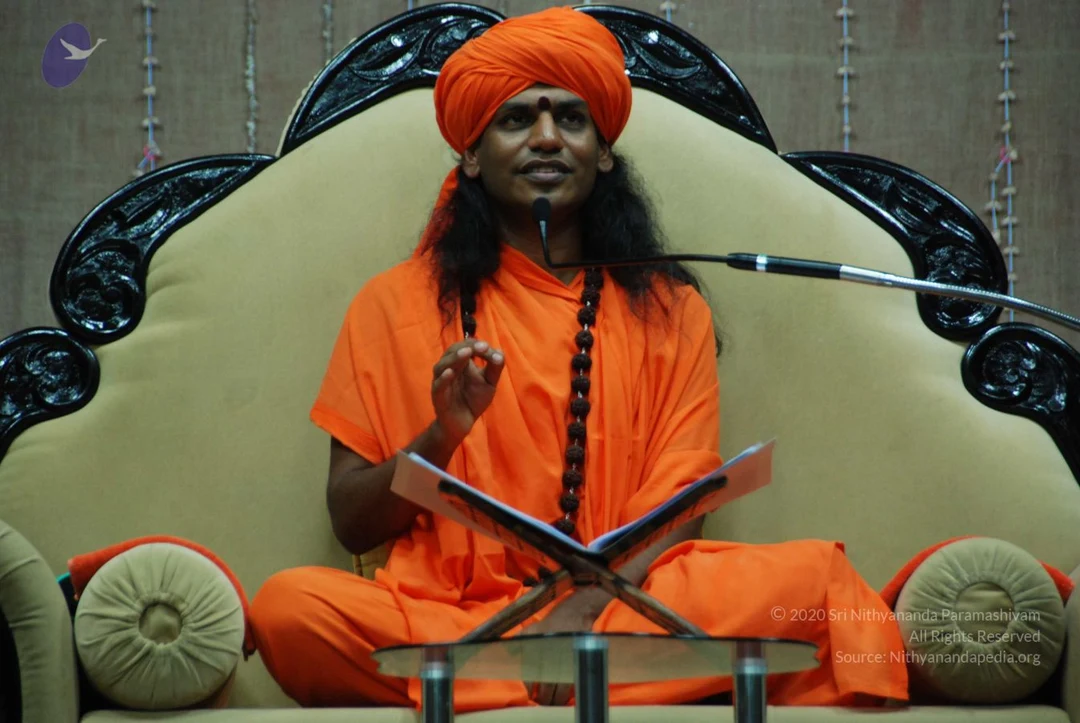
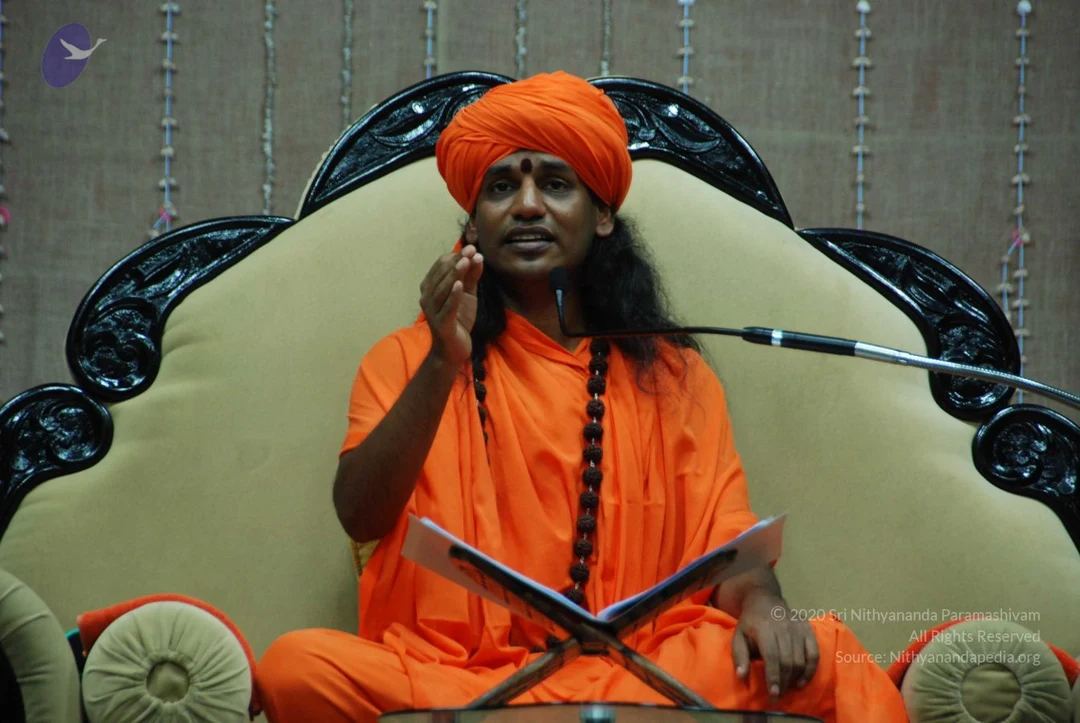
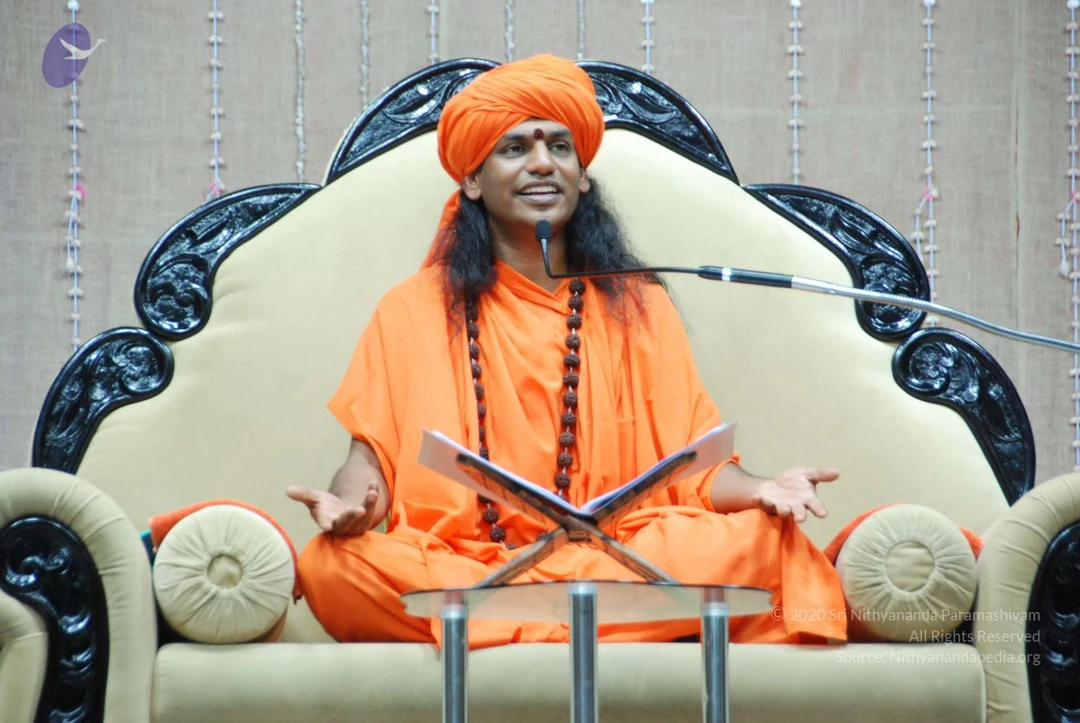
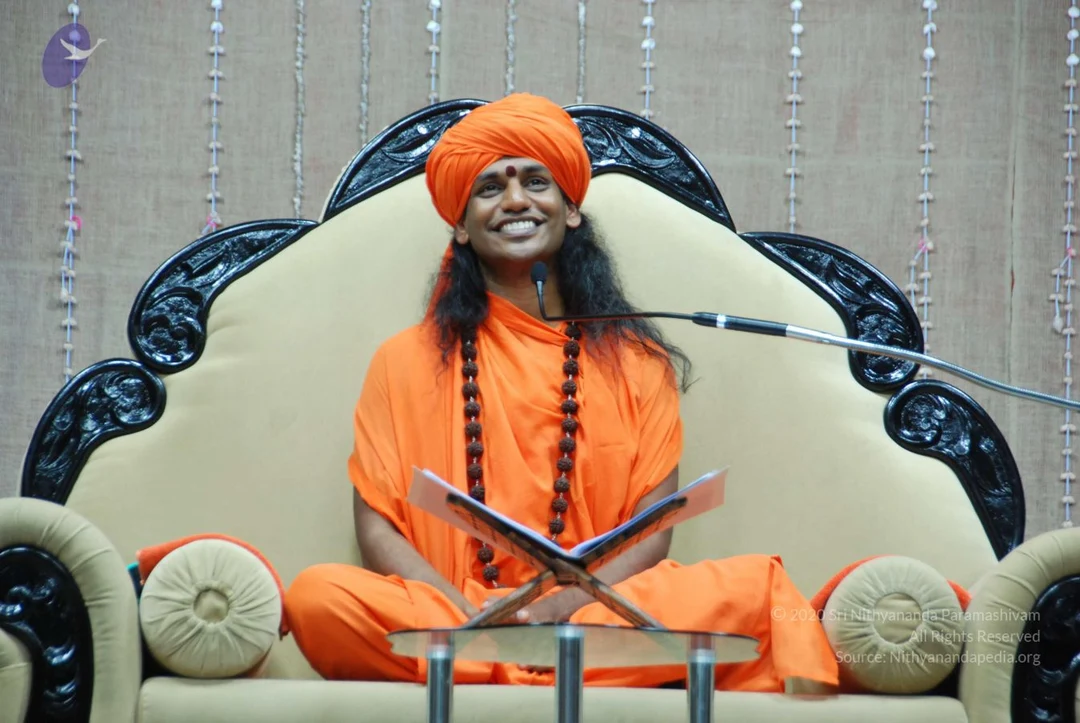
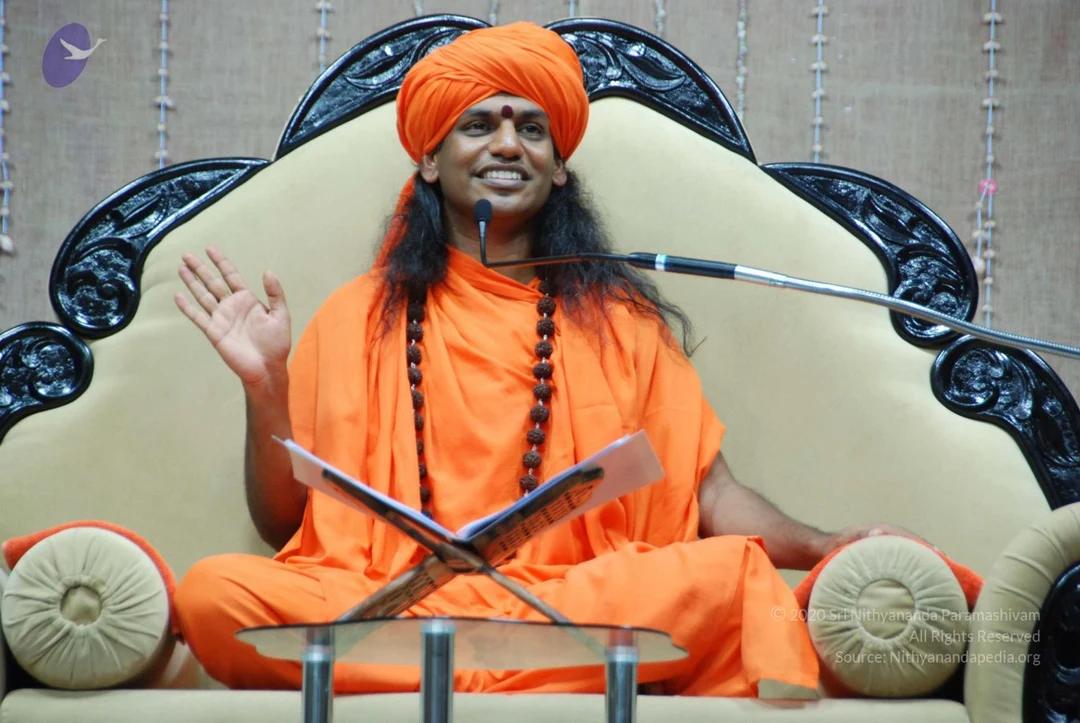
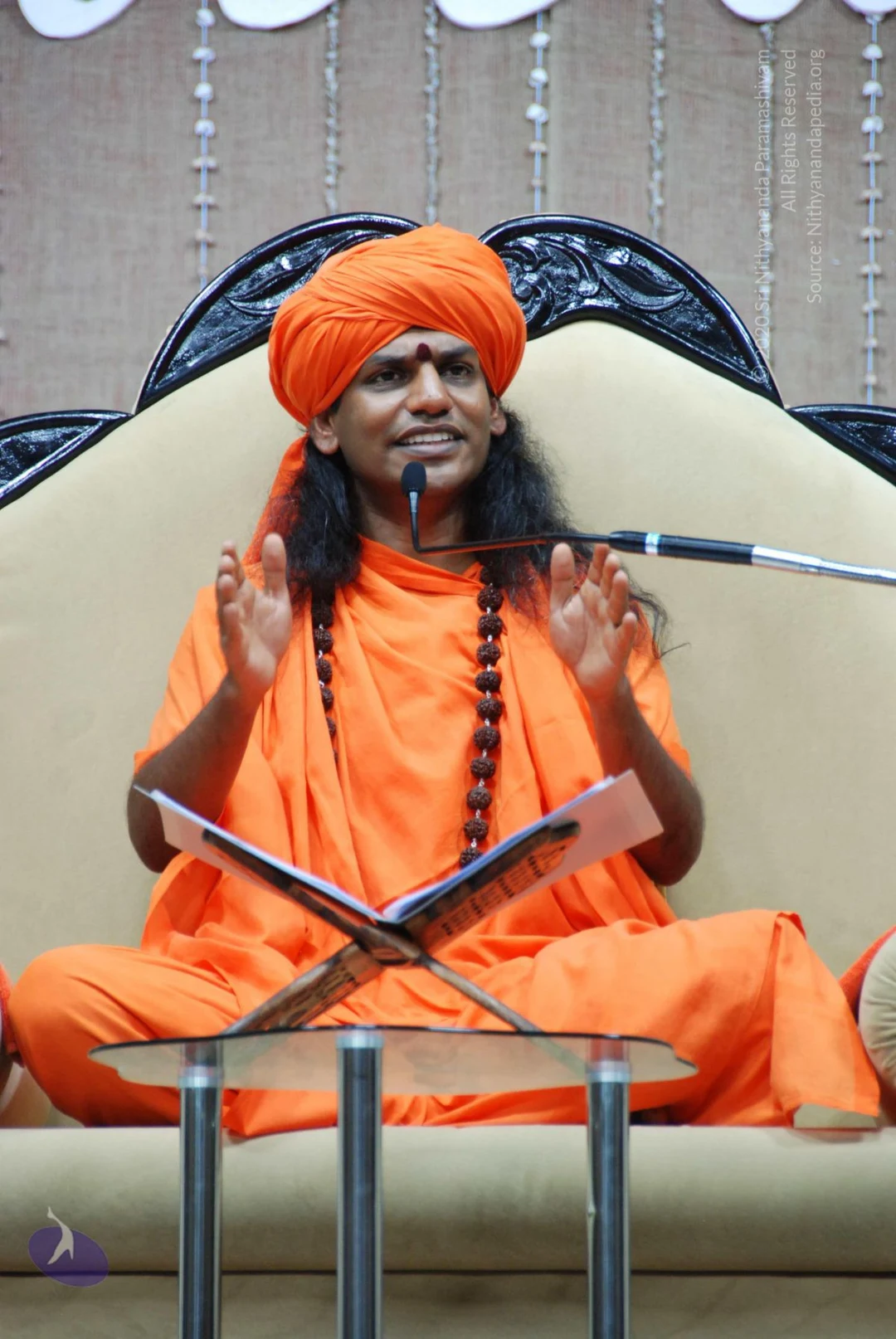
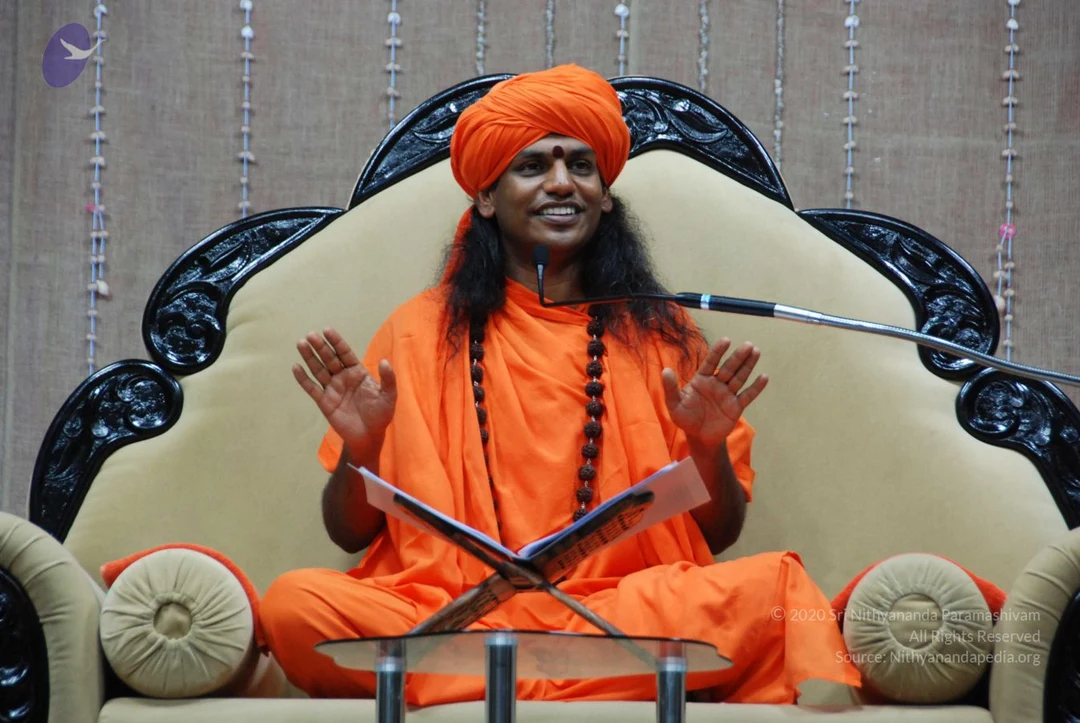
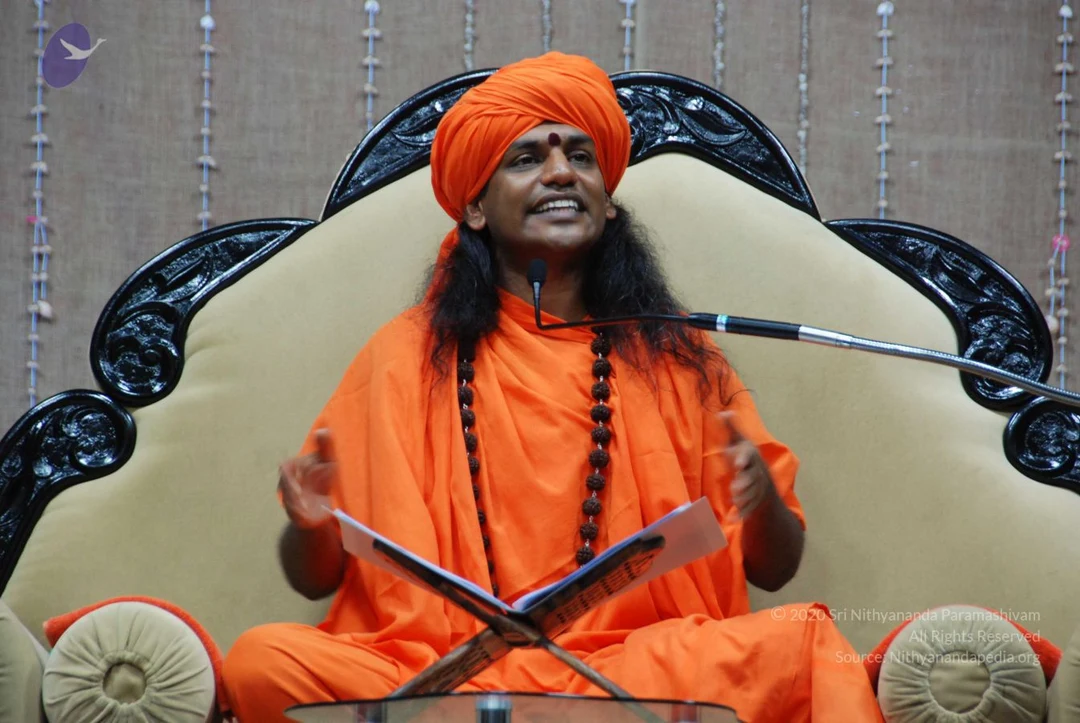
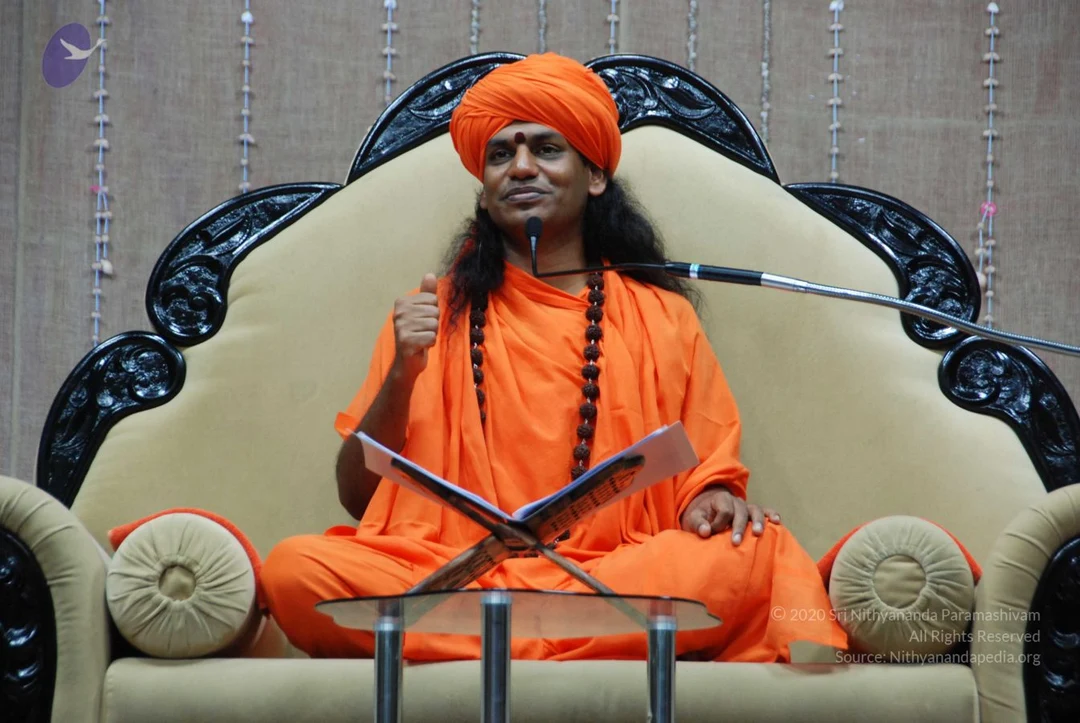
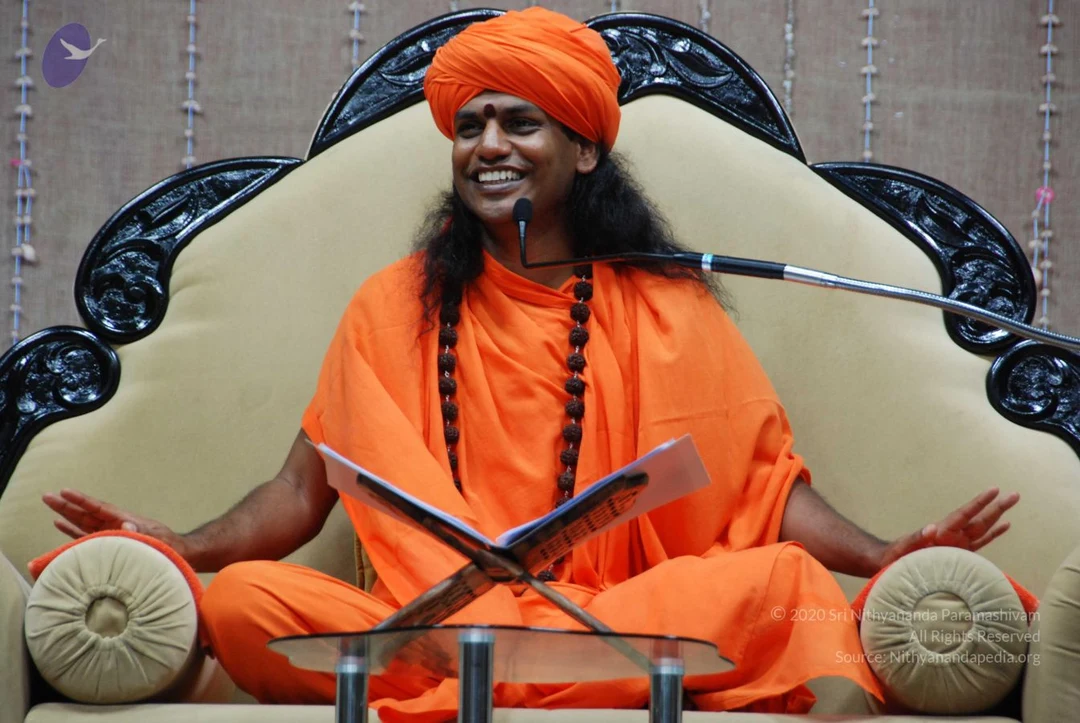
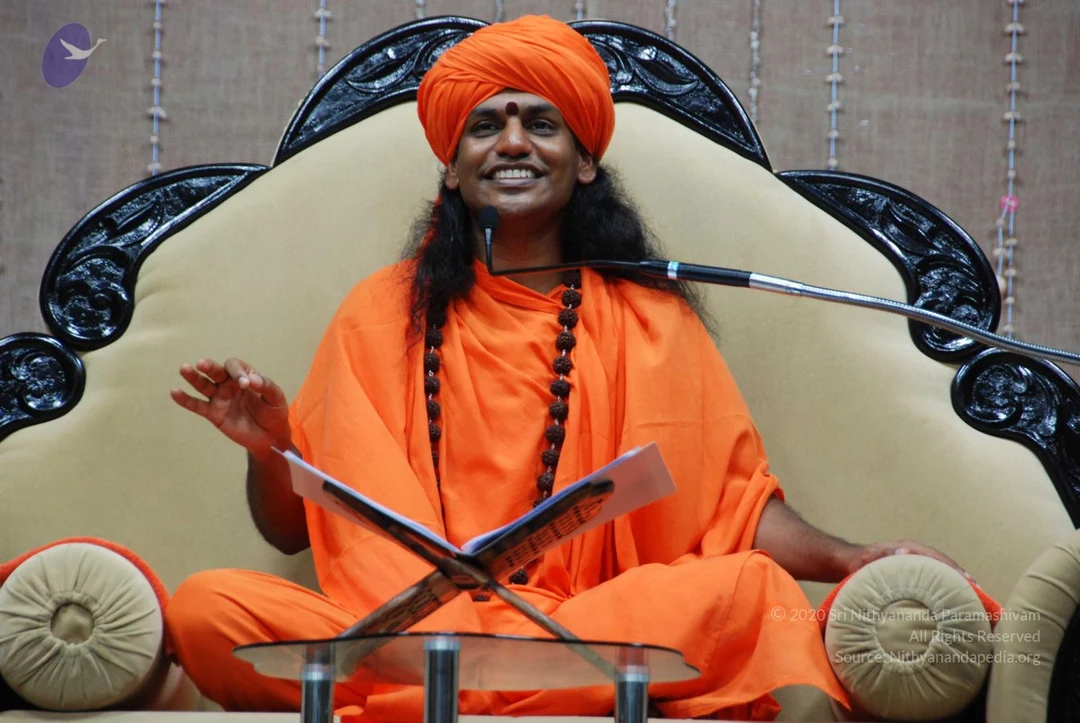
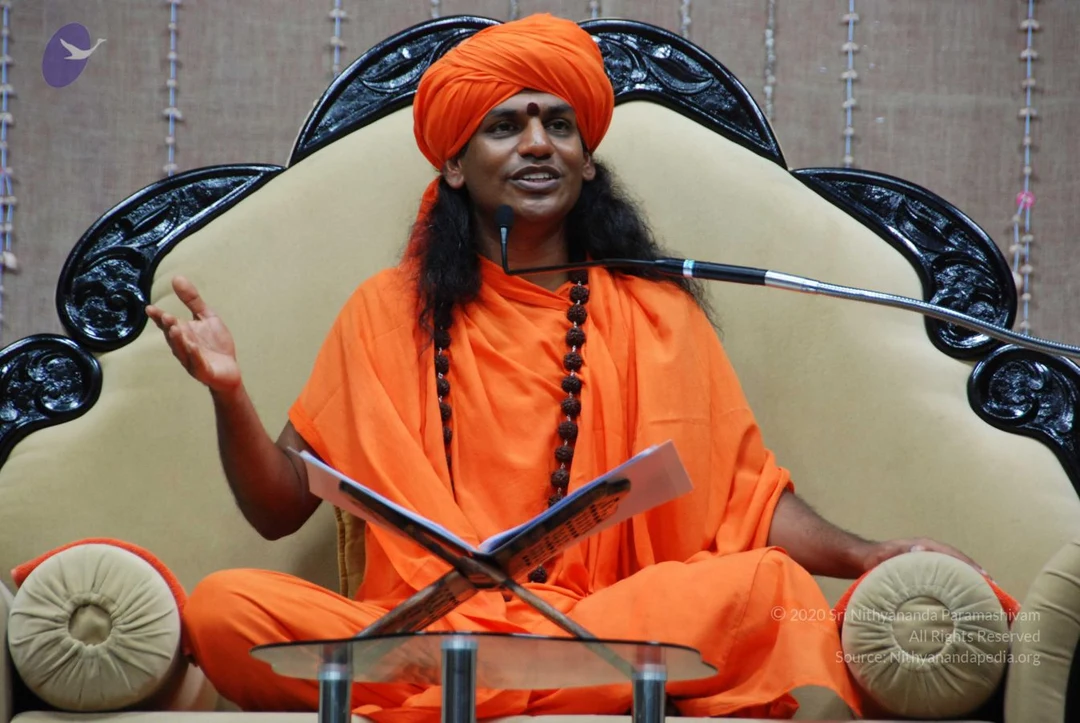
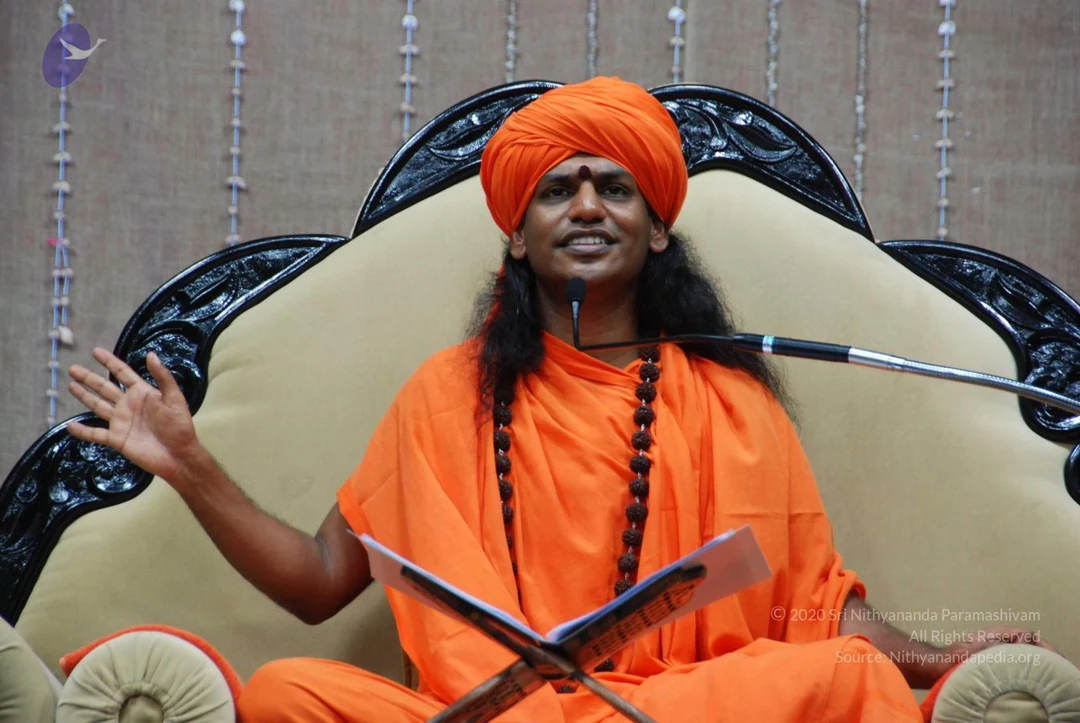
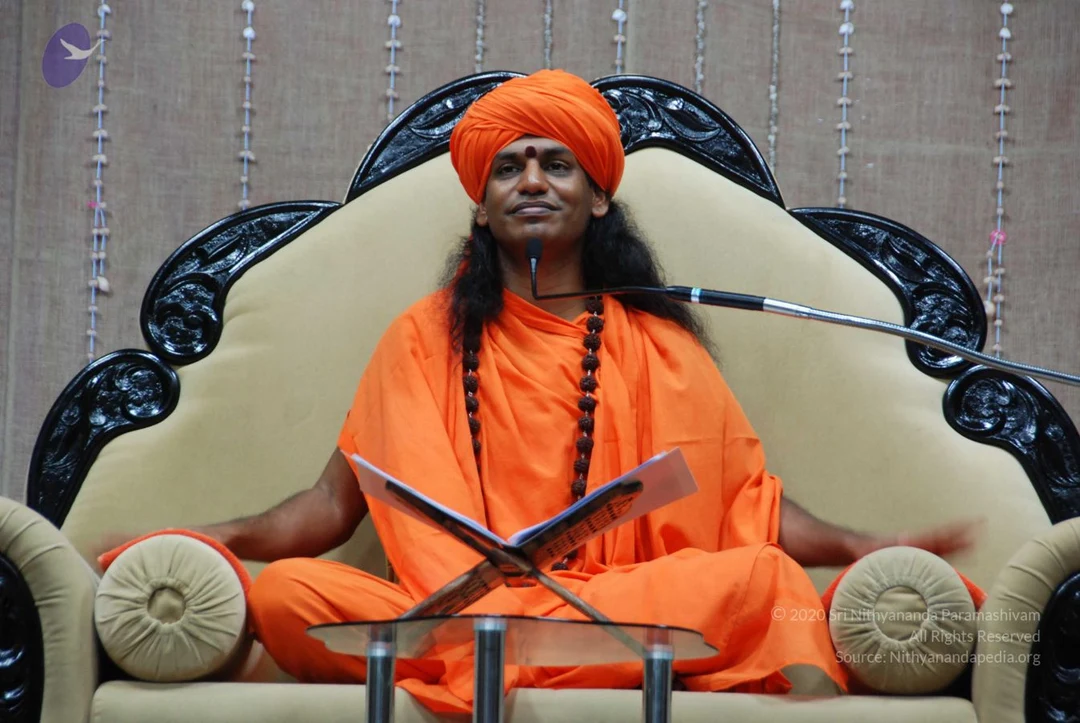
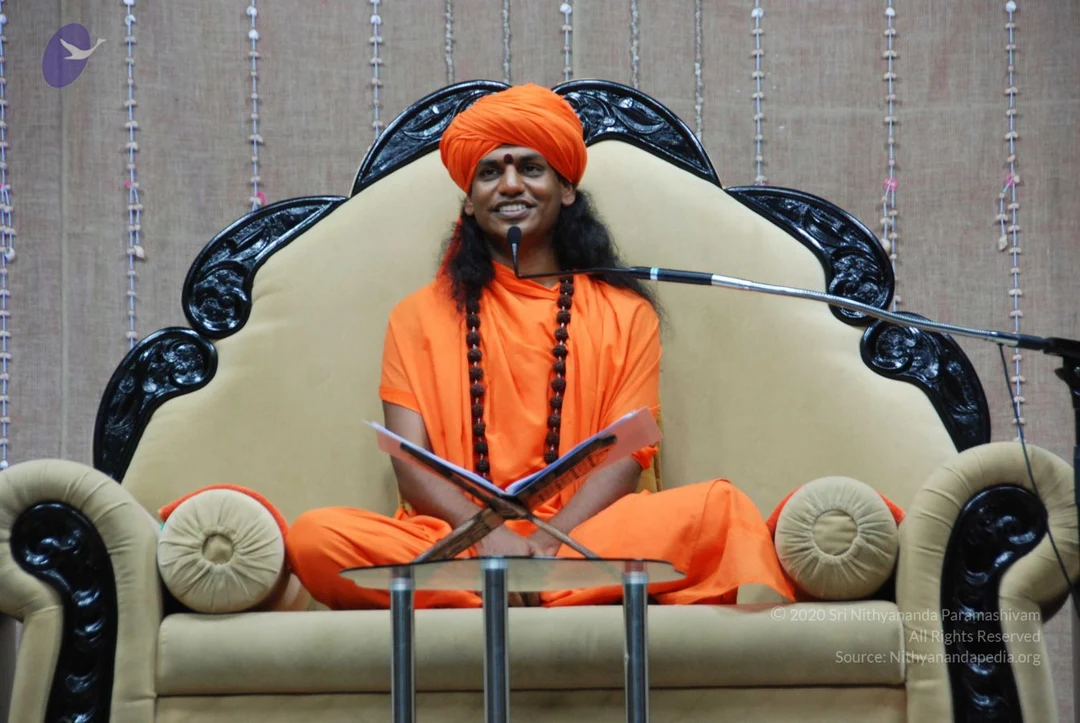
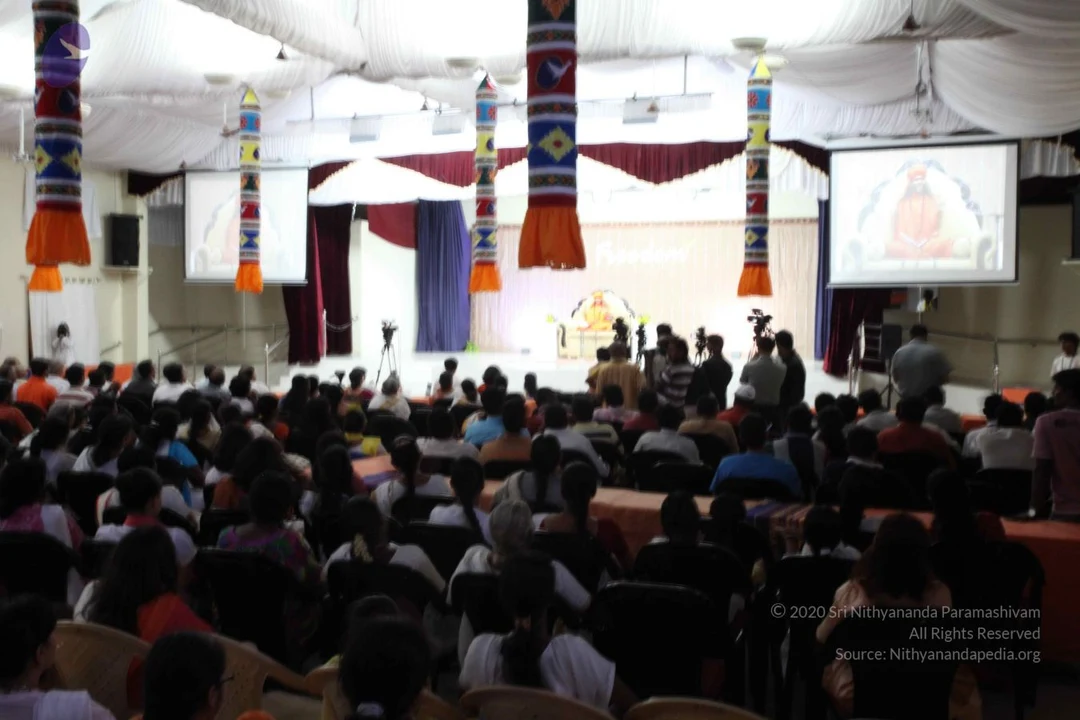
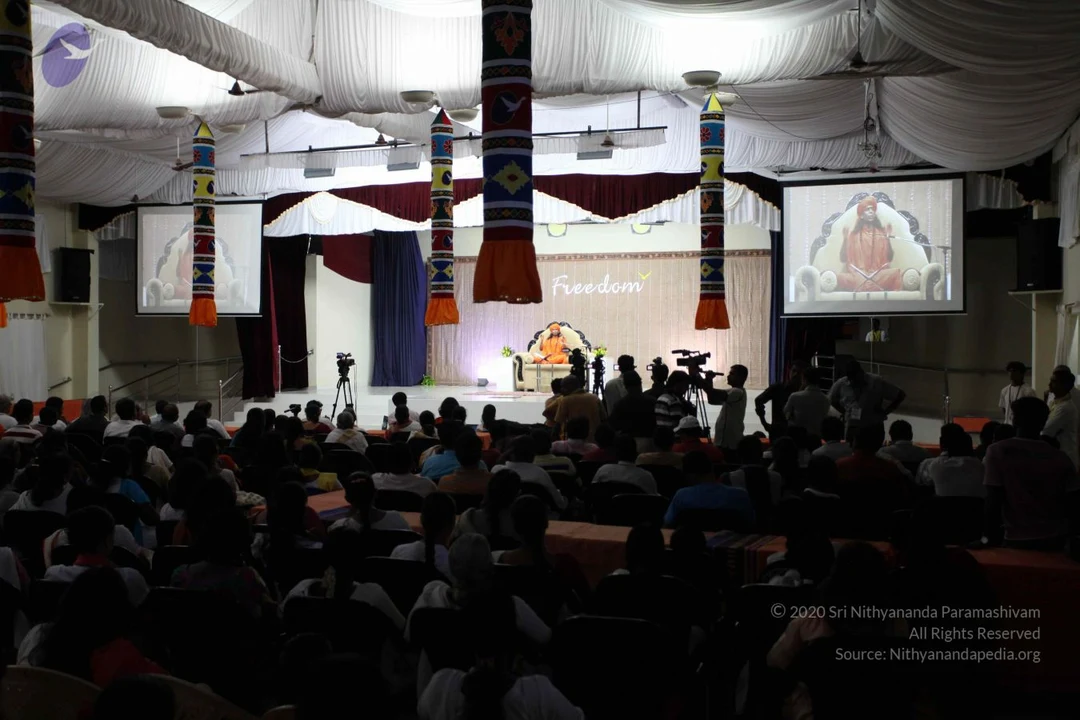
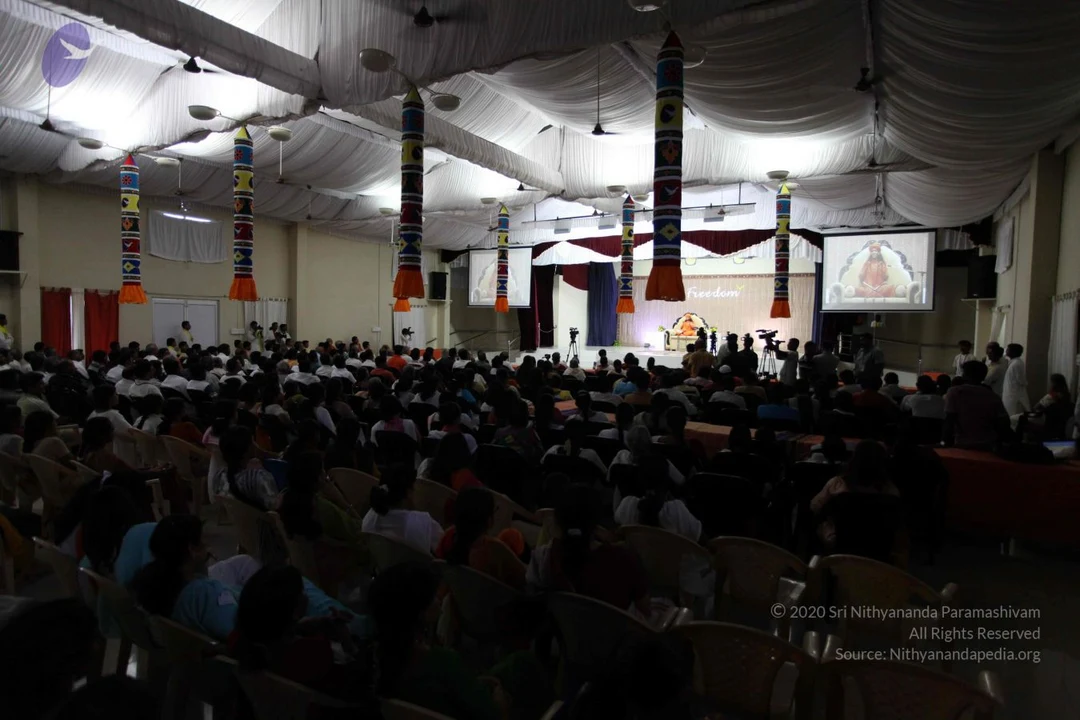
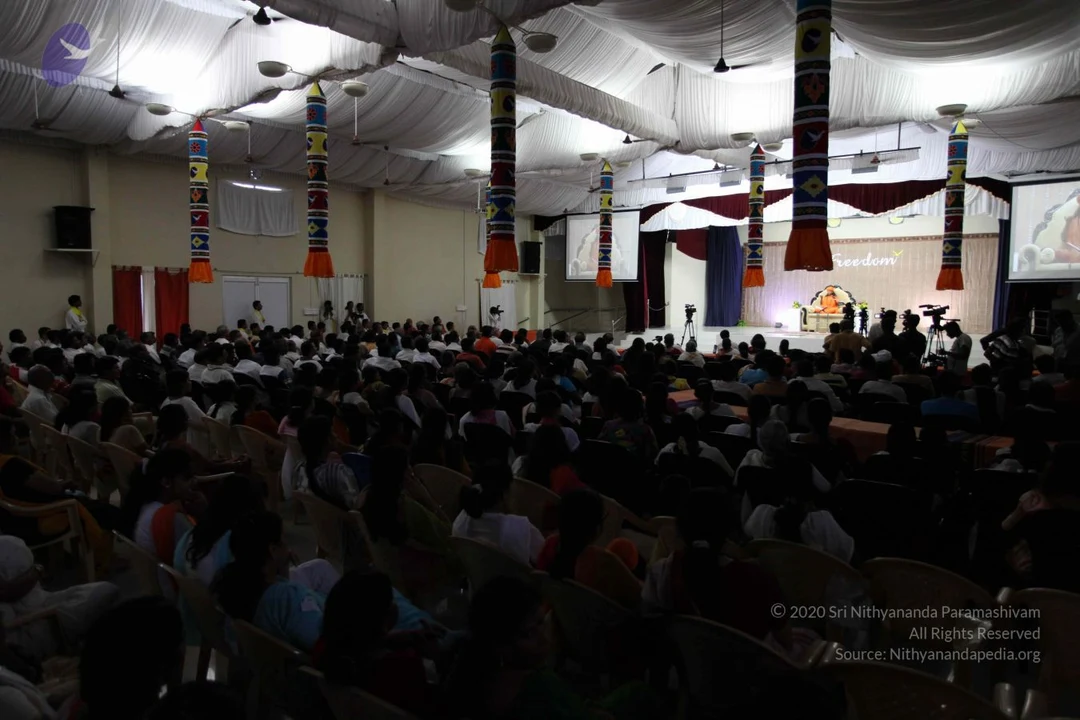
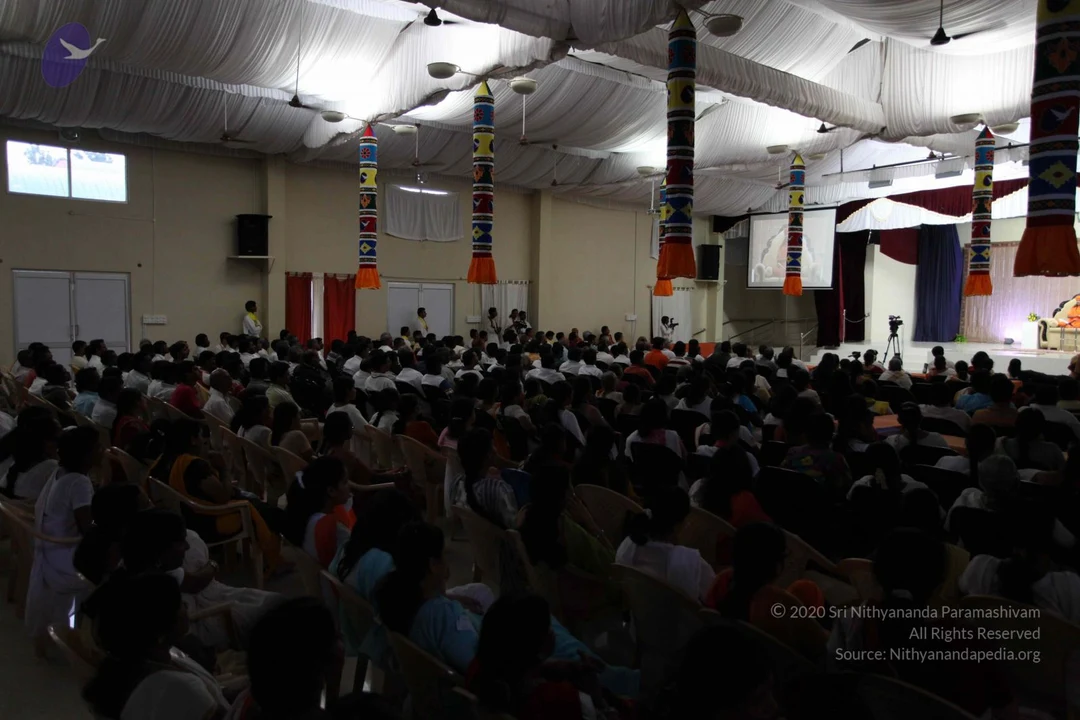
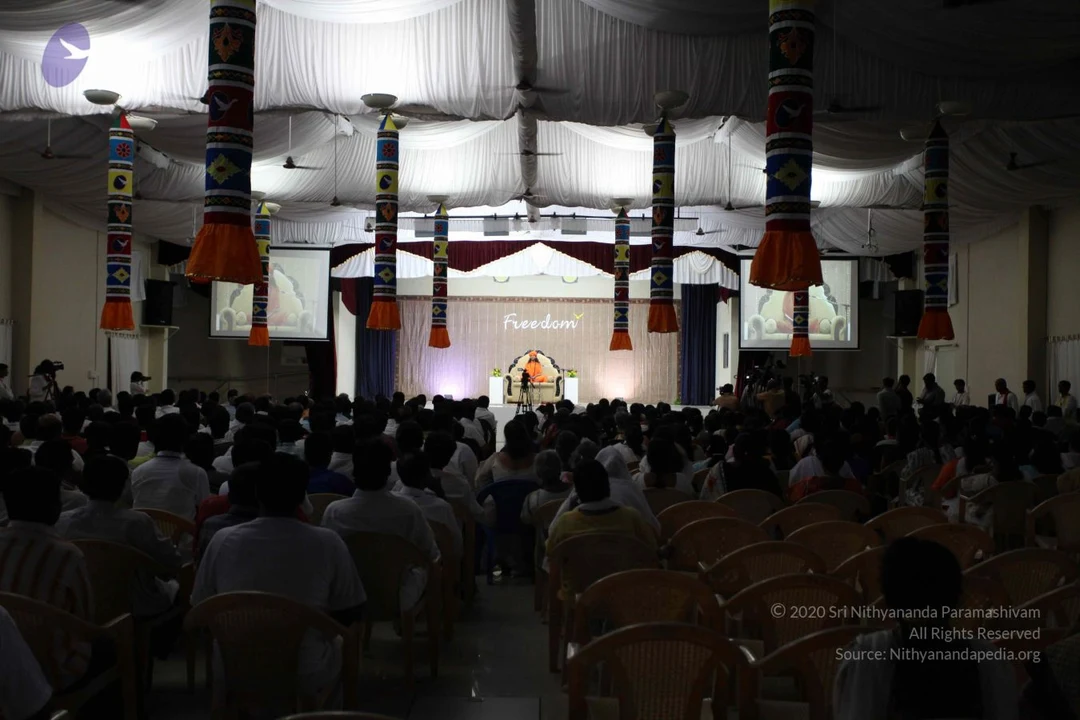
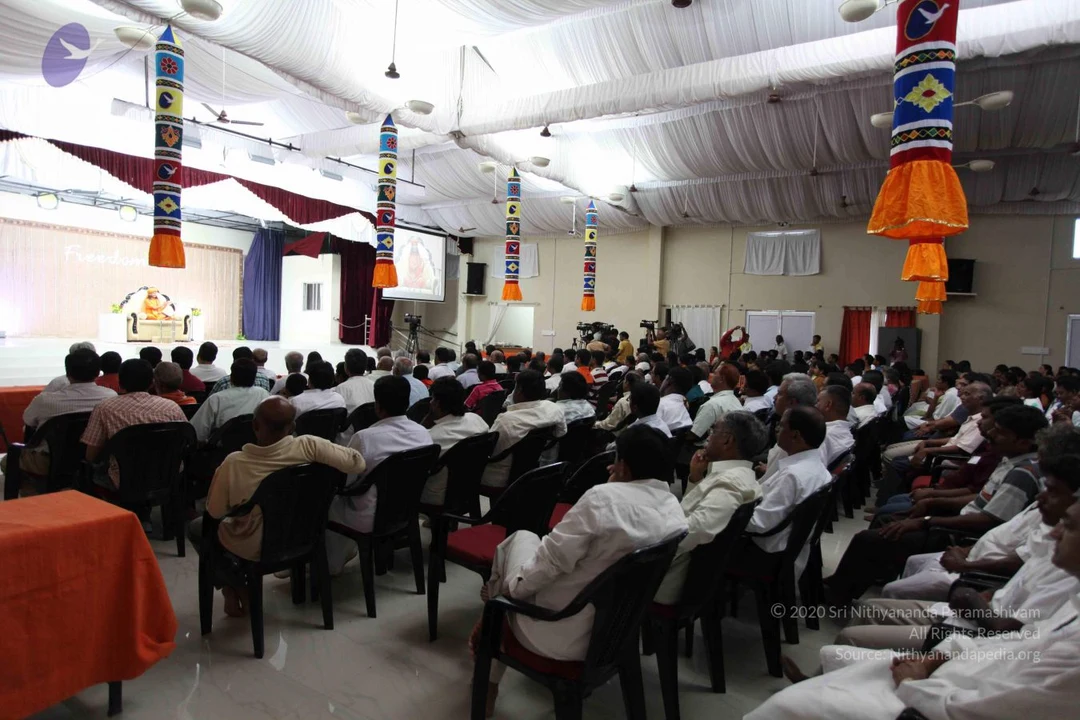
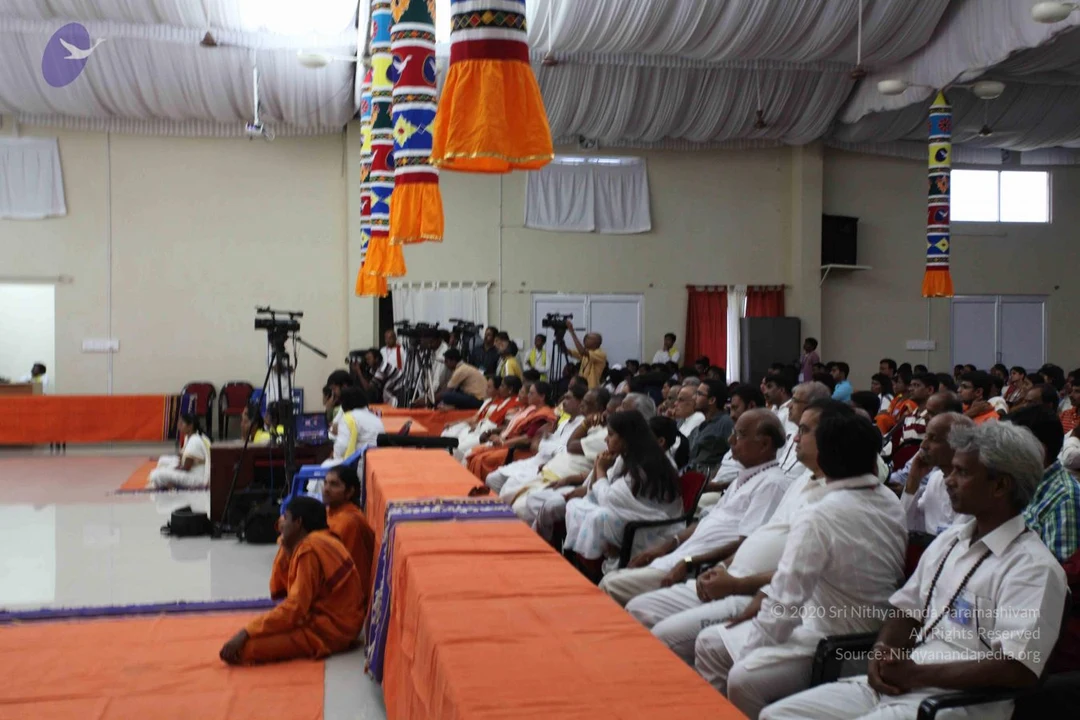
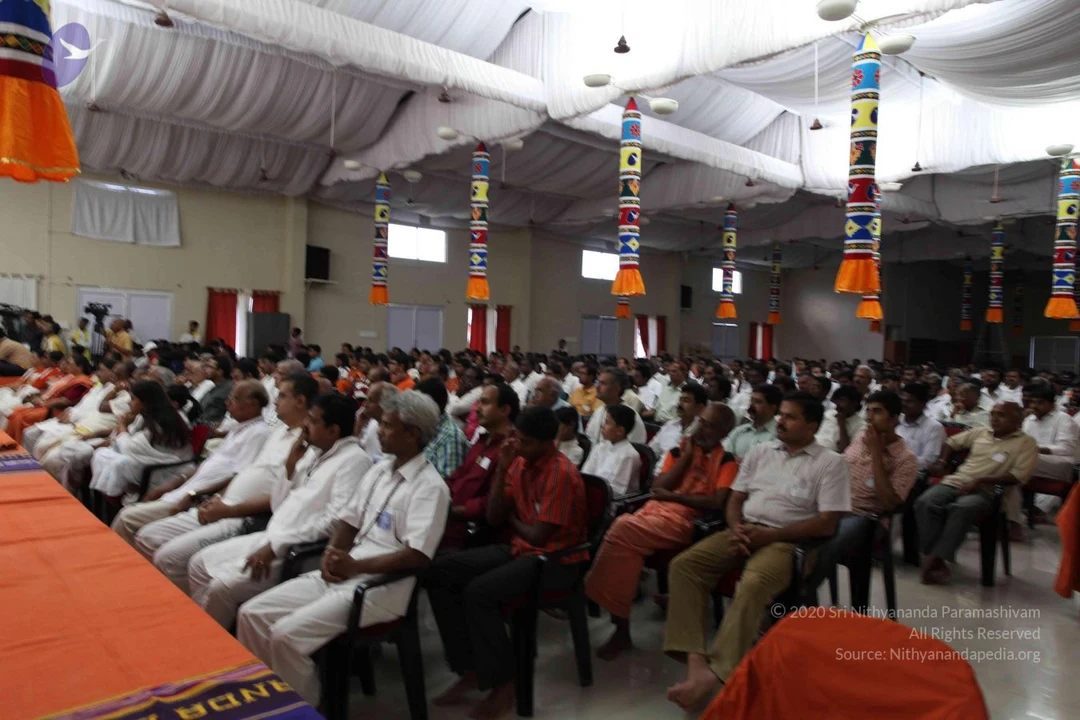
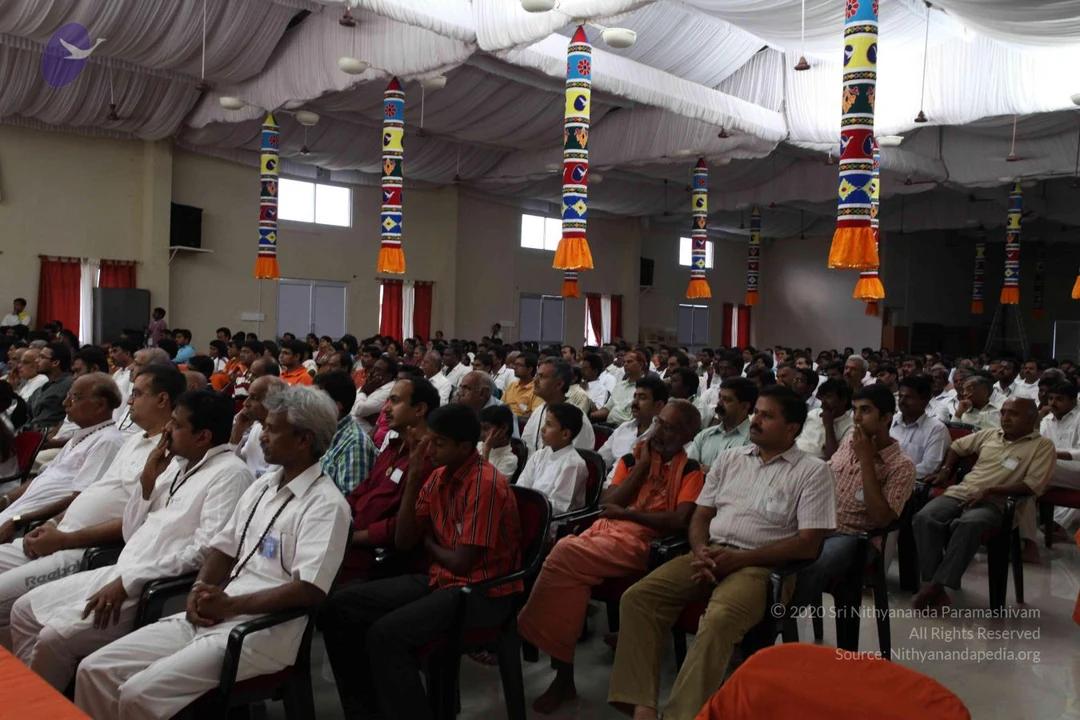
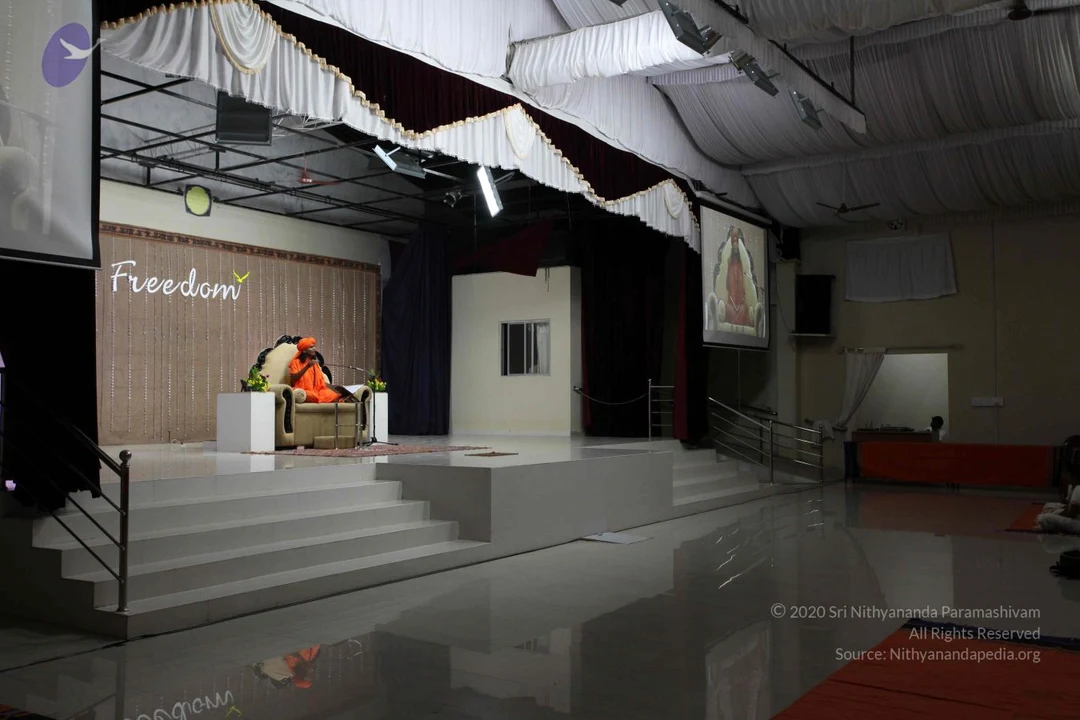
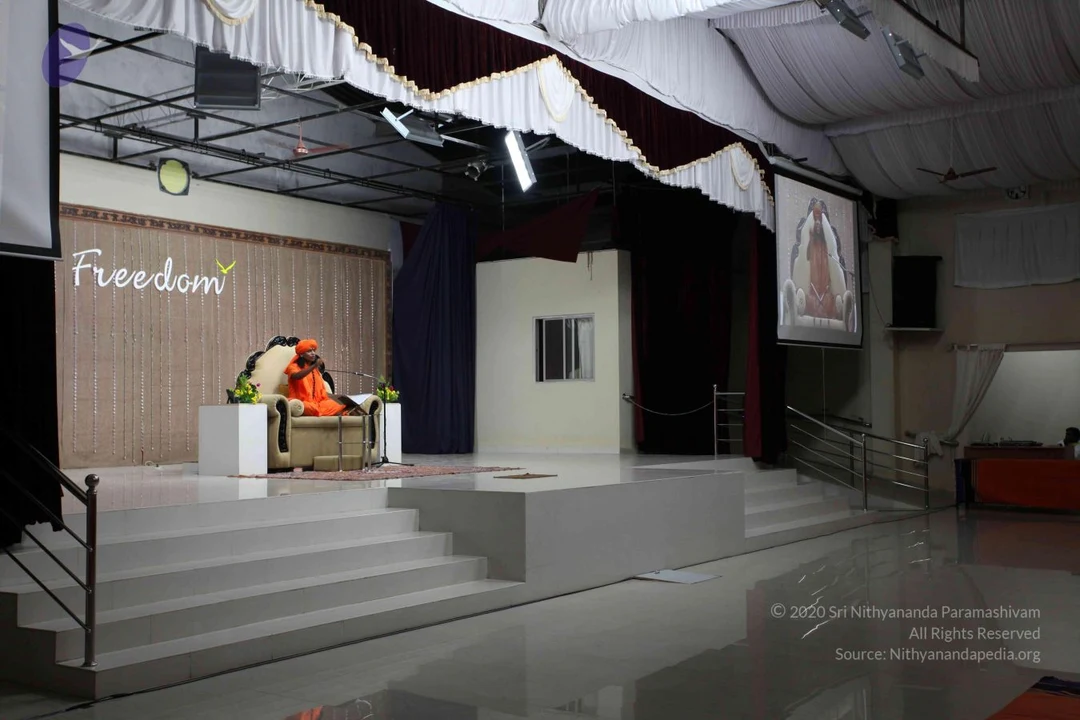
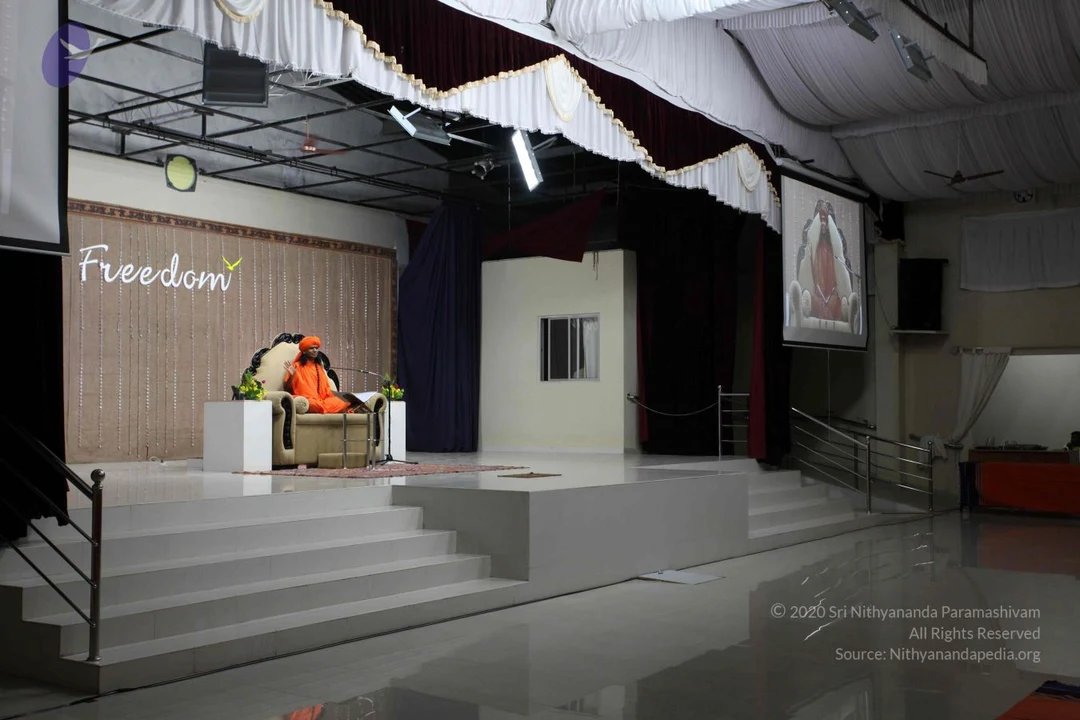
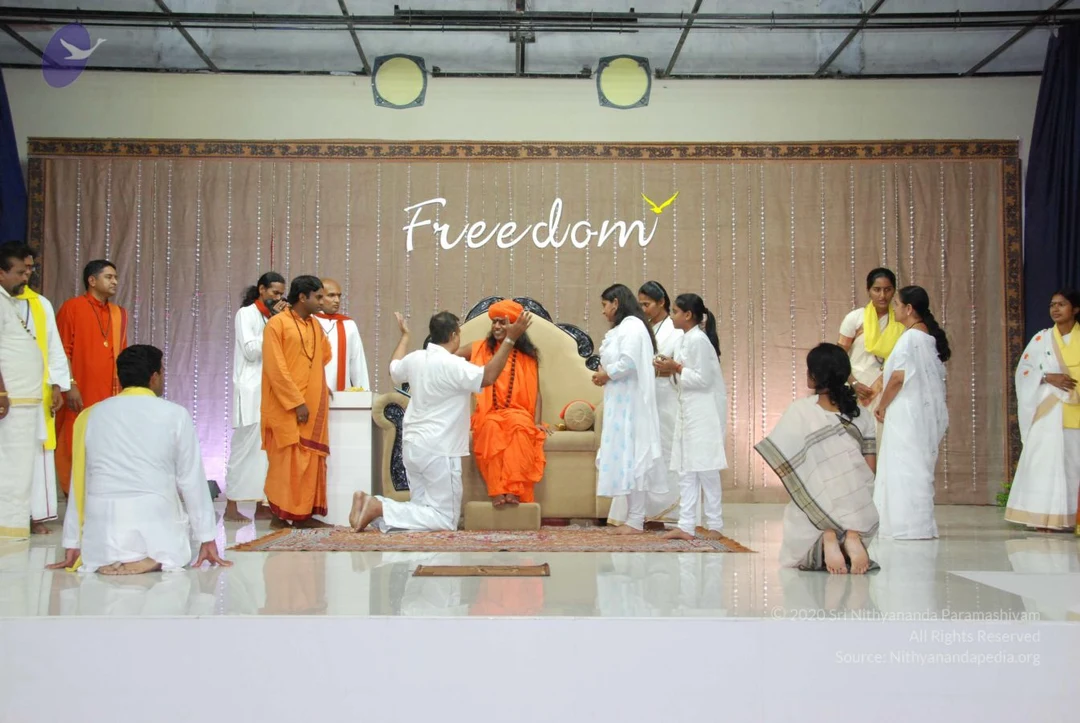
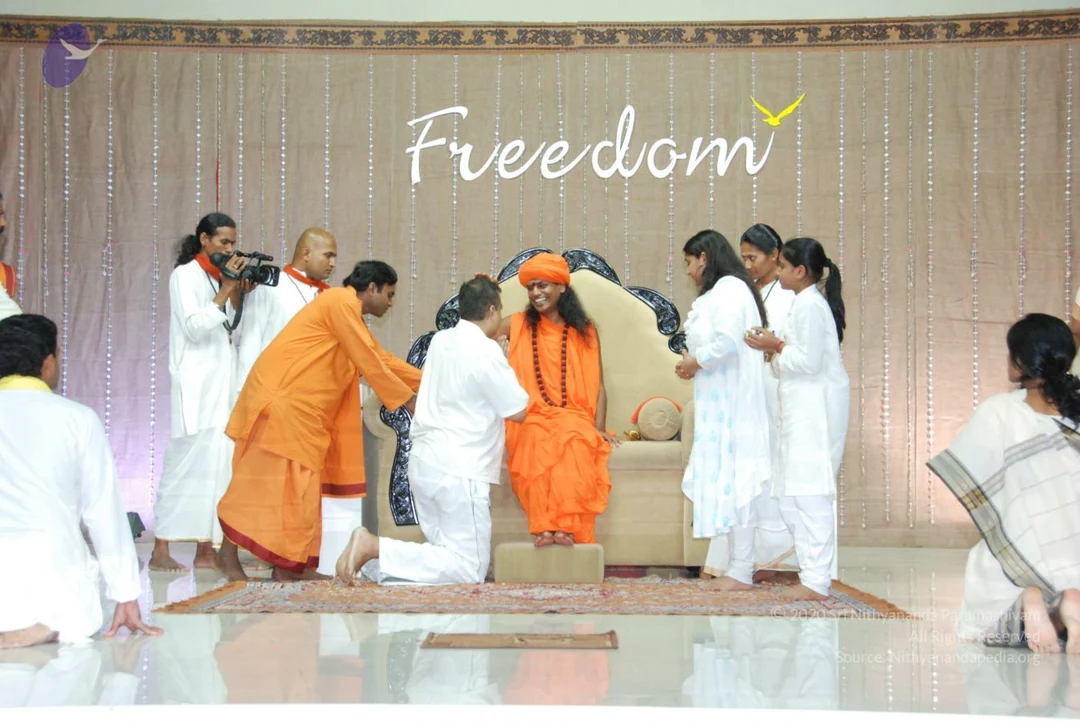
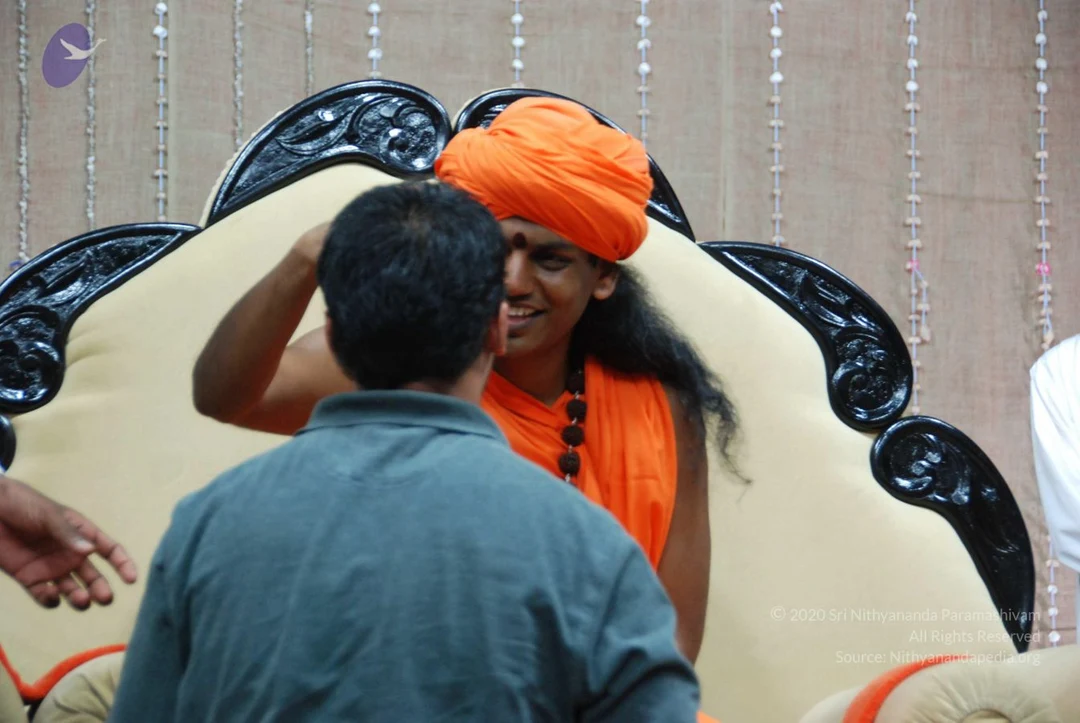
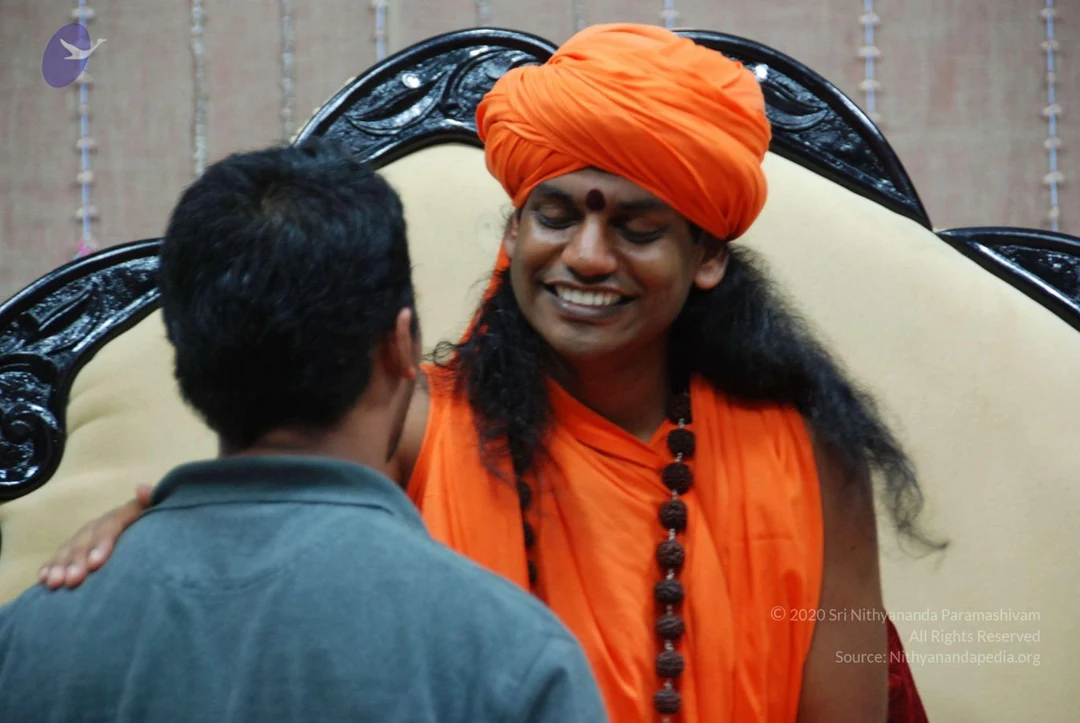
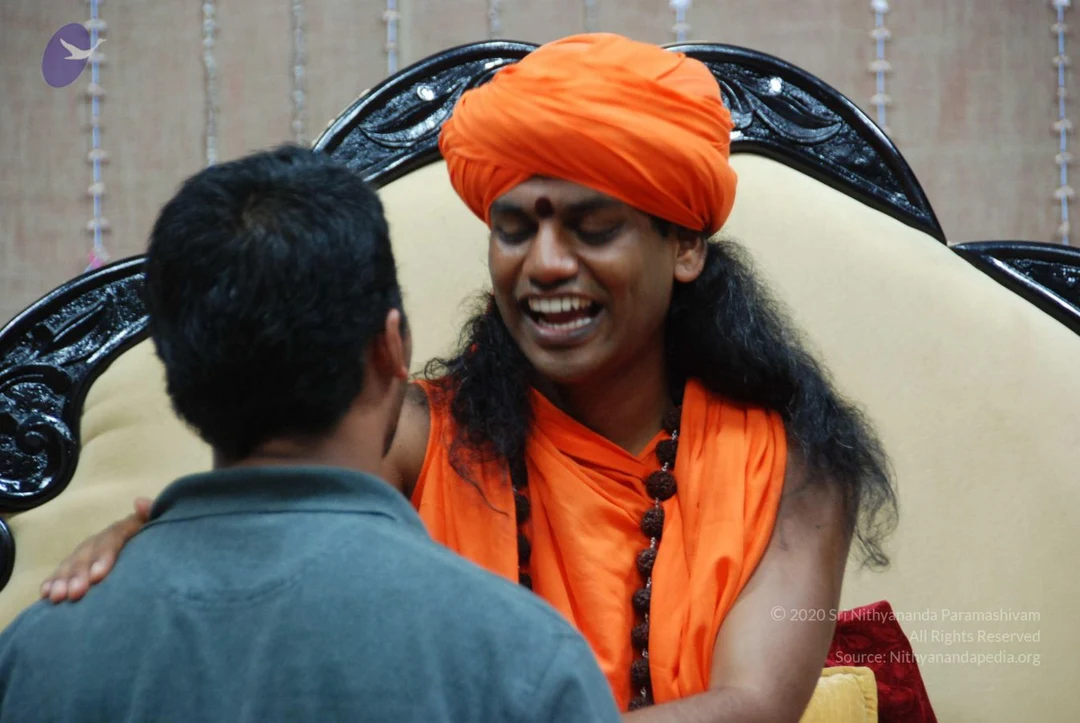
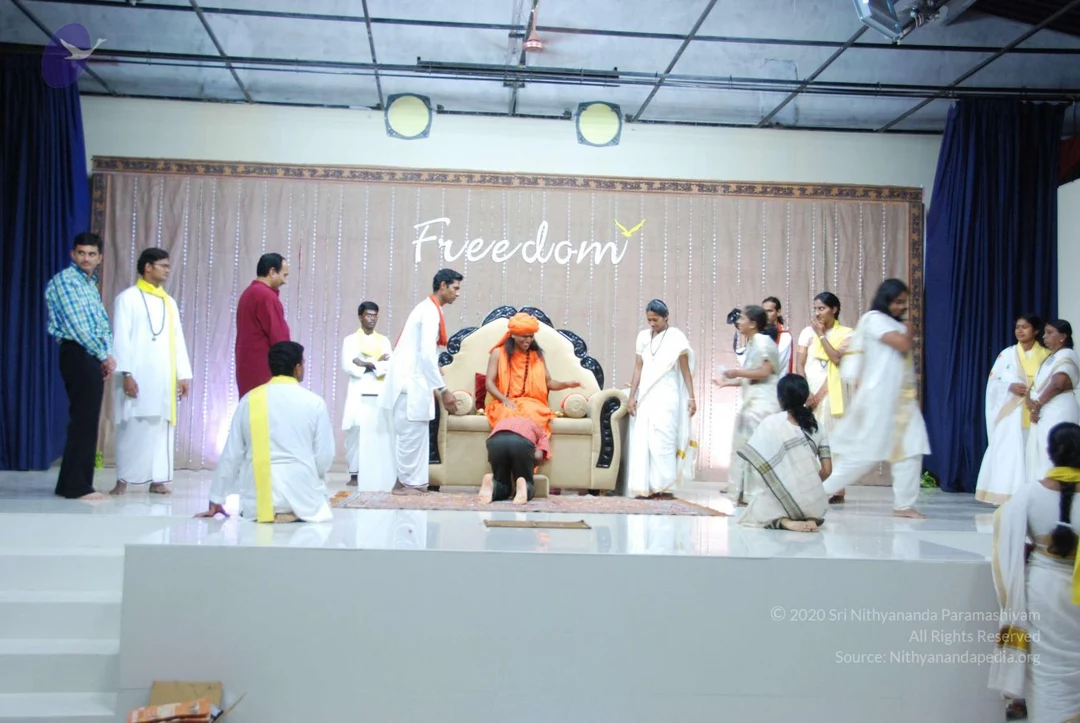
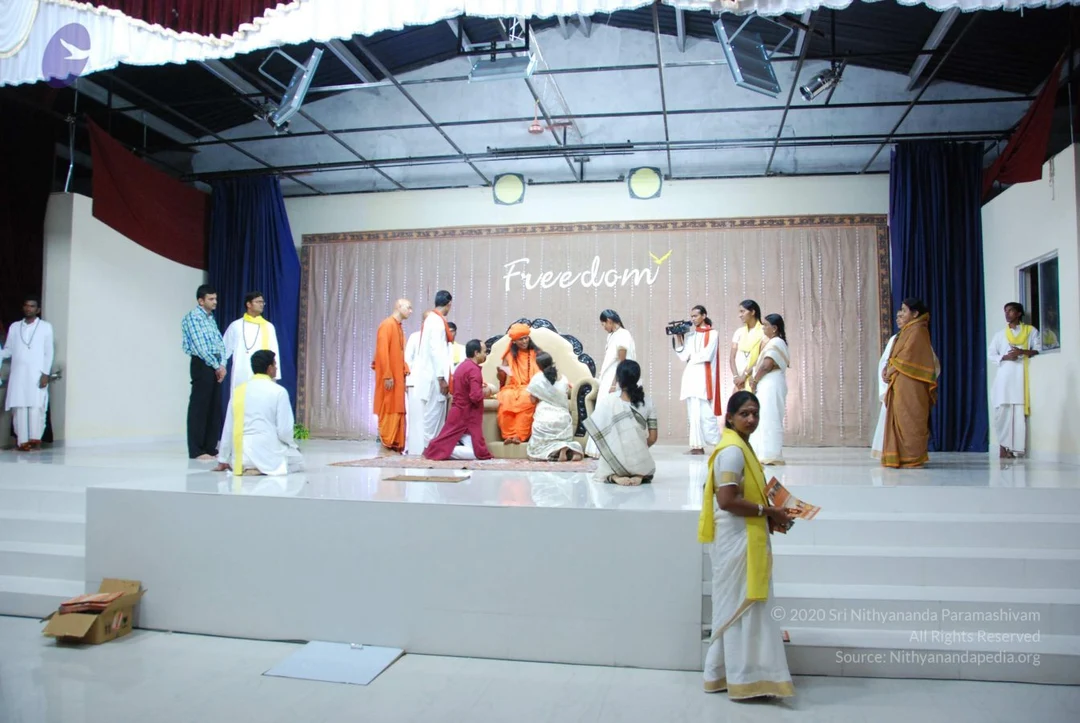
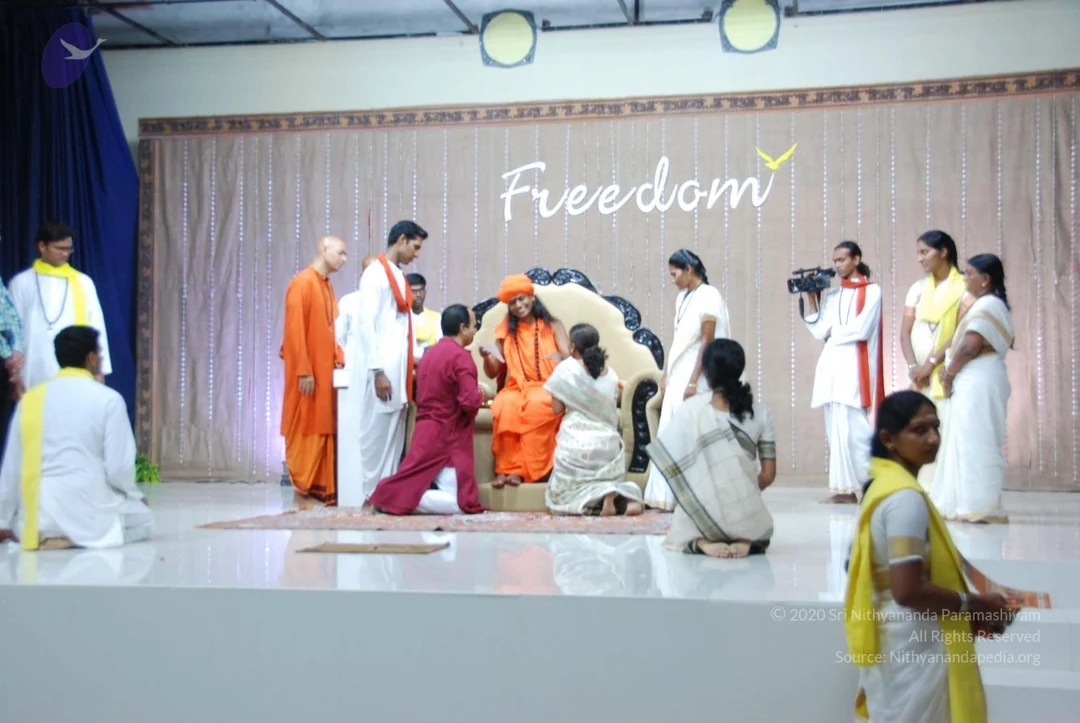
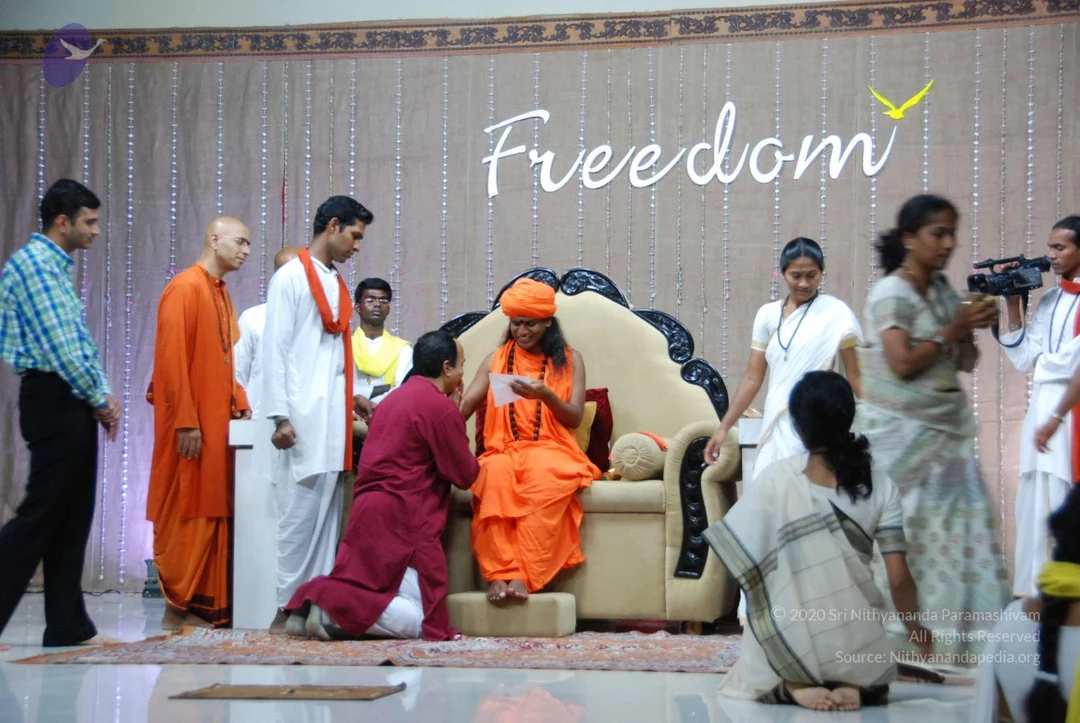
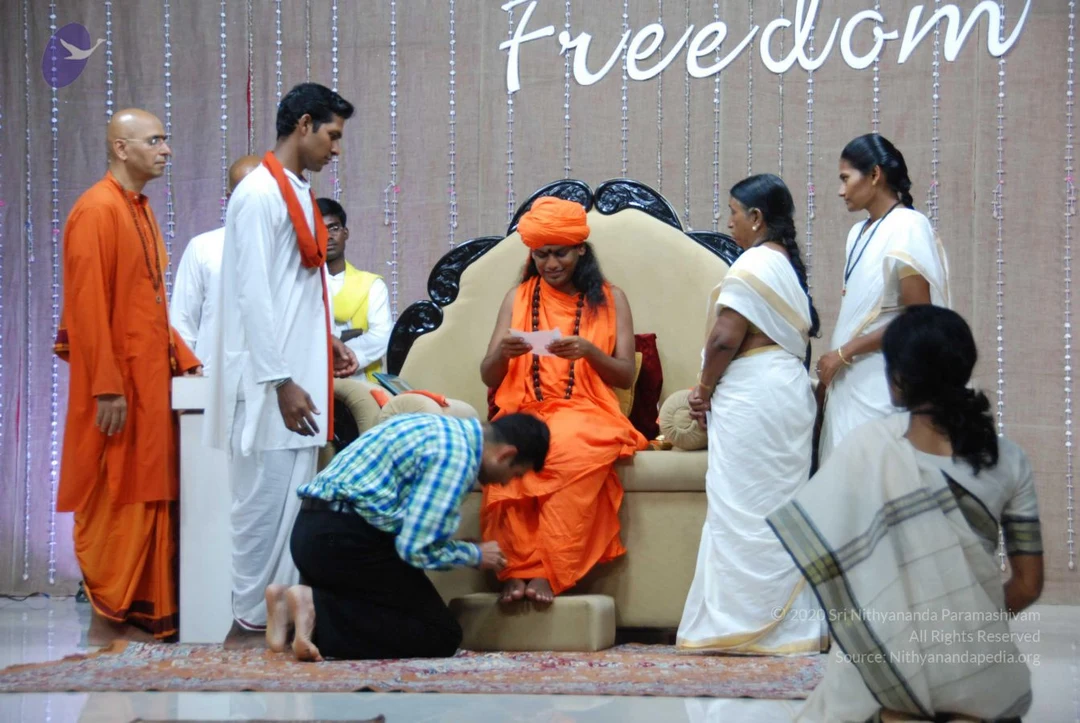
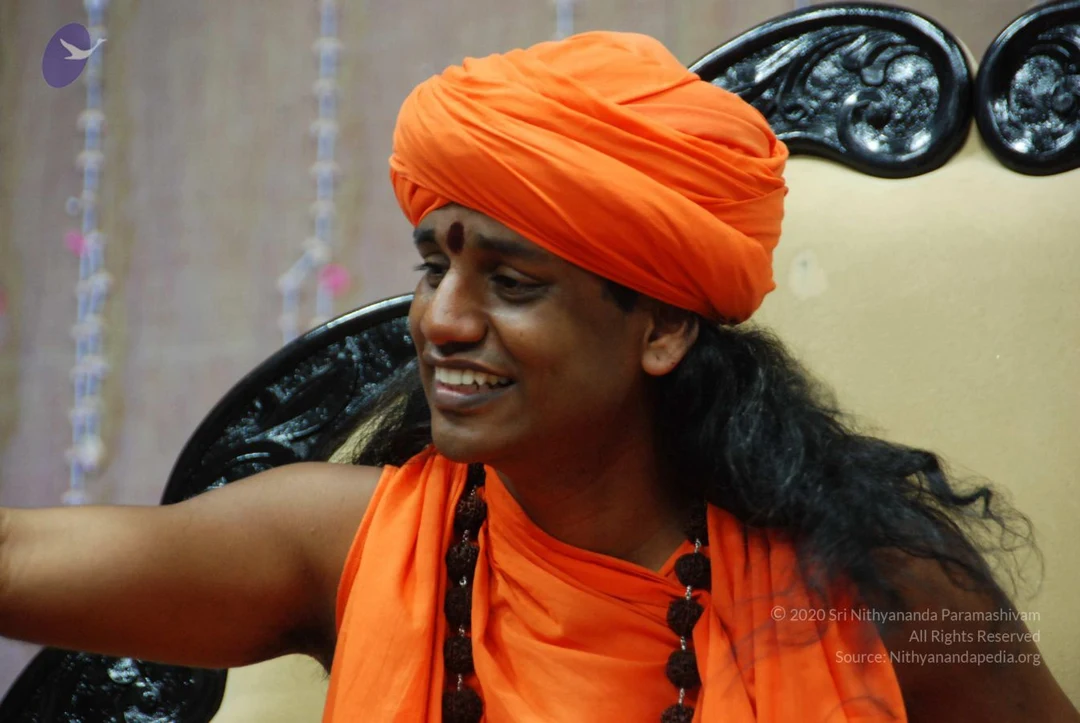
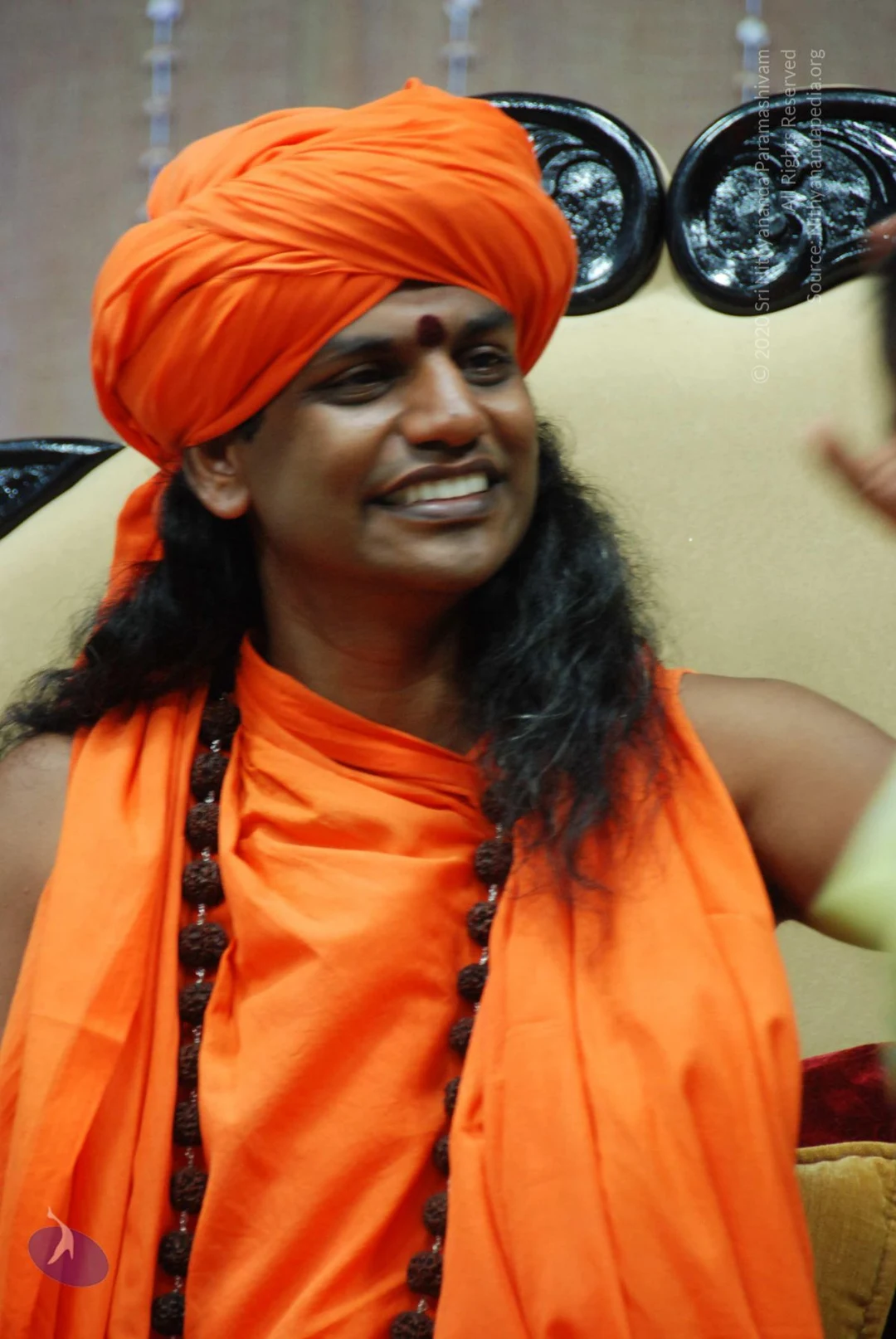
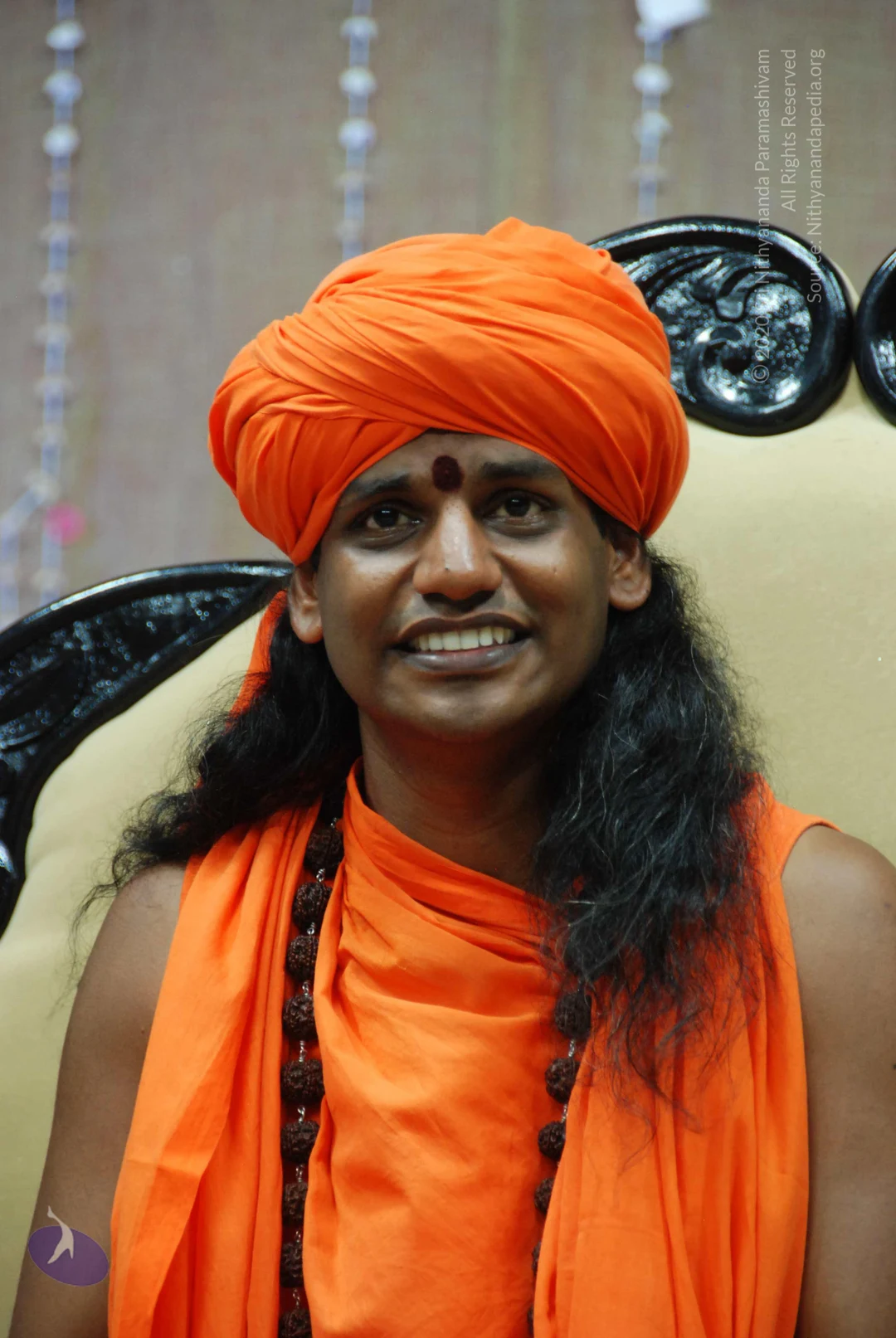
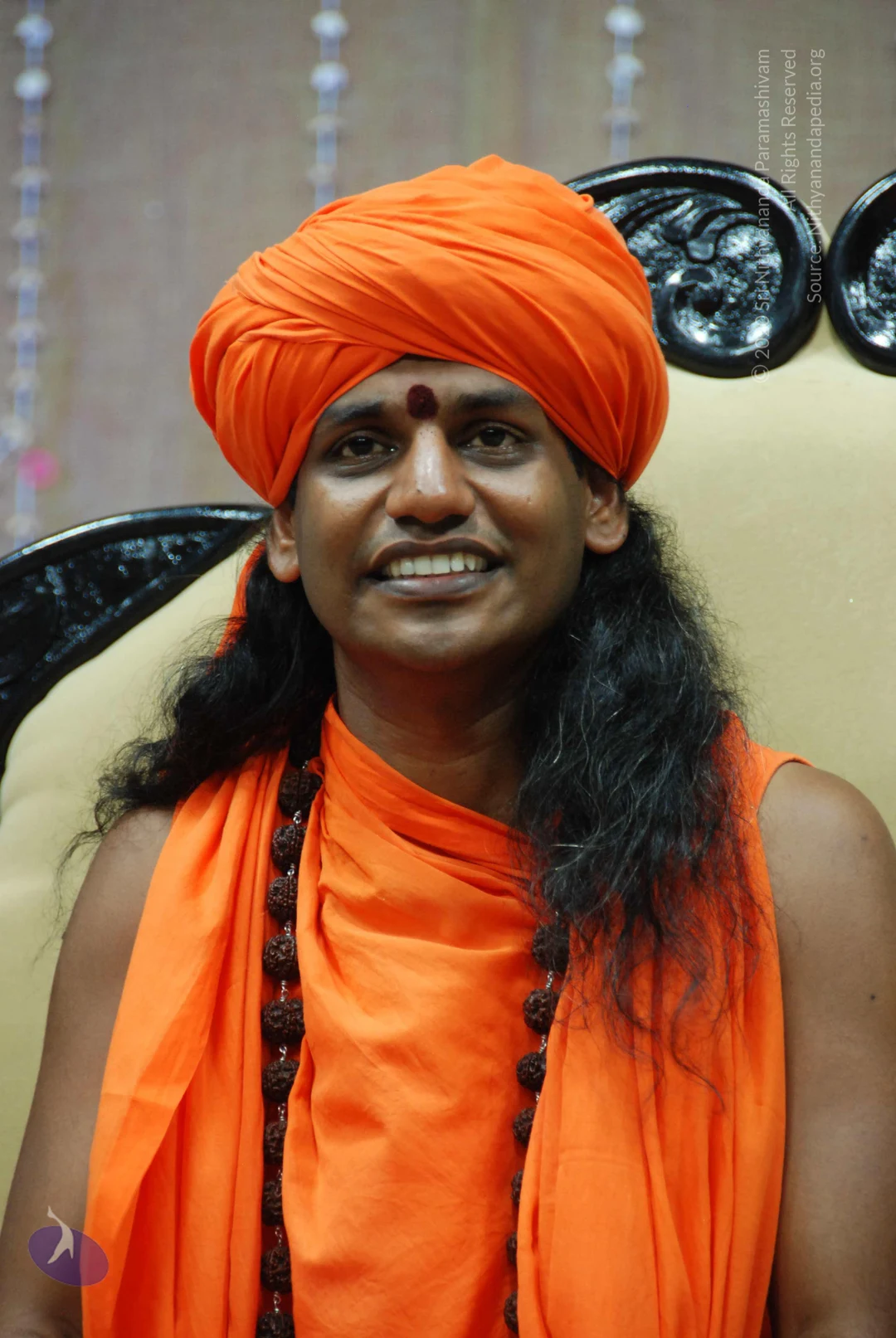
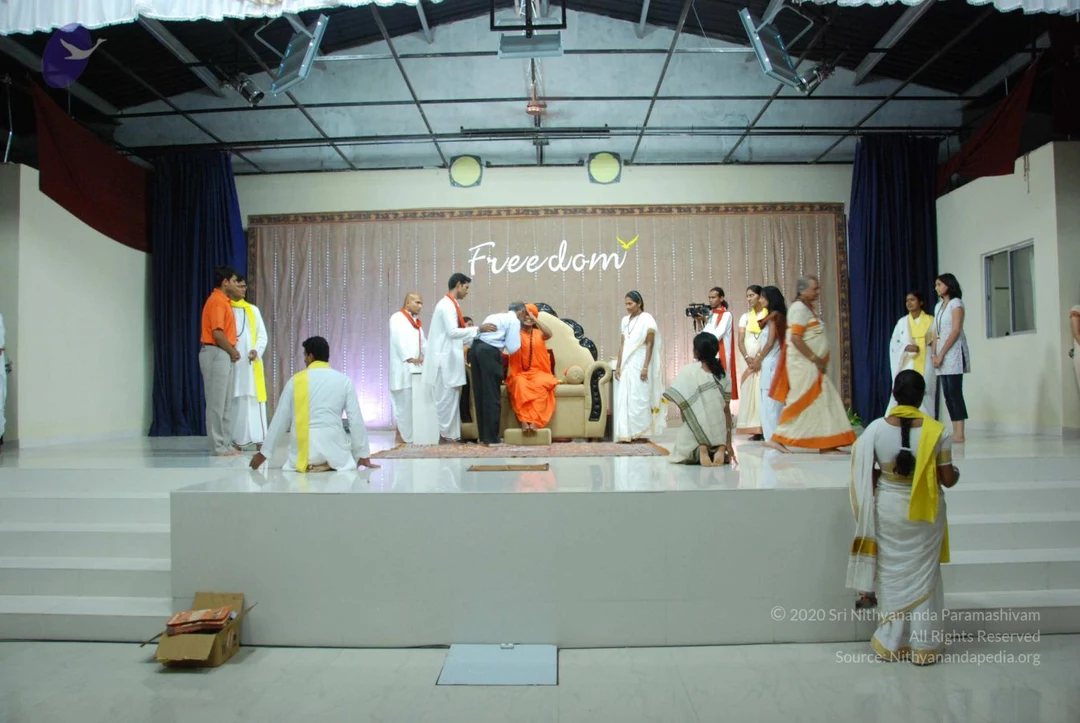
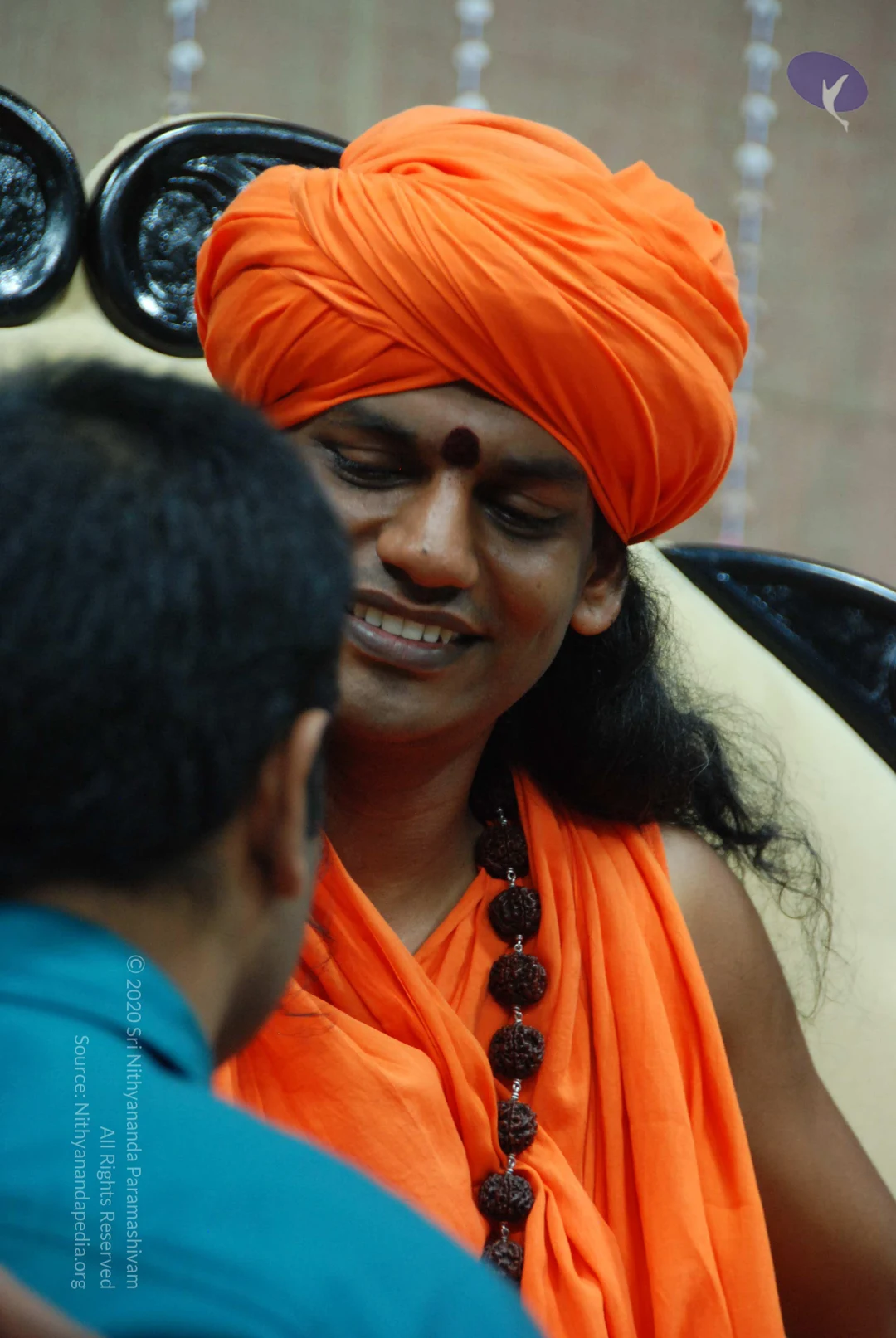
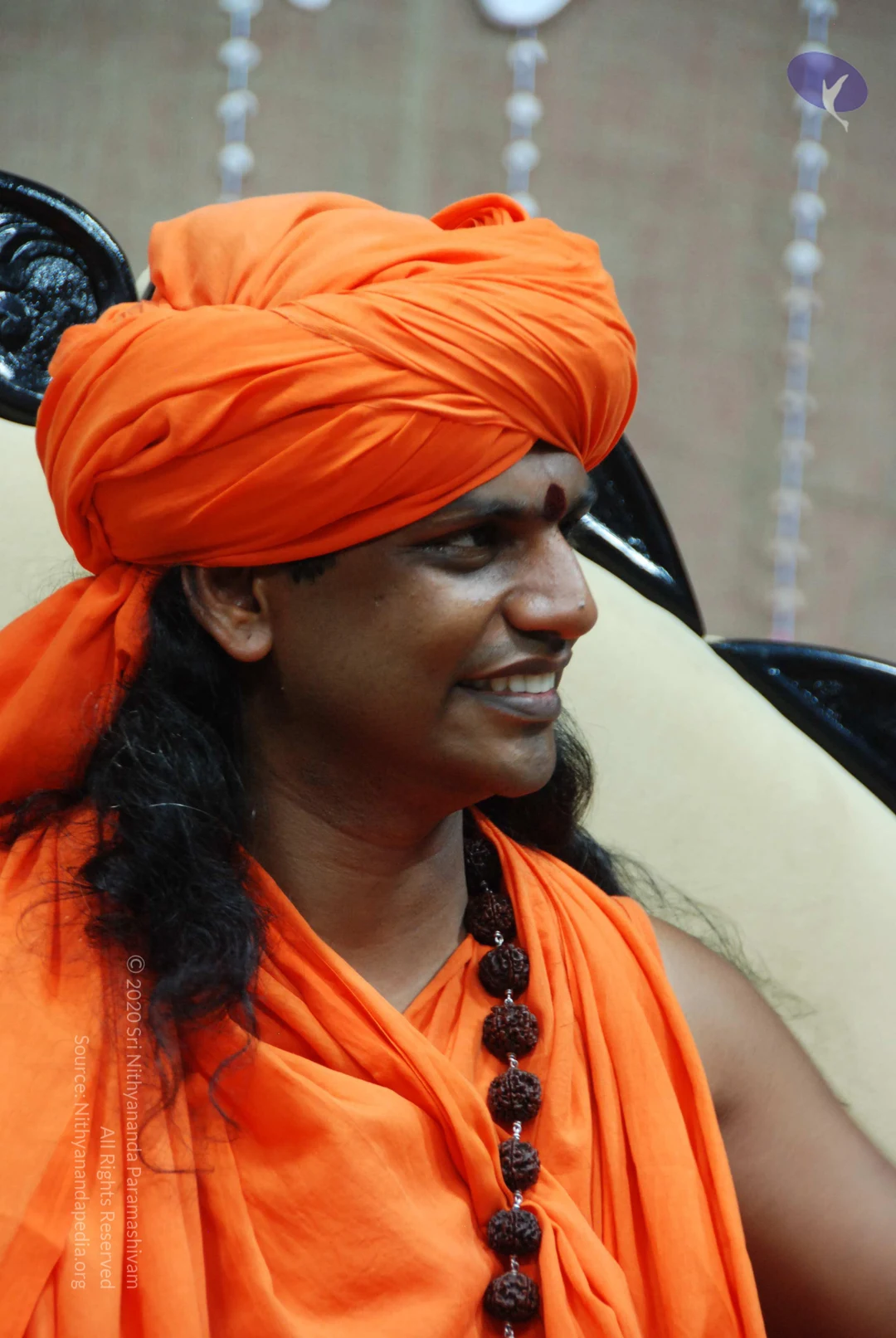
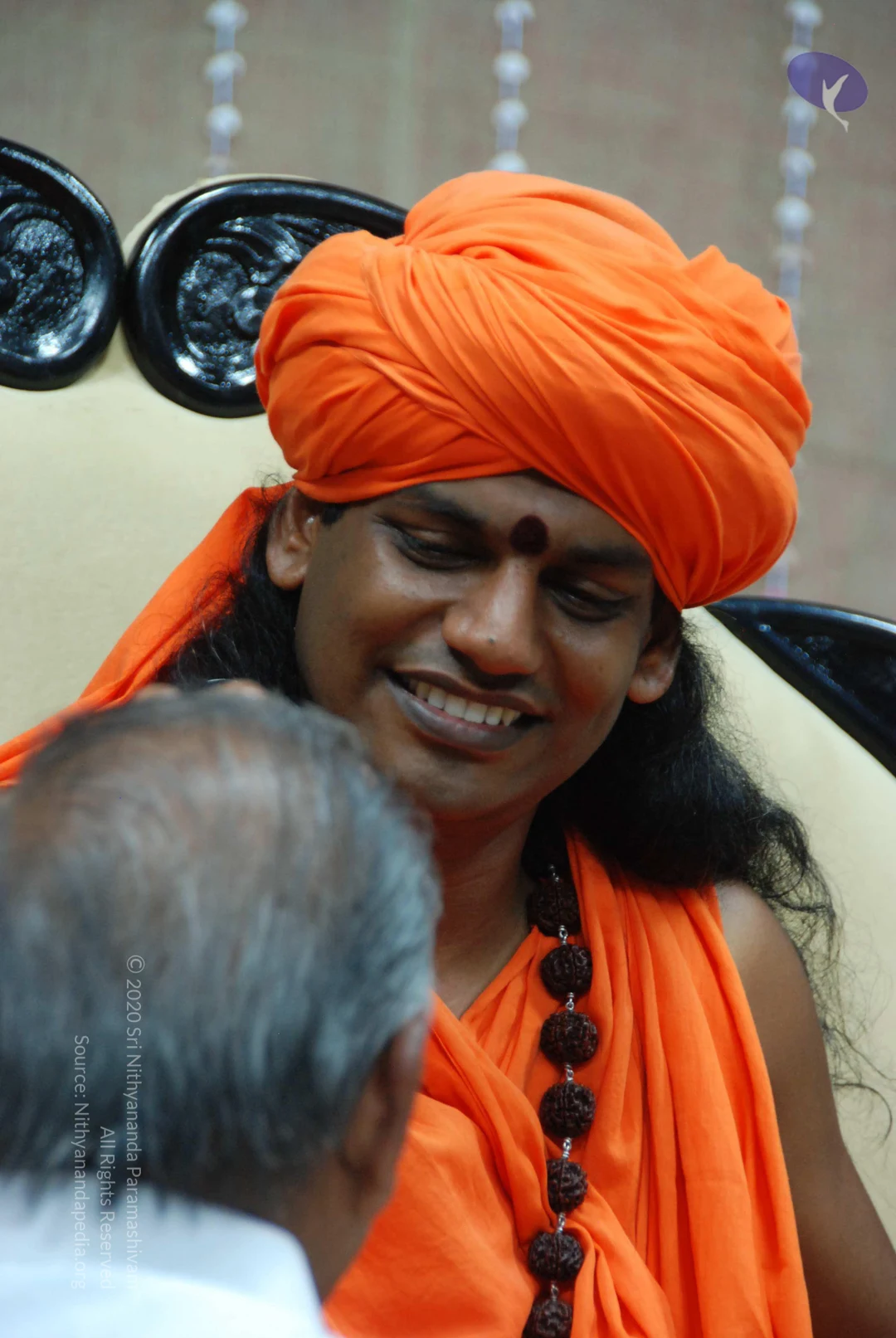
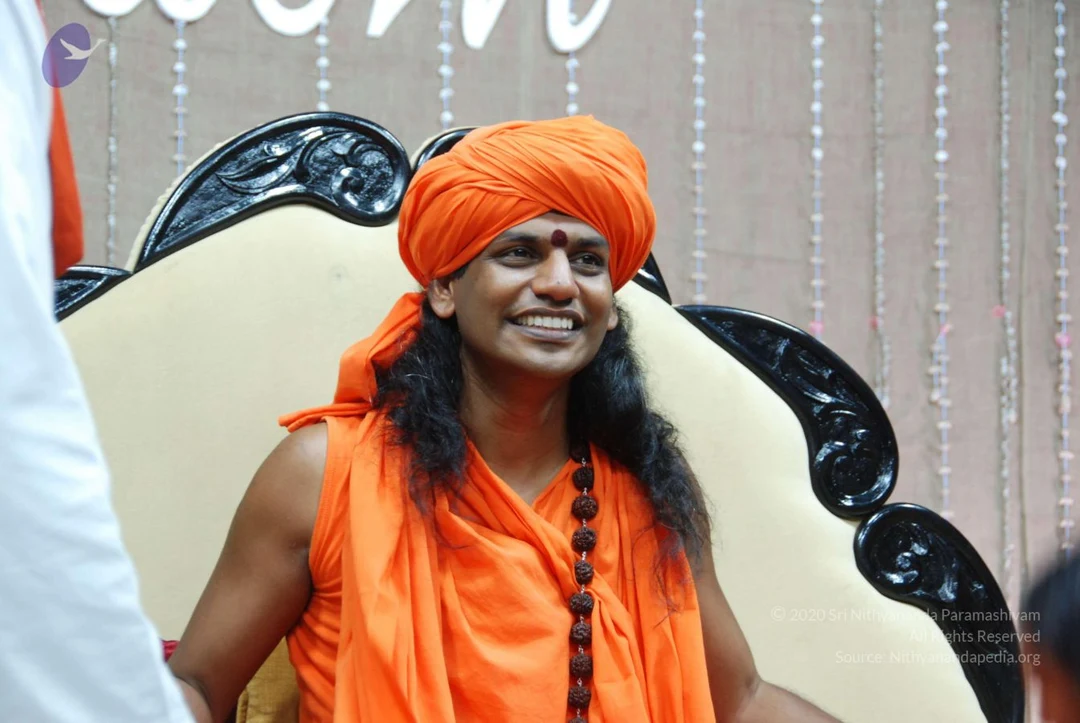
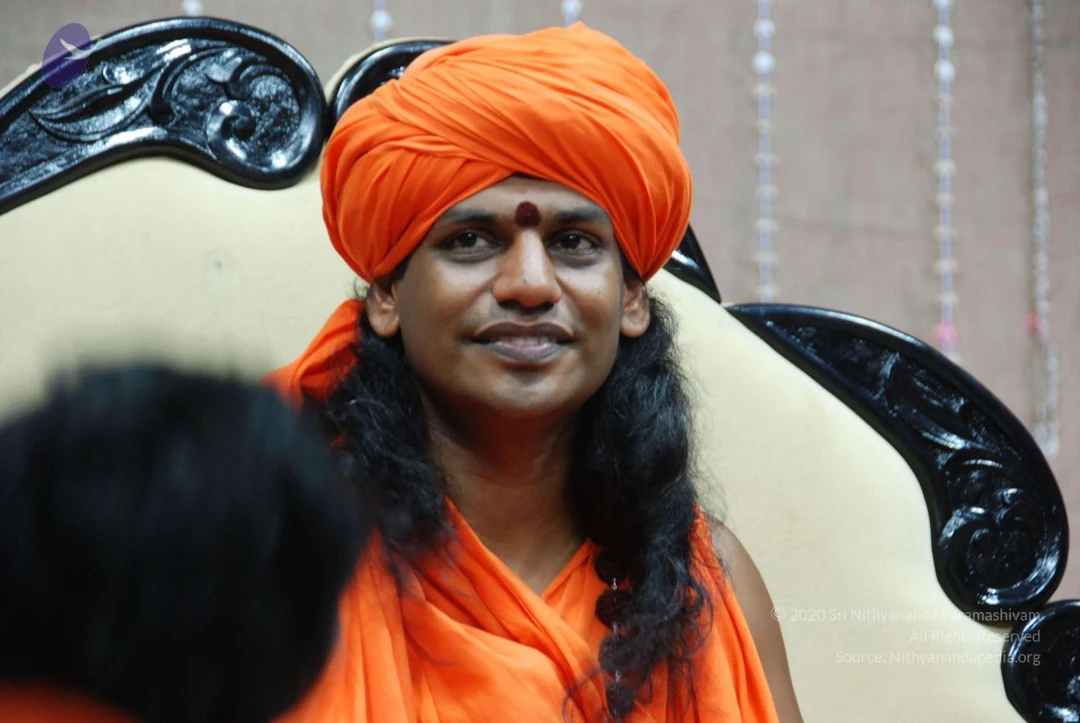
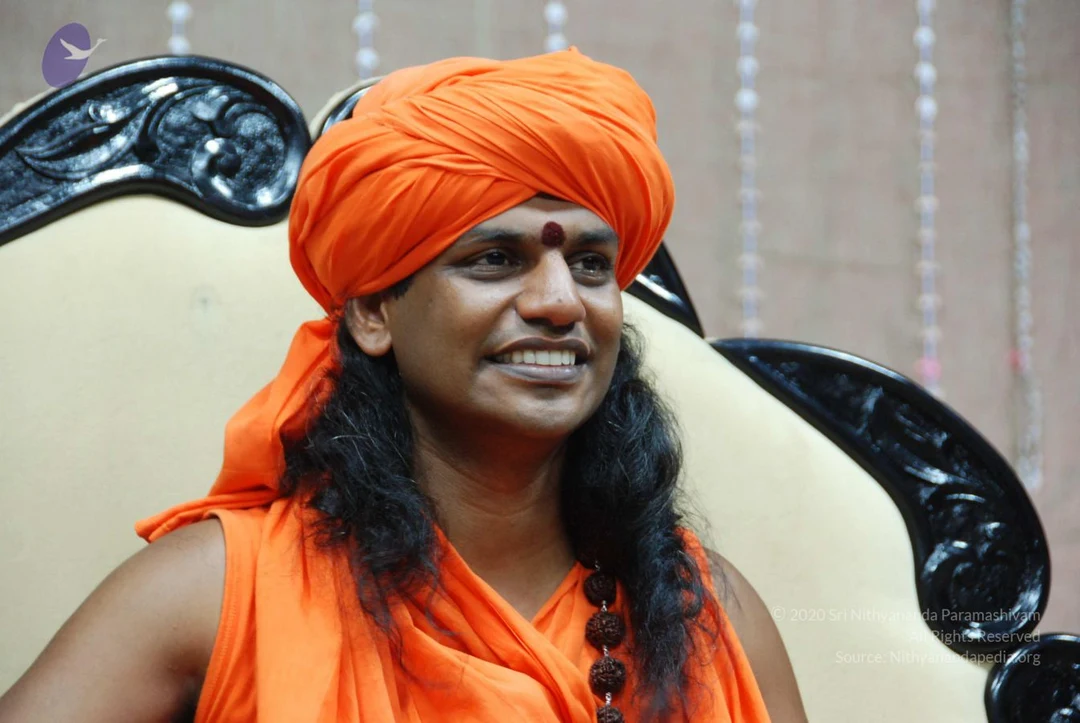
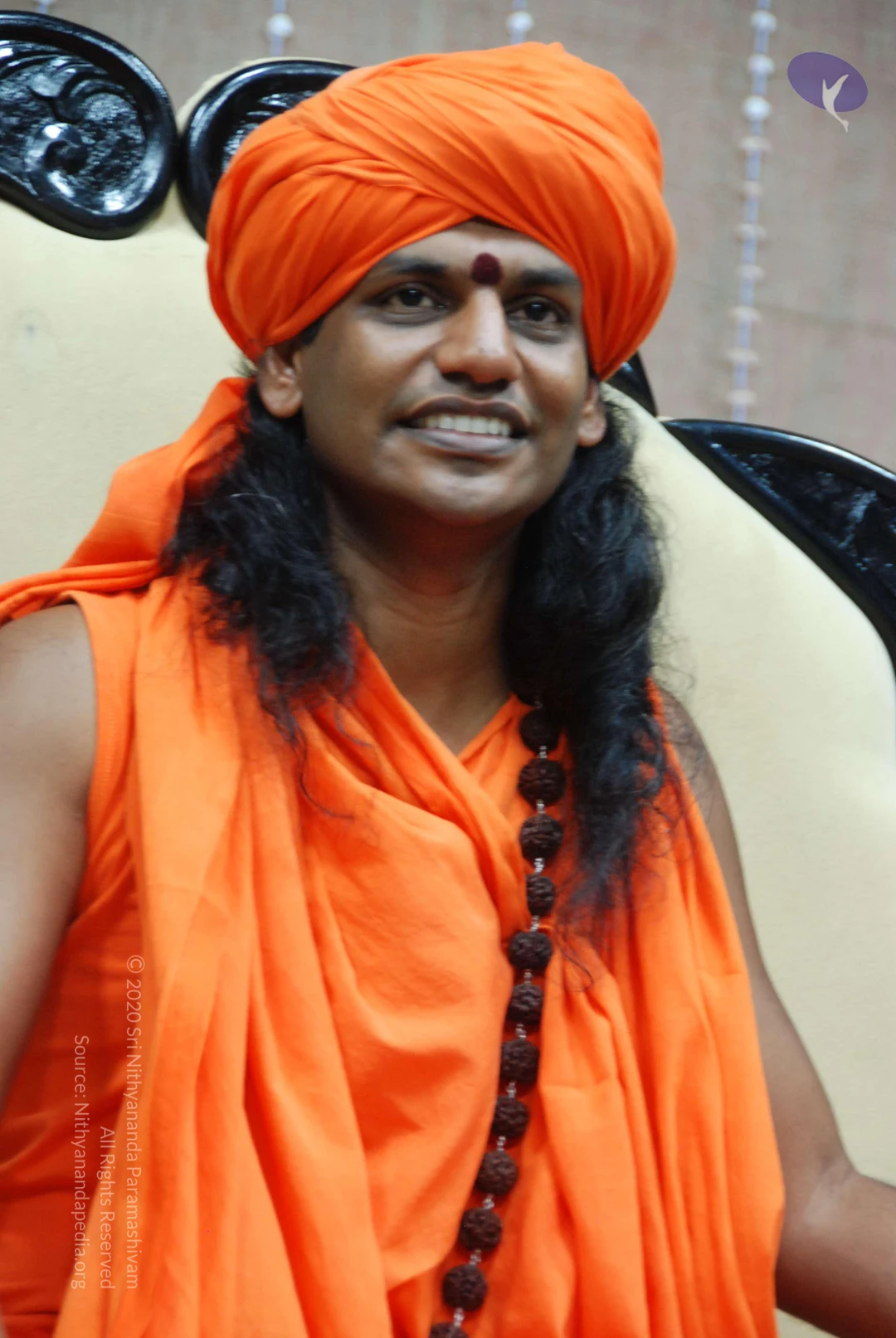
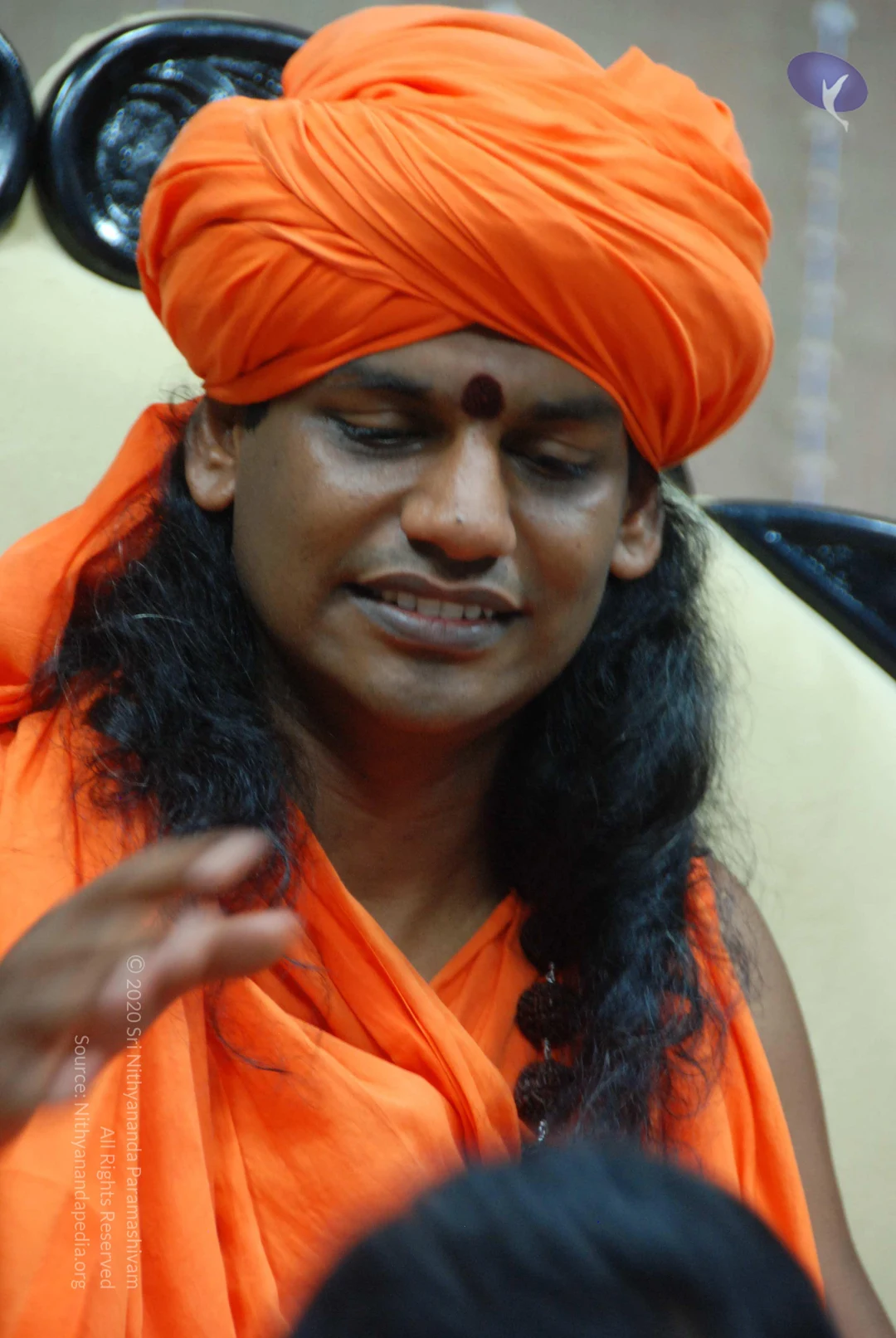
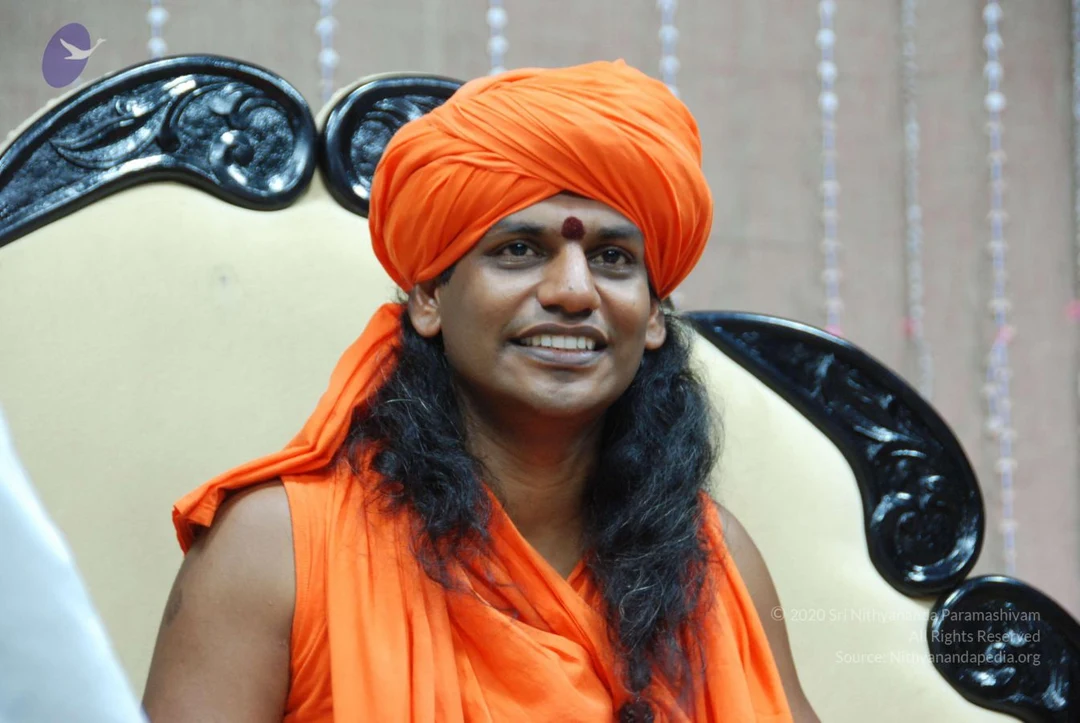
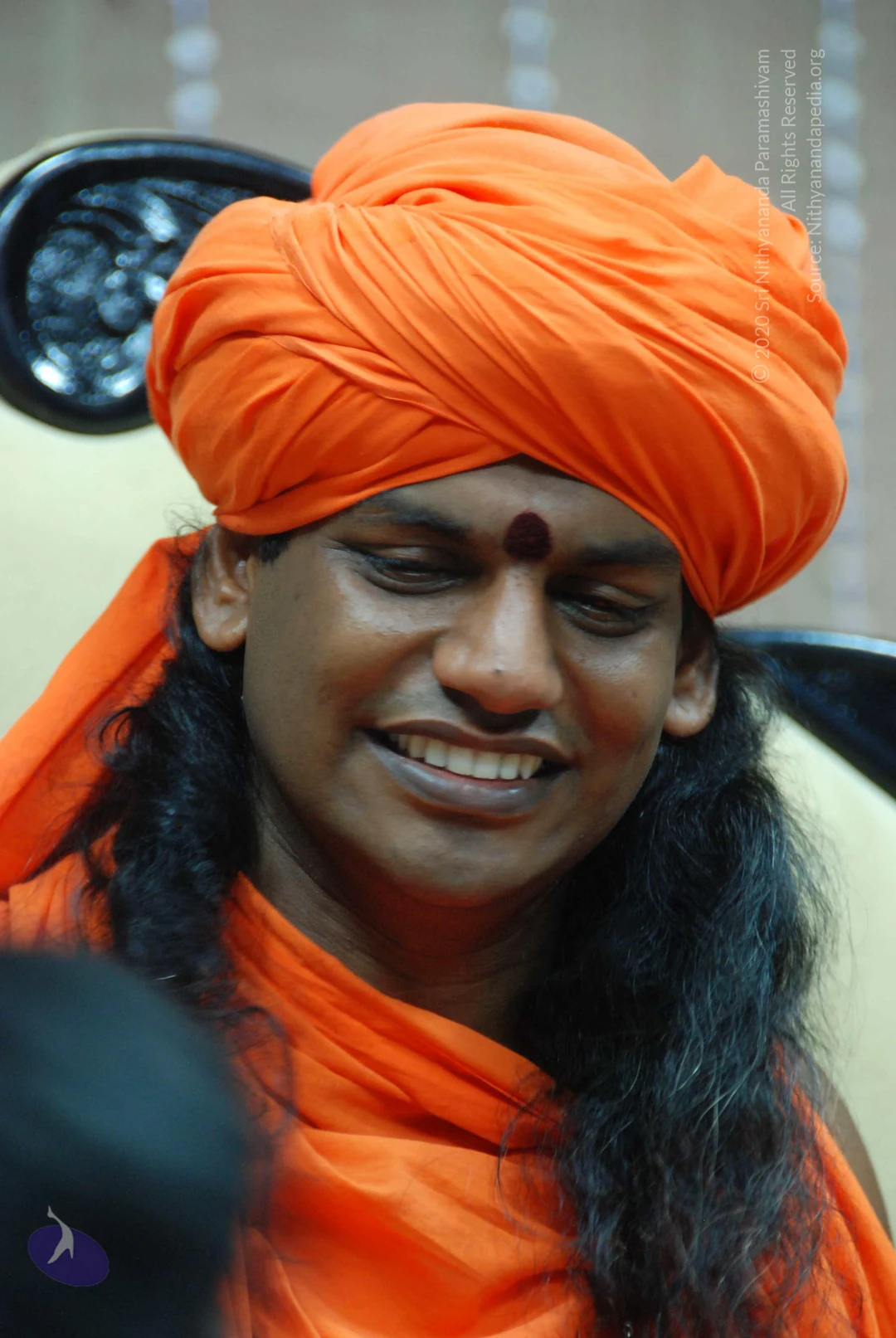
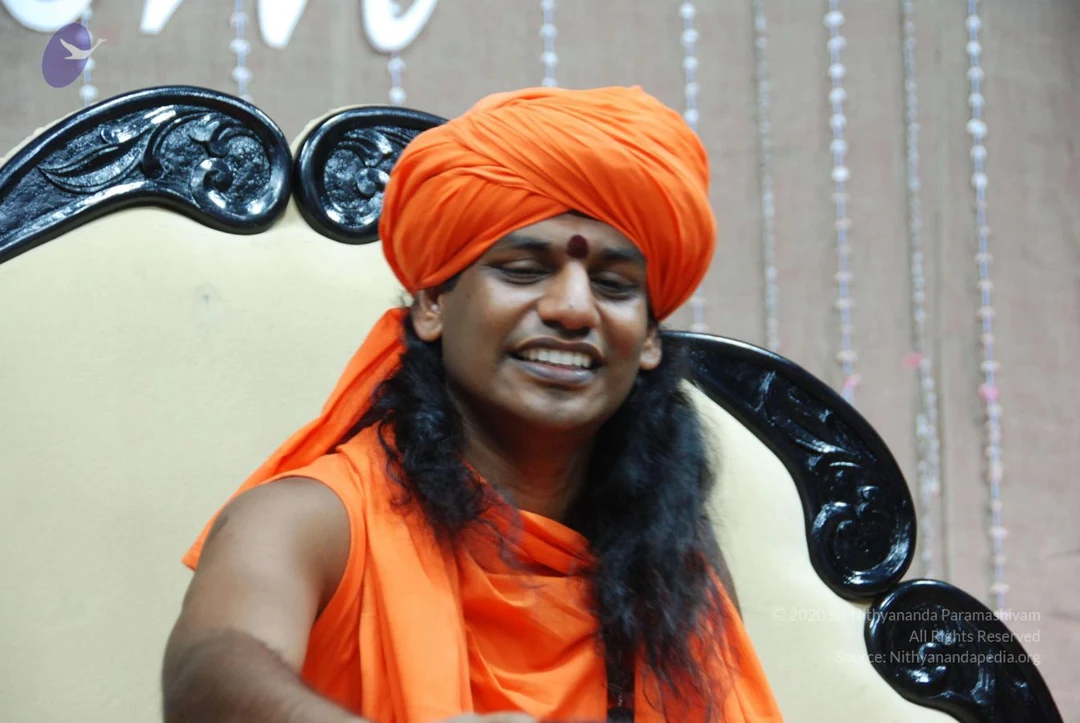
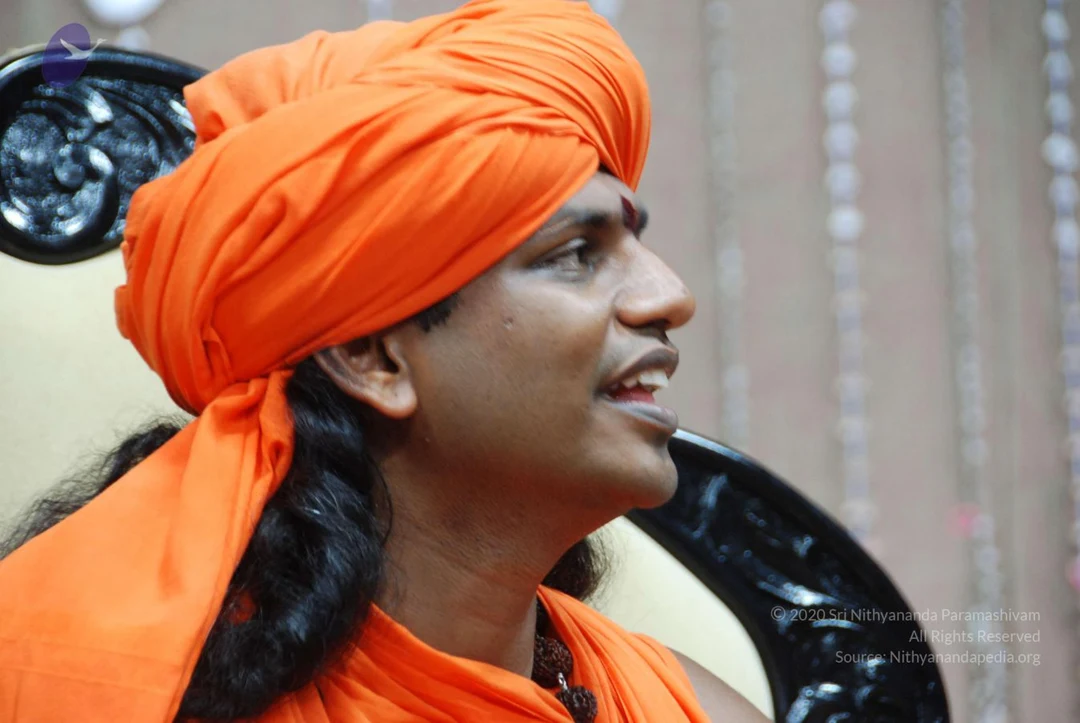
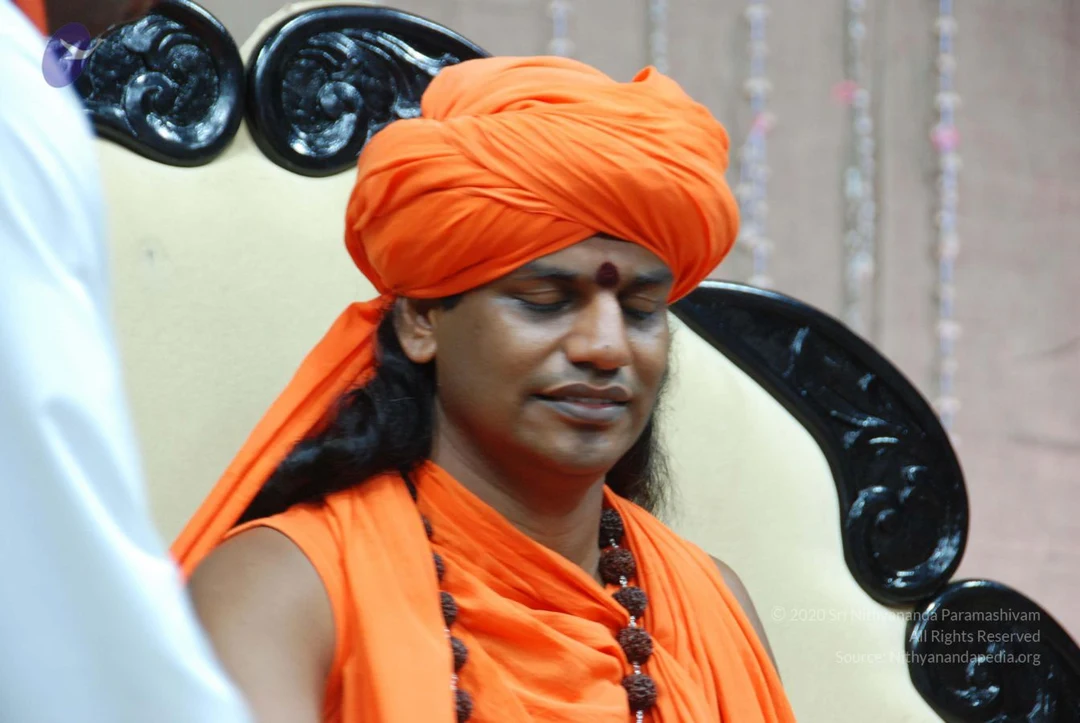
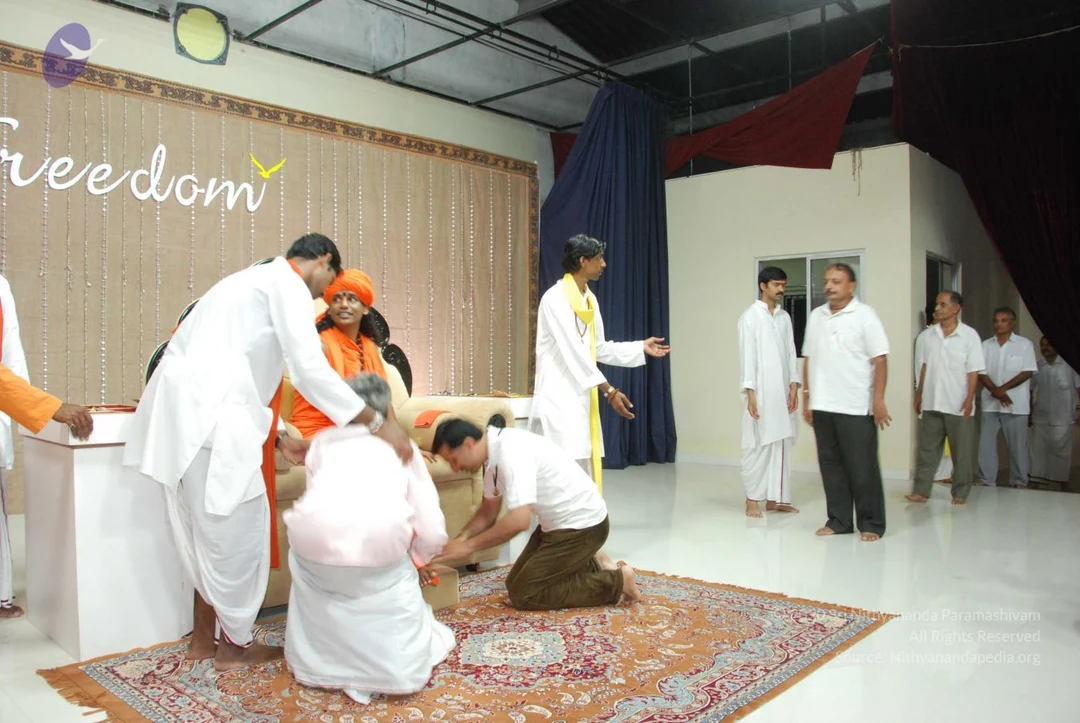
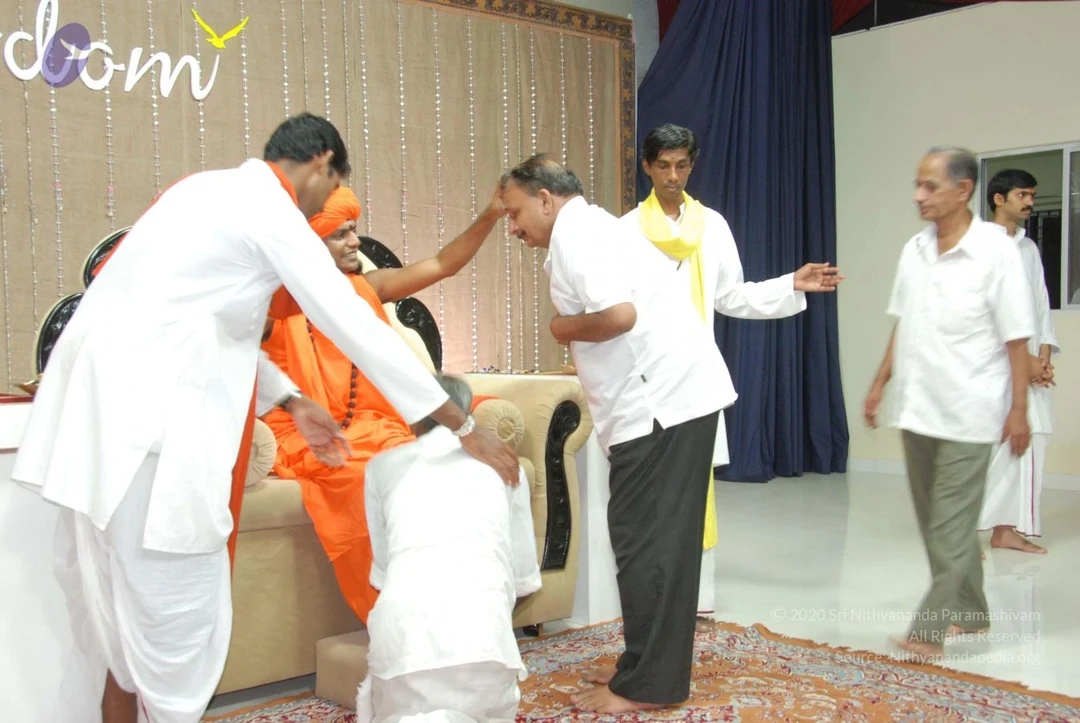
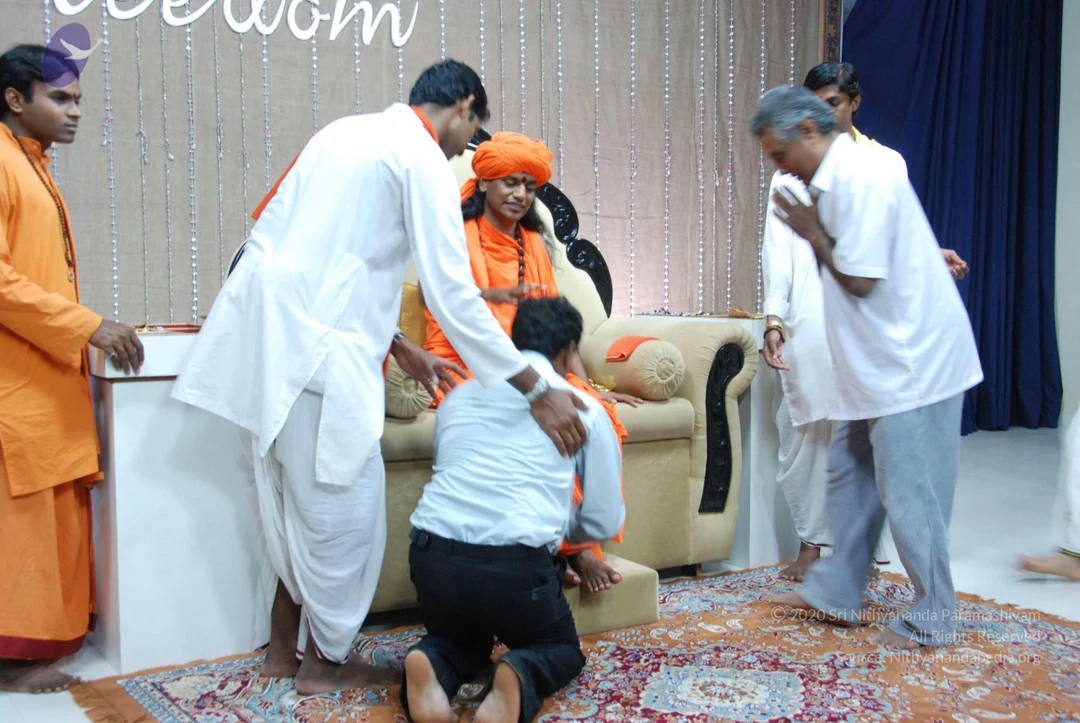
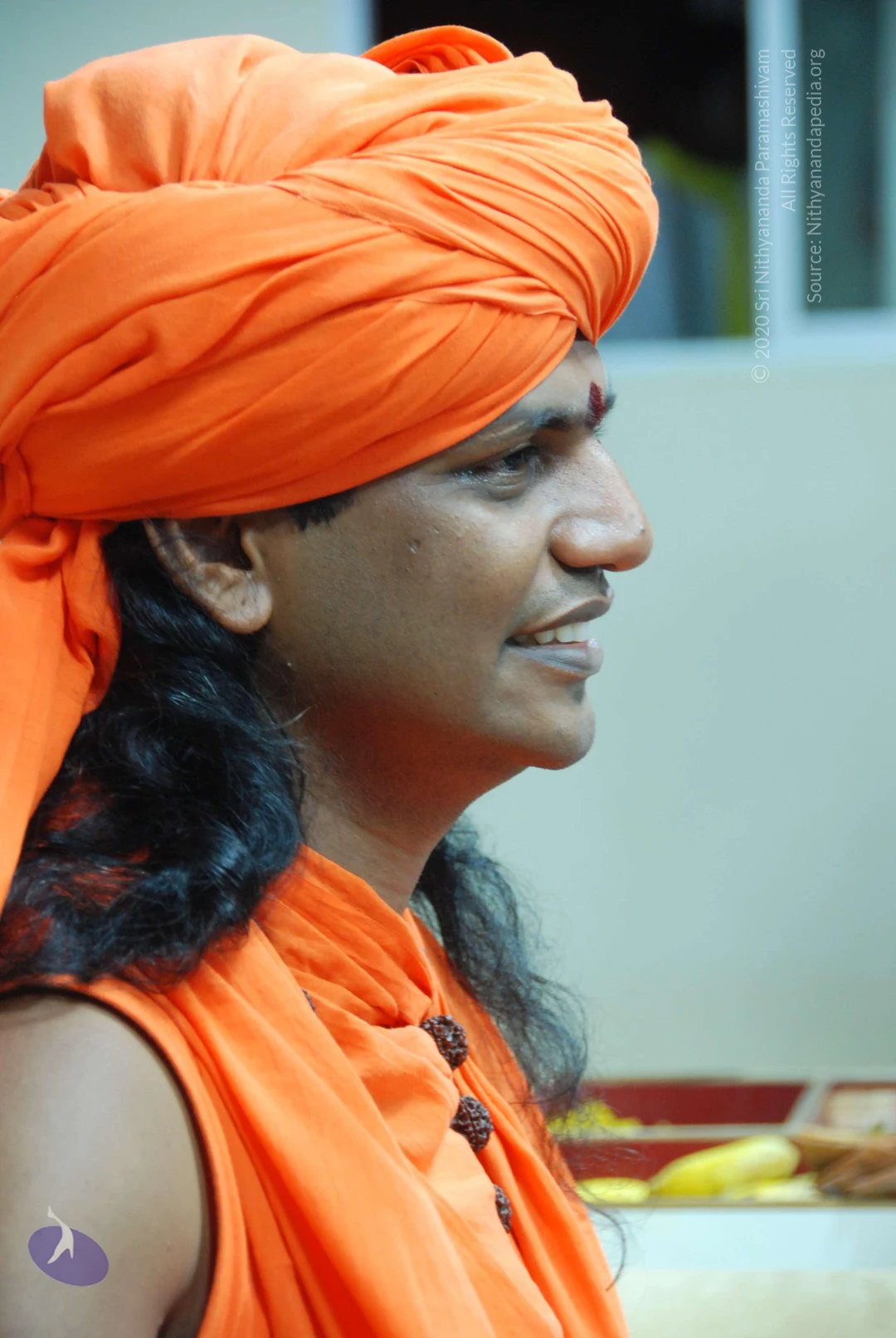
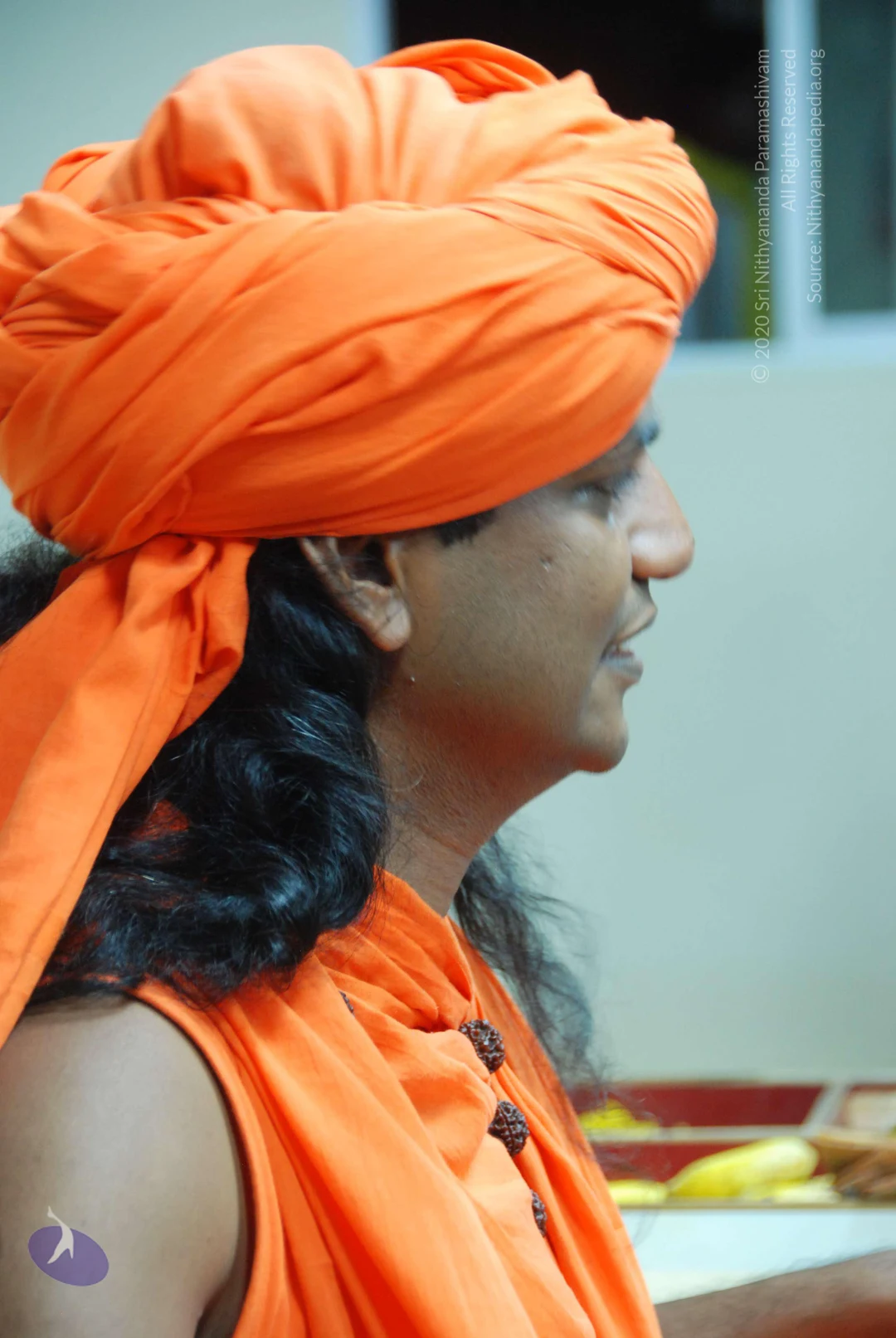
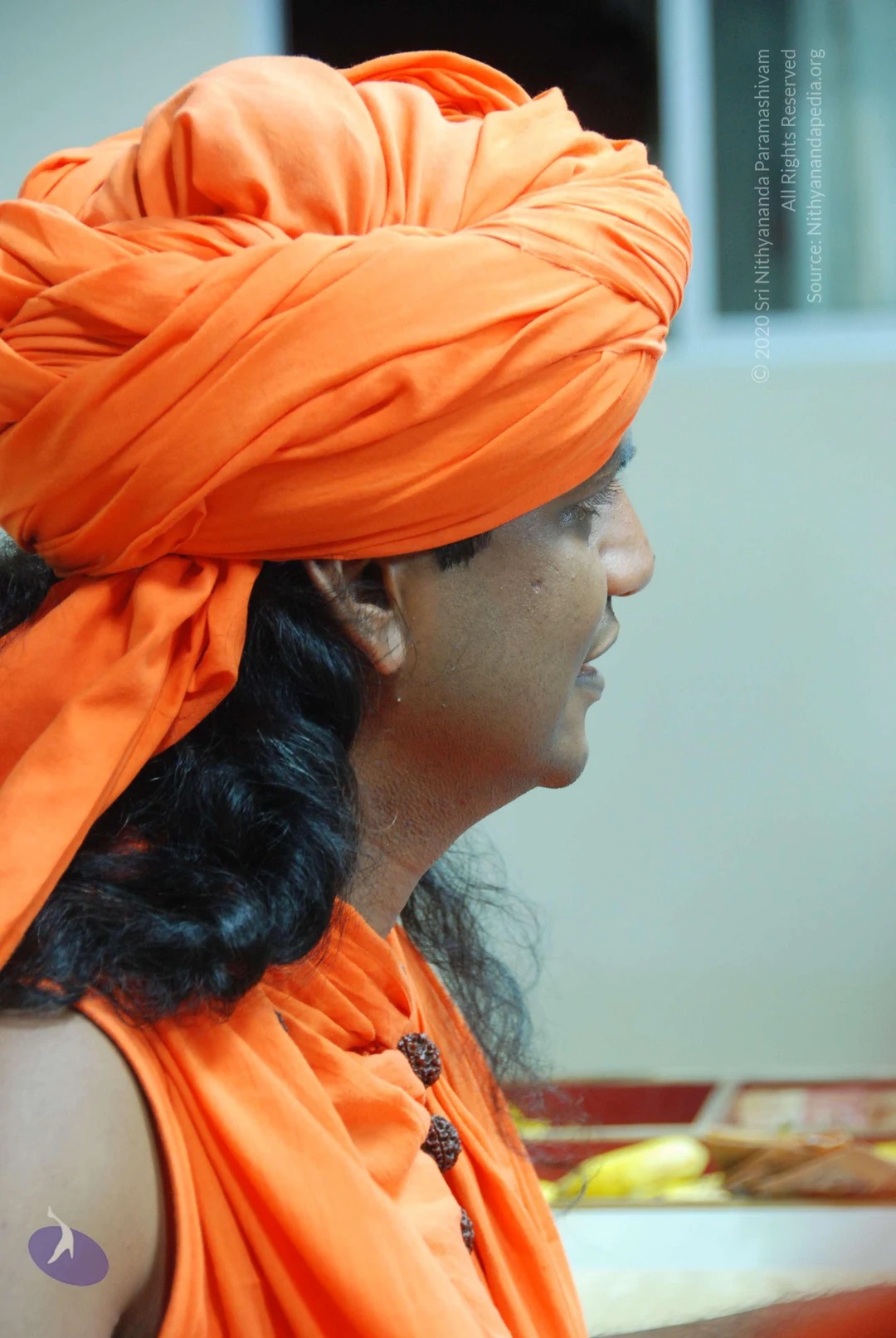
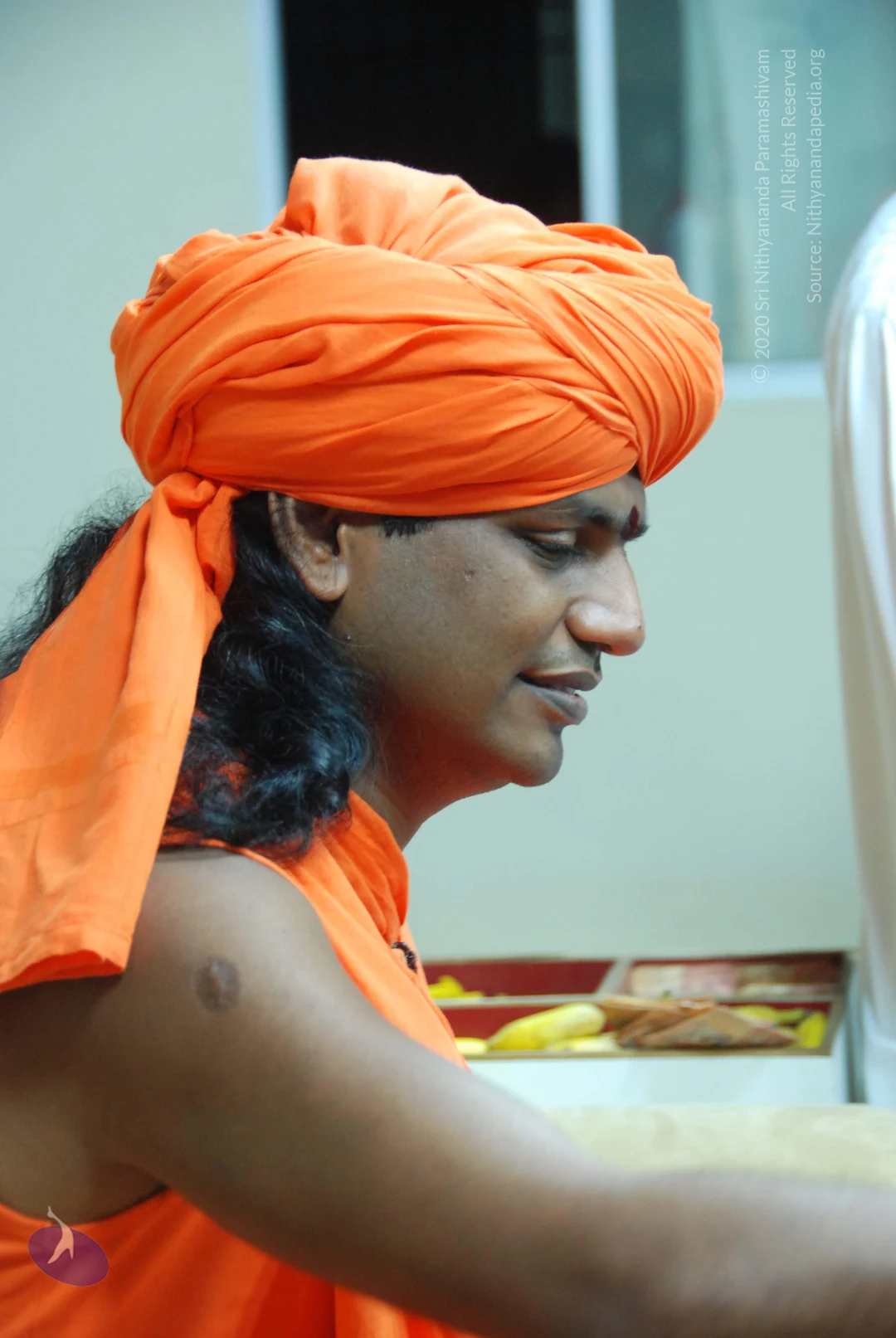
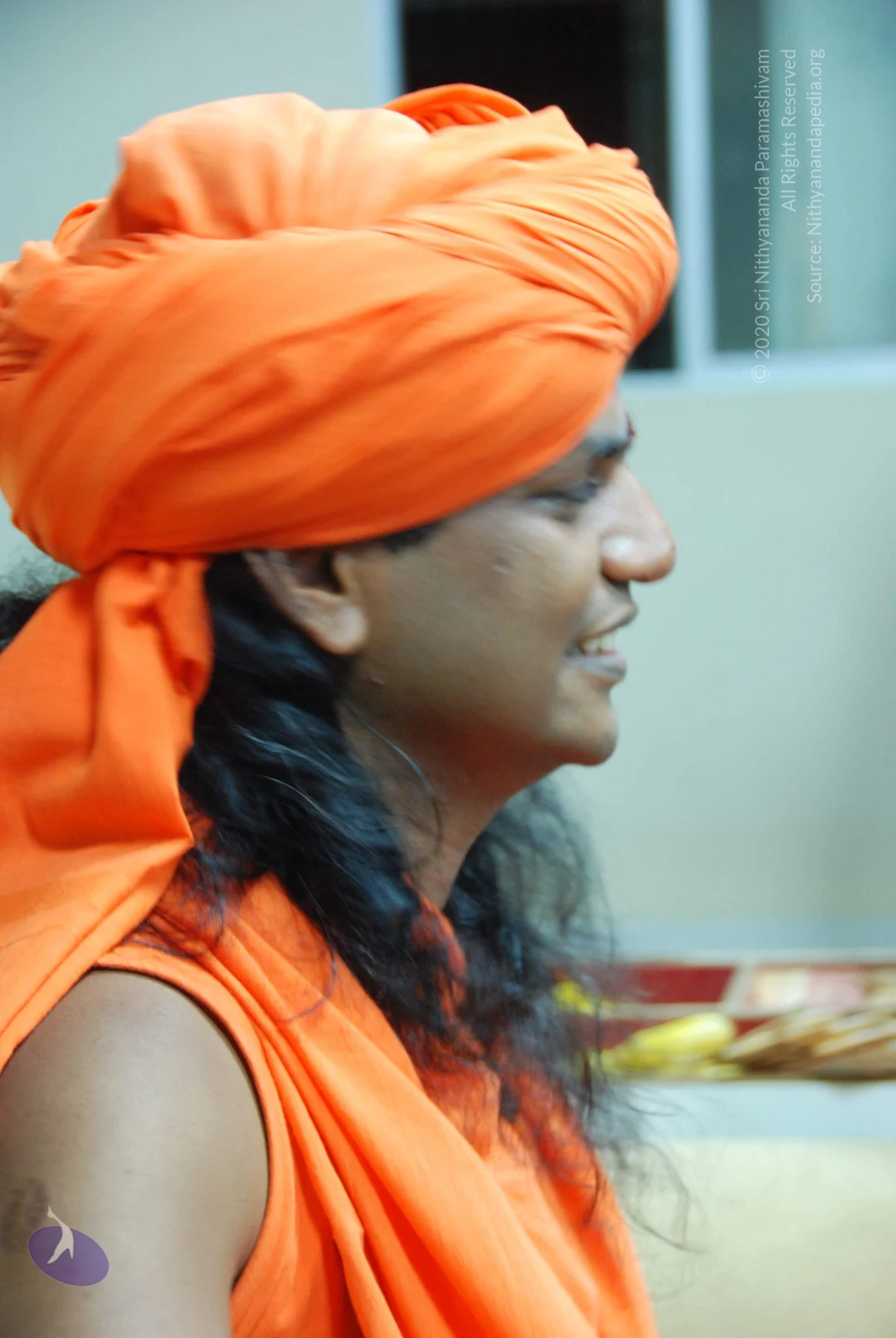
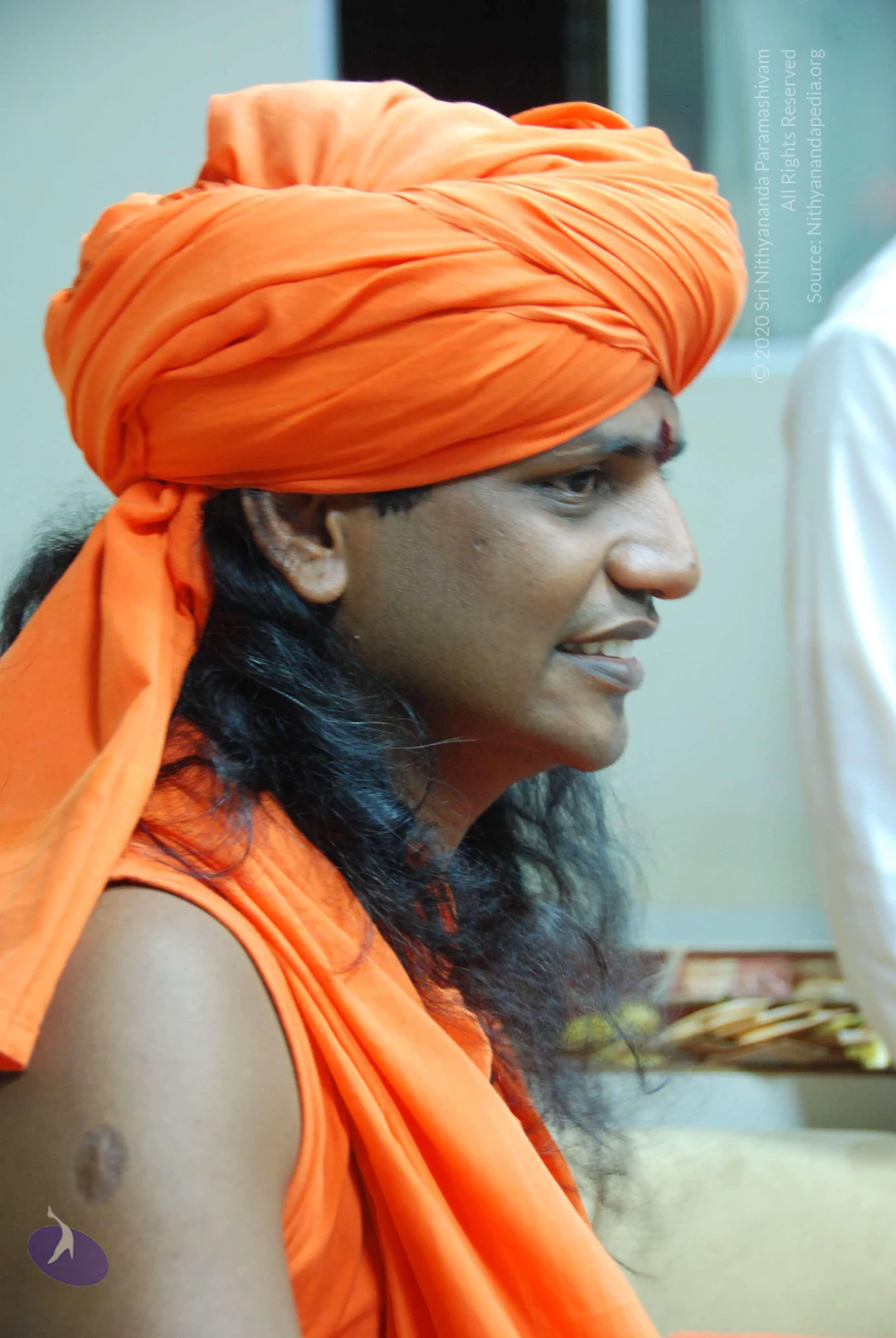
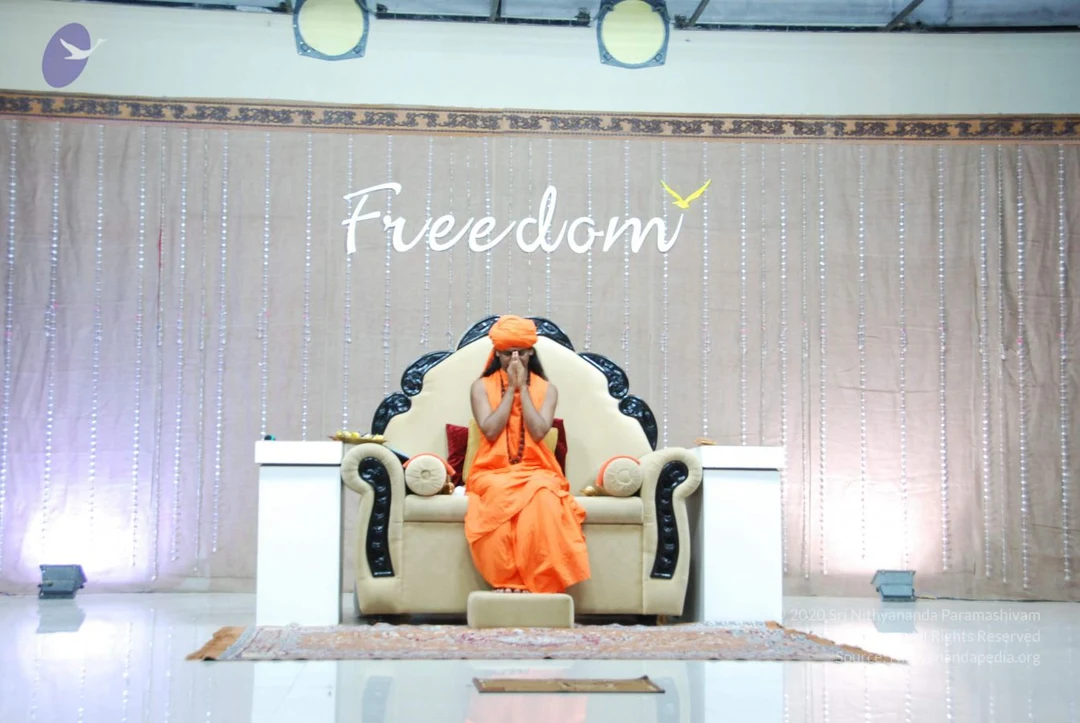
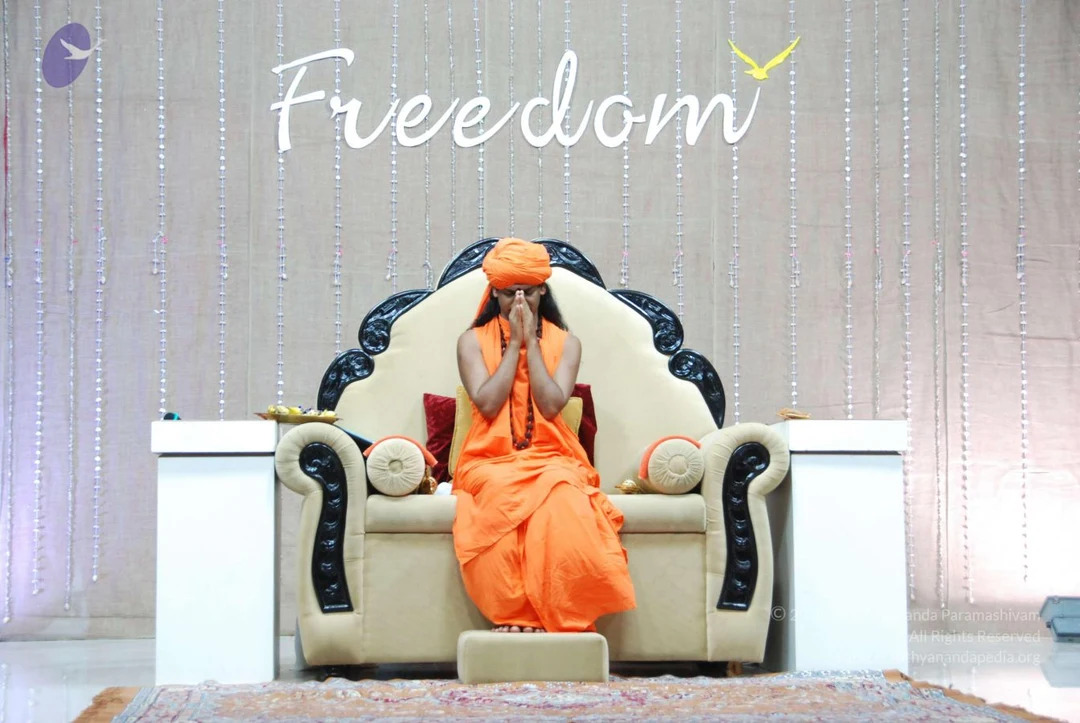
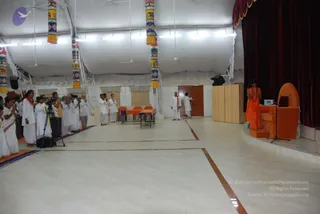
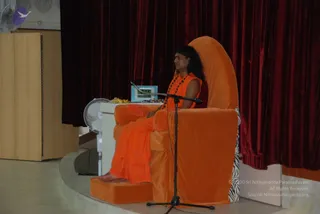
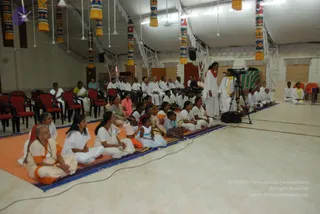
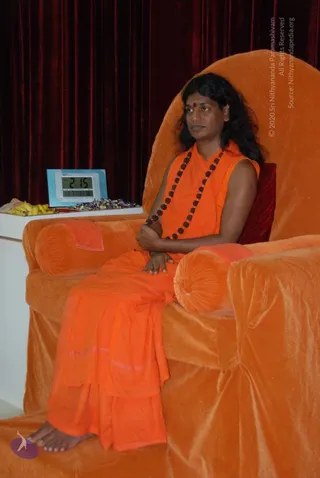
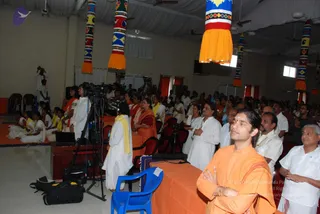
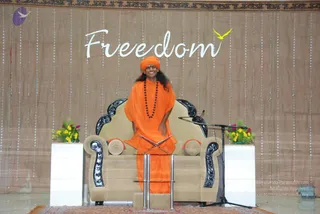
The Supreme Pontiff of Hinduism, Jagatguru Mahasannidhanam, His Divine Holiness, Bhagavan Nithyananda Paramashivam, expounded on the Cosmic Principles from Freedom during the everyday live public talk - Nithyananda Satsang. In this talk The Supreme Pontiff of Hinduism revealed that the very flow of human consciousness is towards freedom and that whatever you think is freedom, whether in the field of money, politics or social freedom, you put your energy and work towards that. He explained that the basic thread of the whole creation is compassion and that freedom has more to do with your inner space than the outer world; this is the ultimate freedom that cannot be taken away from you. He shared that the one thing that saved Him while in prison was being established in compassion, ahimsa, and that freedom from hatred and vengeance is the ultimate freedom. He spoke about ahimsa as a science, as part of the science of Enlightenment and life.
Video and Audio:
Nithyananda speaks on Freedom (Part 1 of 2)
| Video | Audio |
Transcript:
(02:00)
Sadāshiva samārambhām Shankarāchārya madhyamām | asmat āchārya paryantām vande guru paramparām ||
(03:43)
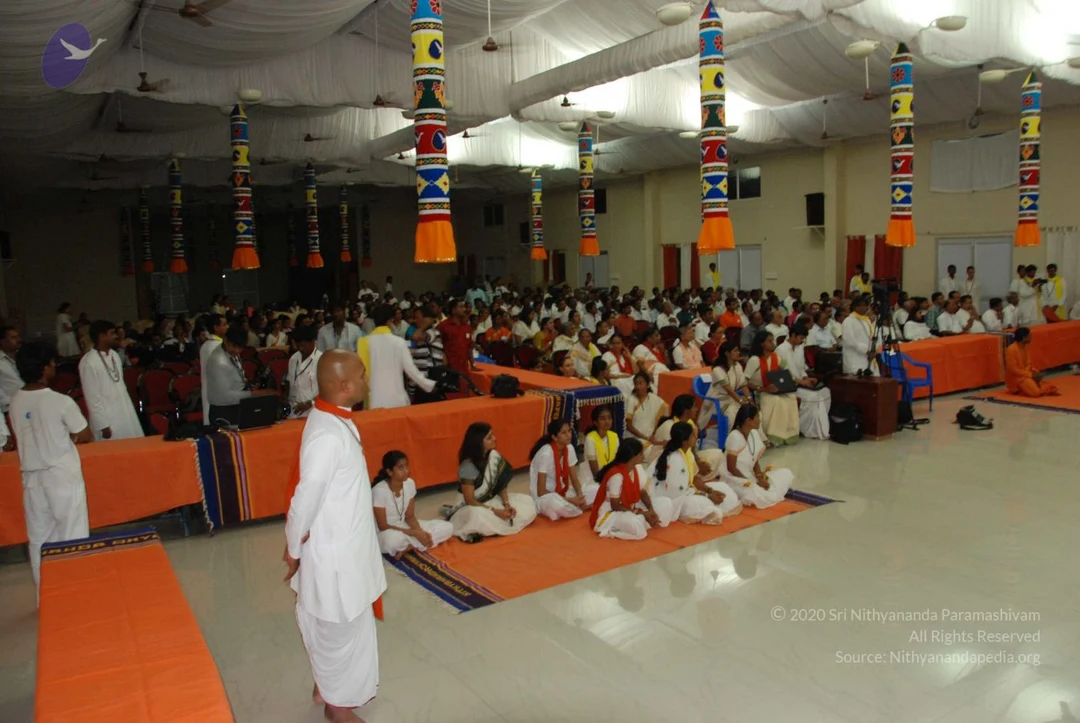
I welcome you all with My love and respects. I welcome all the journalists and people from media and disciples from around the world.
(04:23)
Freedom! The truth for which almost the whole world gives its life. If you just look inside the human consciousness, the very flow of the human consciousness is towards freedom. History of all civilizations, history of all countries… look inside, all the flow, all the expression is always towards the freedom. Whatever they think as freedom, they were always putting their energy in that direction. Even money... Why do you think so much of desire for wealth in the world? Because with money you have more choices. You have freedom. You experience glimpse of freedom with money. You have more choices. May be choice between many sufferings you can pick up. There are many sufferings out of which you can pick up. You can choose your sufferings. Without money you have only one suffering. With money you have many sufferings between which you can choose.
(06:18)
Whether it is our running behind money, or political freedom or social freedom, whatever you may call it with different names, but finally human consciousness constantly expands towards freedom. If you think political freedom is the ultimate, you start moving towards political freedom. If a society thinks social freedom is the ultimate, they start moving towards social freedom. If you think economical freedom is the ultimate, you start working for economical freedom. Whatever you consider as a freedom, you start working towards it. You start moving towards it. You start travelling towards it.
Some civilizations felt the political freedom is the ultimate. So, they start spending all their energy in that line. Some civilizations started feeling the spiritual freedom, the inner freedom is the ultimate. So they have started working in that direction.
(08:00)
Let us look deeply inside the very basis of freedom. The idea from which the experience of freedom is experienced. Or how human beings decide whether political freedom is important or religious freedom is important or spiritual freedom is important or economical freedom is important.
Very beautifully Upanishad says, ‘Ekoham bahushyam’. ‘The one which is me let it become, let me become many’ See, as long as the super consciousness is one, there is no fear. When the many started happening, the possibility of fear exists. There is another one beautiful Upanishad quotation says, ‘Fear comes out of duality’. One more beautiful Upanishadic statement, ‘The one became many just to enjoy itself.’ So. the basis of one becoming many is to enjoy itself. The basic idea with which the one became many is to enjoy itself.
That is why I say the basic thread of this whole creation is compassion. When the one became many, the only commandment it created for itself is ‘let us all co-exist blissfully’. ‘Let us all co-exist together.’ That is why I say compassion is the only commandment from God, the cosmic law. Everything else is a man-made law. It is a laws made in countries. It is a understanding between human beings. But the compassion is the cosmic law. When the ‘one’ became ‘many’ with this one thought, ‘Let us all co-exist’, the compassion becomes a base material.
(10.50)
All the civilizations, which felt ‘the one became many just to enjoy itself, celebrate itself’ - all those civilizations are compassion based civilizations. There is another one kind of thought. The existential philosopher from French, Jean Paul Sartre he says, ‘the other is hell, the other is enemy.’ The civilizations which created out of this thinking trend – ‘the other is enemy’ – they started working more towards political freedom. They thought, ‘as long as the other exists I can’t be free. We can’t be free.’ So it is more like a political freedom. All the civilizations which based their thinking trend with this thought ‘the other is hell, the other is enemy’ has stared working towards political freedom. Warriors have become heroes in their civilizations.
But all the civilizations which started with this base, ‘Let the one become many just to enjoy itself’, the compassion based civilization - they all have started working towards inner freedom, spiritual freedom.
There are only two kinds of civilization. One: The civilization which worked for outer freedom. The civilization which worked for inner freedom. When you feel the other is hell, you start working towards political freedom. When you feel one became many just to enjoy itself, just to enjoy the existence, celebrate, you start working towards spiritual freedom. The civilizations based on compassion, they worship Buddhas. The civilization based on violence worship warriors. Warriors are their heroes. The civilization where compassion is the base, Buddhas are their heroes.
(13.26)
You can see in our civilization, even for political freedom we trusted a saint - ‘Mahatma’ – Gandhi. Even for political freedom, for strategy planning we trusted Mahatma - person who is established in non-violence, ahimsa. I tell you, in any crisis, in any crisis, ahimsa - non-violence - compassion, is the best strategy. The best strategy. I am telling you from My experience. 😊 There is no crisis which cannot be handled by compassion, by ahimsa.
Understand, freedom has more to do with the inner space in which you are established - from where you are making decisions - the point where you receive information from the outer world and process, make decisions. Freedom is more dependent on that space than the place you live. I tell you from My experience. Freedom has nothing to do with the place you live in. It is the space you are established. If you are established in a zone where the informations are received and processed, decisions are made with deep friendliness, with deep joy, with deep compassion, I tell you, you are in real freedom; the ultimate freedom which can’t be taken away by anybody; which can’t be taken away by anybody, which is just your grace. Your …even the inheritance word is a too small word, which is just your expression.
The space from which you make decision if it is completely lubricated with compassion, please understand, compassion is the lubrication material when the cosmos was getting created. When ‘the one wanted to become many” it just felt “let Me become many to enjoy Myself.” The only law it created for itself is ‘let us co-exist together’. Let us exist together.
(16.33)
‘Freedom from something’ is negative part of freedom. ‘Freedom for something’ is positive part of freedom. Freedom ‘from and for’ is ultimate freedom.
Please understand freedom from something means freedom from some bondage – freedom from prison, freedom from 😊, freedom from some conditions, maybe freedom from poverty, freedom from some inability. These are all ‘freedom from’ - negative part of freedom. Please understand, the negative part of freedom will never give you the fulfillment unless you have the positive part of freedom. Freedom for what? Freedom for…. Unless you understand ‘freedom for’, the ‘freedom from’ will not give you fulfillment. You will take it for granted. When you come out of prison may be few days you may celebrate that freedom. If you don’t know what for you need freedom, the ‘freedom from’ will be forgotten in few days. None of you are celebrating that you have been free. No! You take your freedom for granted. ‘Freedom from’ is always forgotten, taken for granted when you don’t know the ‘freedom for’. The ‘freedom for’ adds fulfillment to you. ‘Freedom from’ is negative part of freedom. ‘Freedom for’ is positive part of freedom.
(18:39)
I tell you one step further. Freedom from ‘the from and for’ is ultimate freedom. When you think what for freedom, may be to achieve something, to do something. Maybe you always felt if I don’t have this bondage, I will be doing that. When that ‘freedom for’ is clearly understood, ‘freedom from’ makes meaning in our lives. But ultimately, I tell you when the ‘freedom from’ and ‘freedom for’, when you are free from both you experience the ultimate true freedom.
(19:40)
The consciousness from which you make decisions, if it is established in compassion, suddenly you experience a freedom which can never be taken away from you. That is what I call enlightenment.
Please understand I saw very clearly, there was one part of Me untouched, simply relaxing in utter peace. I wanted all of you to know, honestly I am telling you, from My heart, from My very being, not even once I felt, “Why did all this happen to Me?” Not even once I felt anyway suffered, anyway abused, anyway disrespected. Even though from all corners so much of abusal, so much of disrespect, so much of things were happening, somehow, the core of the being… it was there. Something which can’t be taken away, which is just there.
(21:30)
Understand one more thing. Sitting inside the prison, the enlightenment or compassion or the deep peace is no more a pride. It is a basic utility. Without that you can’t exist. You can’t think it is just a pride. No! It is not an utility for outer world. It has to be there, only then you can relax, 😊 only then you can relax. I tell you get enlightened quickly. It will be really useful. 😊 It will really be useful.
Unless you are free from the hatred and vengeance you cannot rest in peace. I did not have any problem. Completely relaxed, settled. Never felt I am getting abused.
Bhaktananda was staying always with Me. He will show Me the newspaper and say “Swamiji this today they have written this, they have written this.”
(23:20)
And of course the Nithyananda name 😊 The other day I heard, one devotee was reporting to Me, I heard, she brought an article saying that in the internet history only twice jamming has happened in the internet due to traffic - one Micheal Jackson’s death second Nithyananda scandal! I was really shocked. Michael Jackson has to jump and dance and sing and do all sorts of things all over the world and finally he has to die, to jam the internet. And a mere boy, hardly 33, from a village, Tiruvannamalai, I did not even do anything. 😊 Somebody did something. 😊The traffic jam 😊 I was really shocked. And that article says Nithyananda name is the largest googled, searched word.
And, anyhow I never felt connected to that name. Never felt connected to any name. that is why I don’t feel connected to all the titles now I have. The ‘self- styled’, ‘controversial’ so many titles. Somewhere titles are added to the name Nithyananda Somewhere the name itself is made into half-Nithi 😊 Anyhow I did not have any problem because never felt connected to that name. Never felt connected to any name or any form so did not have any problem.
(25:43)
I really enjoyed, what is that one thing which saved Me, which stood with Me. People were asking Me many questions, the devotees, ‘why did not God save you?’ So many questions left and right. I tell you, the one thing which really saved Me in this whole thing is completely being established in compassion, in that ahimsa. Otherwise it is impossible to sleep, especially in prison. If you are not established in compassion, you cannot rest. You cannot sleep. So much of abusal happening all around, for no reason. So much of vengeance is being expressed, for no reason. So much of poison is vomited for no reason.
I tell you even the inner most core of My heart there was no secret plans to take revenge on anybody. That is the only reason I was completely at ease. “Tathata’ the existence the happening was so peaceful, so beautiful, completely relaxed, at ease with Myself. The acceptance…. not even once in My bio-memory, the anger or vengeance or secret plans to take revenge on somebody… not even once it happened.
(28.05)
I tell you, if you want to know the essence of what I am sharing with the world, before this scandal I would have told bliss. Now I am telling you compassion. Freedom from hatred is the ultimate freedom. Freedom from vengeance is the ultimate freedom. When you are established in compassion, suddenly you will see ‘the other’ is not enemy. We became many just to celebrate the existence. Even one iota of vengeance, the other will become hell. The other will become enemy. The moment you start feeling ‘the other is enemy’ you are constantly going to shrink. Move yourself away, away, away from things. Naturally you will be moving away from life. You will be moving towards death.
(29:33)
The basic truth is - ‘Be based in compassion’, you will see the extreme ecstasy, constant joy happening inside your system. Did not have even one moment any suffering just because completely relaxed into the whole inner space.
Freedom from greed is just ‘freedom for’. See when you are free from the ‘freedom for’ you are free from greed. When you free from ‘freedom from’ you are free from fear. Please understand
‘freedom from’ means bondages. When you are free from that you are free from fears. ‘Freedom for’ means greeds, goals. When you are free from that, you are free from greed. When you are free from the hatred or vengeance, suddenly you experience a different dimension of freedom, the ultimate freedom.
(31:08)
I just wanted to share with you some of the important, deep mystical experiences and the lessons I learnt in the 53 days in prison.
(31:24)
Video and Audio
Nithyananda speaks on Freedom (Part 2 of 2)
| Video | Audio |
Transcript
(00:06)
Nothing can be added to you. How much ever you grab, grab, grab things or people or places or objects you will not be living with it. It’s is an important truth, please understand. When you are established in Ahimsa, even if your body is taken away from you, even if you are killed, what all you think as joy which you want to experience through the body, you will be able to experience even without that body. Understand, whatever you think as joy which you want to experience through the body, you will be able to enjoy without the body… even if your body is taken away.
(01:02)
If you are established in compassion, even if your body is taken away you will be able to experience whatever you want, without that body. But if you are established in vengeance even if you have the body you will not be able to experience what you want. If you want to experience some sense pleasures, even if they are there, even if you are eating, you will be thinking something else; you will not be enjoying. Even if you are listening, you will be thinking something else, you will not be enjoying. Even if you are seeing you will be planning for something else, you will not be enjoying. I have seen people going to the vacation places, going to the hill resorts, such a beautiful scene, they will not be enjoying the scene, they will be planning how to own a cottage here, how to own a house here, how to have a farmhouse here. They cannot enjoy anything unless it belongs to them legally. By the time it belongs to them legally, they are running behind carpenter, plumber, electrician to take care of that house. Person who is established in vengeance, even if he is sitting with the person, even if you are sitting with the person with whom always you want to spend time, or even if you are in a place which always wanted to enjoy, you will not be enjoying; something else will be going on. A person established in compassion, Ahimsa, non-violence, even if the body is taken away from you, you will be enjoying whatever you want.
(2.59)
I tell you, from My experience. One day, it was night, I was just lying down in the prison; when I was in judicial custody. Now I know all the technical terms 😊 police custody, judicial custody… almost all the numbers, IPC code numbers. When I was resting, body was just resting, the Consciousness was in such a deep beautiful Samadhi. Suddenly saw, very clearly, body is in Samadhi and that Consciousness is attending whatever need to be attended - like somewhere somebody is praying or asking, meditating. Then I saw very clearly from this body, through this body, a kind of a ray, light, energy going and attending. It’s a mystical experience. I am just sharing. Whoever feels connected to Me, you can understand or try to understand. If you feel …don’t bother, just leave it. Just think that he is telling something, forget about it. I am just describing as it happened, as I perceived. I saw very clearly that through this body, kind of a light energy attending that prayer. Here somebody is calling, somebody is praying, something is going on, different, different; it’s almost like a 911 call centre in US… how the calls are coming and continuously its being answered - kind of an automatic mechanism. In so many places - prayers, meditations and so many things coming and automatically its getting responded.
(05:15)
When I was experiencing that part, I did not remember this body, this bio memory. When I am remembering this bio-memory I am not able to remember that part, that automatic response mechanism. The cosmic response constantly happening, I was not able to remember that part when I remember this, this bio memory - this body, this idea. When I was able to remember this, I was not able to remember that. When I remembered that, I was not able to remember this. It’s almost like a binary 0-1-0-1-0-1, one moment that experience and one moment this experience; it’s jumping. For one second, I felt I should download that experience into this bio memory, and understand the meaning of that experience so that I can share with everybody. I wanted to translate the cosmic experience into this bio memory. So that only any experience when it is translated into this bio-memory, it can be transmitted through words or touch or initiation to other persons. That’s why when that initiation or healing touch is given, the ideas stored in this bio memory can be shared. So I just felt I should download that experience into this bio memory at least one second, I should translate that into this.
(07:13)
Anyhow I tried, just a kshana, a second, please understand, kshana is not a second, kshana is the gap between one thought and other thought. For a kshana I downloaded that experience into this bio memory. So, I translated the space into place, translated the direction into countries. I could see very clearly per second almost 1000-2000 calls were being attended. Somebody is praying in Australia, somebody is praying in Africa, somebody is praying in America, somebody is praying in one corner of India. All those prayers, request, meditation, everything is being automatically responded by some energy using this bio memory. I was shocked. I saw when I was trying to overlap that experience into this experience, it is almost like a overlapping the natural, the geographical map into the political map. The geographical map of the planet earth if it is overlapped on the political map of earth. So I just overlapped and saw from different countries different, because in that bio memory only directions are there, there is no countries. In the cosmos there is no countries; only in the earth there is a country, there are countries.
(09:14)
I could see, funny thing is, there are some prayer requests happening and that energy flowing into the ocean. I saw “Oh God inside ocean who is 😊….because only the human mind is capable of connecting with higher consciousness; at least as a rule. There are exceptions, when Masters like Ramana Maharishi interfere, they can liberate even the animals. But as a rule only the human mind can elevate themself to the level of prayer or meditation or the connecting with the cosmic consciousness. I was shocked. How come the response is landing inside the ocean. Then I realized there are ships in the ocean, People in the ships, they are all connecting from different zones. I was analyzing, the whole experience. Suddenly I felt, “Oh God!” the only purpose, only thing I enjoy having this body is initiating or sharing this enlightenment experience with people. That is the only purpose of this body. That is the only thing I enjoy, having this body. I suddenly realized then no need even for this body. Because without this body, is anyway involved, this body is lying in the prison but the process is happening. I thought even this body is not required. Suddenly I realized that I am able to do whatever I cherish or enjoy without even the necessity of this body, I can say that is the ultimate Freedom.
(11.23)
You can just do what you want and enjoy what you think as joy without the use of this body is the ultimate freedom. I really thought, “Oh God! Then this body is not even required. After all so many people are hating. When I realized, “No”, I clearly saw the answer. “No, Maybe if this body is alive and running and doing this great mission, many new people will have deep vitarka, the trust”. Because now whoever was getting attended, whose calls were getting attended, whose prayers were being attended, they all were already established in Vitarka. Please understand one more thing I want to tell you. In that thousands of call may be only 2% of the people know Me personally - My name or My form. All others were calling different names of the Divine. It is not being, they did not use My name, or they did not even know My form. I was shocked. Then how come it is being attended! Then I saw, the name or the form which you use does not matter, the intensity with which you call is matters. It’s a intensity with which calls are made. I saw very clearly, some of the important mystical secrets, the experiences I want to share with you. I saw very clearly all that requests, the prayers made with a intense trust and vitarka are getting directed, redirected, its almost like a 911 calls being redirected.
(13.40)
I was surprised. Then I had another one question. Then at any given time only few hundred, few thousand people are only praying and connecting with the divine? How come? Then I saw this bio-memory is a specialist in healing and transmitting enlightenment experience; only those calls are being diverted to this bio-memory. I saw there are other specialists masters for example Mahavatar Baba, specialist in longevity. So any calls or prayers connected to those requests those concepts are directed to those masters. It’s almost like a clear, established, automatic, independent, intelligent, responding system. I was really surprised; because it’s a great revelation happened in Me. Then I realized, why this body? It’s not required, this body is not required. Then the realization landed, No! This body is still kept alive for many new people to have vitarka, the deep trust, the feeling connection. Maybe for that sake this body is still alive and running.
(15.08)
When you are established in deep compassion and deep love, ahimsa, I tell you, you don’t even need body to enjoy. Its like a if you want to enjoy anything related to taste, whatever you call it as a joy of taste, if you are established in ahimsa, without this body you will be able to enjoy. That is what we call heaven. When a person is established in Ahimsa, in that zone, without the use of any physical body, you will be just having those joys. That is why they call it Amrita, ageless body, timeless mind. Being established in compassion liberates you from the greatest foolishness which a human being can commit is strategy planning to come out of crisis. Please understand, greatest foolishness any human being can commit is strategy plannings to come out of crisis. Any strategy planning you make while you are in crisis, you will only be putting and creating more and more crisis. Because the crisis, when crisis happens, ordinary mind gets caught with the fear and greed, and it’s almost like a negotiation with life. You can negotiate with other, giving something and taking something. You cannot negotiate with life; you cannot bargain with life. With life there is no negotiation, only pure surrender.
(17.22)
Understand when the life happens in your life in larger than life size, if you are shaken, it is crisis. If you are just relaxed it is teaching. See when life interferes in your life larger than life size, means you are not able to measure it… In the college I have seen these seniors will rag the juniors. They will ask, “What department you are in?” The junior says, “I am in civil engineering”. “Do you know how to do survey?” He says, “Yes I learnt”. These guys will give a match stick and tell them, “Survey this whole room”. Same way, when the life happens in front of you, if you start asking questions, “Why this to me? What? Why? When? Why?’ All these things when you ask, that is almost like trying to measure the life, this whole hall with match stick. You cannot measure the life with your match stick, ‘Why, what, when’. Your length, breadth, depth is too small to measure the life. When you try to solve the life with matchstick, you will only be creating more and more chaos. When you are established in deep compassion, deep sympathy, you will just see, the life is appreciated as it is. The life is experienced as it is.
(19.16)
I tell you this is a important lesson, truth I want to share with you. Be established in compassion, ahimsa, non-violence. Let this ahimsa flow in your system. Understand I am not talking about ahimsa, non-violence just as a morality. It’s a morality that’s different. But I am talking about ahimsa as a science, as a science of enlightenment, as a science of life. It helps in many places where nothing else can help you, where nothing else can help you. It helps you in many places where nothing else can help you.
(20:17)
I will give you a simple process to experience this truth. Sit with yourself in a relaxed way. Inside your mind call all the people whom you feel are ‘accused’ in your life; with whom you cherish hatred, anger, call them all one by one in your mind. Logically reason, “even if I take revenge on him or her is my life going to be fulfilled?” No! Please understand, you always think whenever you are in crisis, if you take revenge on the person who created problem for you, you have achieved something. NO! That is not your success; even if you take revenge on him finally suddenly you will see, you are only feeling empty. You are not feeling fulfilled. Taking revenge on somebody, is not going to be fulfilling you, will not give you fulfillment. It is just diversion of your life energy, wasting of your life energy. Only after finishing, the taking revenge part, suddenly you will realize you are feeling empty. You don’t feel fulfillment.
Remove all the hatred, vengeance… reason, through reason. One more thing people tell Me, “No! No! Swamiji hatred is such an emotion, it cannot be removed by an ordinary reasoning”. No! Any emotion can be nullified when you reason with it 7 times continuously; I am giving you important clue. Any emotion, whether it is anger or lust or hatred or the vengeance or any emotion, bring it to your consciousness, inner space and reason with it logically 7 times continuously. By the time you finish the 7th time reasoning, very face to face with that emotion, it will lose its power over you. Bring every being, every person you hate in front of your inner space, reason, “Why? What is there? Taking revenge on this person is not my life. That is not going to give me fulfillment.” Blood cannot wash blood; violence cannot nullify violence. If we go on doing eye for an eye, whole world will become blind. Understand, whole world will become blind.
(23:34)
Understand, all of you have experienced some suffering; at least our devotees last few months. Actually when this whole thing happened, I did not have any suffering about Myself, for Myself. But I felt such a deep sympathy, compassion, I can say empathy for all the sufferings which our devotees are going to go through. “Oh God so much of abusal our devotees will go through, by the friends, society, so called relatives. All these abusal our people need to go through; the devotees will go through”. Just for that, only for that, I felt in this whole episode. I did not feel for anything, just that one feeling, “Oh God, how much our devotees need to go through, how much they will be, how much of suffering they will be put to” If somebody want to take revenge on Me, it could have been very easy job; it’s not that I was completely away from, I was just living a simple innocent life with public. They could have done so many things. But why to torture devotees and disciples in hundreds of places - beating, burning, breaking the ashrams, beating the brahmacharis, pulling the sarees of our sanyasinis, abusing them. How many of our kids, they are not able to go to college and school with mala and bracelet. How many of our devotees have been abused? I was shocked. It’s practically religious persecution. I could not imagine; so much of vengeance and violence on such simple innocent people. All they were doing is gathering and meditating, that’s all, in open, and the whole public was invited. It’s a public places, all our ashrams. And many of our ashrams were doing social service like a feeding the poor, and feeding the visitors and doing medical camps, meditation programs, so many social services. I was shocked, how in an organized way in hundreds of places, in few hours, beating, breaking, destroying, burning.
(26.36)
See its like a, Hinduism is a group of traditions - the followers of Shankara are one tradition, followers of Shiva one tradition, followers of Ganesha one tradition, followers of Devi one tradition, followers of Vishnu one tradition, followers of Ramanuja one tradition, followers of Ramakrishna one tradition. Same way our followers are one tradition. Even one tradition people are attacked by the people who don’t share the same faith, it is religious persecution. Catholics attack Protestants or Protestants attack Catholics, it is religious persecution, internal. When the Shia Muslims attack Suni Muslims or Suni Muslims attack the Shia Muslims, it is religious persecution, internal. Same way people who does not share our faith or our values, if they attack us just because of what we believe it is religious persecution. Anybody is attacked physically or mentally, tortured physically or psychologically for the sake of what he or she believes is religious persecution. I felt deeply sympathetic only for the religious persecution, which our disciples and devotees and sanyasis and sanyasinis went through in this whole episode. But I was so happy, the whole sangha, our mission, established in compassion not one person rebuked. Only one request from Me, ‘Please be silent and compassionate, do not retaliate.’ The whole, lakhs of devotees and crores of sympathizers, not a single one did anything illegal or anti-social. In thousands of places so much of abusal was done to My photograph, burning, beating, breaking, to the ashrams, not one devotee, not one disciple, not one of our follower even threw a single stone. I tell you, I am proud of you all, Just for this silence, just for this silence. I really saw…. I felt the deep sympathy, ‘Oh God, how much these poor guys have to go through for no reason’, But the grace with which our people handled this whole thing, the grace with which our people lived the whole thing…
(30.47)
There was a beautiful story I read. One father, when his son came to him for blessings at his 18th birthday. Son came and touched the feet of the father and said, “Father I completed 18 today”, means 19th birthday. Of course, in India we talk about the age which is running. 19th birthday he came and touched the feet….
(31:28)
The moment I say the word ‘birthday’ I remember. Birthday also has become a big problem 😊 They asked Me, “What is your birthday Swamiji?” I said, “I did not note when I took birth. I neither know how to read, see the calendar, nor know how to know the time”. Somebody it seems wrote, “Nithyananda forged his birth date”. Fortunately I did not have the intelligence and energy to forge a document when I took birth. I said, “I do not know; only My parents know ask them”. Whatever they gave in the school that is what was there and later on whatever they felt is right and they said, we started celebrating that, that’s all. My father gave some date in the school, so we were thinking that is the birth date, and I never had the habit of celebrating the birthday. When the mission started all the devotees wanted to celebrate. Then when My mother came to know about it , she said as per the astrology, the date, timing and nakshatra and all she said this is not the date. She said, mentioned January 1st as the date, I said, “All right, whatever she remembers must be the truth.” Because, I do not remember, only she should be remembering. So whatever she said, we started celebrating that’s all. Such a simple thing.
(33:26)
This guy came and touched the feet of the father, said, “Today I am completing my 18, bless me”. Father, very graceful person, he said, “My son, last 18yrs you added so much of joy to me, from today I liberate you. You don’t need to do anything to satisfy me. You can do whatever you want from today in your life. I give you complete freedom. You decide everything about your life, you don’t need to do anything for me. What a son can add to the father, what I expected from a son, you added more joy to me than I wanted. So from today I liberate you. Do whatever you want from today, you have full freedom, I am fulfilled. Whatever I feel as a fulfillment I should have from son I had it.” Please understand, I am telling the same thing to you all.
(34.45)
Whoever handled this whole scandal, without any violence and without being shaken, without dropping from the root, whoever has withstood, survived this whole sensationalism, I tell you, you have given the ultimate joy I expect from a disciple, you have fulfilled Me. I don’t need anything more from you, I liberate you completely. Whoever handled this whole thing non-violent way, of course all of you have handled whole thing in a non-violent way and whoever did not get carried away by this sensationalism, whoever withstood this sensationalism, this rumors, this heavy wind - I can describe this only as a cyclone. When a cyclone hits sometime mango tree, many flowers will drop, that mango flowers, small-small flowers. The flowers which are really, really, really sticking to the root, to the tree, that becomes fruit. I really felt many flowers, even the fruits before ripening has dropped because of this whole sensationalistic cyclone. But the fruits and flowers which were very strong, connected to the root will become fruit. Just by standing this whole sensationalism and handling it with deep compassion, love and non-violent way, you have given Me the ultimate fulfillment; what I expect from a disciple you have given Me, nothing more is required, nothing more is required.
(37.17)
Understand, bring every person whom you feel as ‘accused’ in front of your inner space. Reason with them face to face, logically, and remove the hatred, remove the vengeance. At the most a normal human being carries 20-25 people. That’s all. If you are carrying more than that something seriously wrong. Reason. And remember one more thing, all of you have experienced suffering in your system, in your nervous system, when the suffering comes how you feel so heavy, so heavy, loaded. You know. Why do you want to transmit this to somebody else? Why do you want to share this suffering to somebody else? Why do you feel somebody else should suffer the same way? No. When suffering happens to you, if you feel it should happen to other also, you are a Rakshasa. When suffering happens to you, if you feel, “No, it should not happen to others” you are Daiva, you are God. Whenever a suffering happens to you, how you respond decides whether you are a demon or God, whether you are Devi or Devil. Understand, you would have felt at least once in a while in your life a deep joy, and ecstasy and timelessness. Decide to transmit that to others, share that to others. Not this heavy, intense suffering to others. Call all the accused in your inner space one by one, and reason with them and acquit them with honor. Acquit them with honor.
(39.49)
I tell you: Judge who has the power to judge and judges will only be a judge; maybe international court judge. But a judge who has the power to judge, does not judge anybody is GOD. Understand, judge who has the power to judge but never judges anybody is GOD. Judge who has power to judge and judges is judge. So, call every accused you have in your heart, in your inner space, conduct the court session, acquit them with honor. When you acquit everybody and everything without judging suddenly you will see you are cosmic judge, God. You are in the energy, in the presence of God. Please understand when you experience and live the quality of God, you will become God.
(41.28)
Do not worry. Whenever I give this kind of process or techniques to people, people say, “No, No, No, these all impractical. I will do once but tomorrow again the vengeance will come back. I have tried techniques.” Please understand, do not bother, do not think it’s one more technique. The moment you think this as a technique, you will remember all your past failures about the techniques. “No, No, No, I tried that, this, that, nothing worked out. How is this going to work for me? Don’t worry, even for few seconds experience that hatredlessness, just for few seconds. I tell you, don’t bother about tomorrow, day after tomorrow. Now sit and conduct your court and acquit all the accused with honor in your heart. Just for few seconds experience that compassion, that ahimsa that non-violence in your inner space, you will see what I call as ‘inner freedom’. The tremendous experience of no need for the body. Freedom from hatred is the ultimate freedom. You will realize no need for the body. If it is there it is there, if it is not there, it is ok. You will not feel anything is taken away from you. You will not feel anything is taken away from you. You will just know there is something which cannot be taken by anybody. When you have that something which cannot be taken away by anybody, you are free being. You know what I call by the word ‘FREEDOM’. I tell you freedom is more dependent on the space. So create the ultimate freedom on the space, in the space in which you are established. You will experience the true and ultimate freedom.
(44:10)
The simple process remember. Just sit and decide at least once you will experience a space where you don’t carry even the secret, more secret plan to take revenge on anybody. Just once. Don’t plan, “I will retain that space for ever”, Then immediately your mind will say “No, no, no. How can you forgive that fellow? How can you leave that guy? If you allow him to leave, he will kill you. It’s a question of survival”. Relax I tell you, only once try. Try to experience the space where you don’t carry any secret plans, to take revenge on anybody, any anger, any vengeance, any hatred. Suddenly you will see you will experience such a deep extraordinary freedom. Extraordinary freedom which is immeasurable, which is the ultimate freedom.
(45:32)
I tell you, even when I felt empathy and sympathy for the devotees and disciples, there was no suffering in Me. If I start suffering, I will not be able to help the people who are suffering. I tell you, I only saw all that suffering entering into My being and disappearing. Suffering is removed from them and removed from Me also. It’s not there. Please understand, if you are compassionate based on violence, you will create only more suffering to others. If you are compassionate based on compassion, you will just see, even the suffering which others are experiencing, when you have sympathy or empathy, it will not be suffering on you; you will just take it and burn it. It will just disappear. It will not be there at all. So the first thing I wanted to share with you from My experience in this whole episode is, ‘Be established in compassion. That is the best, ultimate strategy for life, in any crisis’.
(47.04)
I want to tell you, you will never have worst crisis than what I faced in this last 3 months in your life. So don’t worry, even this whole crisis I handled it completely being established in compassion. So do not worry, do not have fear, “How will I be able to handle that situation with compassion, this situation with compassion? How will I be able to handle that crisis with compassion, this crisis with compassion?” Don’t bother. Nothing worse can happen to you than what happened to Me in these few months. So have the courage, have the strength to sort out anything just being established in compassion. Drop even the secret plans you carry in the innermost heart of your being to take revenge on somebody. I tell you, you will have the right strategy planning, simply happening in your system. And right things will happen, things will fall in place, things will happen beautifully and the best way it can be and it should be.
(48.51)
I’ll share one, one component of enlightenment, different components of enlightenment through continuous satsangs. I invite devotees, disciples and everybody to come and enjoy this whole living enlightenment series, this whole process. This is the best time to be around Me. And now, our disciples they also know you can’t take Swamiji for granted. So, use every opportunity as much as possible, be around, imbibe, live and radiate enlightenment.
(50.07)
I bless you all to experience the ultimate freedom, live and radiate enlightenment. Let you all live, experience, and radiate the eternal bliss - Nithyananda. Thank you.
(50.43)
Title
First discourse in french: la liberté
Narration
Paramahamsa Nithyananda explique que si nous observons la conscience humaine de l'intérieur, nous comprendrons que l'inclination principale de la conscience humaine est la recherche de la liberté. Cependant, celle-ci prend plusieurs formes...
Video and Audio
First discourse in french: la liberté
| Video | Audio |
Photos
Photos Of The Day:
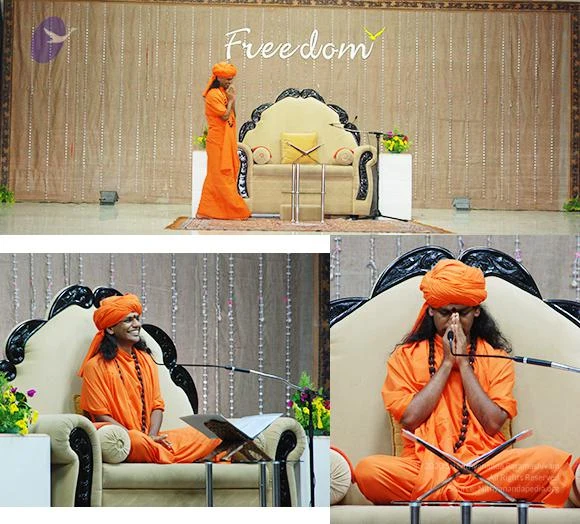
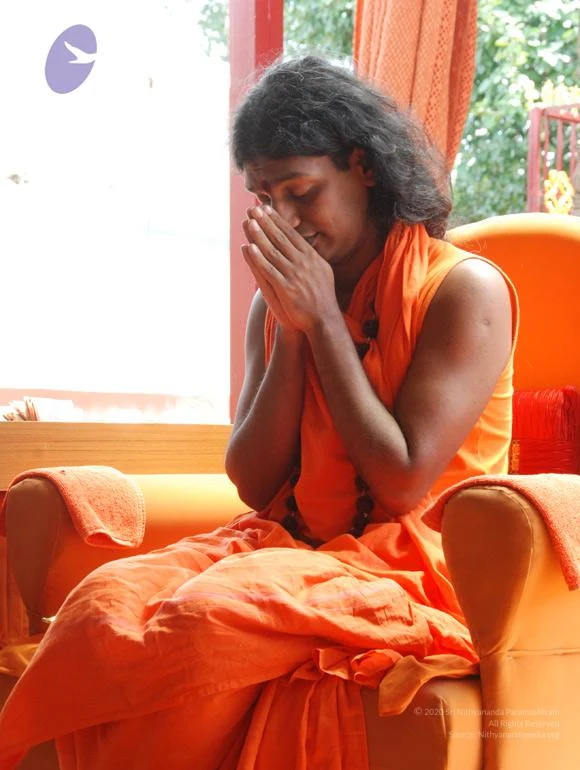
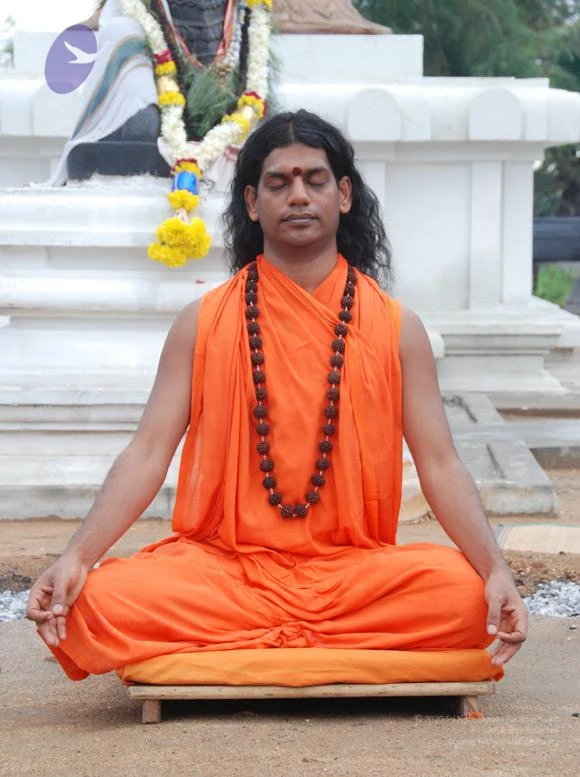
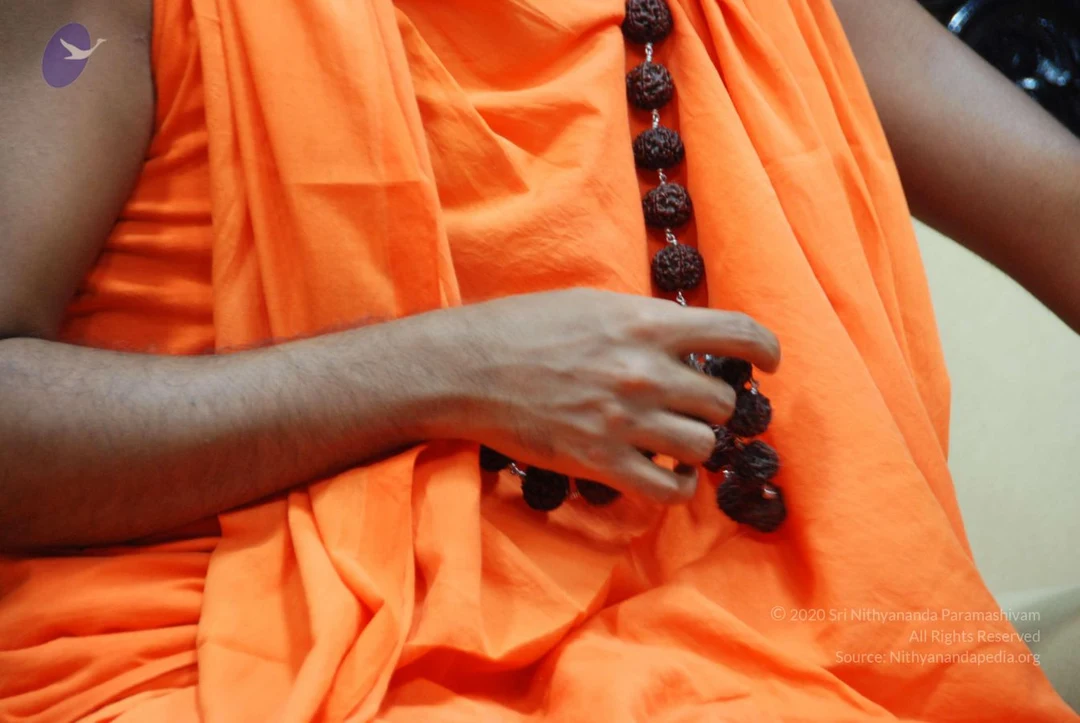
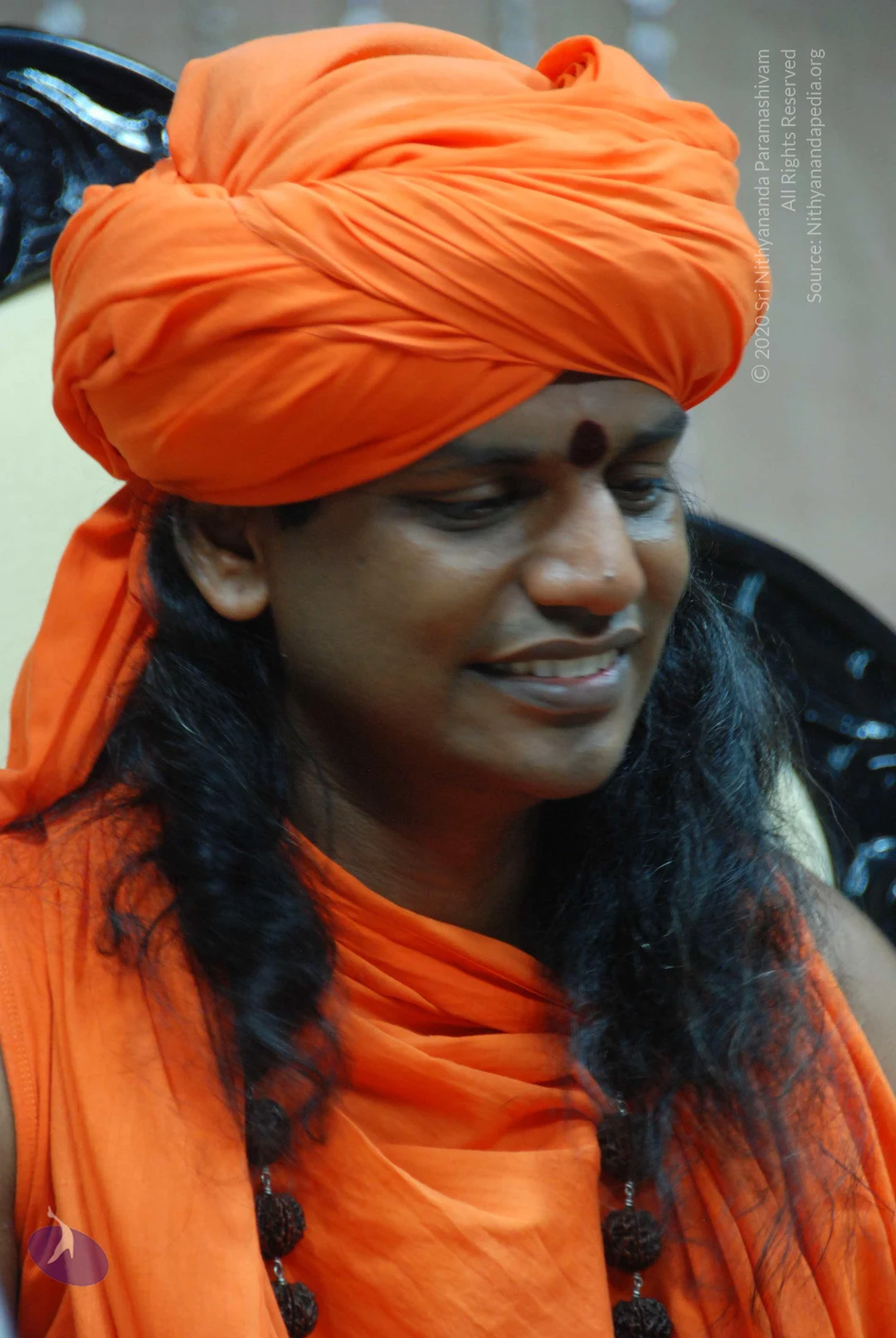
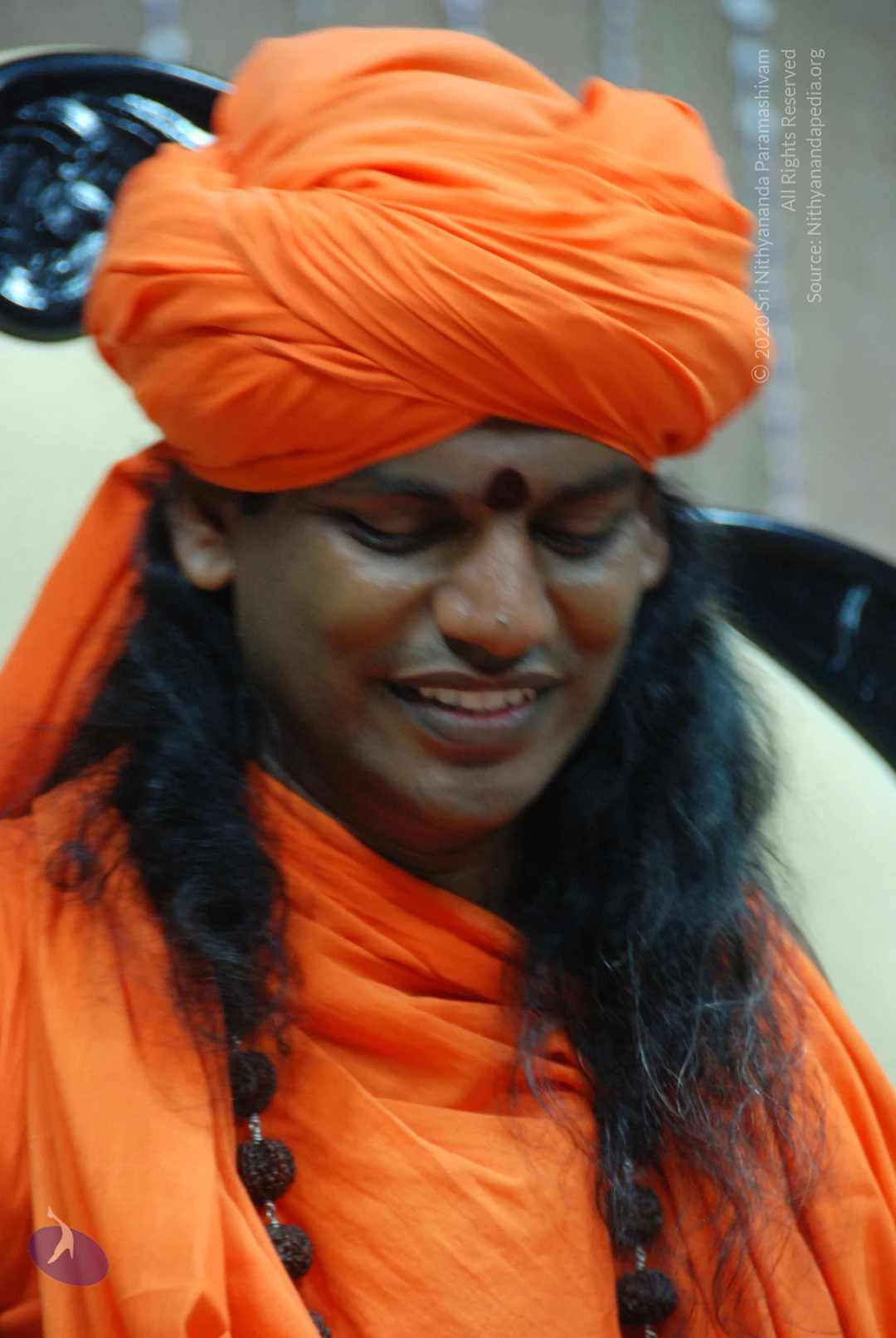
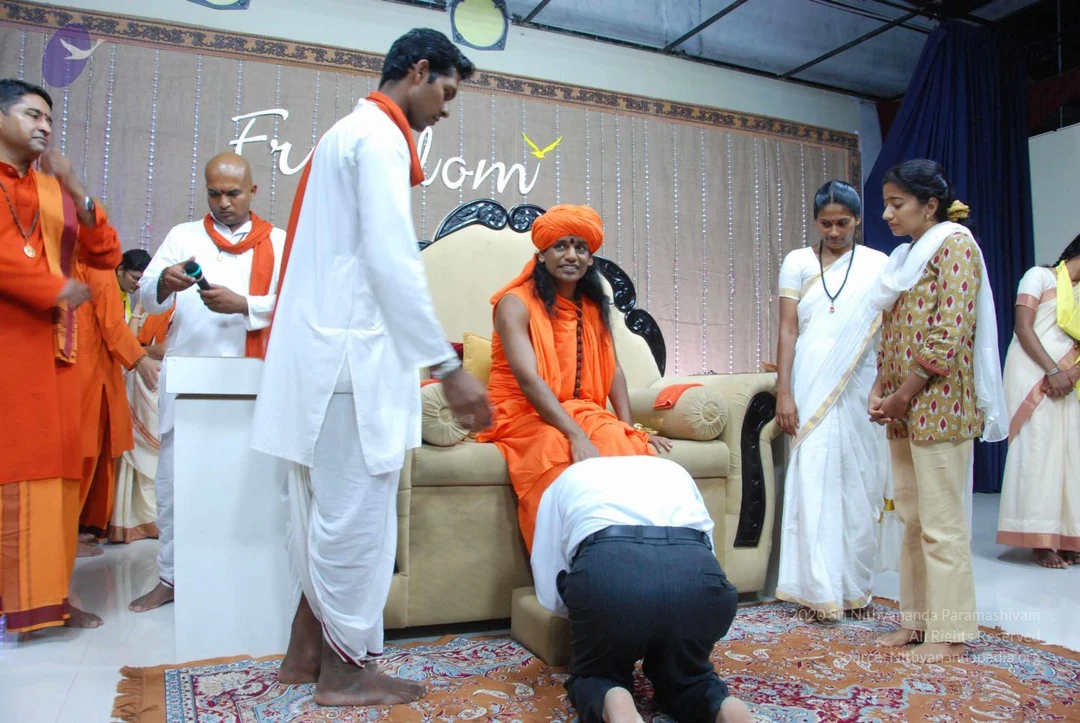
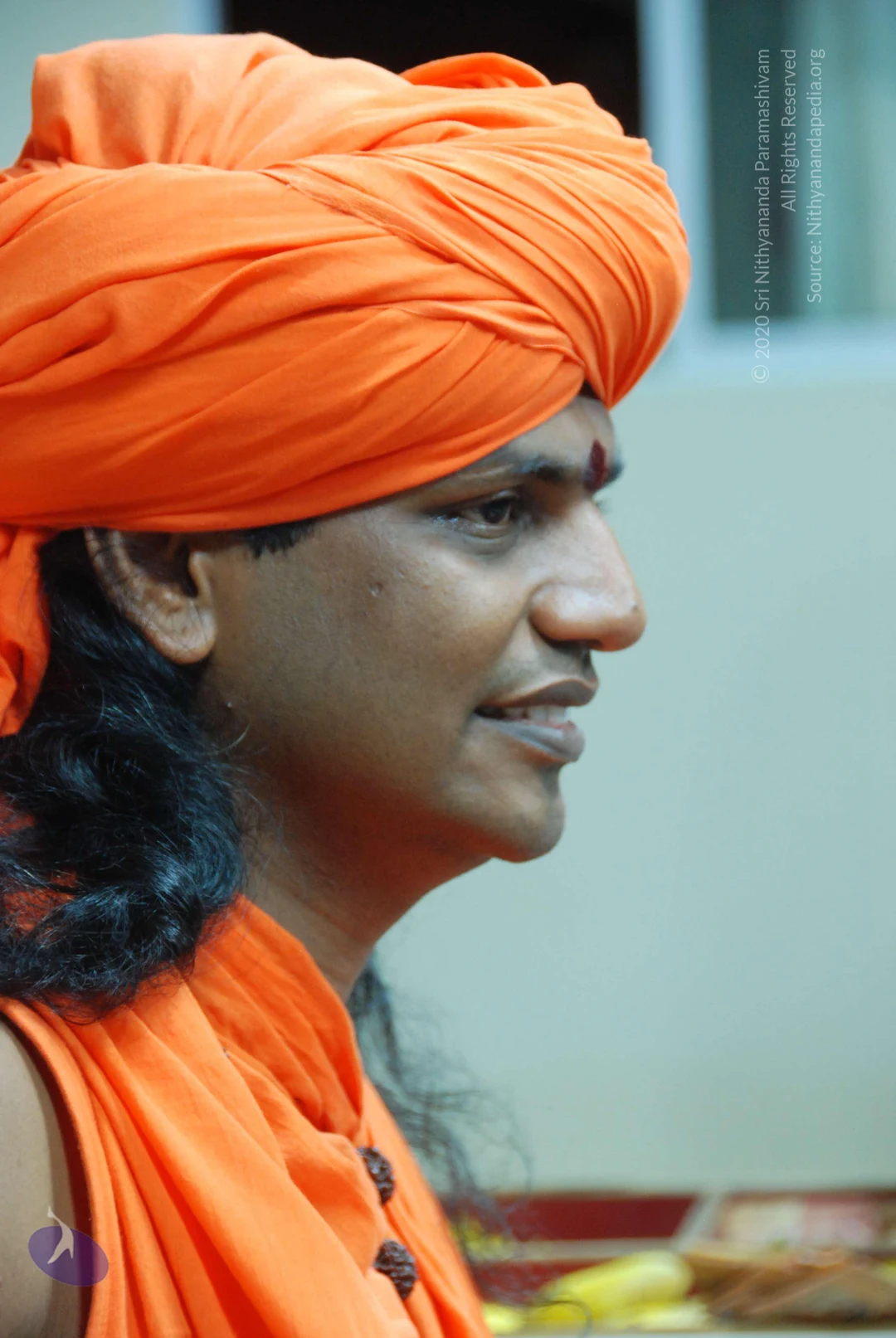
NITHYA-SATSANG-ON-FREEDOM-SWATANTRA

Photos Of The Day:
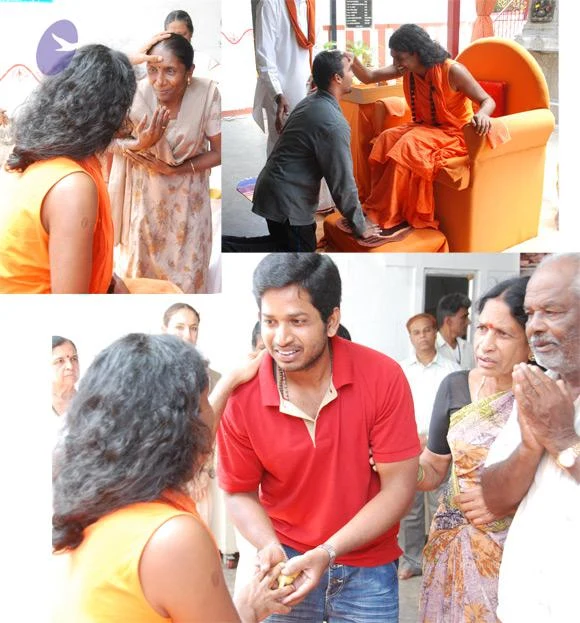
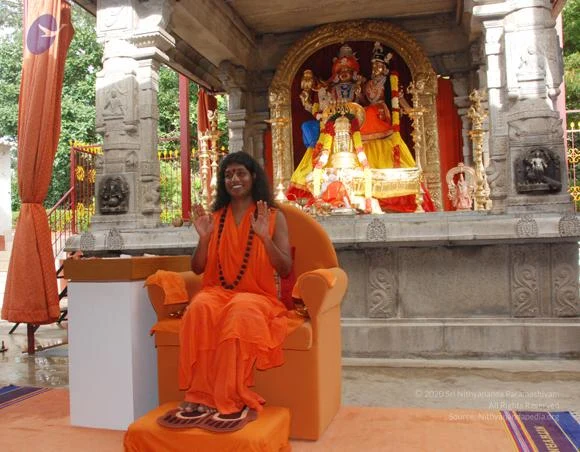
Pancha-Tapas-Darshan

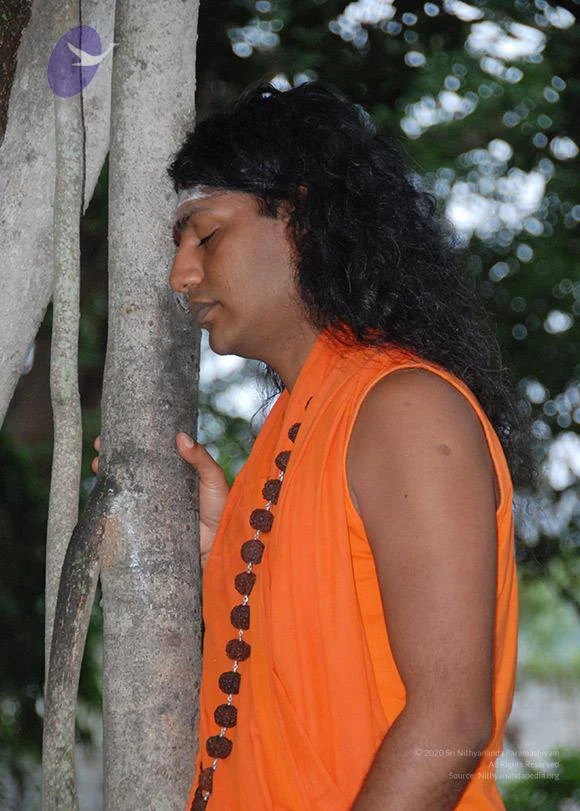
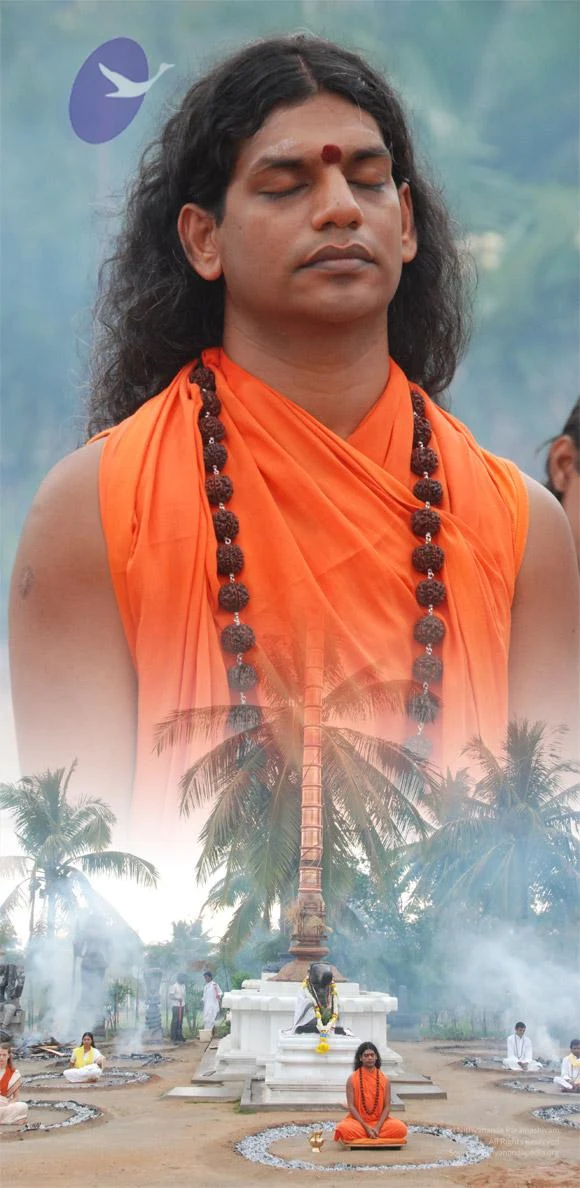

Photos Of The Day:
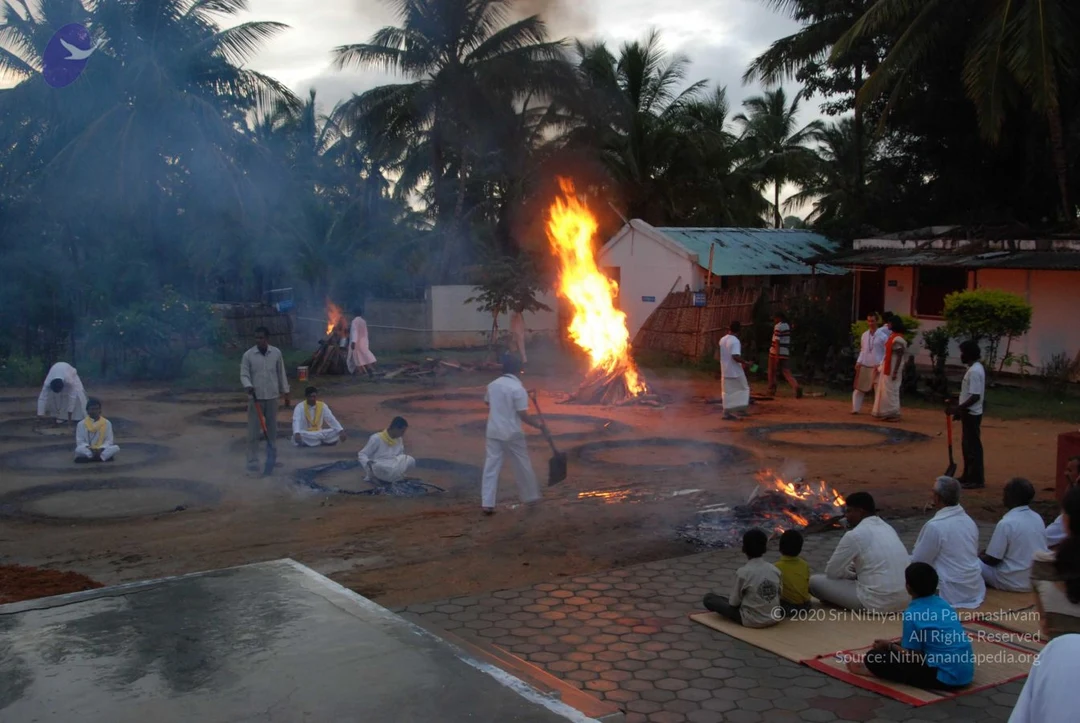
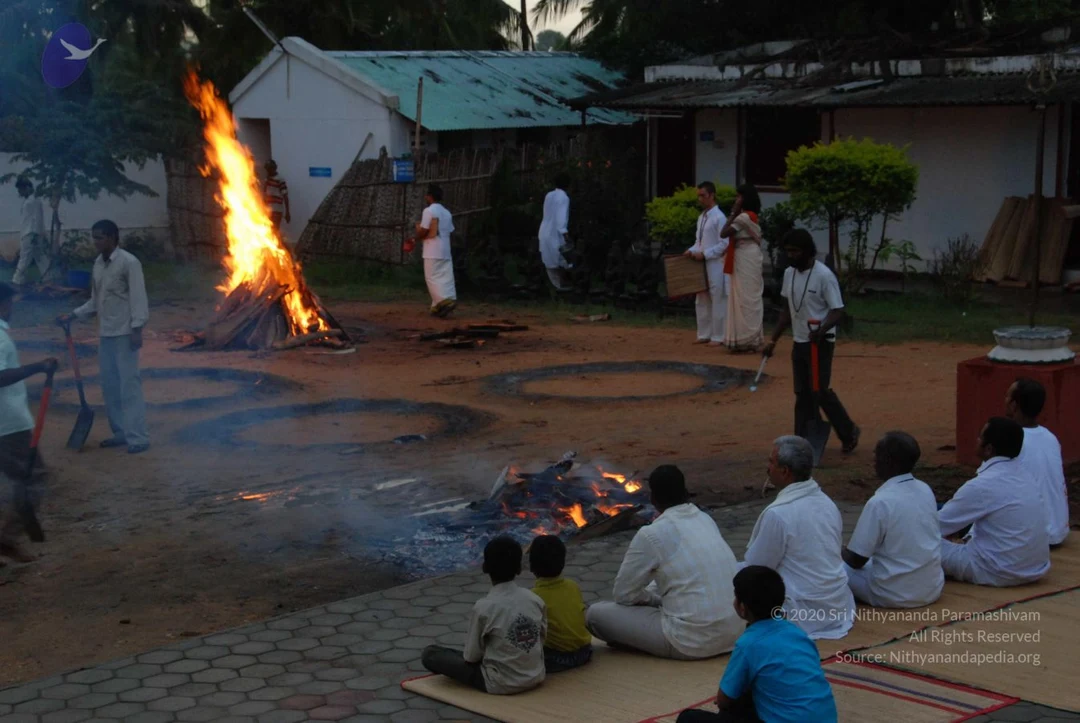
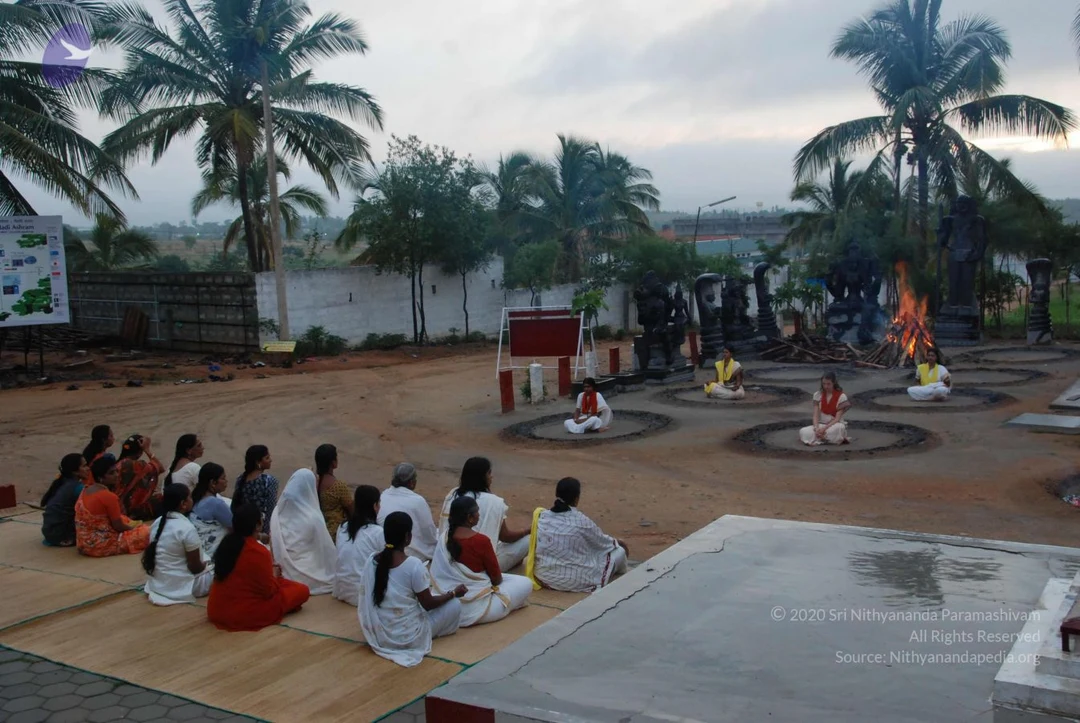
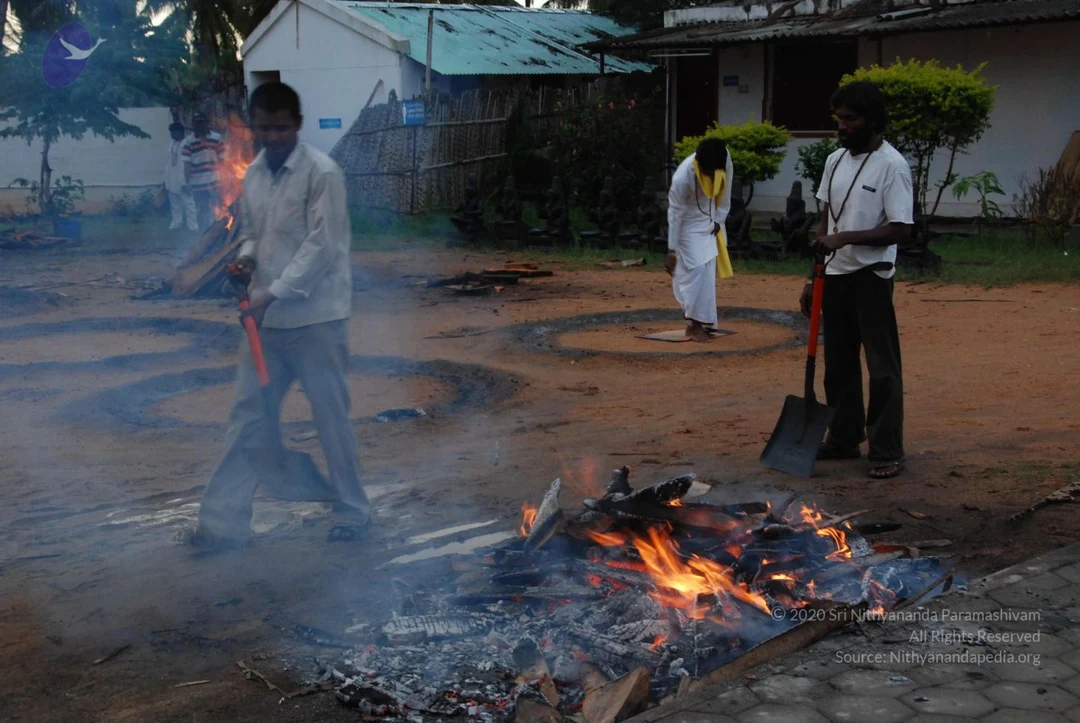
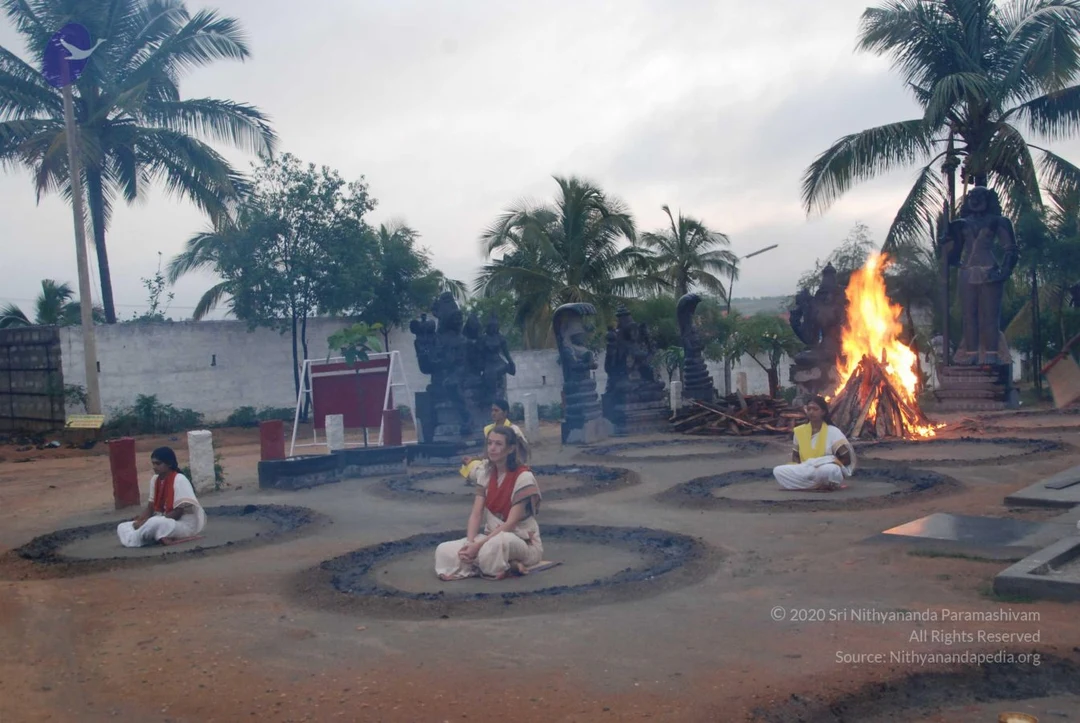
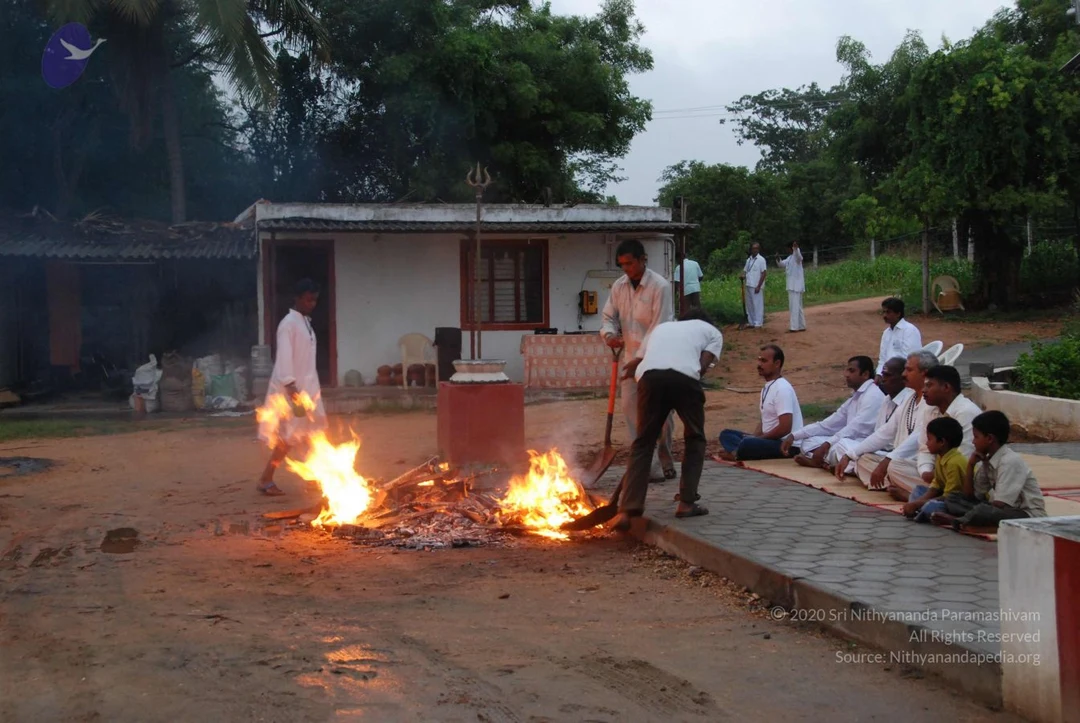
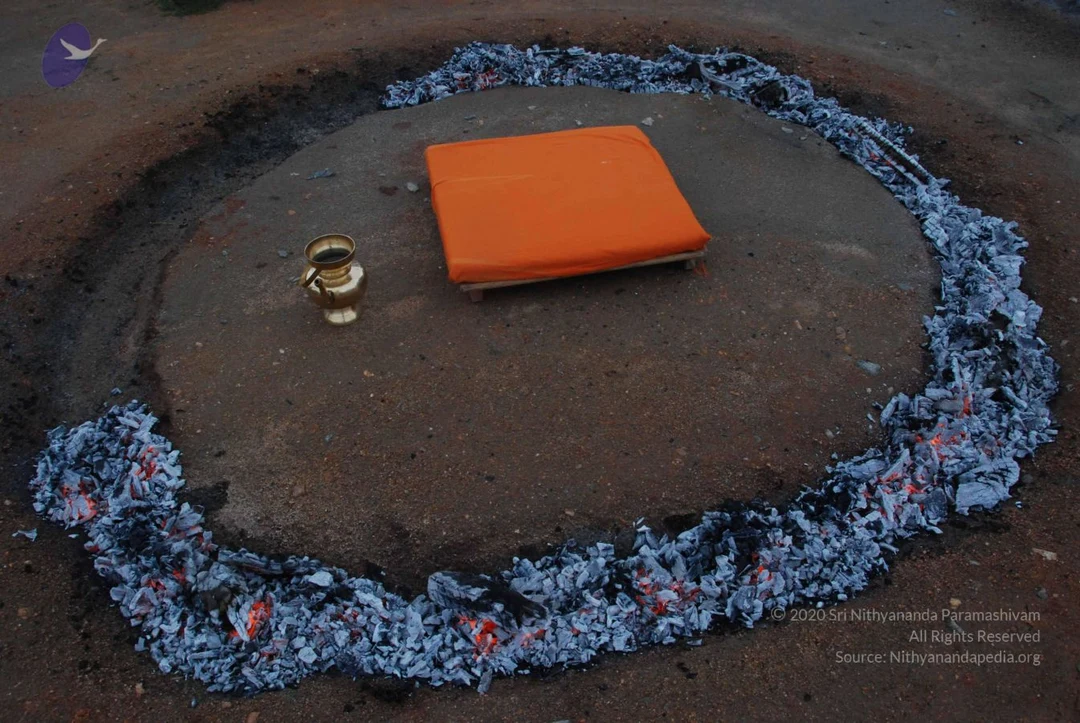
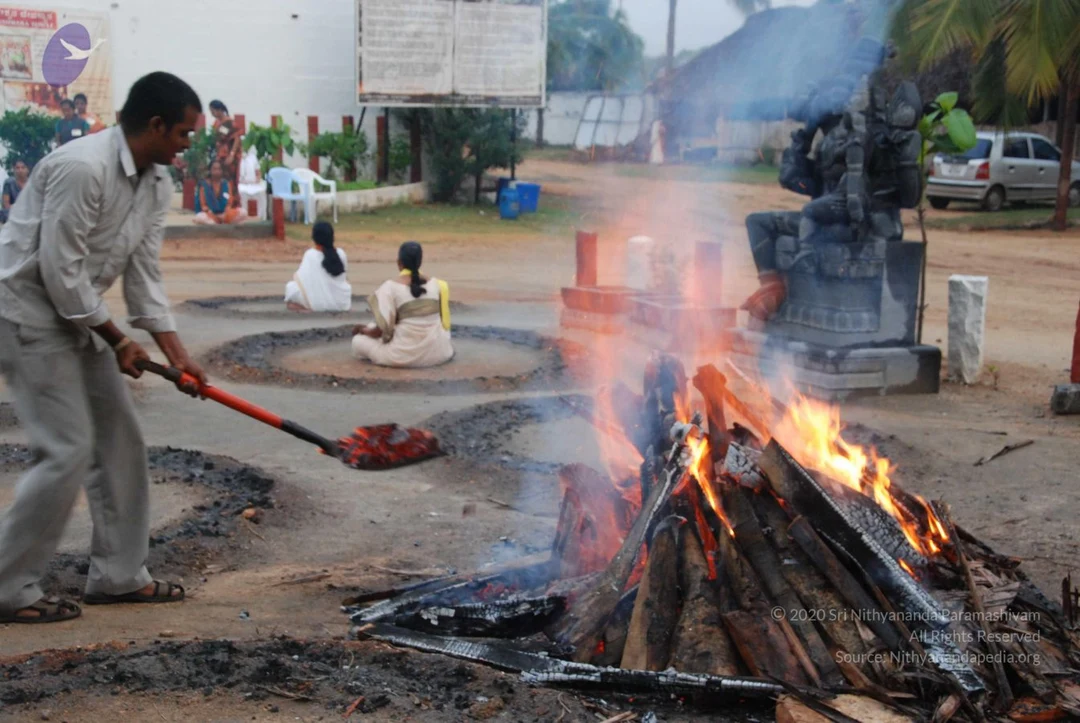
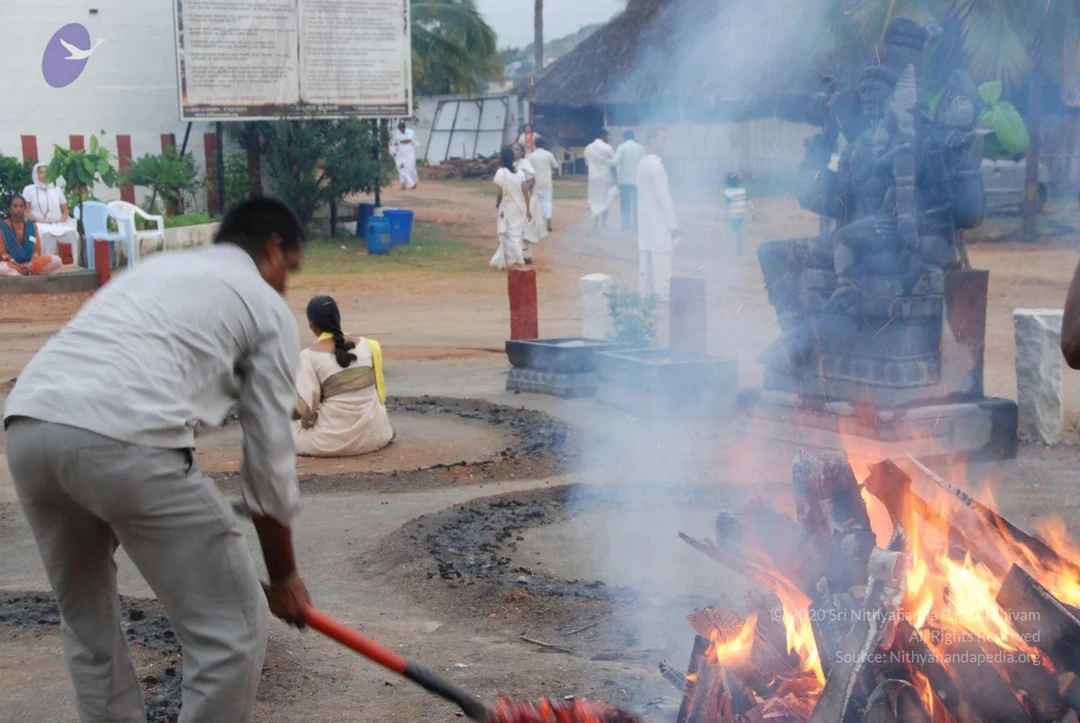
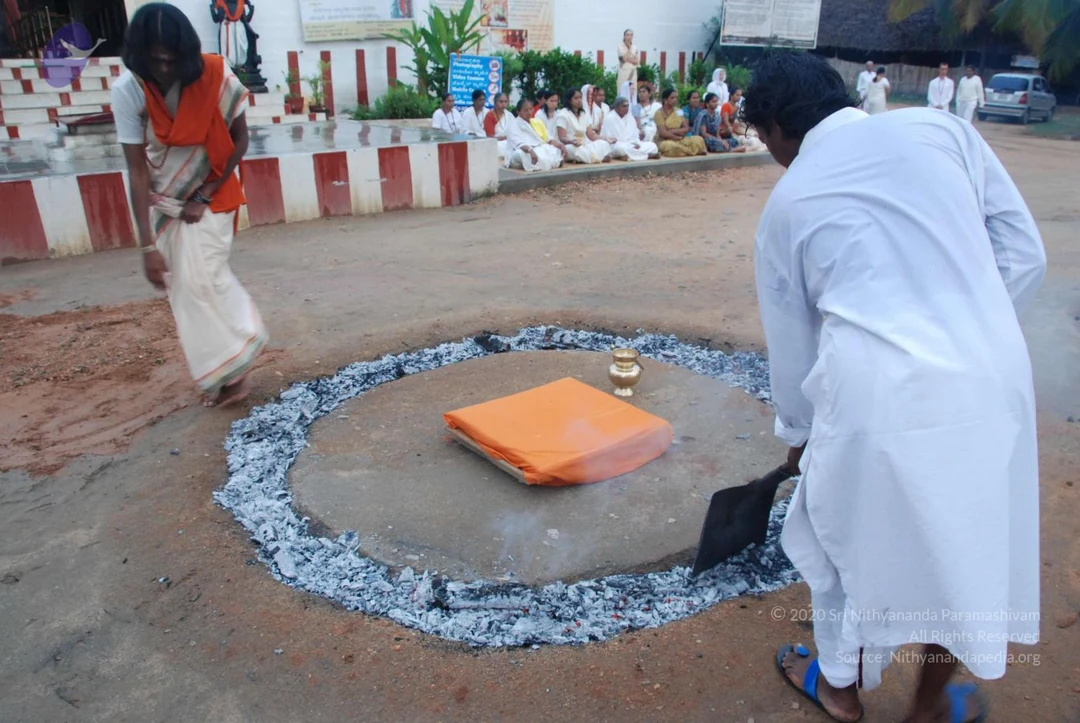
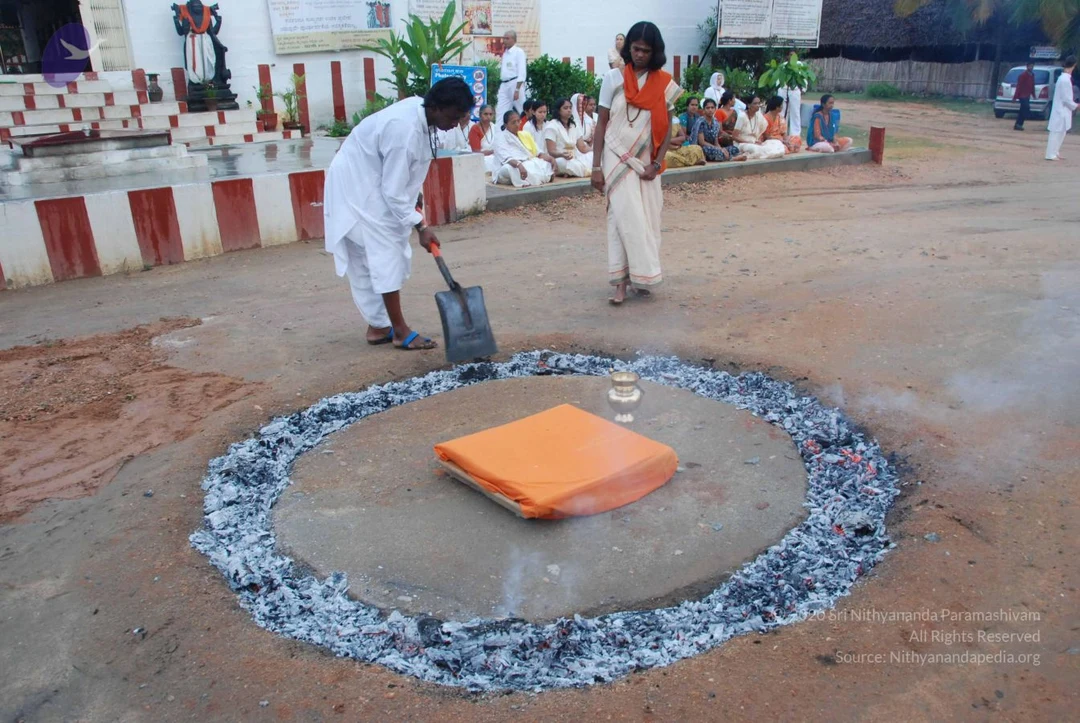
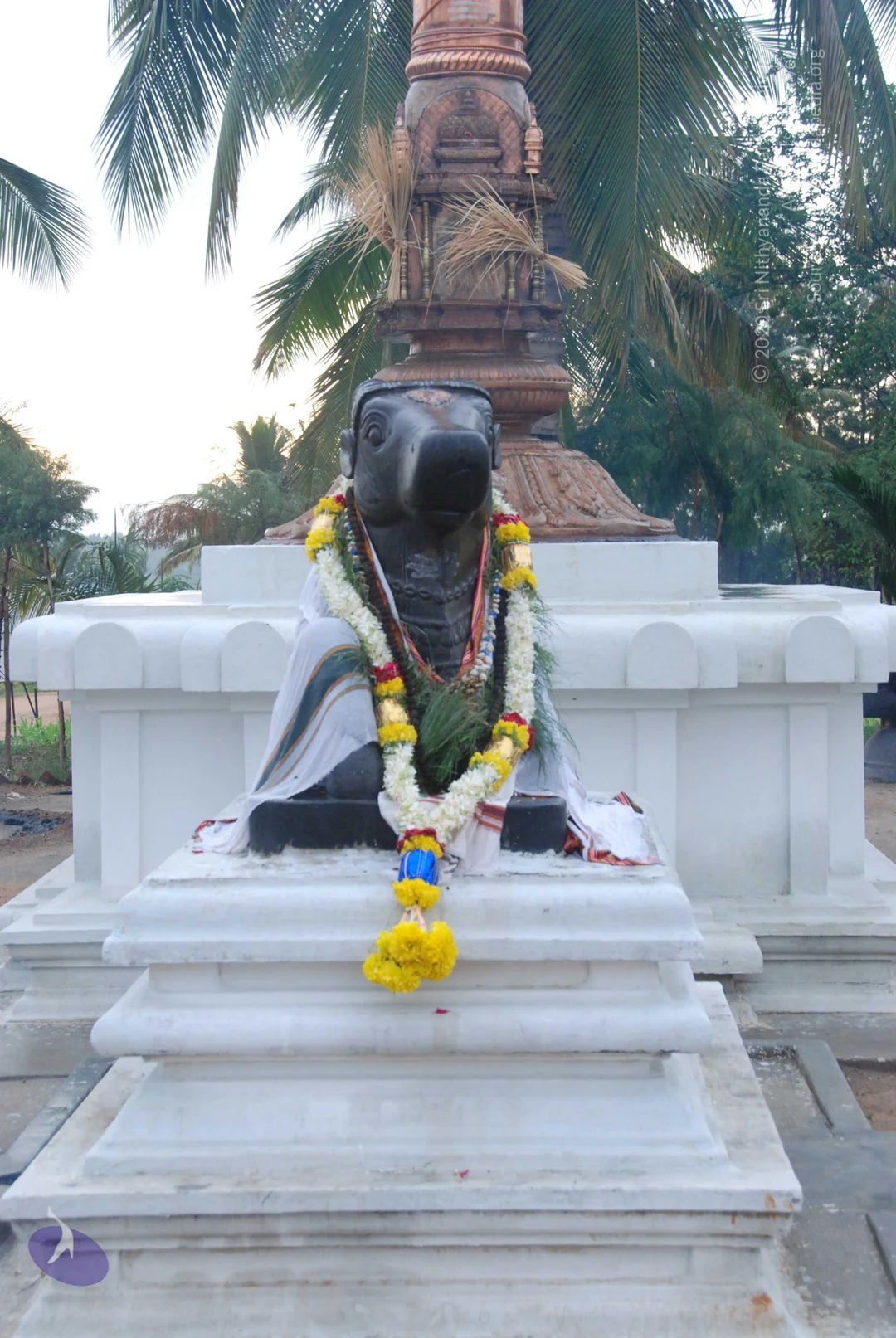
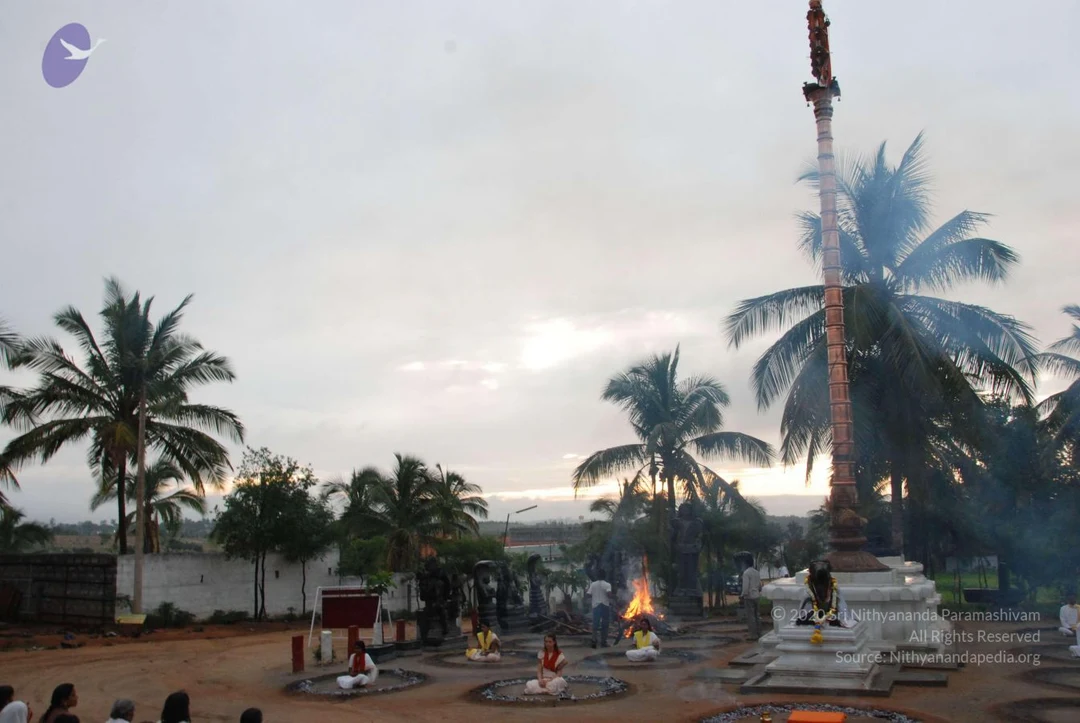
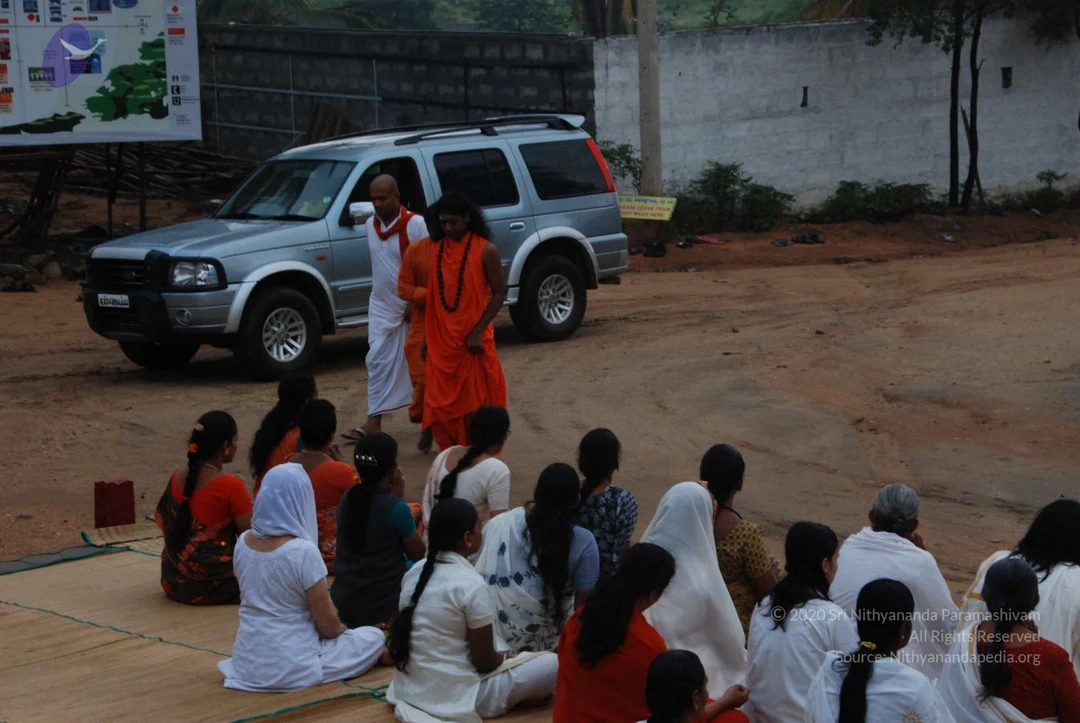
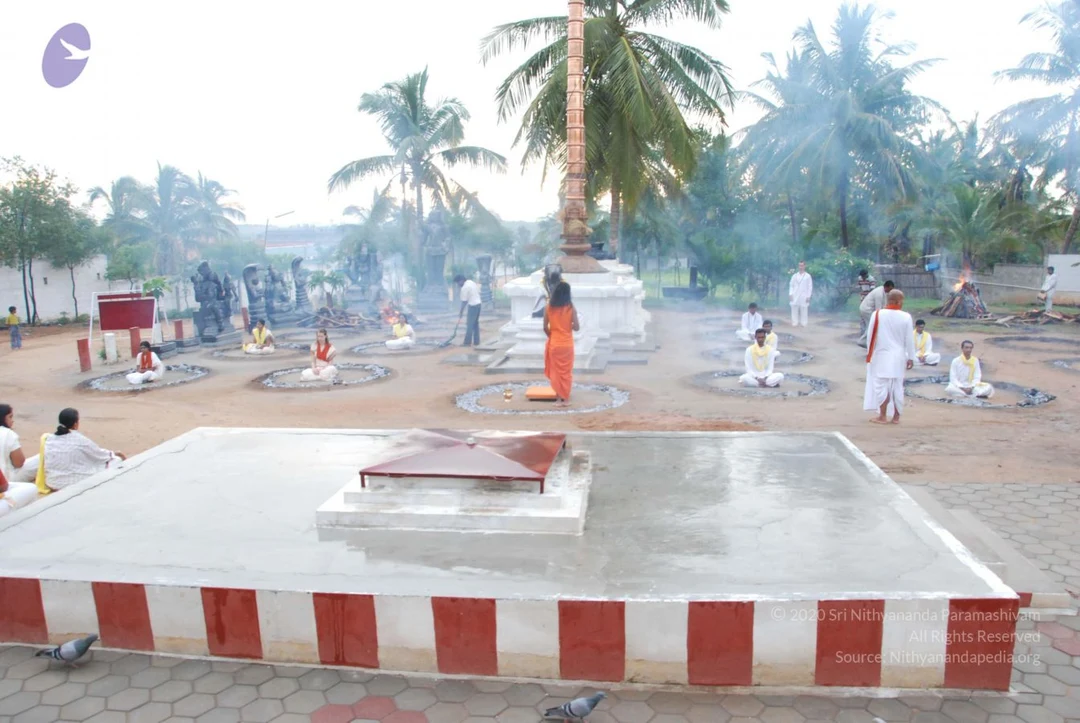
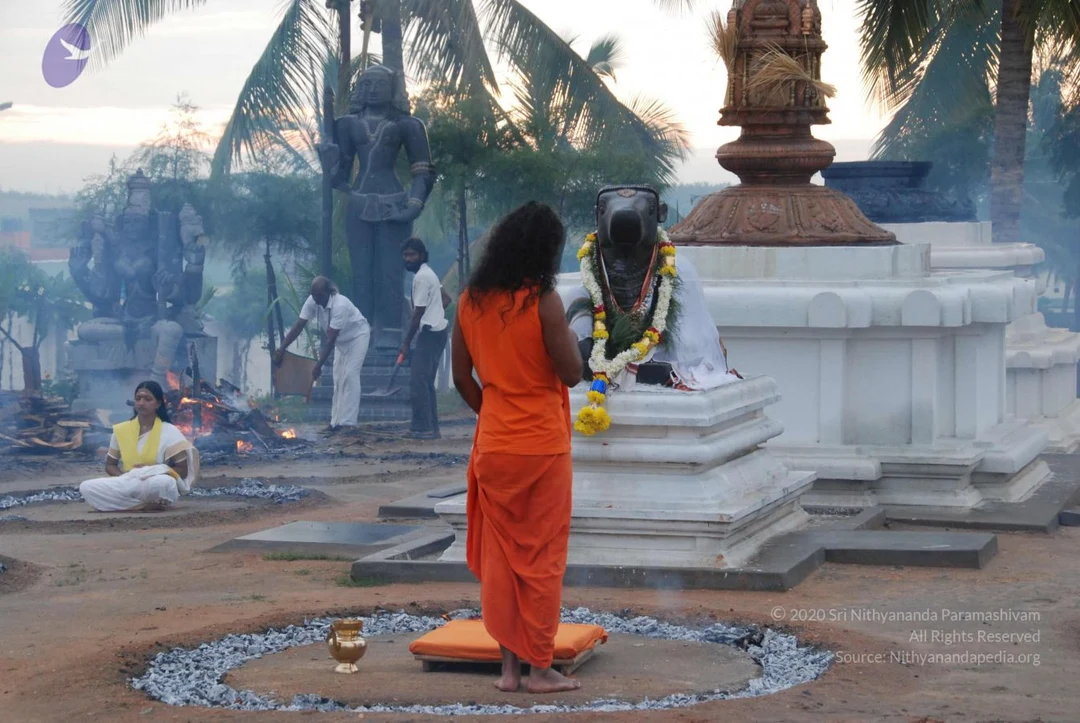
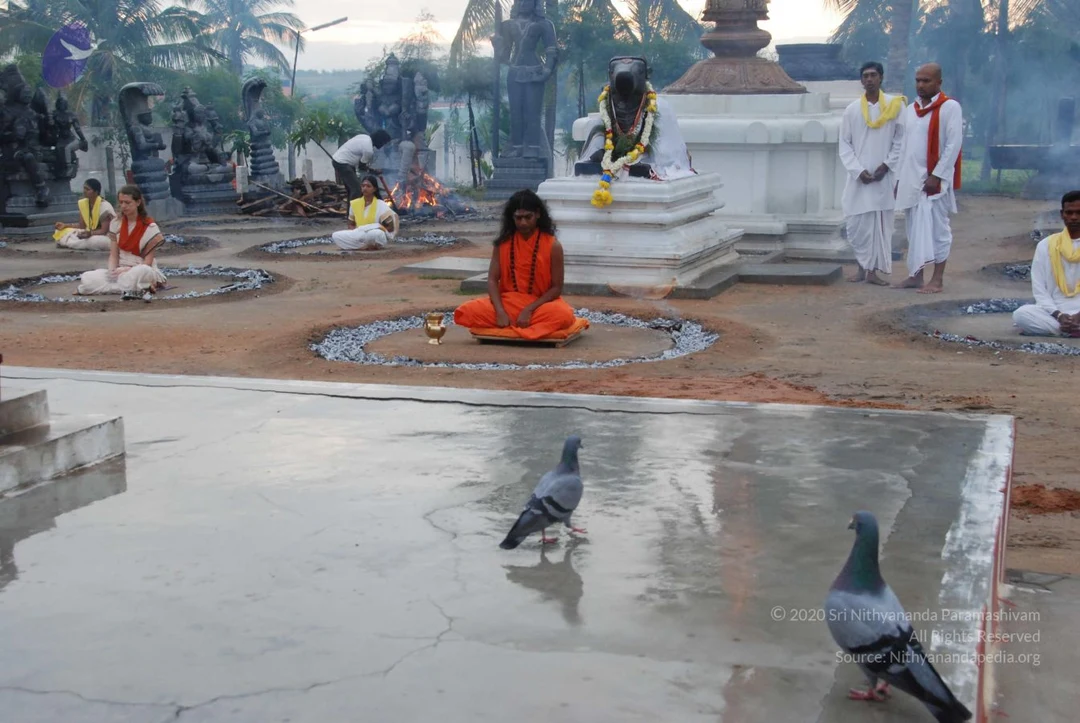
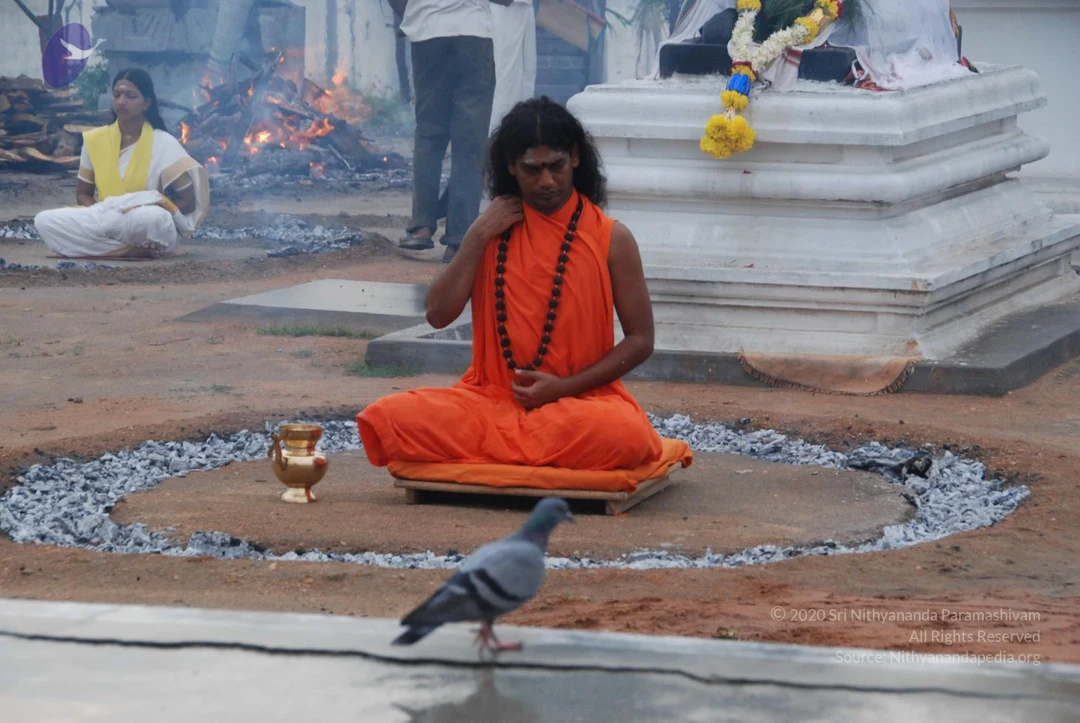
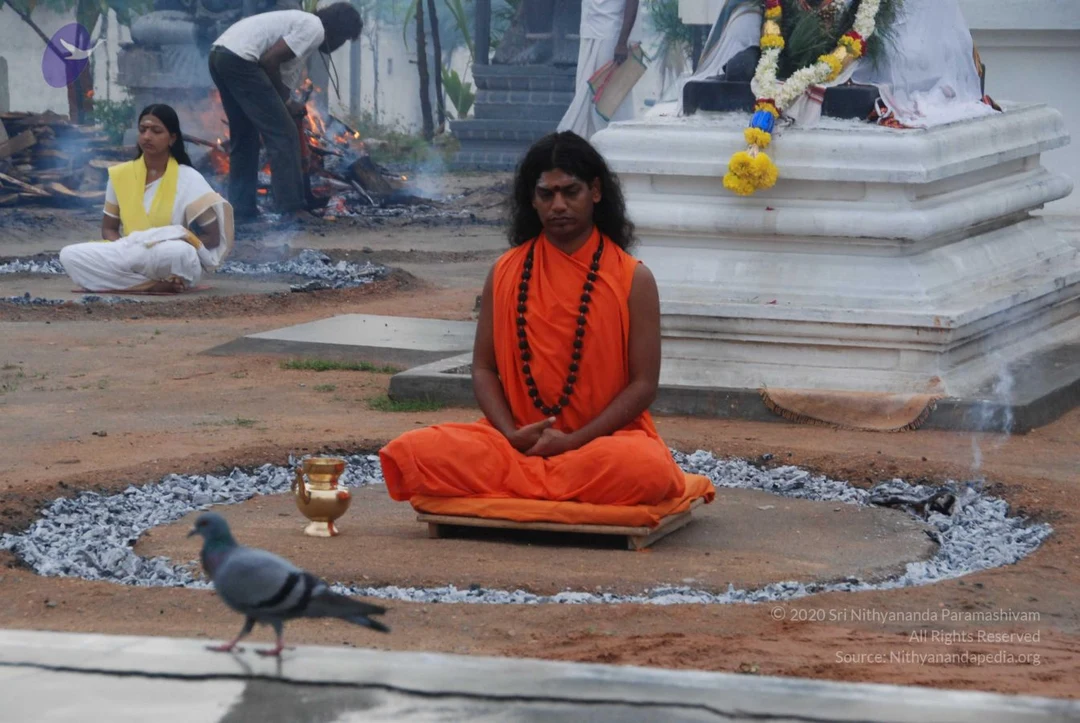
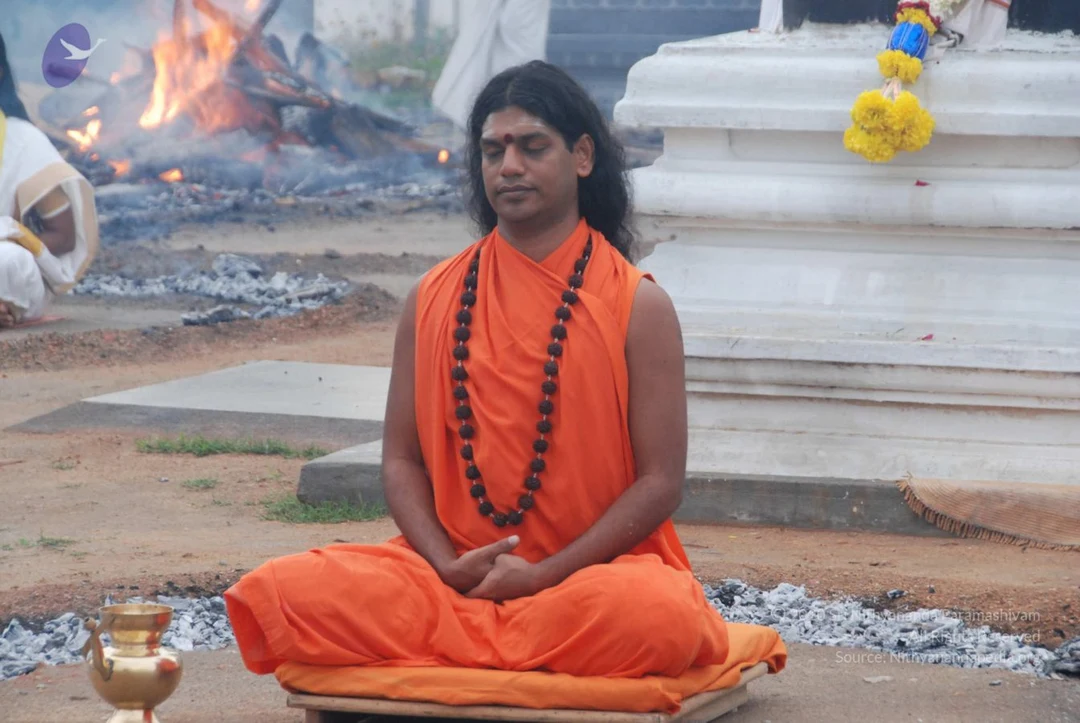
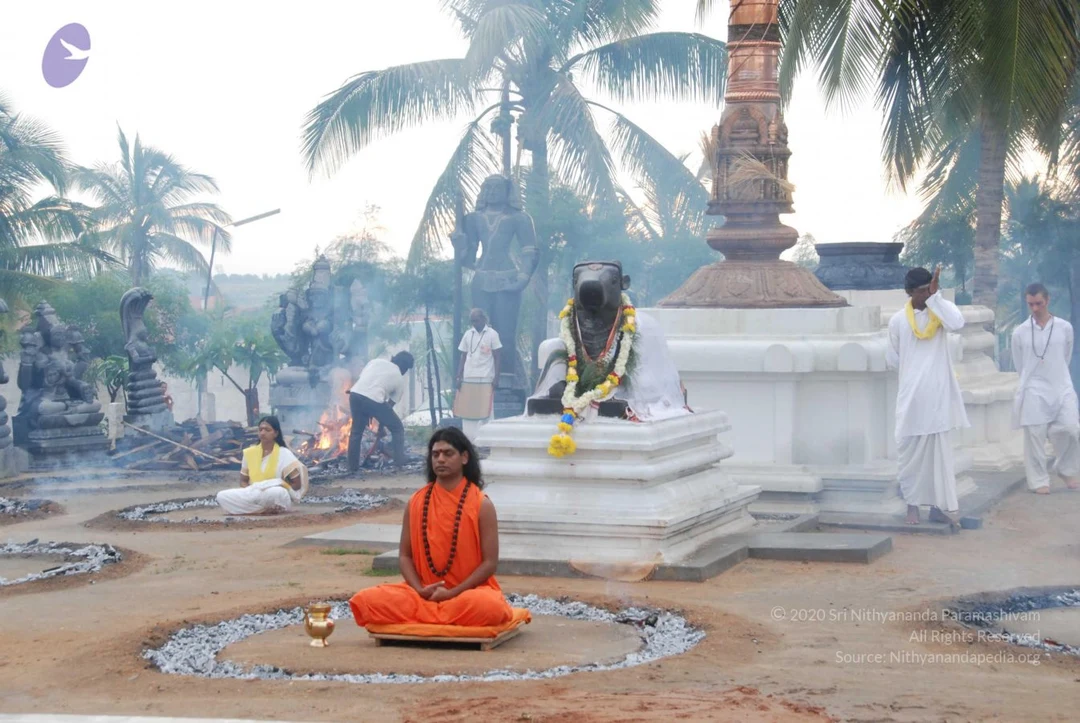
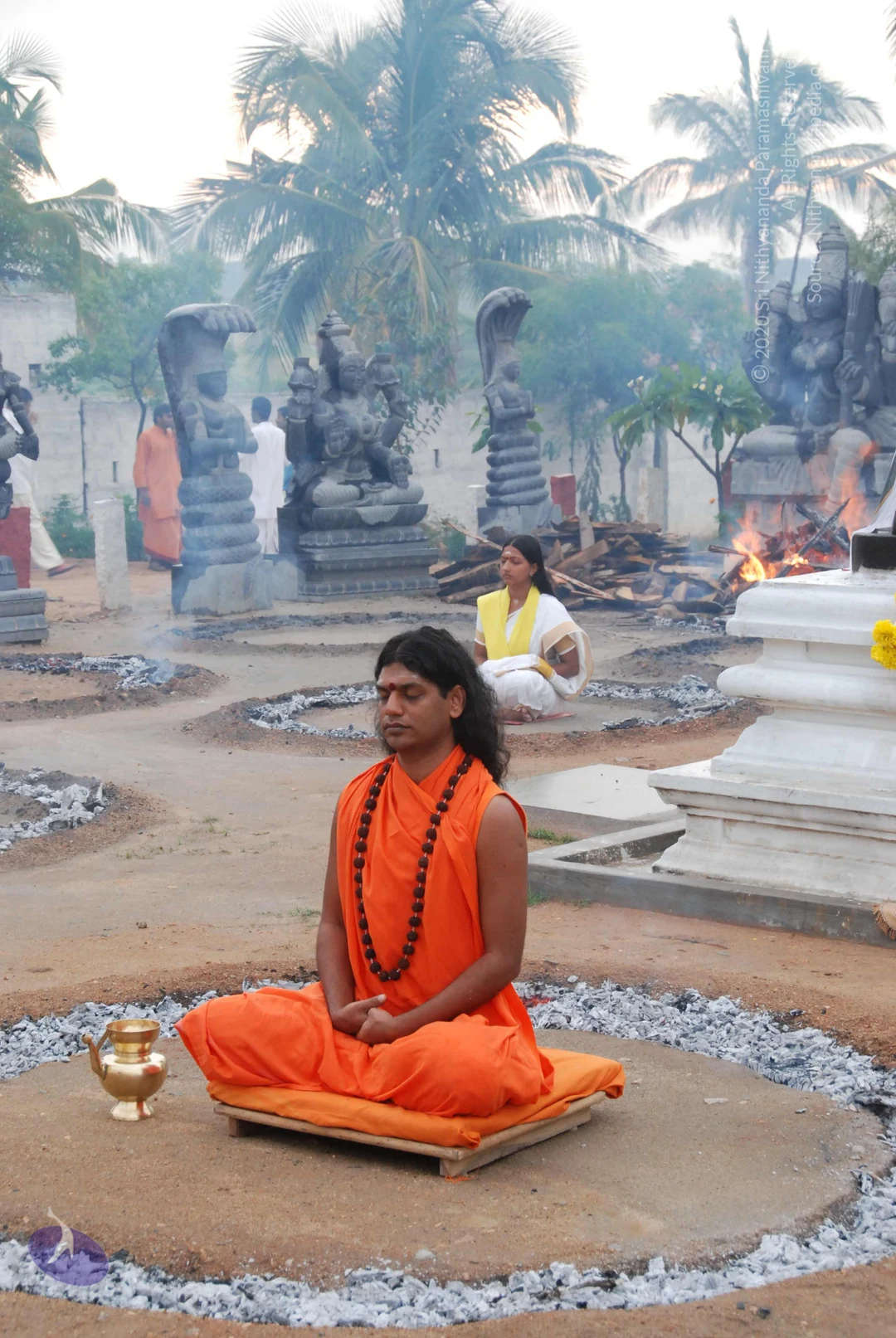
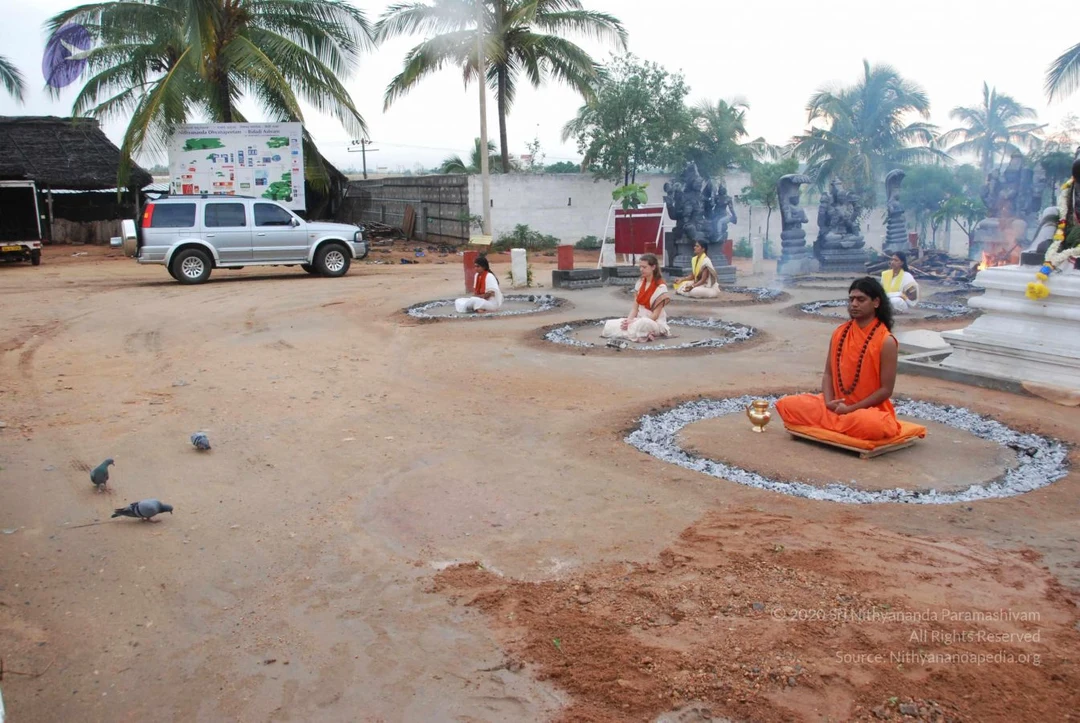
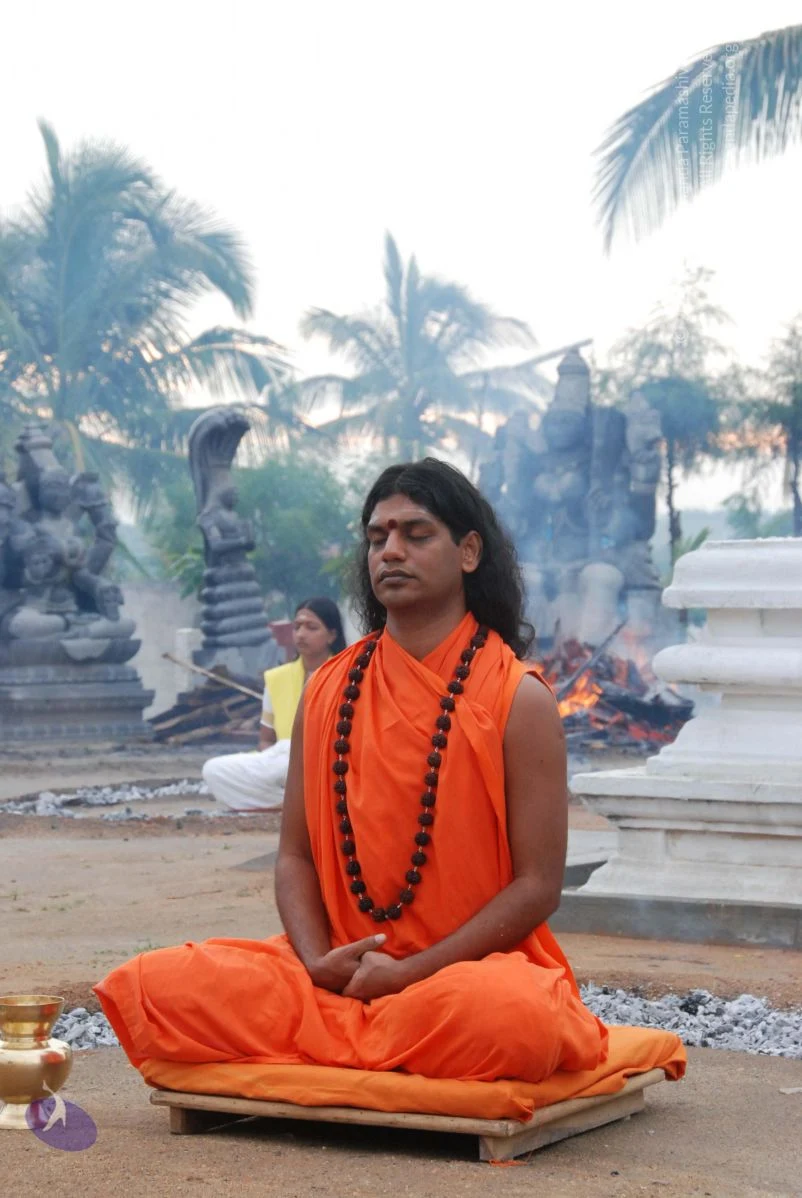
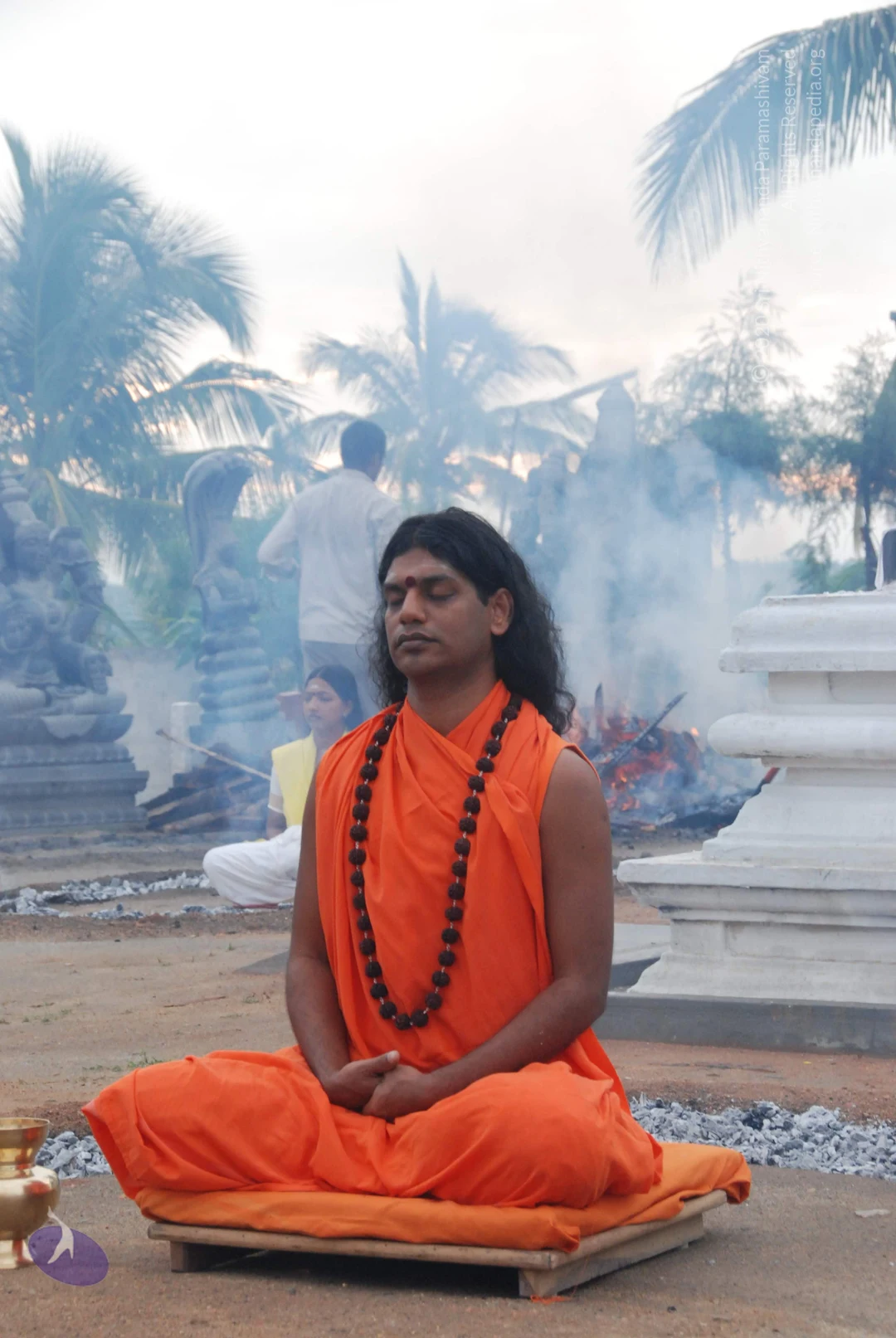
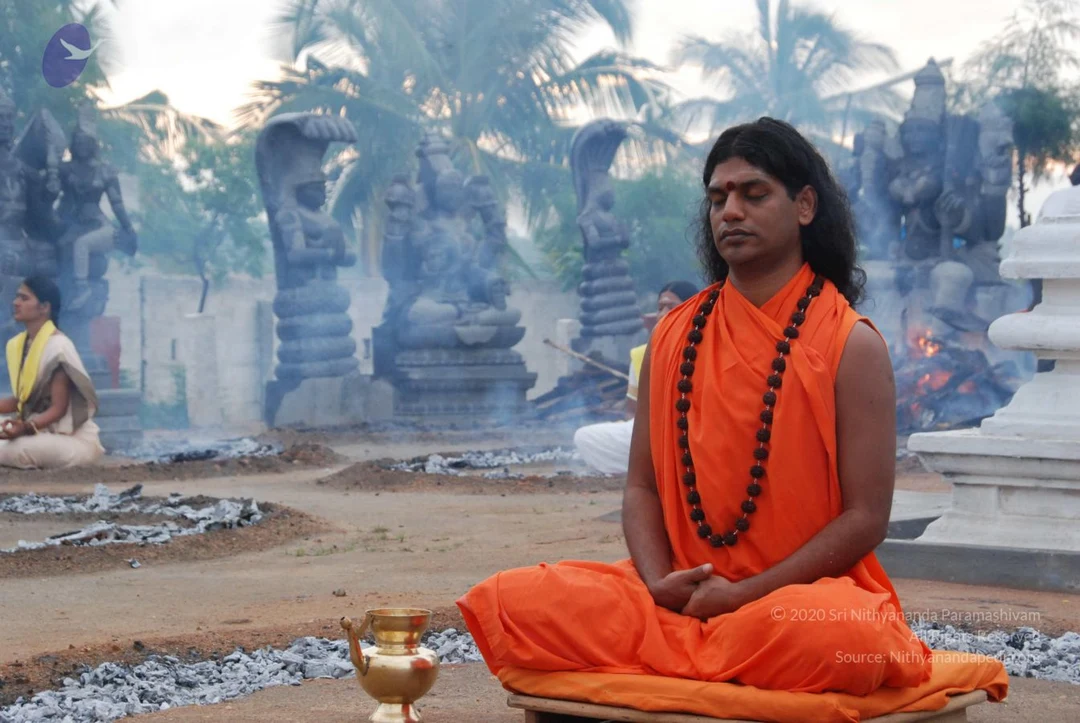
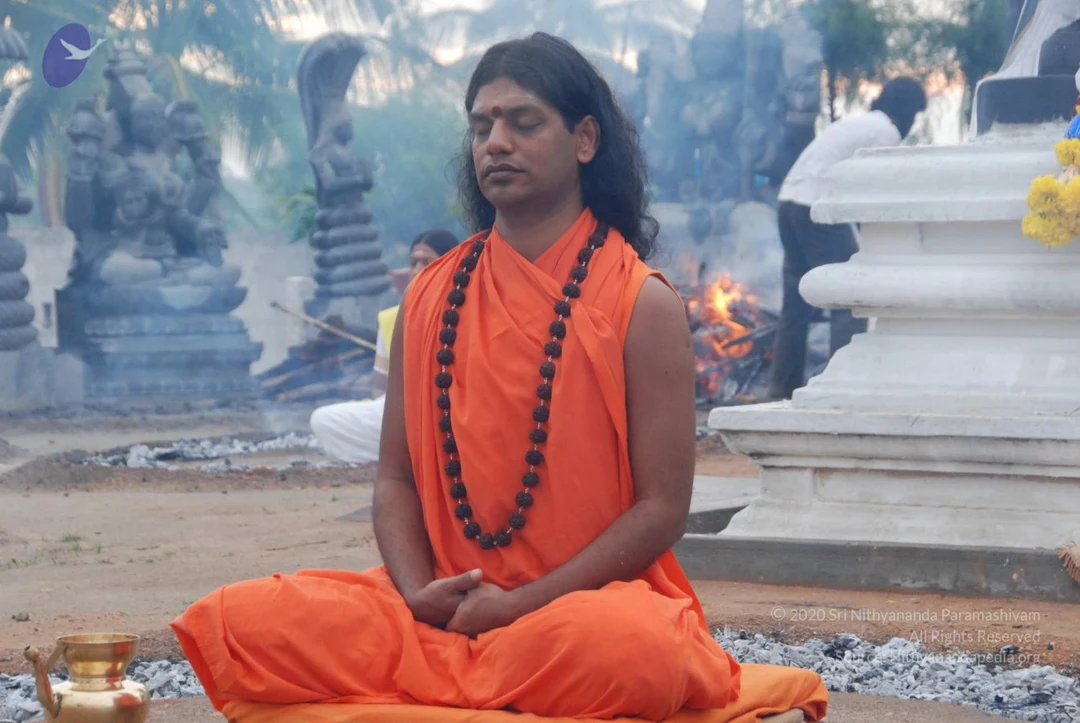
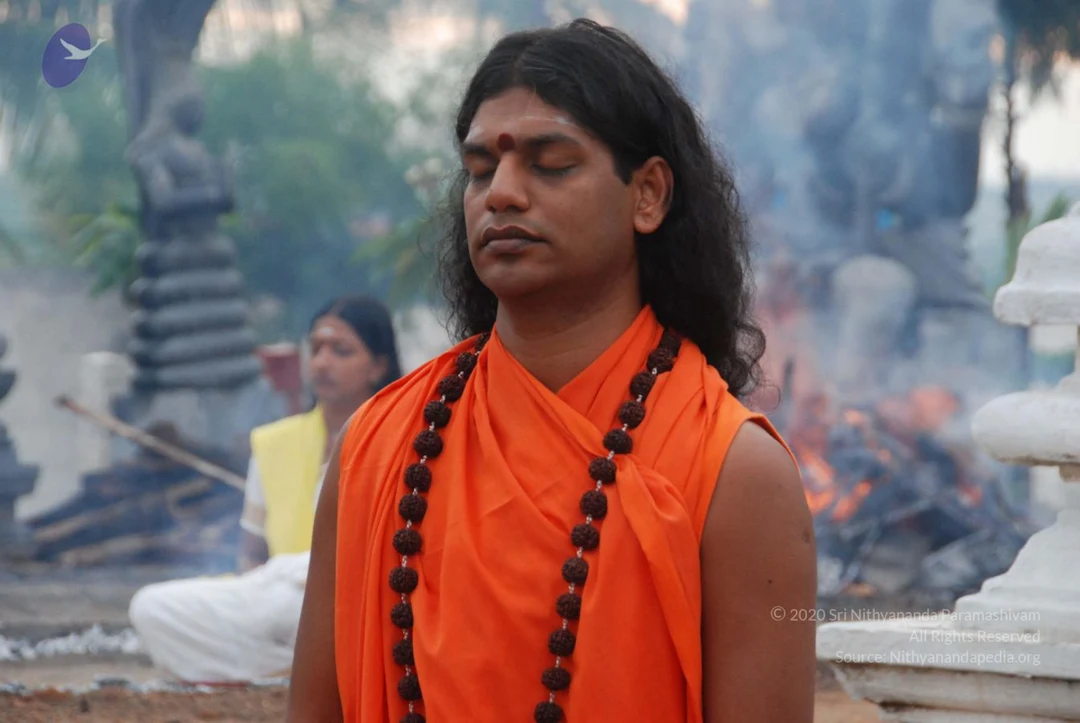
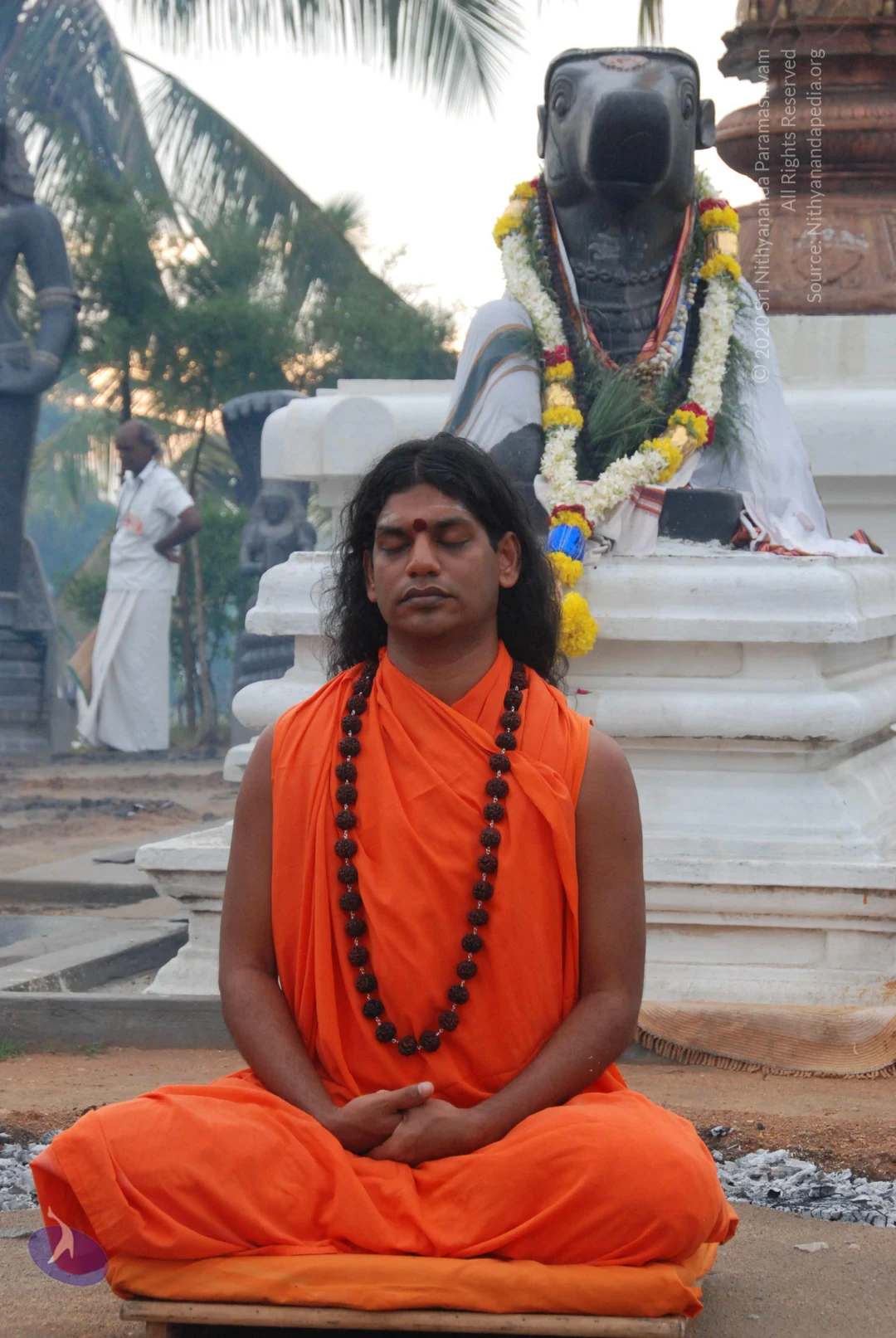
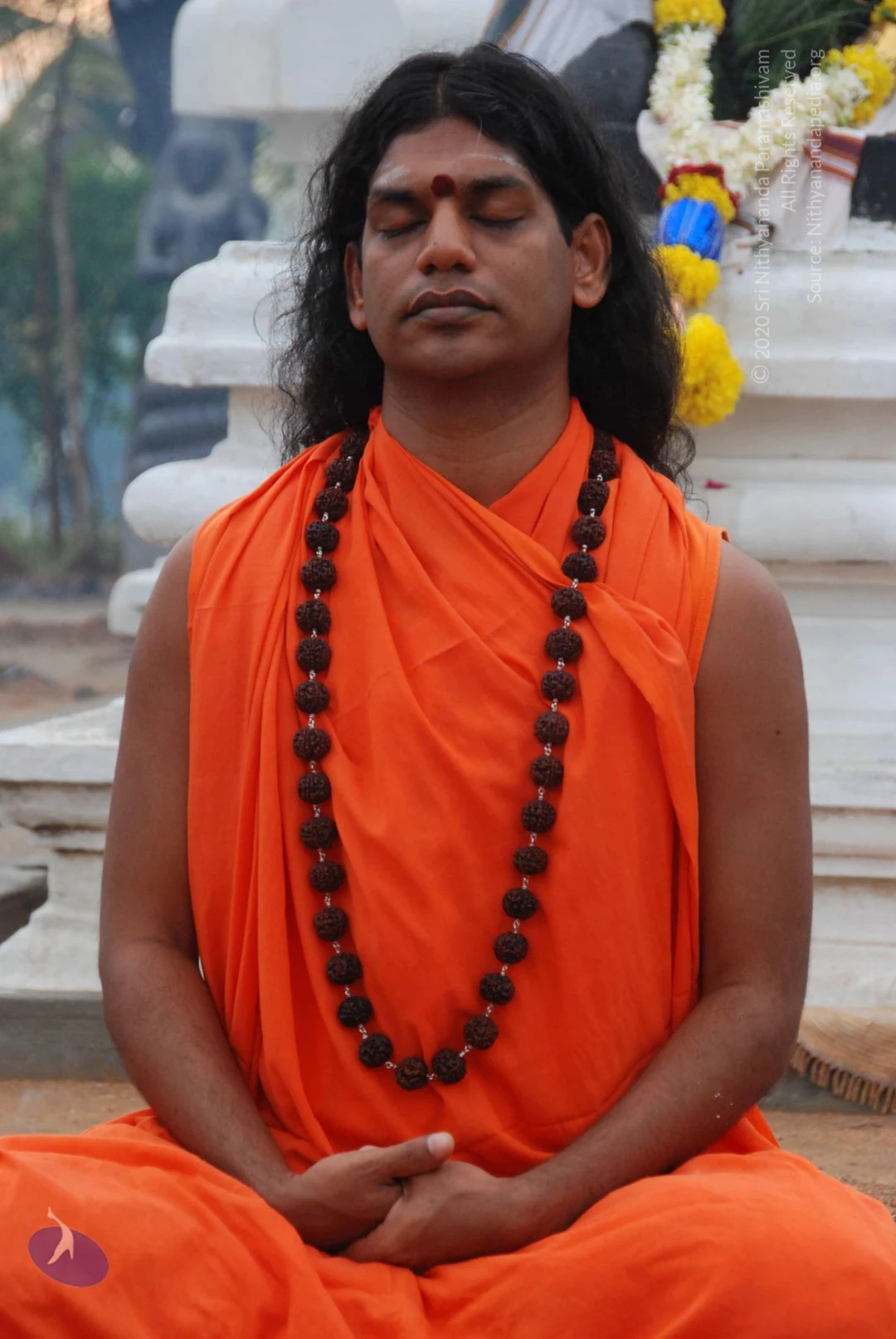
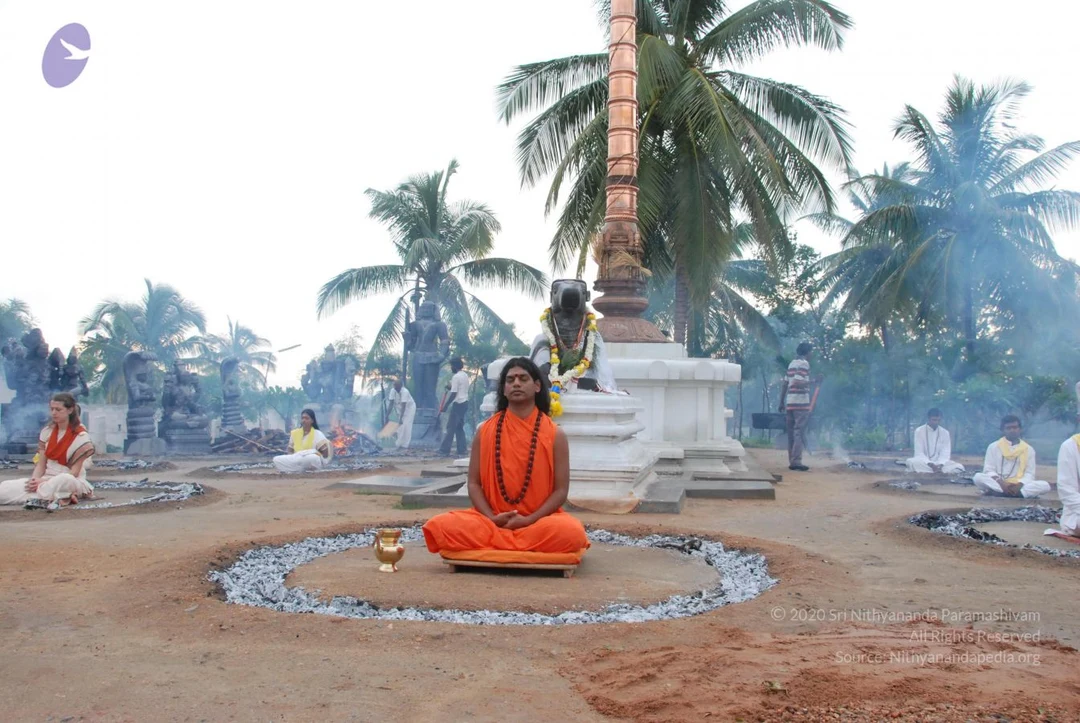
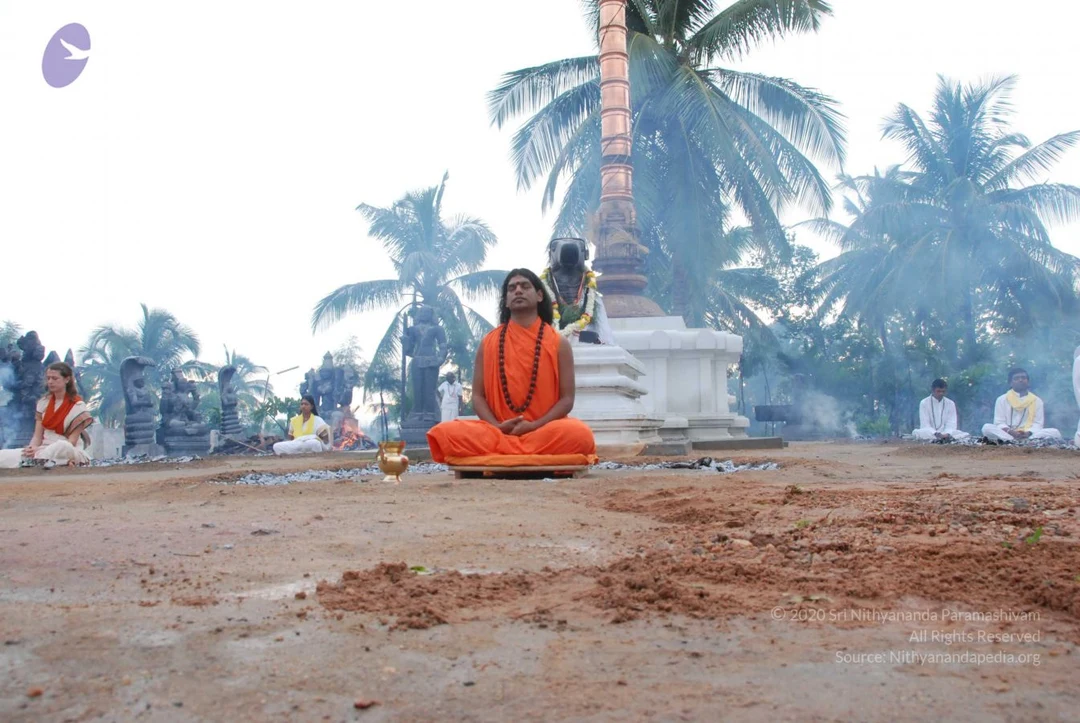
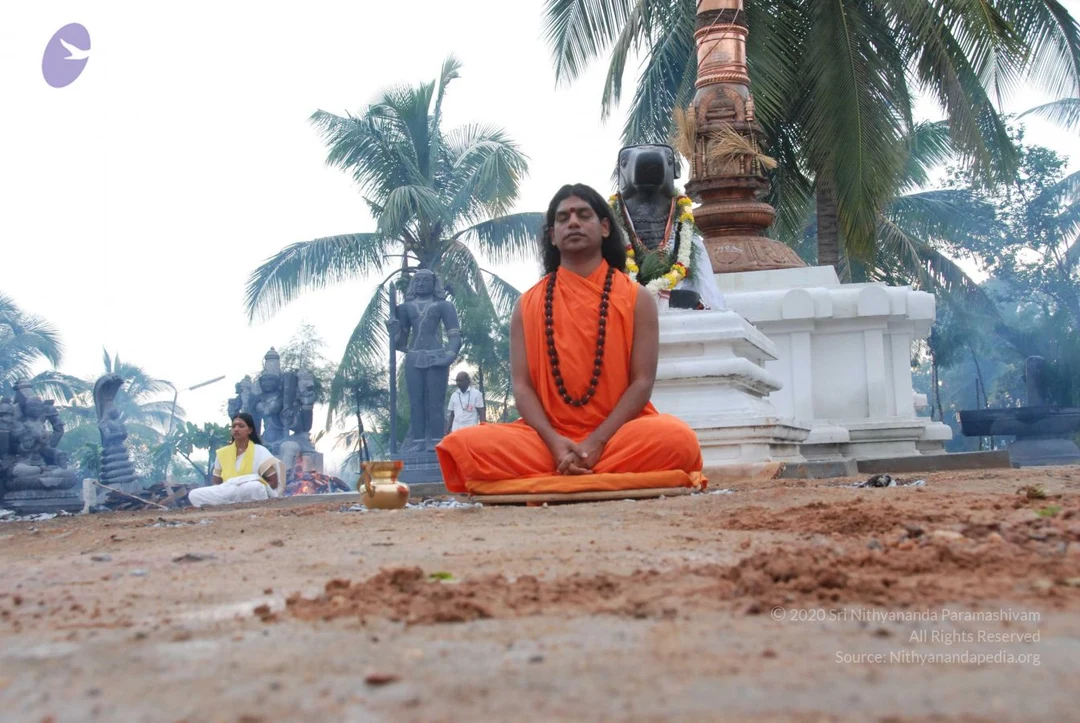
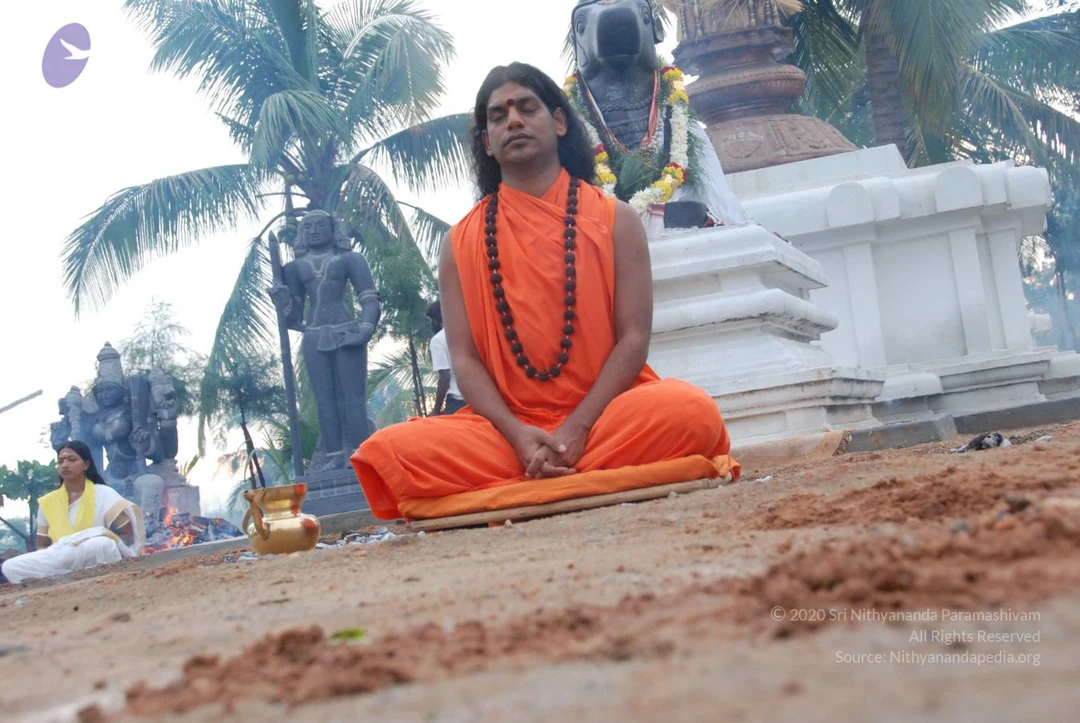
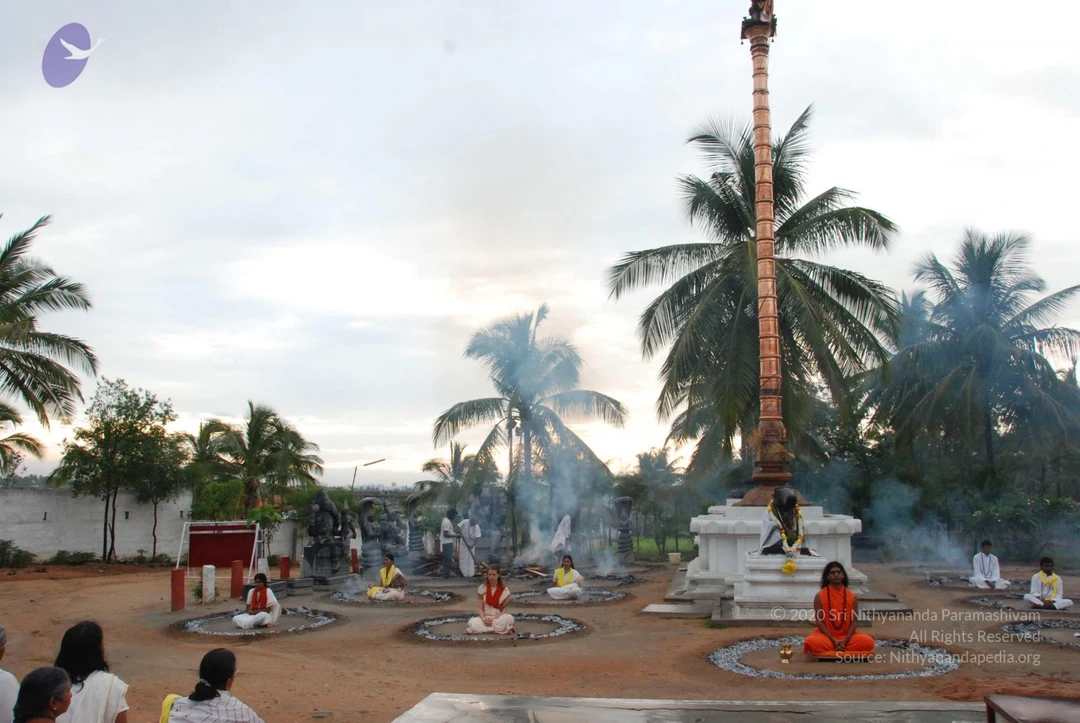
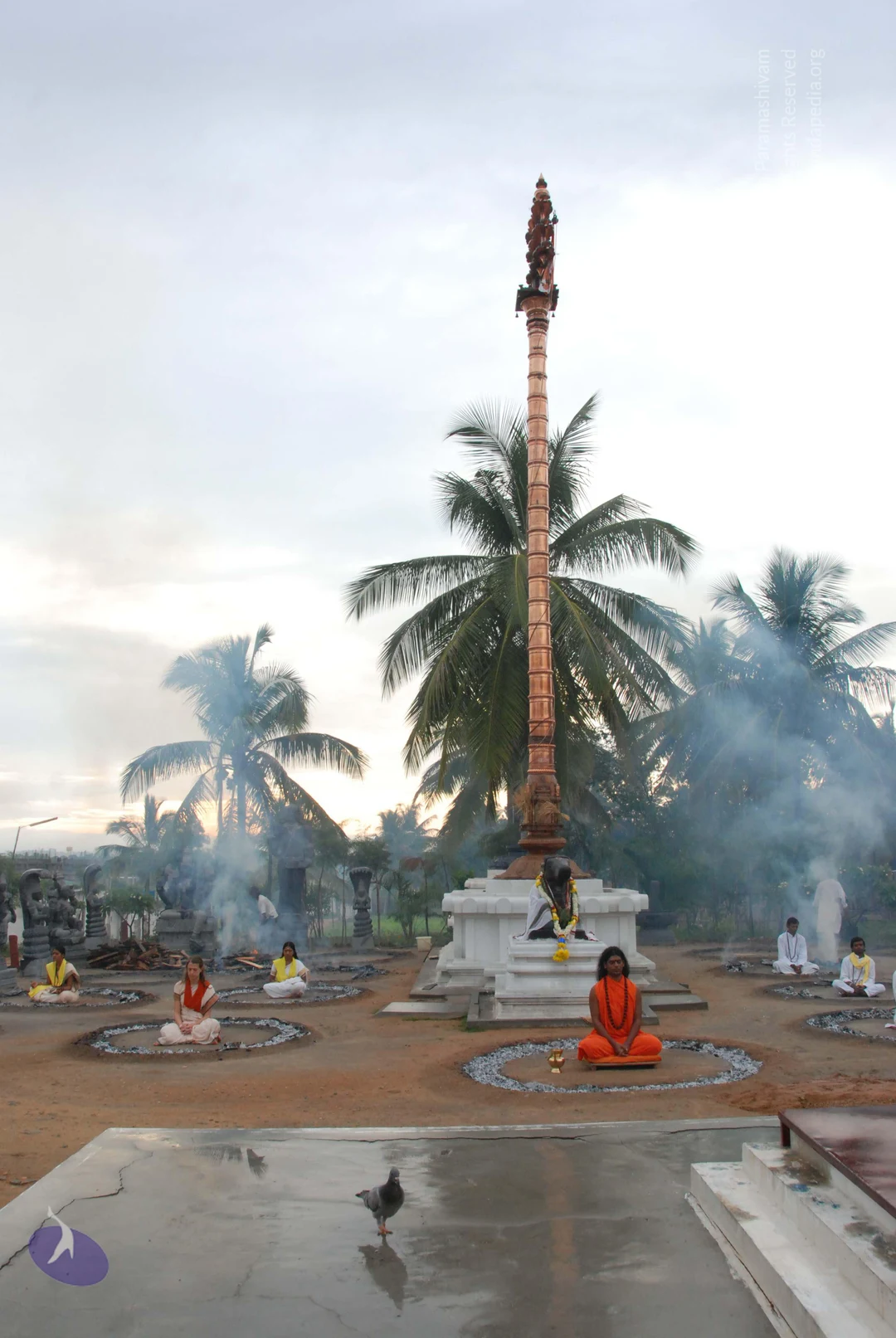
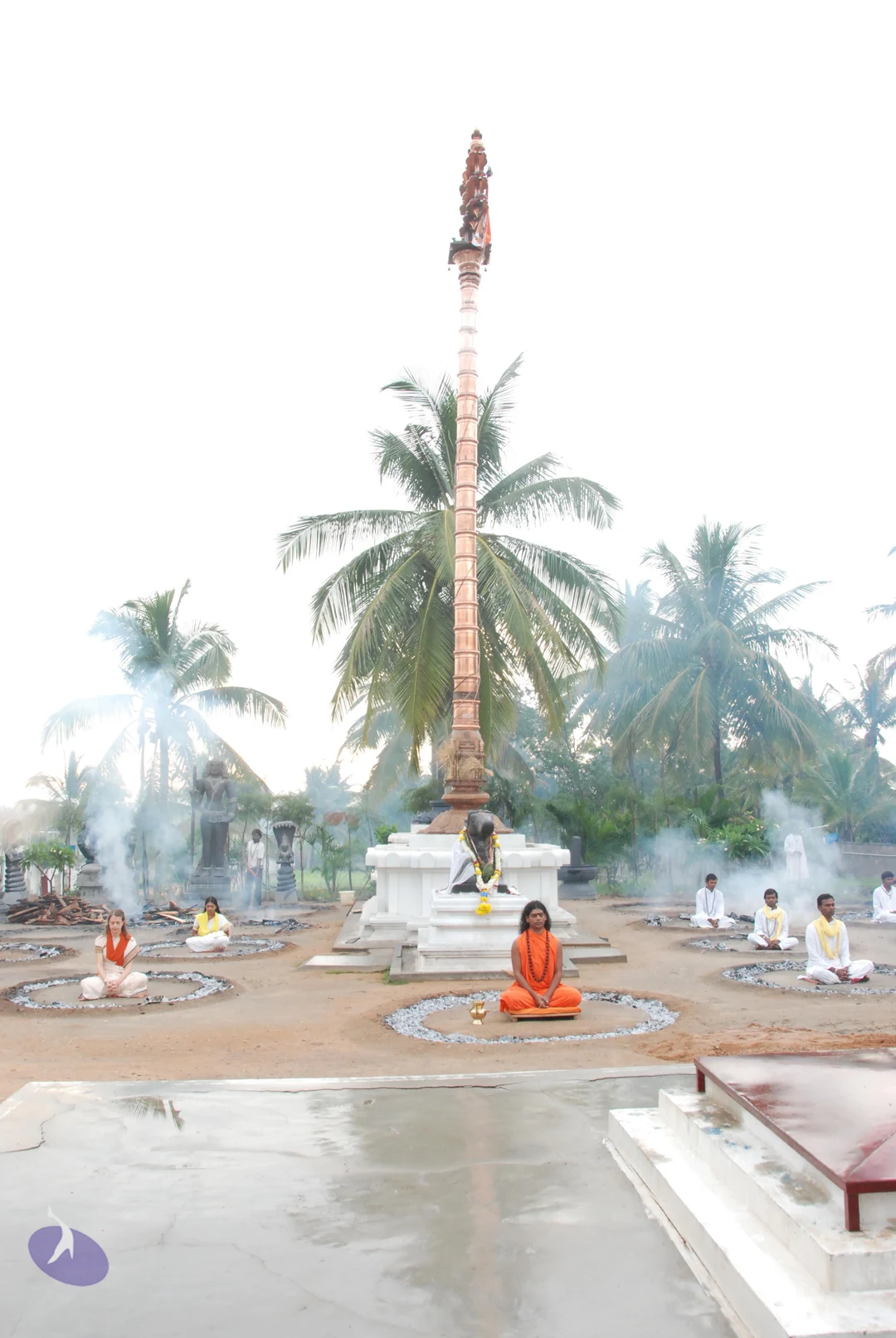
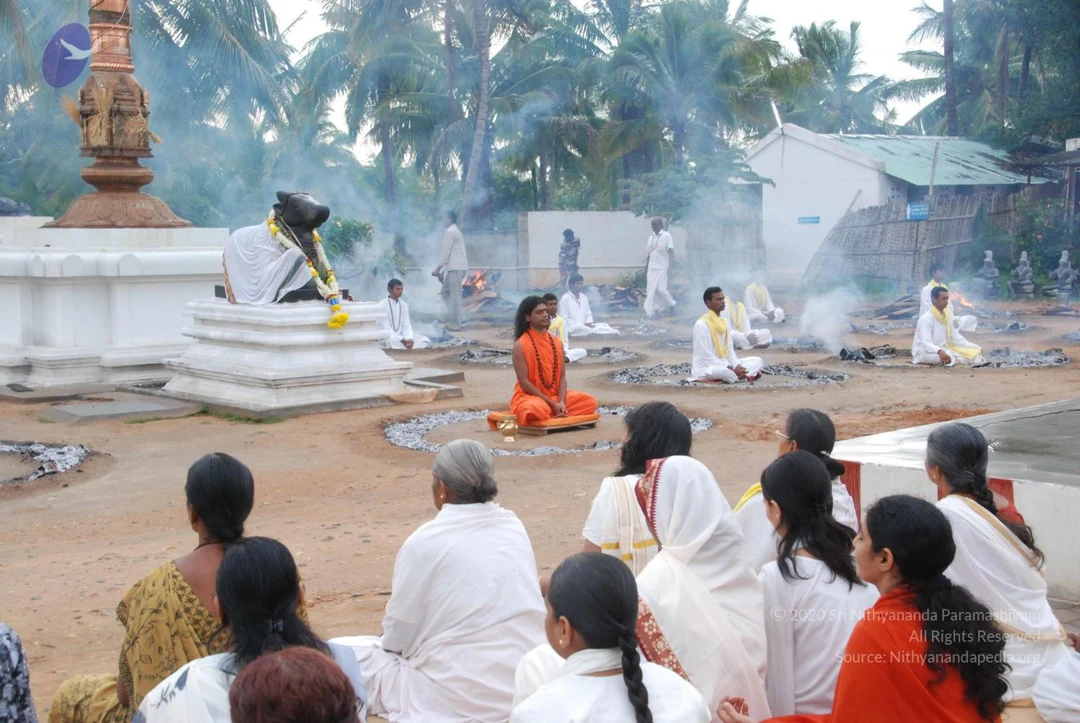
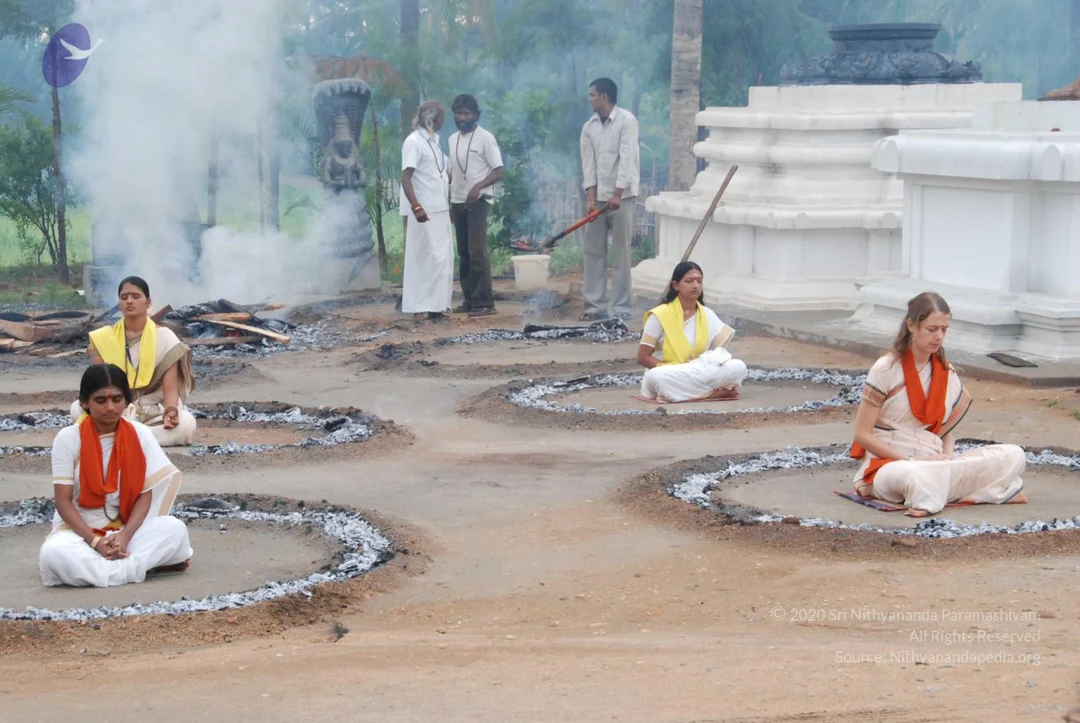
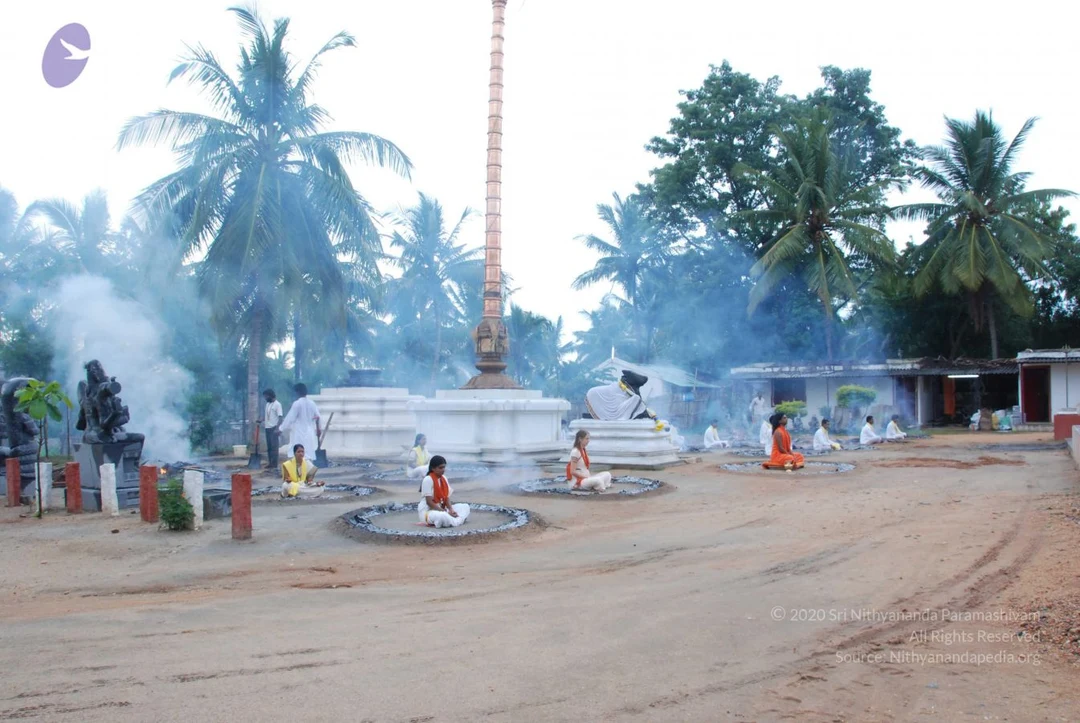
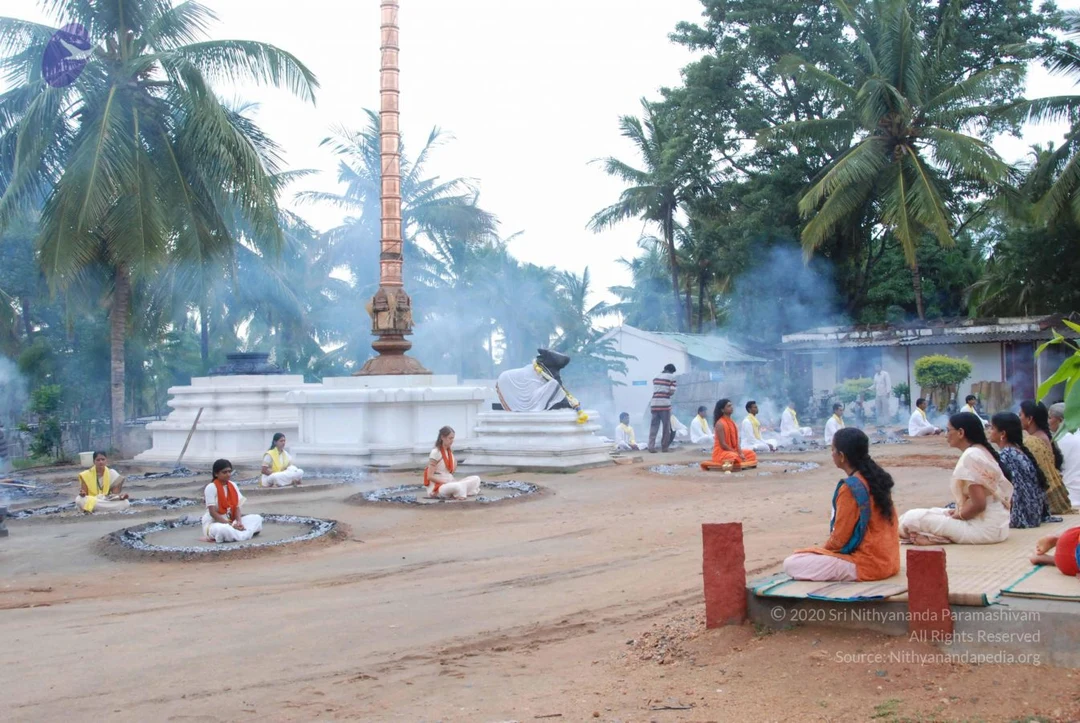
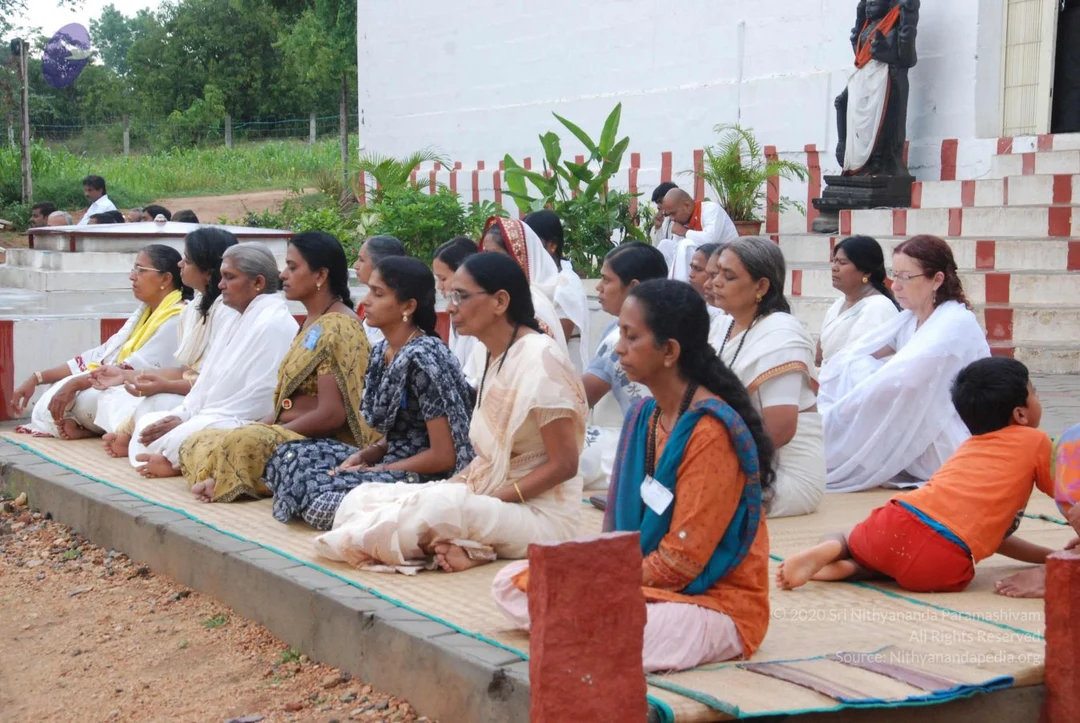
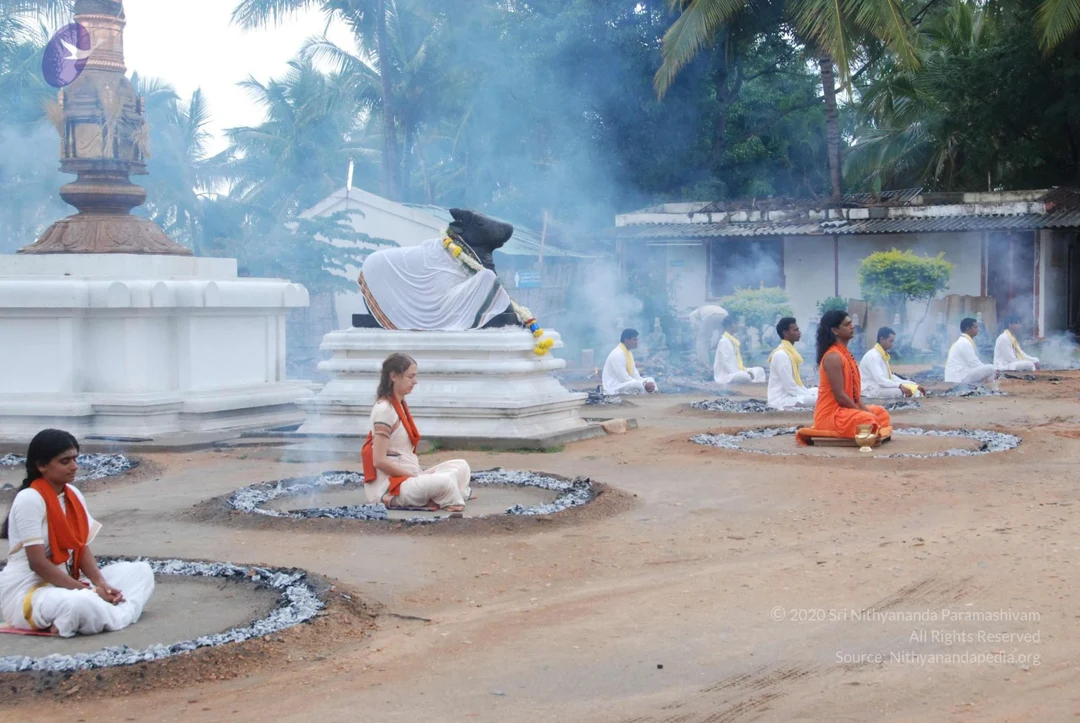
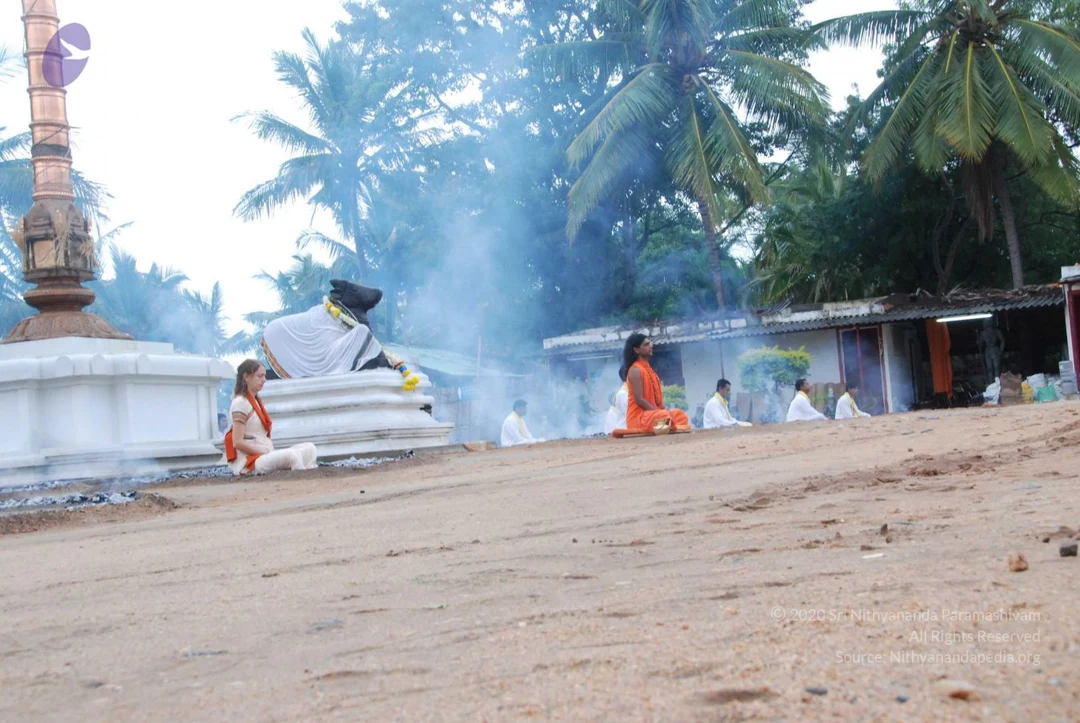
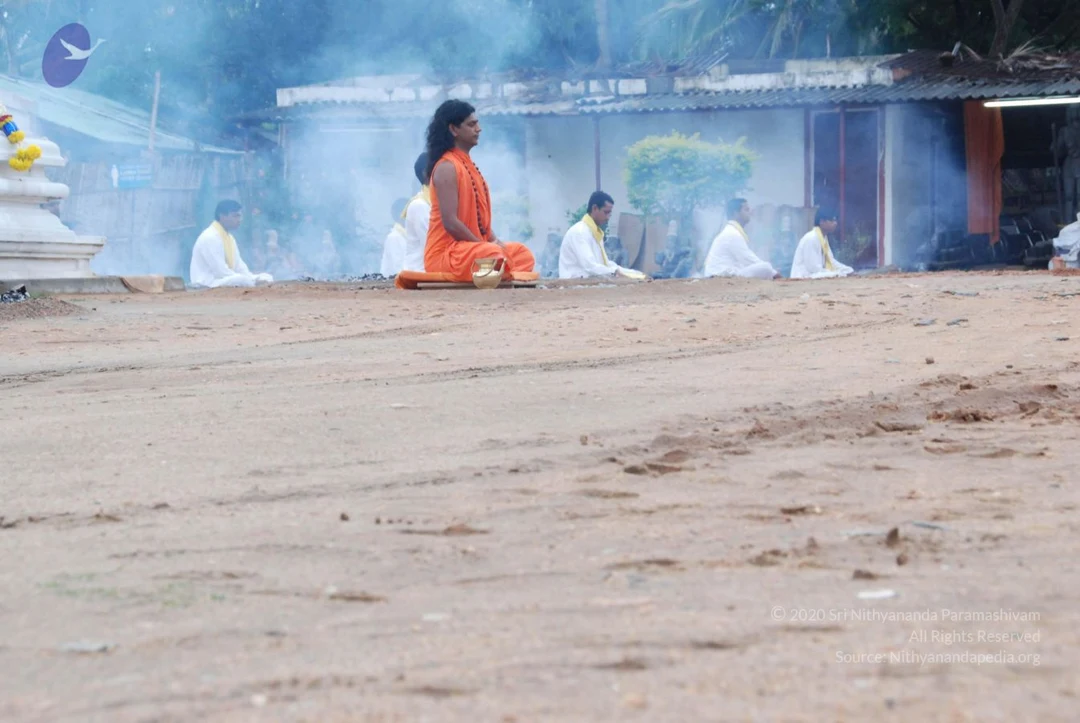
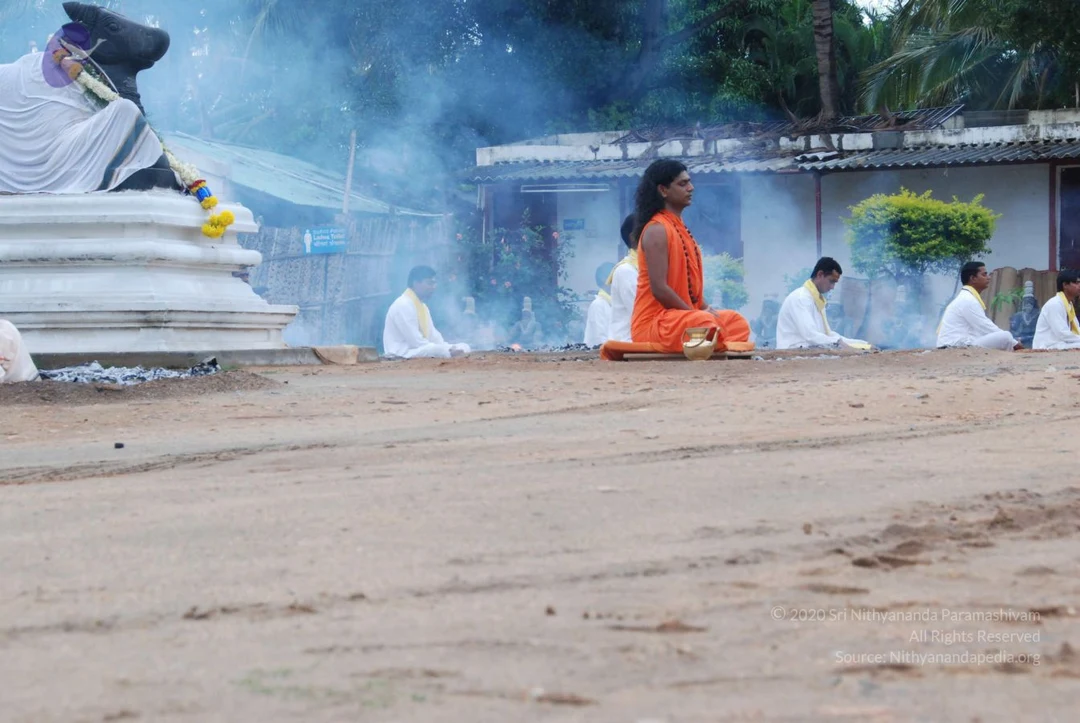
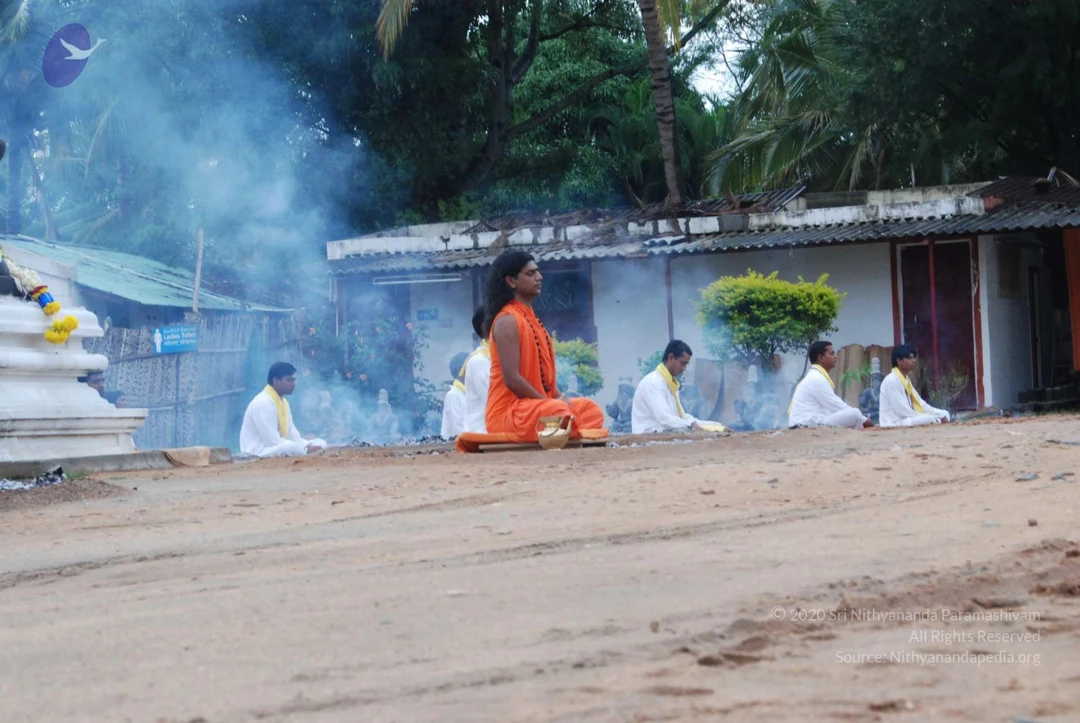
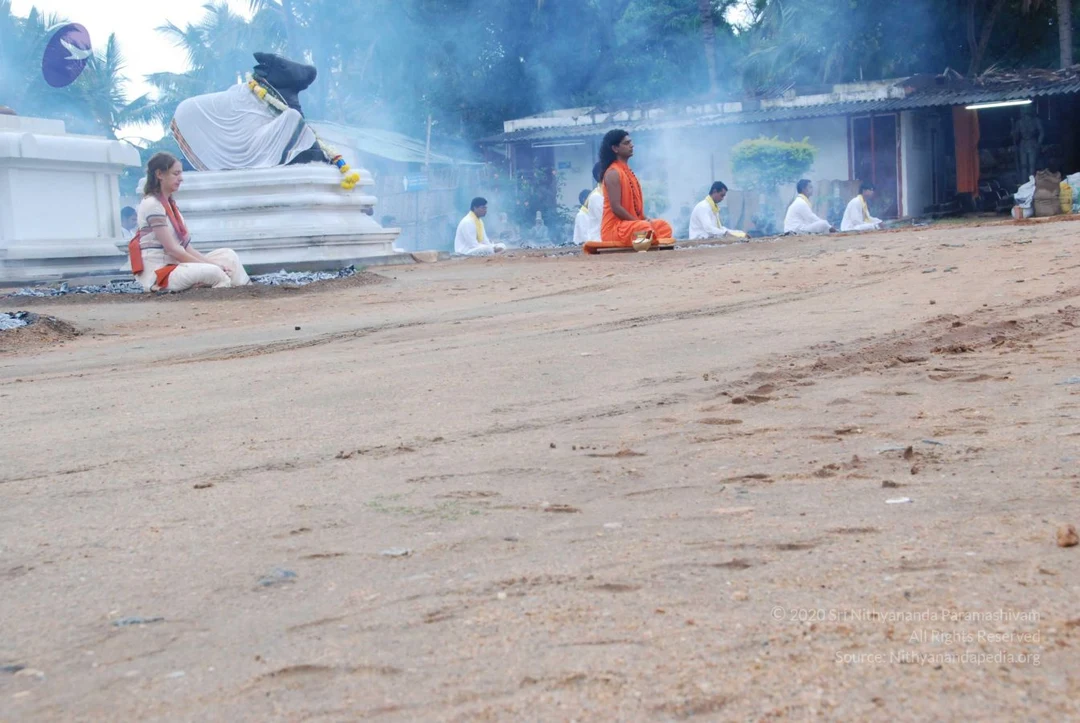
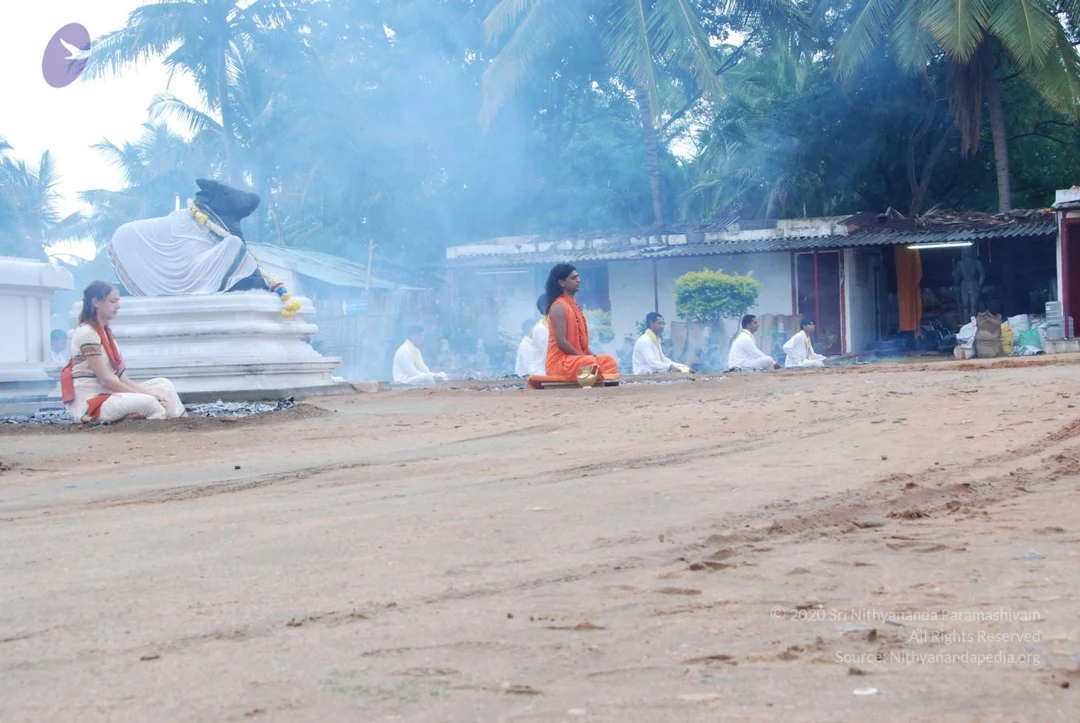
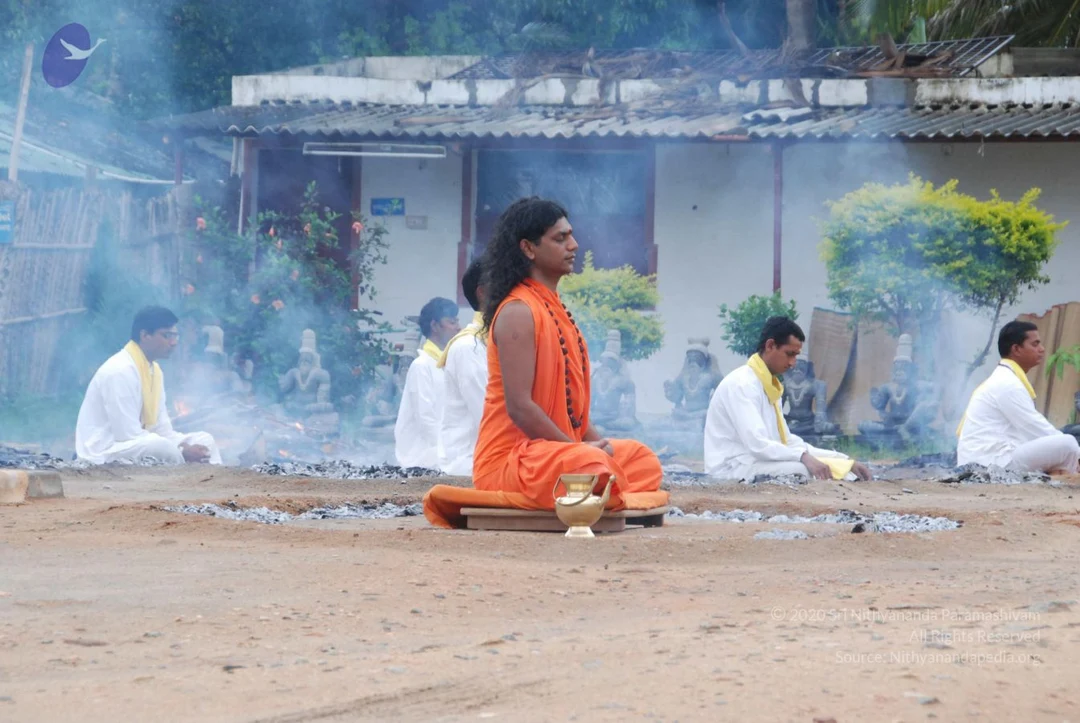
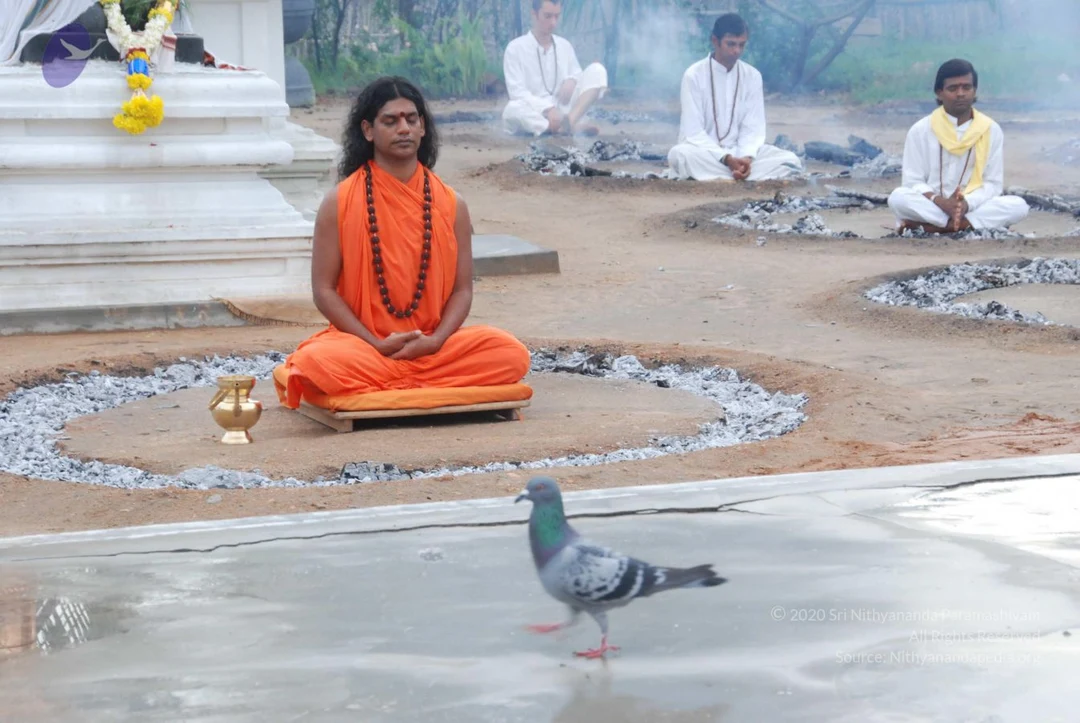
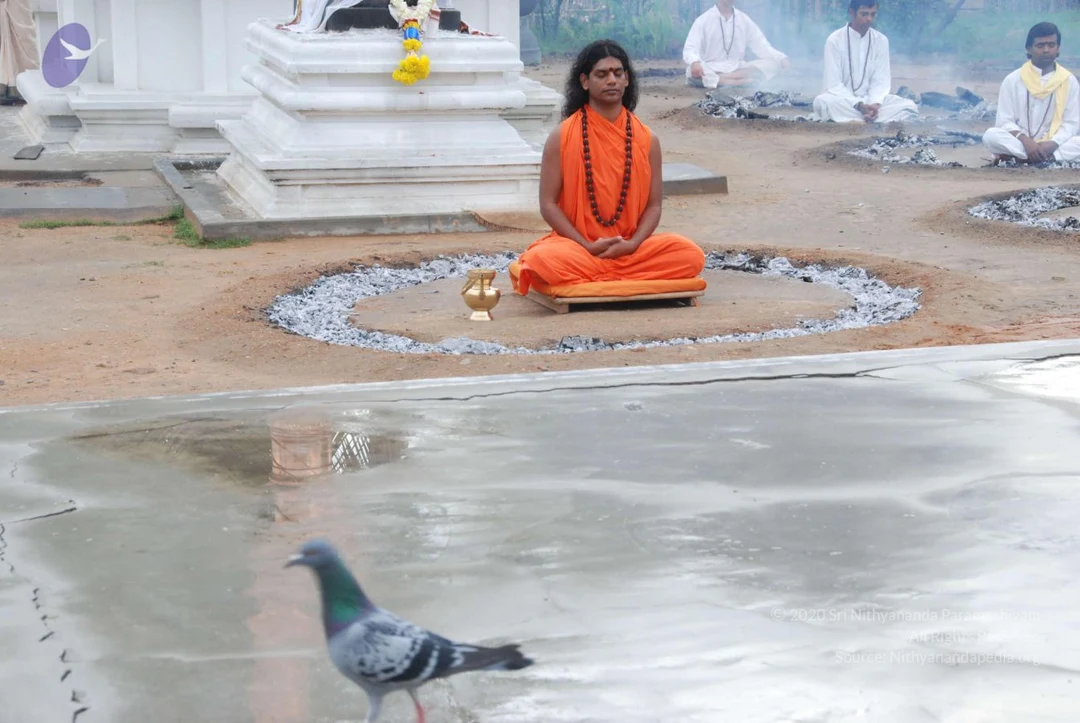
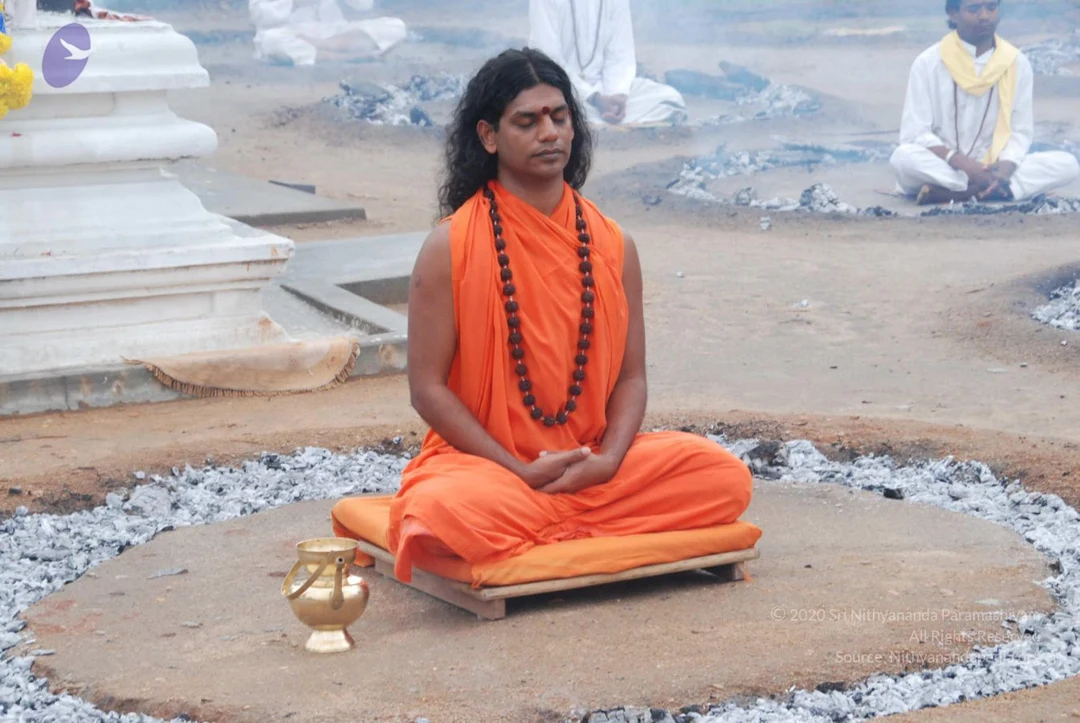
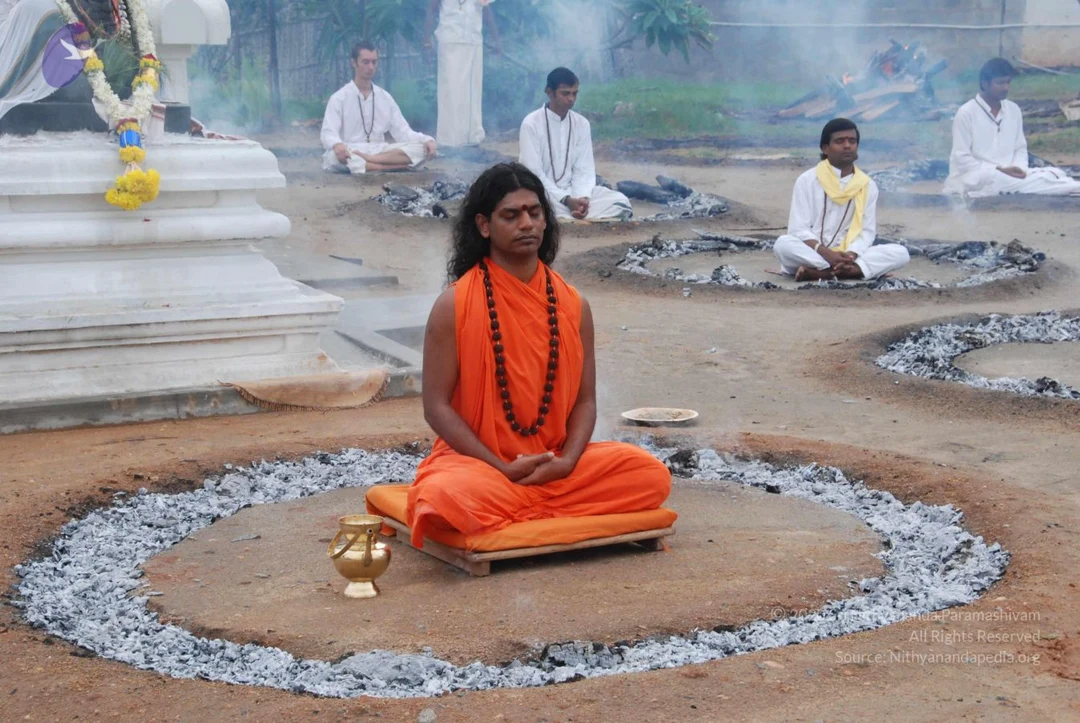
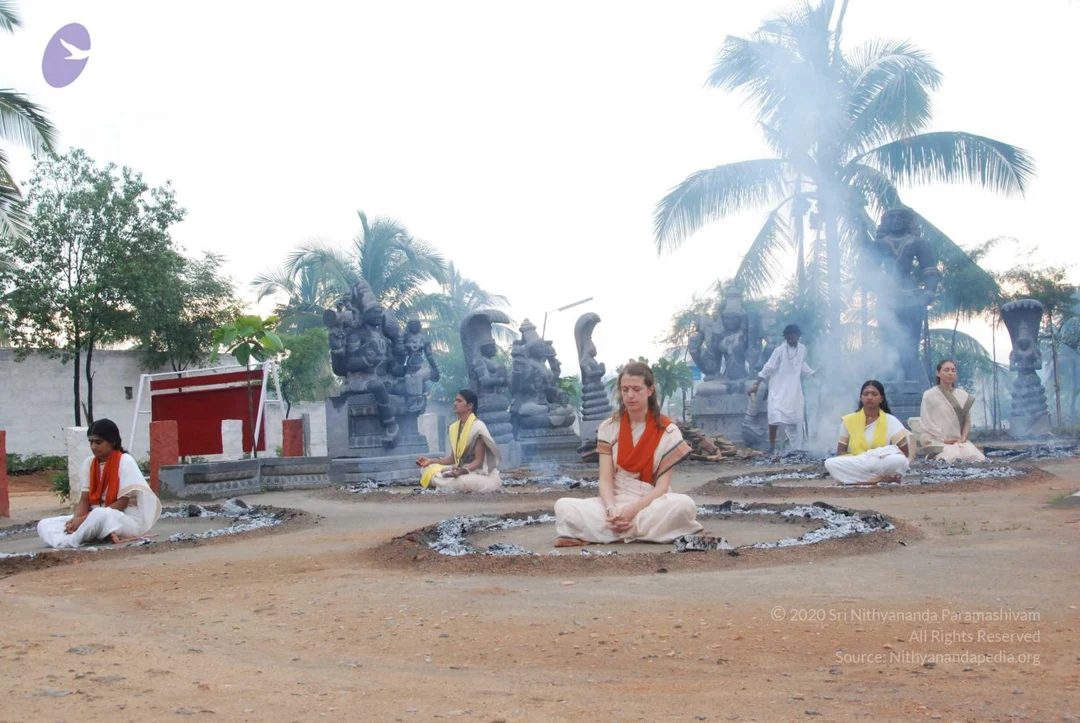
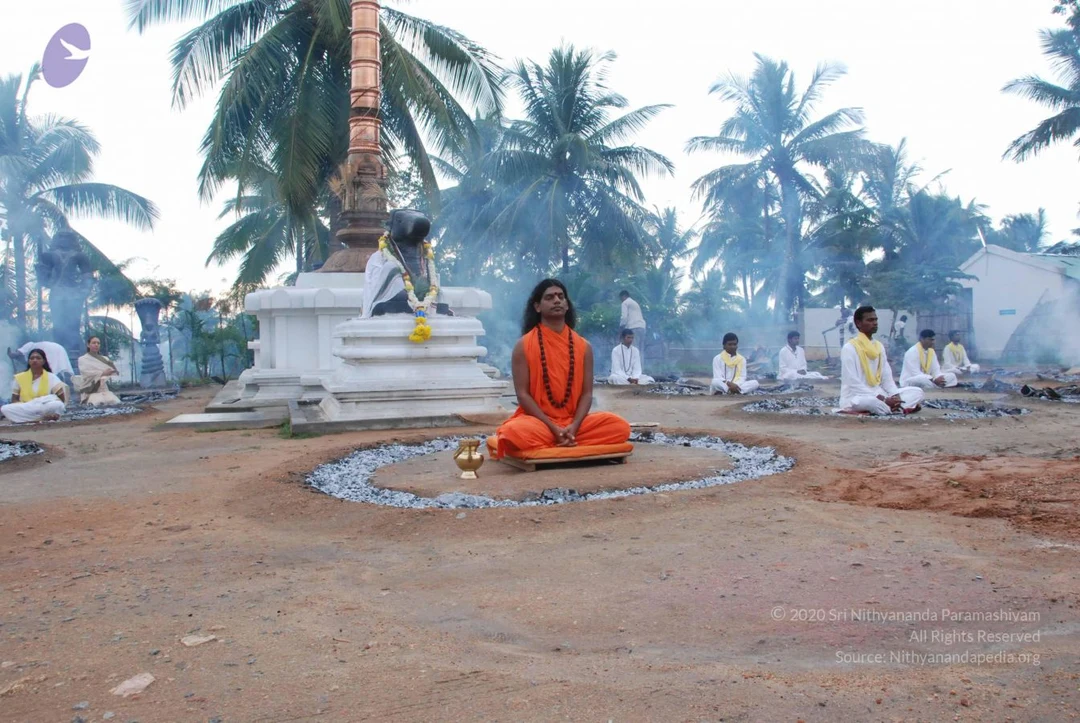
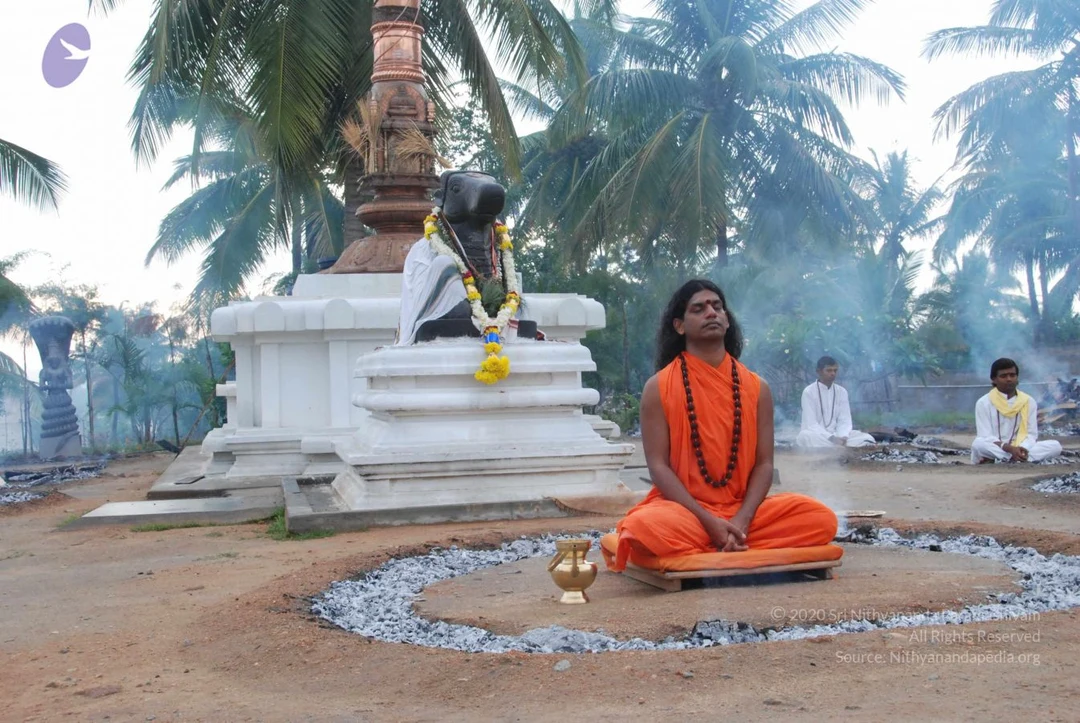
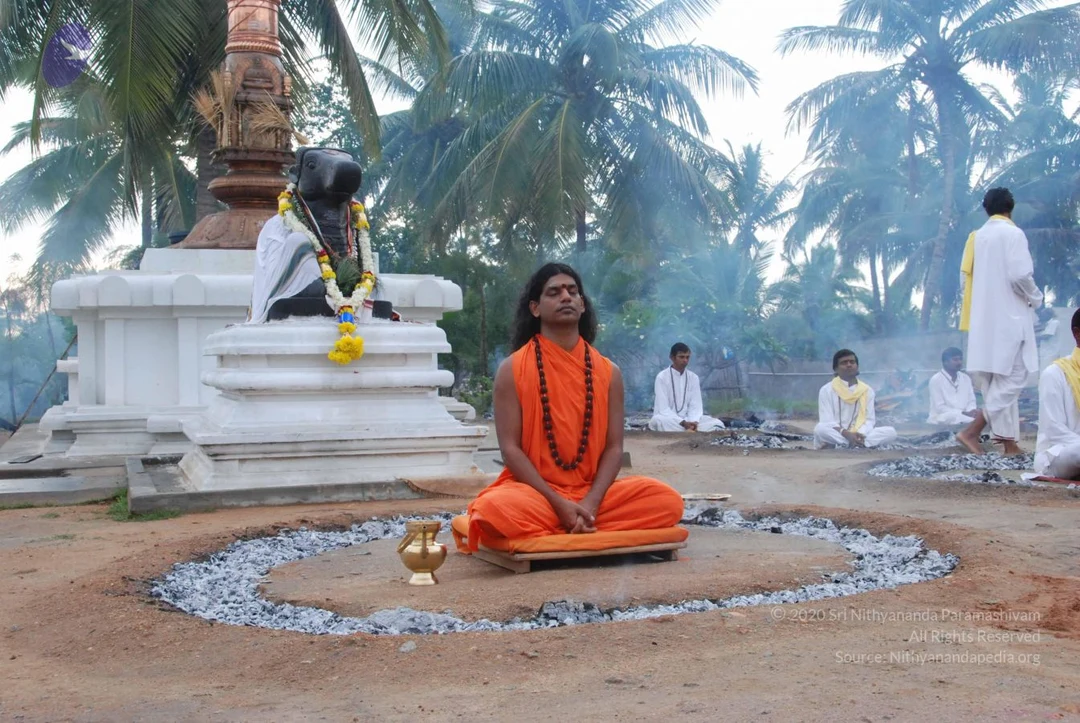
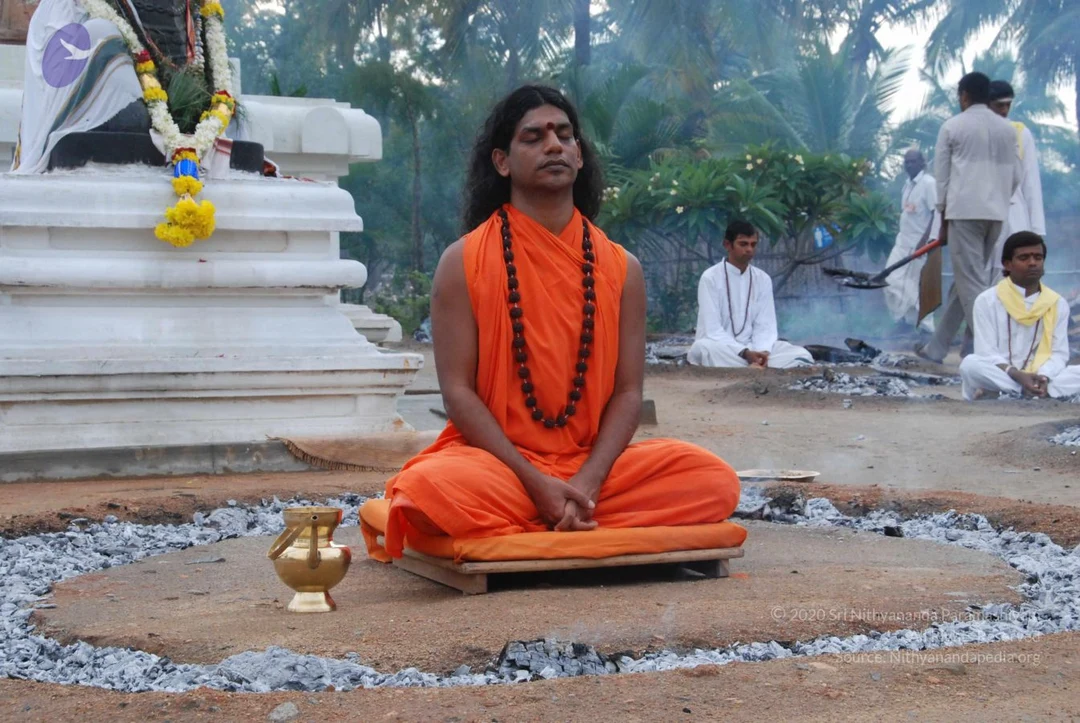
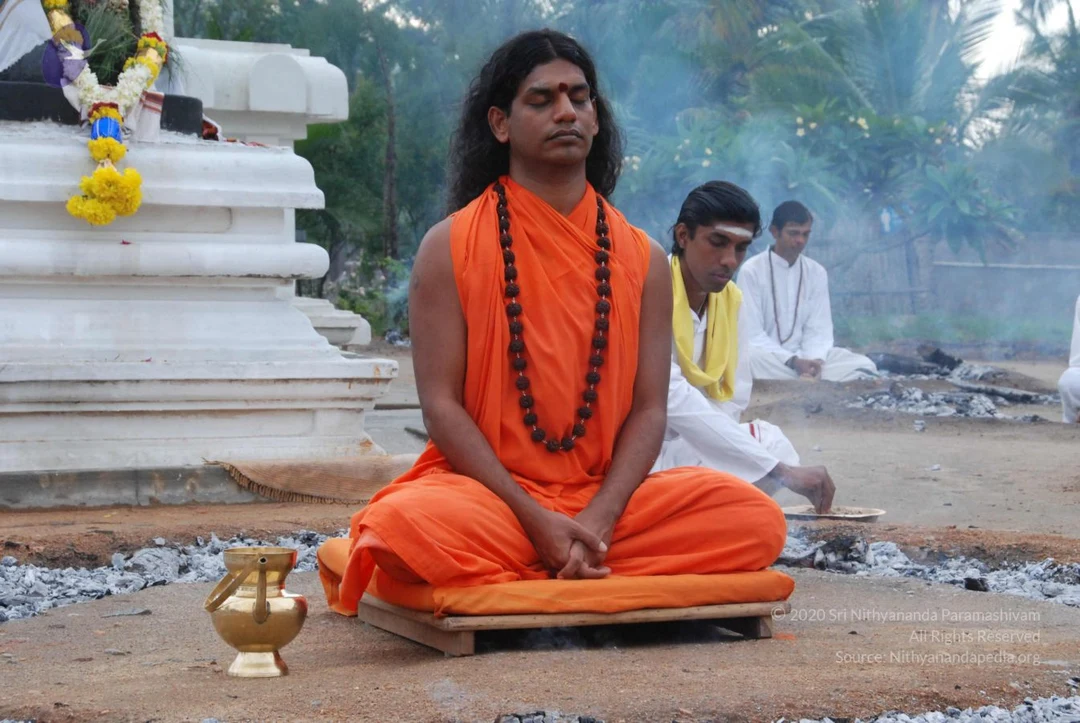
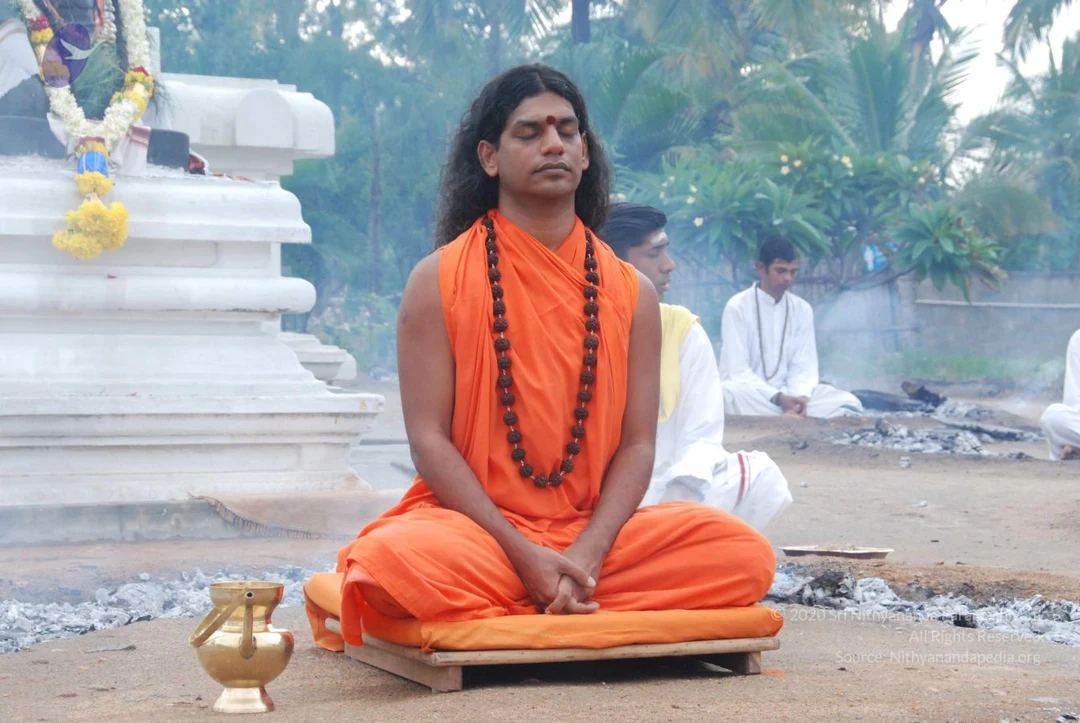
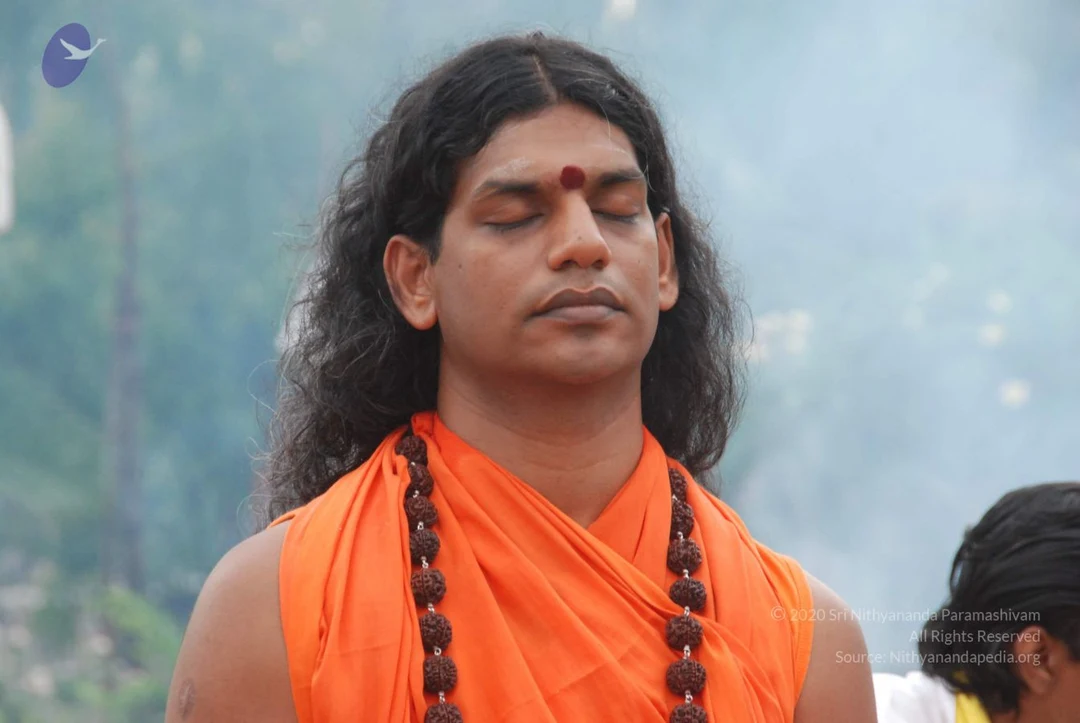
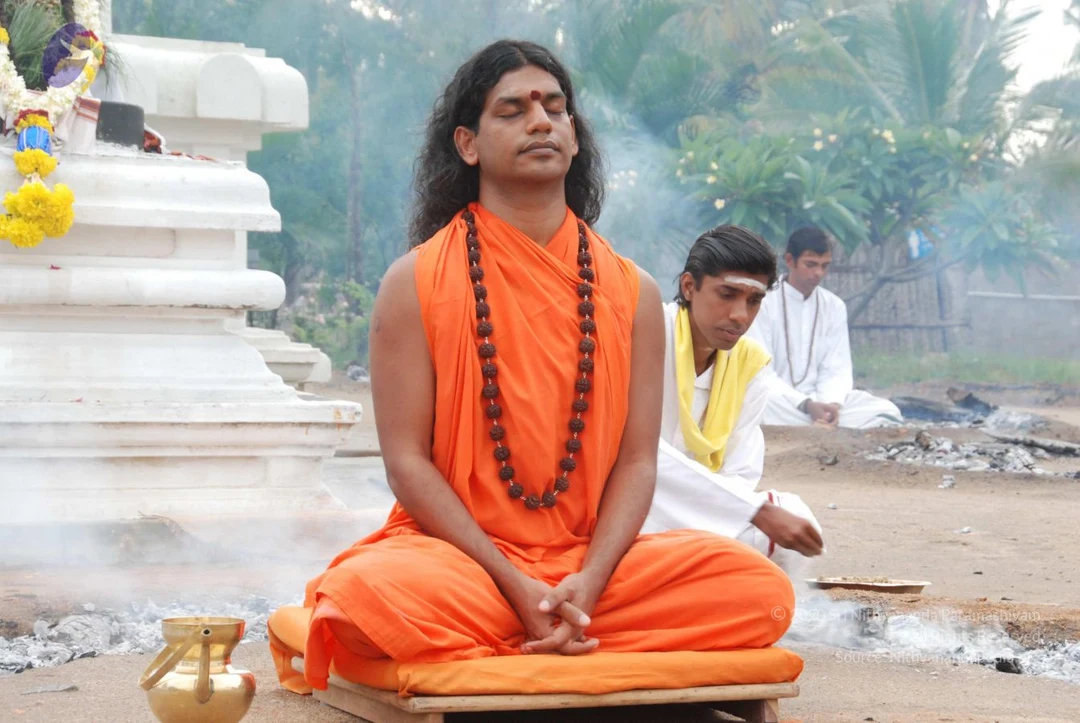
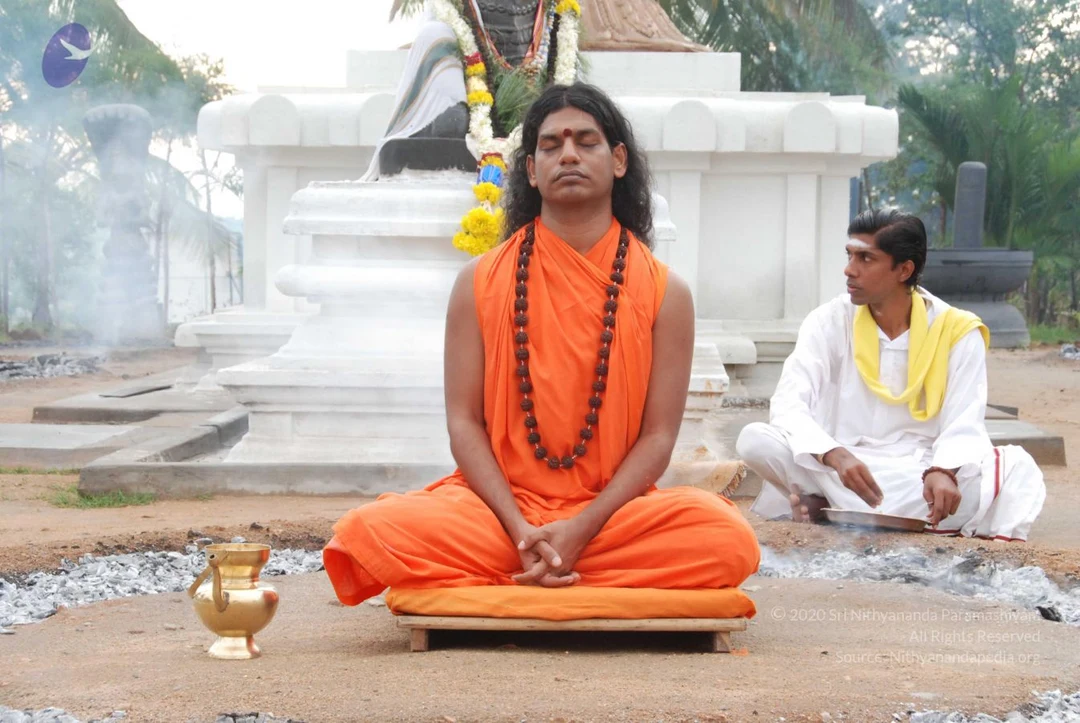
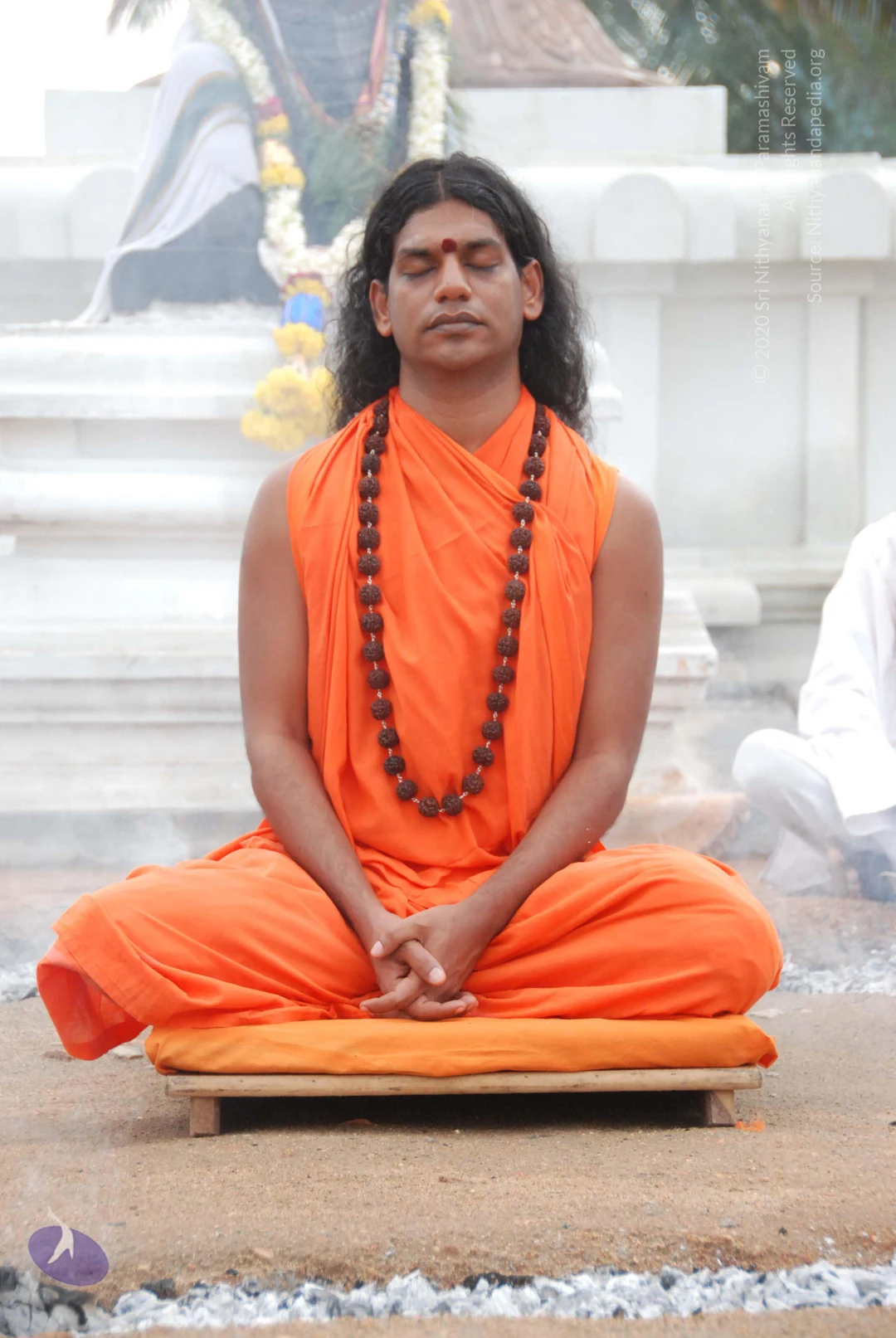
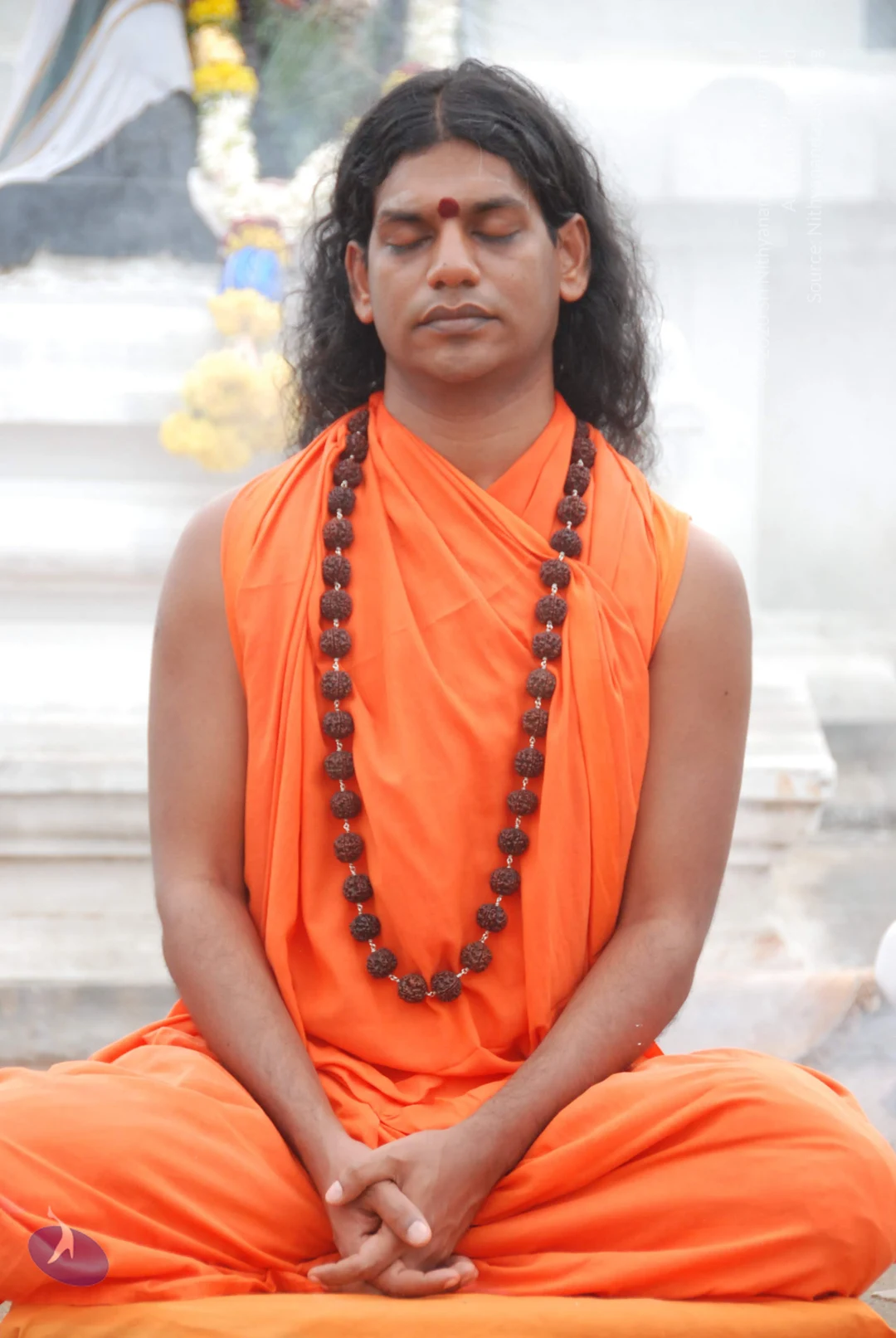
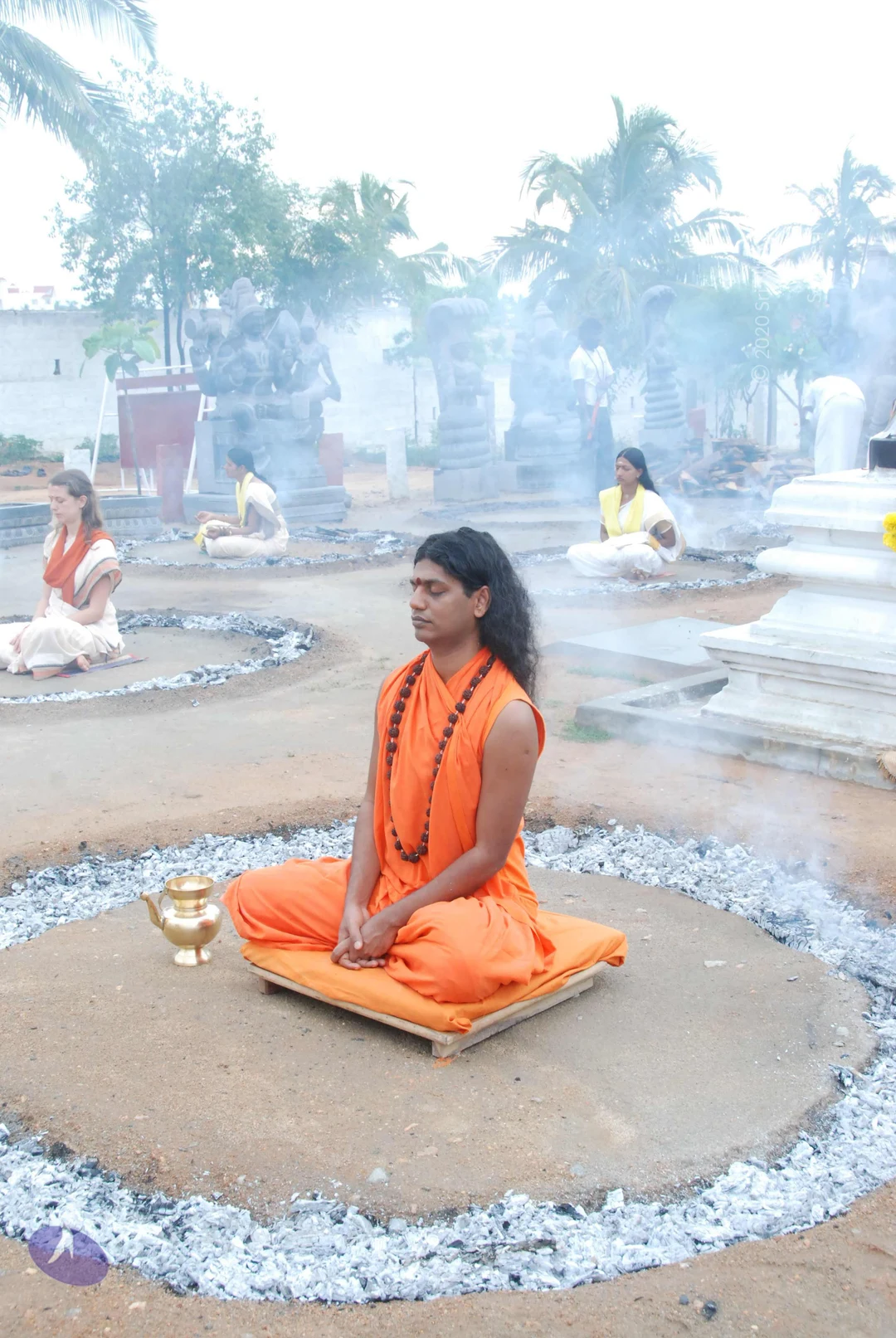
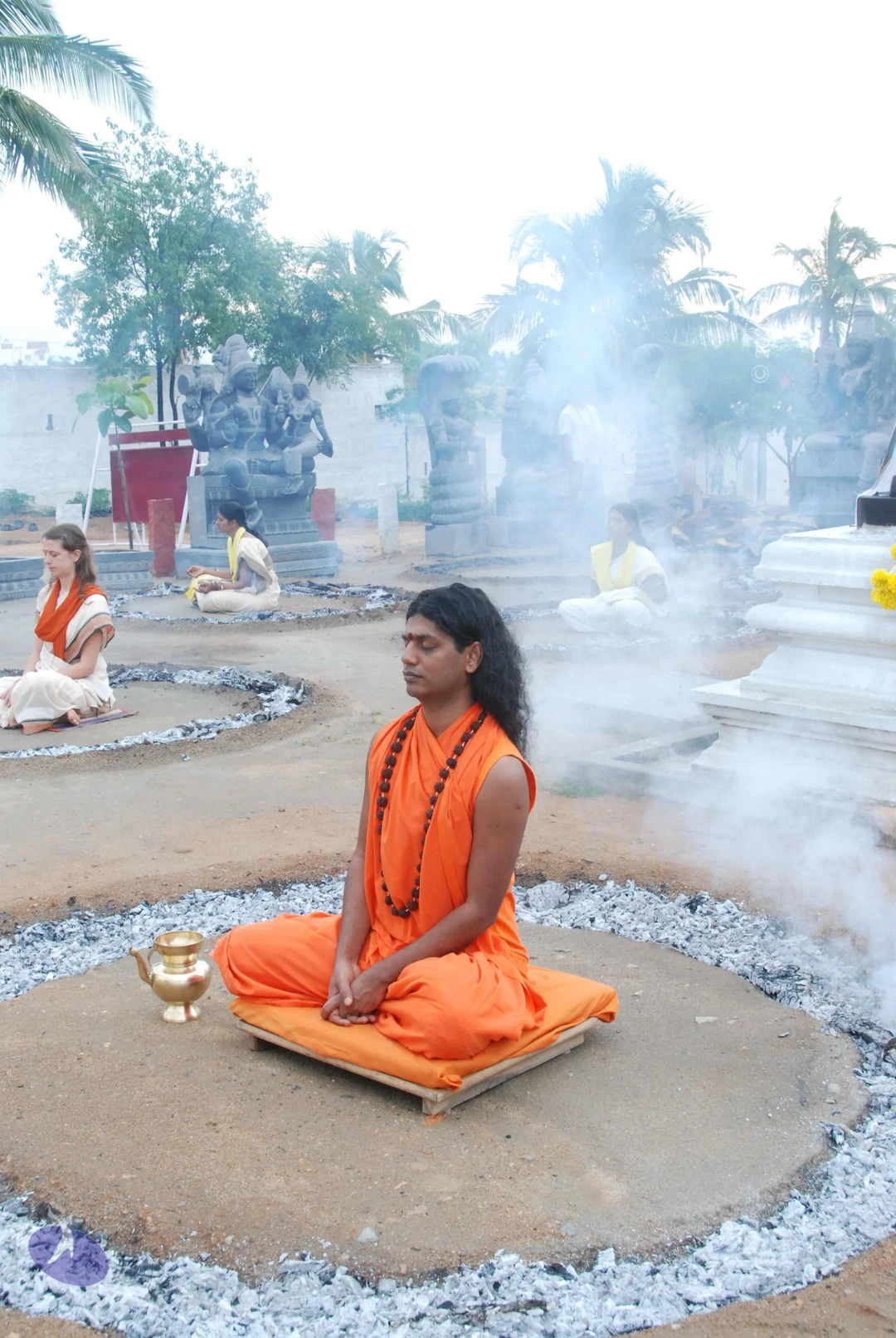
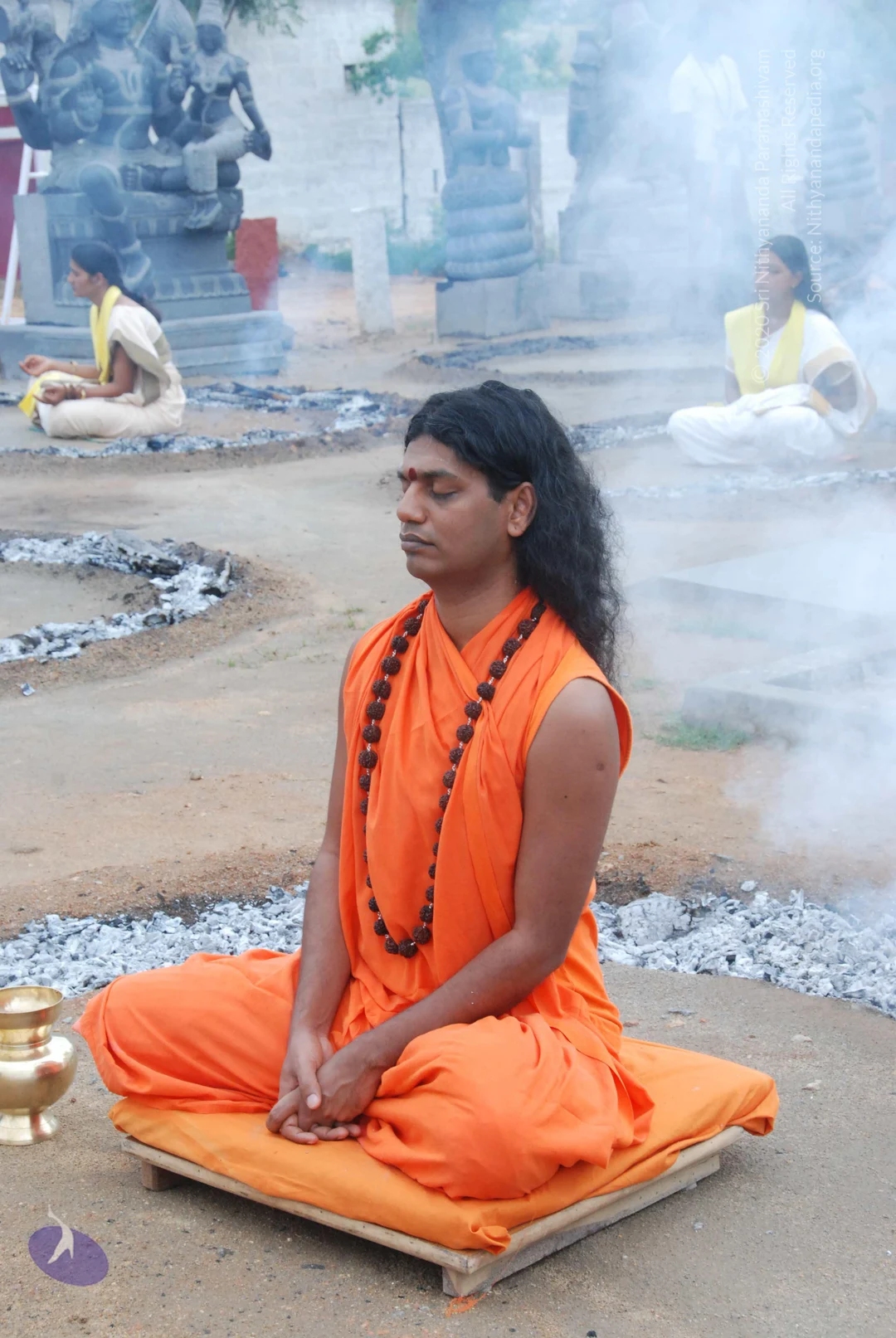
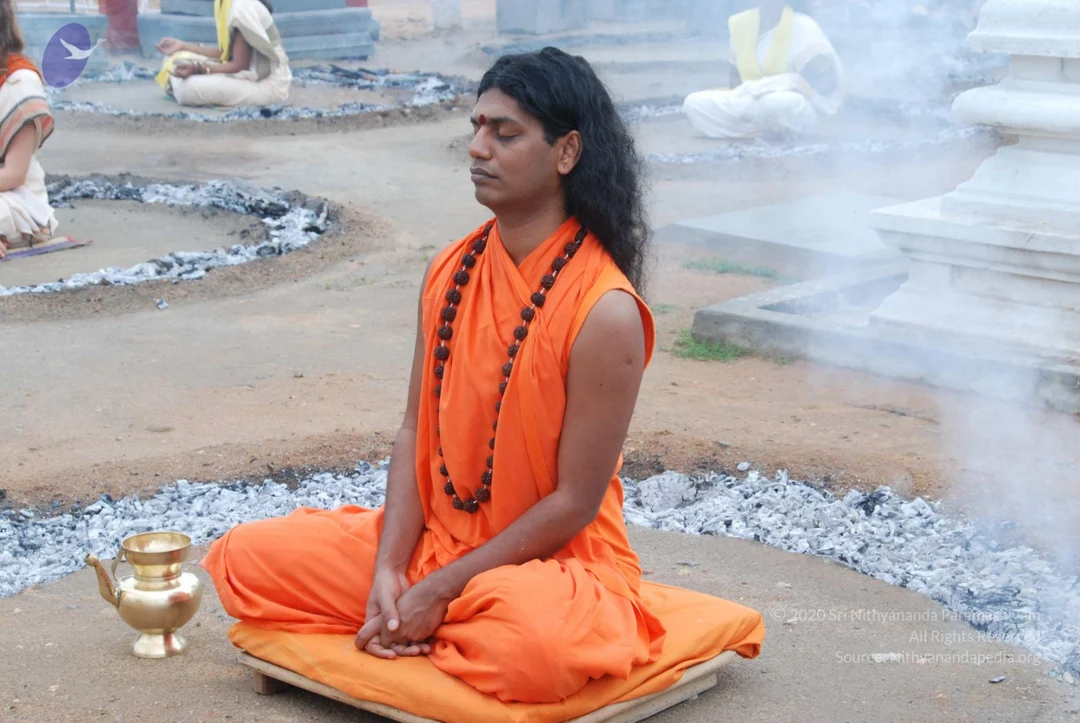
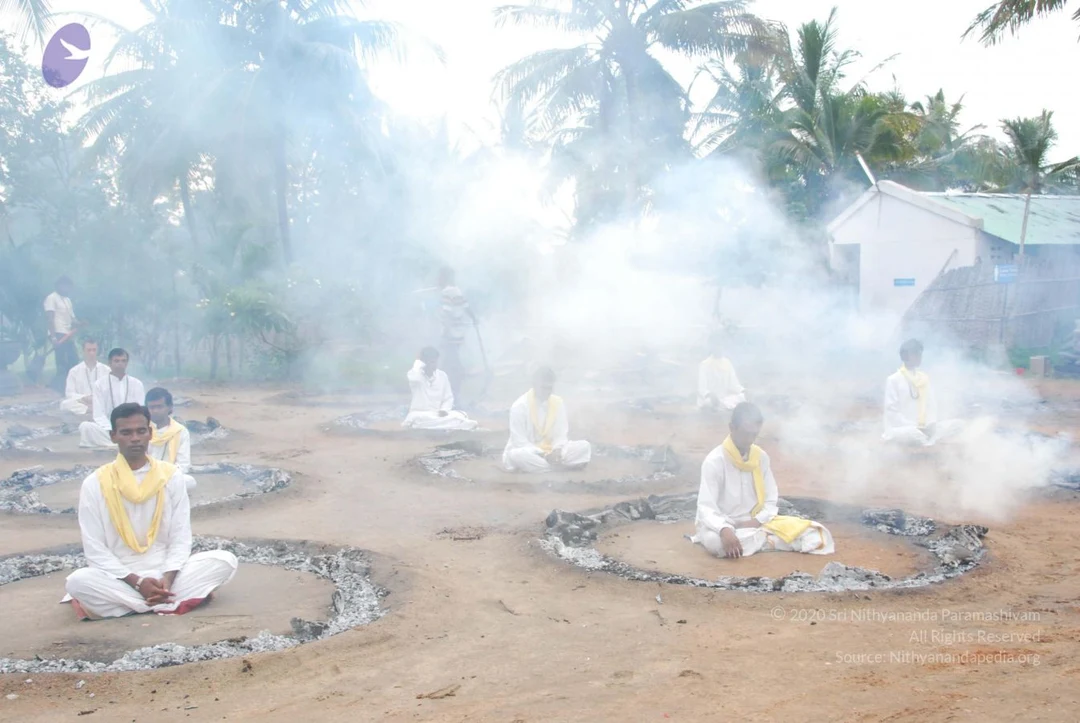
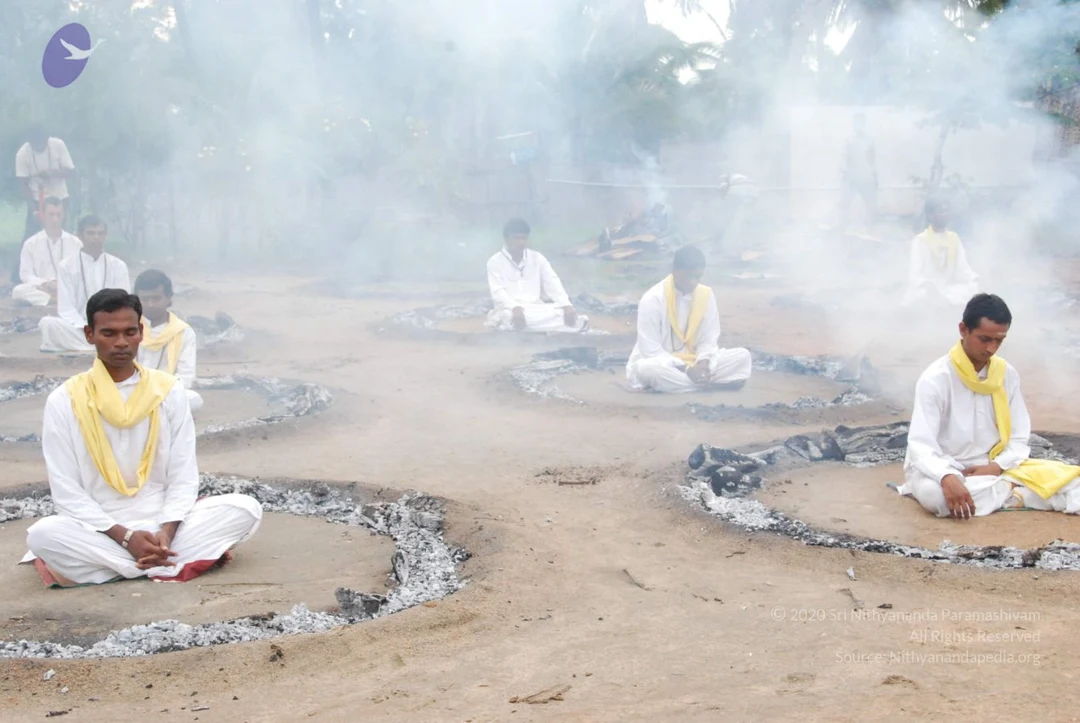
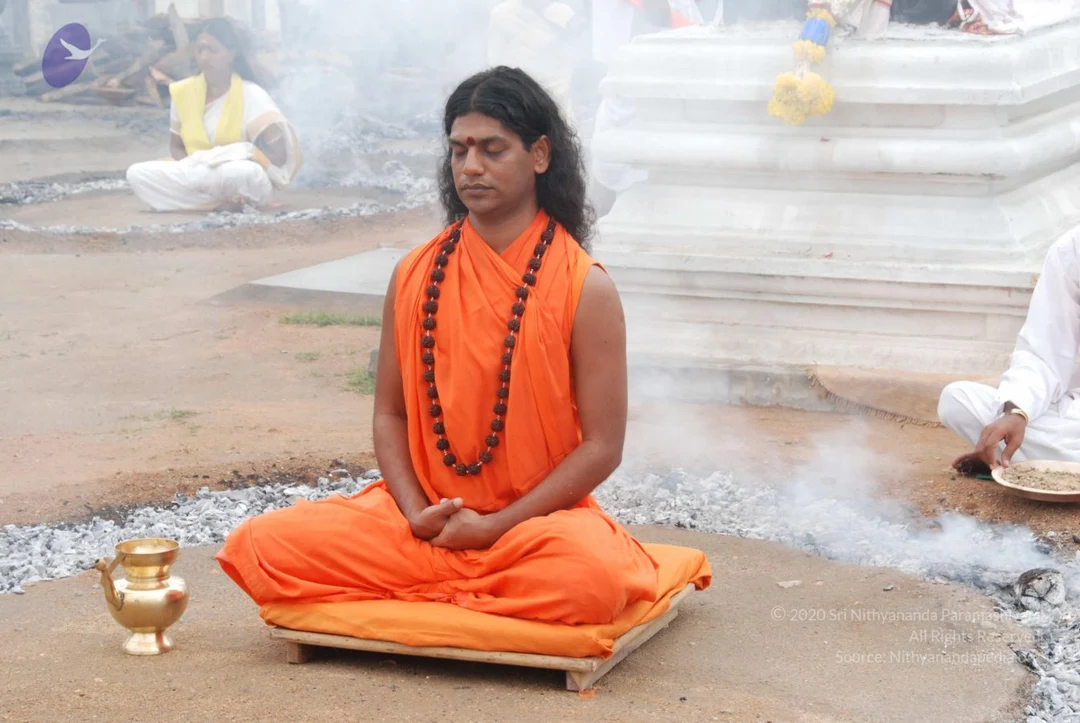
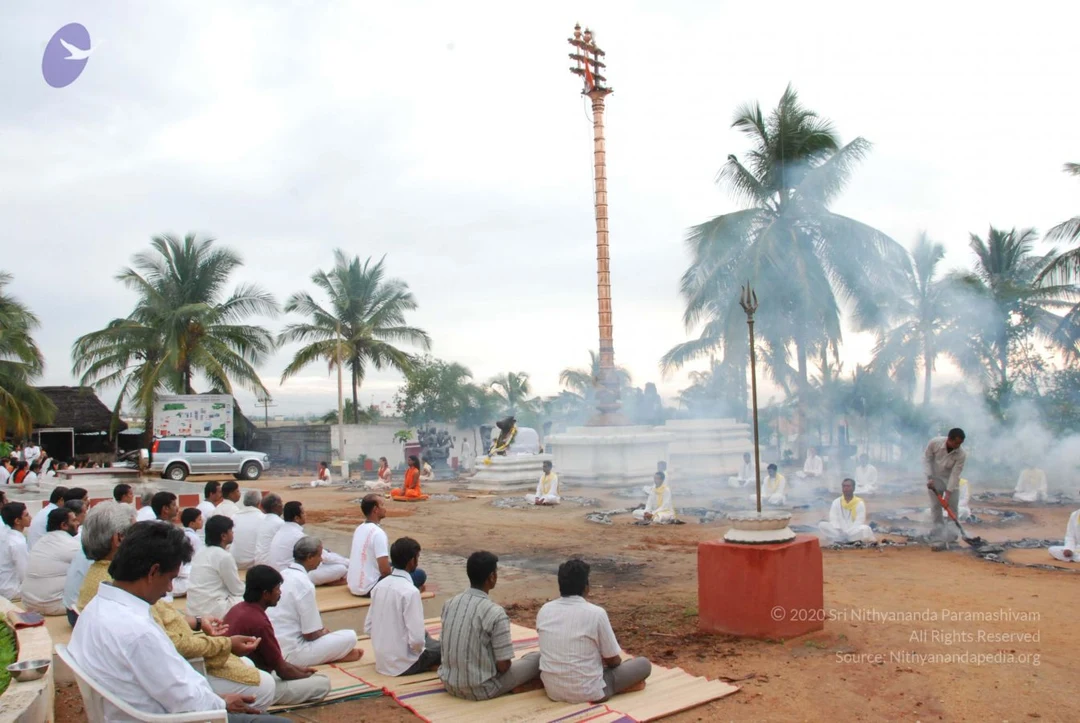
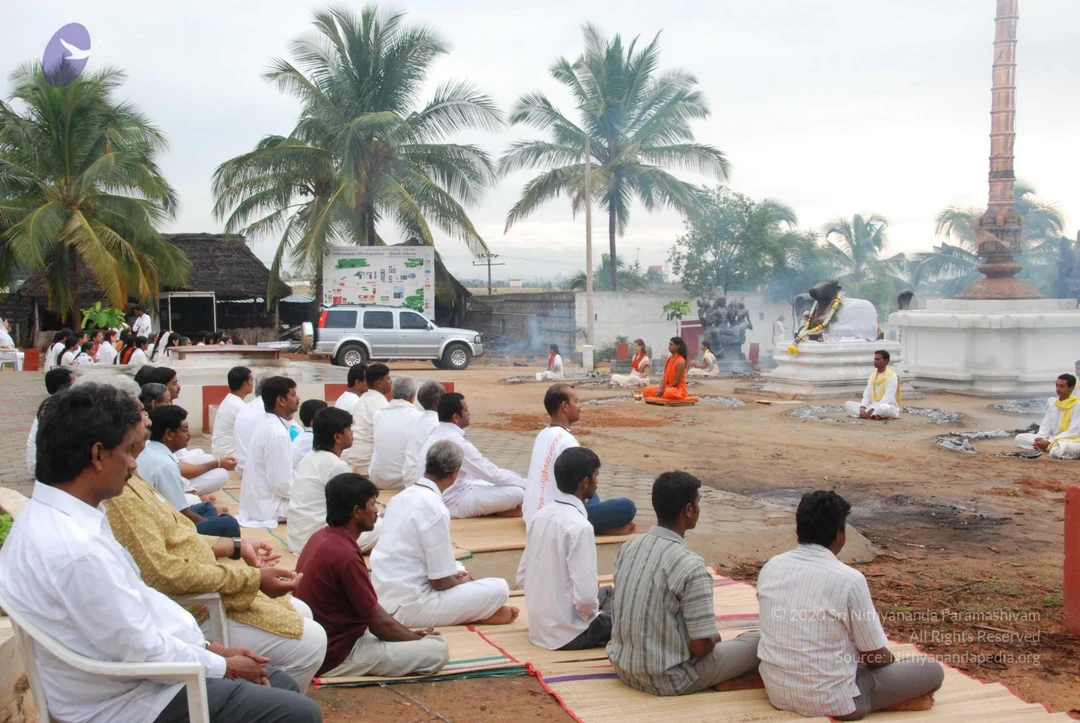
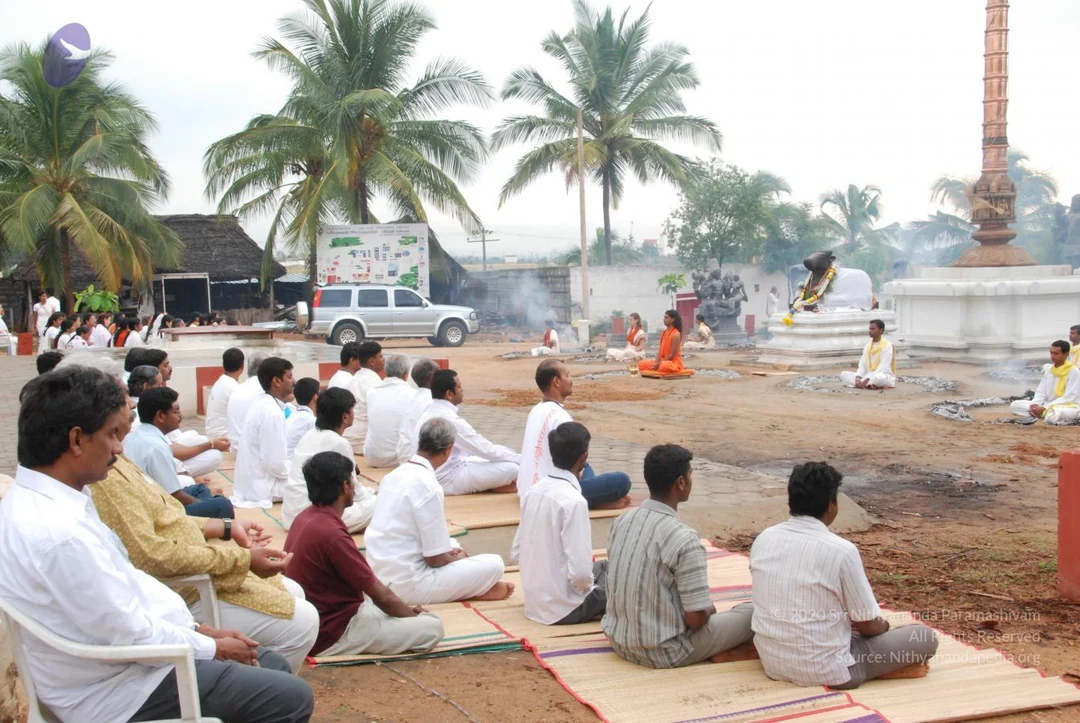
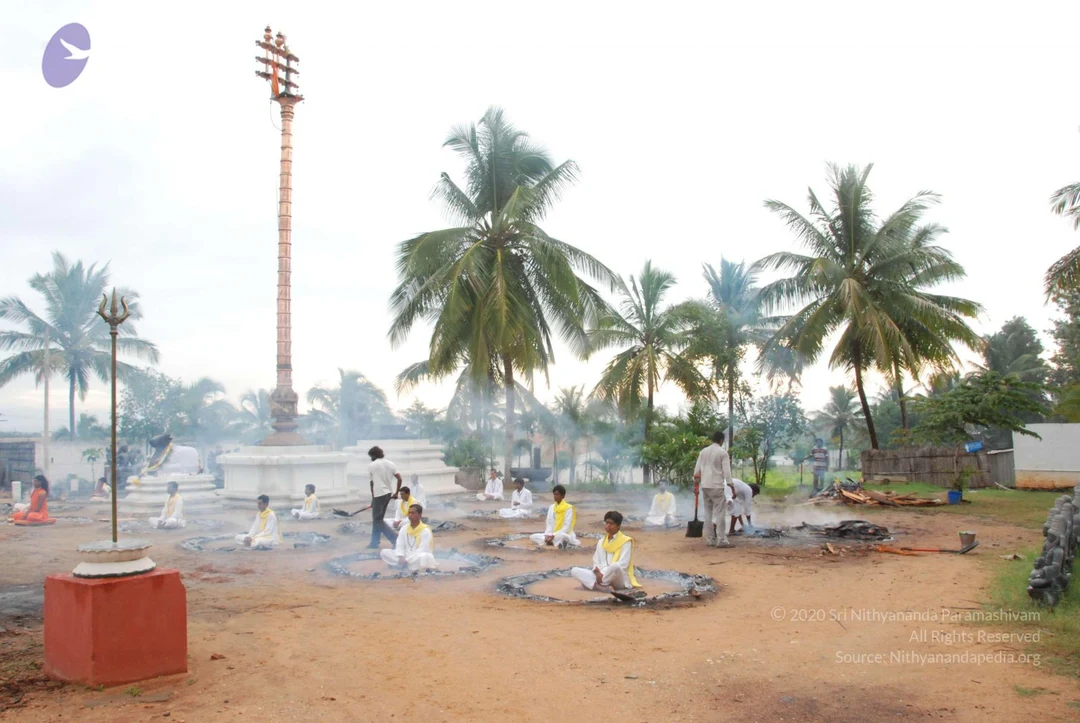
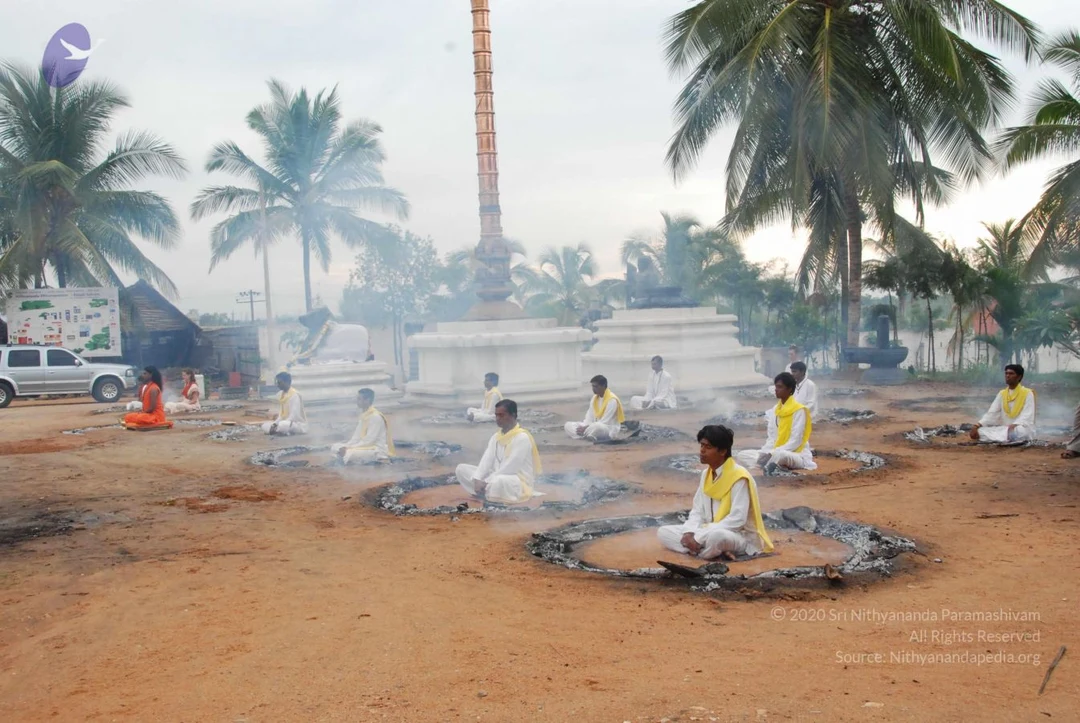
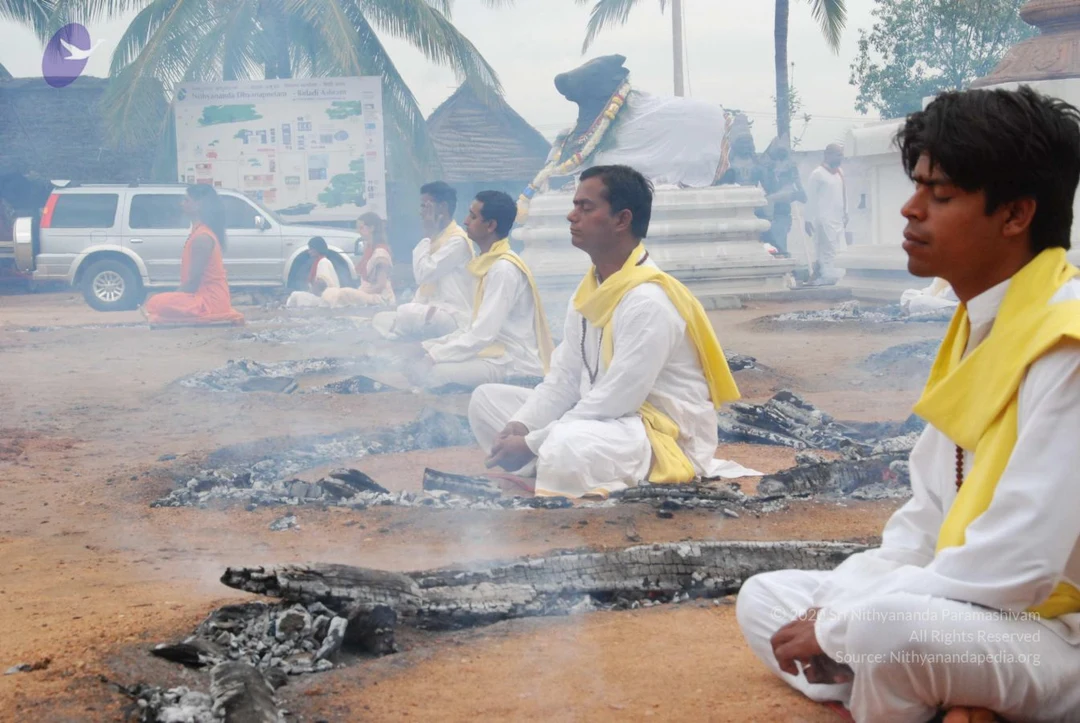
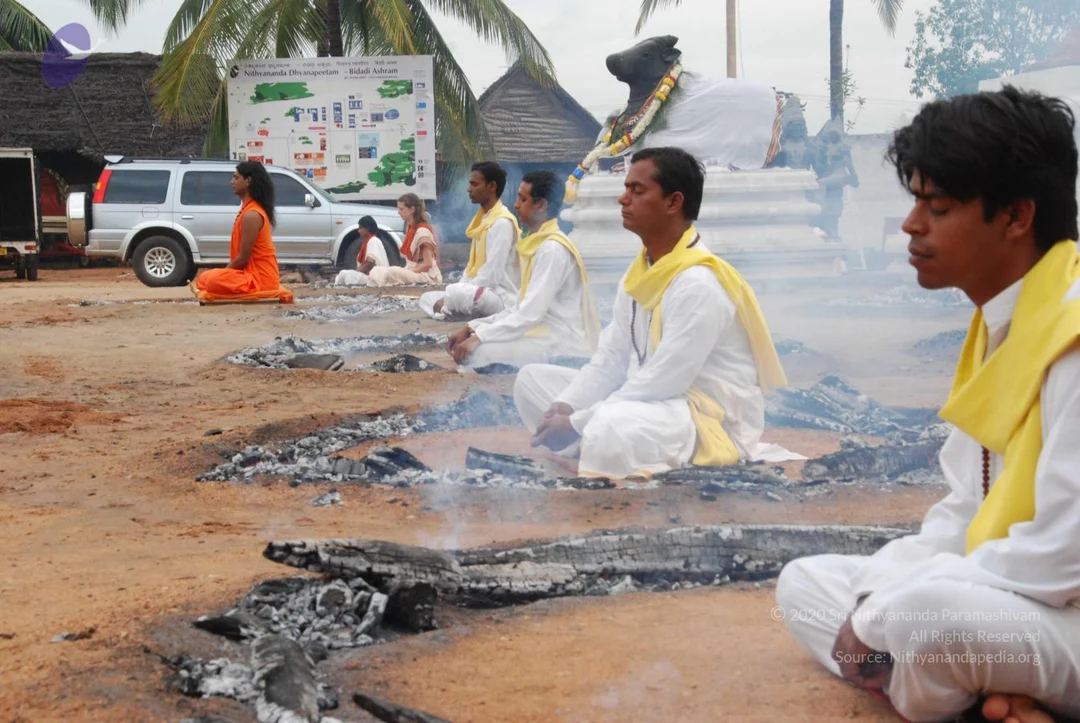
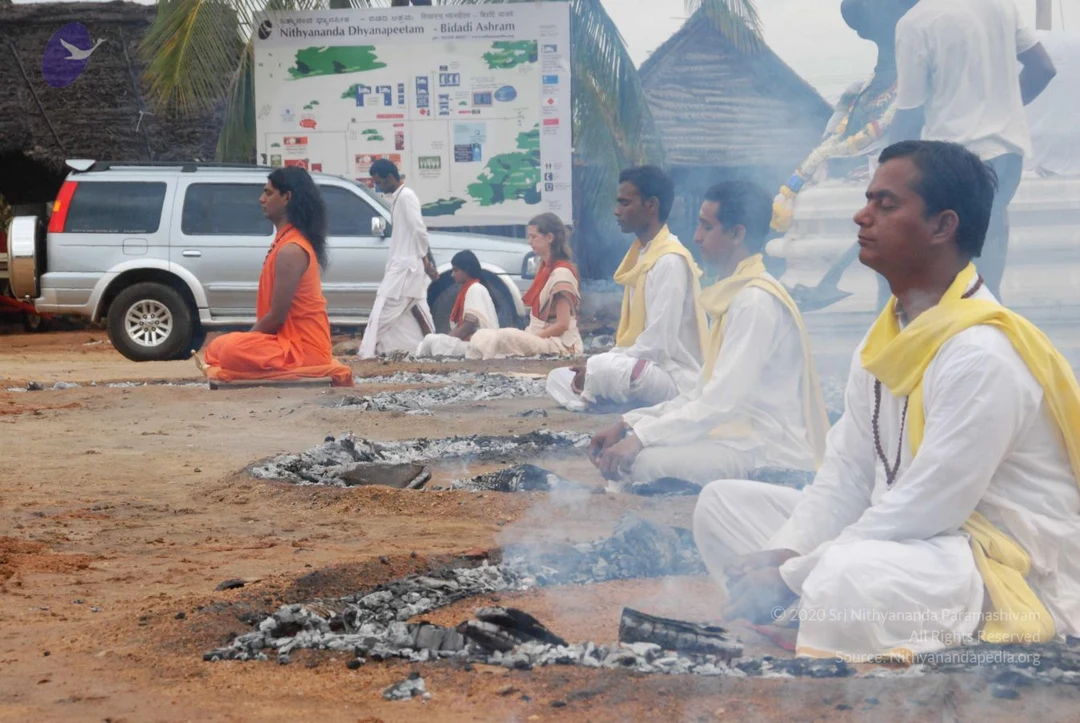
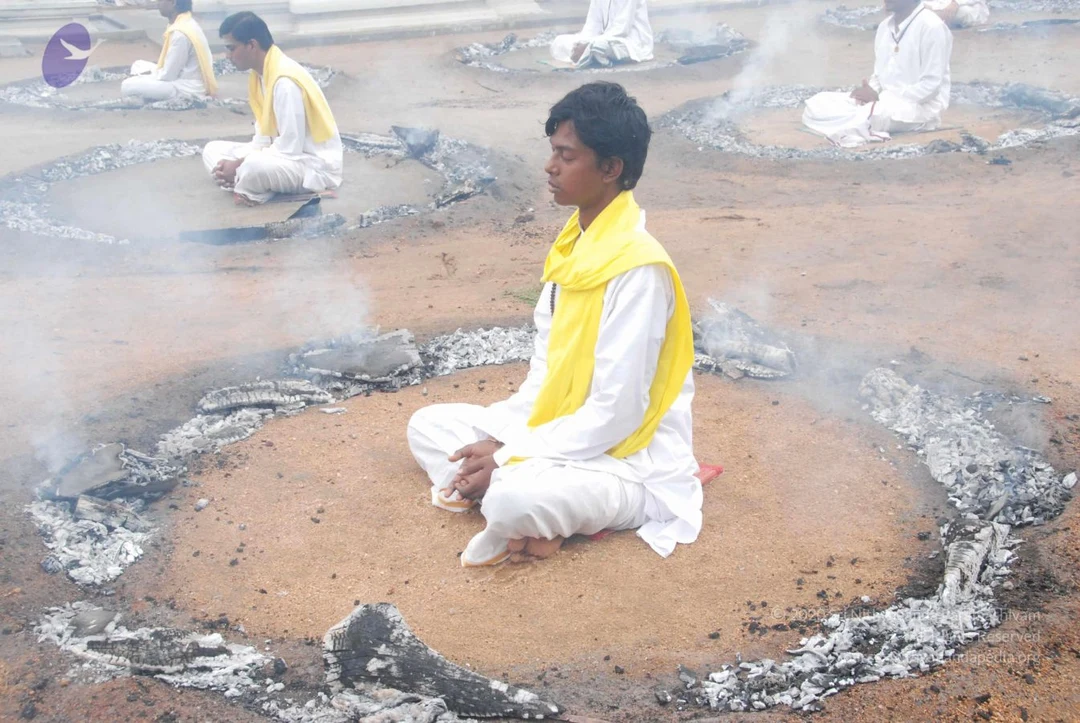
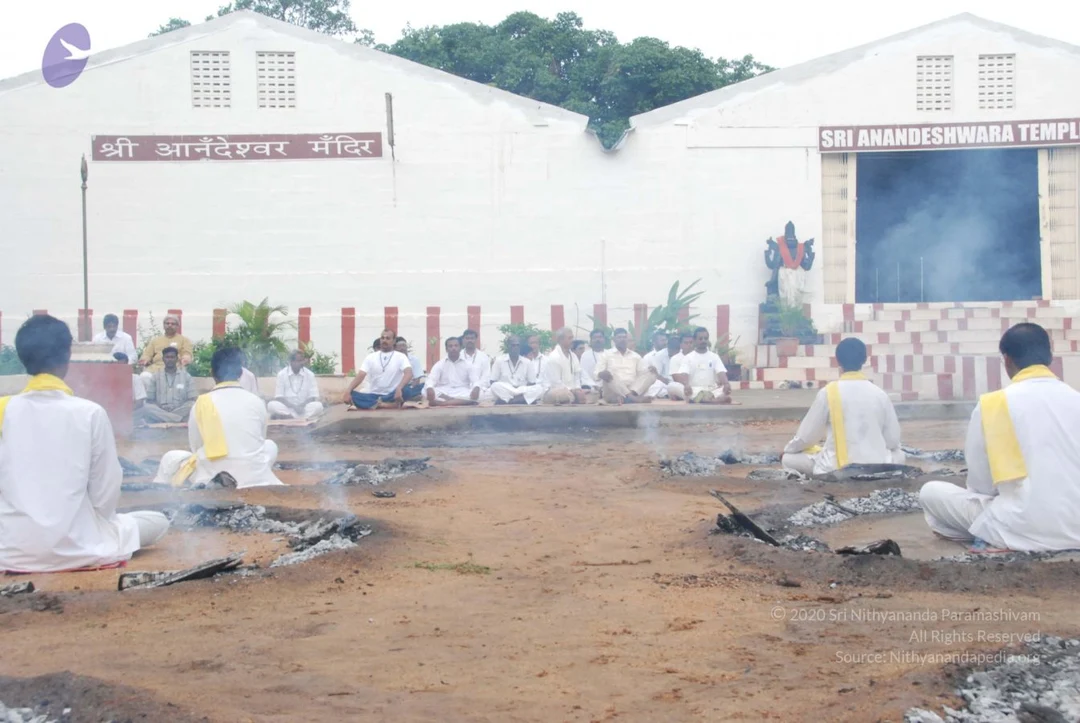
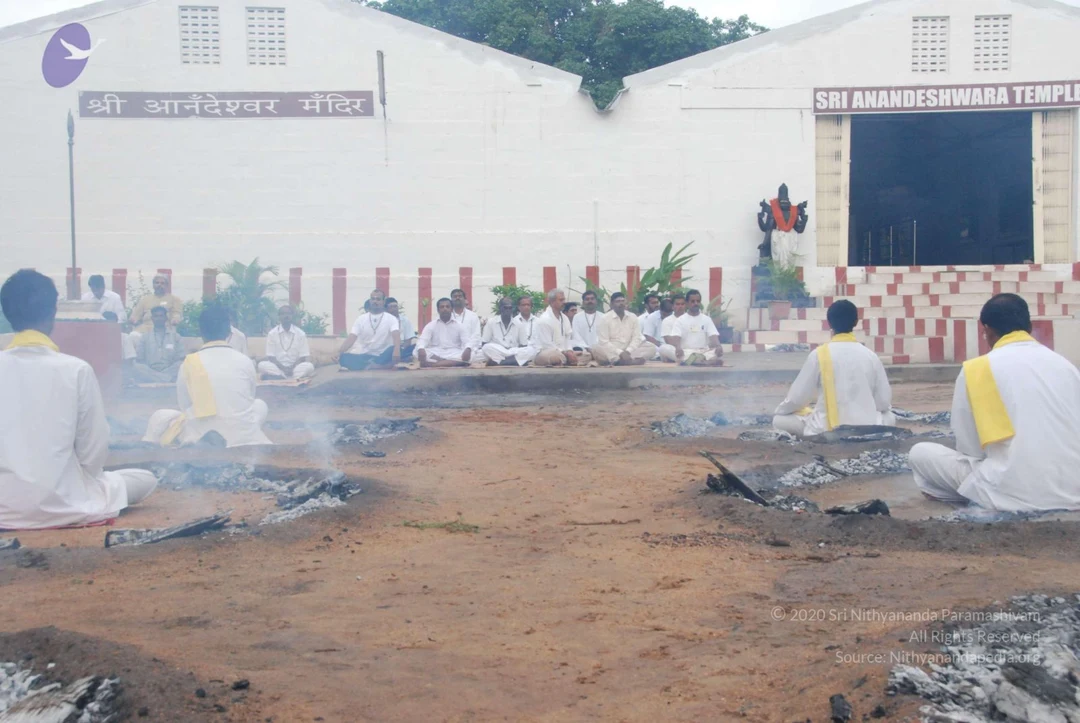
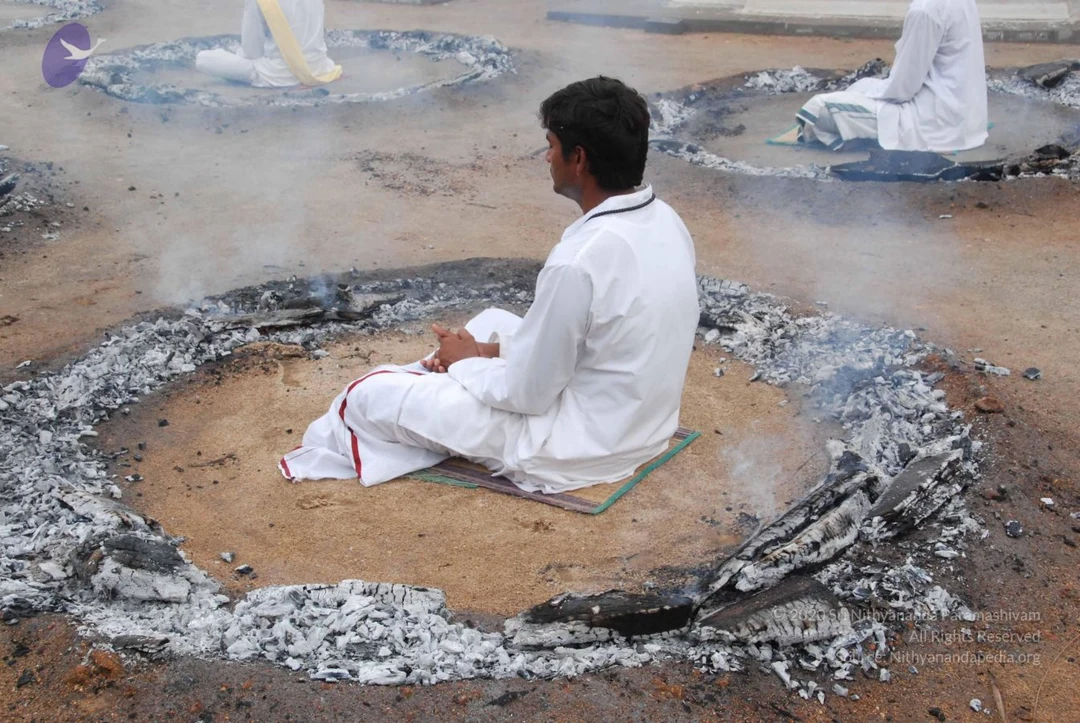
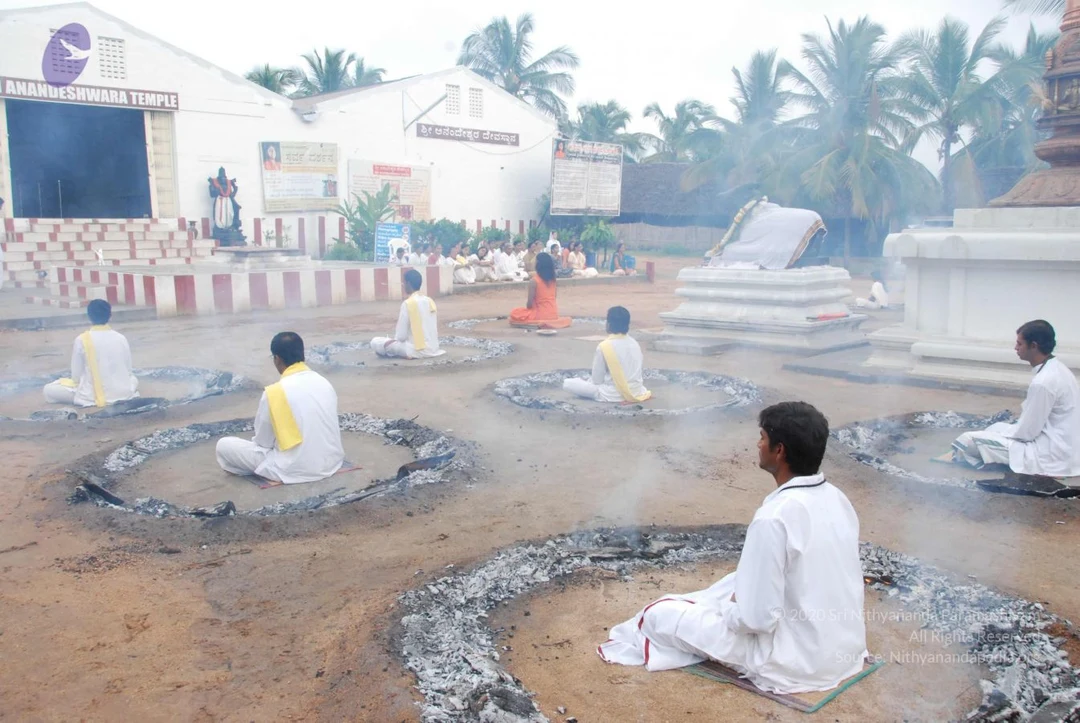
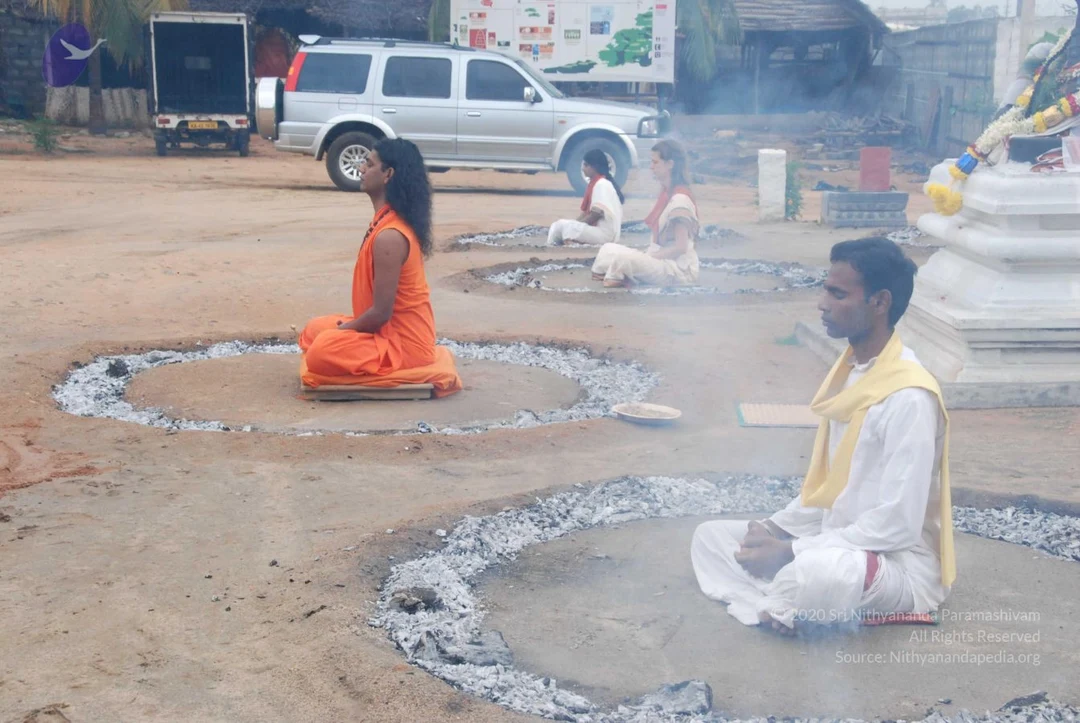
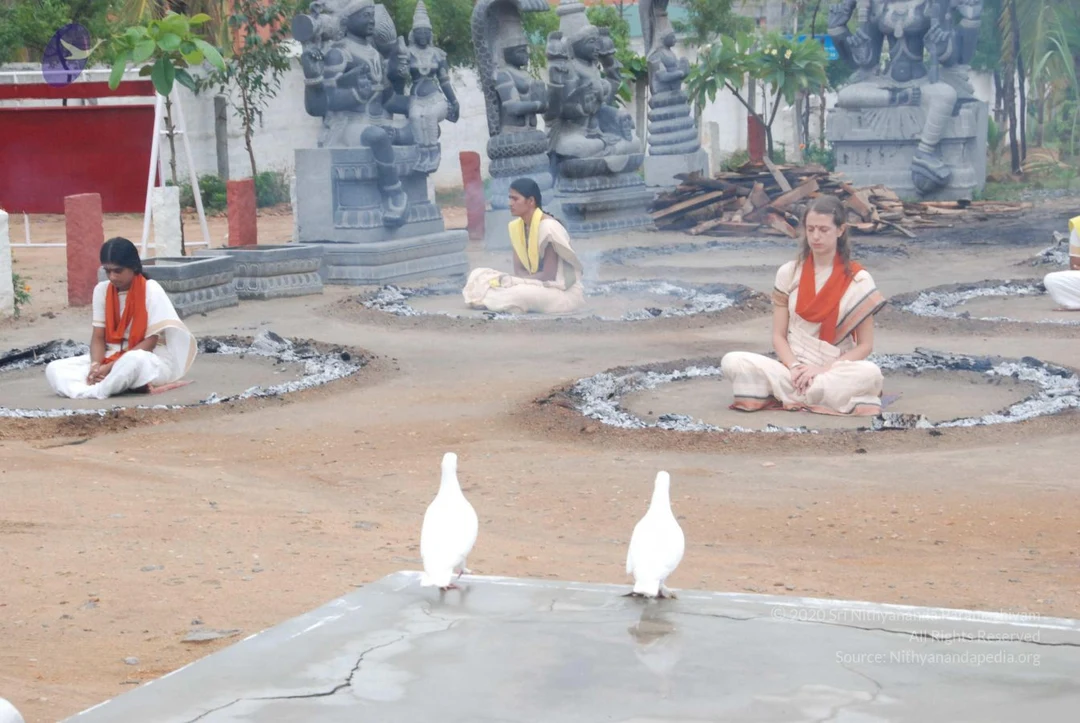
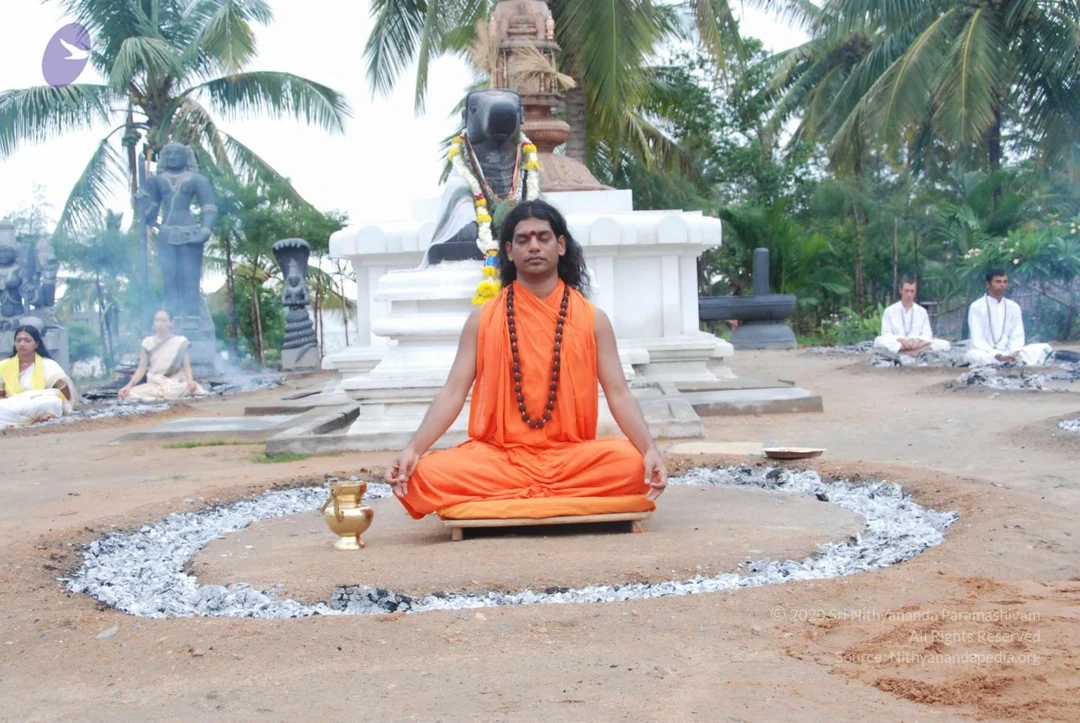
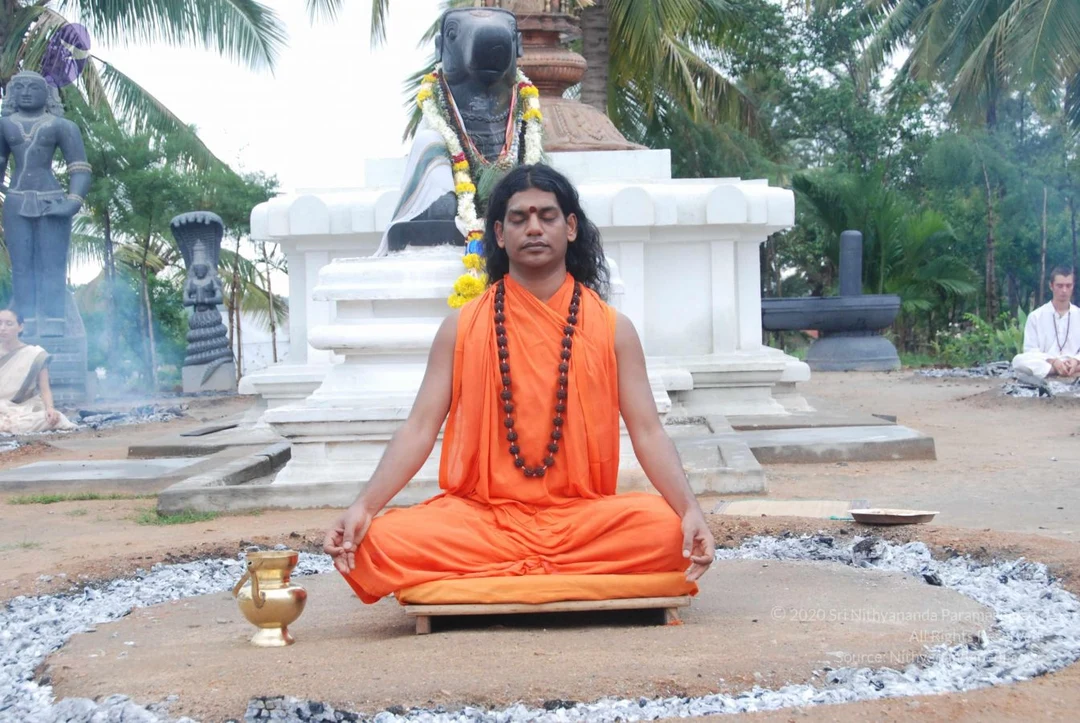
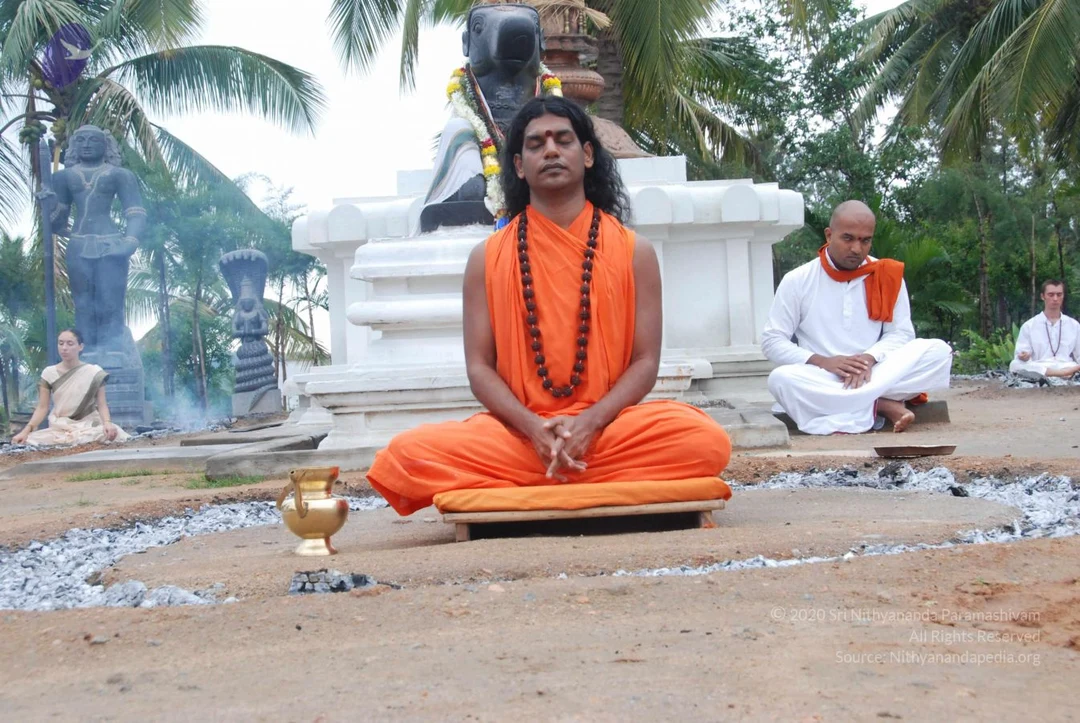
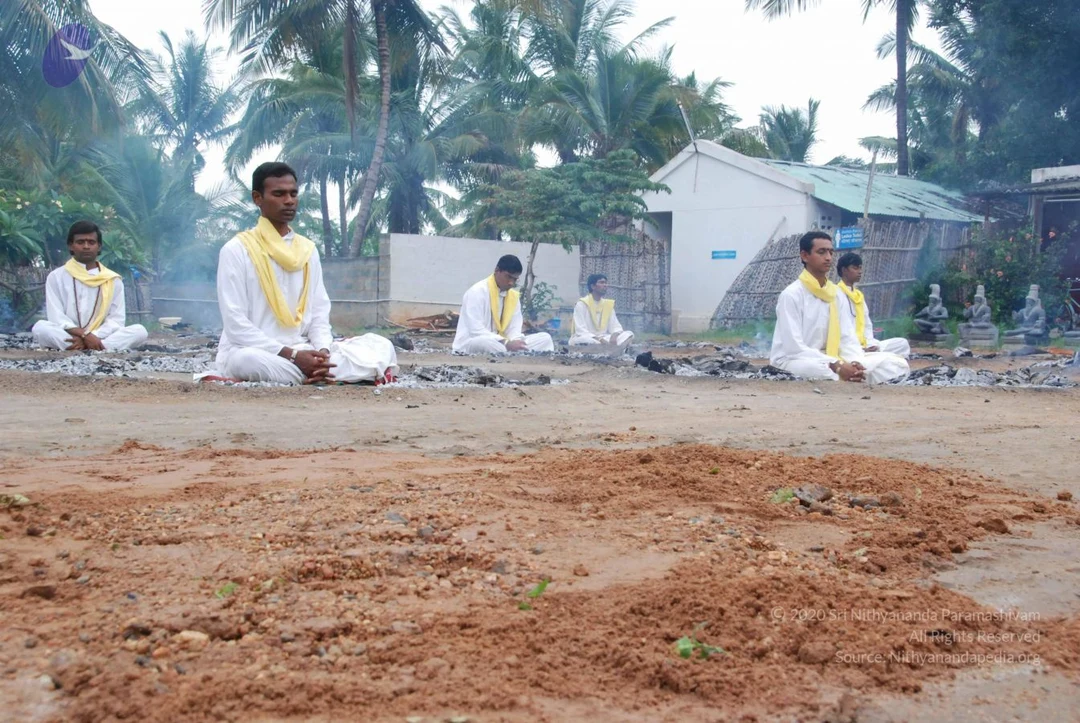
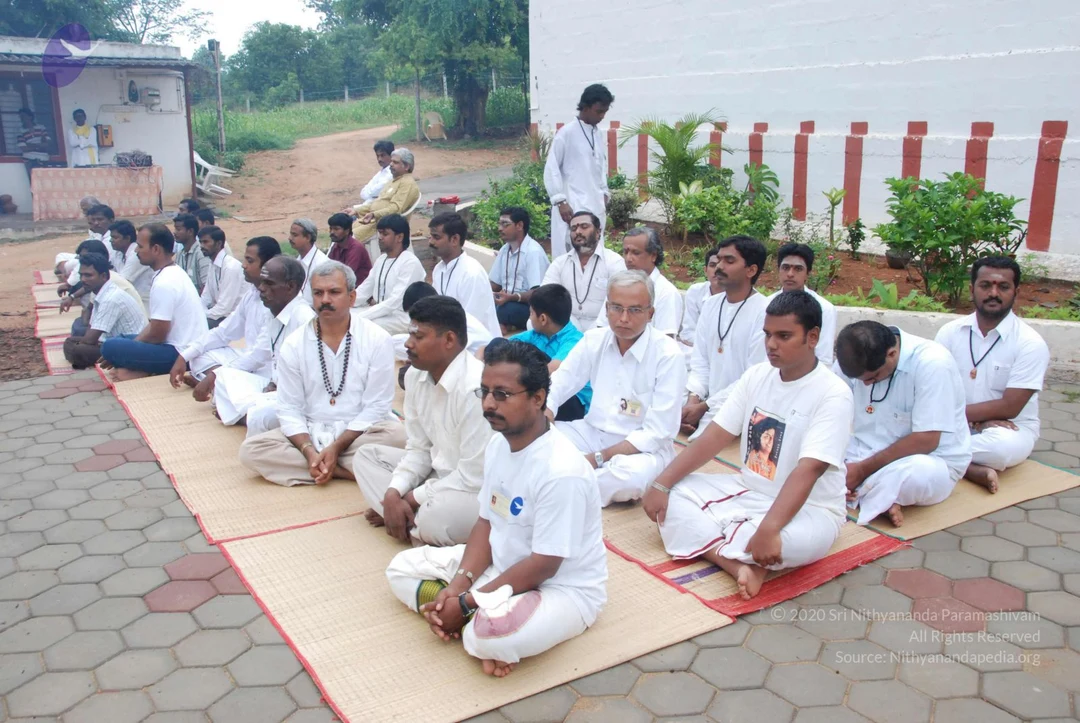
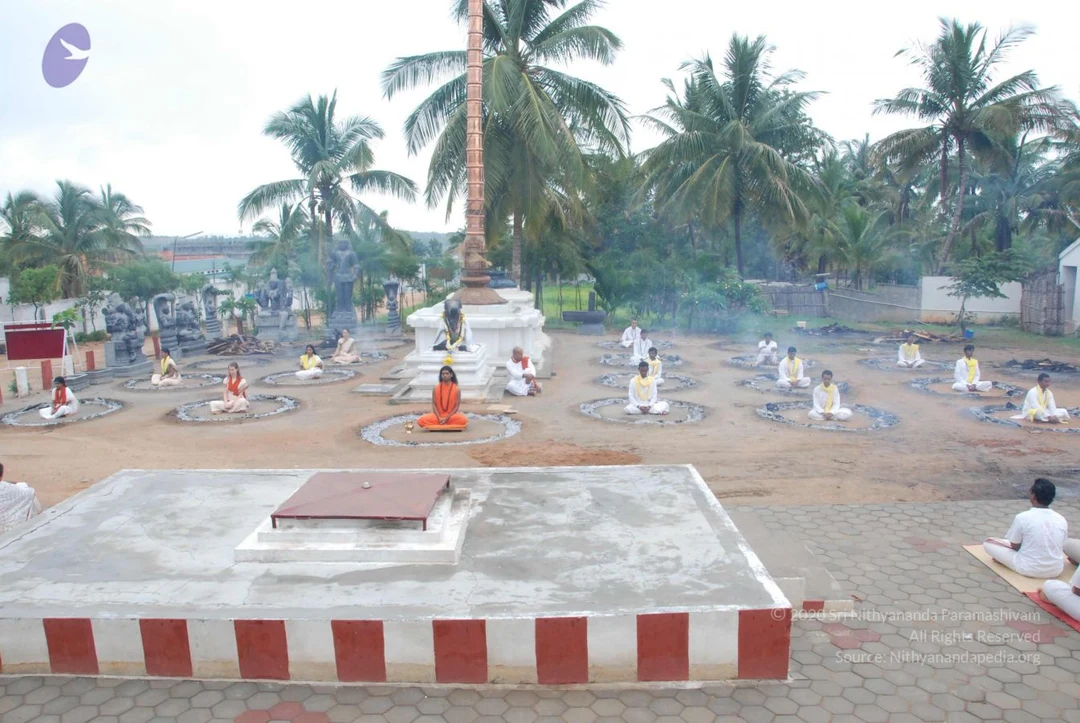
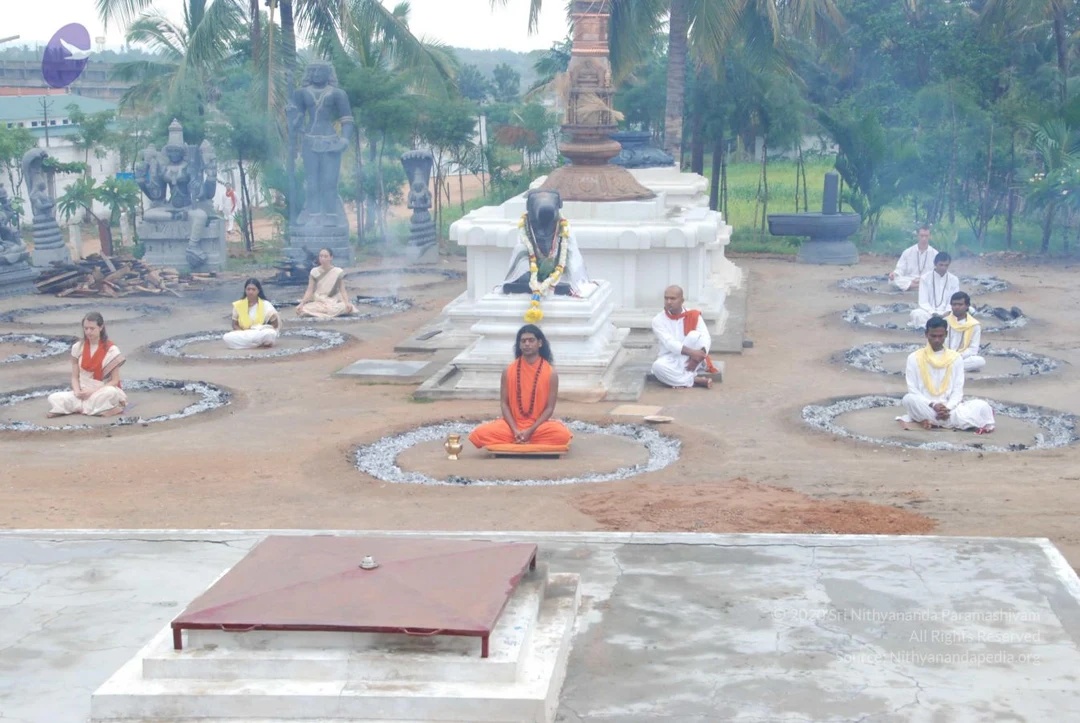
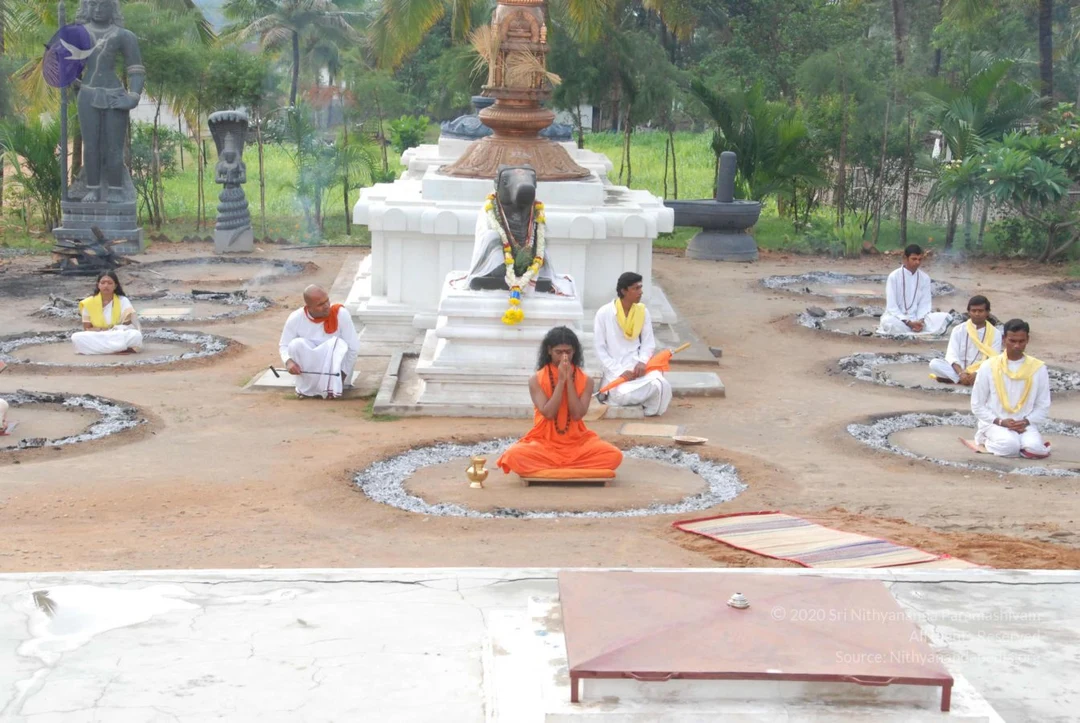
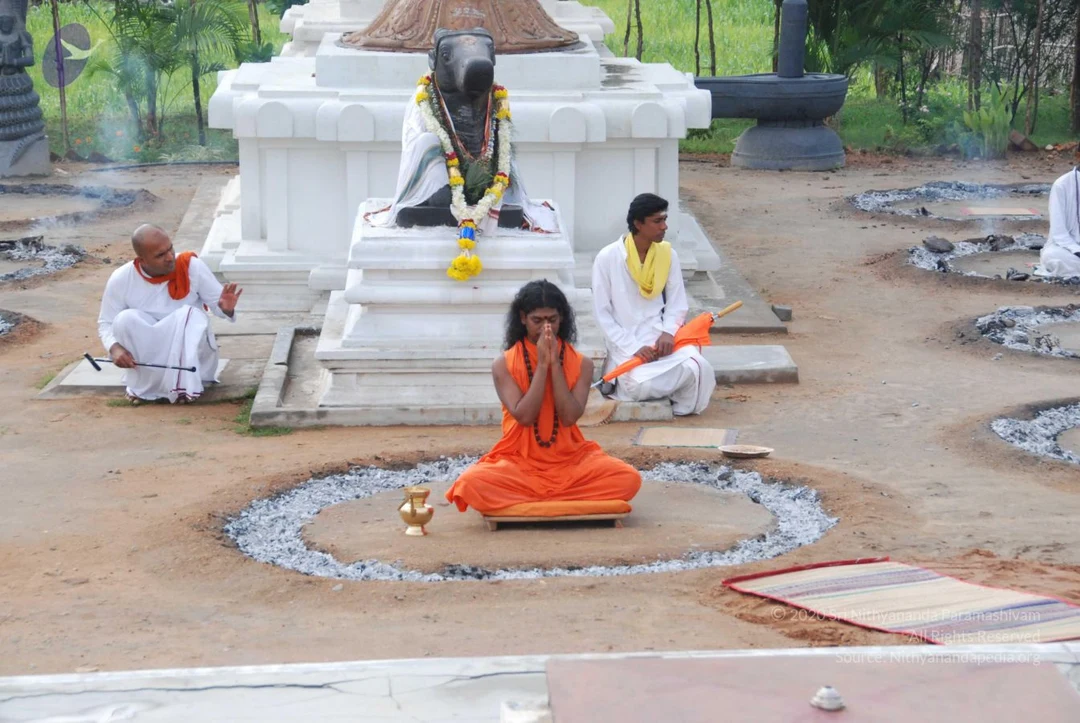
PANCHA-TAPAS
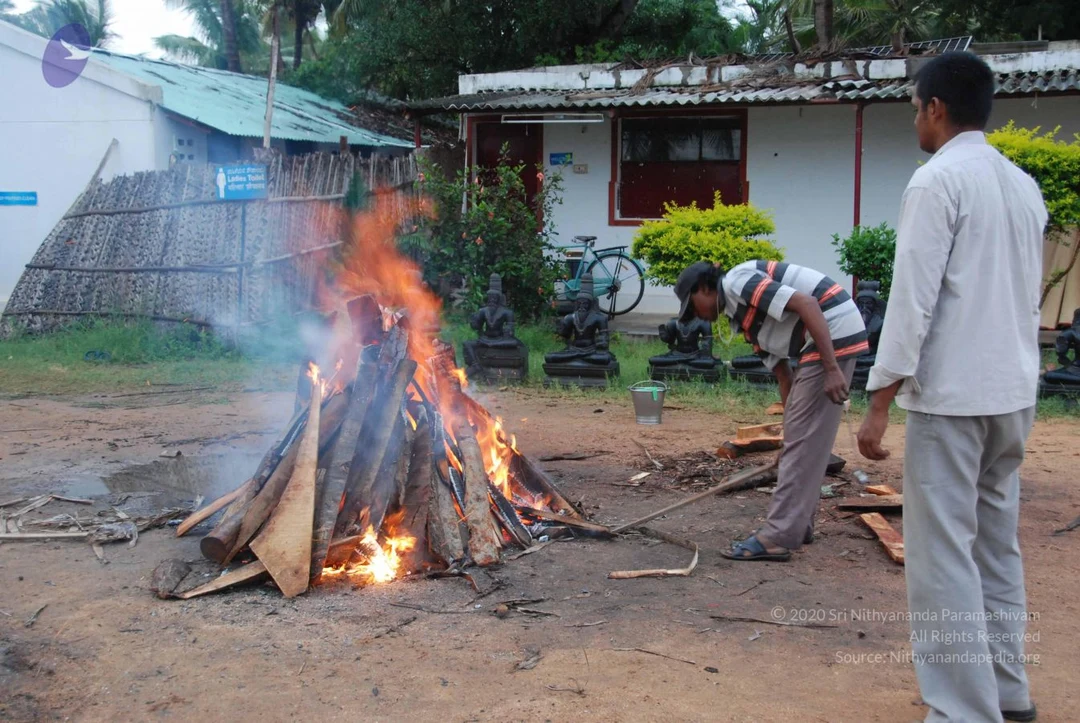
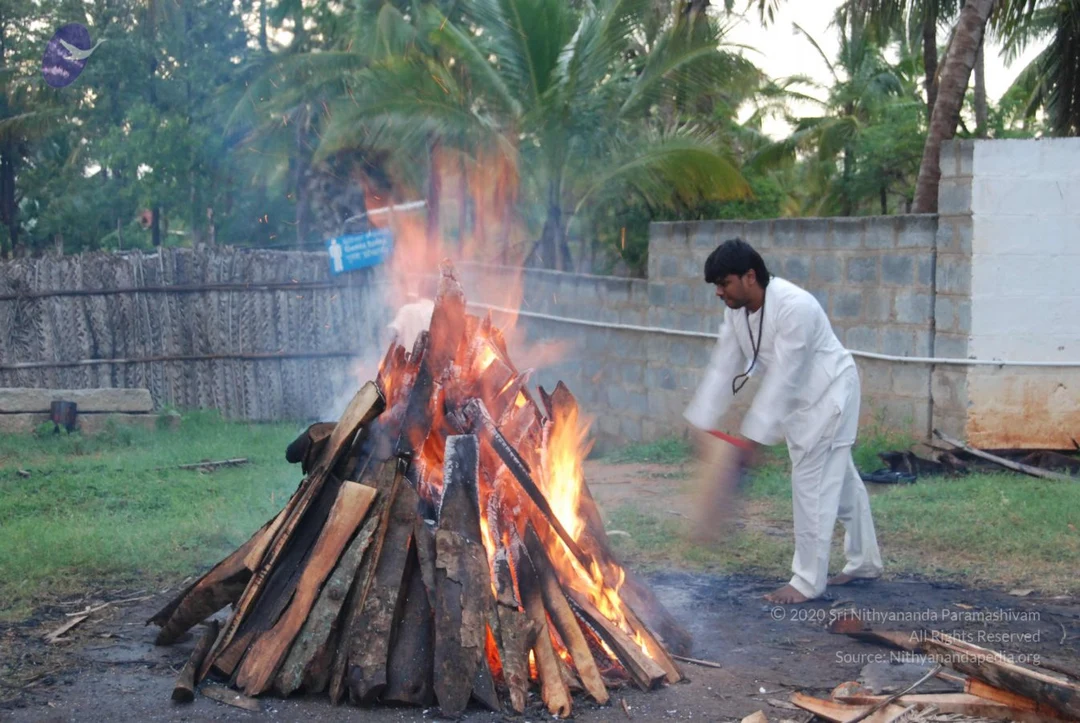
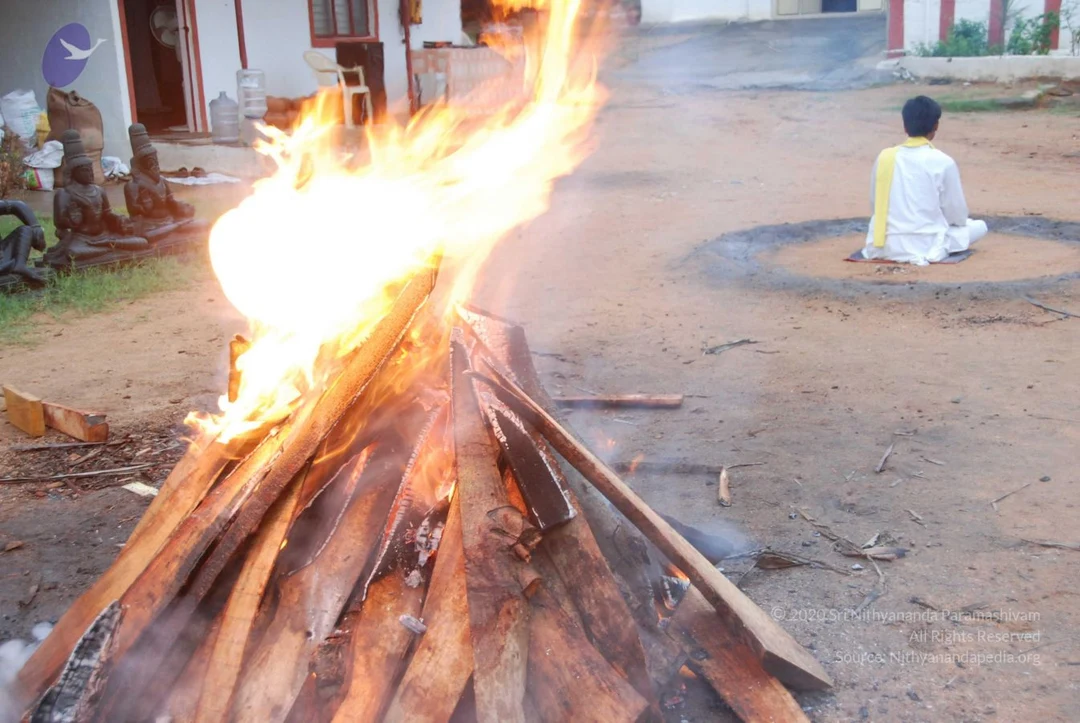
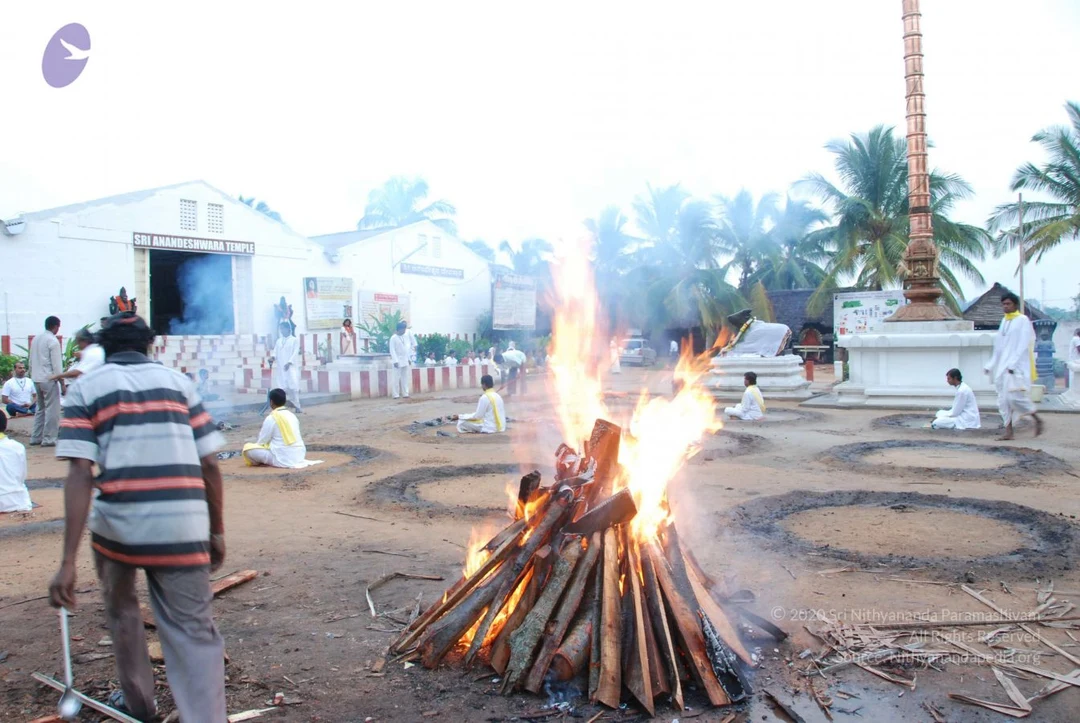
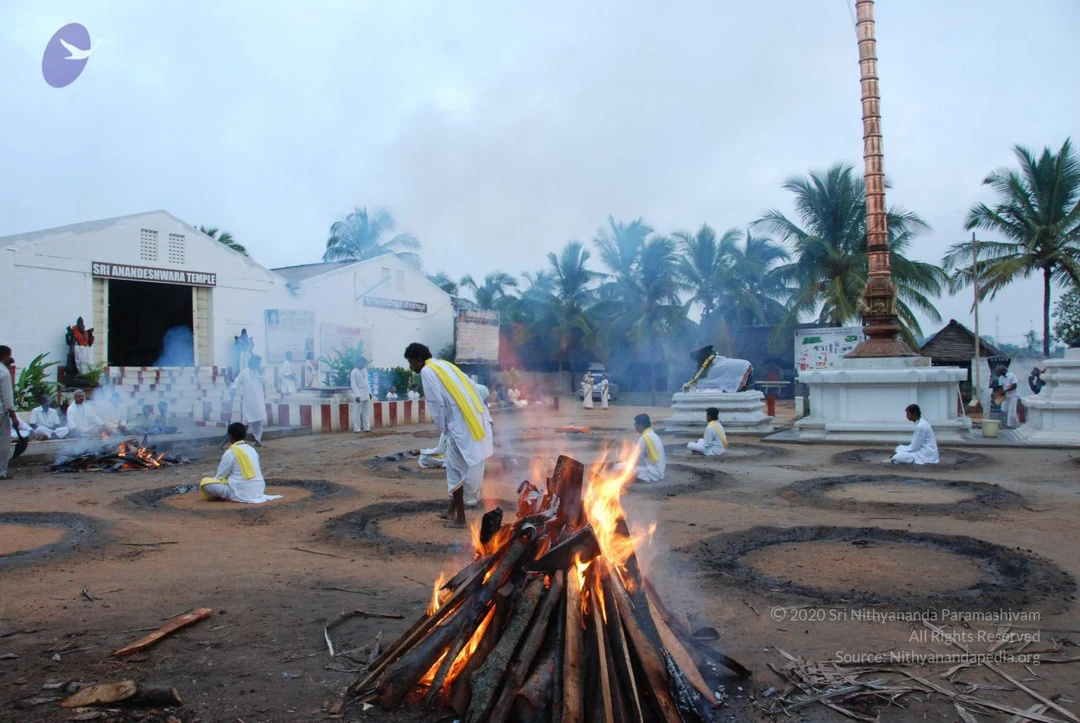
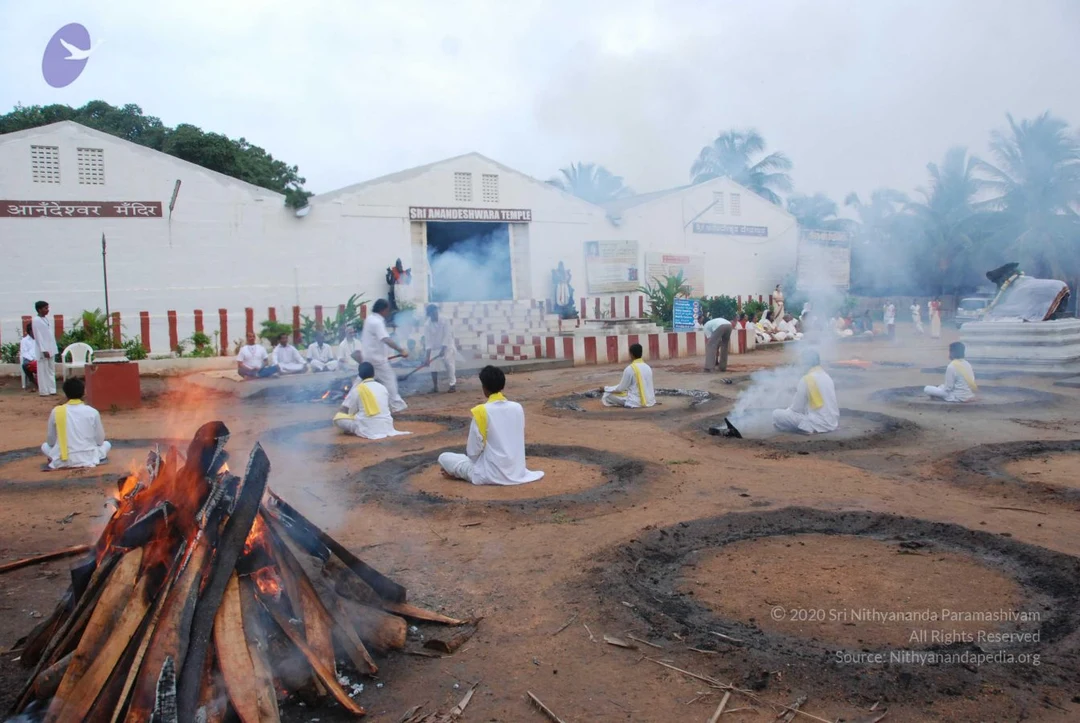
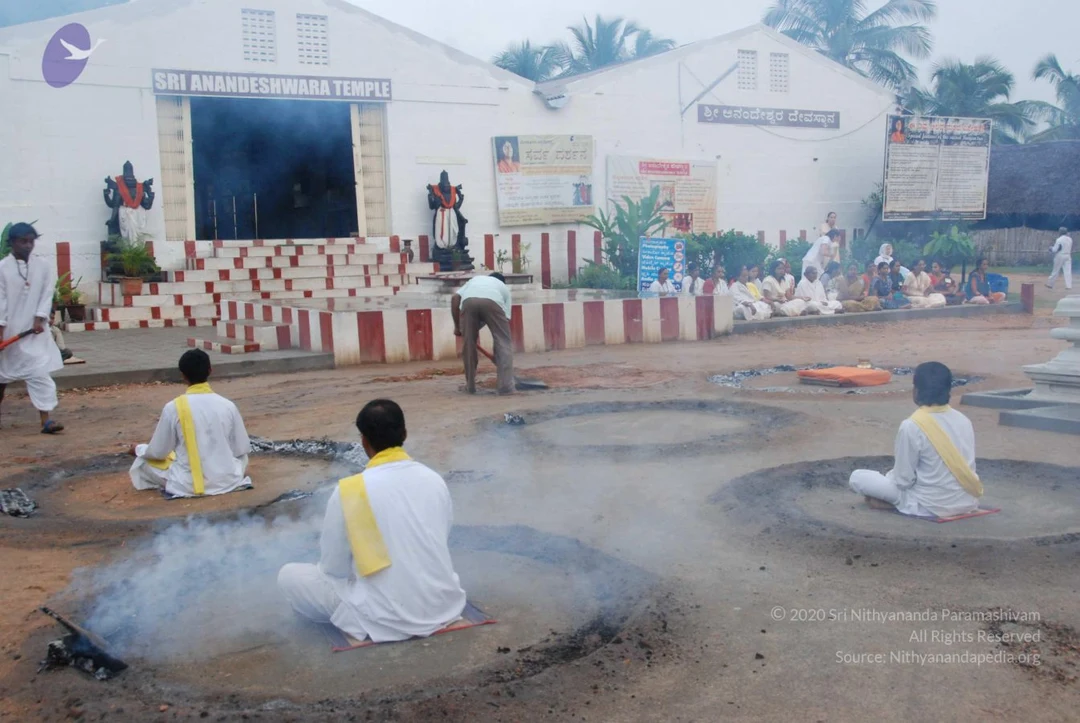
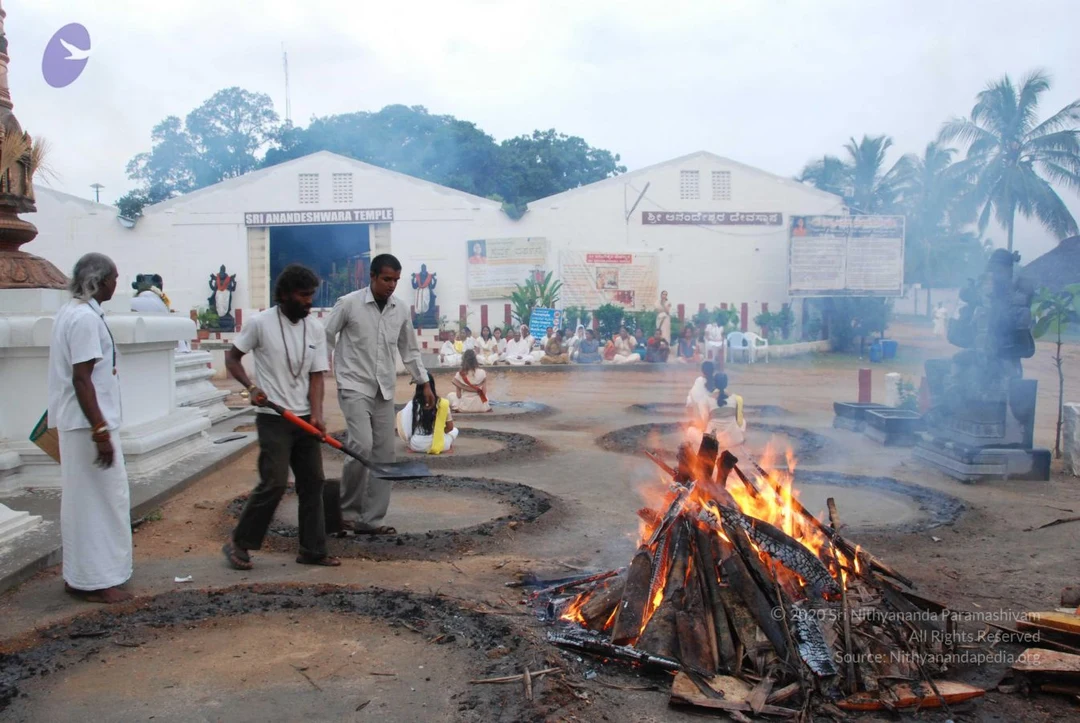
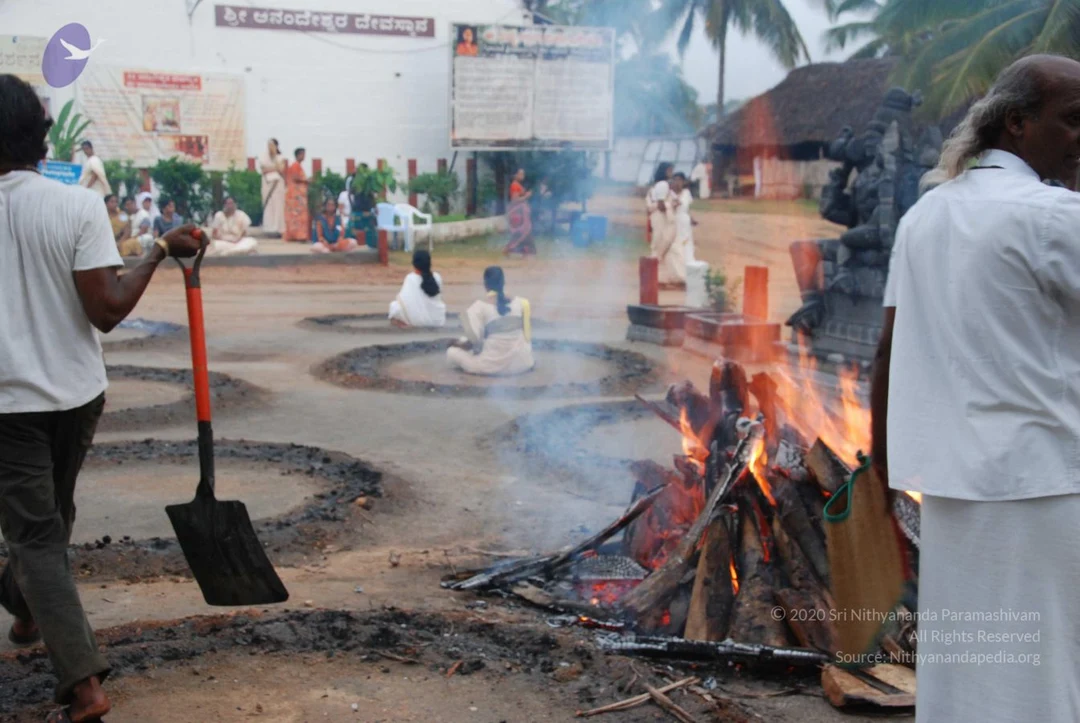
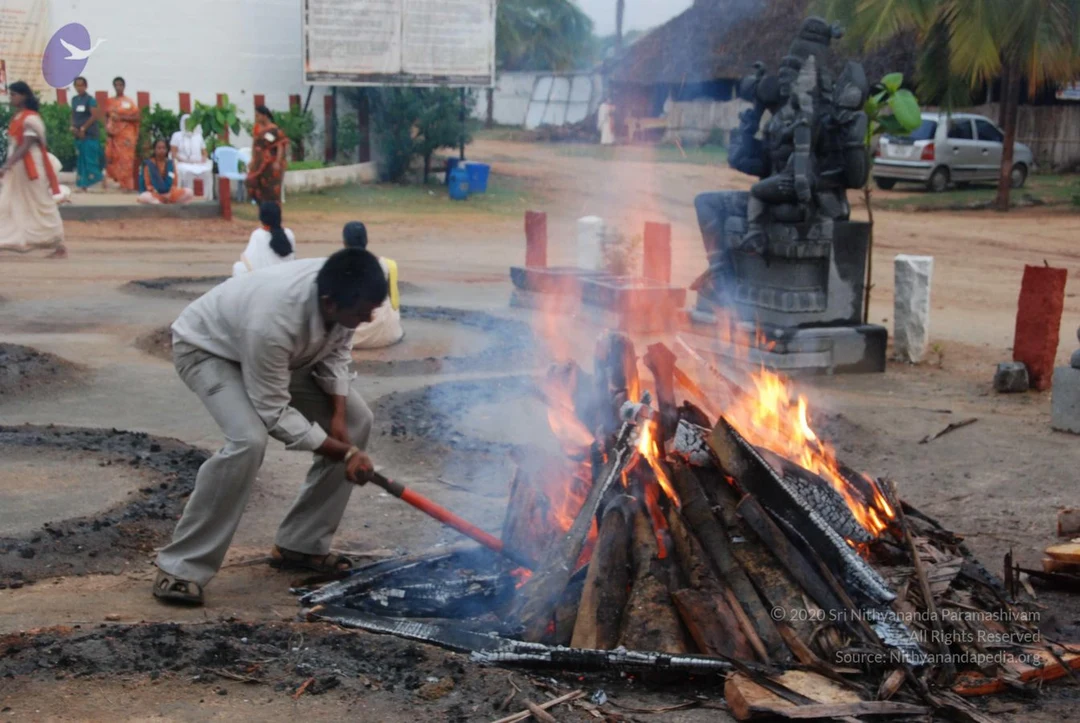
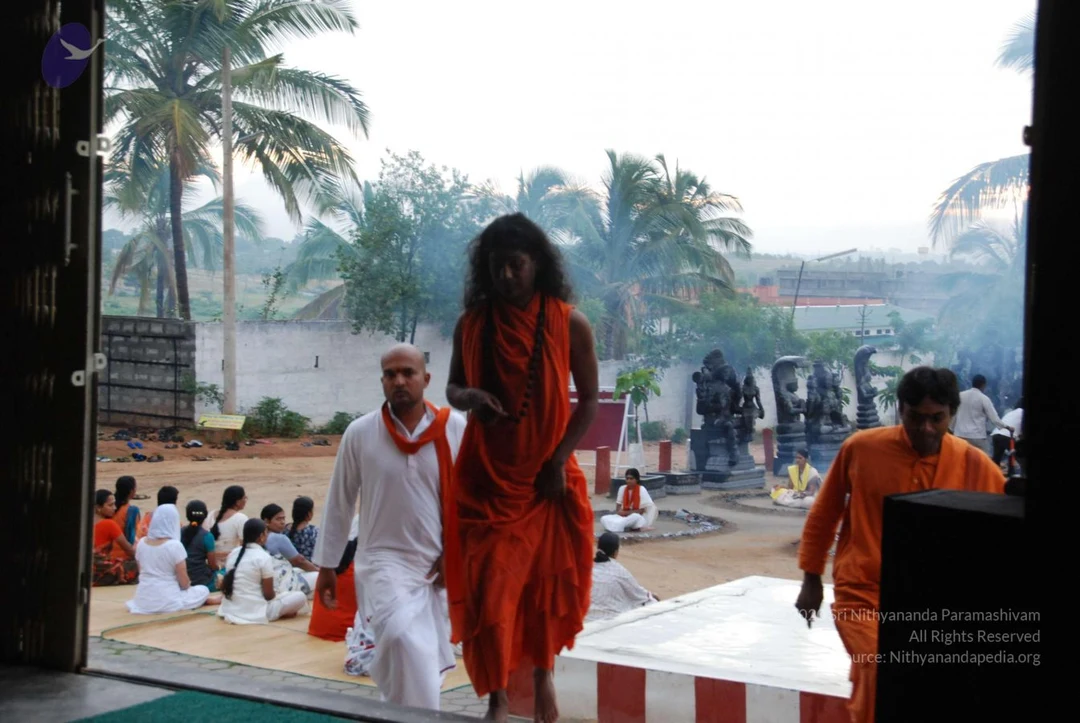
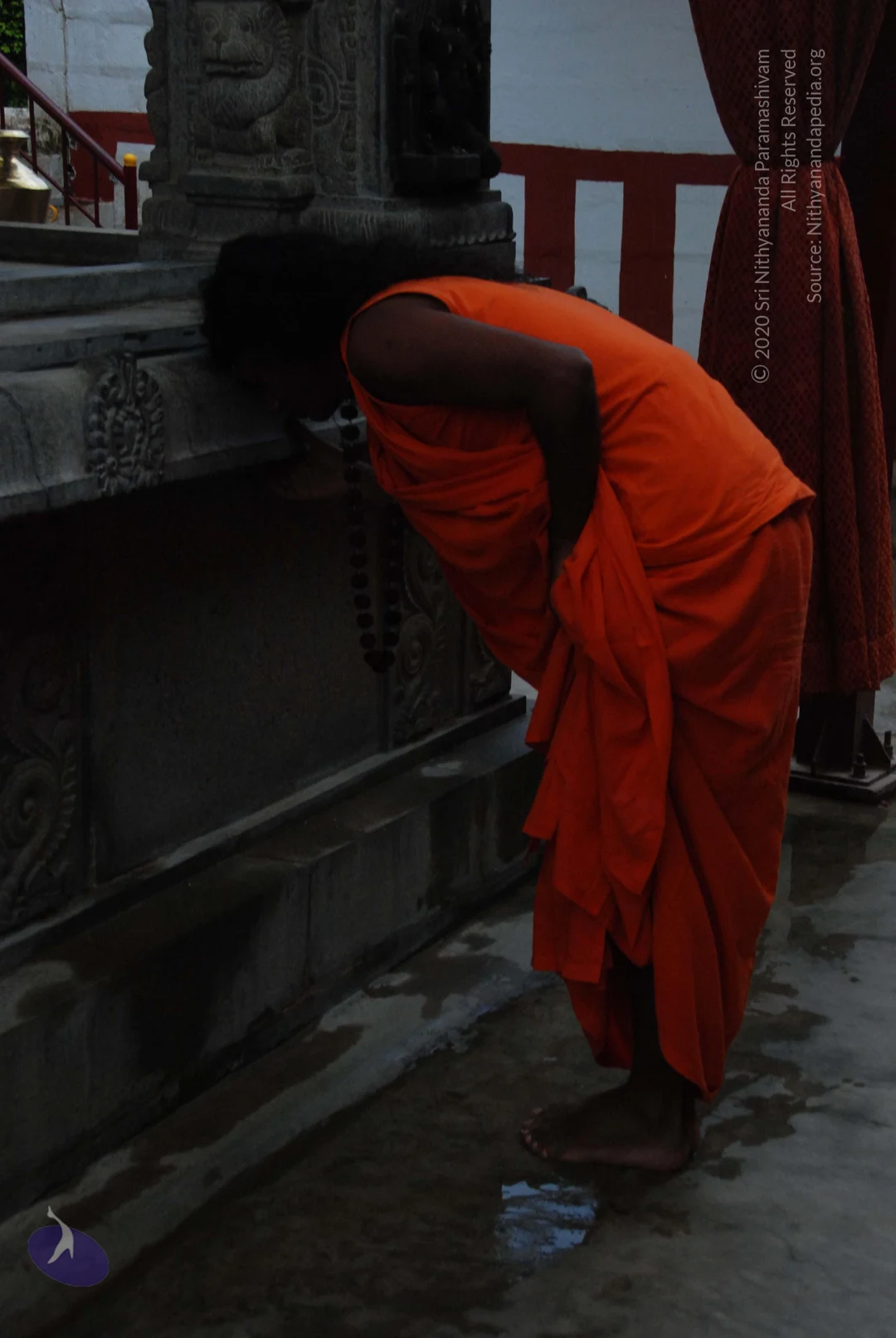
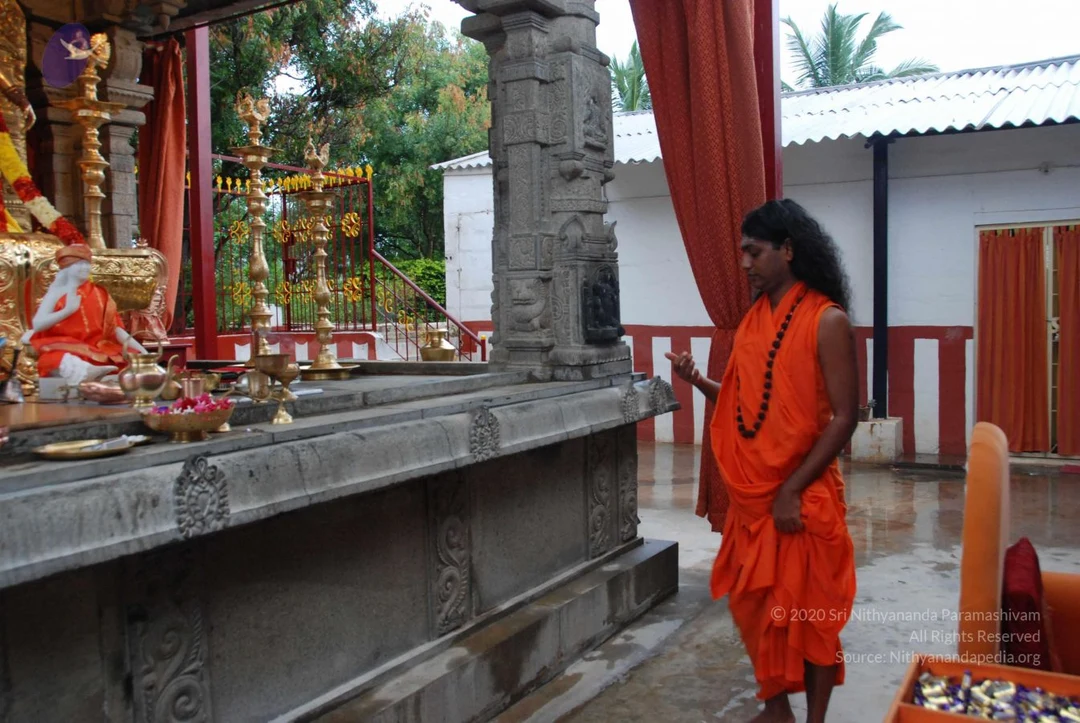
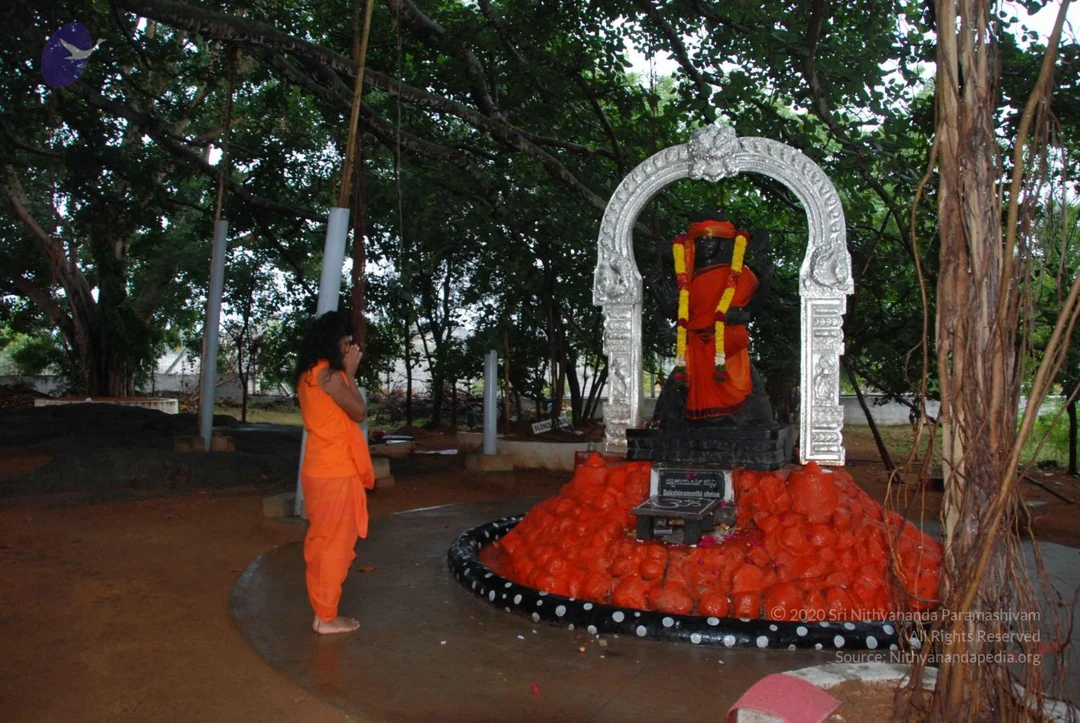
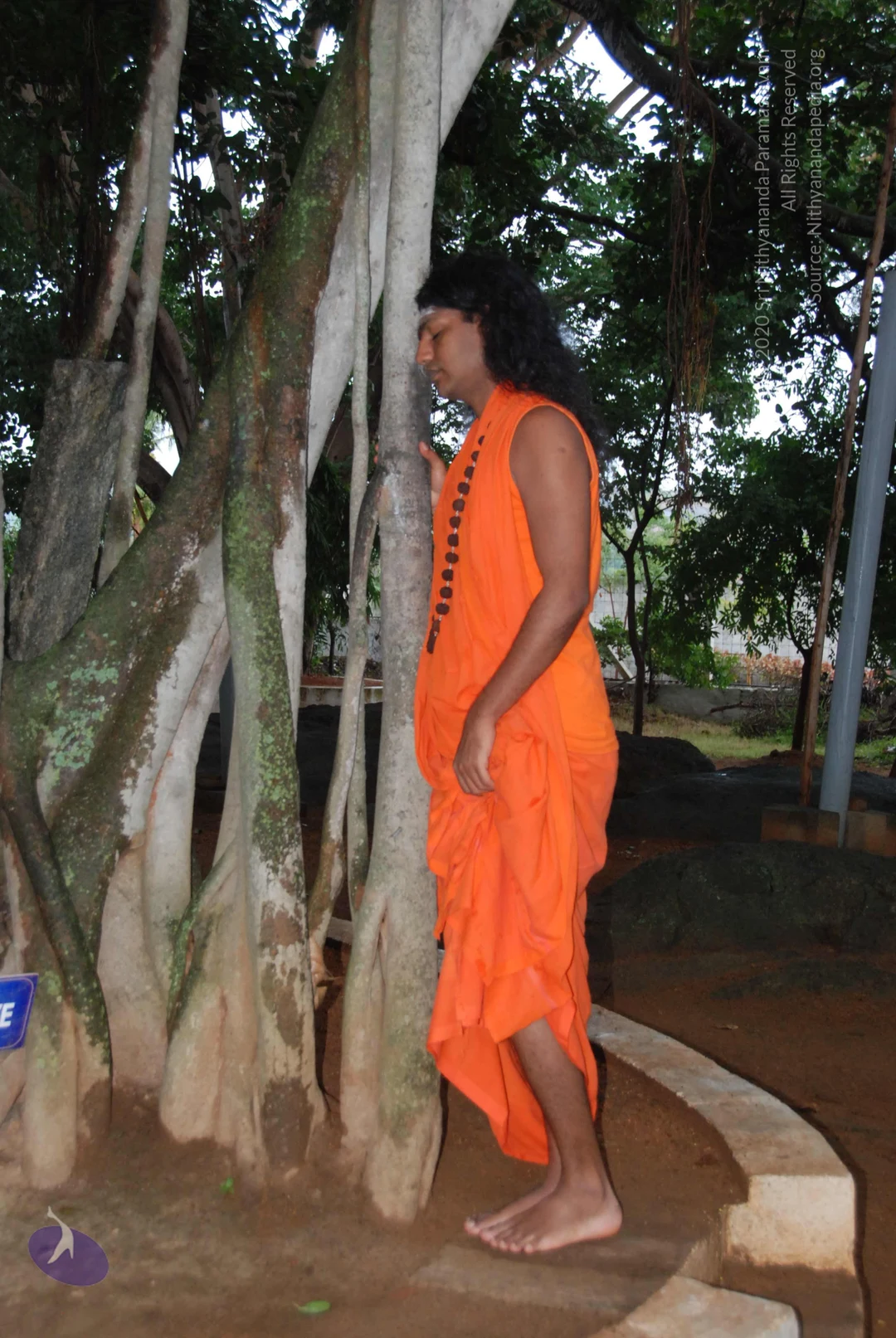
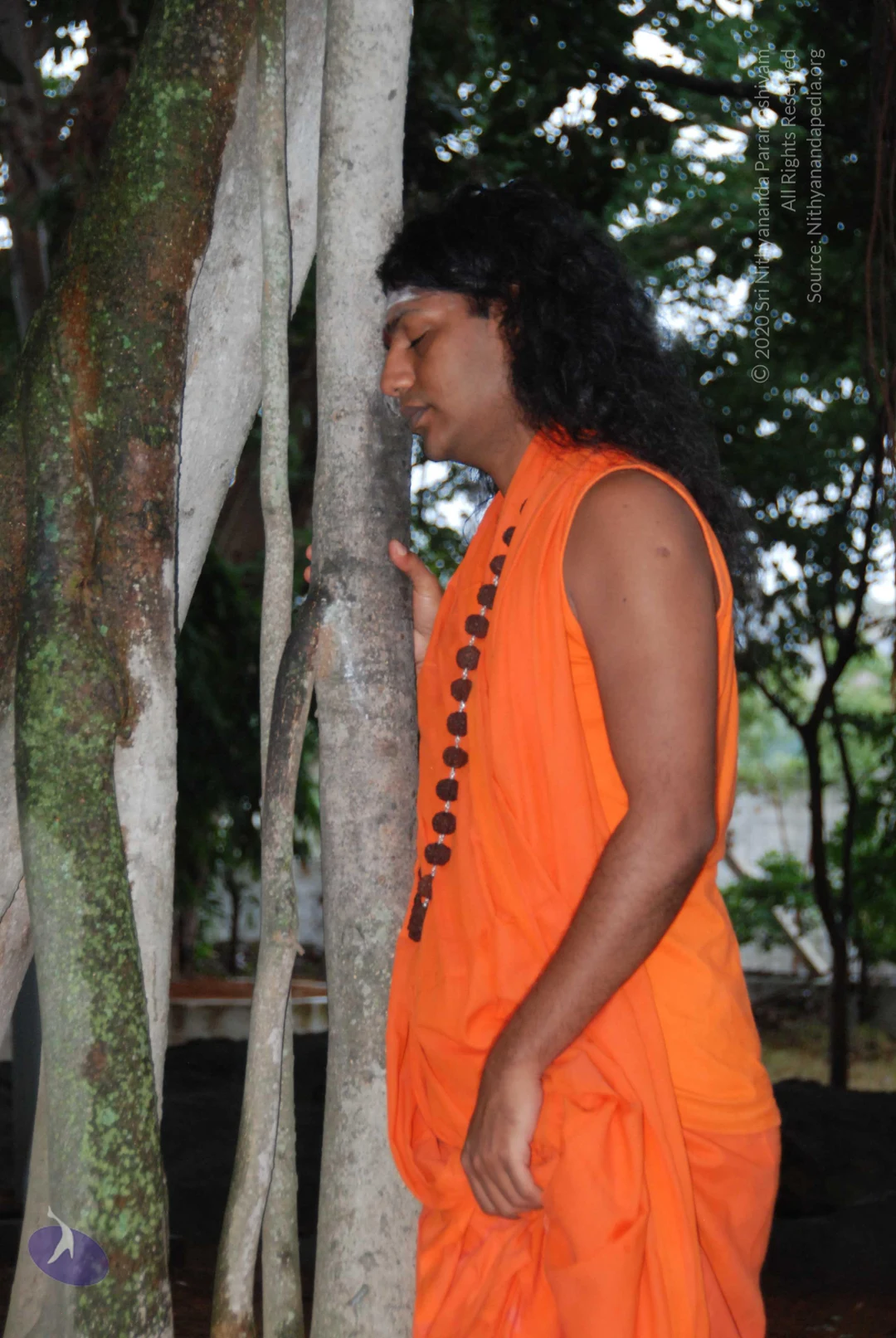
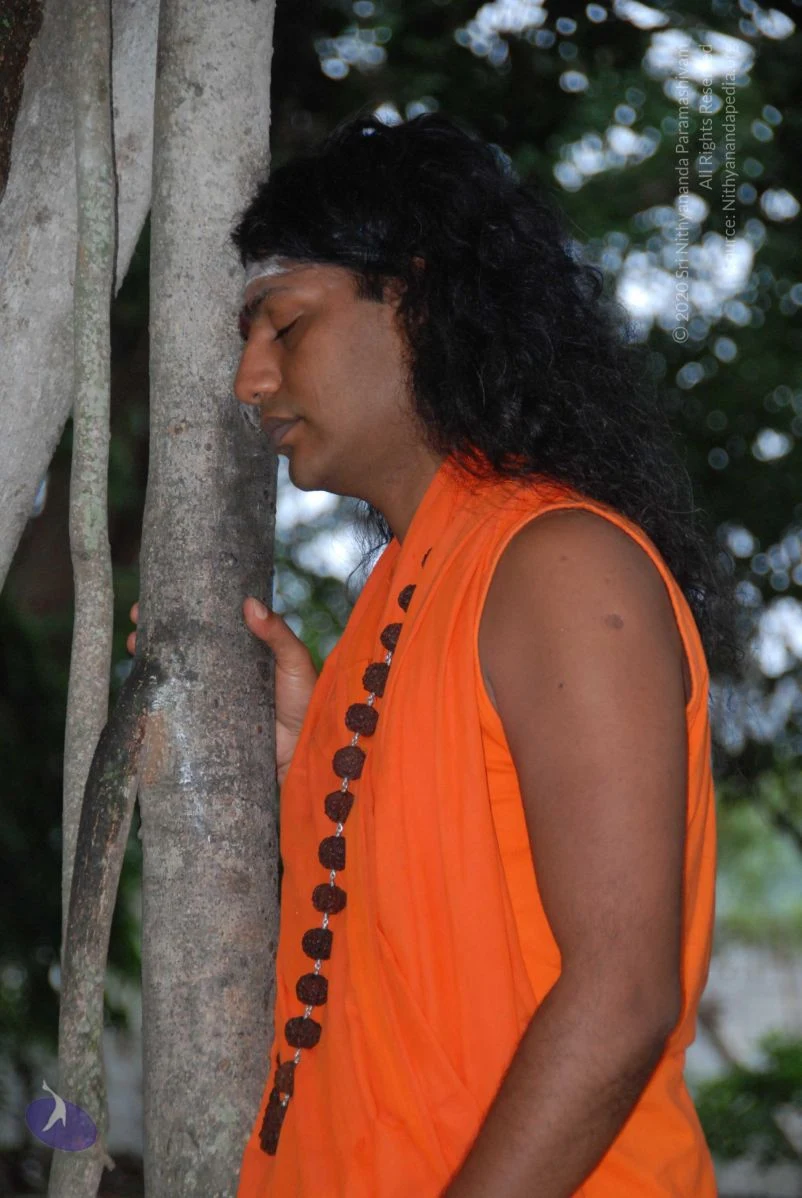
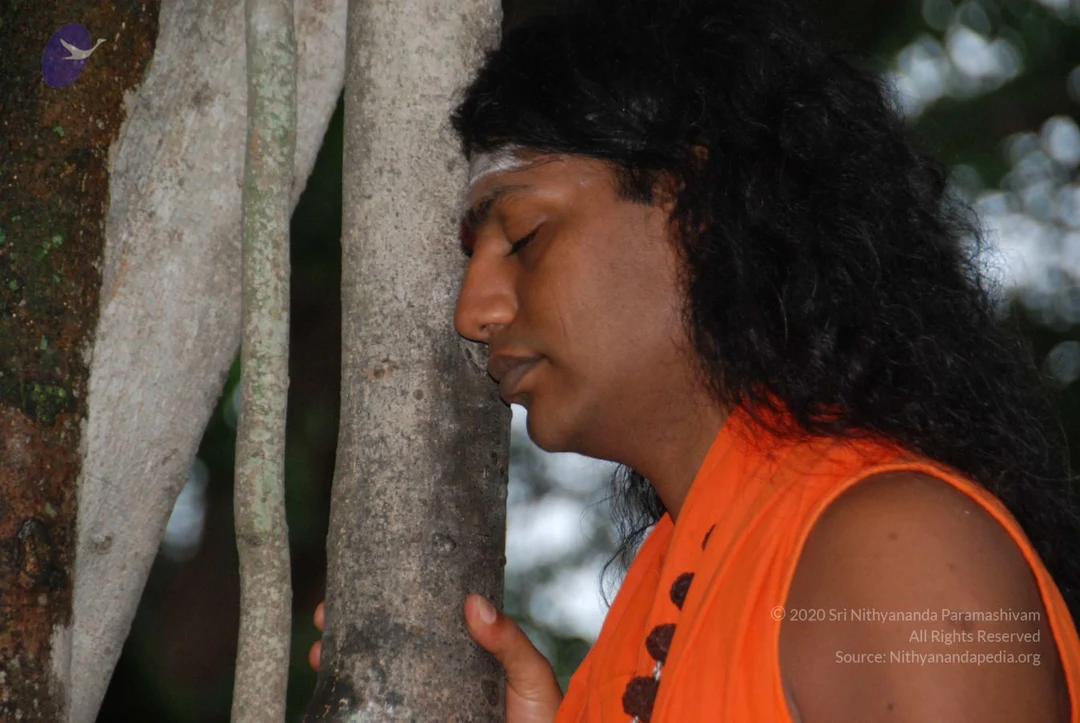
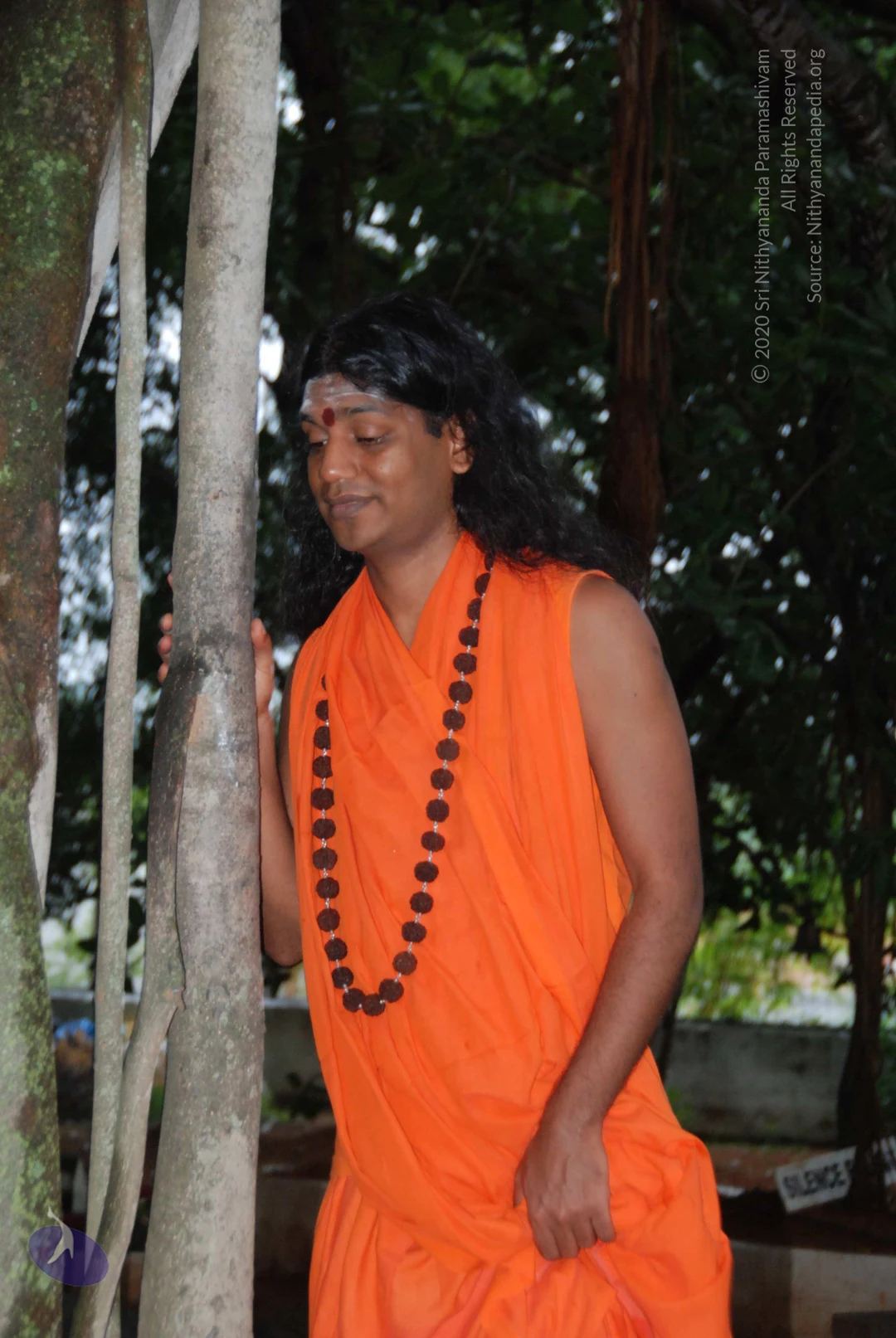
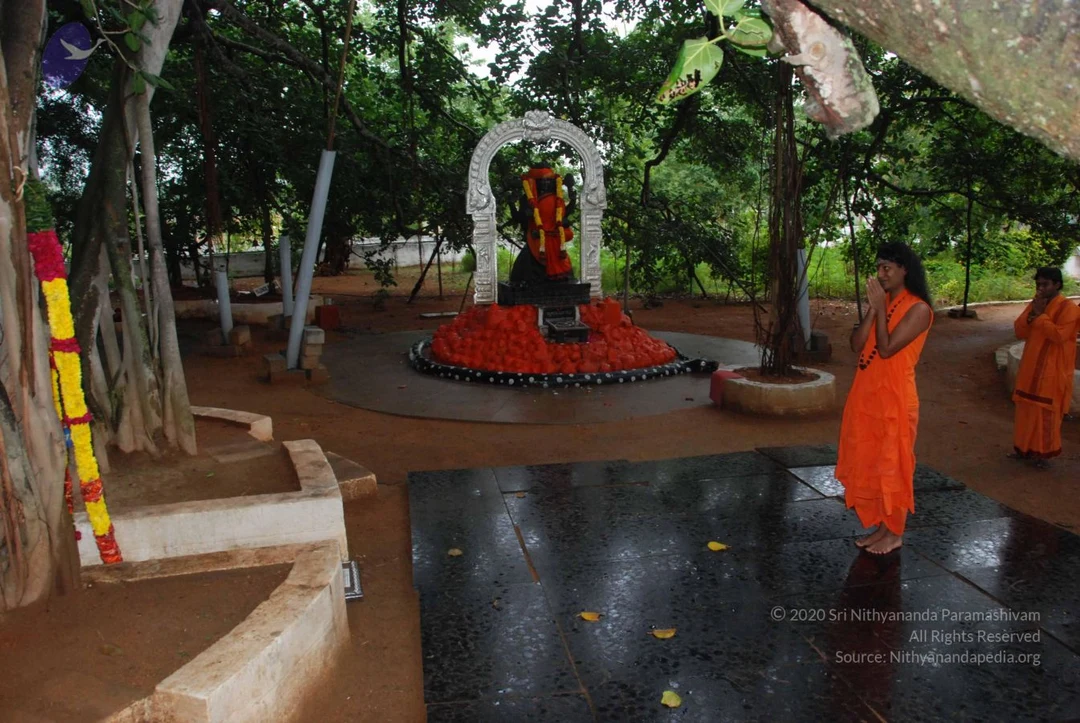
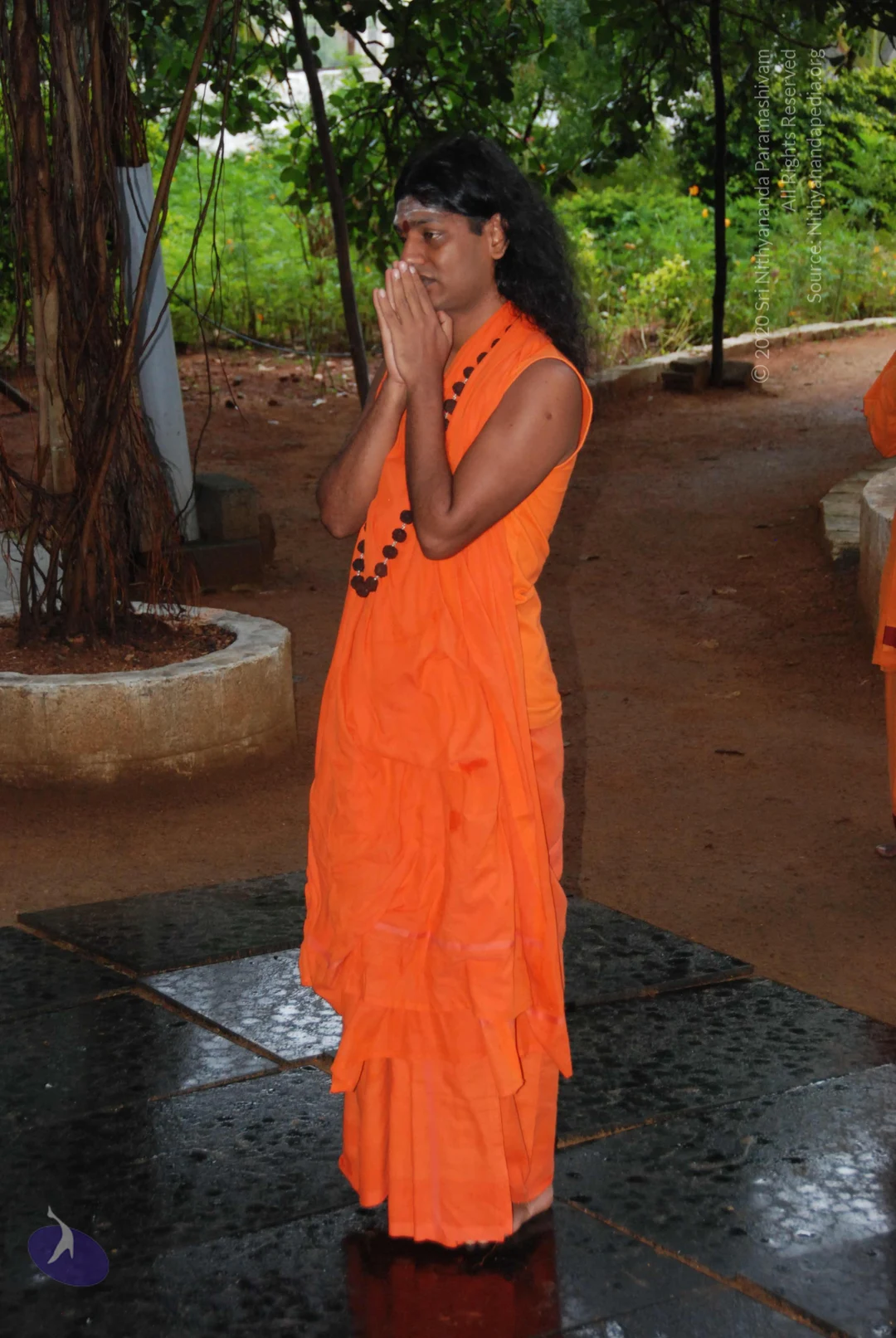
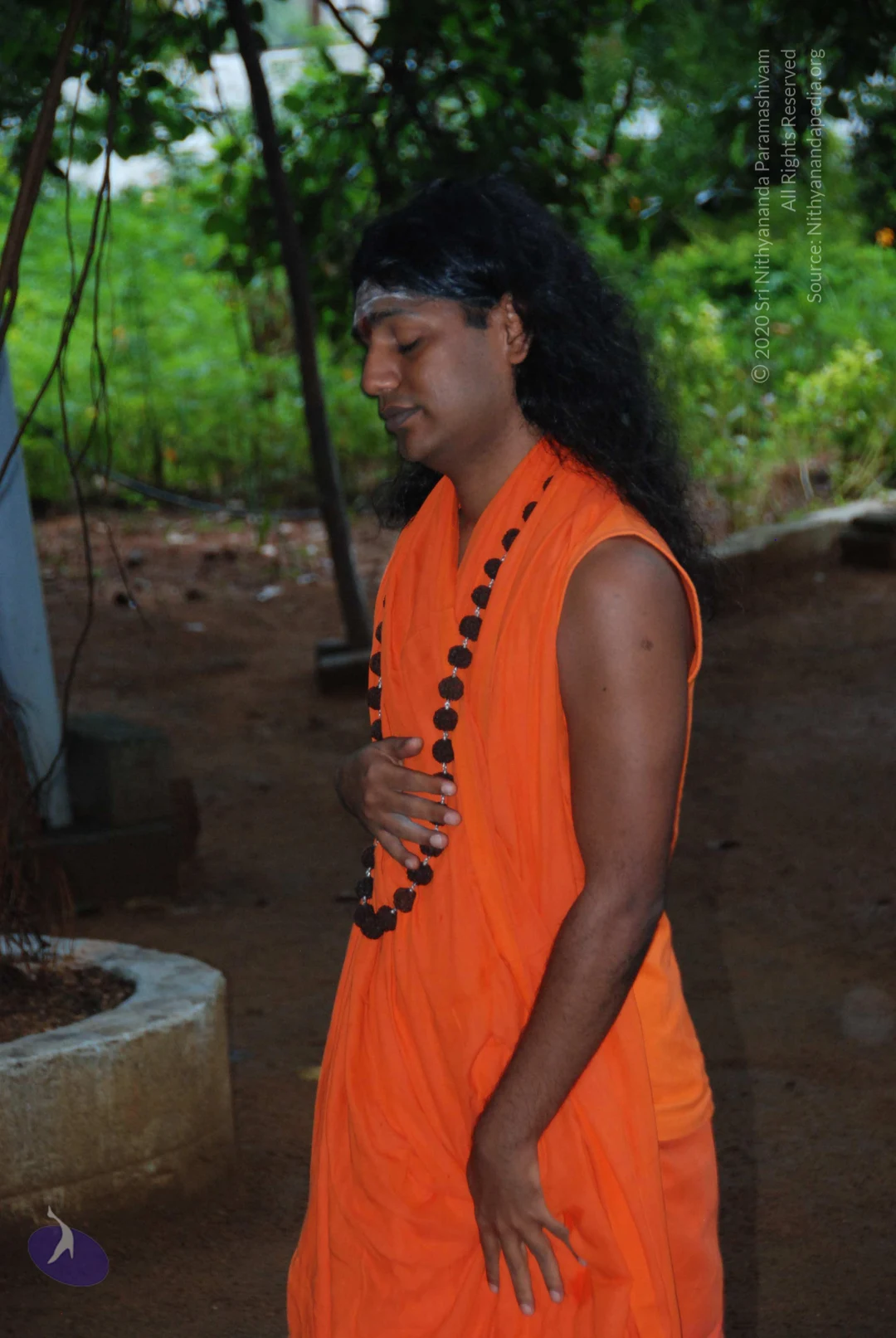
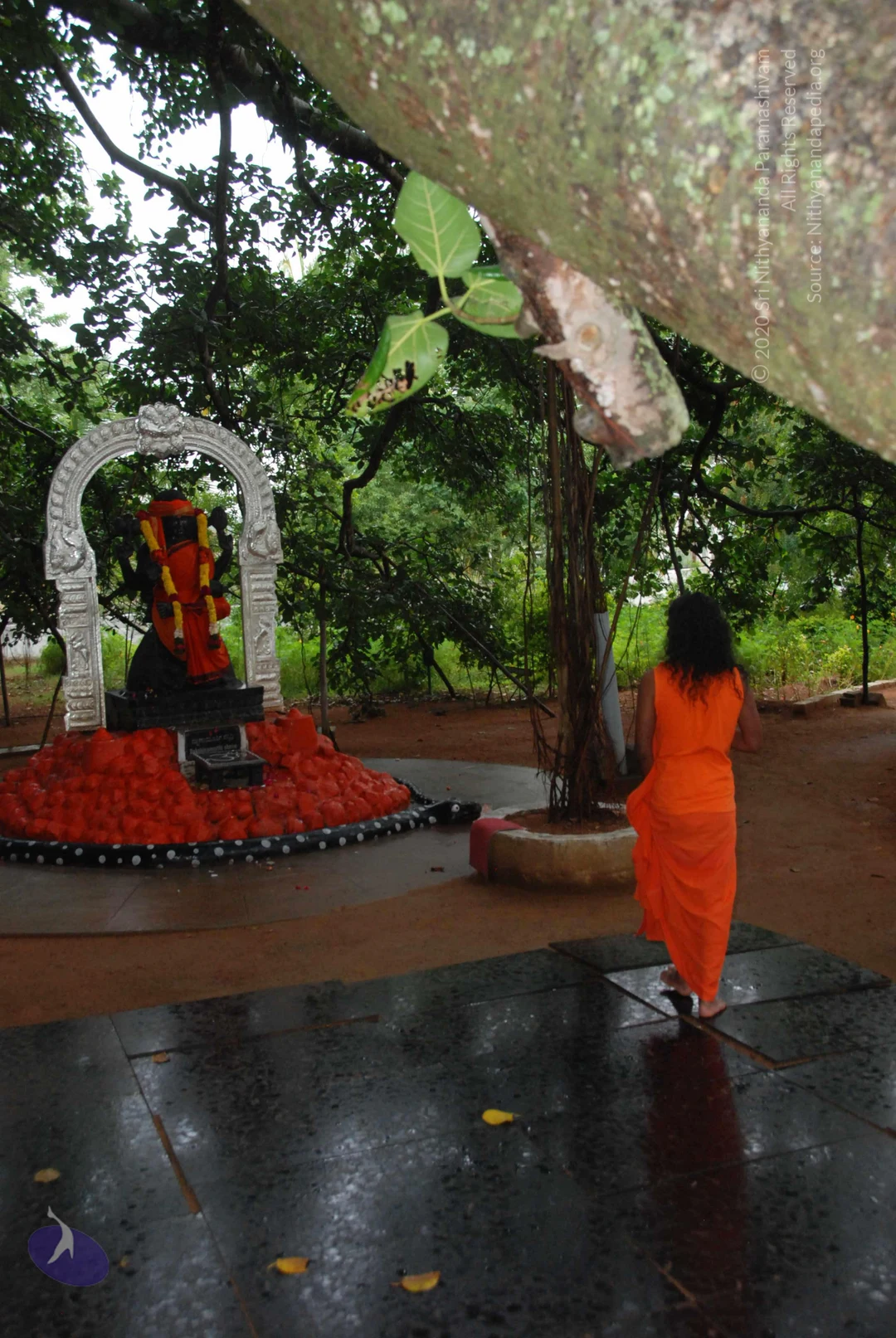
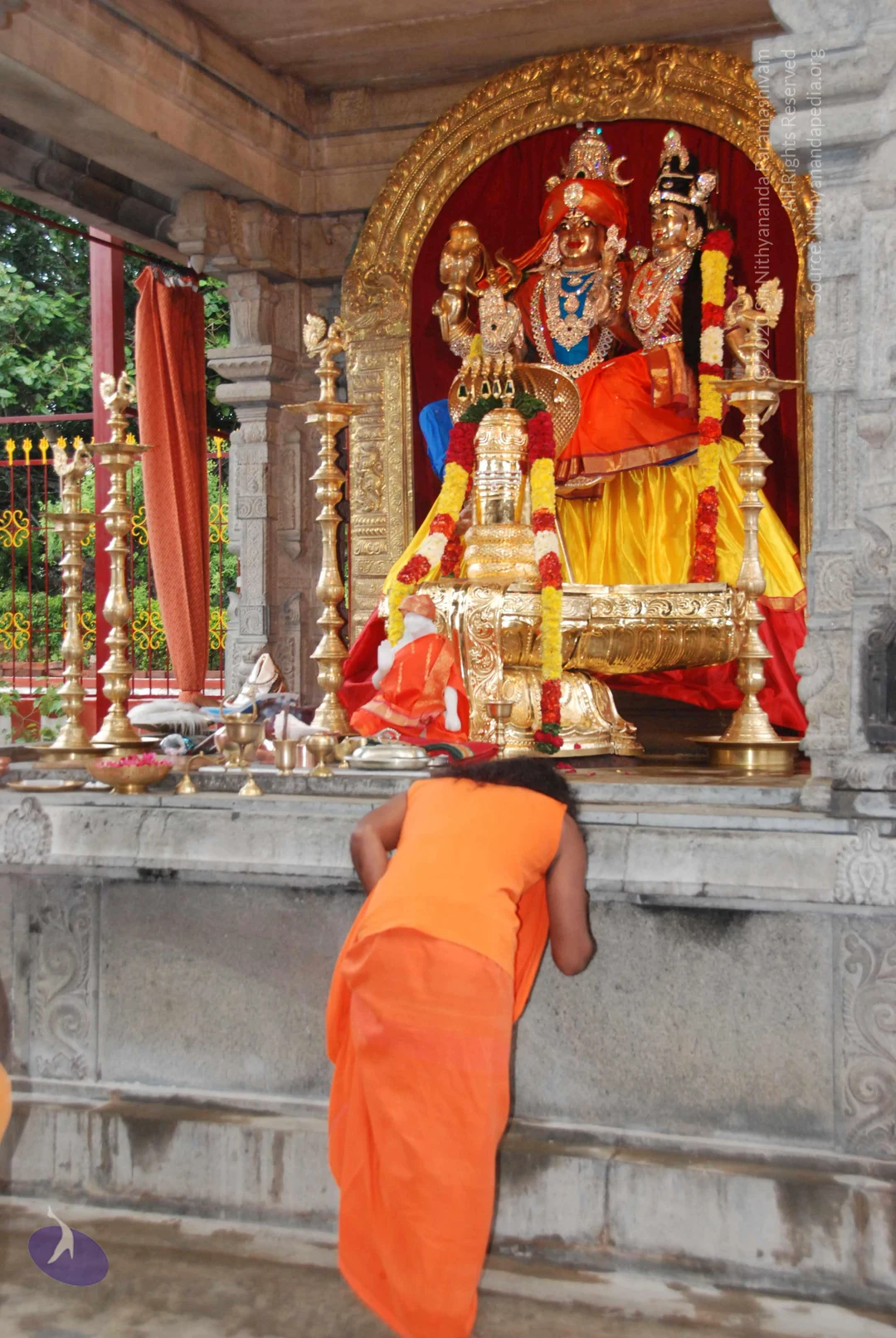
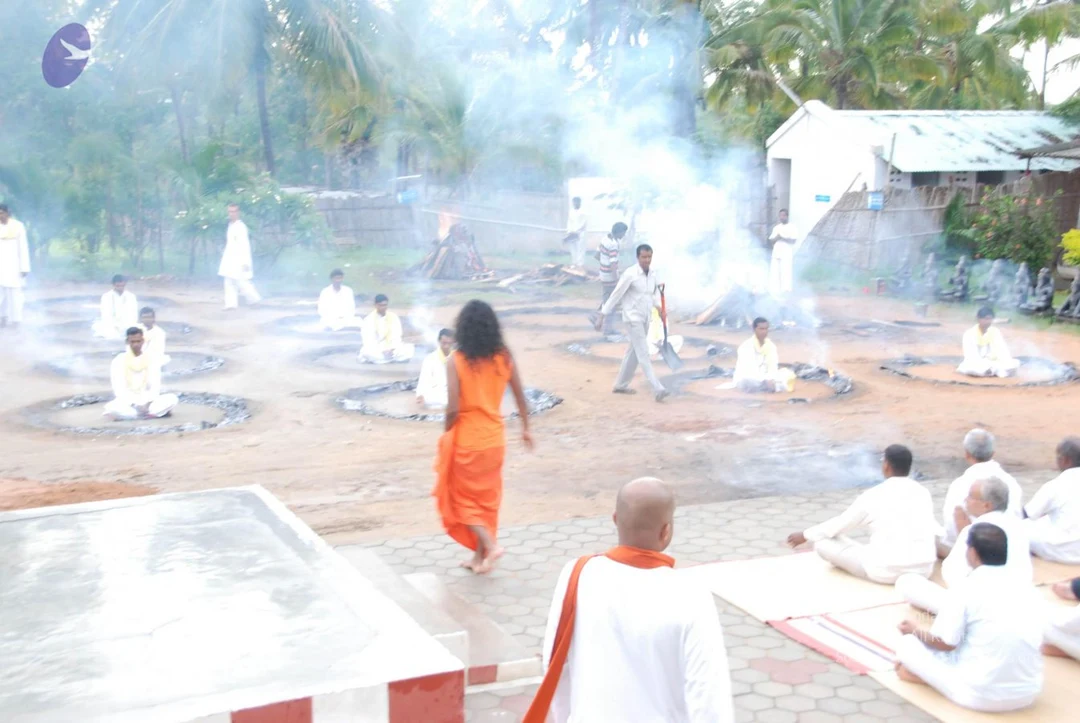
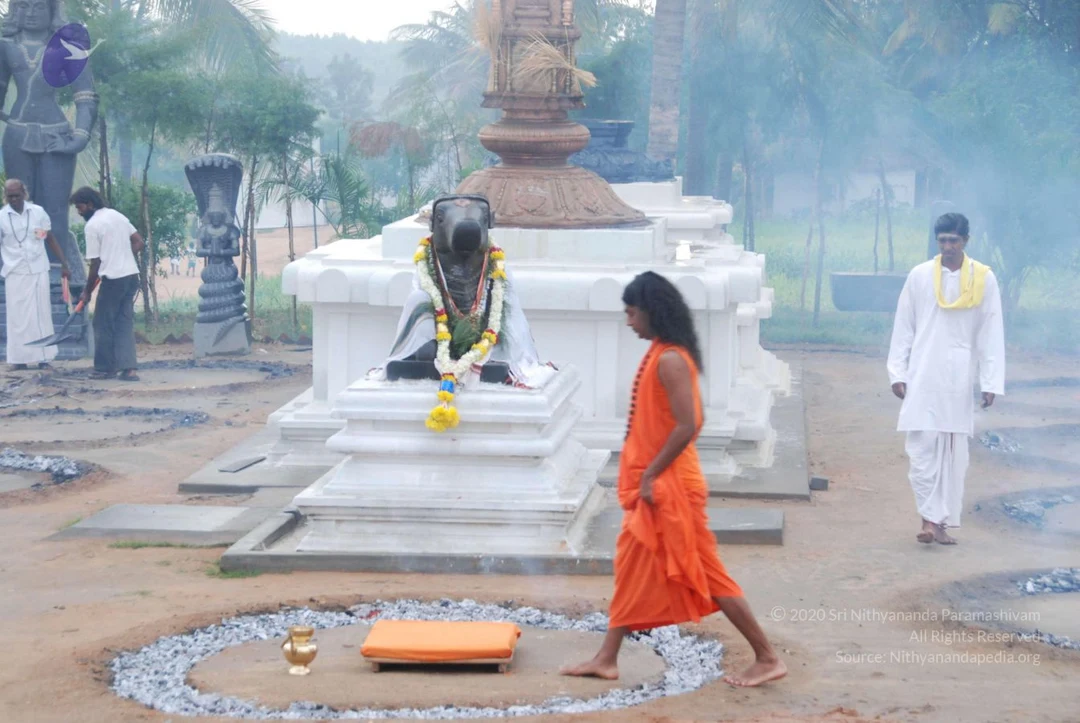
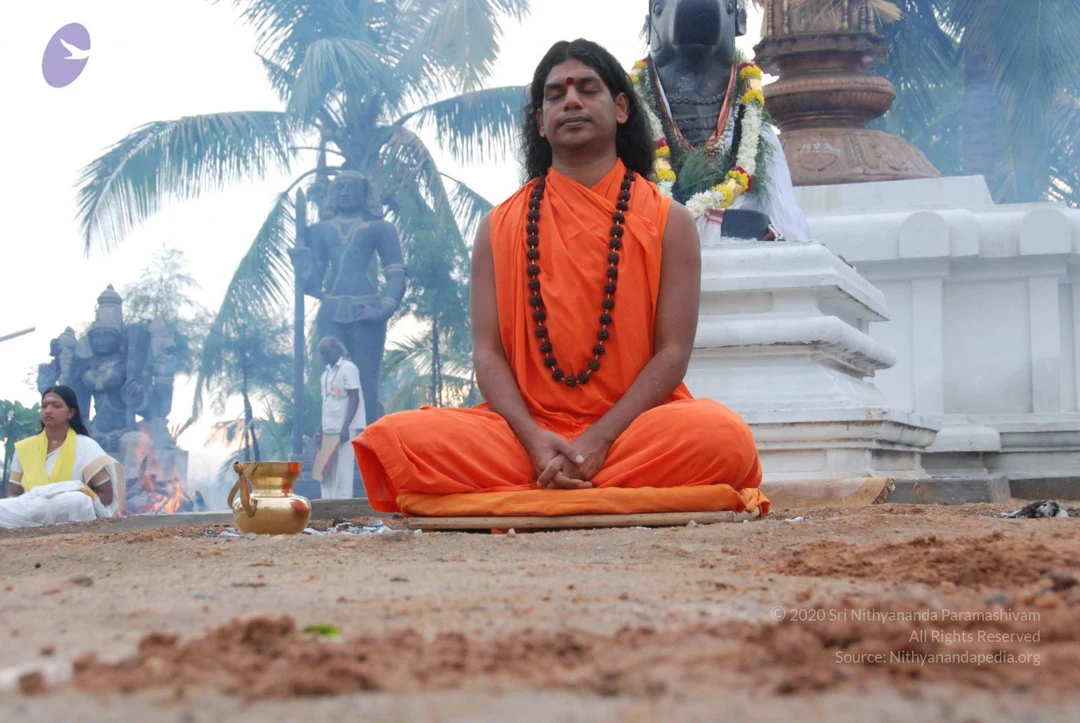
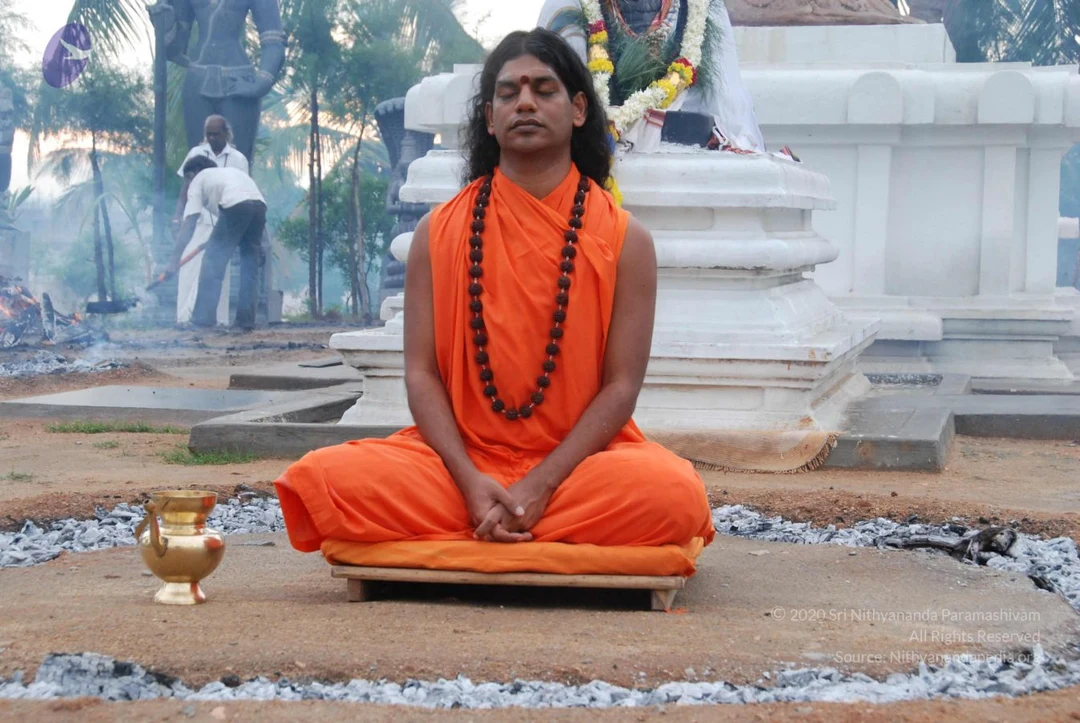
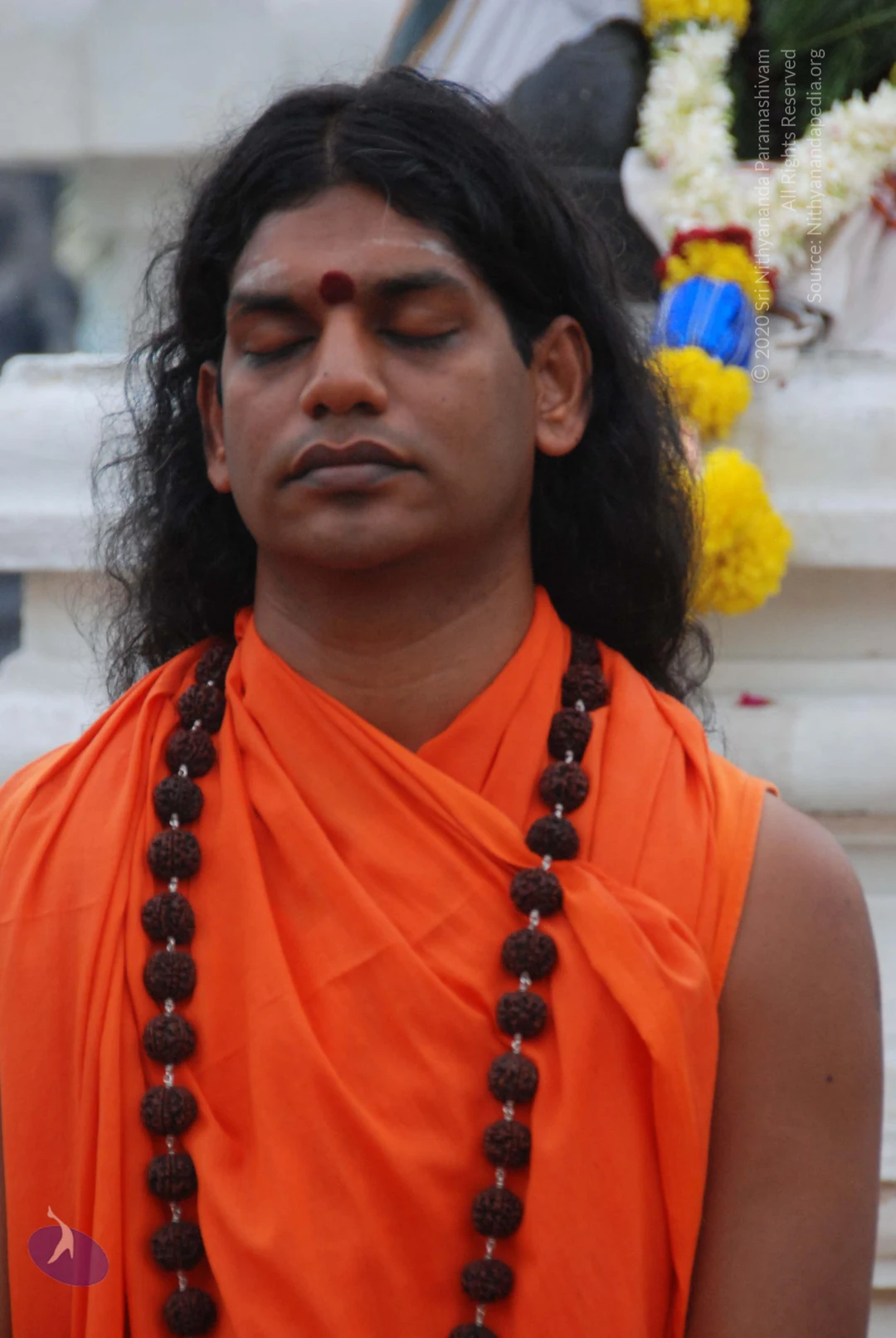
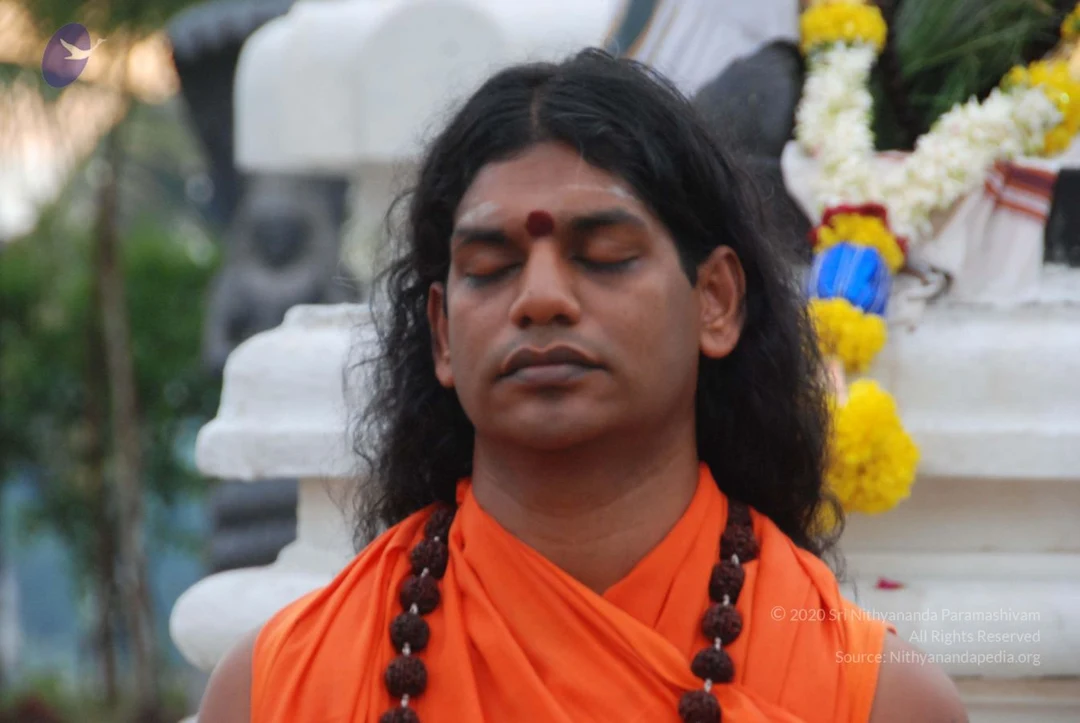
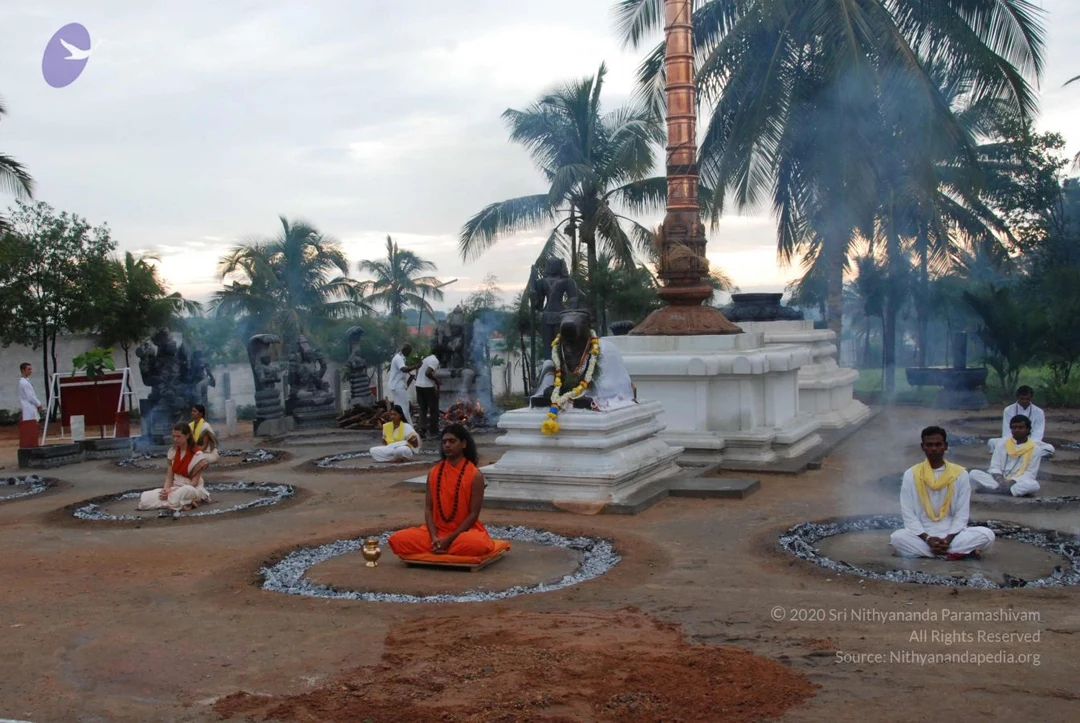
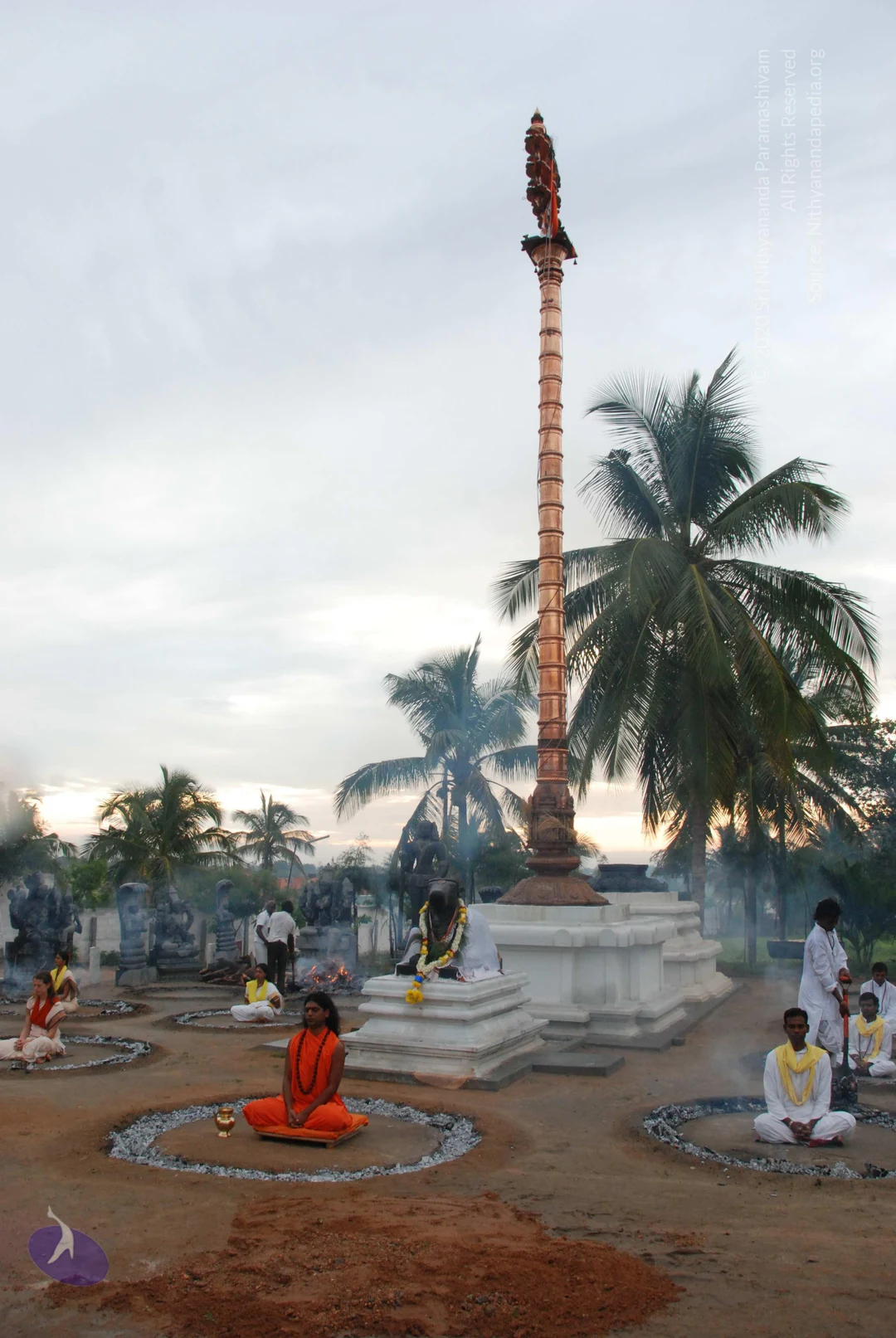
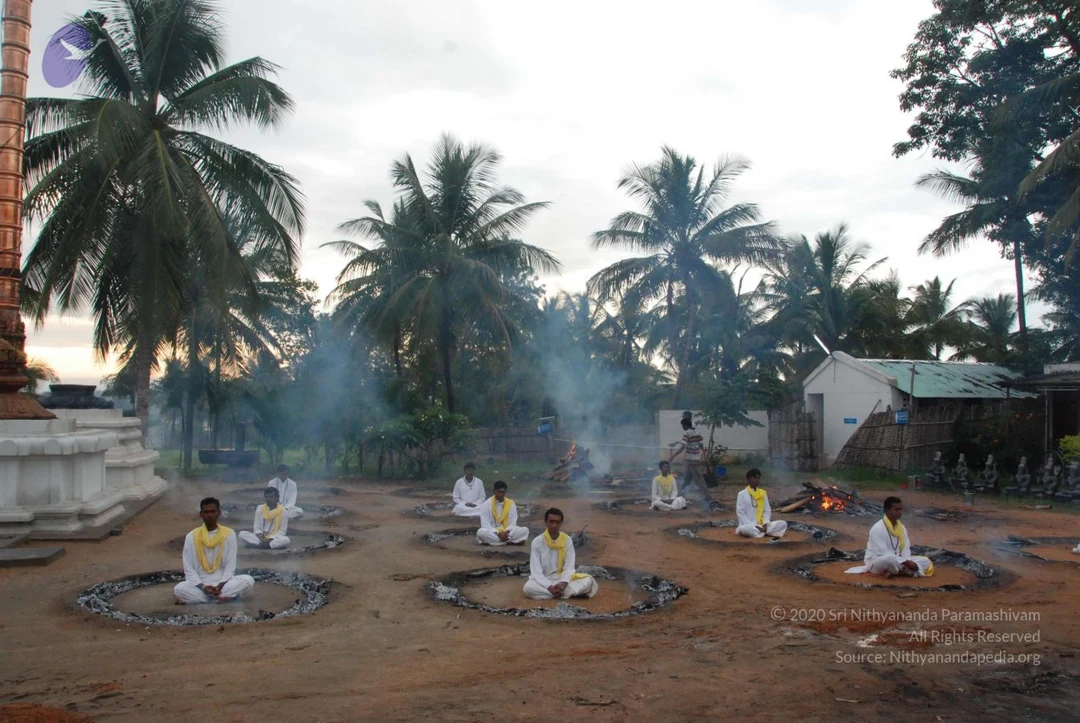
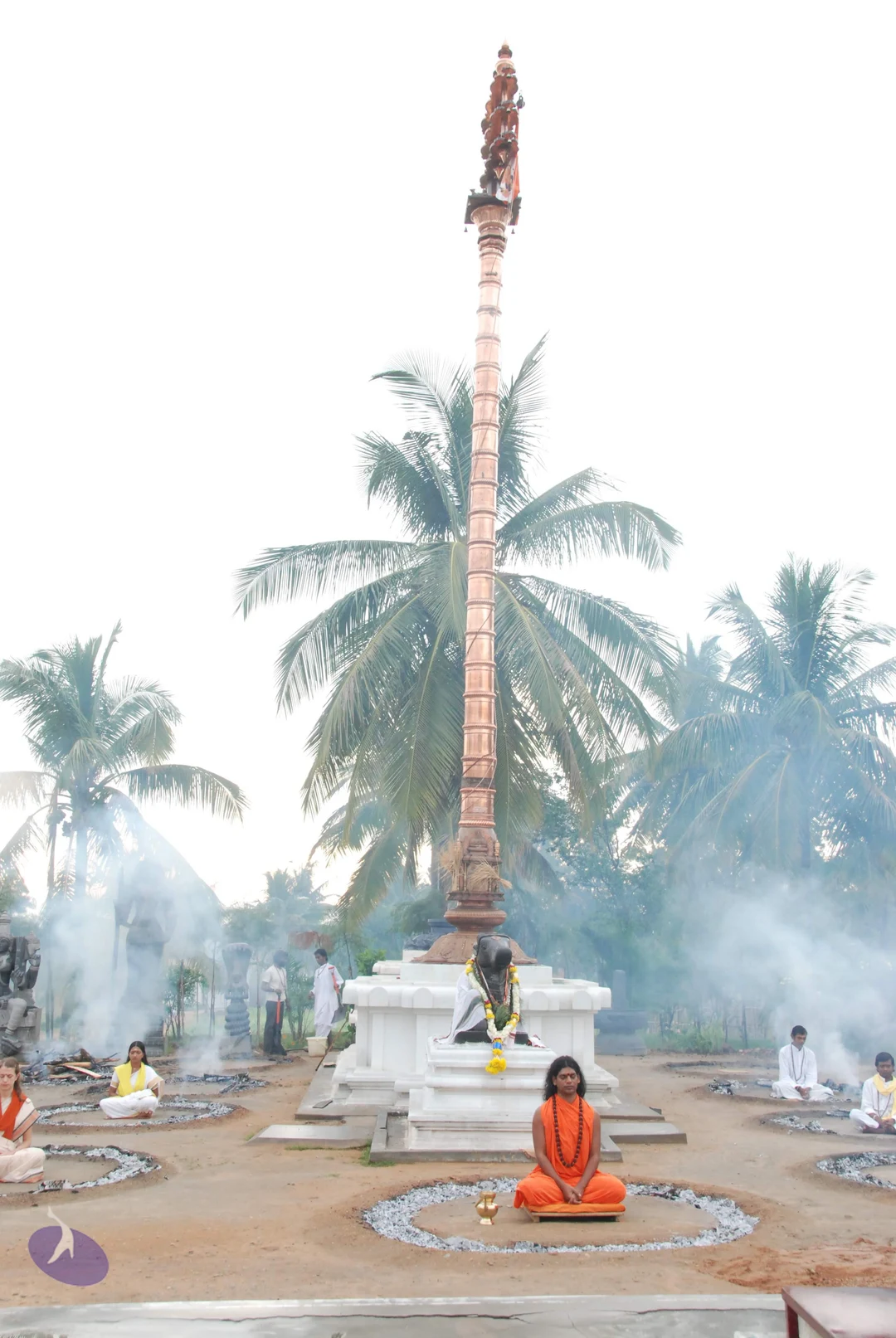
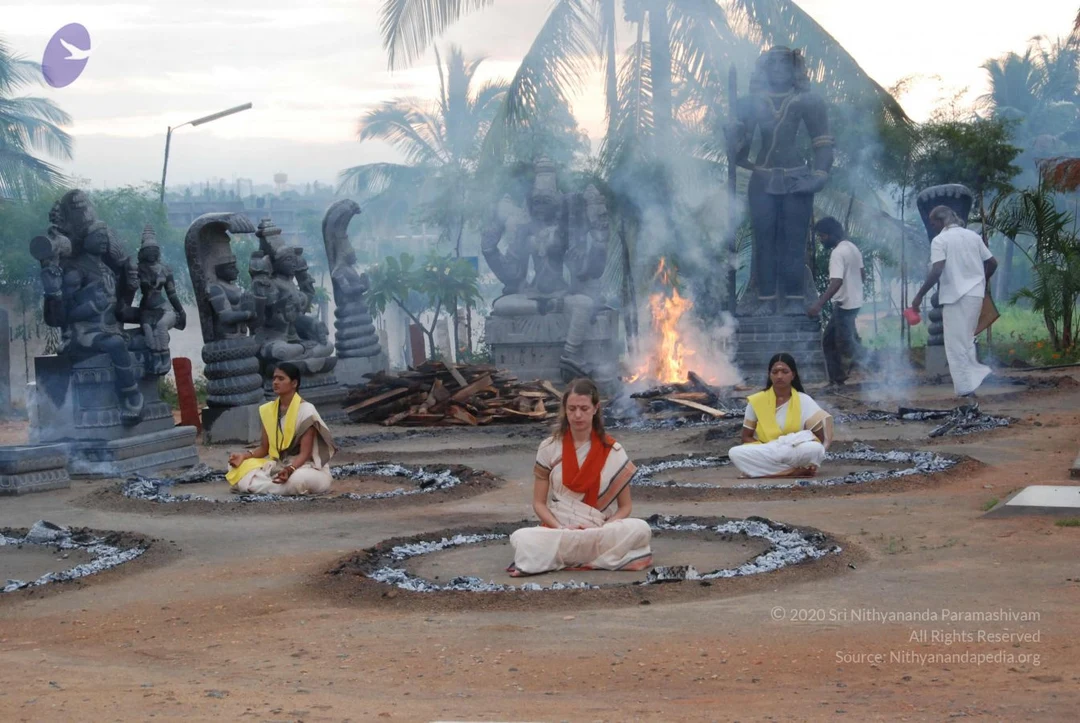
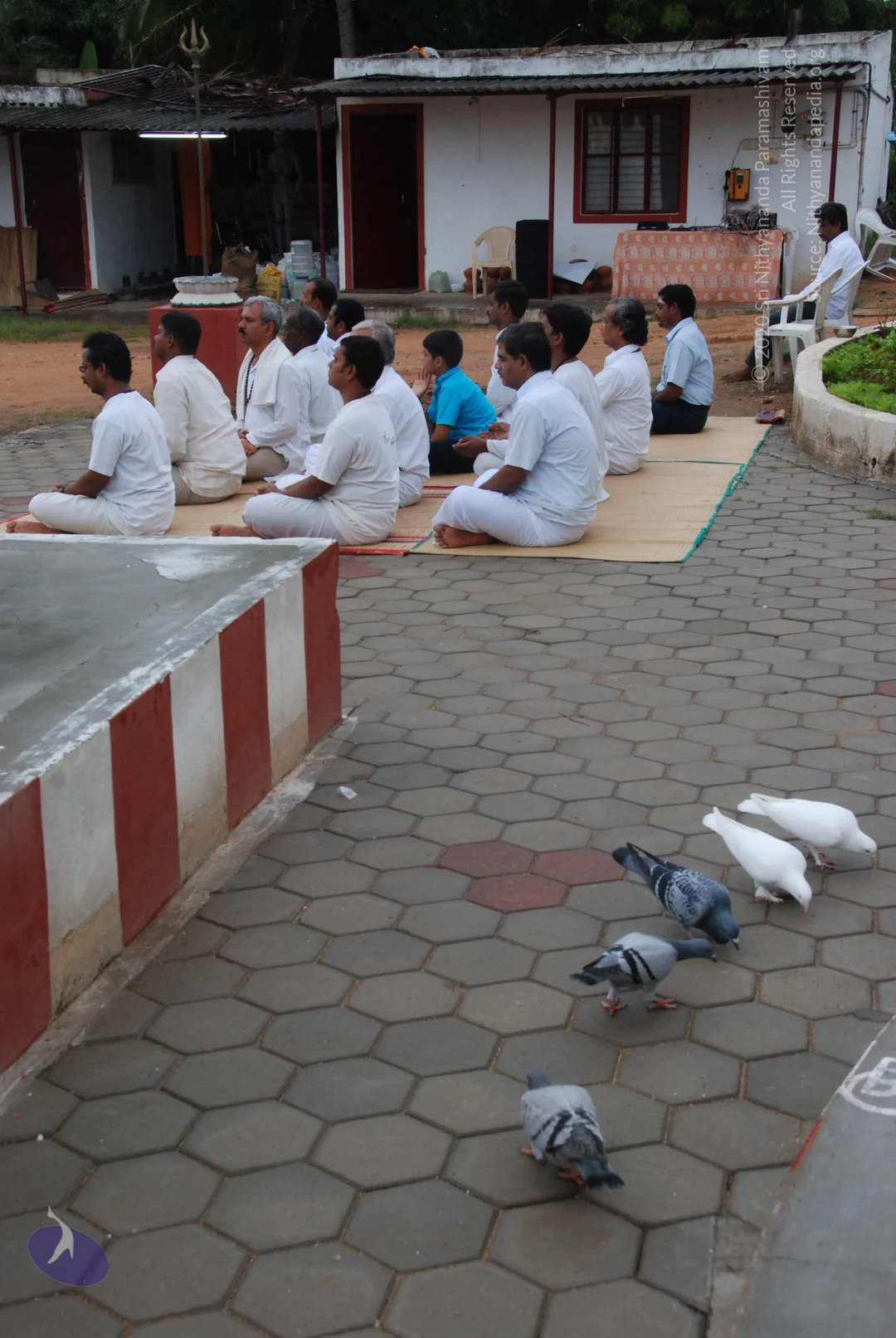
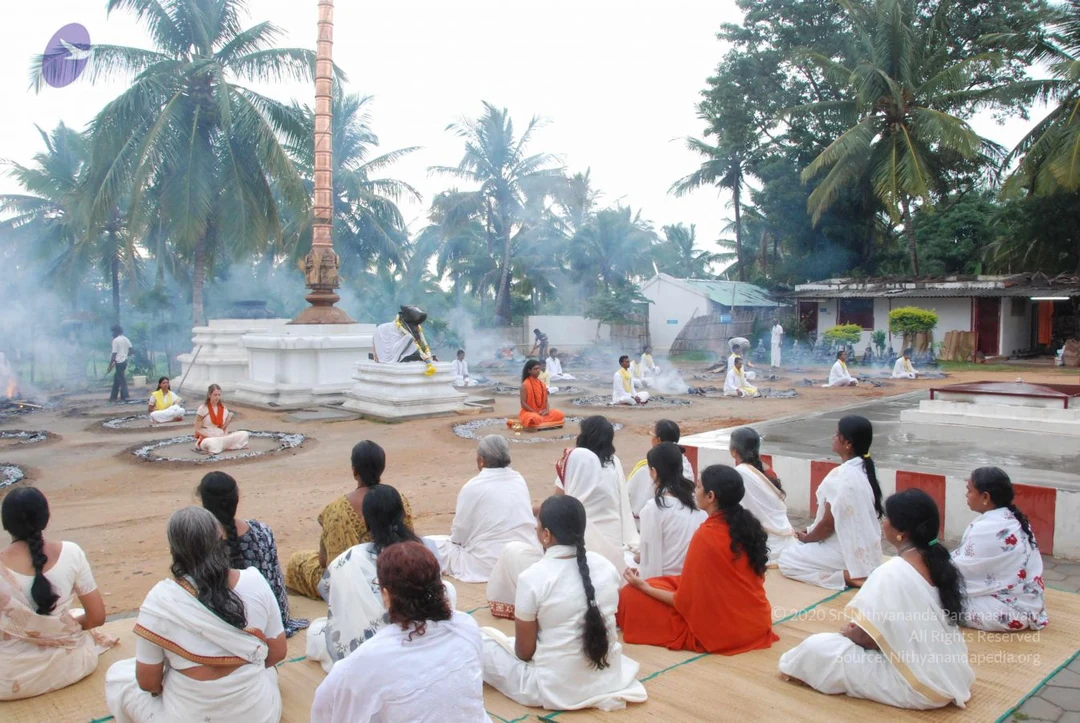
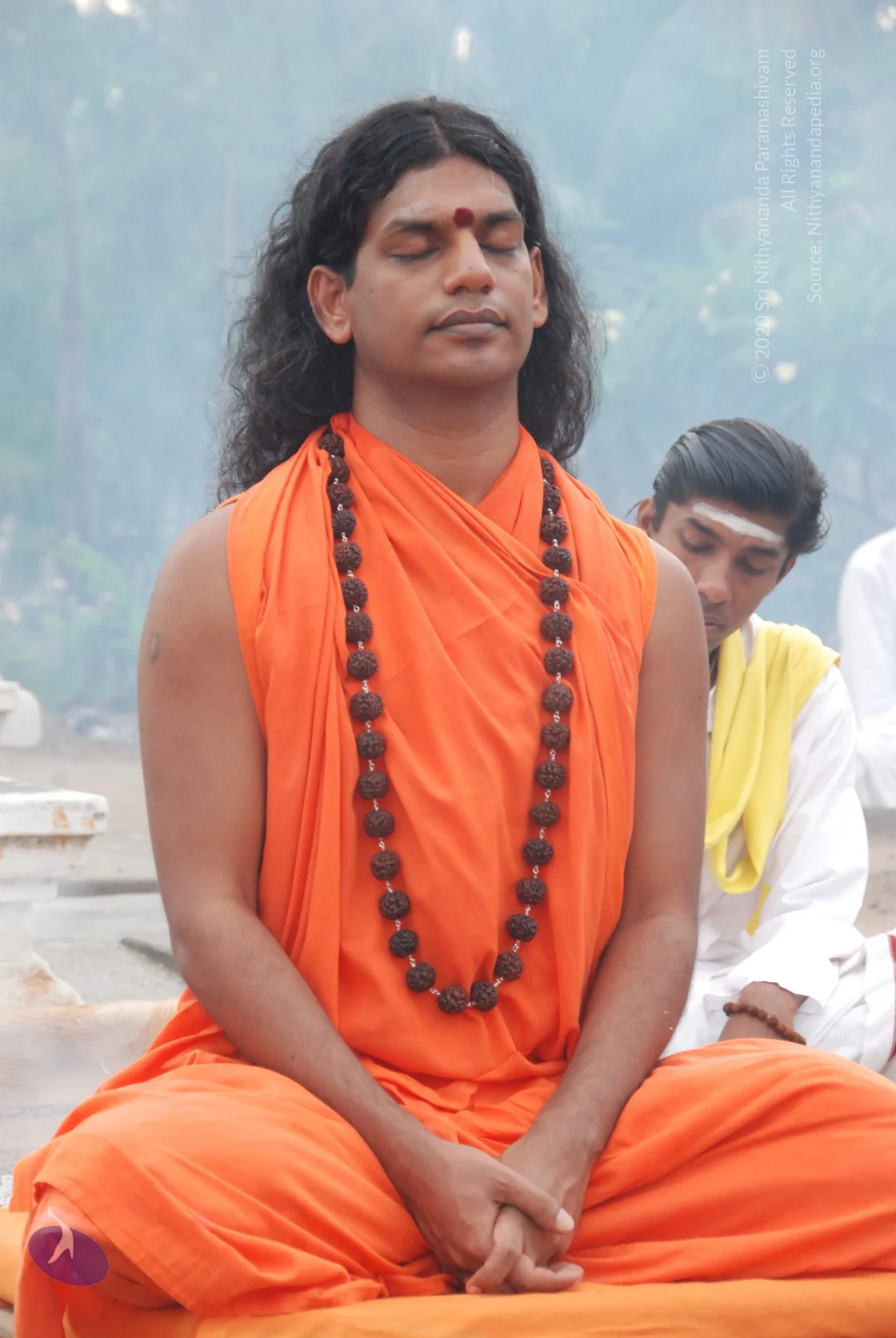
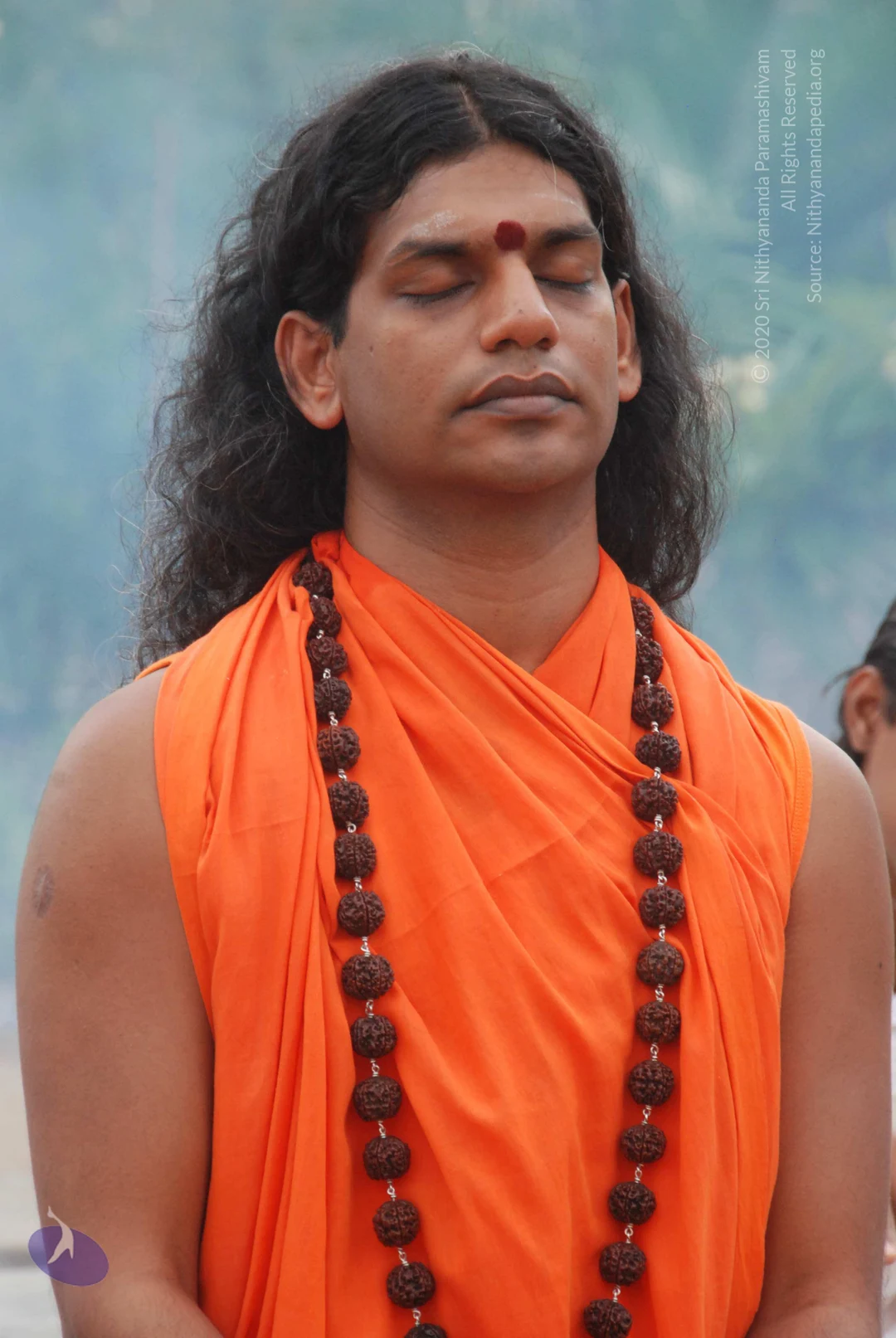
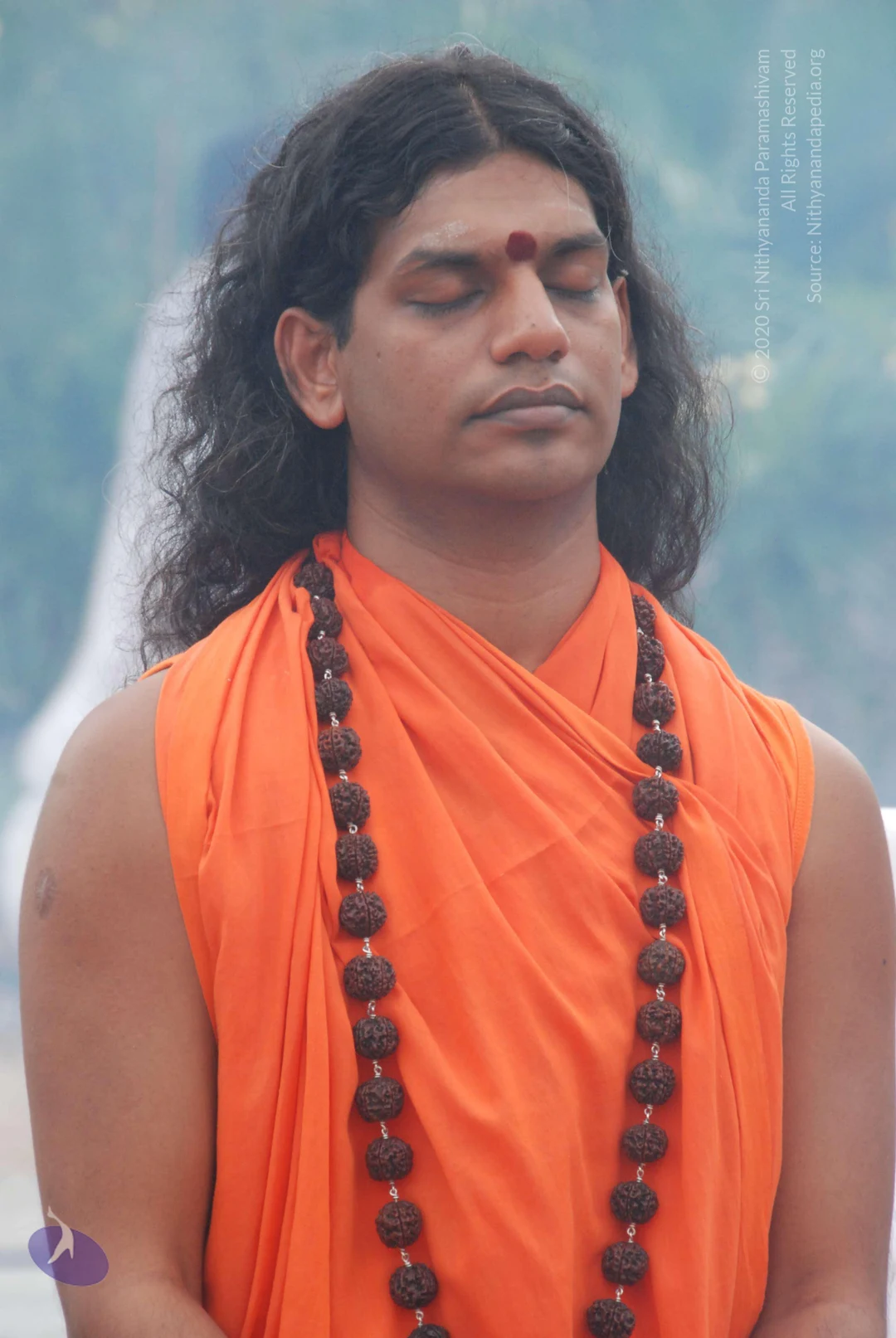
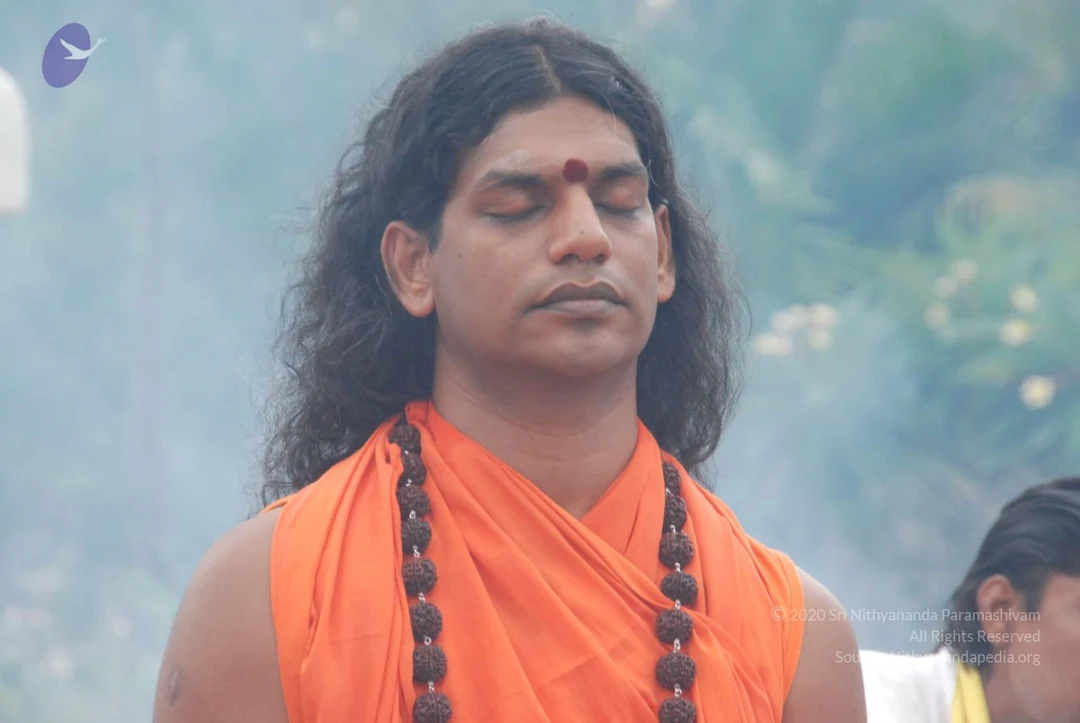








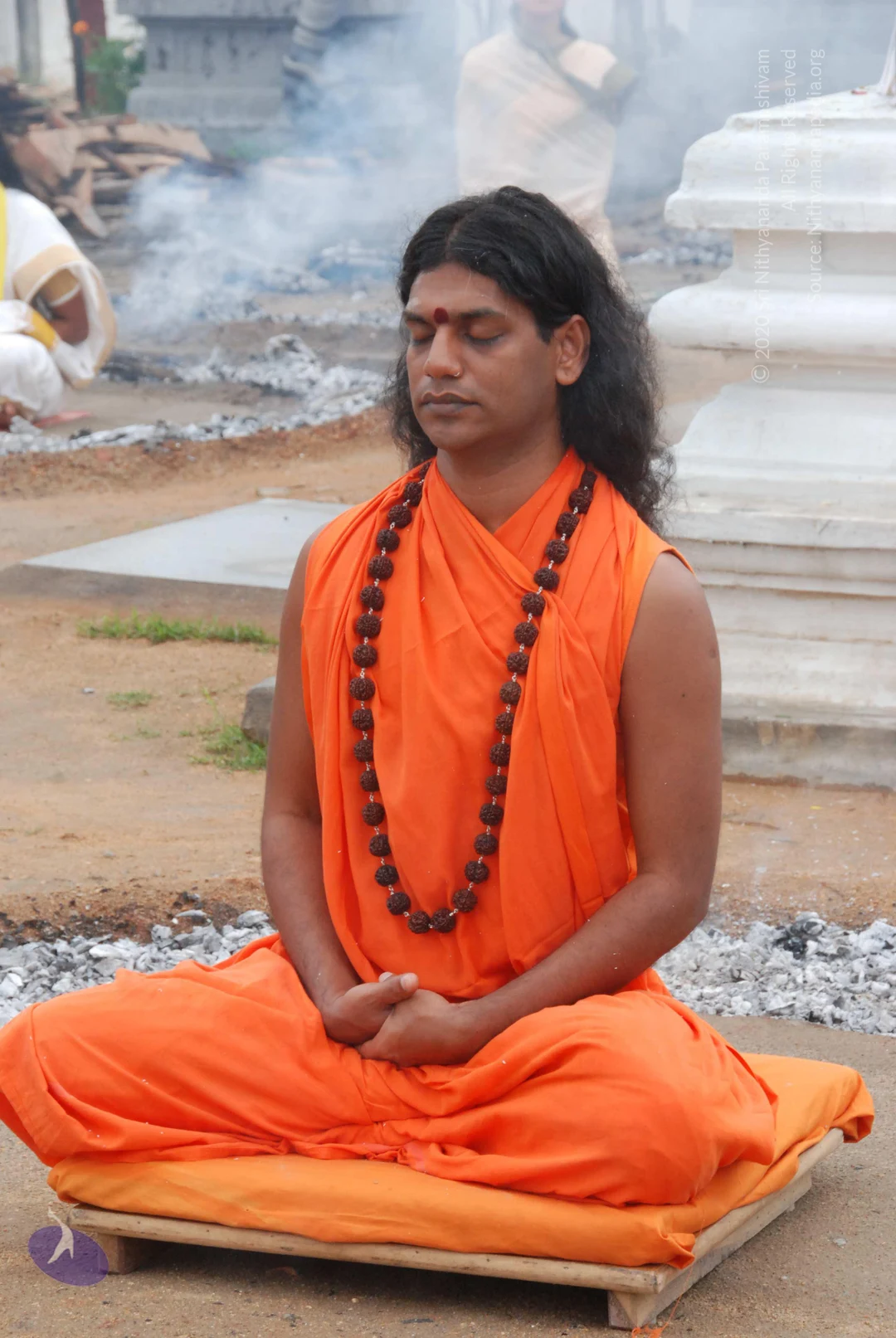

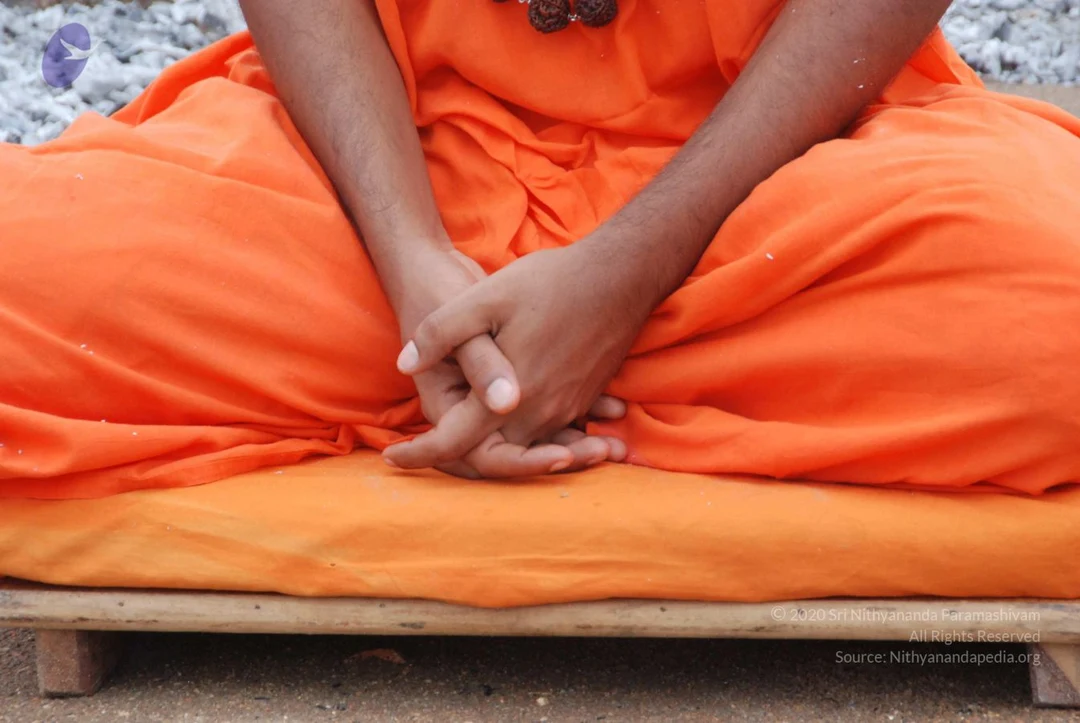
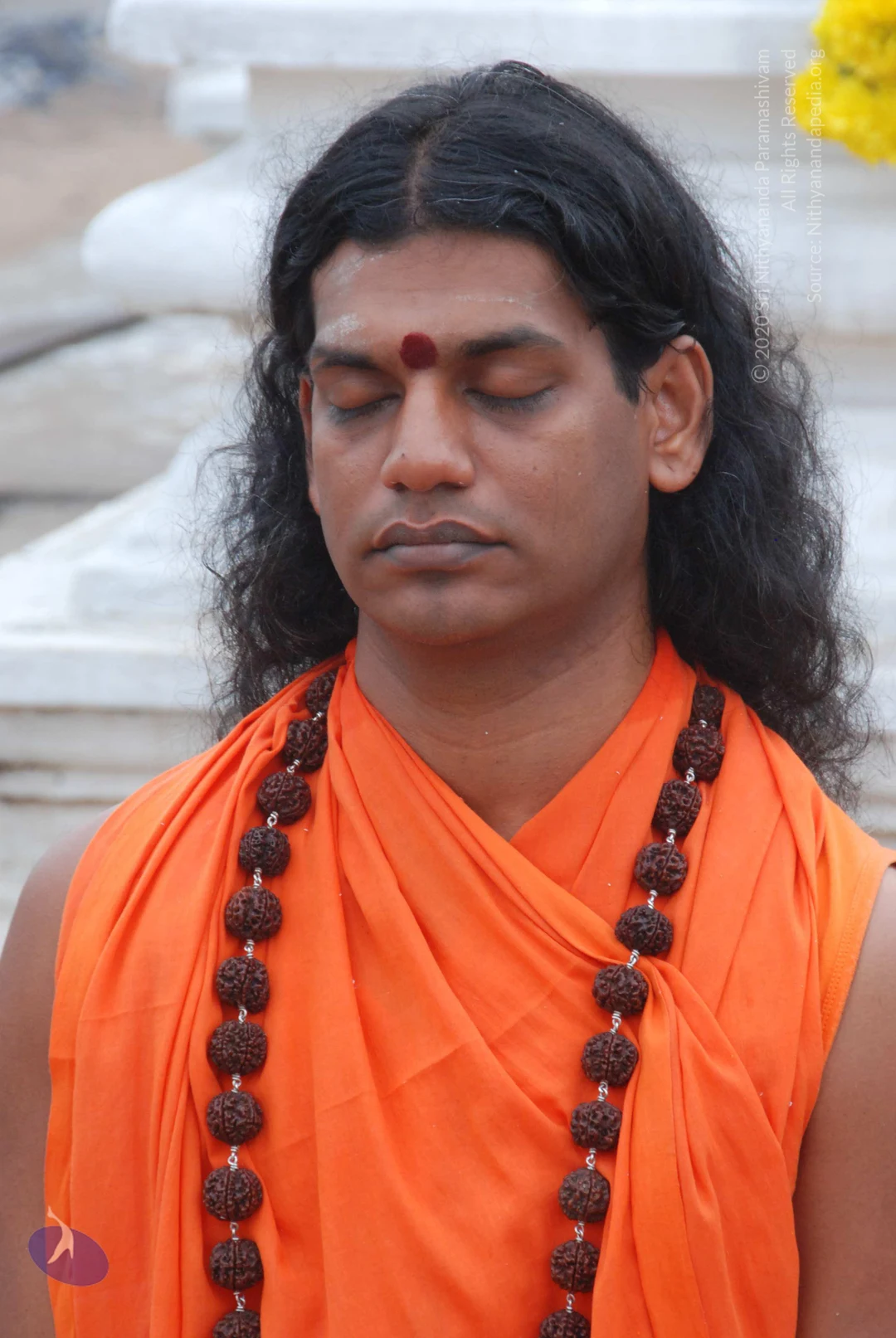
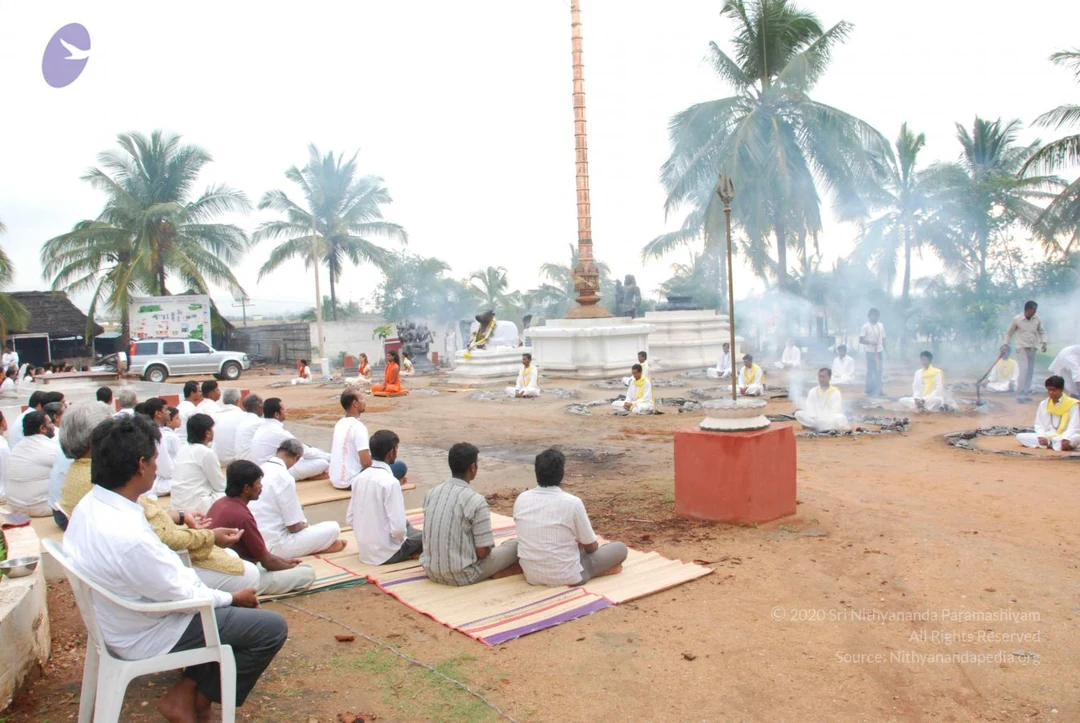
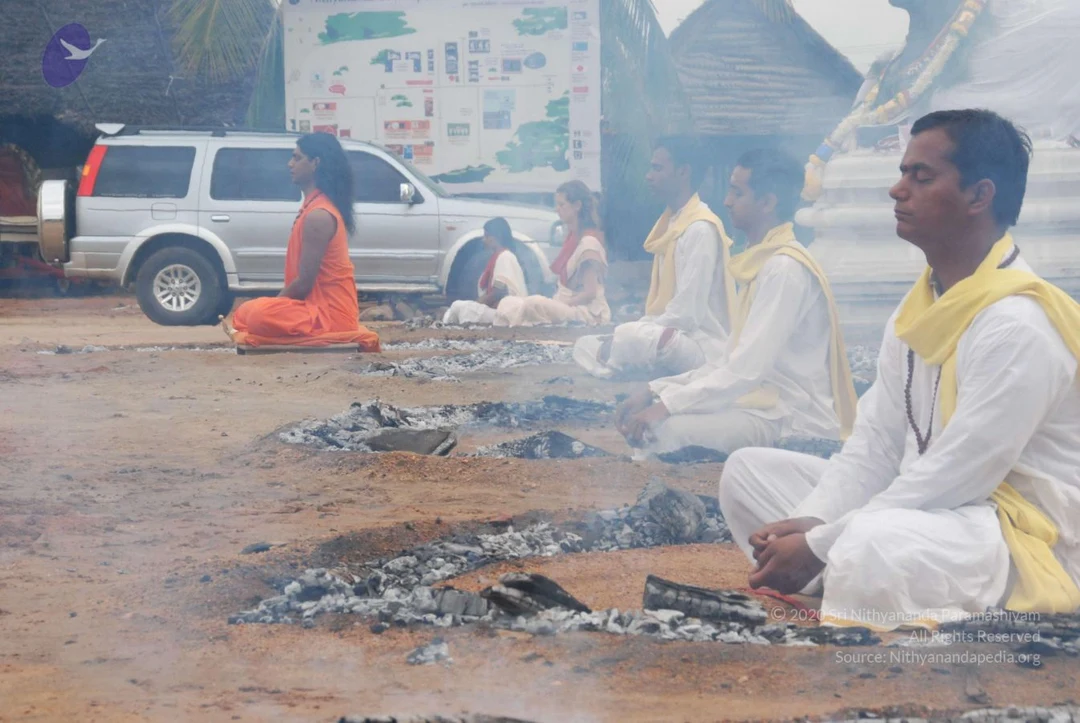
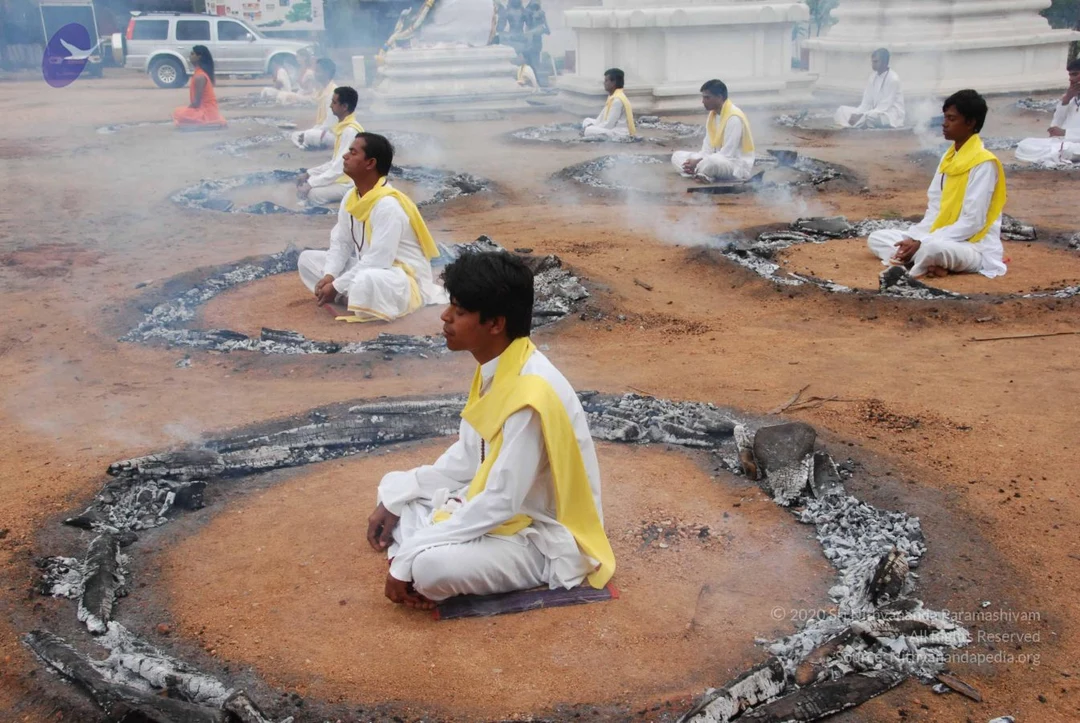
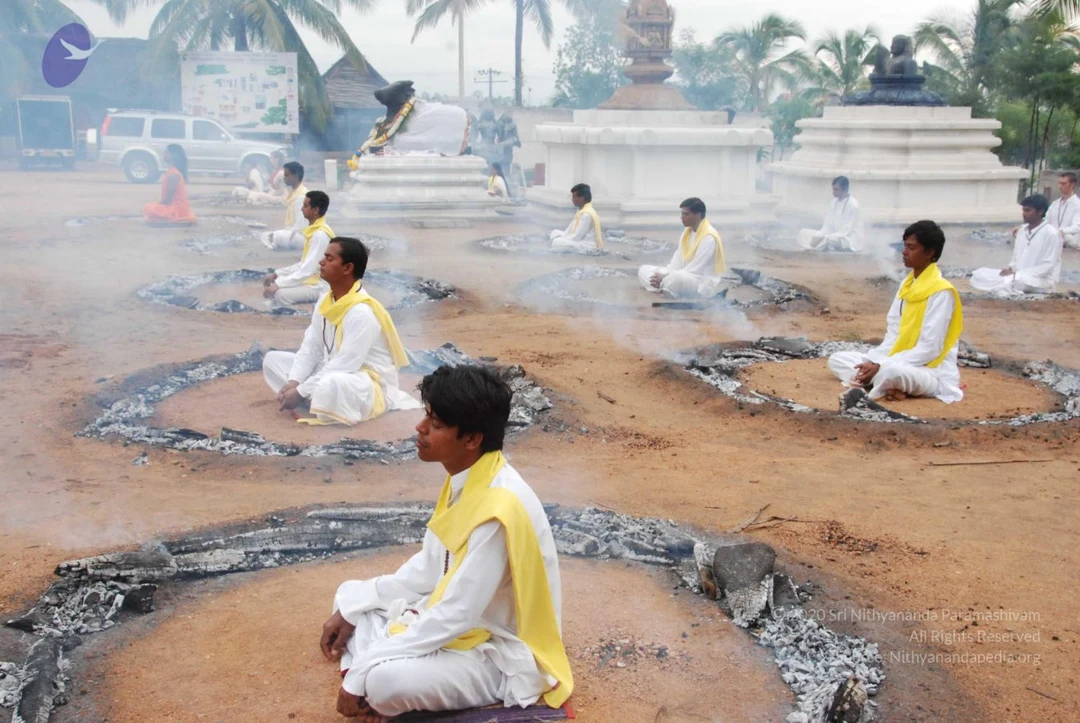
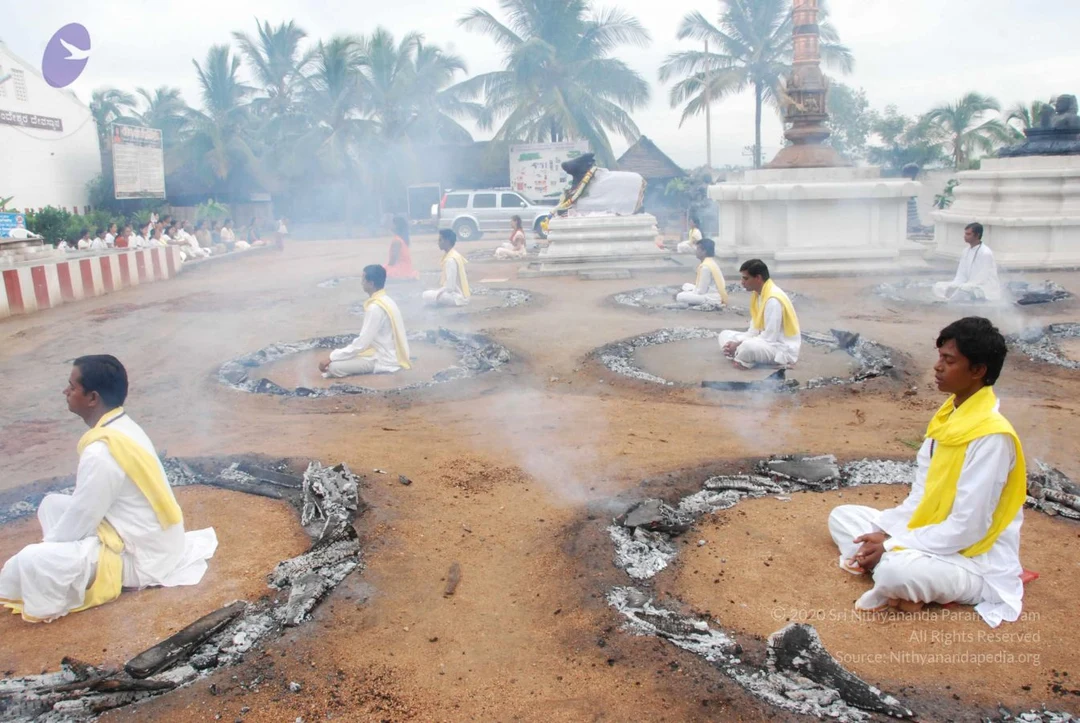
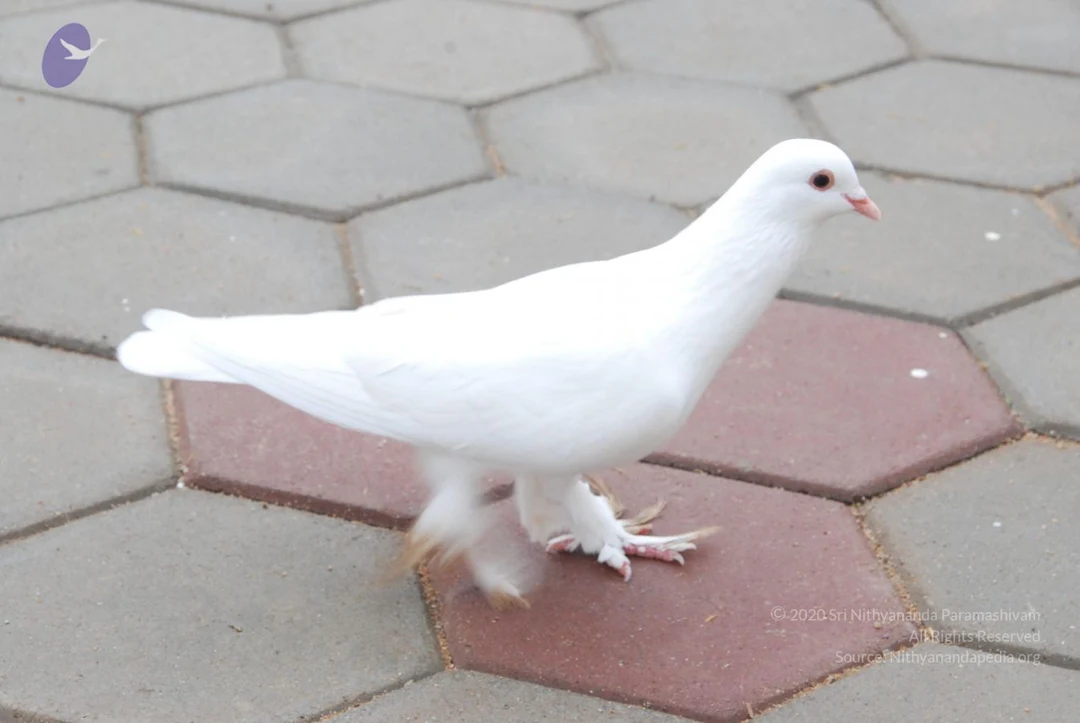
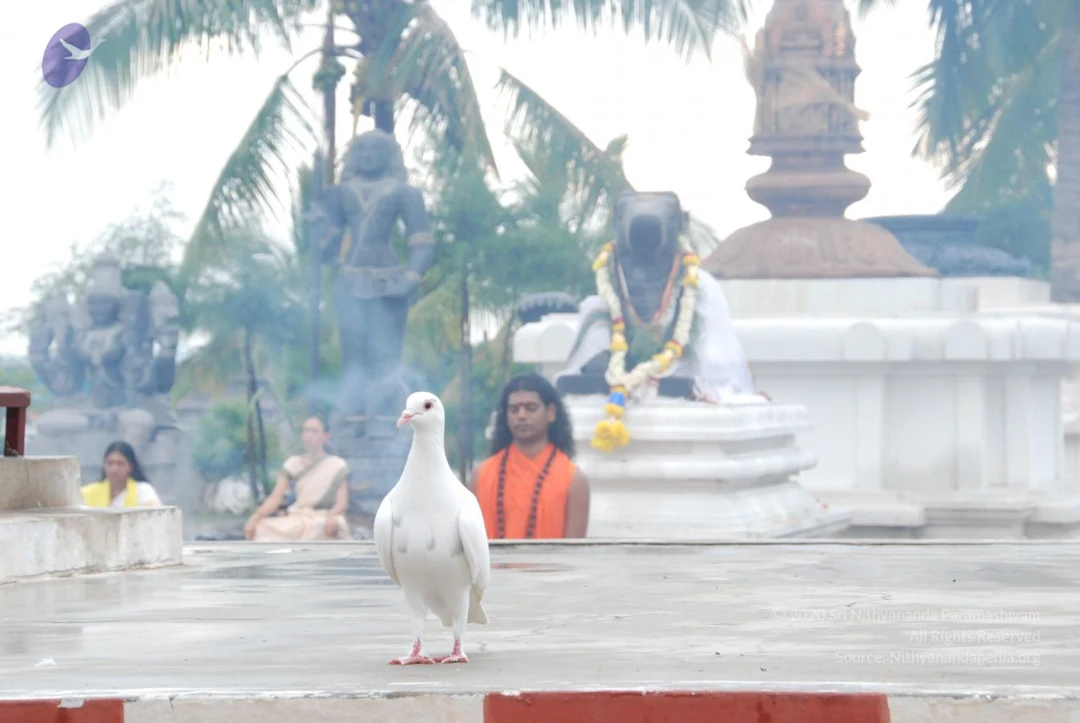
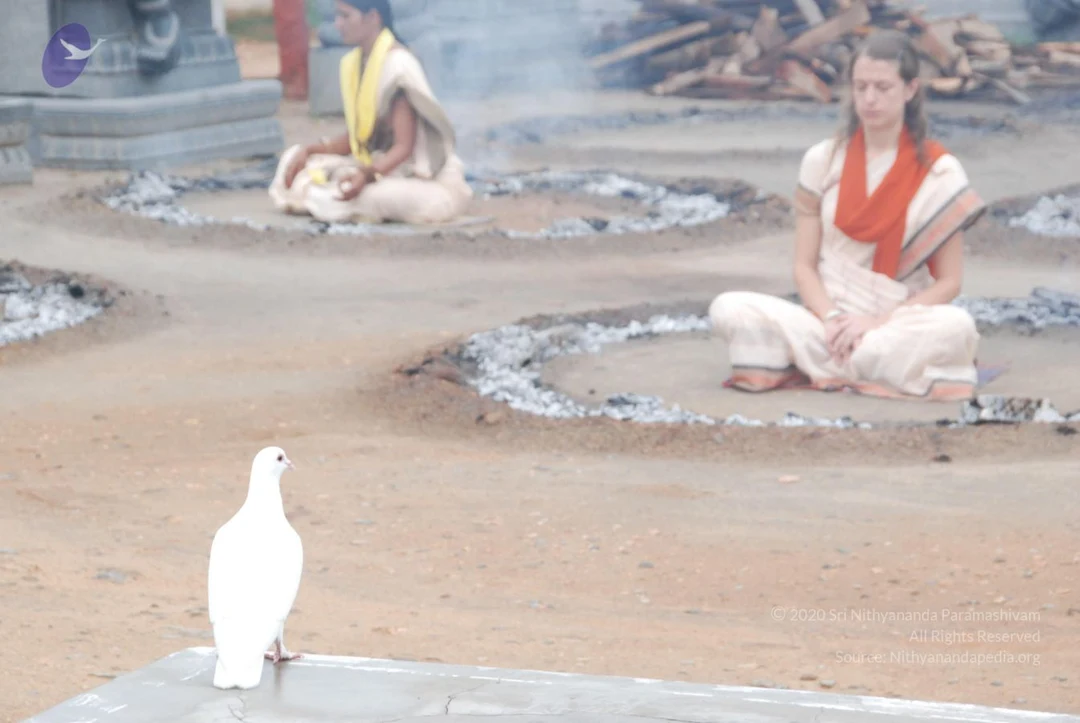
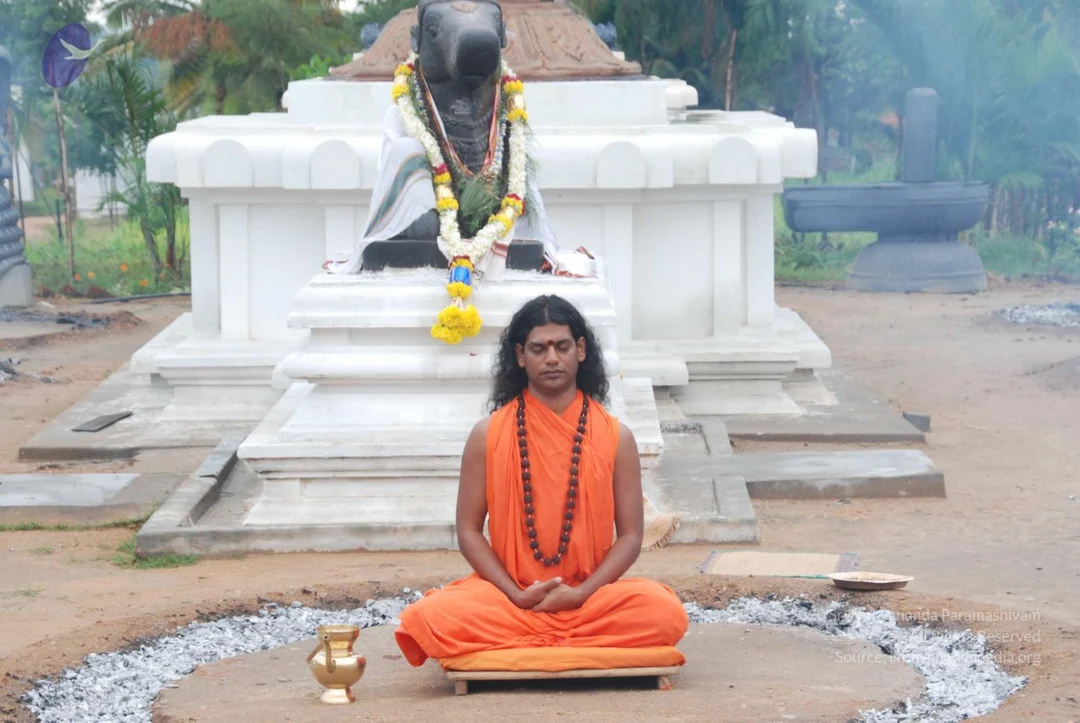
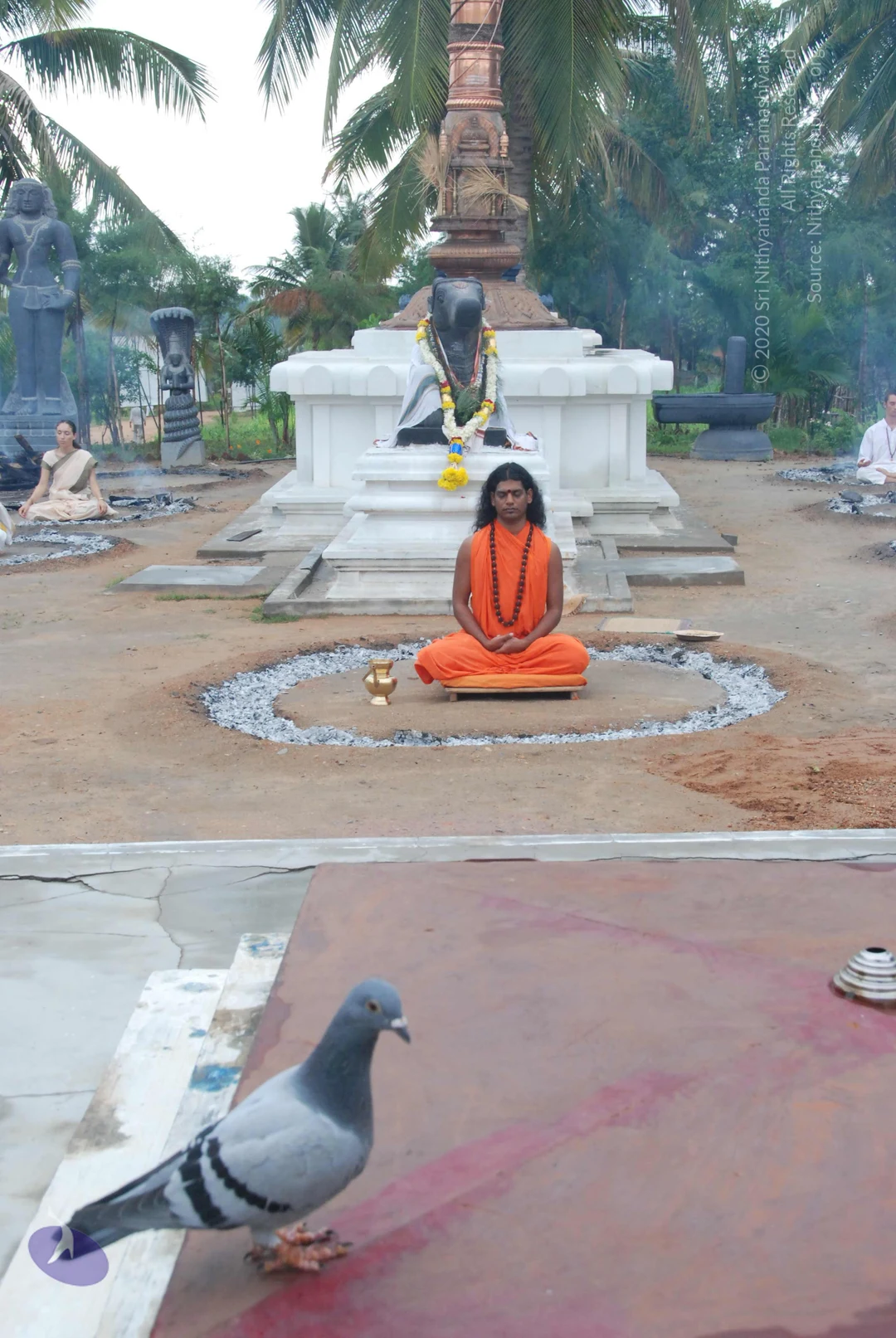
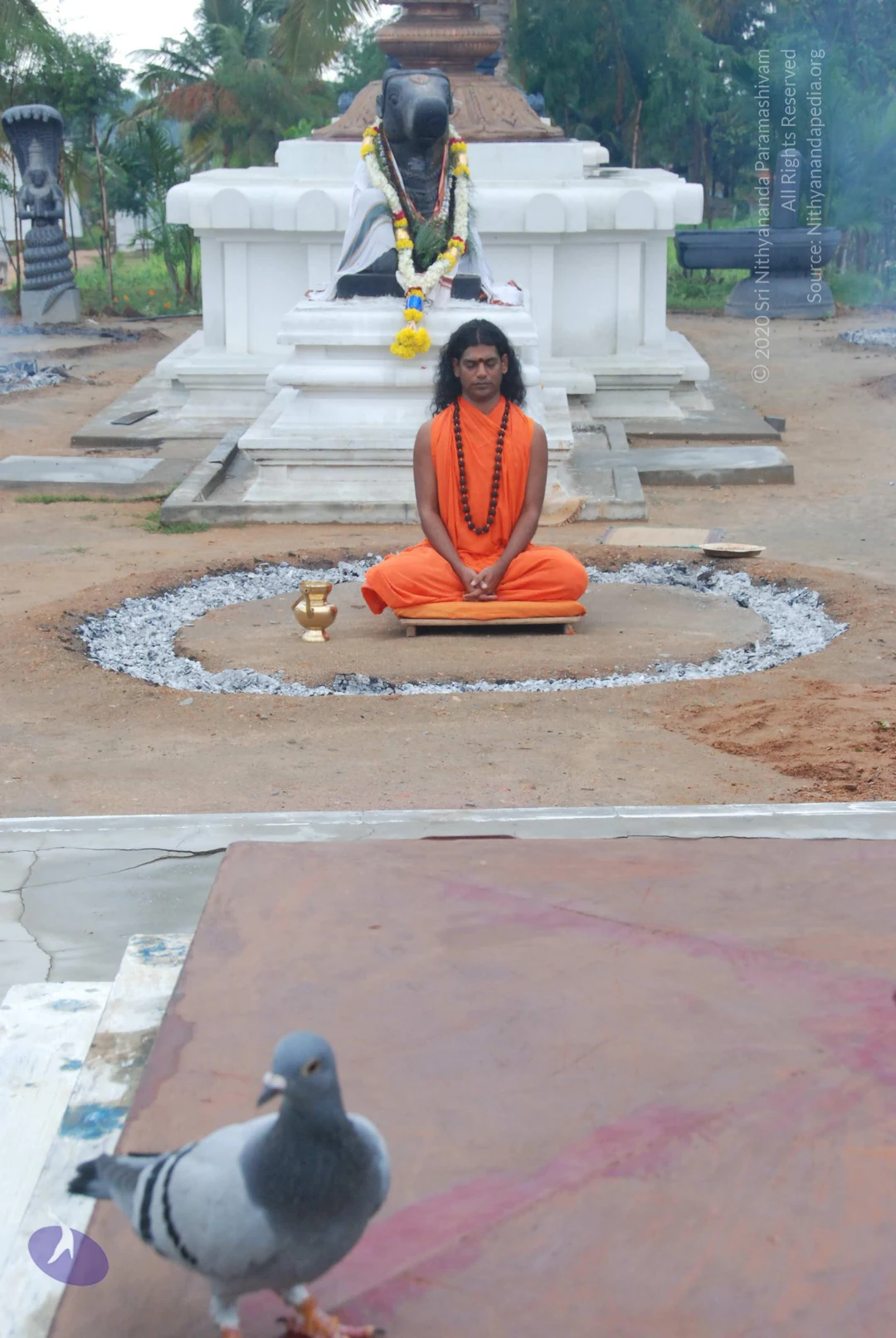
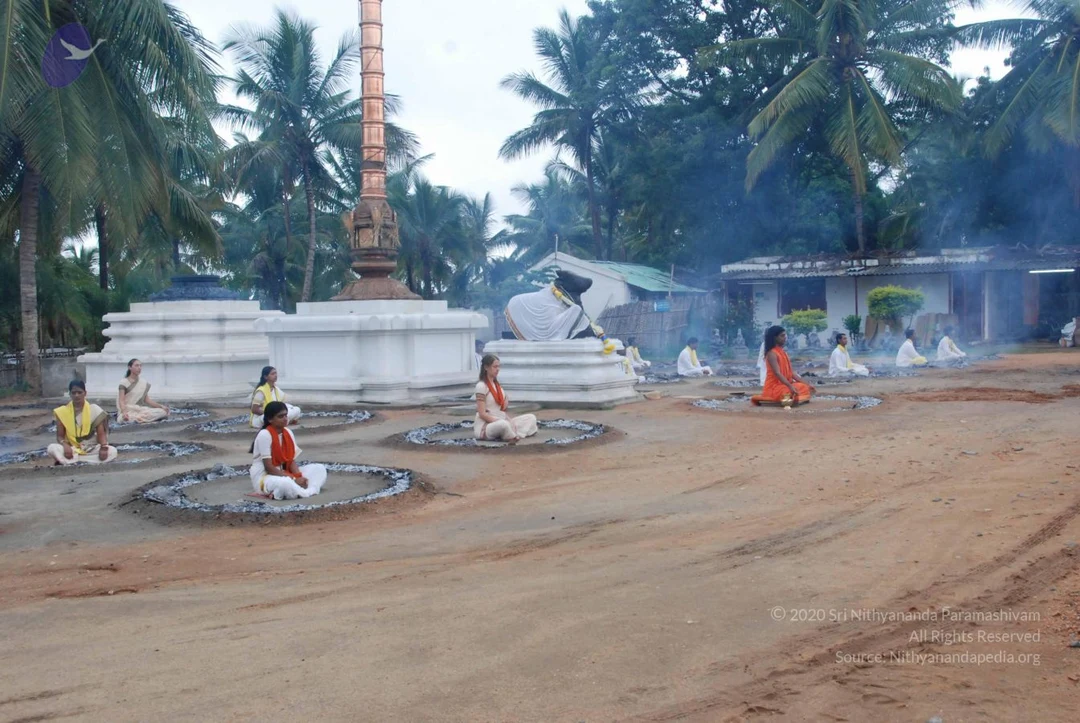
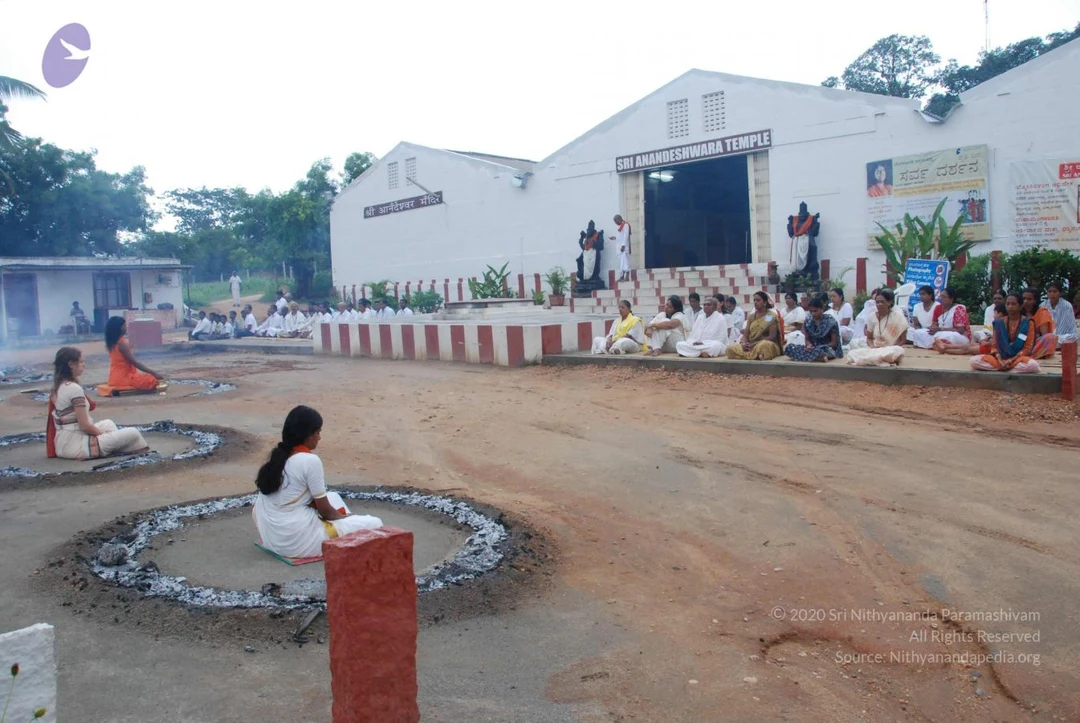
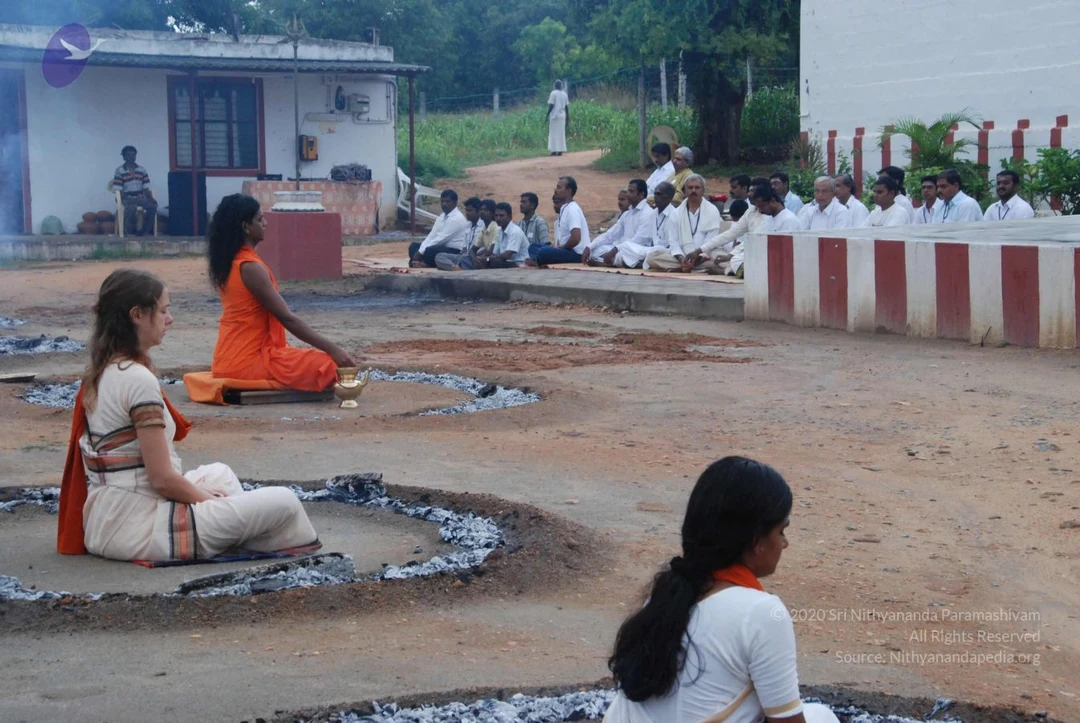
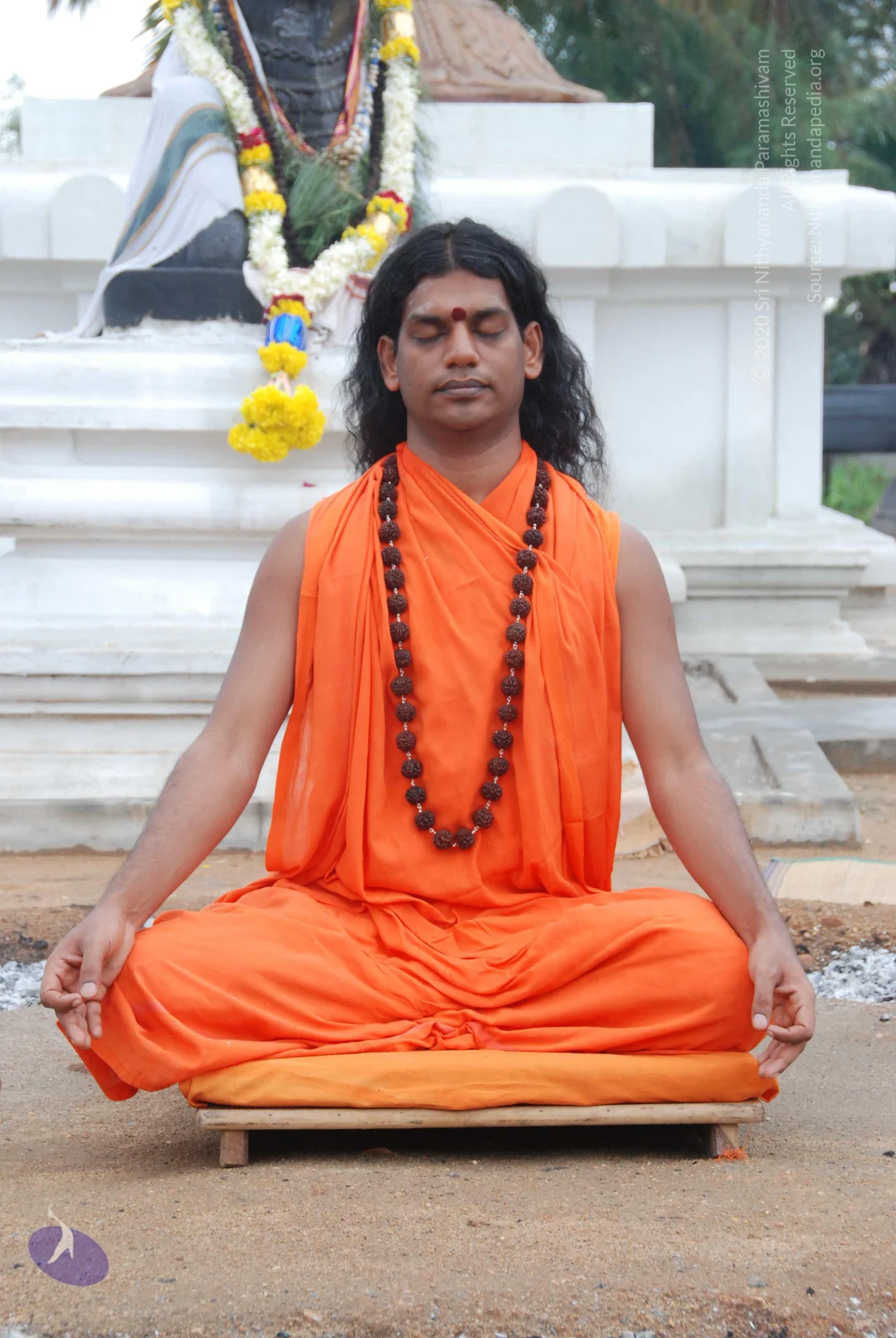
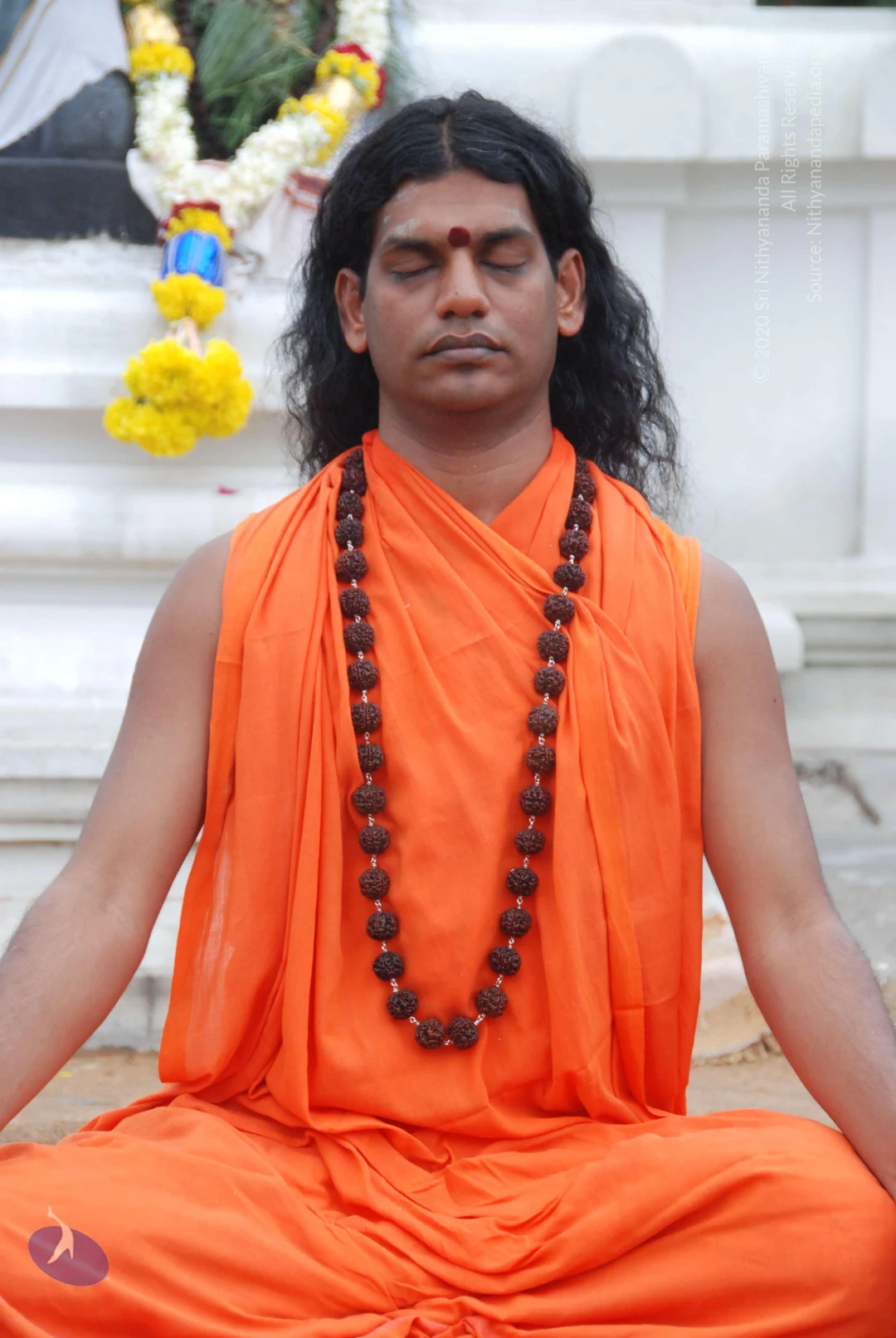
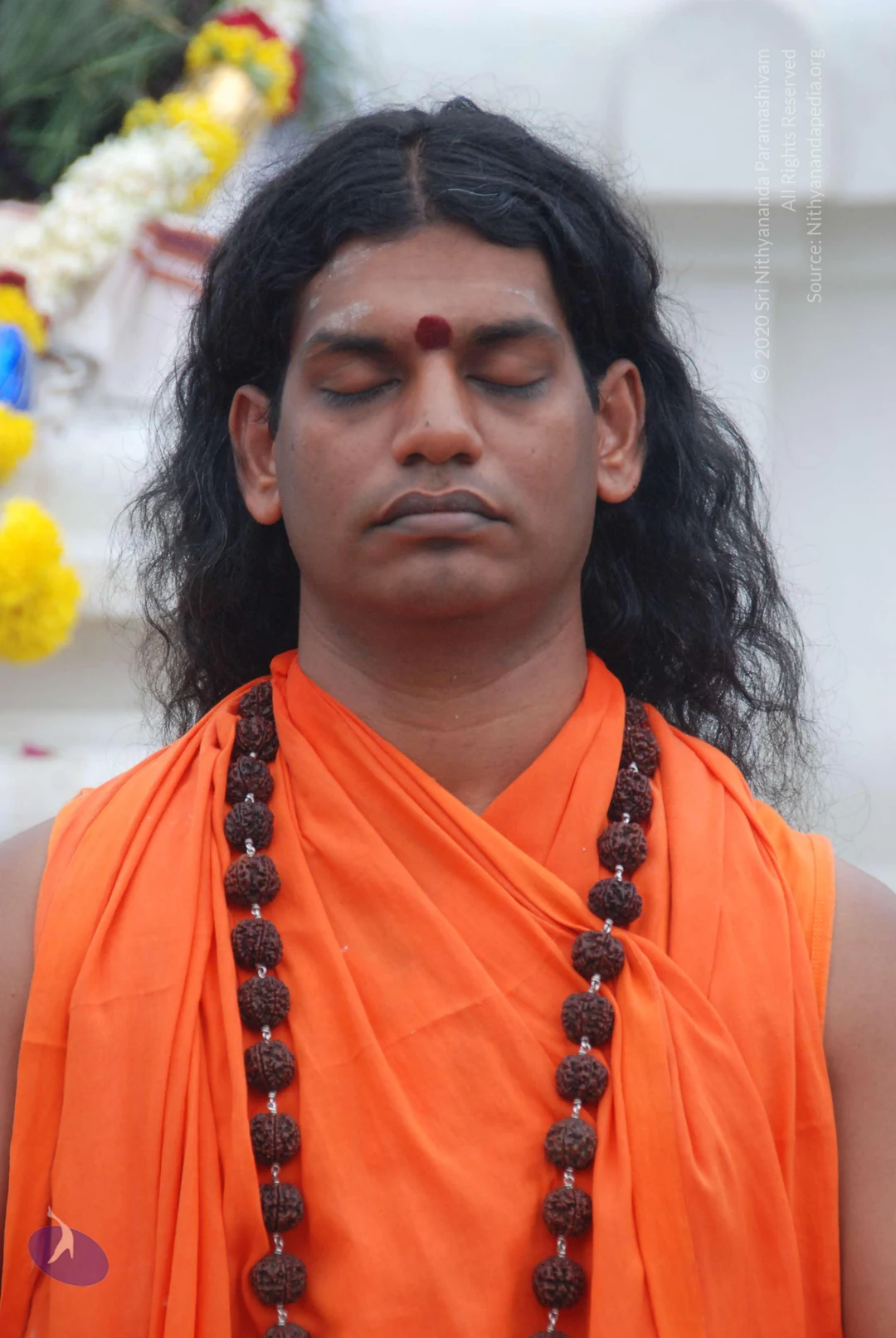
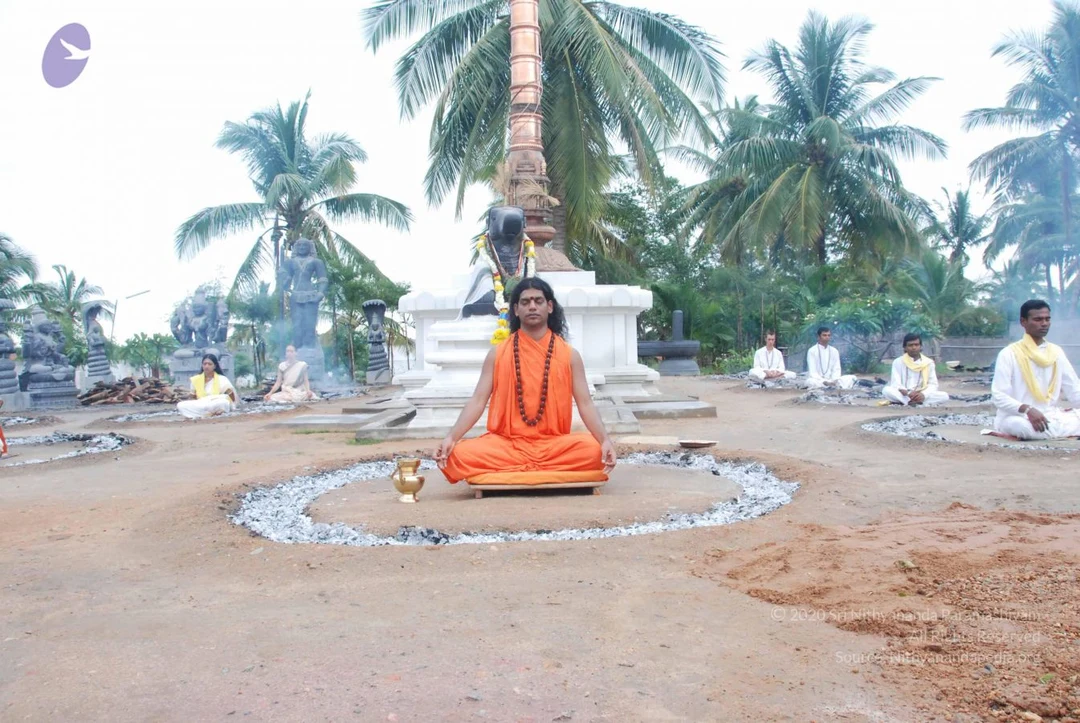
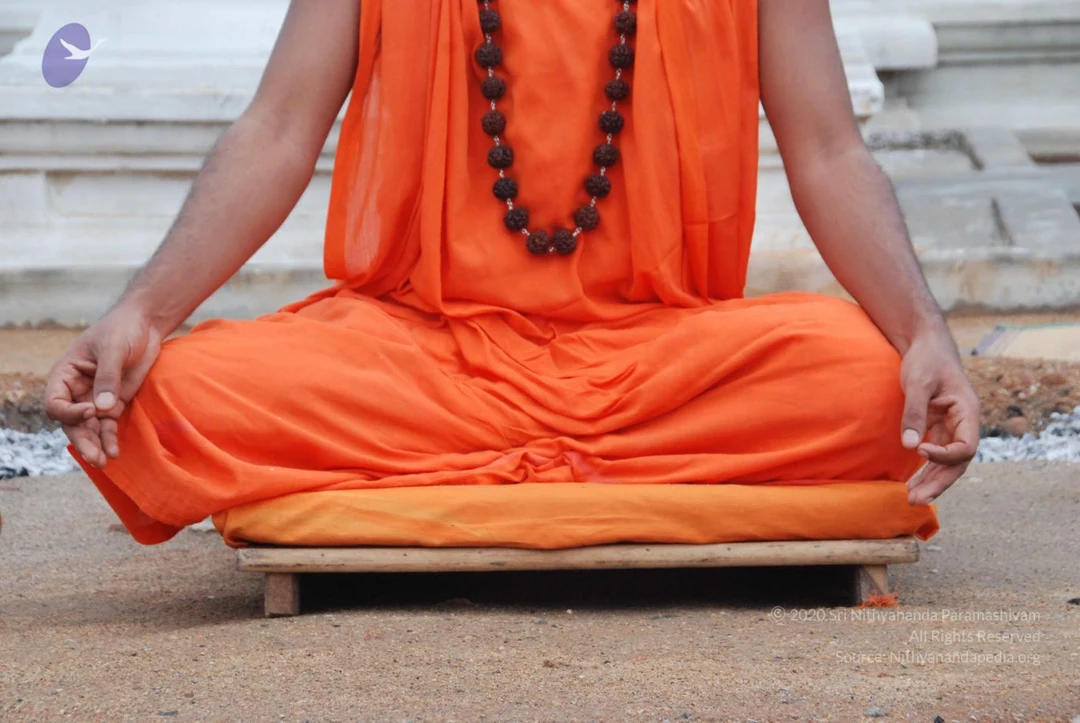
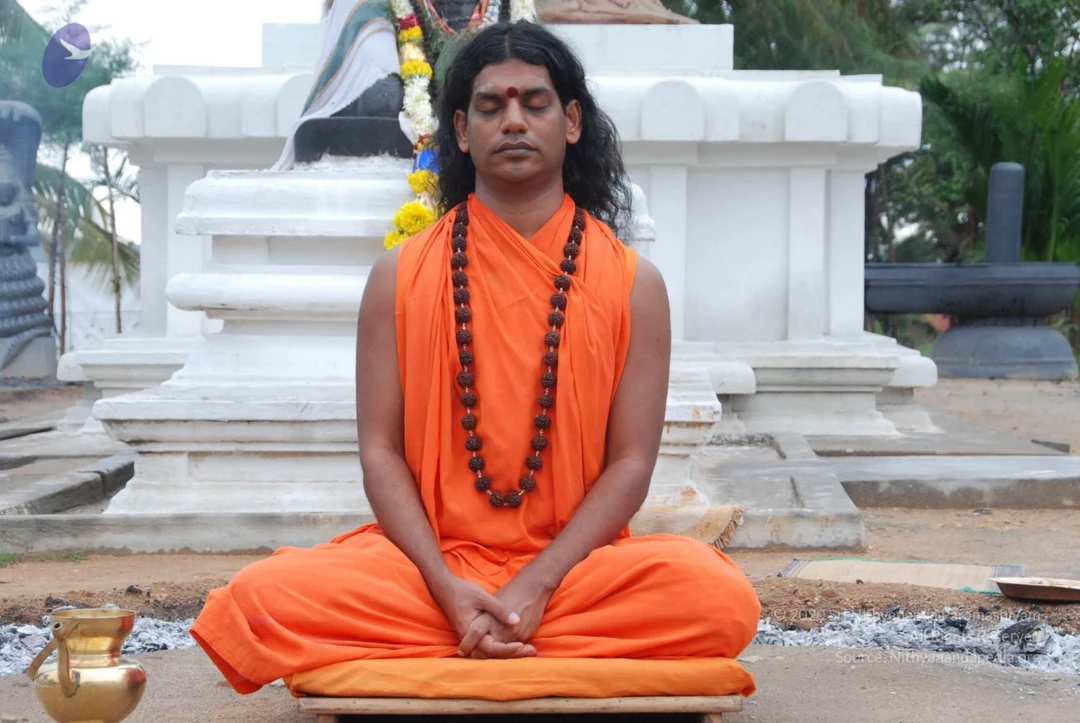
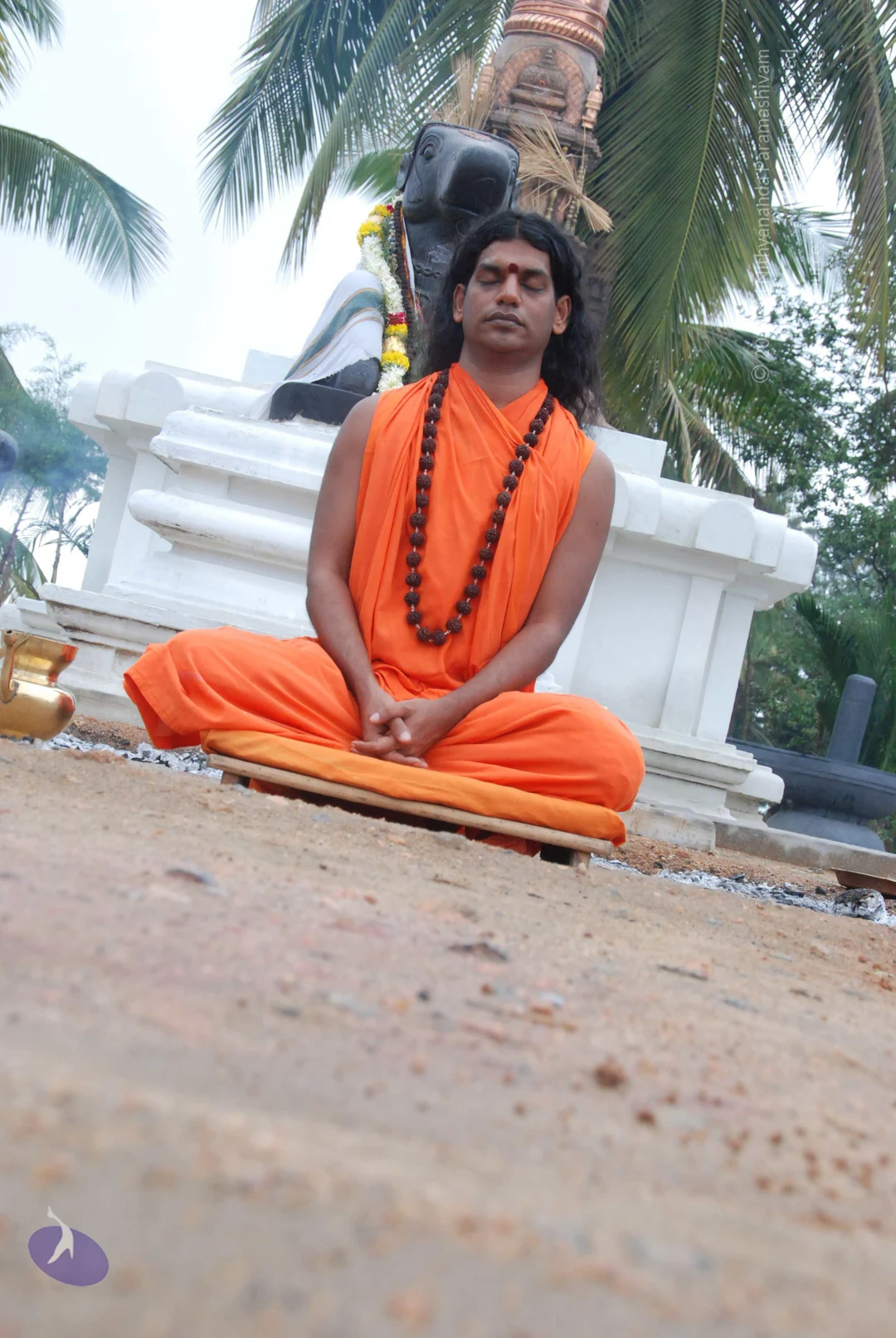
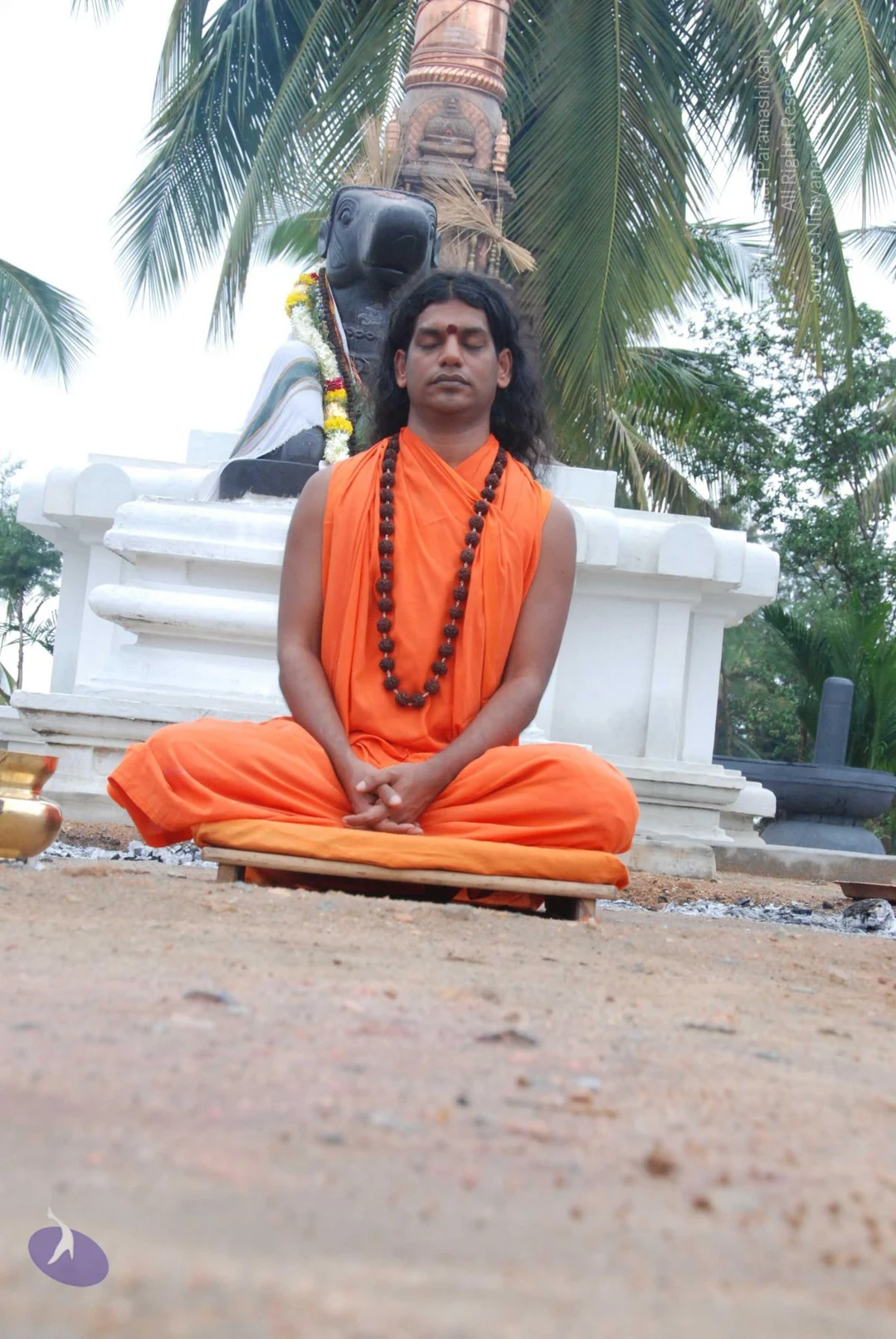
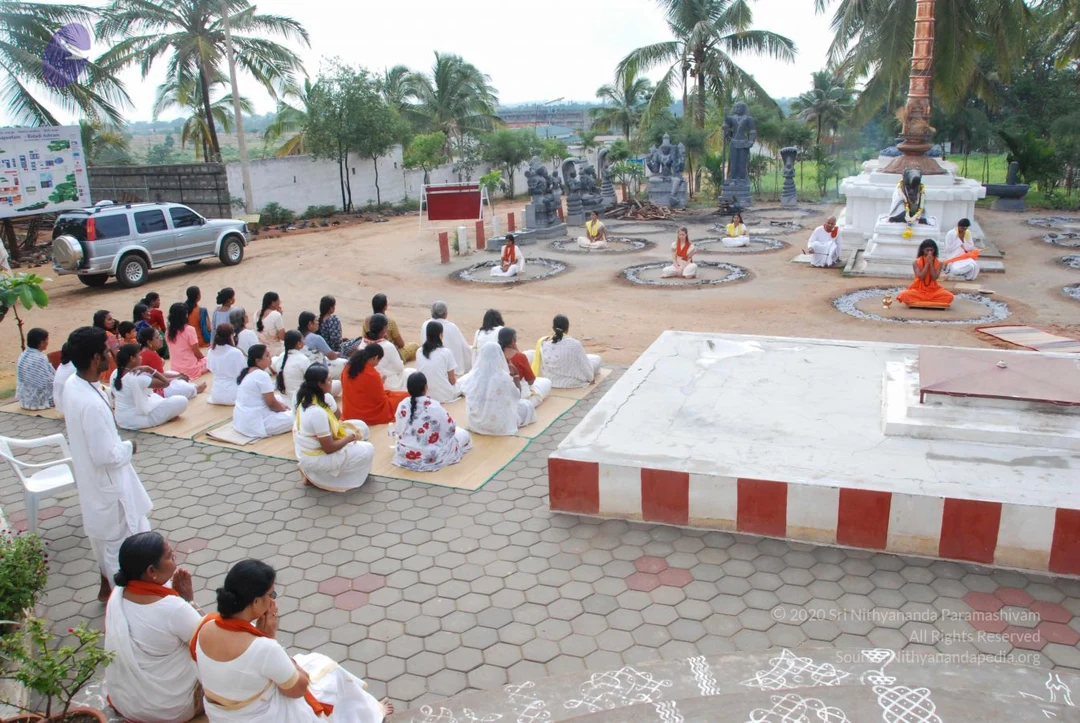
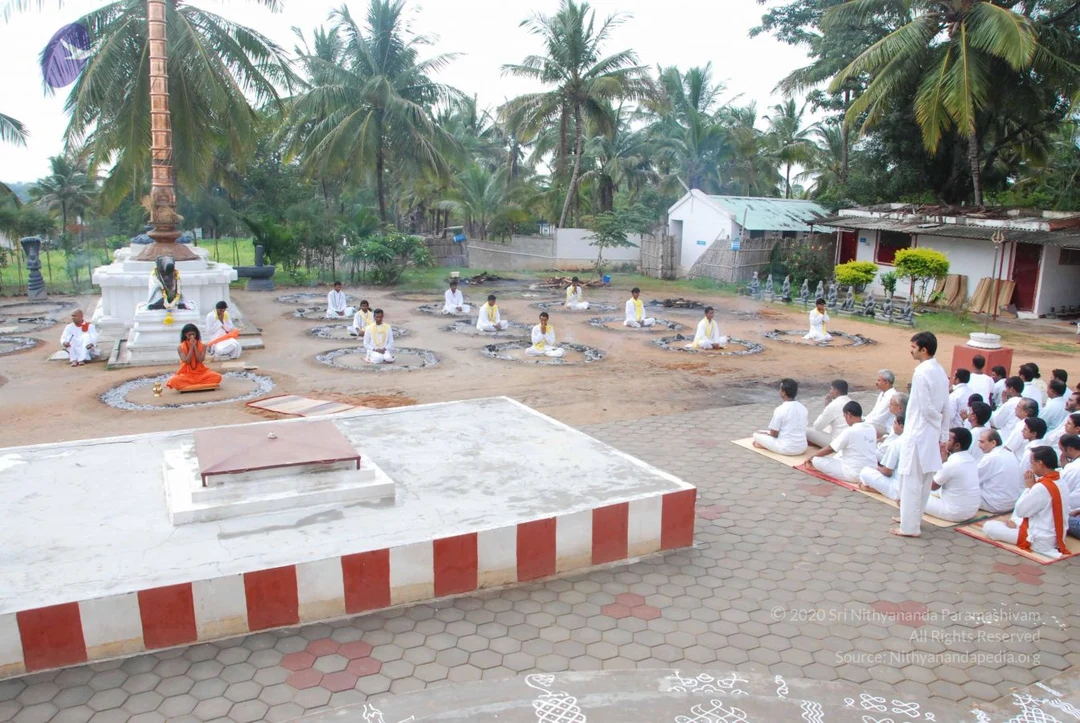
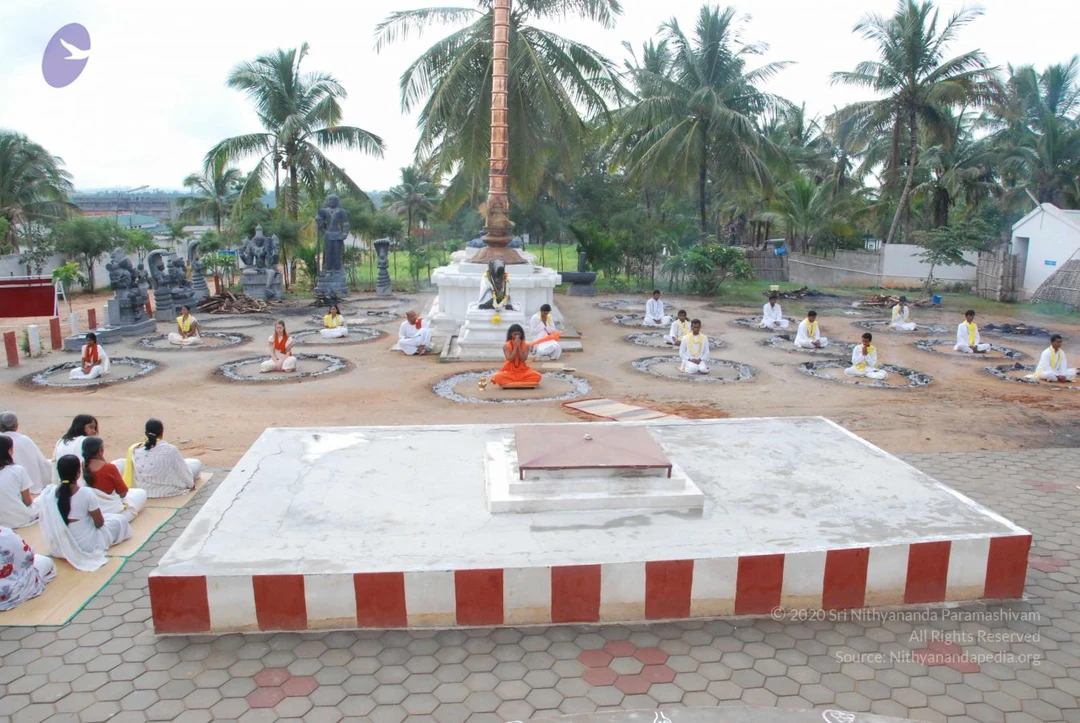
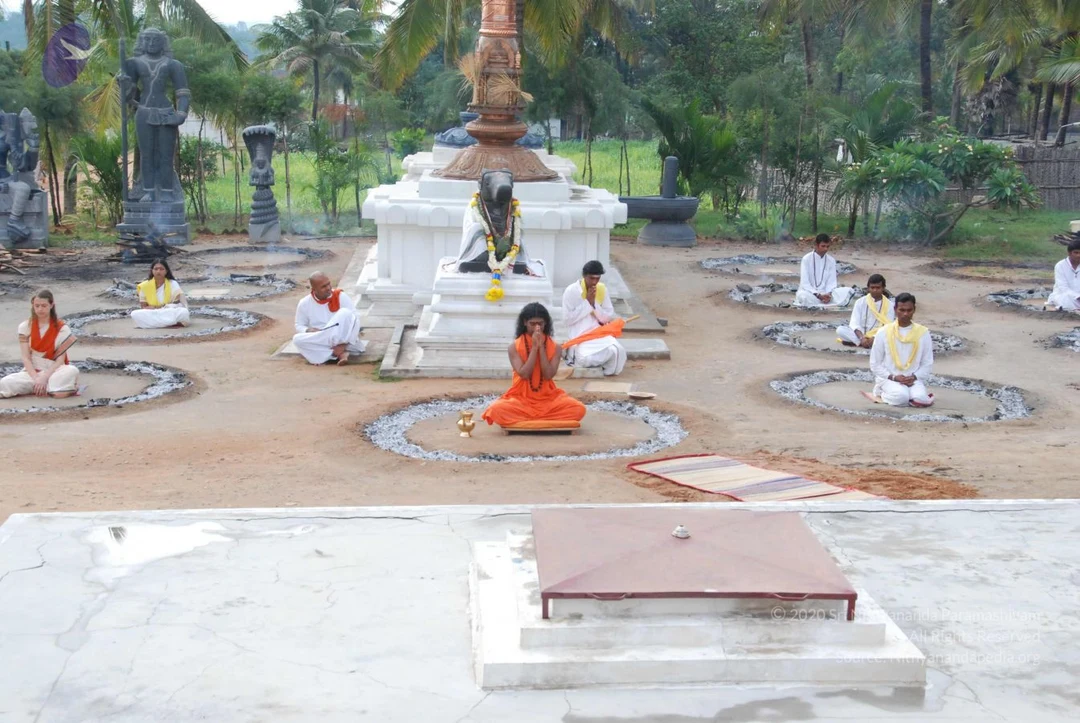
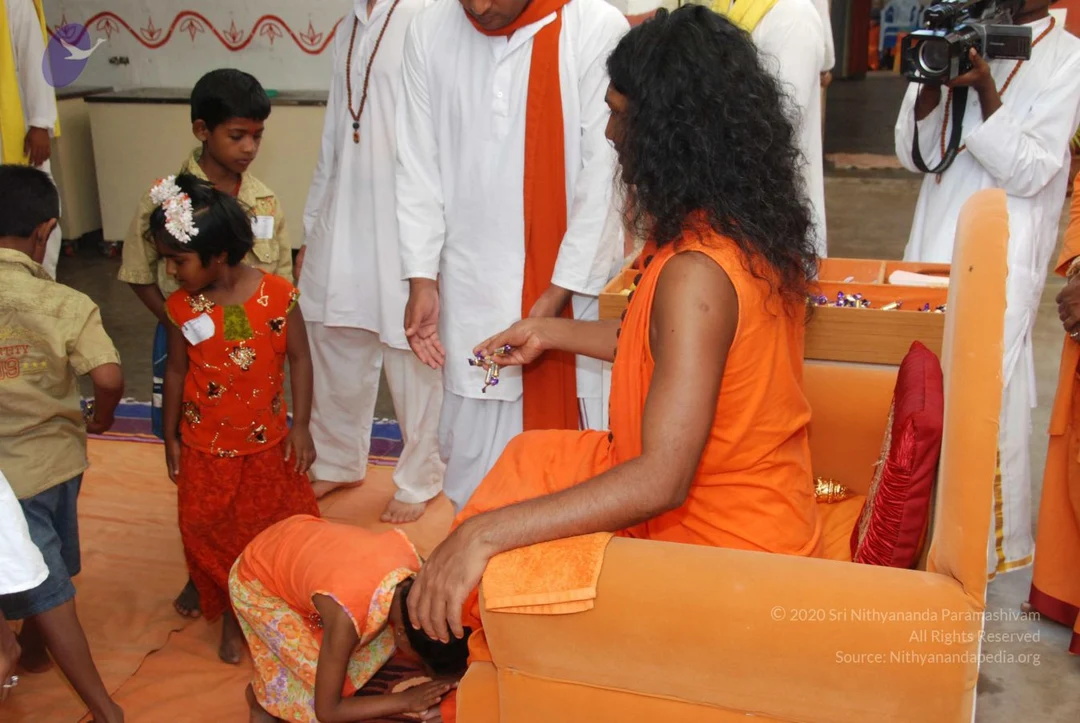
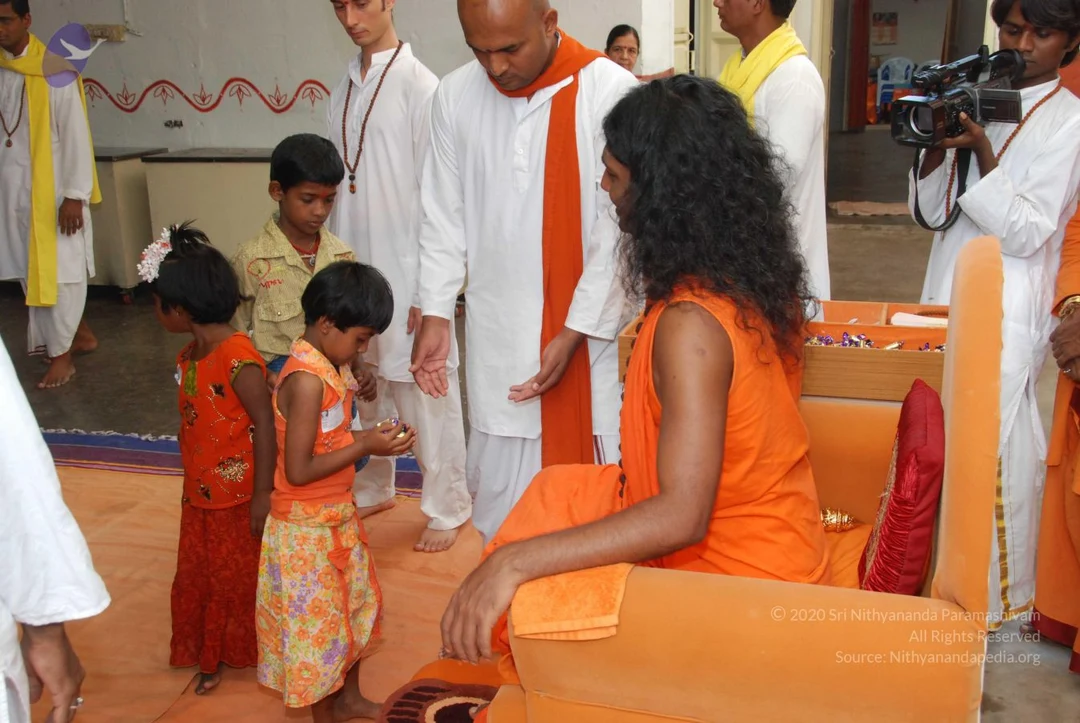
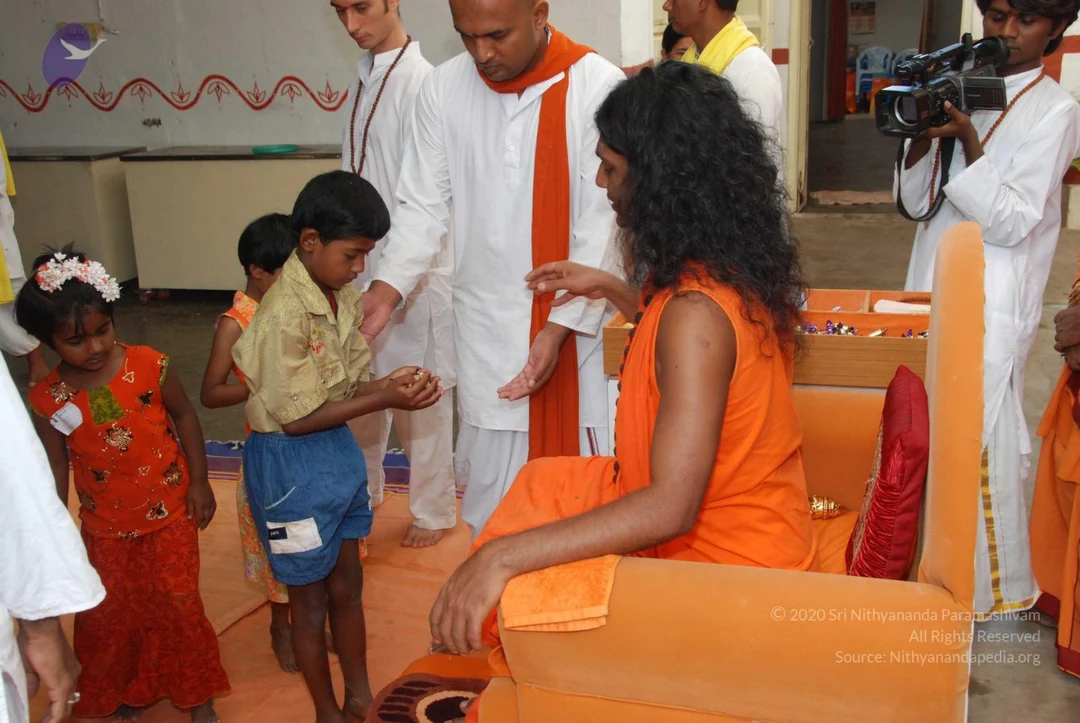
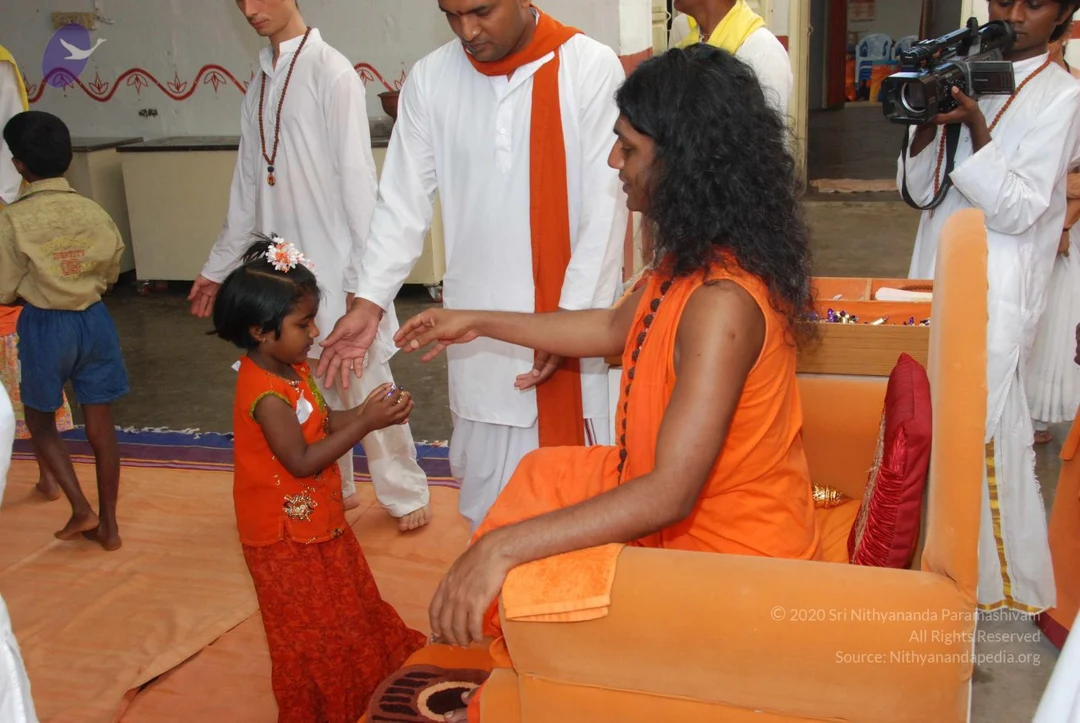
SARVA-DARSHAN
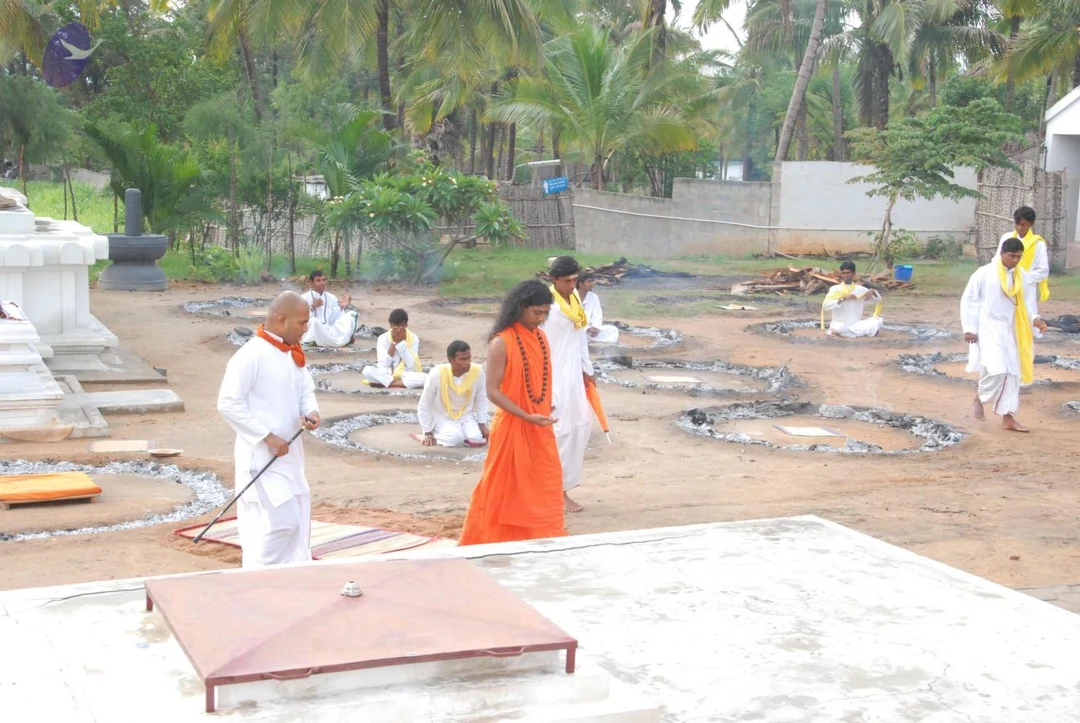
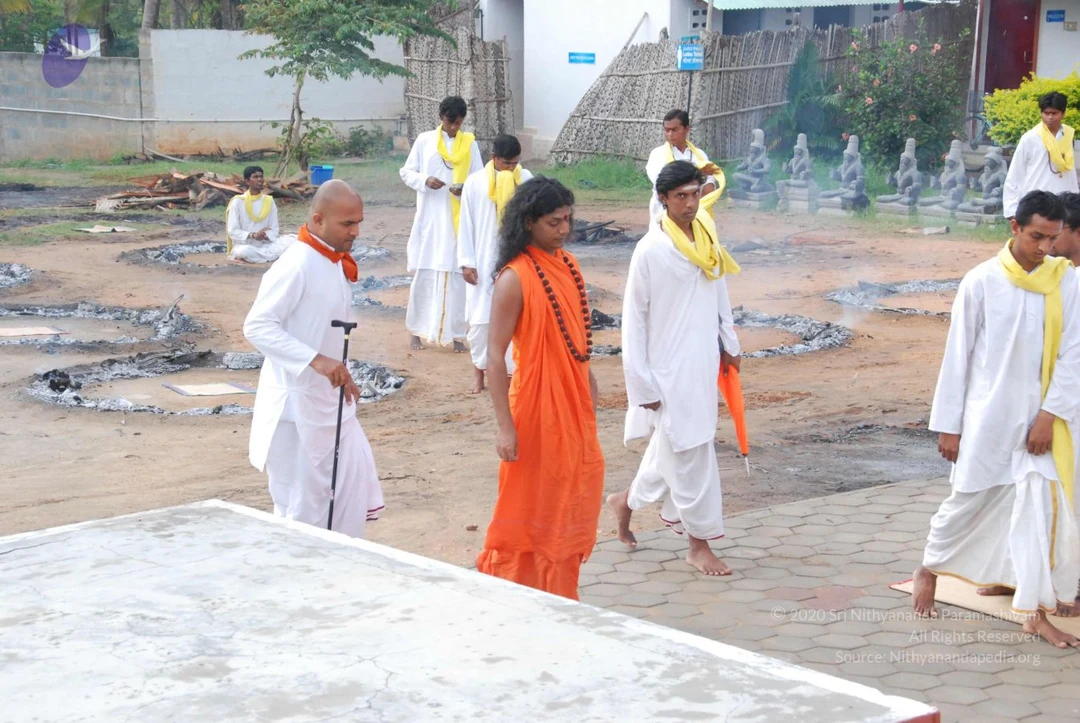
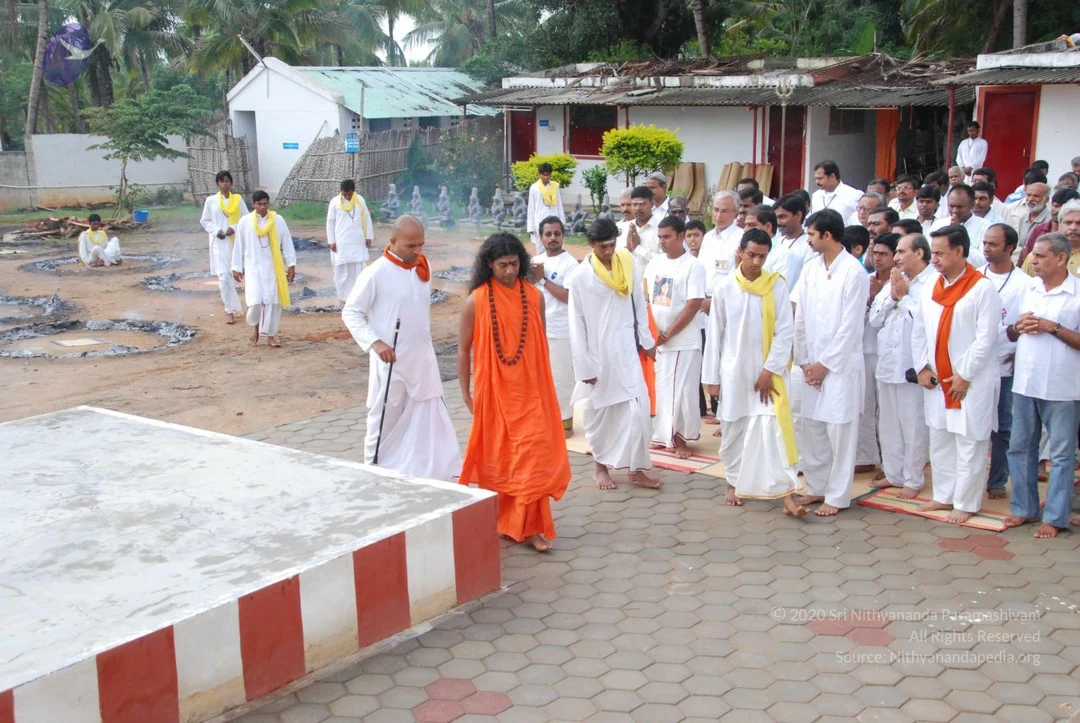
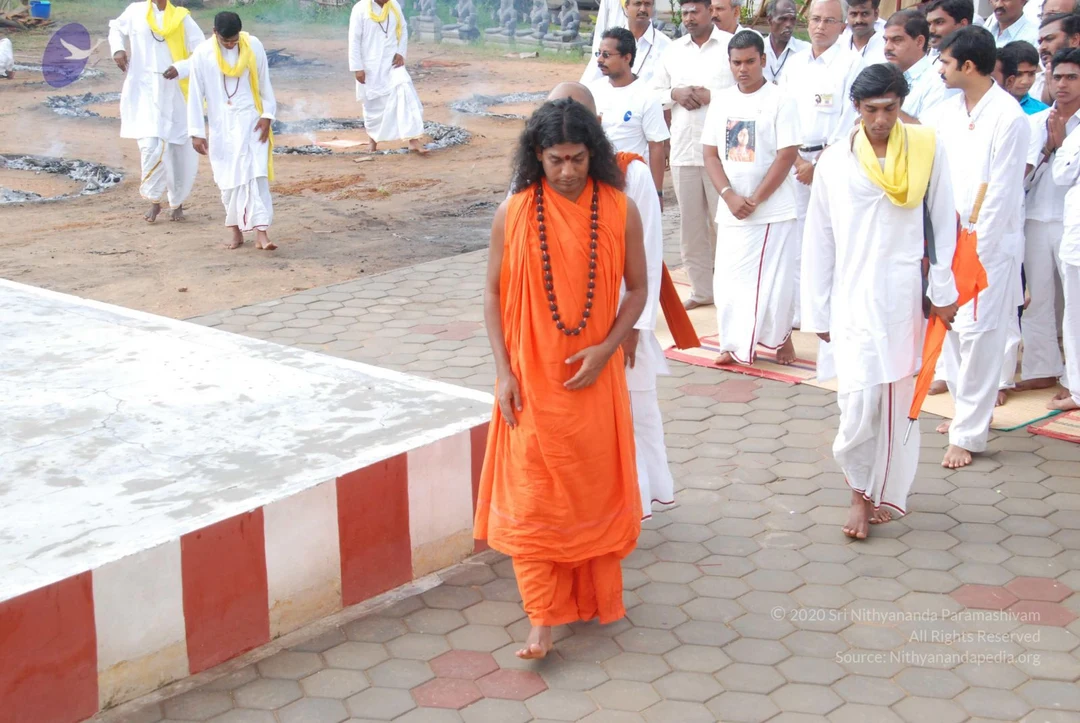
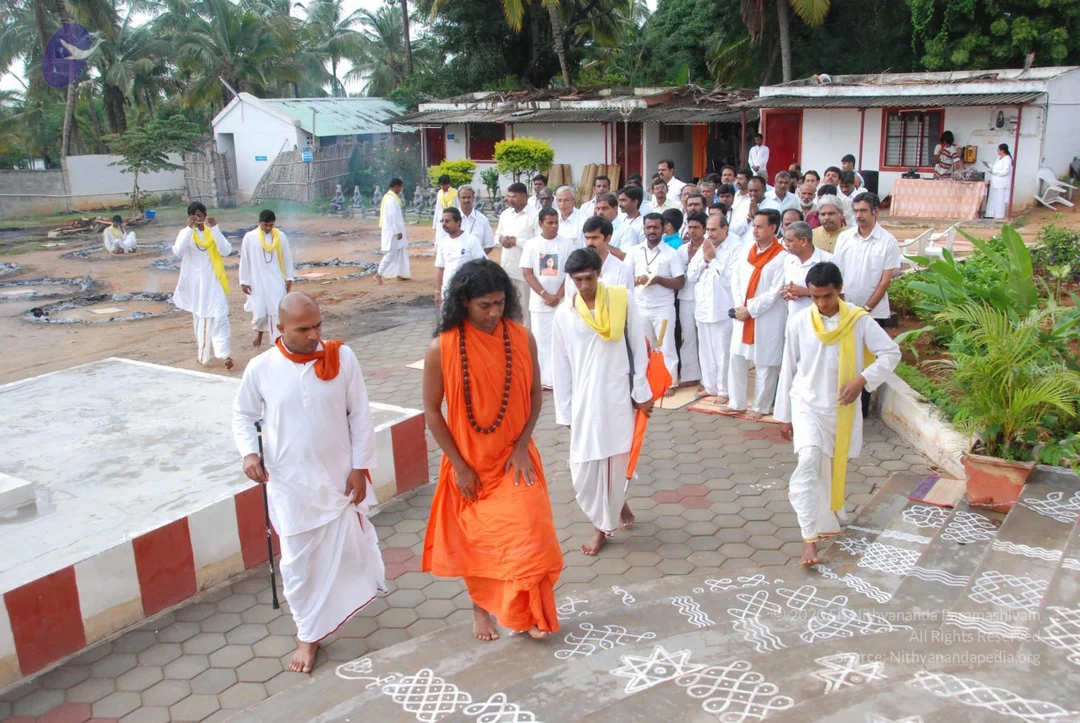
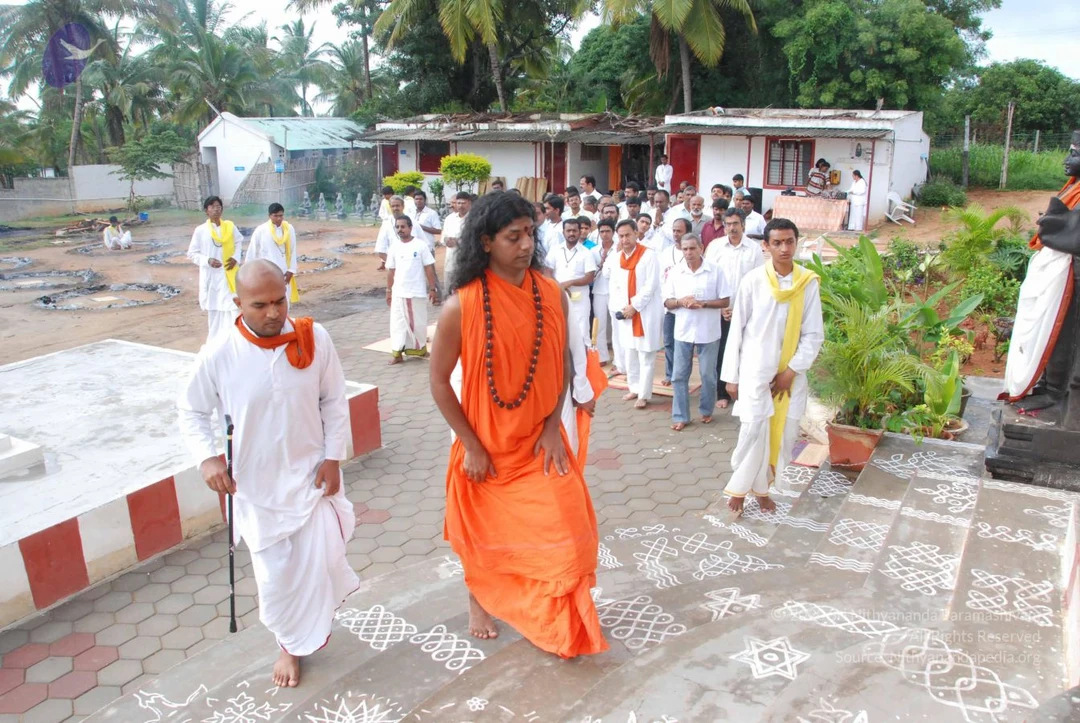
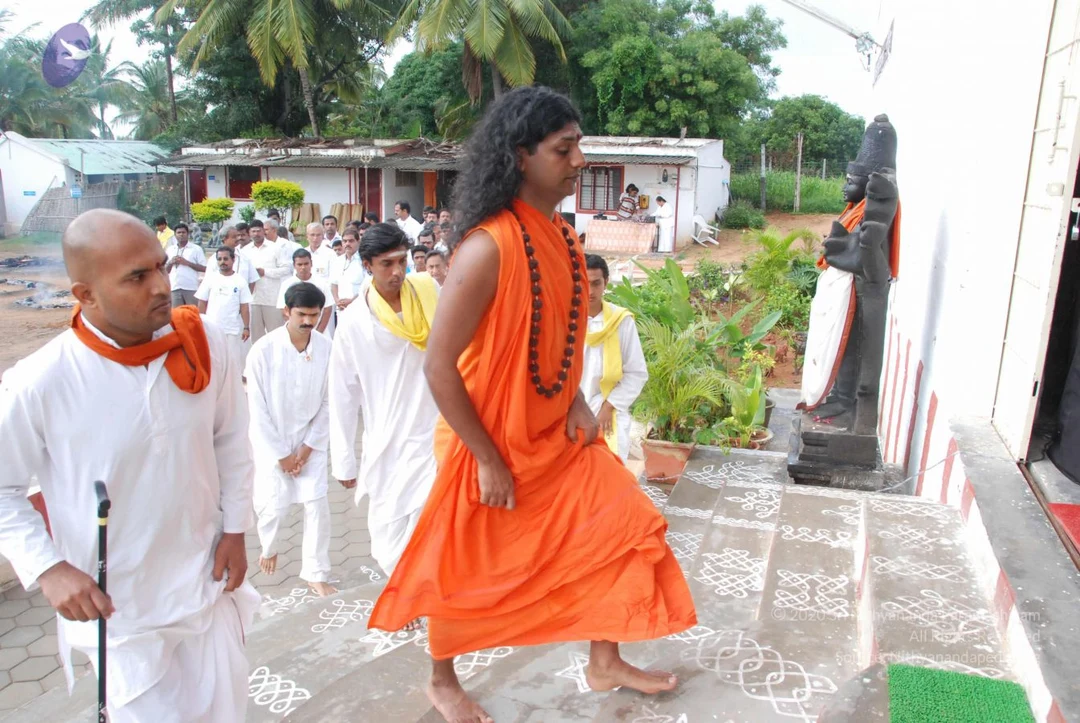
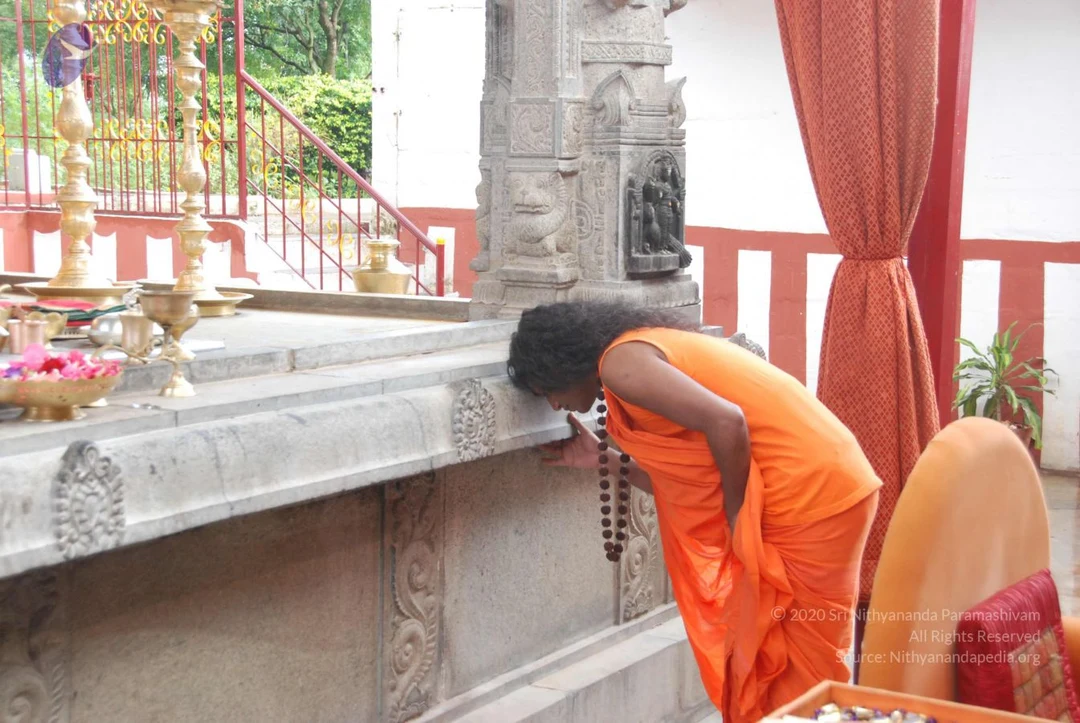
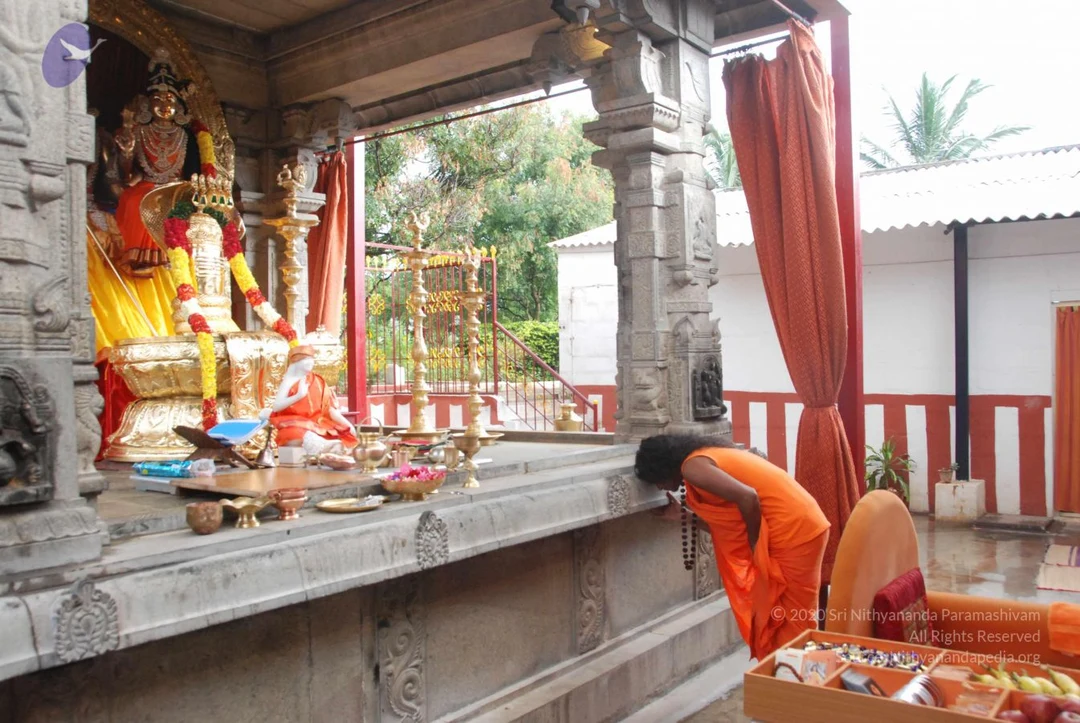
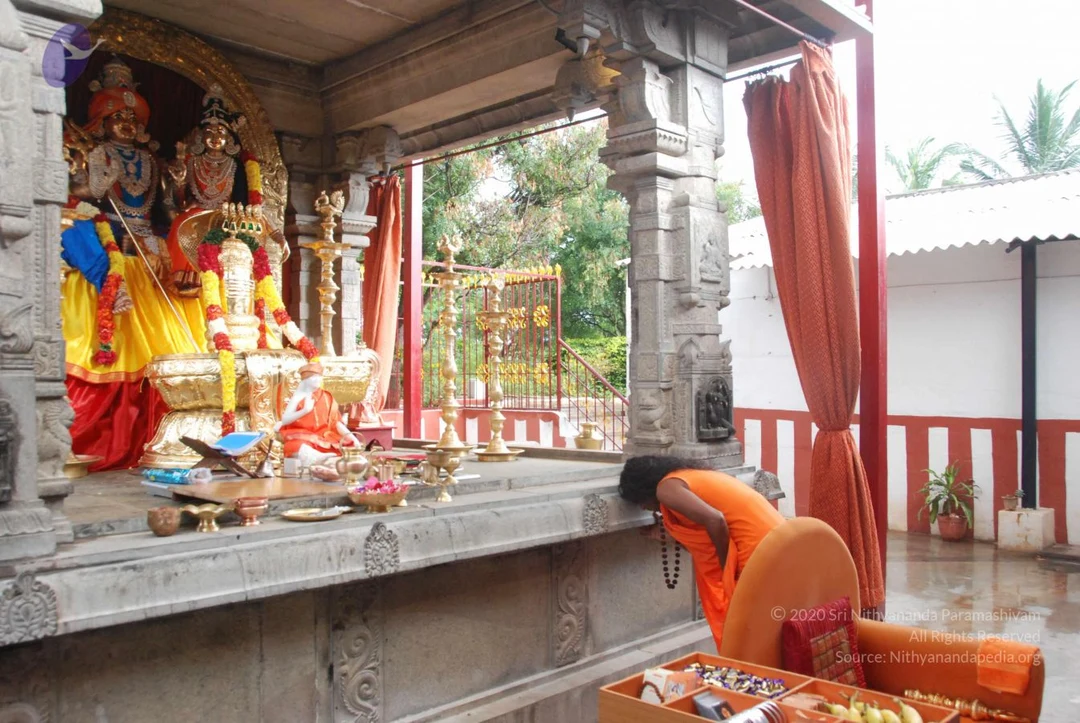
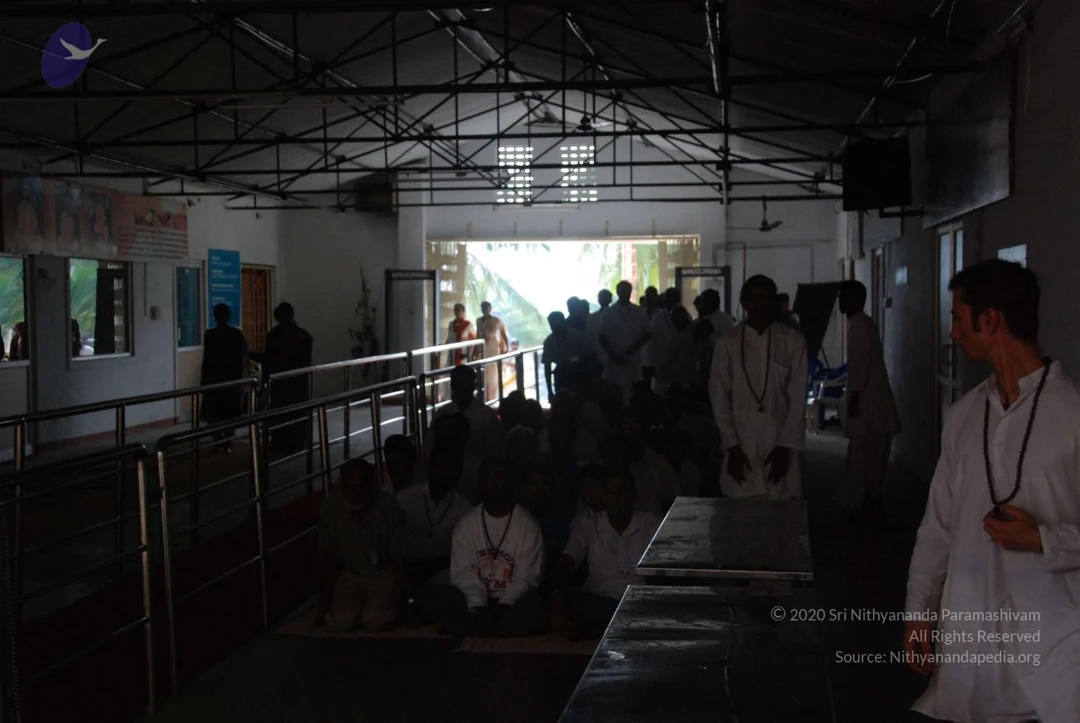
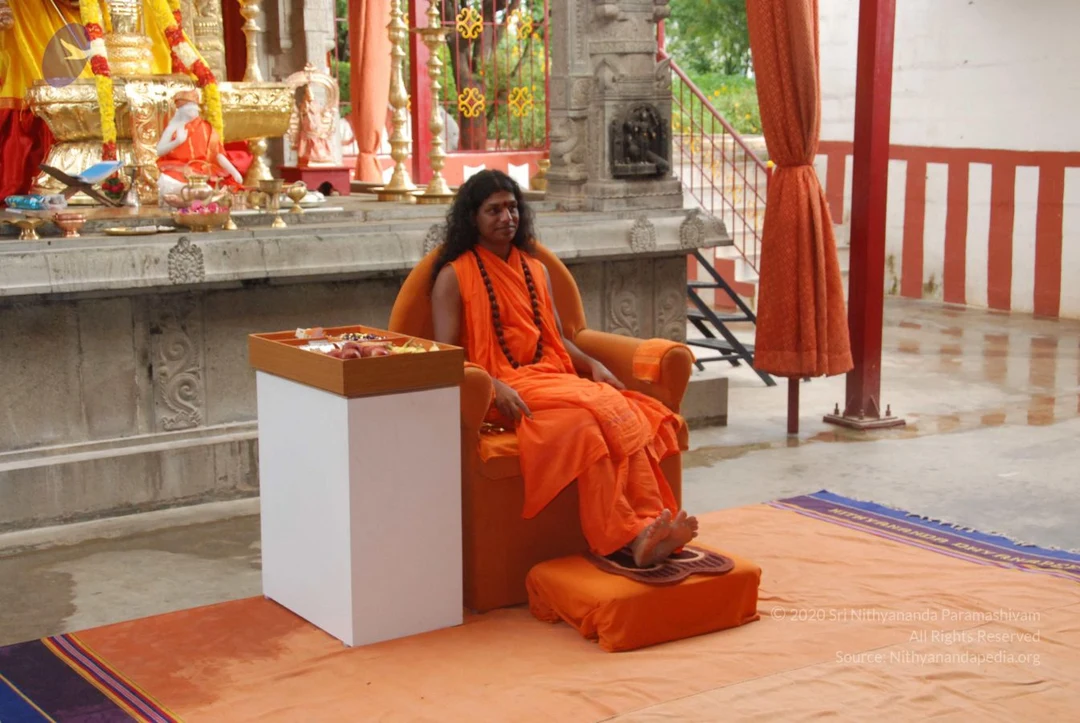
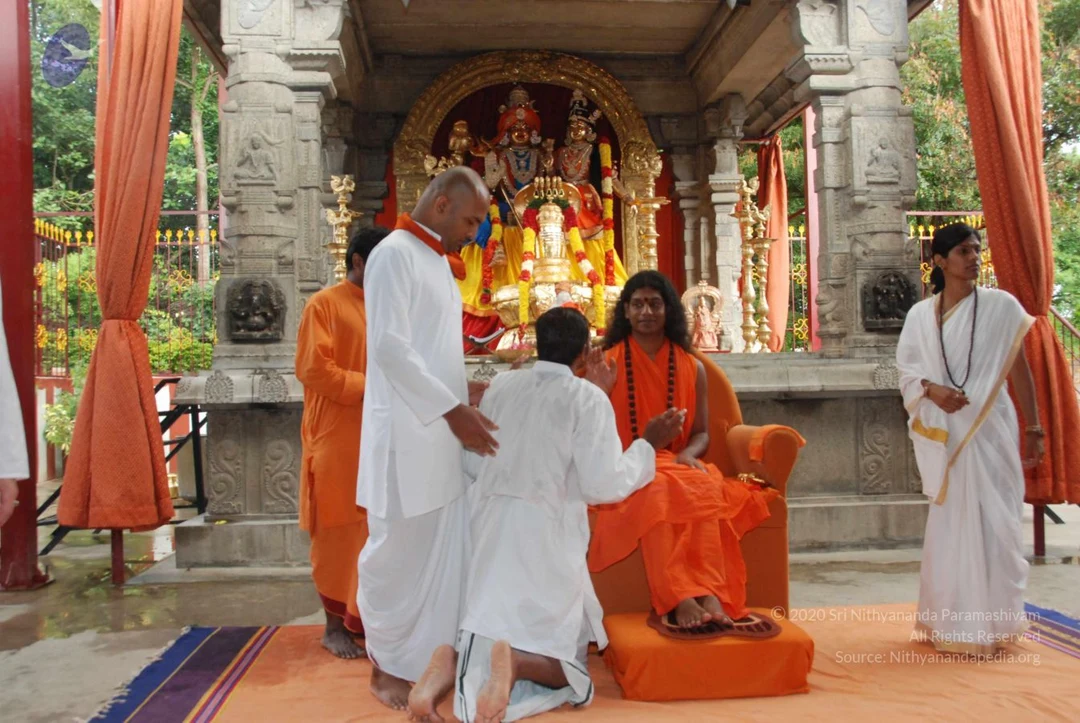
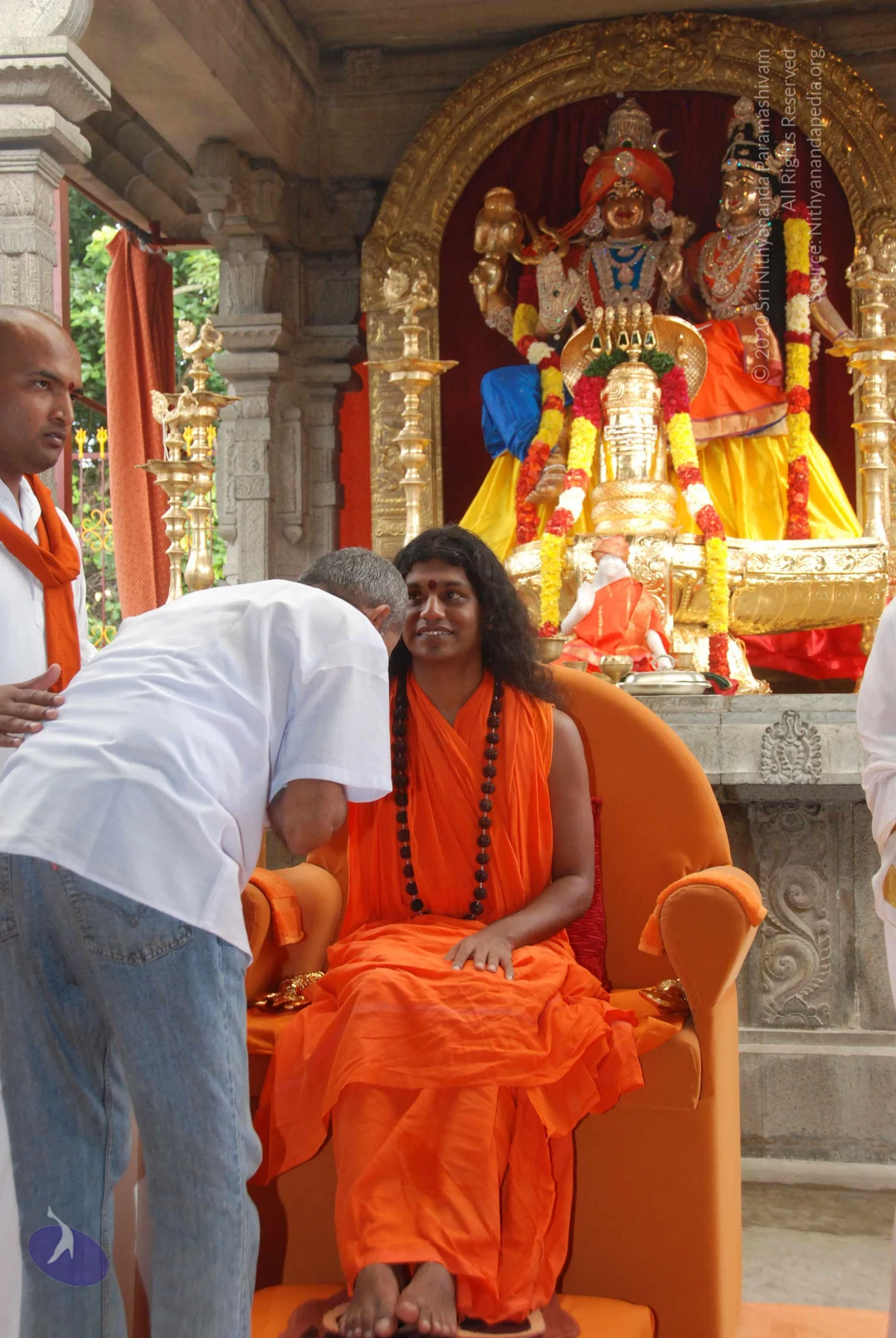
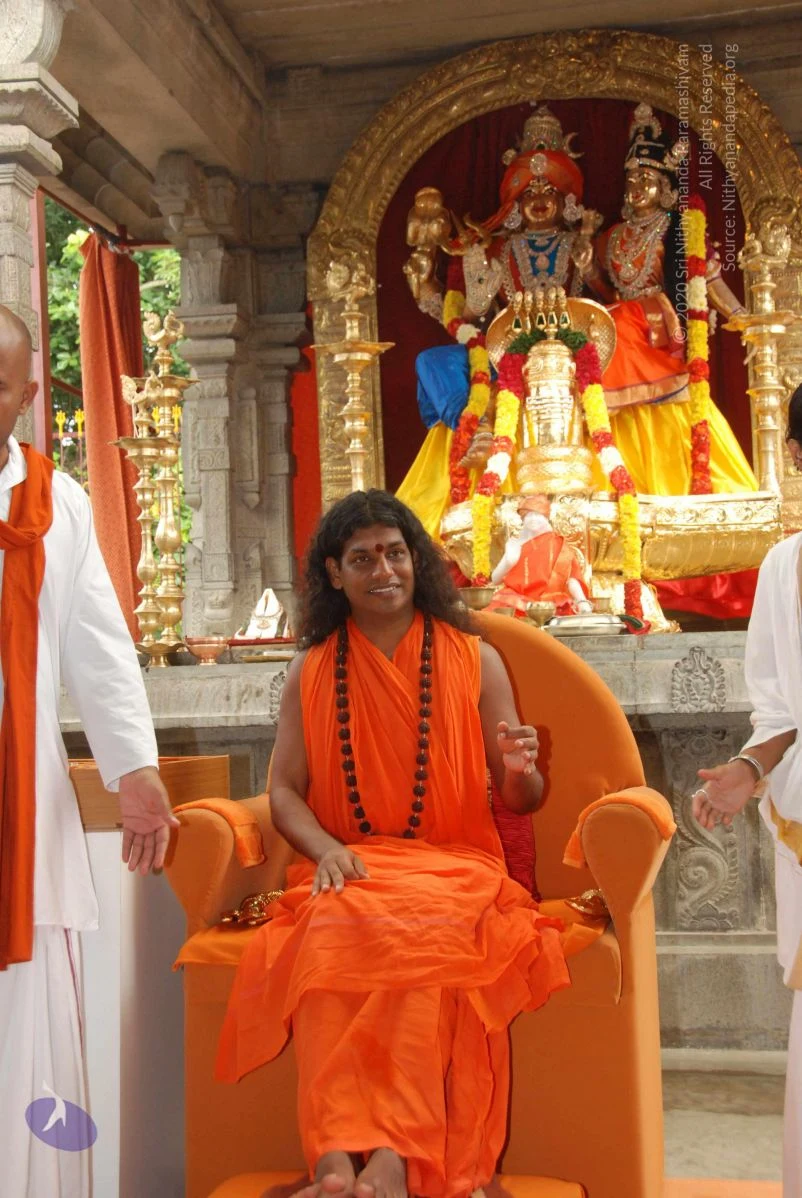
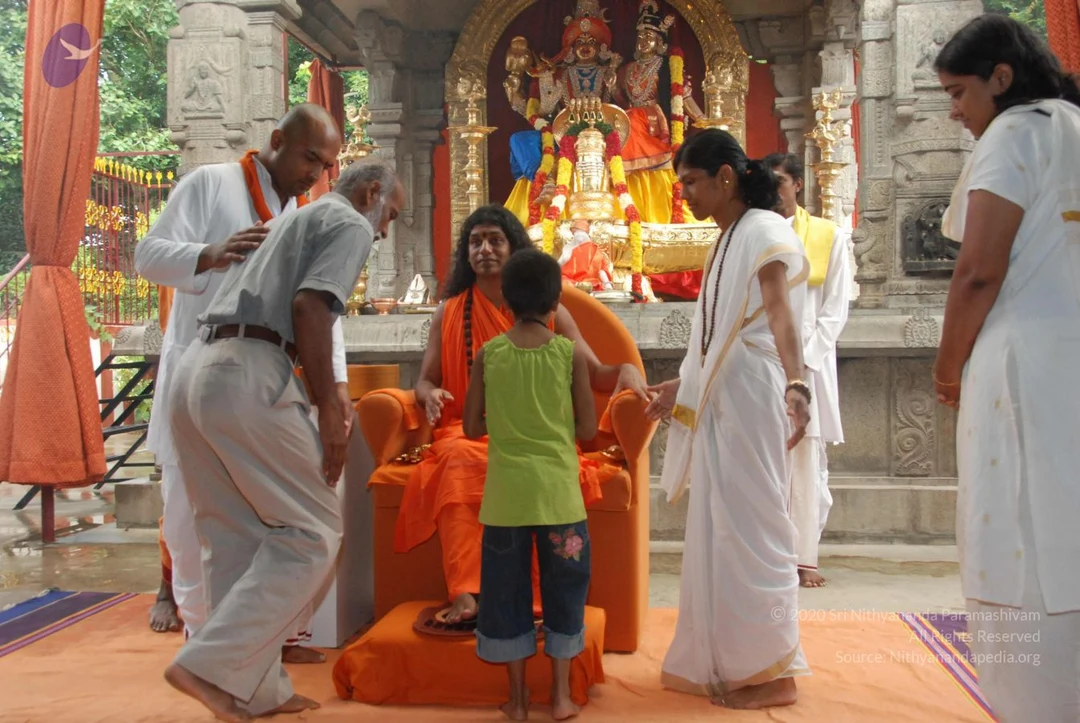
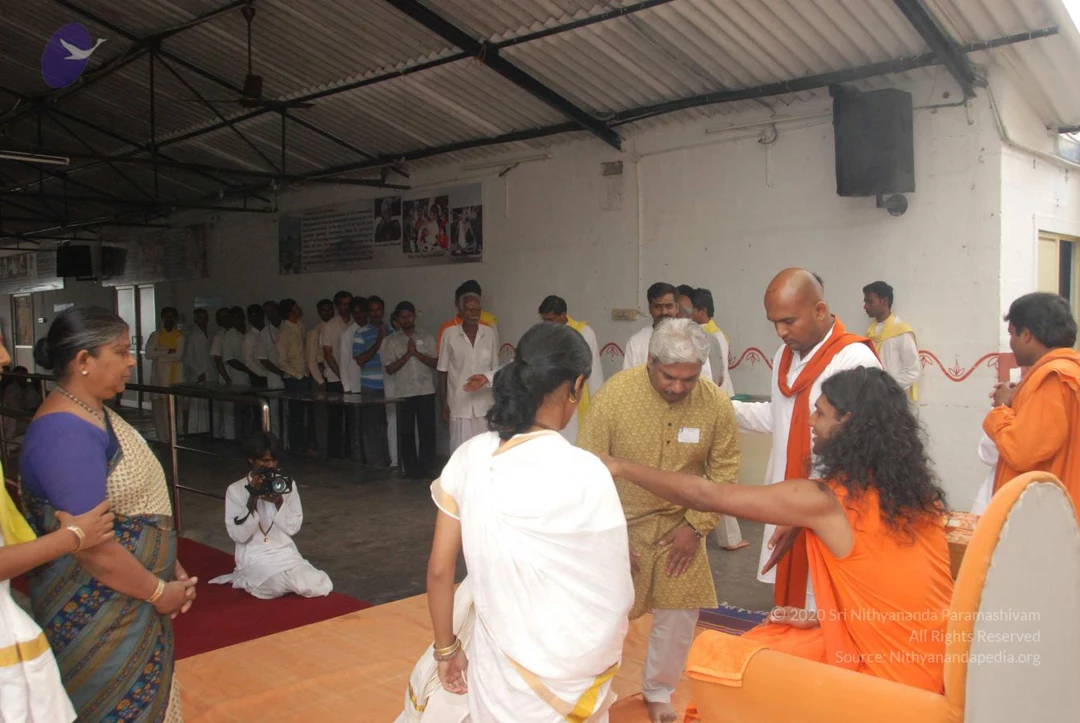
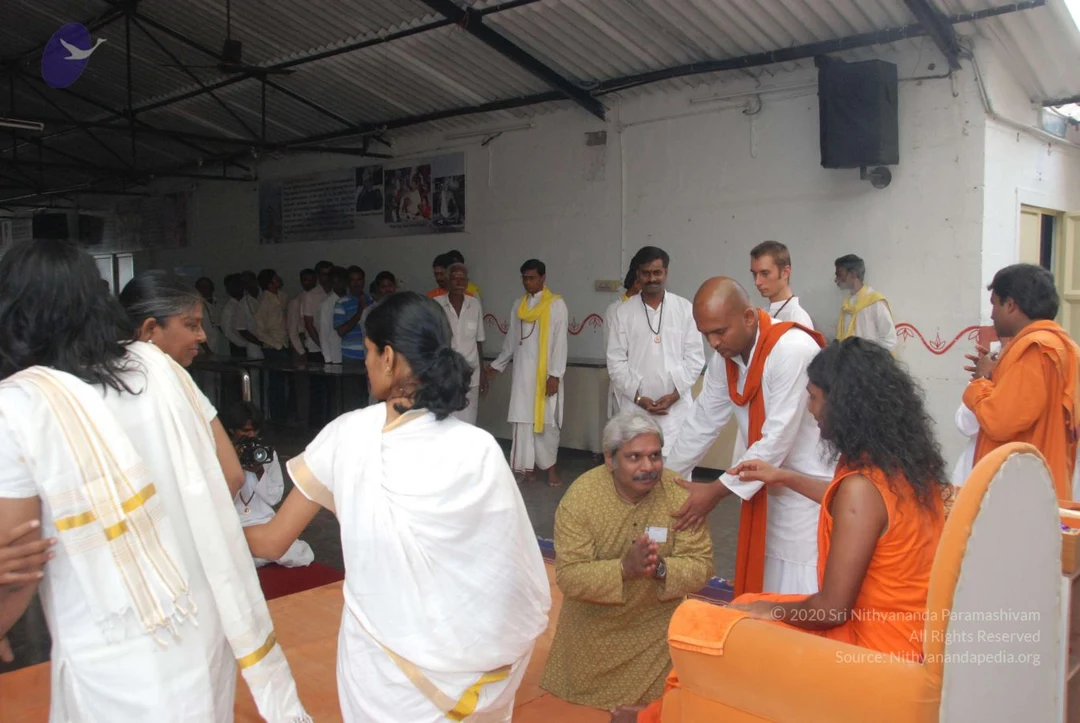
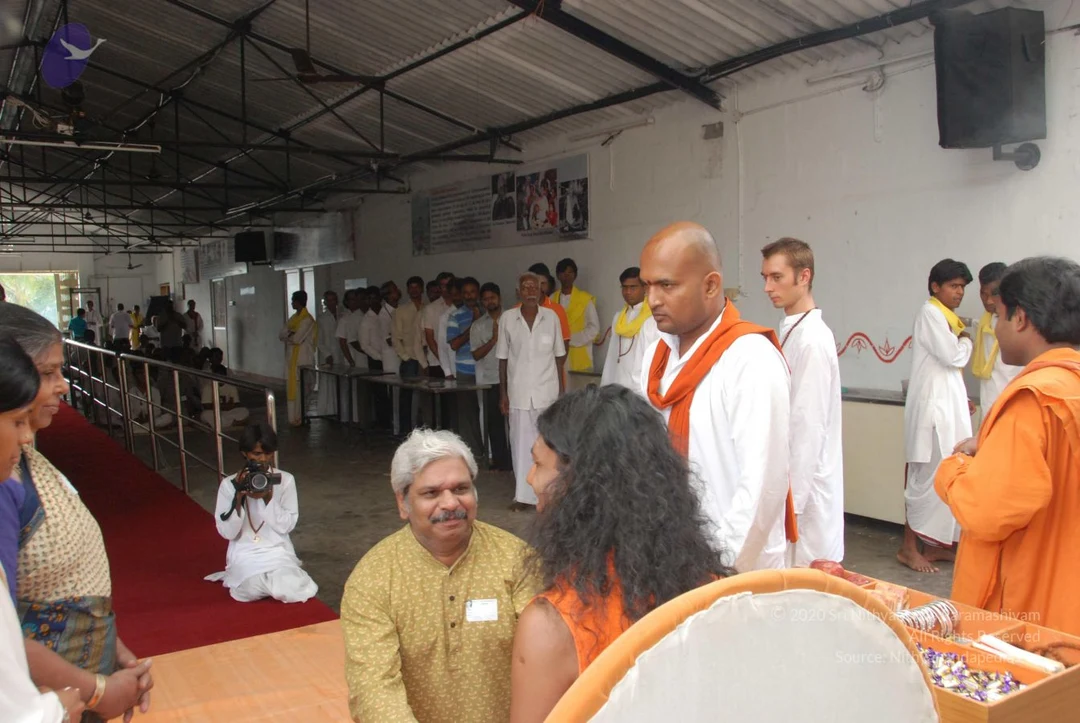
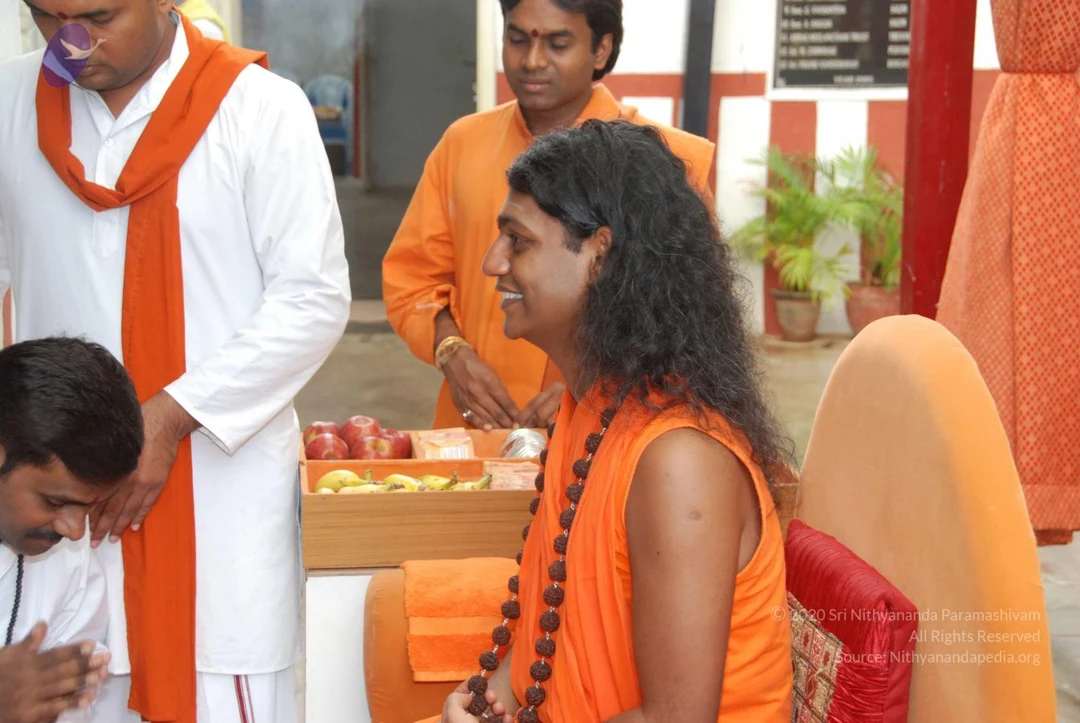
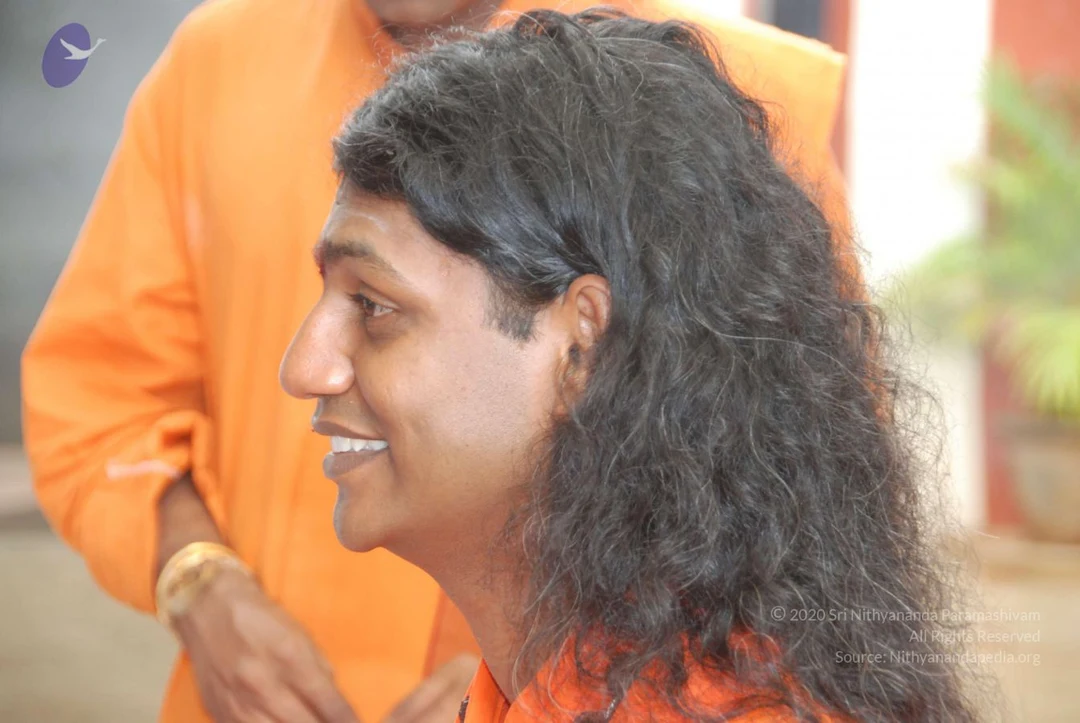
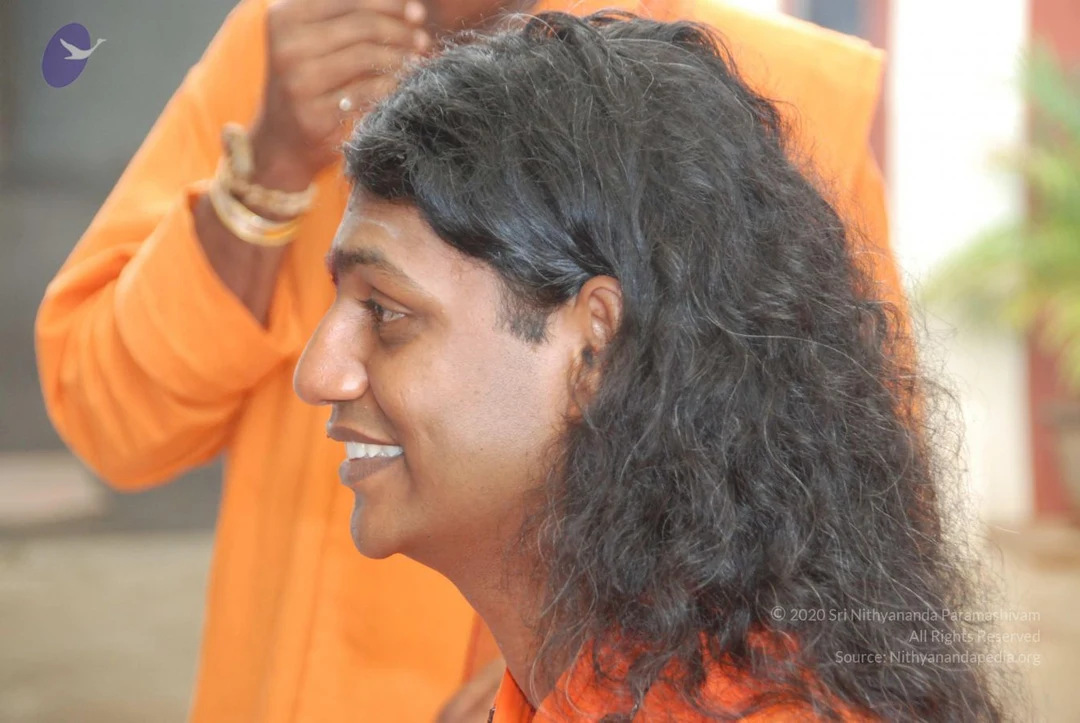
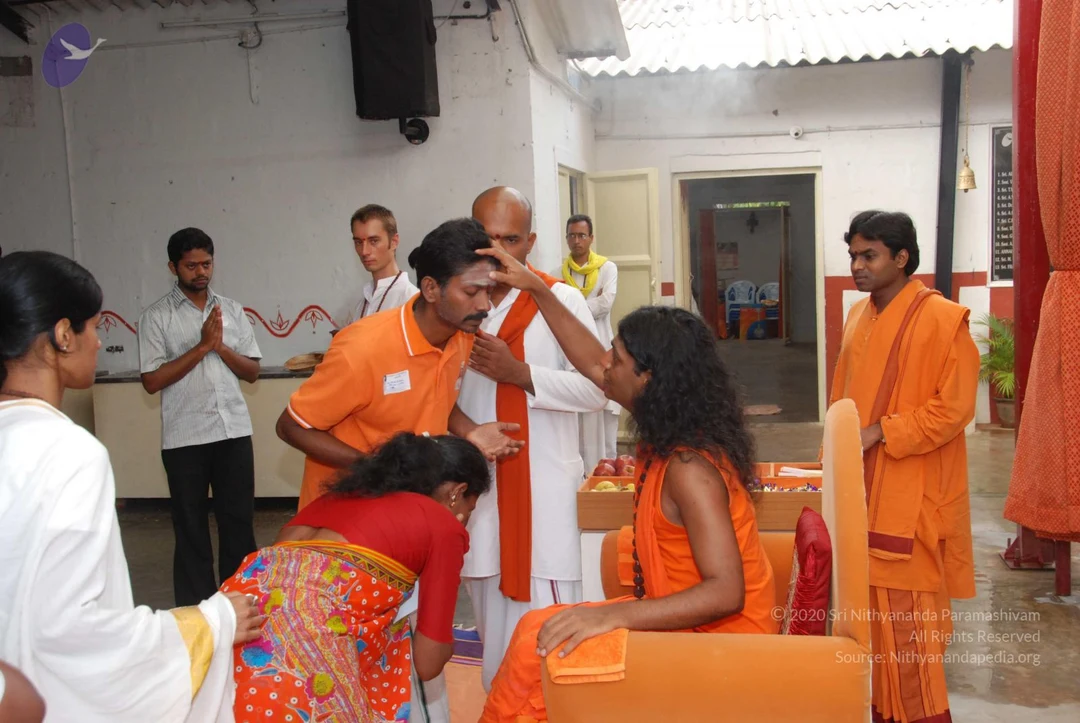
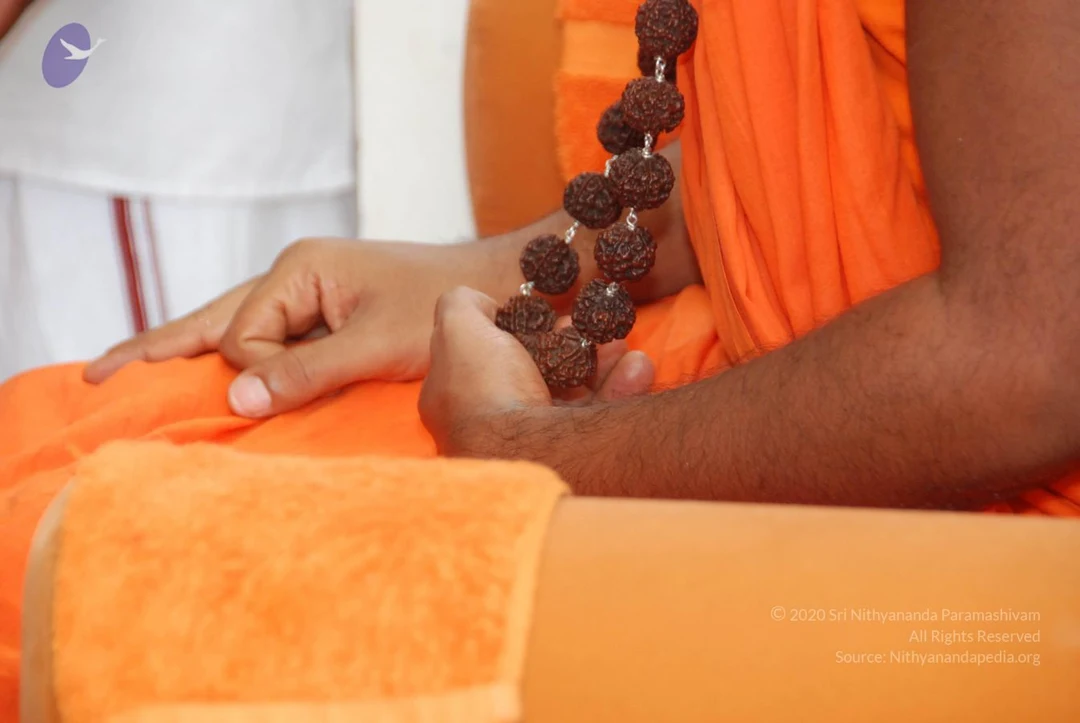
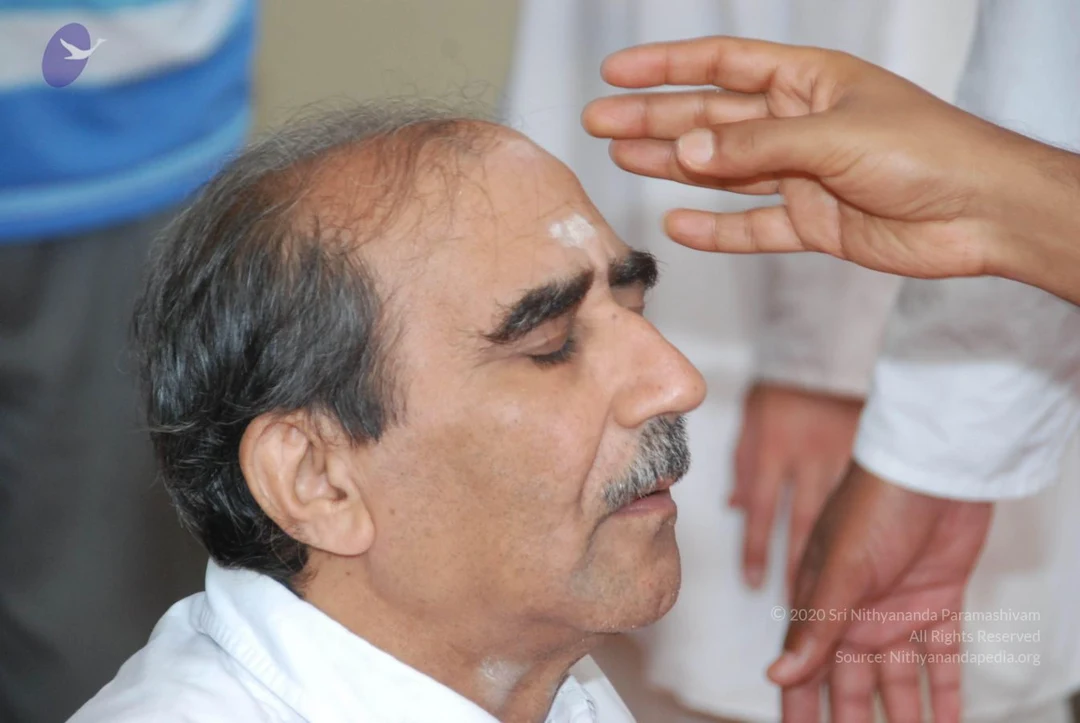
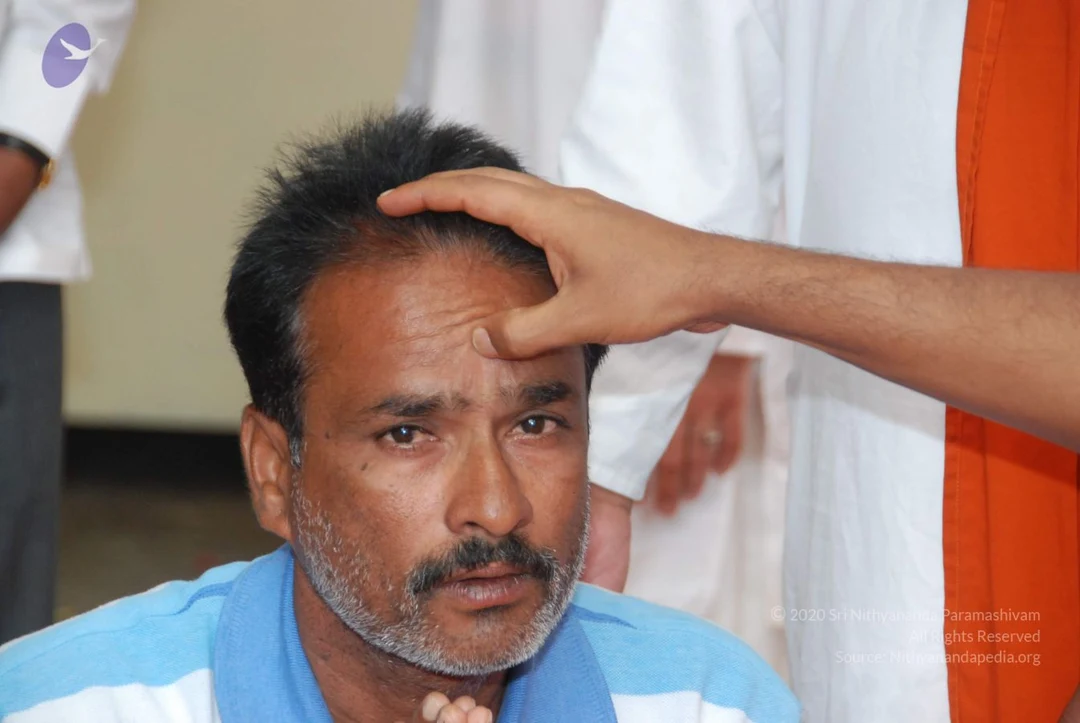
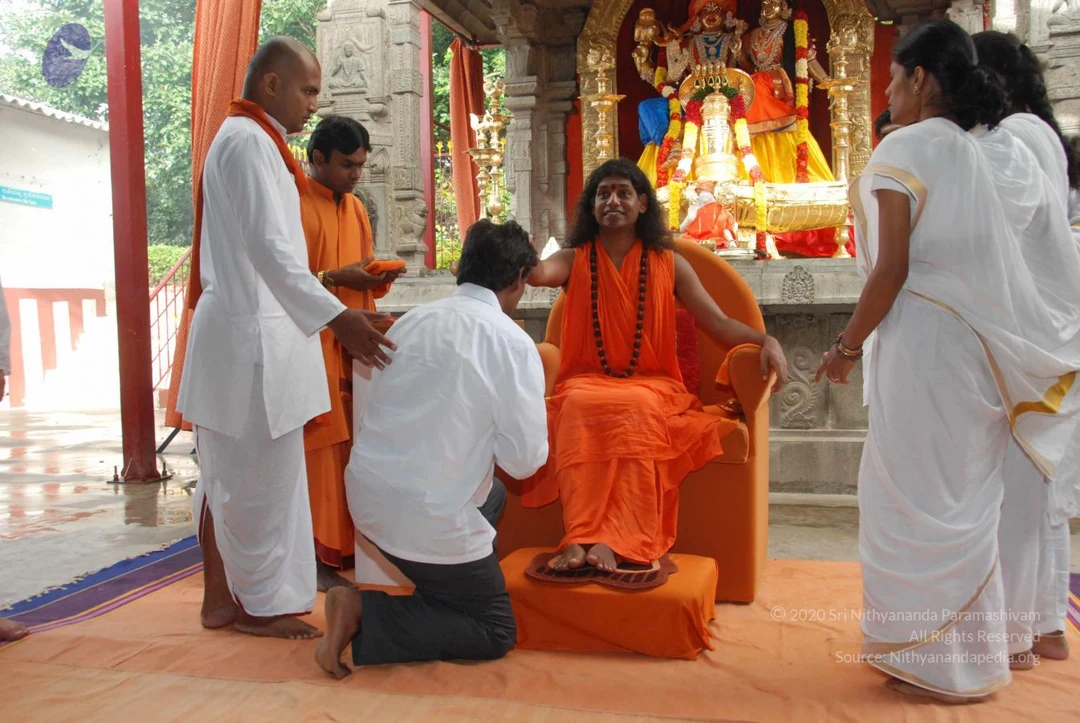
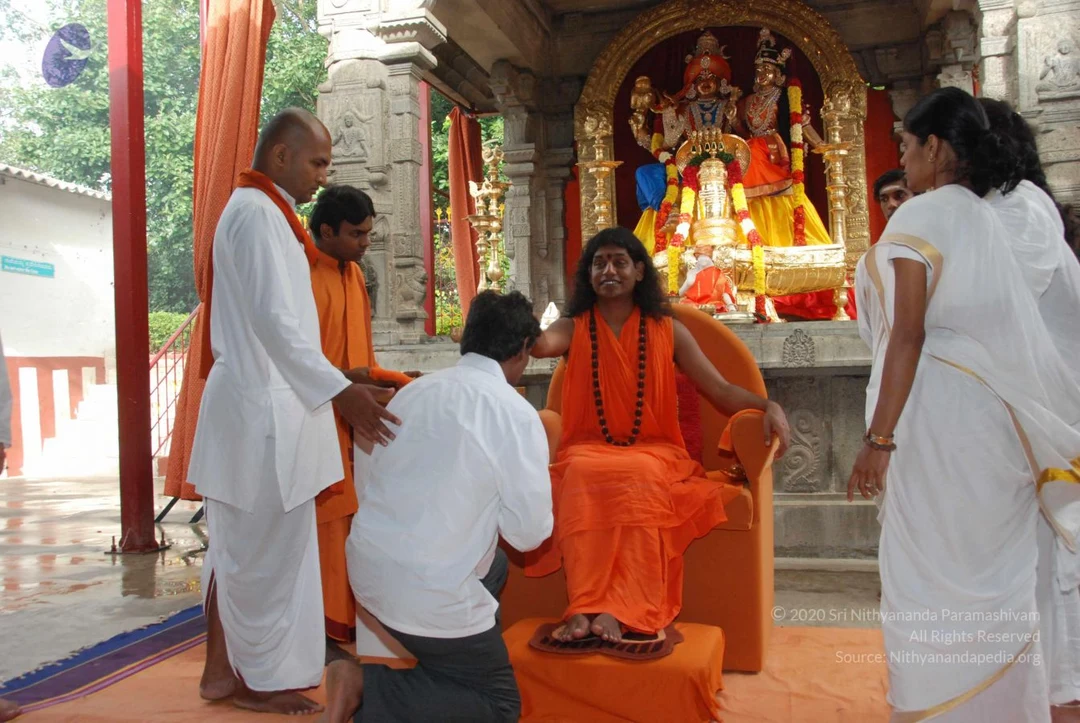
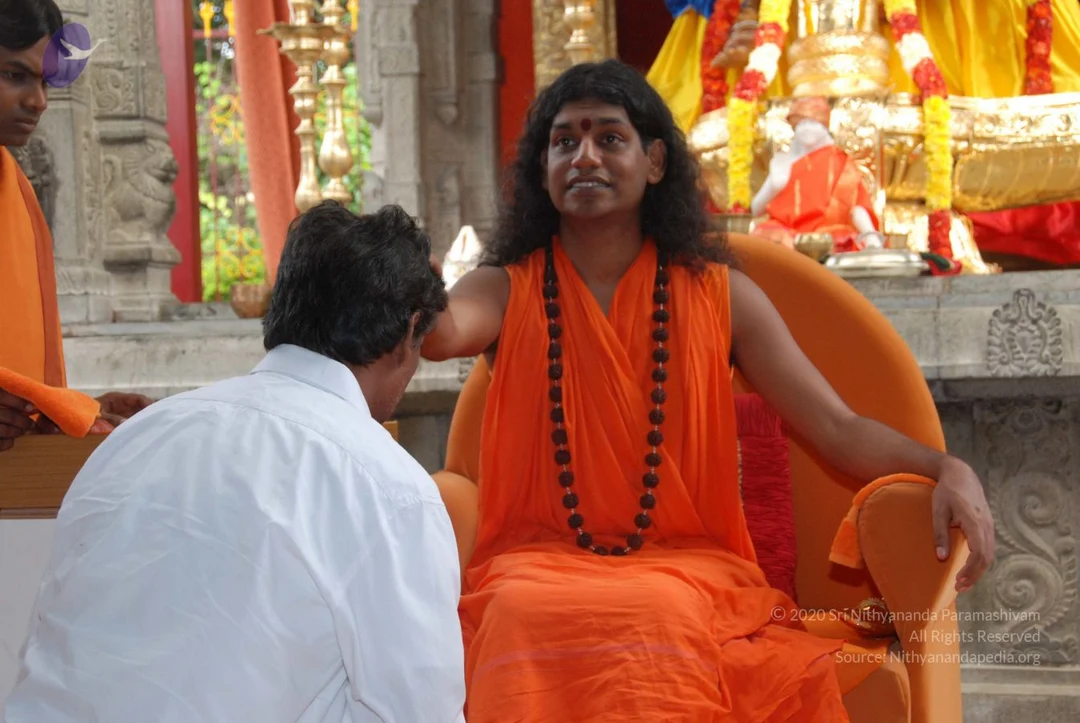
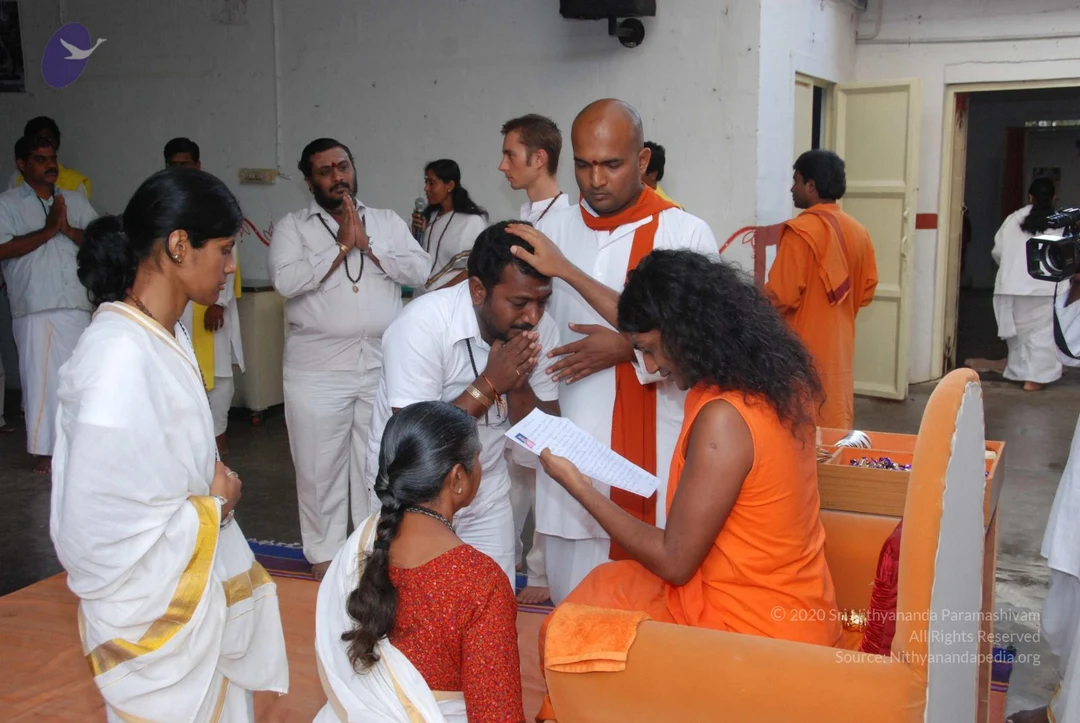
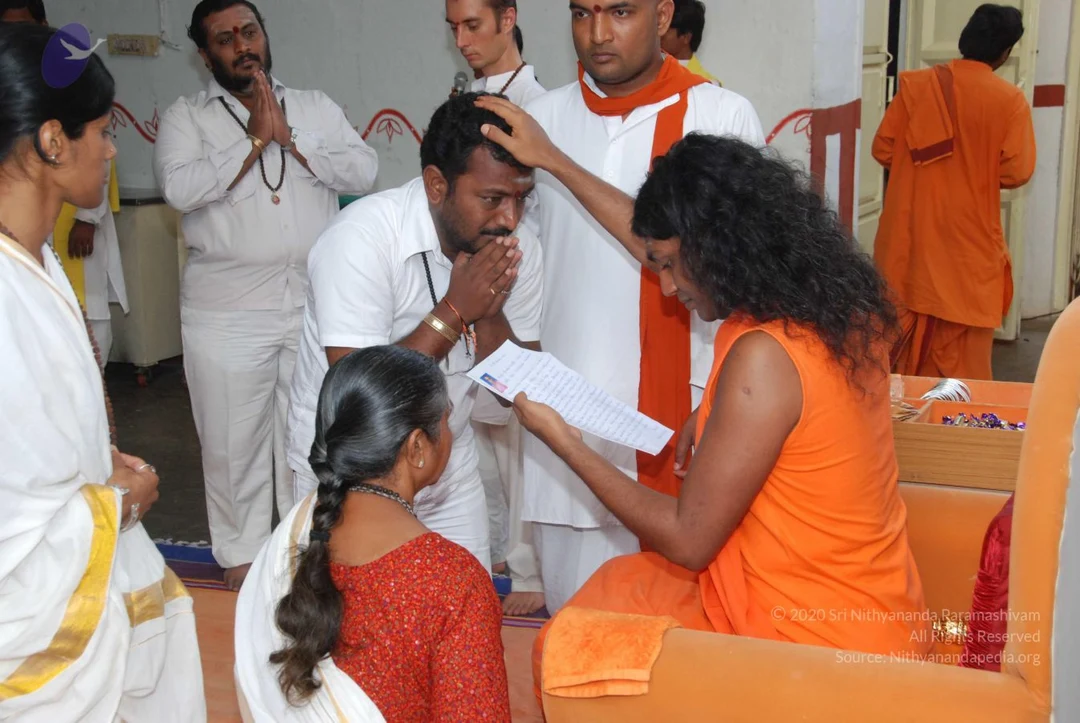
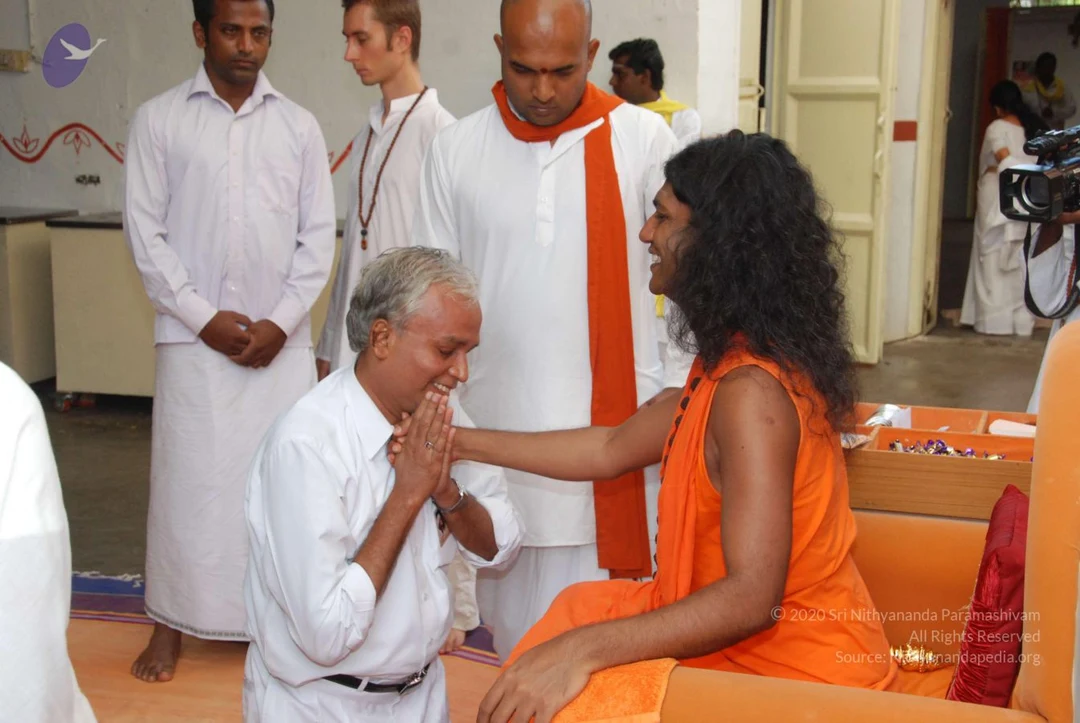
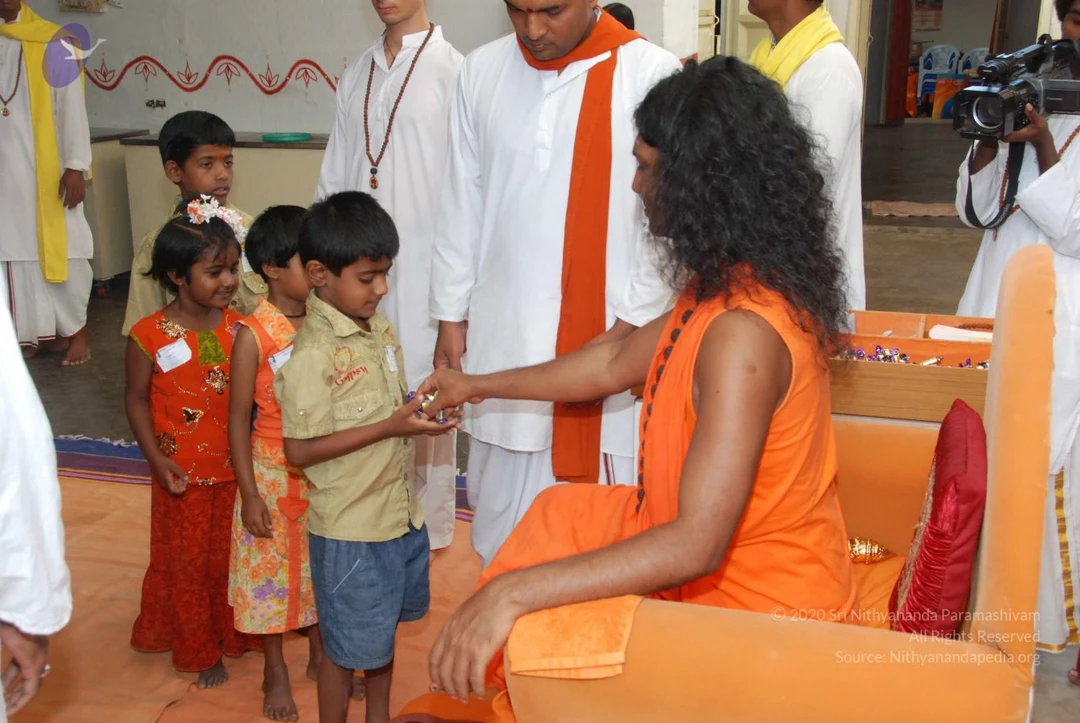
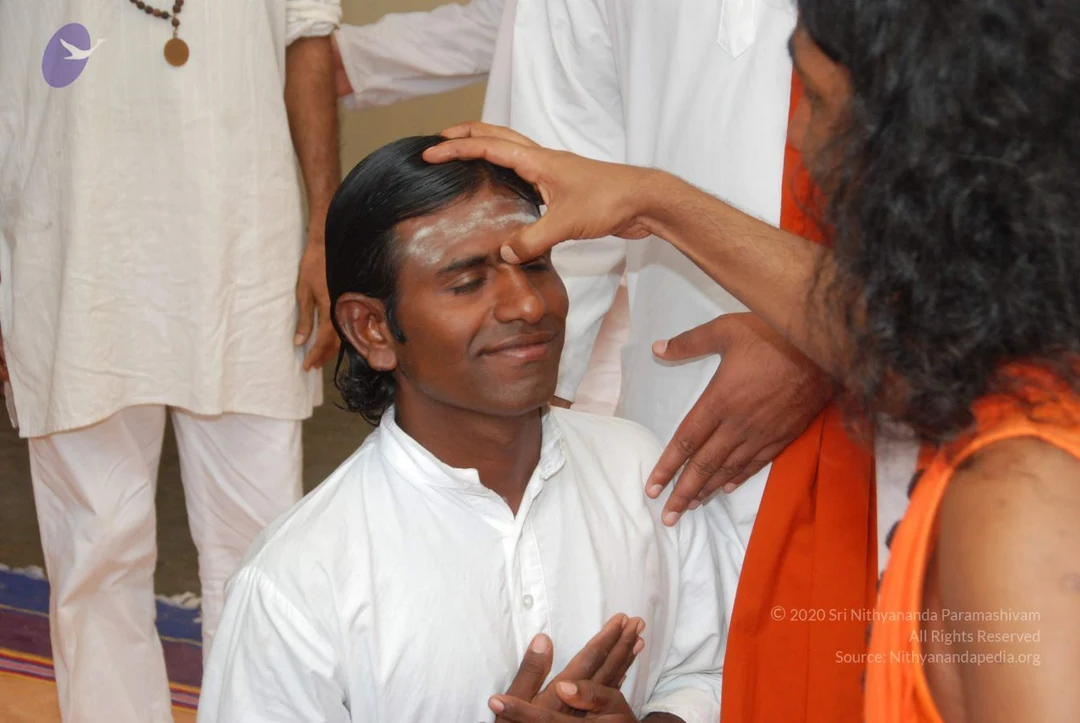
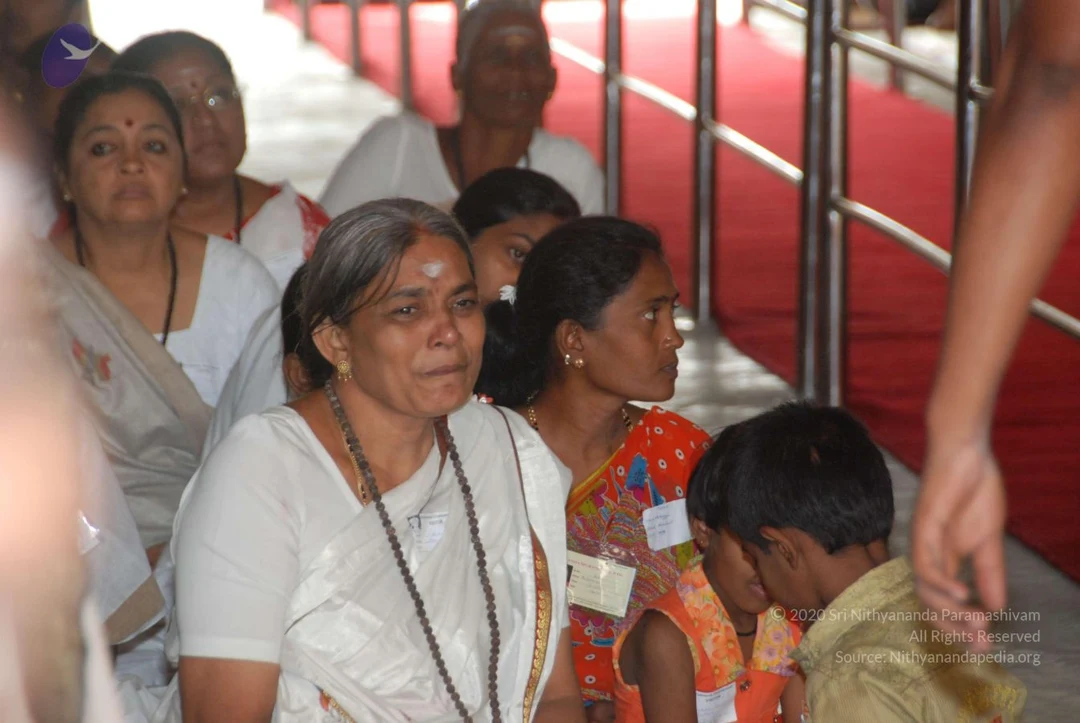
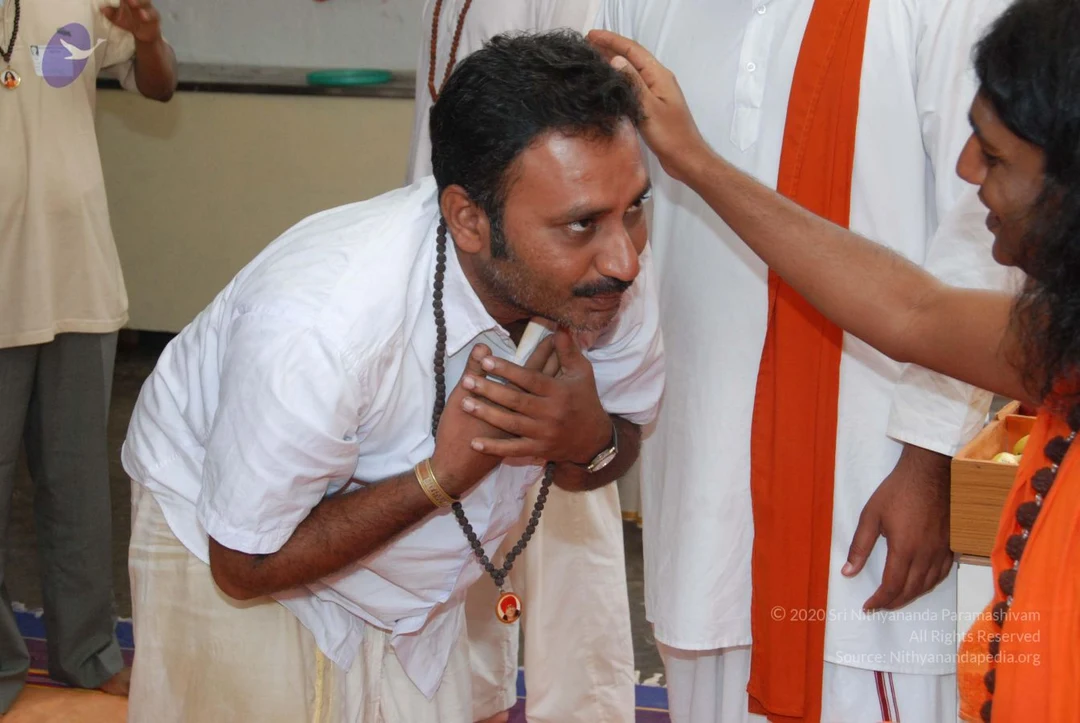
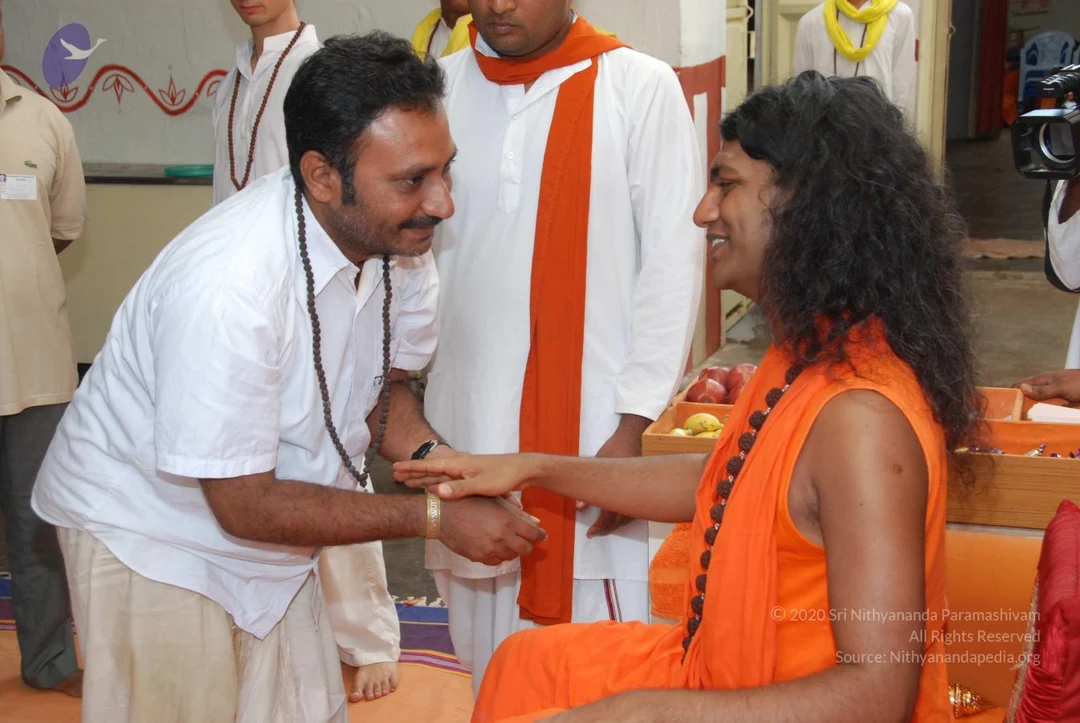
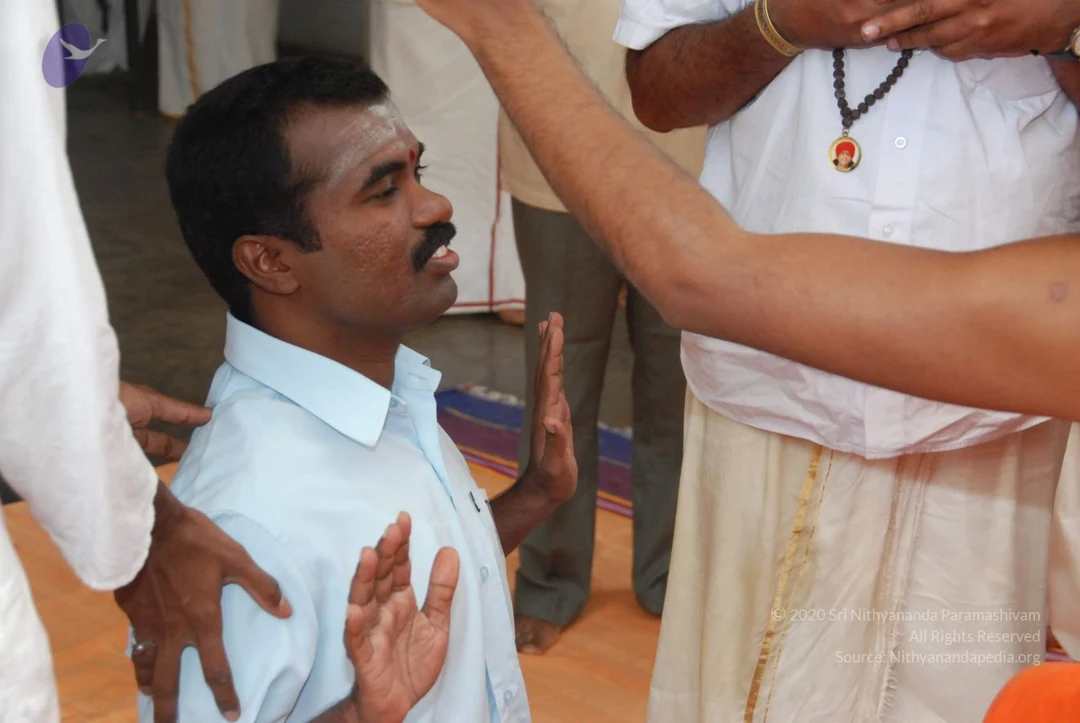
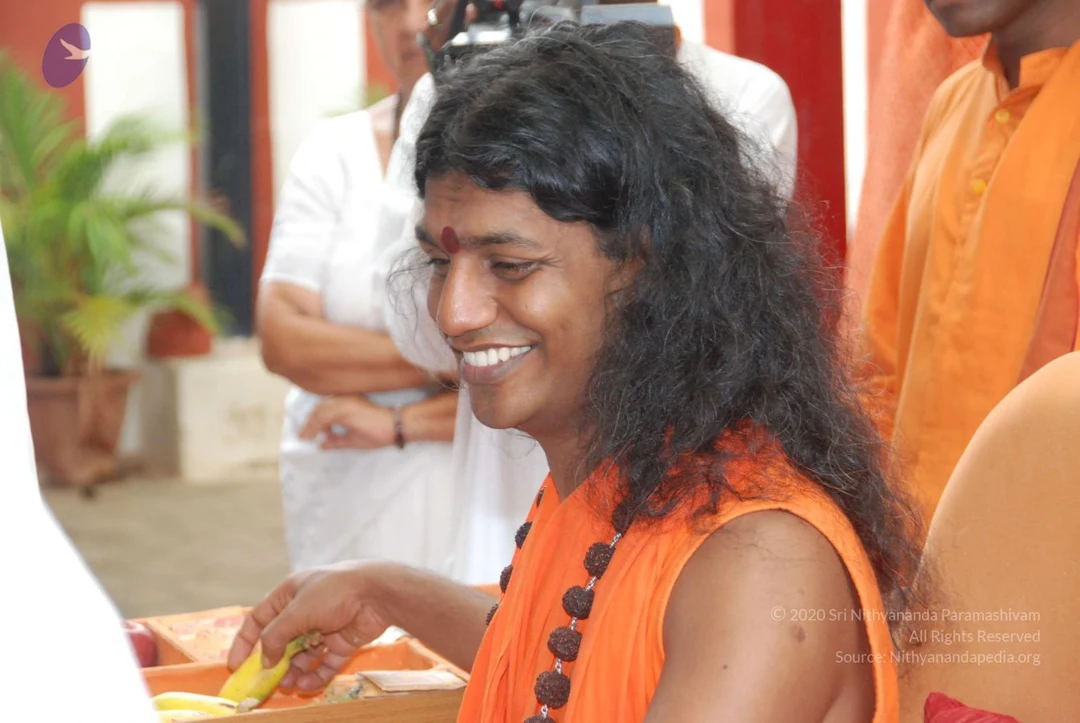
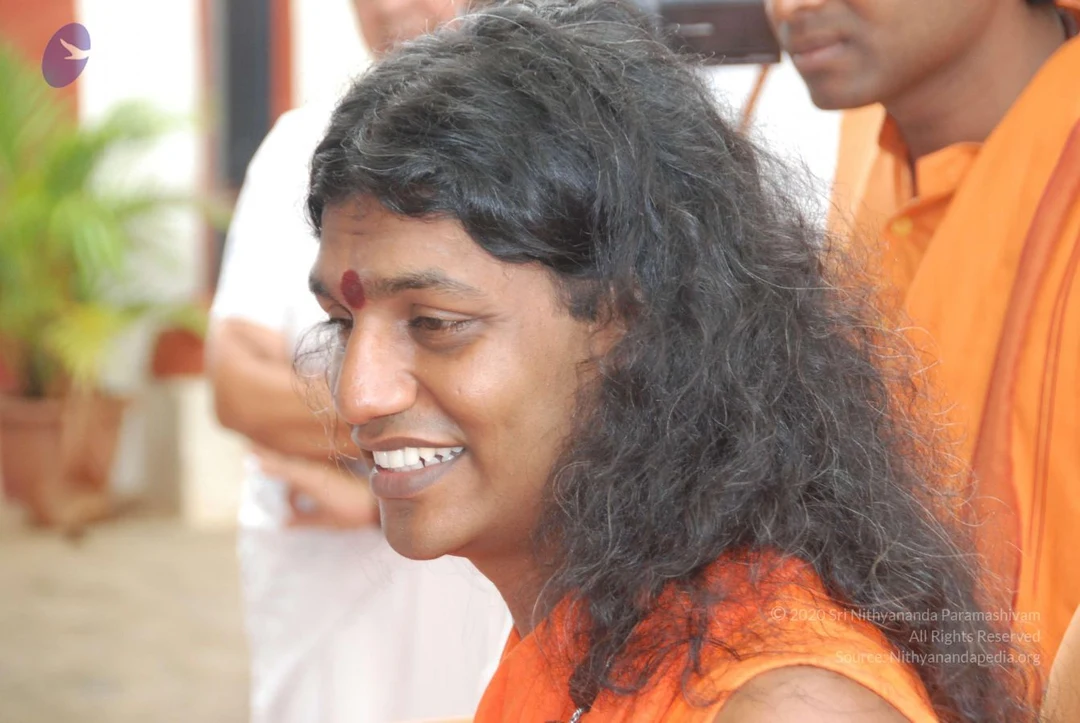
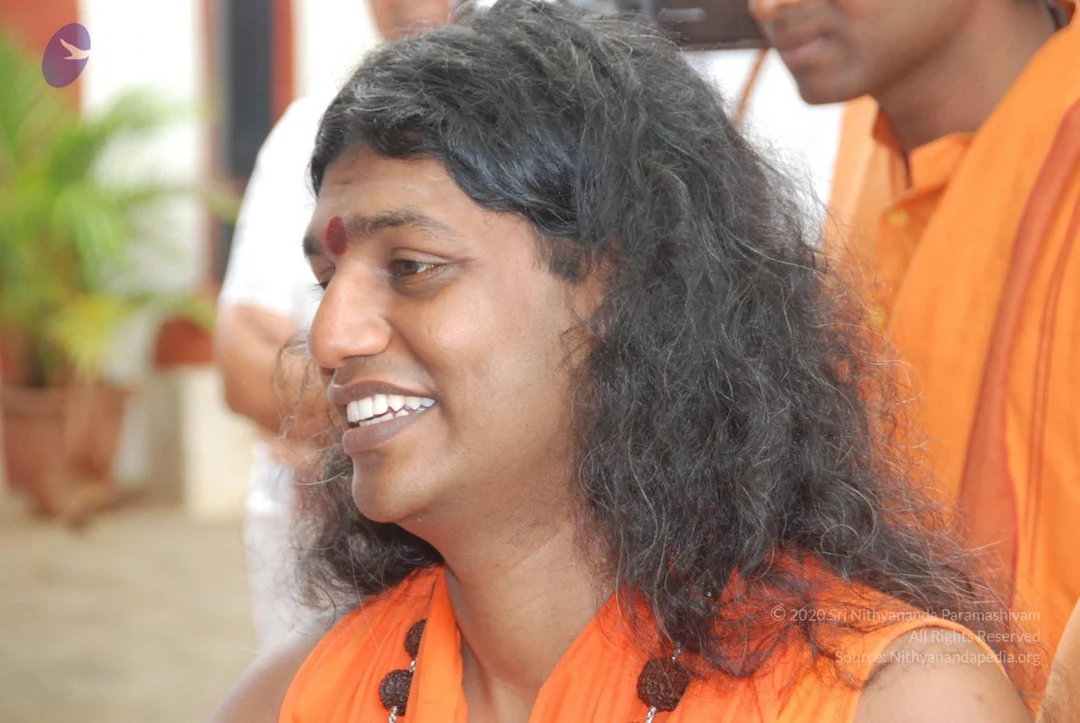
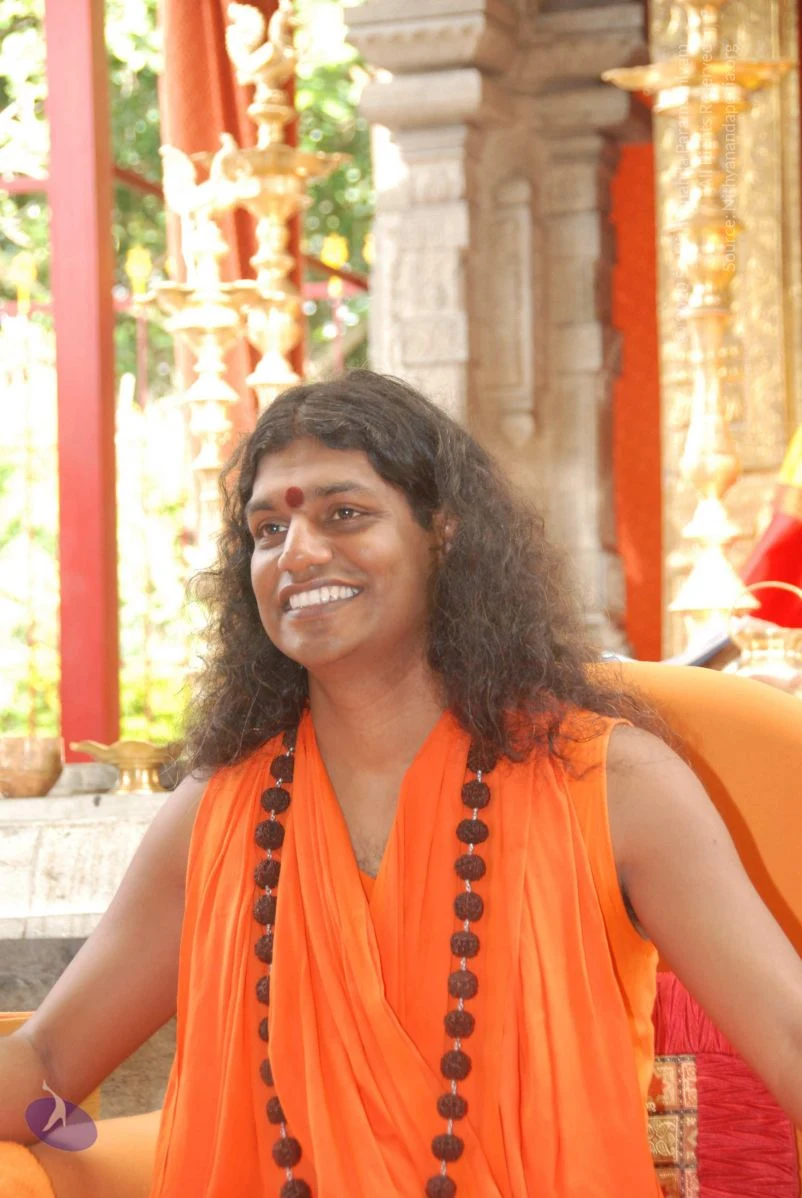
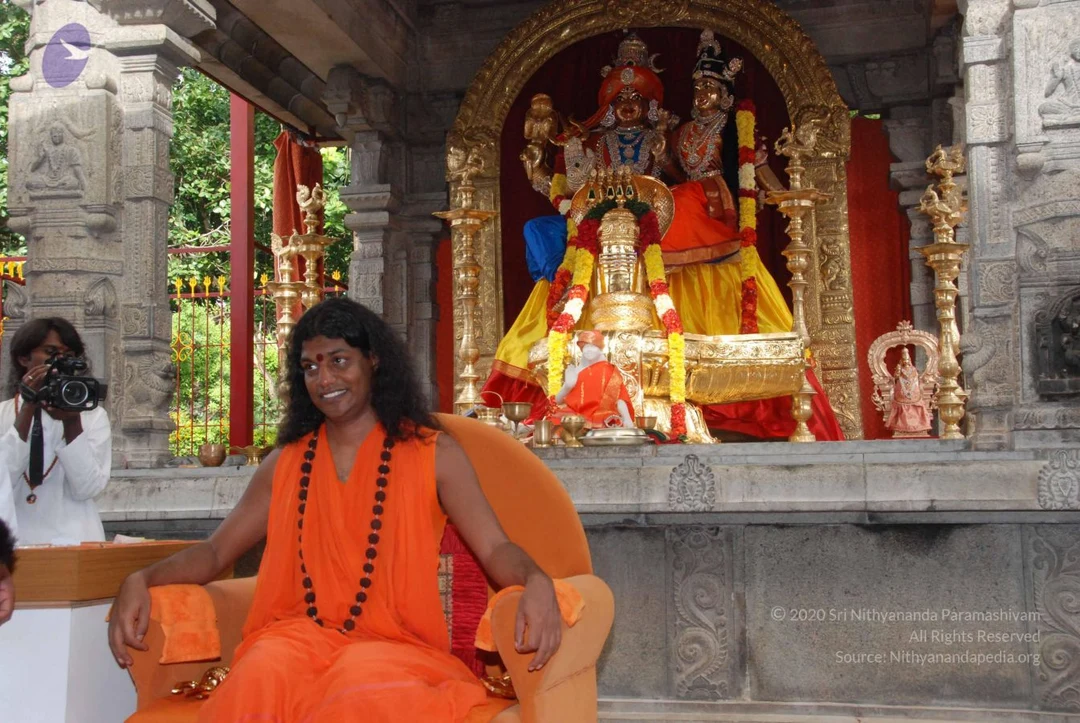
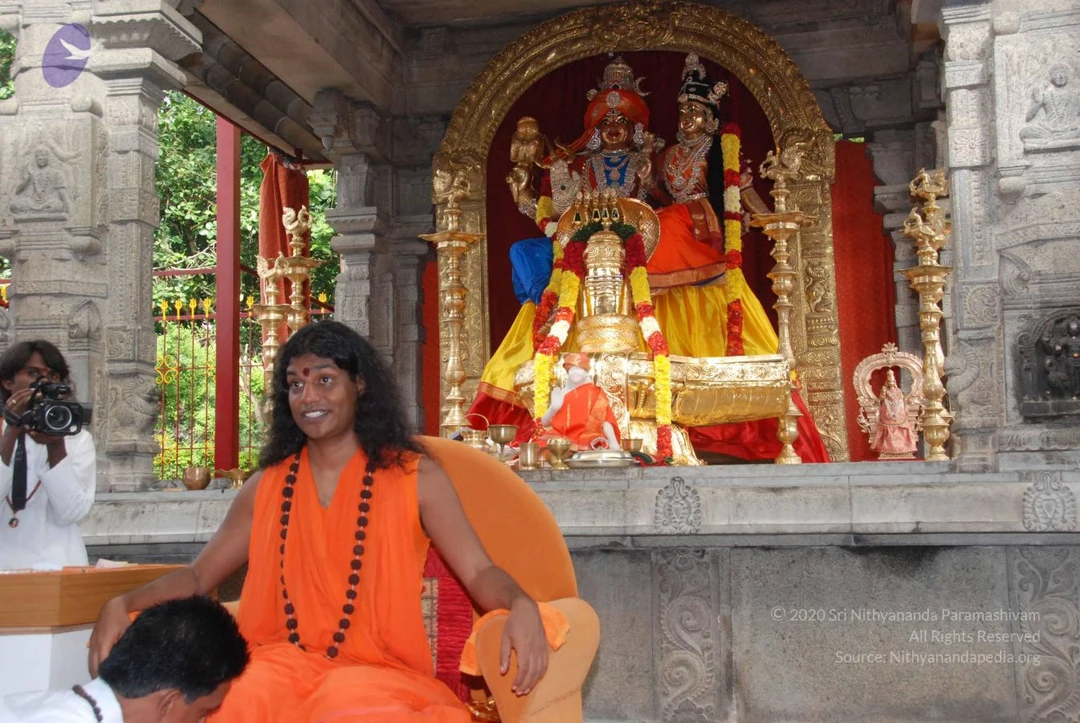
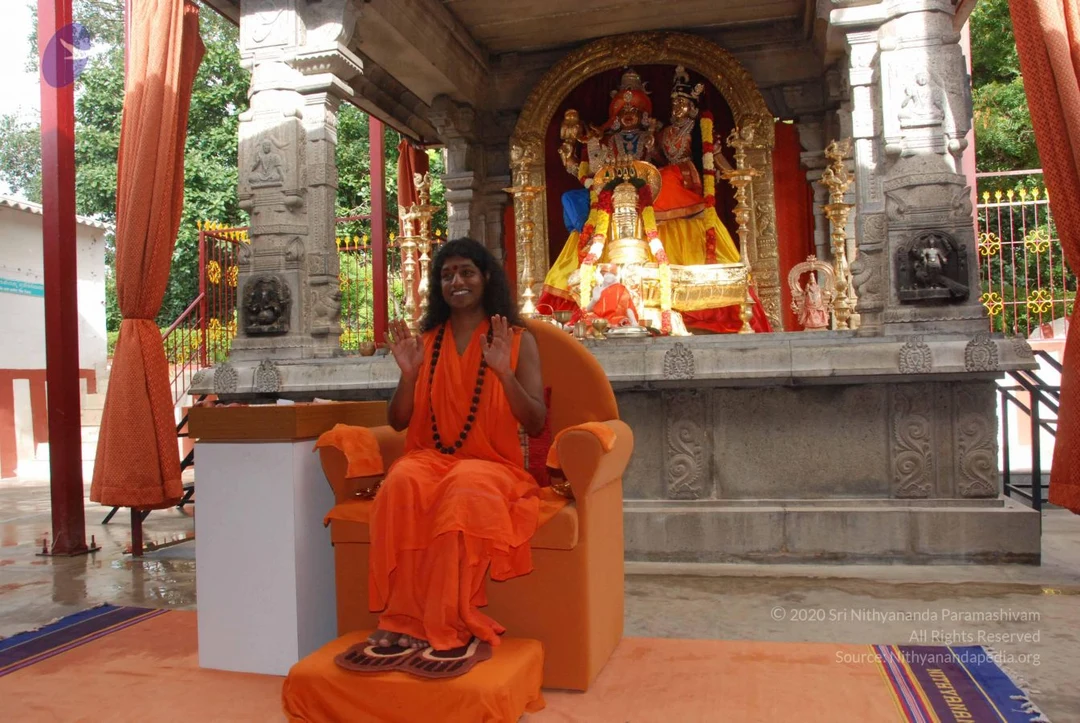
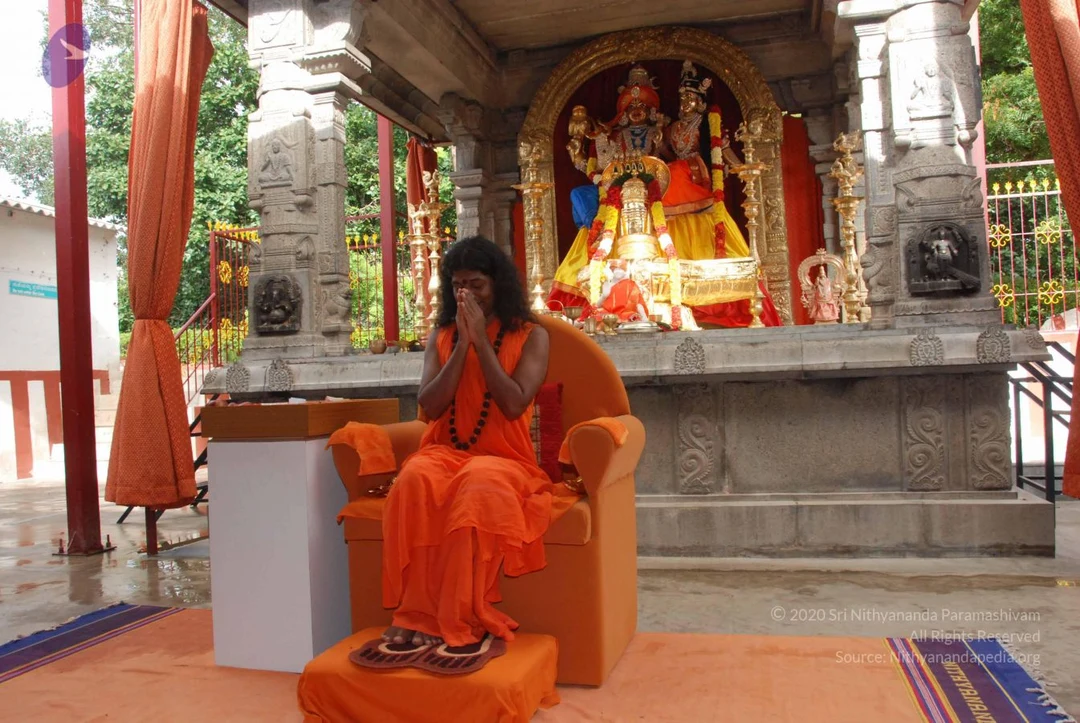
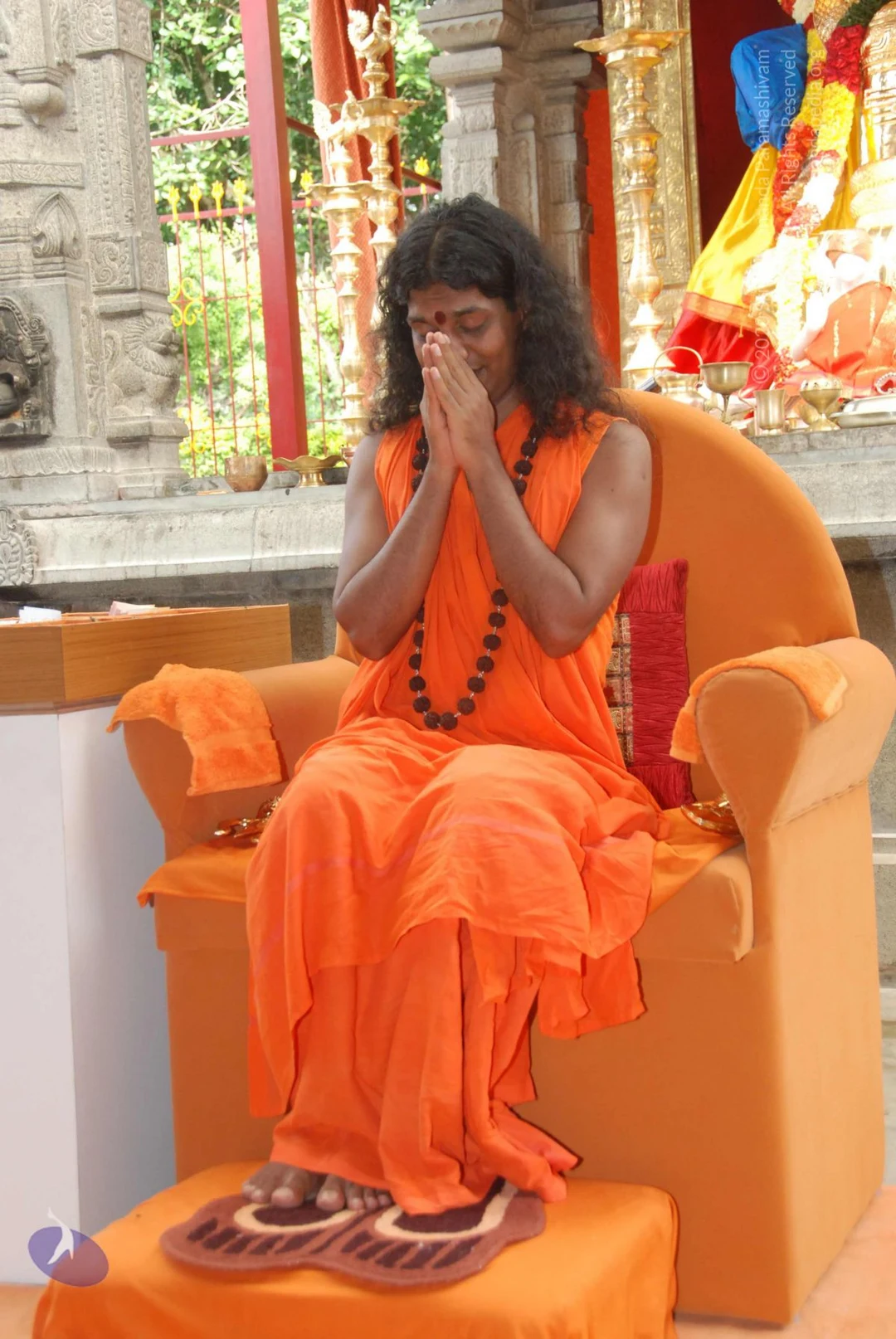
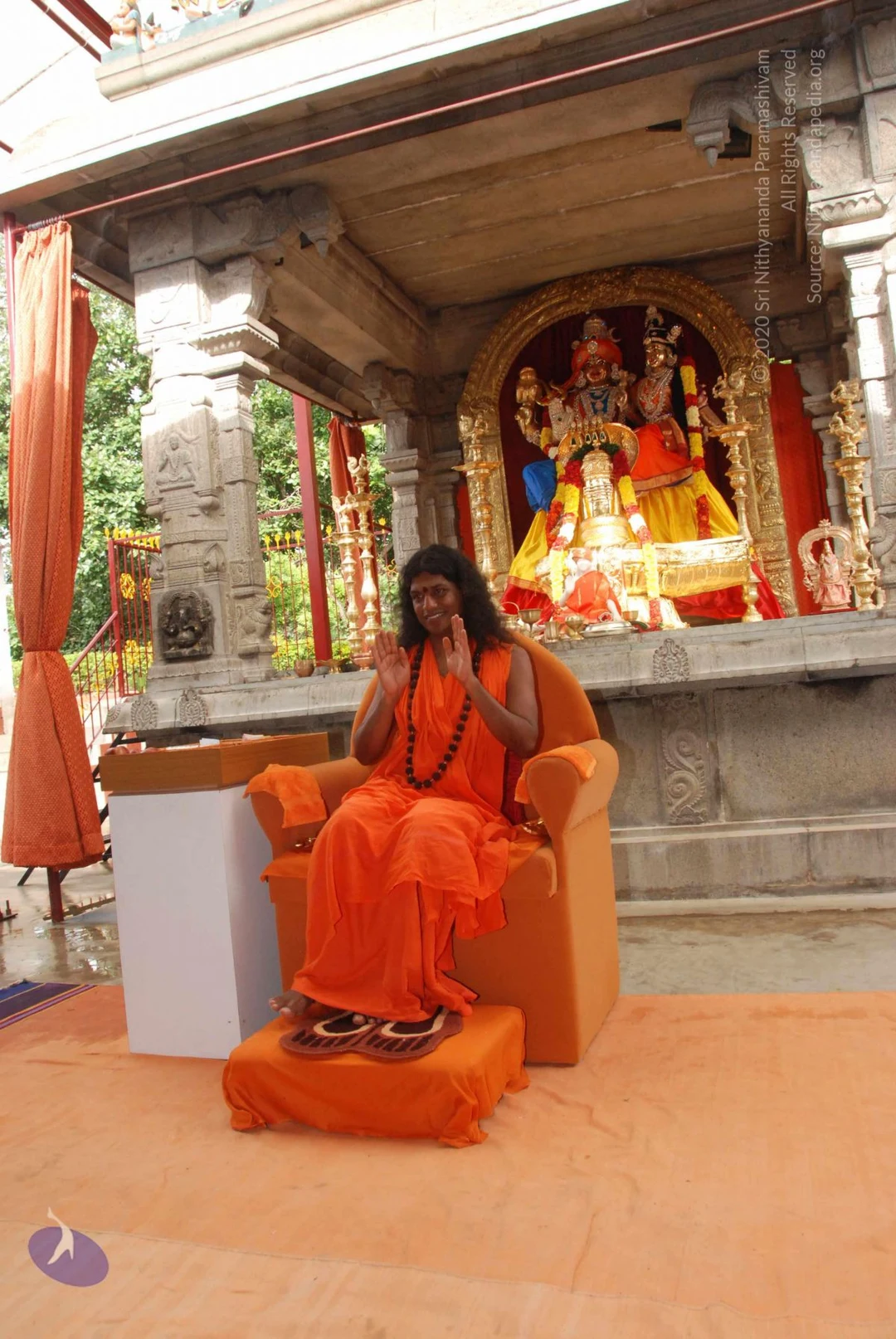
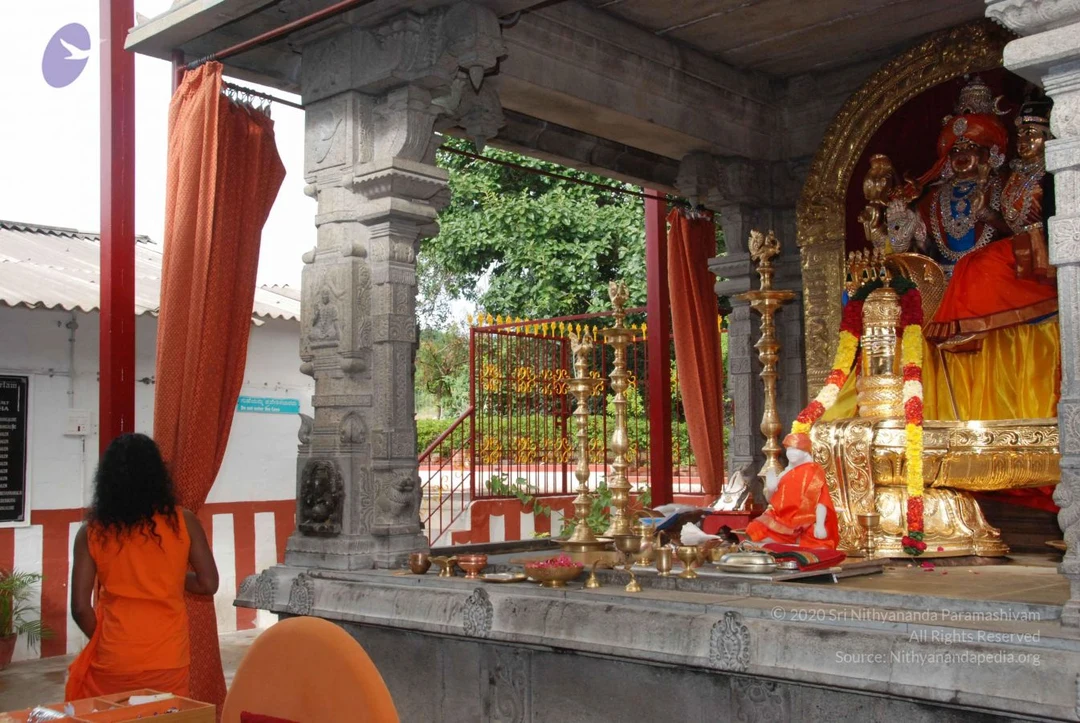
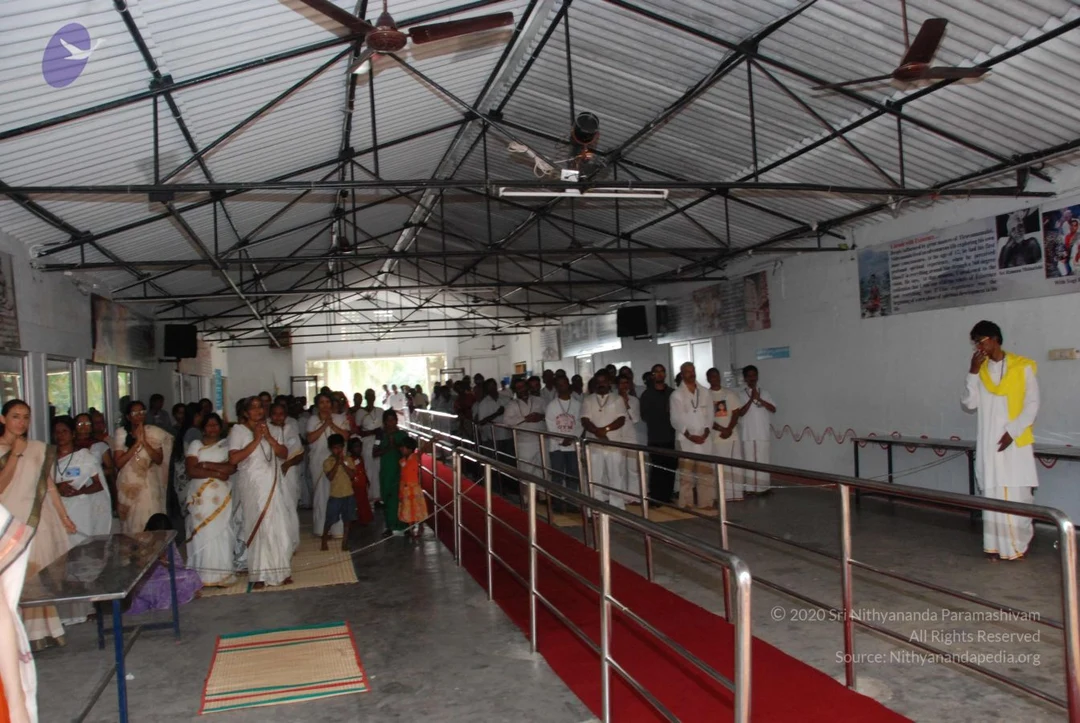
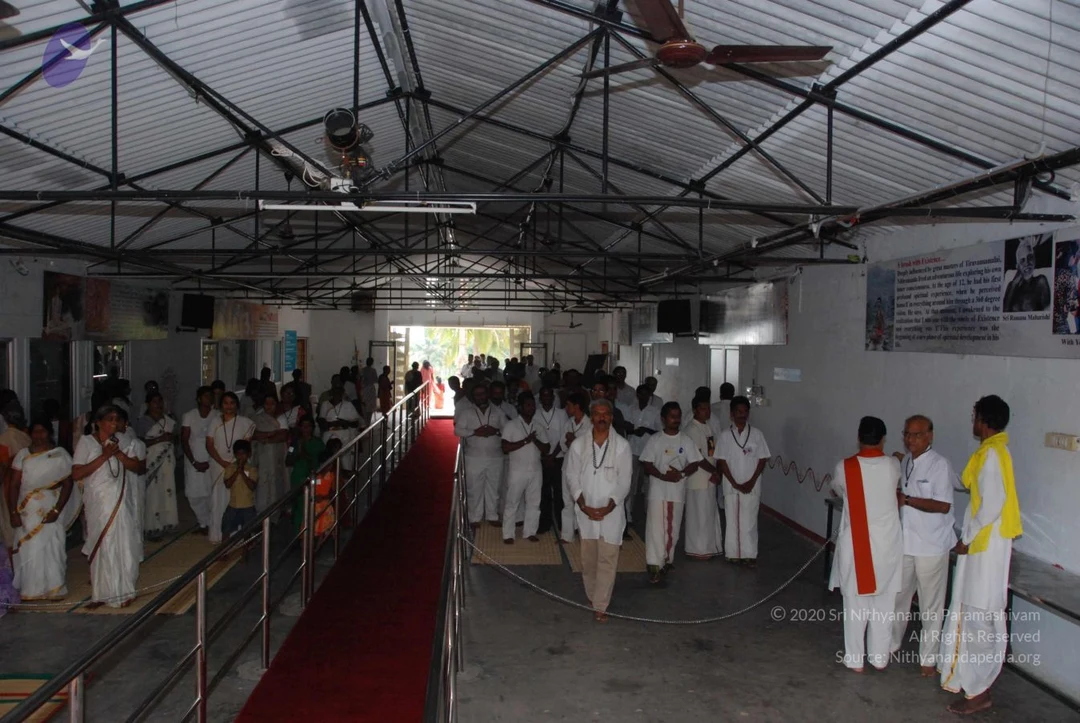
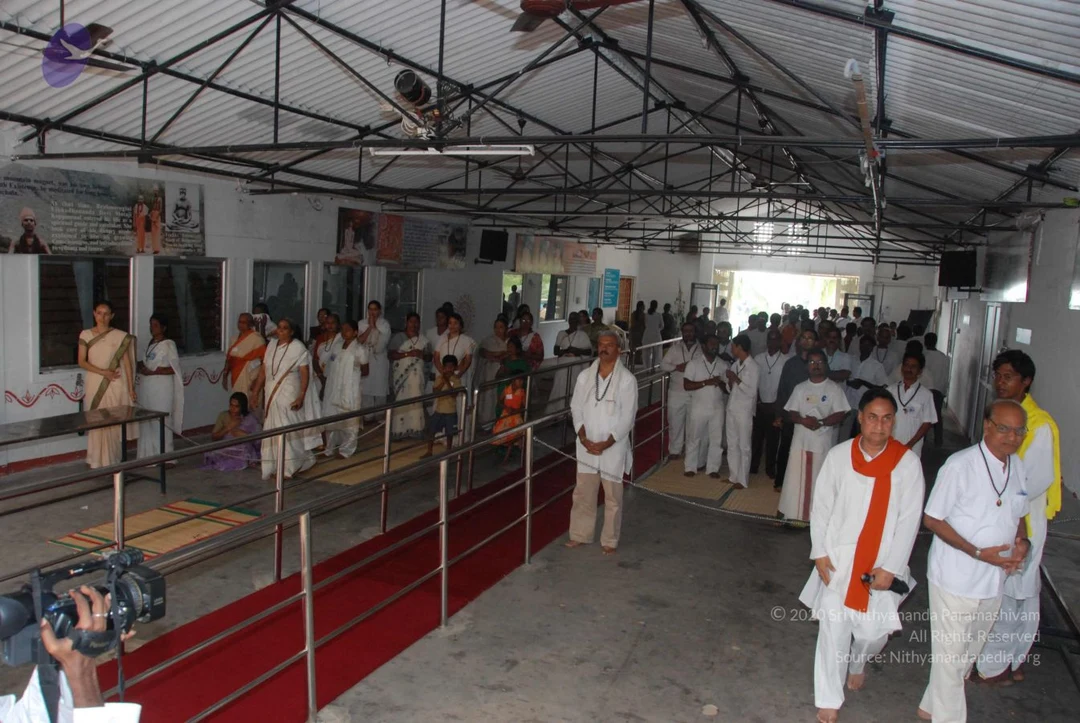
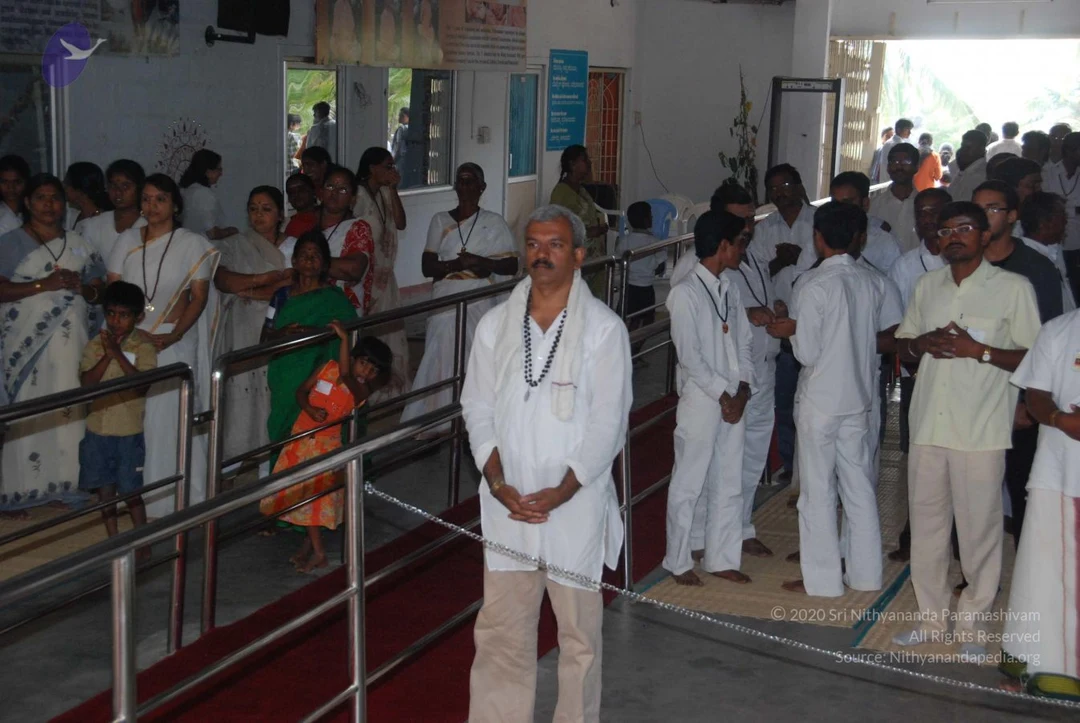
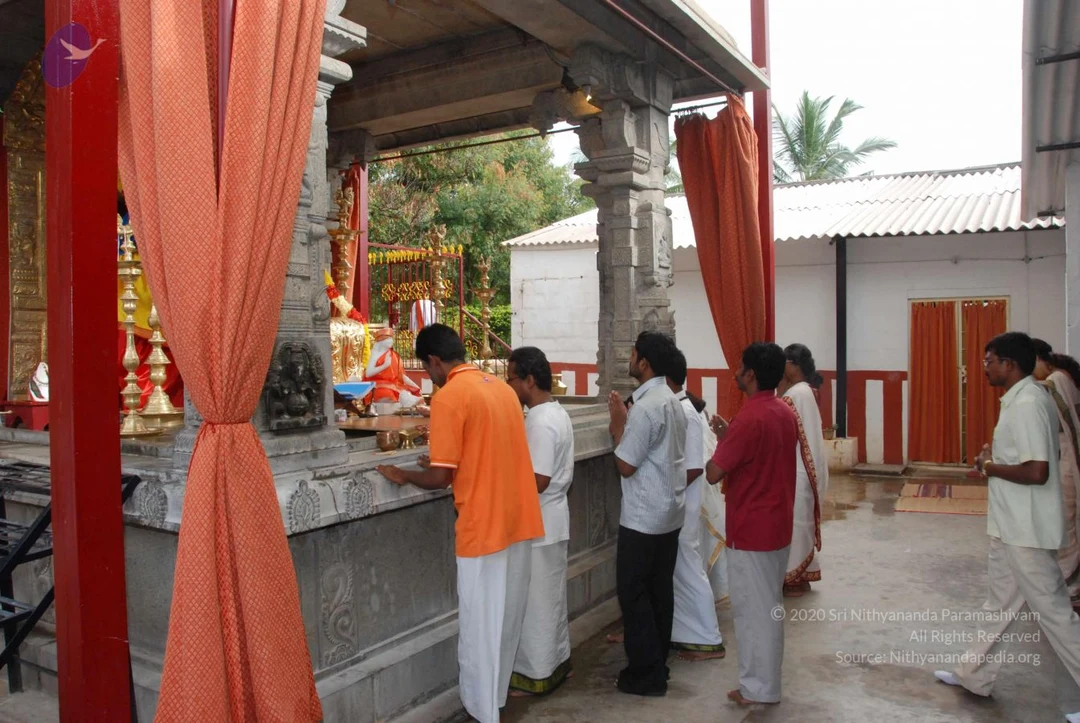
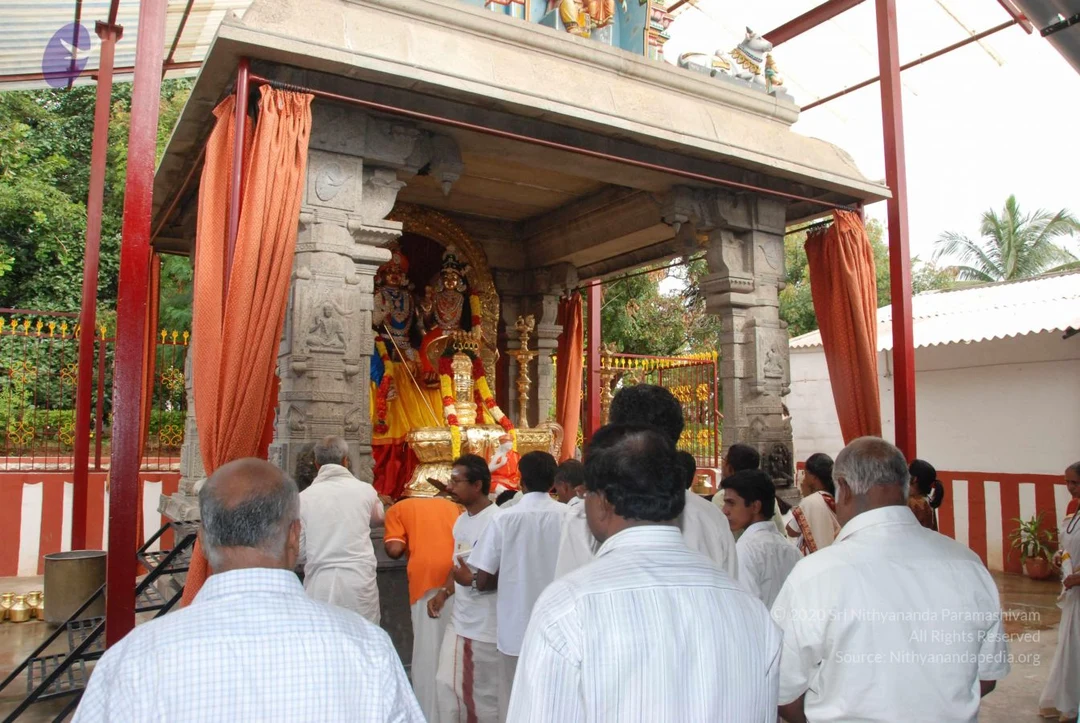
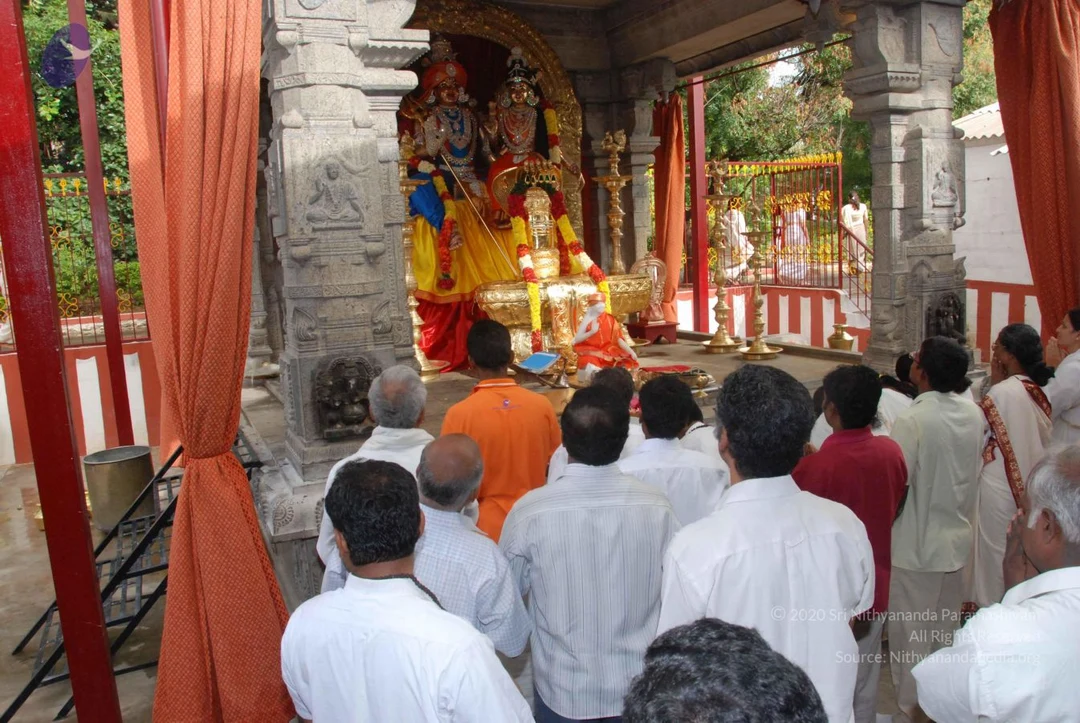
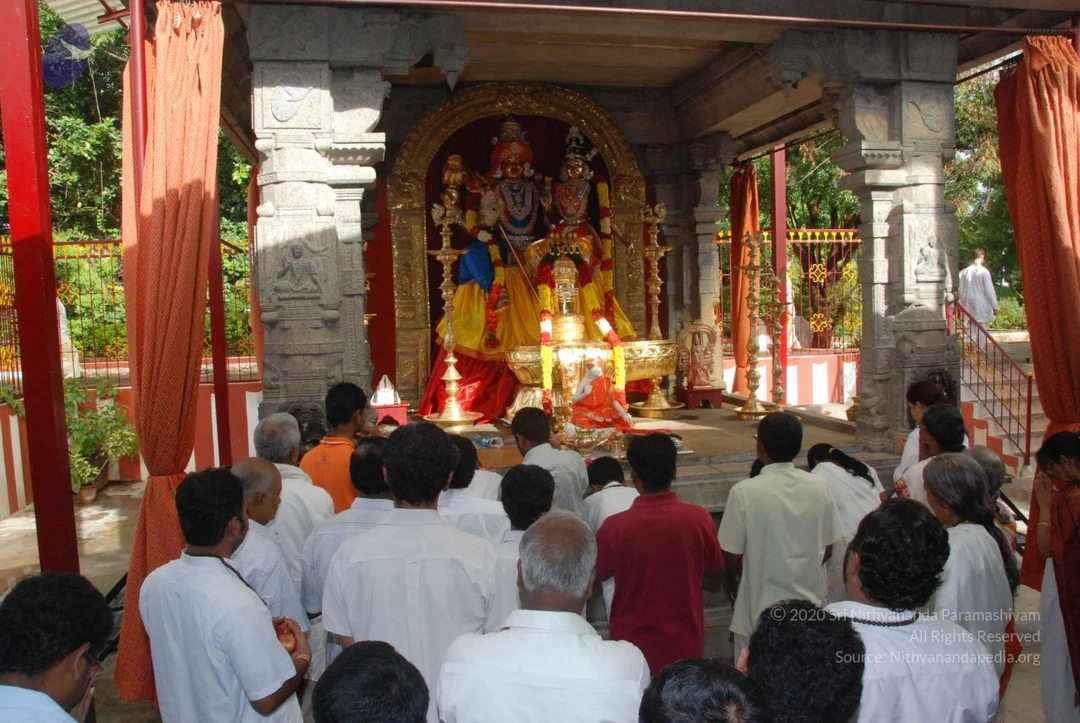
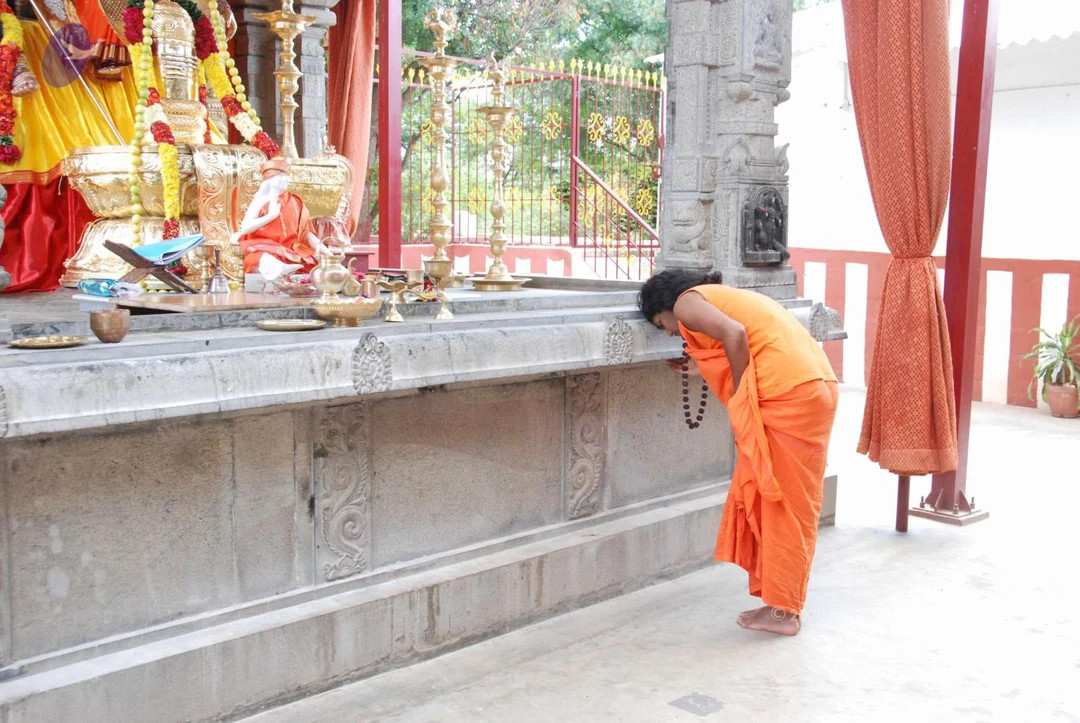
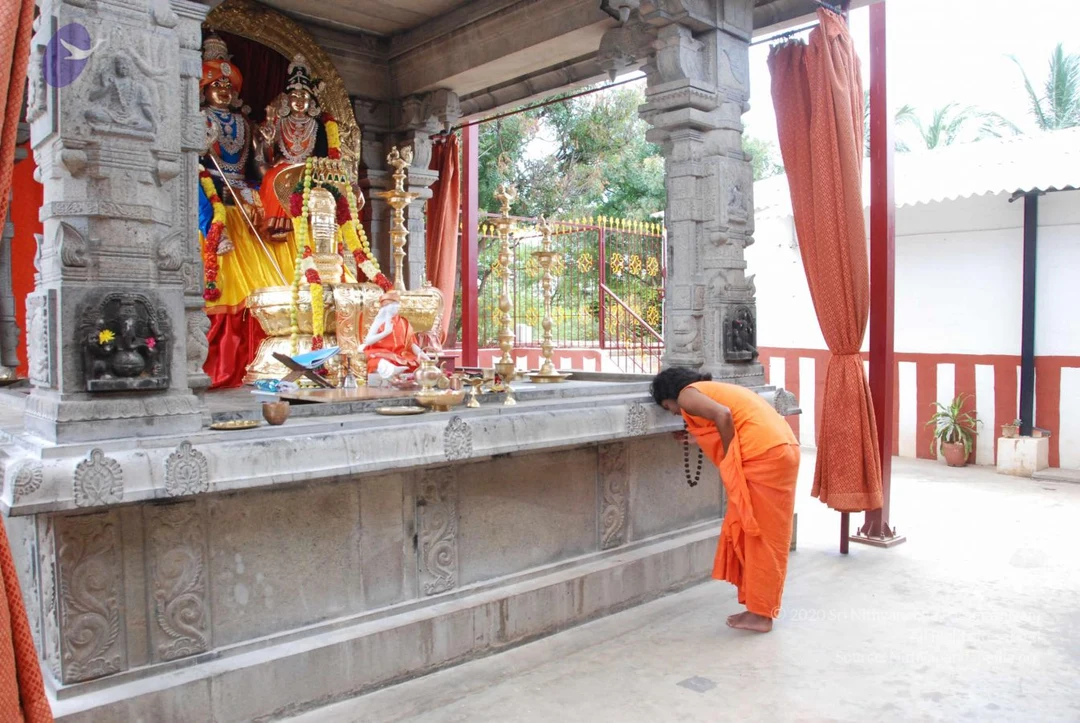
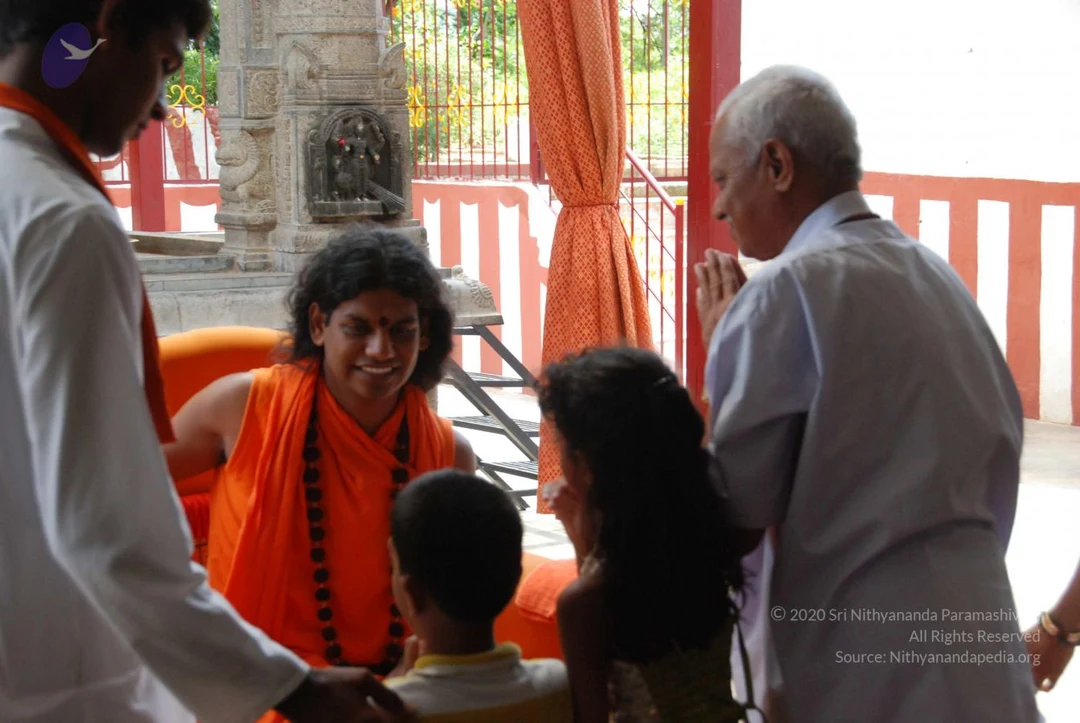
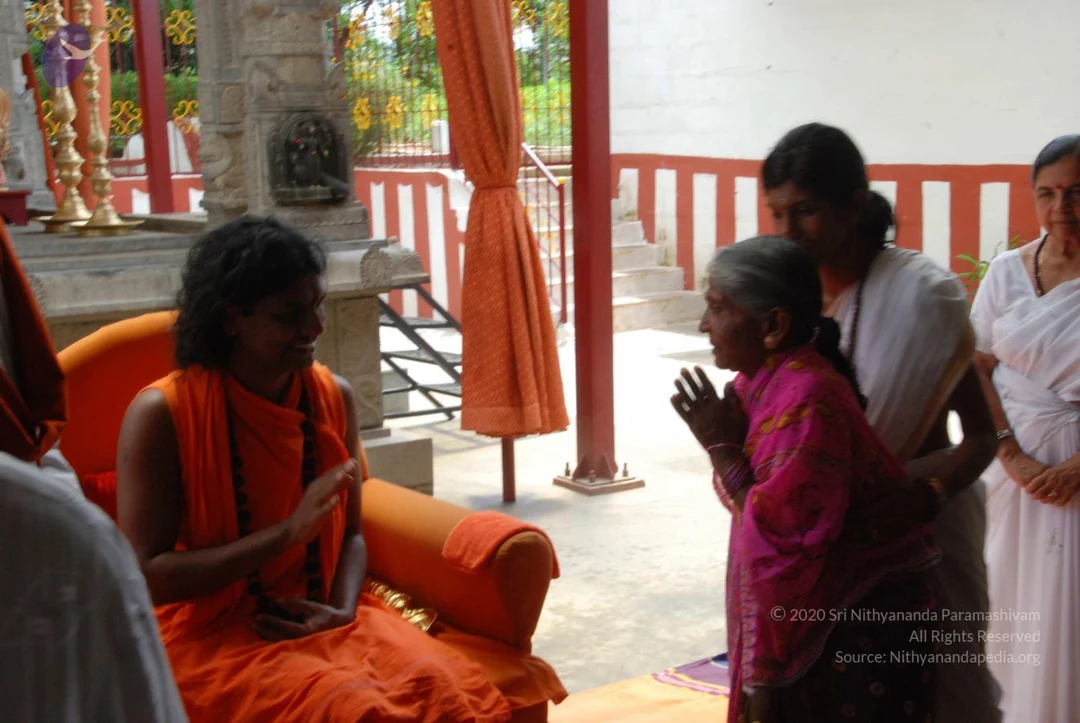
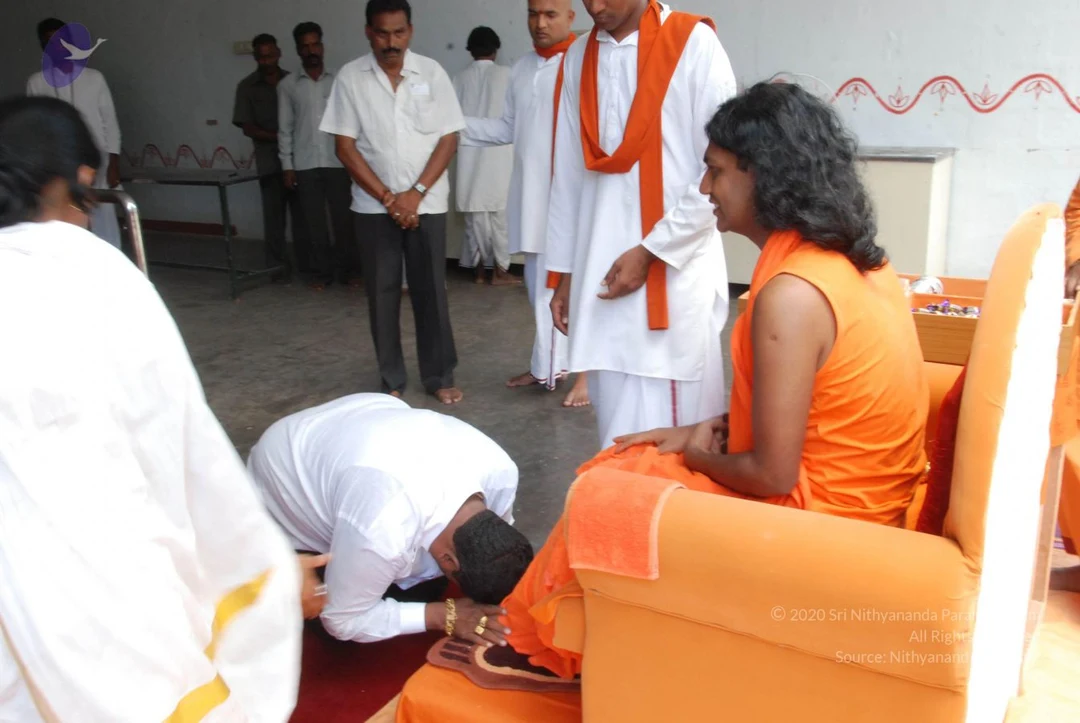
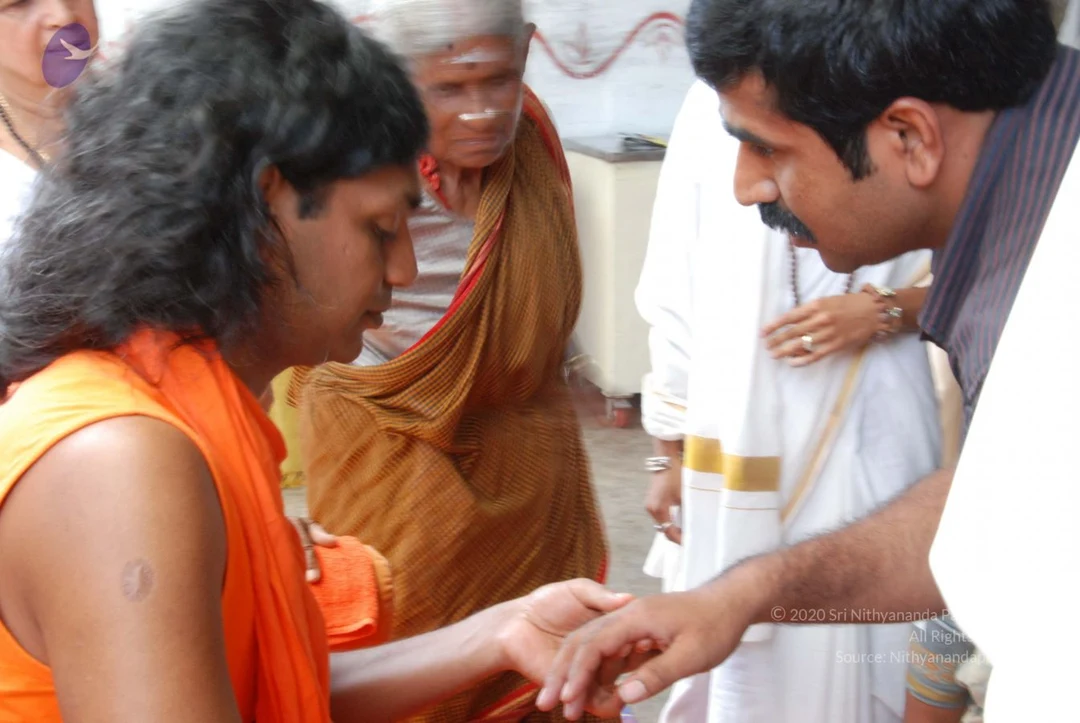
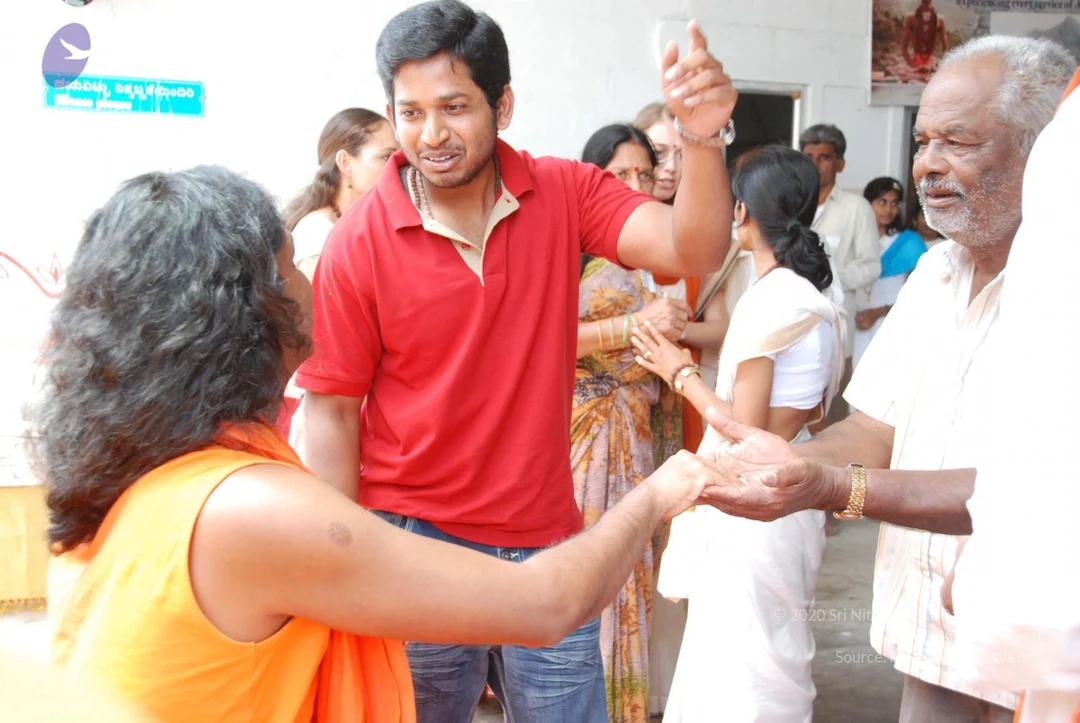
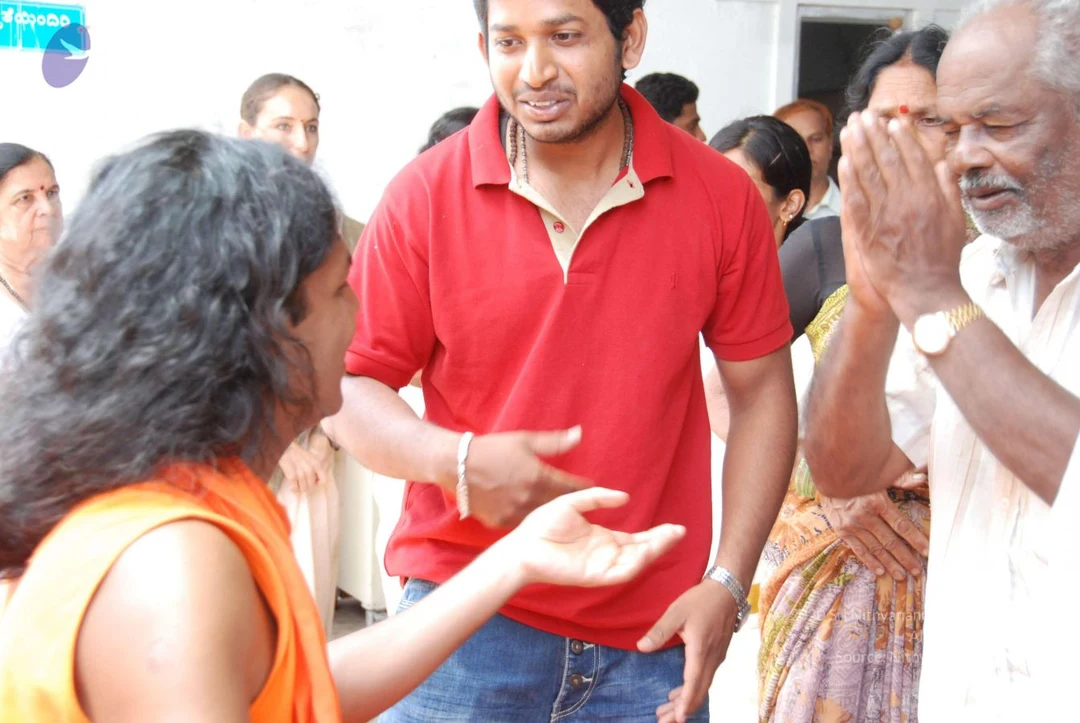
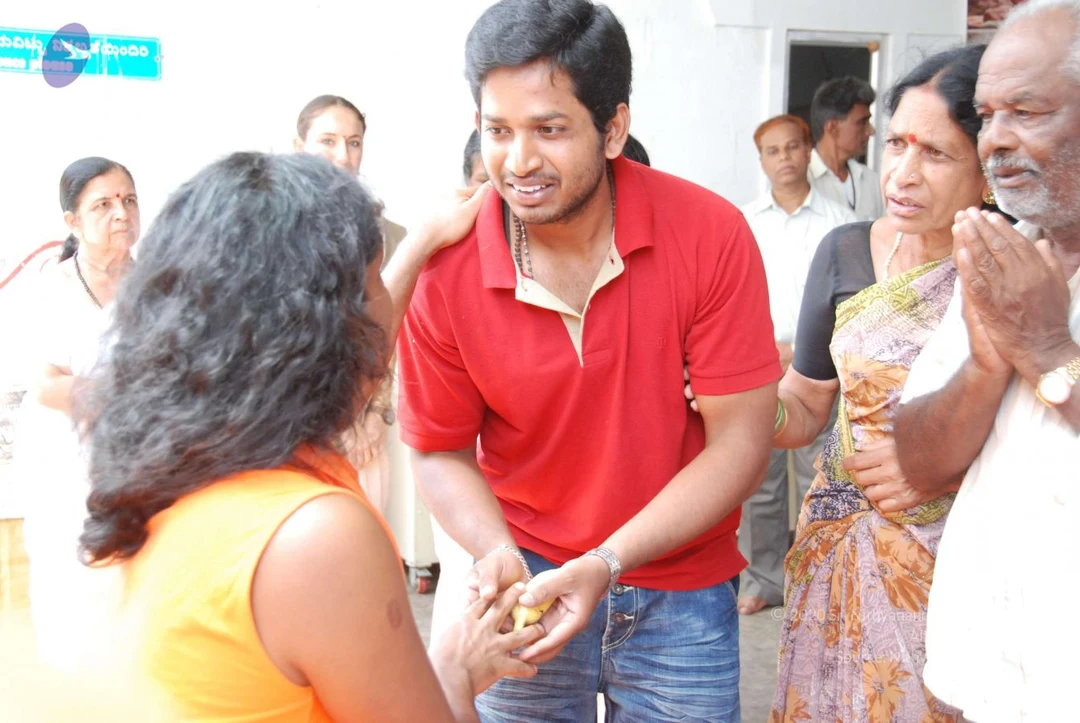
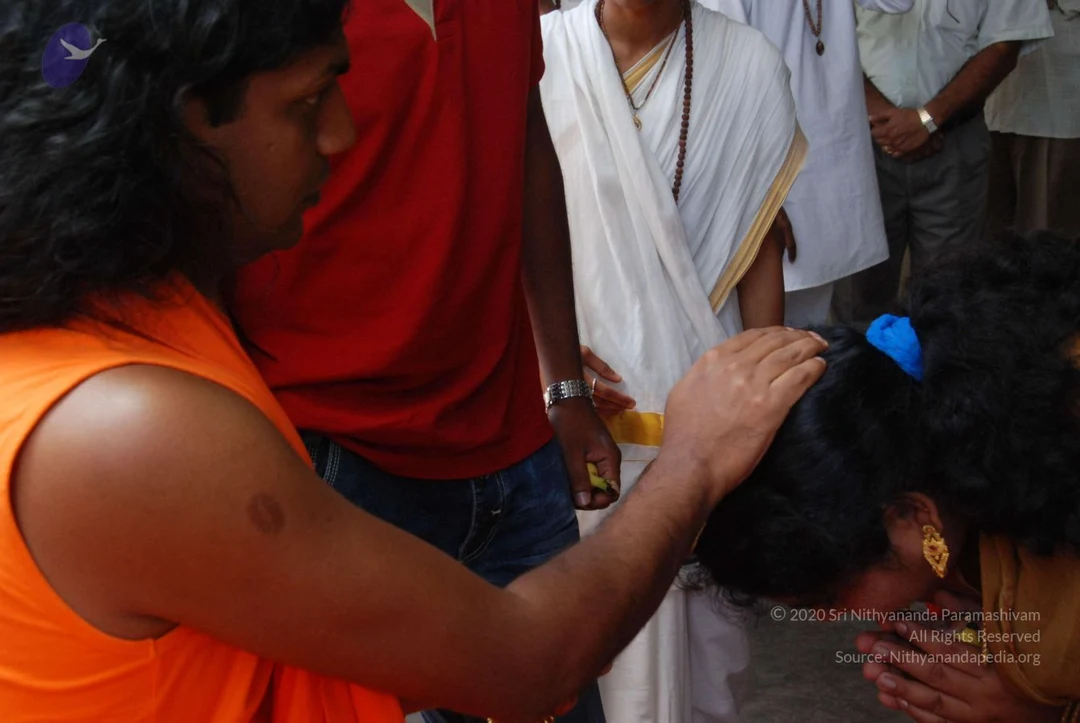
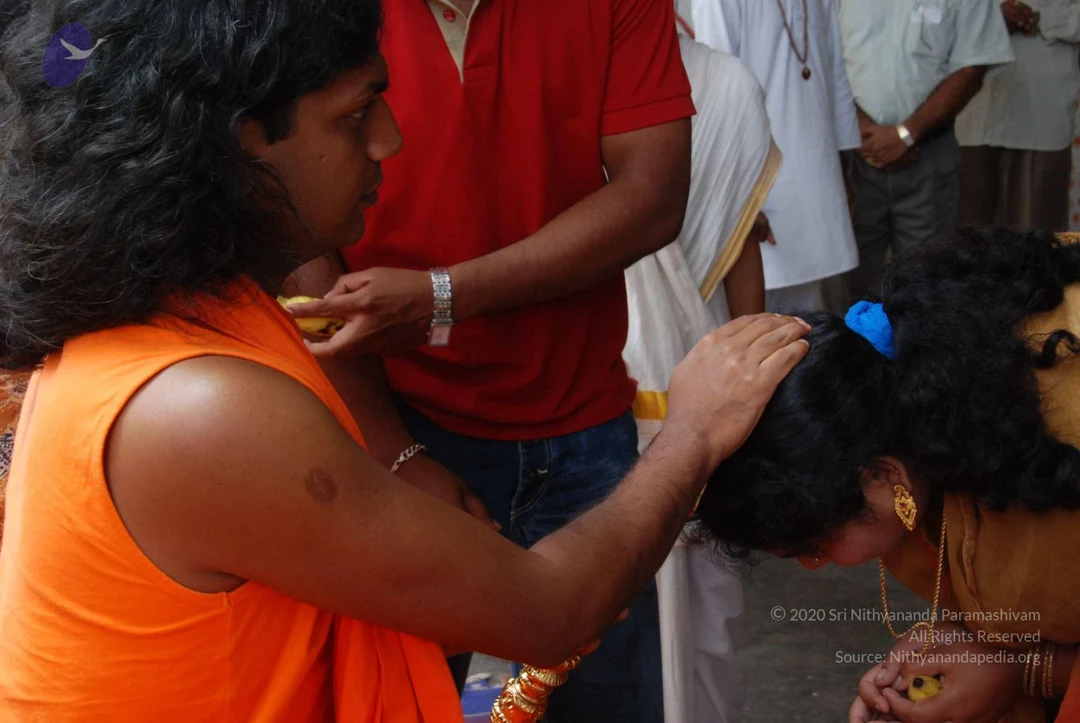
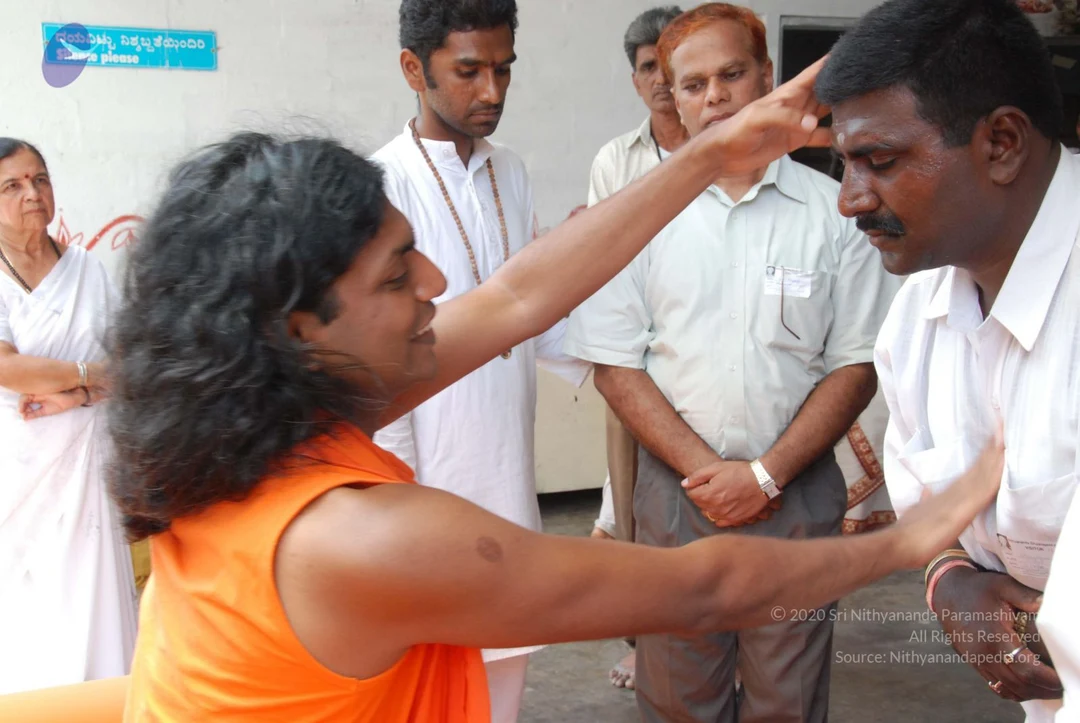
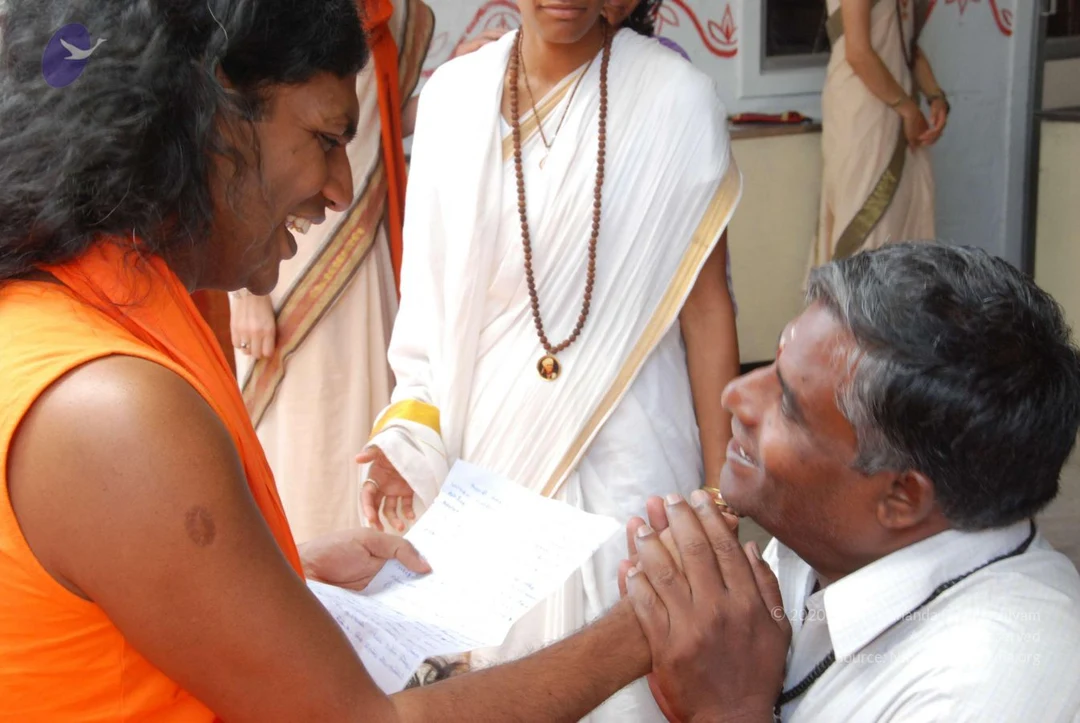
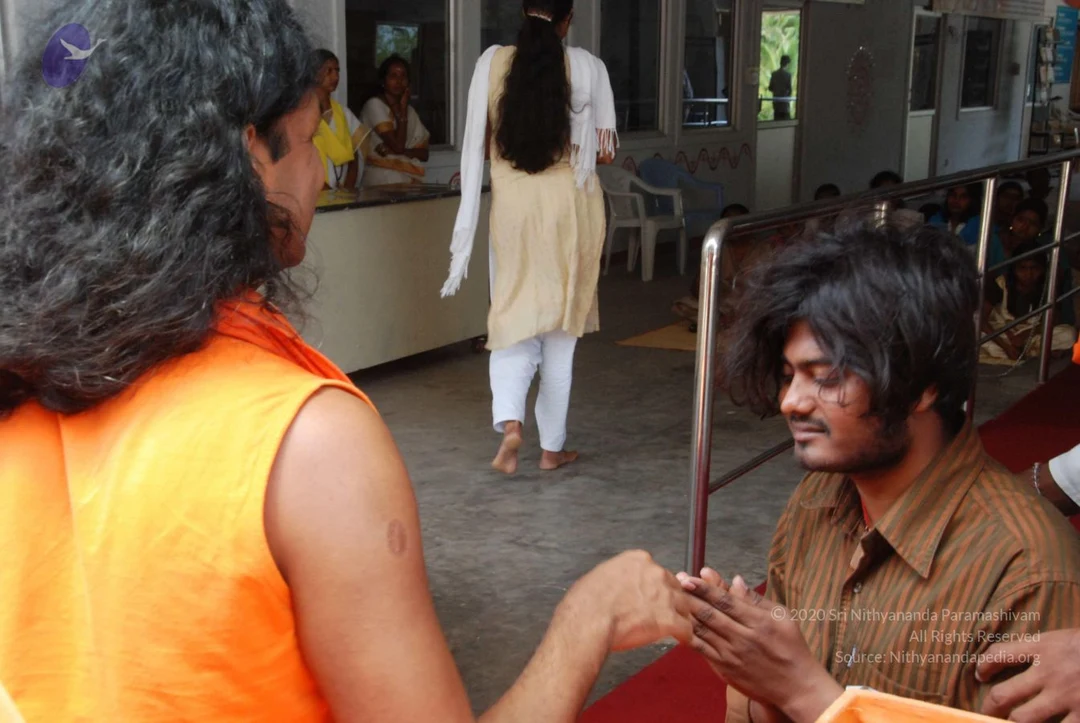
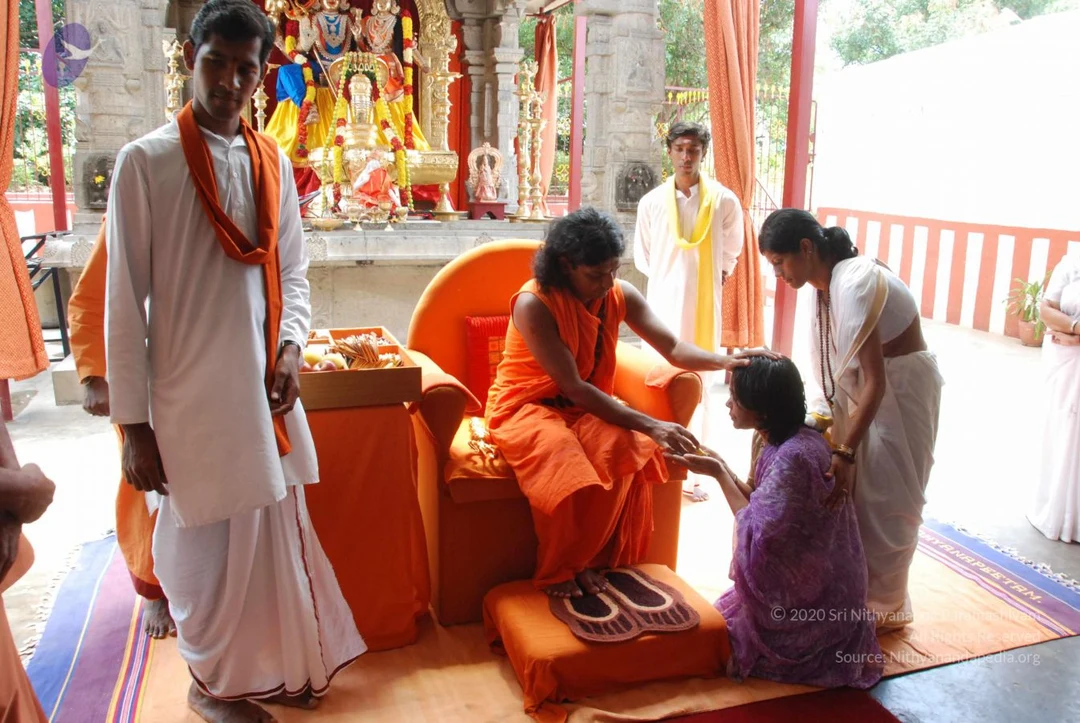
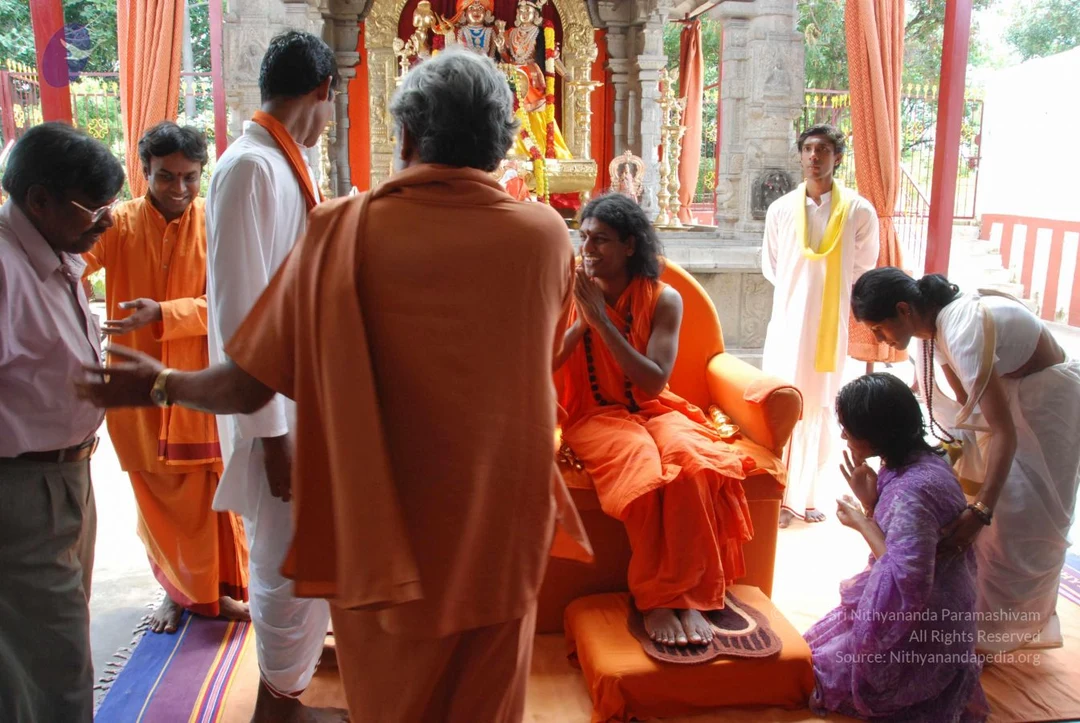
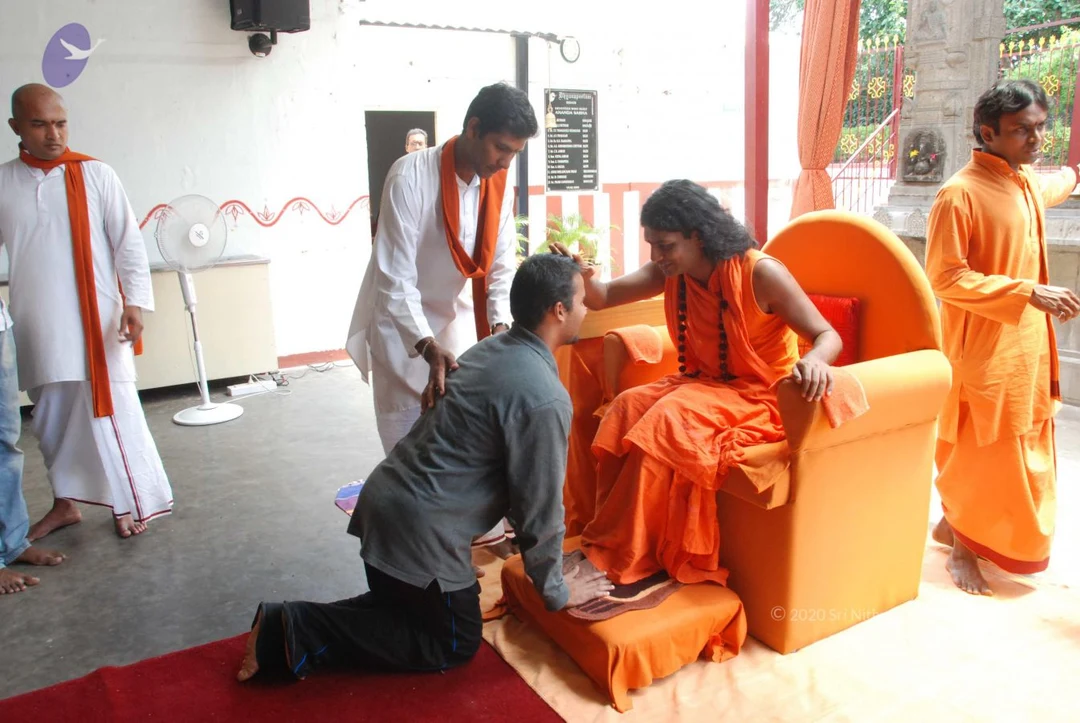
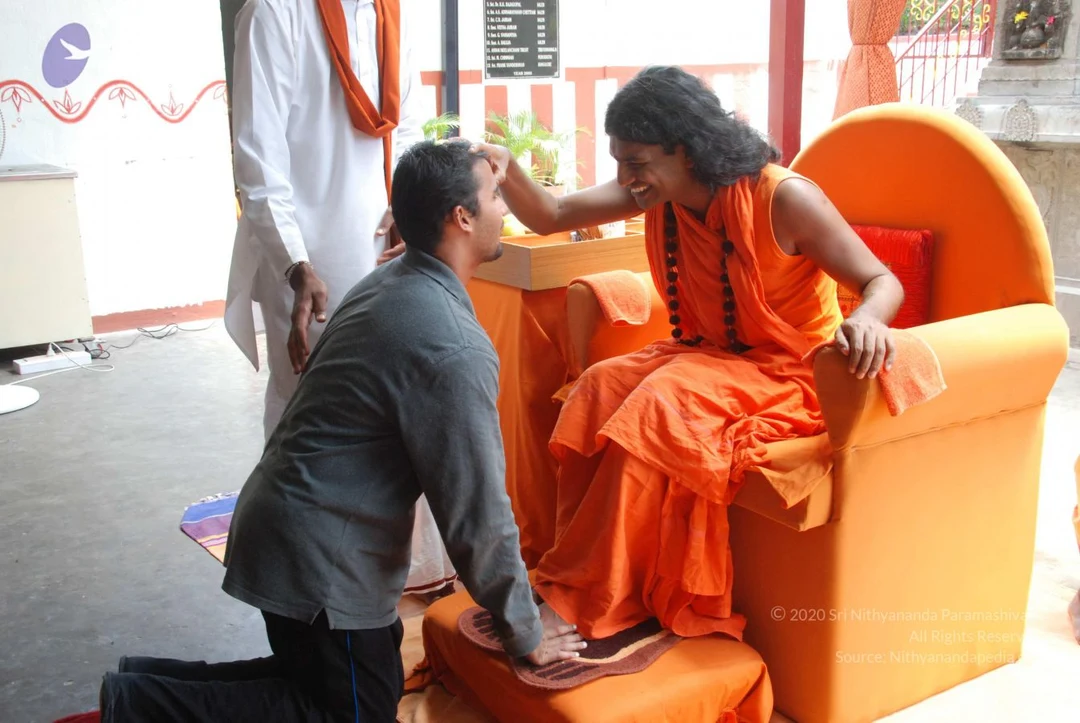
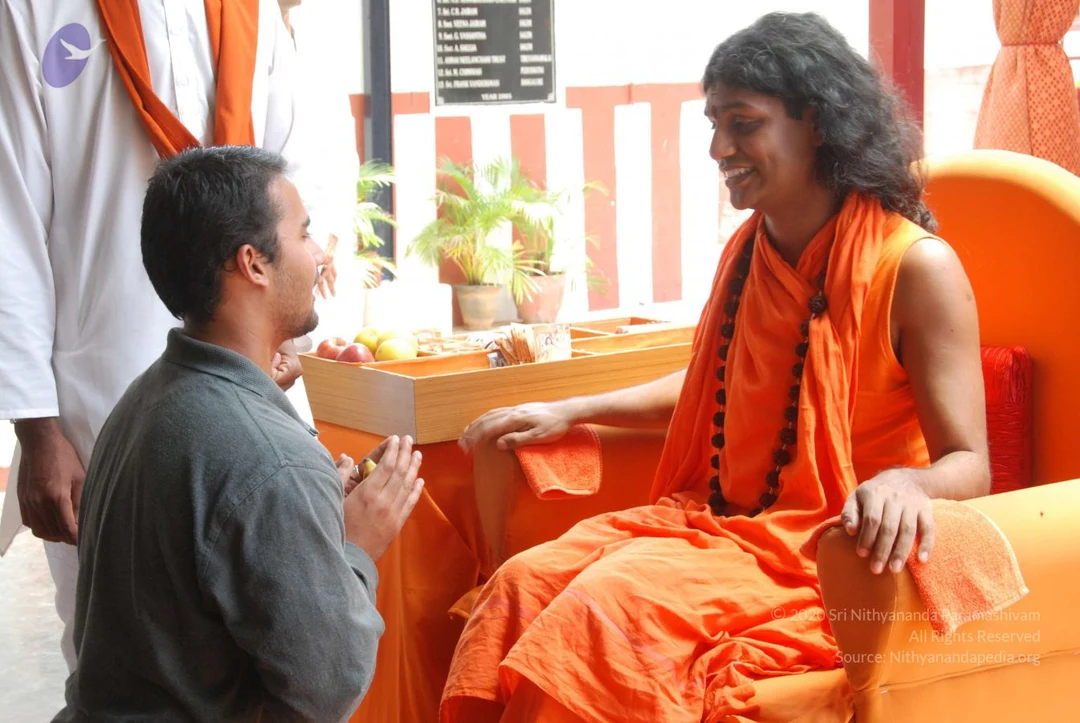
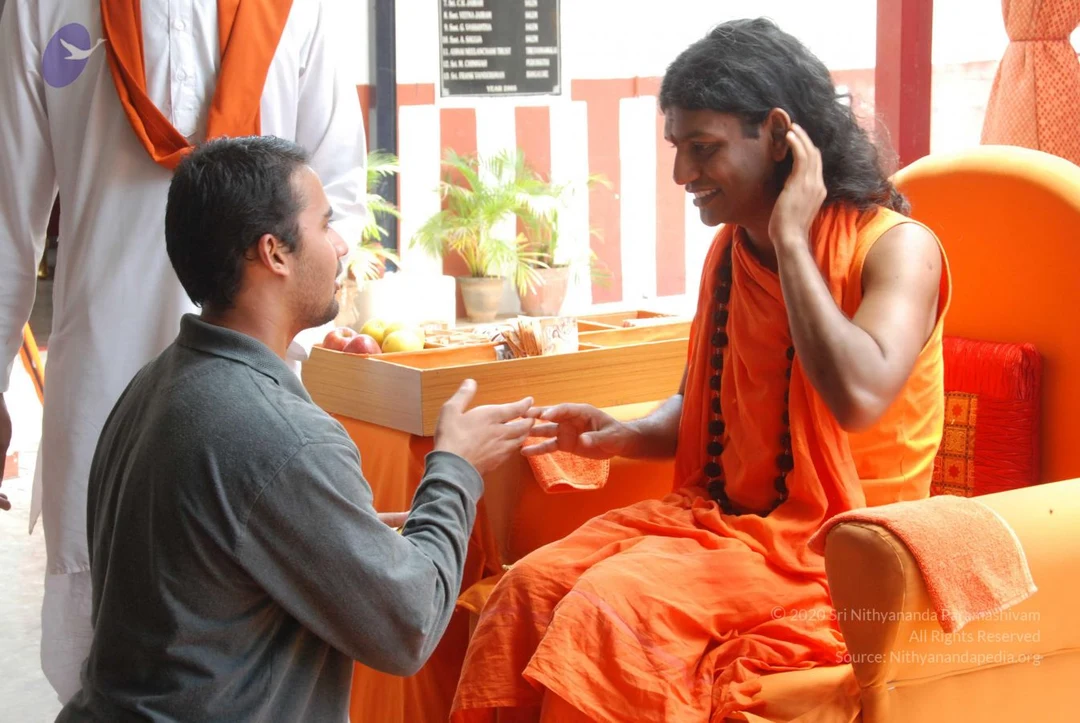
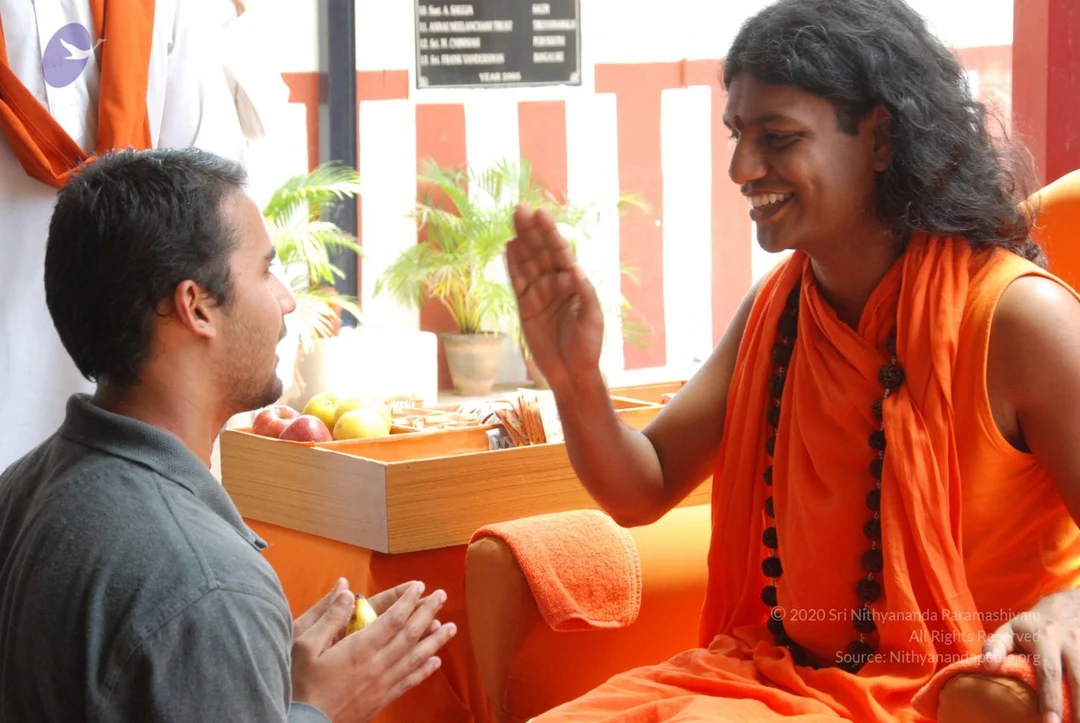
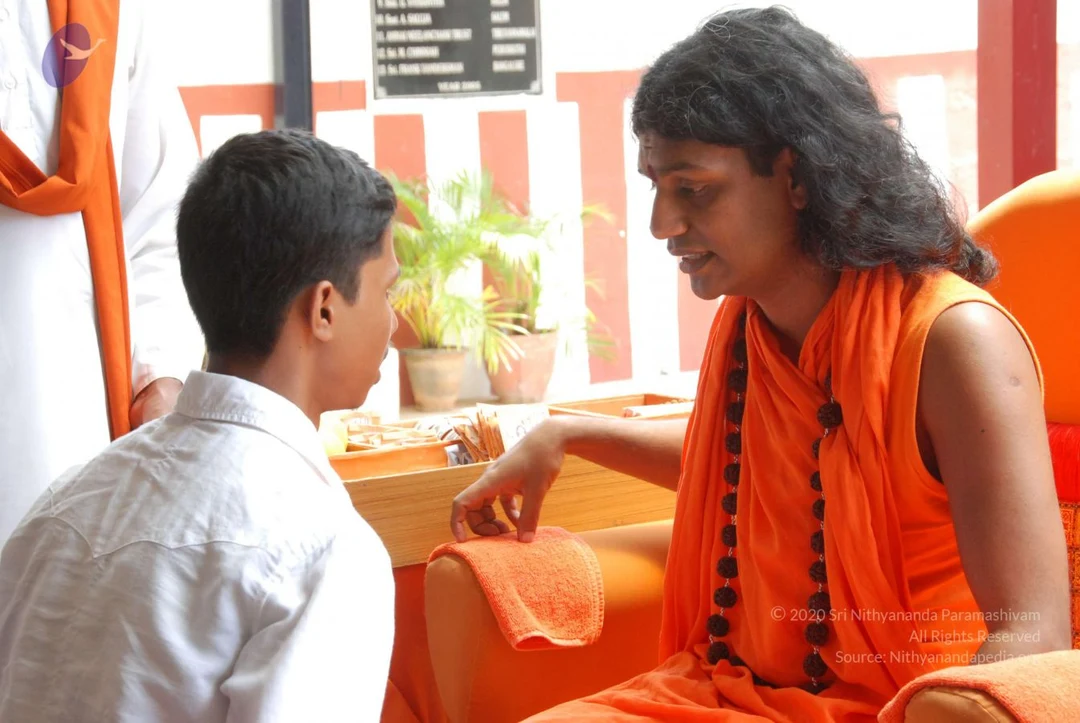
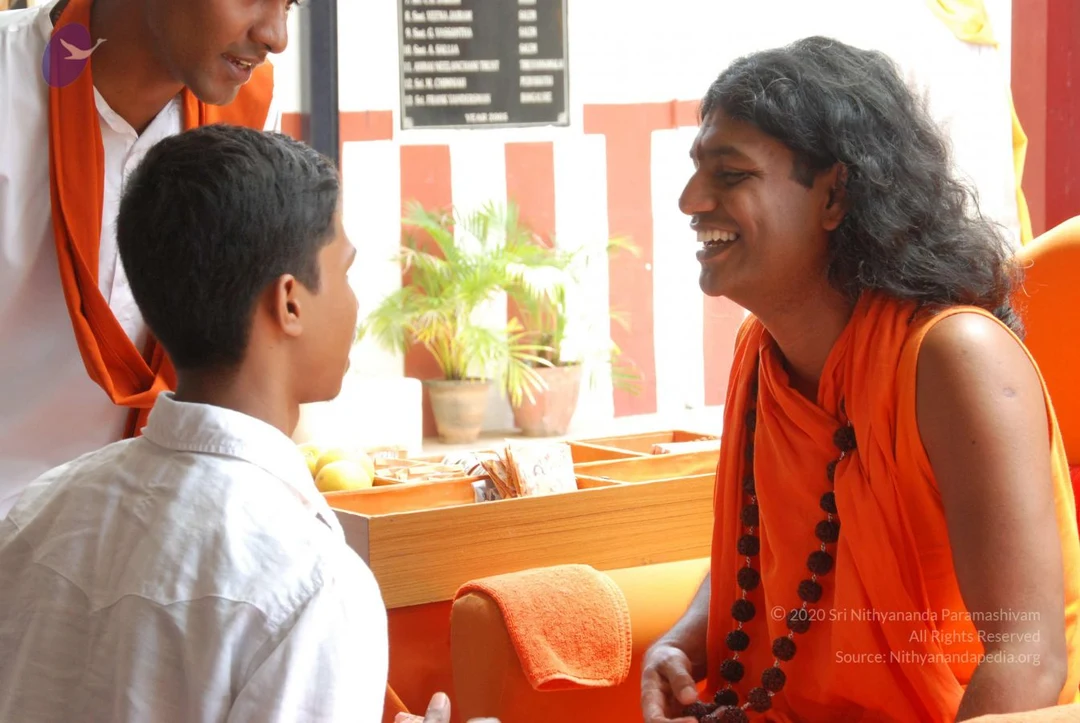
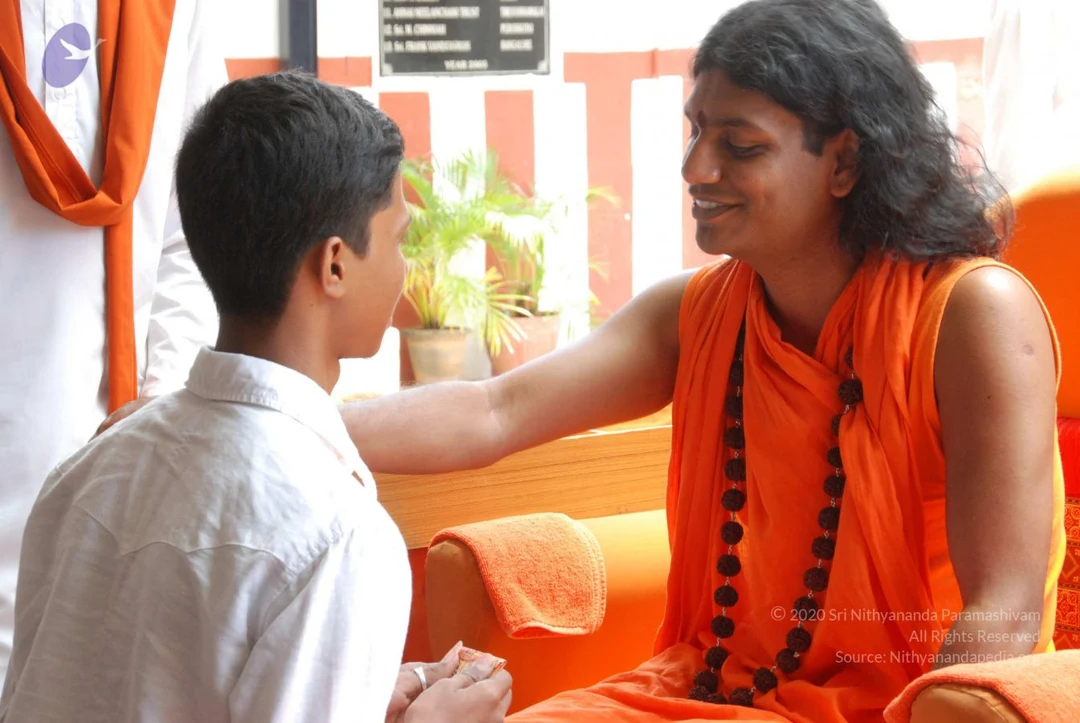
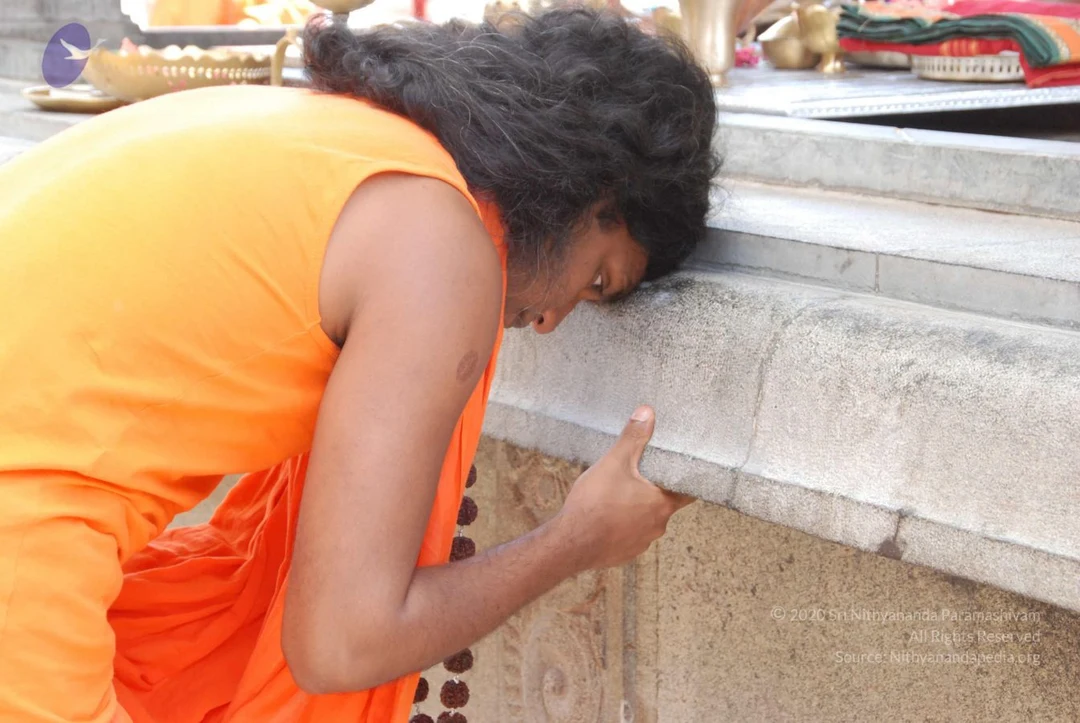
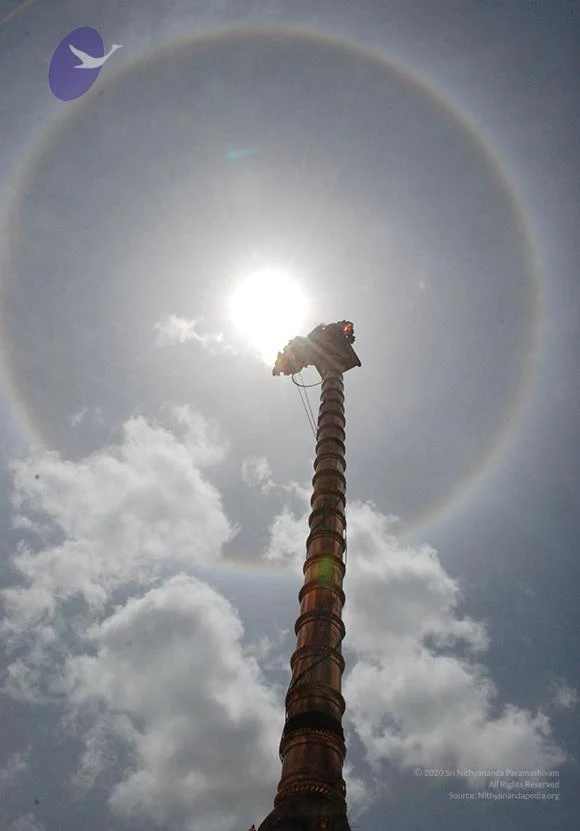
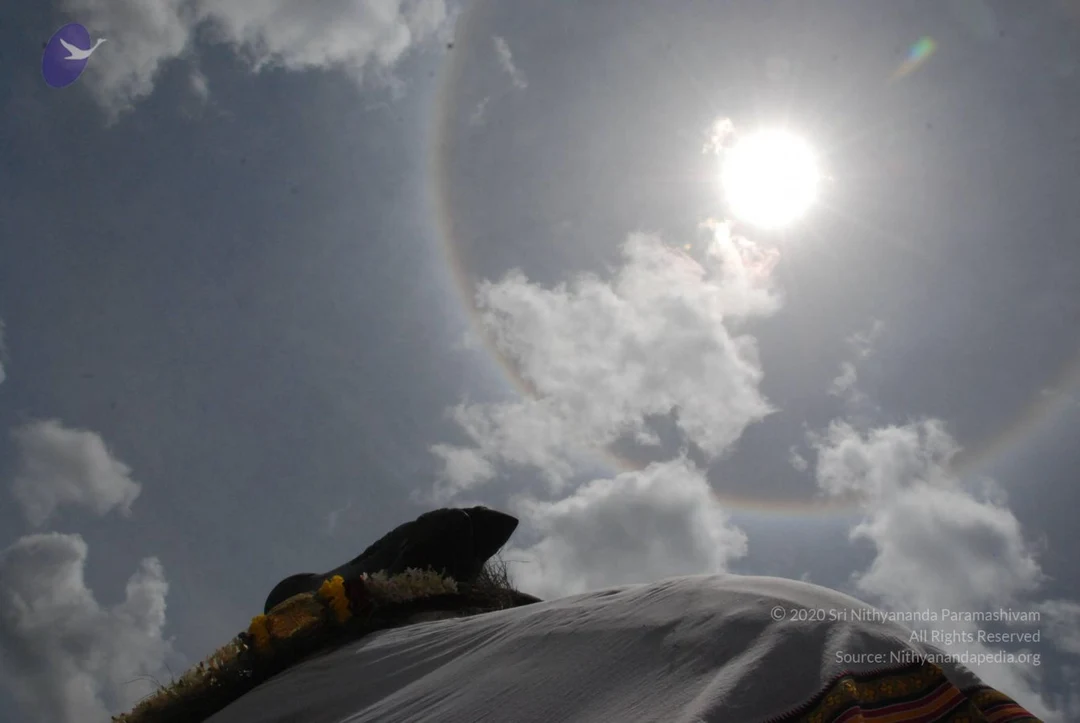
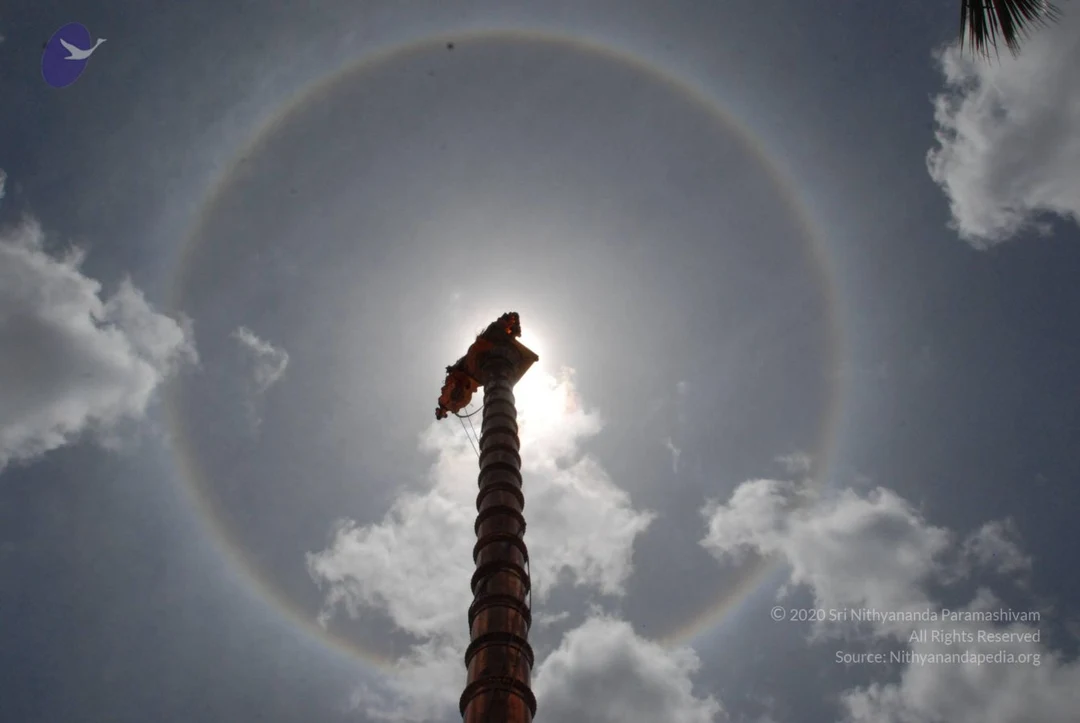
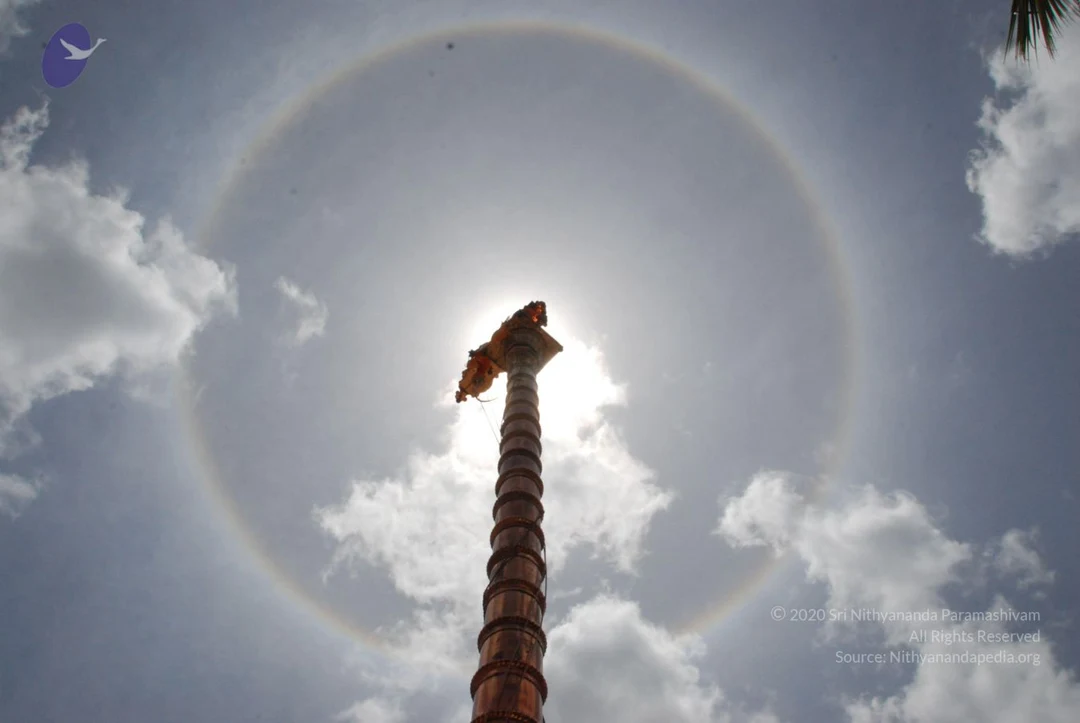
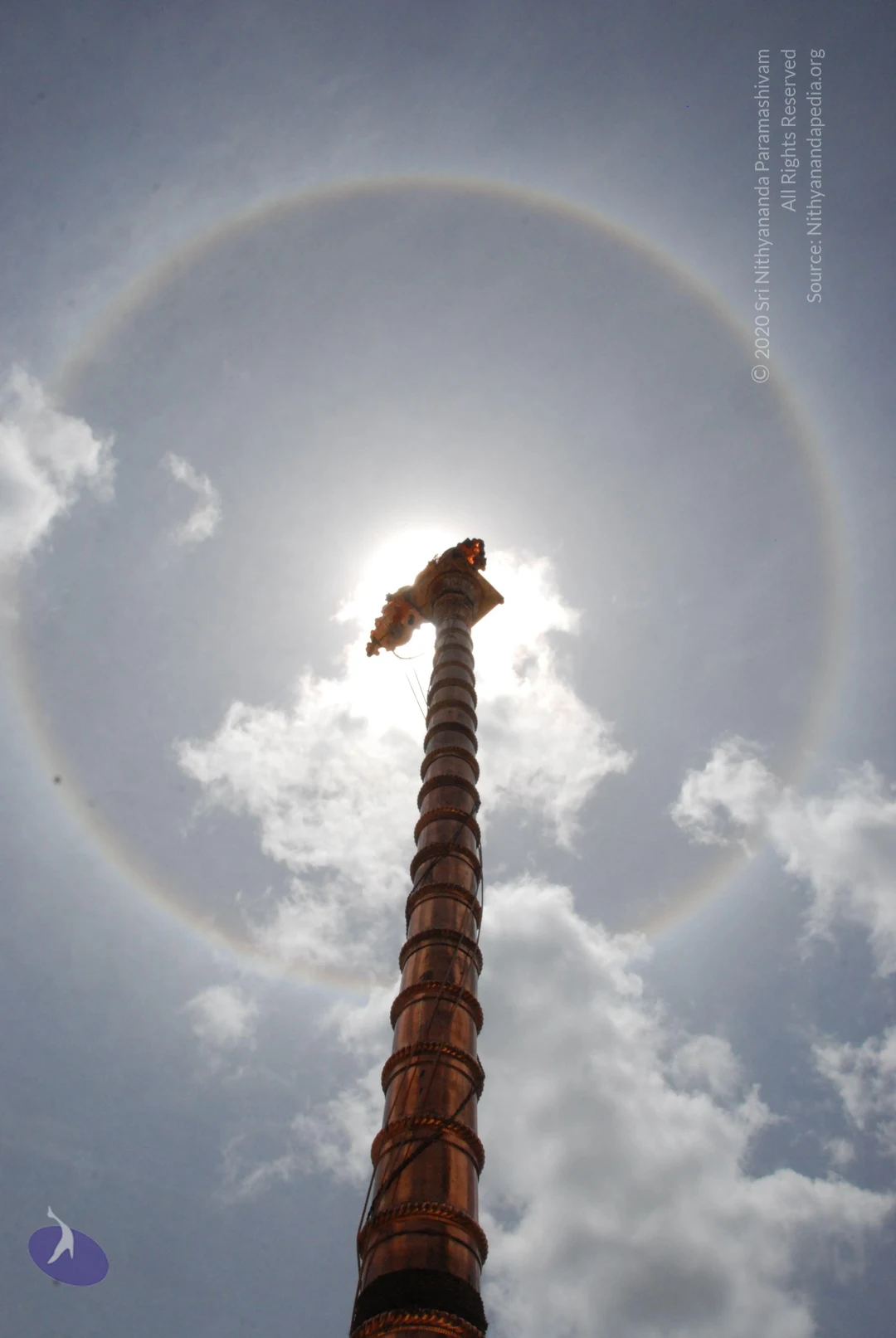
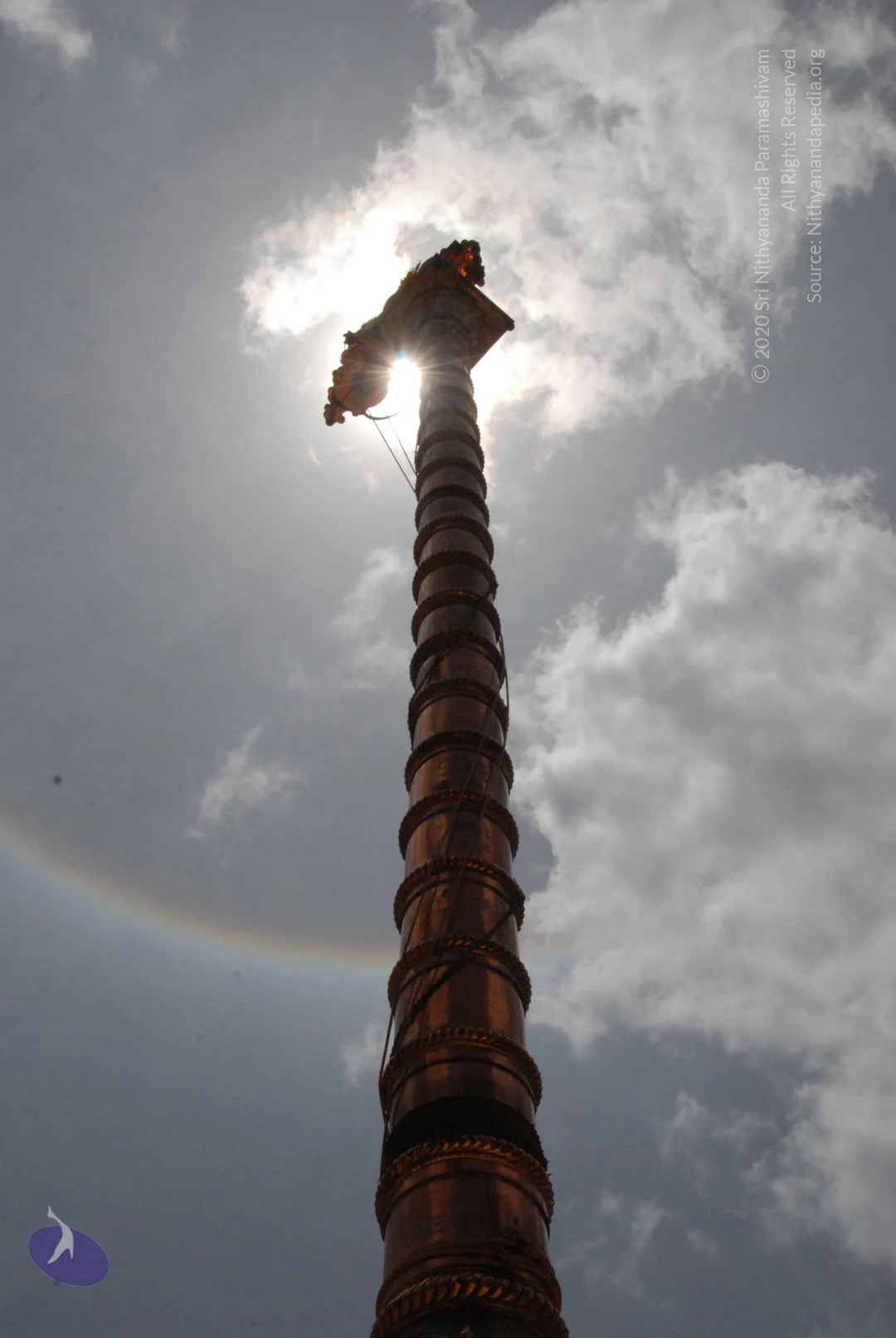
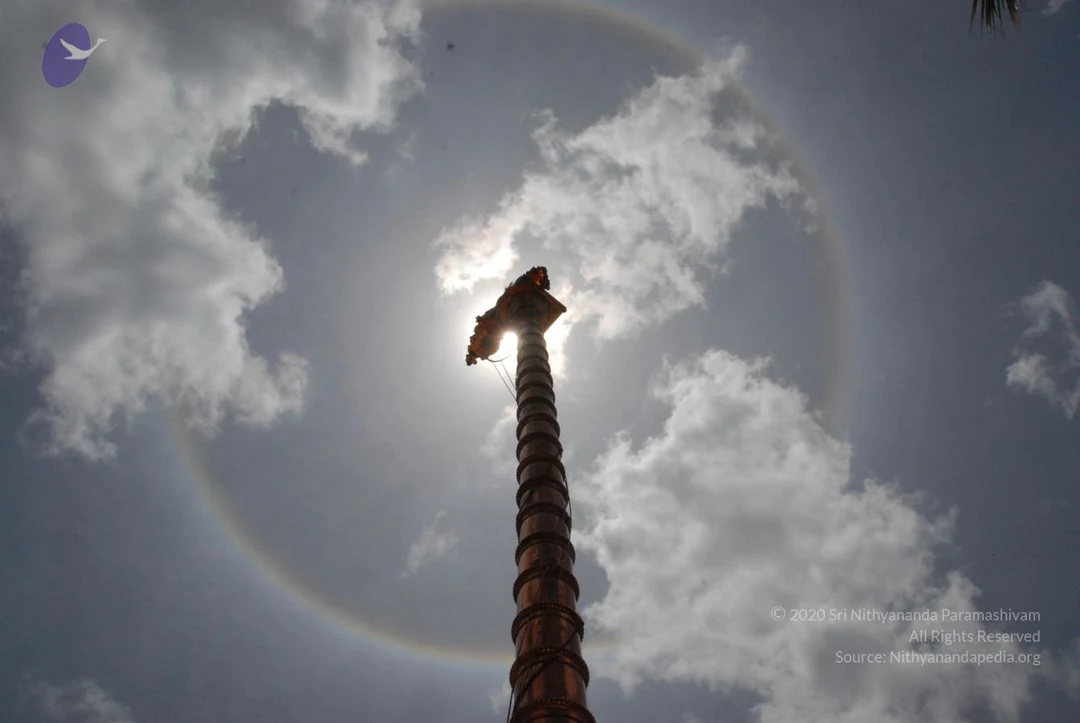
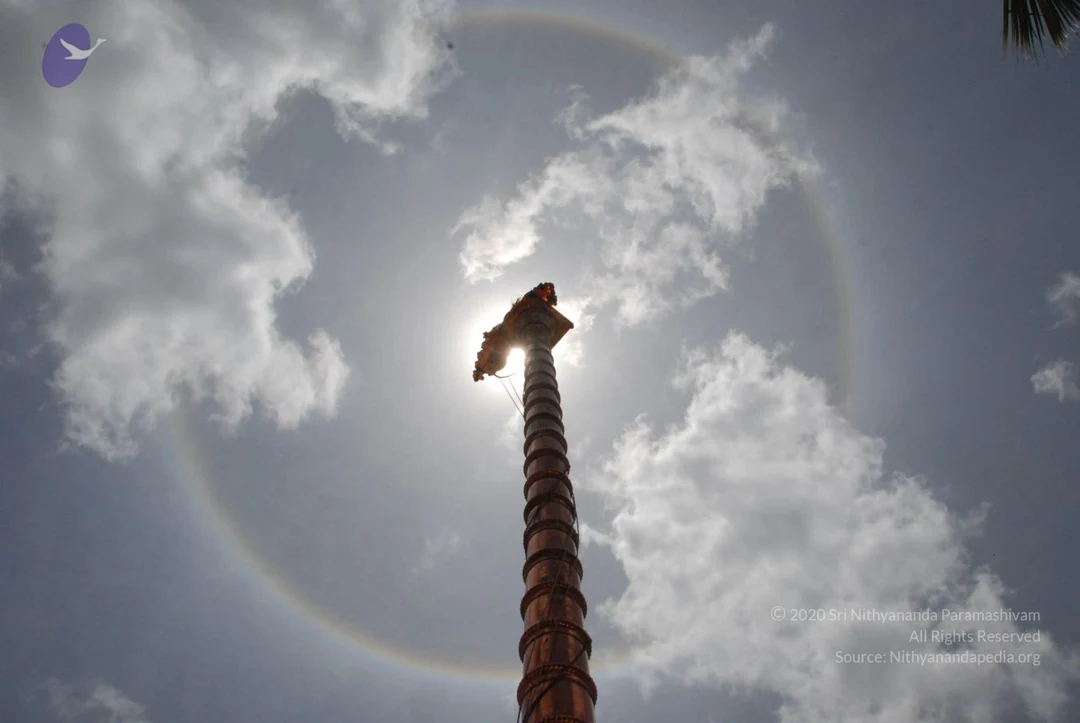
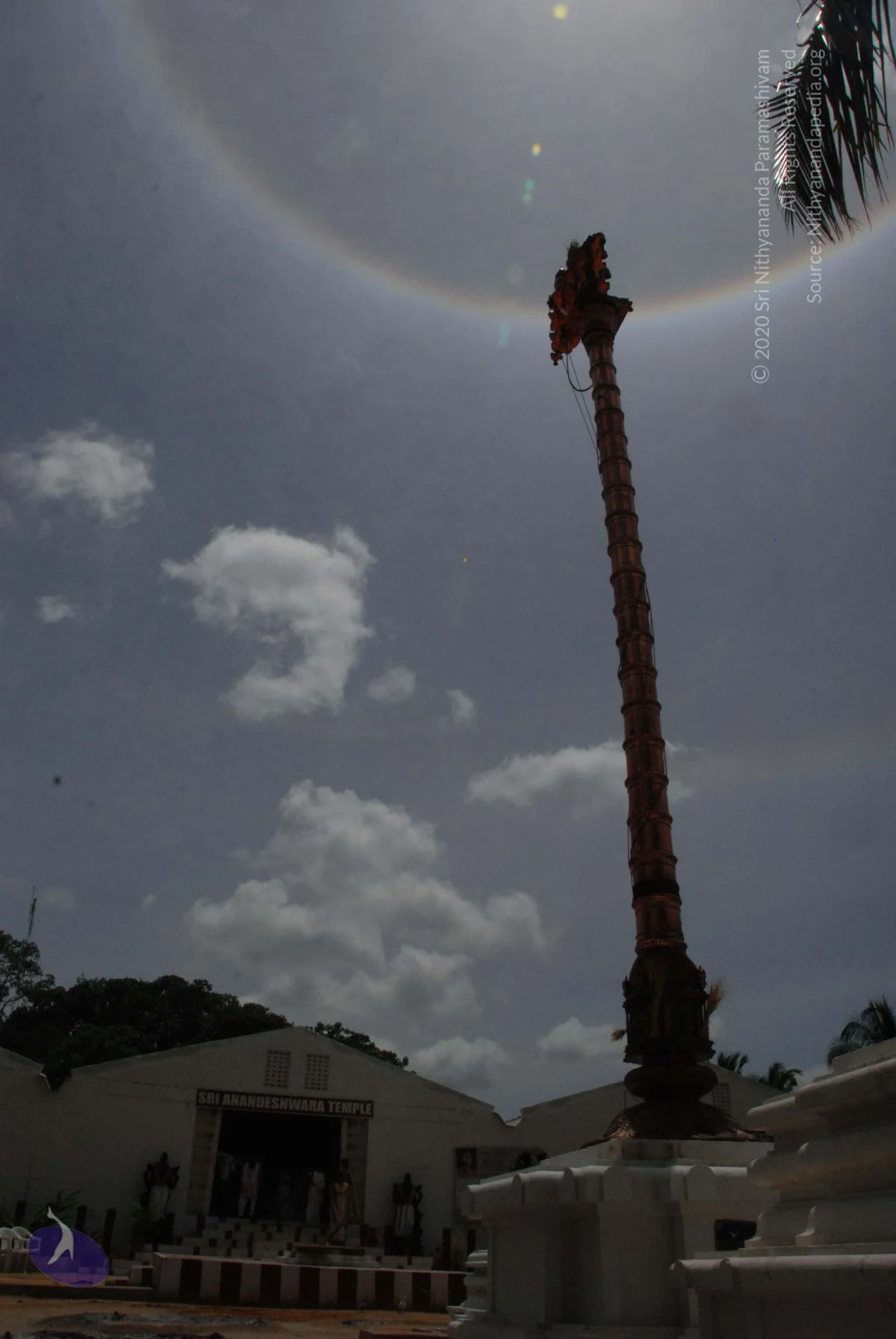
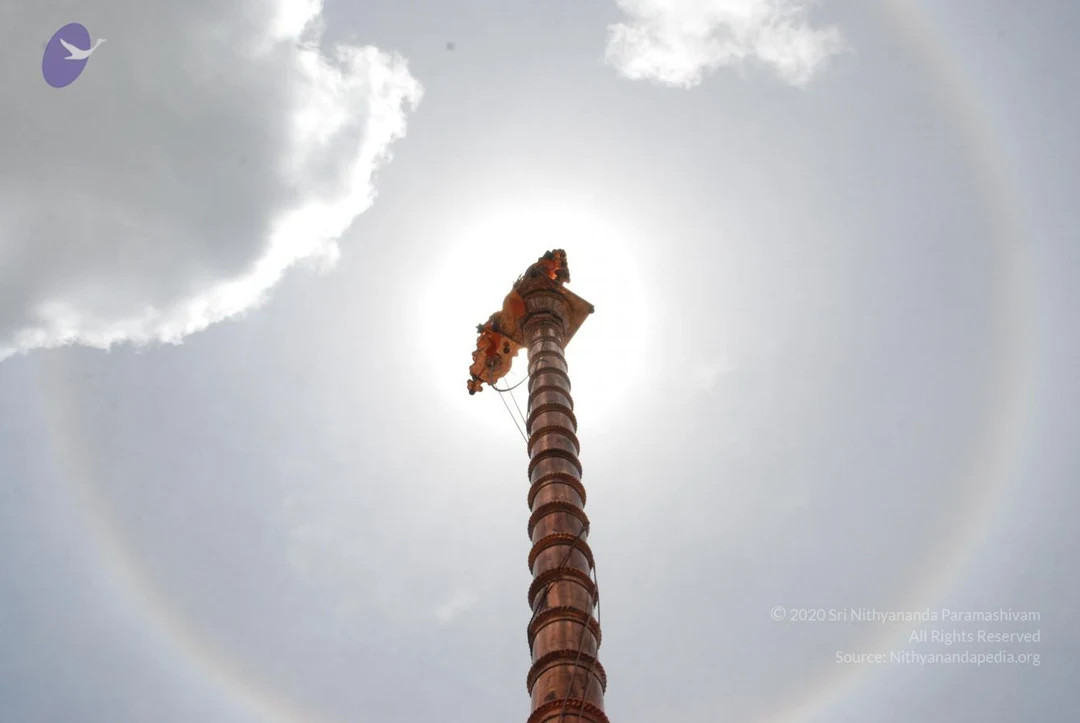
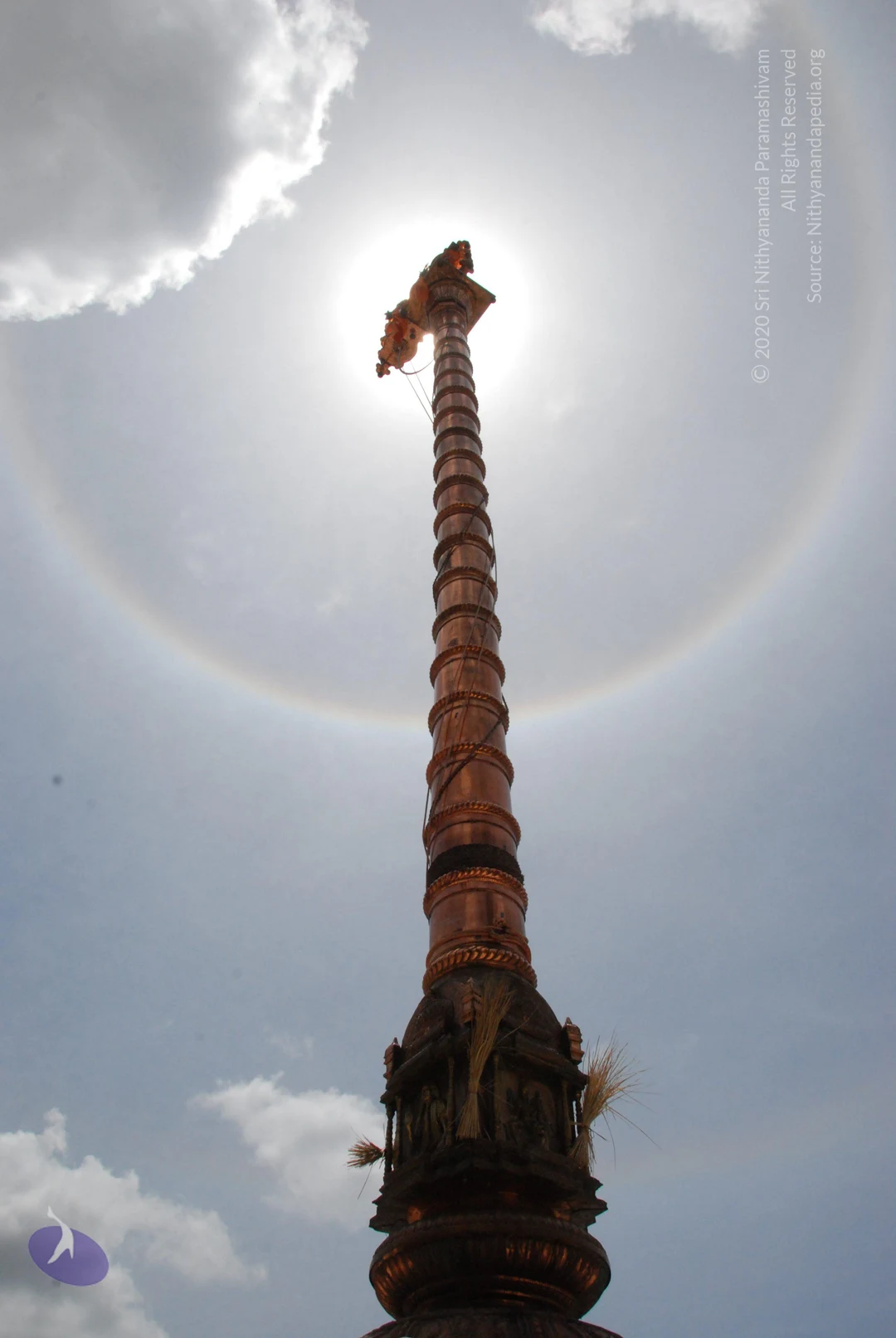
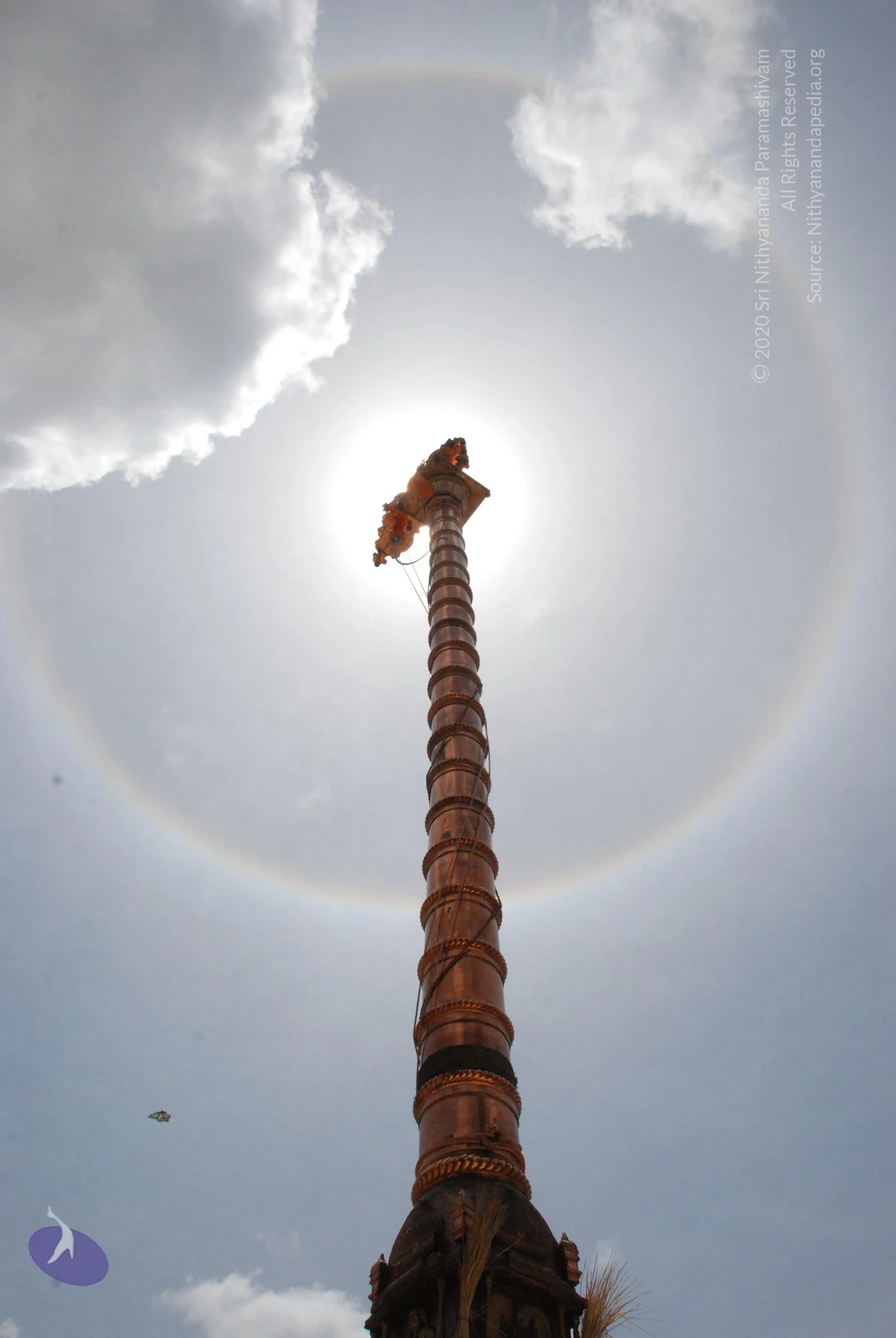
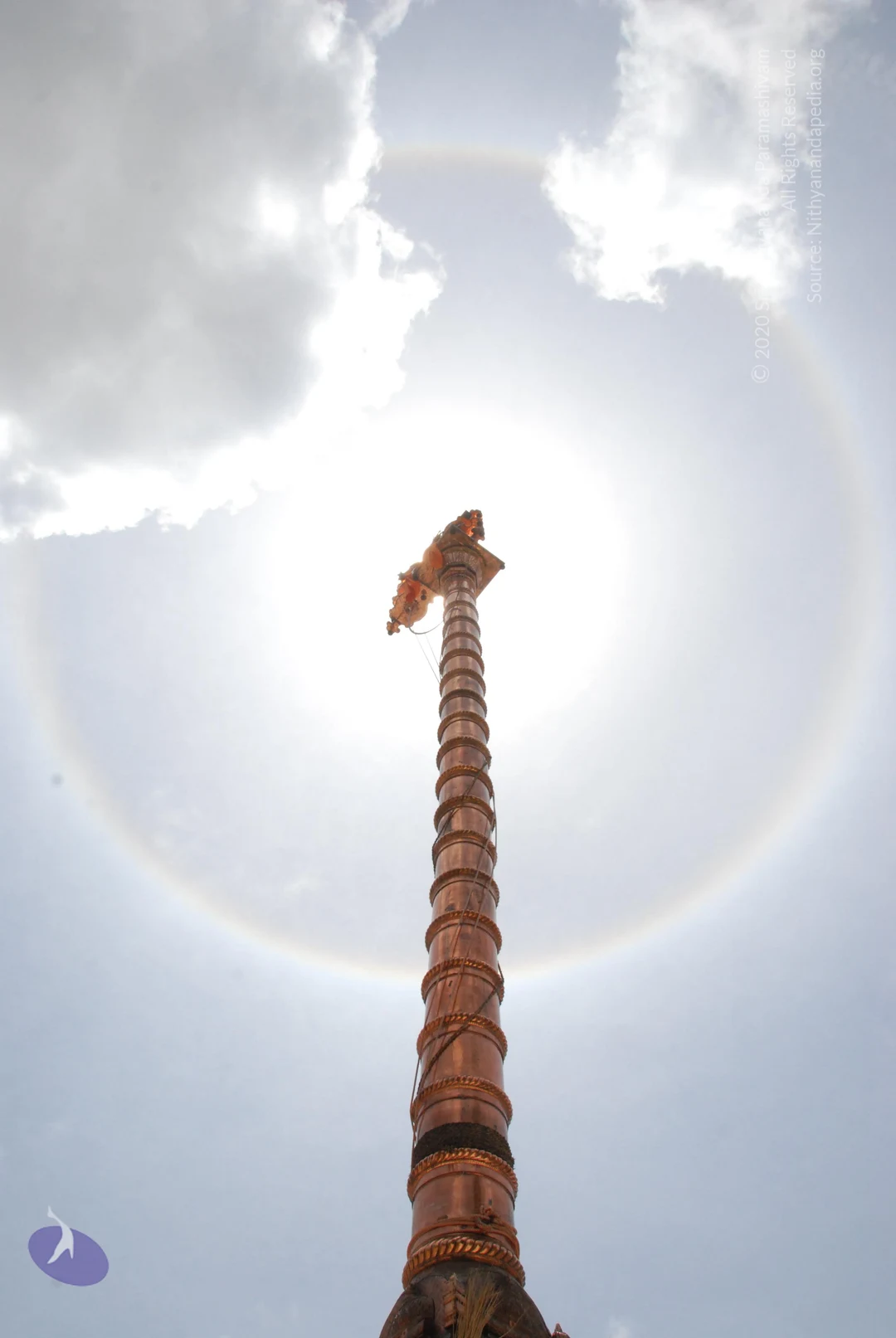
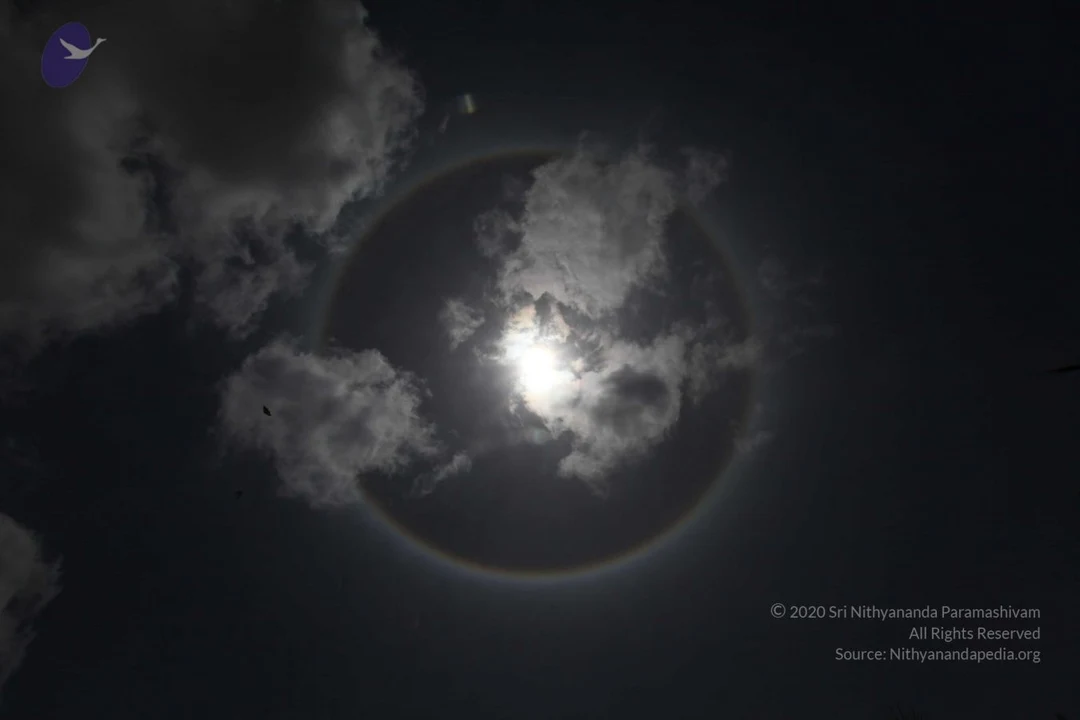
SUN-RING-AT-TEMPLE




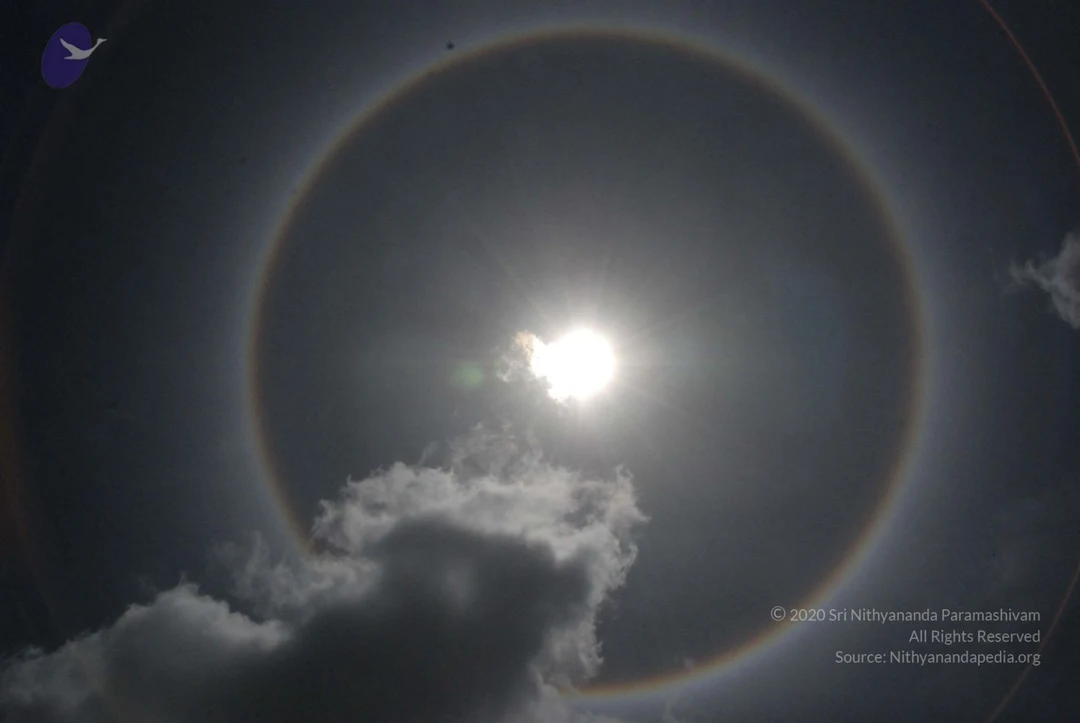
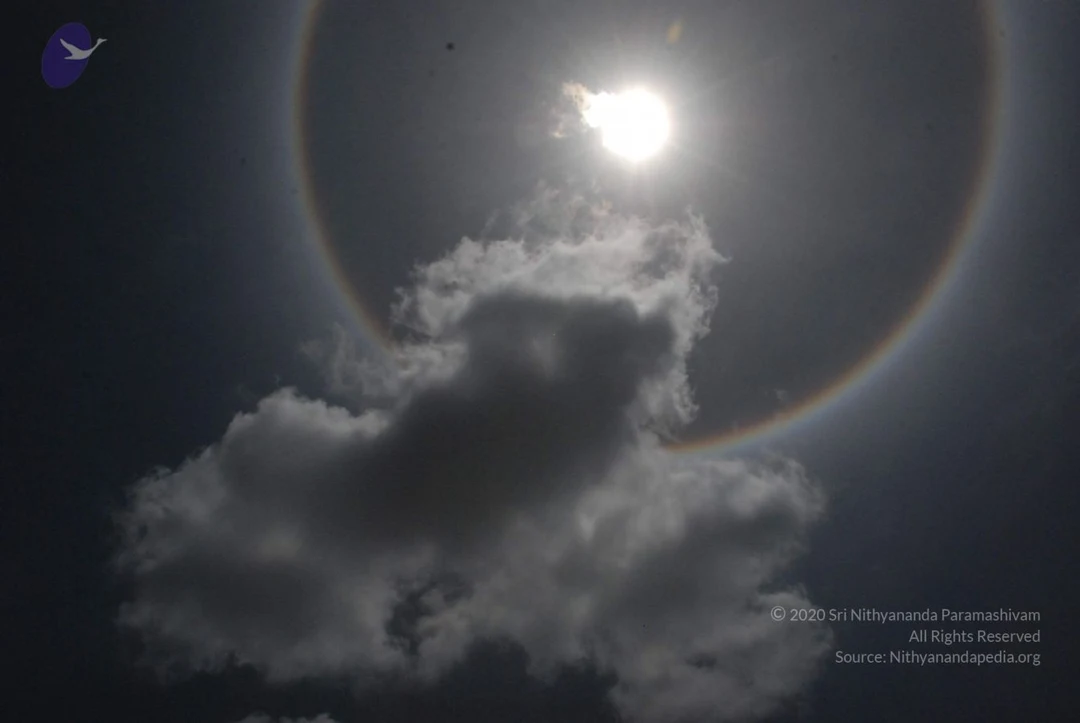
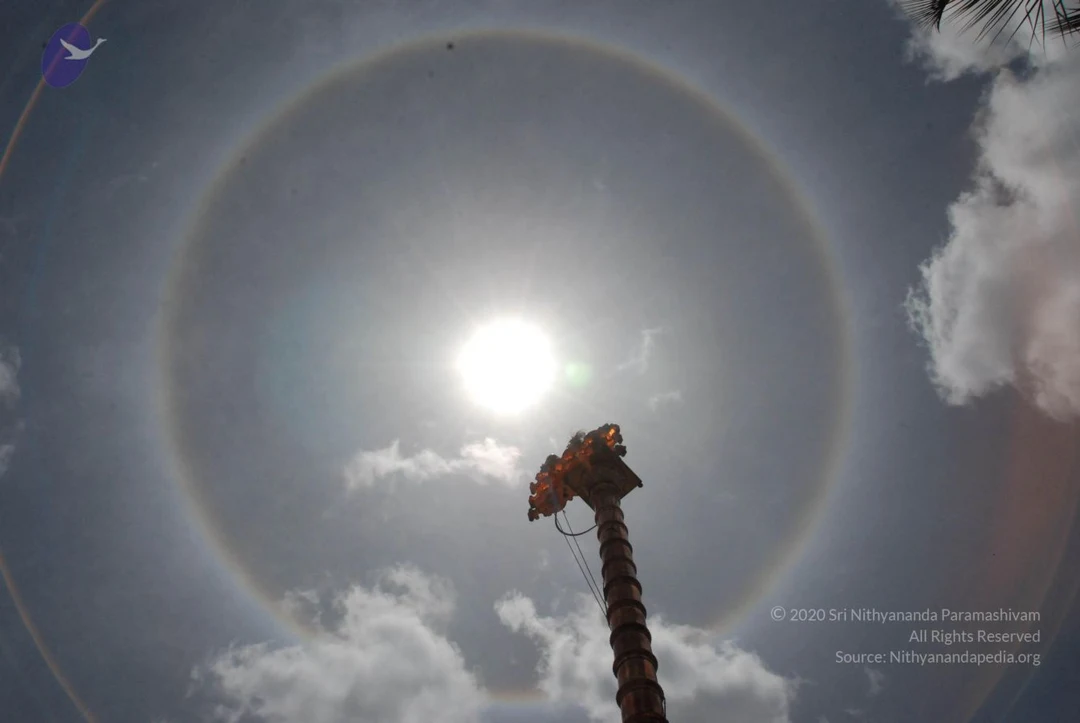

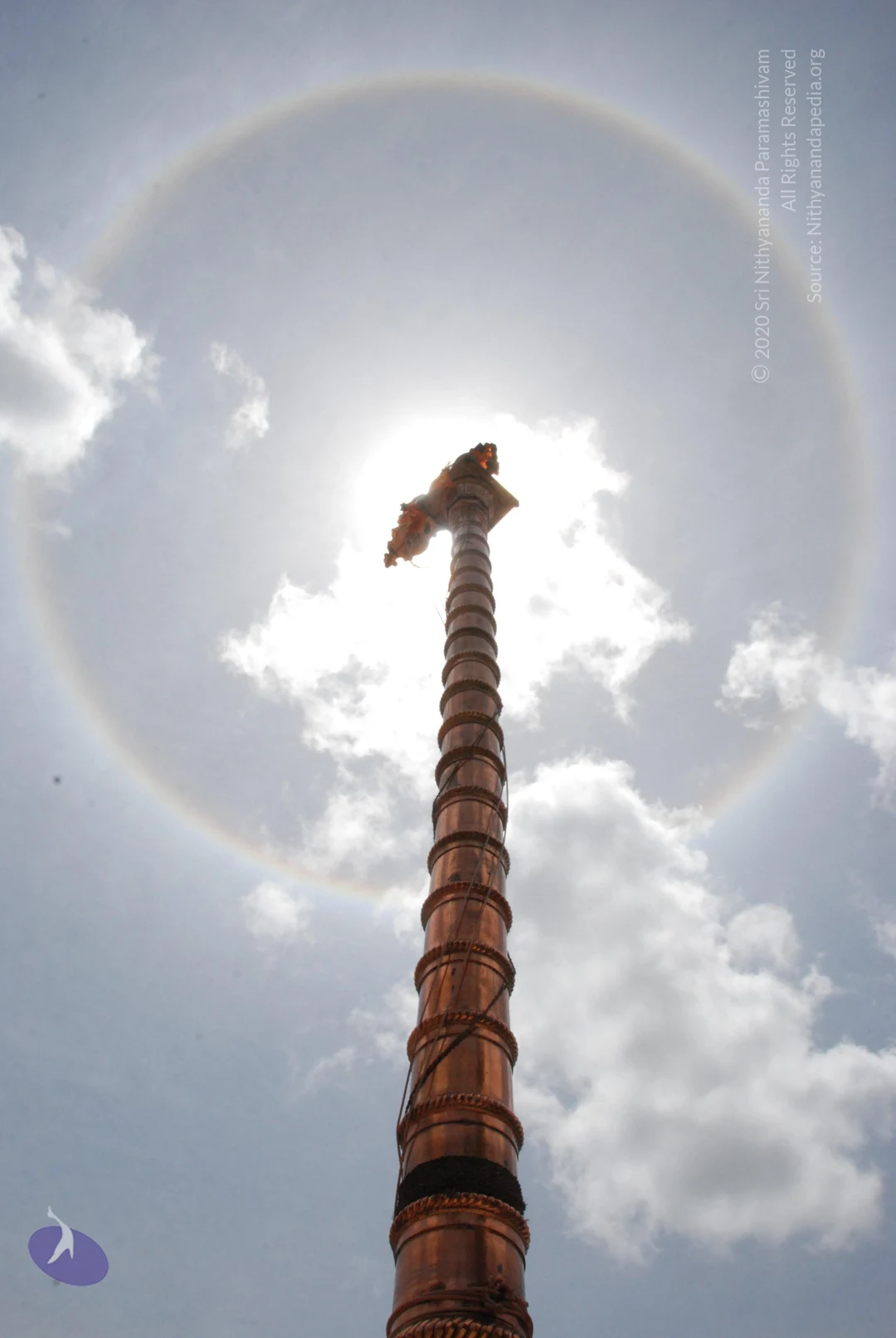
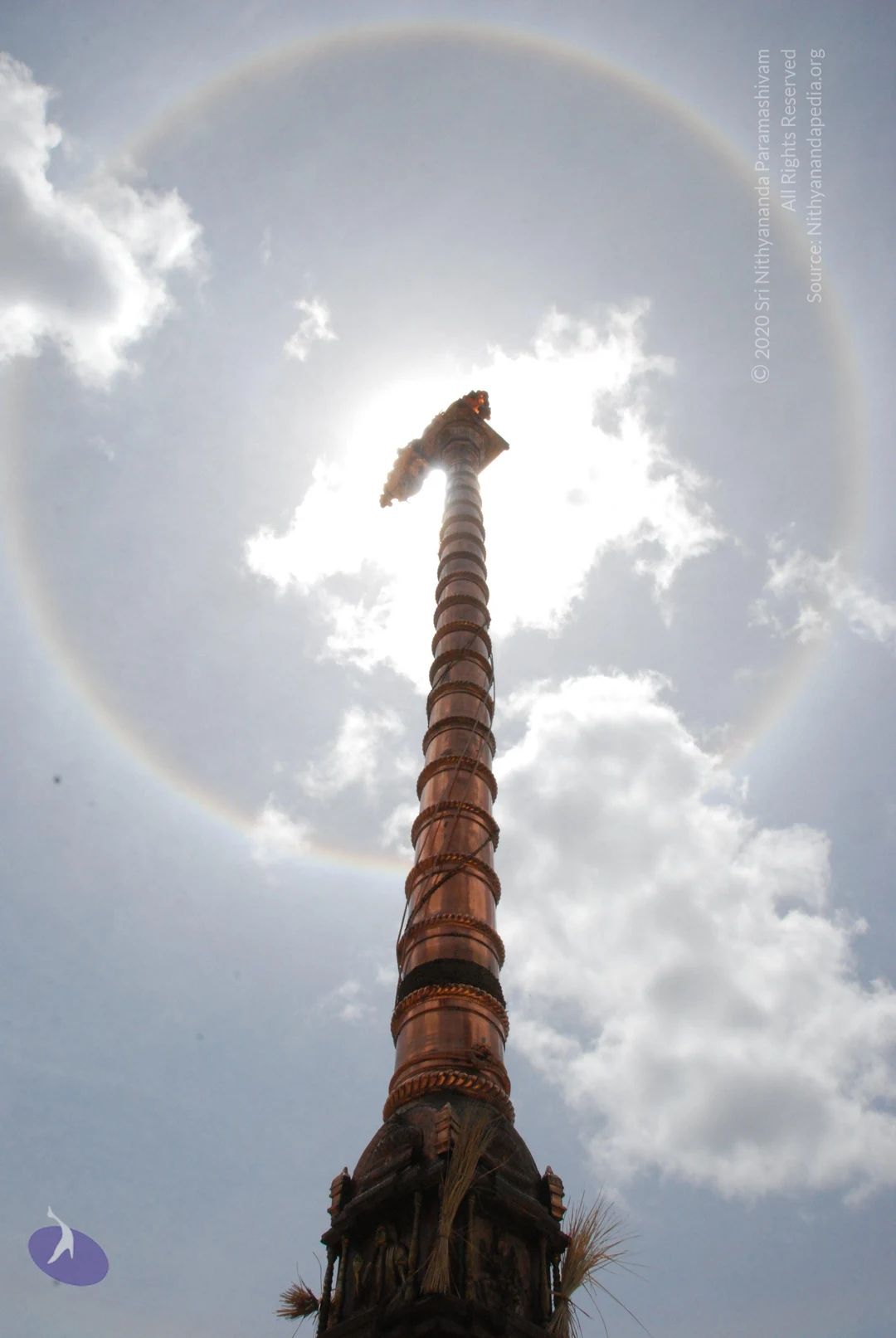
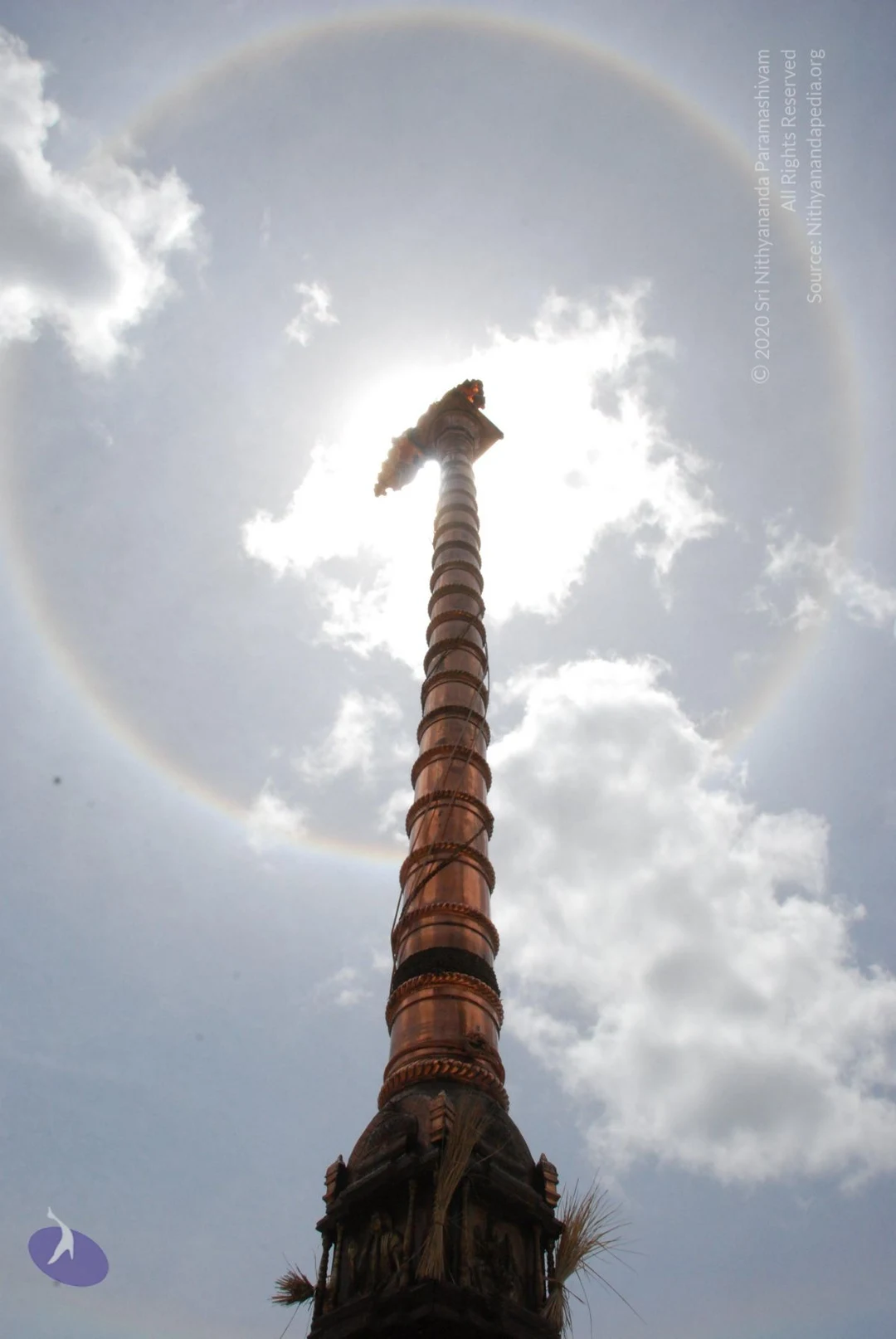
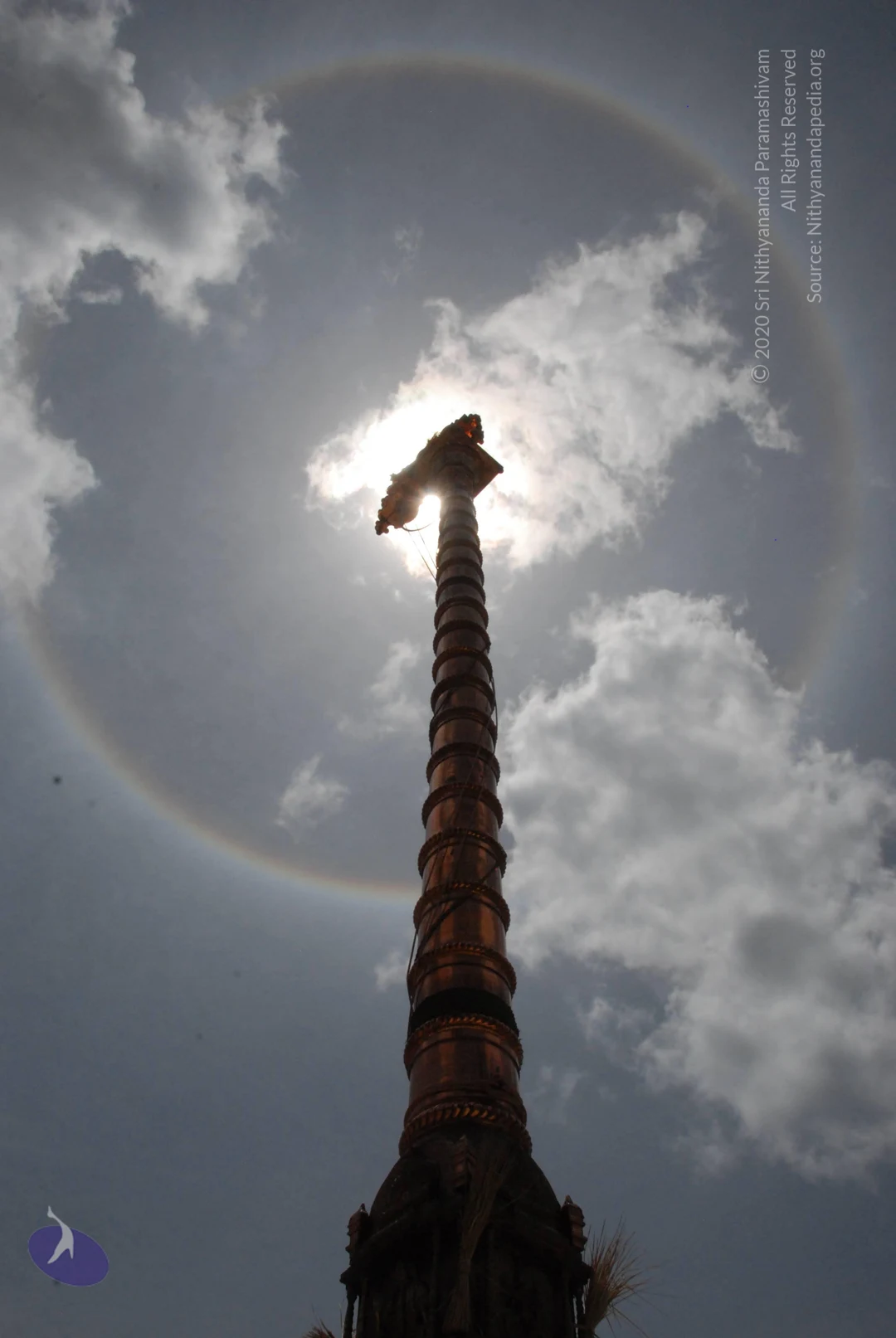










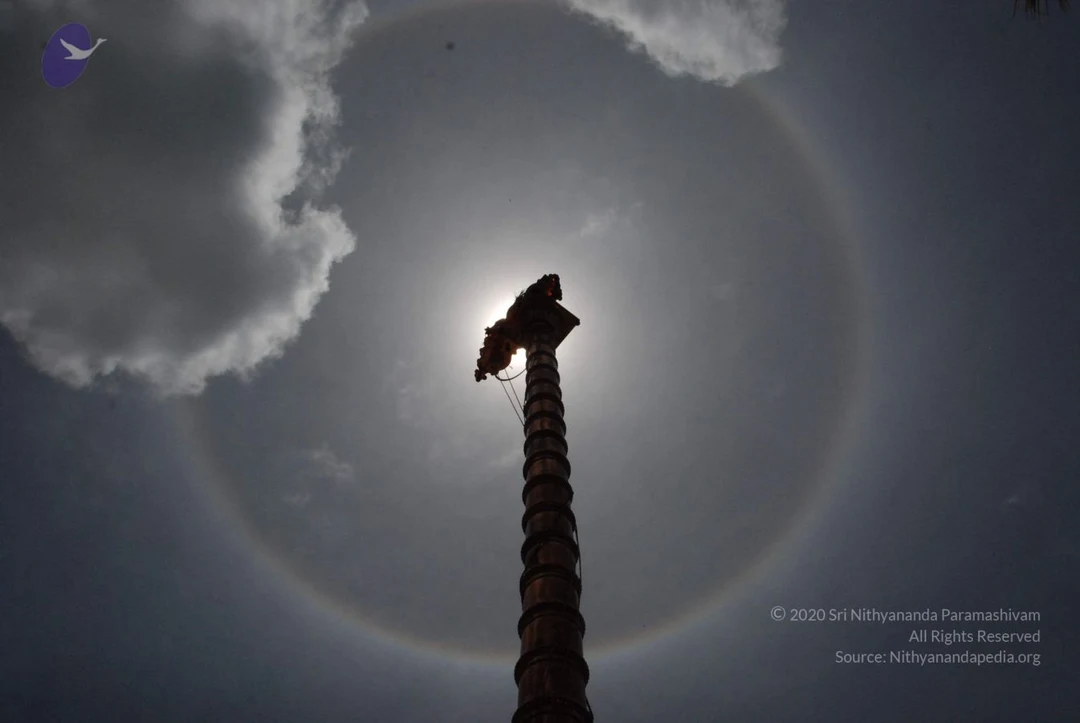
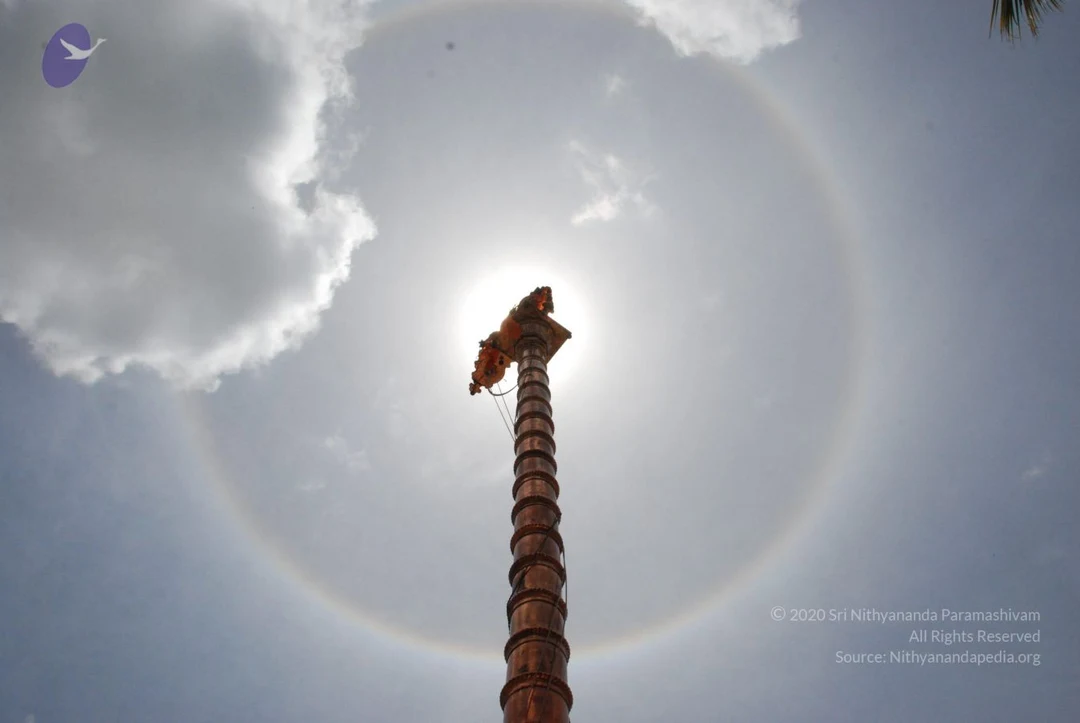
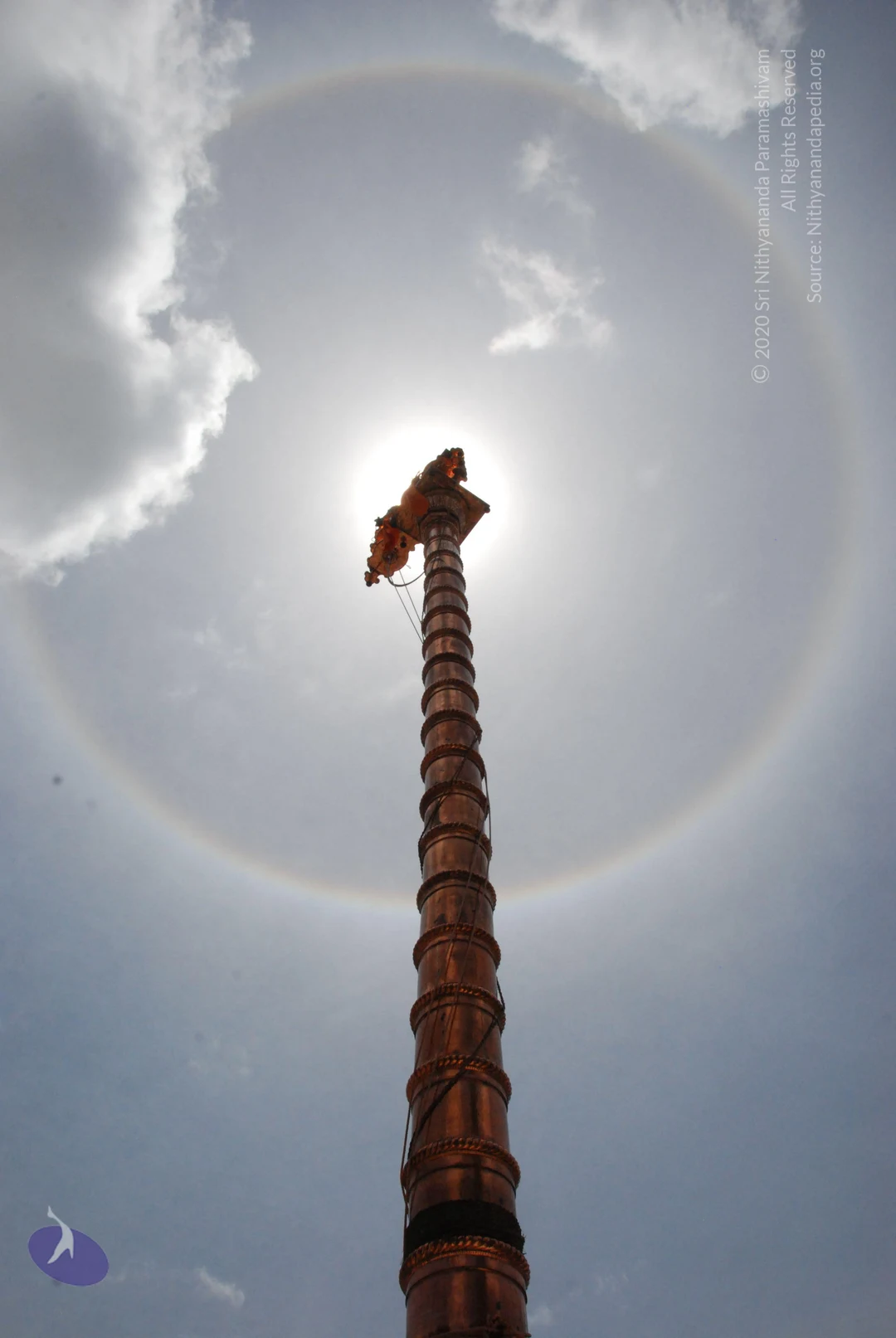

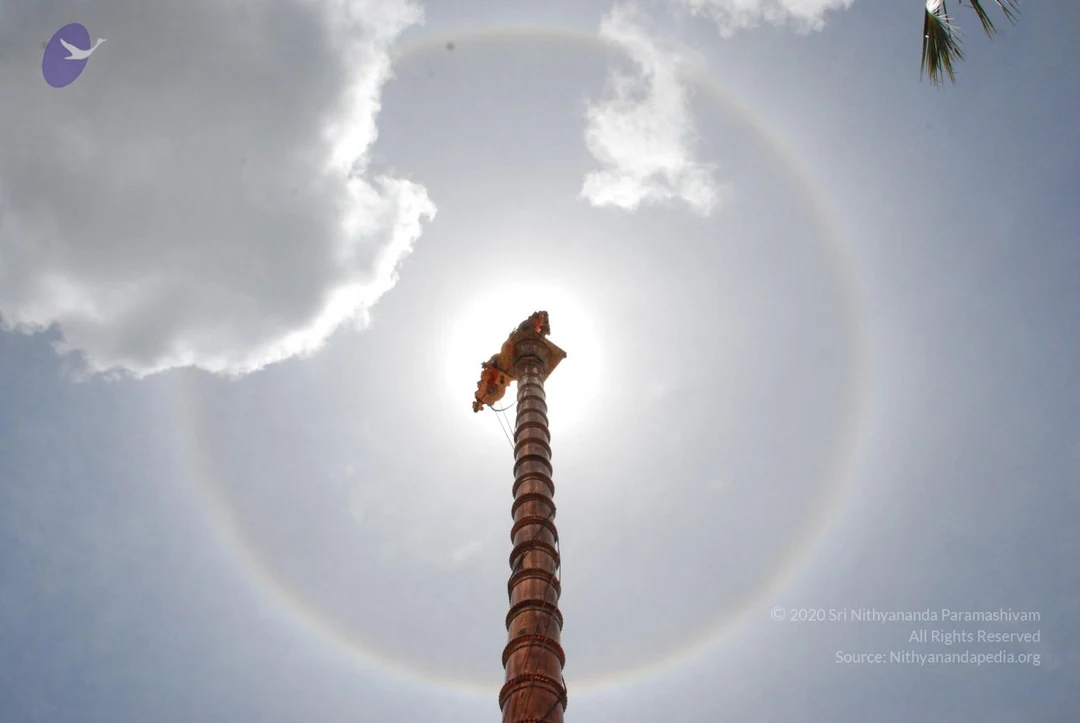


















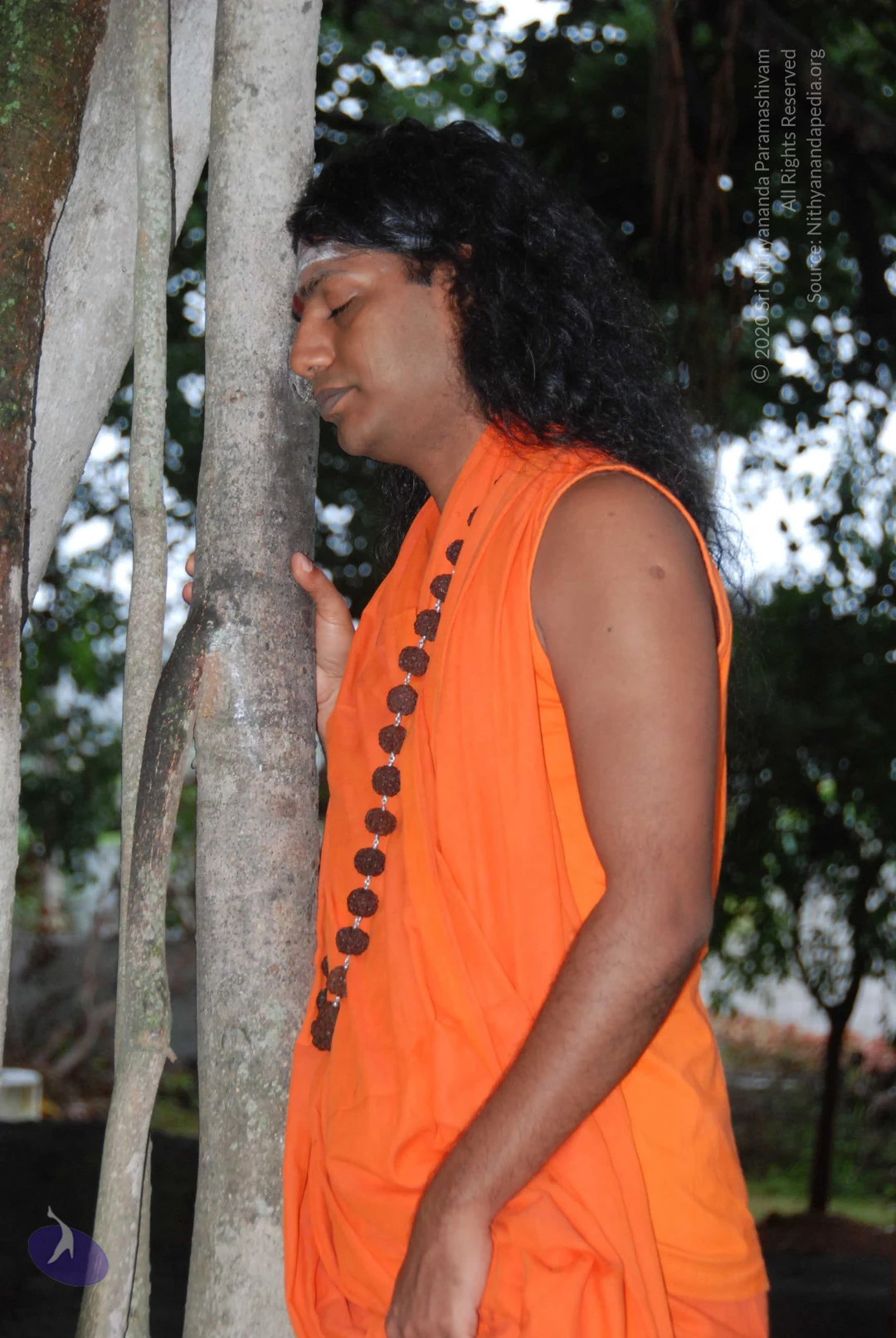
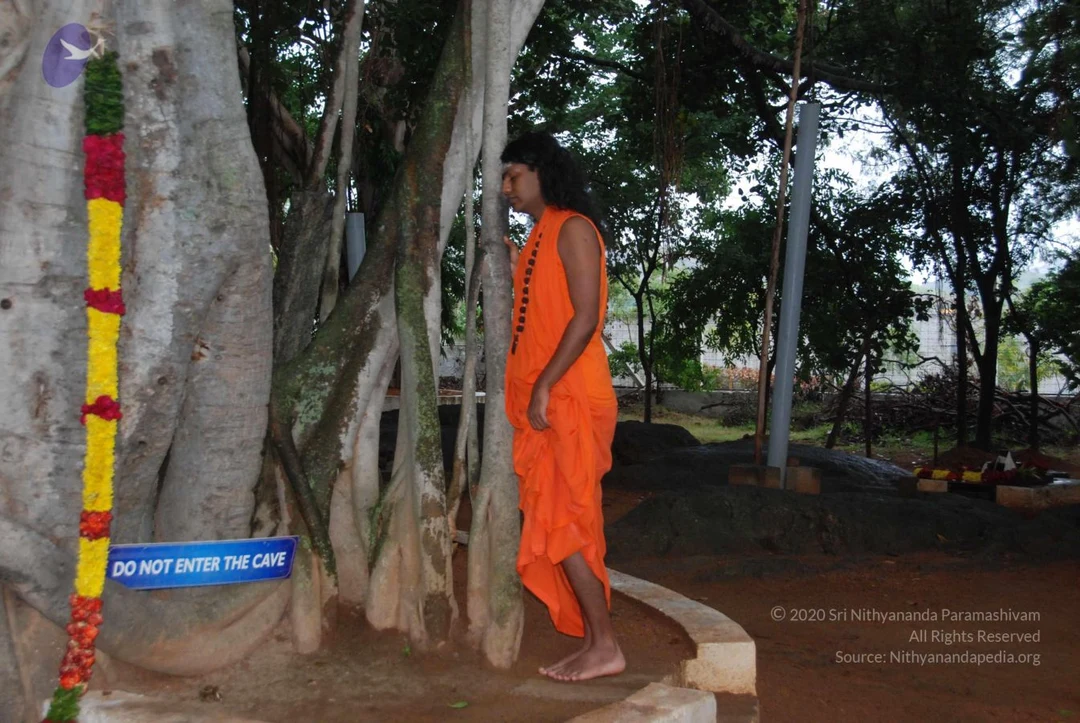
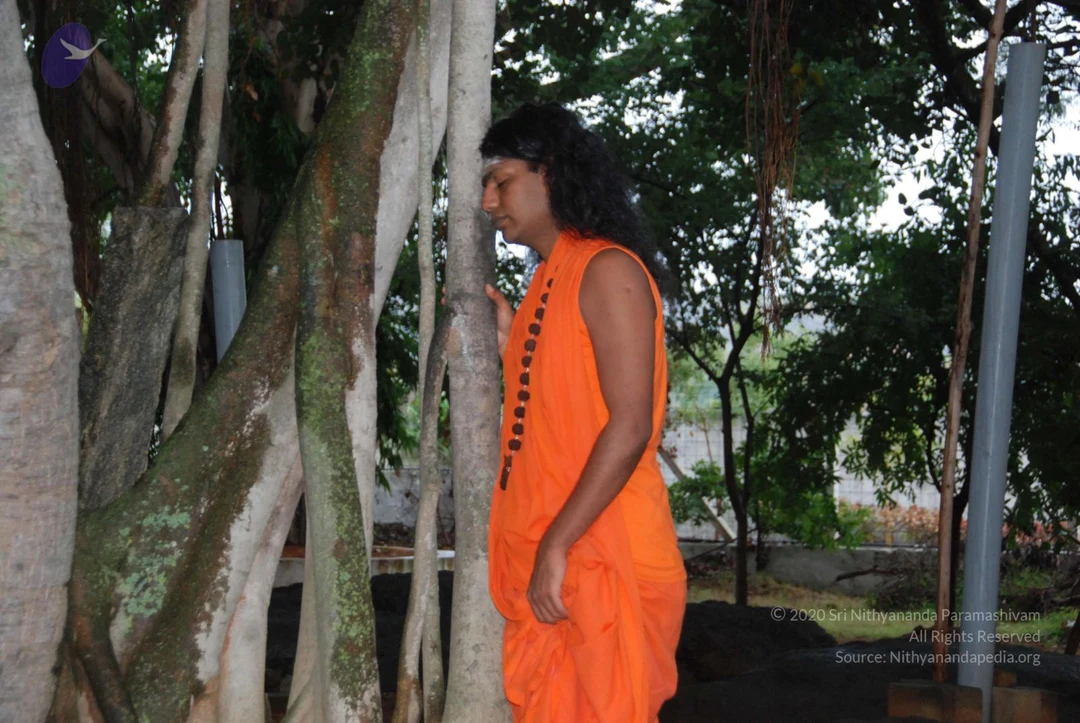
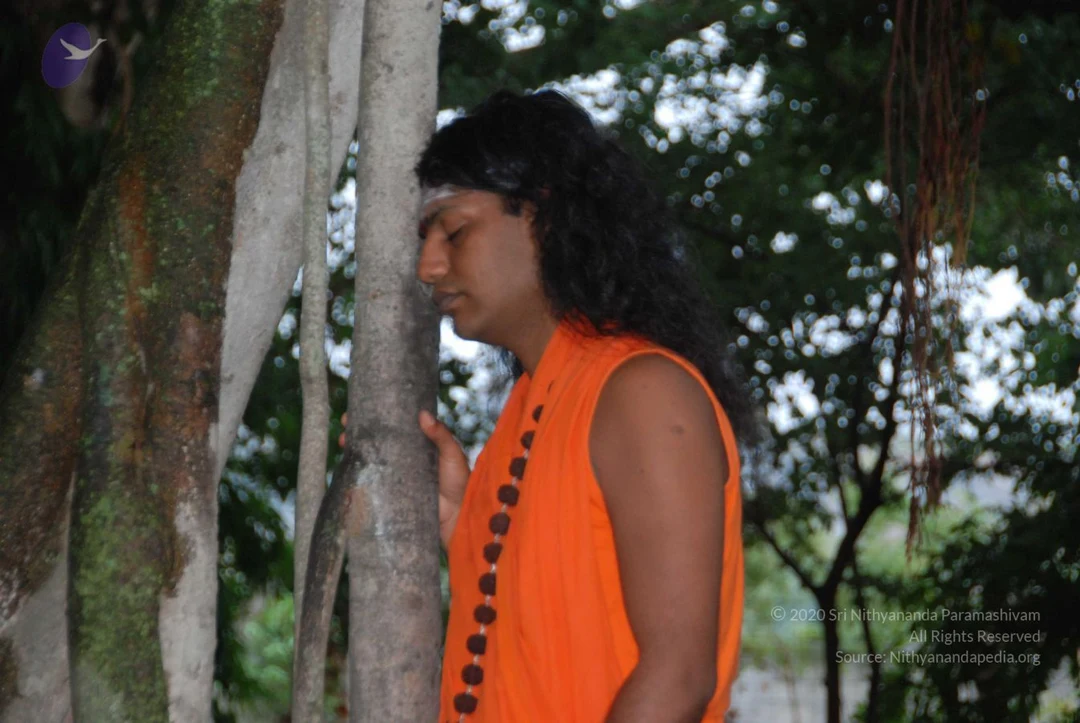
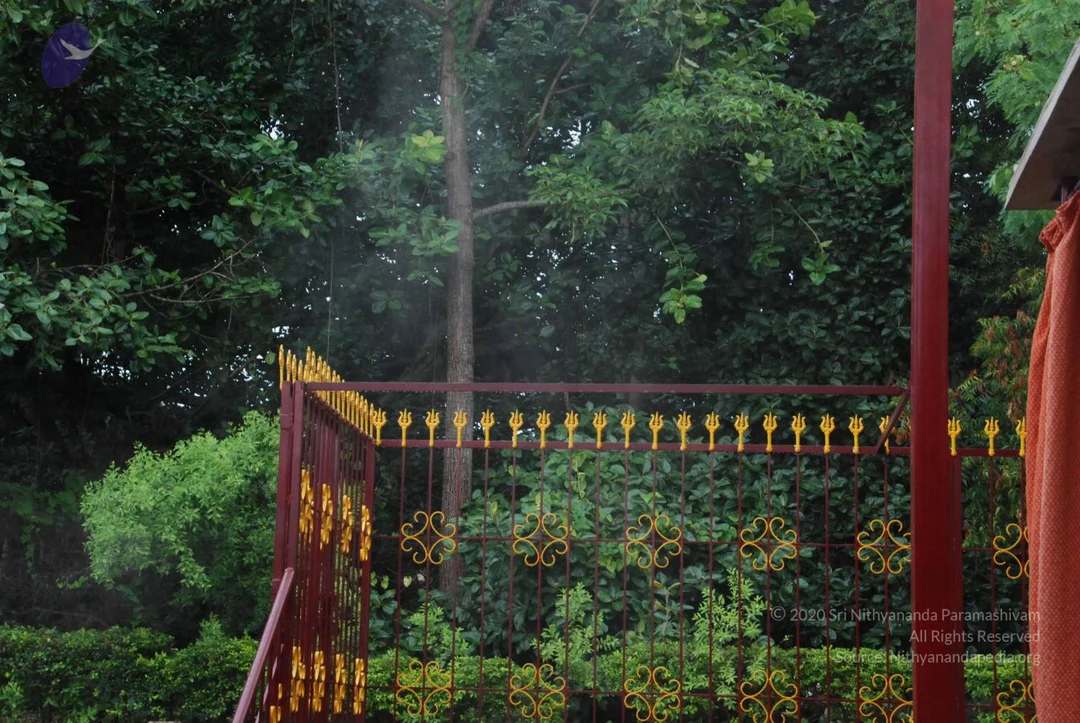
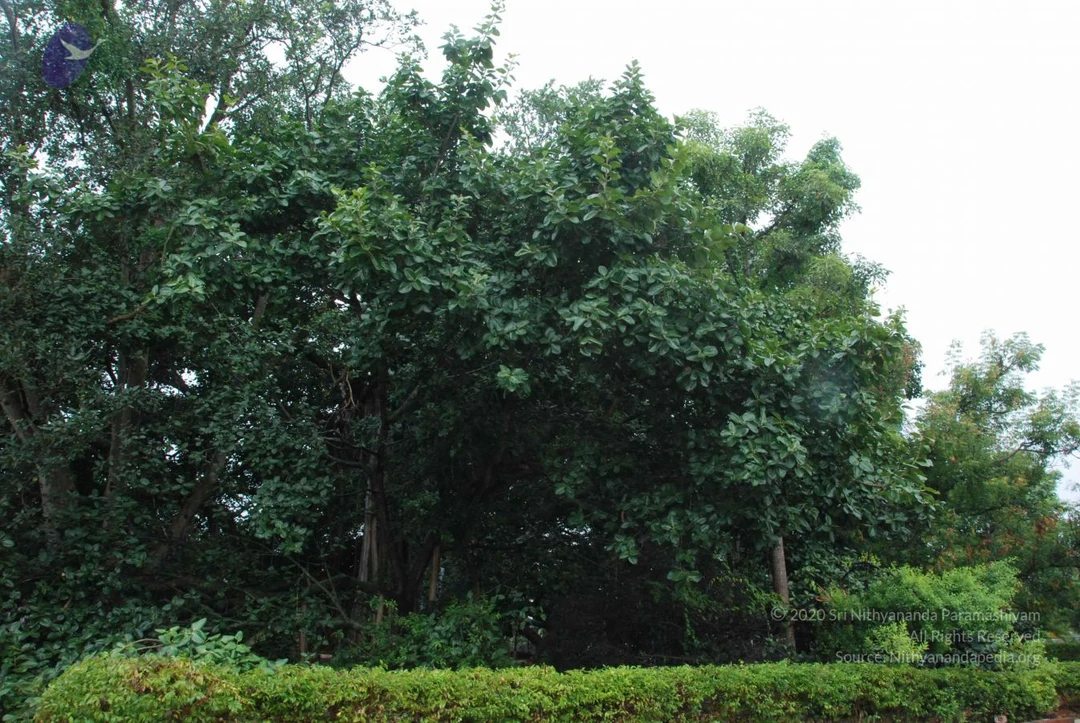
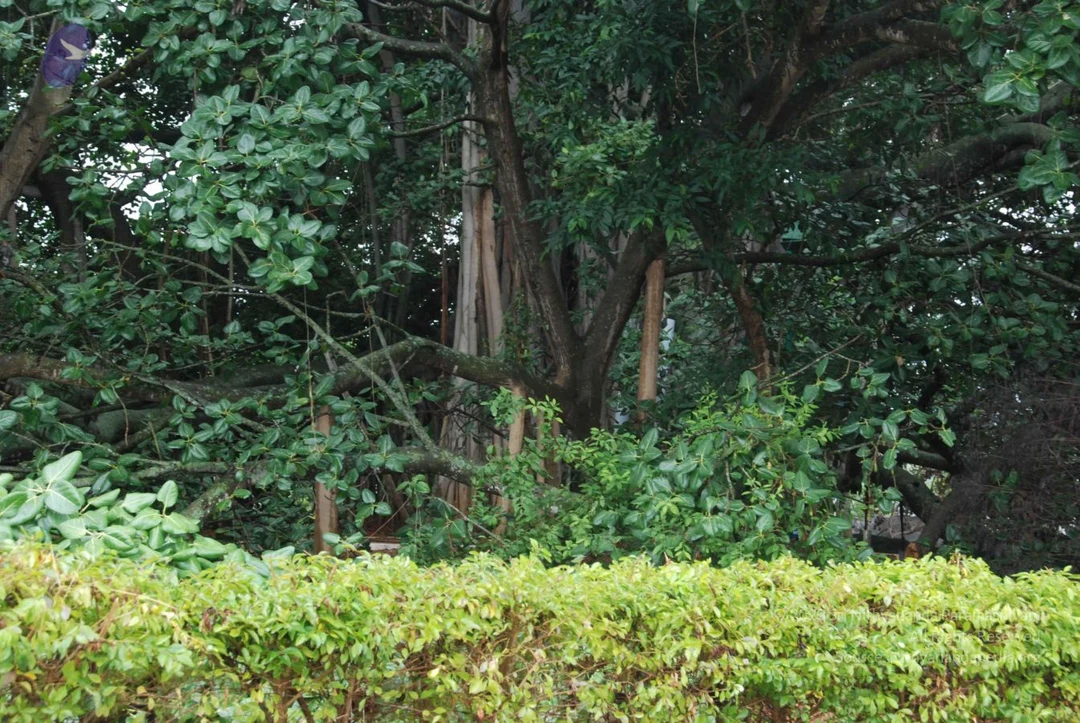
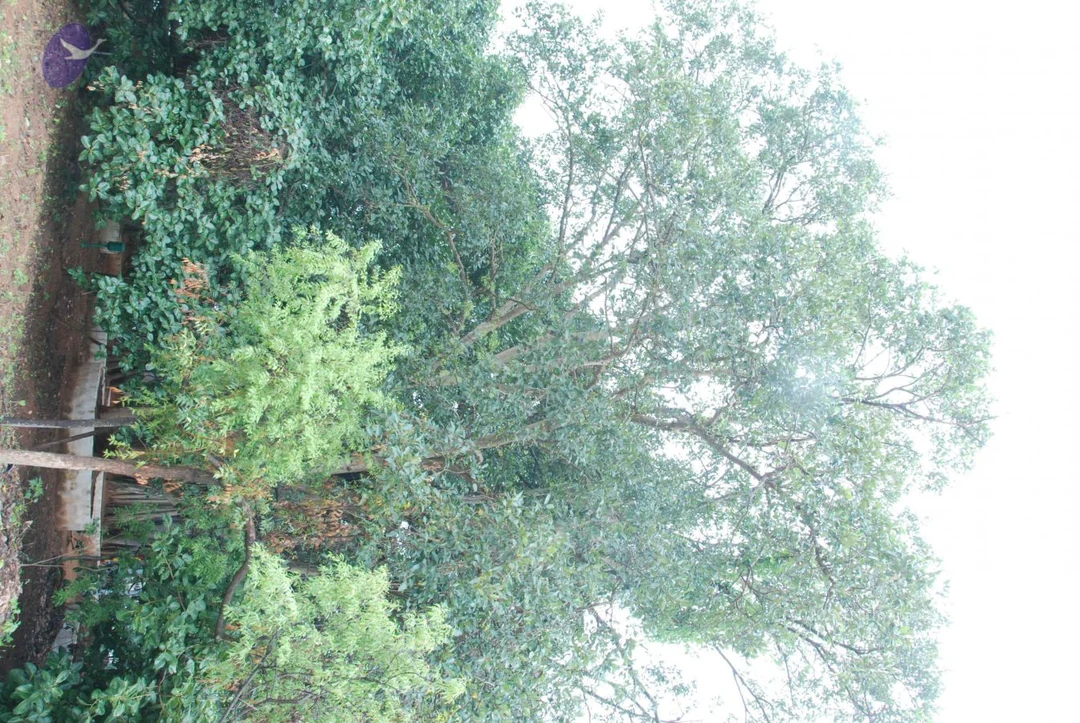
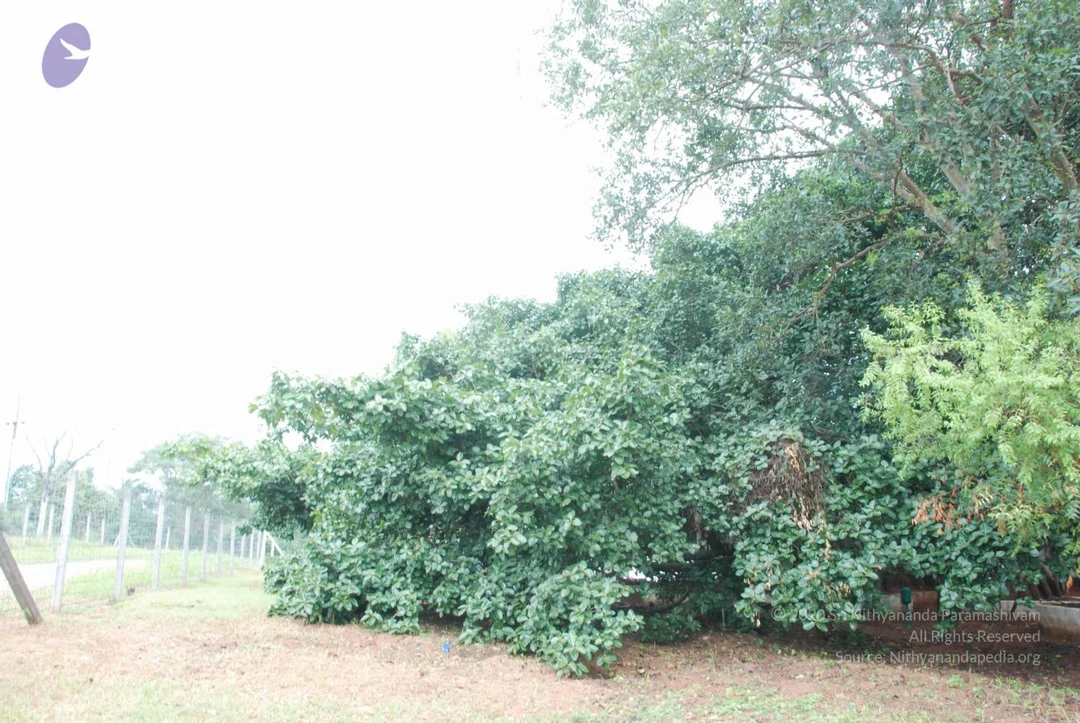
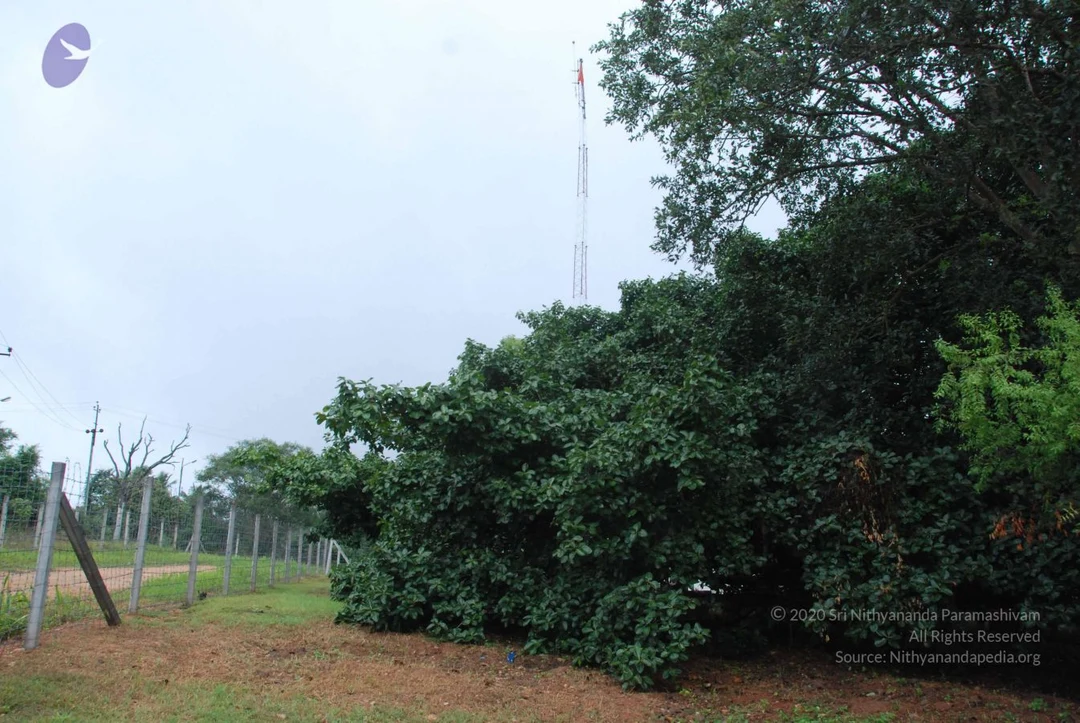
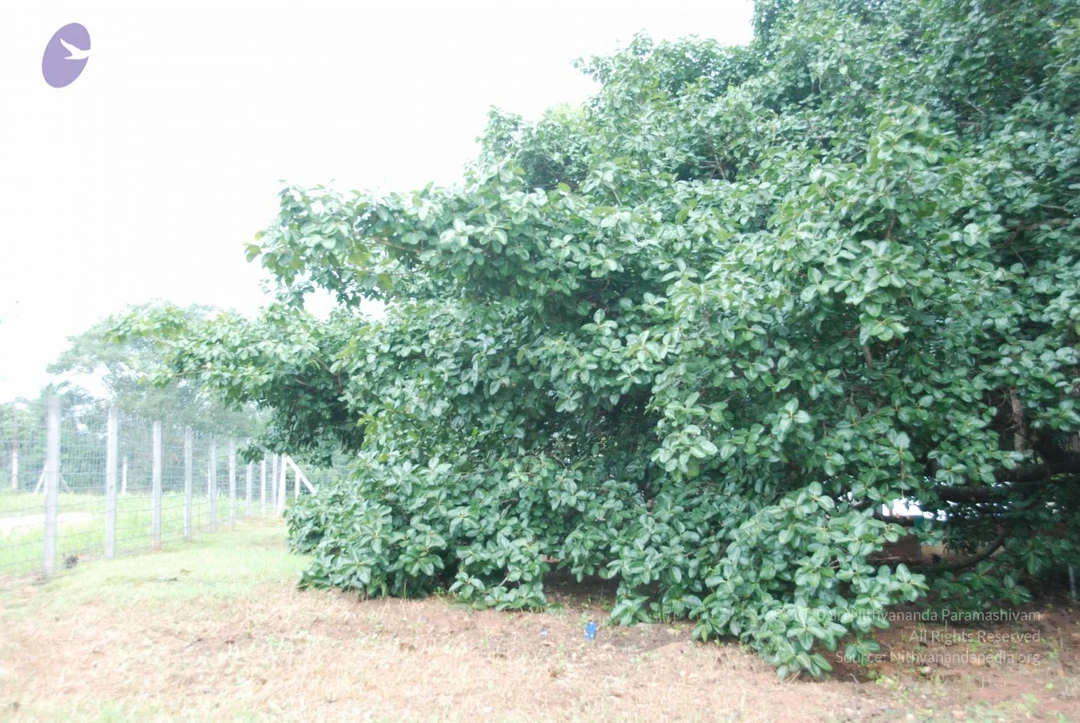
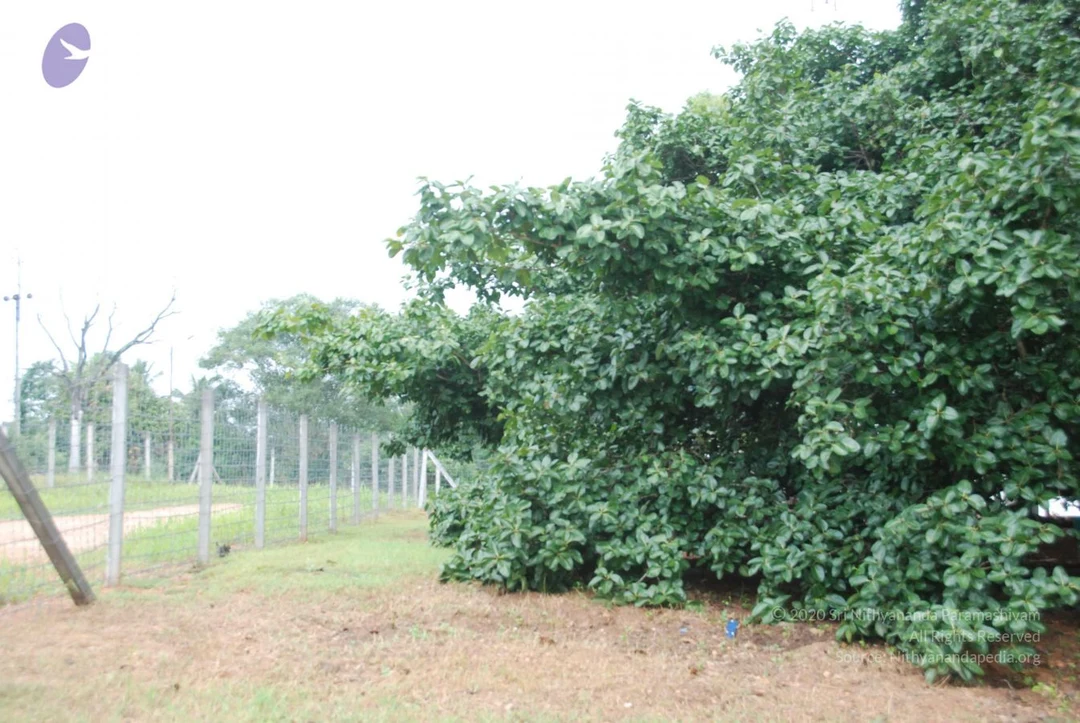
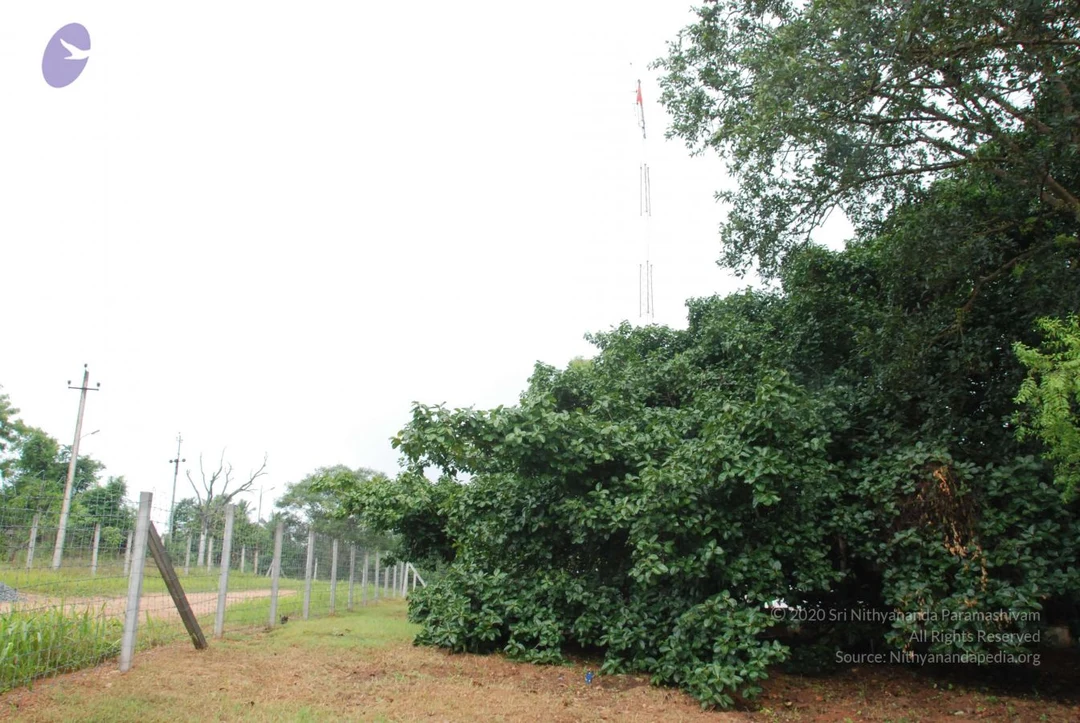
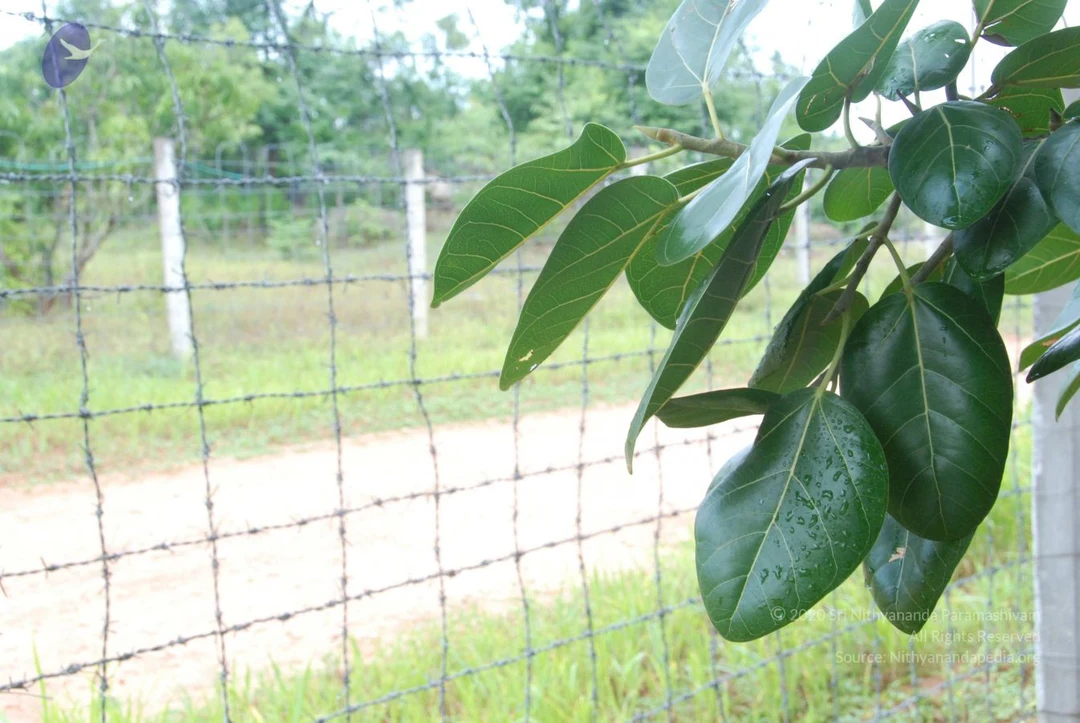
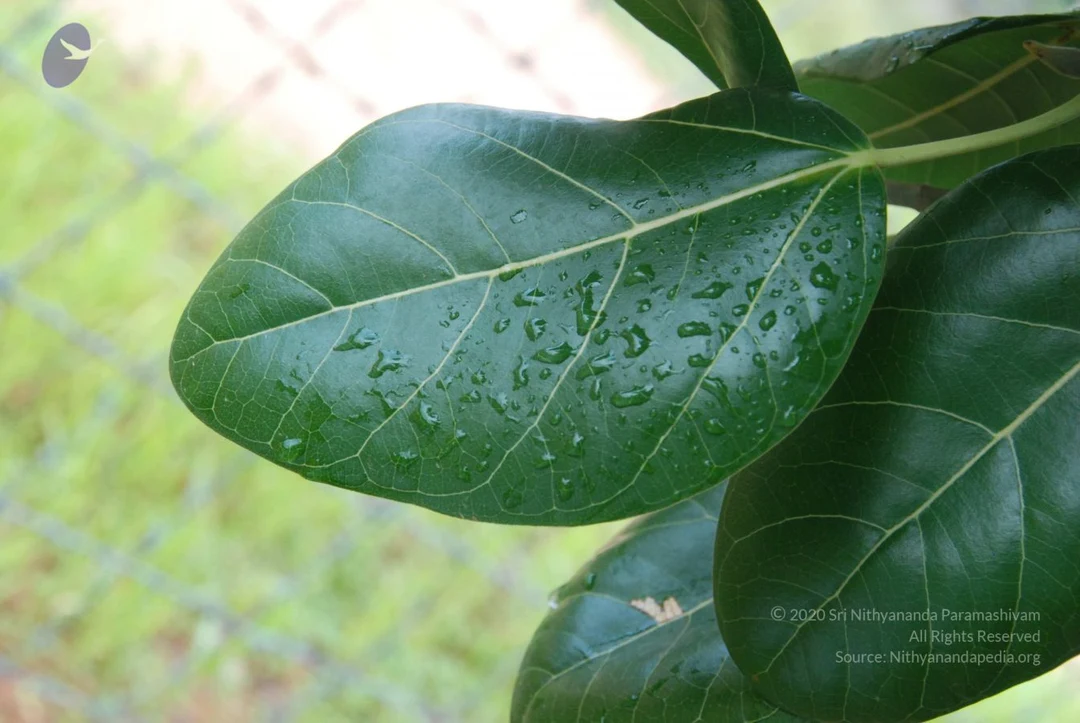
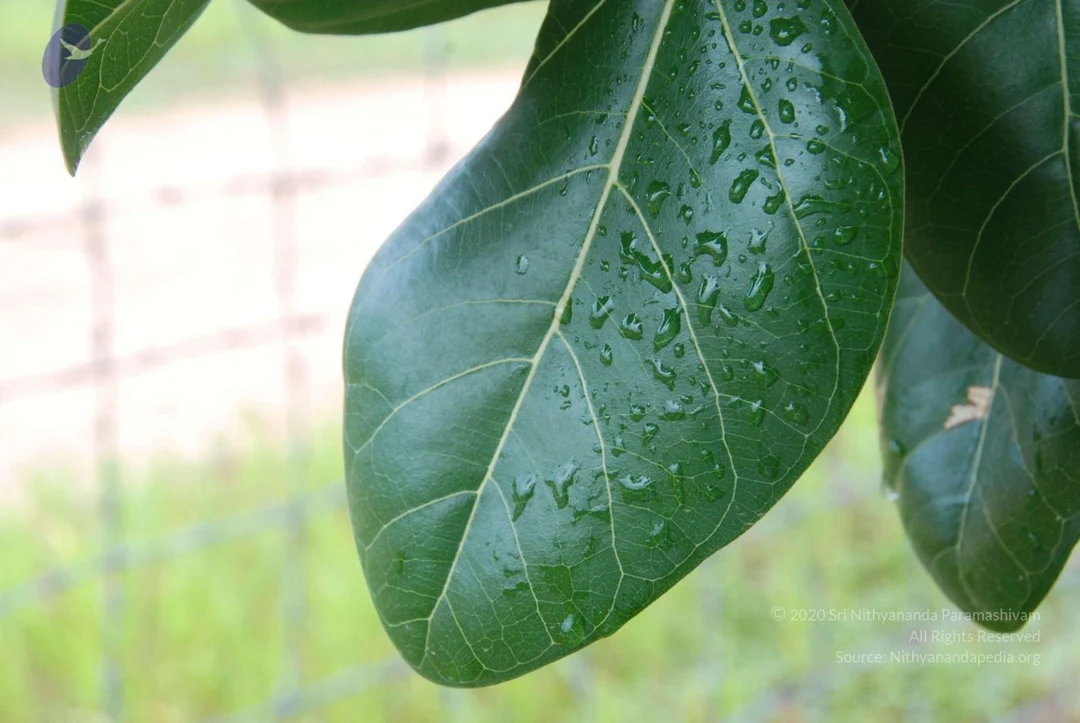
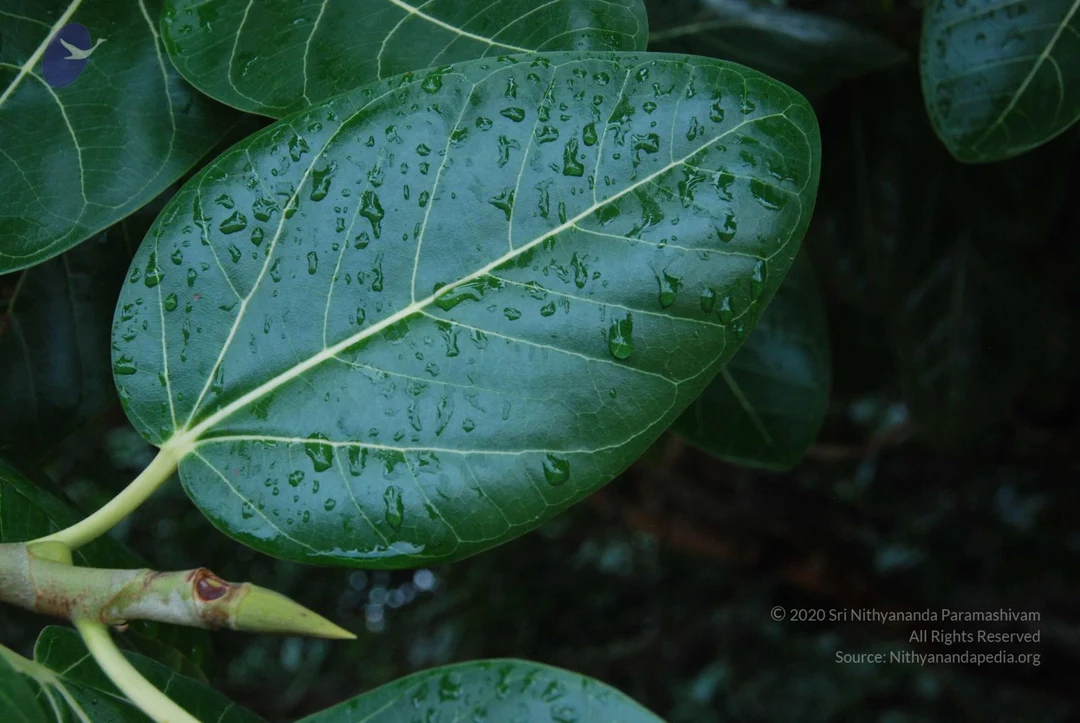
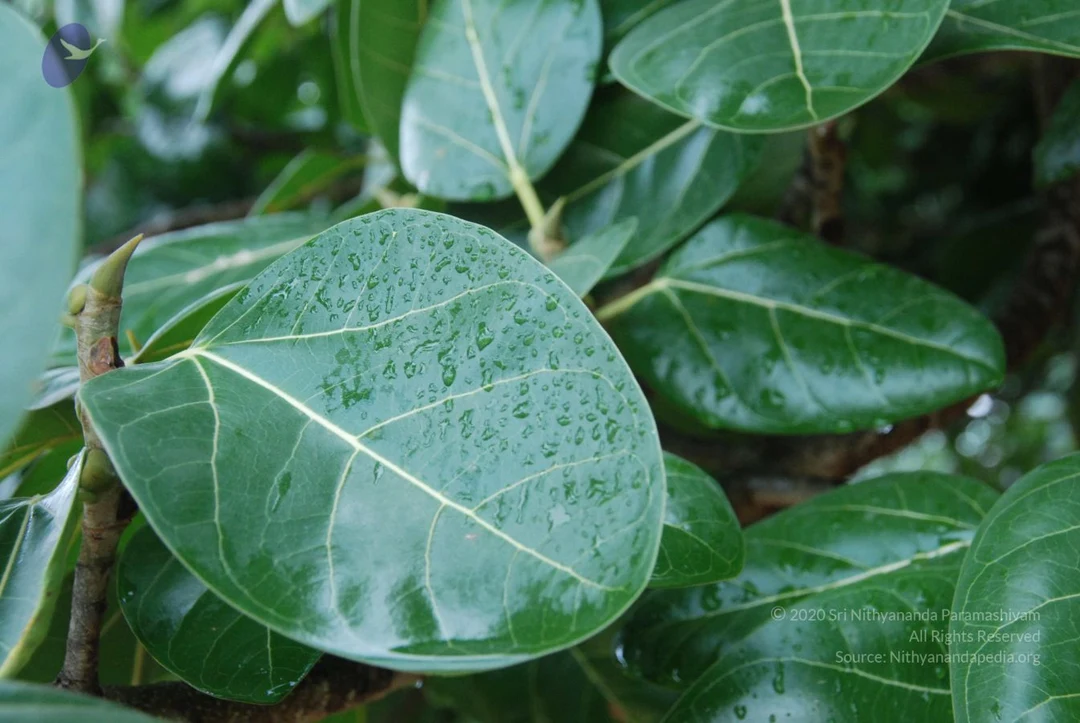
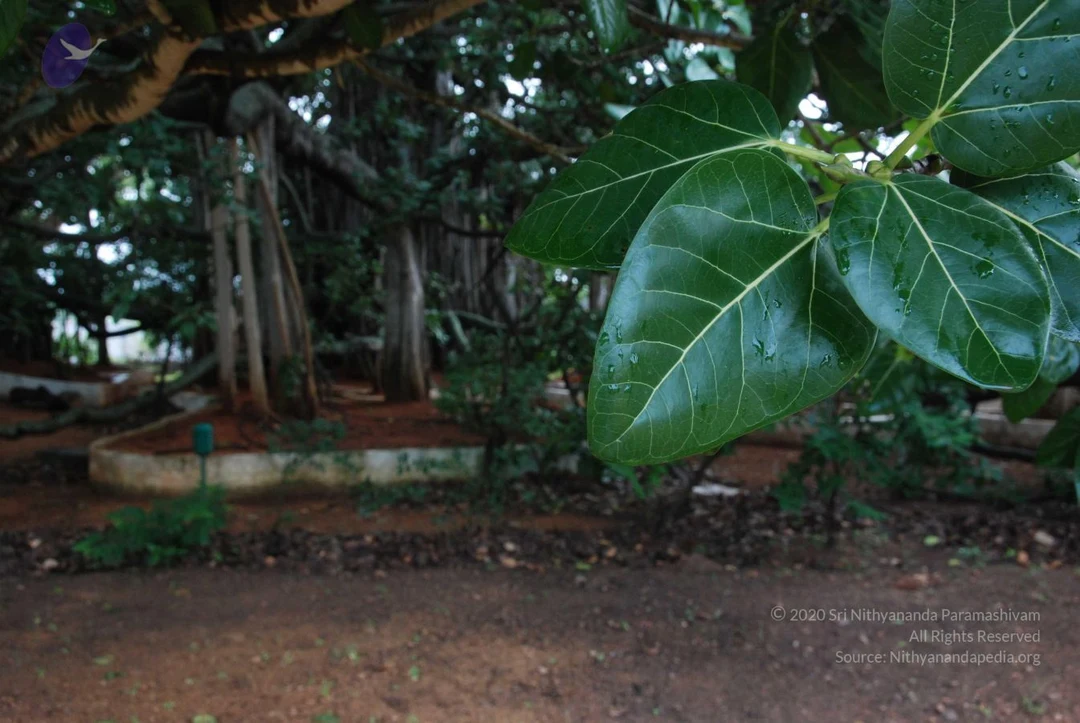
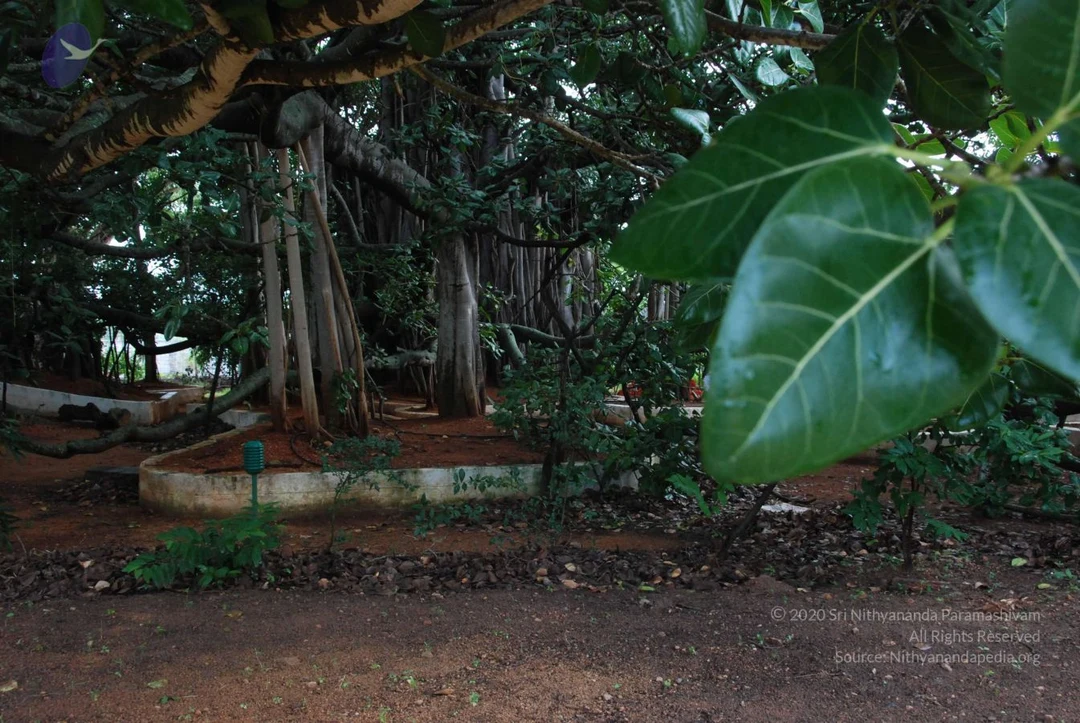
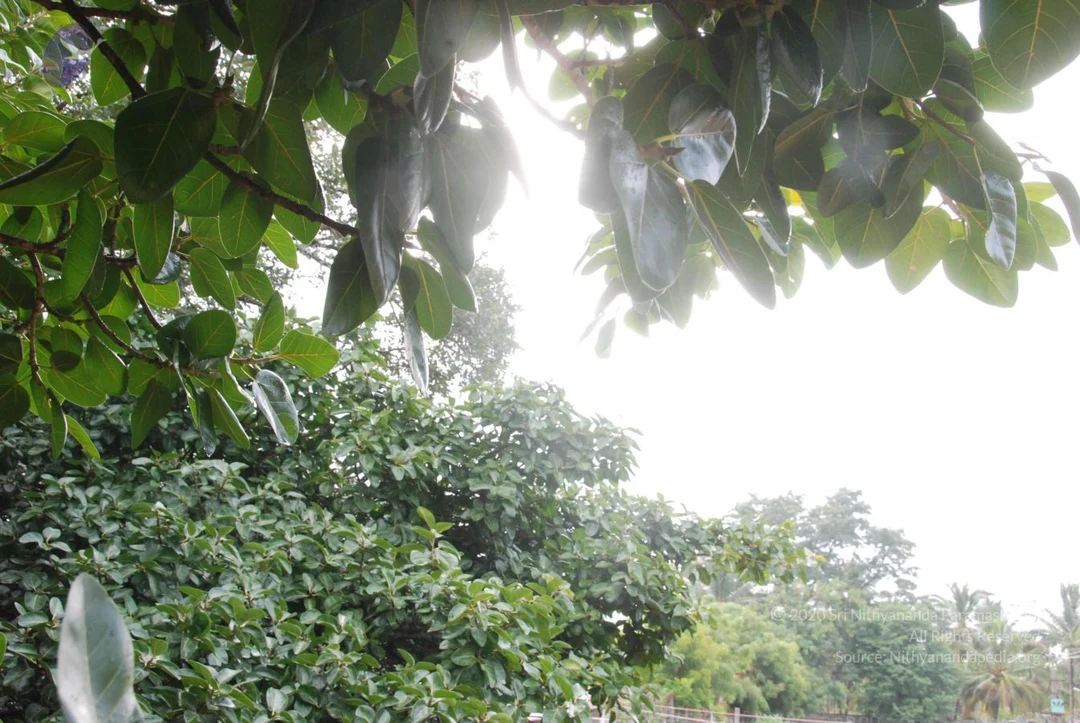
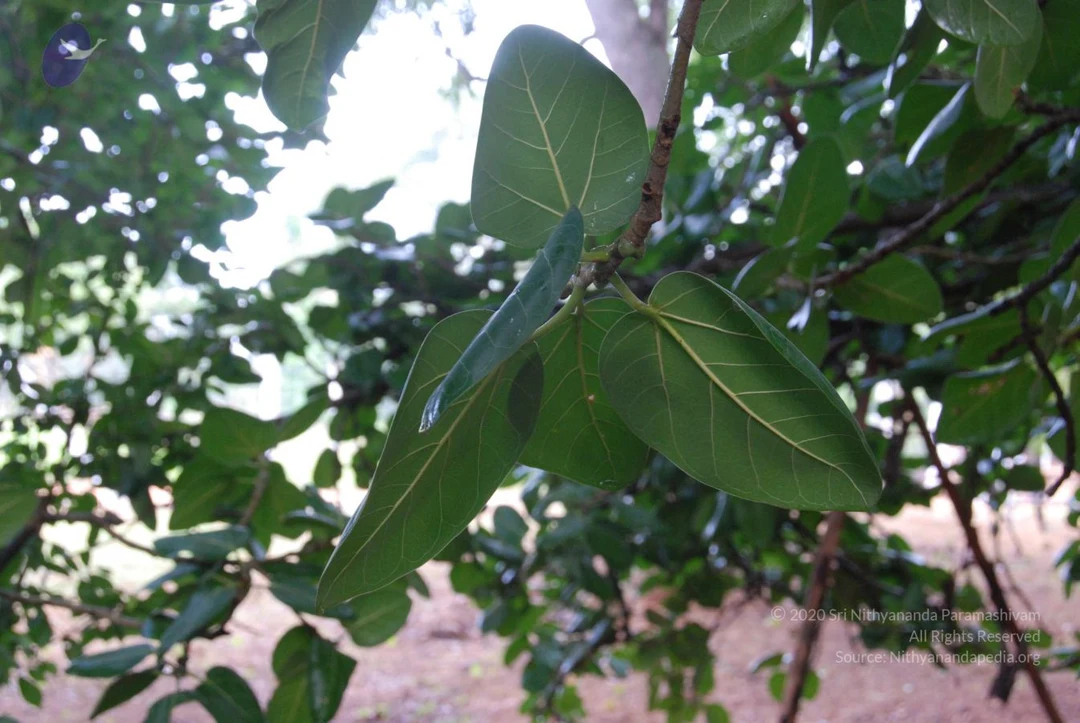
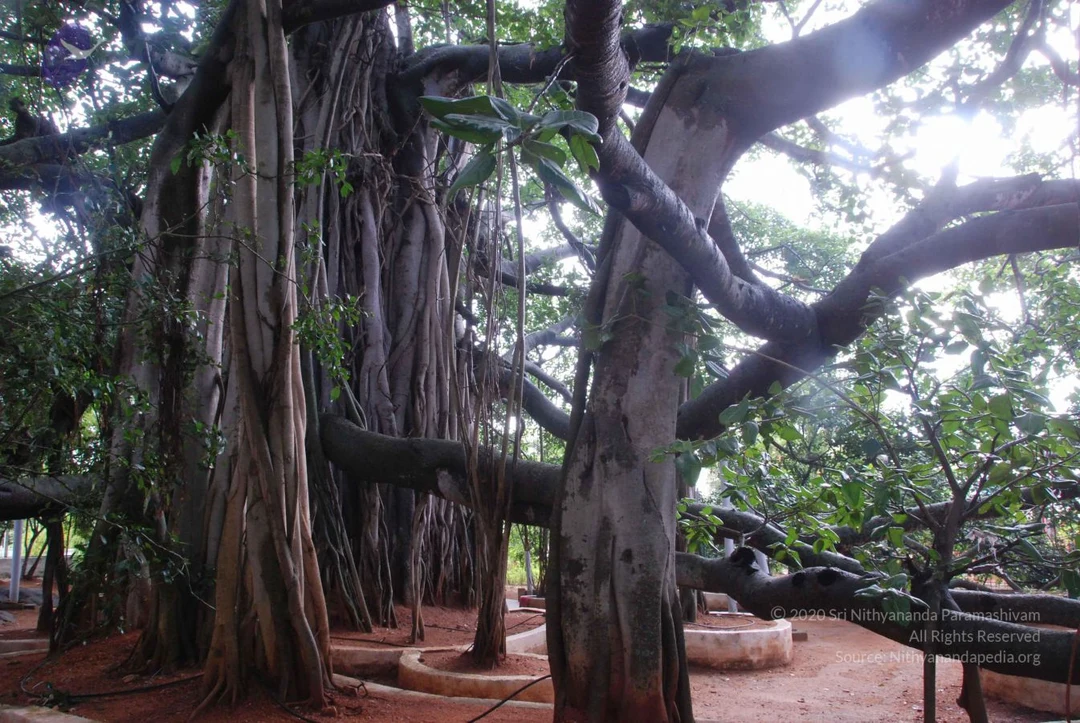
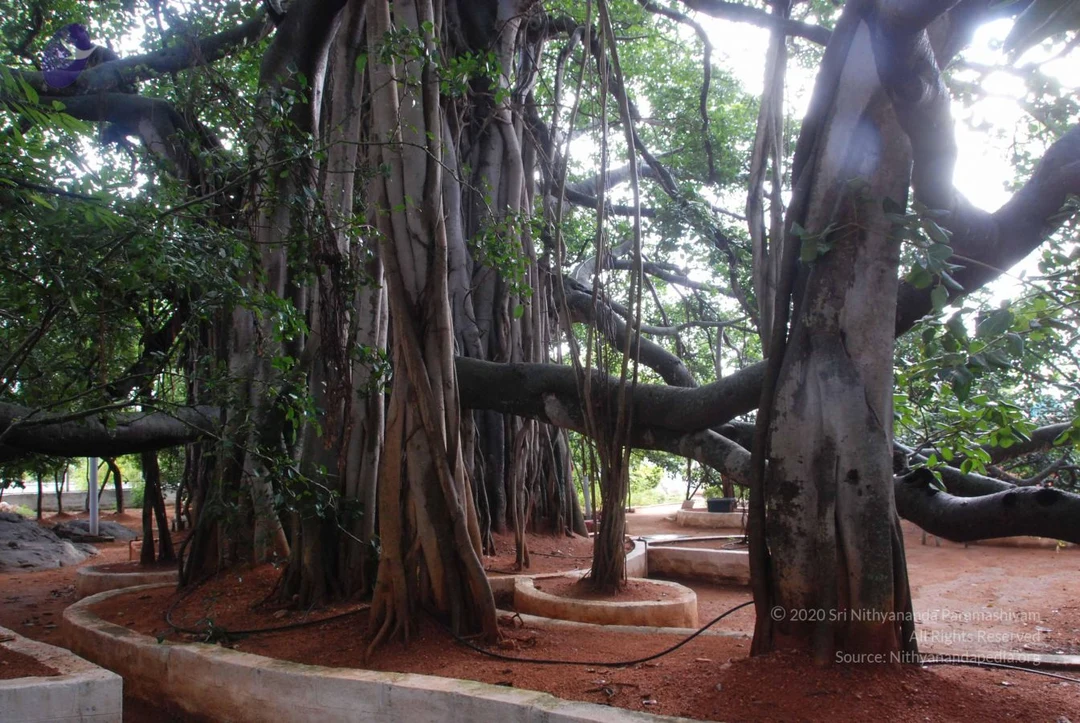
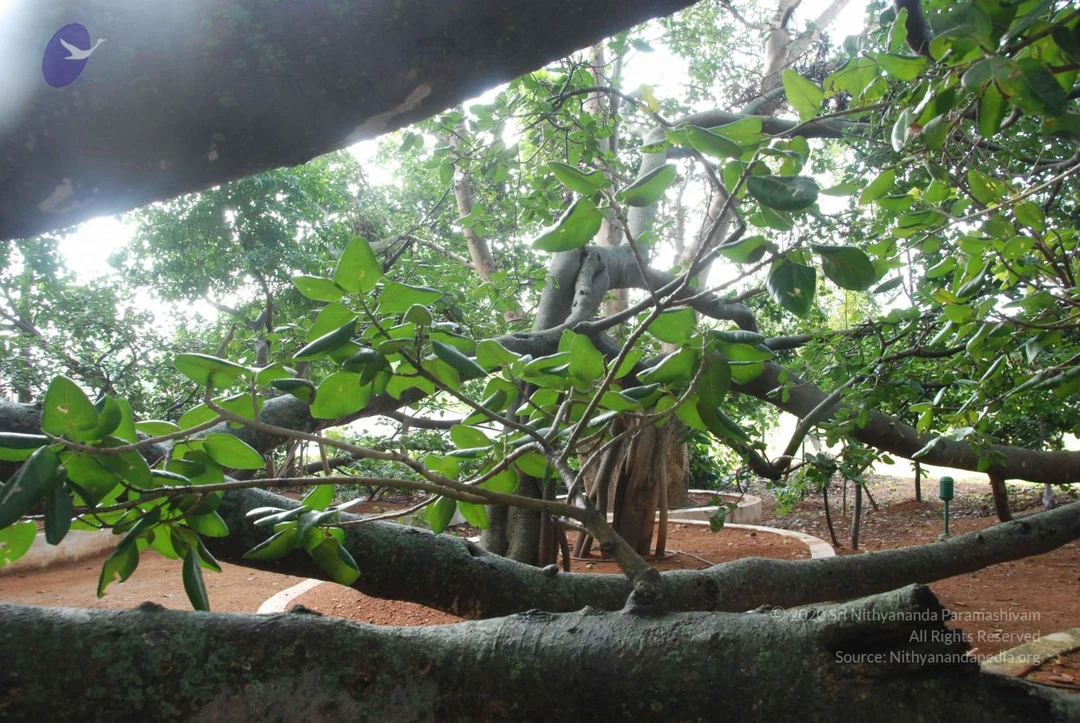
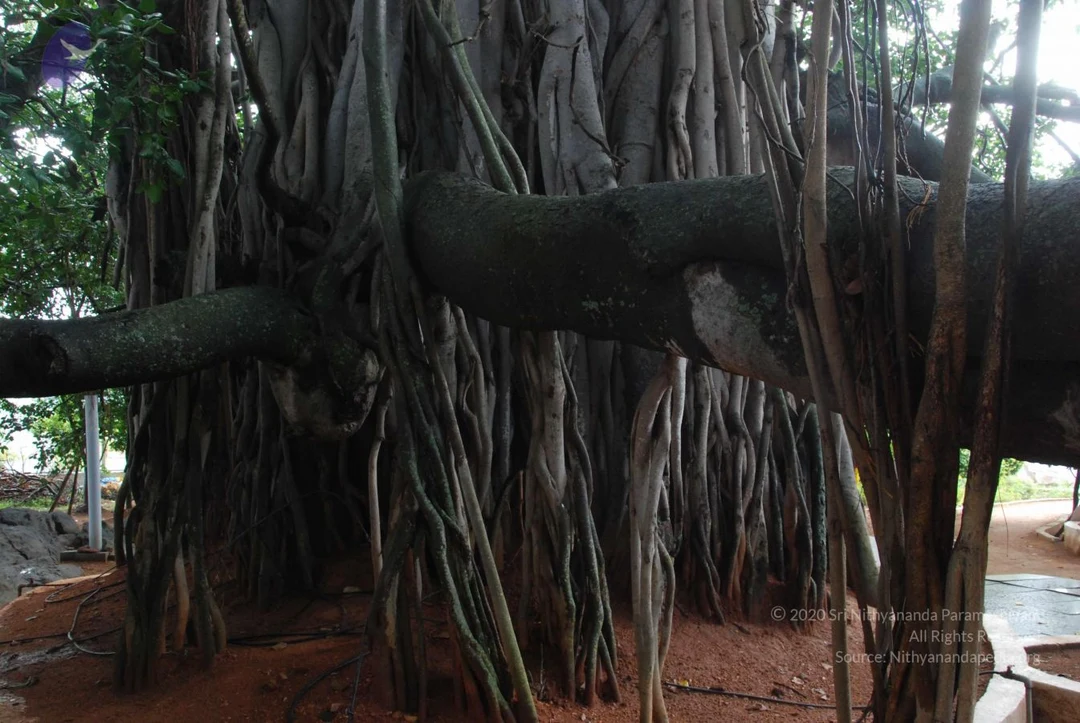
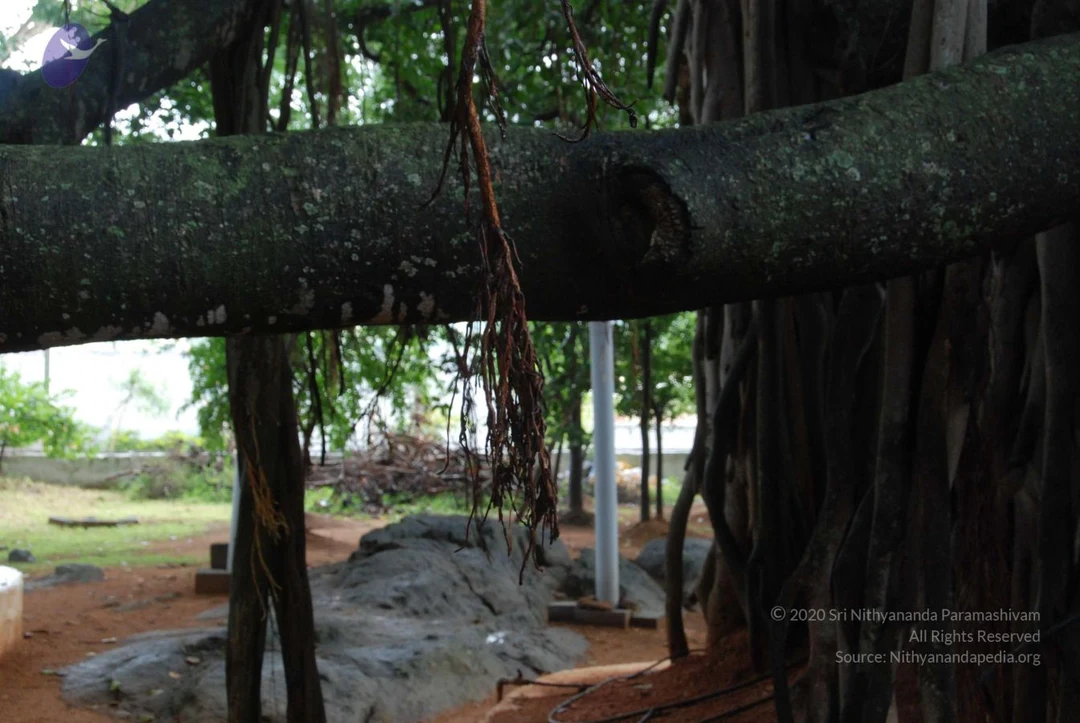
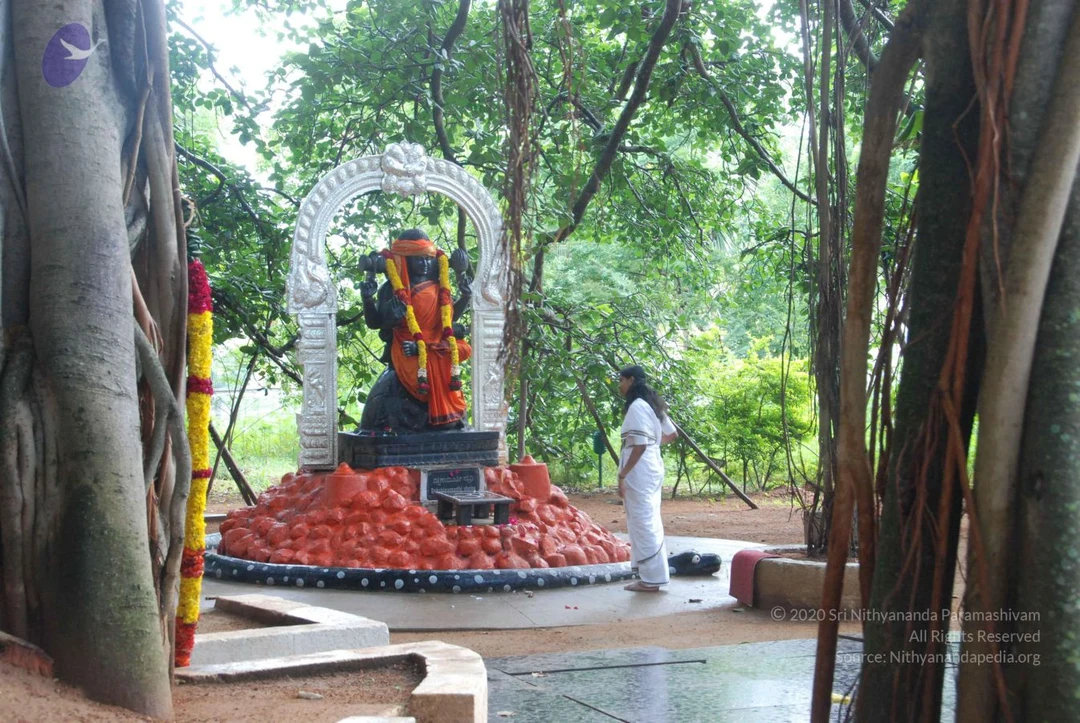
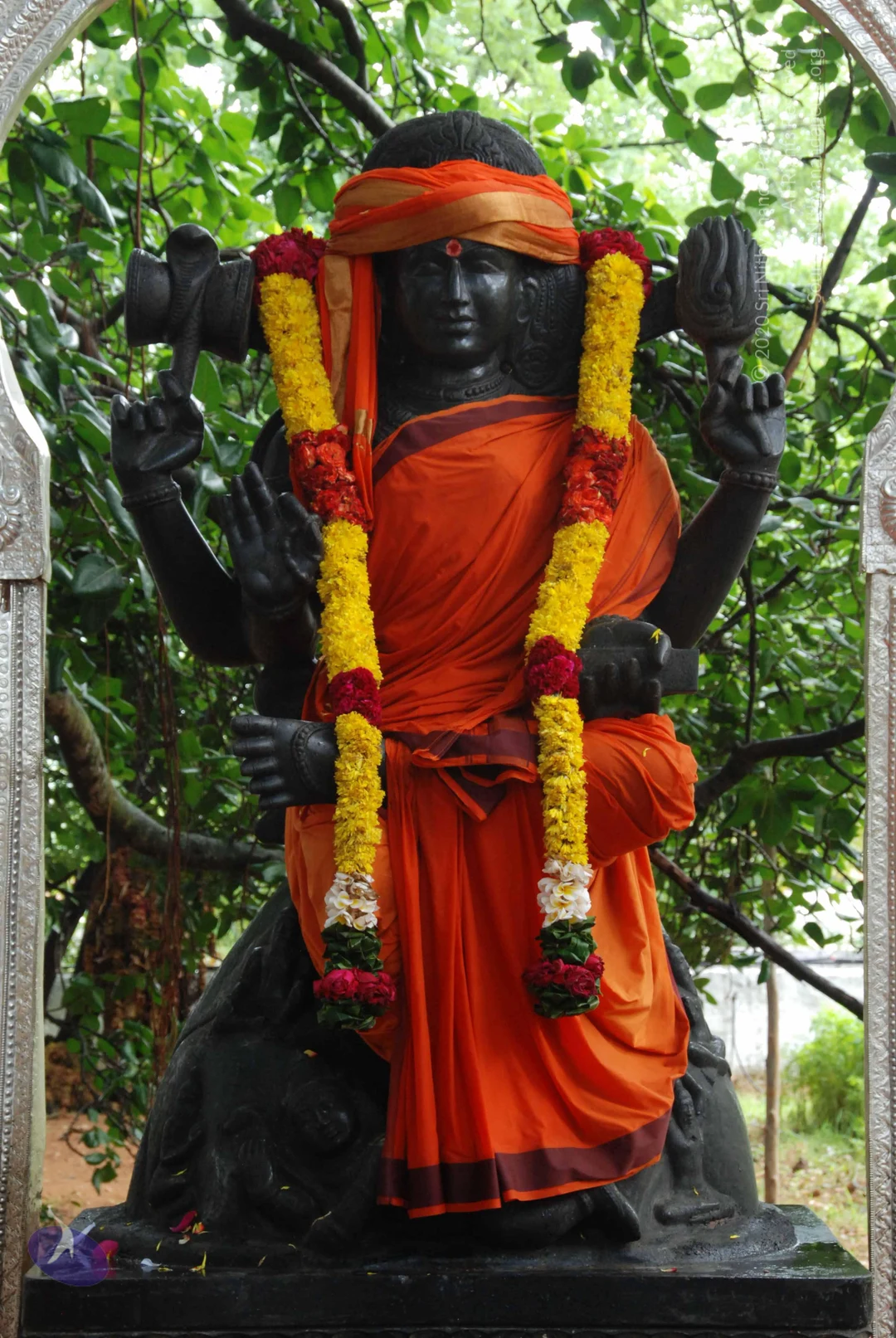
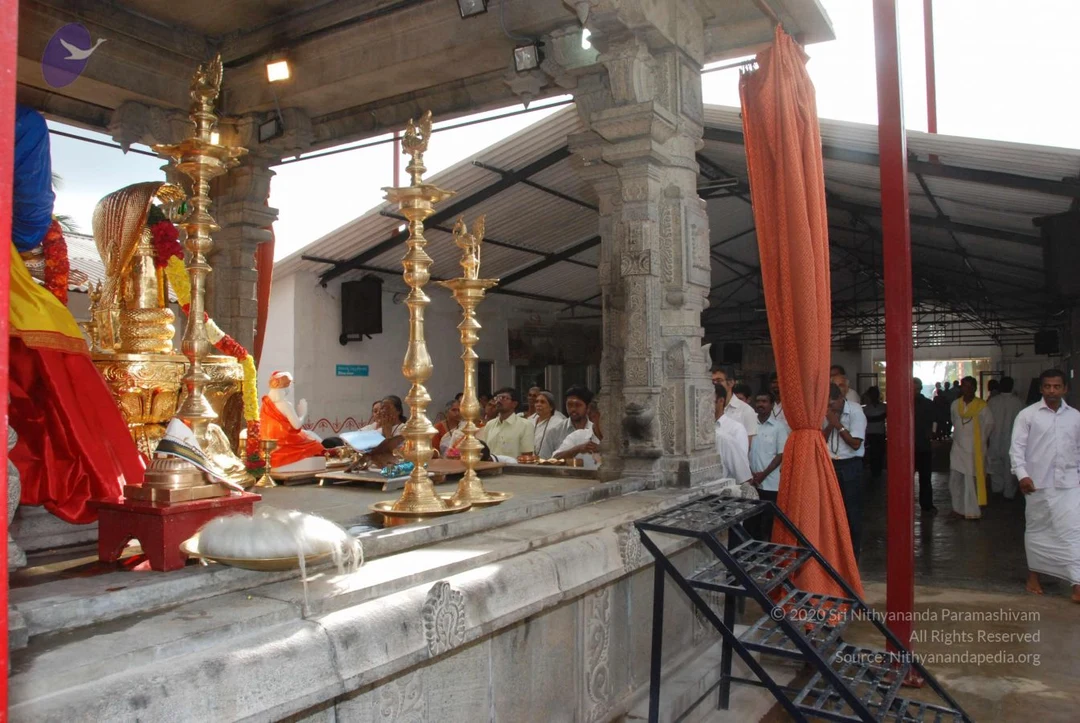
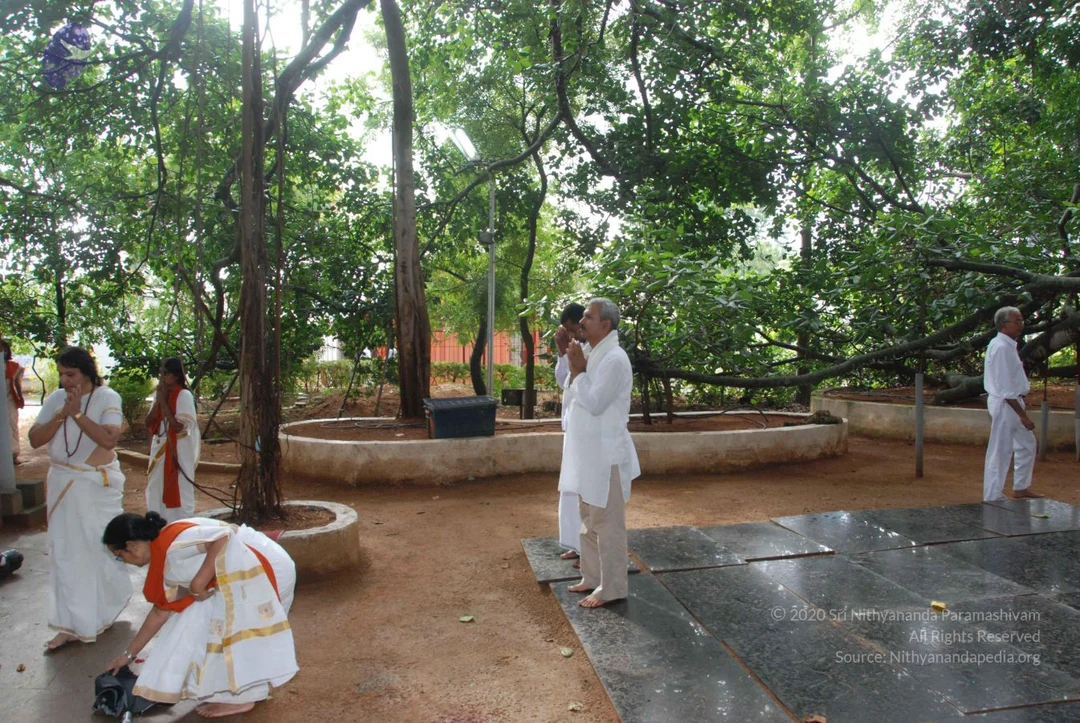
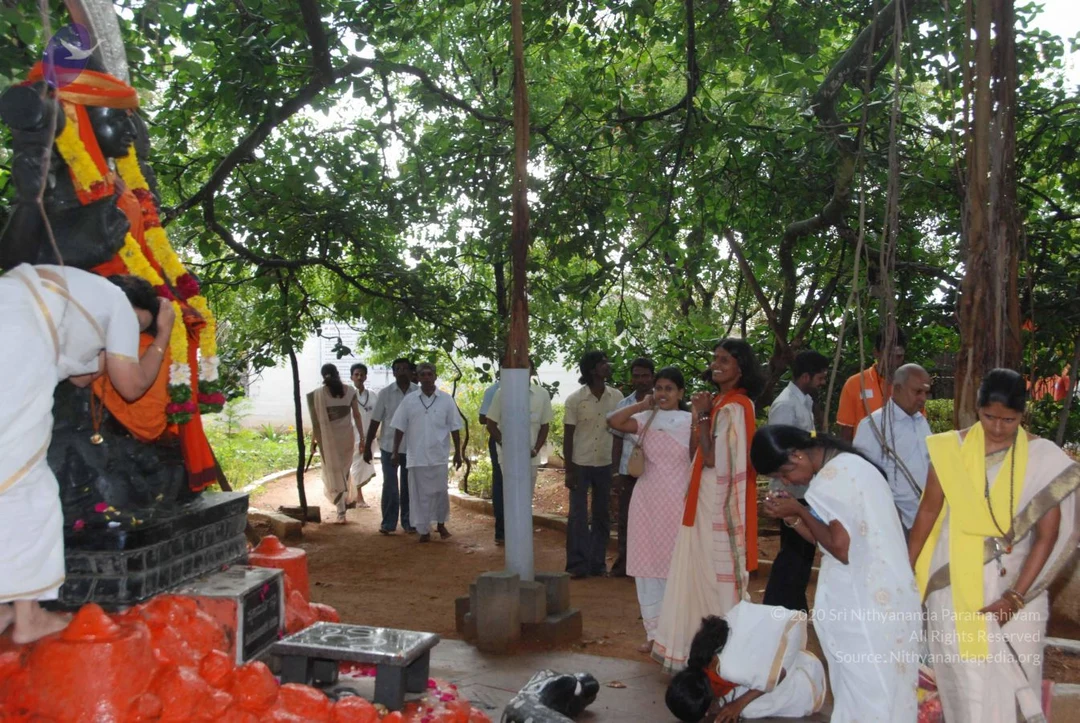
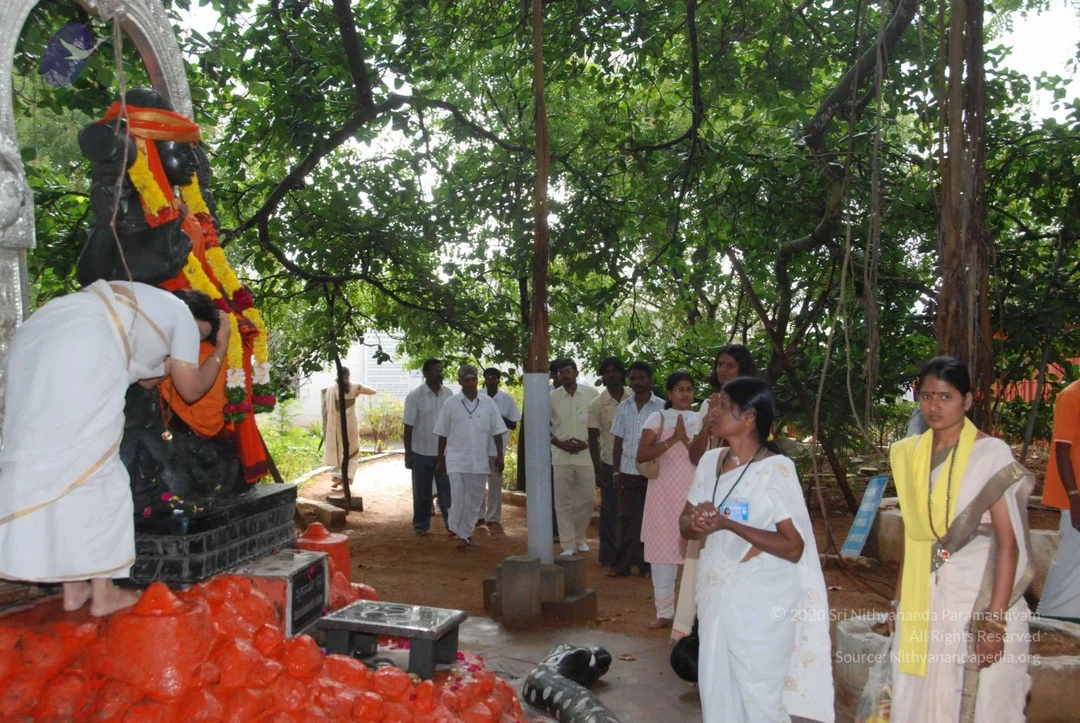
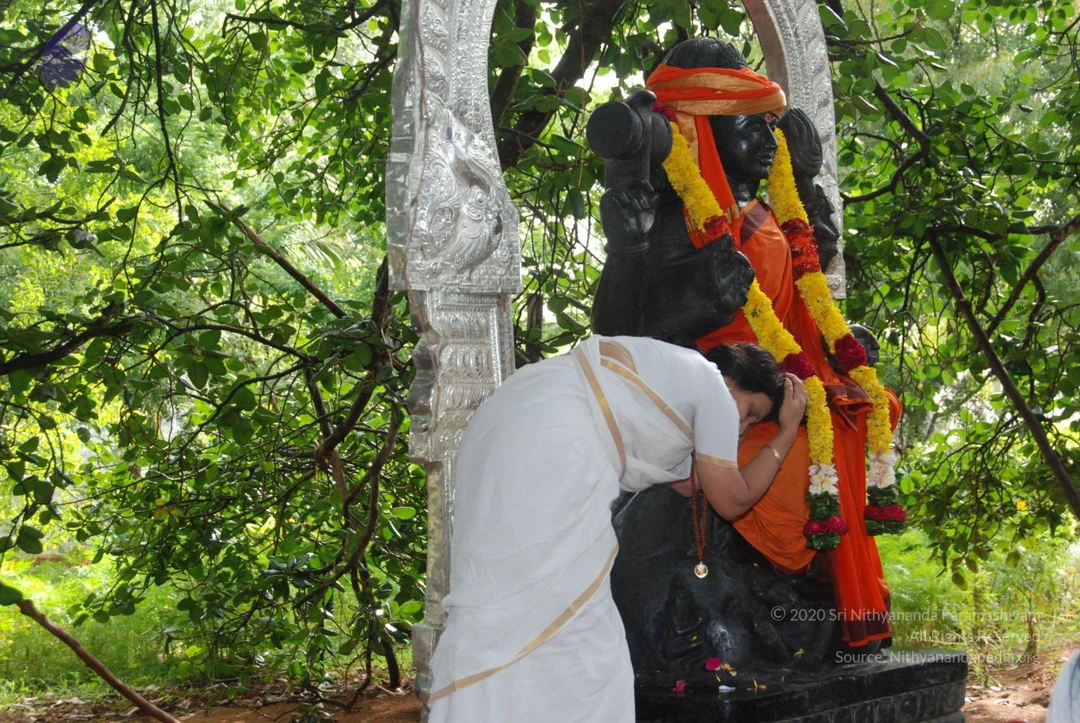
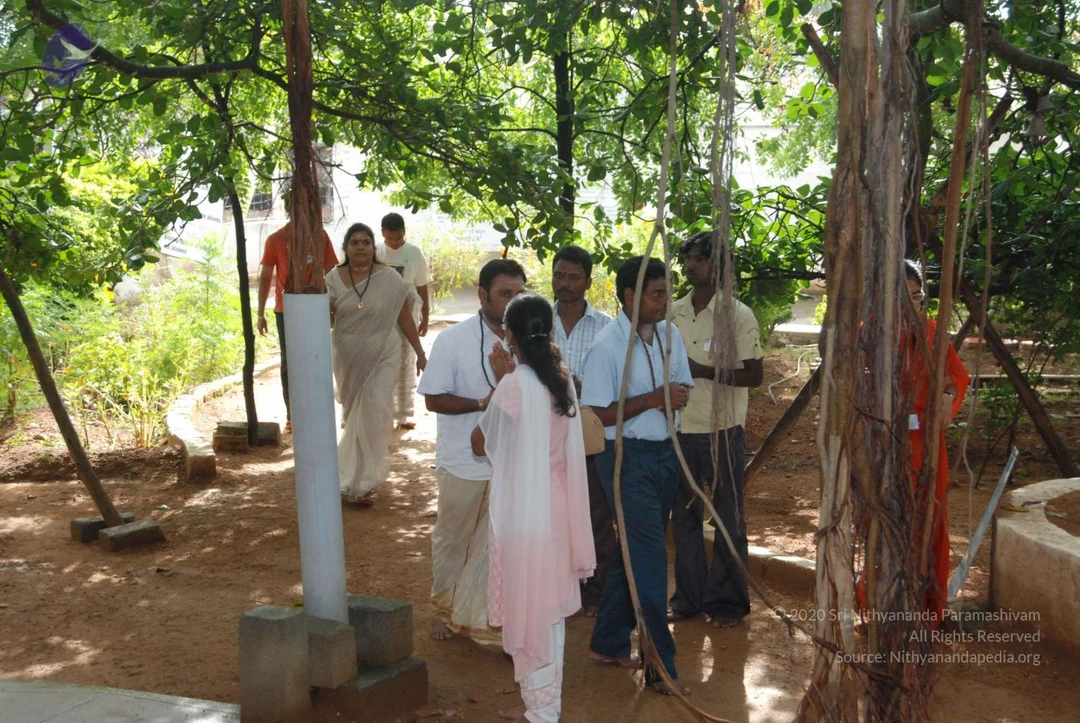
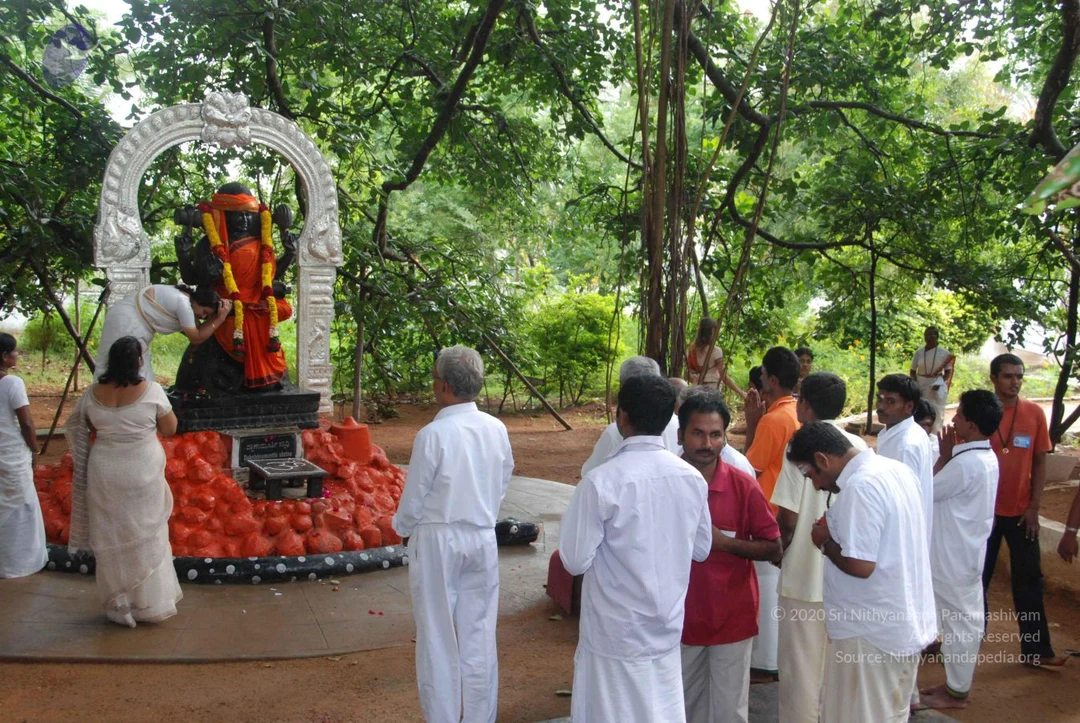
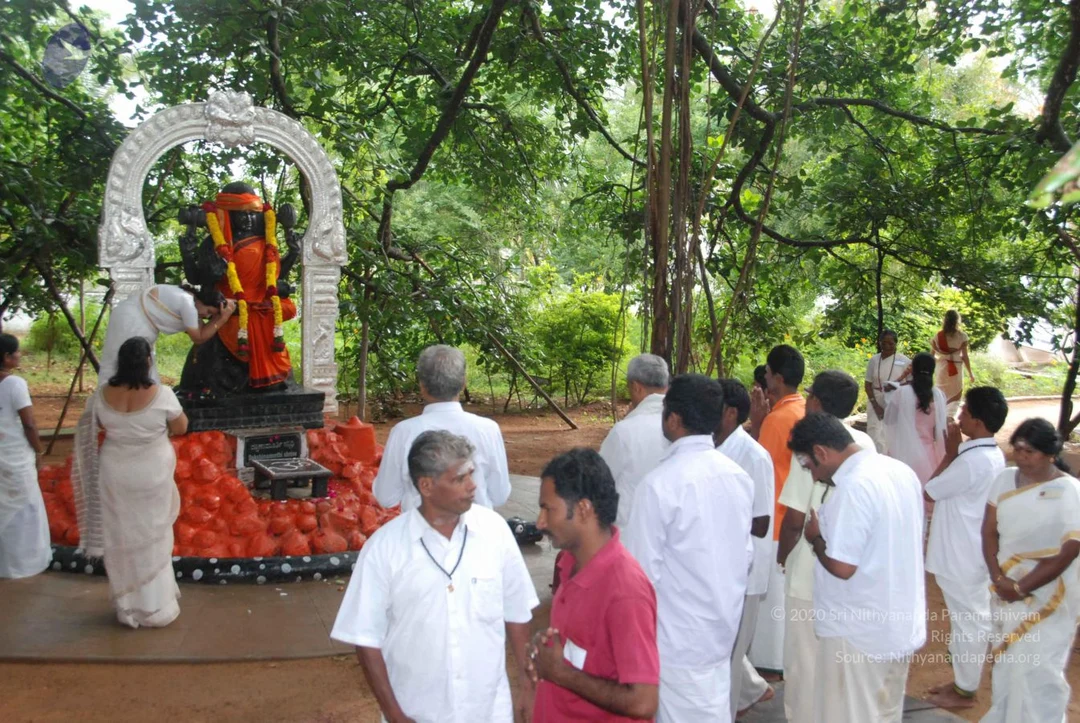
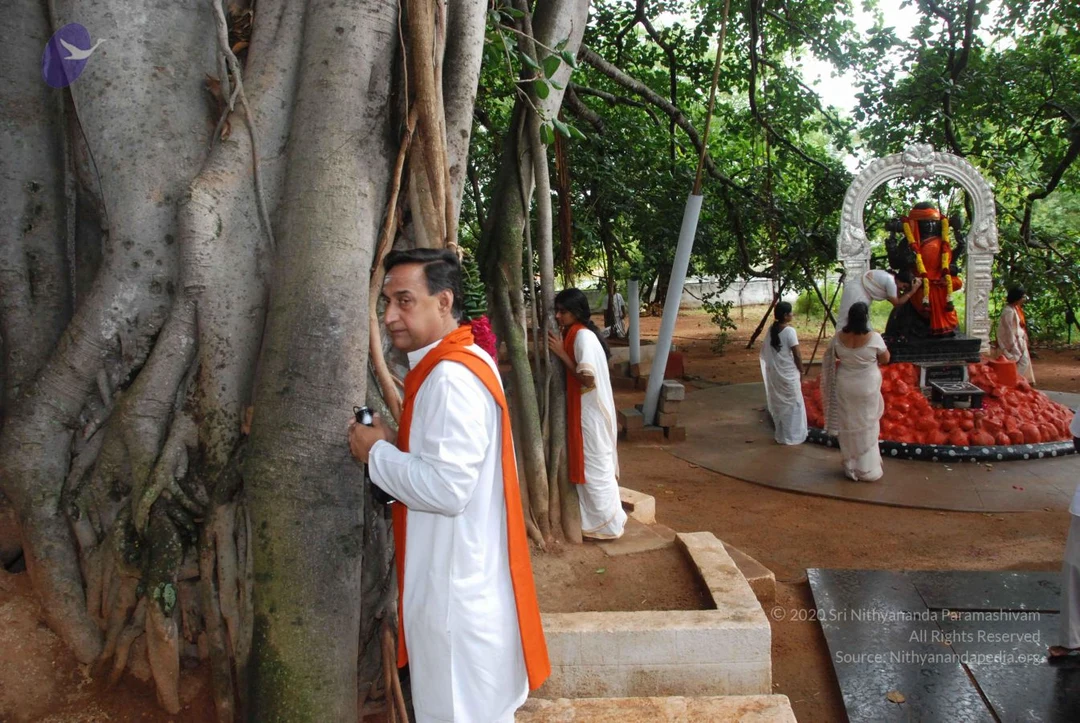
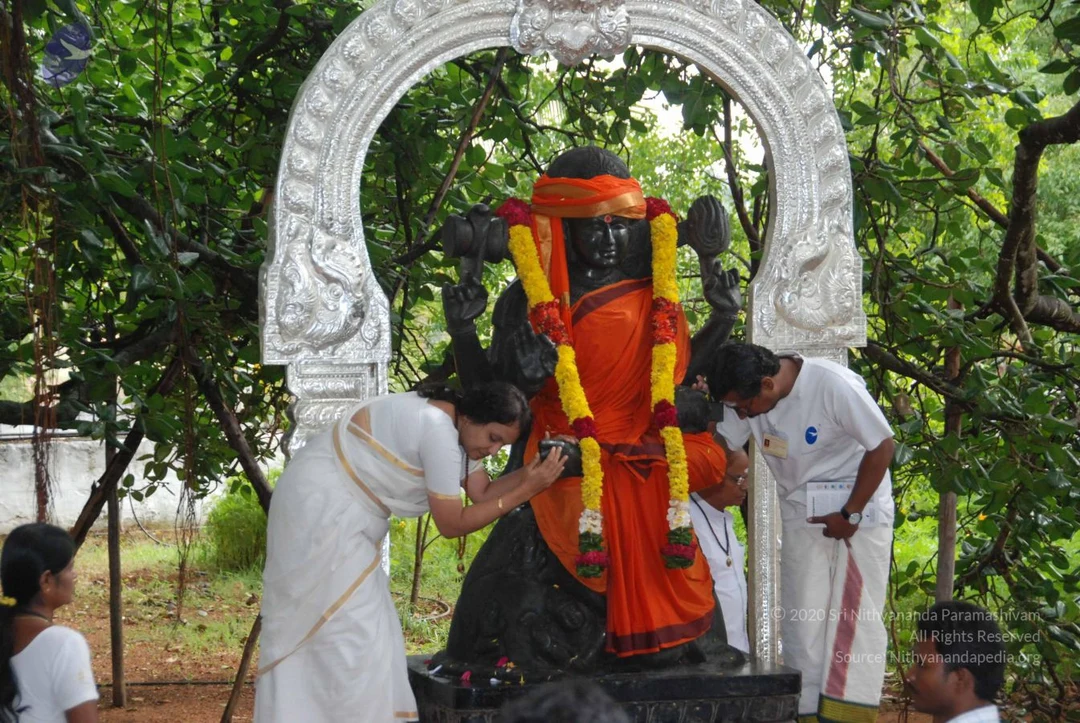
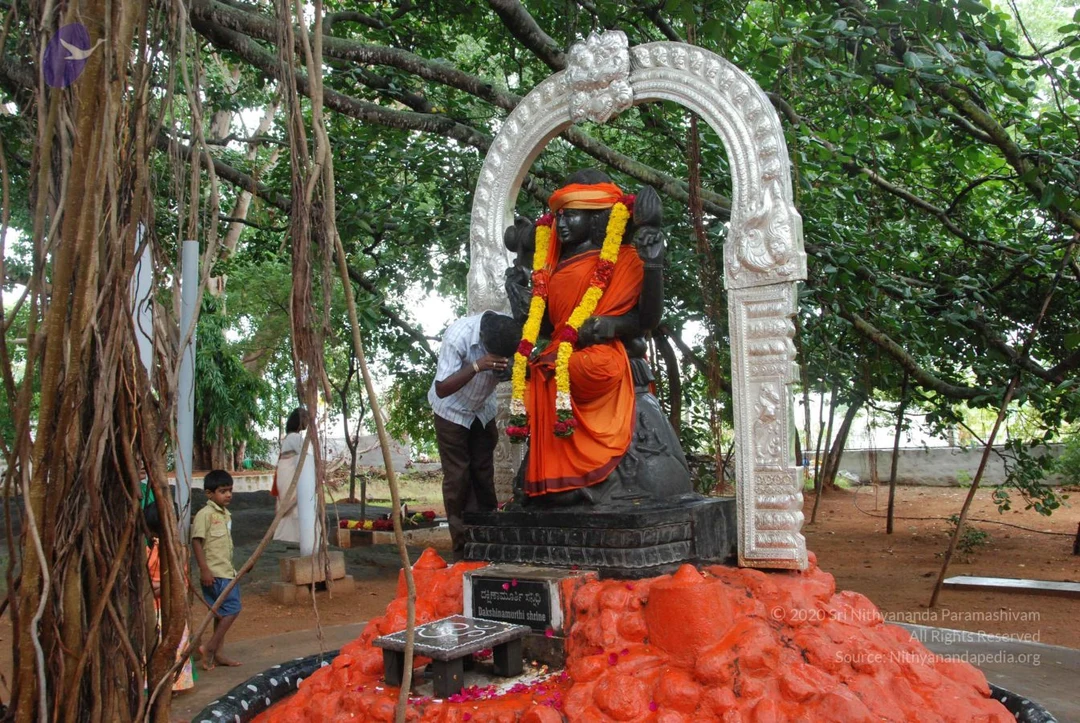
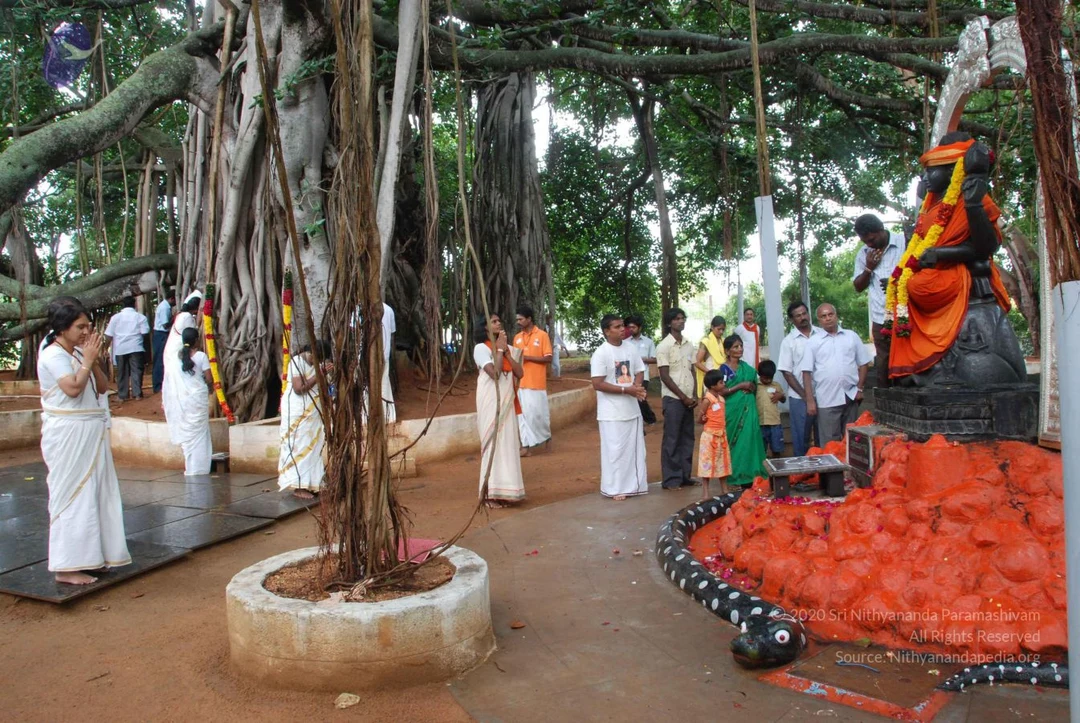
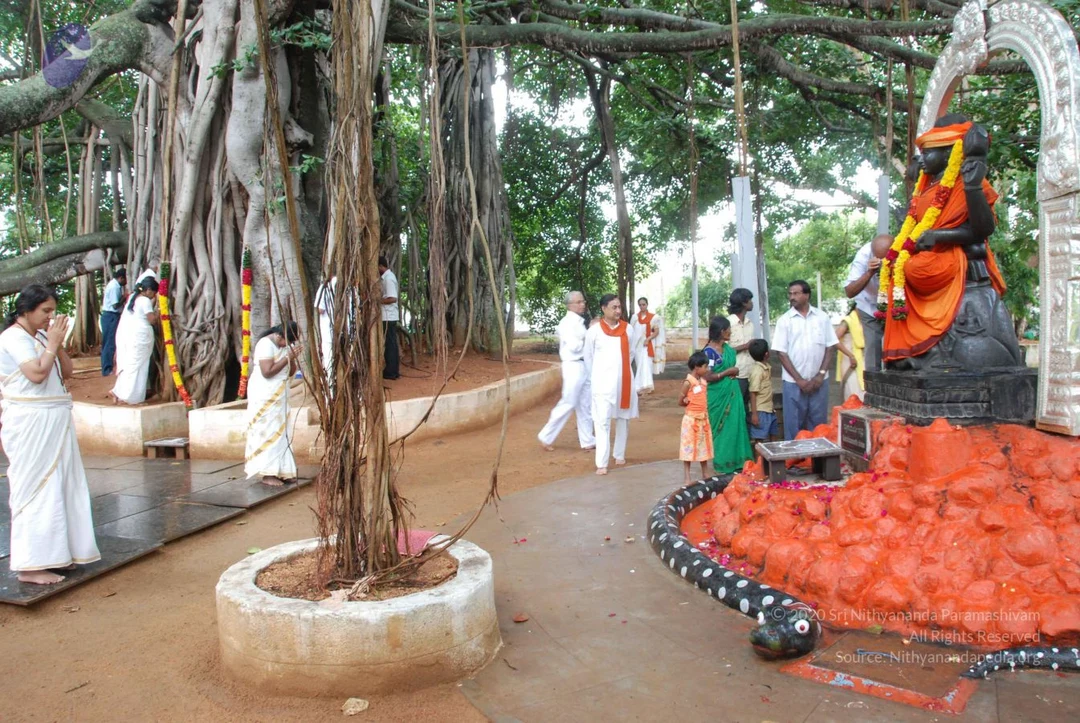
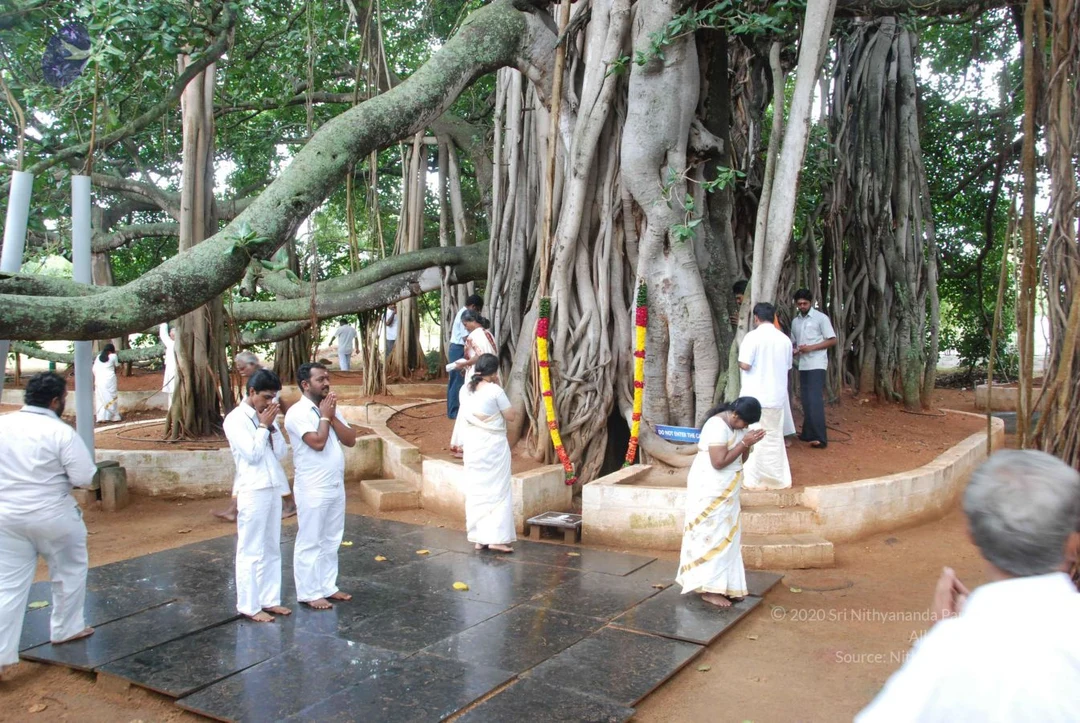
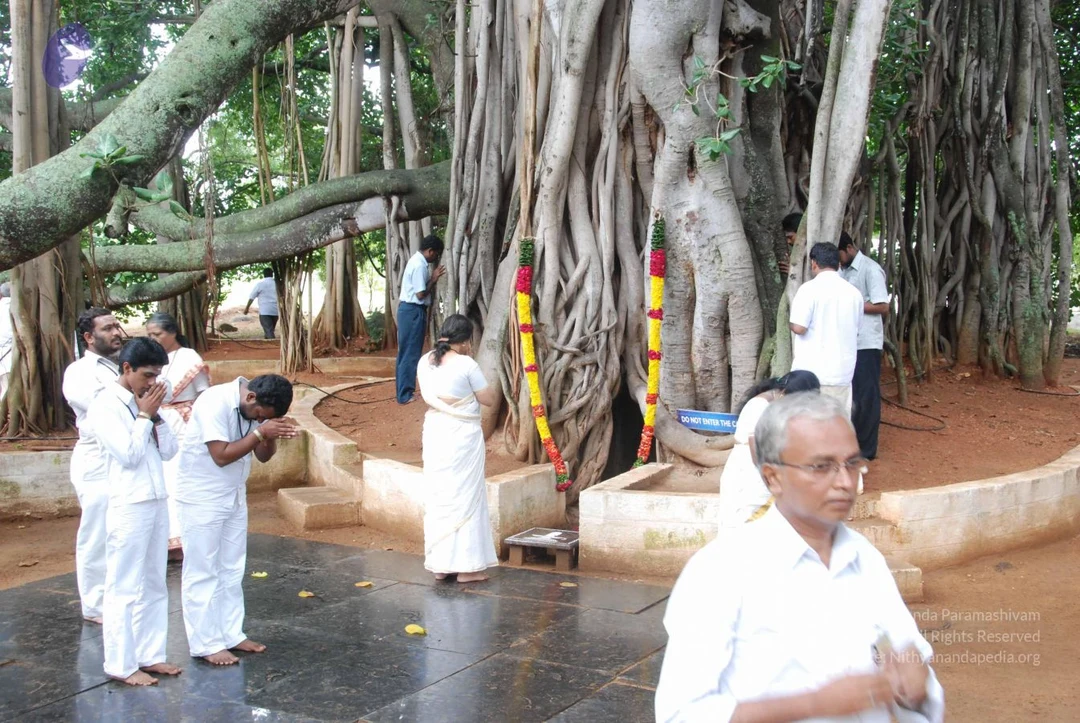
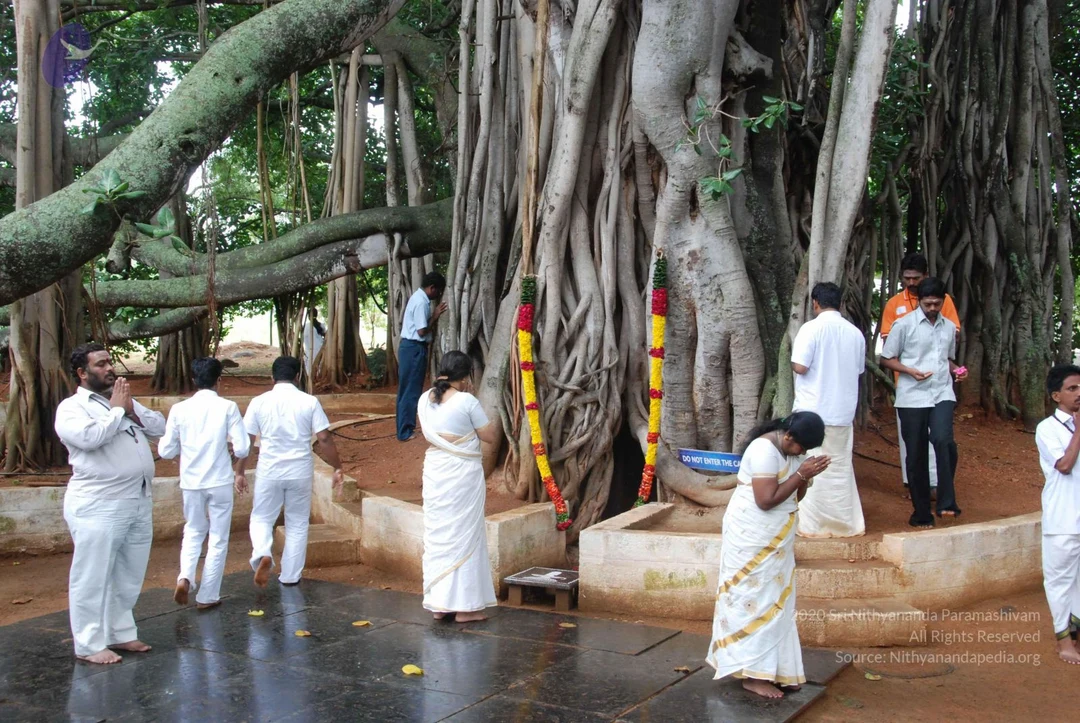
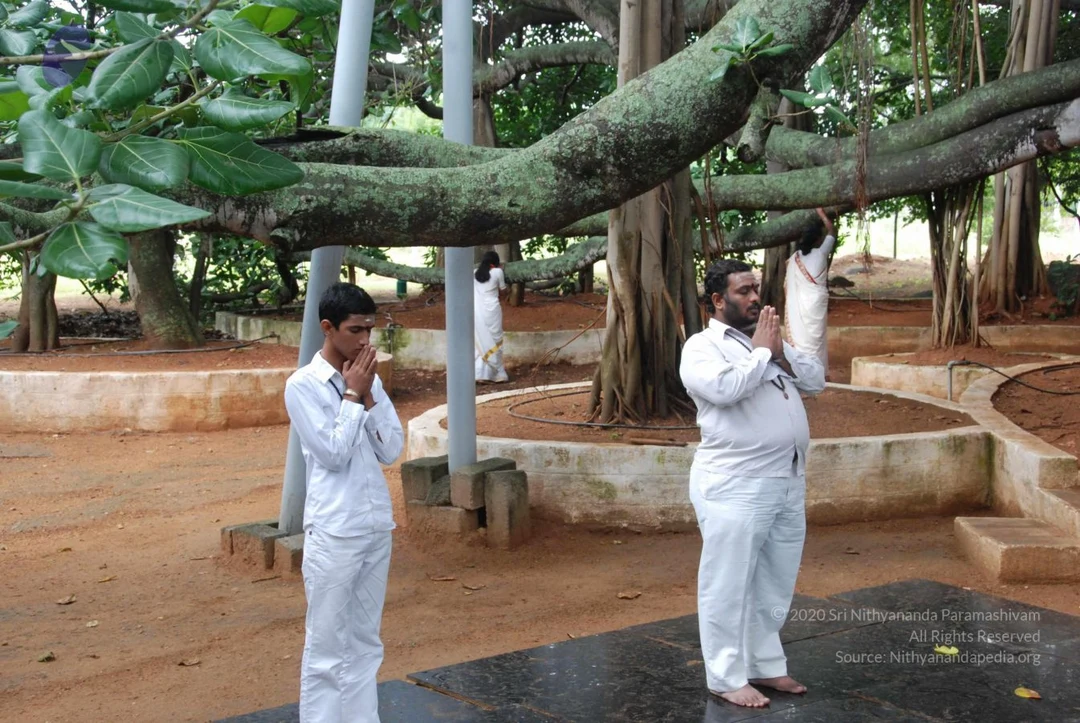
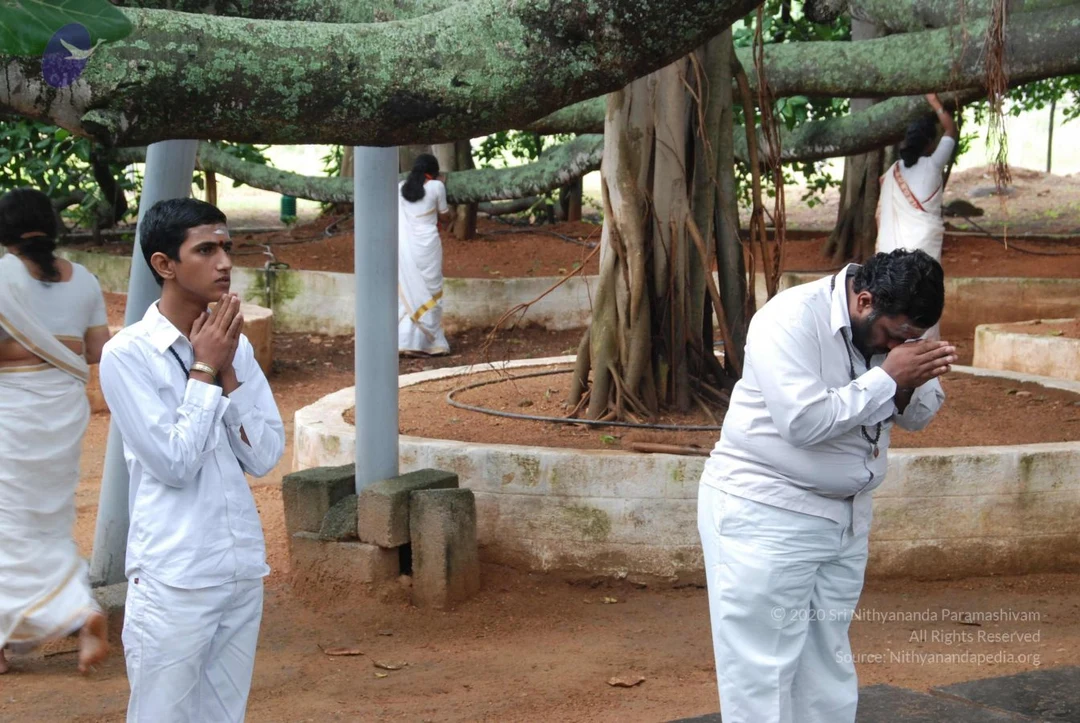
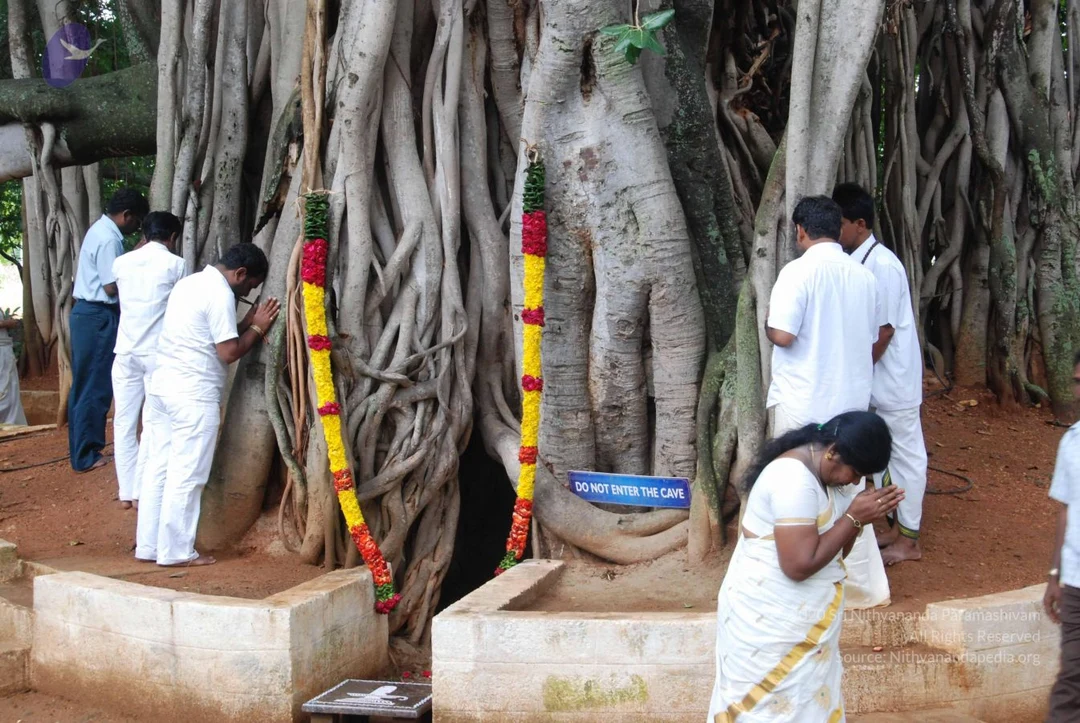
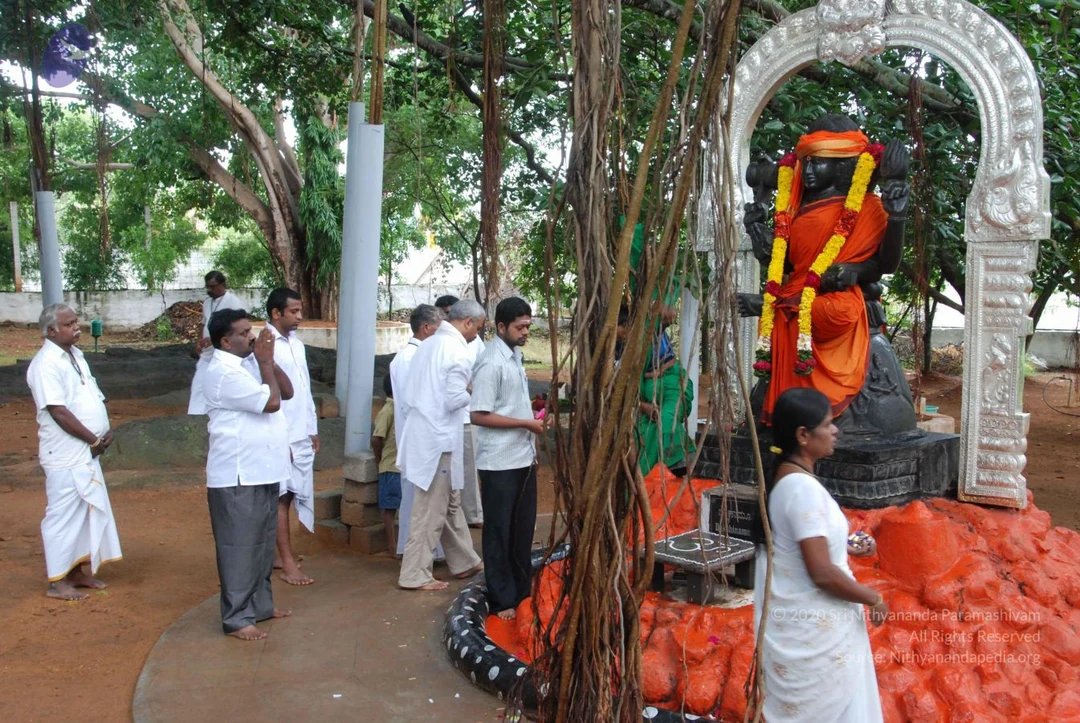
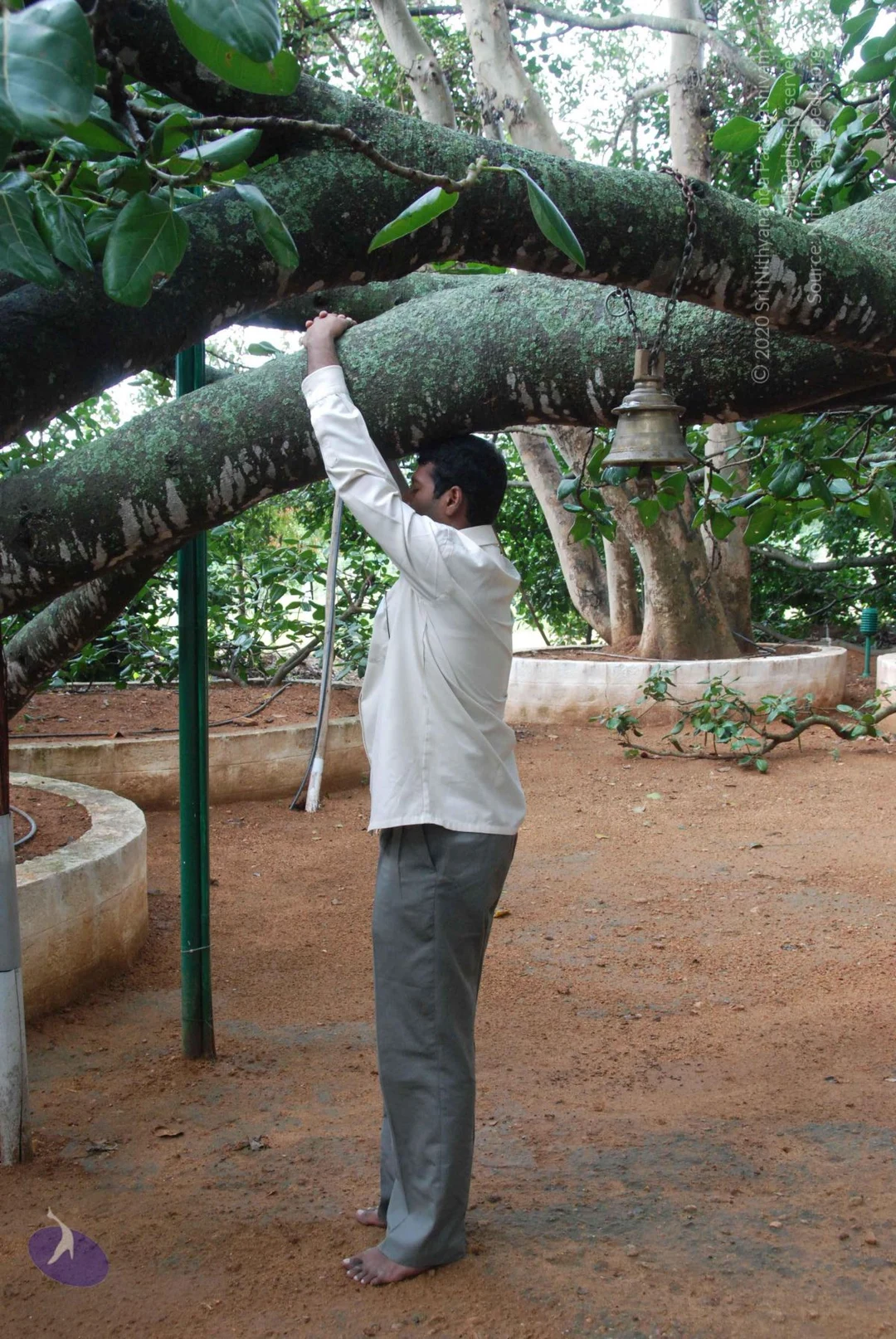
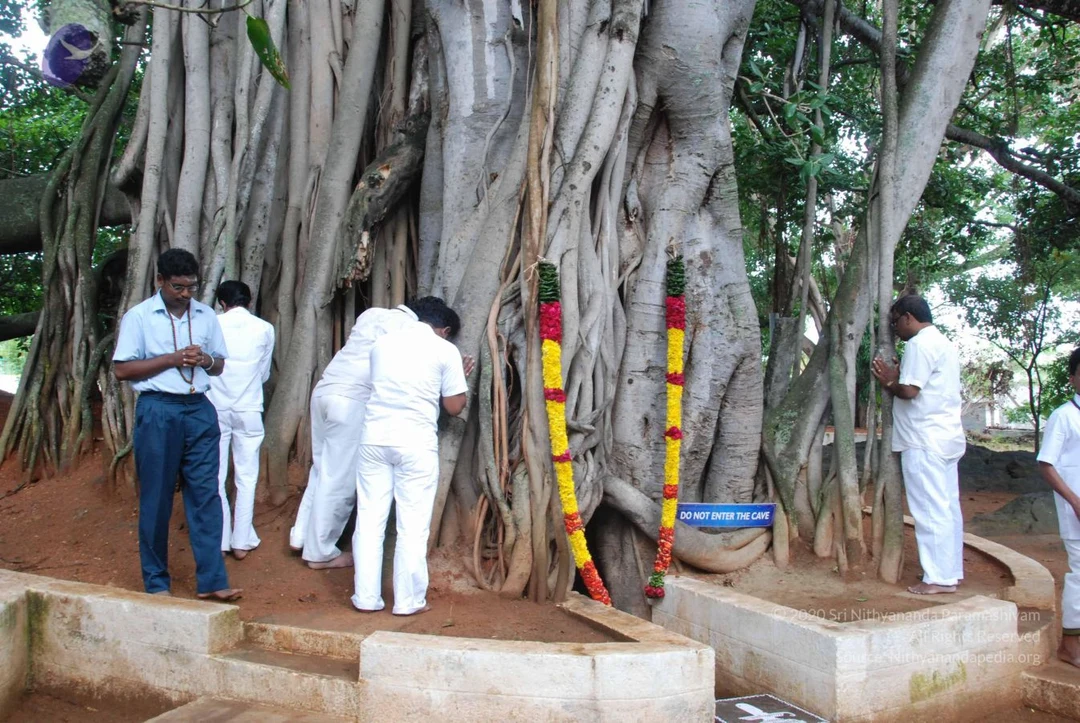
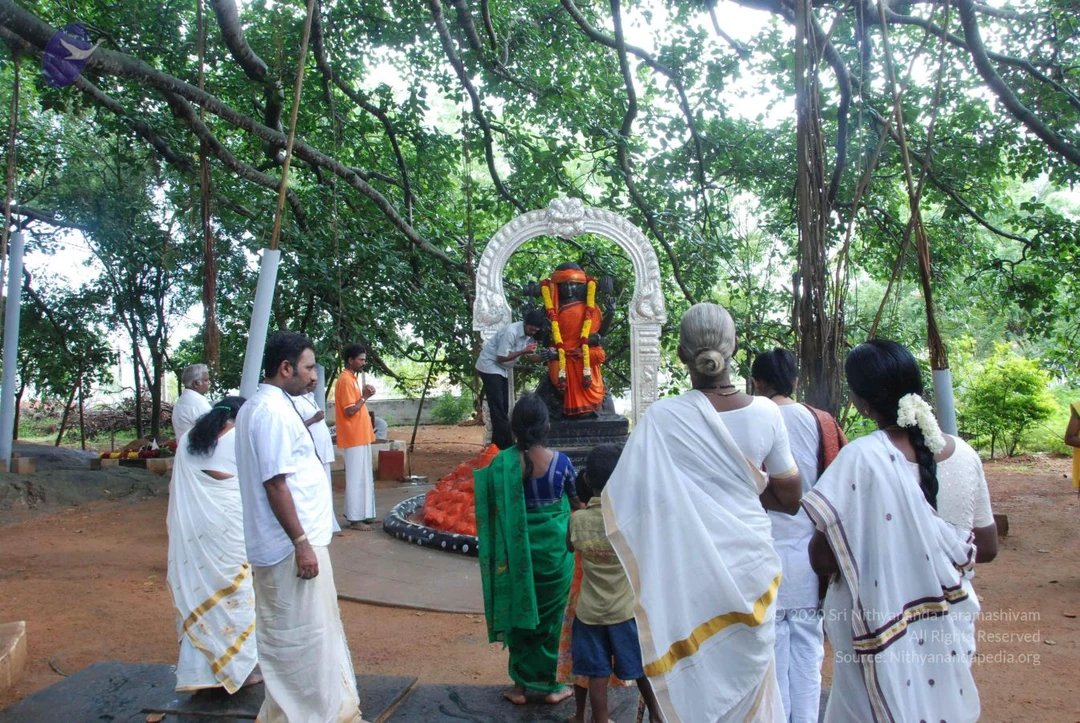
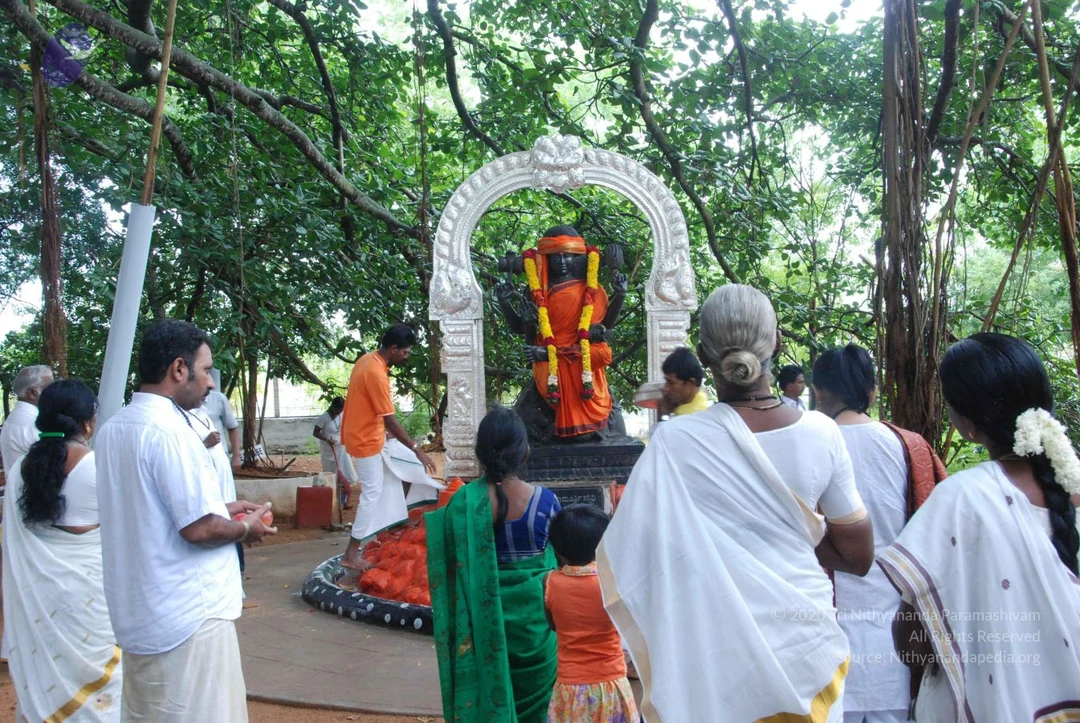
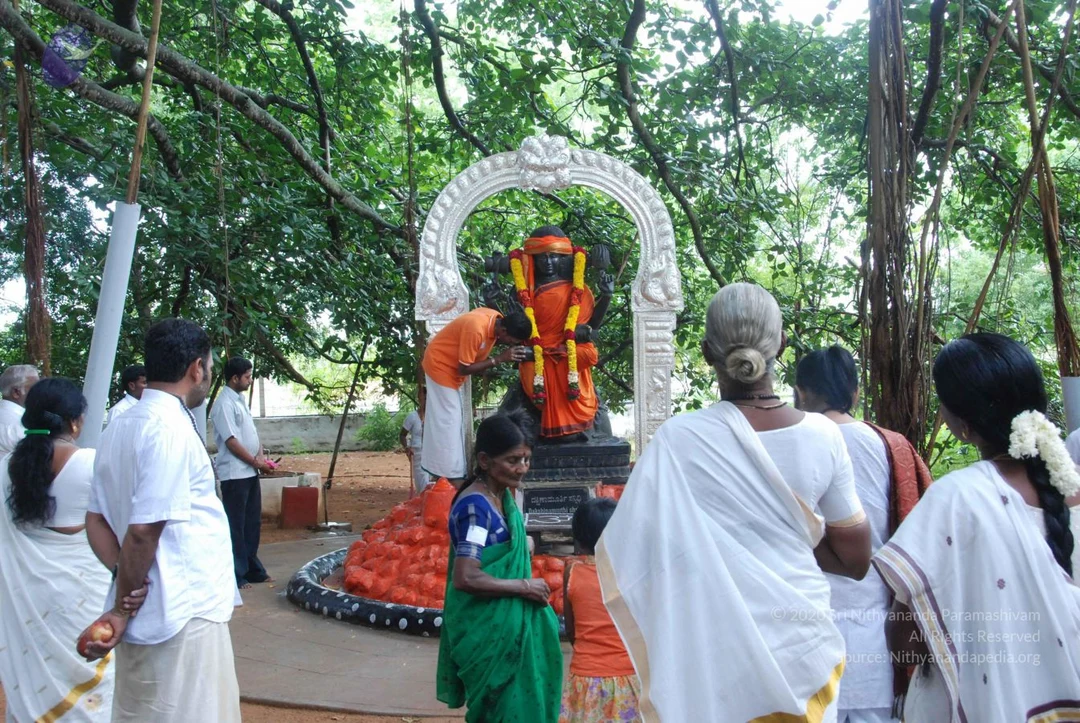
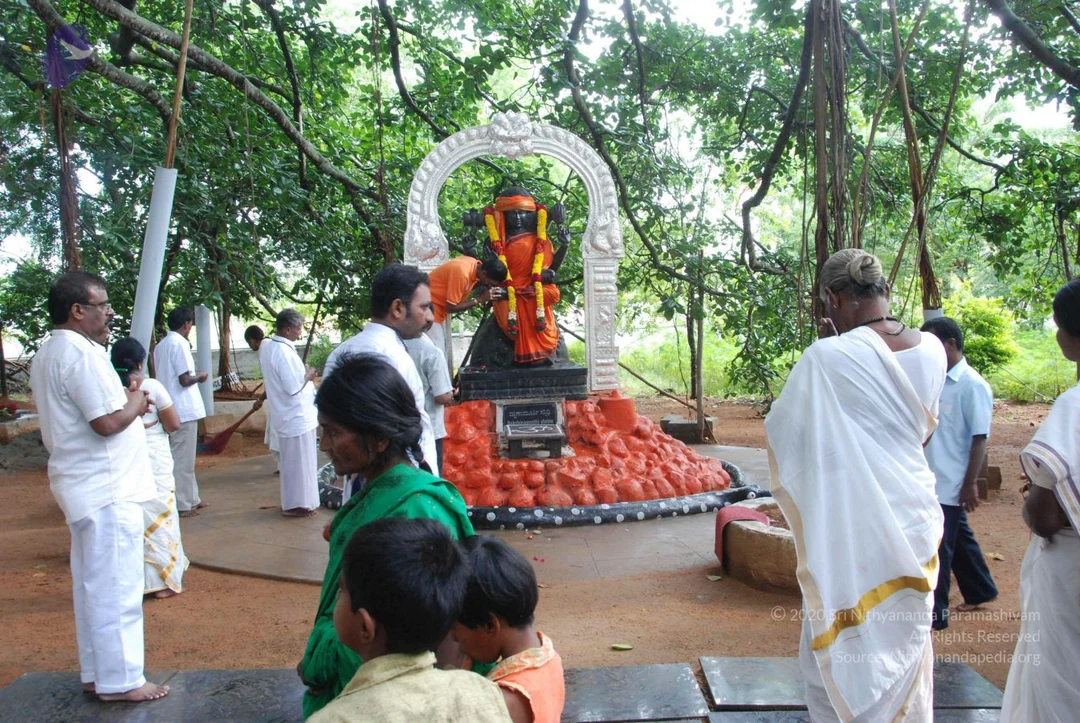
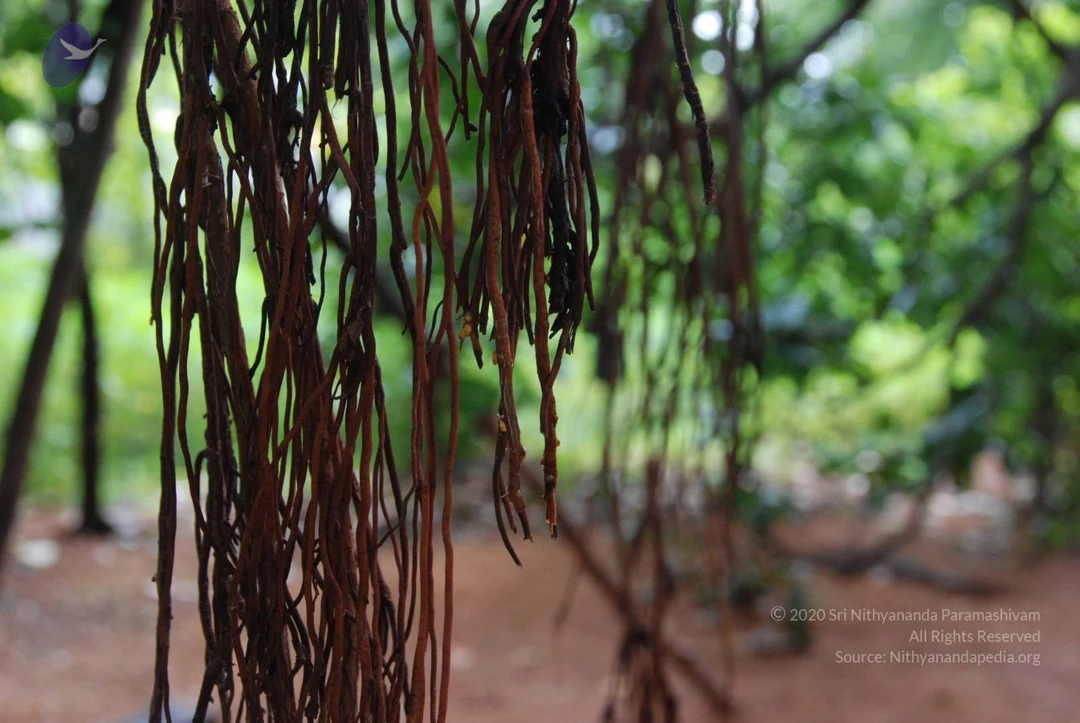
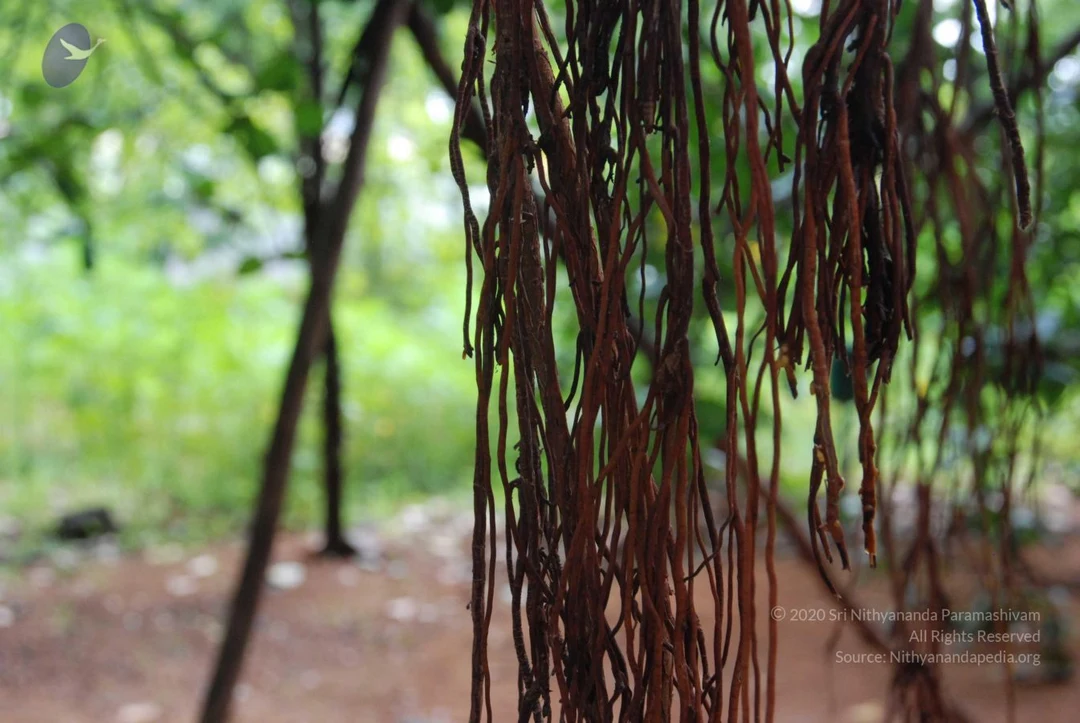
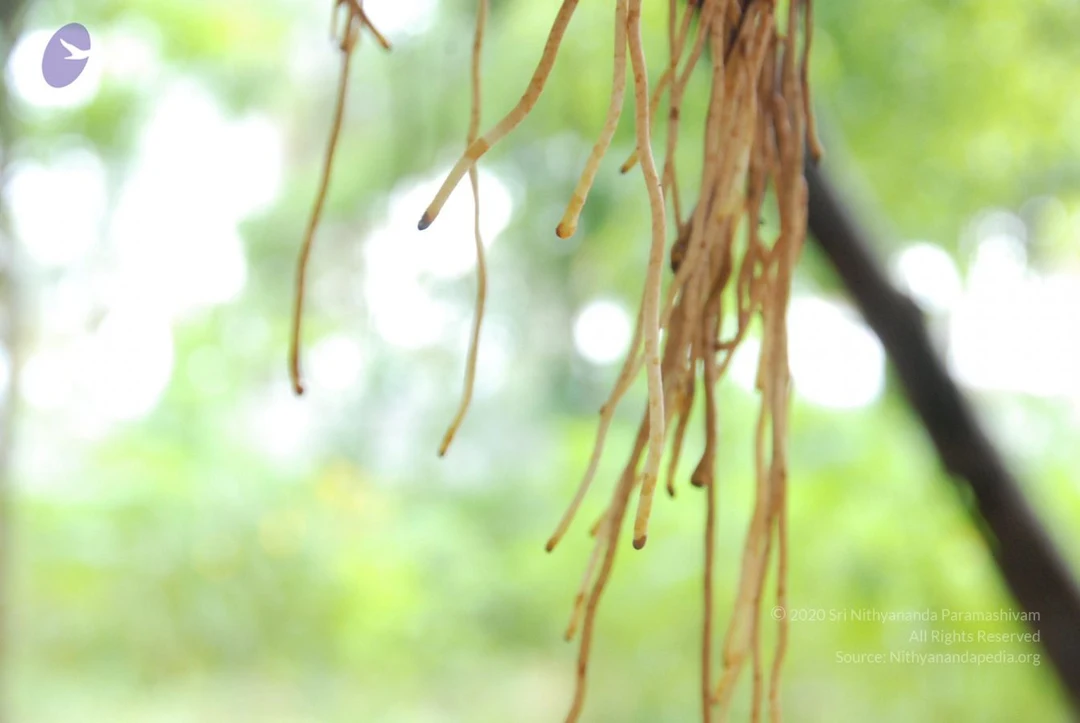
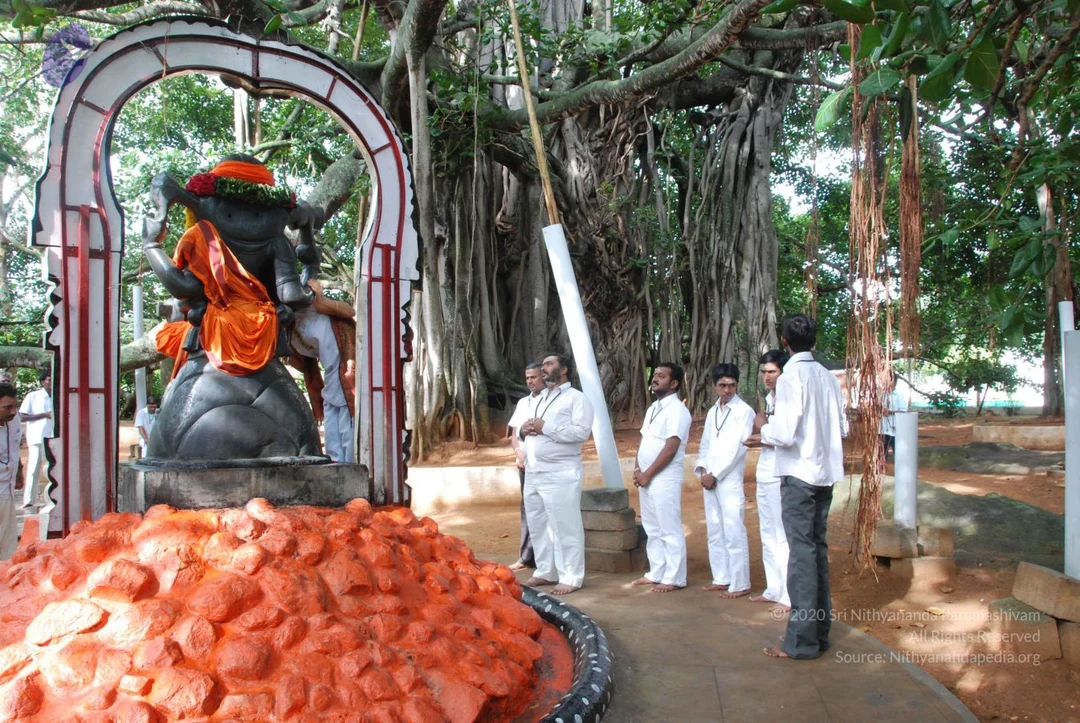
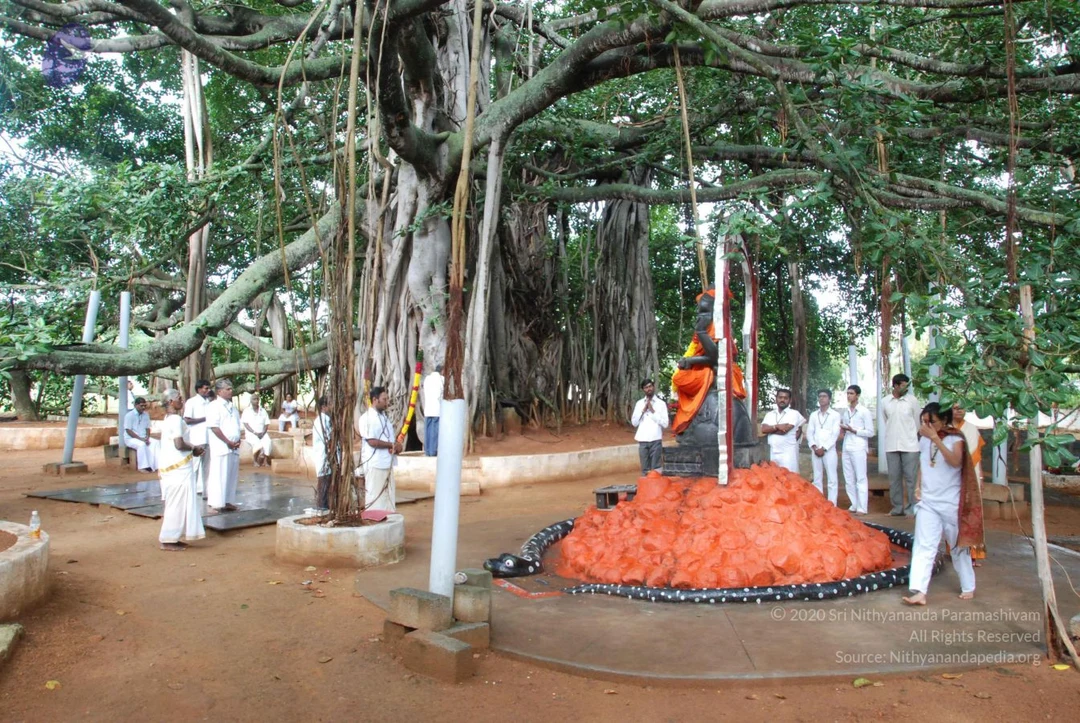
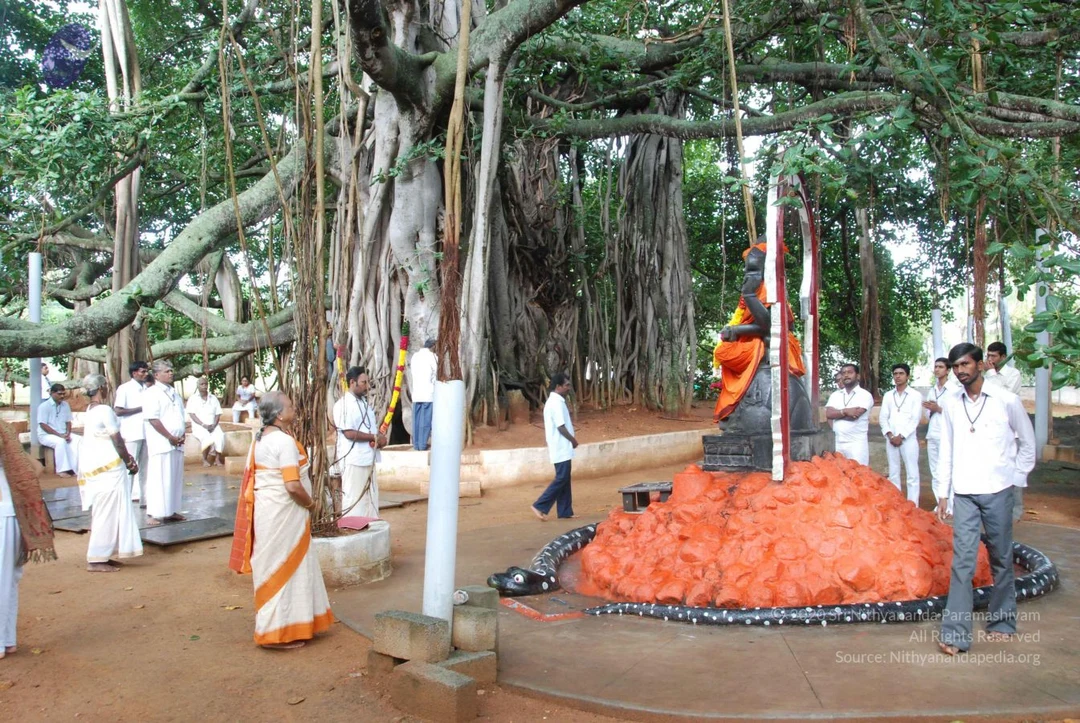
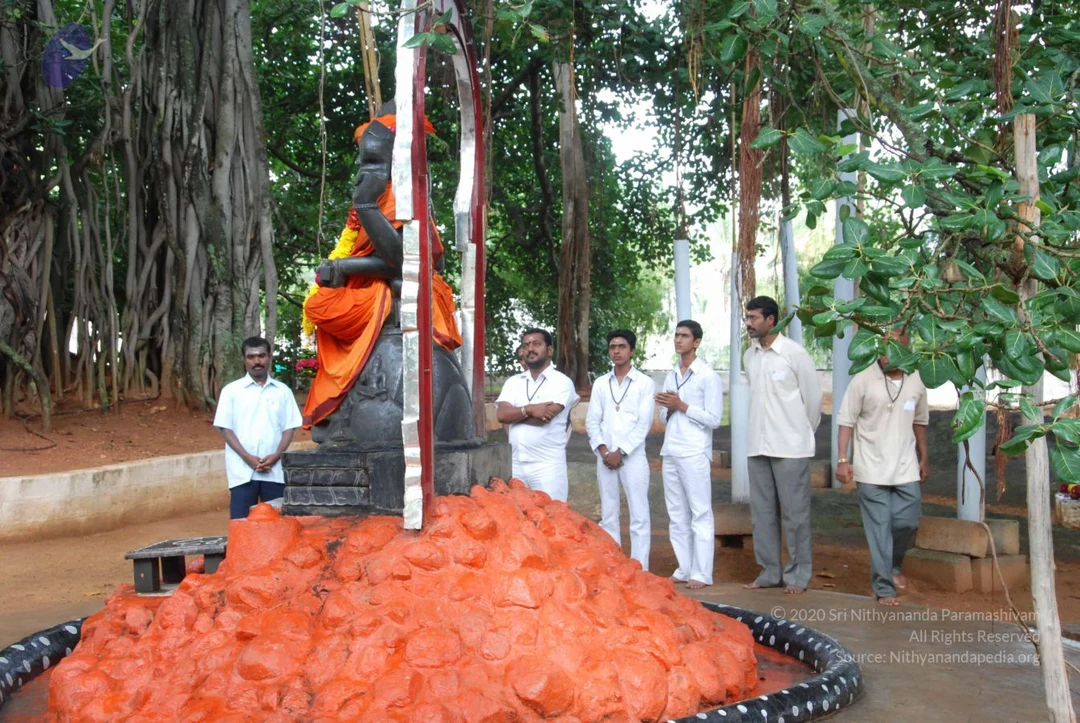
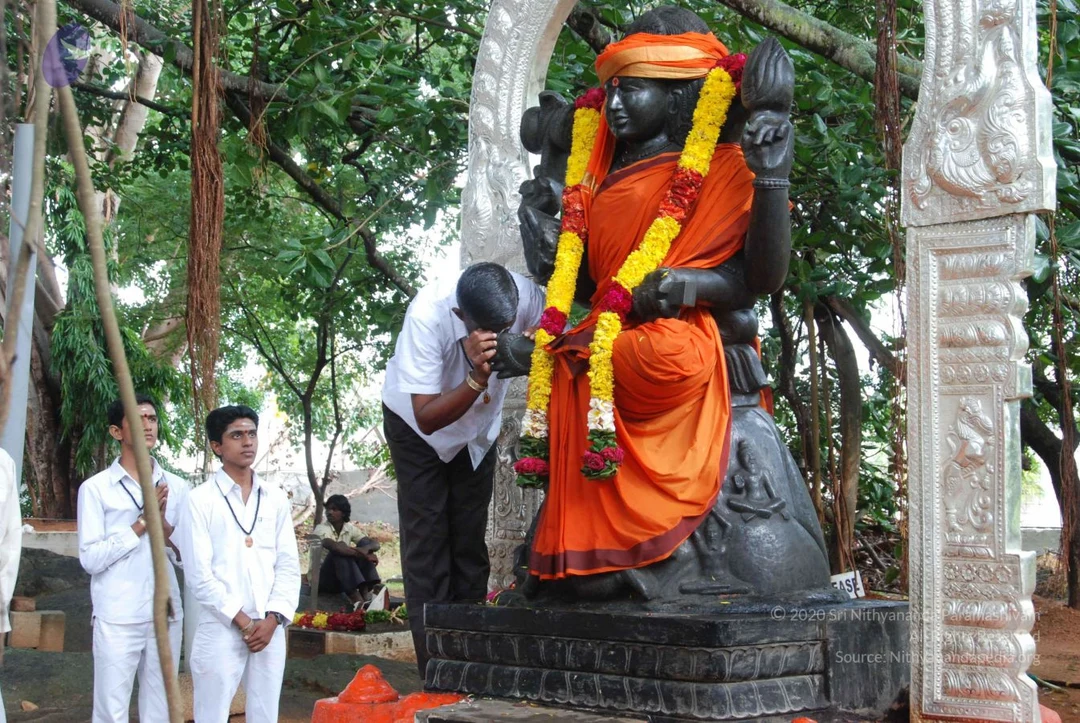
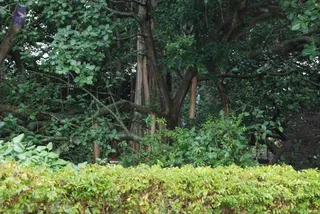
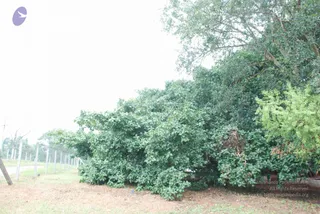
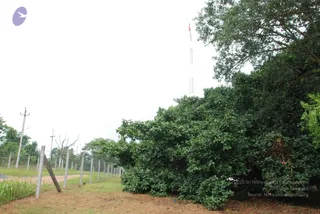
BANYAN-TREE
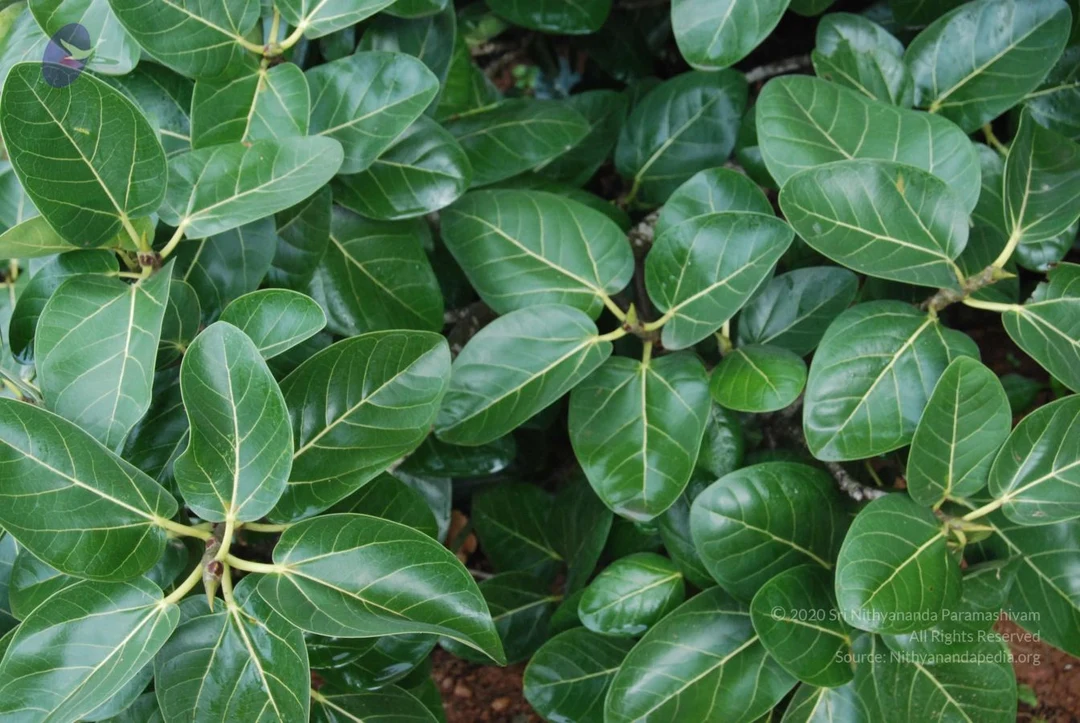
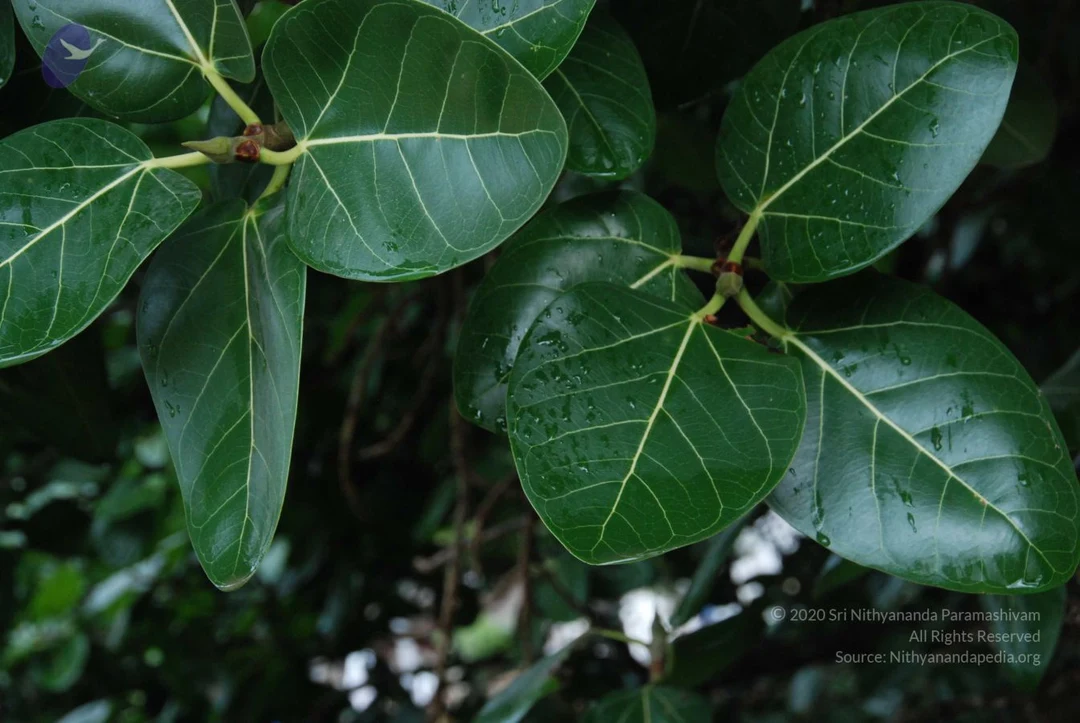
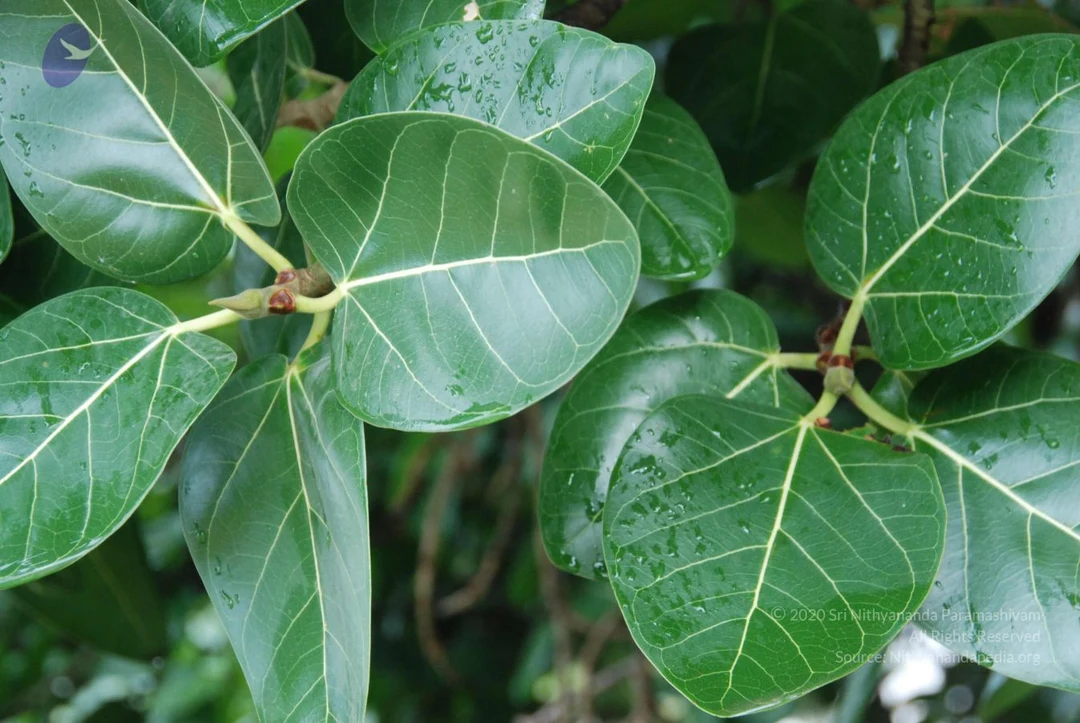

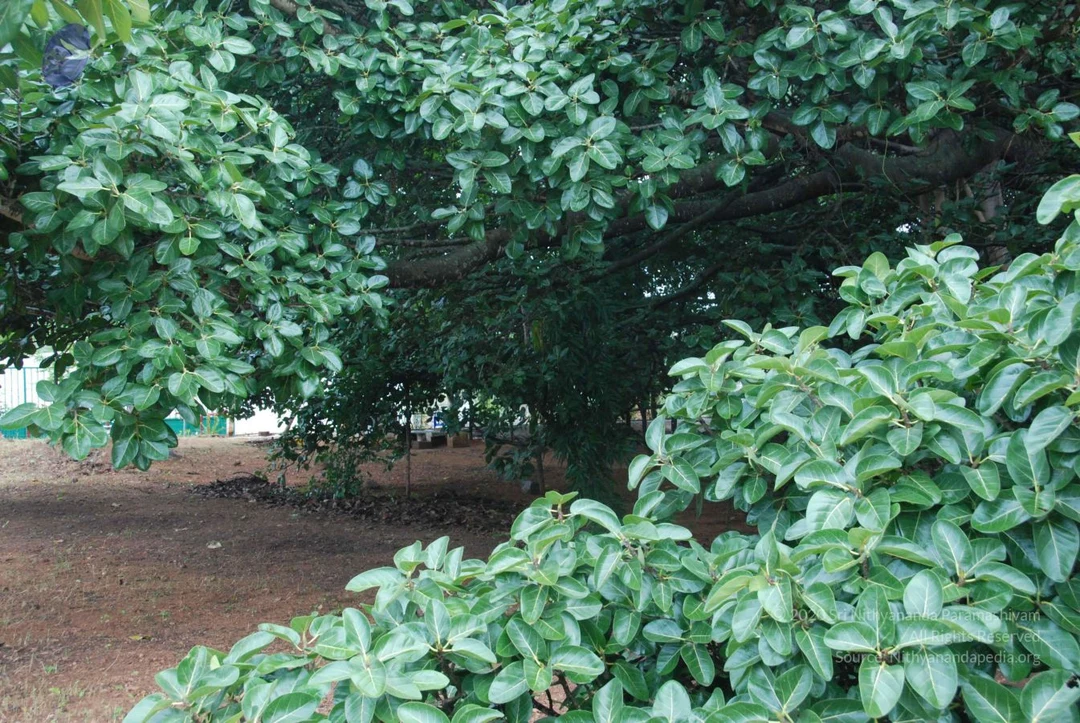
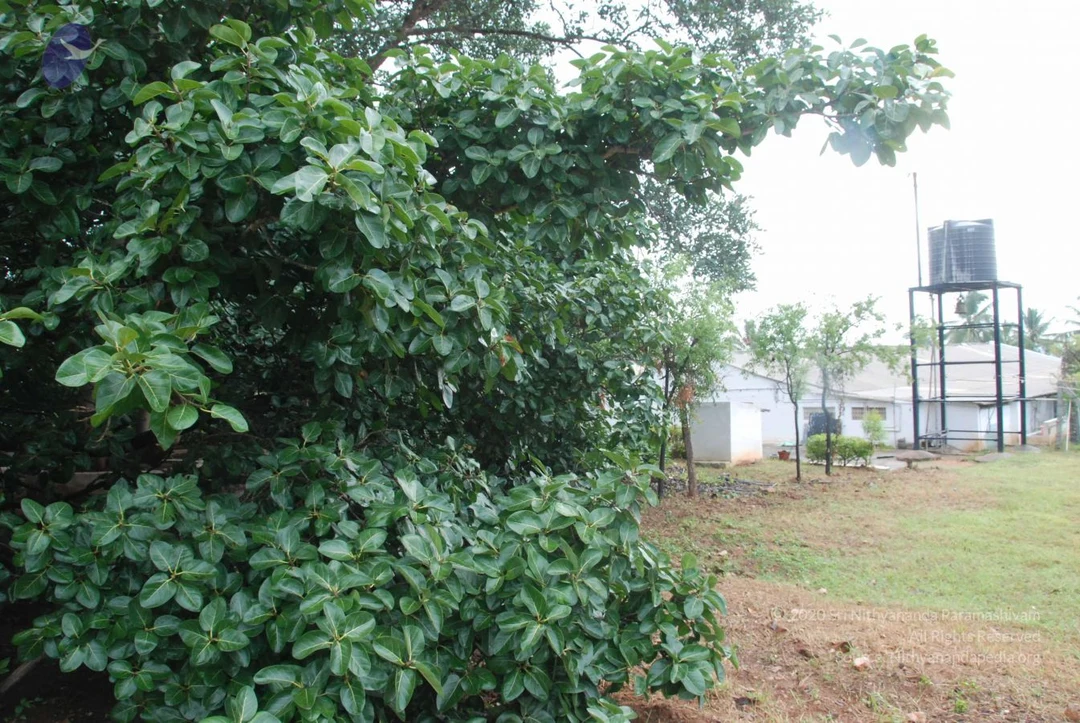


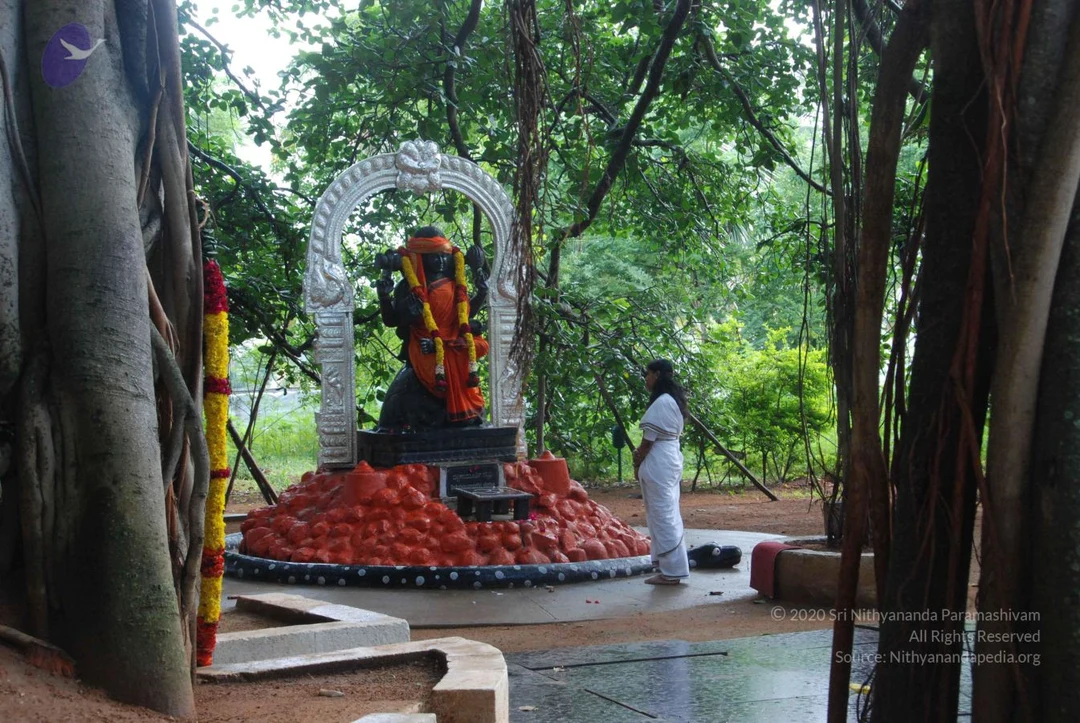
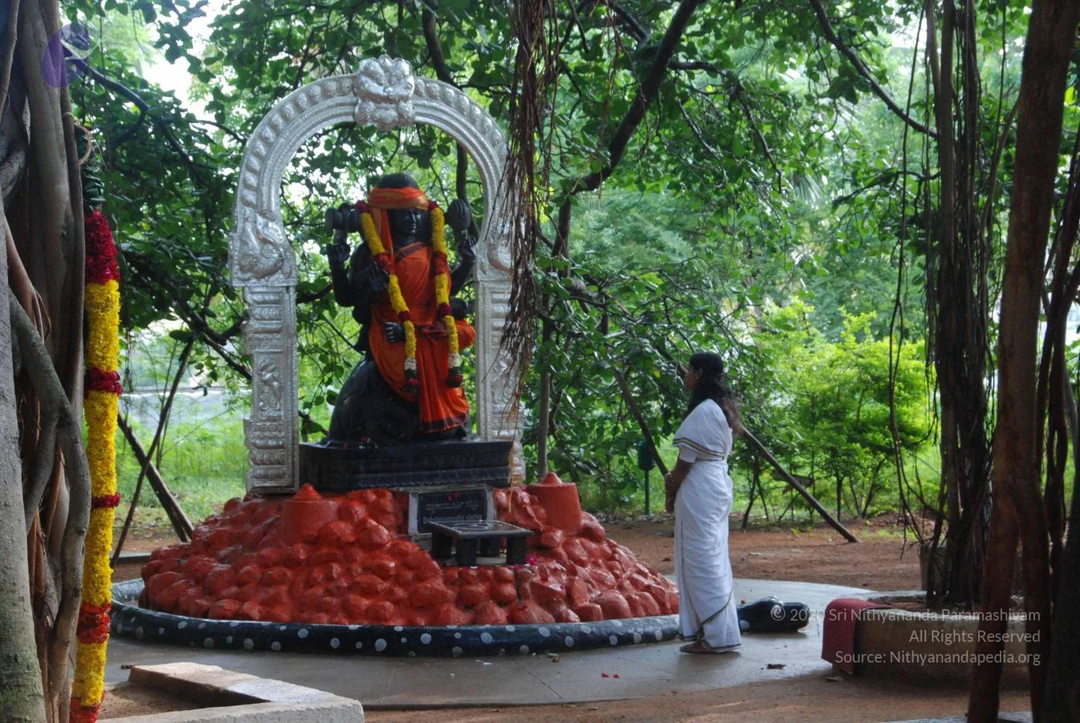
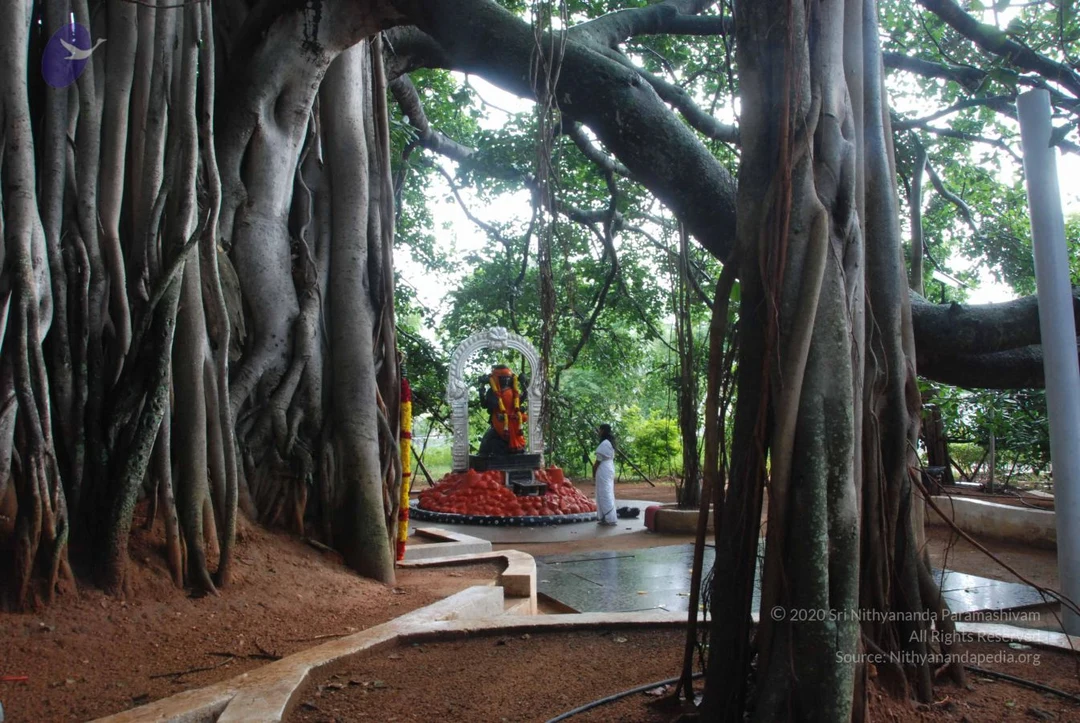
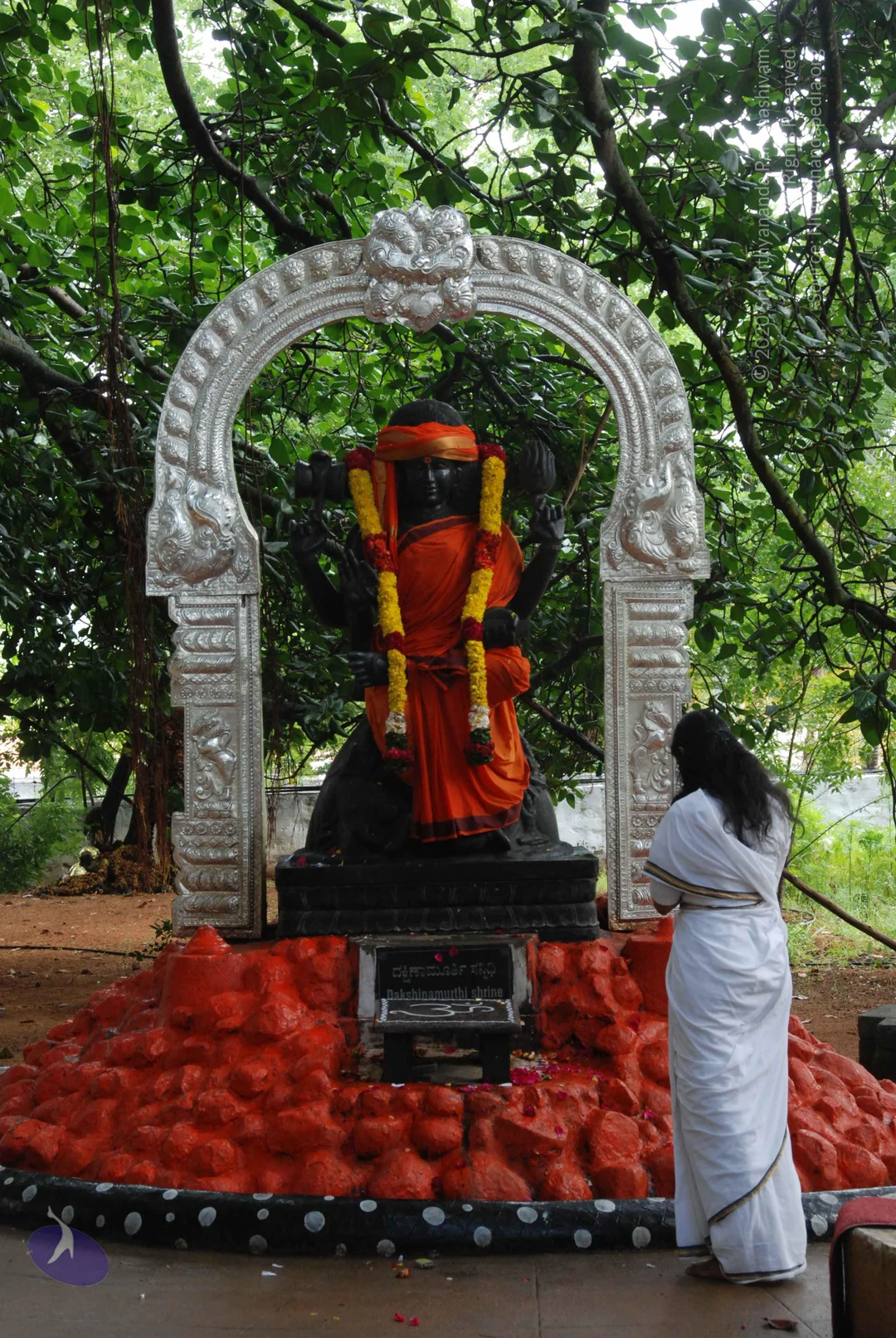
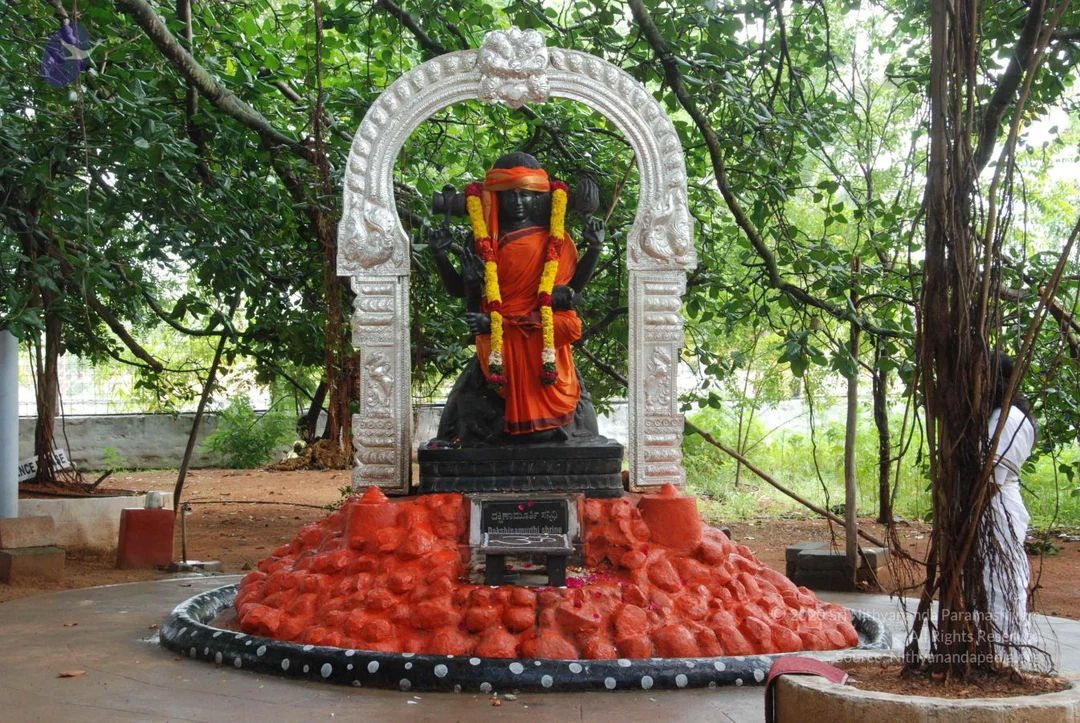
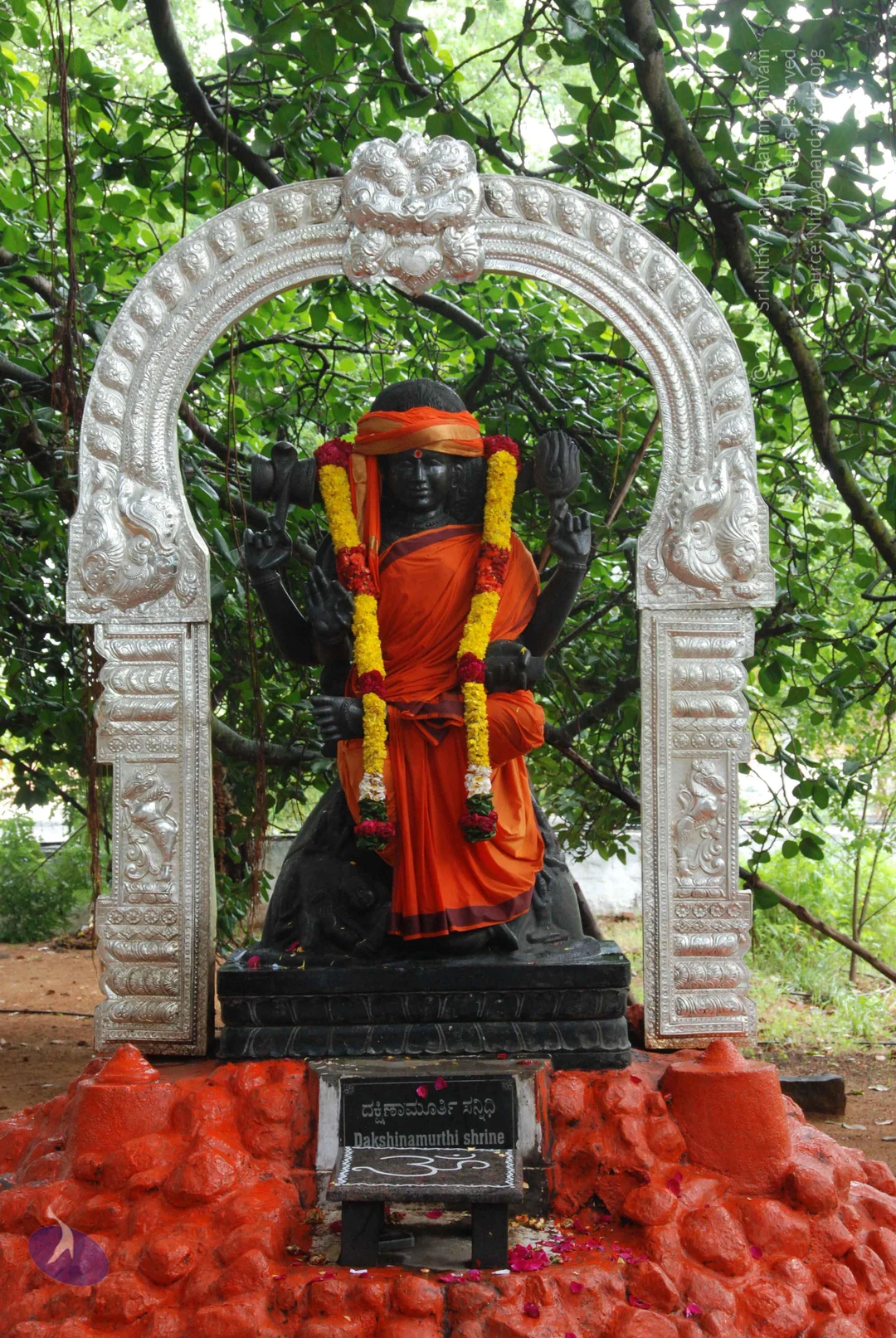
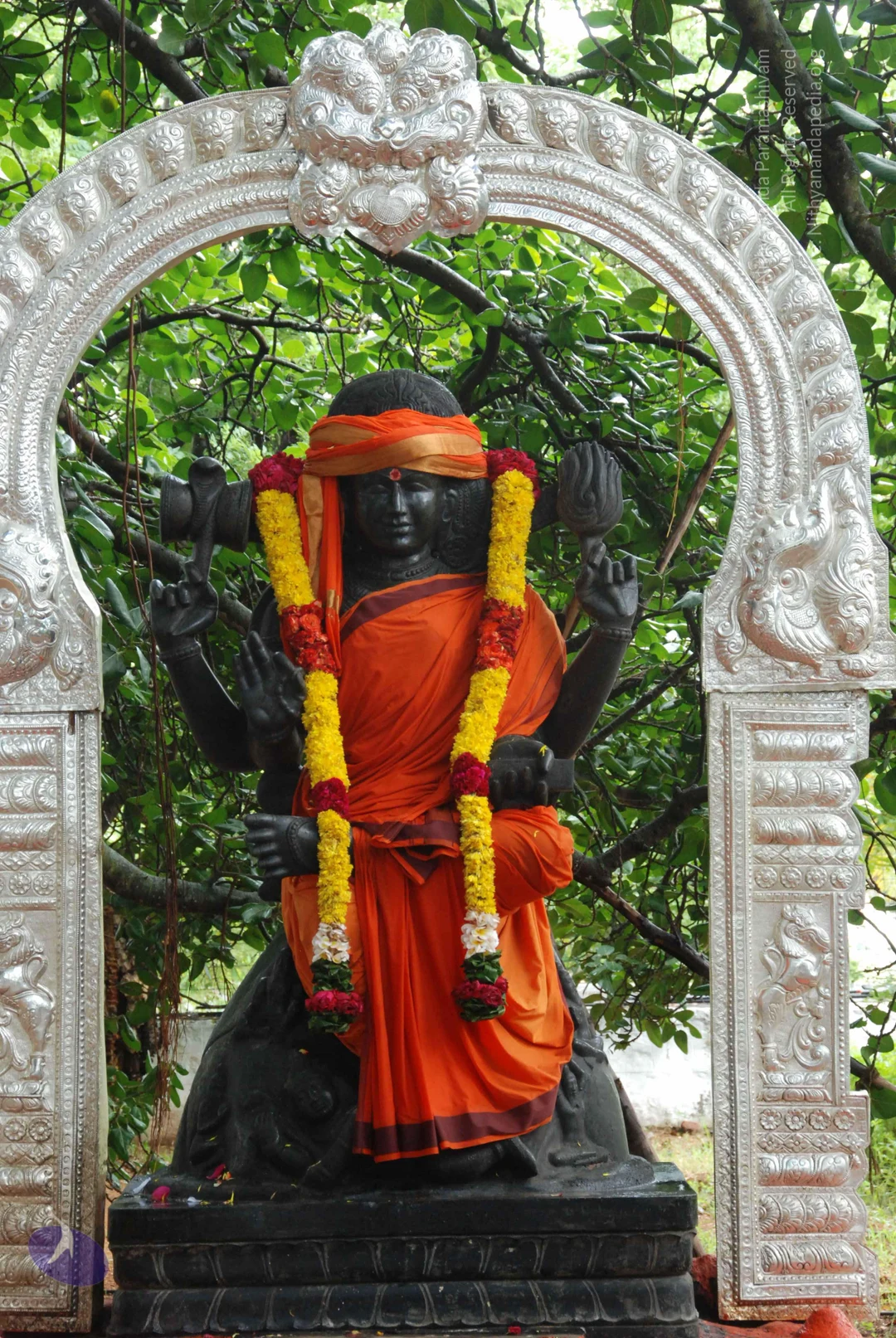
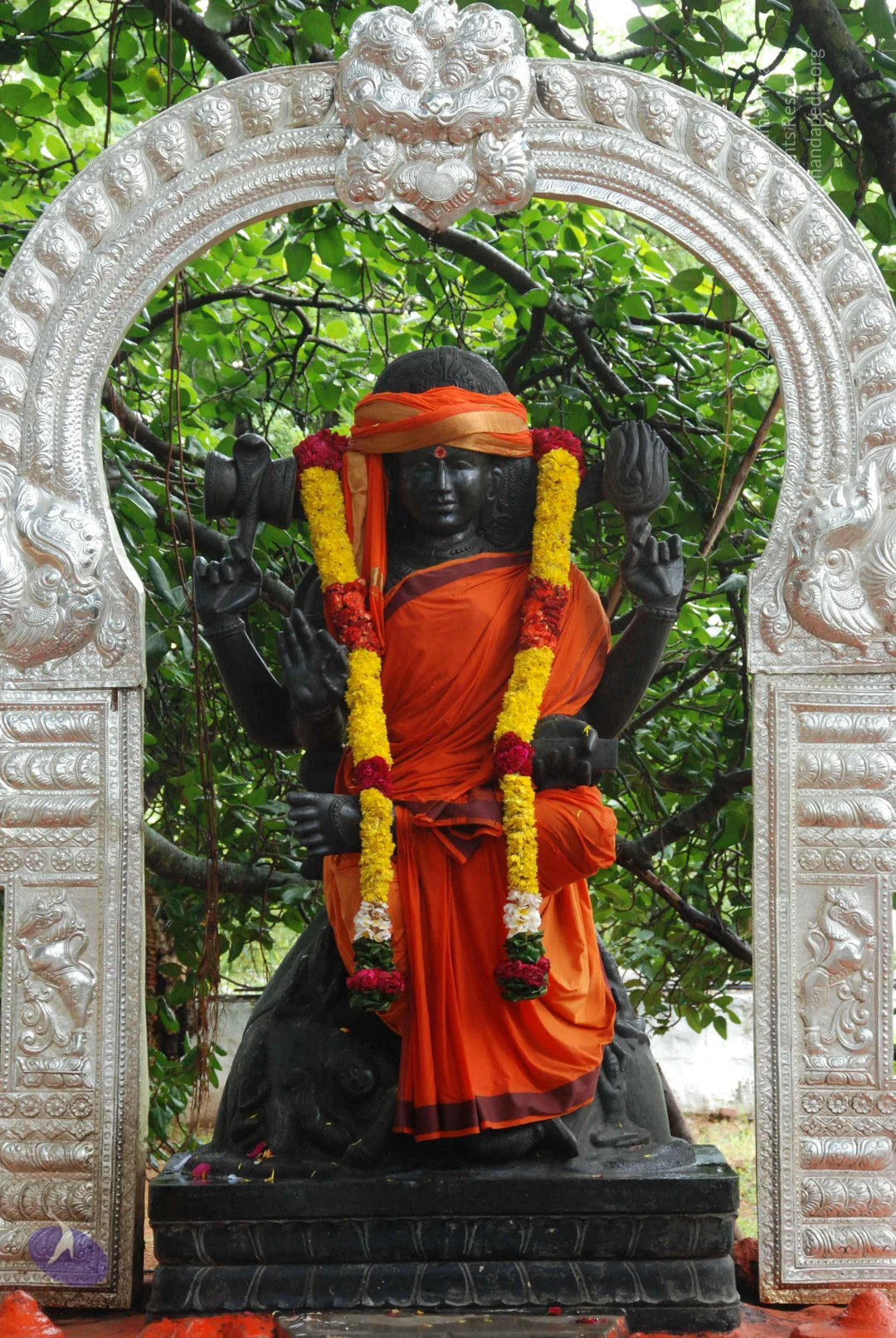
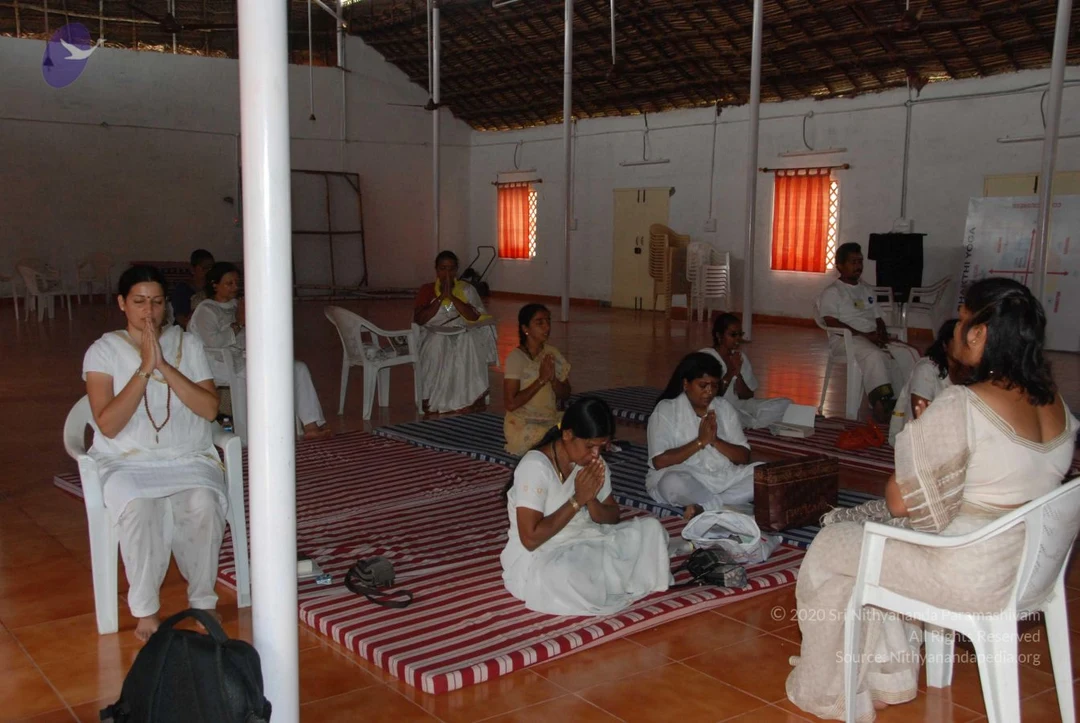
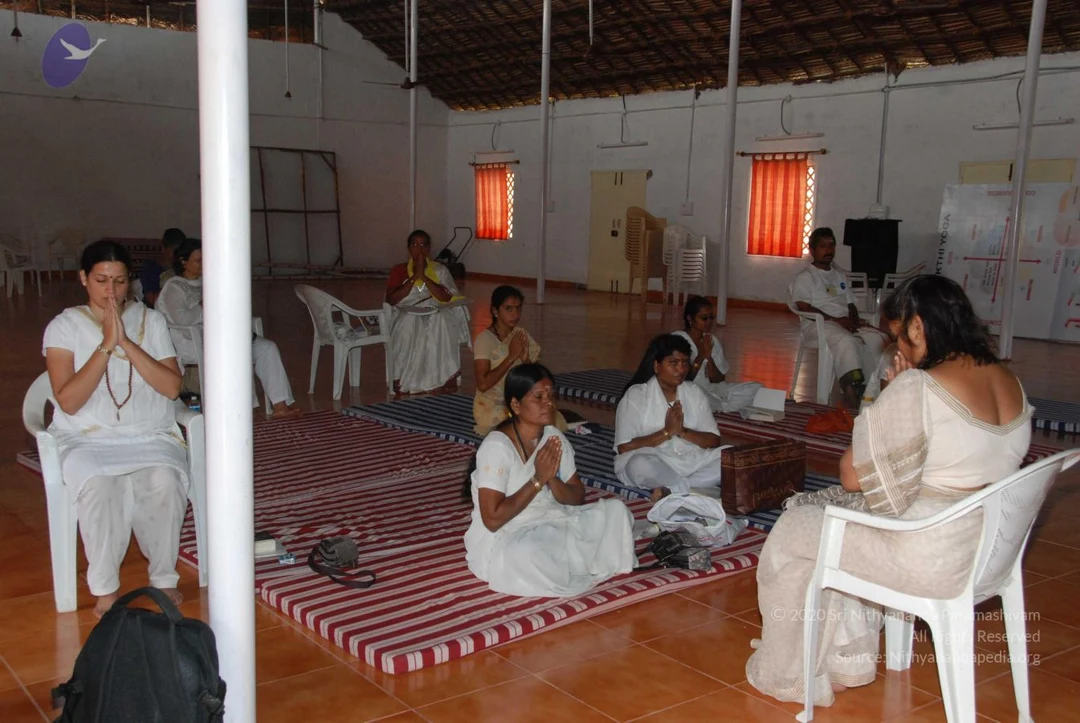
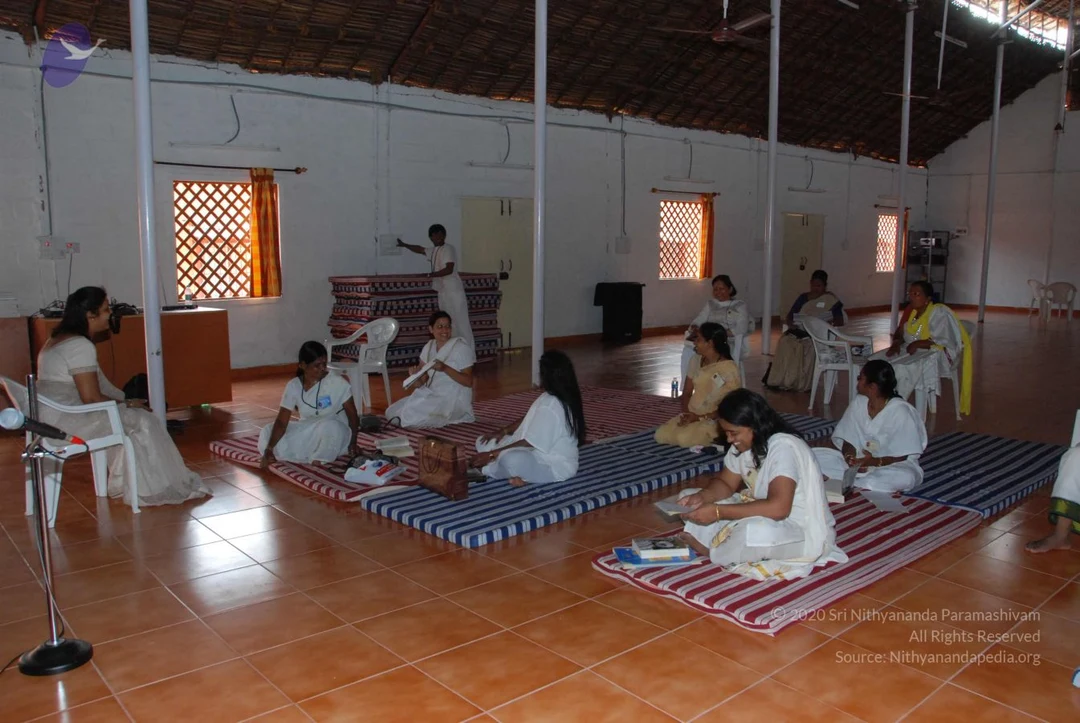
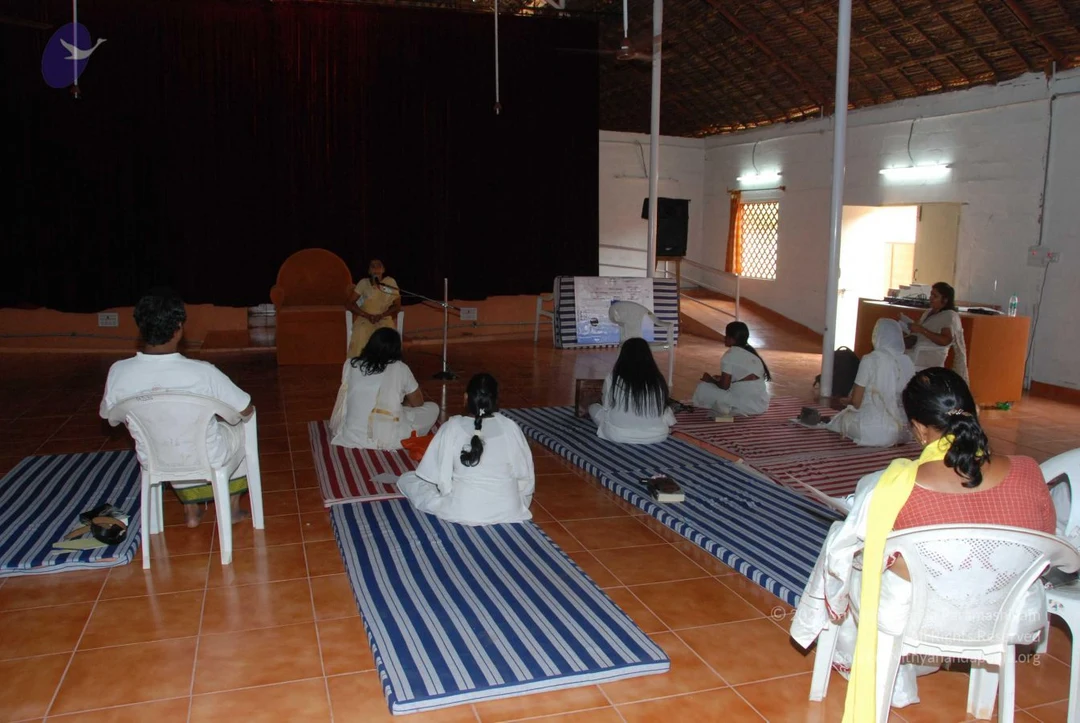
ACHARYA-TRAINING
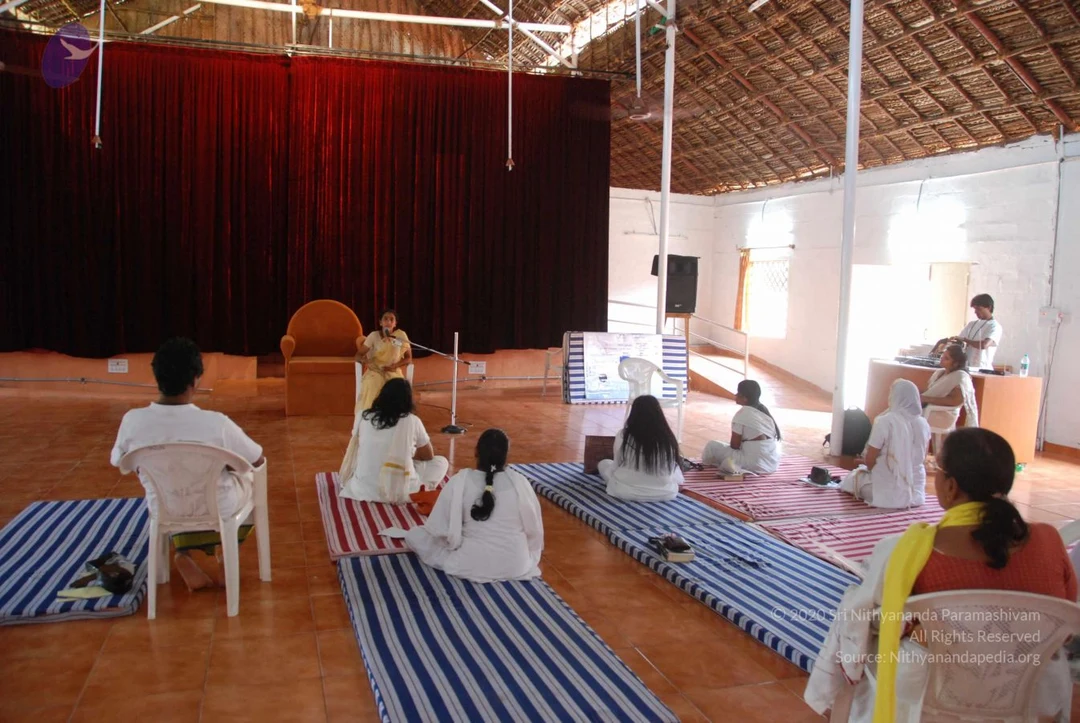
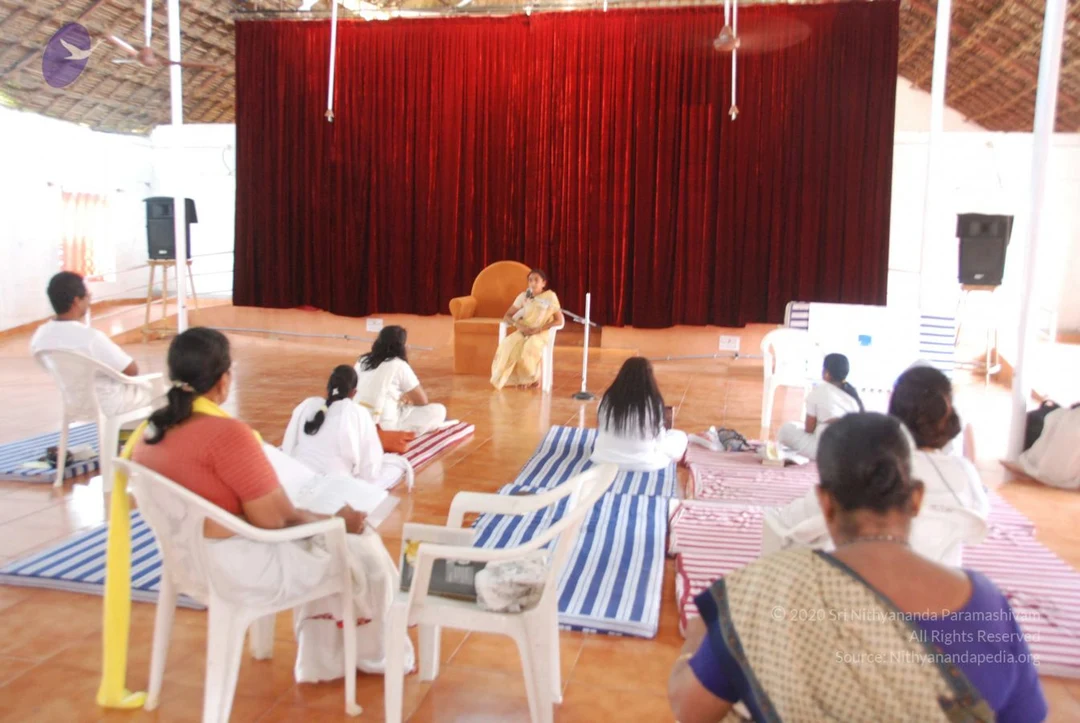
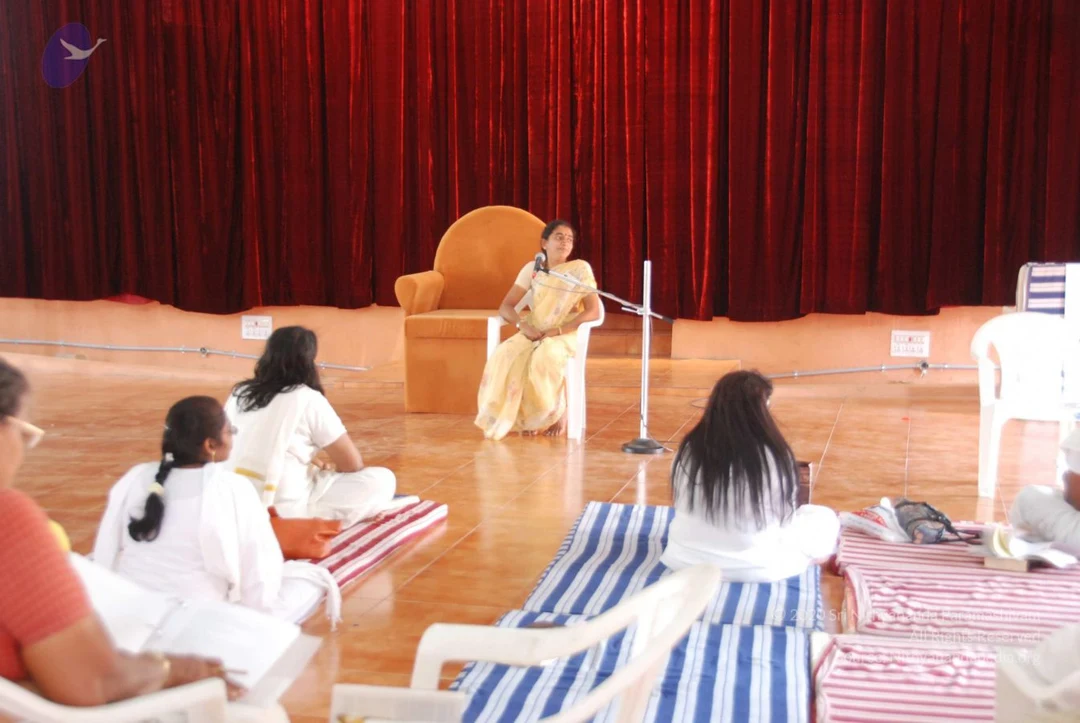
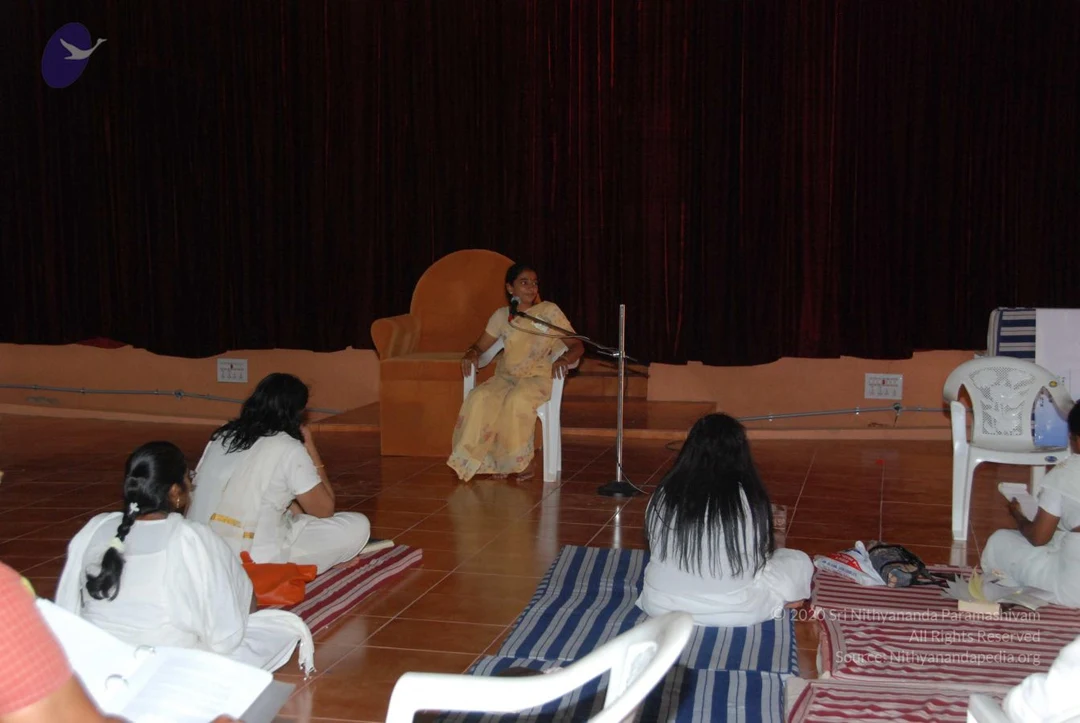
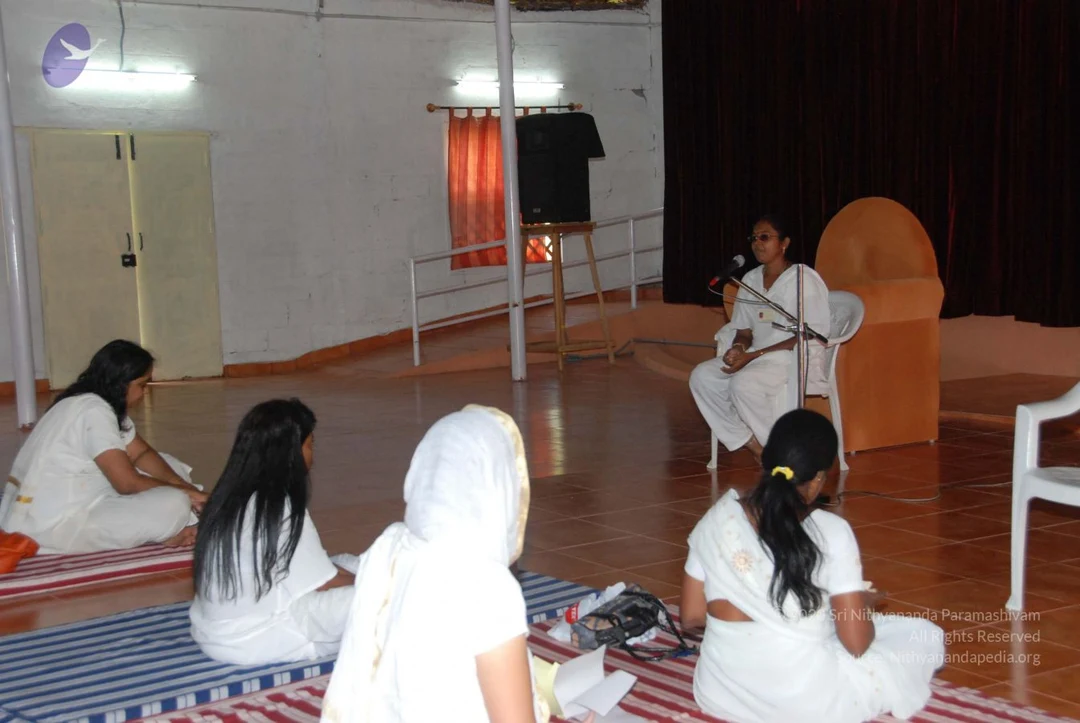
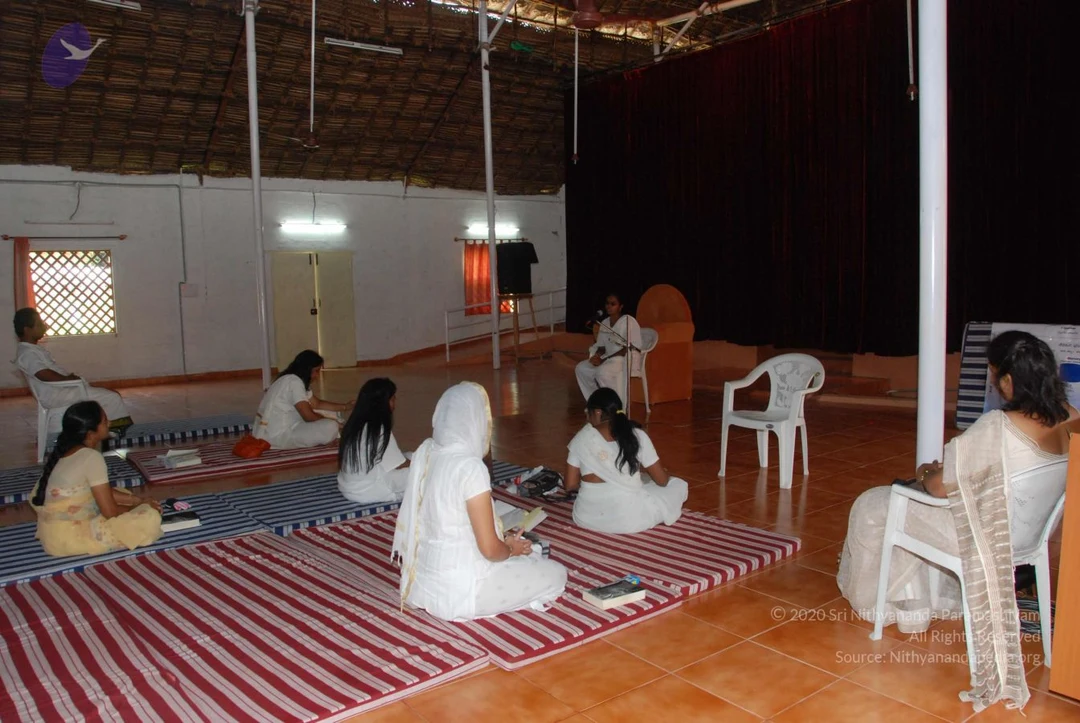
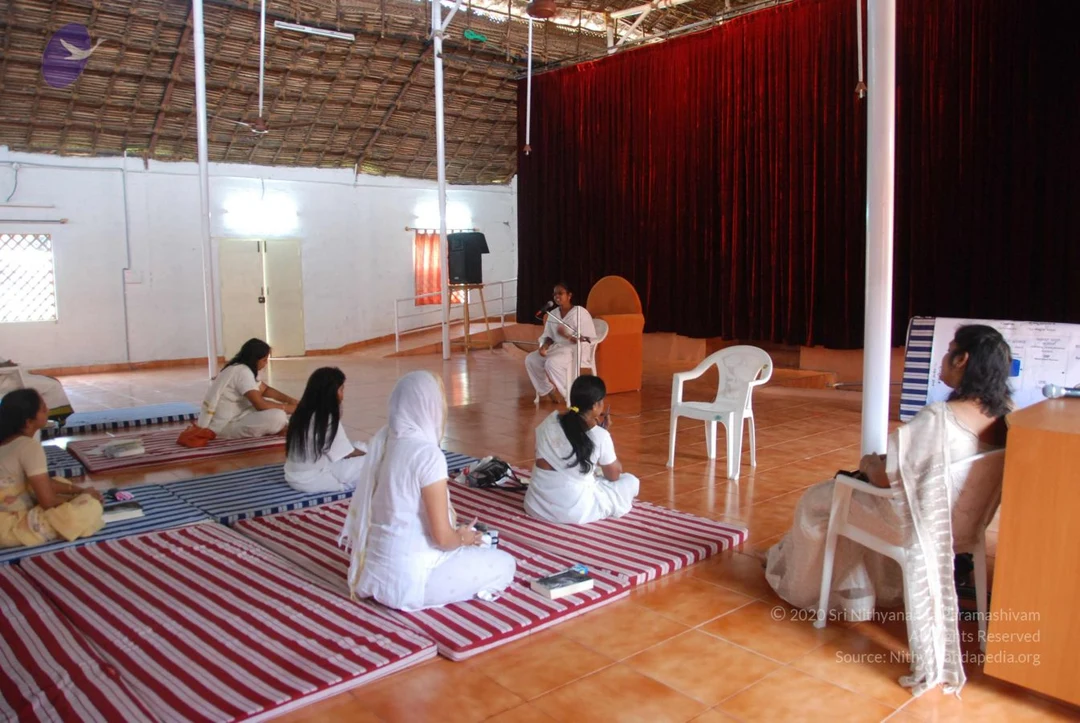
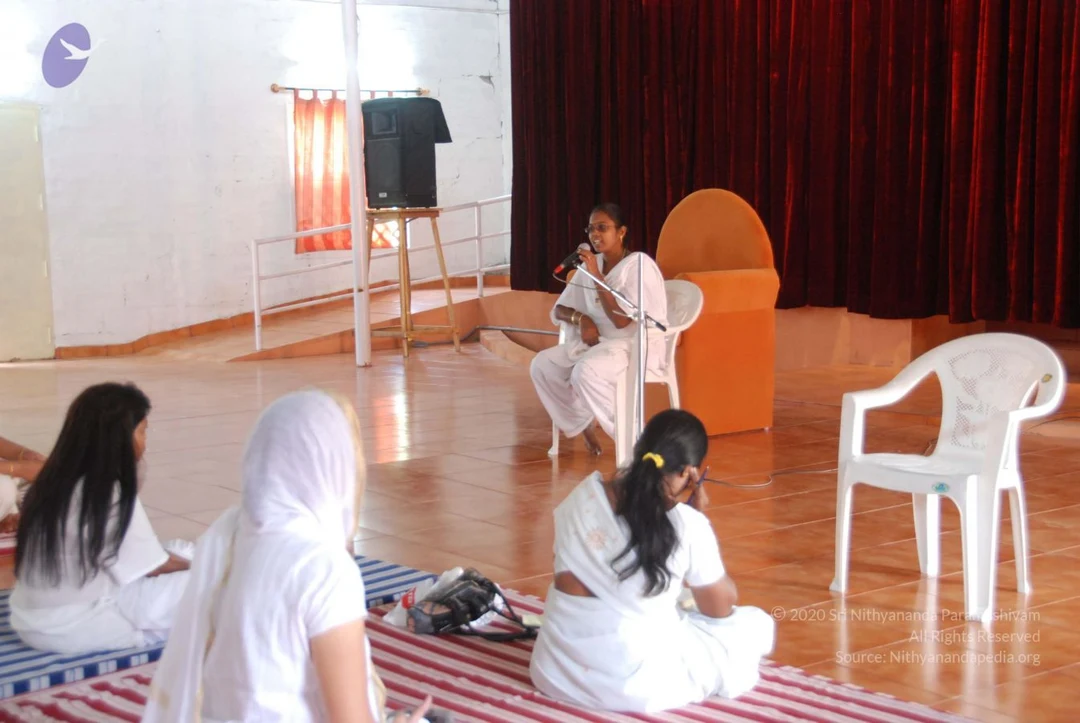
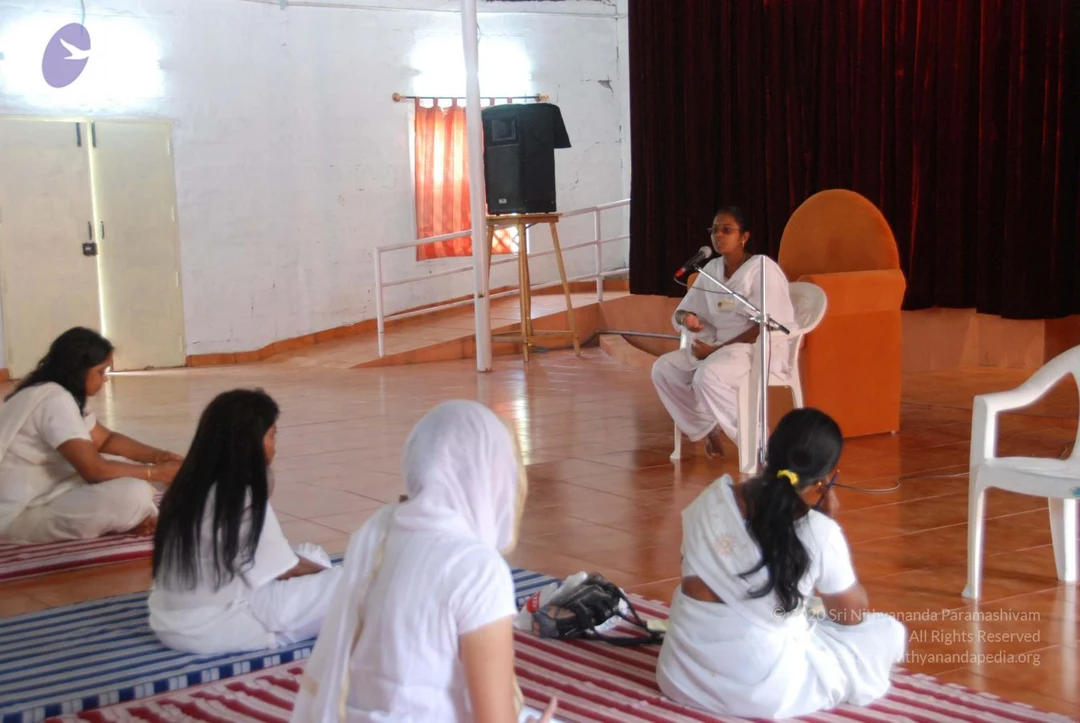
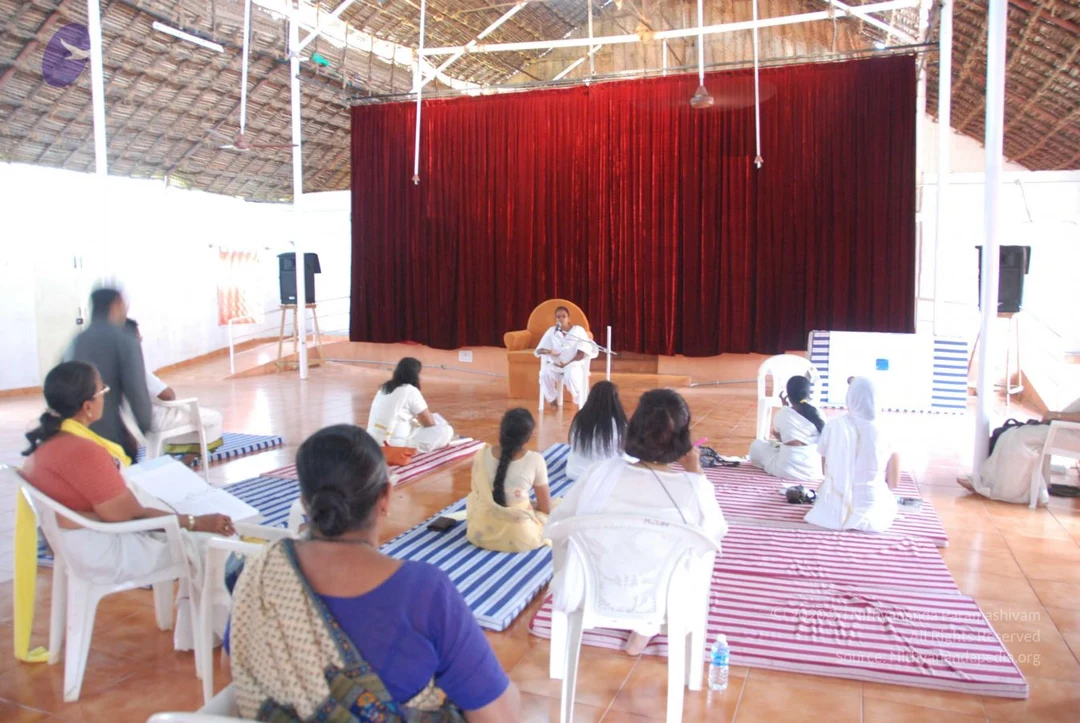
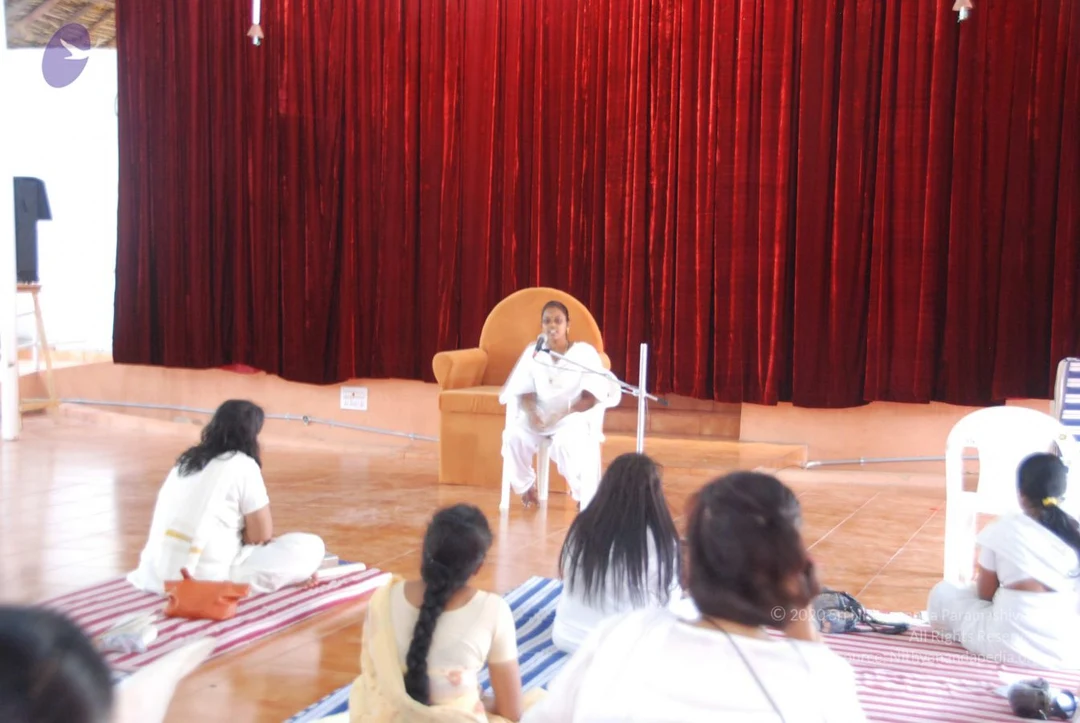
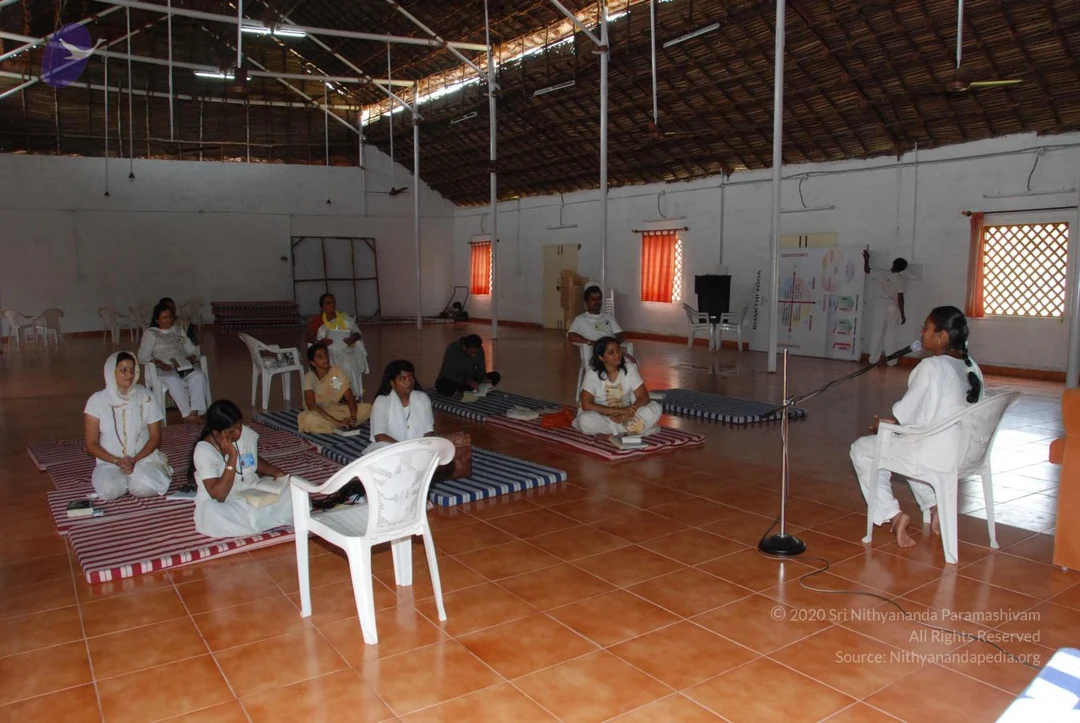
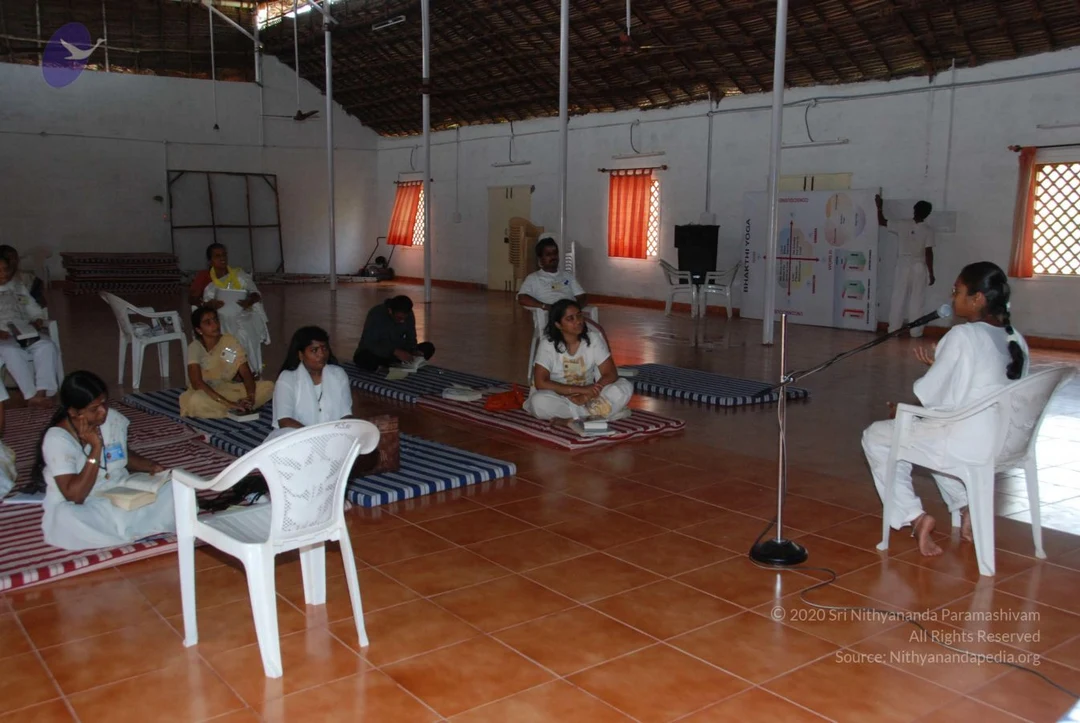
ASP
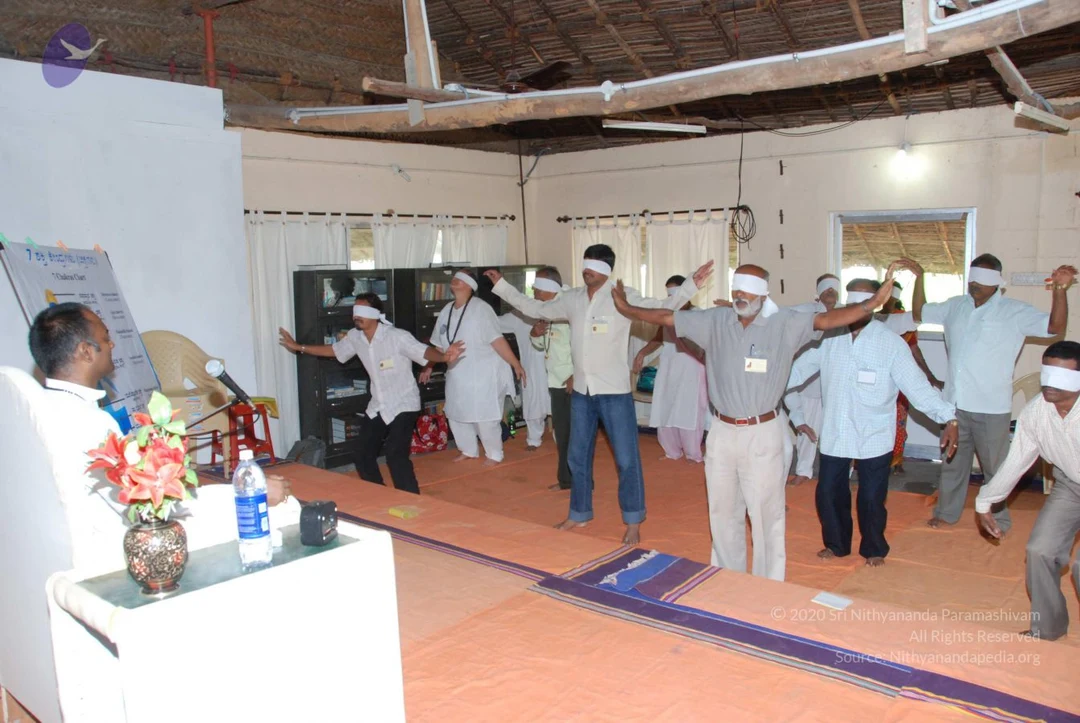
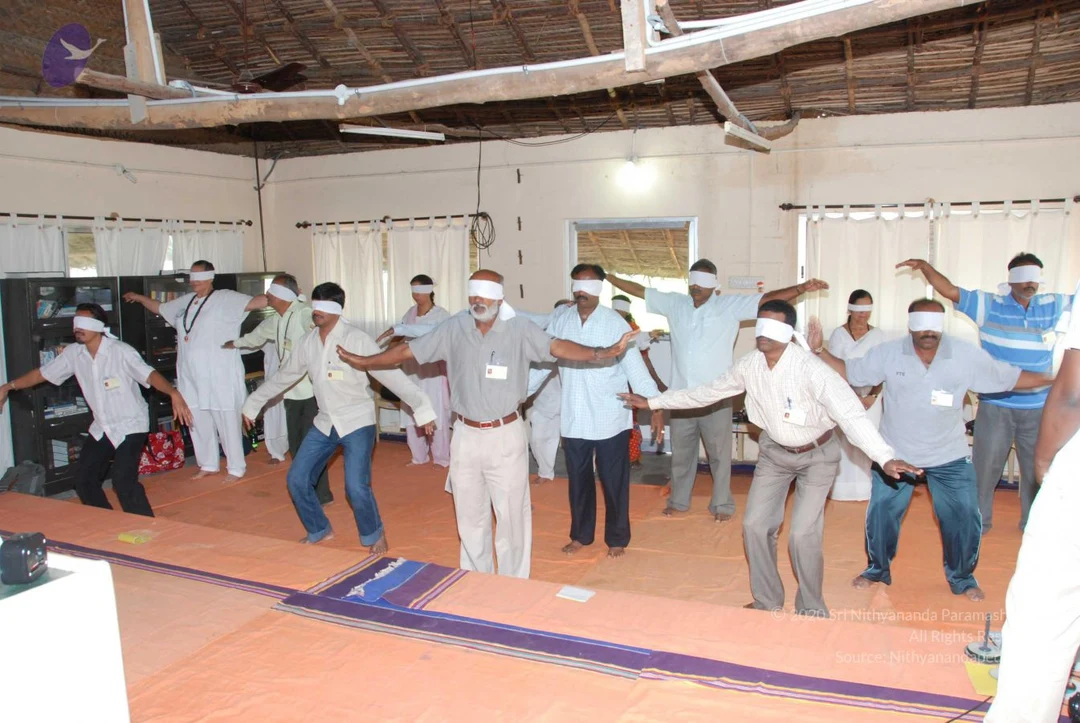
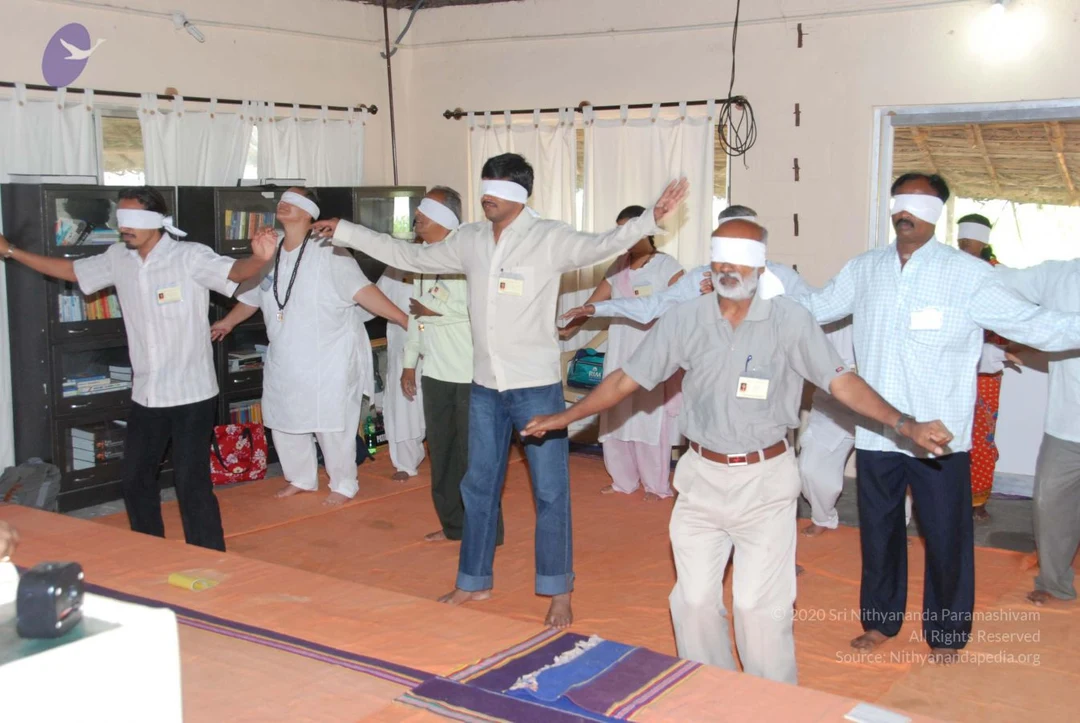
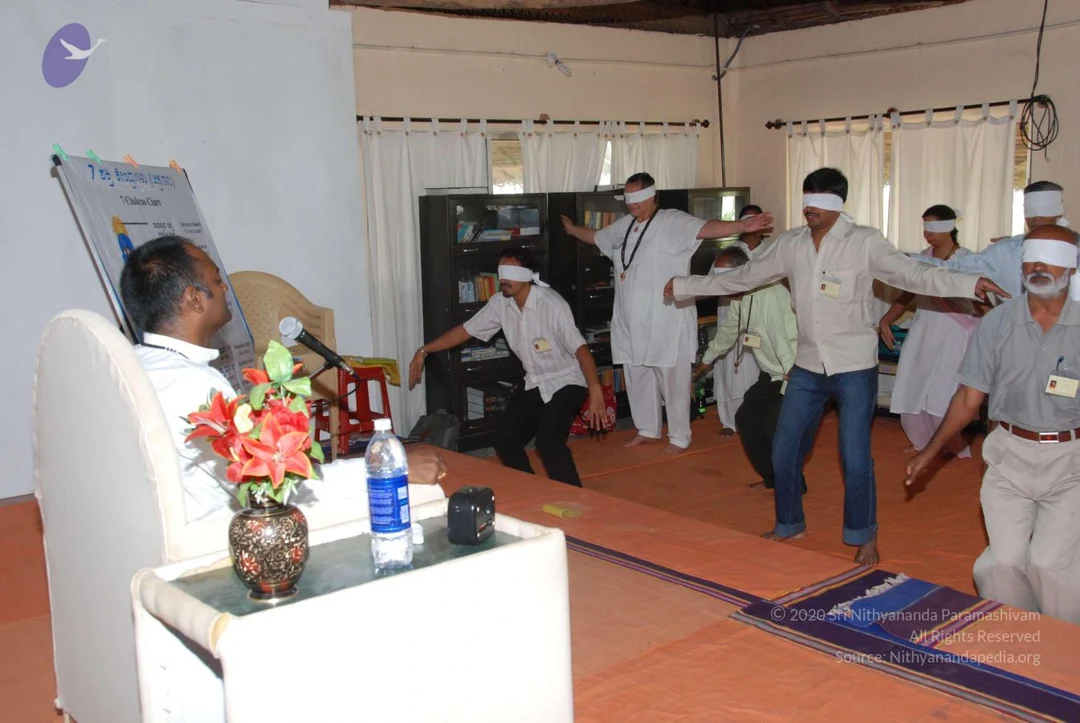
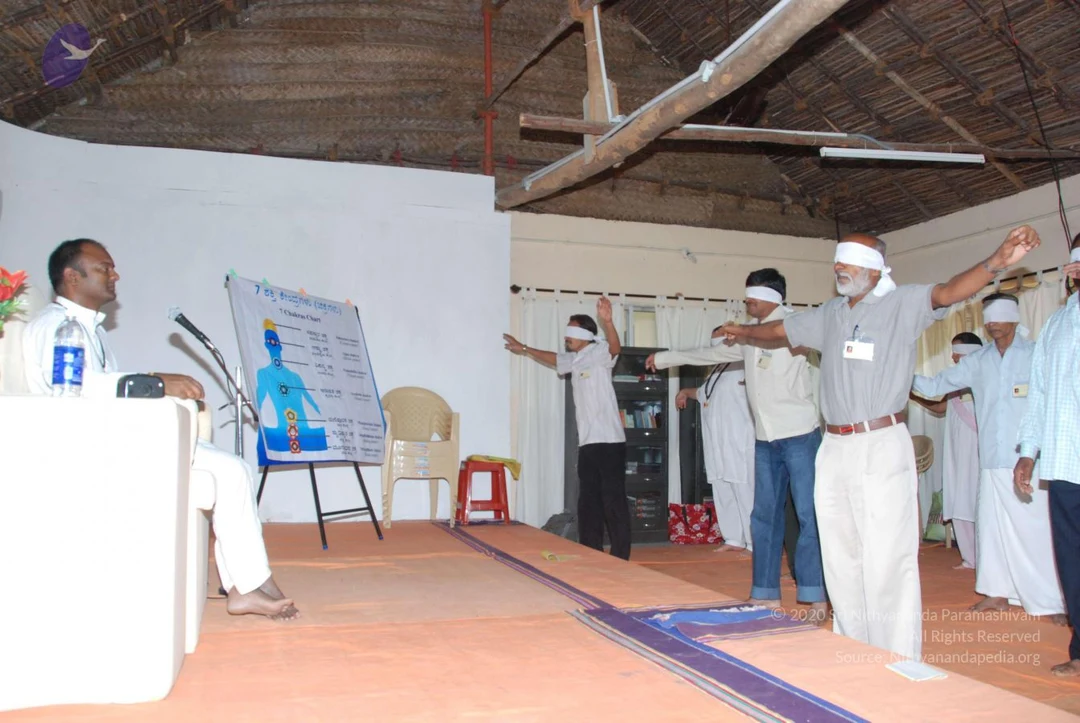
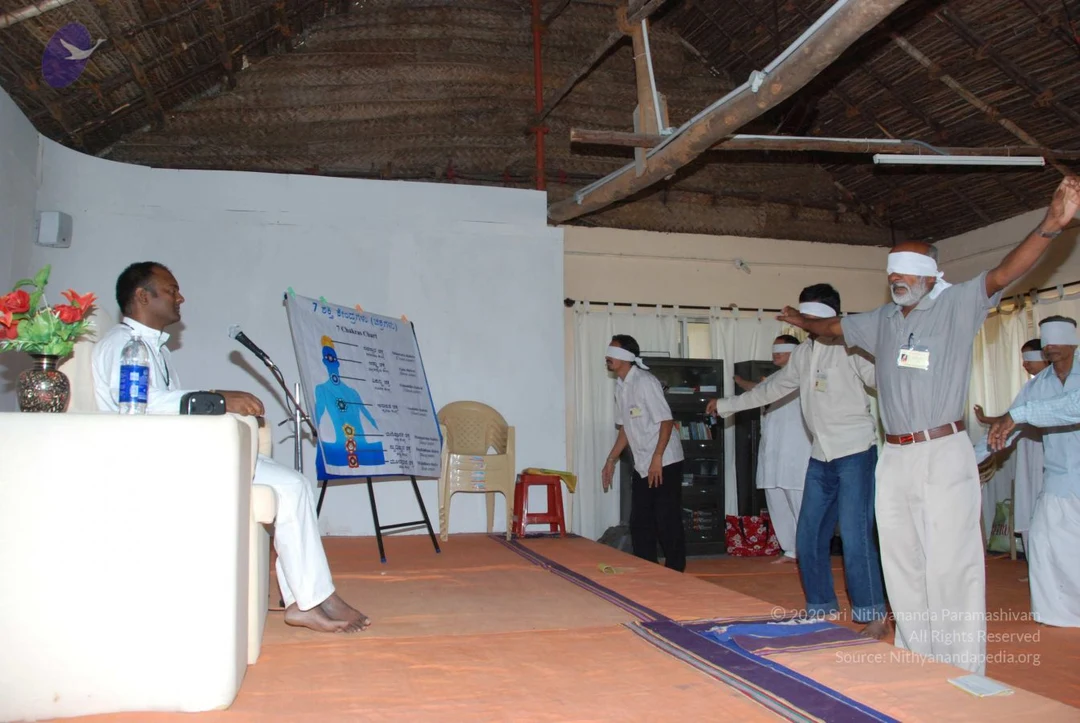
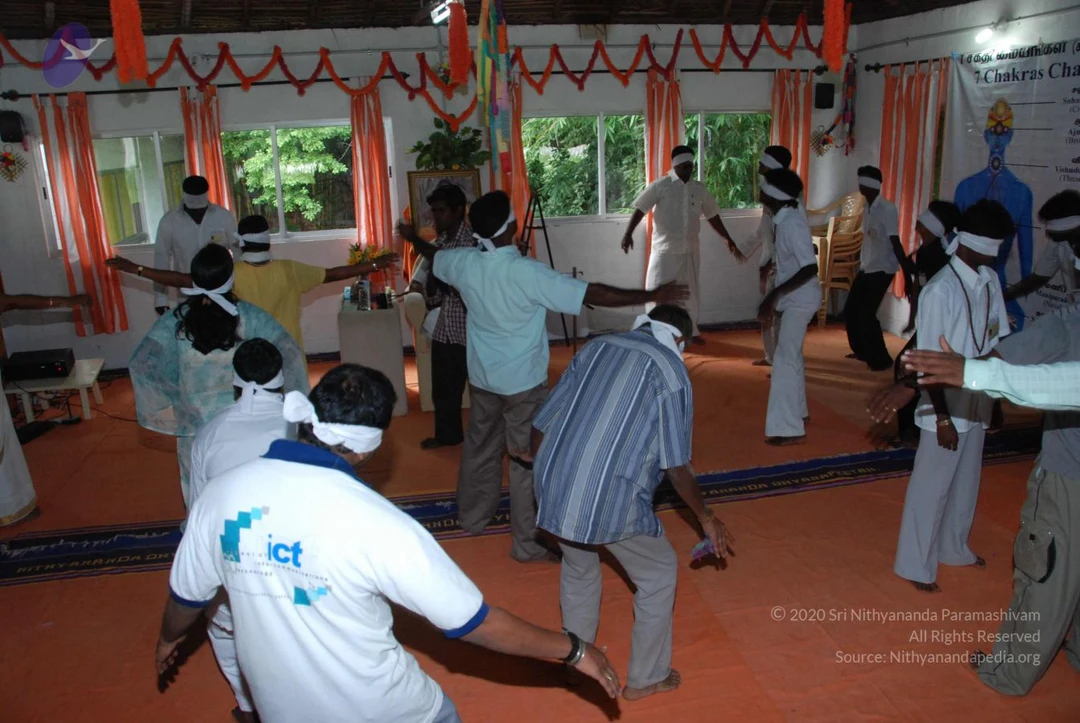
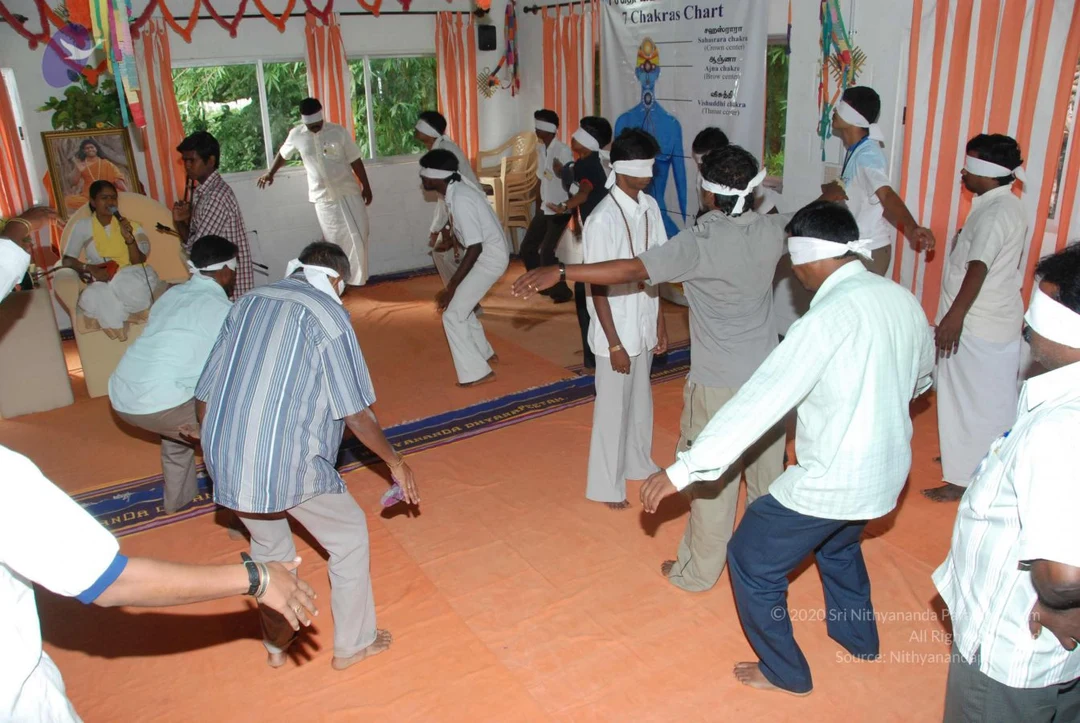
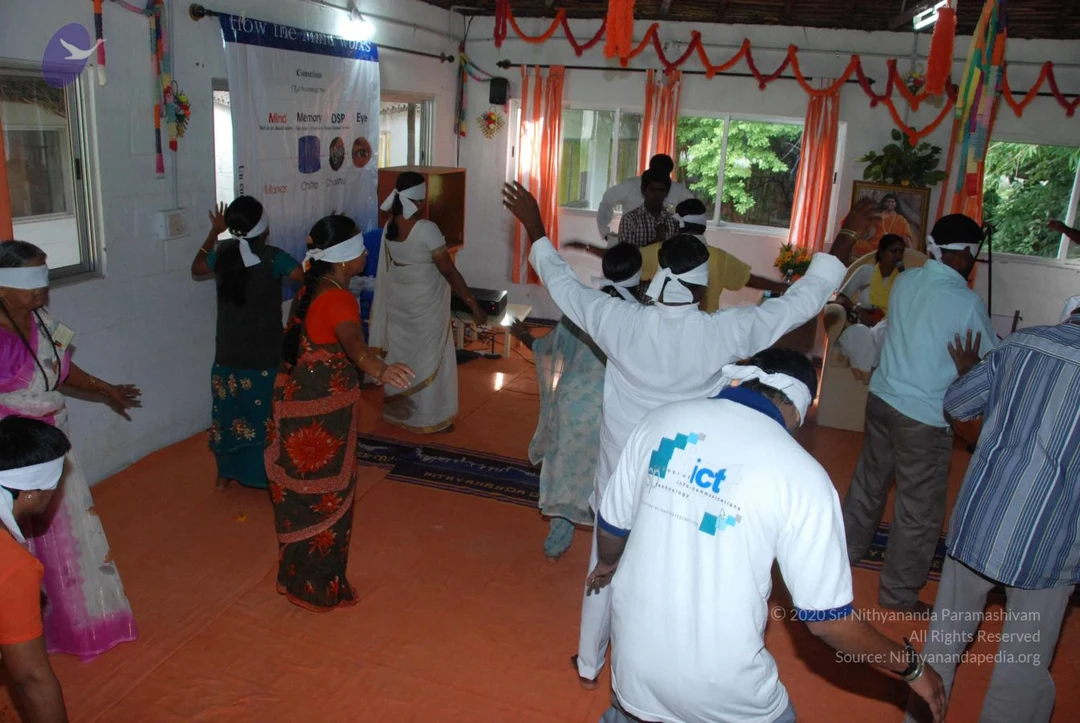
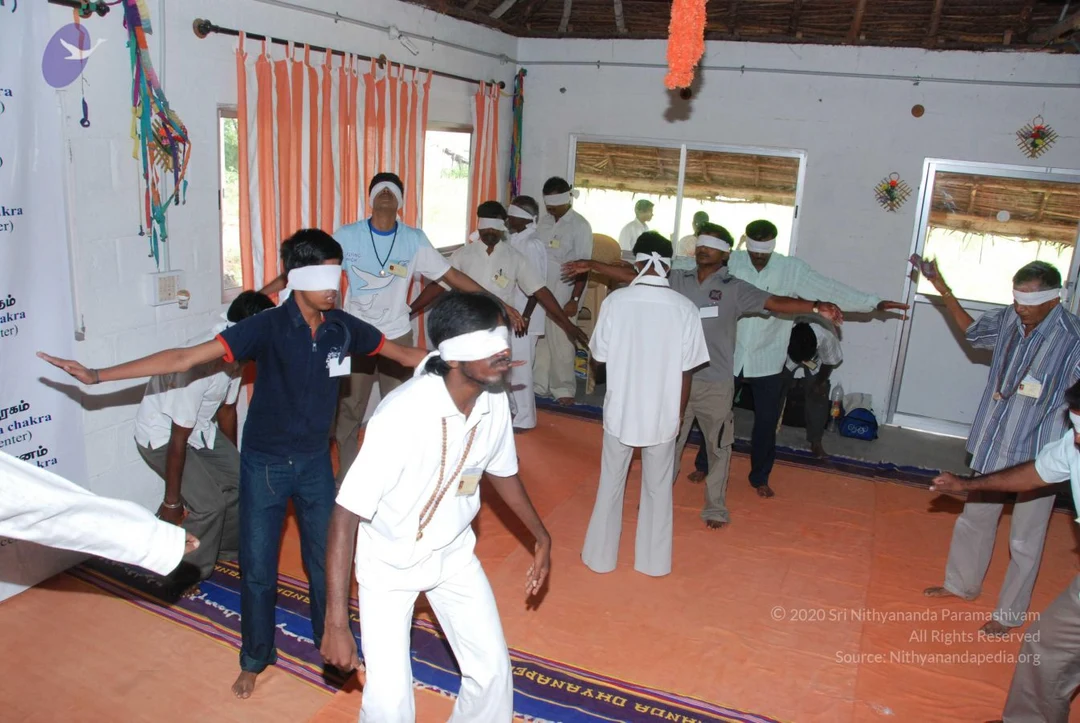
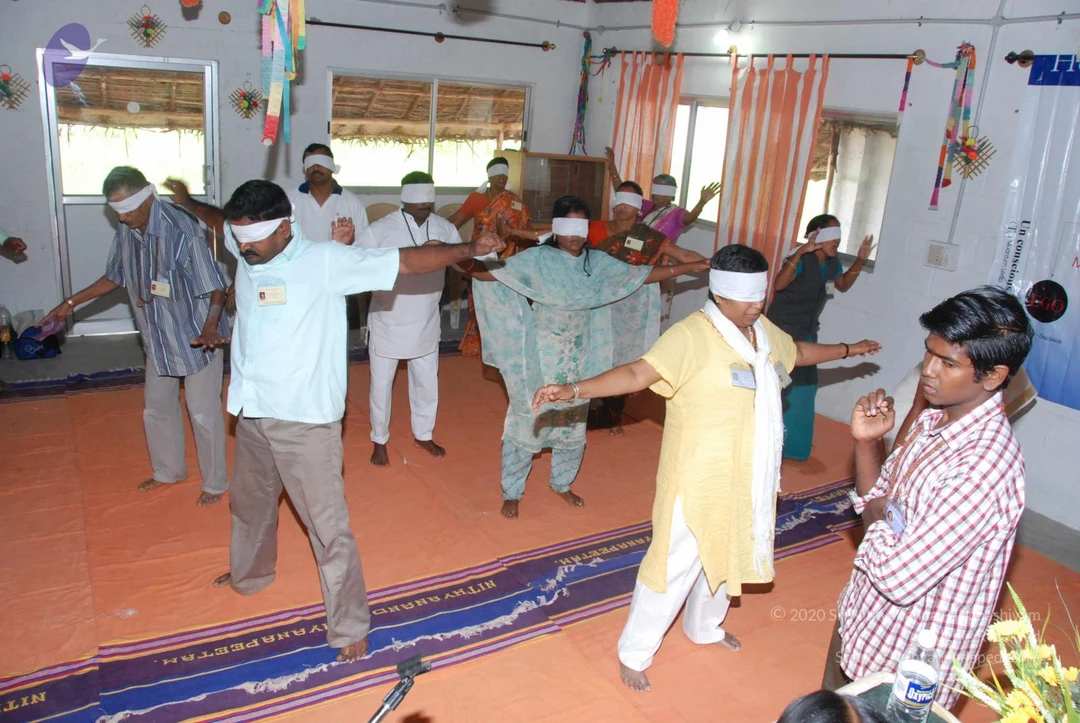
KANNADA-ORGANISERS-MEET
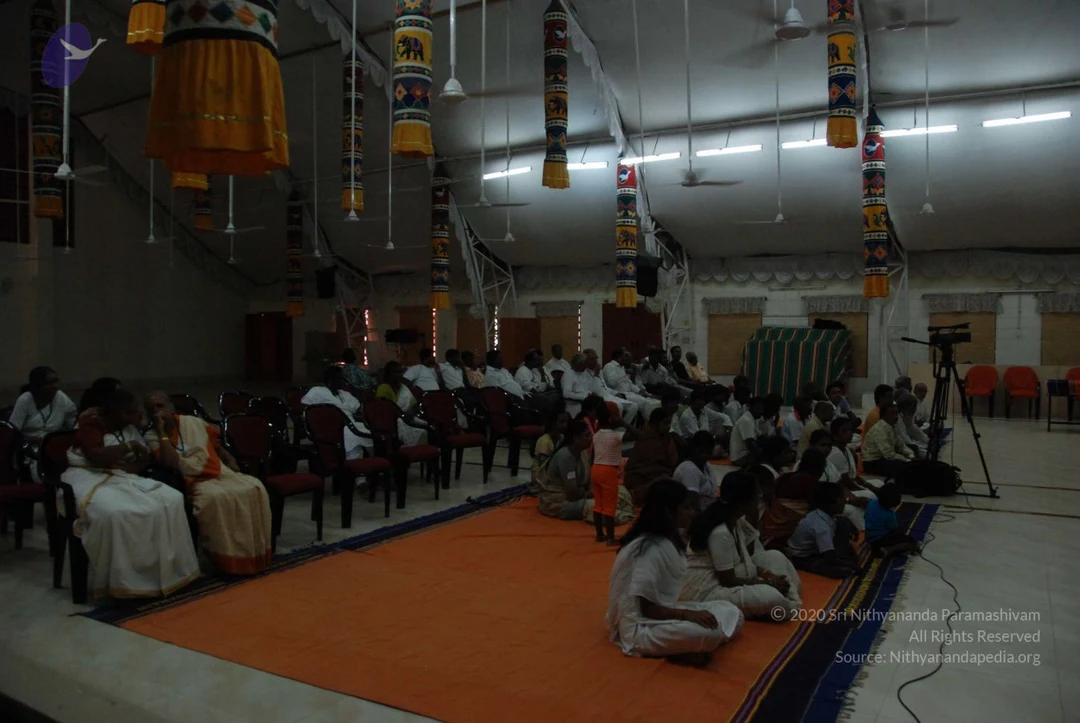
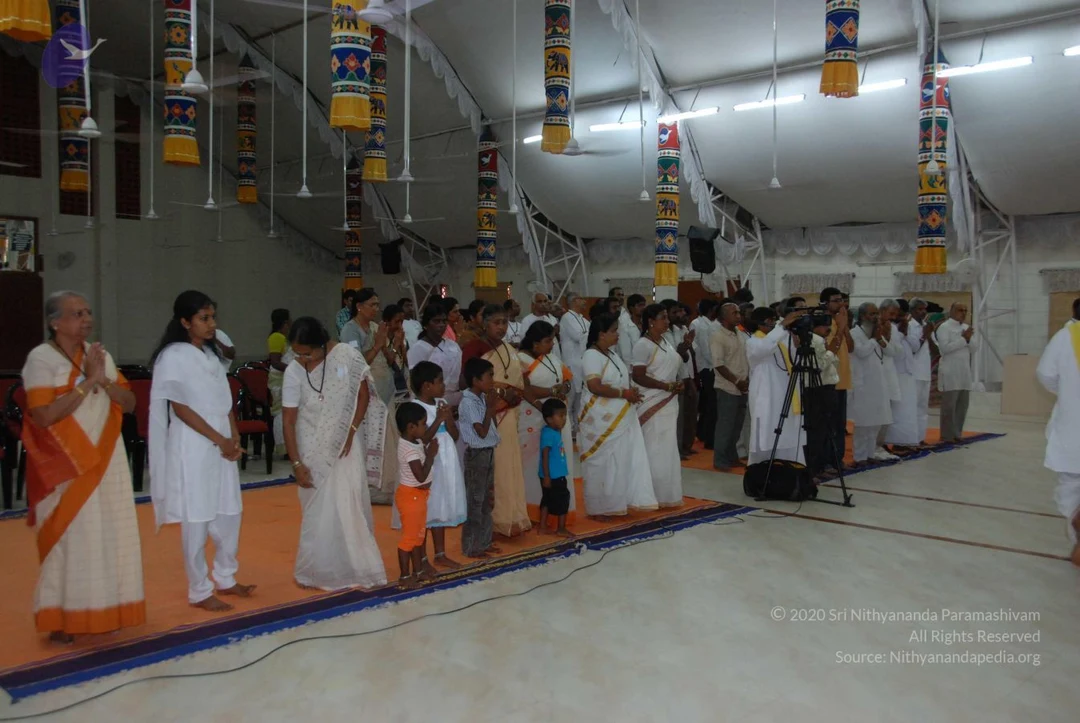
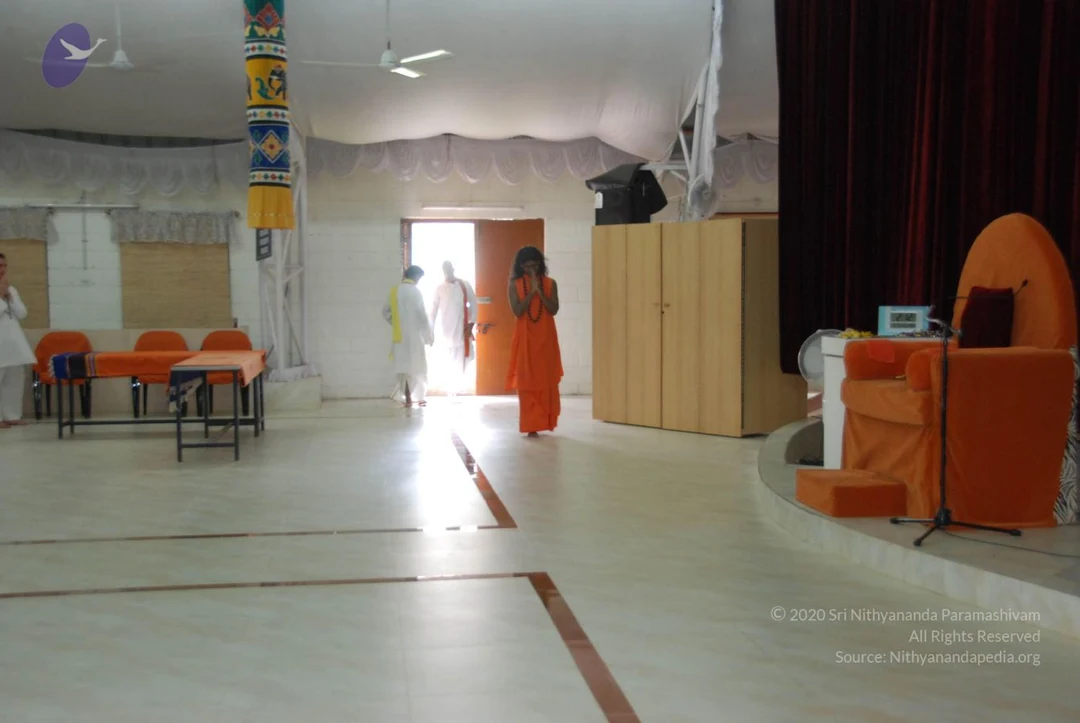
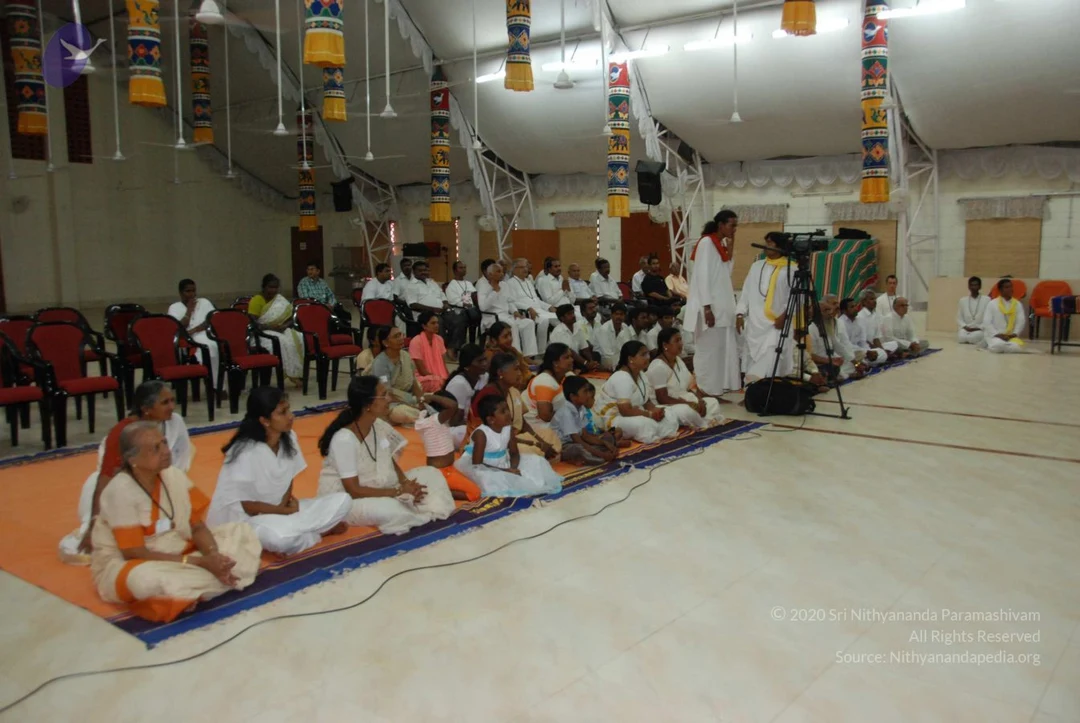
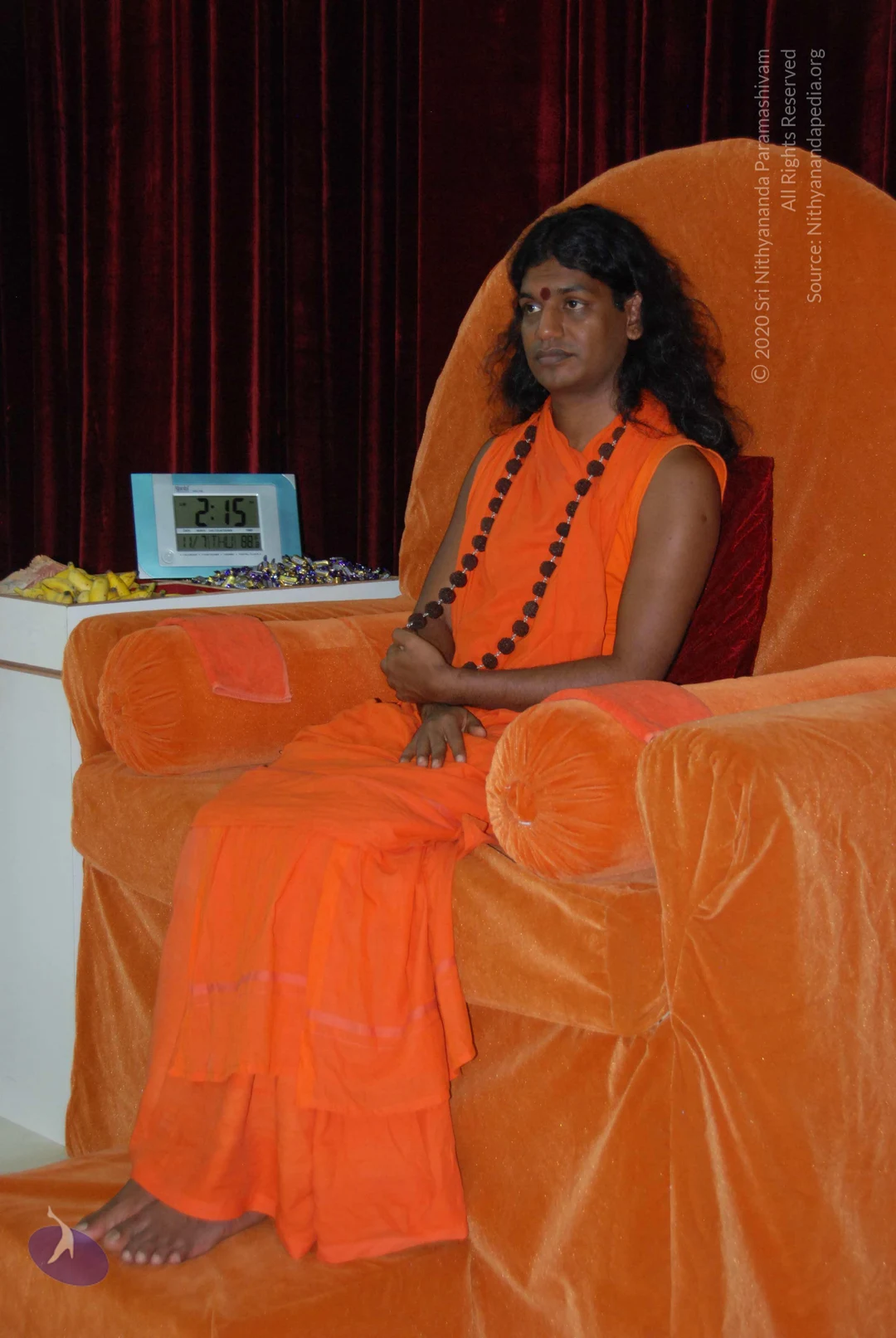
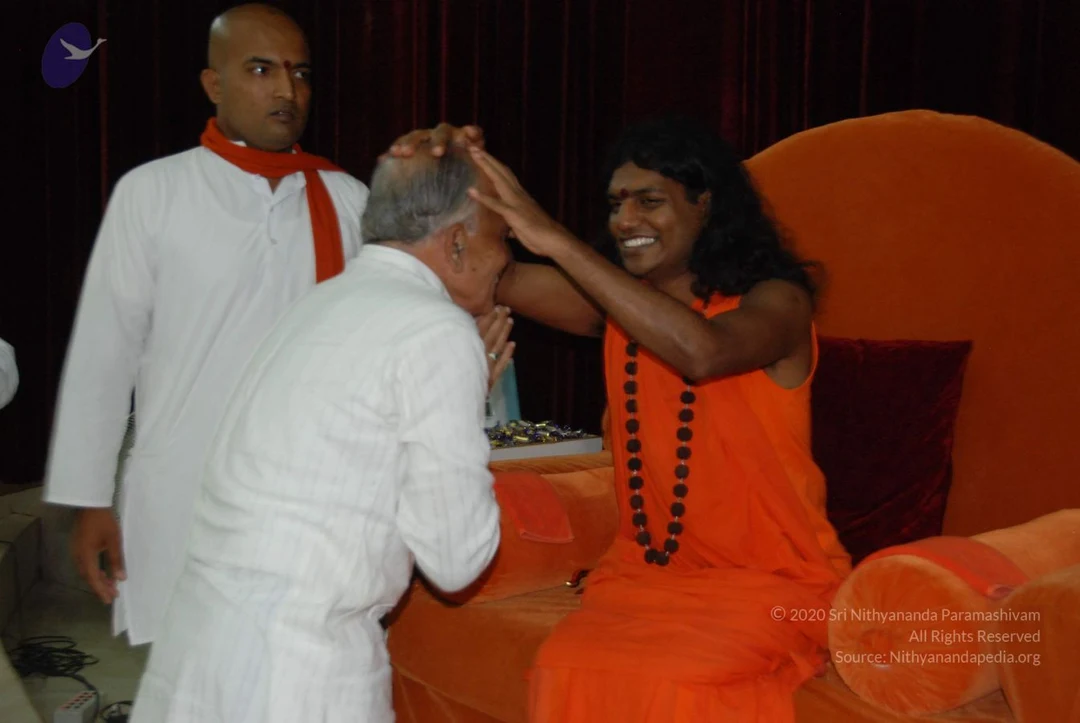
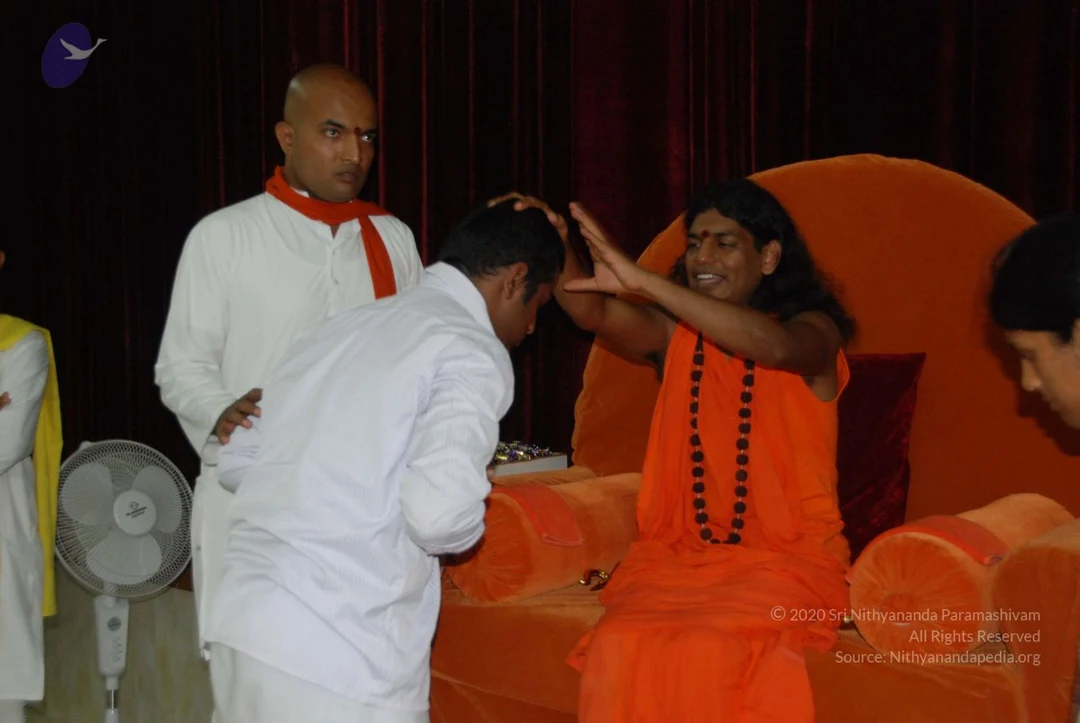
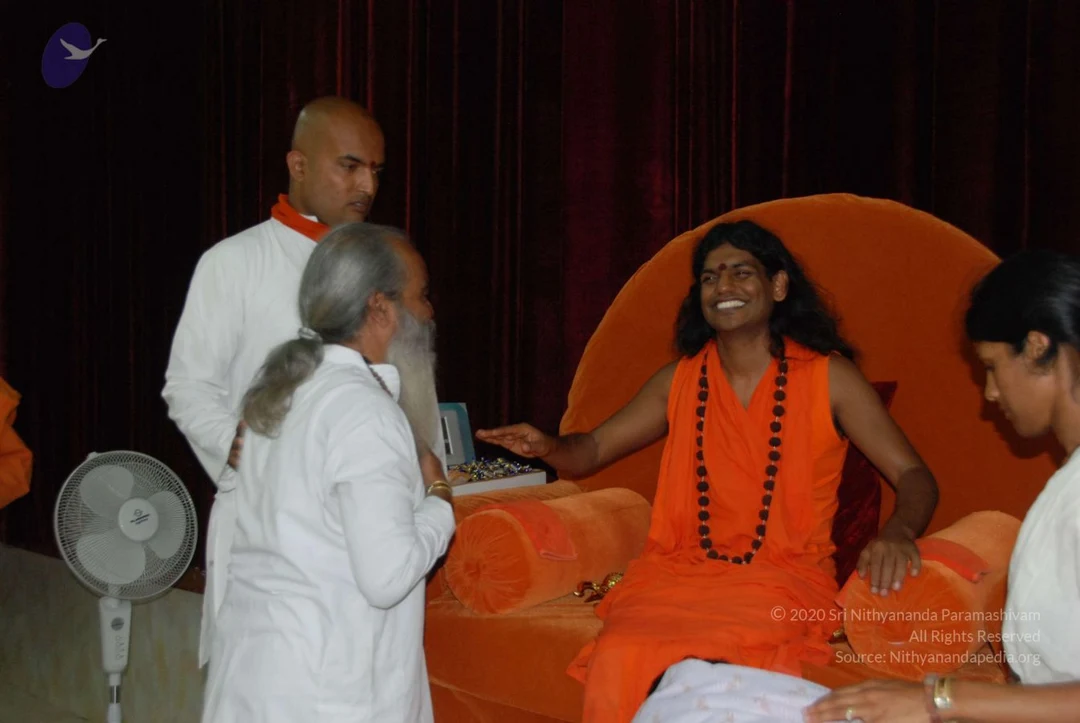
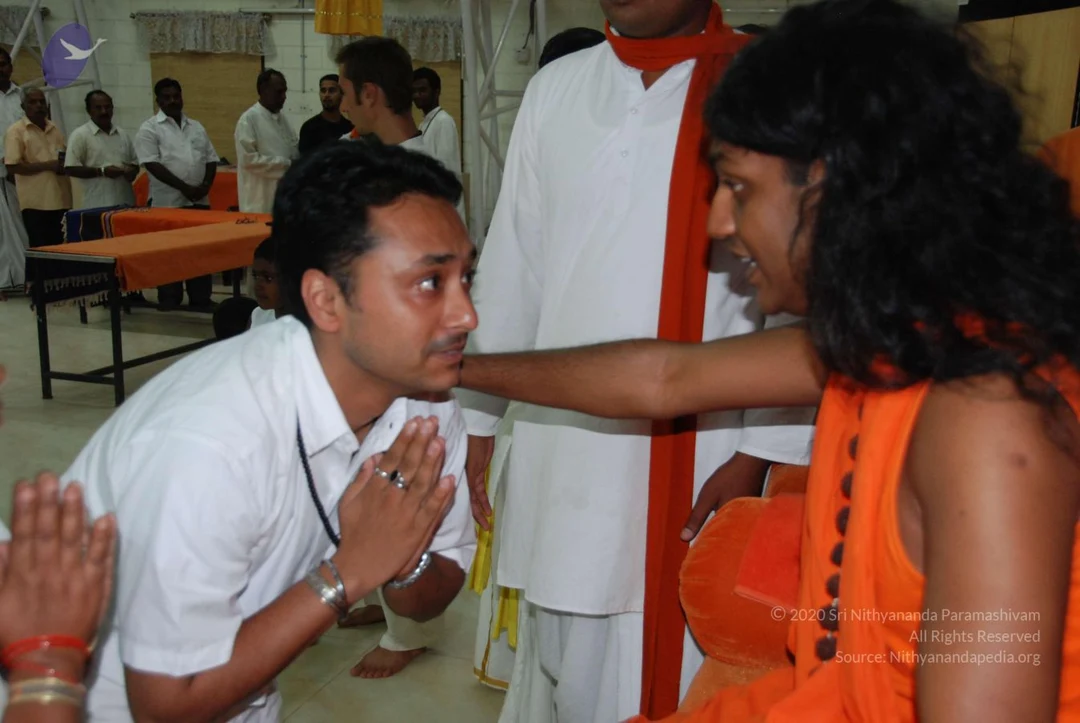
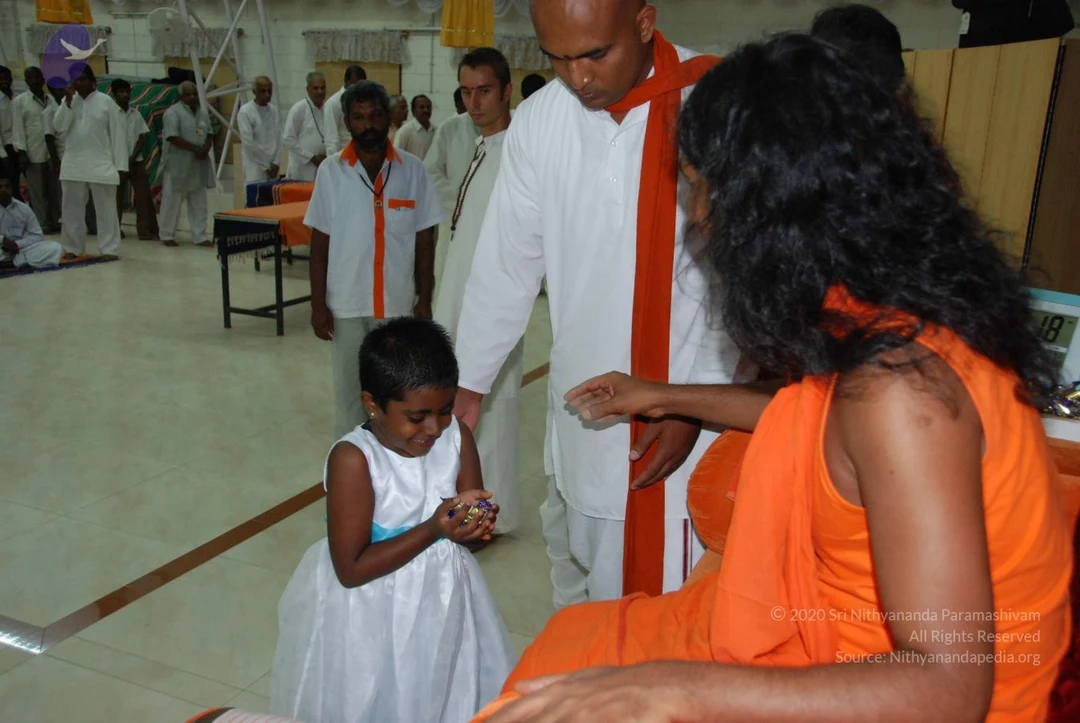
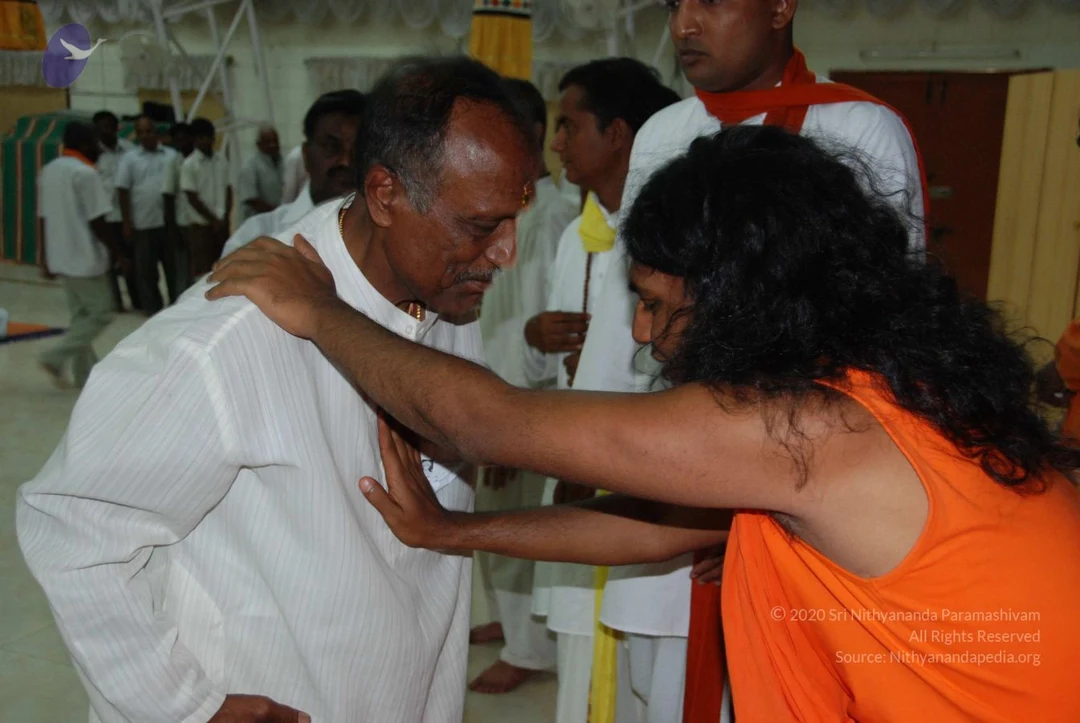
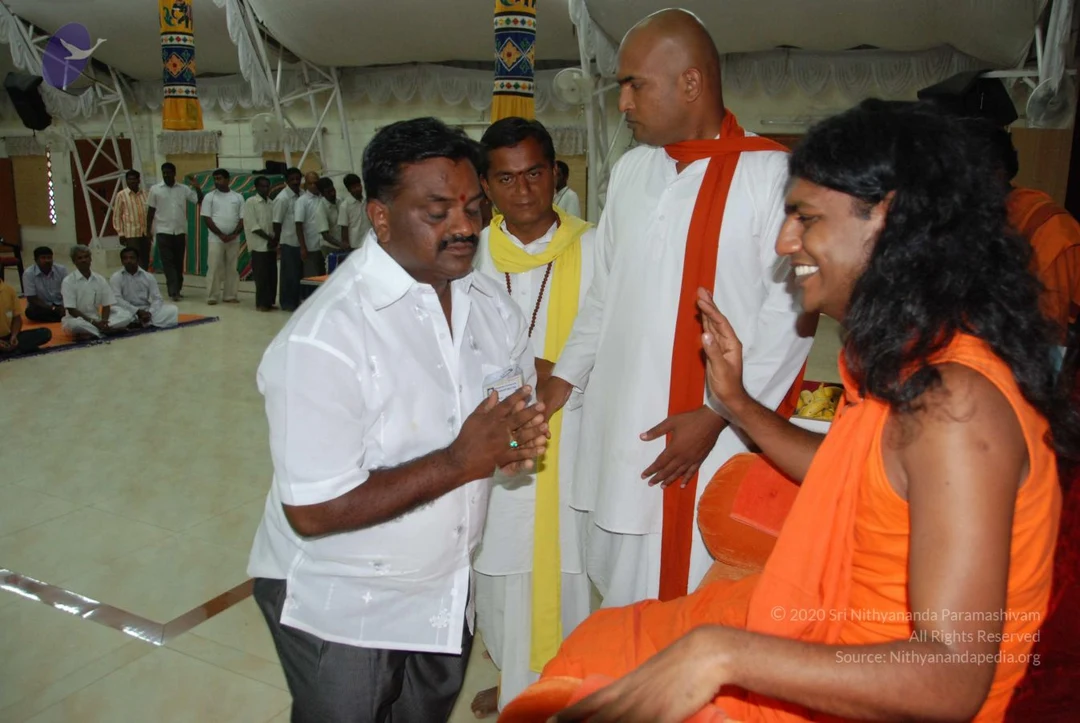
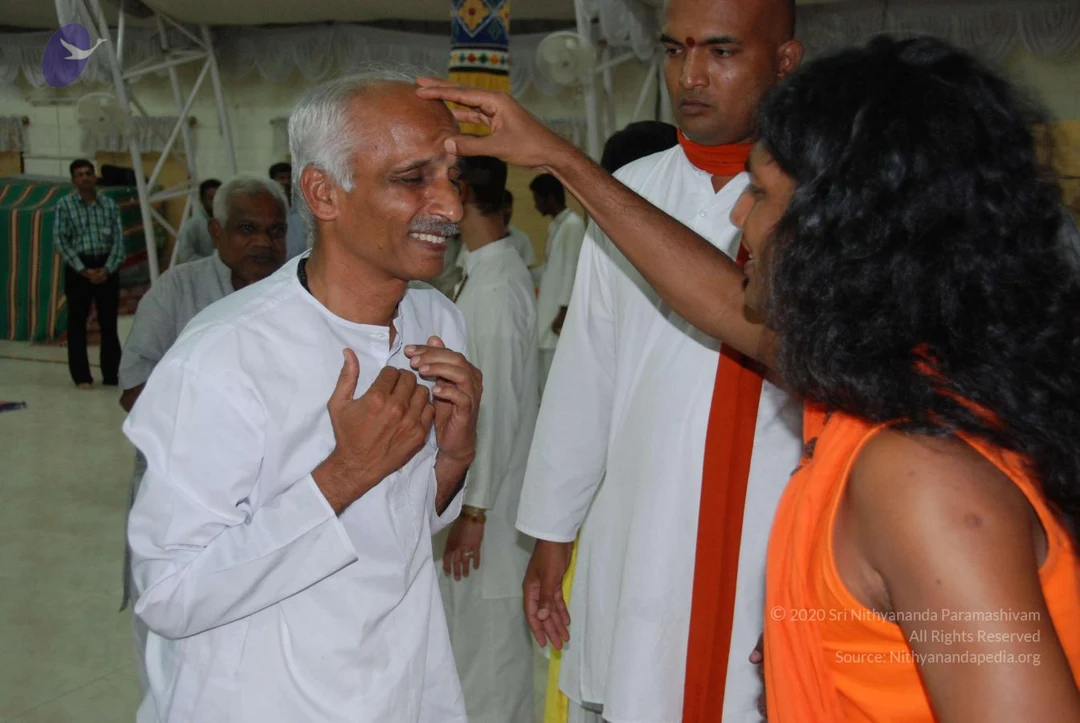
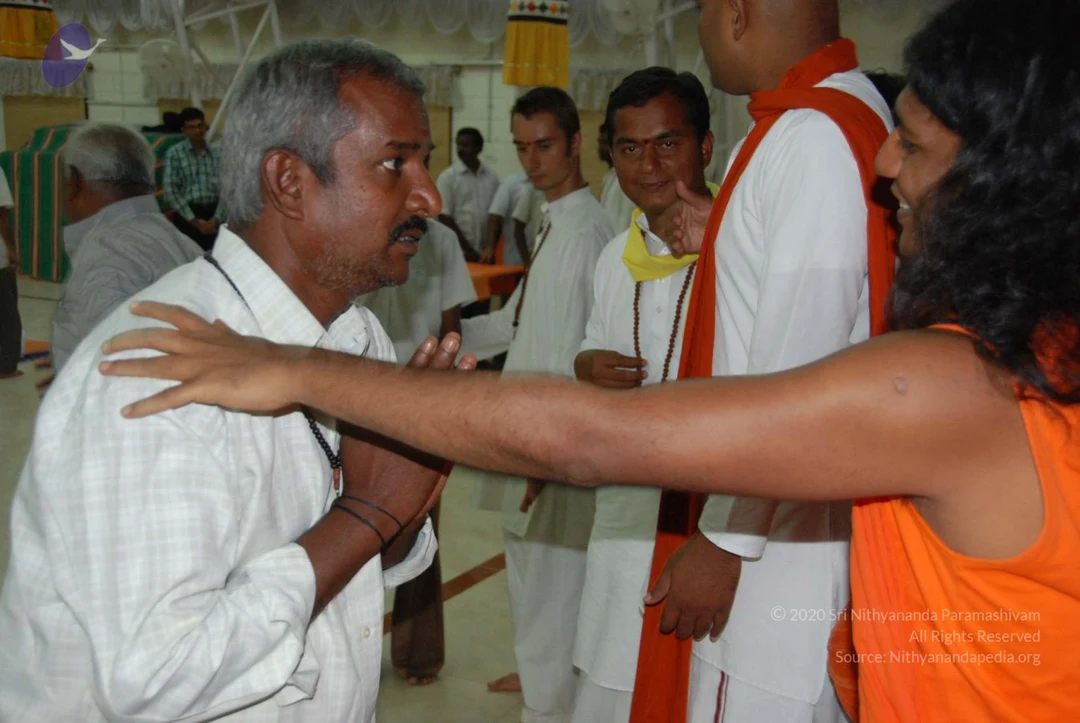
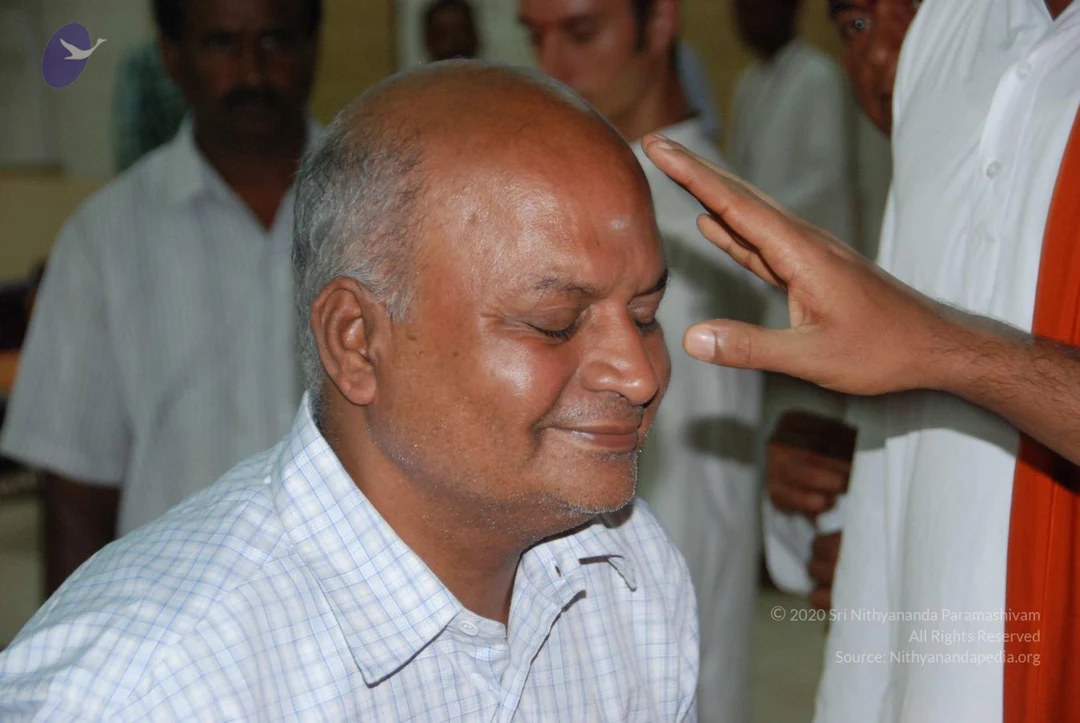
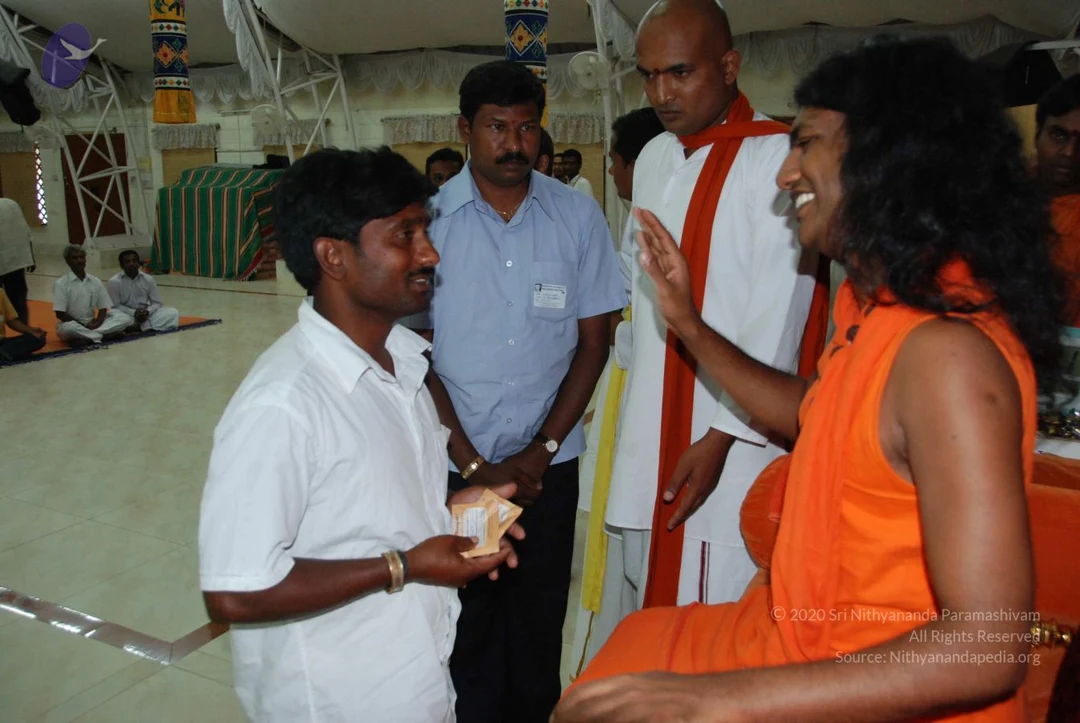
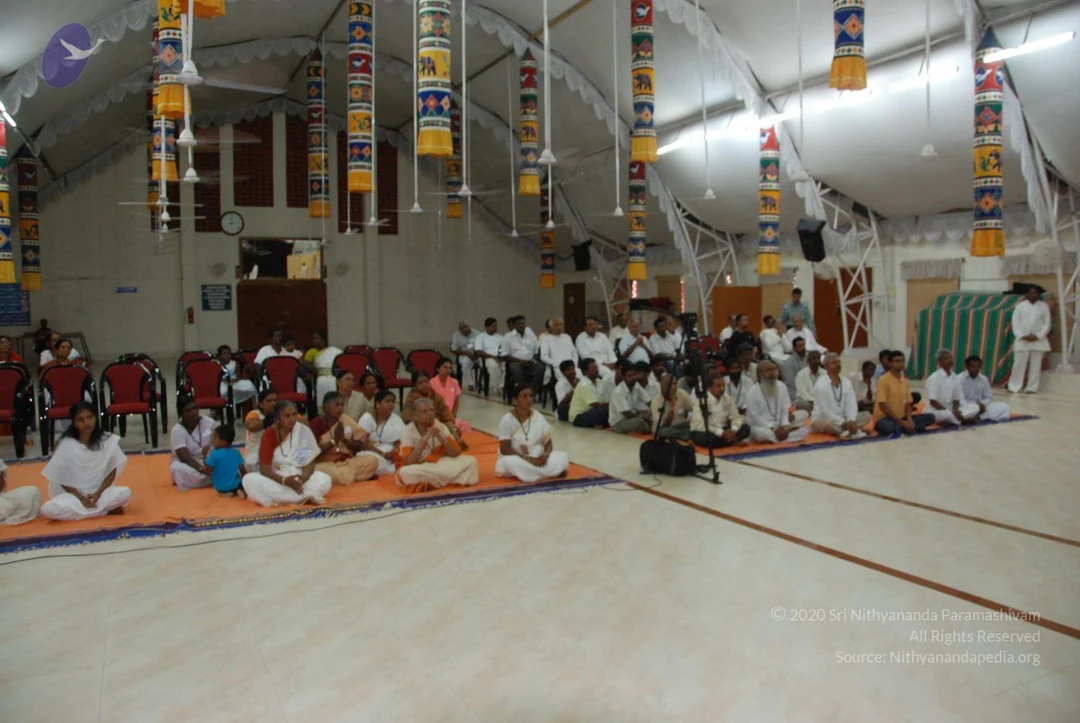
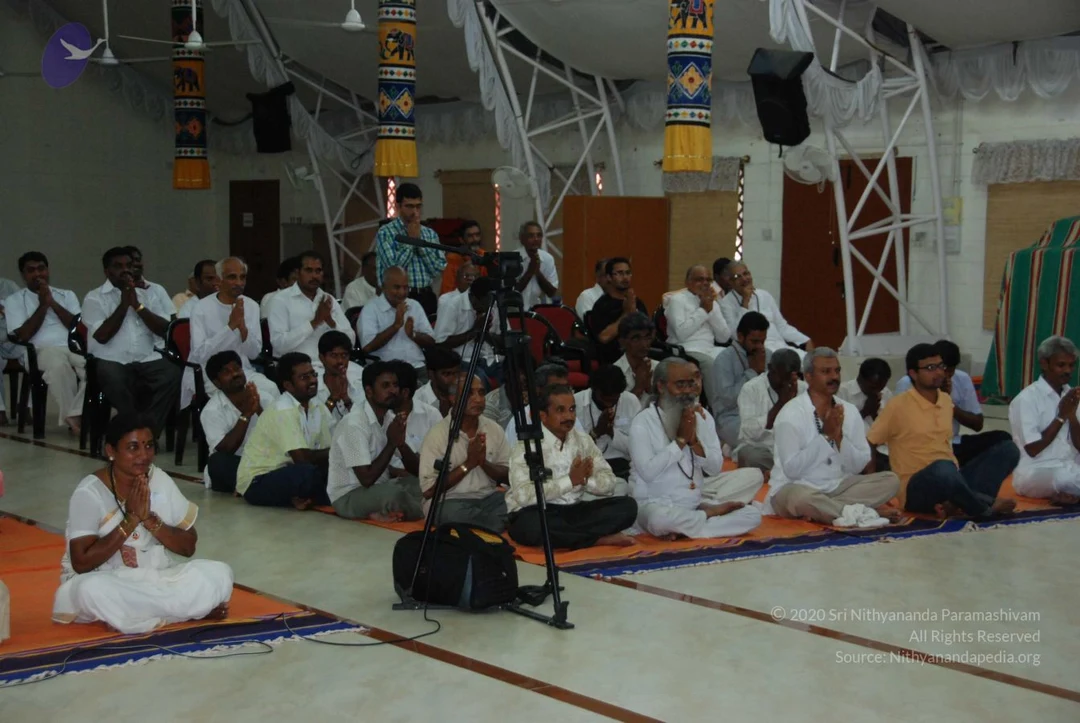
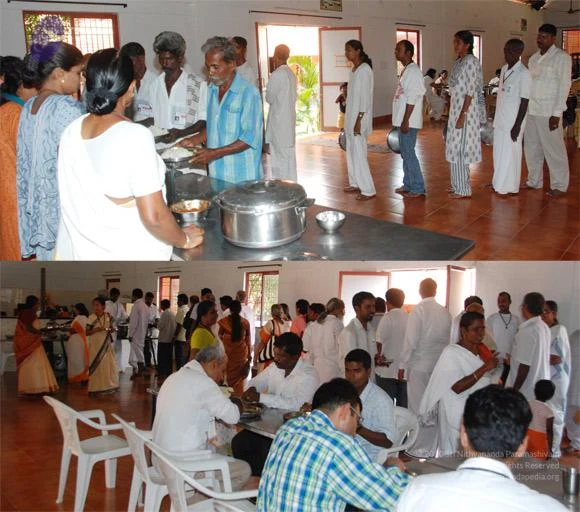
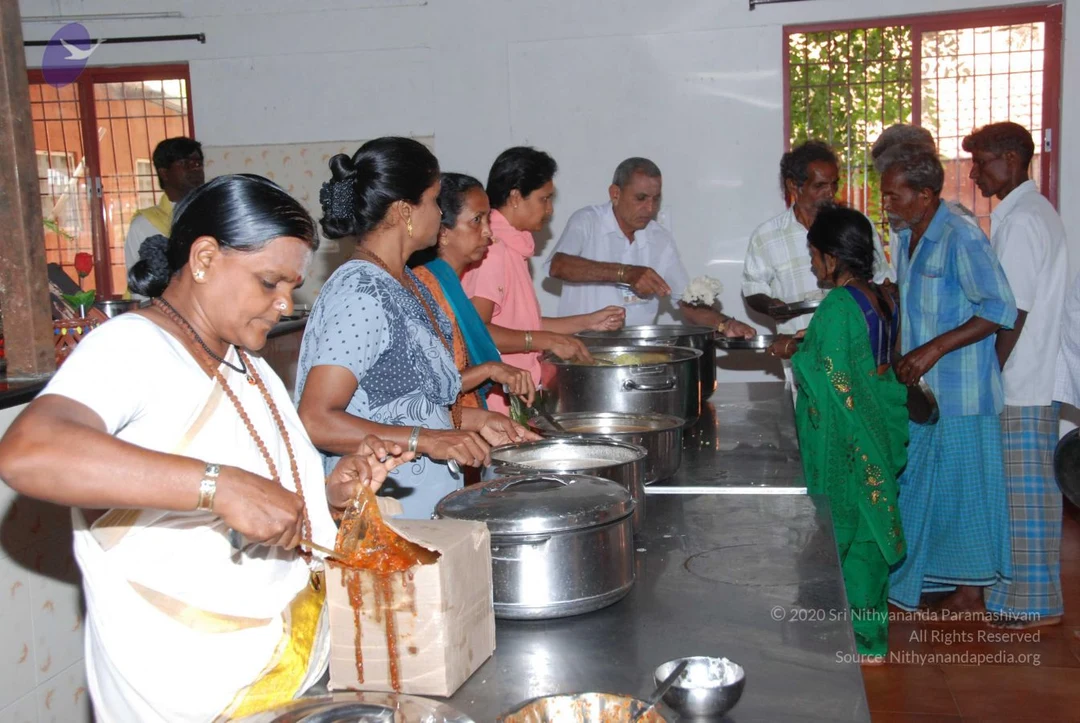
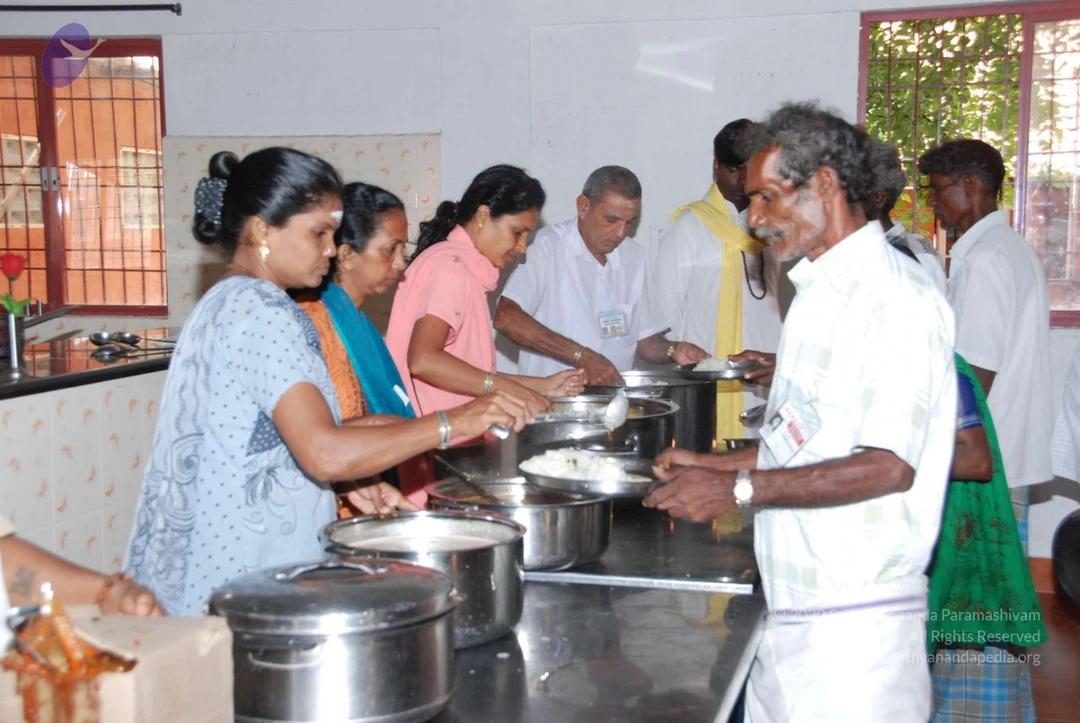
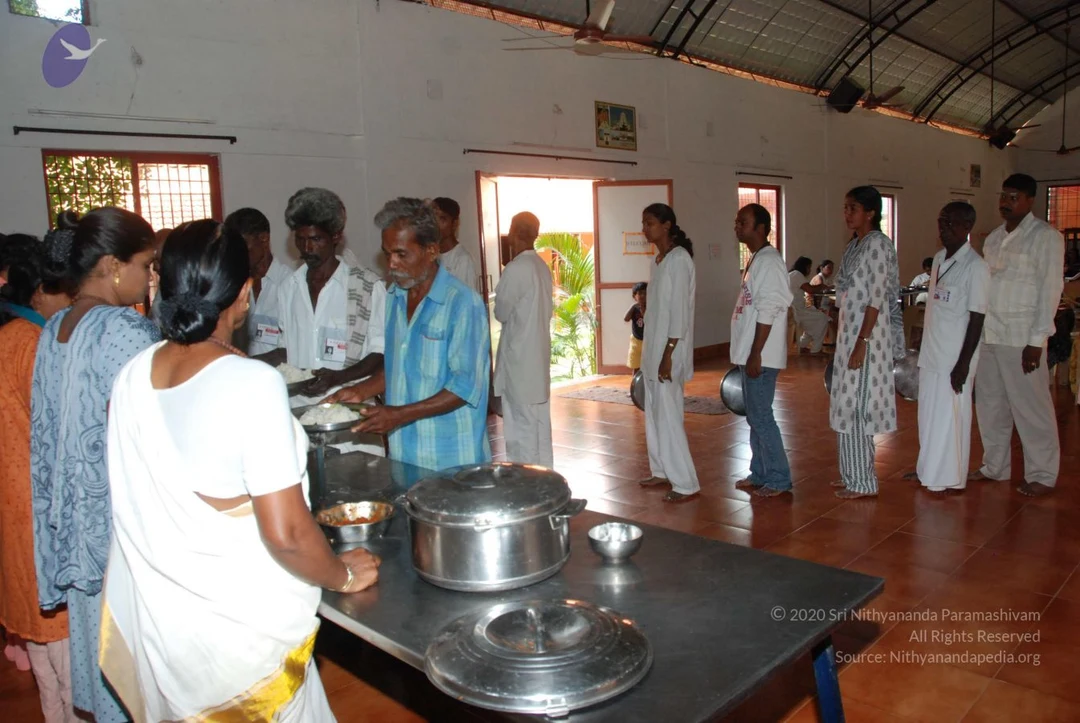
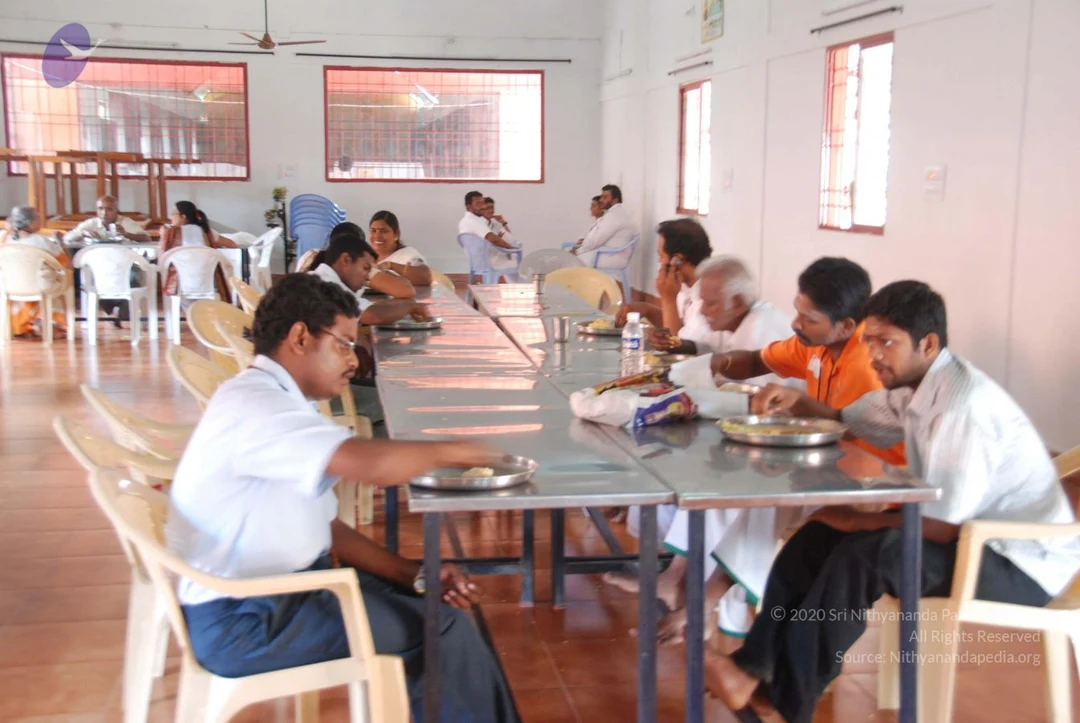
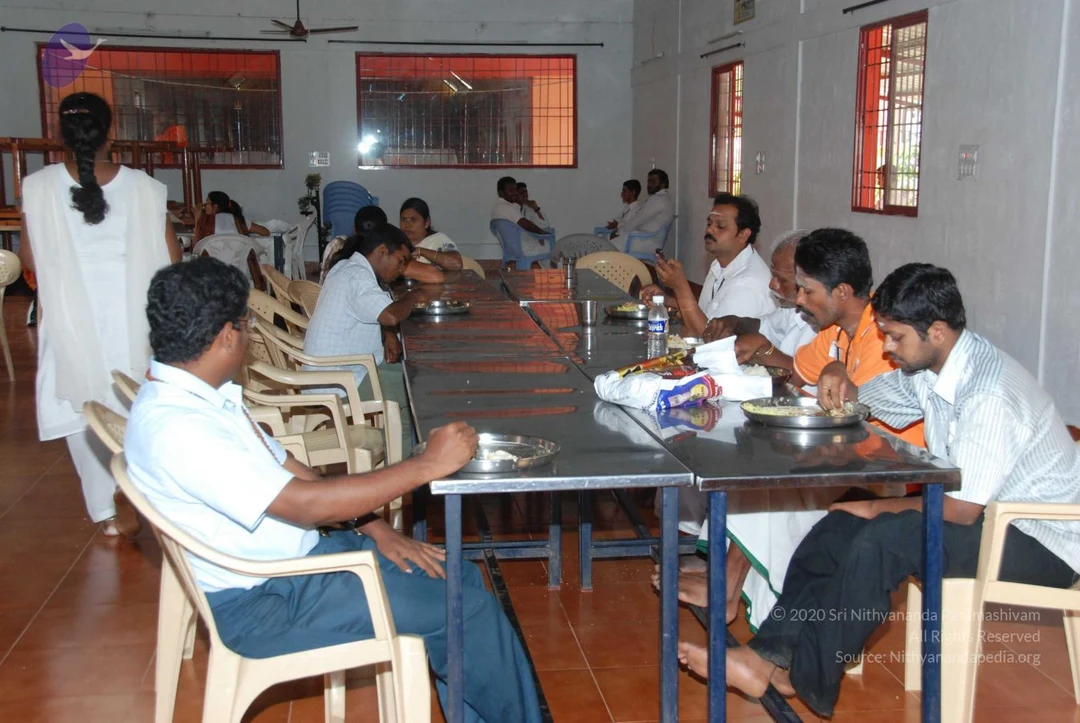
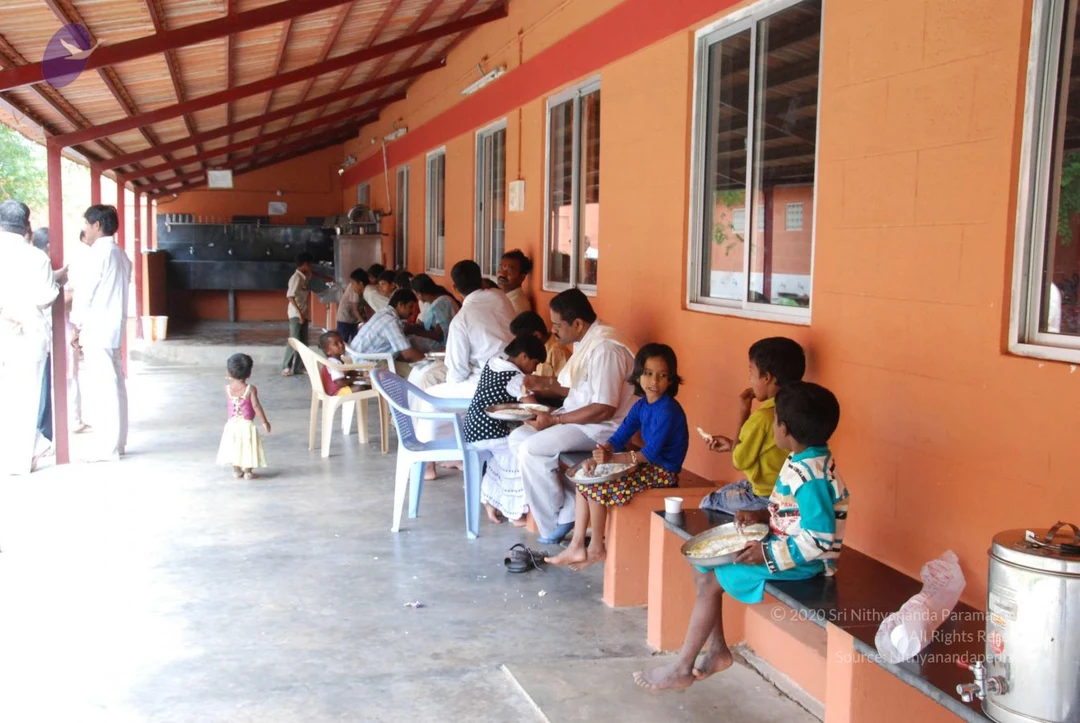
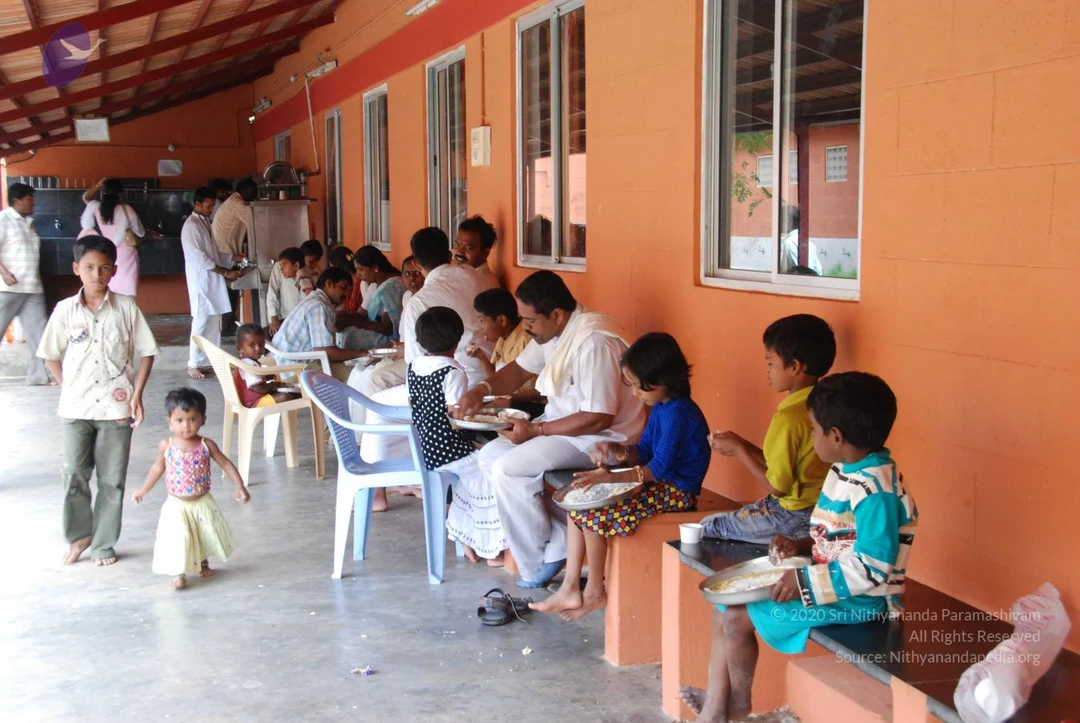
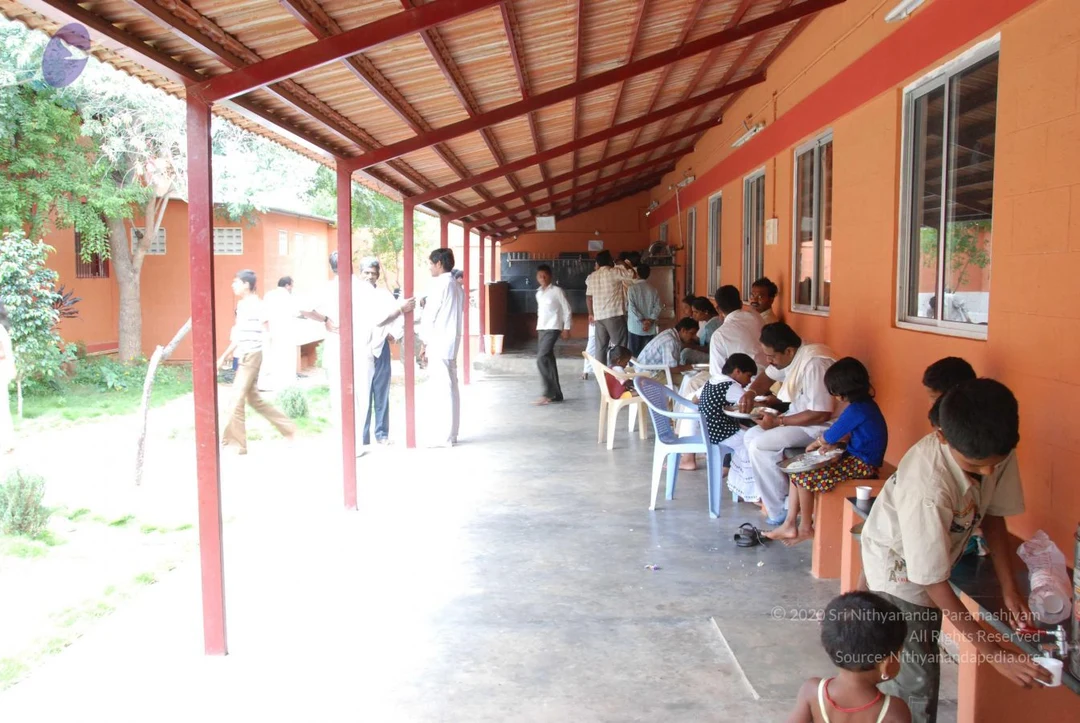
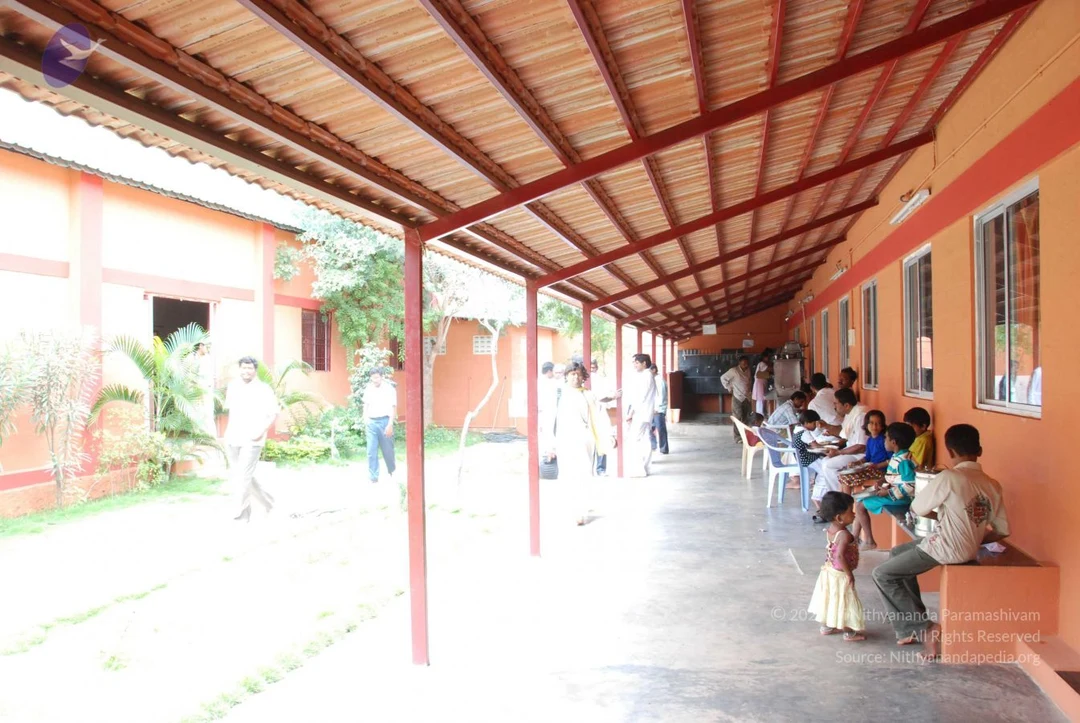
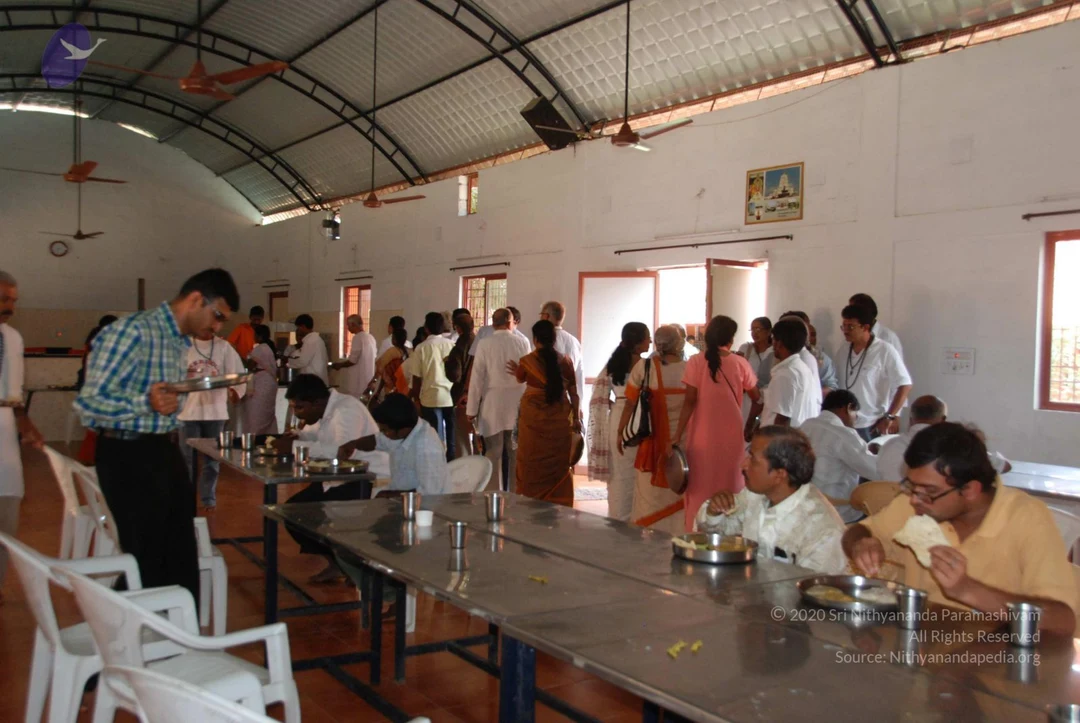
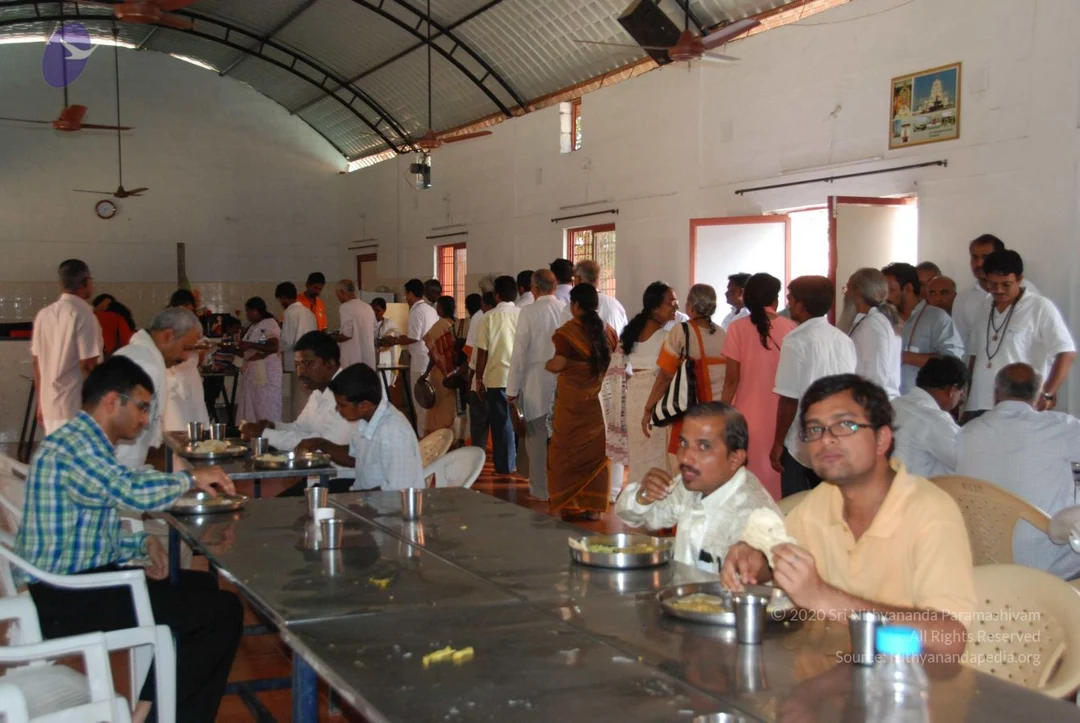
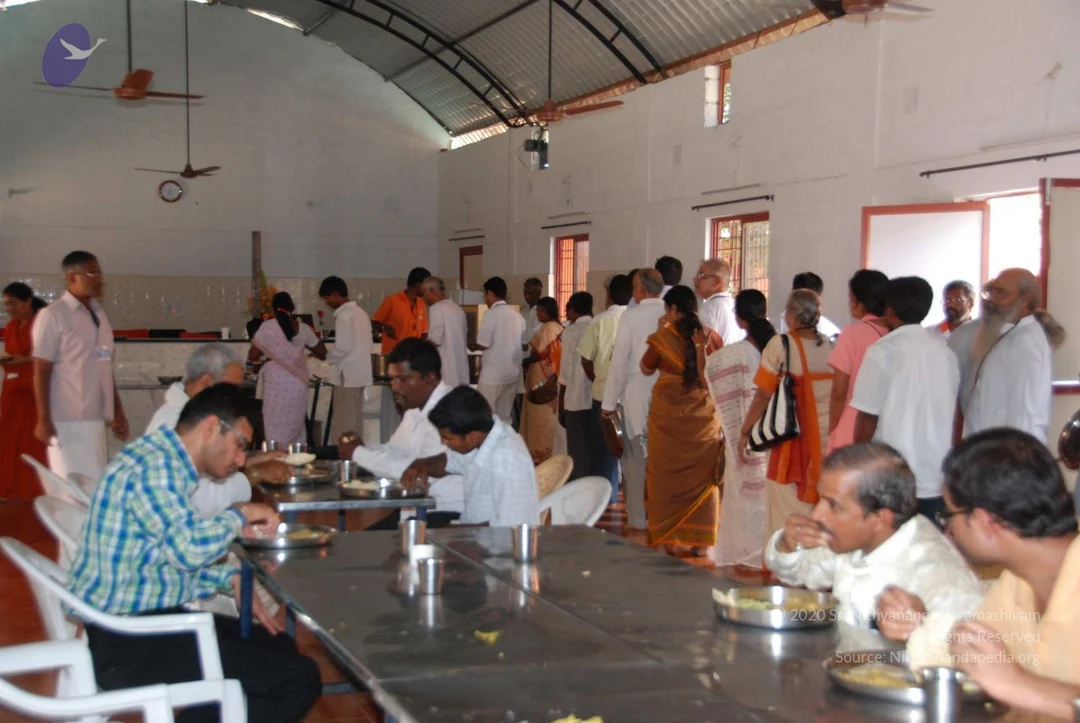
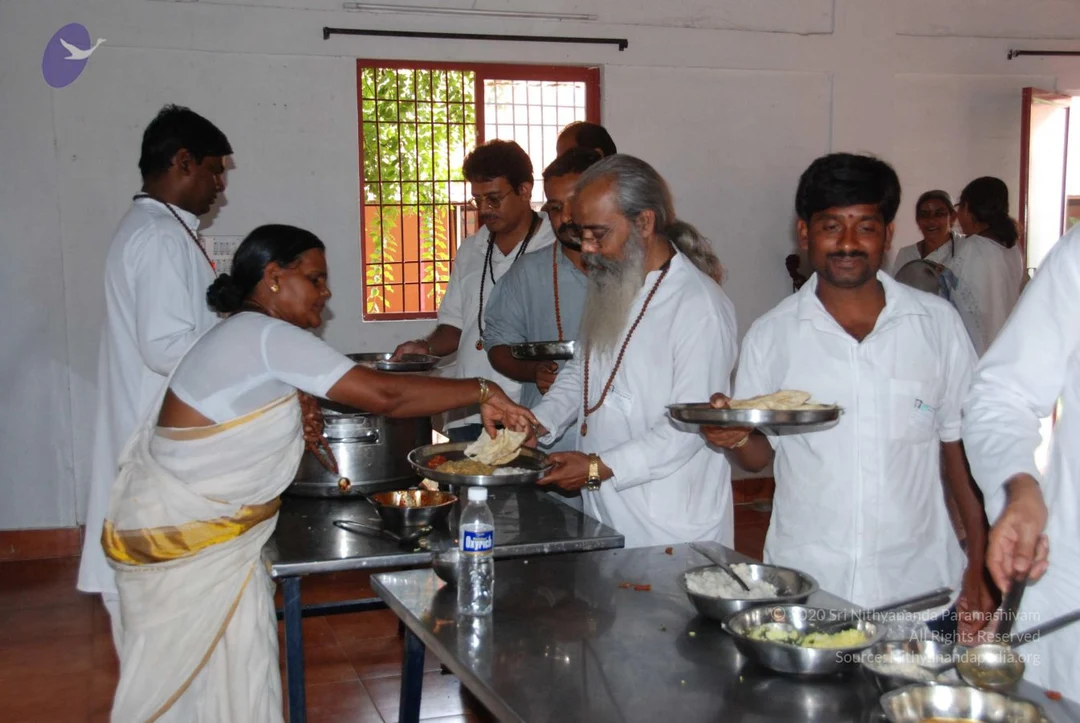
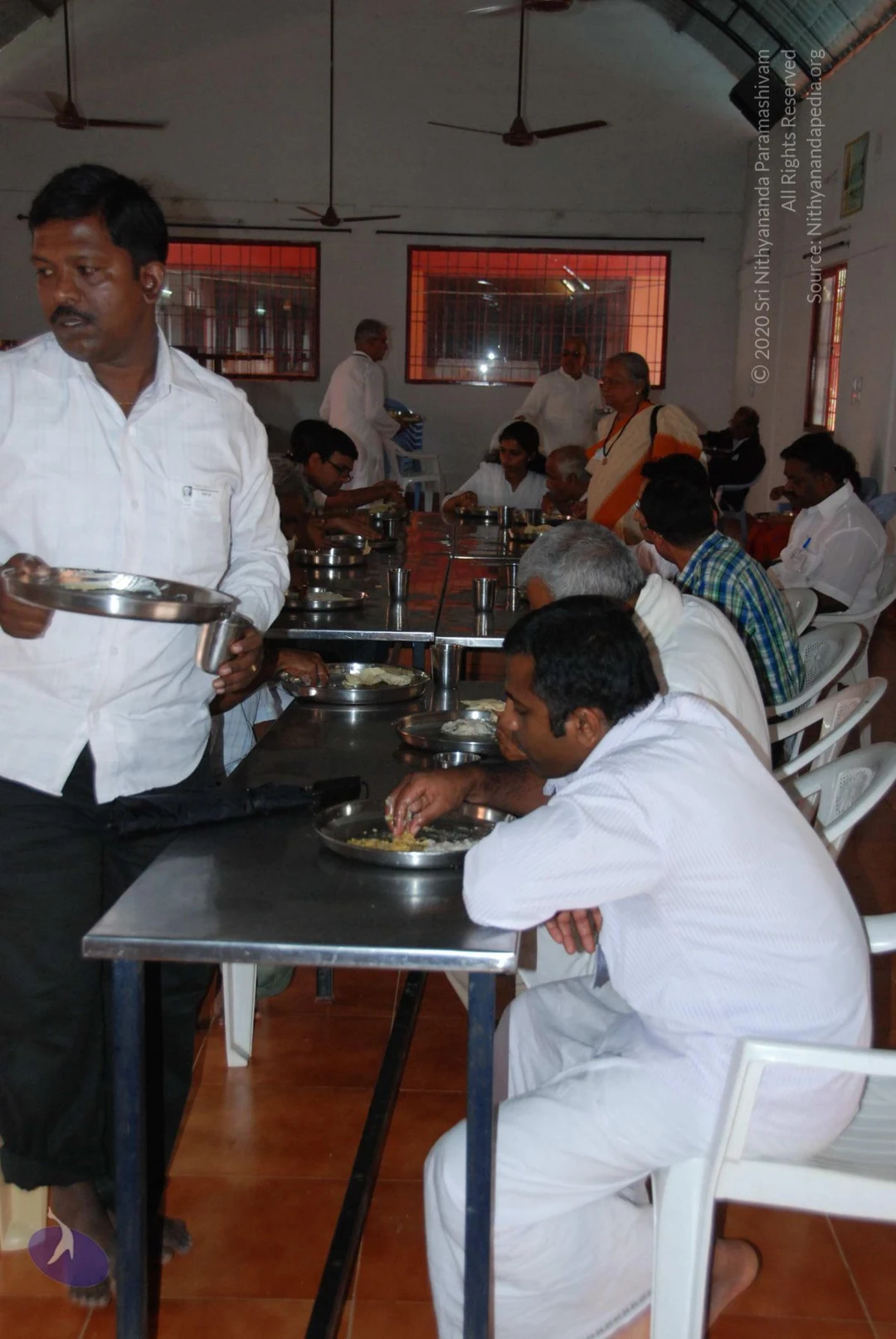
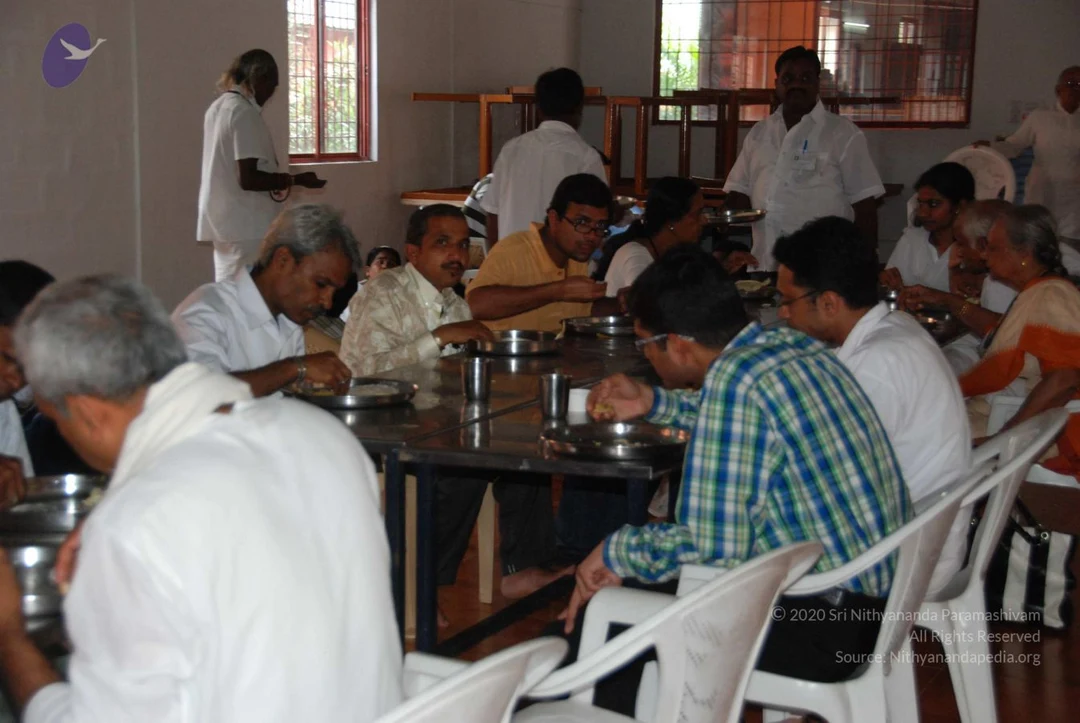
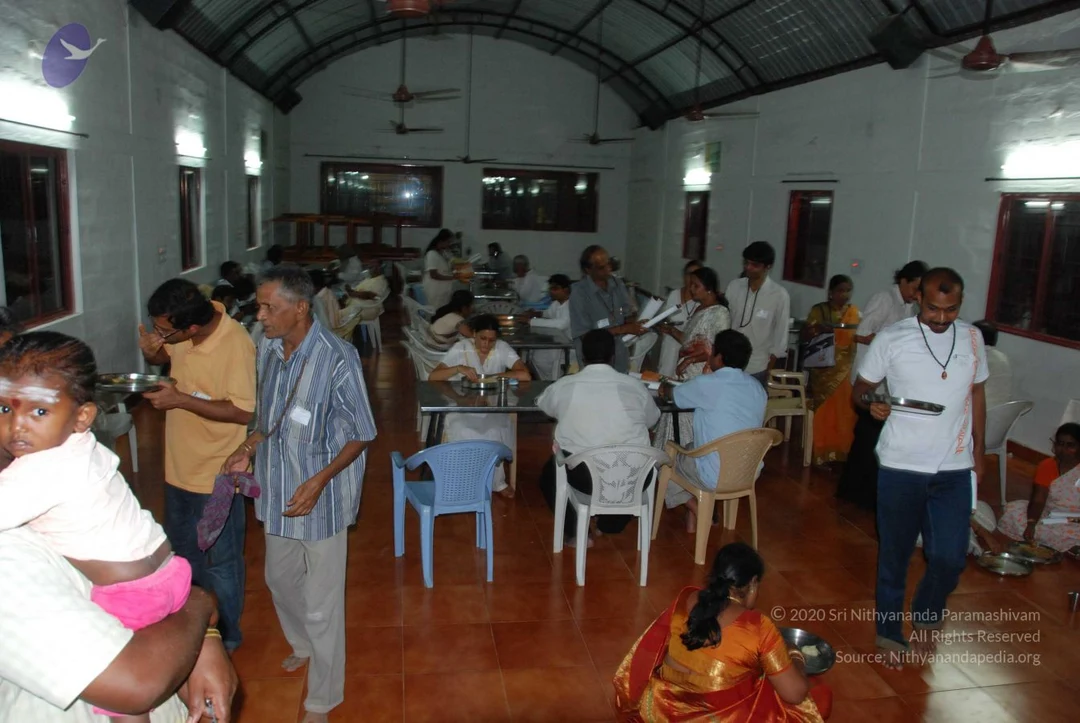
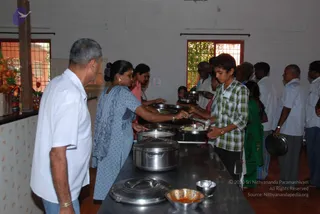
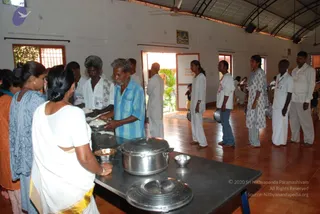
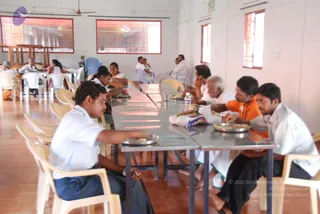
LUNCH-BREAK
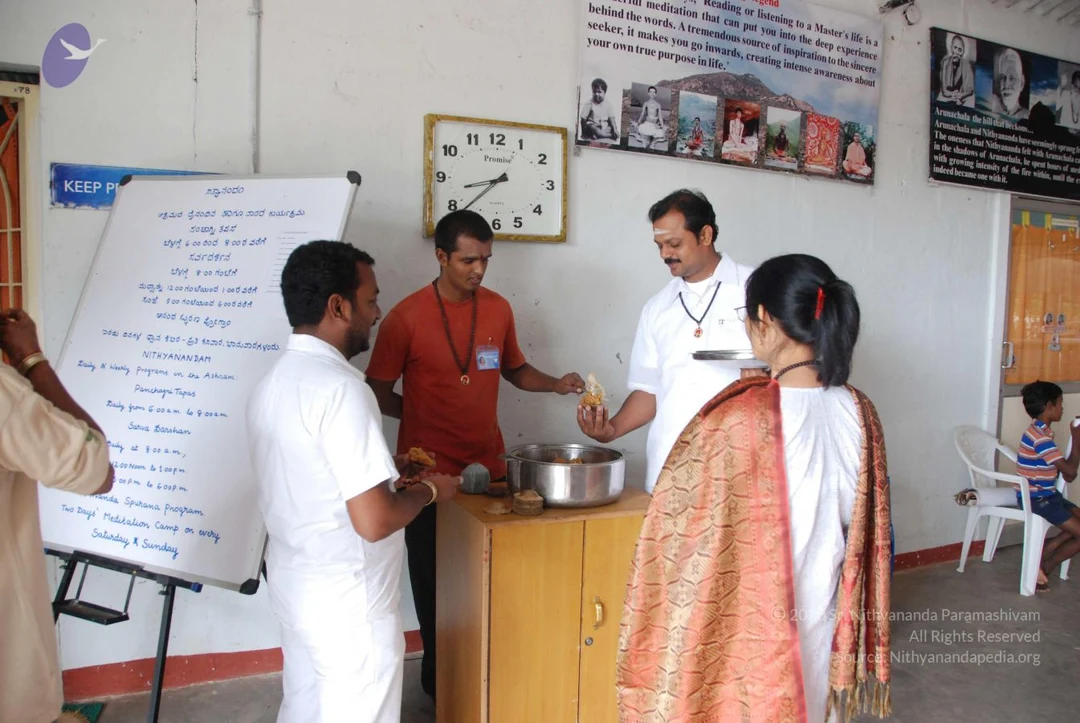
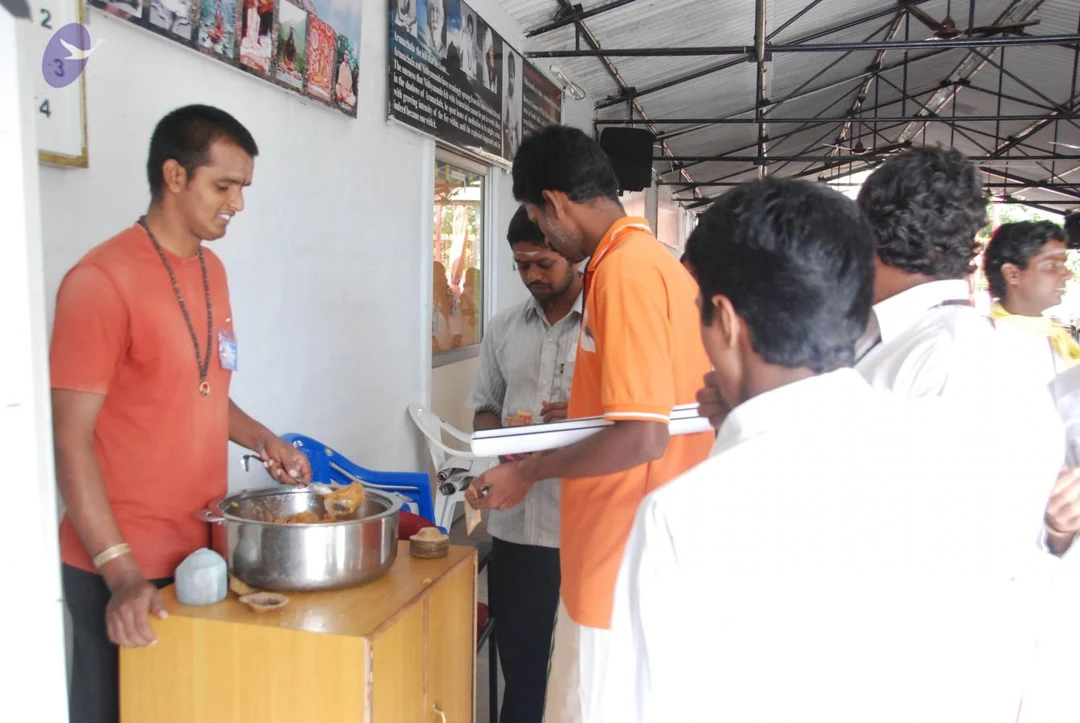
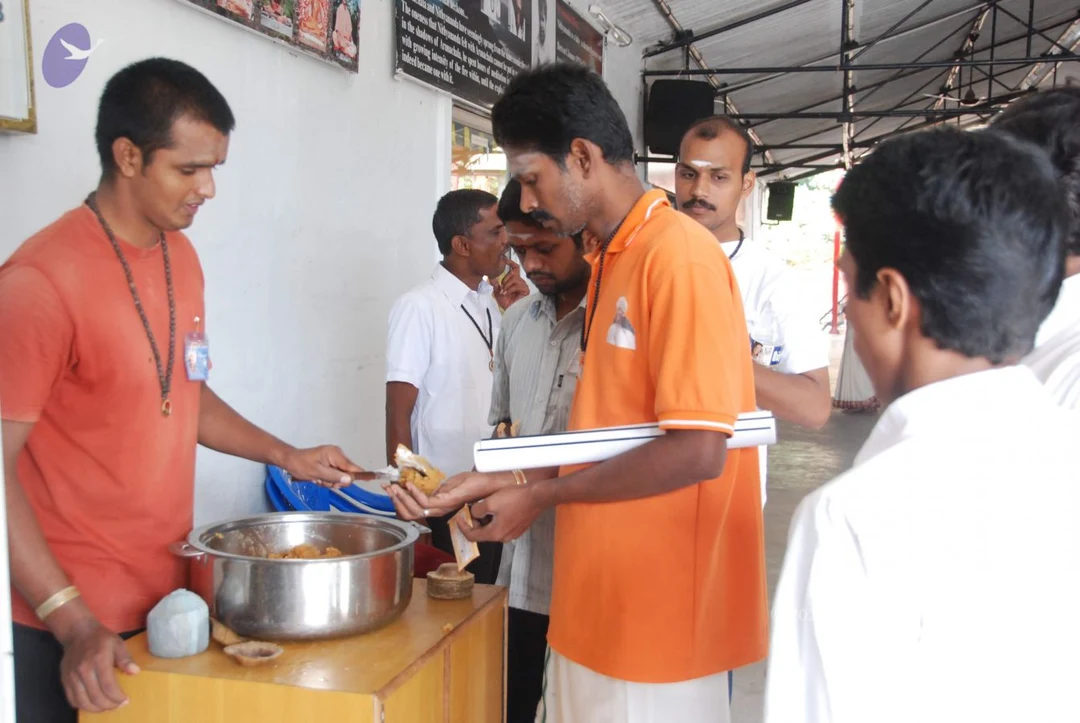
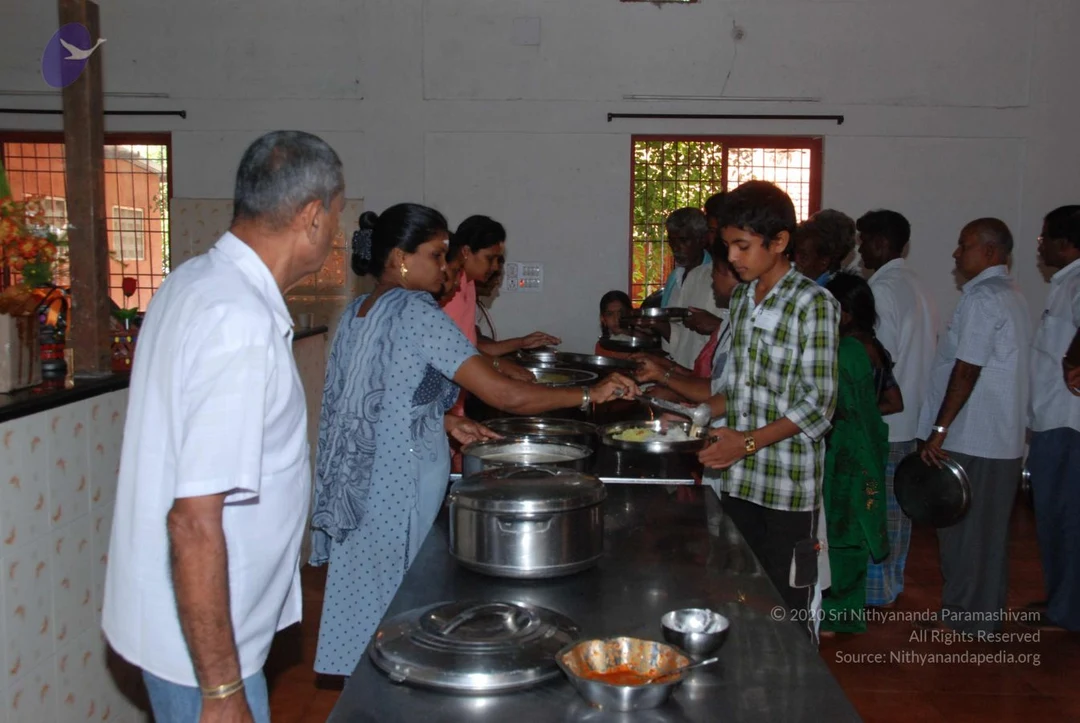
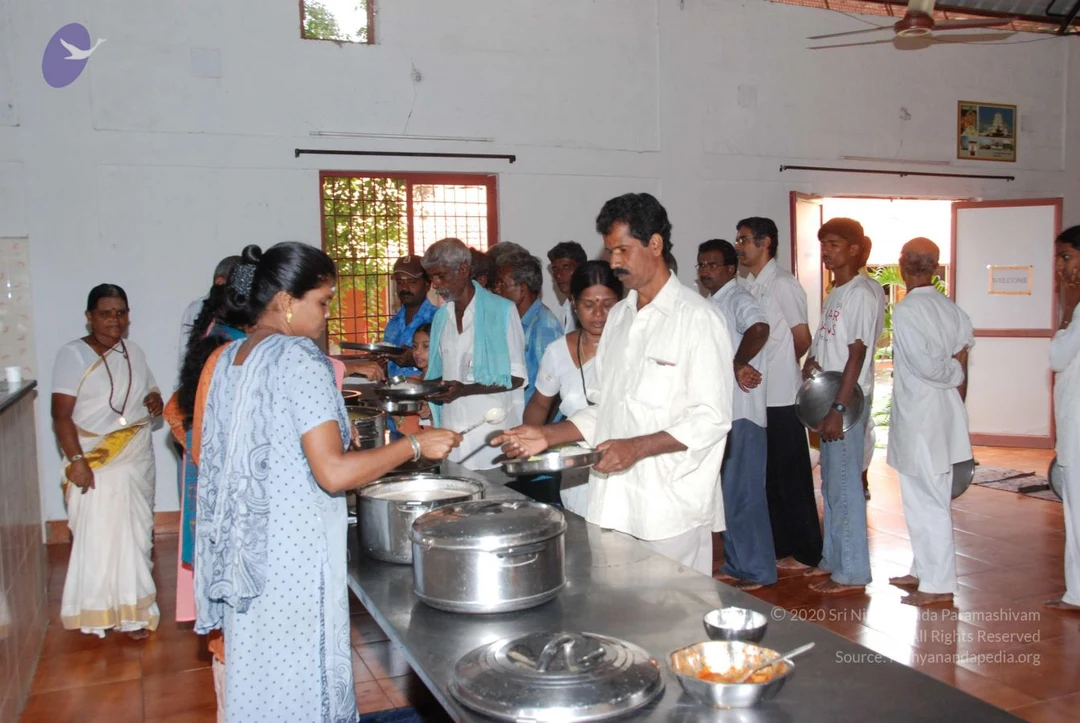
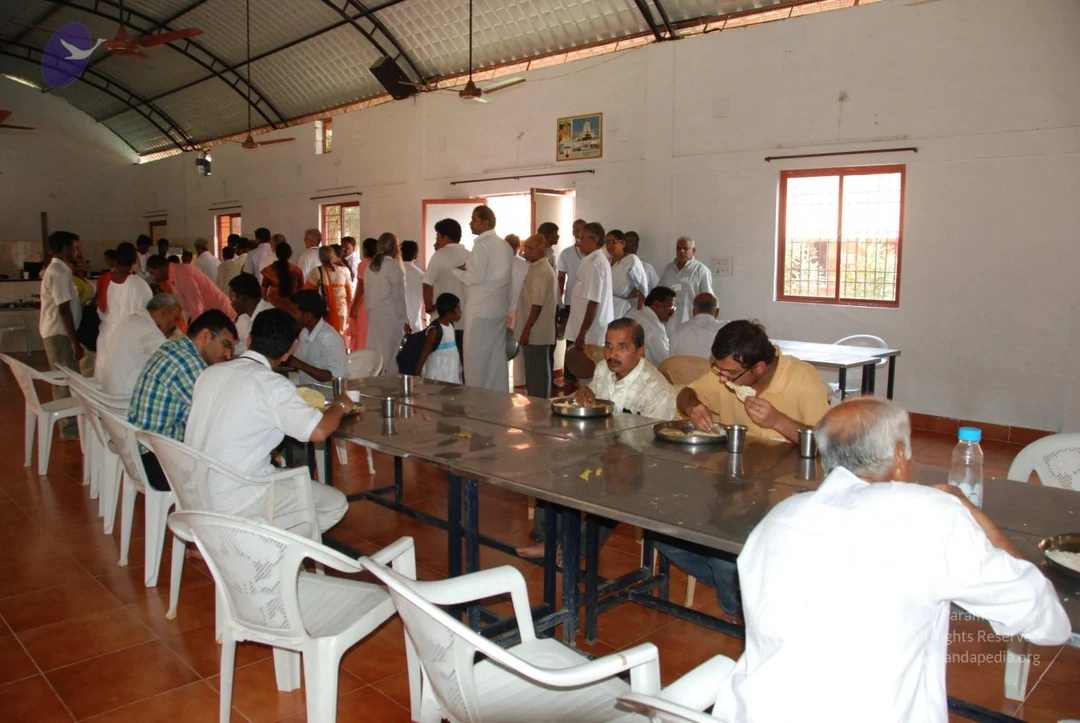
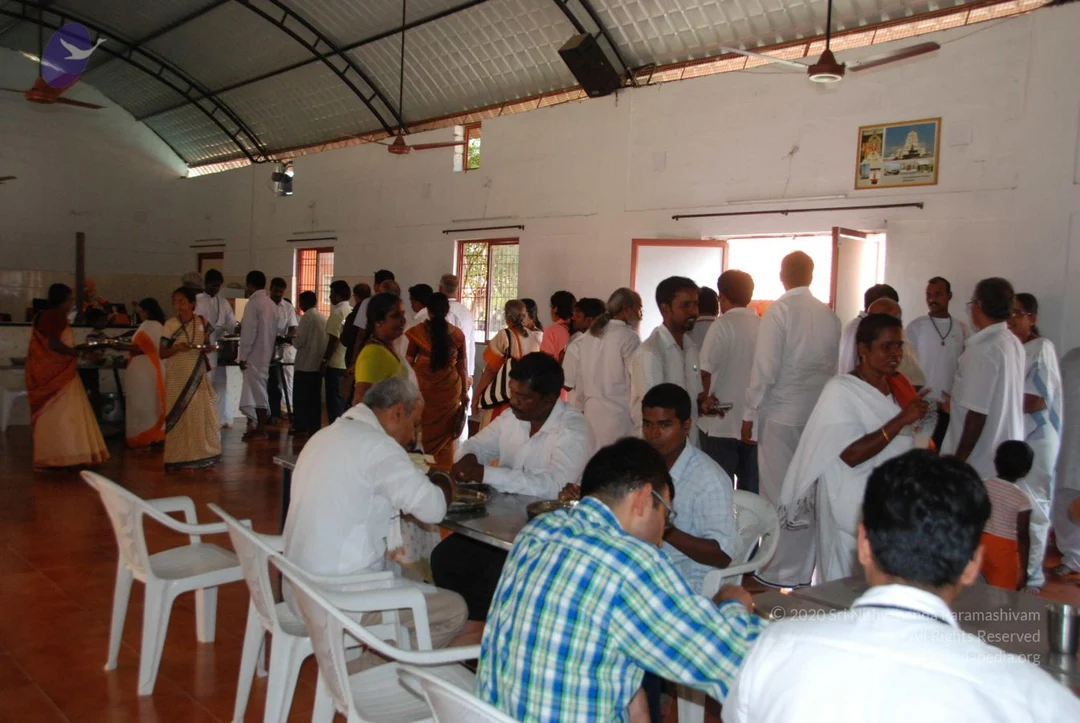
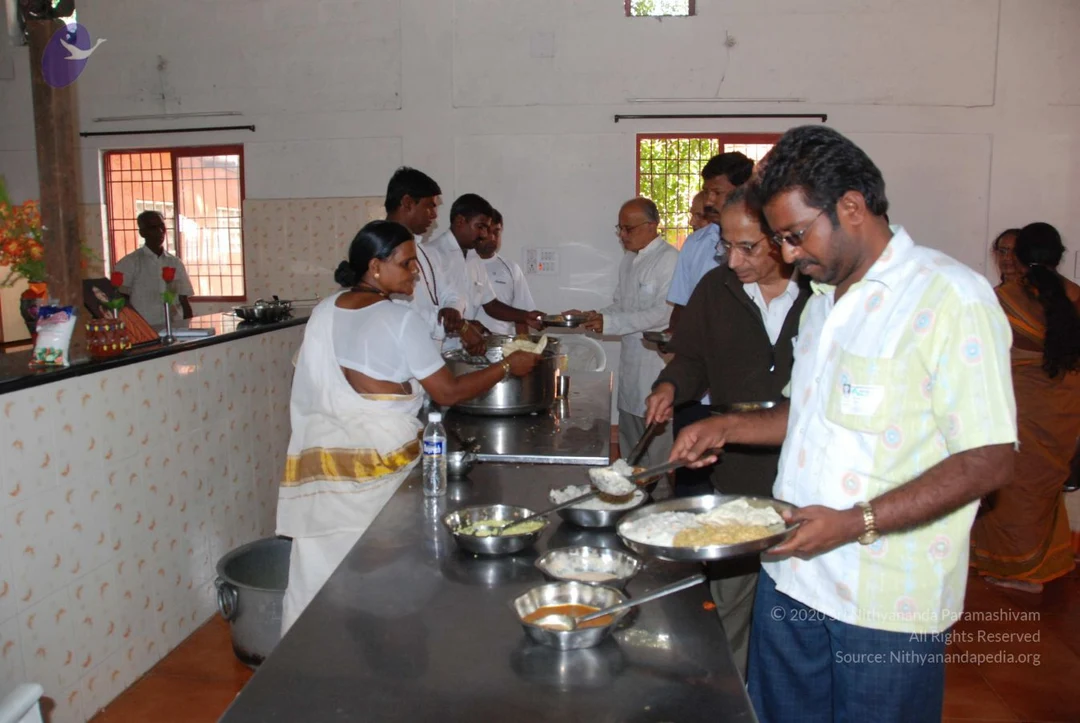
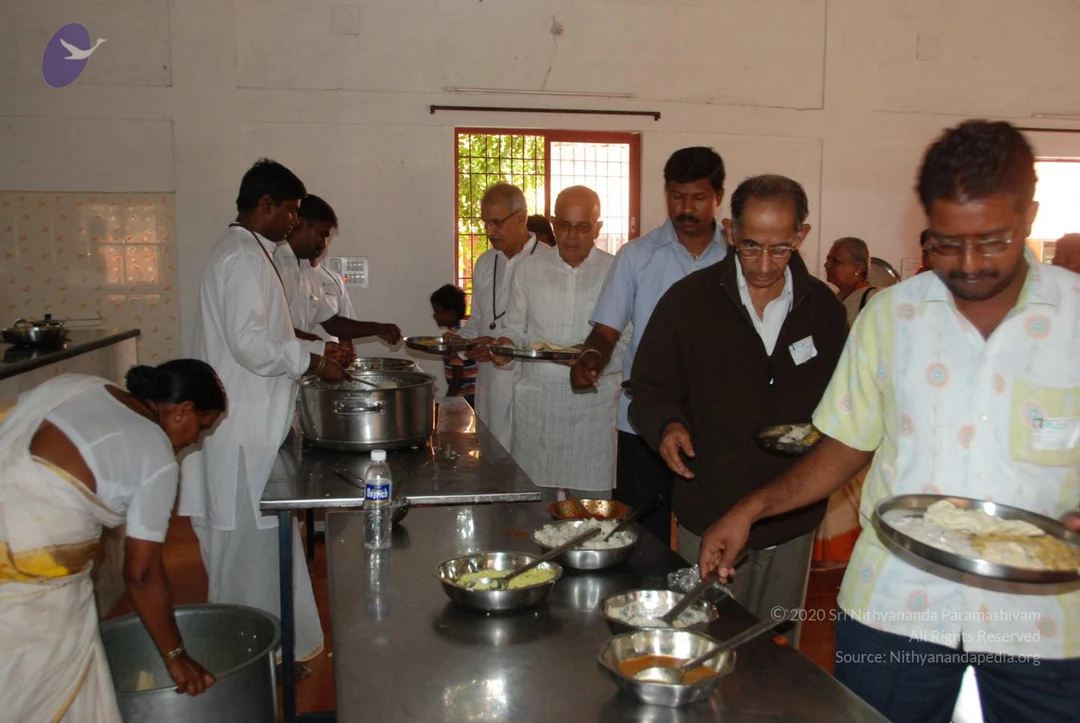
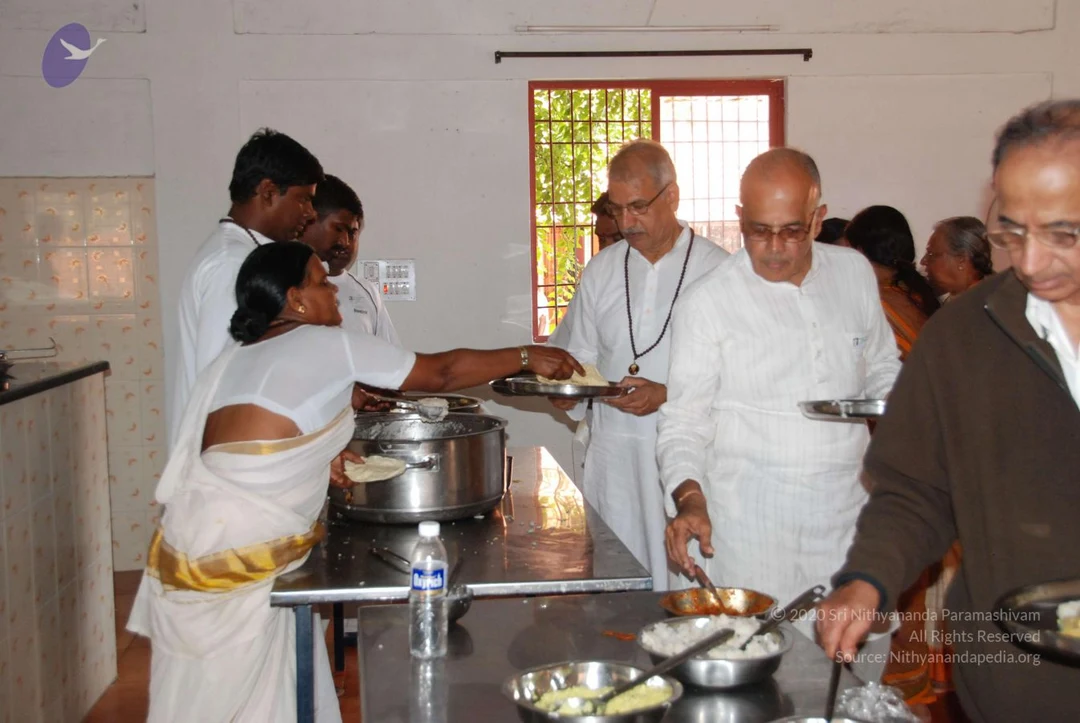
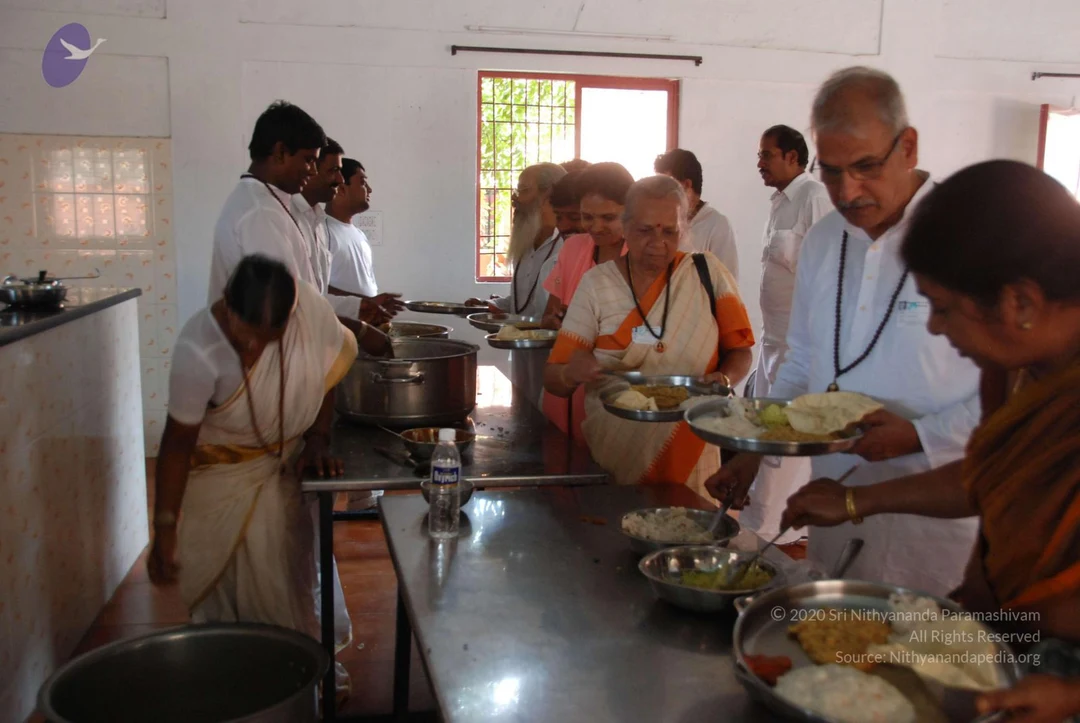
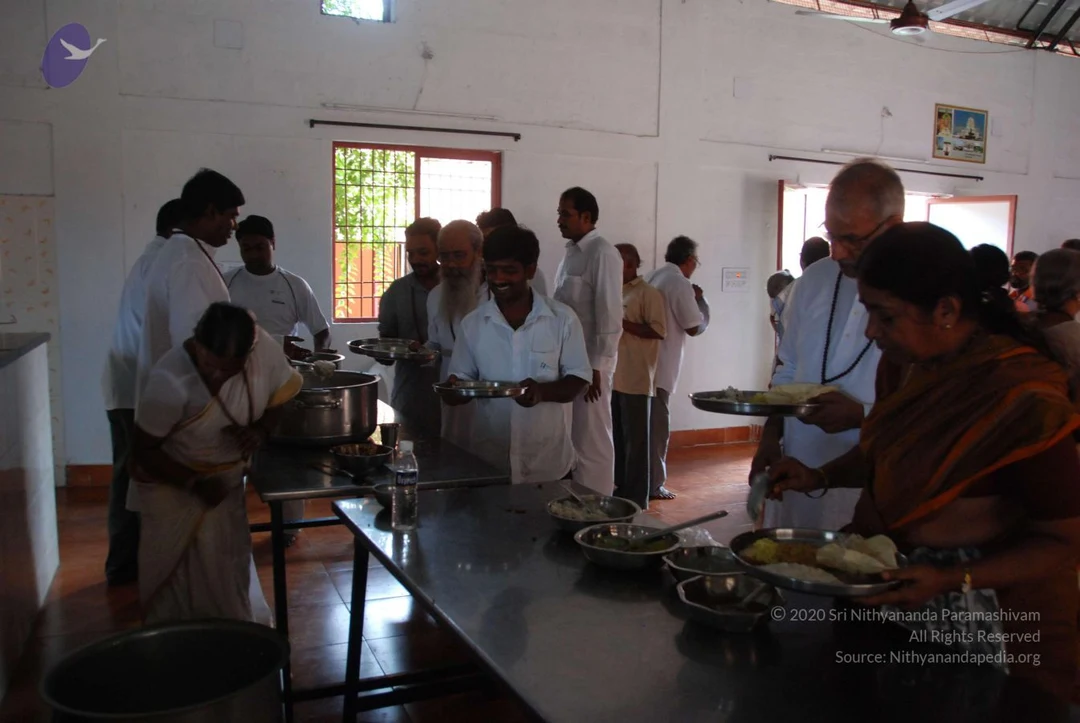
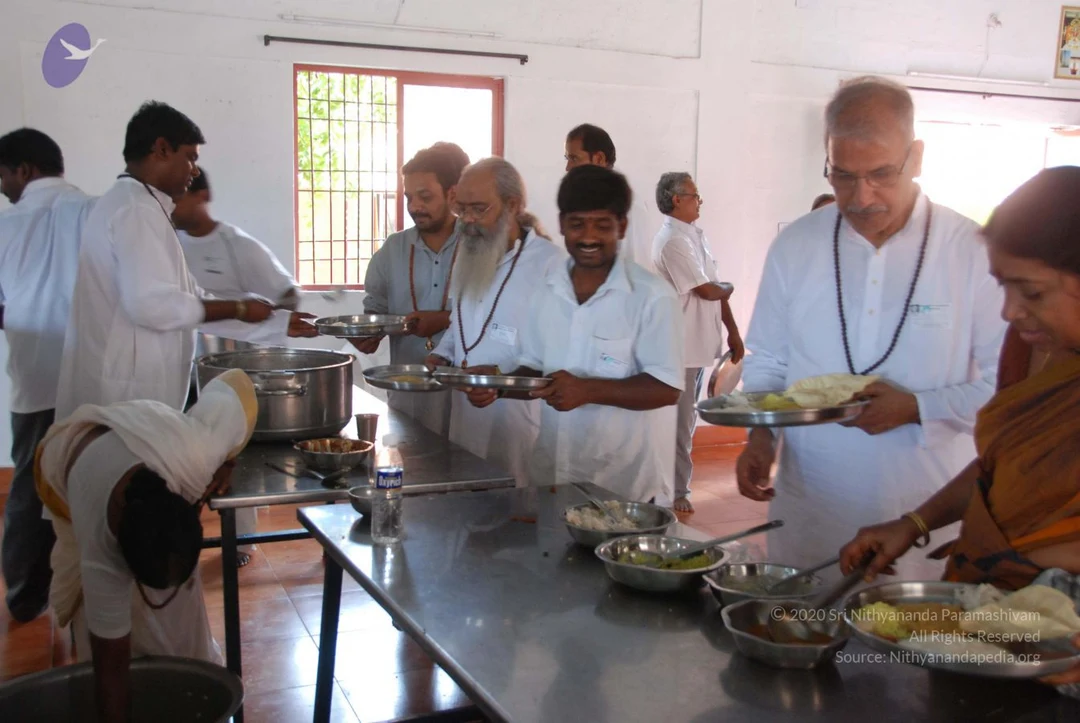
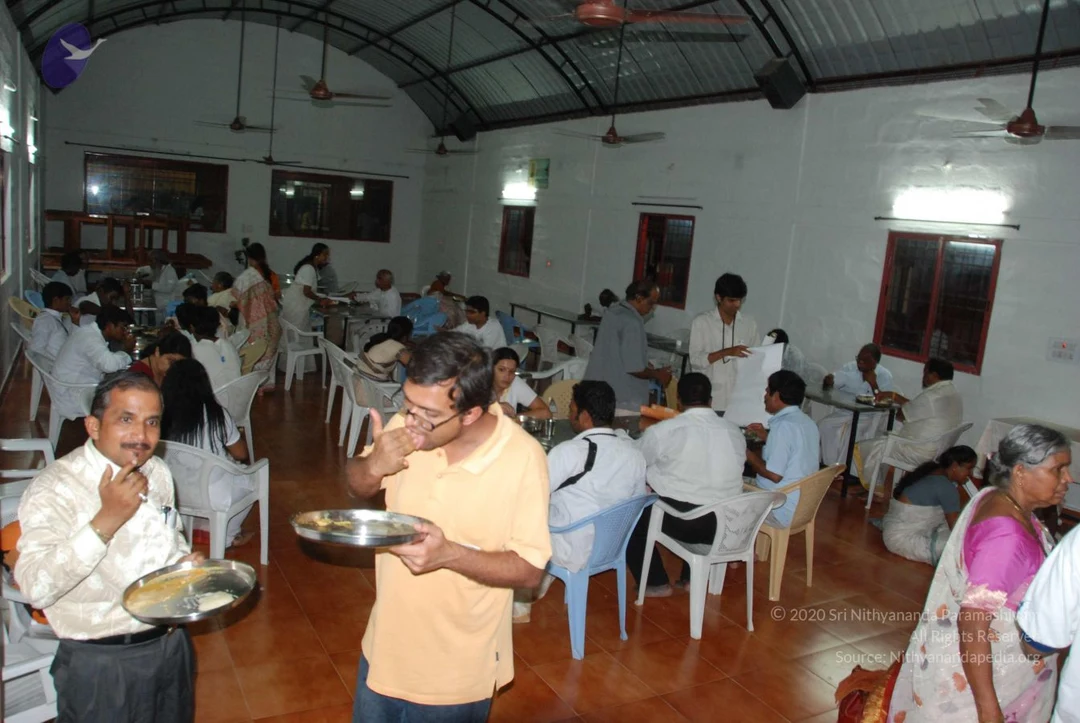
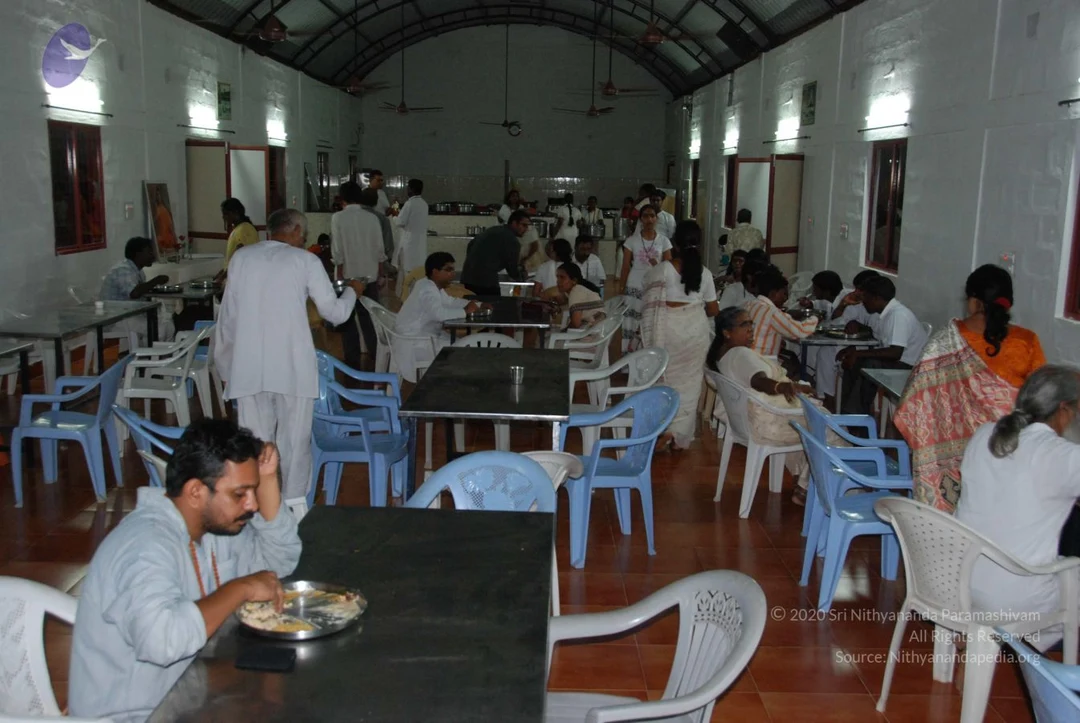
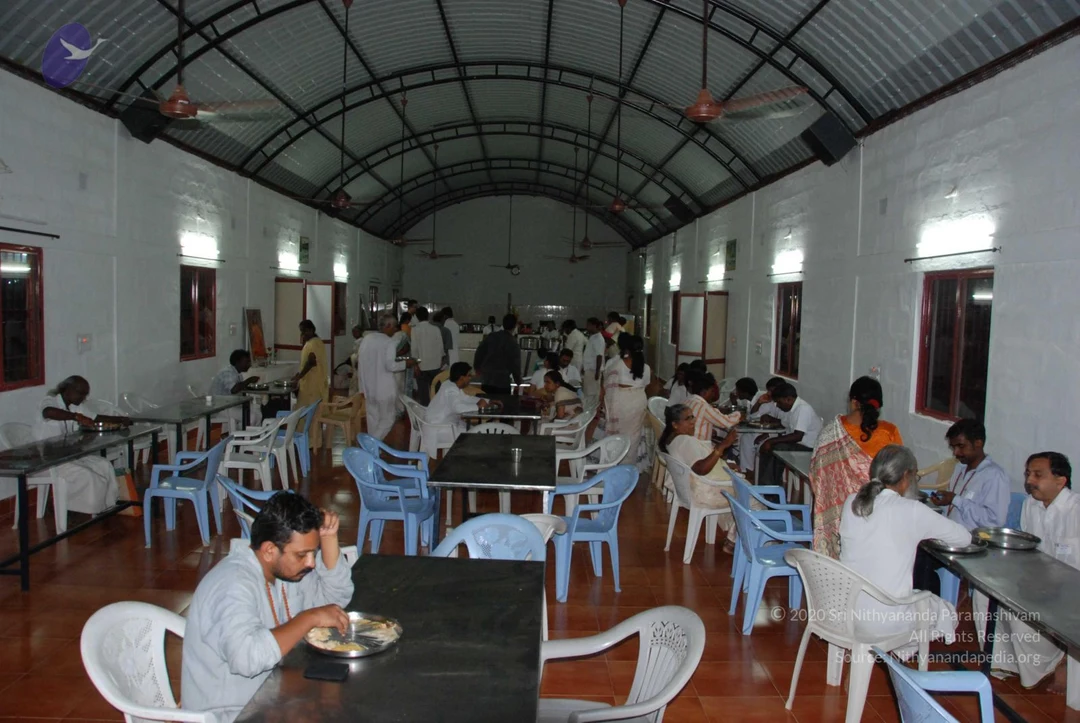
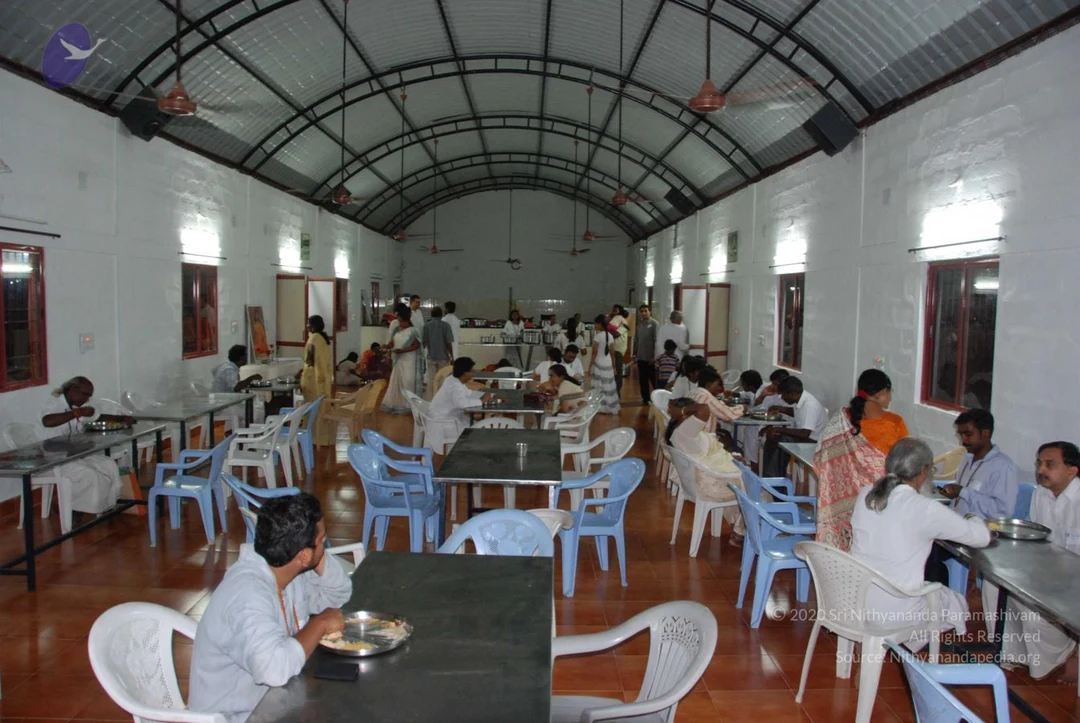
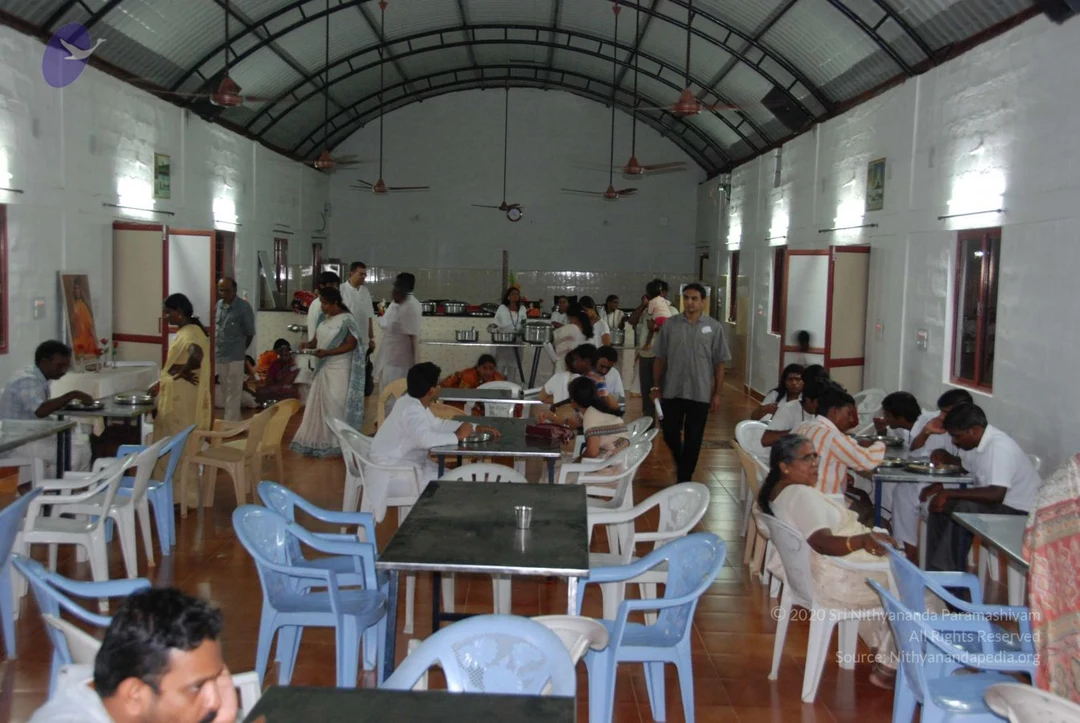
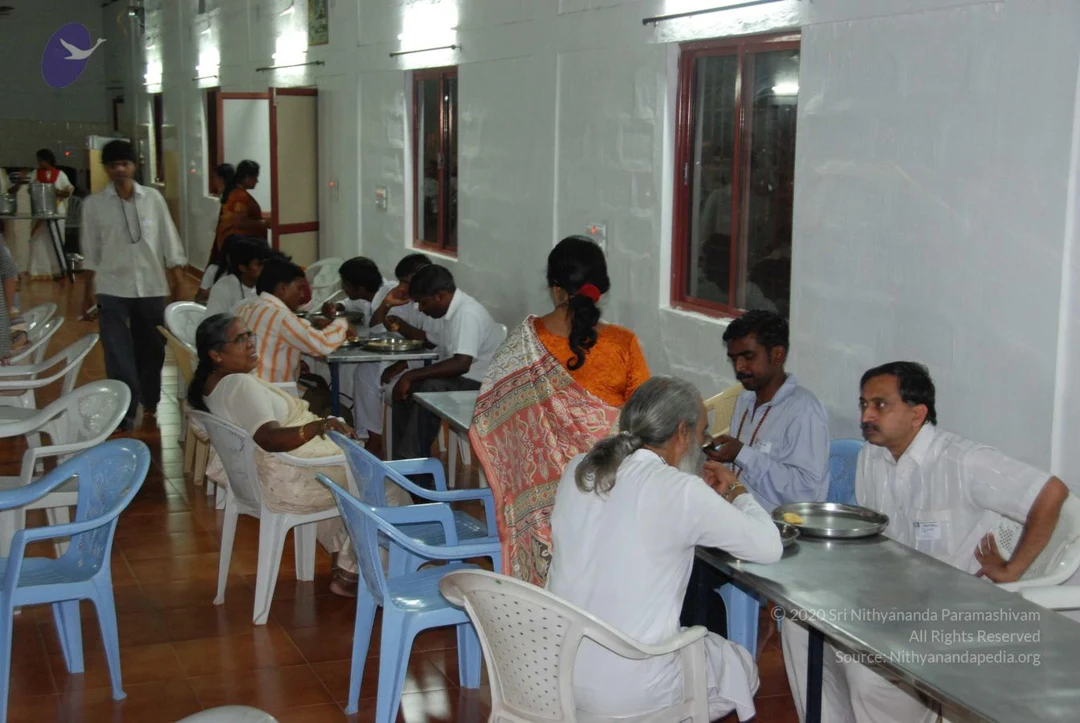
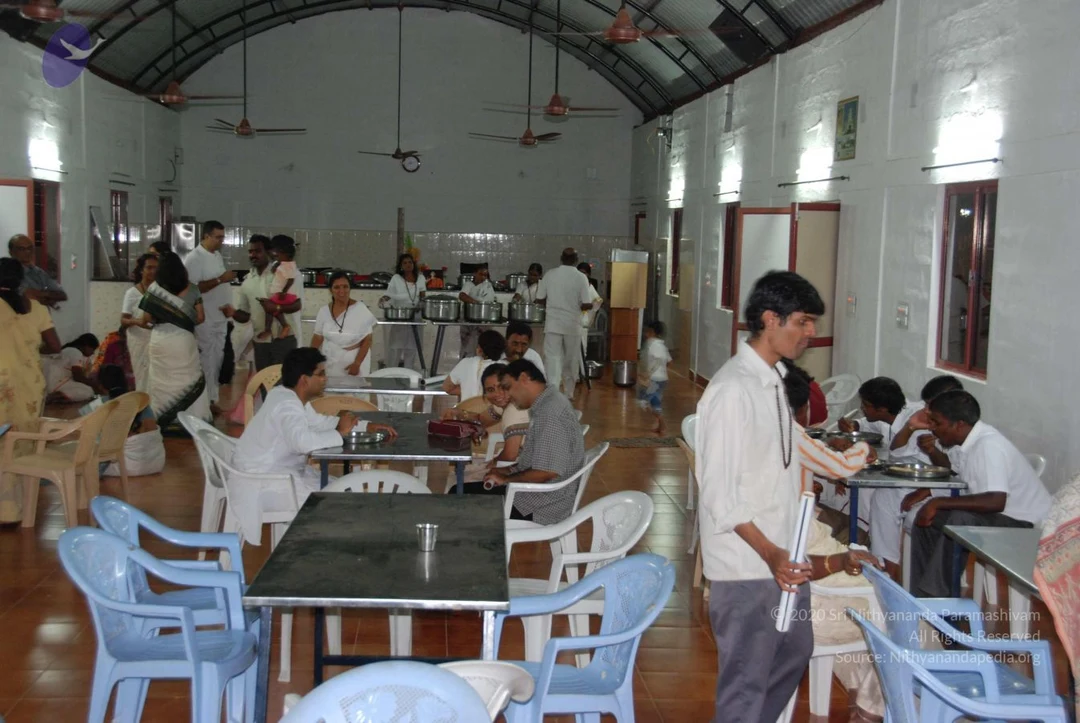
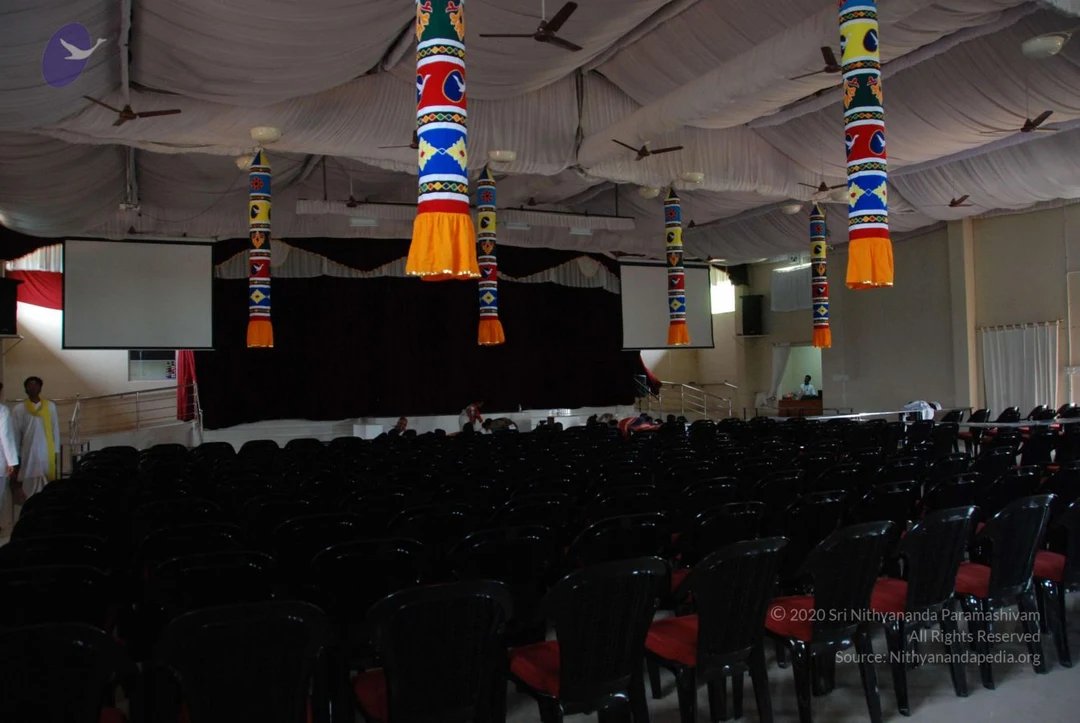
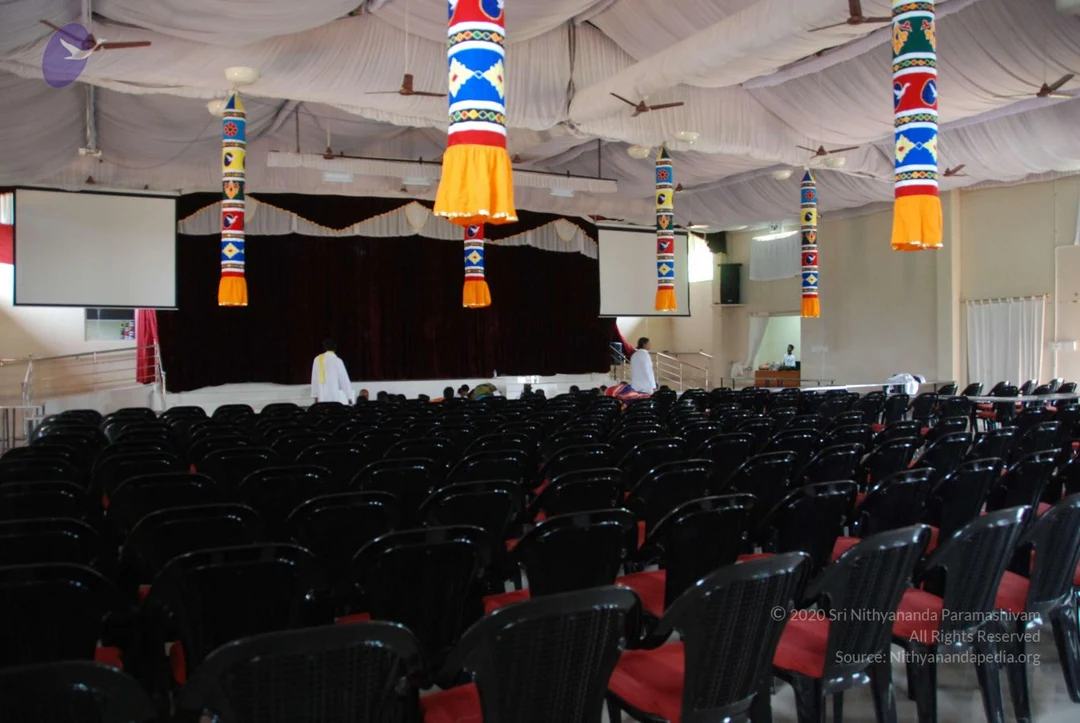
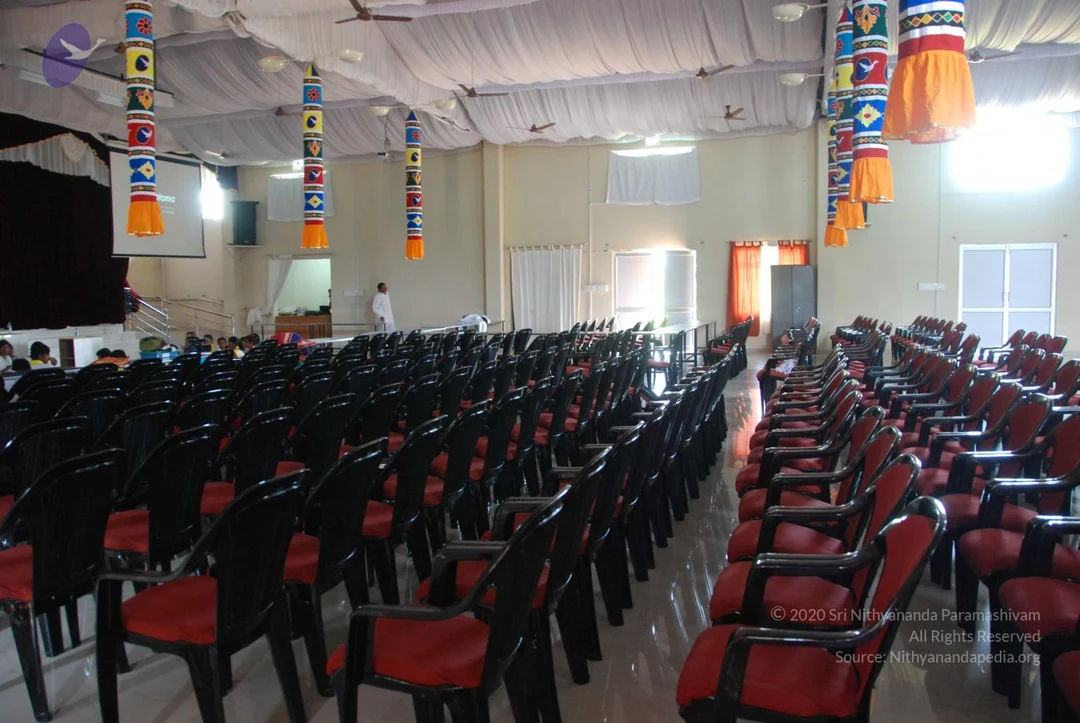
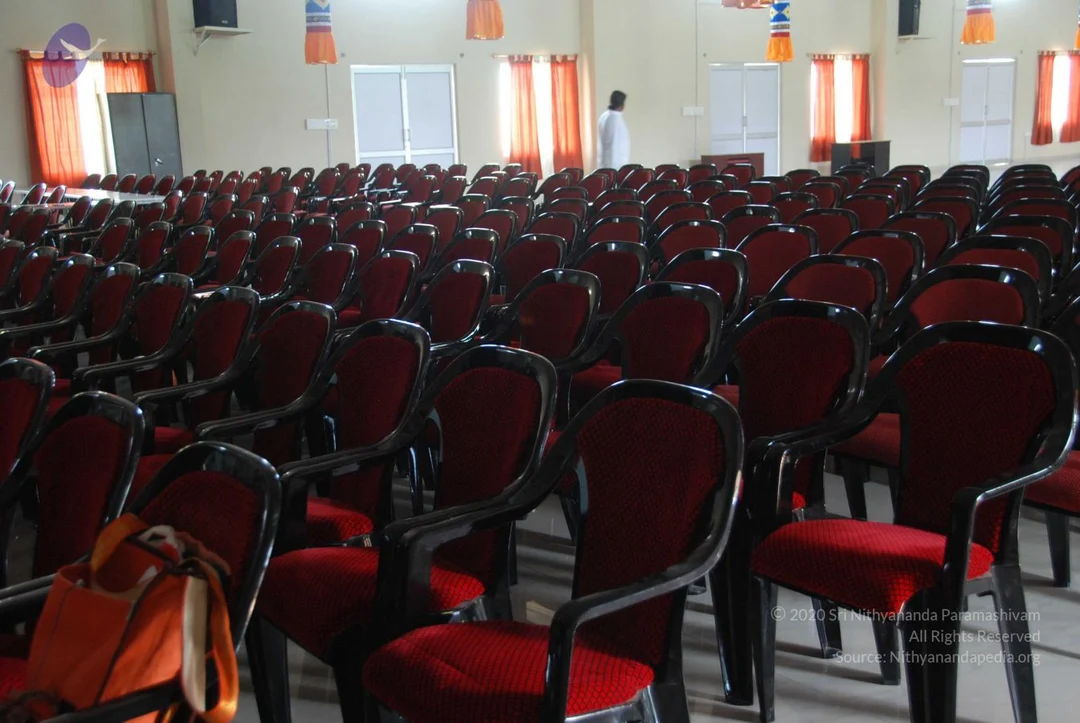
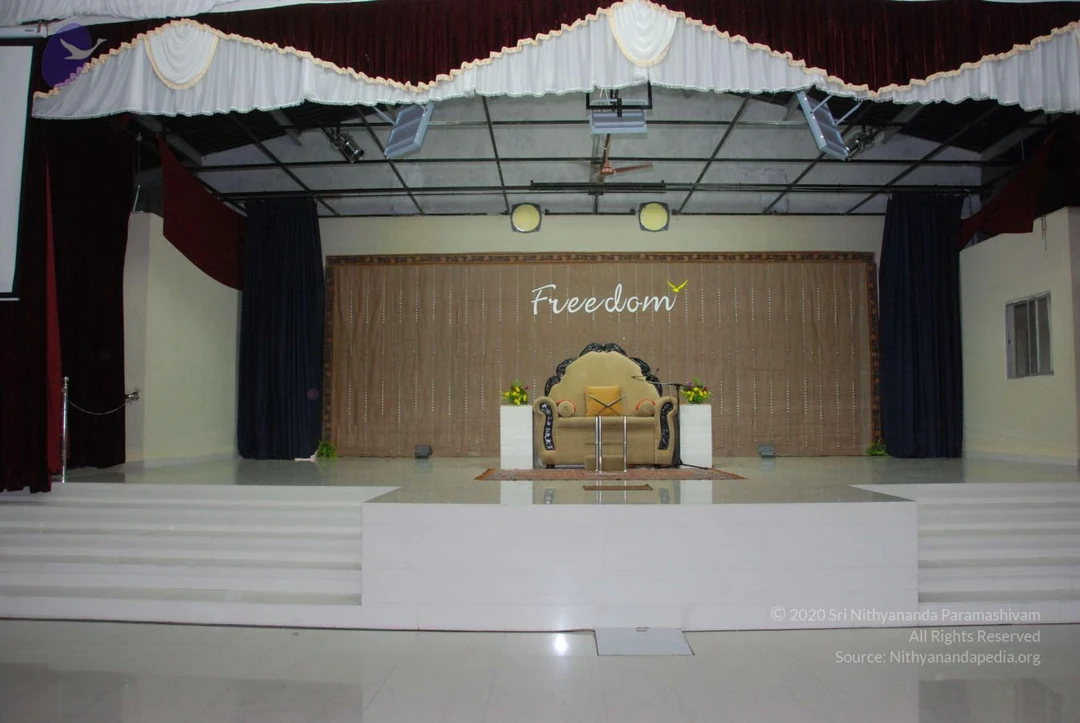
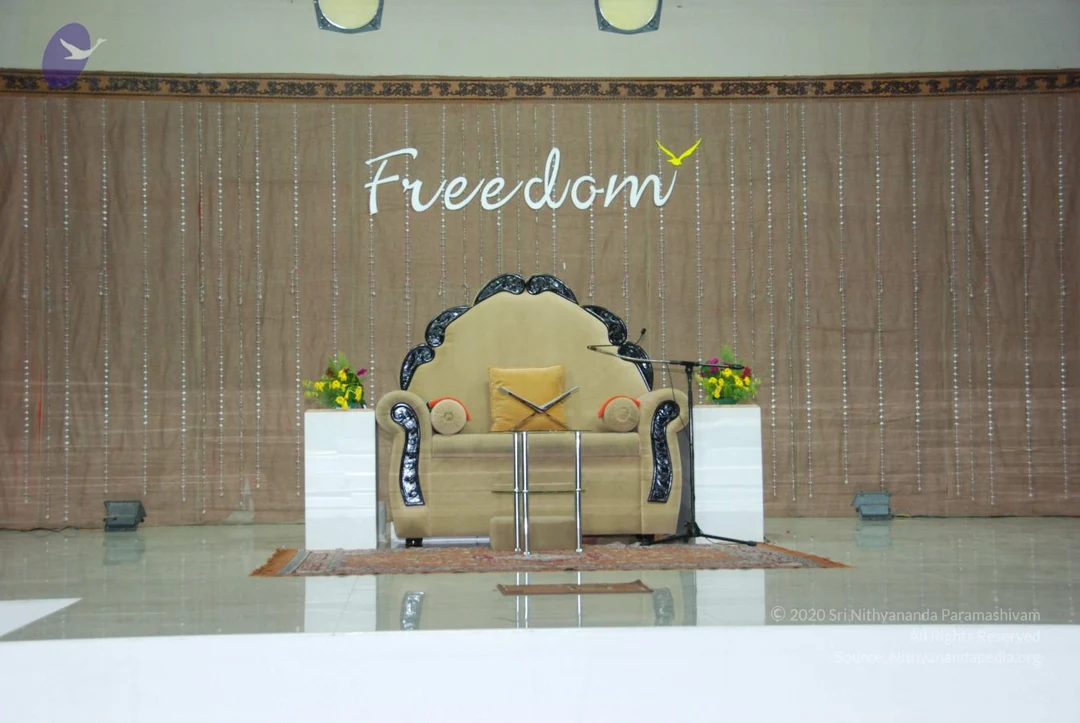
ADHEENAVASIS-PREPARE-STAGE-FOR-THE-EPOCH-SATSANG
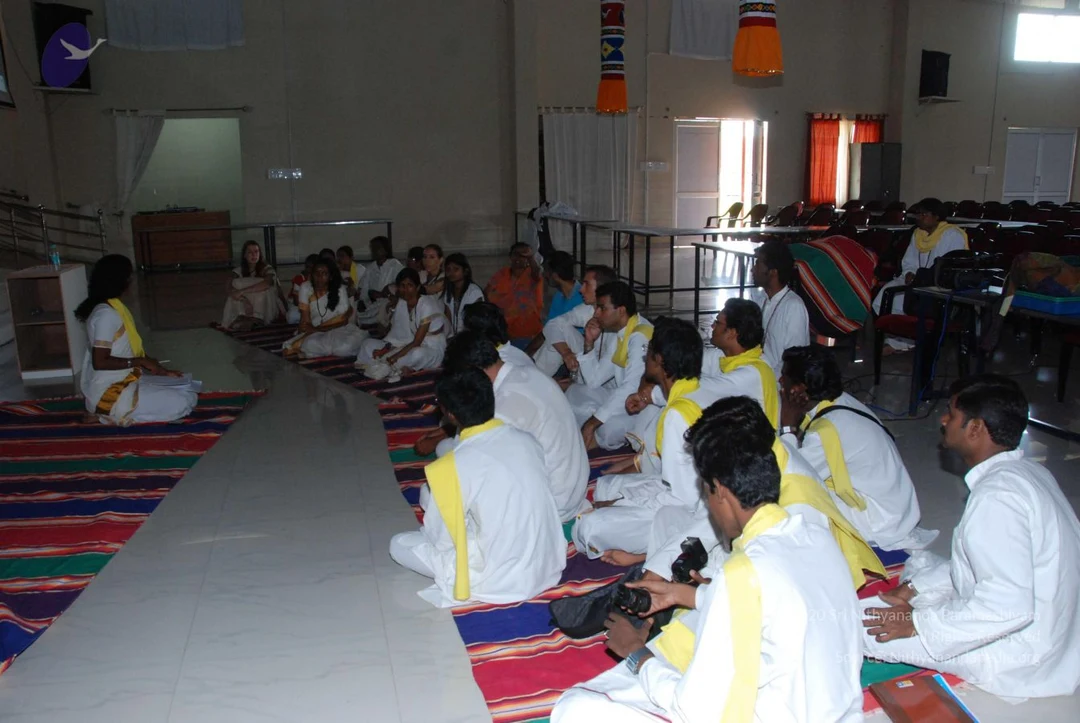
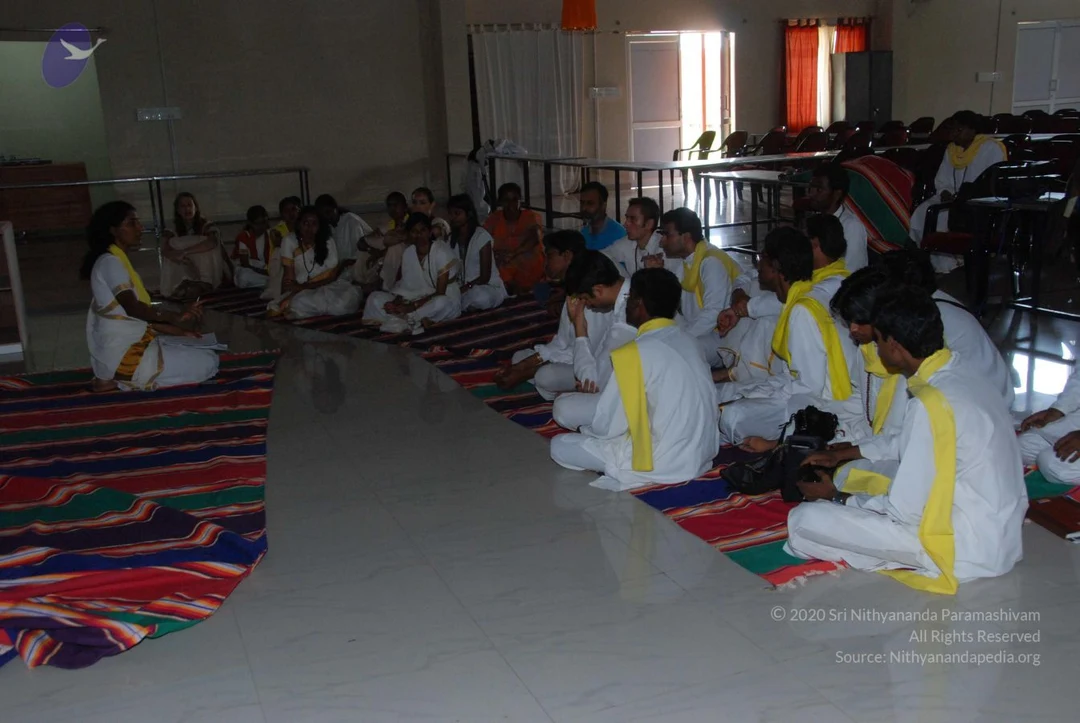
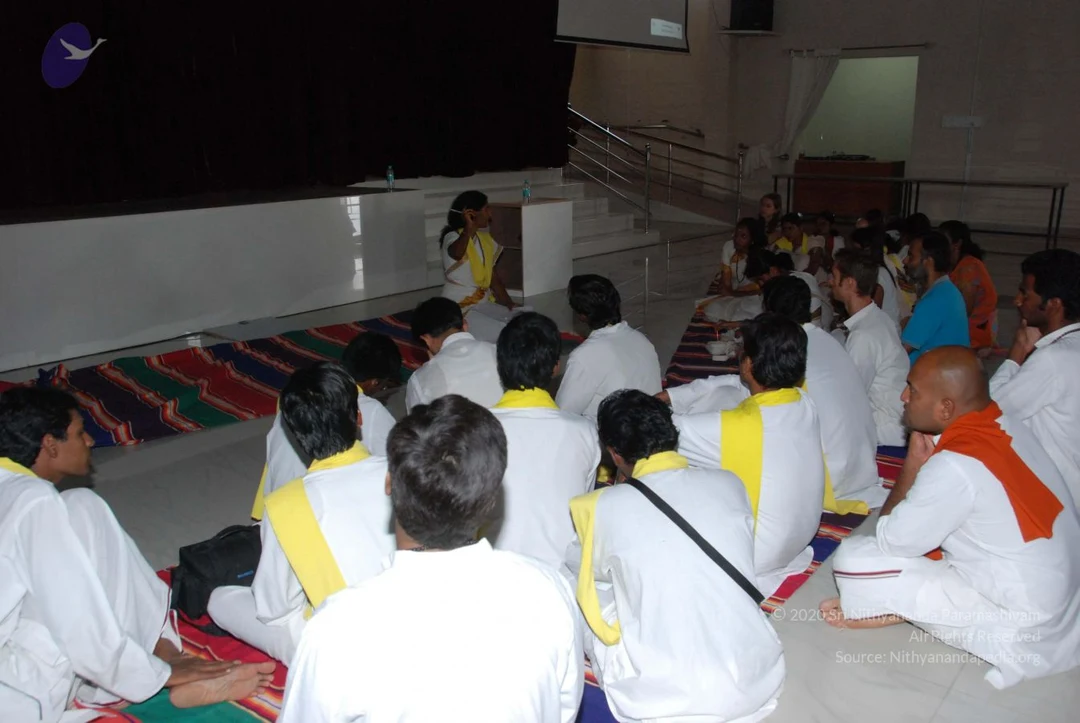
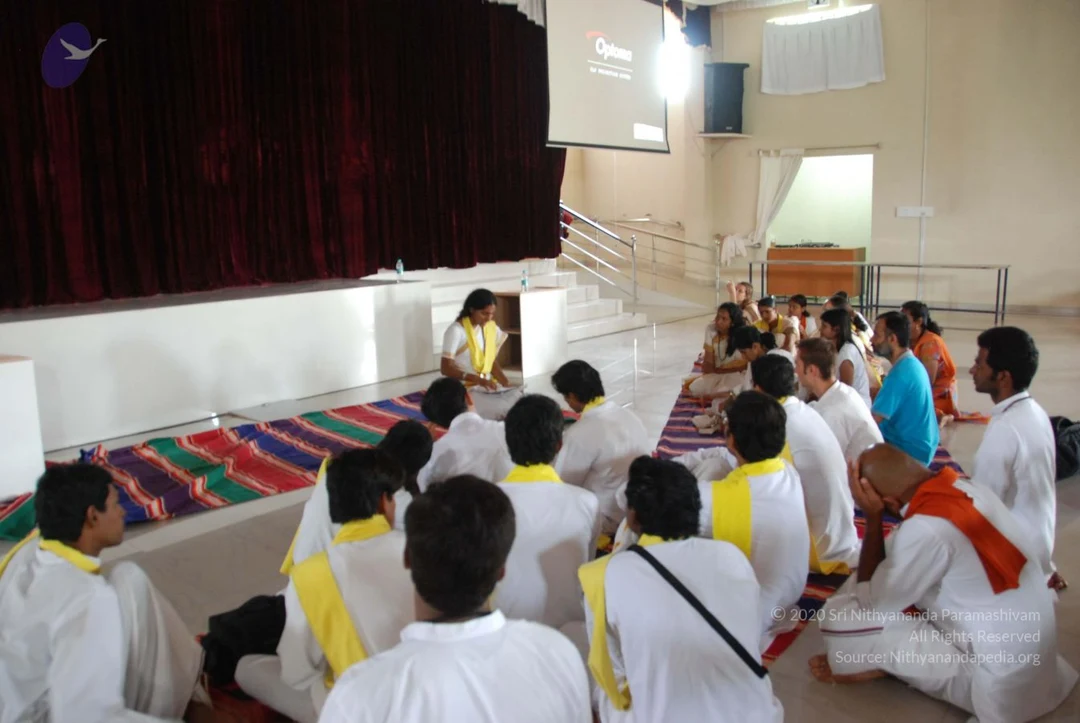
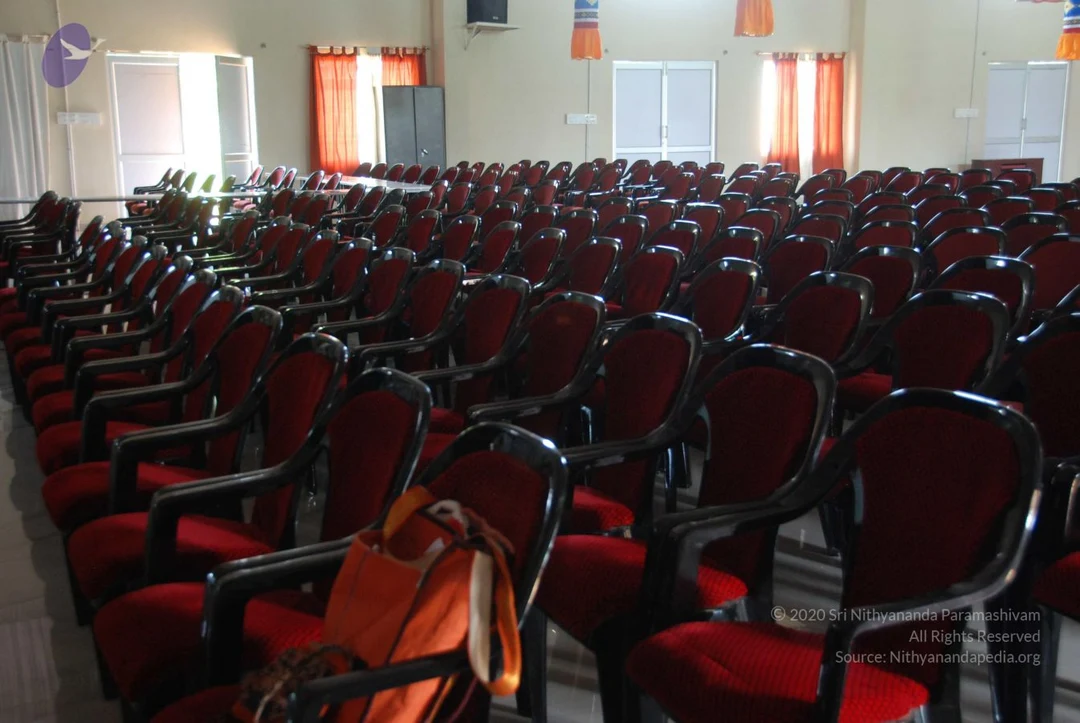
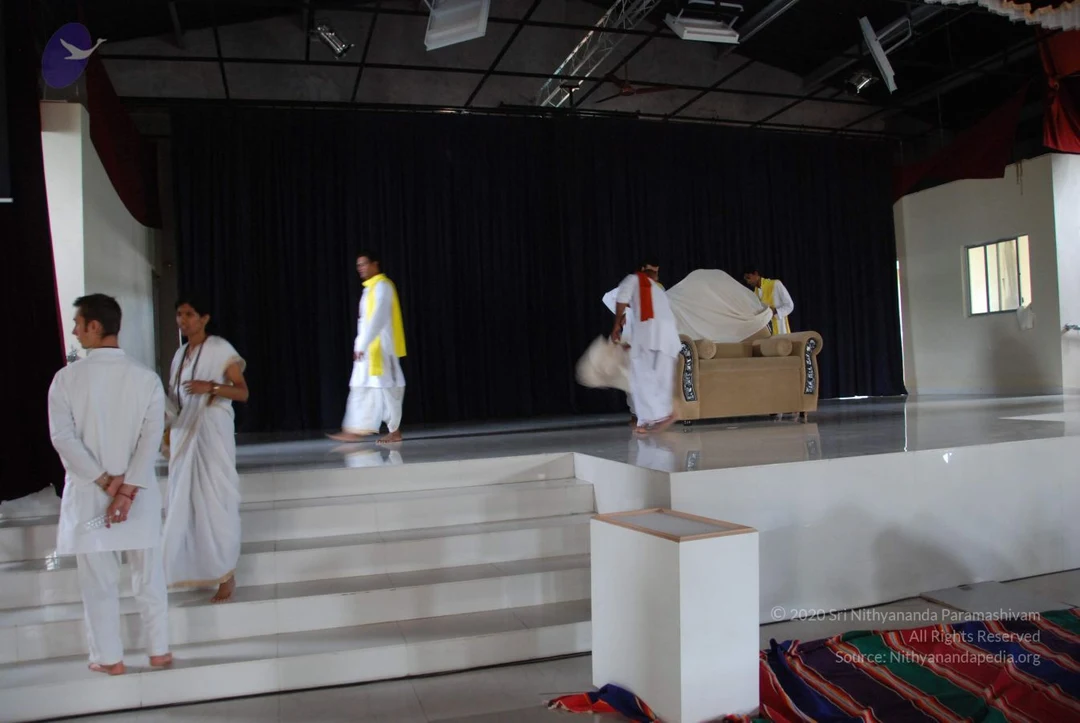
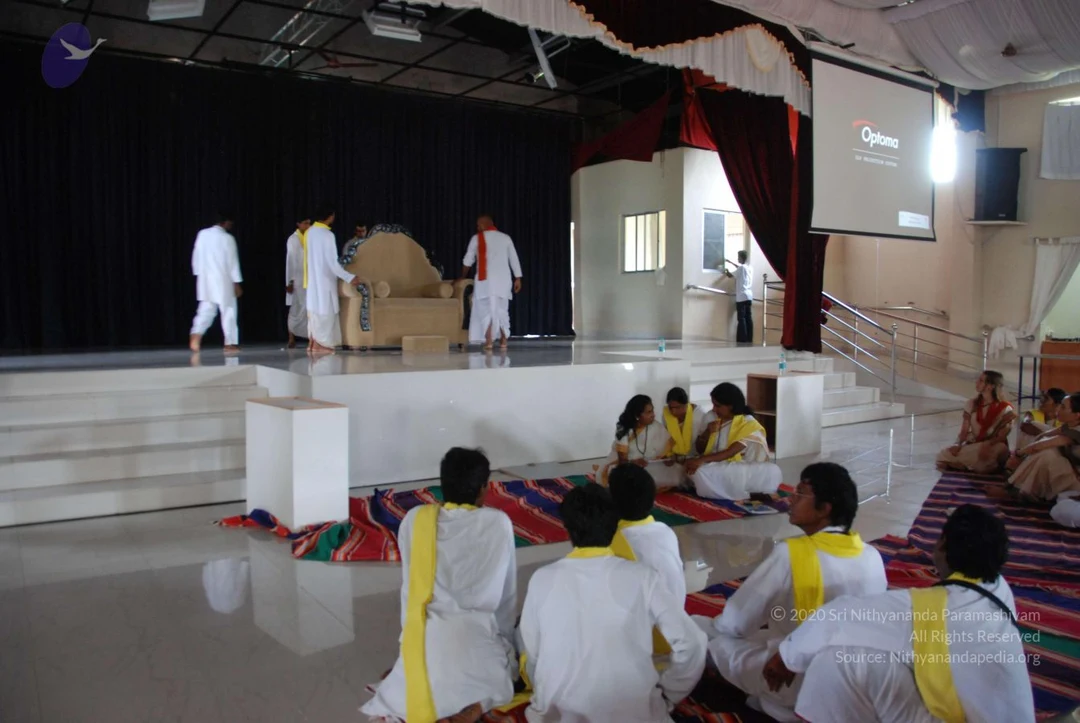
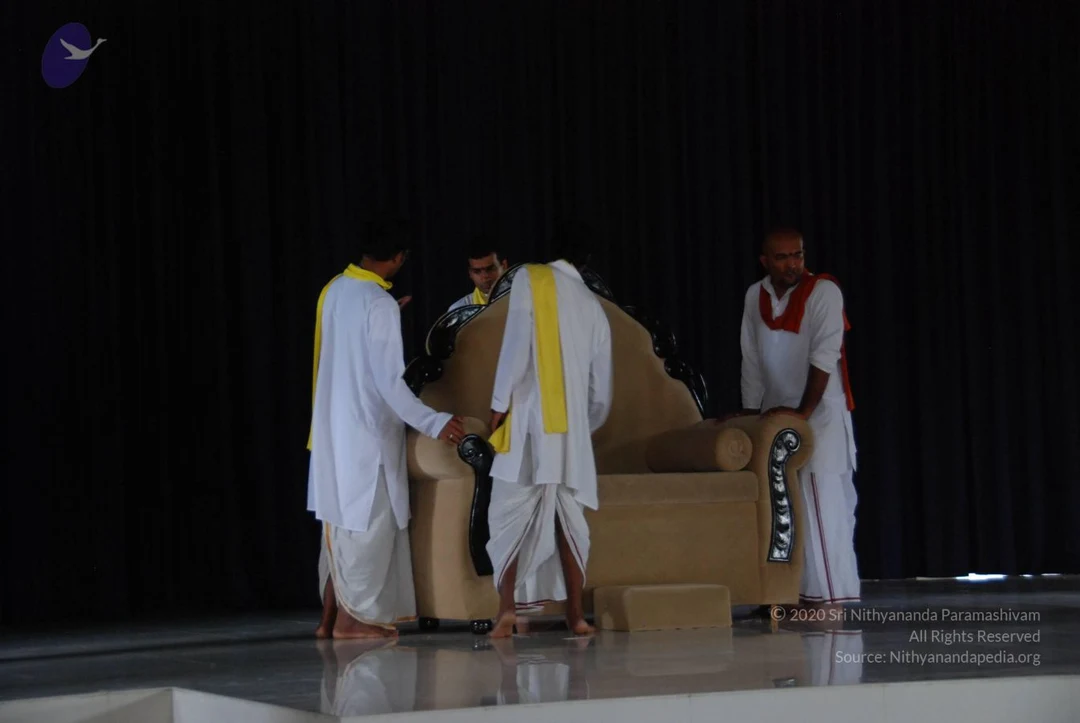
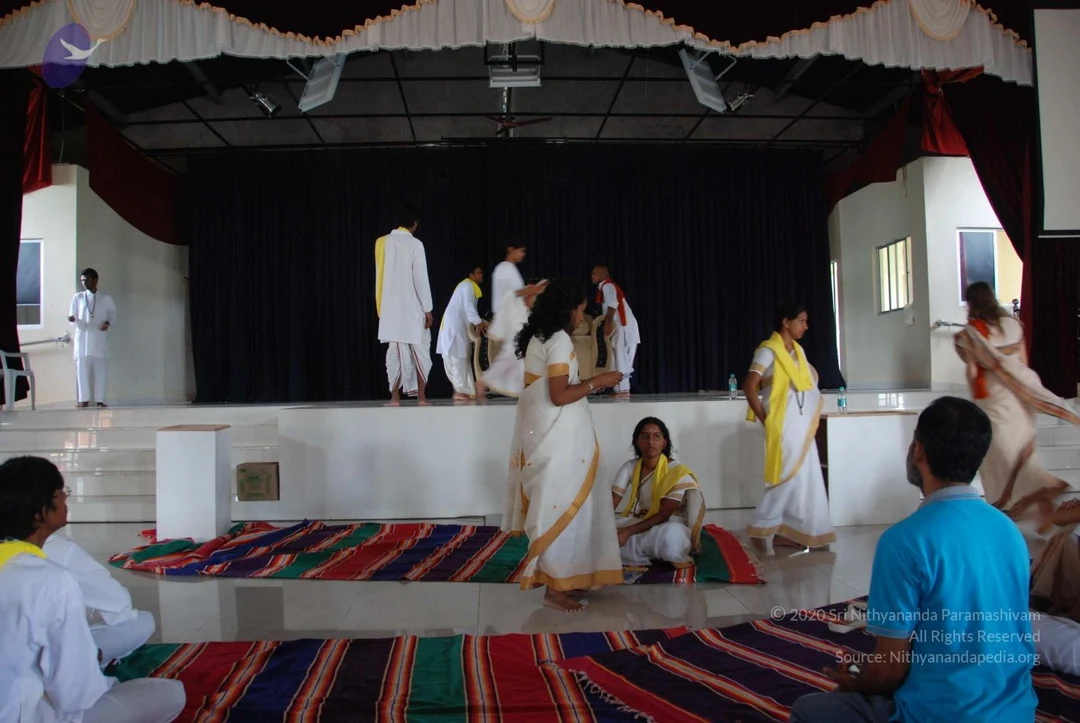
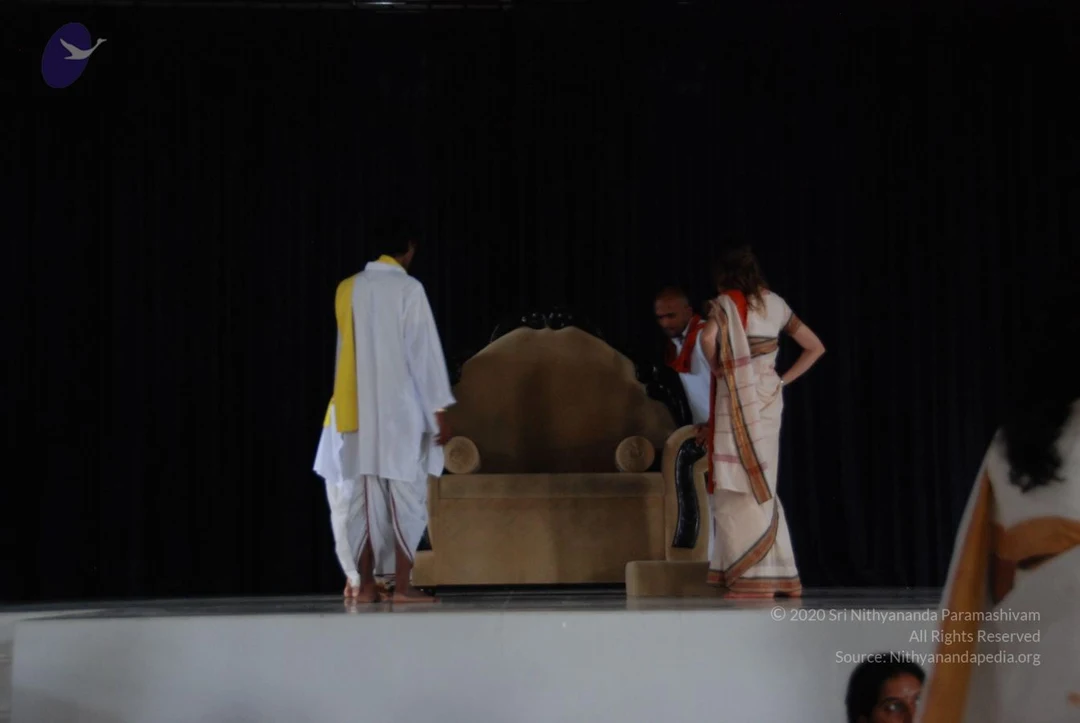
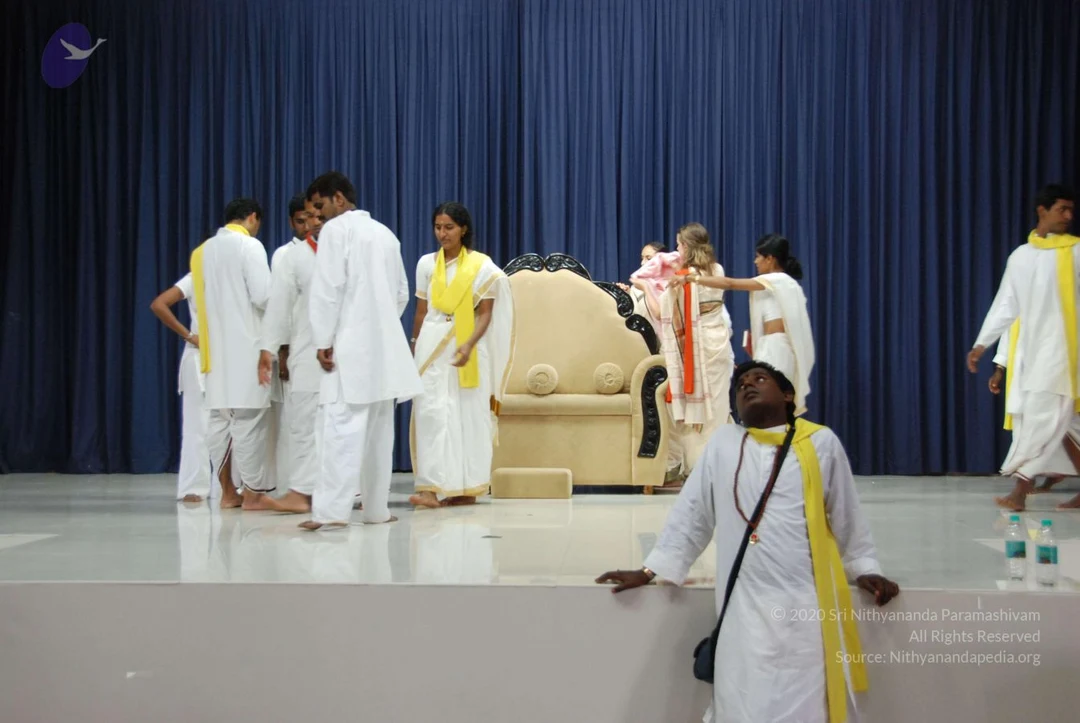
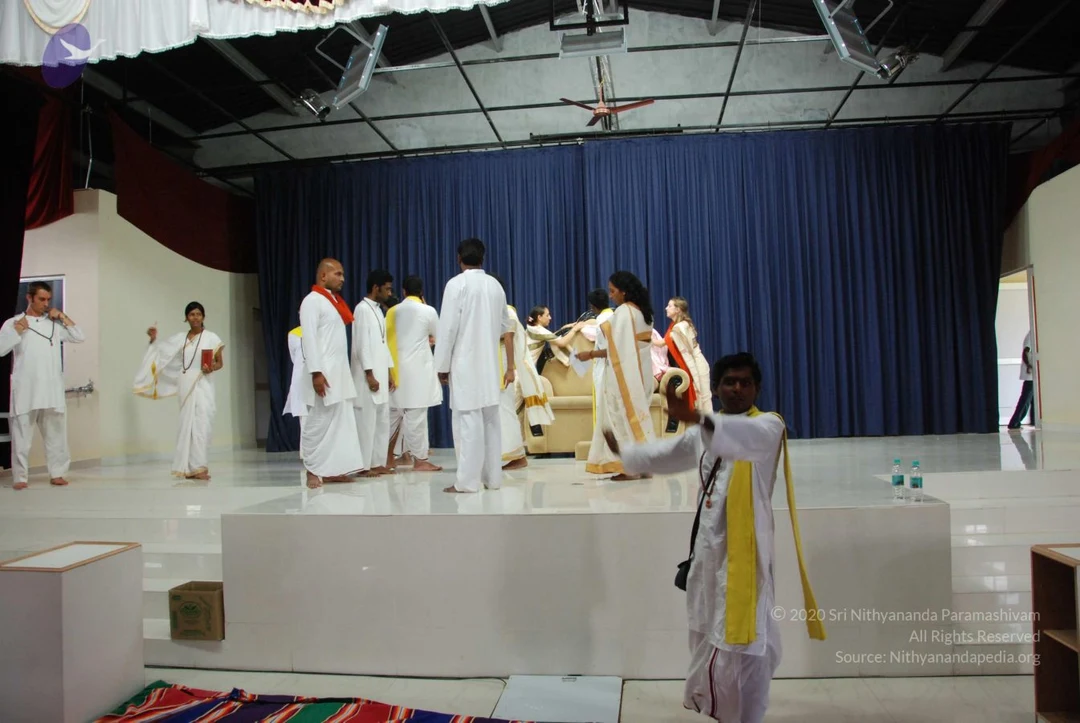
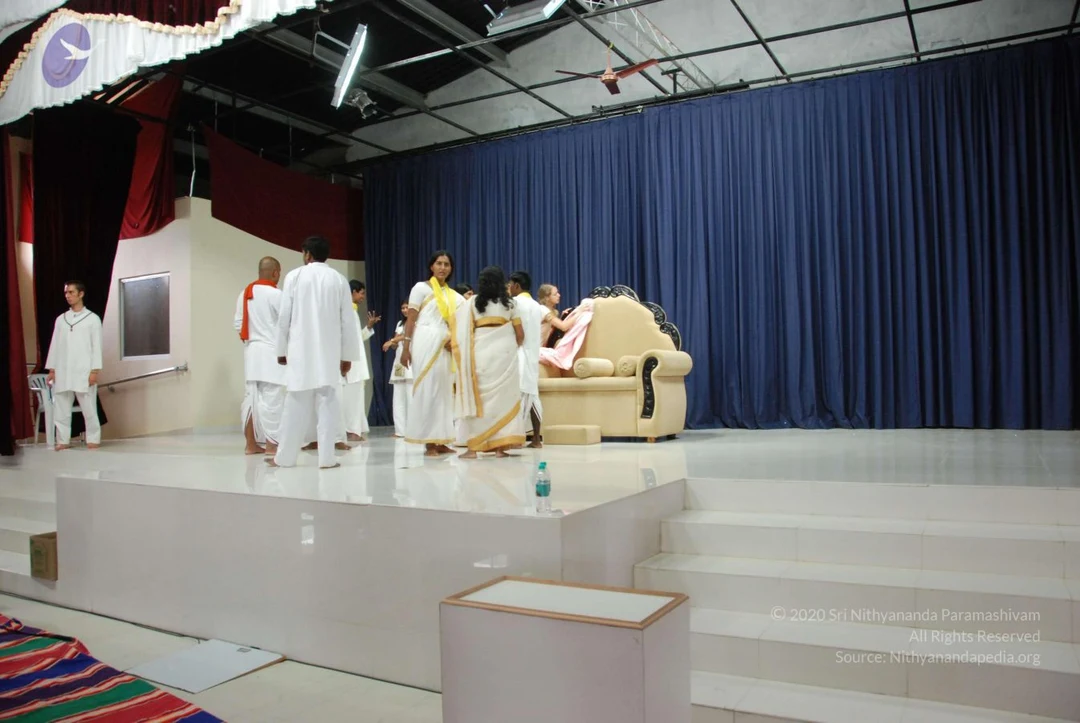
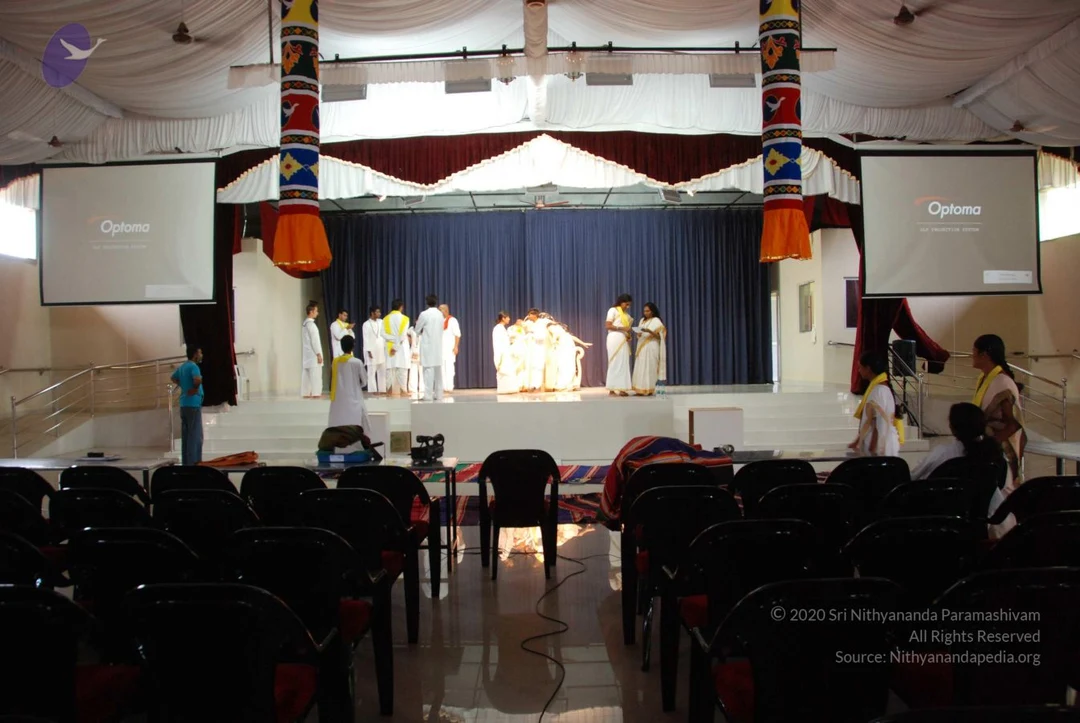
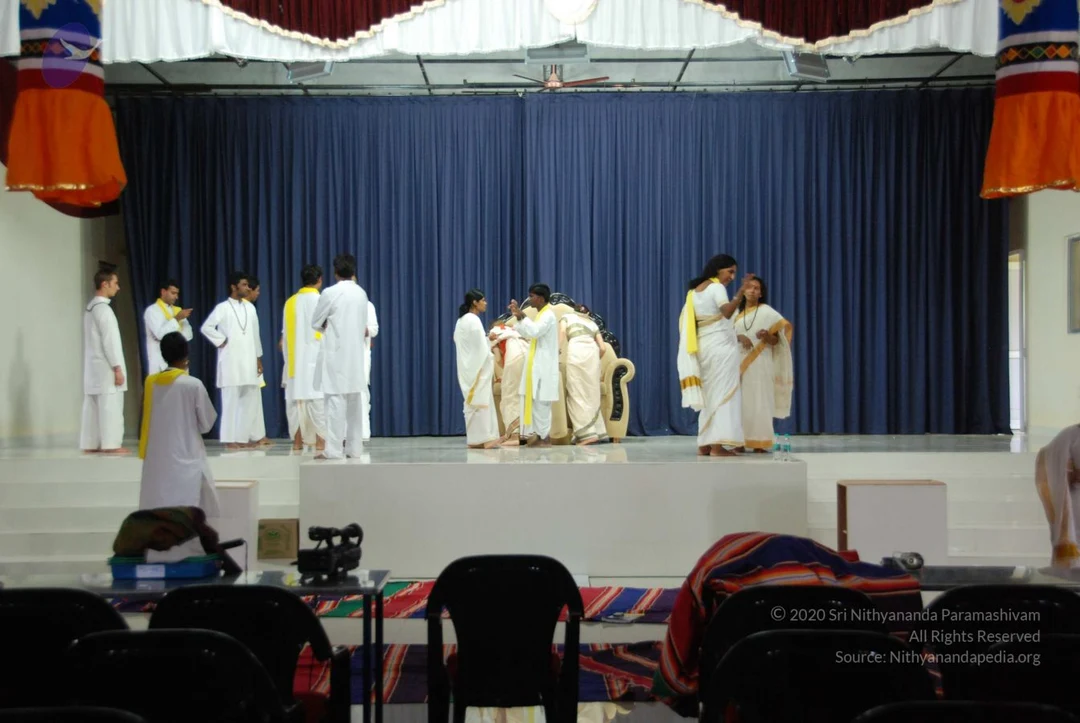
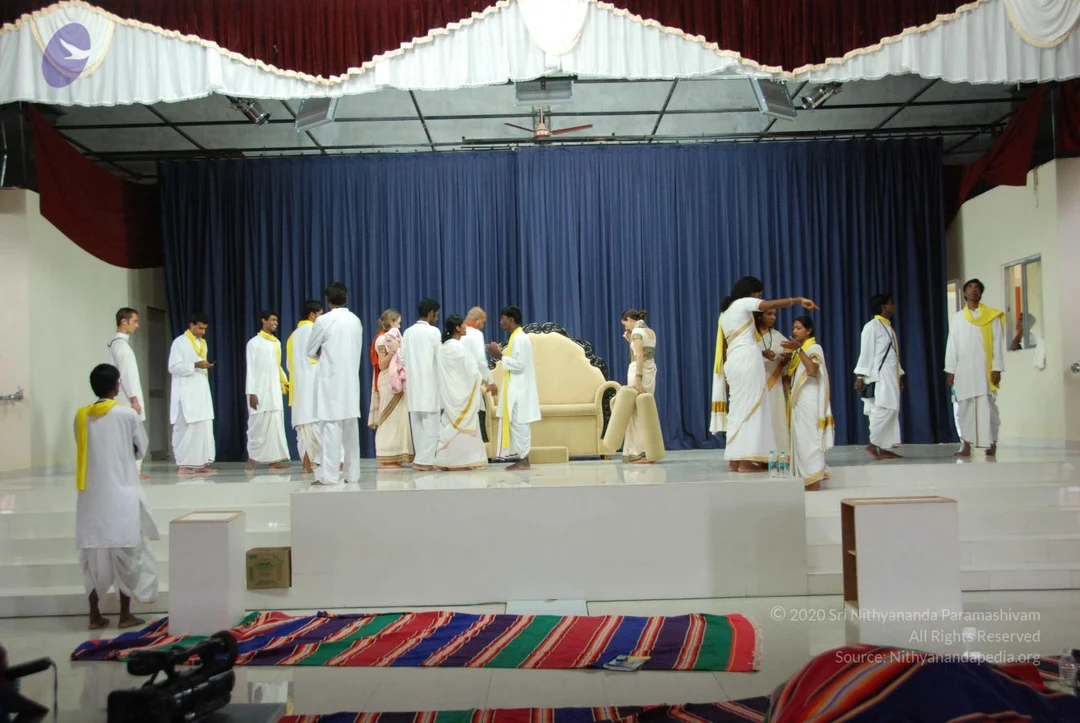
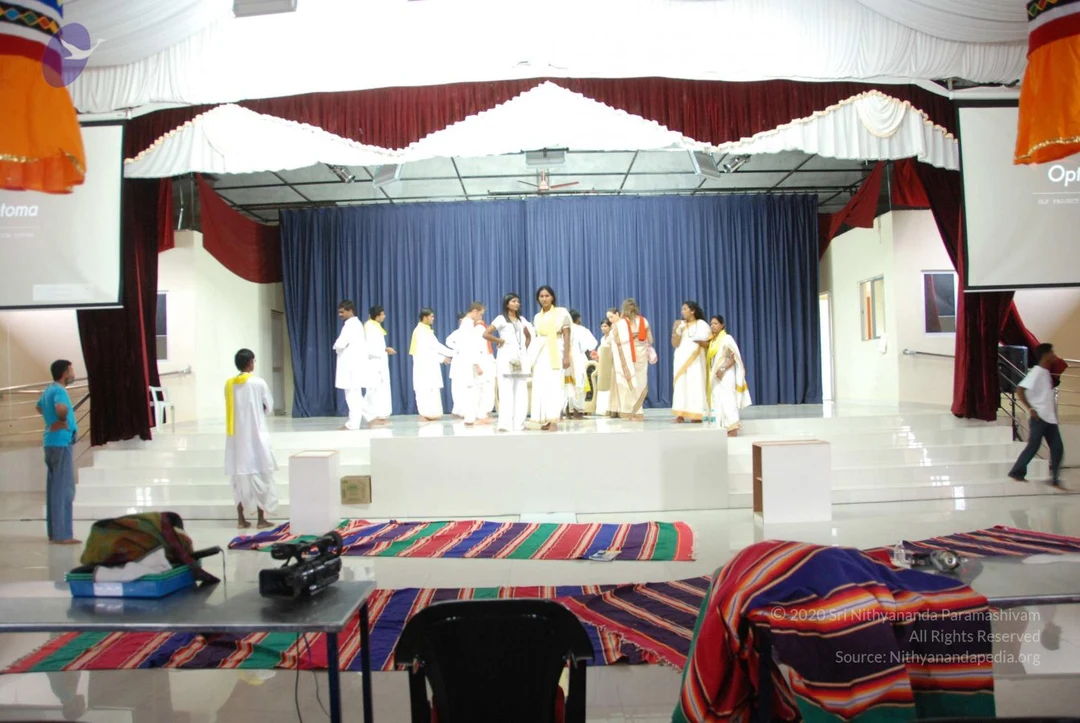
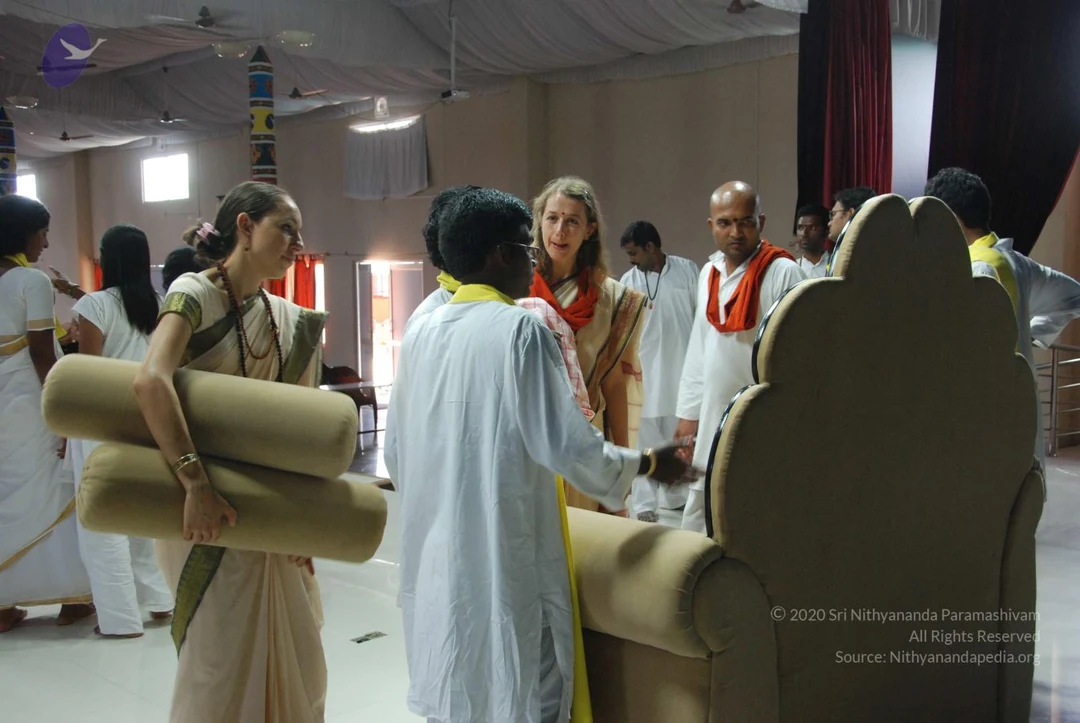
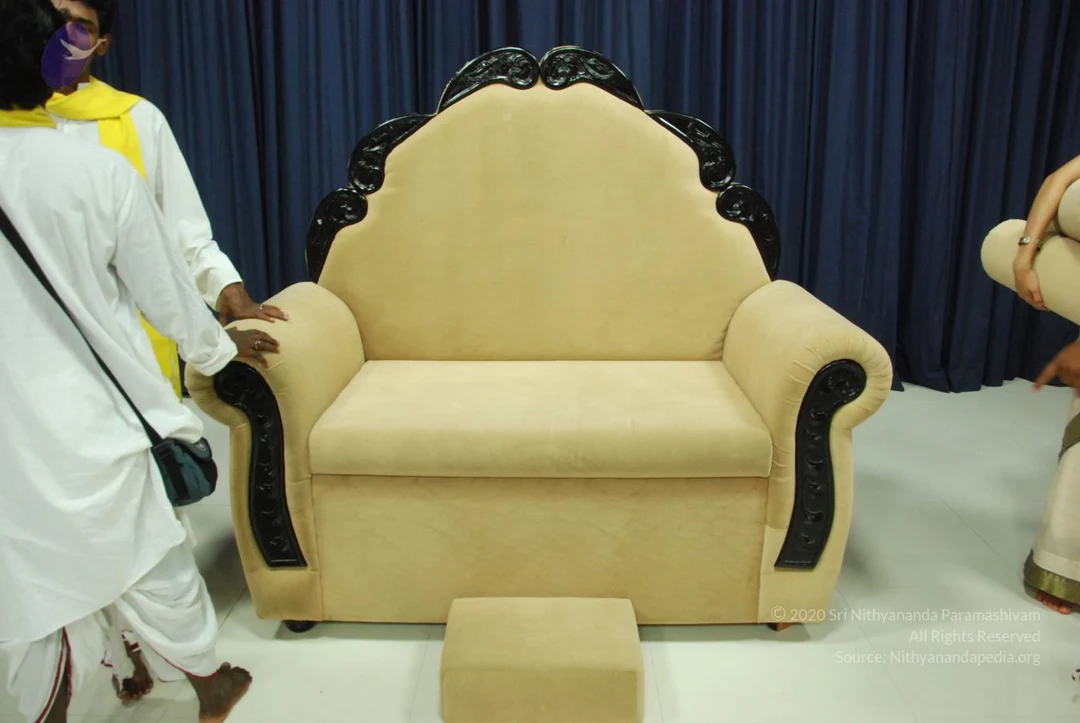
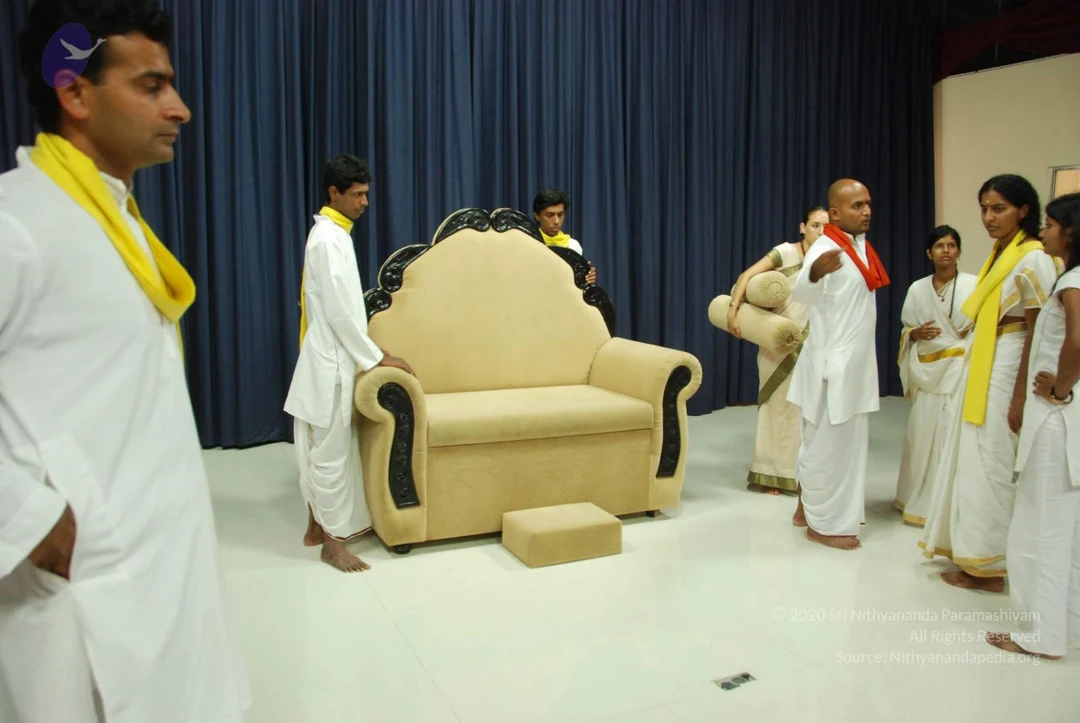
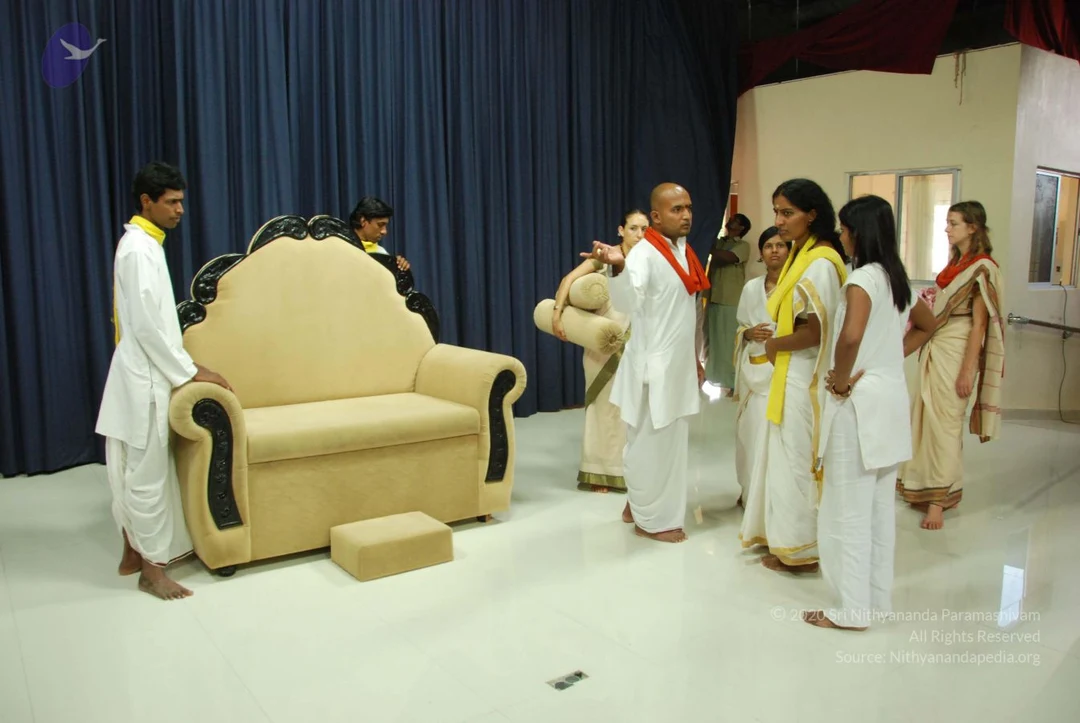
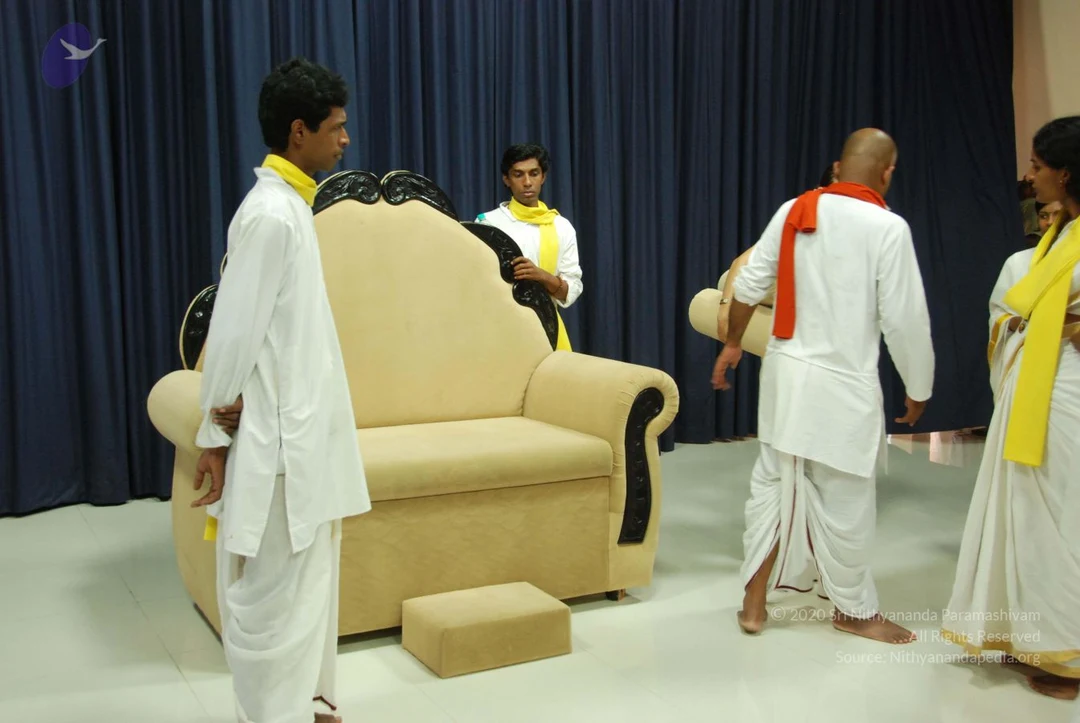
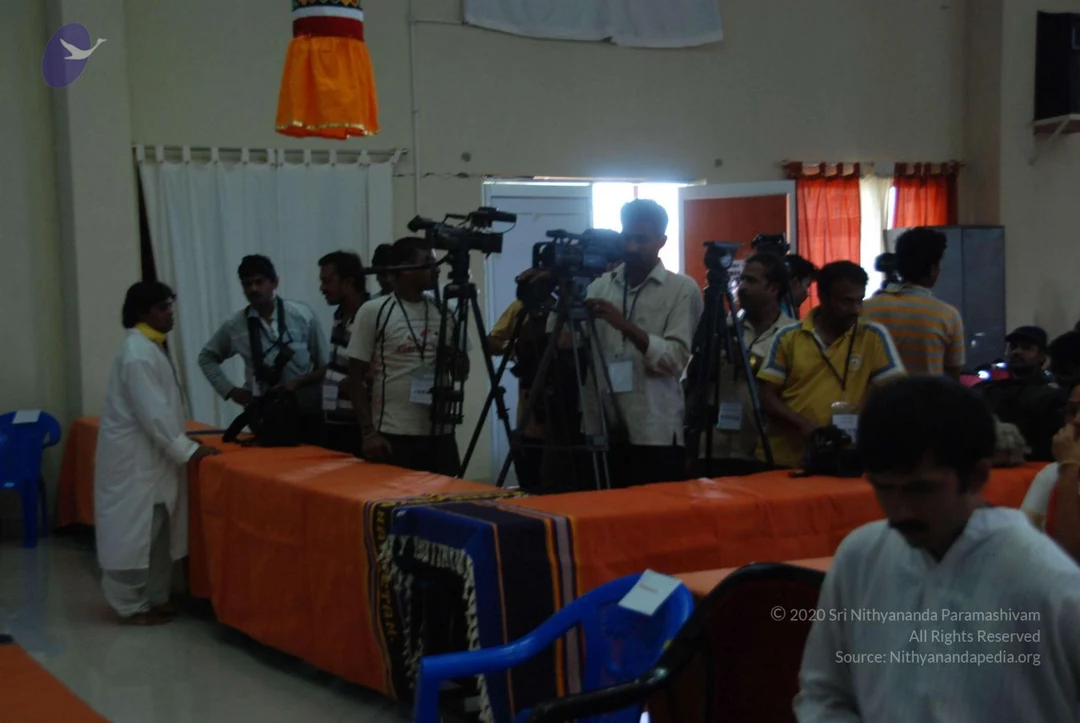
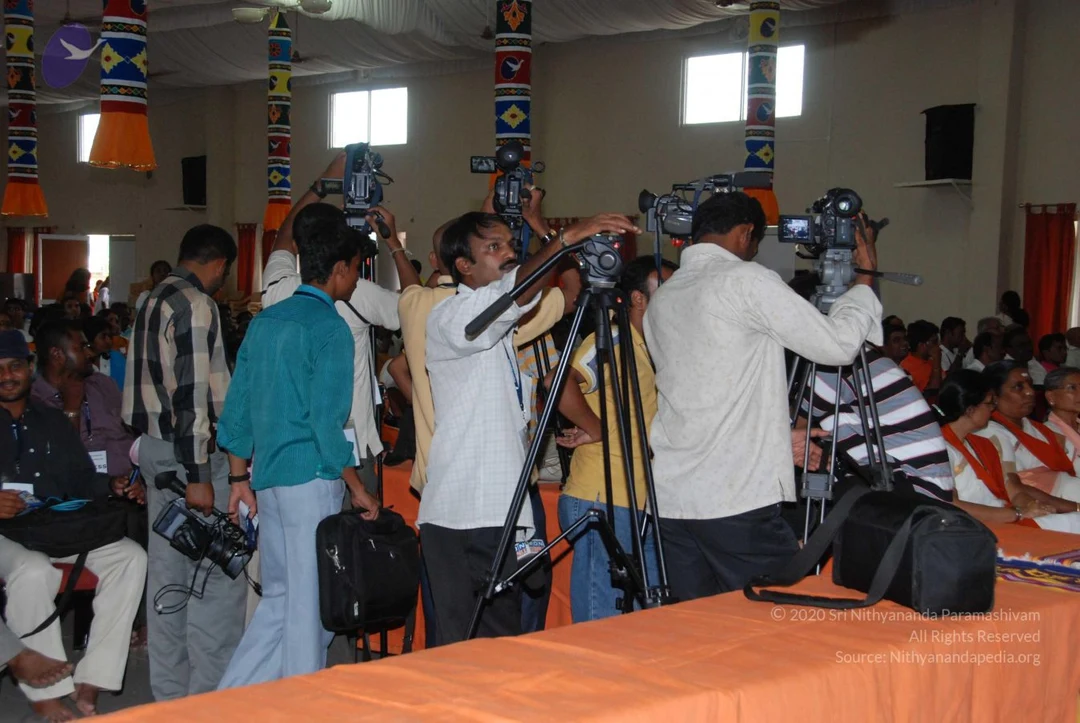
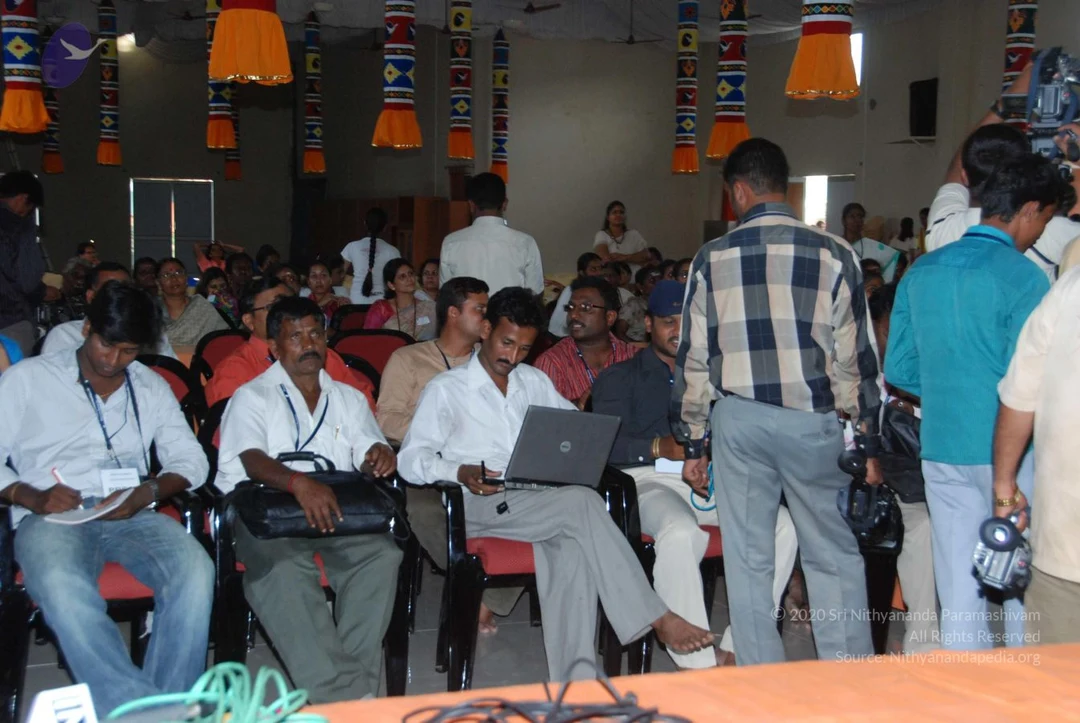
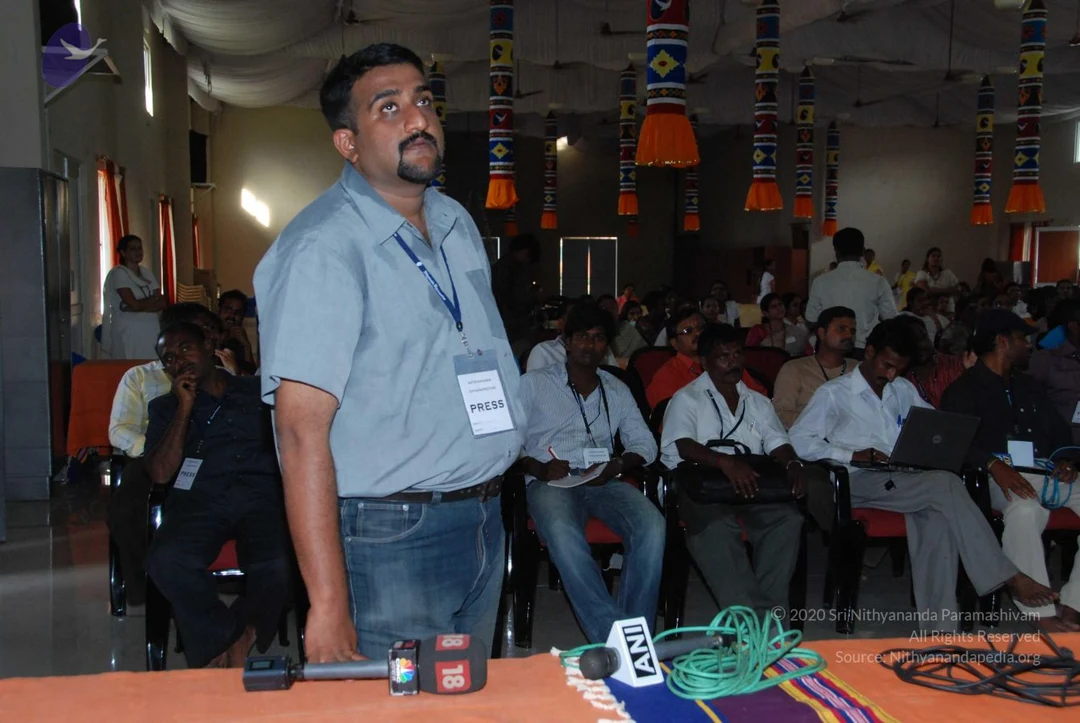
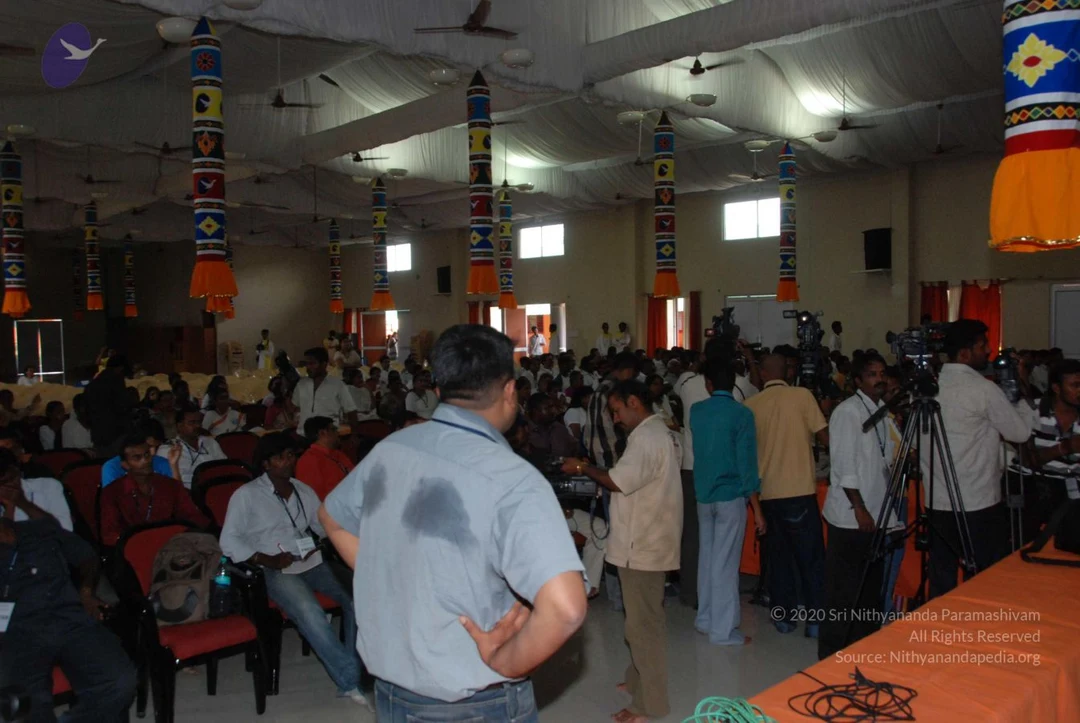
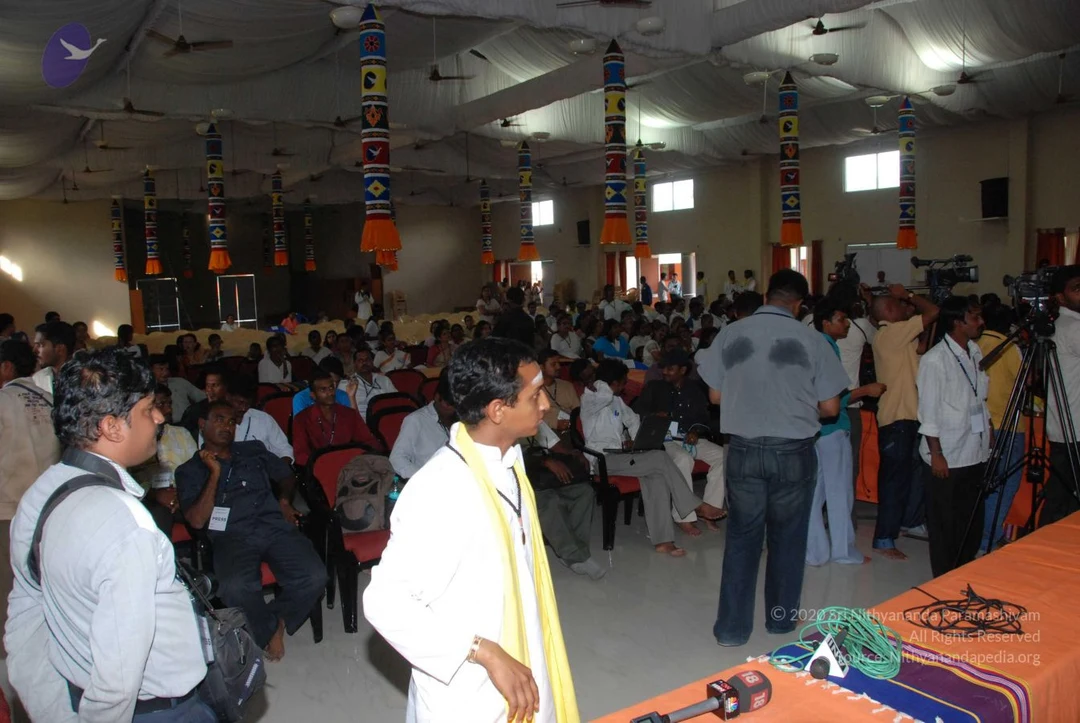
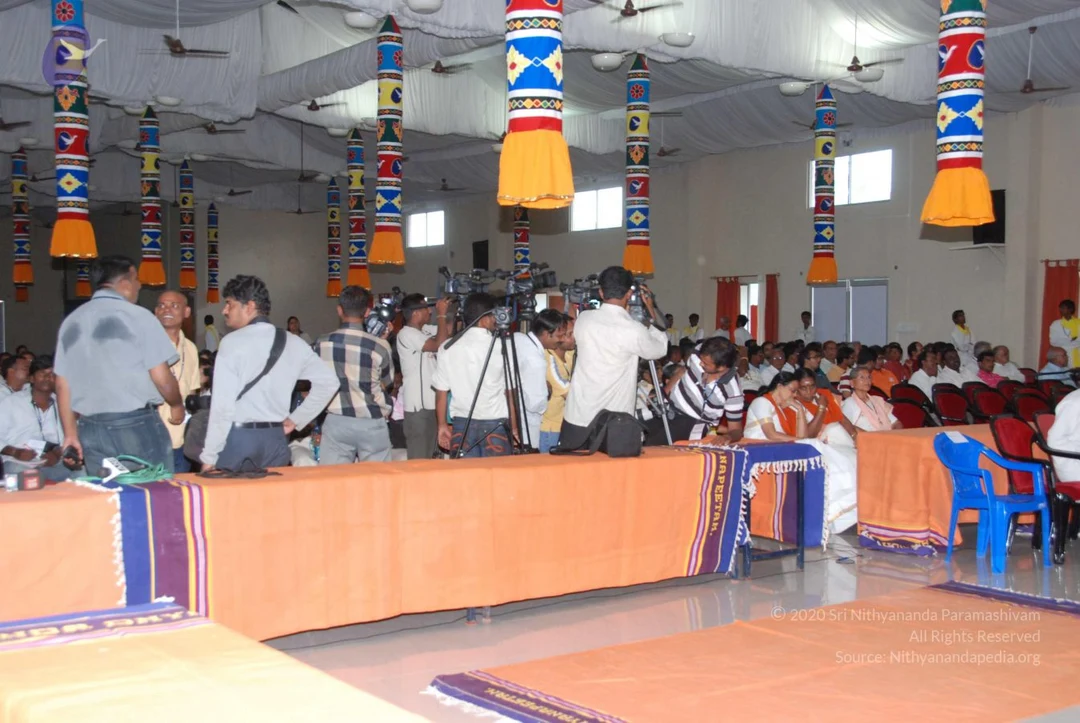
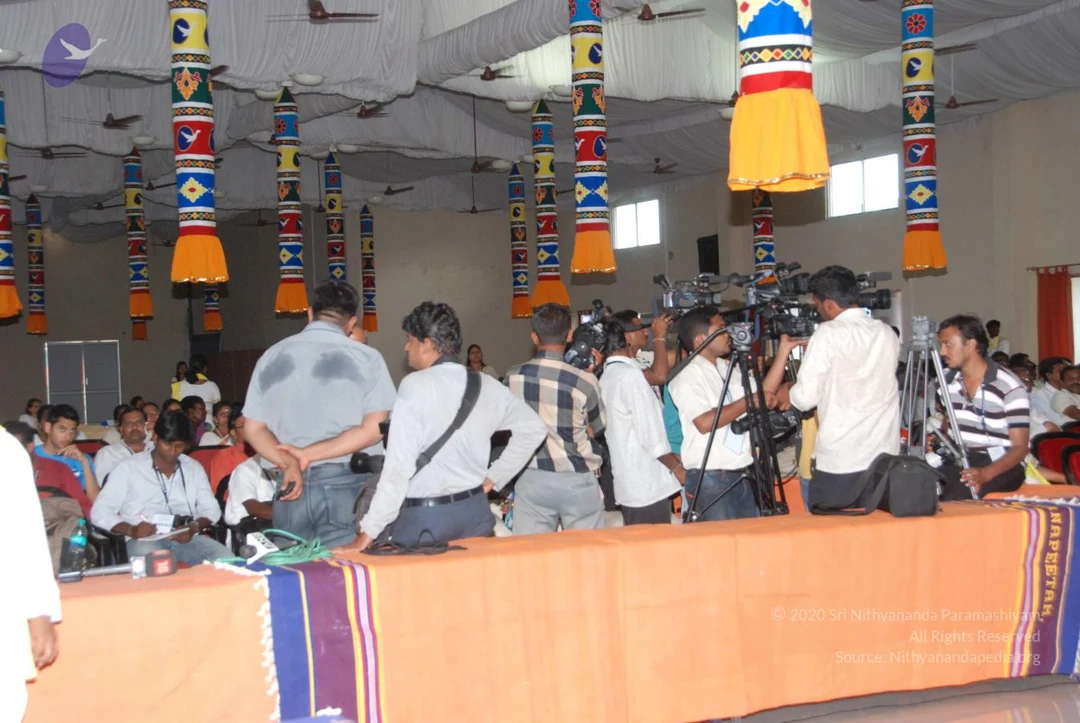
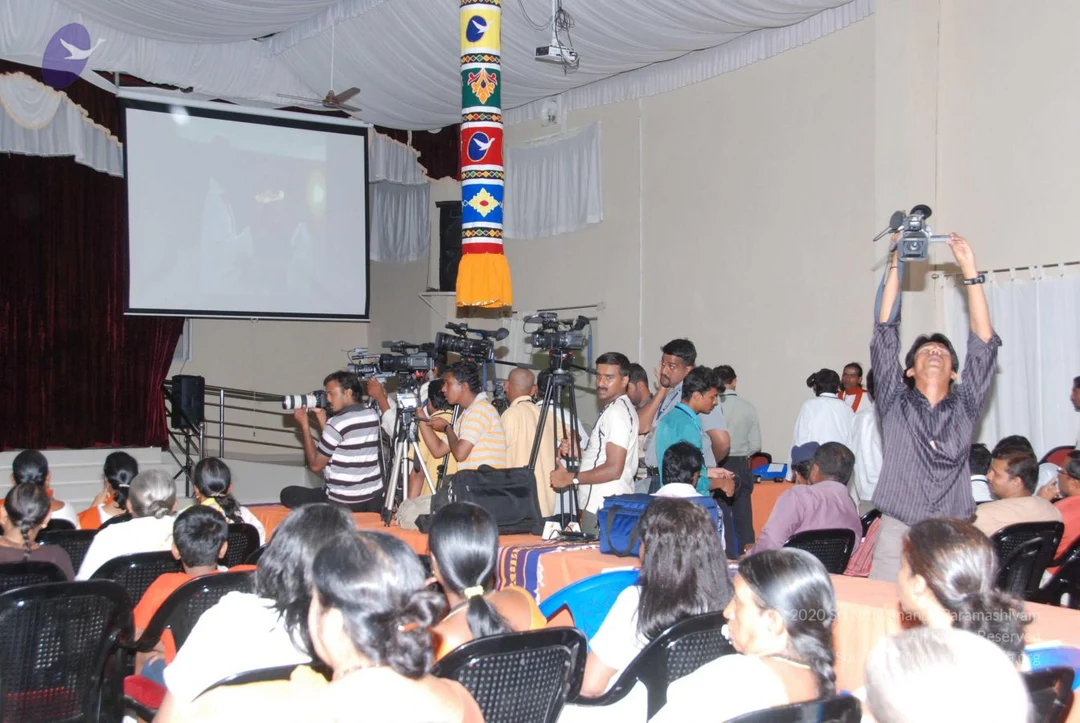
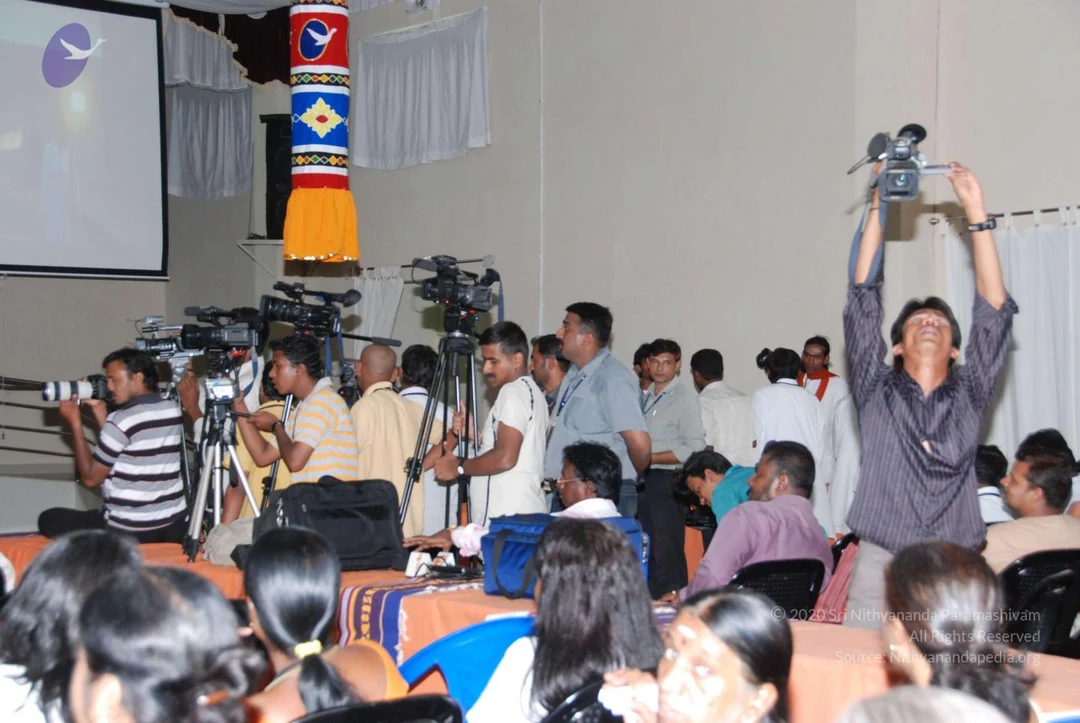
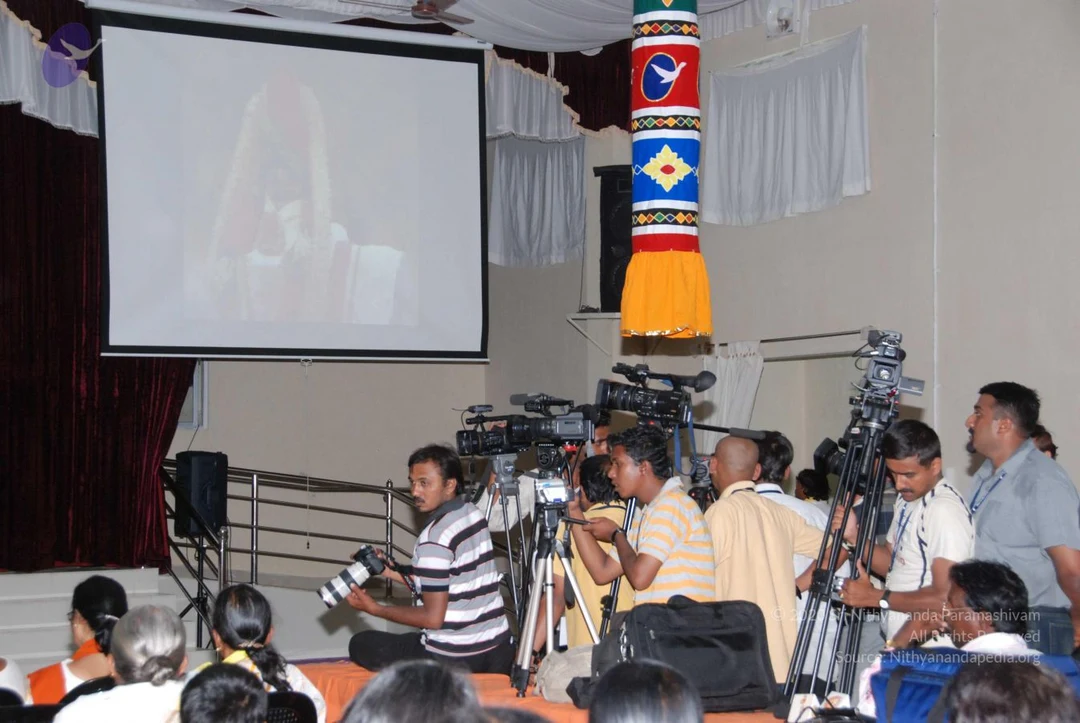
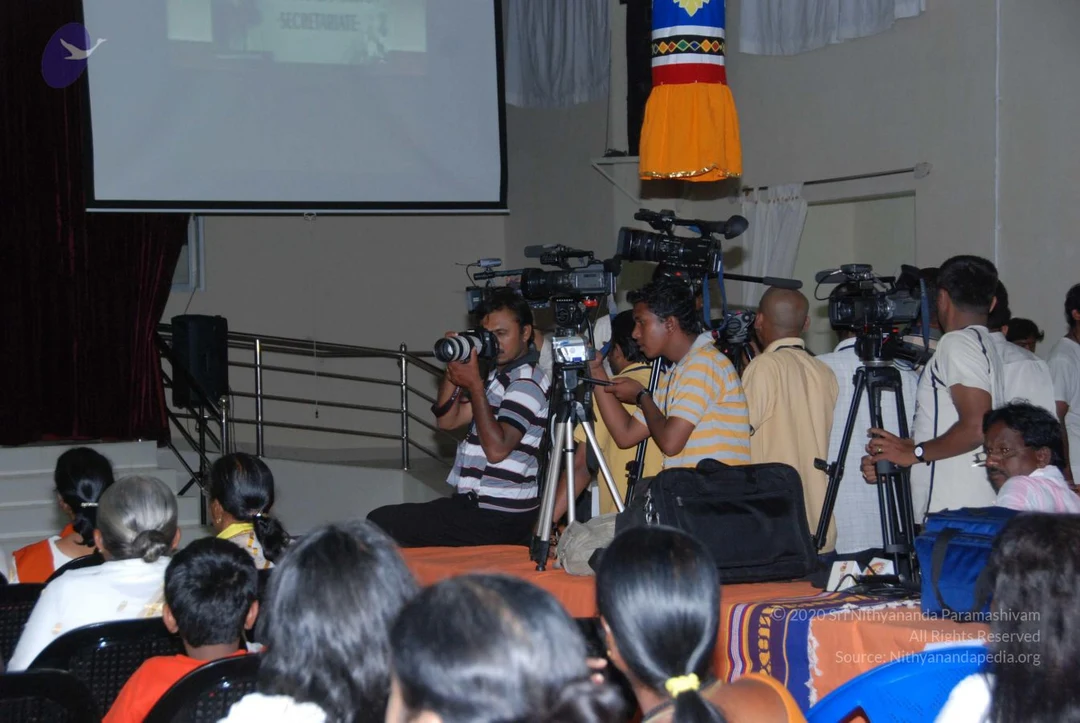
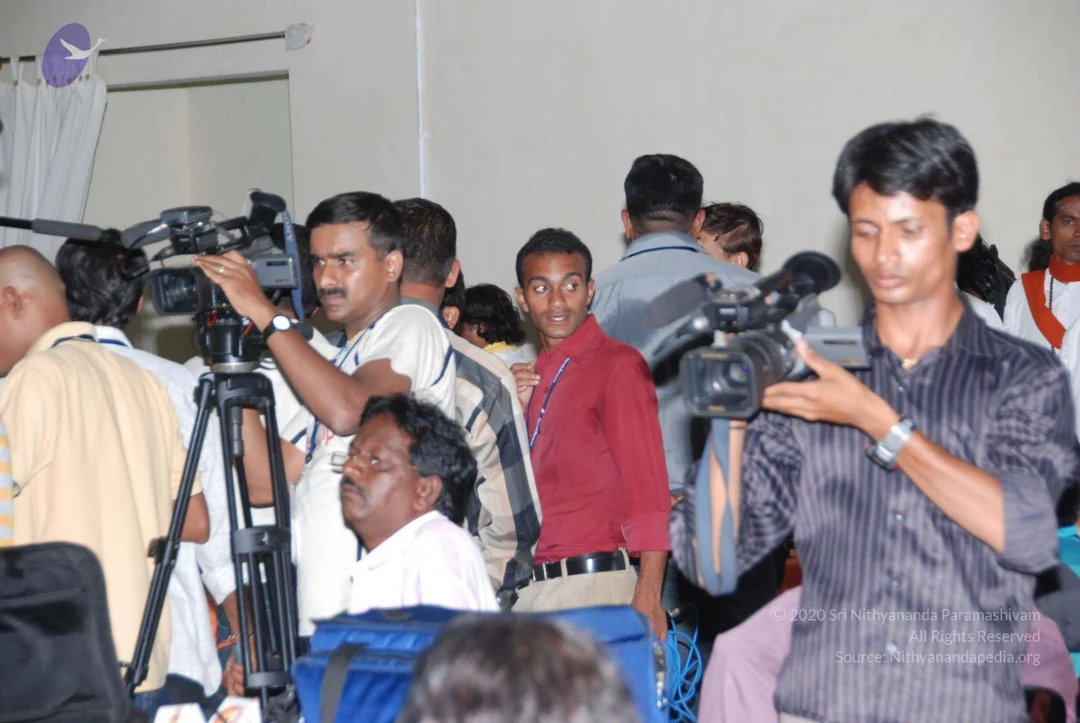
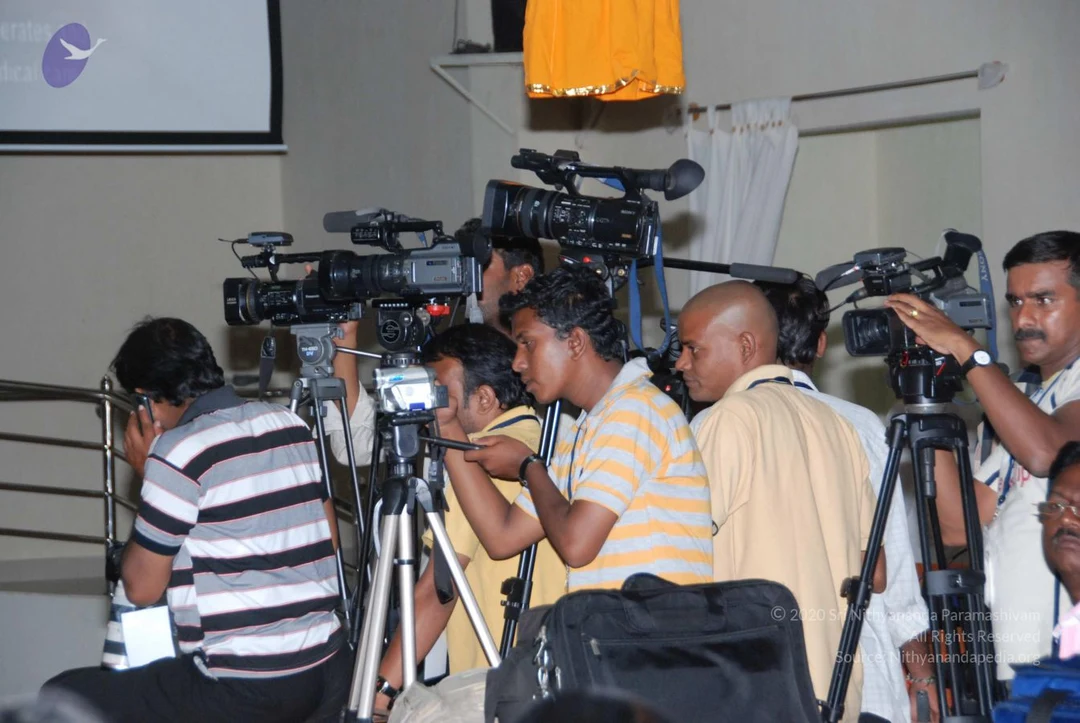
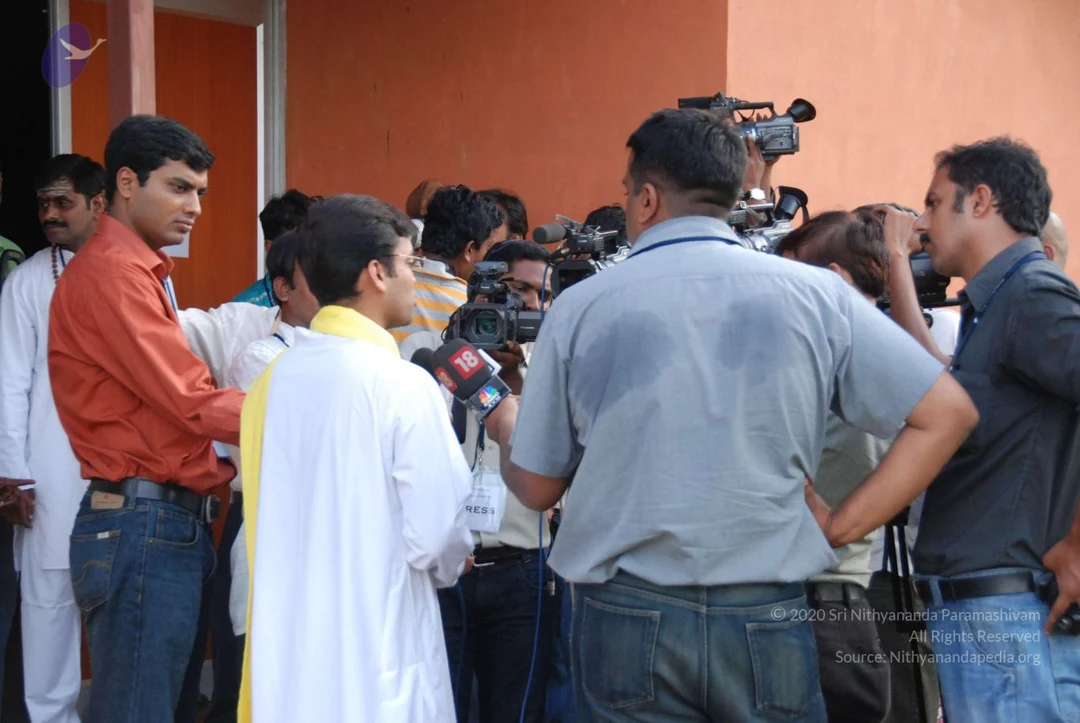
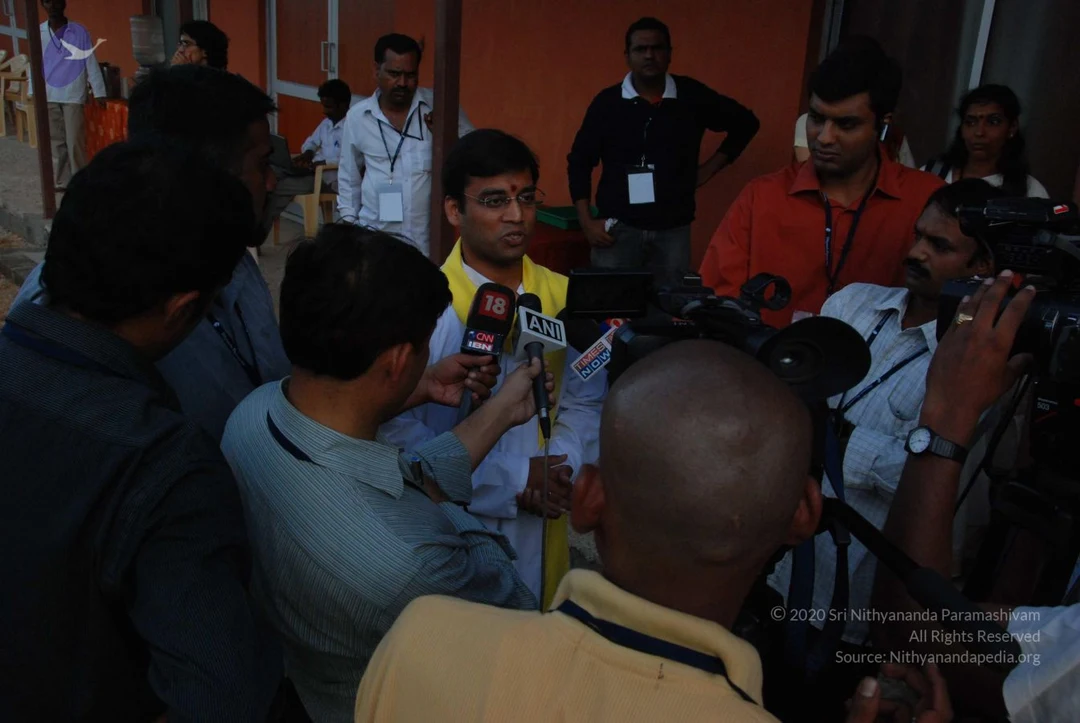
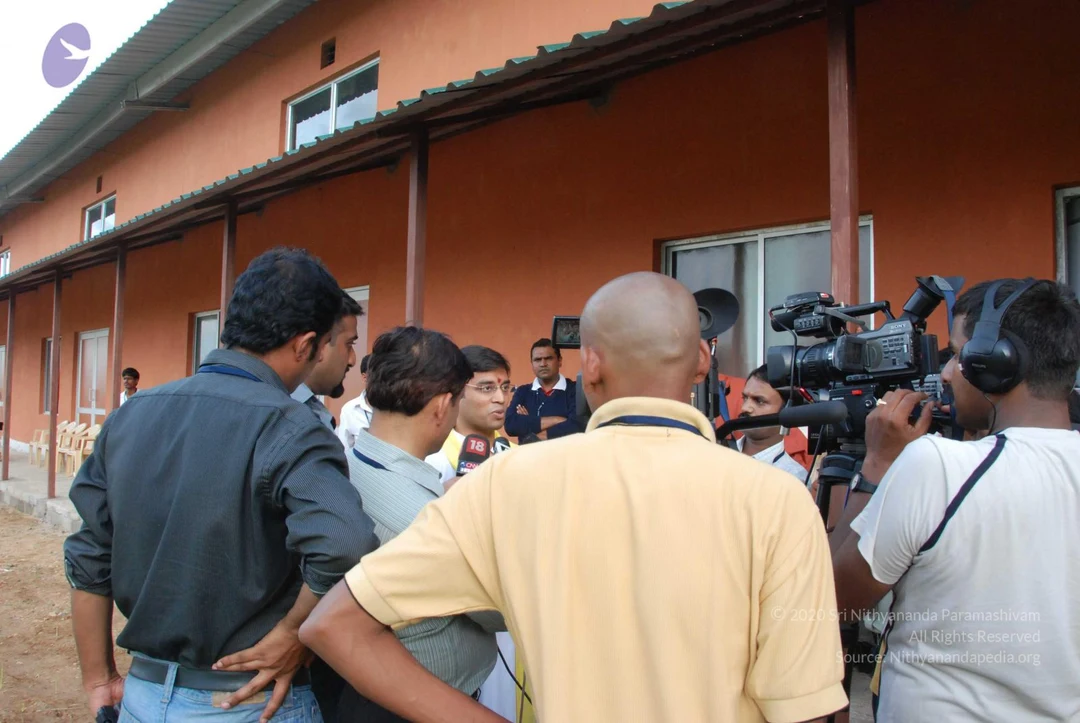
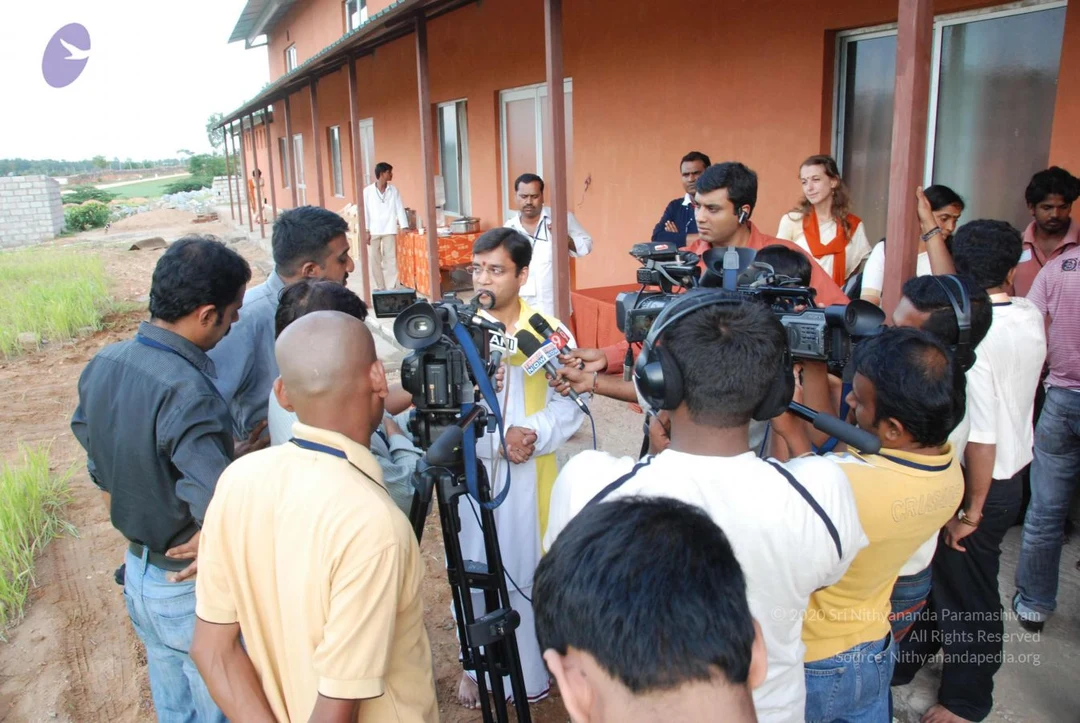
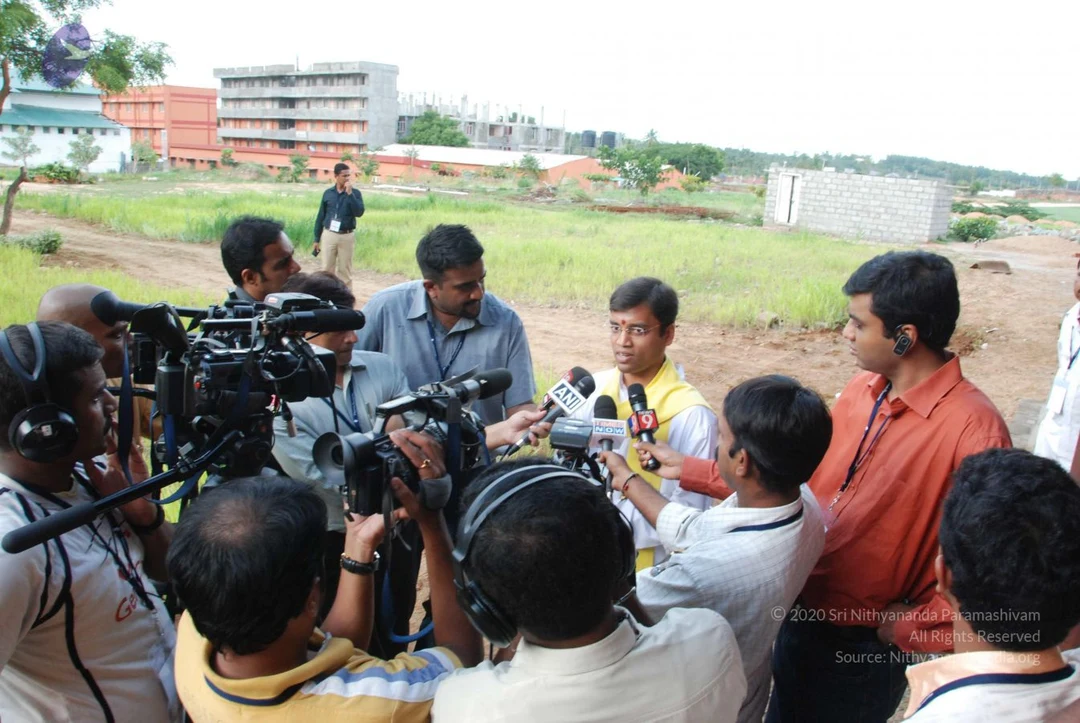
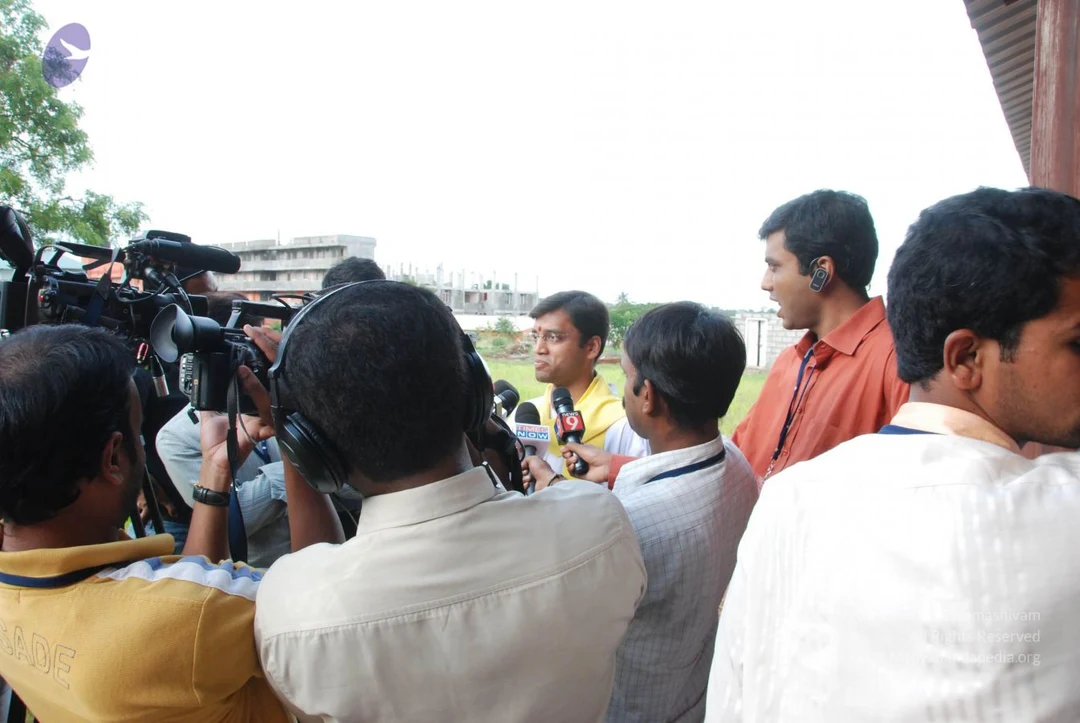
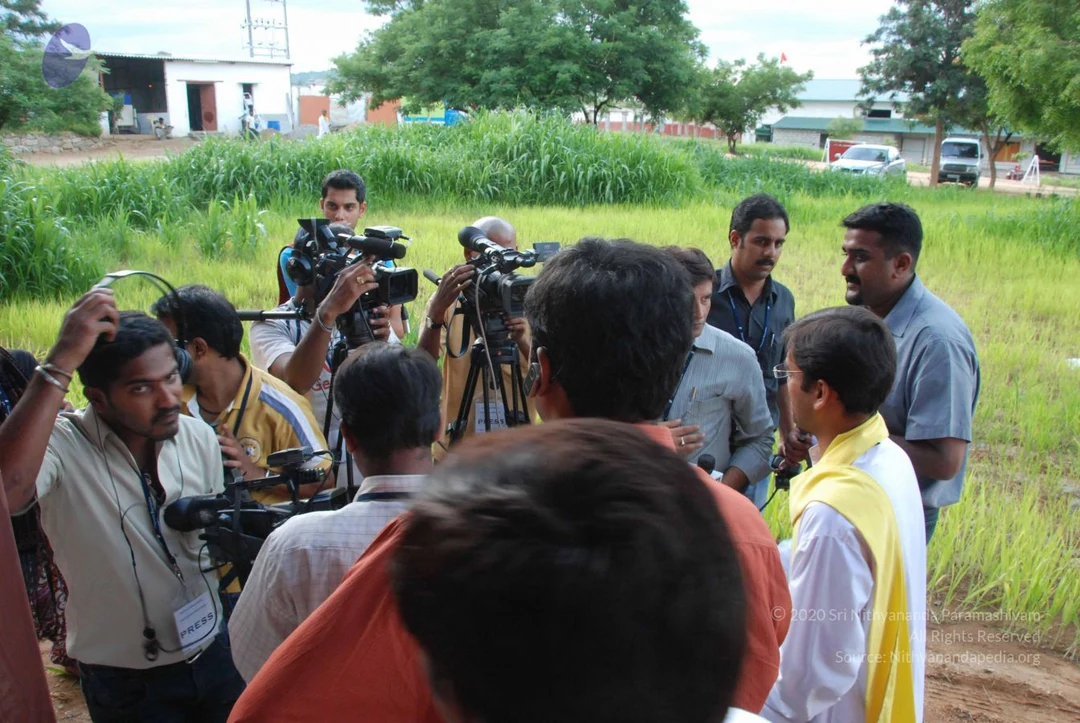
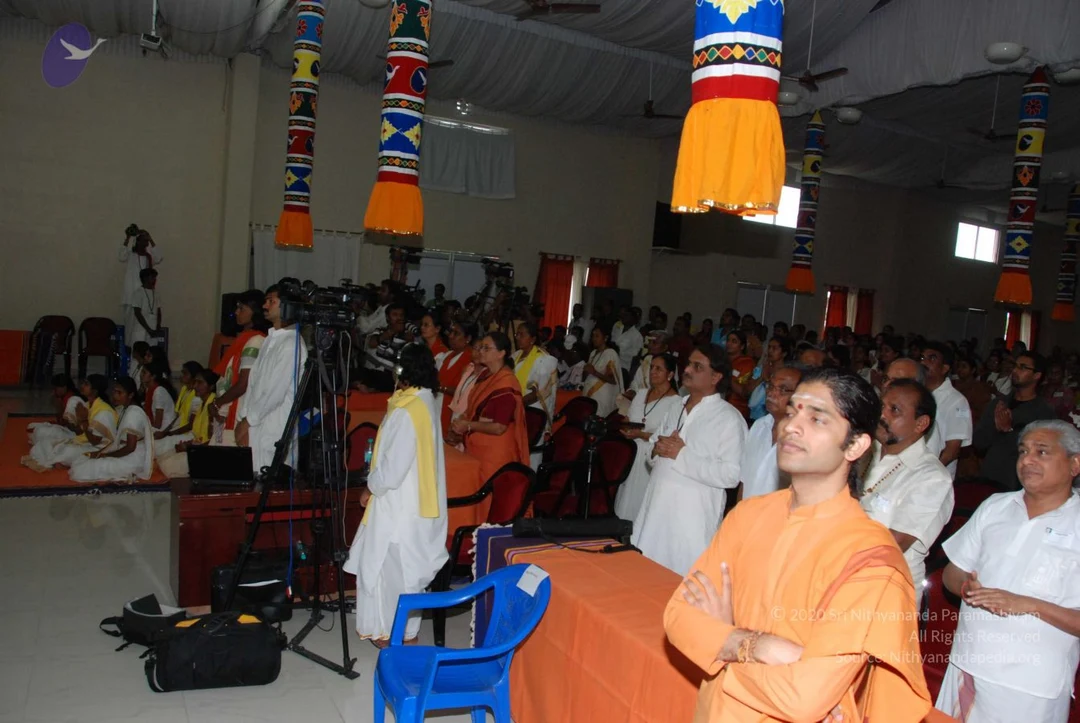
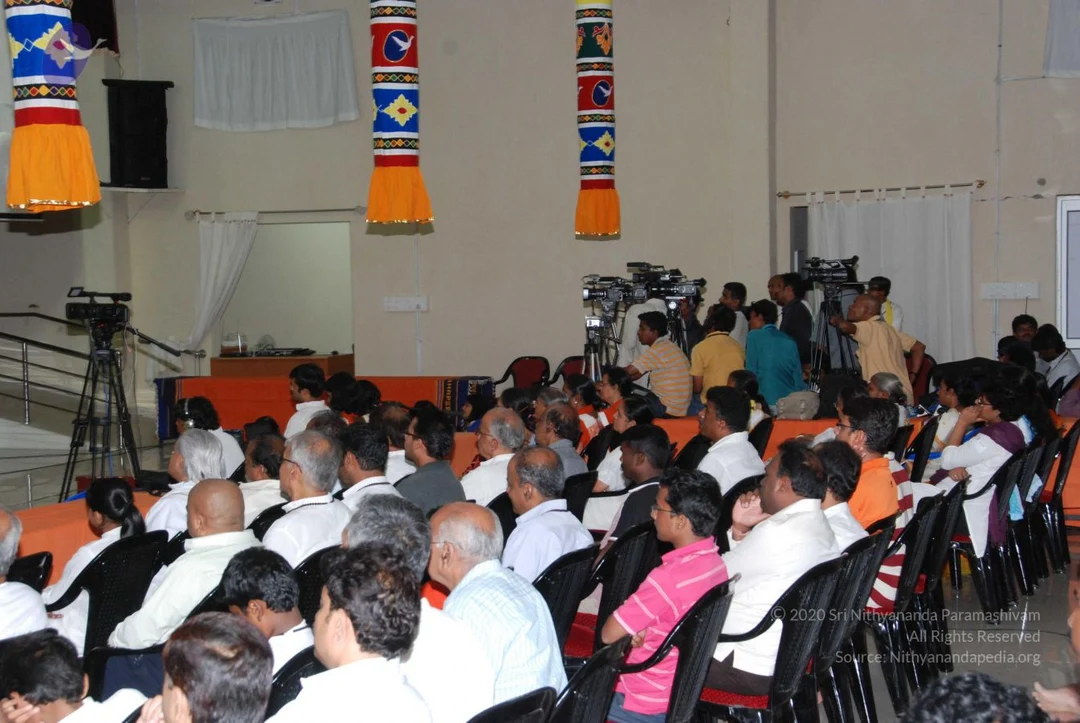
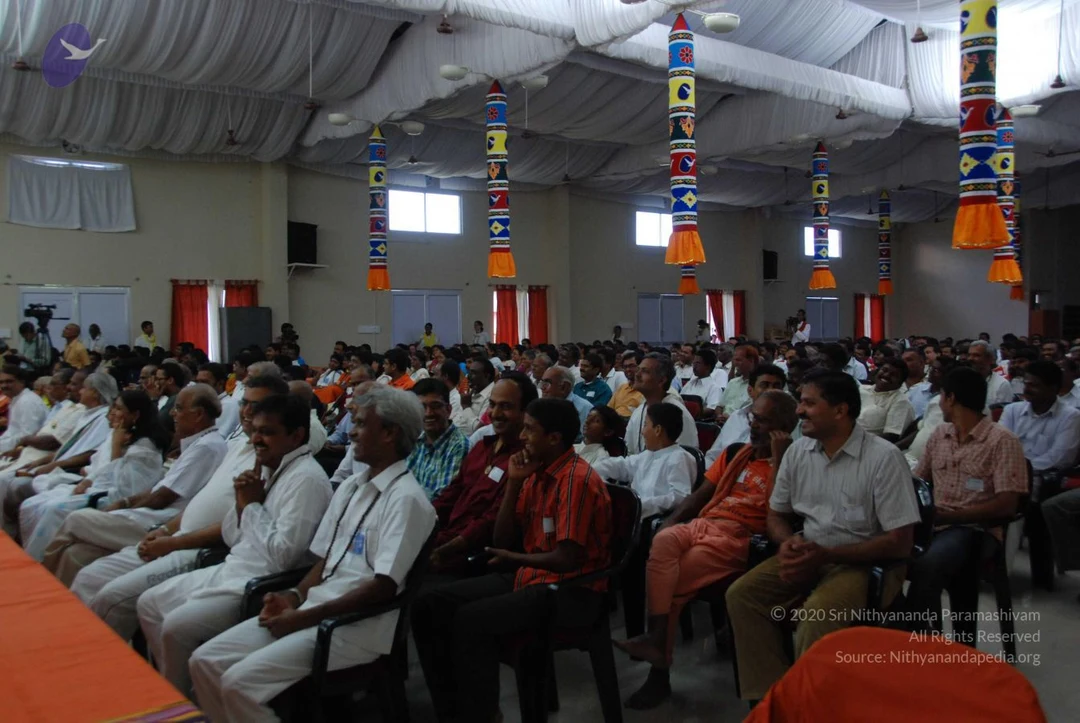
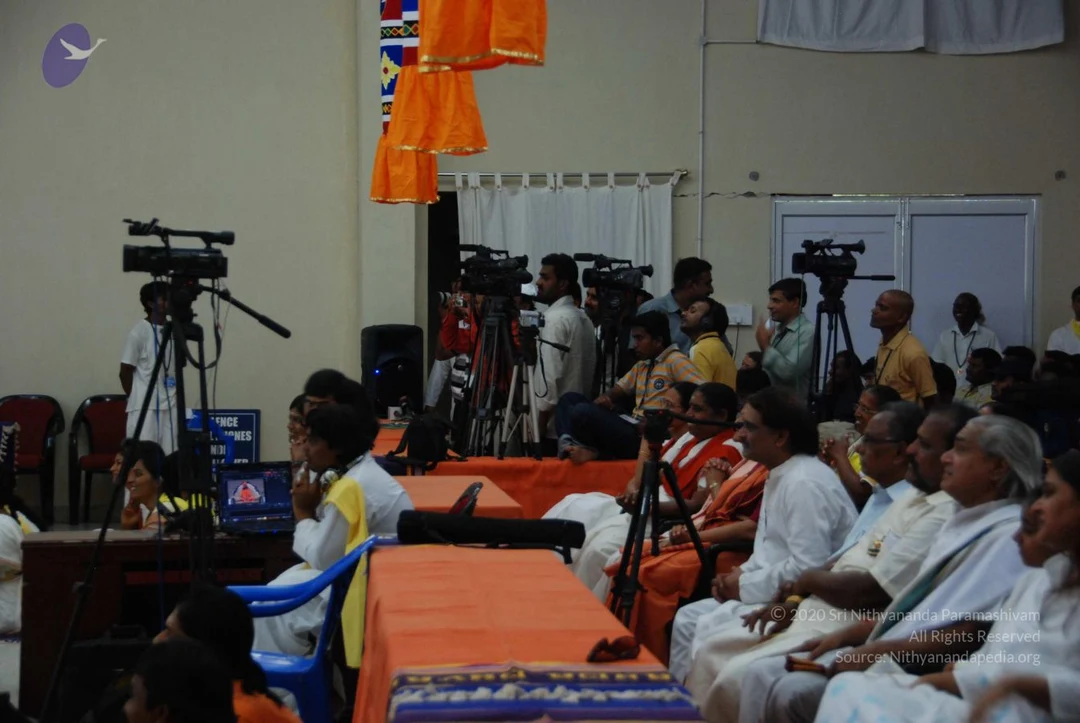
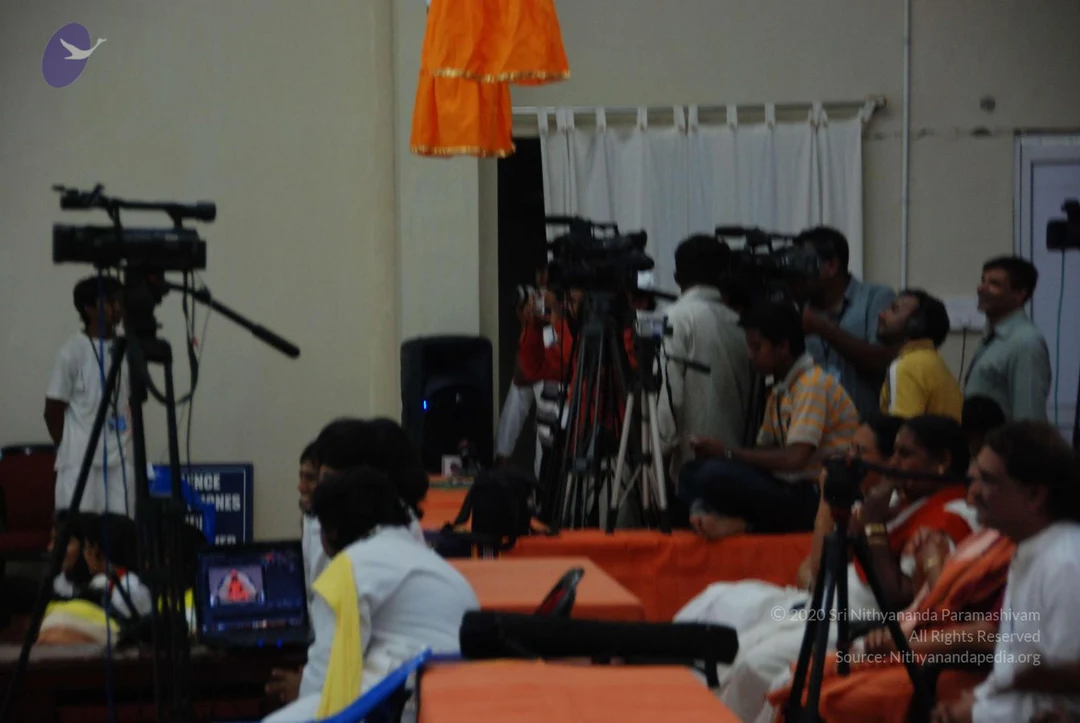
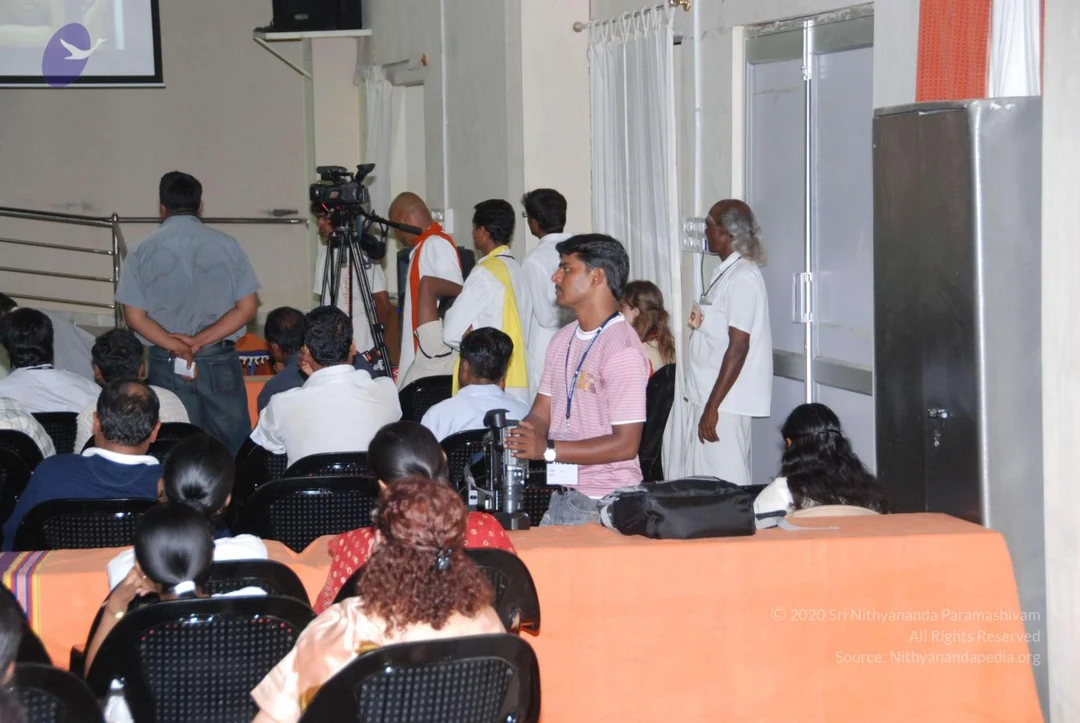
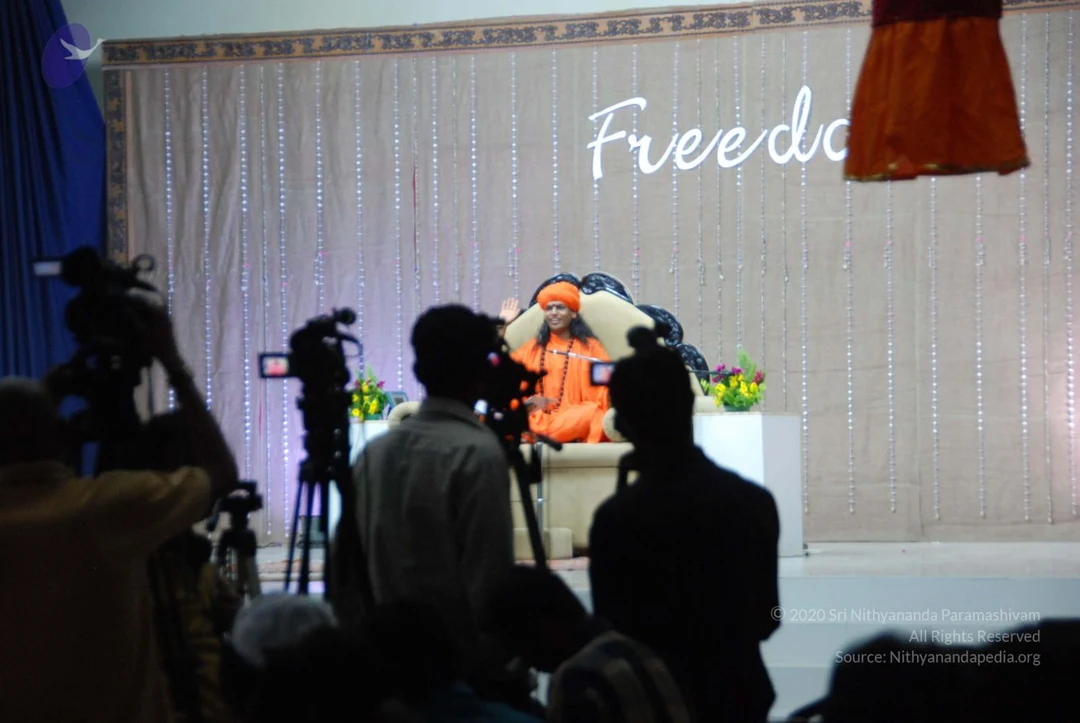
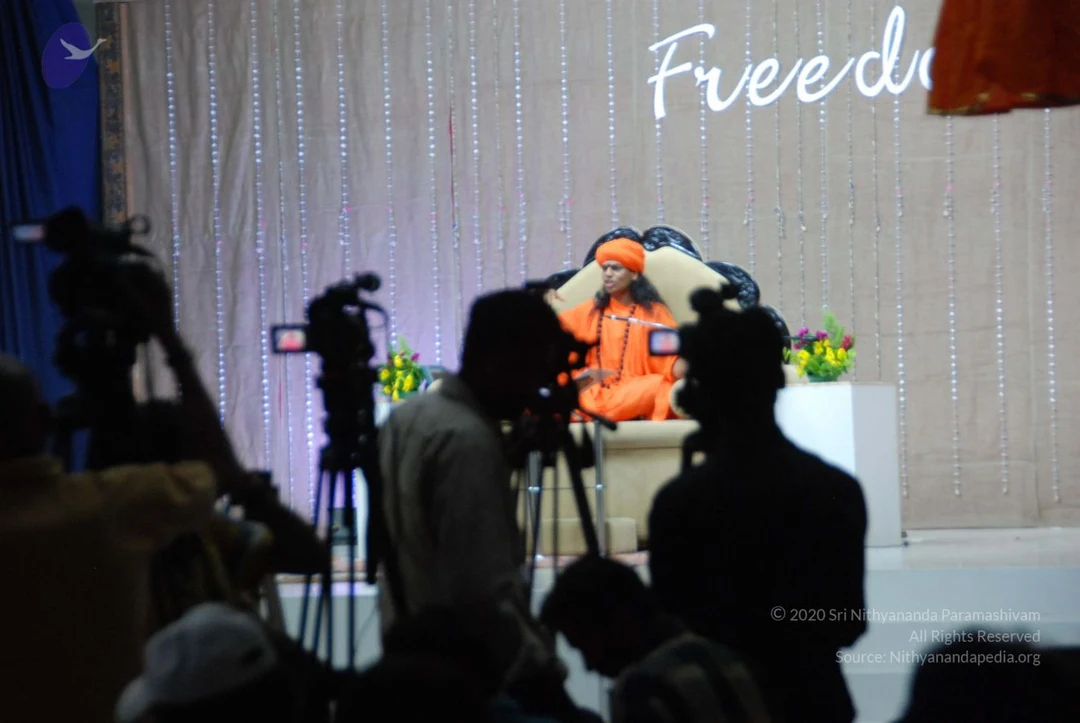
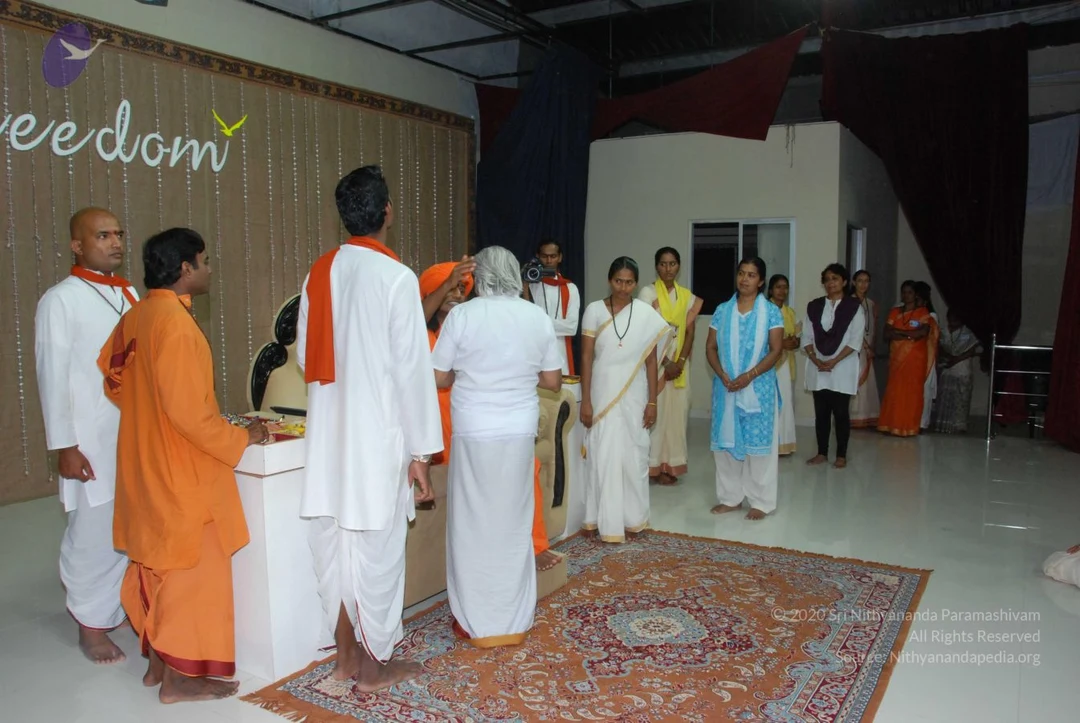
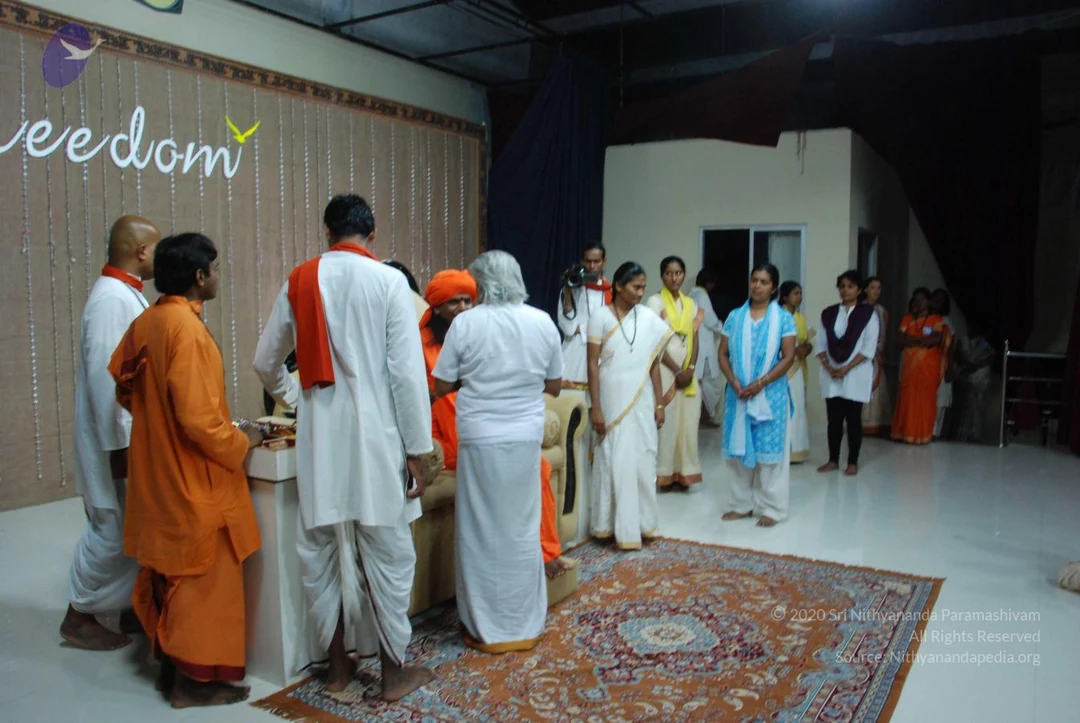
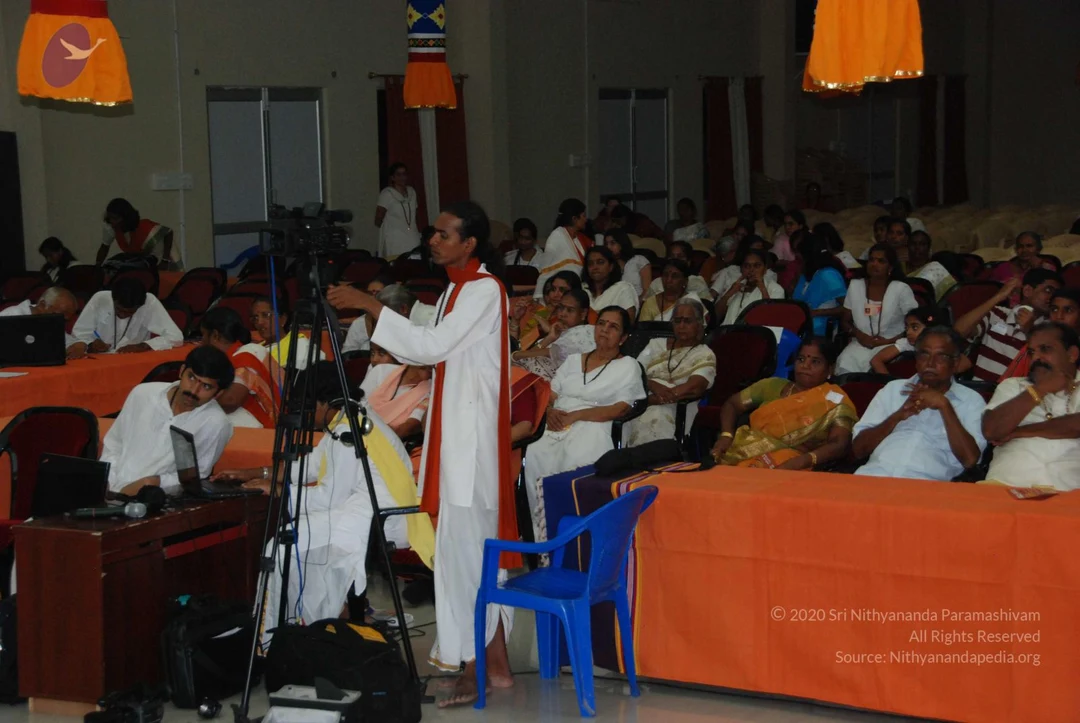
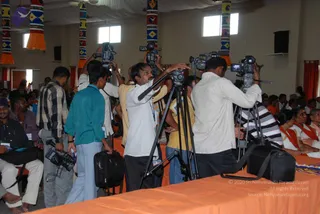
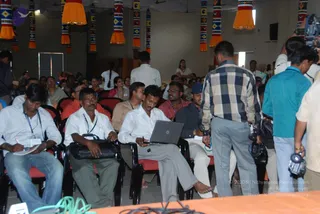
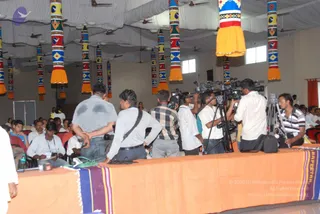
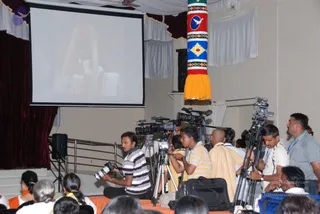
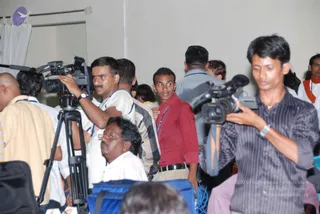
MEDIA-COVERING-HDH-FIRST-PUBLIC-SATSANG-AFTER-RELEASE-FROM-UNLAWFUL-IMPRISONMENT
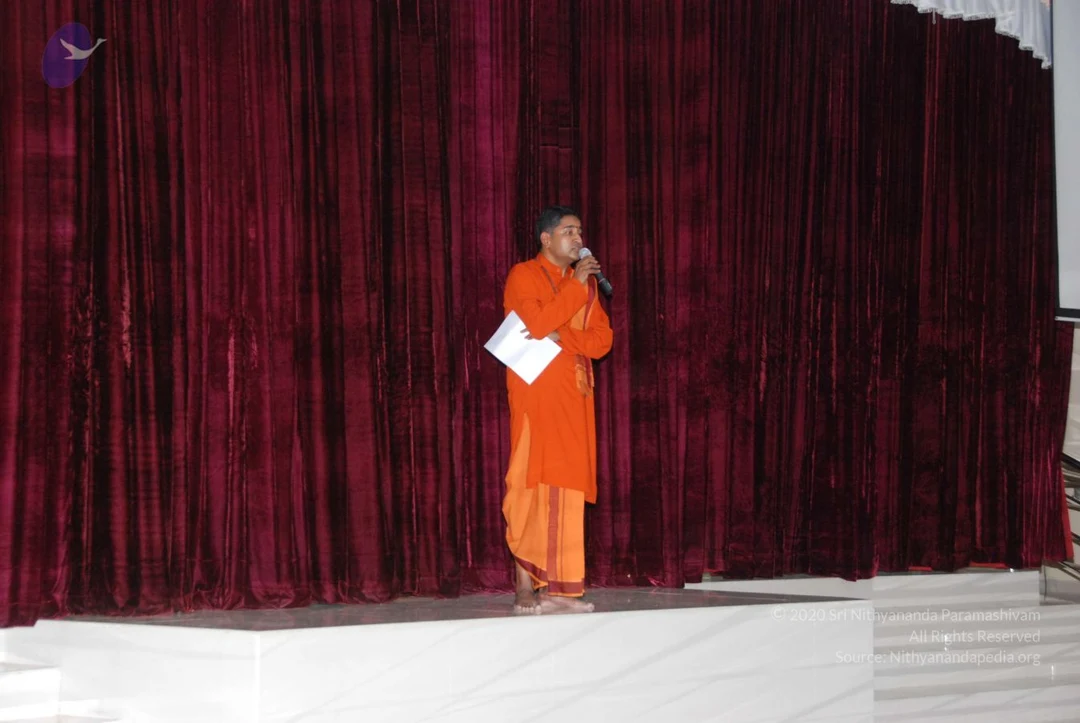
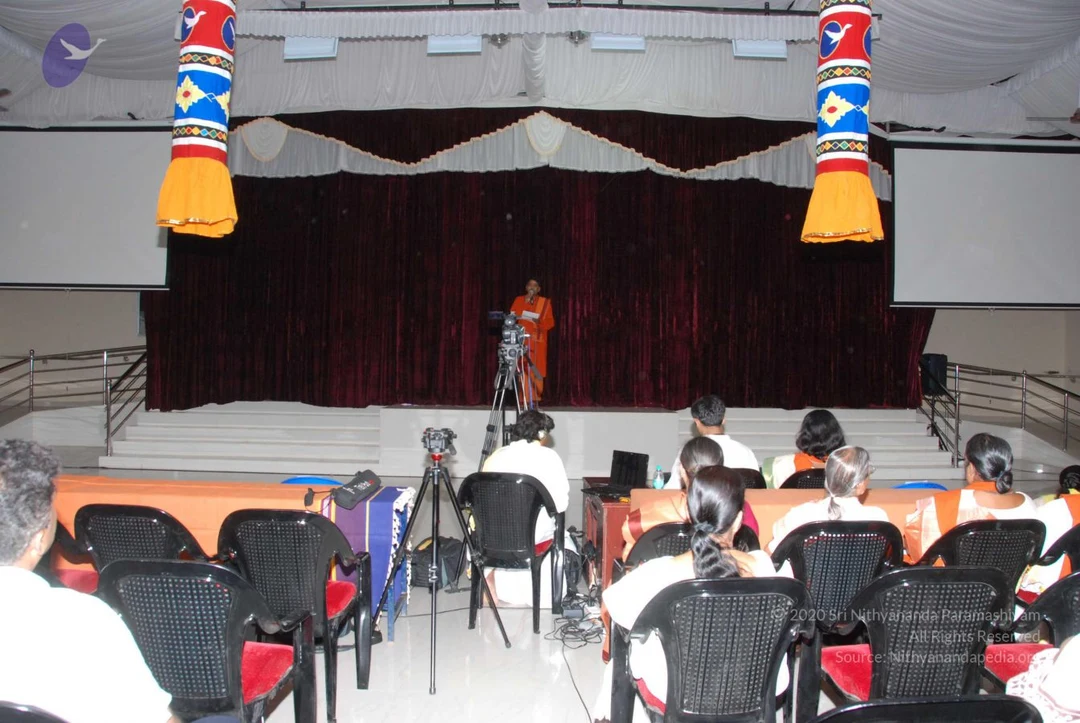
WEBINAR-ON-FREEDOM-BY-HDH
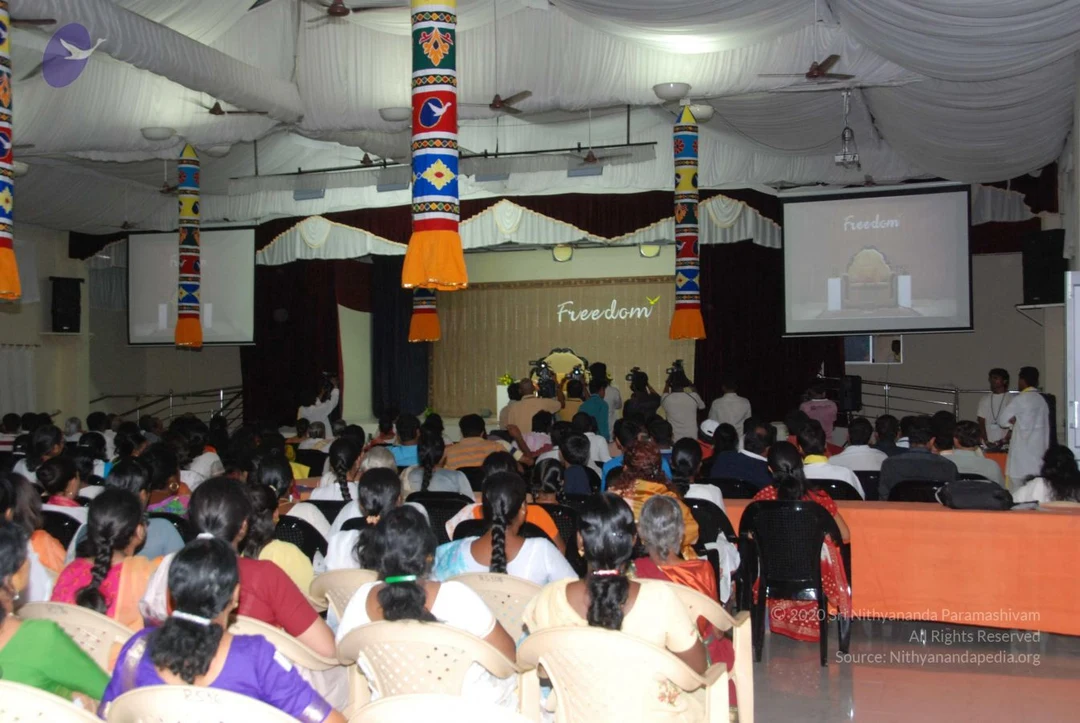
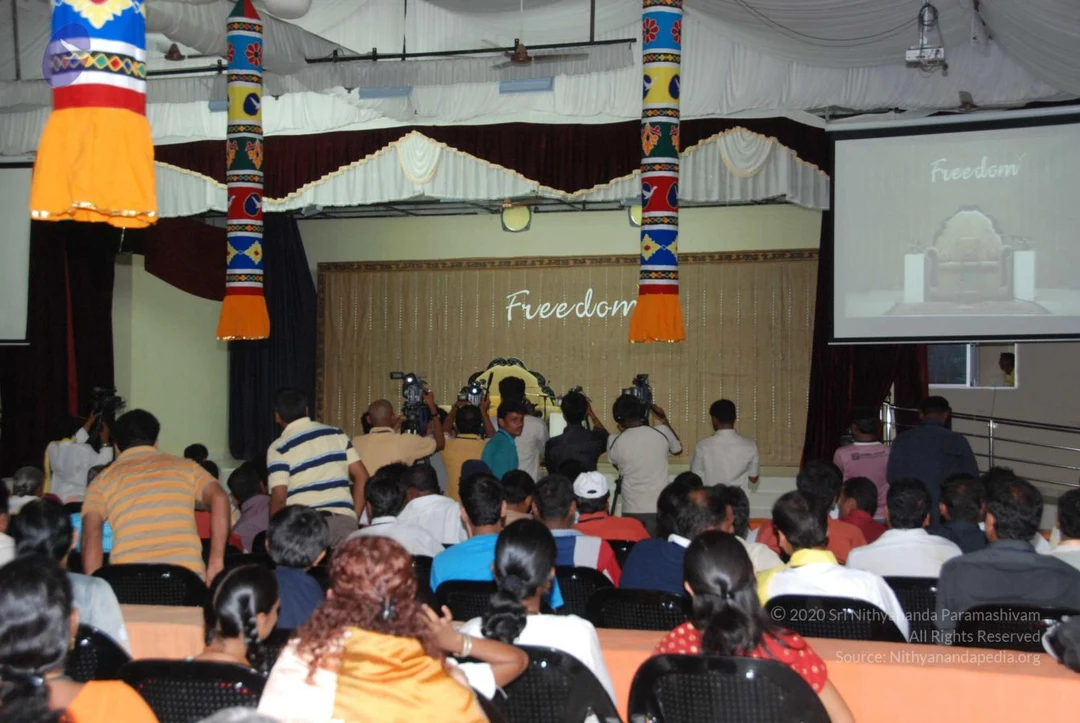
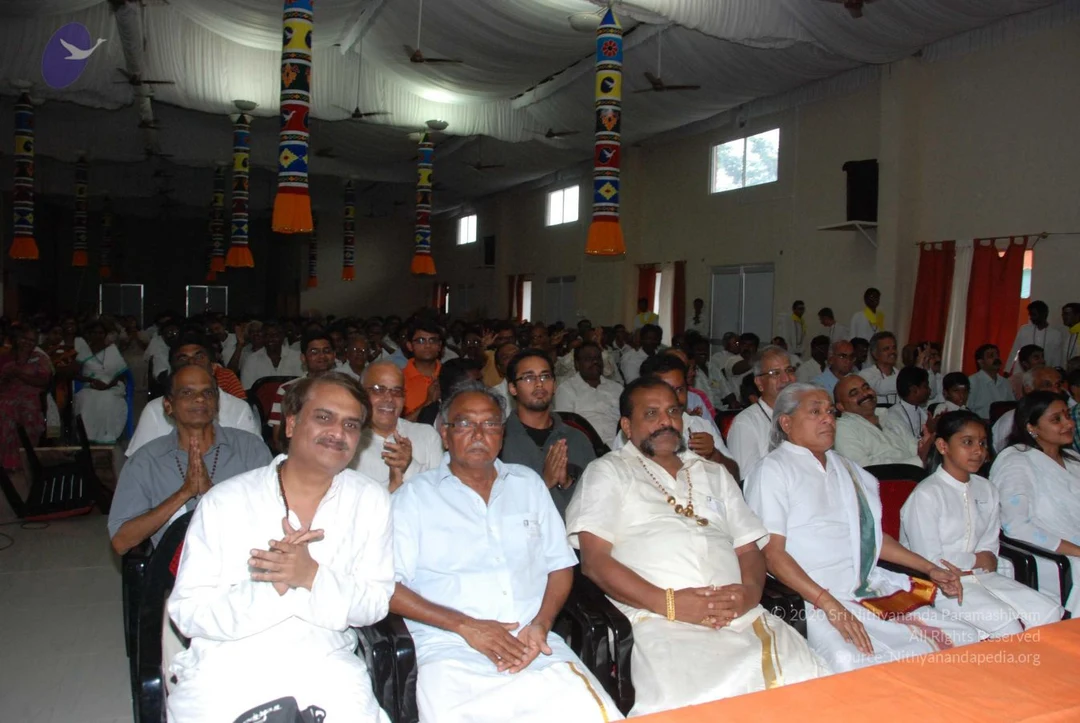
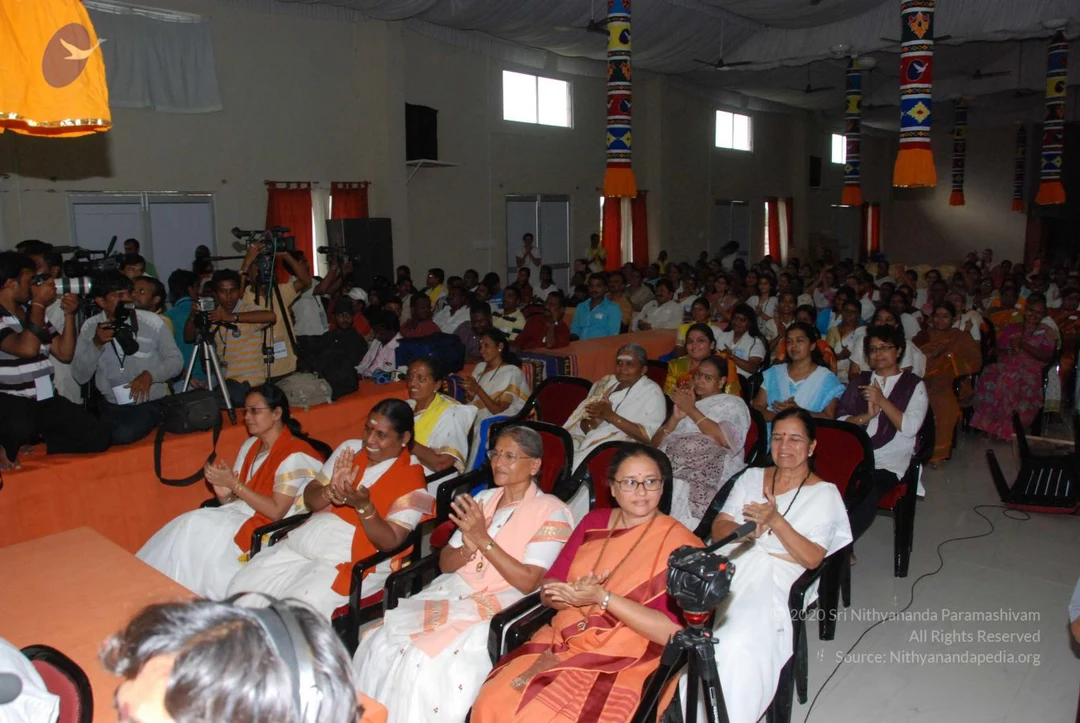
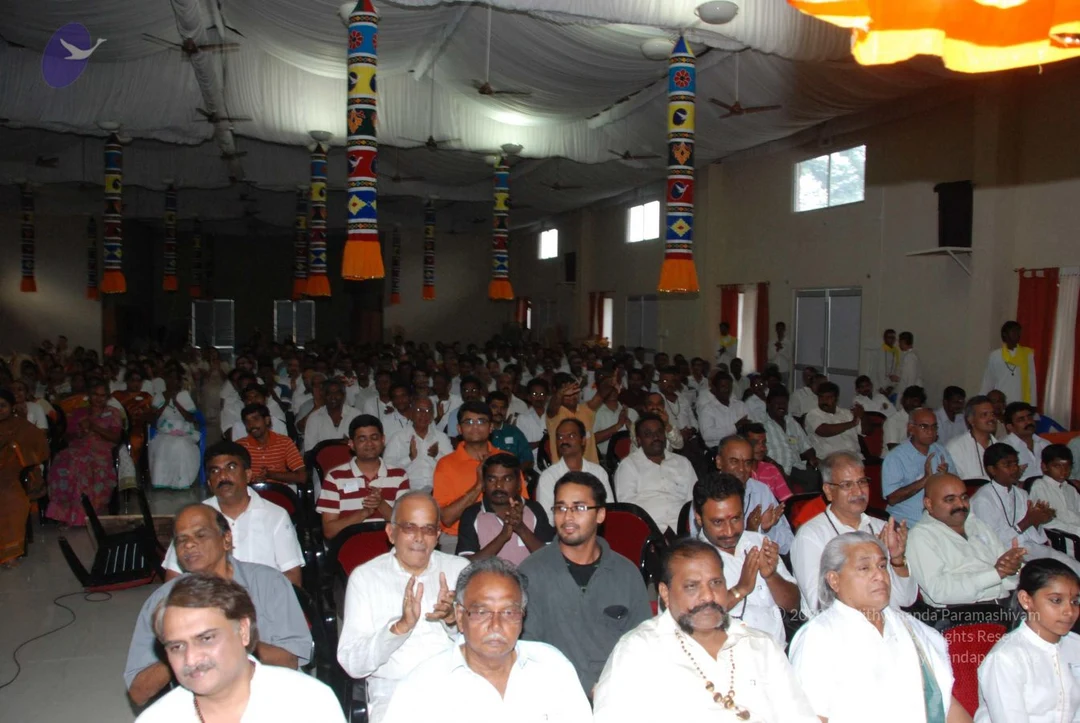
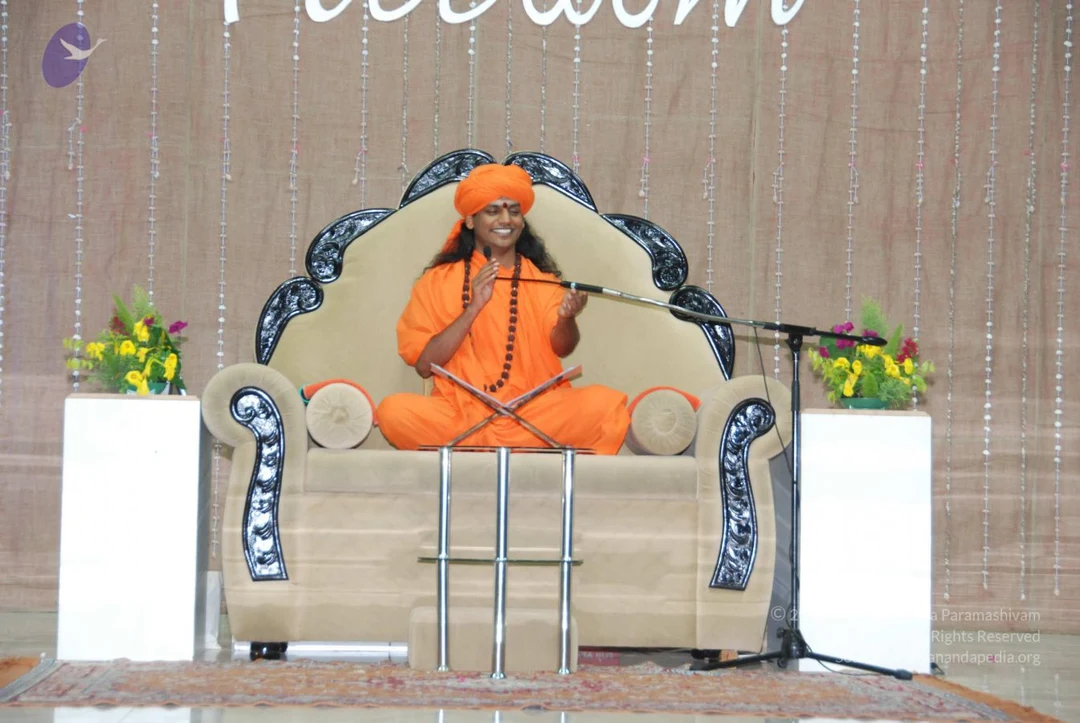
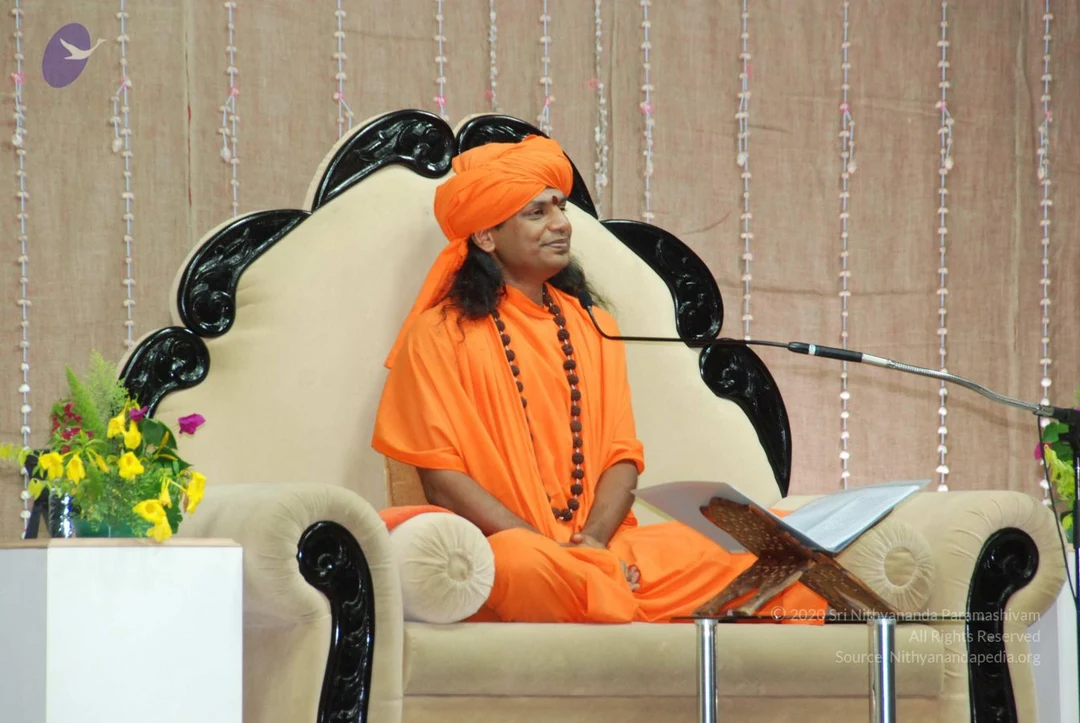
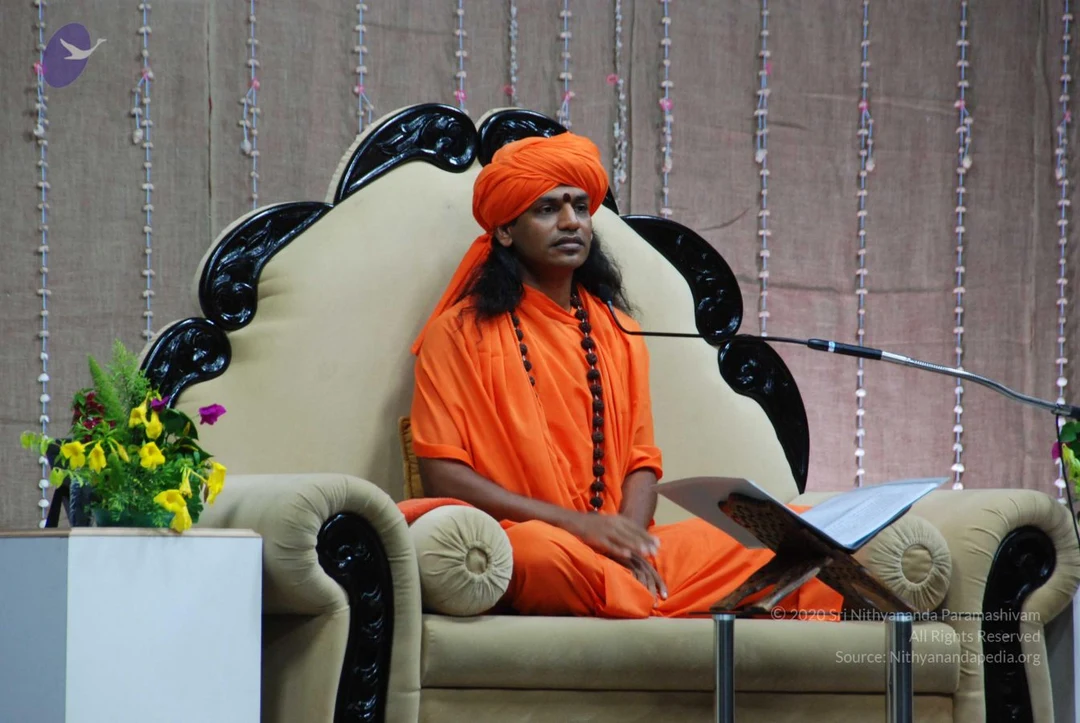
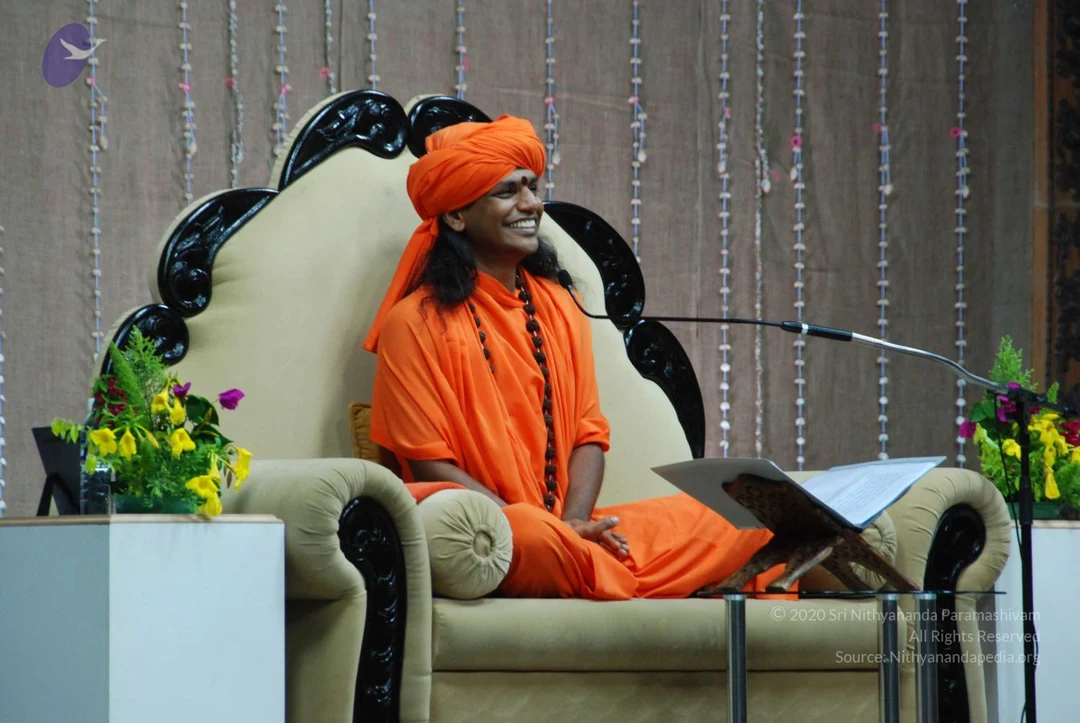
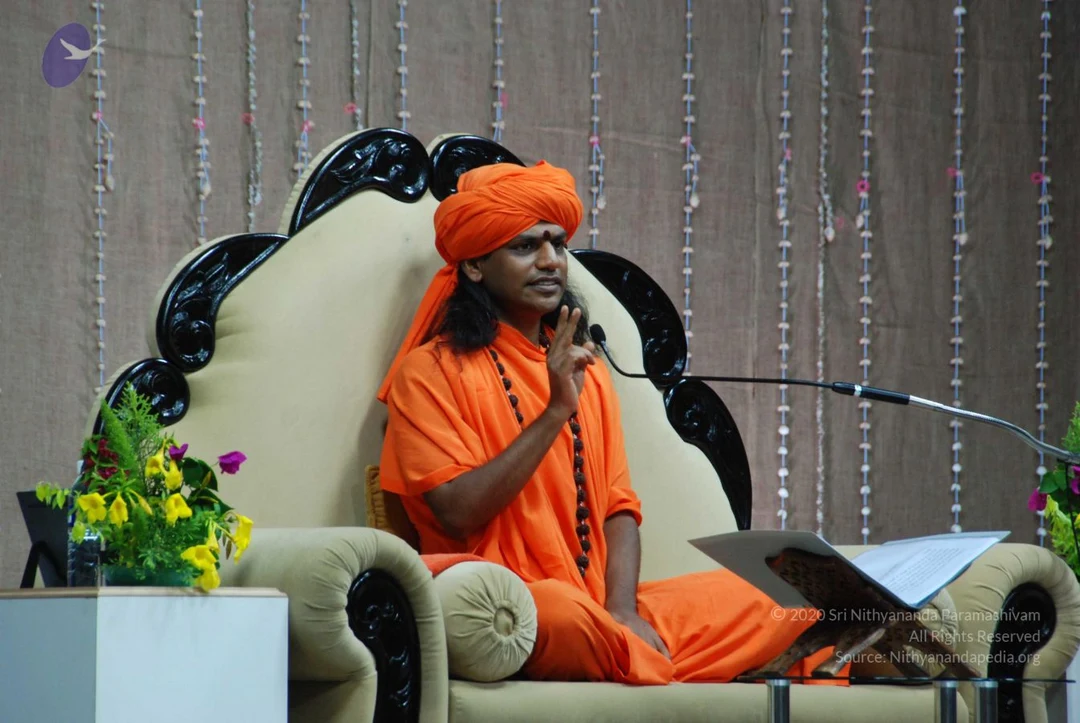
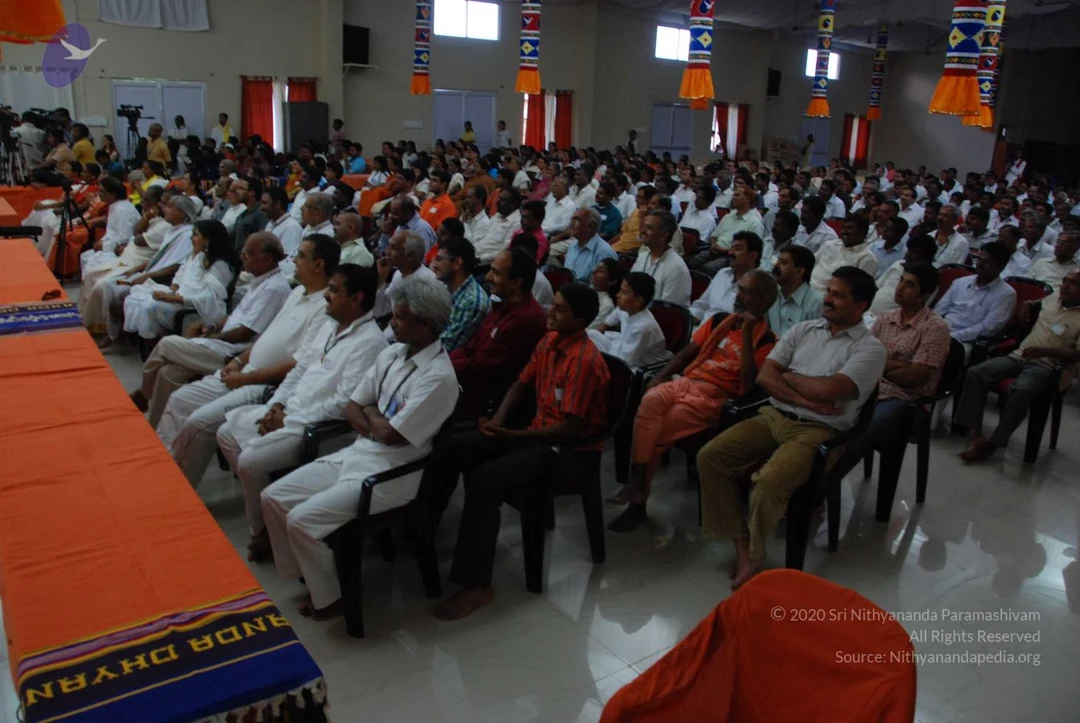
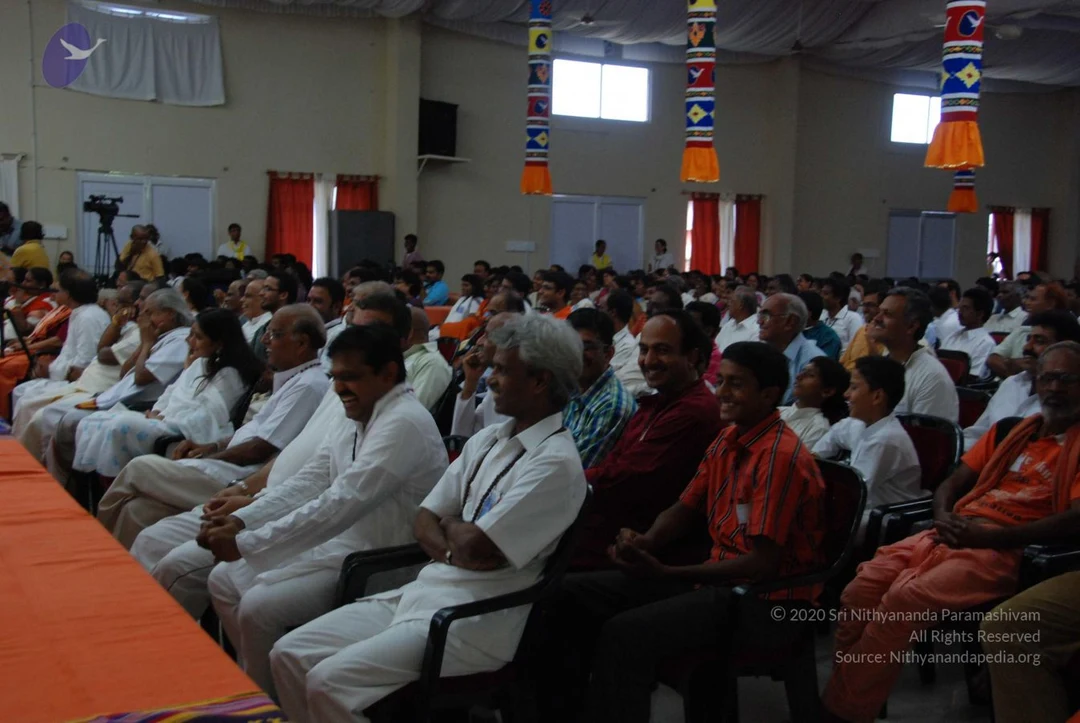
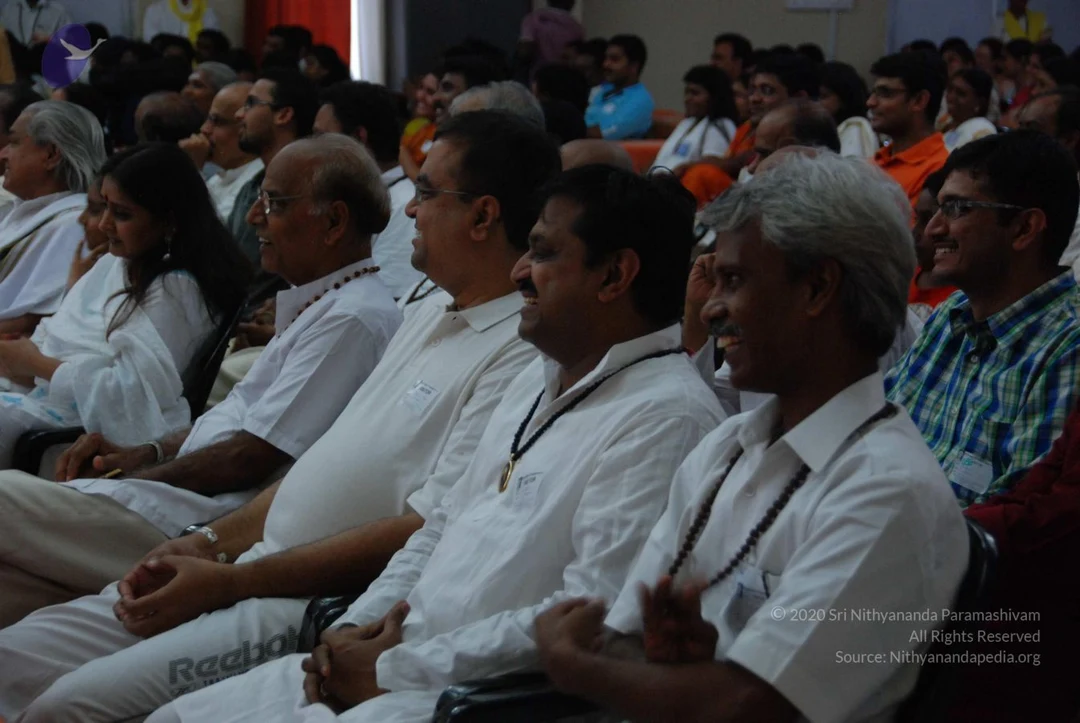
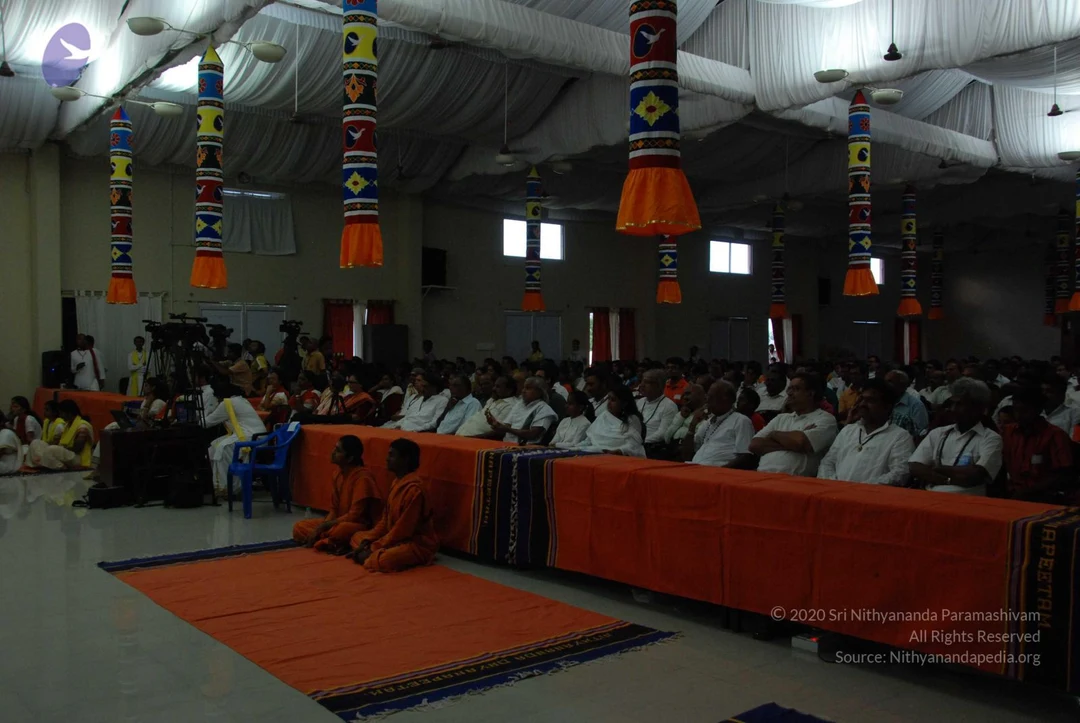
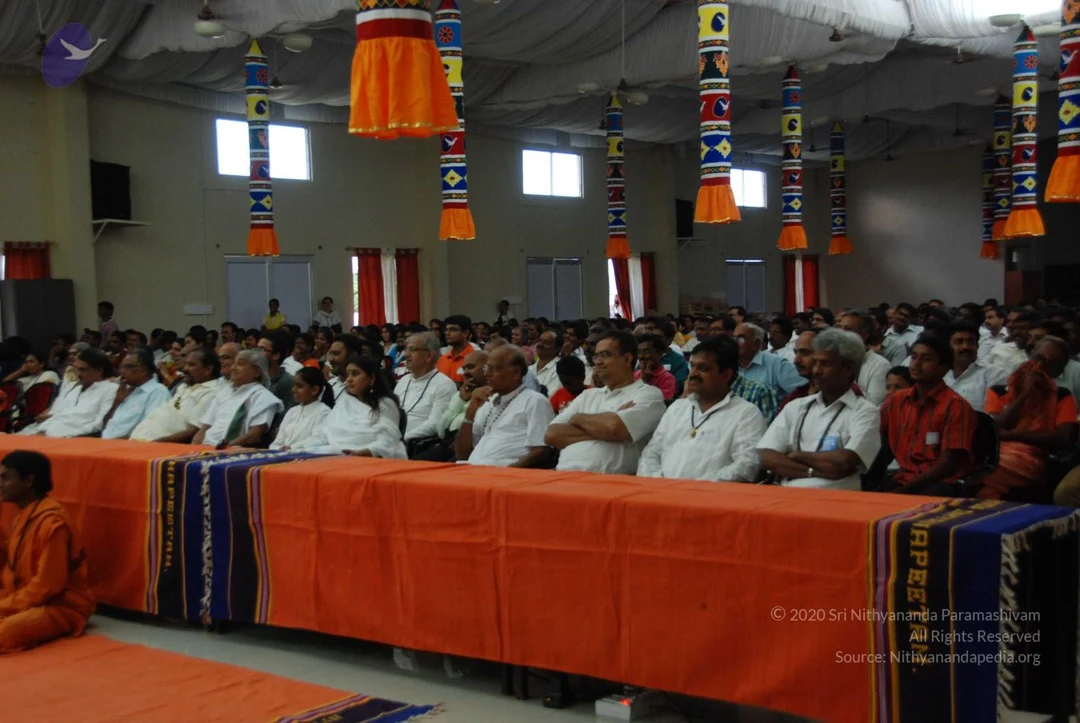
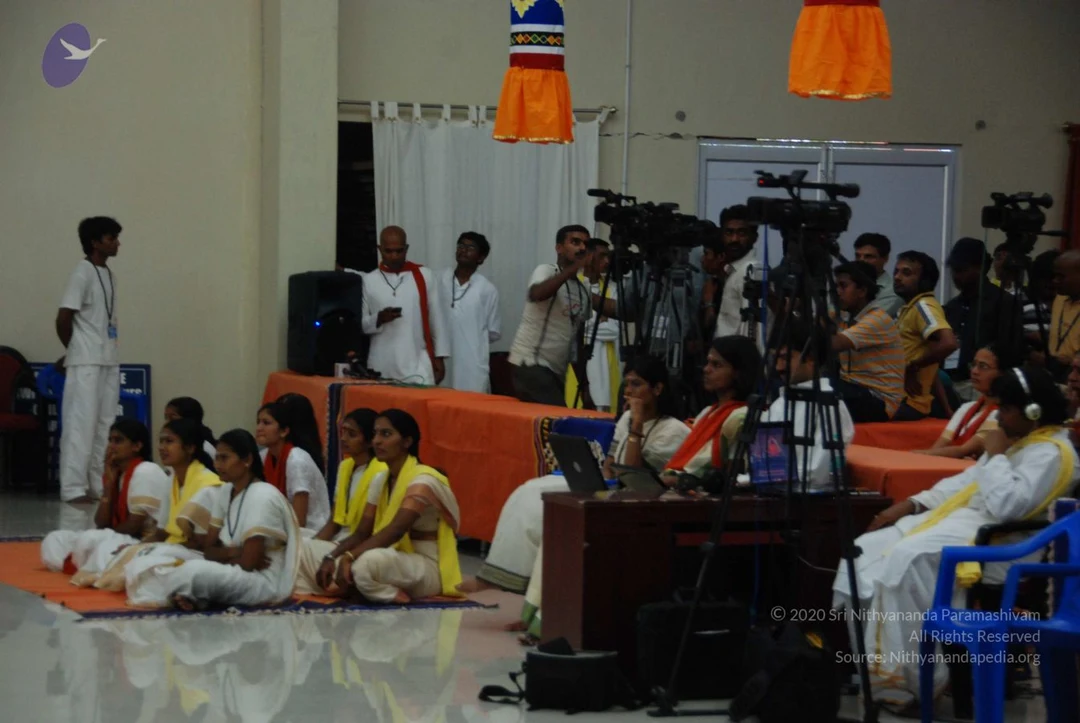
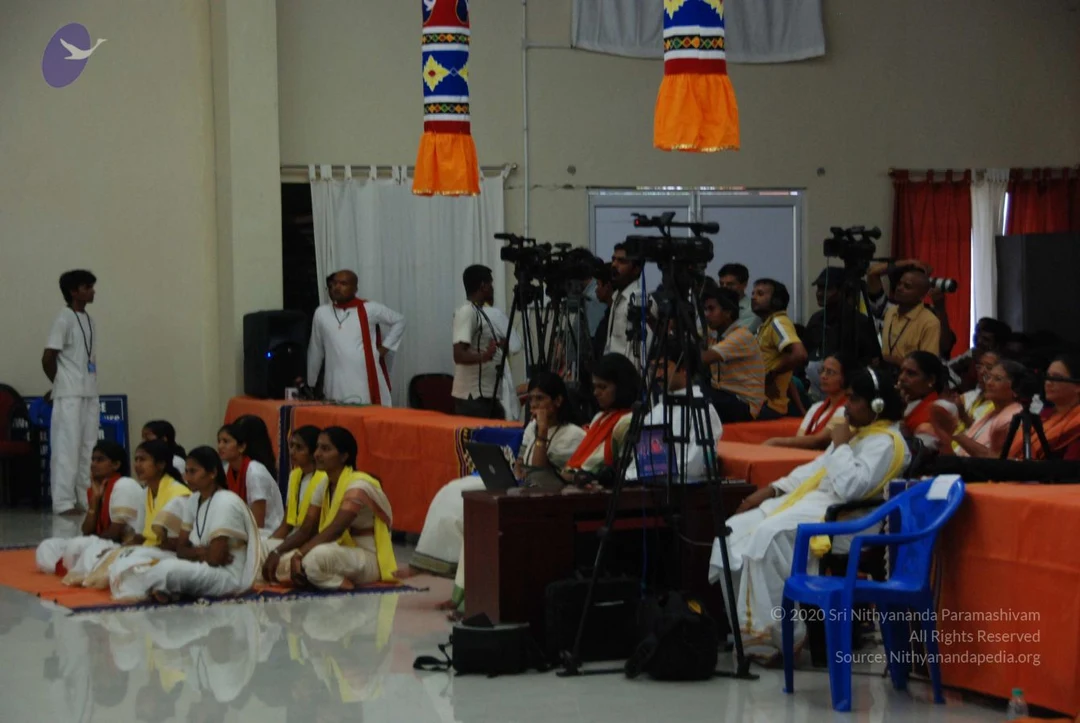
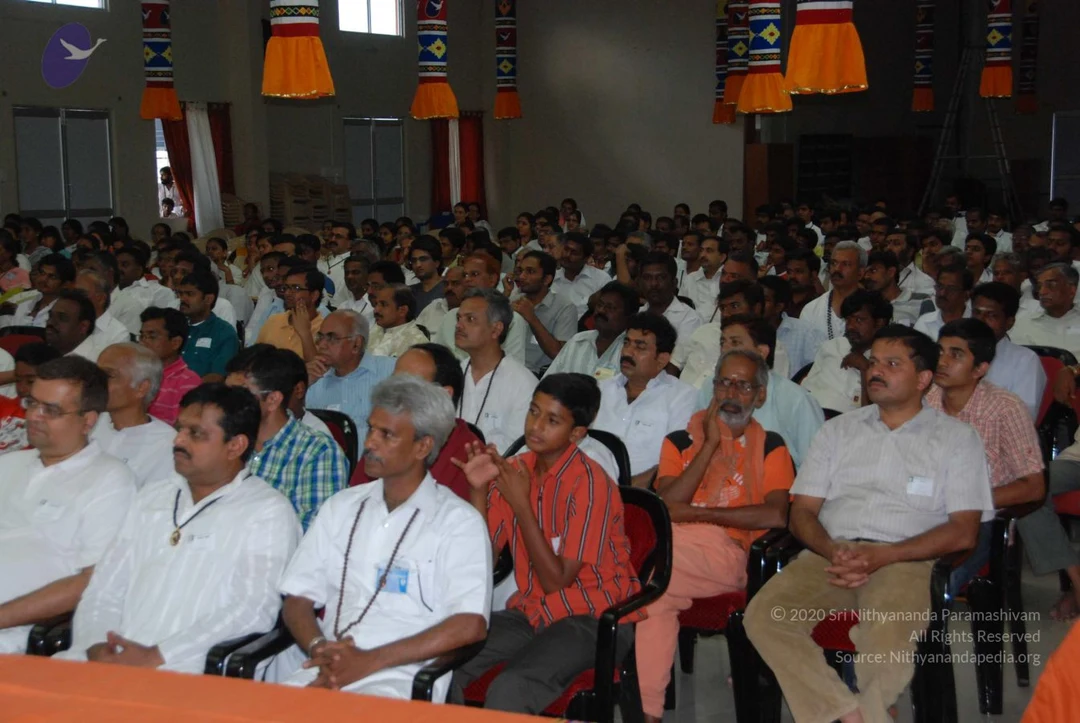
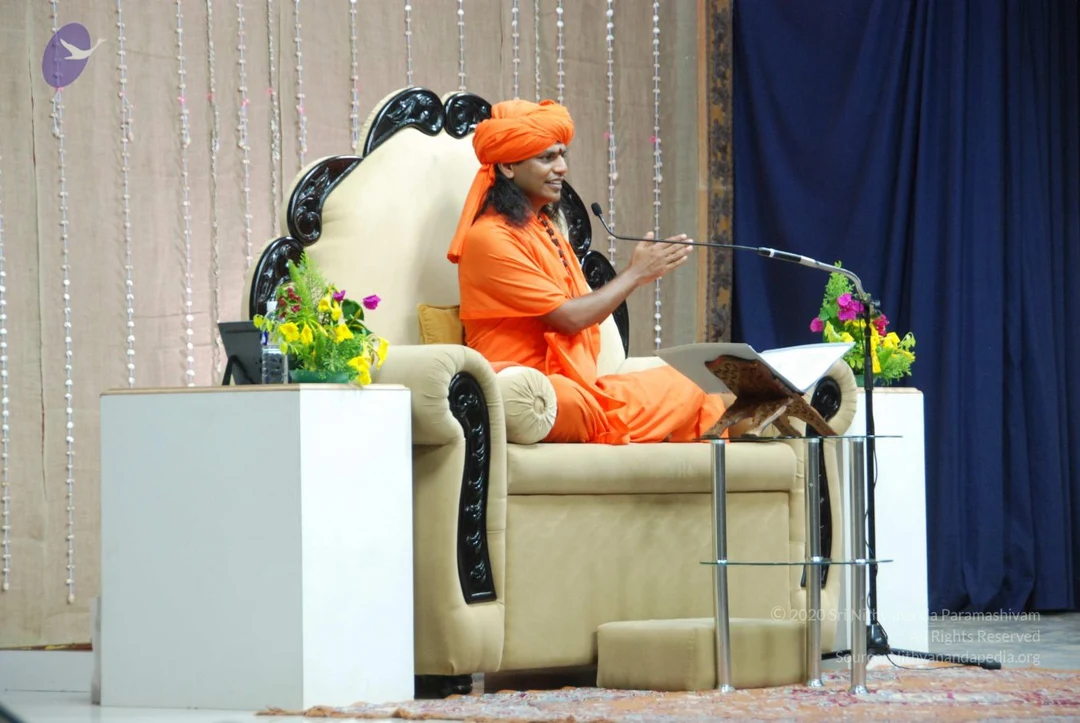
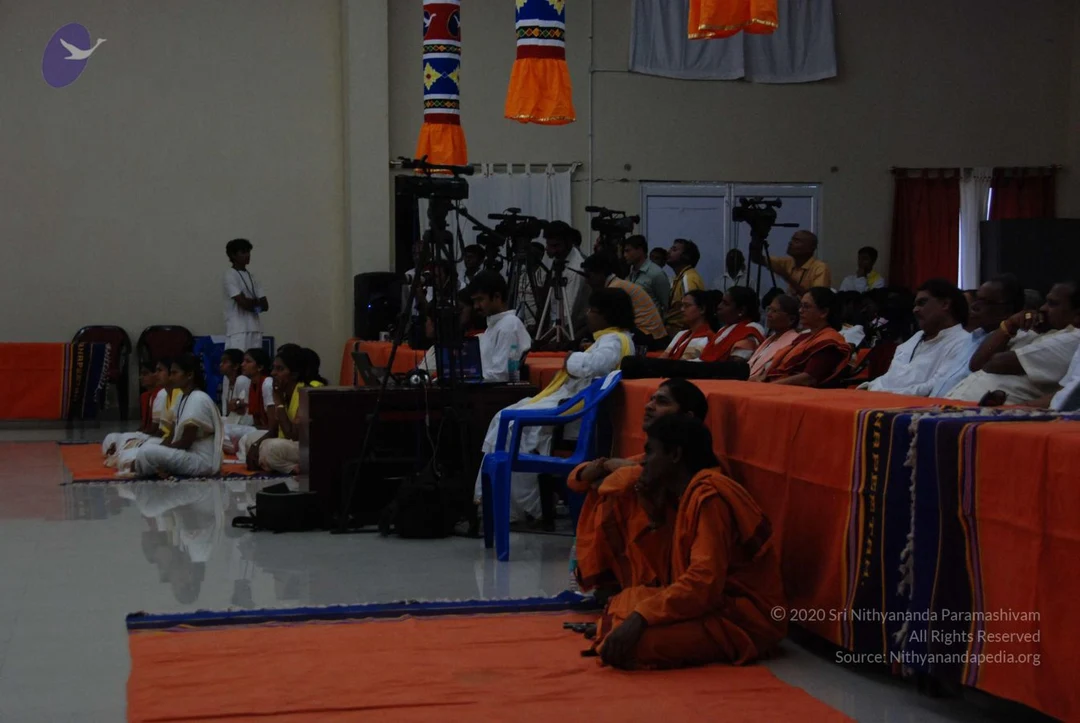
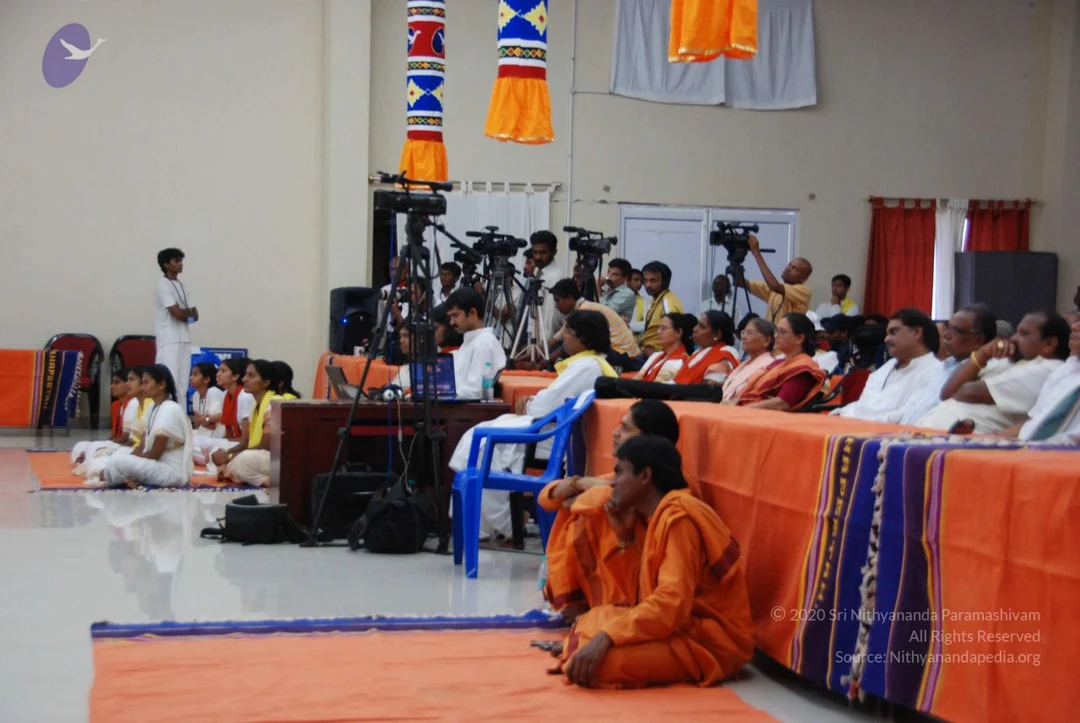
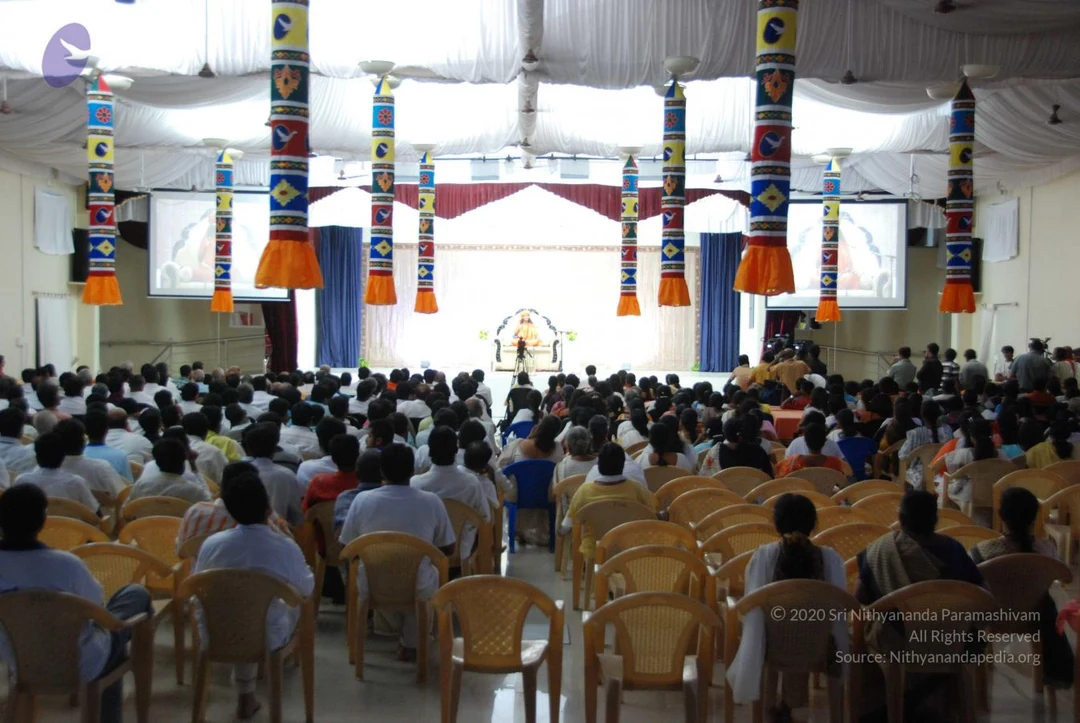
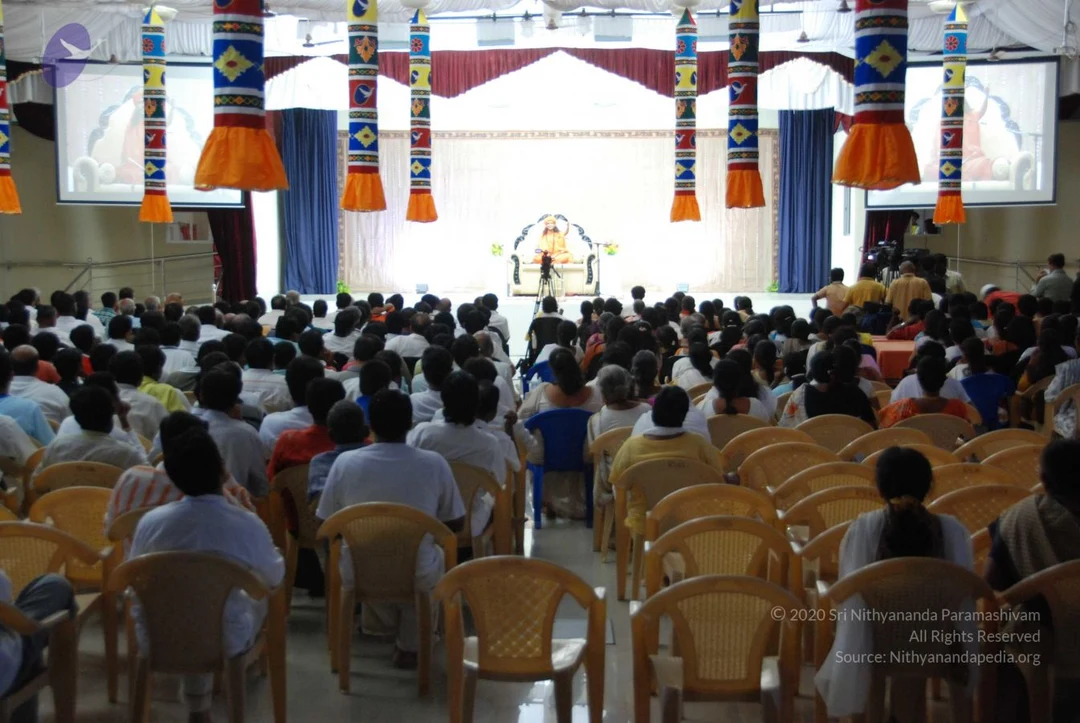
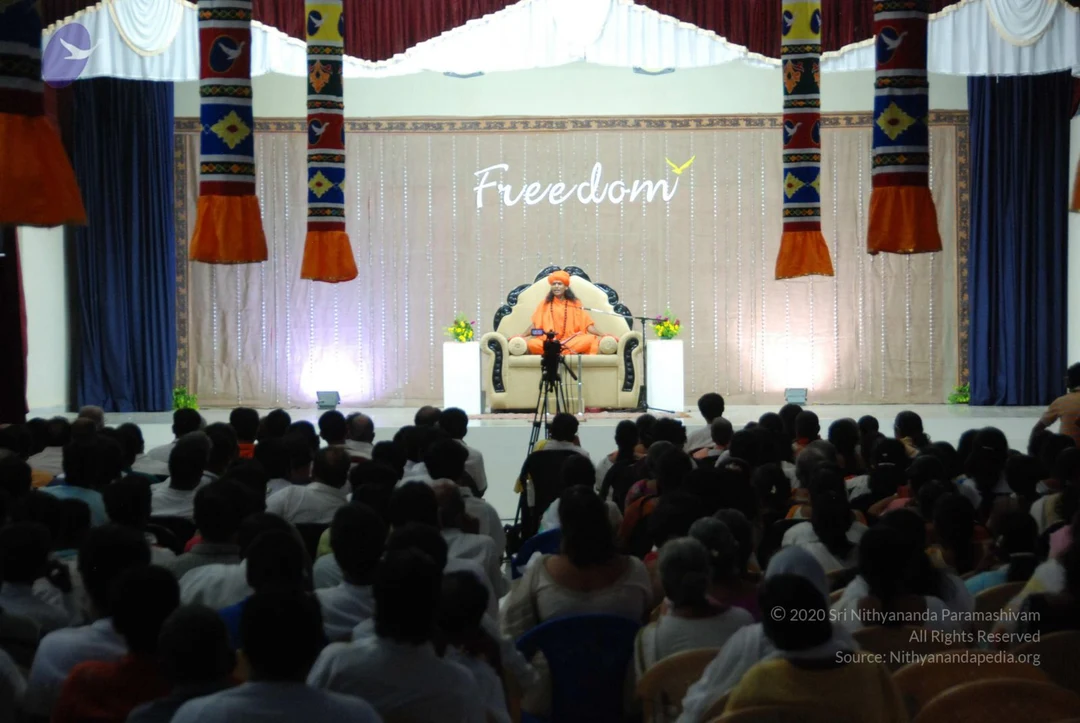
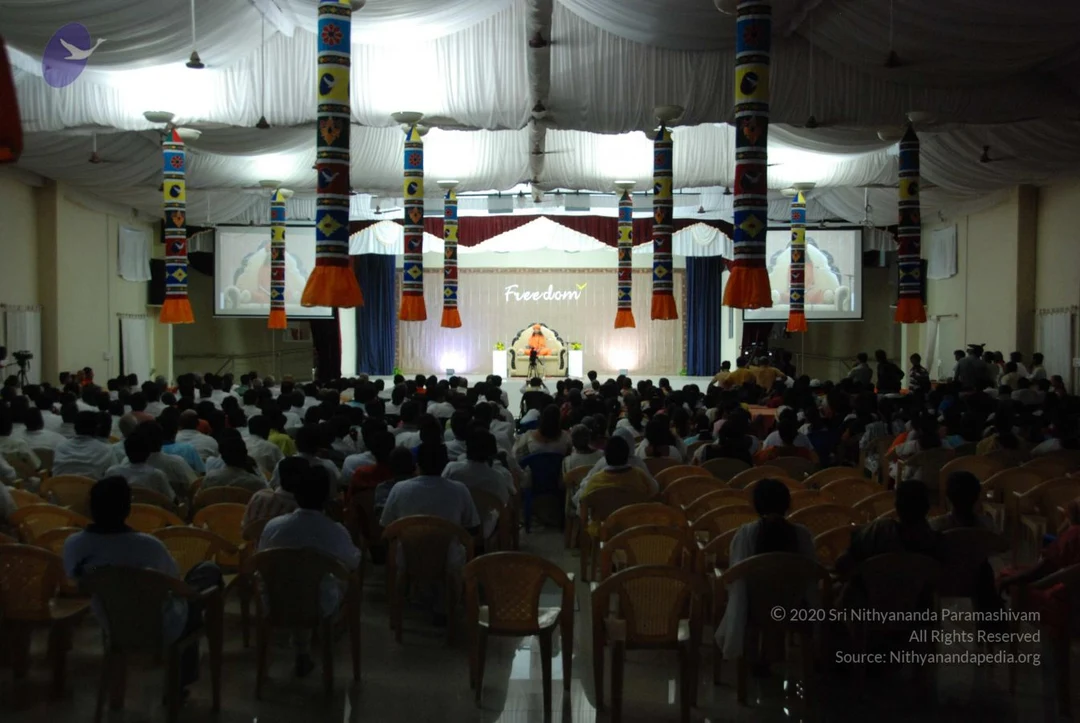
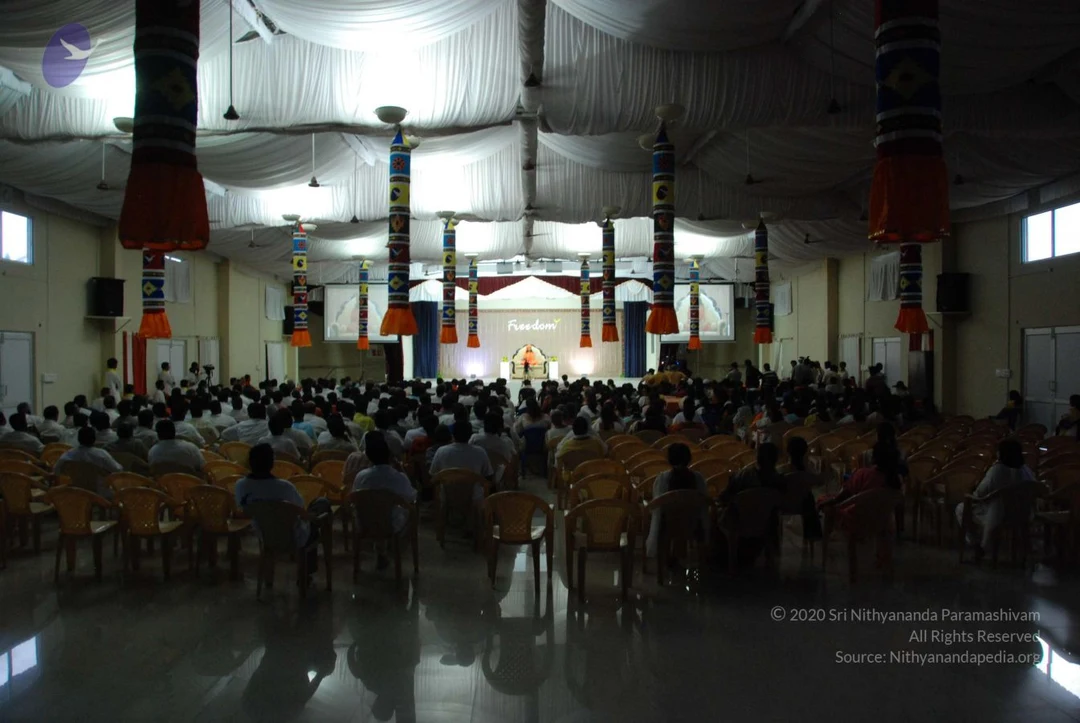
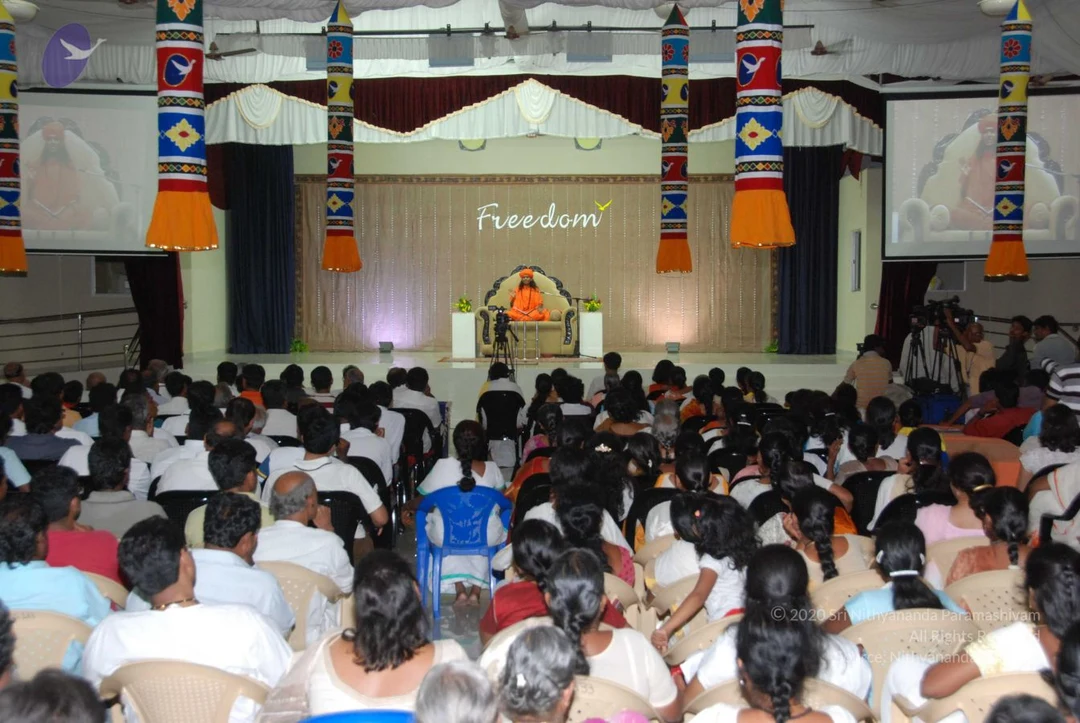
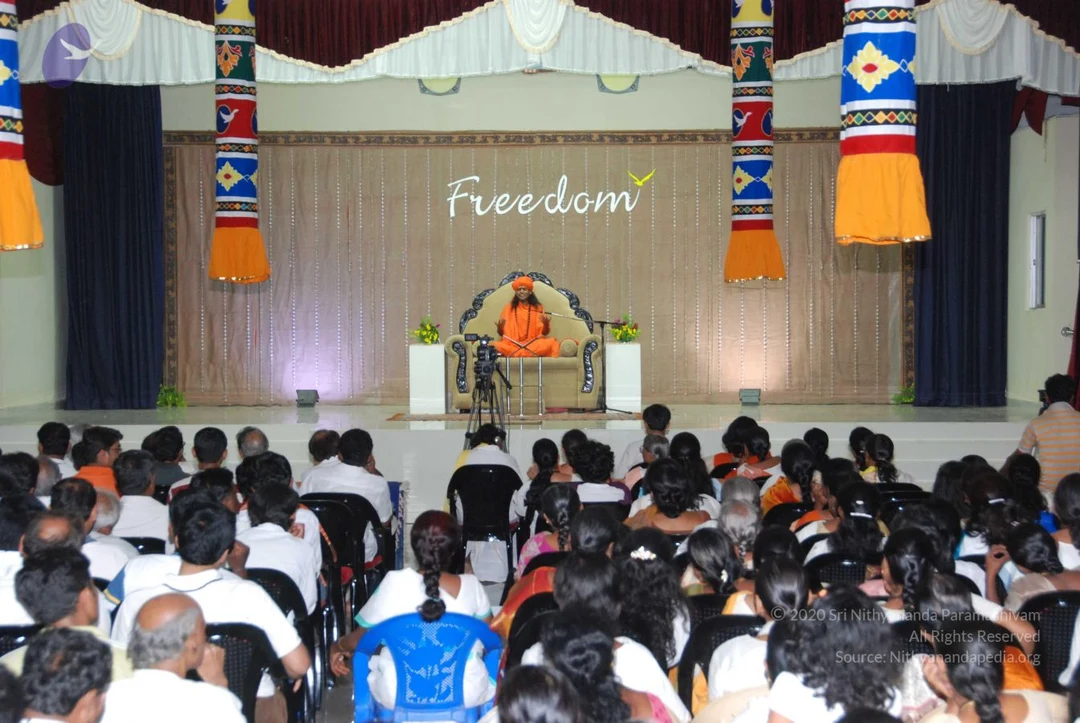
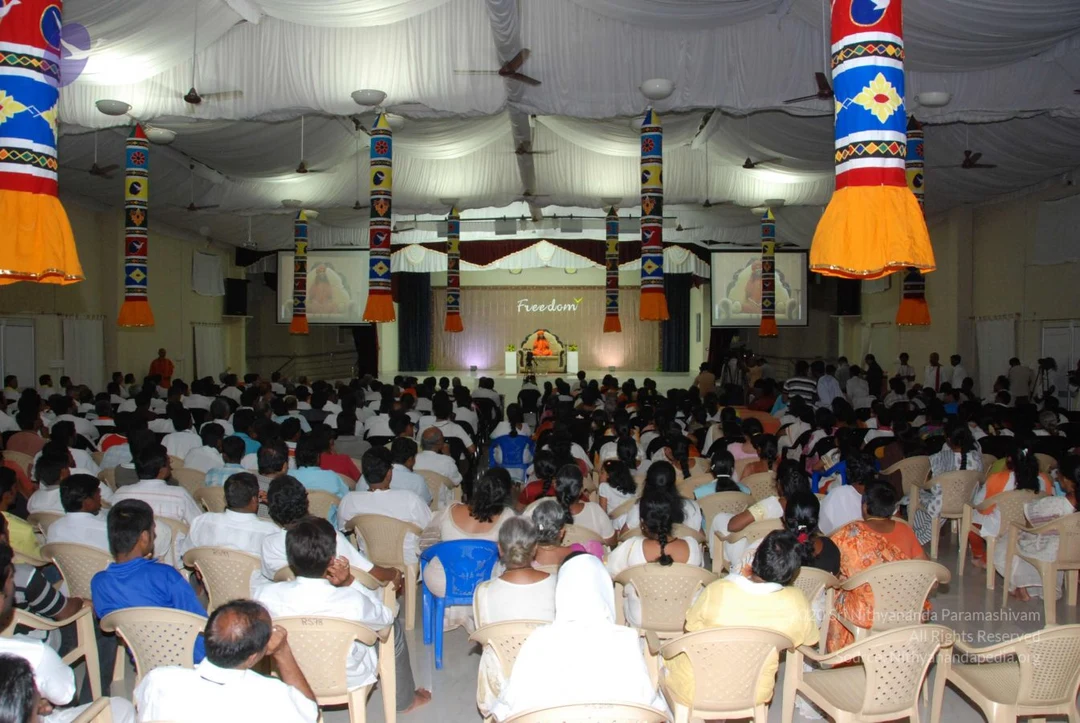
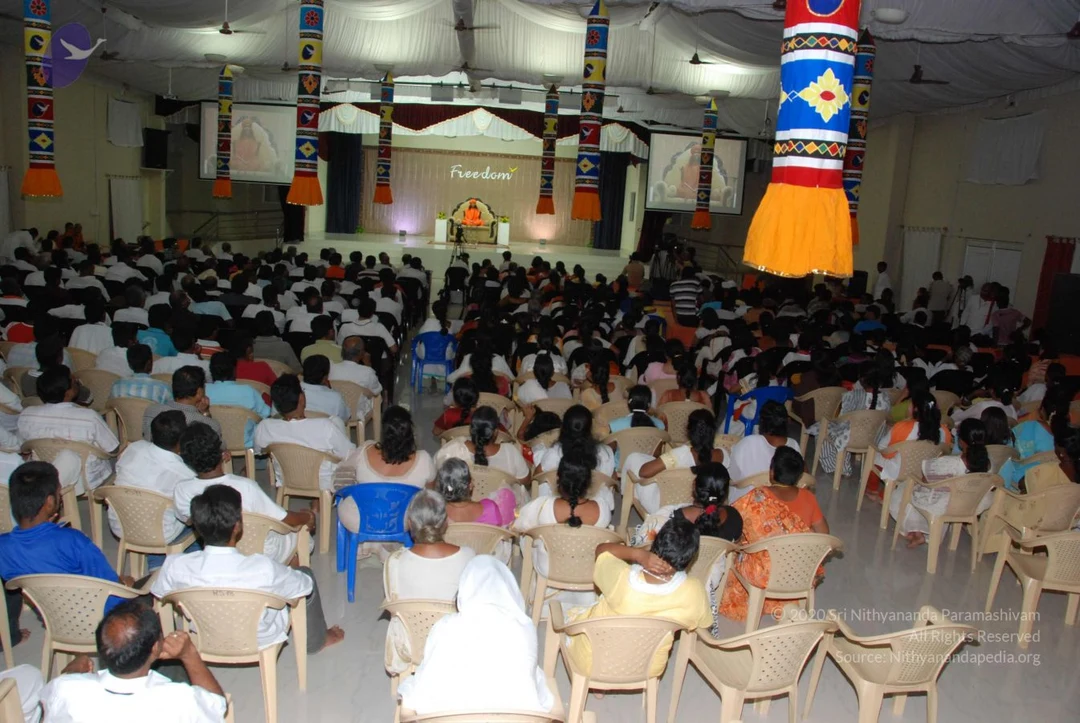
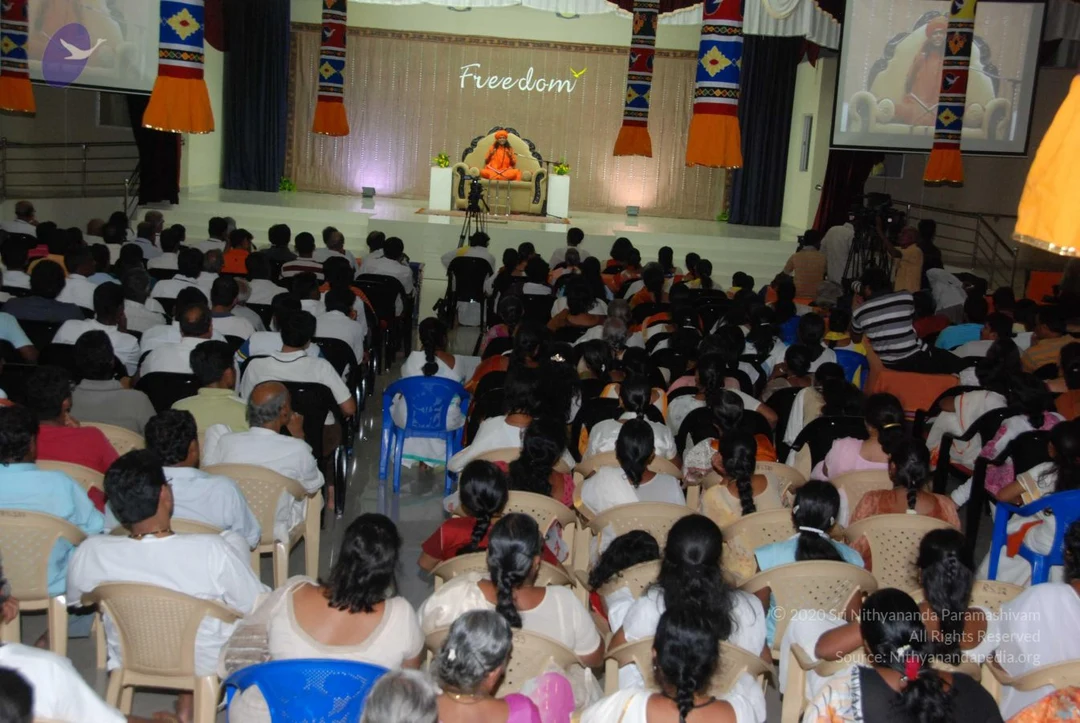
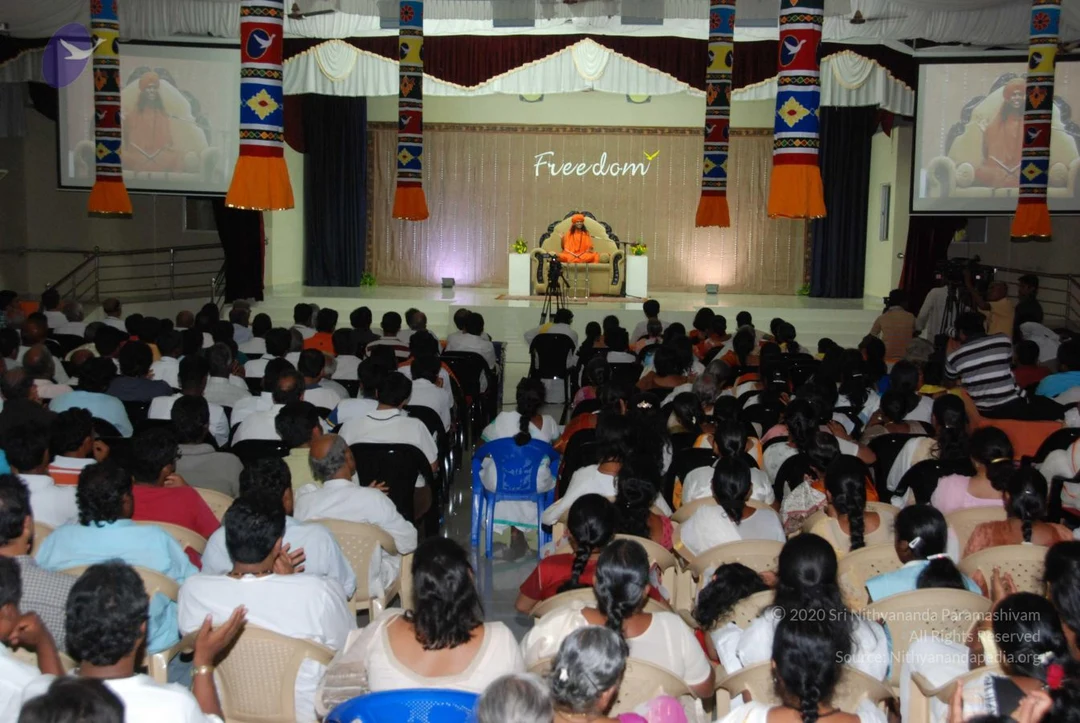
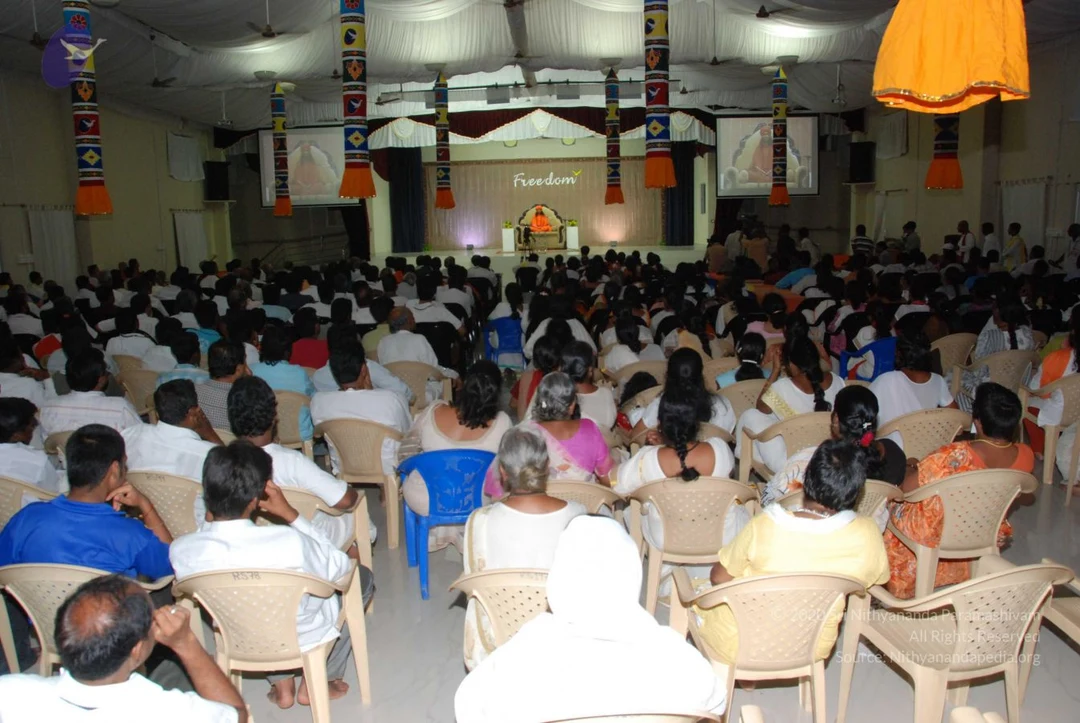
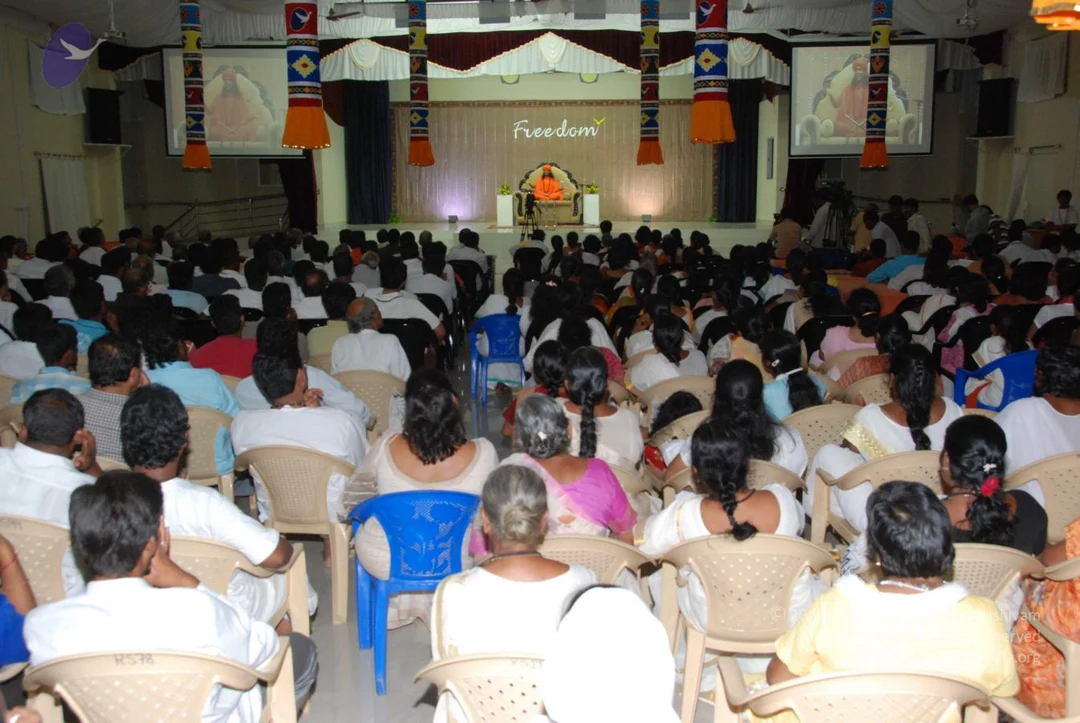
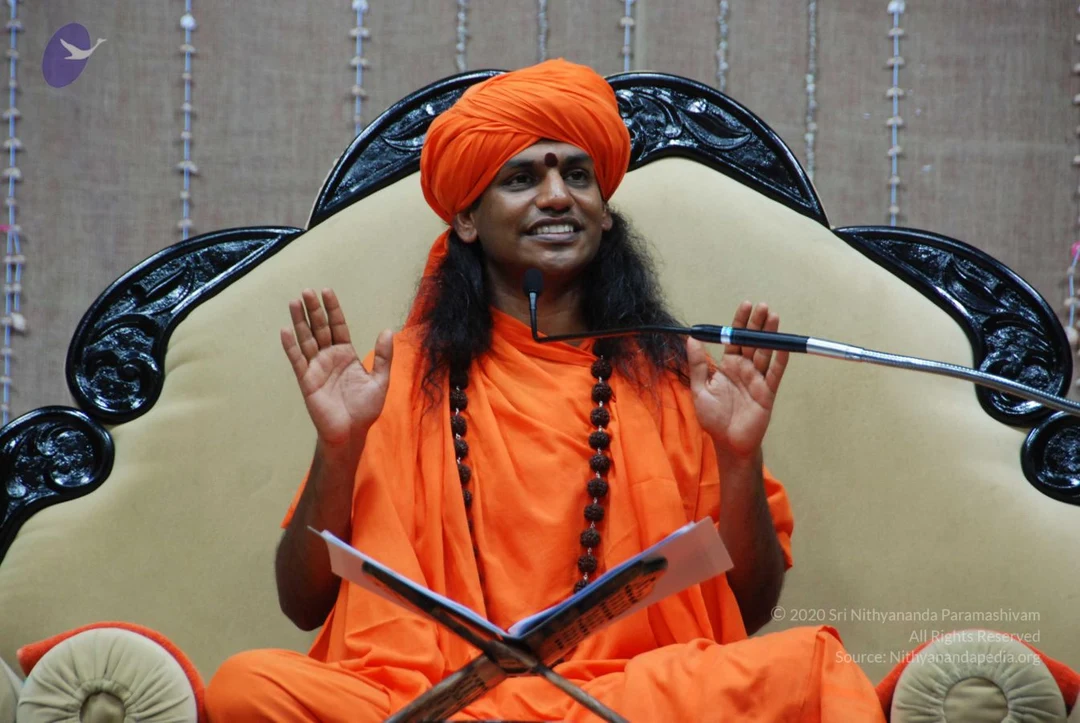
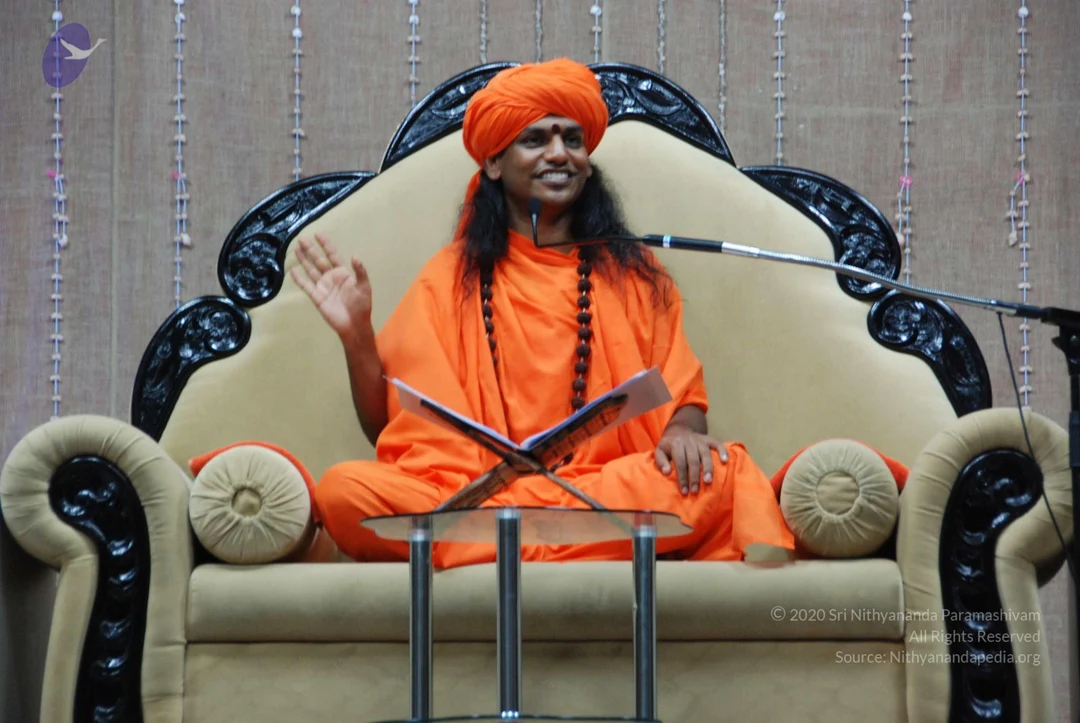
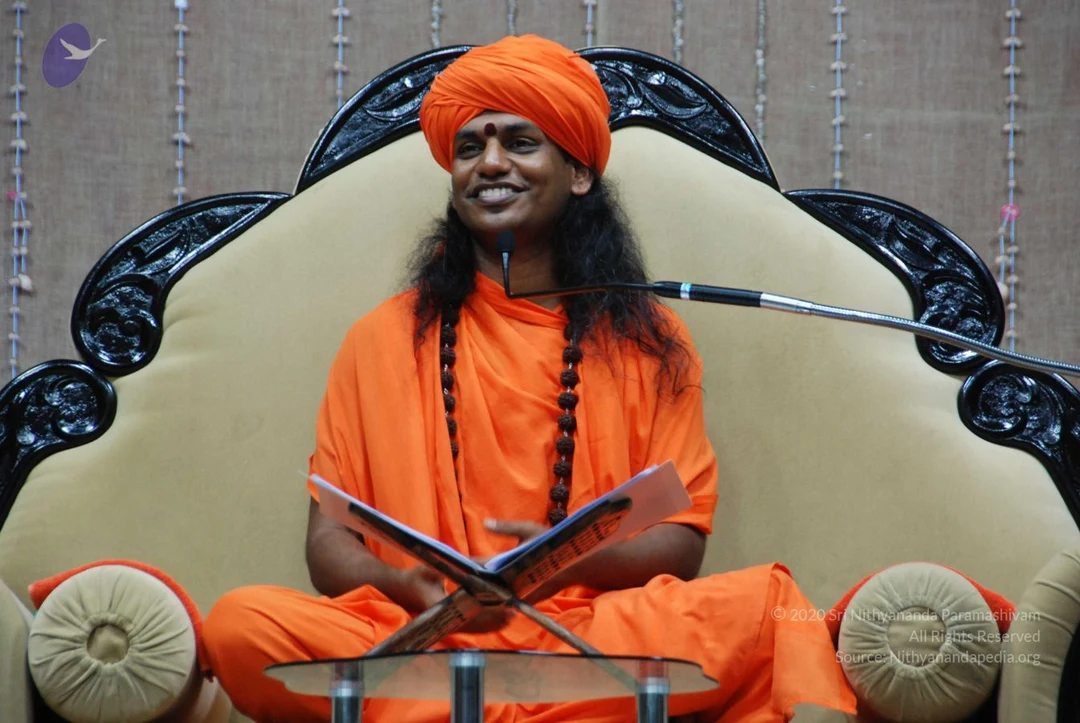
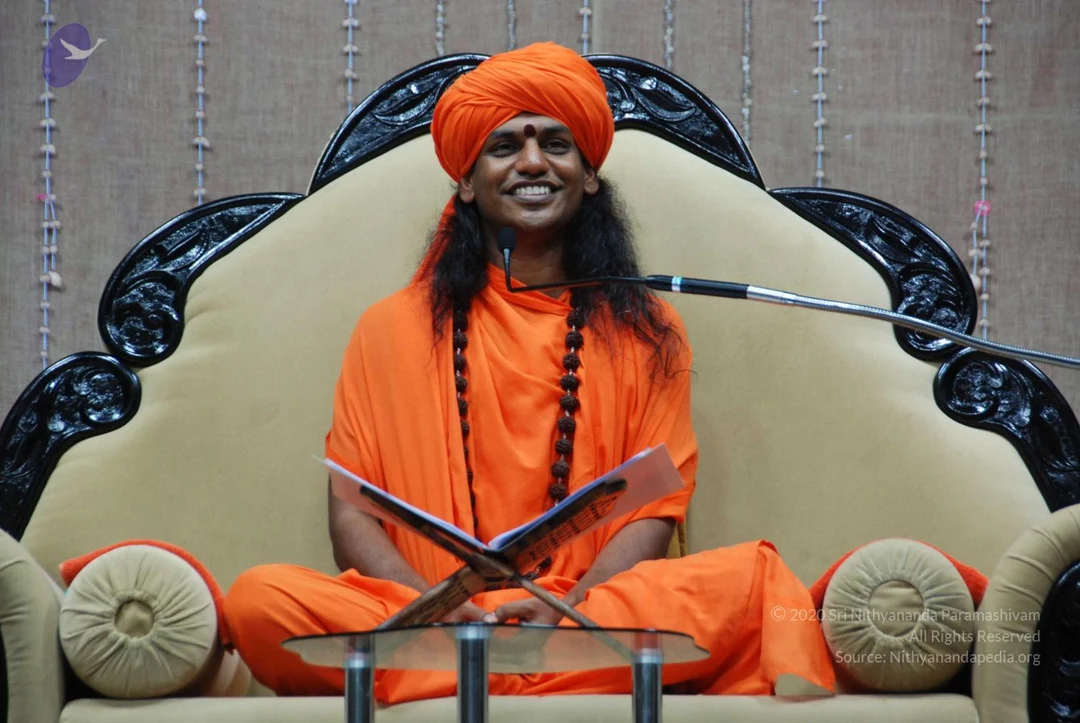
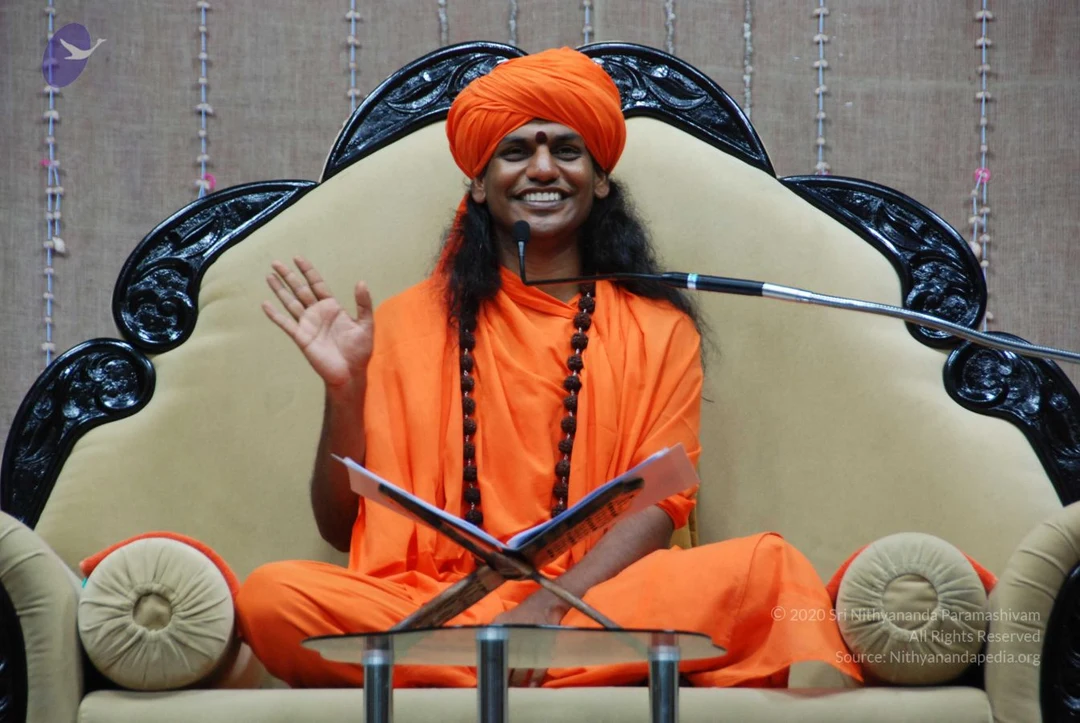
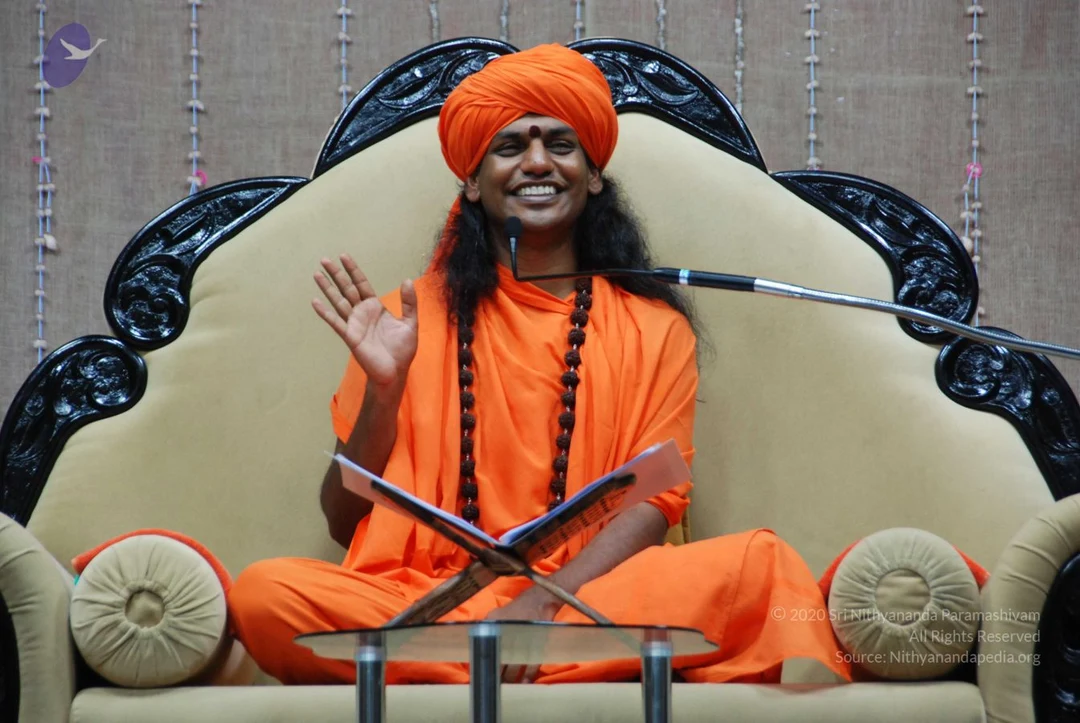
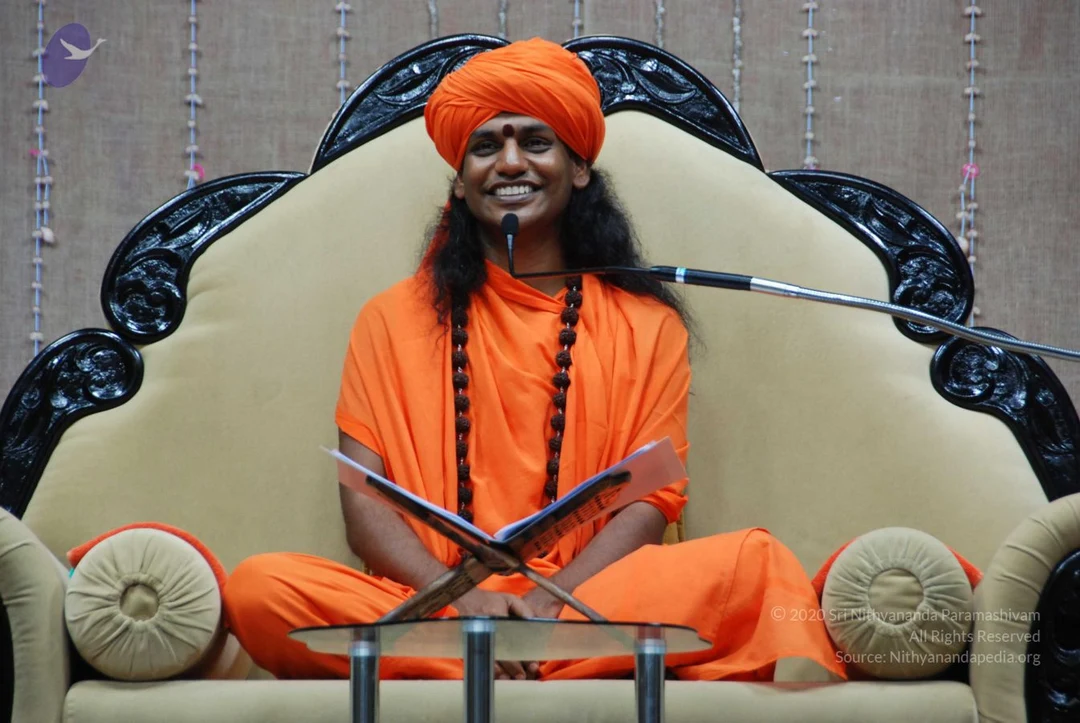
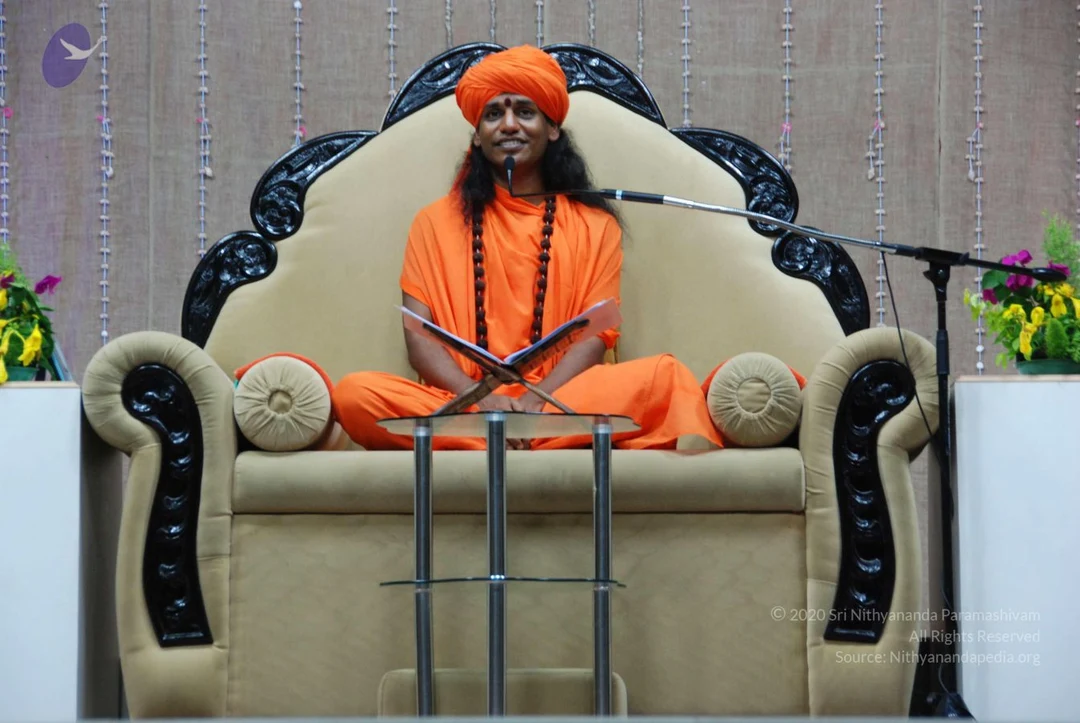
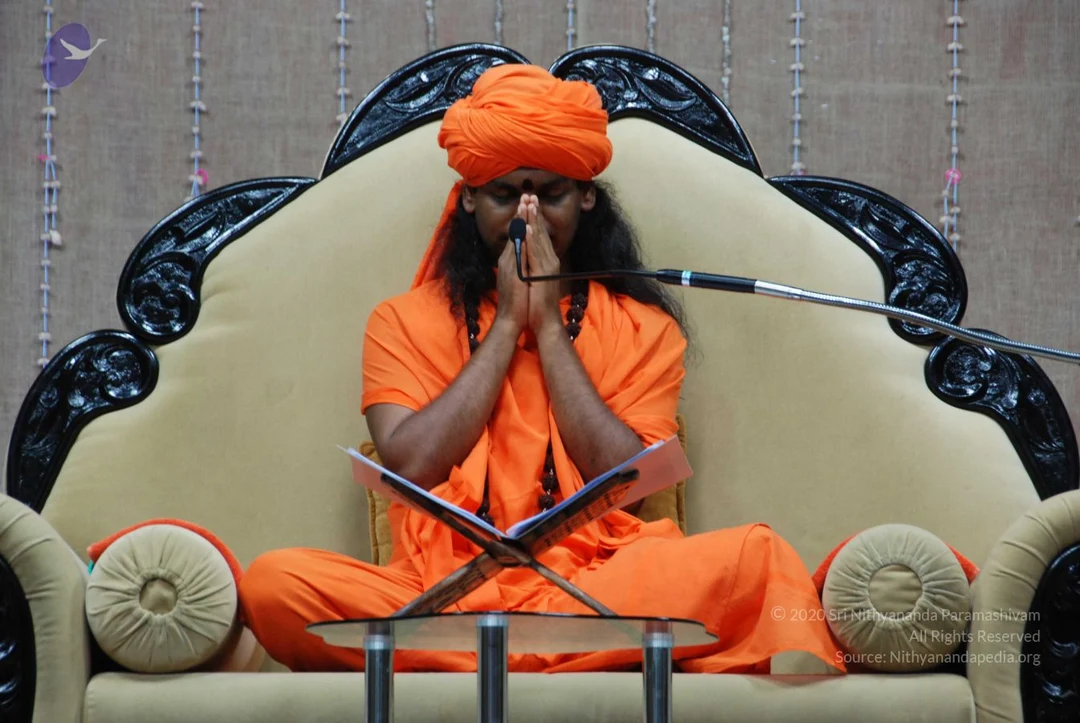
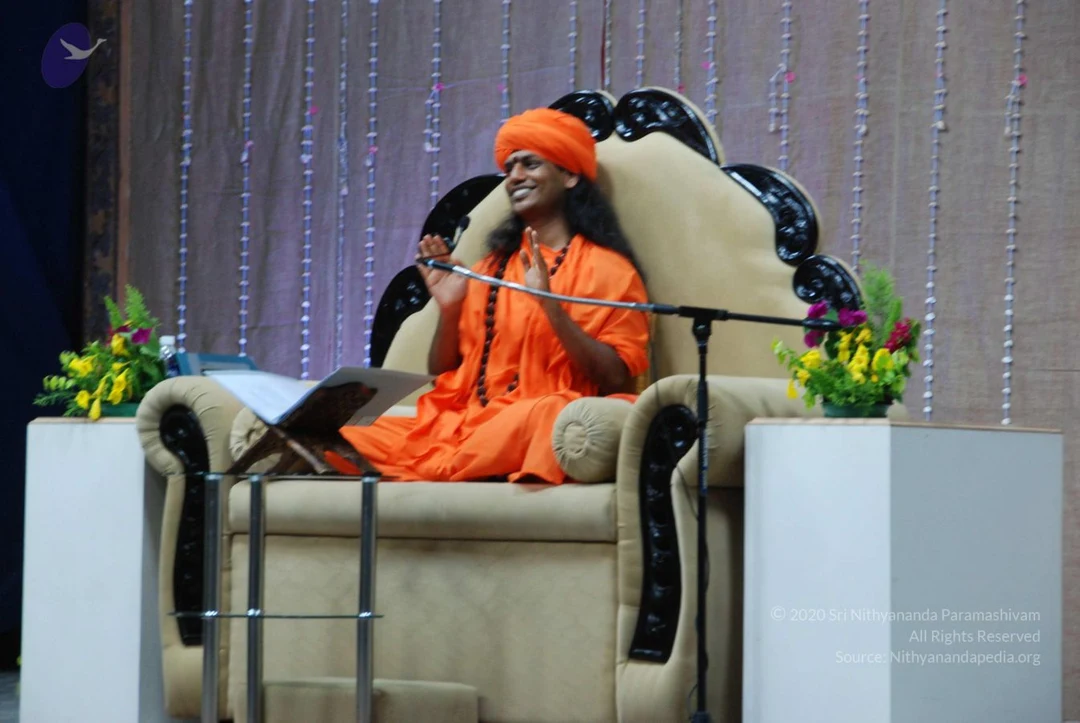
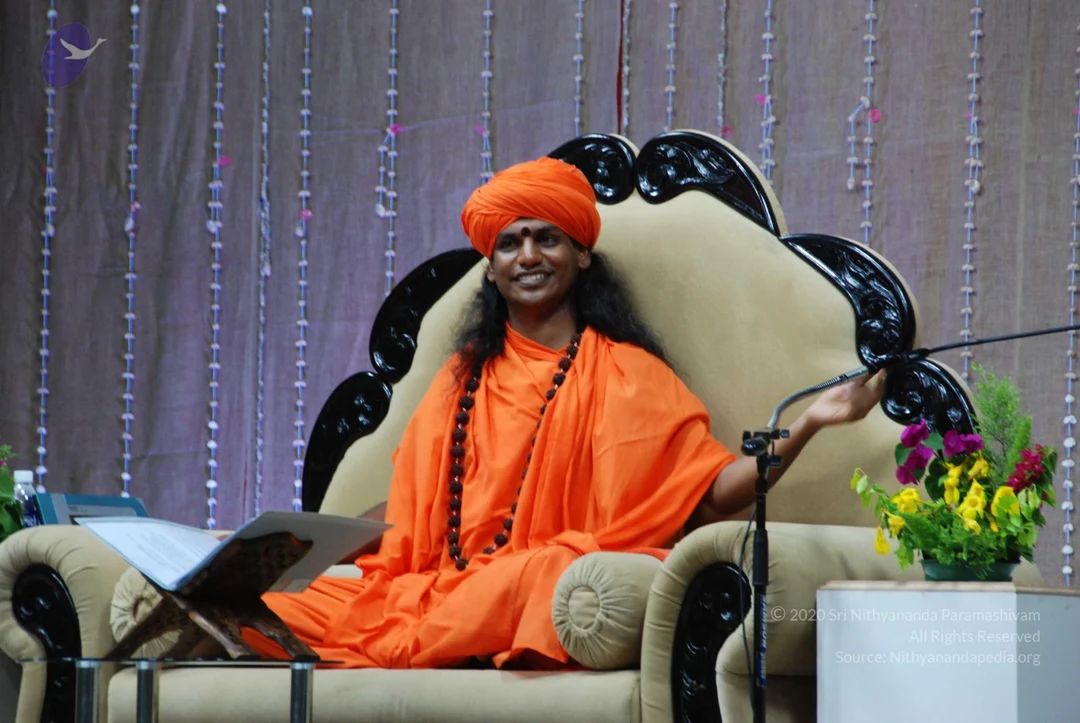
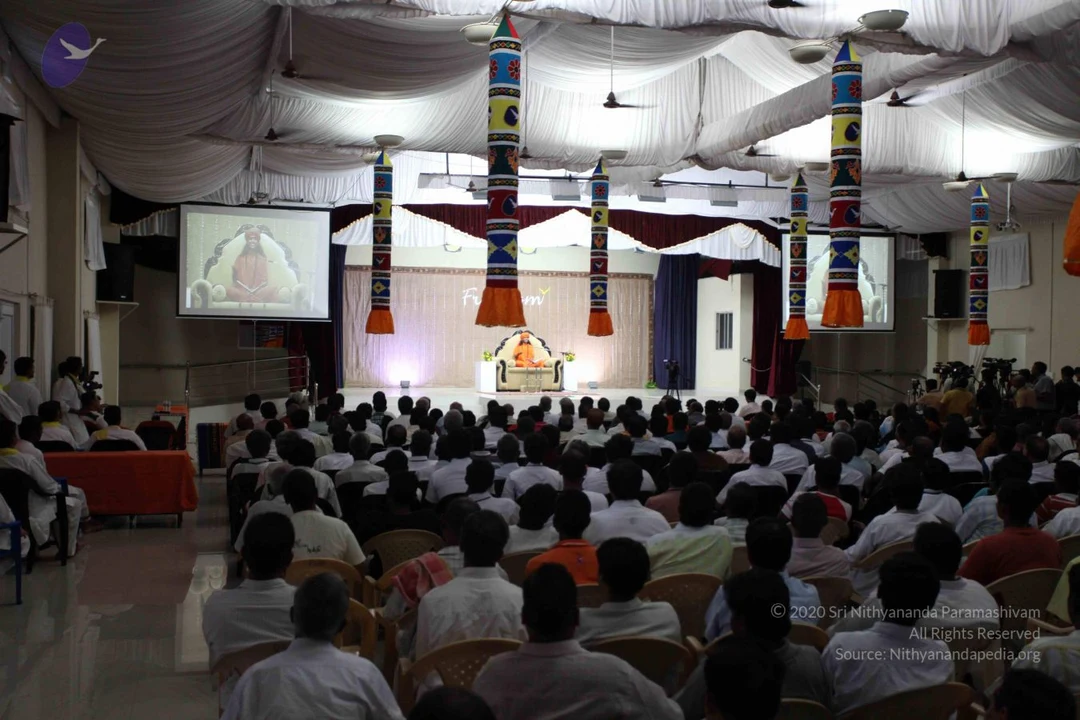
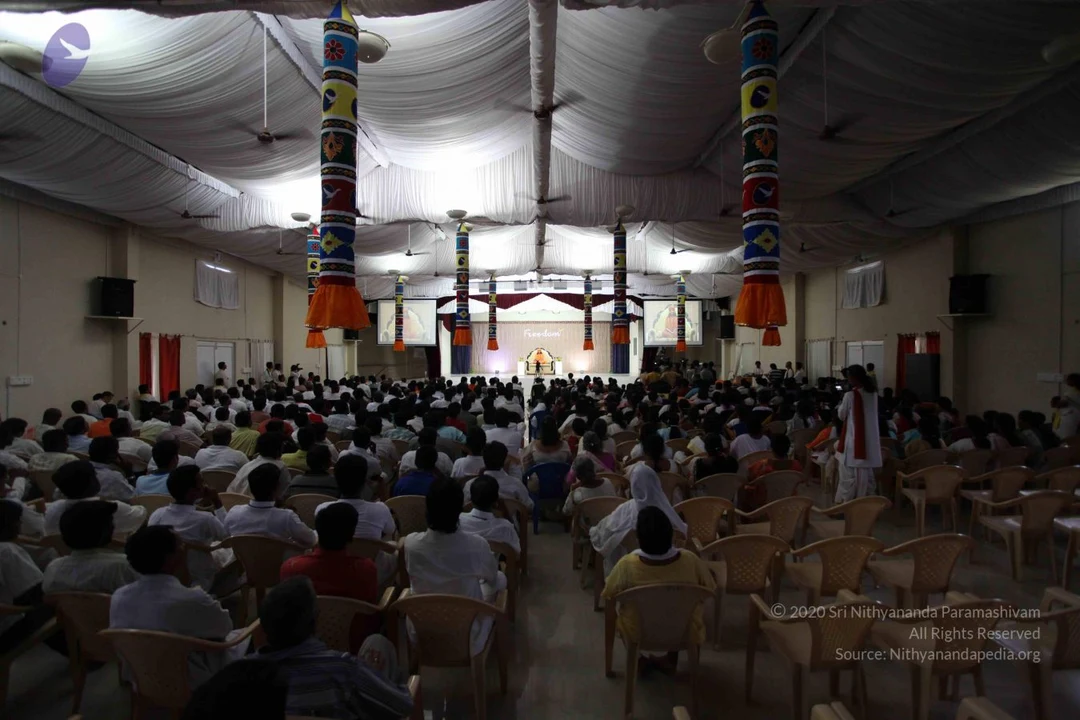
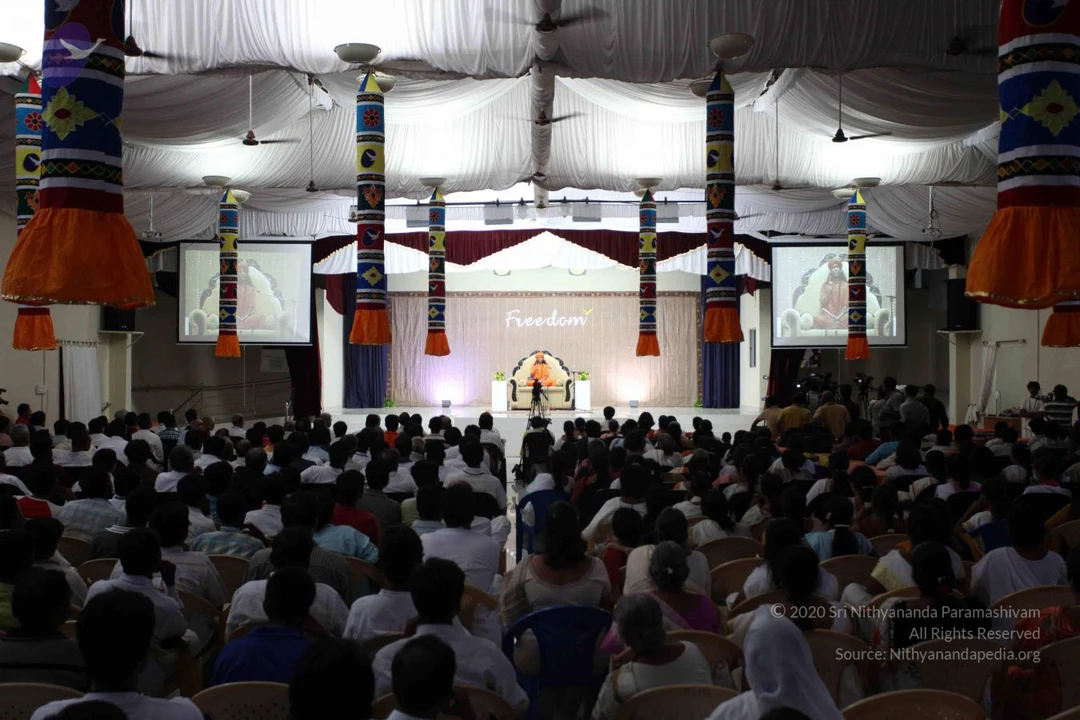
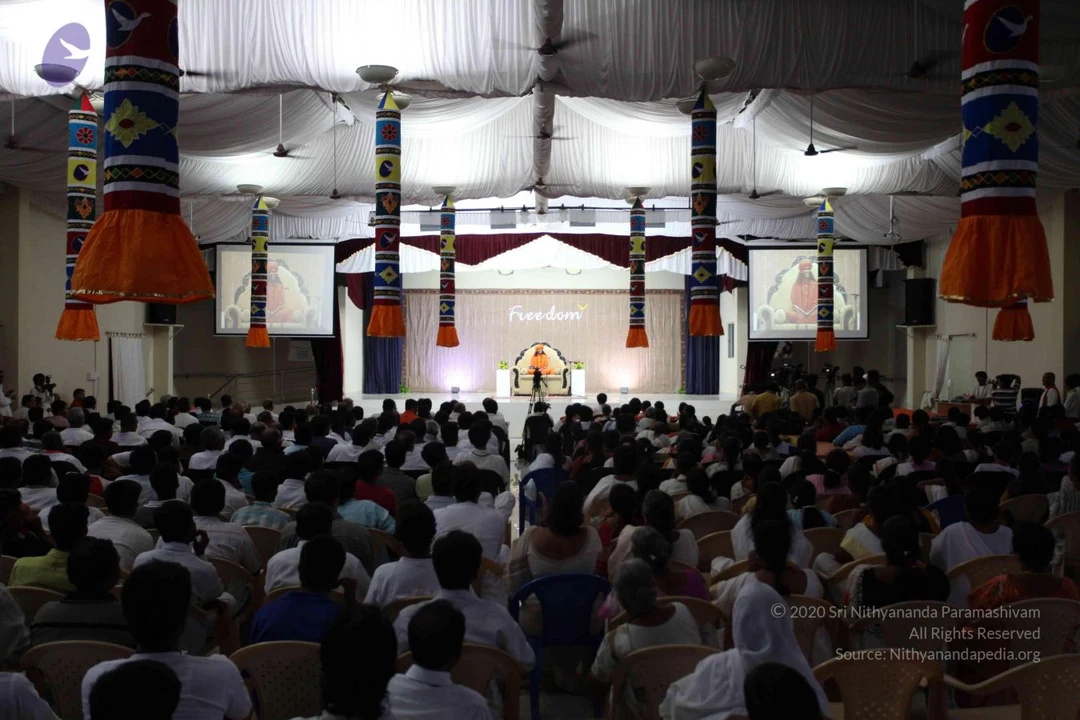
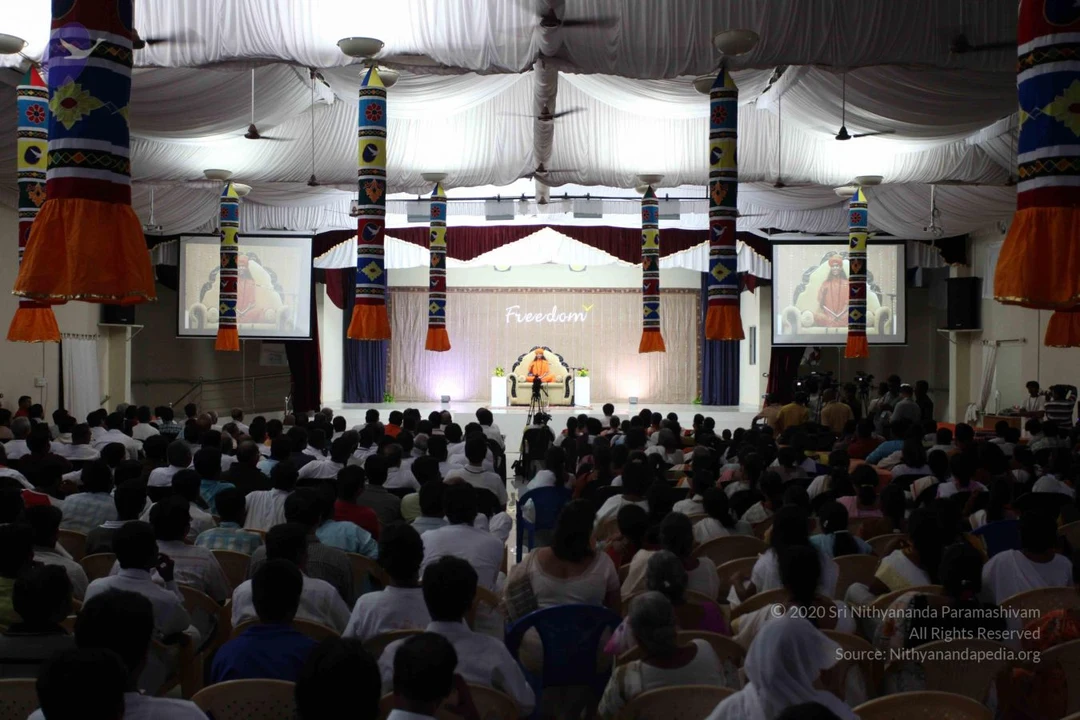
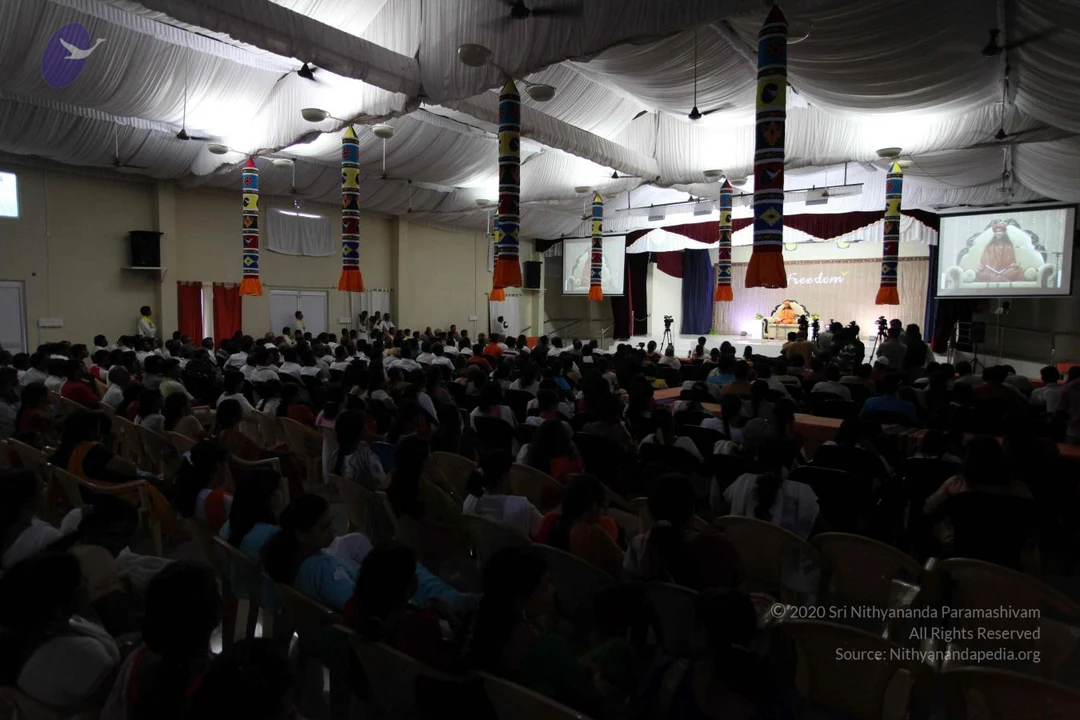
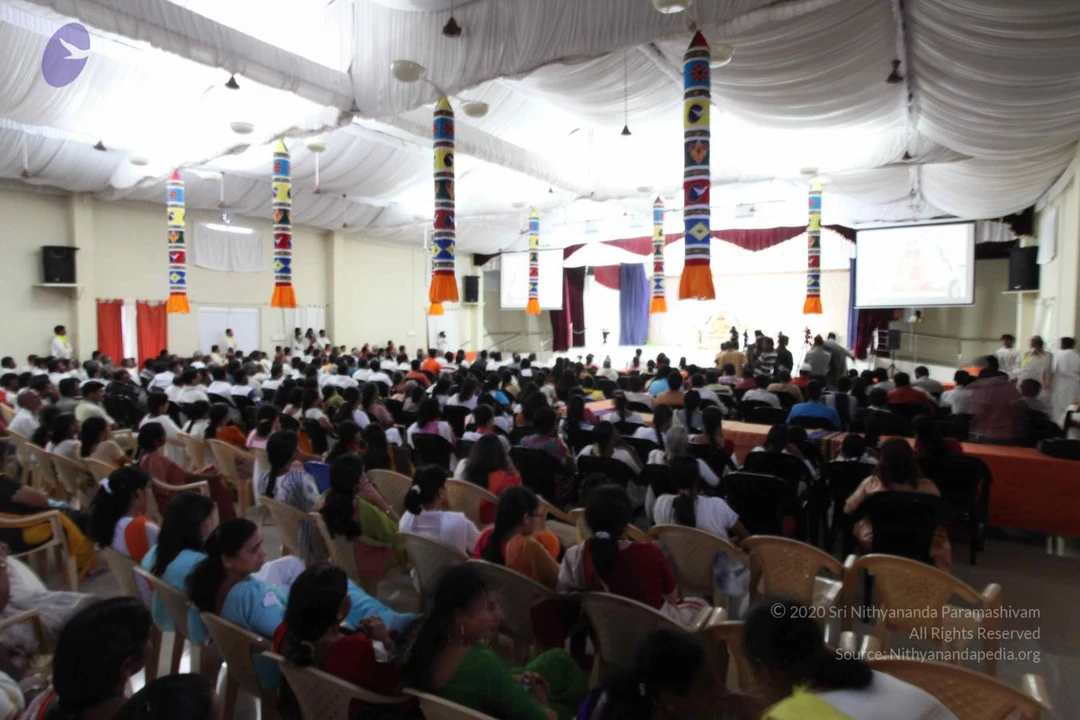
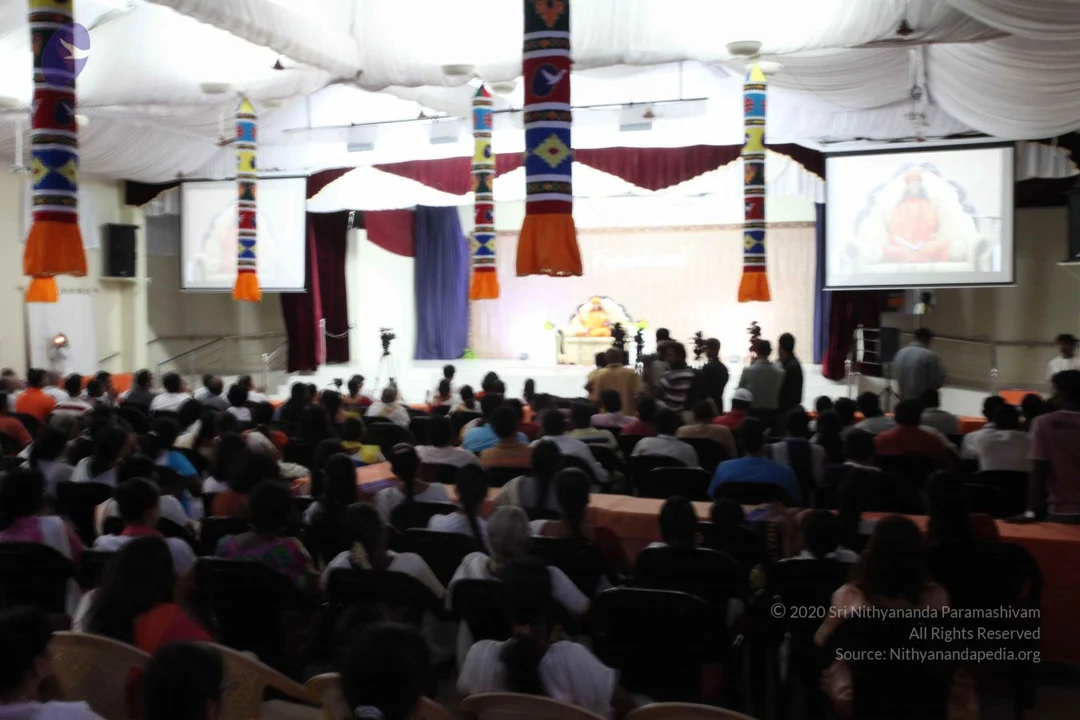
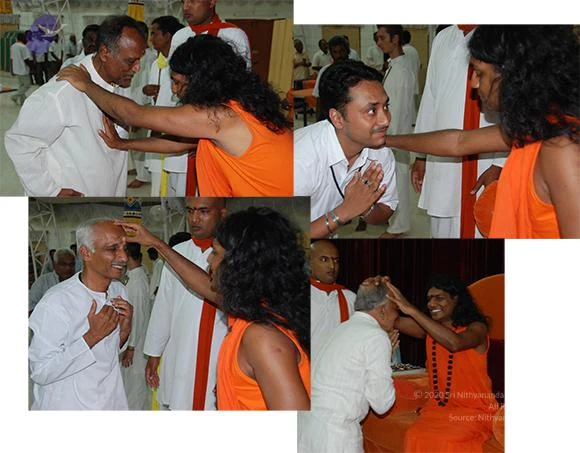
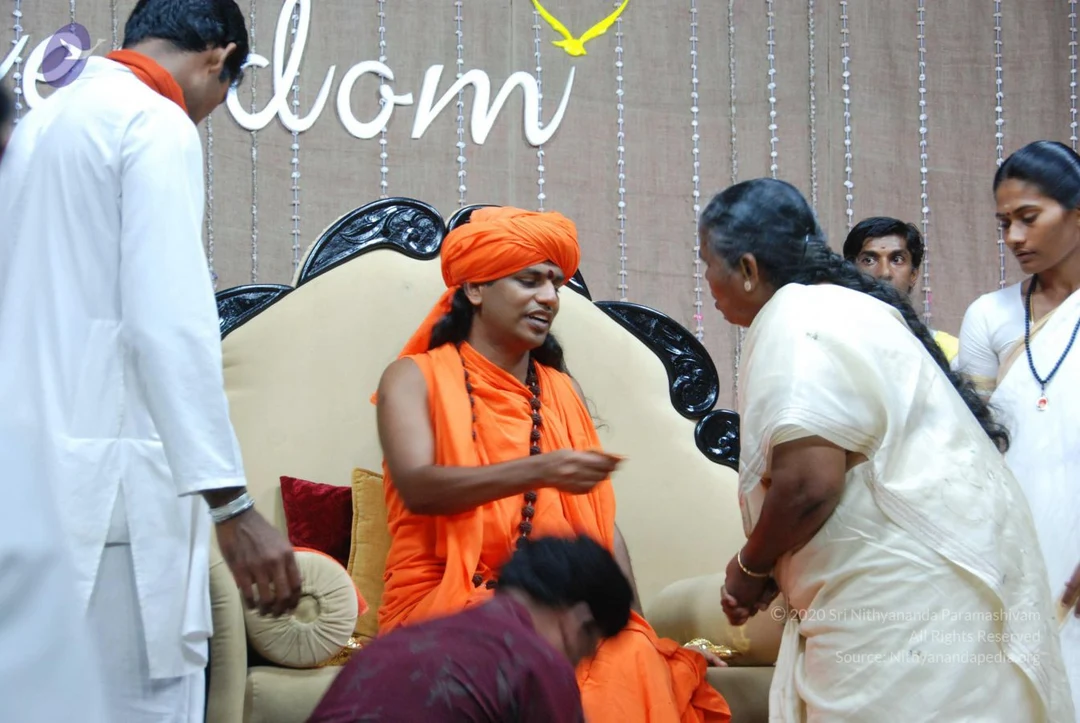
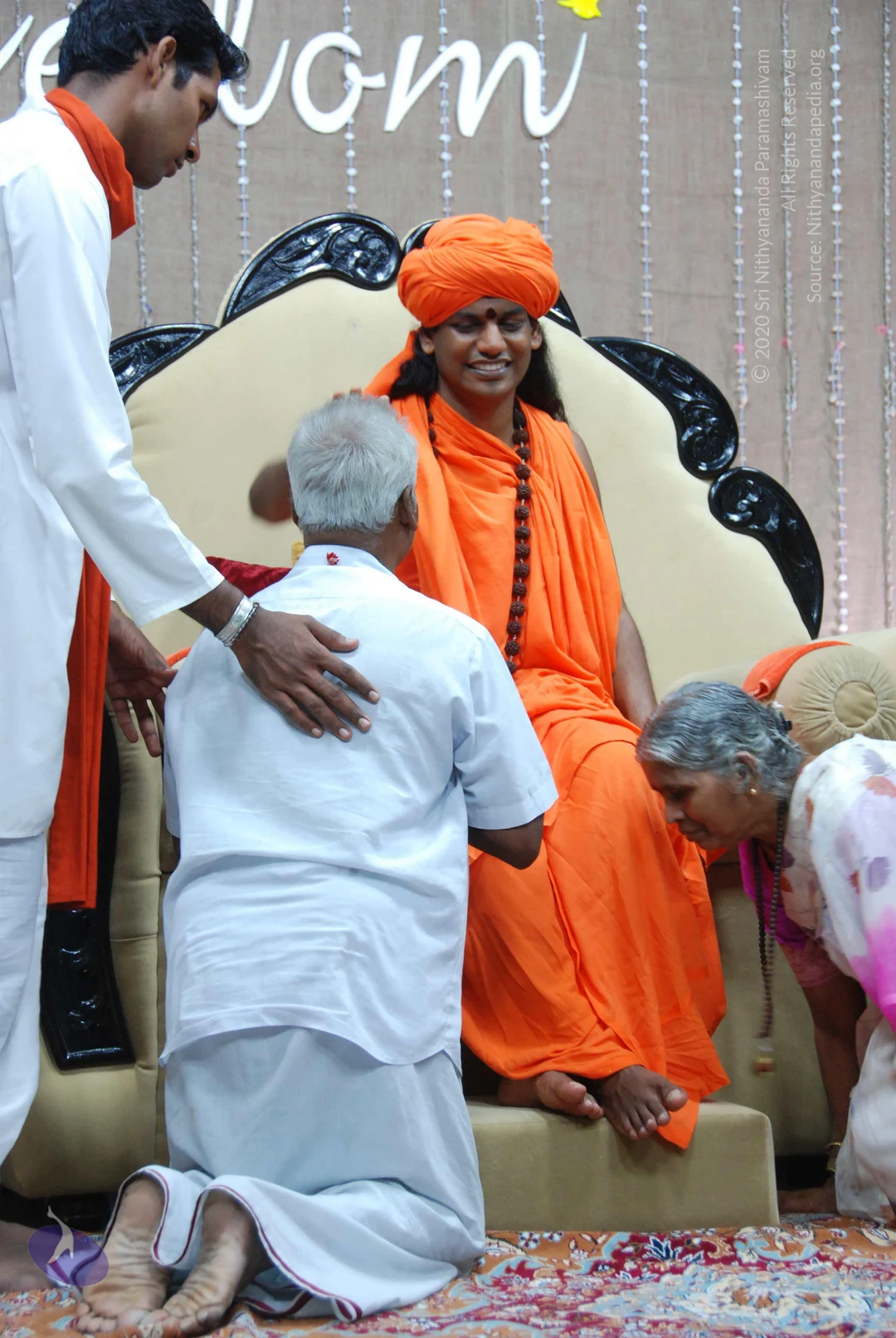
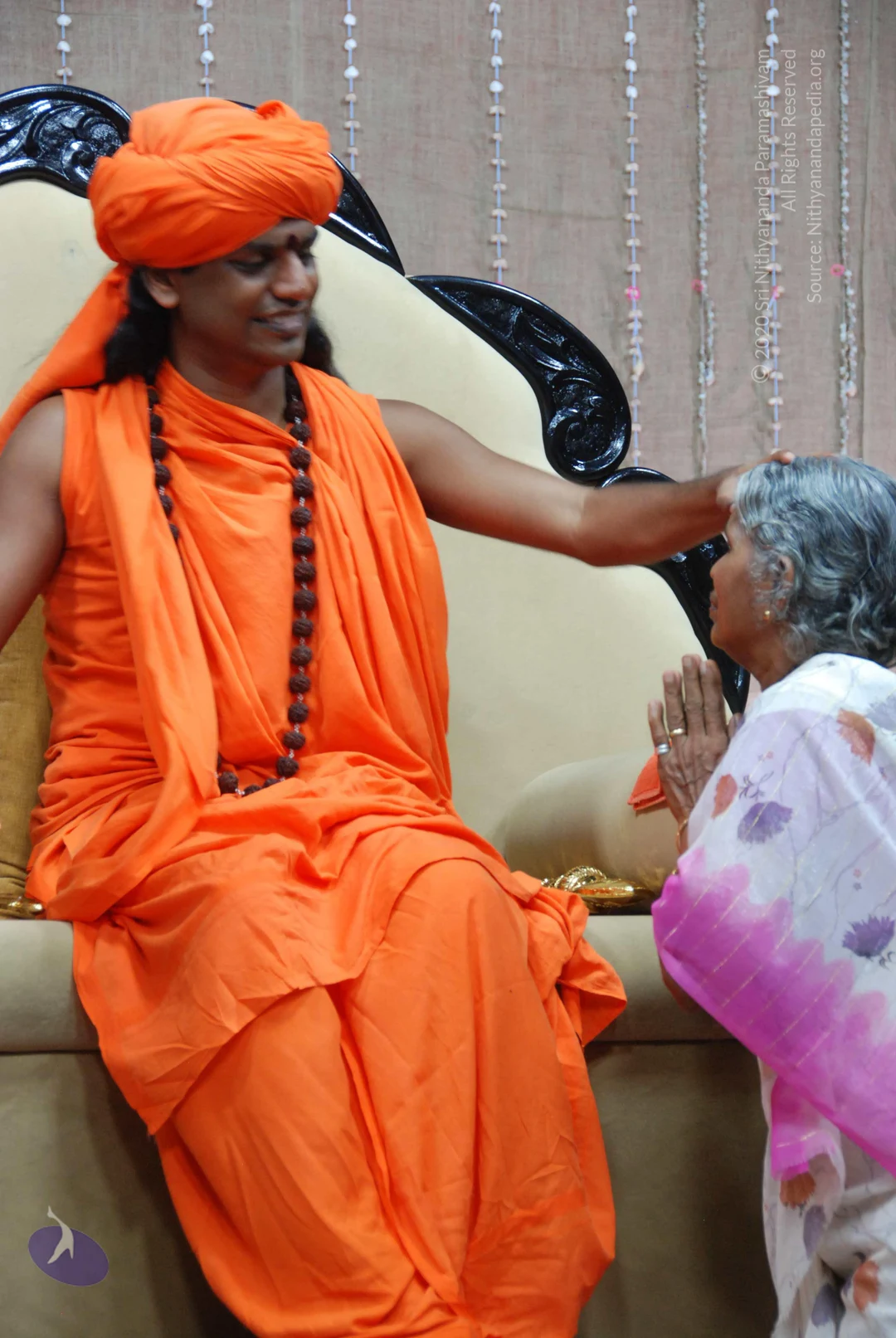
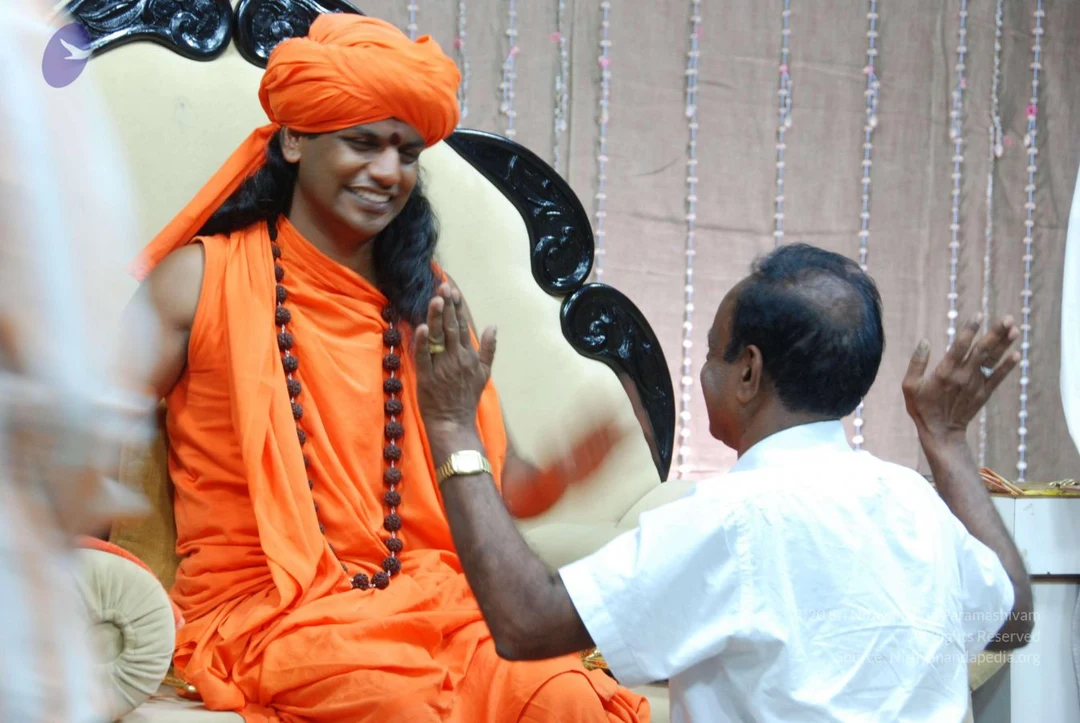
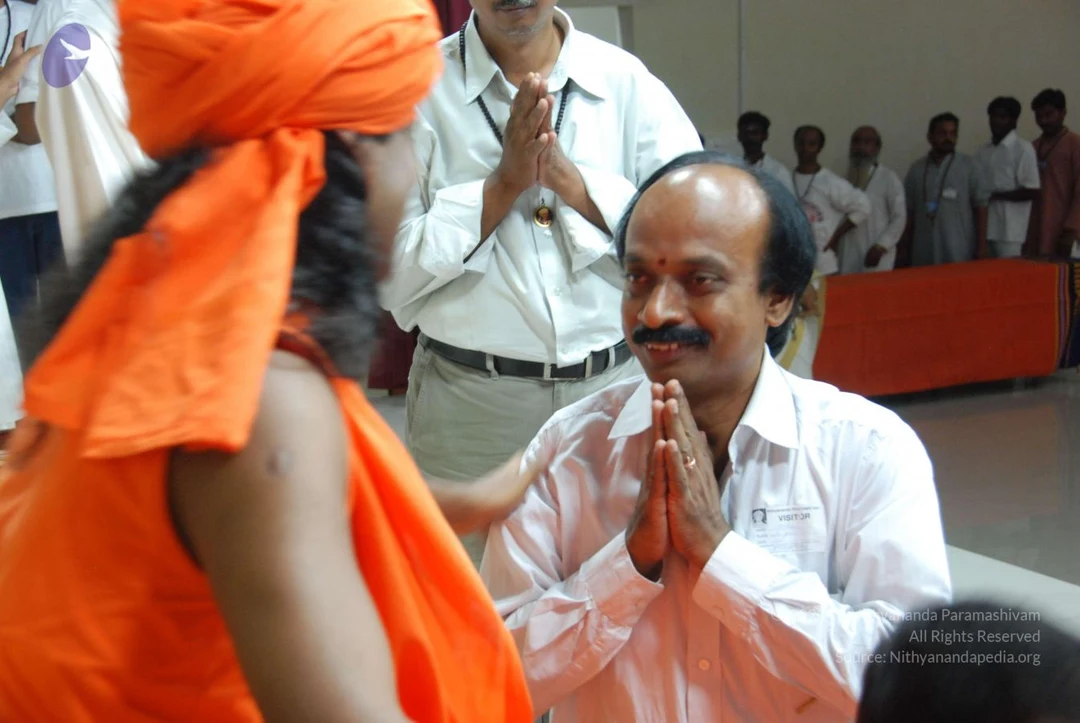
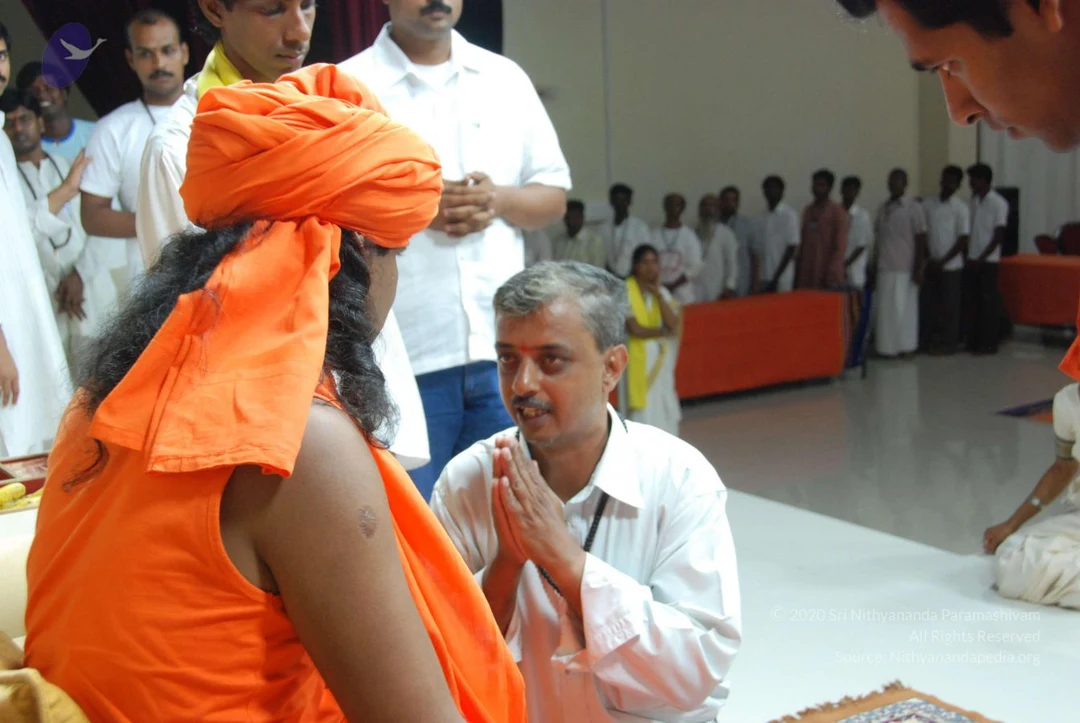
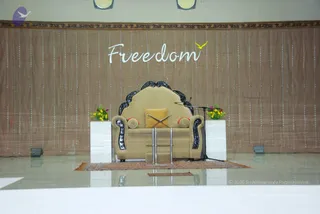
DARSHAN
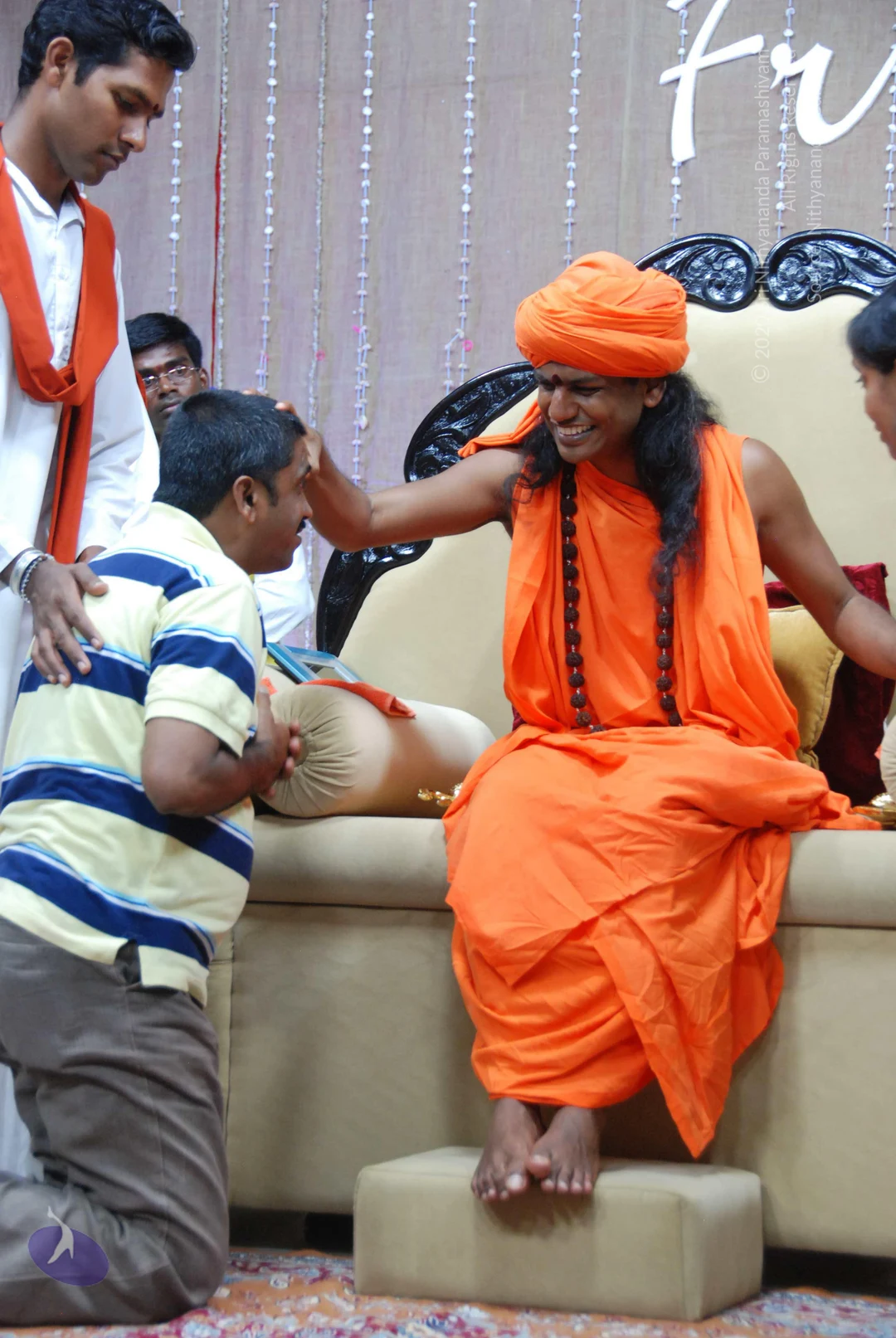
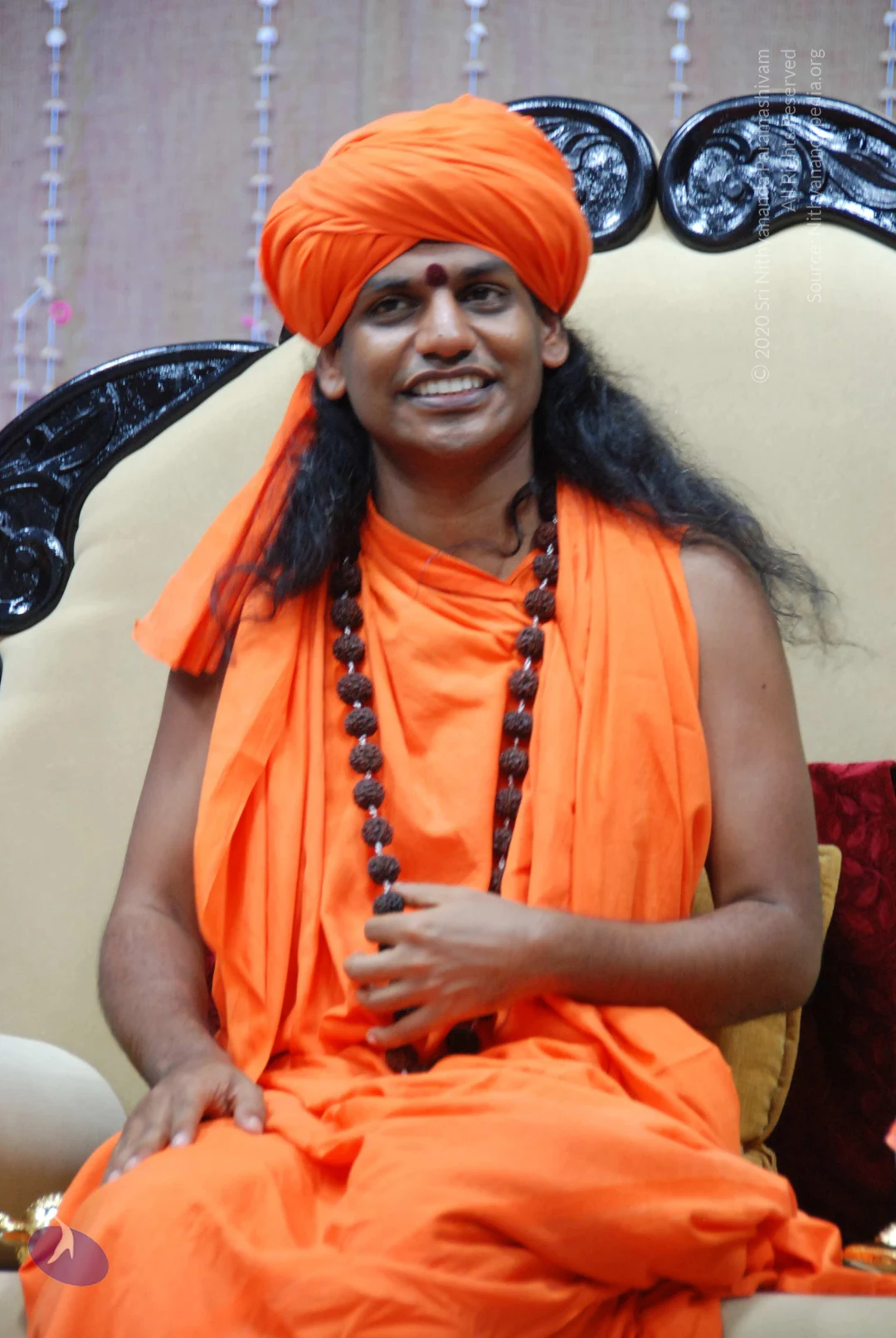
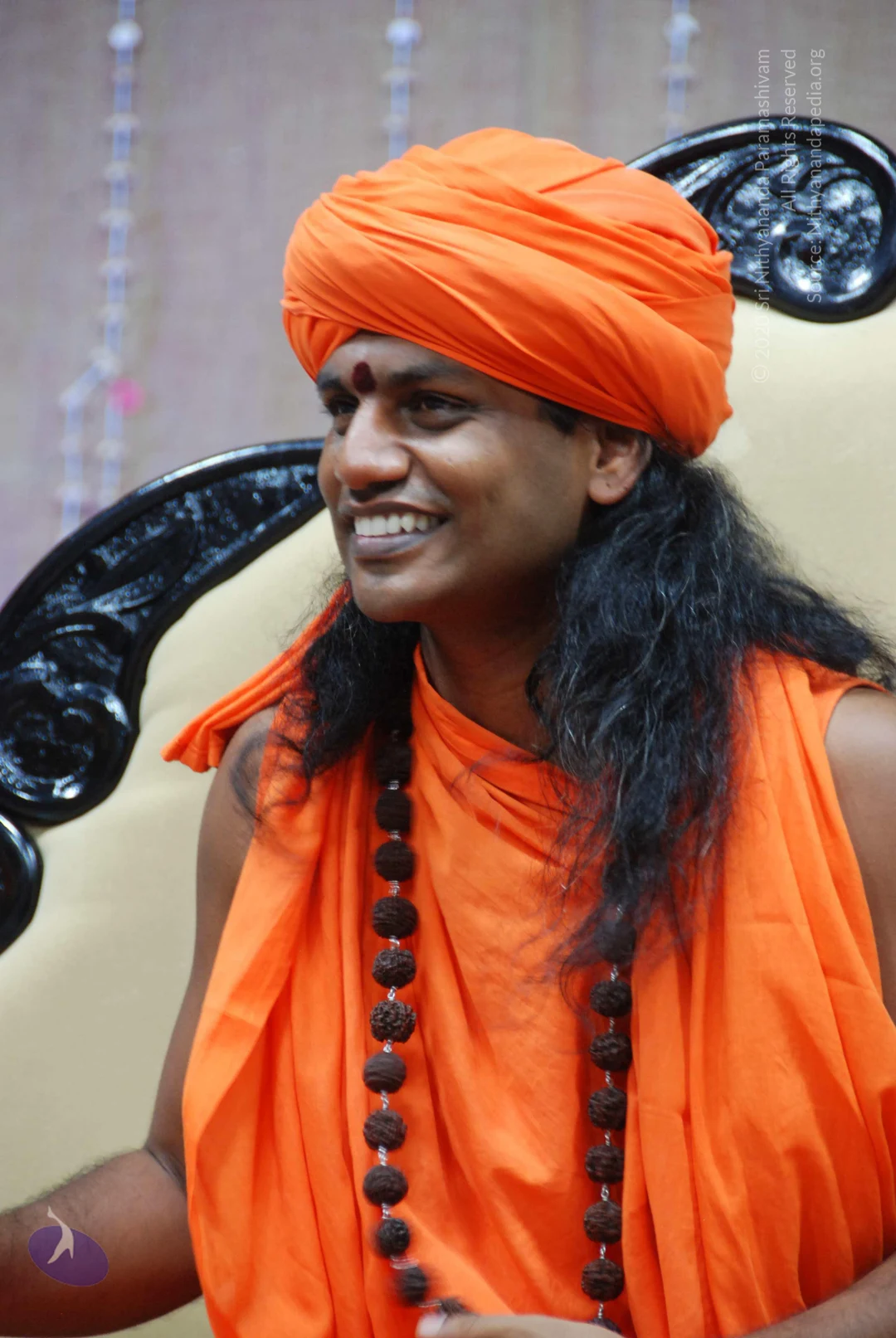
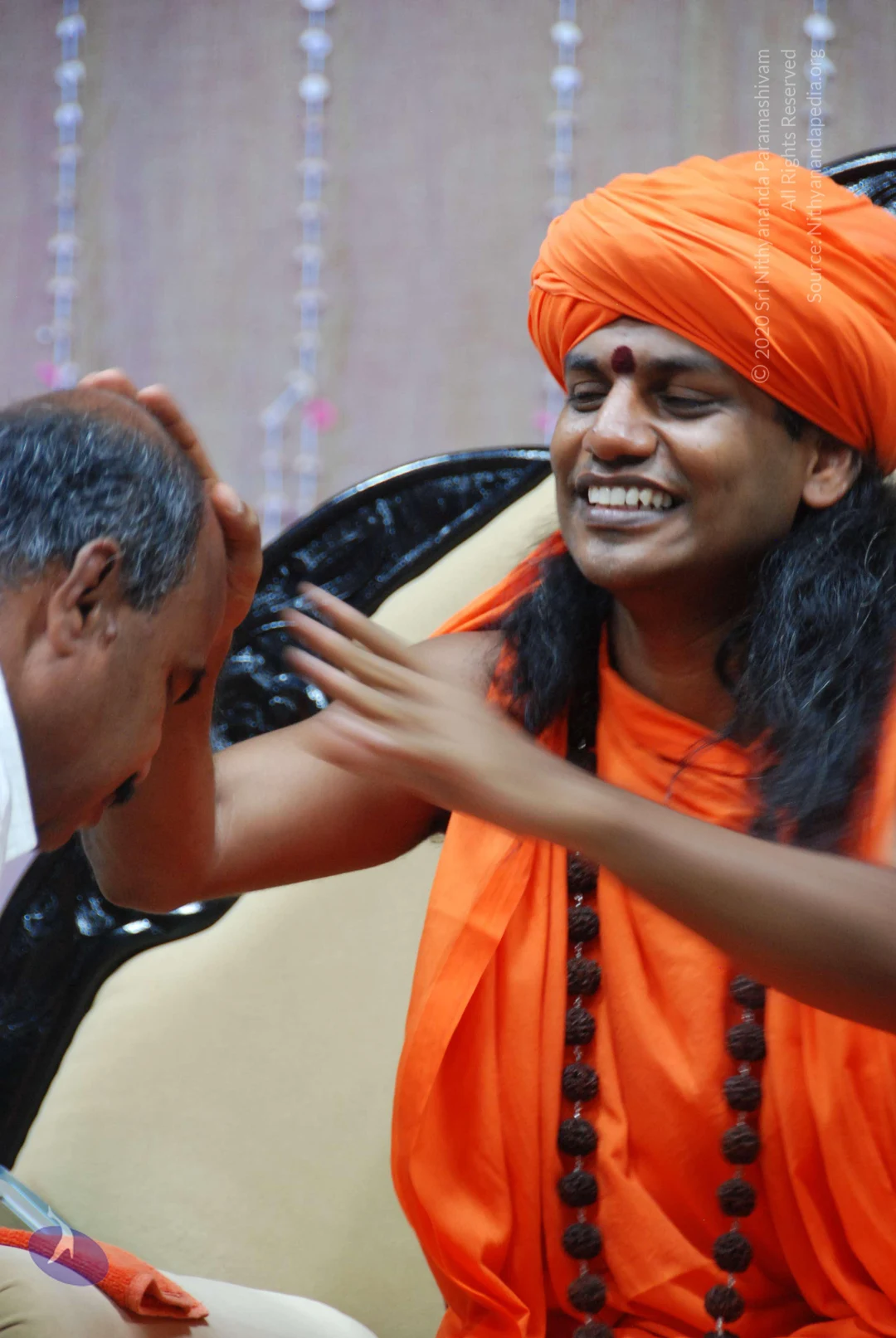
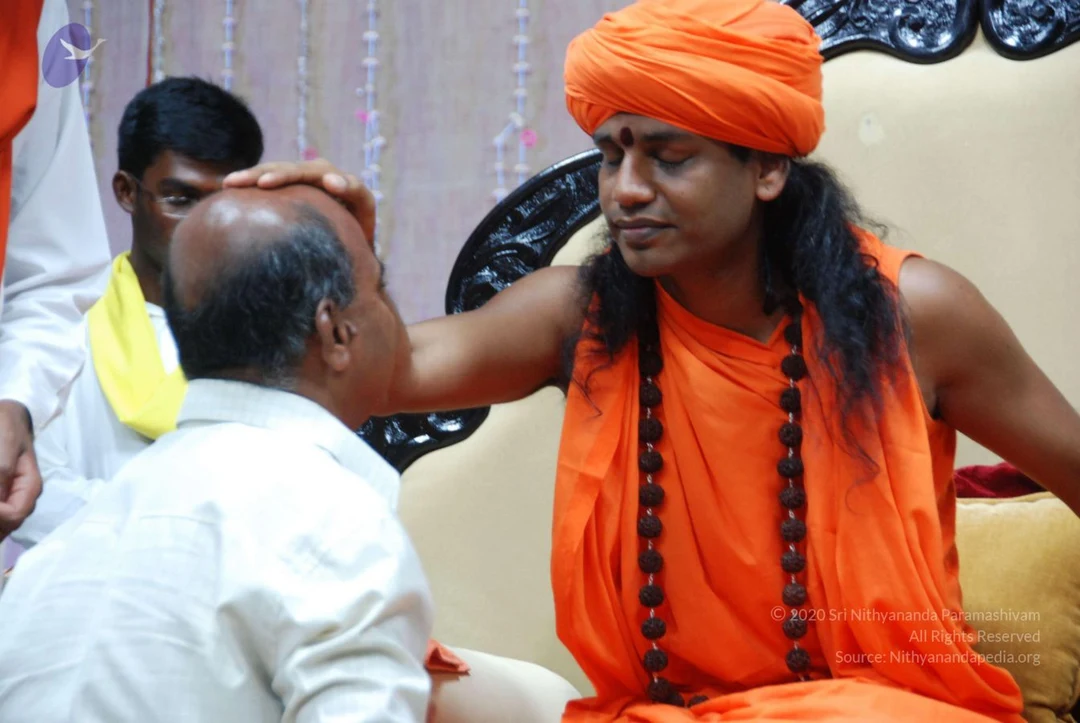
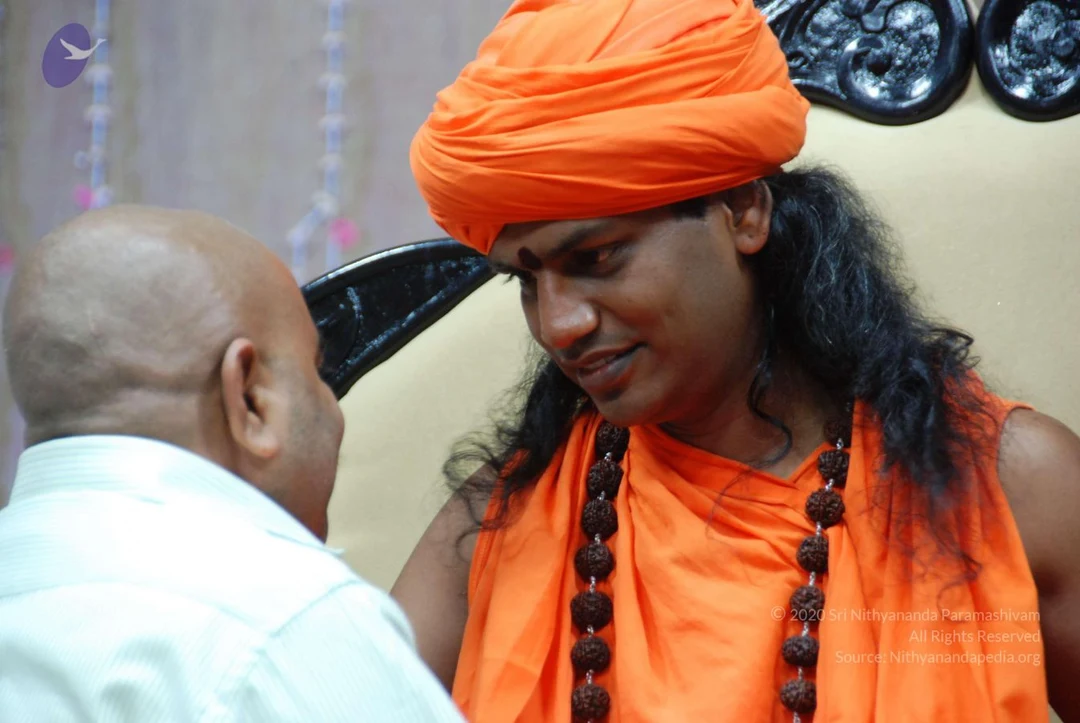
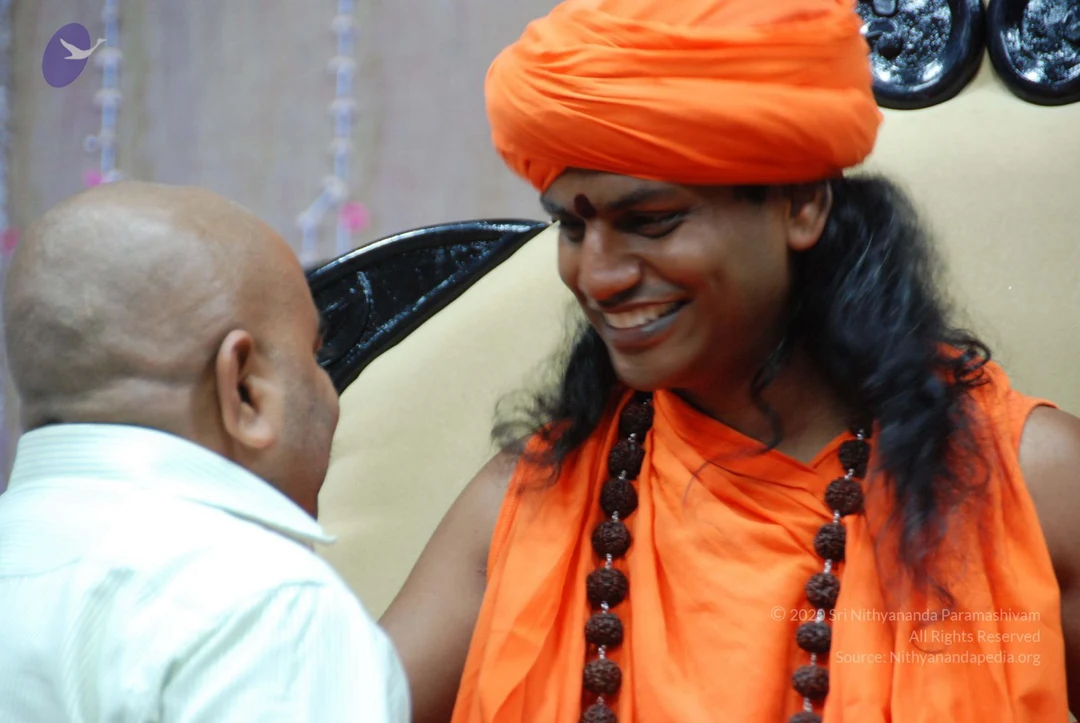
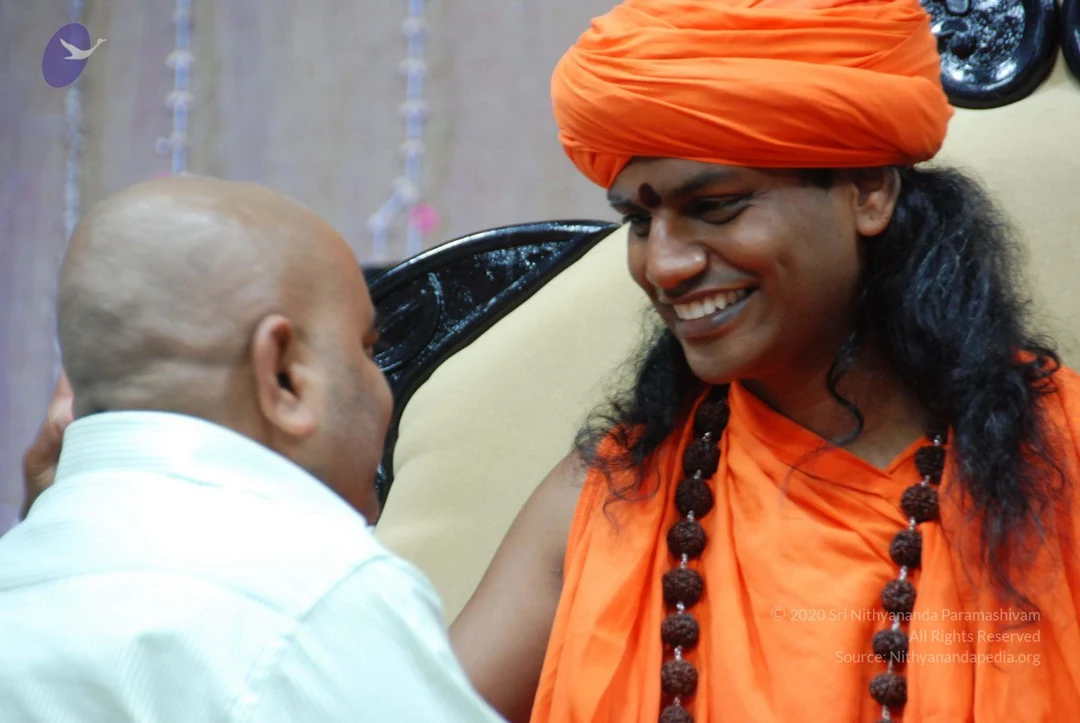
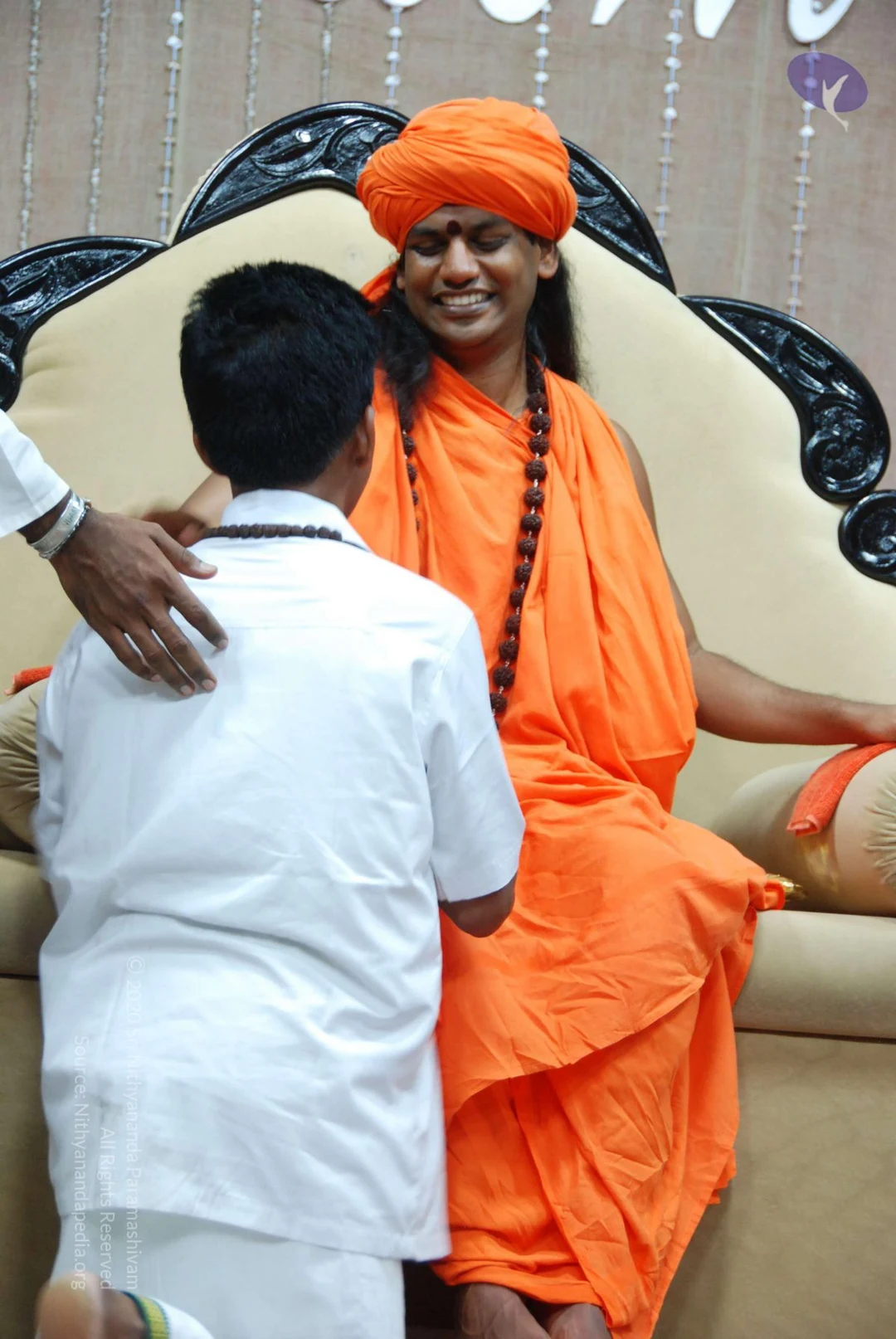
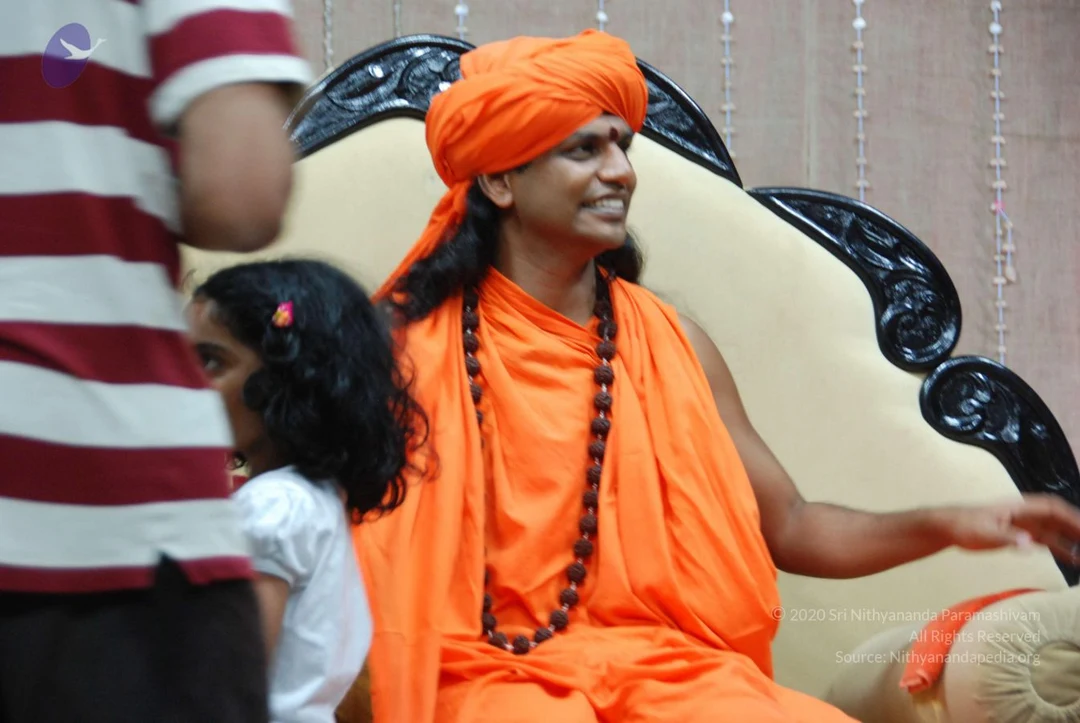
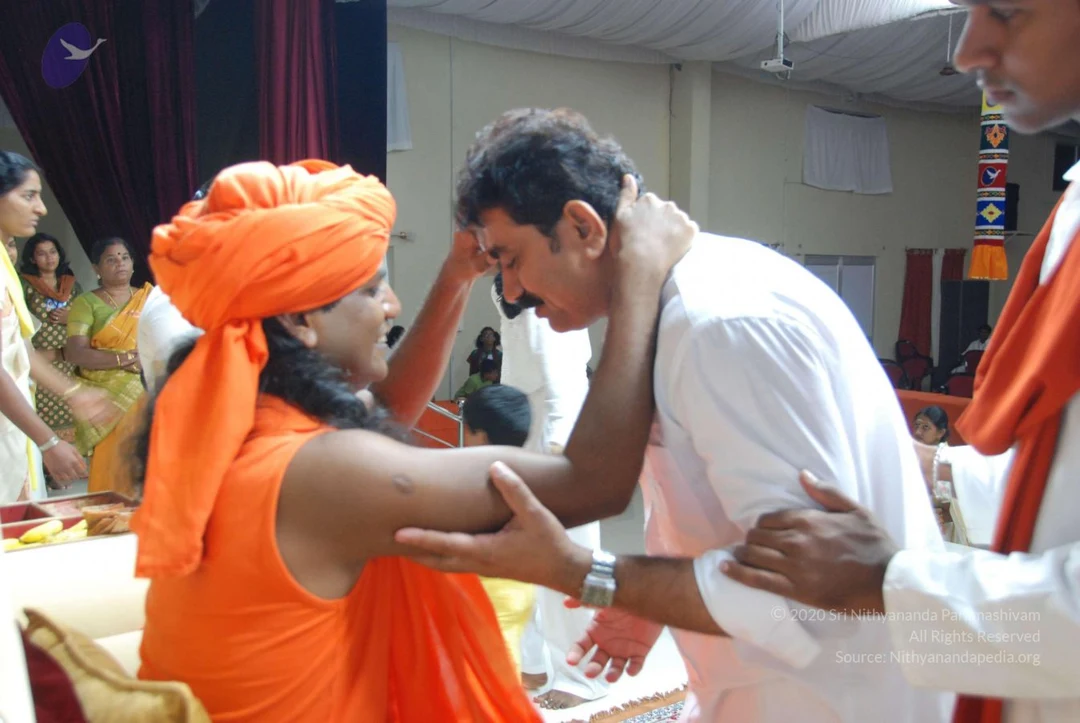
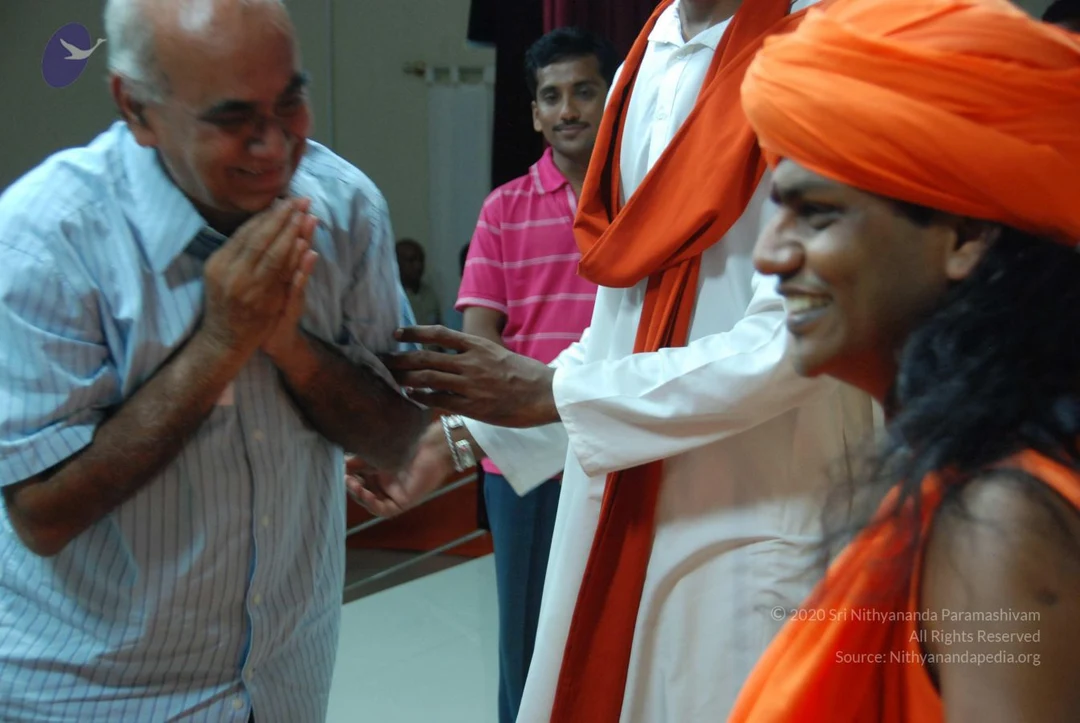
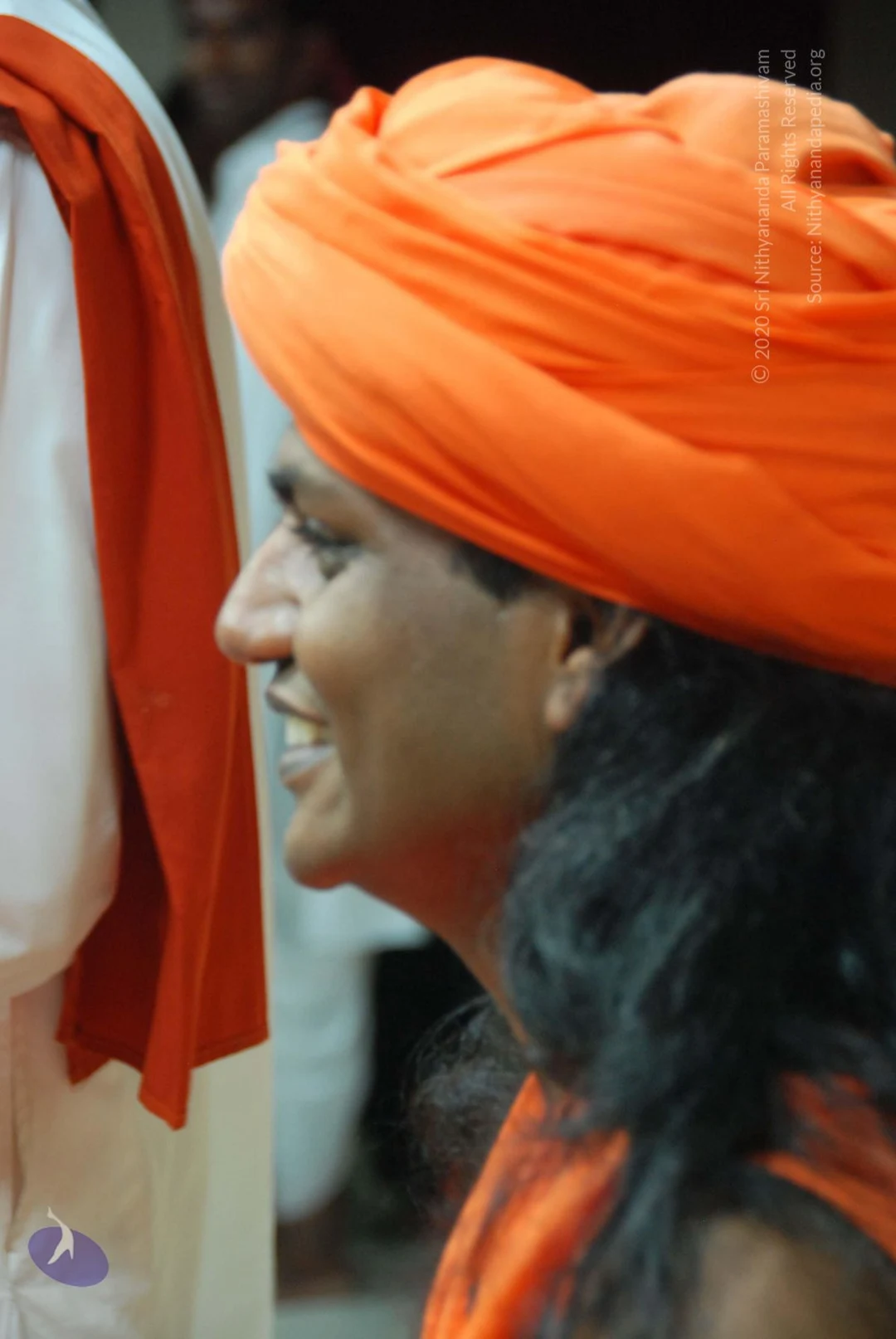
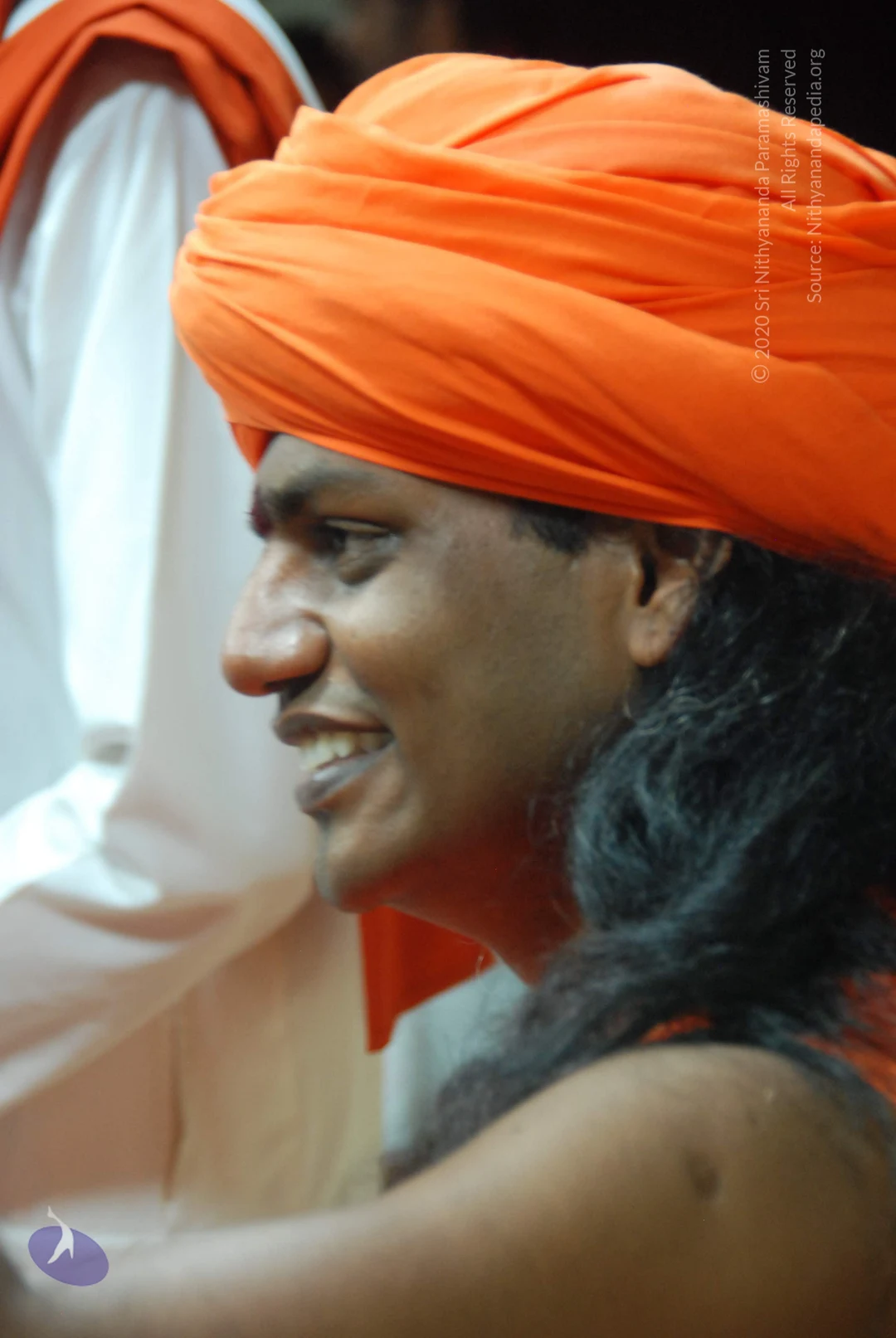
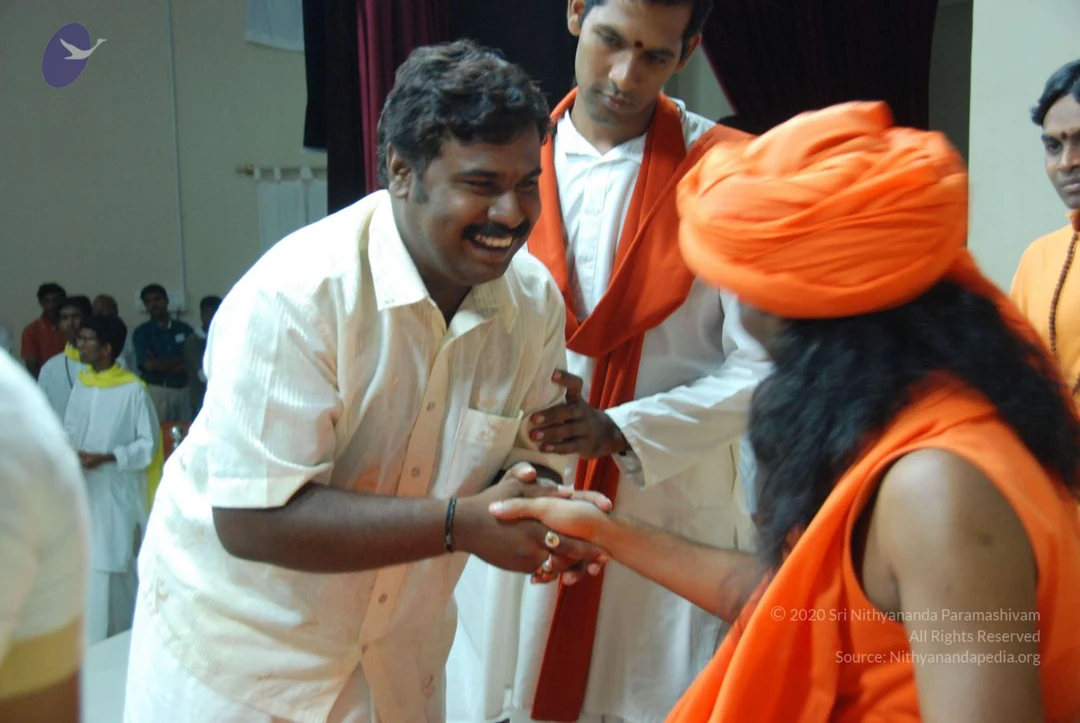
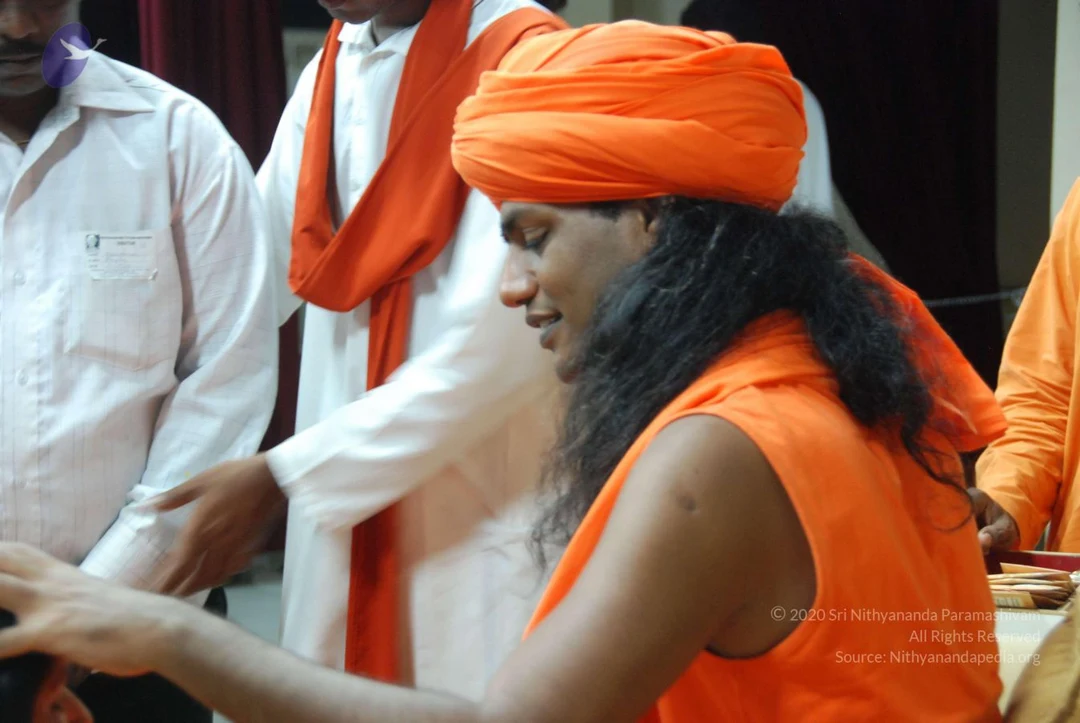
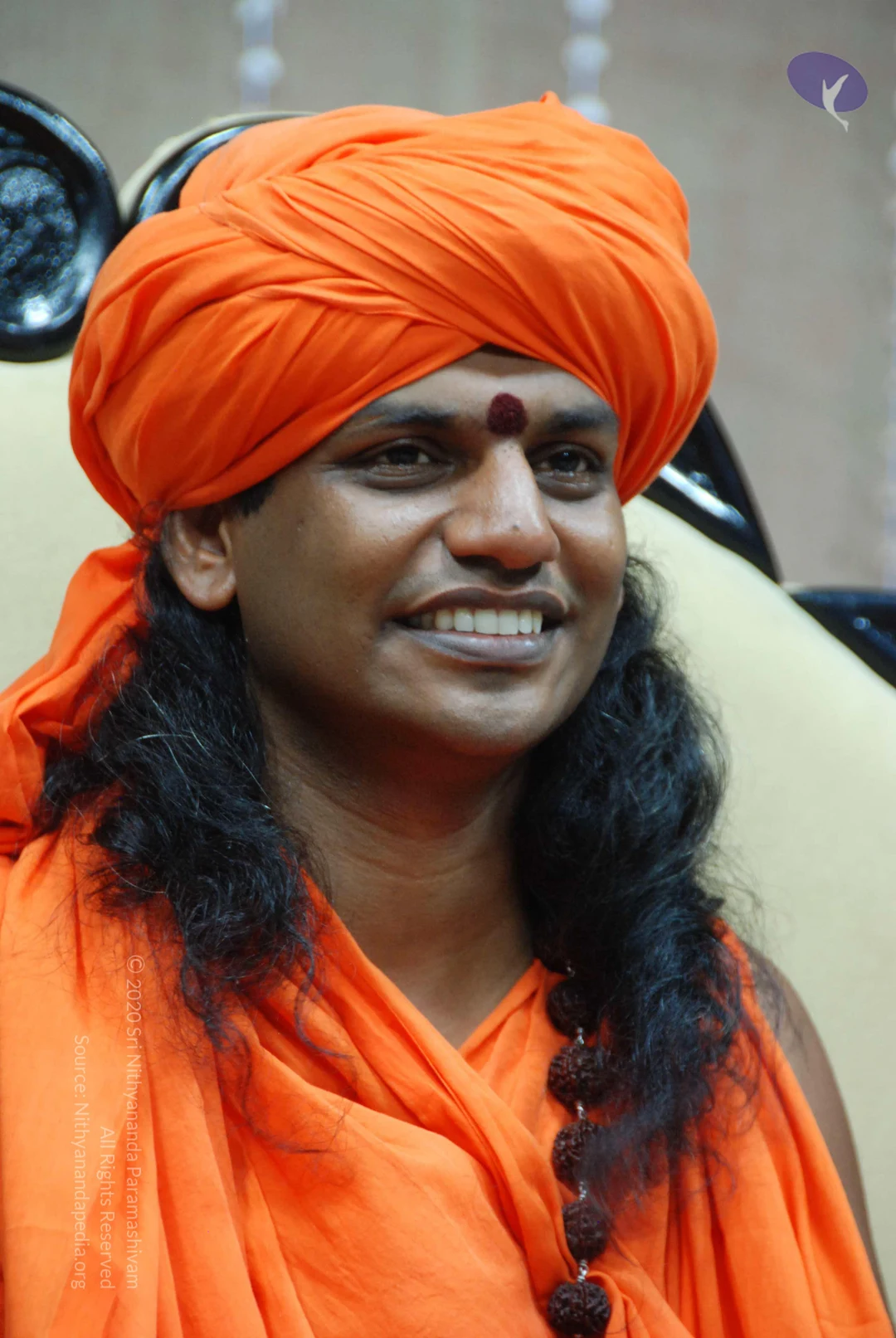
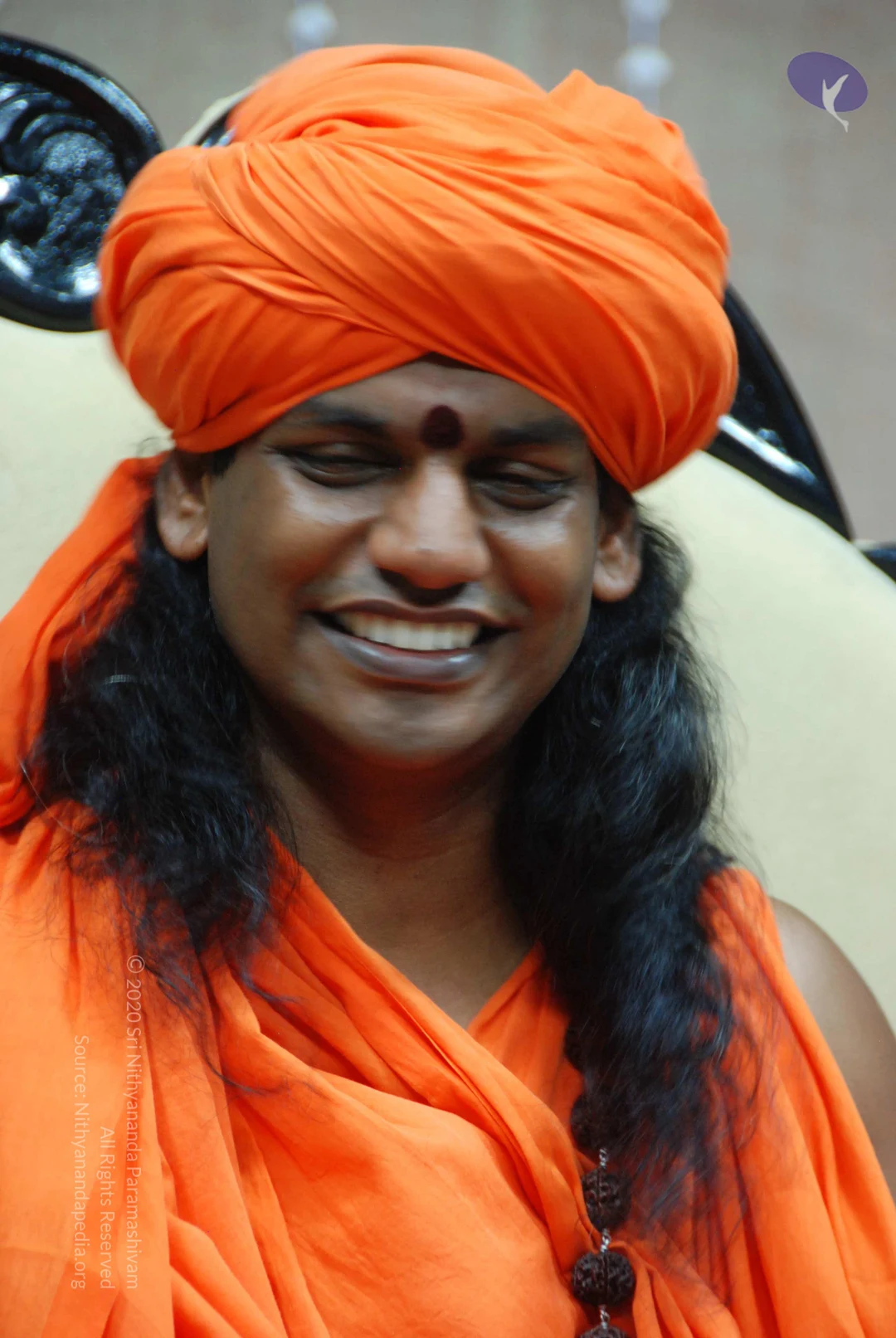
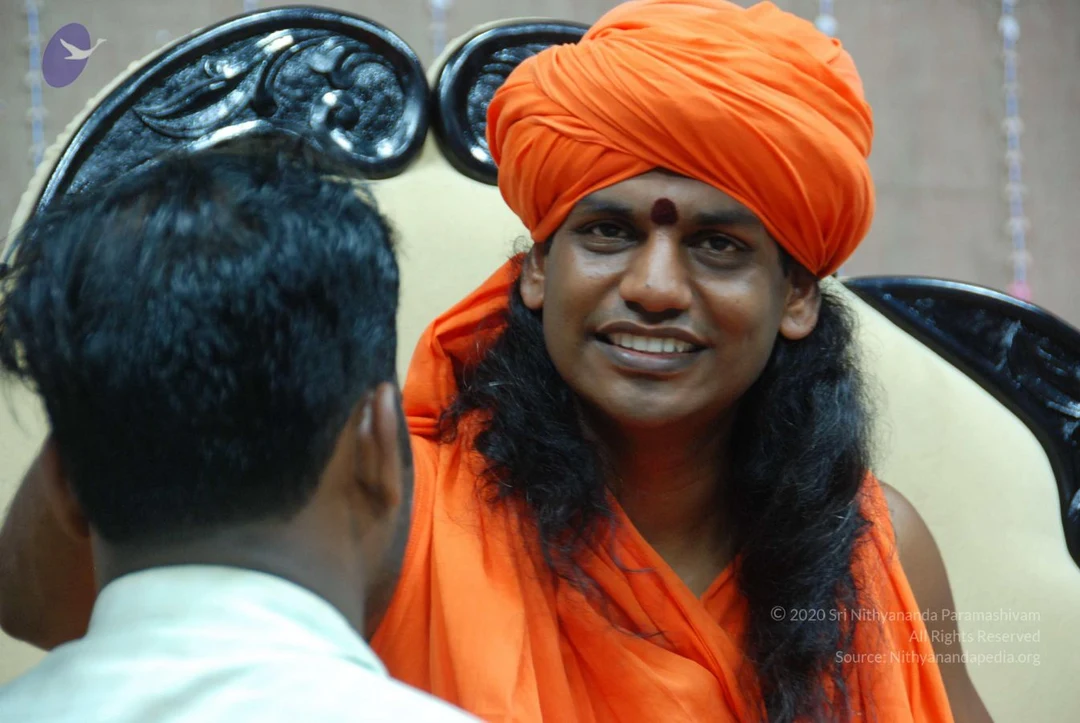
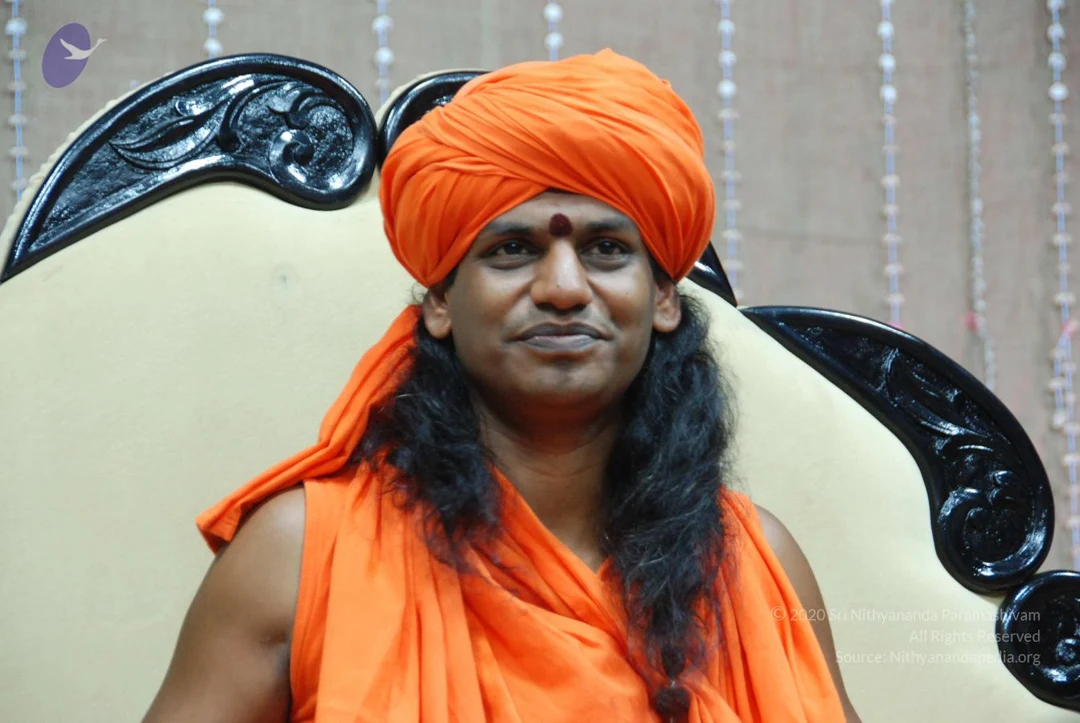
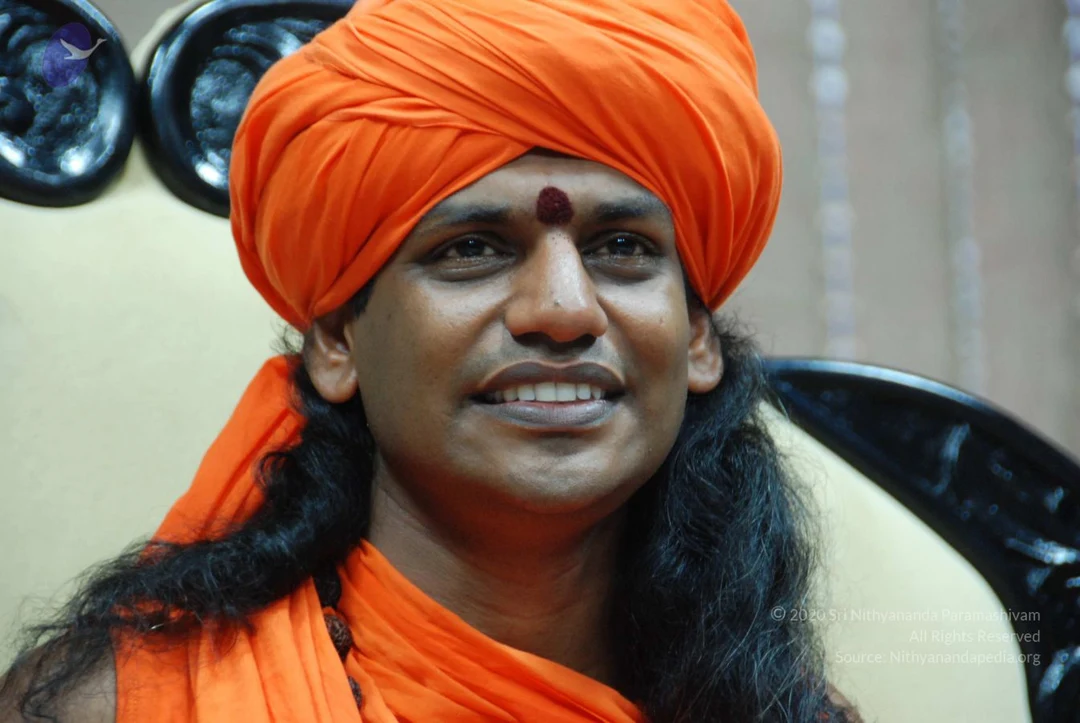
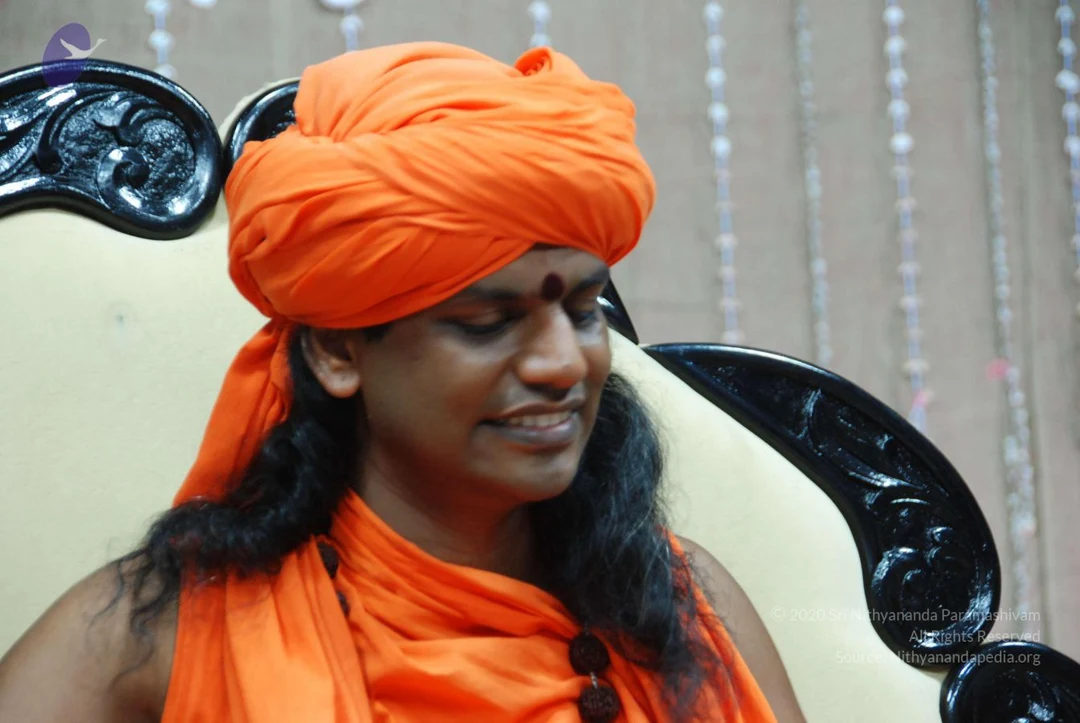
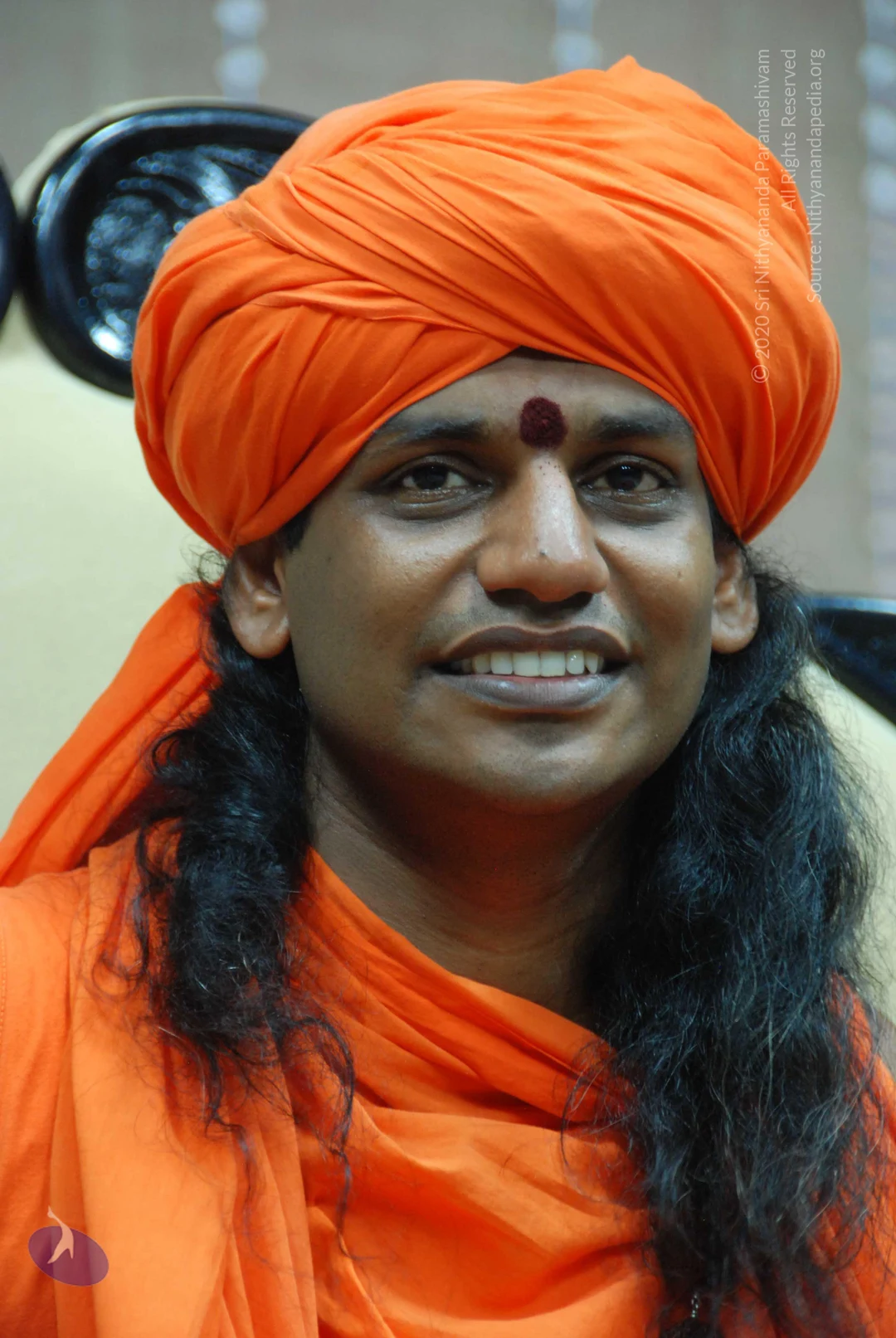
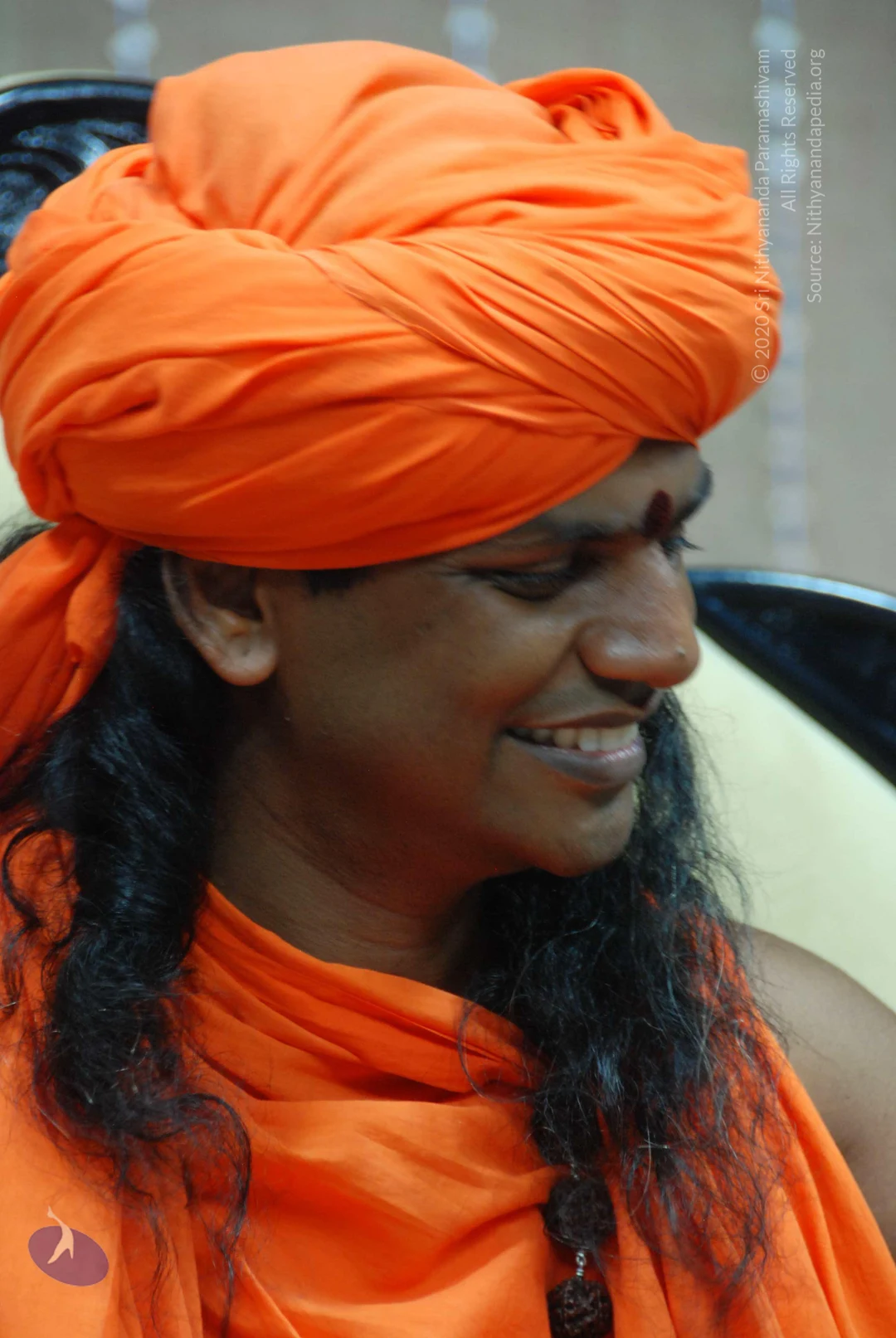
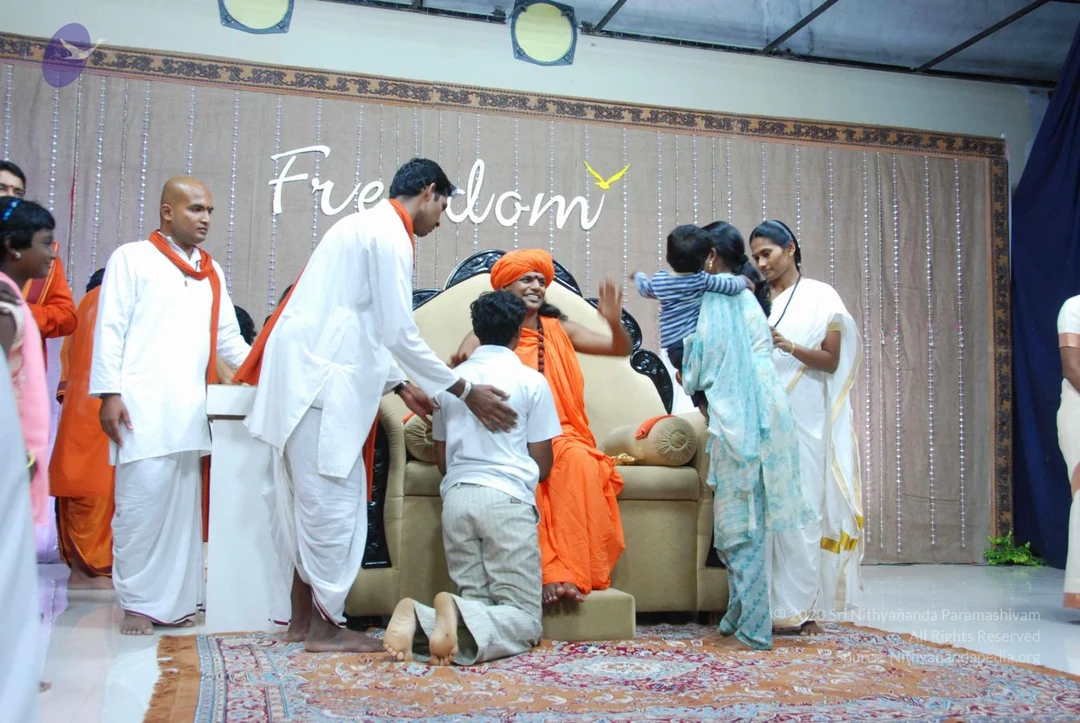
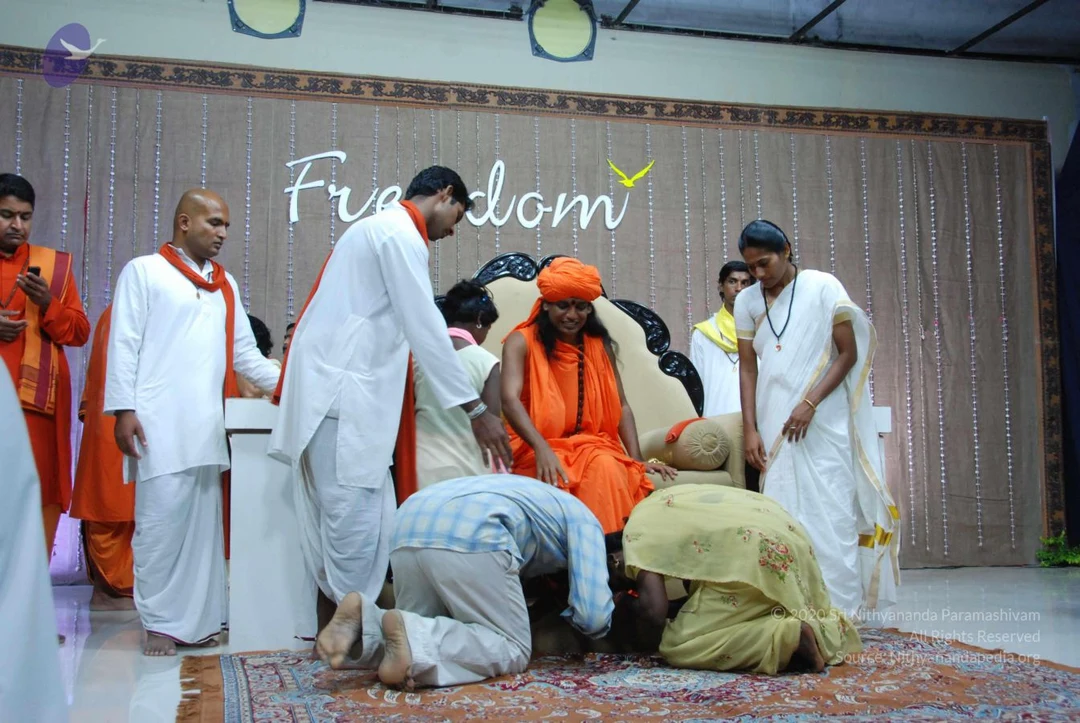
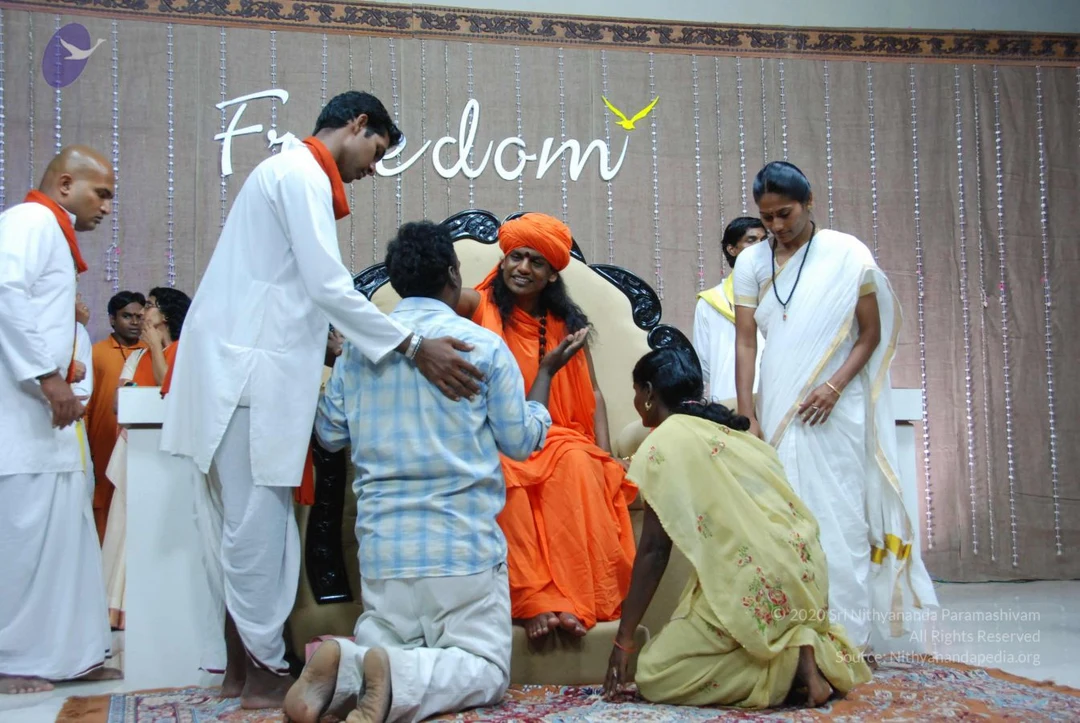
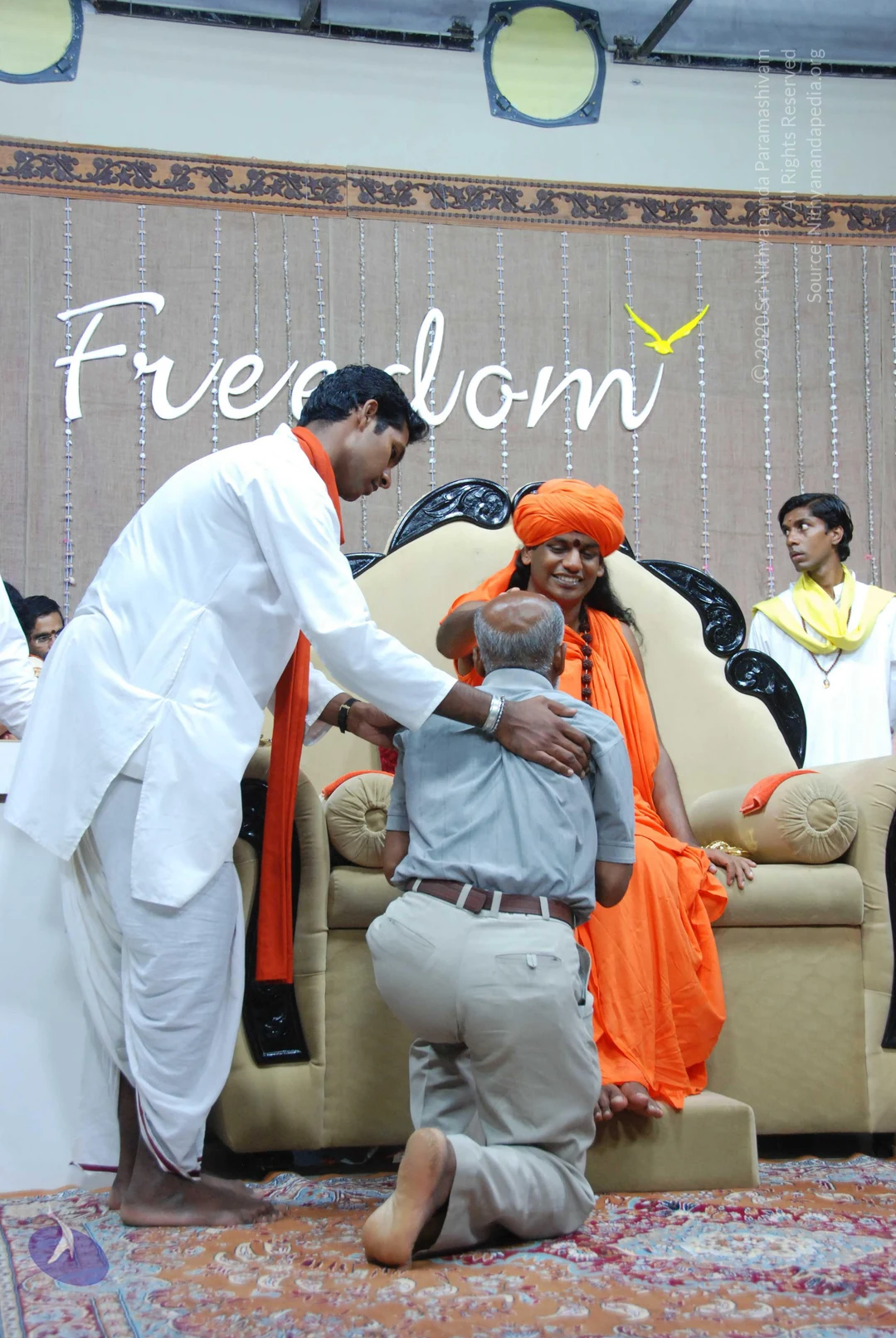

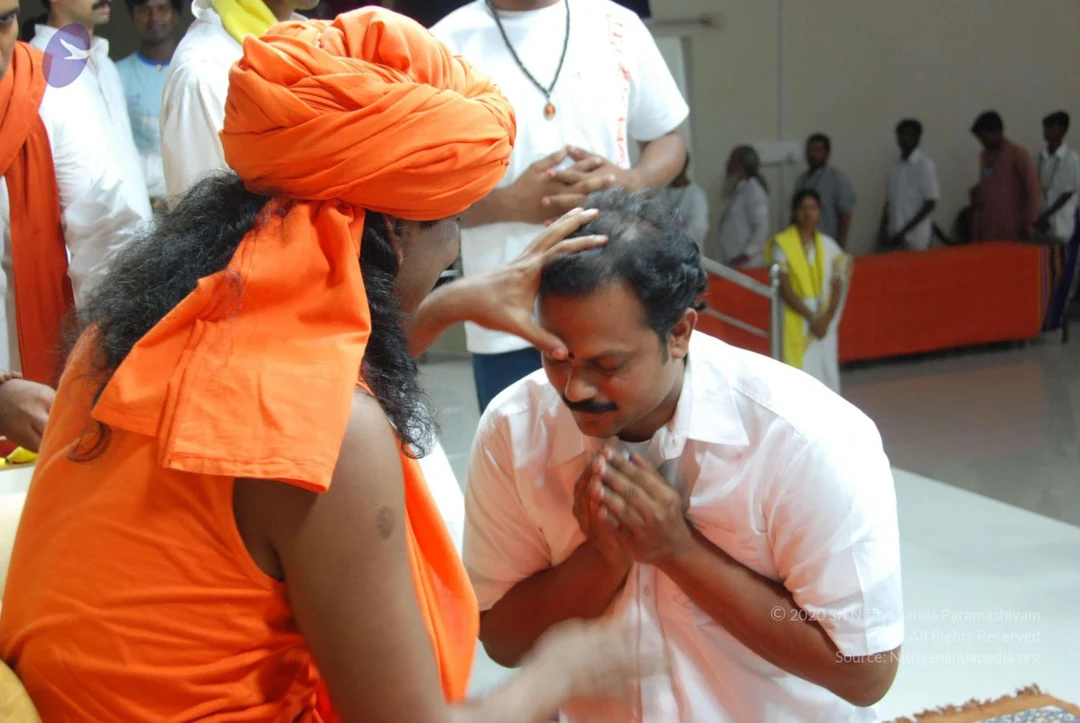
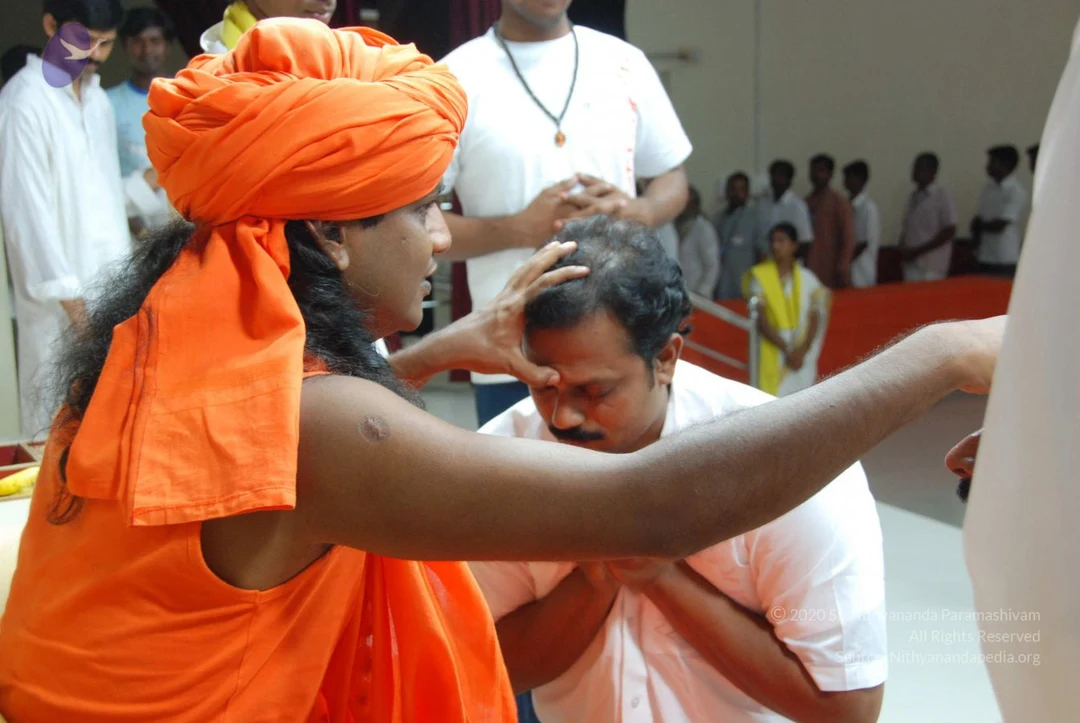
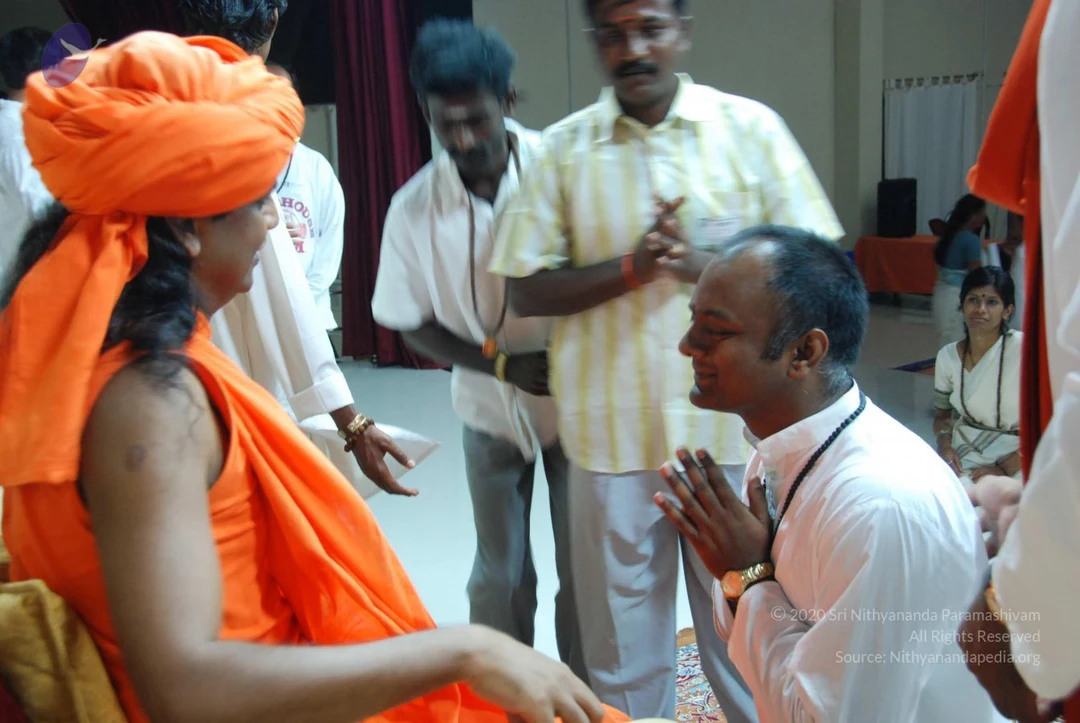
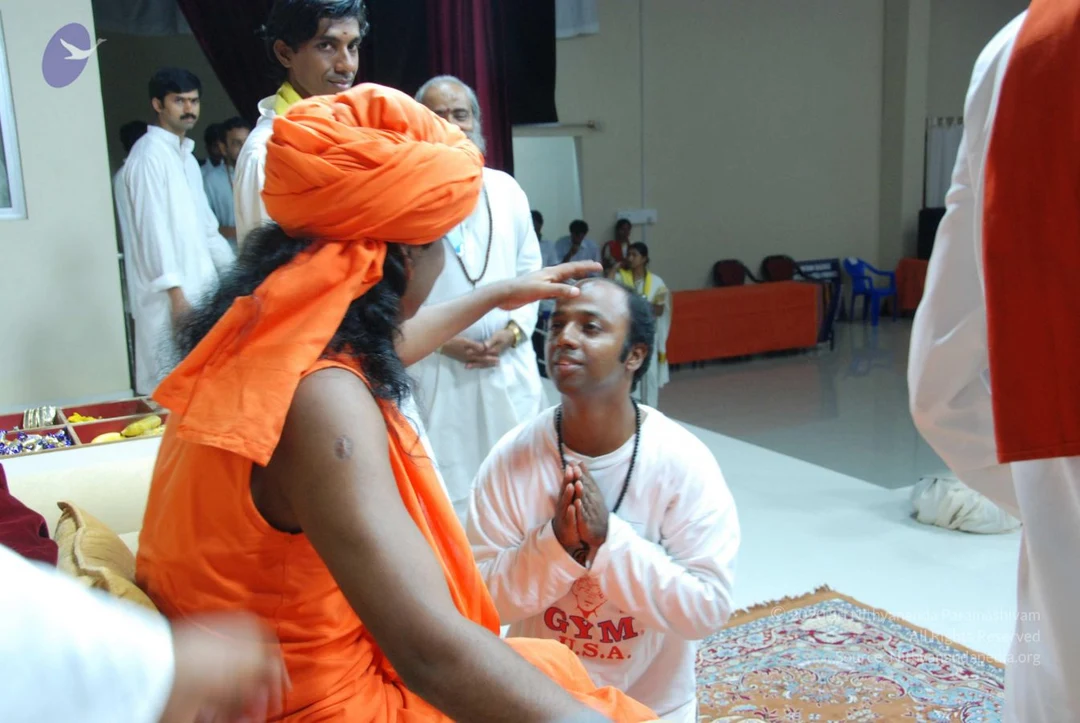
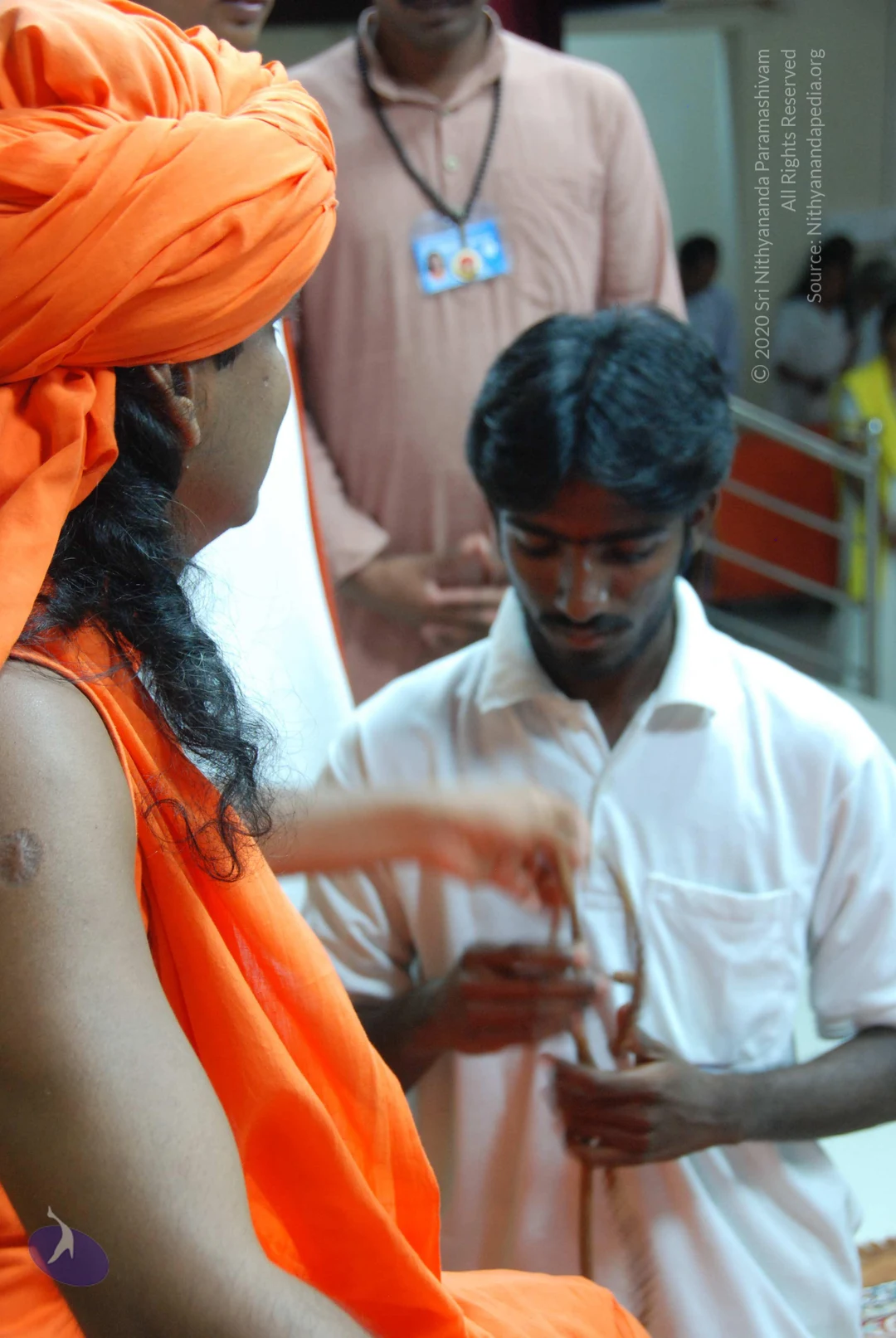
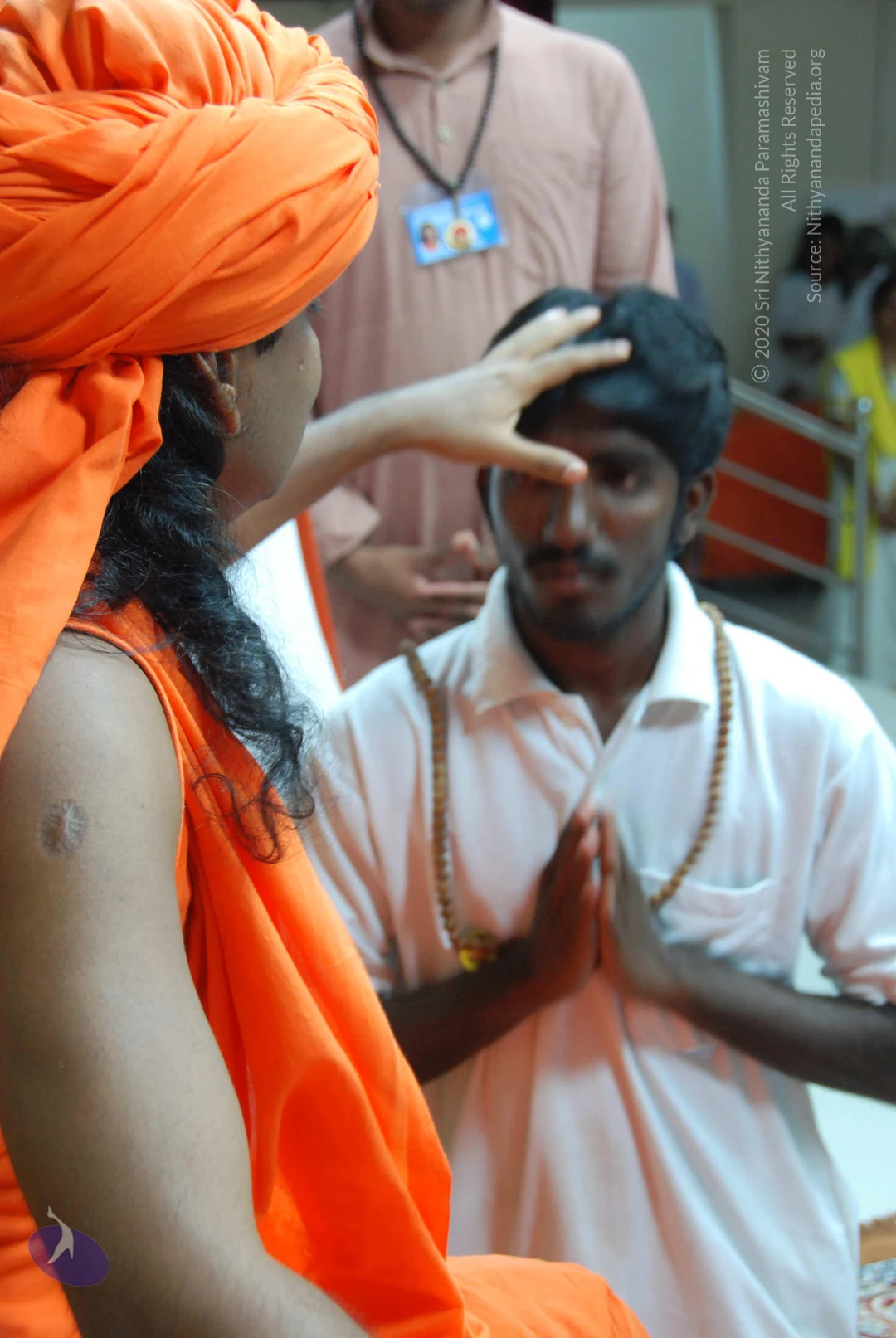
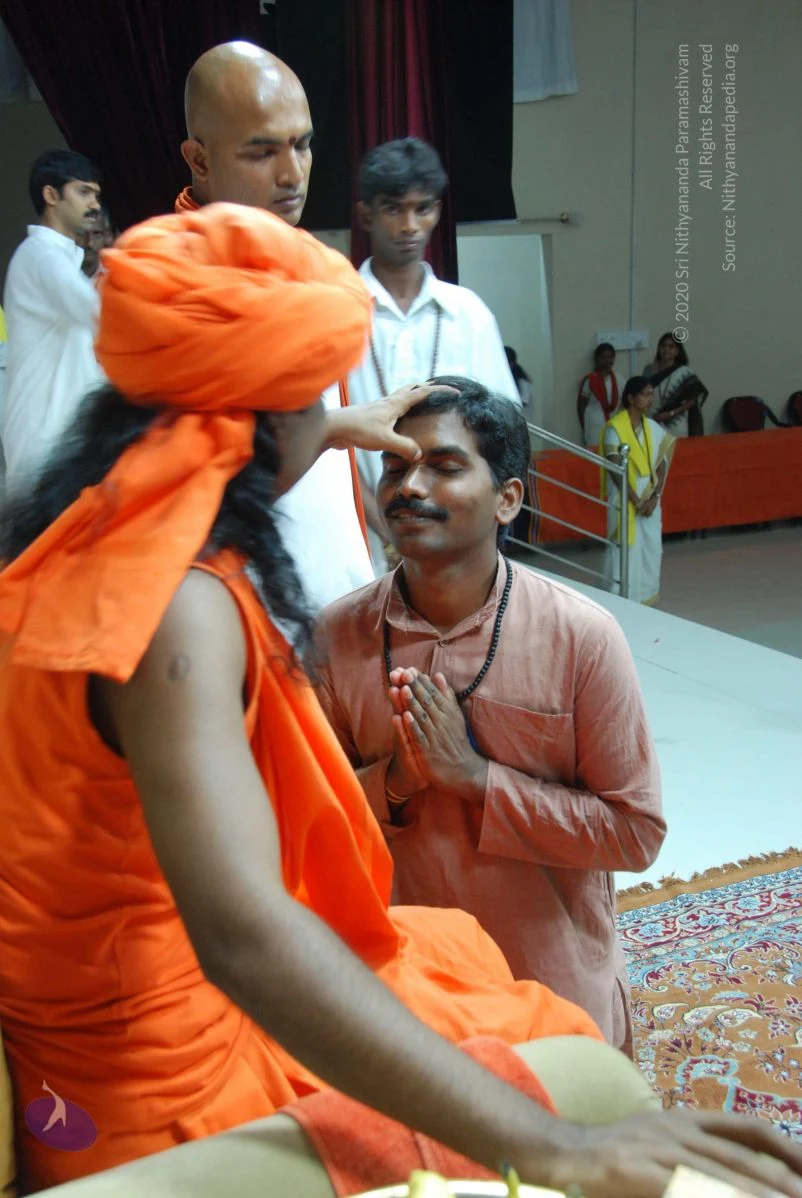
Photos from this day
View all 938 photosPhotos
1 photoSource galleryNITHYA-SATSANG-ON-FREEDOM-SWATANTRA
6 photosSource gallery

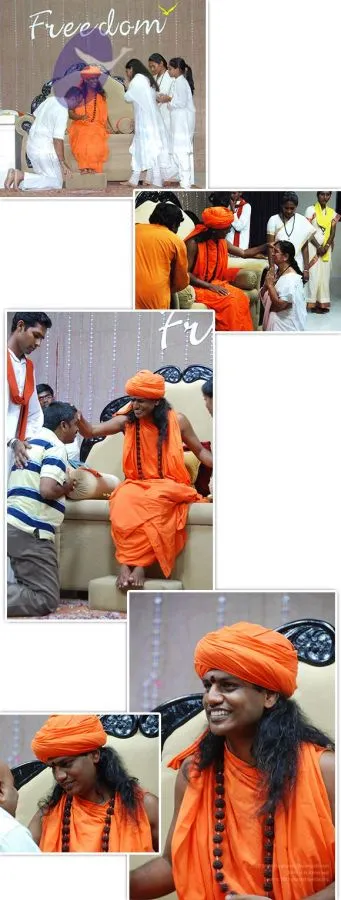
Pancha-Tapas-Darshan
10 photosSource gallery
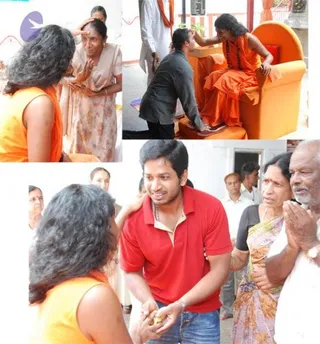
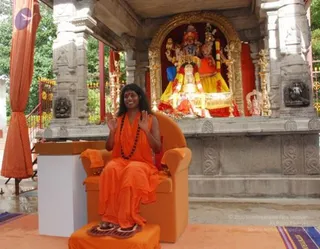


PANCHA-TAPAS
112 photosSource gallery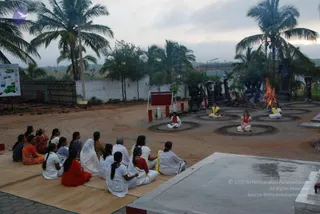
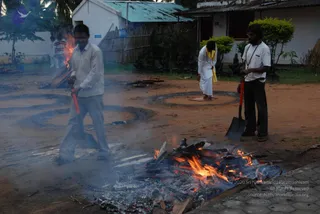
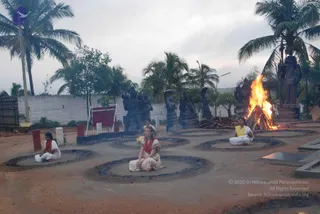
SARVA-DARSHAN
52 photosSource gallery
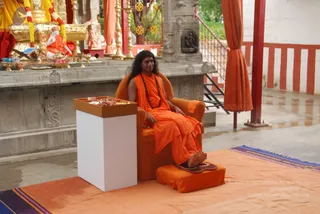
SUN-RING-AT-TEMPLE
28 photosSource gallery

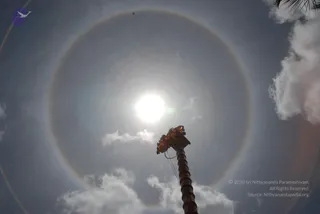

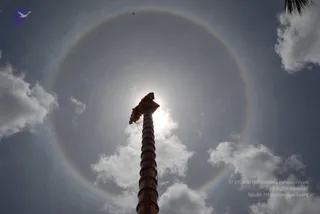
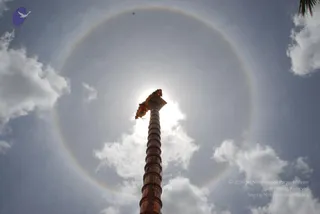
BANYAN-TREE
45 photosSource gallery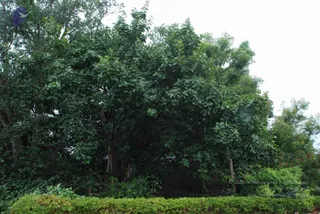


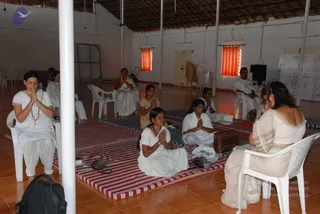
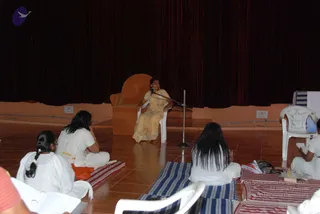
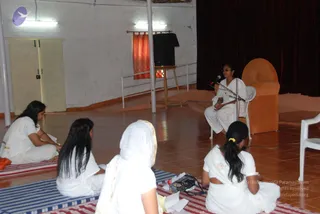
ACHARYA-TRAINING
7 photosSource gallery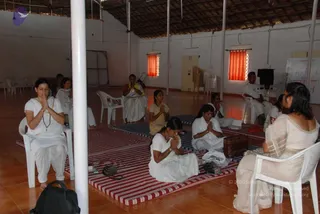
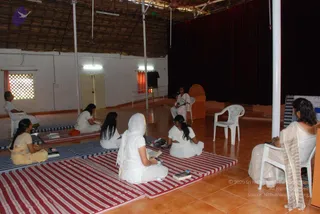
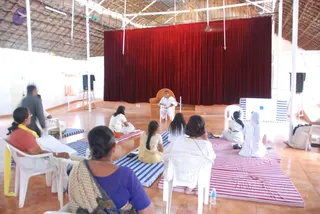
ASP
5 photosSource gallery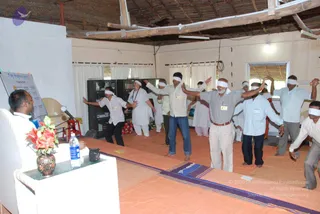
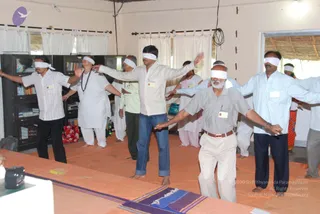
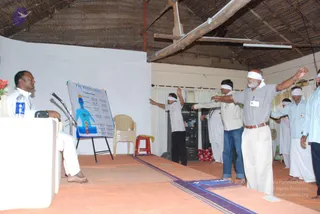
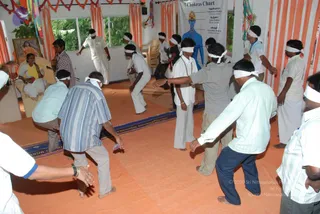
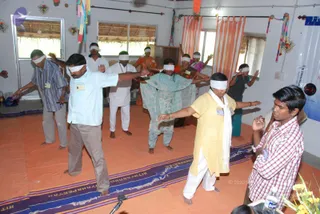
KANNADA-ORGANISERS-MEET
15 photosSource gallery

LUNCH-BREAK
19 photosSource gallery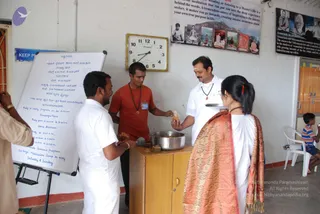
ADHEENAVASIS-PREPARE-STAGE-FOR-THE-EPOCH-SATSANG
16 photosSource gallery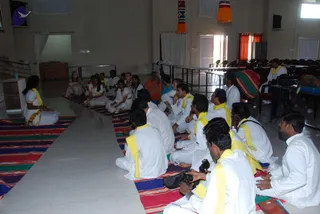
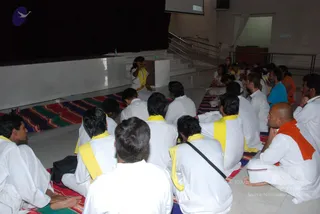
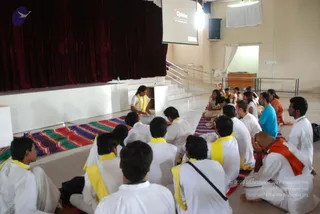
MEDIA-COVERING-HDH-FIRST-PUBLIC-SATSANG-AFTER-RELEASE-FROM-UNLAWFUL-IMPRISONMENT
8 photosSource gallery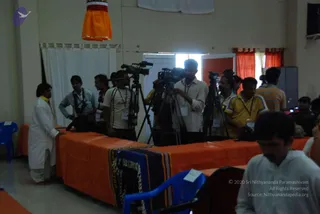
WEBINAR-ON-FREEDOM-BY-HDH
119 photosSource gallery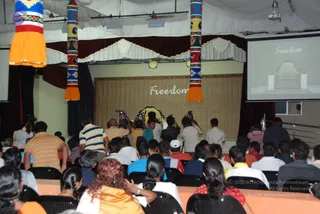

DARSHAN
57 photosSource gallery