Skip to content
Tuesday

11 July 2006

Dated photos
509
Source pages
1
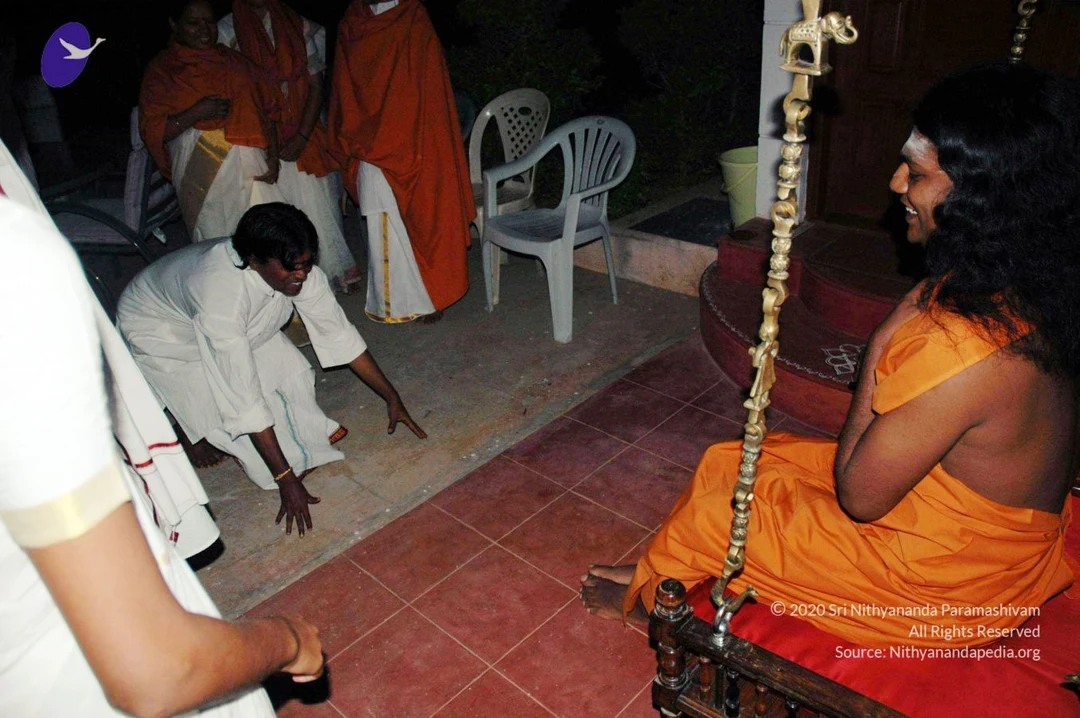
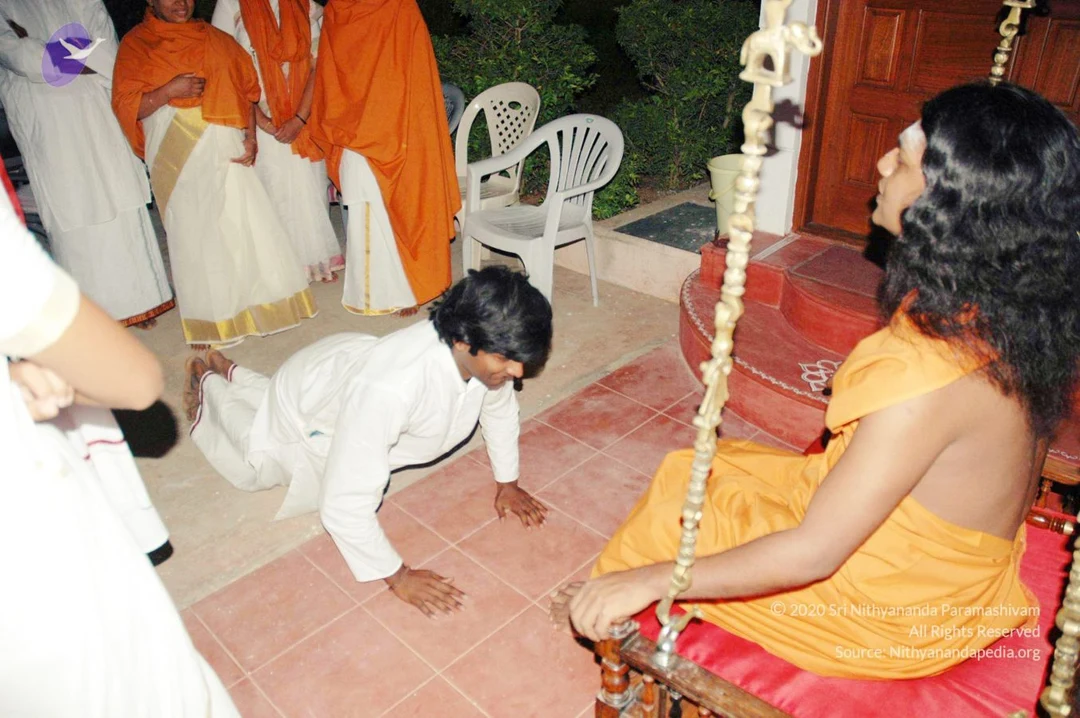
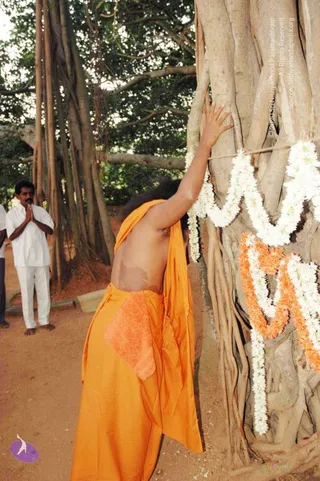
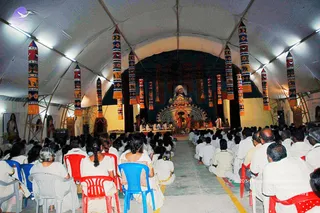
A photograph outdoors of a bare-backed figure in an orange saffron cloth wrapped around the body and a folded orange towel over the shoulder, reaching one arm up to press the palm against the trunk of a large banyan tree with aerial roots. The trunk is decorated with garlands of white jasmine and orange-and-white flower strands tied across it. Behind, a man in white shirt and white trousers stands with palms pressed together in namaste on dry reddish earth. The figure's face is not visible, so identity is uncertain.A photograph of a large tented hall at night with white fabric canopy and tall cylindrical banners in red, blue and yellow patterns hanging from the ceiling. Rows of seated devotees in white clothes face a raised stage with a dark backdrop and an ornate golden-orange arch. On the stage, a figure in saffron and orange robes sits near a decorated central seat, with others in white and orange nearby, and a large framed portrait stands at the left edge. Audience members sit on red and blue plastic chairs and on the floor, many wearing white. A deity murti is not clearly visible. The setting suggests a satsang or Guru Poornima discourse.A seated figure in an orange-saffron robe with long dark hair sits on an ornate gilded throne with red cushions, garlanded with white flower strands and yellow beads, while raising a hand in greeting. Lower in front, a devotee in white clothes bends toward the throne, and a woman with a long braid wears a white sari with gold border seen from behind. Standing men in white garments, one with a saffron-and-gold shawl, and a cameraman with a video camera occupy the background within a dim hall. a person: the seated figure has long swept-back hair and saffron ceremonial clothing on a throne, with the person being honoured by devotees in white.

July 11 2006

Original wiki page
Contents

Photos

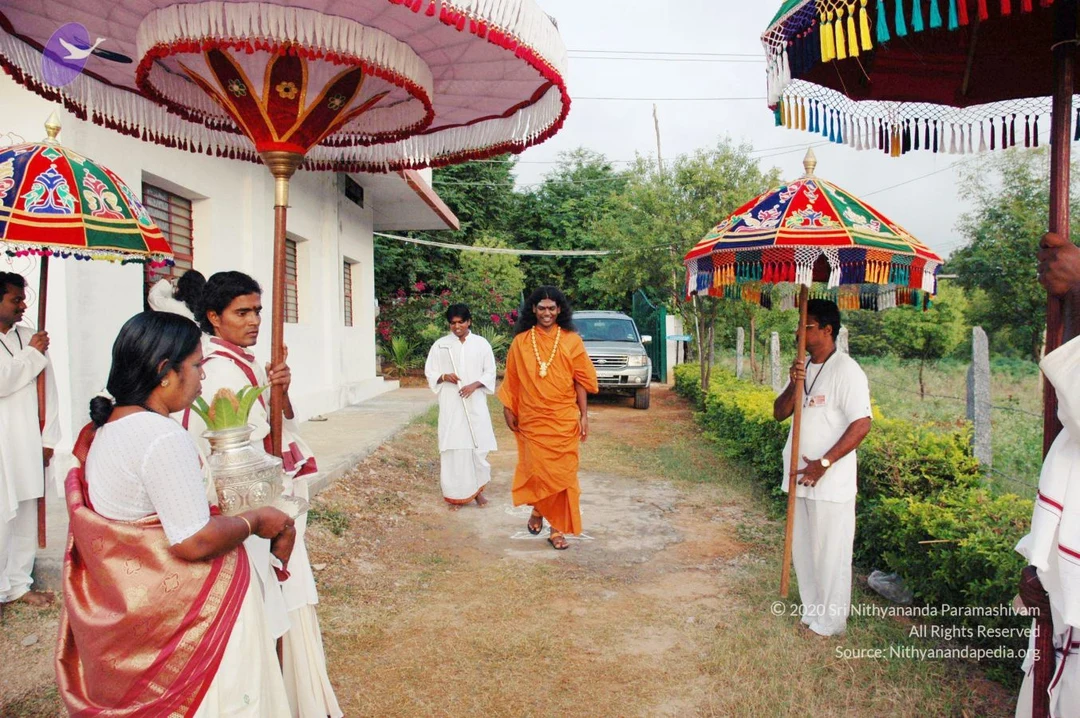
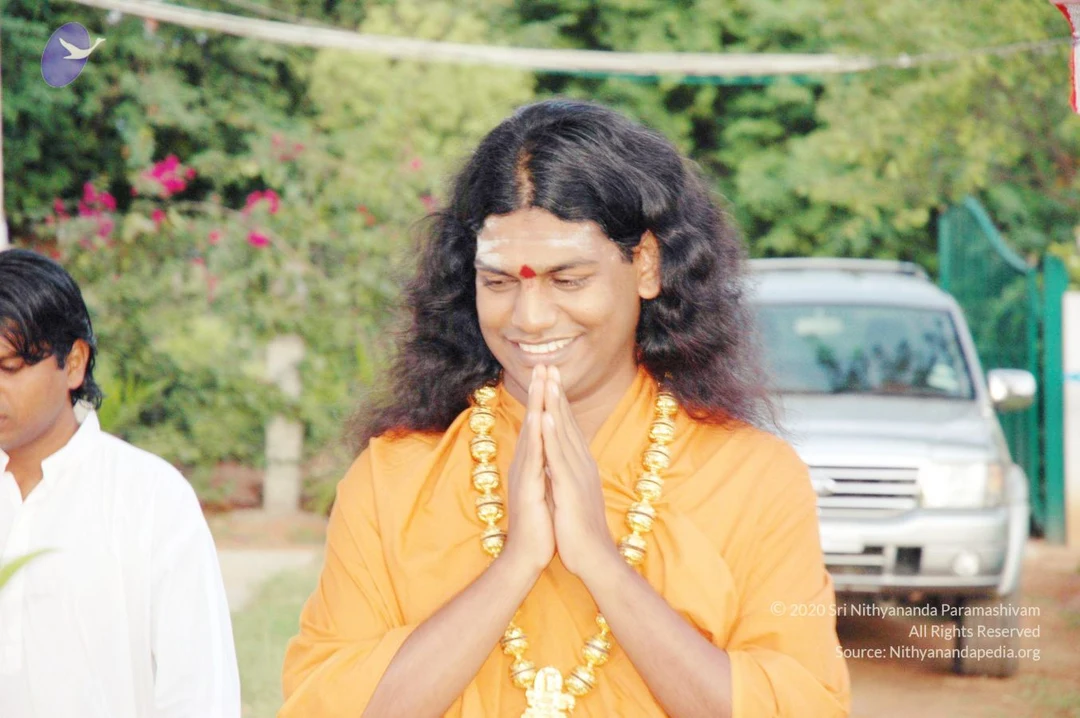
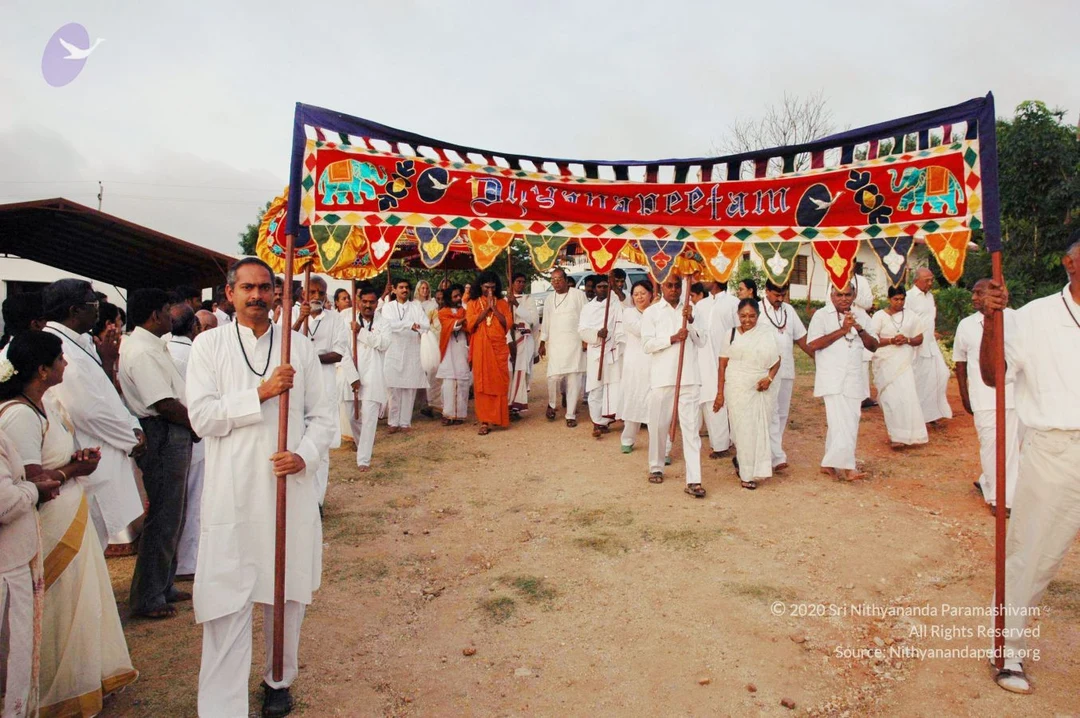
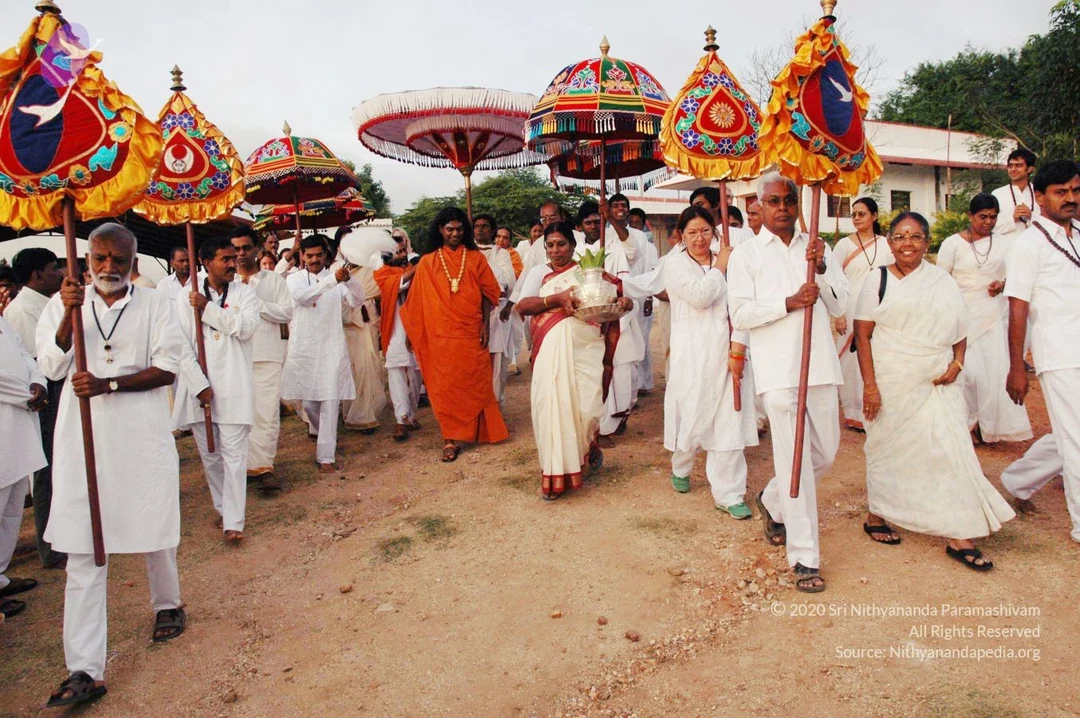
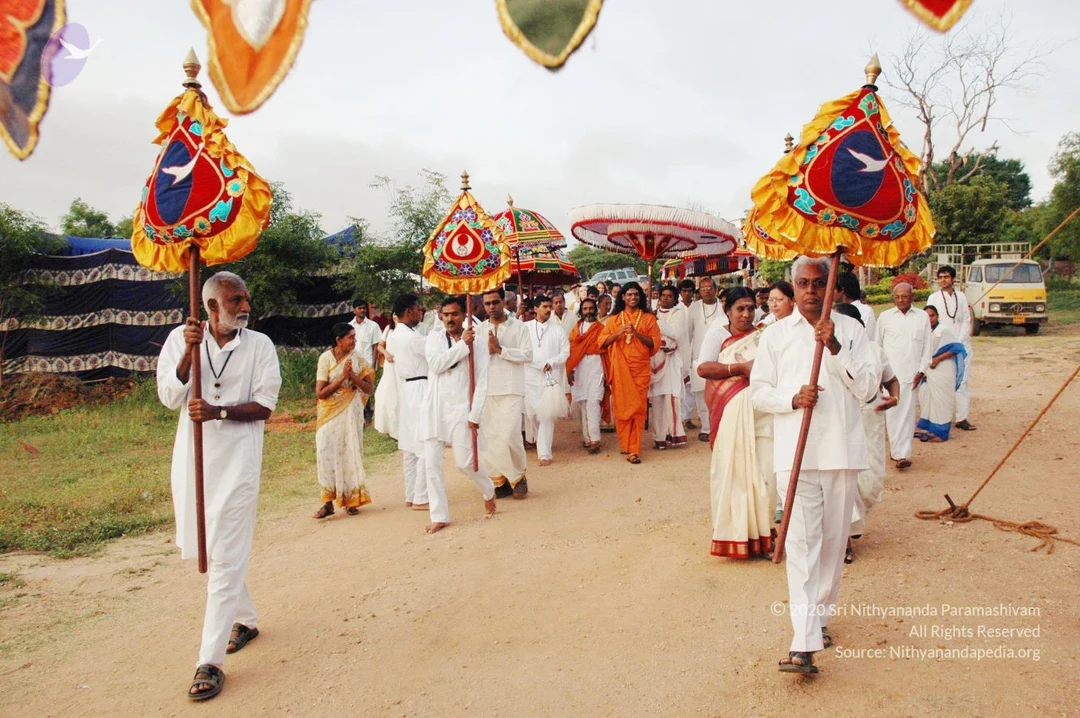
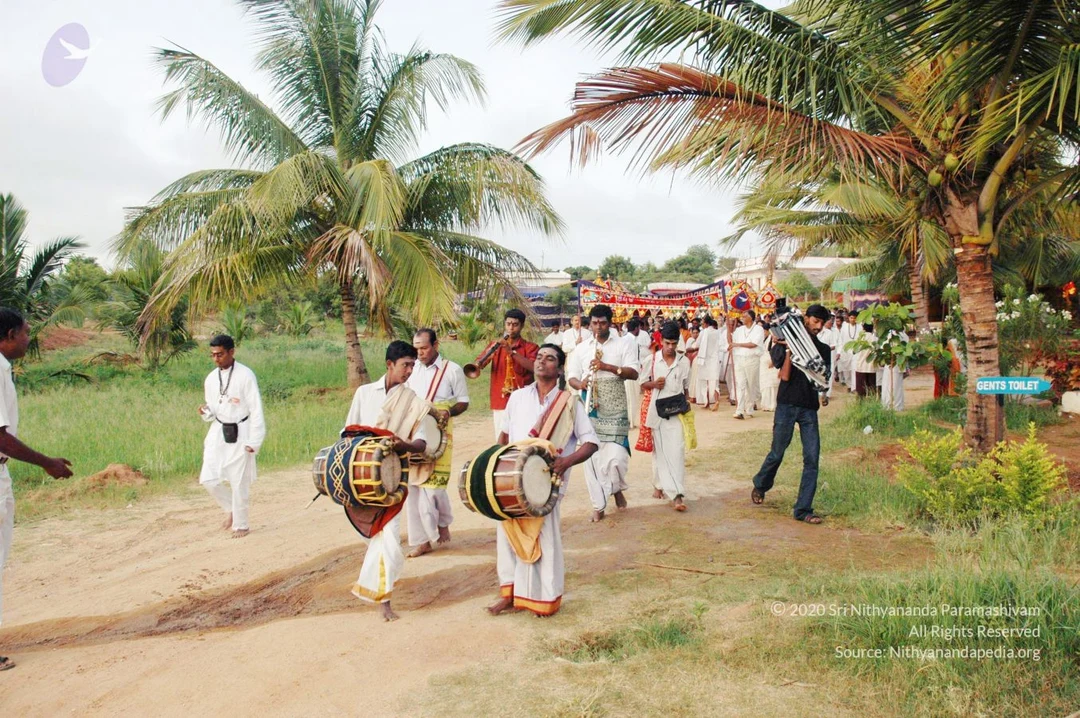
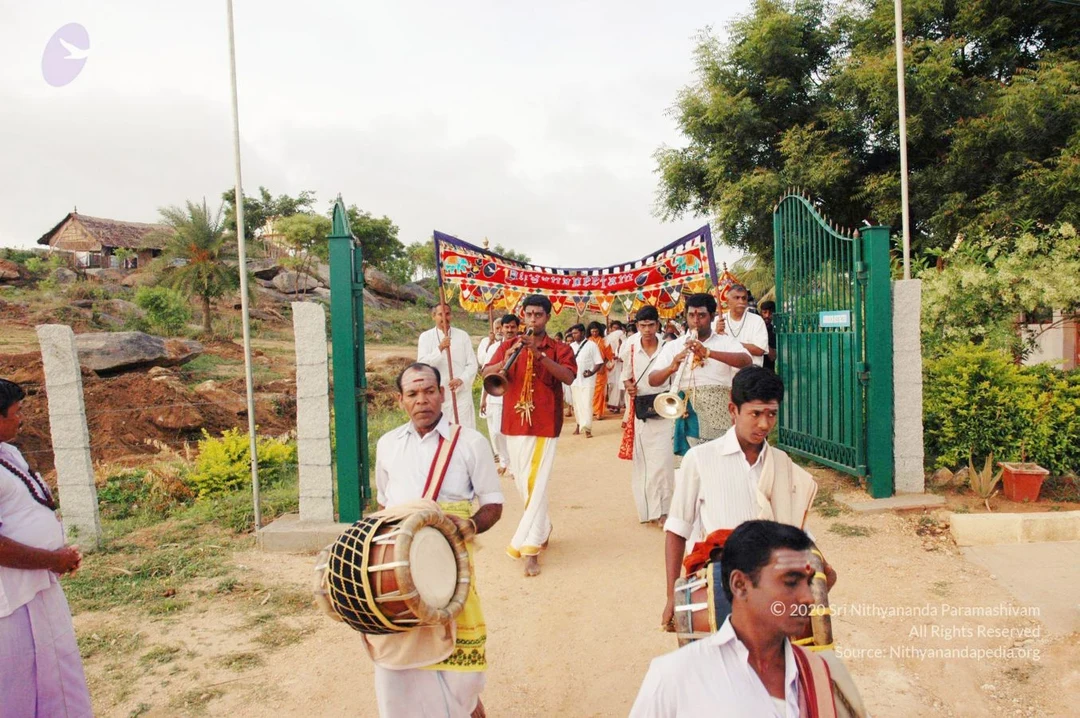
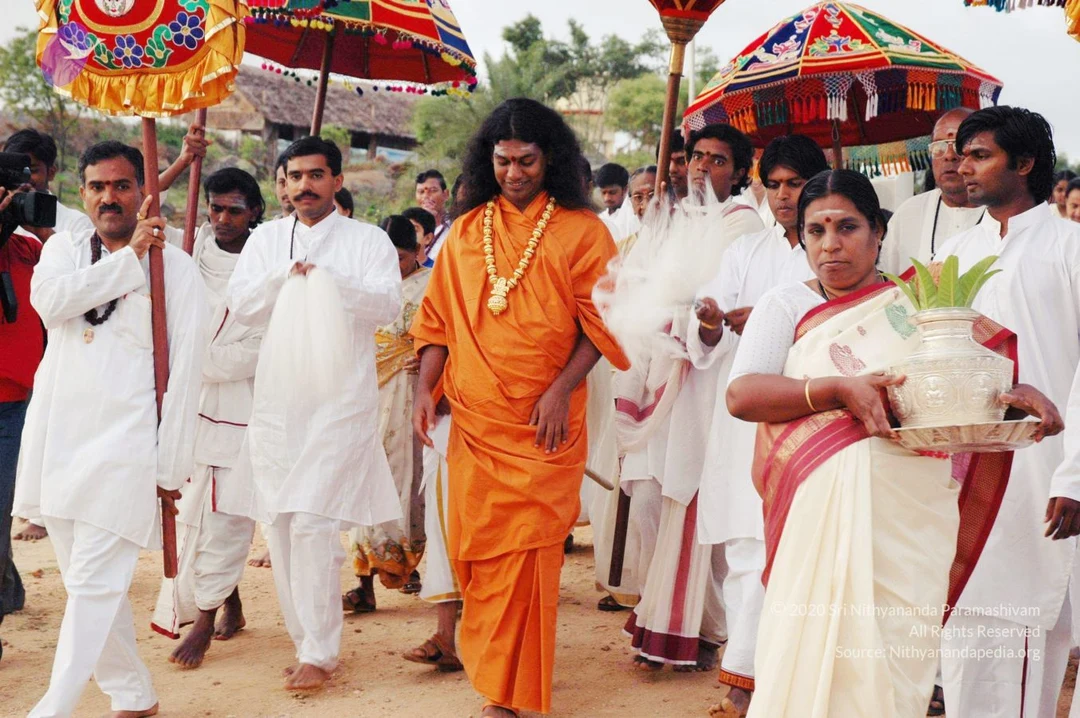
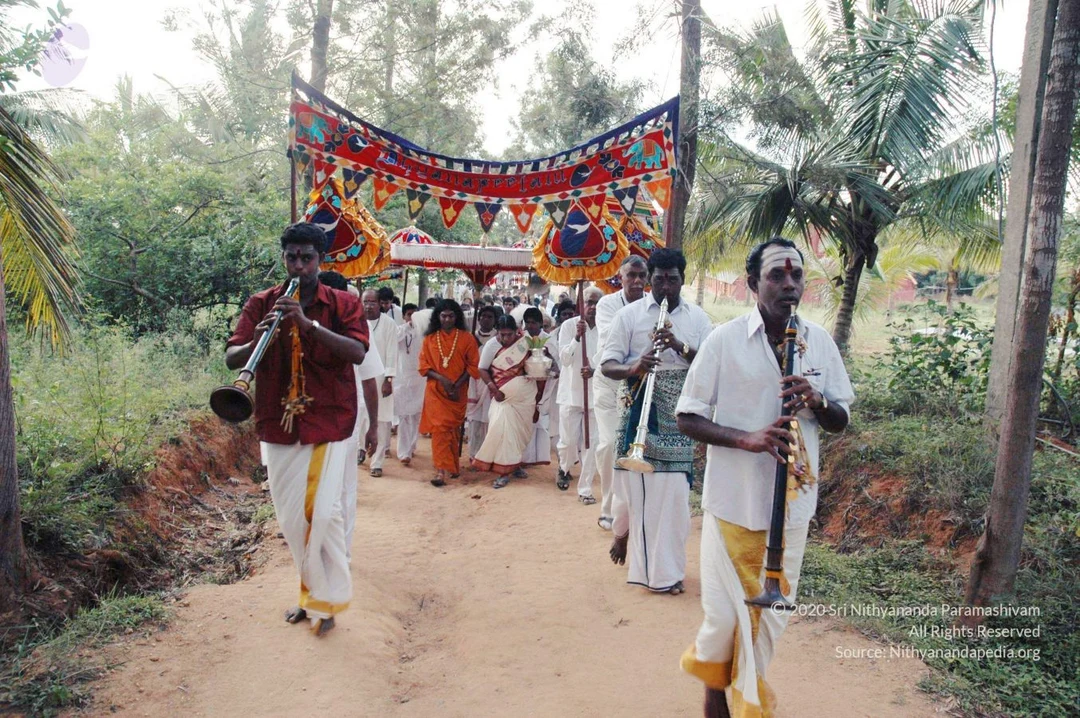
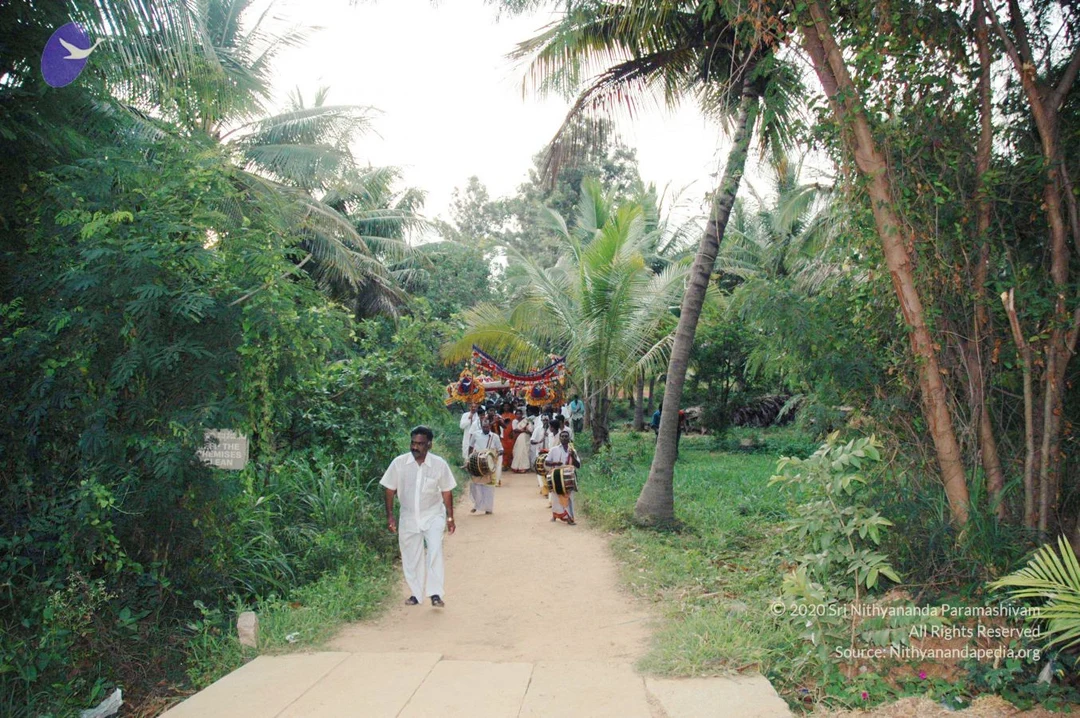
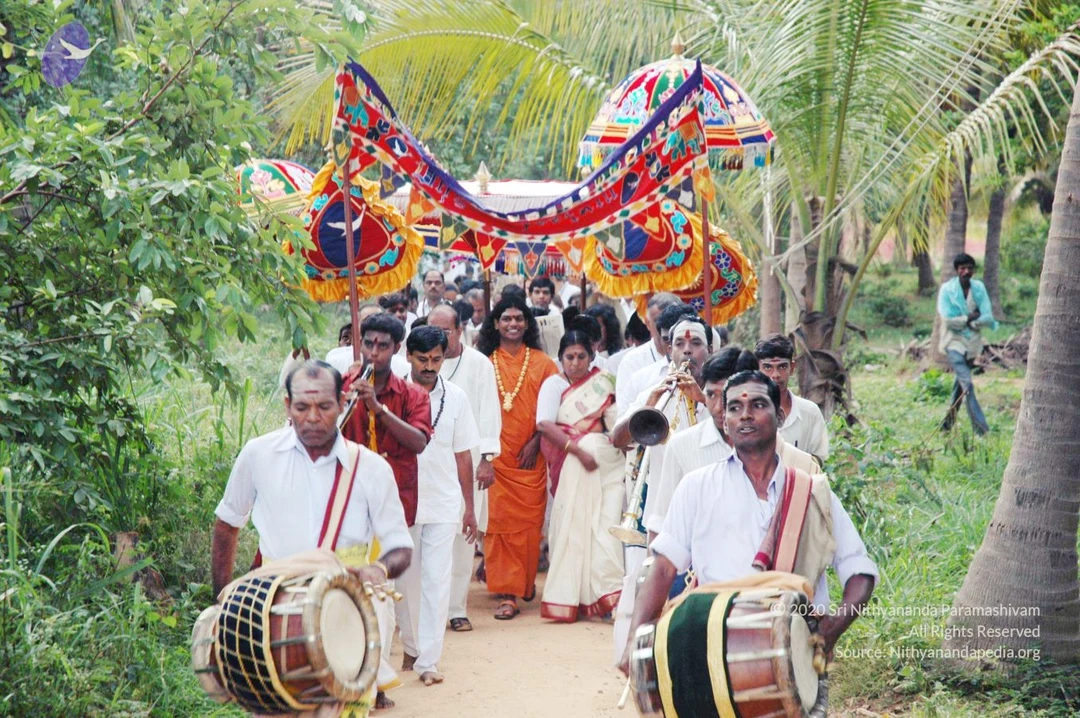
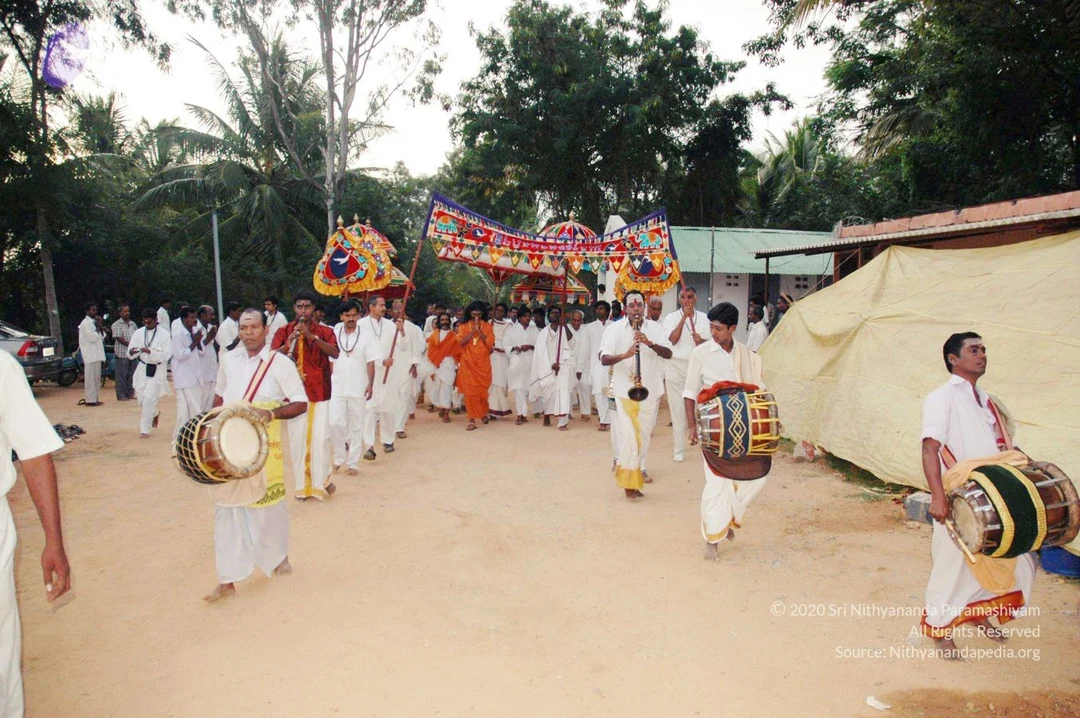
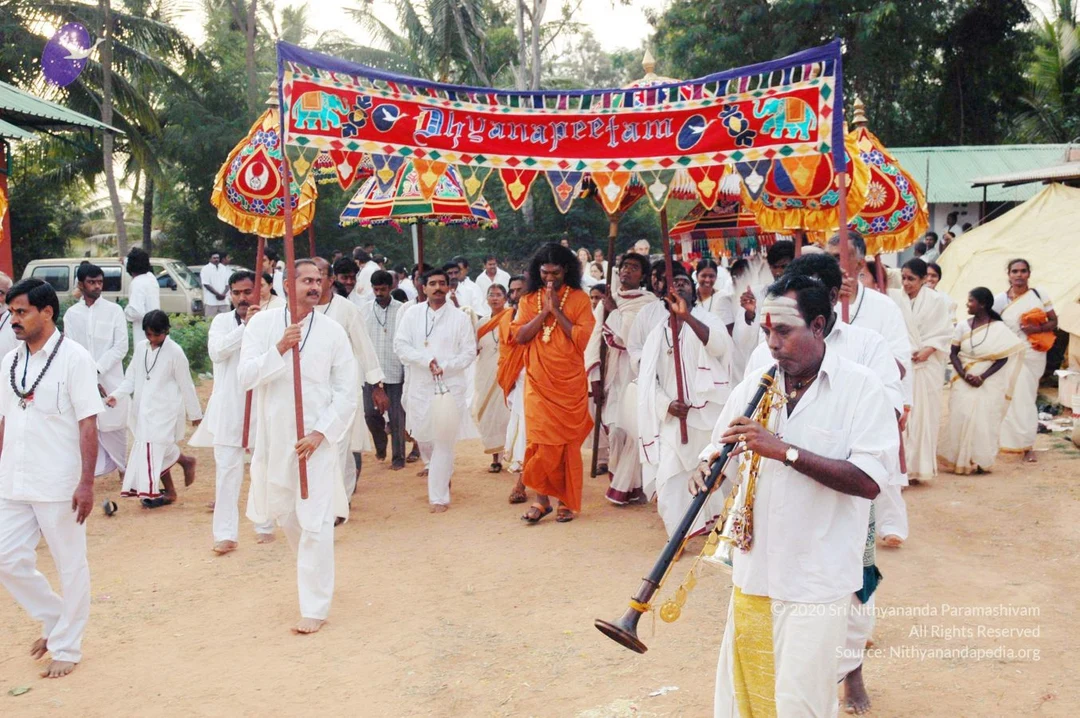
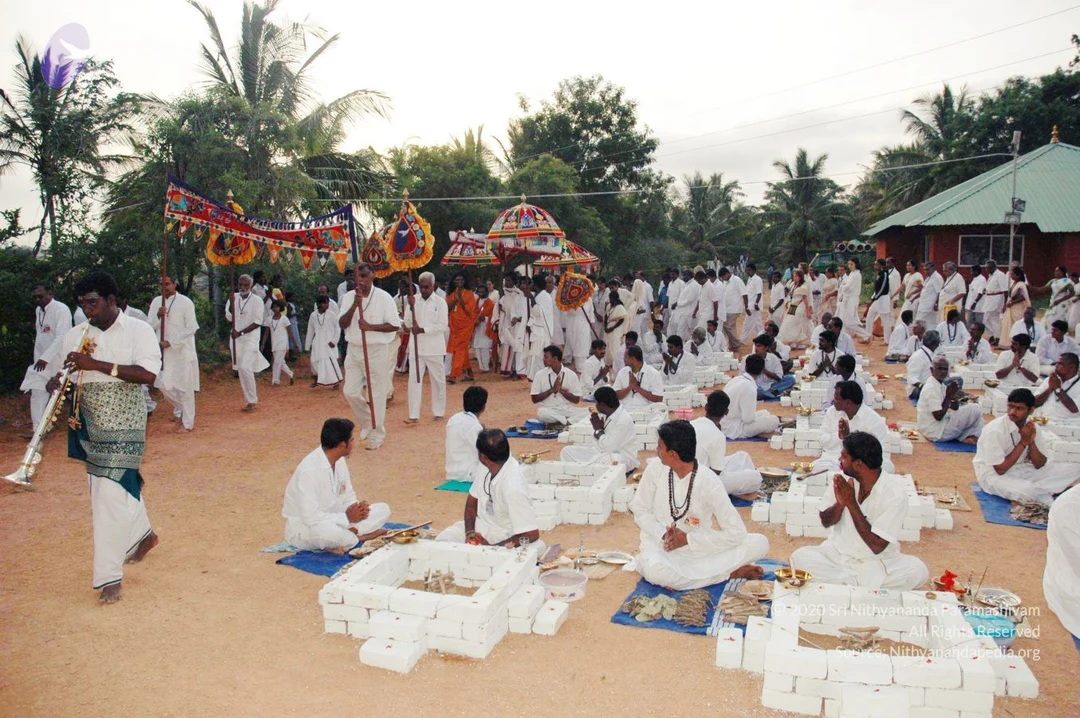
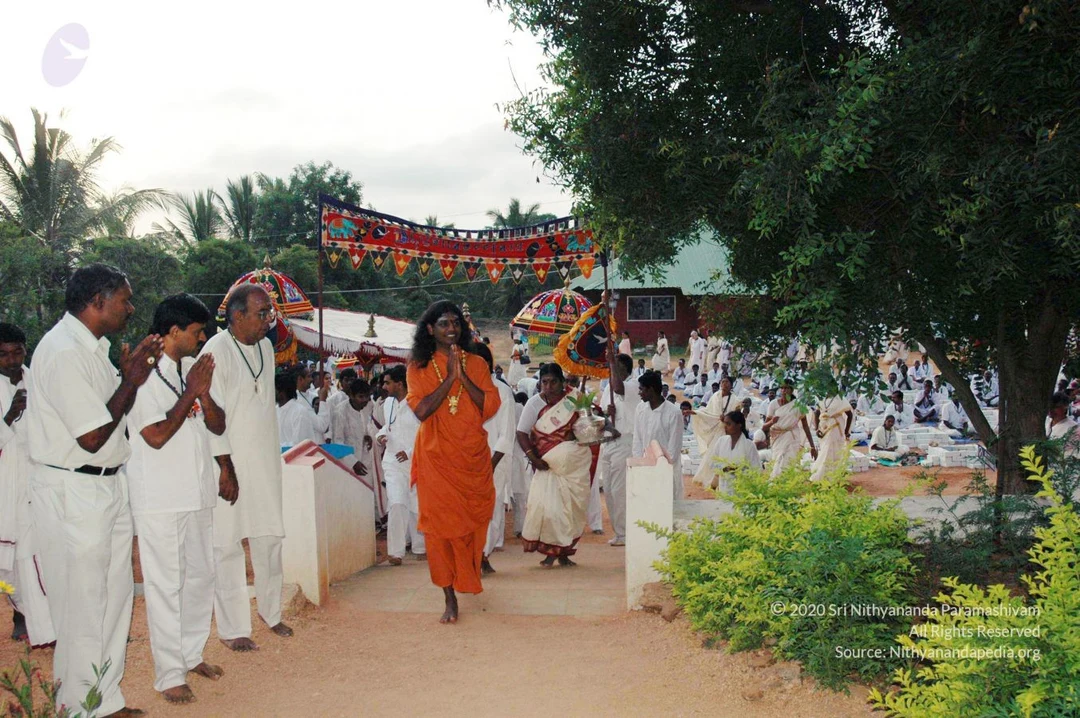
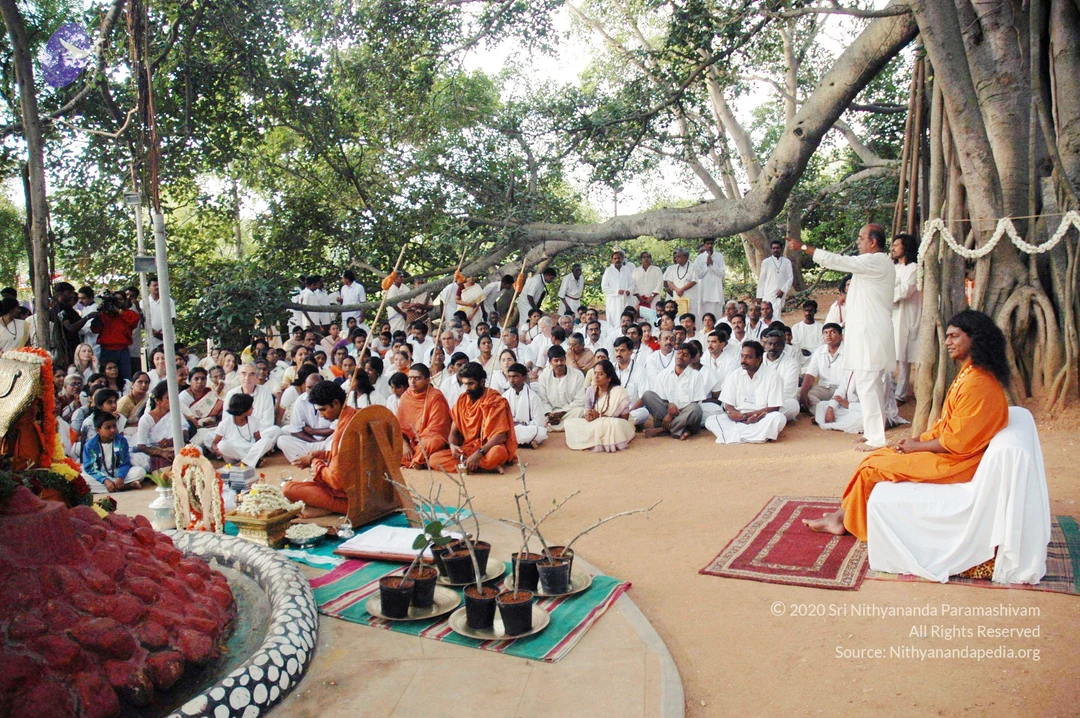
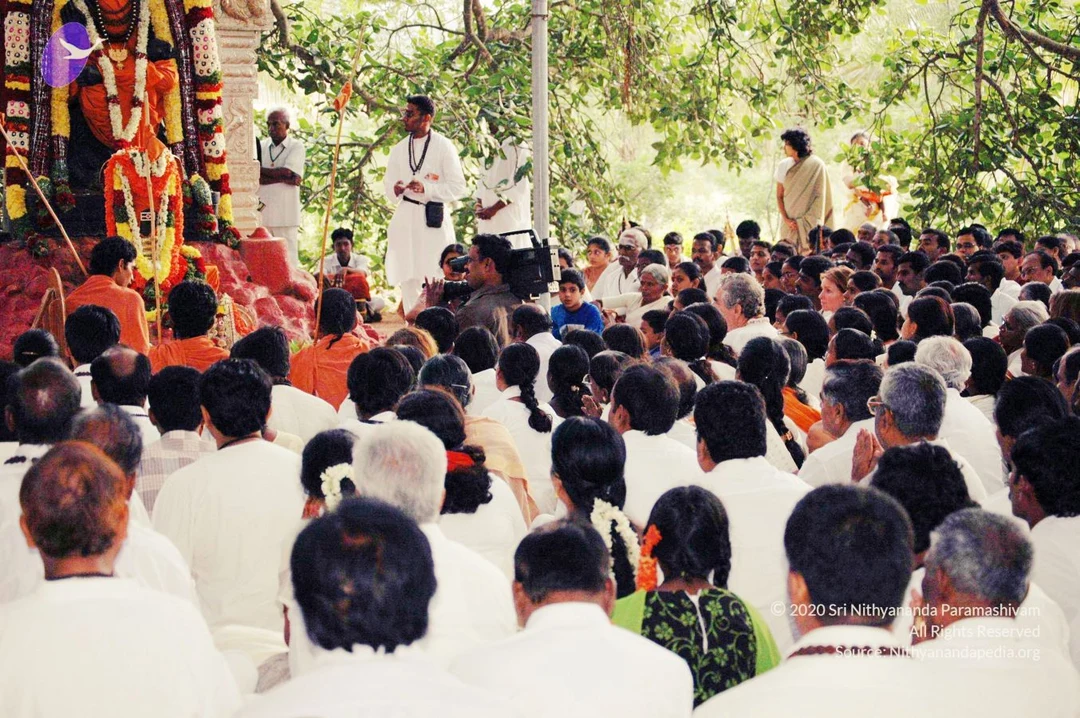
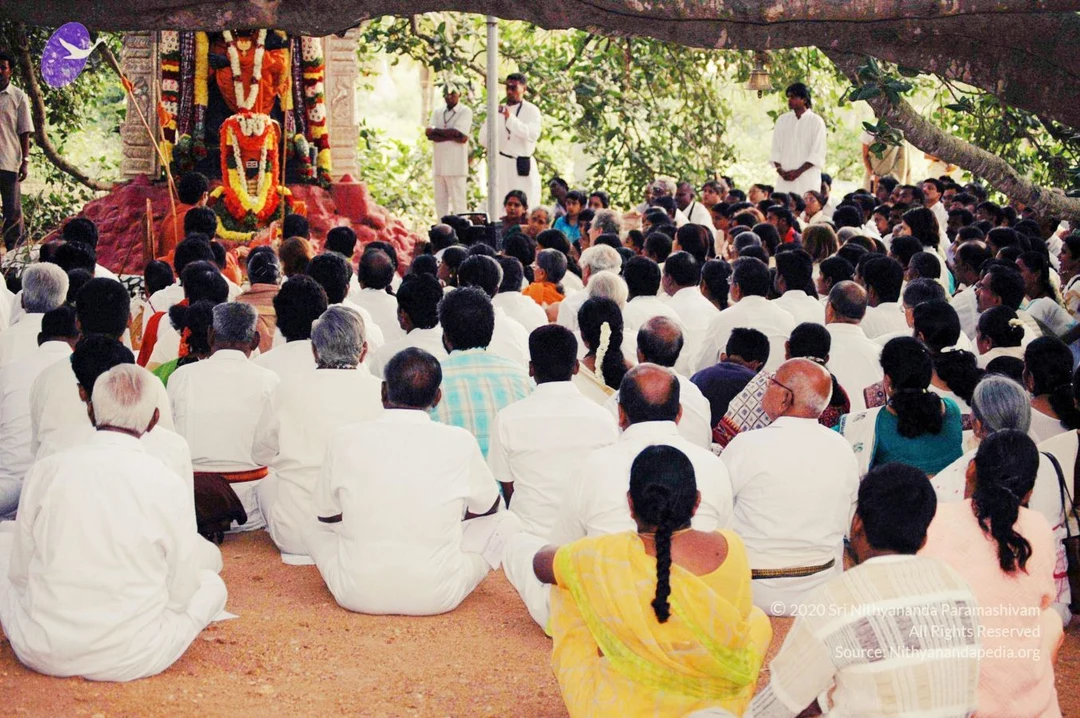
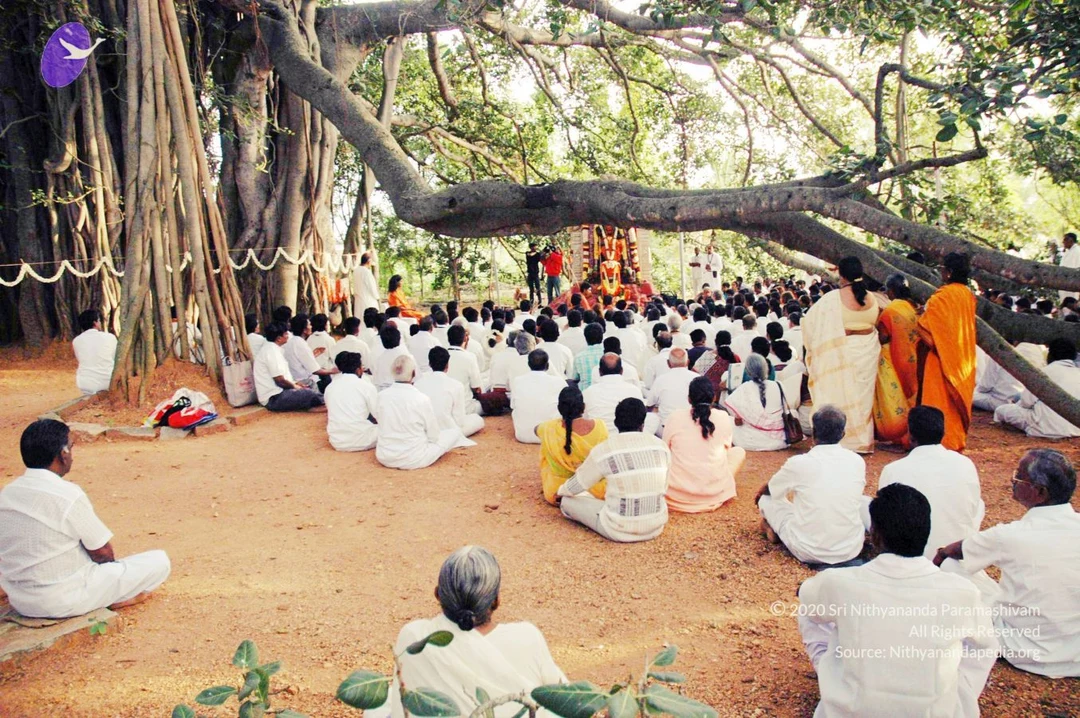
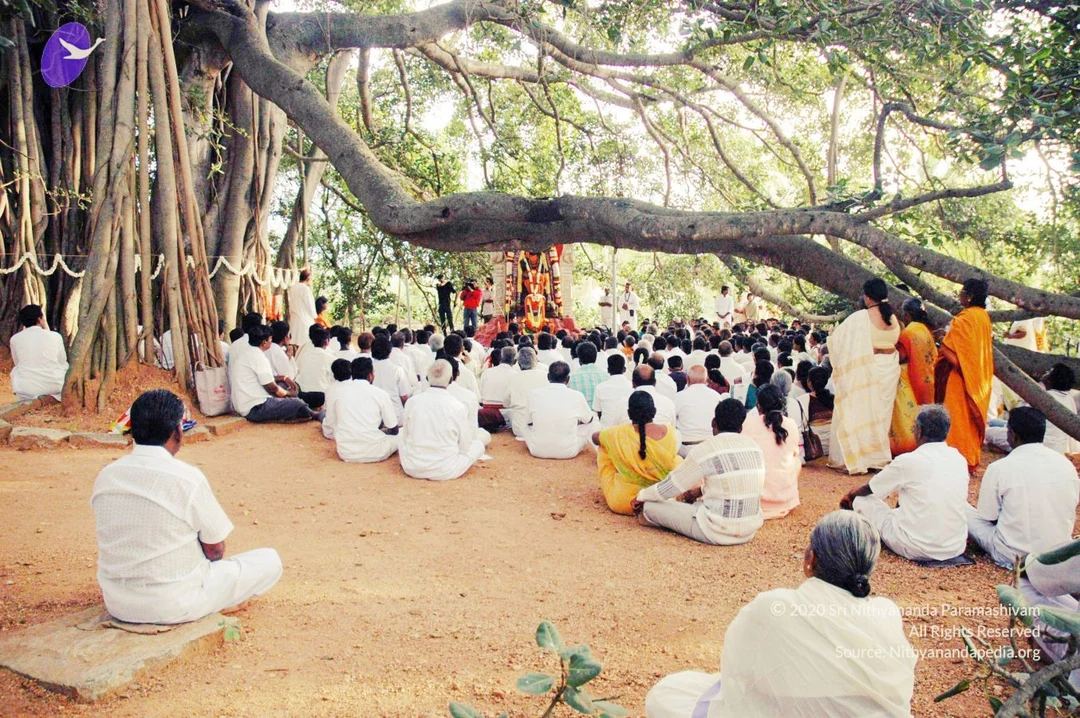
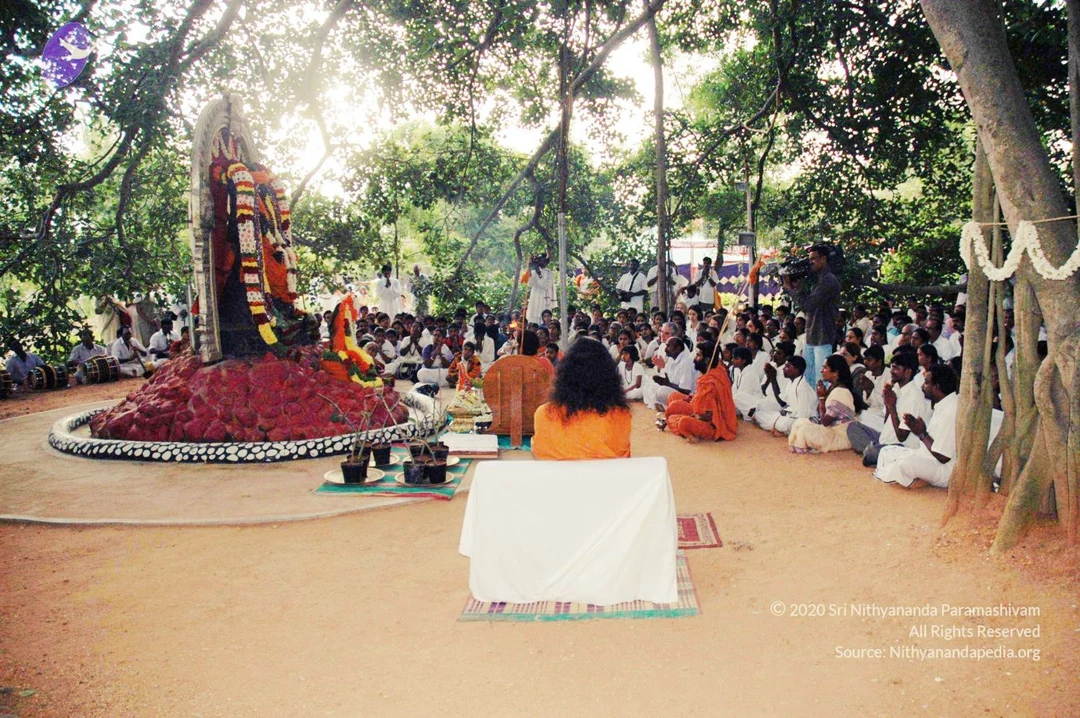
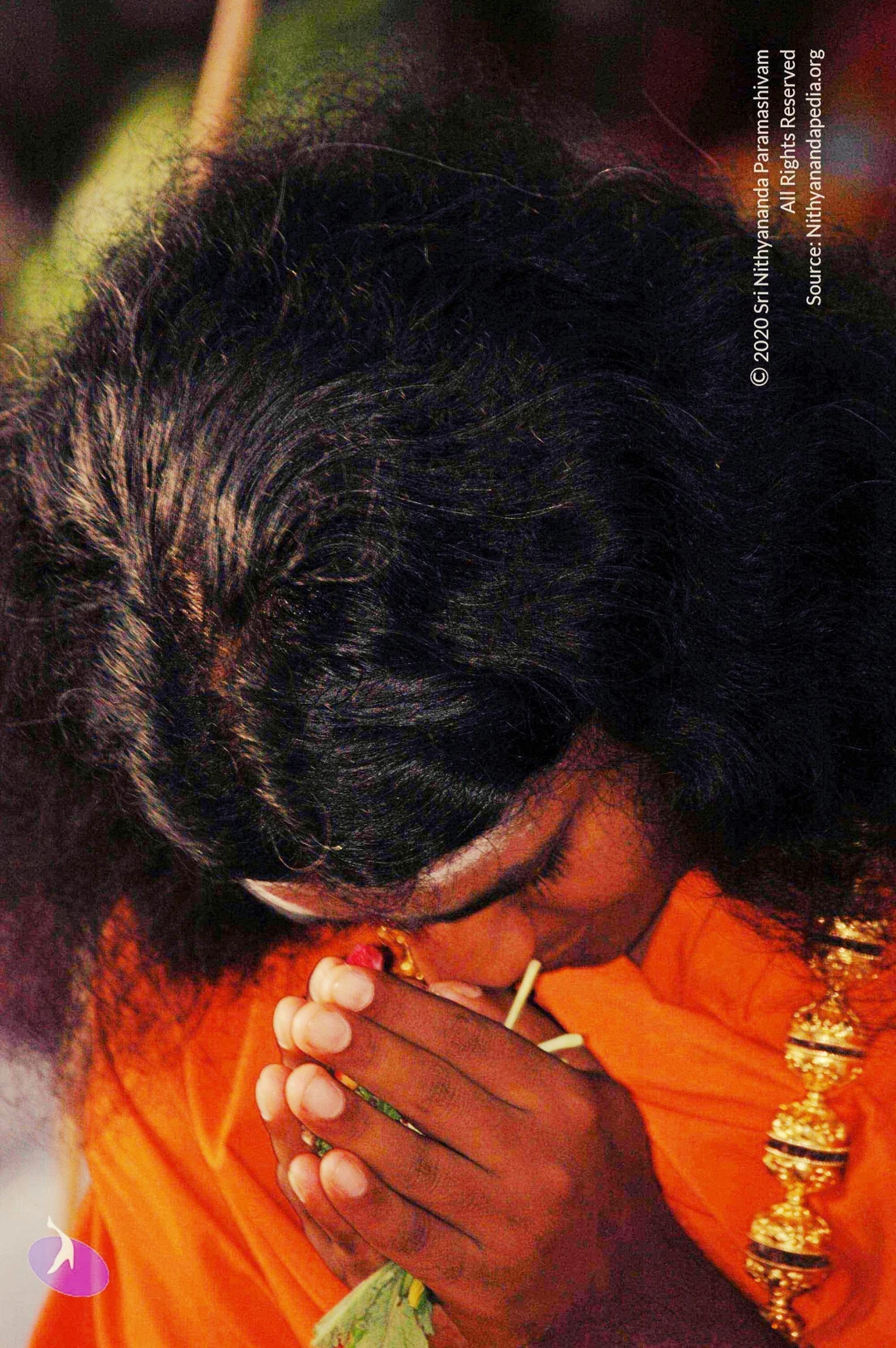
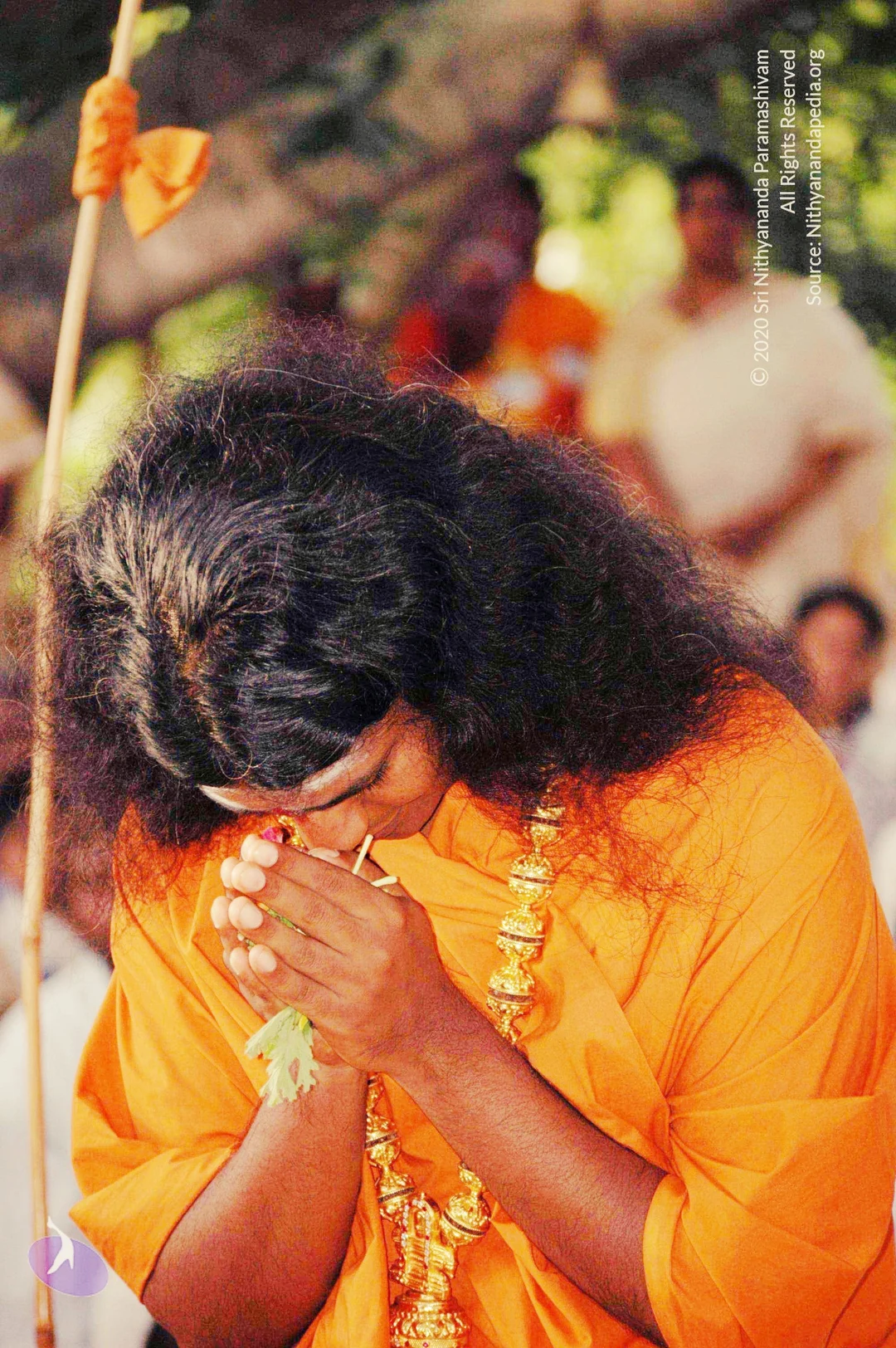
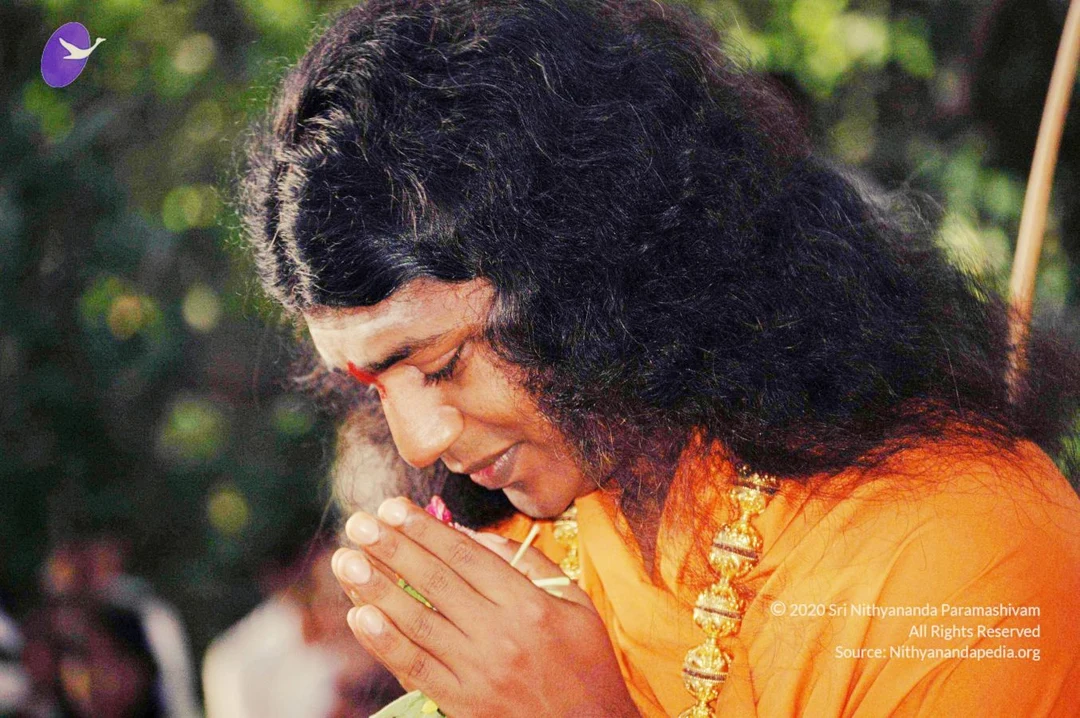
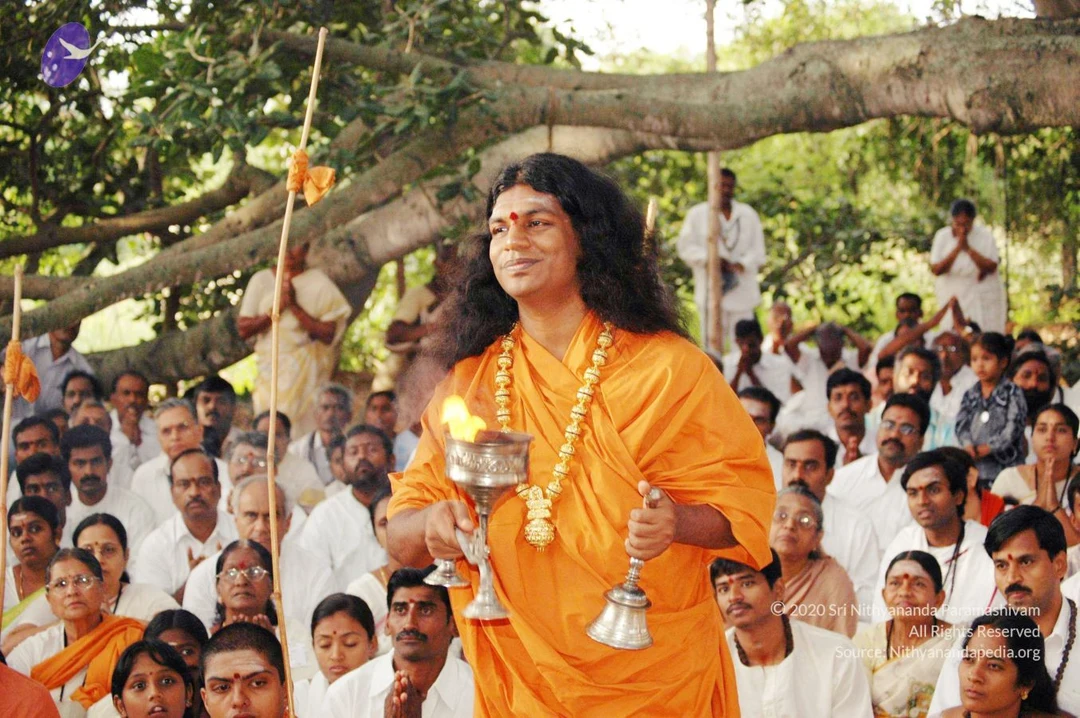
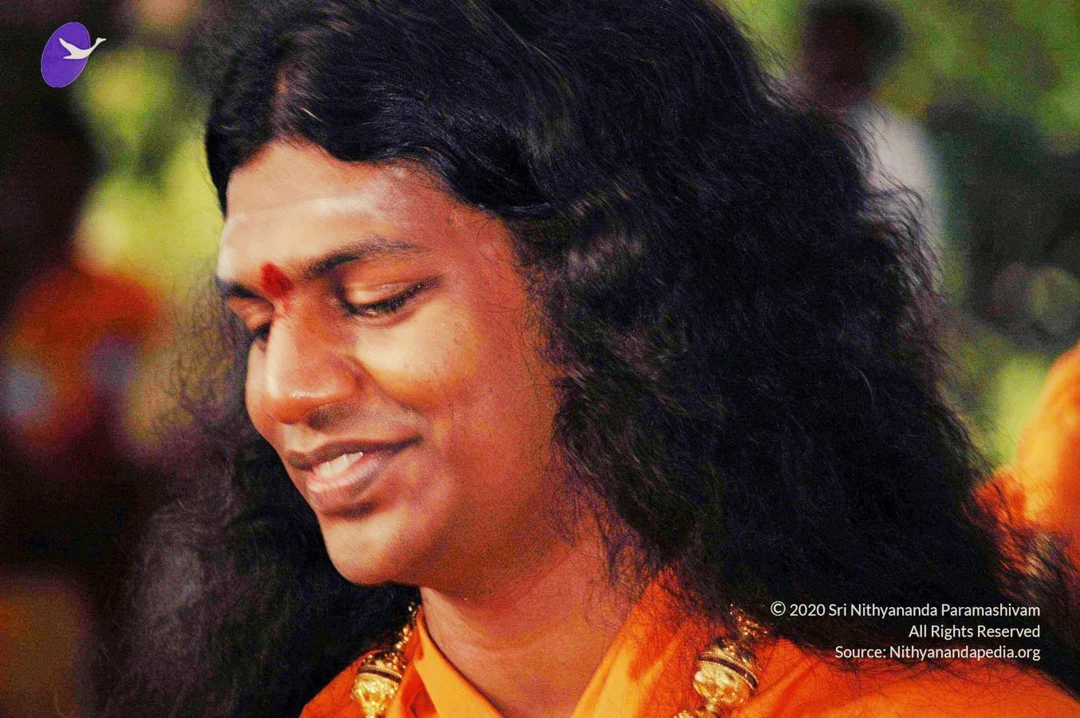
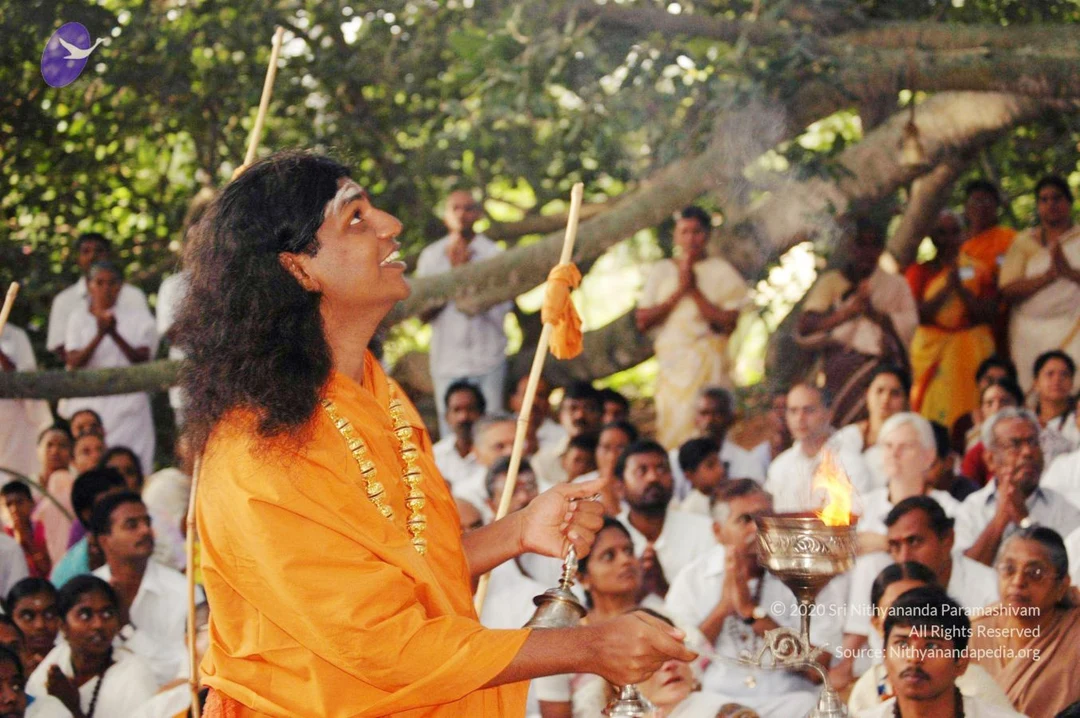
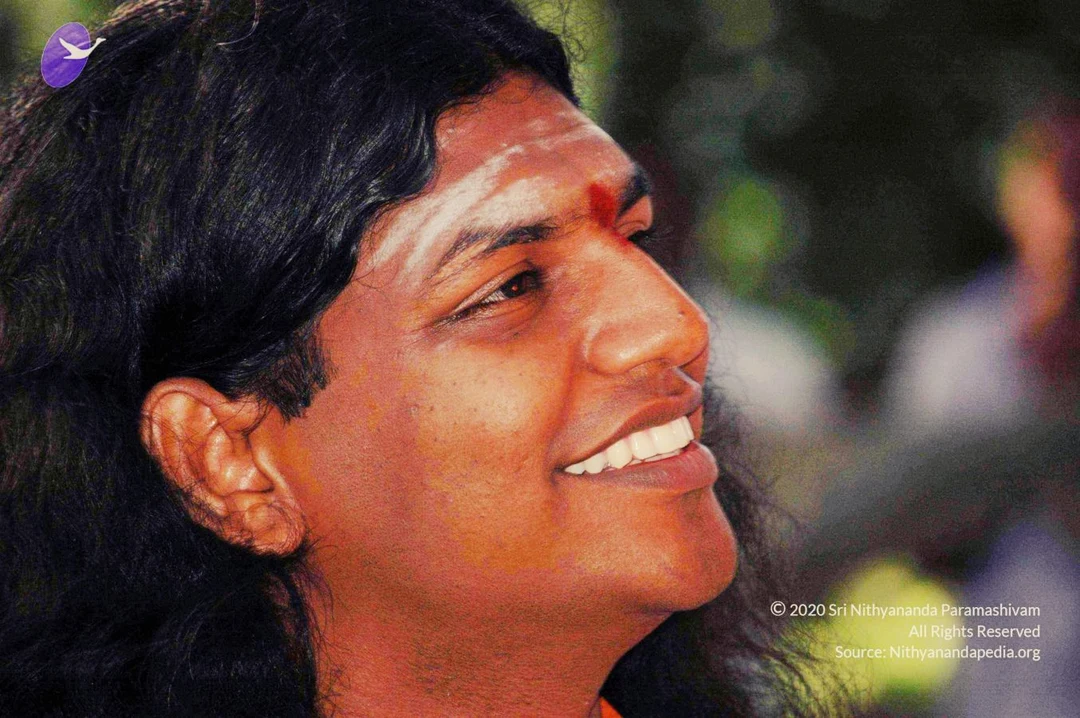
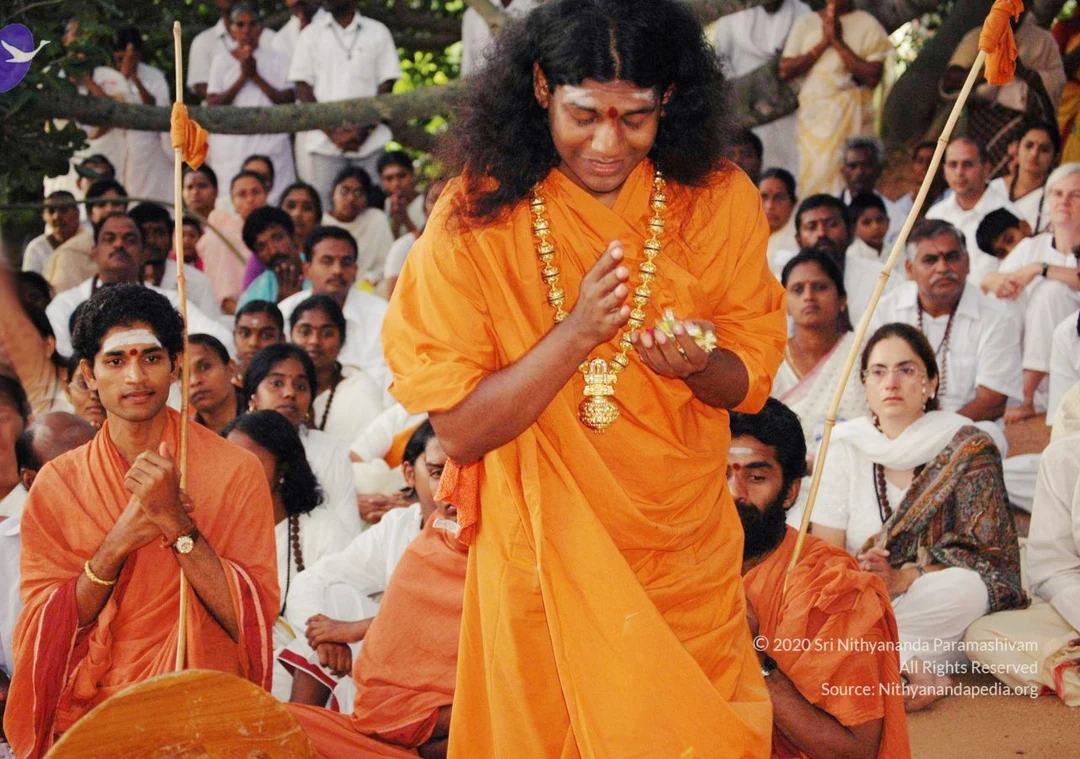
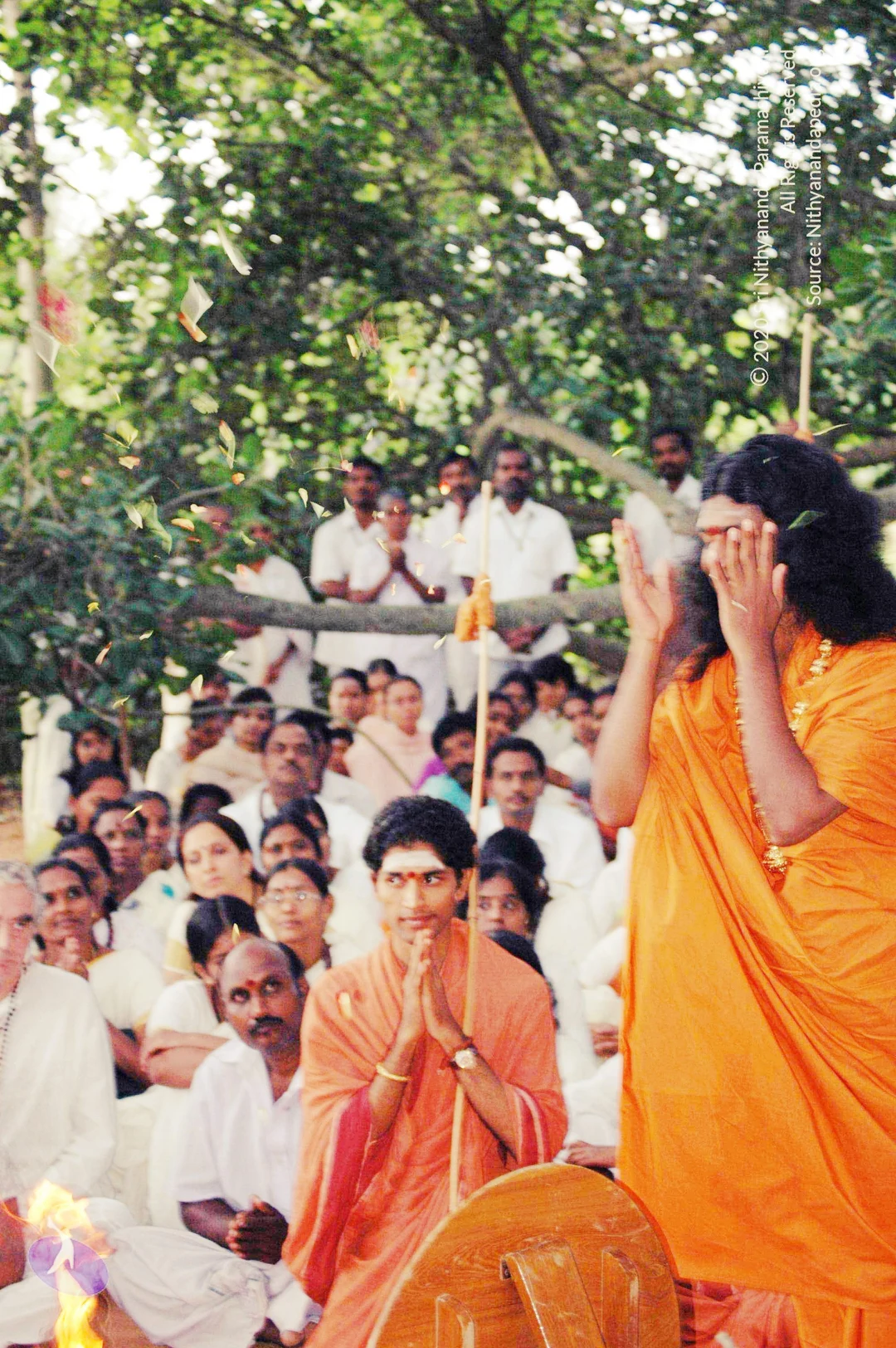
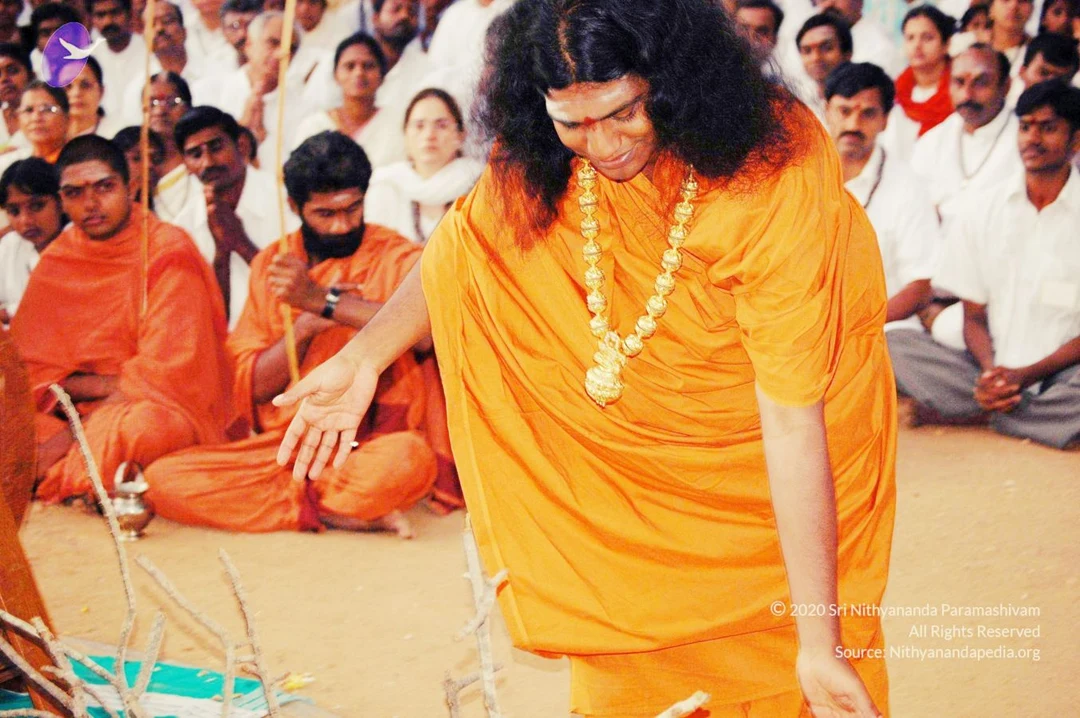
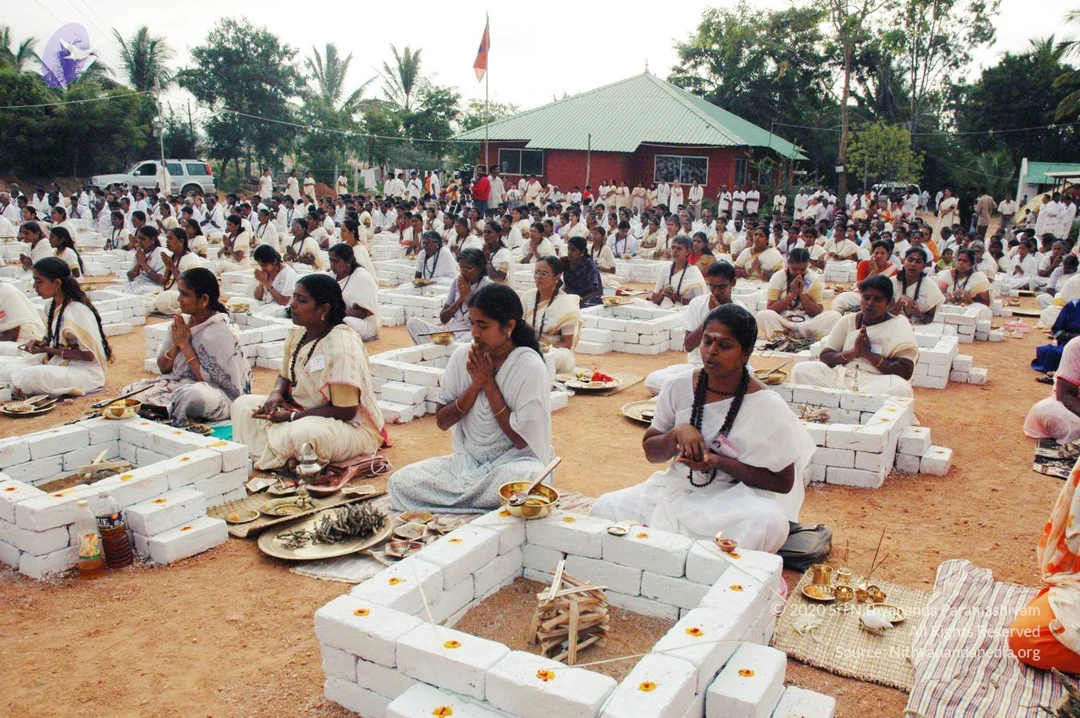
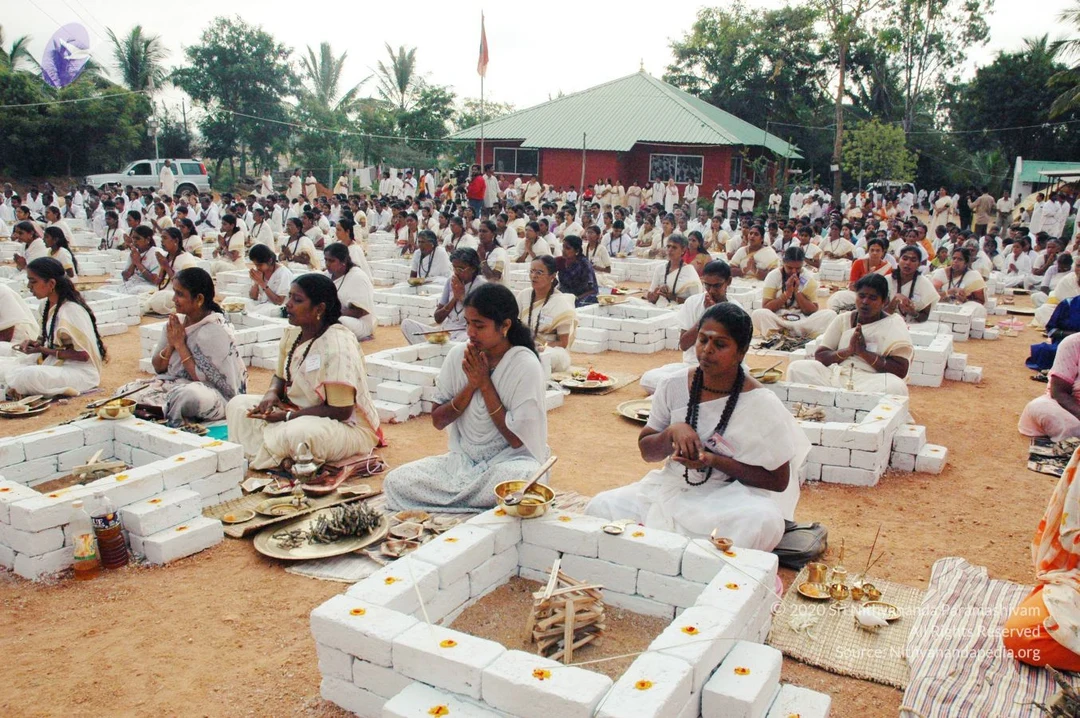
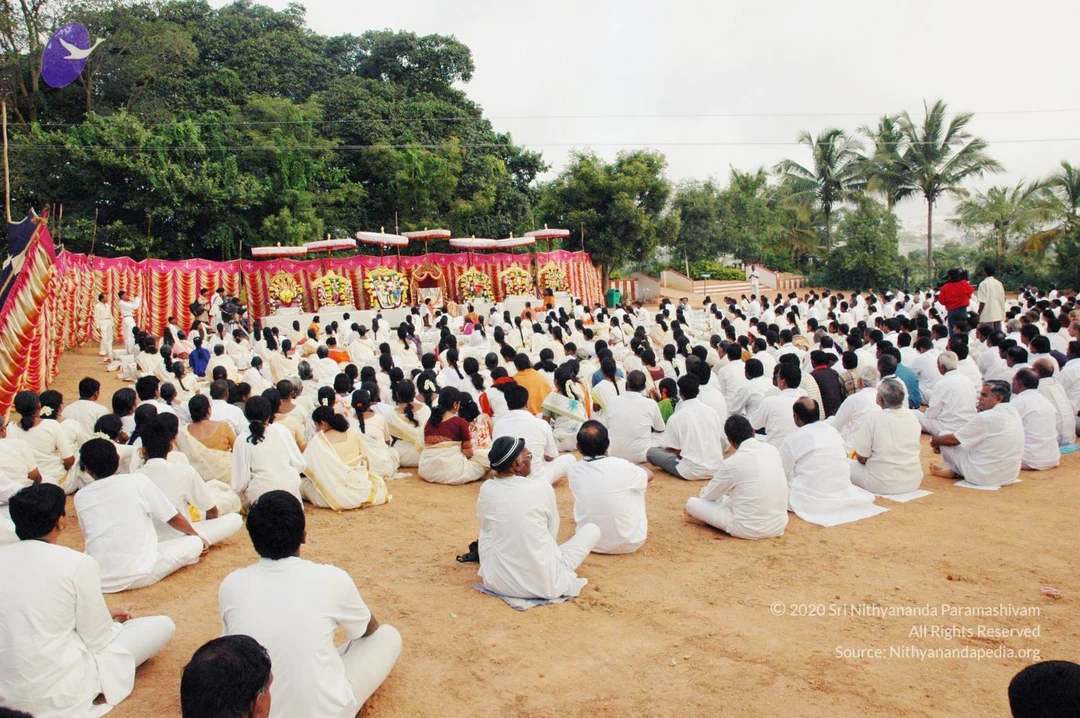
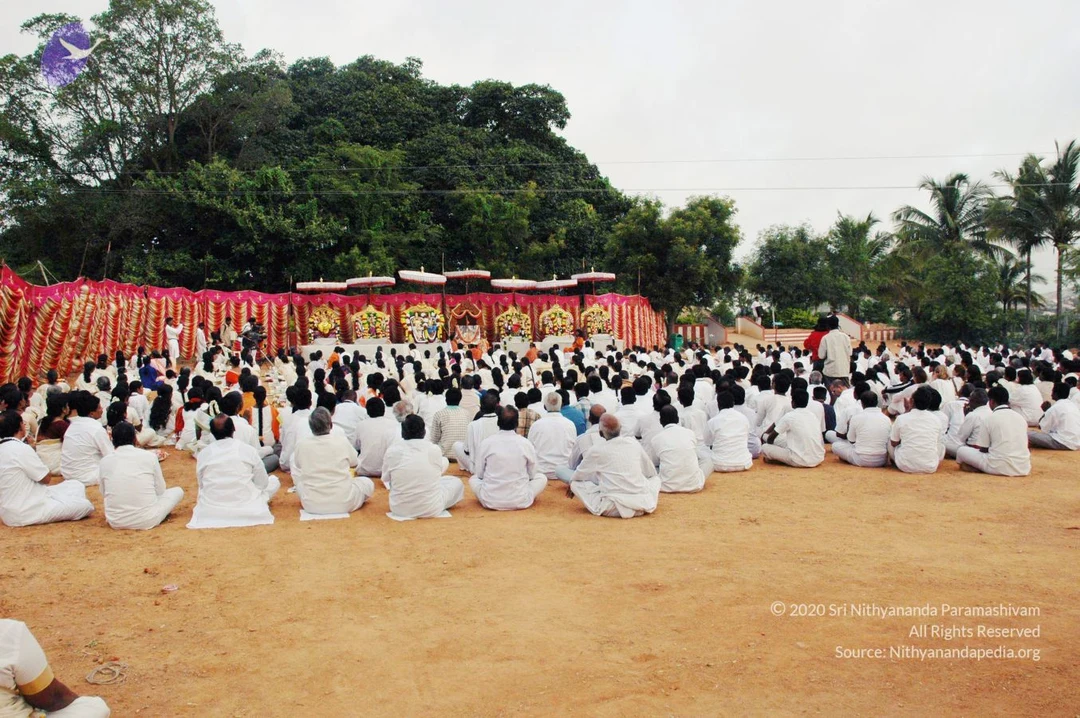
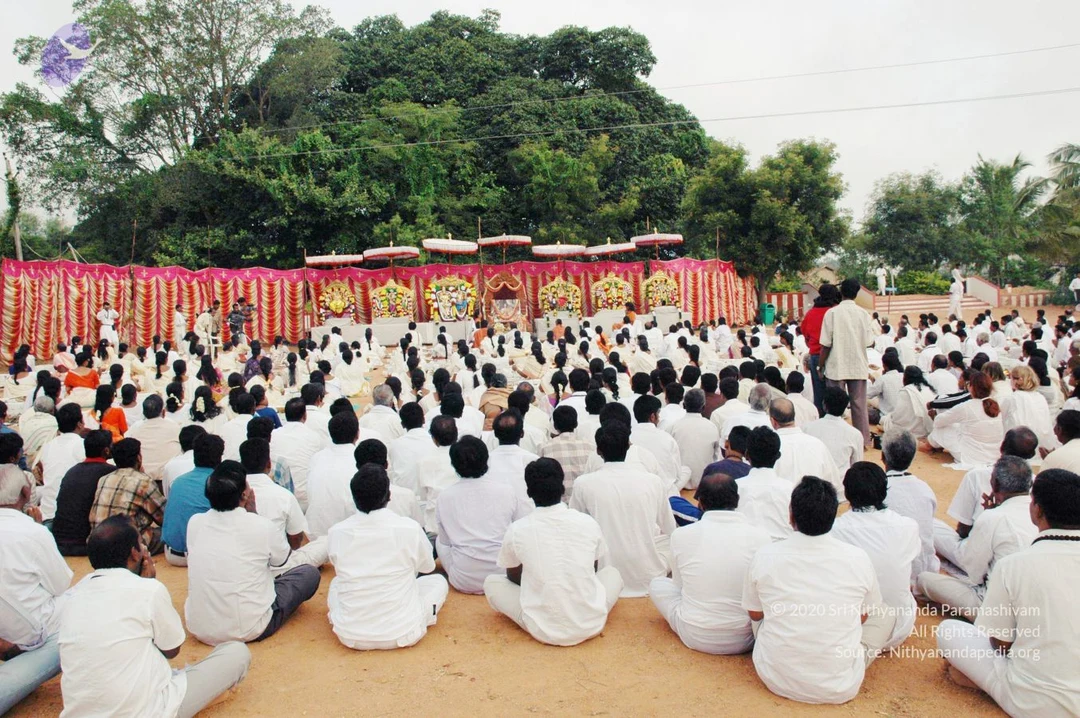
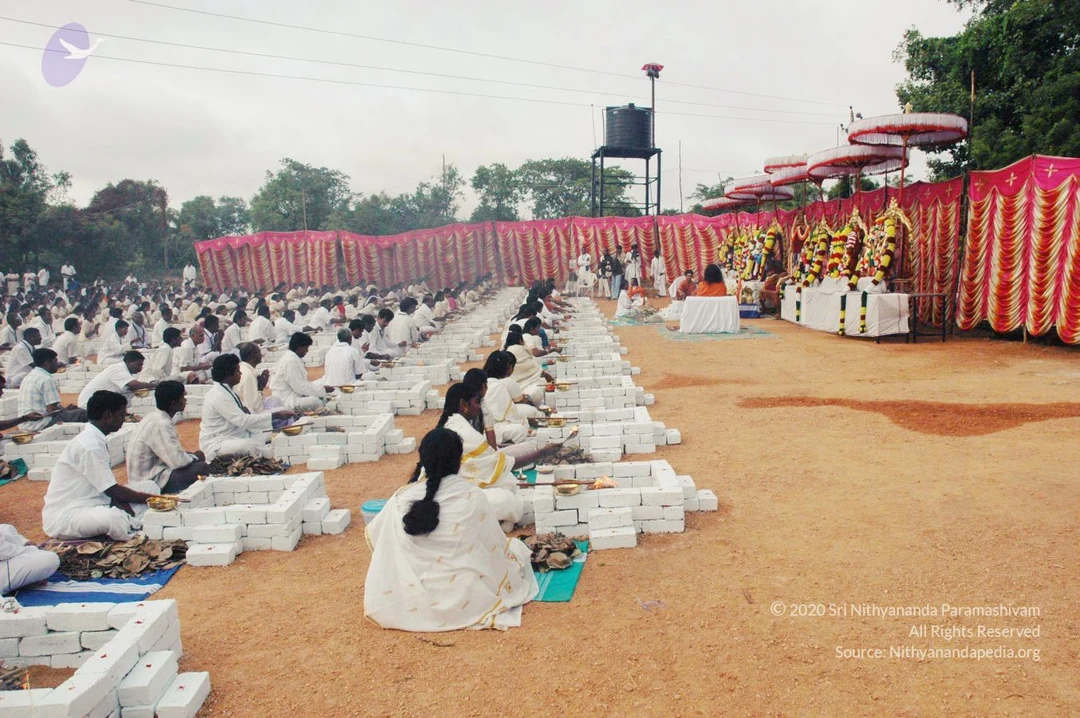
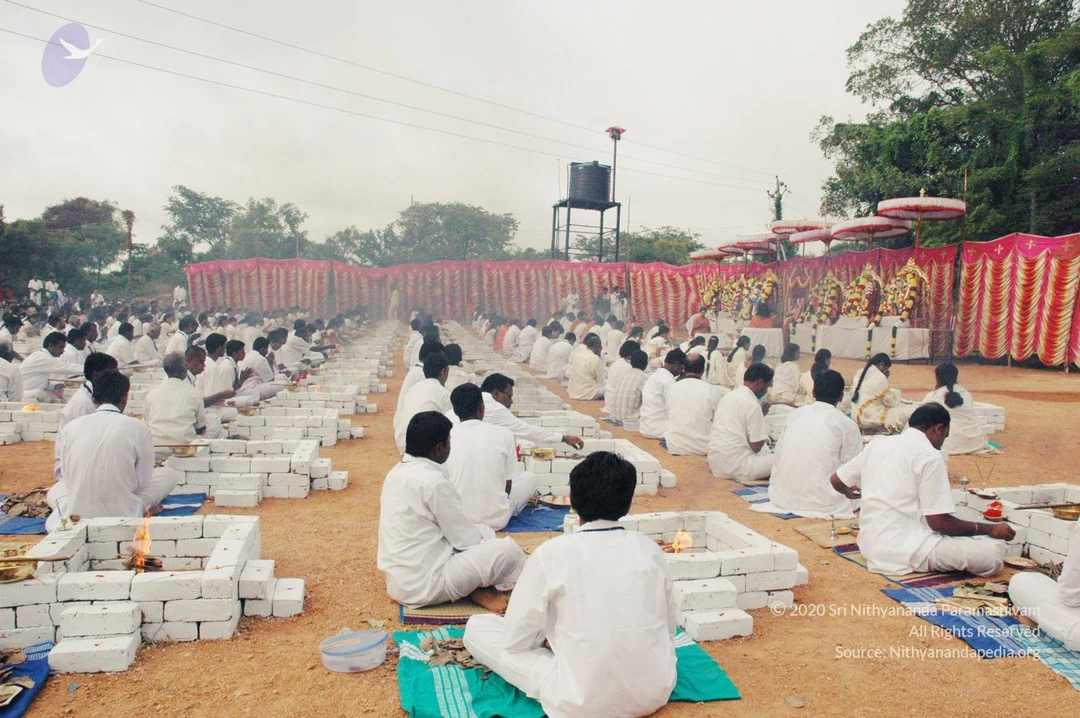
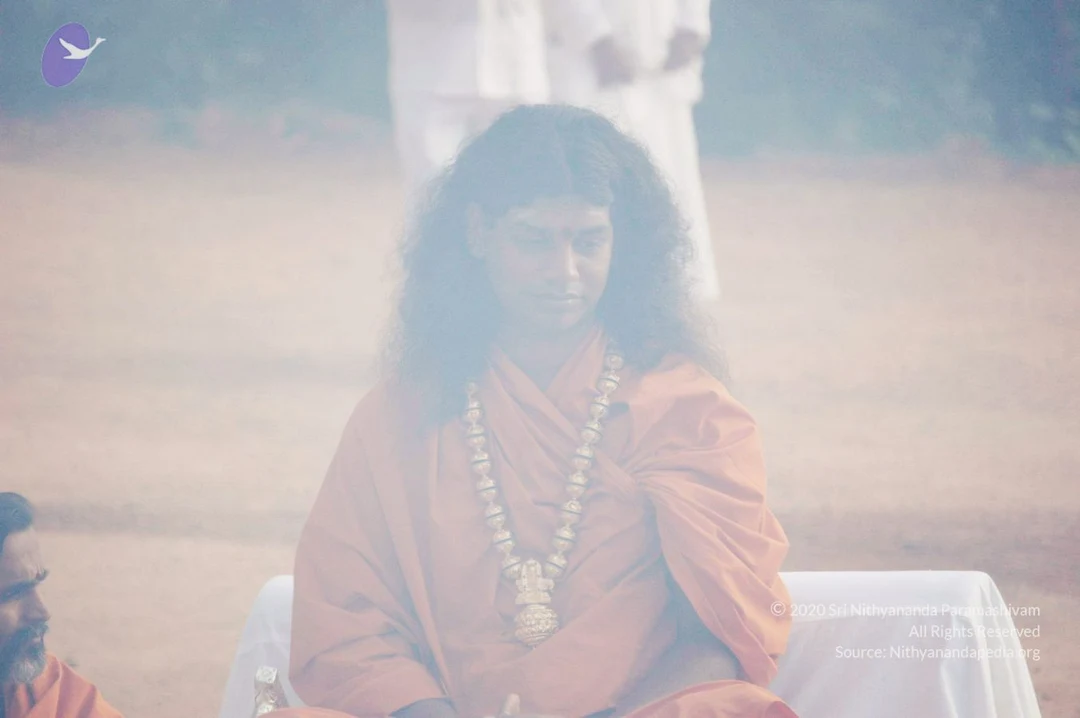
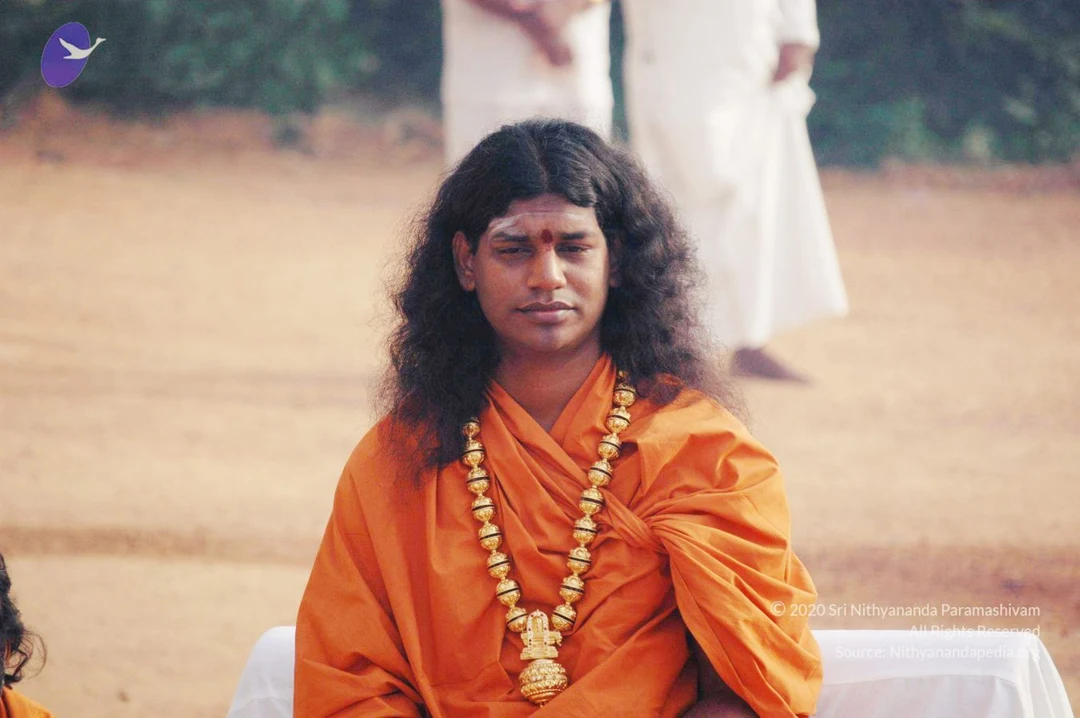
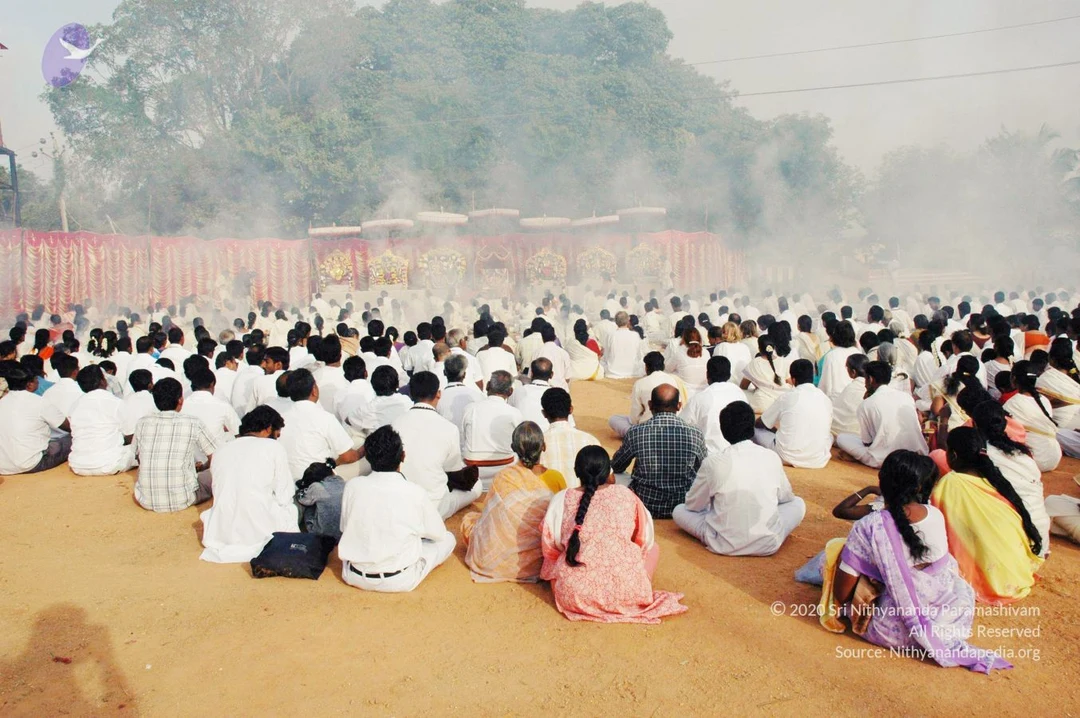
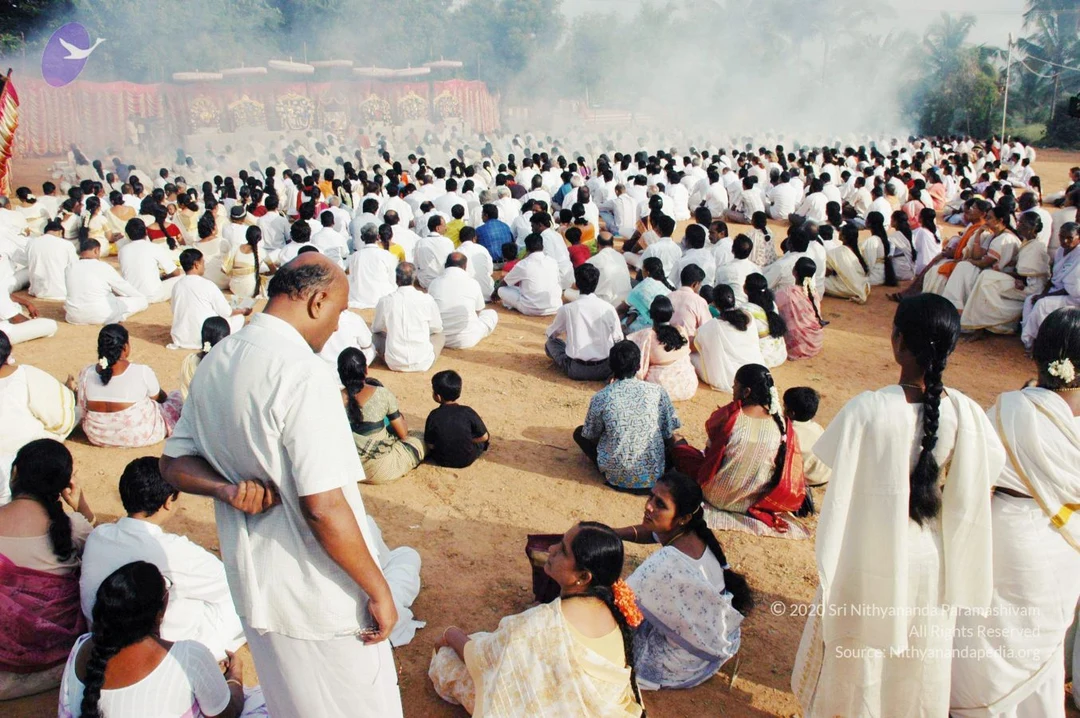
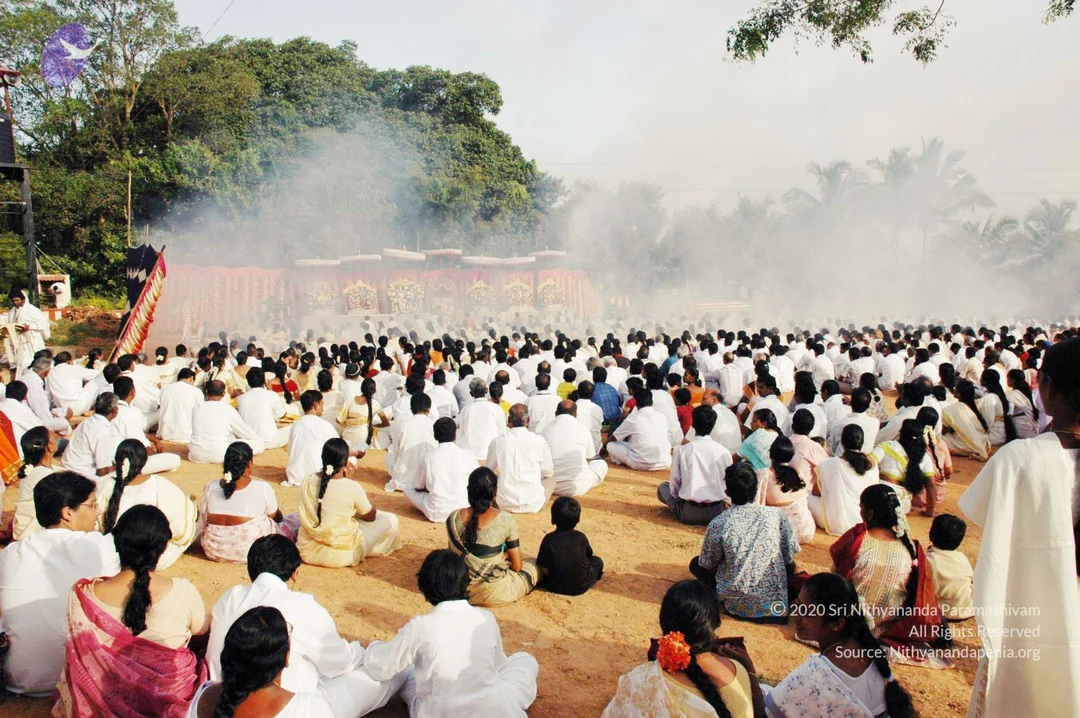
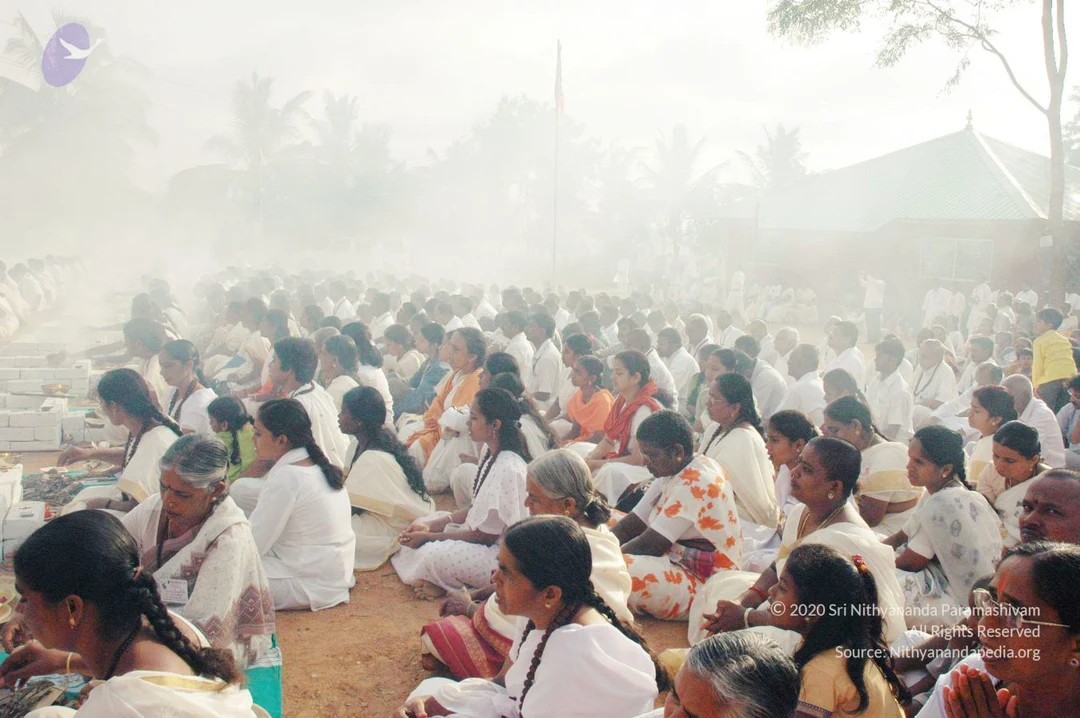
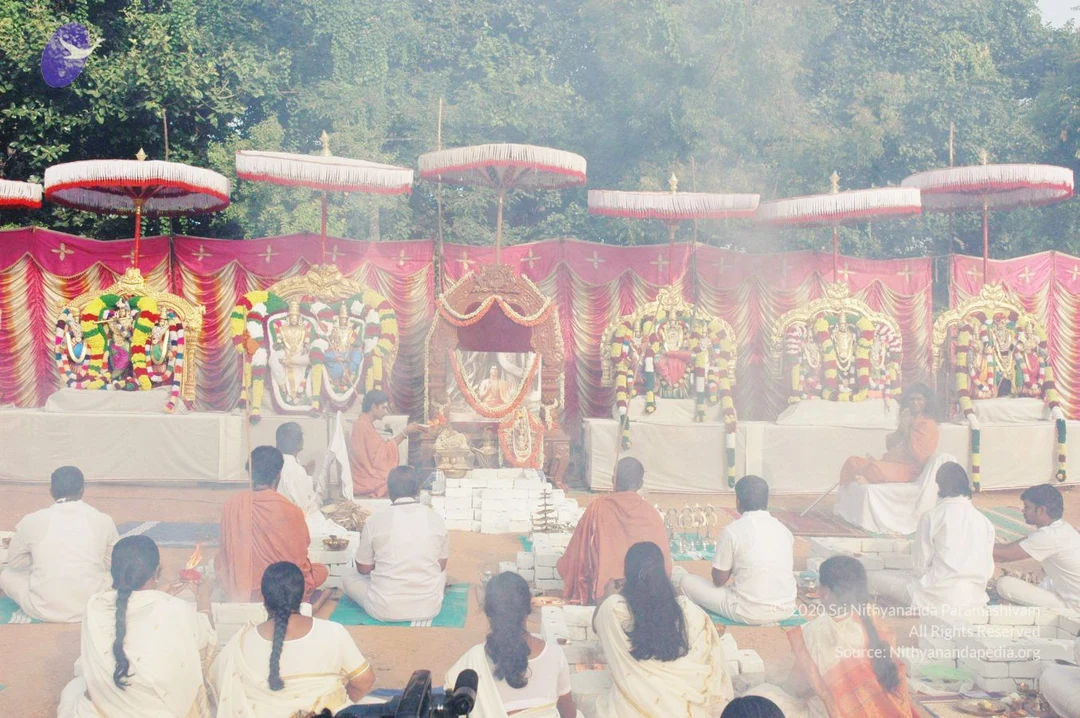
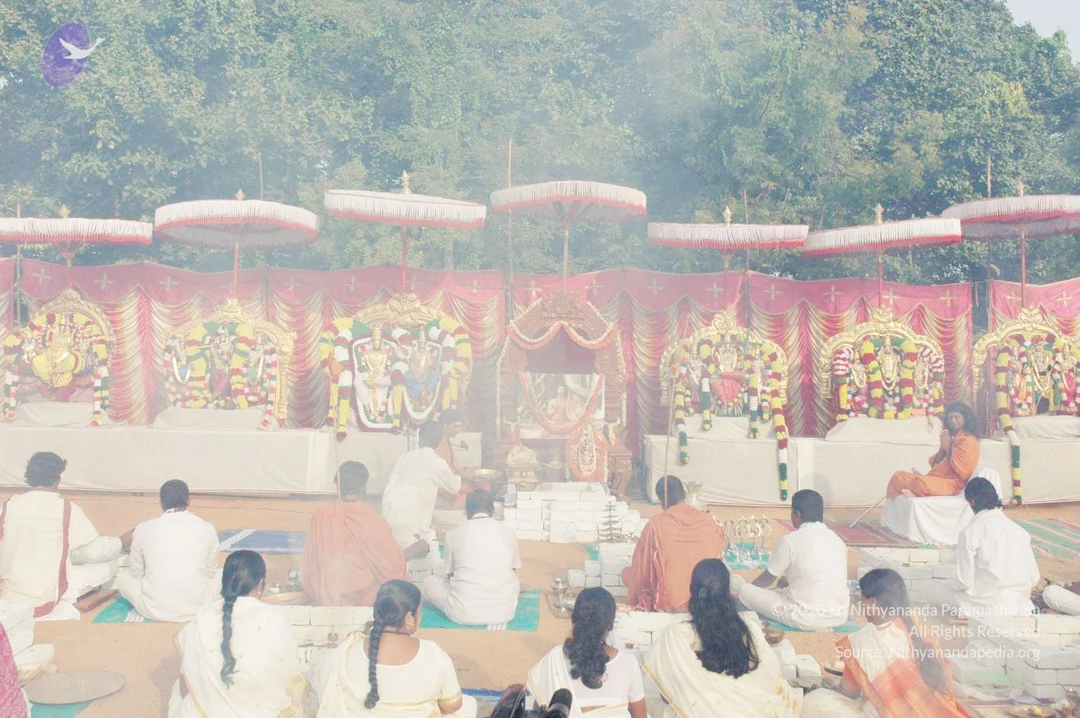
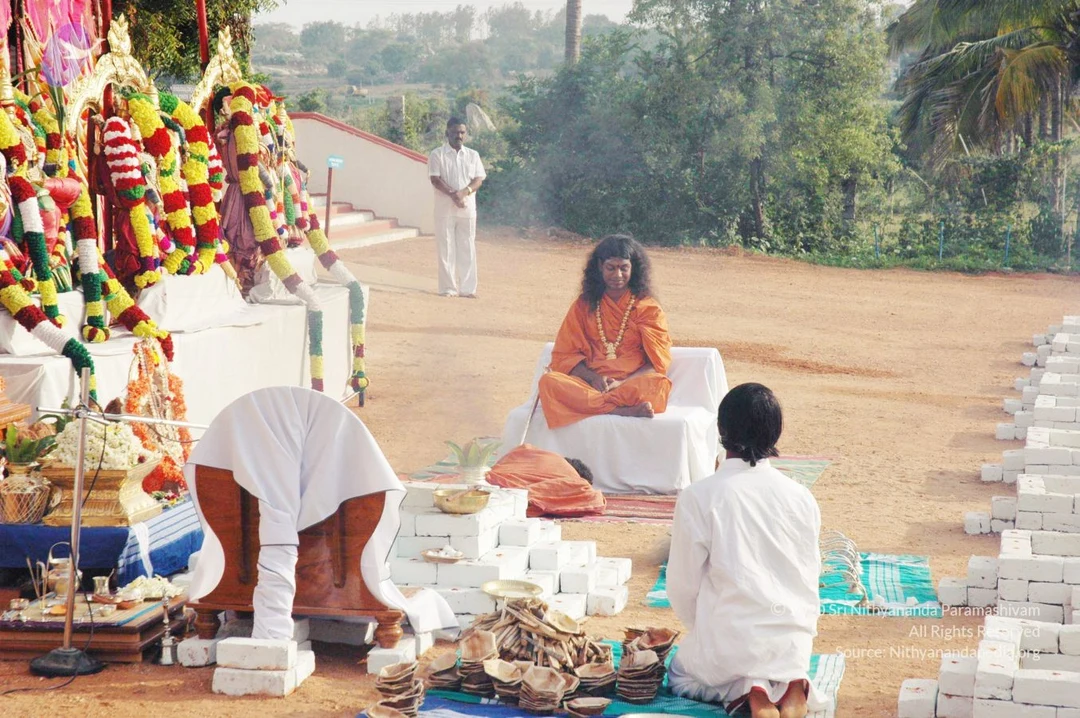
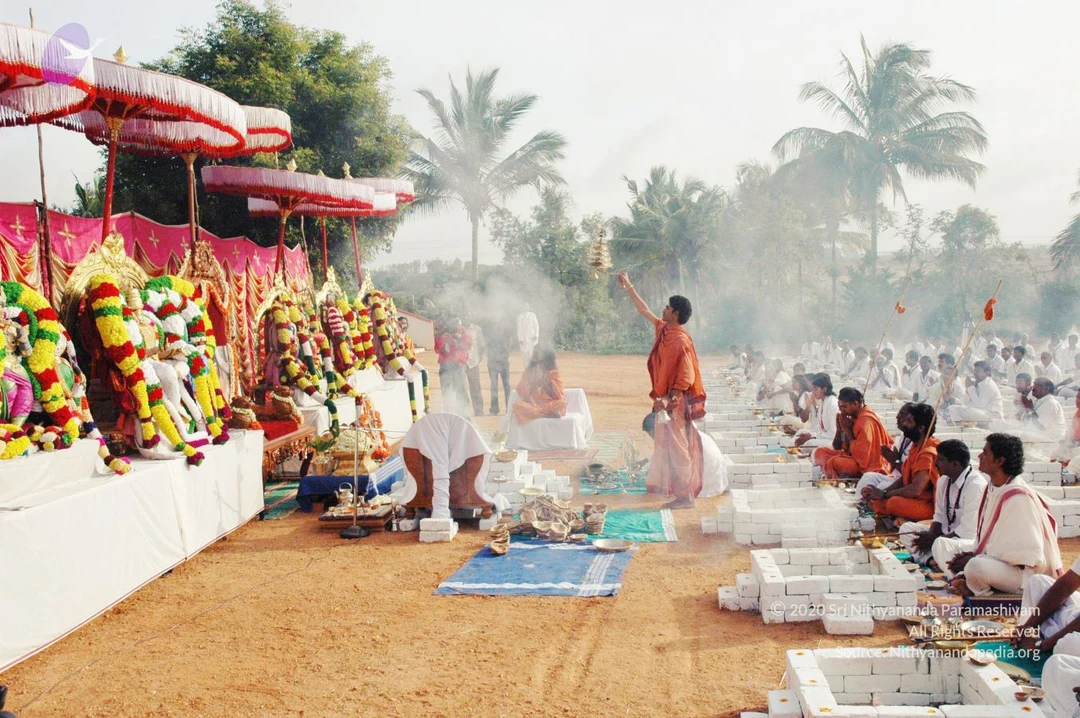
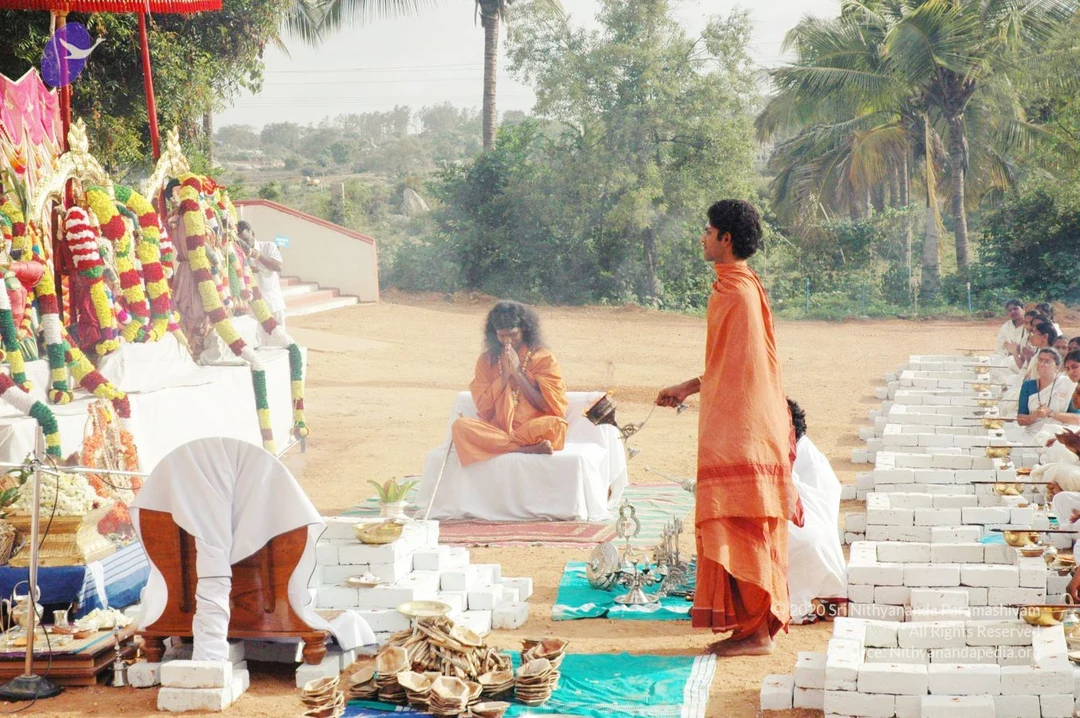
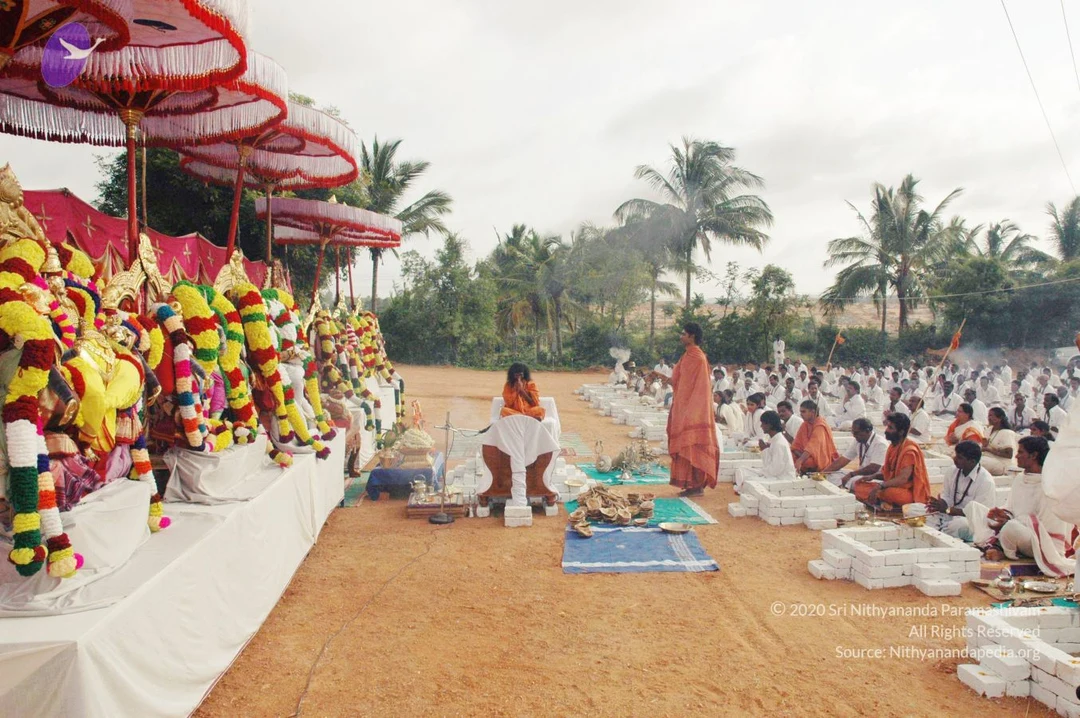
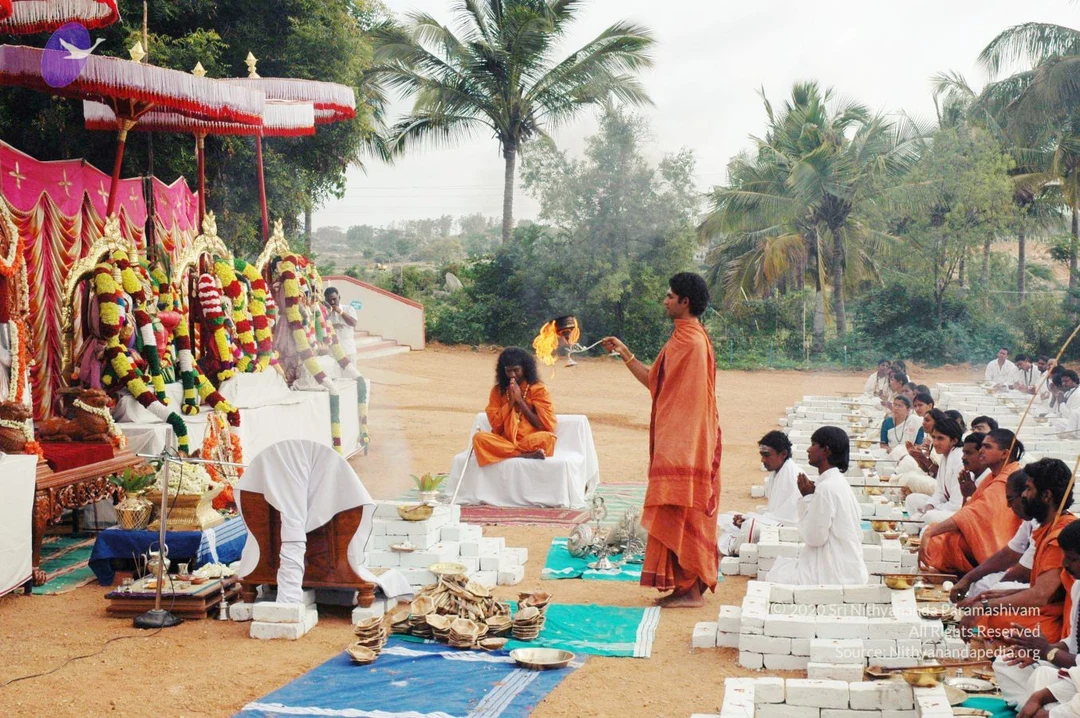
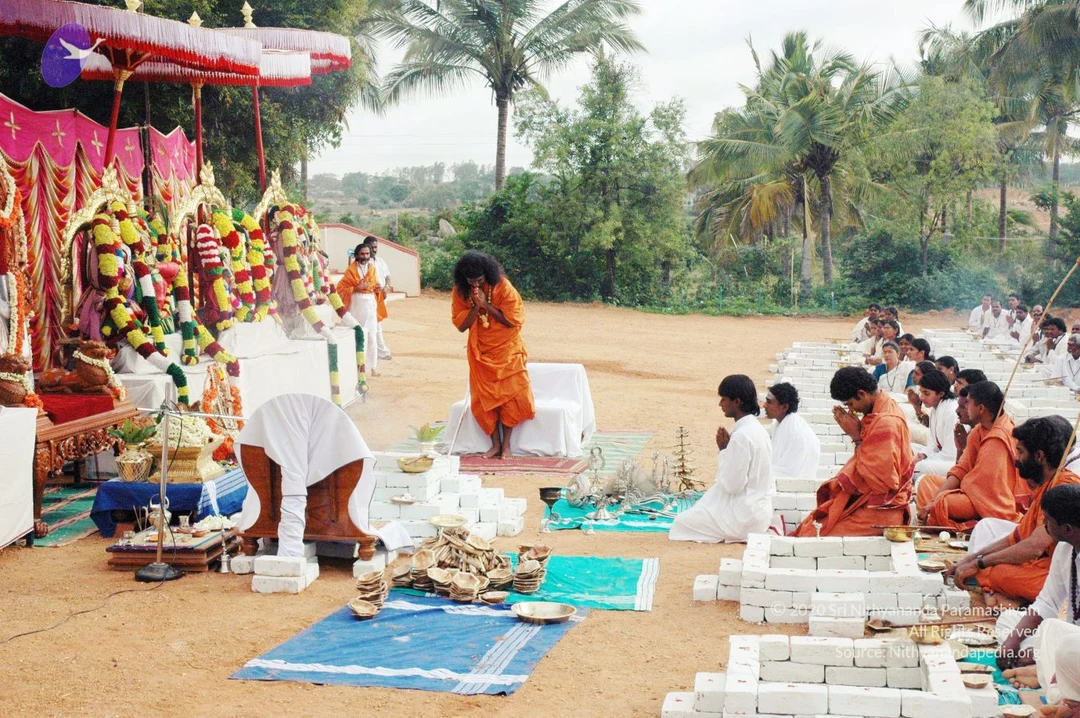
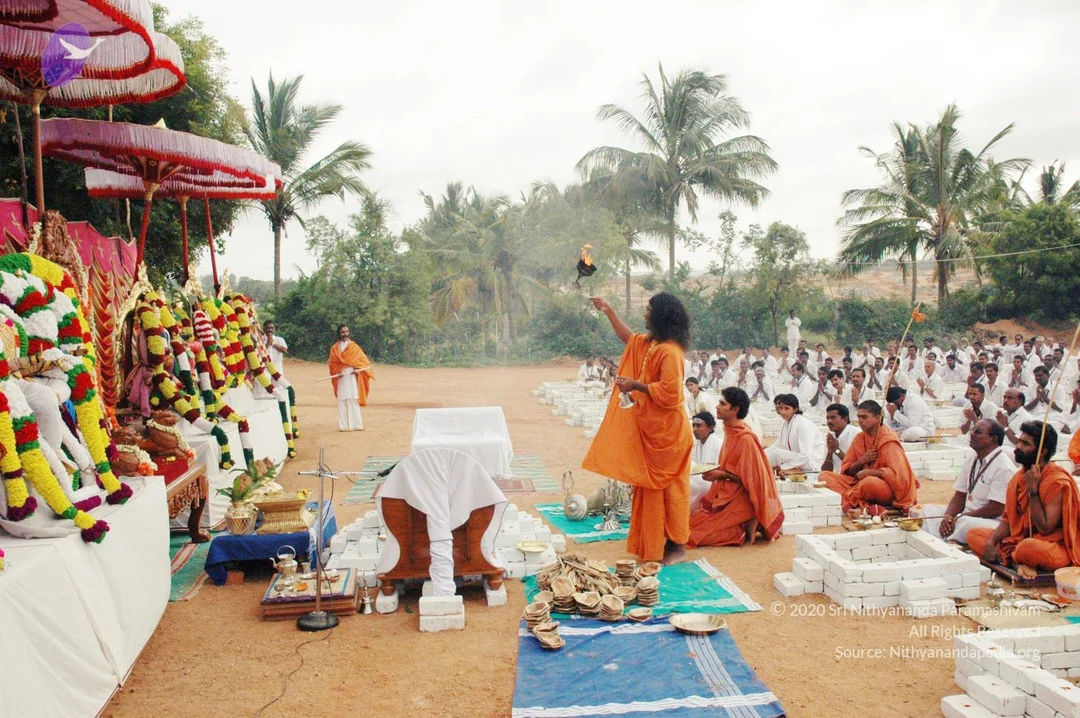
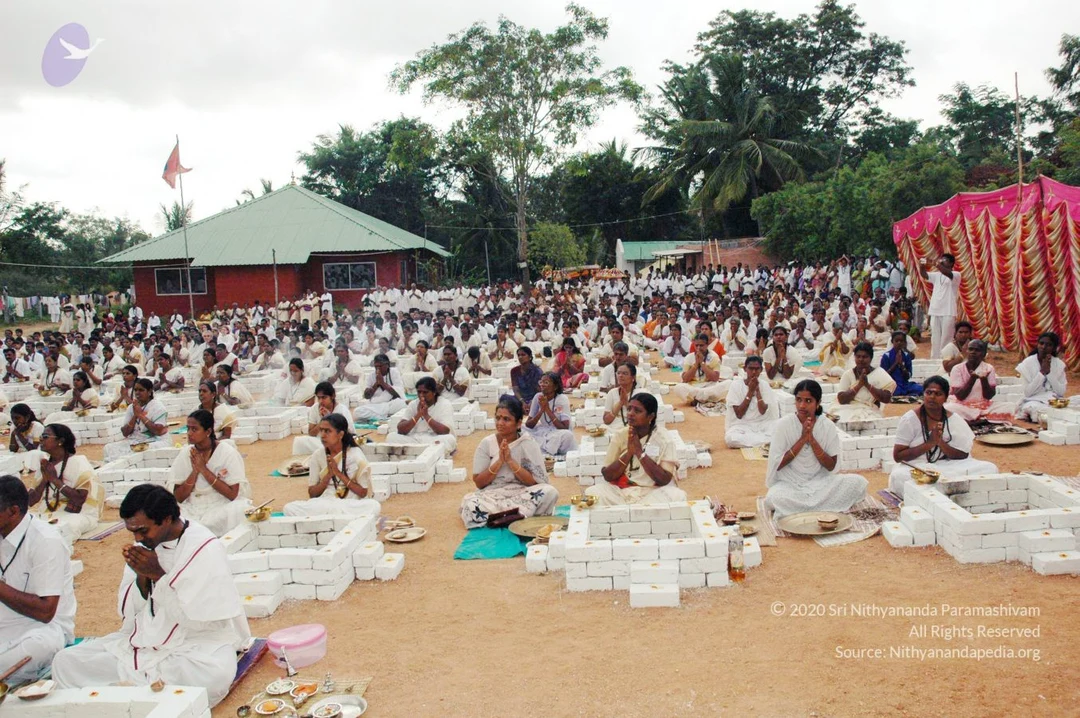
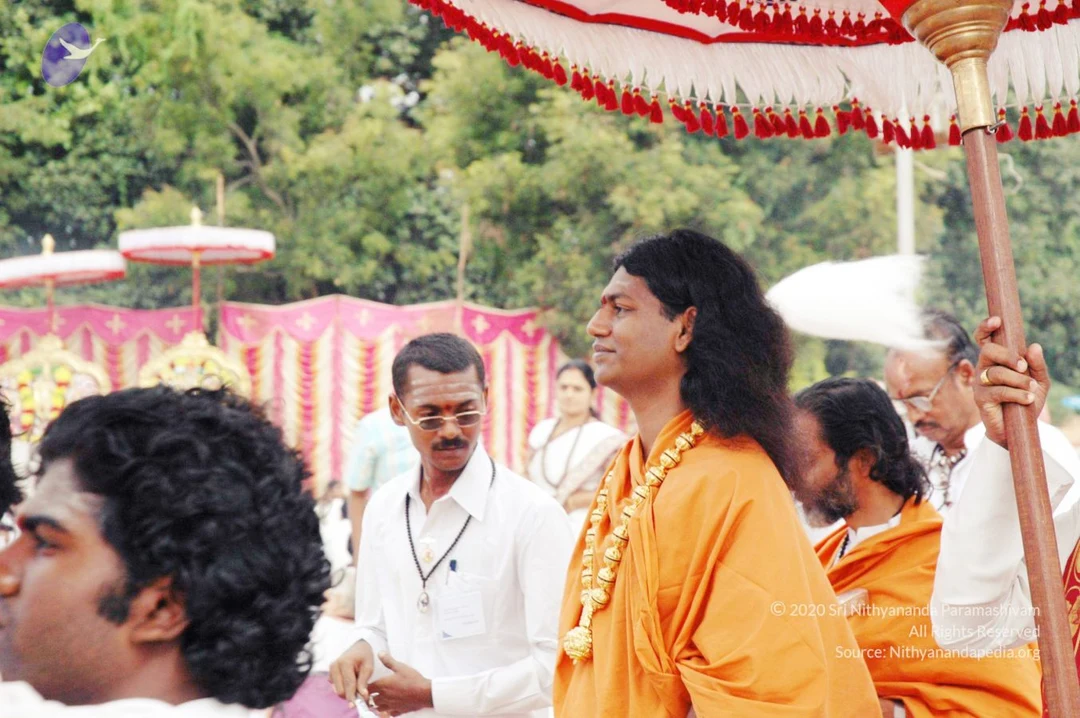
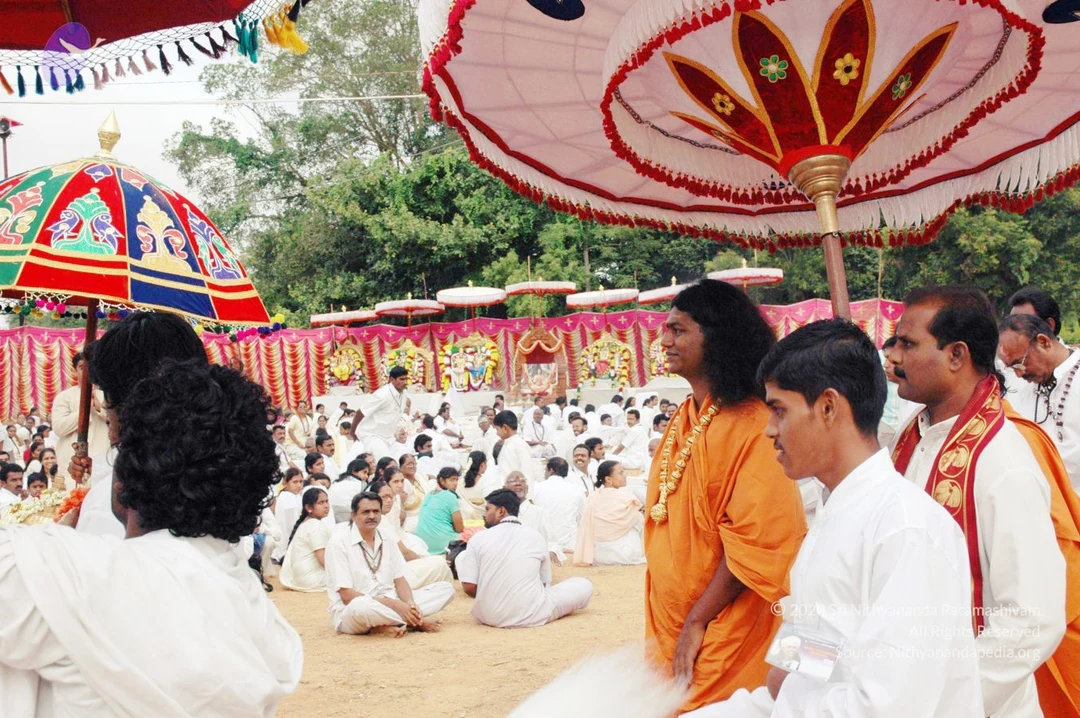
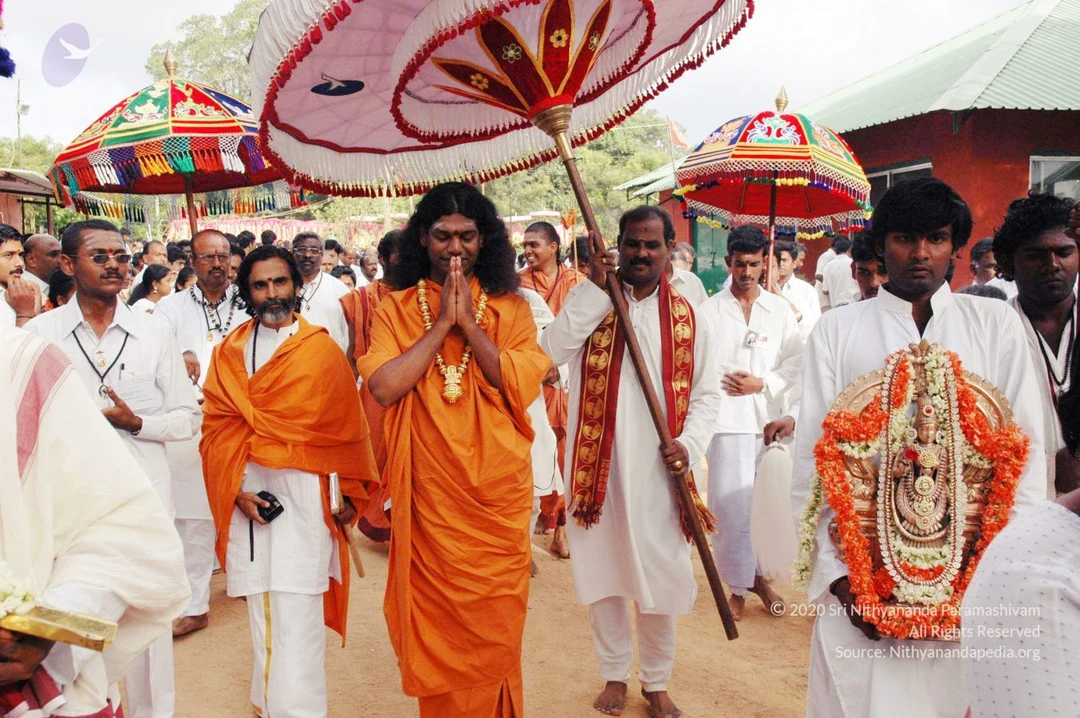
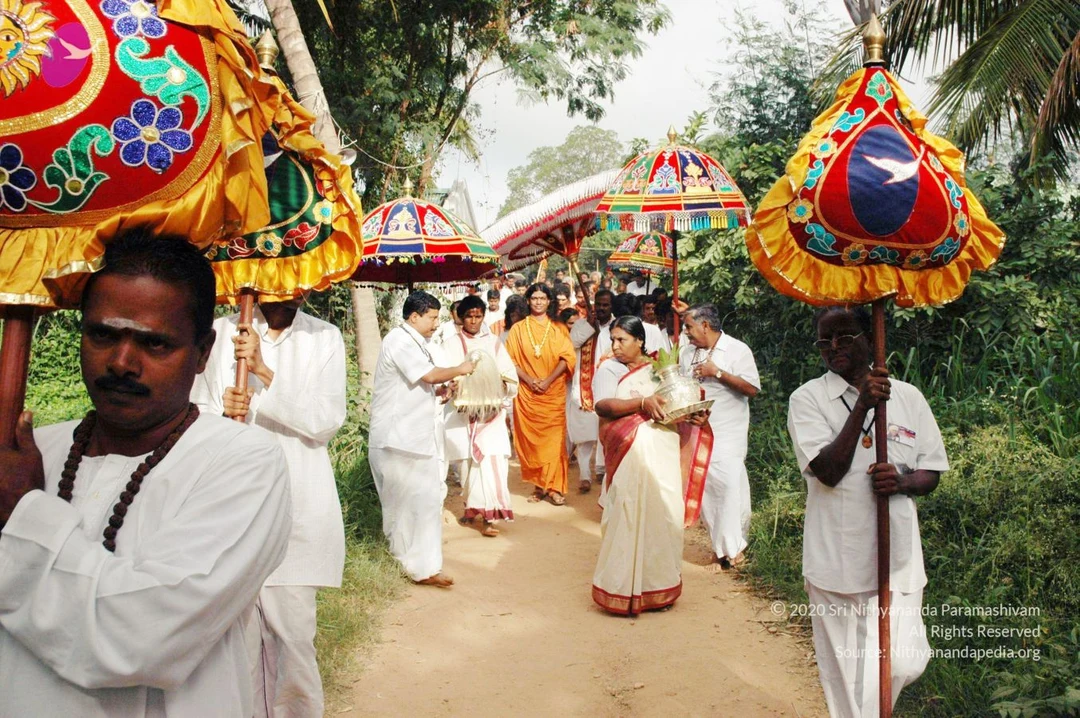
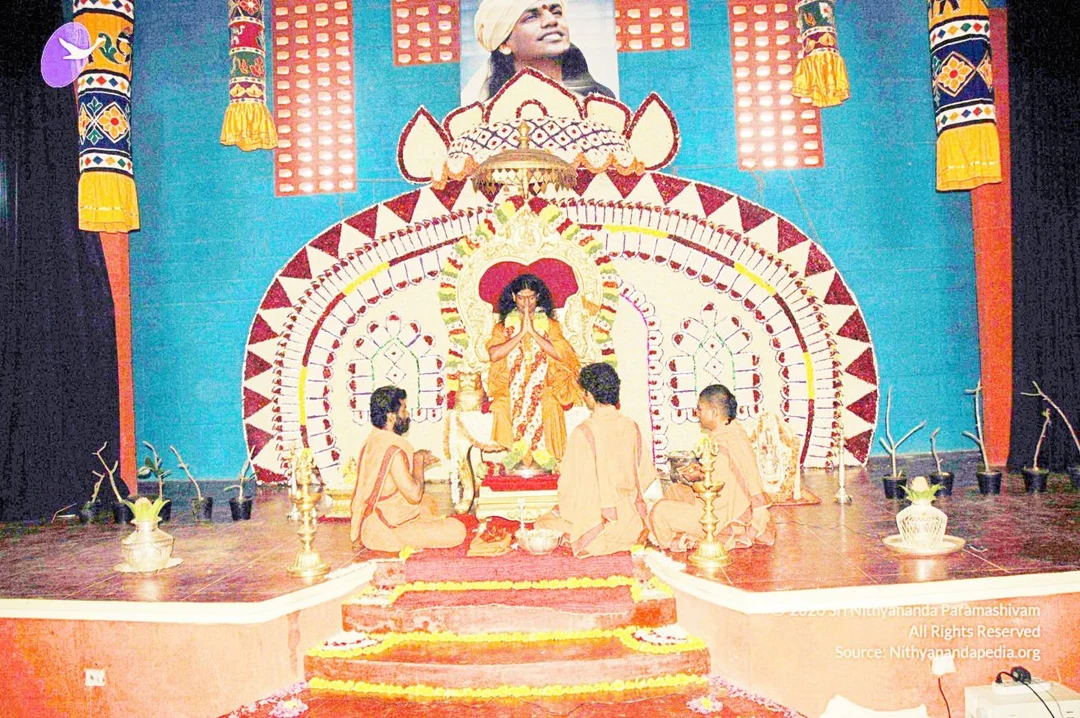
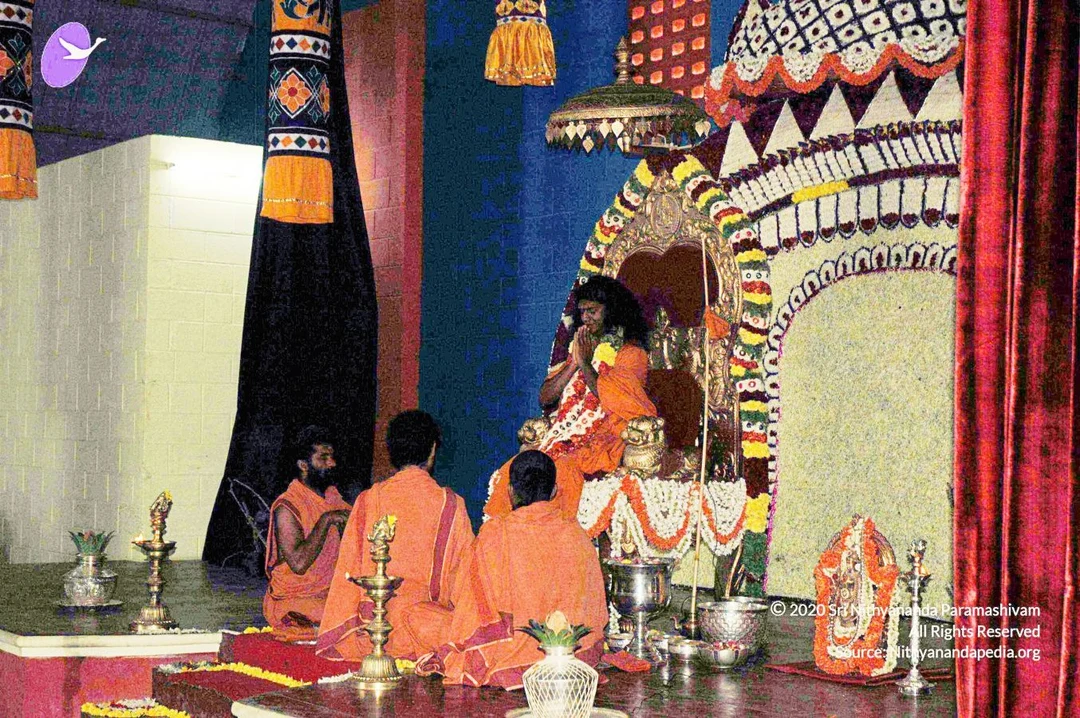
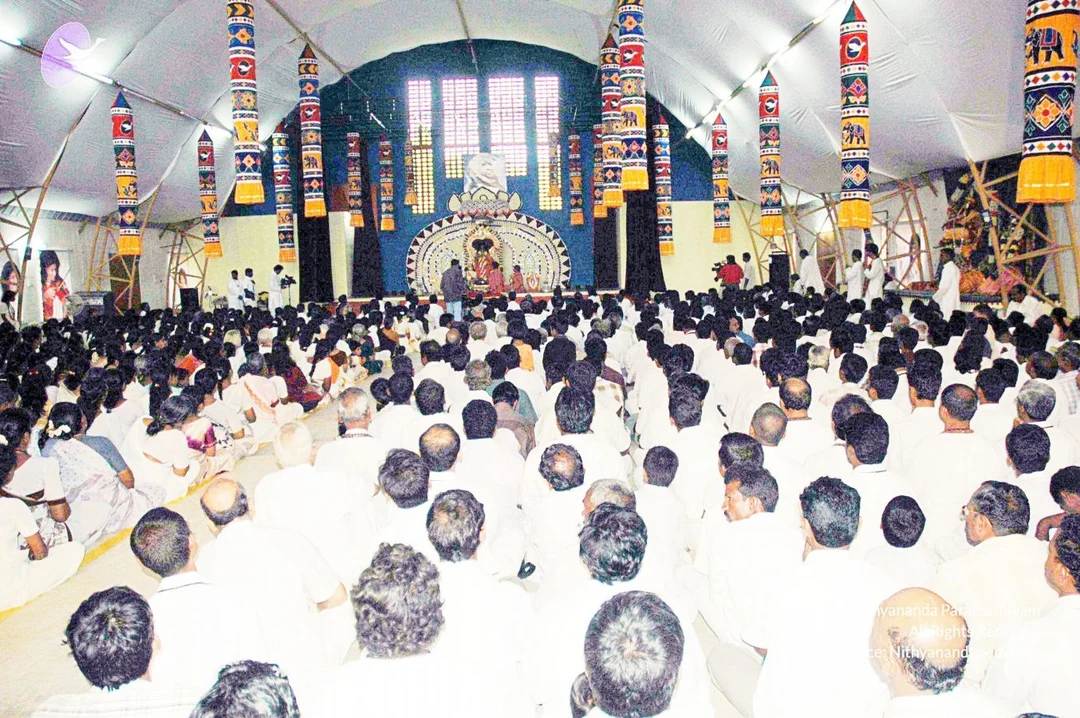
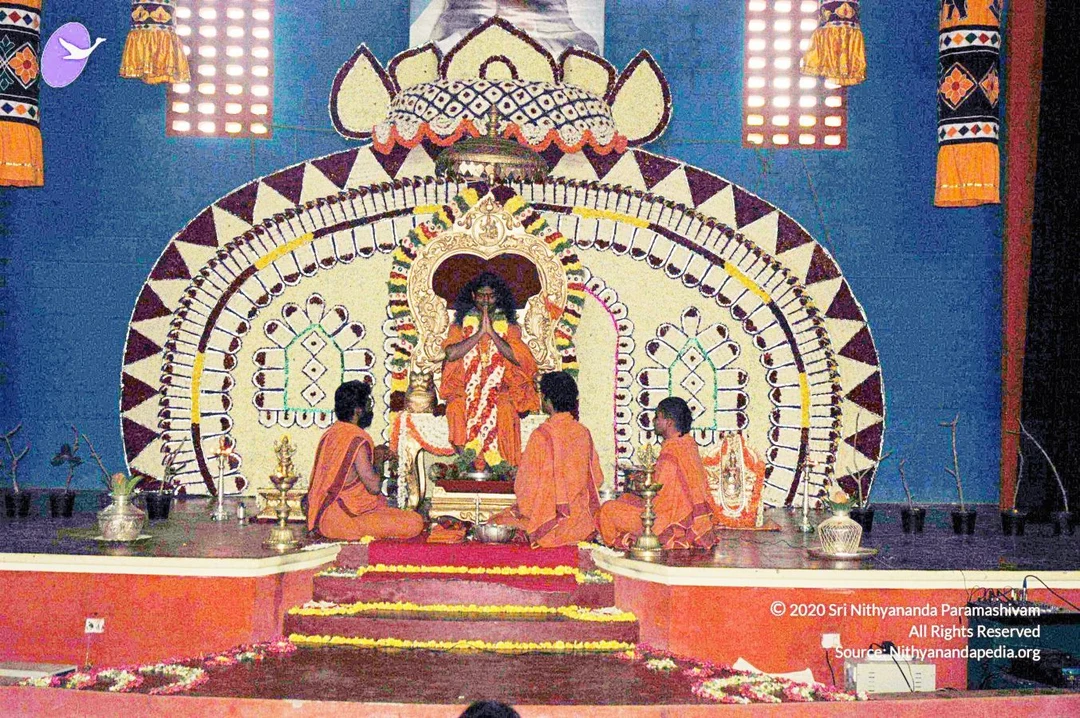
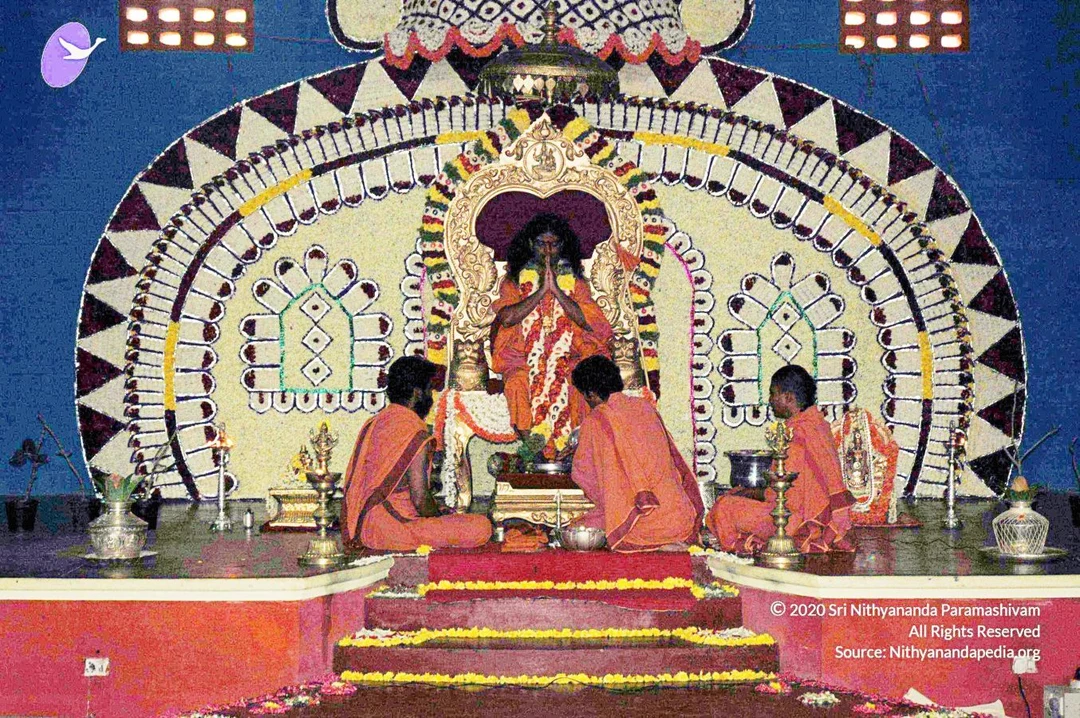
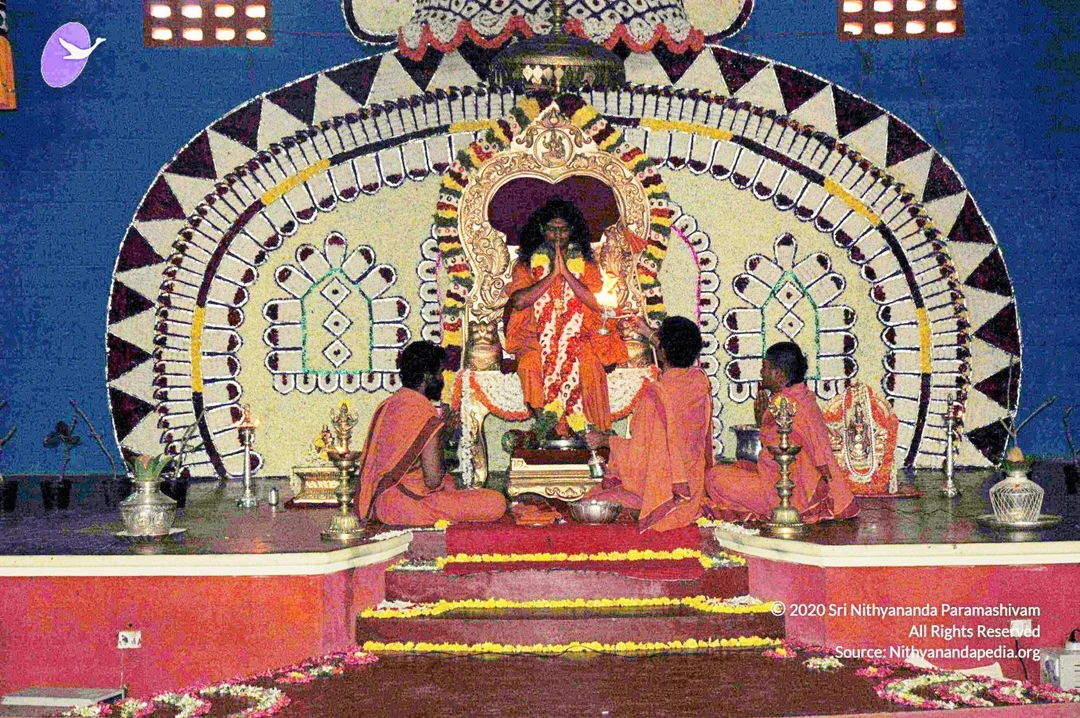
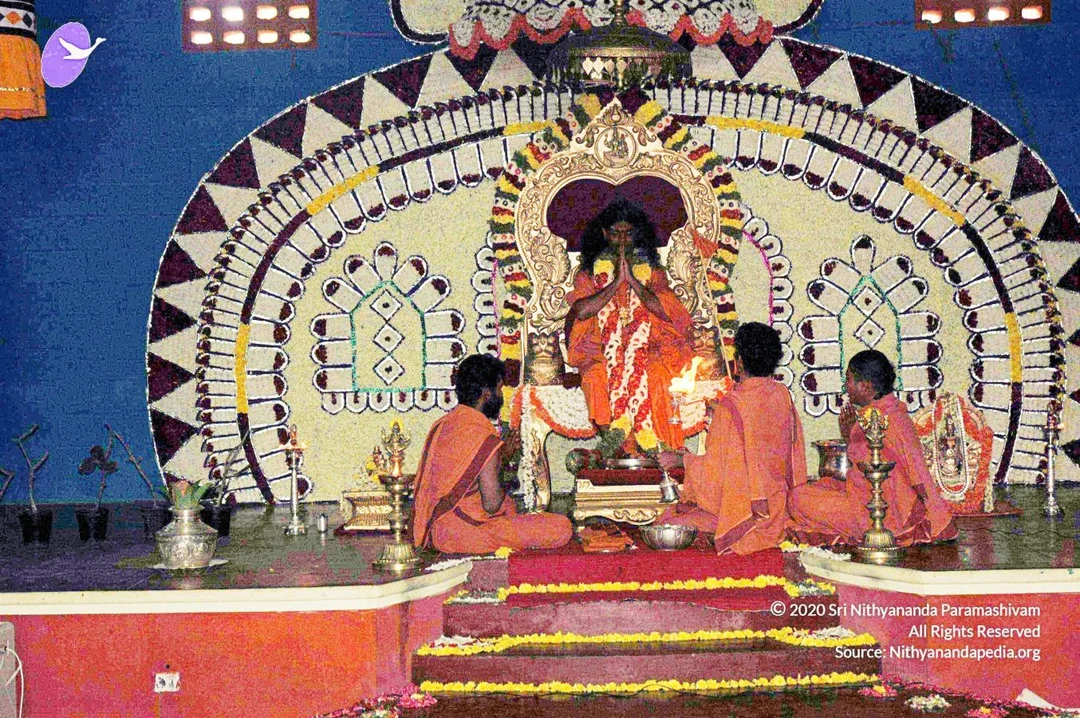
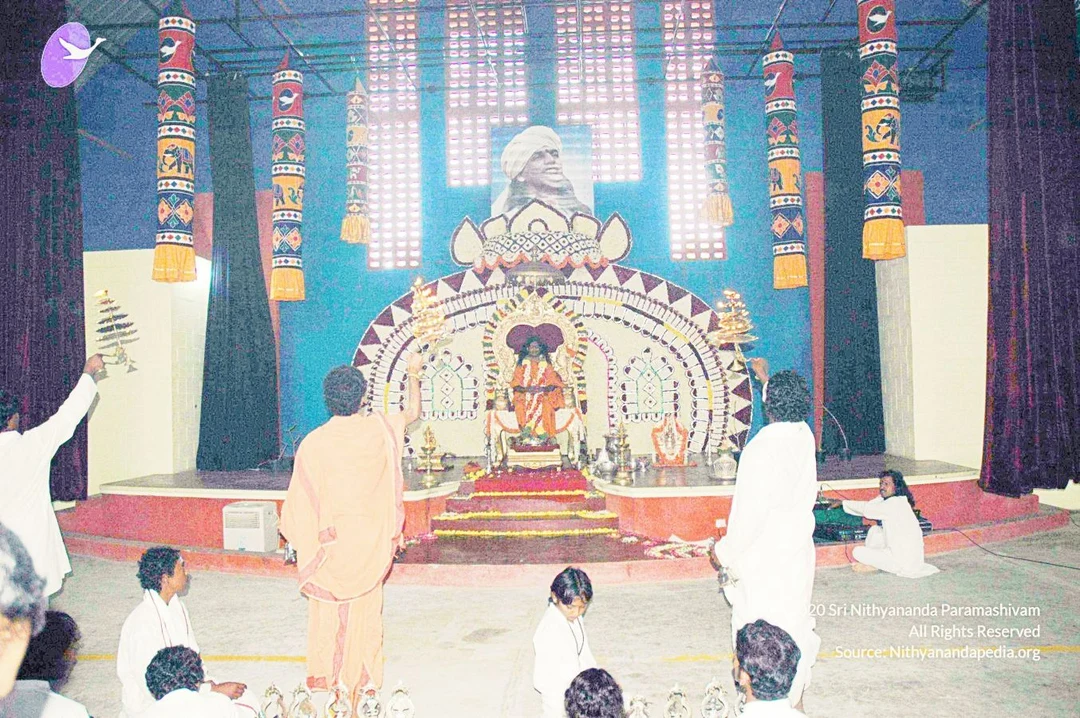
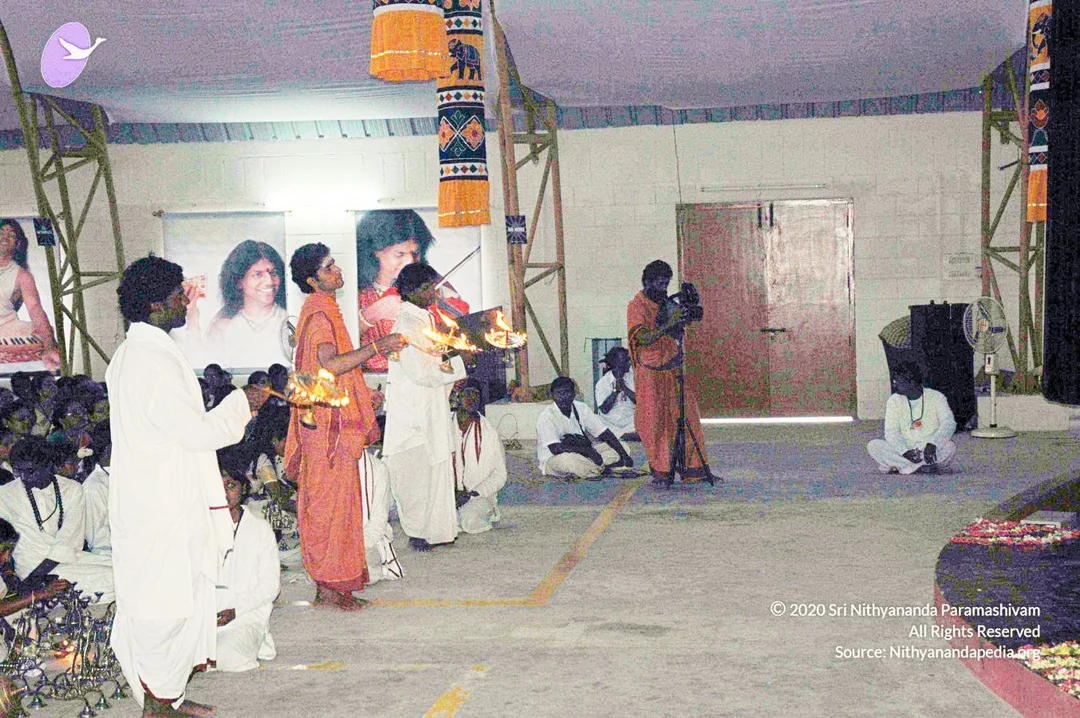
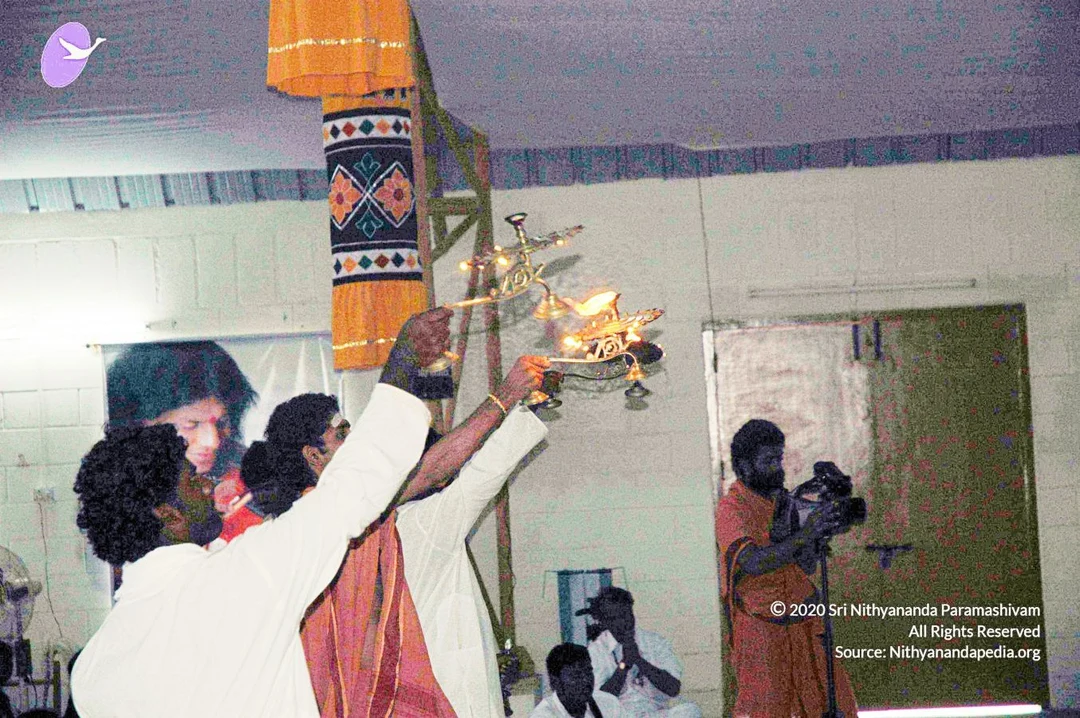
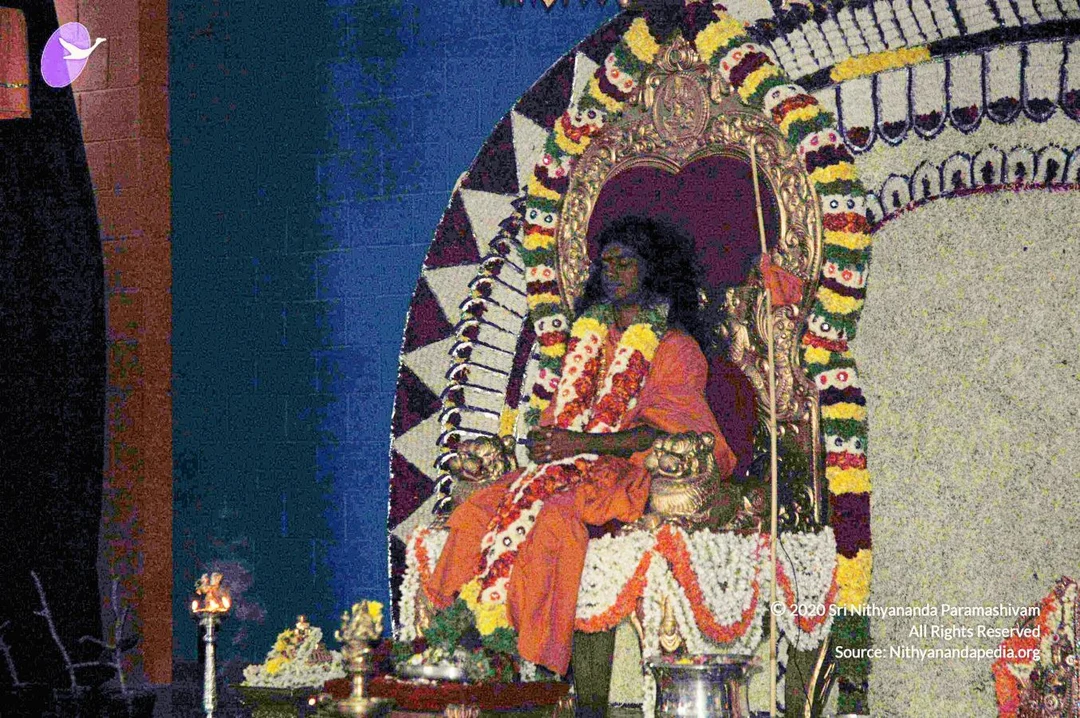
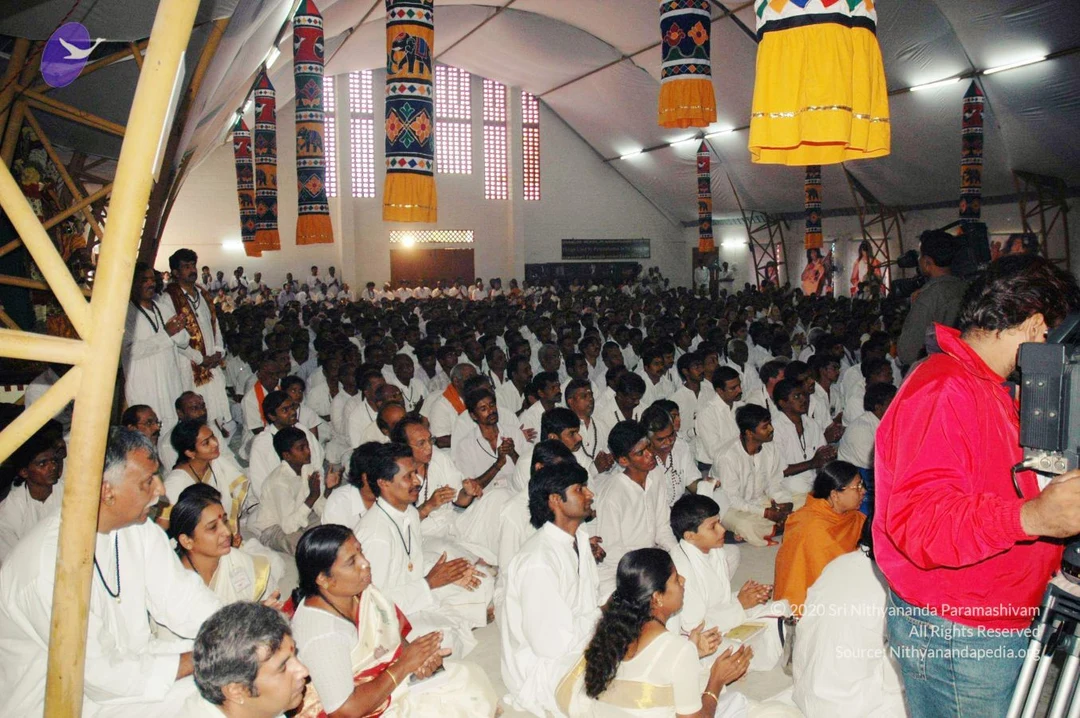
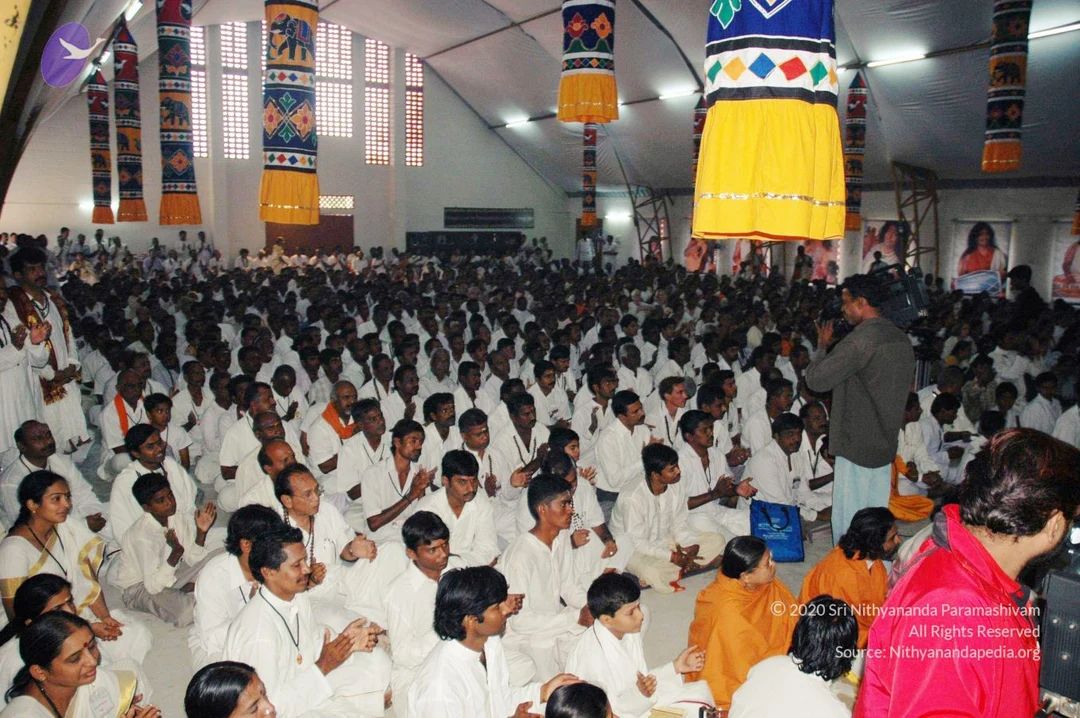
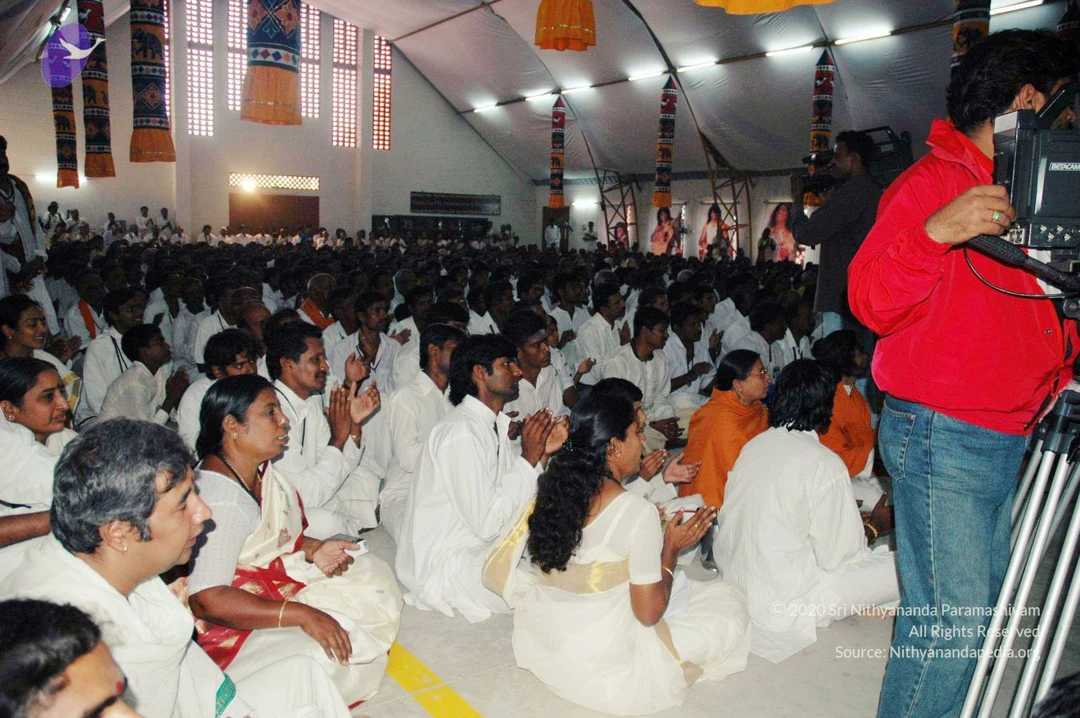
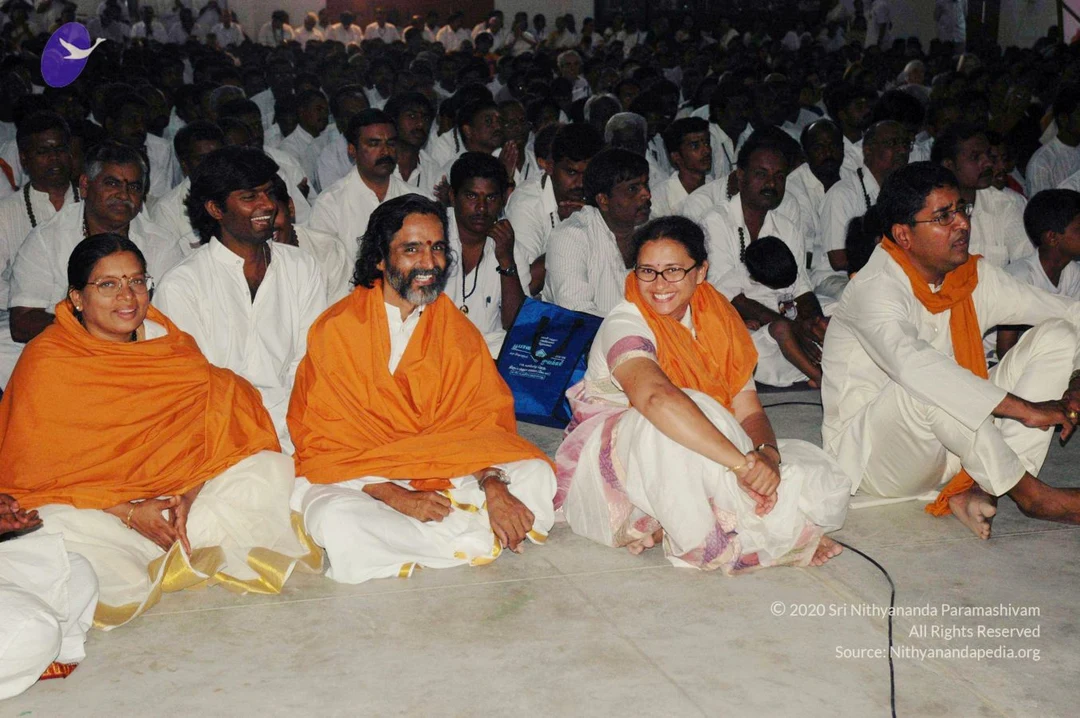
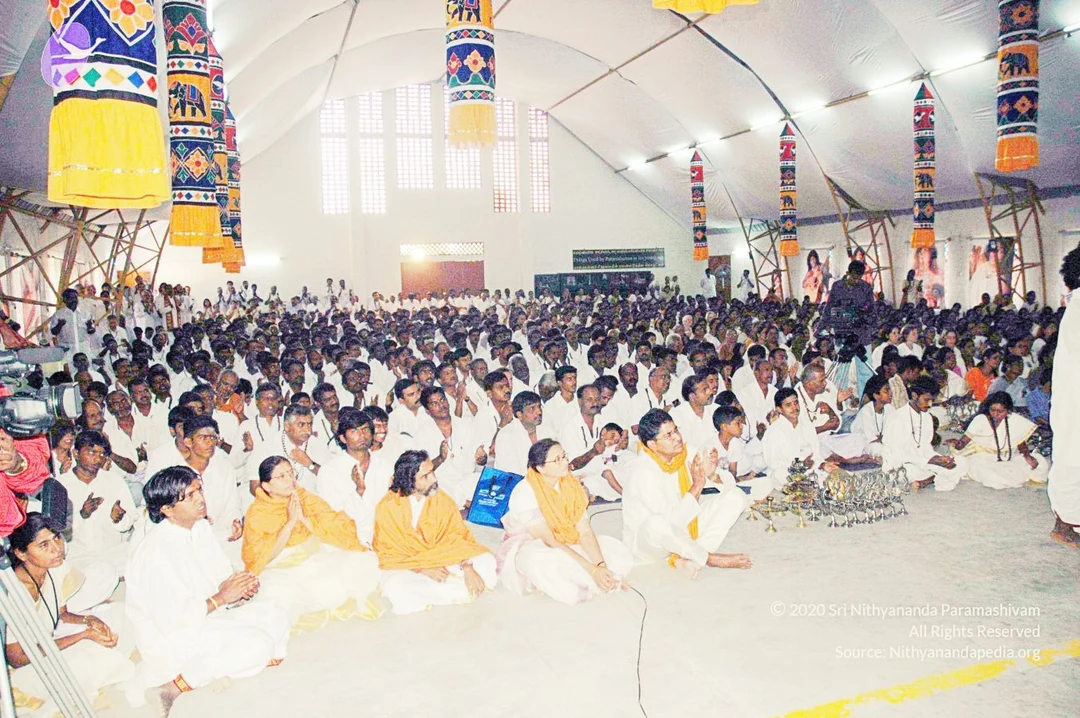
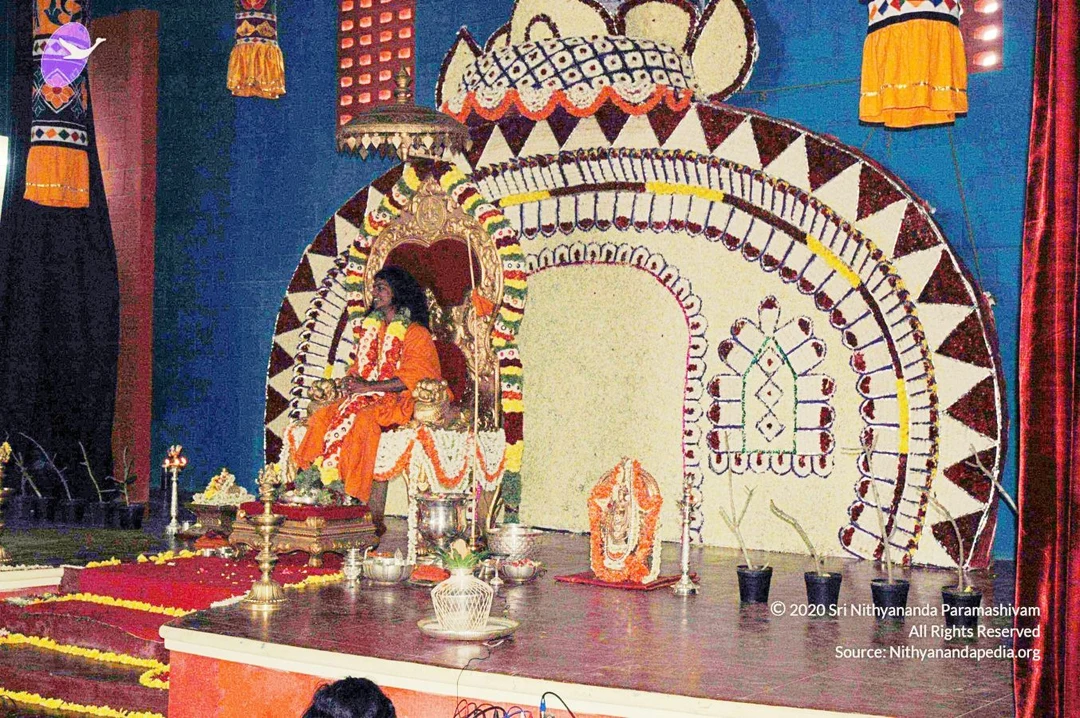
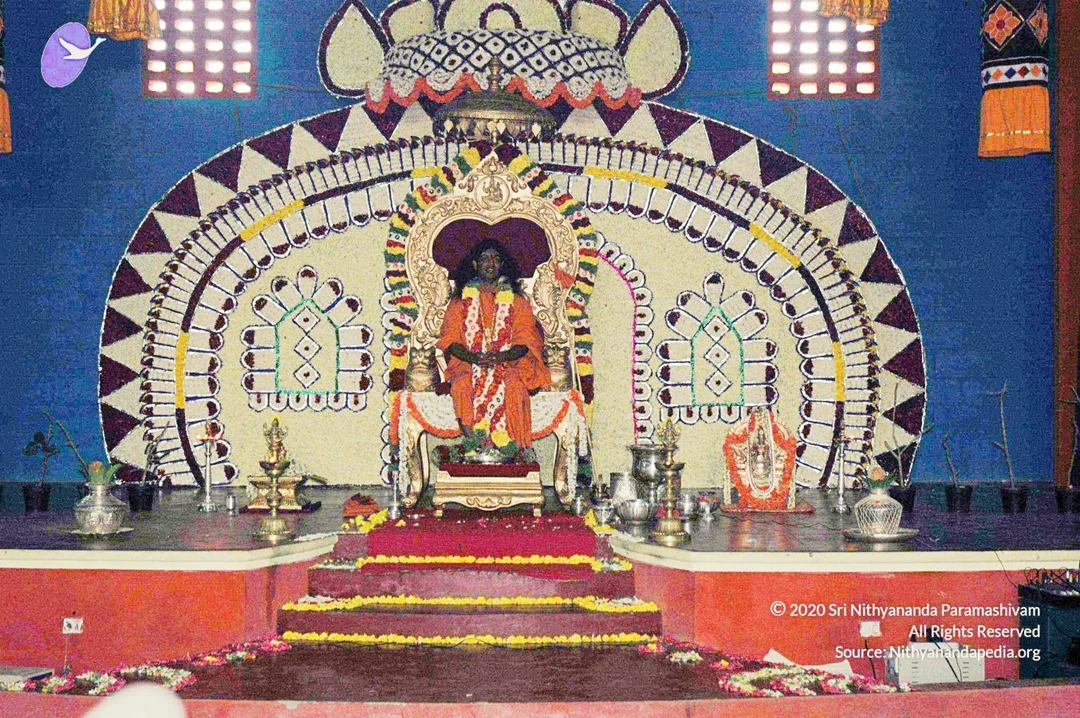
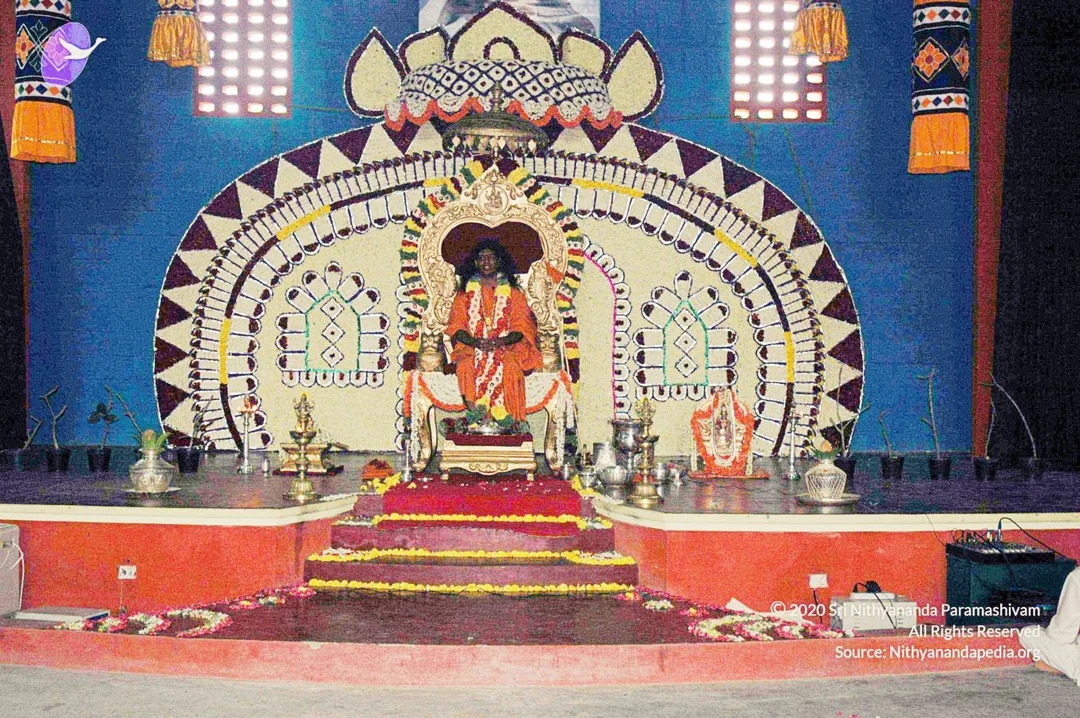
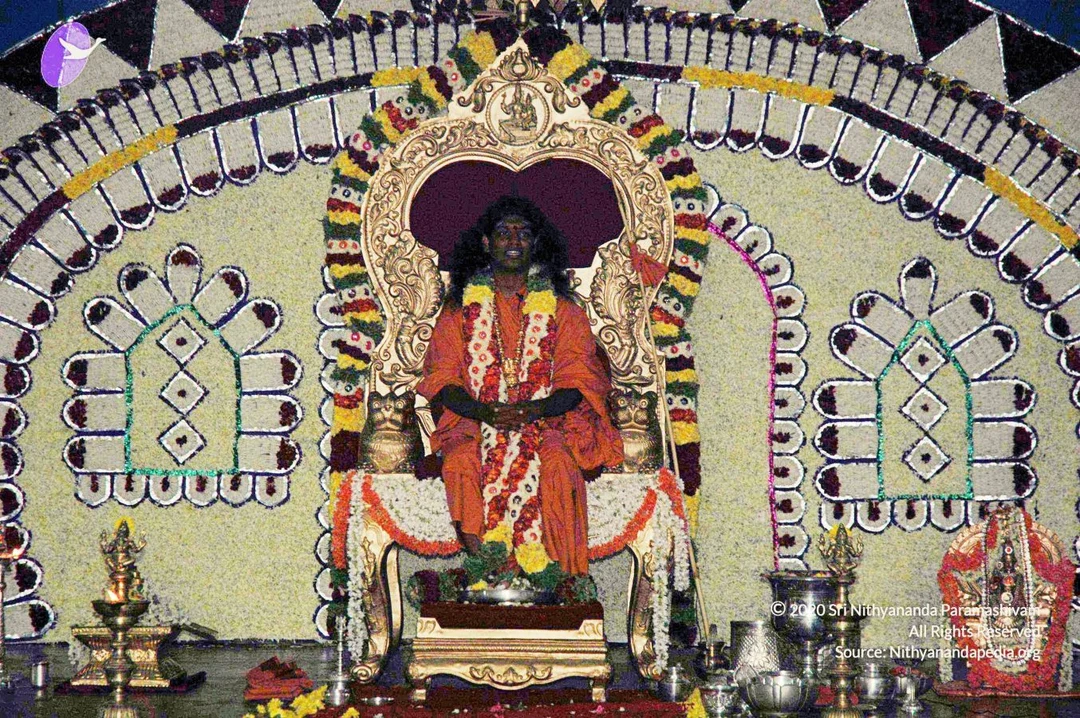
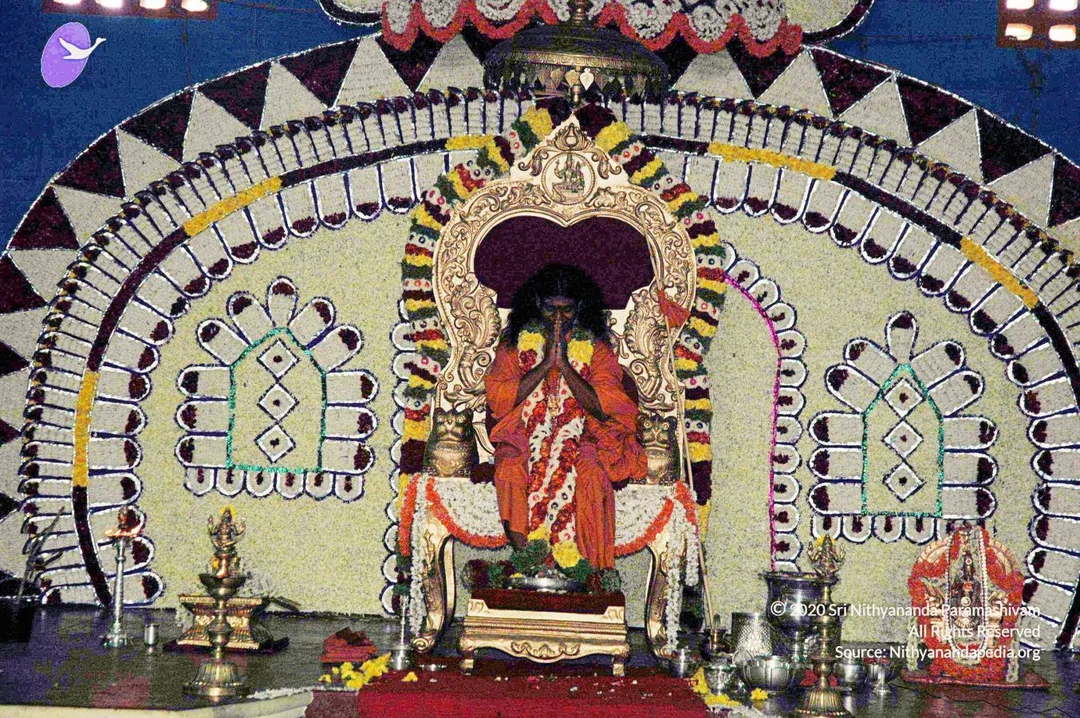
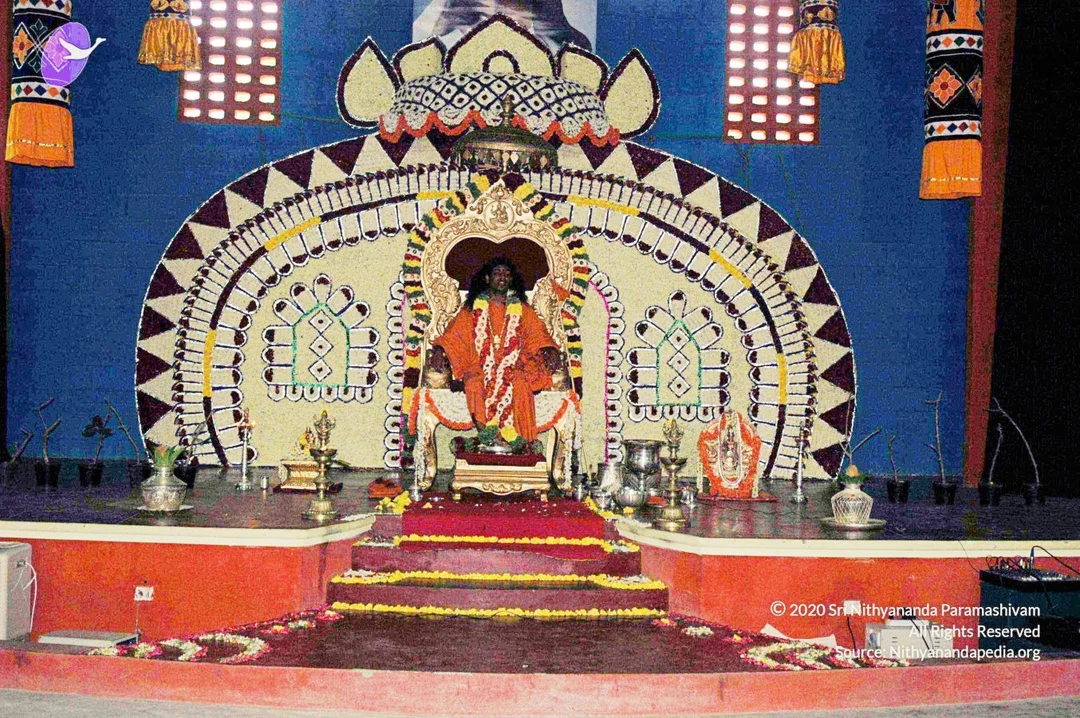
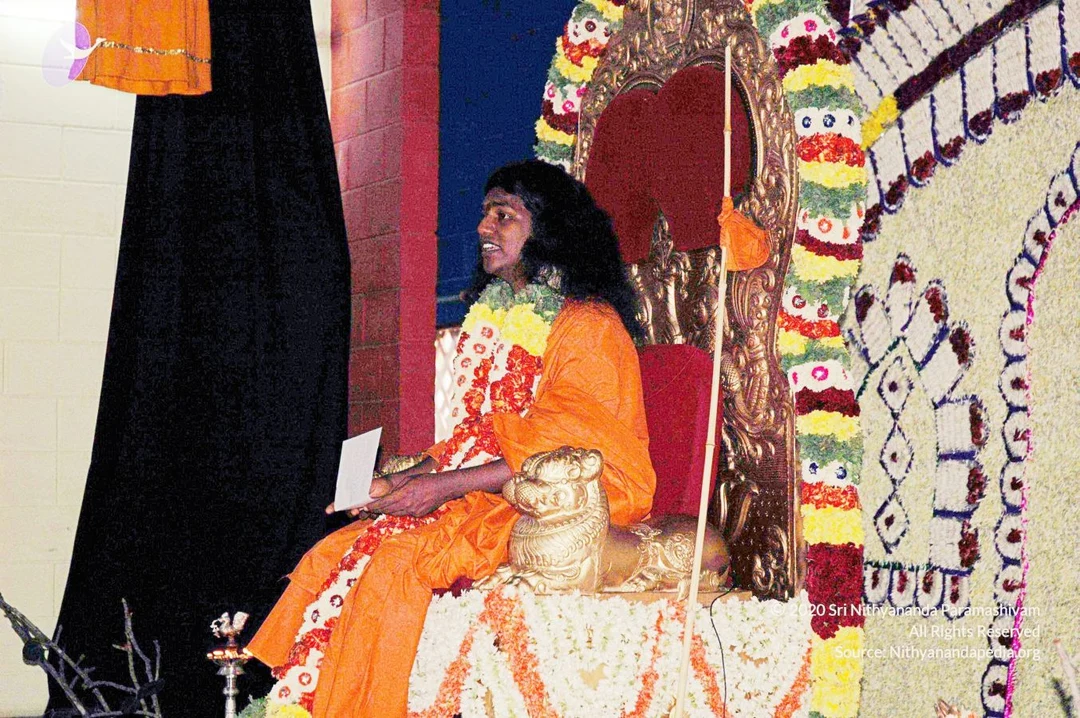
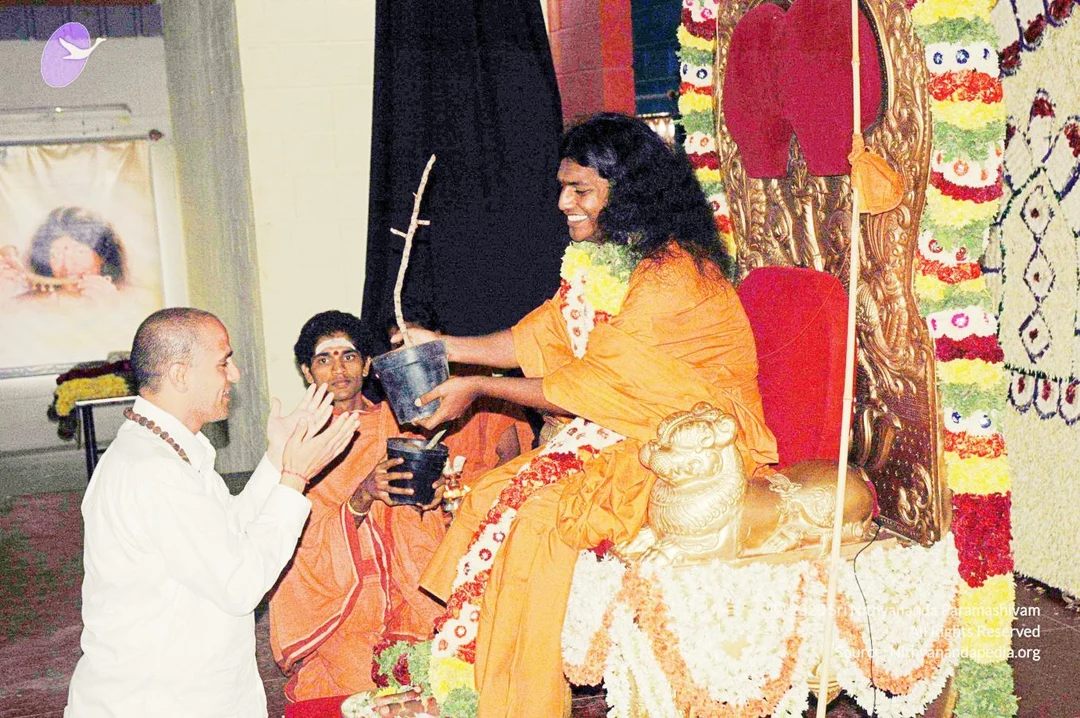
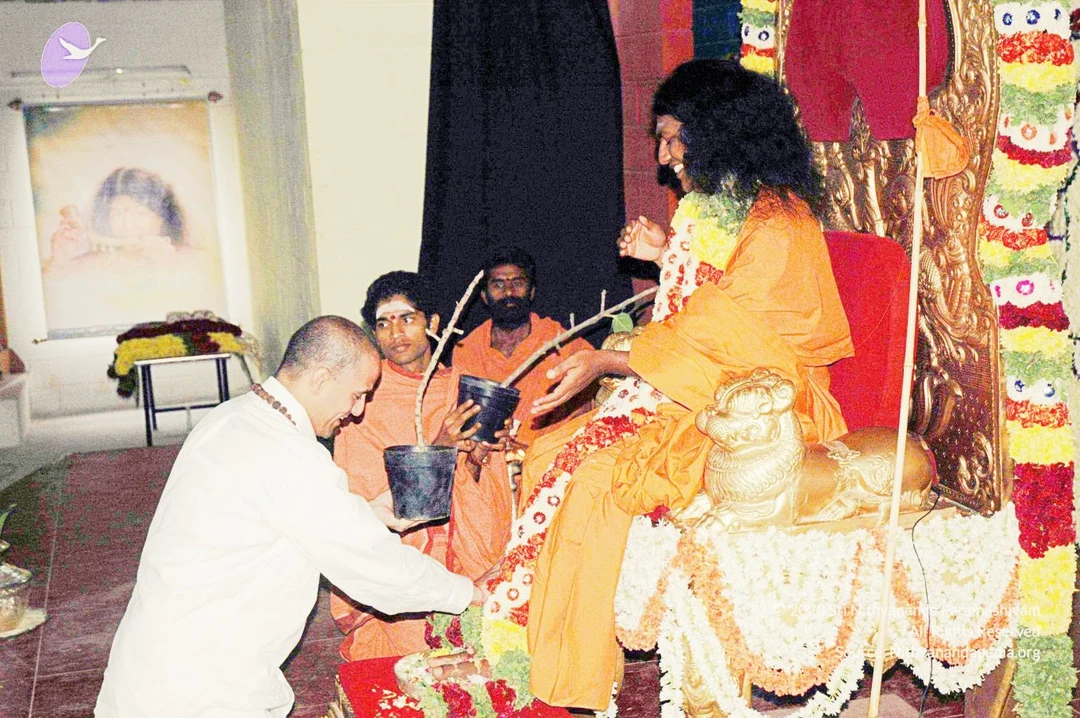
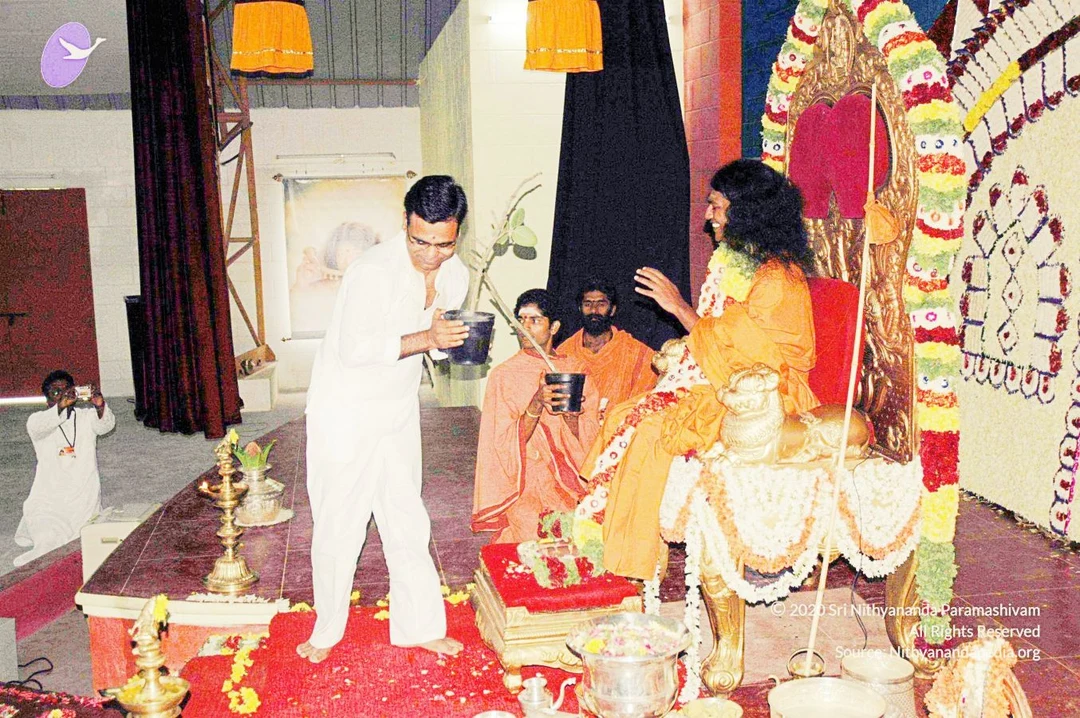
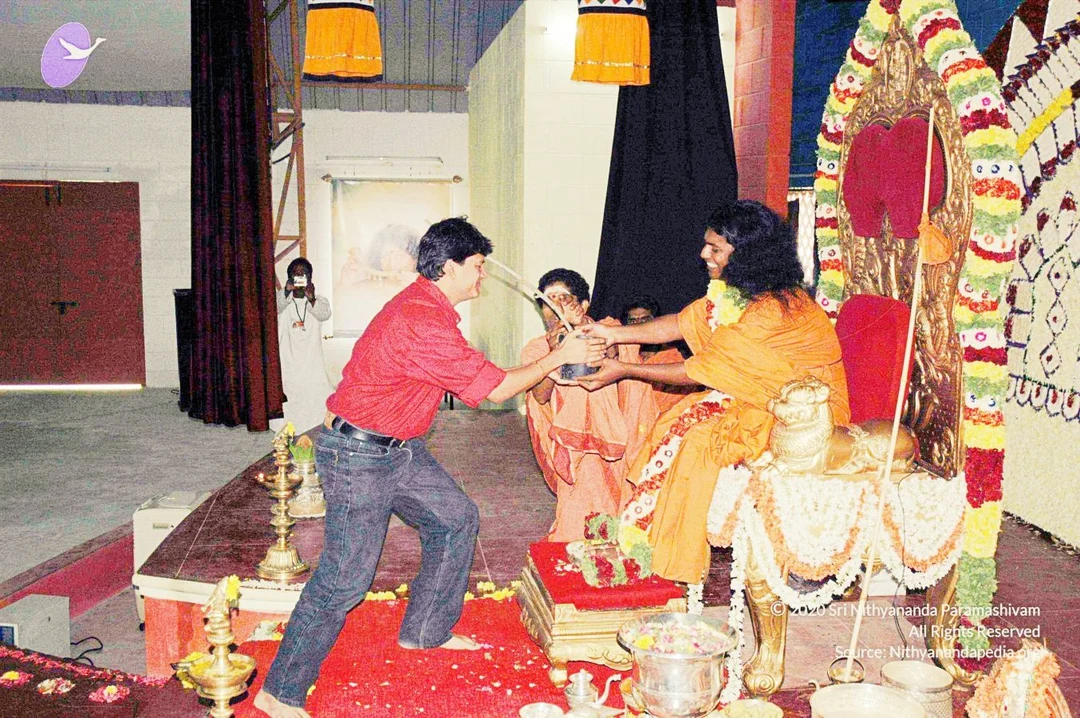
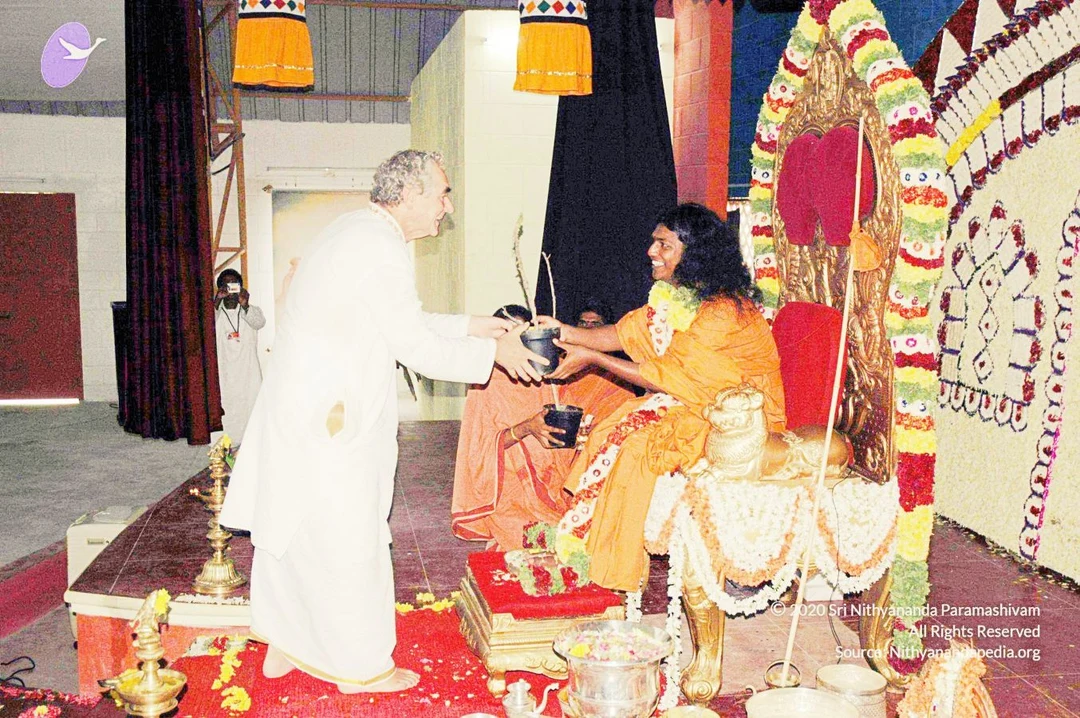
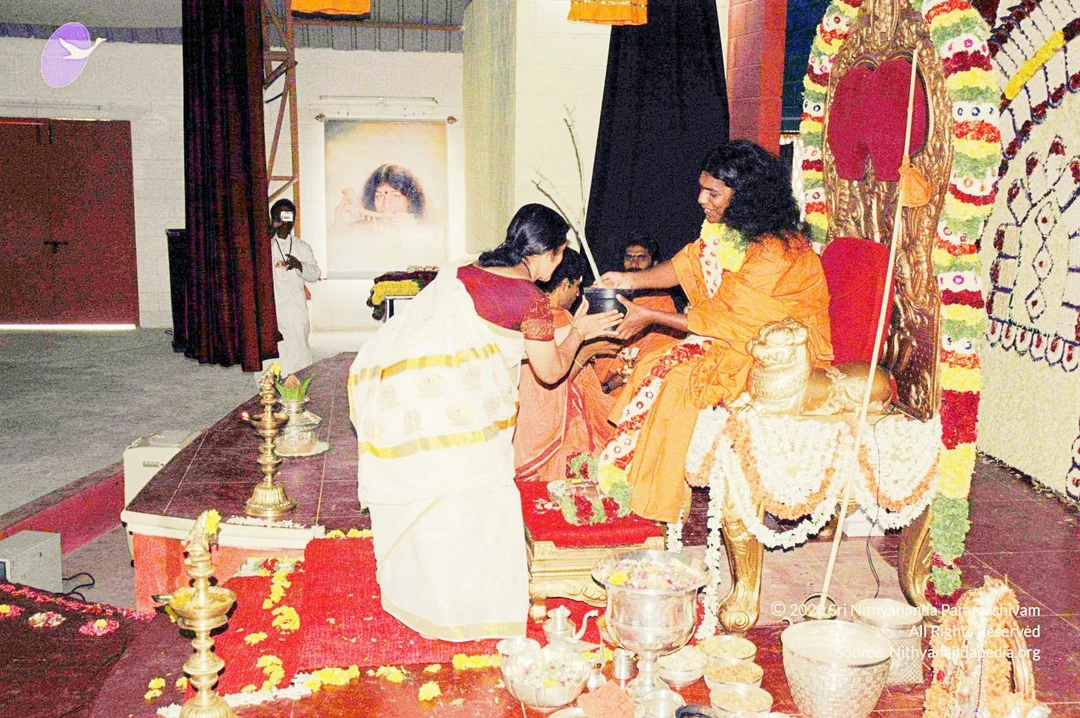
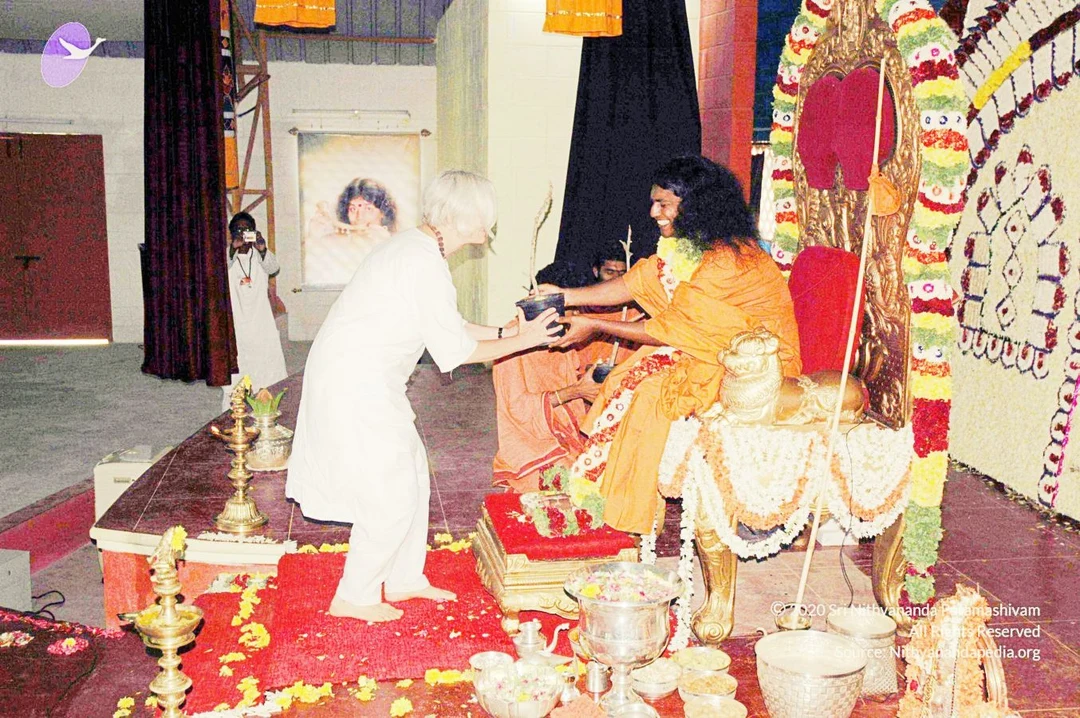
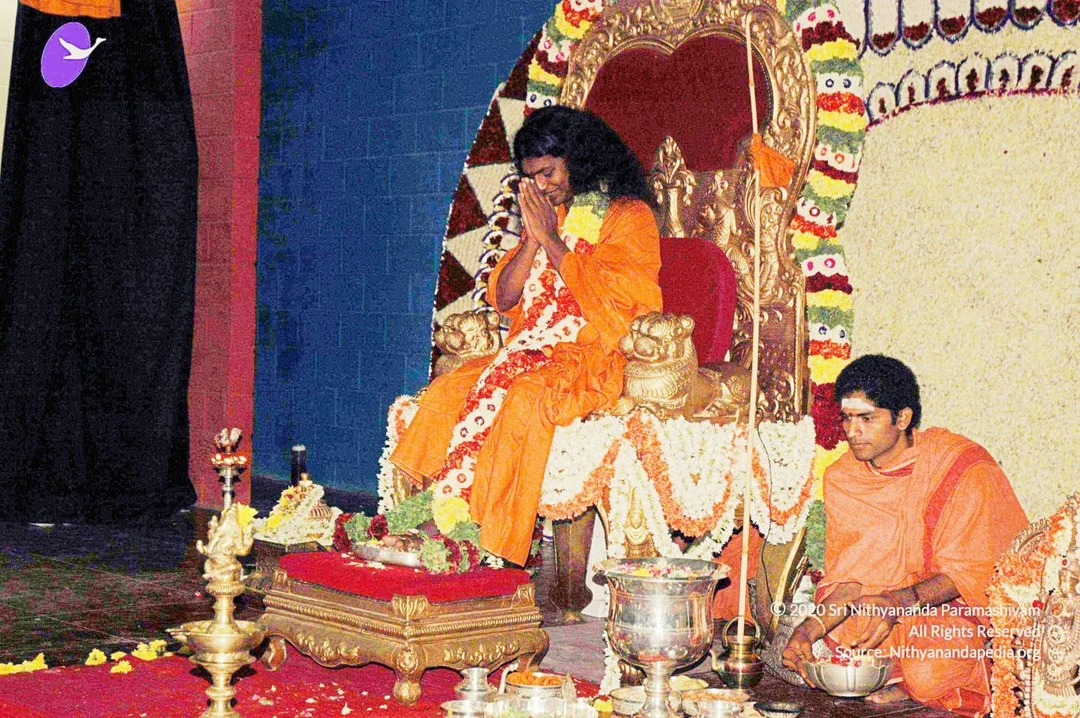
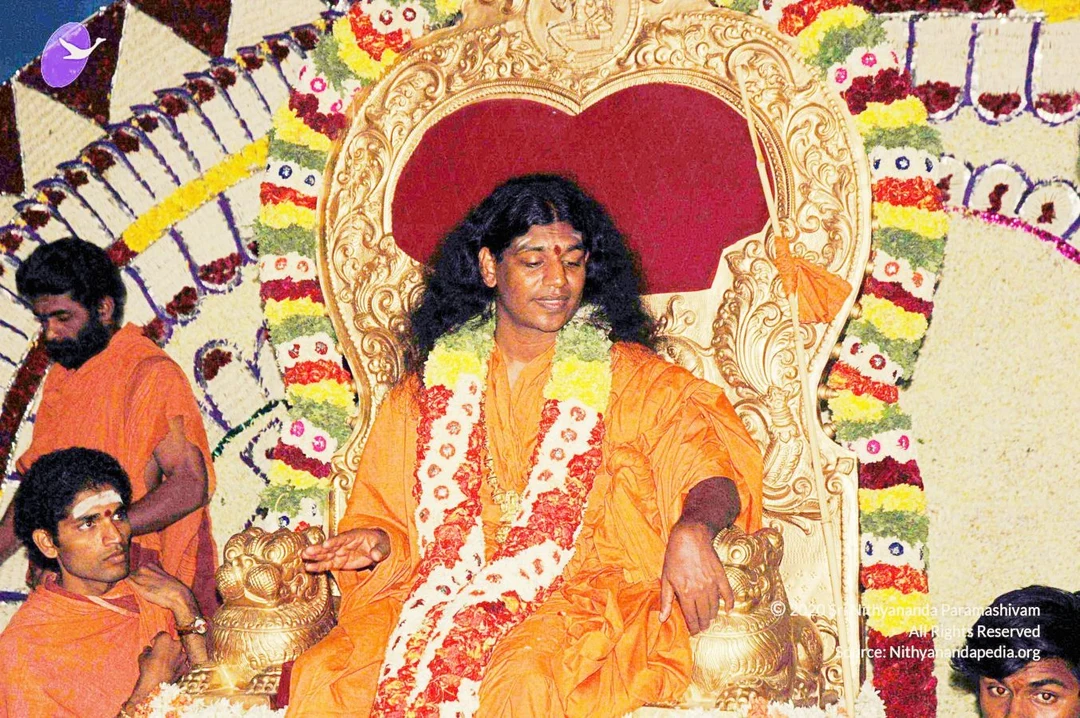
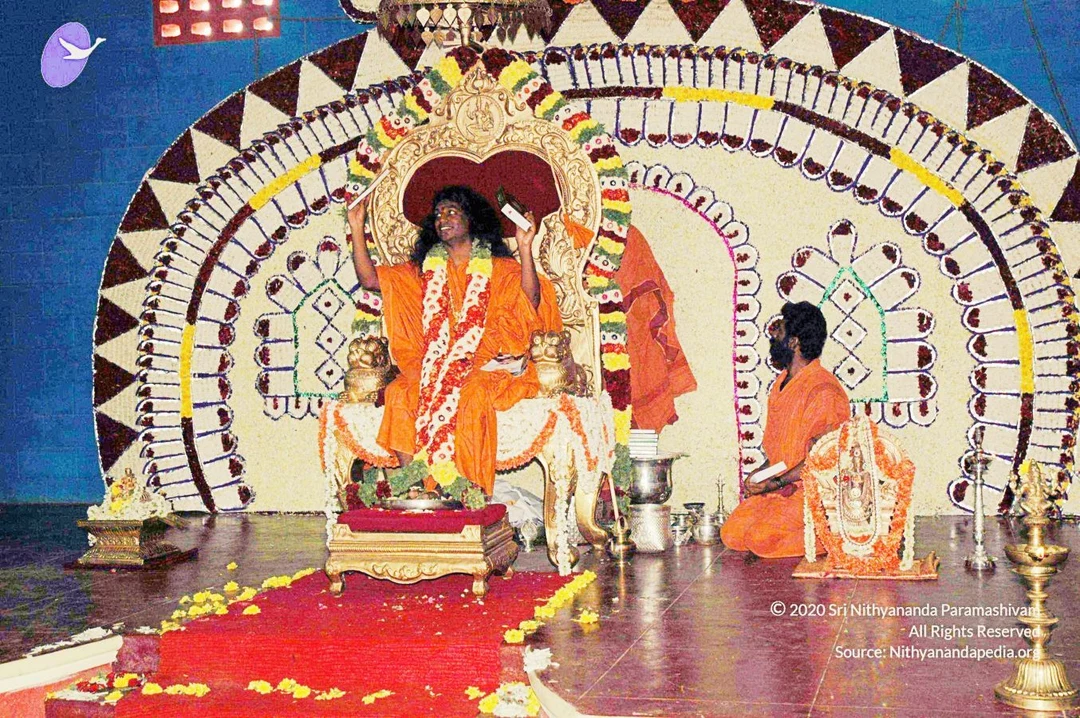
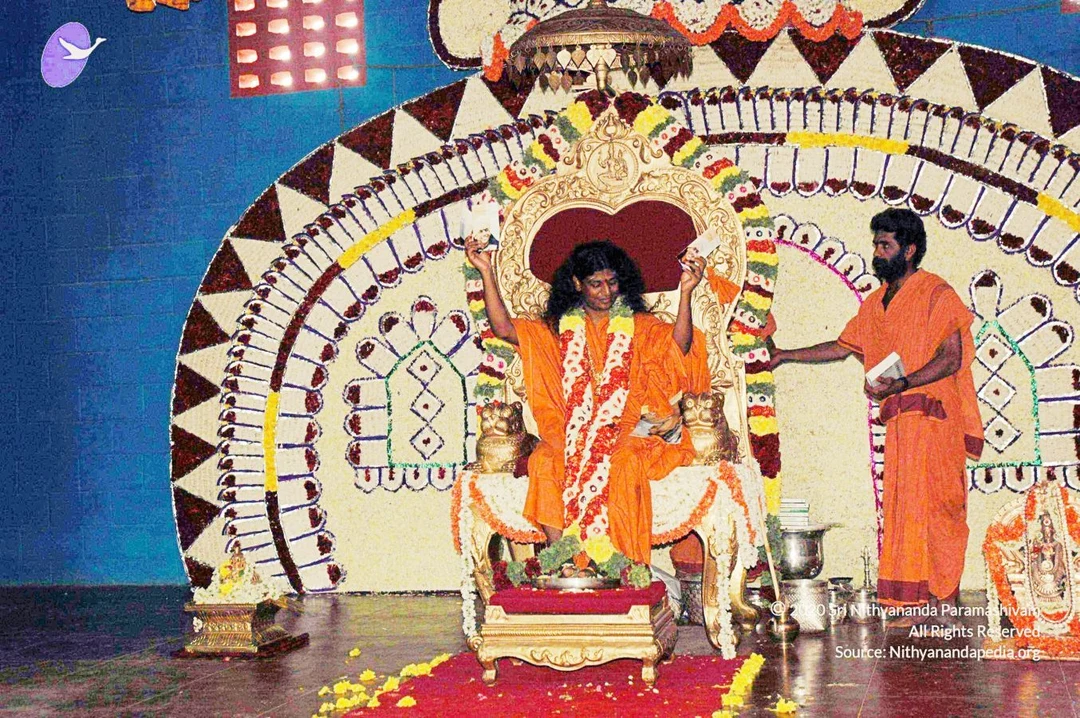
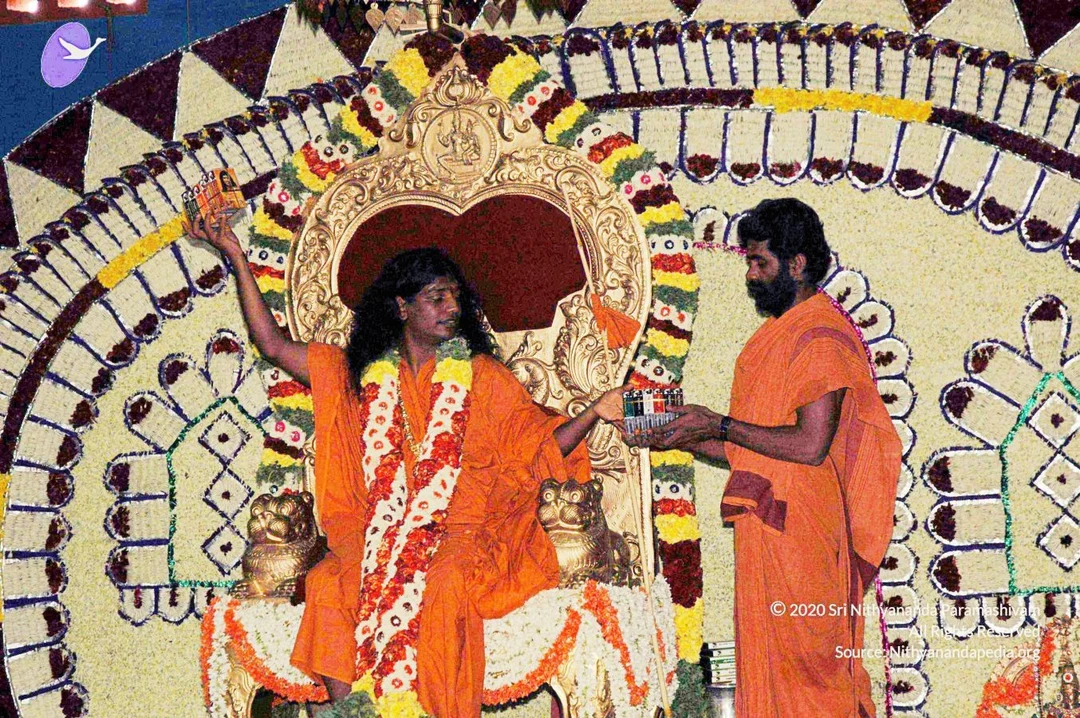
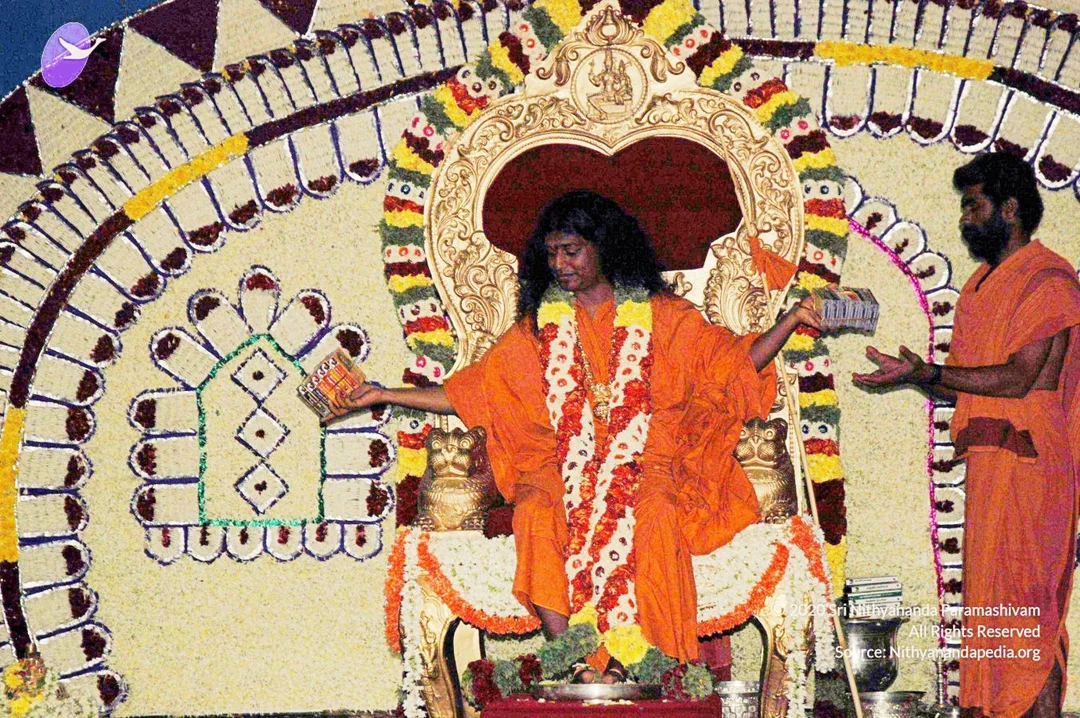
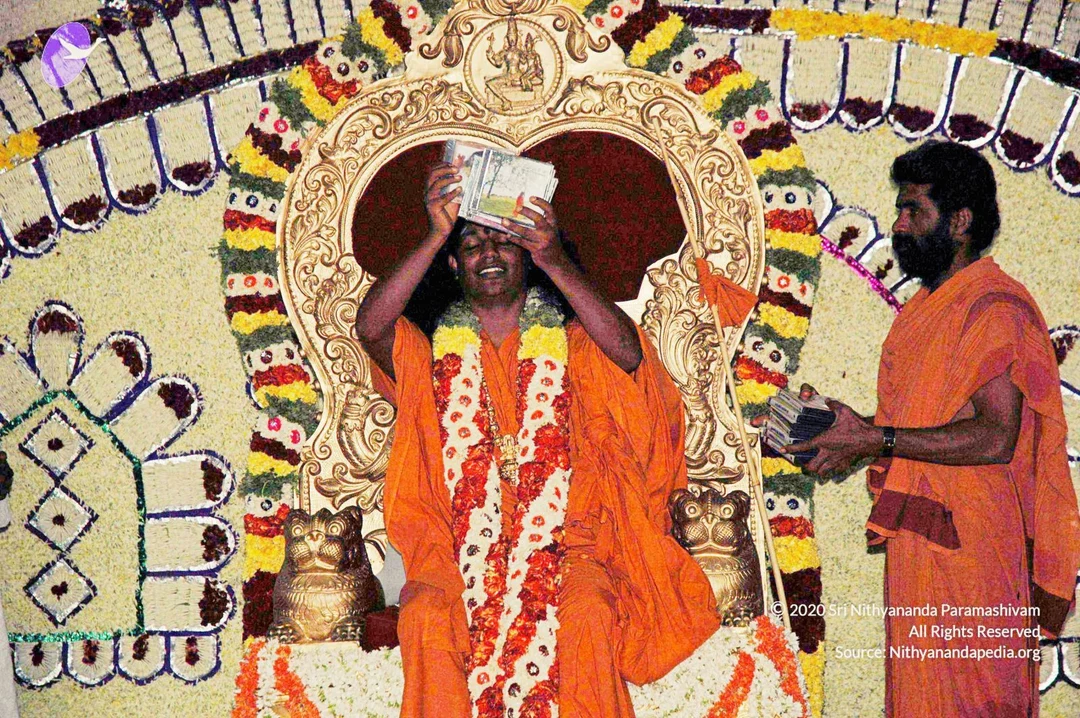
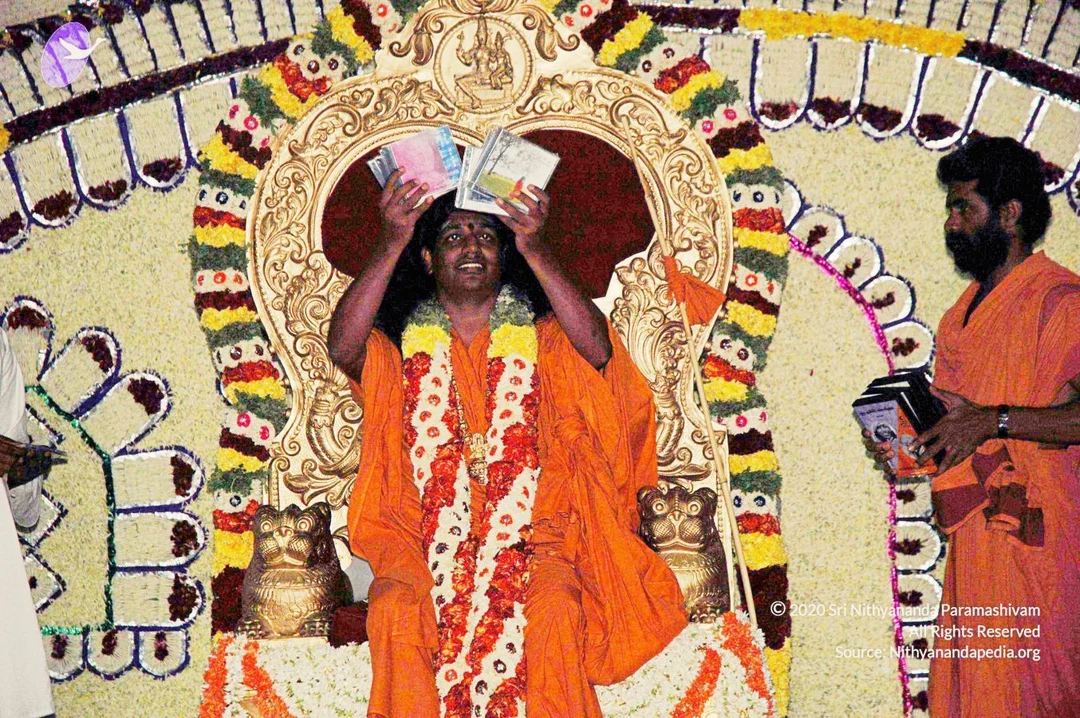
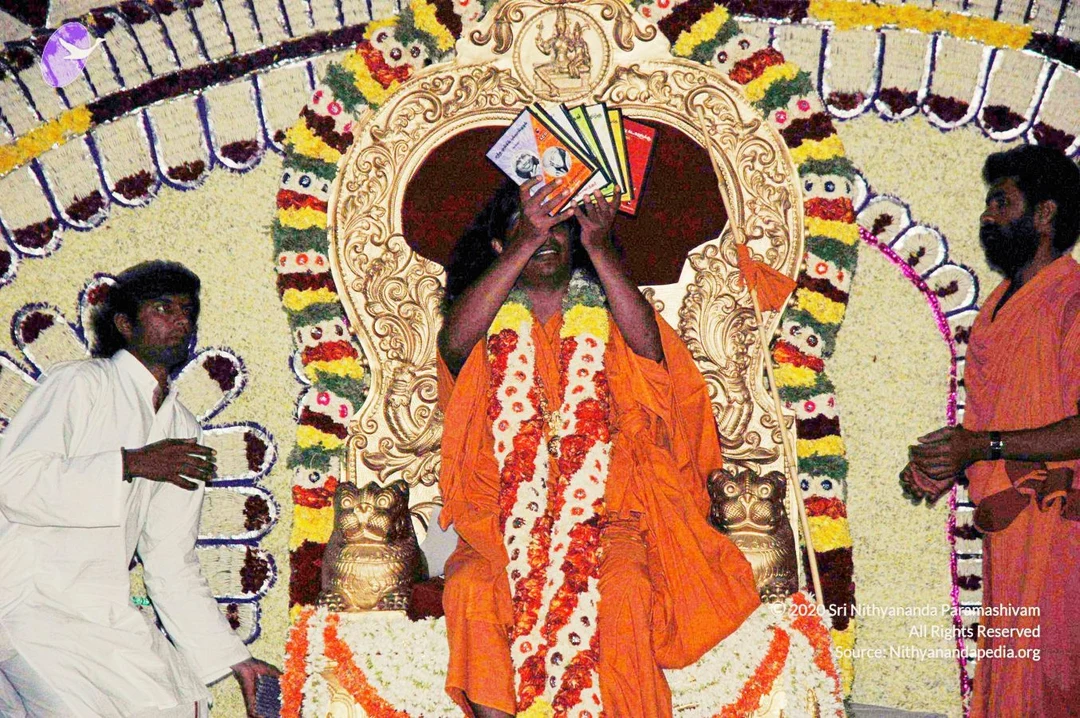
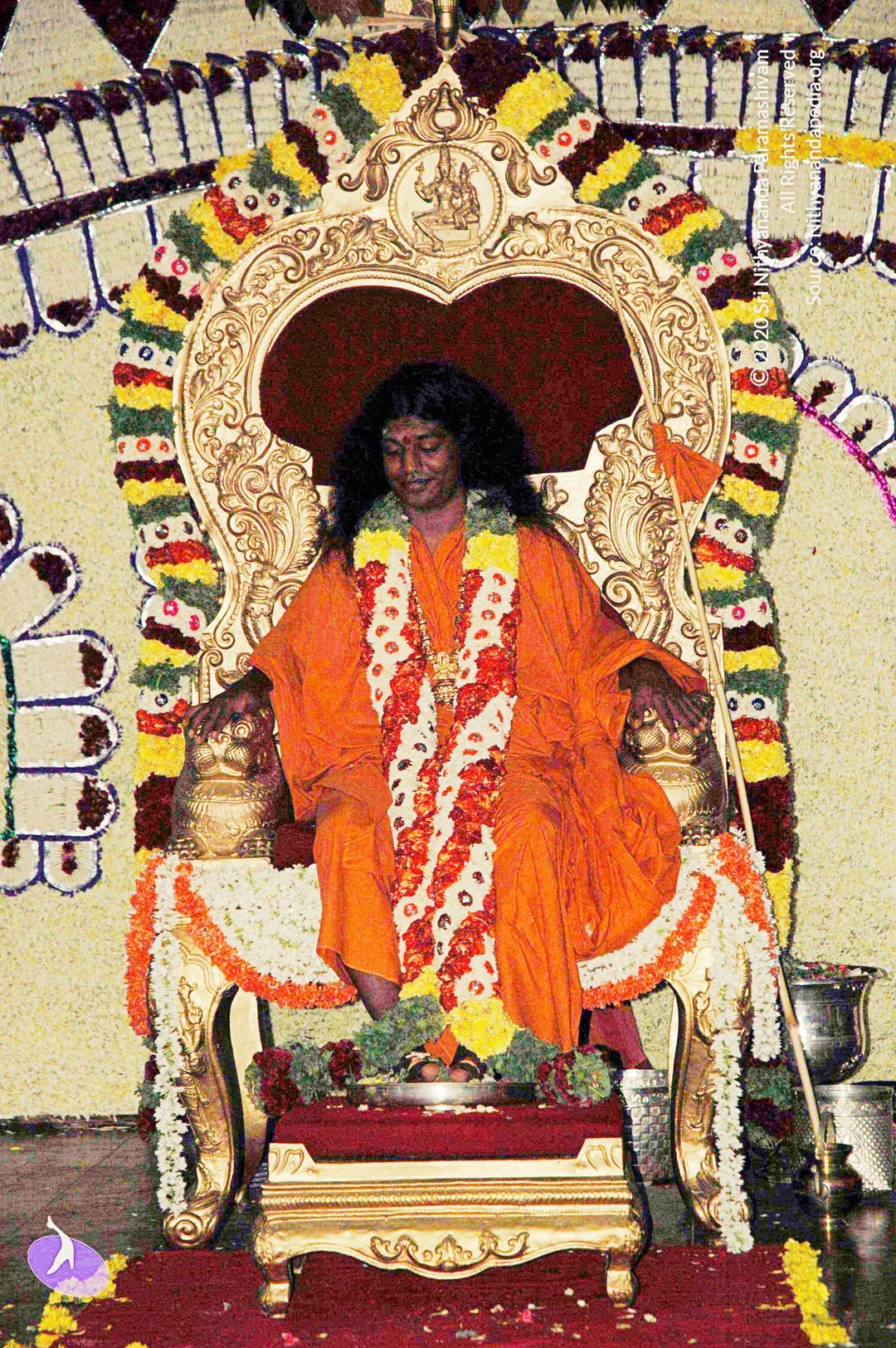
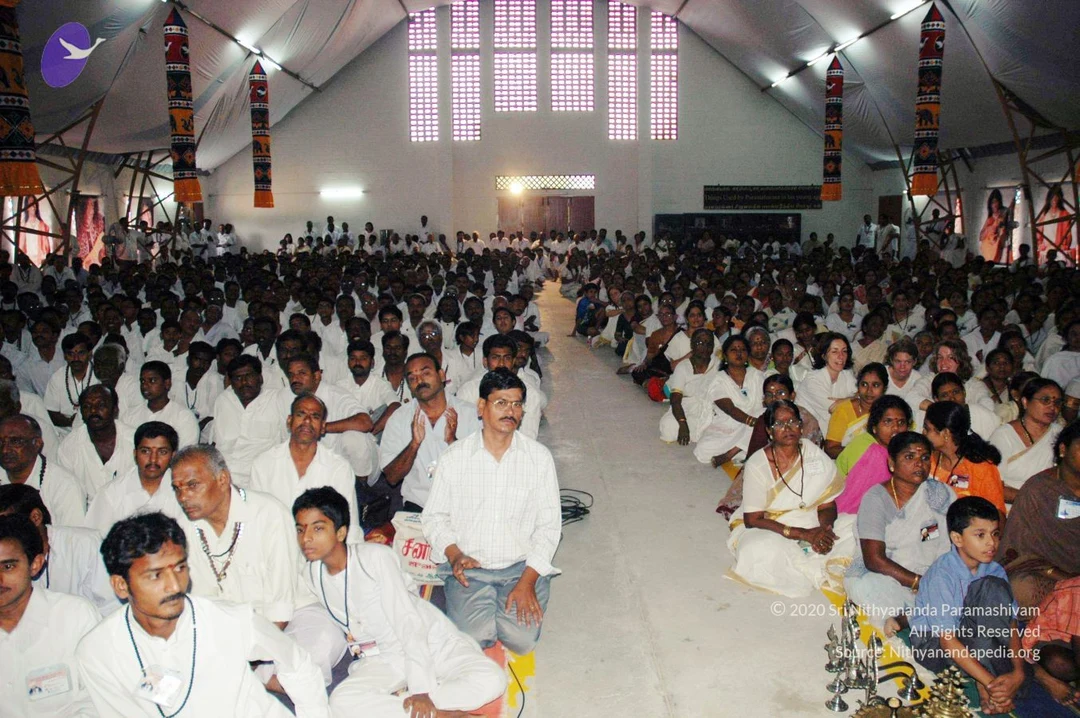
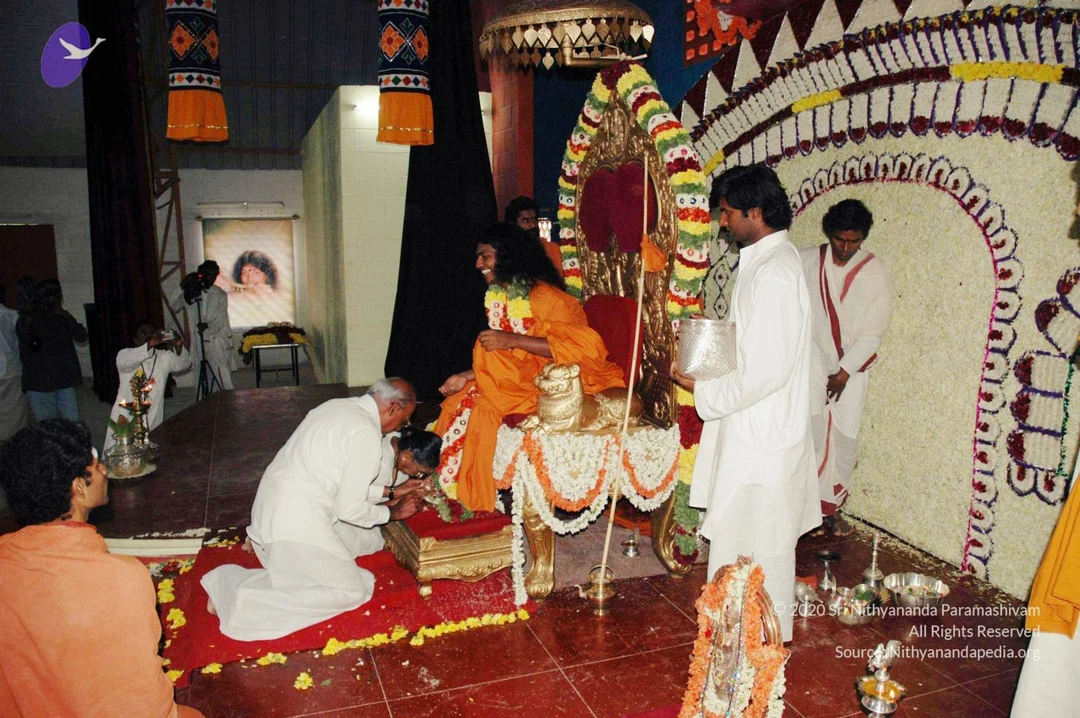
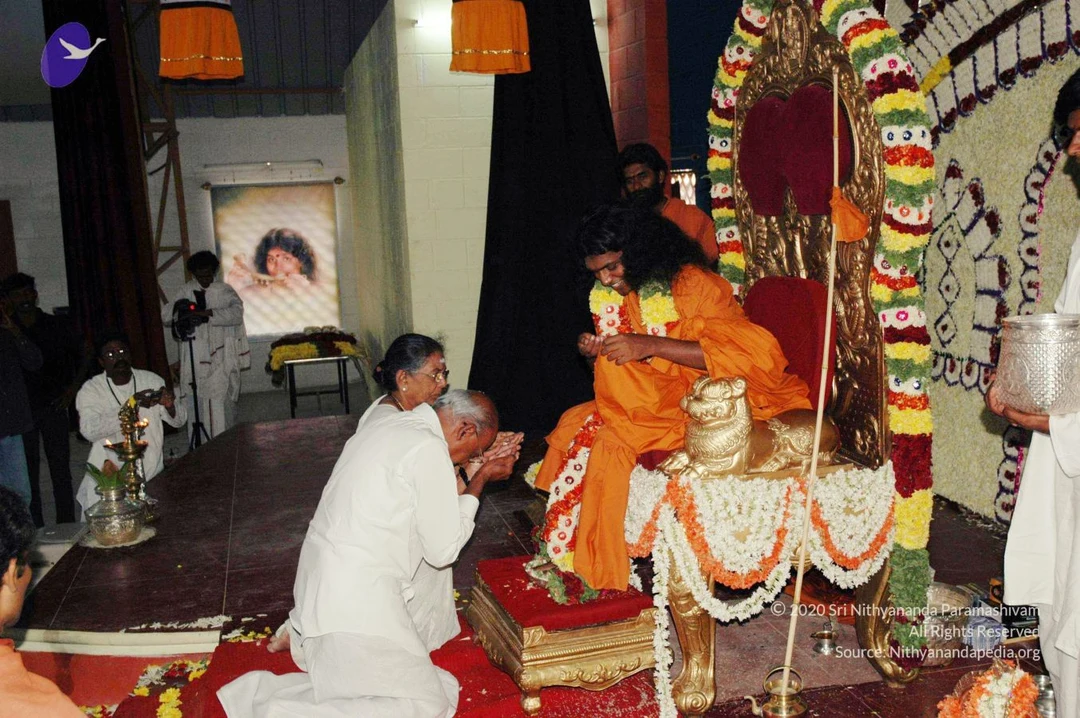
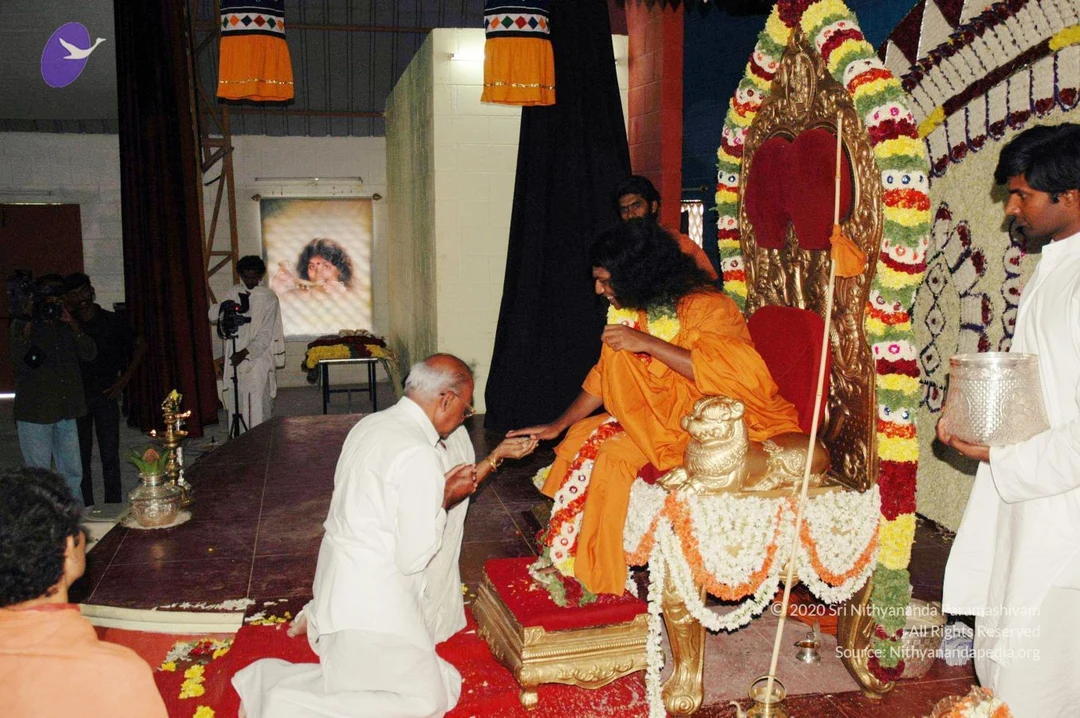
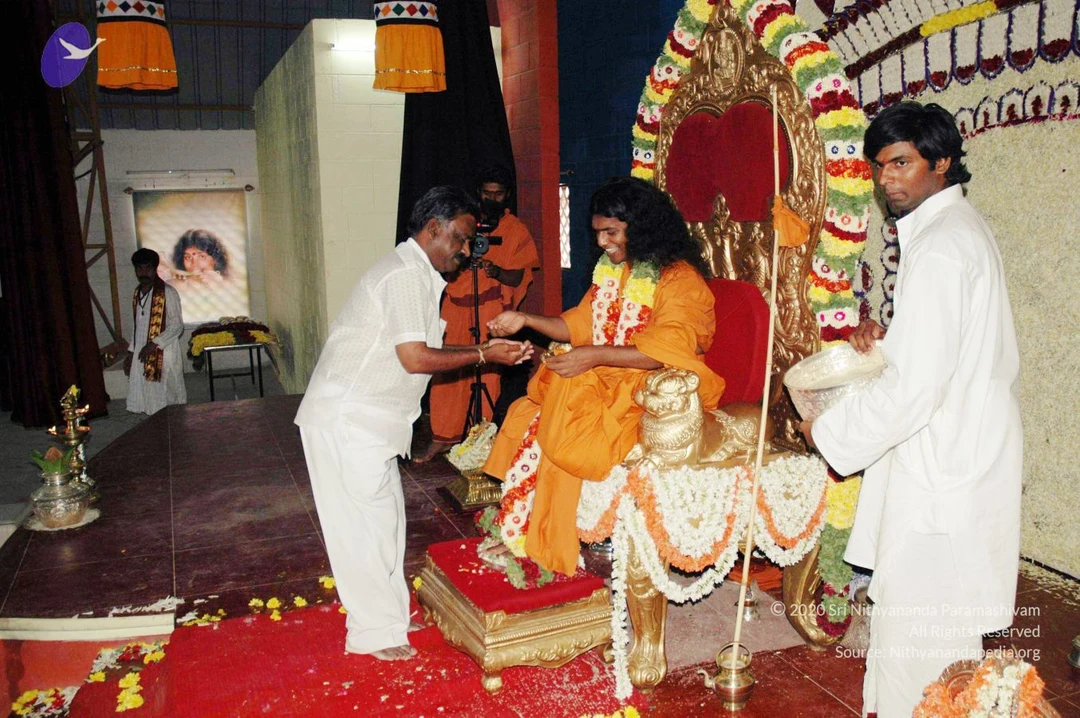
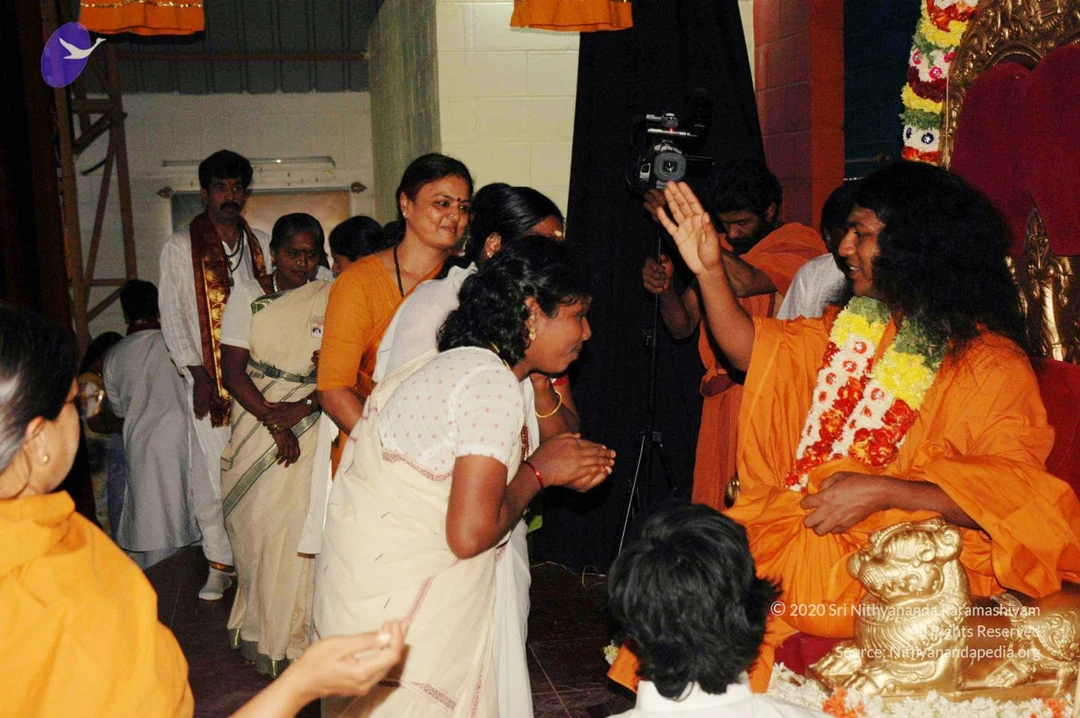
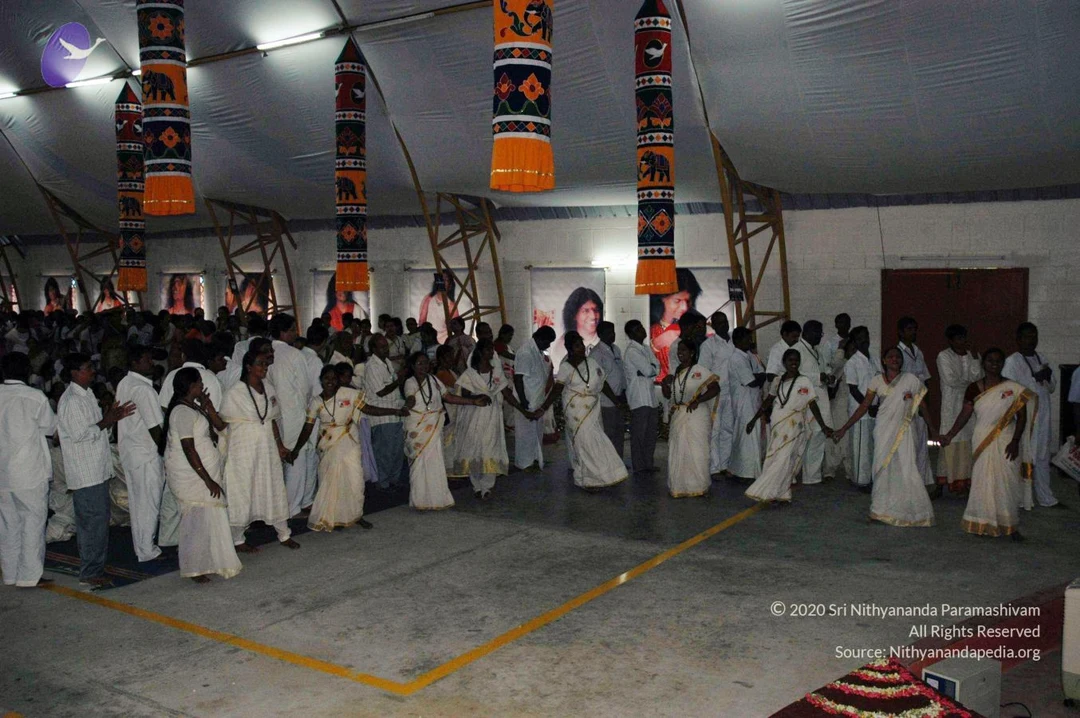
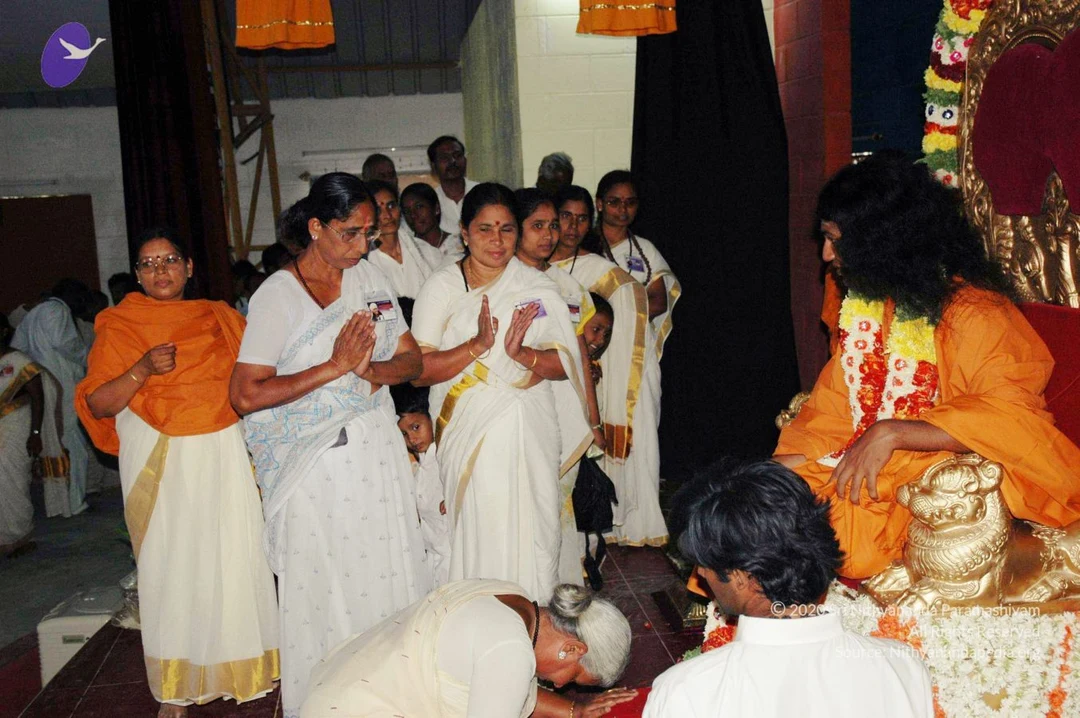
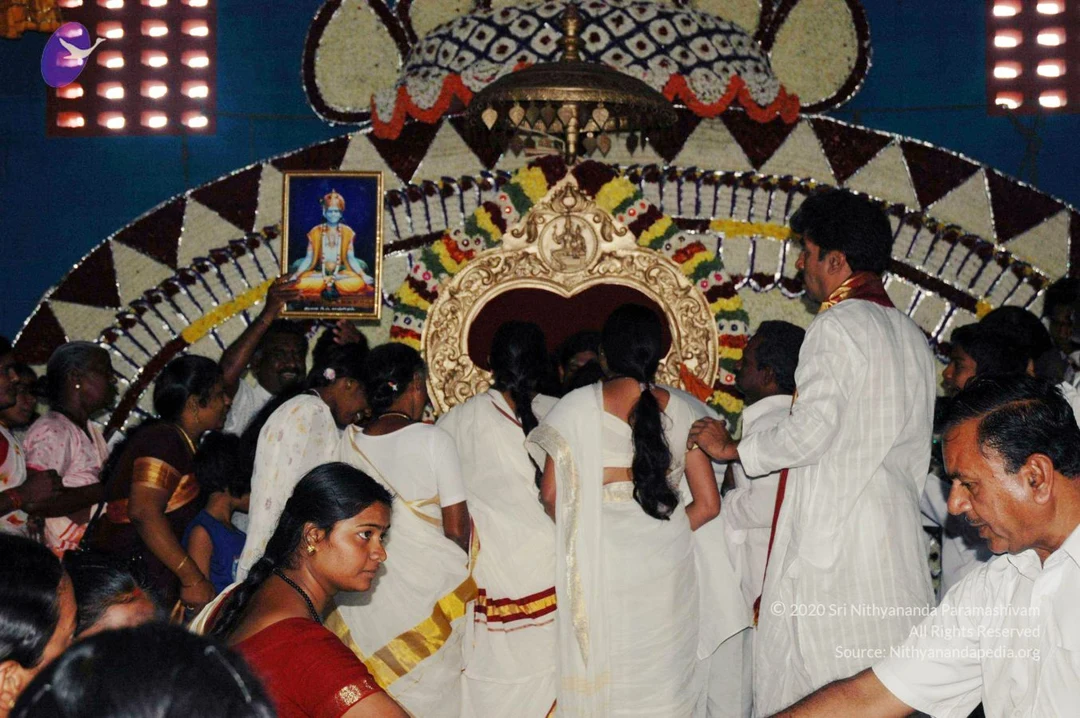
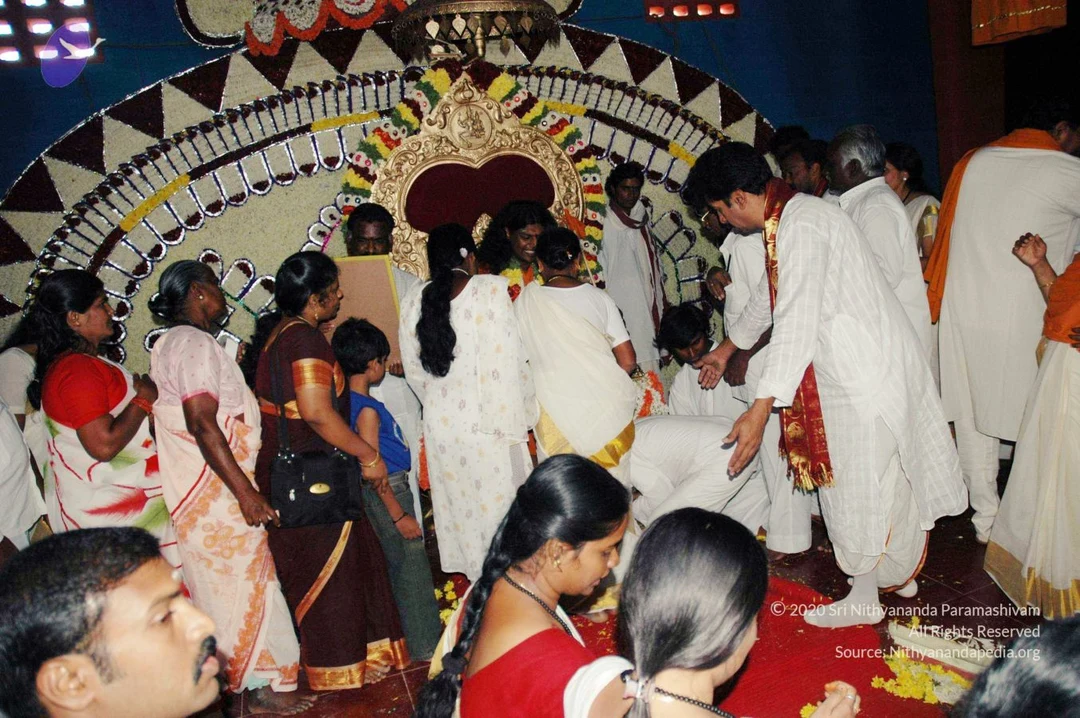
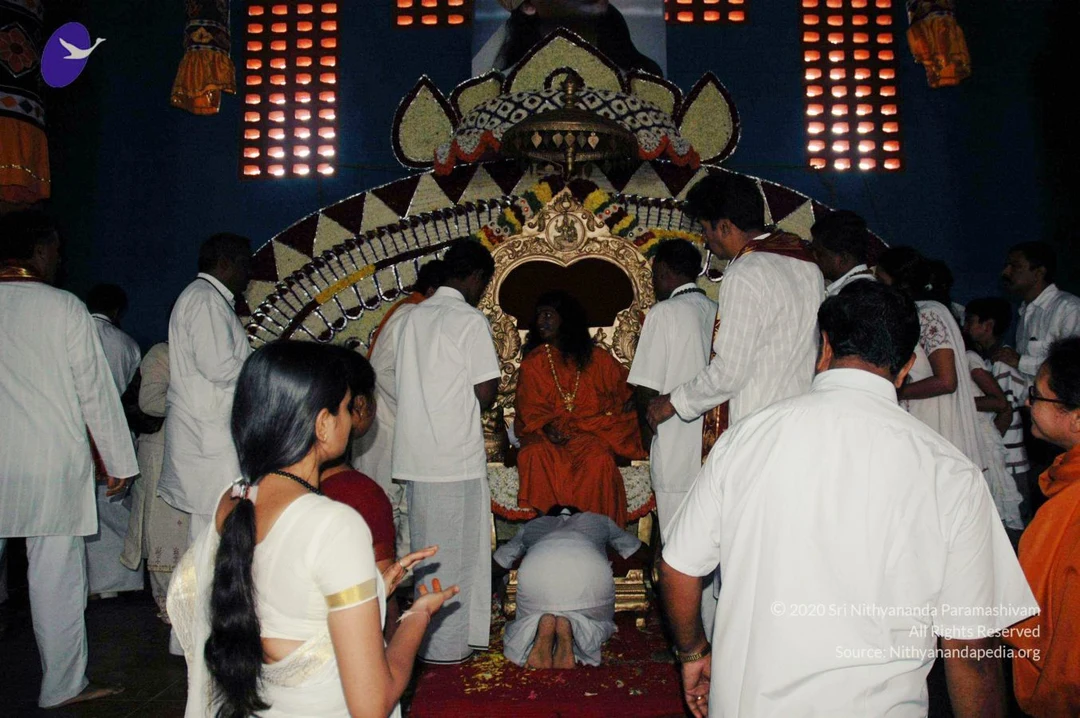
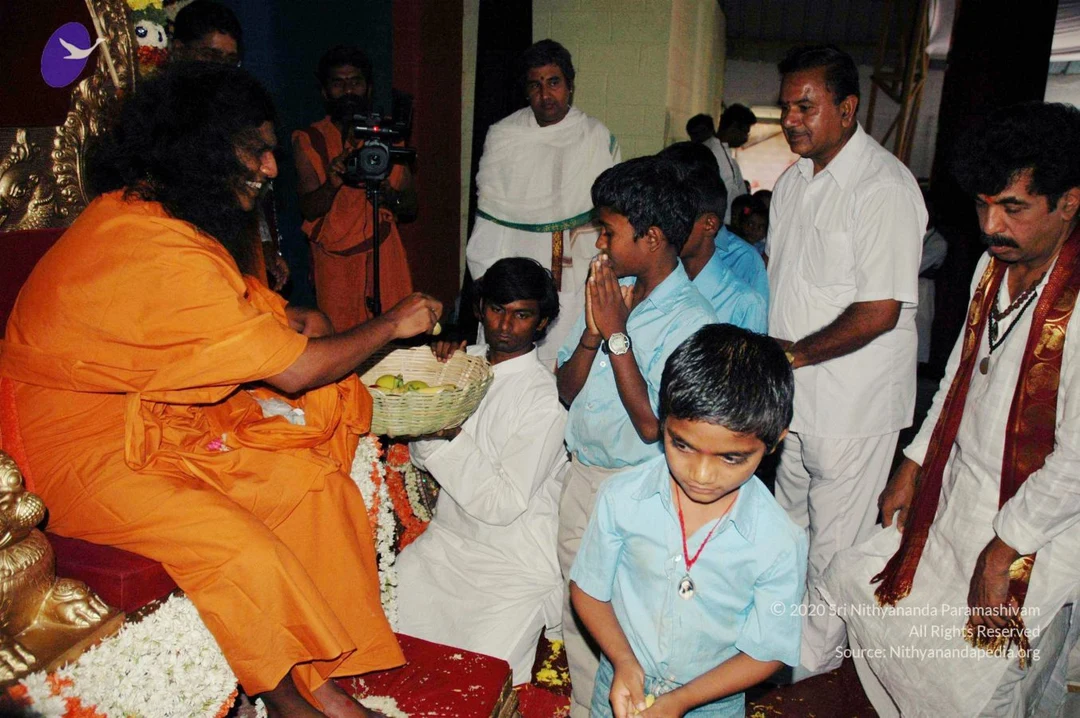
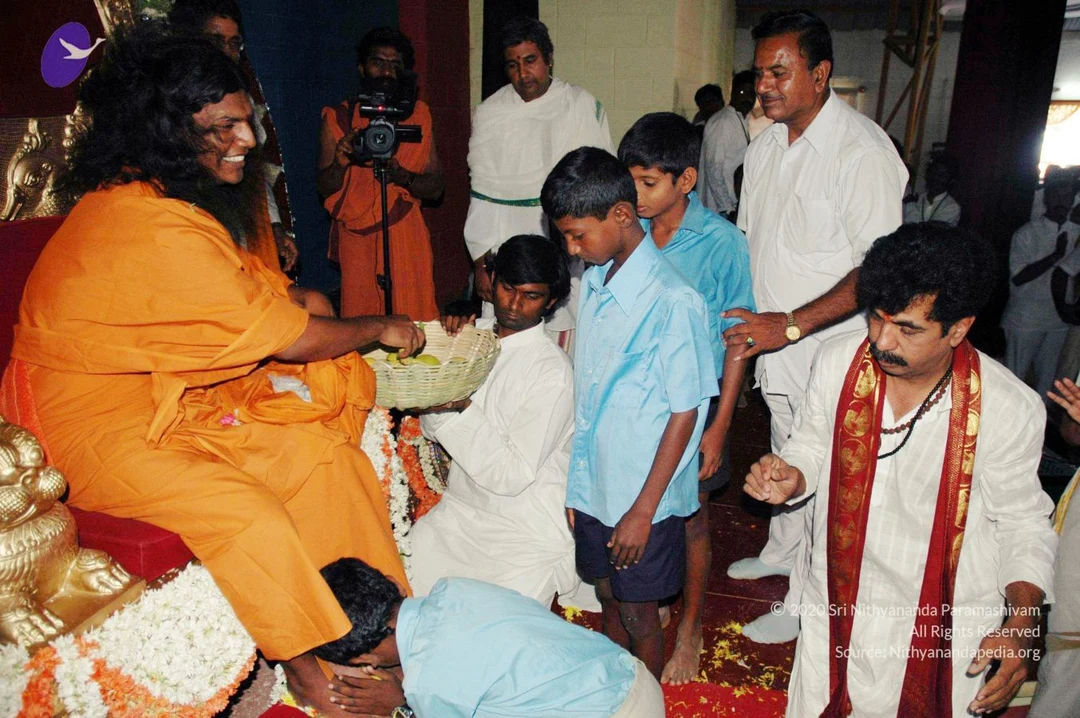
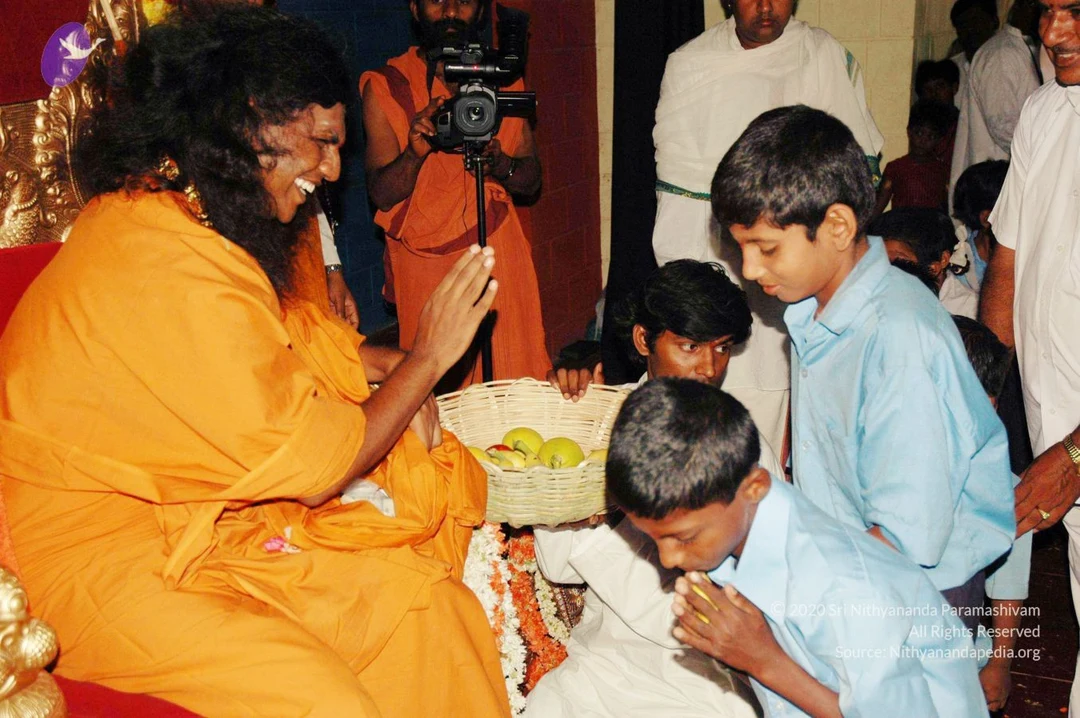
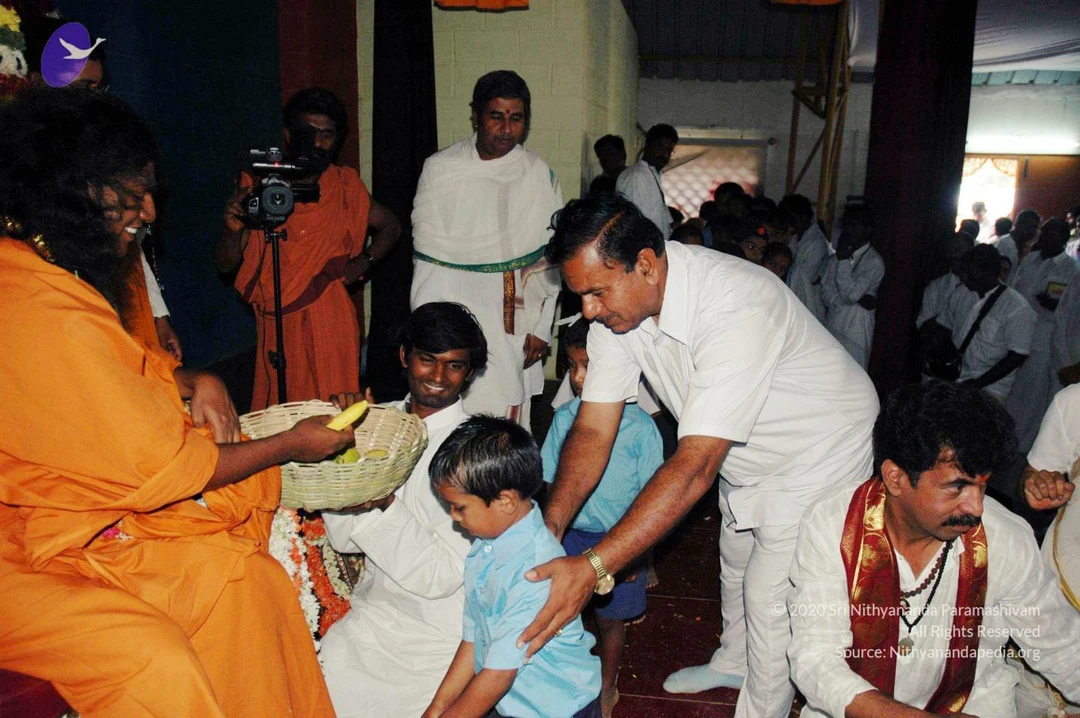
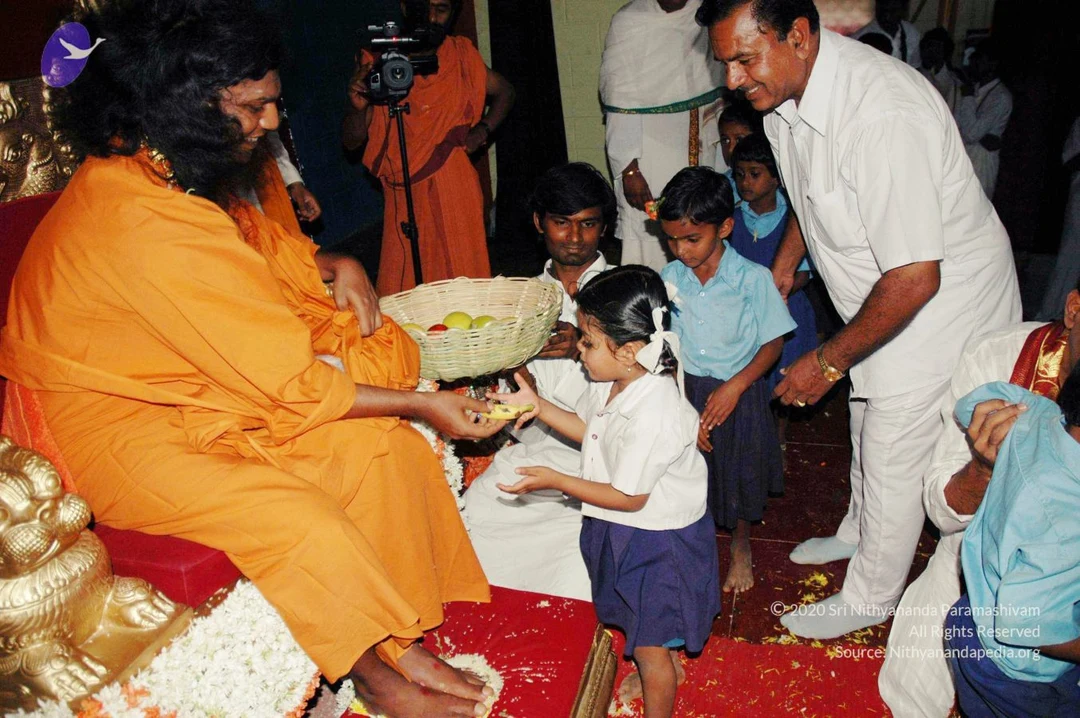
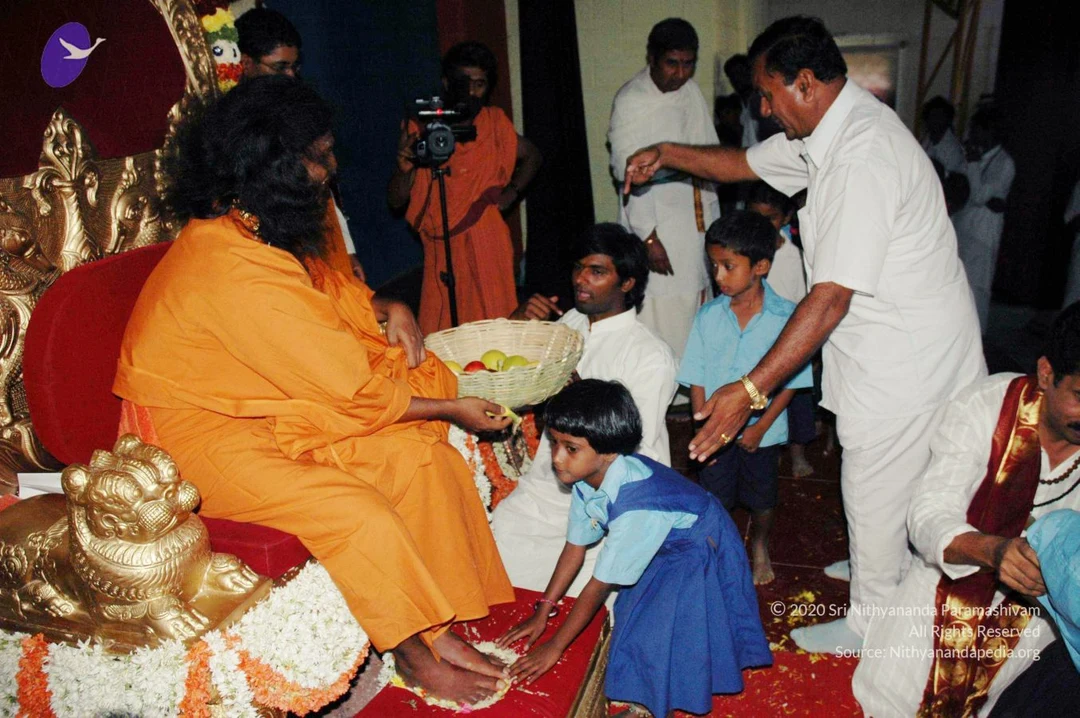
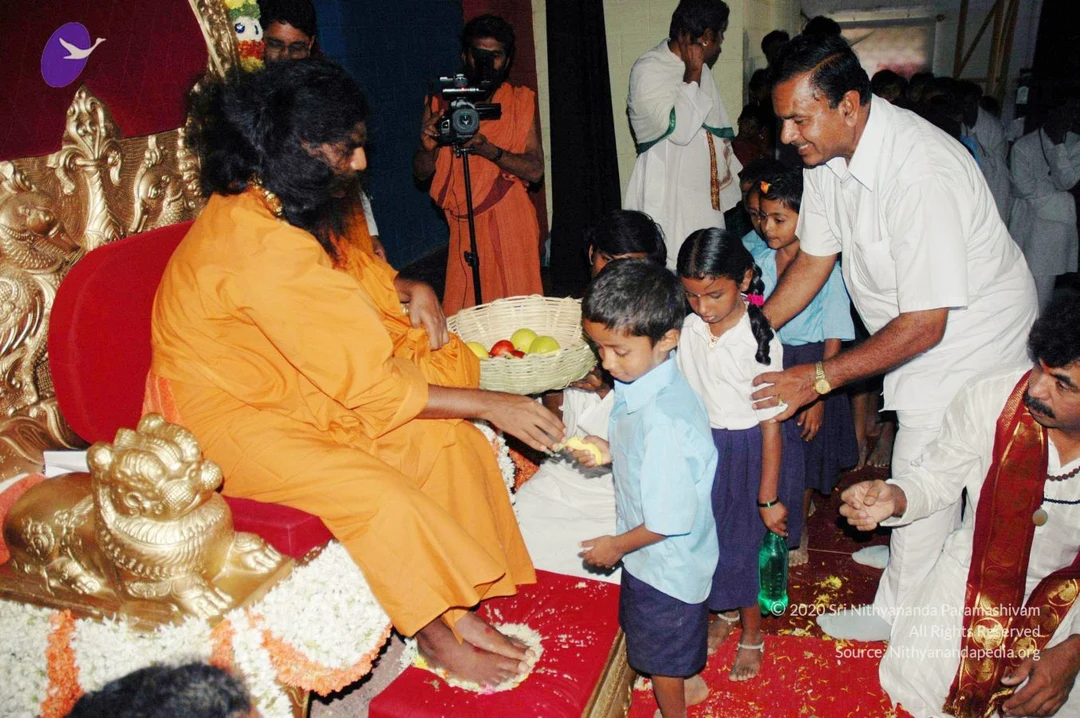
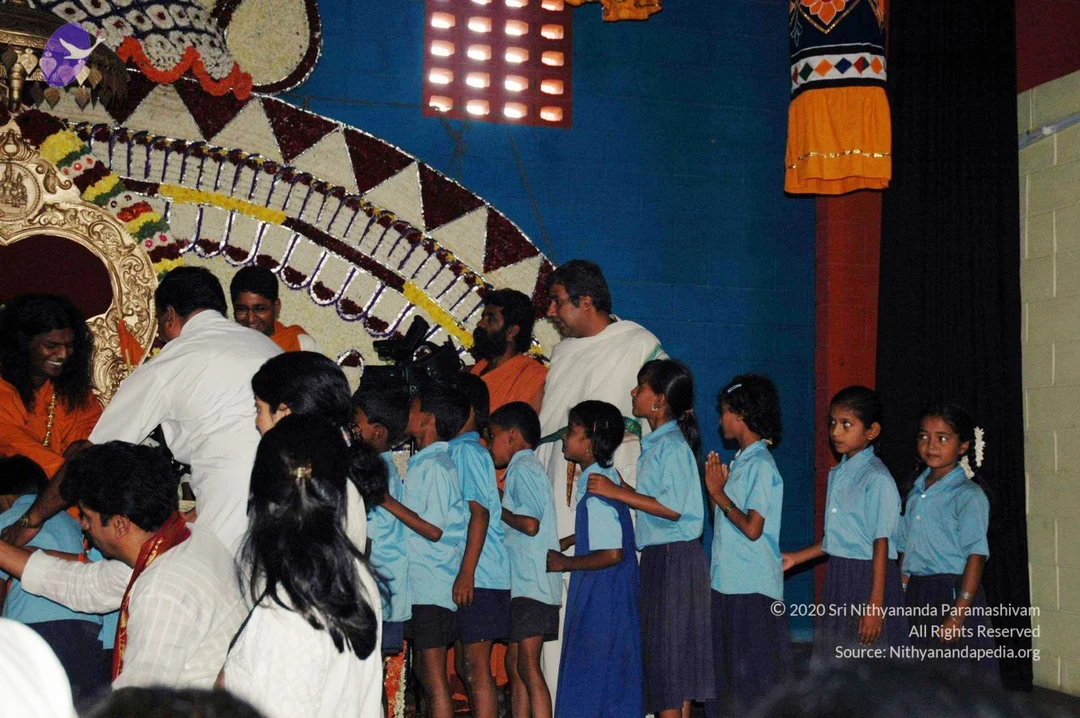
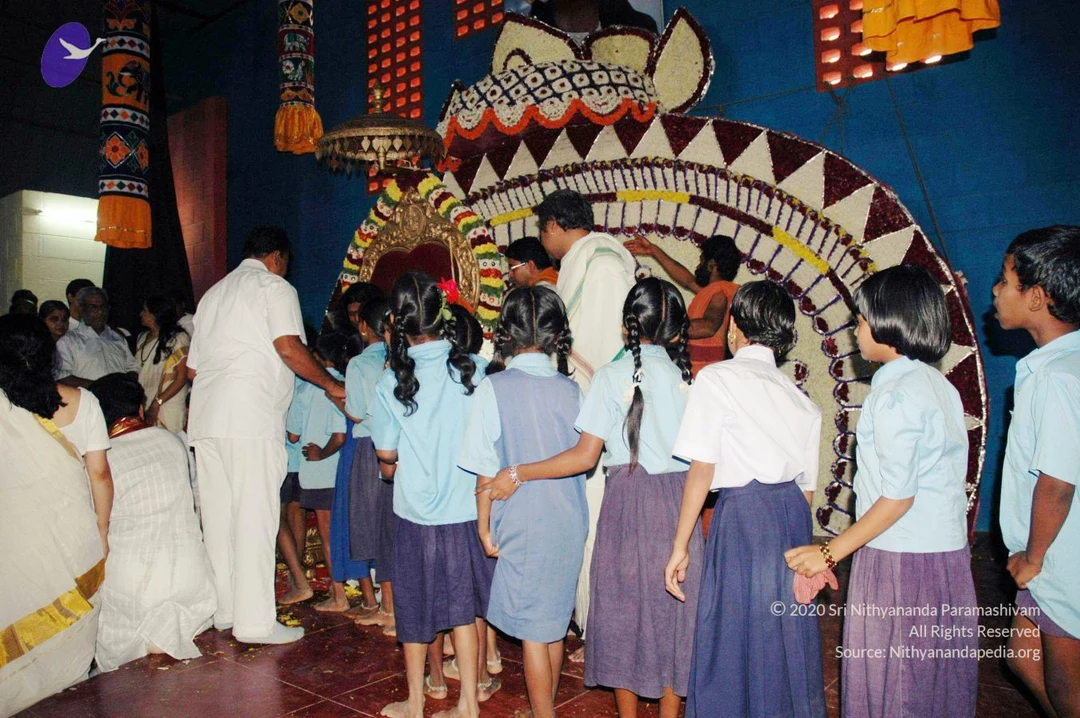
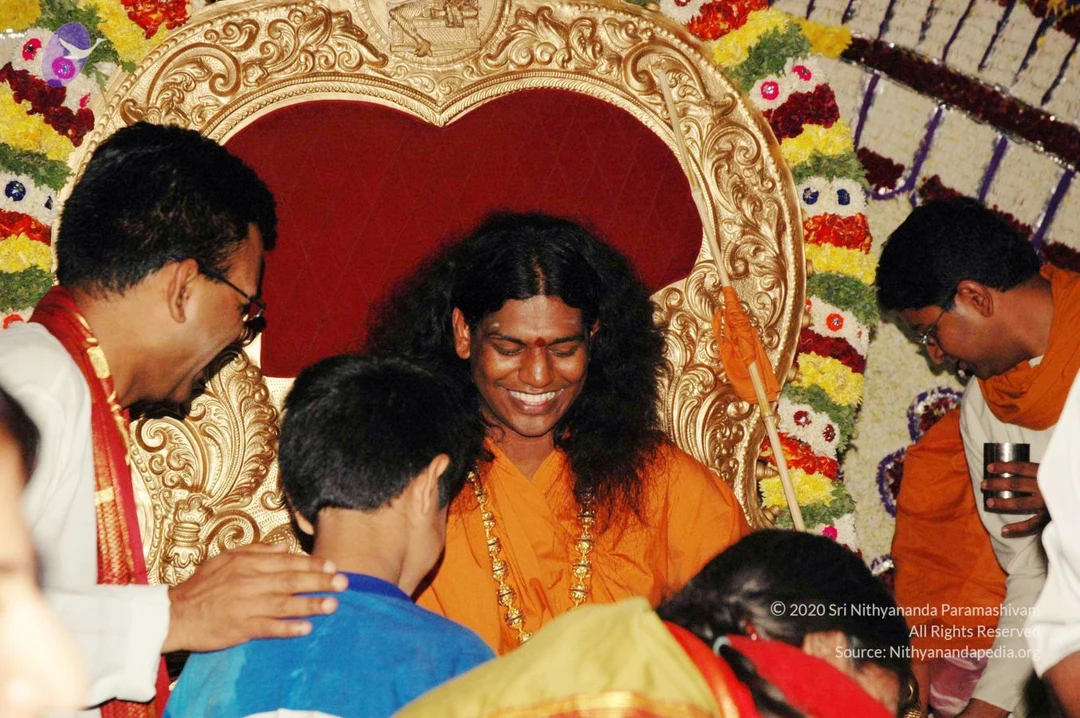
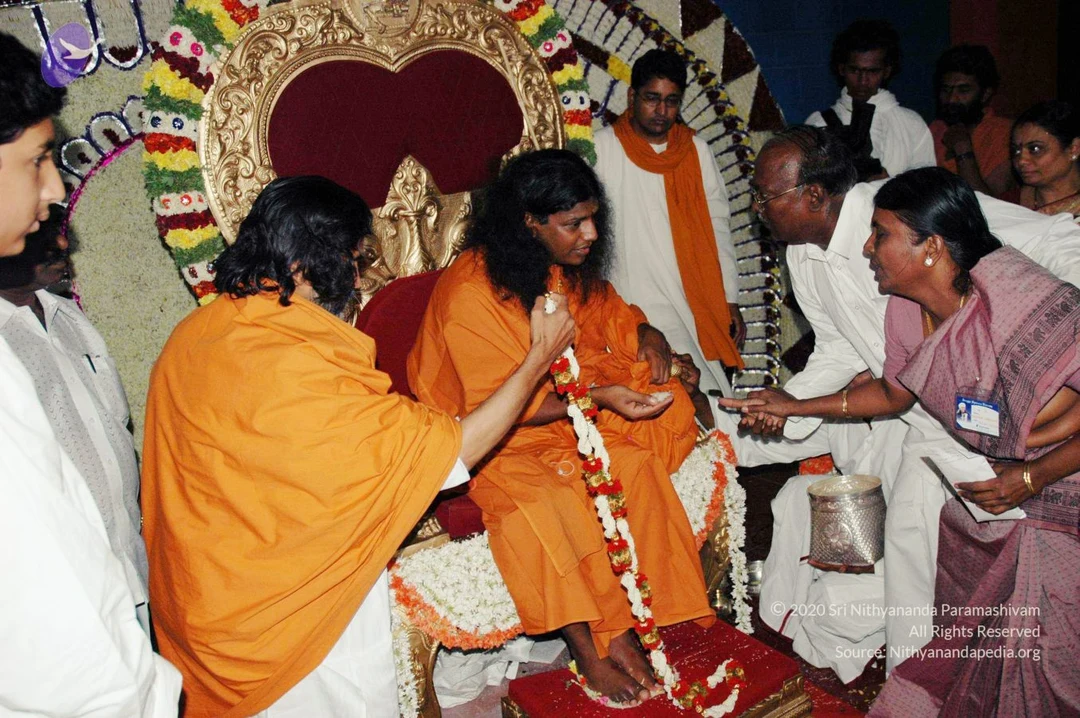
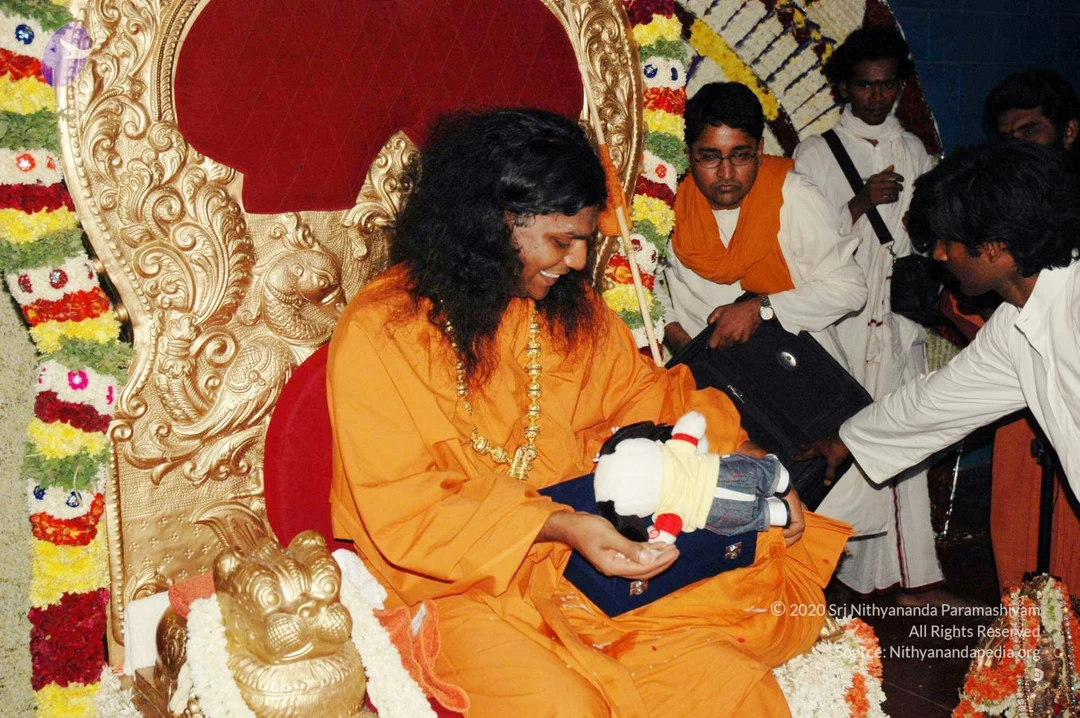
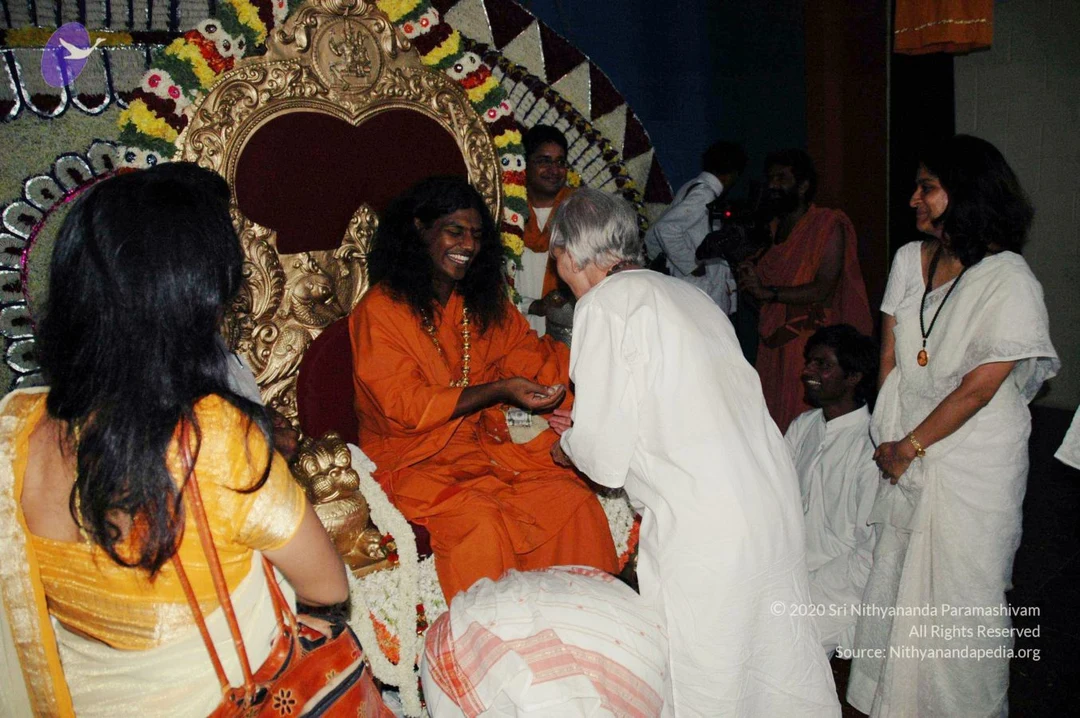
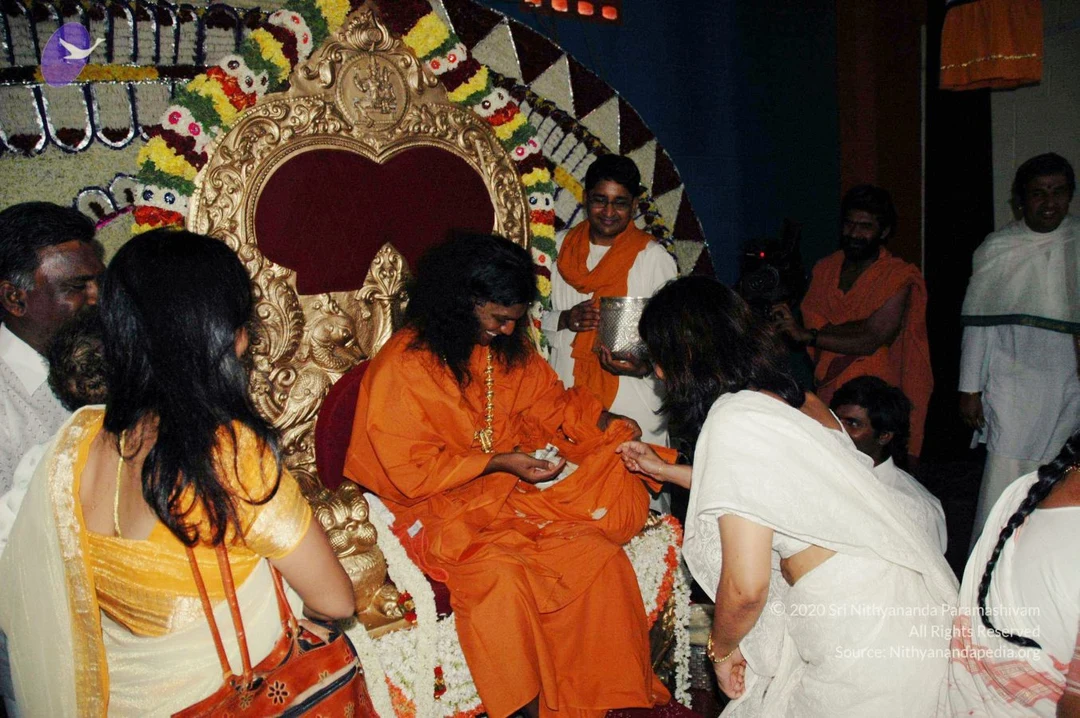
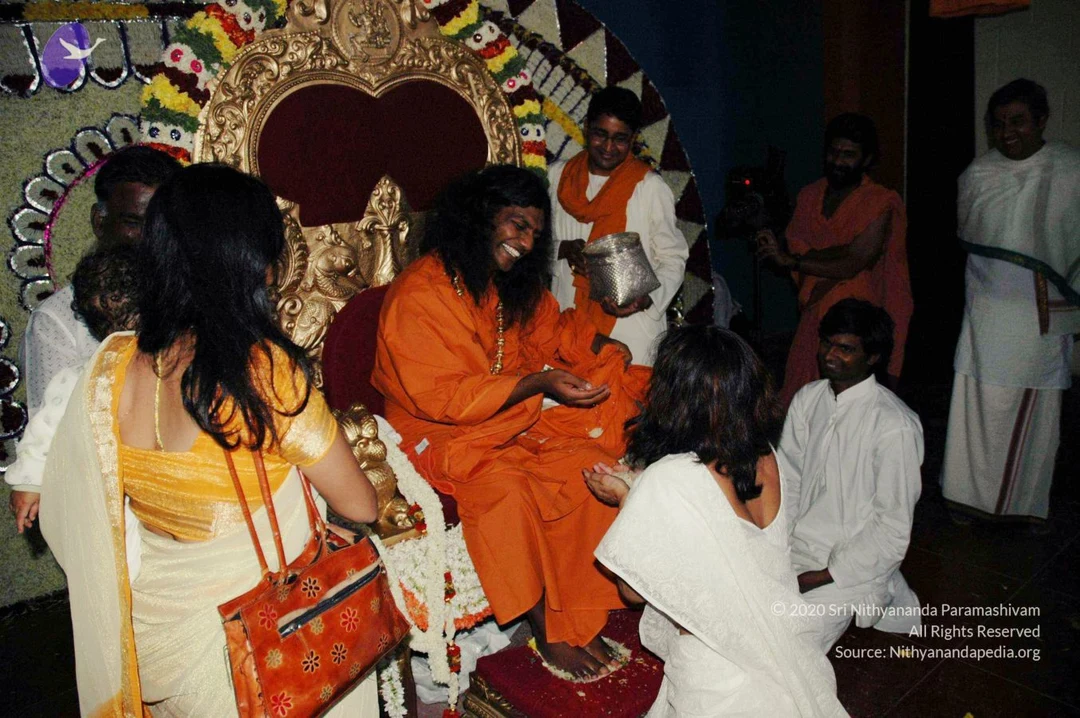
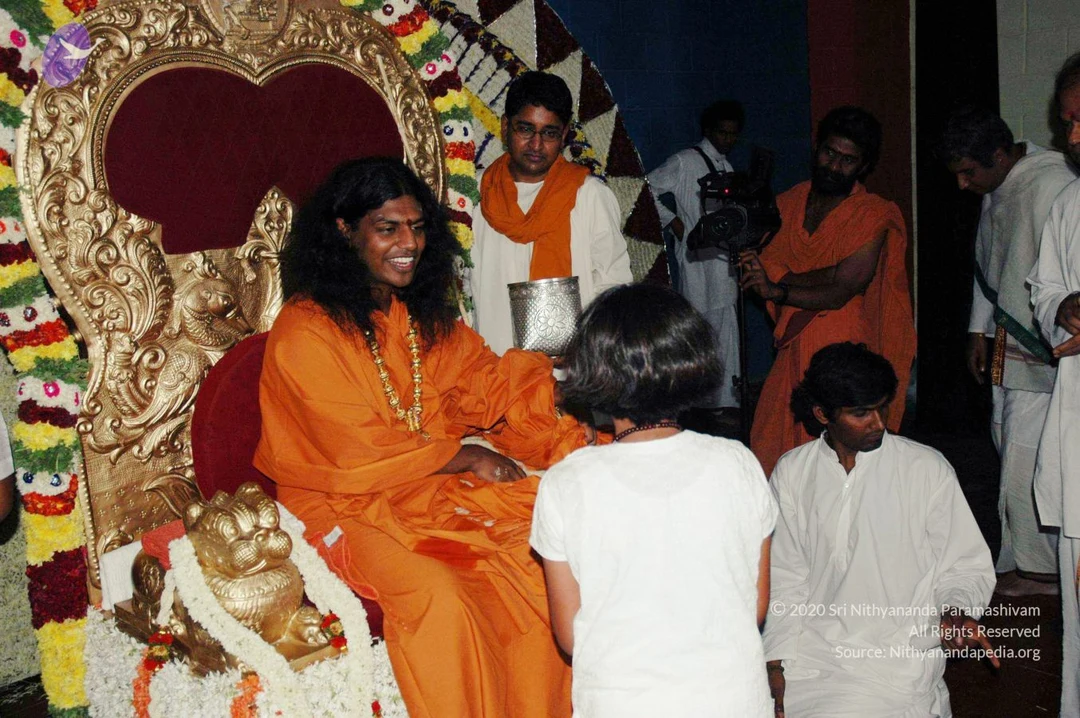
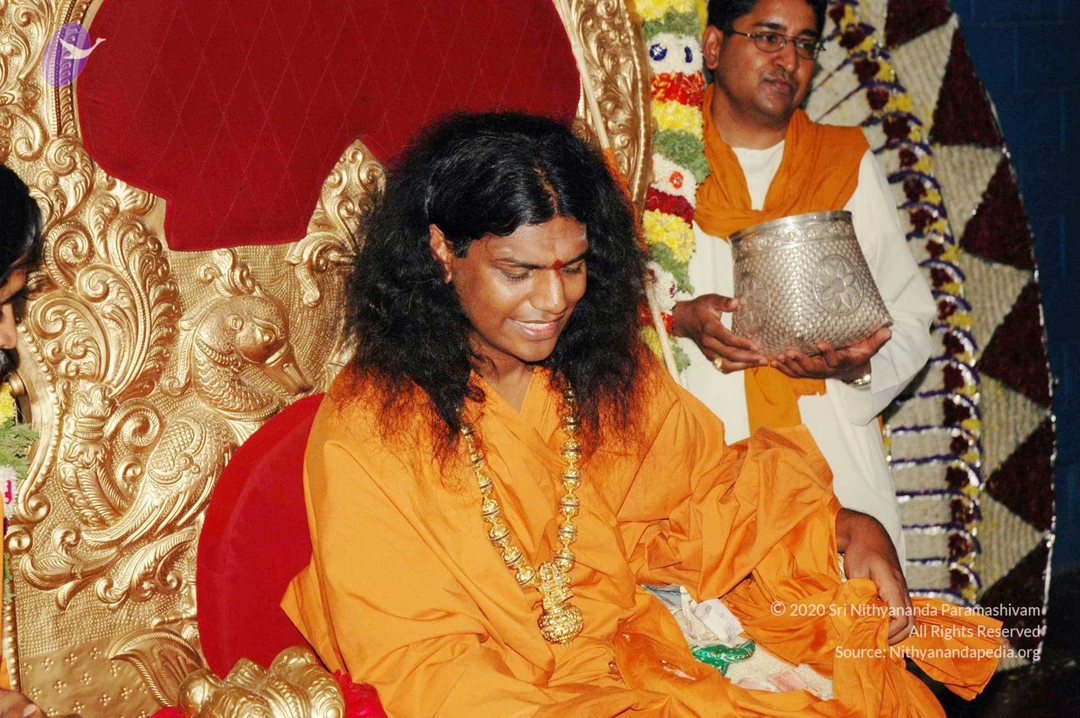
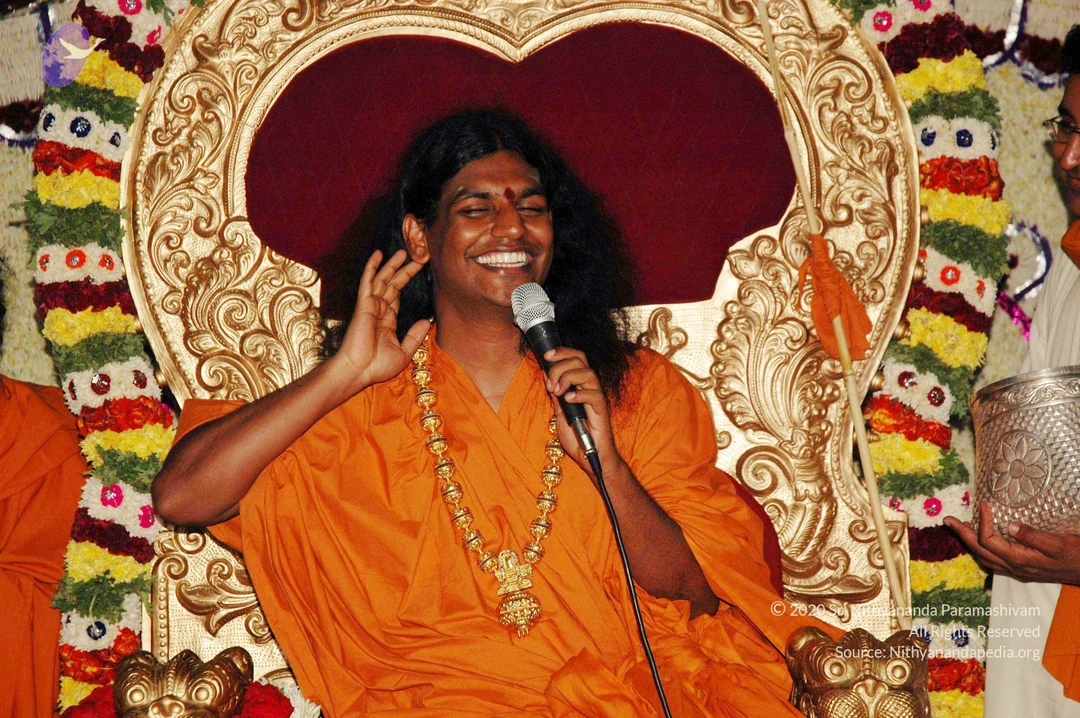
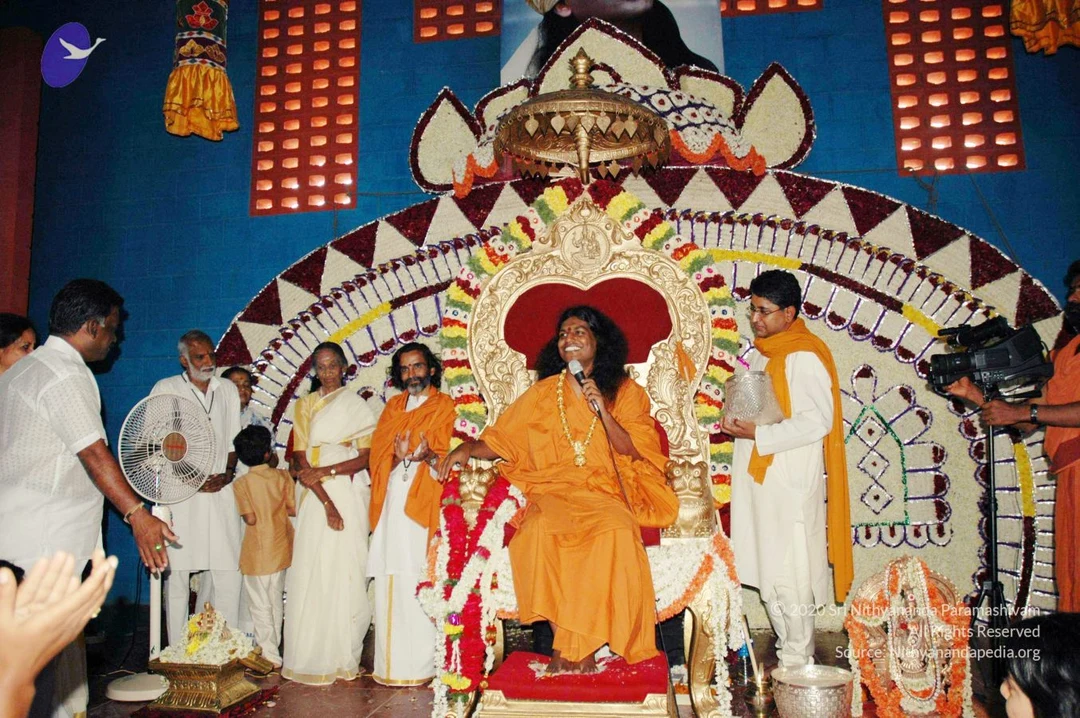
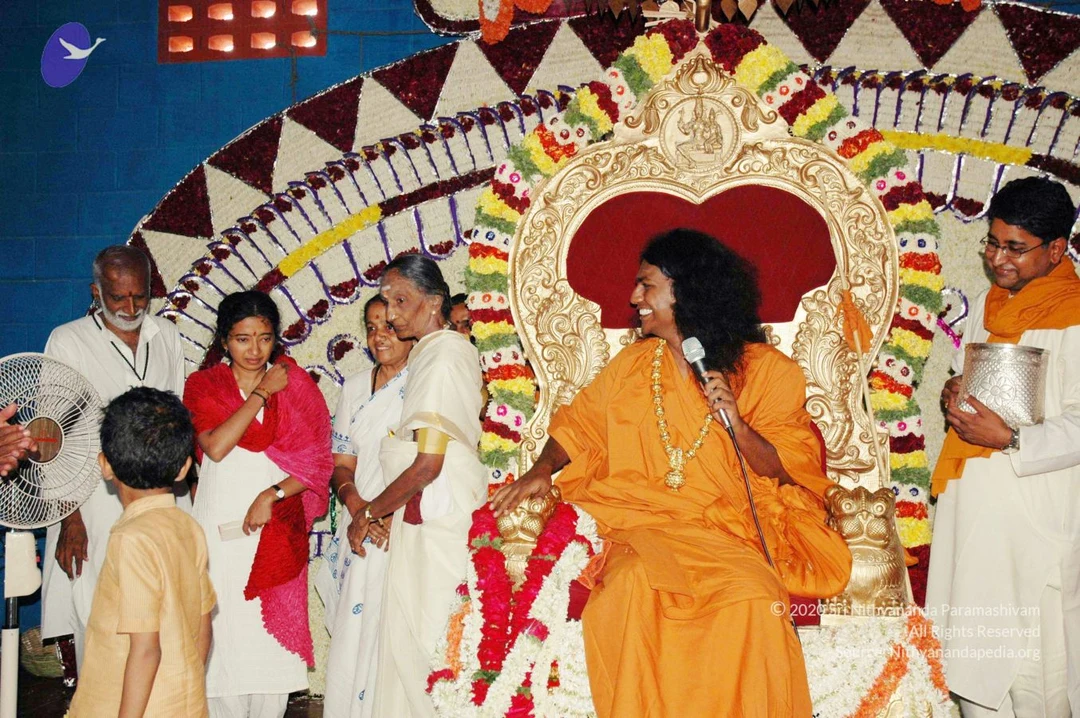
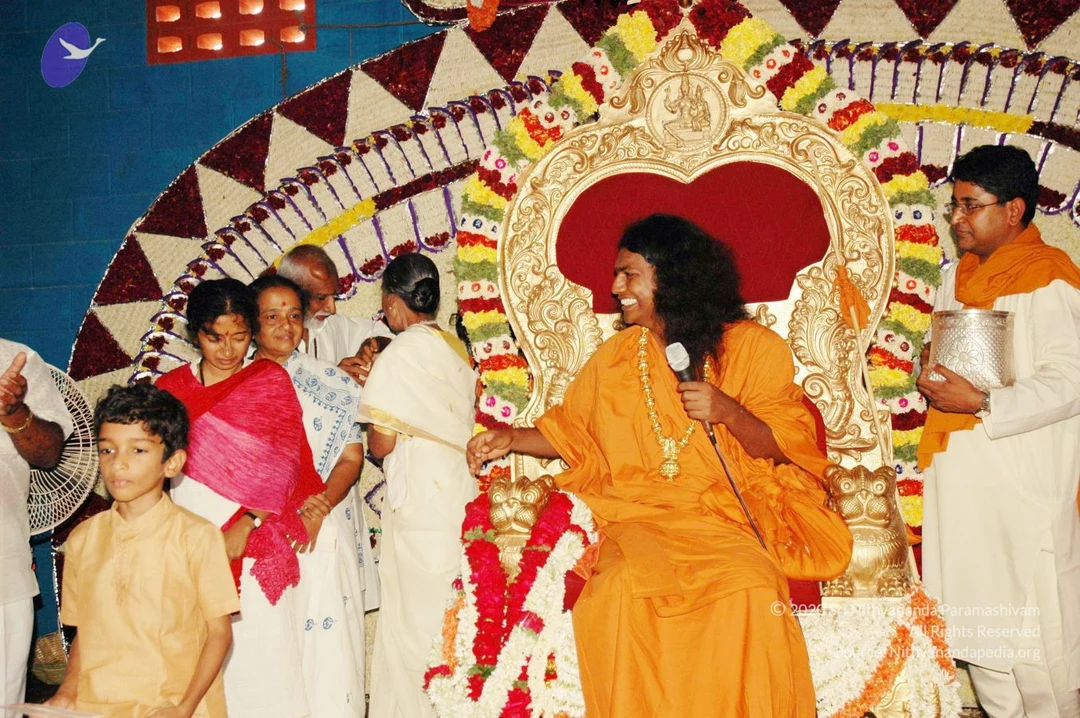
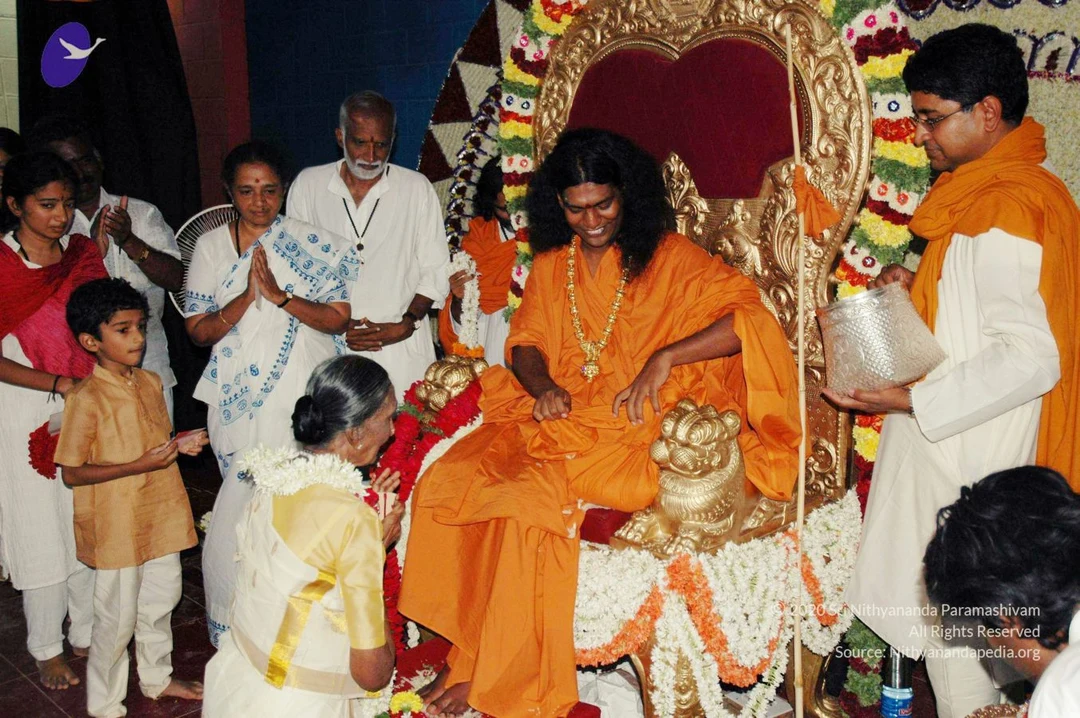
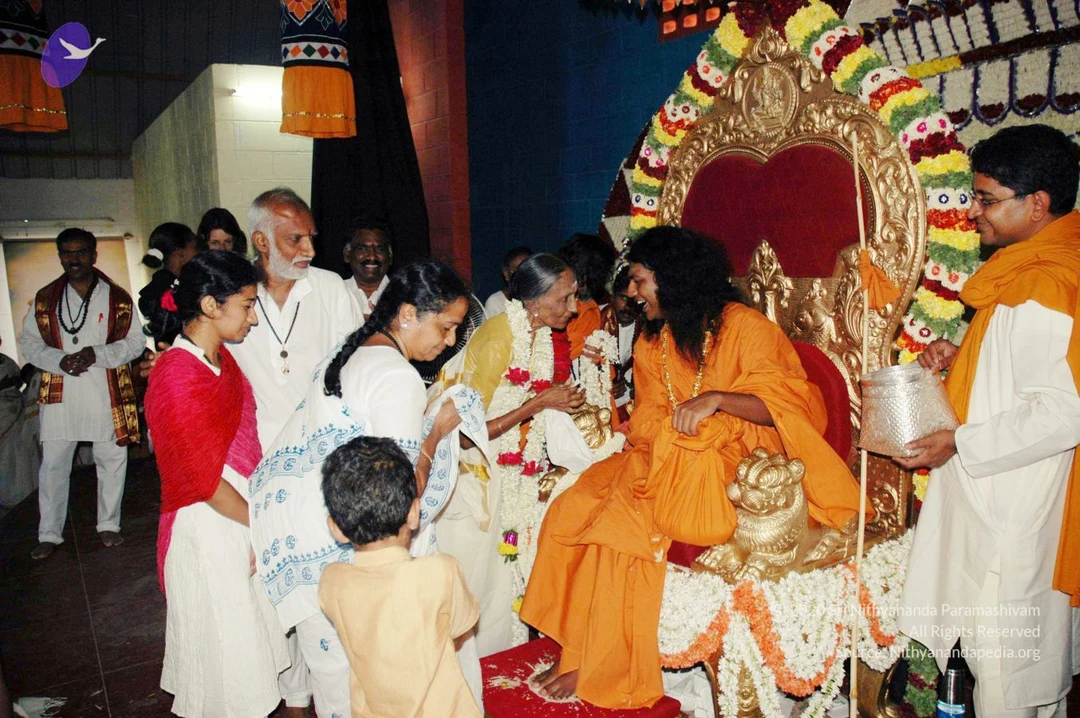
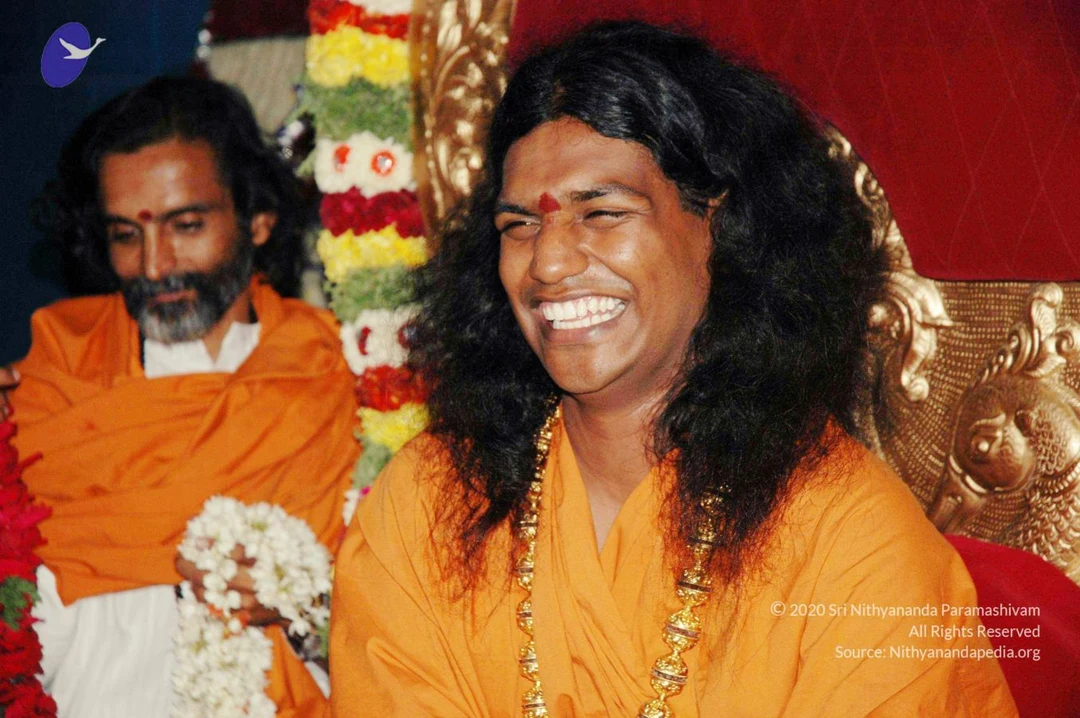
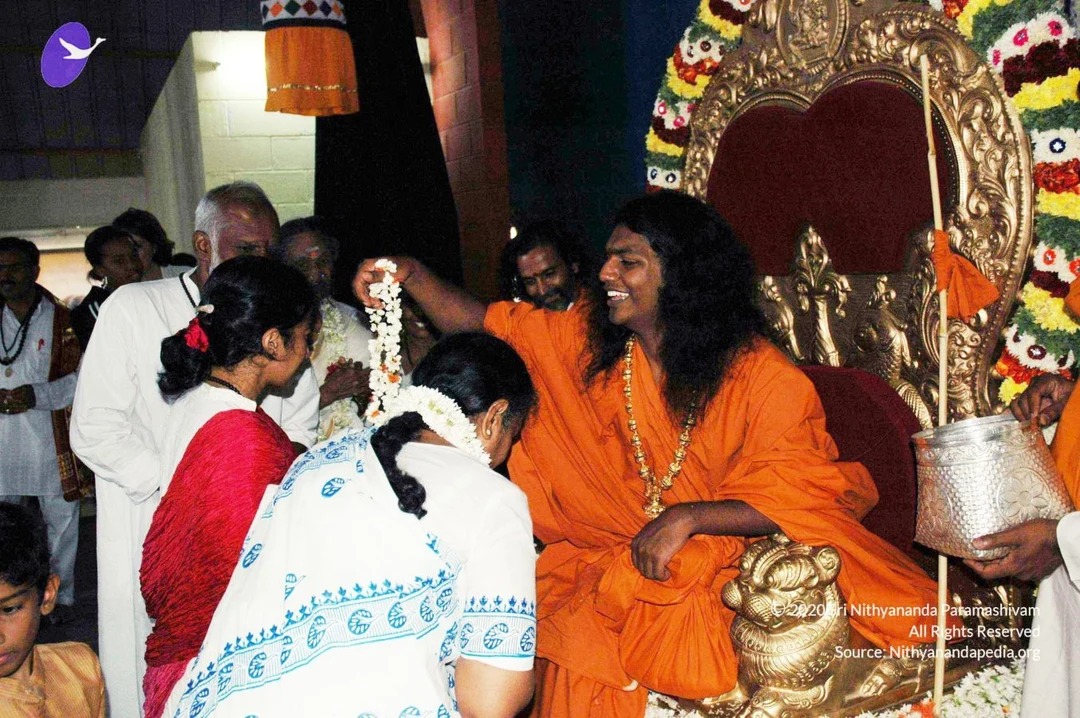
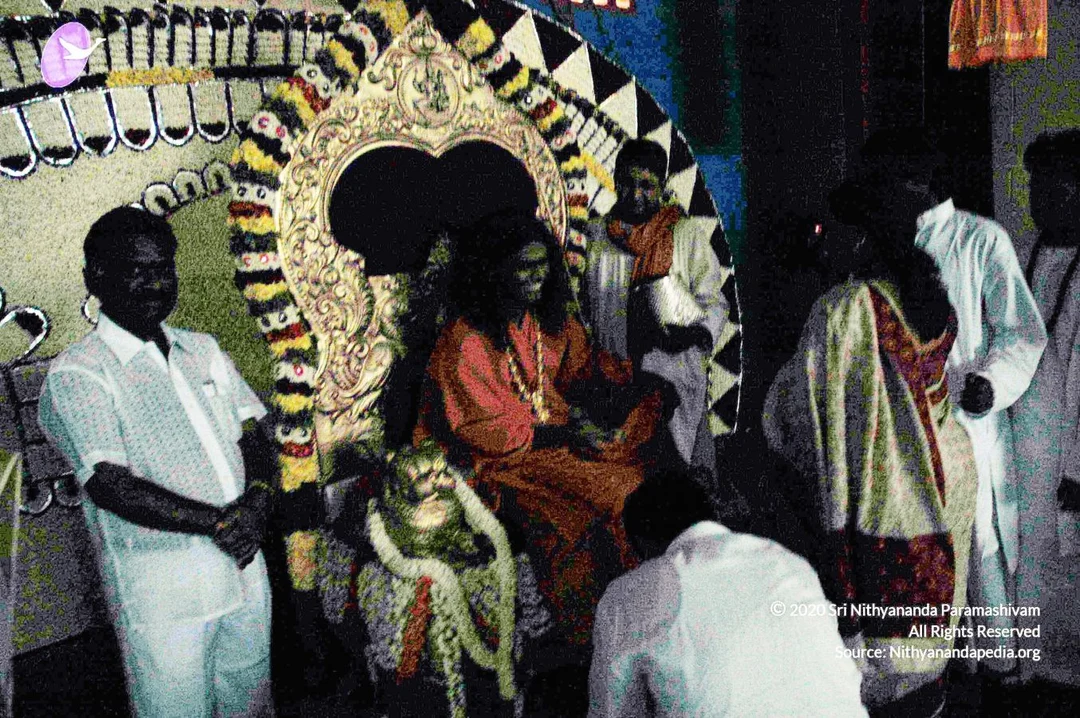
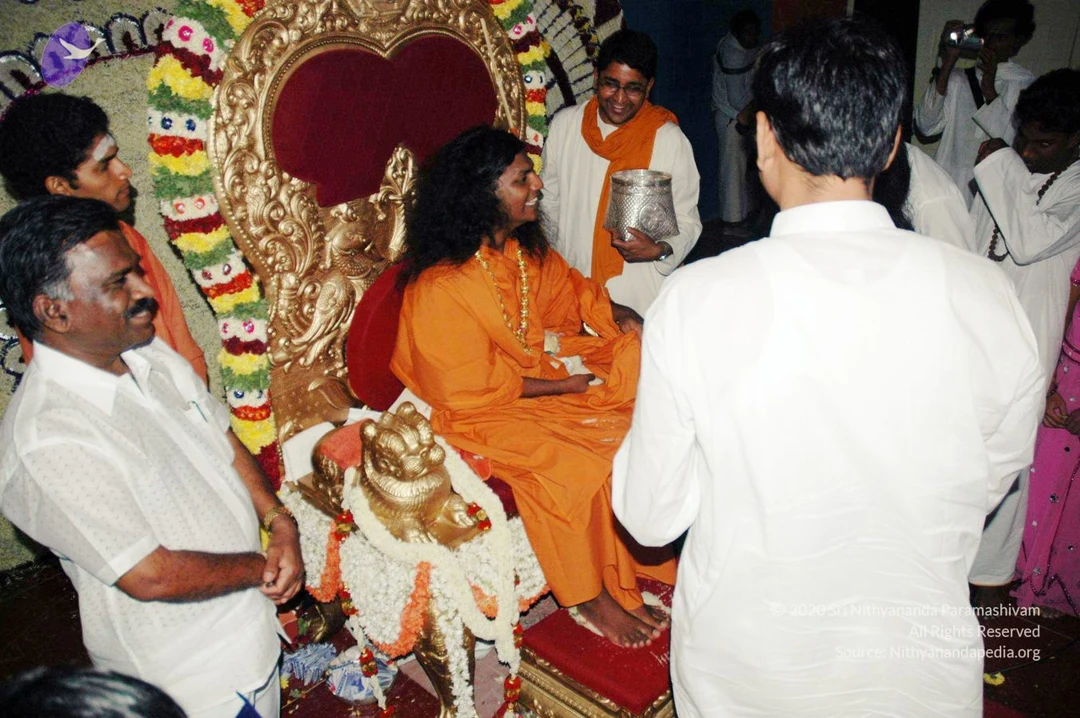
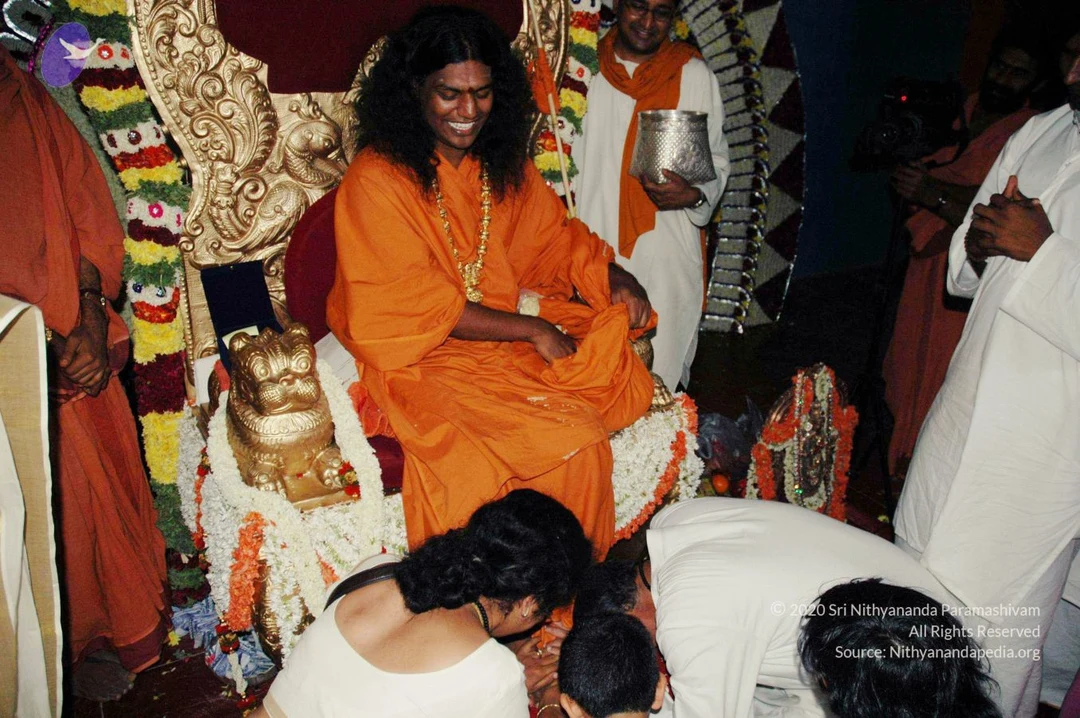
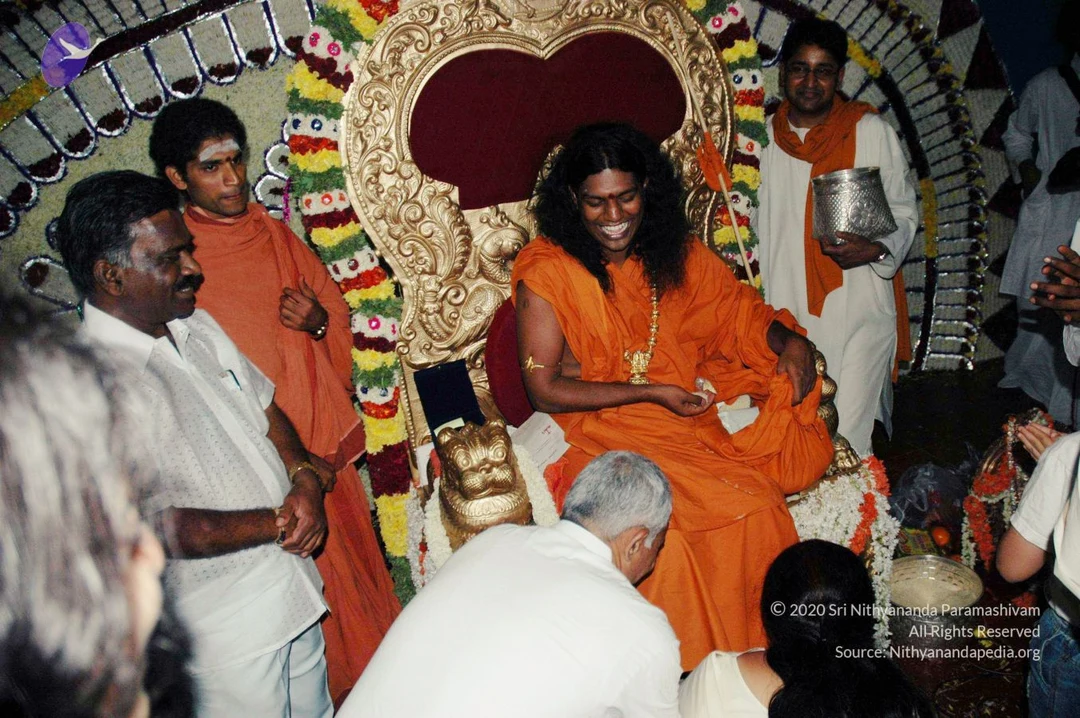
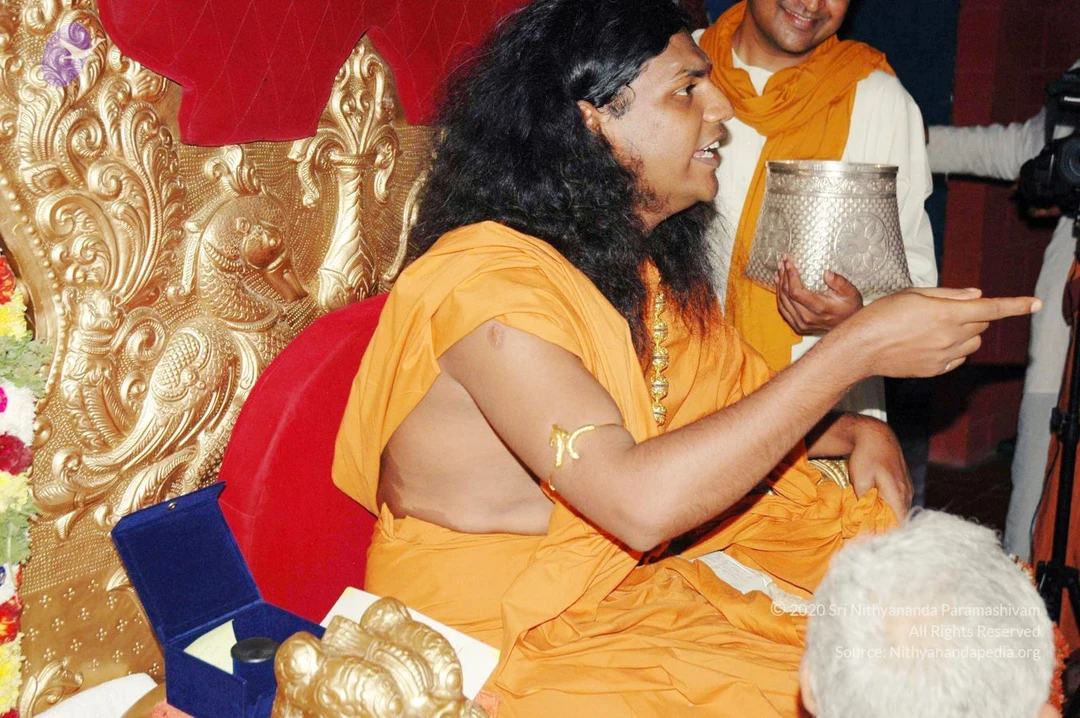
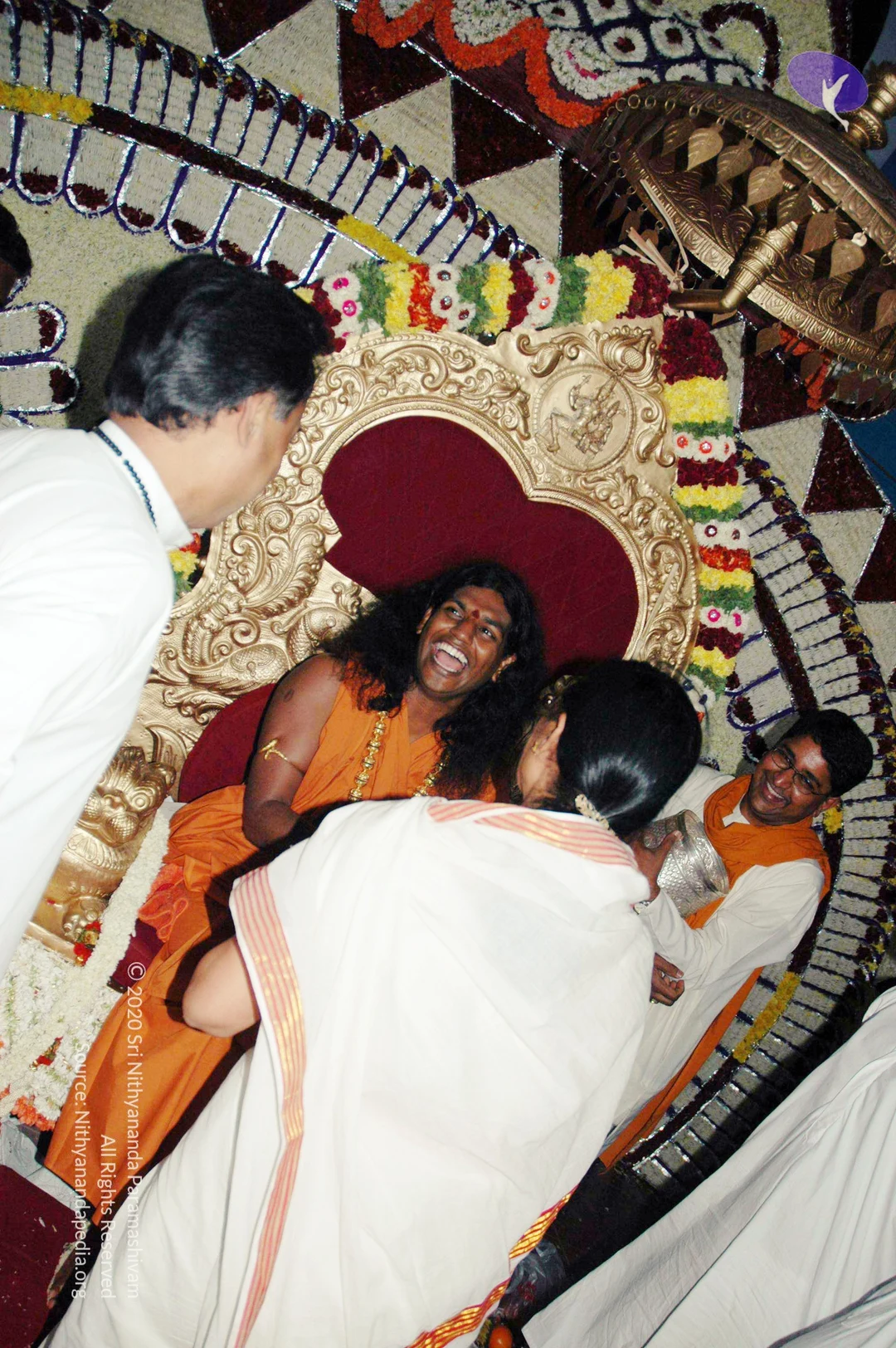
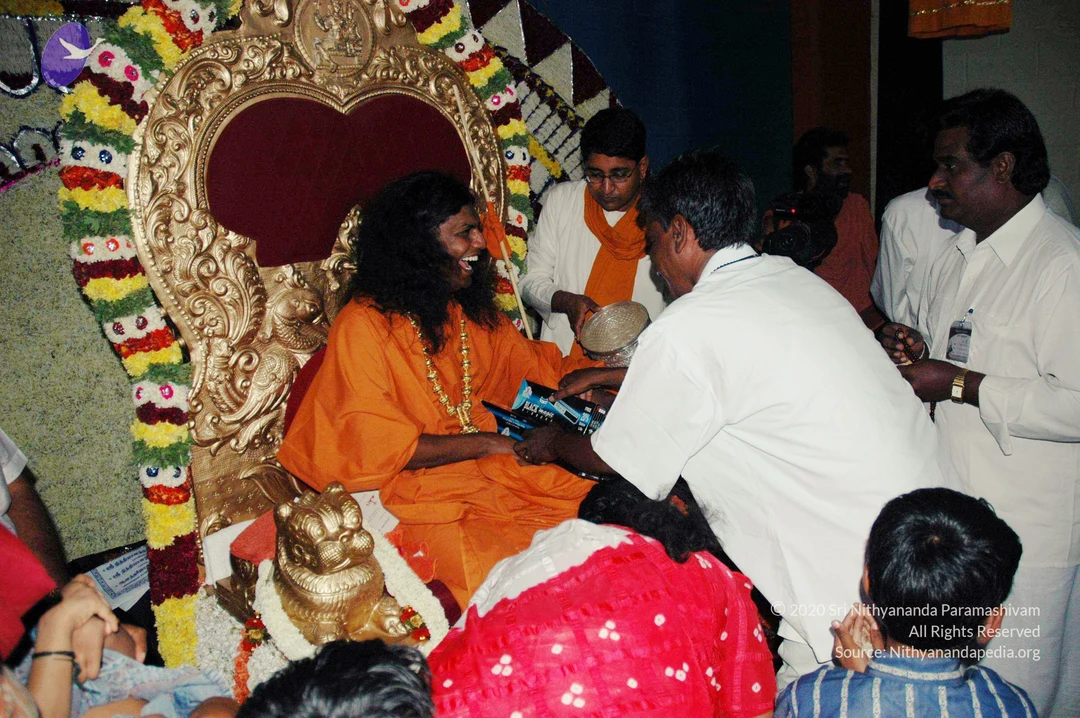
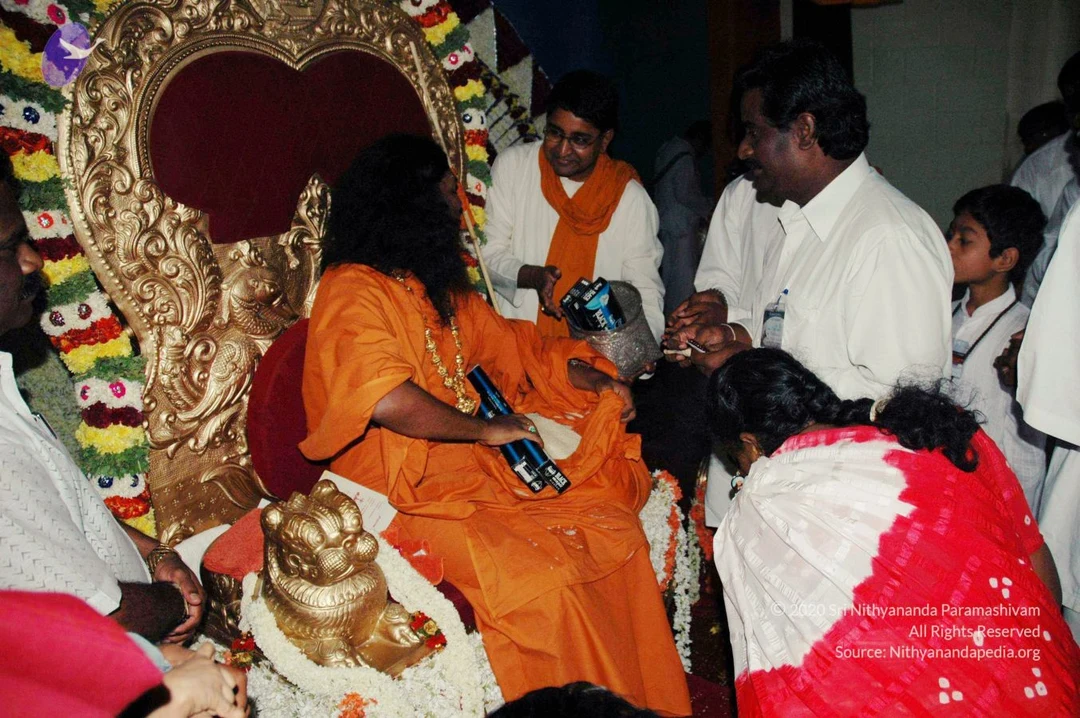
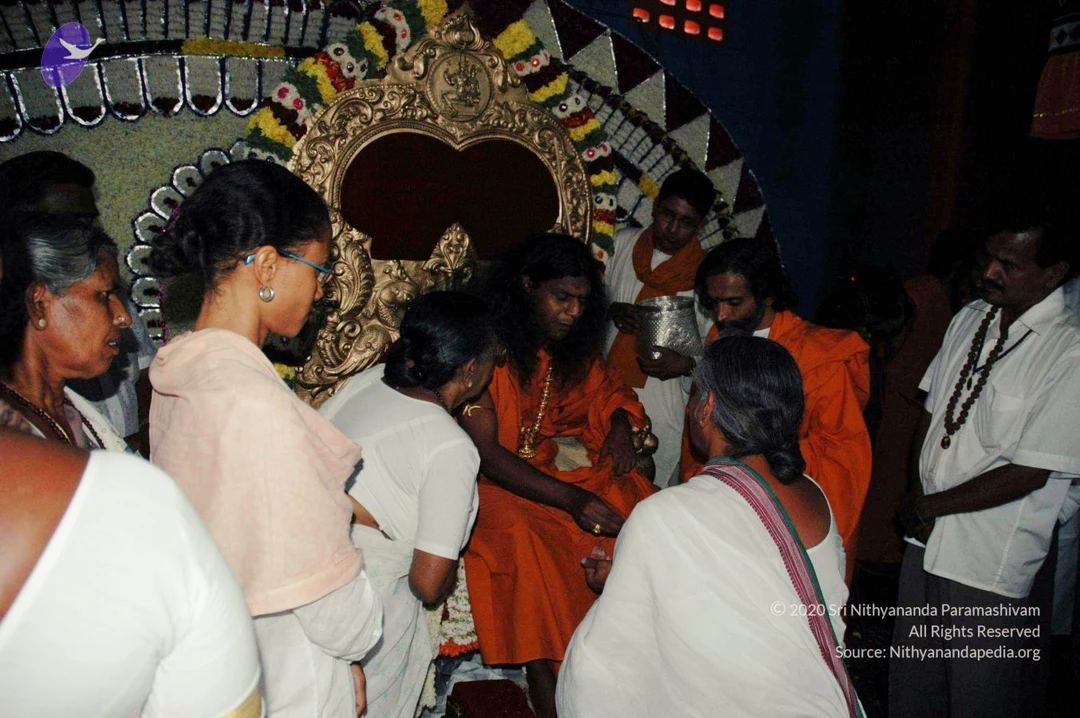
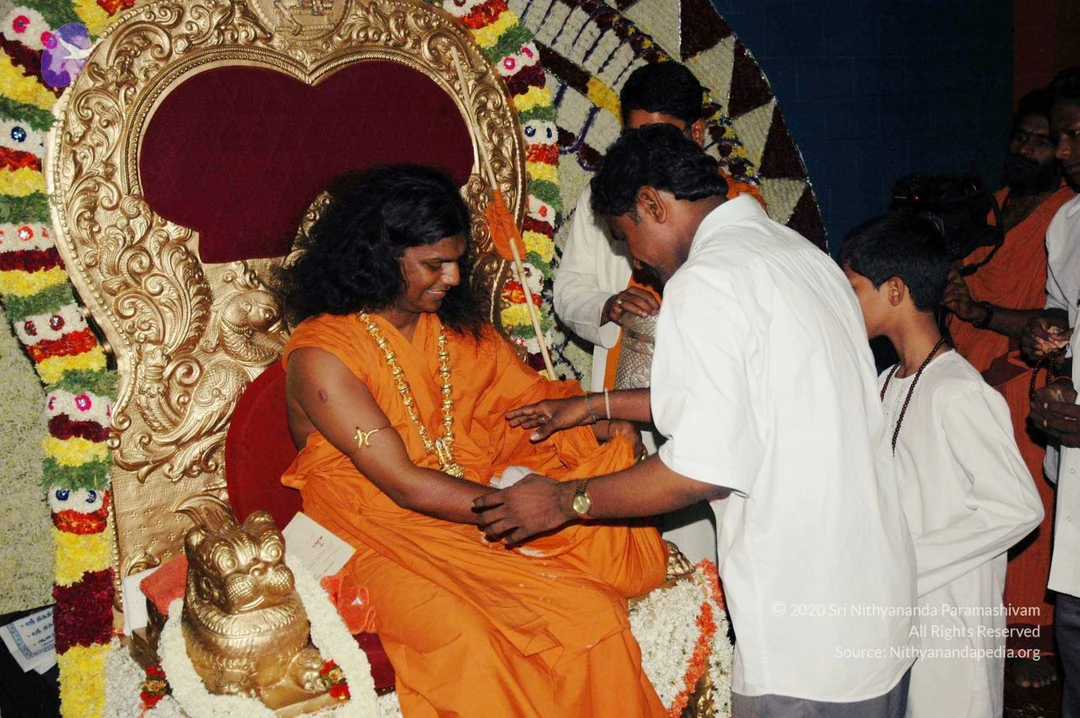
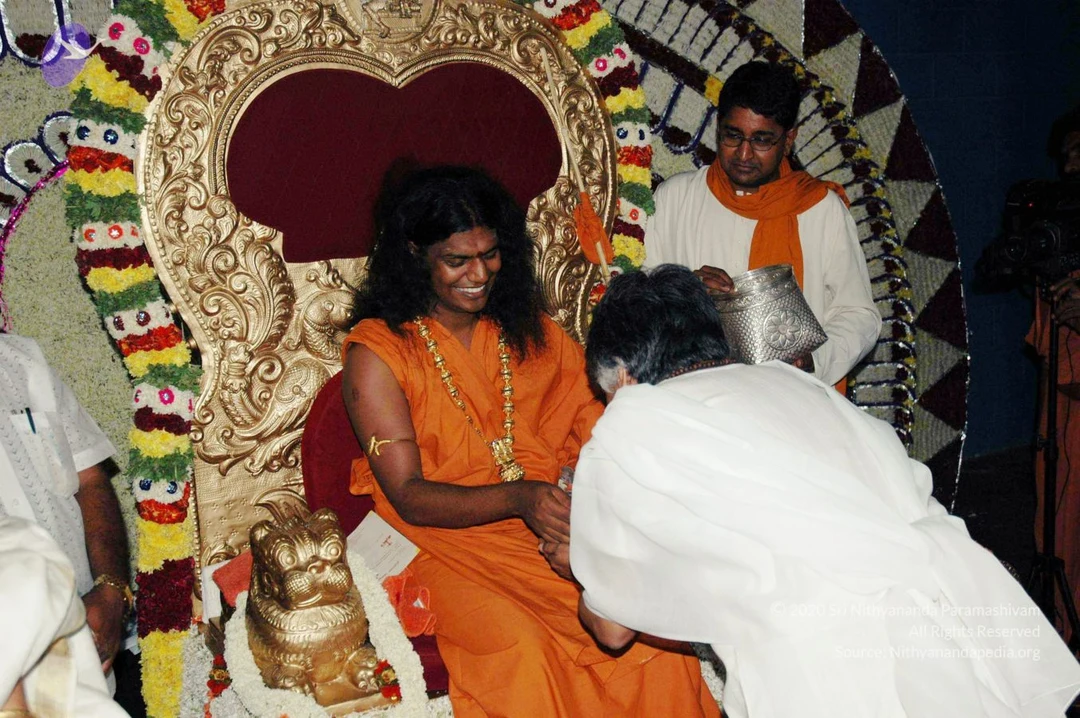
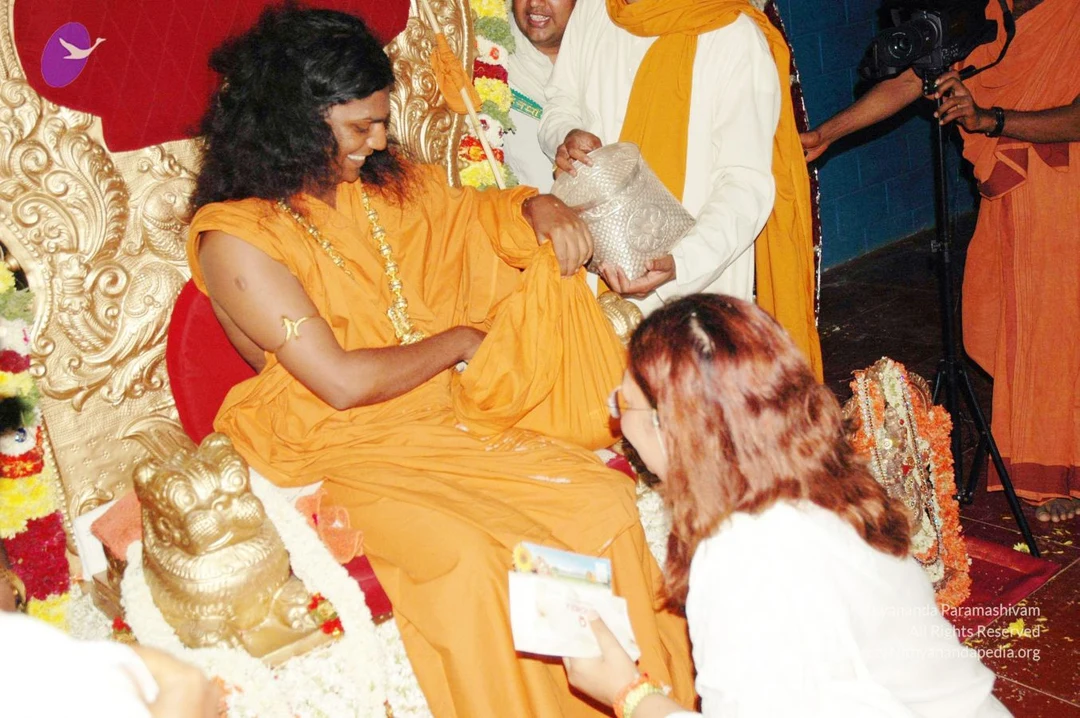
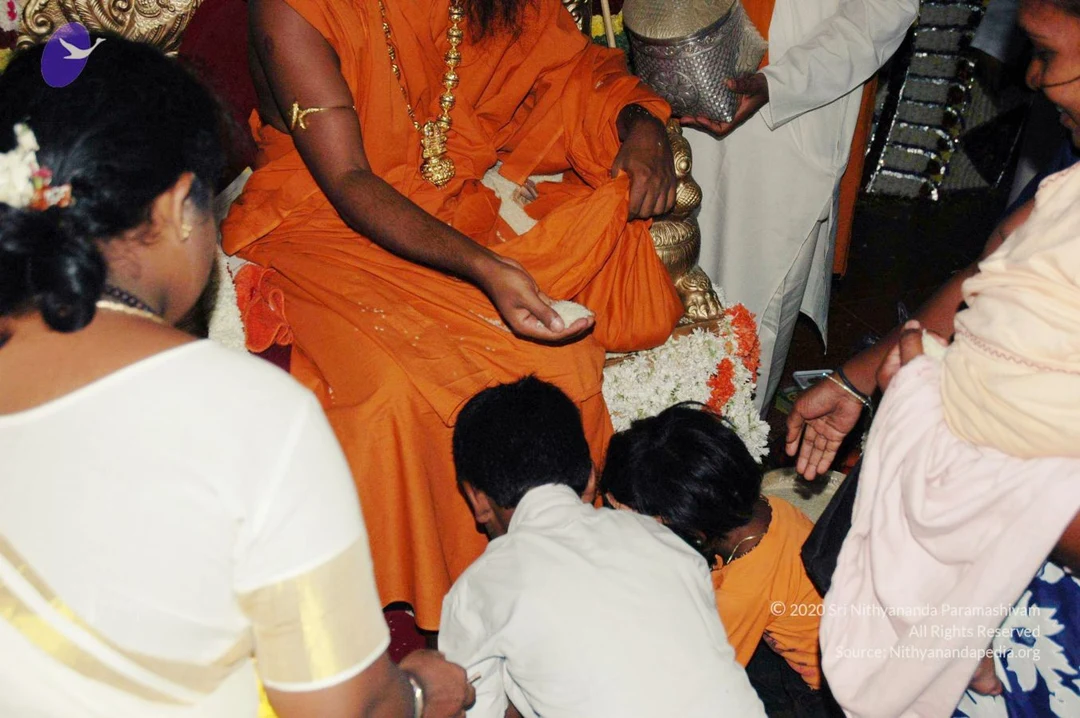
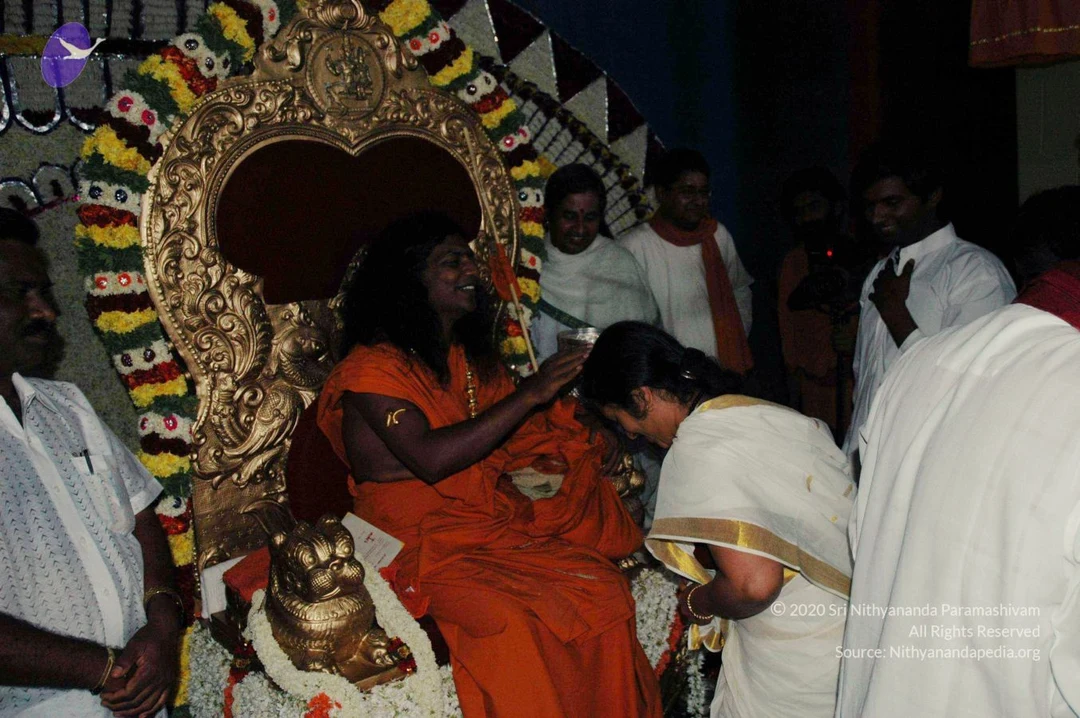
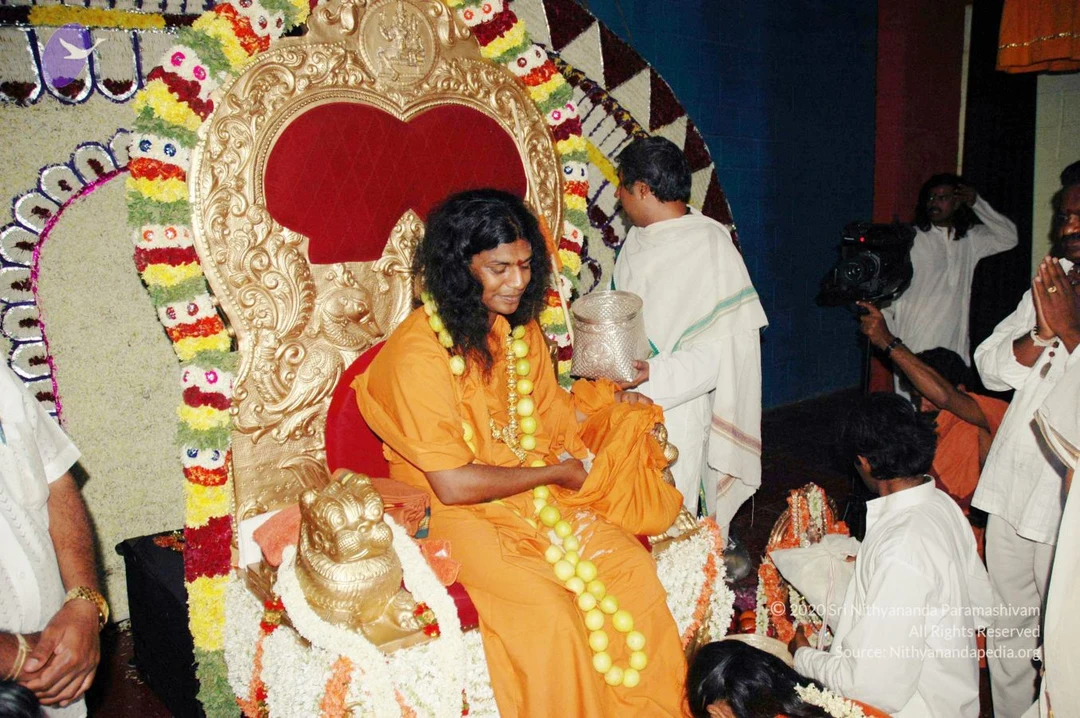
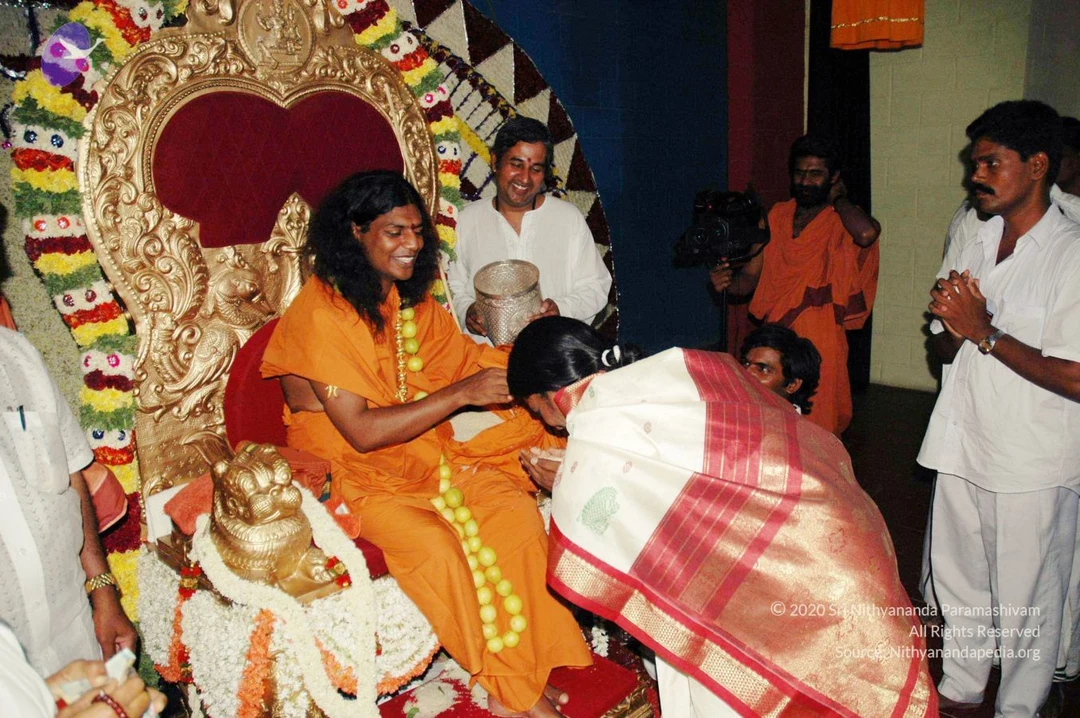
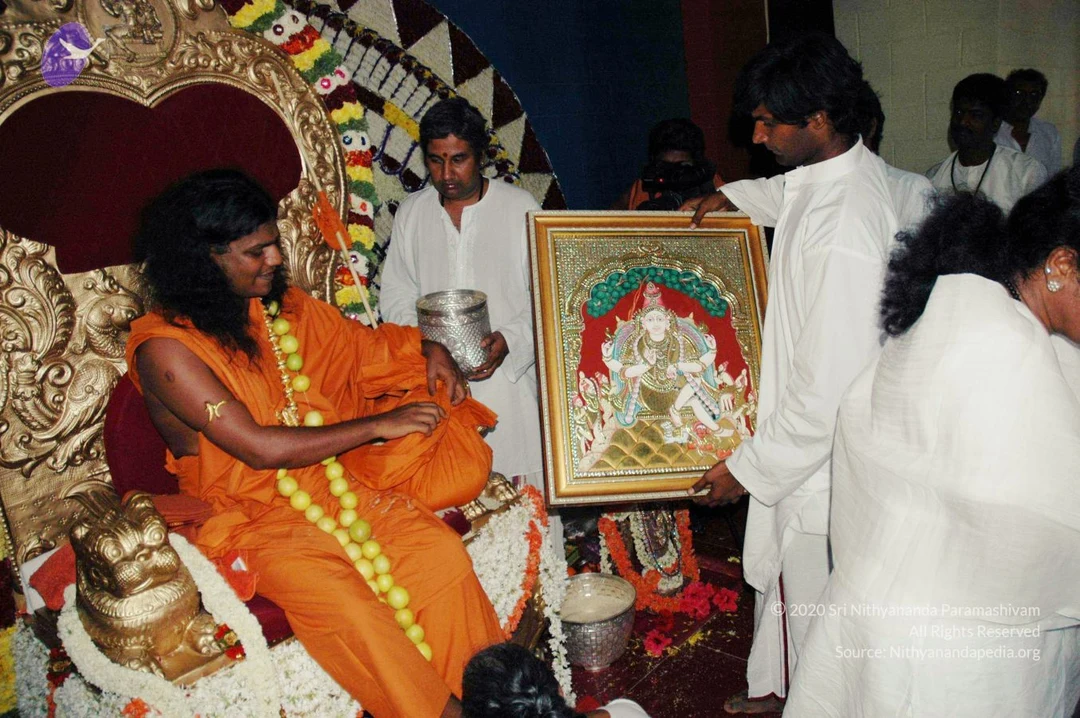
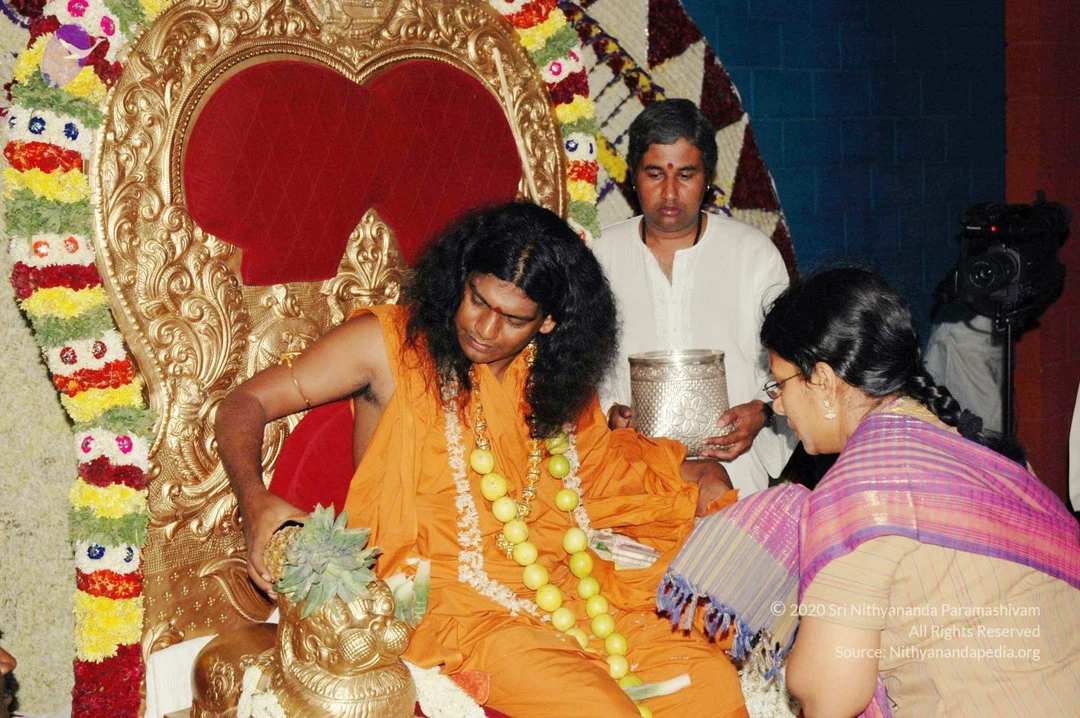
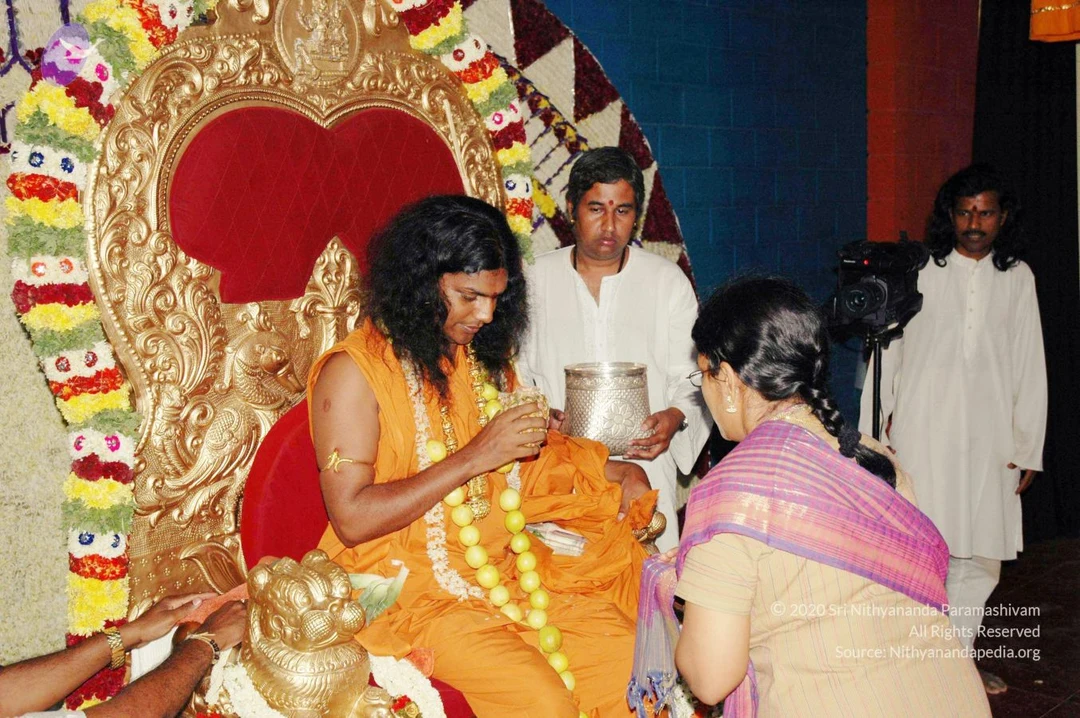
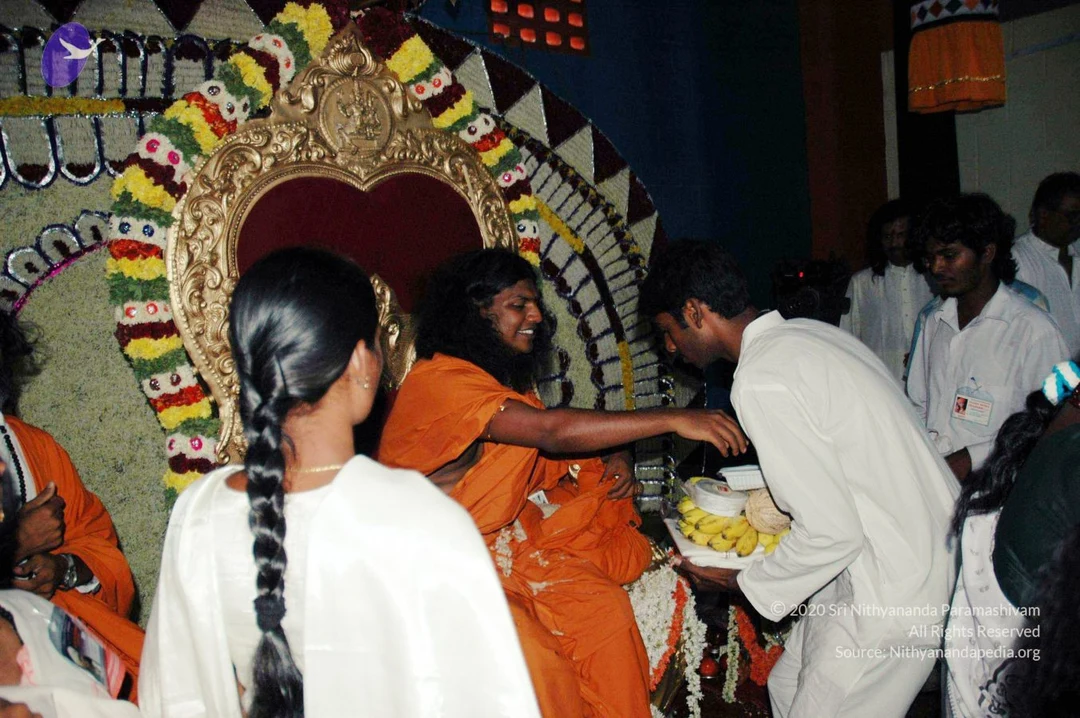
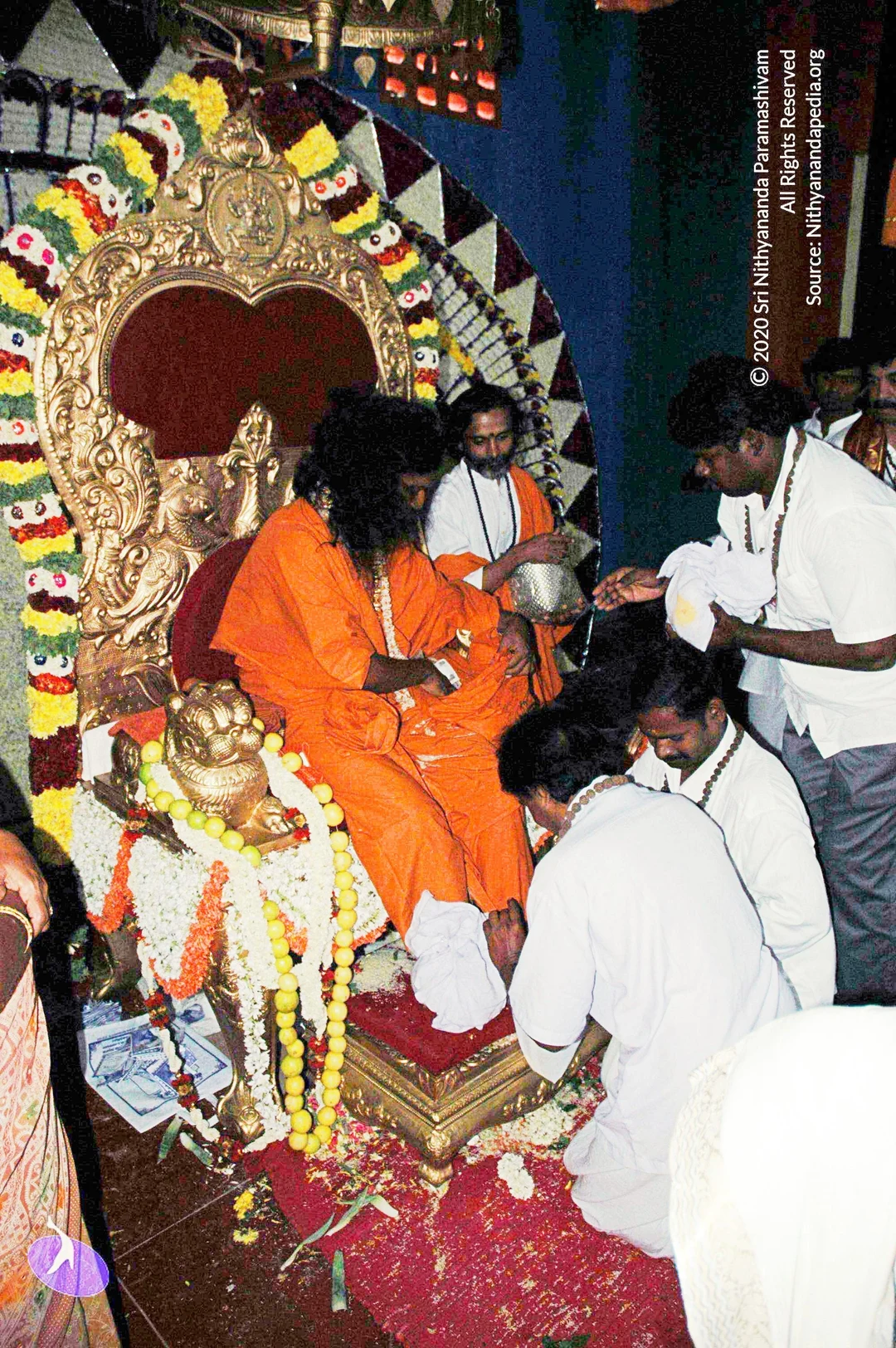
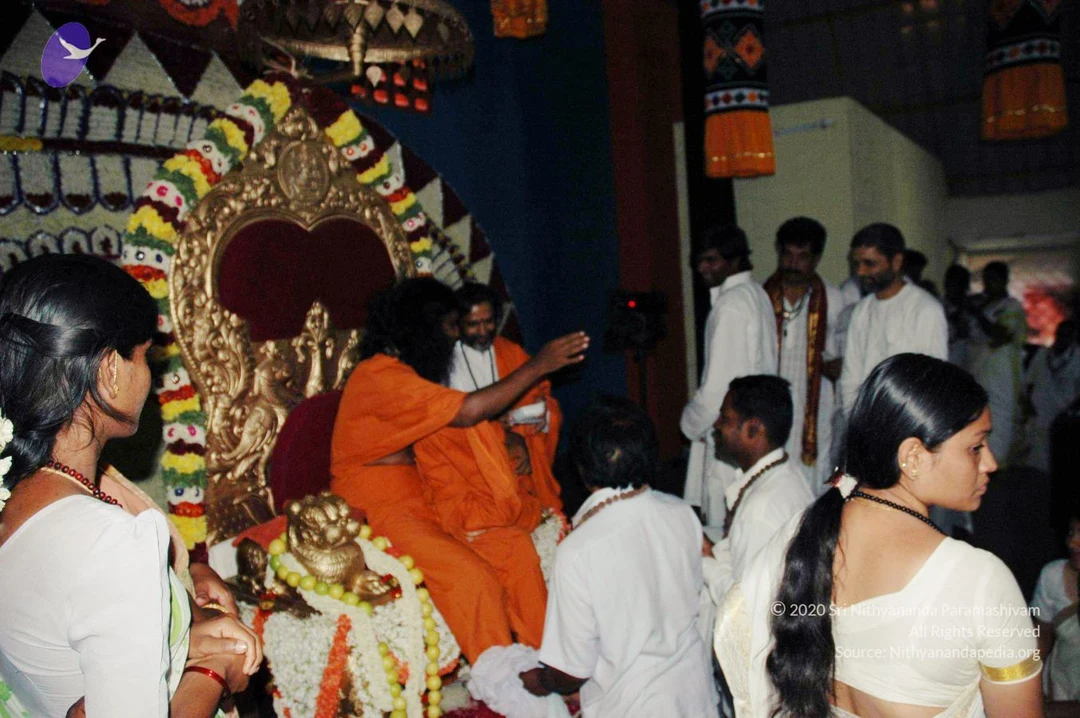
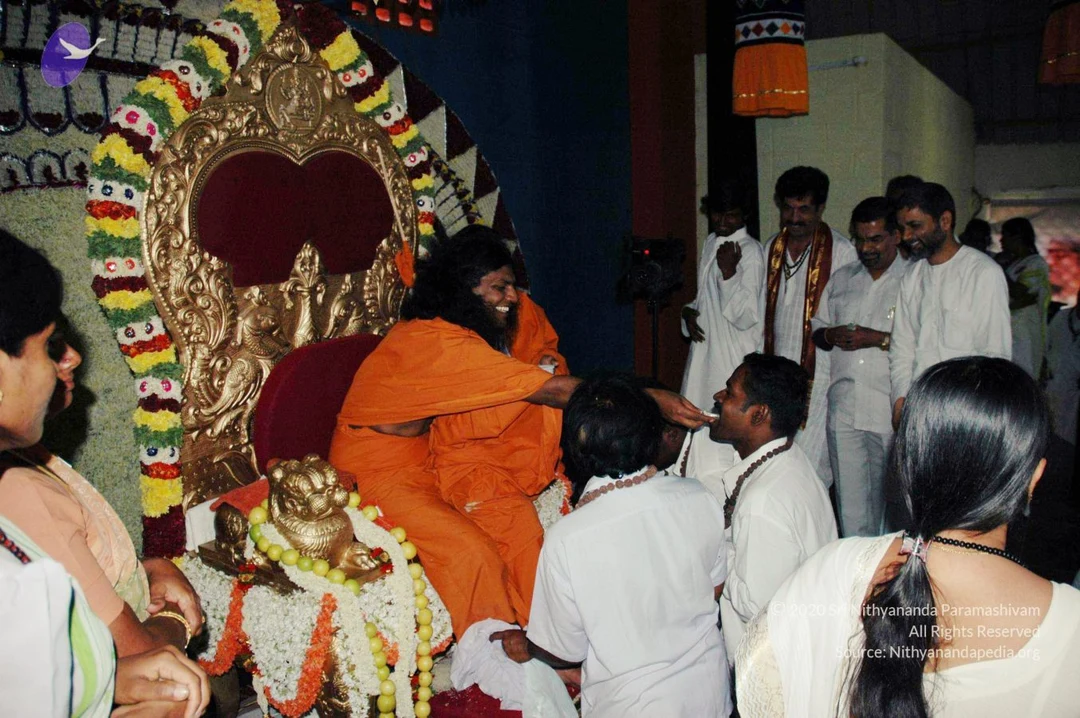
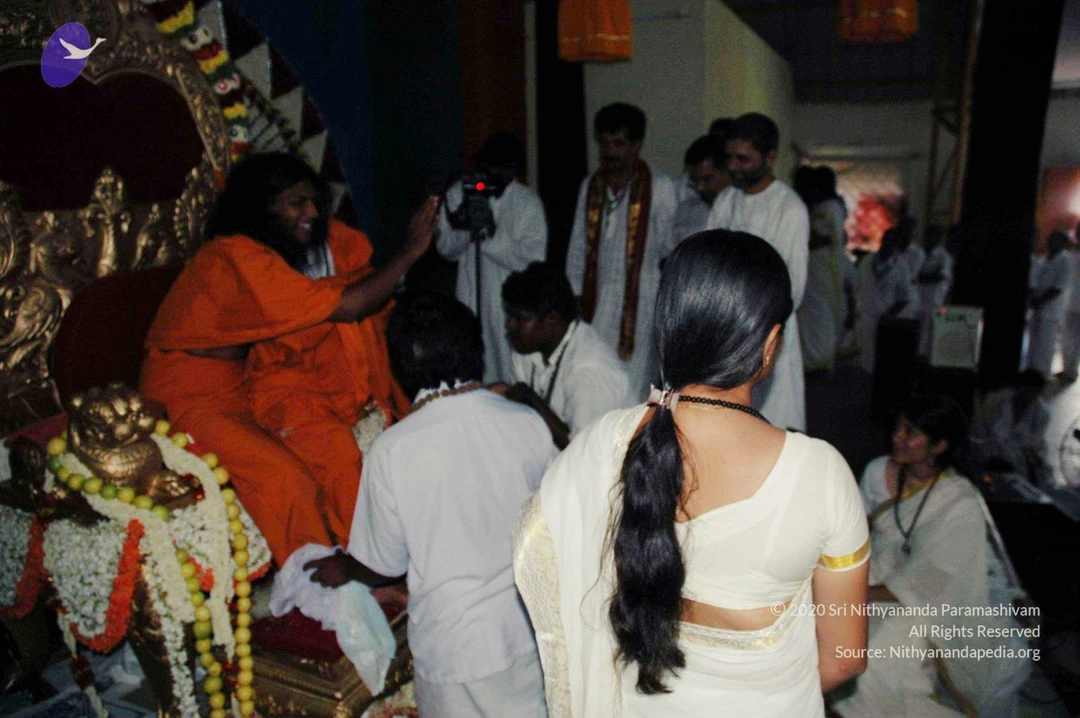
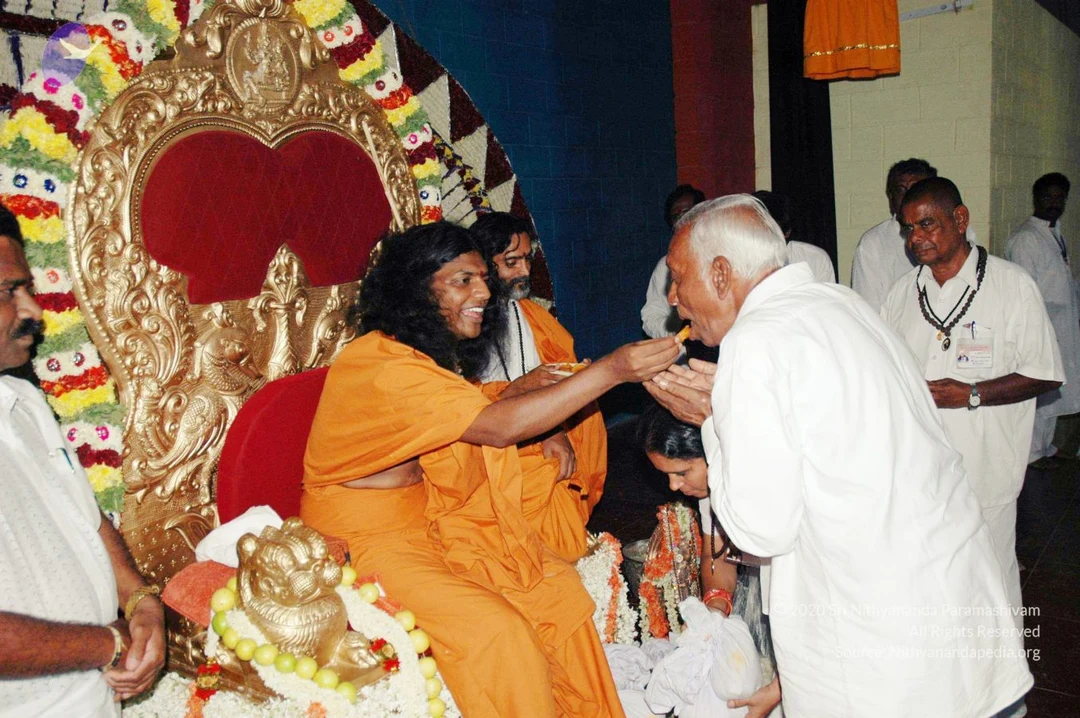
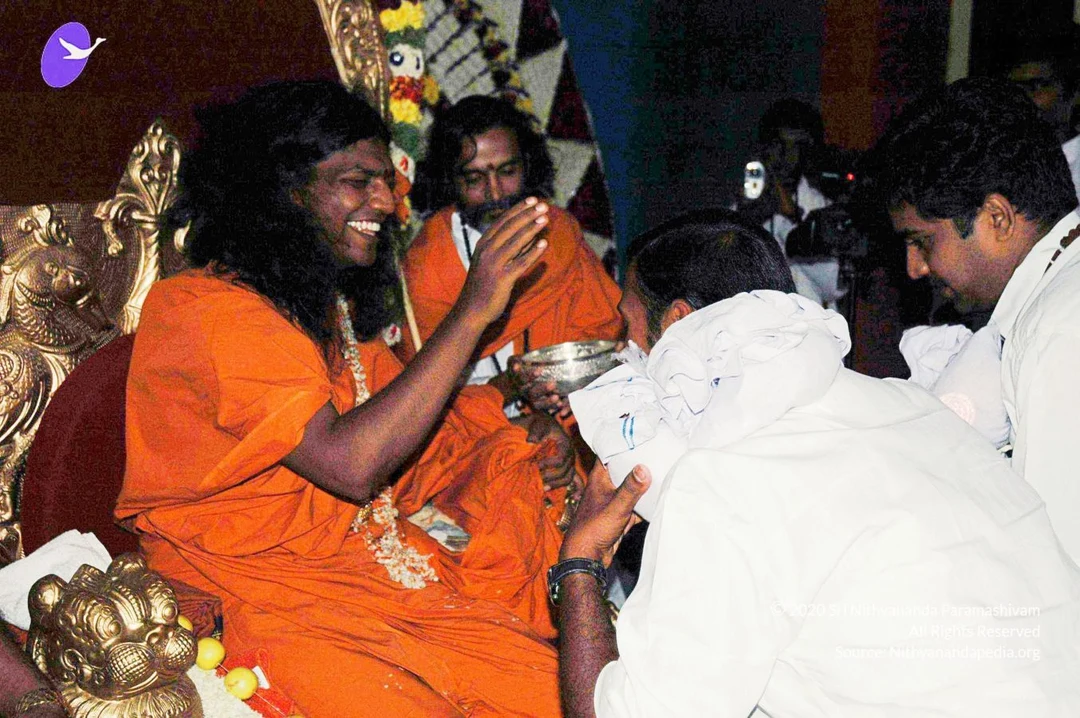
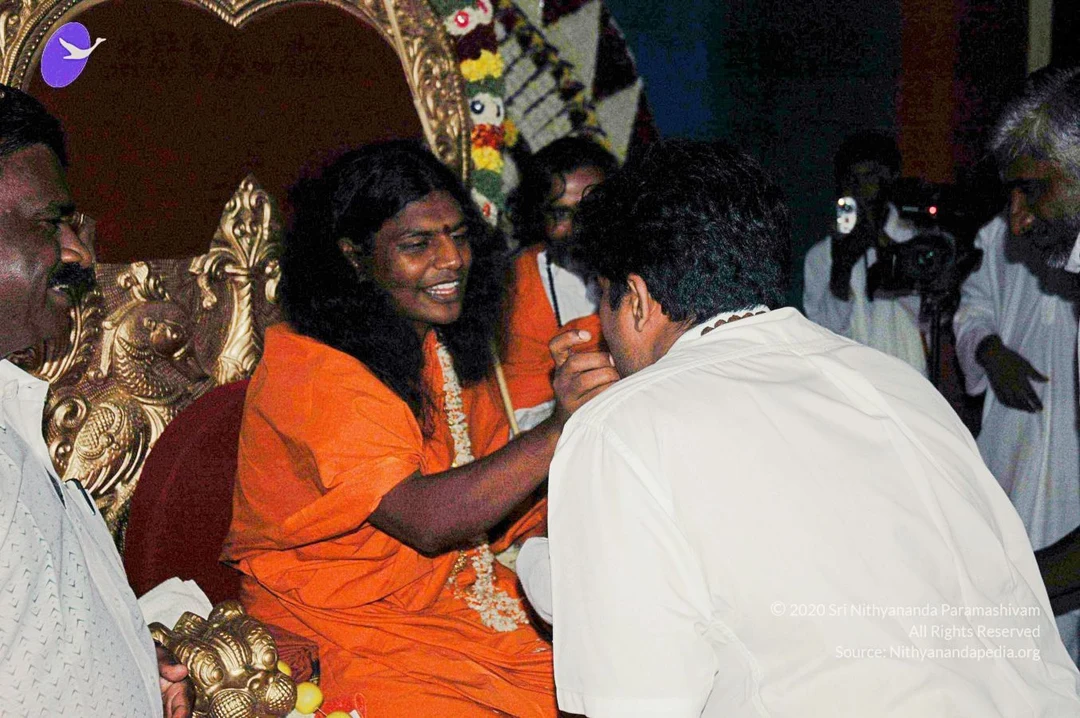
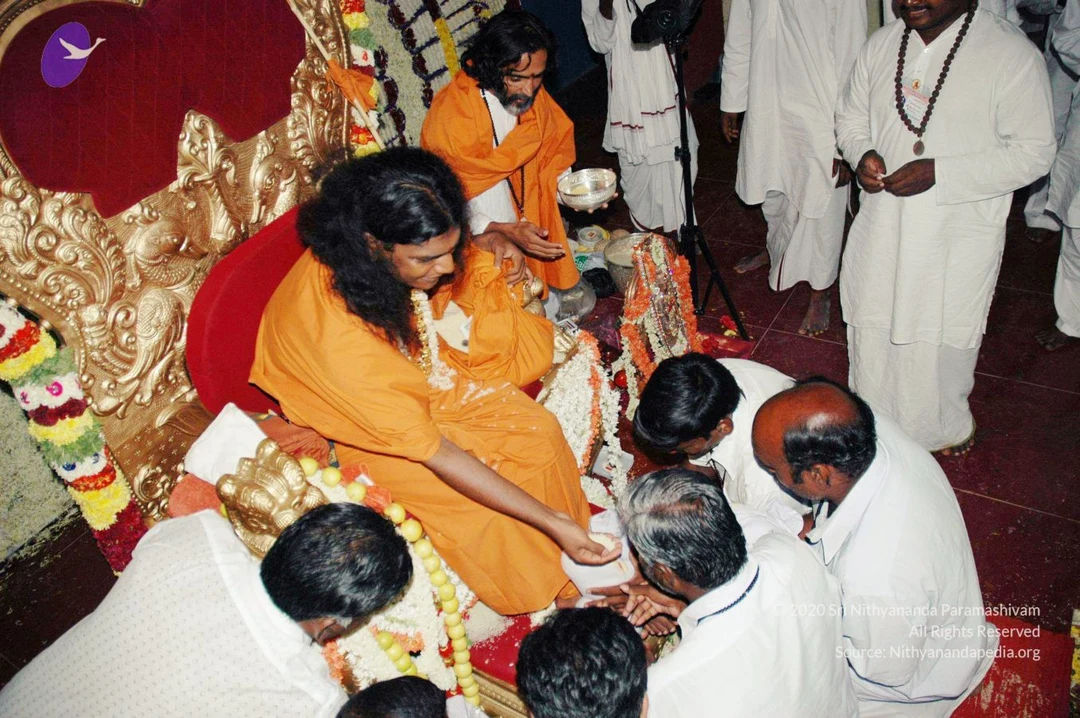
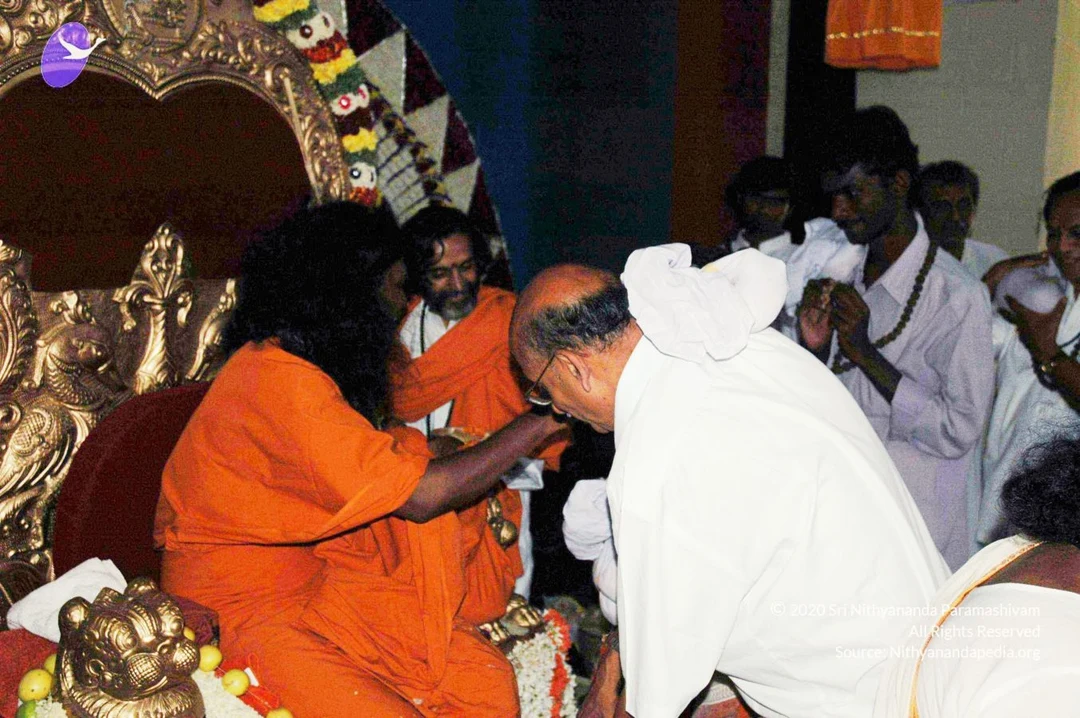
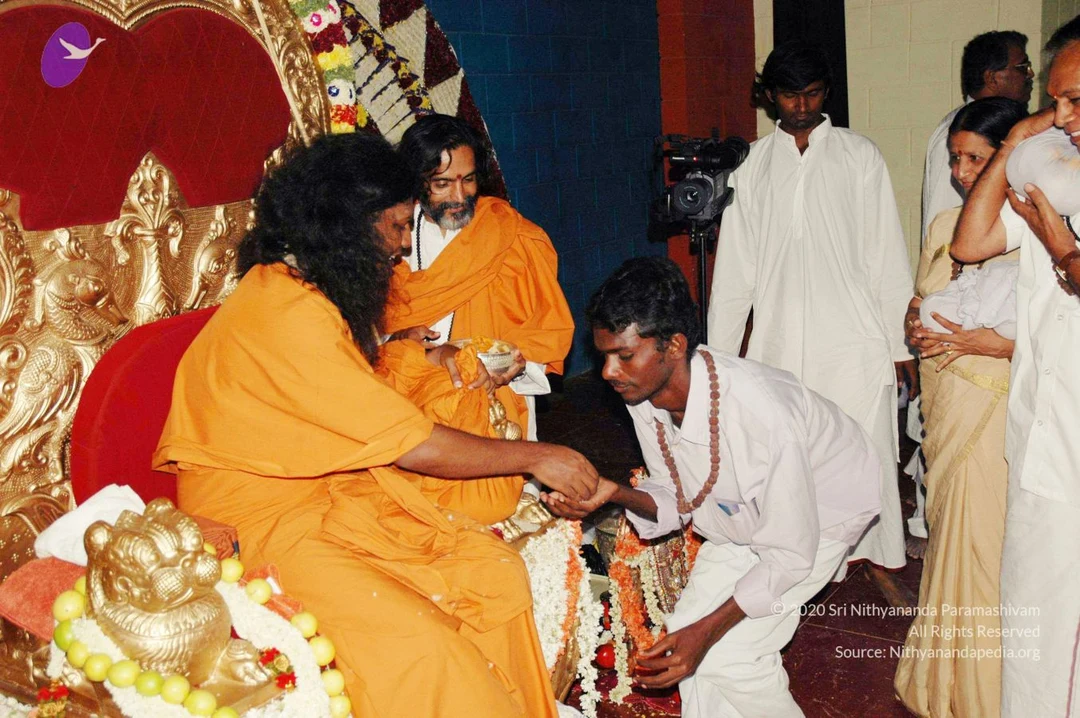
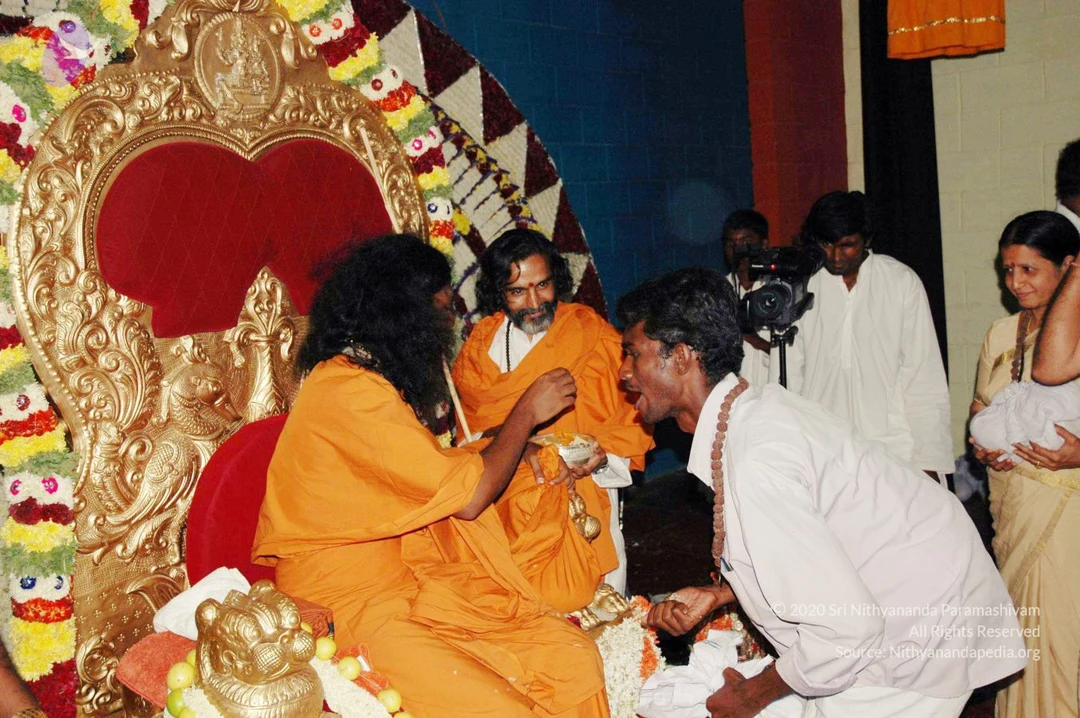
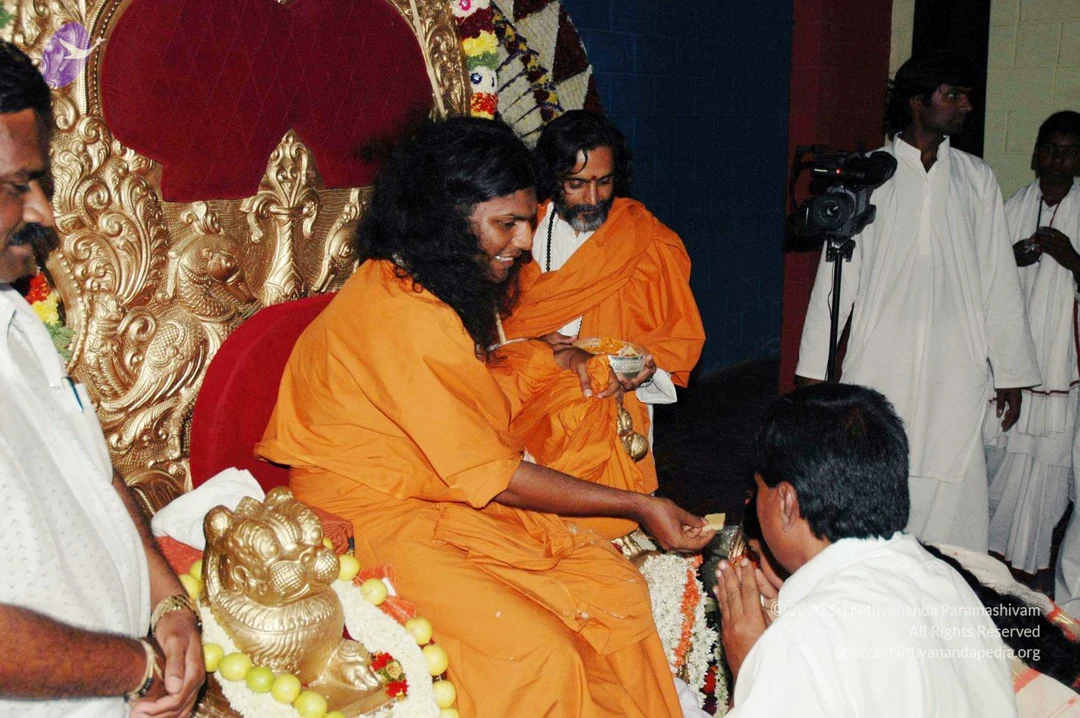
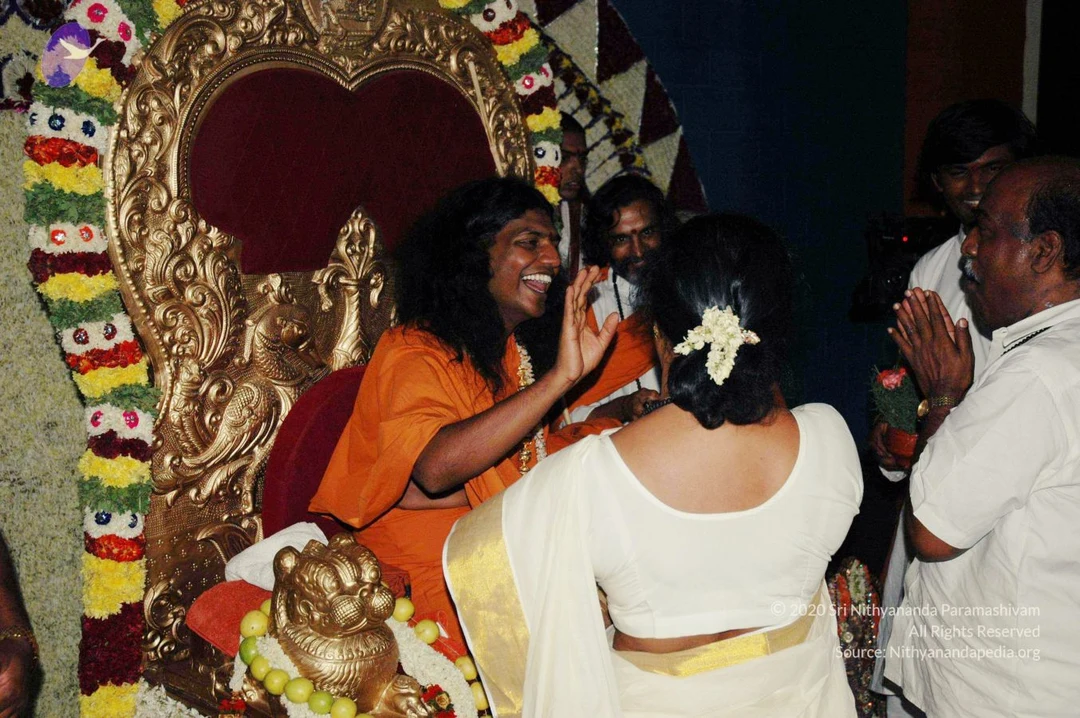
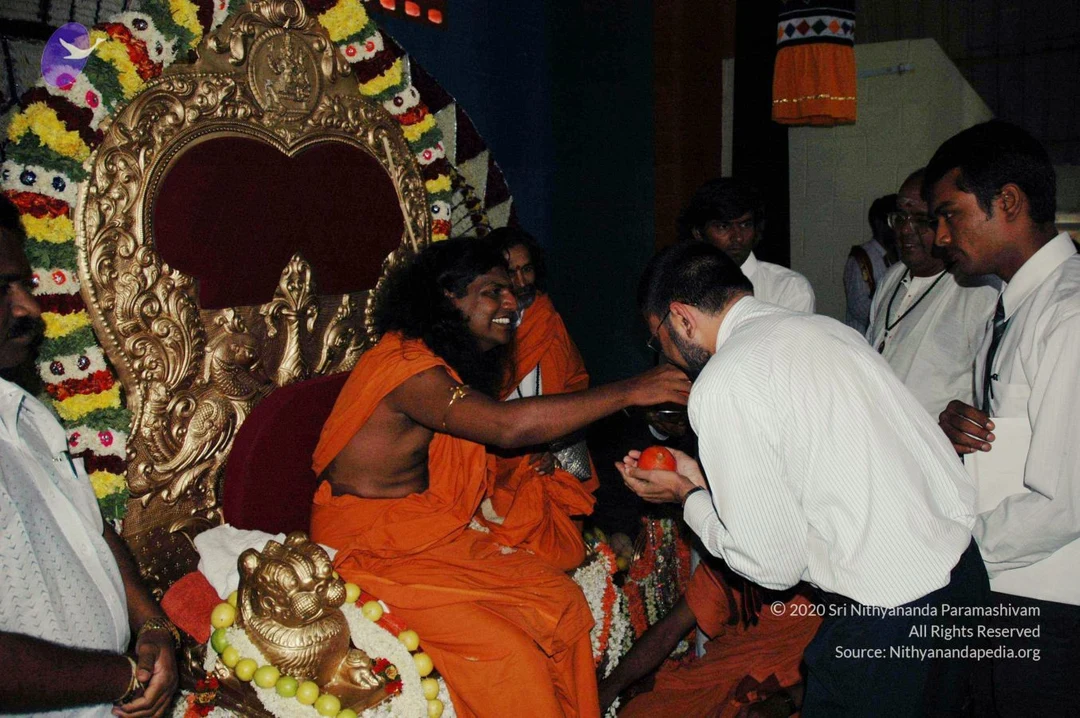
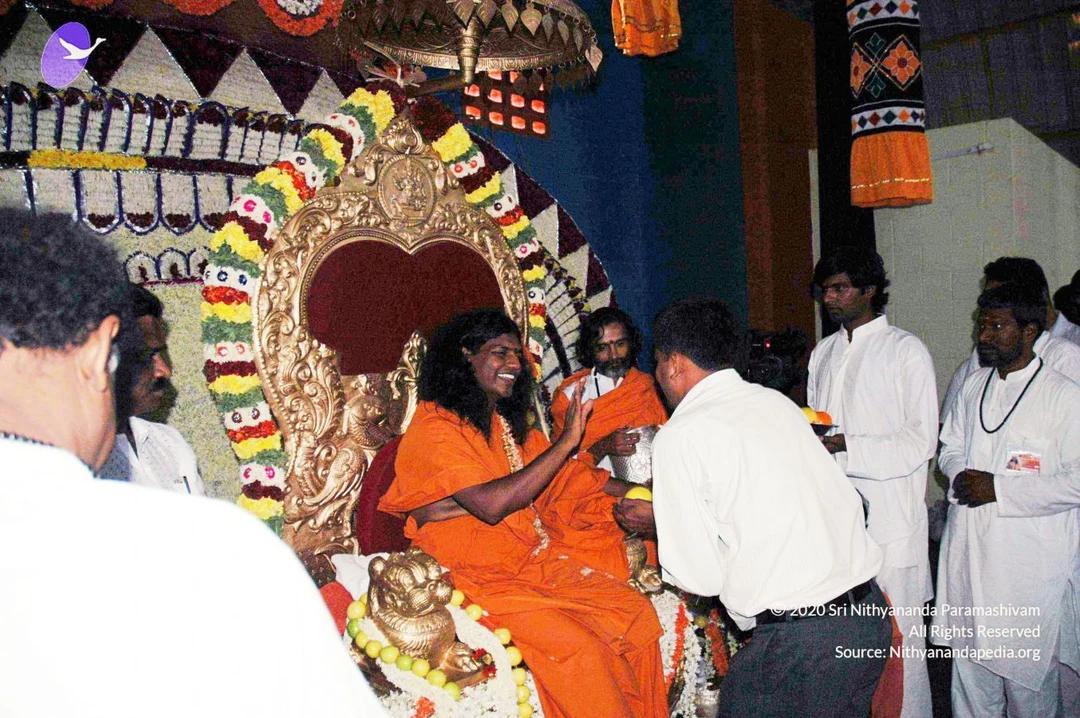
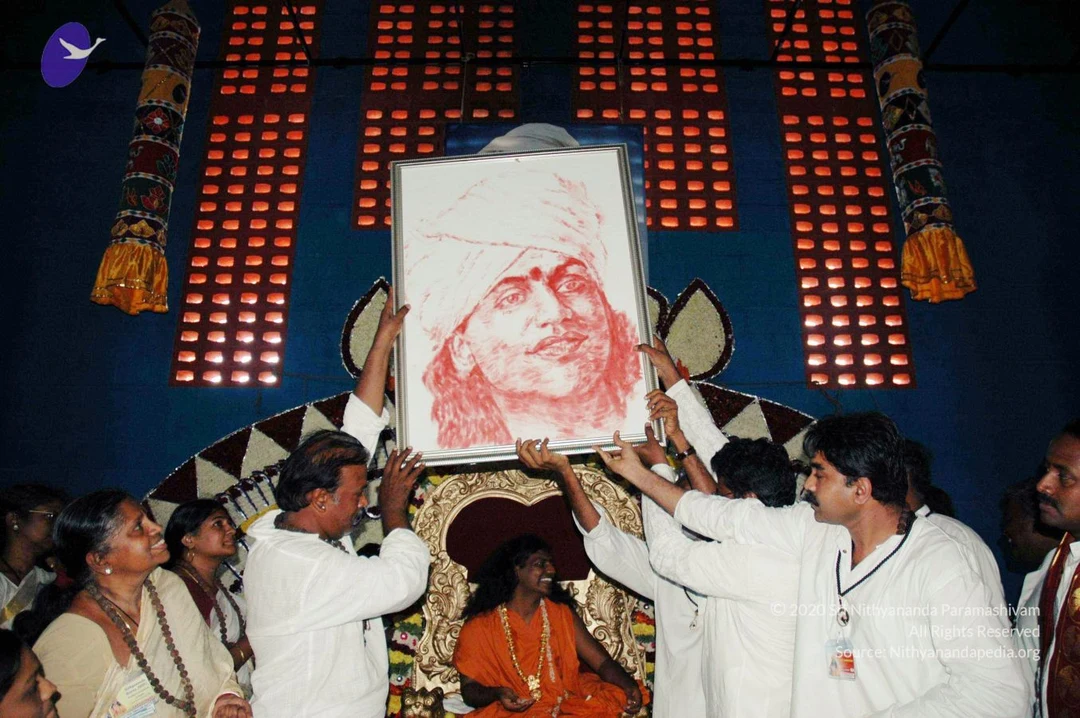
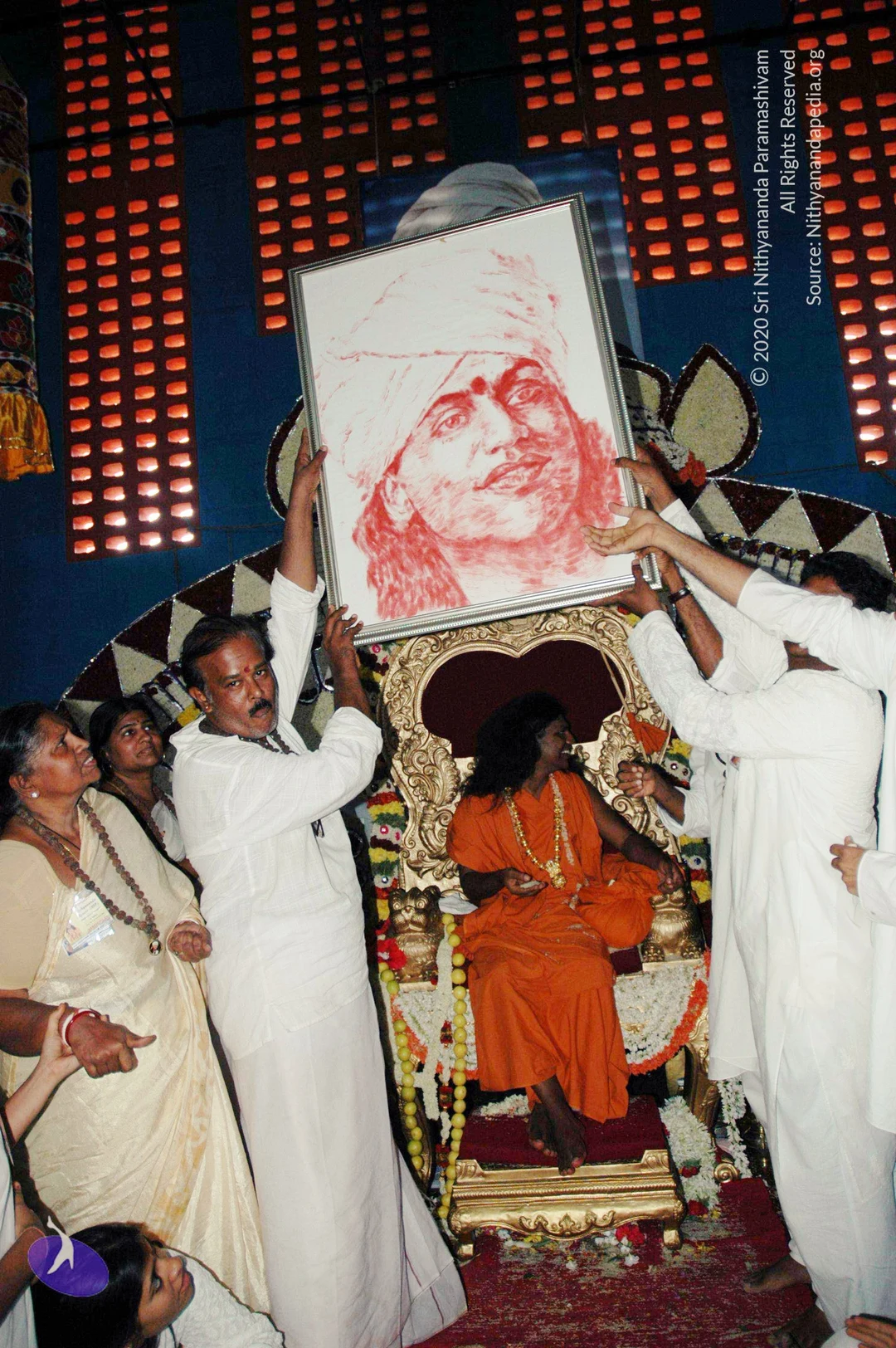
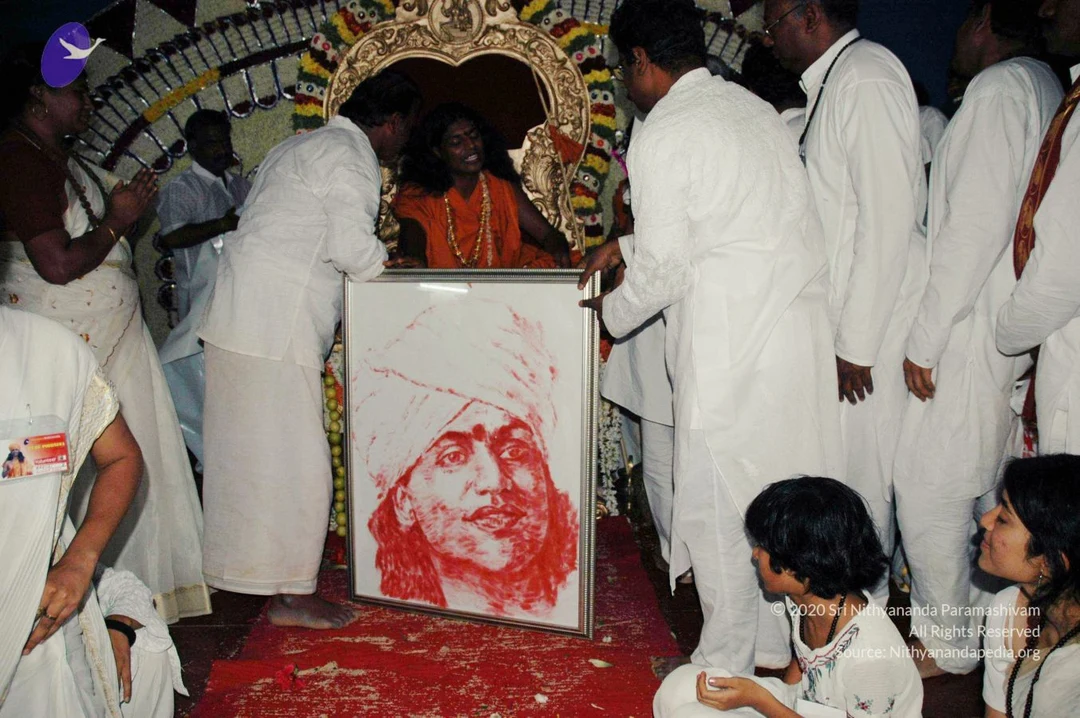
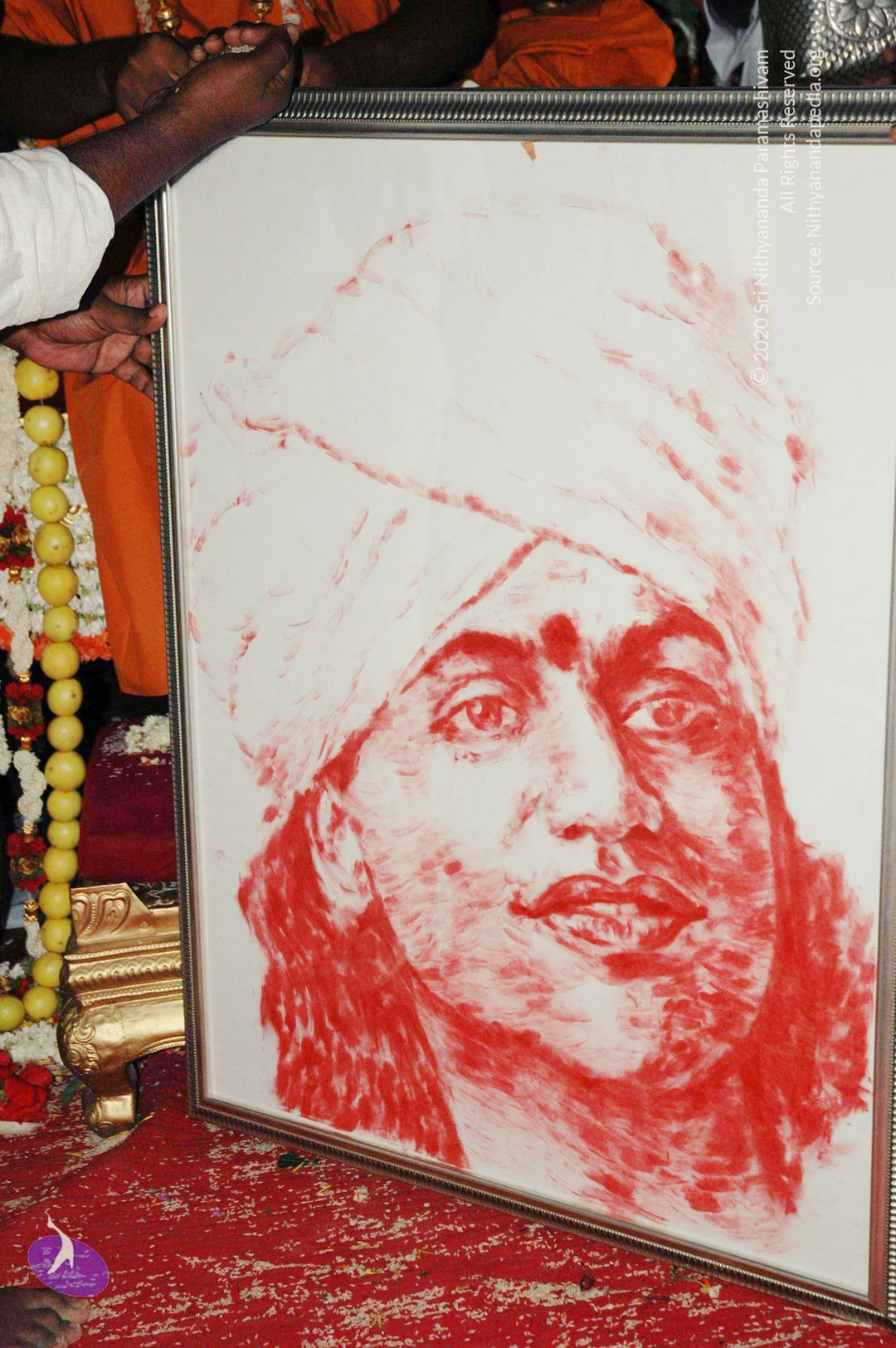
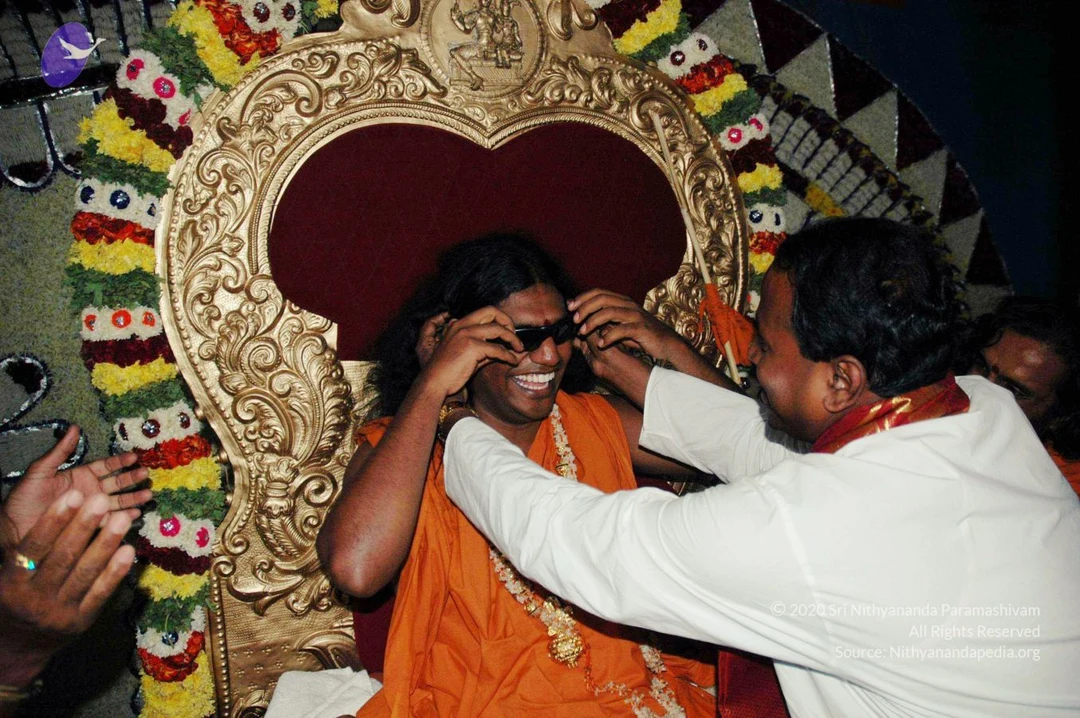
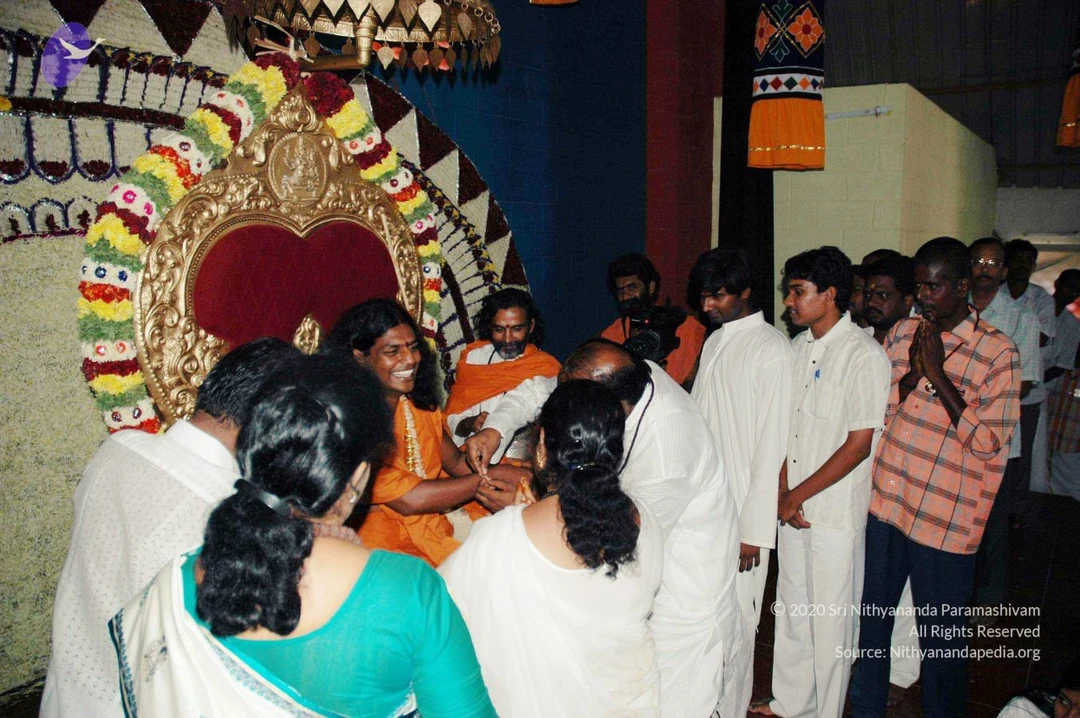
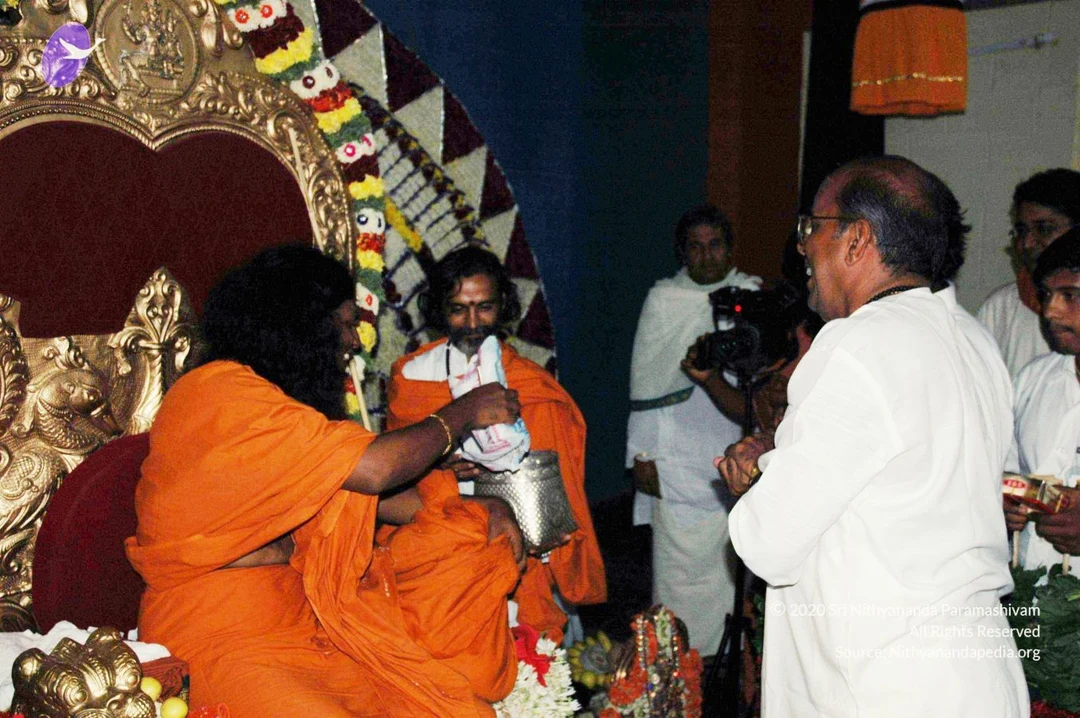
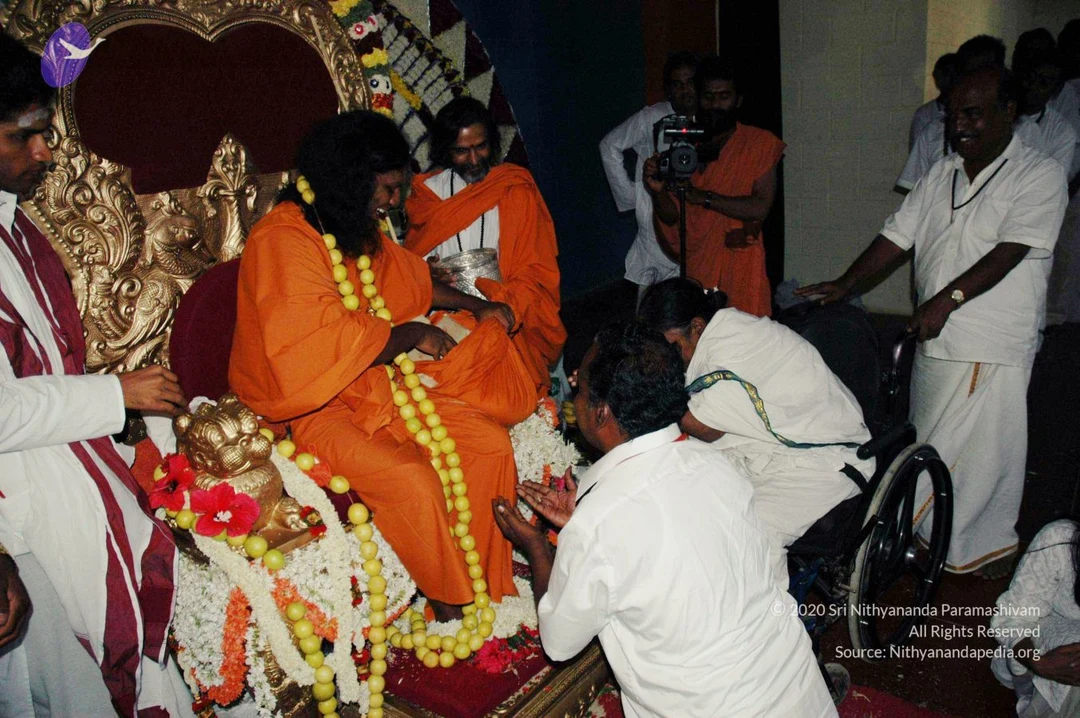
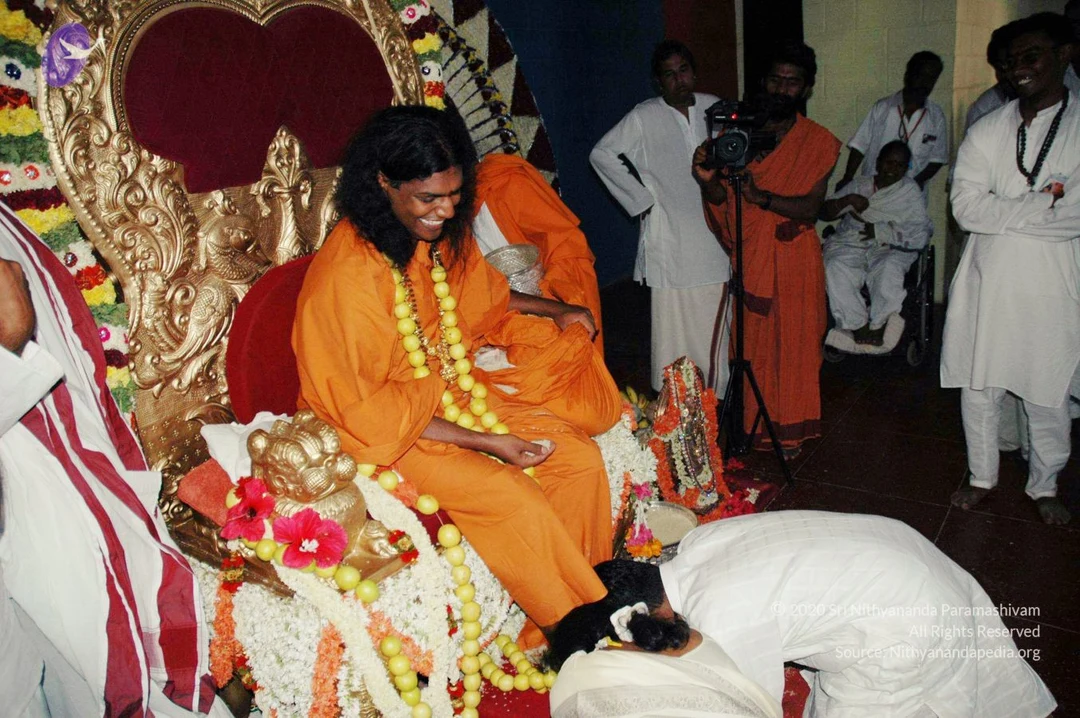
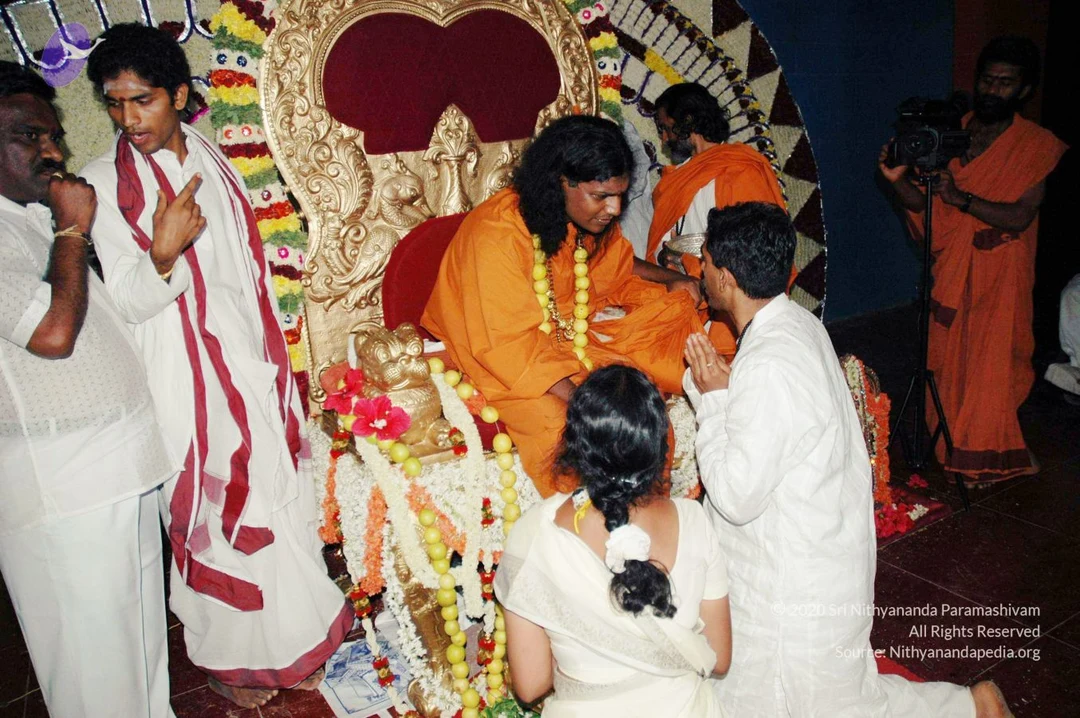
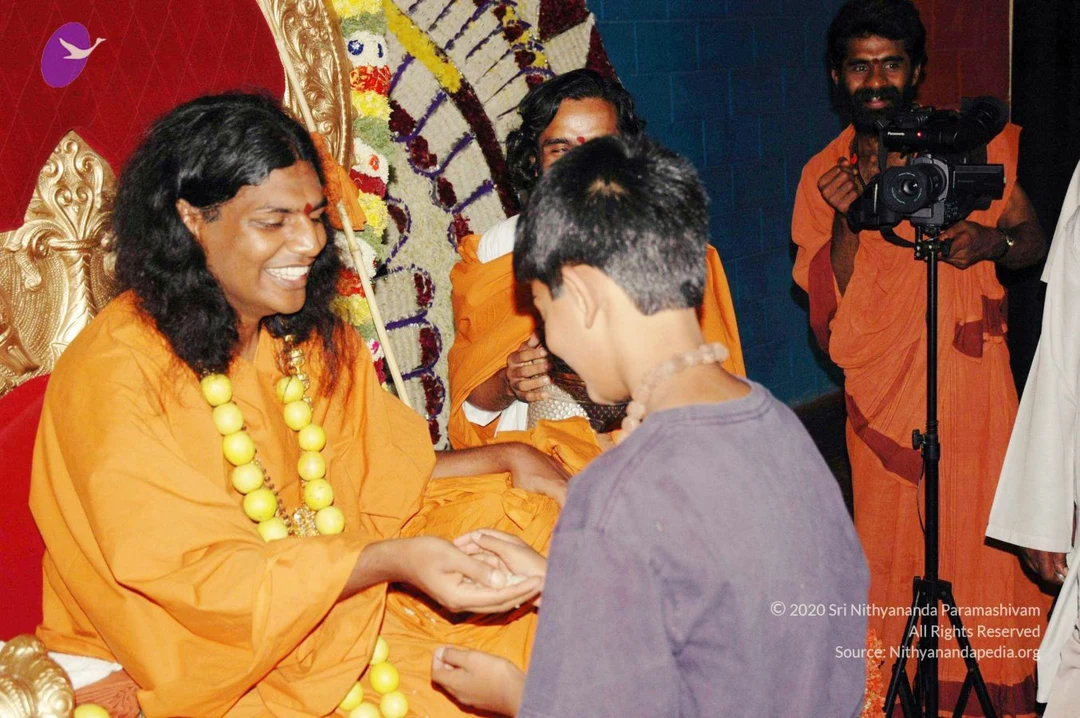
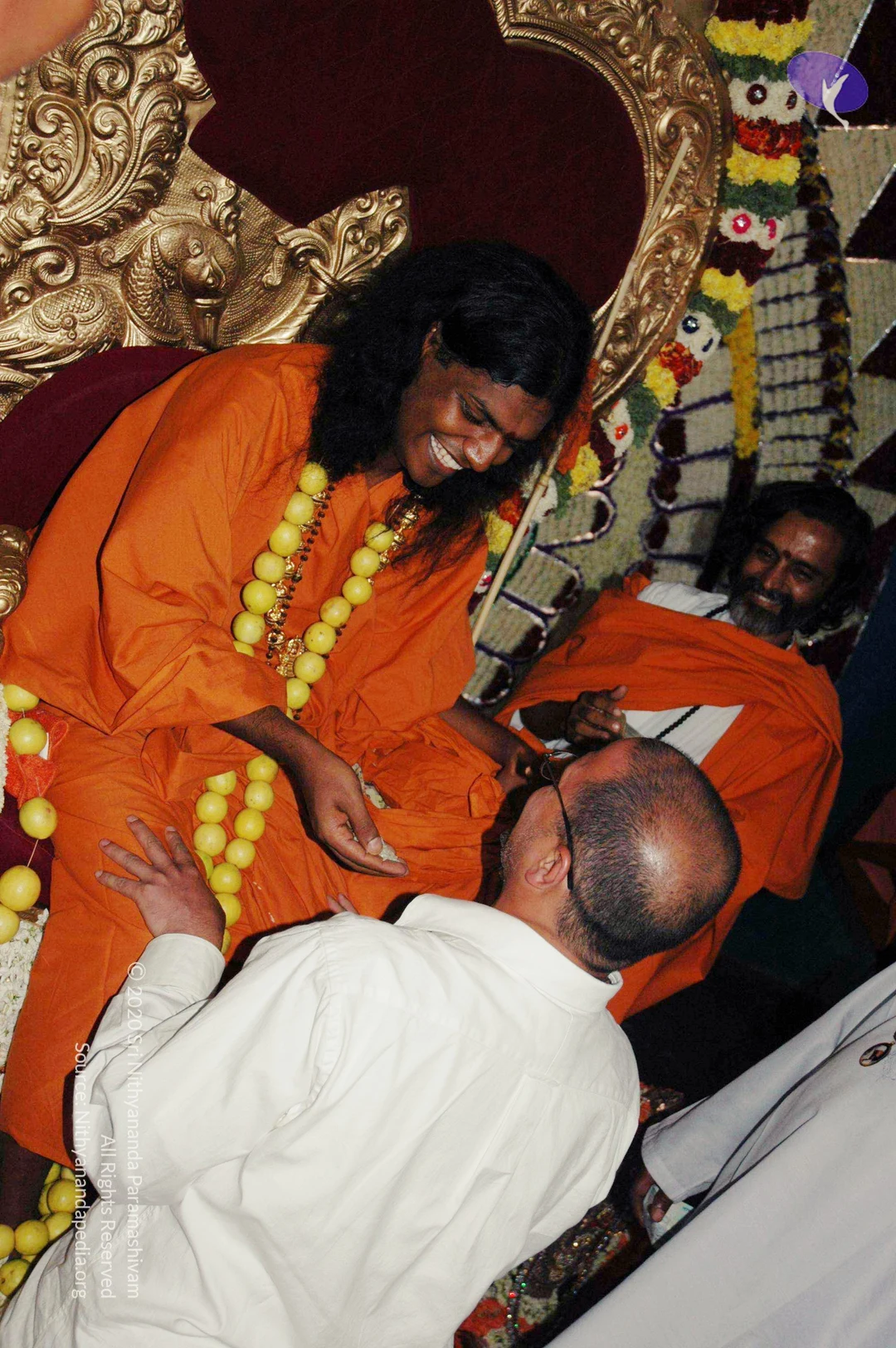
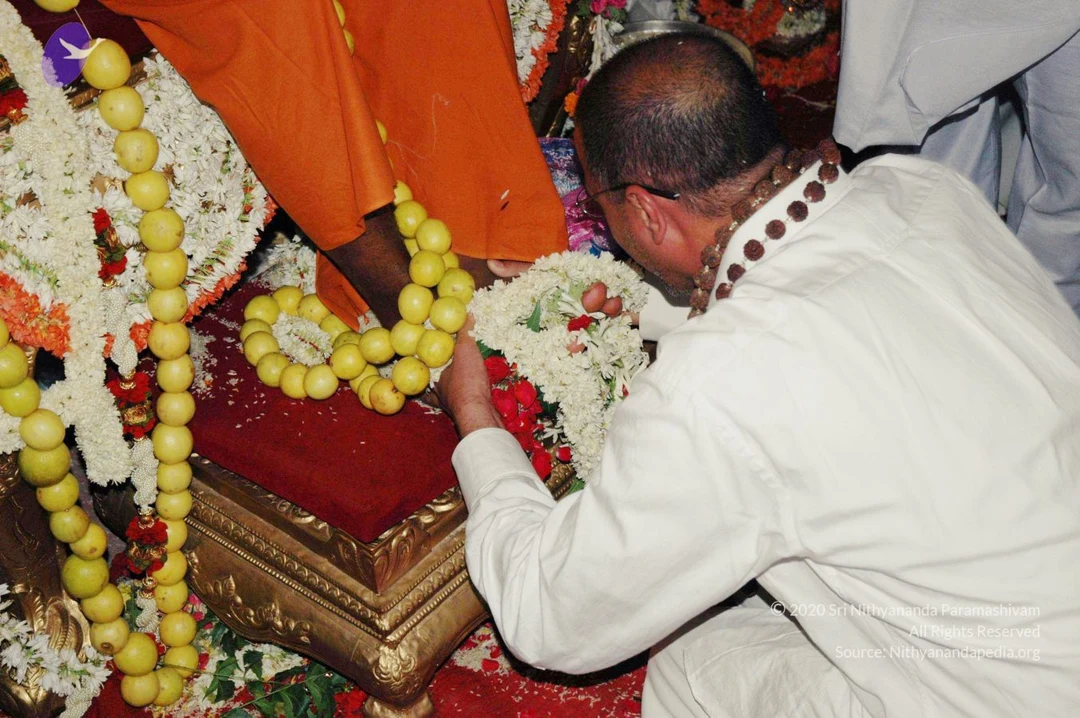
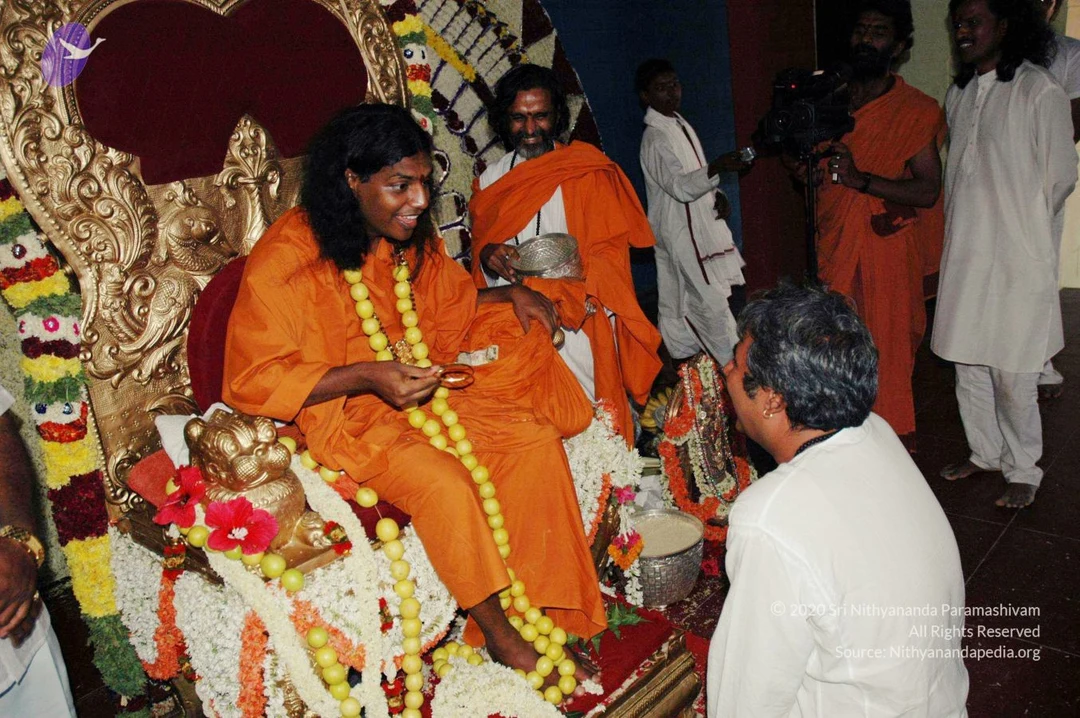
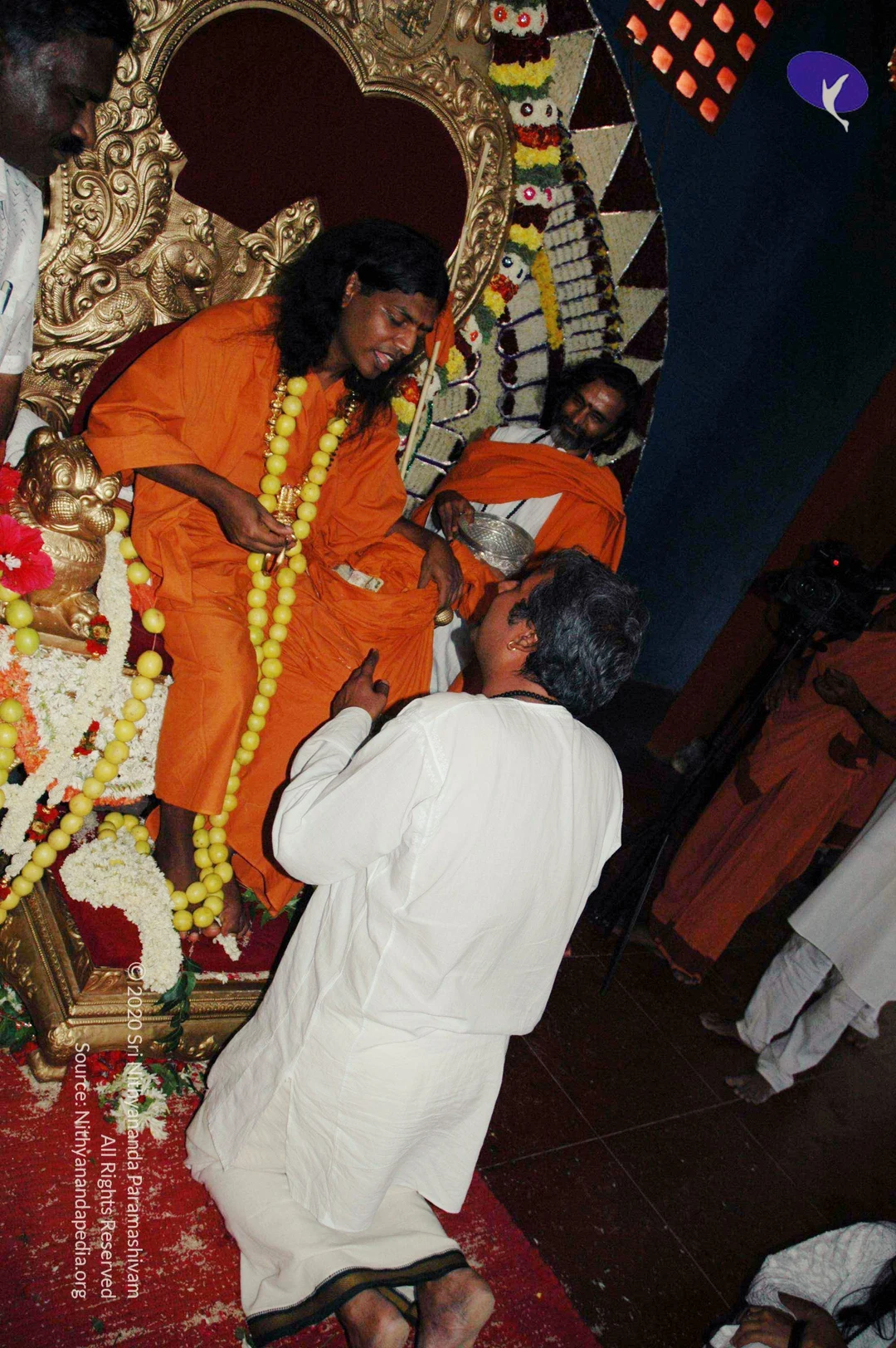
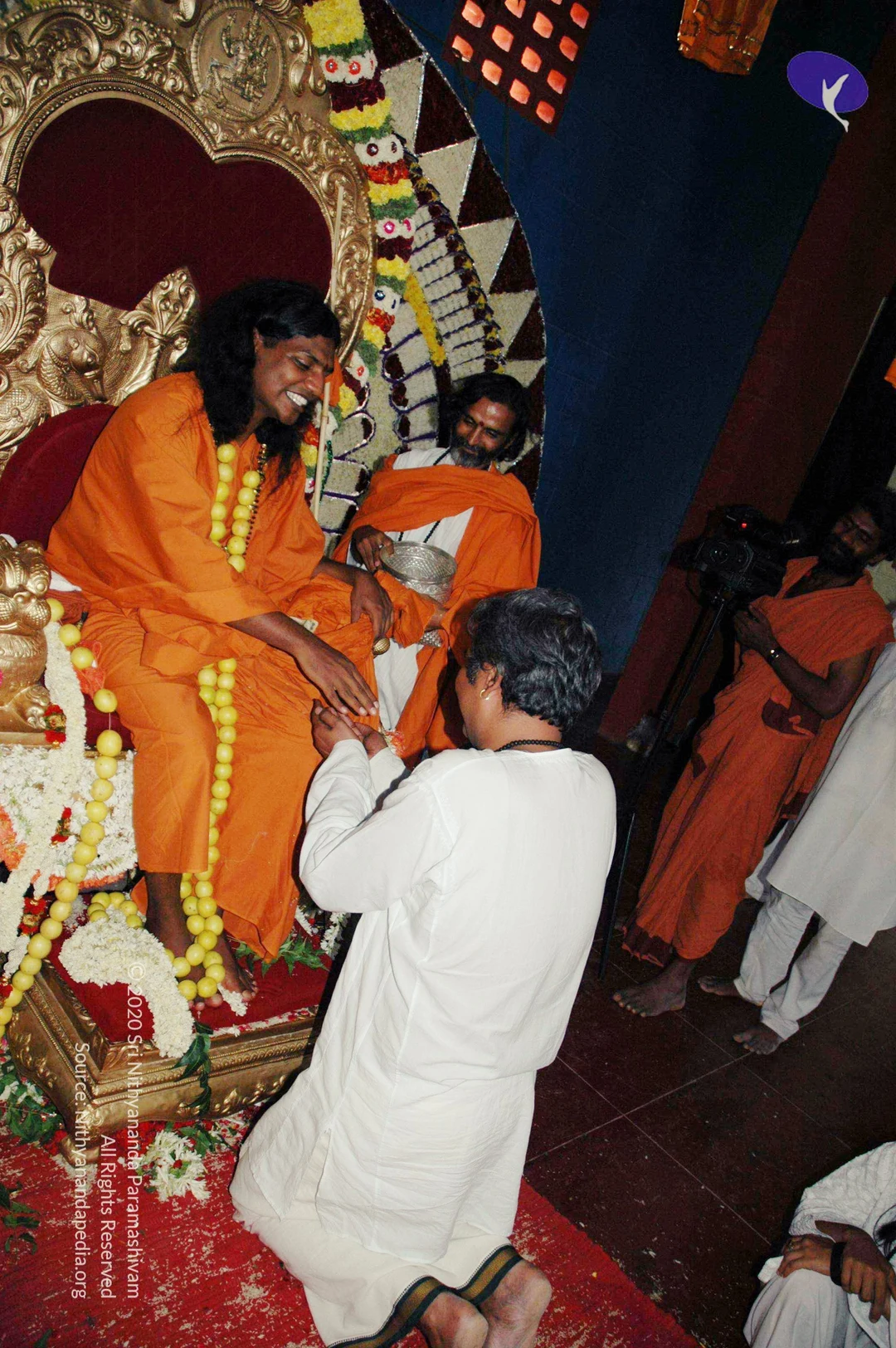
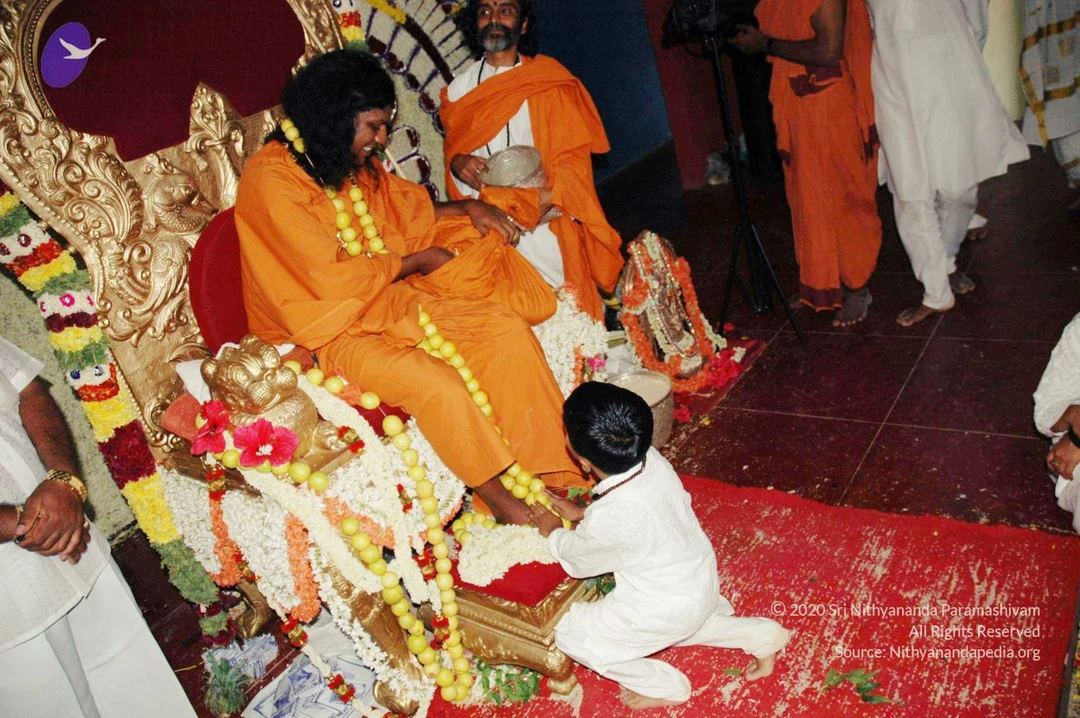
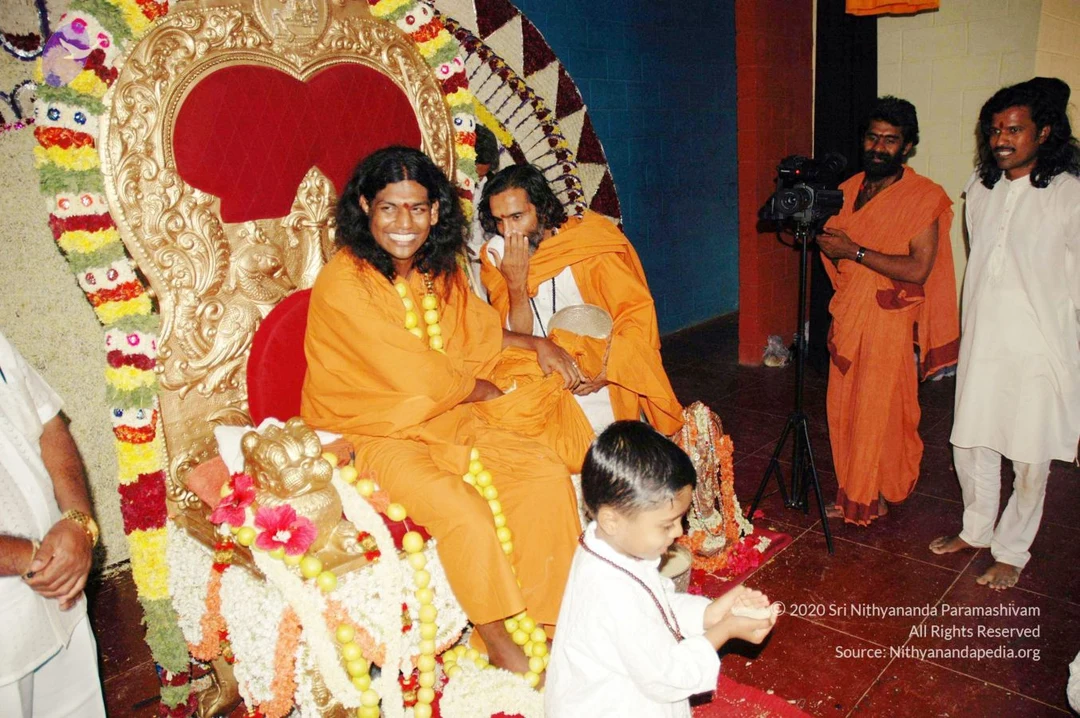
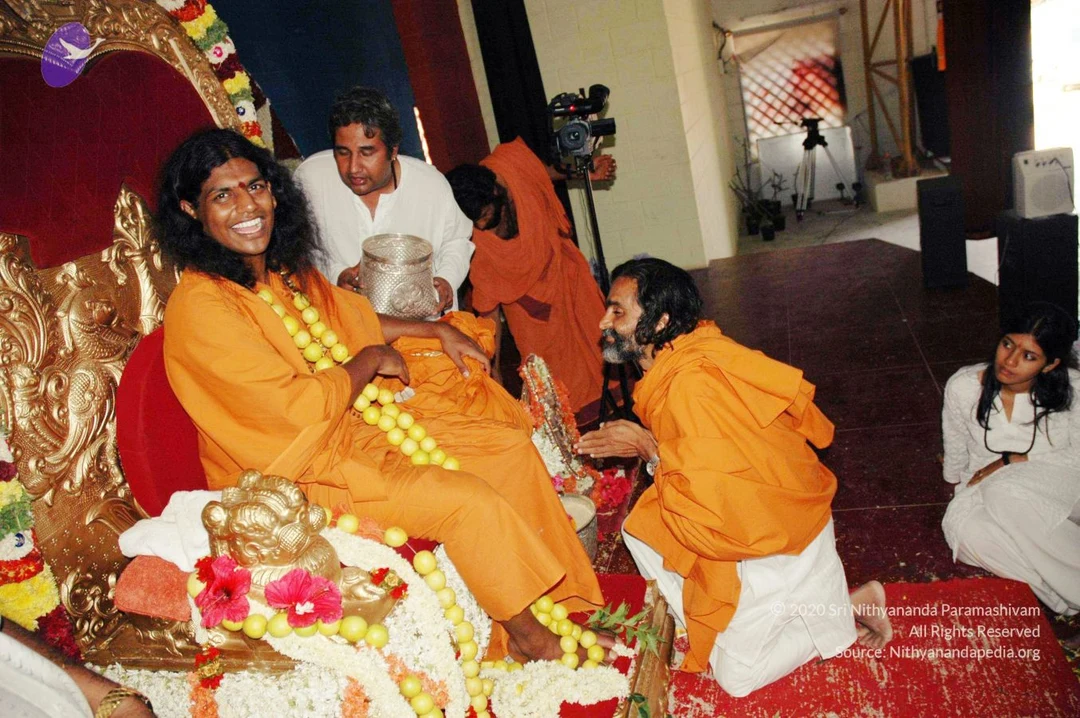
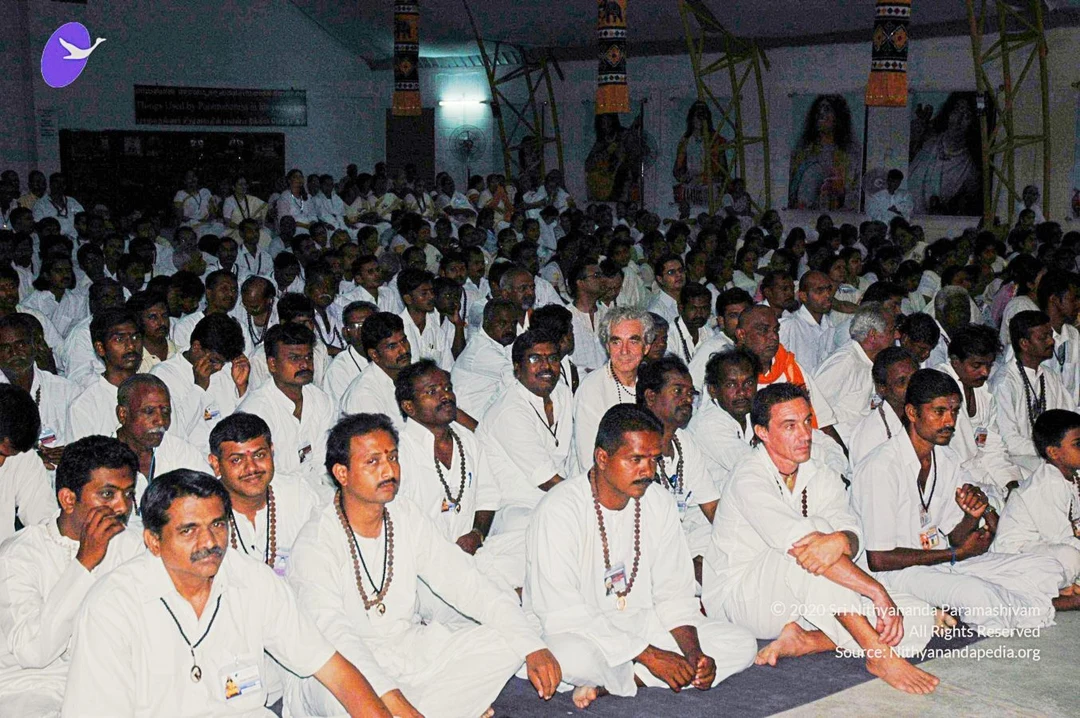
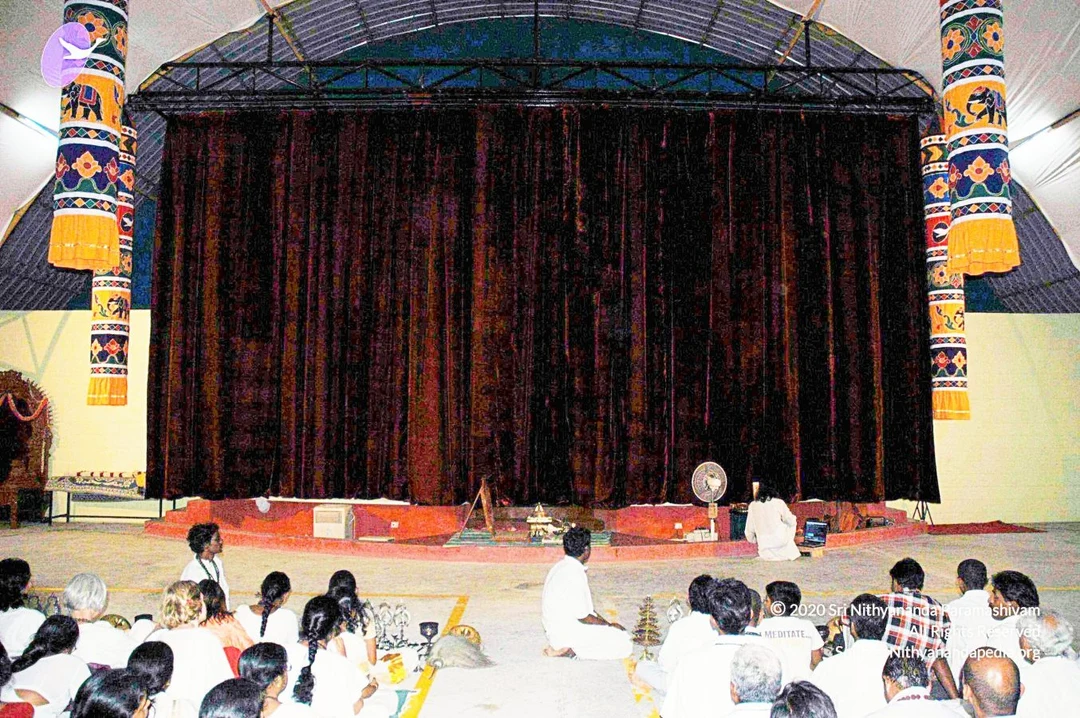
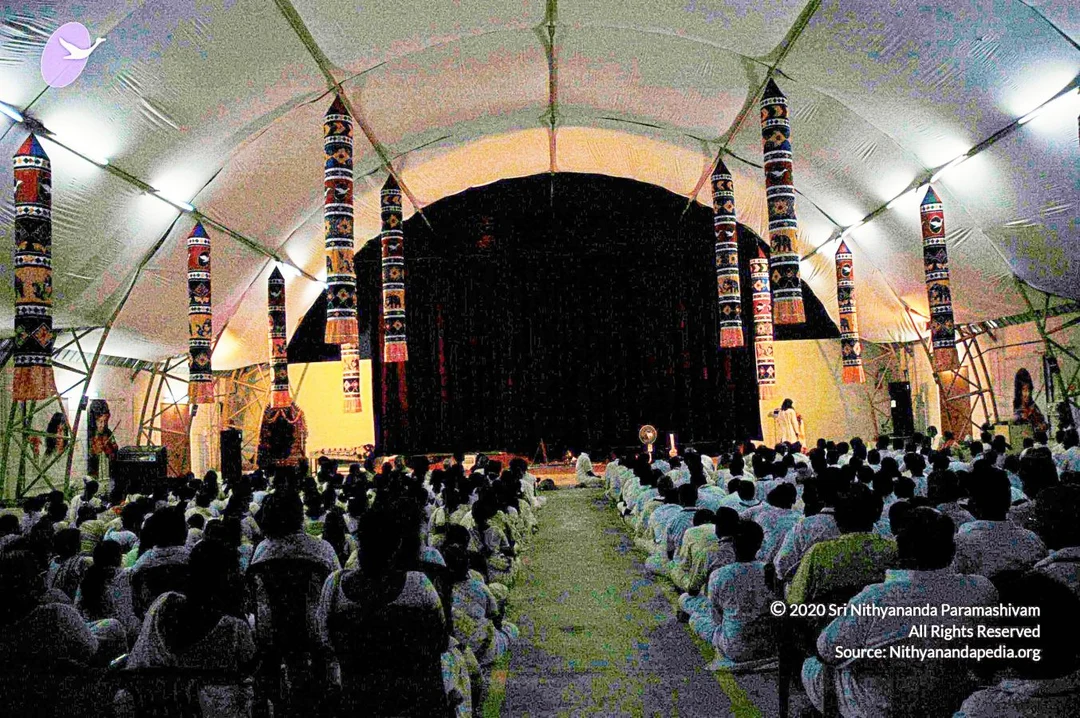
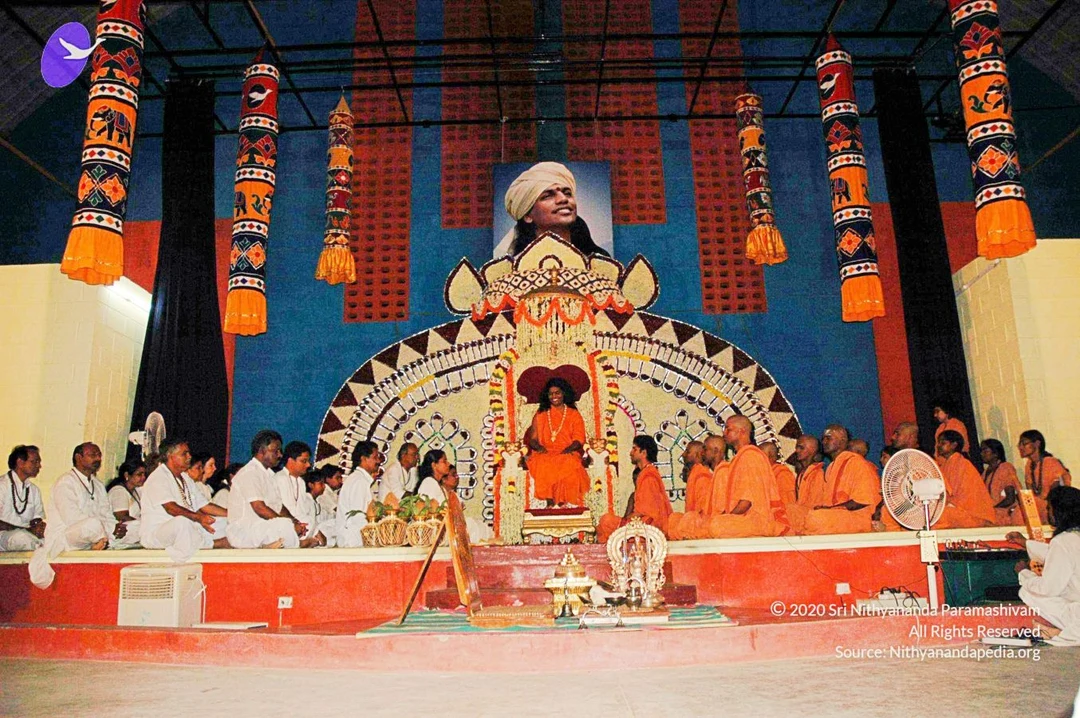
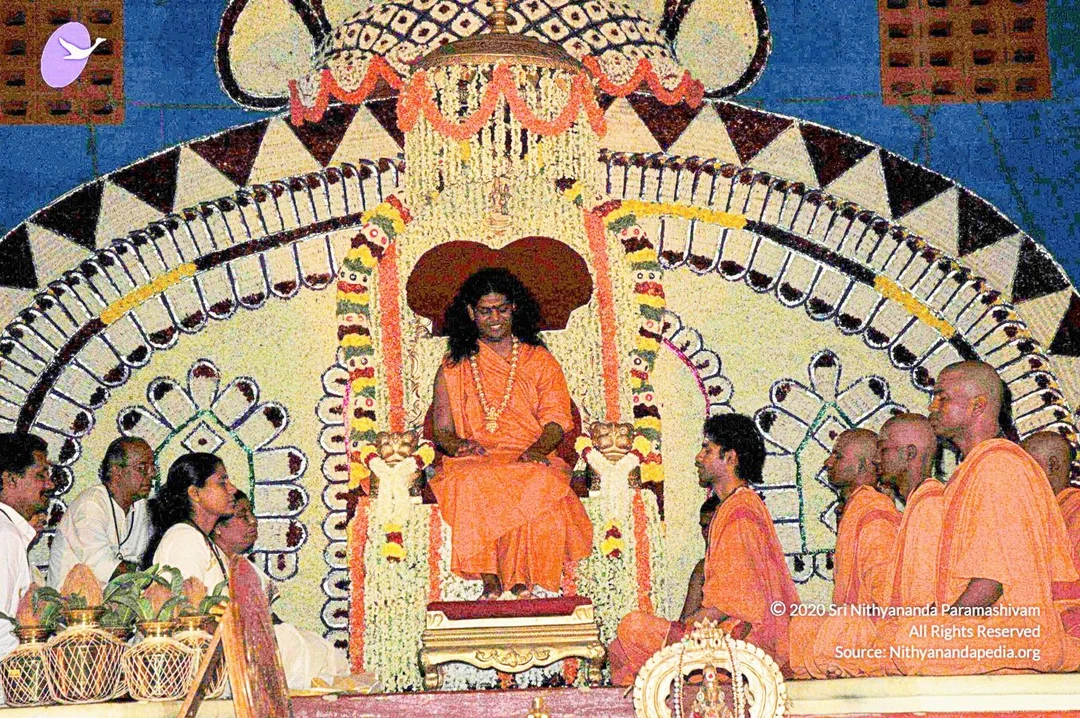
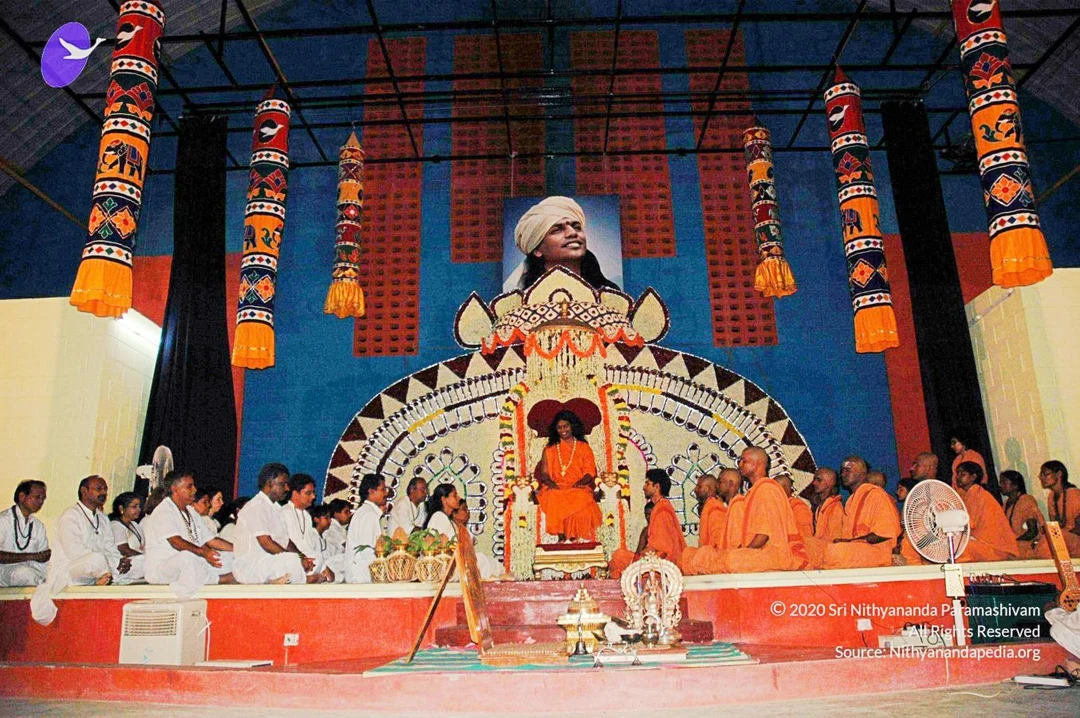
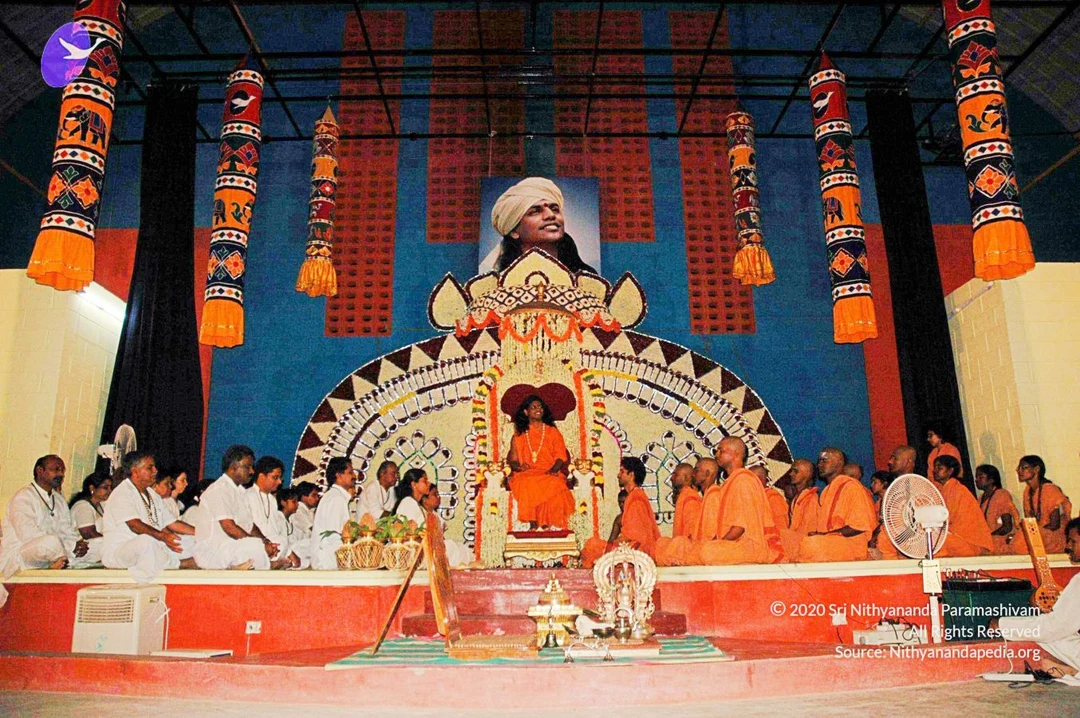
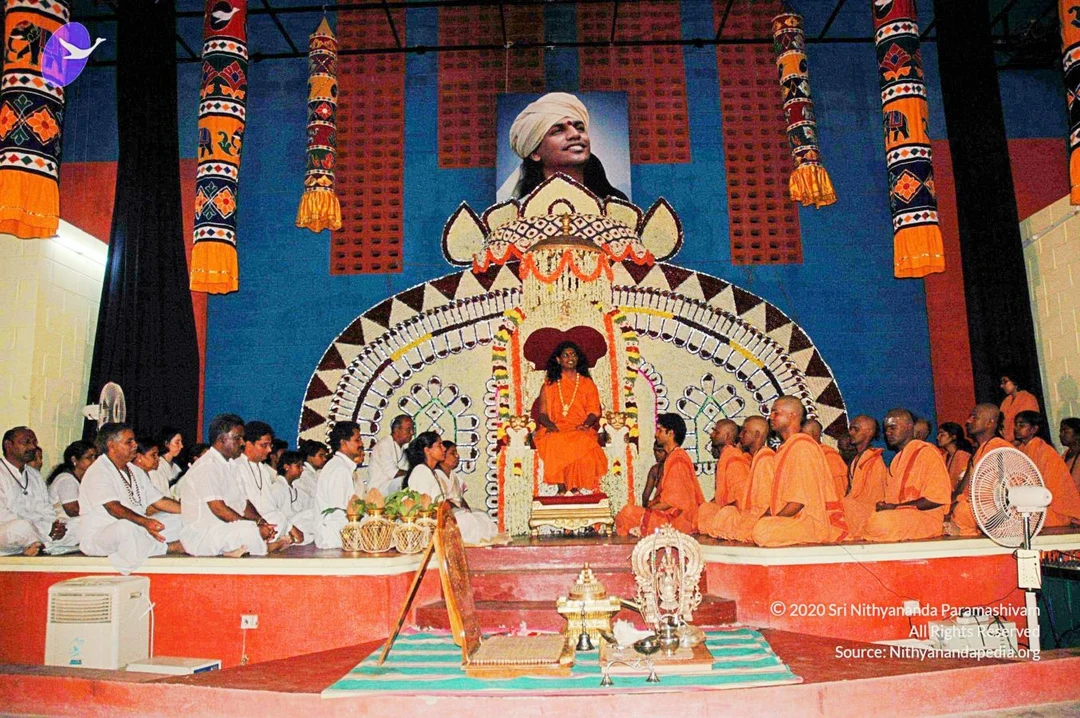
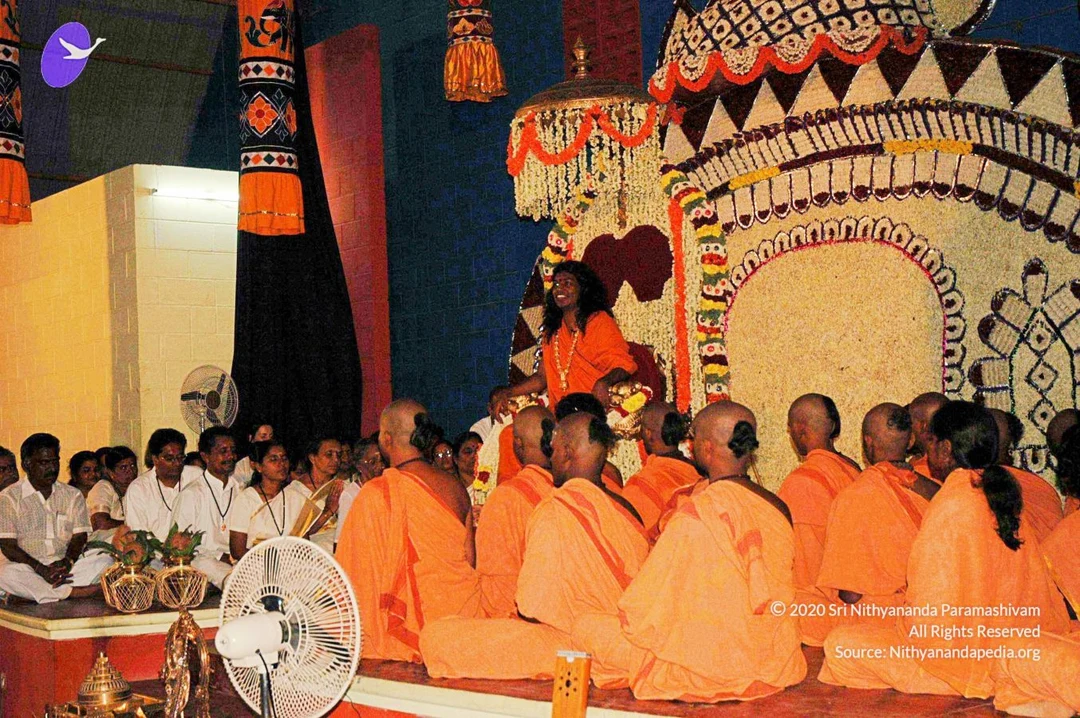
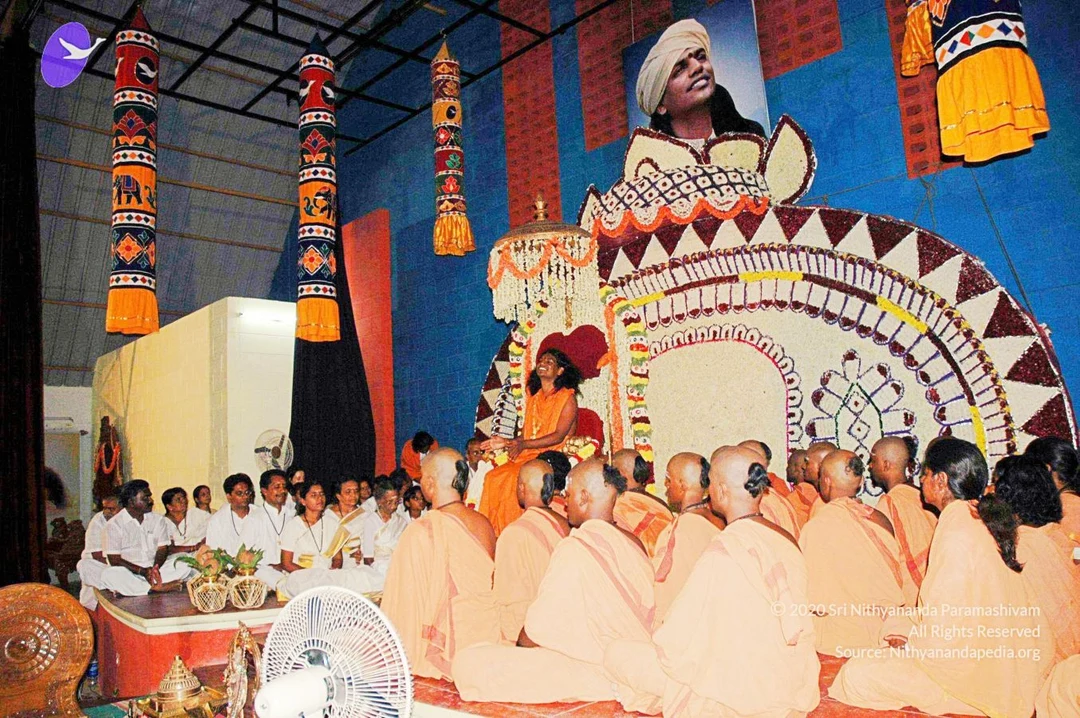
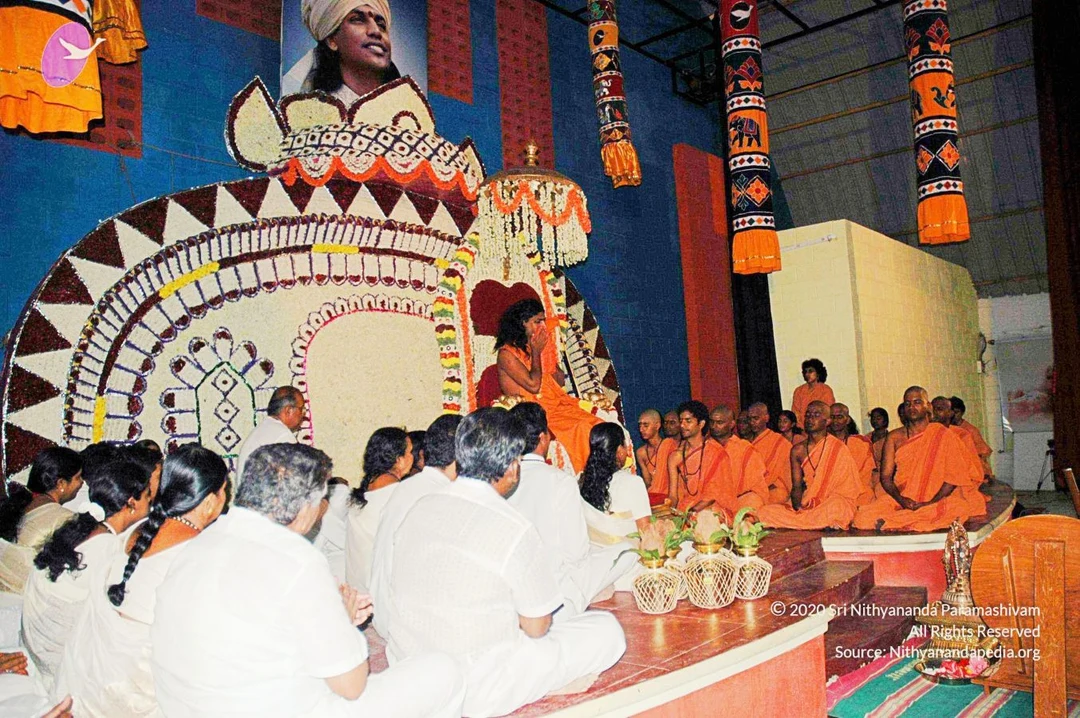
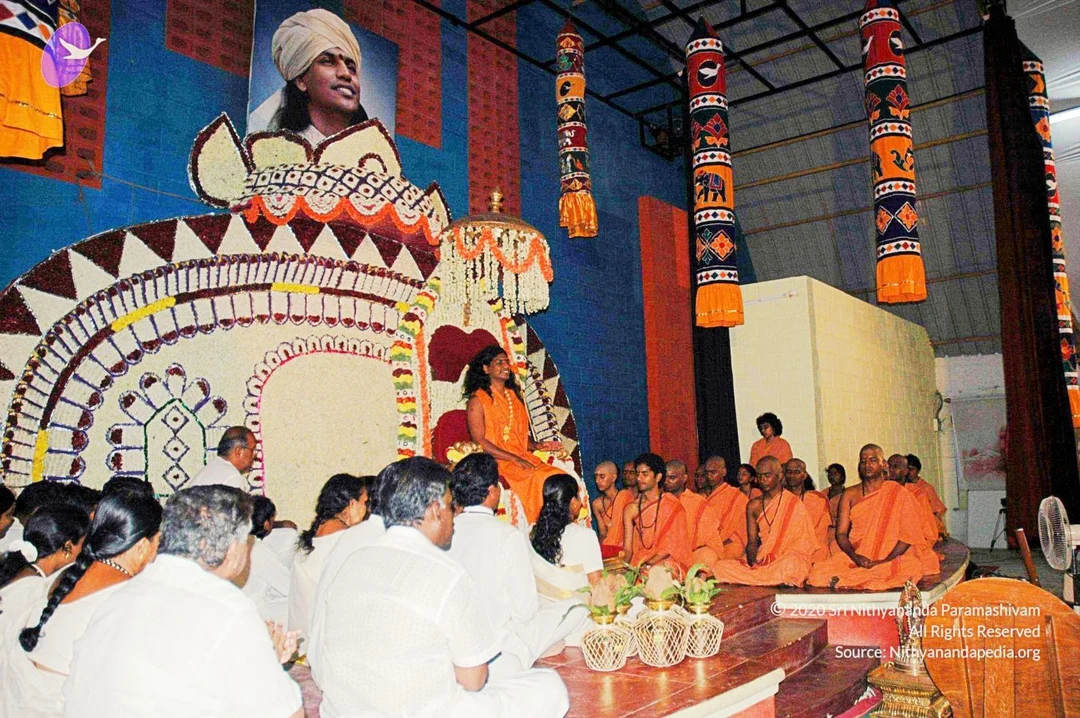
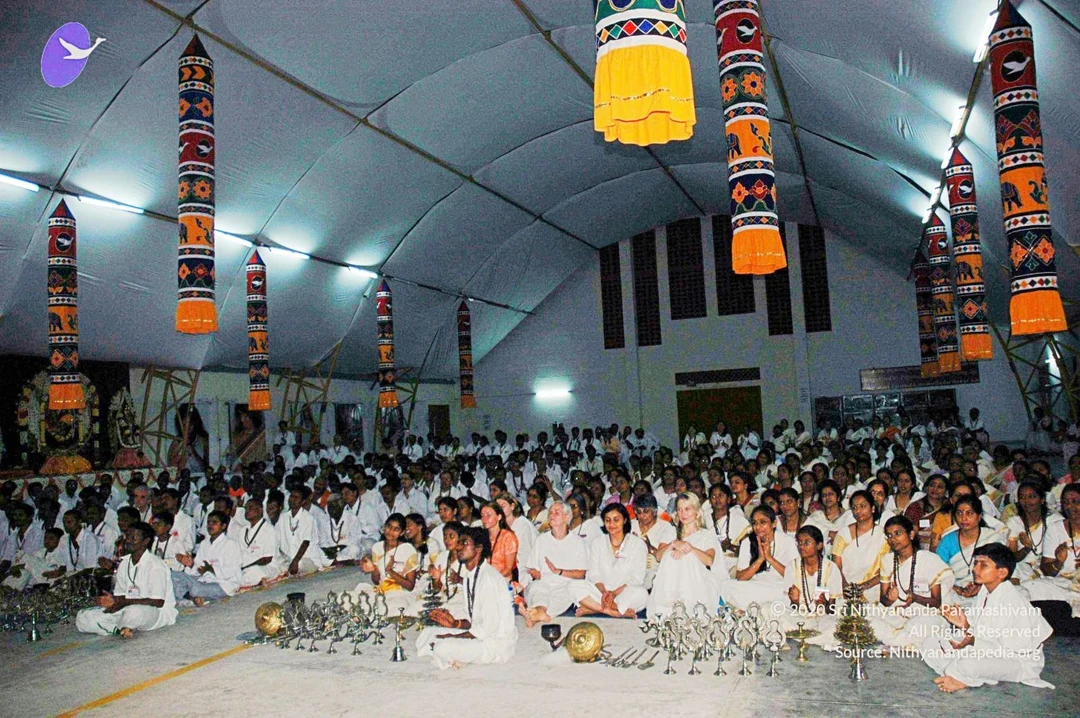
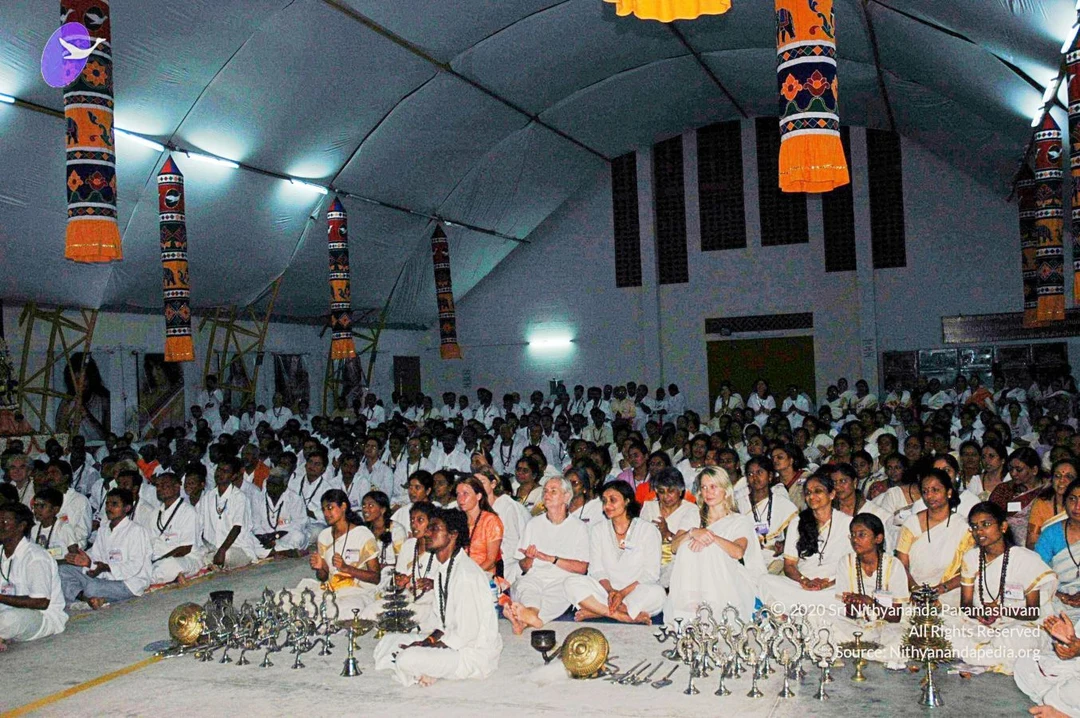
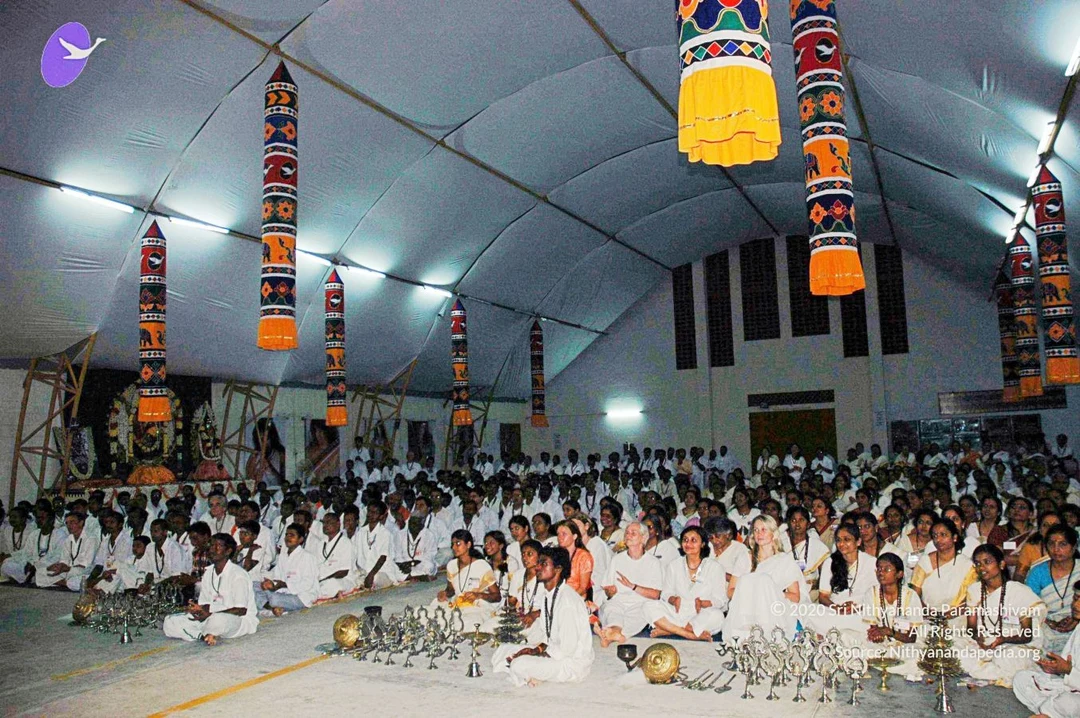
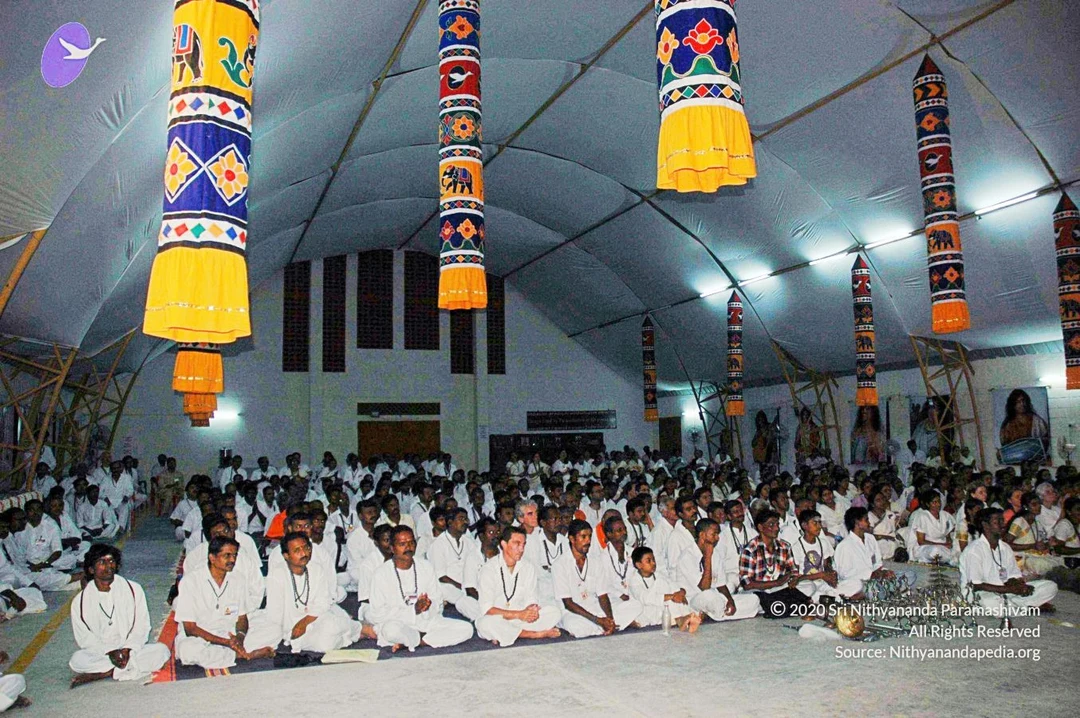
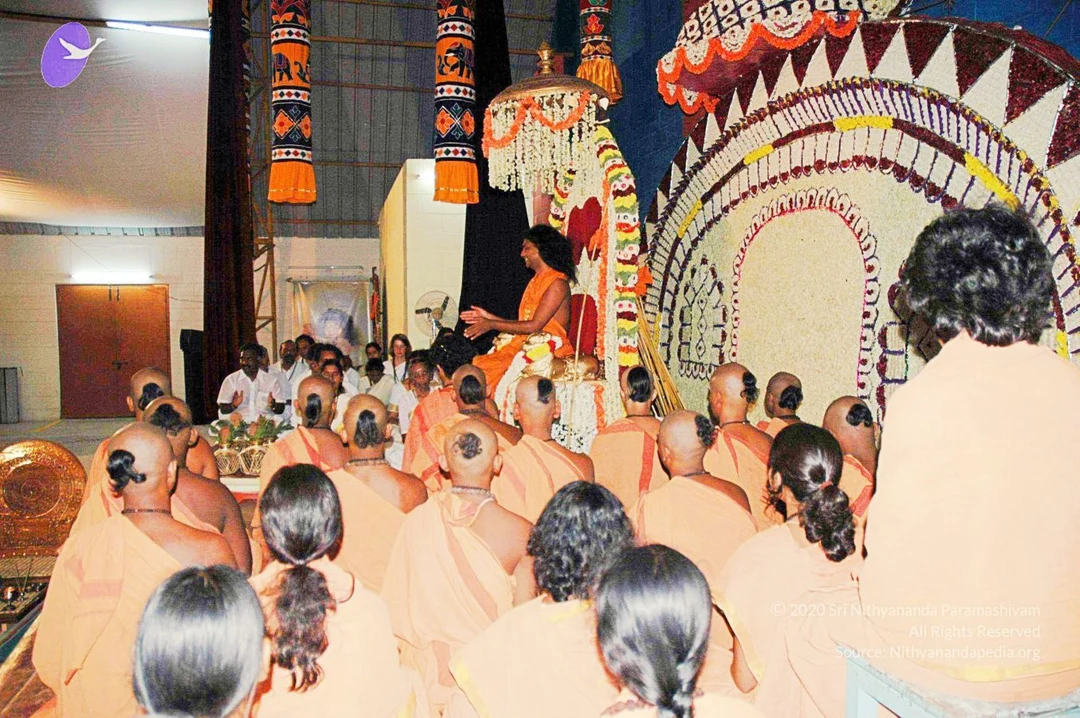
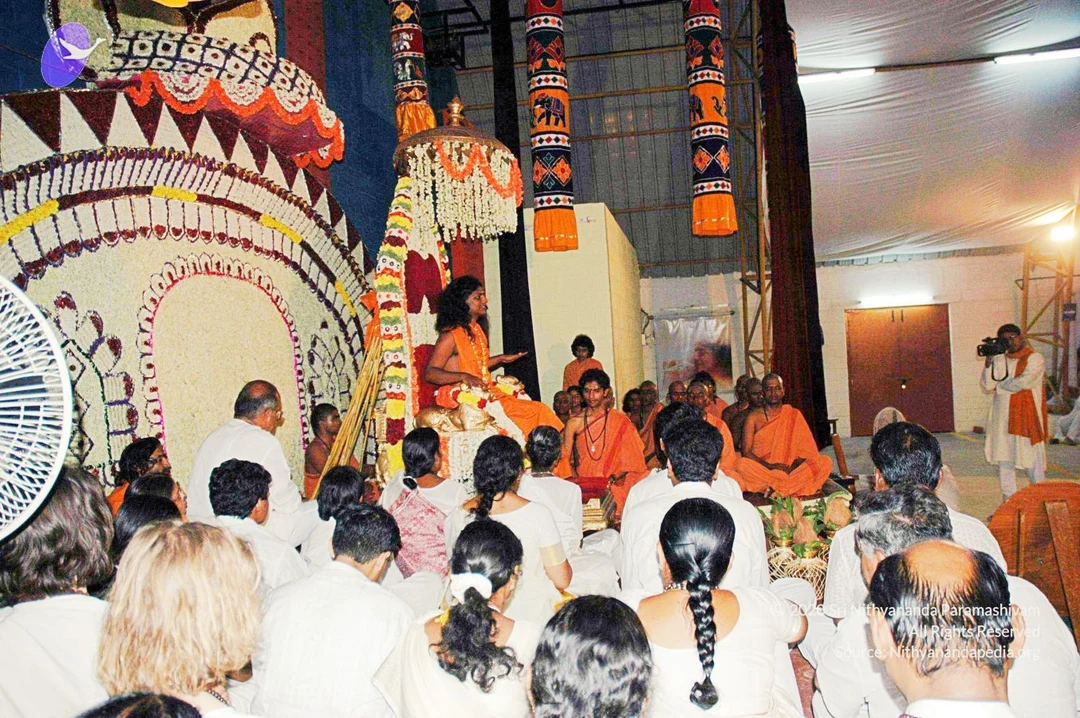
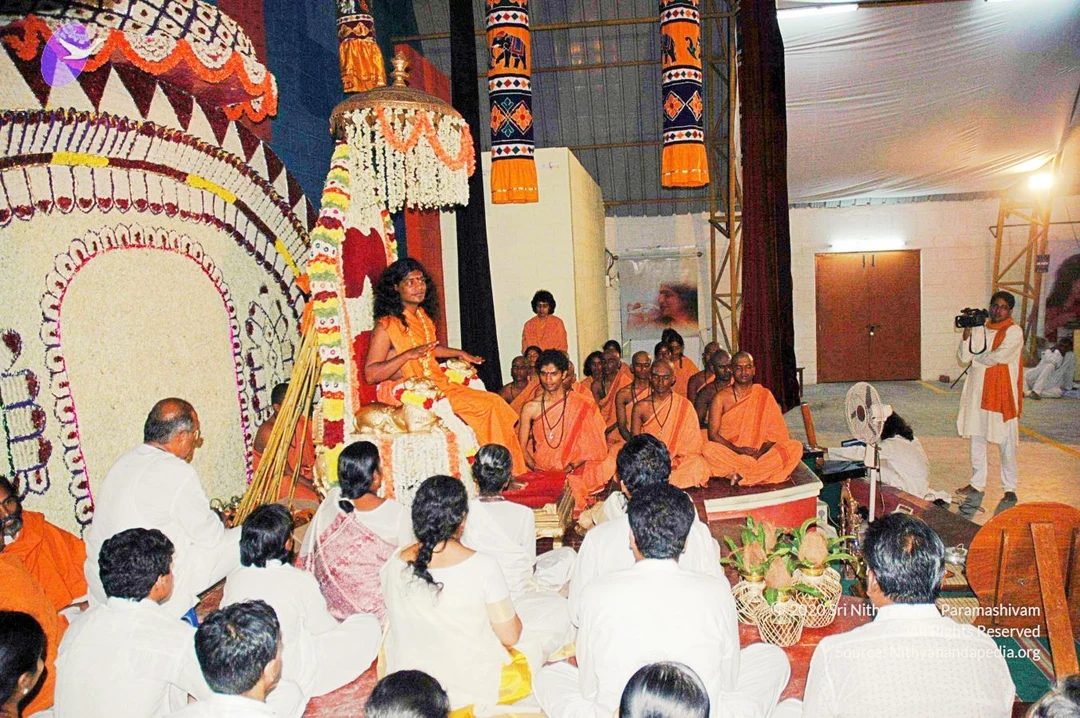
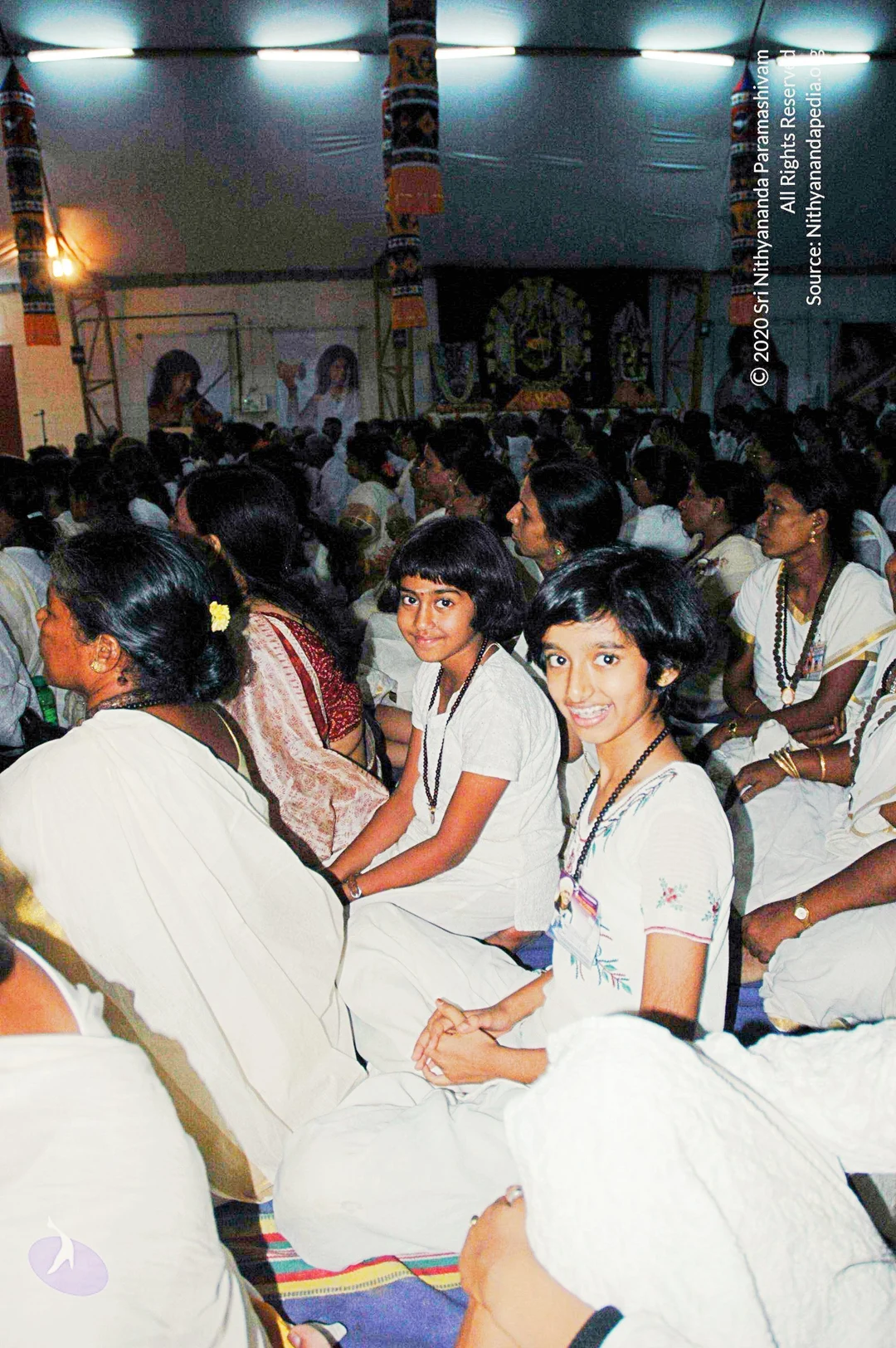
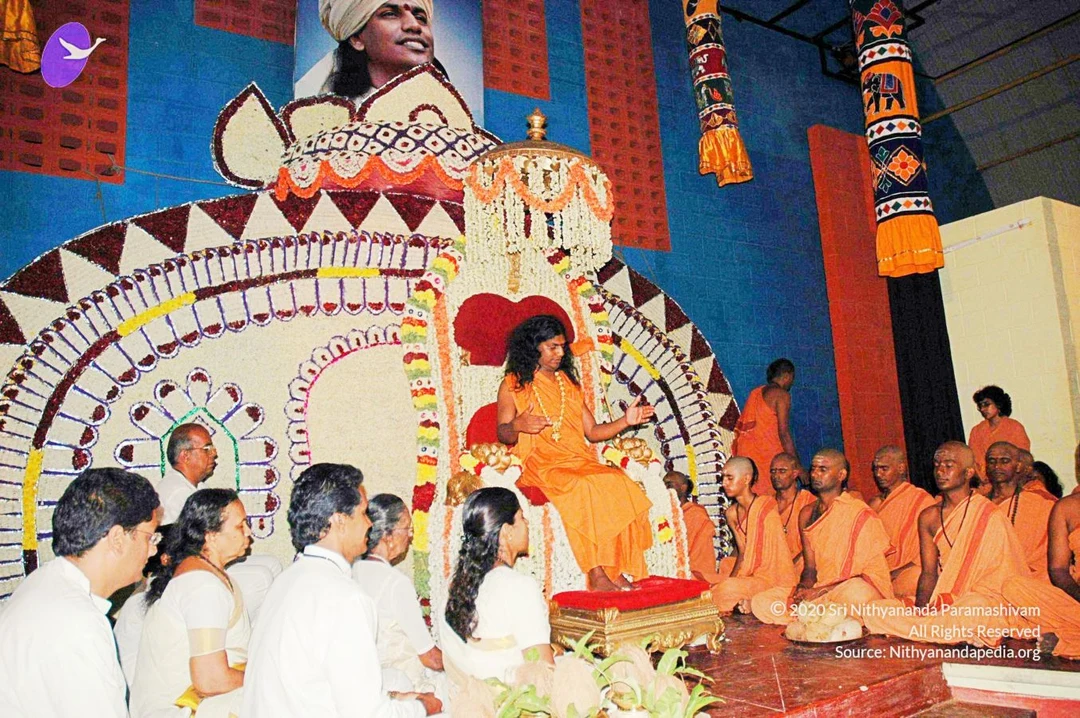
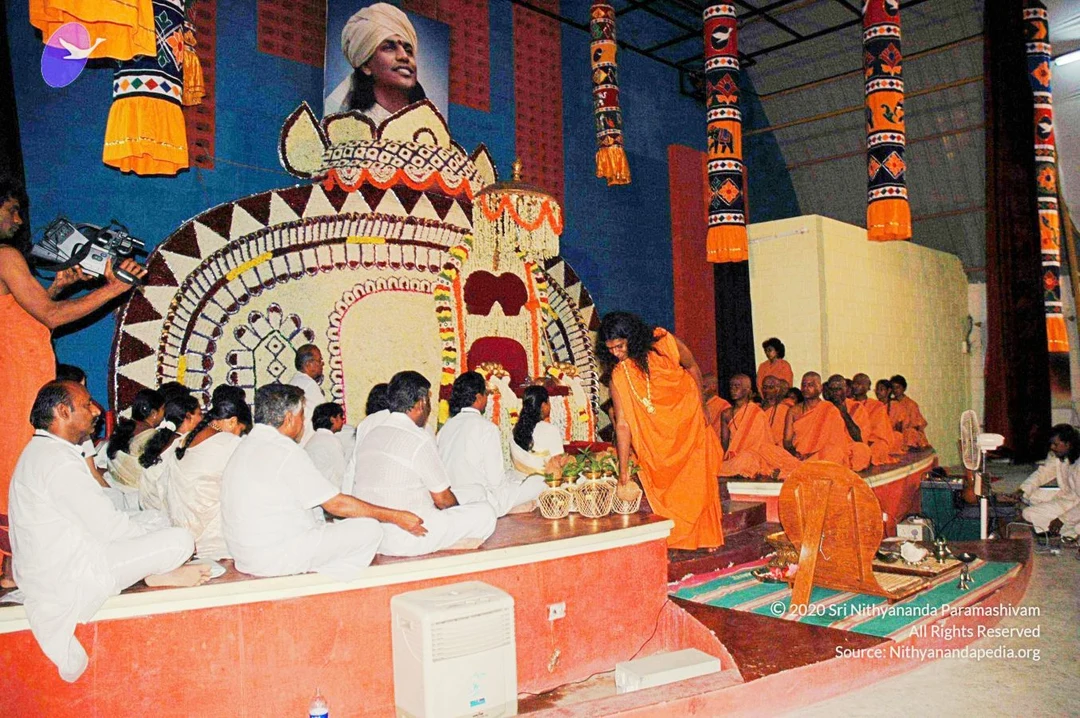
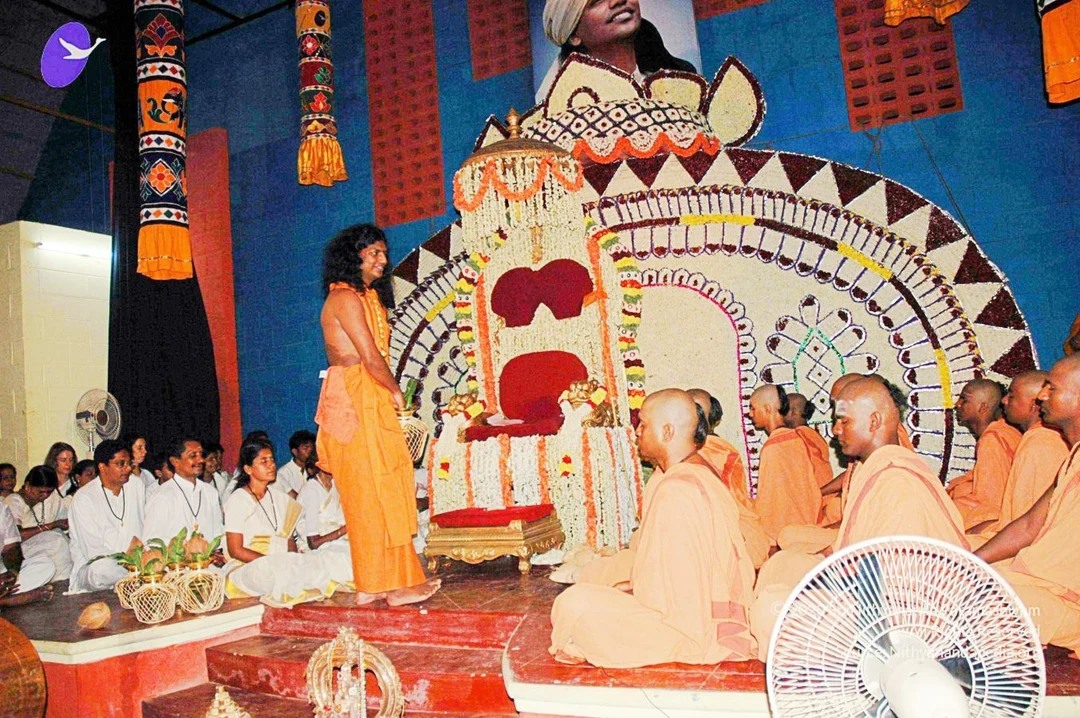
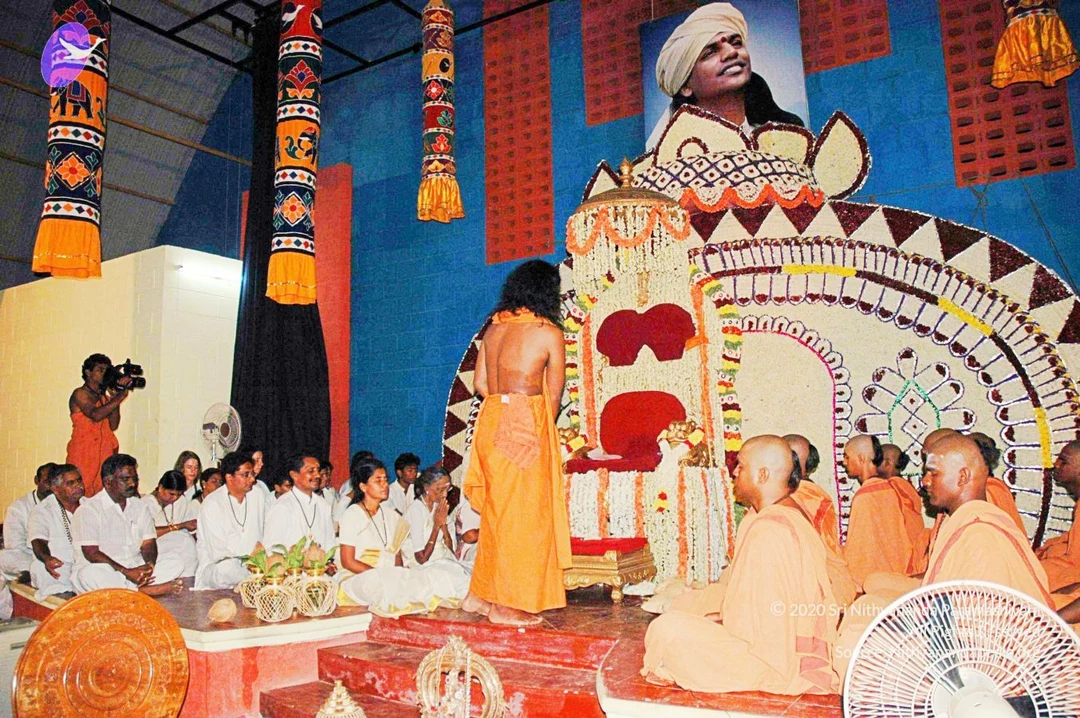
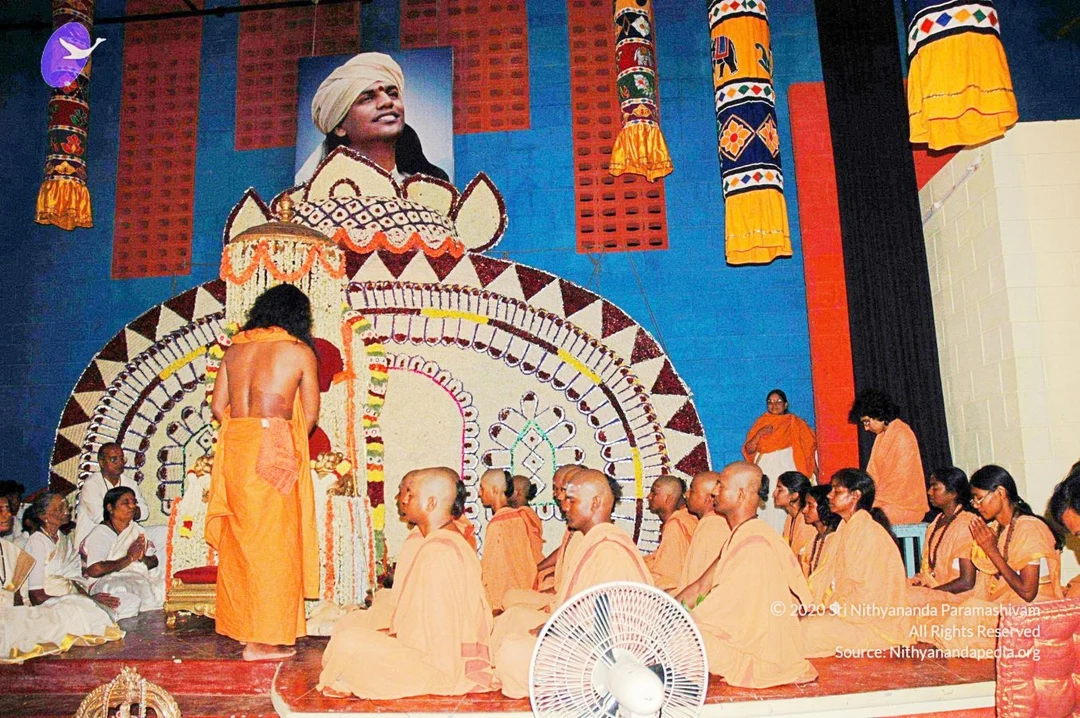
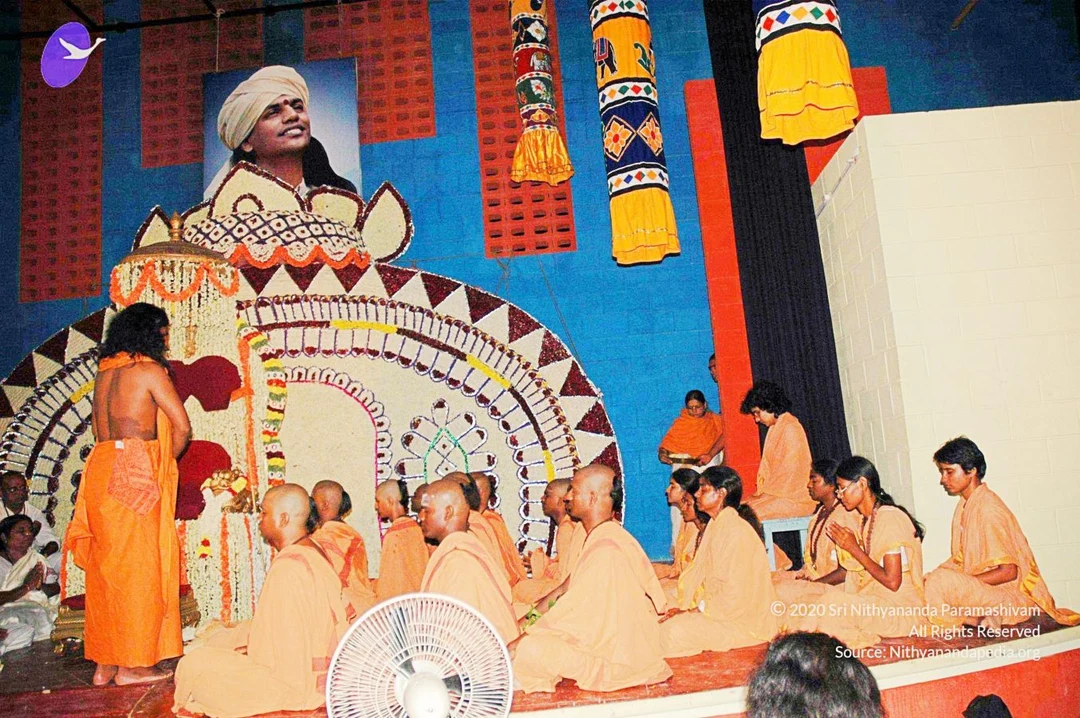
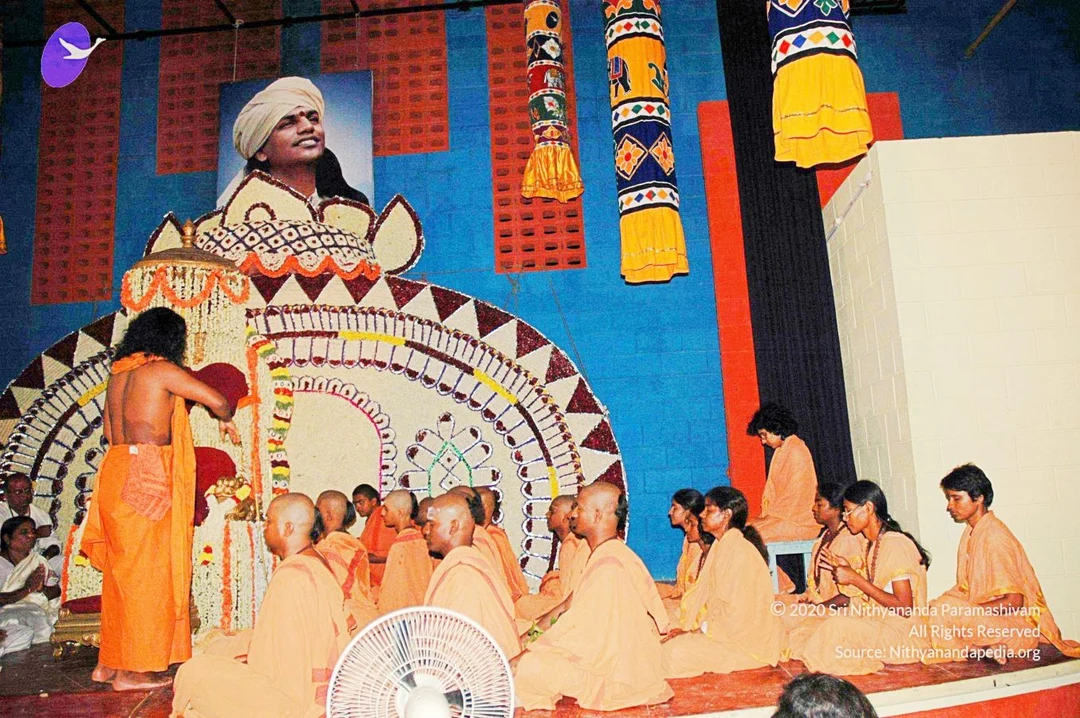
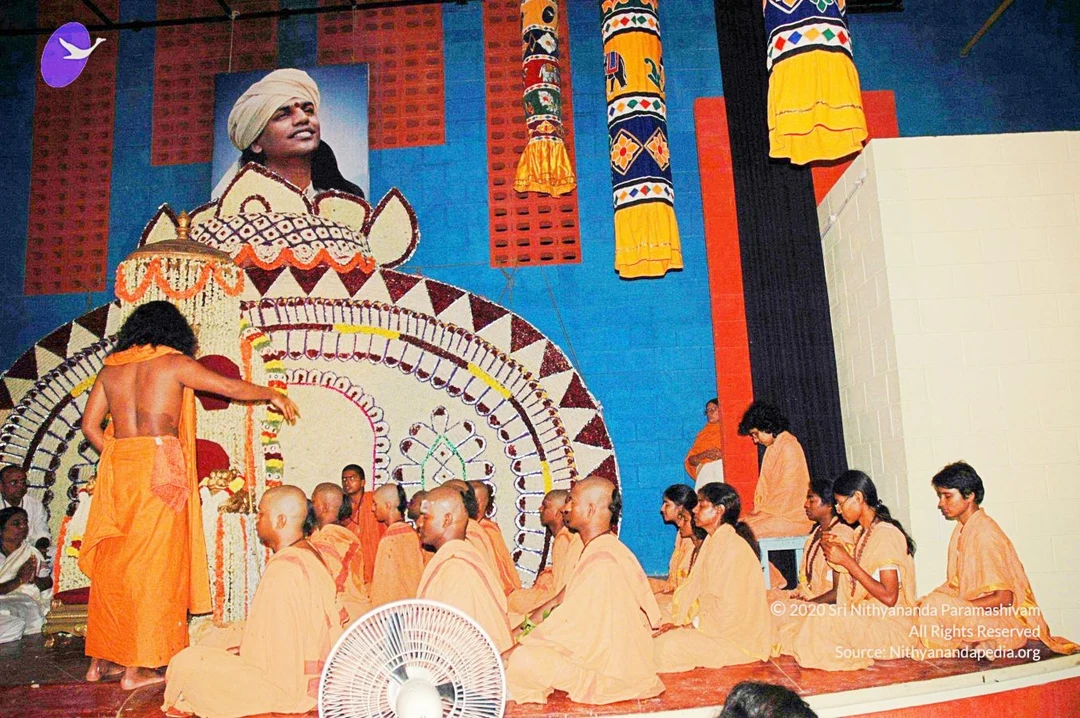
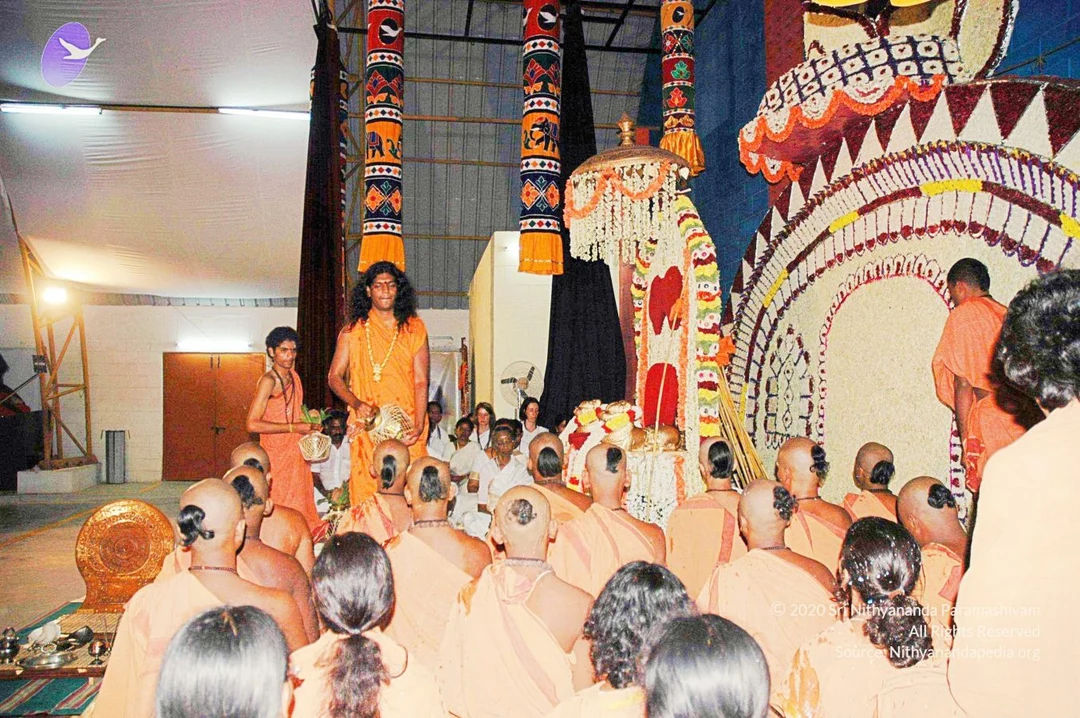
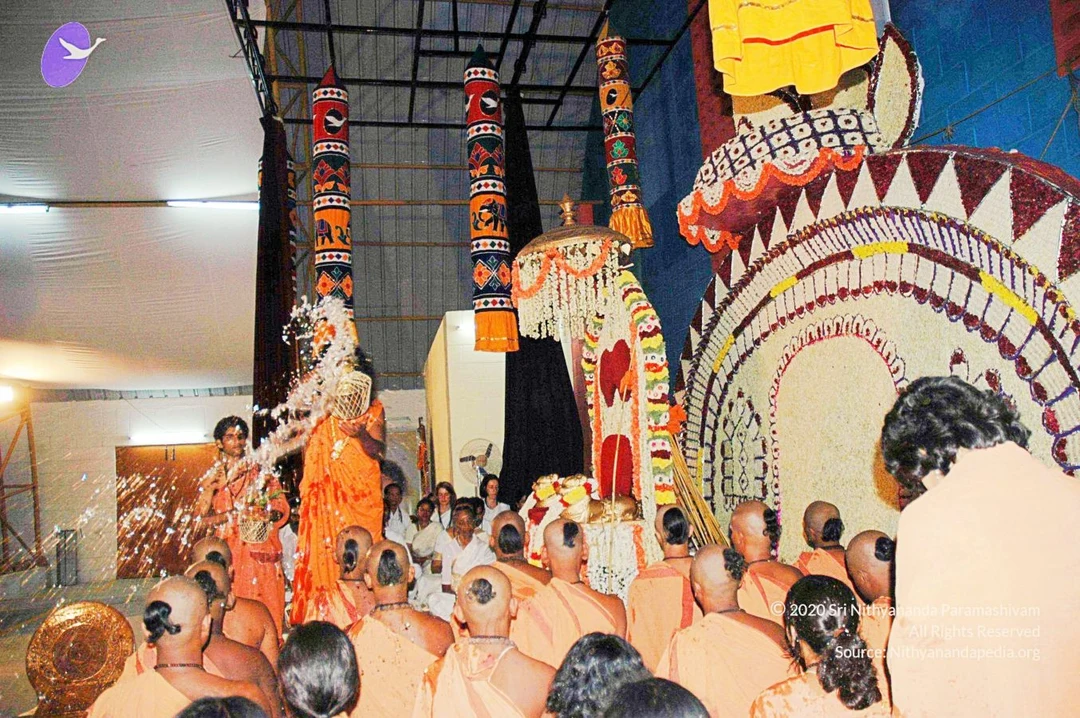
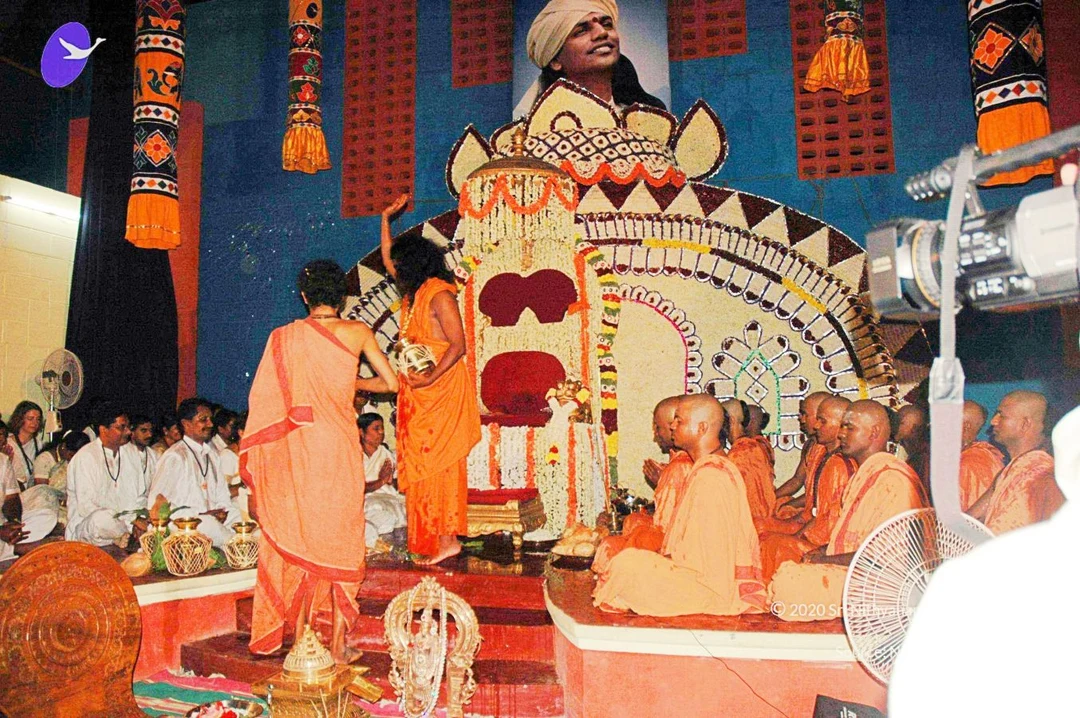
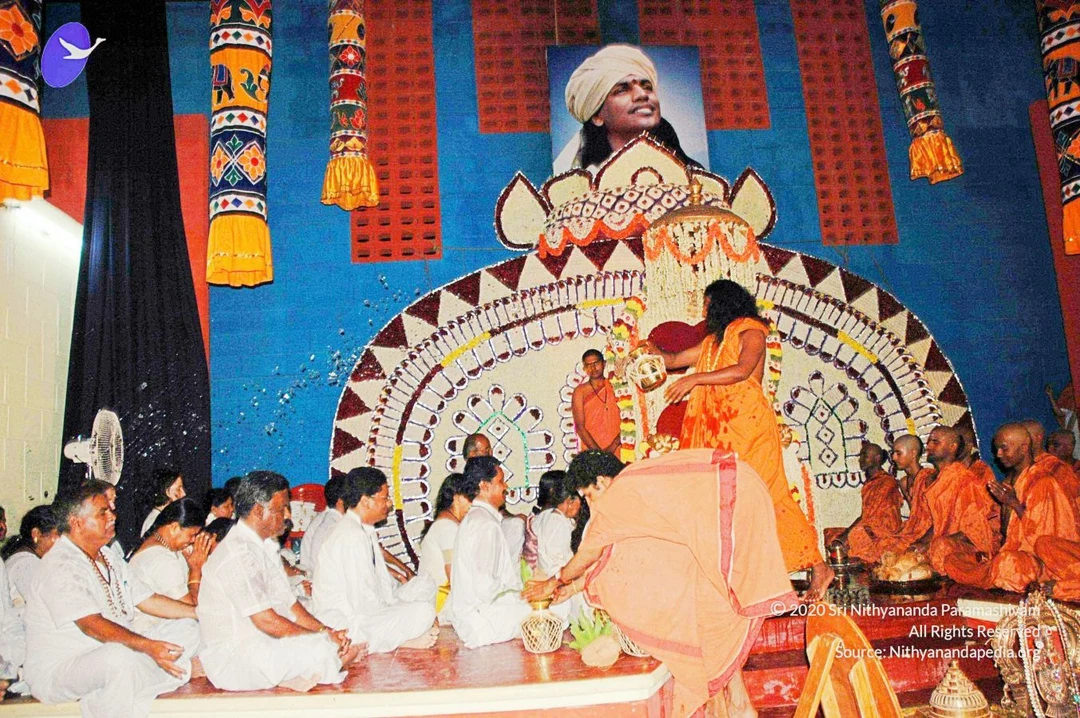
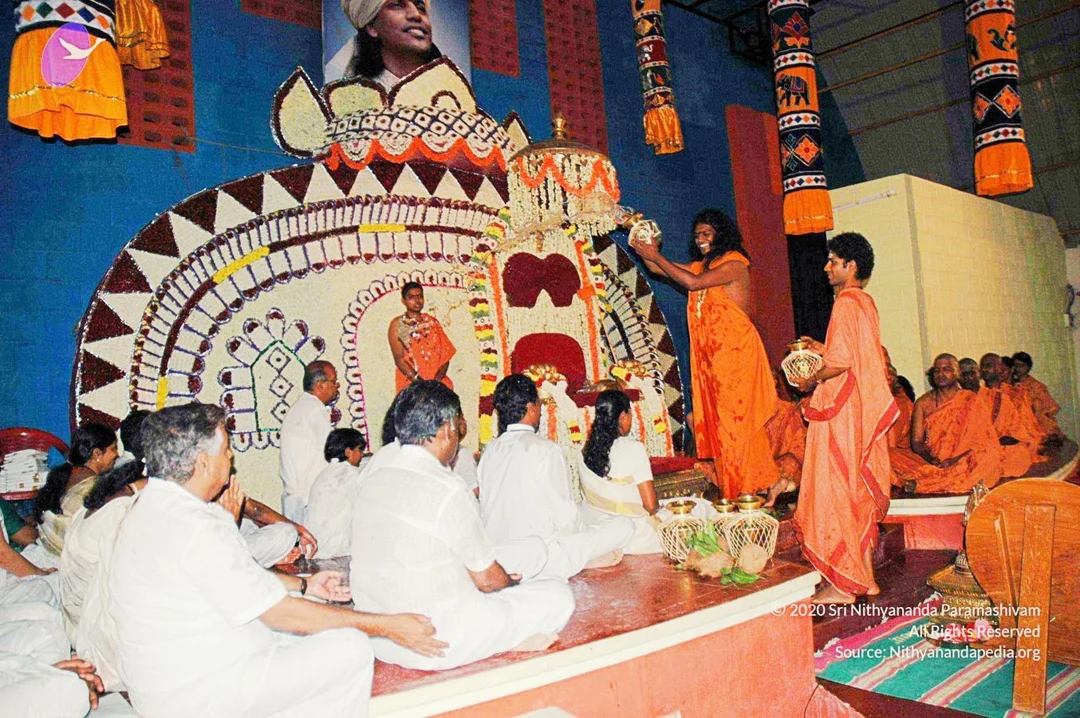
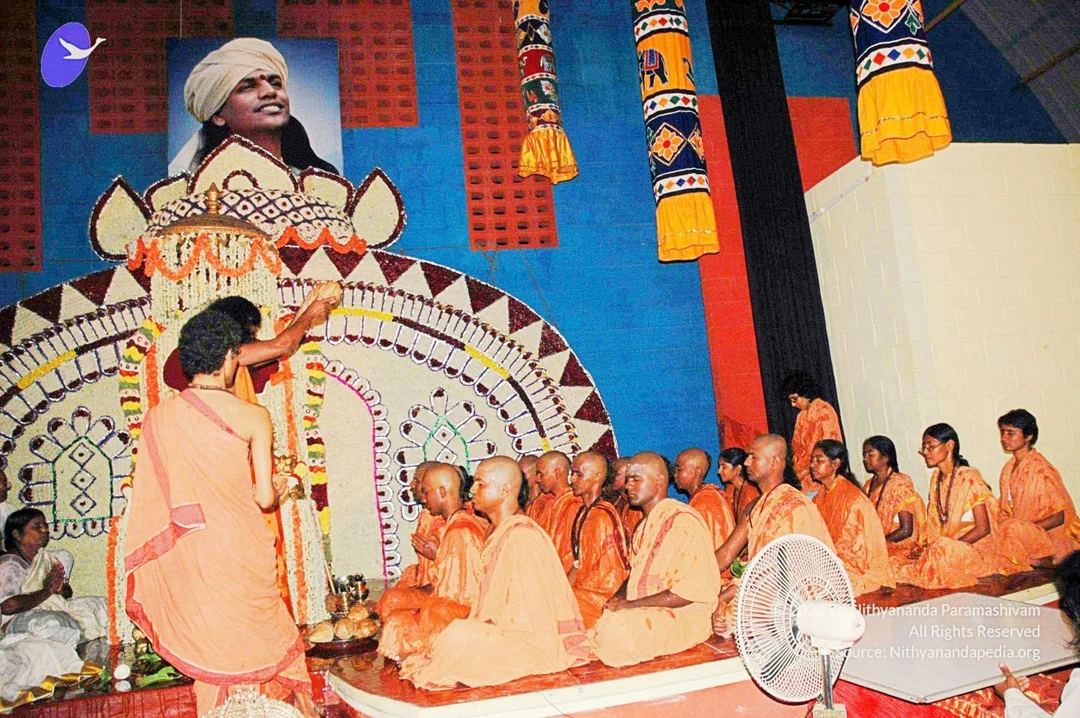
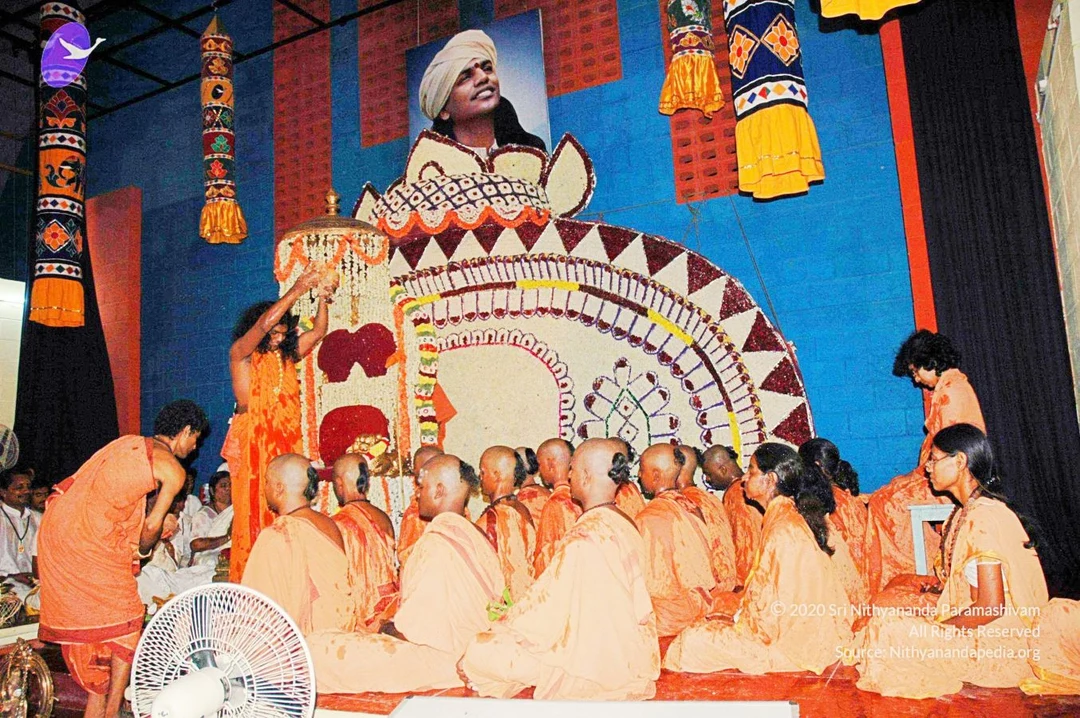
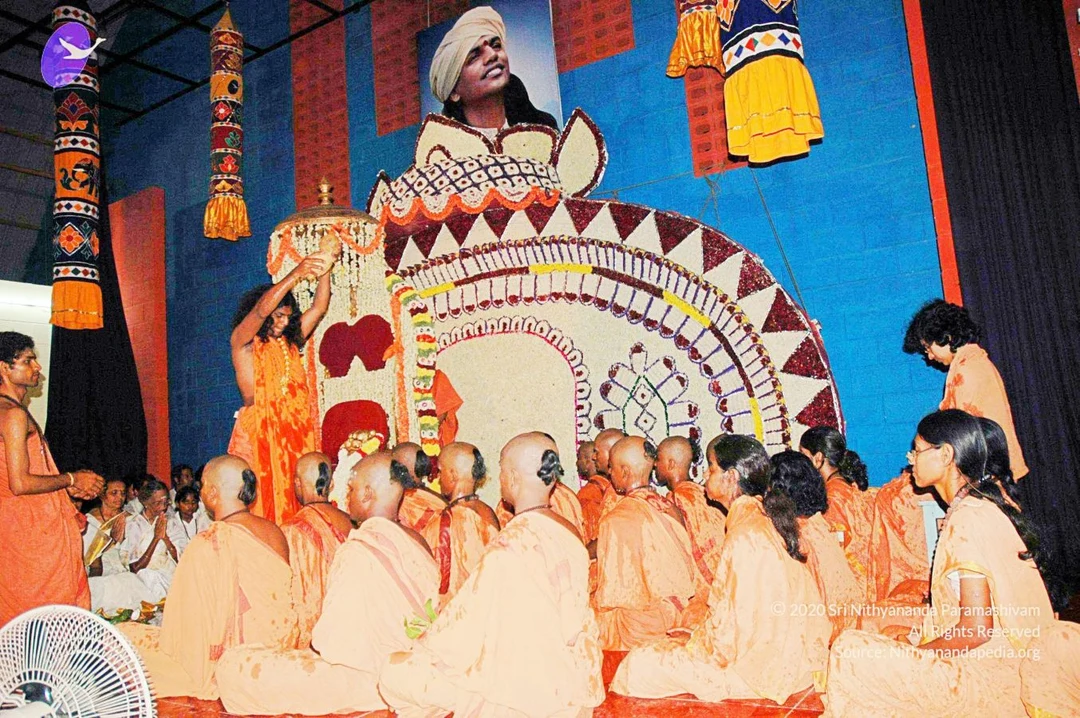
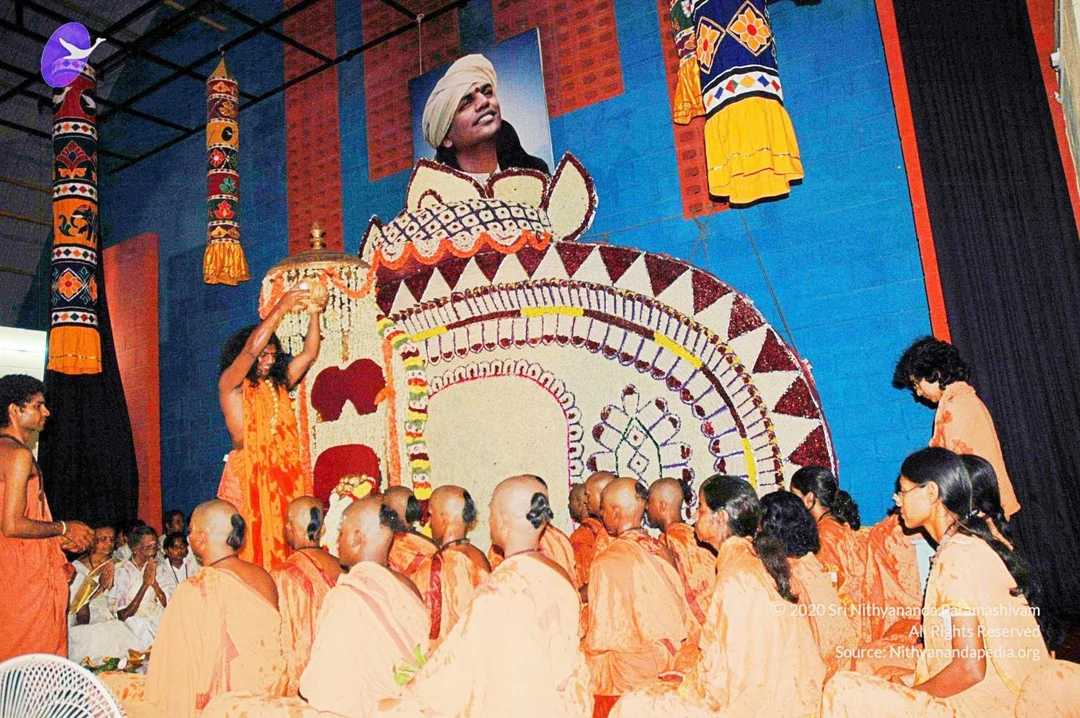
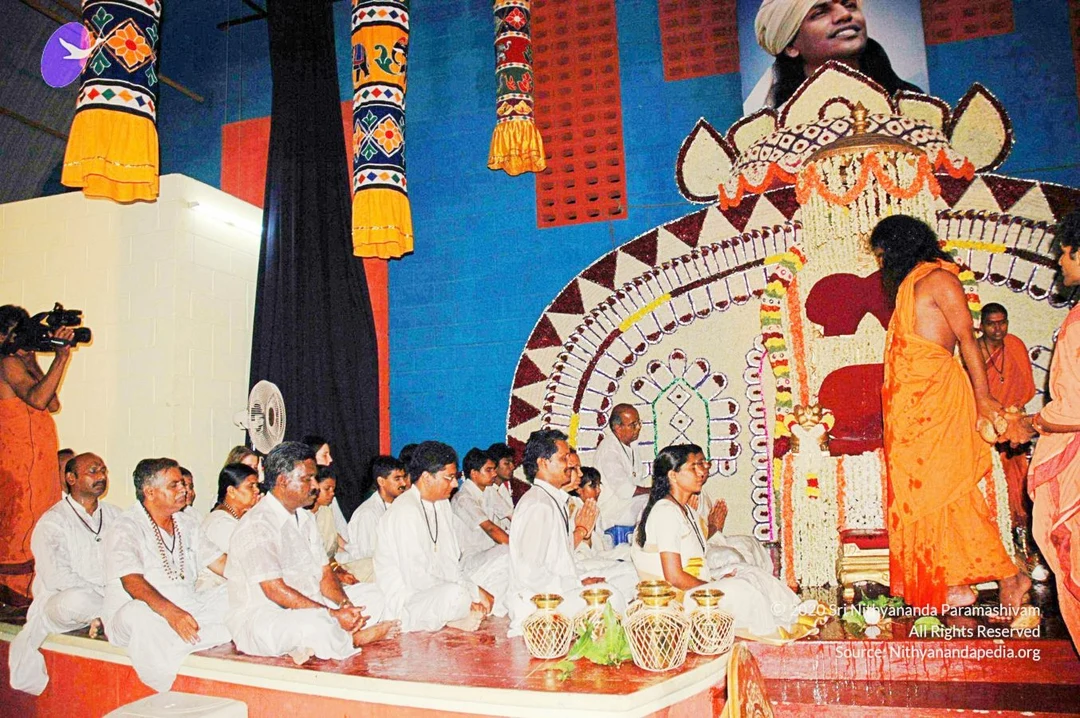
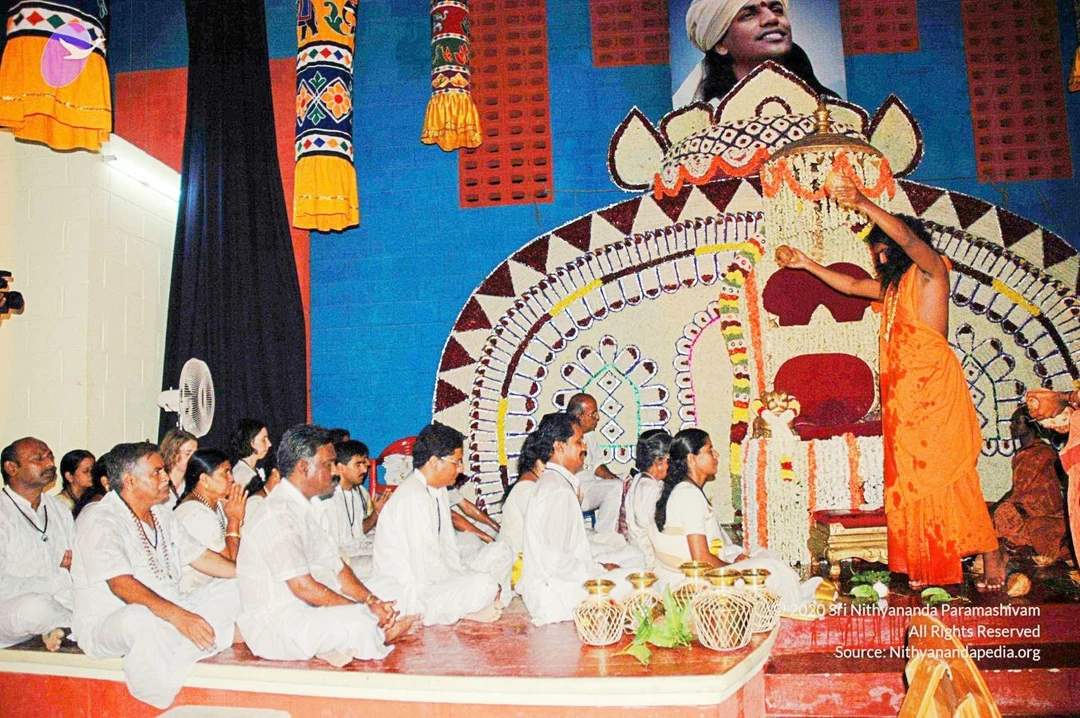
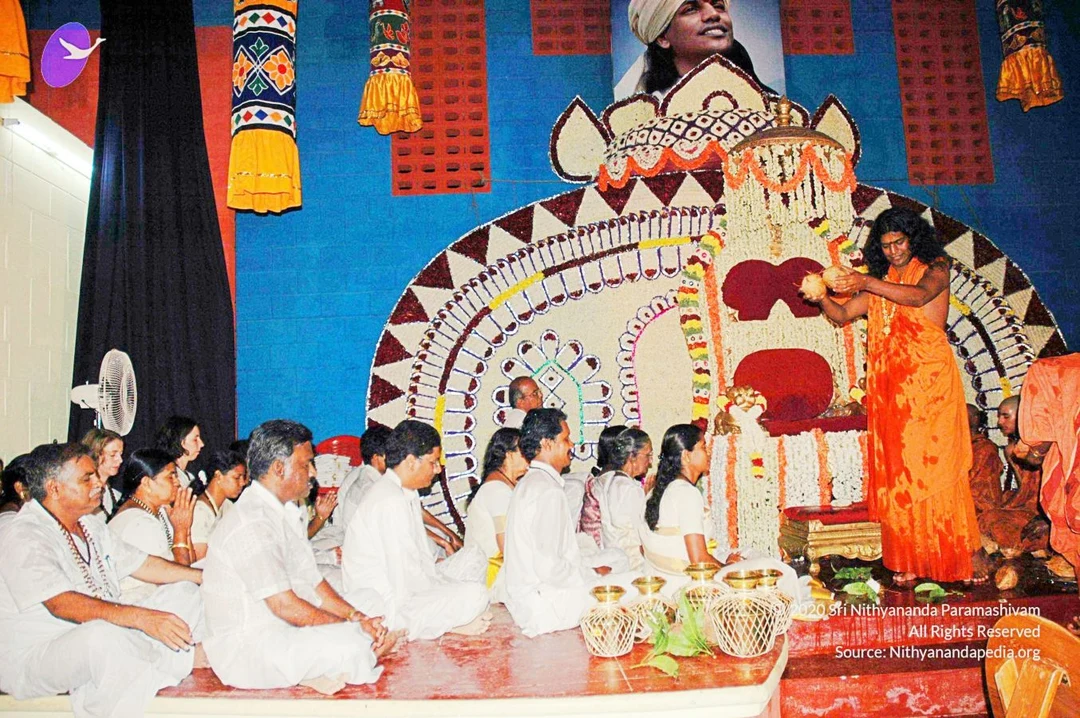
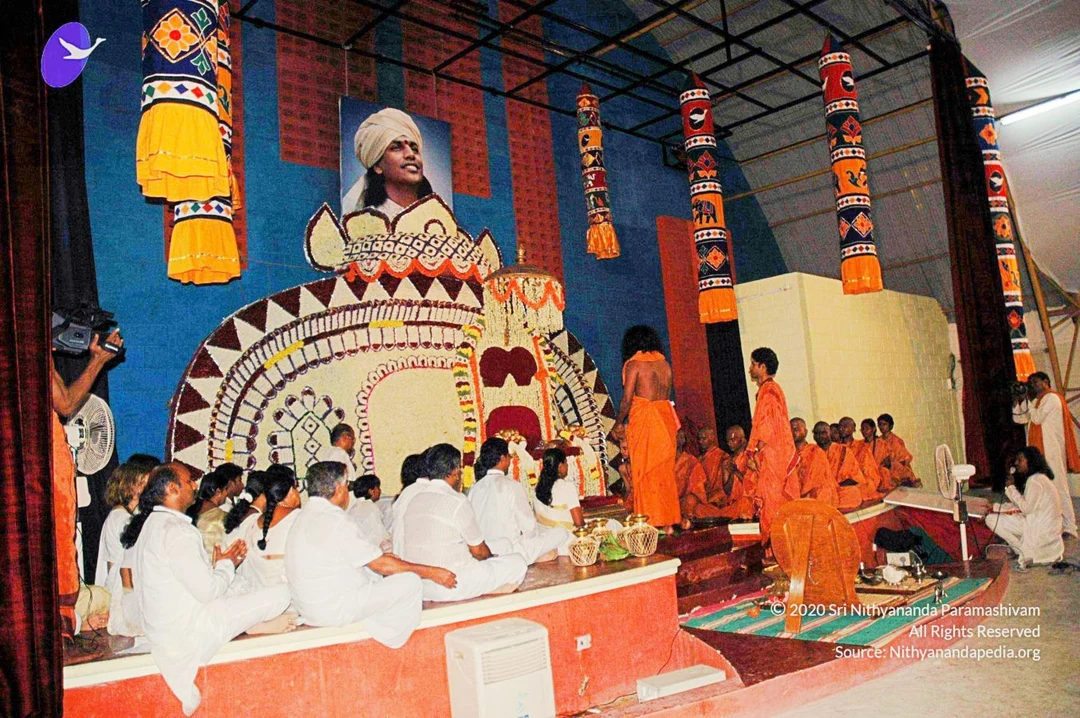
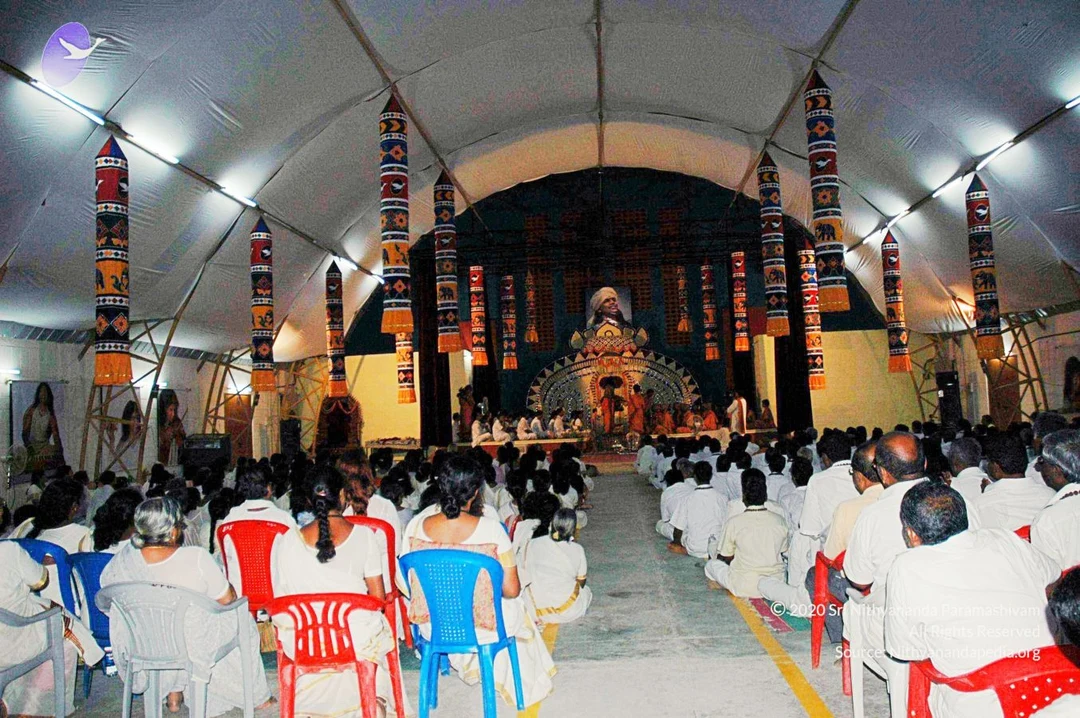
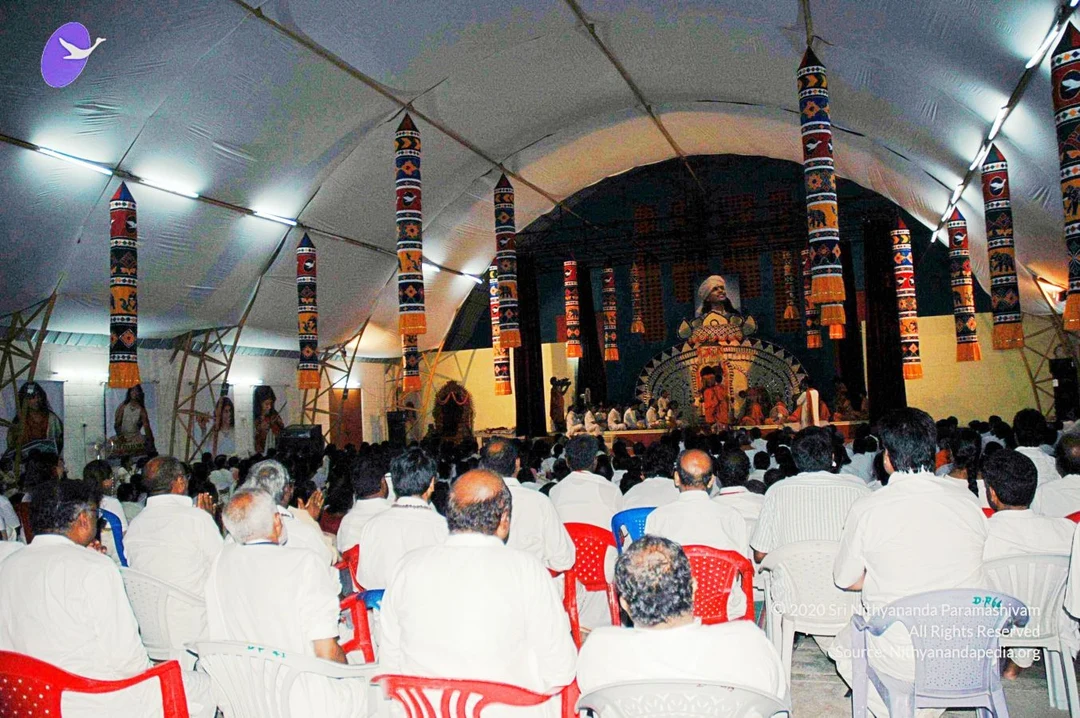
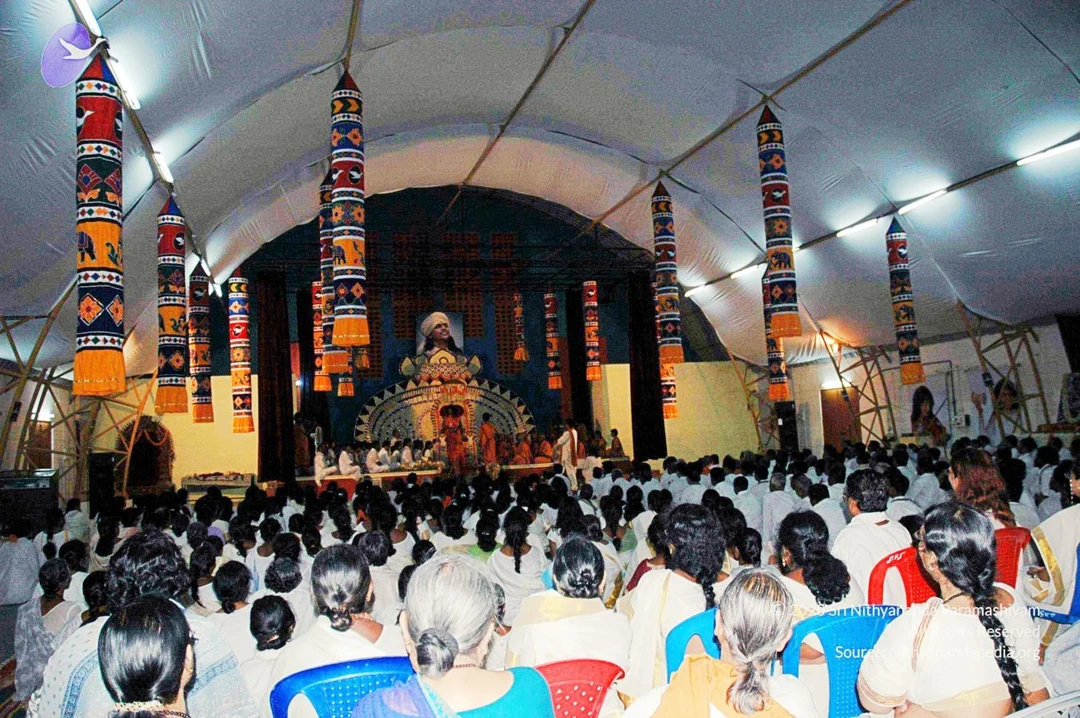
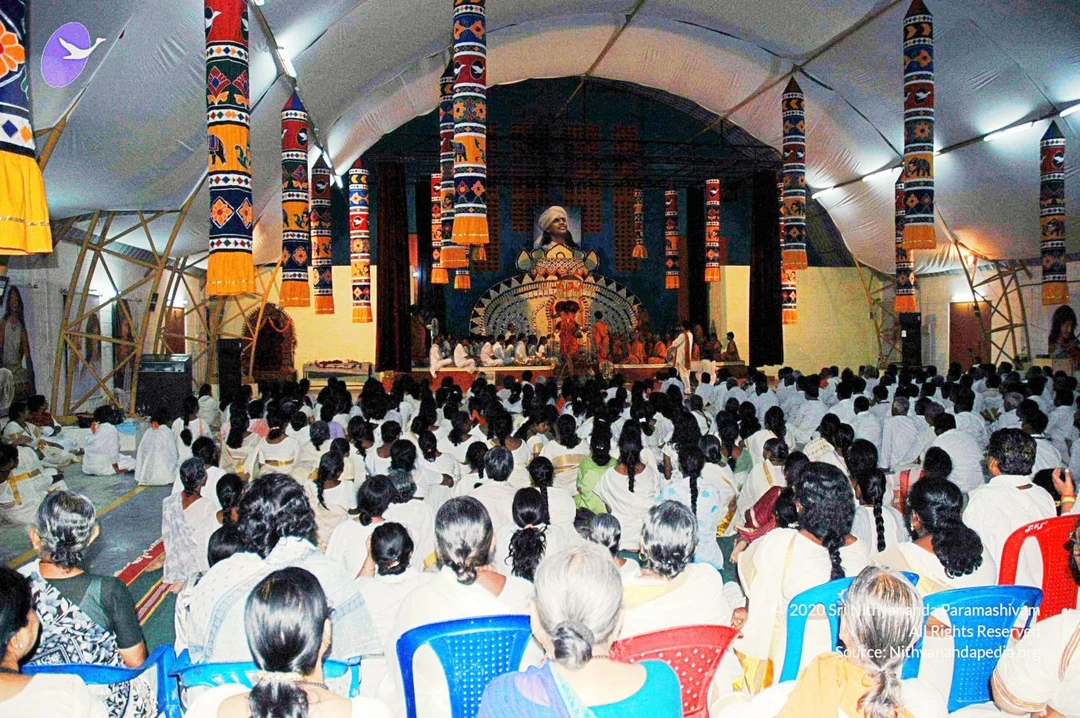
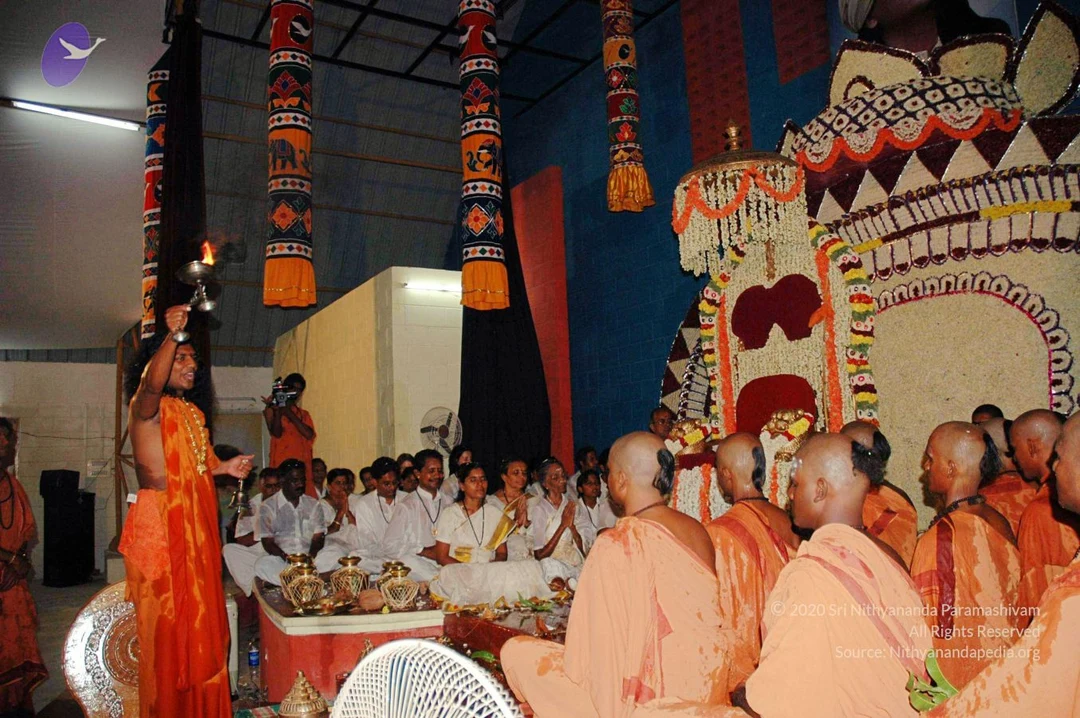
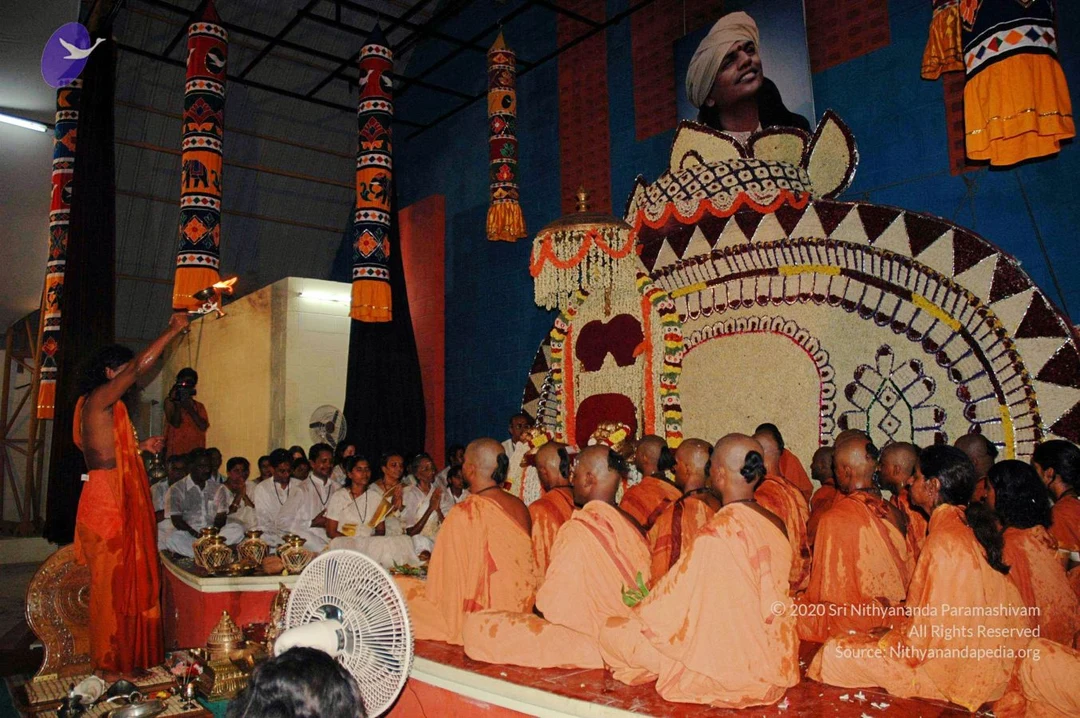
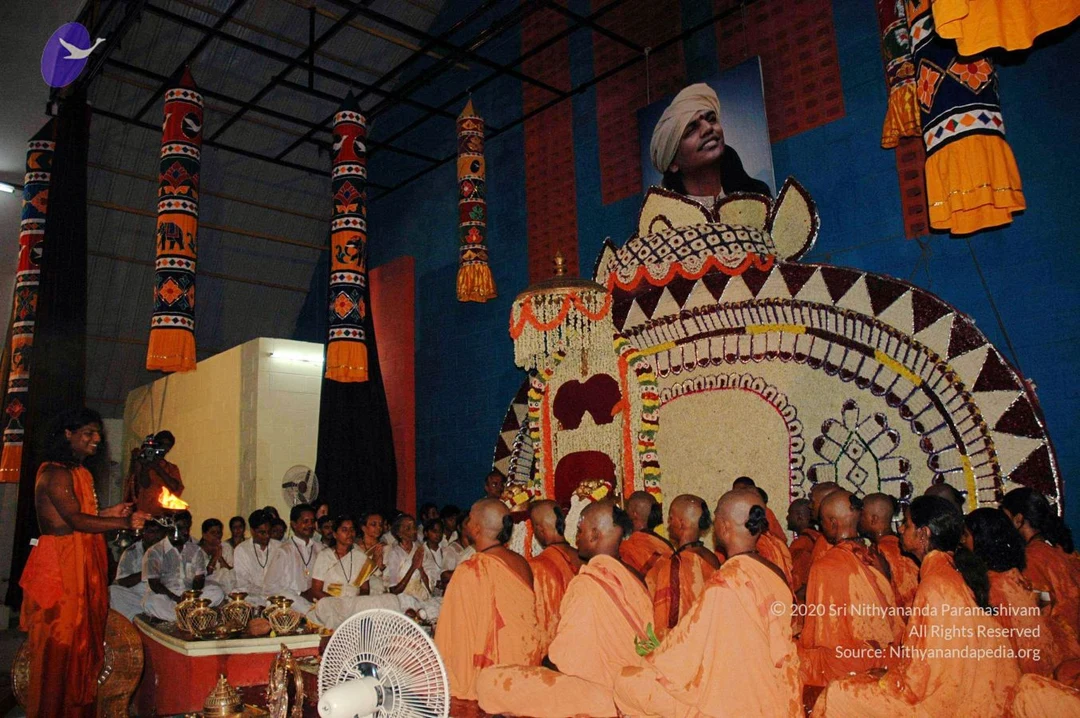
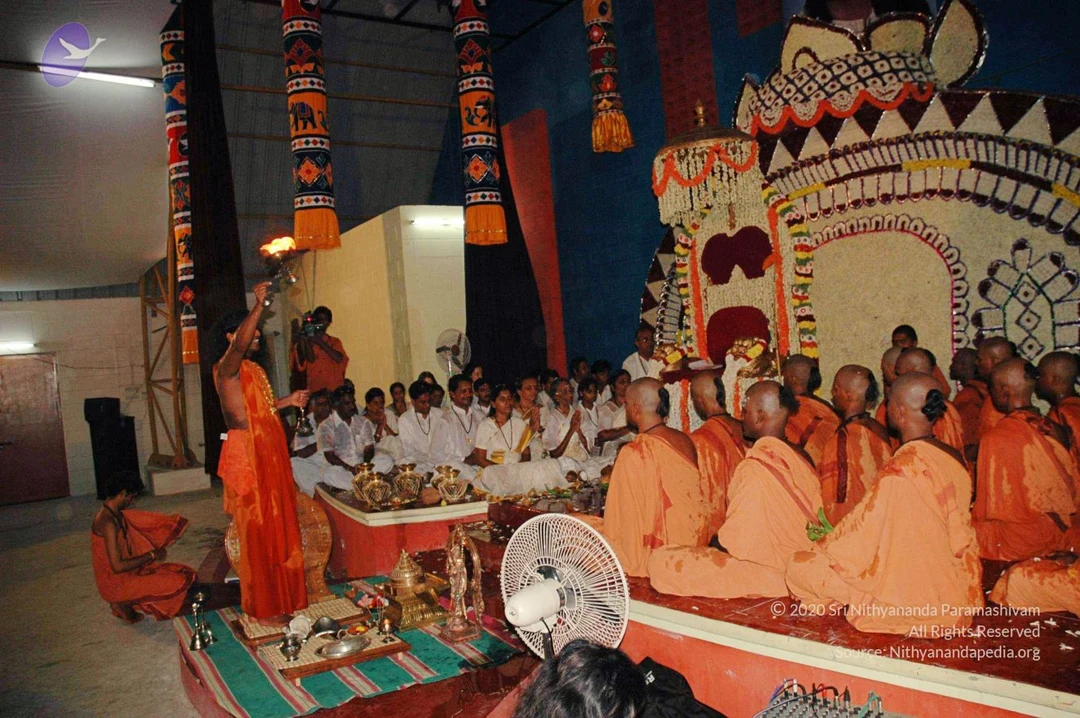
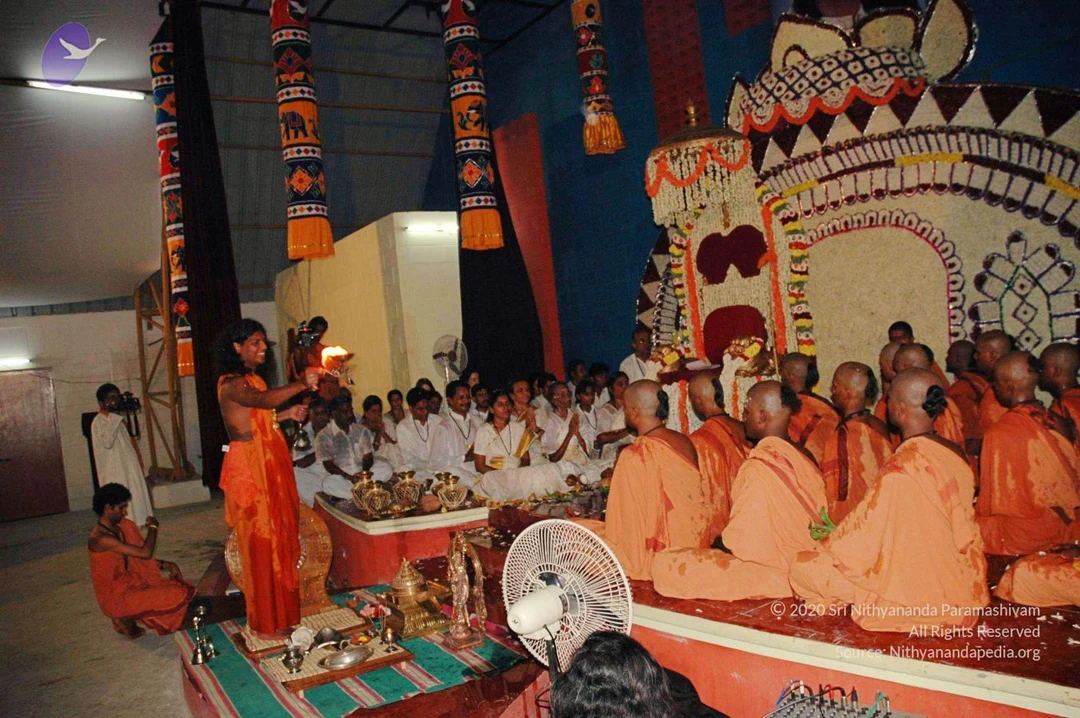
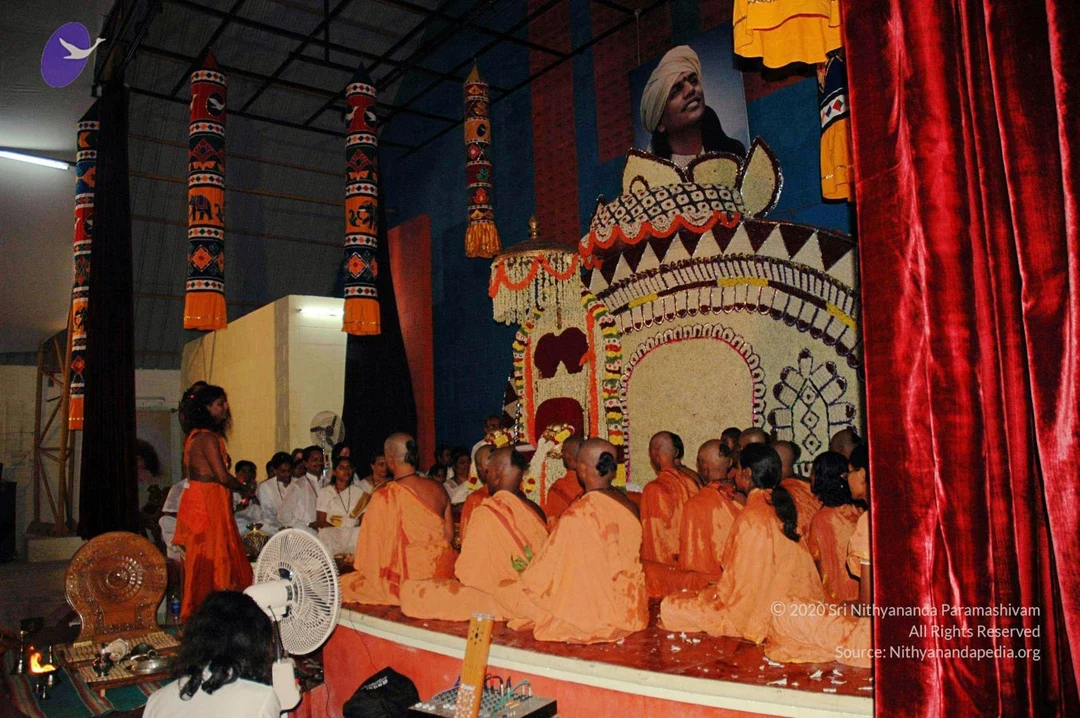
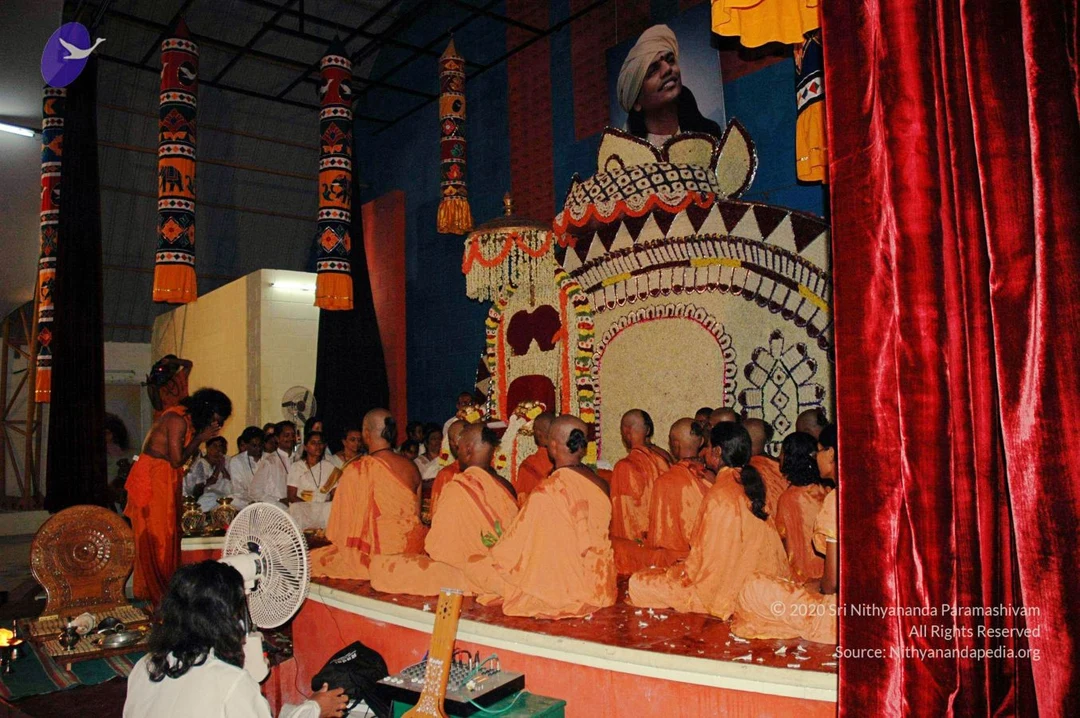
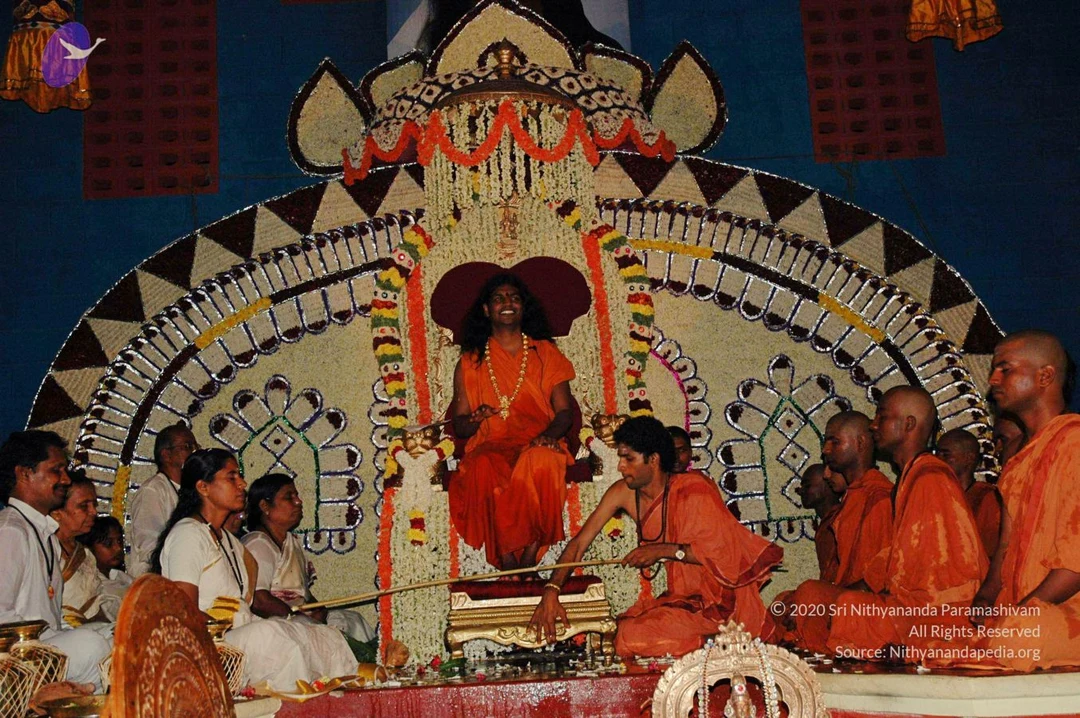
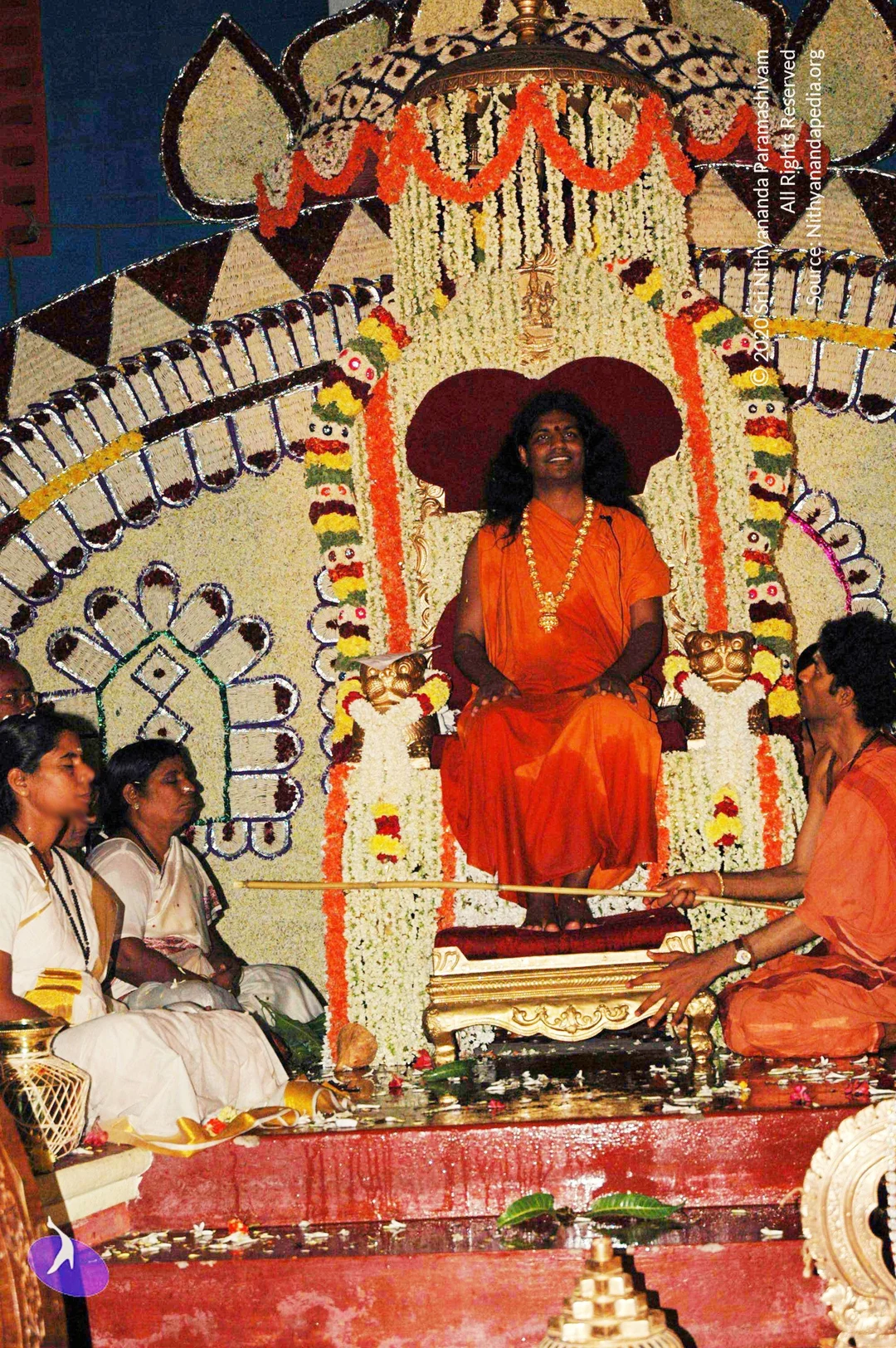
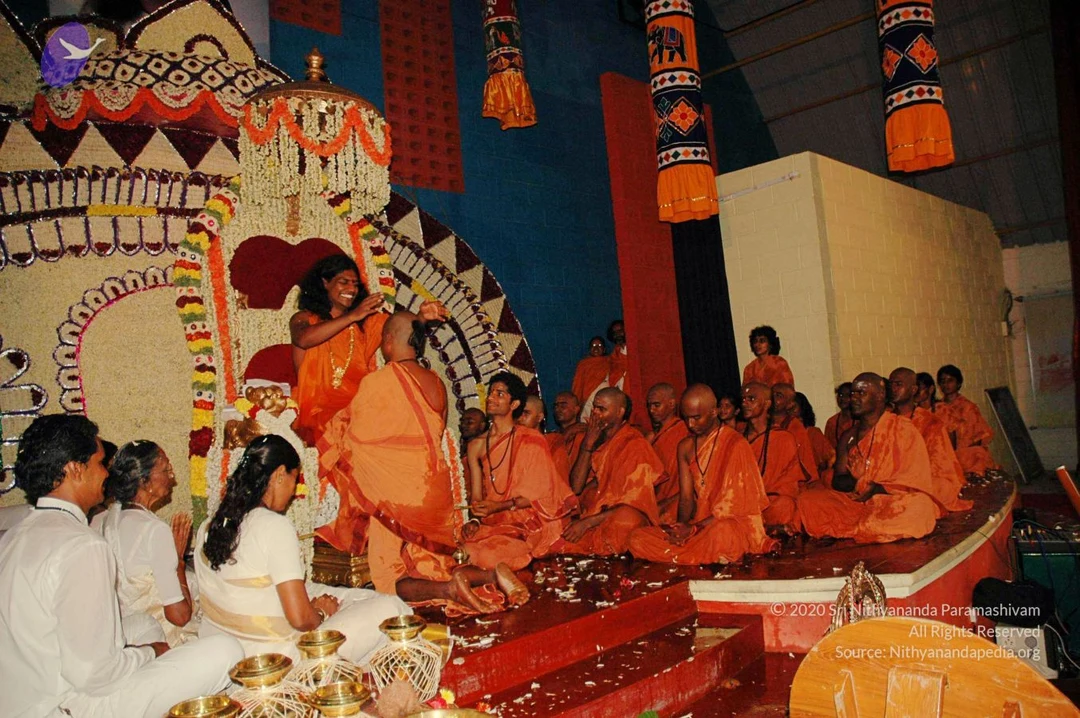
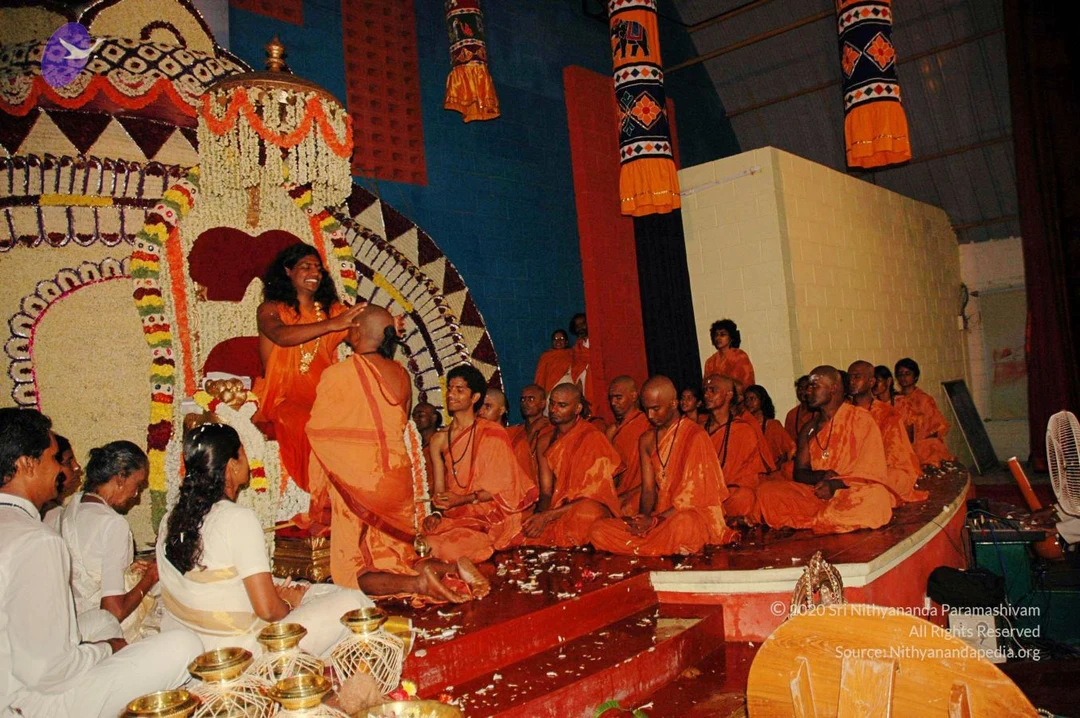
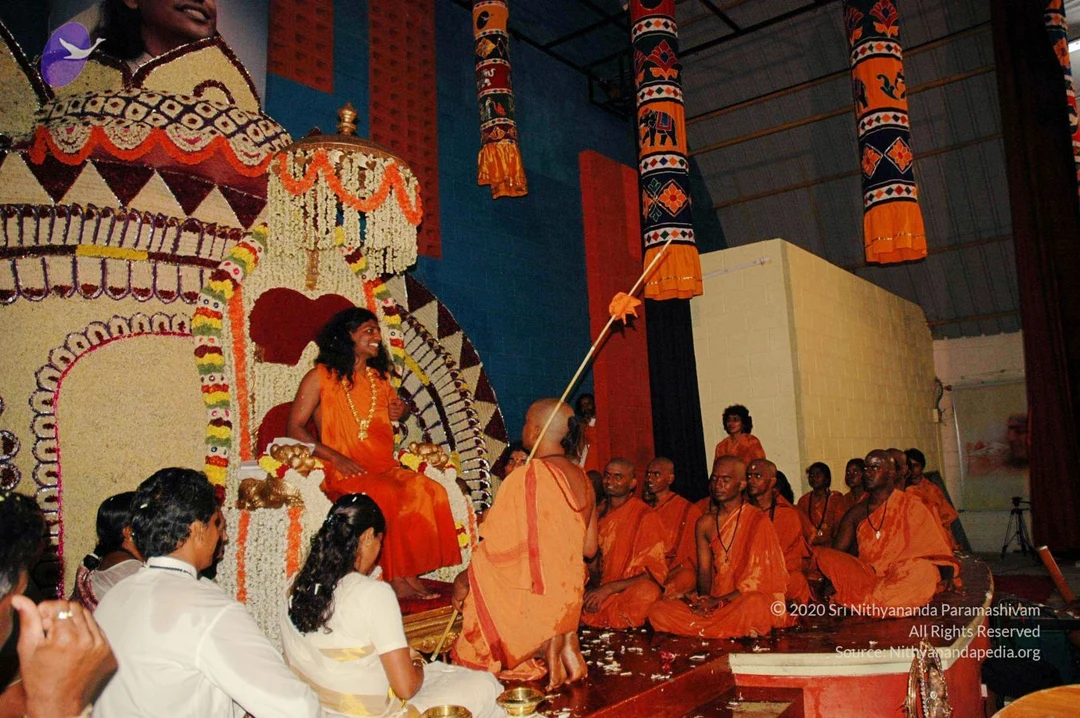
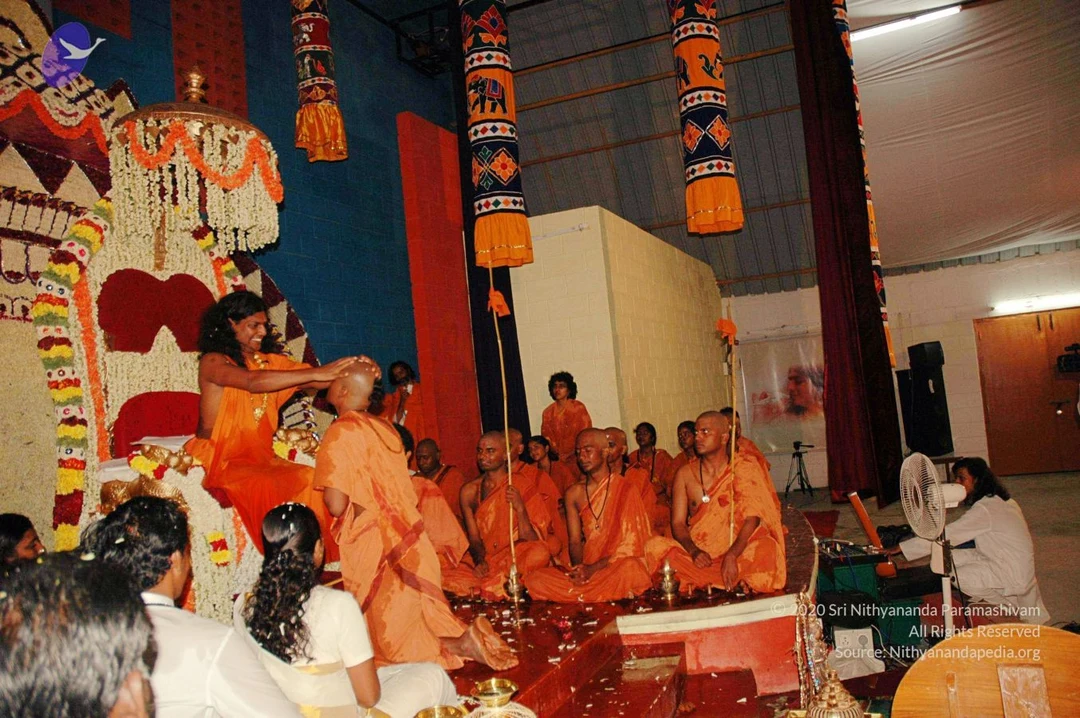
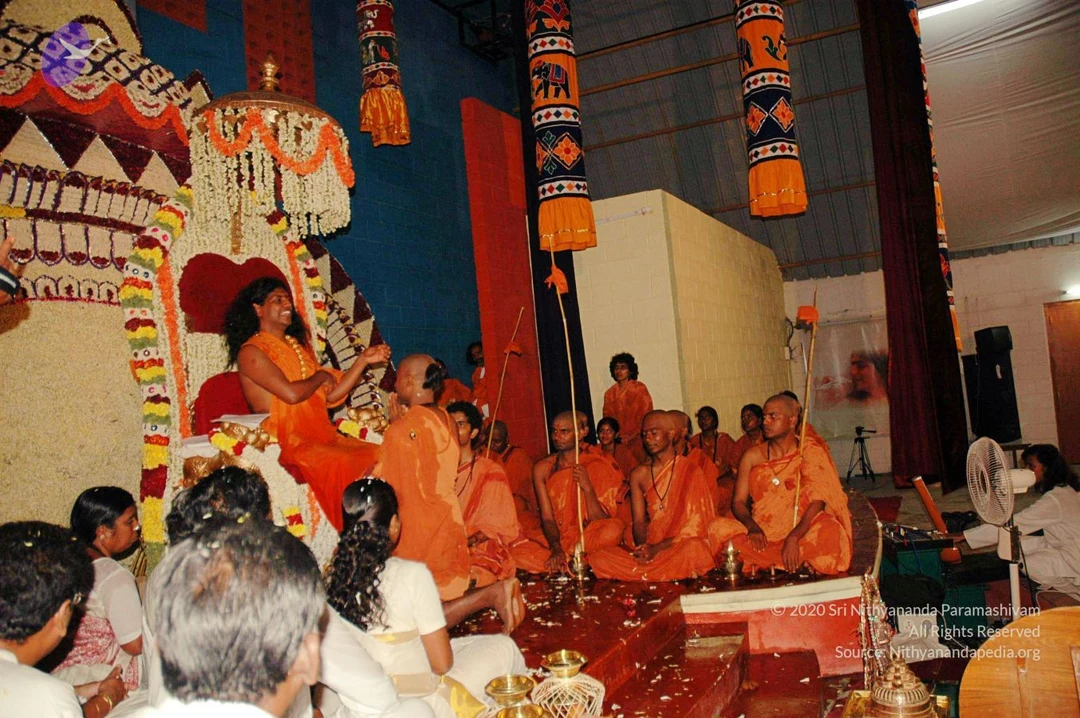
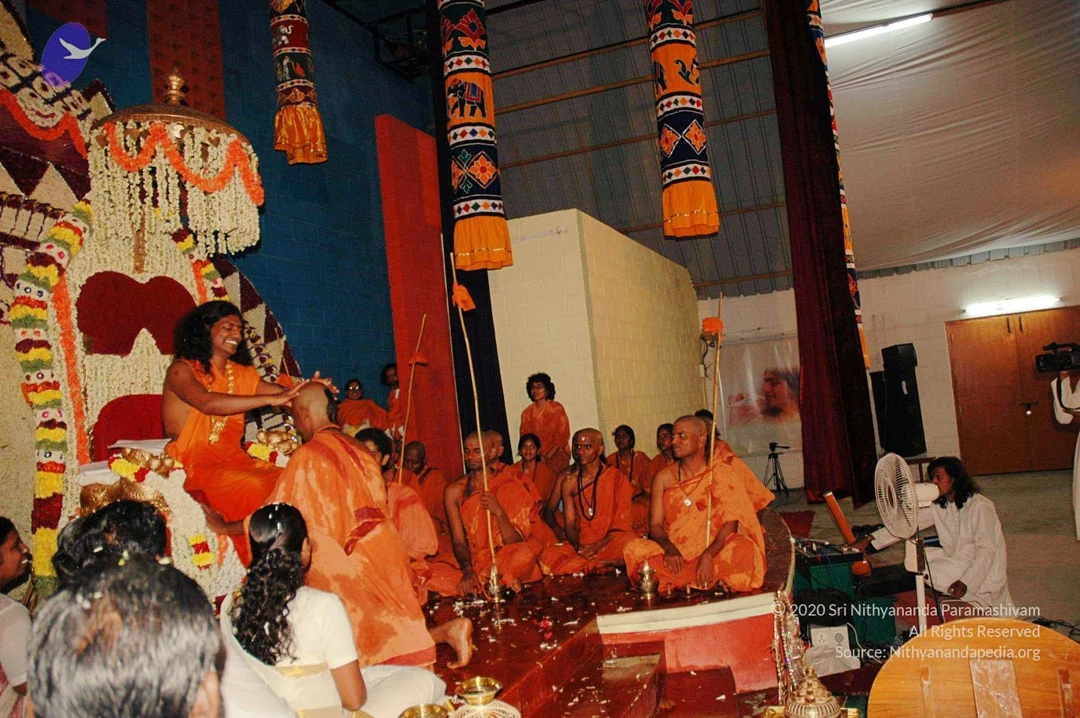
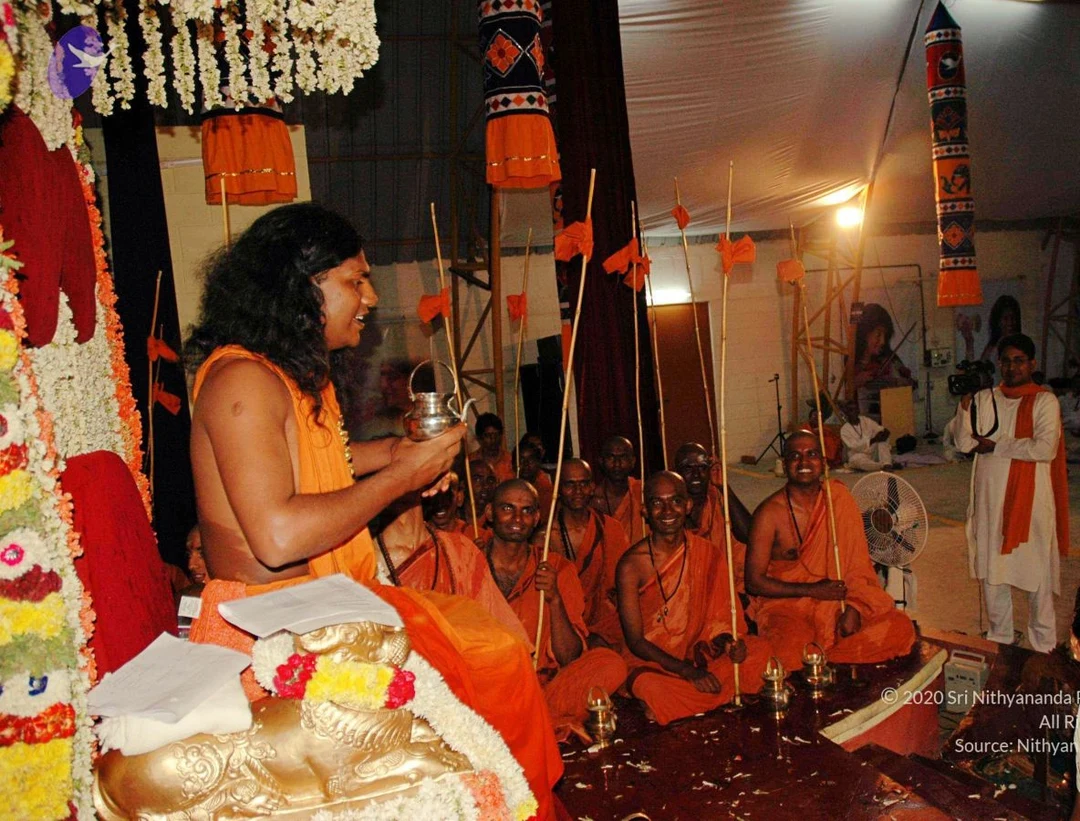
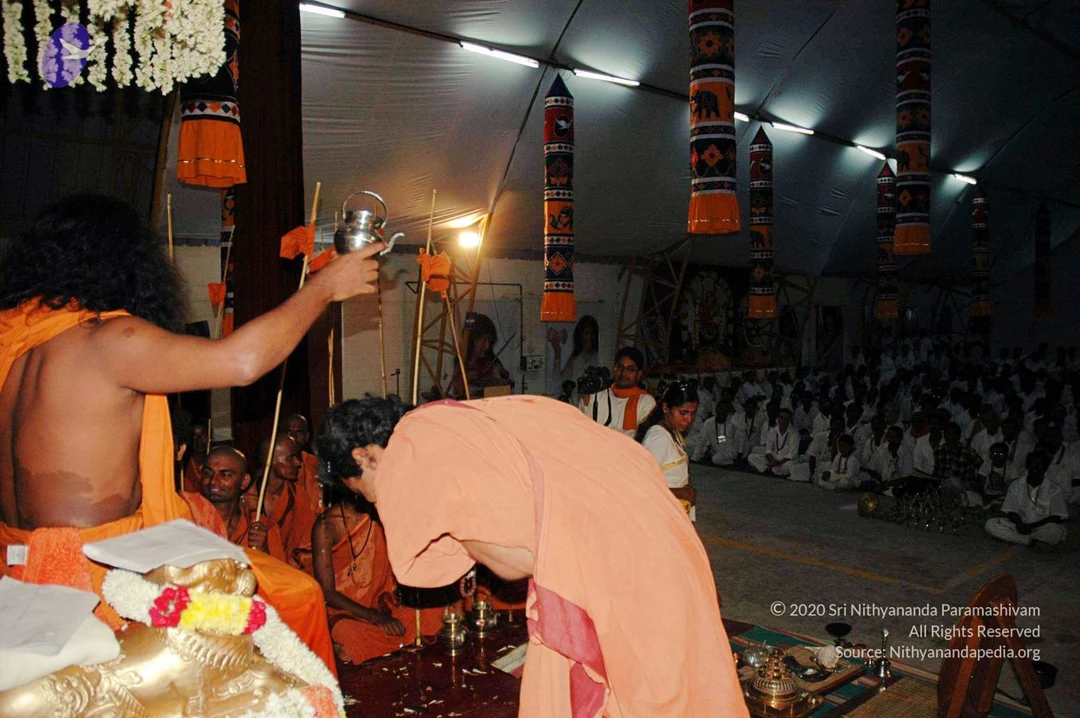
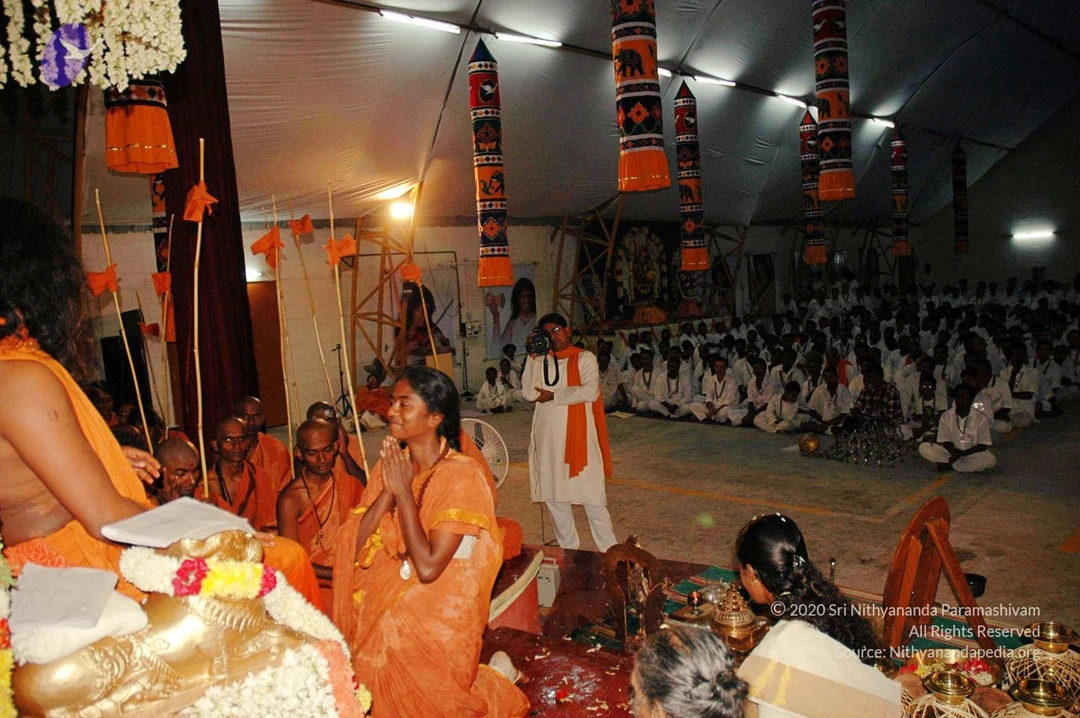
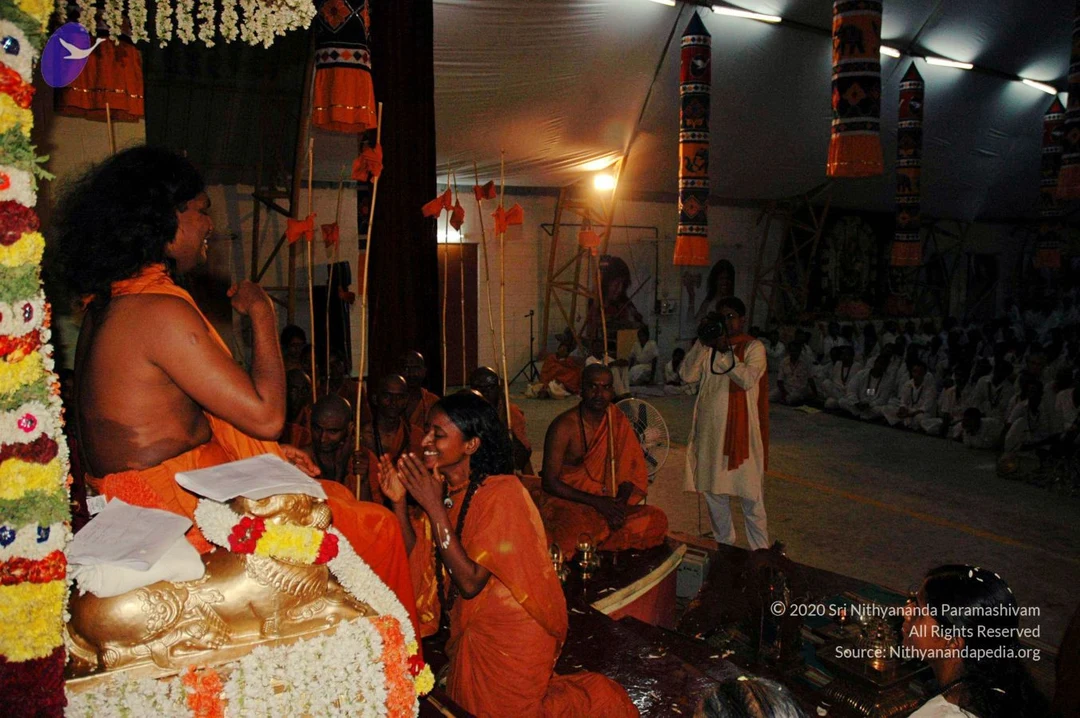
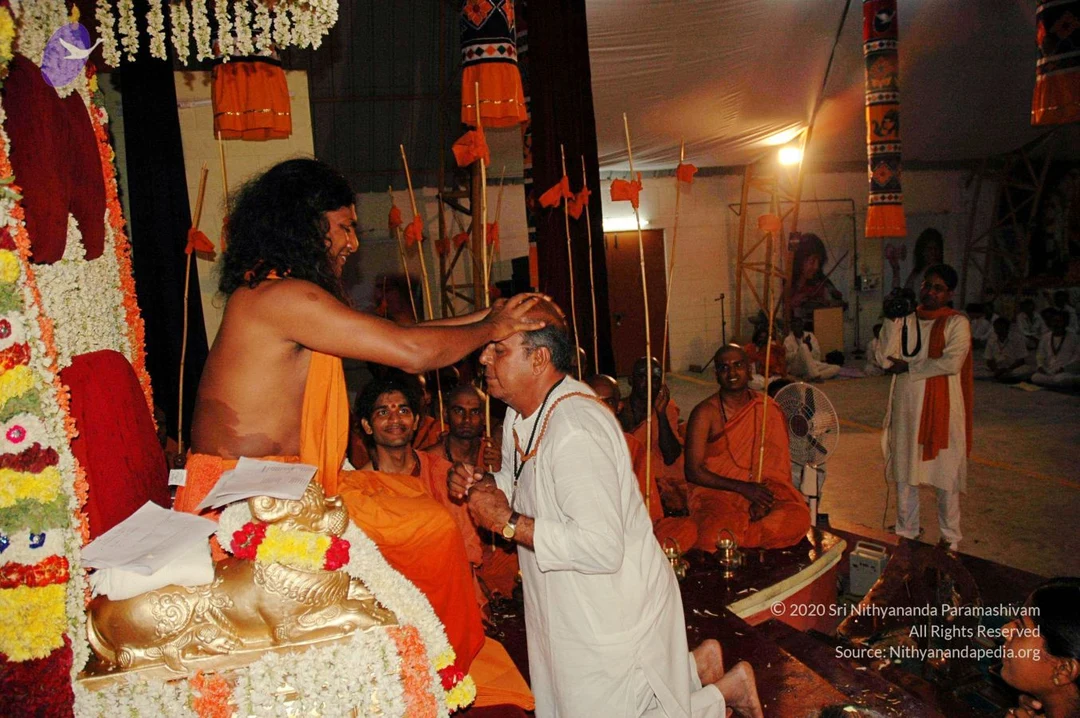
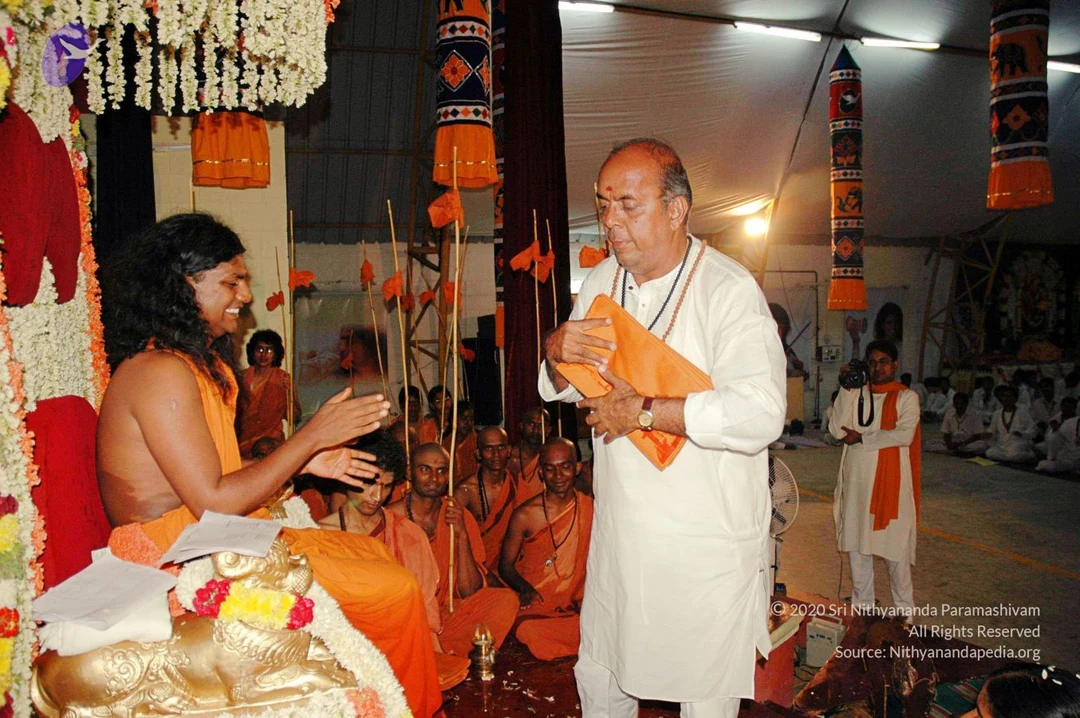
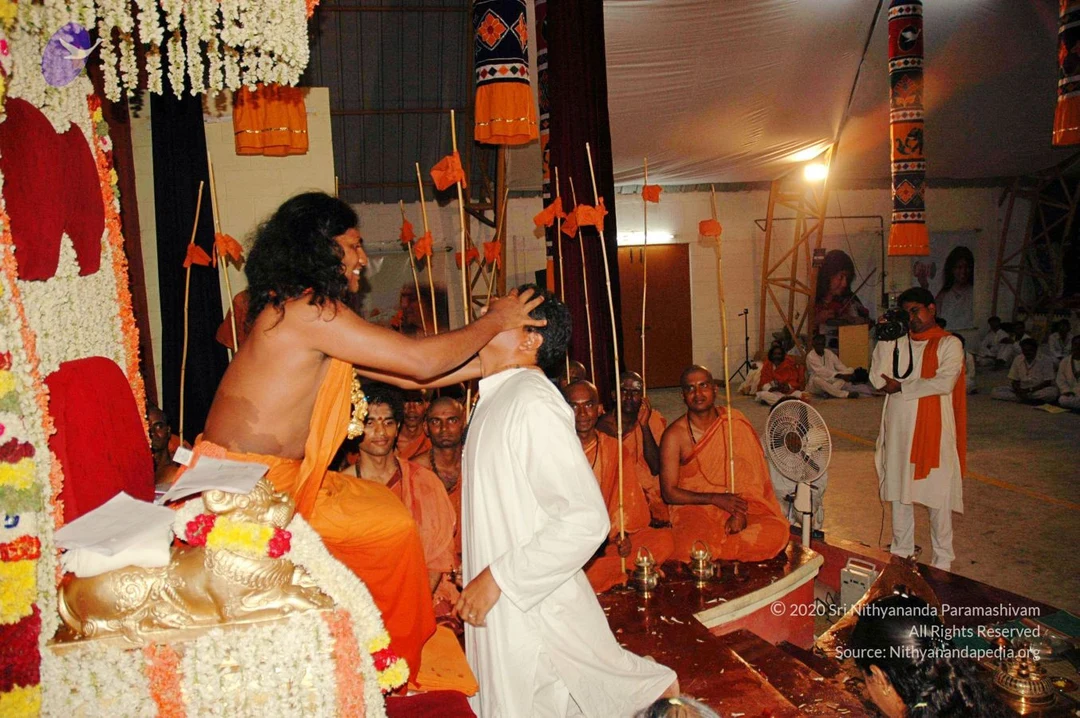
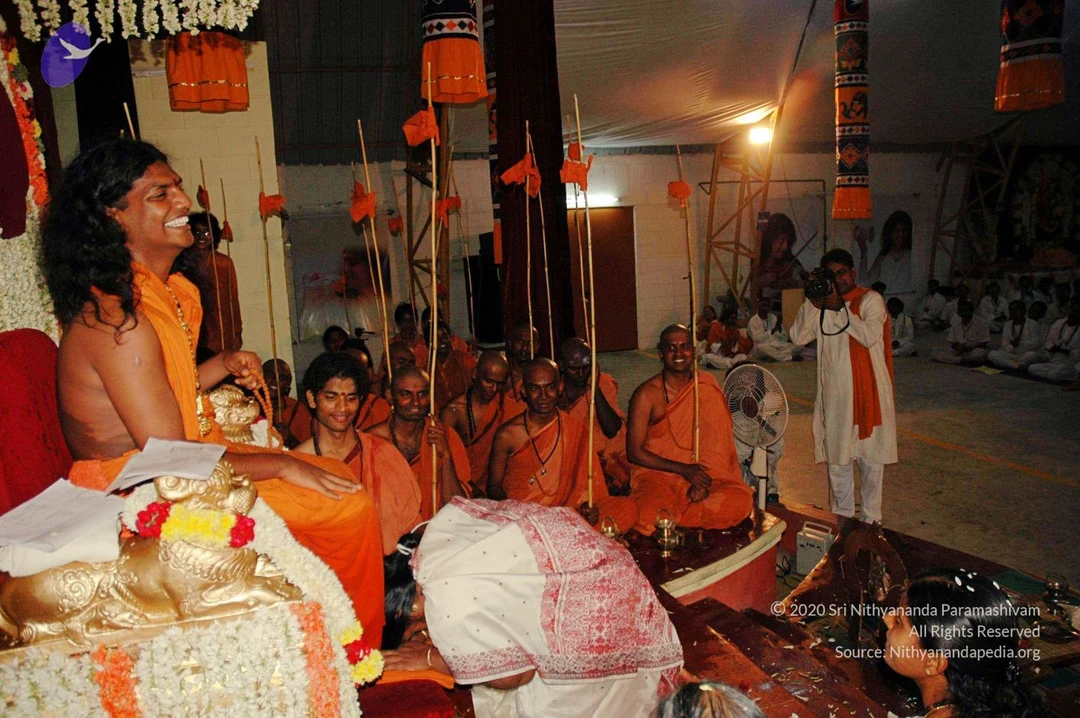
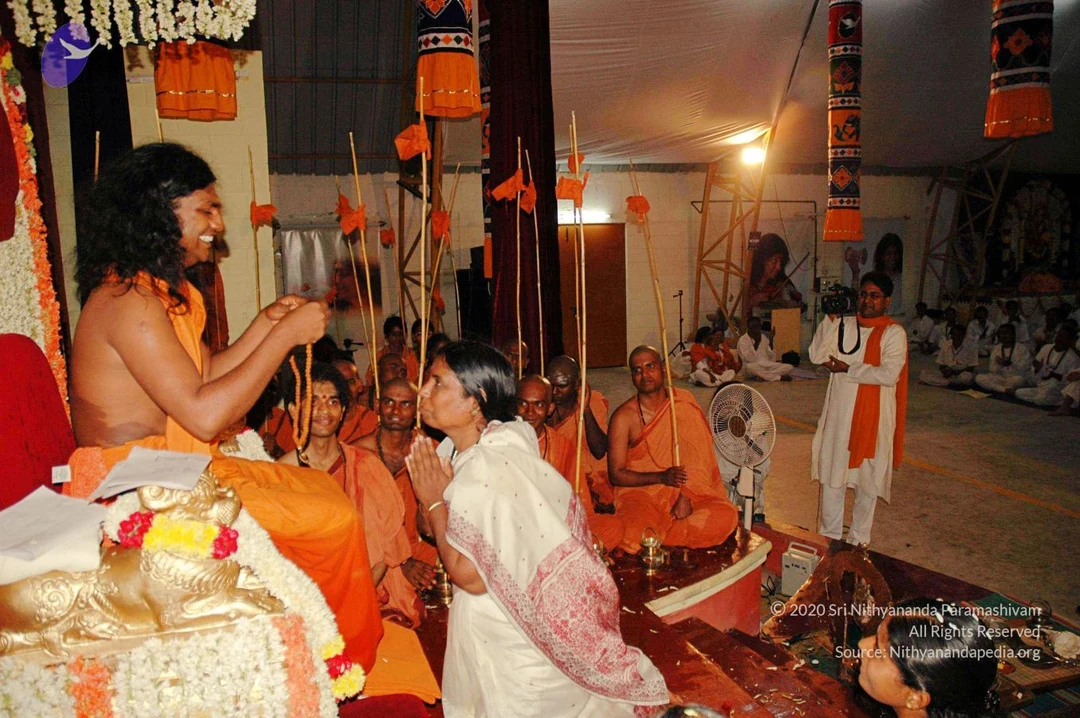
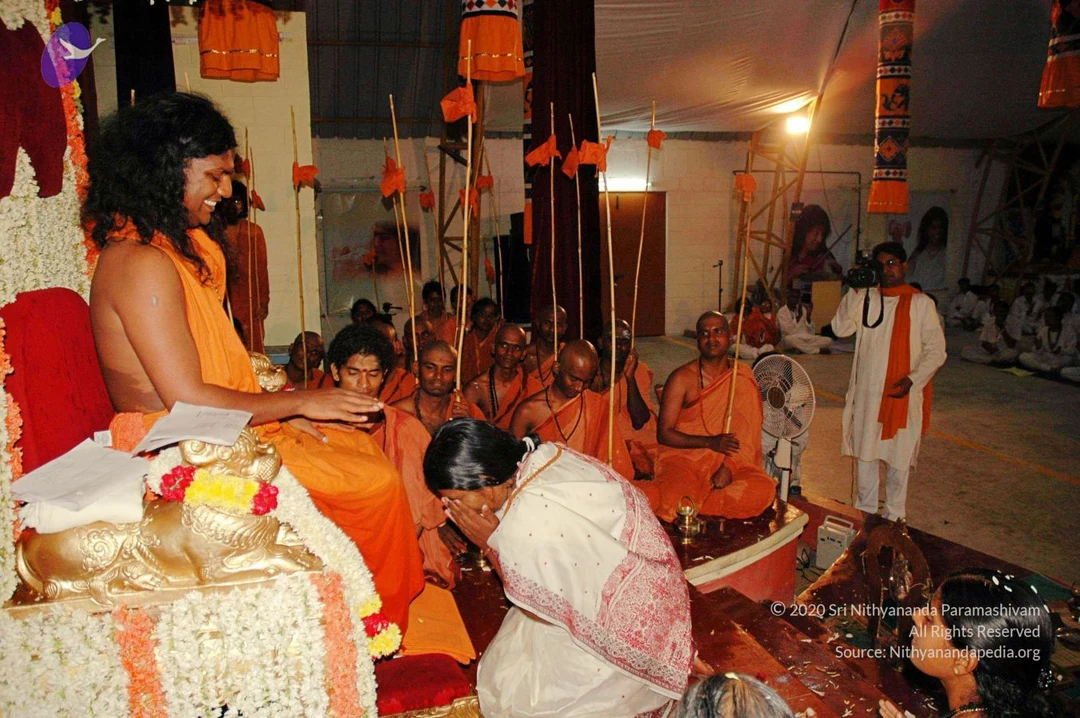
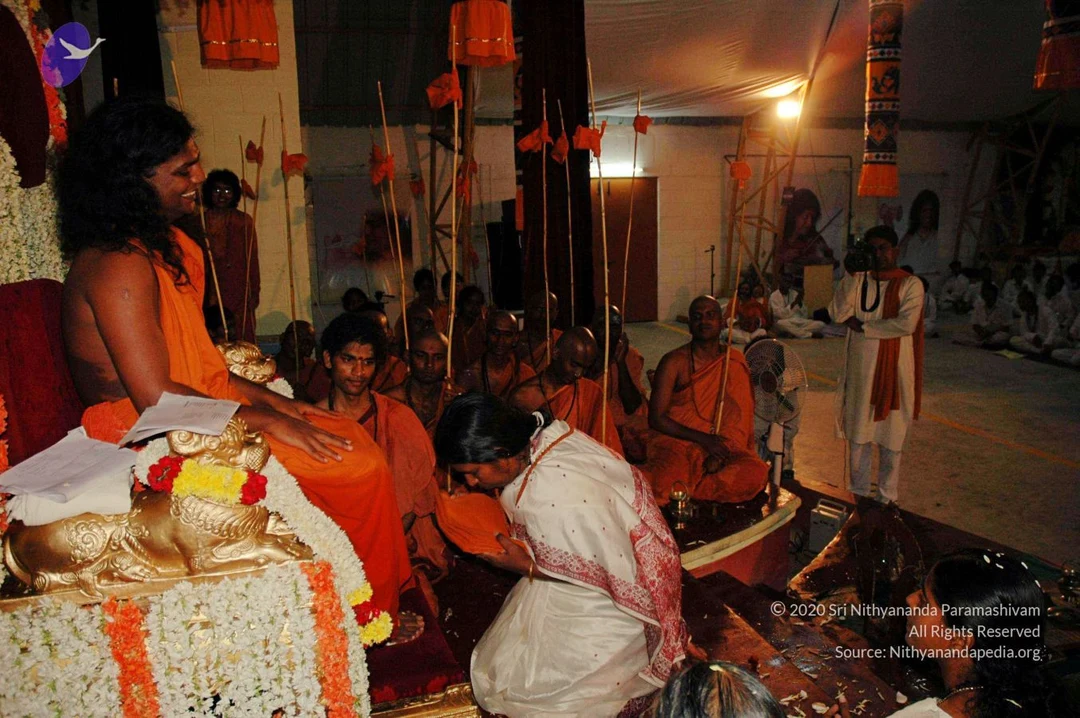
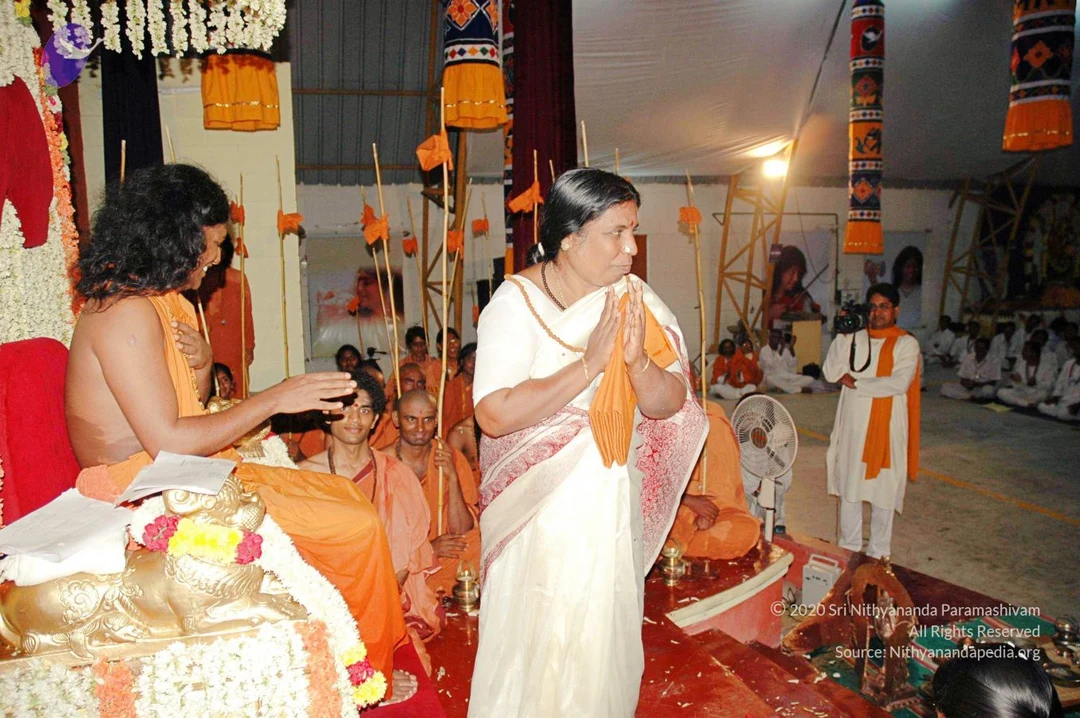
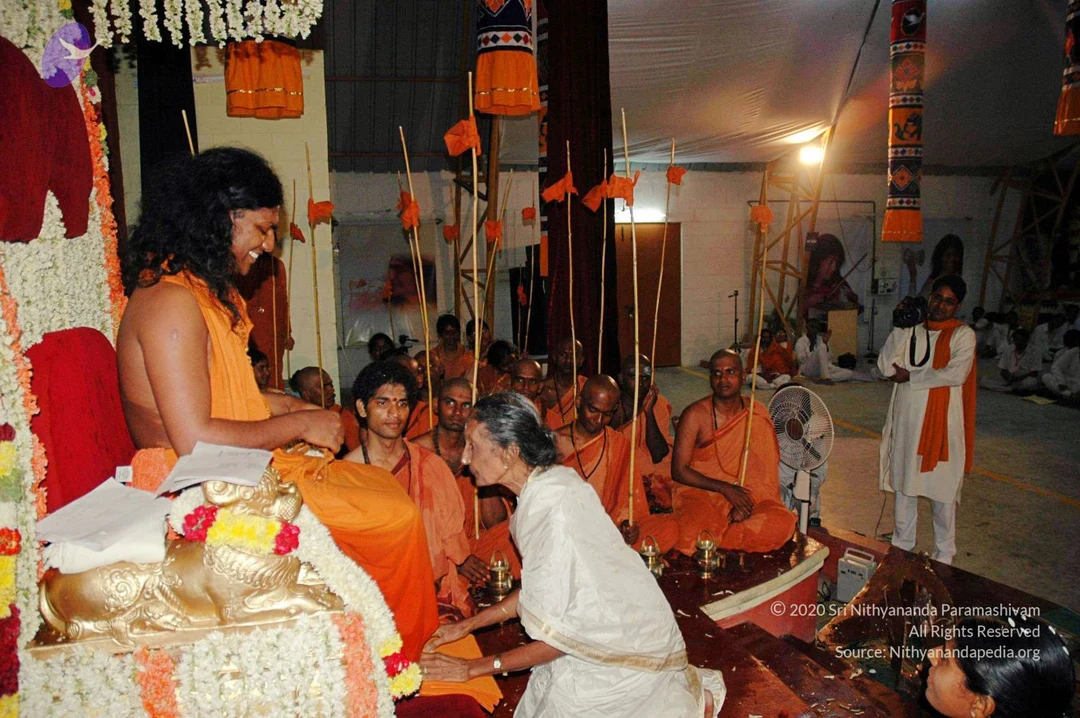
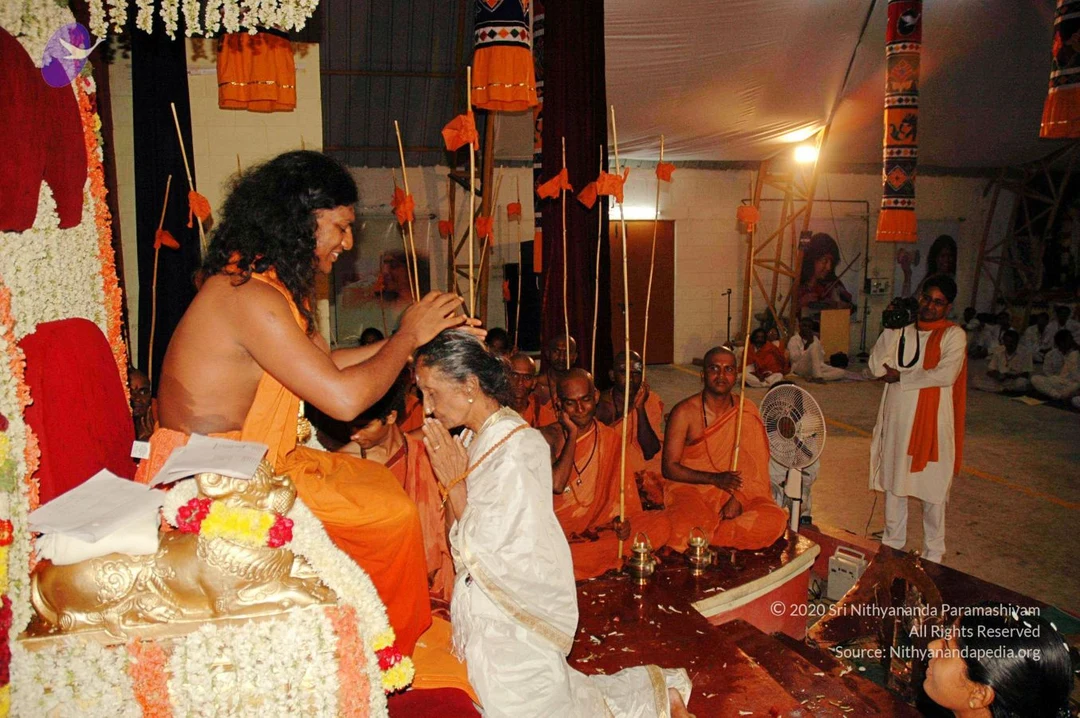
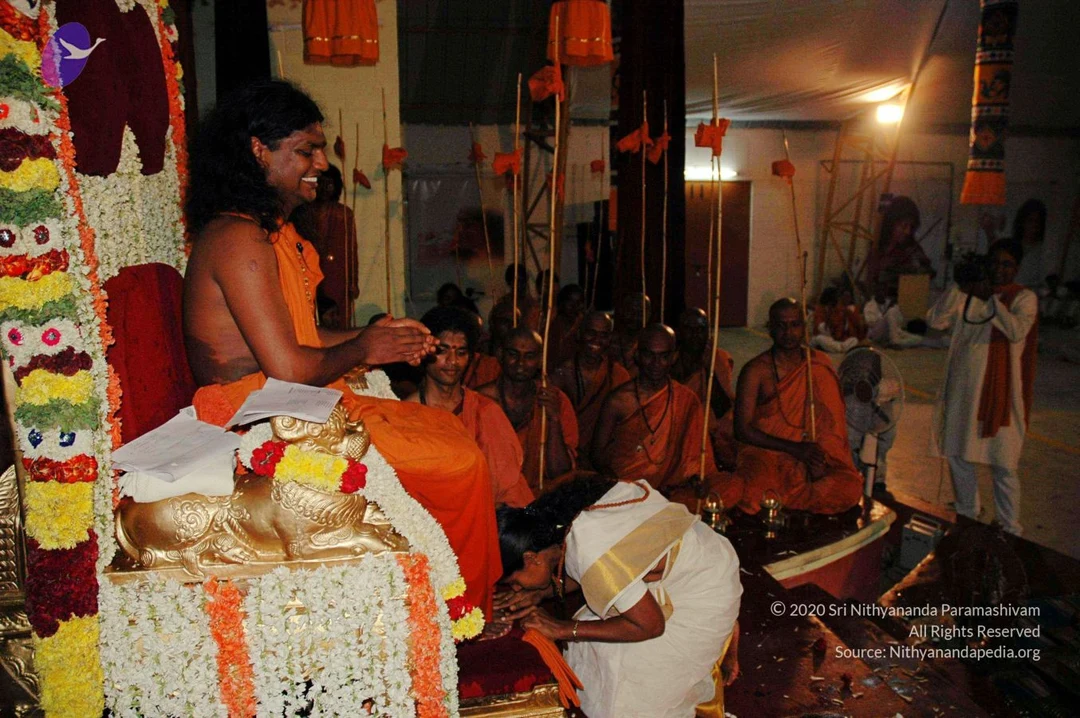
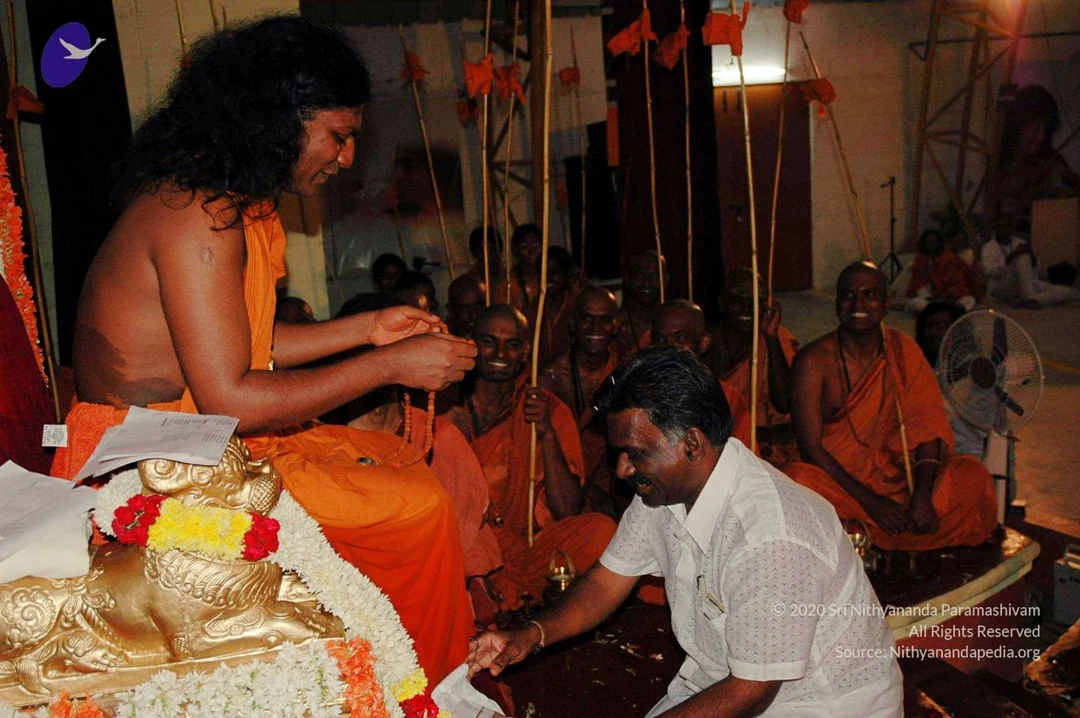
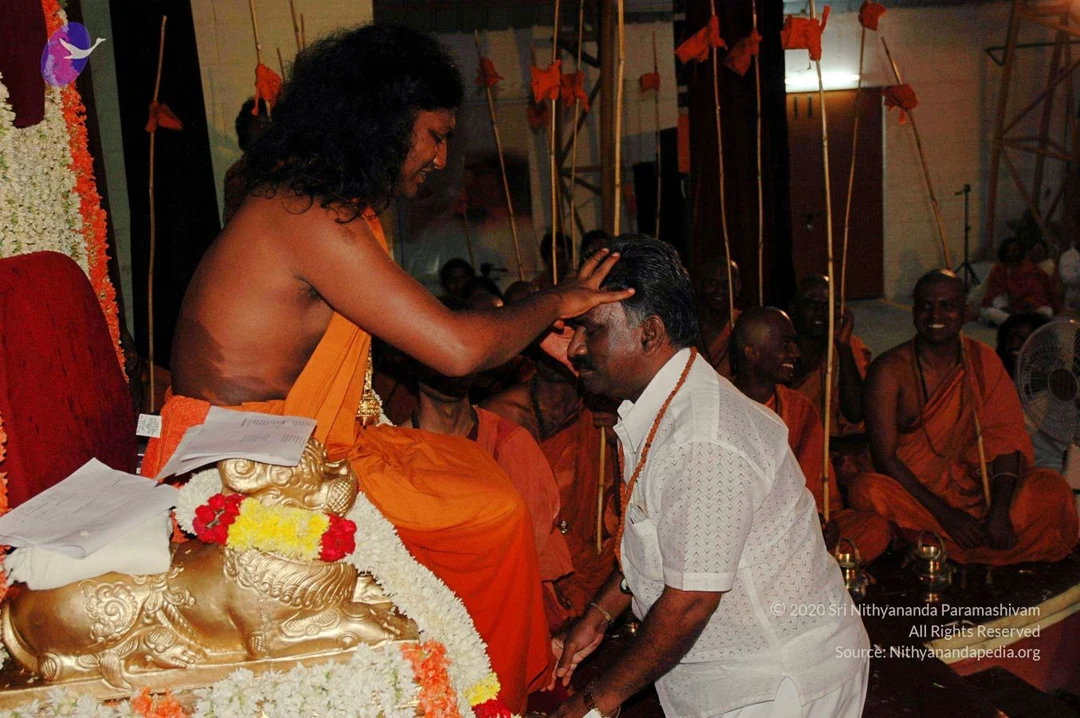
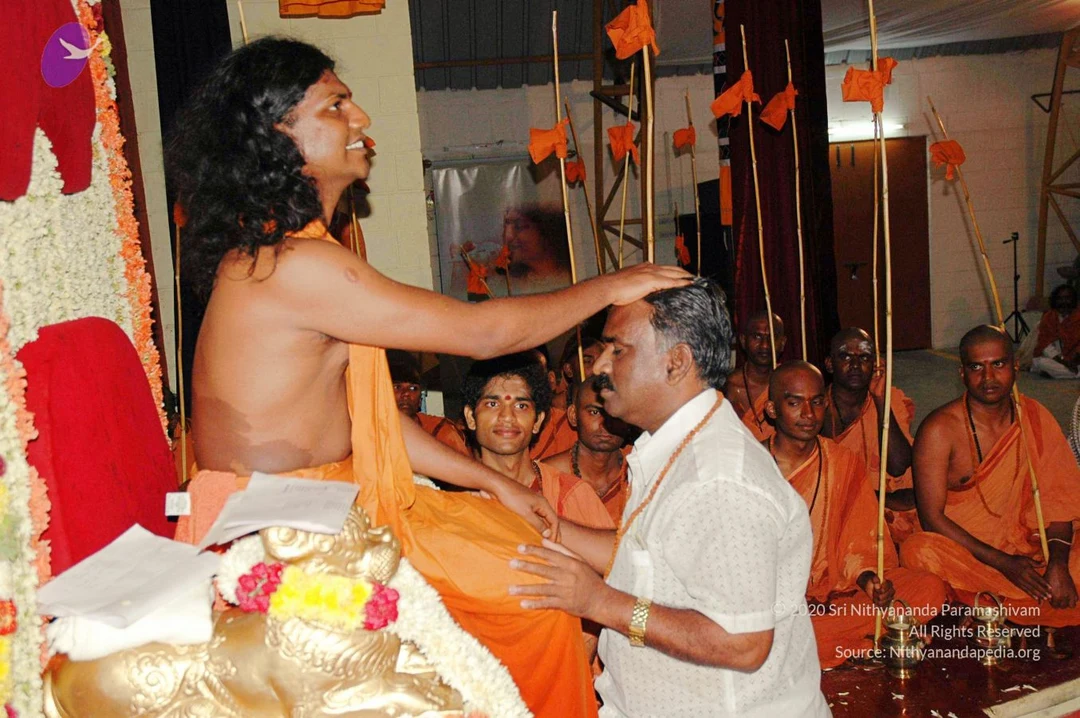
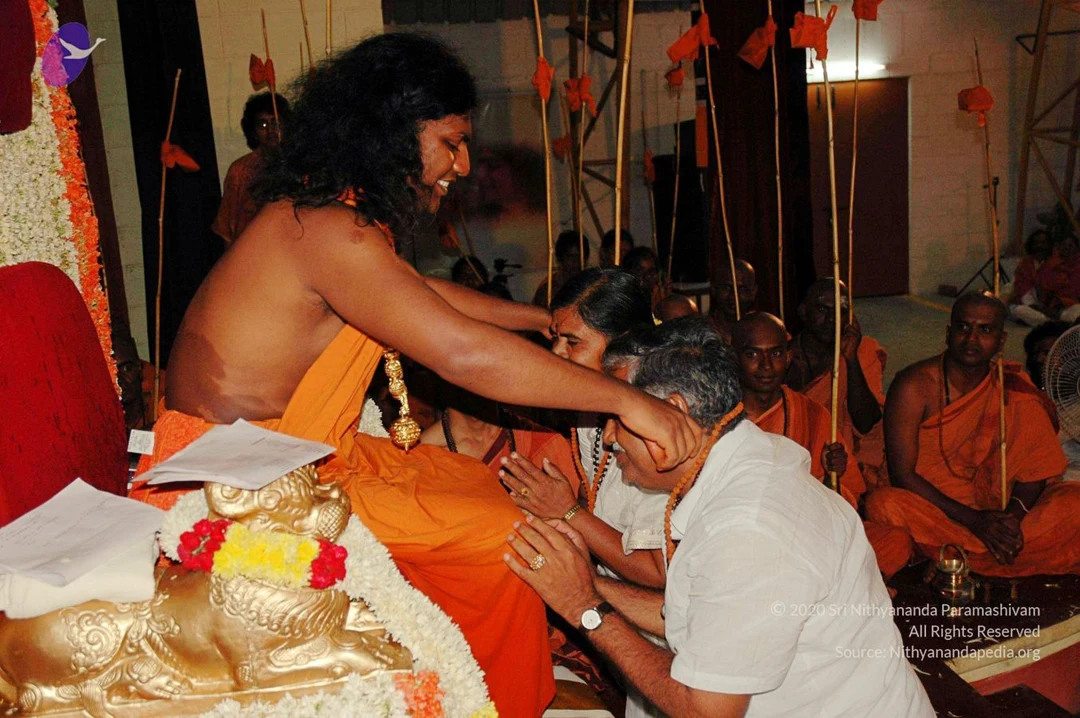
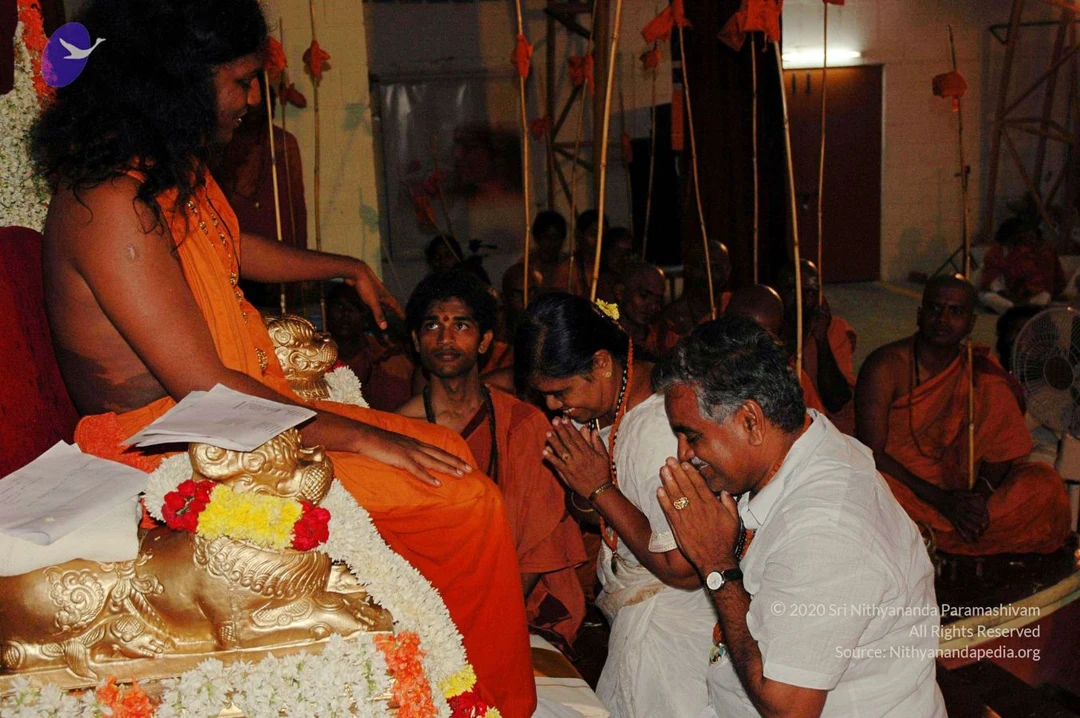
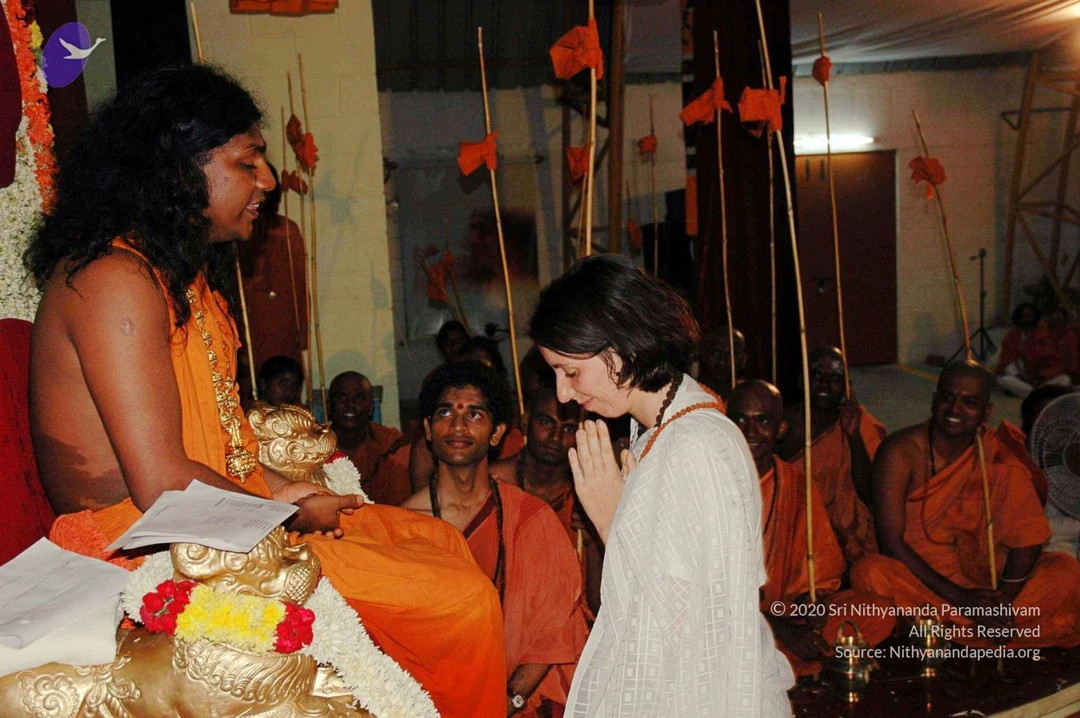
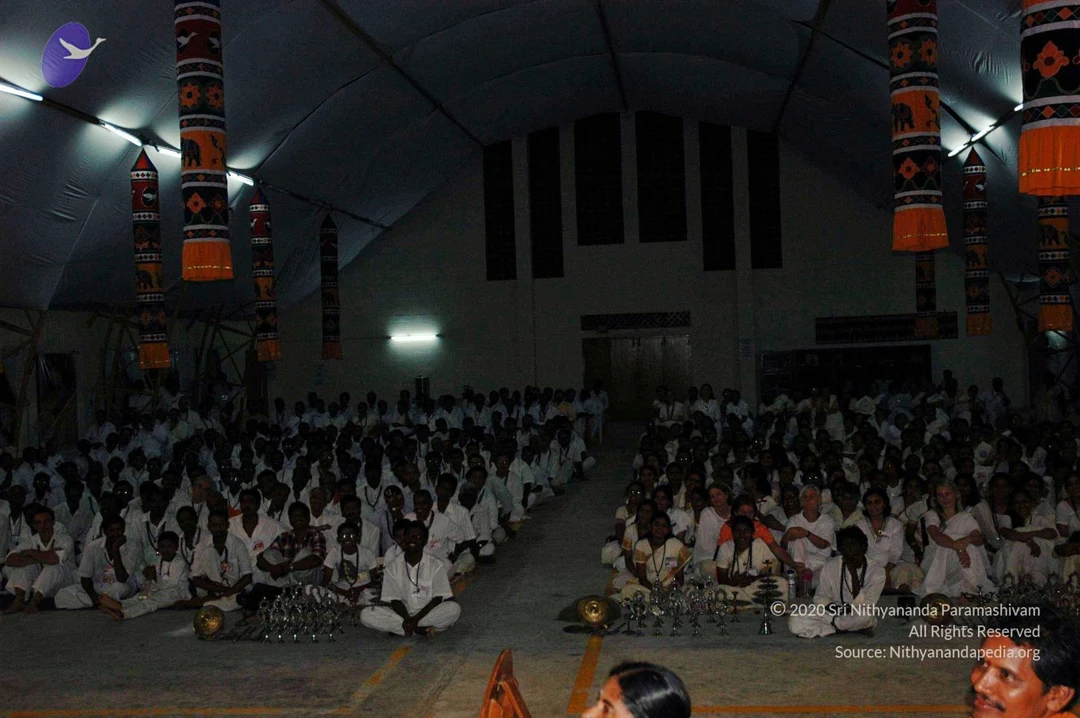
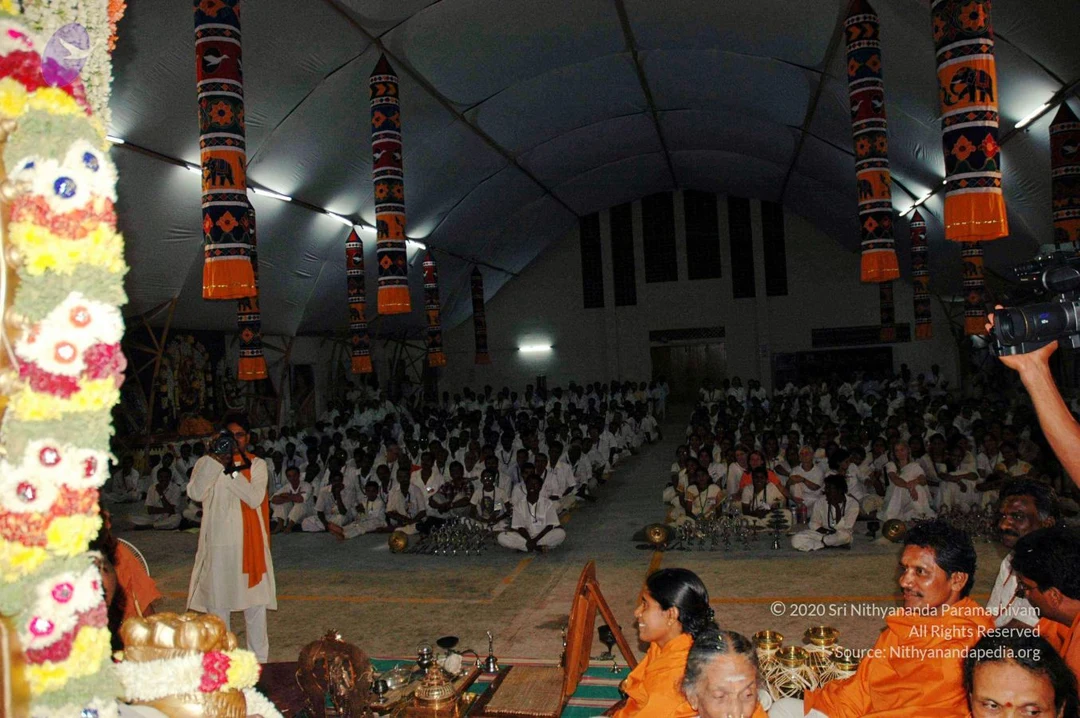
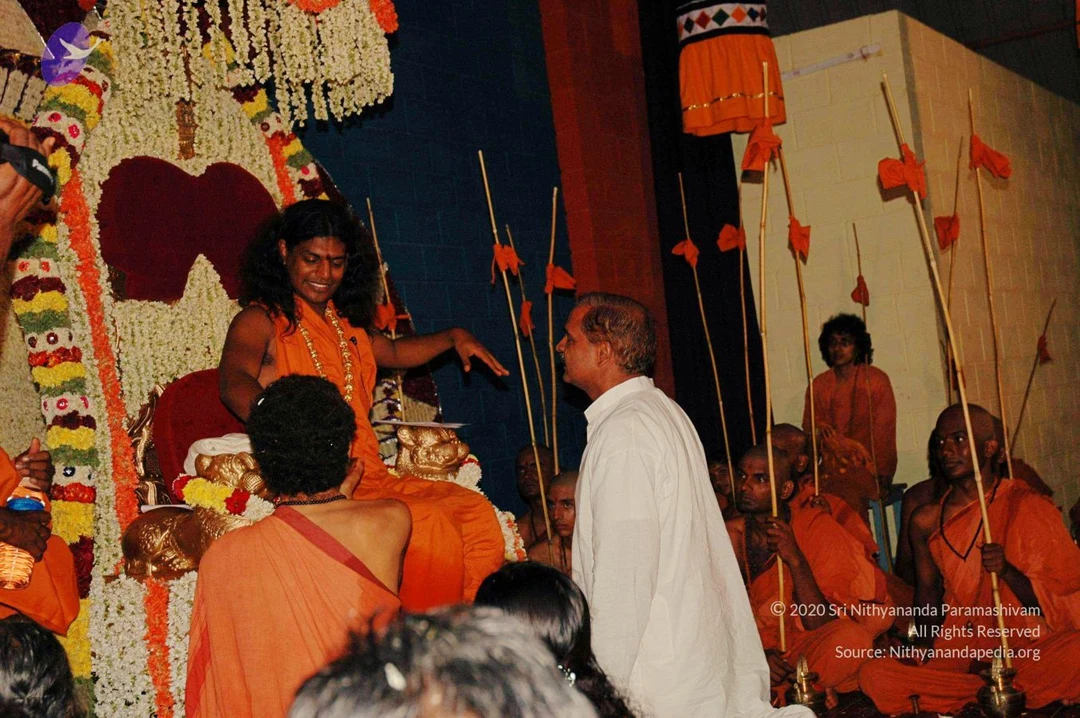
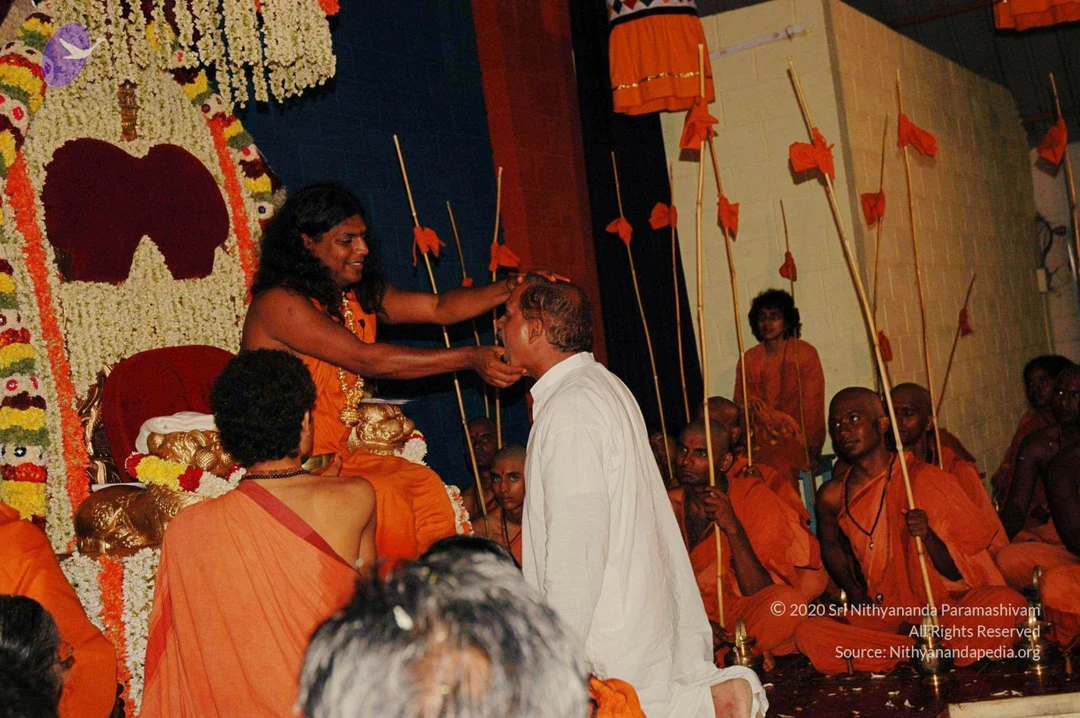
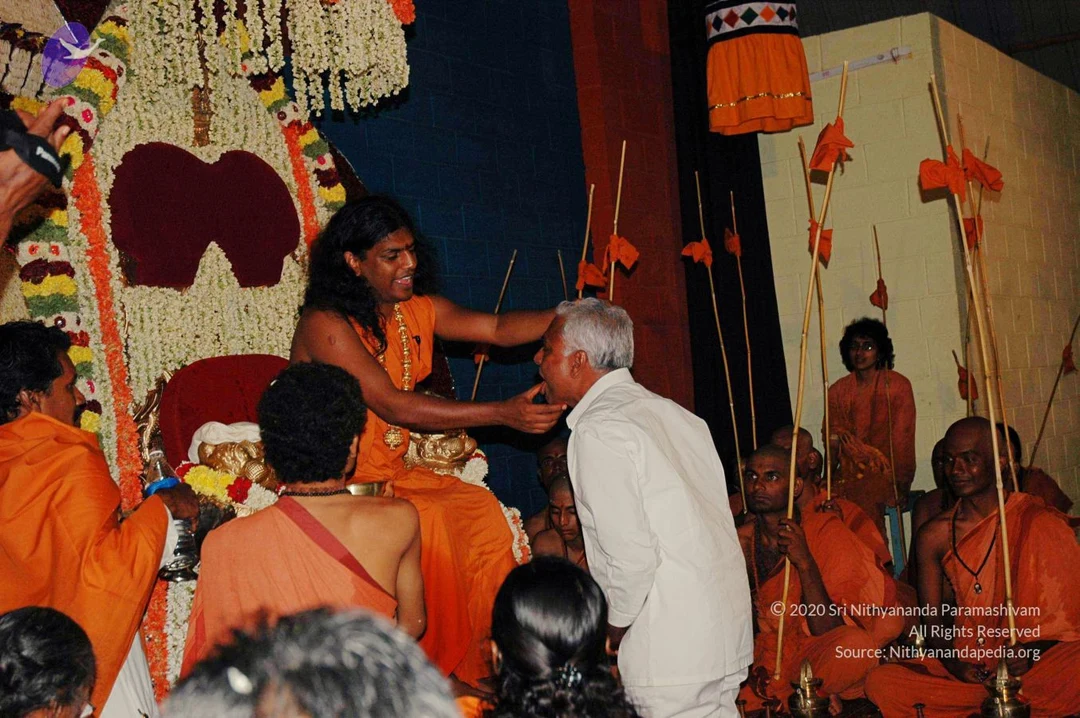
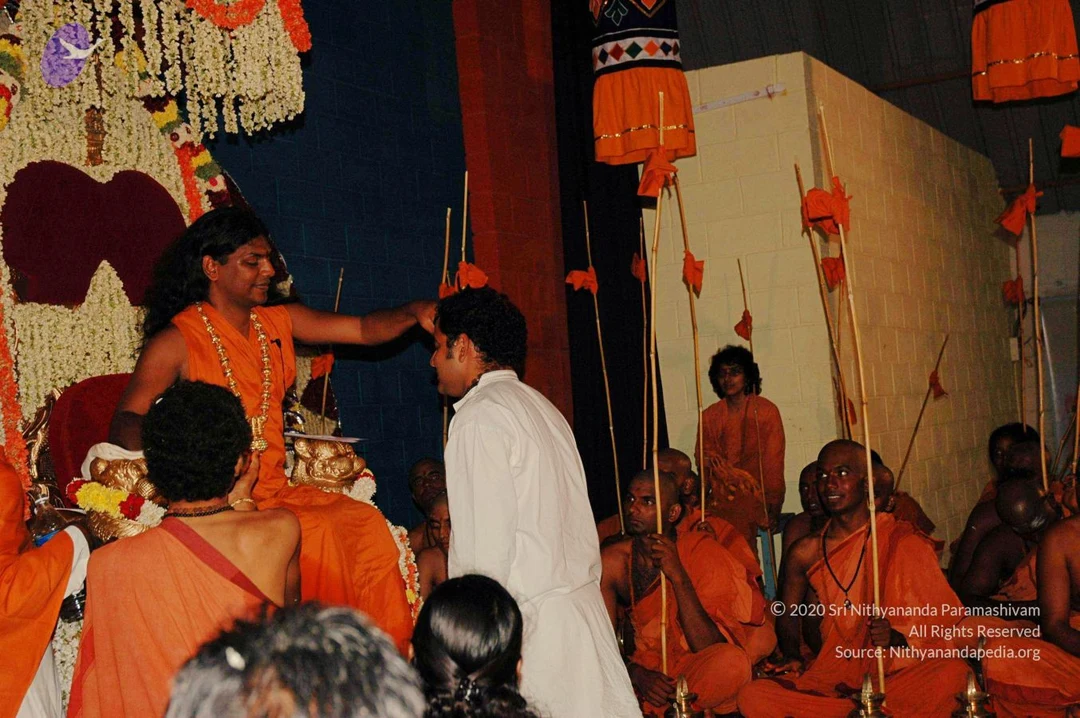
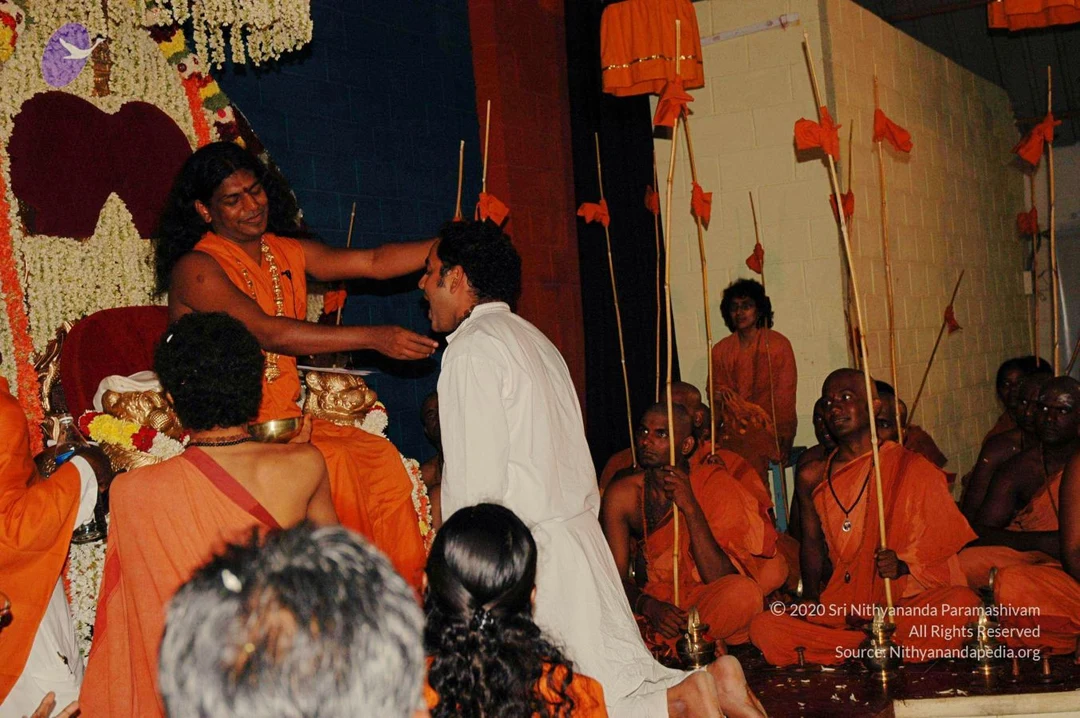
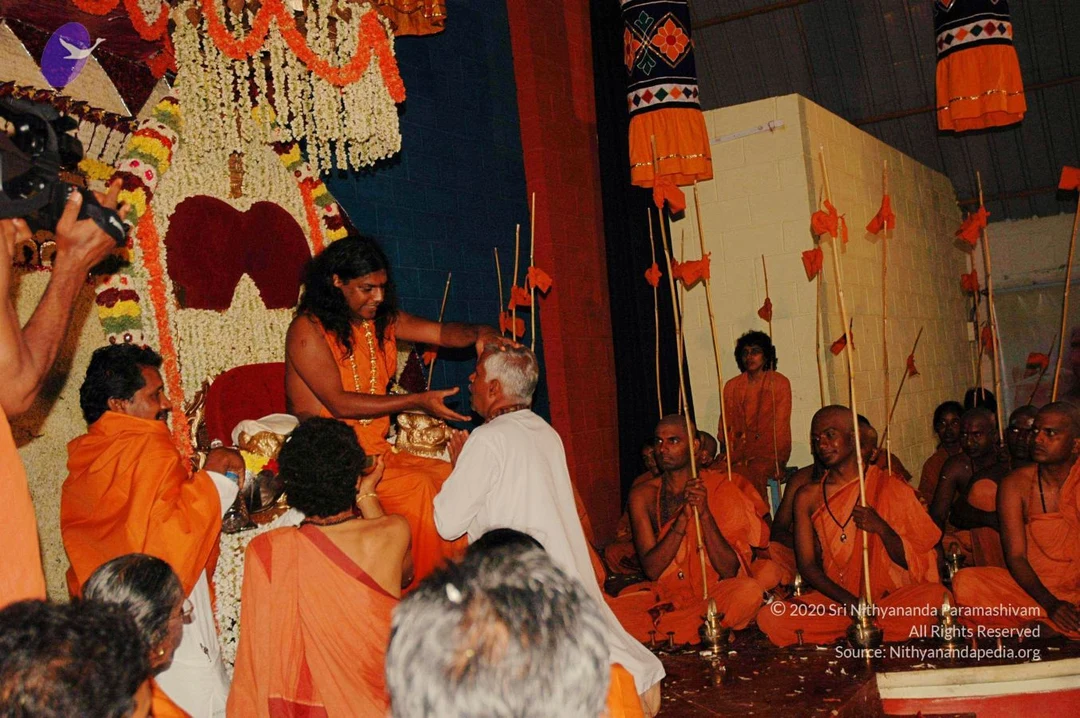
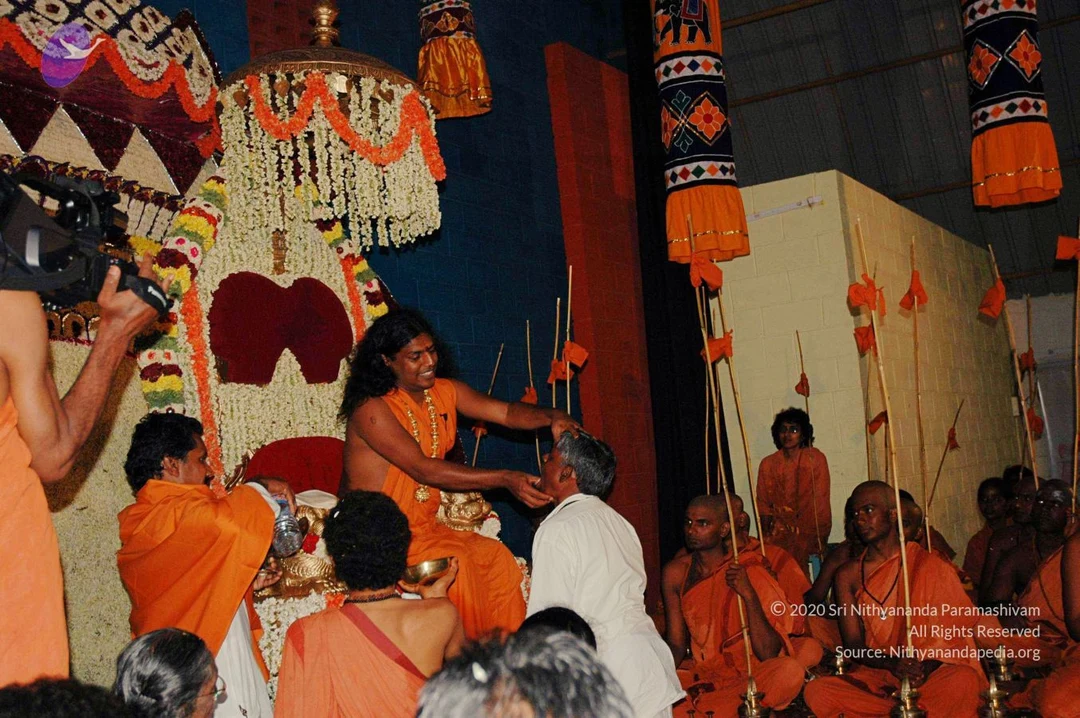
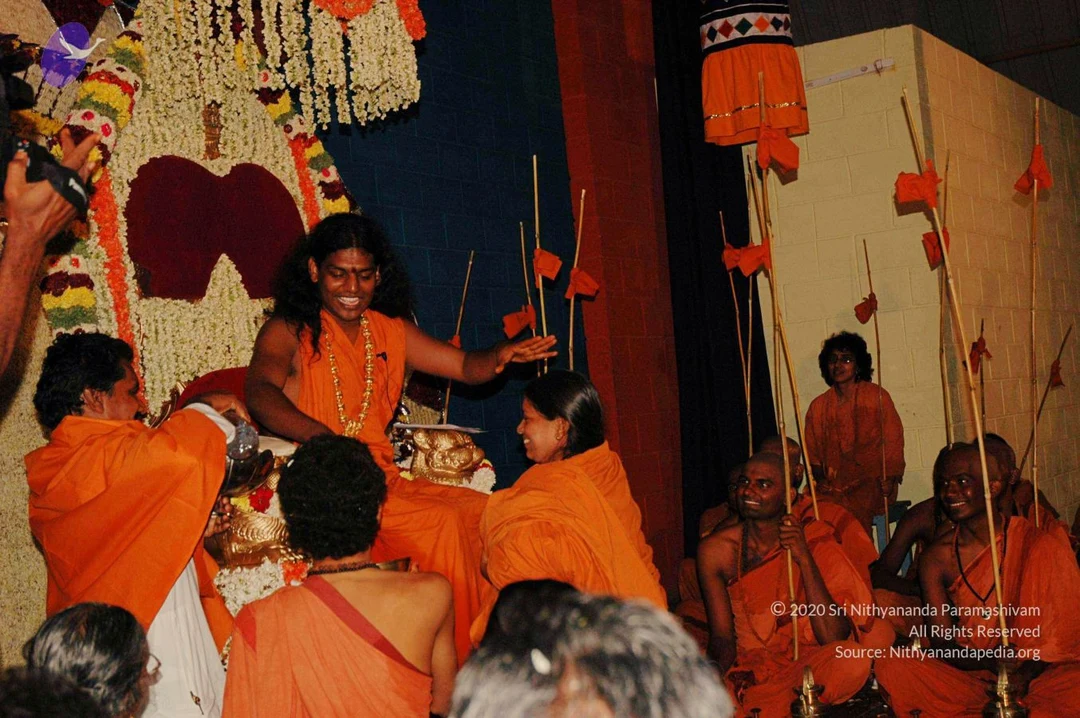
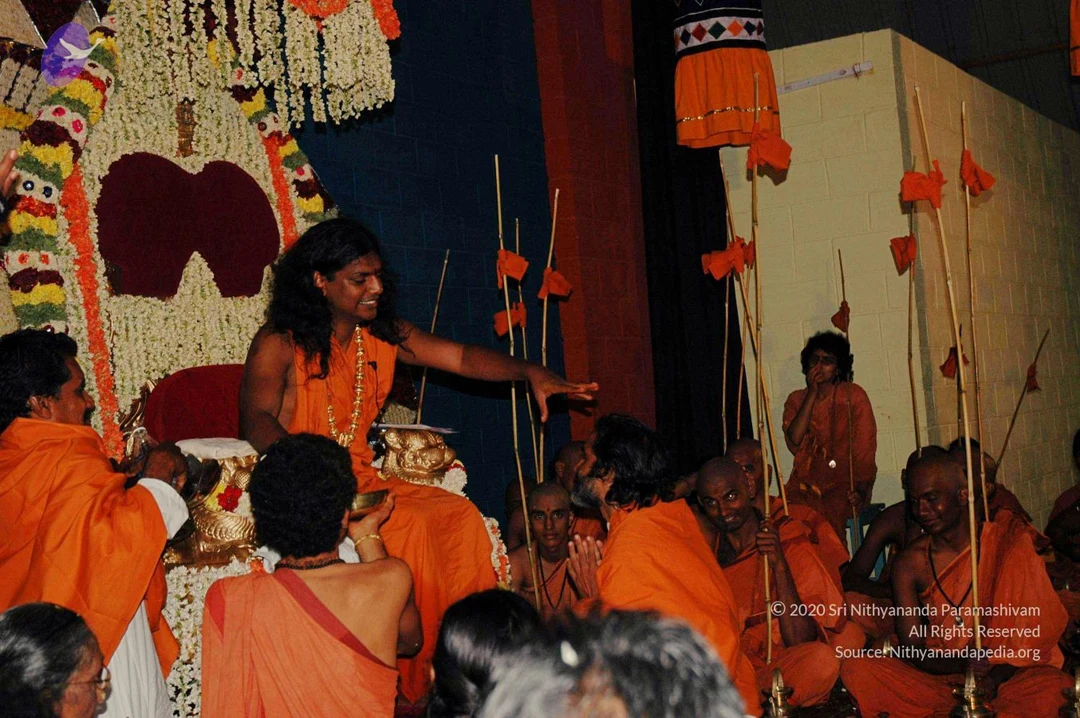
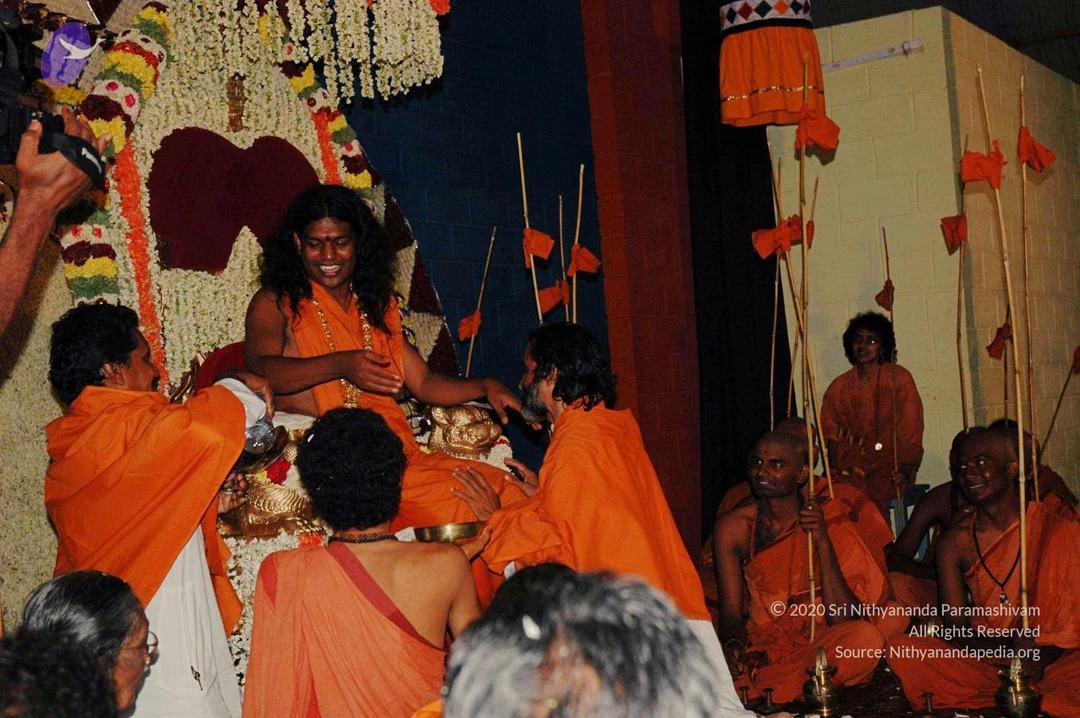
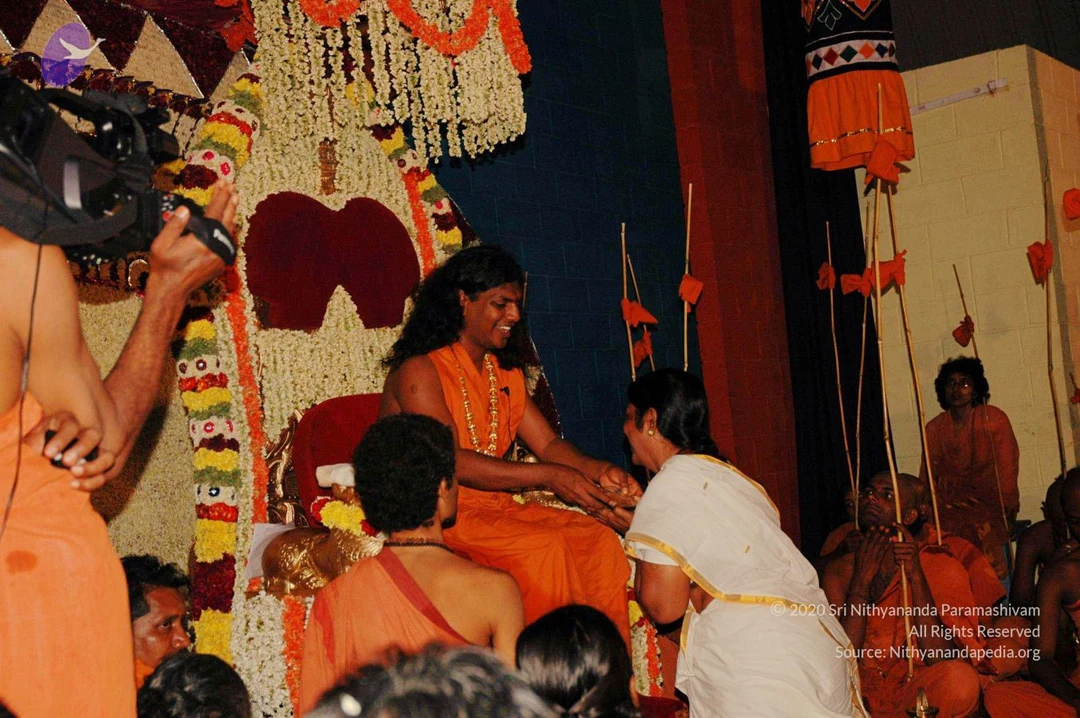
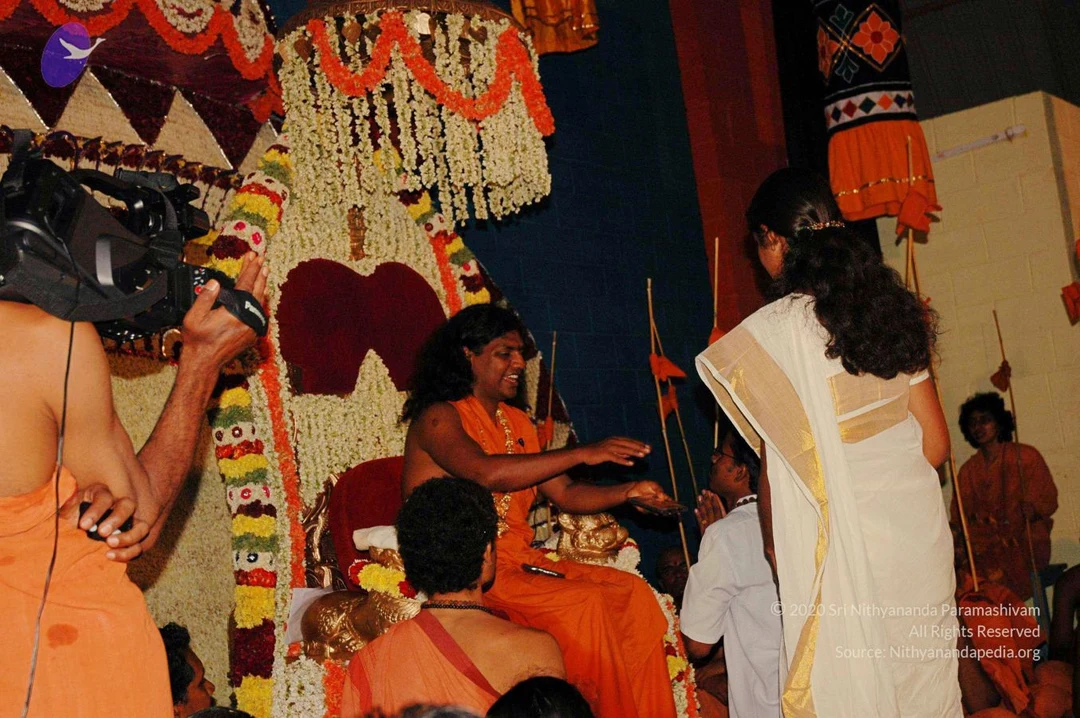
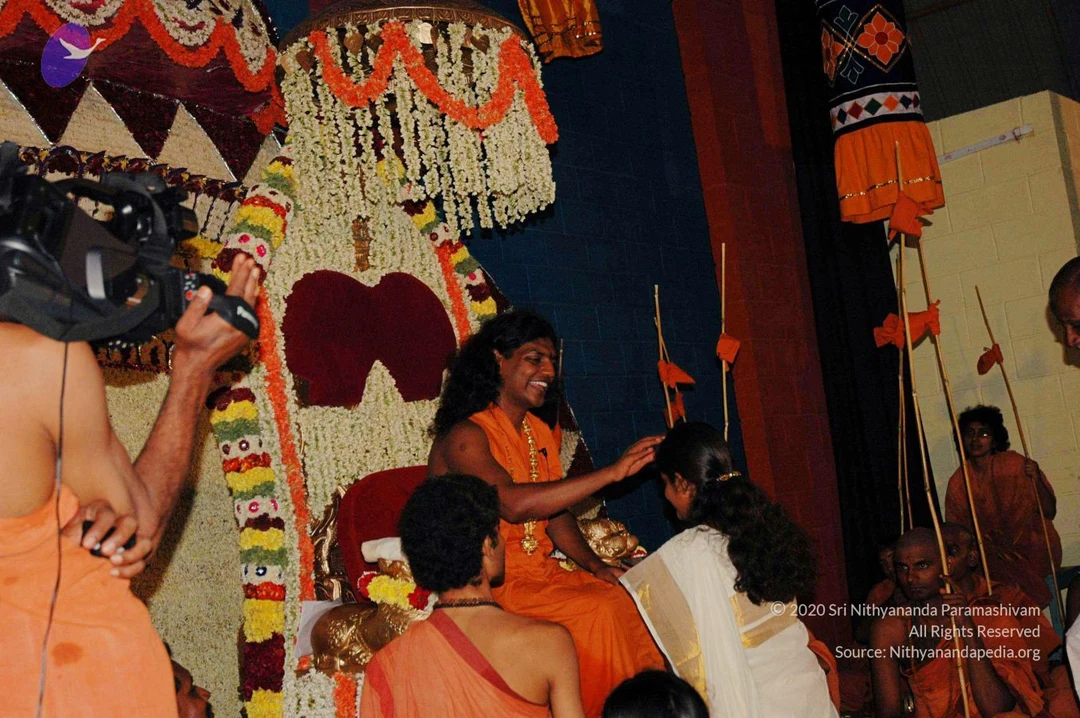
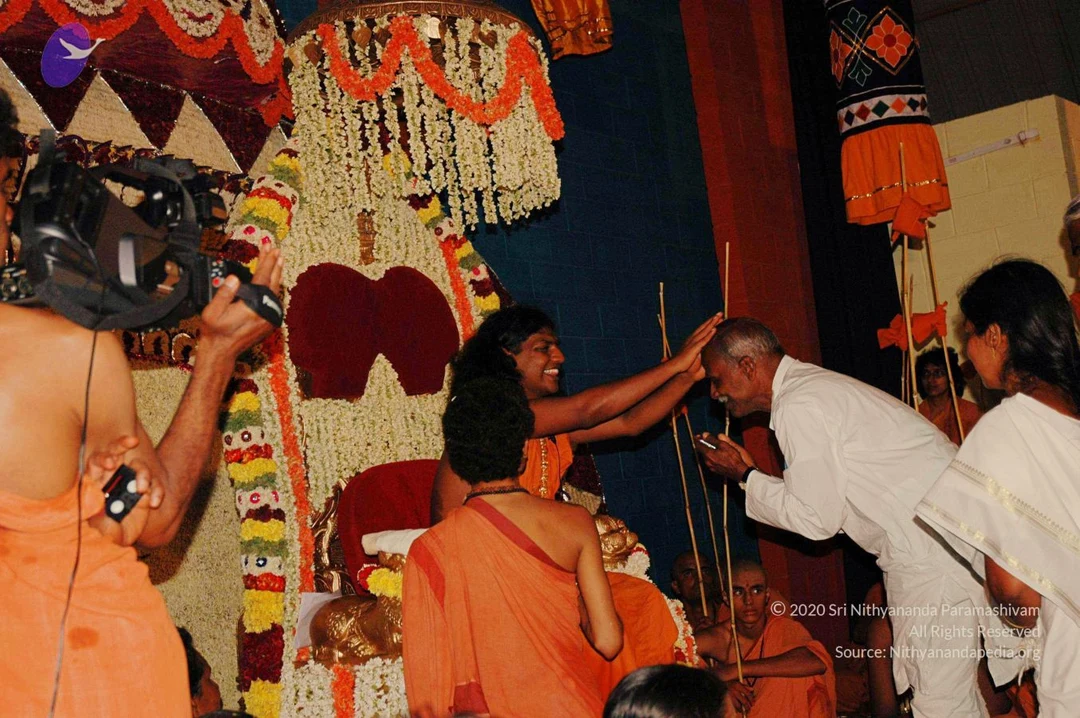
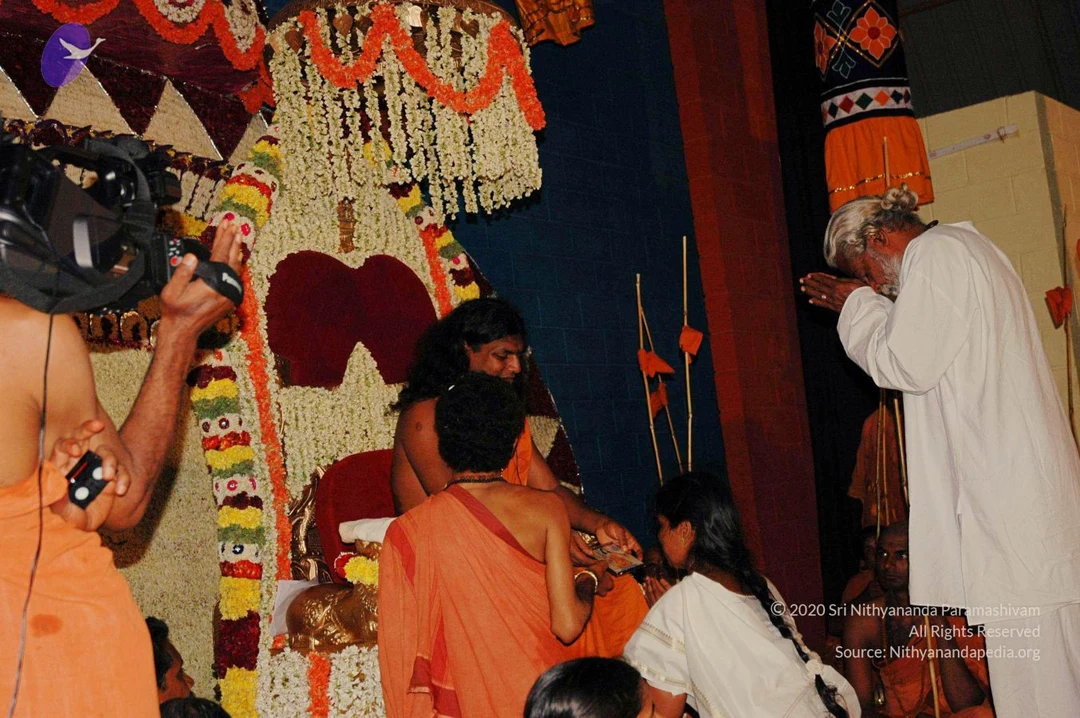
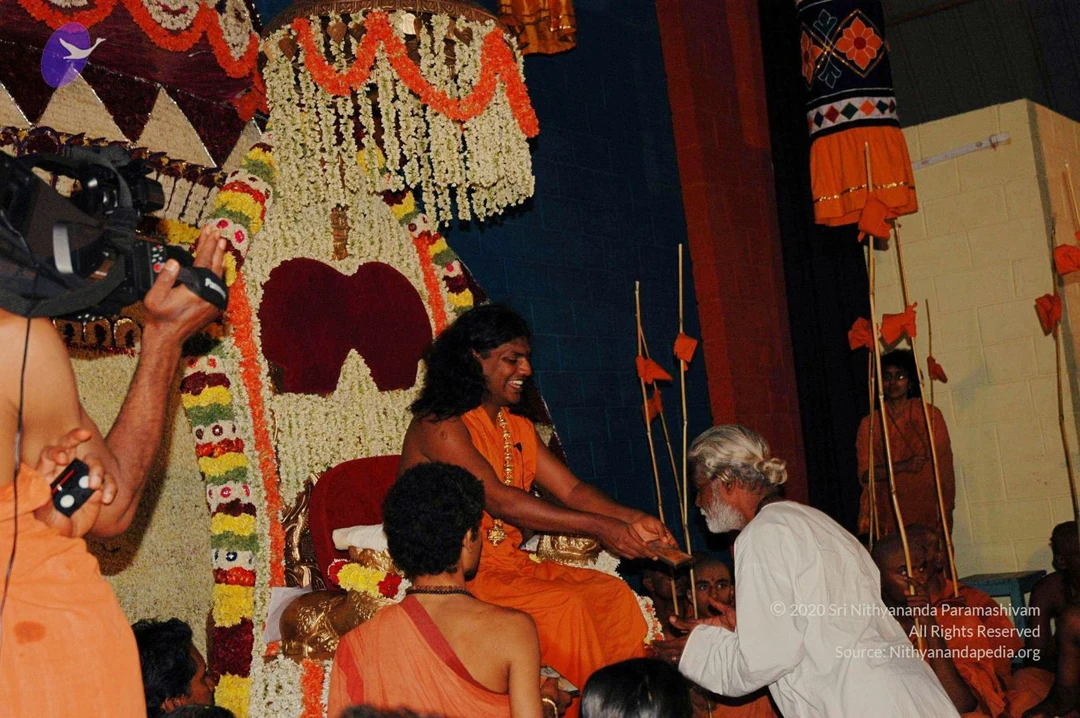
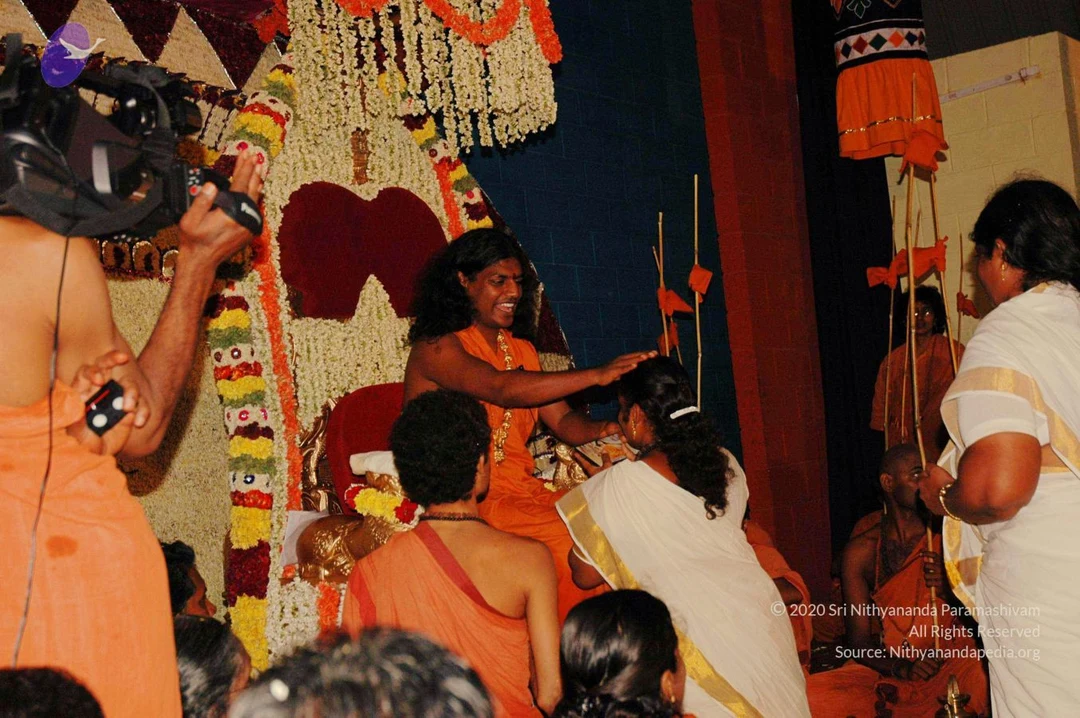
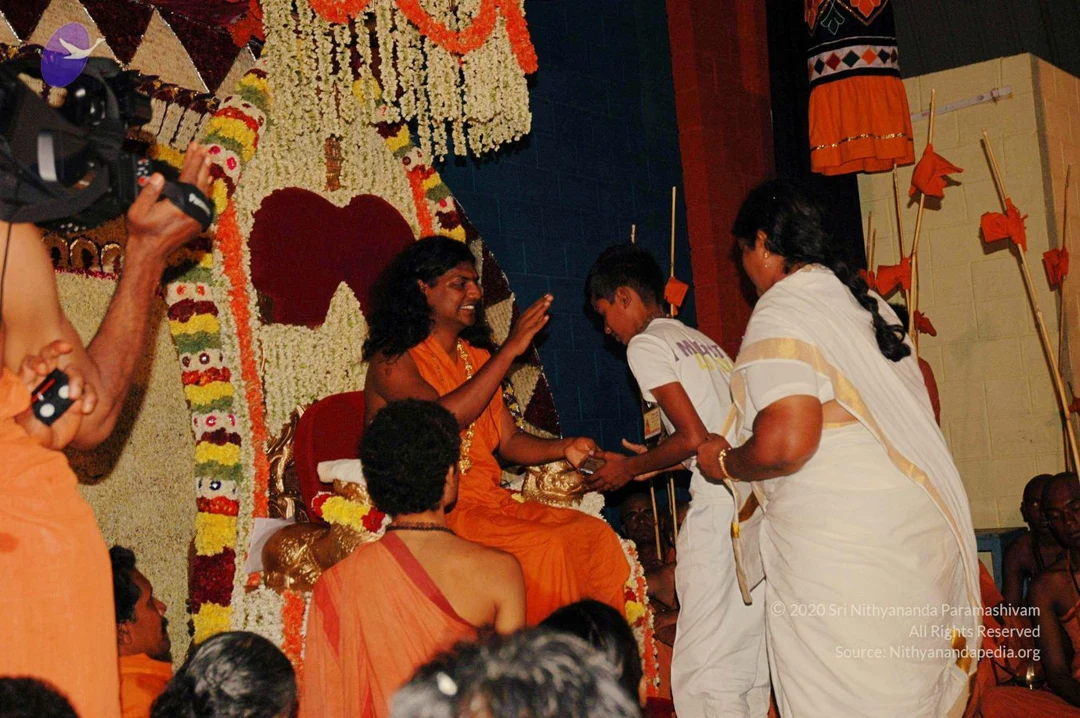
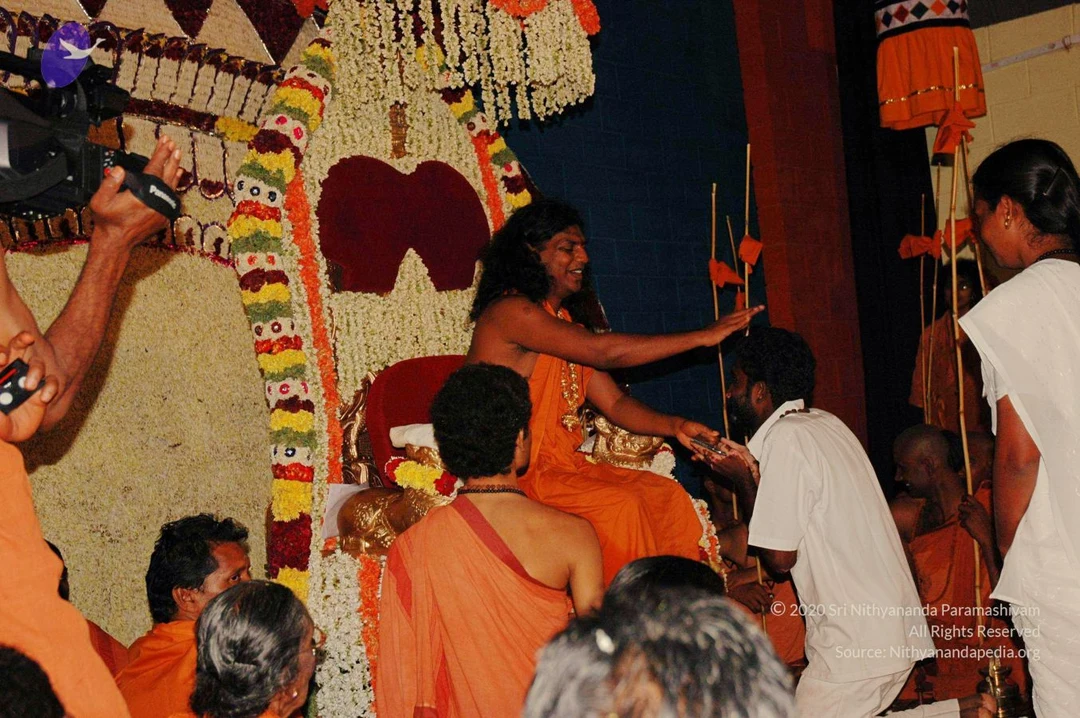
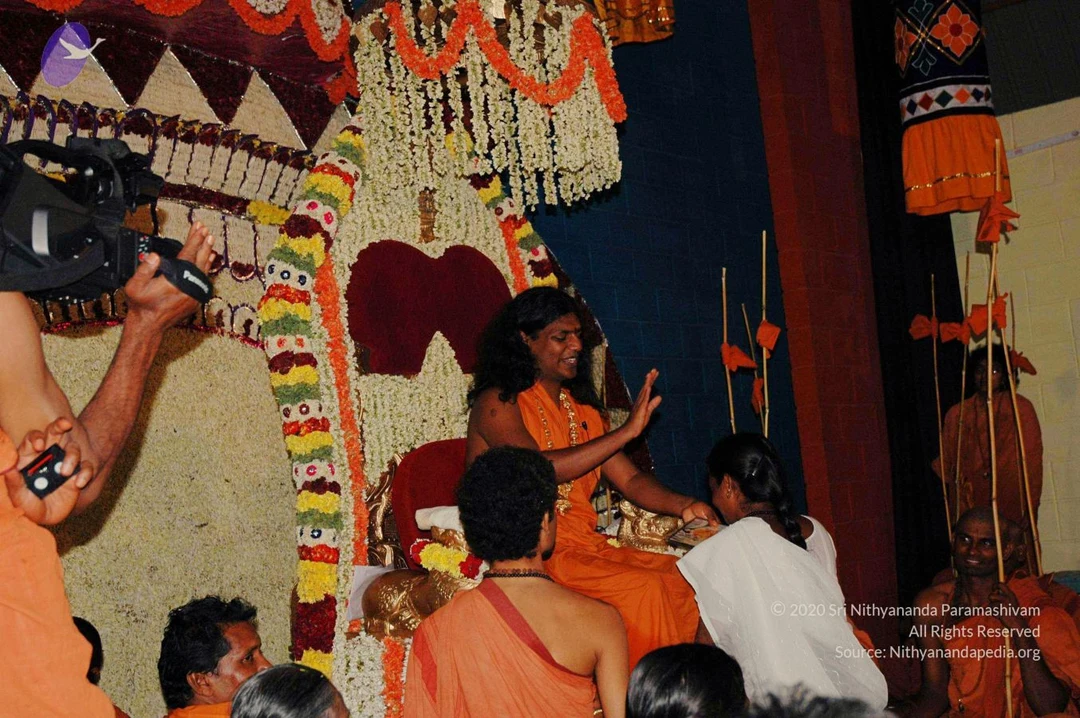
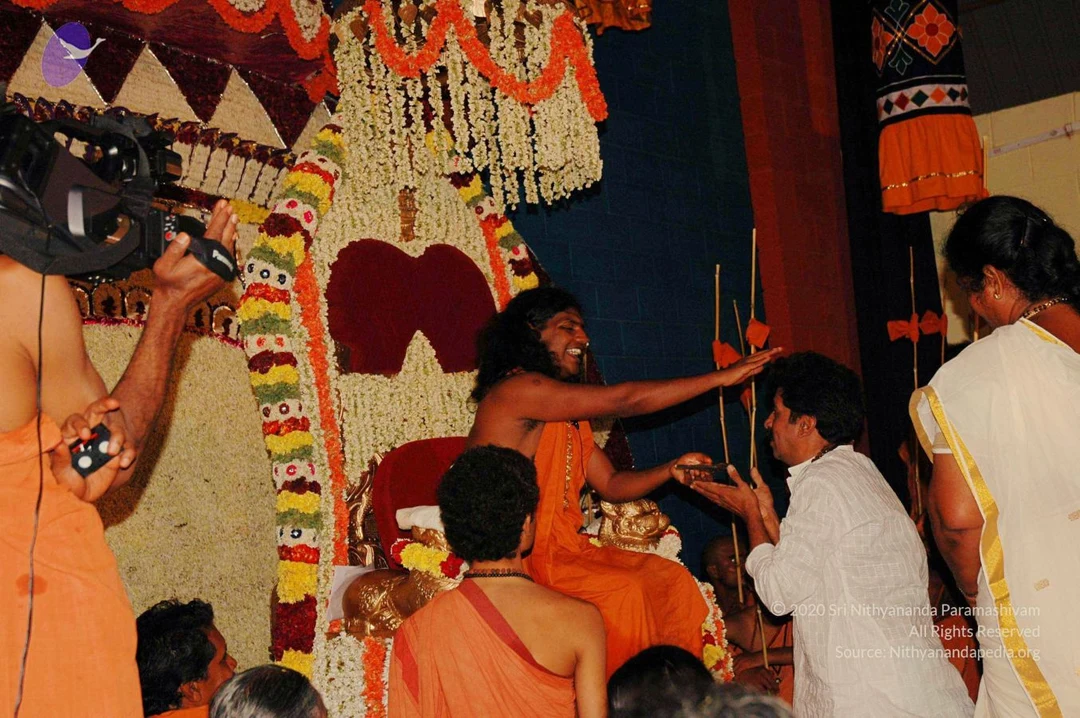
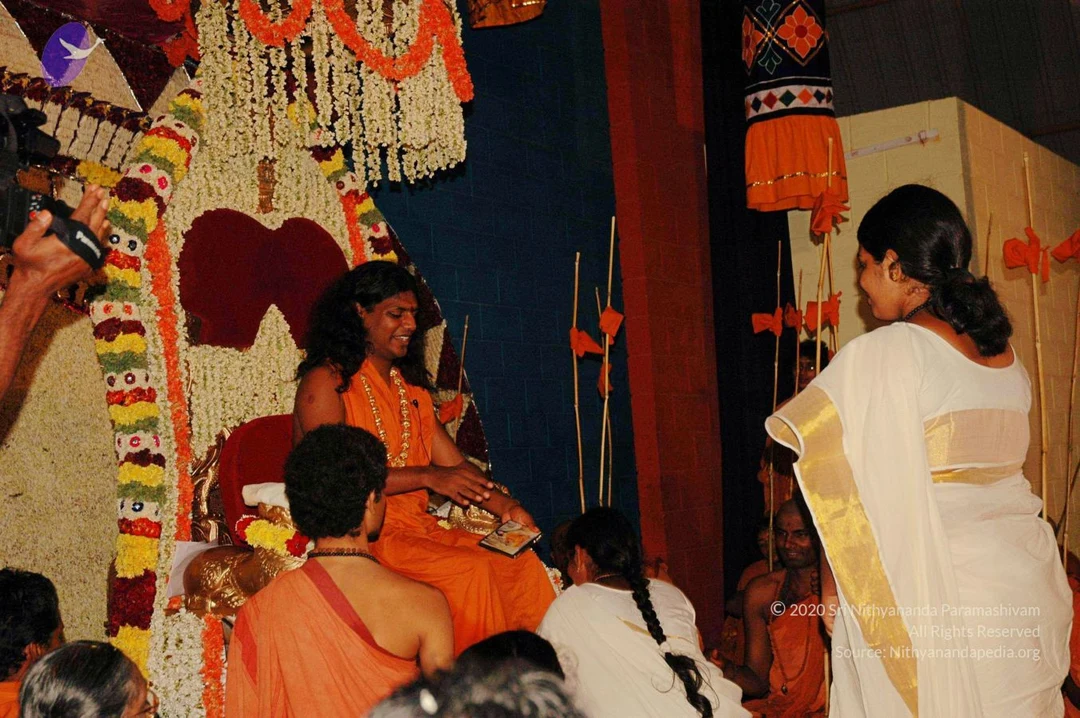
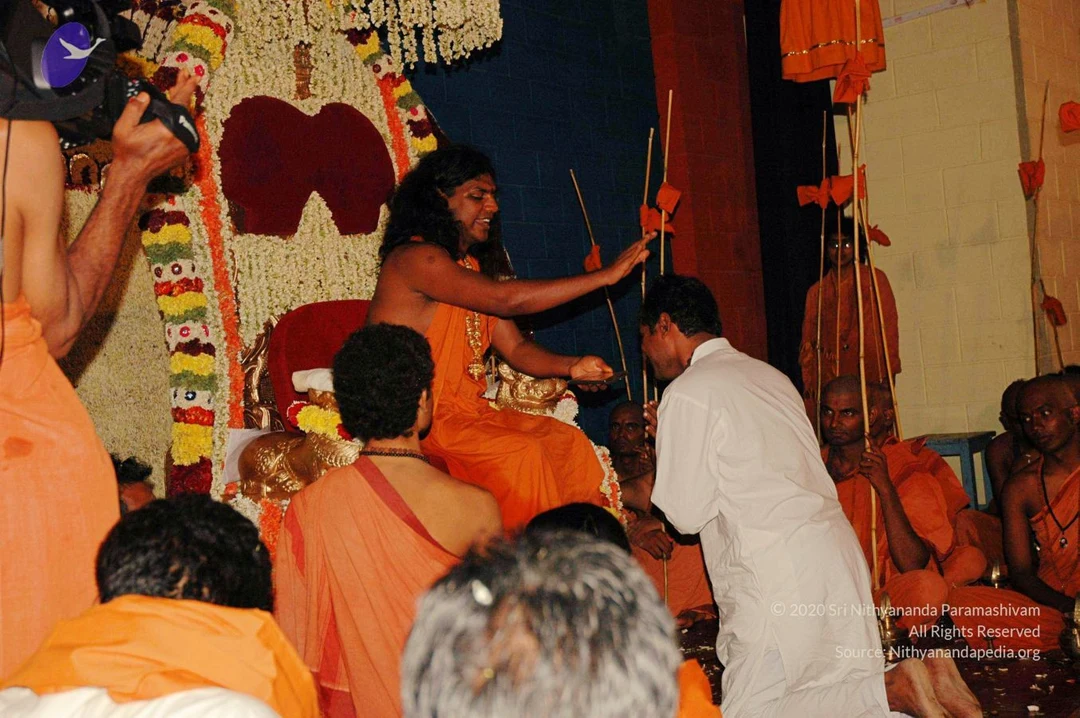
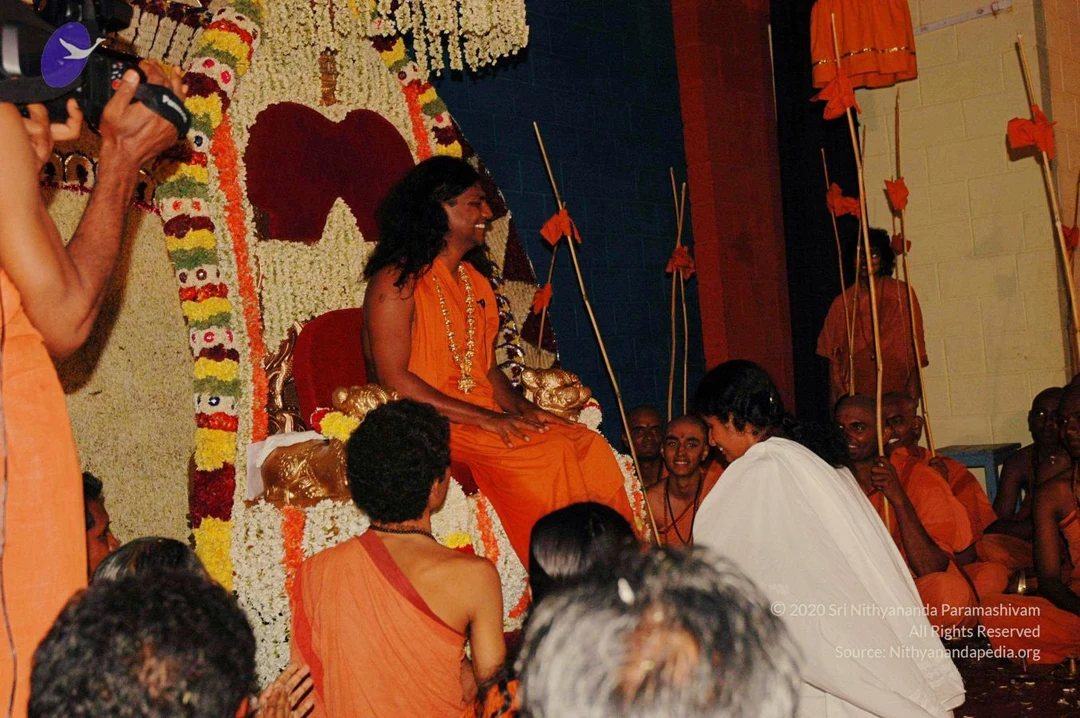
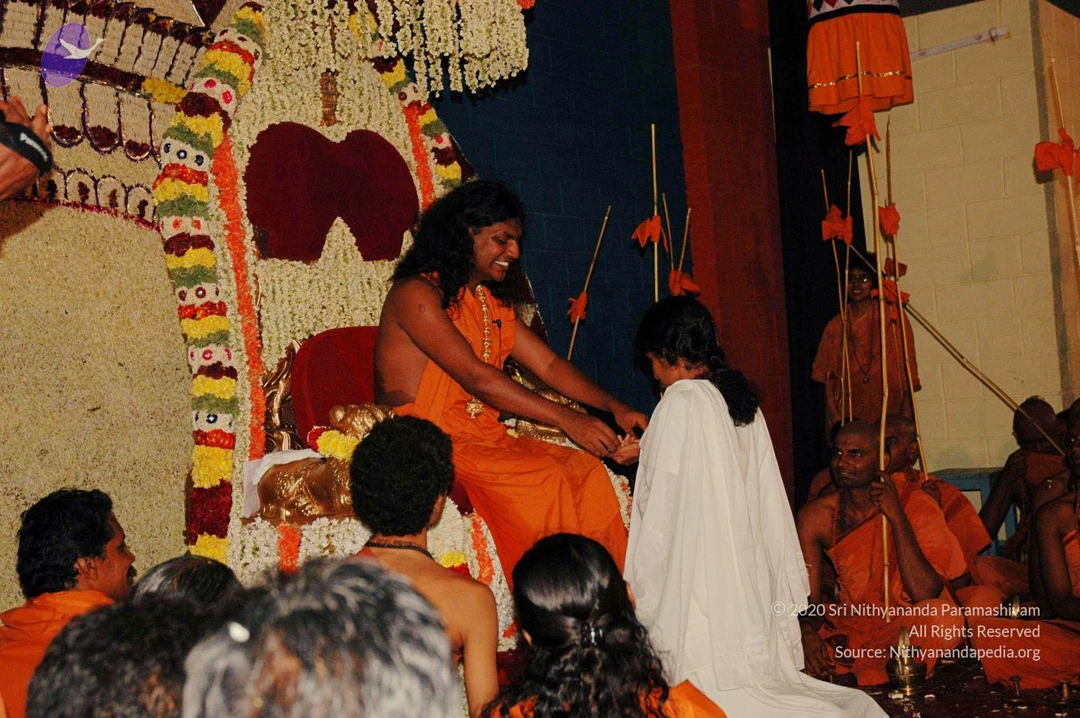
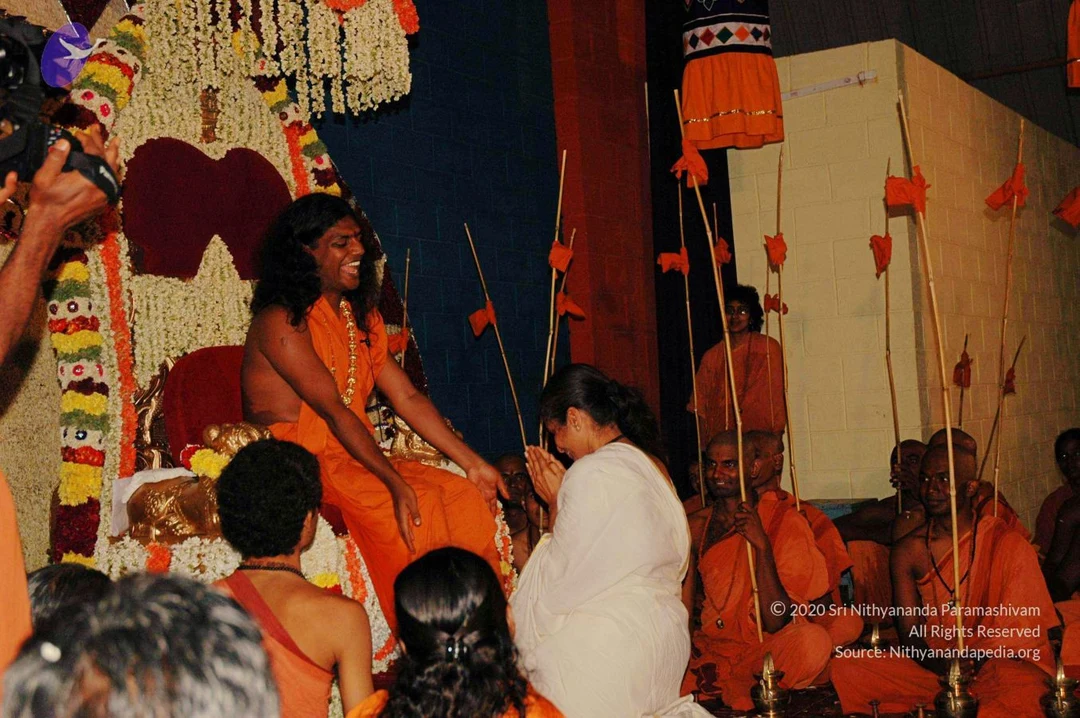
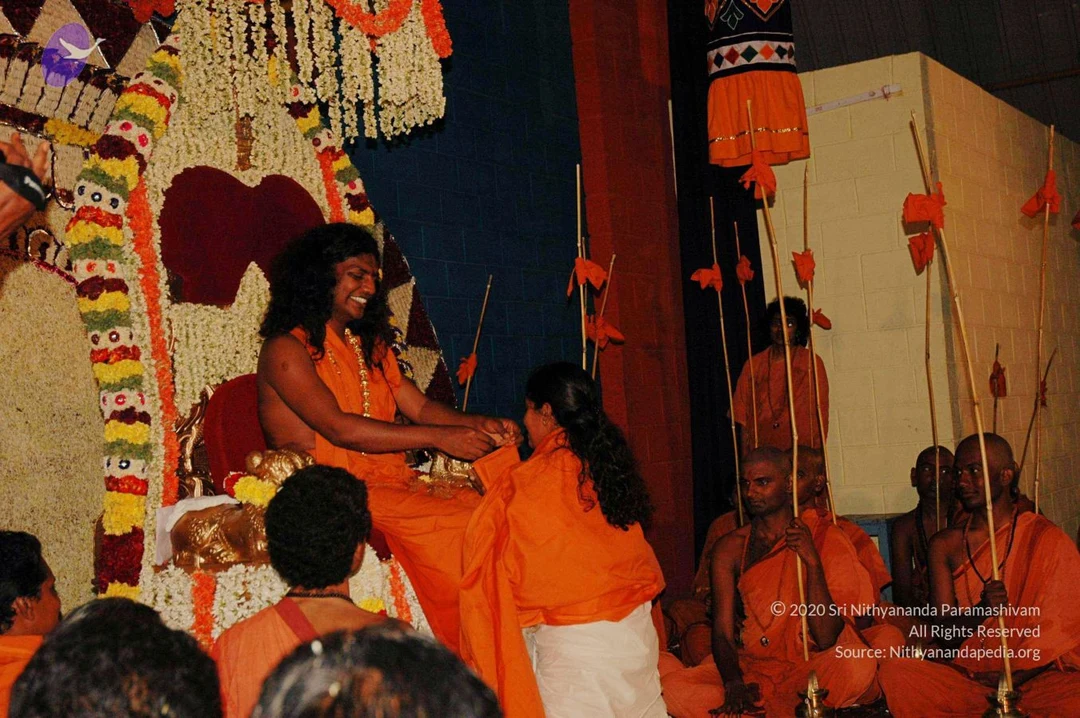
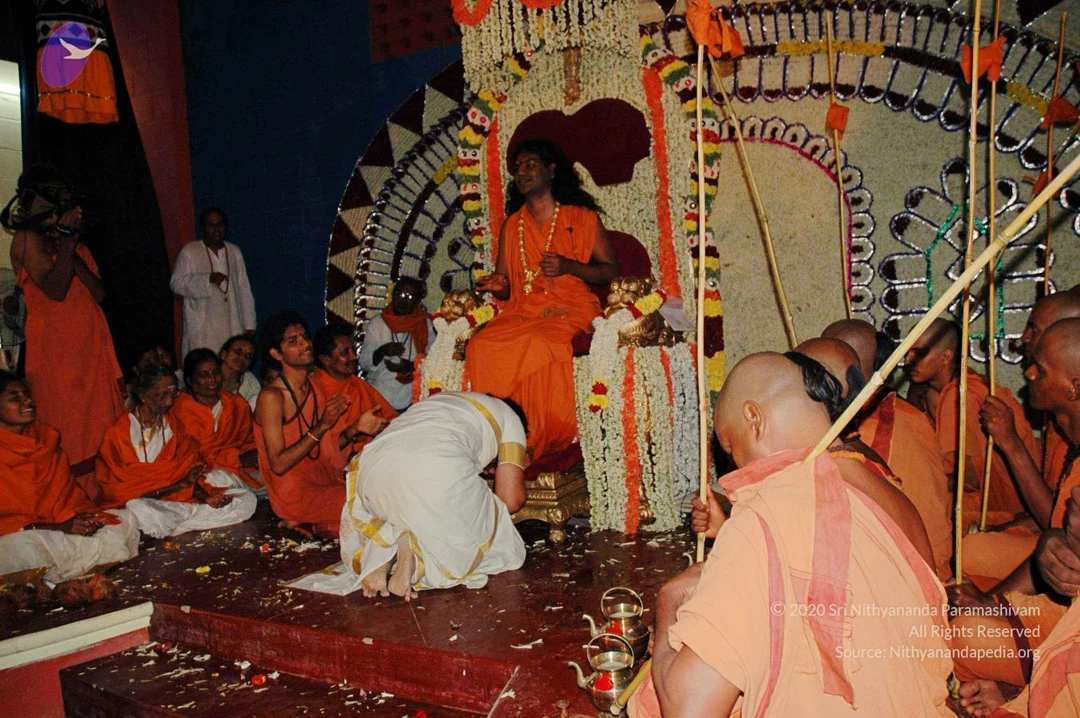
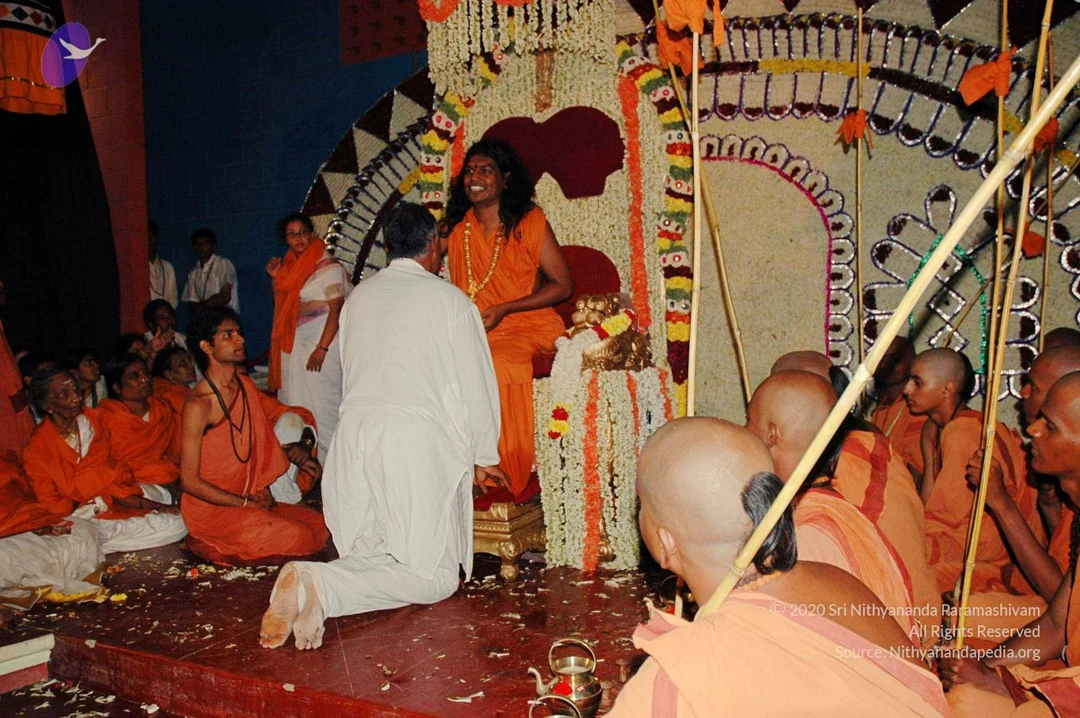
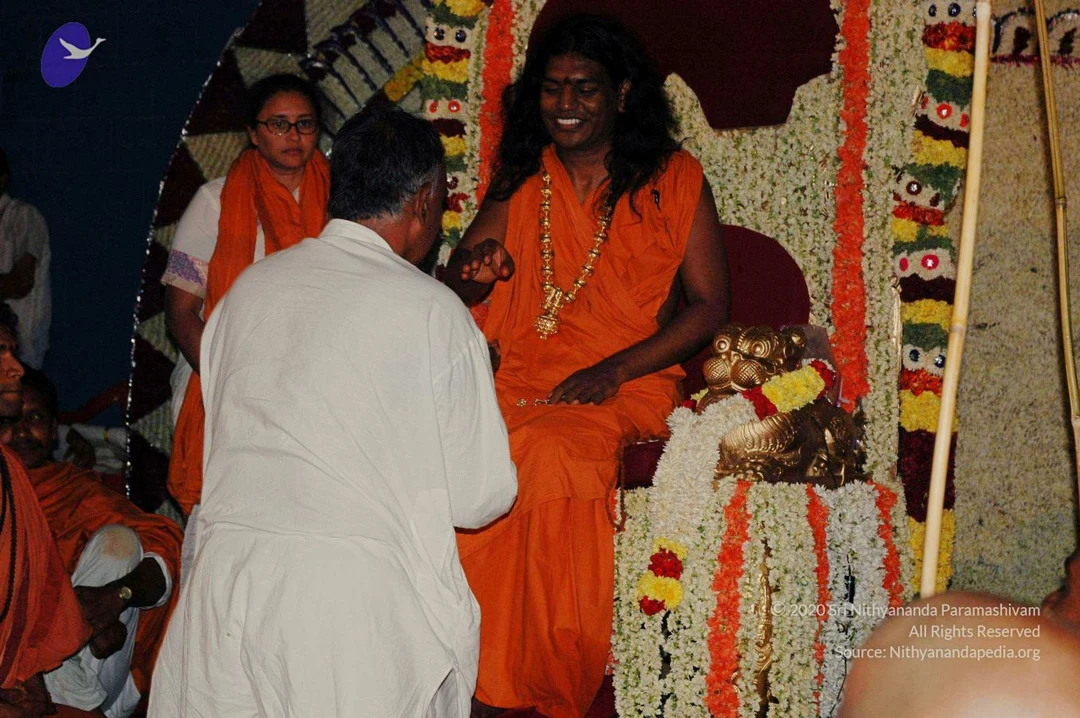
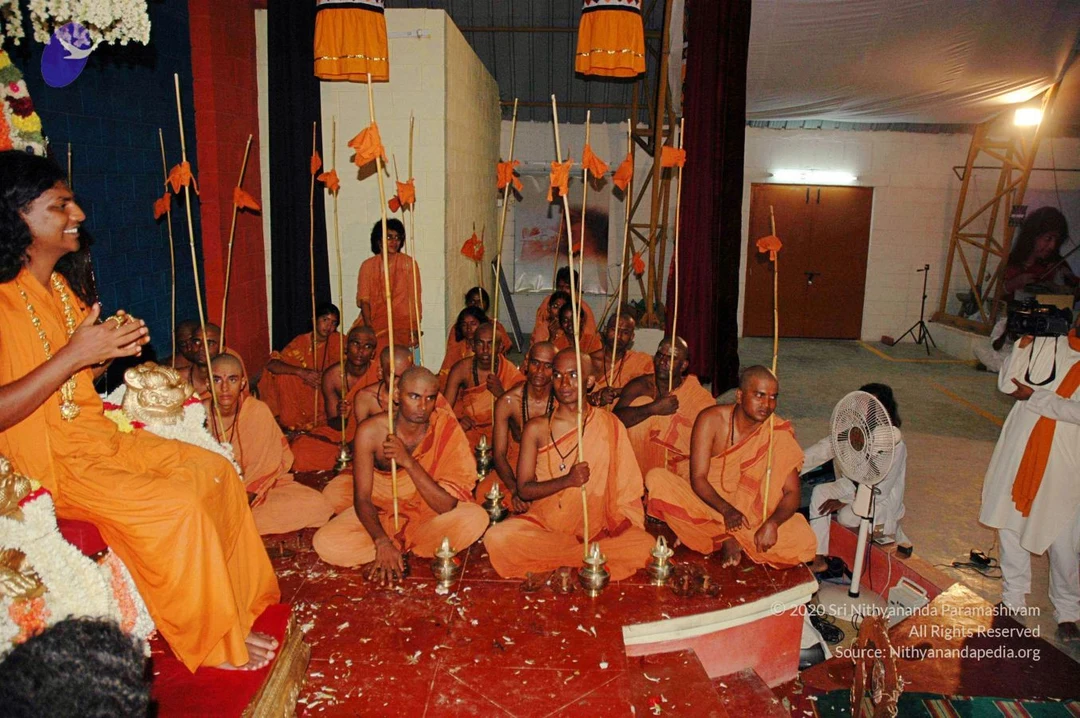
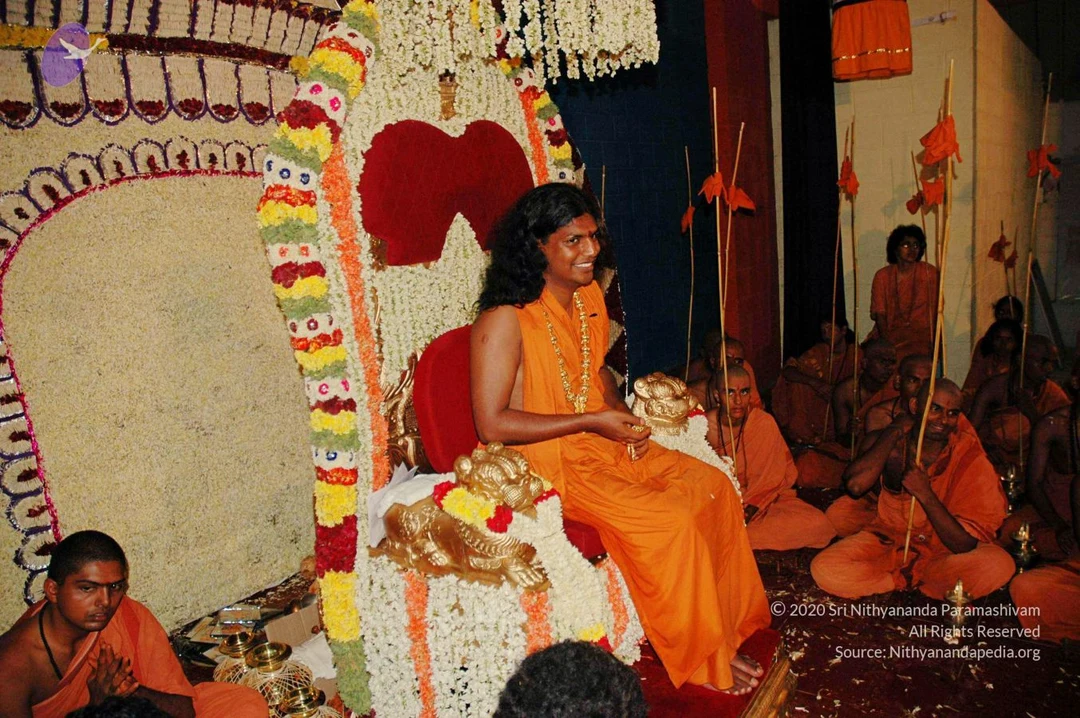
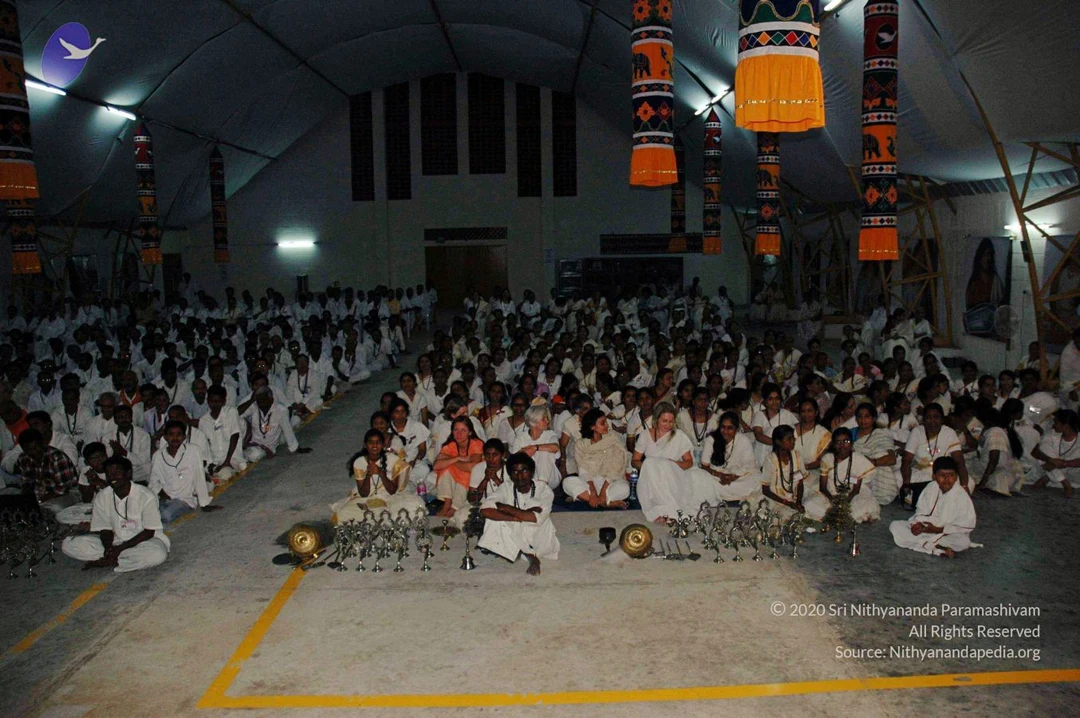
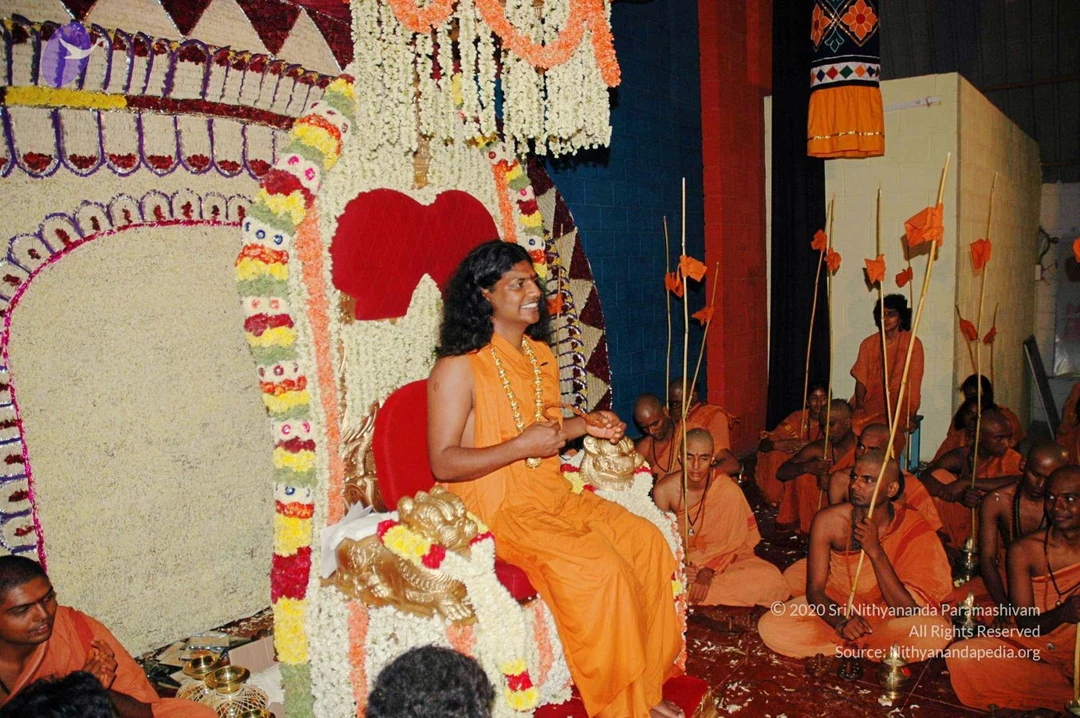
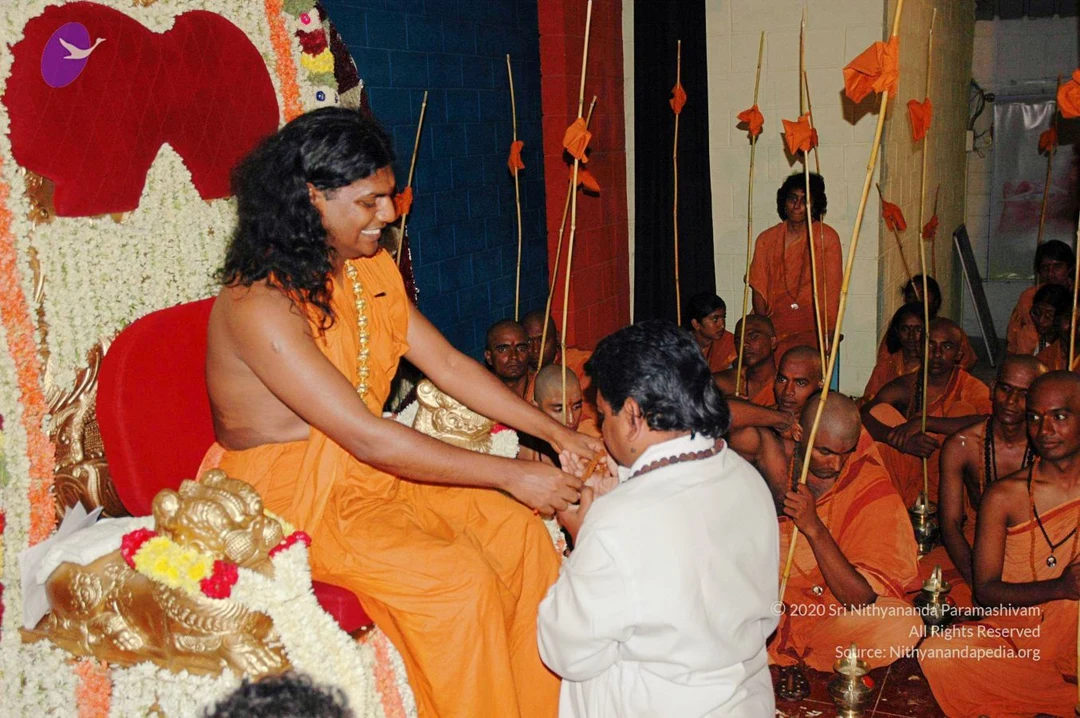
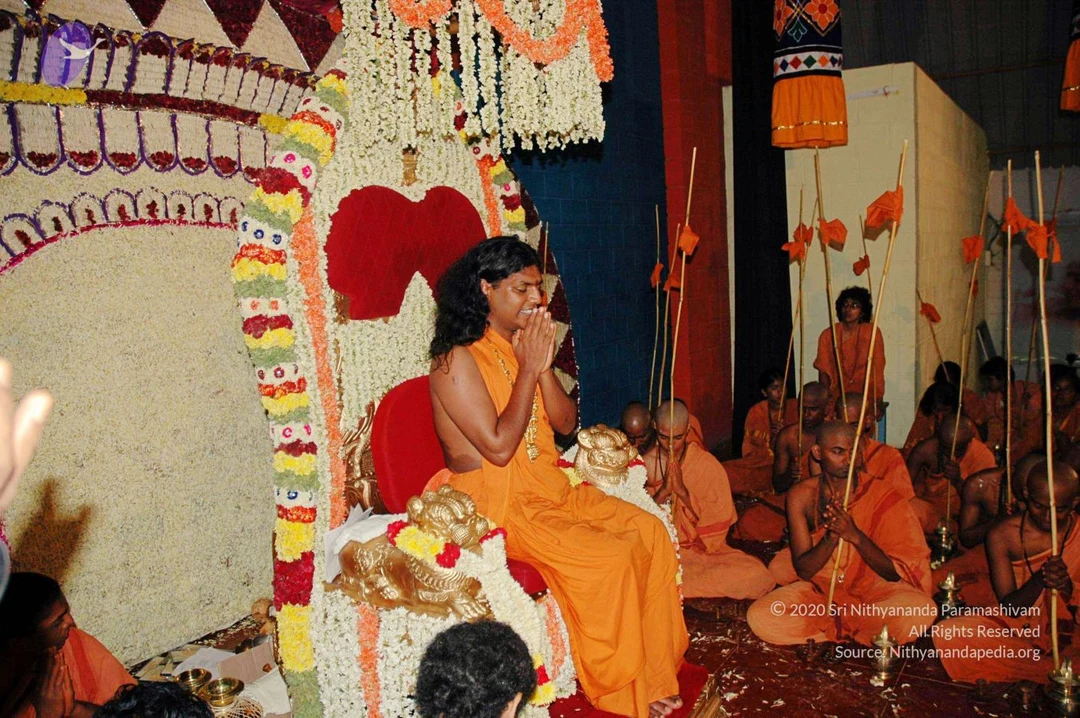
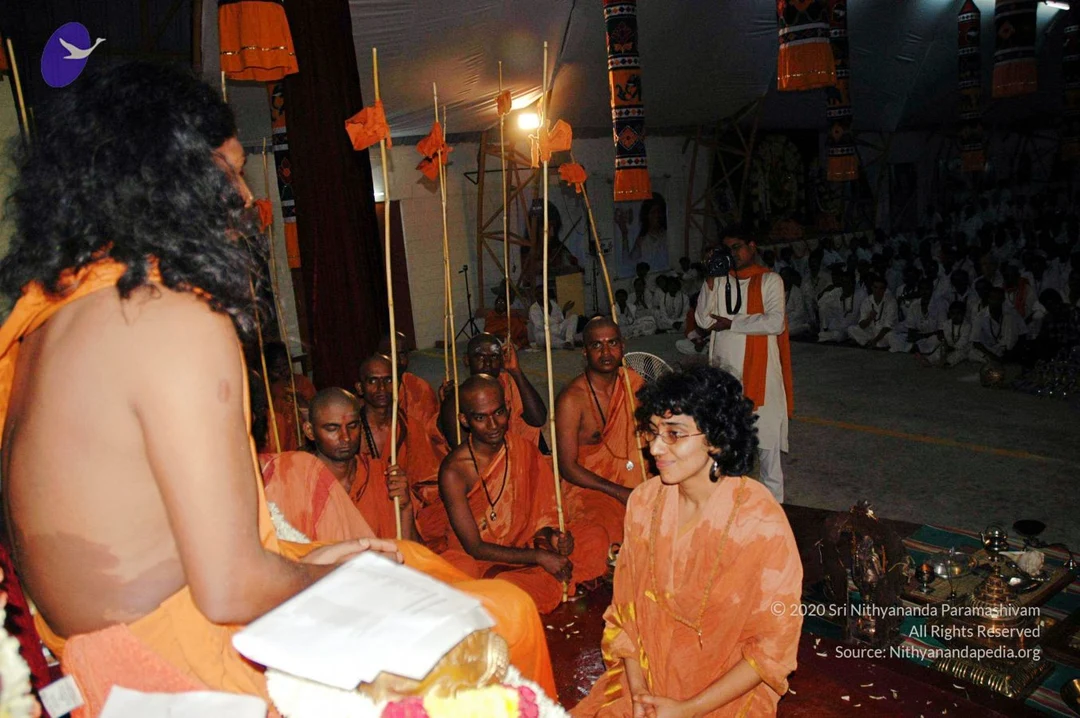
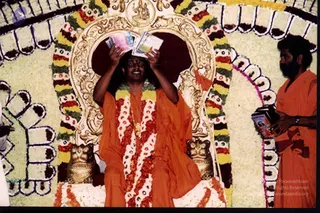
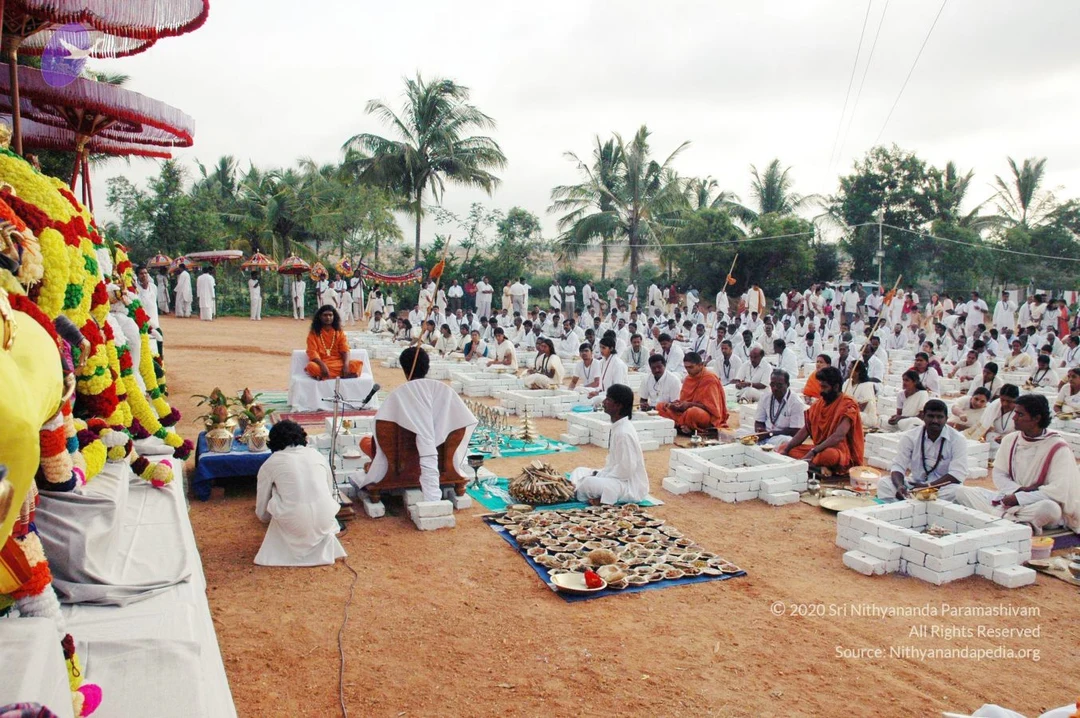
On 11 July '06, Guru Poornima was celebrated world over in all the Nithyananda Meditation Academies with great devotion, and most grandly at the ashram in Bangalore in the presence of Bhagawan Sri Nithyananda Paramashivam himself. His Divine Holiness during his Guru Poornima address said, 'Just like how you celebrate Father's Day, Mother's day, Lover's Day and so on, the Vedic Masters have created Master's Day for us to celebrate. That is Guru Poornima. We celebrate the Master's Day simply because he happened in our lives. It is very rare that a Master happens in the life of a person. It is the ultimate gift, the ultimate experience for any human being. The Master is the ultimate luxury.

Only because of great Masters, our culture is still alive; life still exists on planet Earth. Otherwise it would have been wiped out by power-hungry politicians and other extremists. Because they preached spirituality and created solid systems, planet Earth has been saved from being wiped out. This is the time to pay our deep gratitude to all the great Masters who have come and gone and who are here today for being there for us.

The Master is the ultimate thing in your being. He demands the ultimate luxury that is your ego; your being. When the Master happens in our lives, nothing else is needed. If he does not happen, nothing else is of use...'

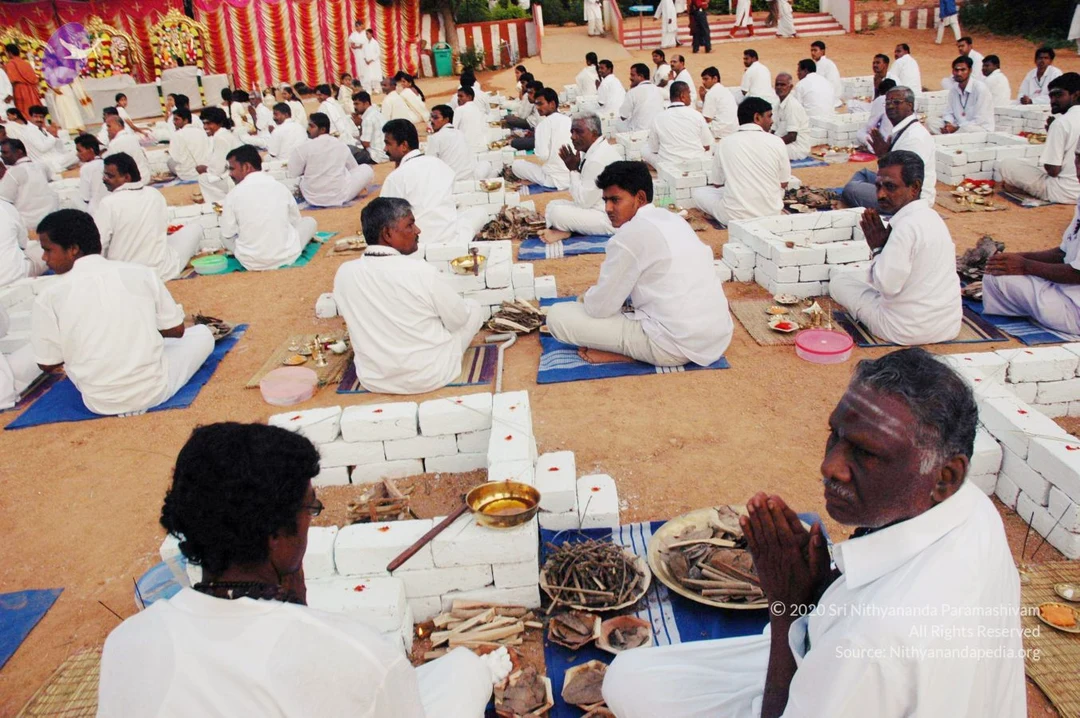
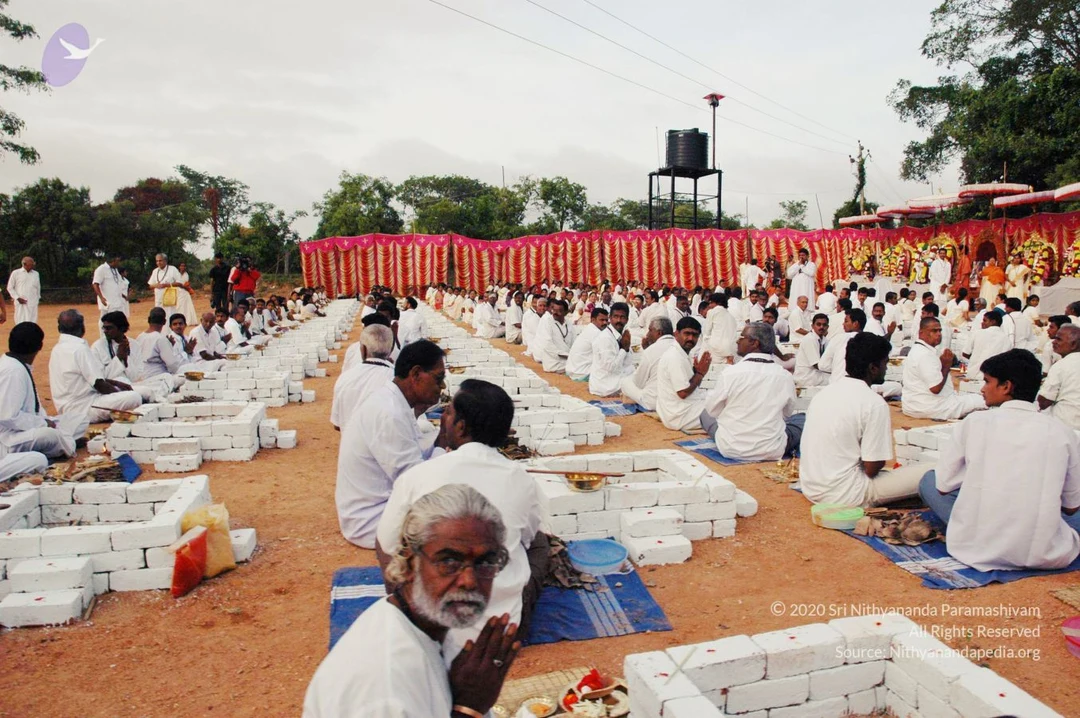
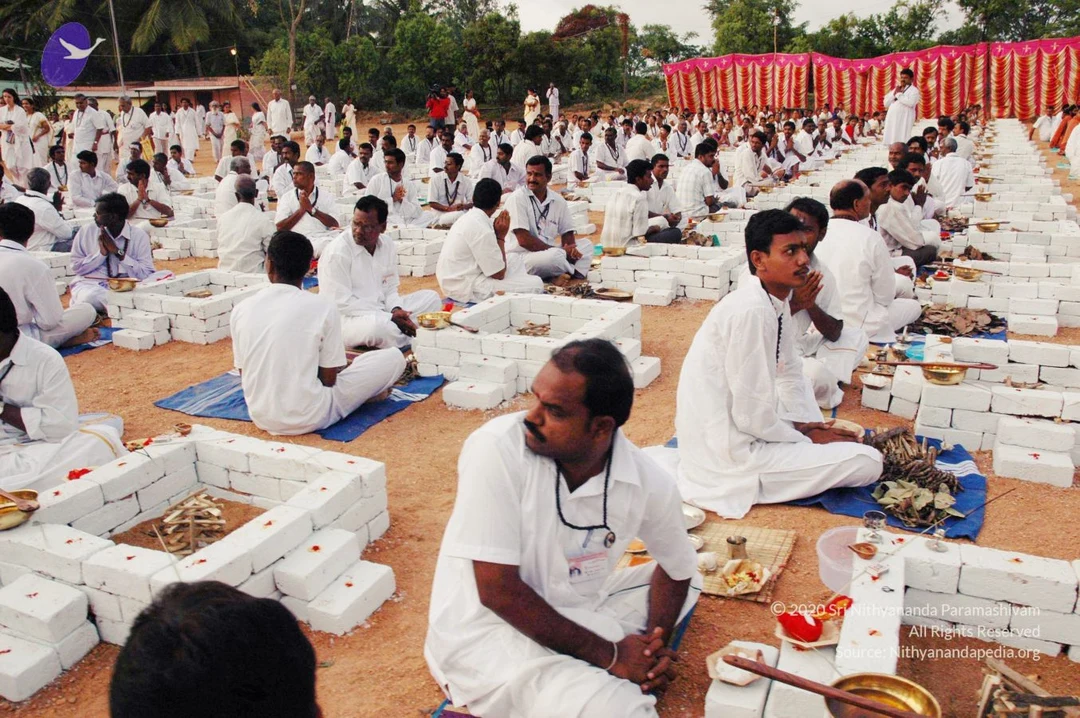
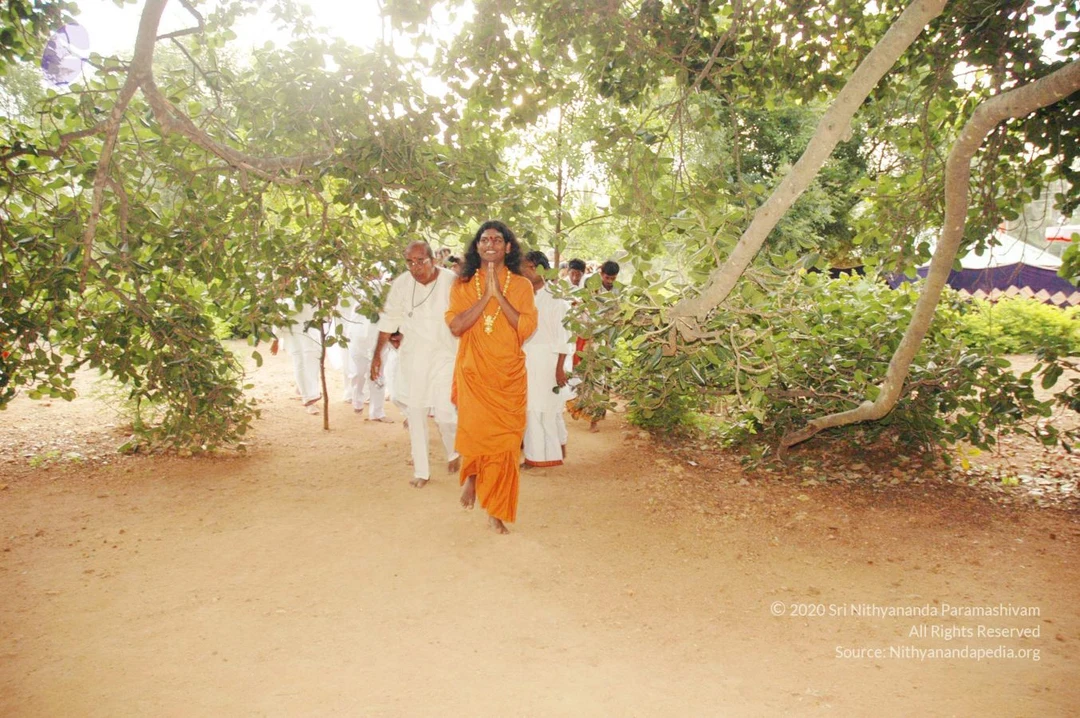
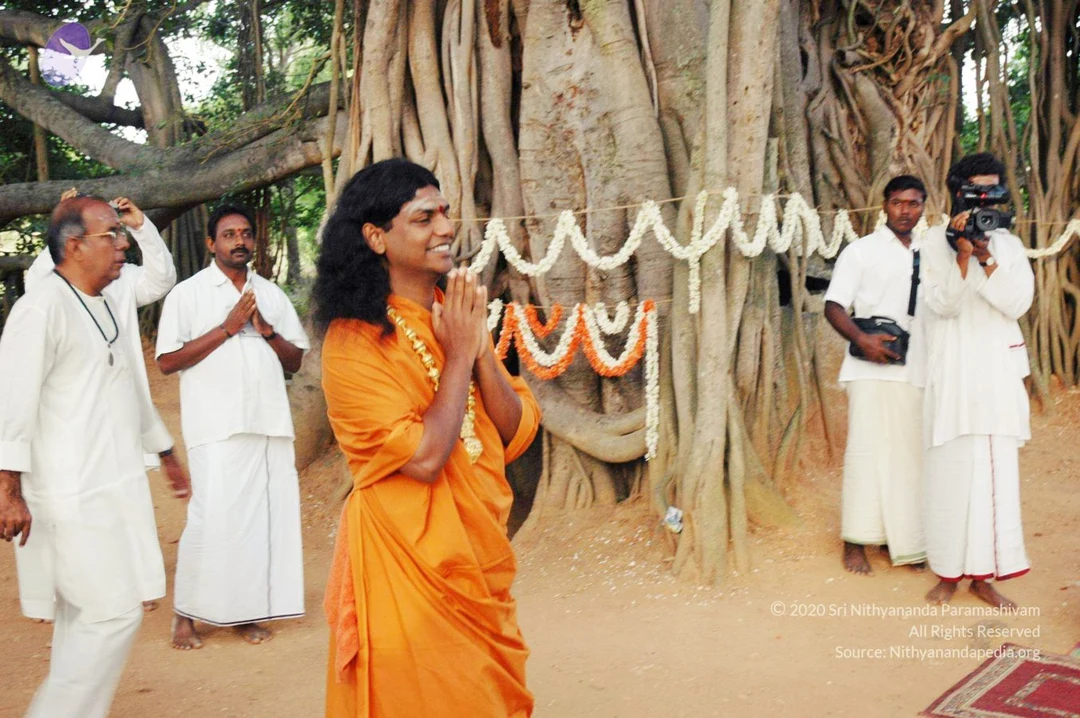
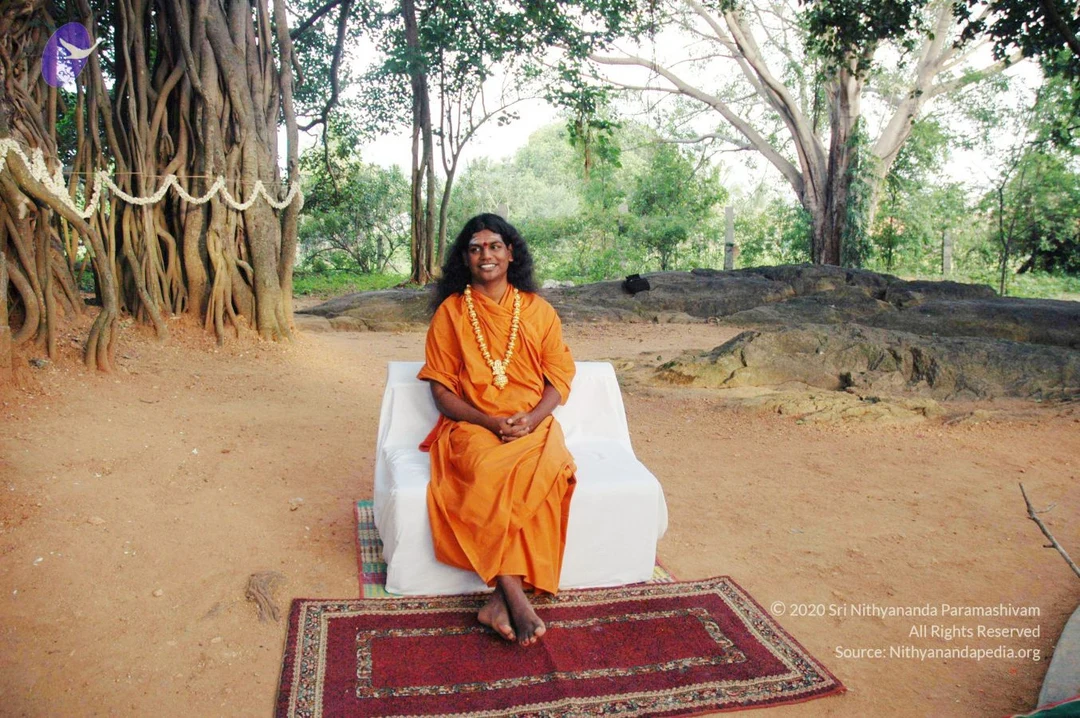
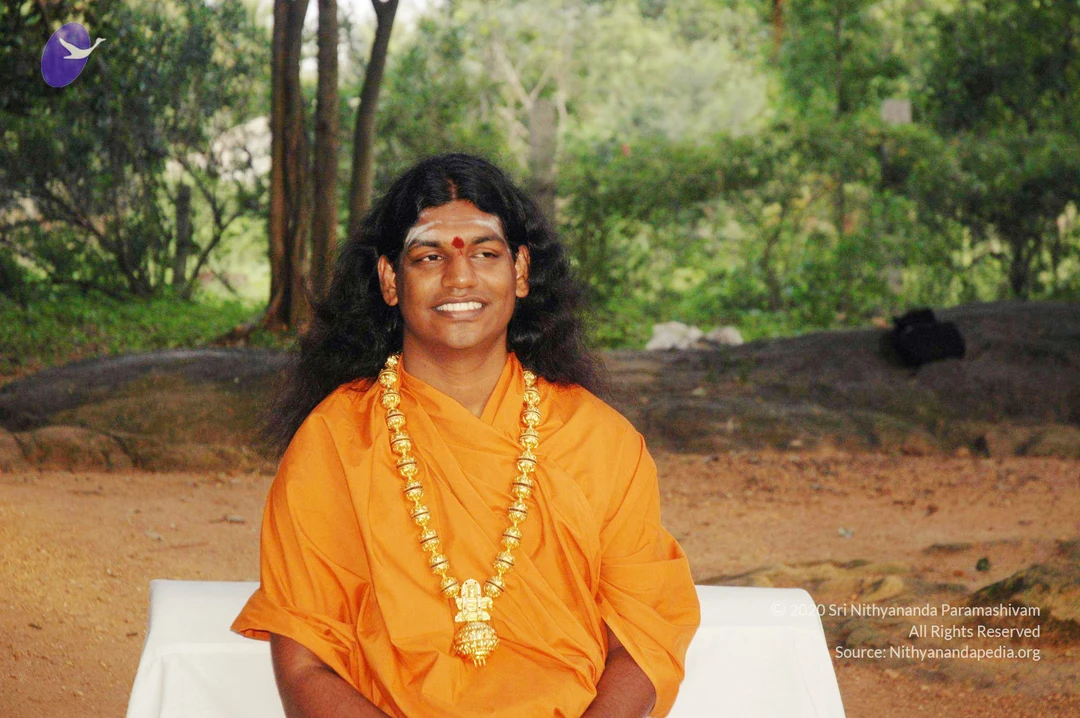
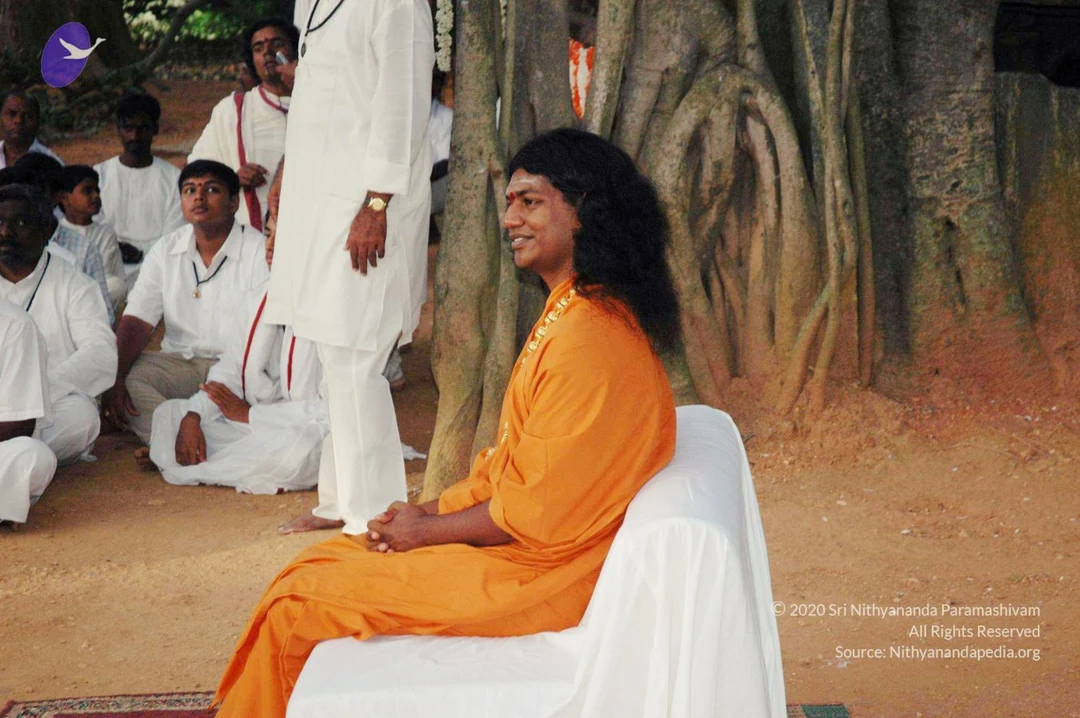
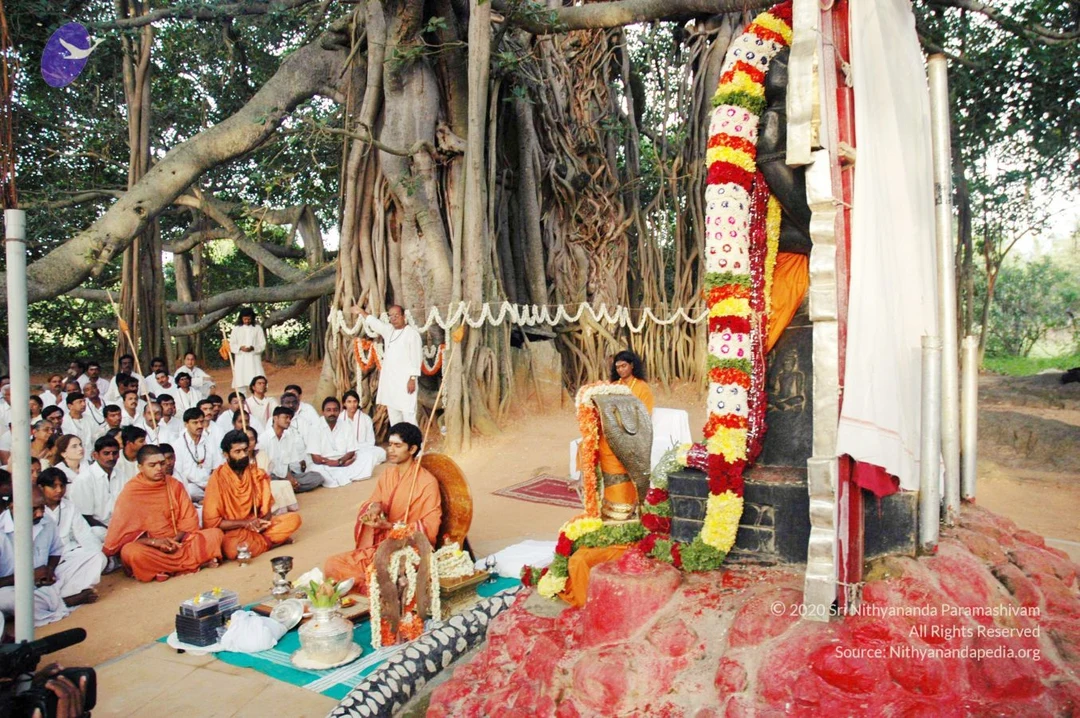
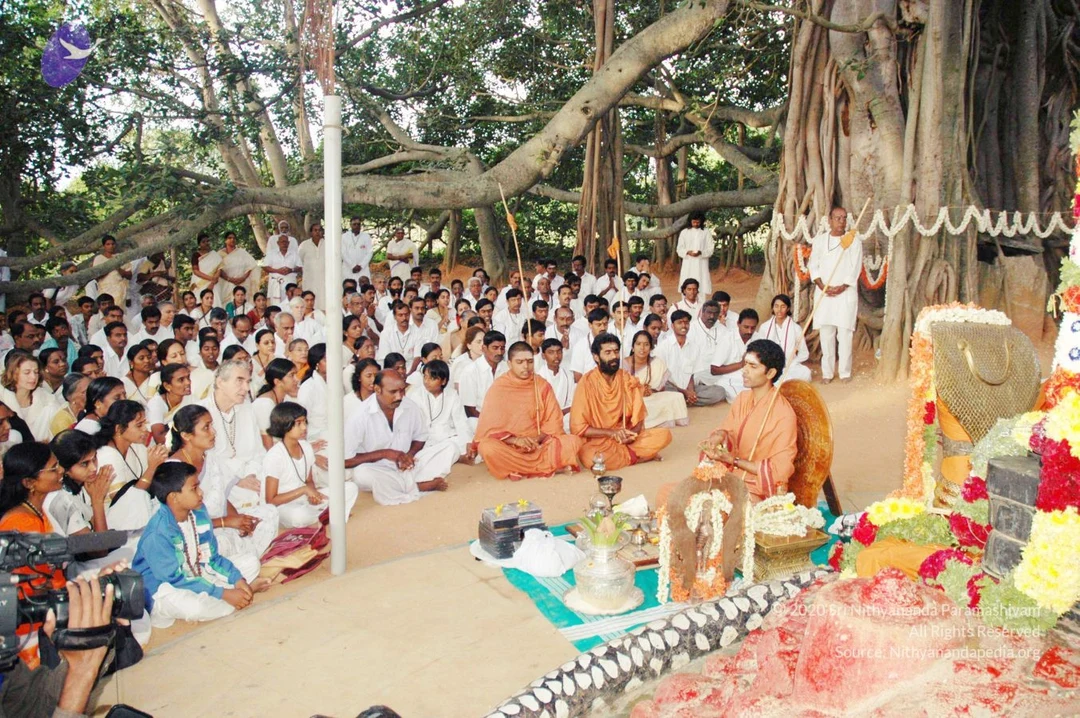
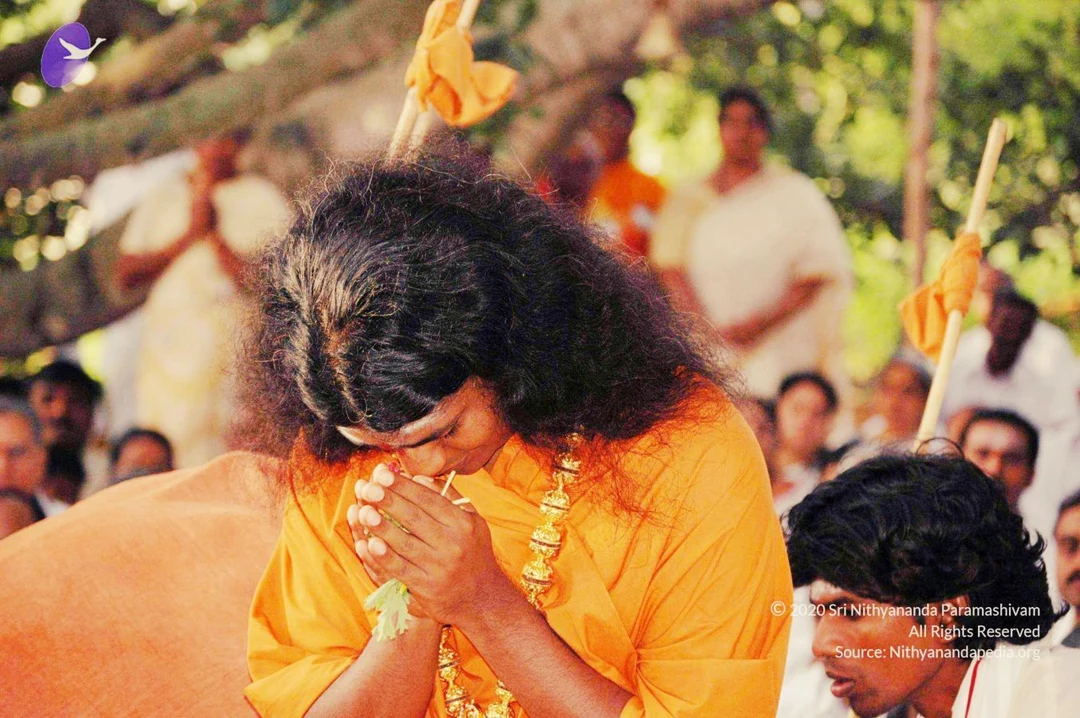
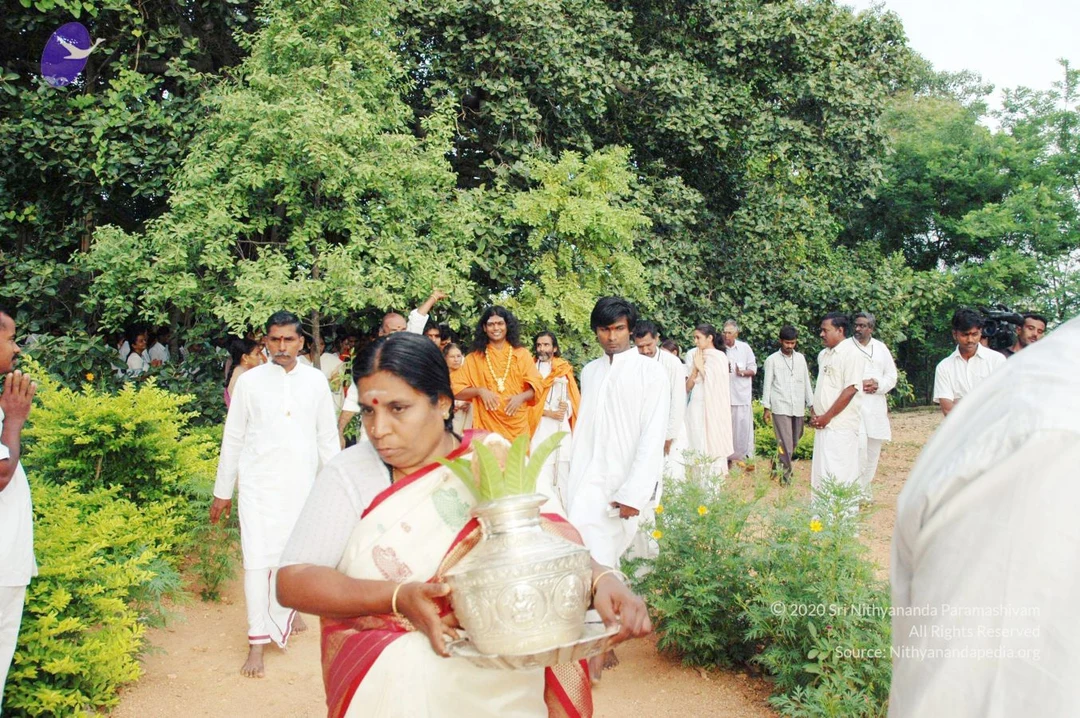
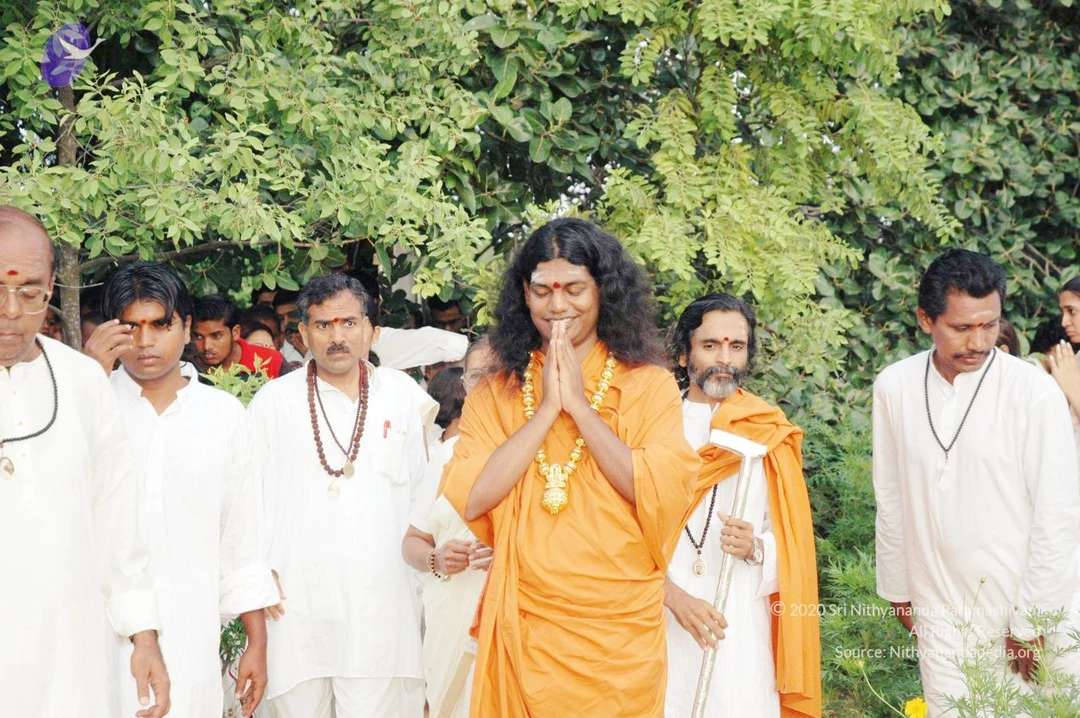
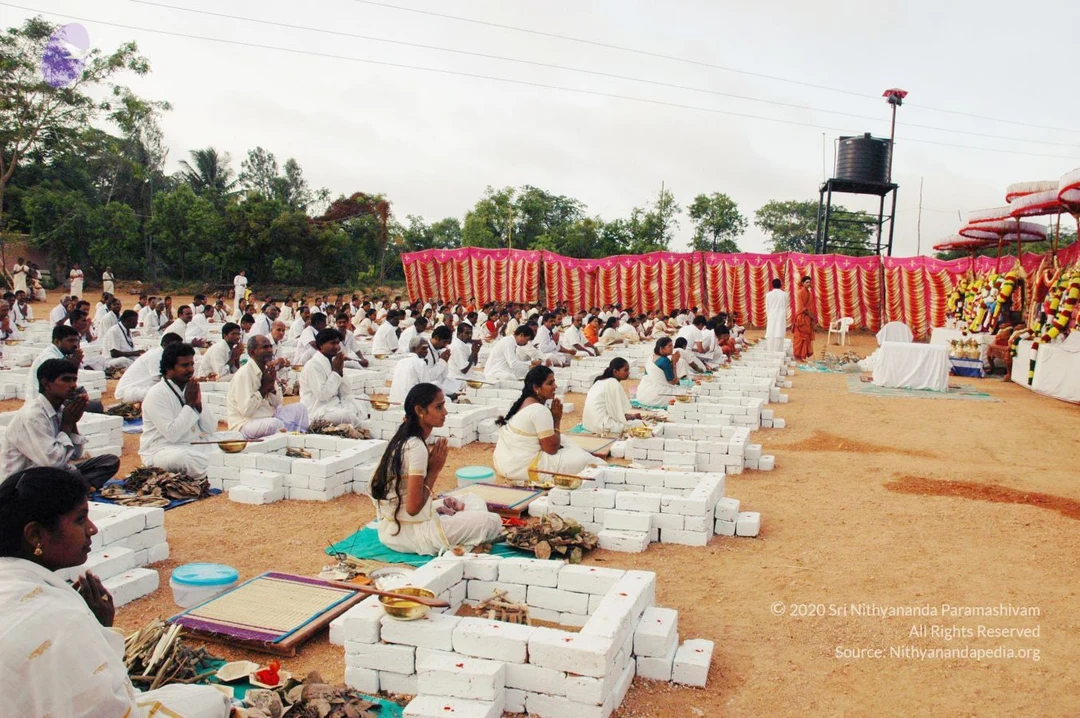
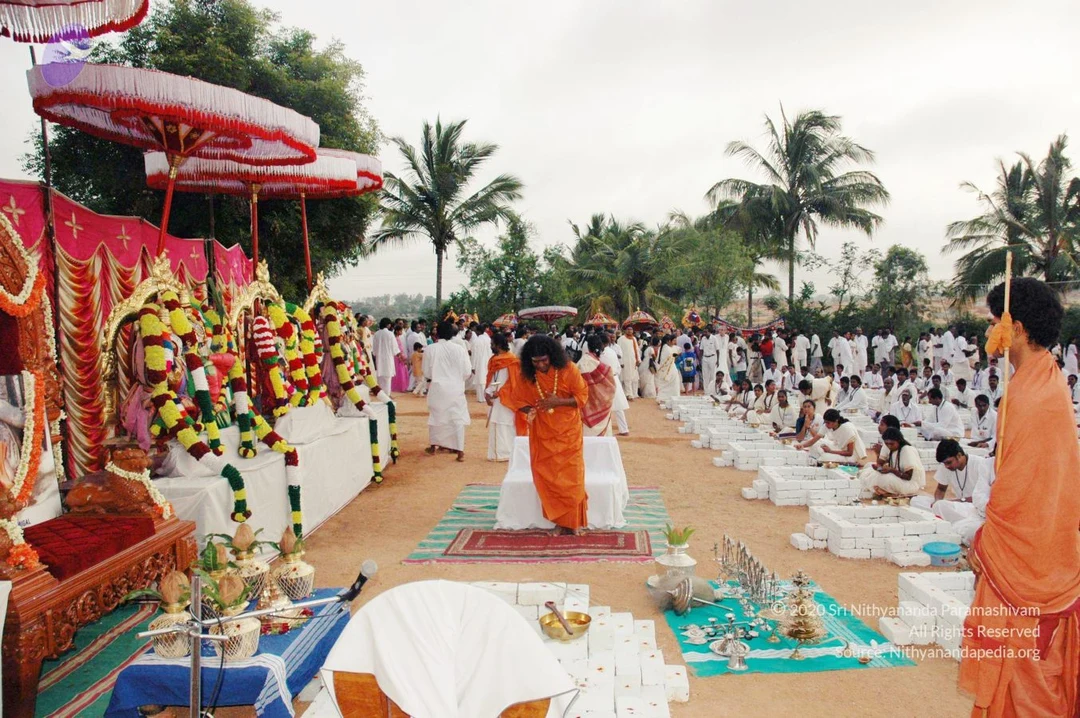
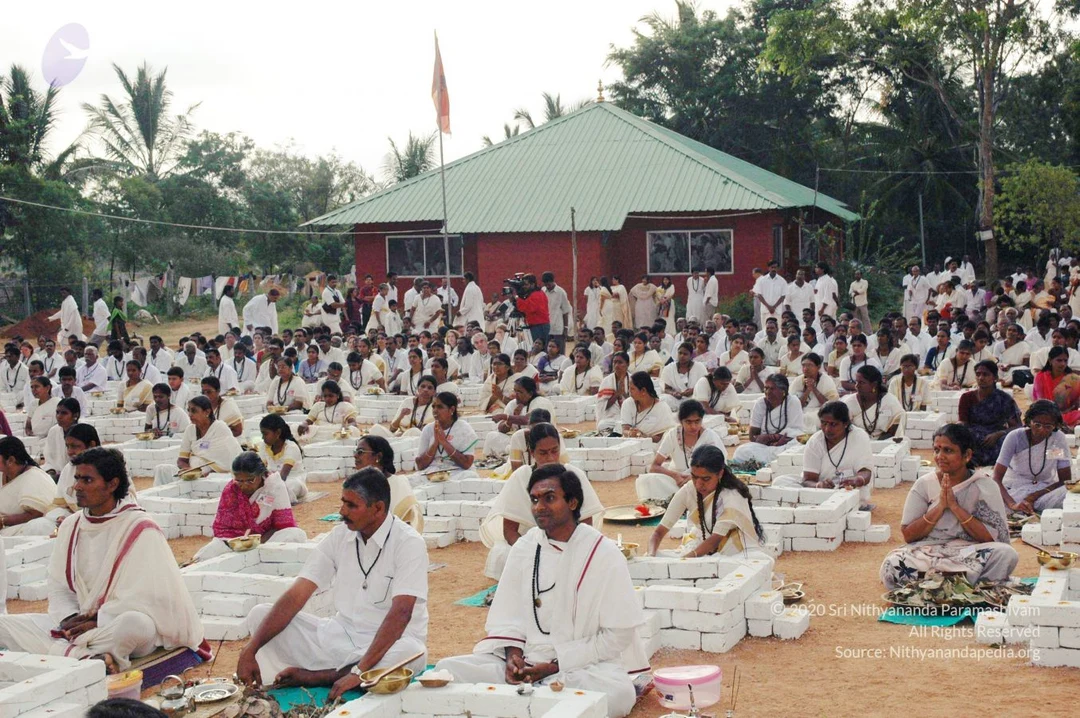
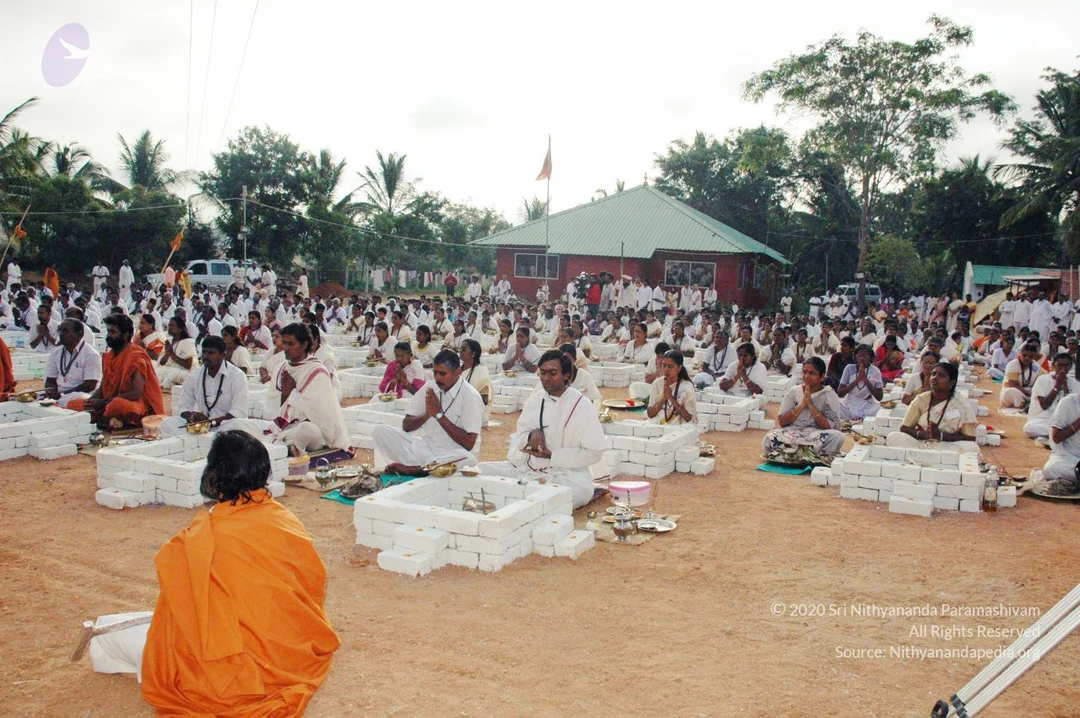
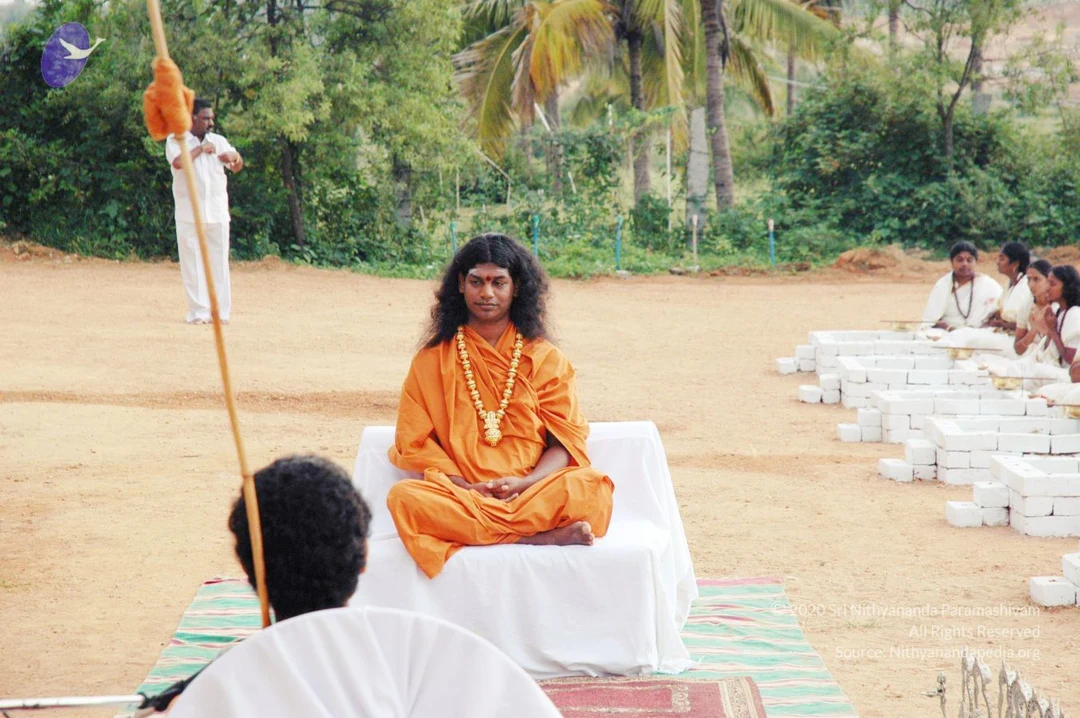
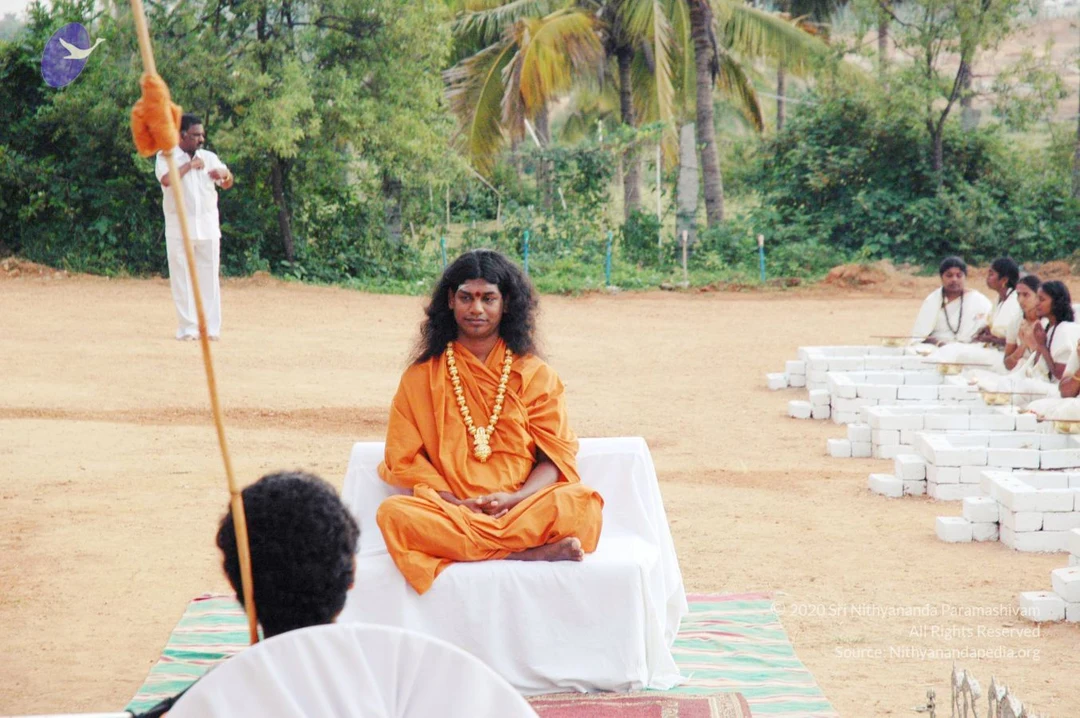
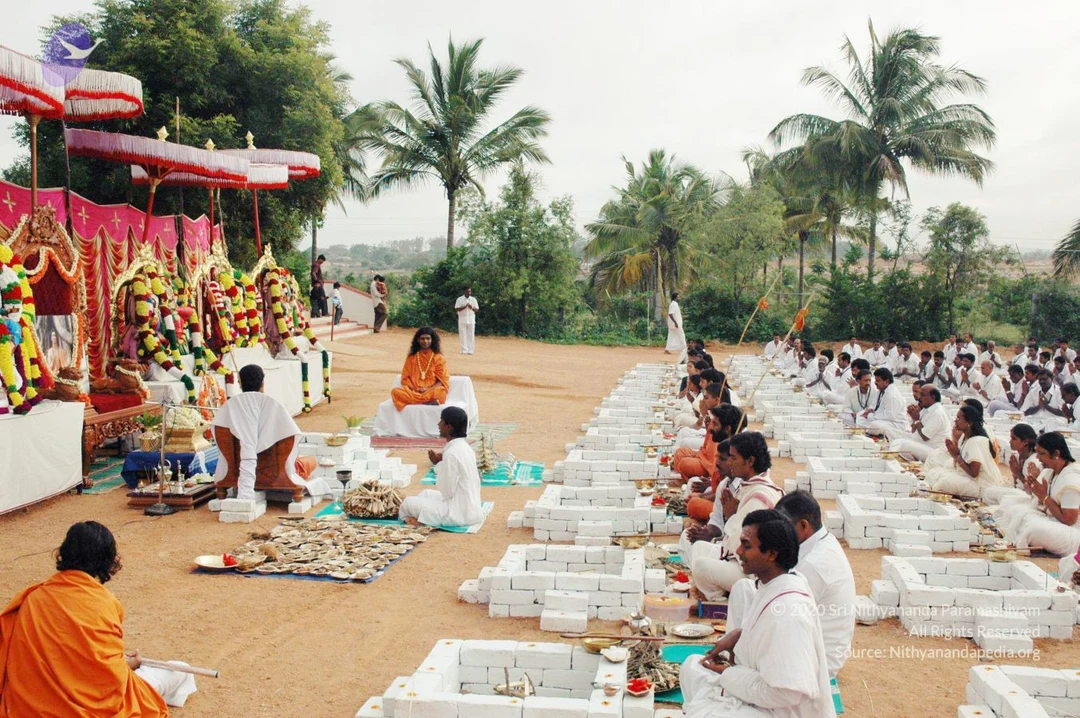
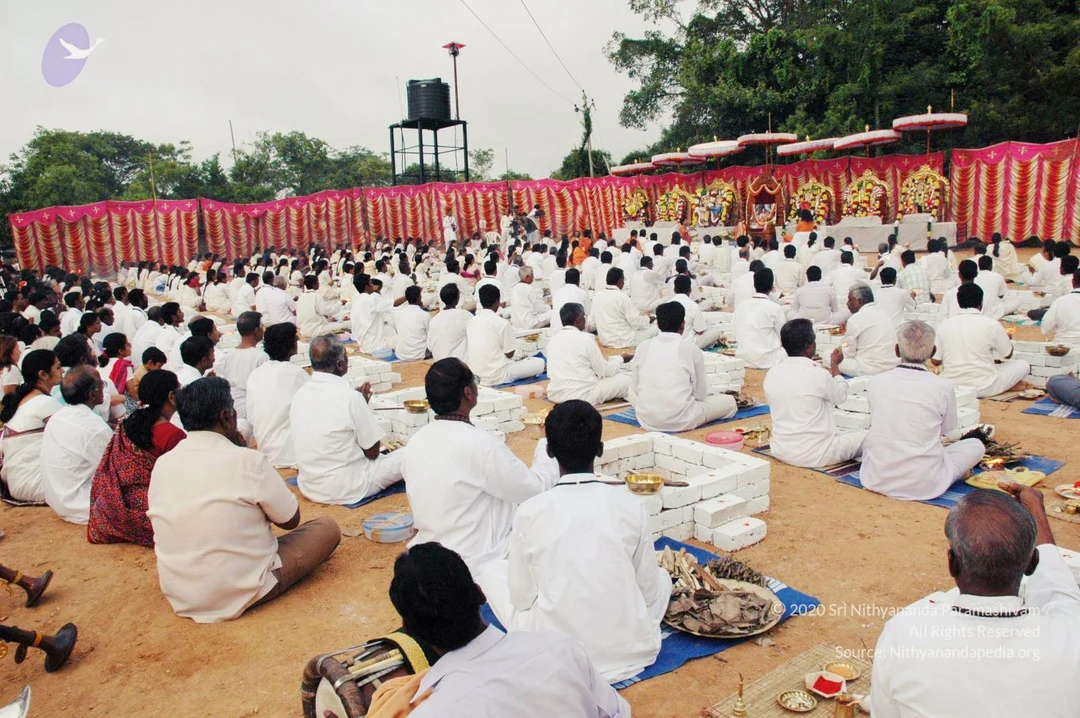
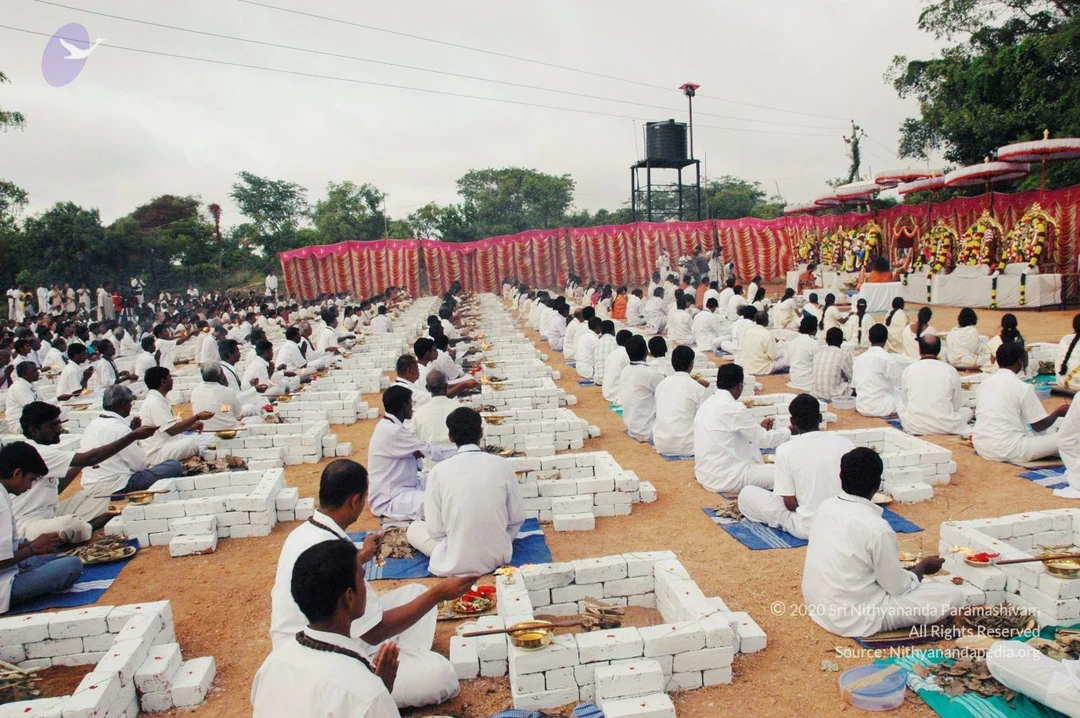
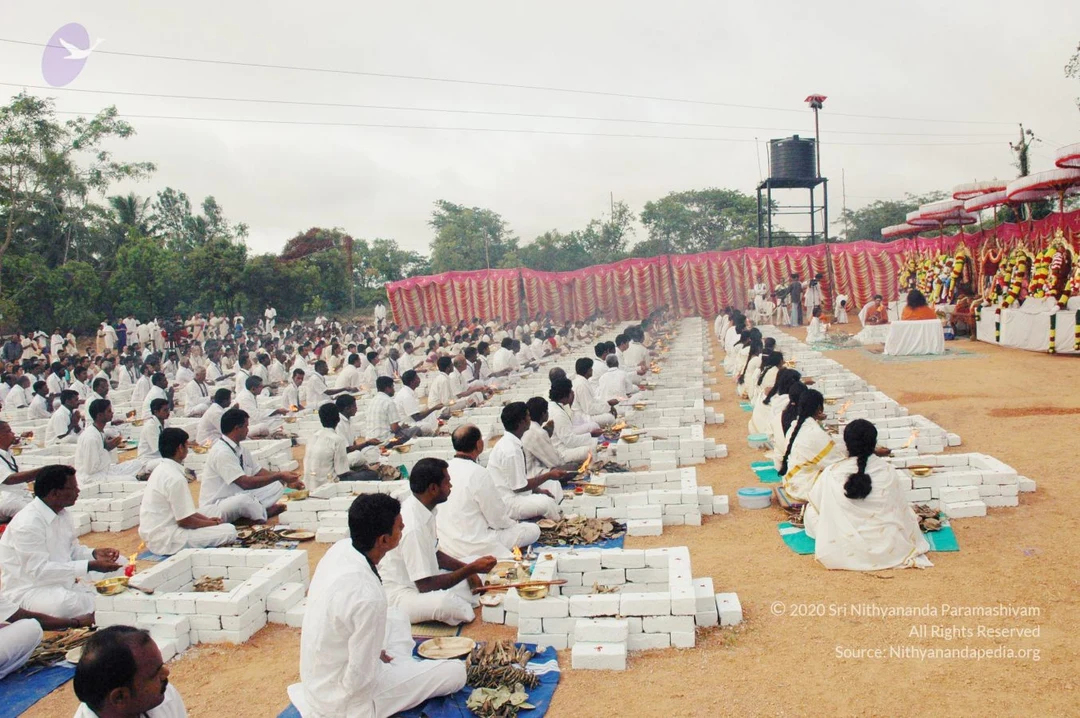
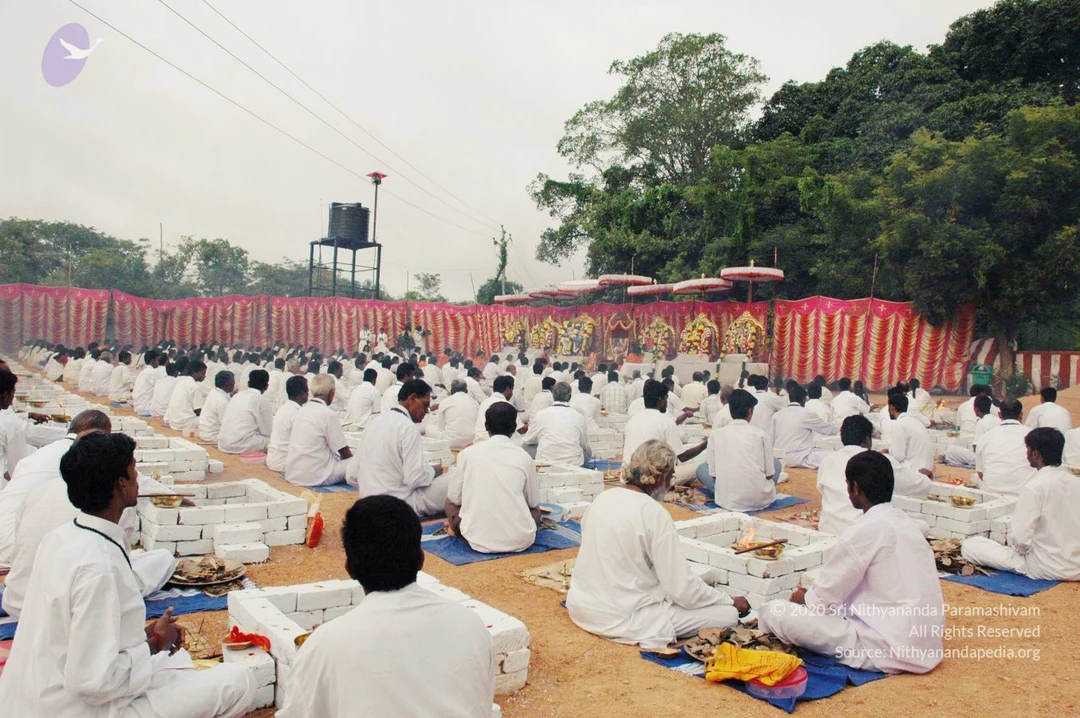
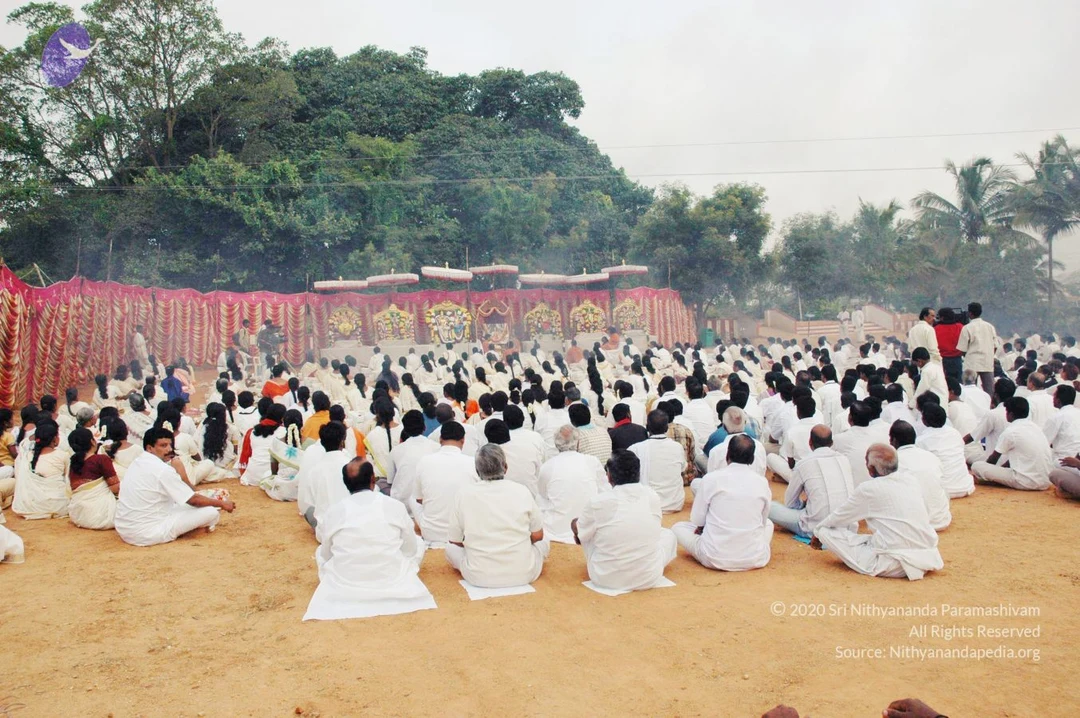
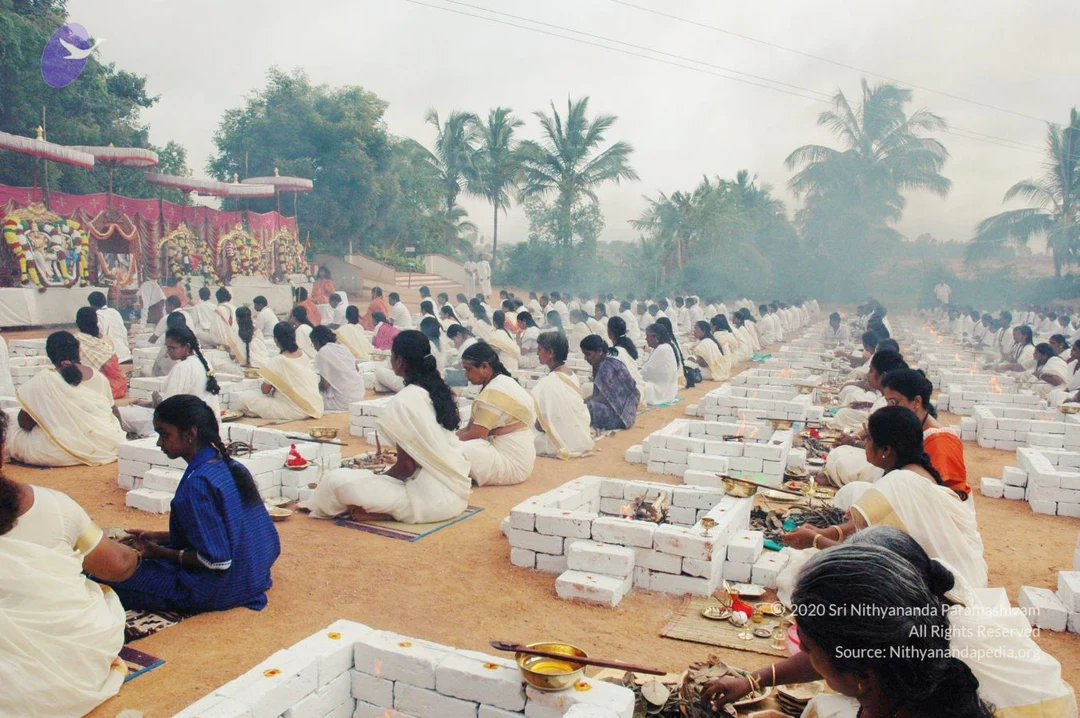
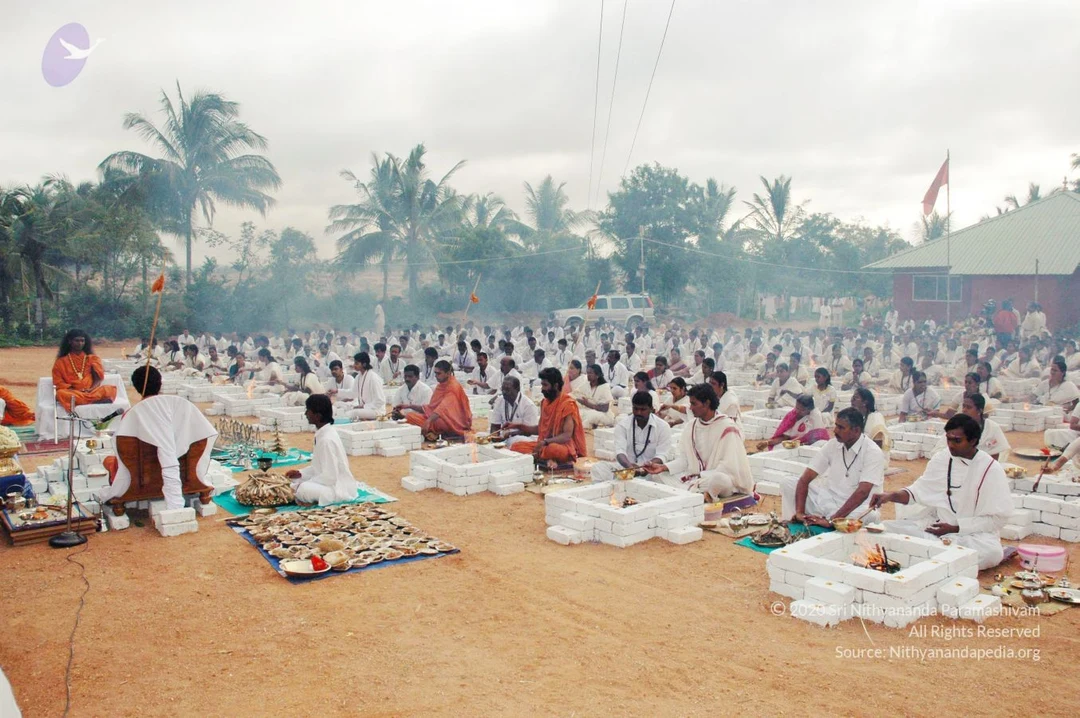
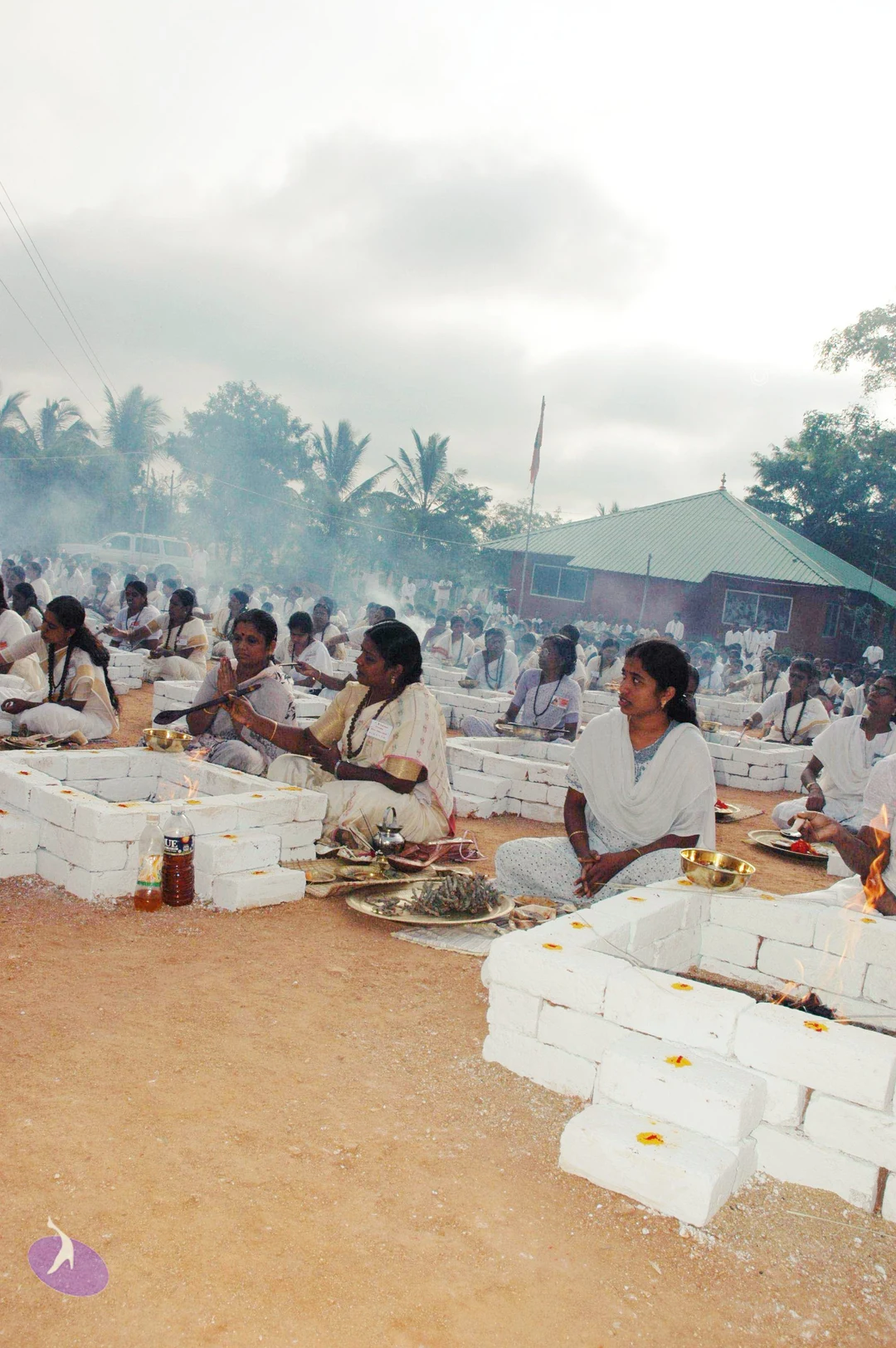
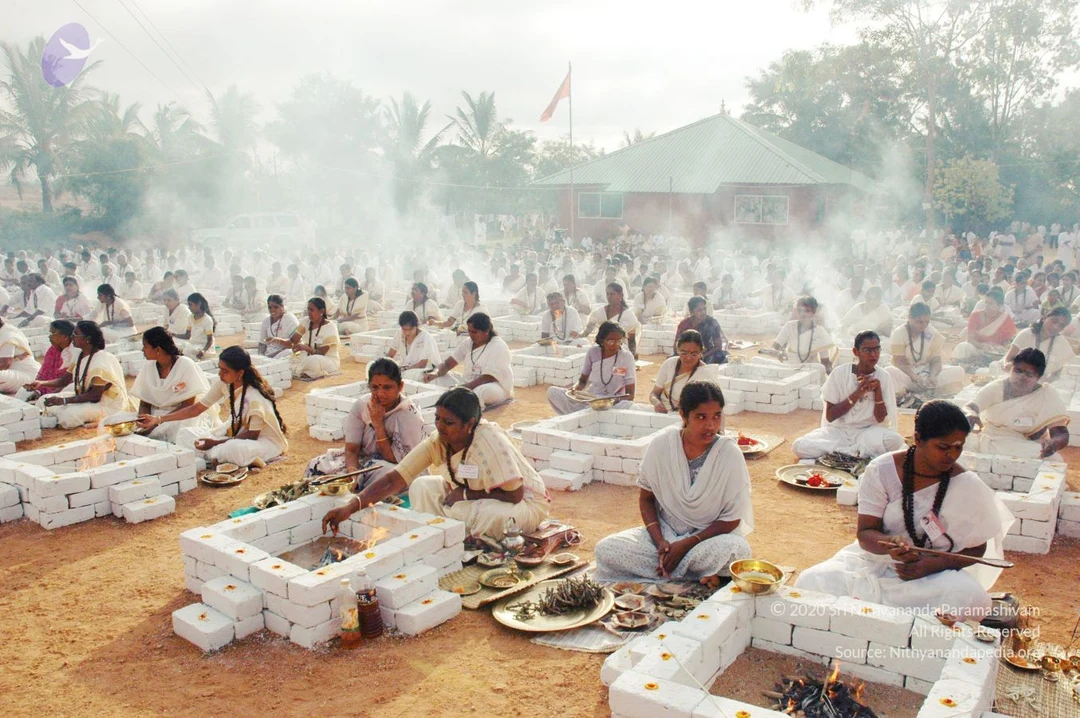
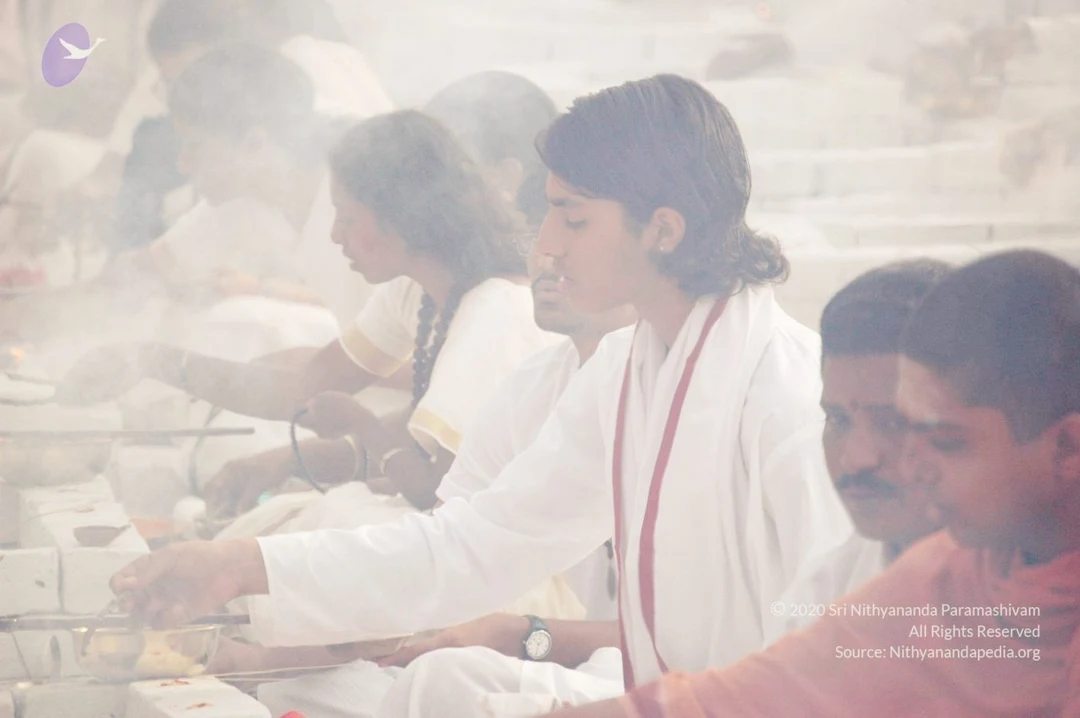
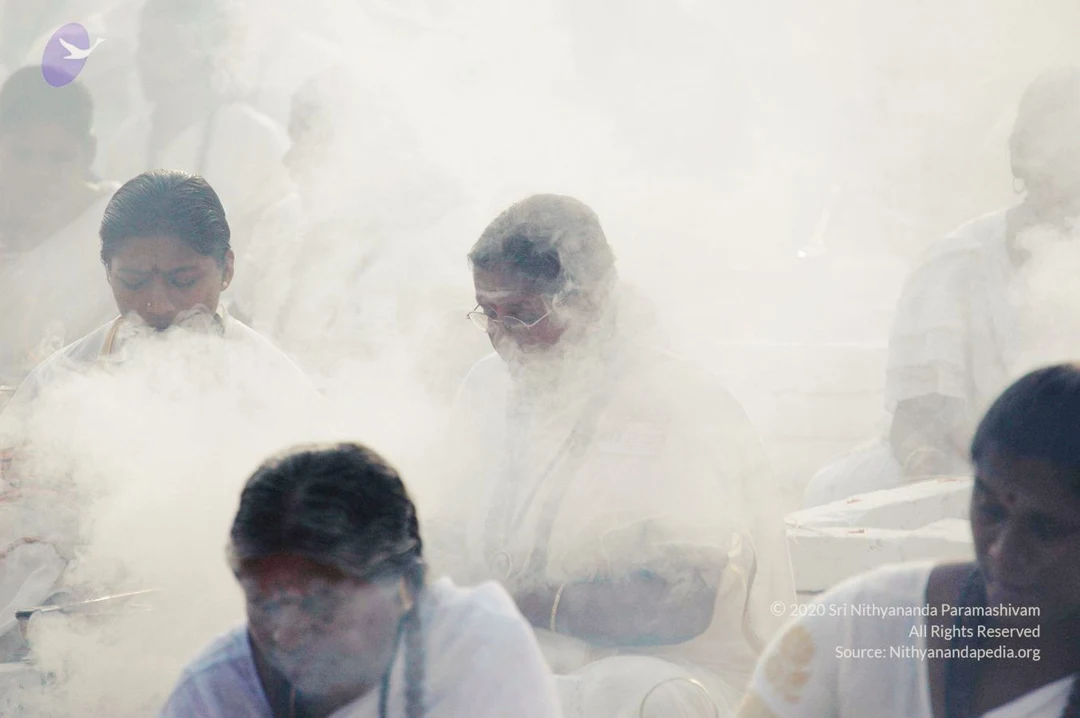
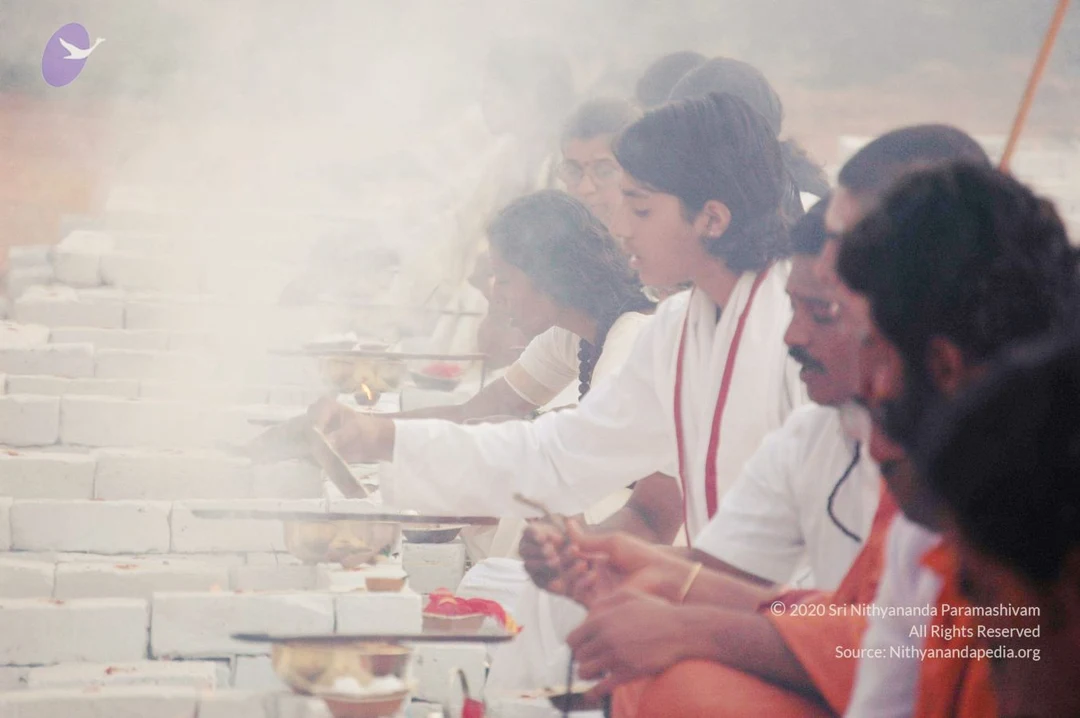
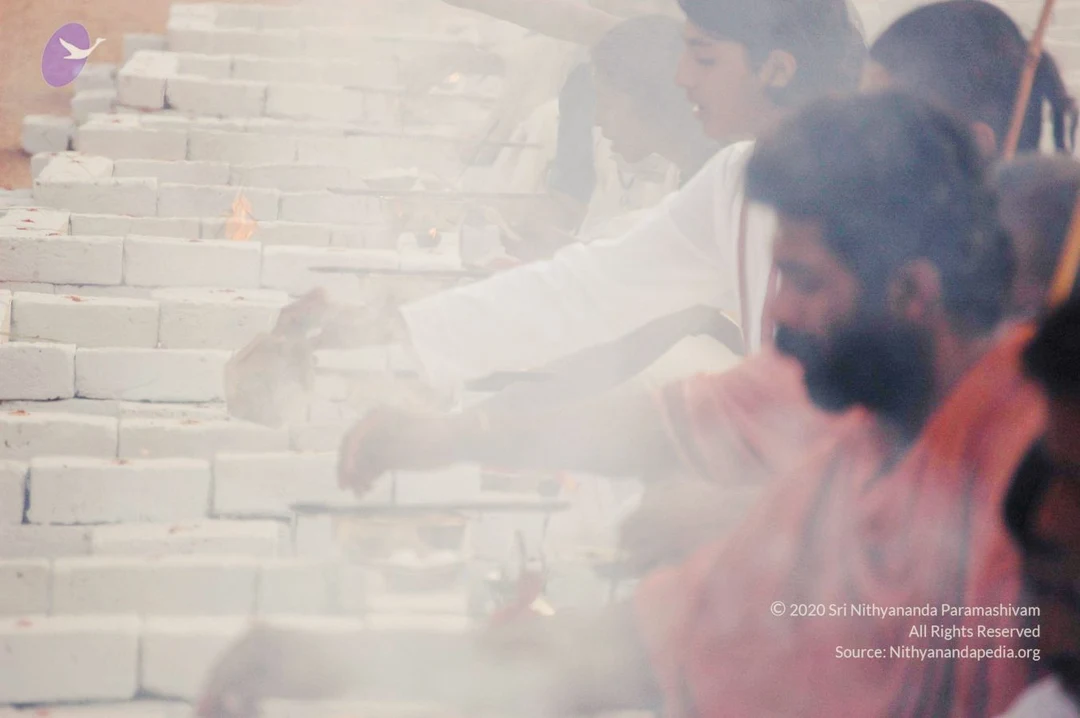
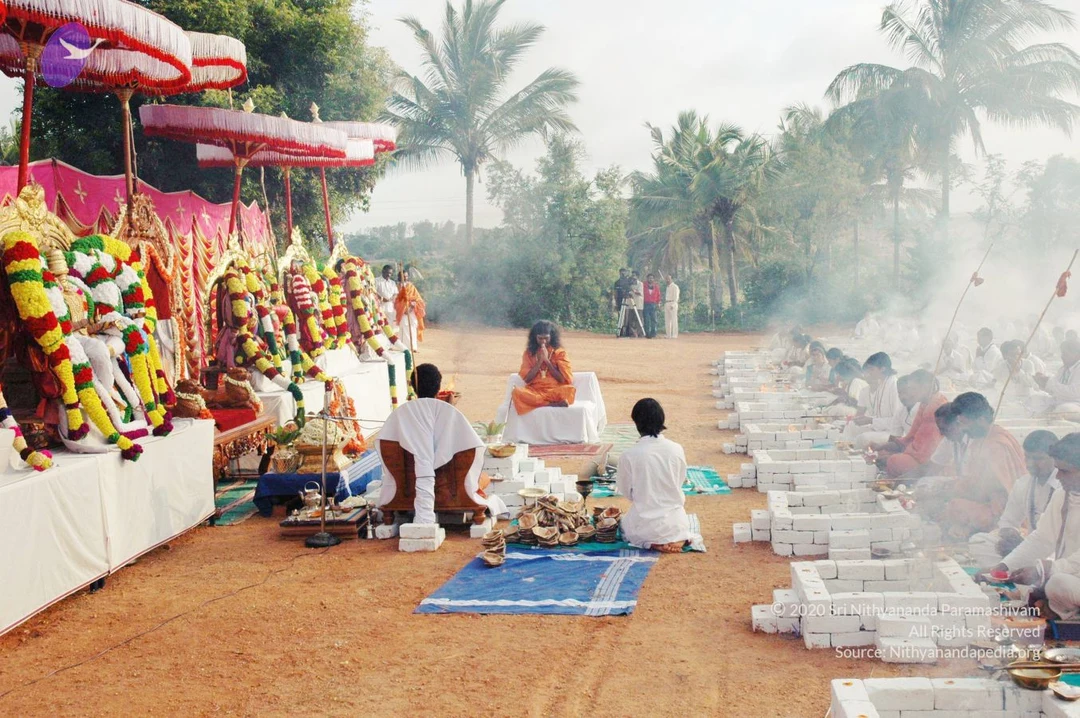
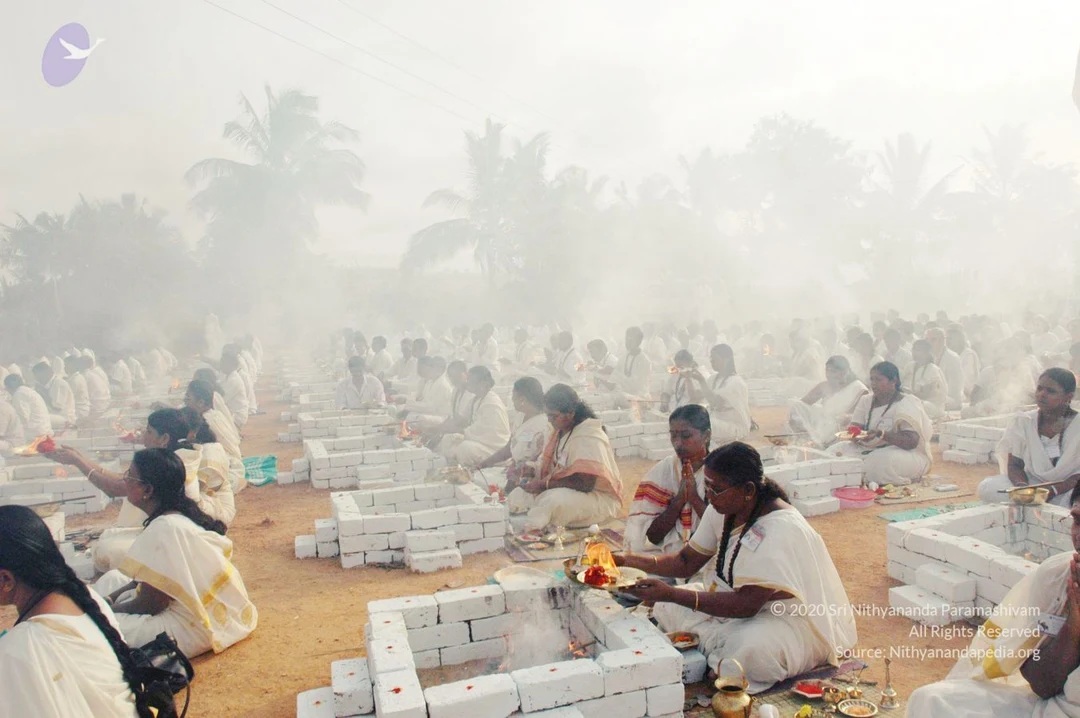
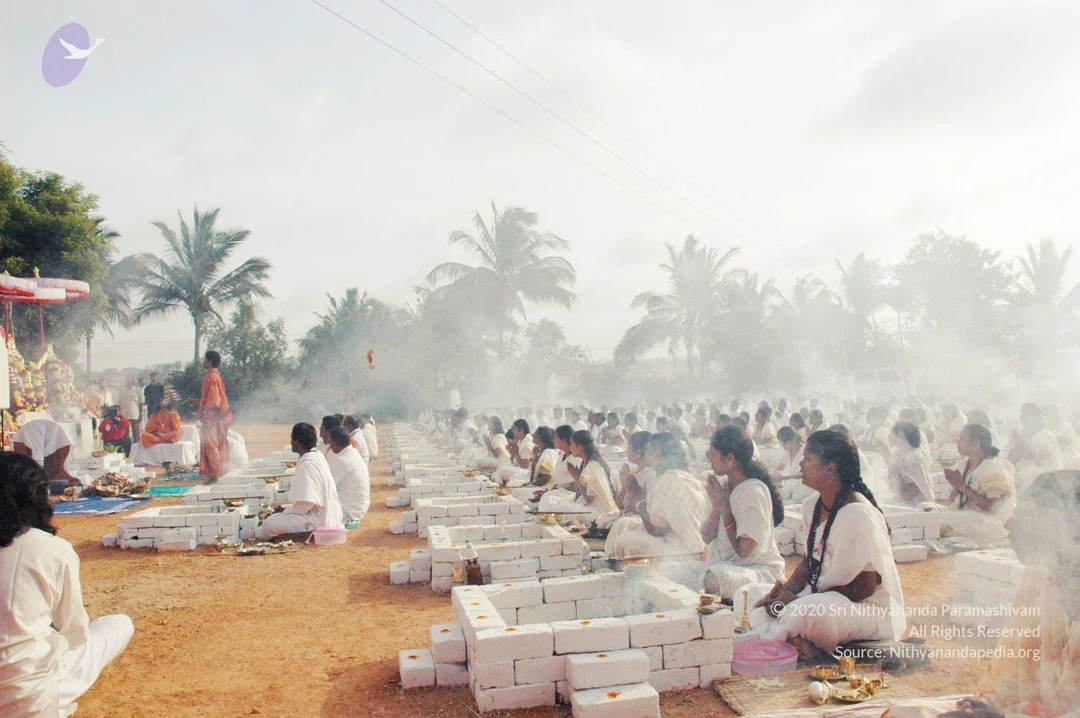
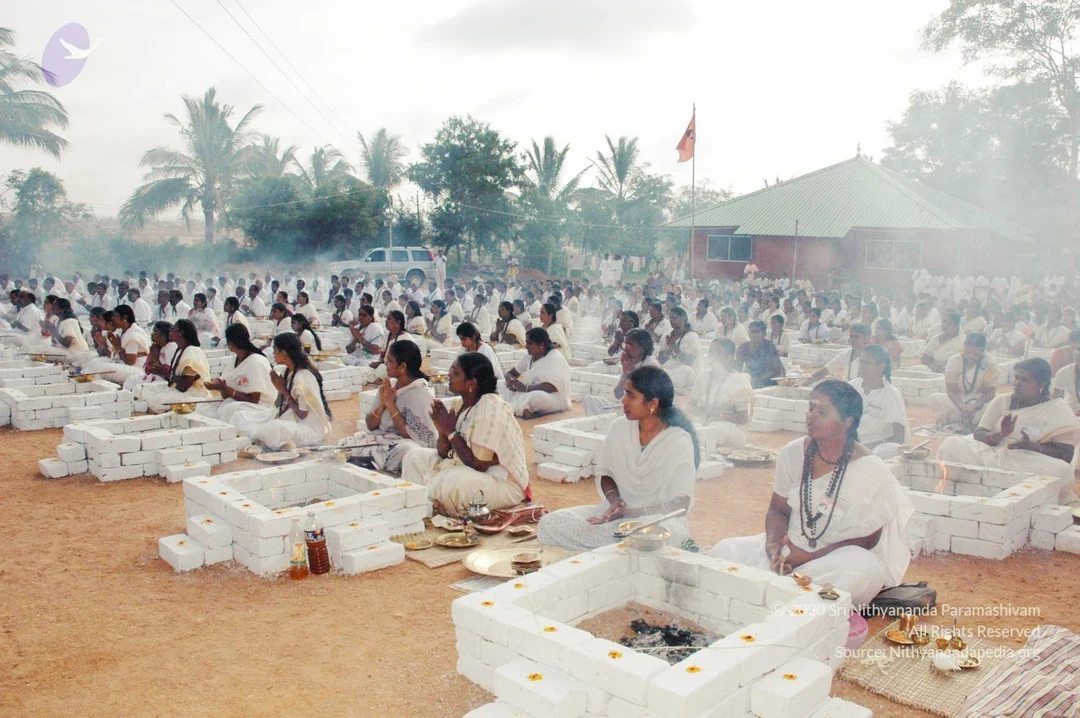
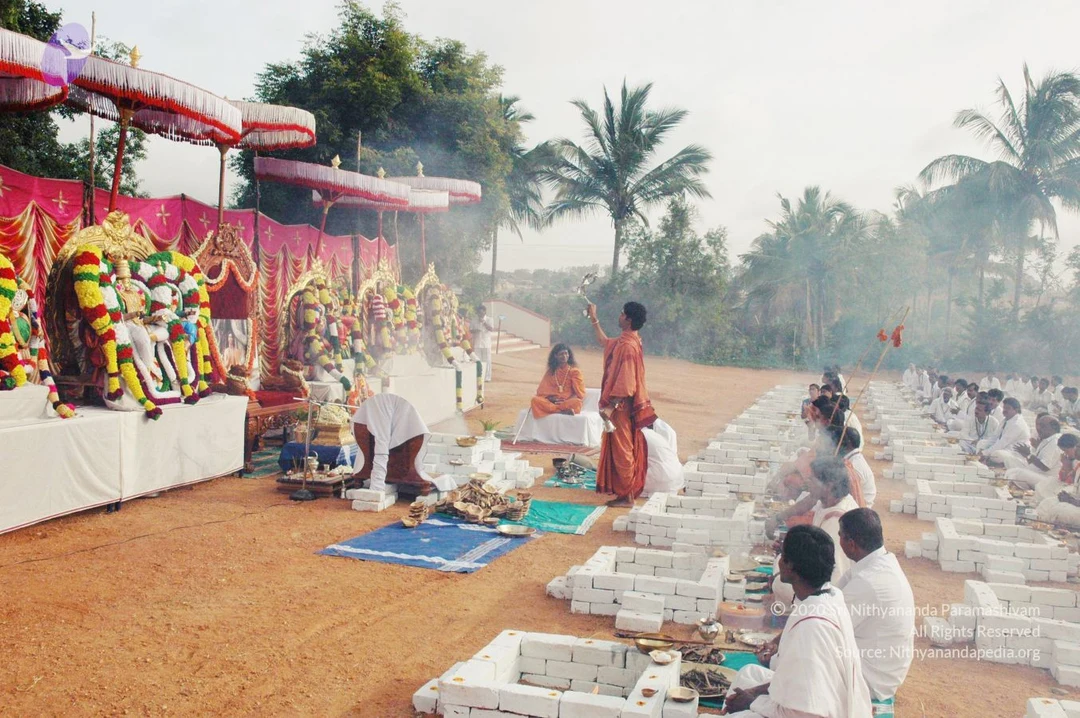
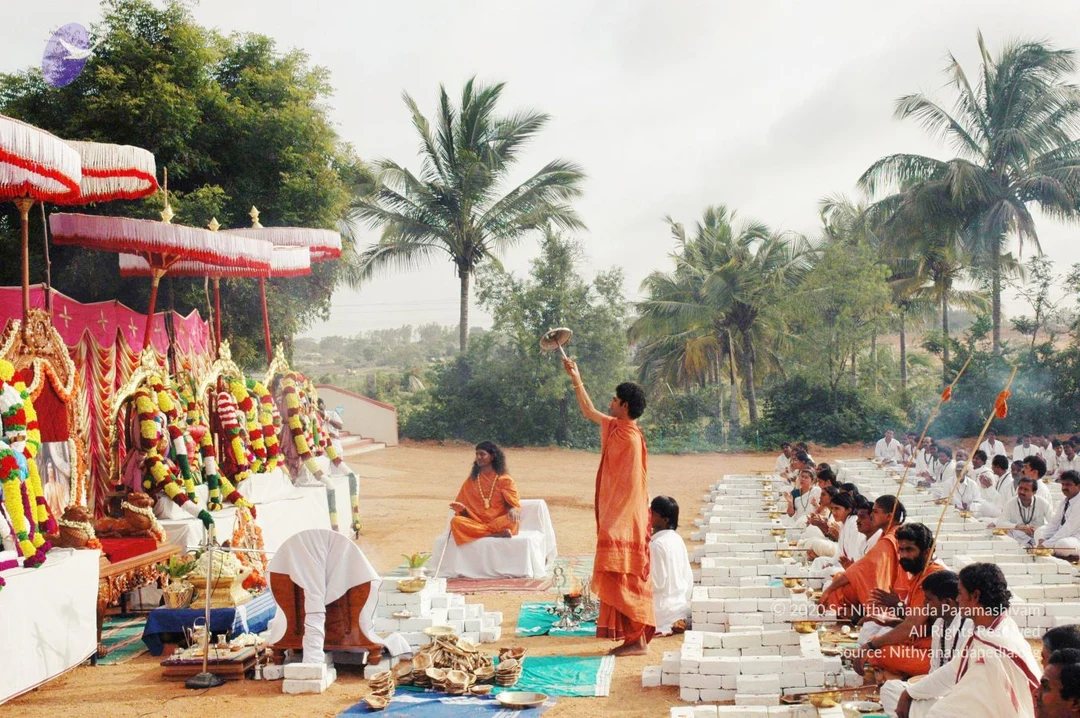
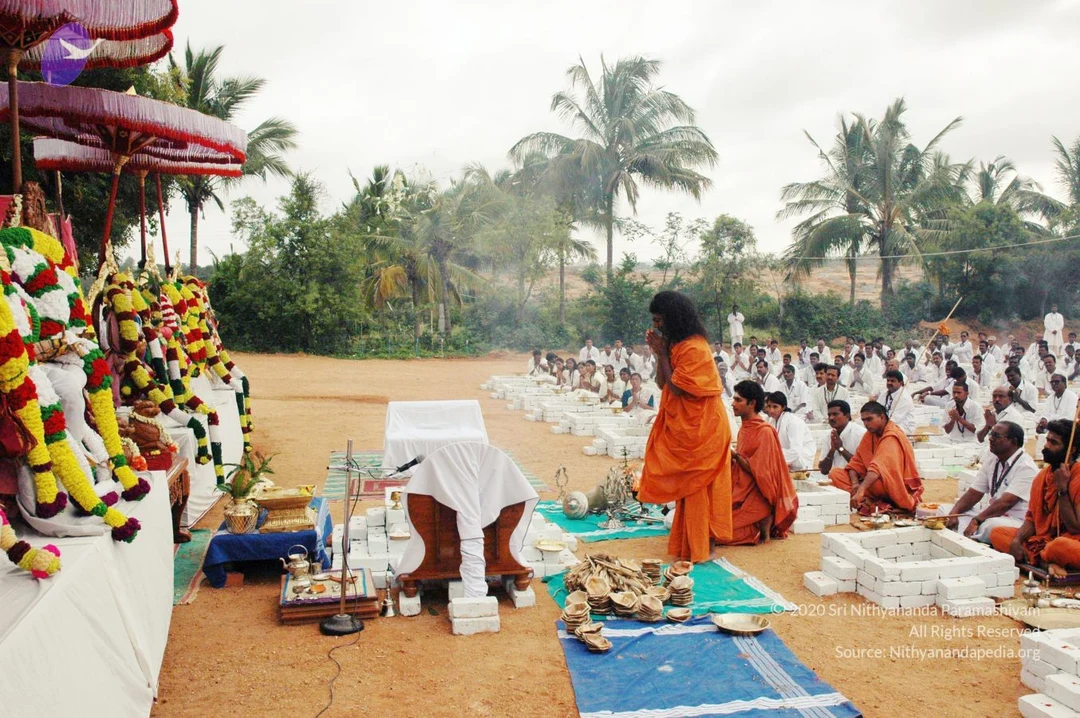
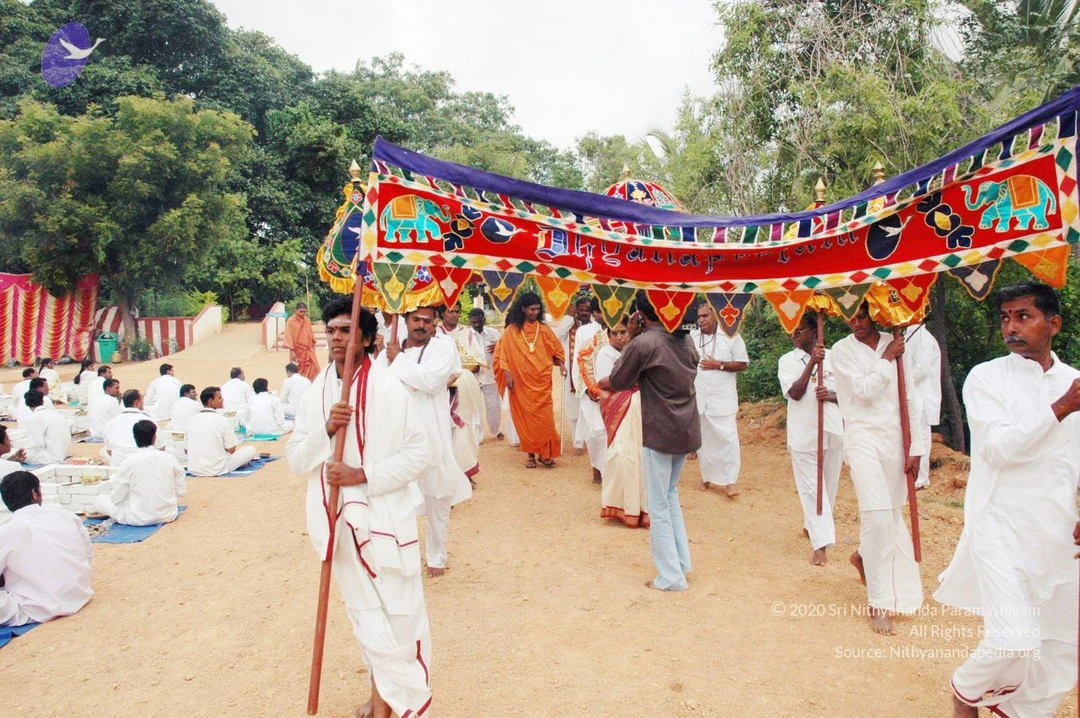
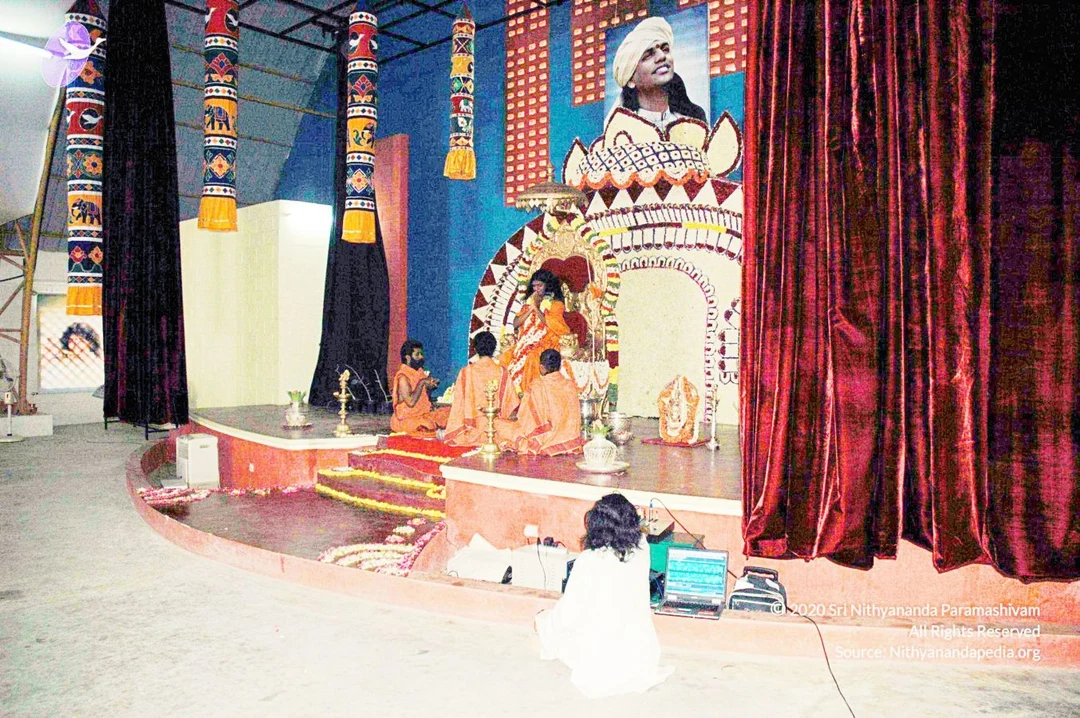
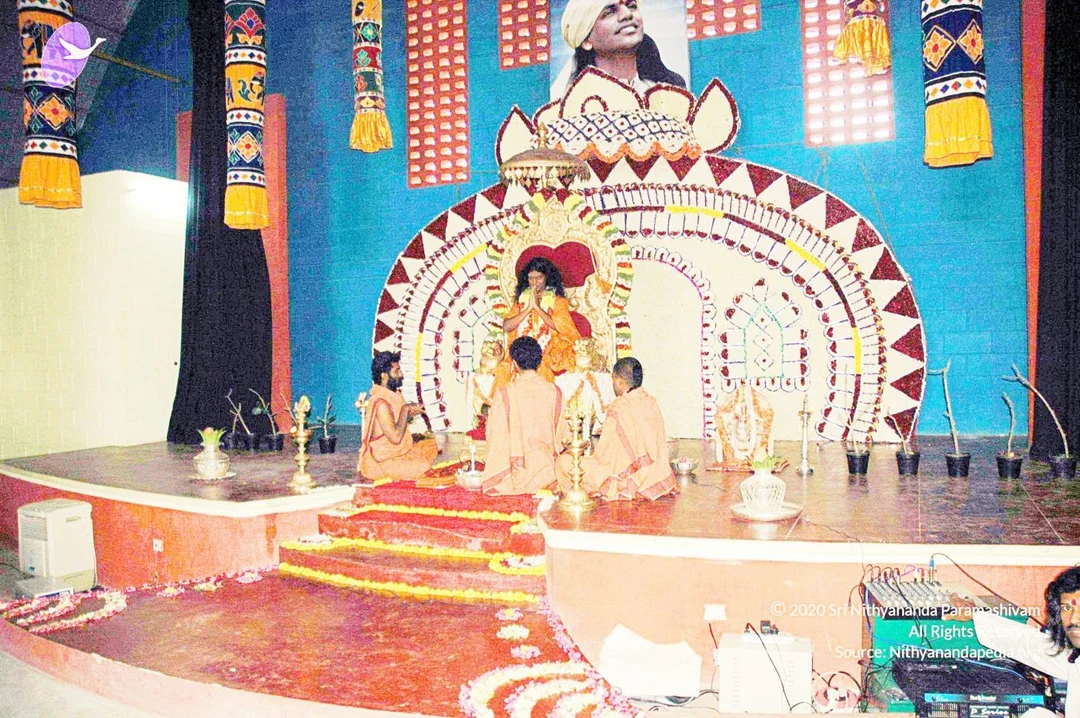
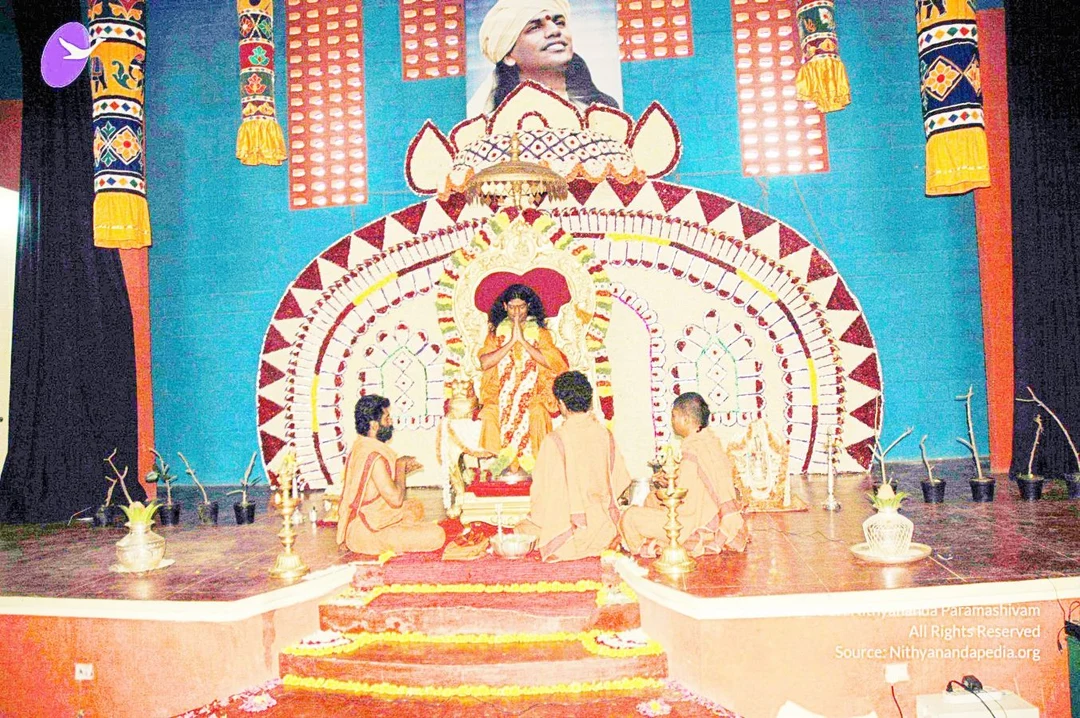
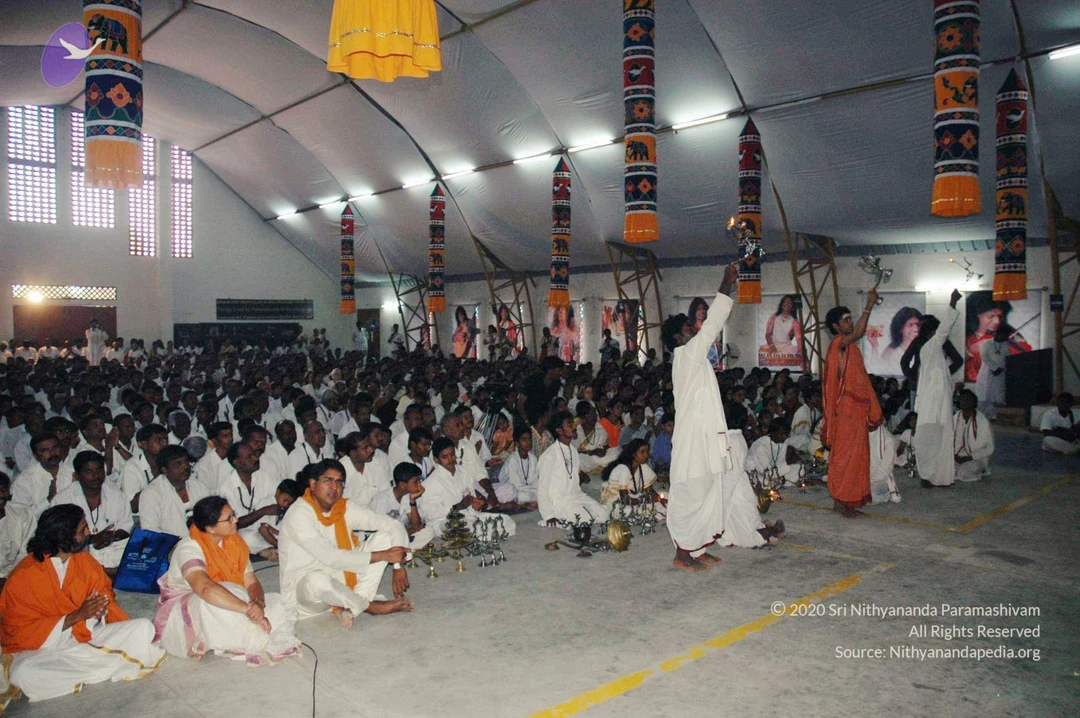
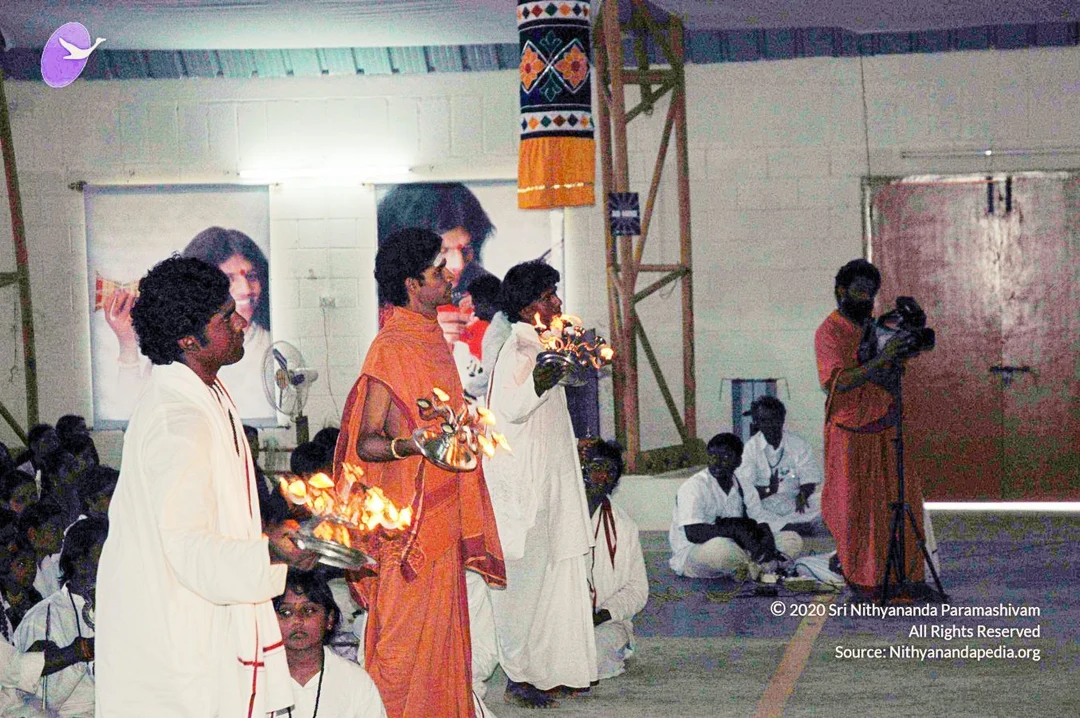
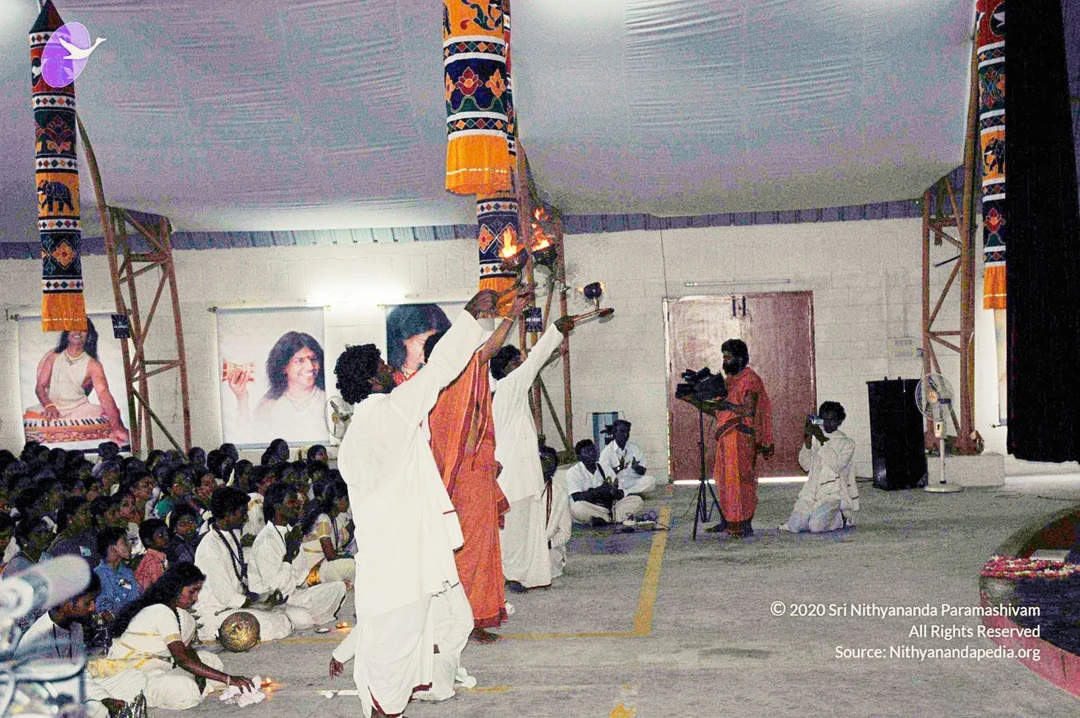
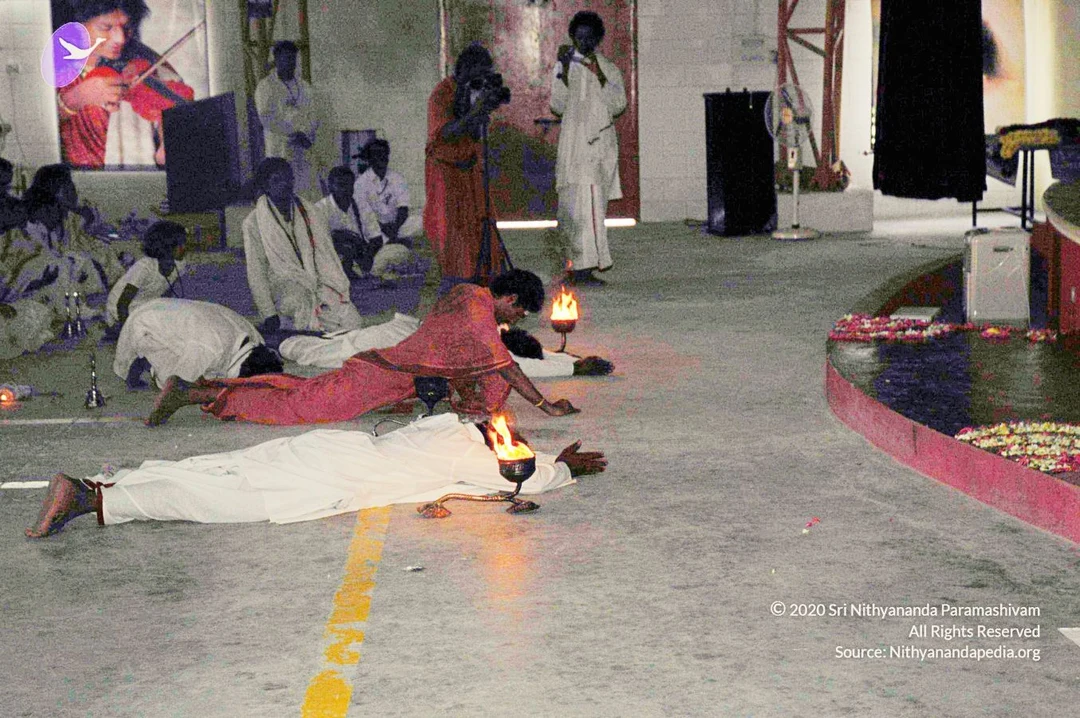
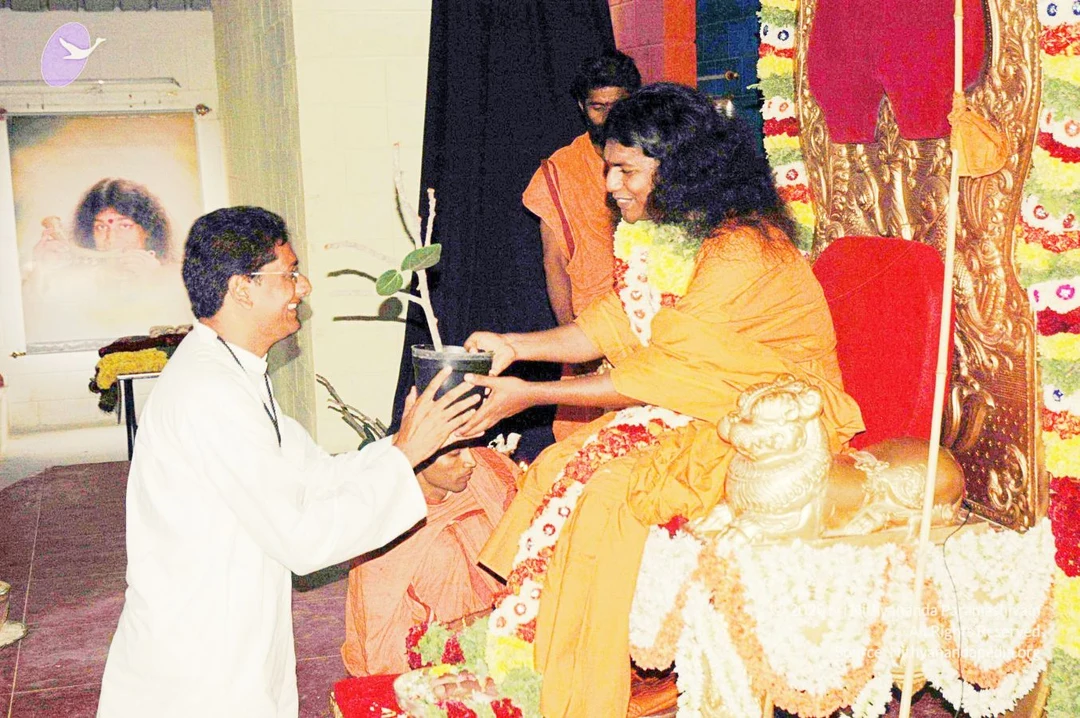
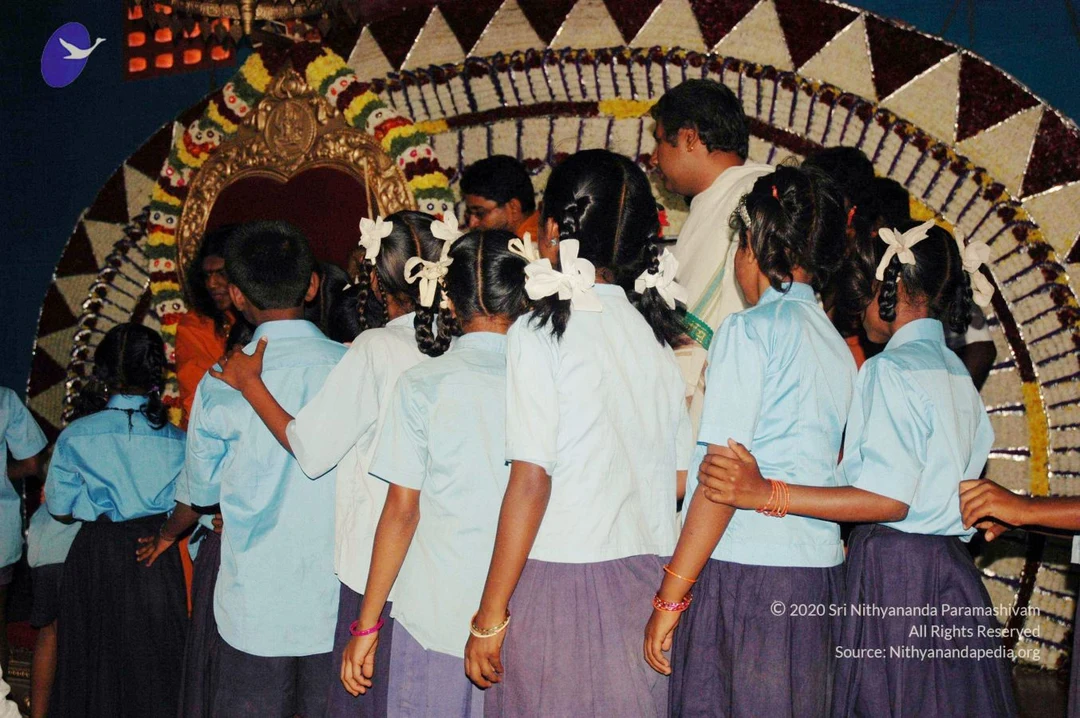
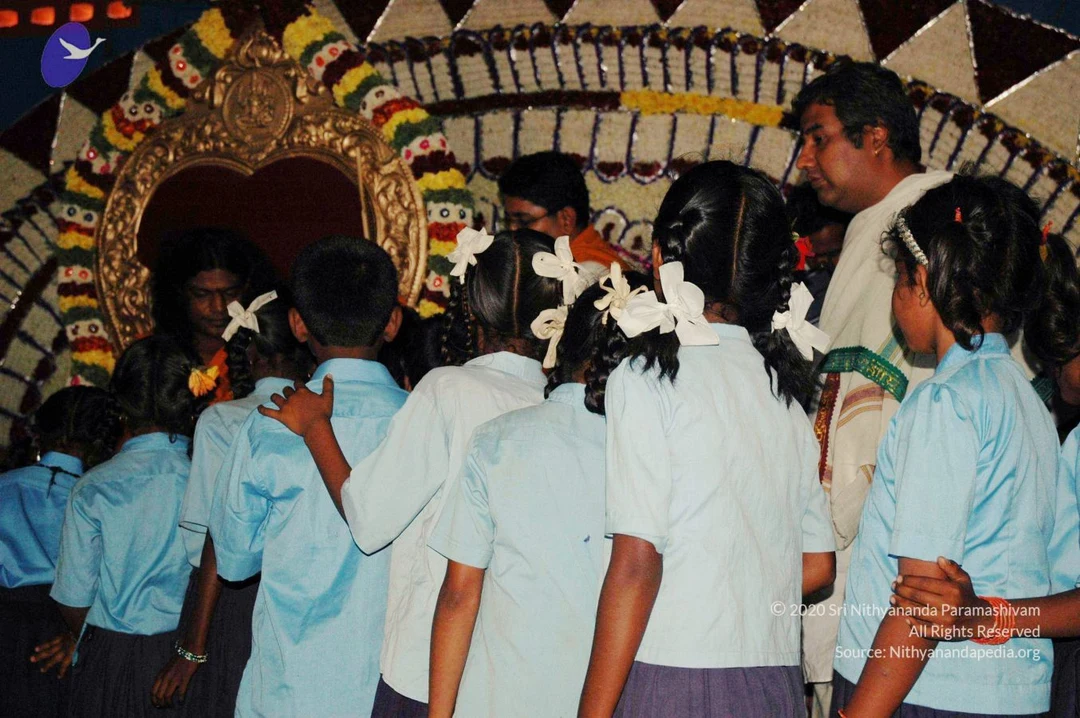
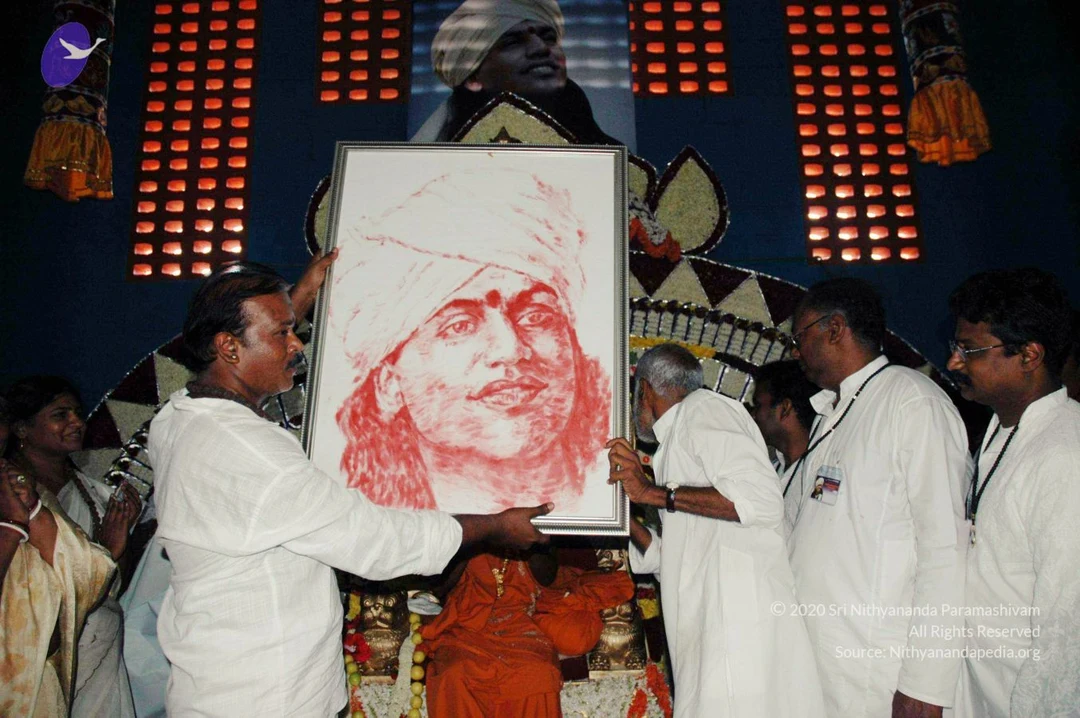
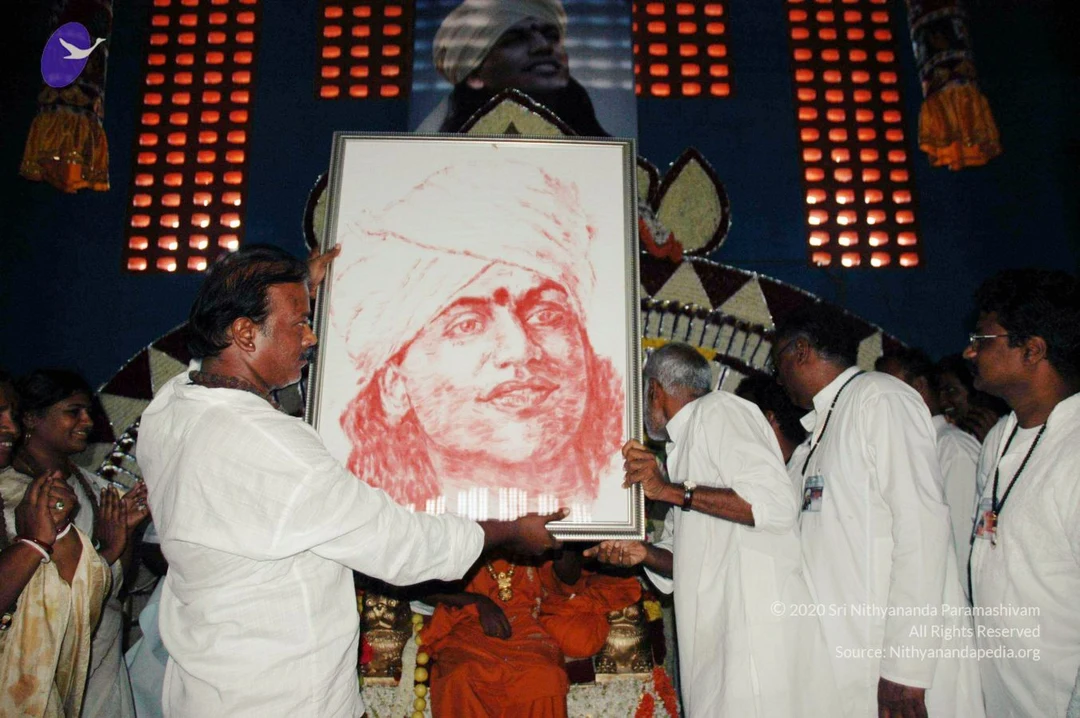
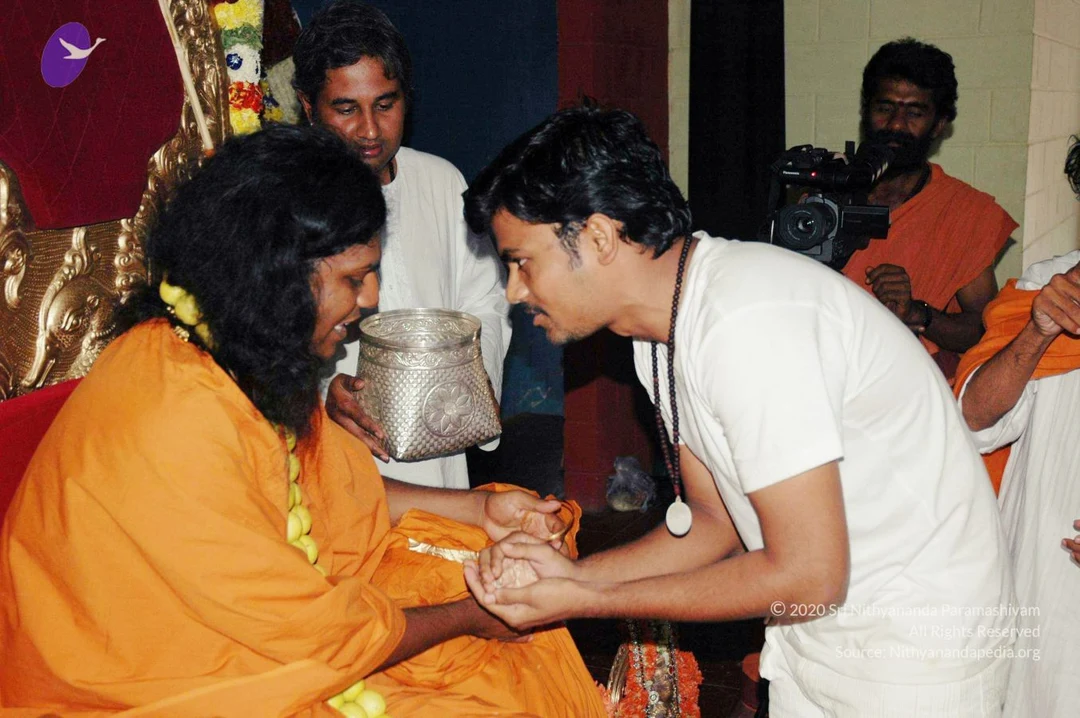
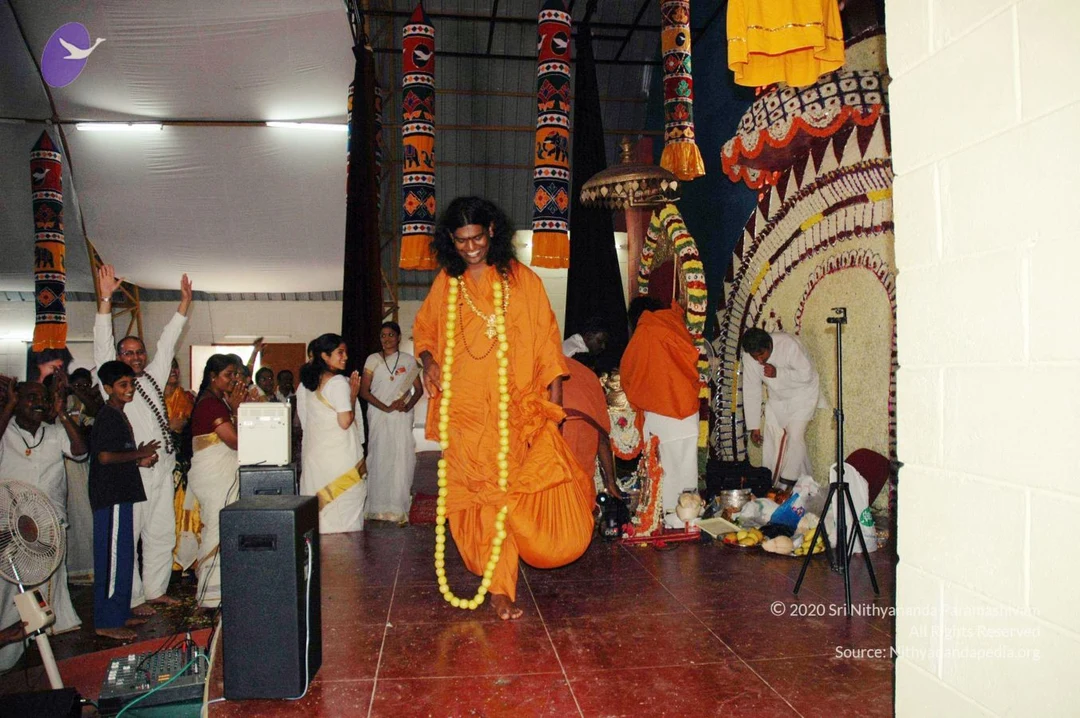
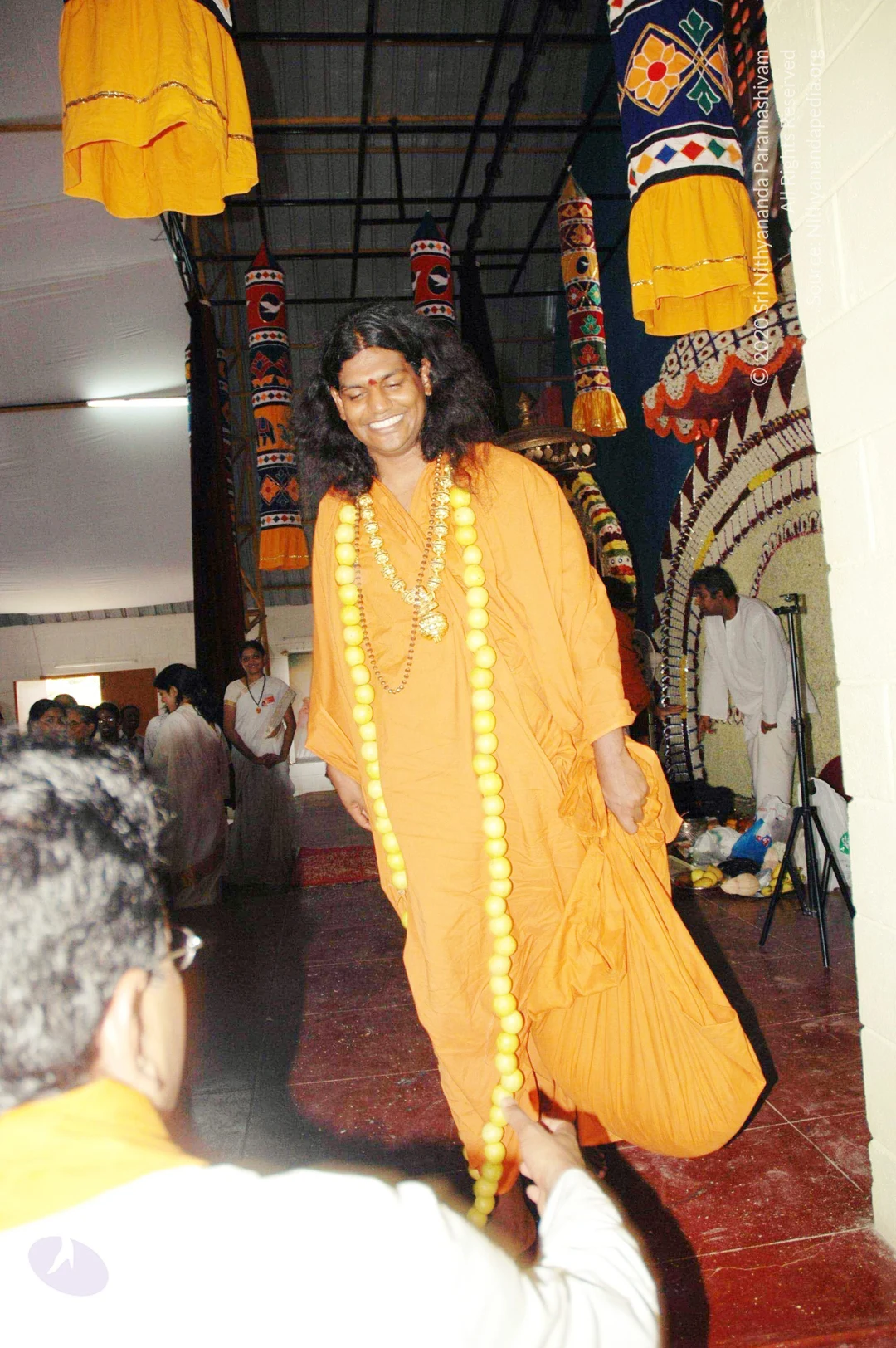
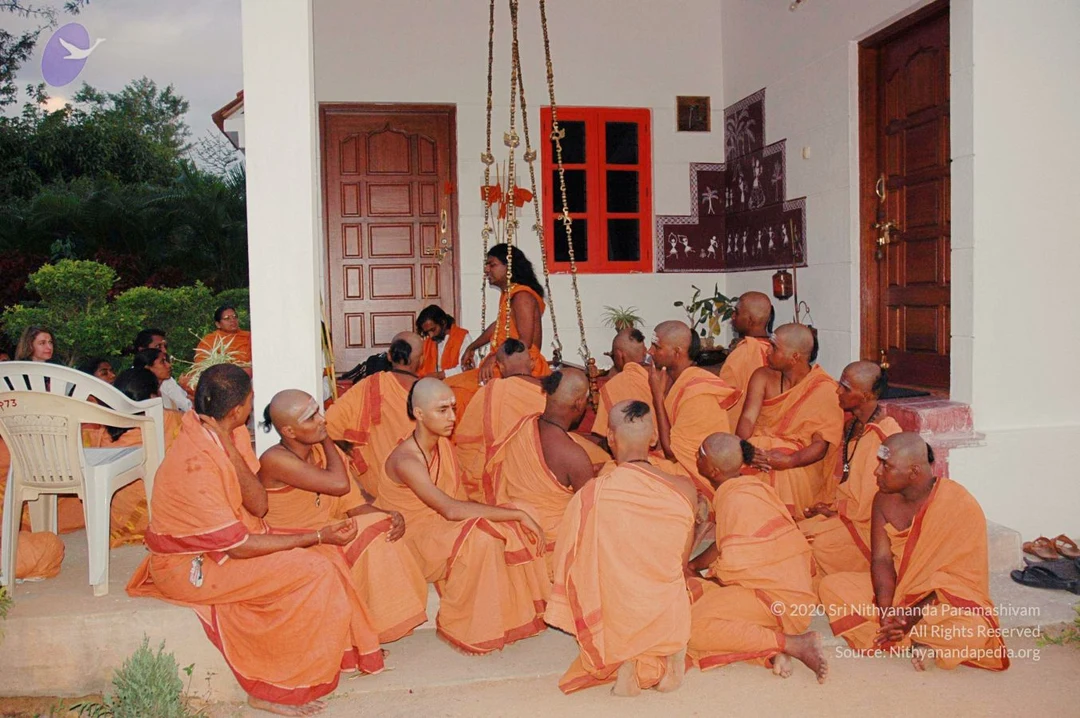
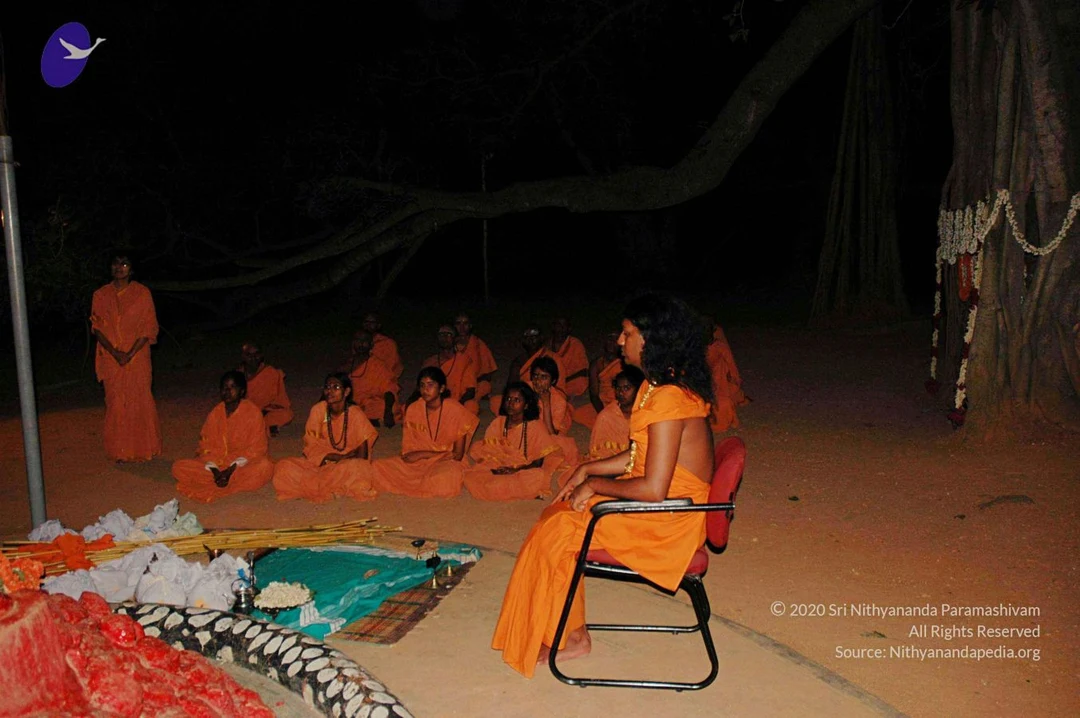
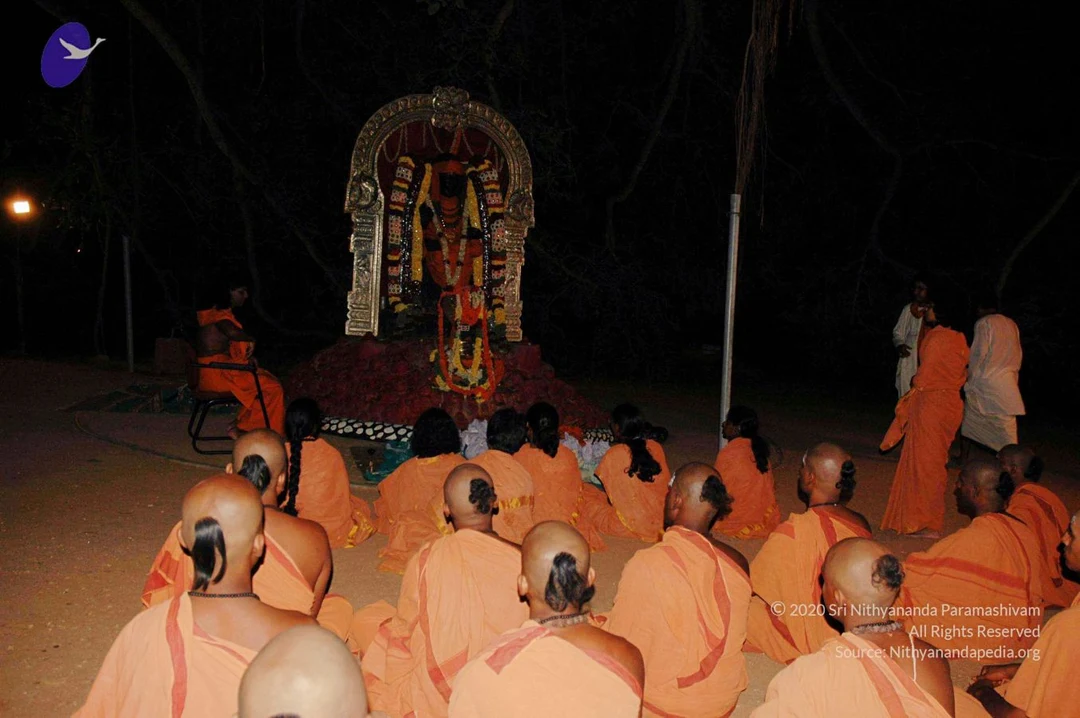
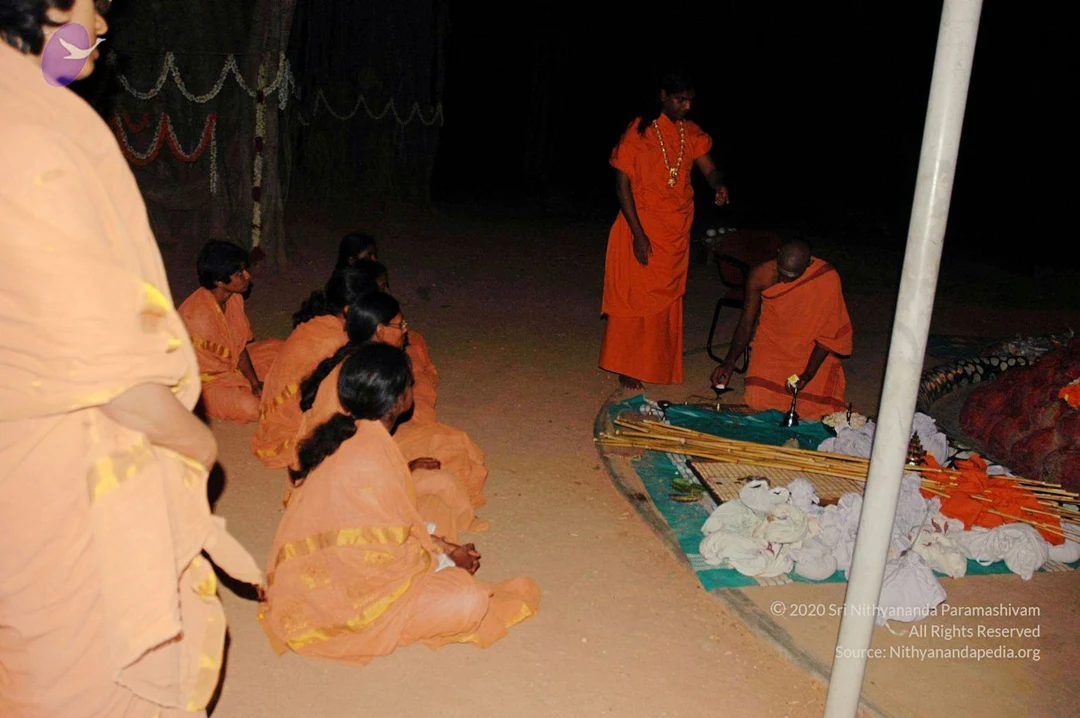
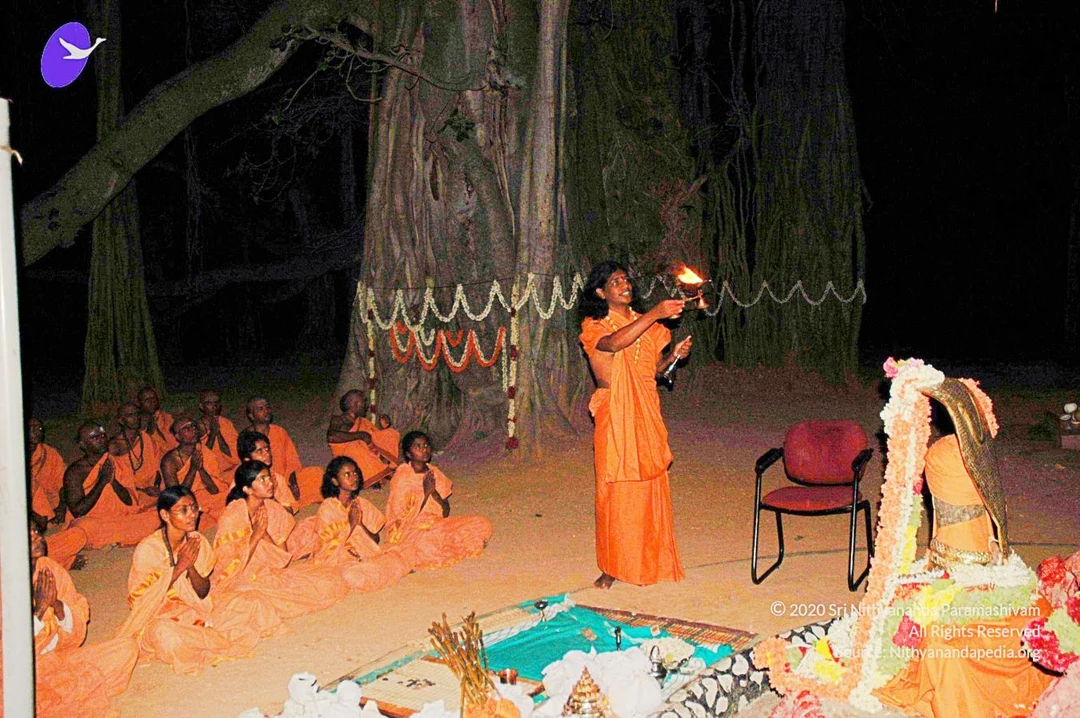
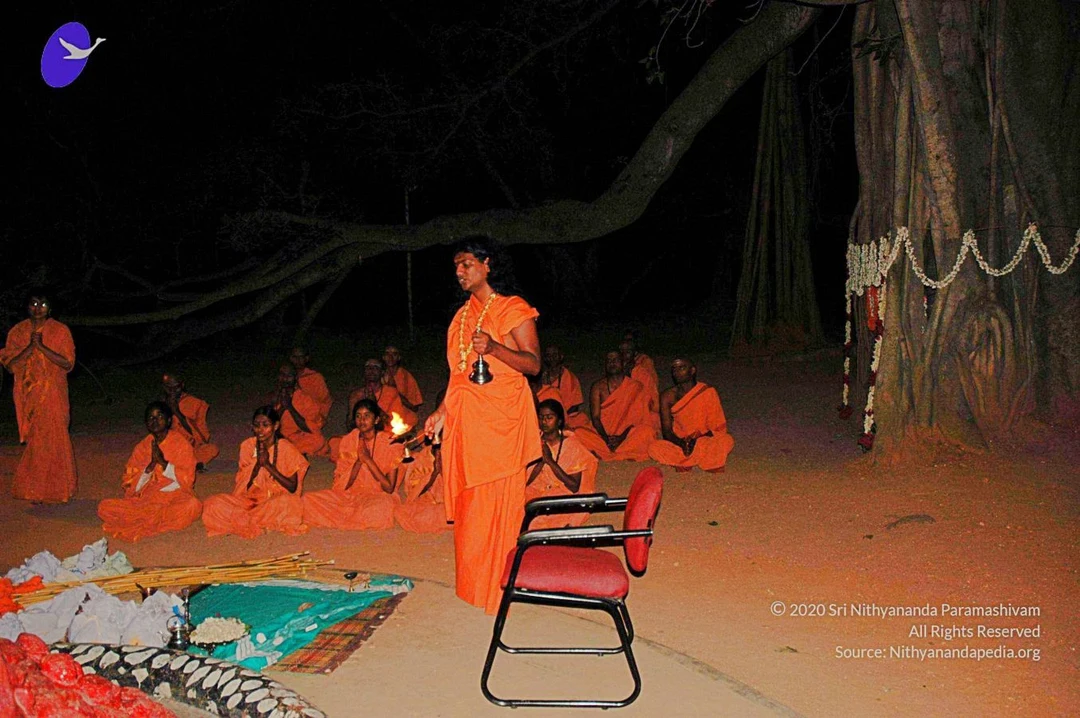
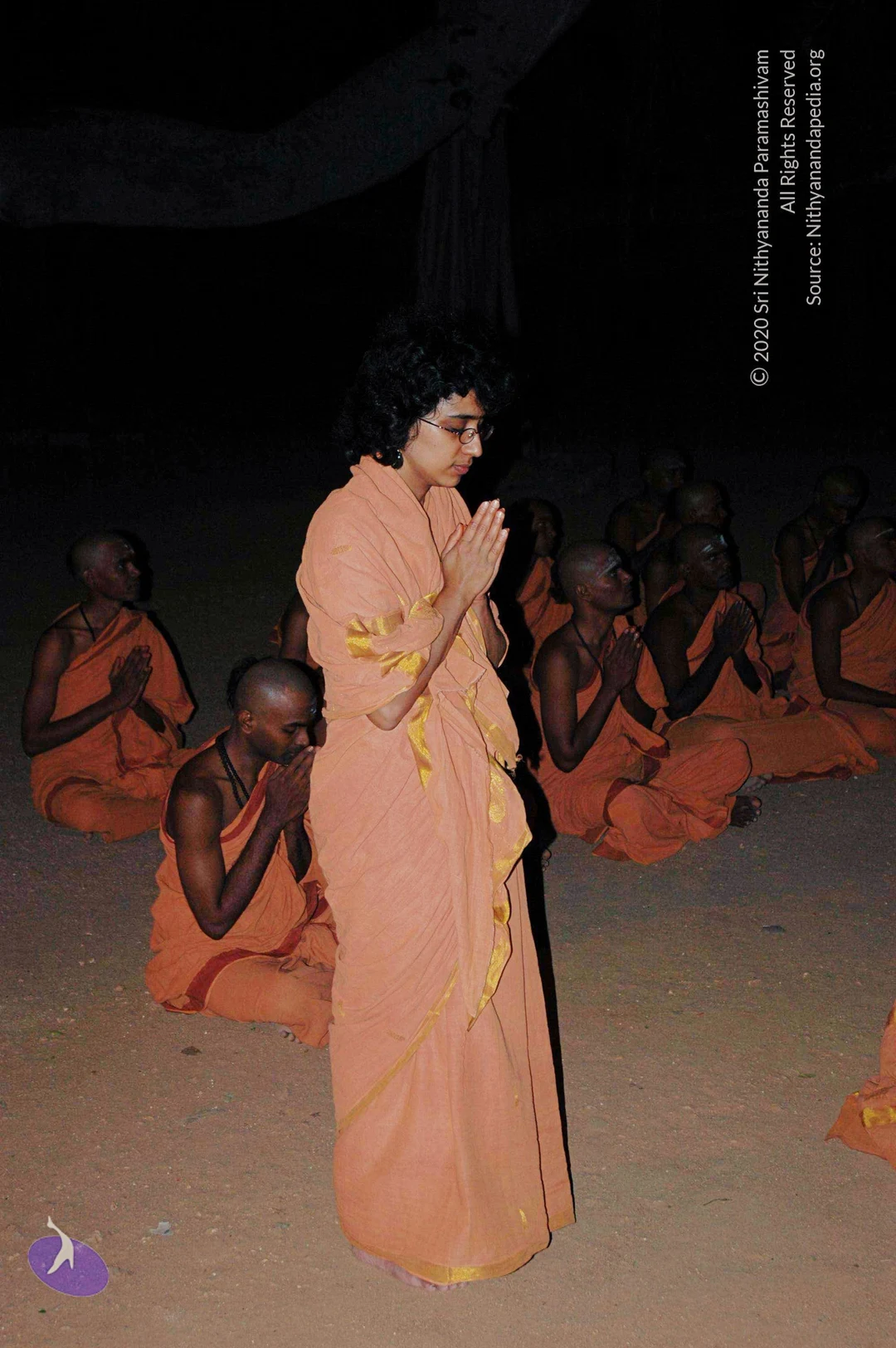
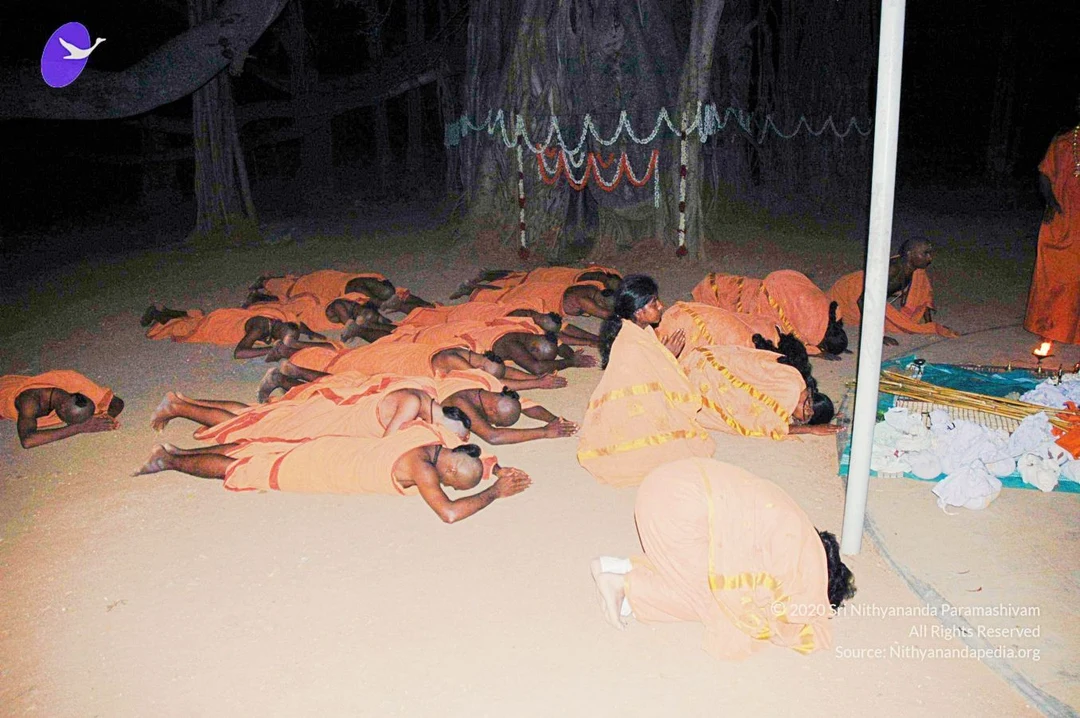
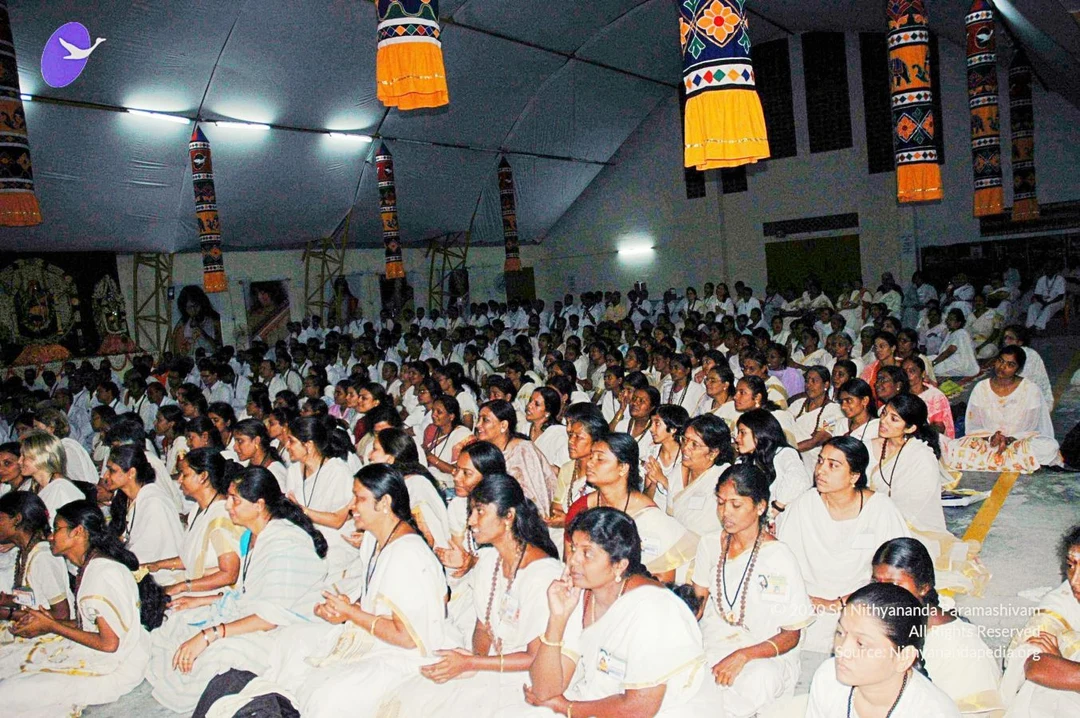
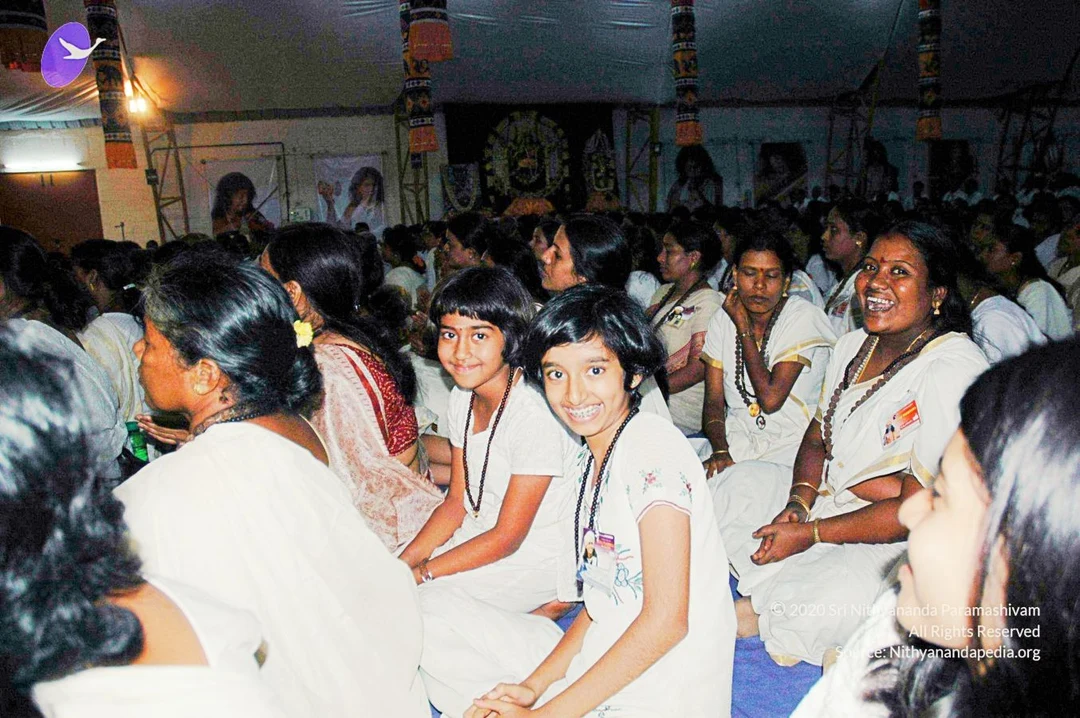
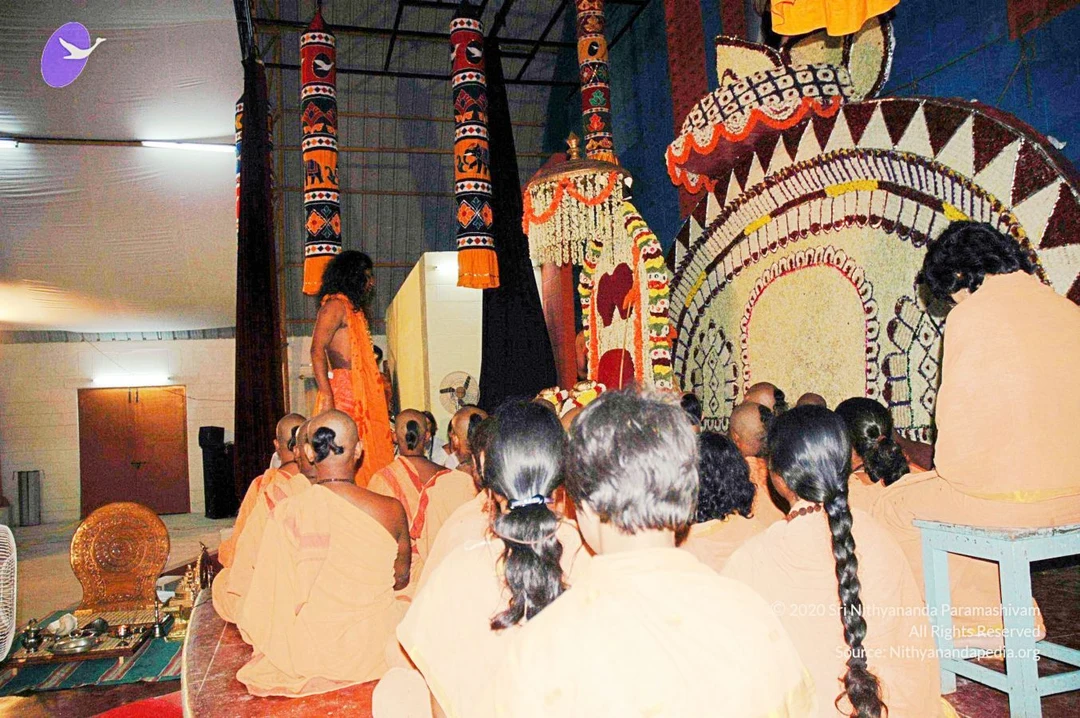
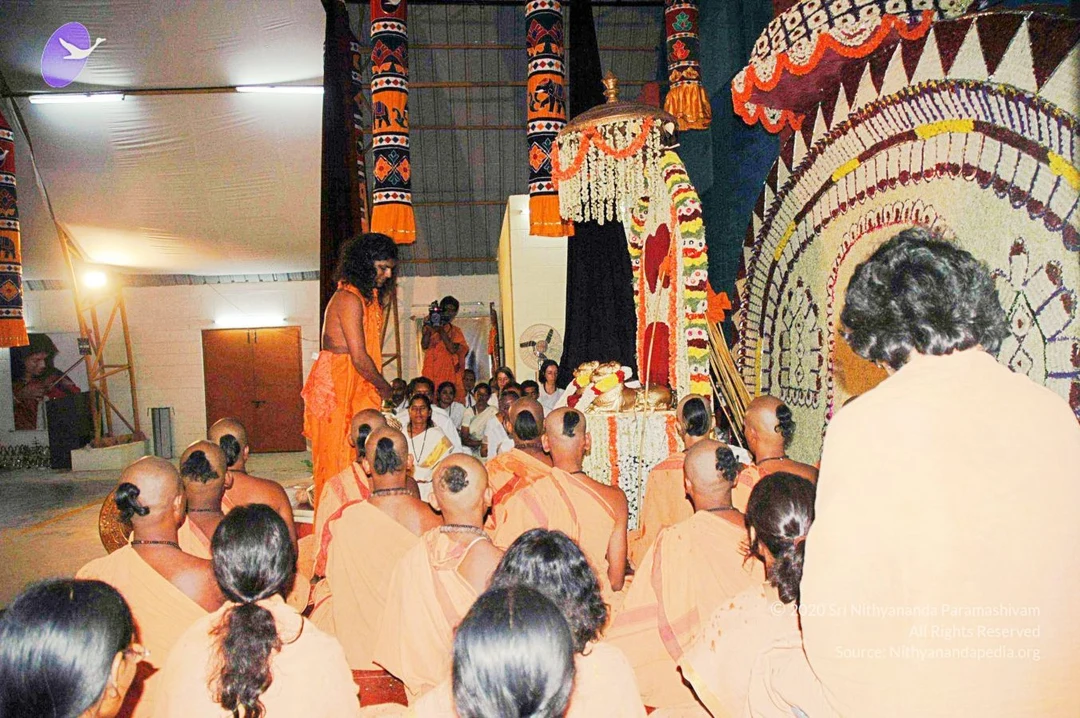
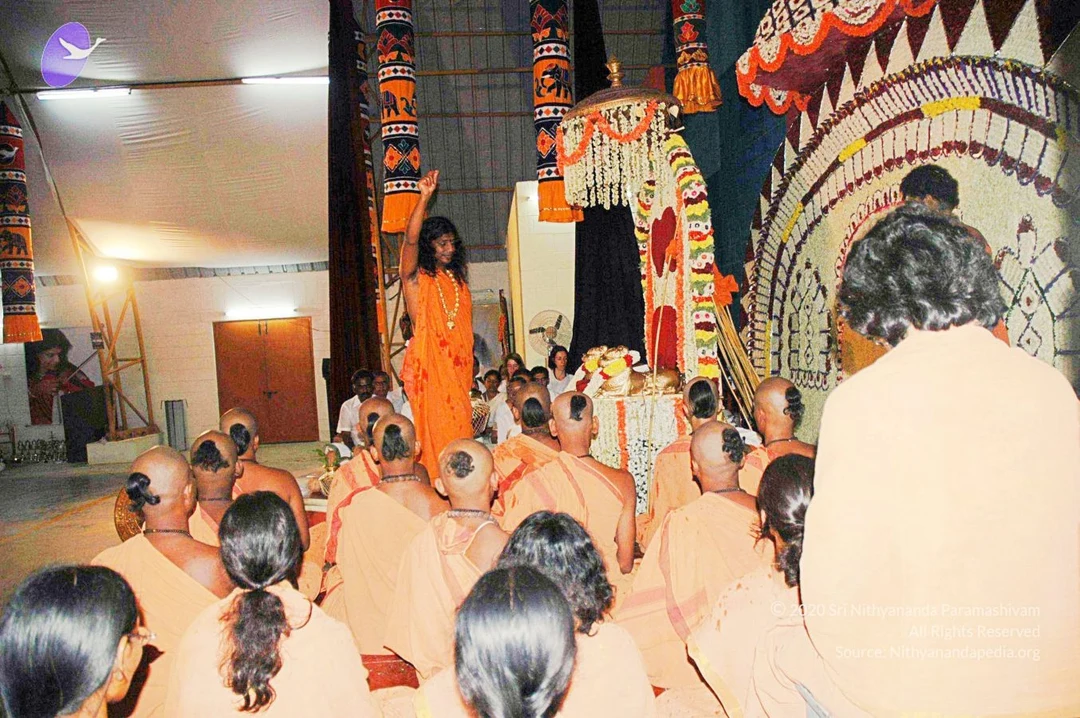
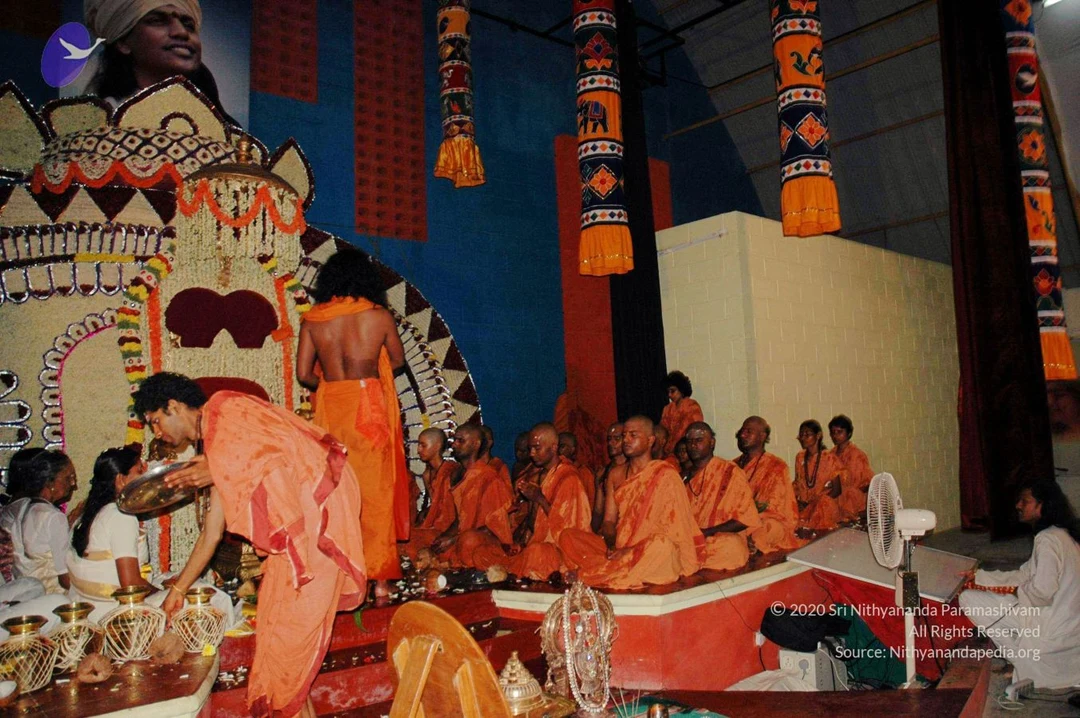
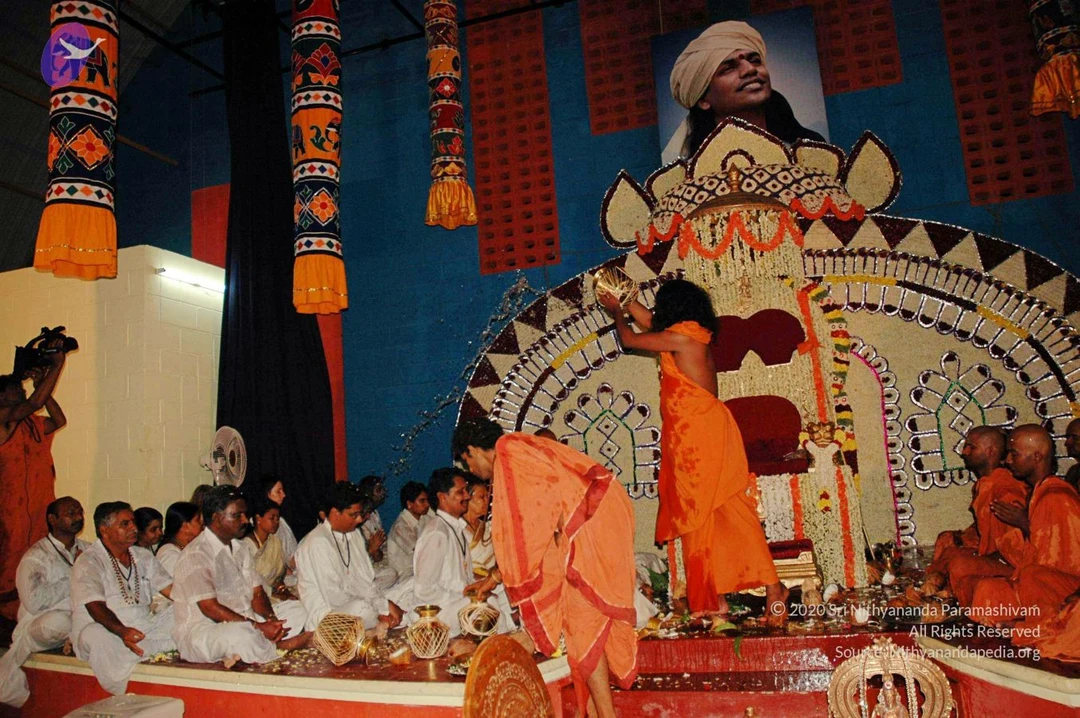
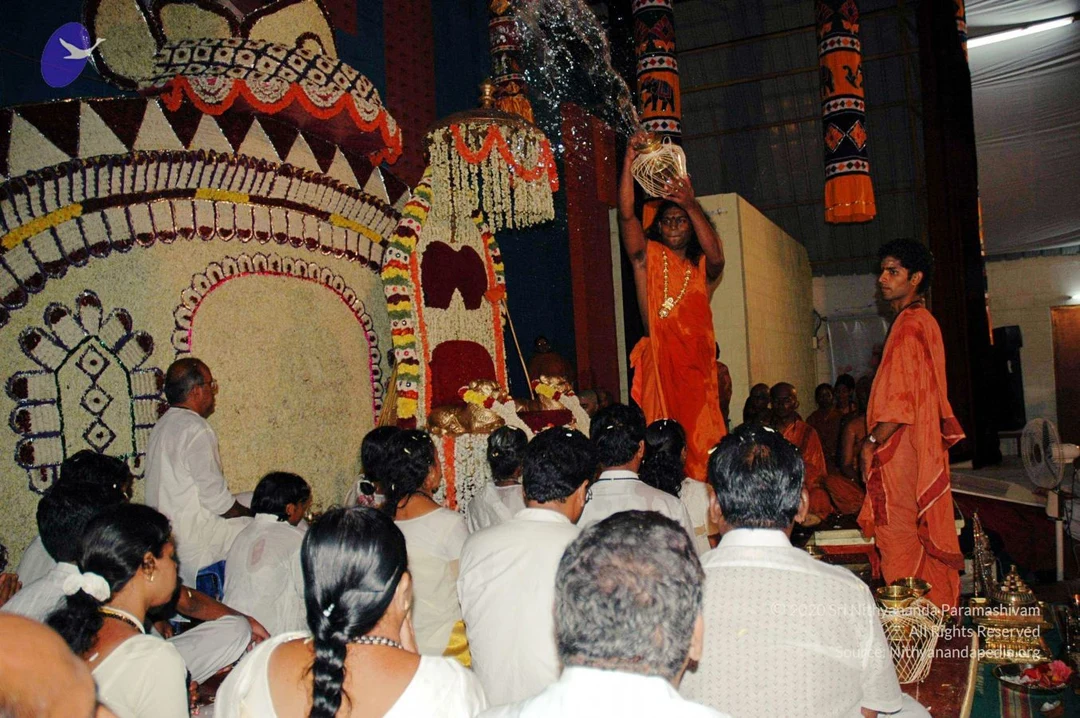
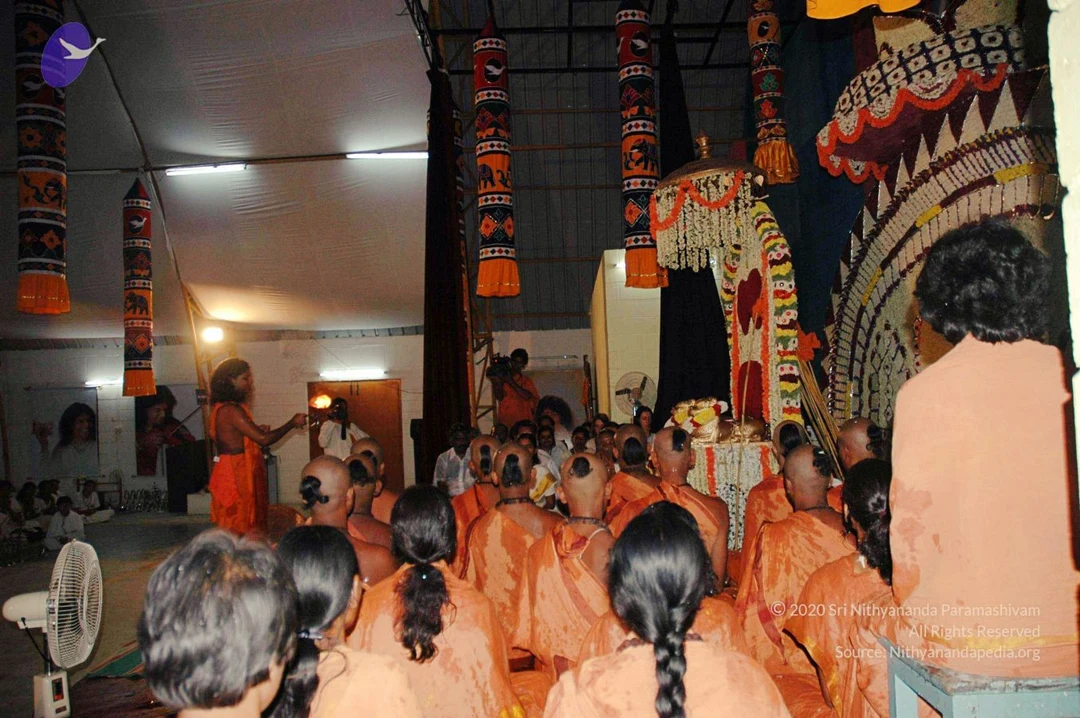
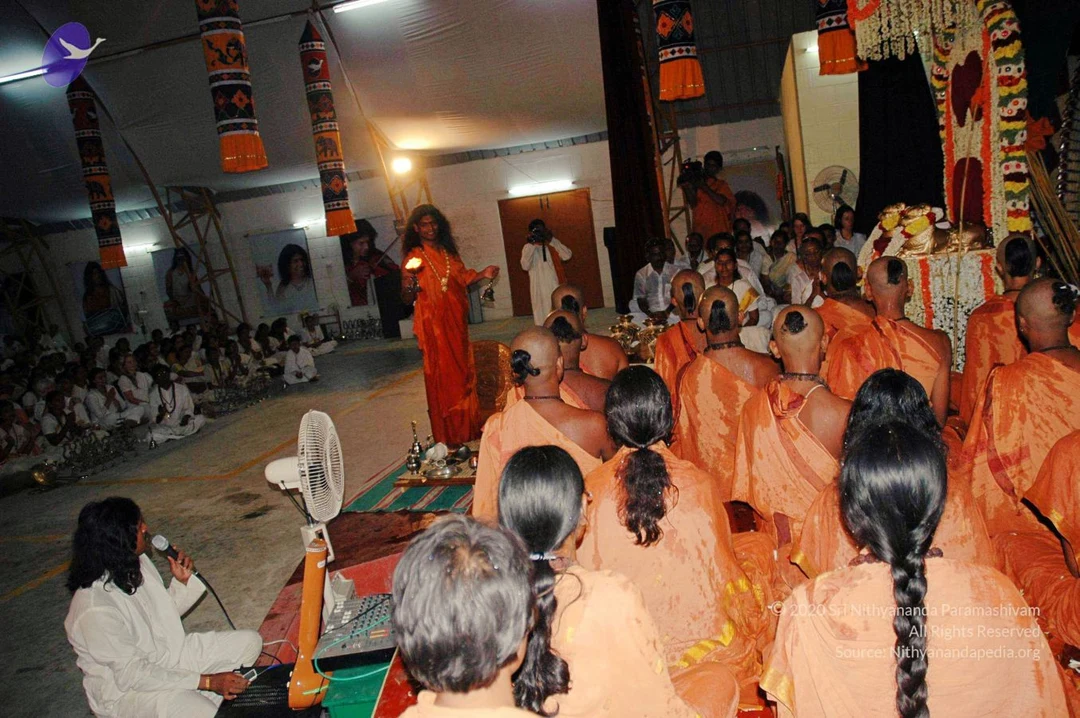
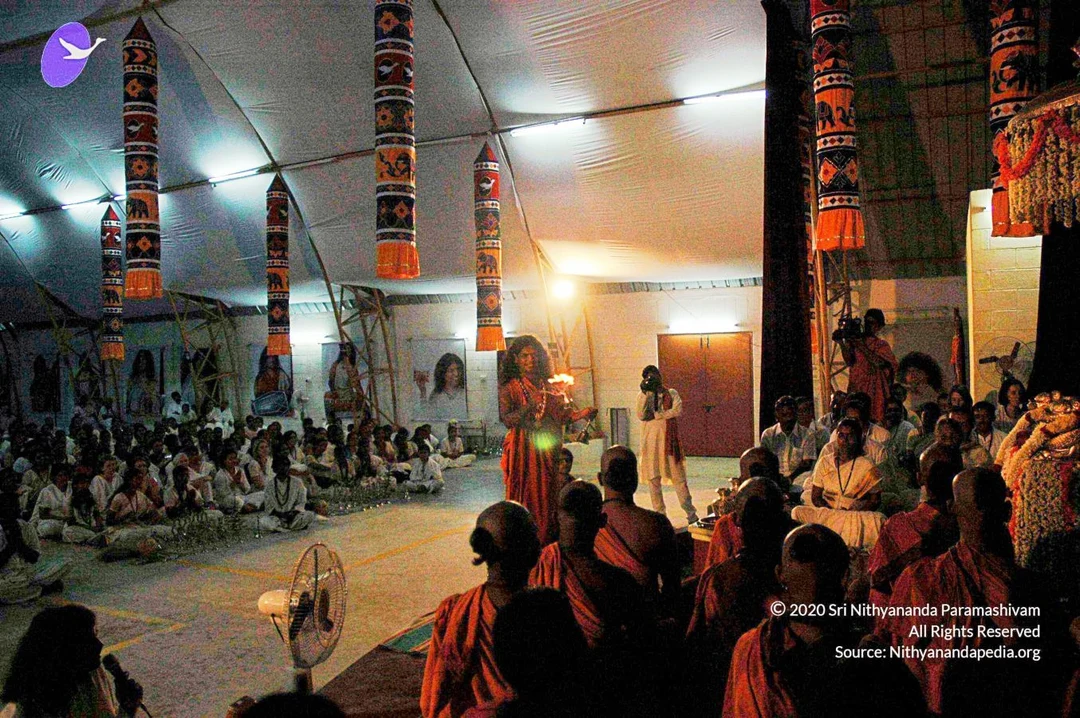
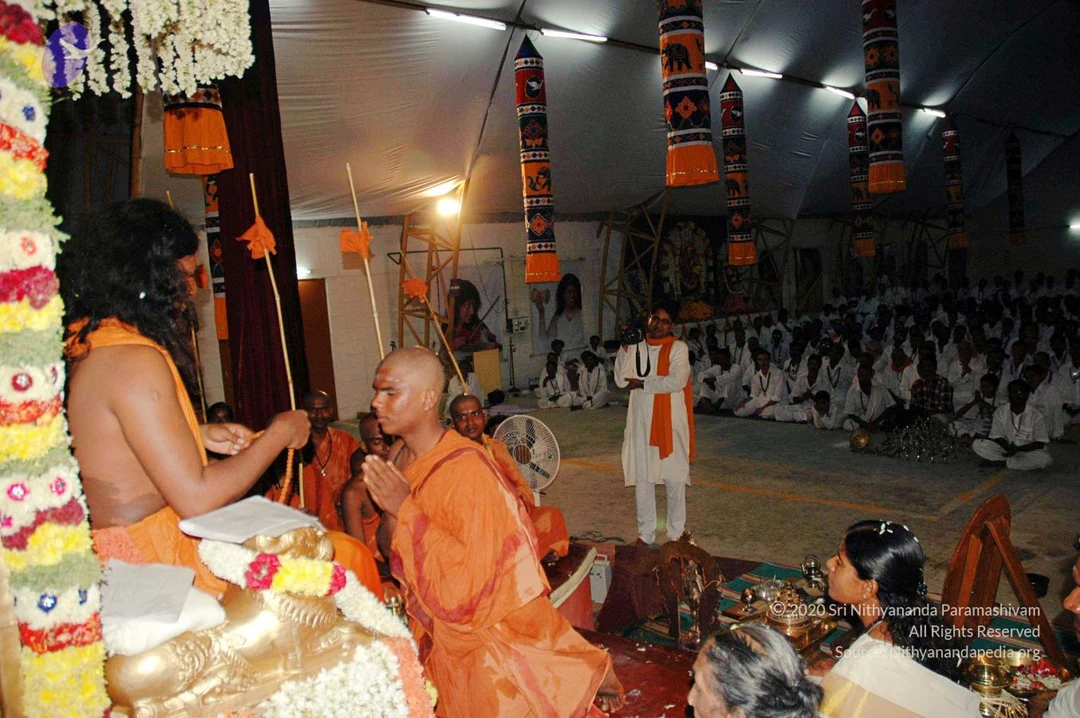
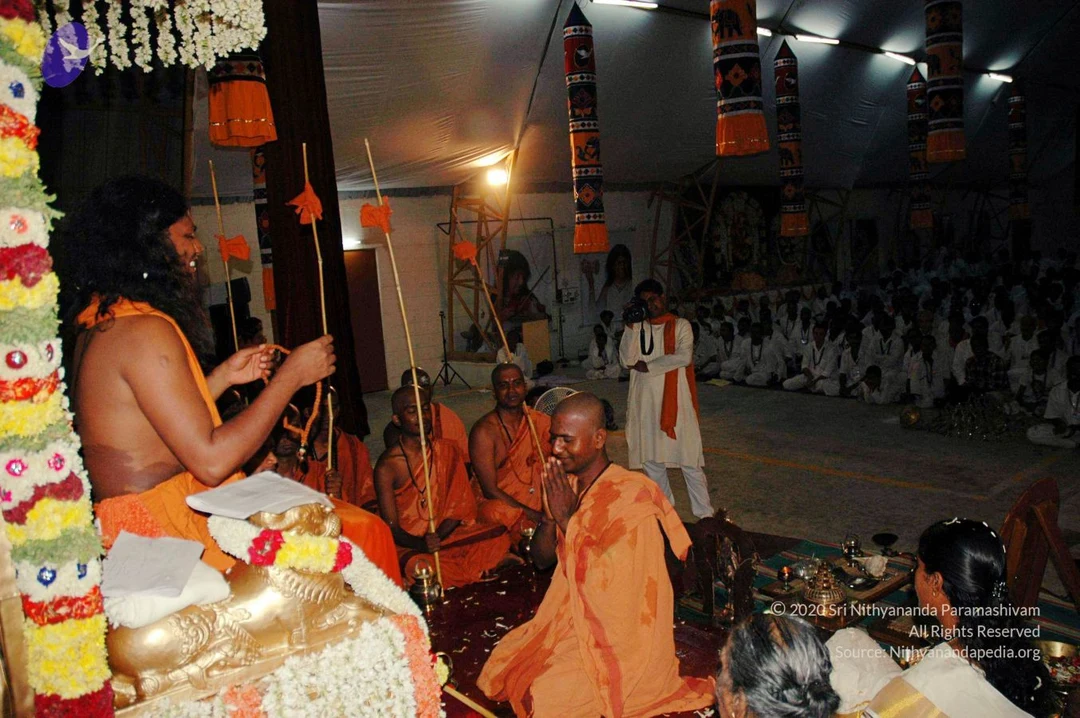
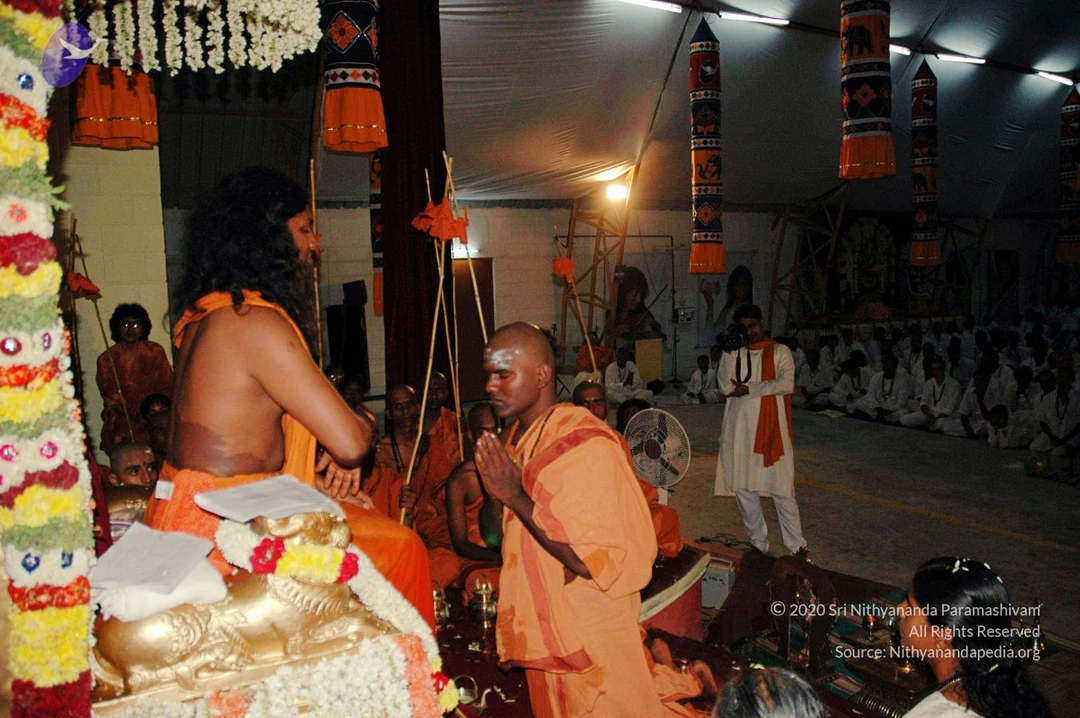
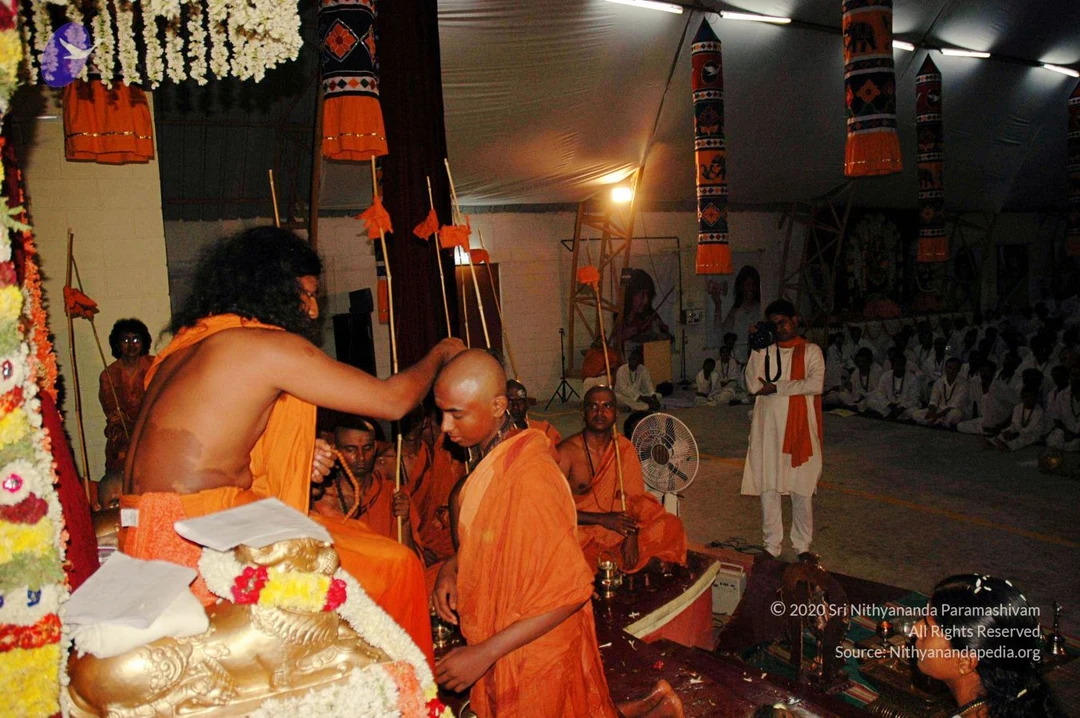
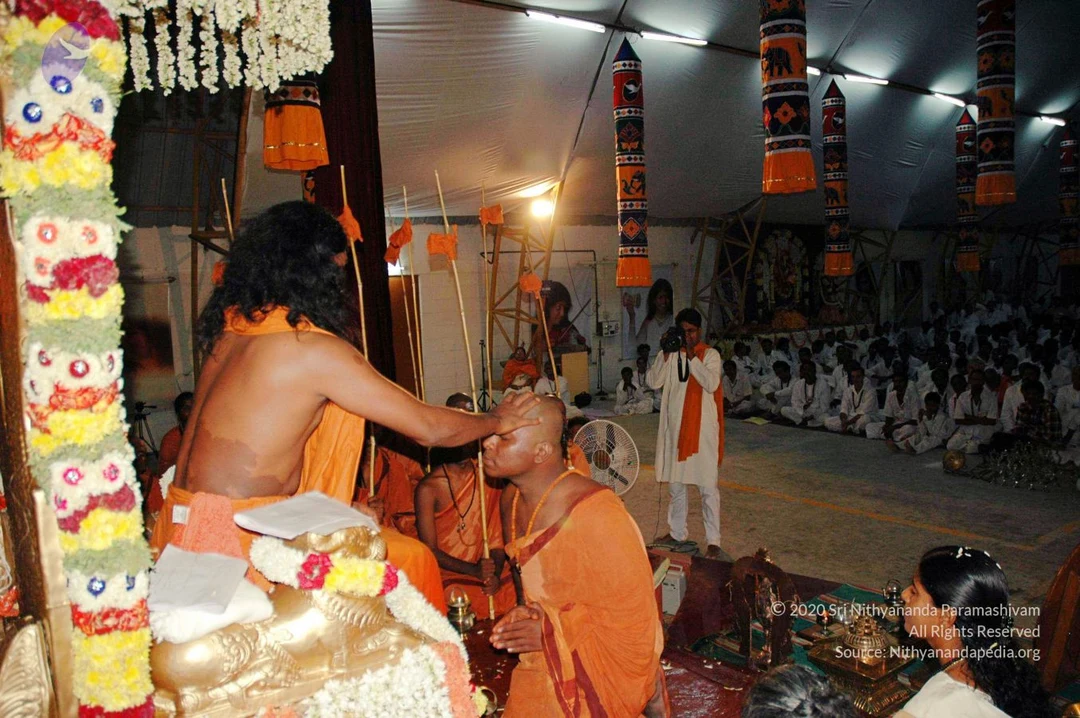
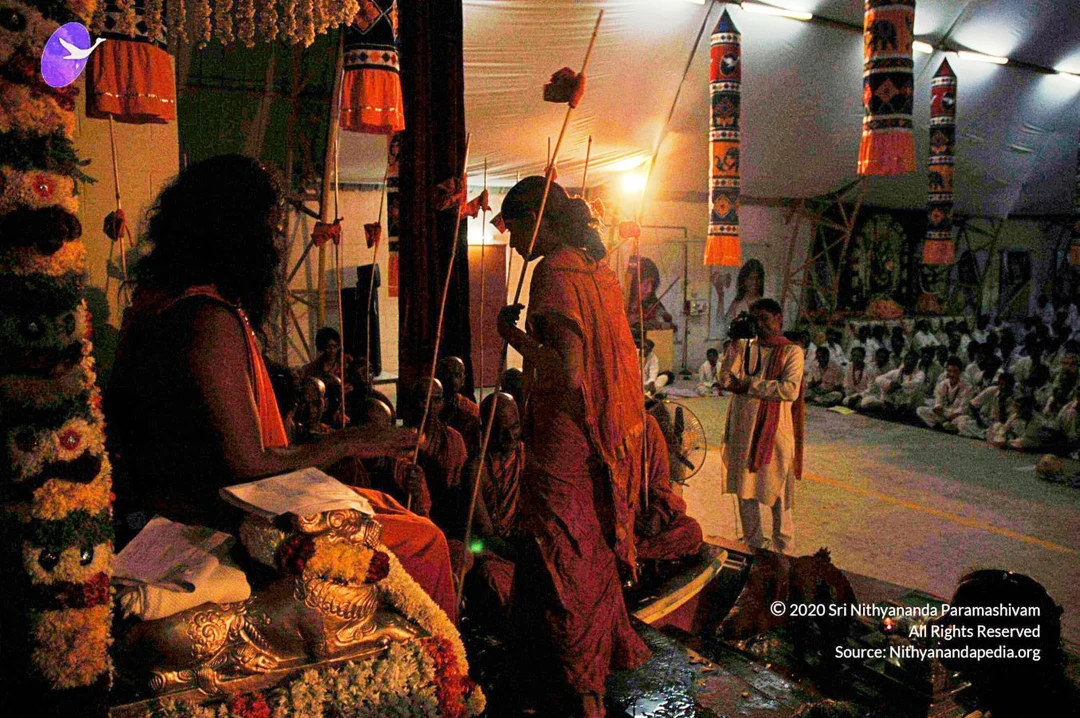
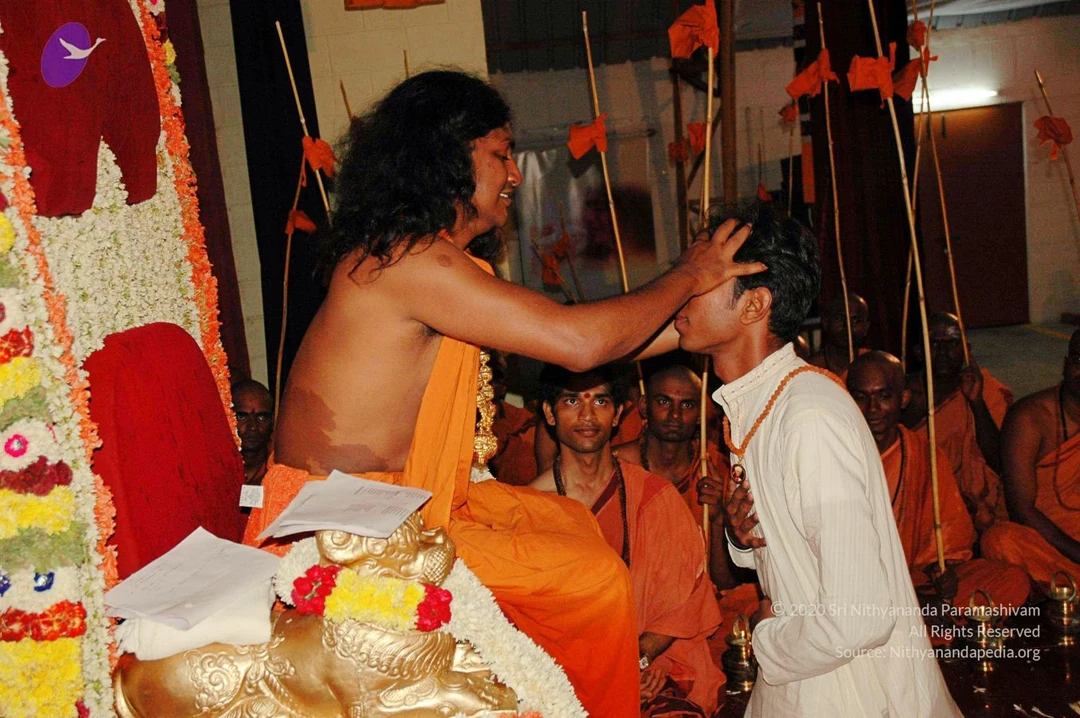
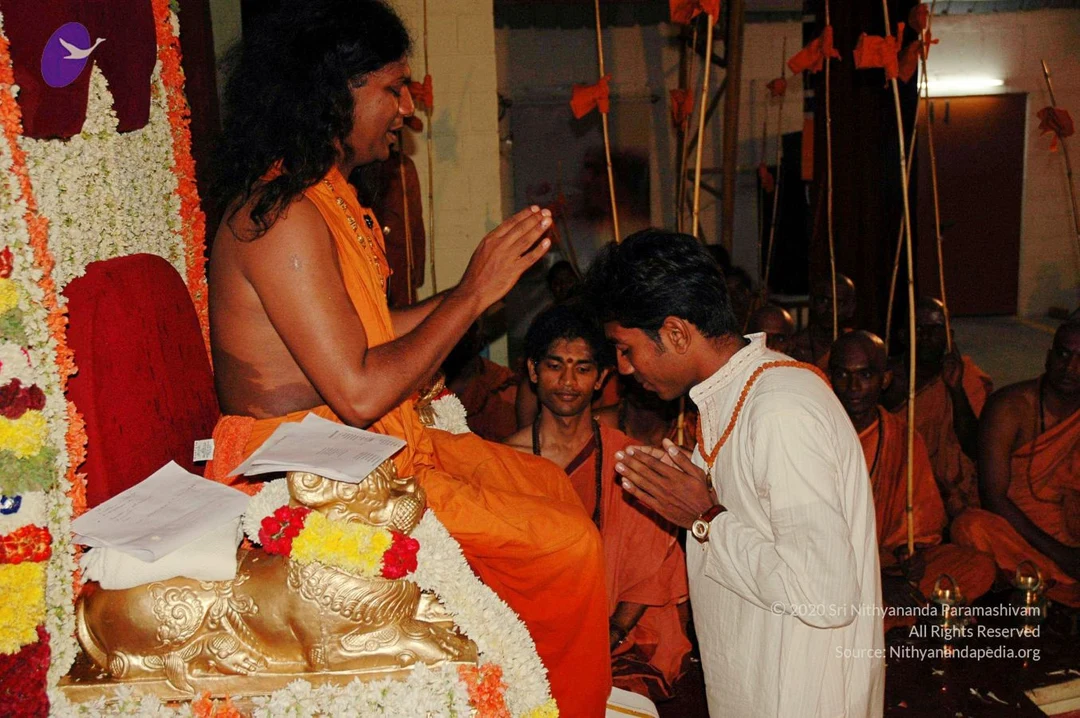
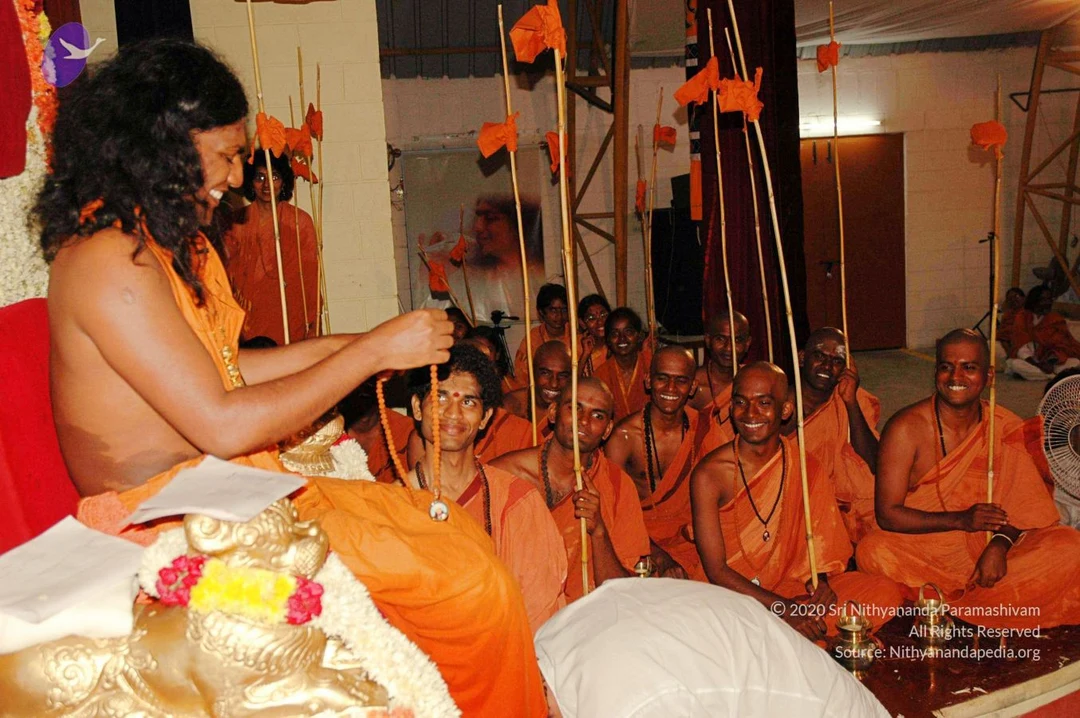
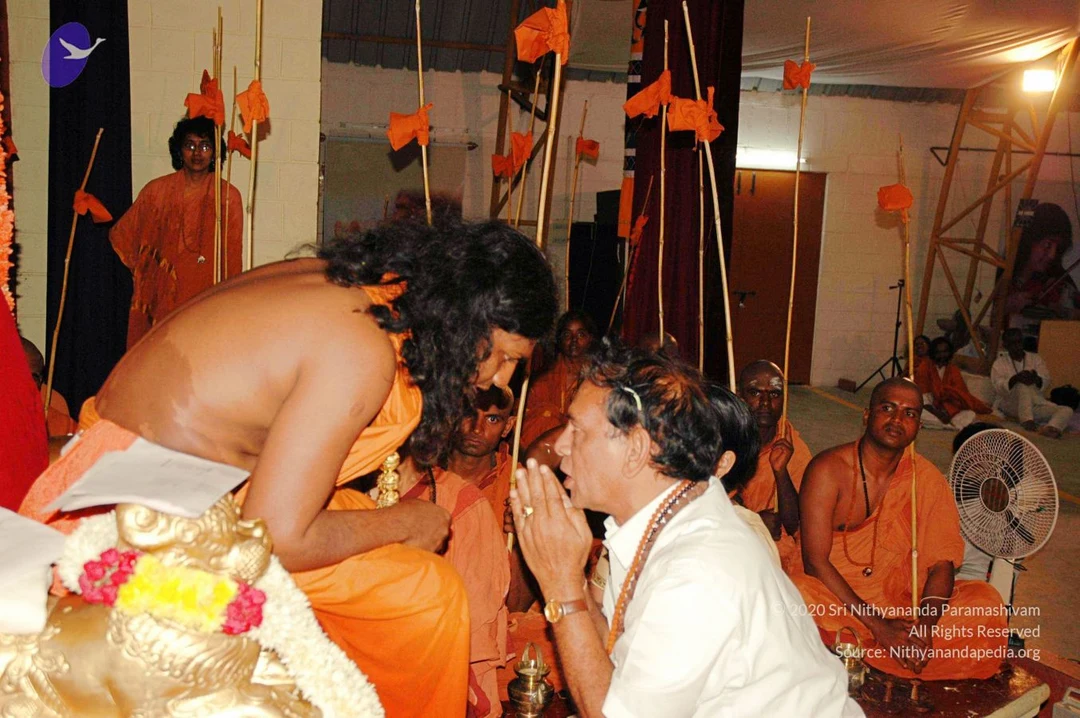
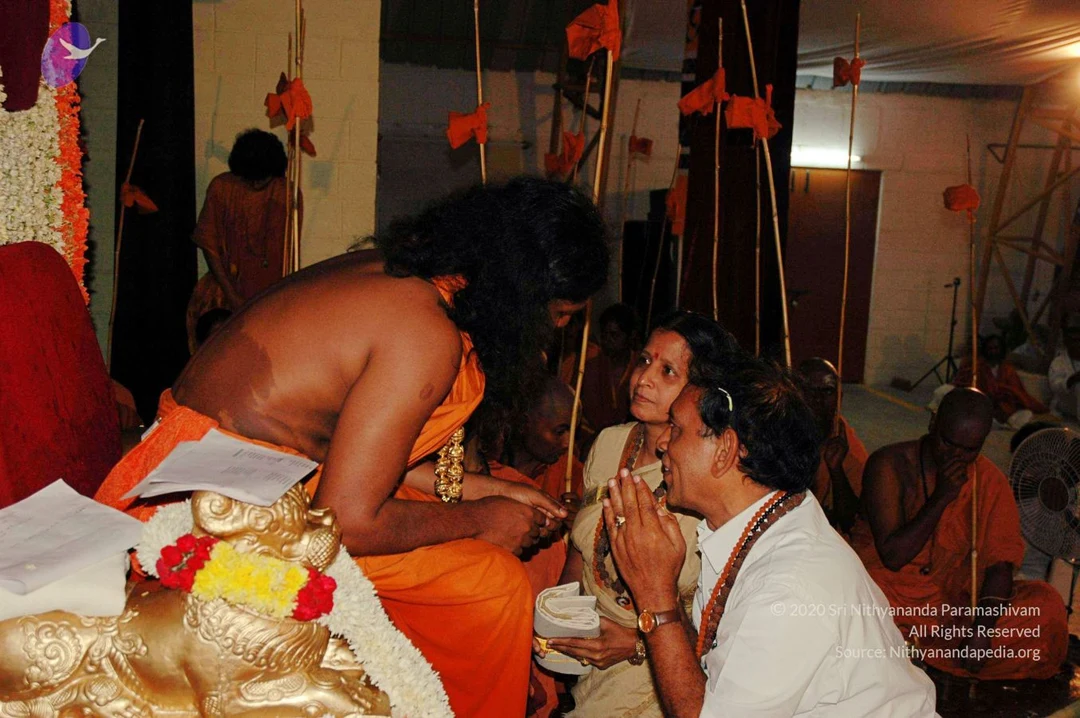
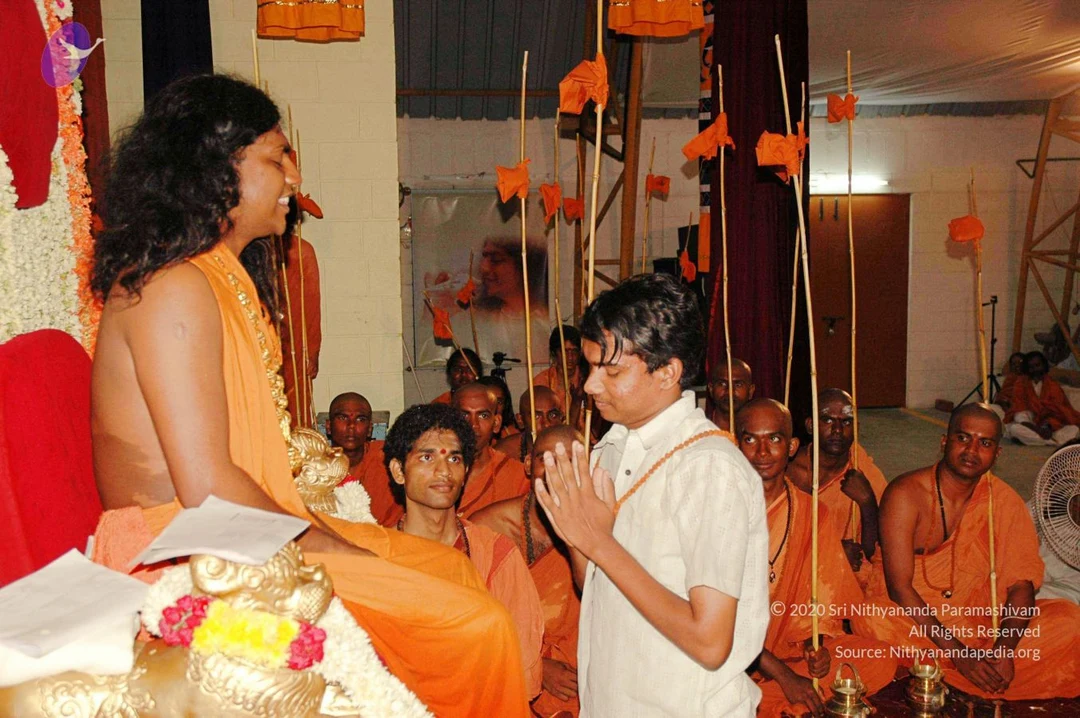
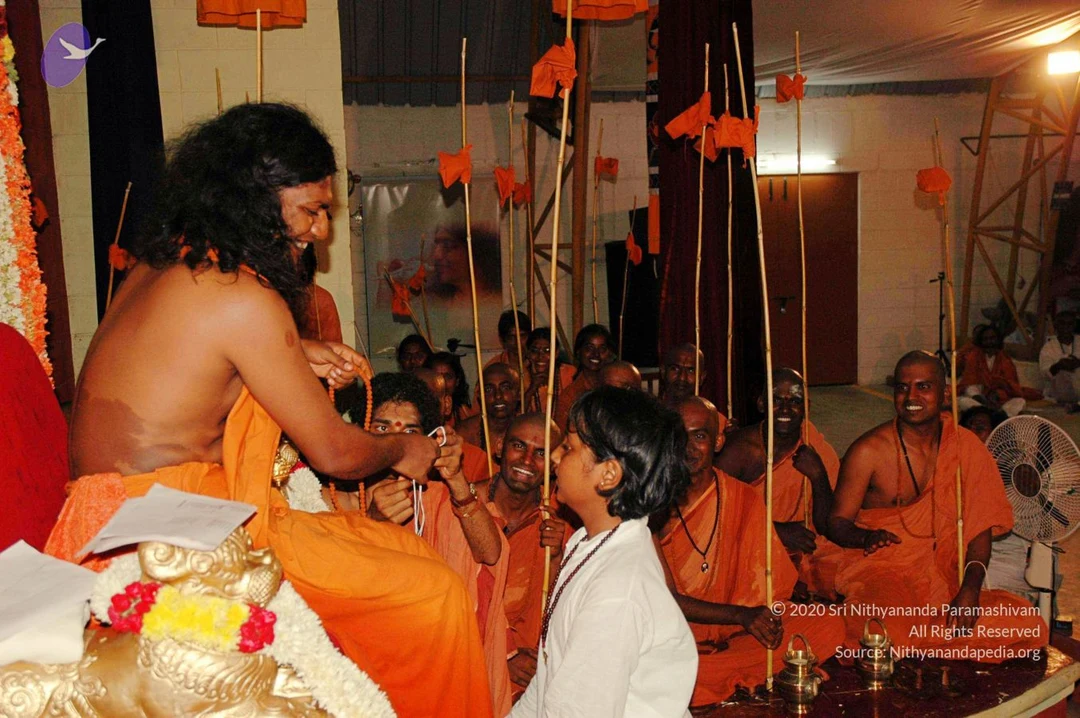
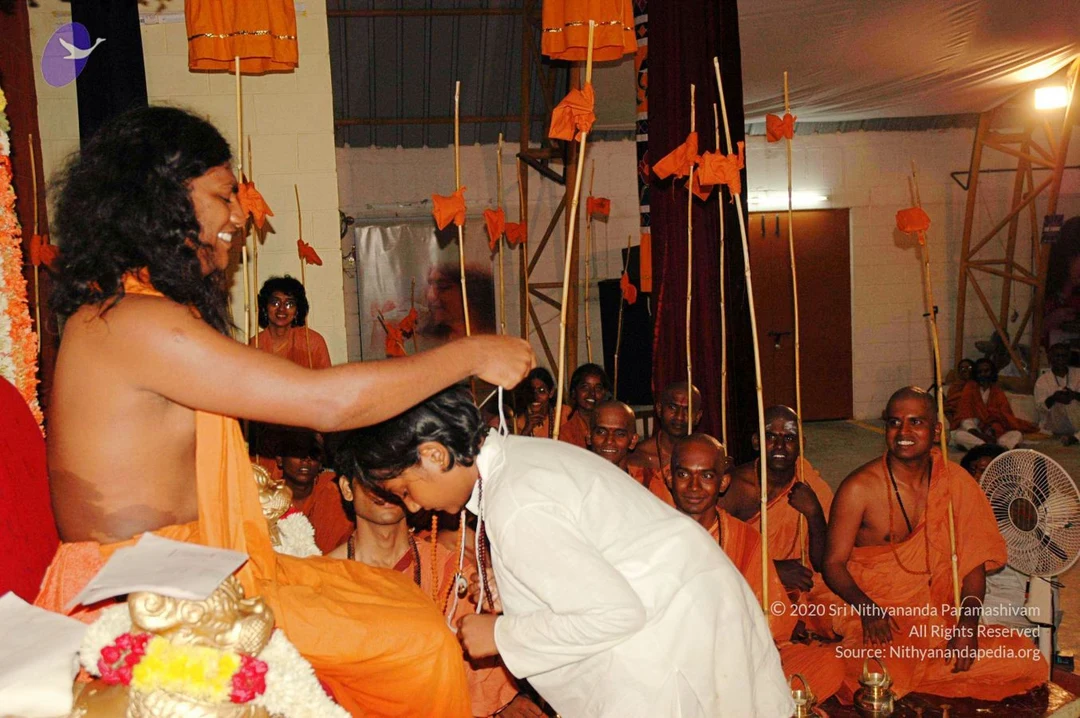
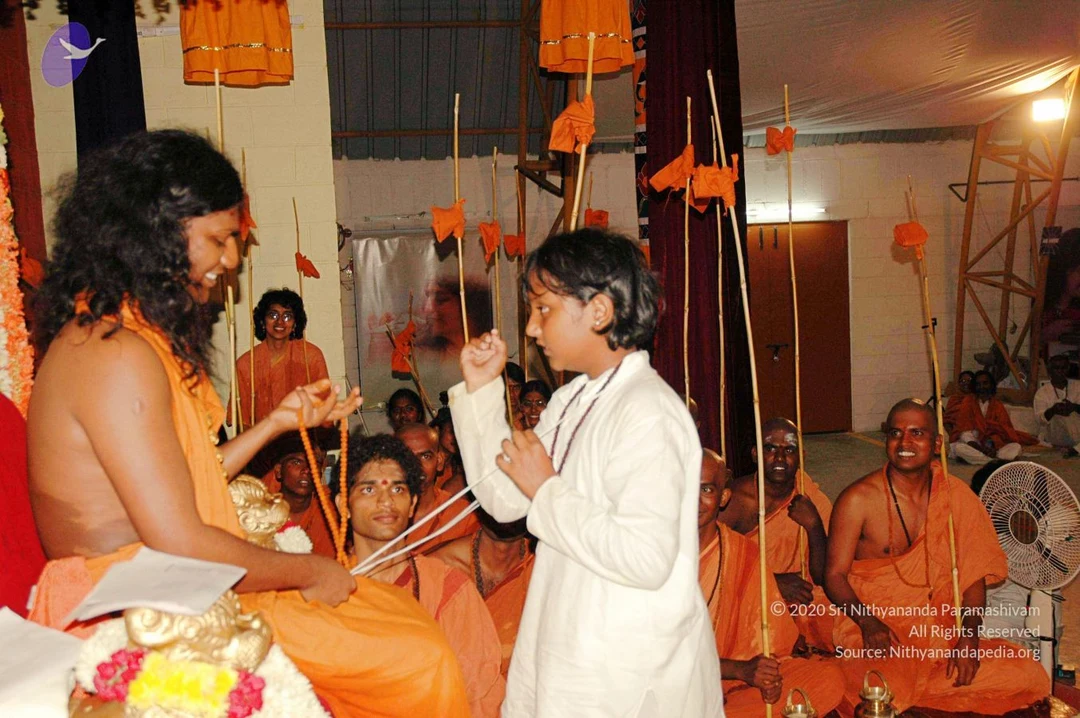
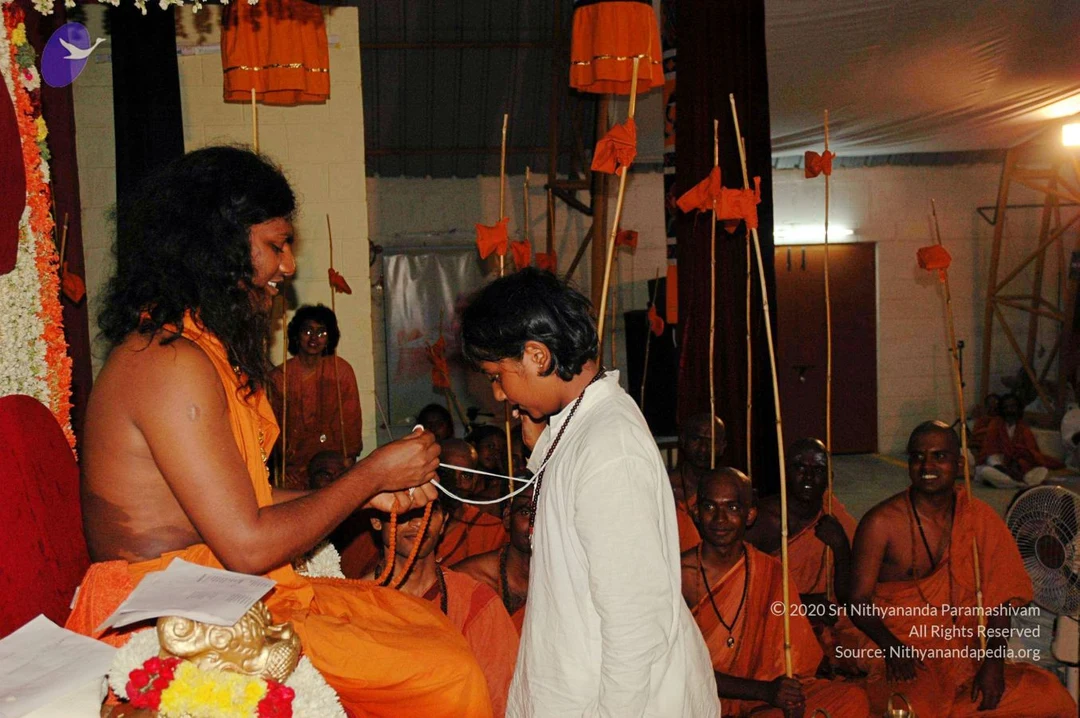
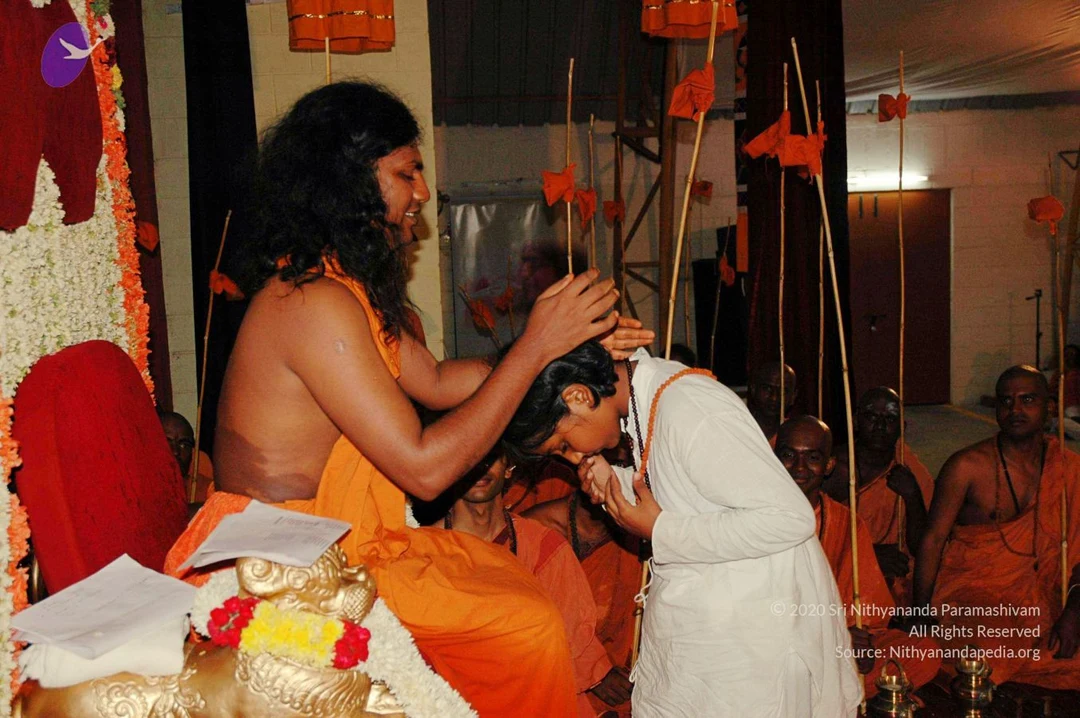
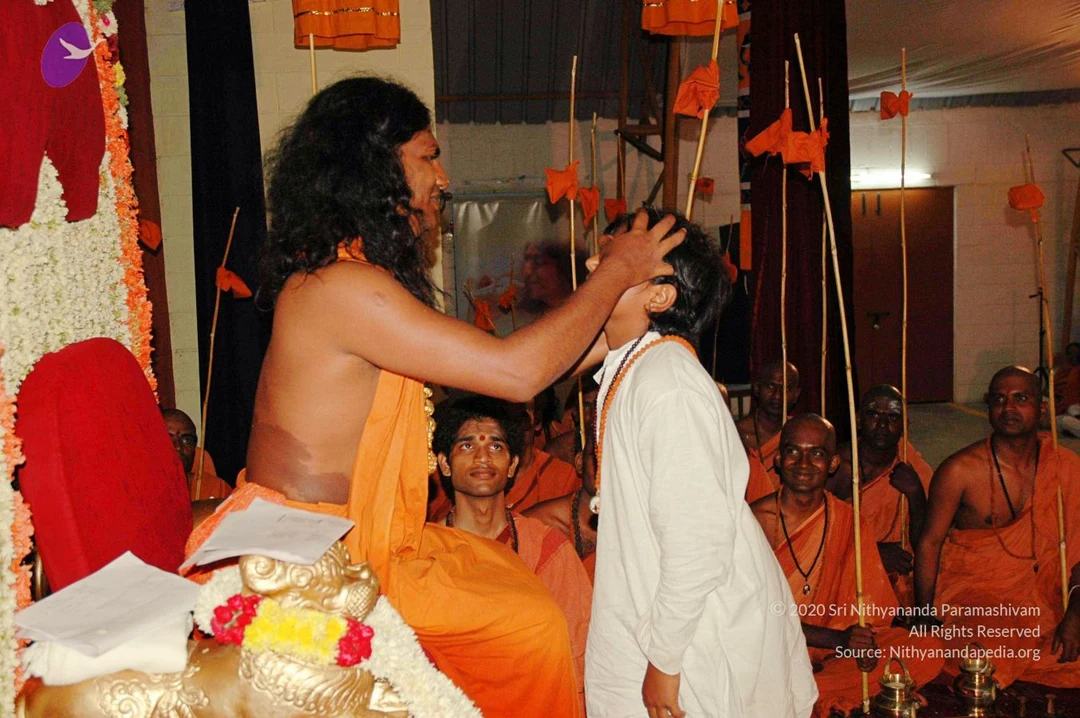
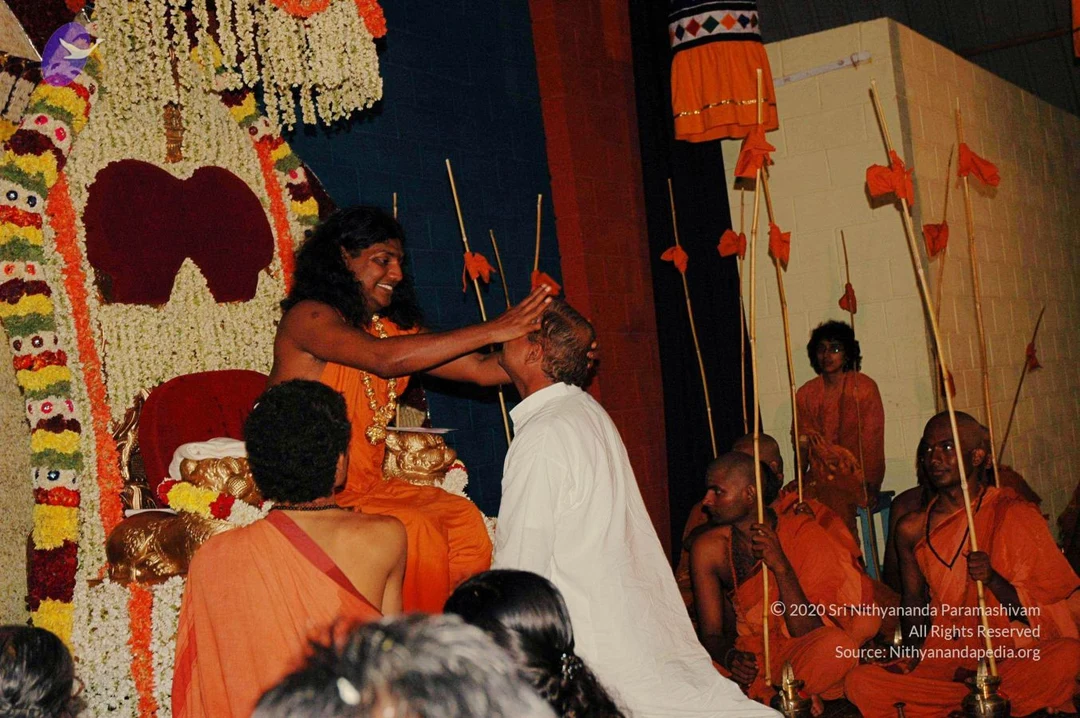
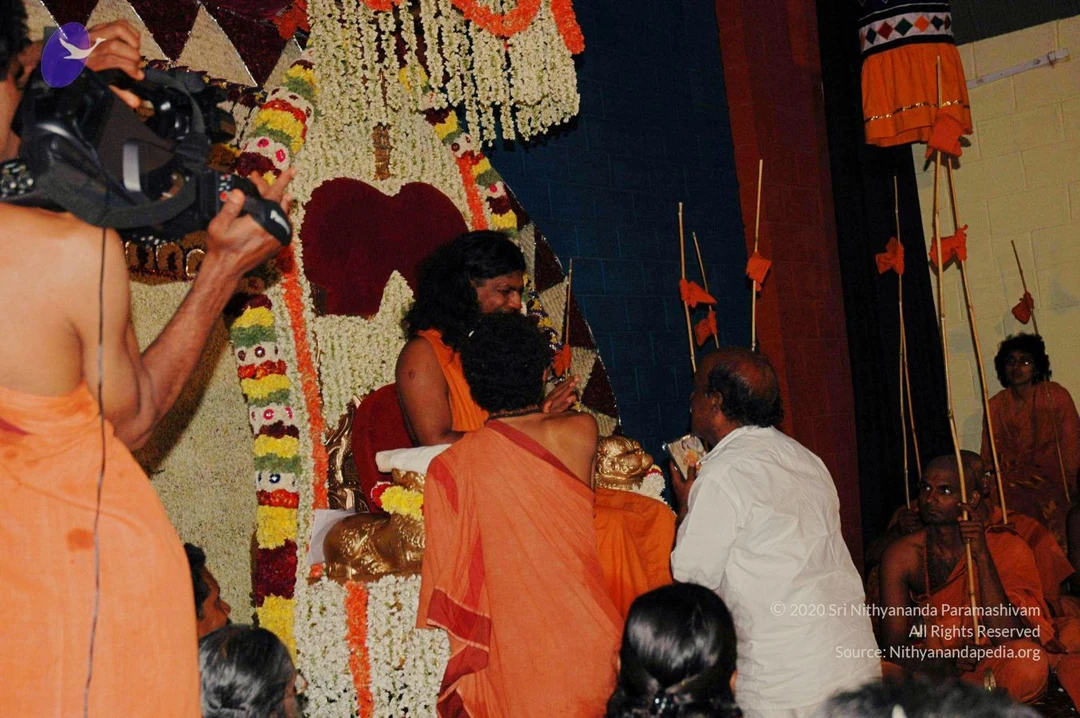
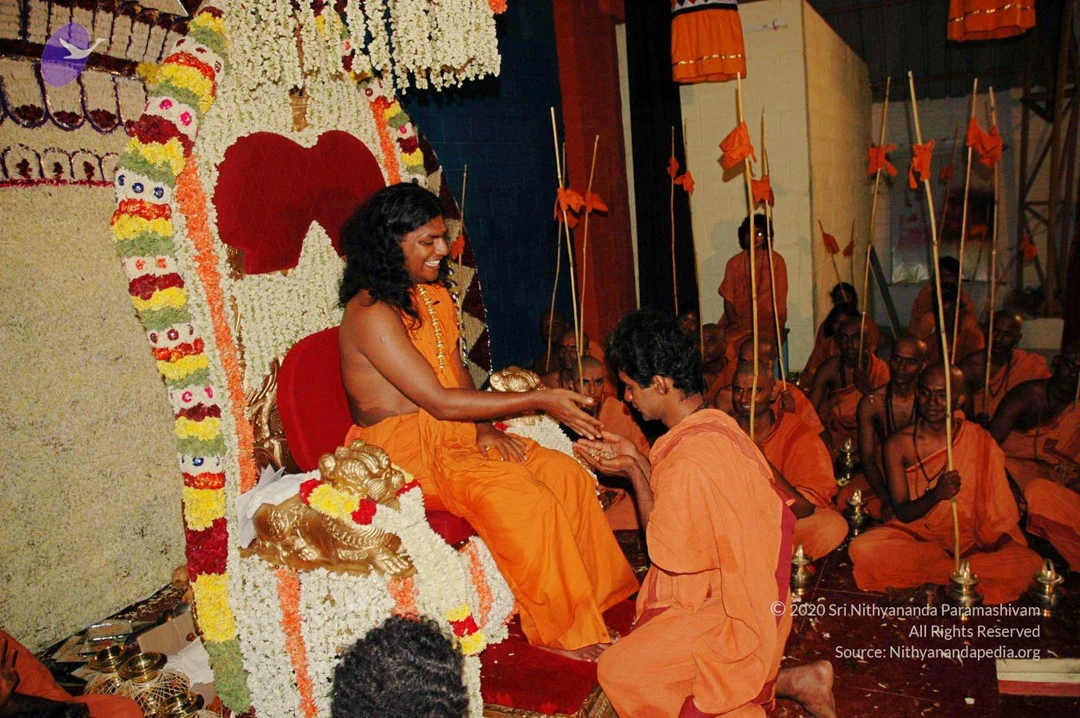
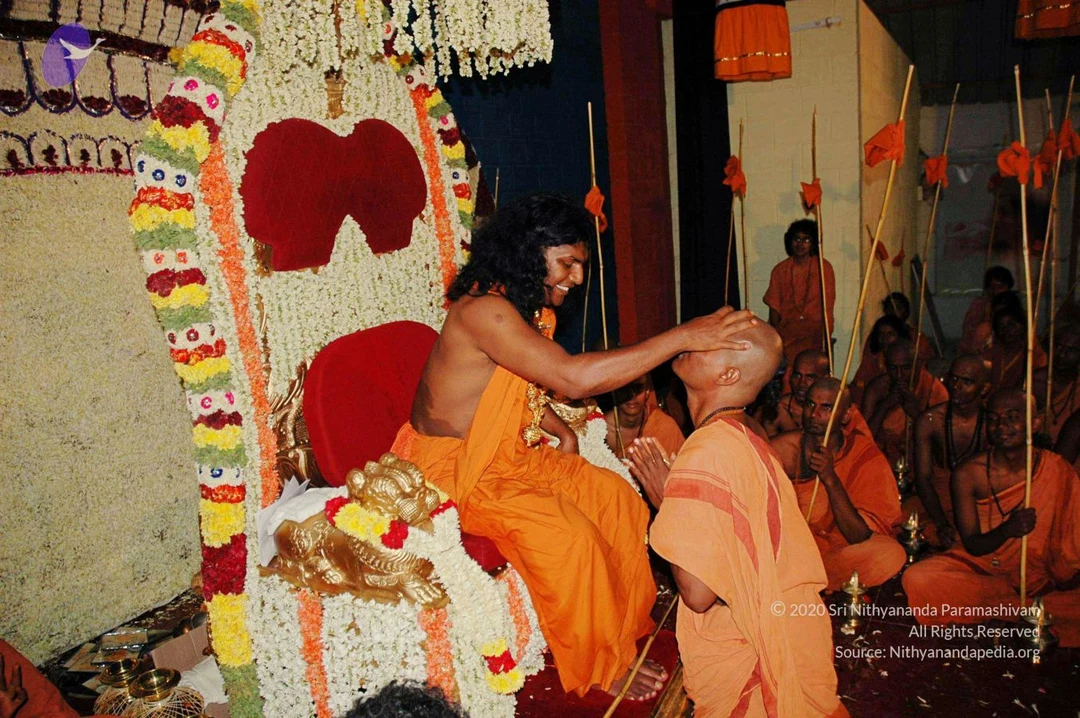
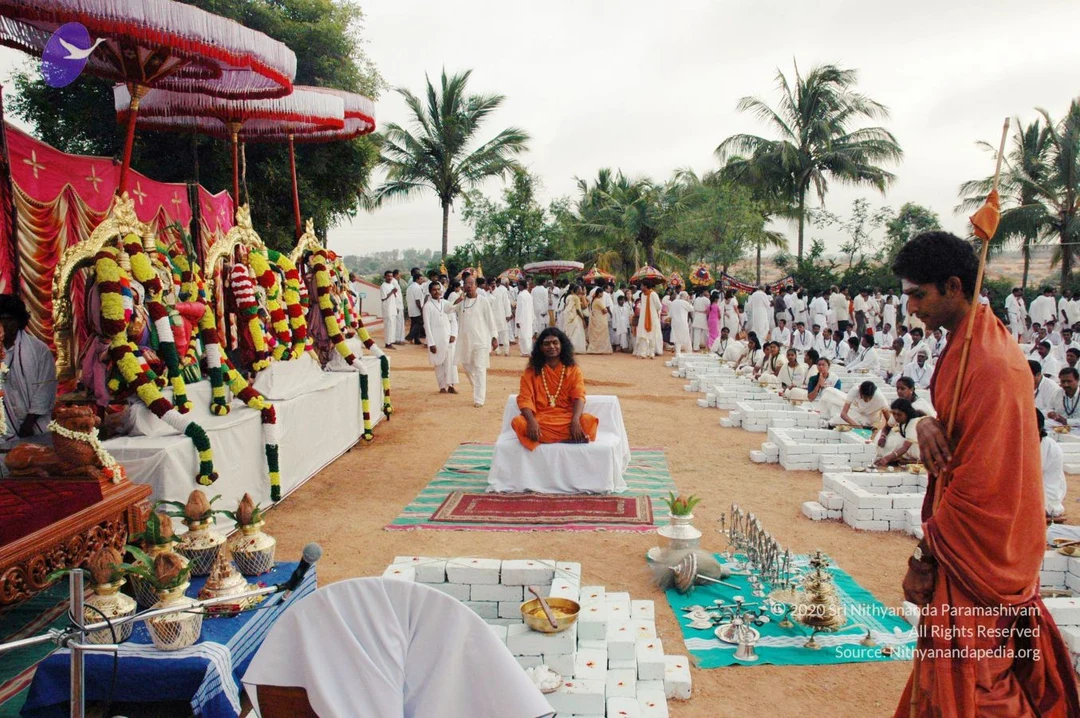
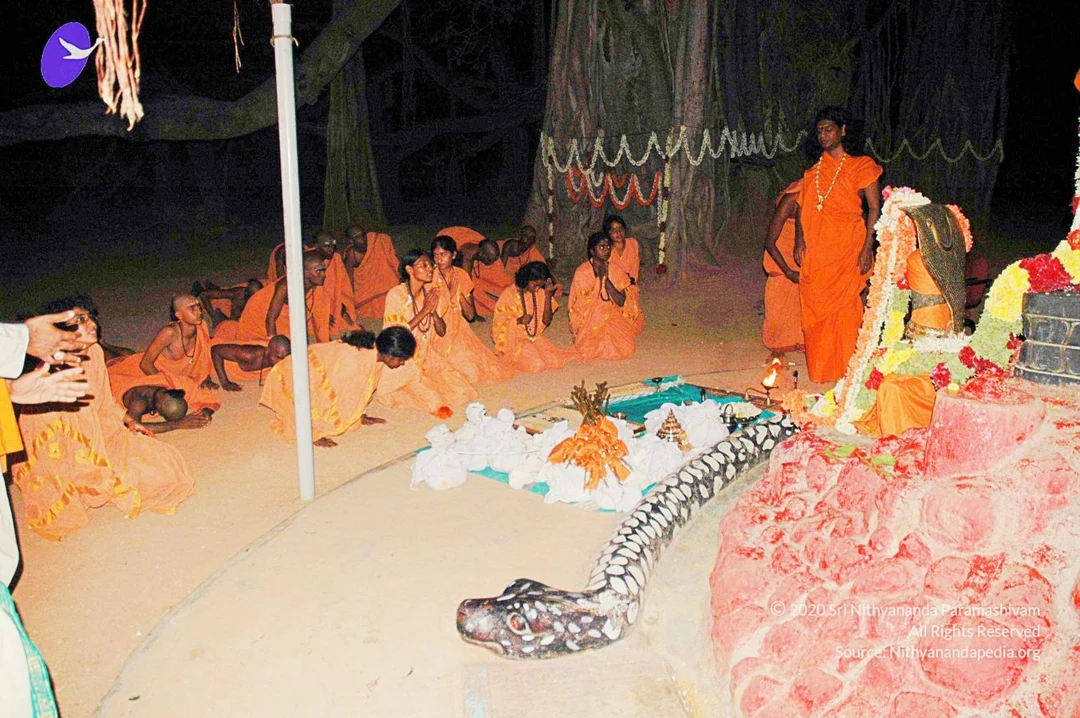
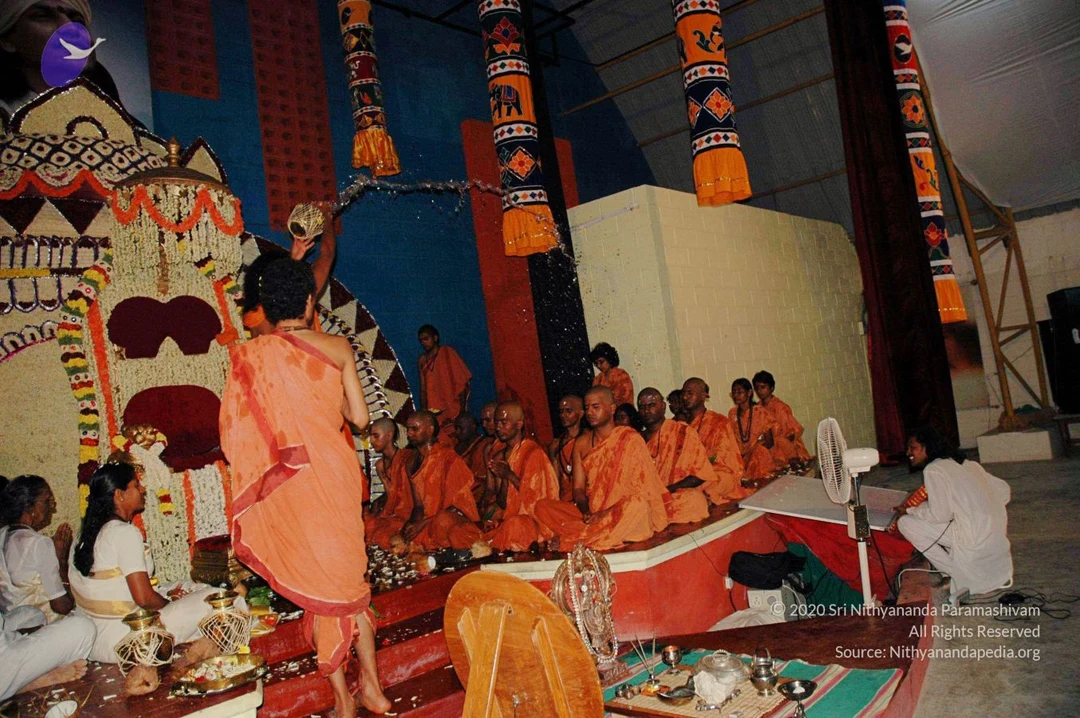
His Divine Holiness conducted the following initiations this Guru Poornima Naishtika Brahmacharya initiation - Brahmacharya initiation was given to 21 chosen boys and girls of the ashram who desired to choose the path of sannyas. Vaanaprastha Dheeksha - Sannyas initiation that was given to 7 chosen married people of the ashram who desired to choose the path of sannyas. Ashramite Dheeksha - An initiation that was given to 11 people who wished to be initiated as ashramites to be at the feet of the Master and learn and offer service to humanity. Acharya Dheeksha - An initiation that was given to 13 acharyas (teachers) trained by Swamiji himself to spread his teachings to the world at large. GMA (Guru Homa-Mantra-Arati) acharyas - An initiation that was given to those who trained to perform the Guru homa, chant the appropriate mantras and offer arati as per the tradition of Dhyanapeetam. These people, Swamiji referred to as 'Oduvaar', the name used in yester years to refer to those who chanted from ancient lore. Vidyaarthi - An initiation that was given to one 9-year-old boy to mark the start of the spiritual learning at the feet of the Master. Medium initiation - An initiation that was given to 16 disciples who His Divine Holiness deemed to to be his mediums to give ananda darshan to the public at large. On the night of Guru Poornima, His Divine Holiness conducted the first ever Guru Bhakti Program for the gathering through the night till early morning on the 12th. This was followed by 'fire walking'! His Divine Holiness called for fire walking to allow the participants to experiment with pain and how to un-clutch from it. This event was followed by blessings for everyone present. Following are pictures taken during Guru Poornima day
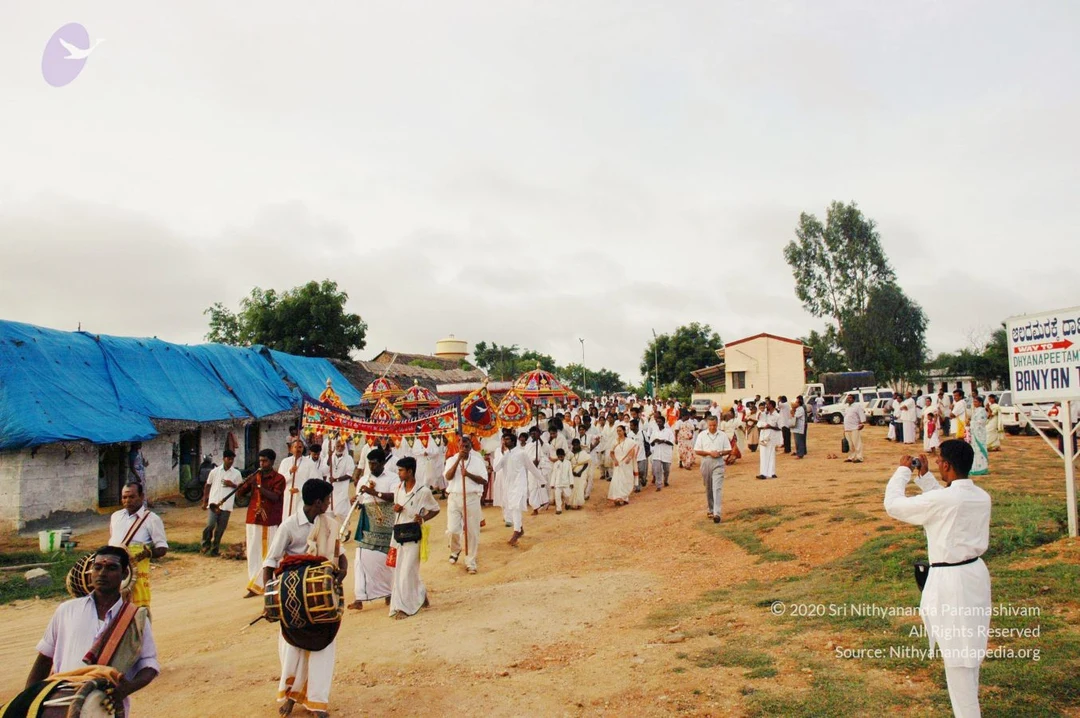
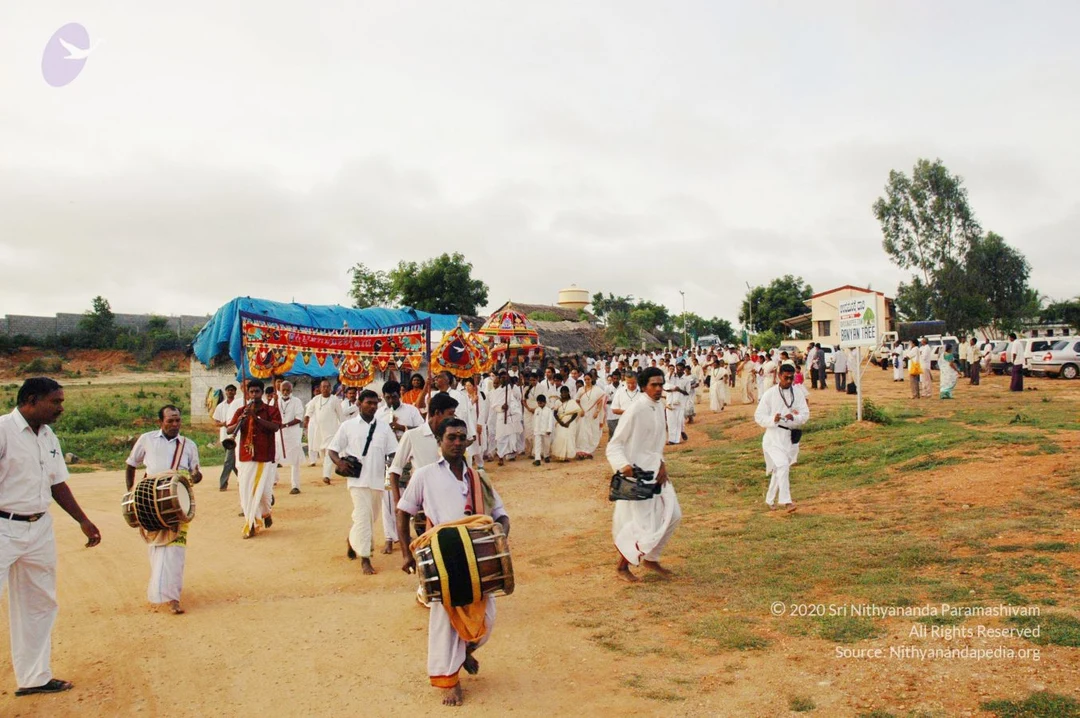
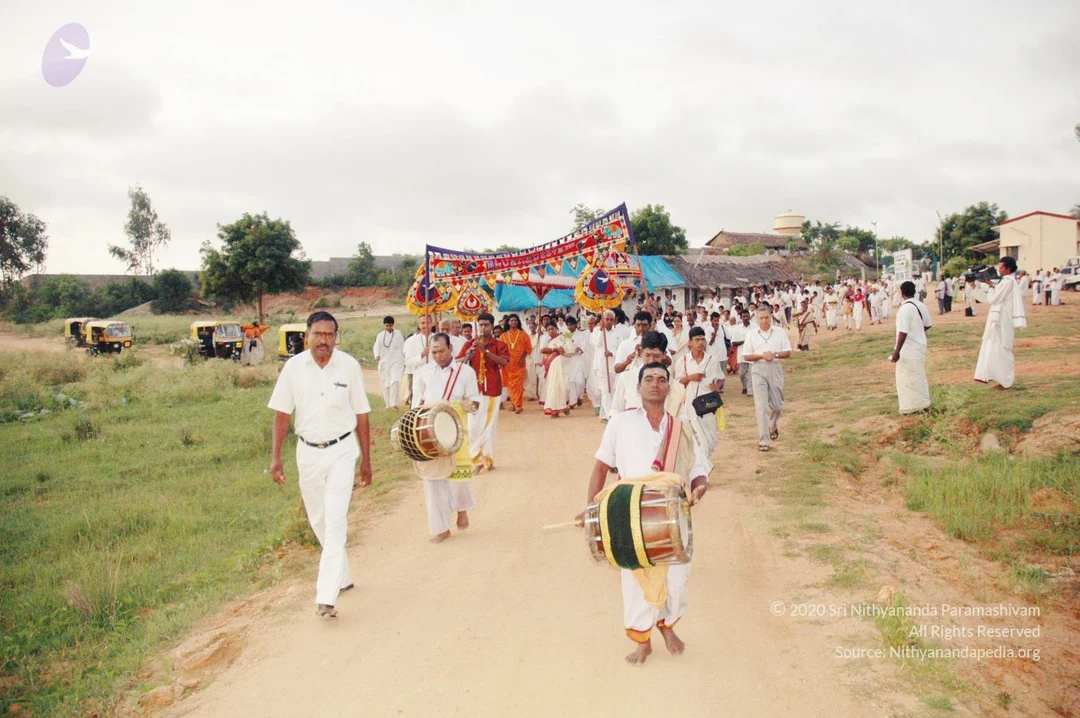
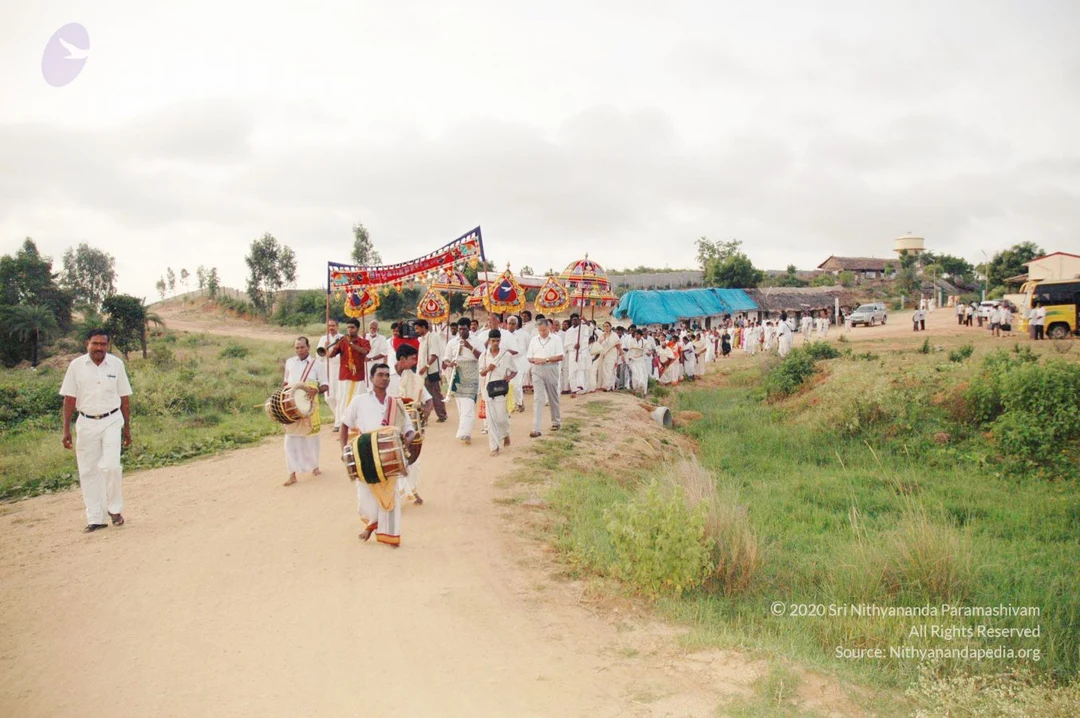
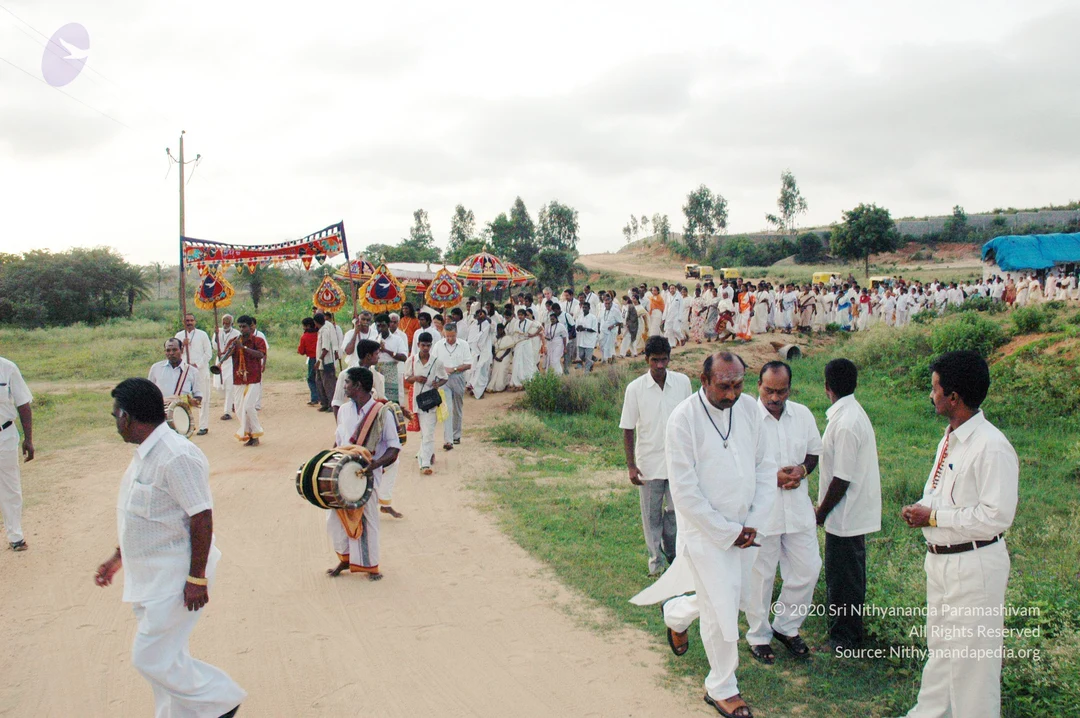
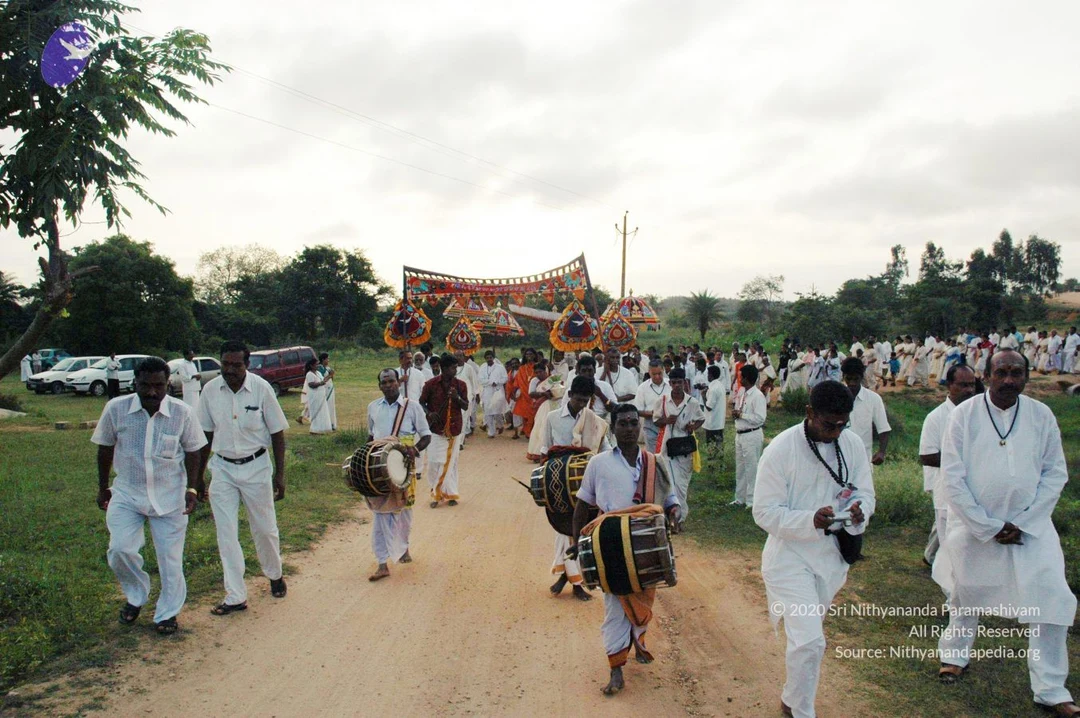
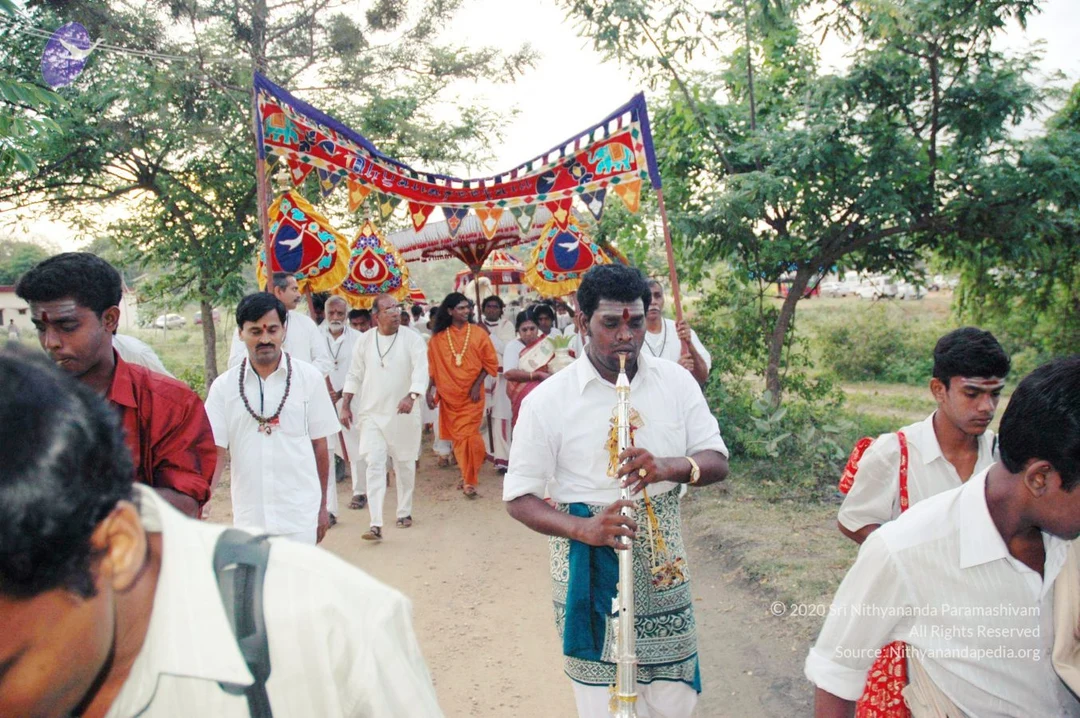
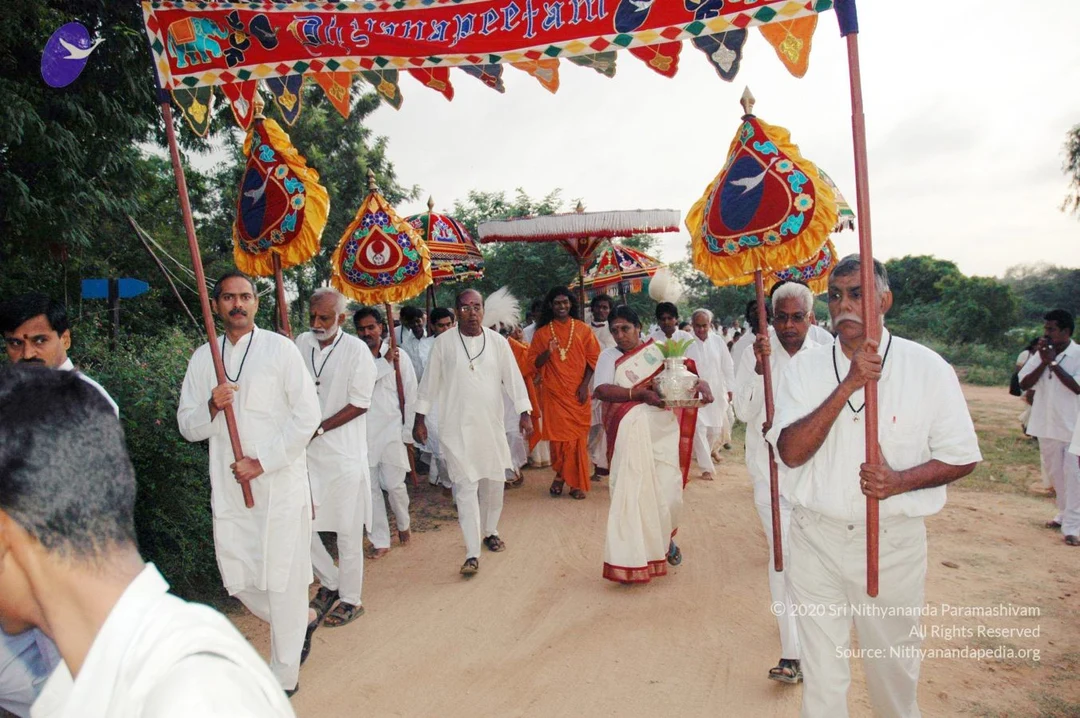
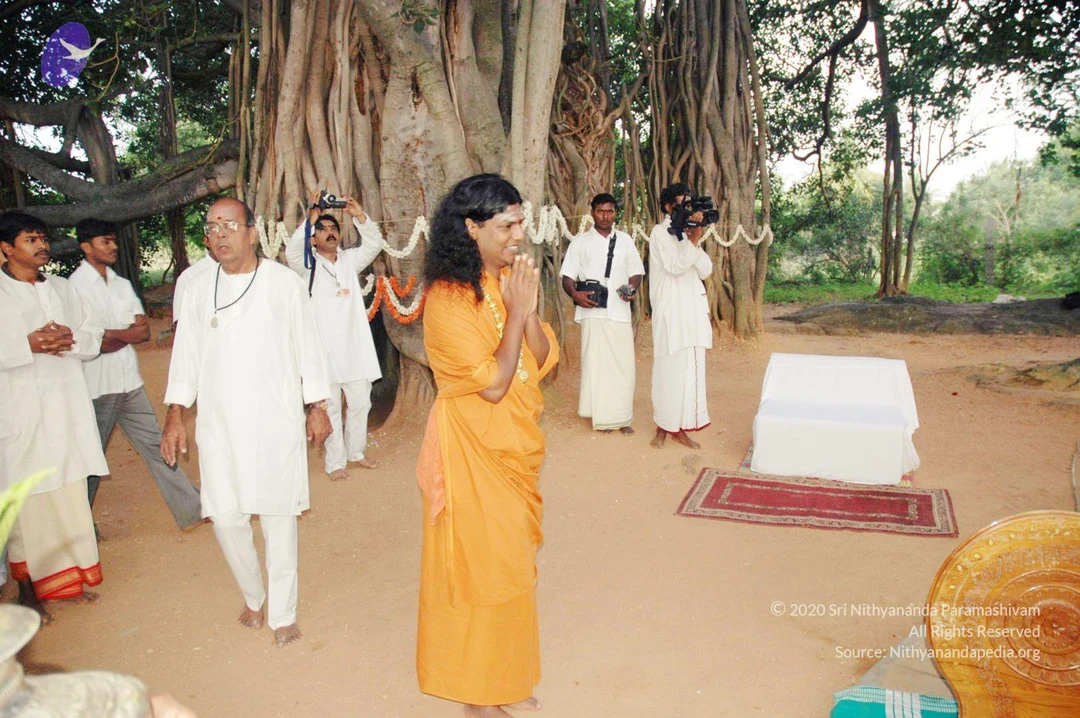
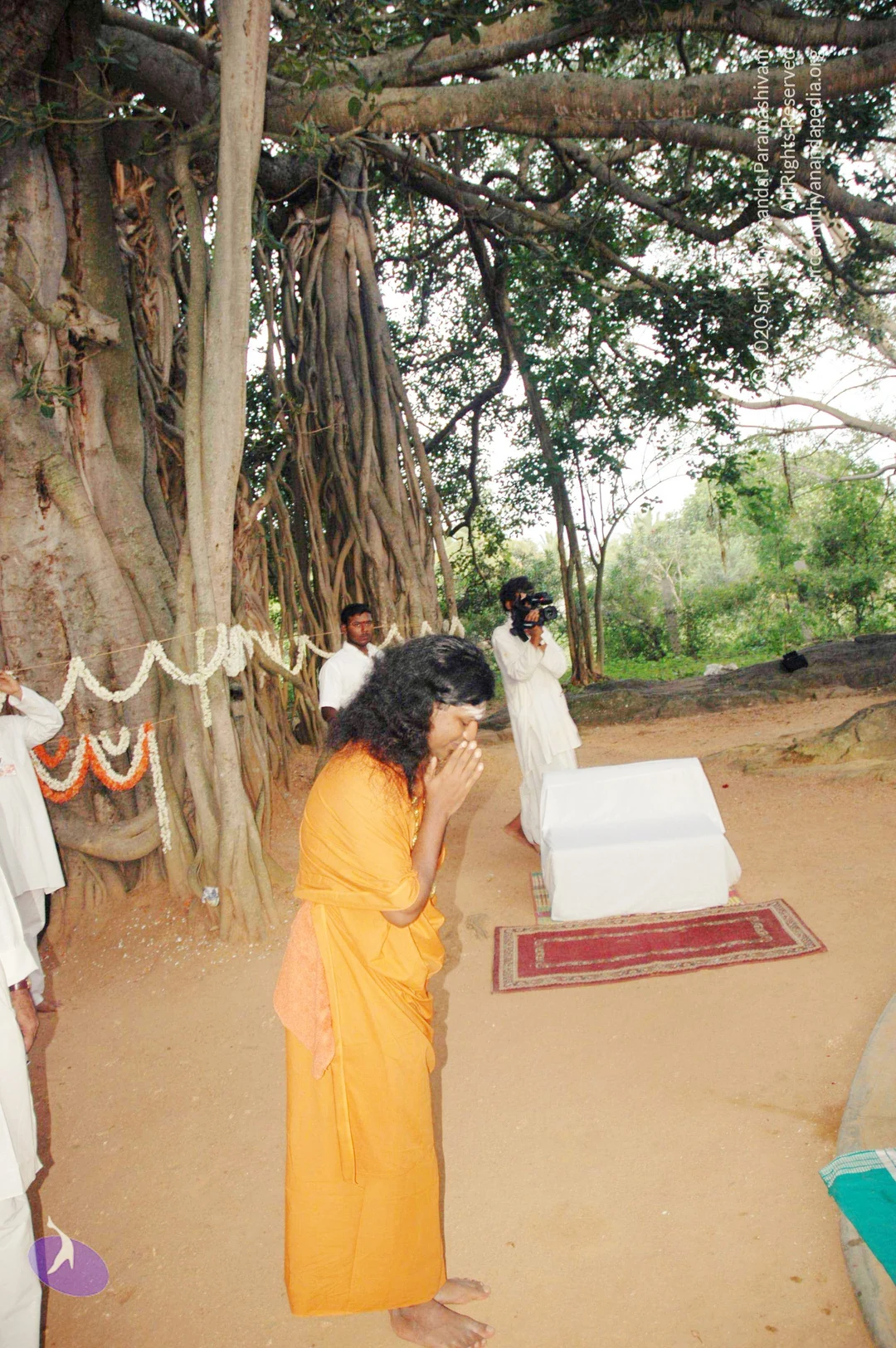
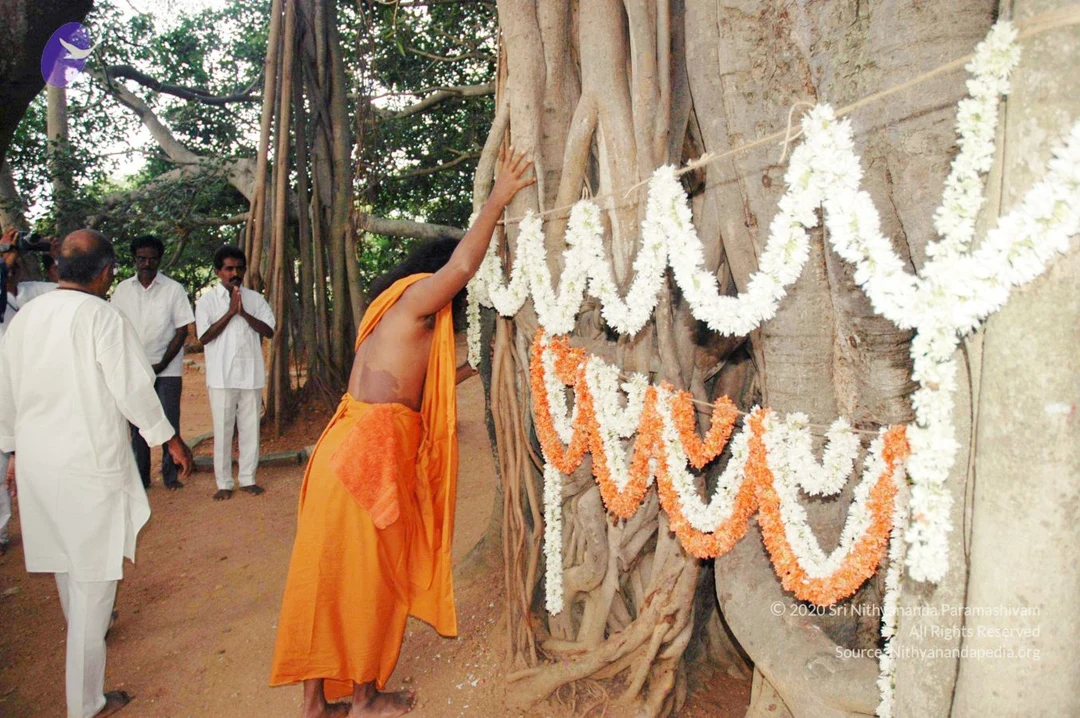
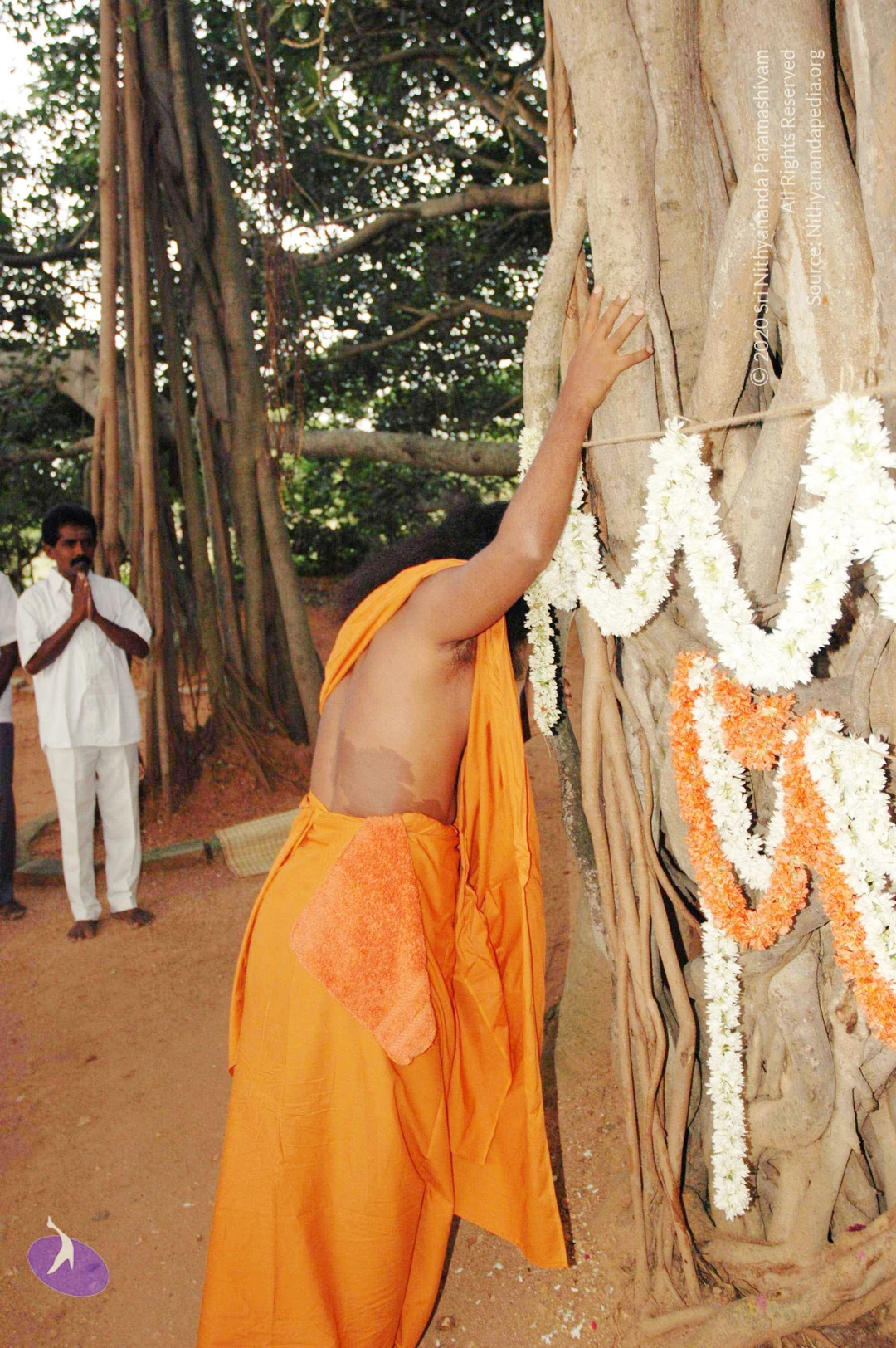
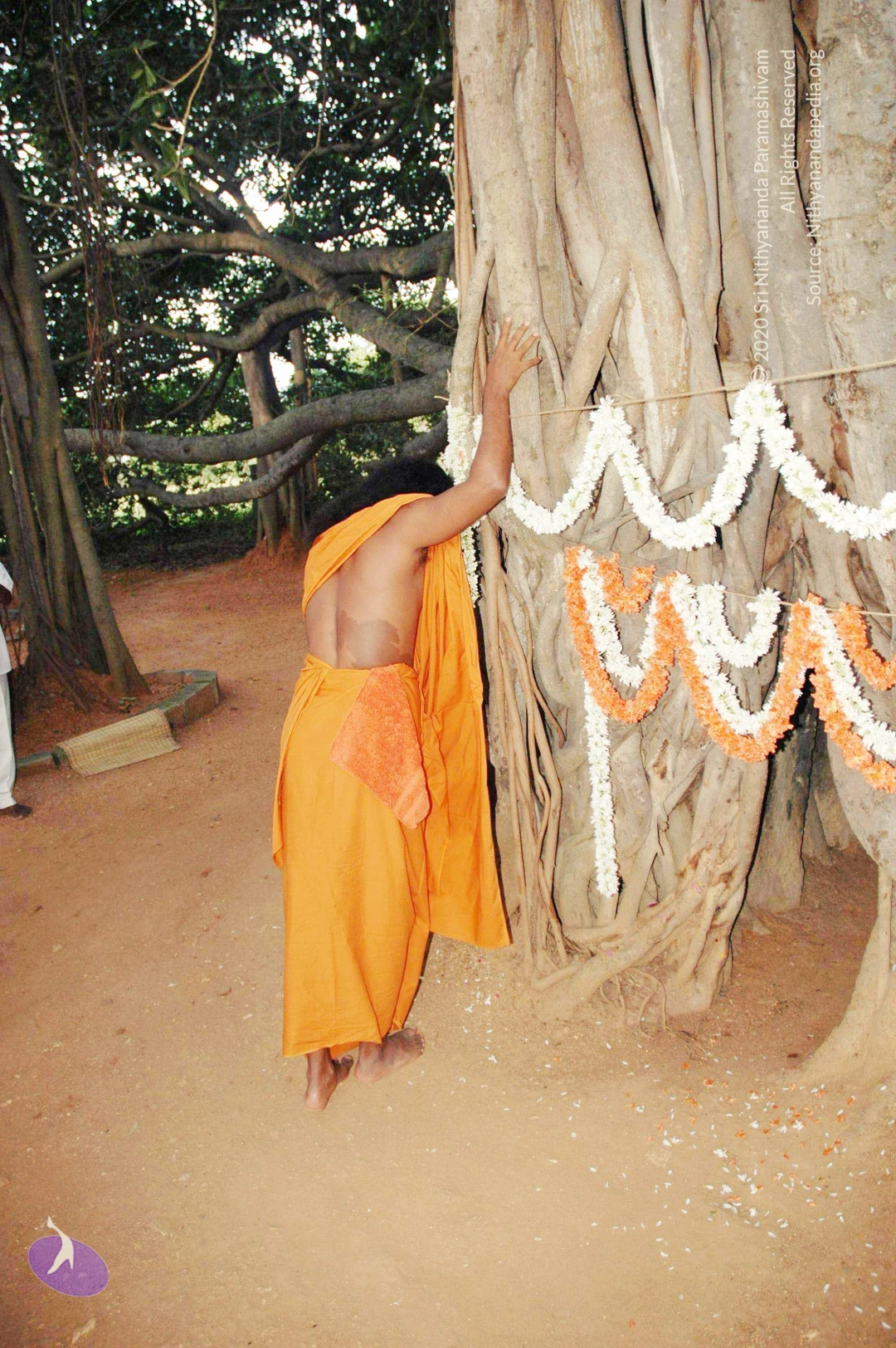
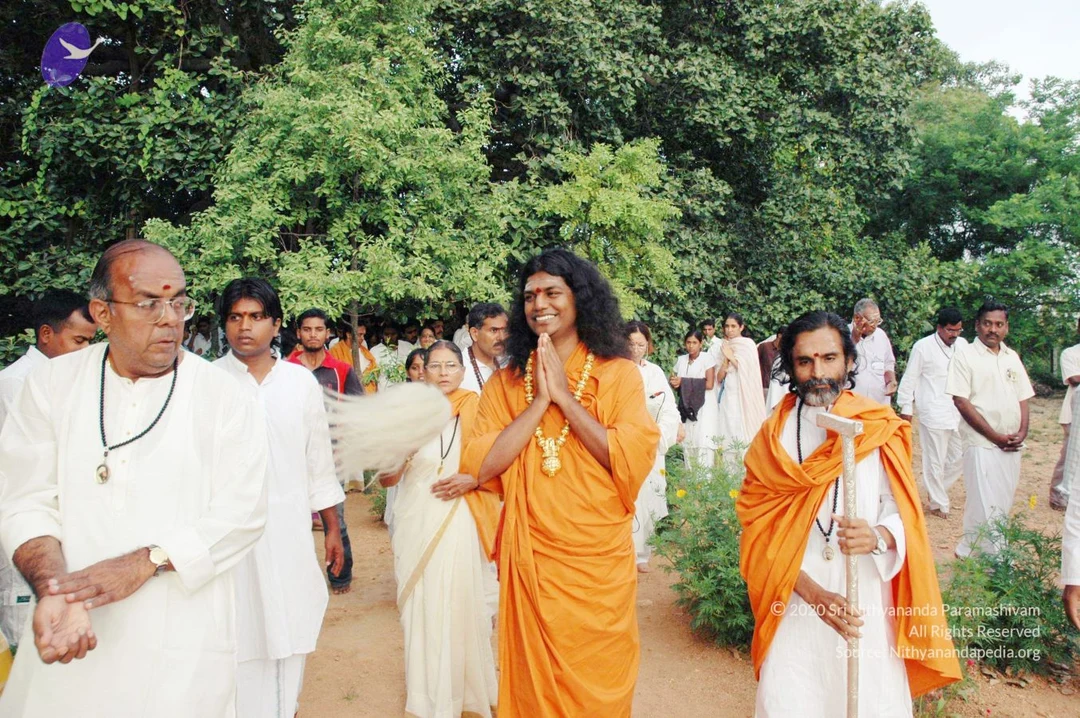
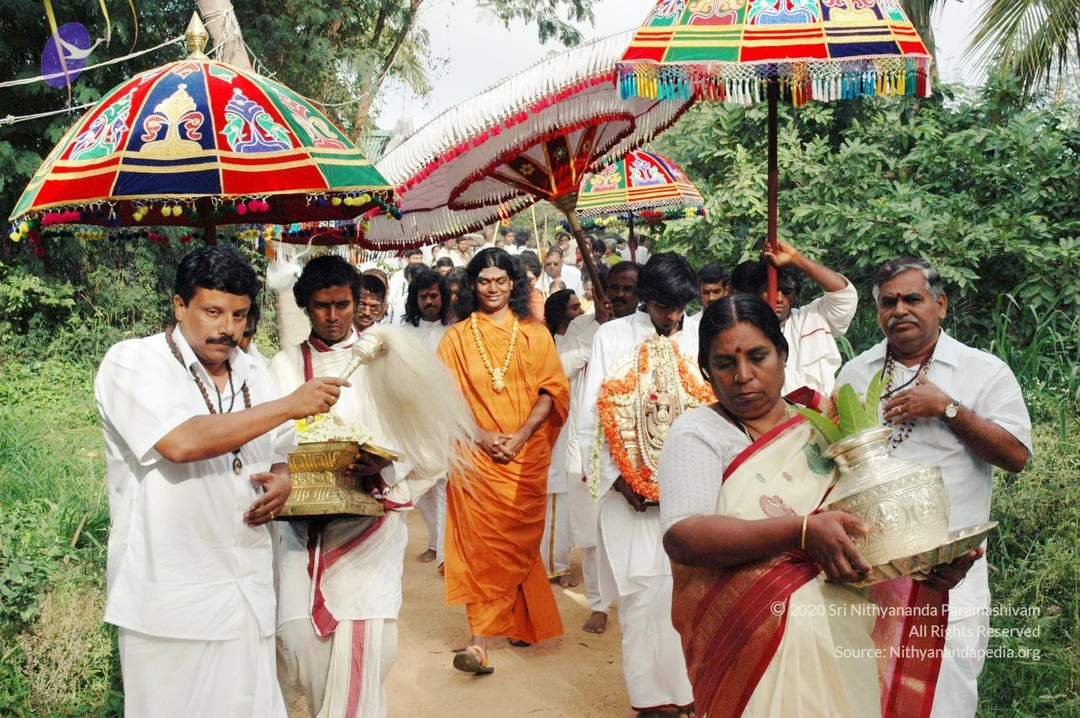
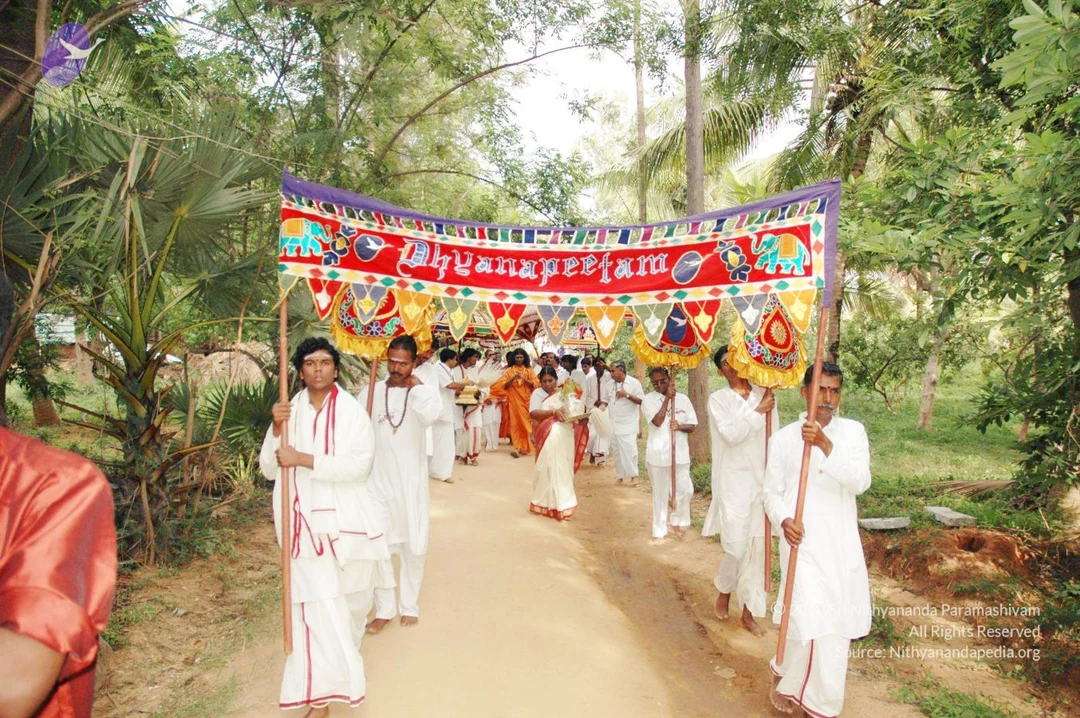
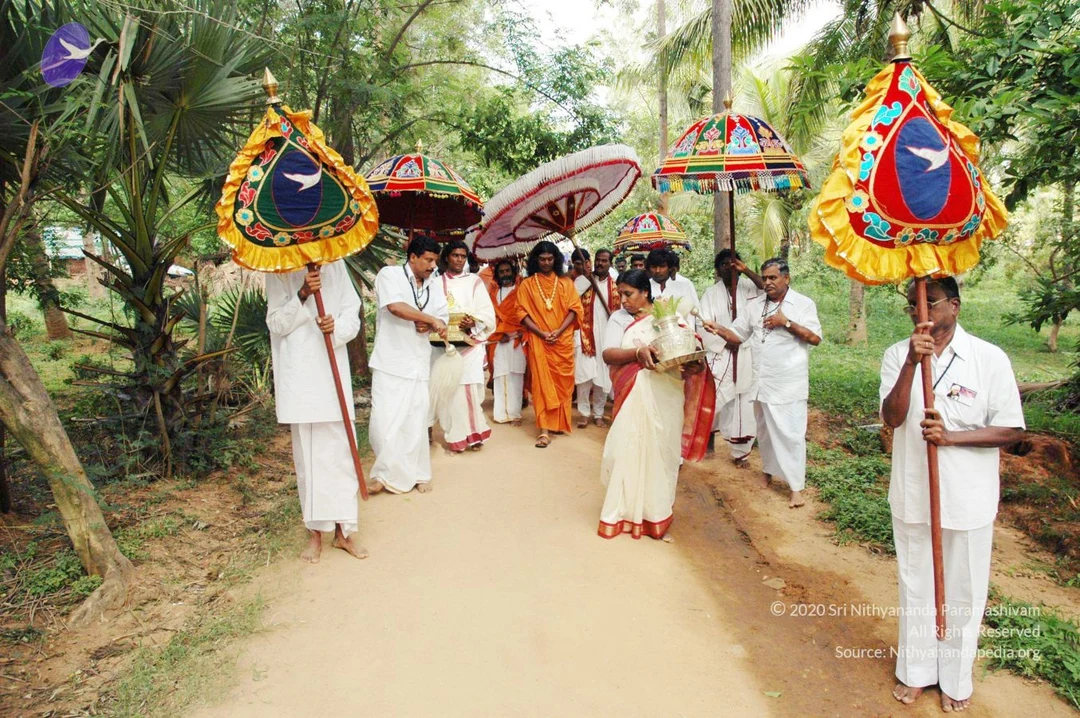
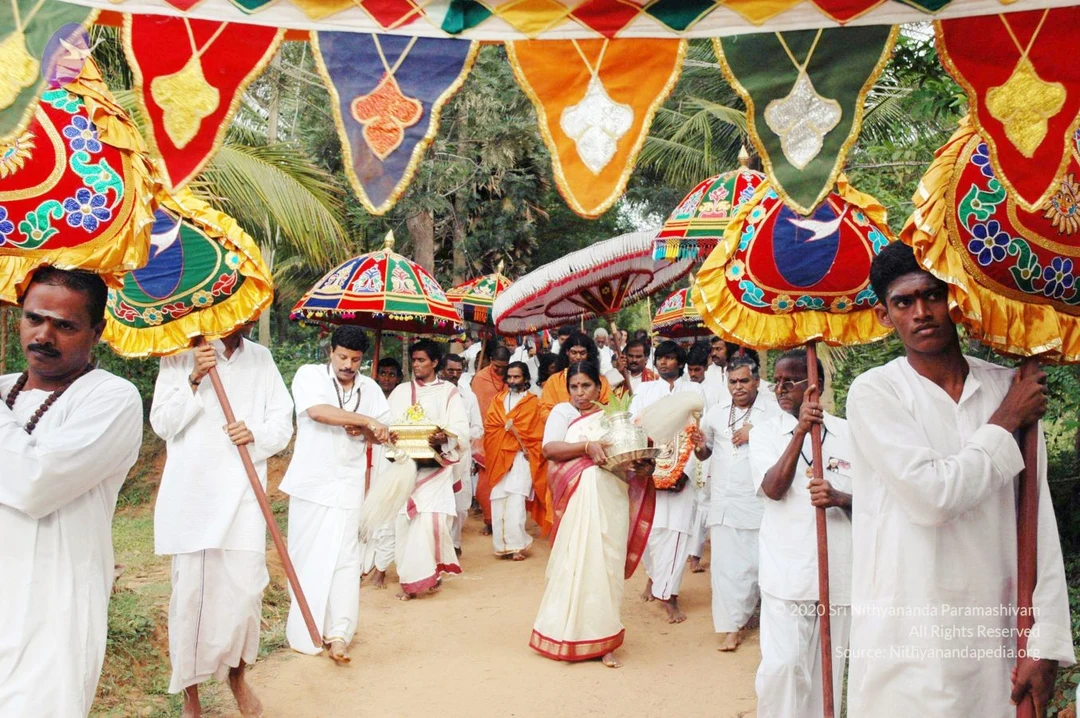
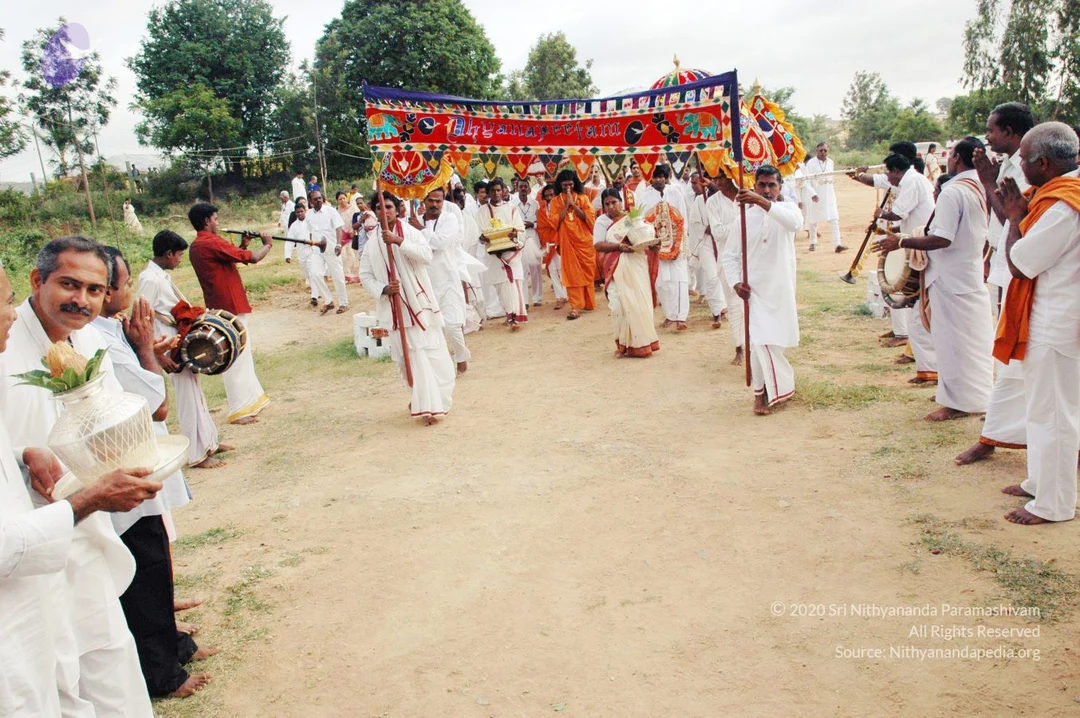
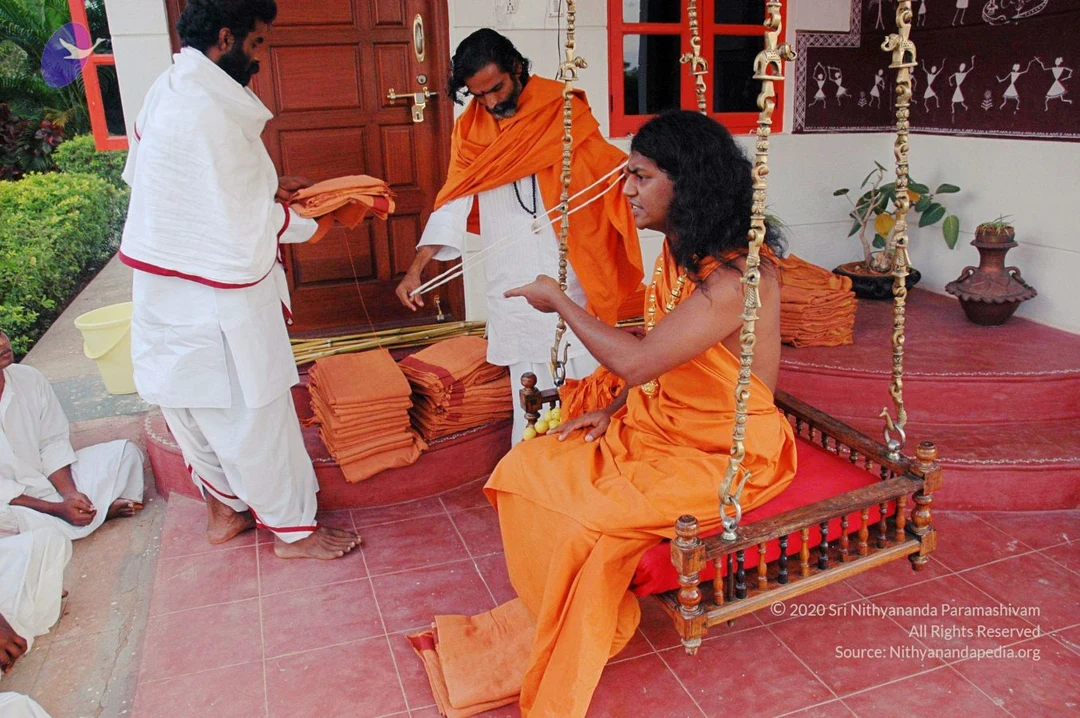
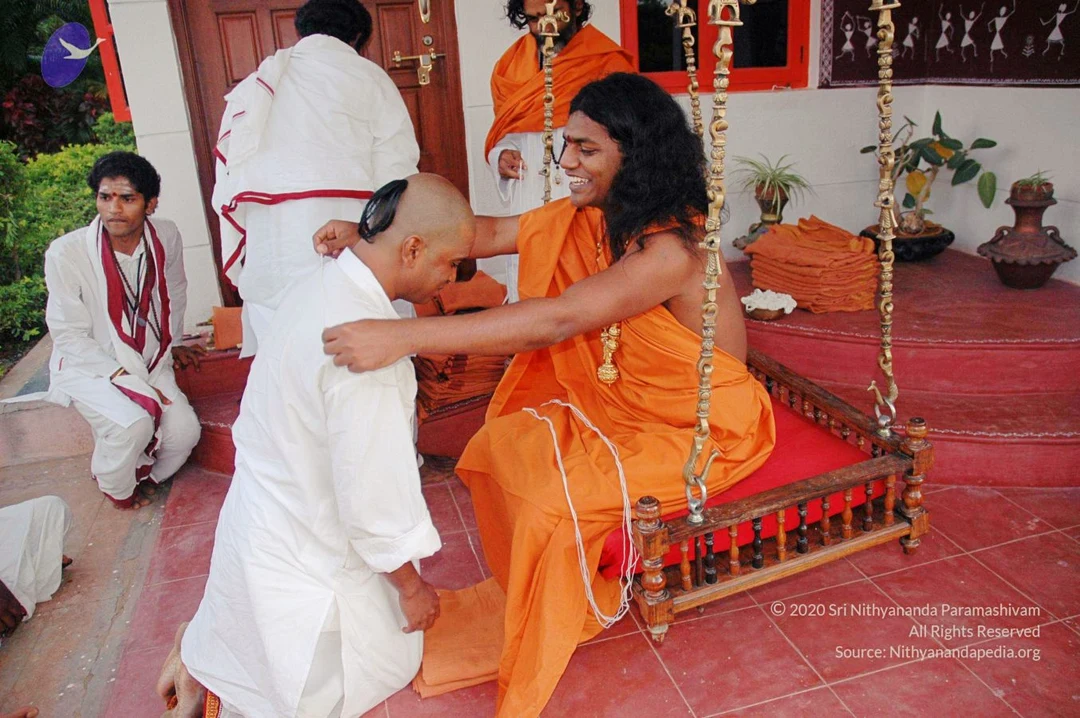
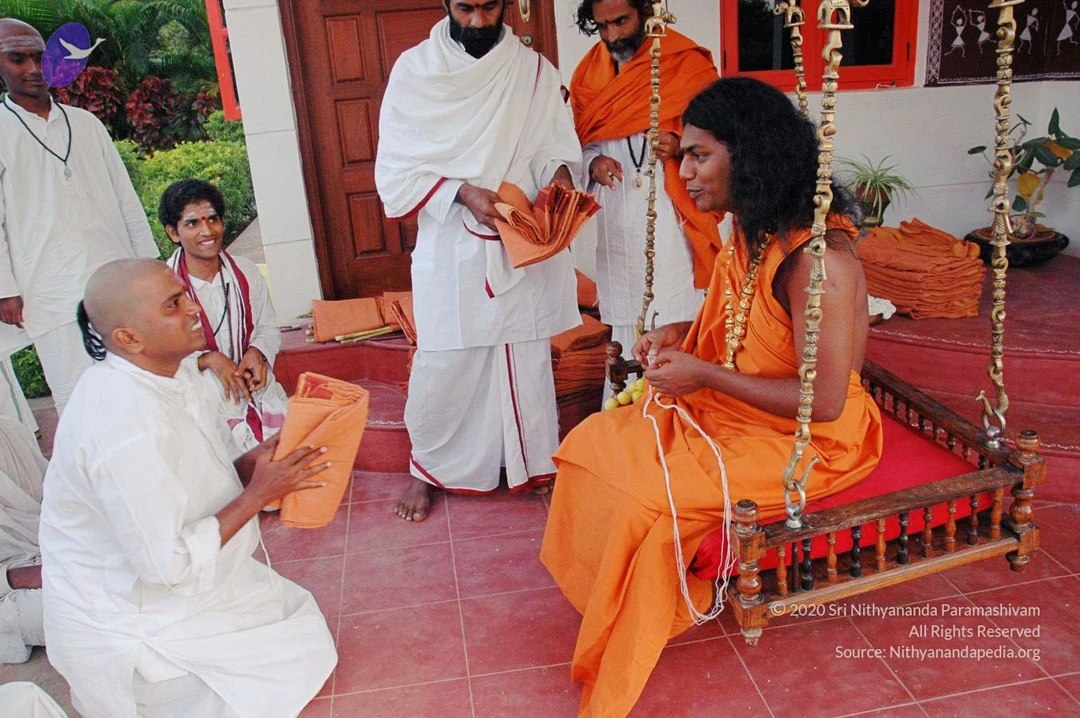
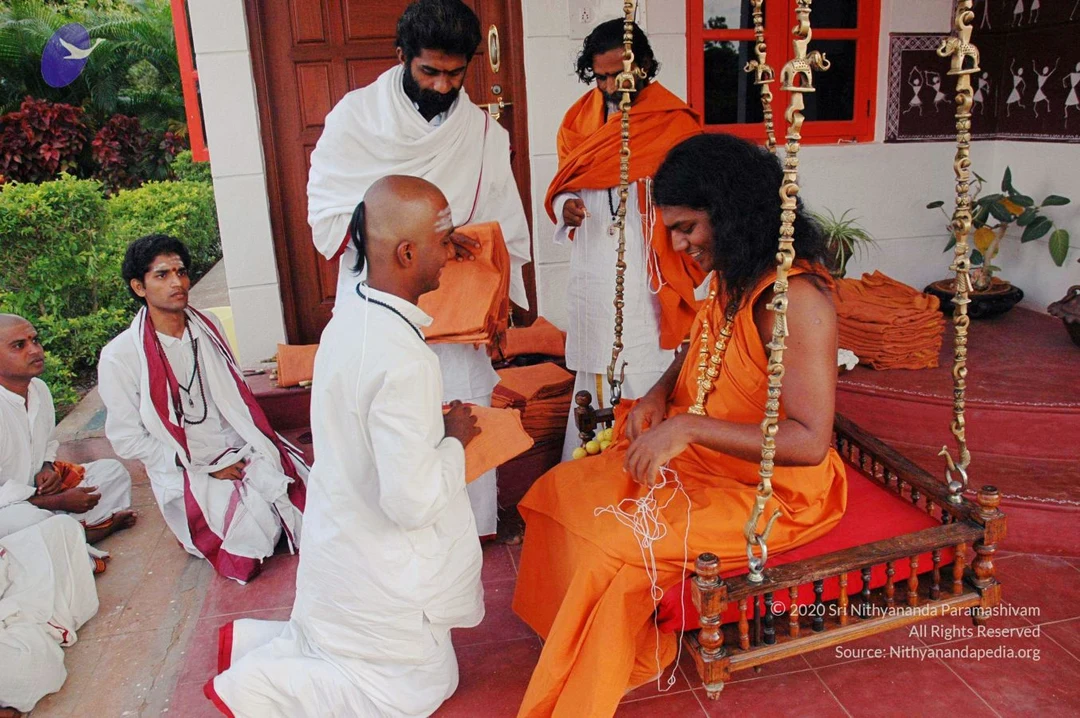
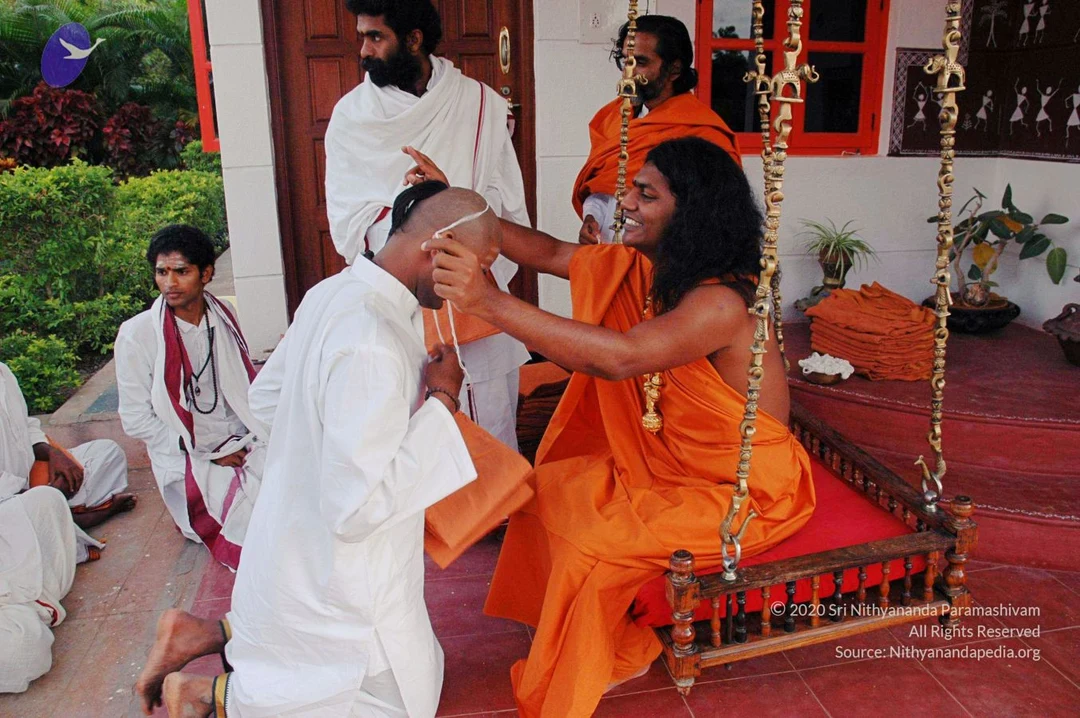
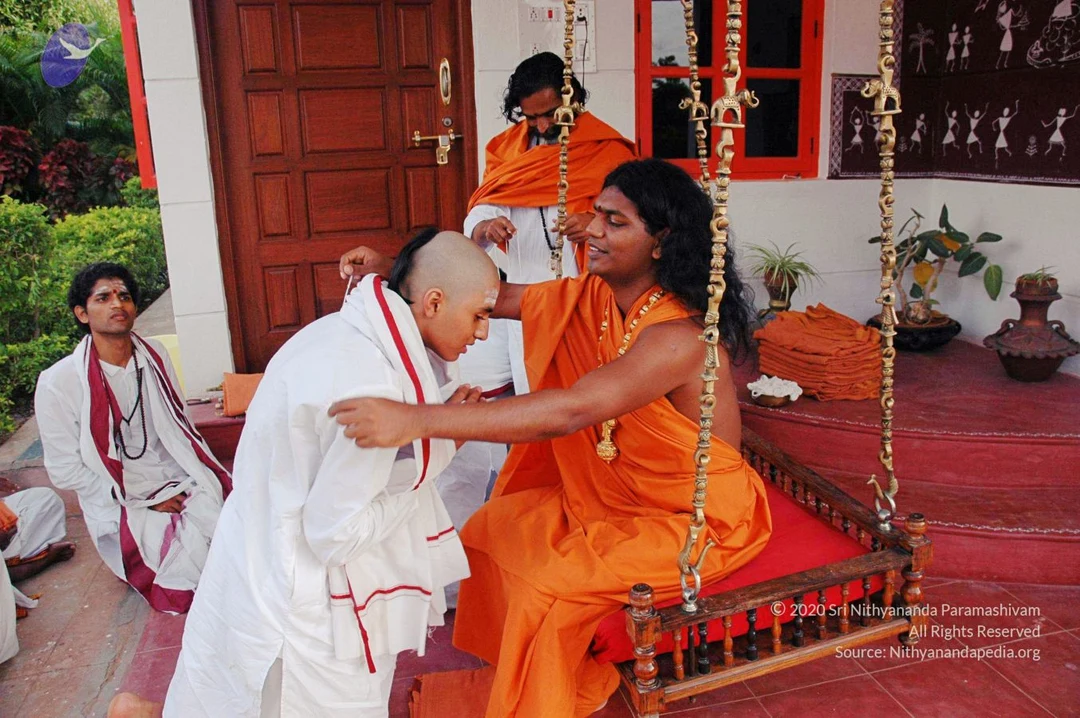
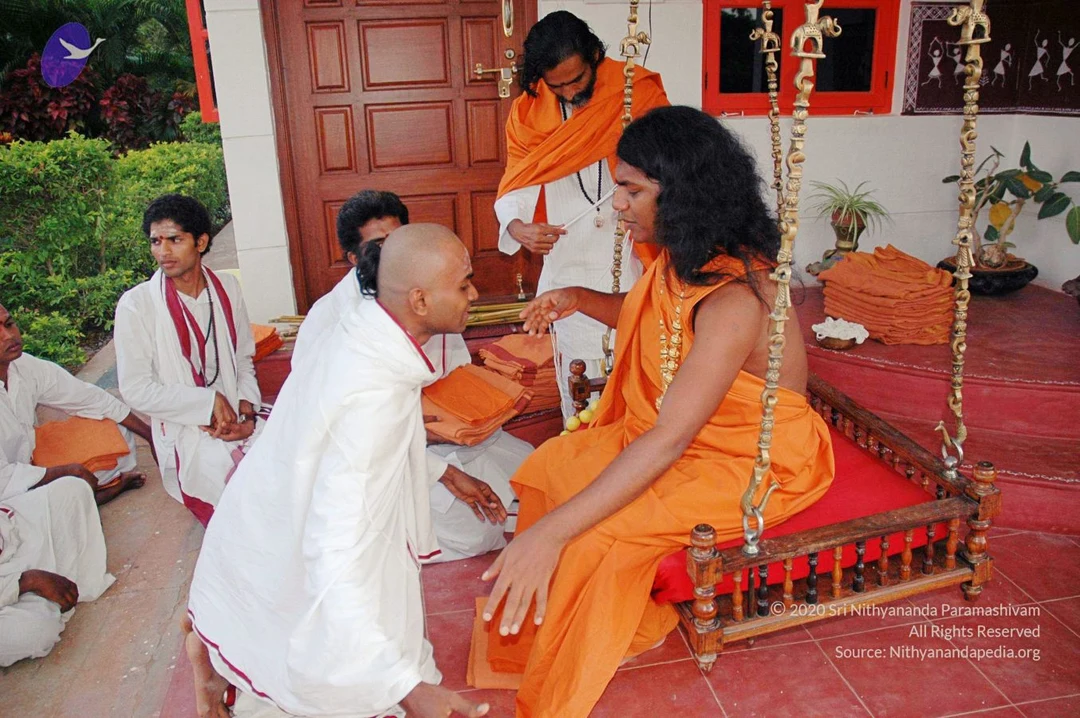
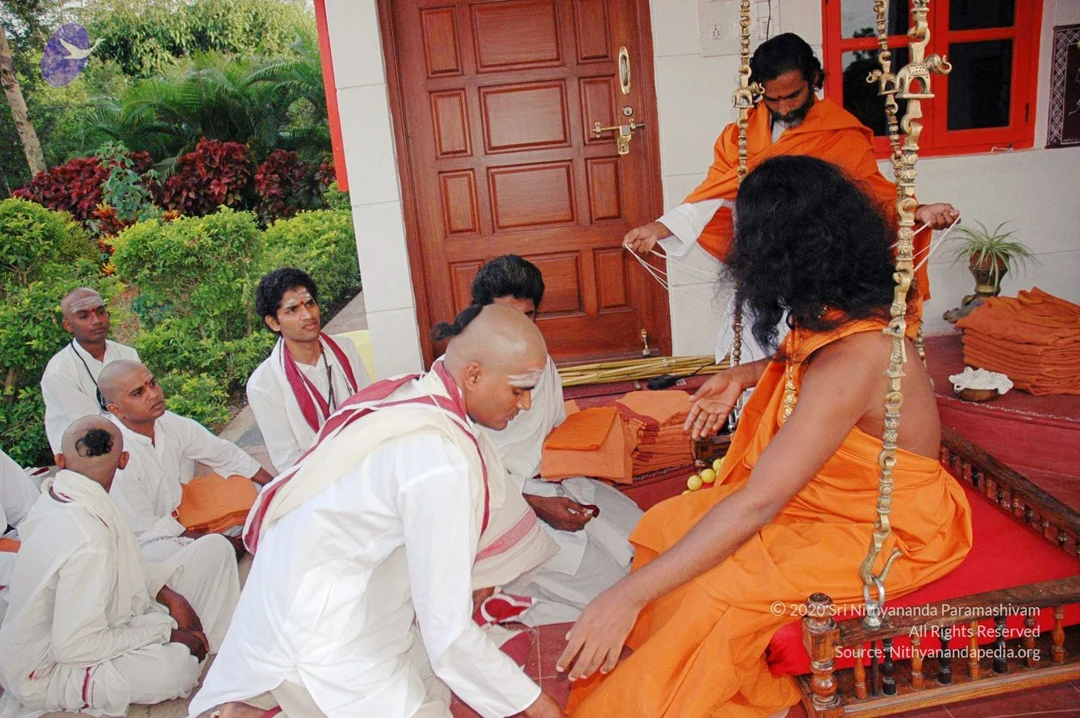
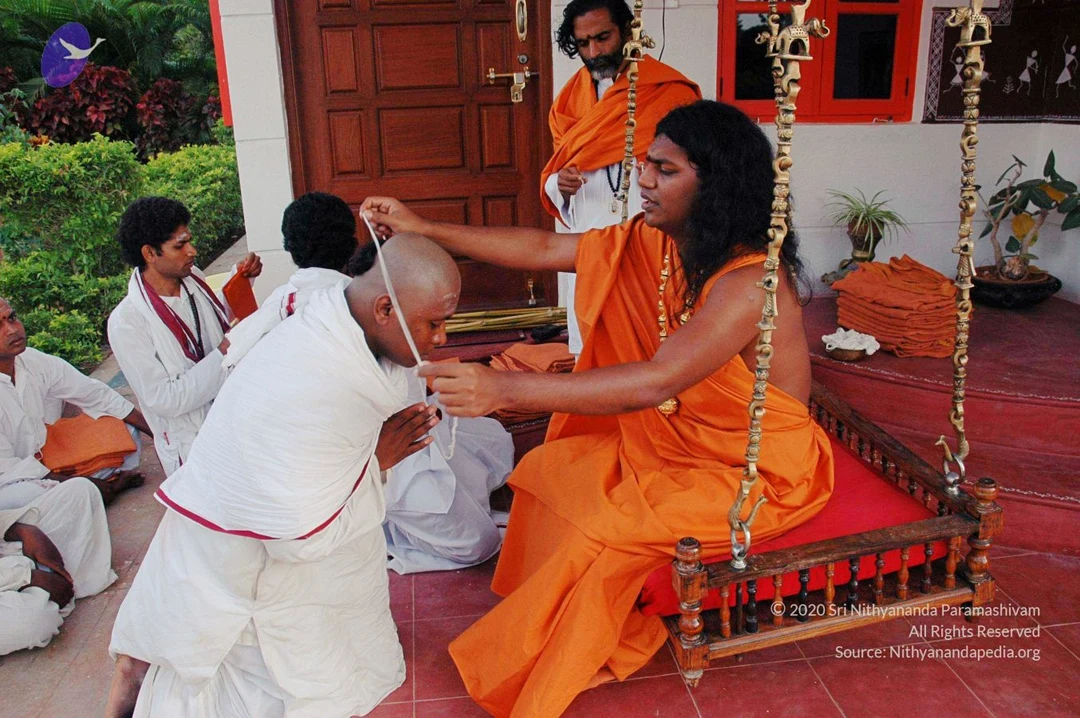
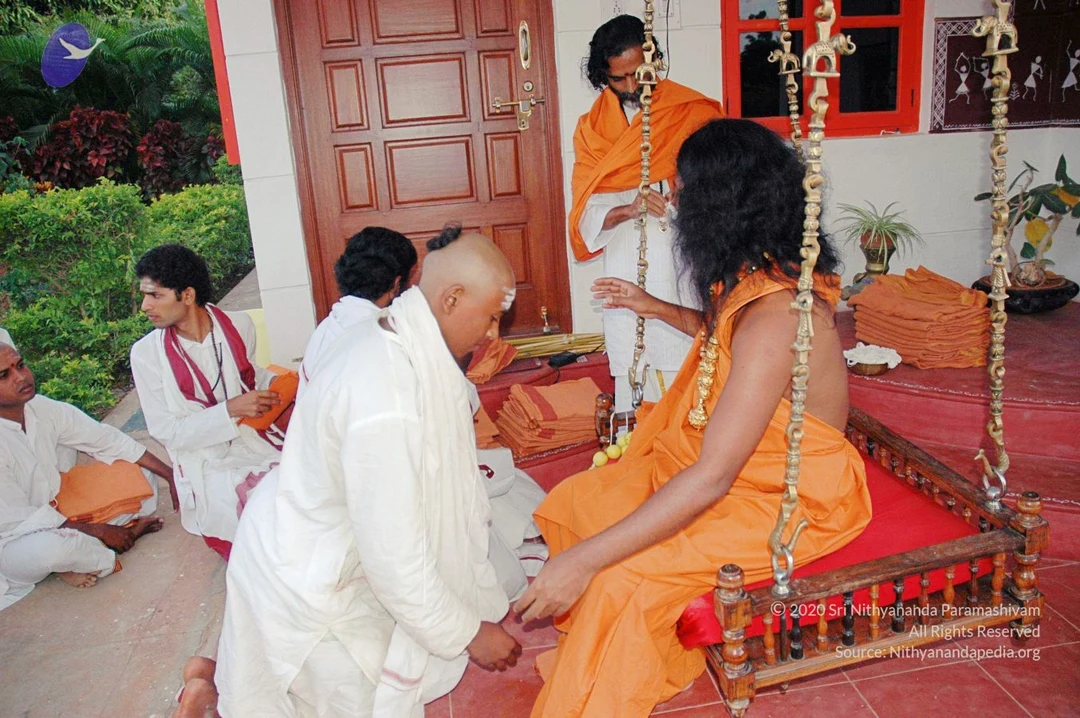
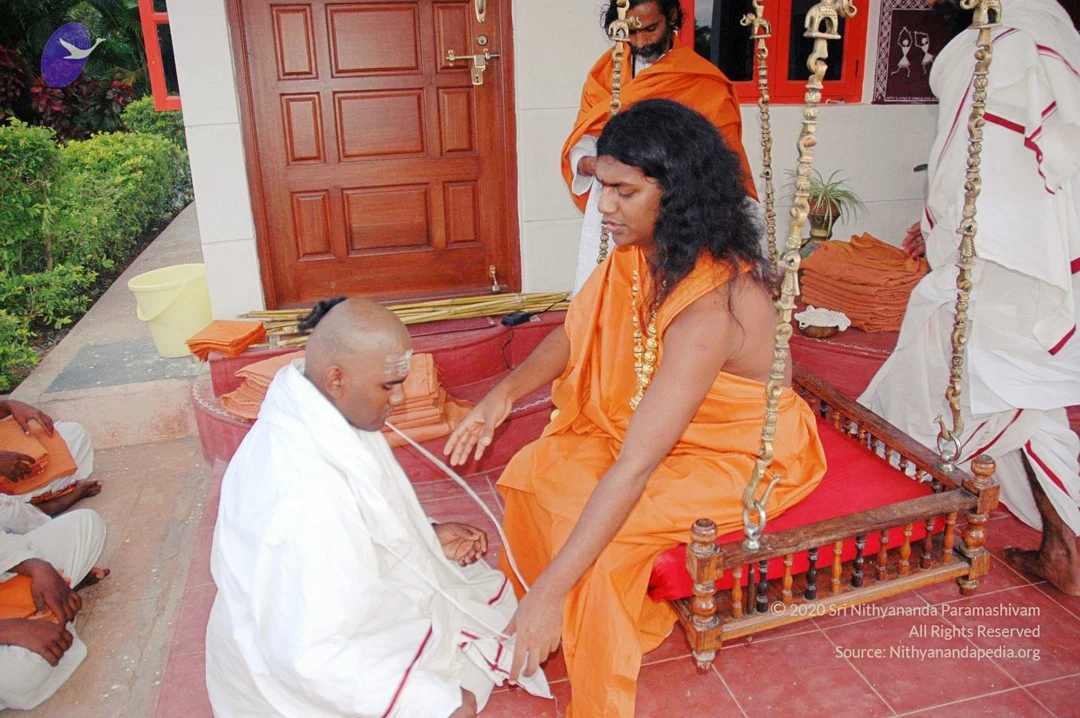
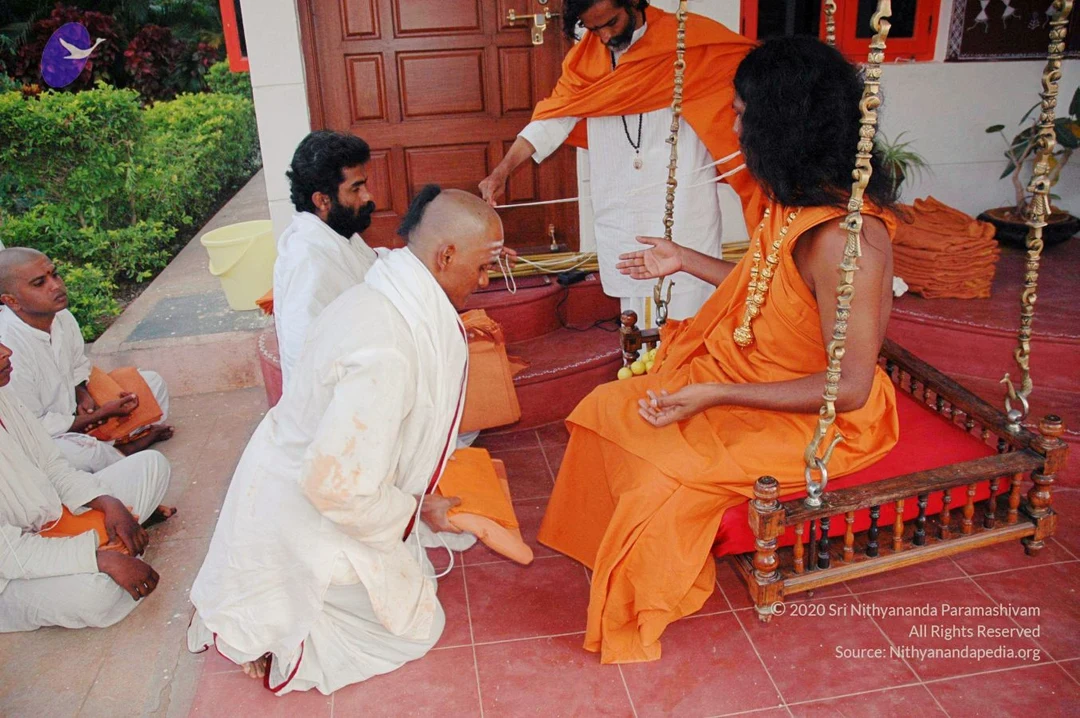
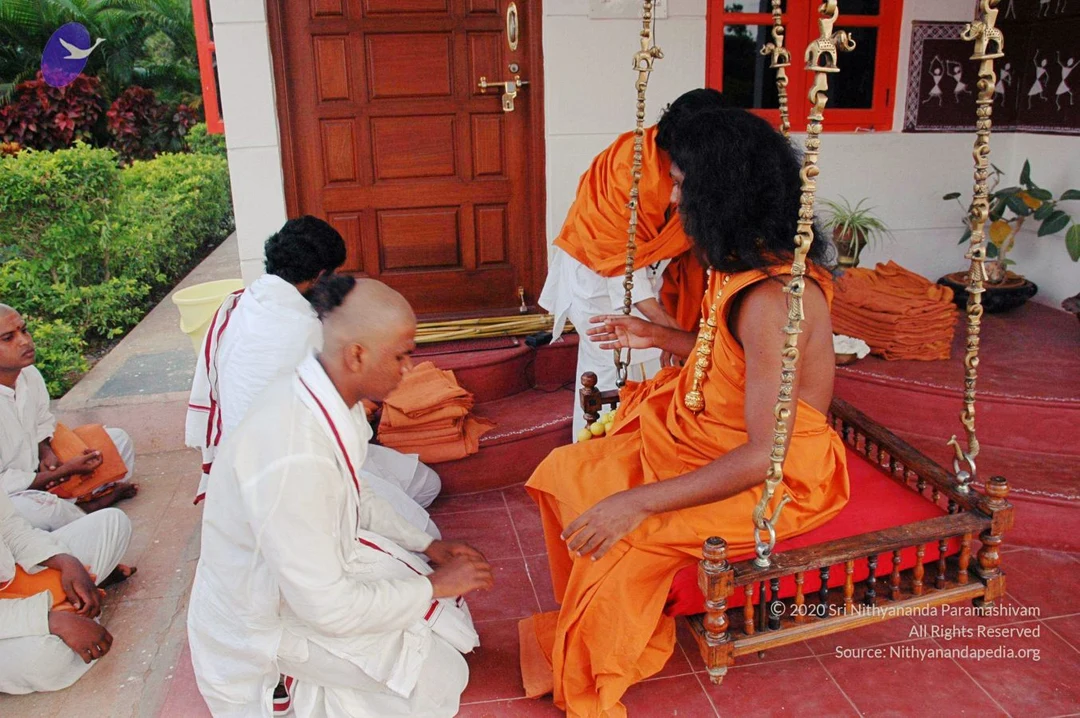
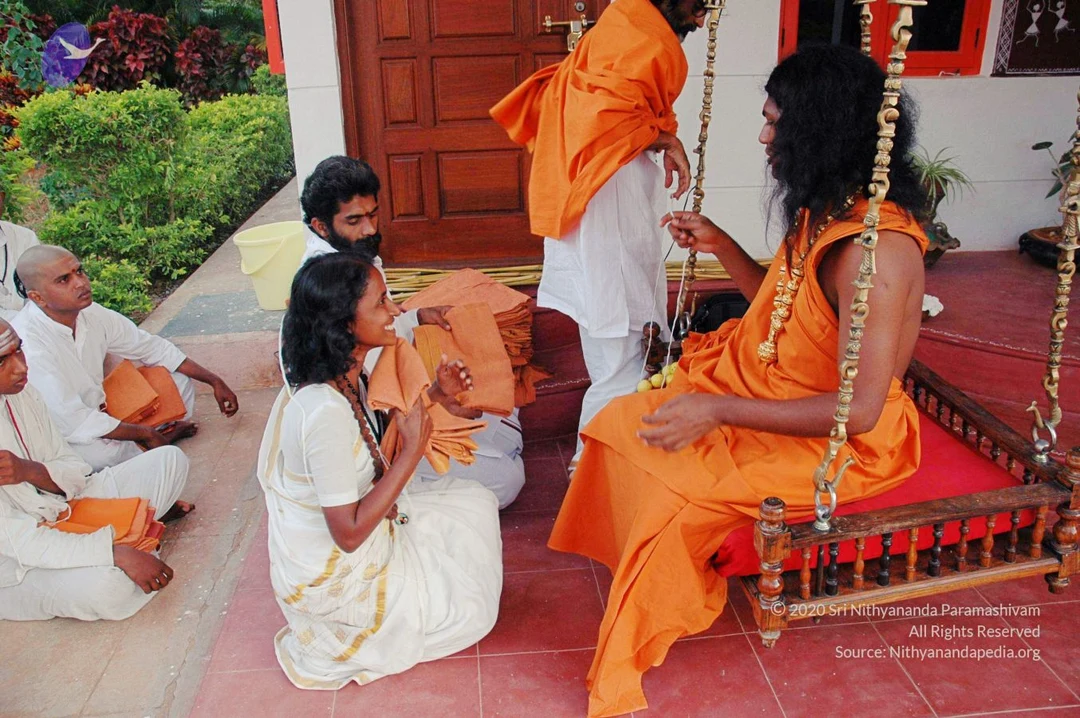
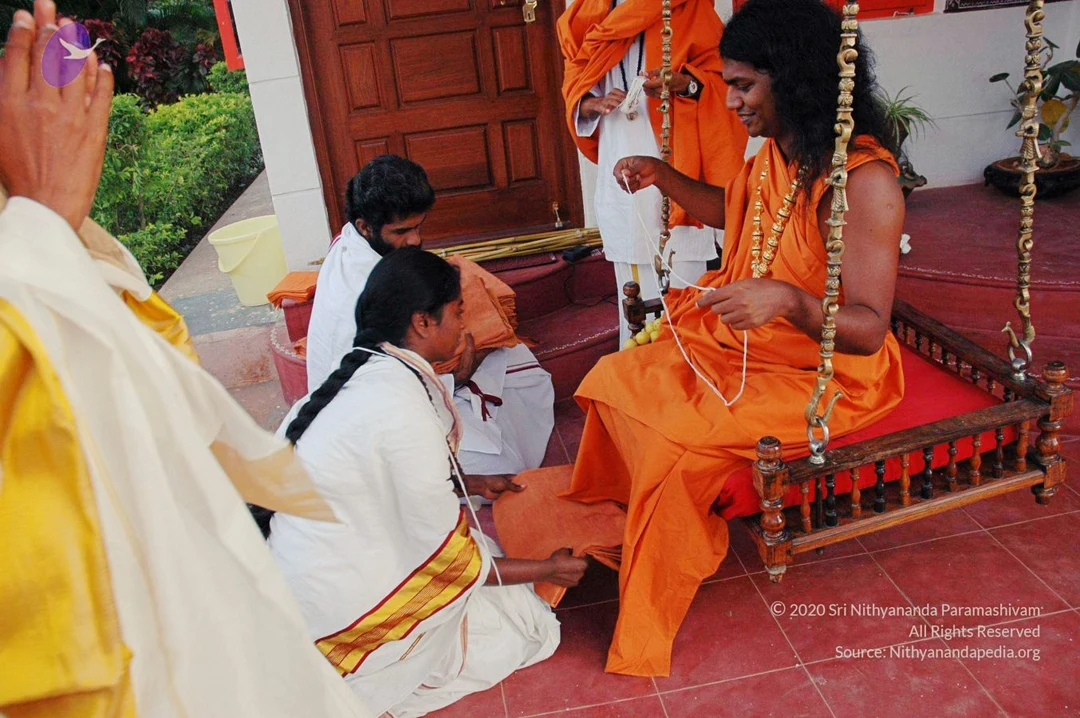
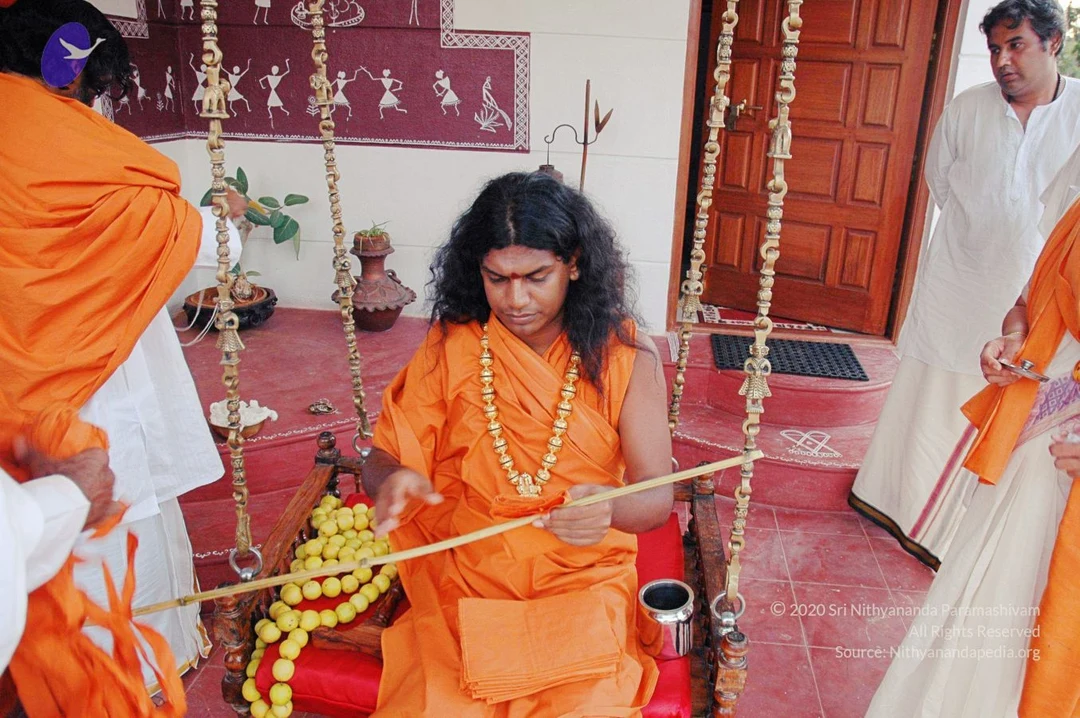
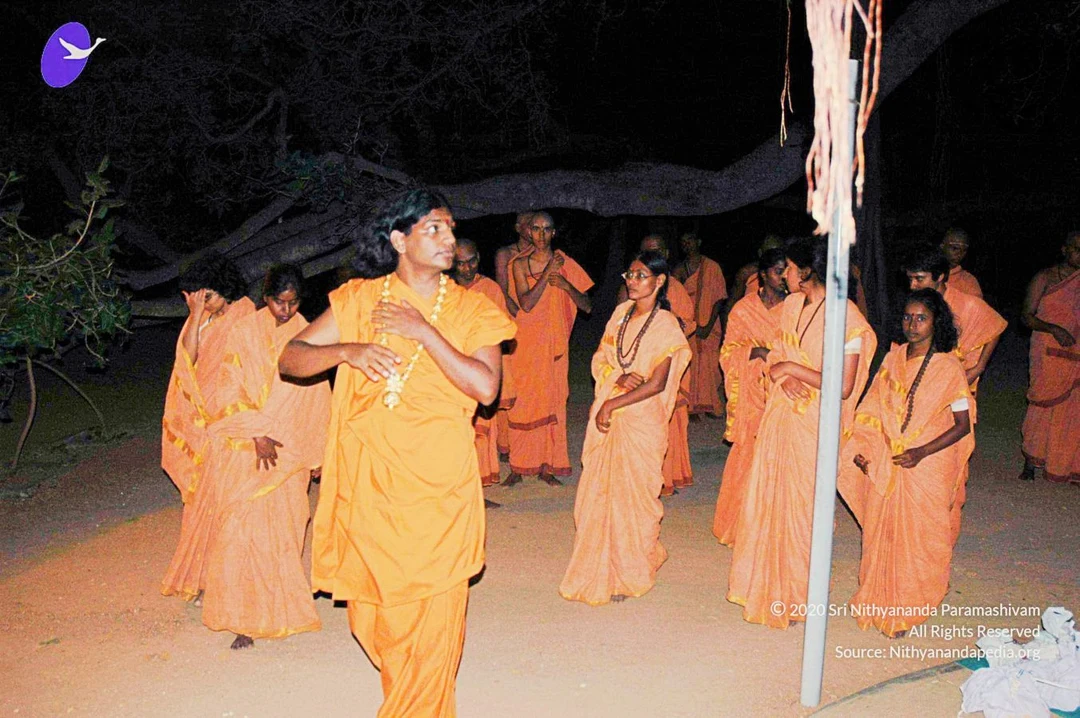
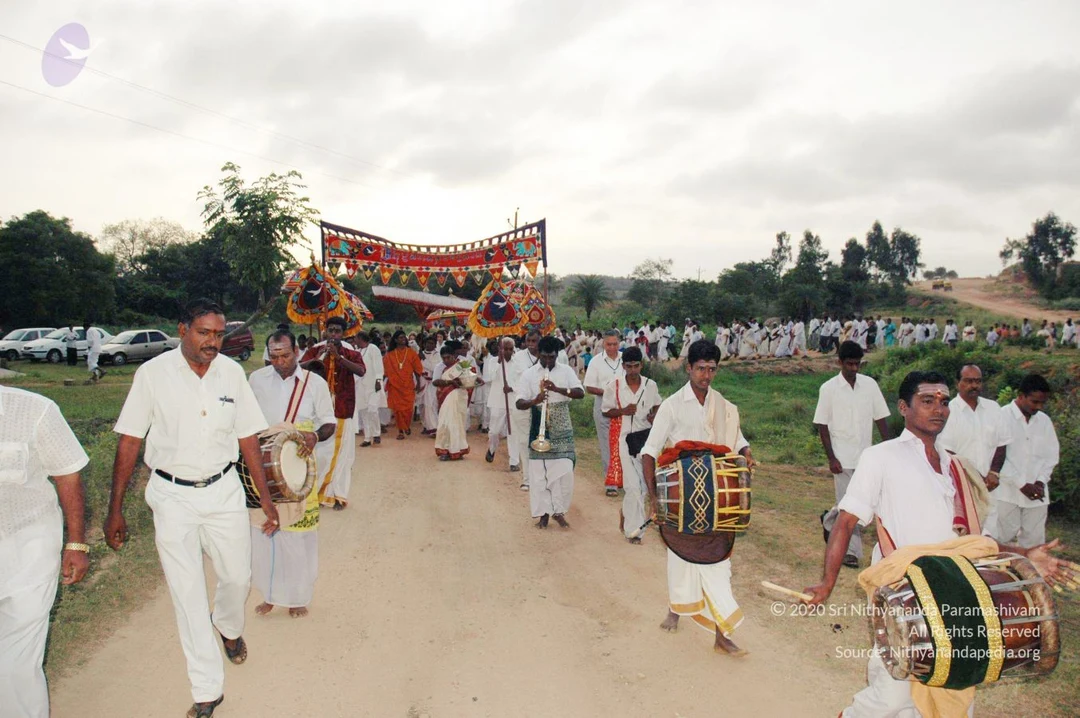
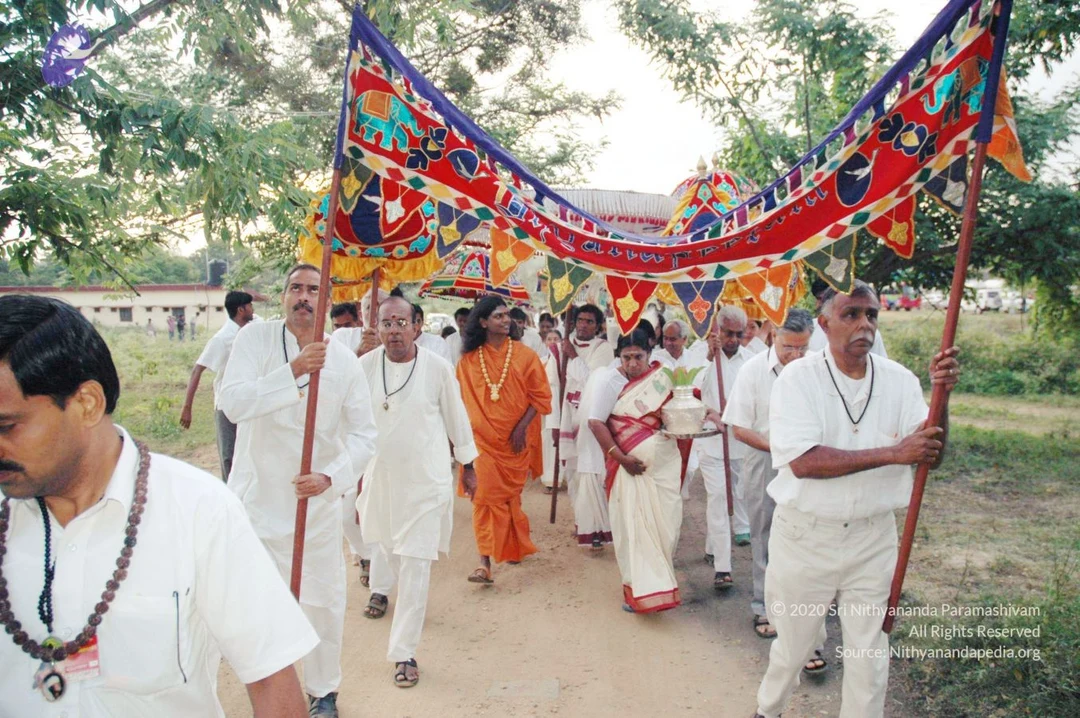
SPH puts on the yajnopavita (sacred thread) on the disciples who are taking the Brahmacharyam initiation before the group proceeds to the Kalpavruksha / The Sacred Banyan Tree and from there to the meditation hall for the initiation.

PA-370-32 CMP WM.jpg

Photos from this day
View all 509 photos

Photos

301 photosSource gallery
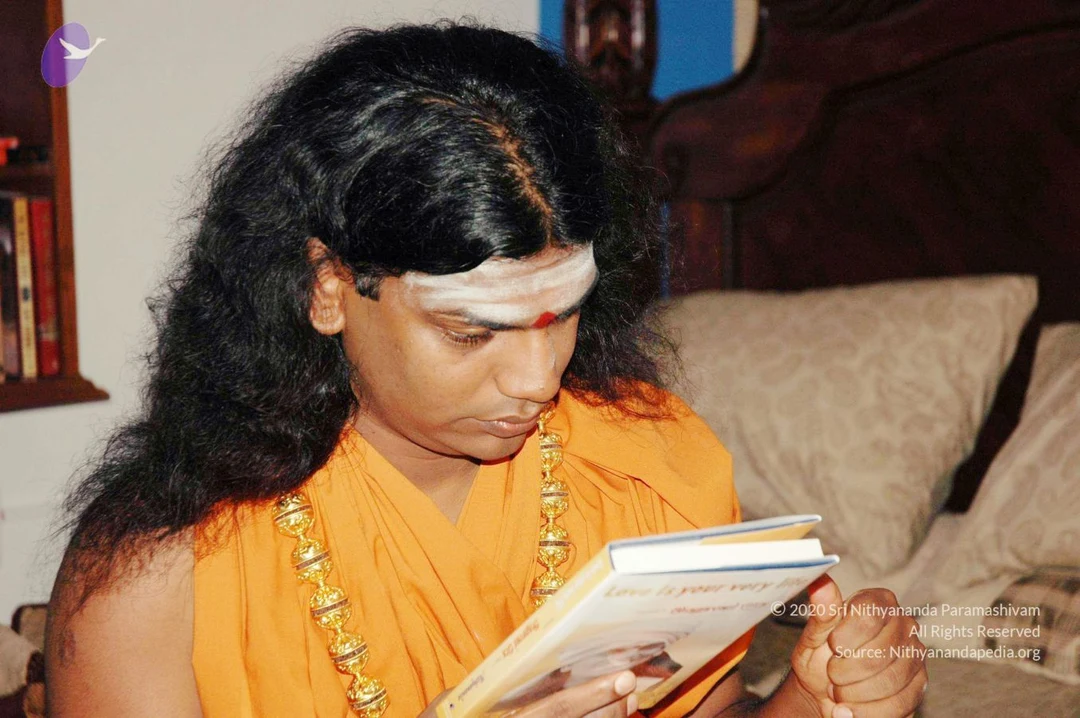
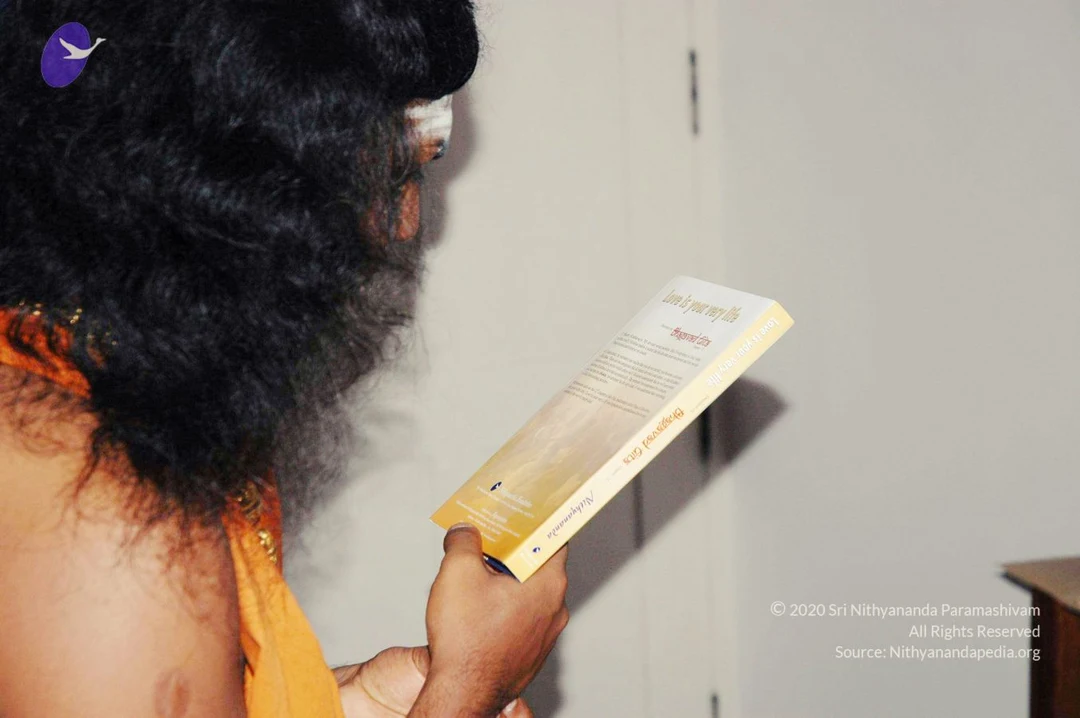
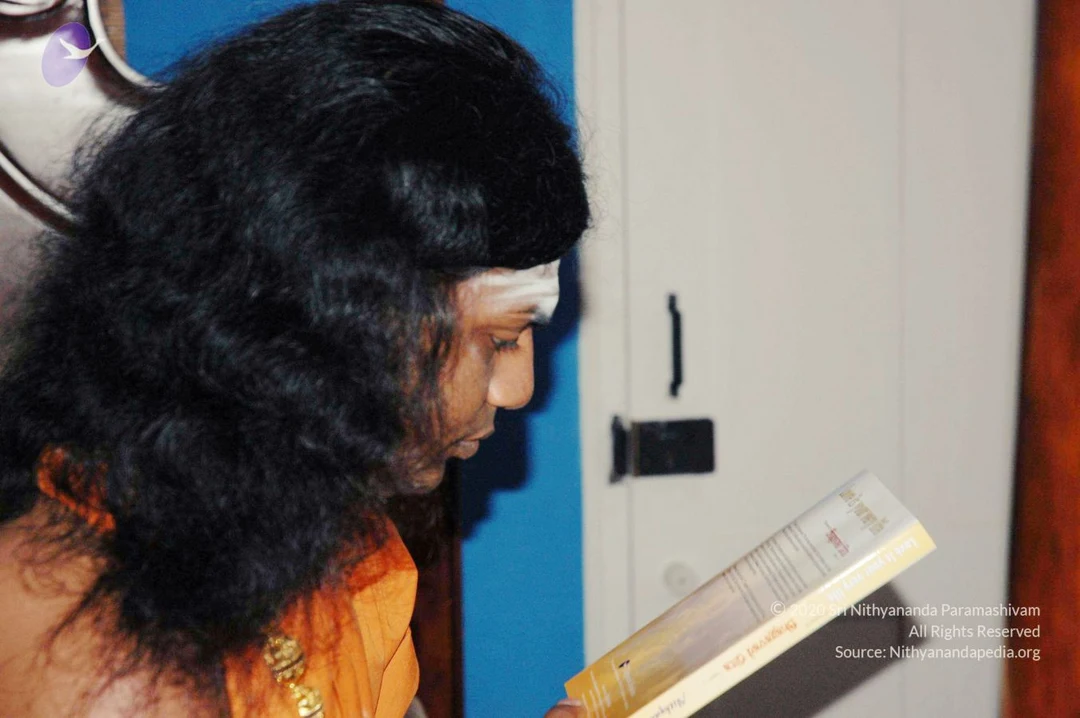
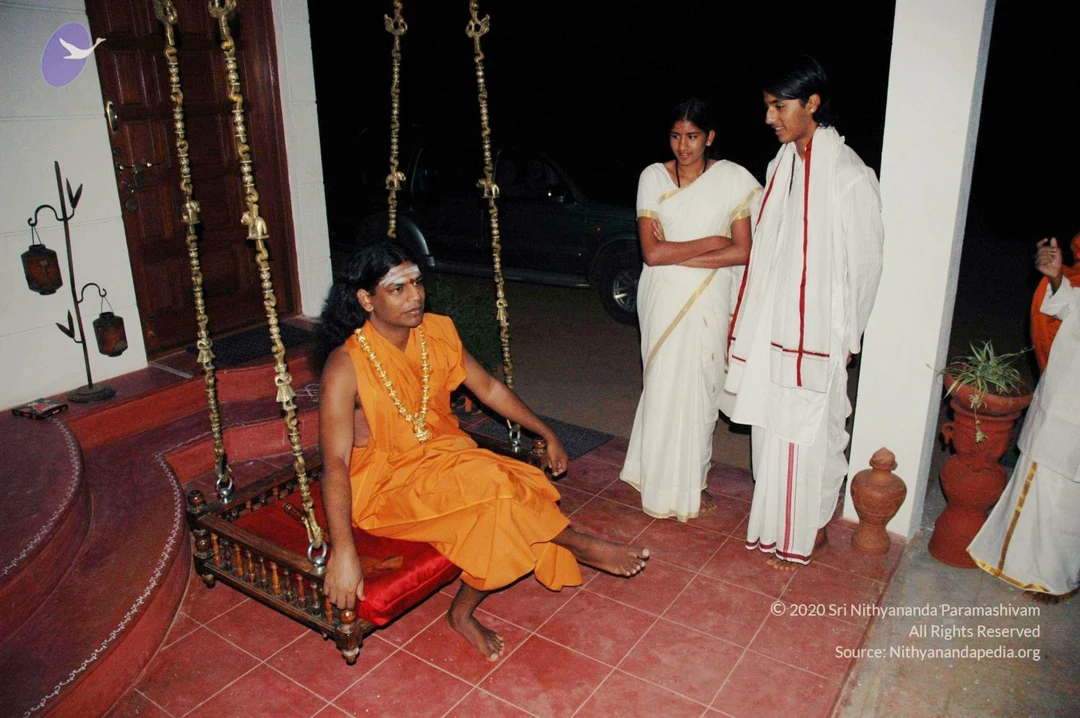
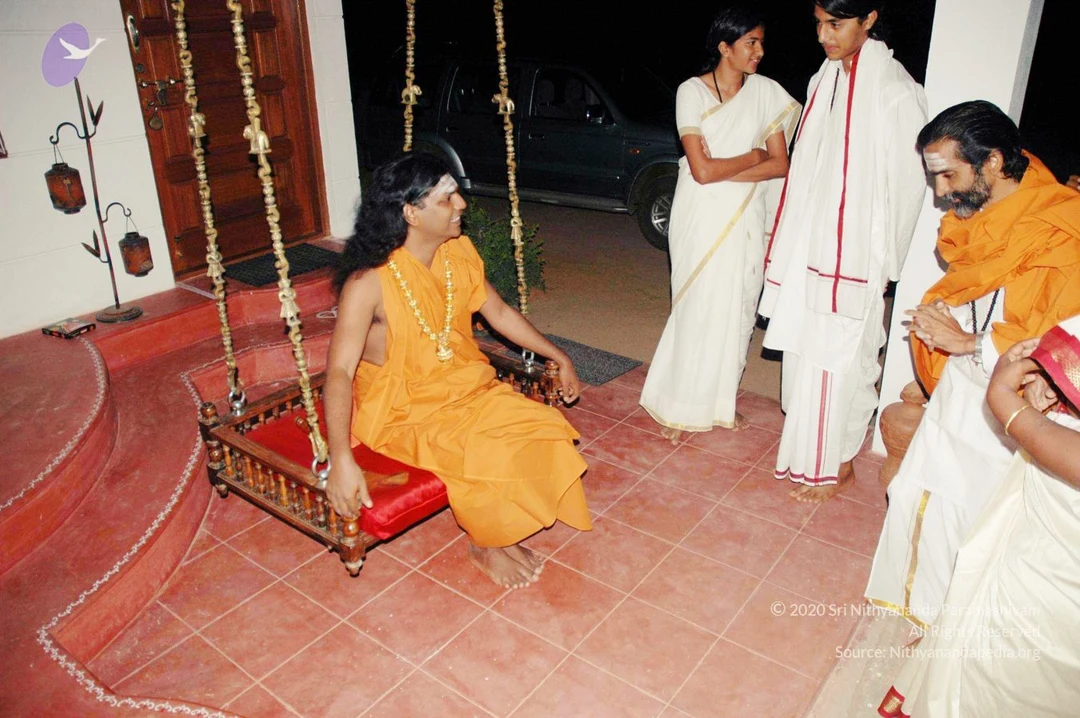
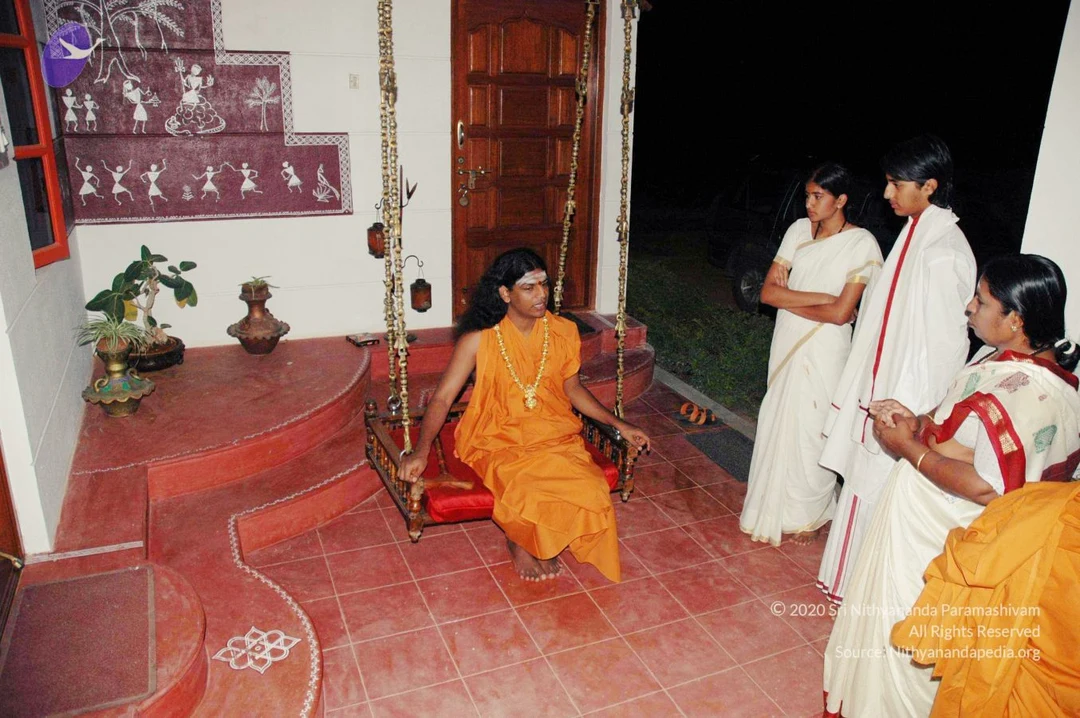
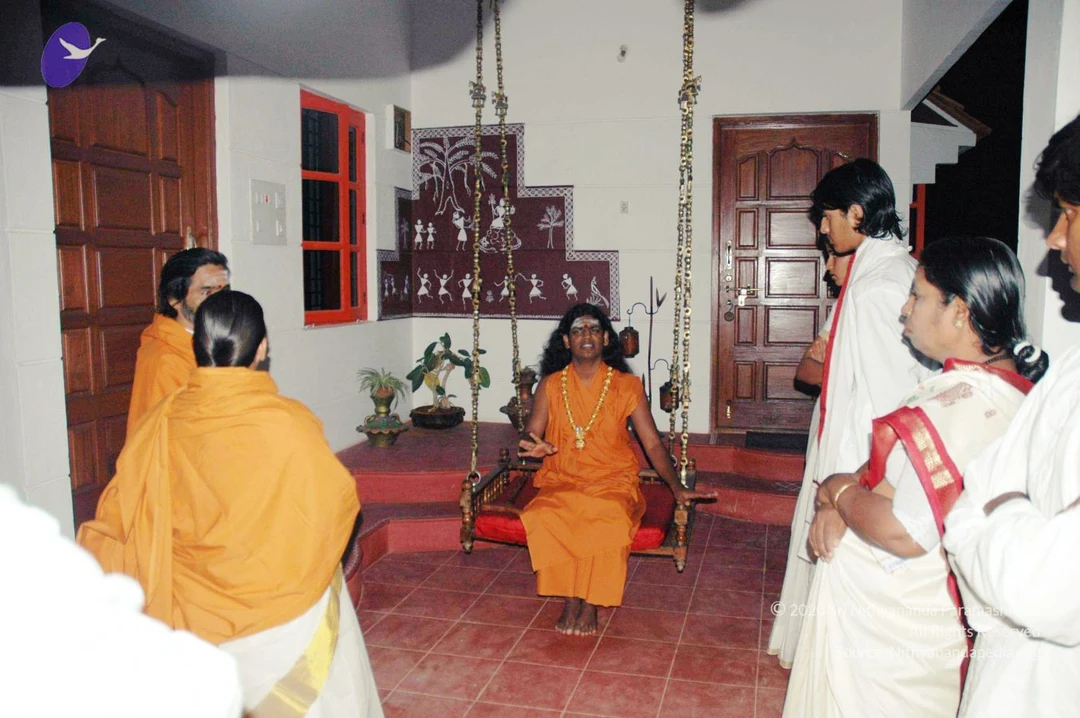
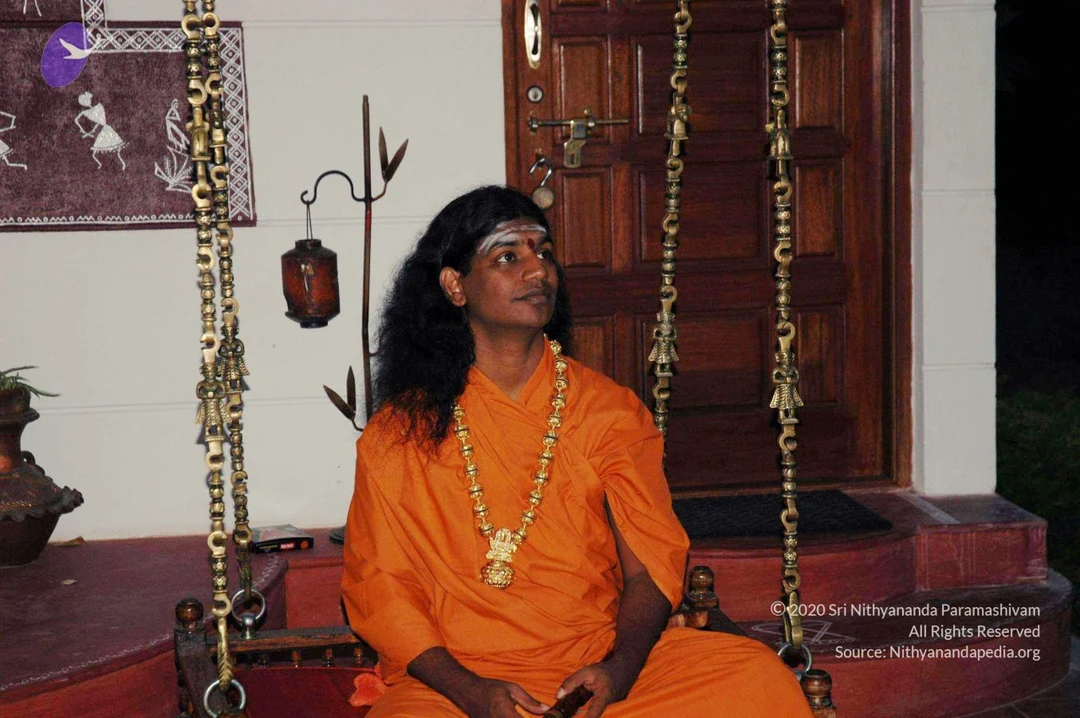
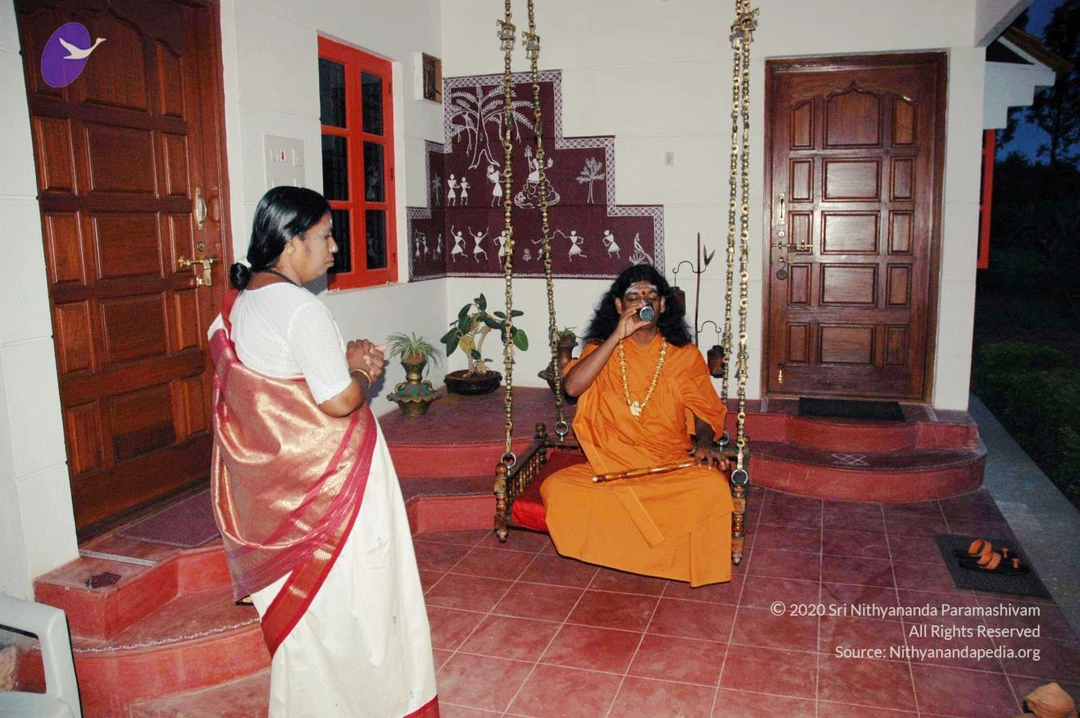
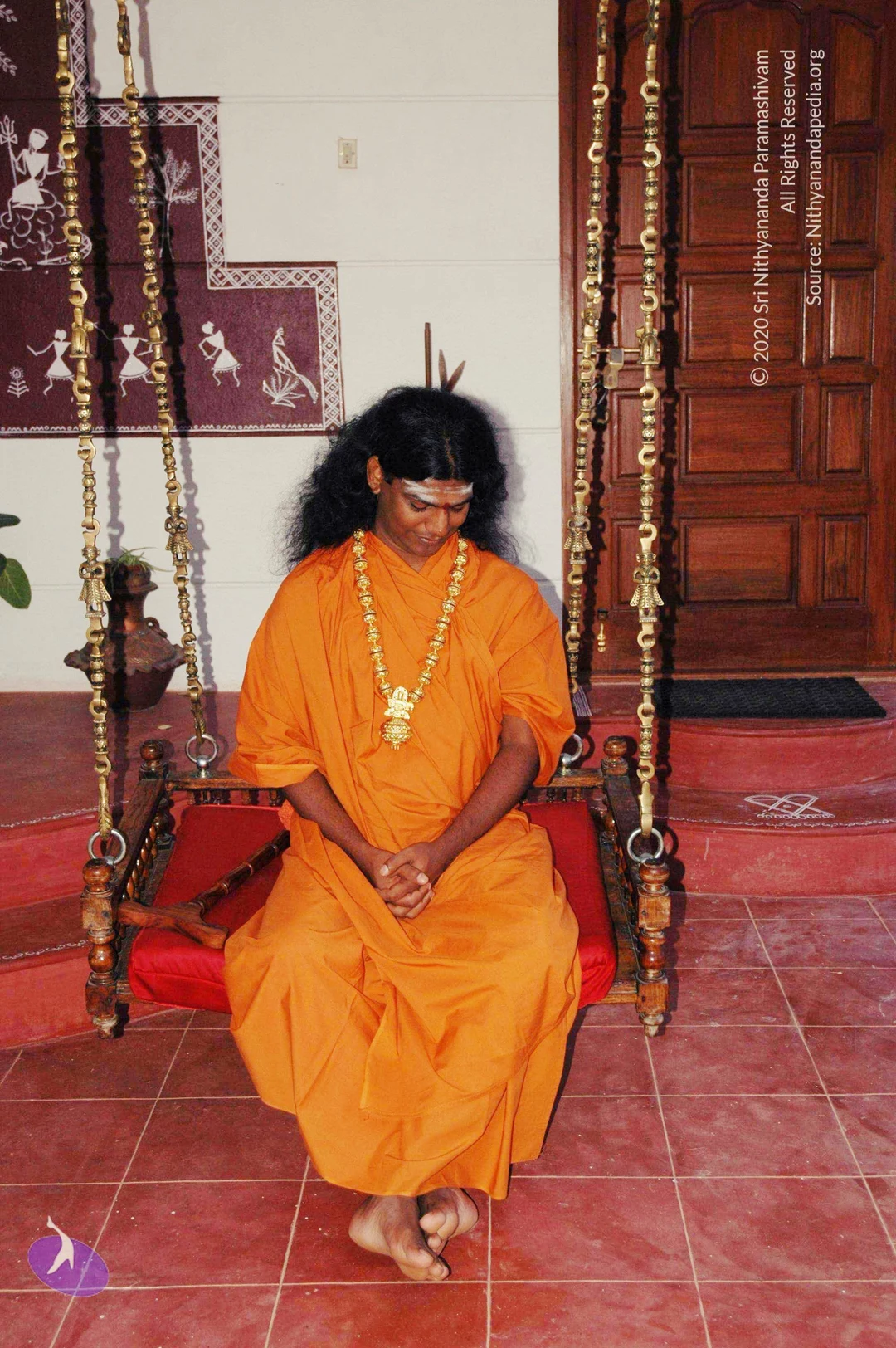
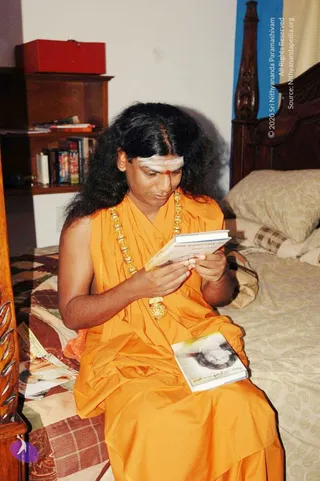
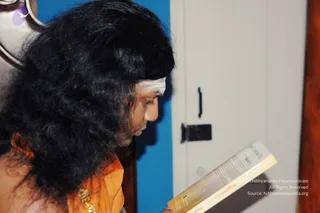
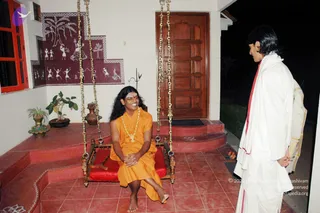
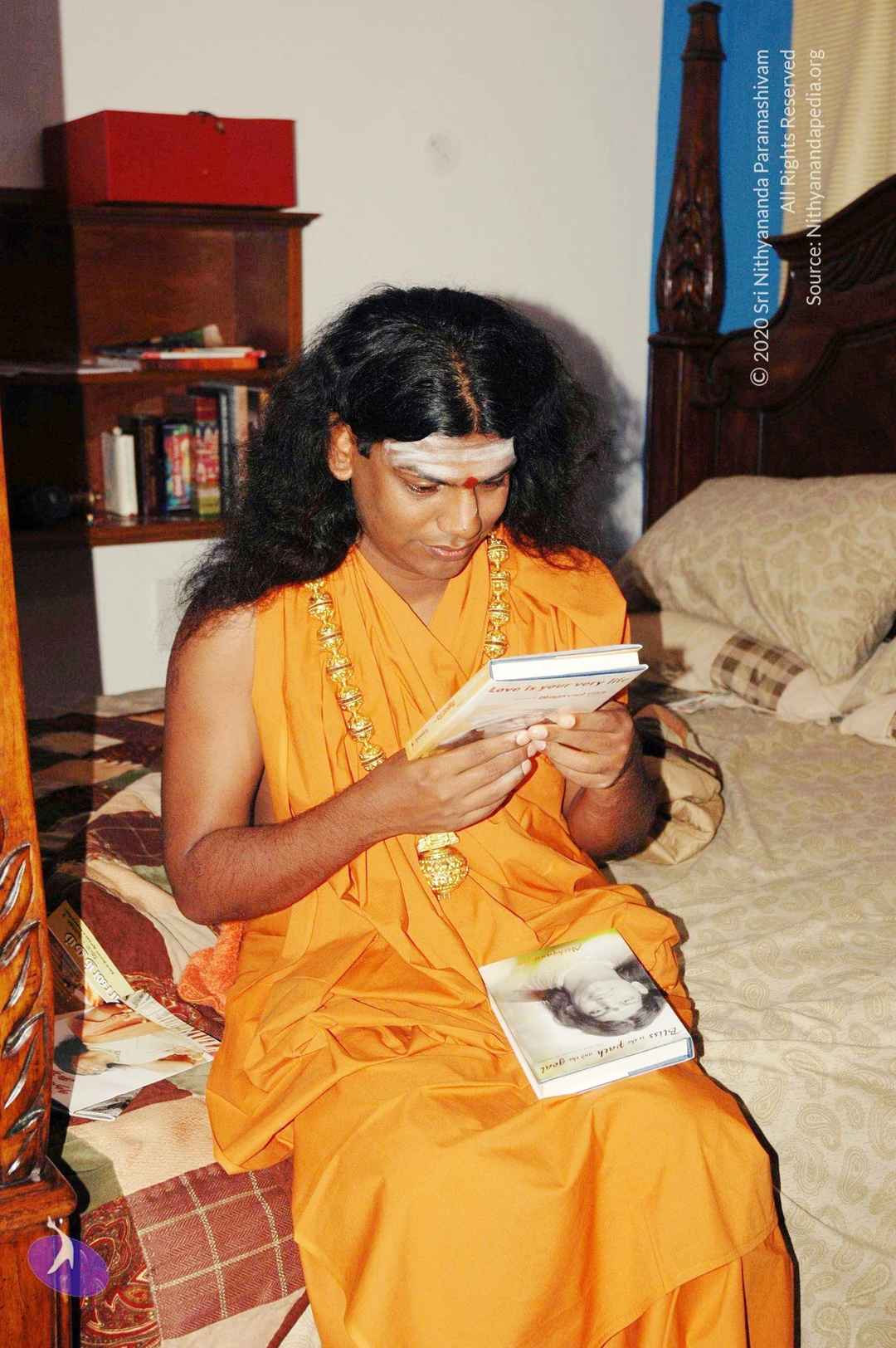
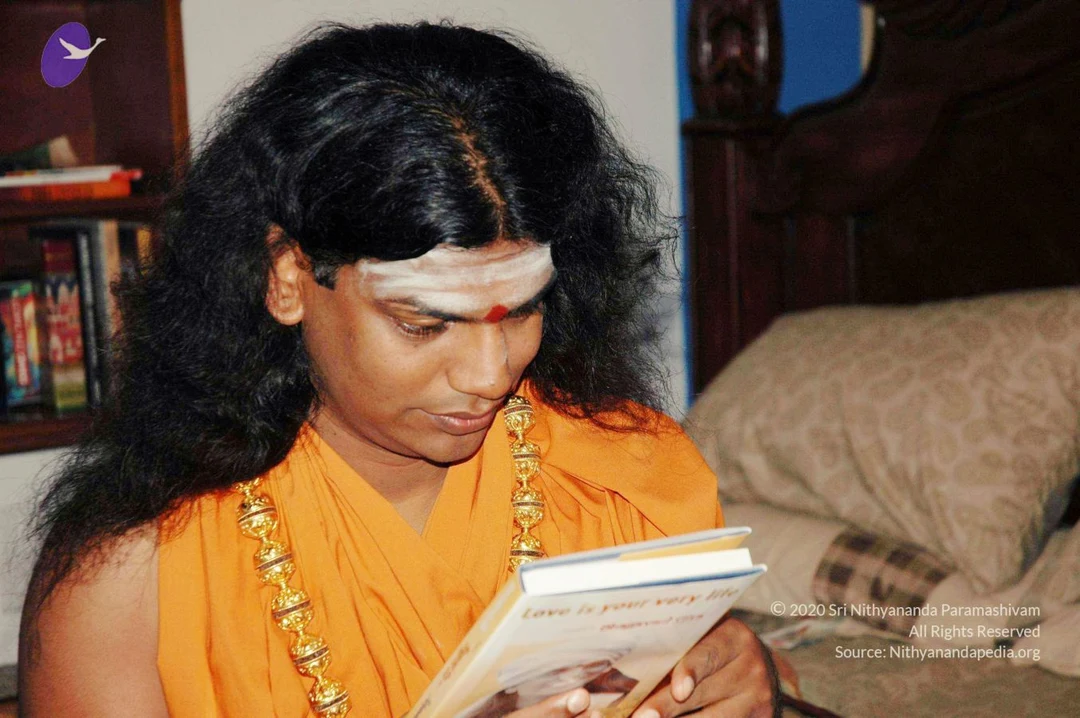
a person seated on the edge of a bed in a bedroom, reading a book titled "Love is your very life" held in both hands. He wears a loose saffron-orange robe, a long gold bead necklace, and a white sacred ash band with a red dot on the forehead. Long dark hair falls past his shoulders. Another book with a photograph on its cover rests on his lap, and more books and papers lie on the bed. Behind him are a wooden bookshelf with books, a red box on top, a carved wooden bedframe, a blue wall and patterned bedding.A person with long, swept-back dark hair sits on a bed reading an open book titled "Love is your very life". He wears an orange saffron wrap over the shoulders and a long gold ceremonial necklace of beads with a white tripundra and red bindi on the forehead. A bookshelf stands at left, and a patterned pillow and wooden headboard are visible behind him. Swamiji (probable) with long hair, saffron clothing and gold beaded necklace, shown reading.A man with long, dark, swept-back hair sits reading a book titled "Love is your very life" held in both hands. He wears a saffron-orange robe draped over one shoulder, a gold ceremonial necklace of large beads, and a white horizontal tilak with a red dot on his forehead. Behind him is a dark wooden bed frame with beige patterned pillows and a bookshelf at the left. a person appearance cues: long swept-back hair, saffron robe, gold beaded necklace, and tilak, though the printed page caption is the only identifying source.Side profile close-up of a person with long, voluminous dark curly hair and a white forehead mark, wearing an orange-saffron garment with gold trim. The person holds a yellow-cream book open in one hand, reading it, against a plain pale grey wall with a wooden furniture edge at the right. No other people are visible.Side profile photo of a person with long, voluminous black hair and a white vertical tilak on the forehead, wearing an orange-saffron garment and a gold-toned necklace. The person looks down and reads an open book held at the lower right, with a yellow cover. Behind them are a blue wall, a white door with a black handle, and a wooden door frame. A small purple logo appears at upper left.A photograph on a verandah at night, with a red-tiled floor and a low red-cushioned swing bench hung on two brass chains. A person with long dark hair, a red tilak on the forehead and a gold necklace of beads, dressed in orange robes, sits on the swing smiling with hands clasped and feet bare; this is an appearance-based probable Swamiji candidate with long hair, orange clothing and beaded necklace. Facing them stands a man in white dhoti and white shirt with a red-bordered cloth over the shoulder, hands clasped behind his back, looking toward the seated figure. Behind them is a wooden door, a white wall painted with a maroon tribal-style village mural of figures and trees, a potted plant, a brass pot, and a small trident on the wall.

Photos

198 photosSource gallery
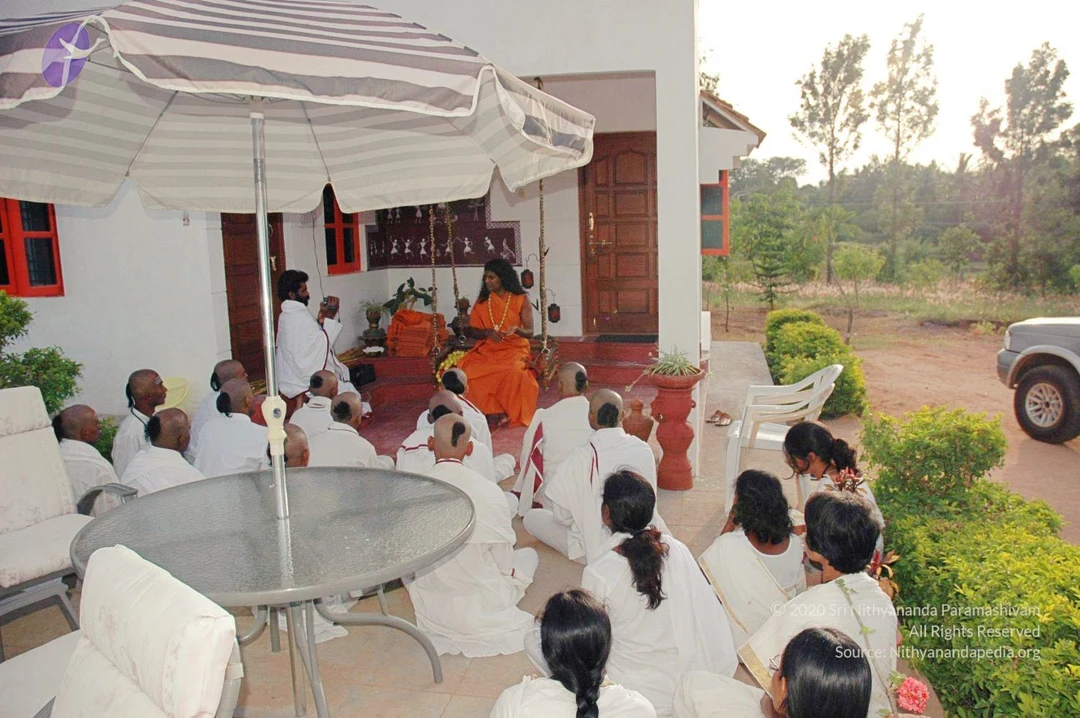
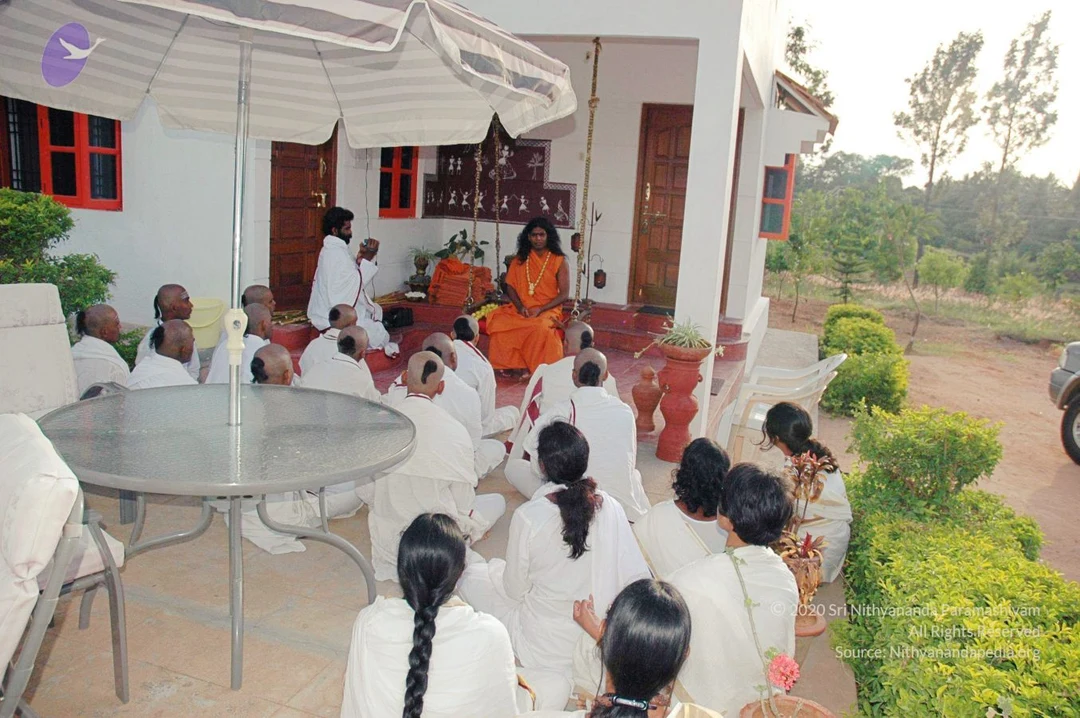
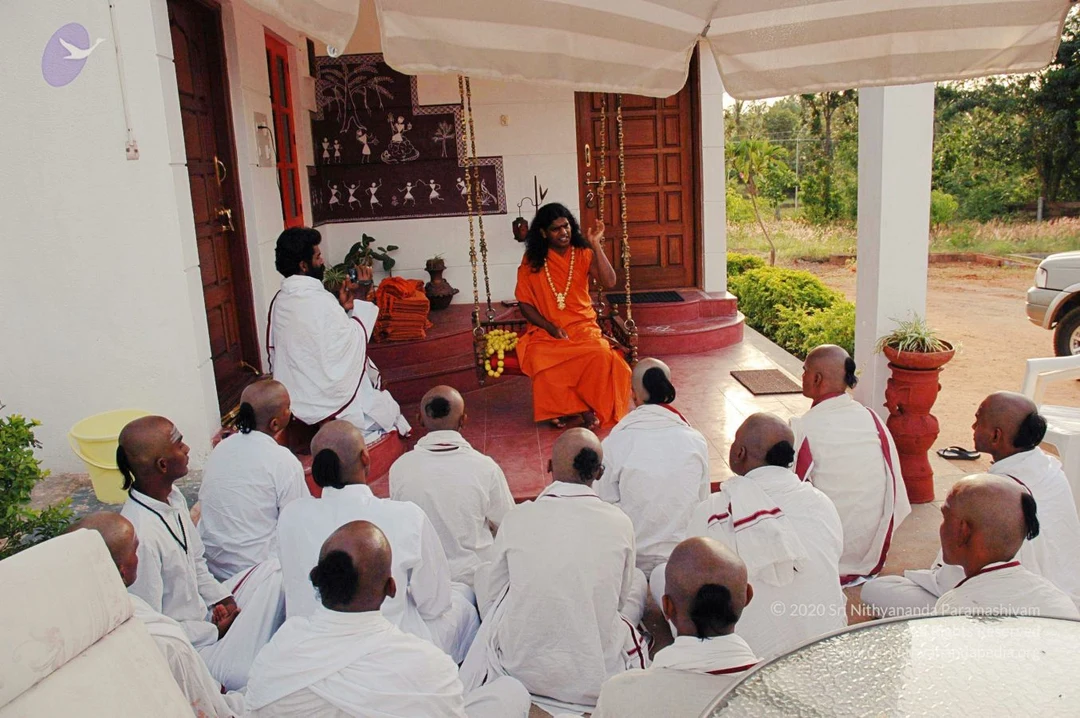
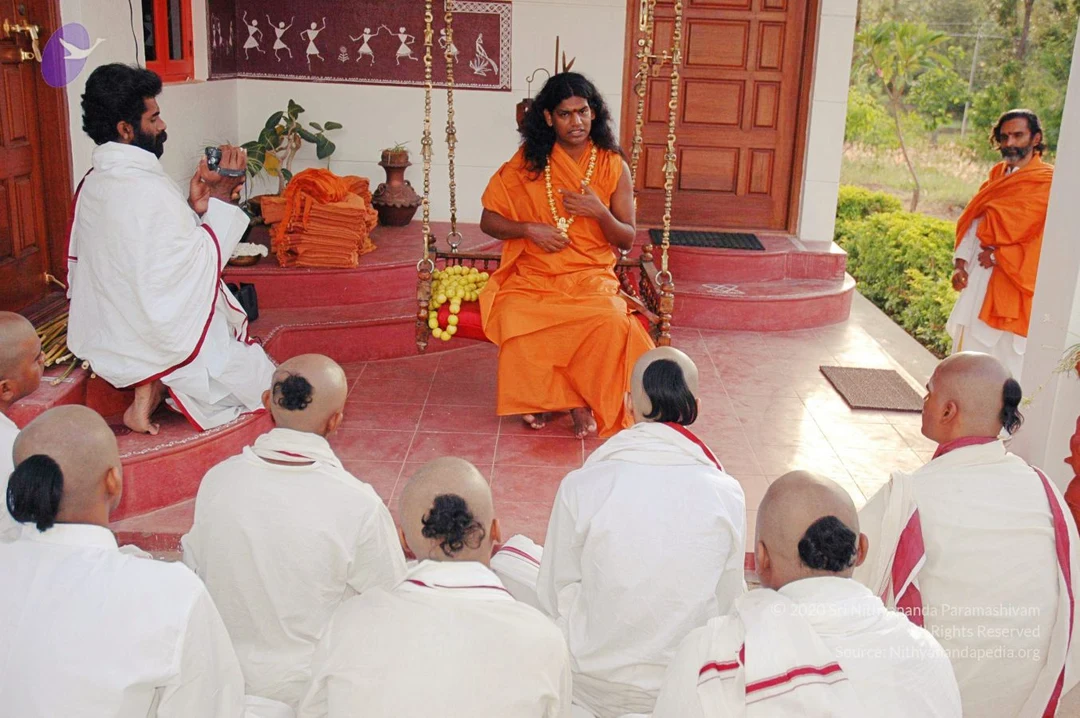
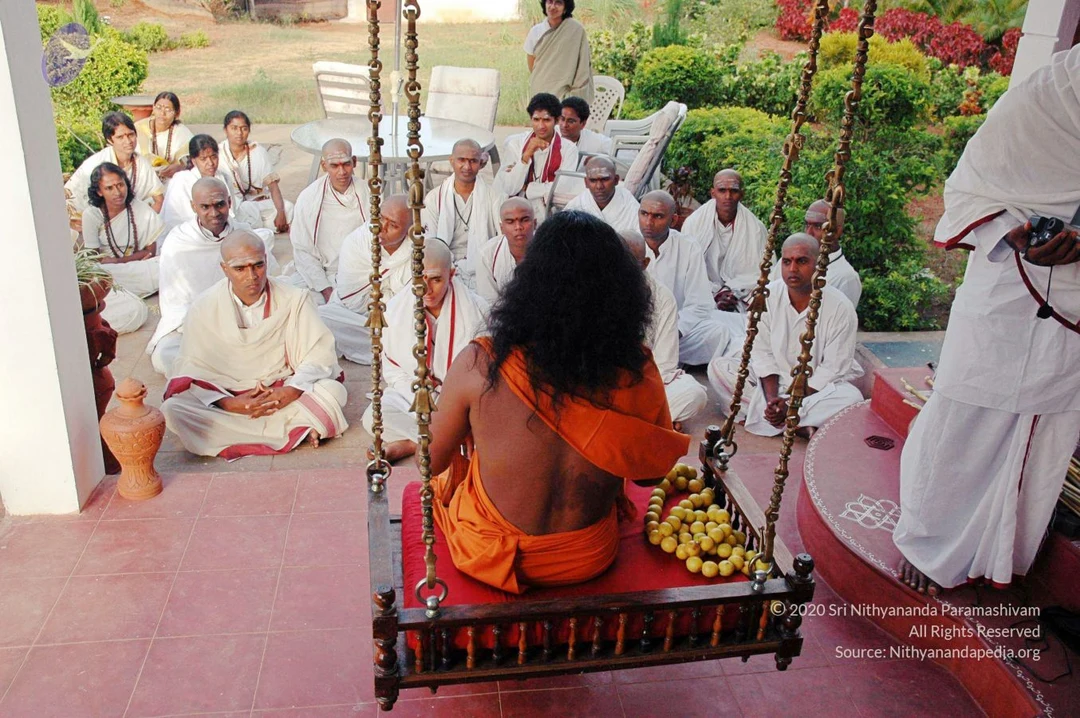
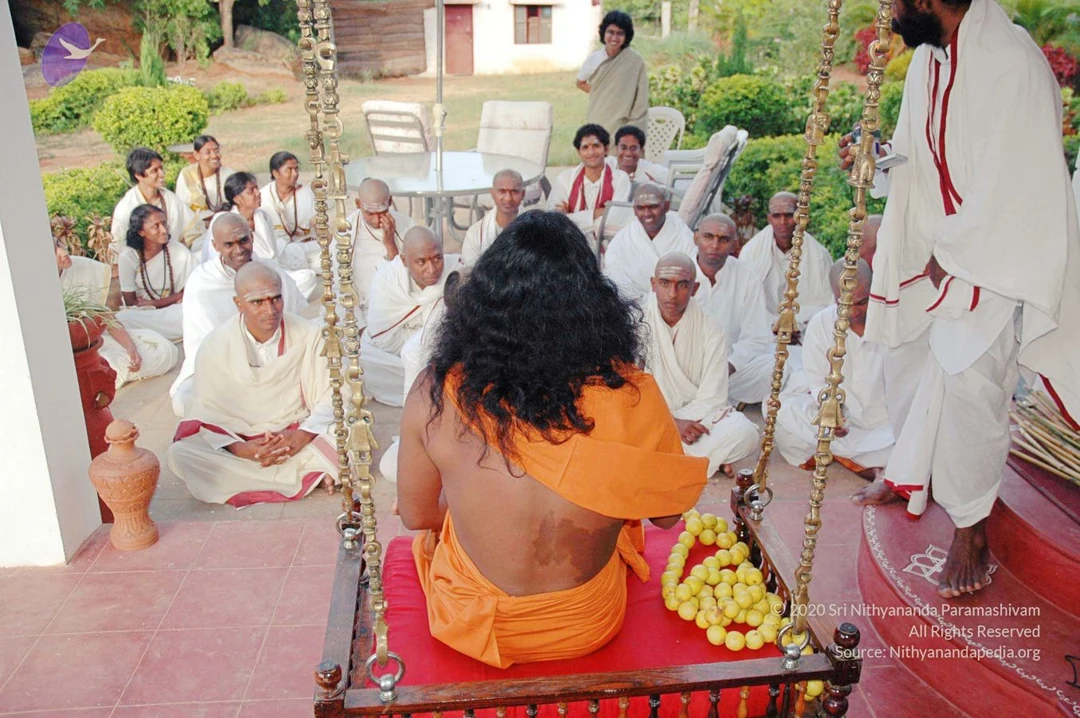
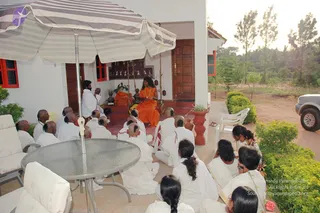
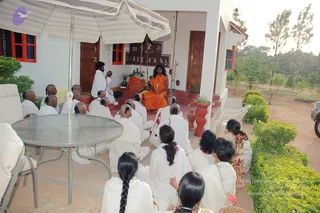
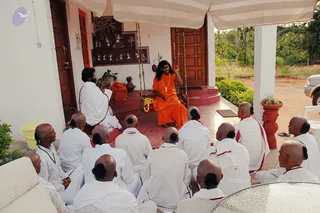
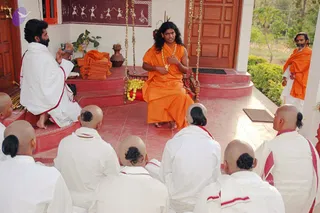
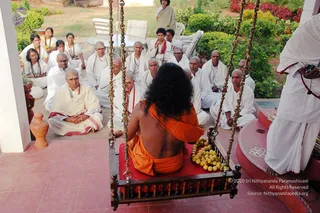
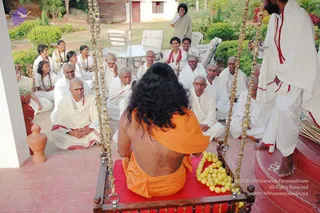
Outdoor satsang on a verandah of a white house under a striped umbrella. A woman in orange robes and a beaded necklace sits on a raised red platform before a small altar with a kalasha-like vessel, a deity murti and framed picture, and hanging lamps. Around her, many people in white clothes sit on the floor, most with shaved heads, and several women with long braids wear white saris. A bearded man in white stands at left holding a microphone or small object. Glass table, white chairs, shrubs and trees are visible; a silver vehicle is parked at right.A photograph of a seated group on a veranda in front of a white building with red-framed windows and wooden doors. Around twenty-five people in white clothes sit on the floor, mostly shaved-headed men with a few women with long braids. A bearded man in white stands at the left of the steps, holding a microphone-like object. On the raised red platform, a long-haired figure in saffron-orange robes and a ceremonial gold necklace sits beside another saffron-robed seated figure, with a kalasha-like vessel and small plants nearby. A striped umbrella and a glass table occupy the left foreground, with a garden hedge and trees behind.A photograph of a seated figure in saffron-orange robes with long dark hair and a beaded necklace, raising a hand while speaking on a red-tiled veranda with a wooden swing. Around 12 men in white dhotis and shirts with red borders sit on the floor facing the figure, several with shaved heads and topknots. A man in white stands at the left edge near a door. Behind them are a wall painting of dancing figures in white and a wooden door, with garden greenery and a parked white vehicle beyond. a person: the saffron-clad figure has long swept-back hair and a long beaded mala, and the page indicates his presence at this event.A photograph of a seated discourse on a covered veranda of an ashram. A long-haired man in an orange saffron robe and a gold-and-beaded garland sits on a red-cushioned wooden swing-seat with gold chains, gesturing with one hand while speaking. Before him sit about six shaved-headed devotees in white dhotis and white shawls with red borders, sitting cross-legged on the red tiled floor. To the left, a bearded man in white with red border sits on the steps holding a camera. On the right, a standing man in orange robe and white dhoti watches. Behind them are a wooden door, orange cloth folded on a step, a clay pot, and a painted wall with folk dancing figures. a person is the seated speaker in orange, given his long hair, saffron robe and garland, though the appearance is uncertain.A photograph taken from behind of a long-haired figure in an orange-saffron cloth seated on a dark wooden swing with a red cushion on a covered veranda. Beside them on the swing lies a pile of yellow fruit. Facing the swing, a group of about a dozen people in white ritual clothes sit on the floor, many with shaved heads, some wearing white shawls and beaded necklaces. A standing figure in white dhoti at right holds a camera. A woman in a white sari stands in the background among green shrubs and red-leaved plants. The red-tiled floor and white pillar frame the scene.A photograph of a seated figure viewed from behind, bare-backed with long, wavy, shoulder-length dark hair and an orange cloth wrapped at the waist and draped over the shoulders, sitting on a red-cushioned wooden swing-like seat hung with brass chains and bells. A tray of yellow flowers or fruit sits beside the seat. Around him, roughly a dozen men in white dhotis and shirts with red borders sit on a red-tiled veranda, several with white vibhuti or tilak marks on their foreheads and some wearing rudraksha beads. A standing man in white with red-bordered cloth gestures toward the group at right. Behind them a woman in a beige sari stands on a lawn with white plastic chairs and a round table, with a brown wooden hut and green shrubs in the background. The seated figure's identity is not established by visible cues beyond the orange cloth and long hair, so a person is unsure.
July 11 2006

10 photosView all
A seated man in saffron-orange robes sits on an ornate golden throne framed by a floral arch of marigolds and white blooms, with lion-shaped armrests at the sides. He wears a long flower garland with red and white petals and a gold pendant, holding two small booklets raised above his head with both hands while smiling. Beside him on the right, a second man with a beard in orange robes holds a stack of booklets. The throne backdrop is decorated with garlands in yellow, red and white. This is a photograph of a Guru Poornima event; the lead figure matches the a person appearance cues of saffron robes, garland and throne, so he is a person in person.