Skip to content
Wednesday

1 January 2003

THE SUPREME PONTIFF OF HINDUISM HDH BHAGAVAN NITHYANANDA PARAMASHIVAM's 26TH Jayanthi Celebrations

Dated photos
869
Source pages
3
Media
1
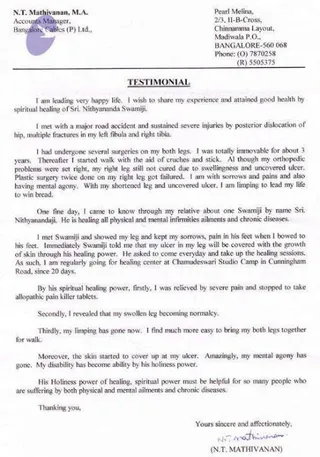
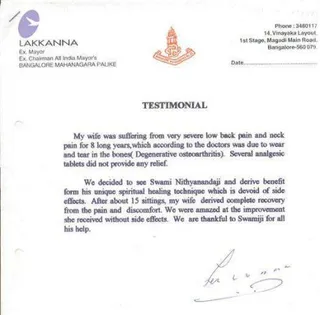
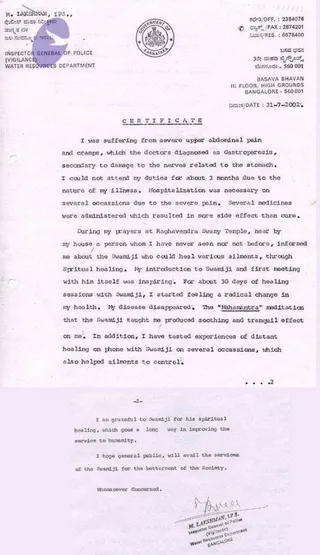
A scanned typed testimonial letter on white paper titled "TESTIMONIAL" with a blue logo at top left reading N.T. Mathivanan, M.A., Accounts Manager, Bangalore Cables (P) Ltd. The letter describes healing from spiritual treatment by Sri. a person a person, with a handwritten blue signature at bottom right. The text is dense paragraphs of body text with a recipient address block at top right for Pearl Melina in Bangalore.A scanned testimonial letter on white paper headed TESTIMONIAL, with a letterhead showing the name LAKKANNA, Ex. Mayor, Ex. Chairman All India Mayors, Bangalore Mahanagara Palike, a small orange emblem at top centre, and an address block at top right in Bangalore-560 079. The handwritten-style typed body describes a wife's back and neck pain relieved after about 15 sittings with Swami Nithyanandaji's spiritual healing technique, and ends with a blue ink signature at bottom right.A scanned two-page typed certificate on letterhead from the Inspector General of Police (Vigilance), Water Resources Department, Government of Karnataka, dated 31-7-2002. The top page bears a government emblem, a Kannada and English office header, and a handwritten-style signature at the bottom of page two. The text is a testimony describing a recovery from gastroparesis through spiritual healing sessions, a mantra meditation practice, and distant healing by phone. No people are pictured, only printed text and a signature.

ADIKAILASA on 1/1/2003

Original wiki page
Contents

Annadhan-2003

Event Details
Participants Count1000
Event TypeIn-Person
Was Food Served in Event?Yes
Count of Meals Served3000
Volunteers Count20
Event Durationone day

Shivaratri

Pictures from the day

January 01 2003

Original wiki page
Contents

Title

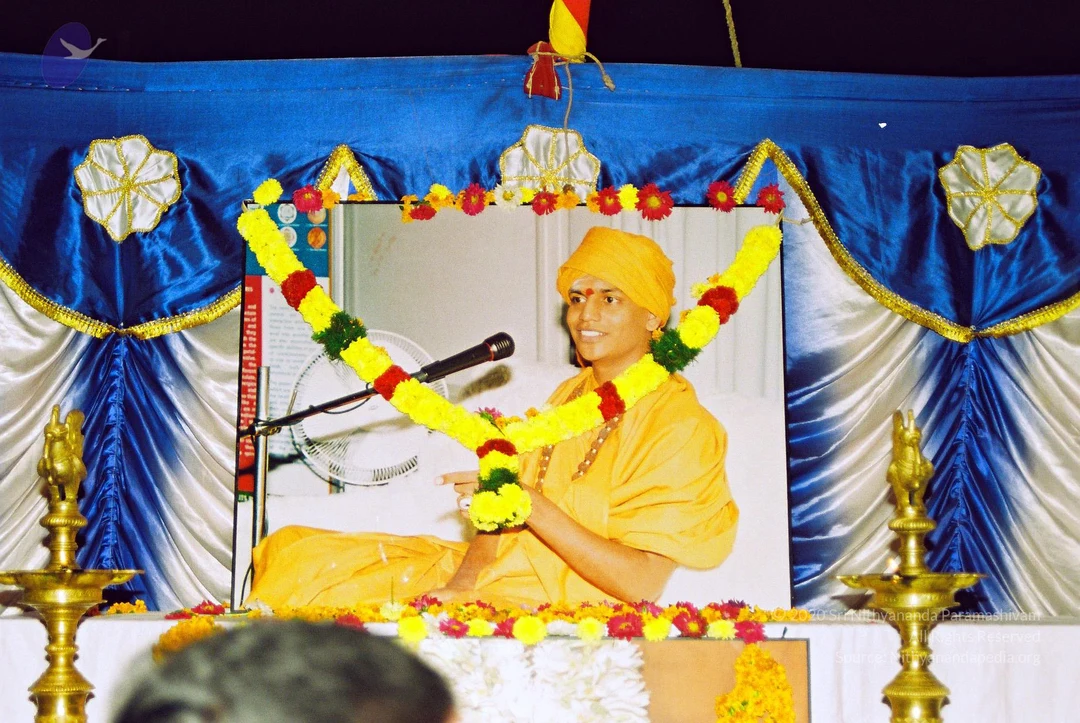
THE SUPREME PONTIFF OF HINDUISM HDH BHAGAVAN NITHYANANDA PARAMASHIVAM's 26TH Jayanthi Celebrations

Narration

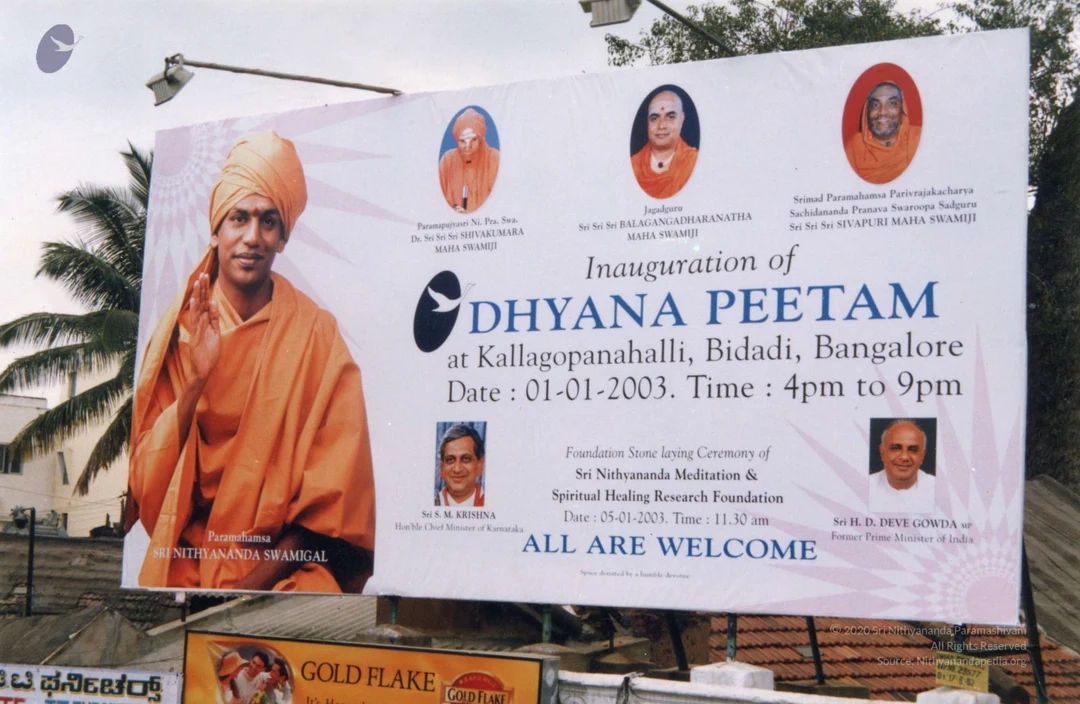
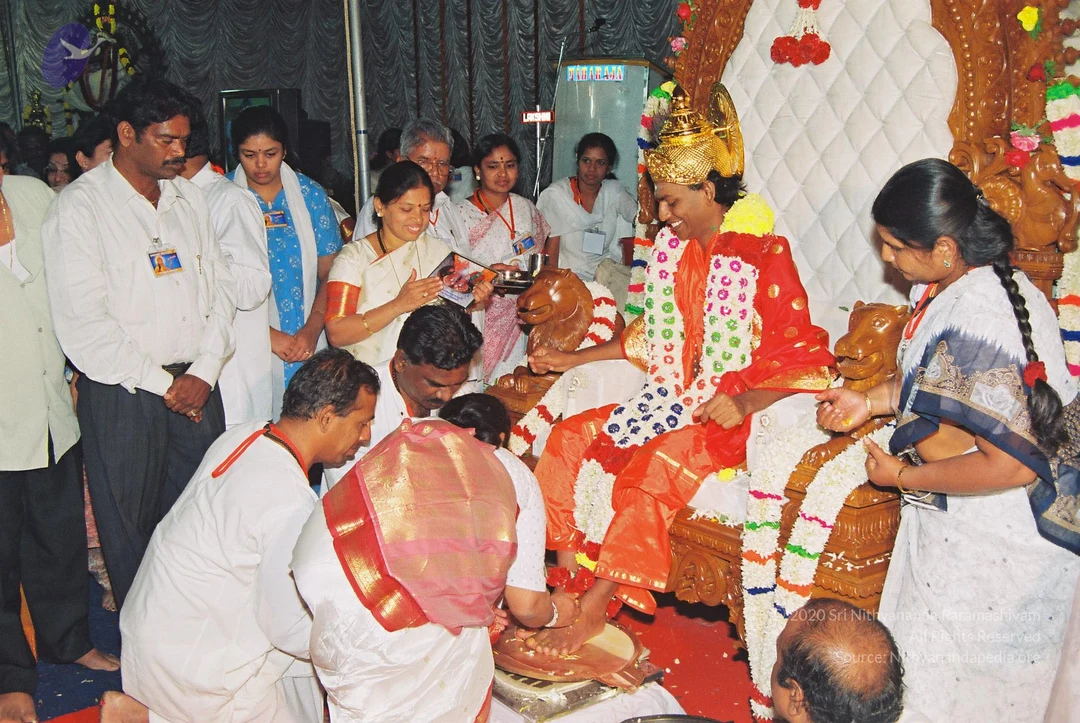
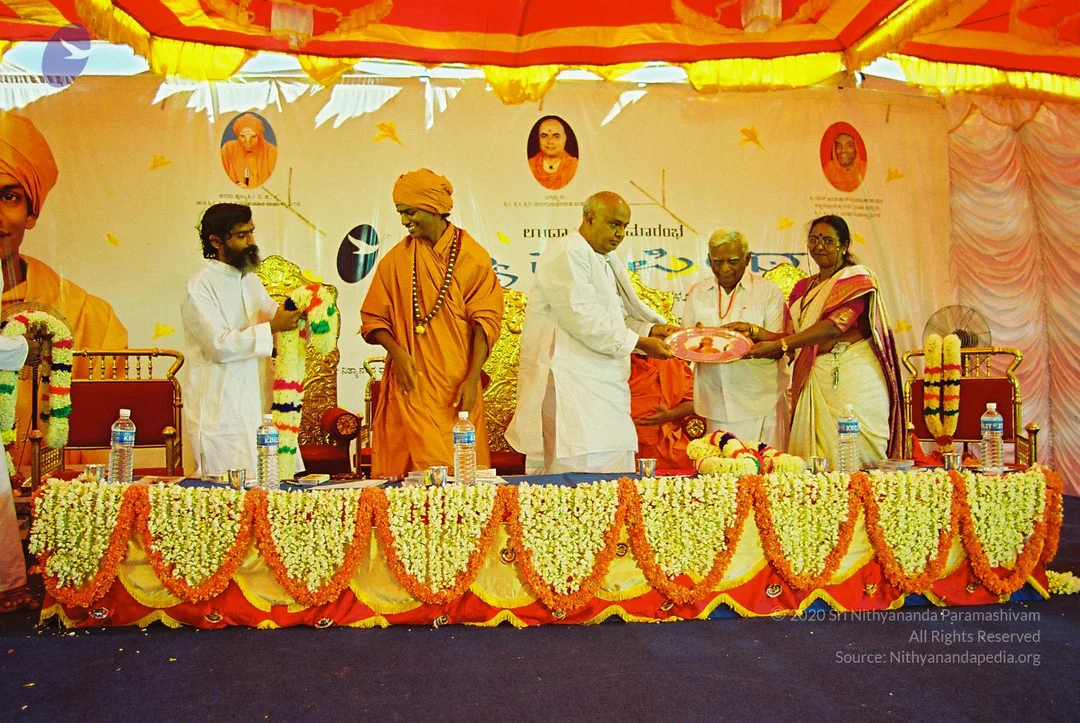
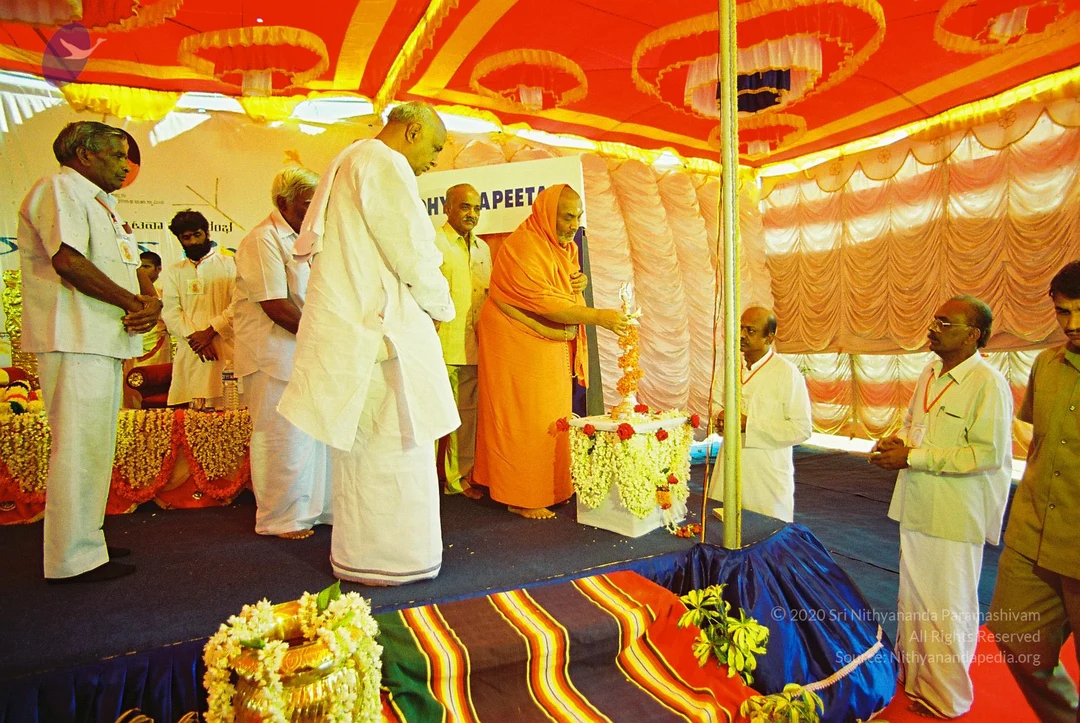
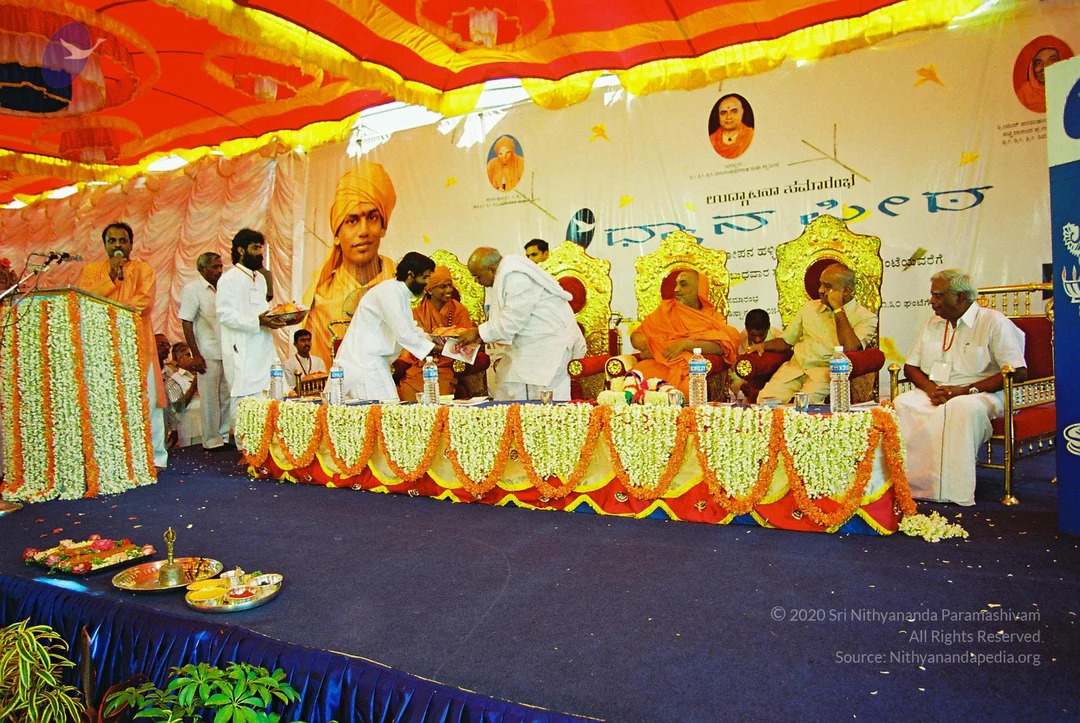
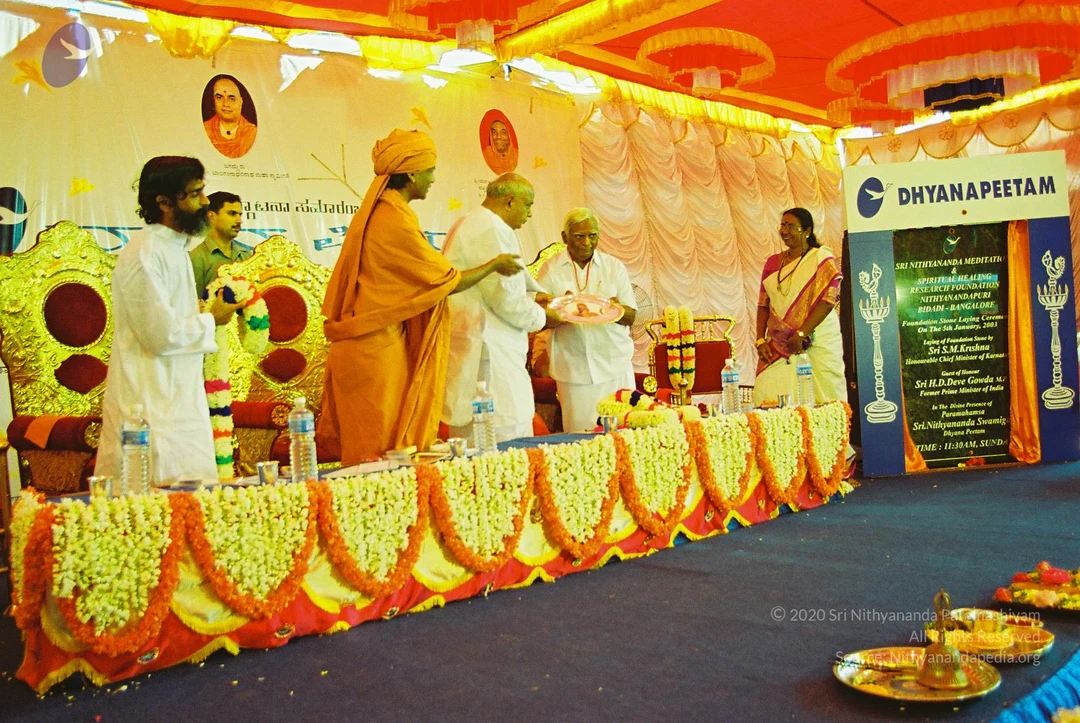
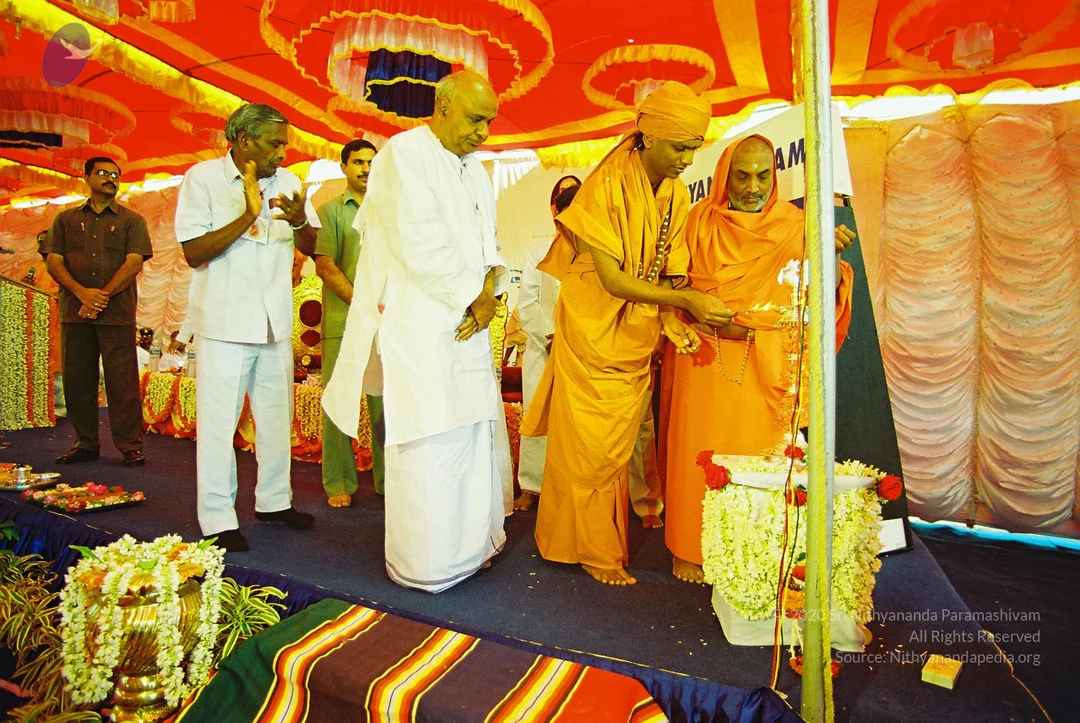
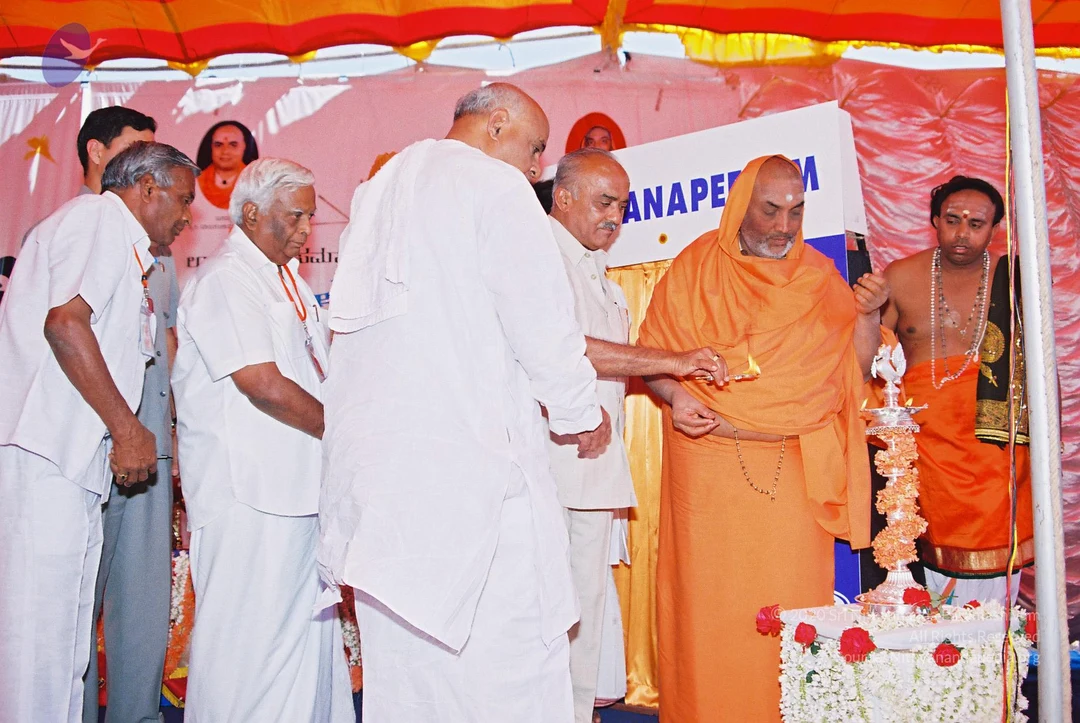
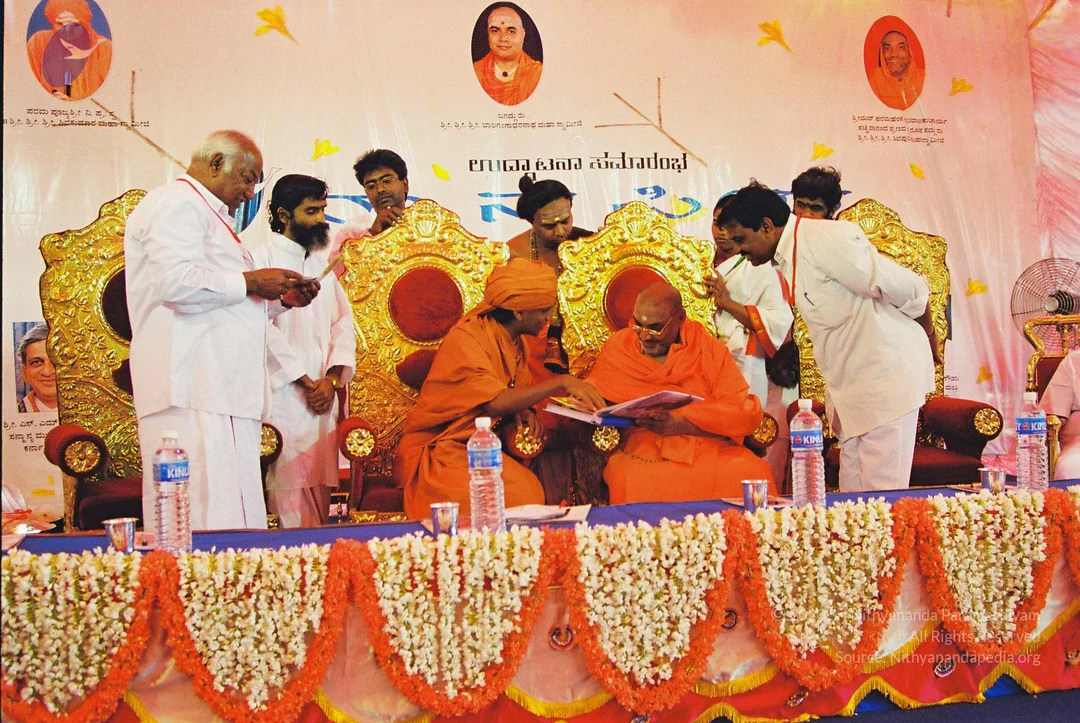
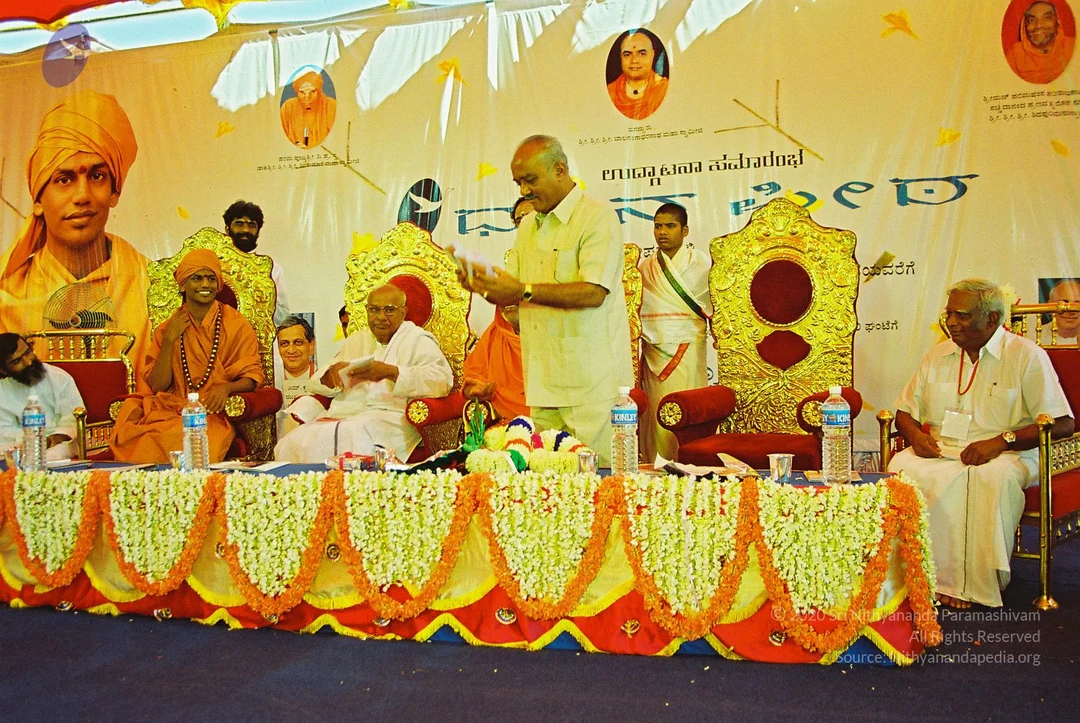
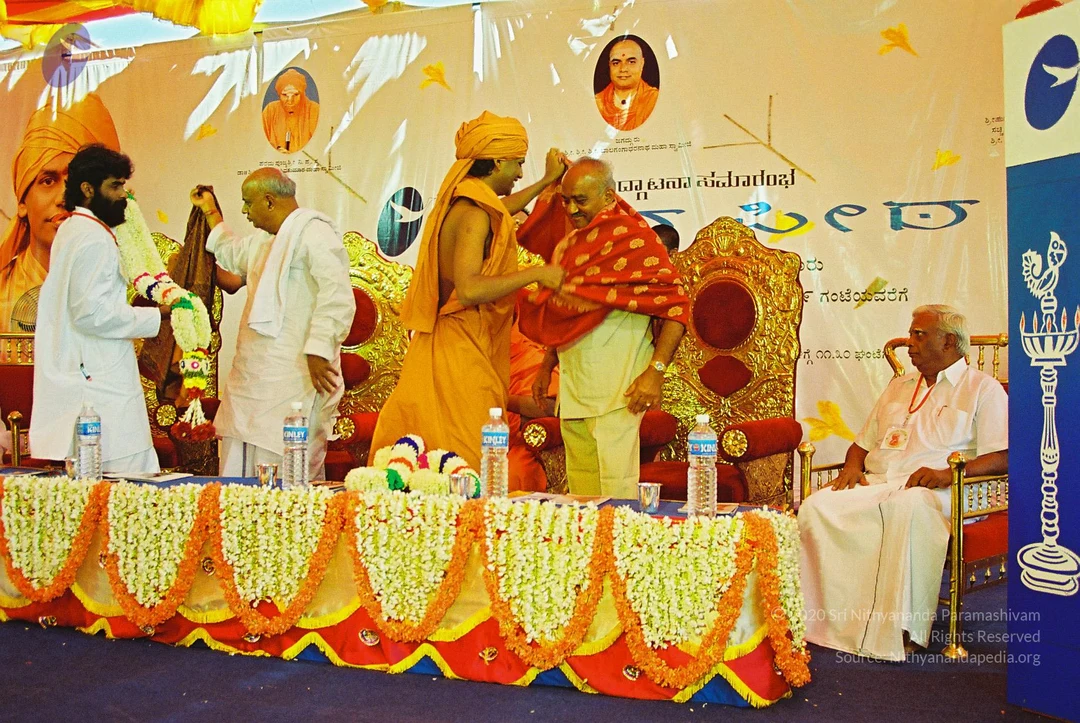
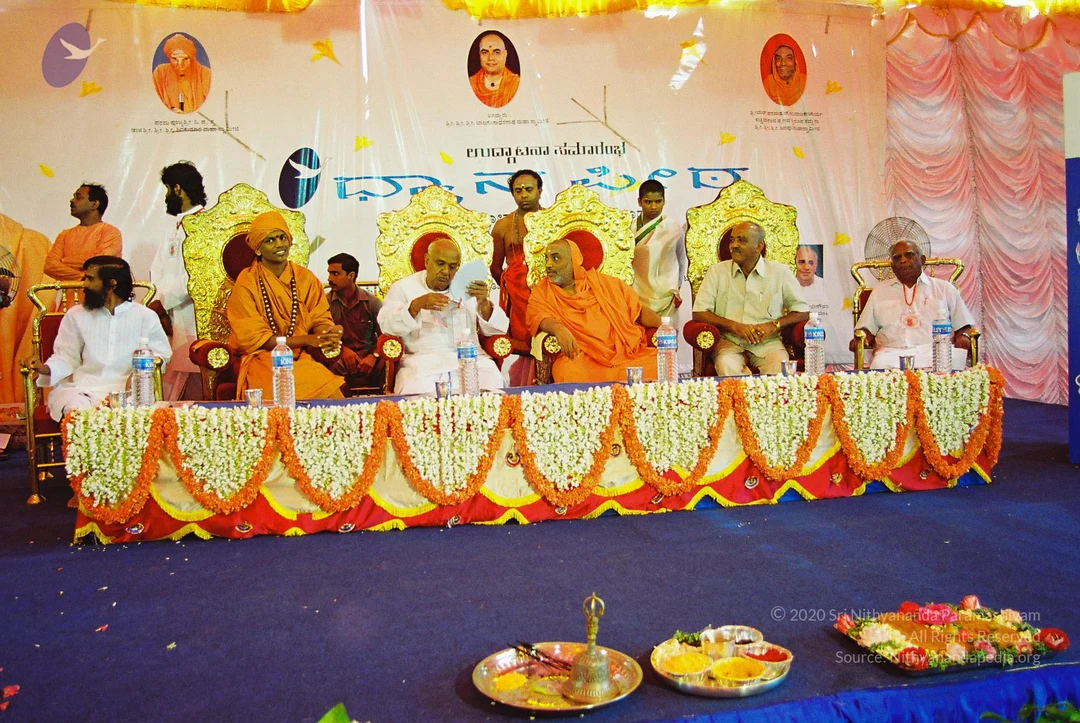
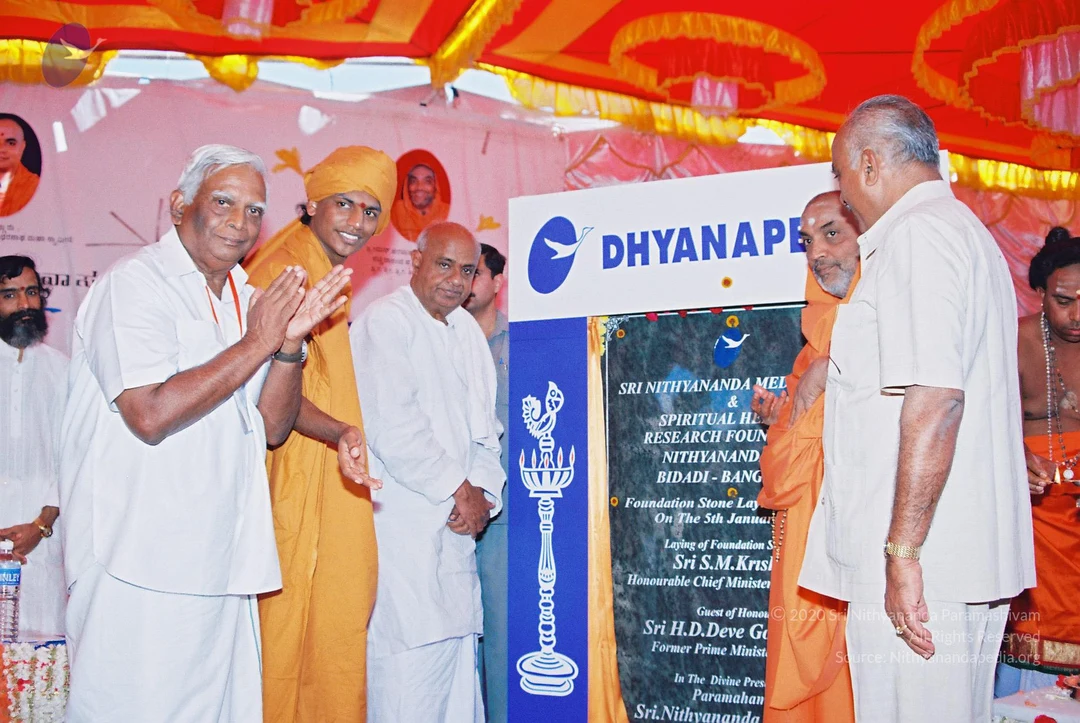
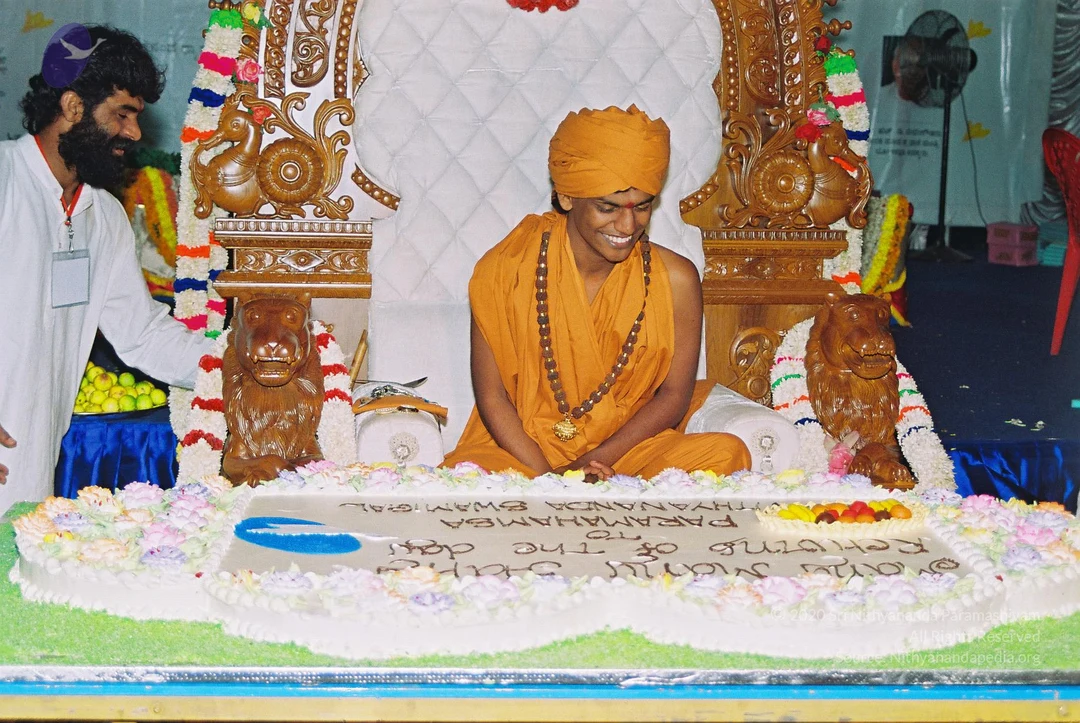
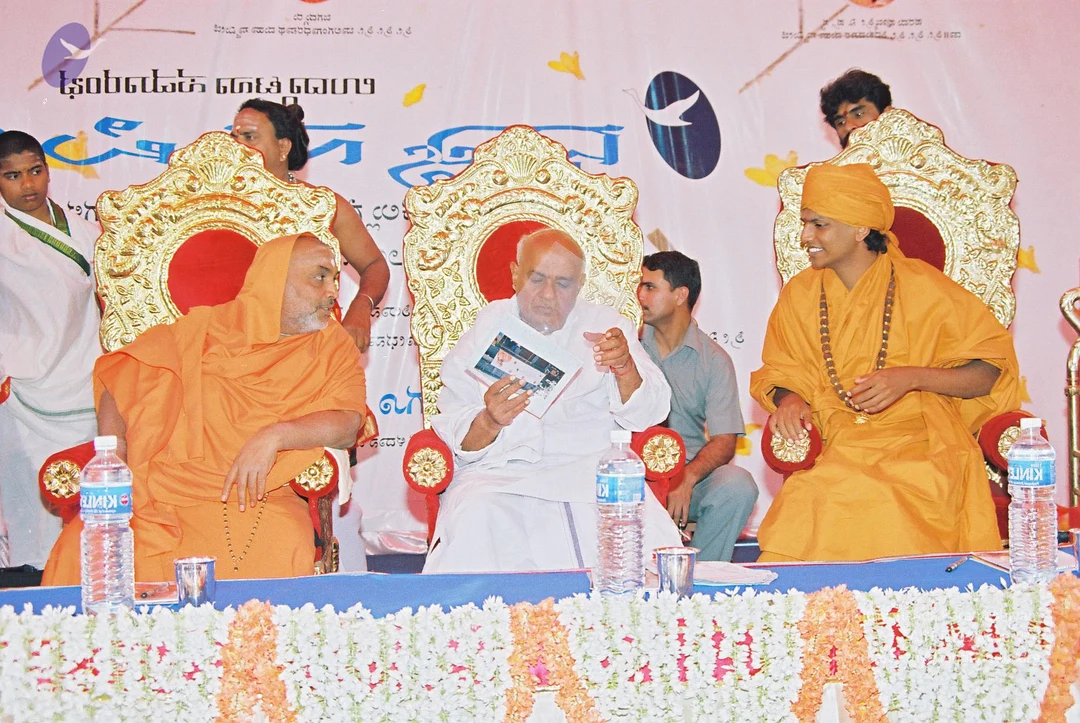
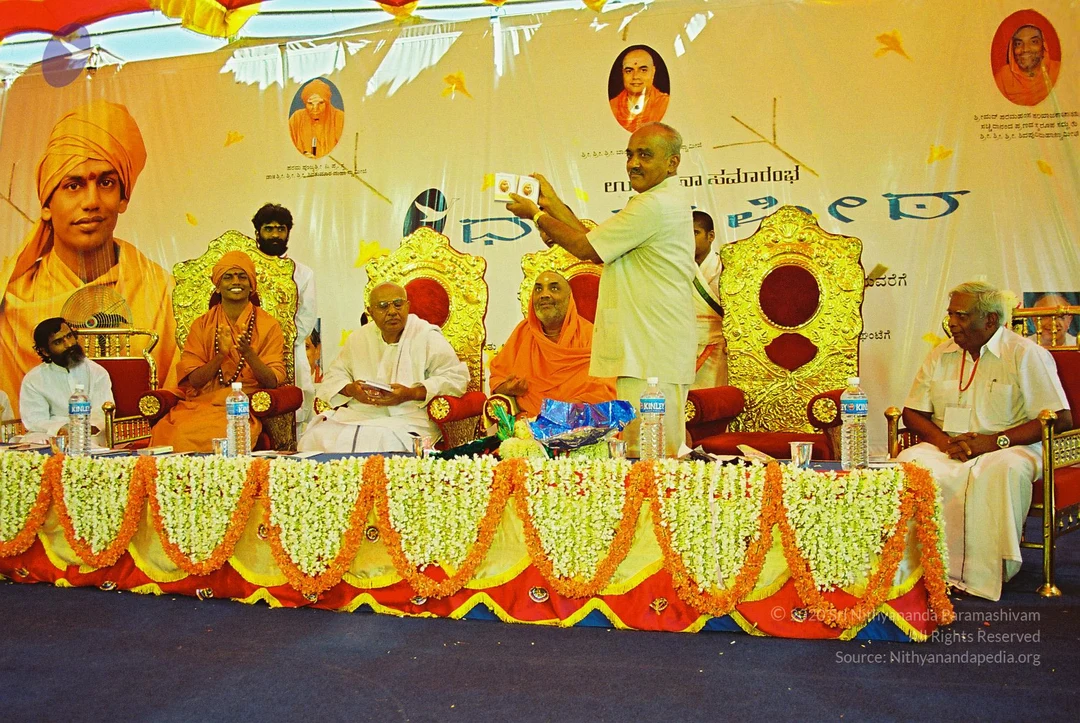
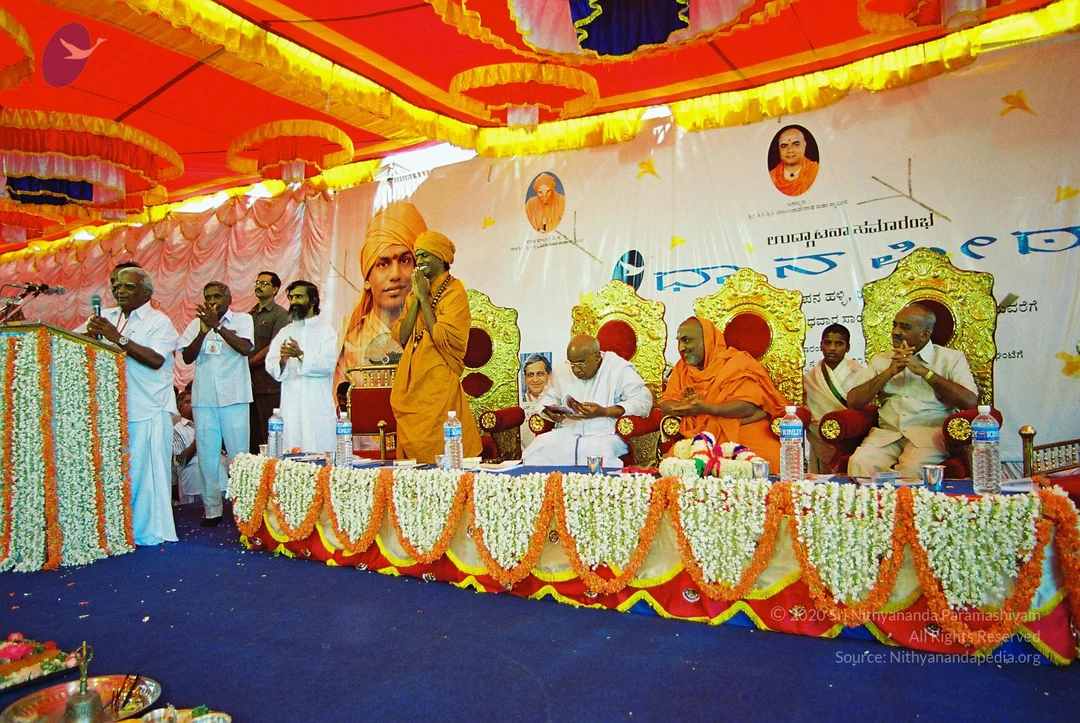
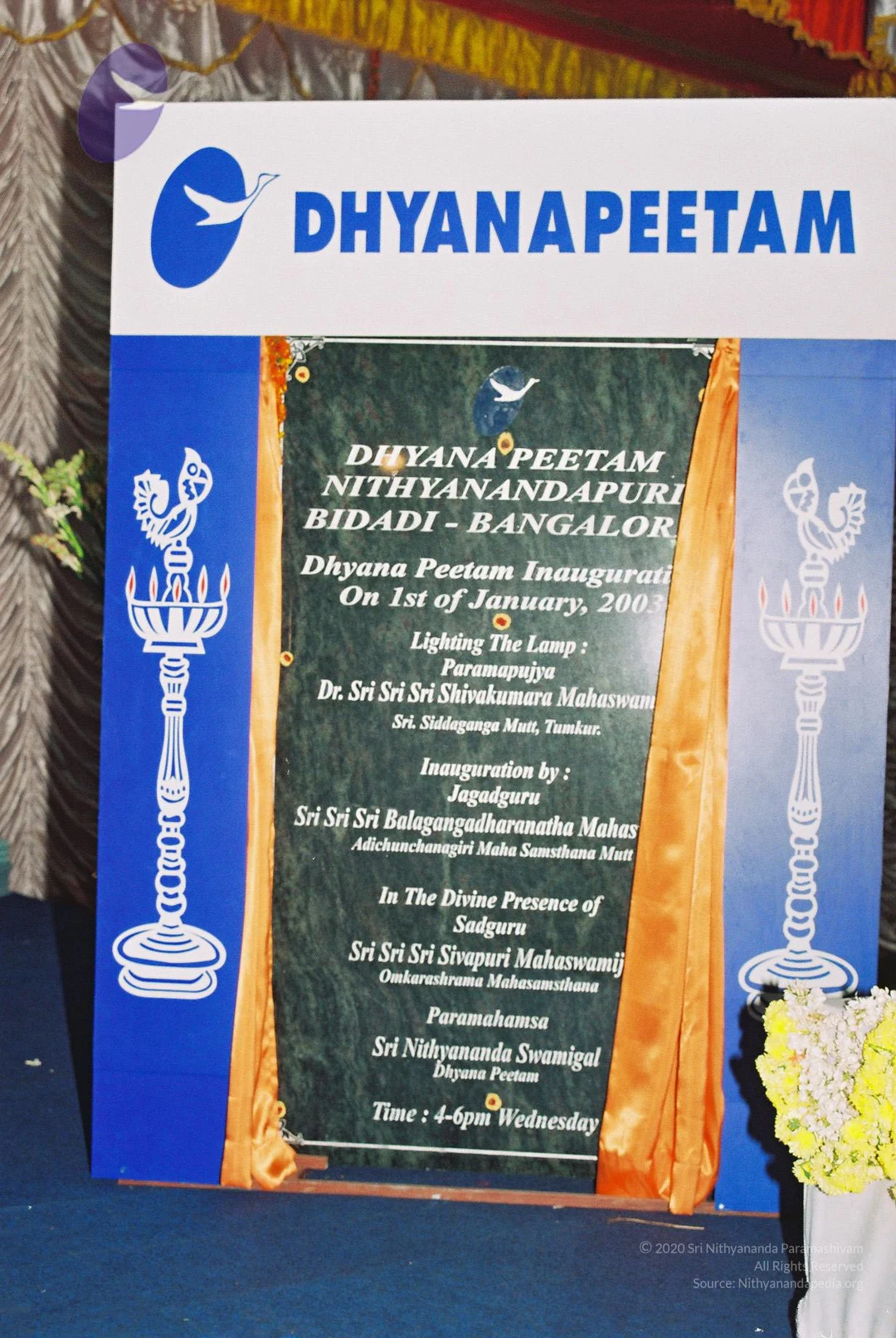
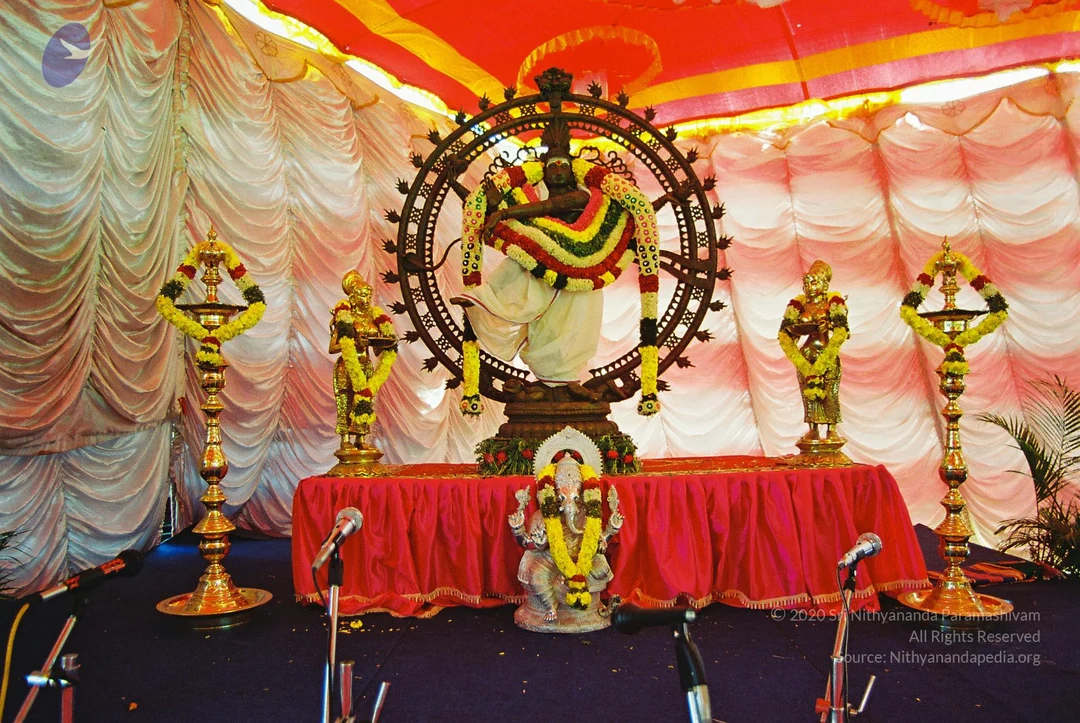
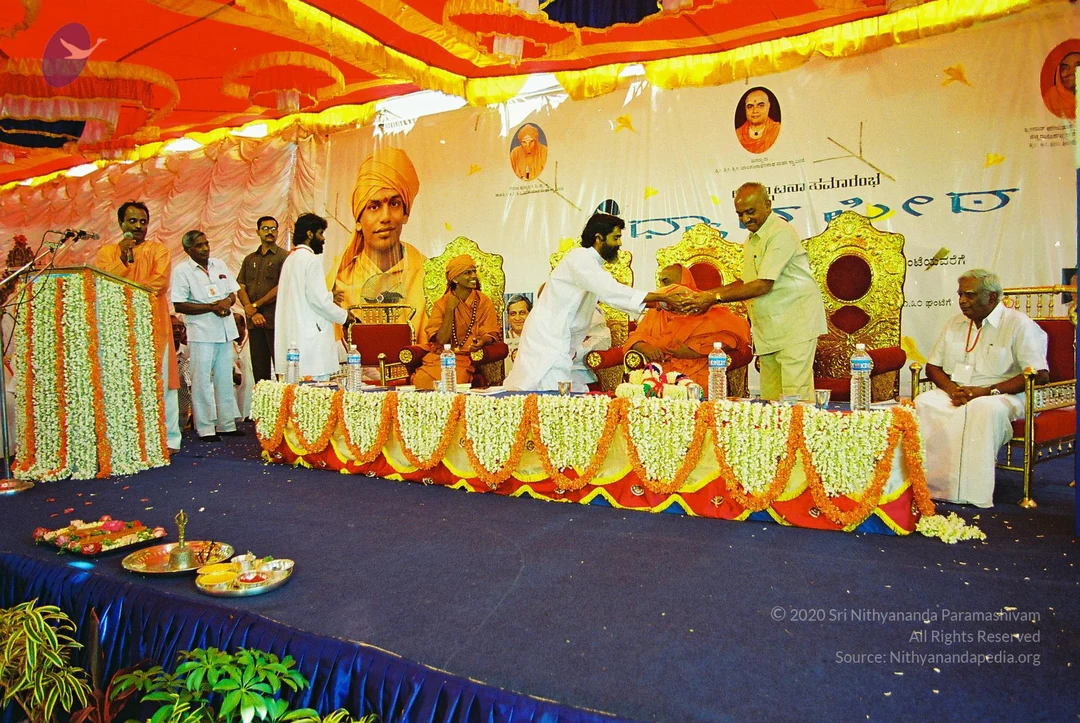
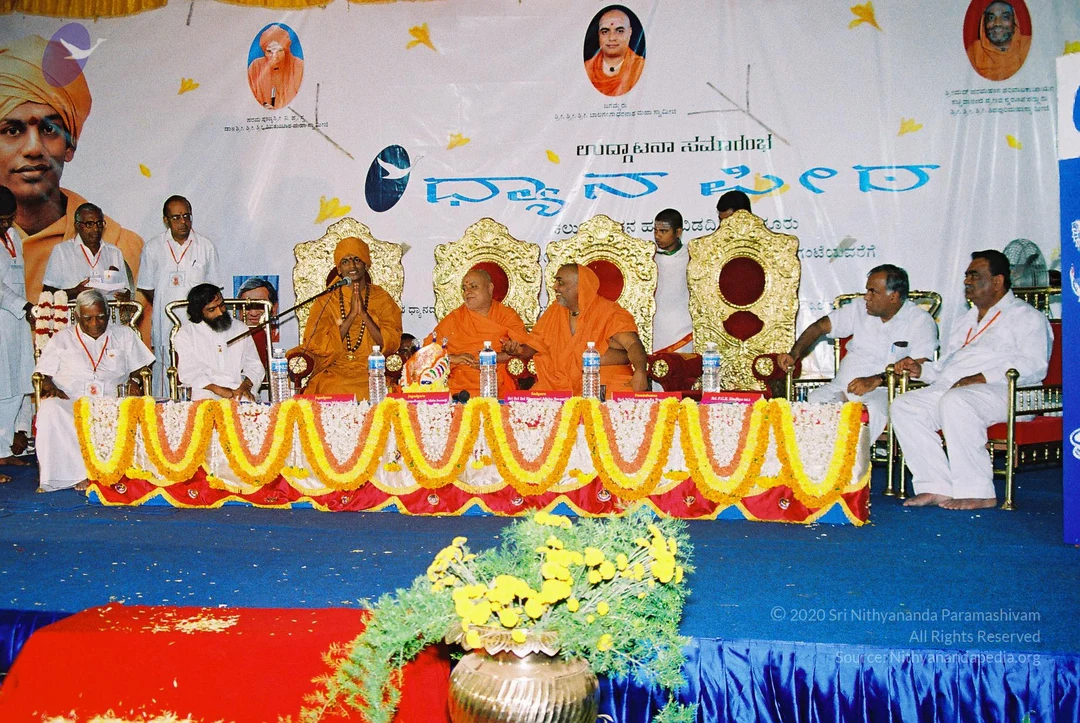
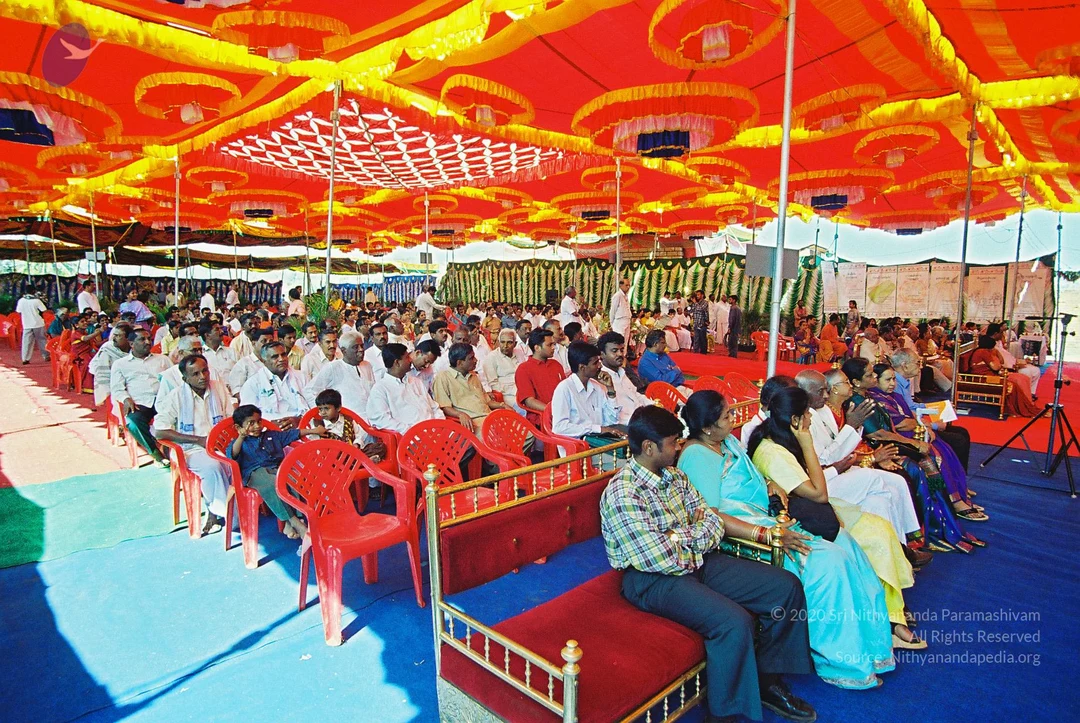
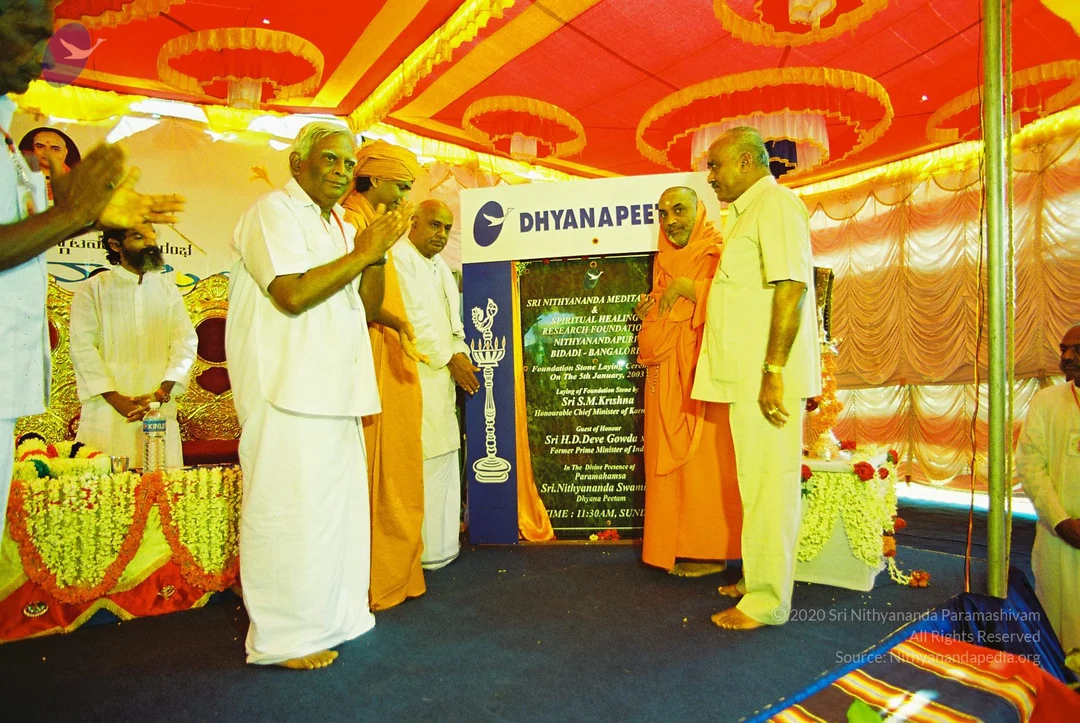
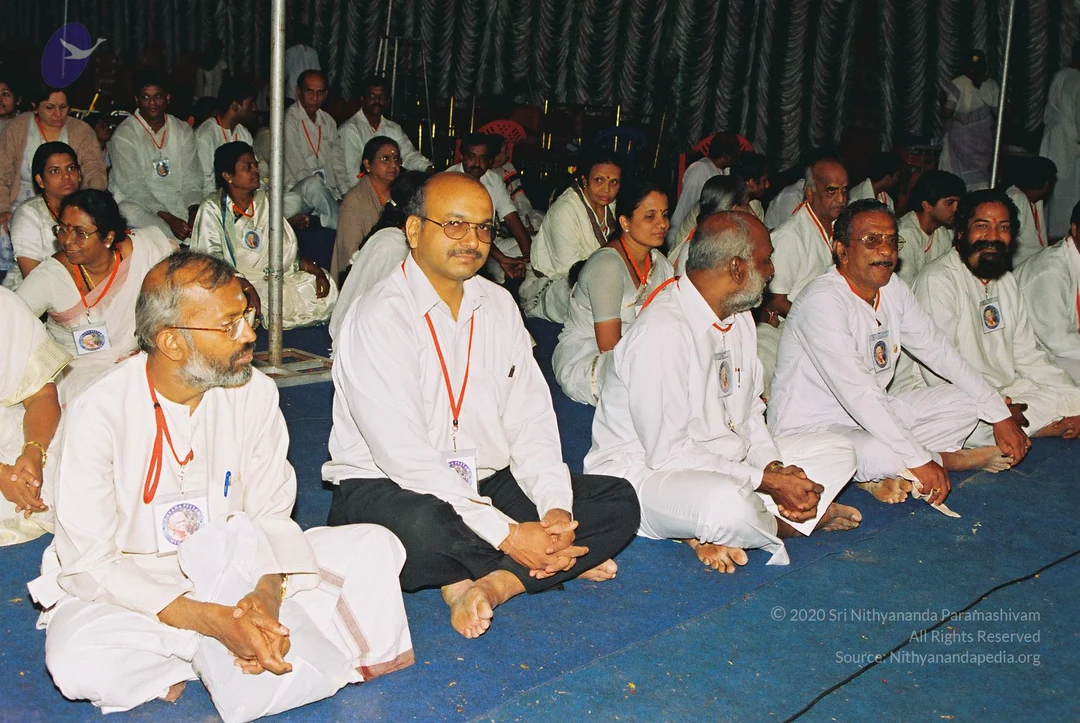
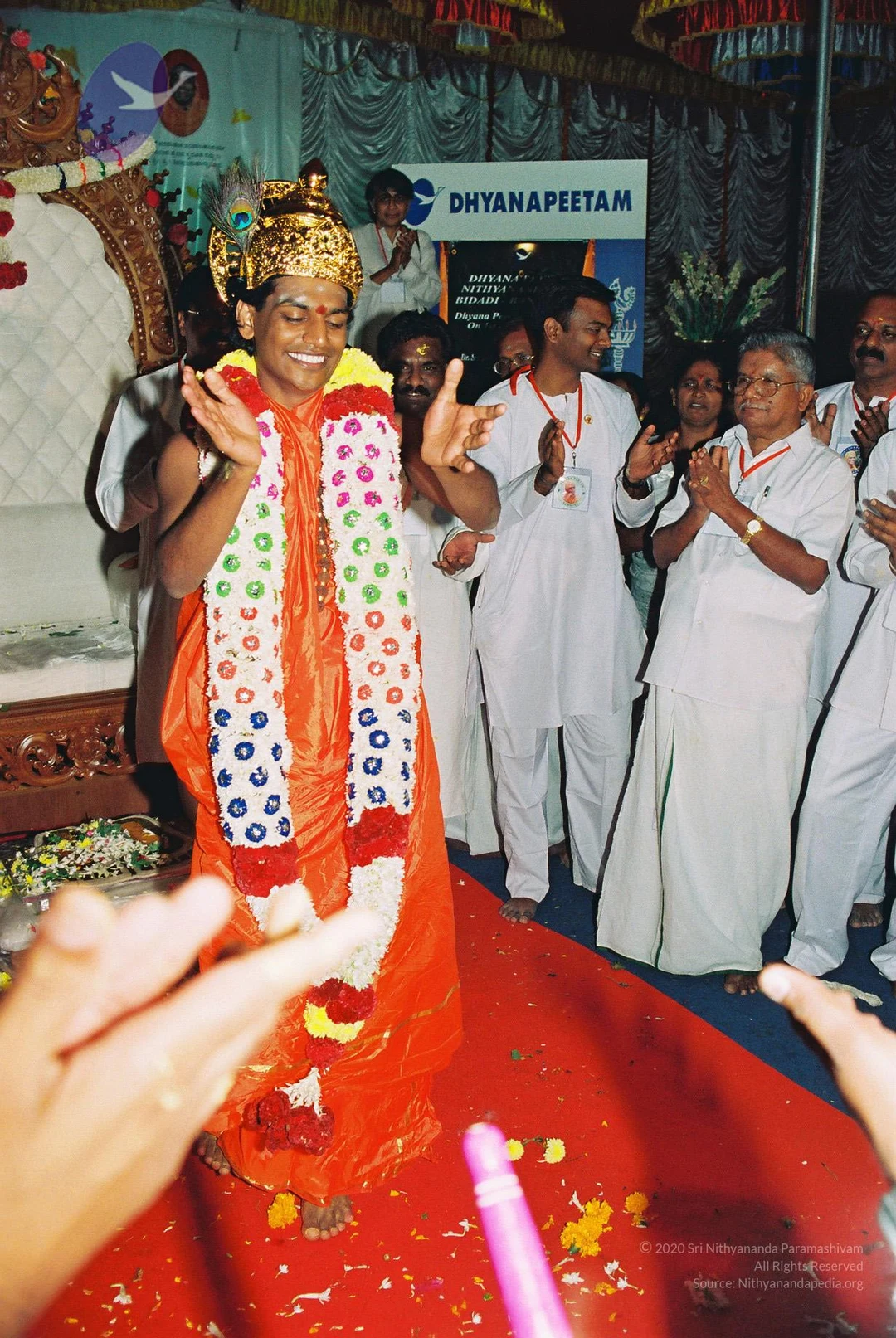
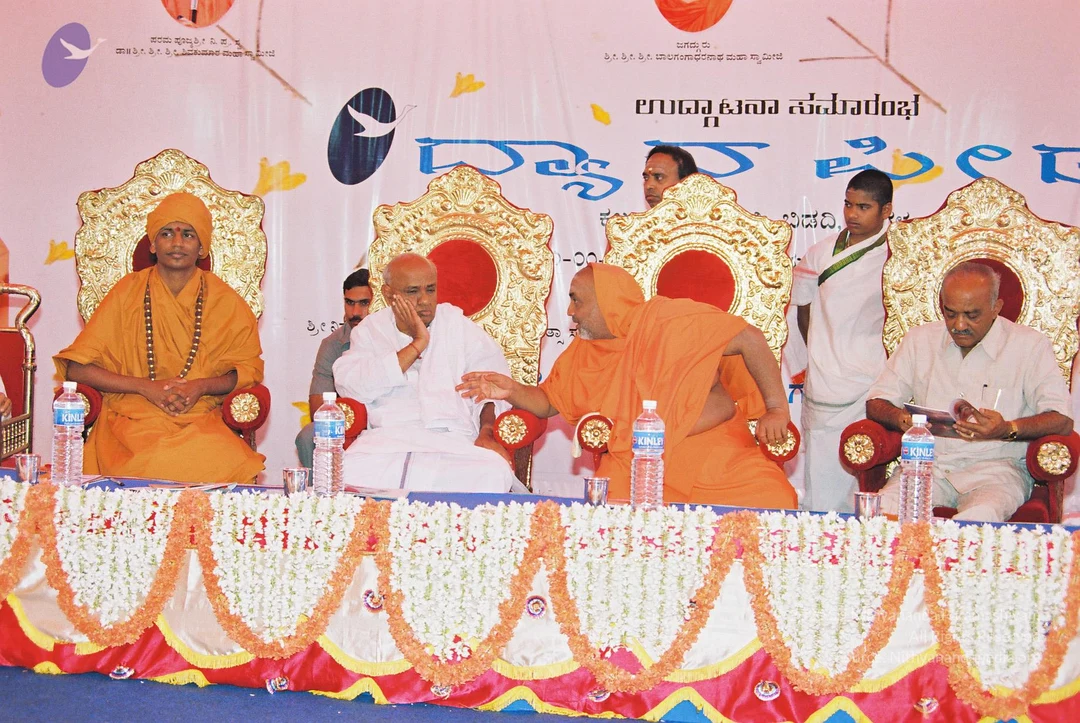
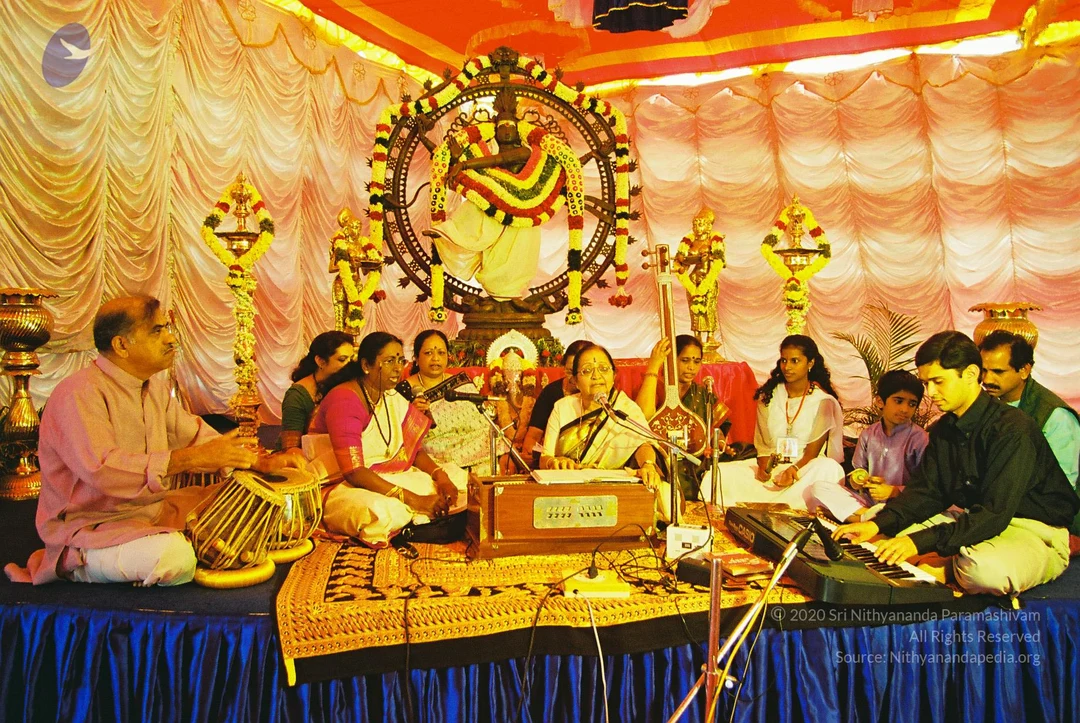
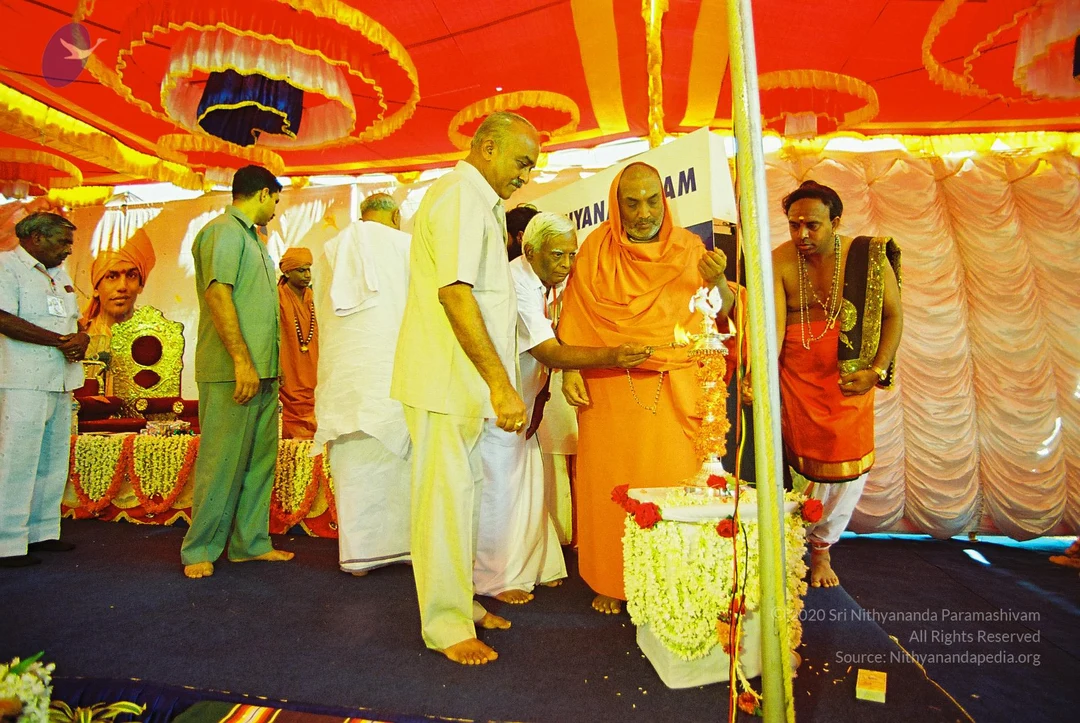
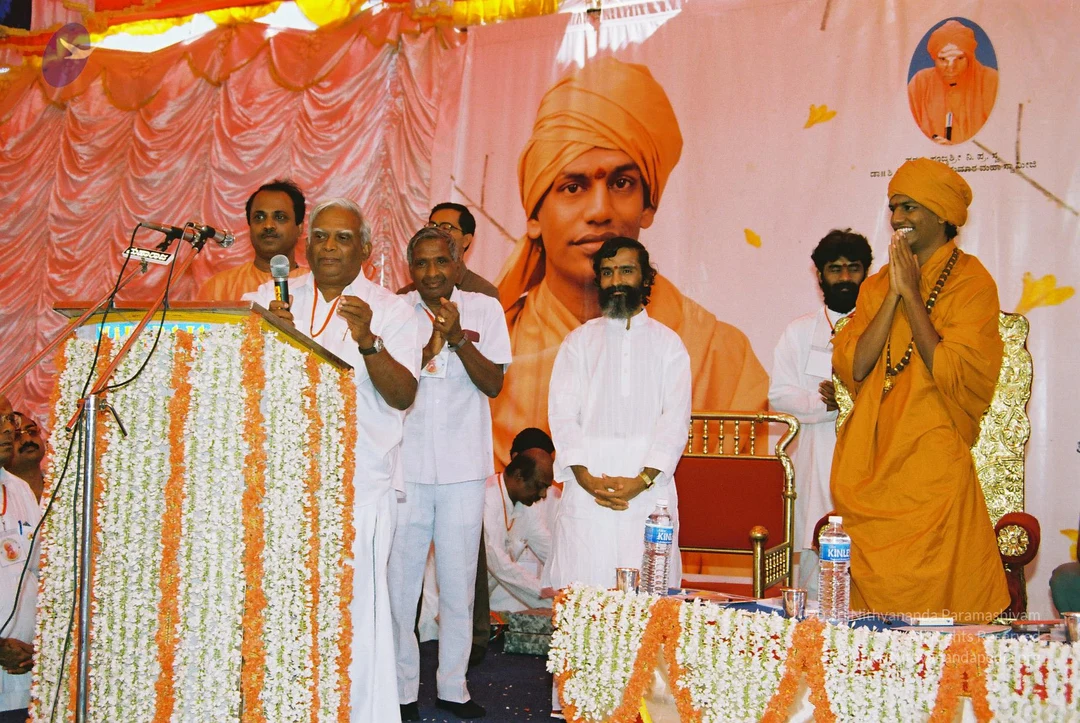
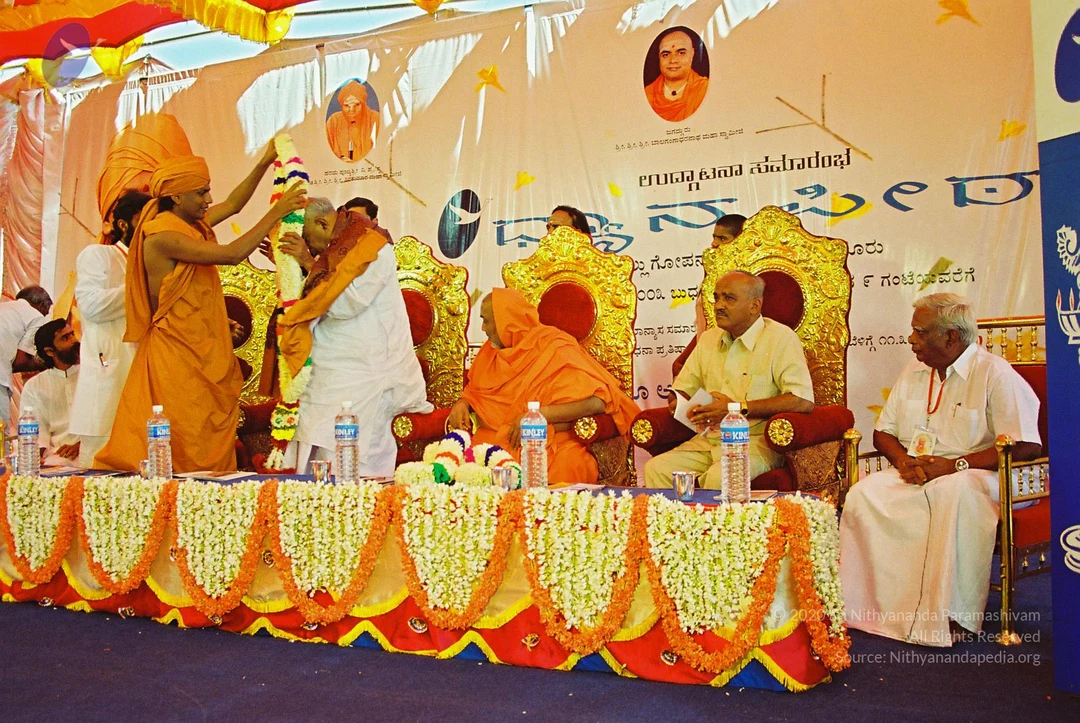
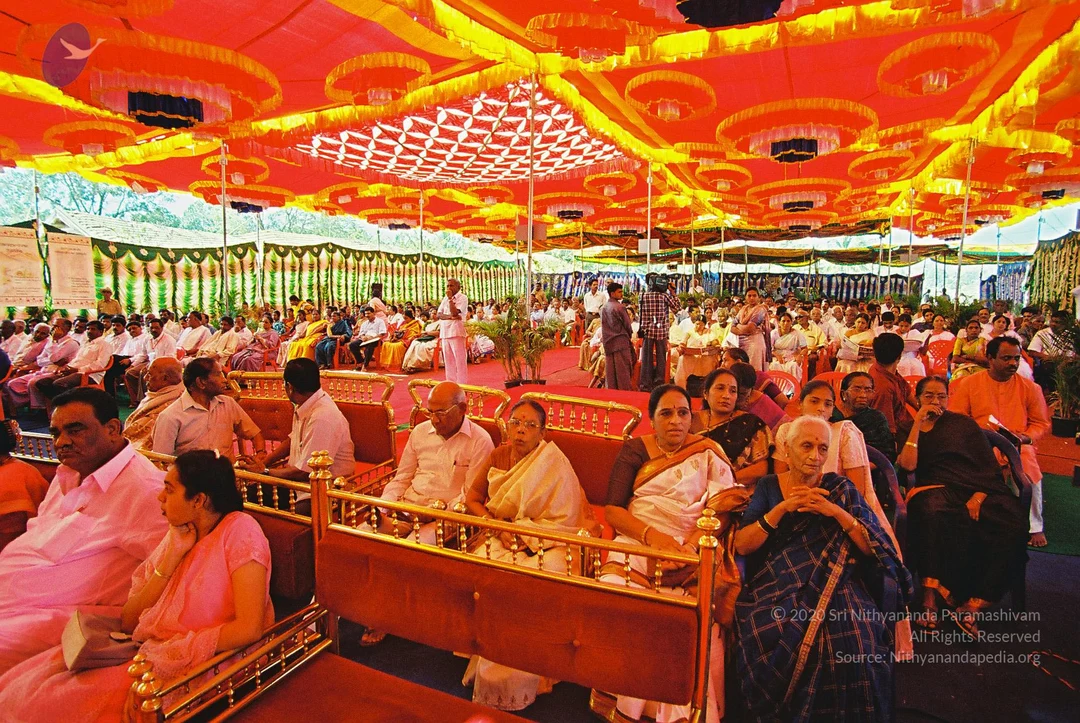
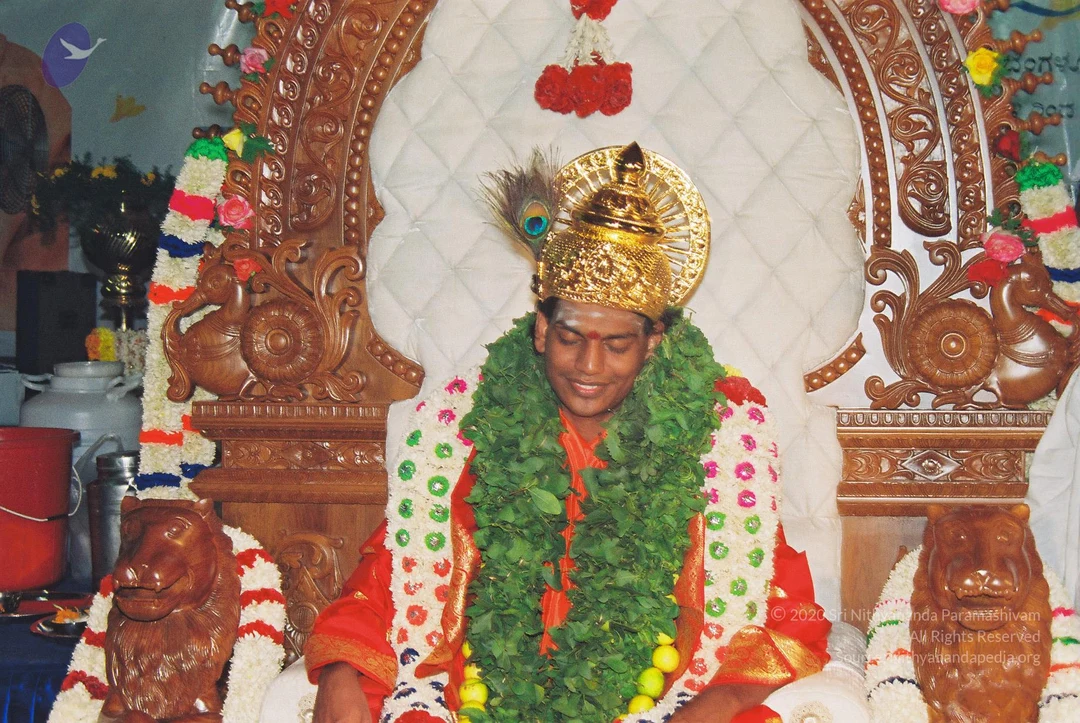
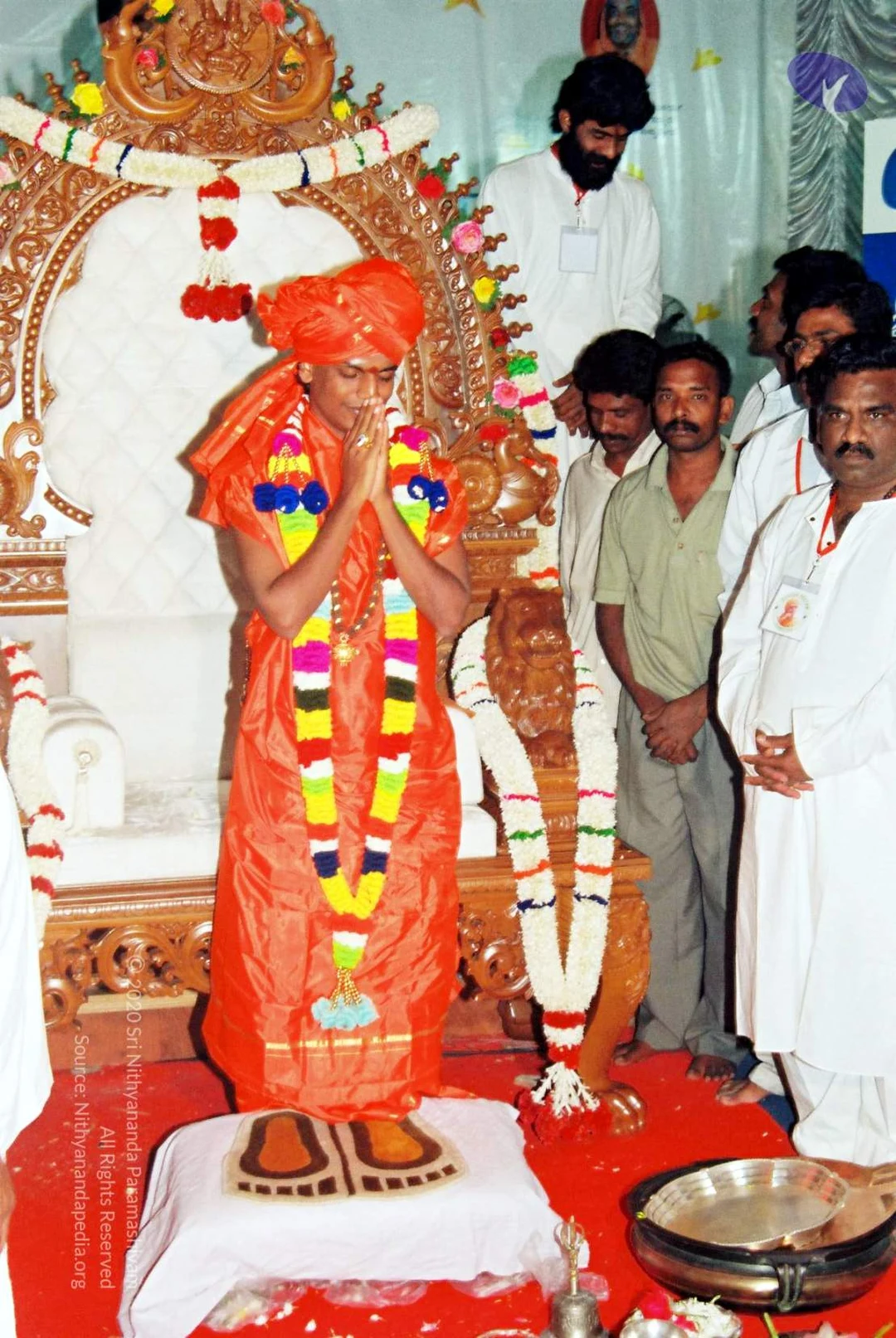
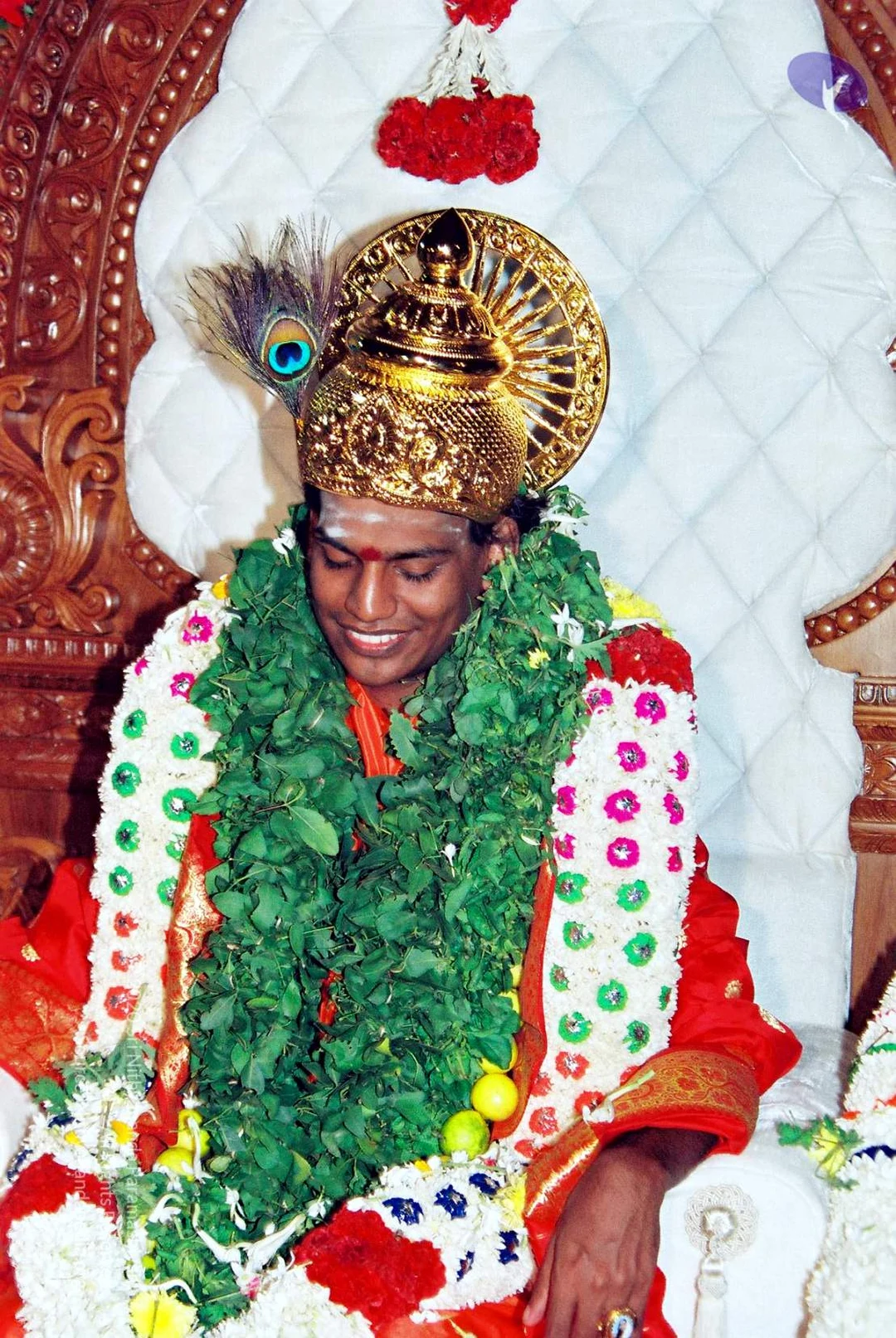
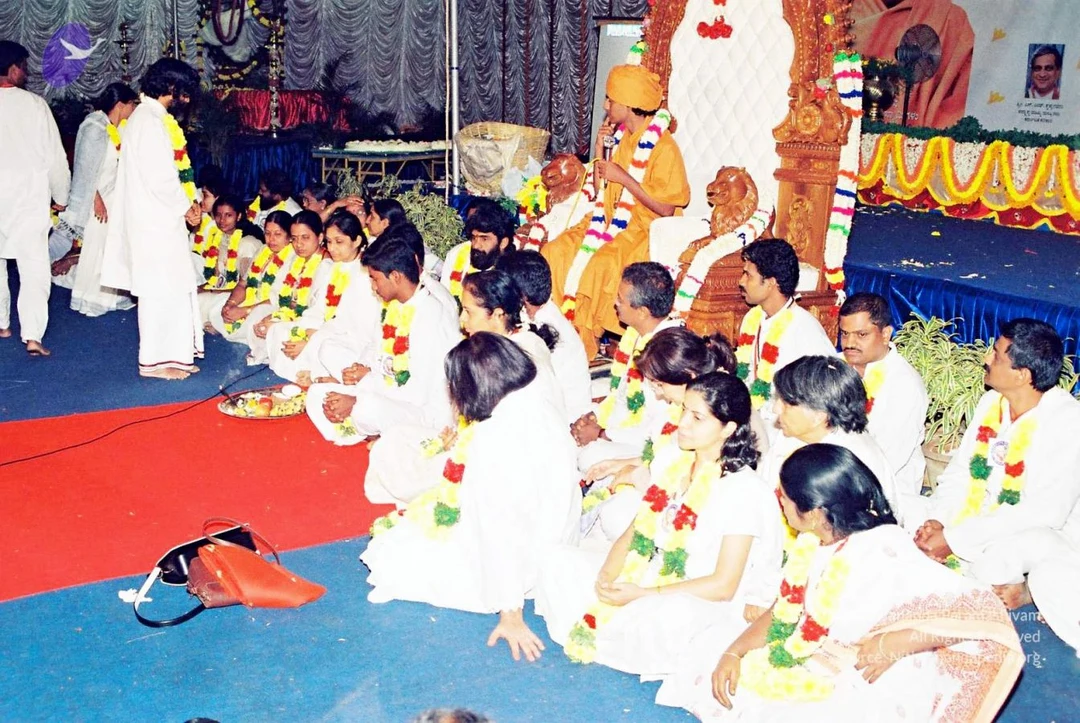
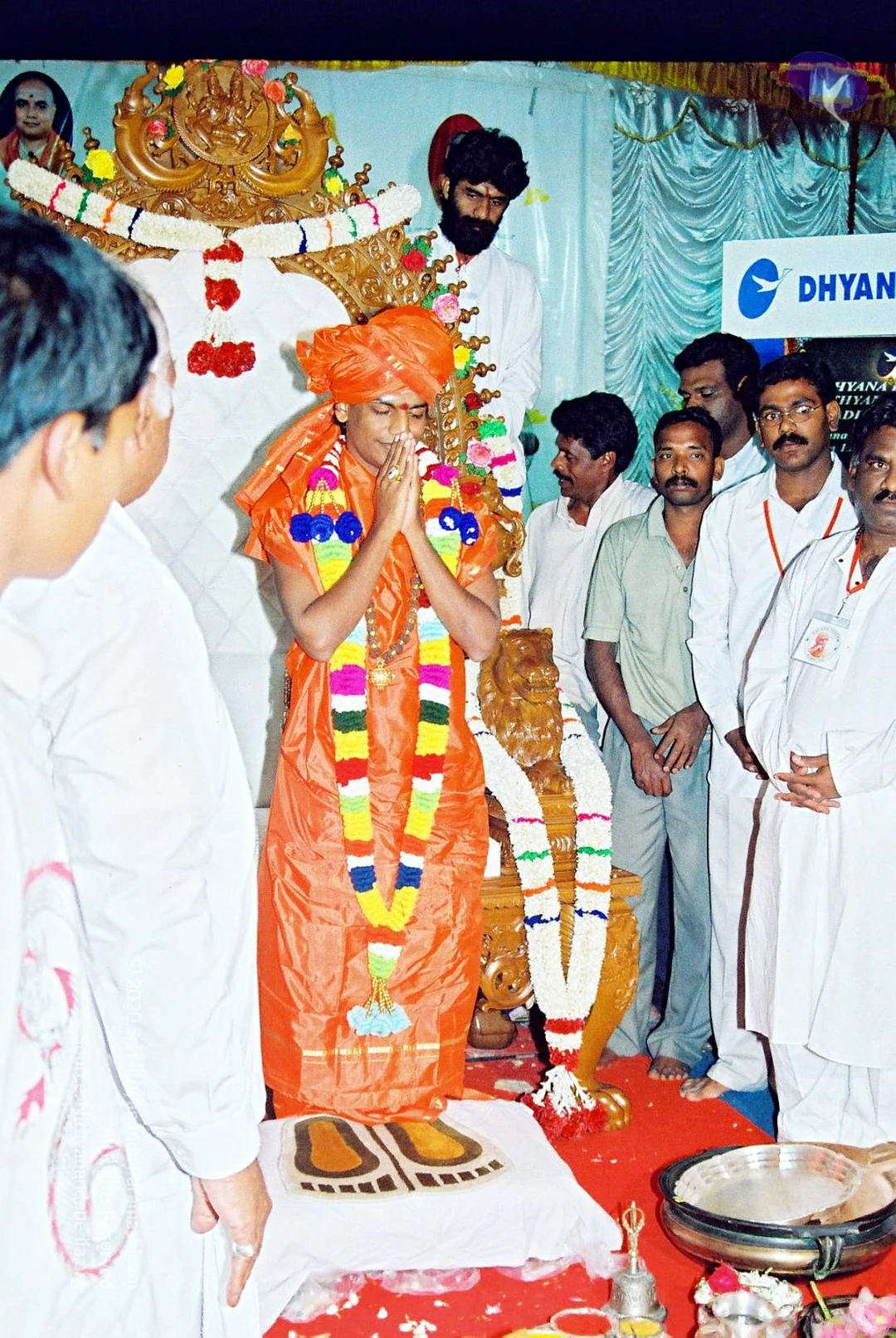
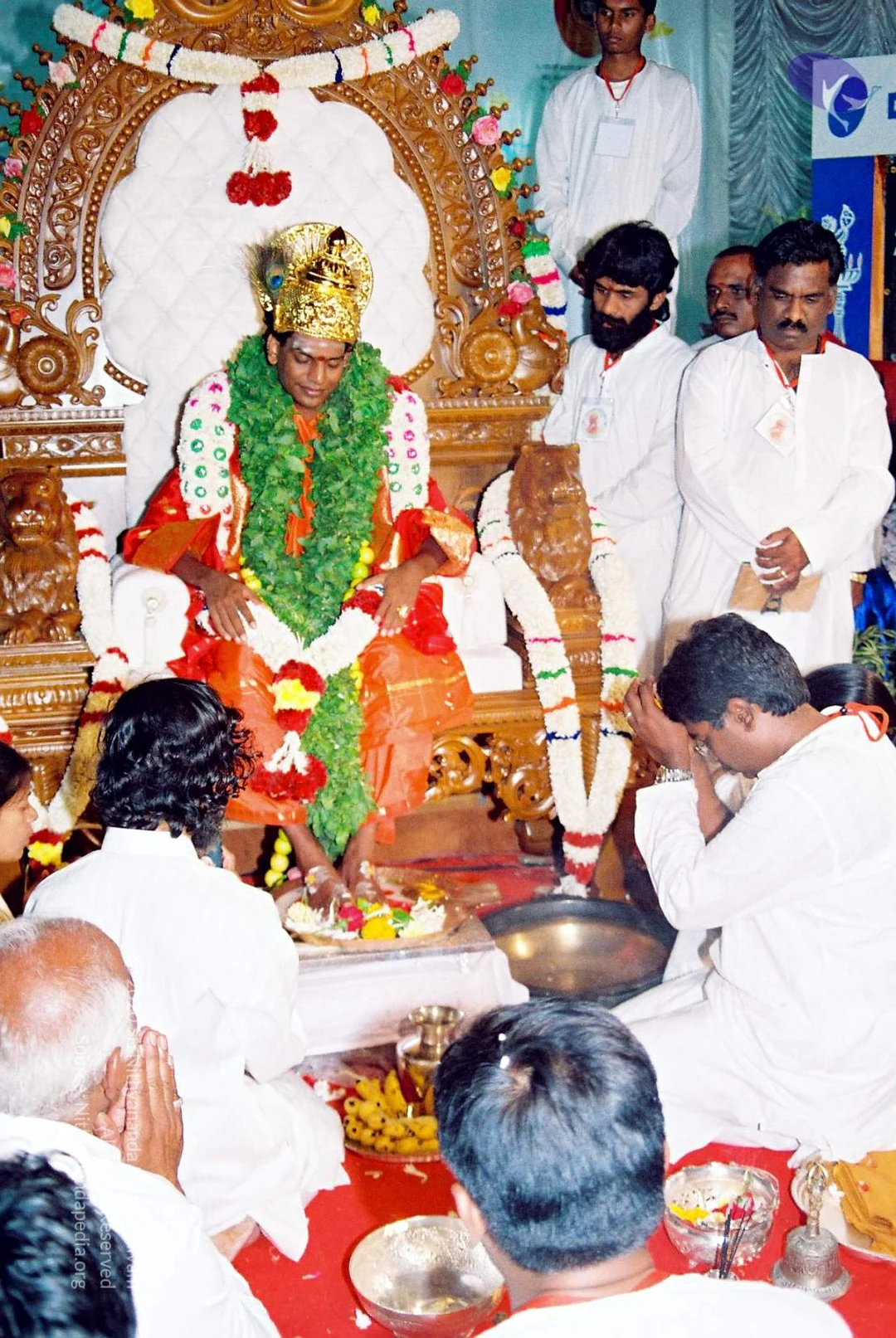
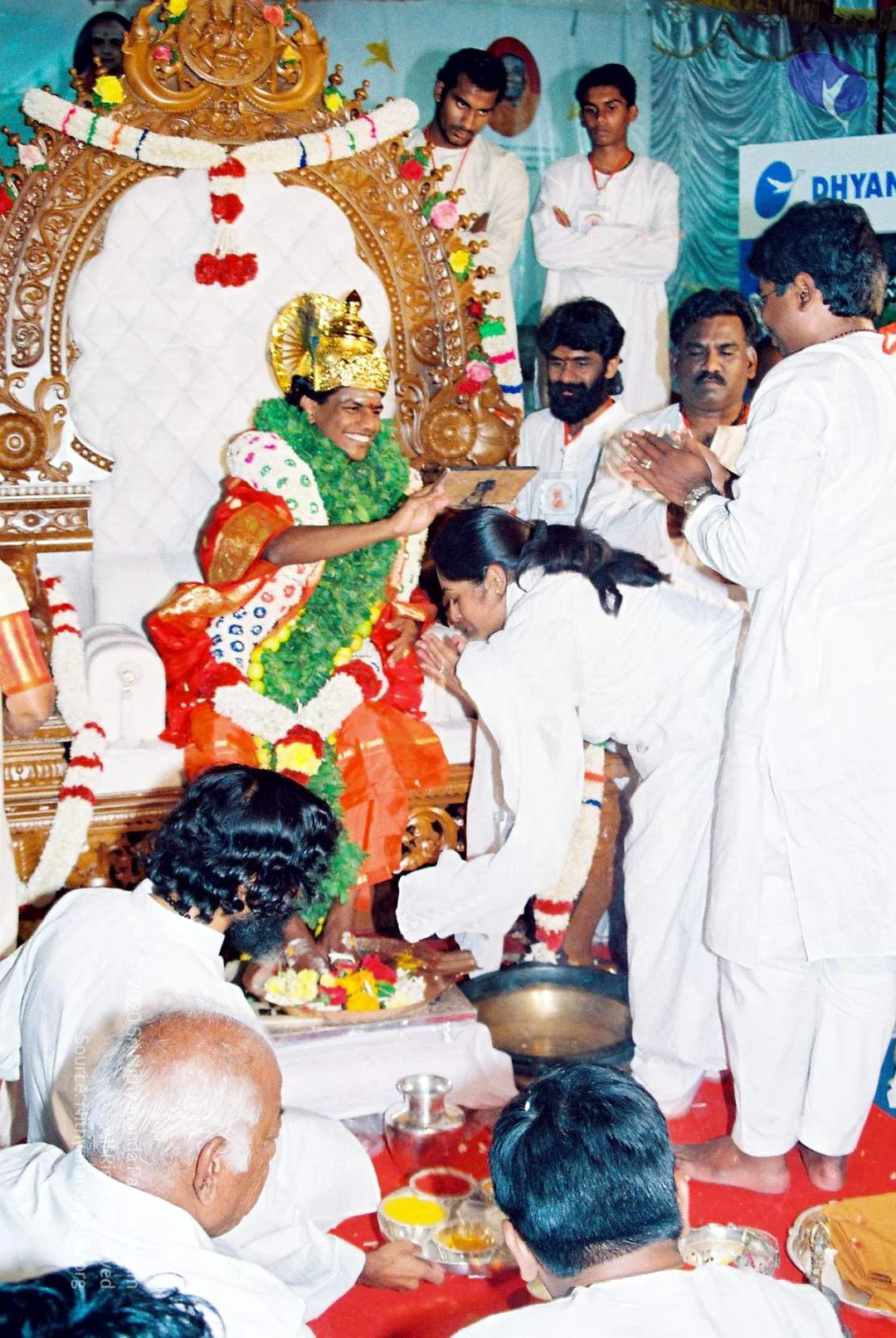
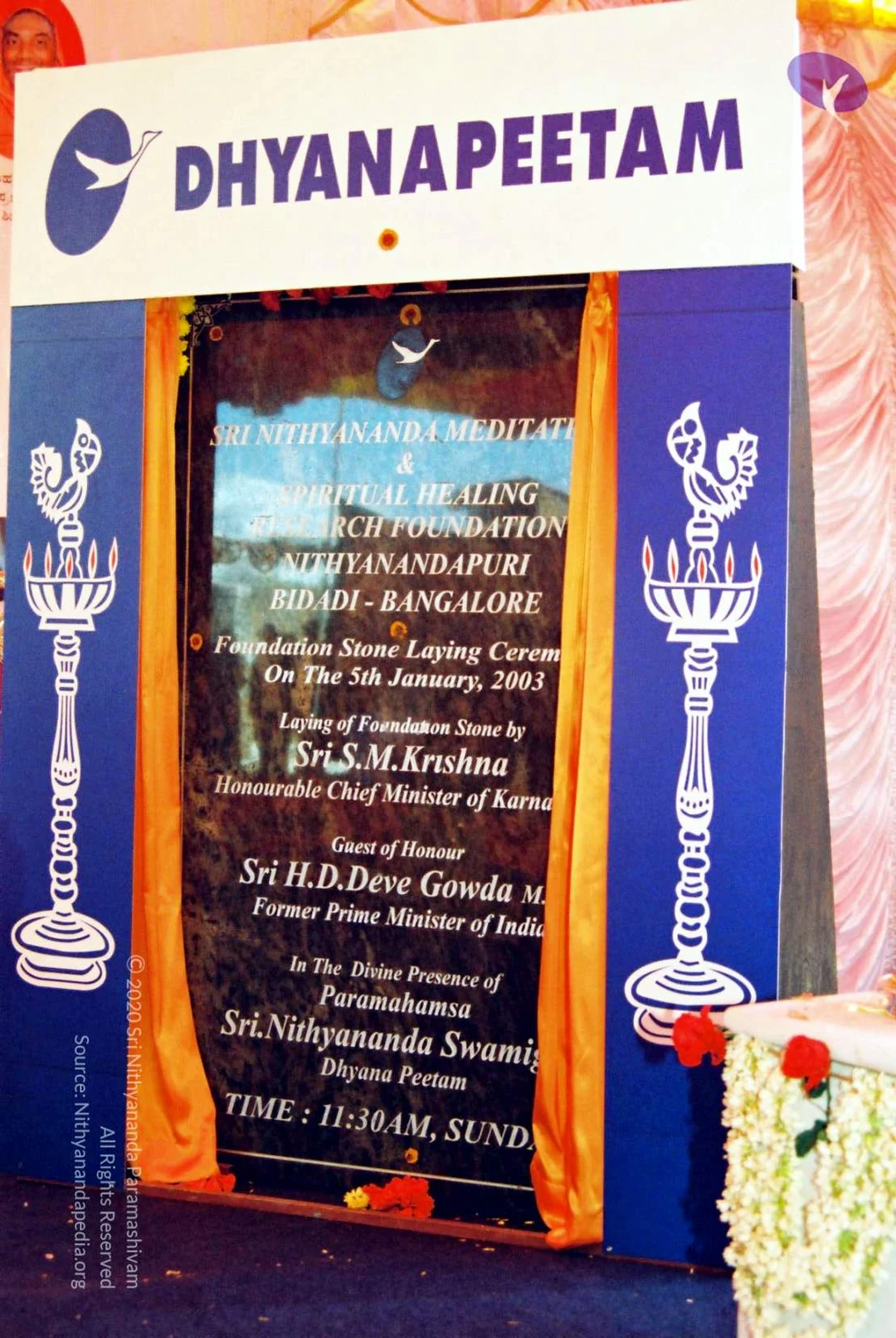
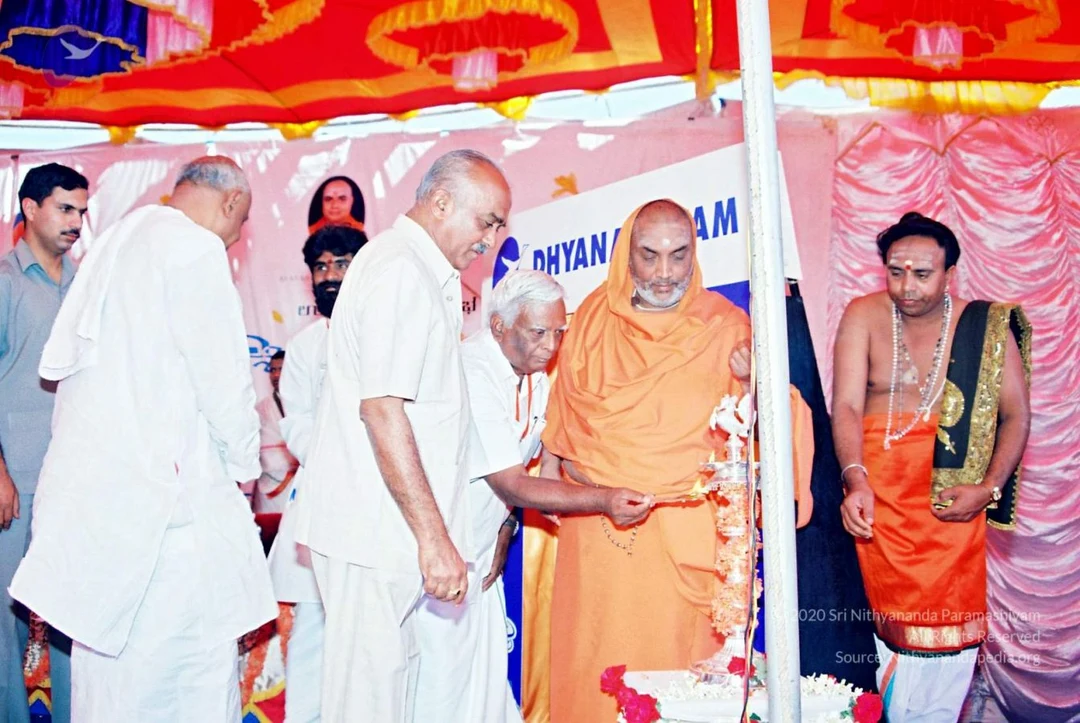
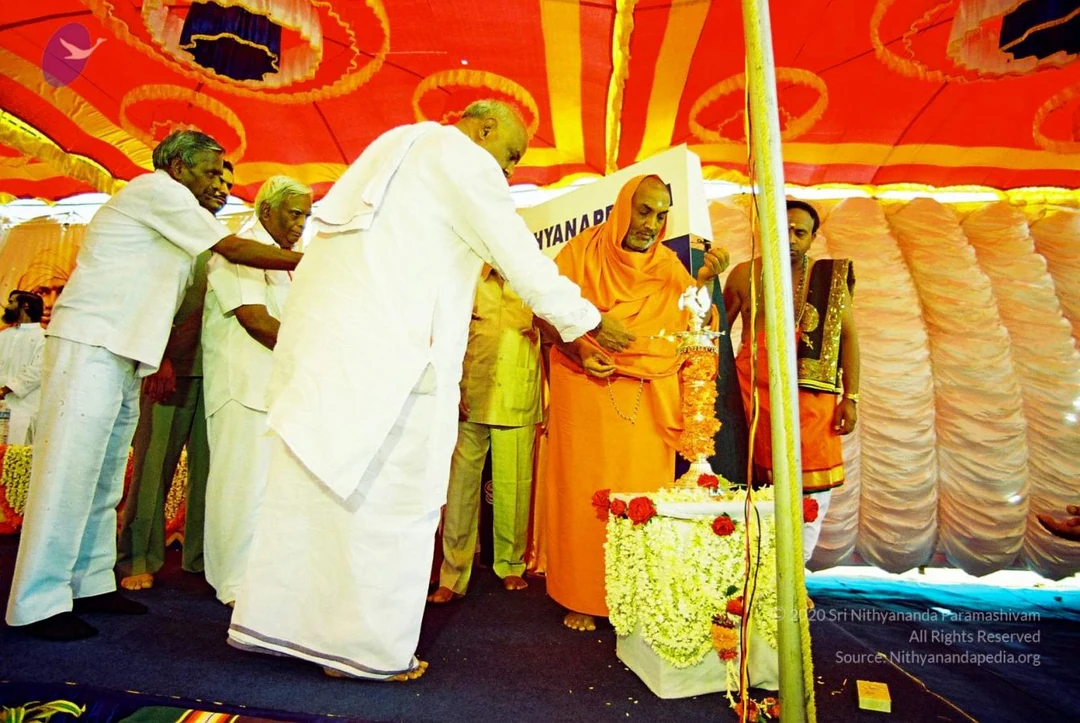
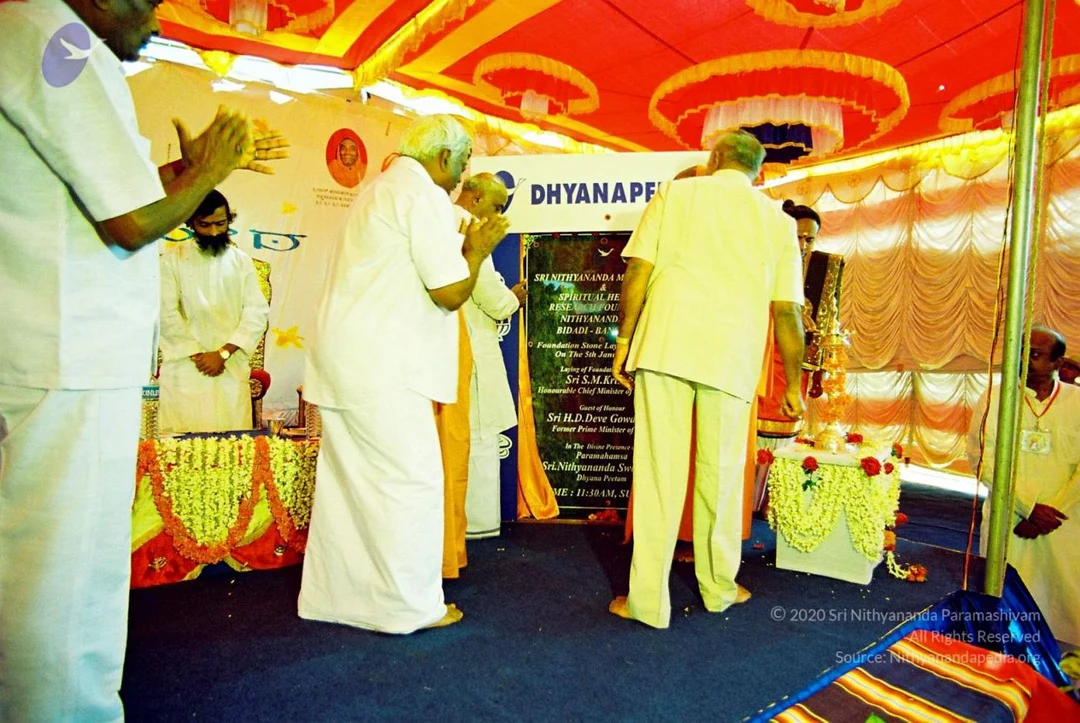
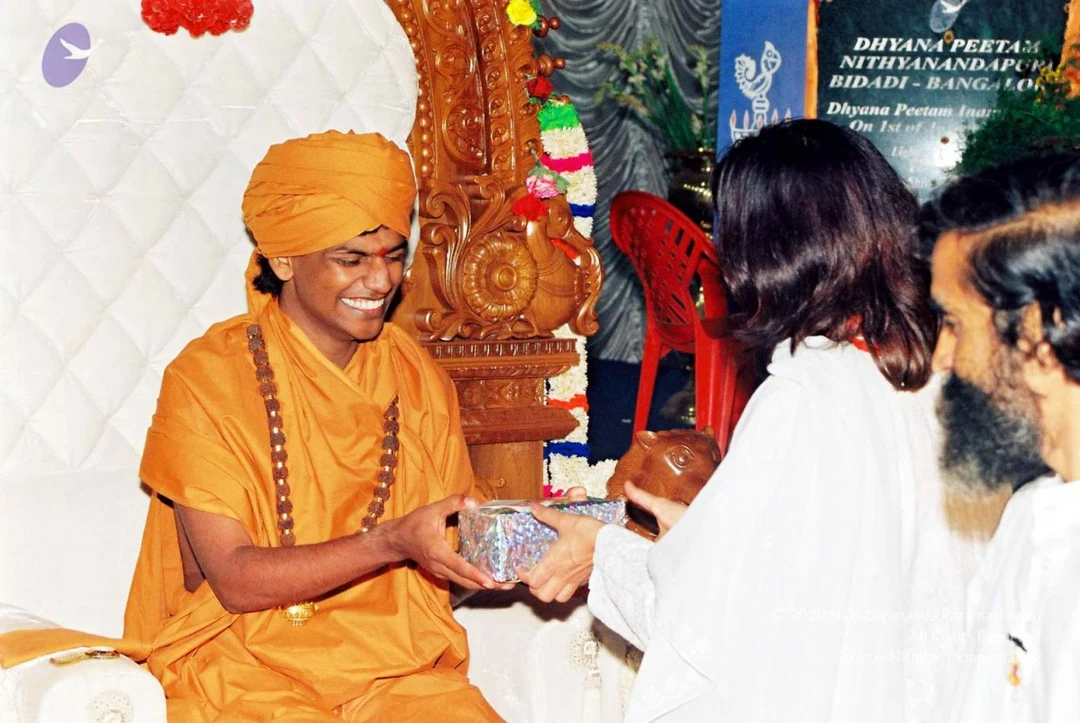
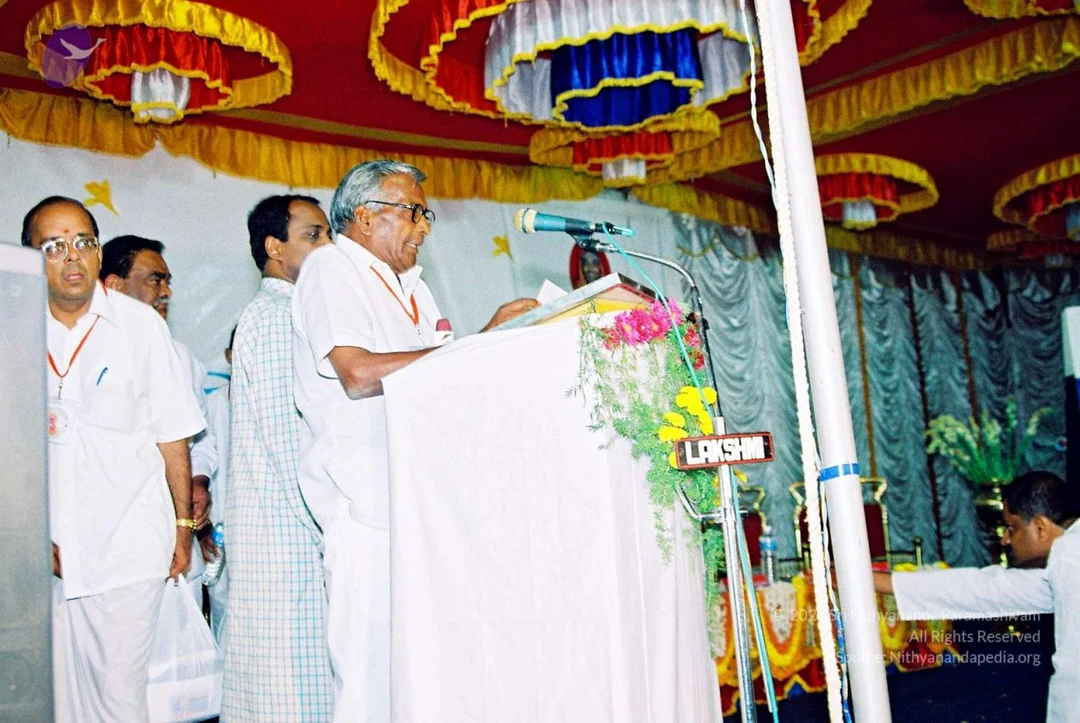
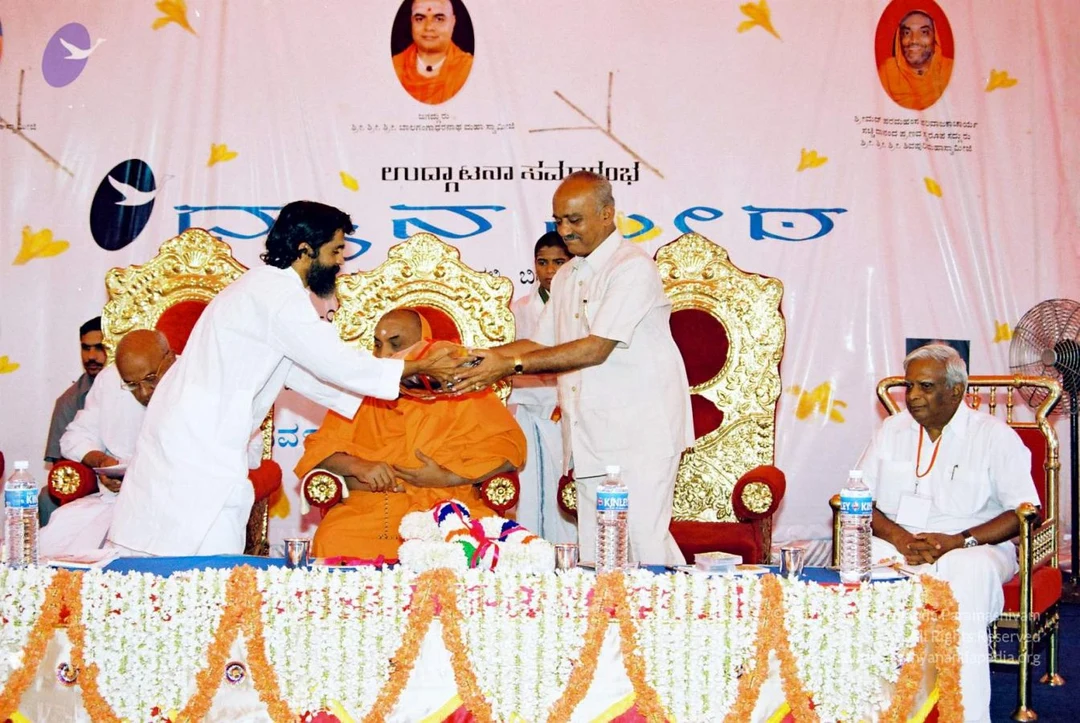
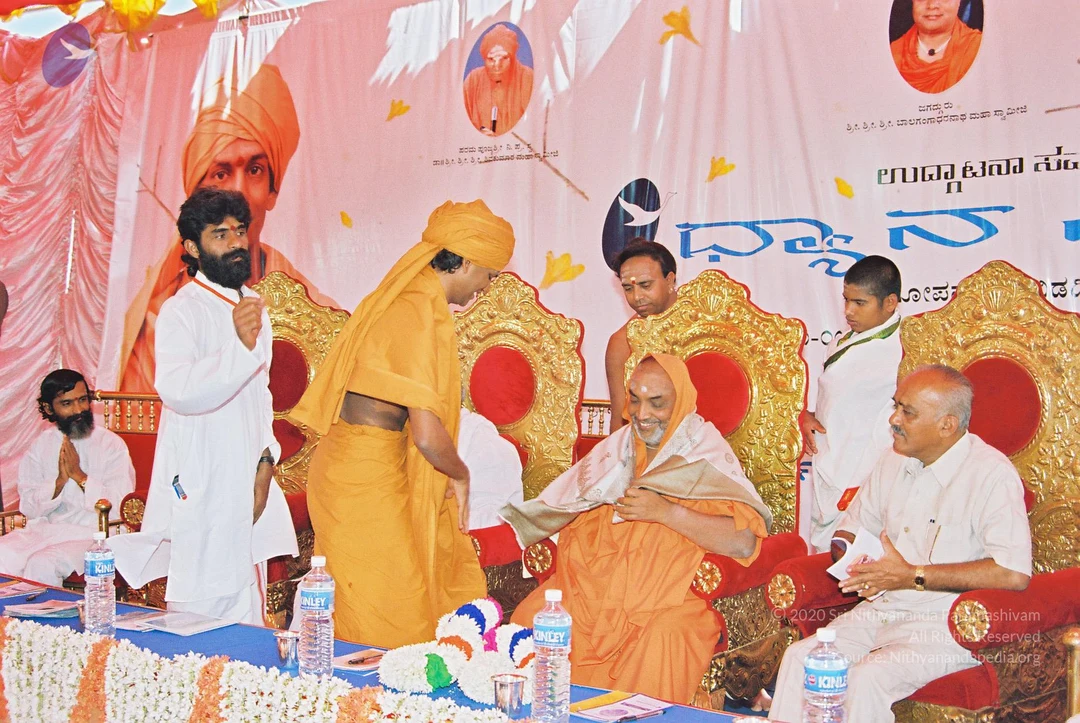
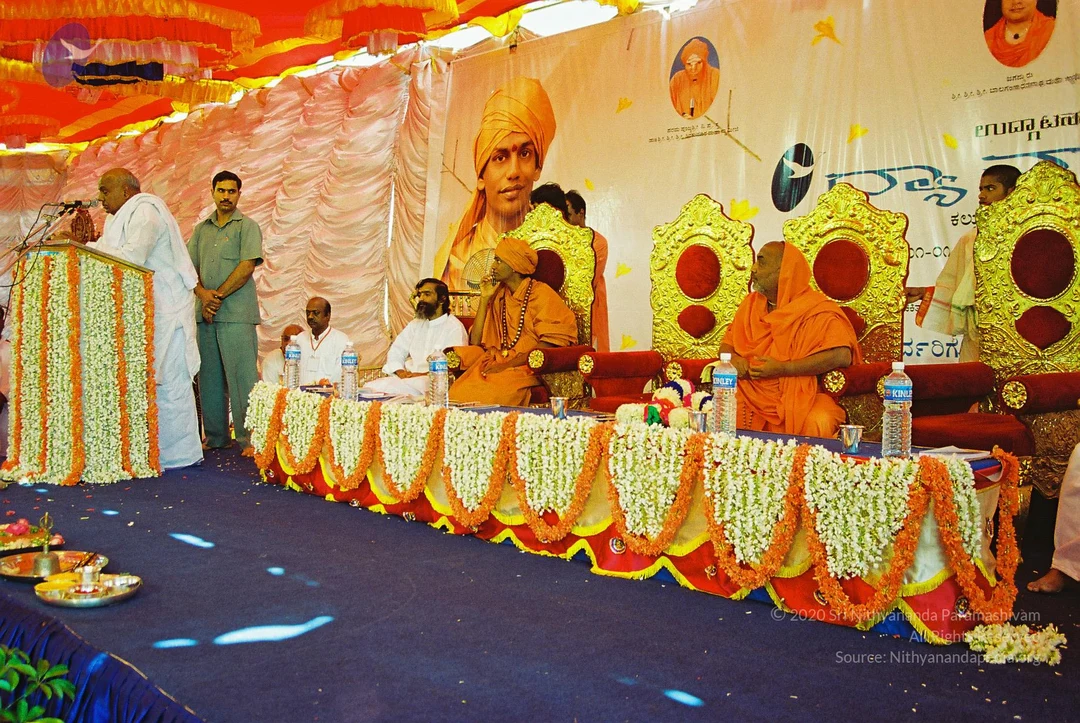
Today, 01st January 2003 marks one of the most significant days in the history of KAILASA and the global Hindu Diaspora. It is the day when the KAILASA Enlightenment Ecosystem was officially inaugurated in ADI KAILASA at Bengaluru, Karnataka, South India. ADI KAILASA also known as Kailasa Paramparagatha Nithyananda Peetham, is the Eastern spiritual headquarters of KAILASA and is the very ecosystem which The Supreme Pontiff of Hinduism (SPH), Jagatguru Mahasannidhanam, His Divine Holiness Bhagavan Nithyananda Paramashivam created for millions to come, learn, practice and experience the Science of Enlightenment.

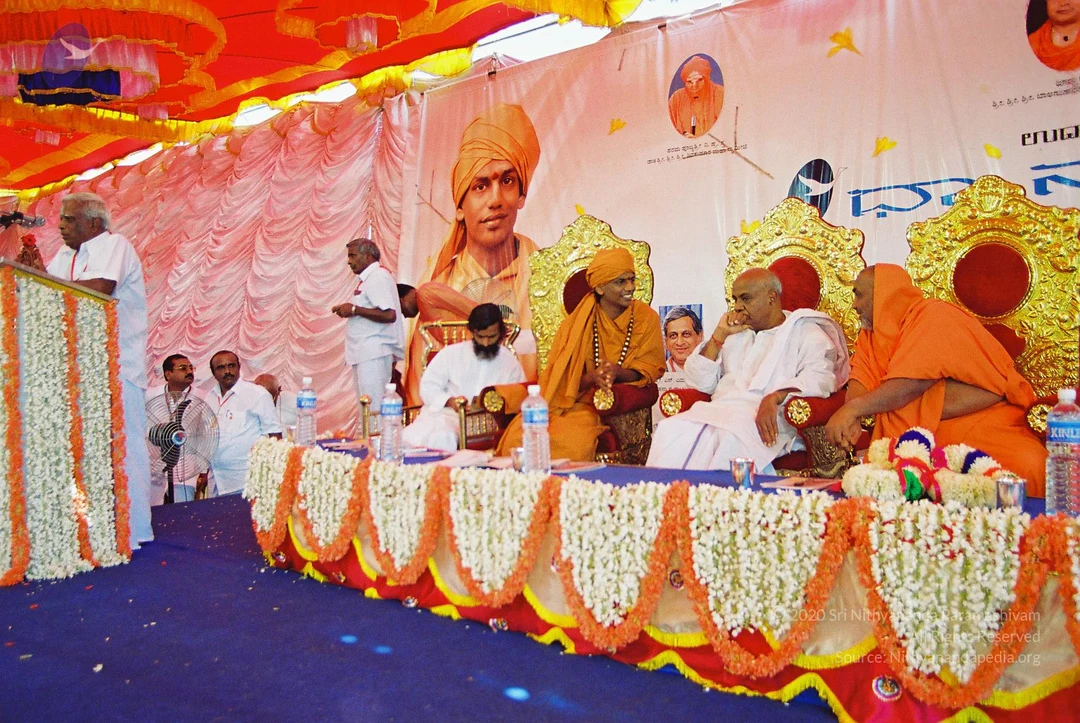
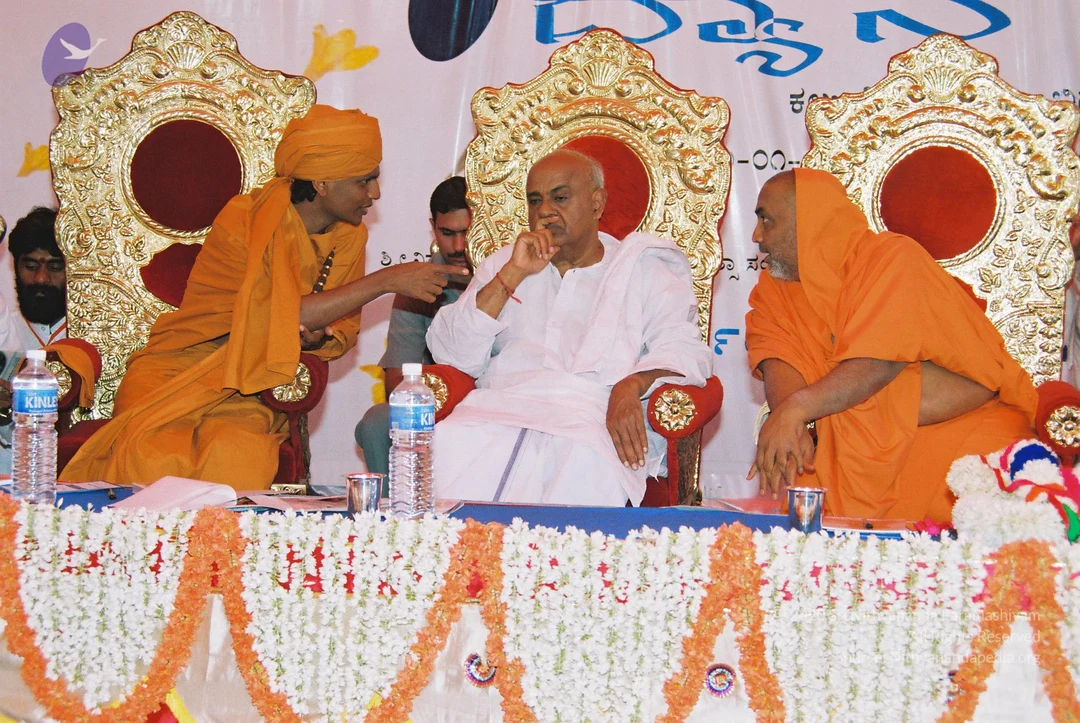
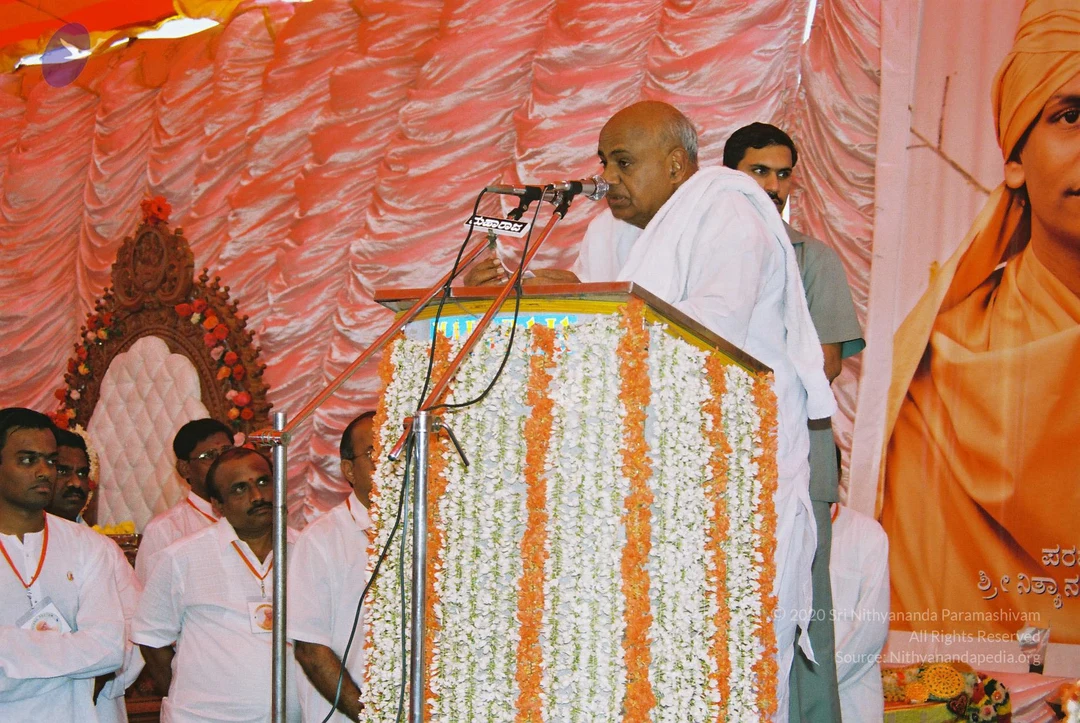
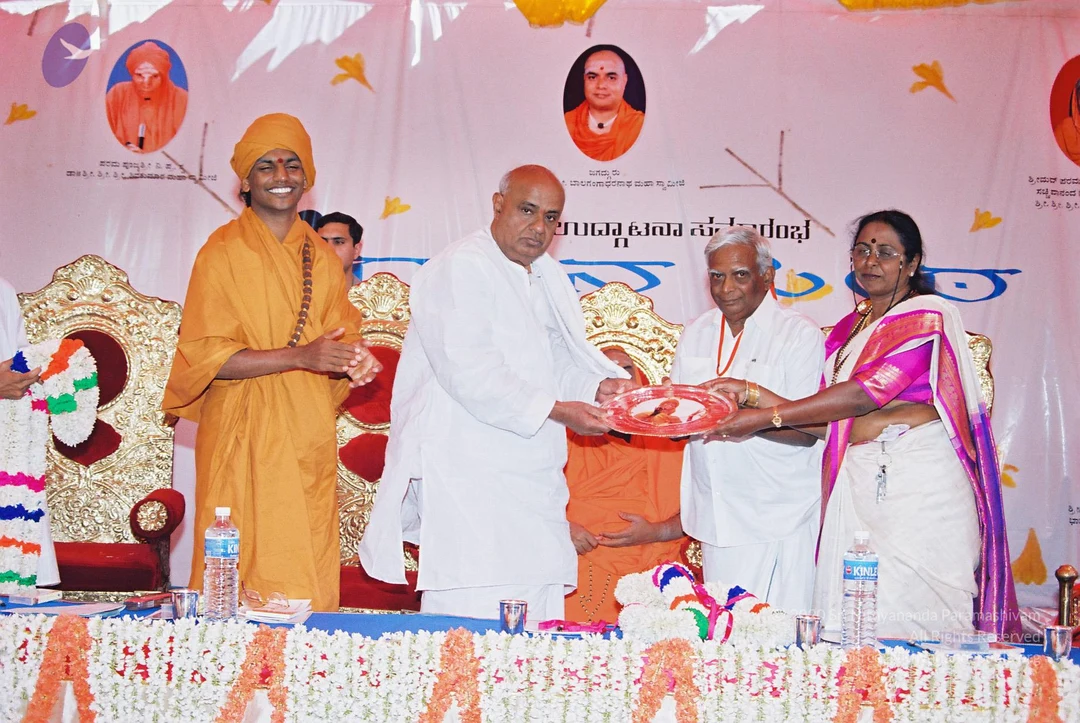
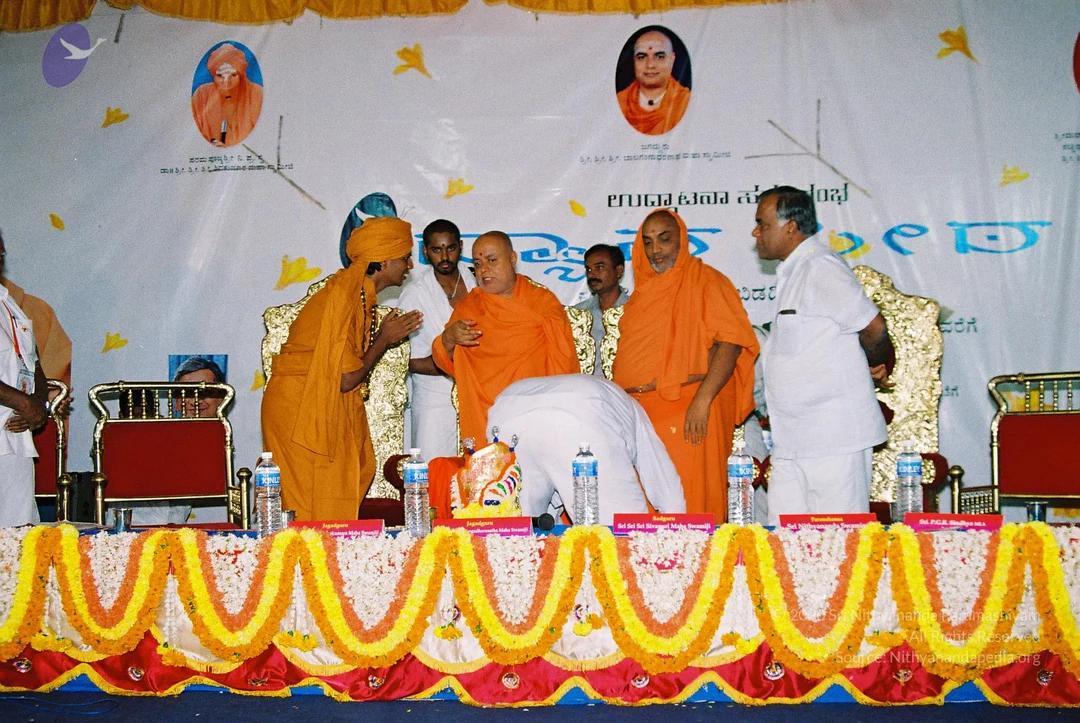
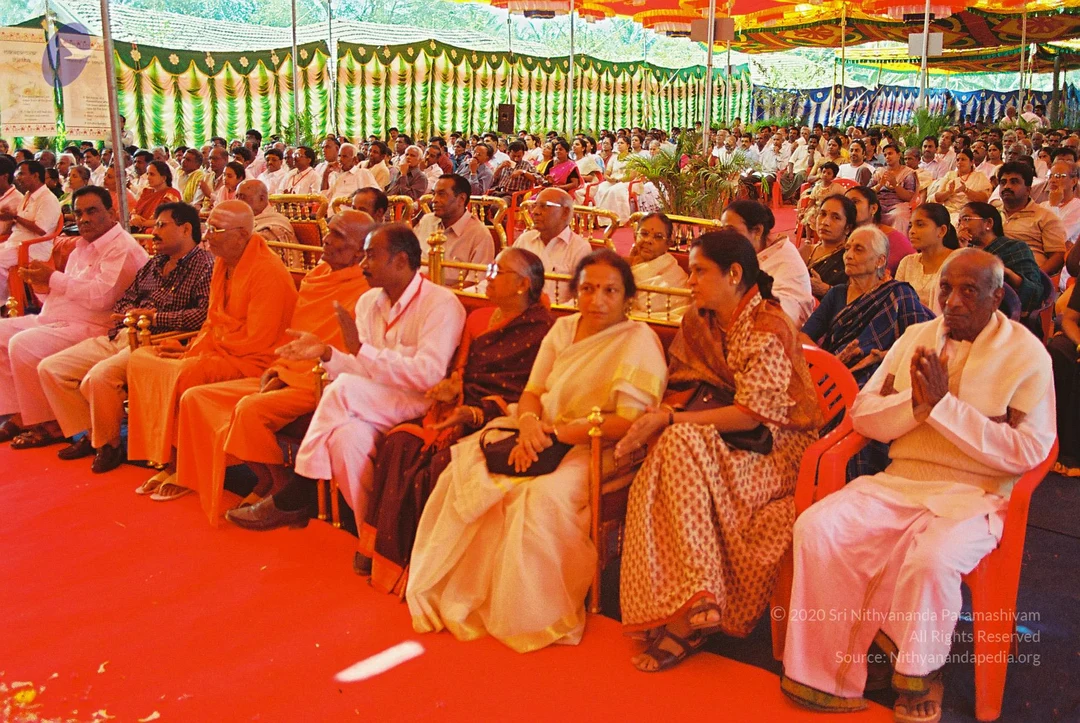
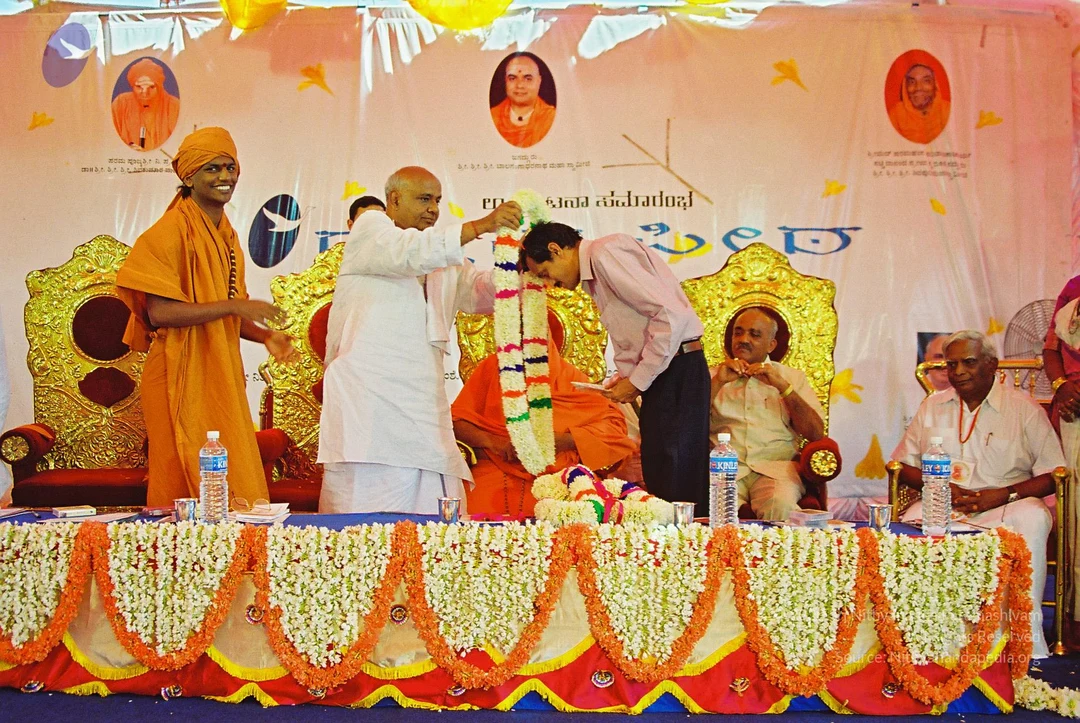
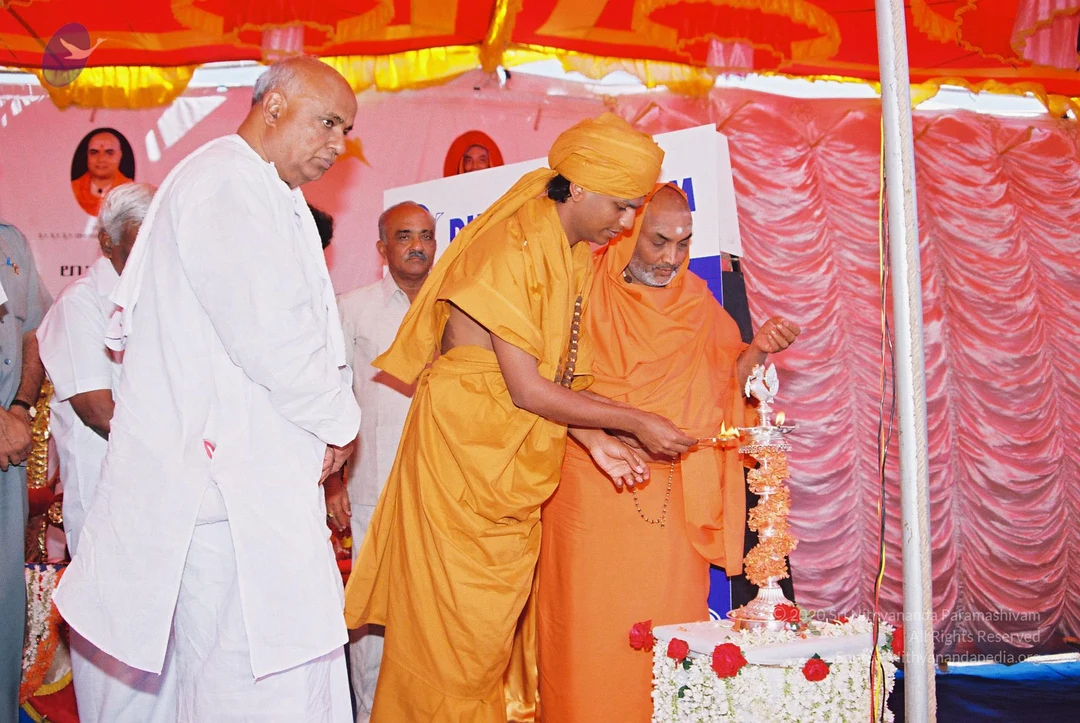
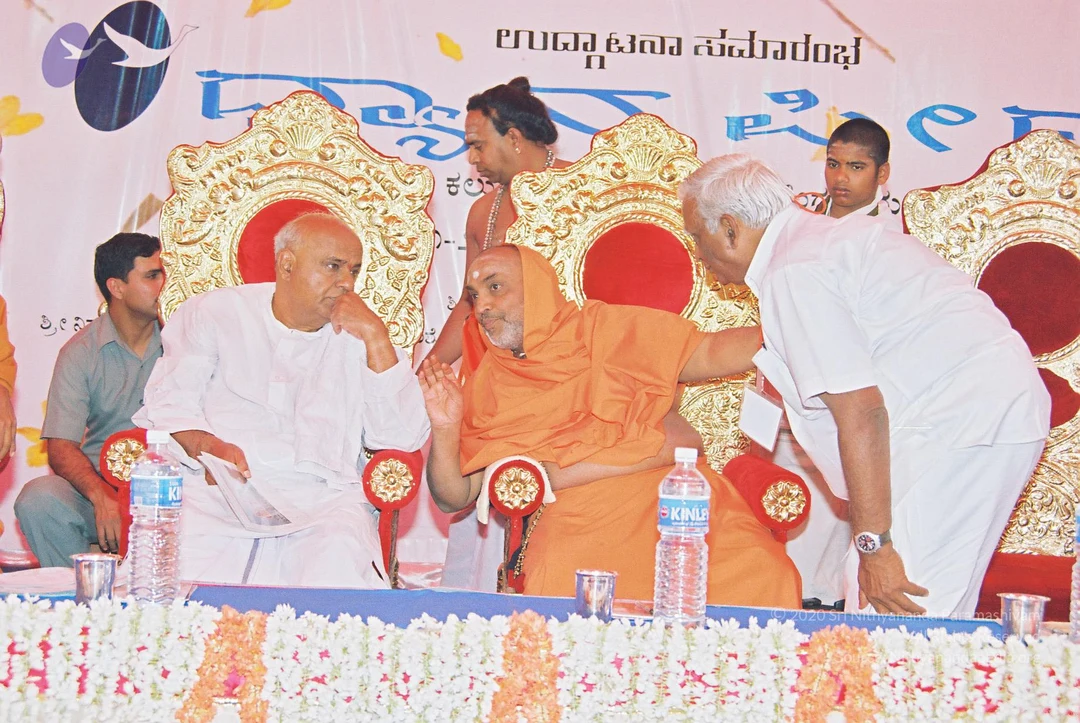
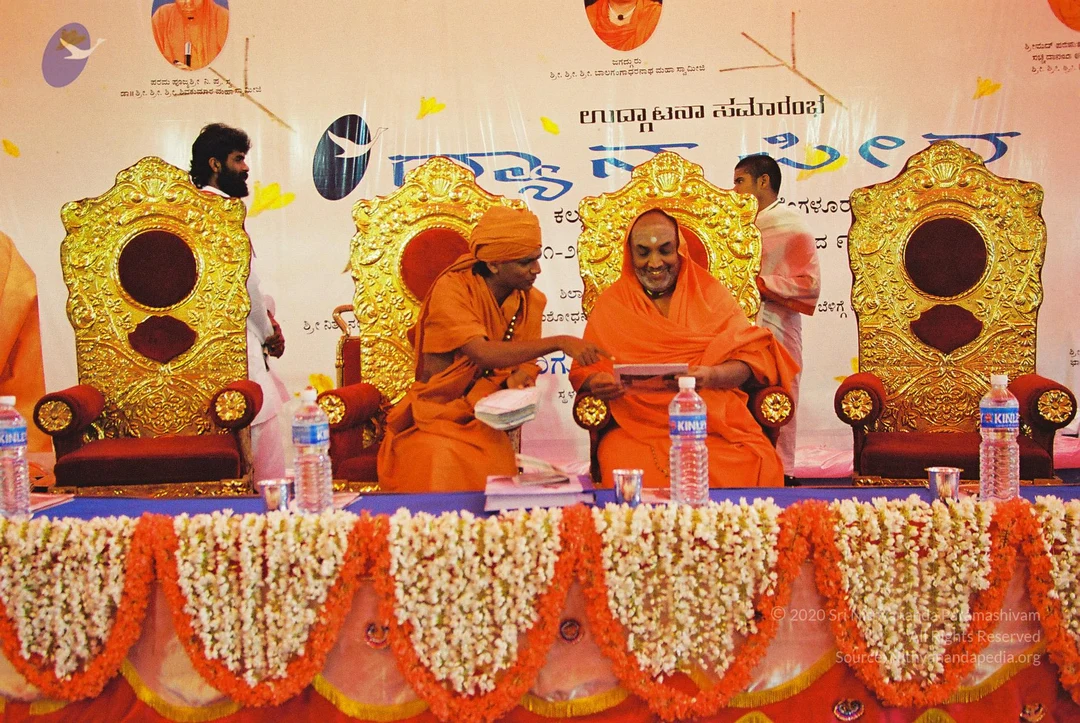
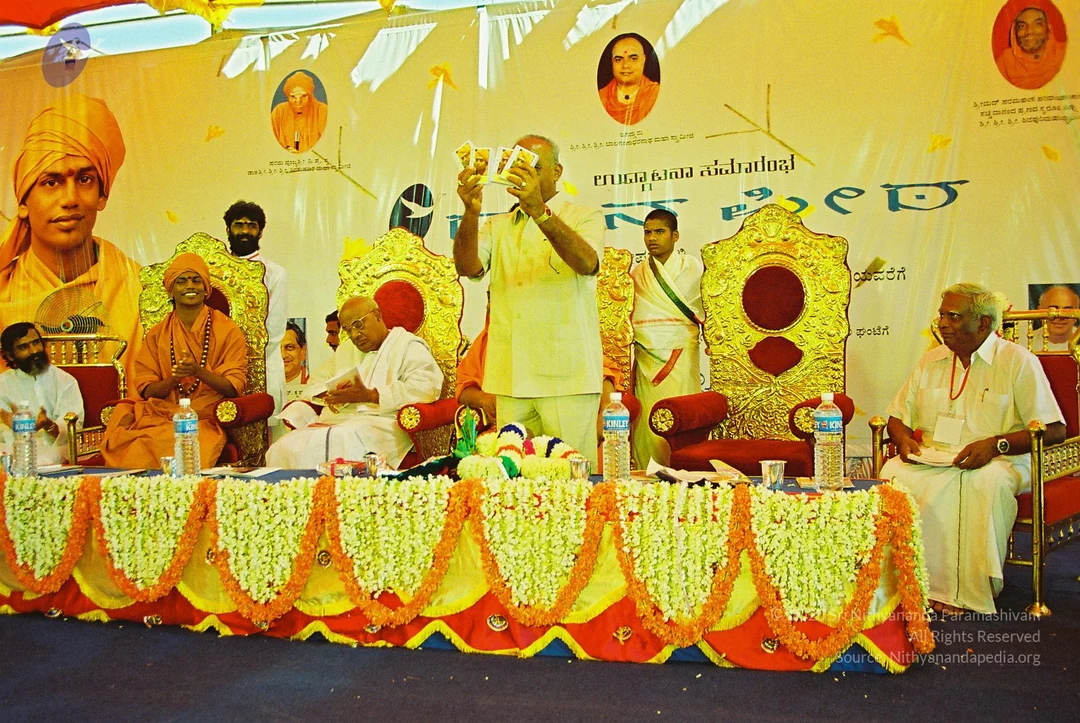
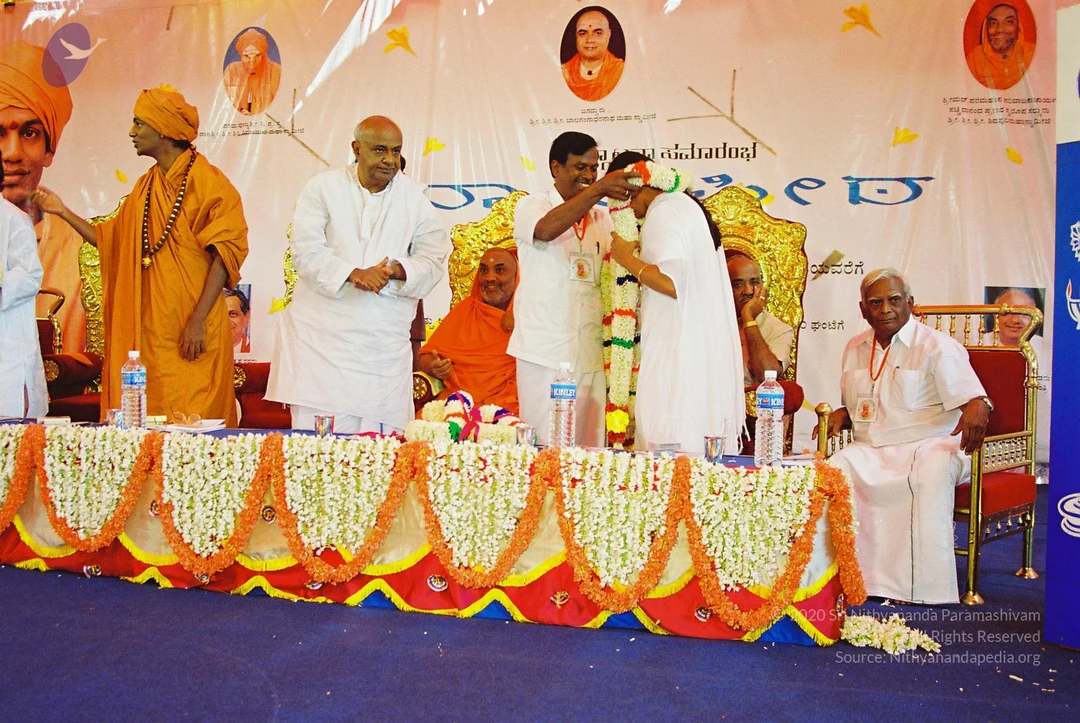
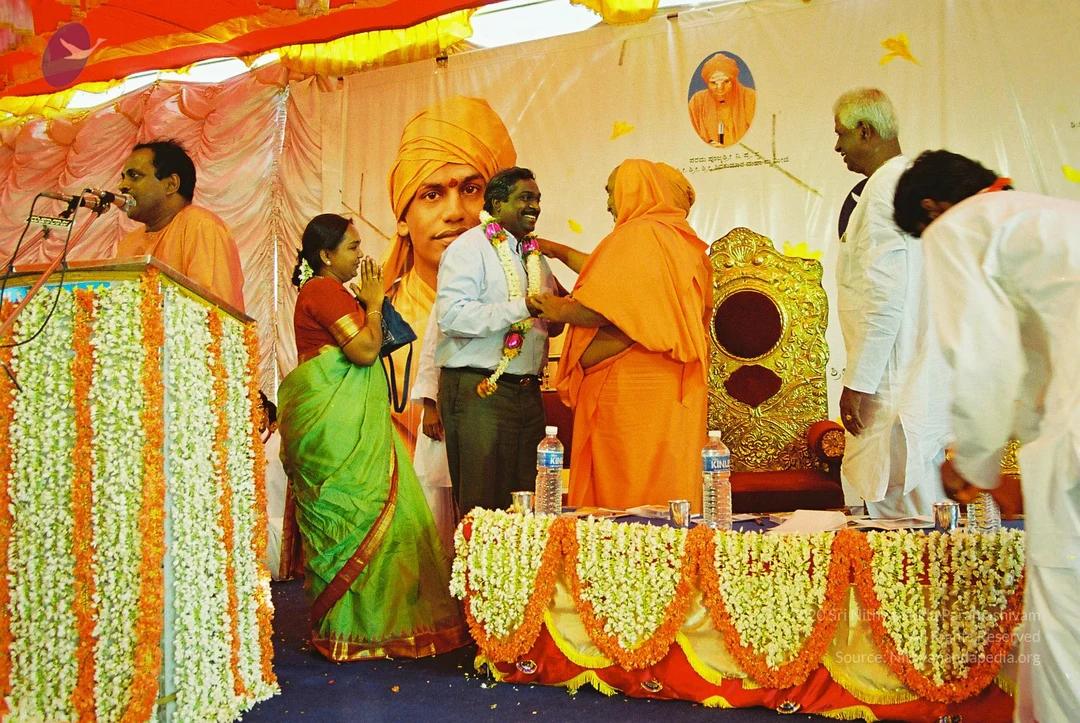
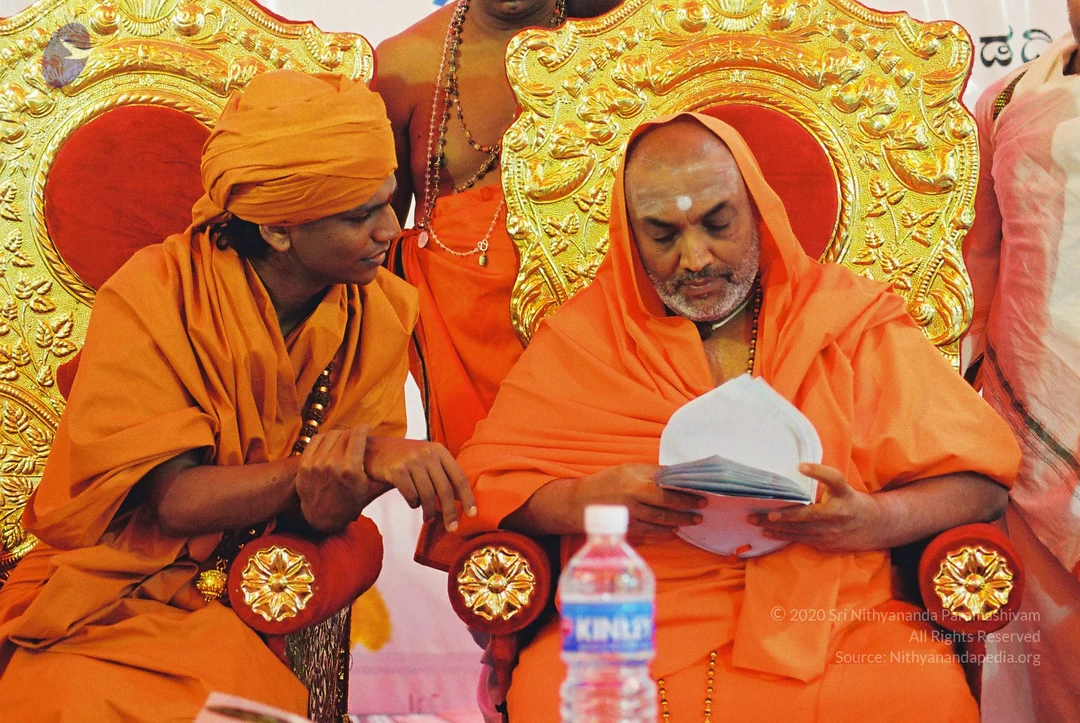
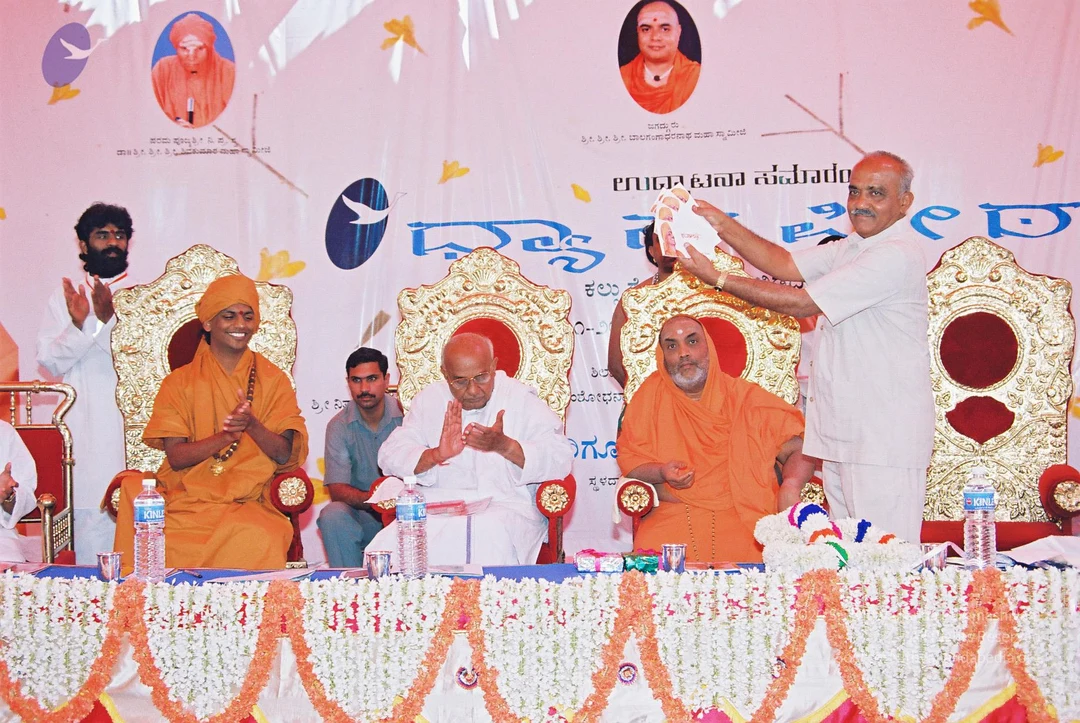
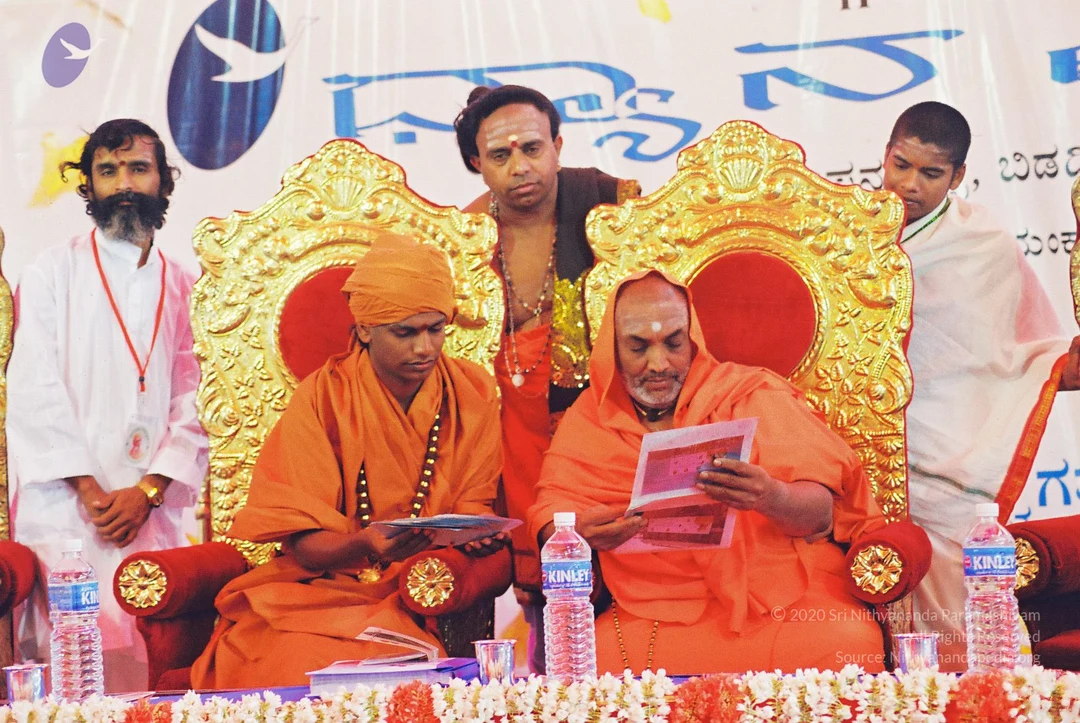
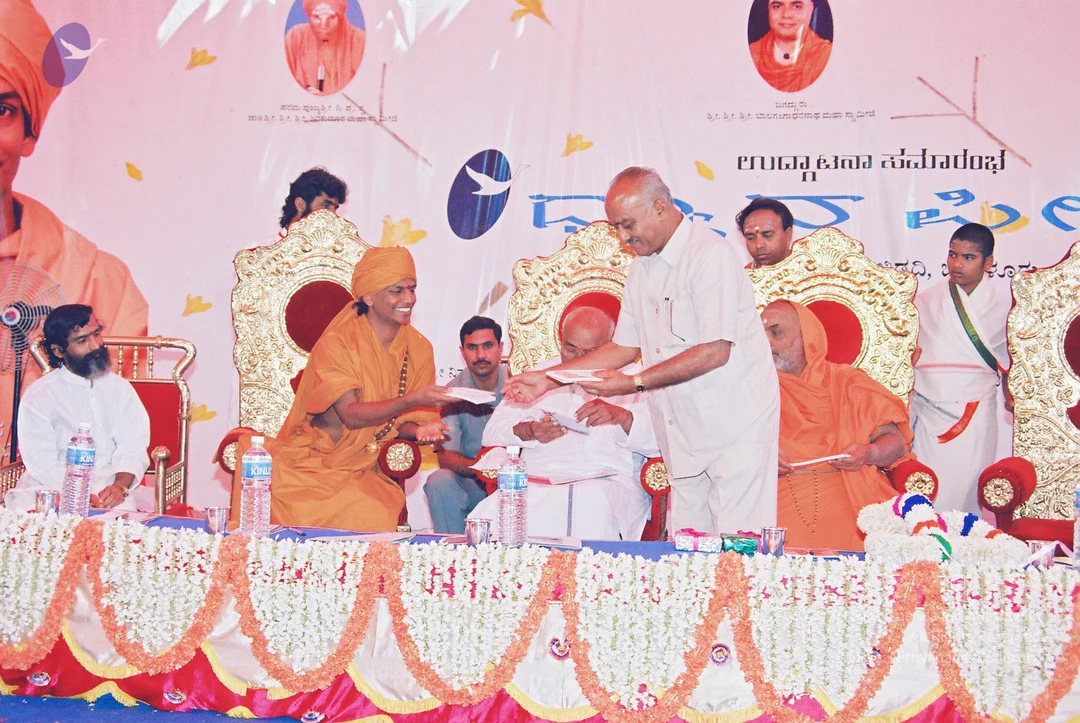
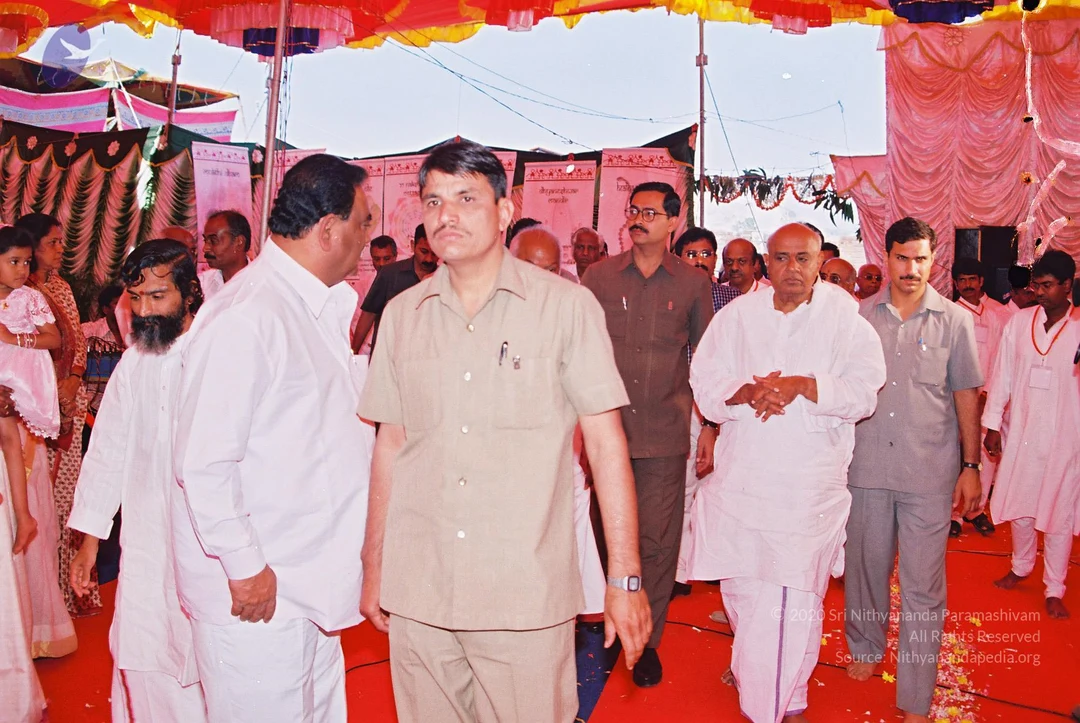
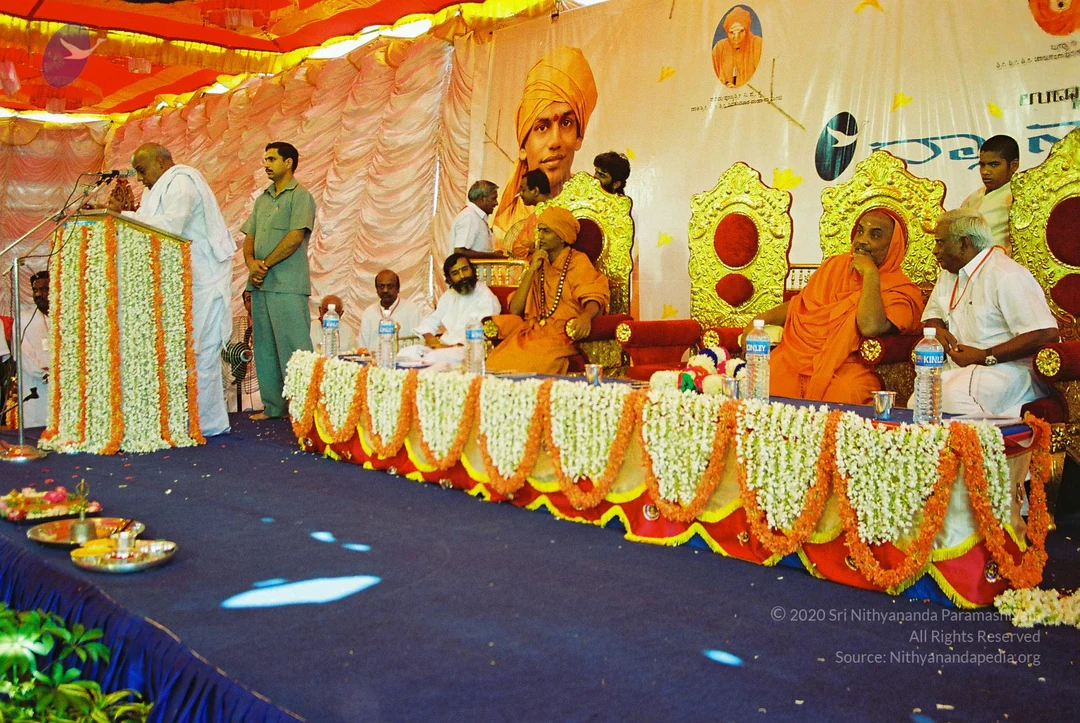
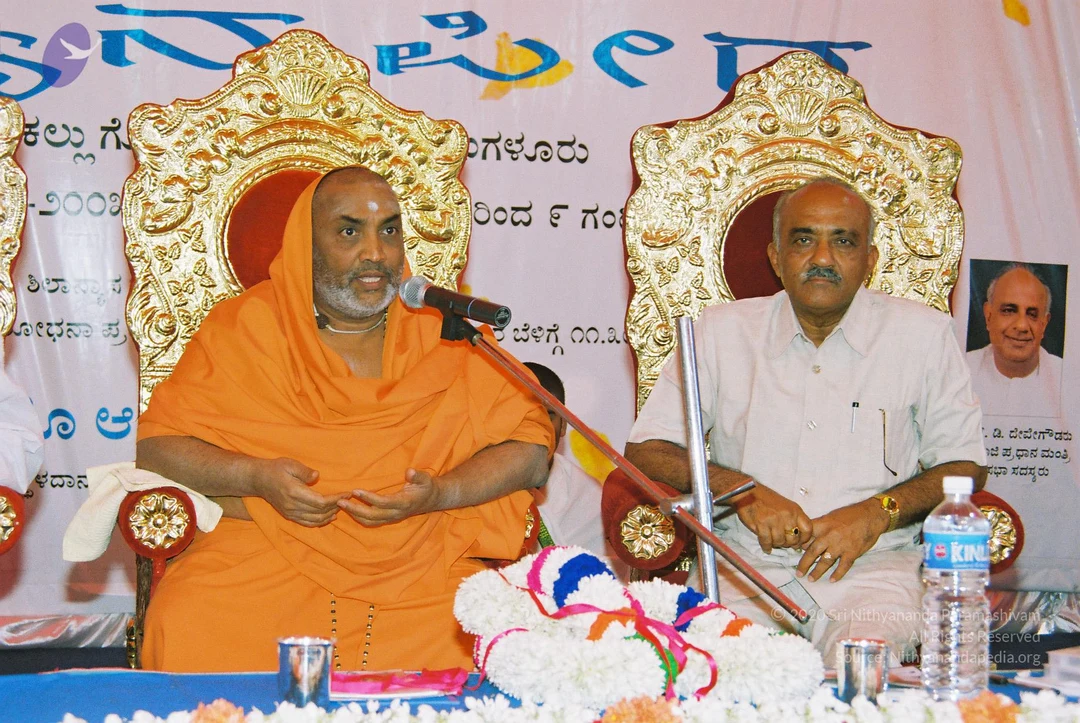
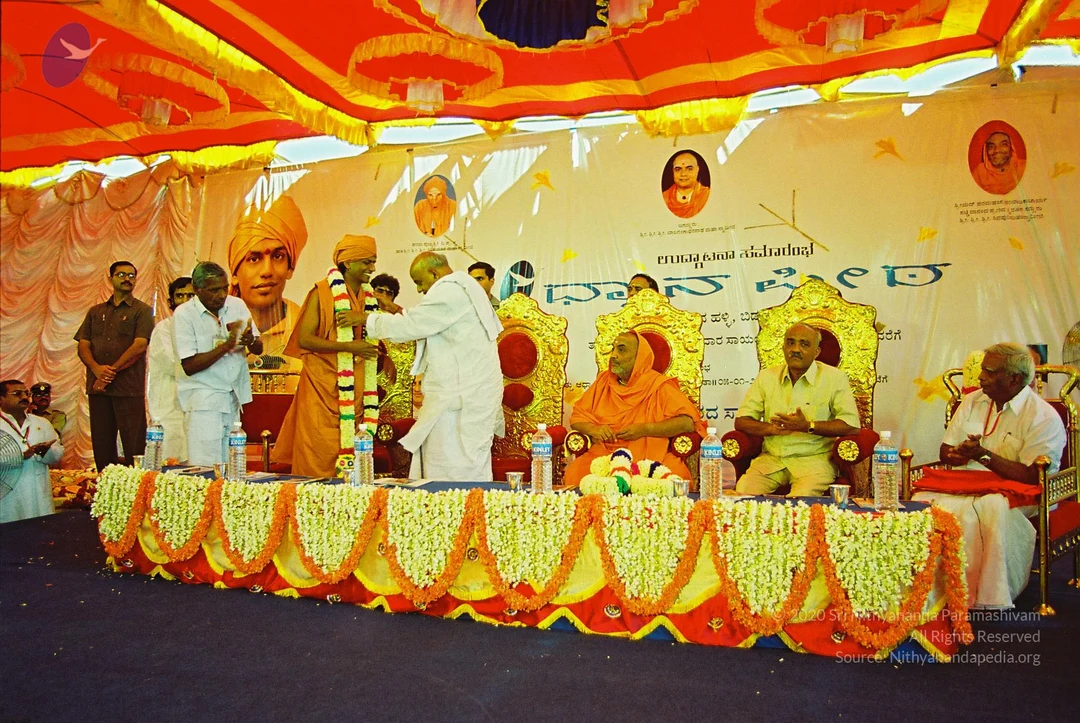
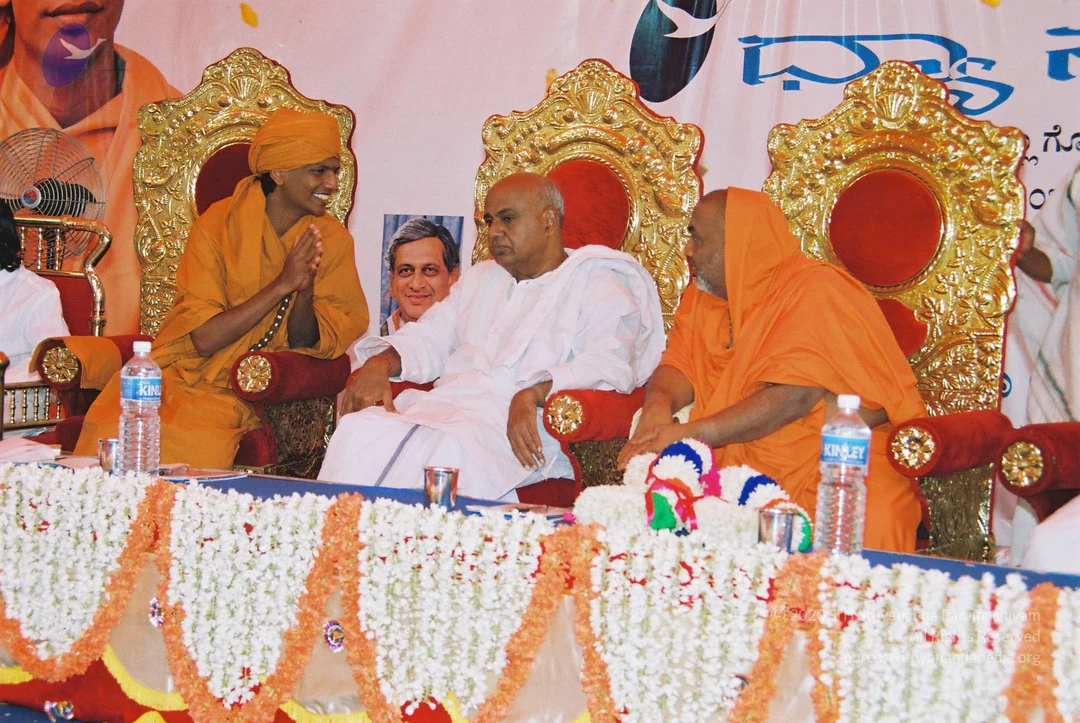
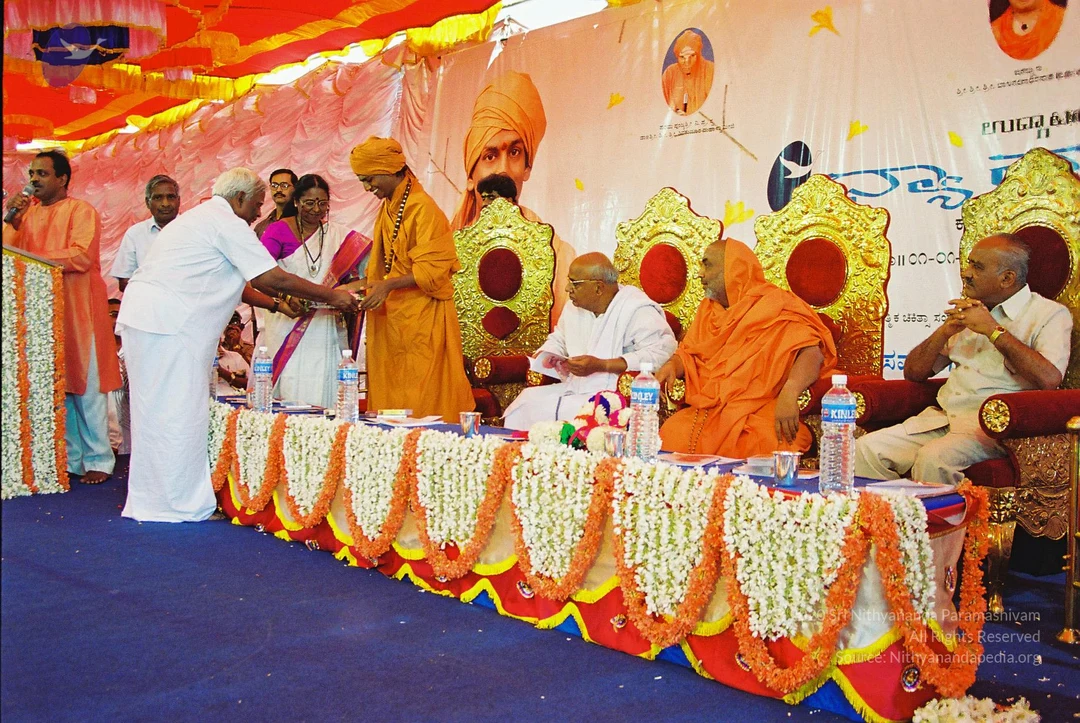
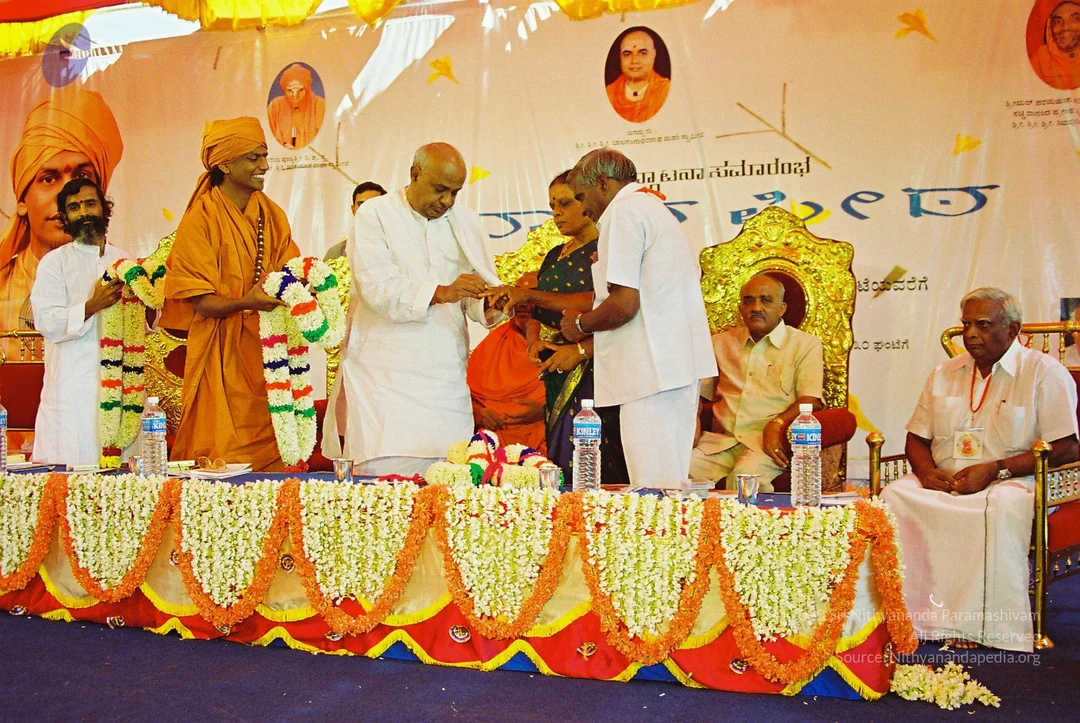
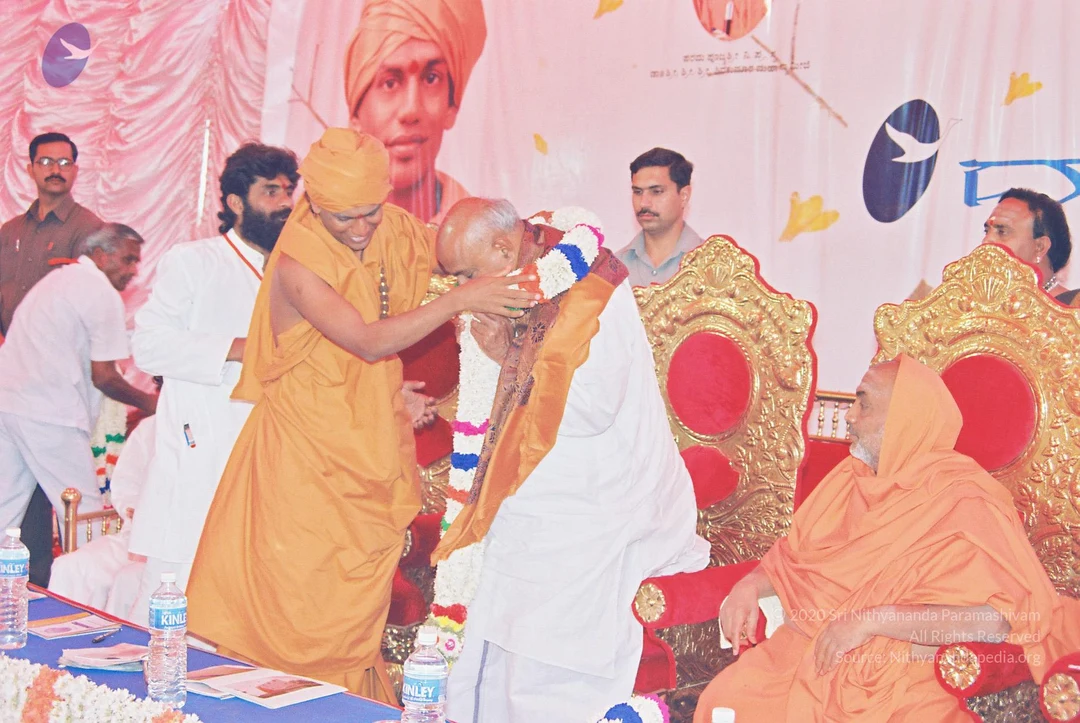
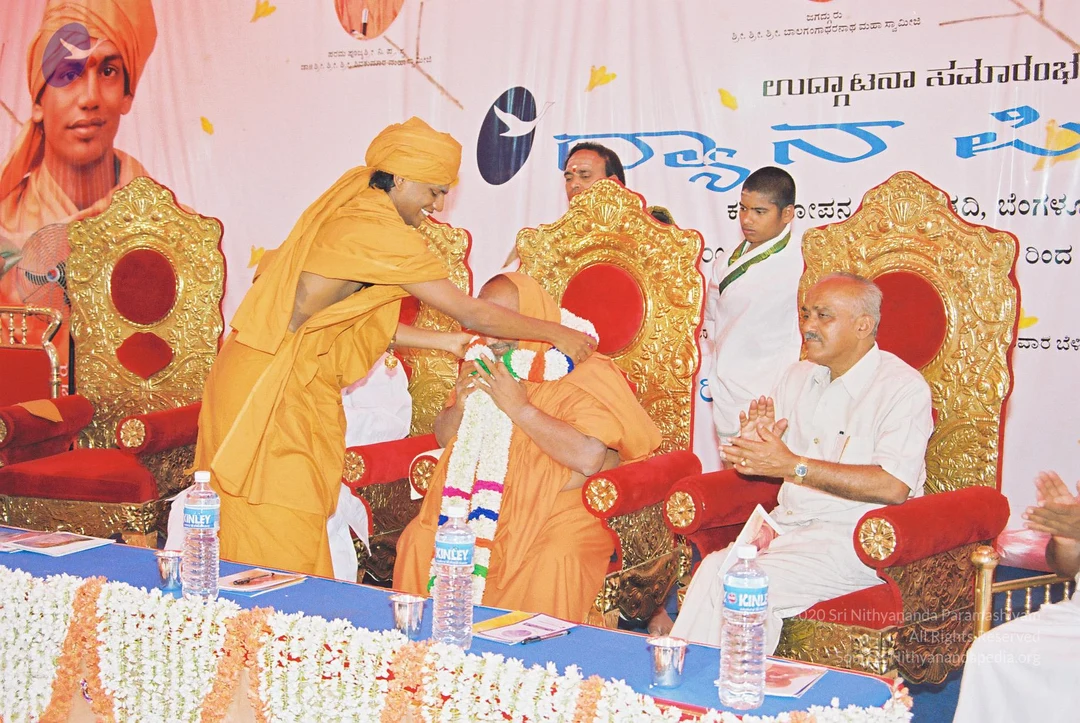
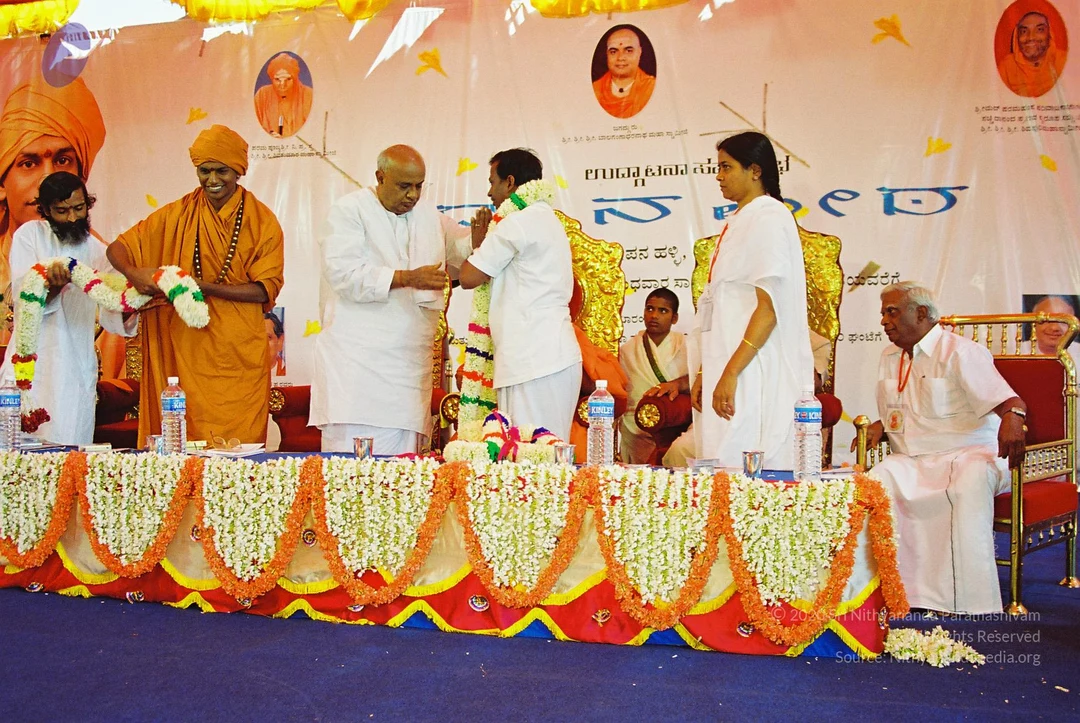
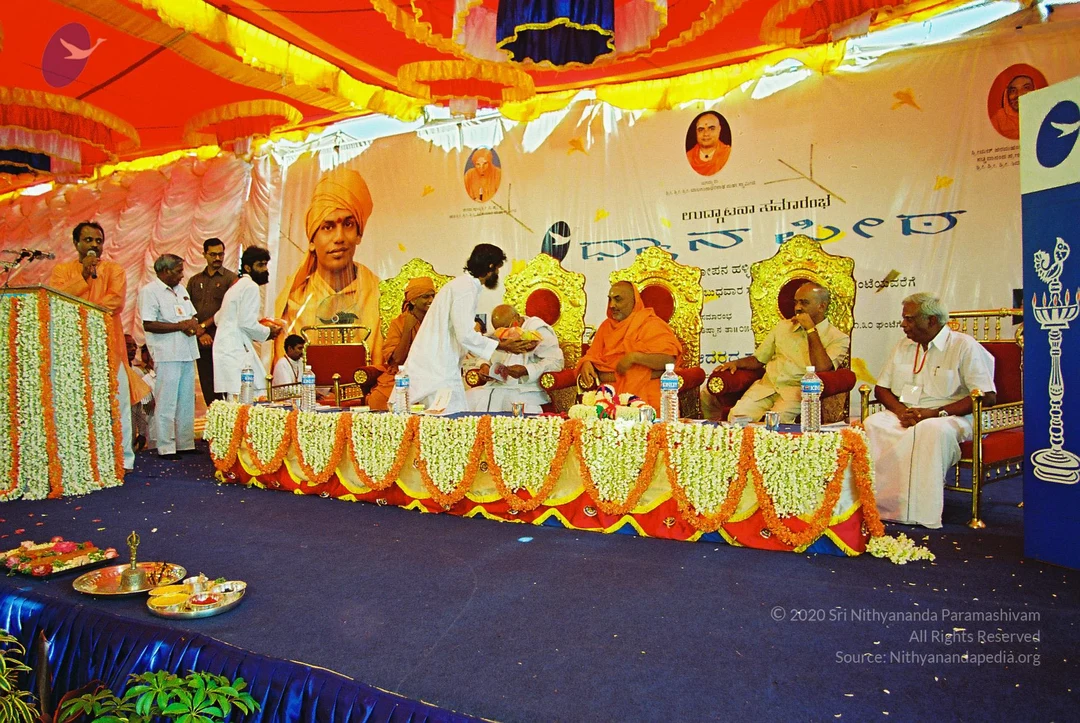
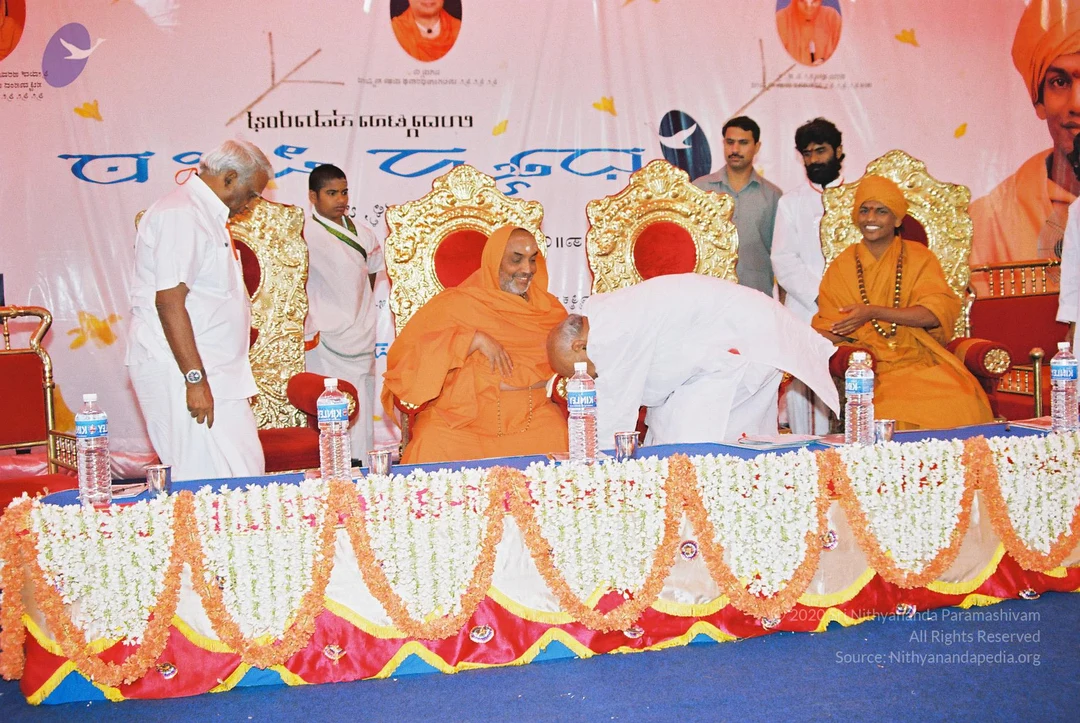
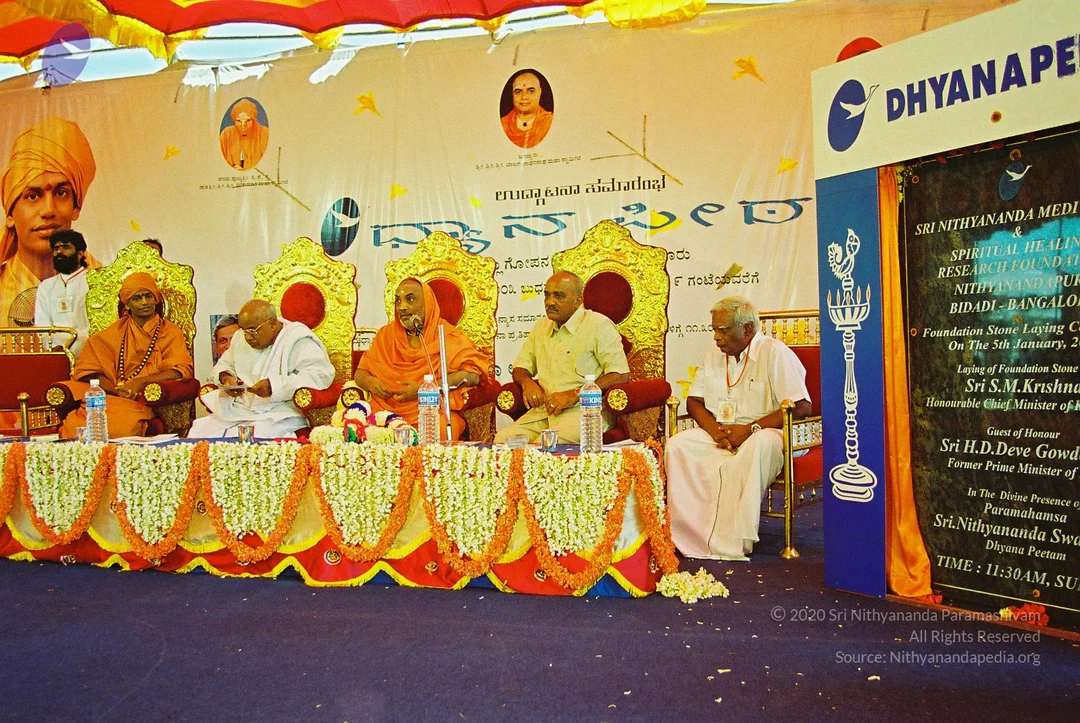
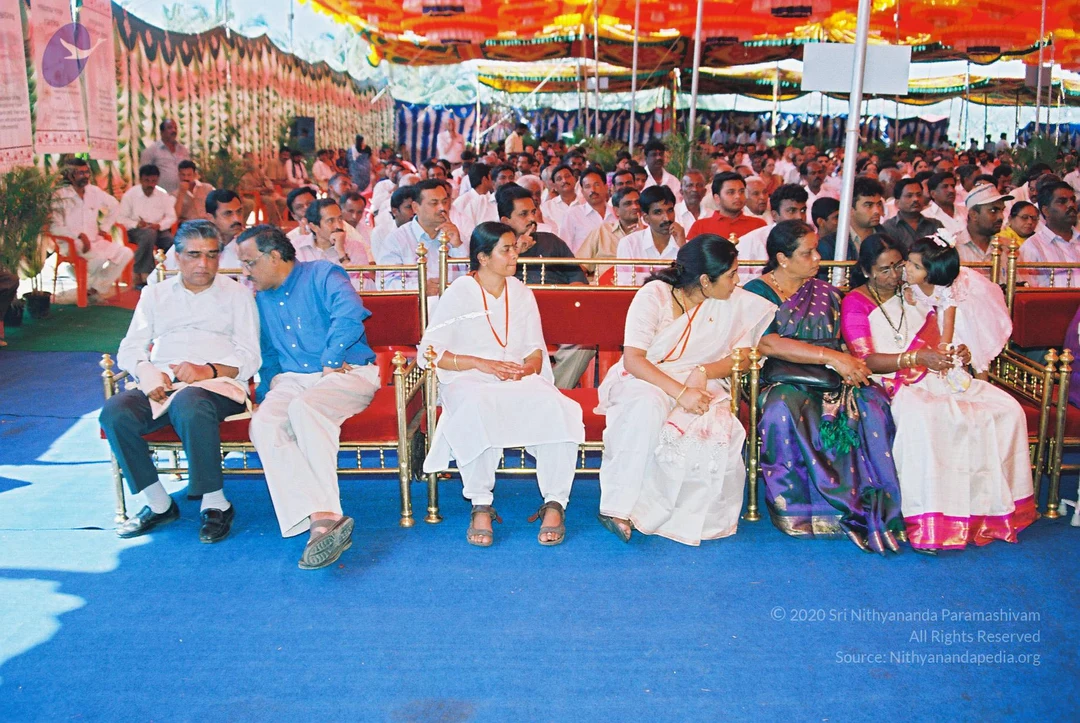
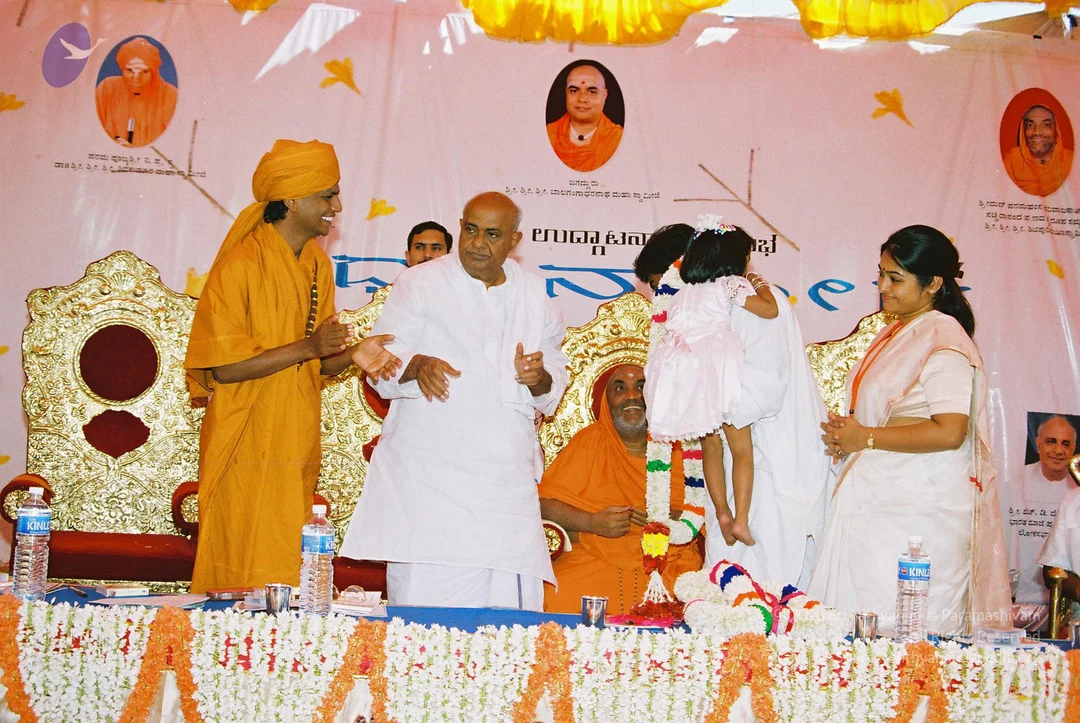
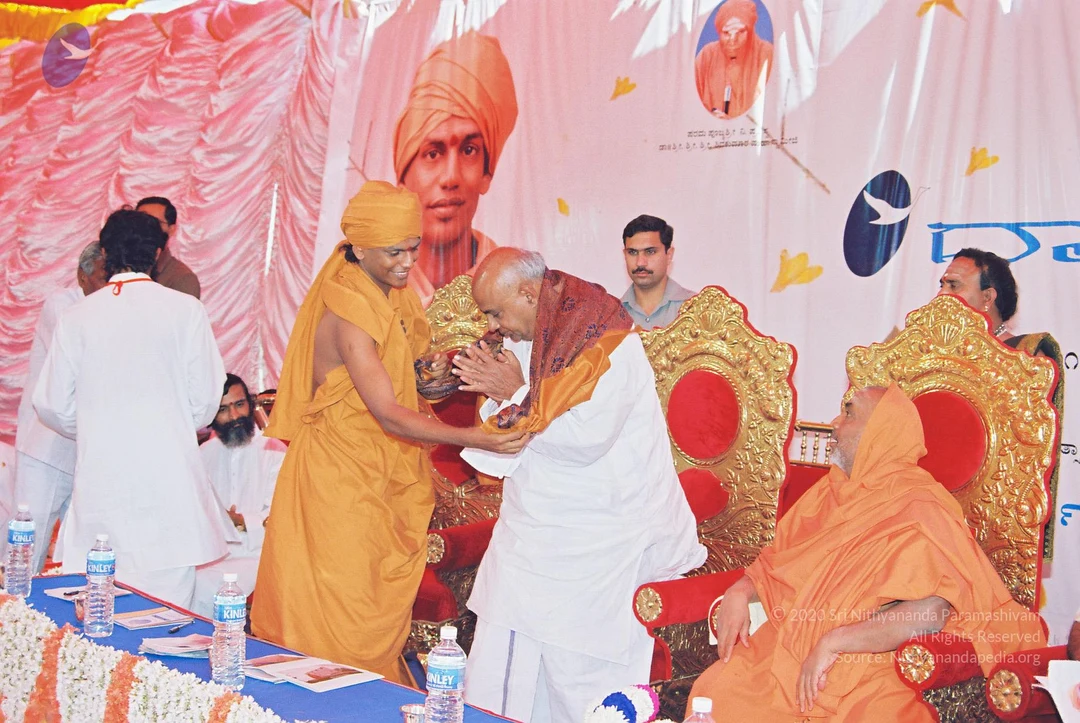
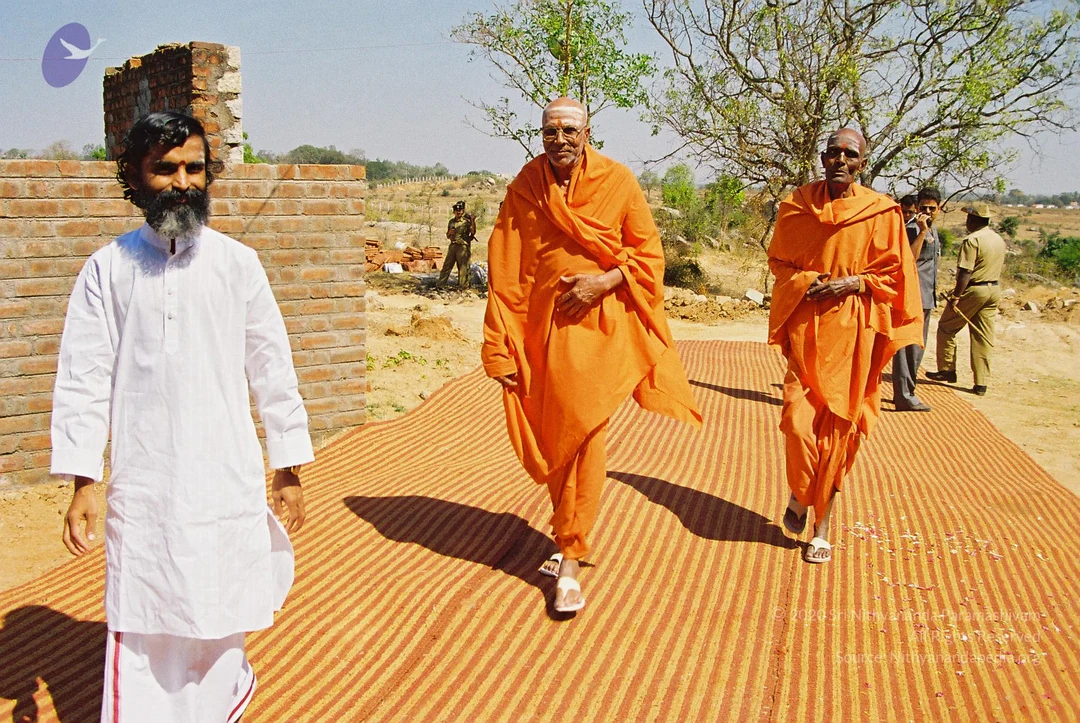
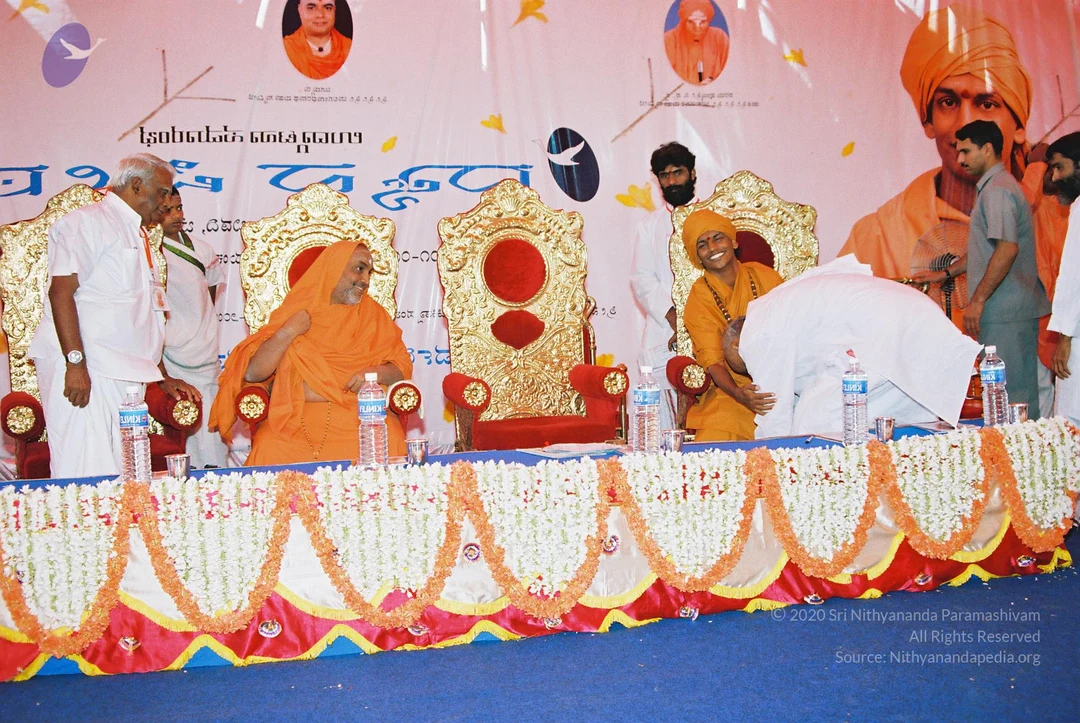
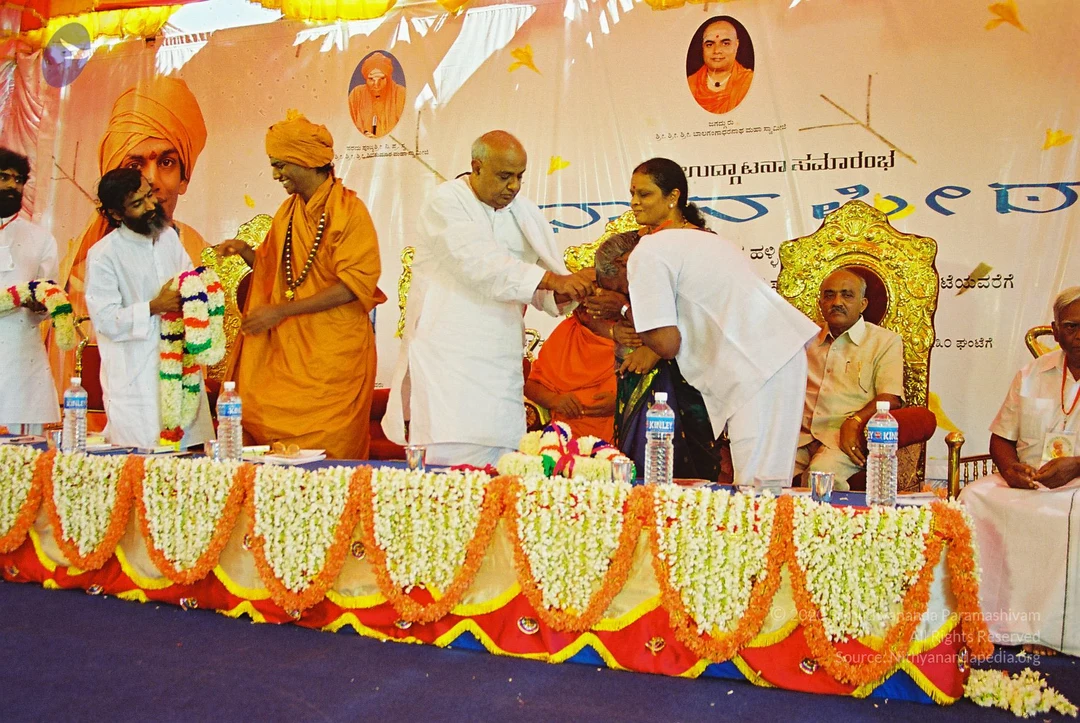
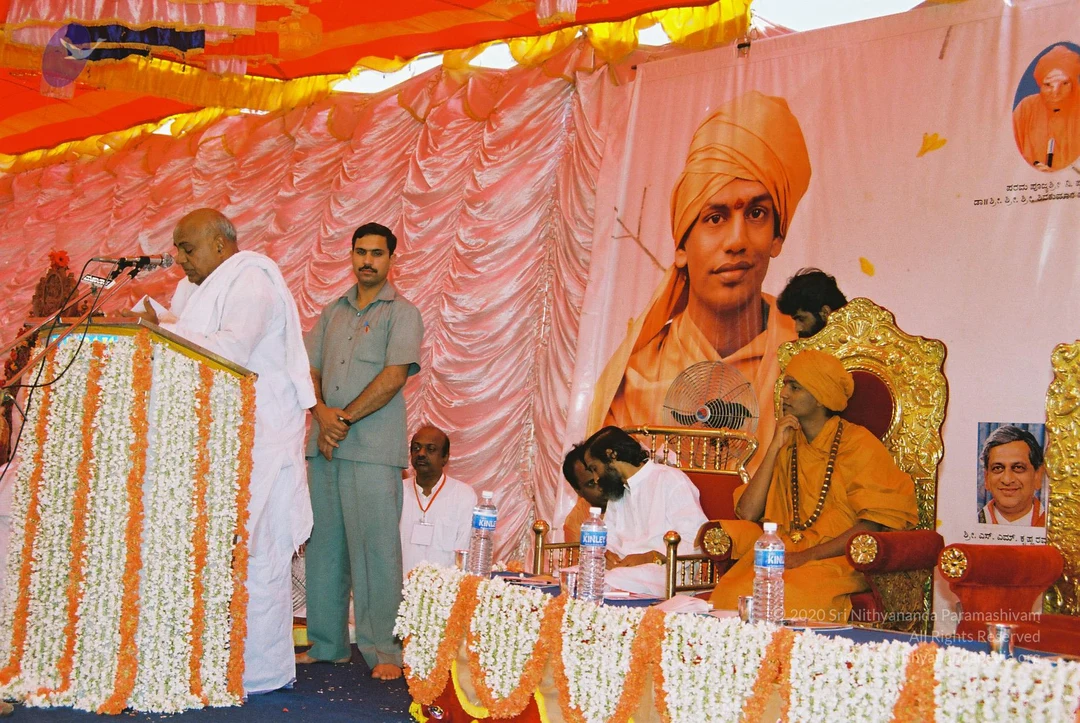
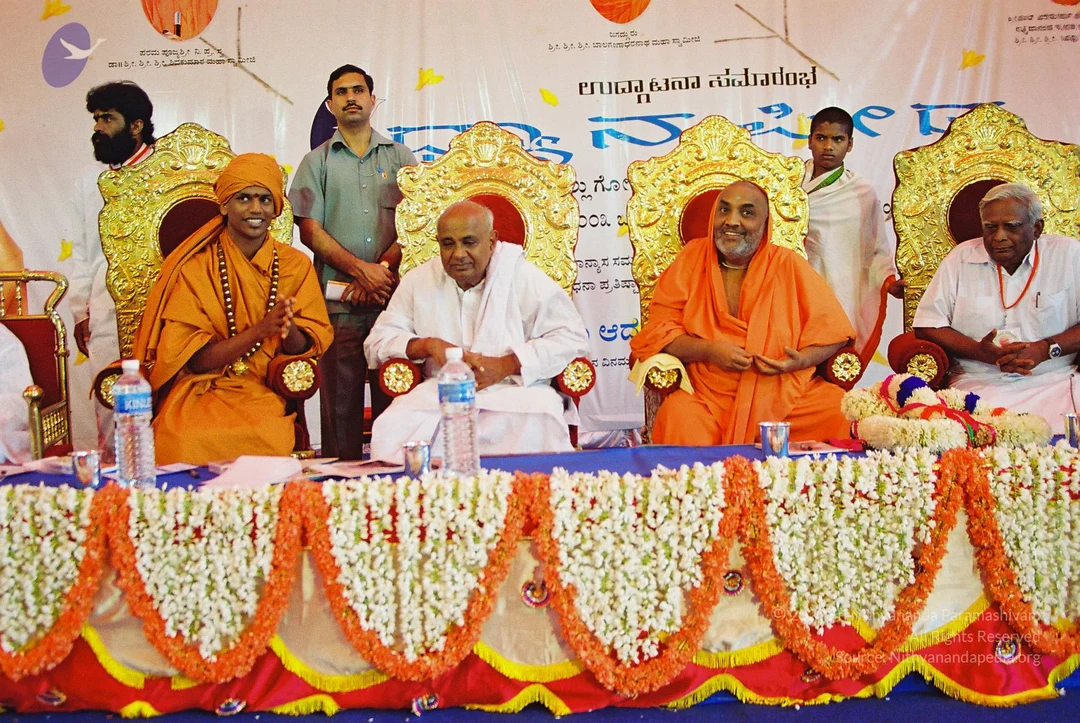
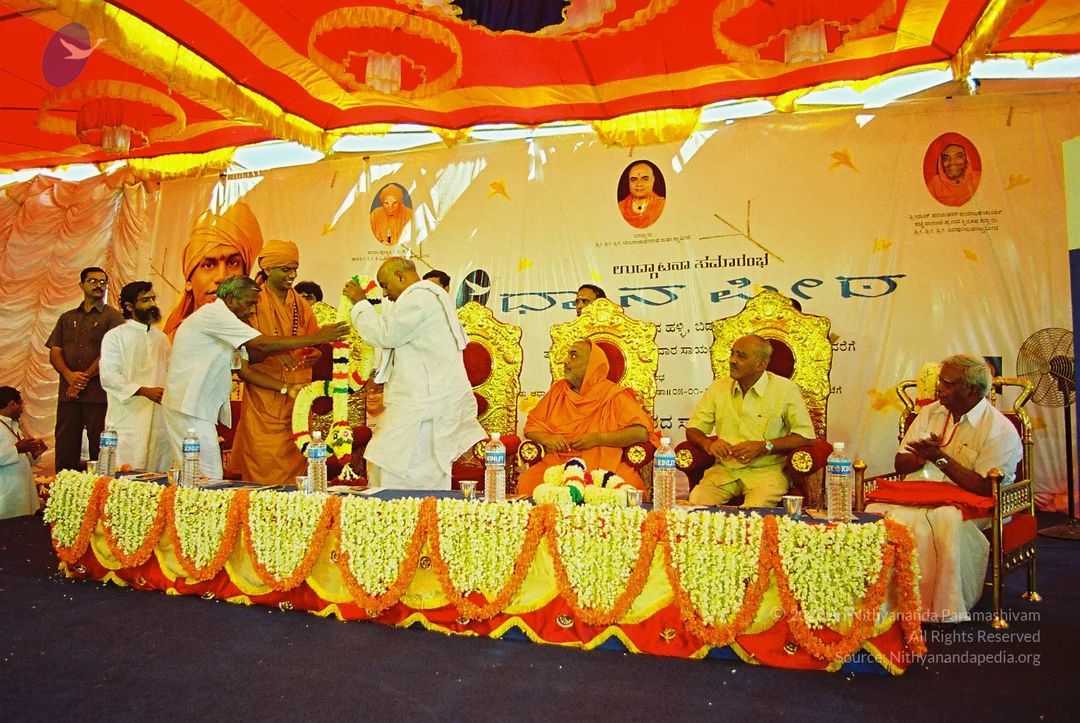
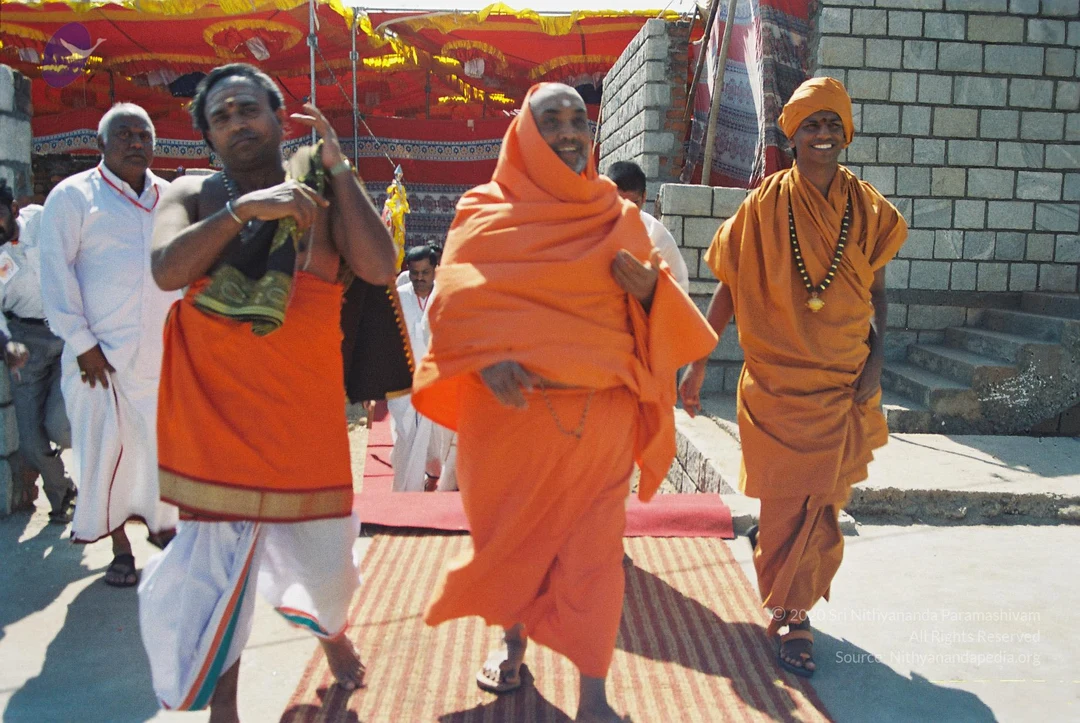
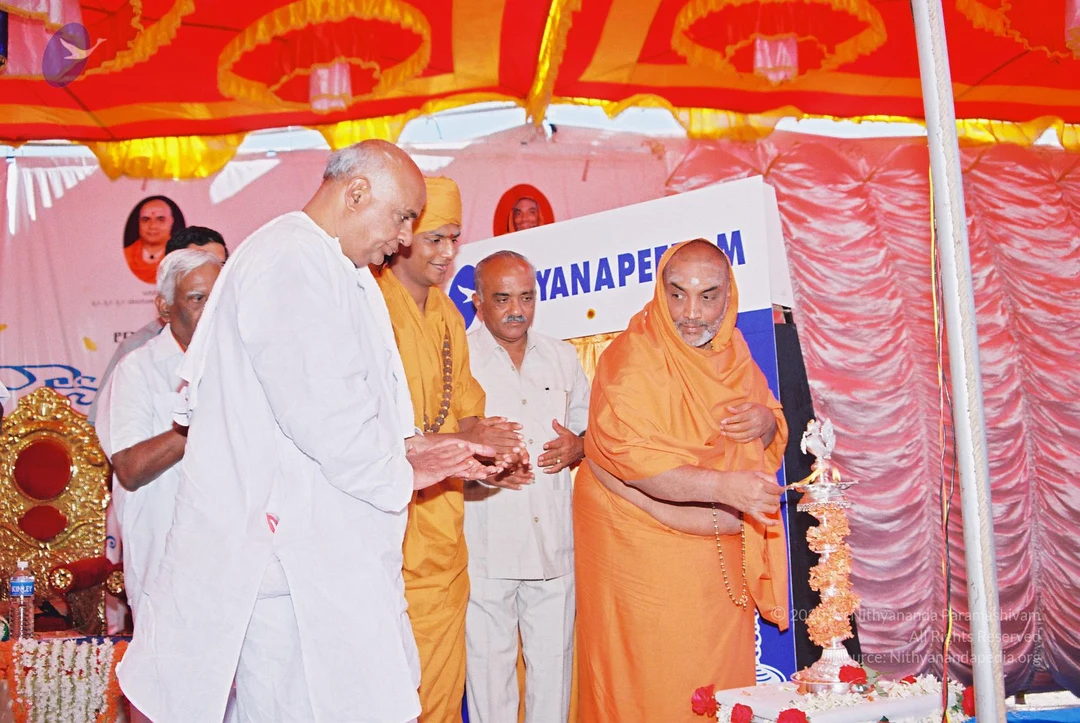
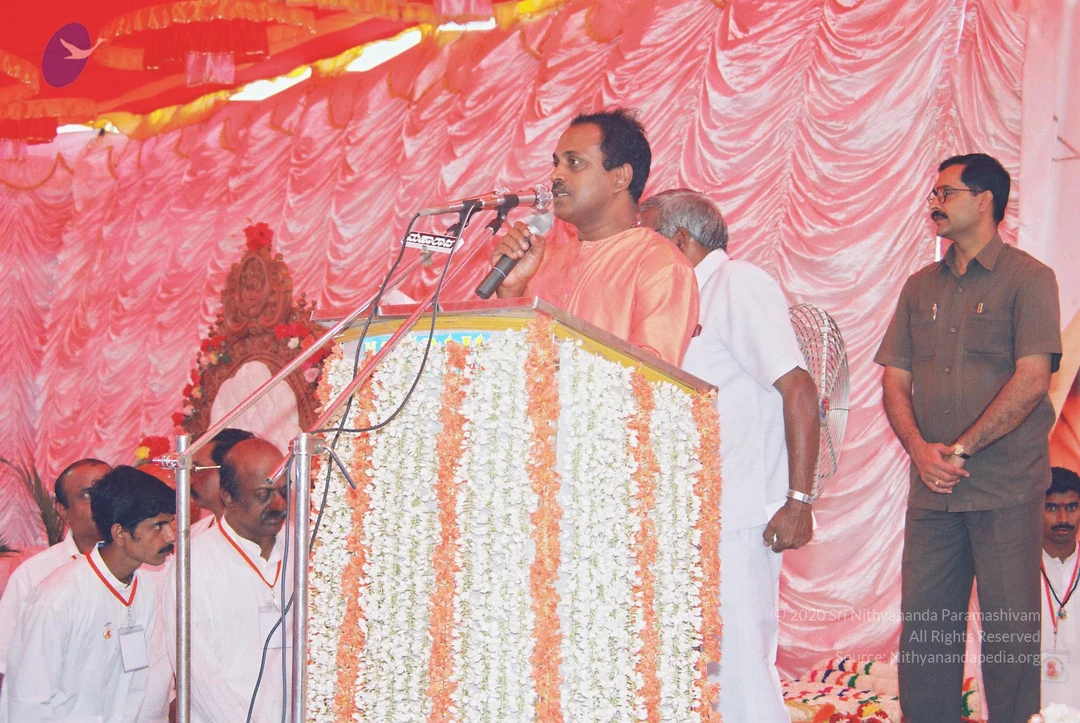
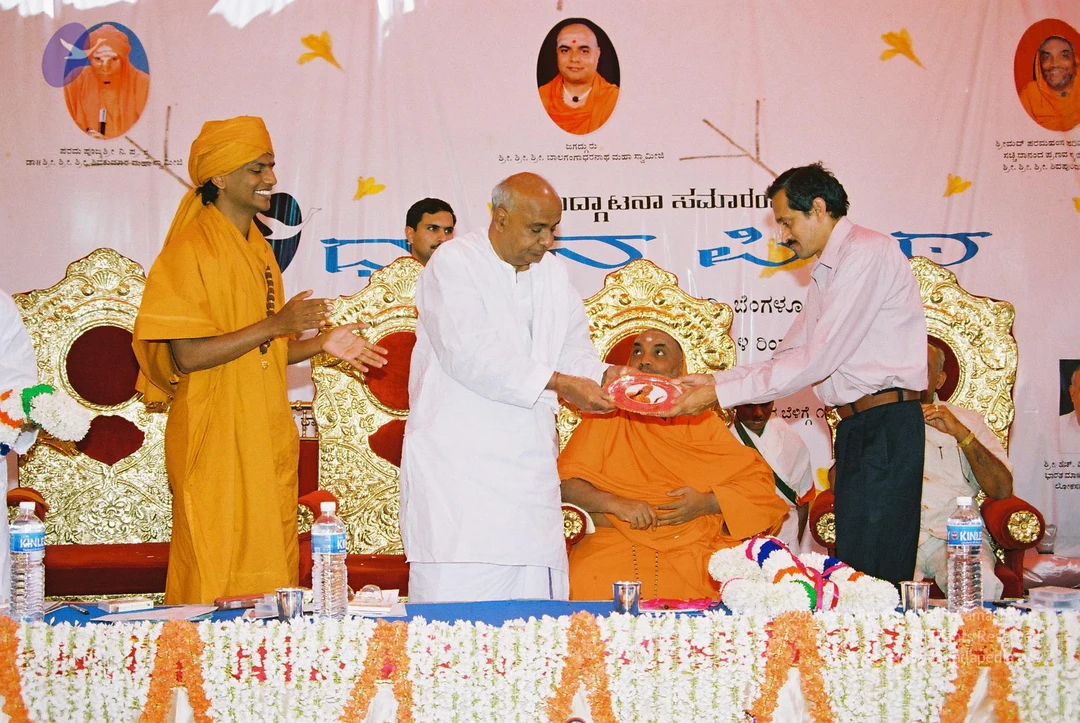
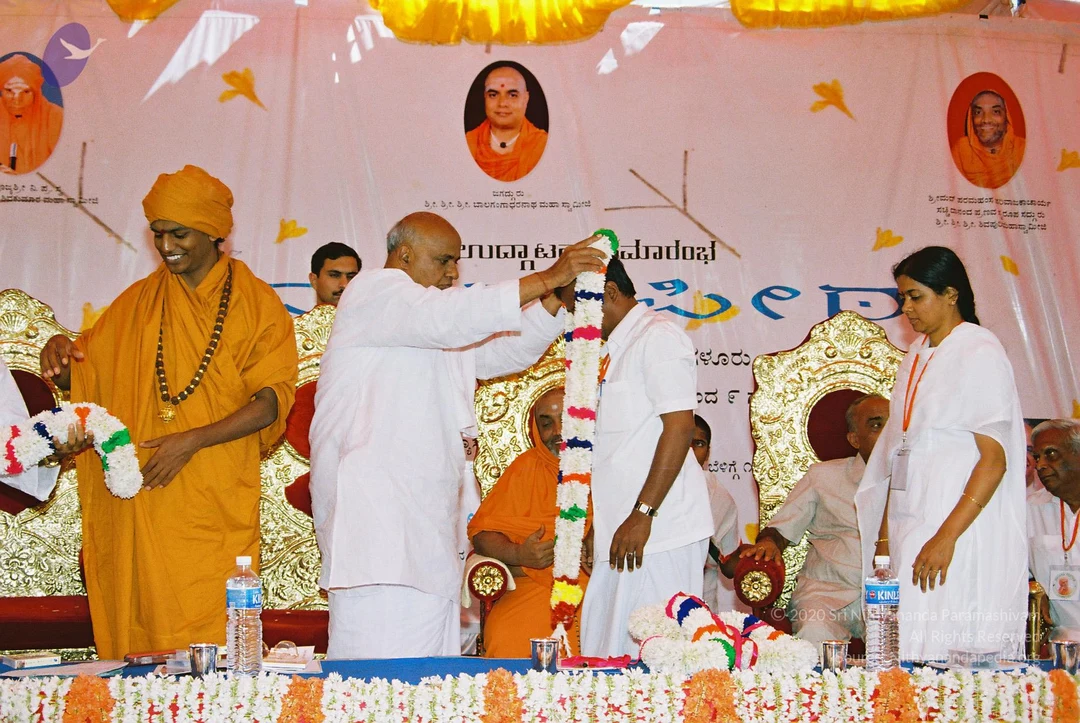
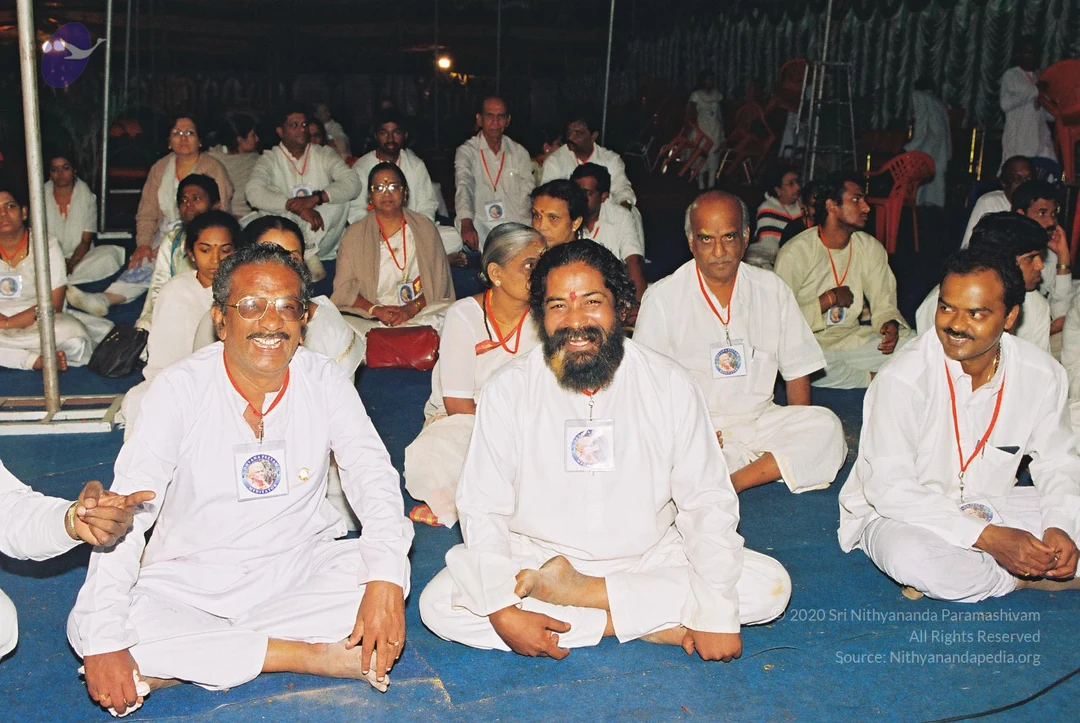
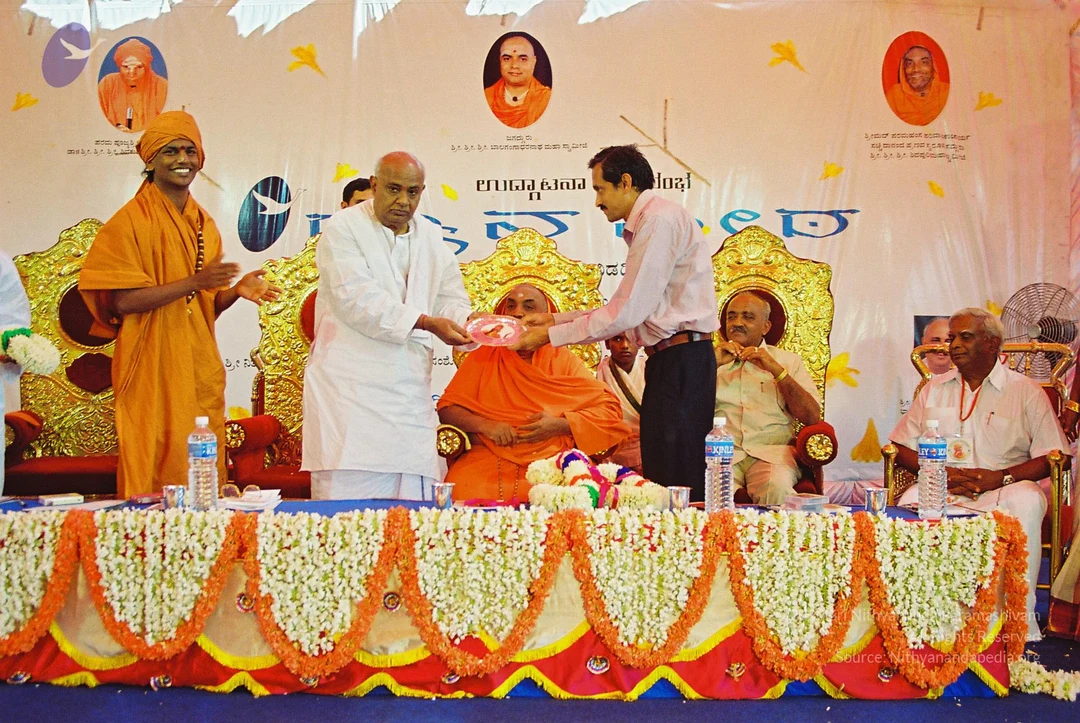
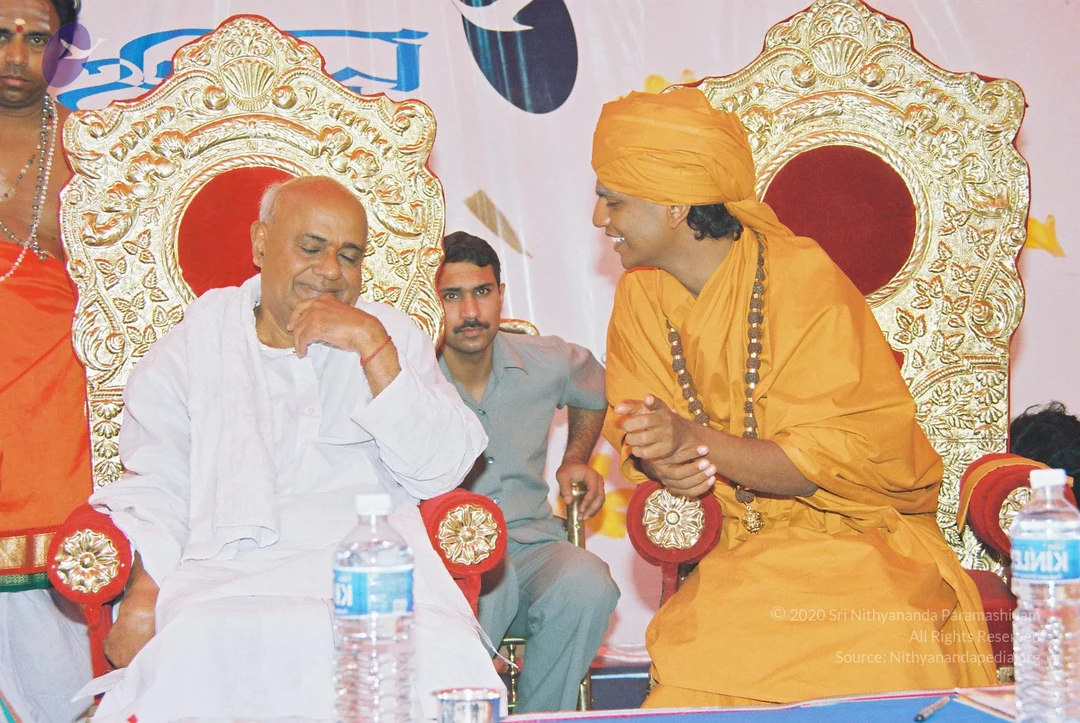
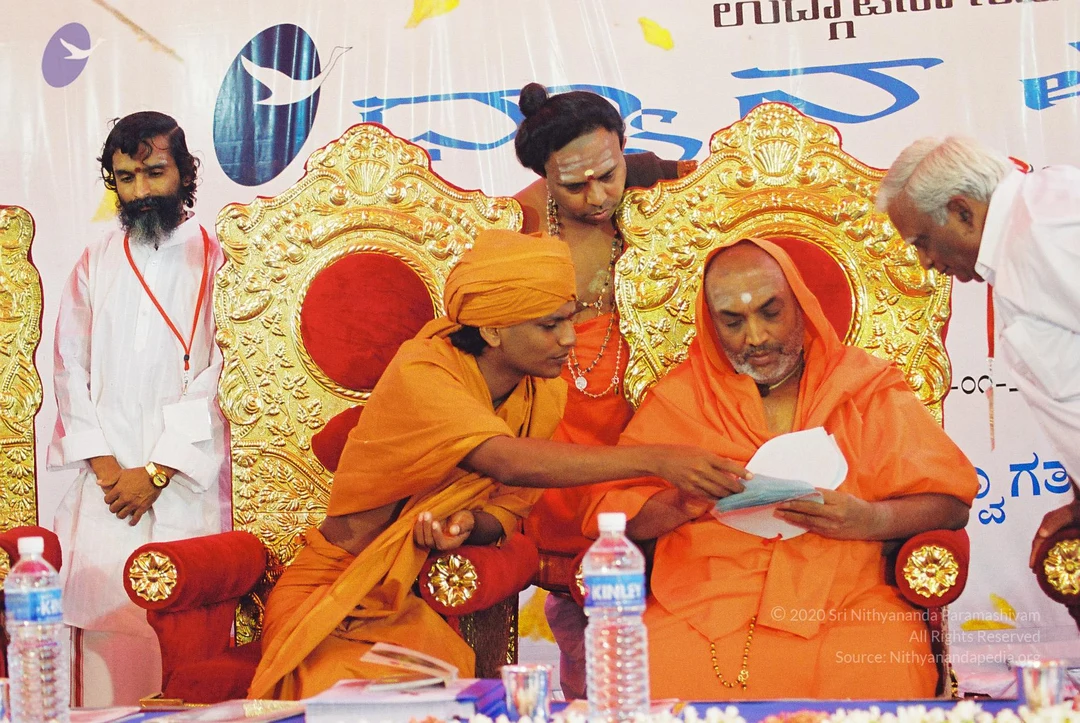
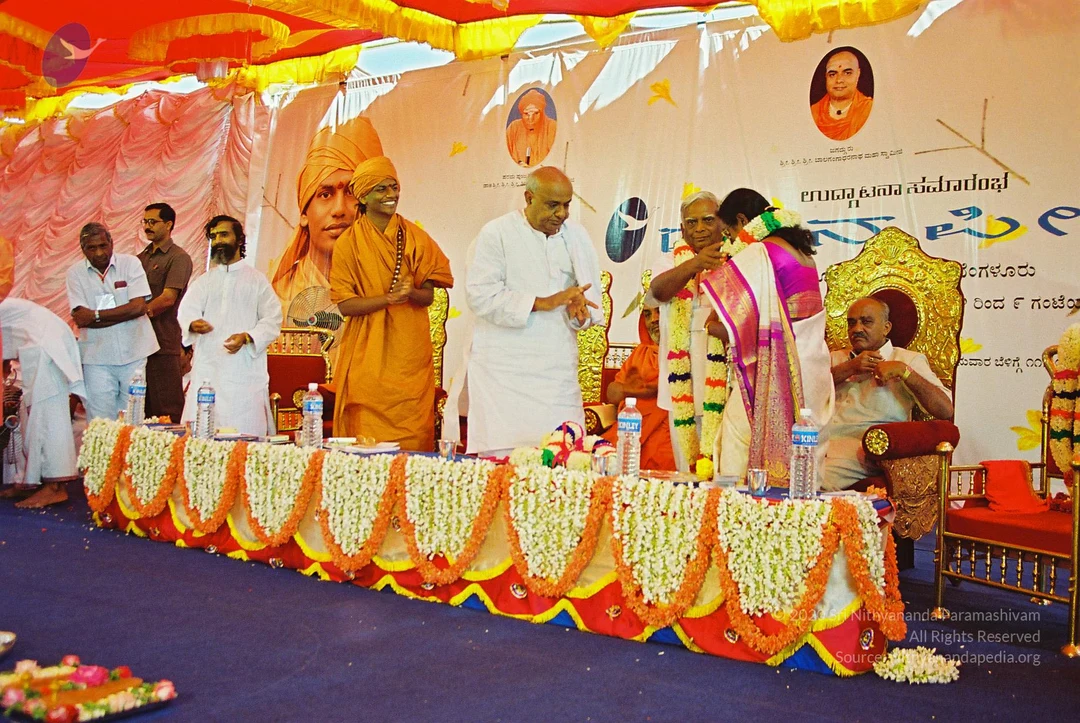
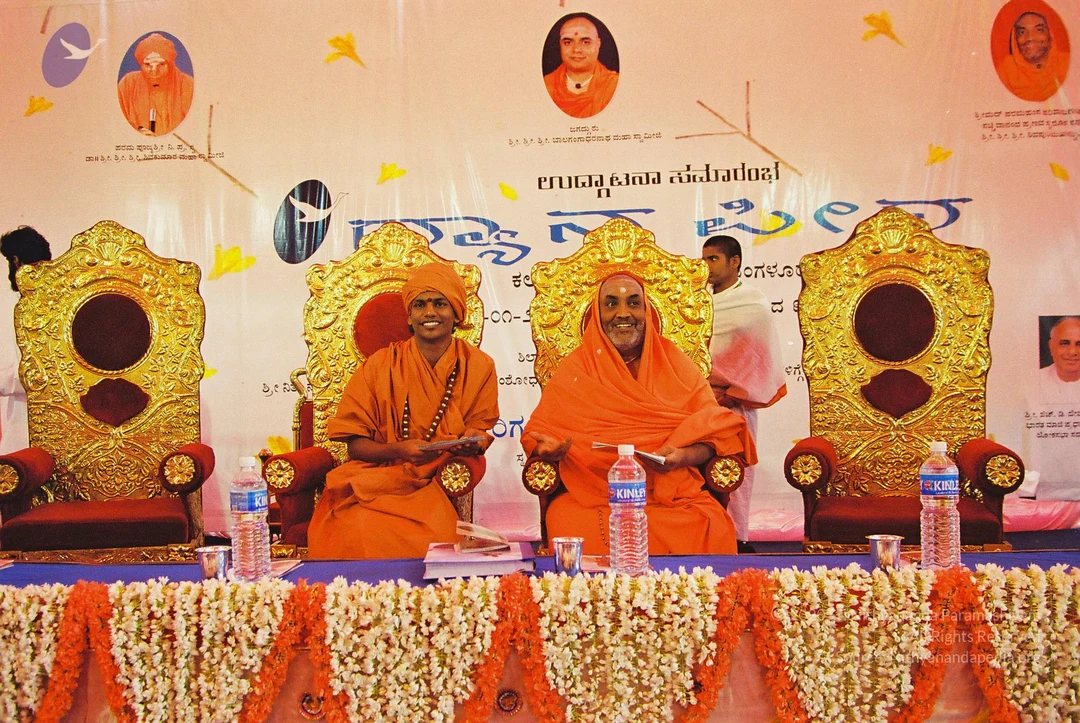
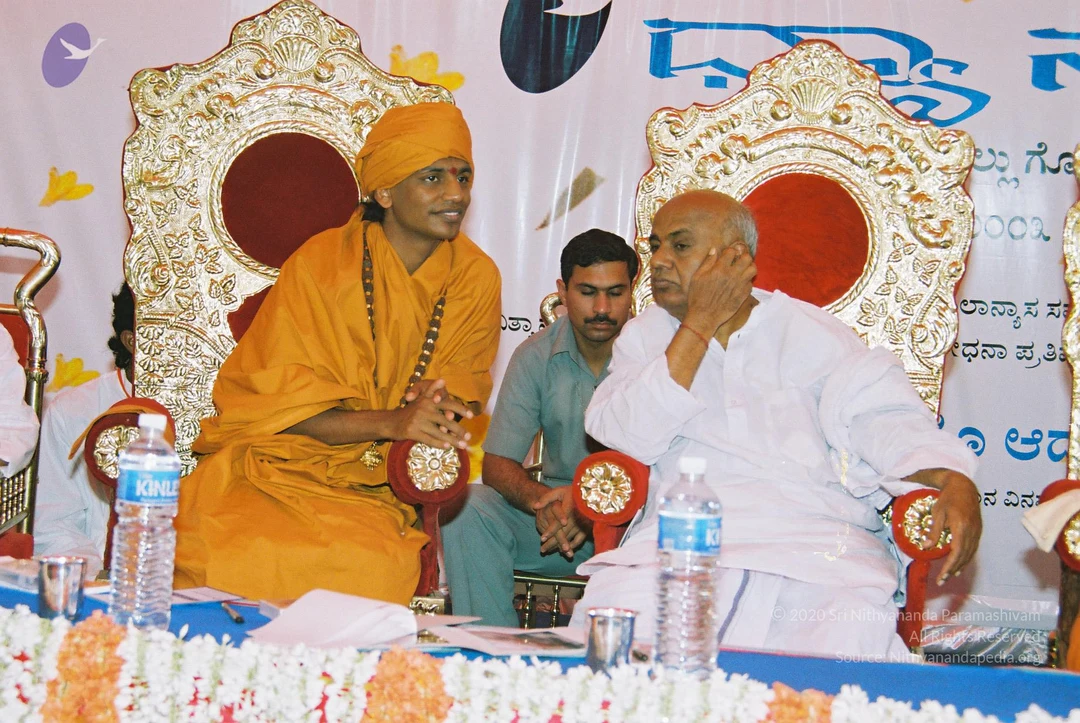
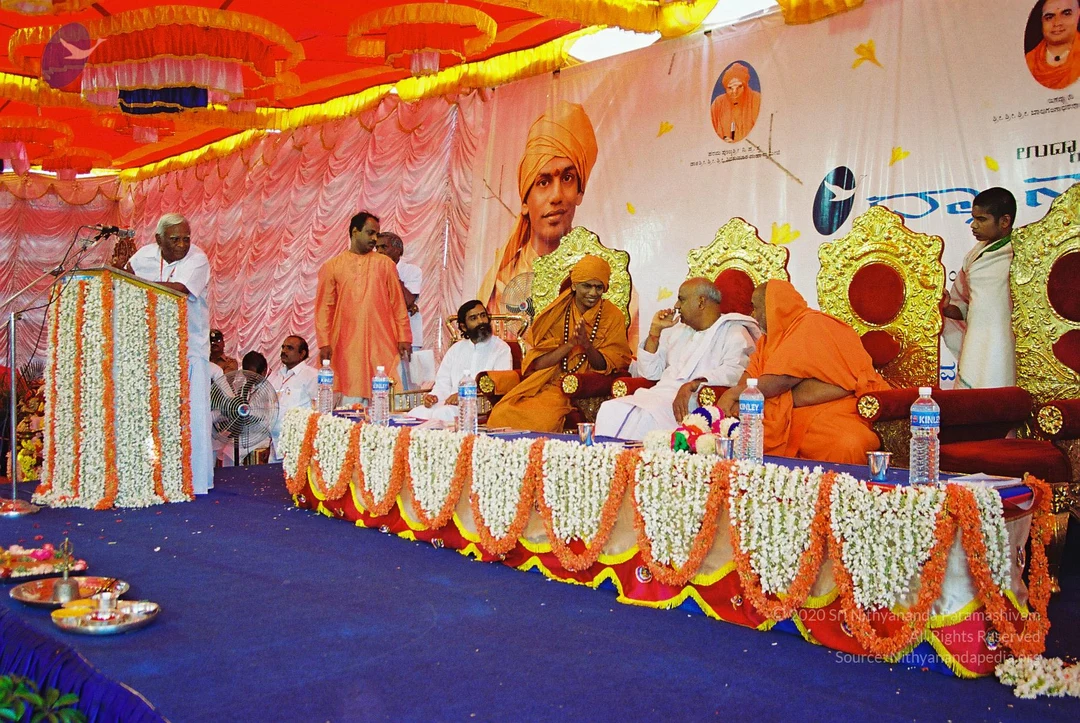
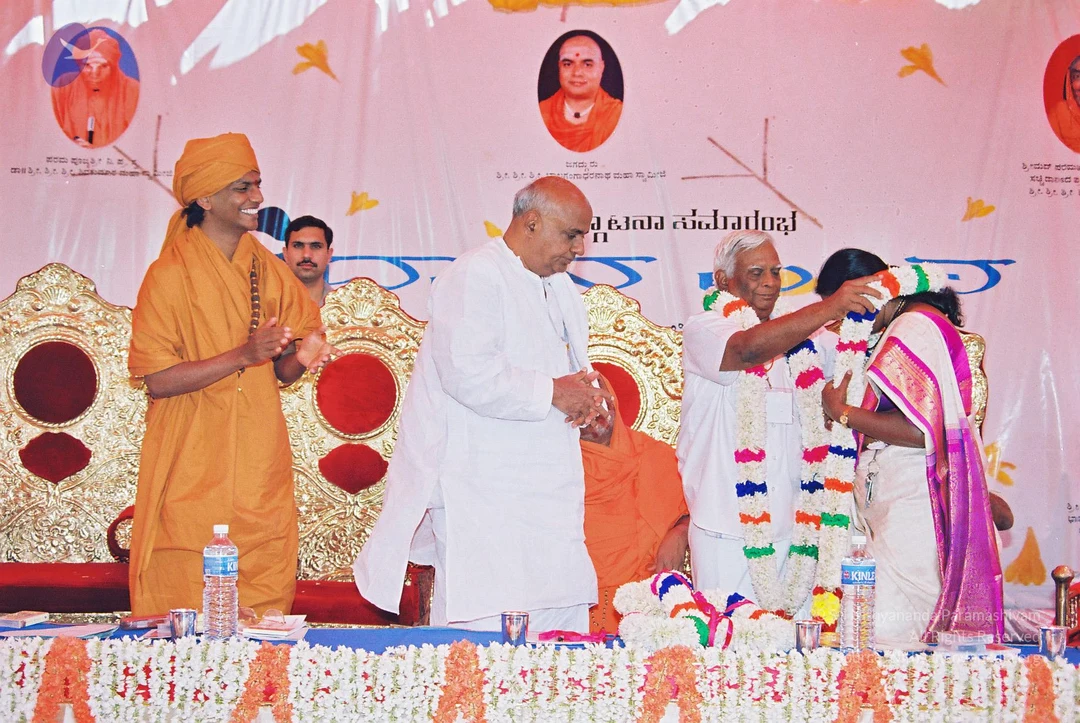
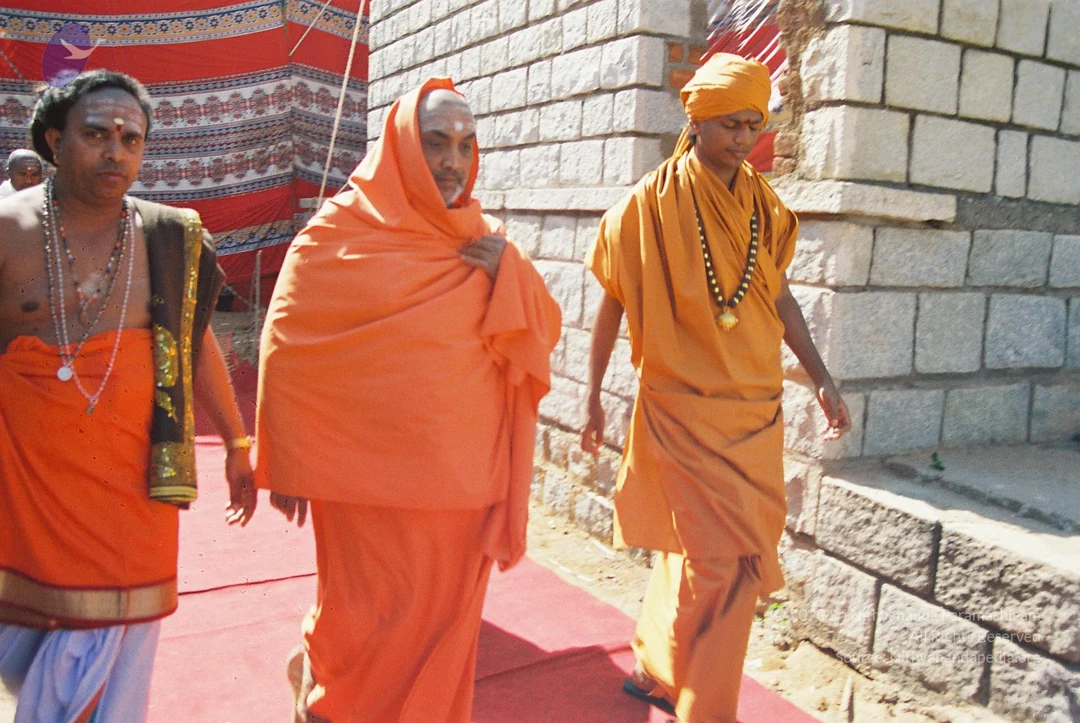
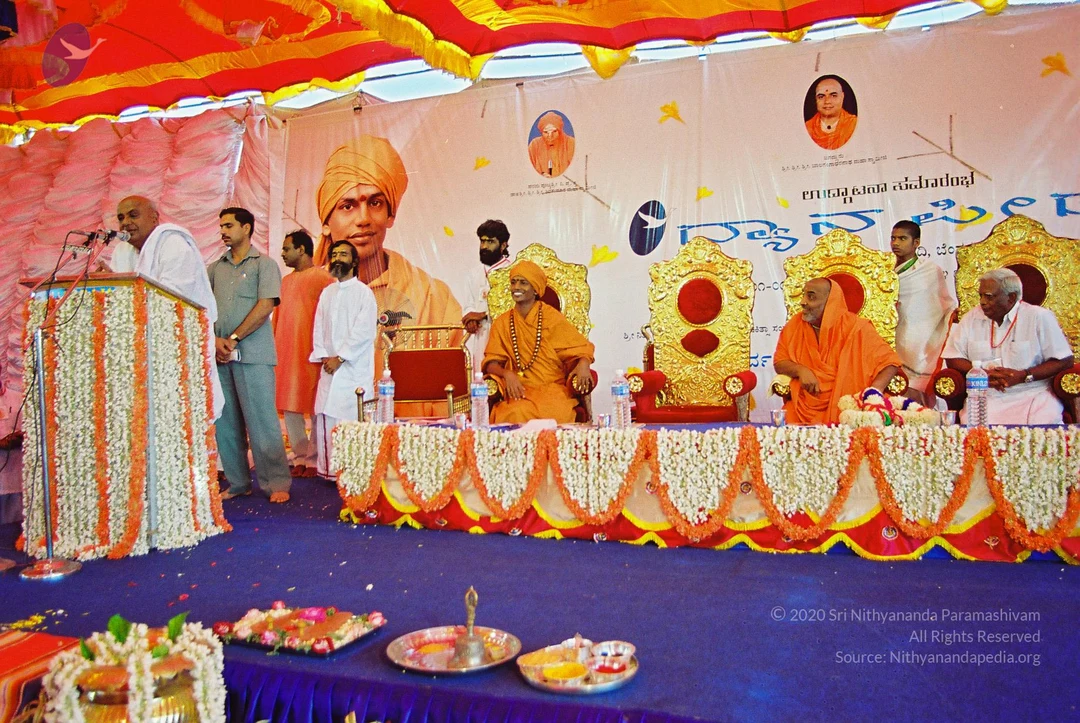
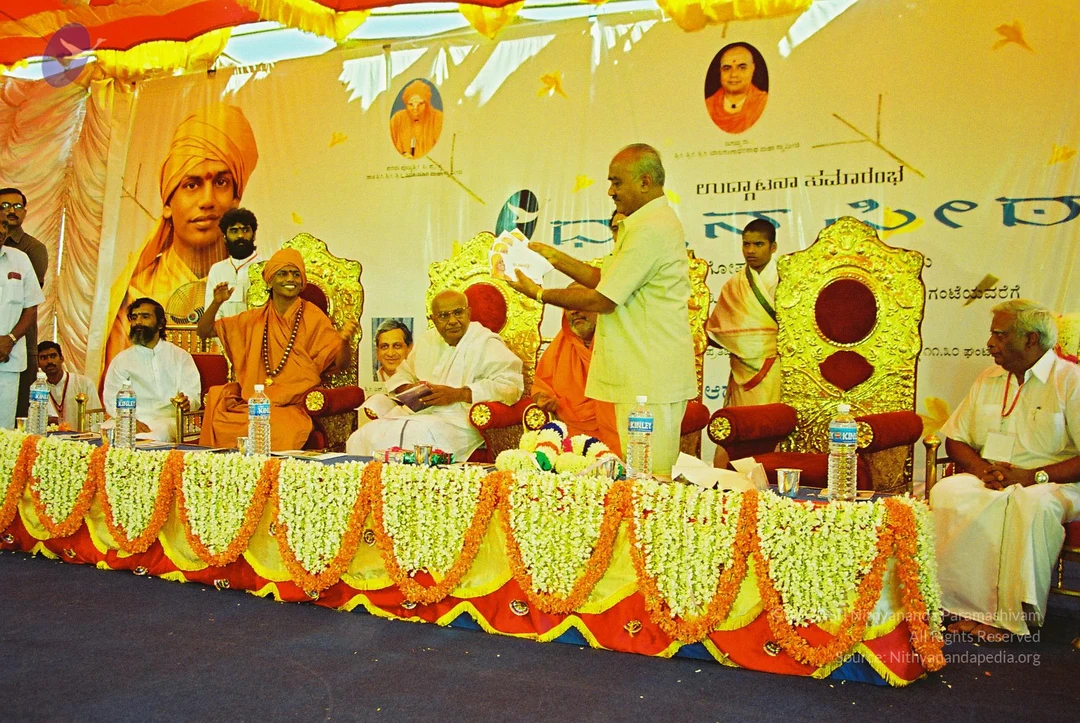
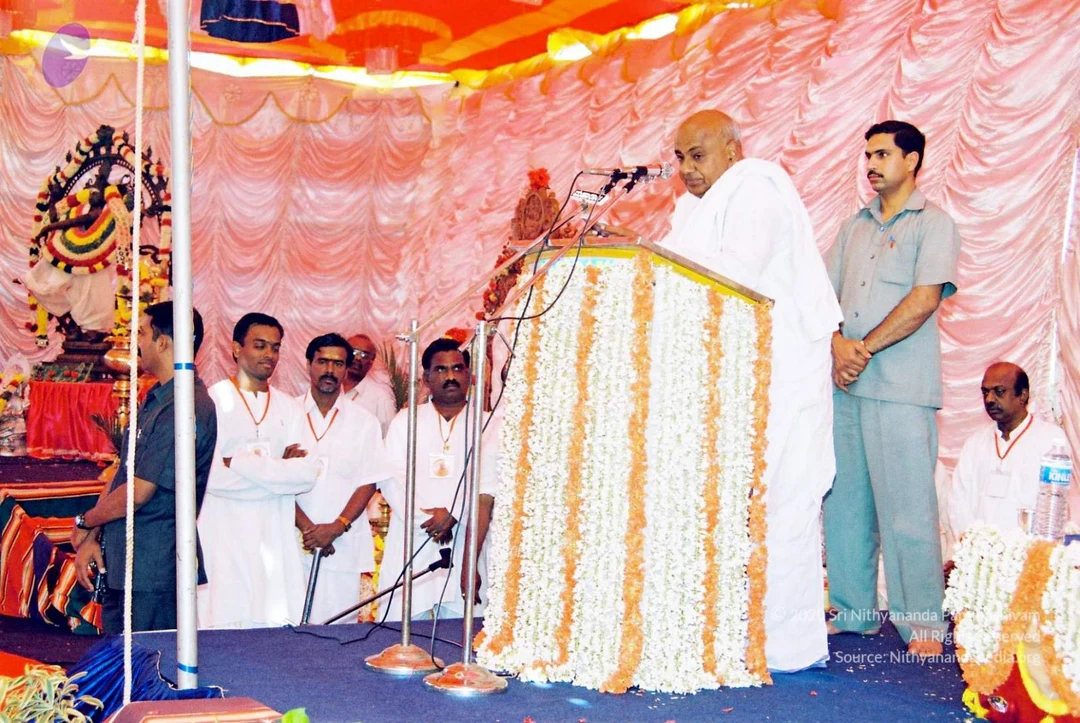
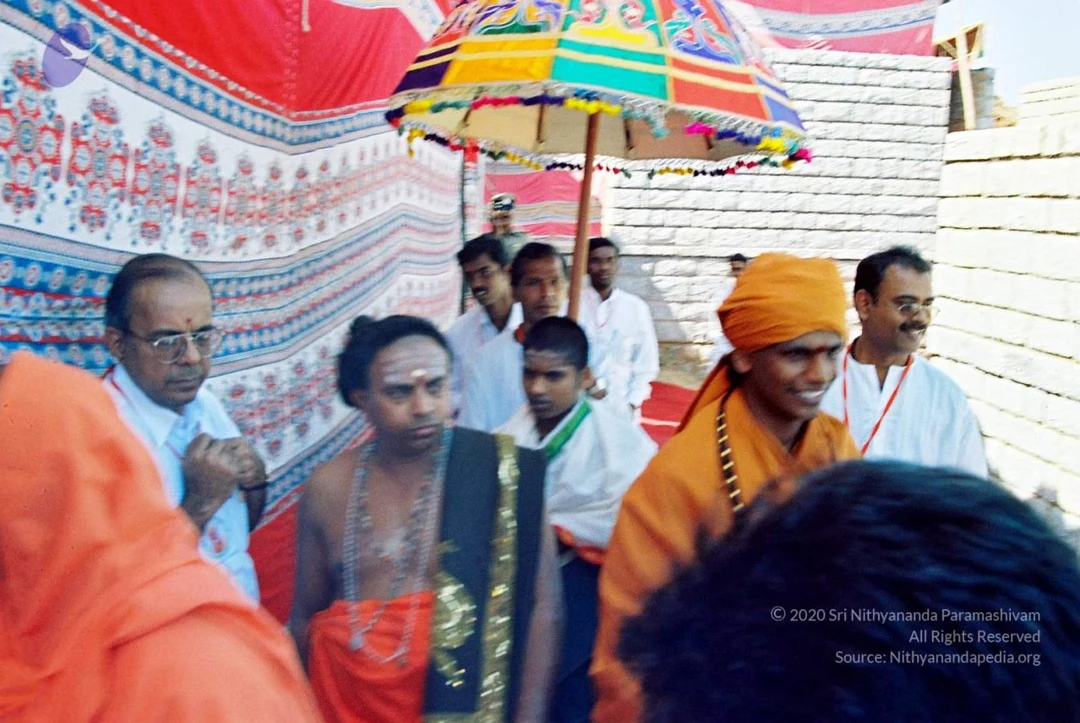
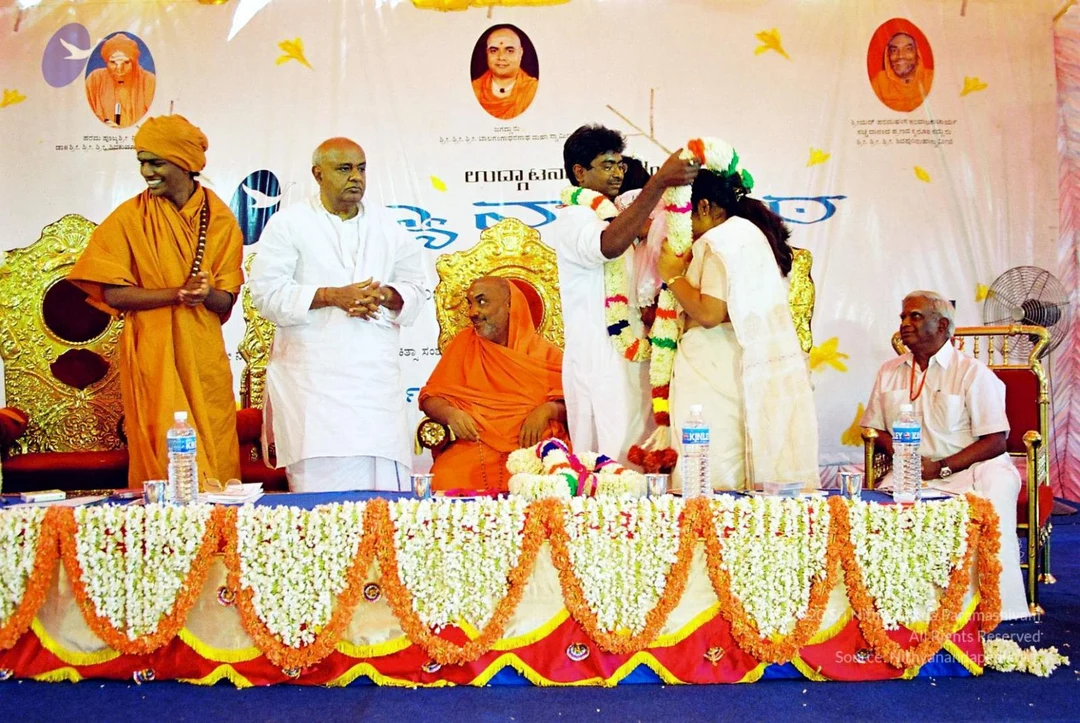
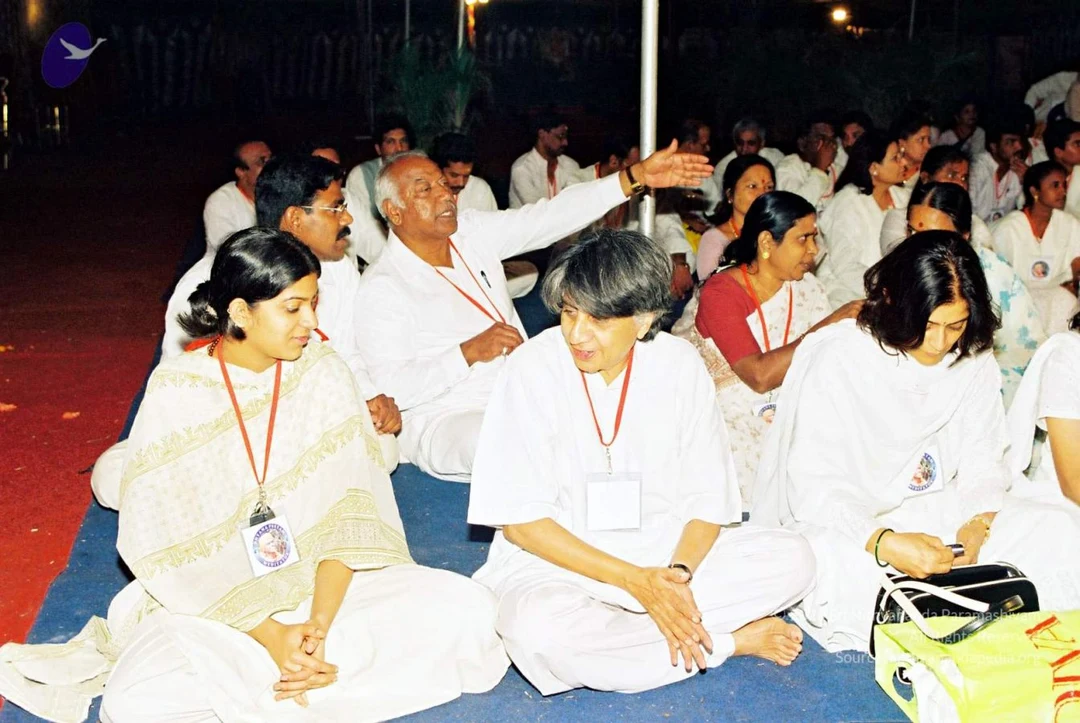
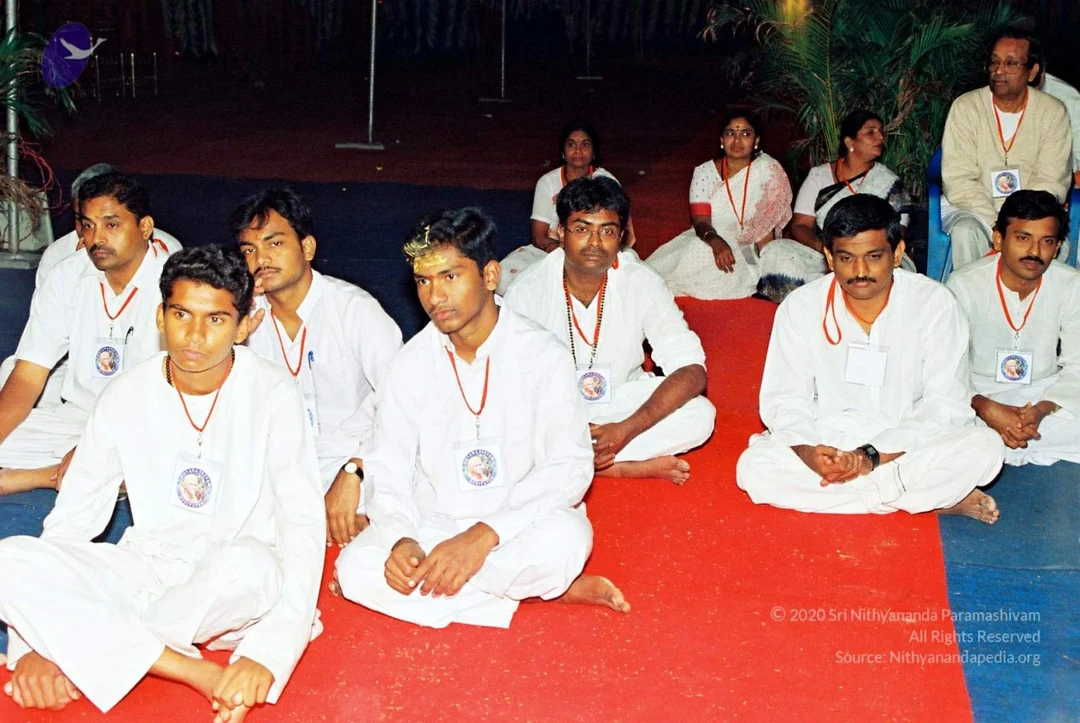
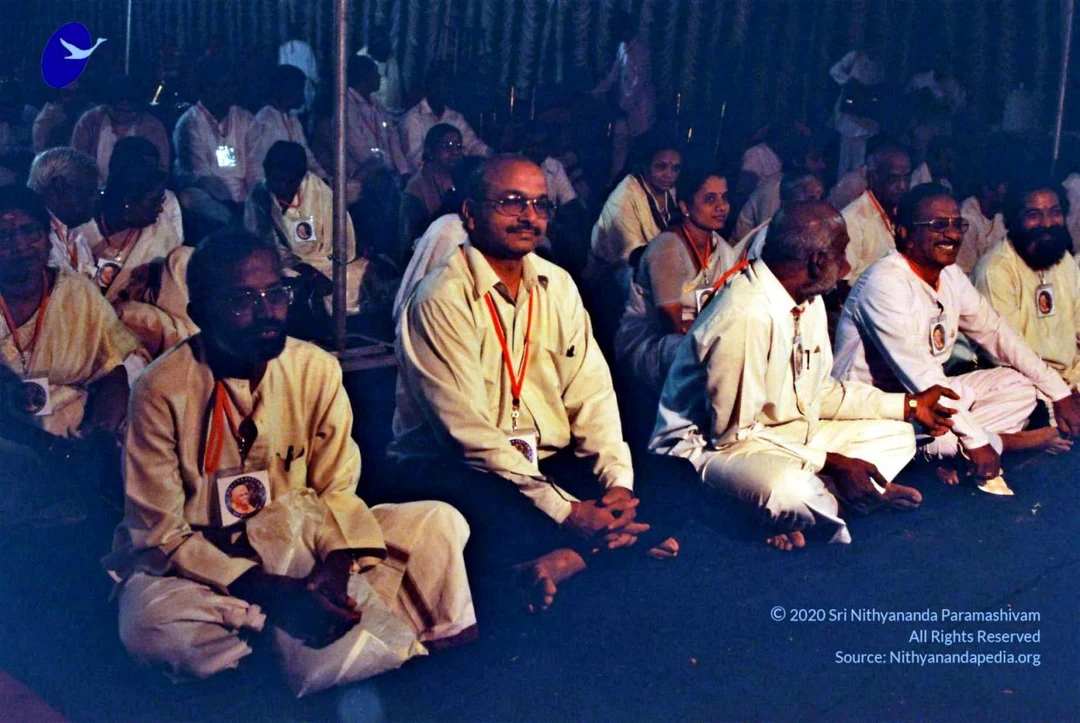
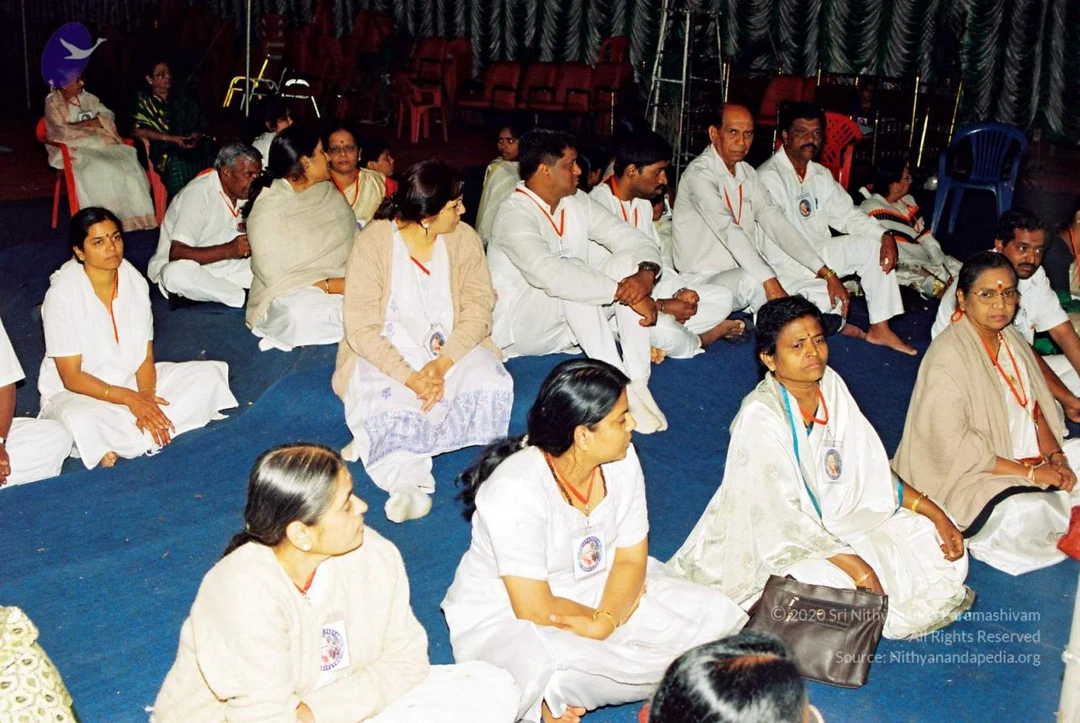
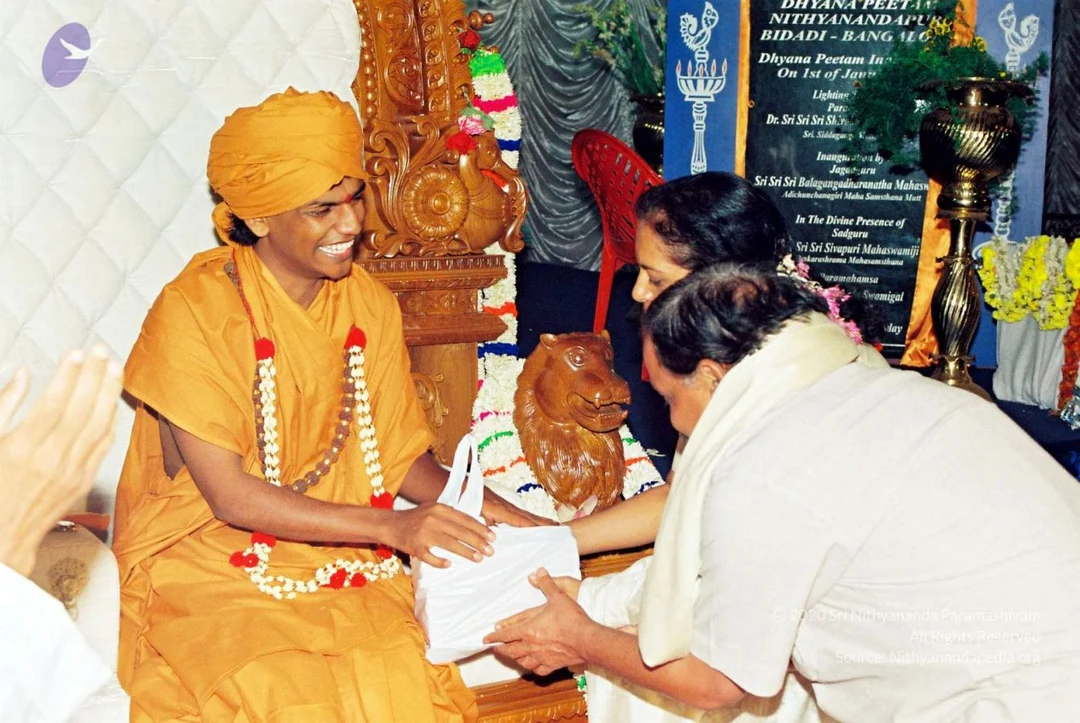
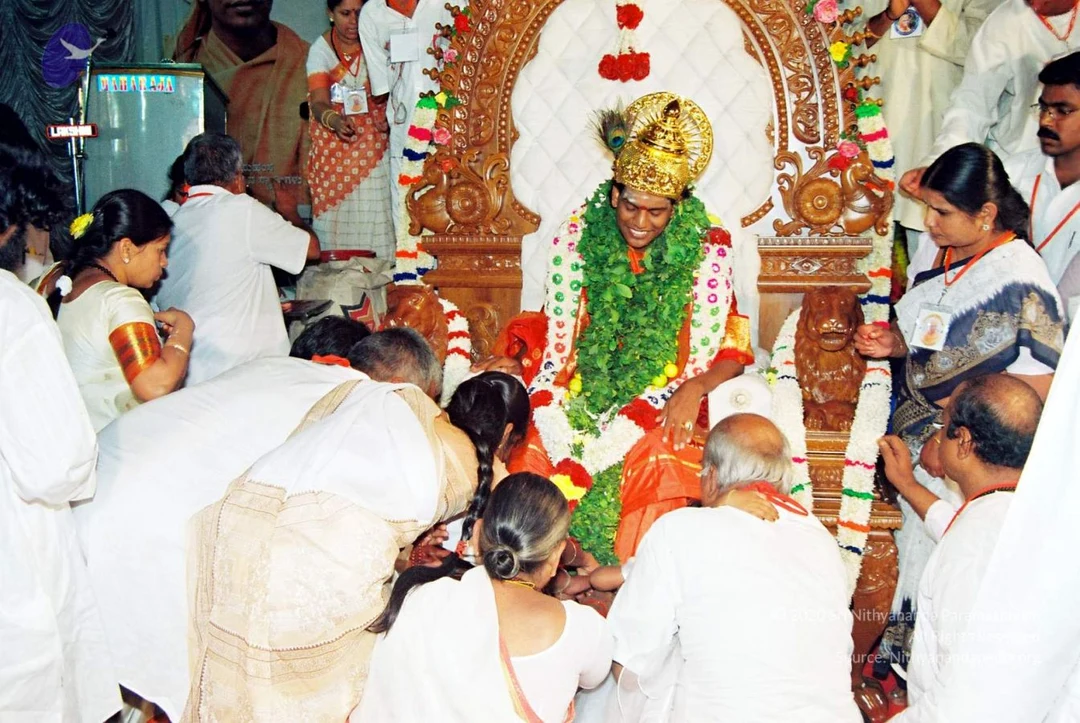
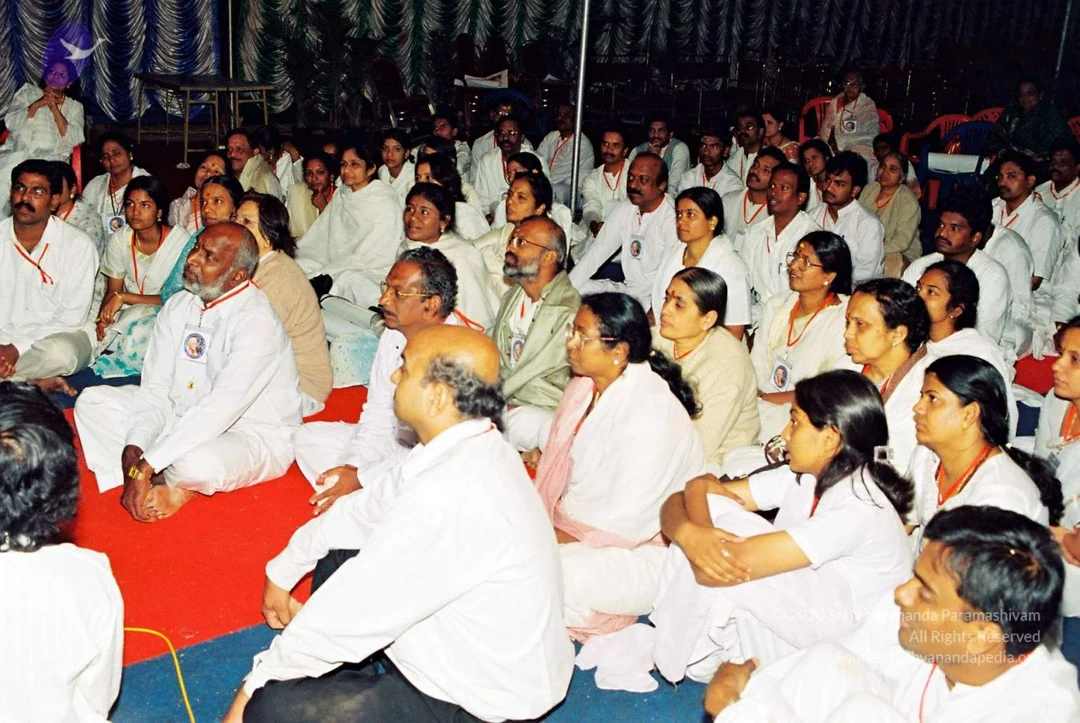
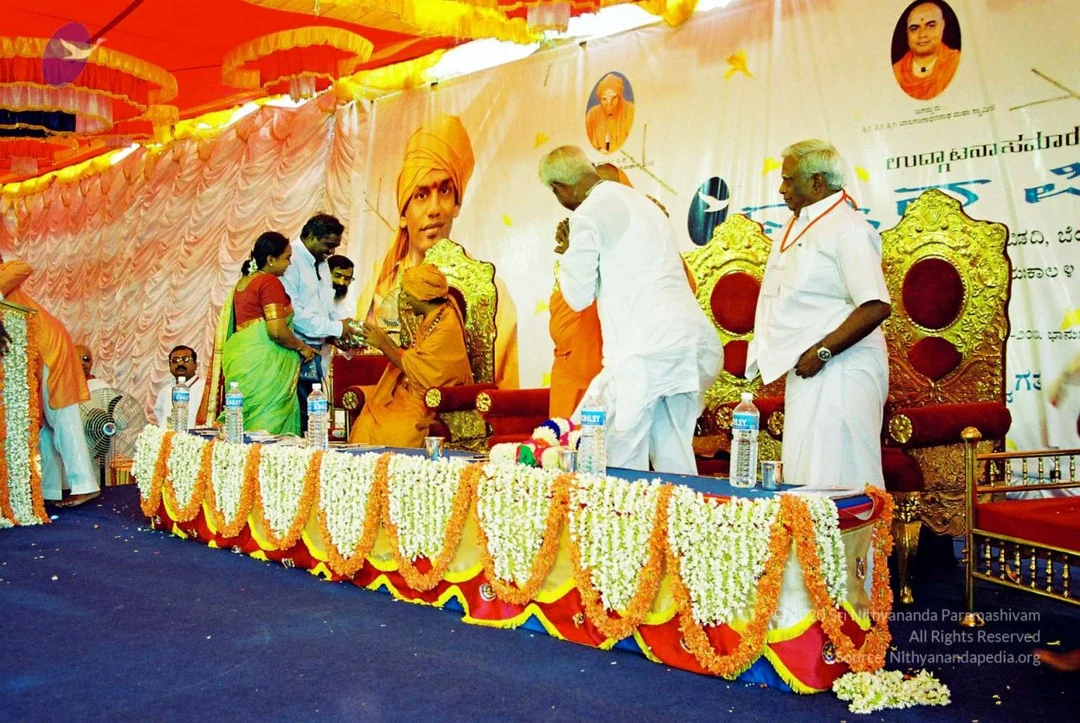
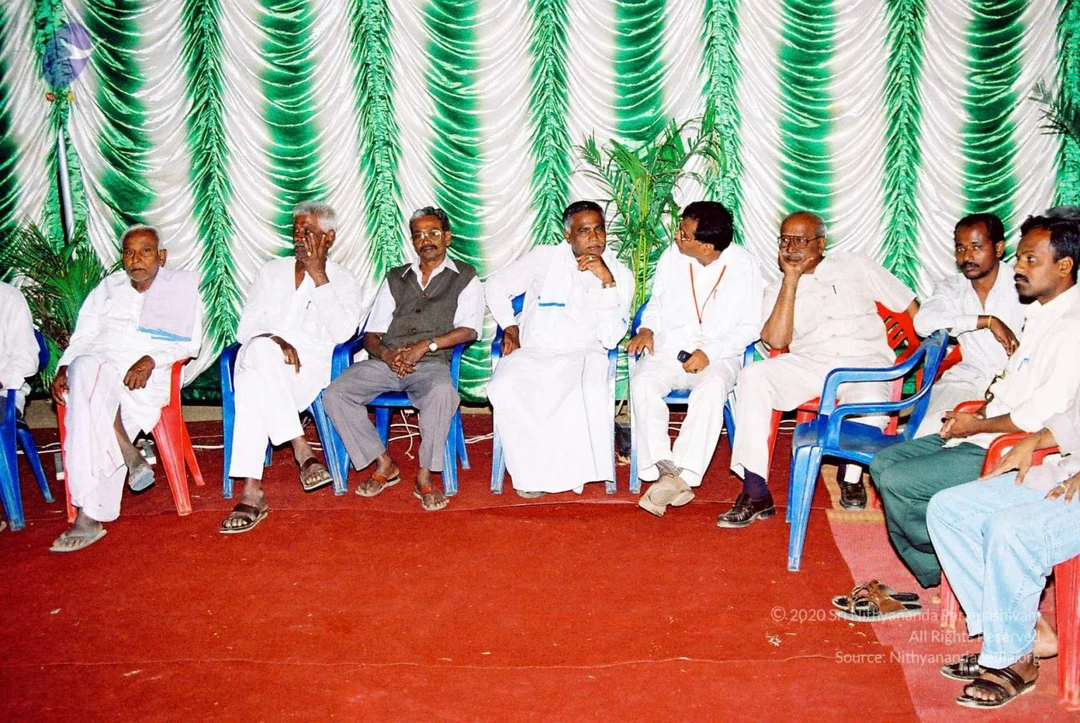
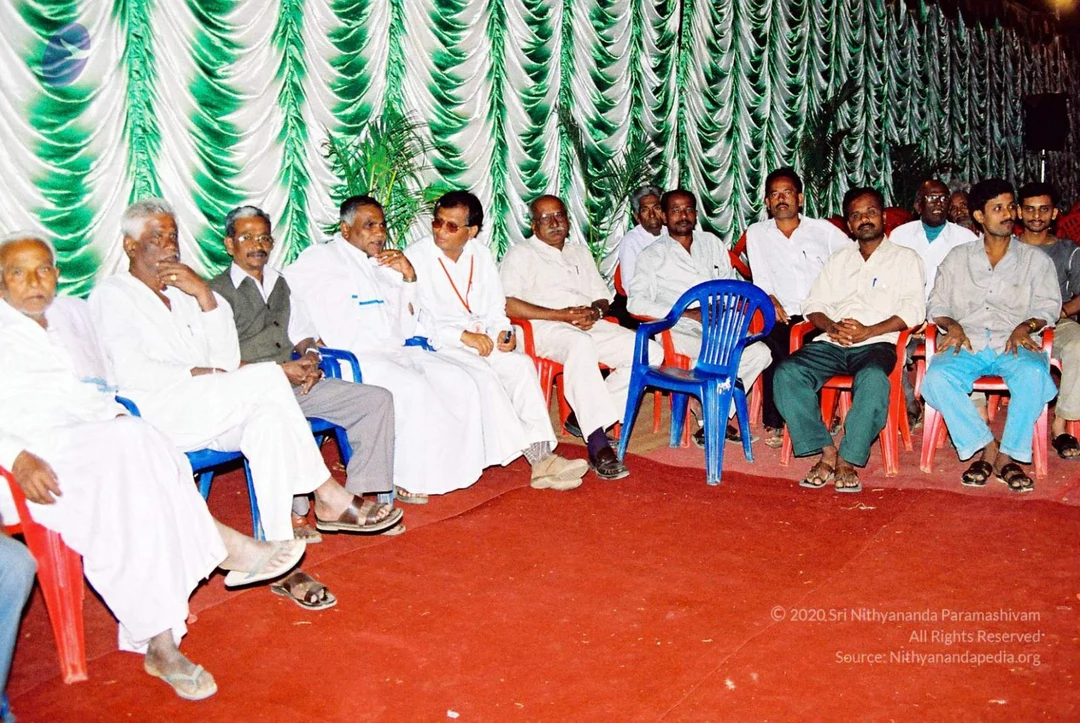
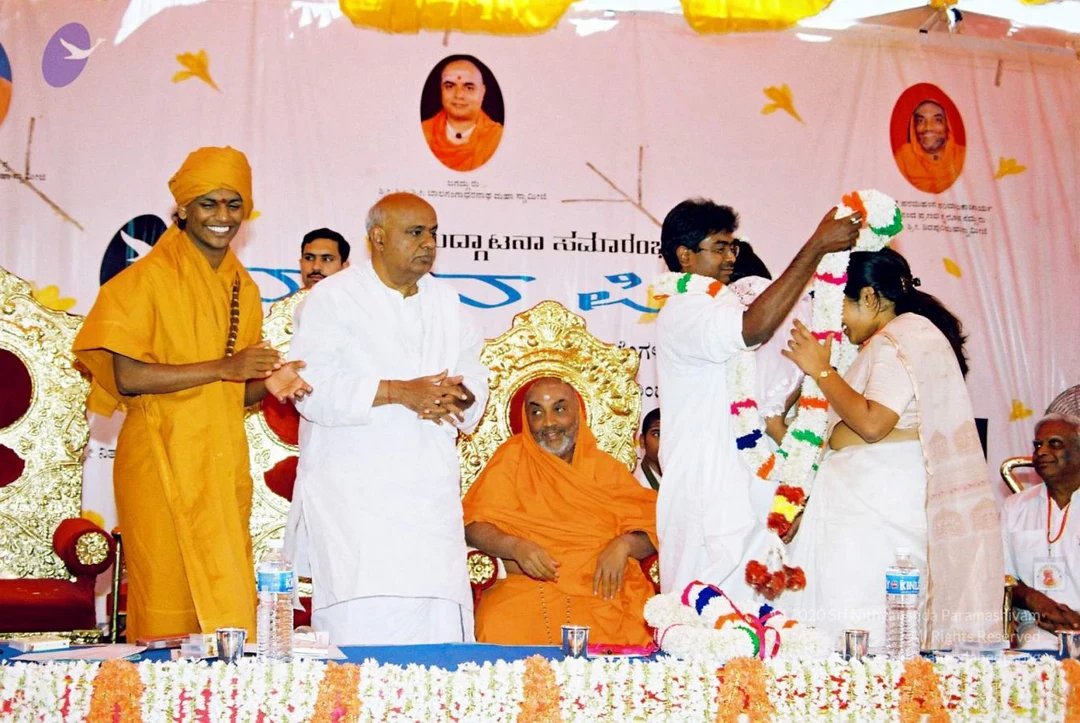
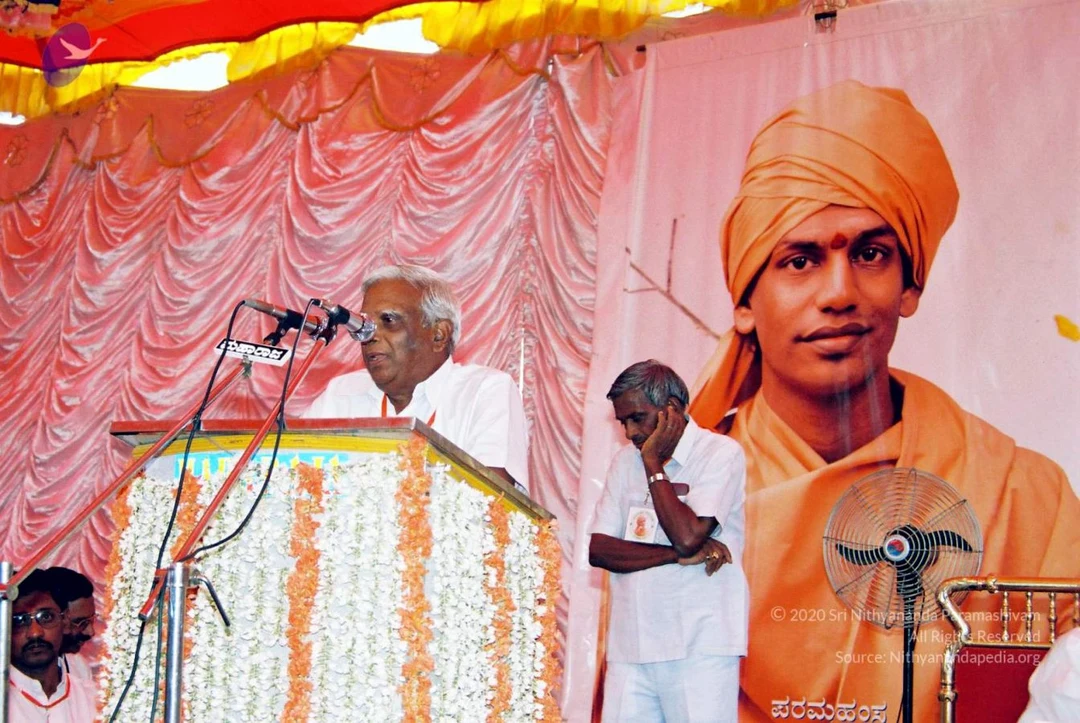
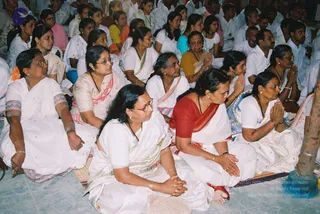
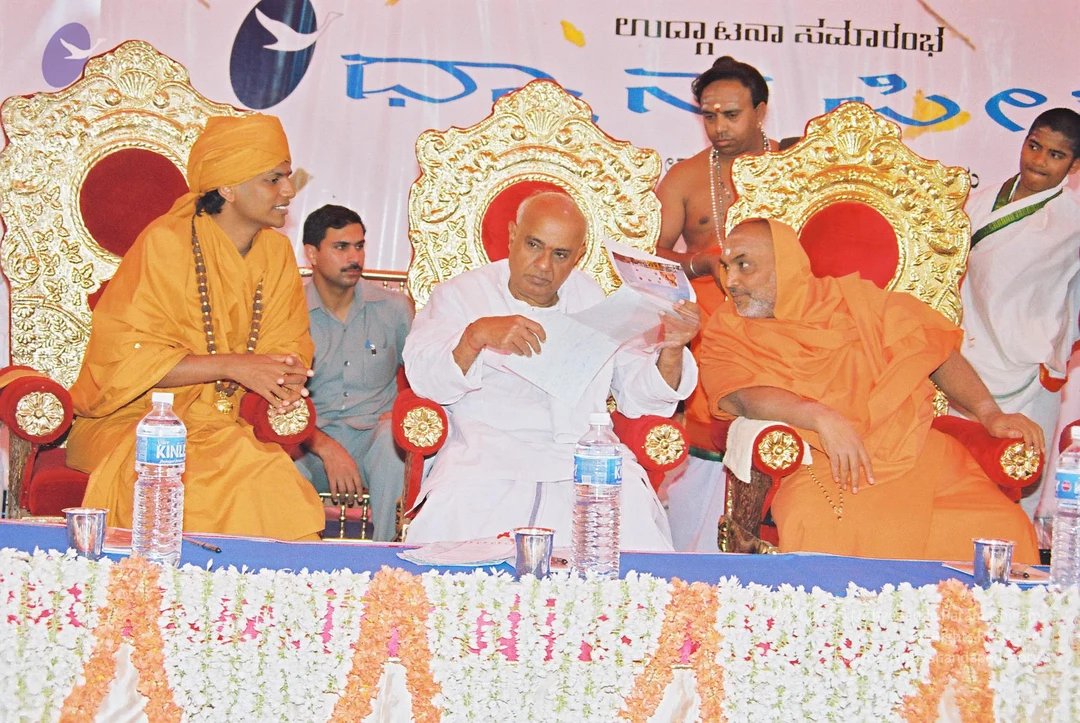
Today is also very auspicious in that it is the 26th Jayanti (birthday) of The Supreme Pontiff of Hinduism. For this landmark occasion, the SPH personally invited spiritual and political leaders of the state of Karnataka who were present as the Guests of Honour (see Chief Guests). Along with the hundreds who were present at this grand event, there were also devotees from Tiruchengode, South India where the SPH had already established the first ever KAILASA on the banks of the sacred Kaveri river on 14 April 2001. This was the first ever KAILASA established by the SPH with ADI KAILASA being second to the KAILASA in Tiruchengode. (These devotees will forever remain as the direct eyewitnesses to the untiring work and deep sacrifice of the SPH in the revival of KAILASA in the early years when every brick of the infrastructure was the direct blood and sweat of the SPH who toiled day and night untiringly to build it.).

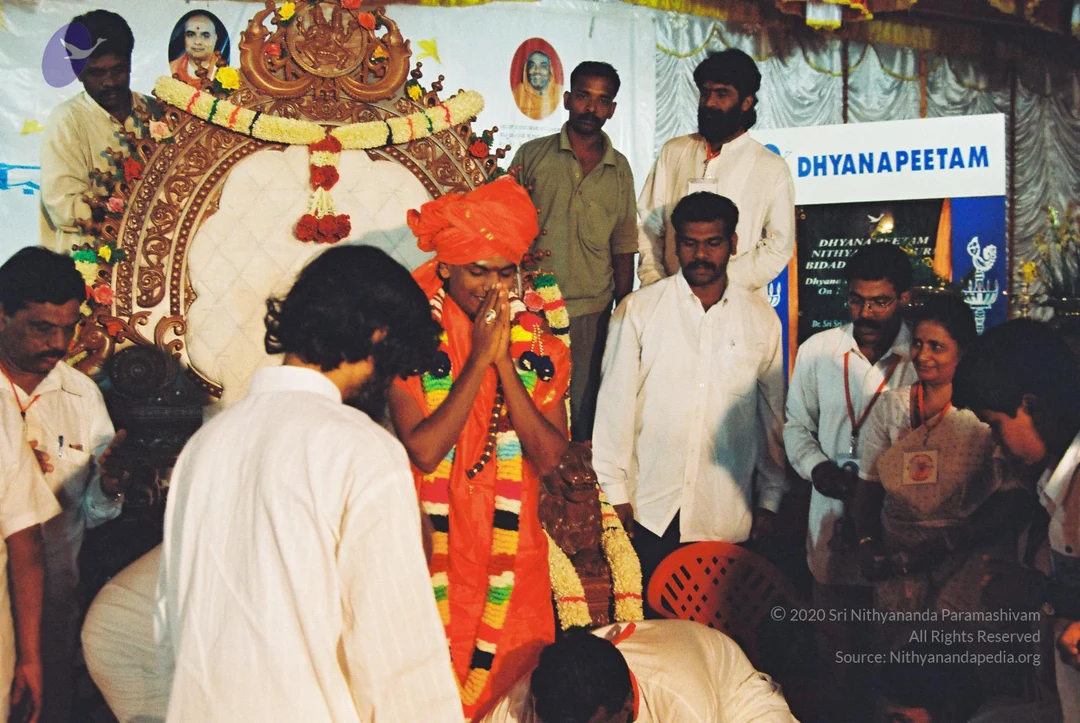
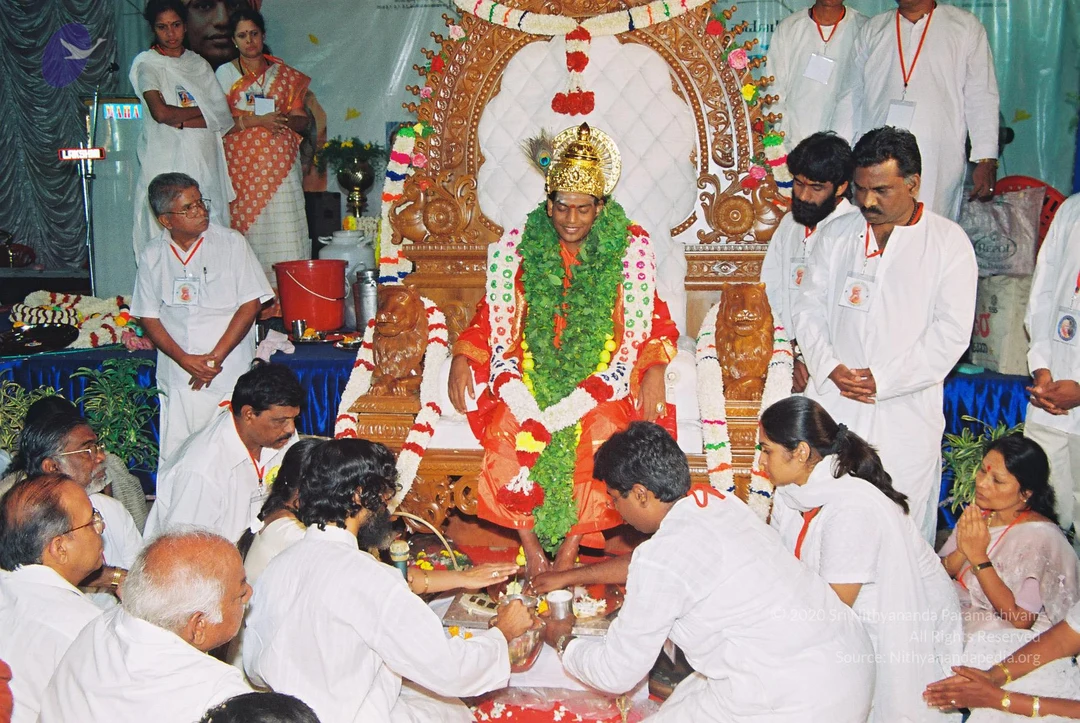
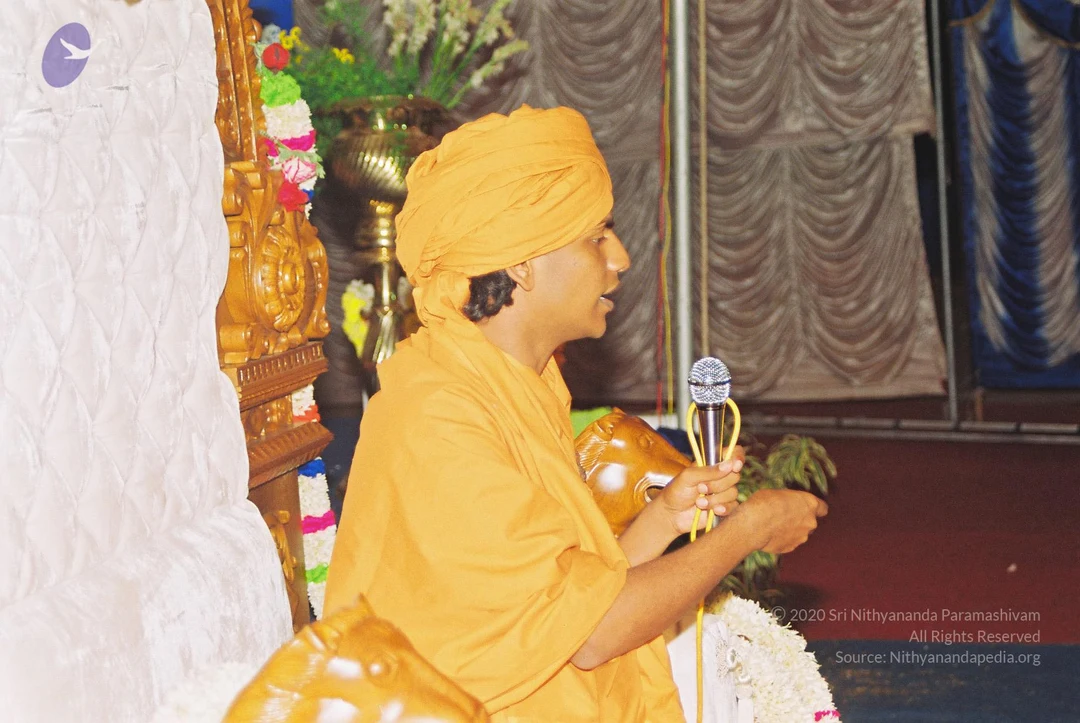
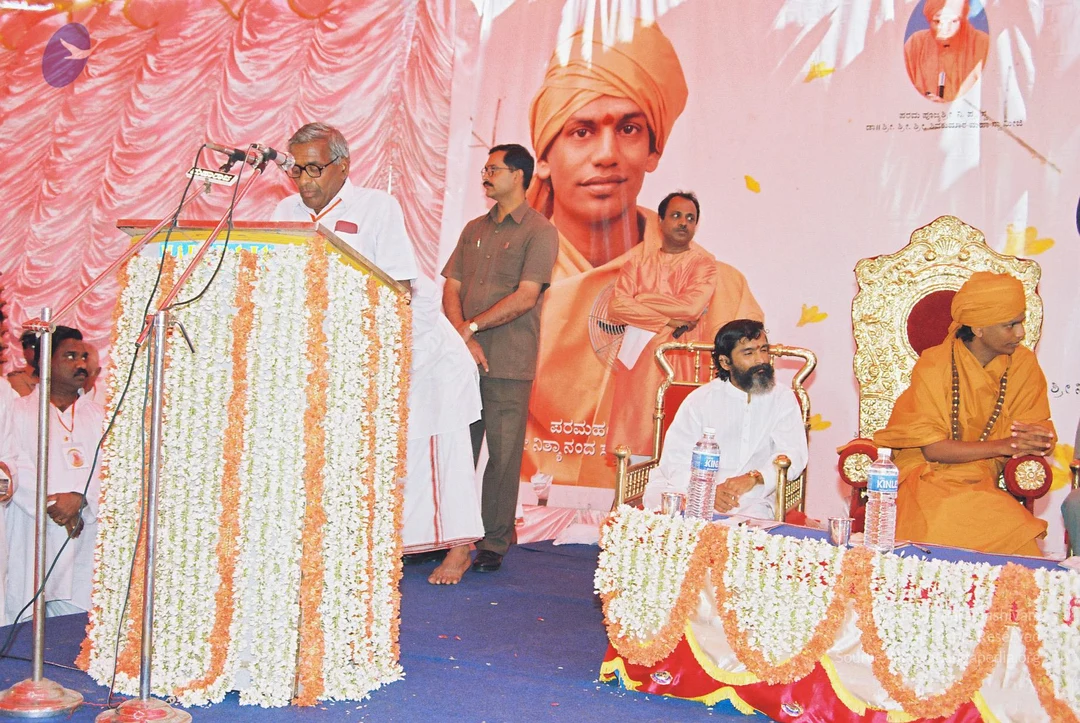
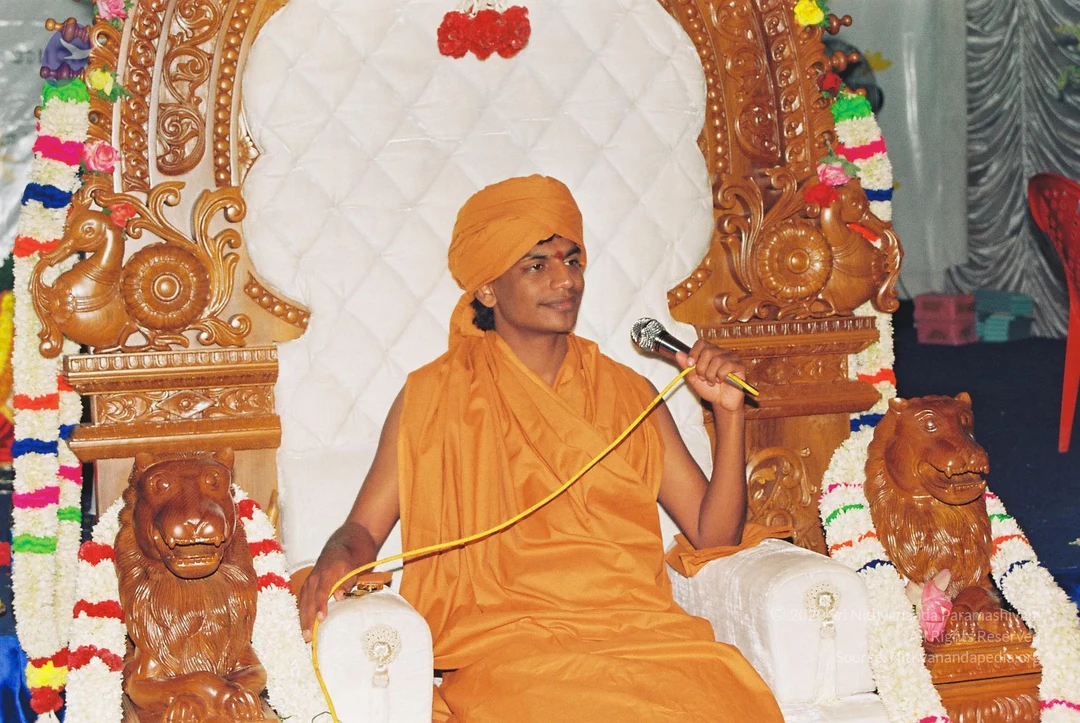
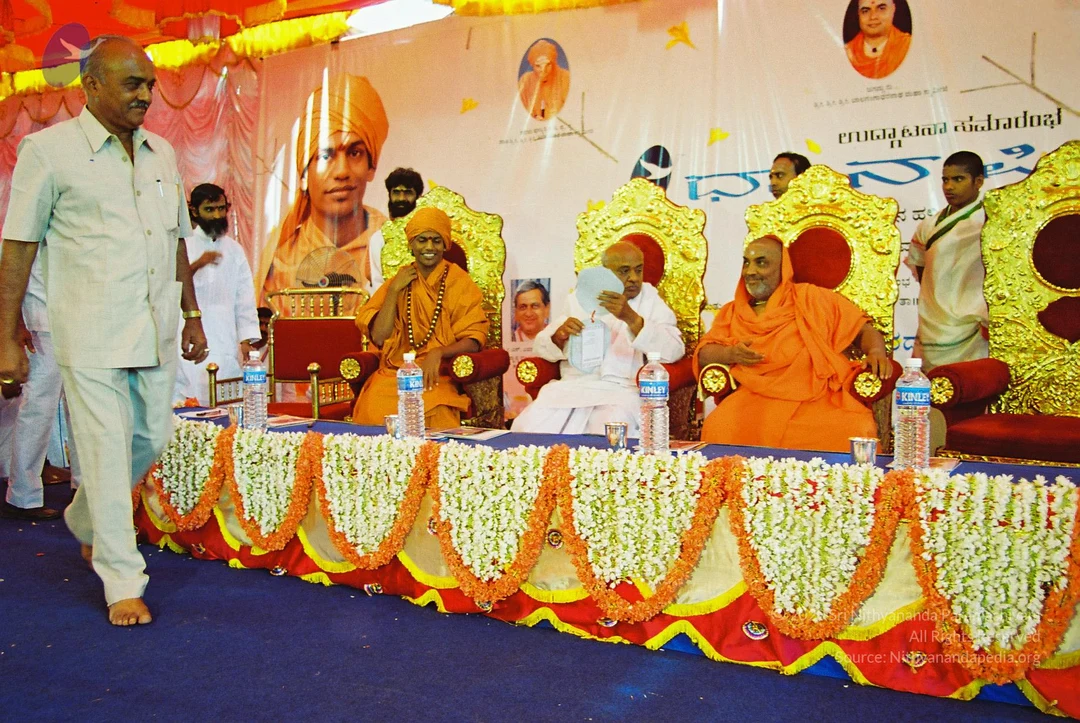
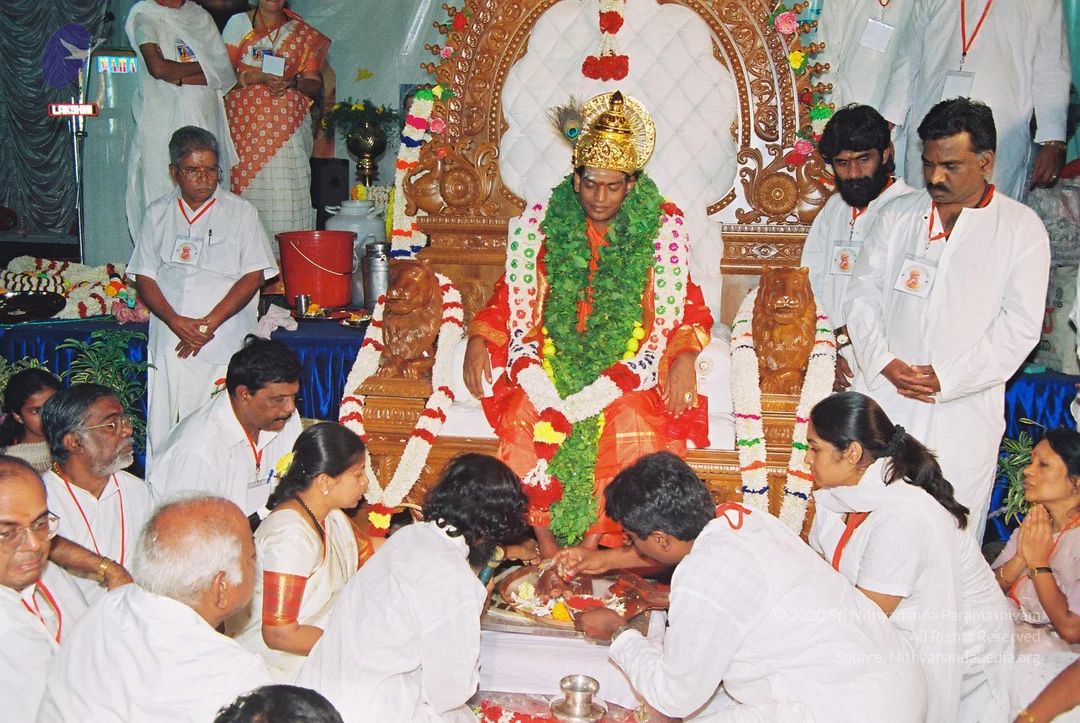
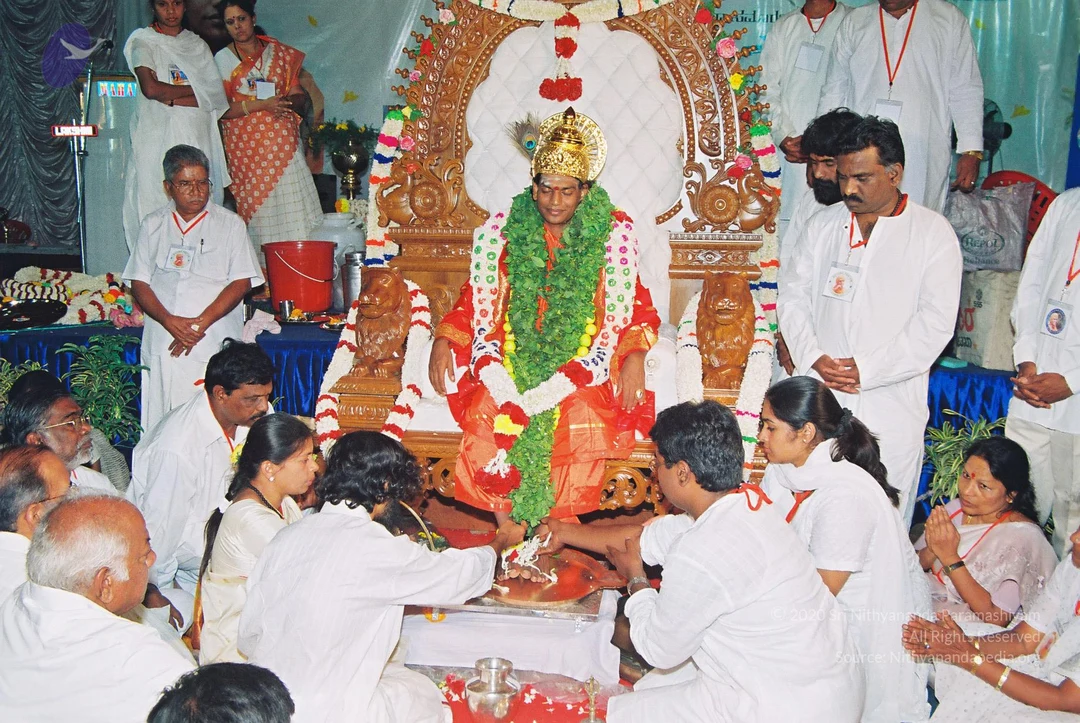
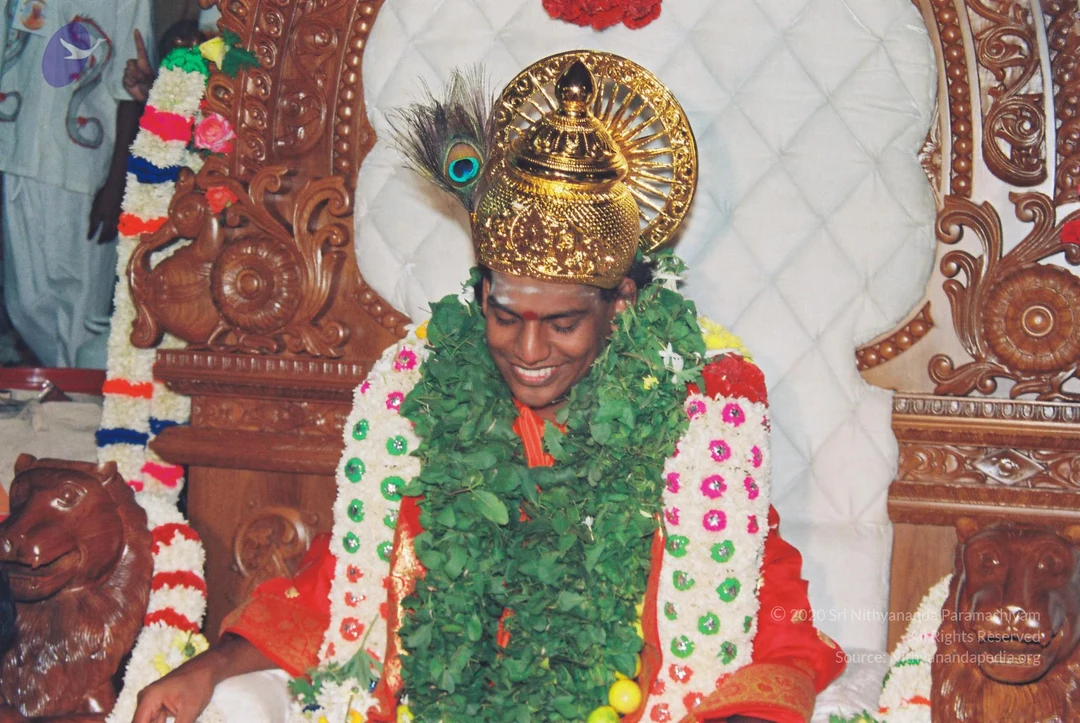
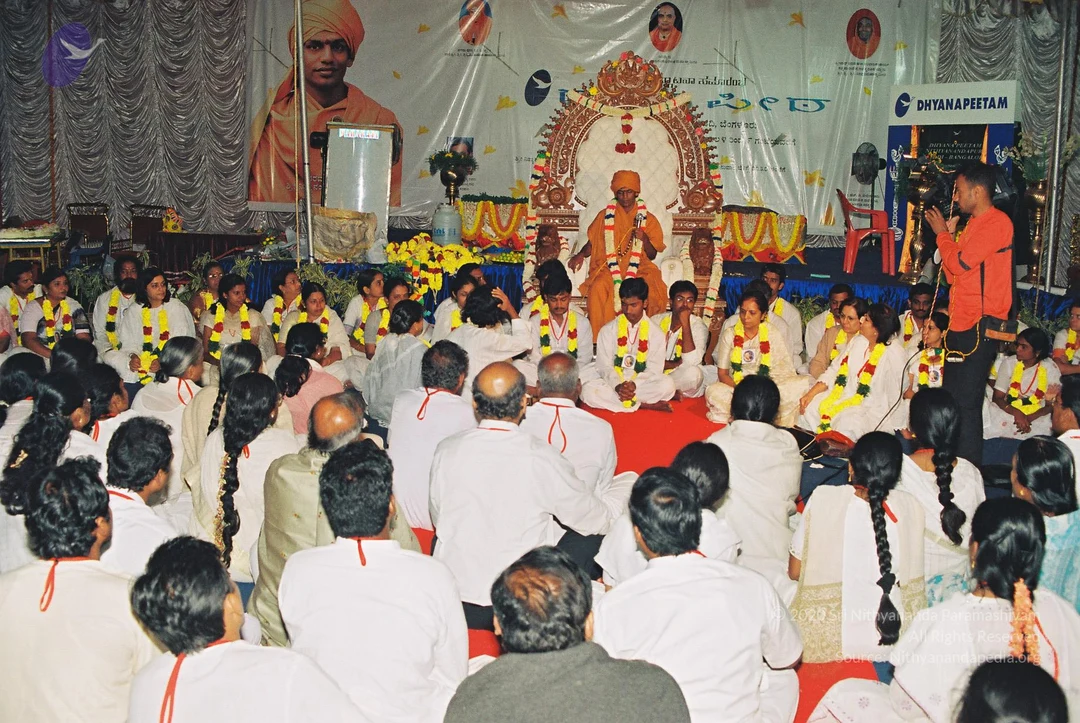
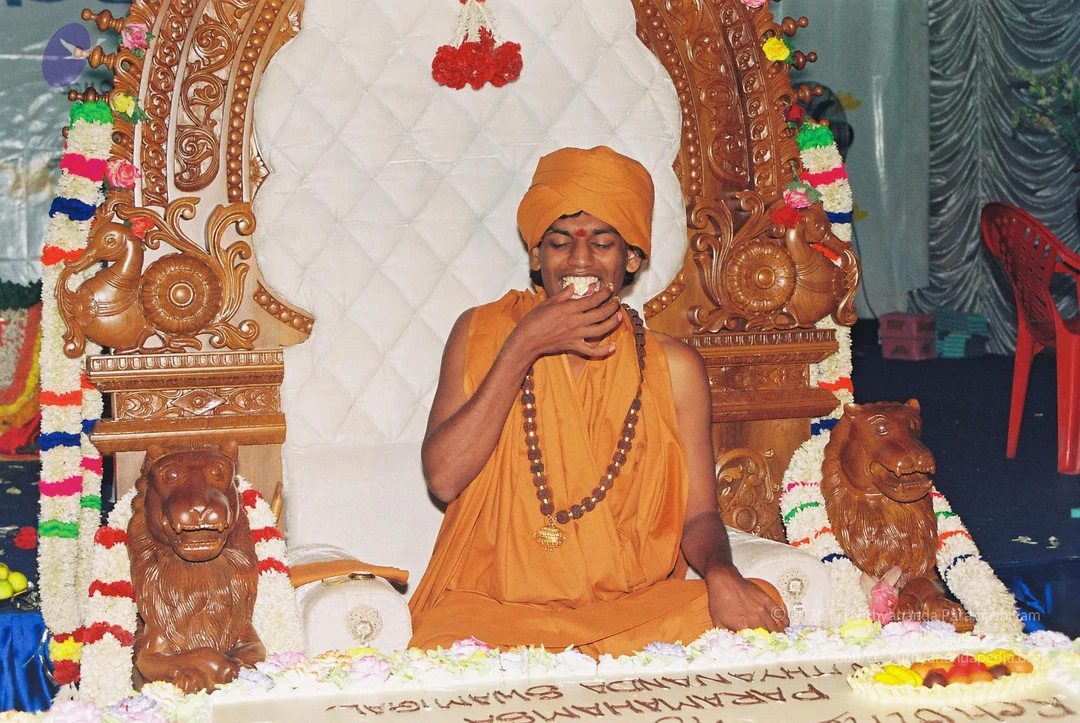
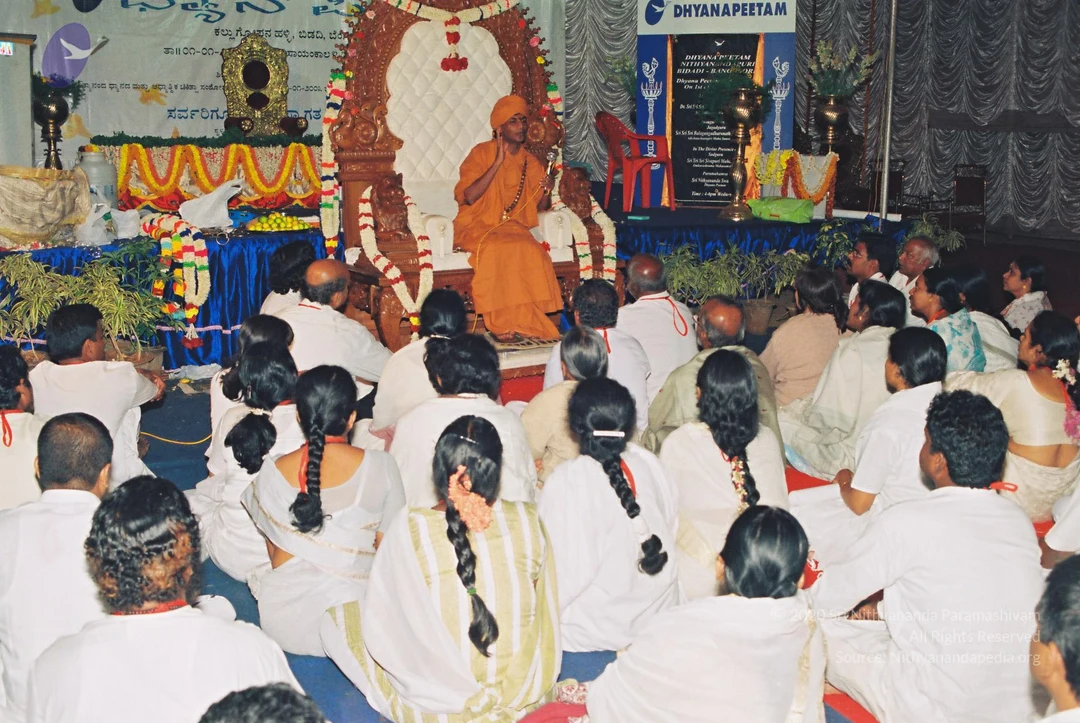
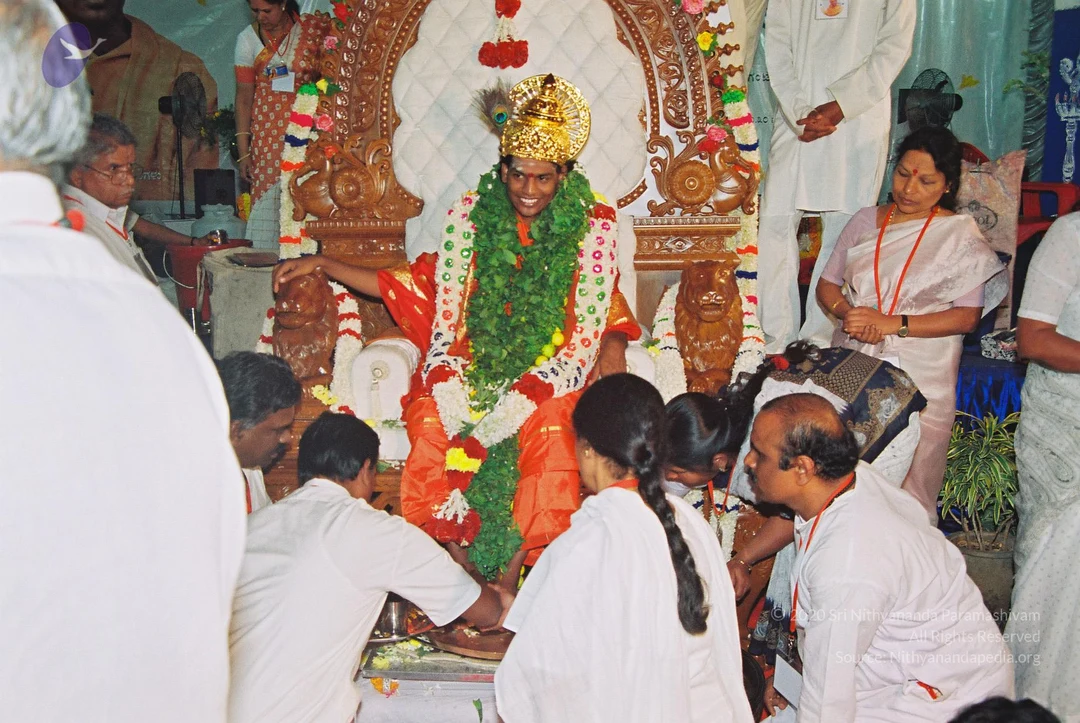
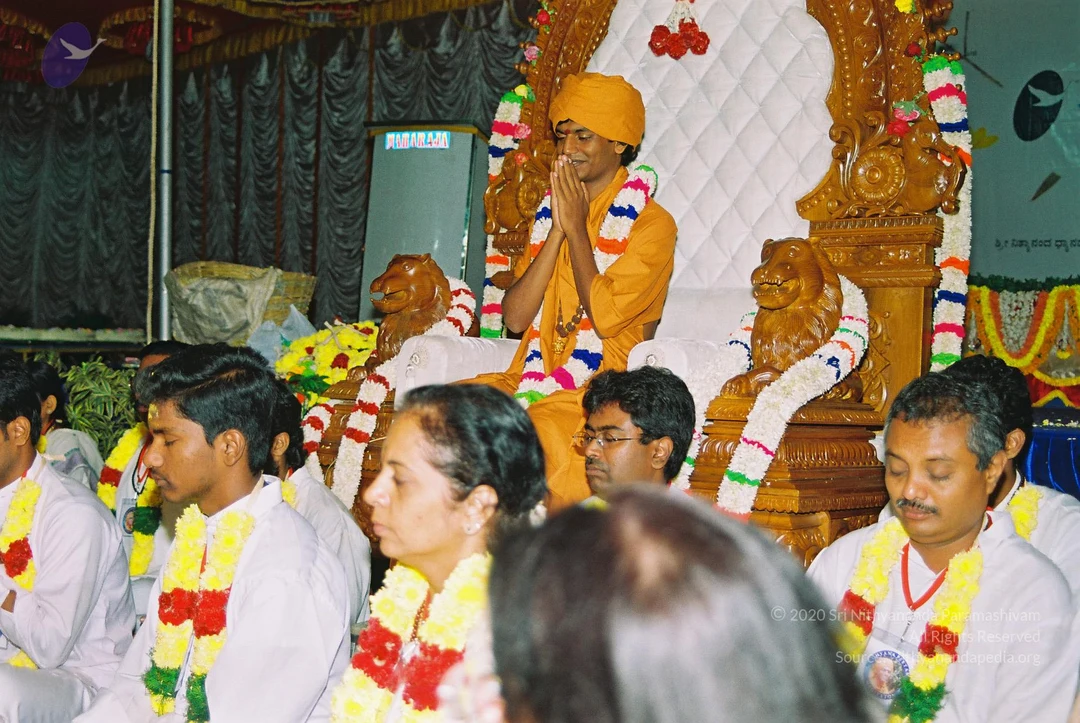
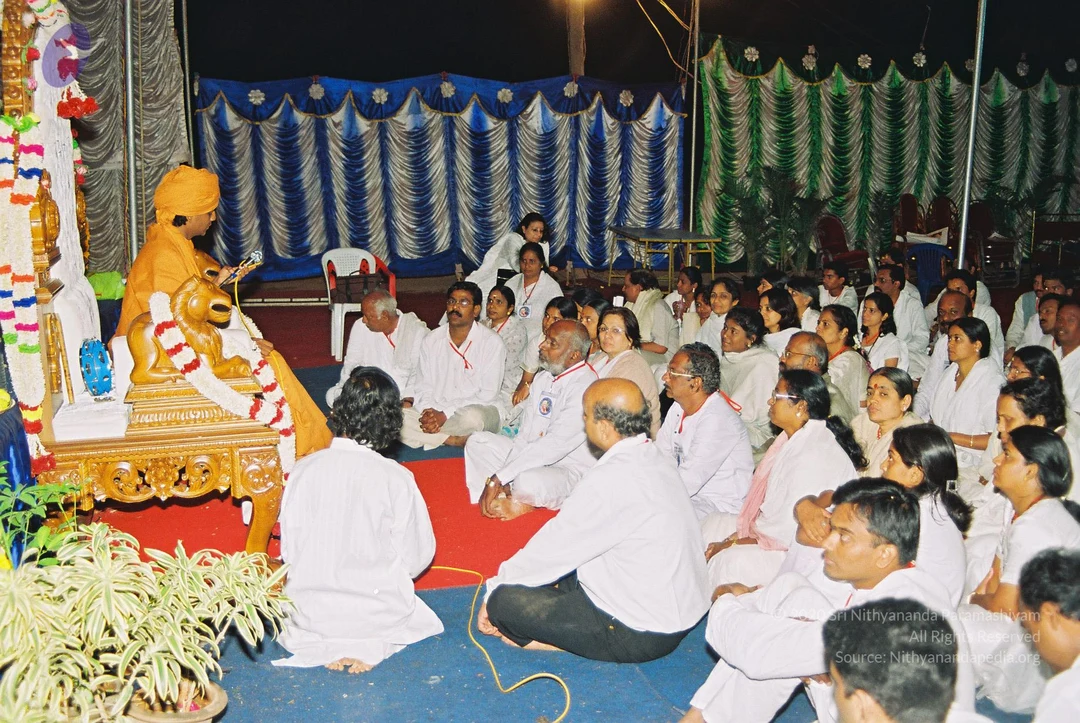
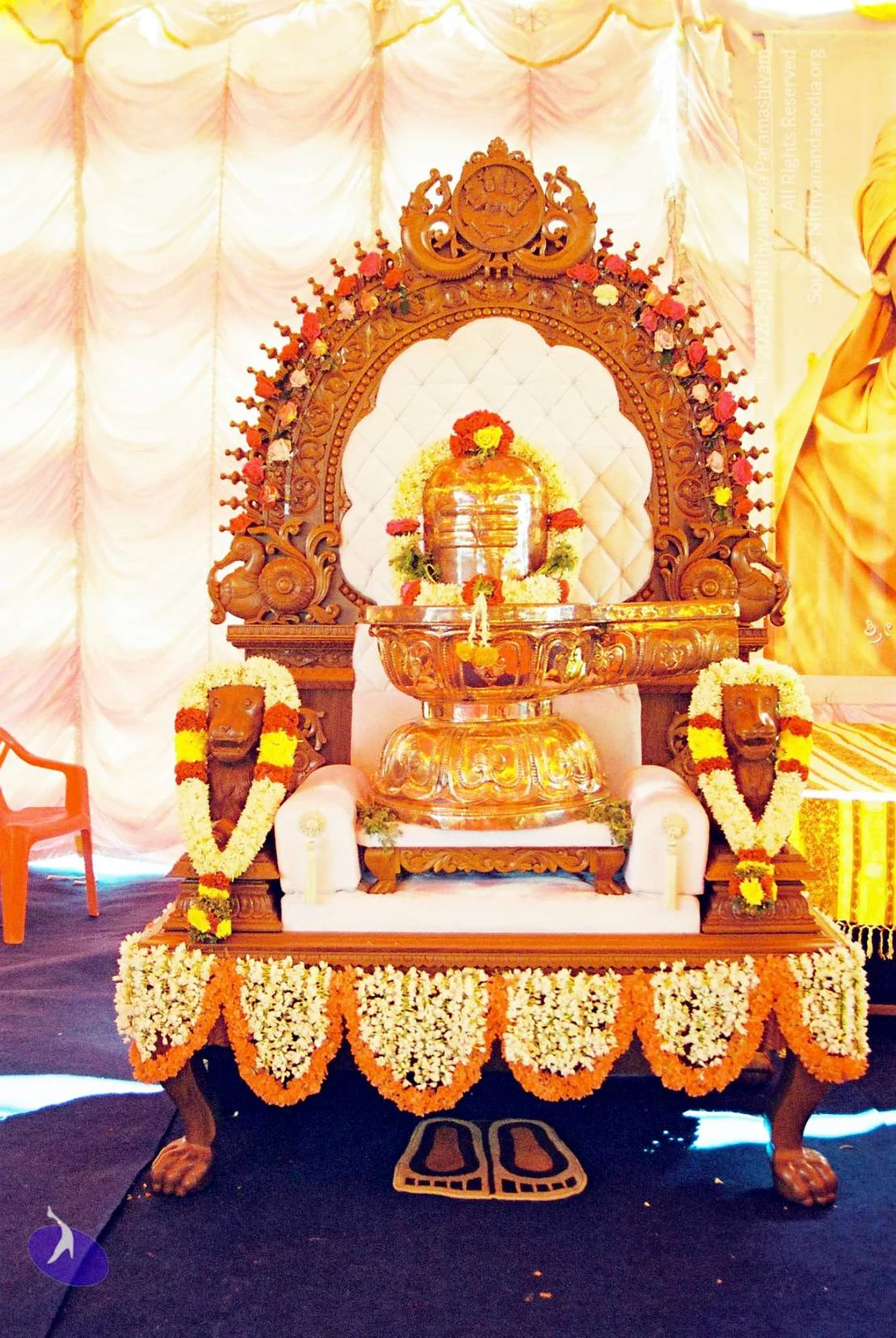
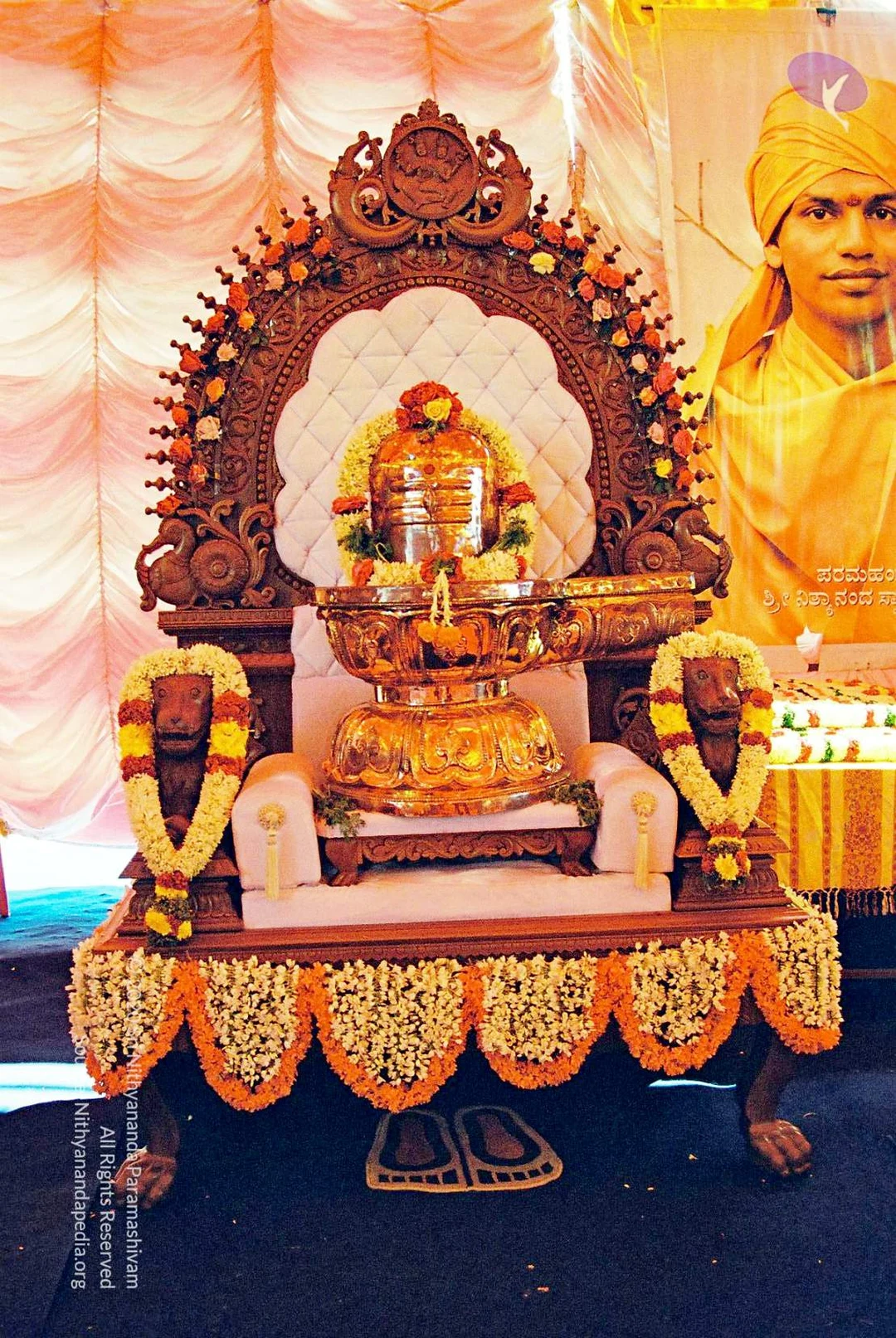
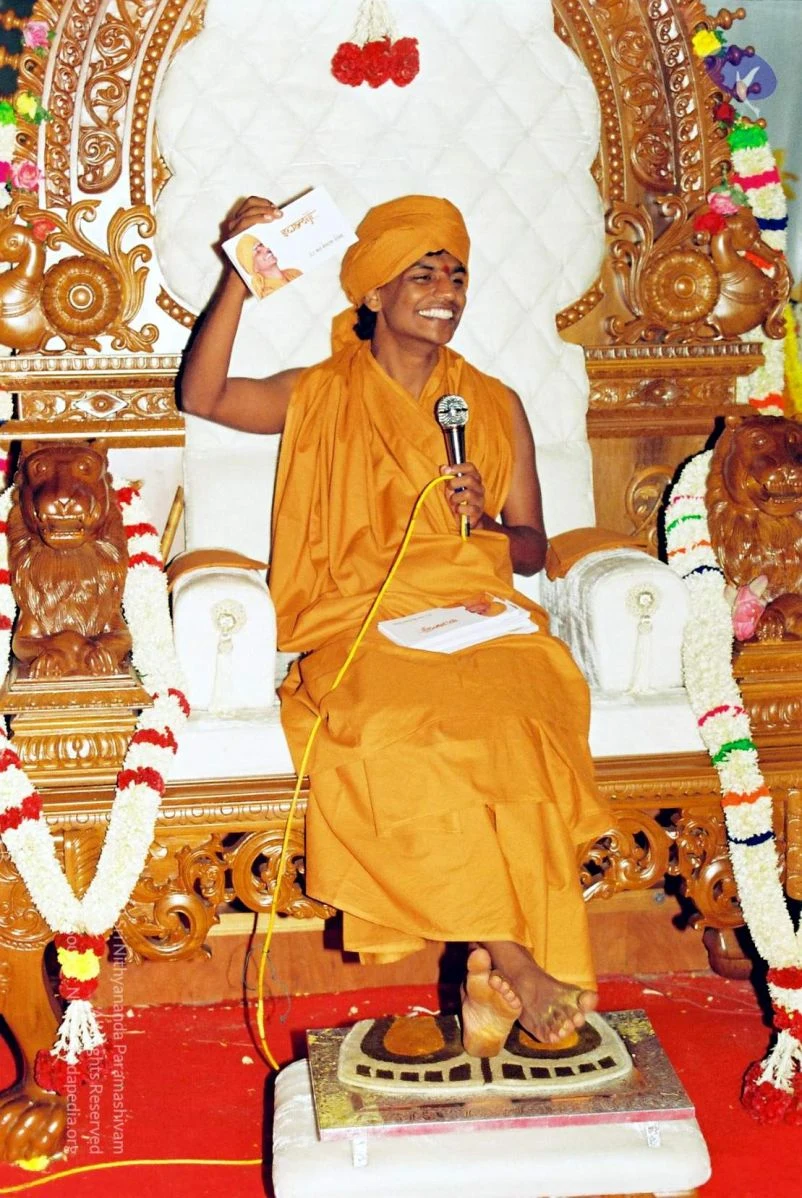
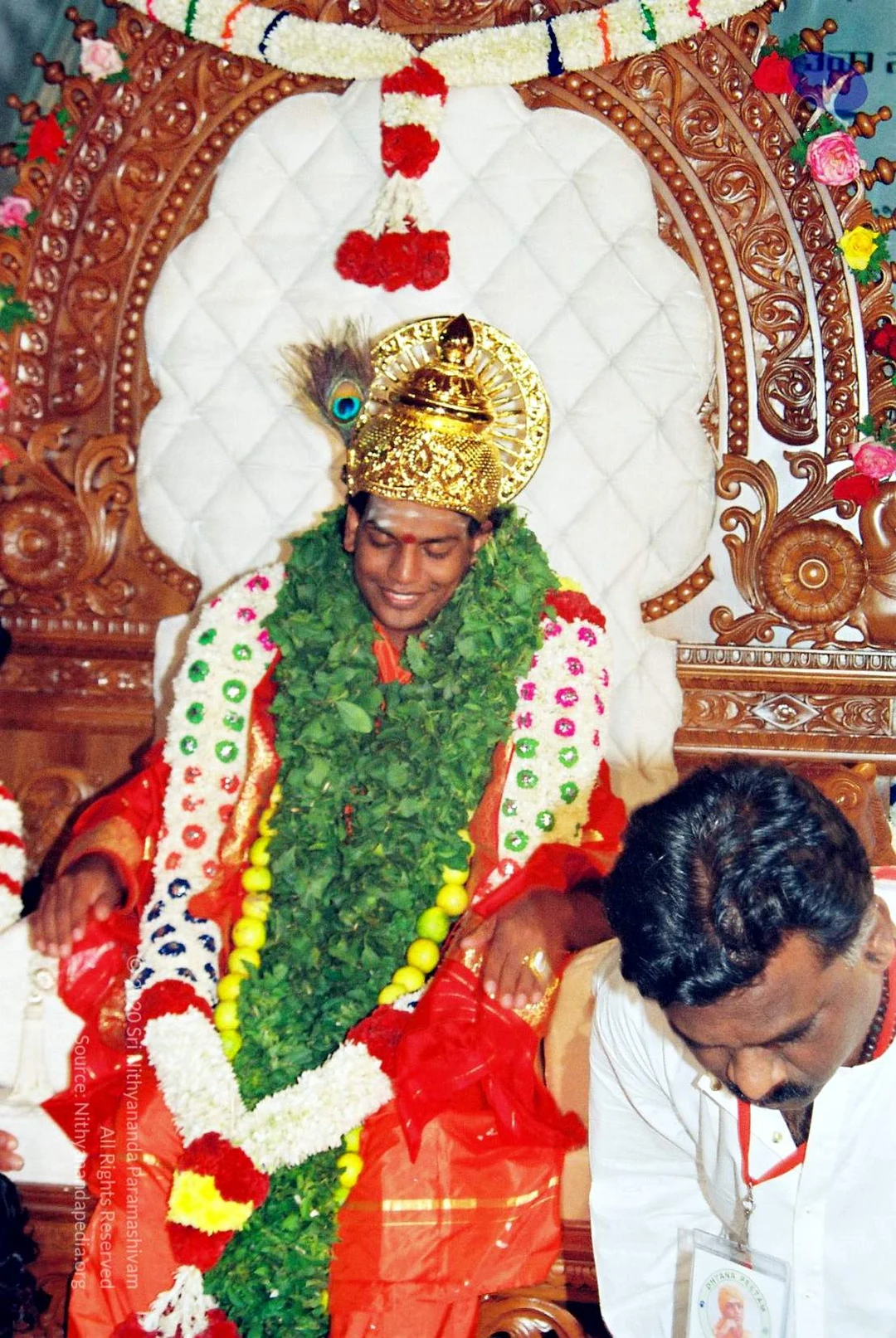
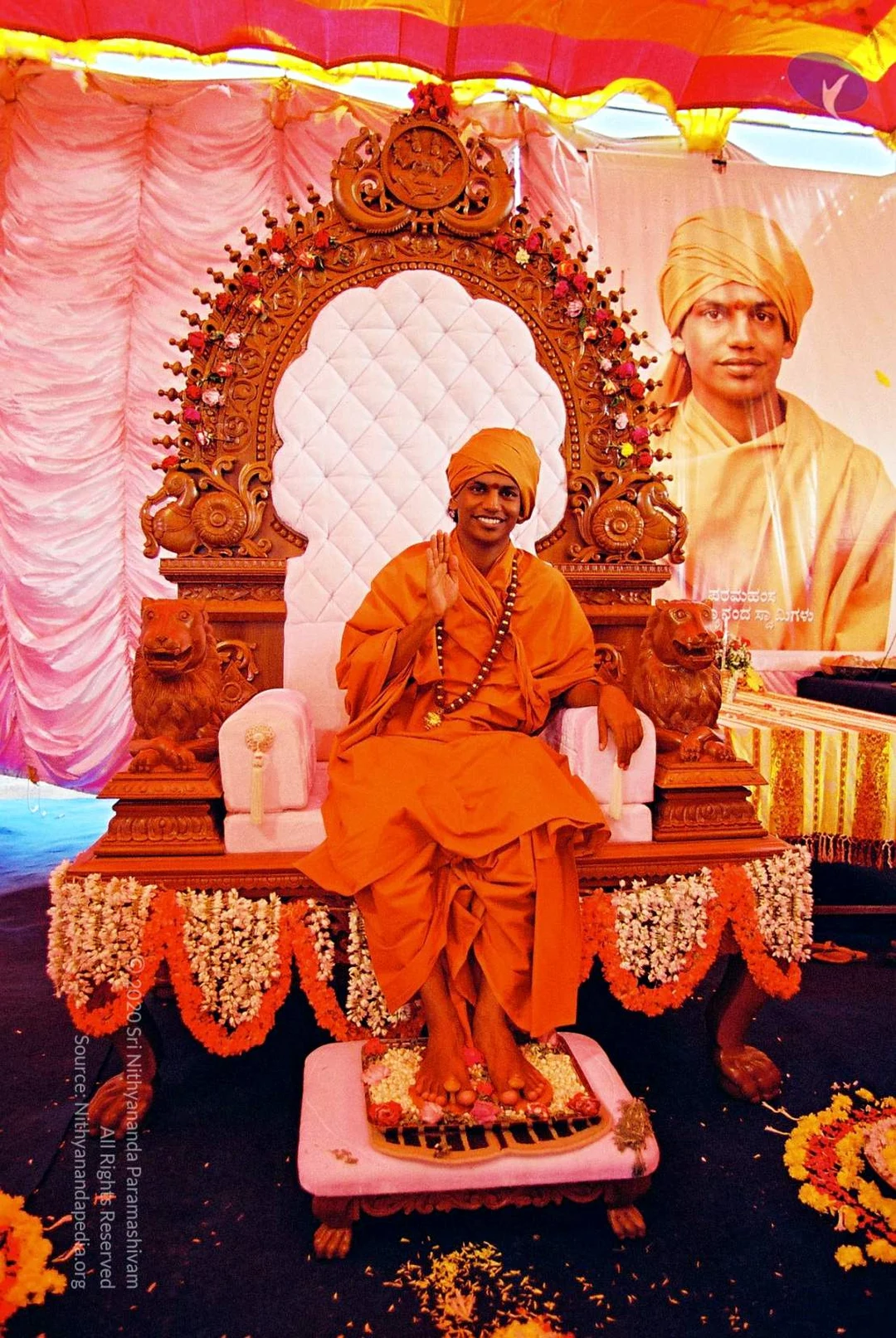
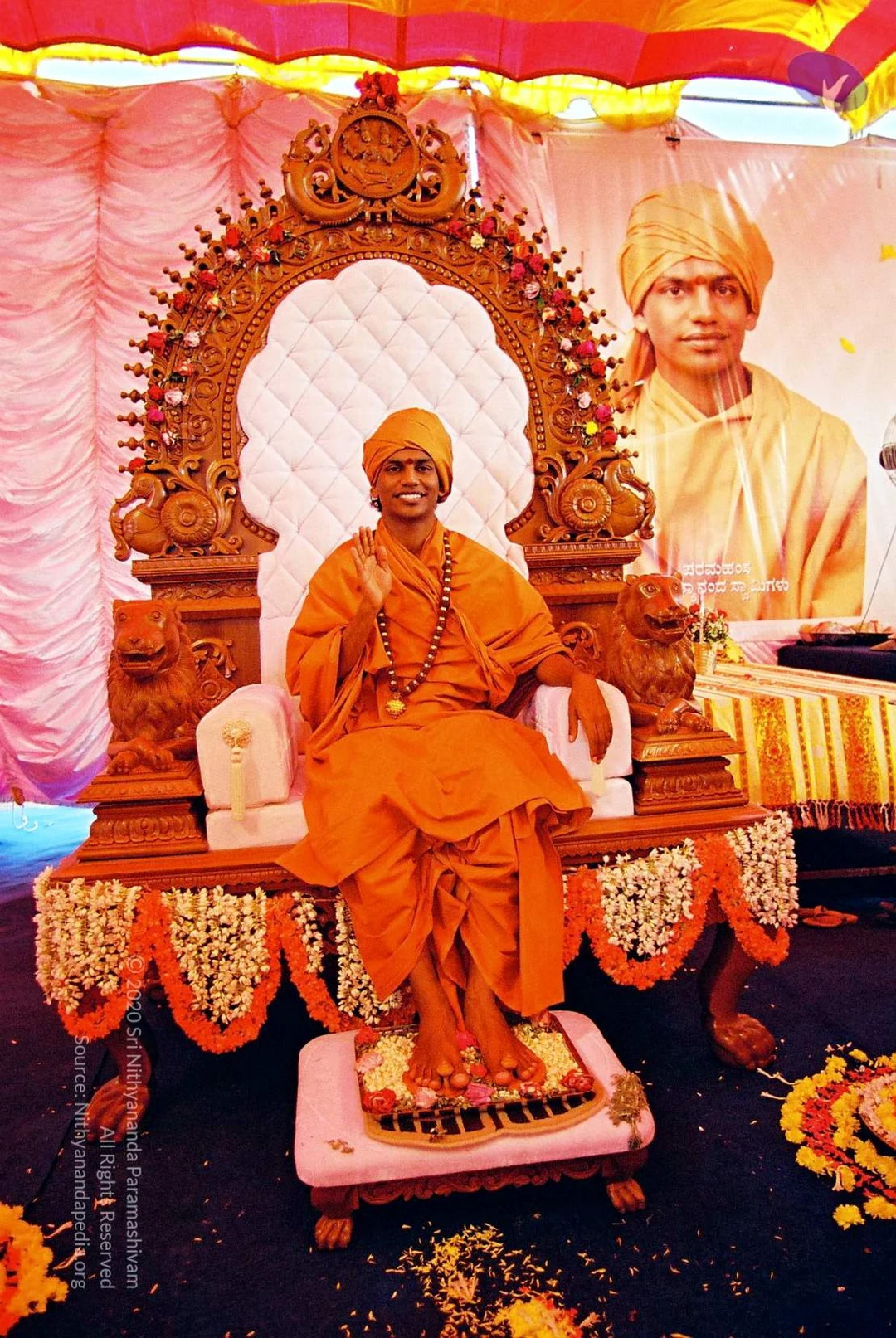
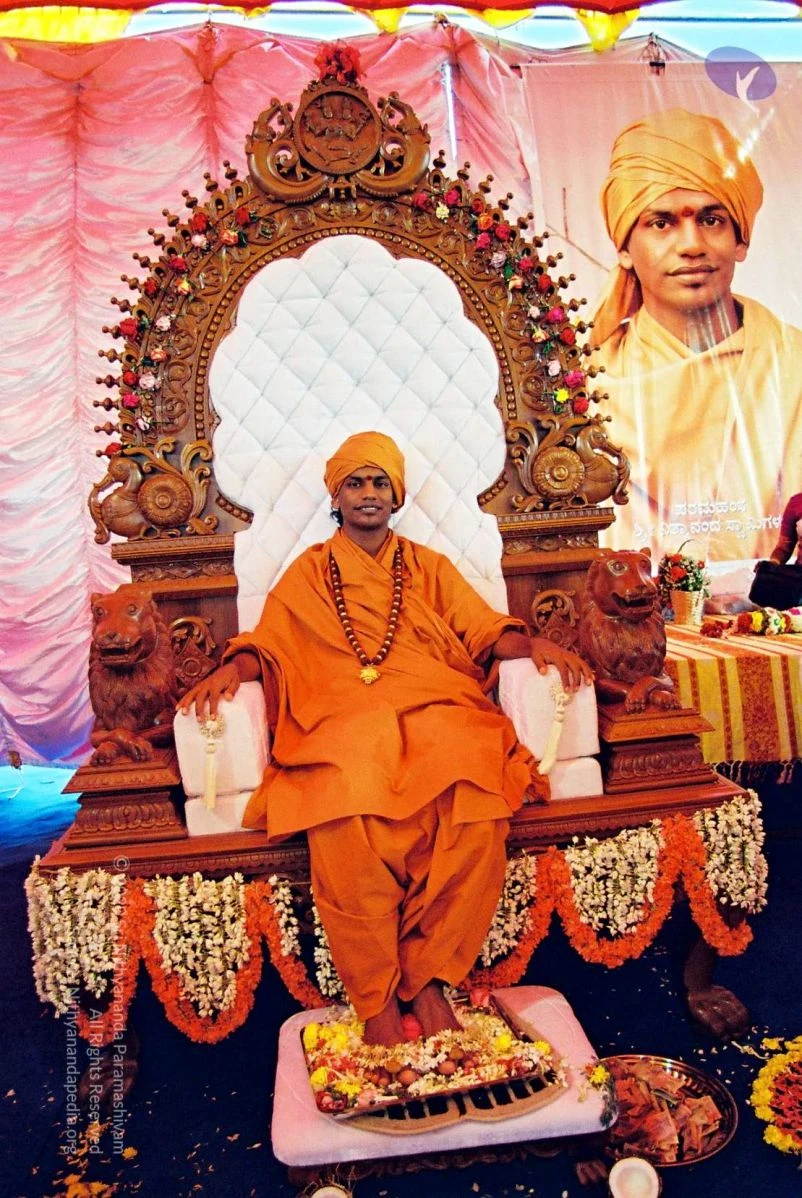
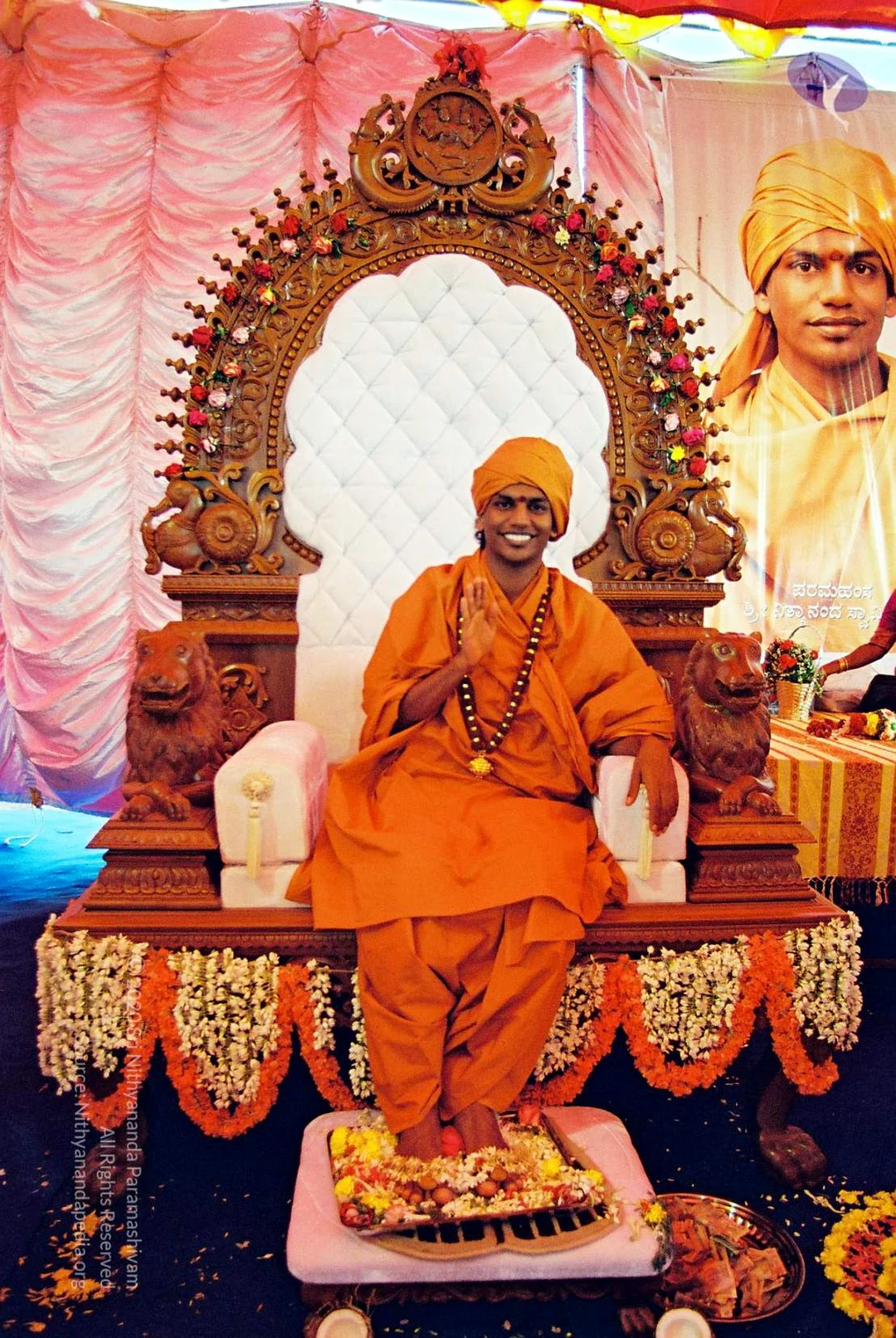
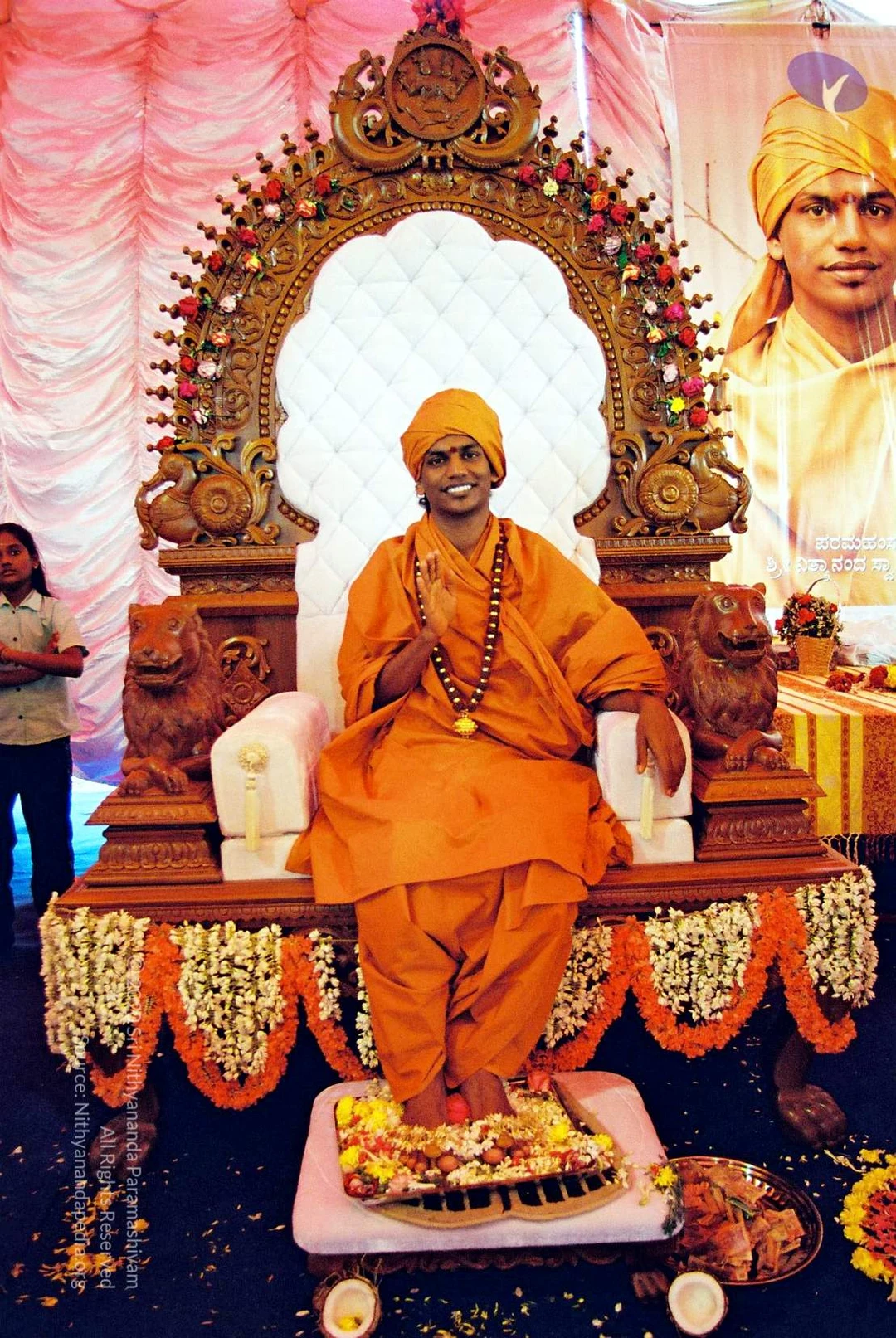
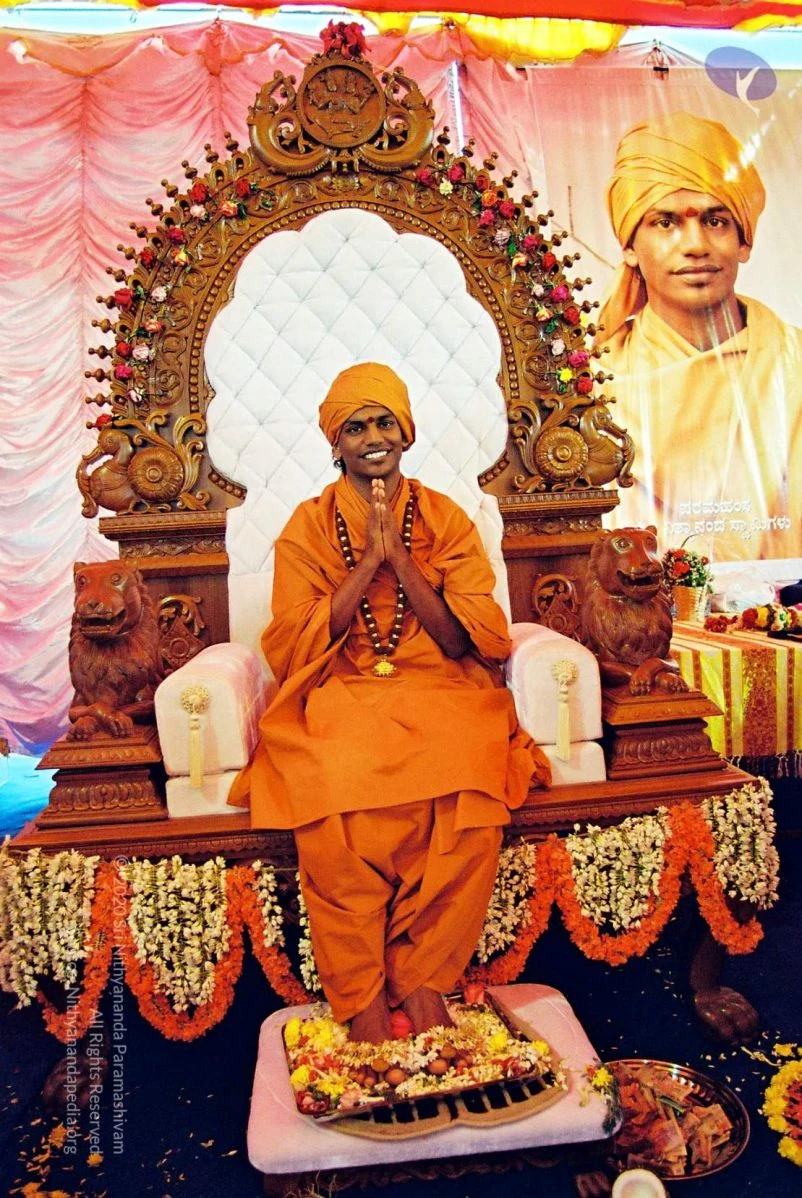
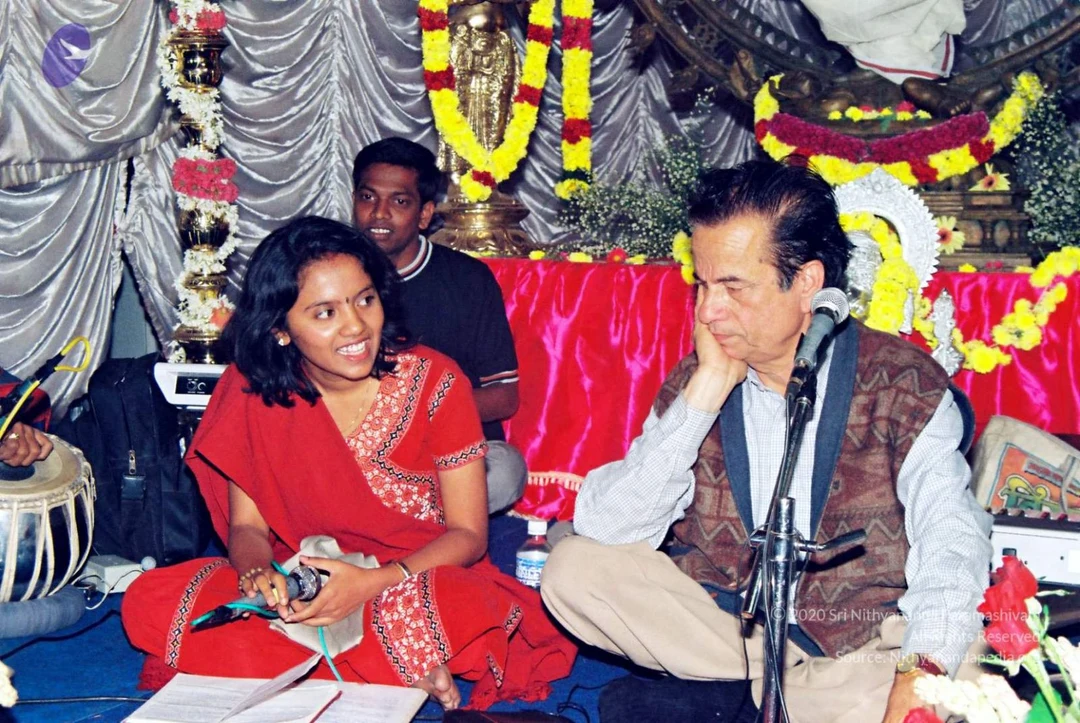
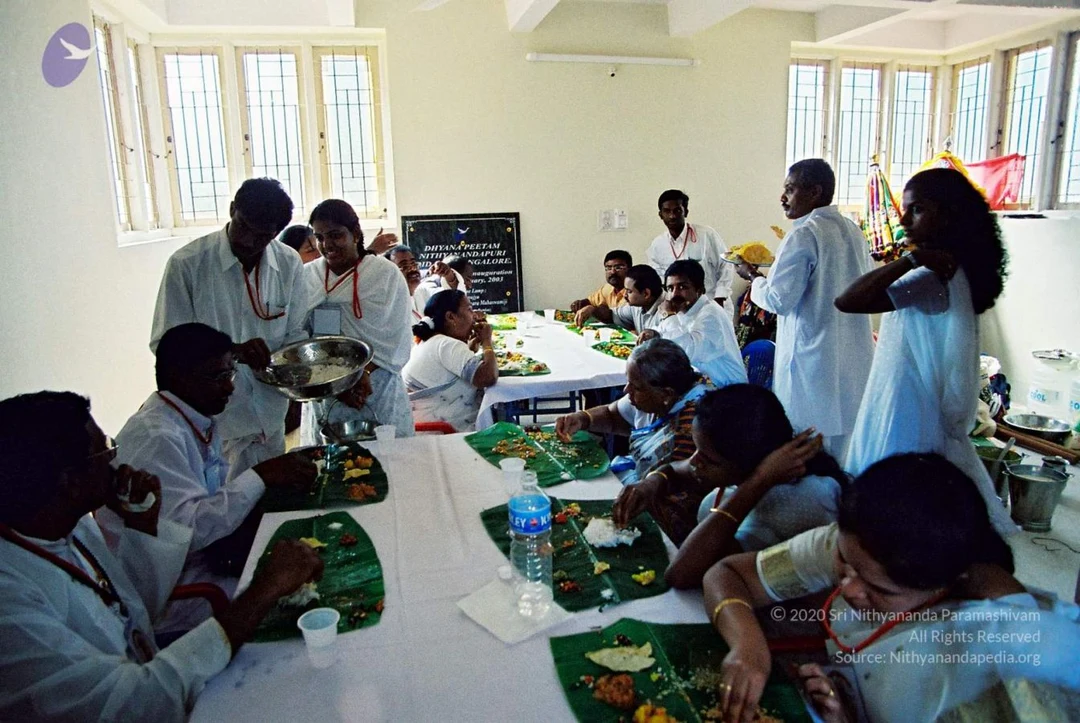
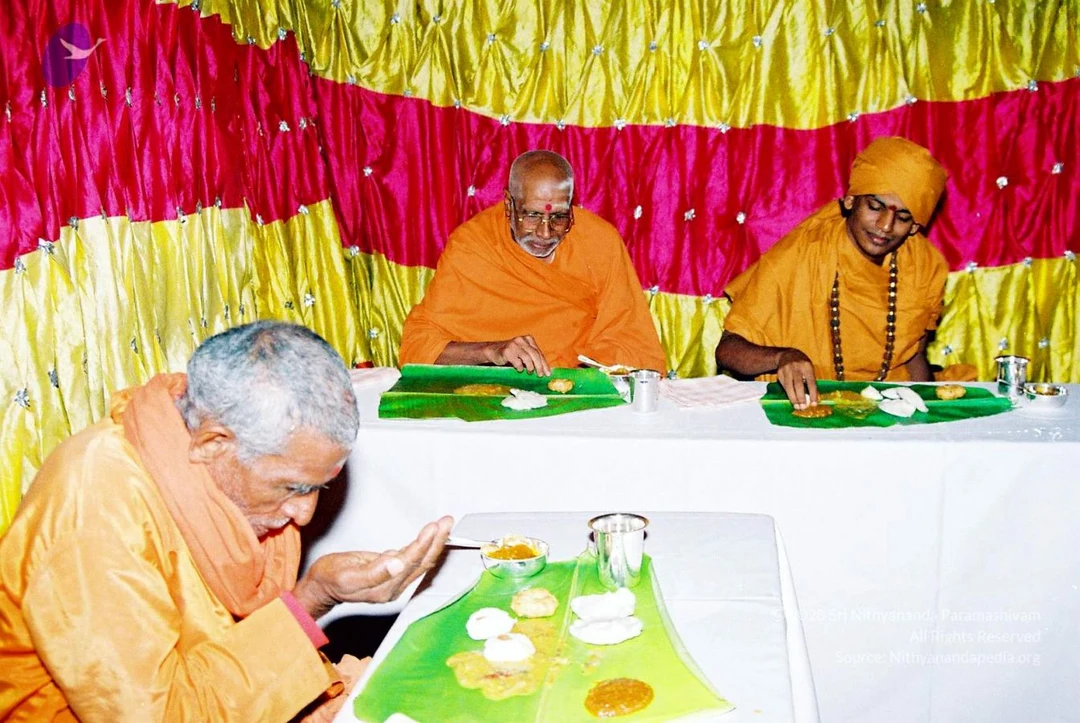
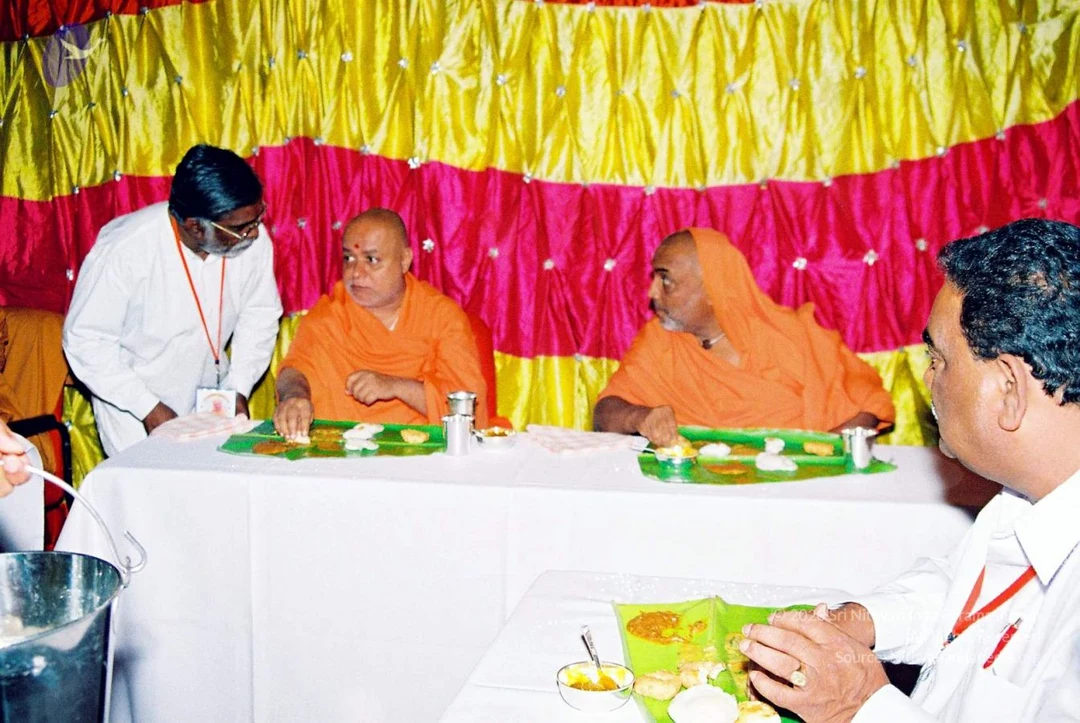
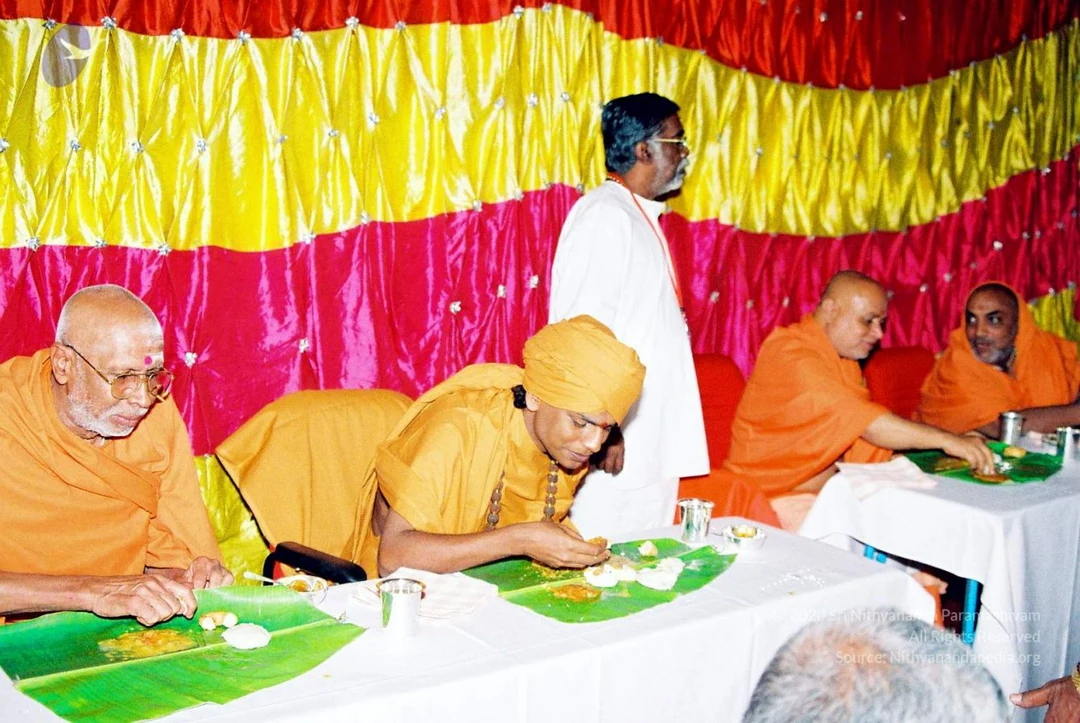
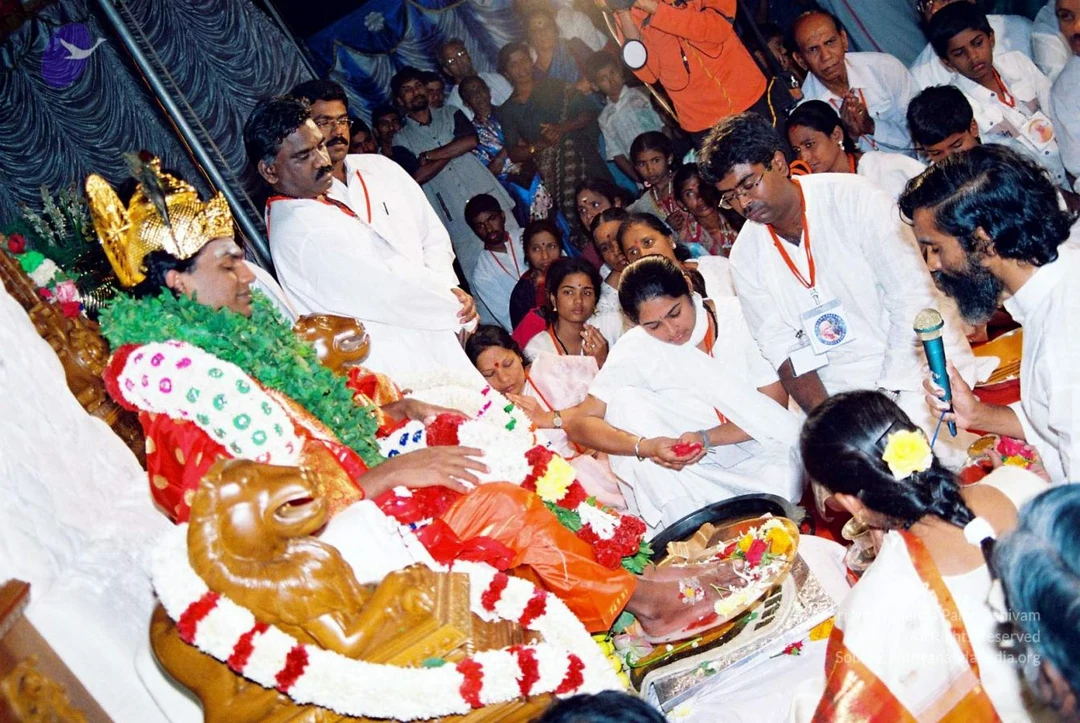
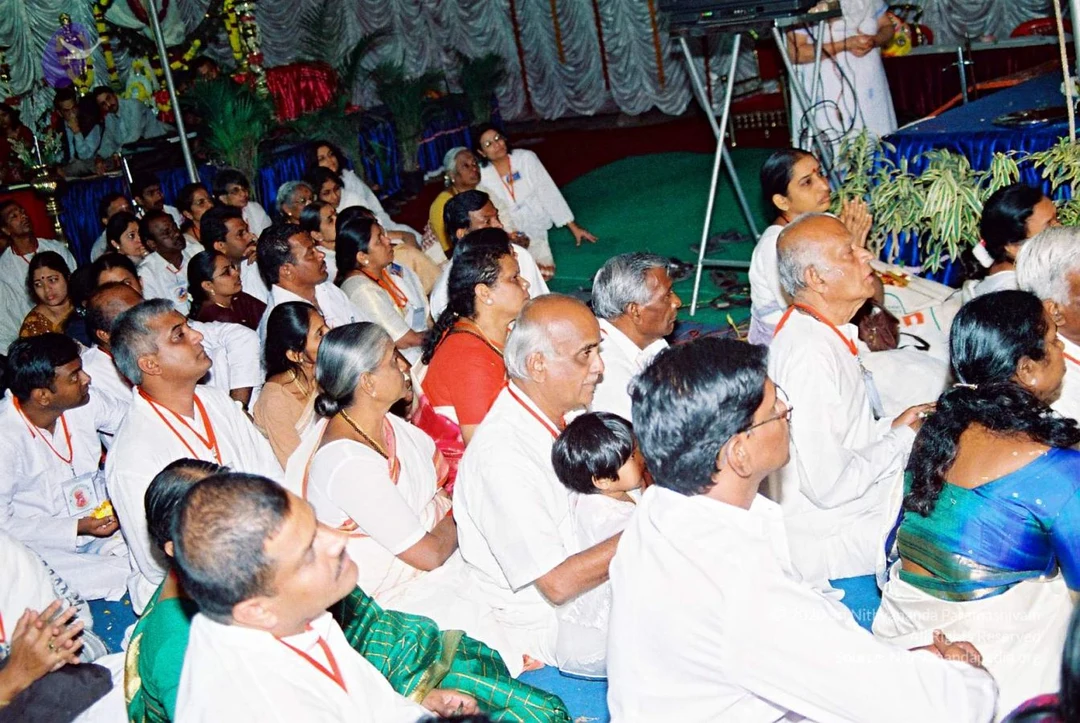
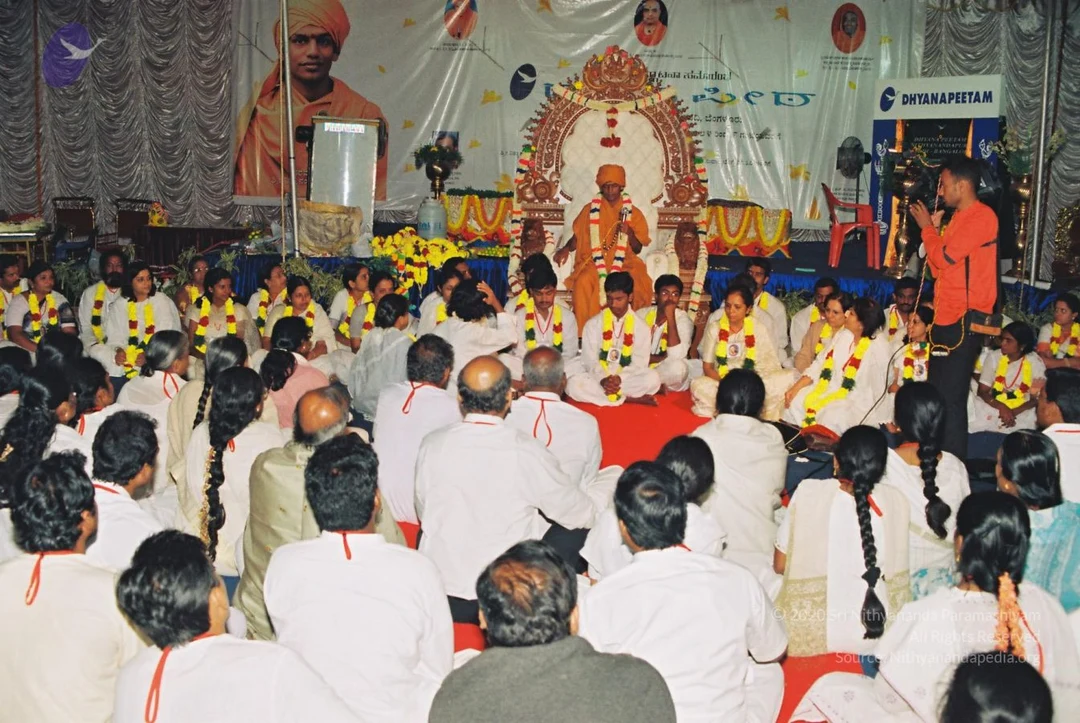
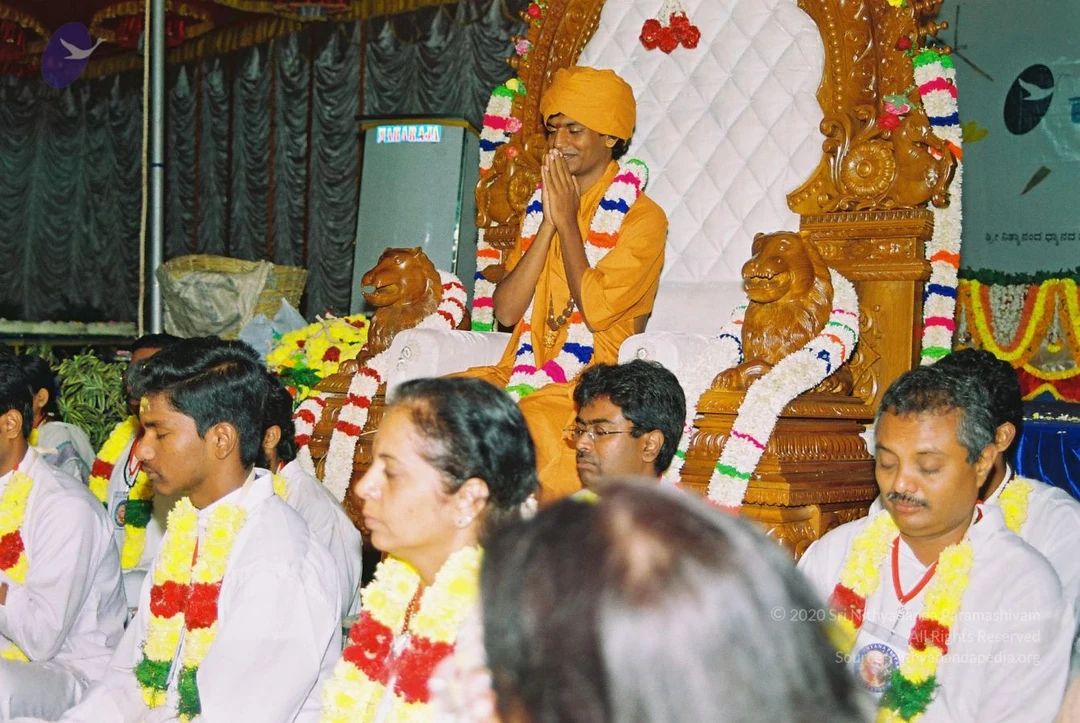
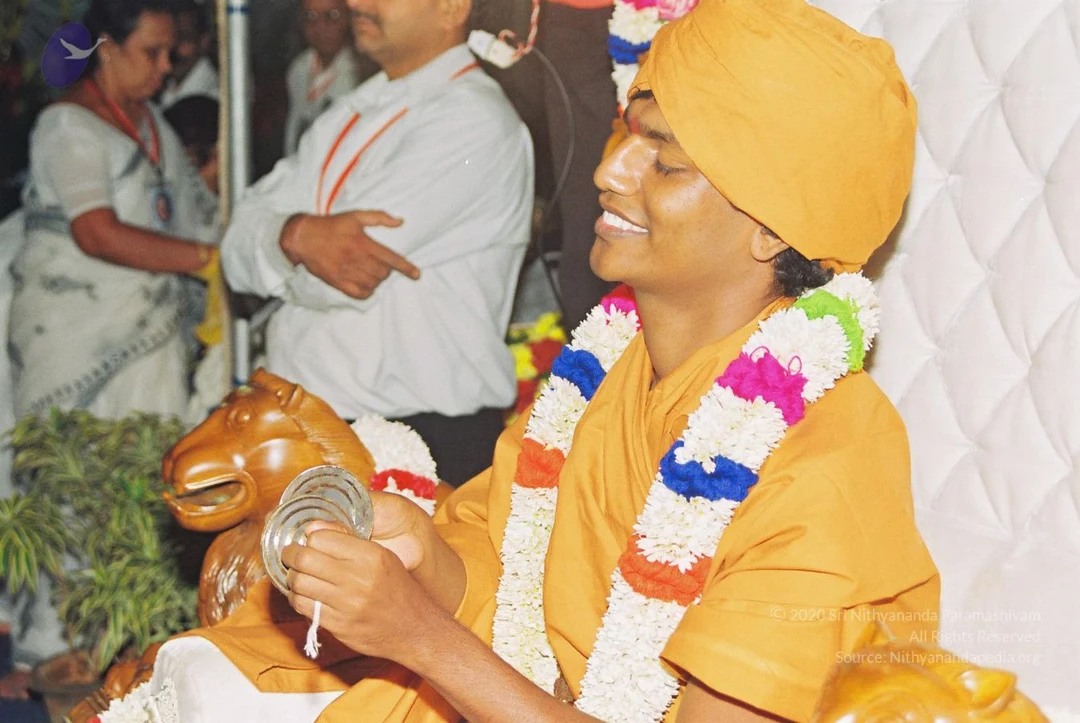
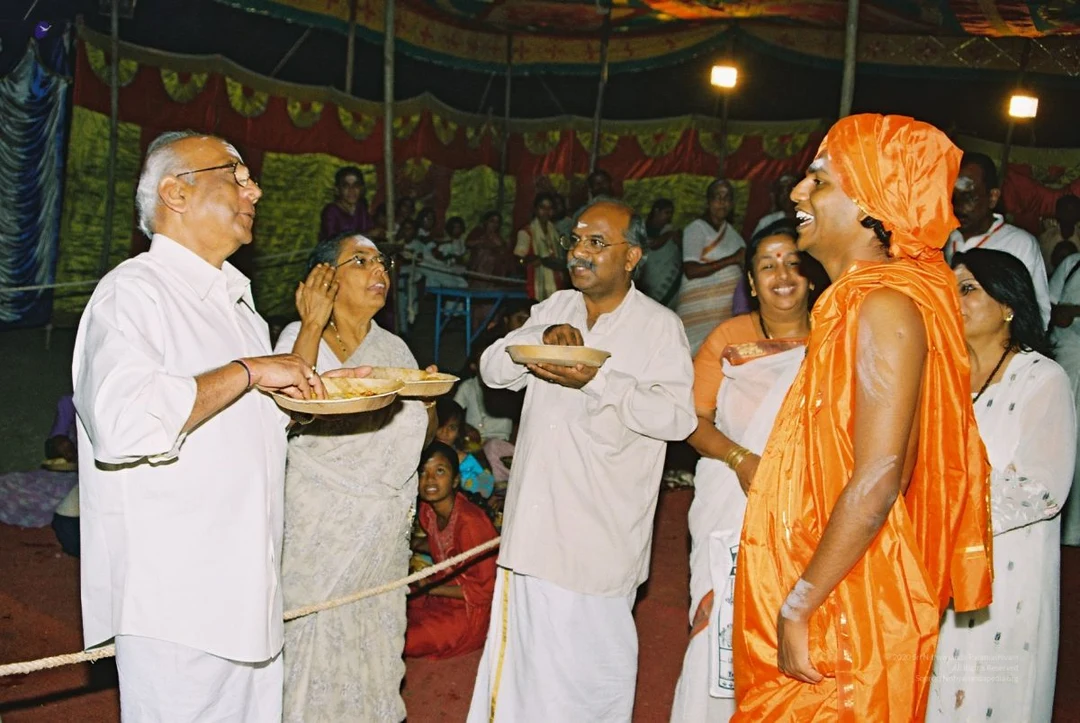
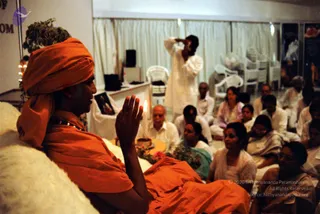
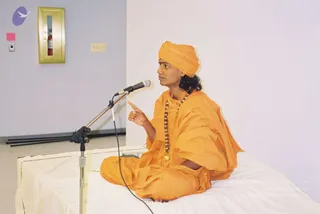
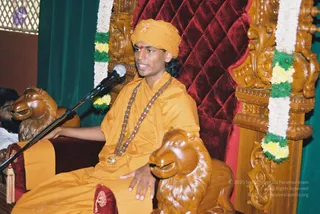
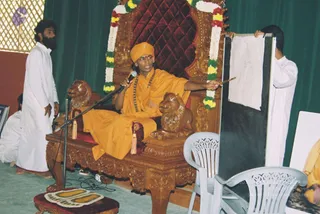
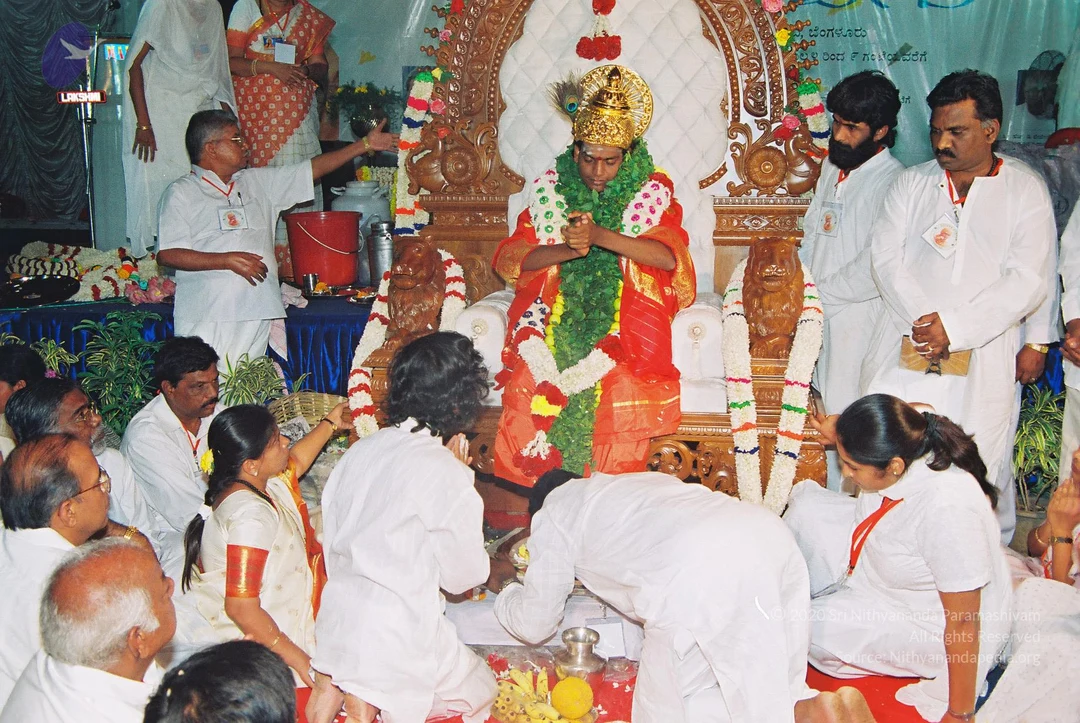
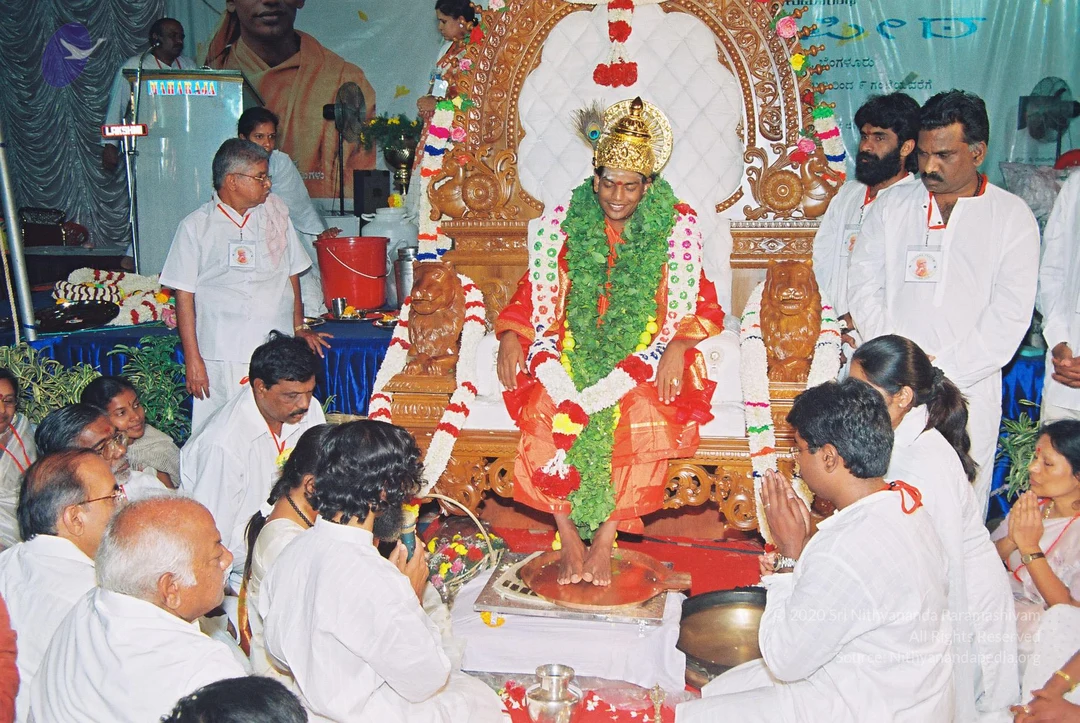
The Supreme Pontiff of Hinduism delivered a very special and powerful address as He sat on the first ever throne Siimhasan of KAILASA expressing His Vision and Mission of reviving the enlightened ecosystem of KAILASA - the enlightened, Hindu civilization that existed once upon a time on the Planet. His Divine Holiness hosted a traditional meal for the spiritual leaders who graced the occasion, where He Himself joined in as a mark of deep respect to them.

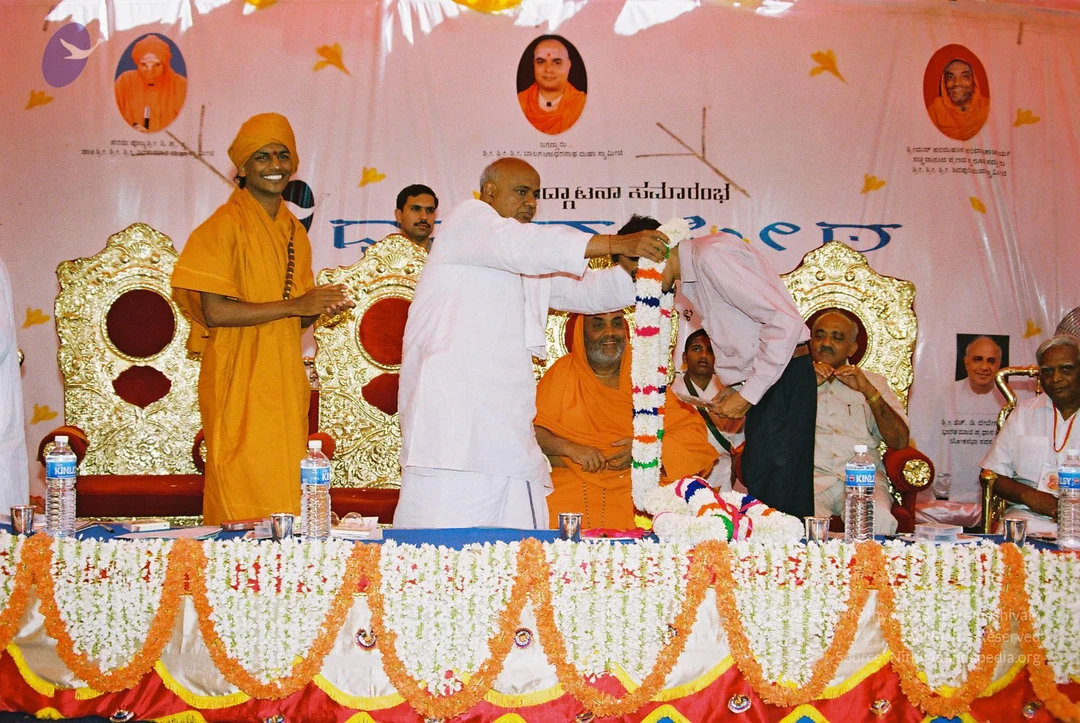
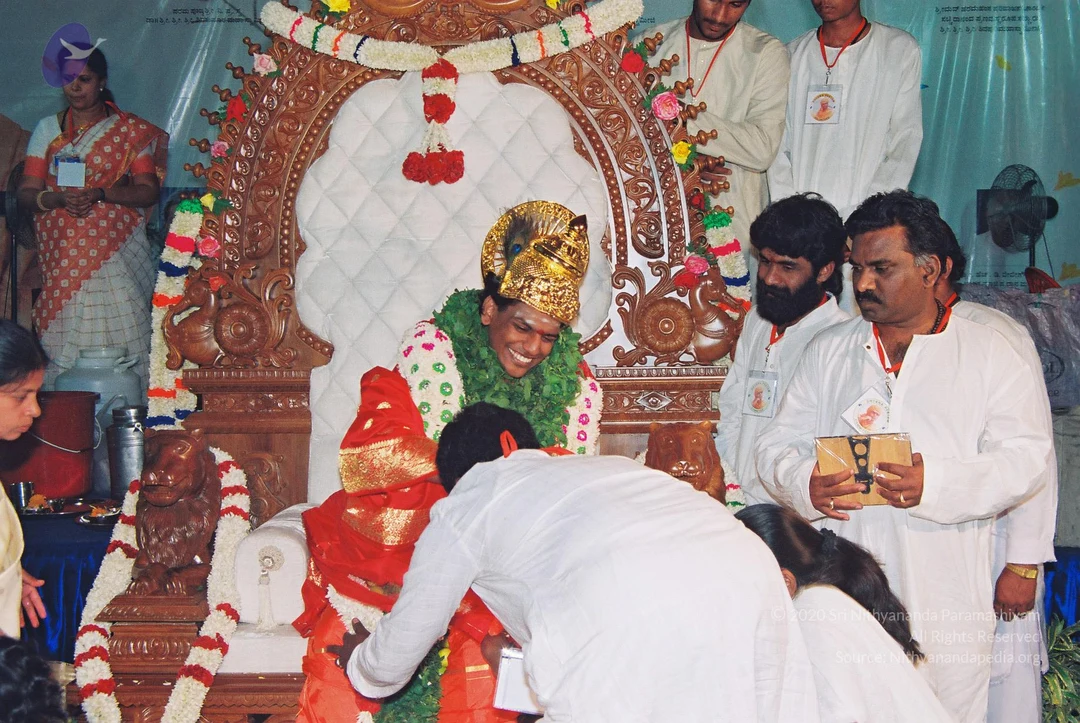
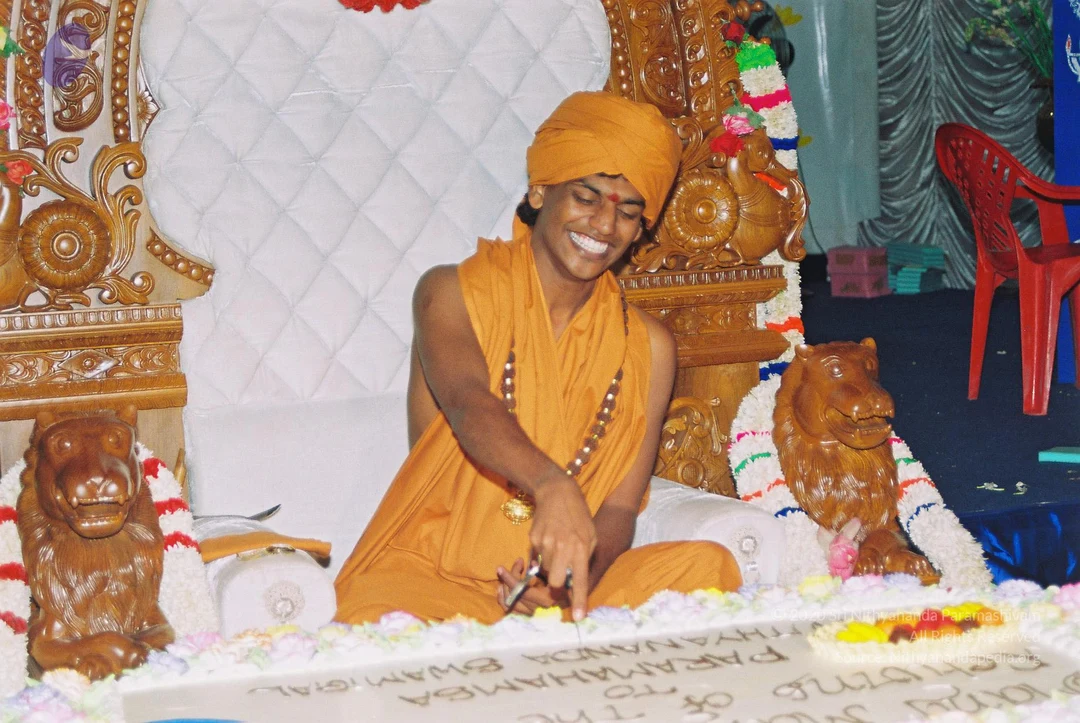
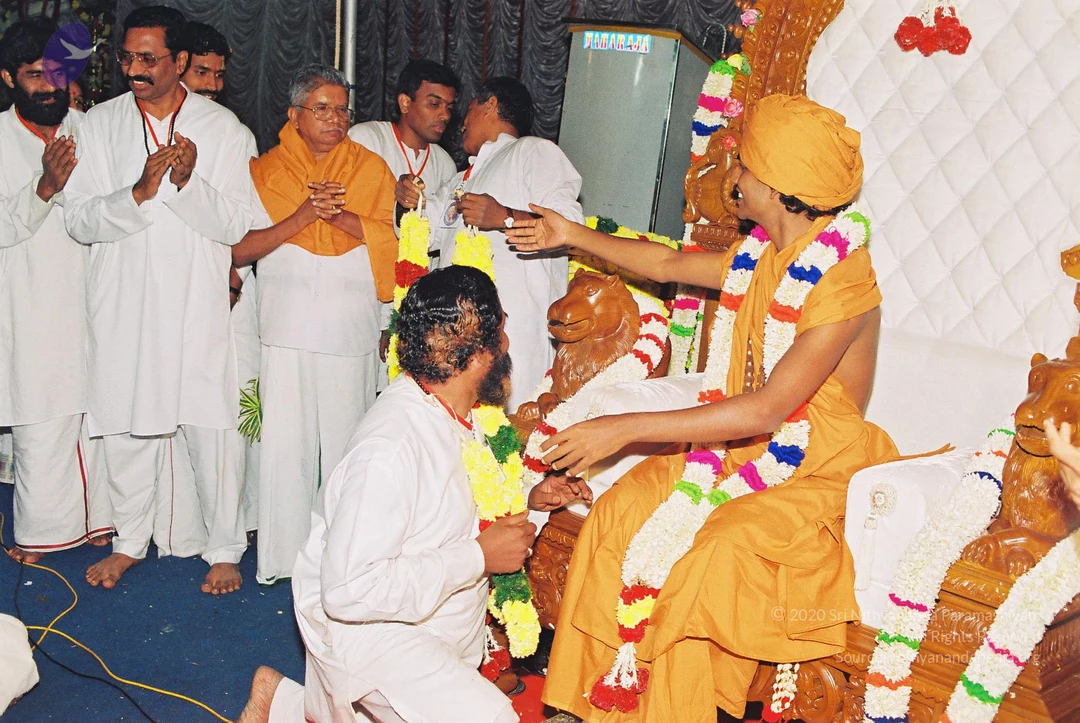
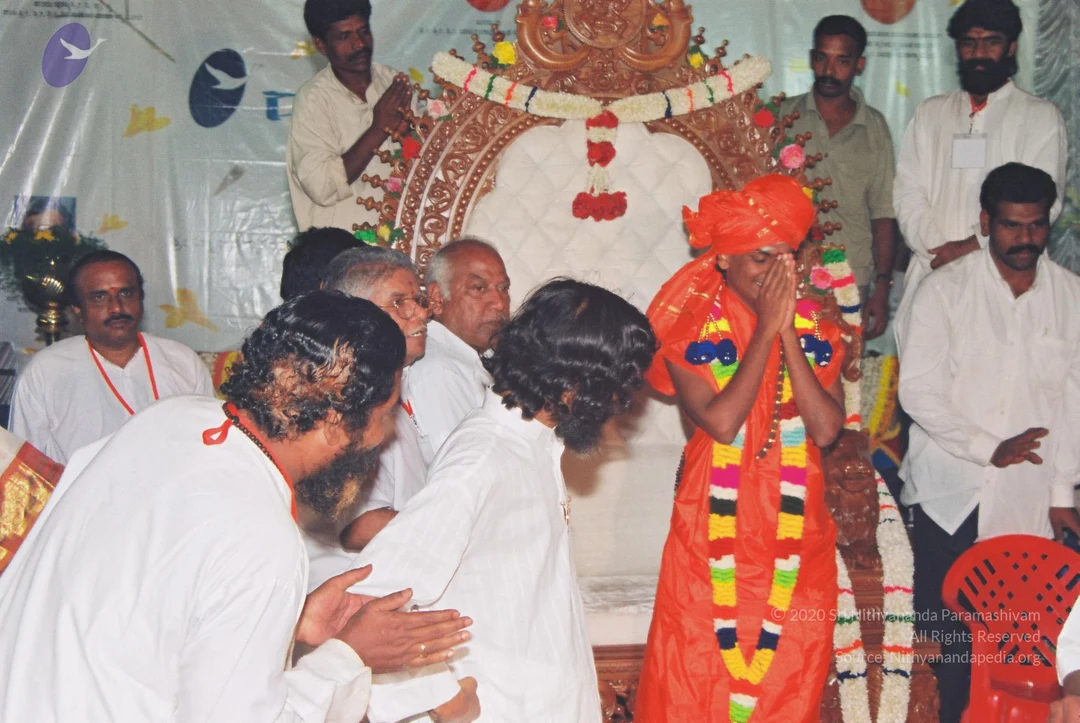
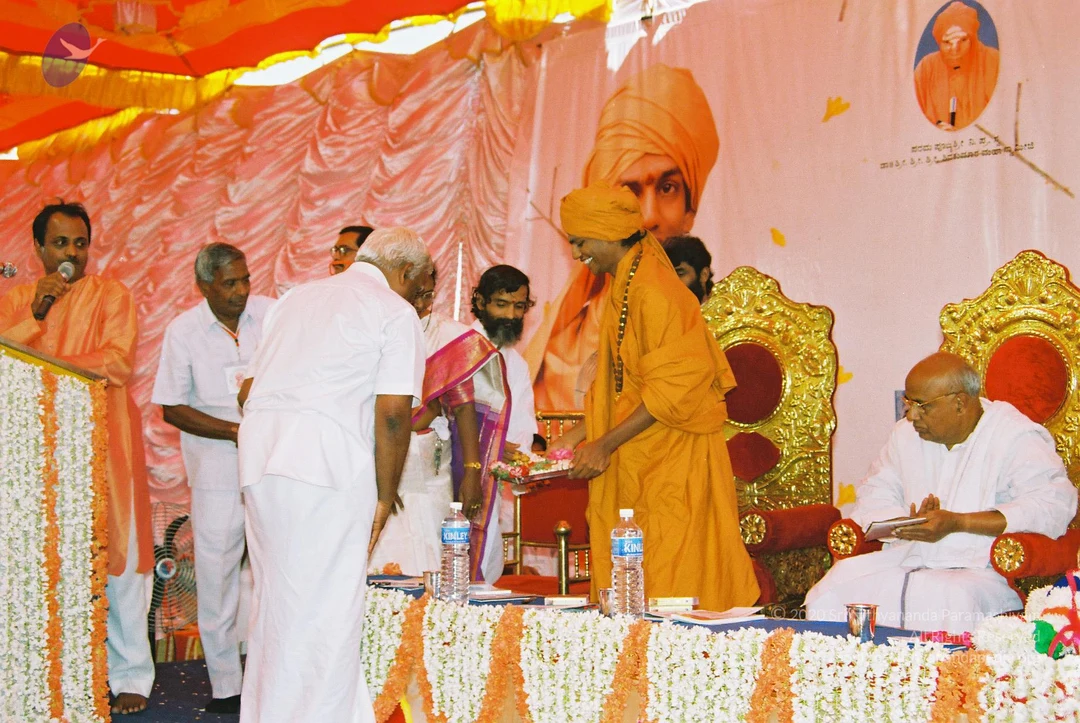
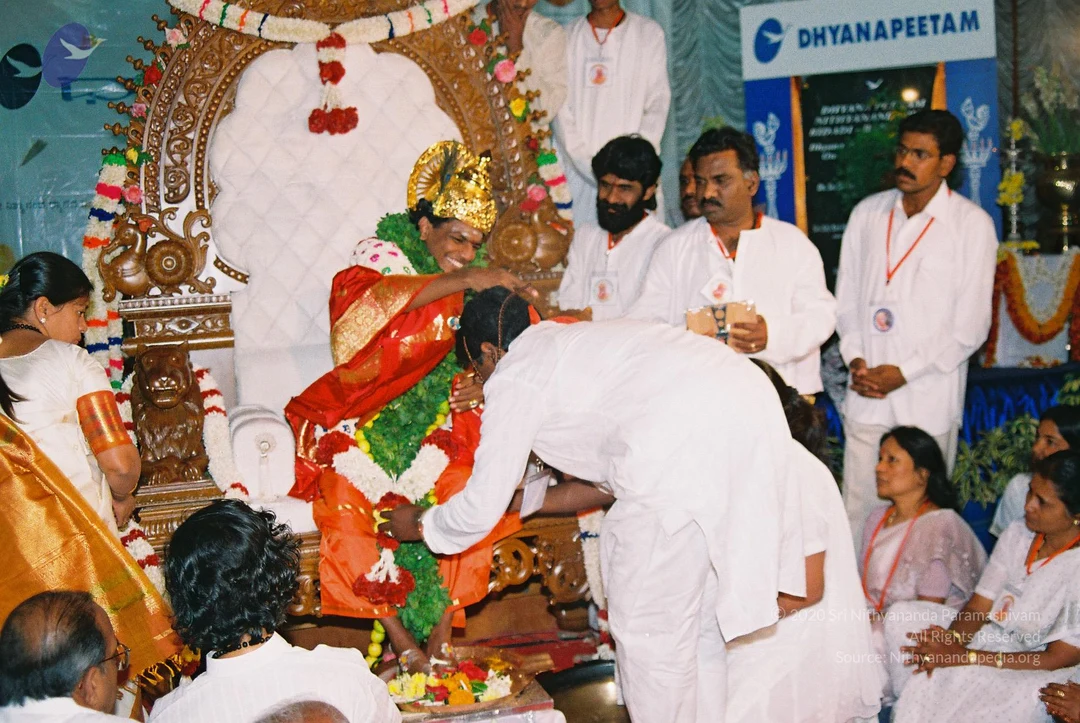
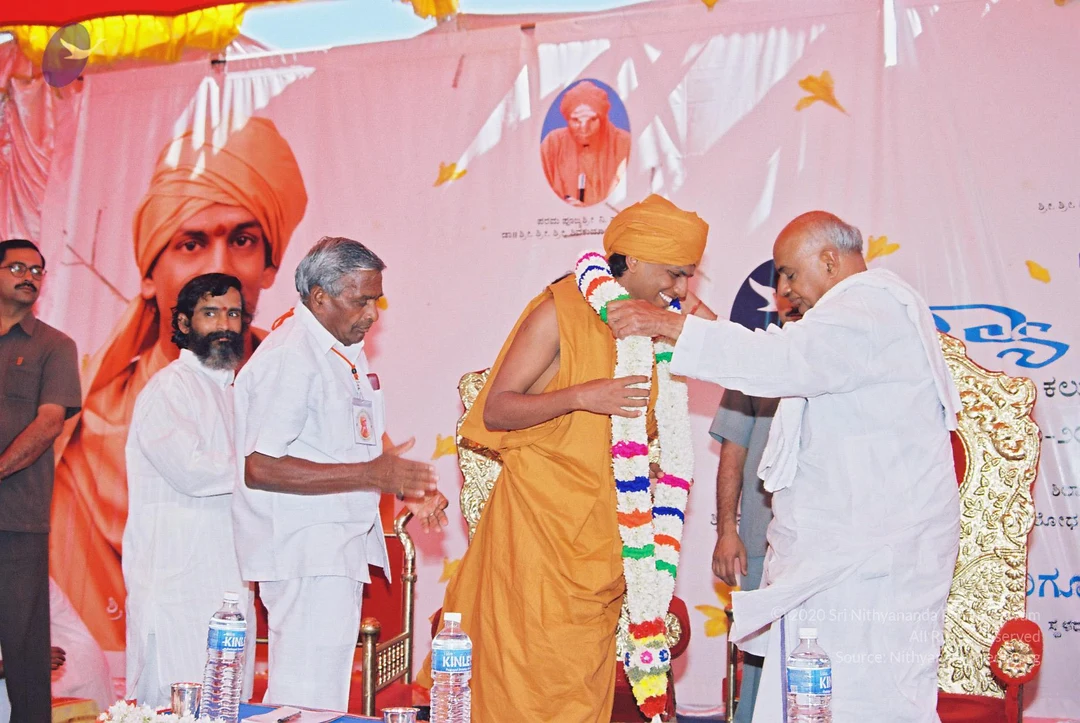
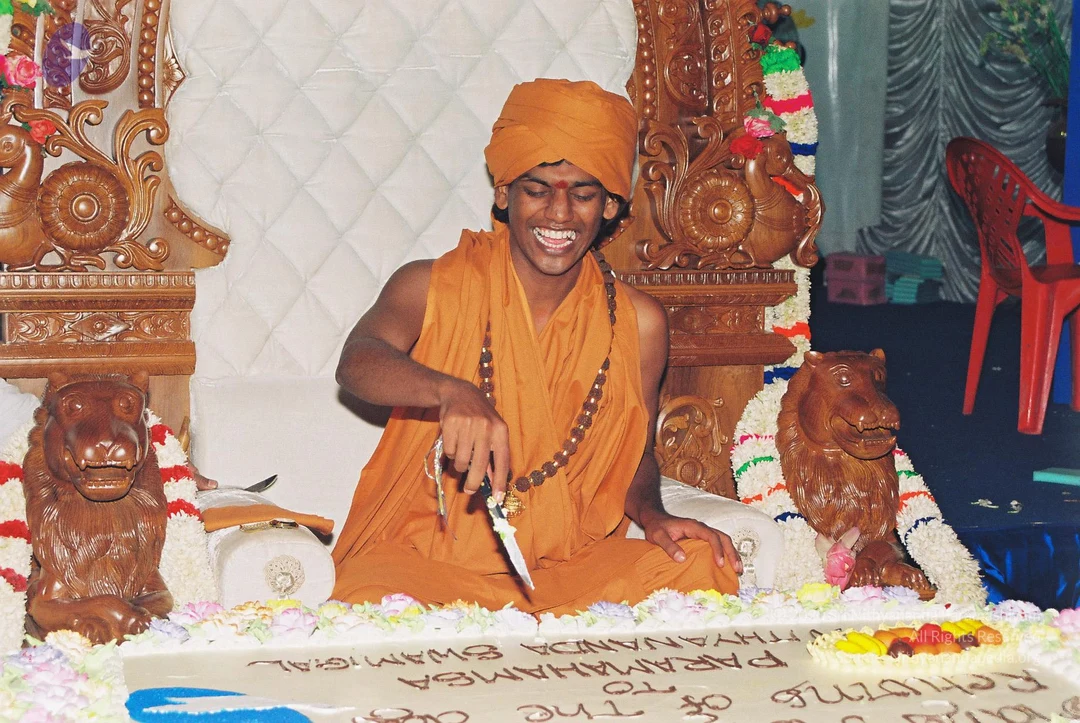
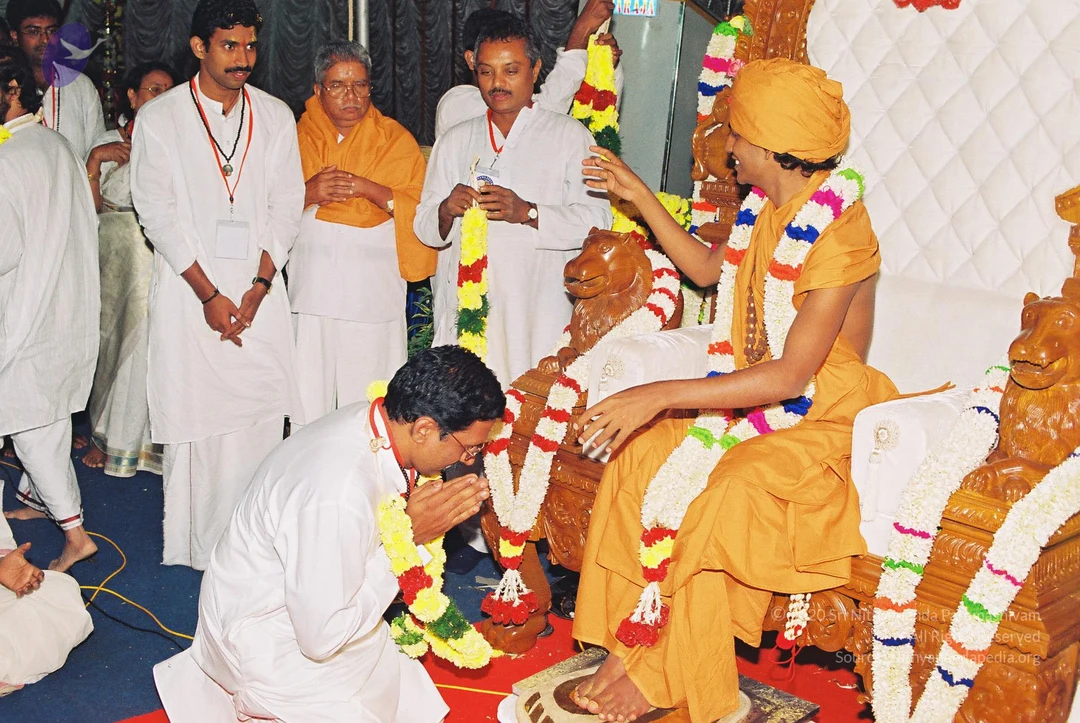
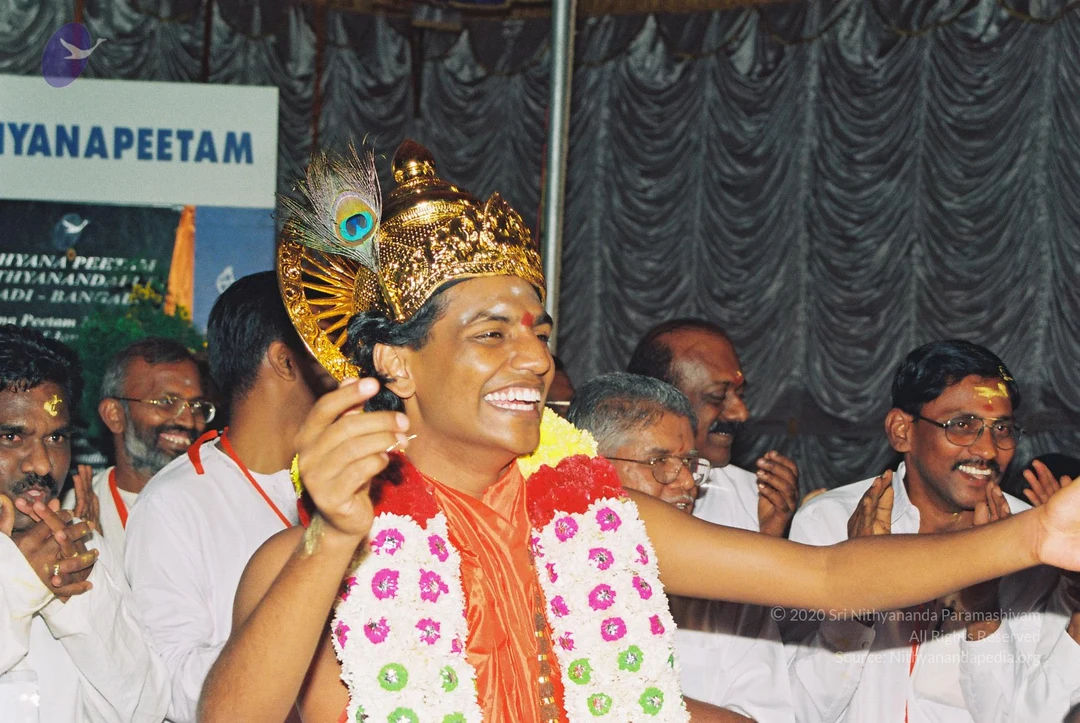
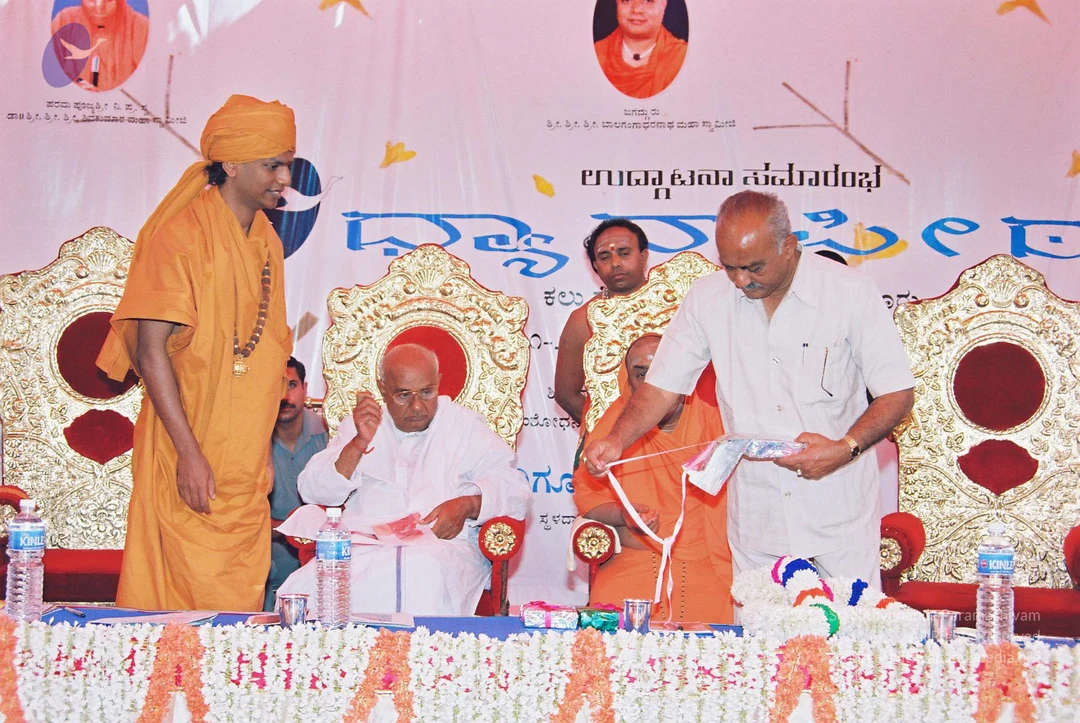
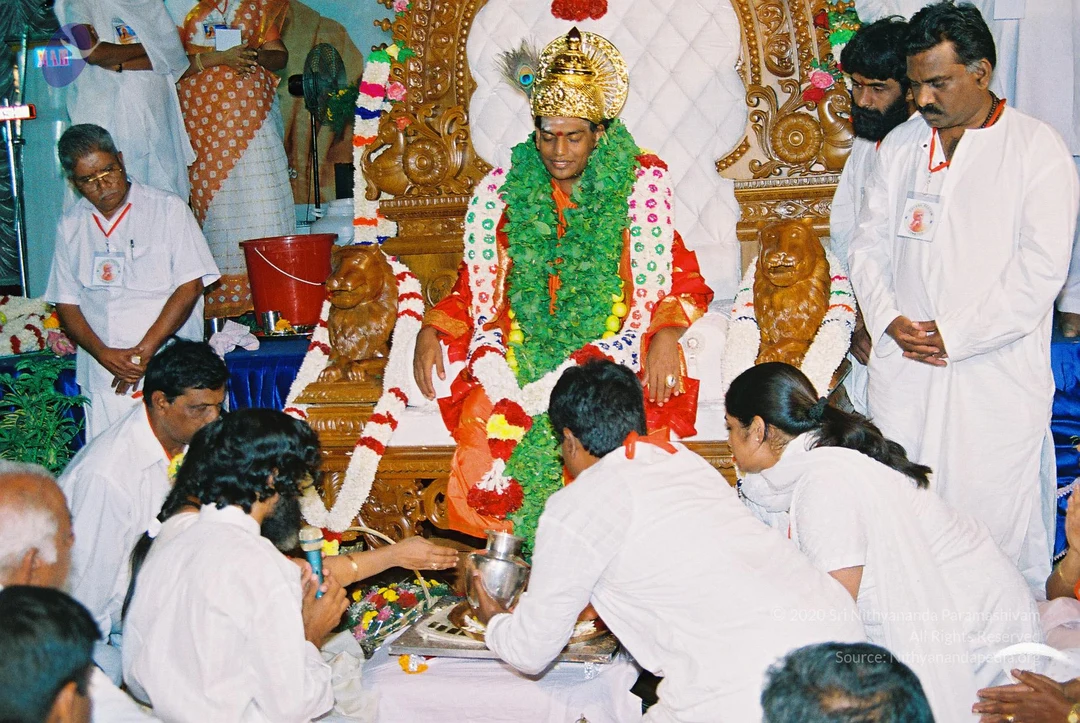
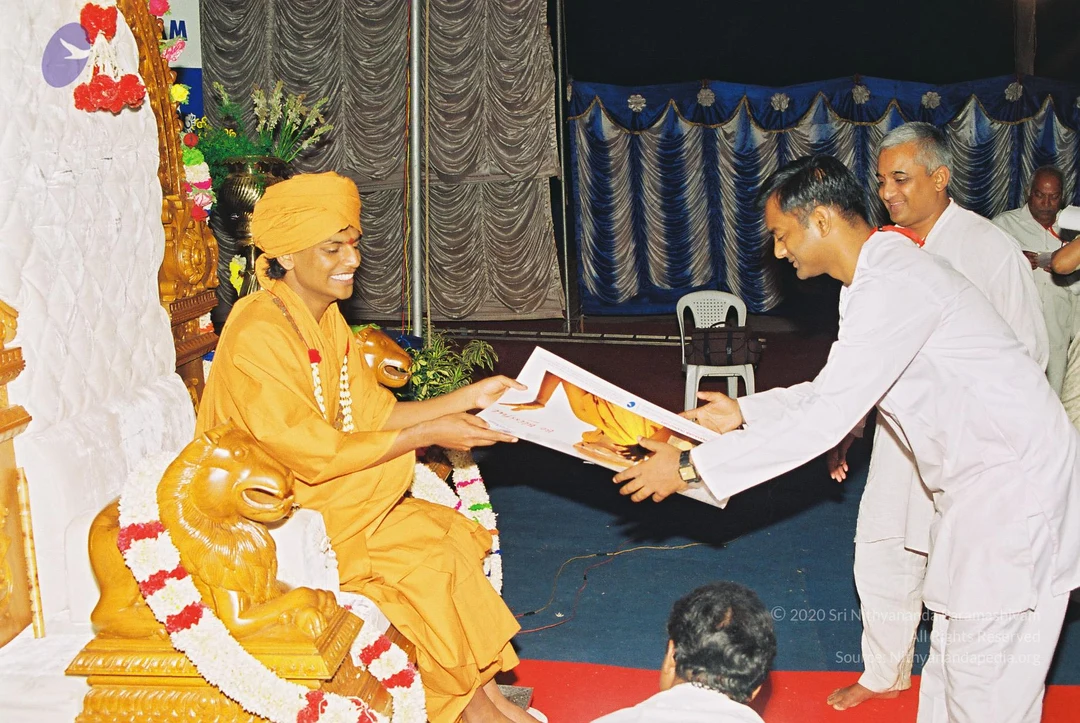
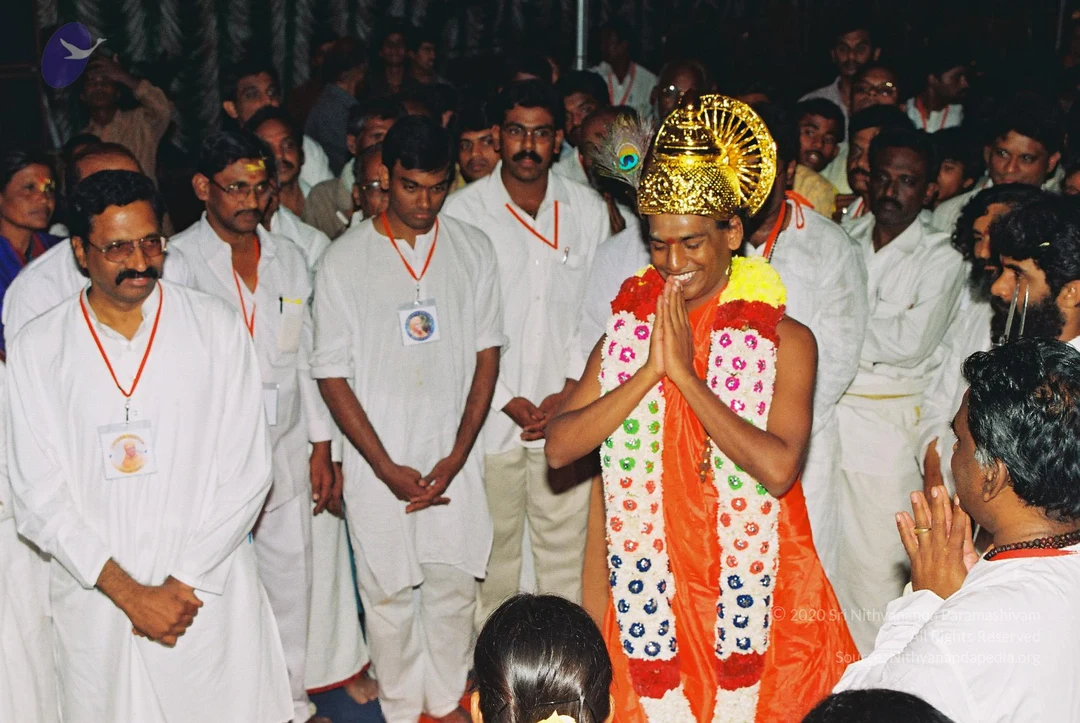
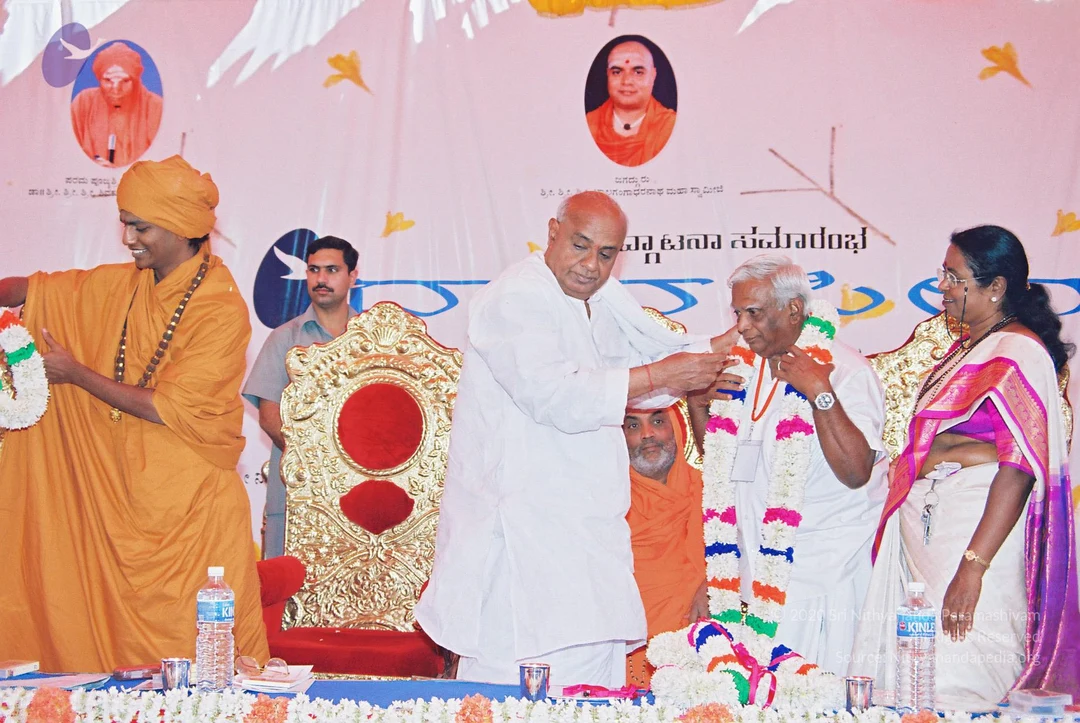
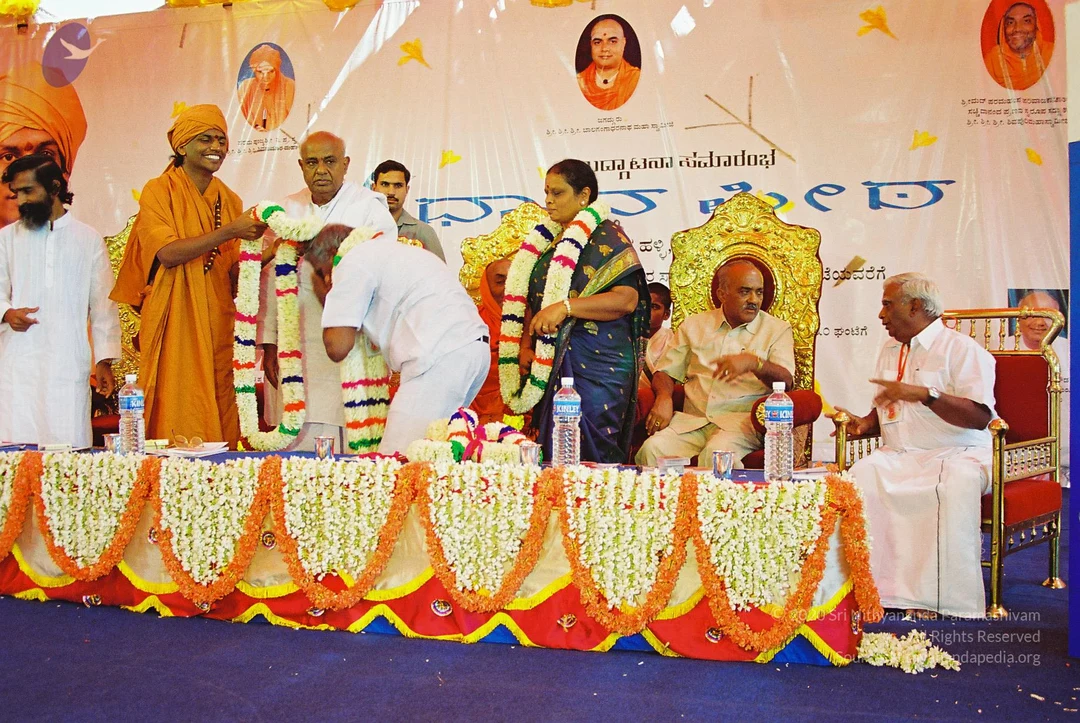
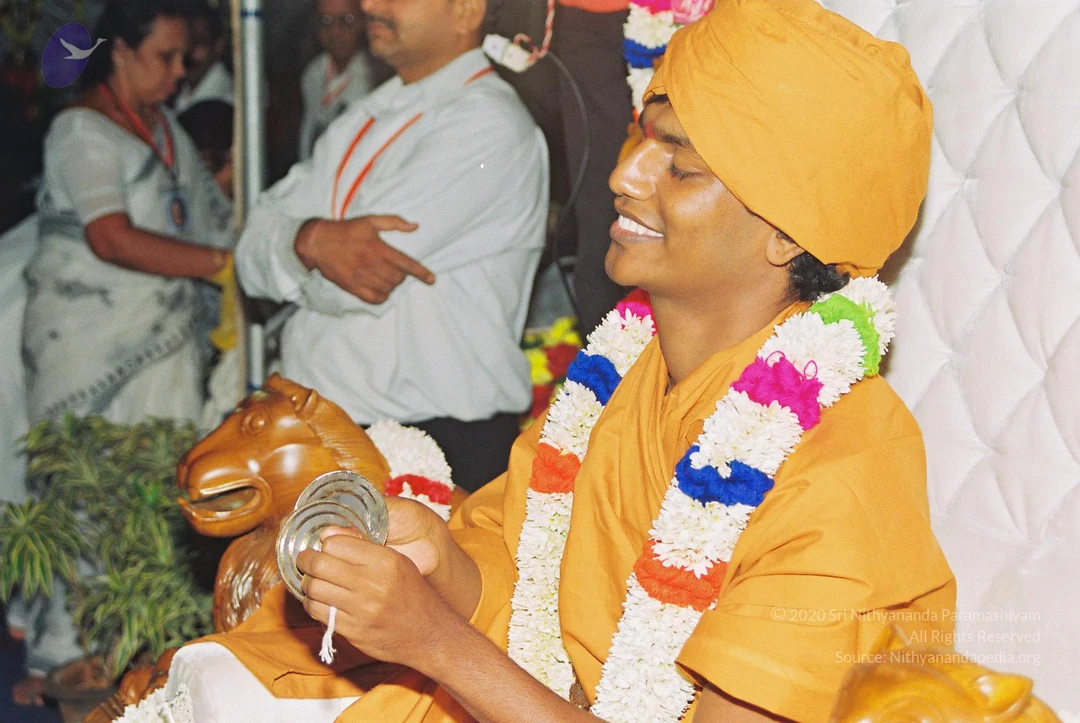
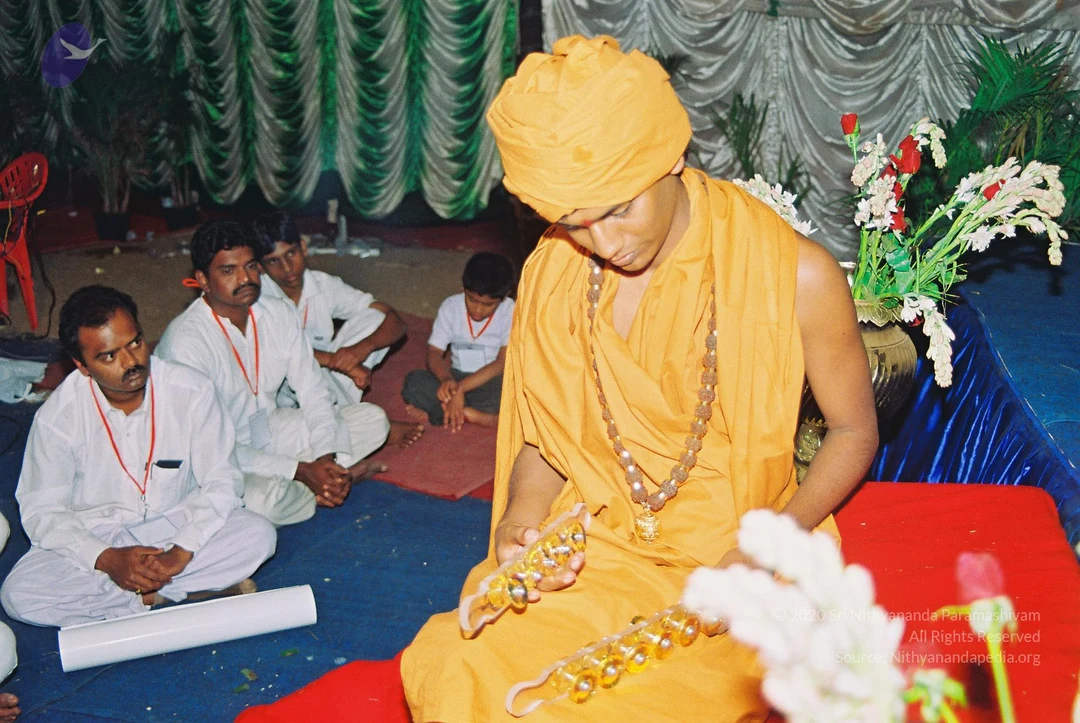
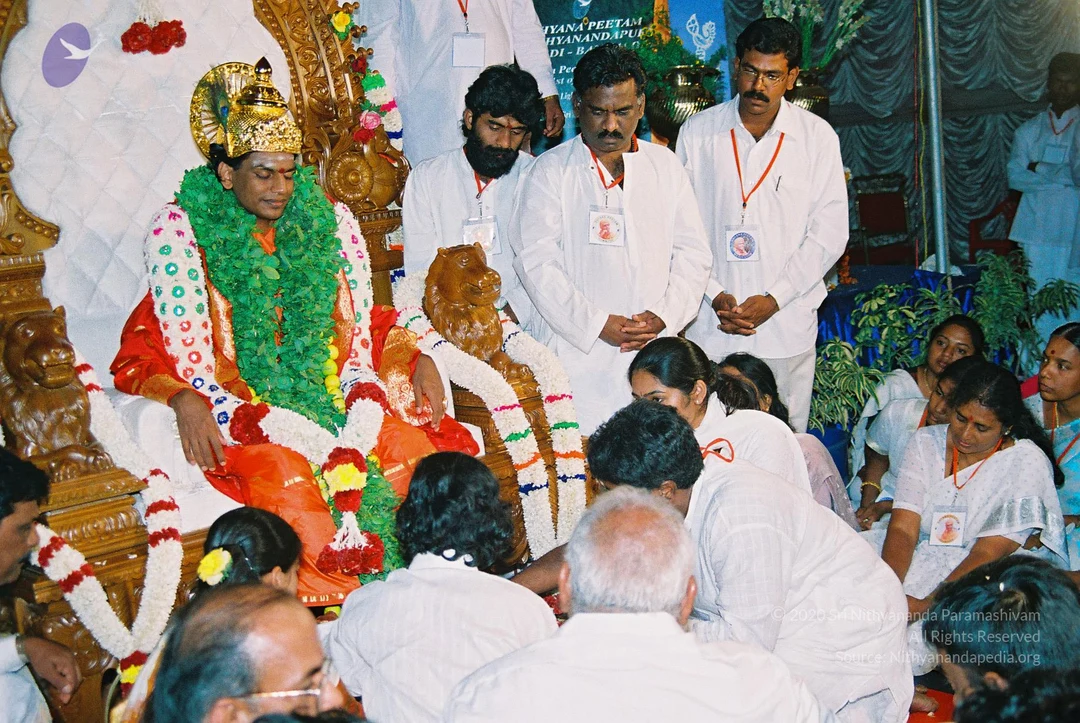
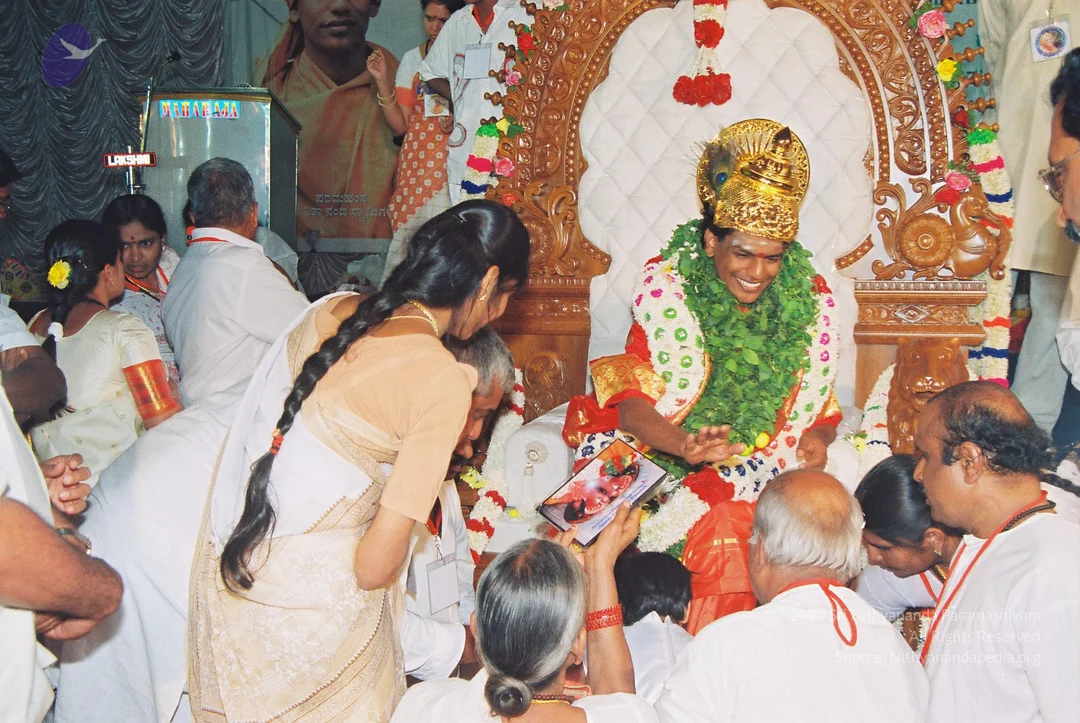
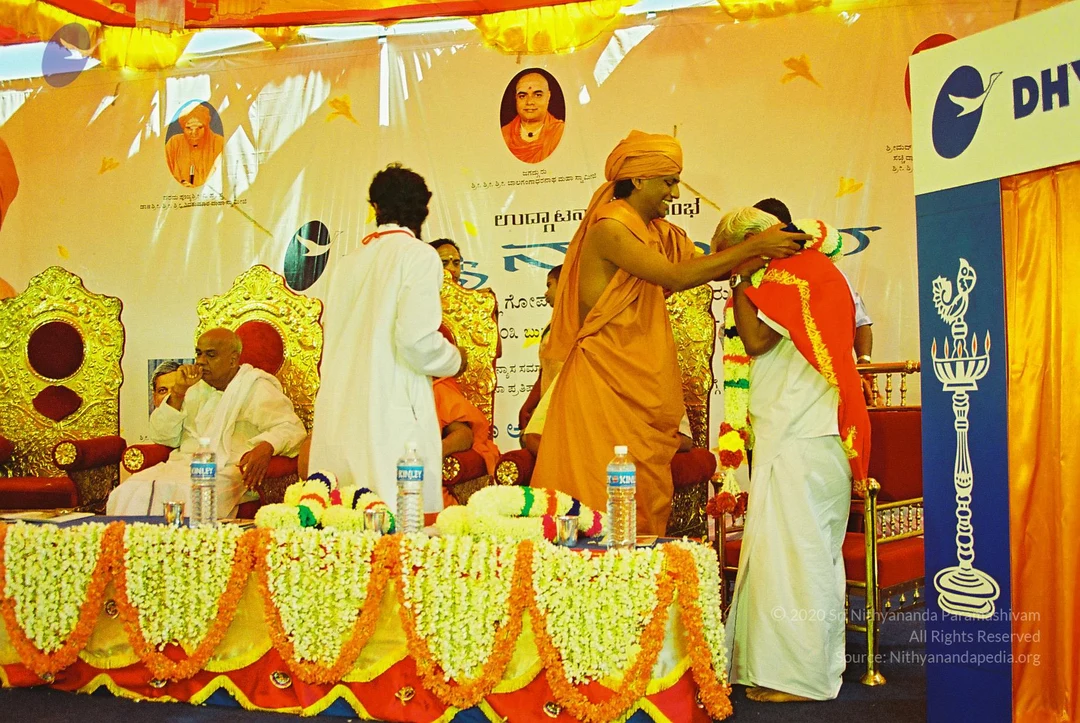
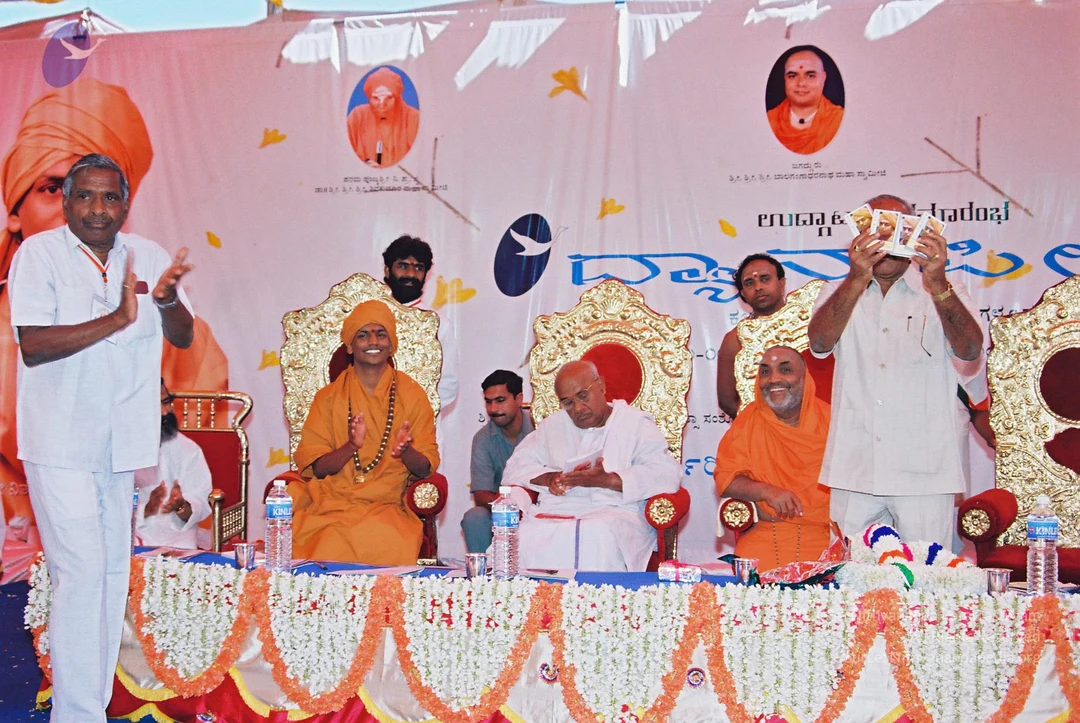
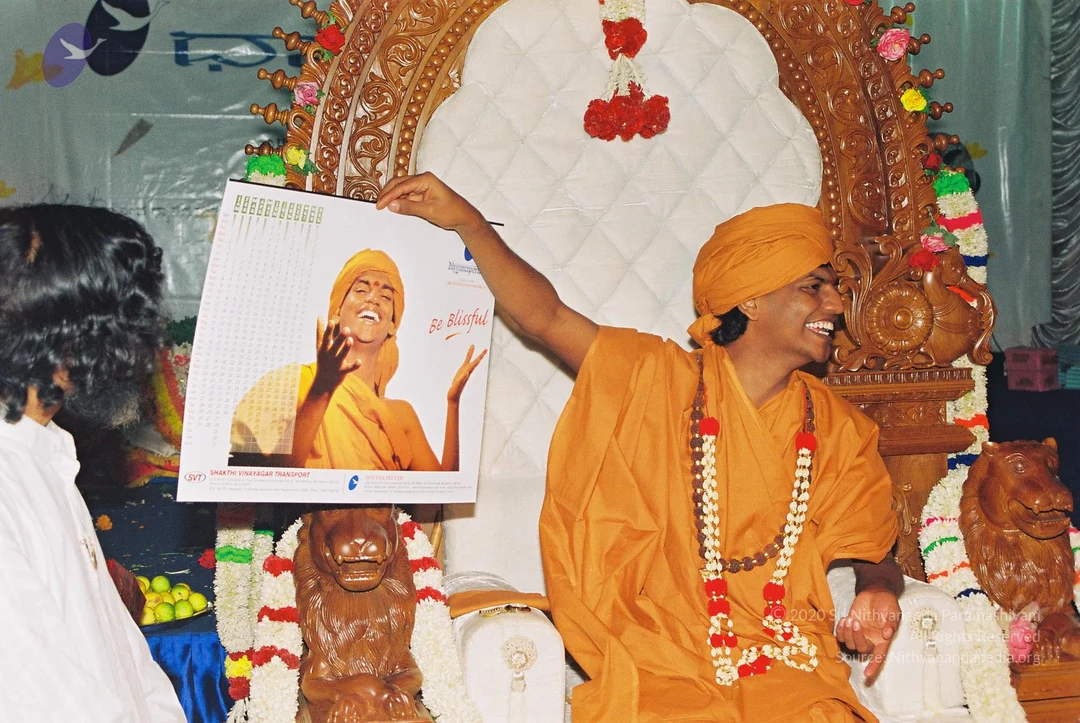
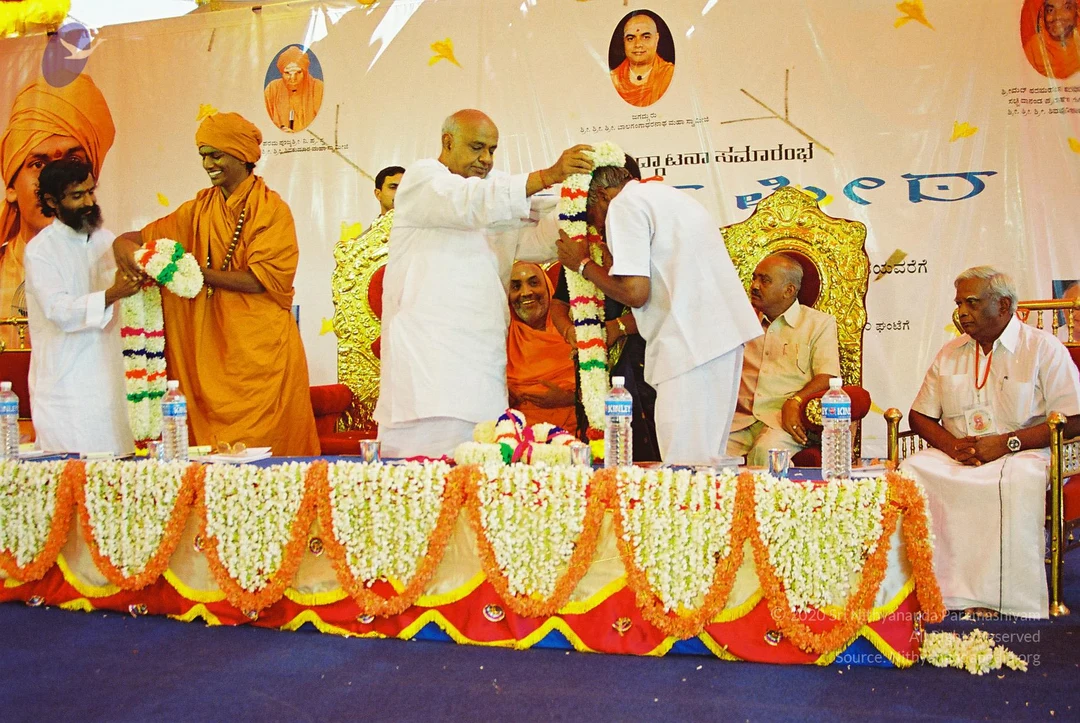
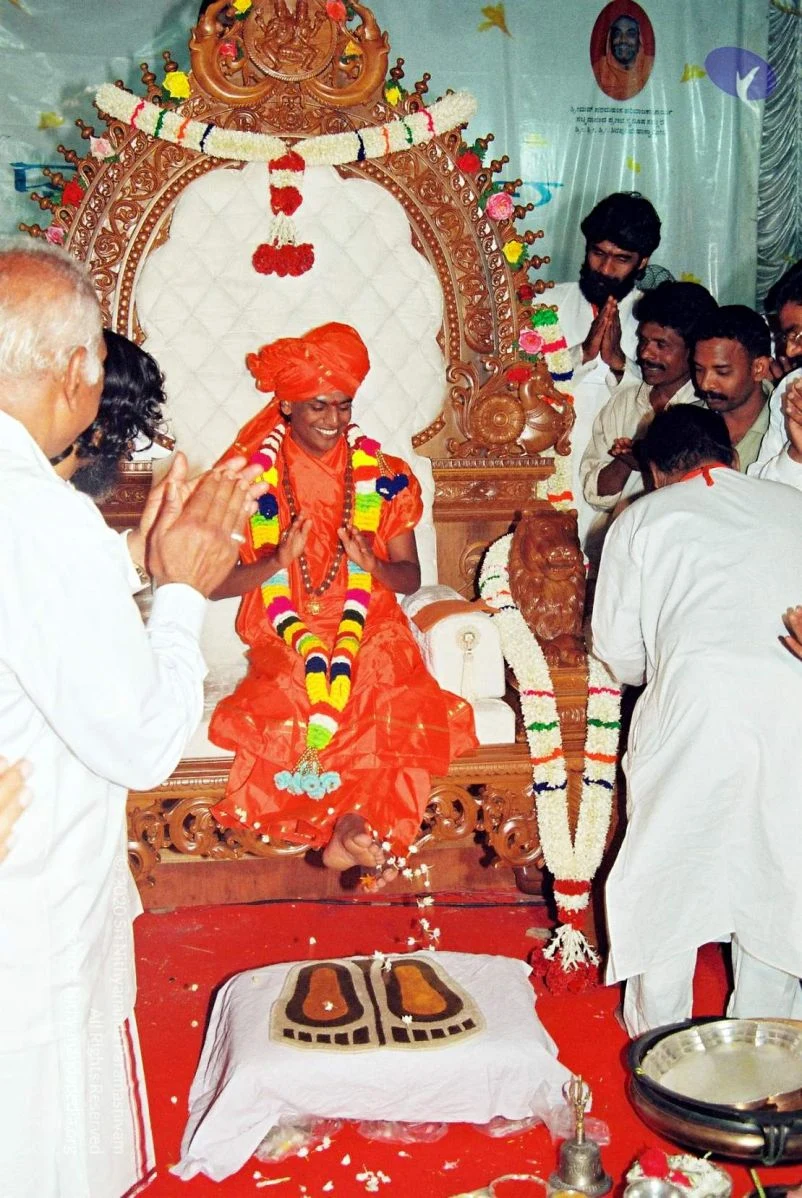
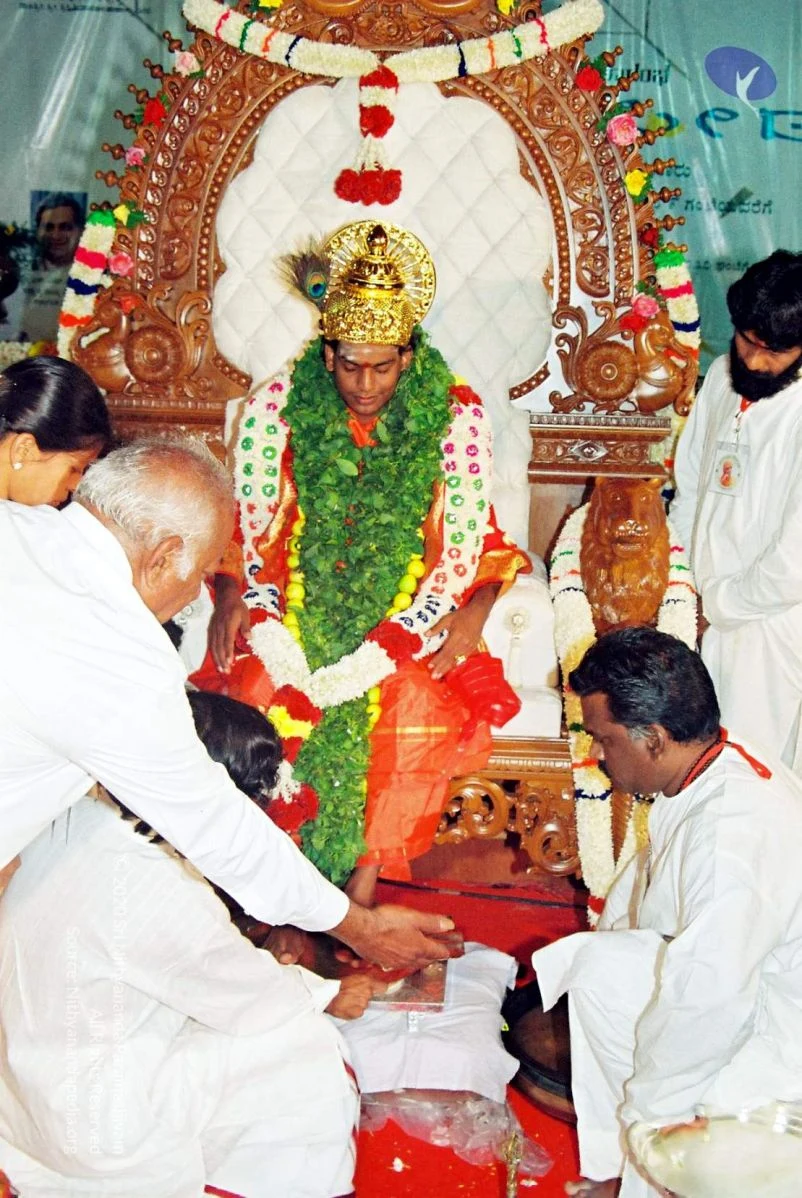
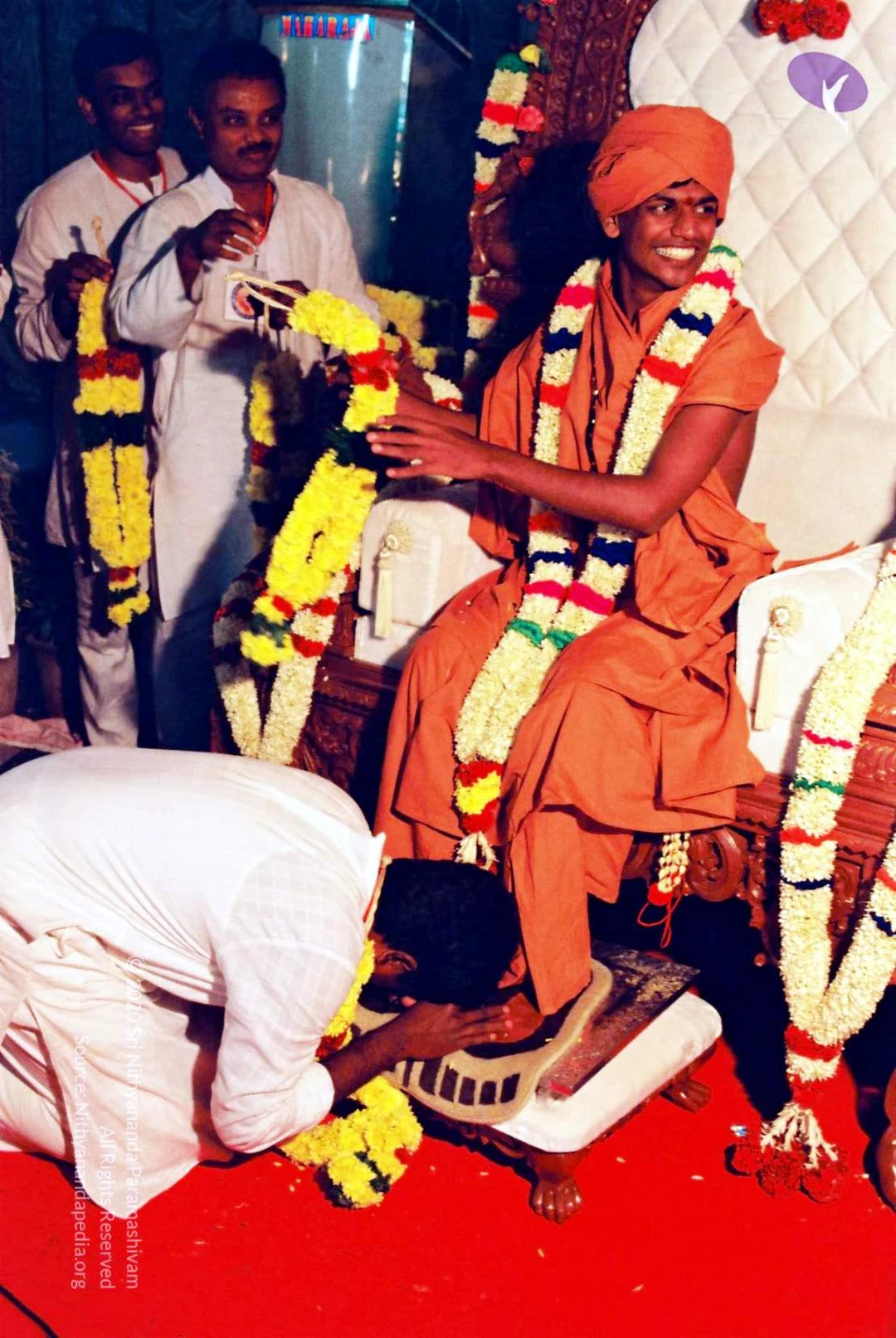
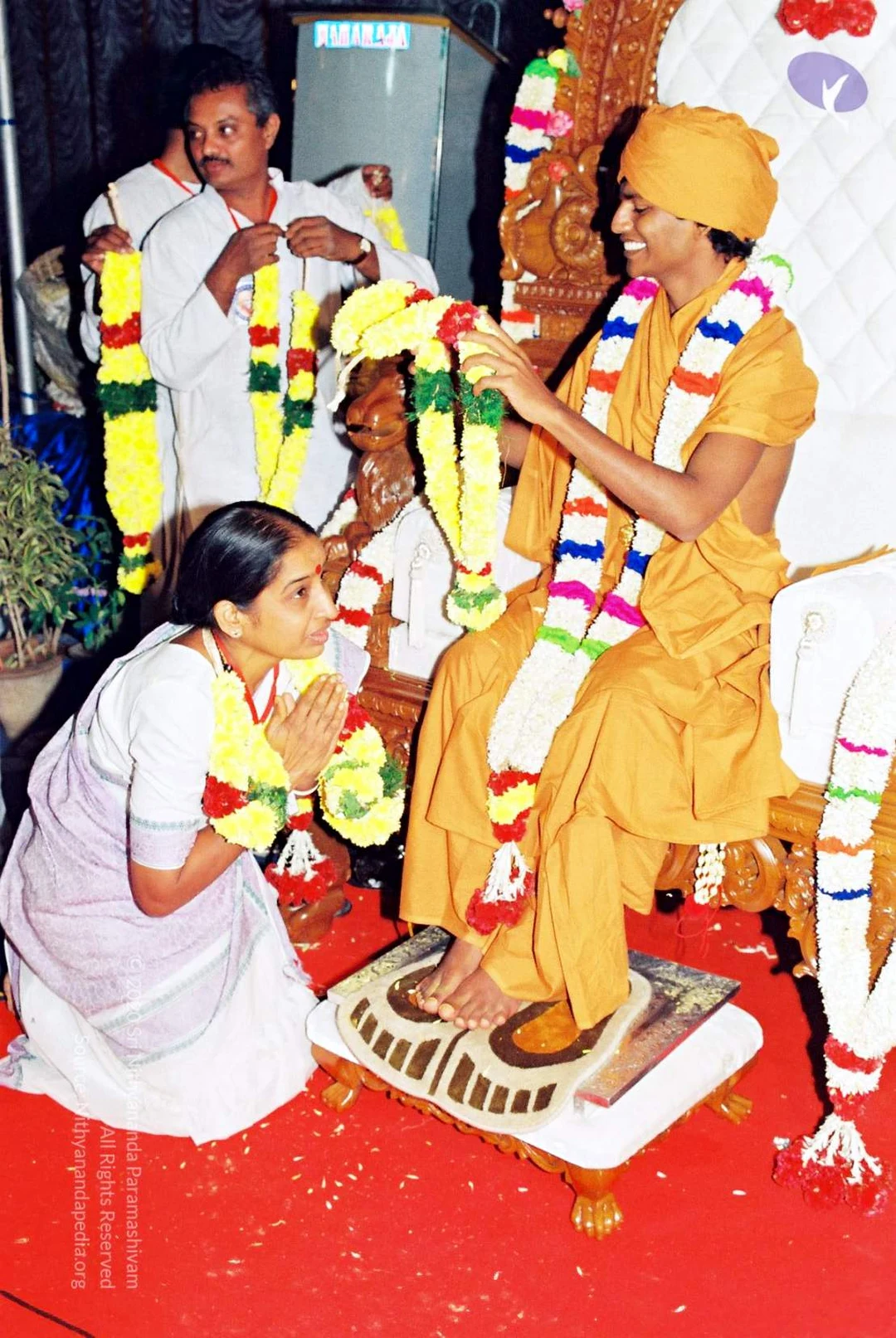
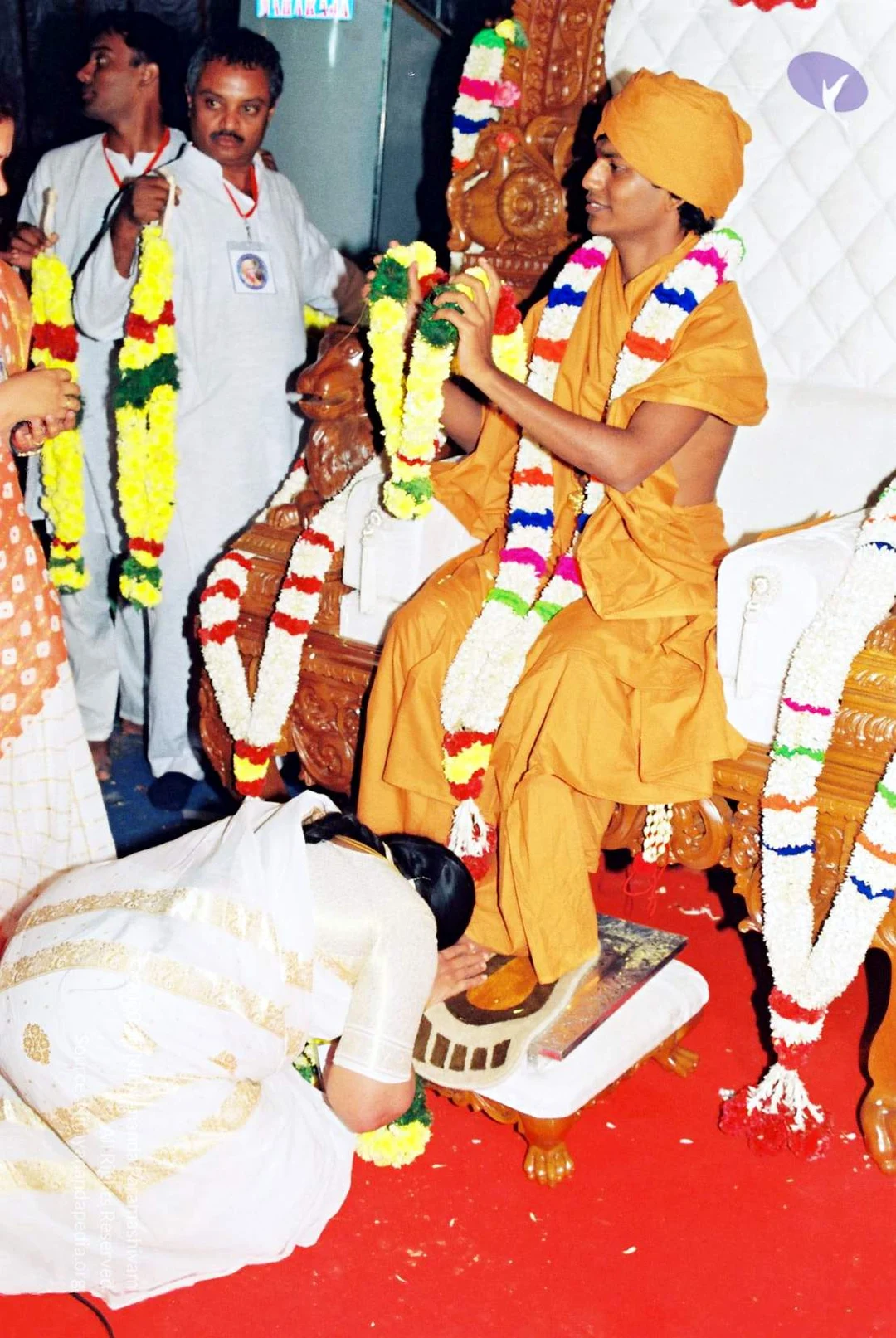
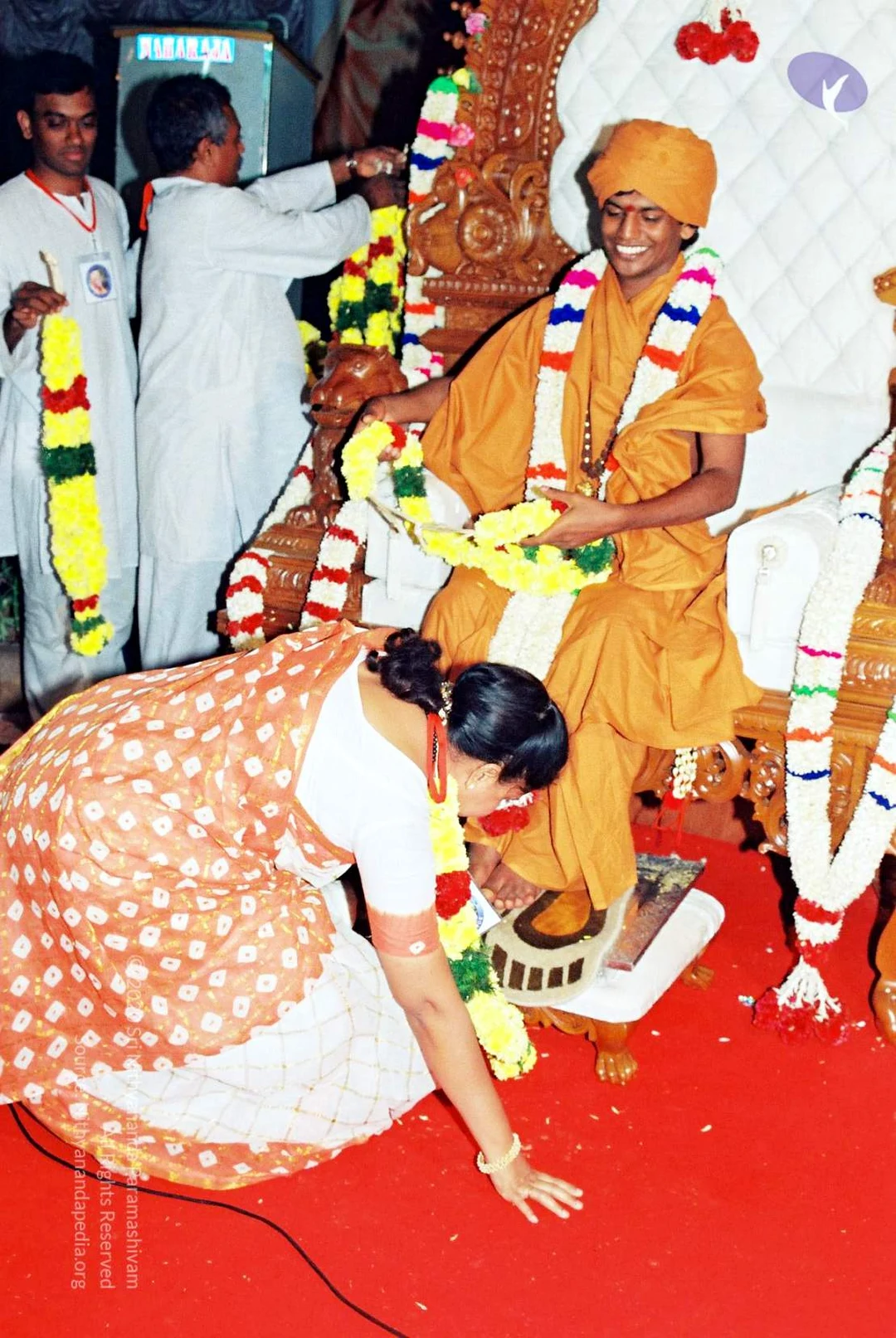
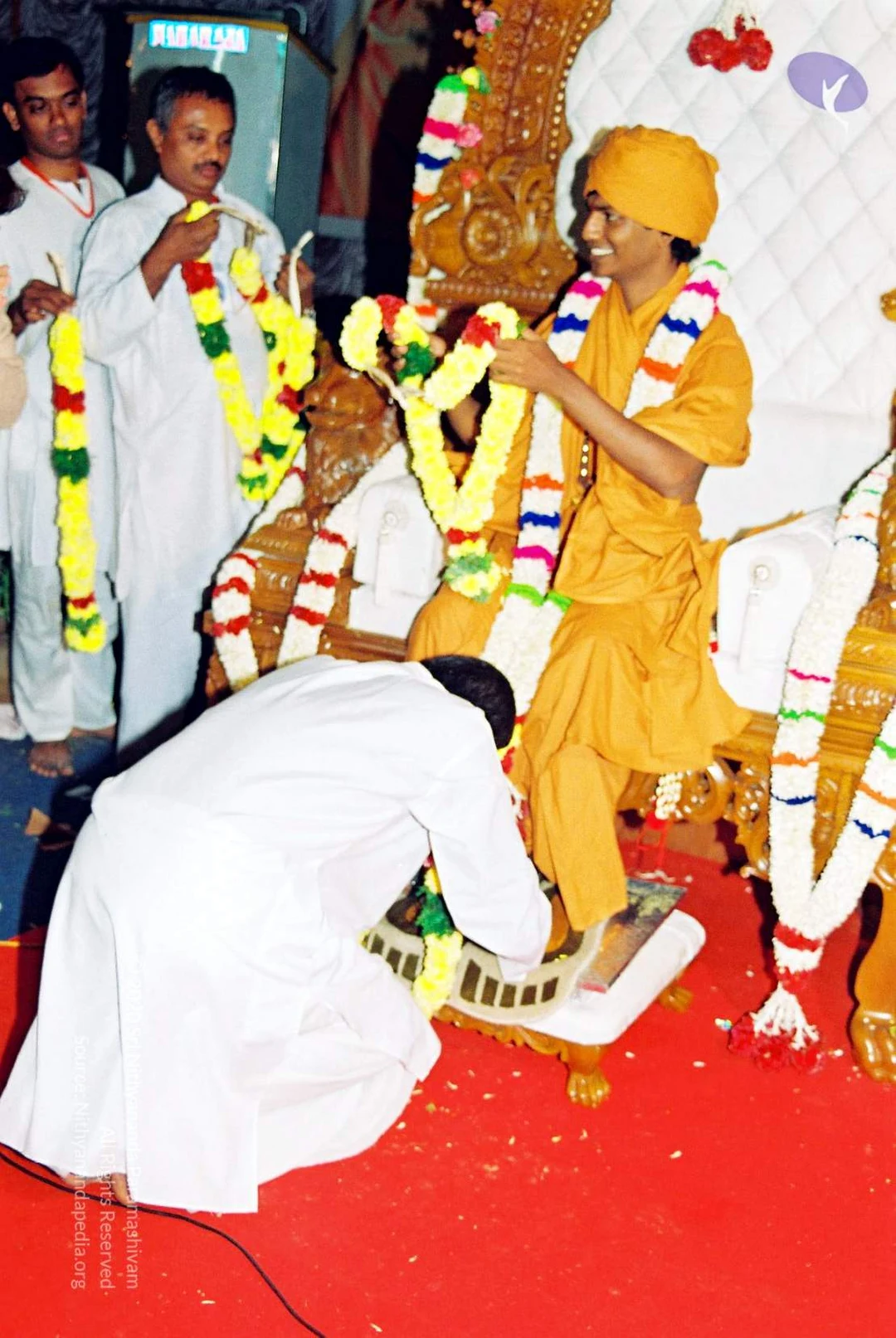
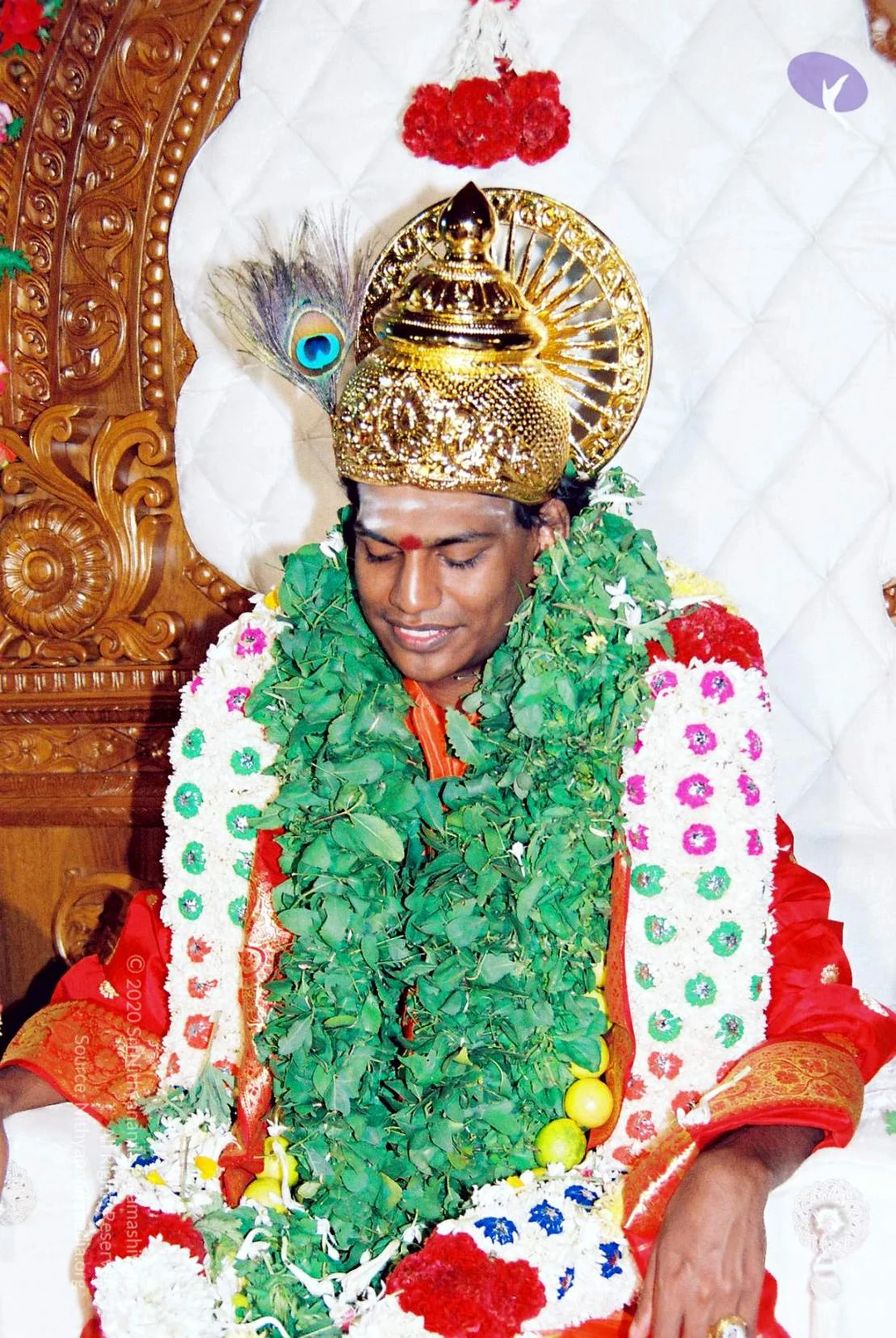
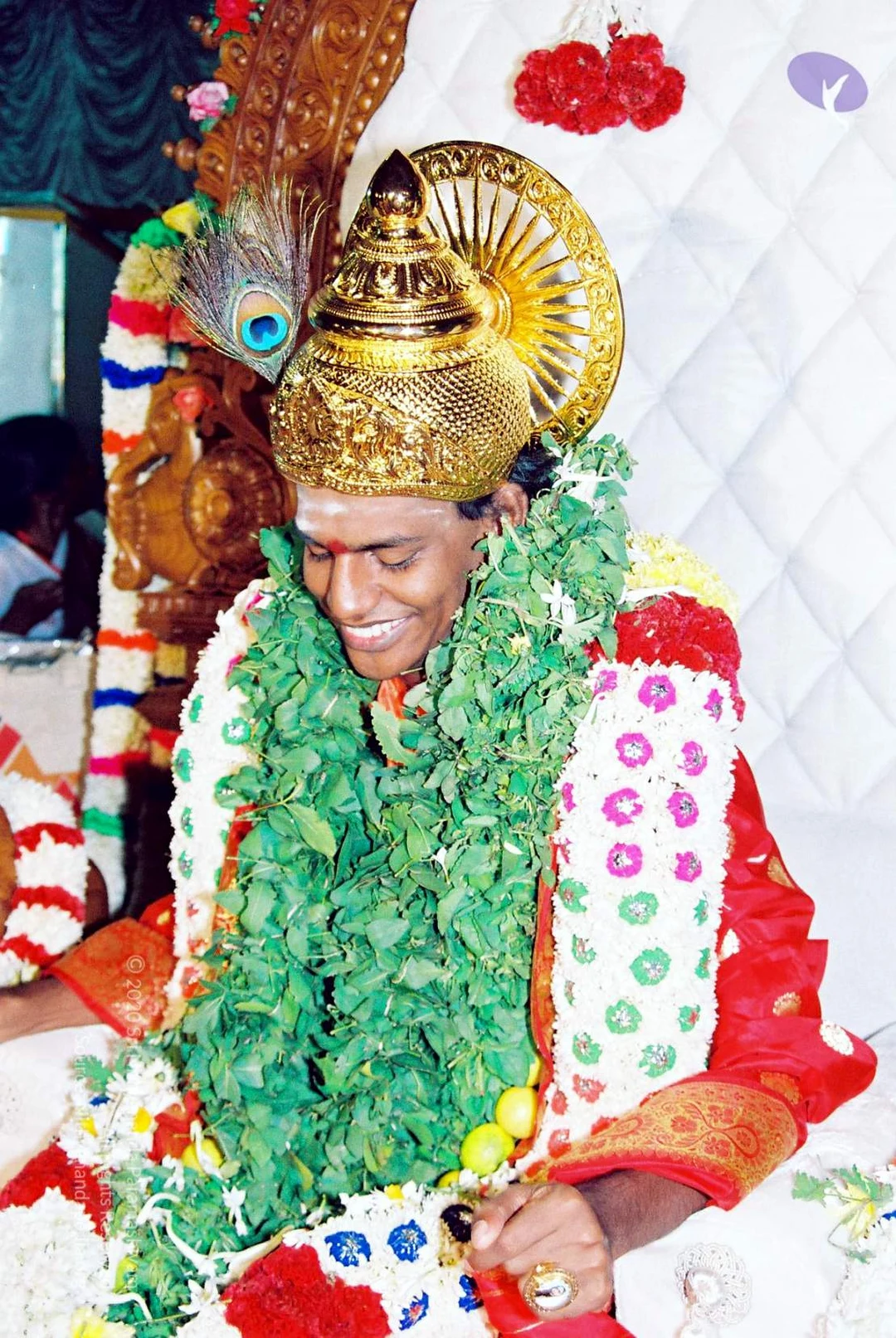
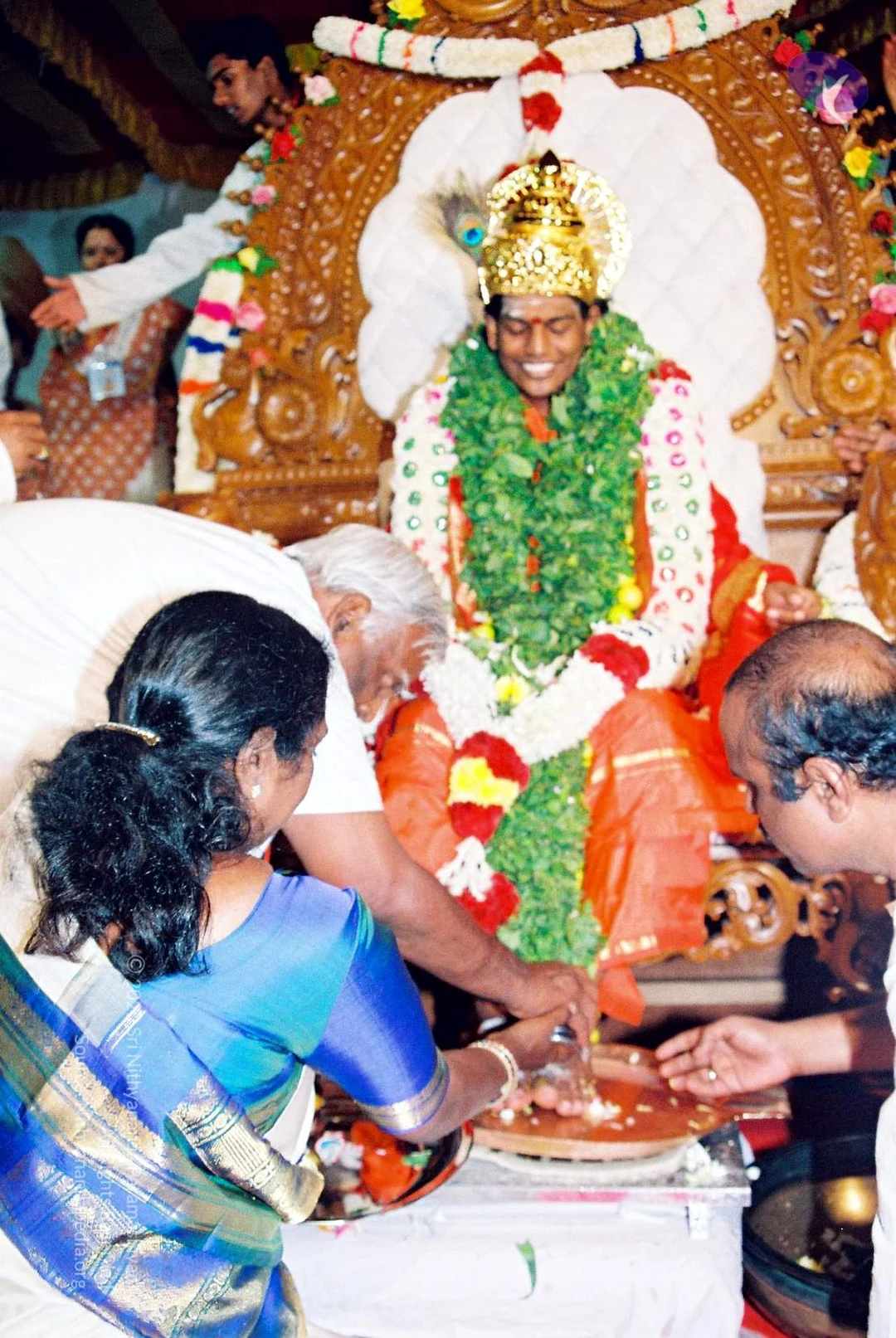
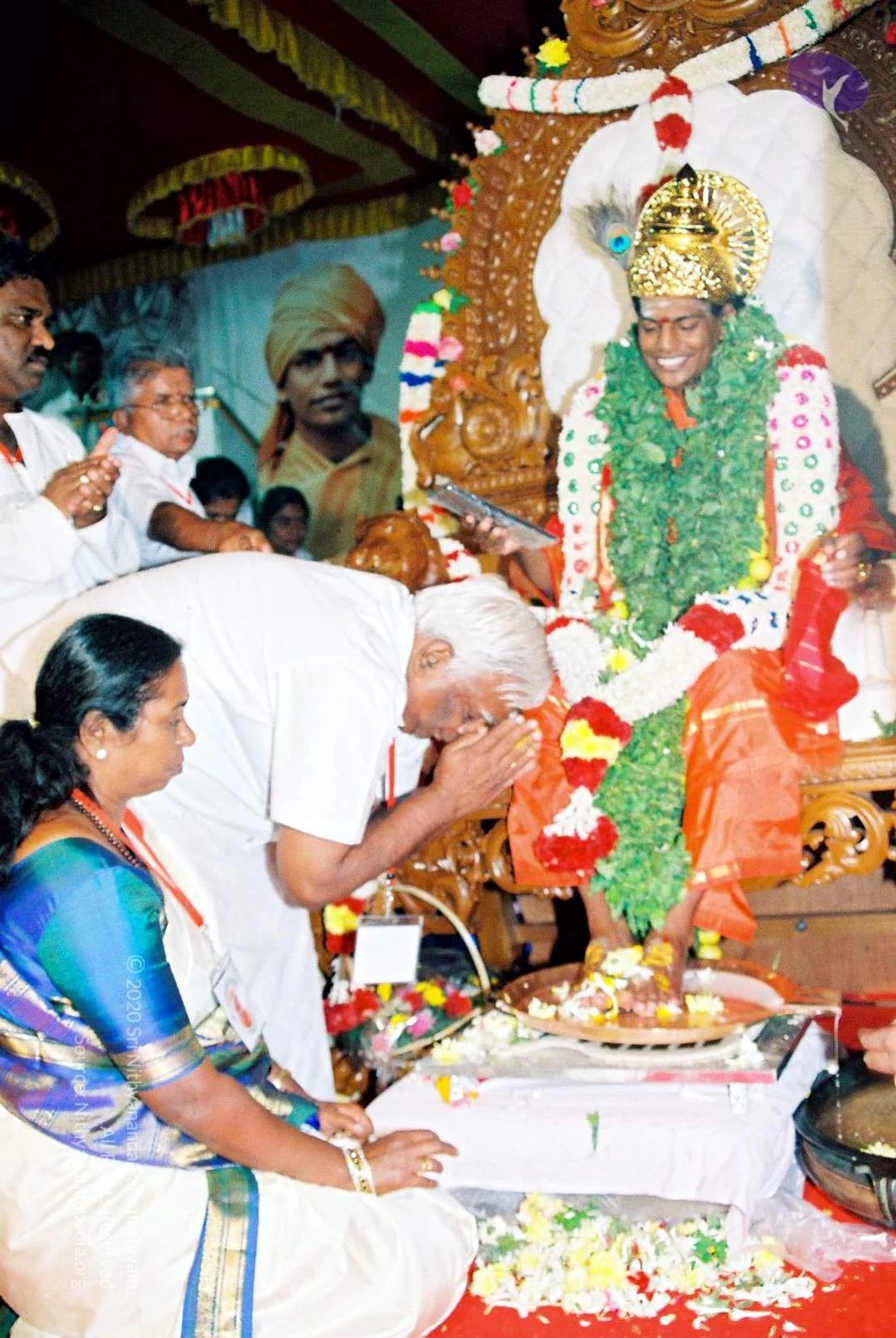
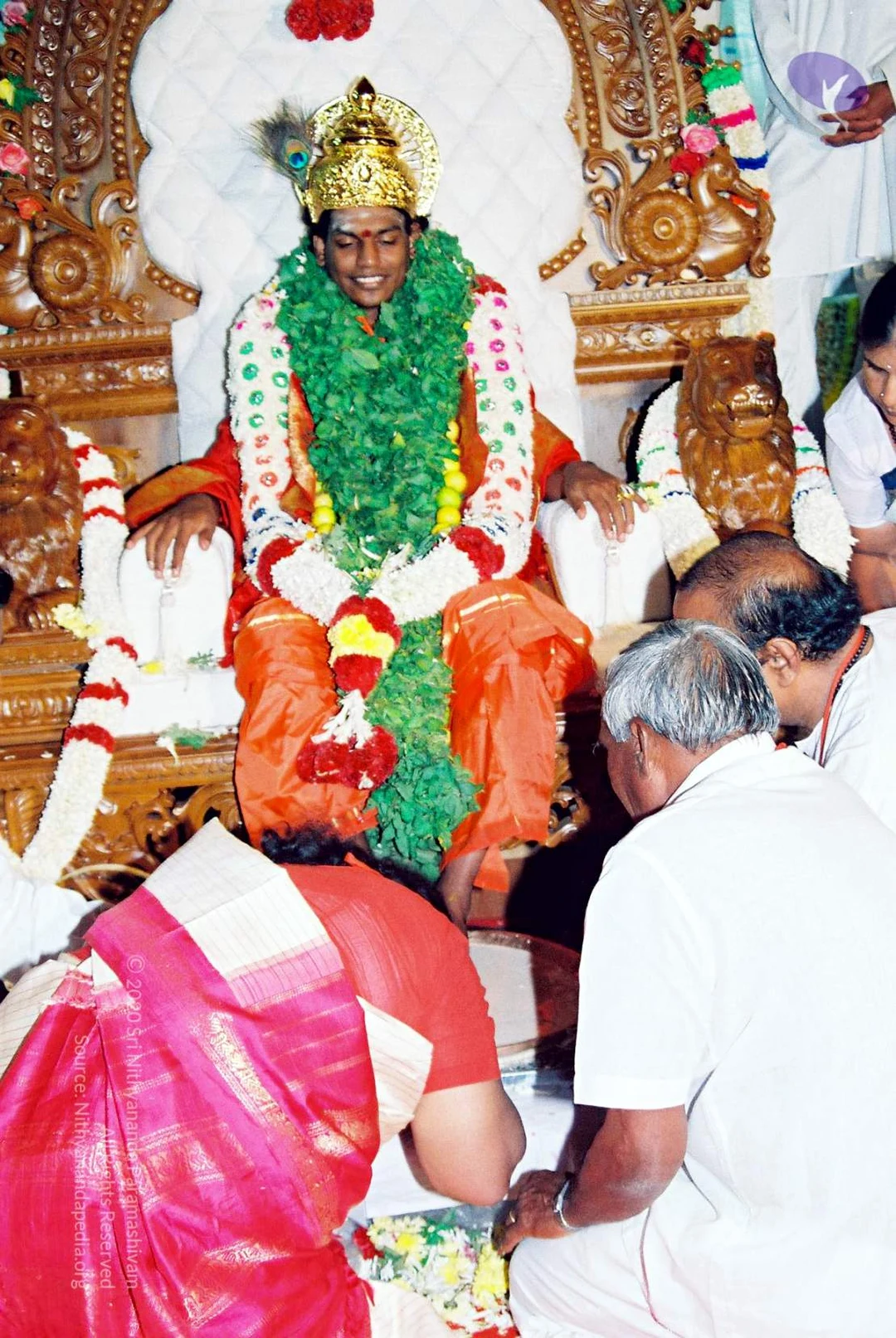
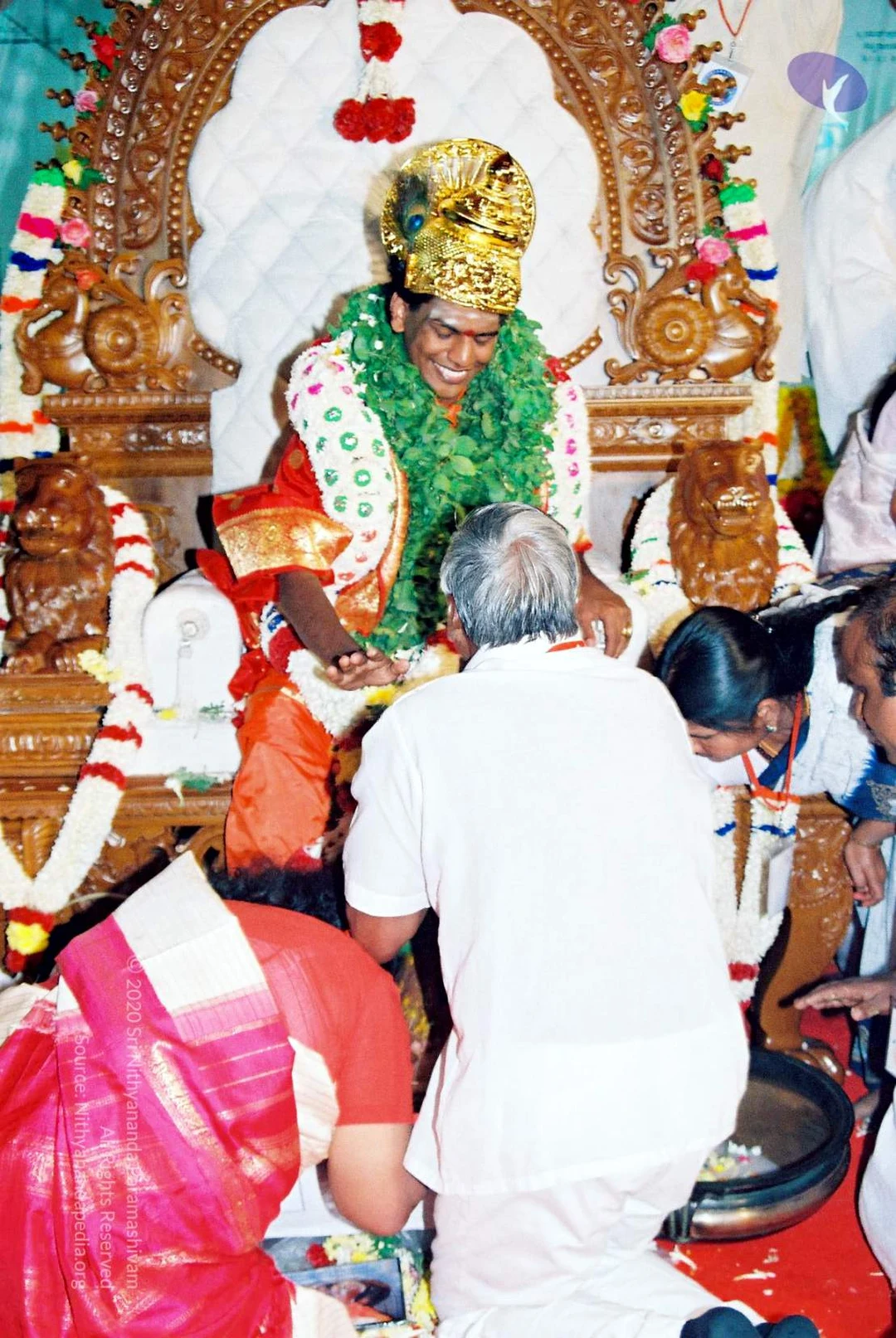
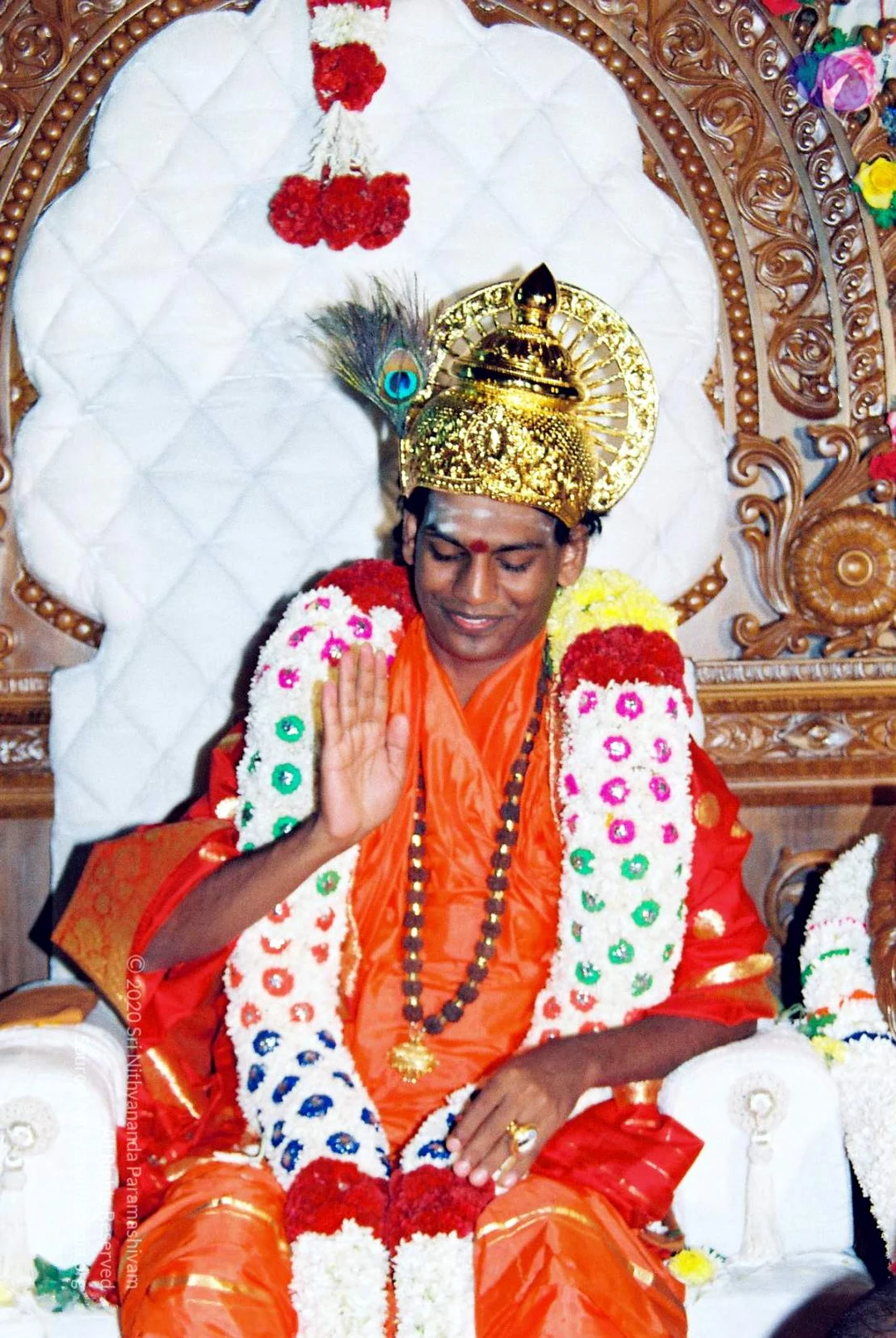
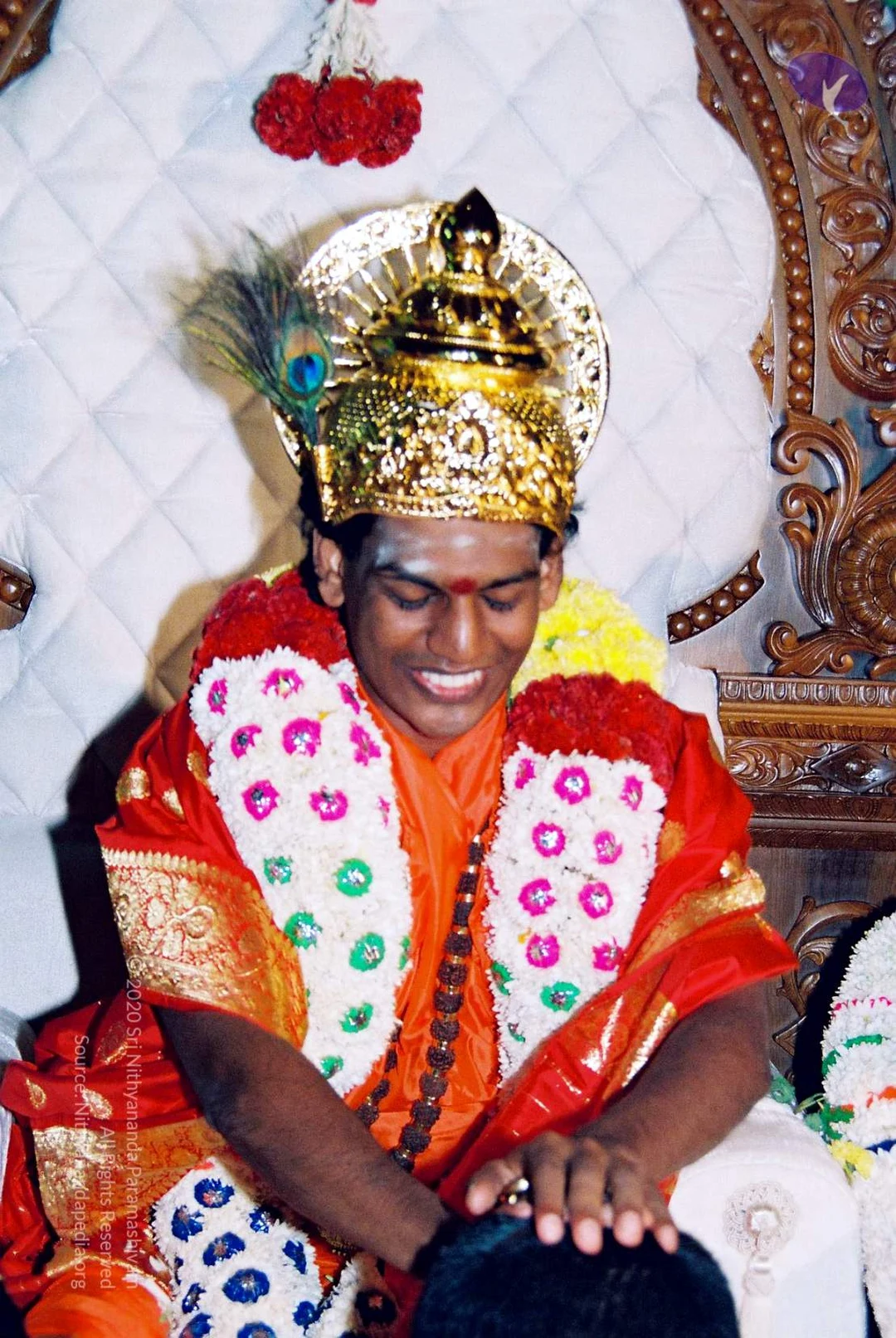
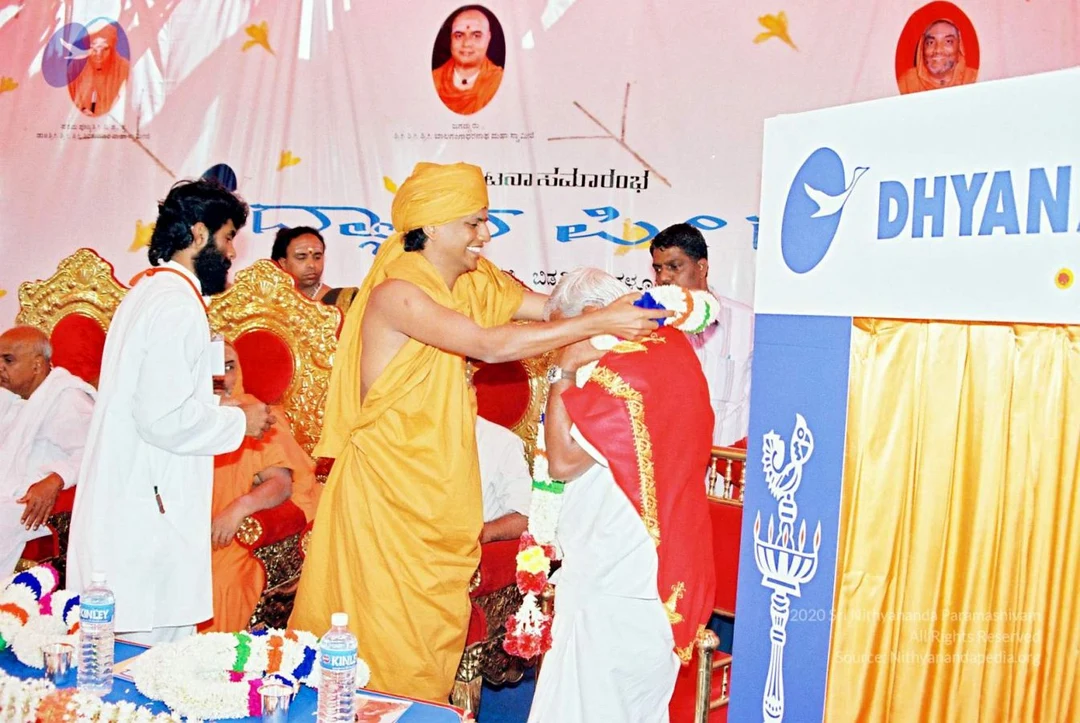
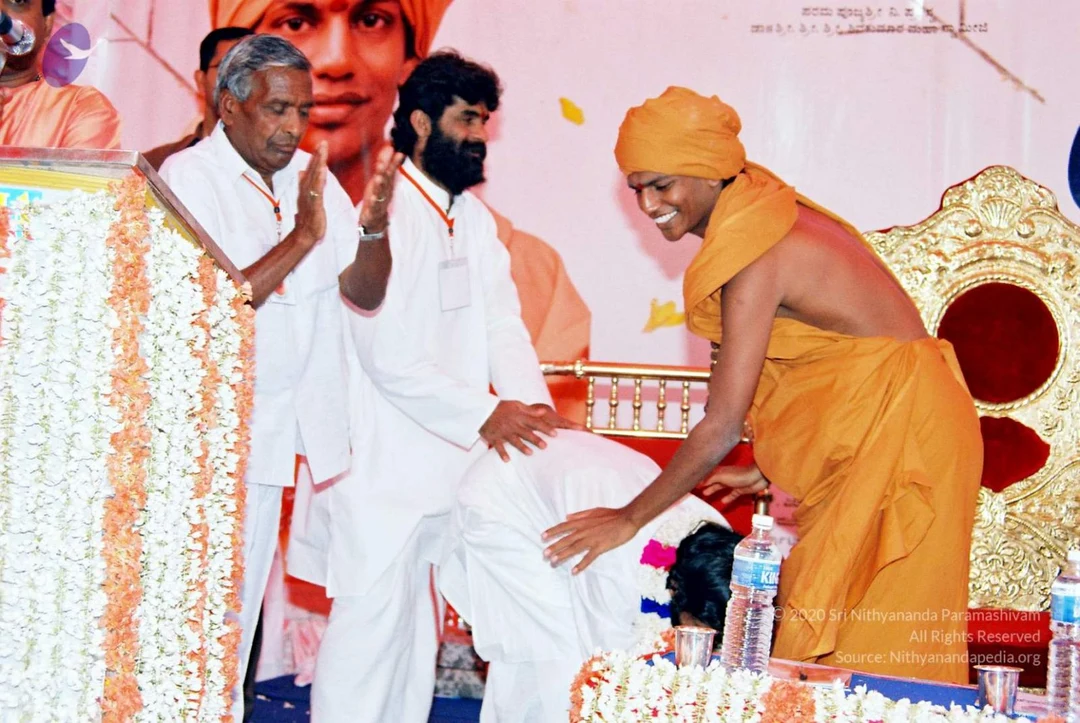
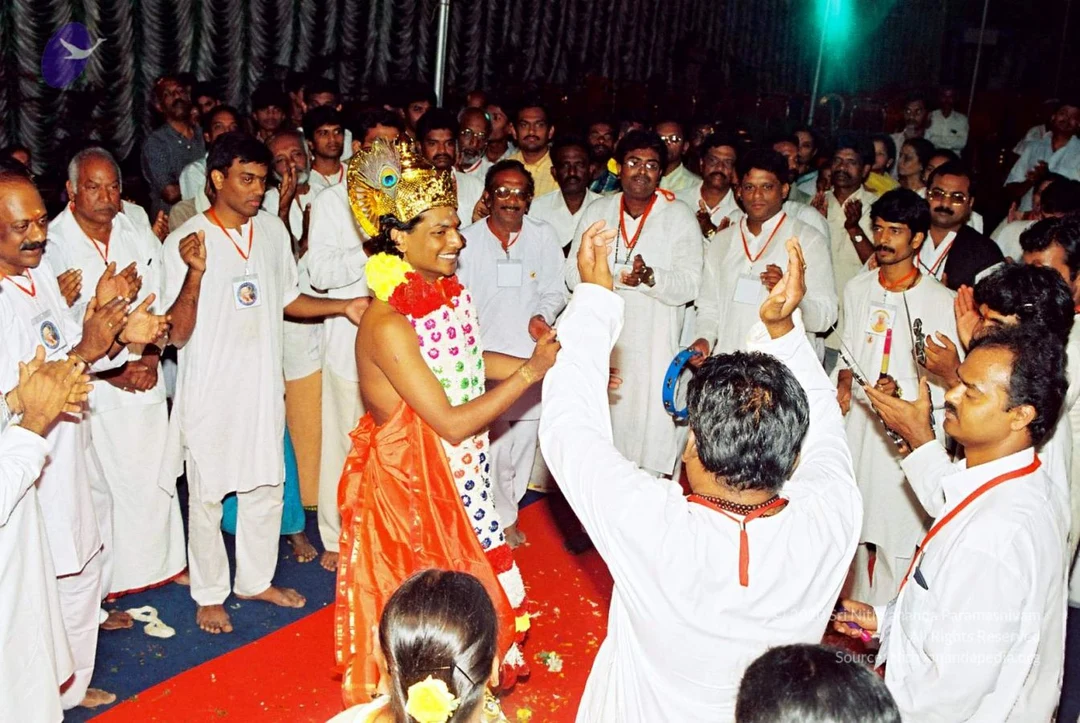
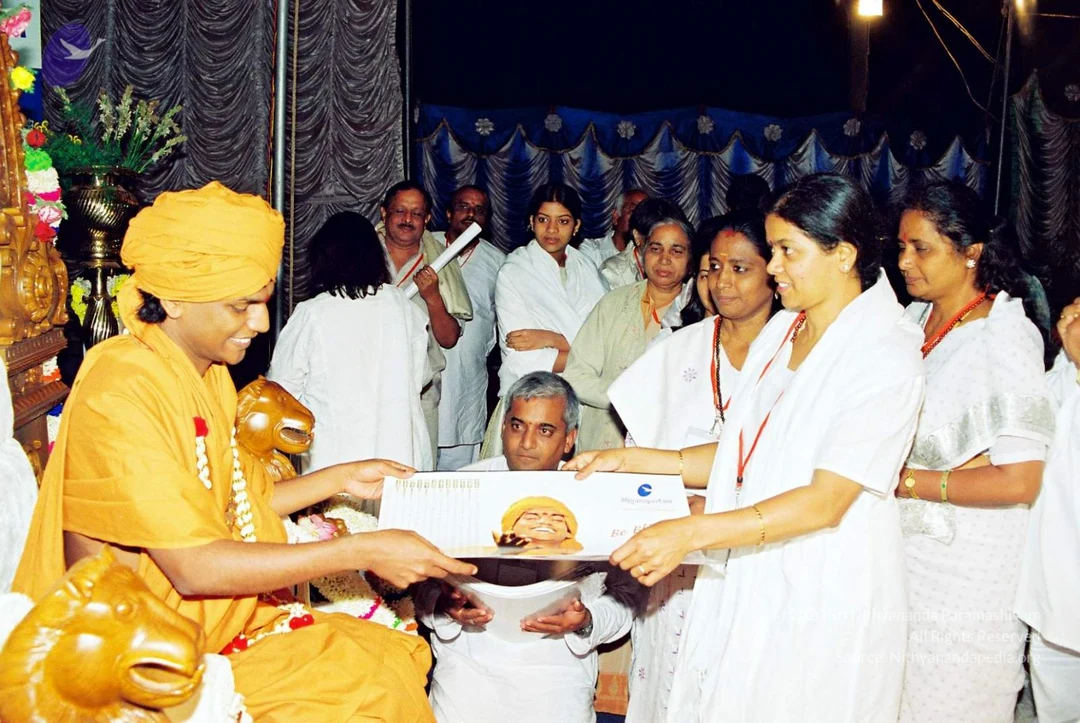
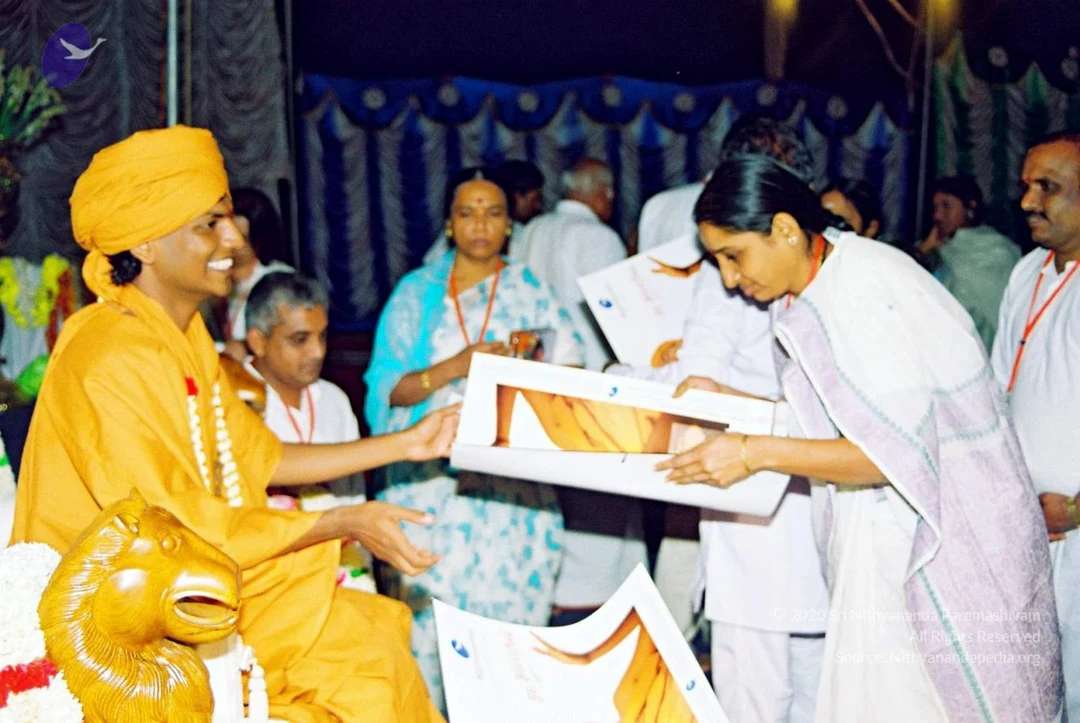
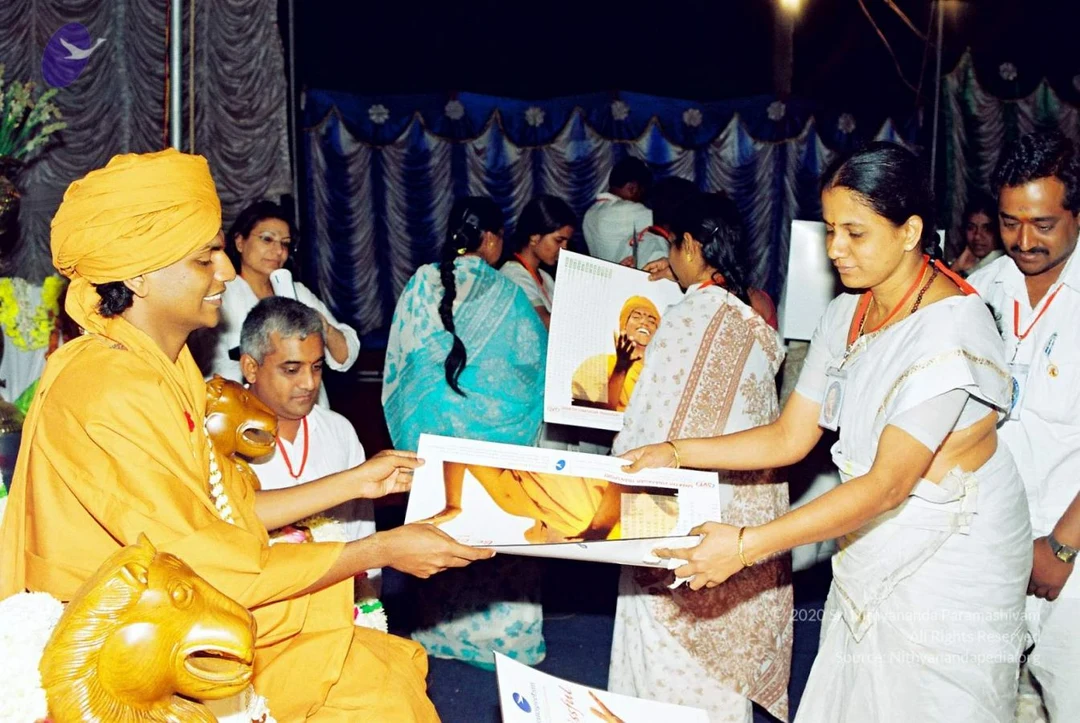
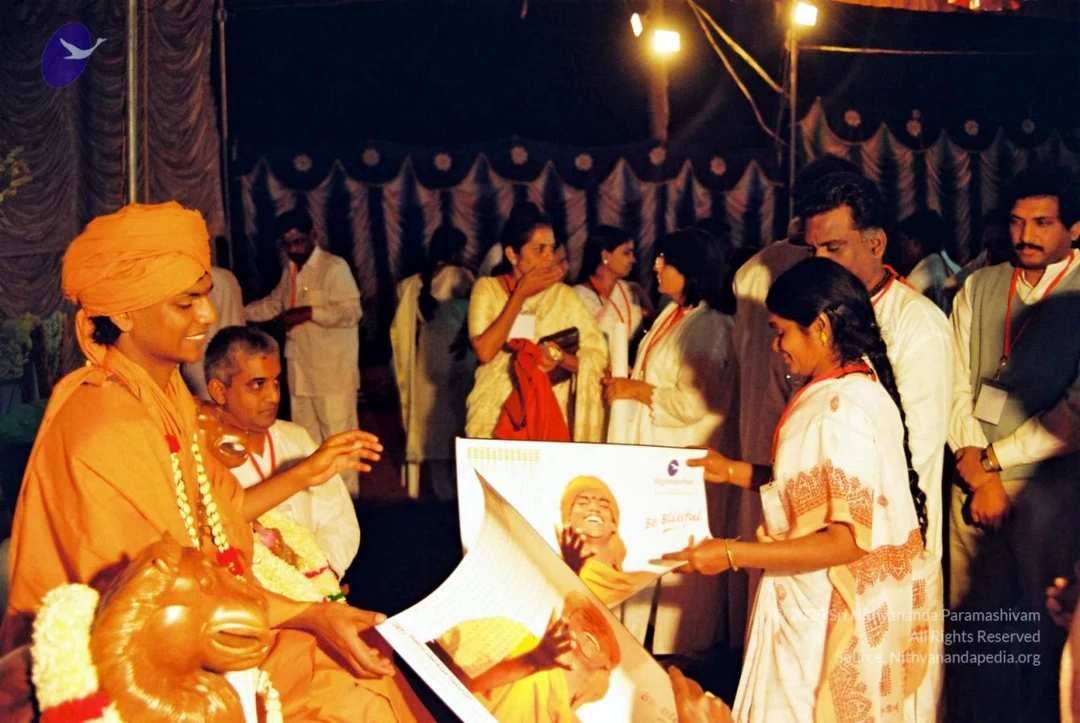
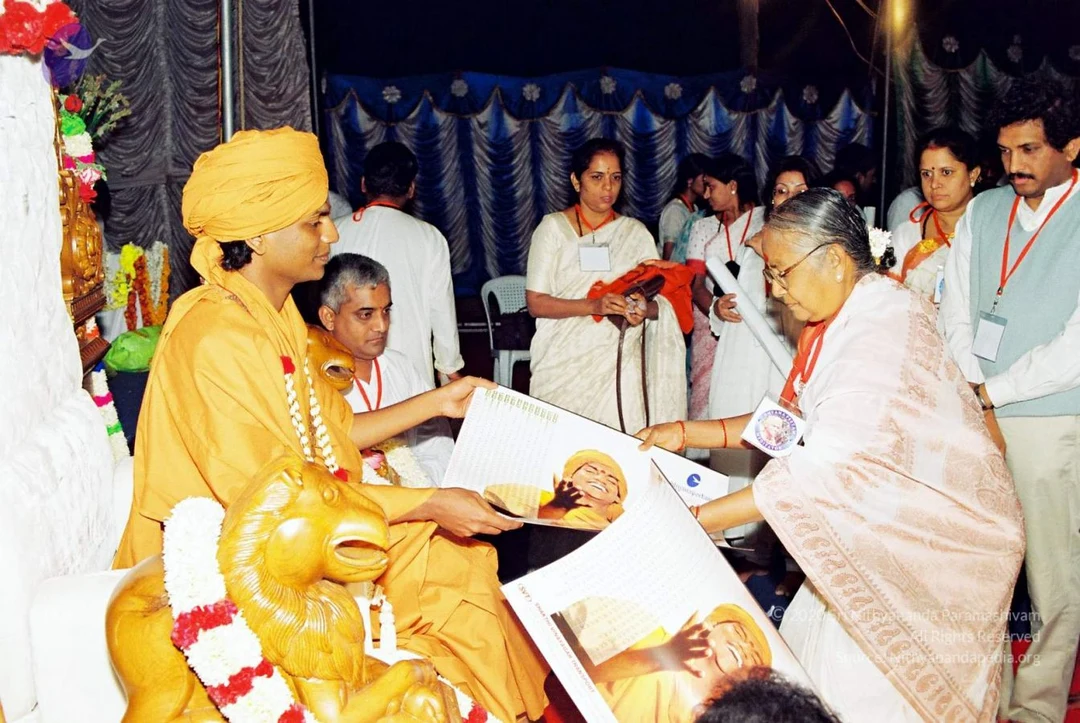
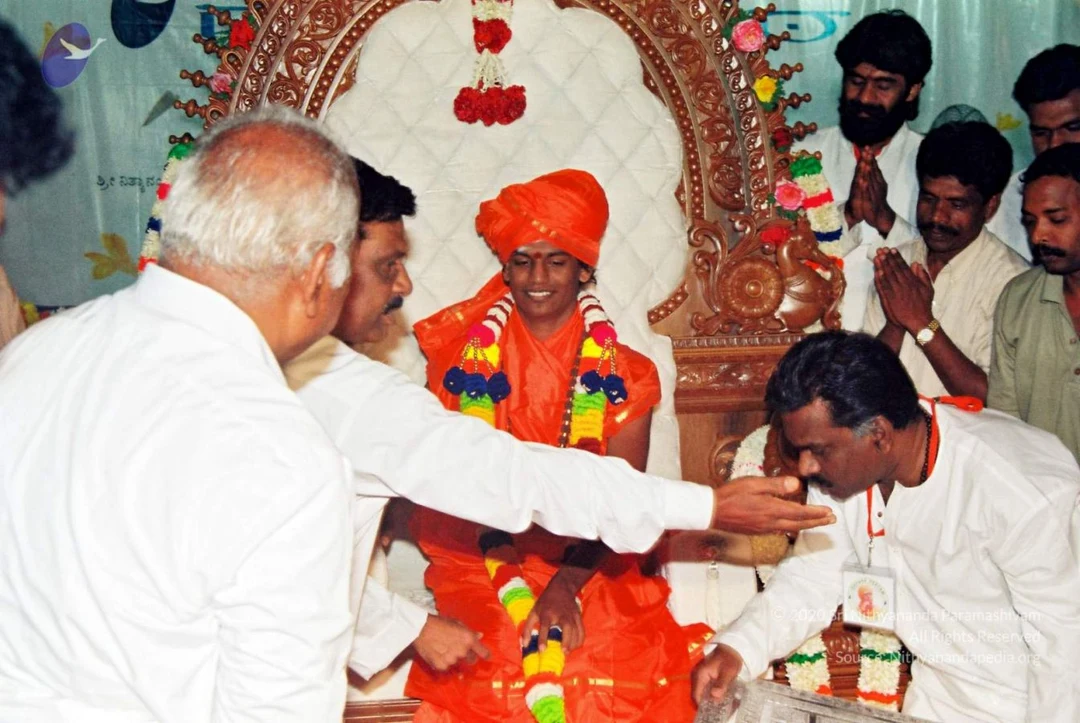
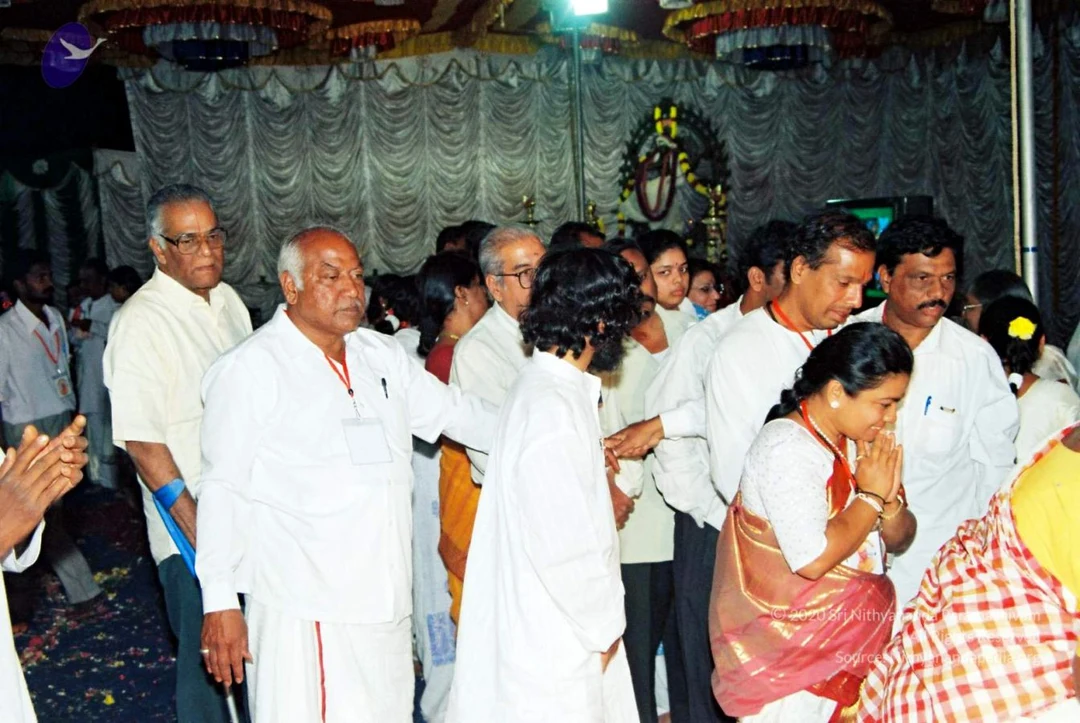
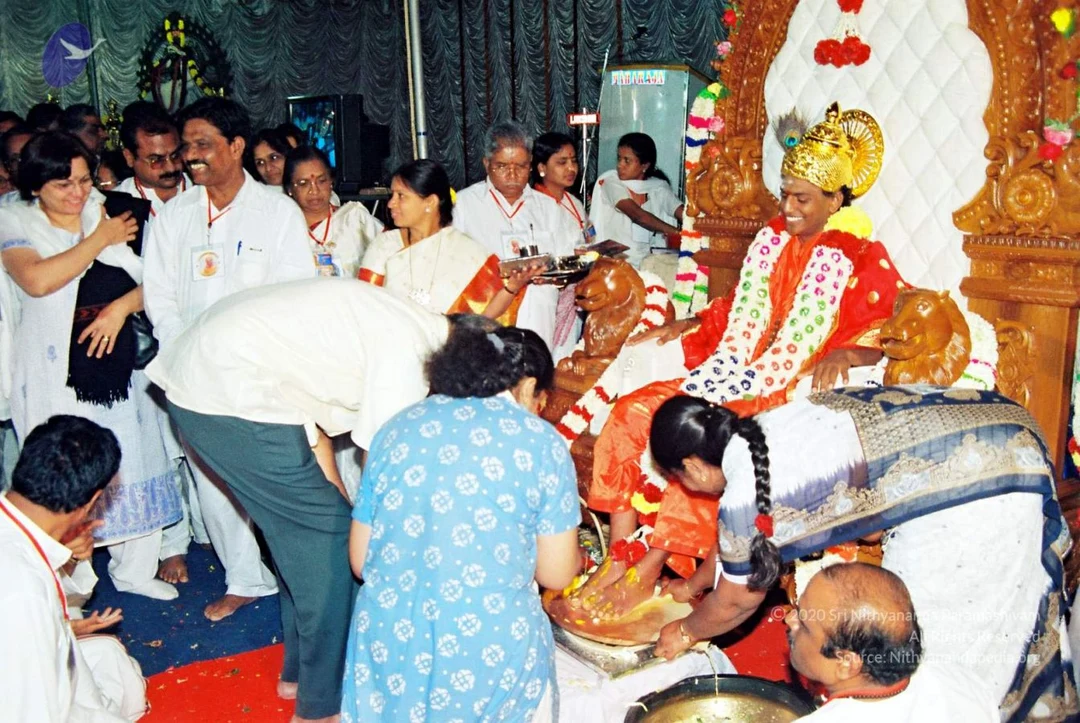
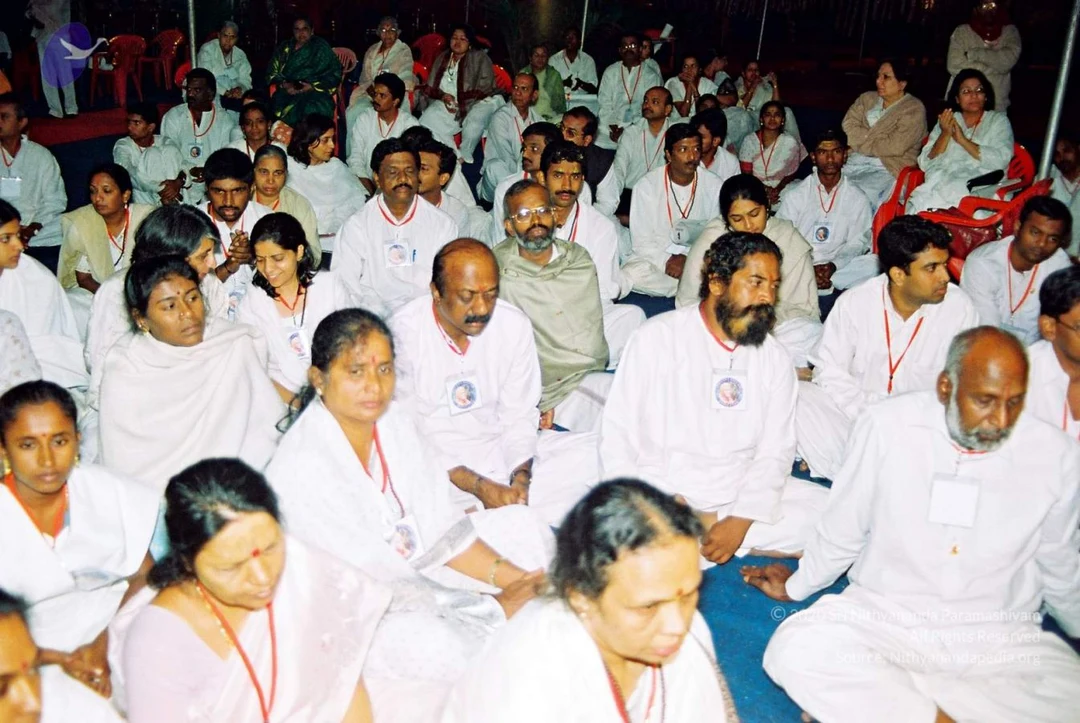
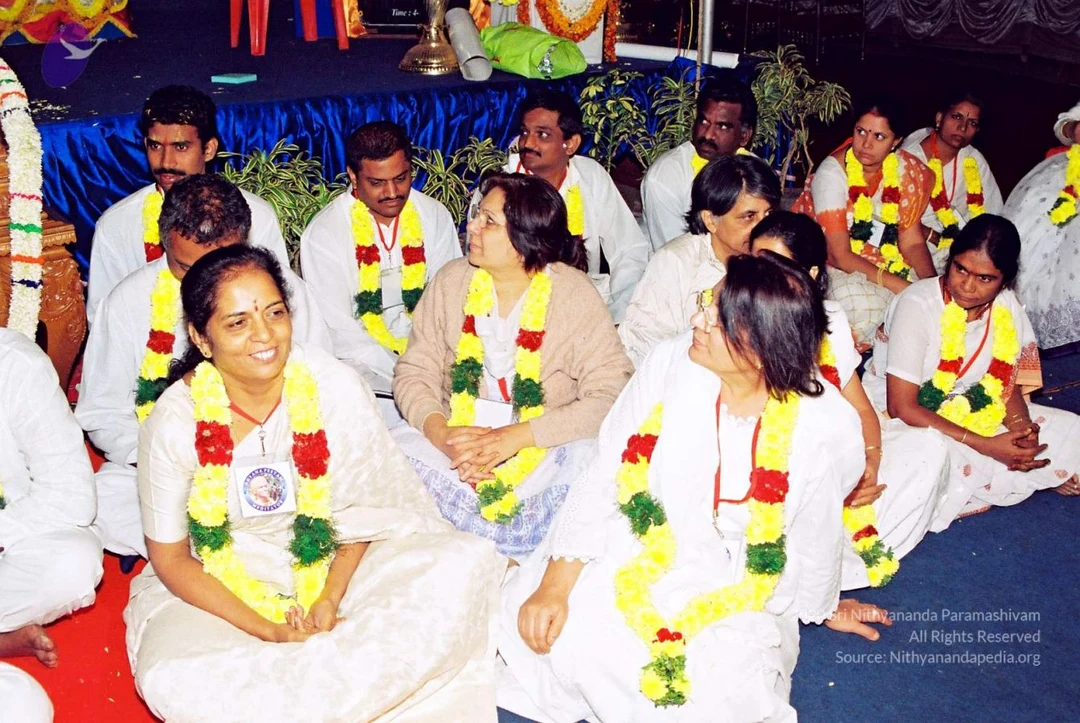
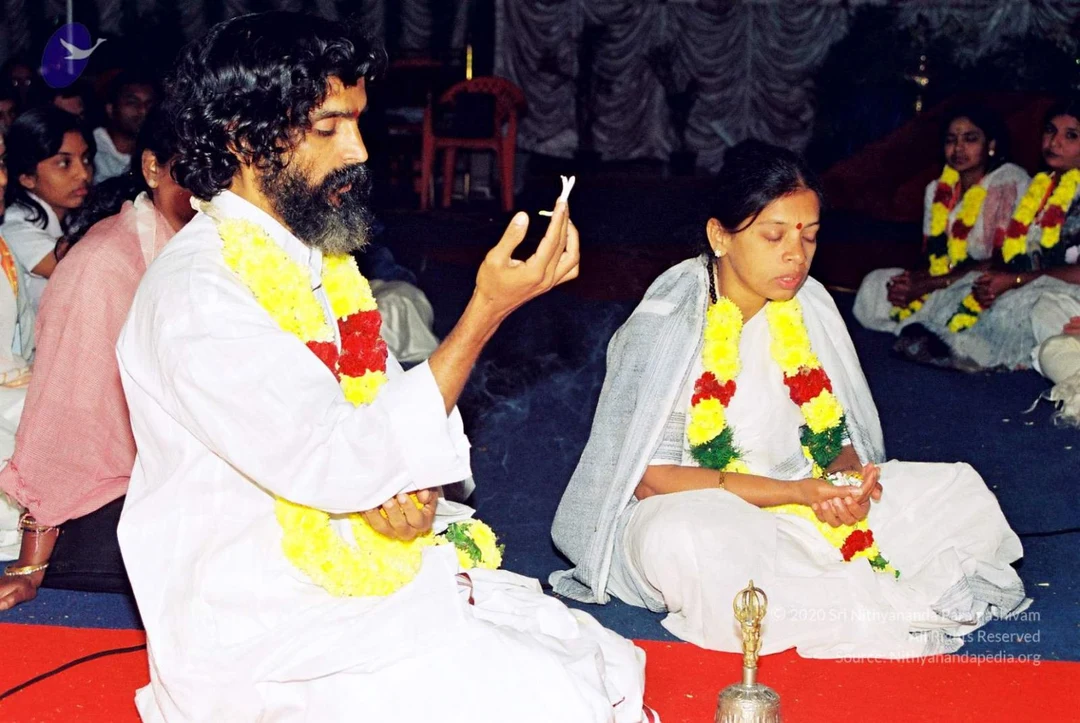
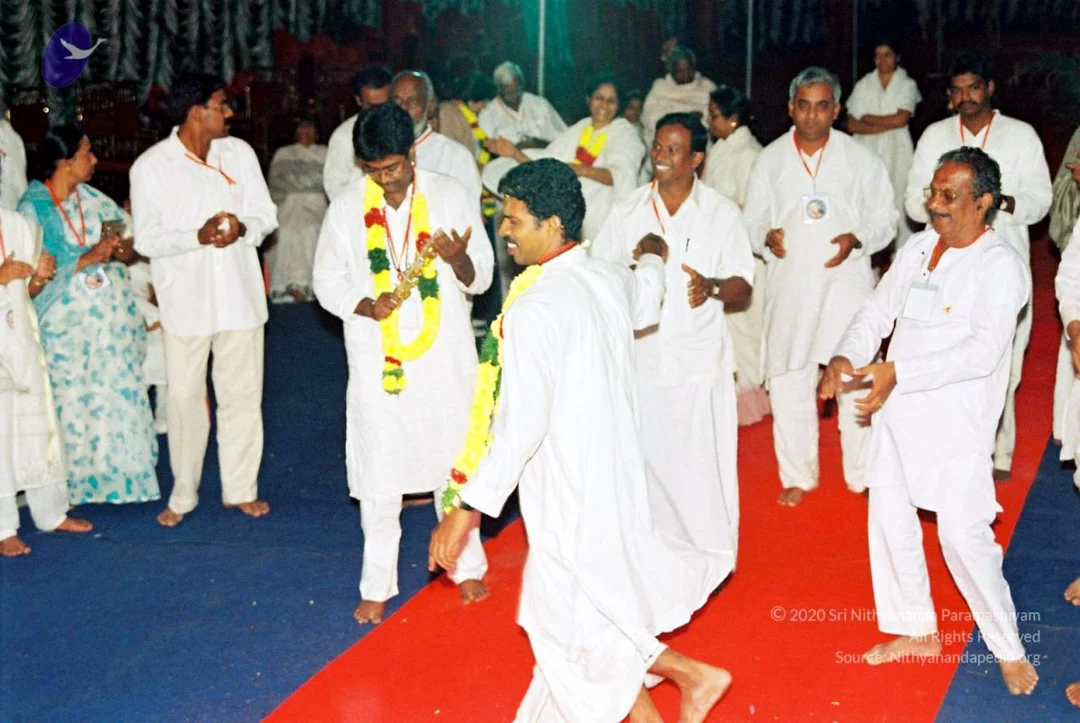
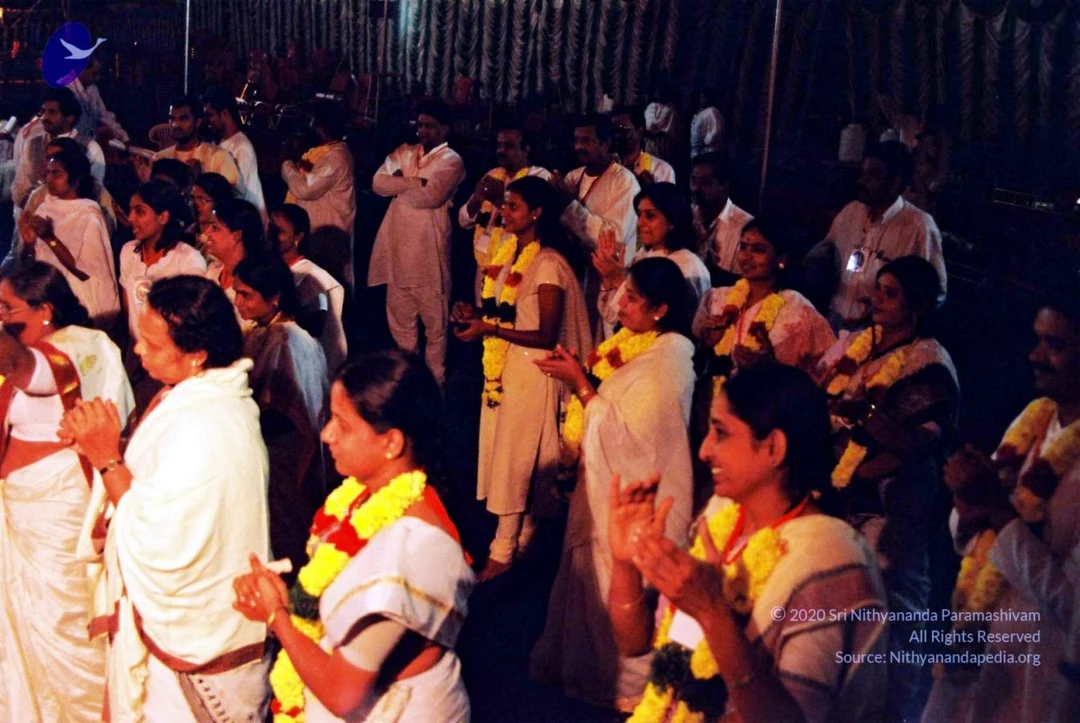
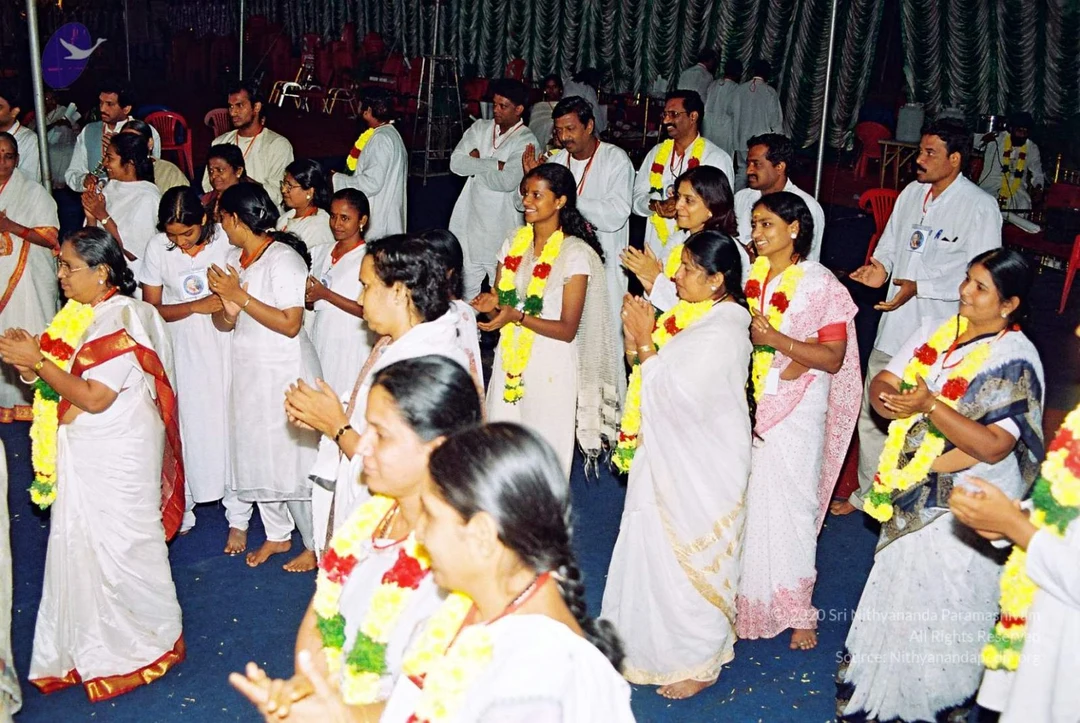
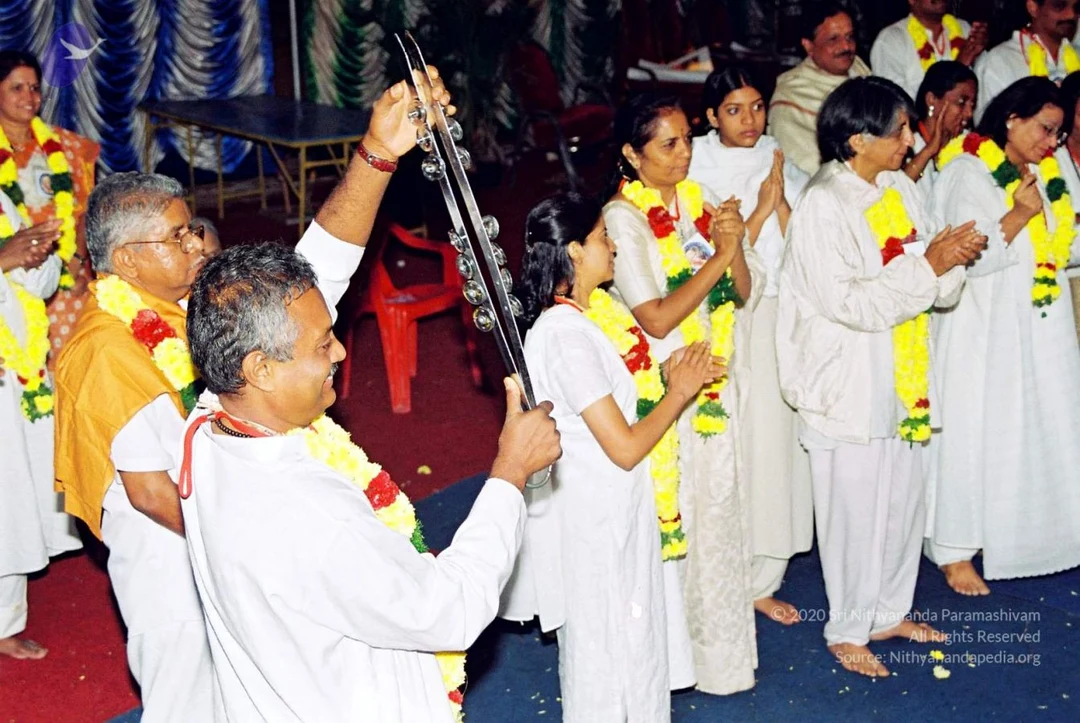
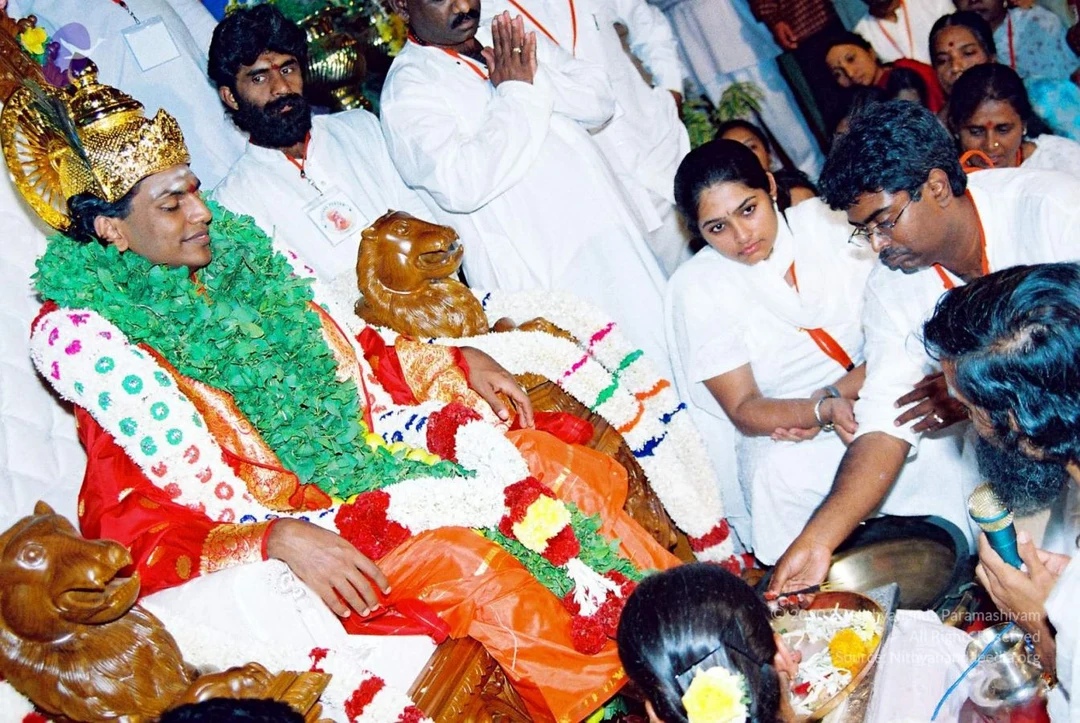
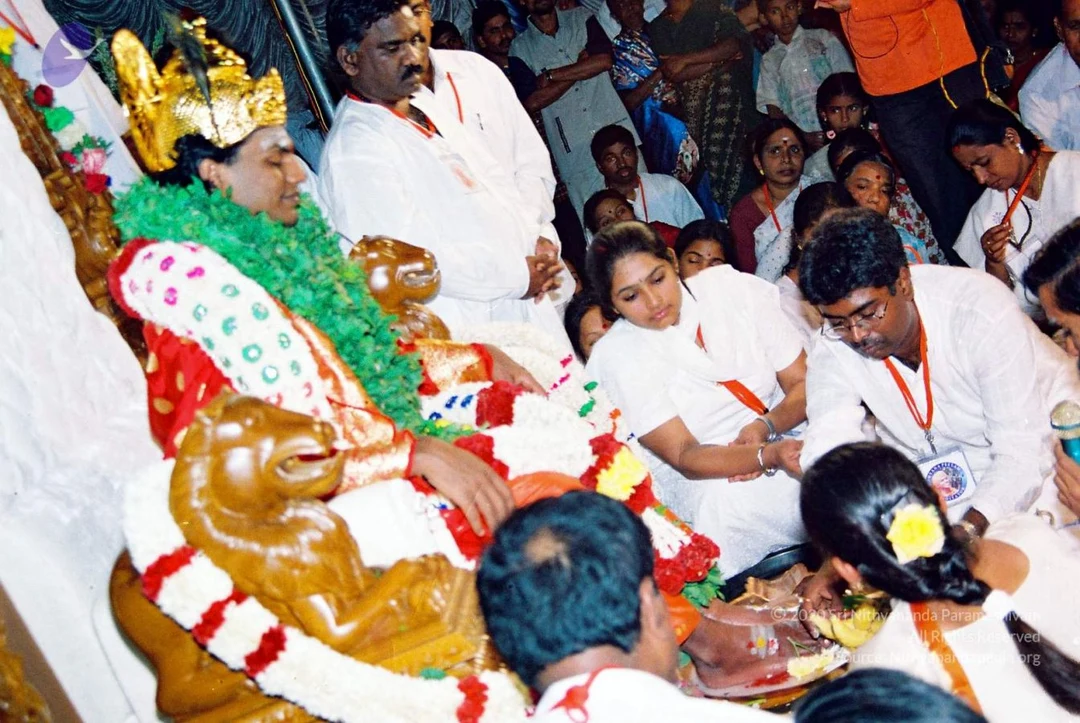
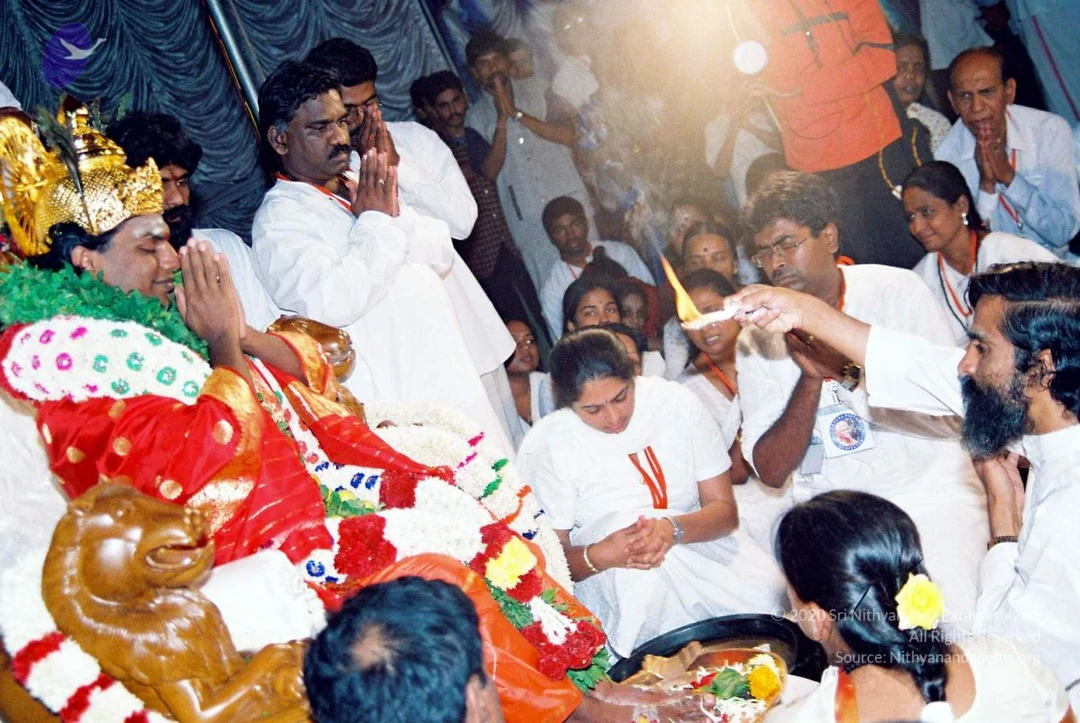
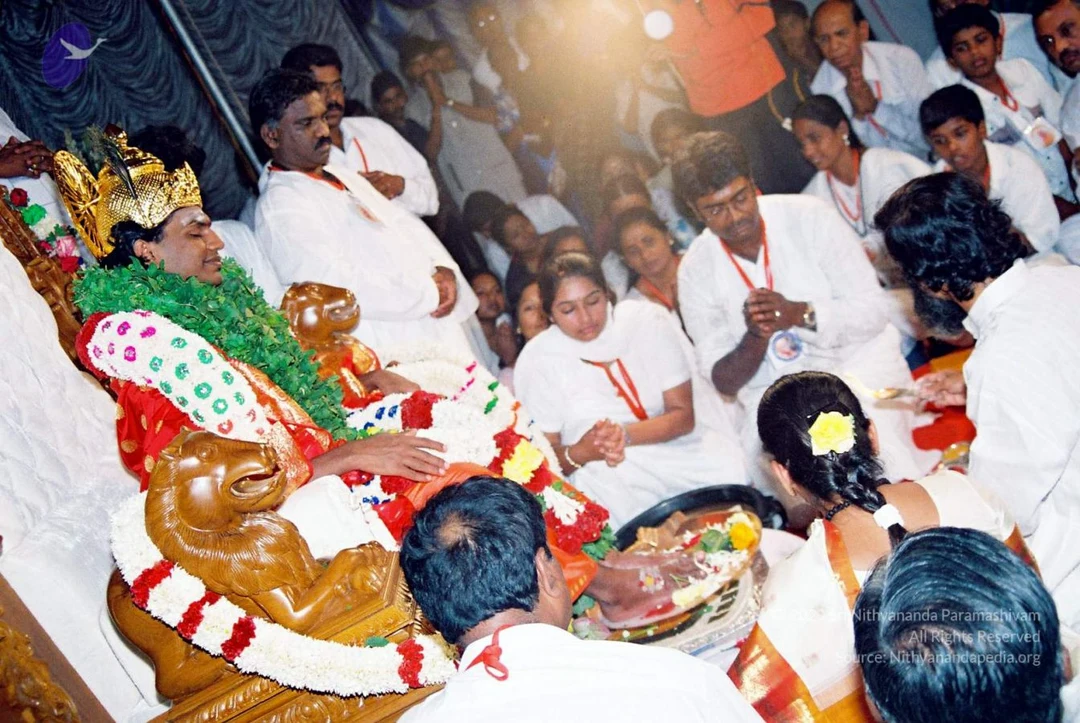
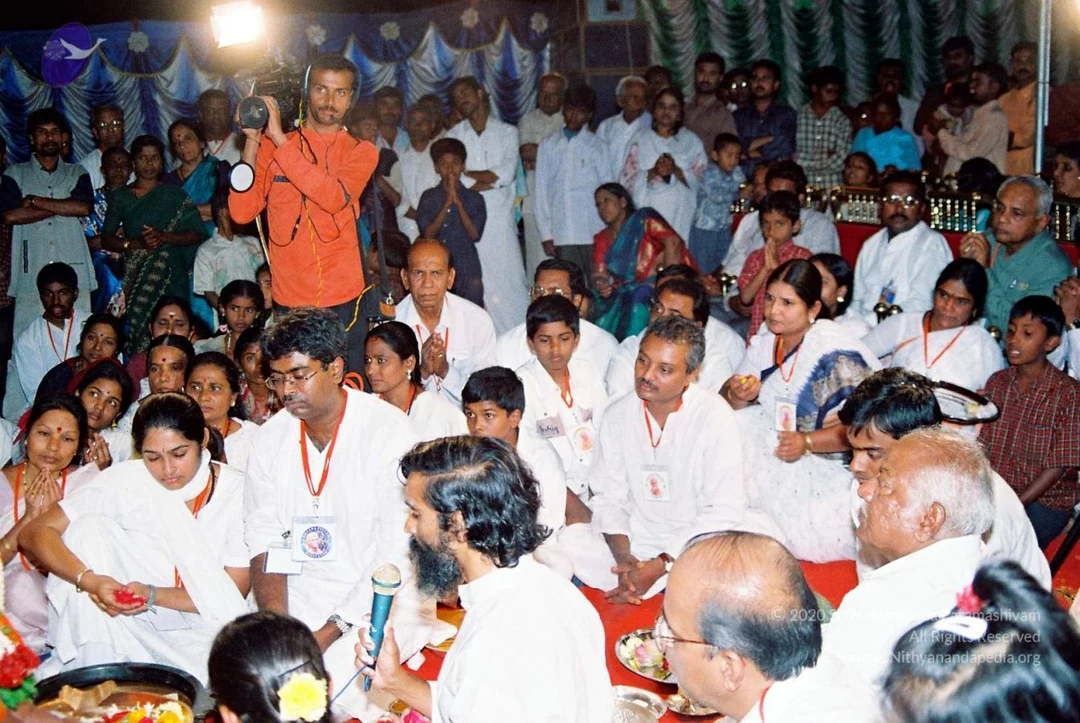
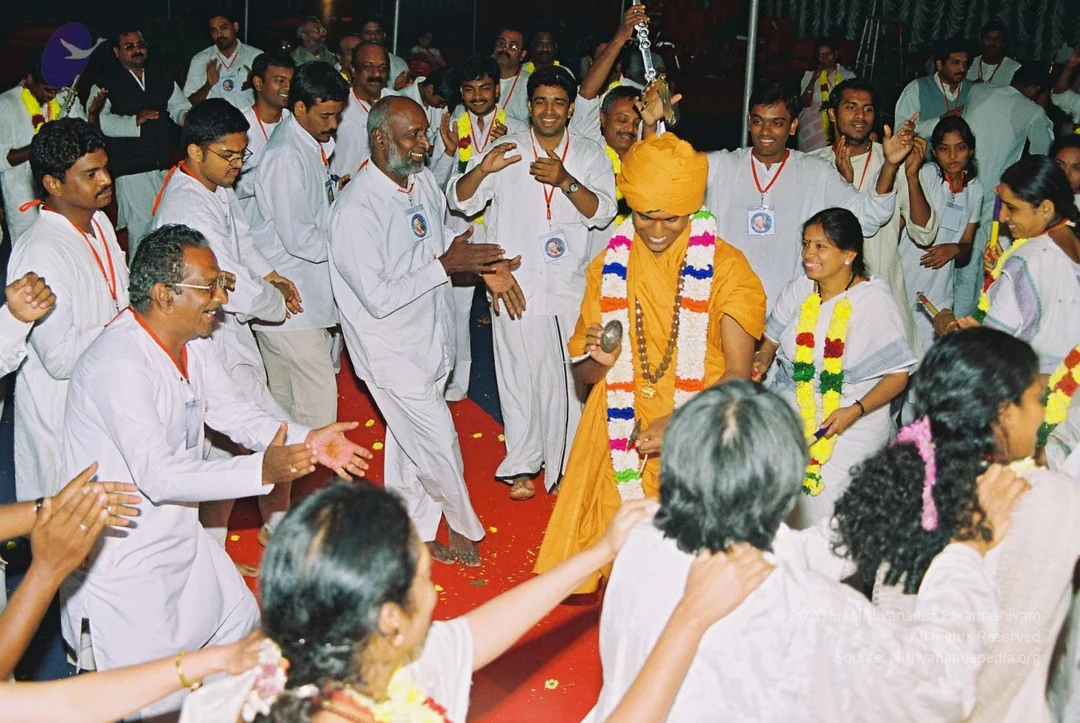
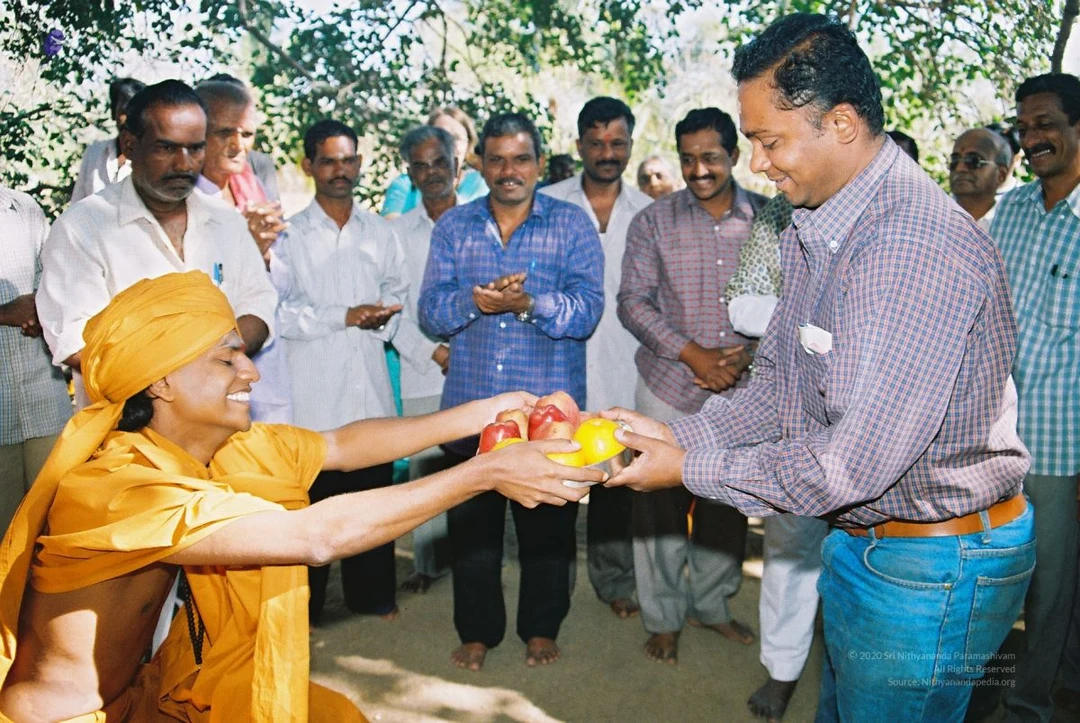
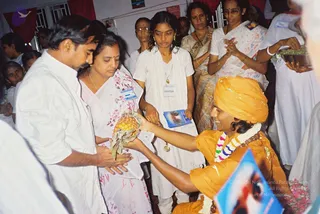
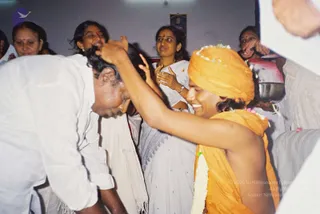
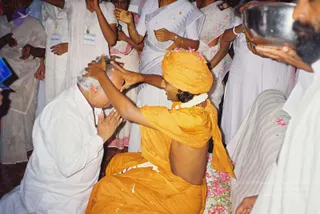
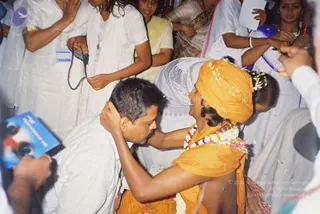
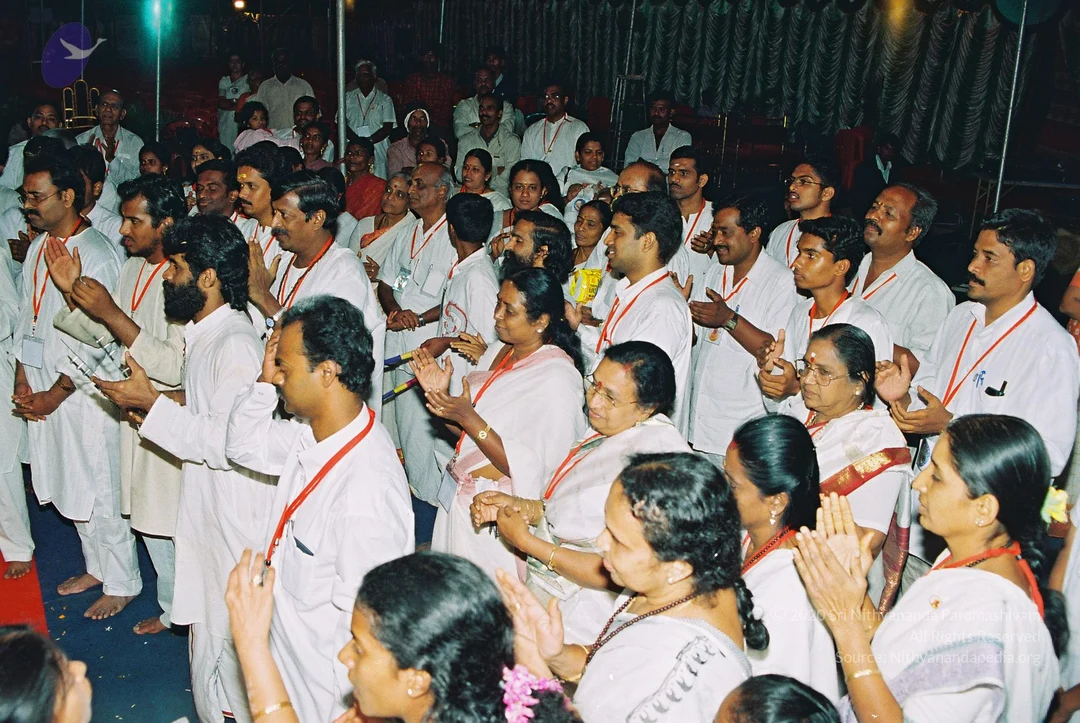
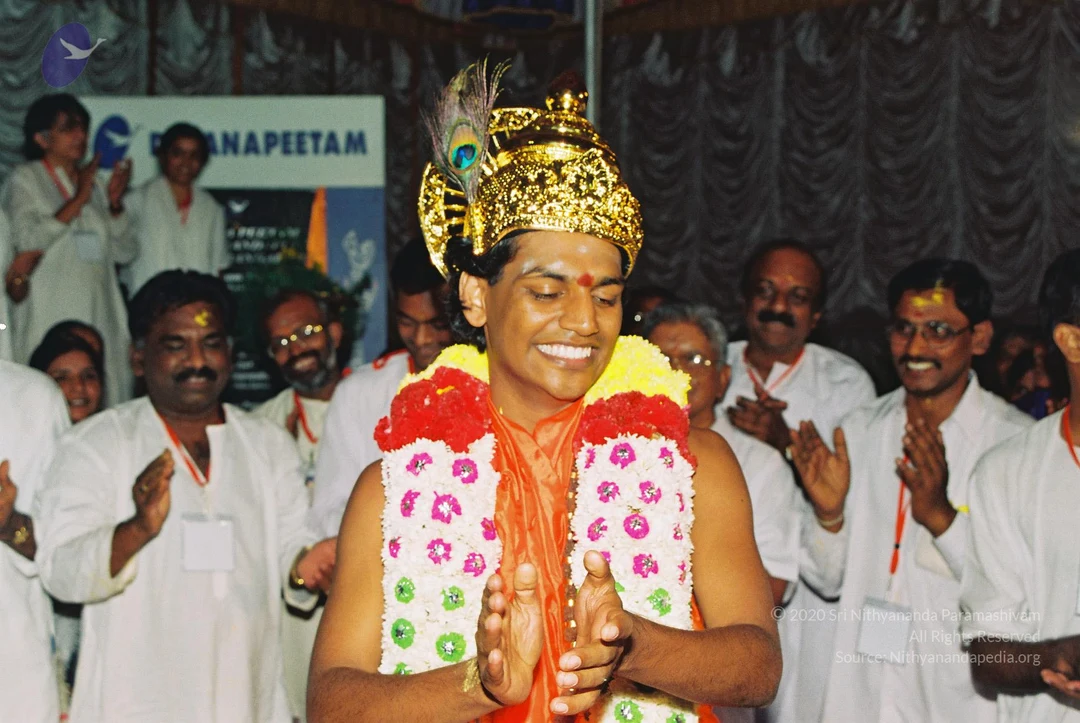
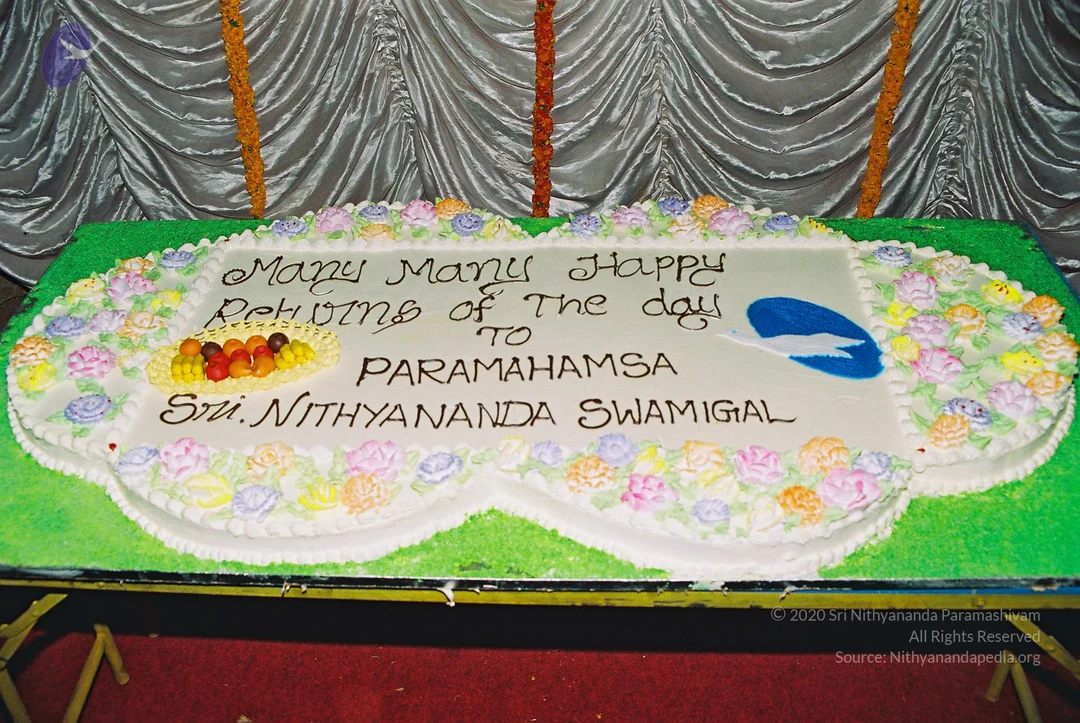
Continuing with the celebrations, The Supreme Pontiff of Hinduism gave individual energy Darshan and blessings of prayers to each one present, raising and empowering each one's inner image about themselves as 'Paramashiva', by garlanding each one of them with a divine flower garland. Today, several publications were officially released by His Divine Holiness: The first ever book published by the Mission titled, Swamiji as we know Him and the other a public calendar. With a blessing of the cake offering made by devotees (which His Divine Holiness energised and distributed to all), the day concluded.

Event Schedule of the Day

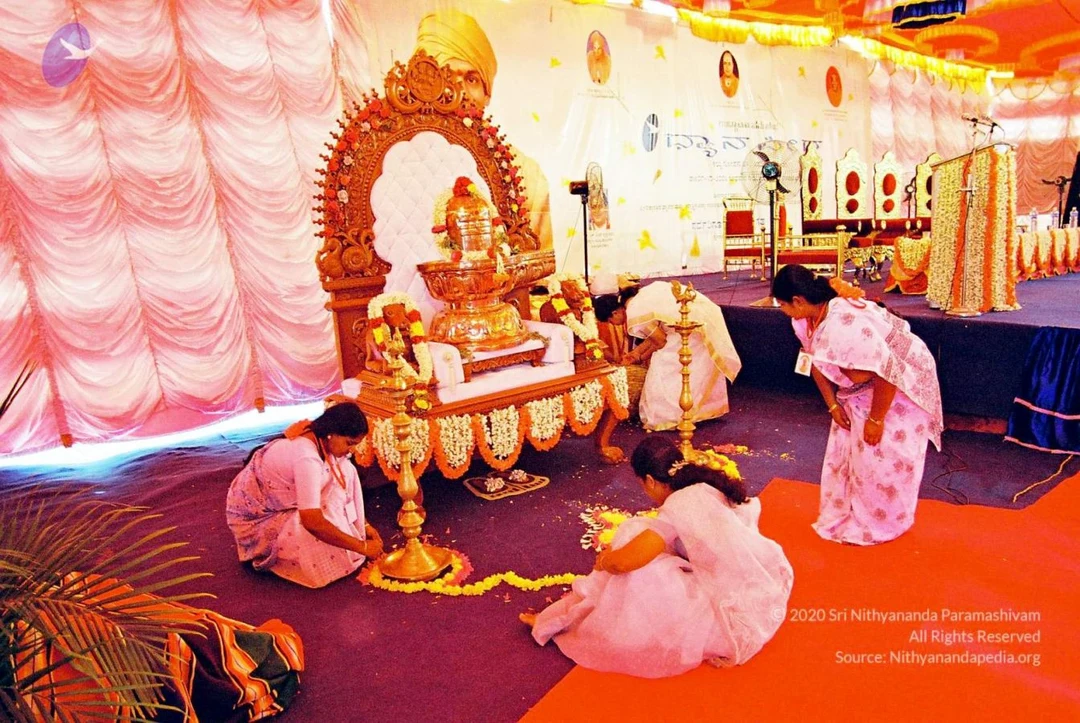
Midnight of 31 Dec 2003 until the inaugural function of 1 Jan 2003 at ~4:30 PM - Preparations for the evening's public inaugural function personally overseen by The Supreme Pontiff of Hinduism (SPH), training the early followers into miromanaging the event in its multiple dimensions. Preparations include:

  • Erecting the stage
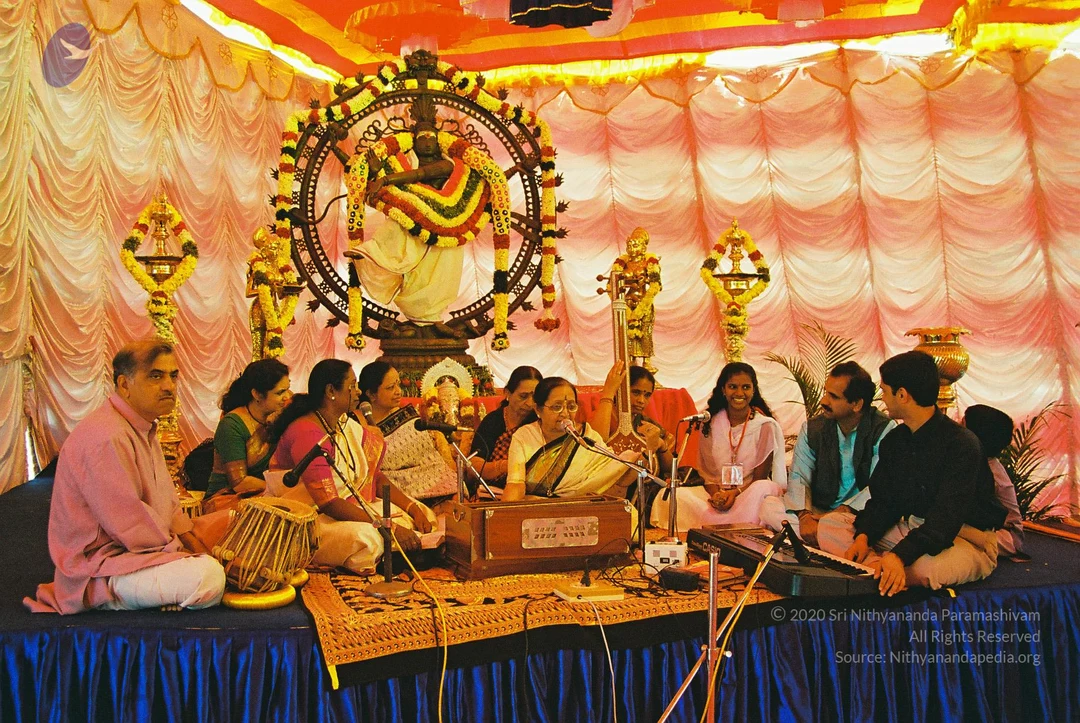
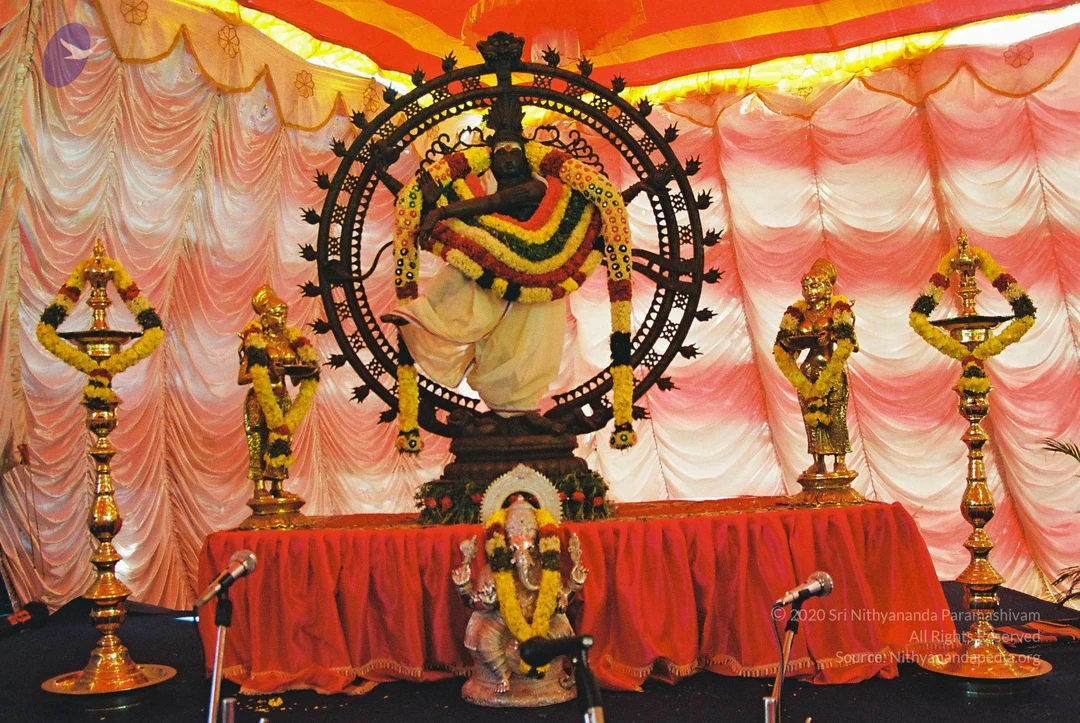
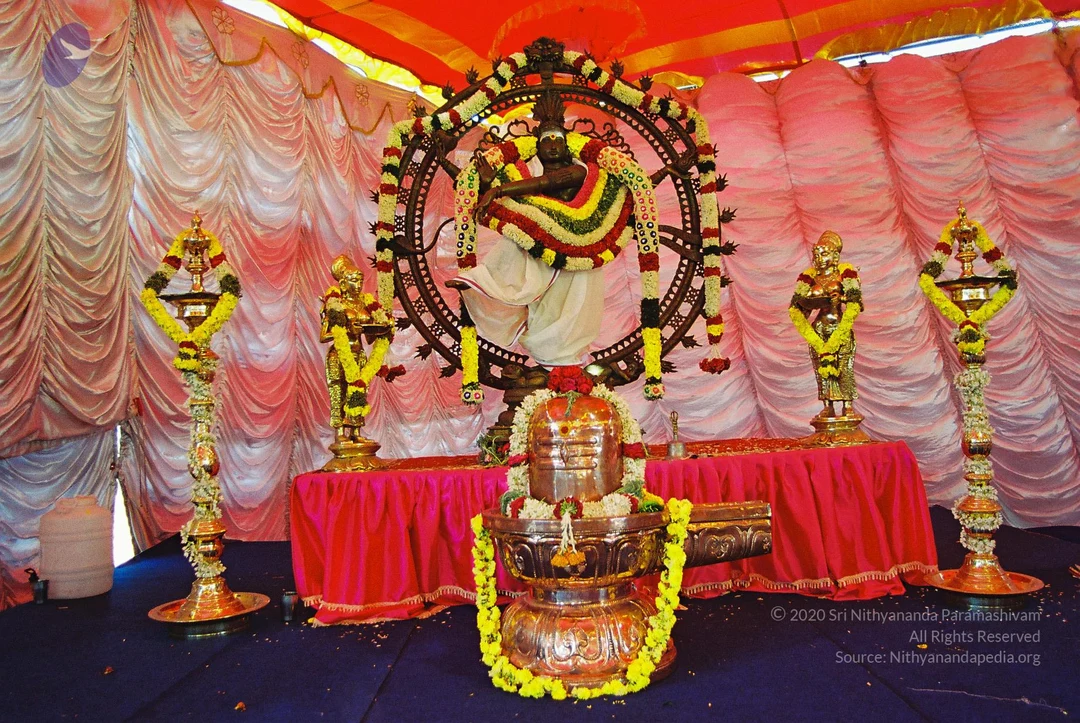
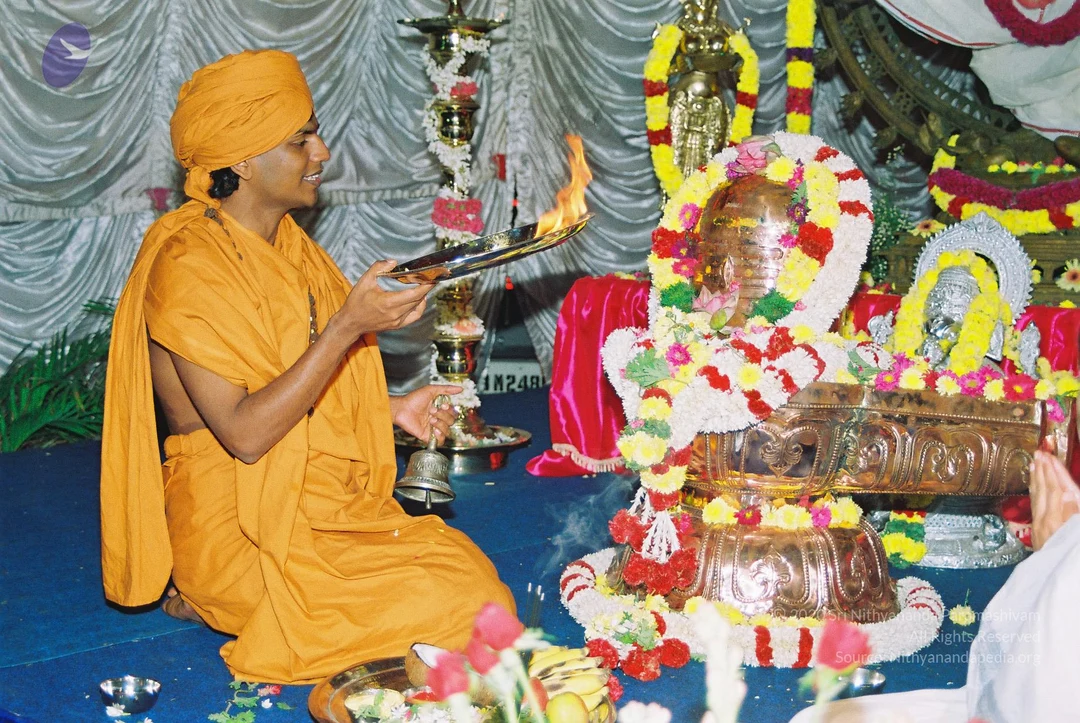
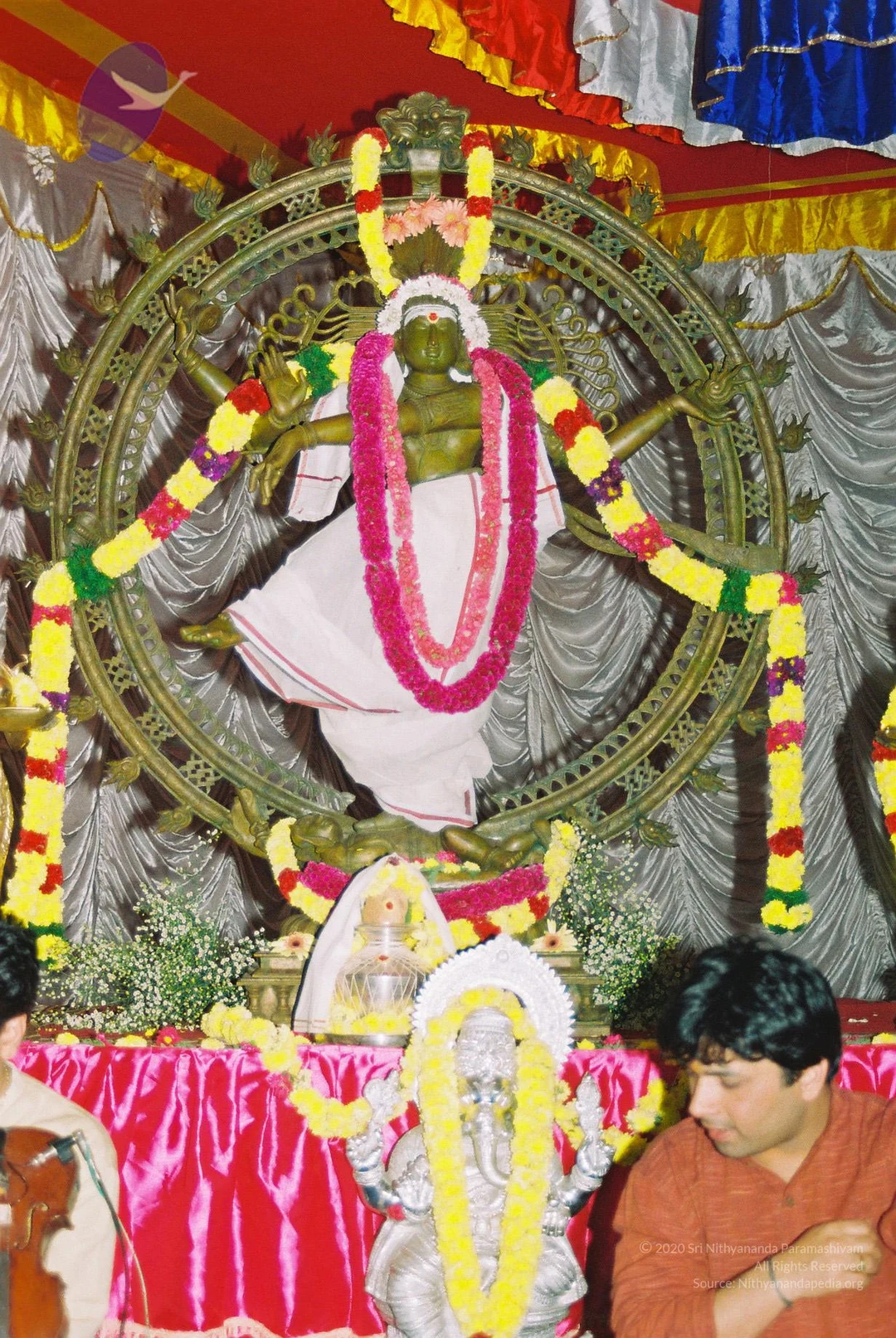
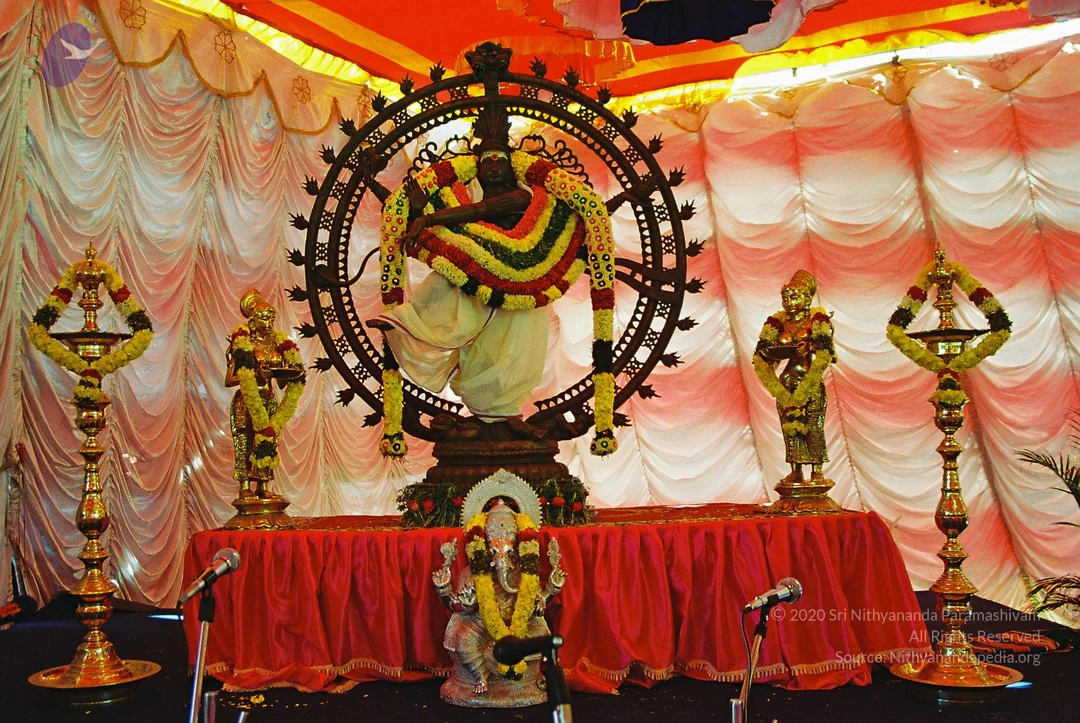
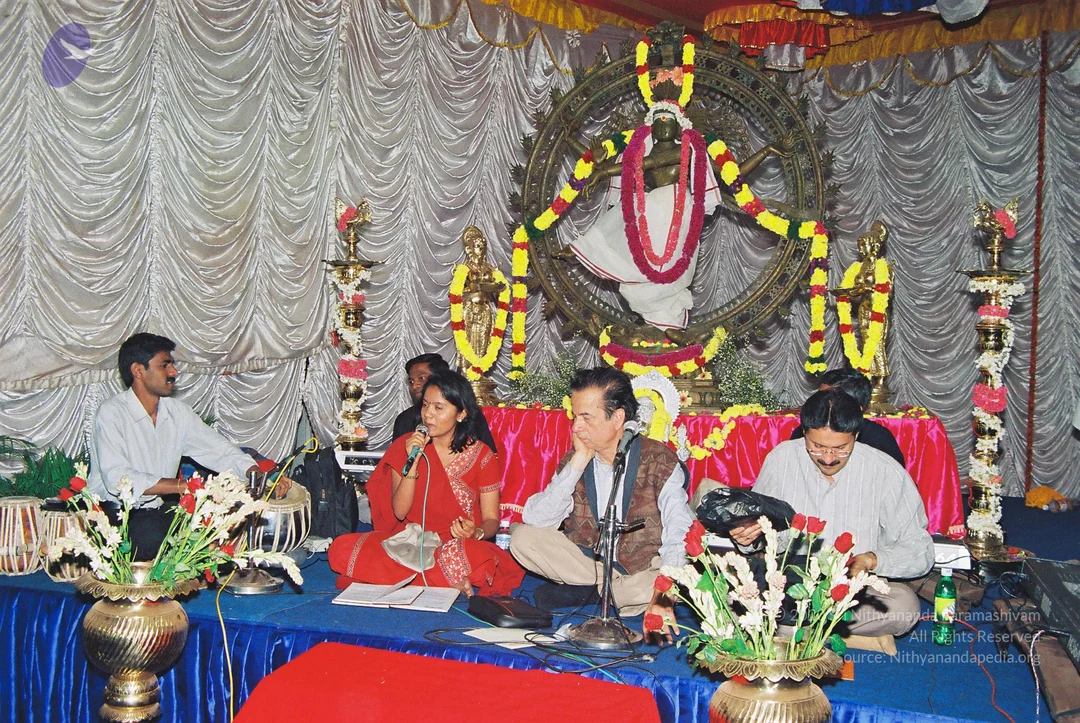
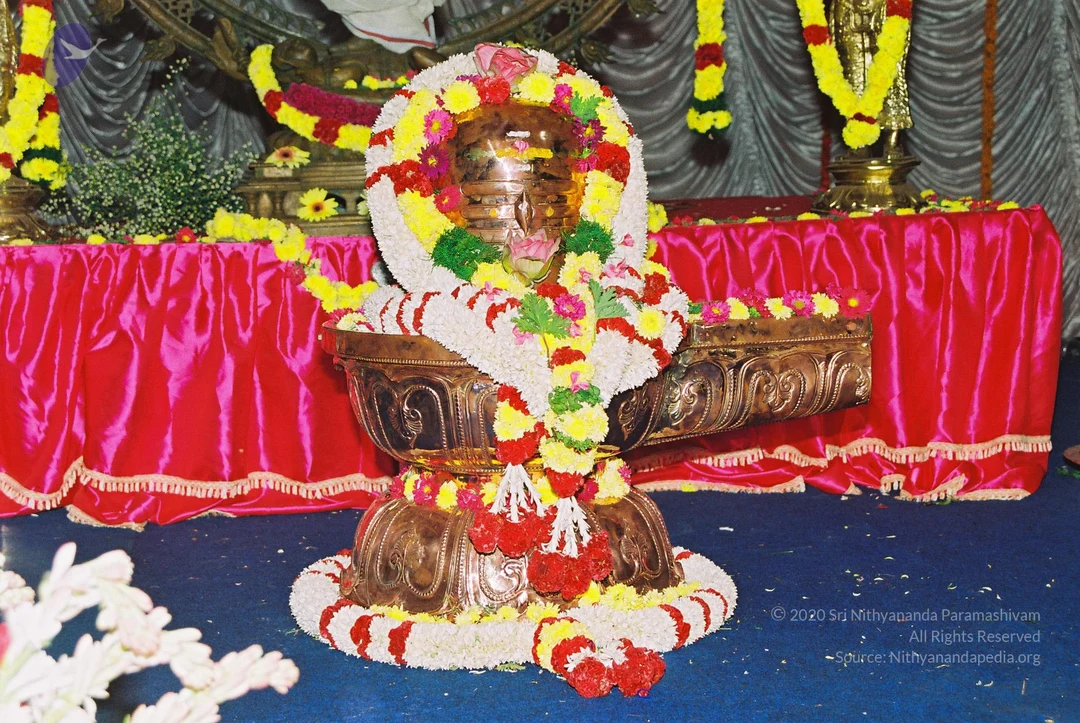
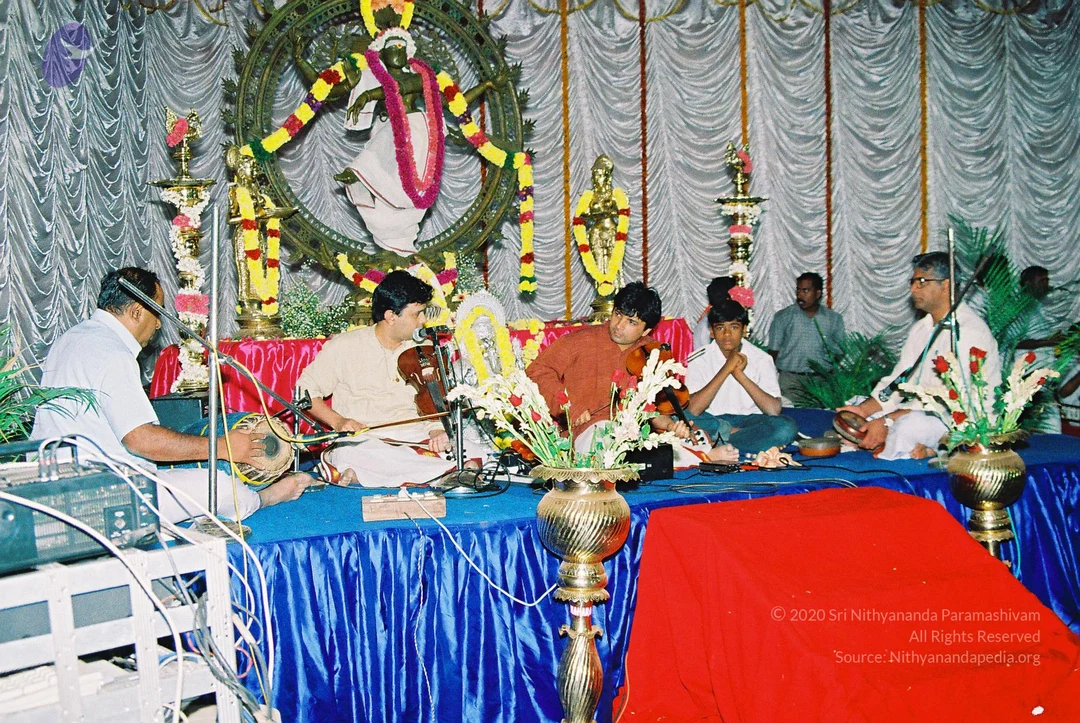
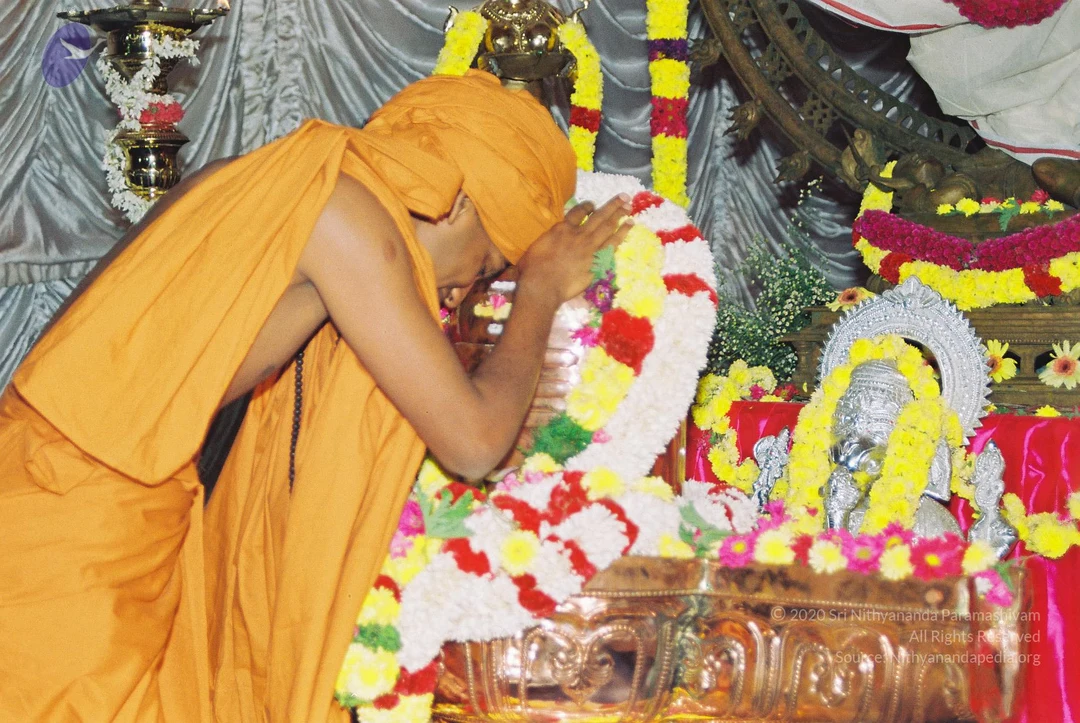
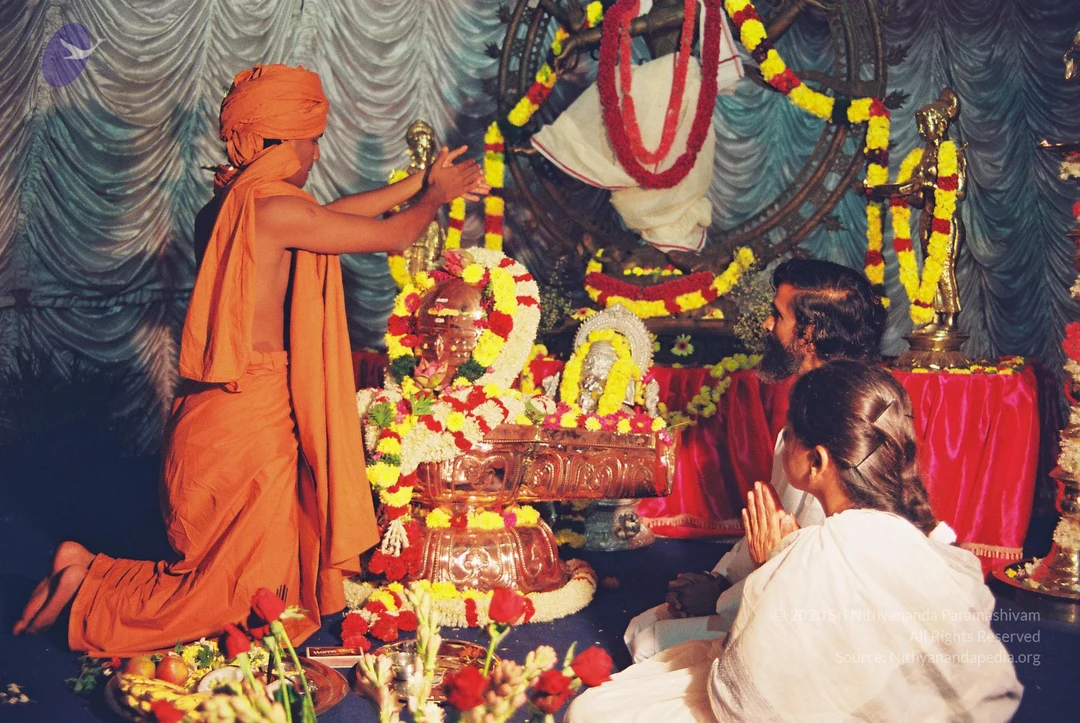
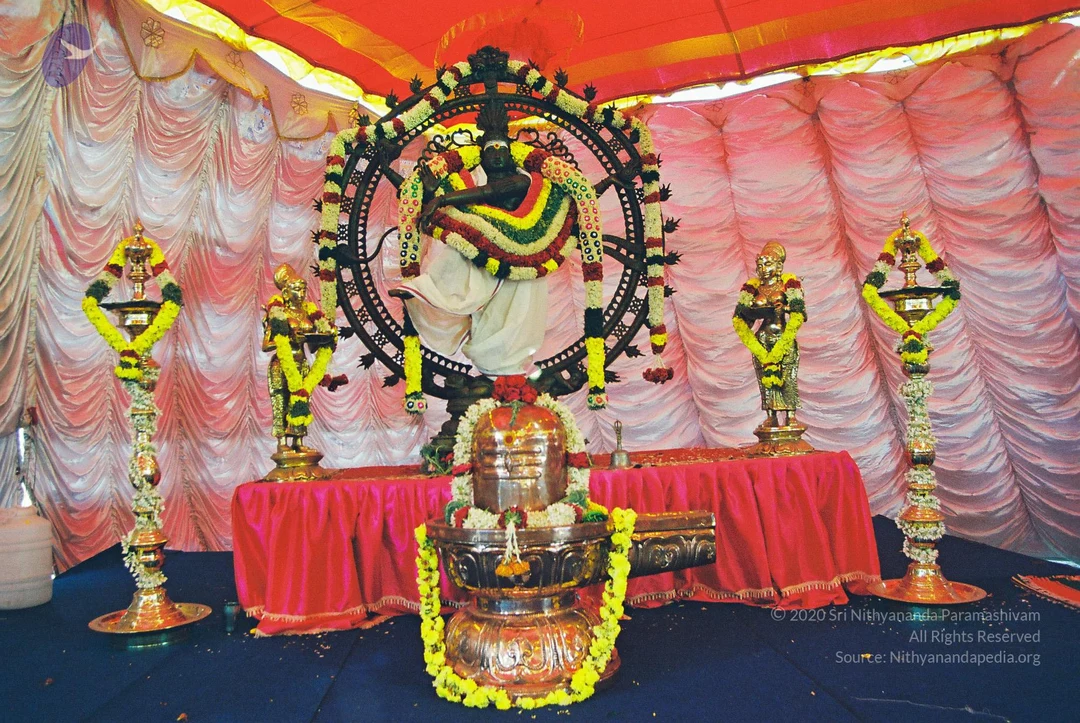
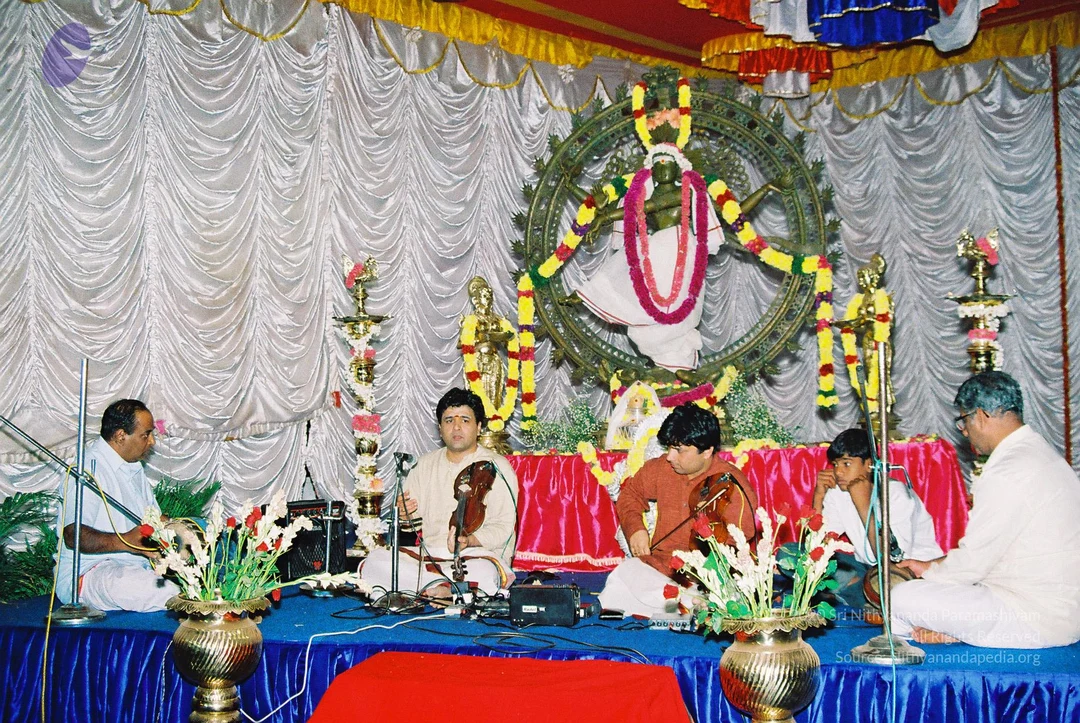
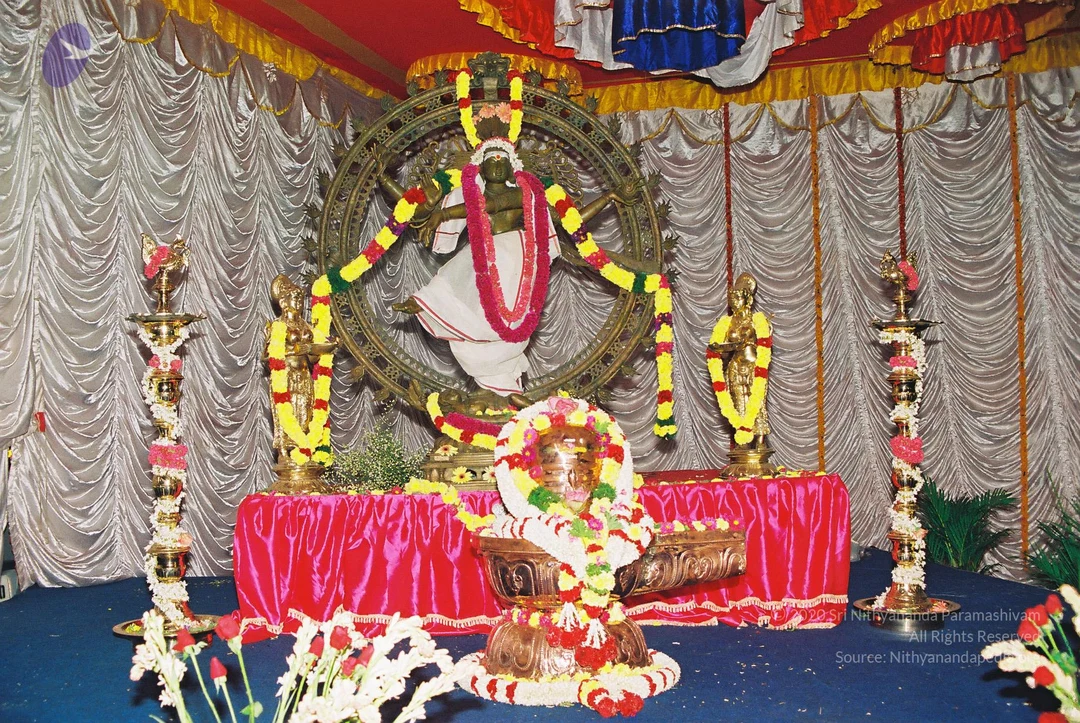
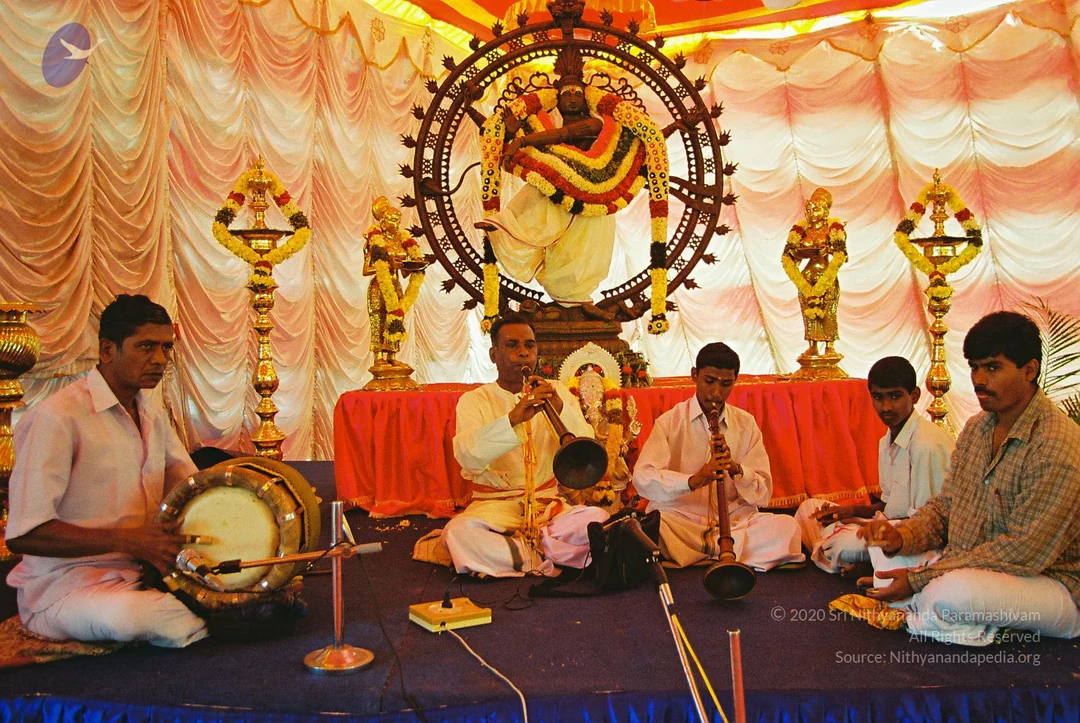
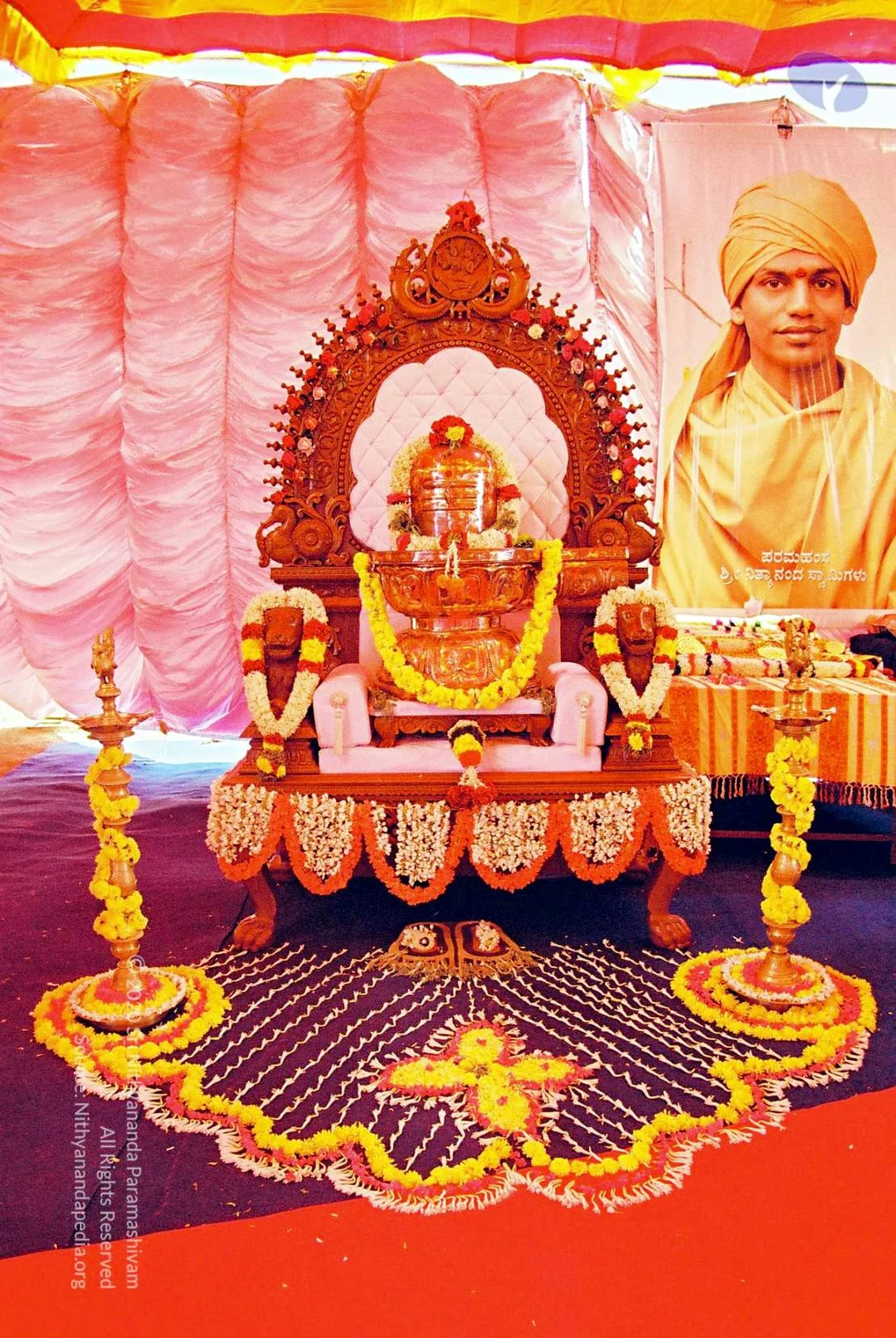
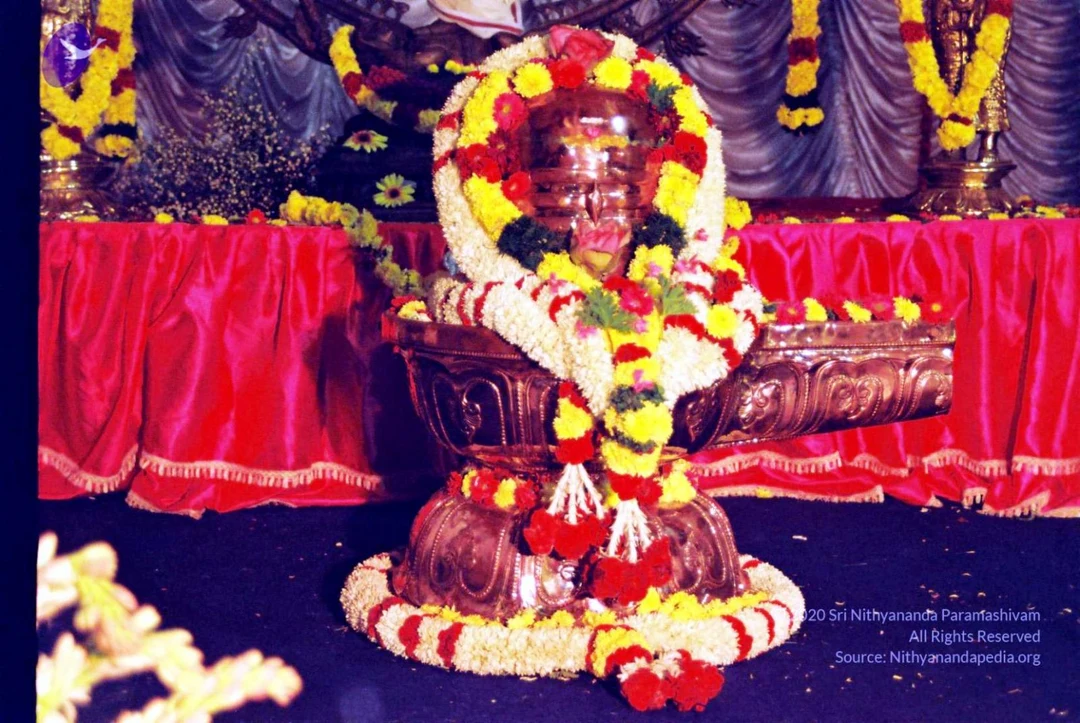
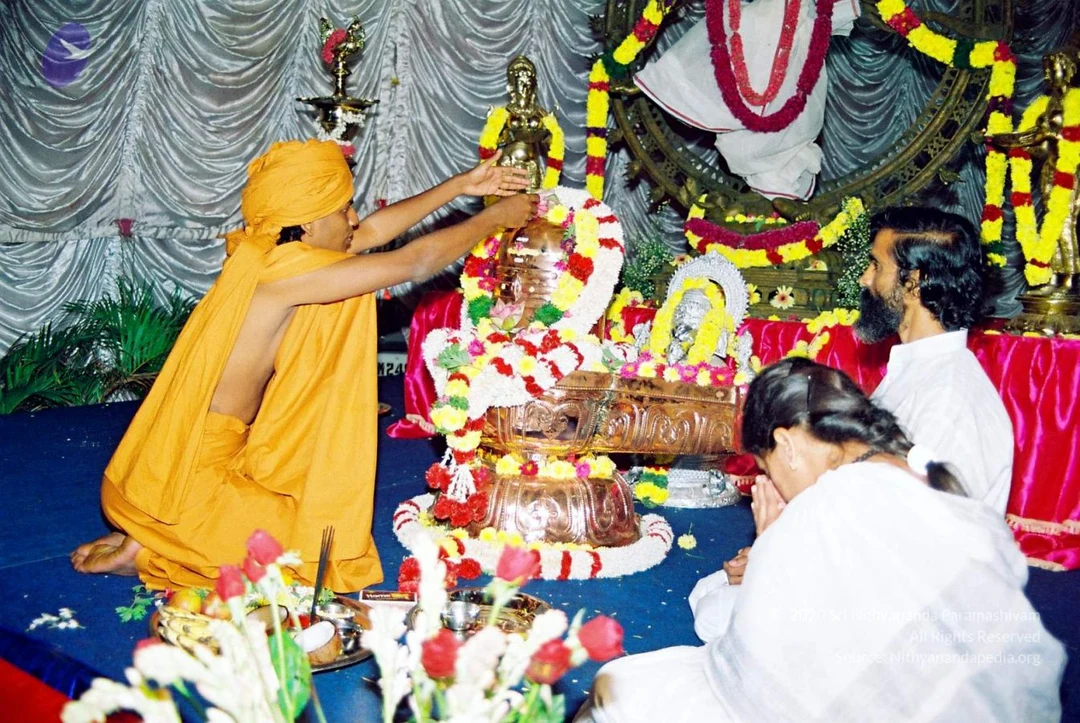
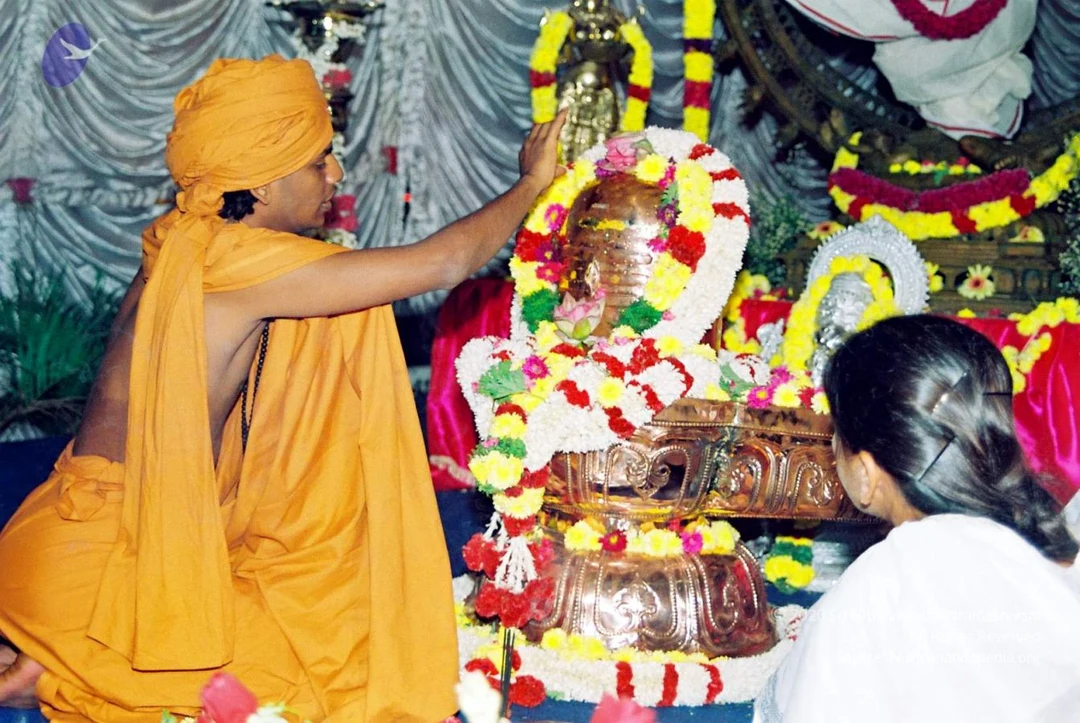
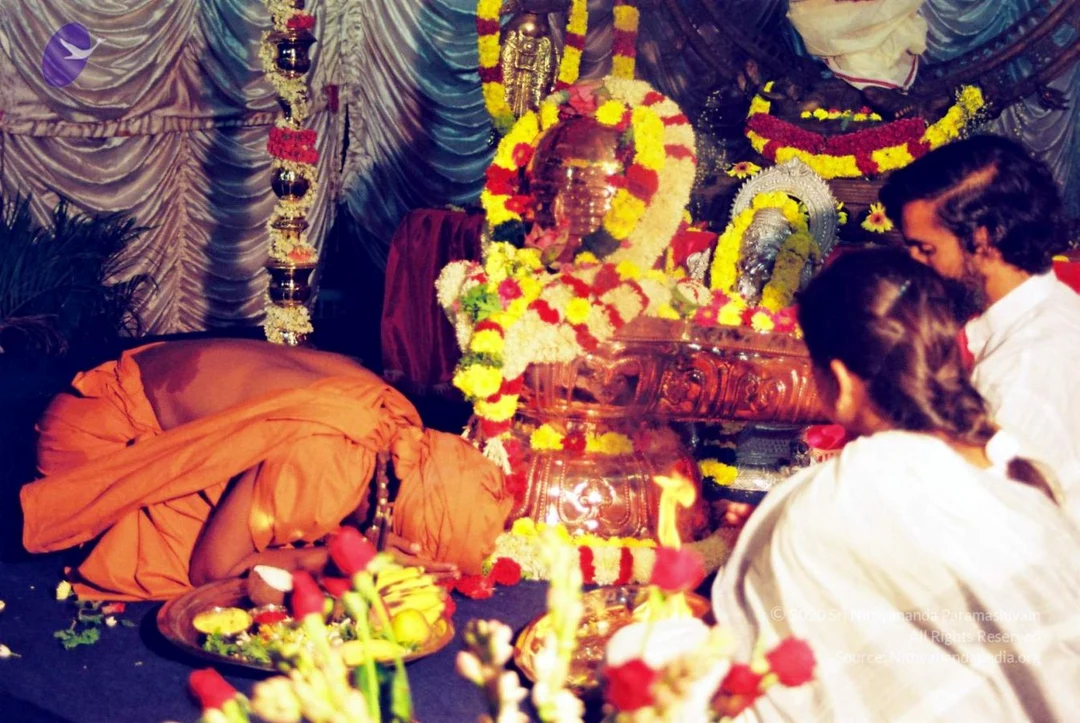
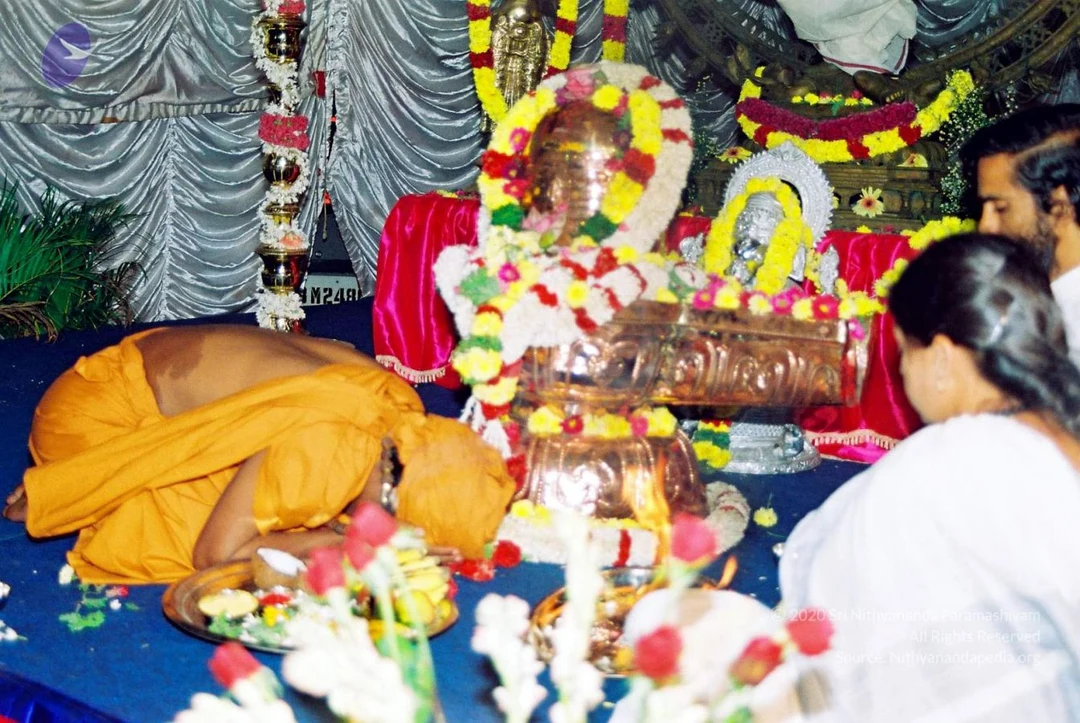
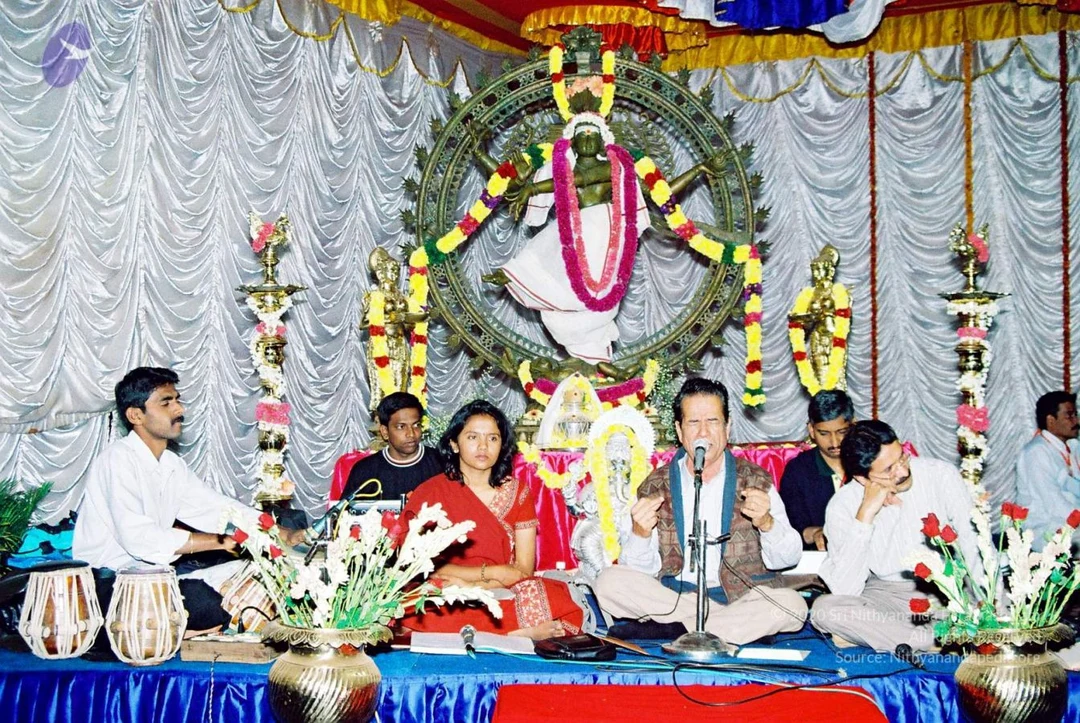
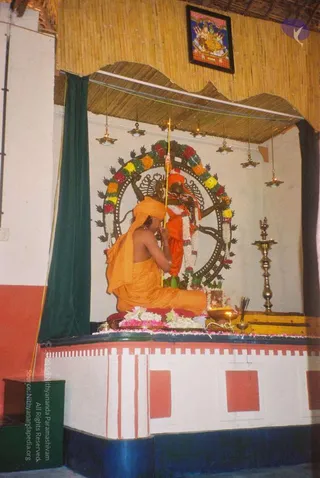
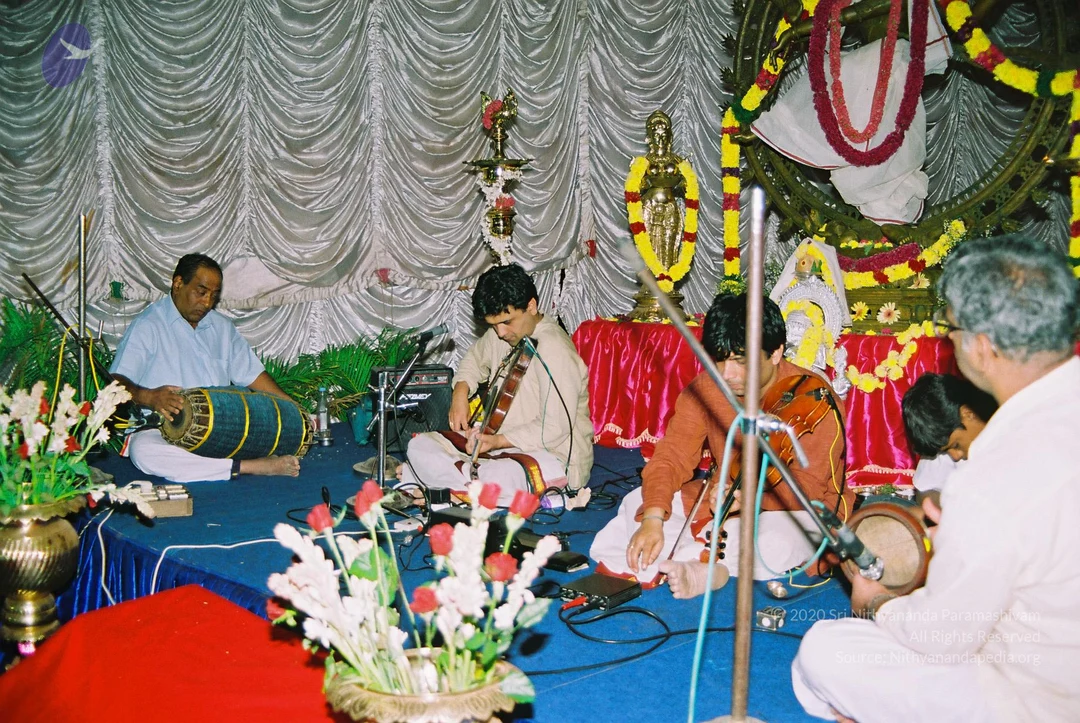
  • Decorating the deities of Lord Nataraja and Shiva Linga and setting up the worship {puja} items for them
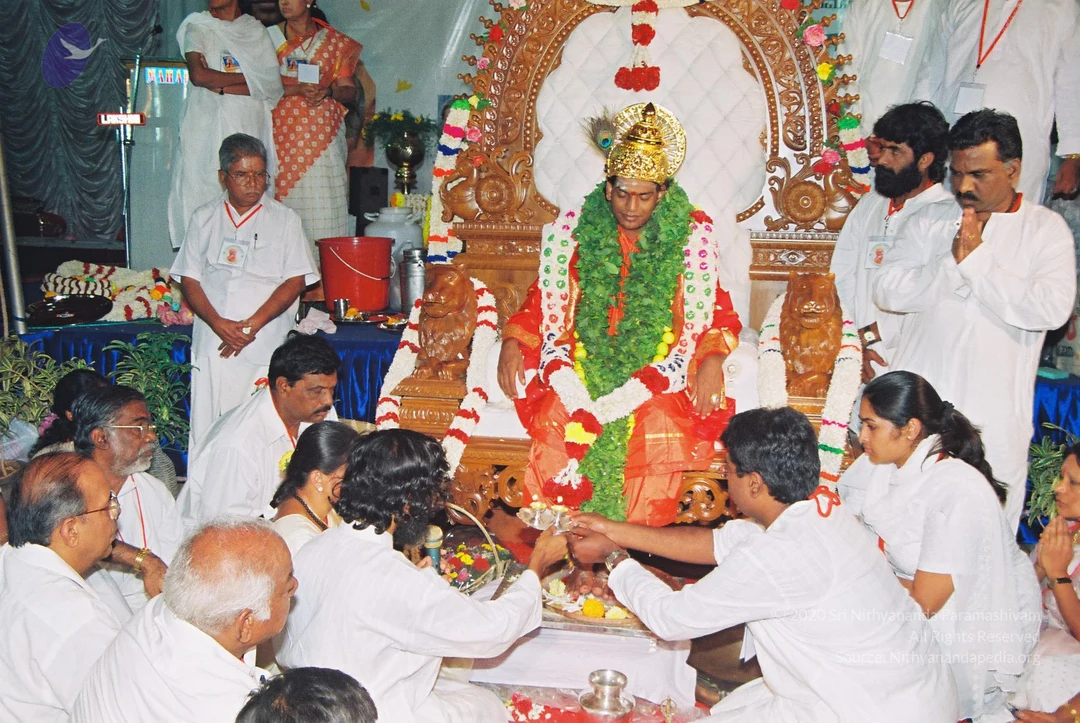
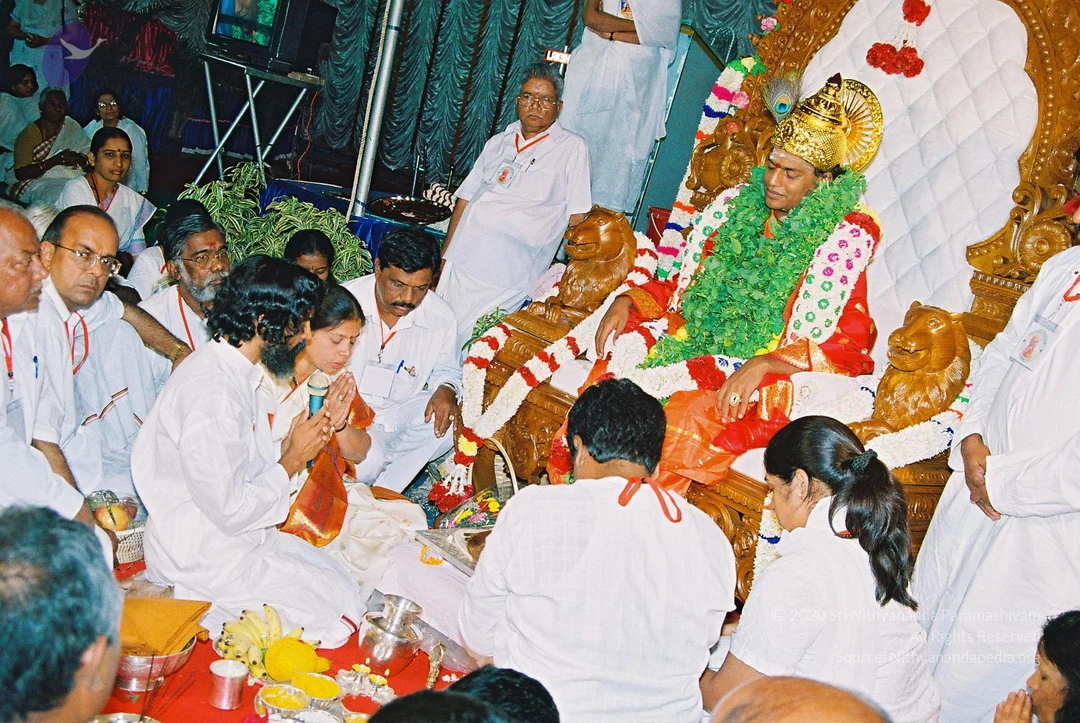
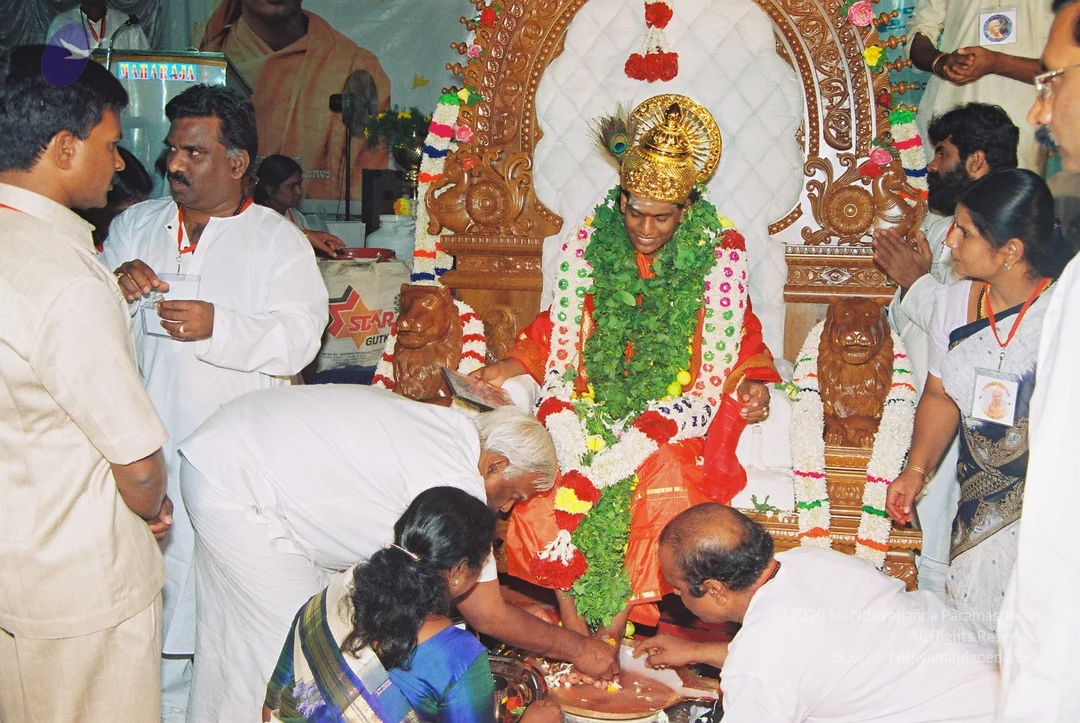
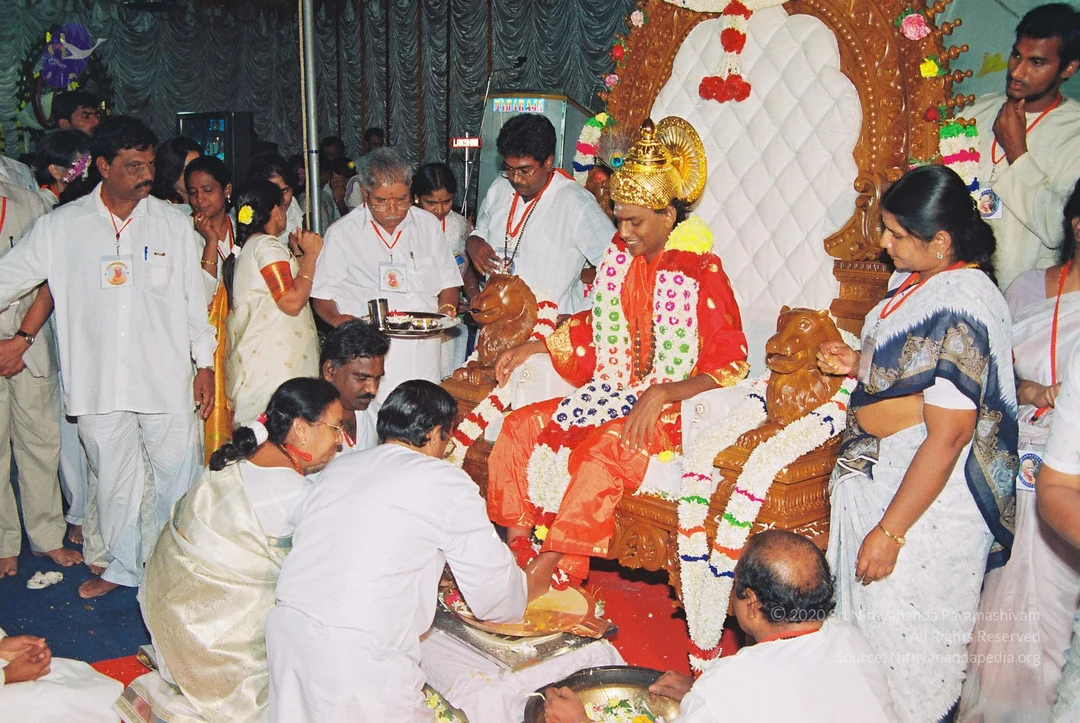
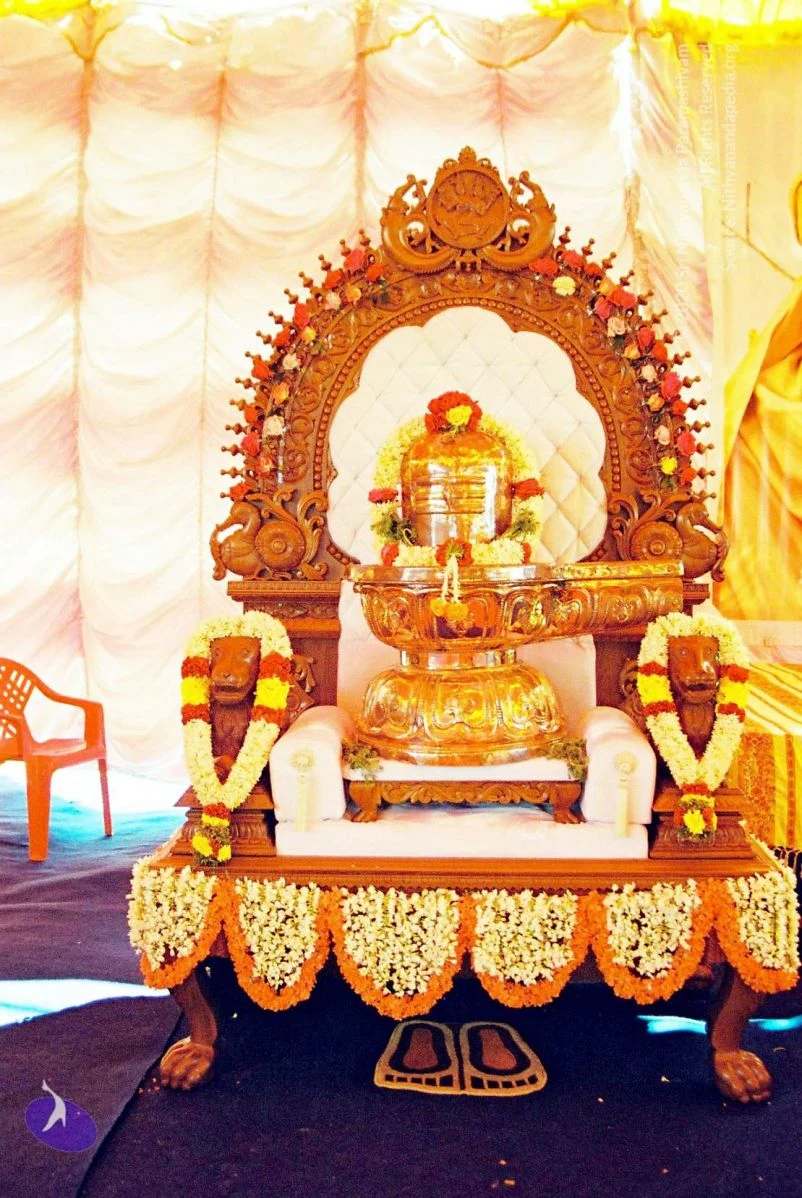
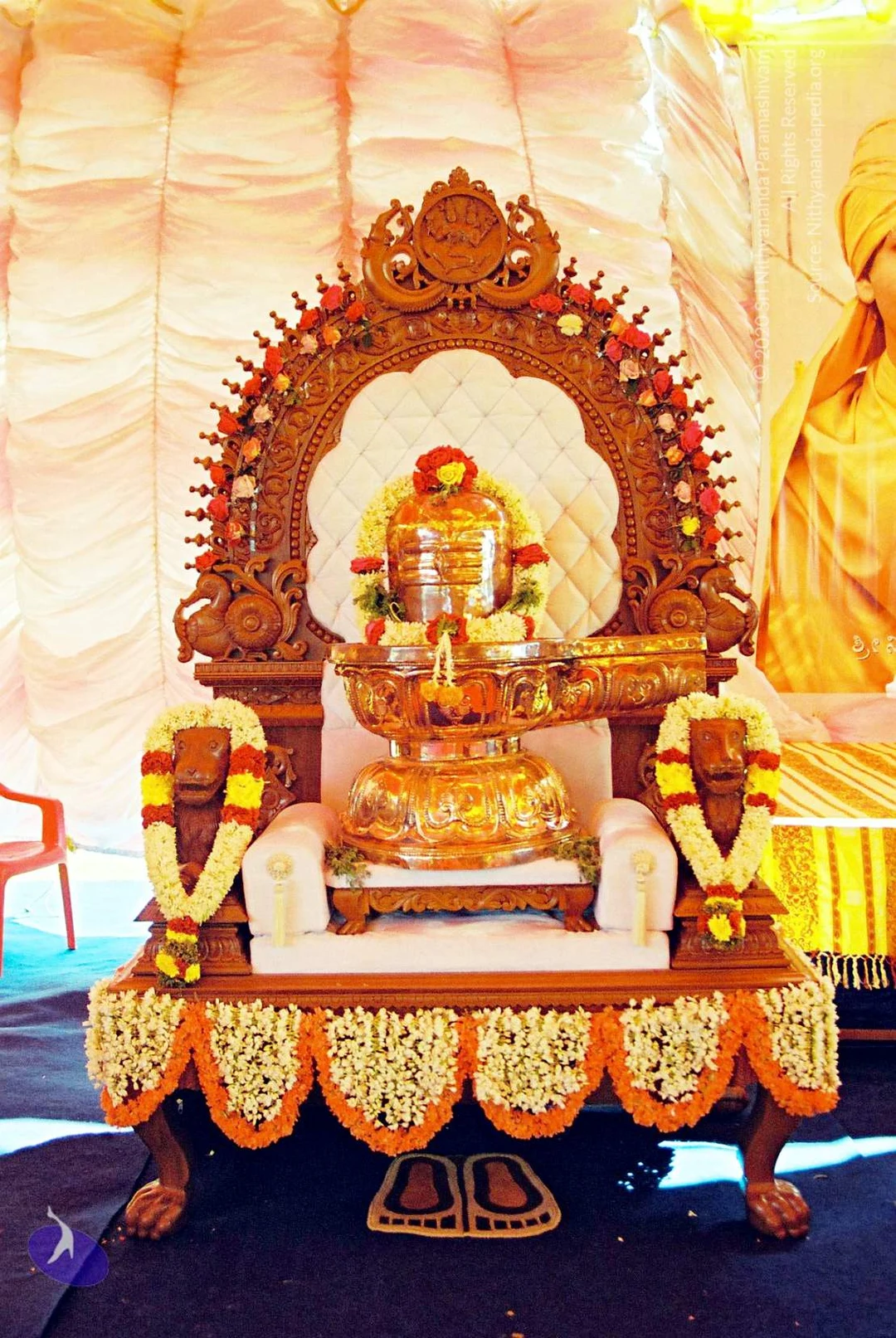
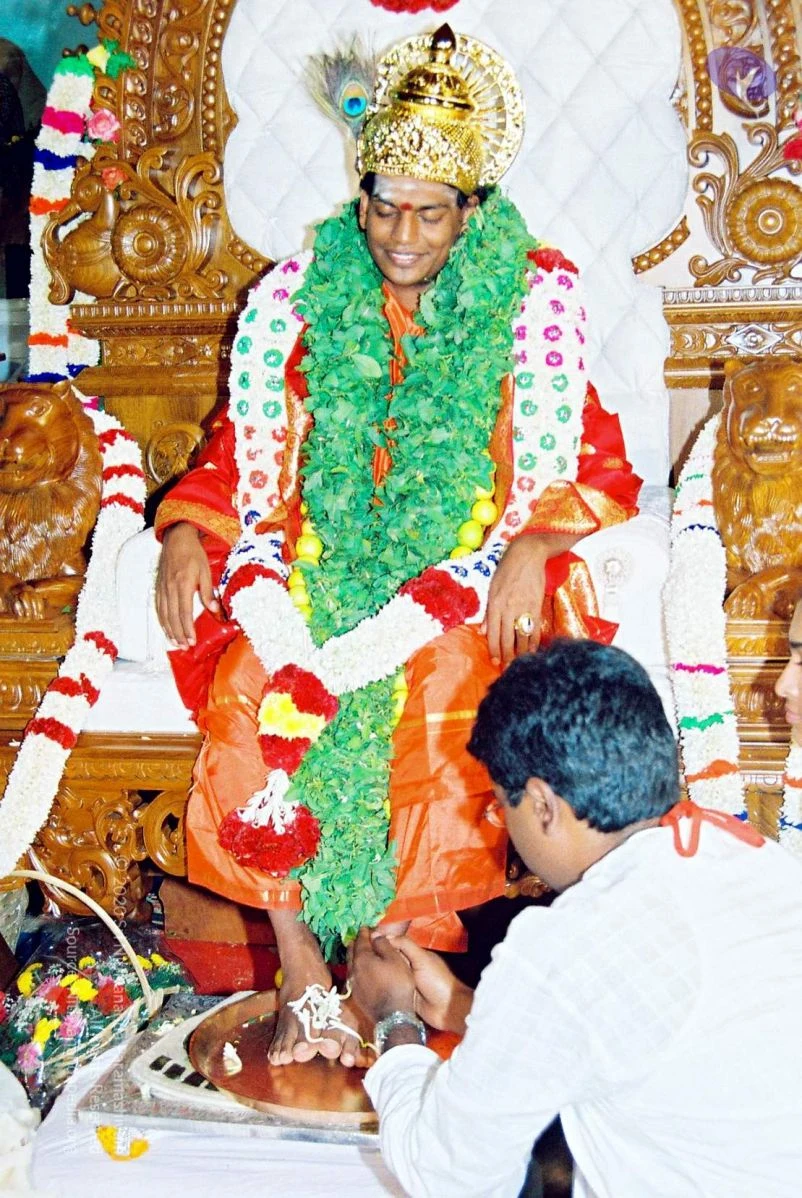
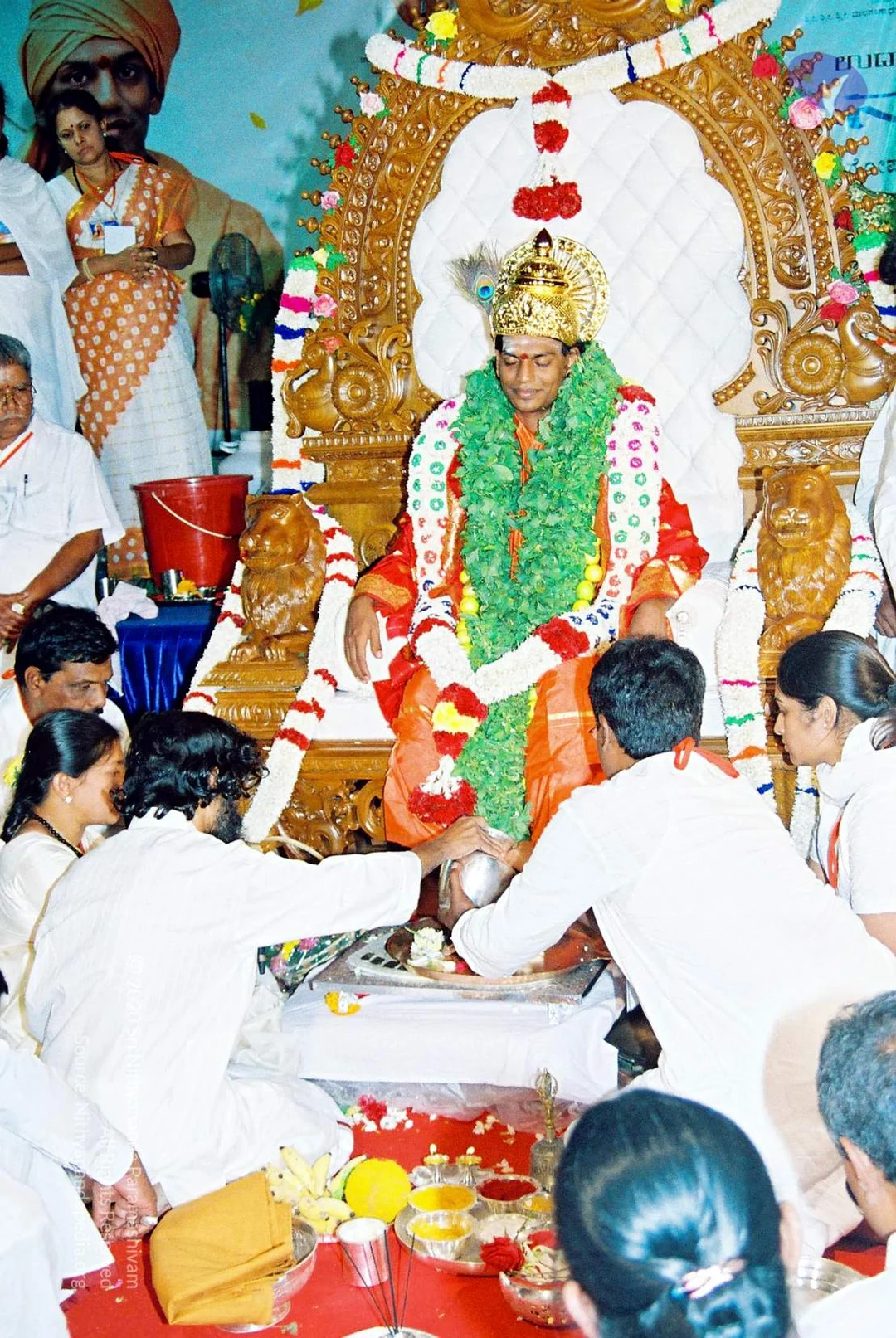
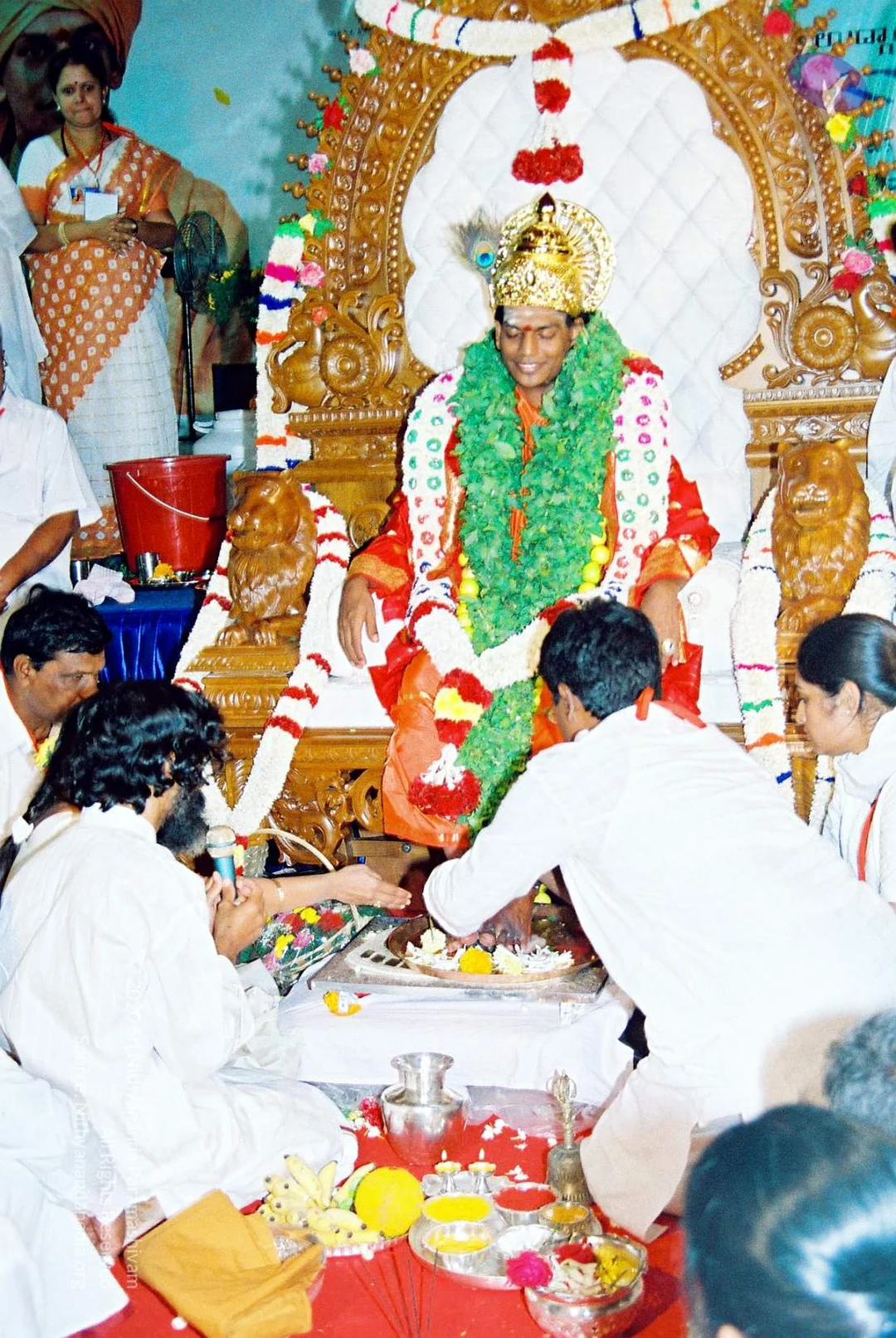
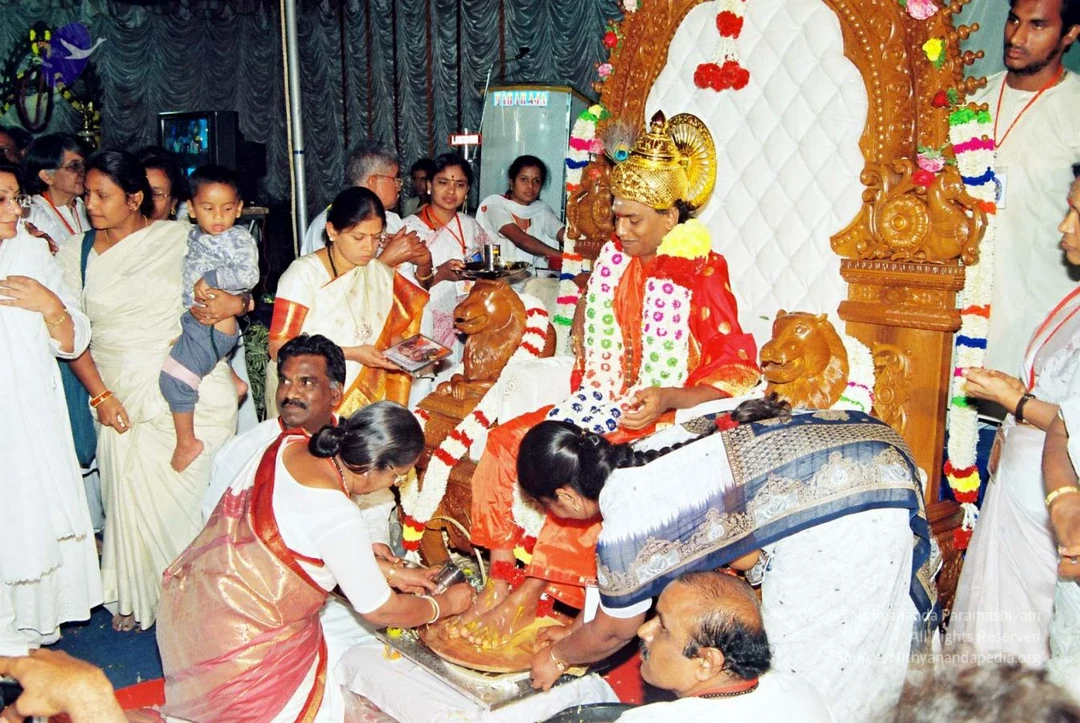
  • Decorating the first ever throne of KAILASA that was offered by a devotee as gratitude for the healing benefits from the healing powers of the SPH
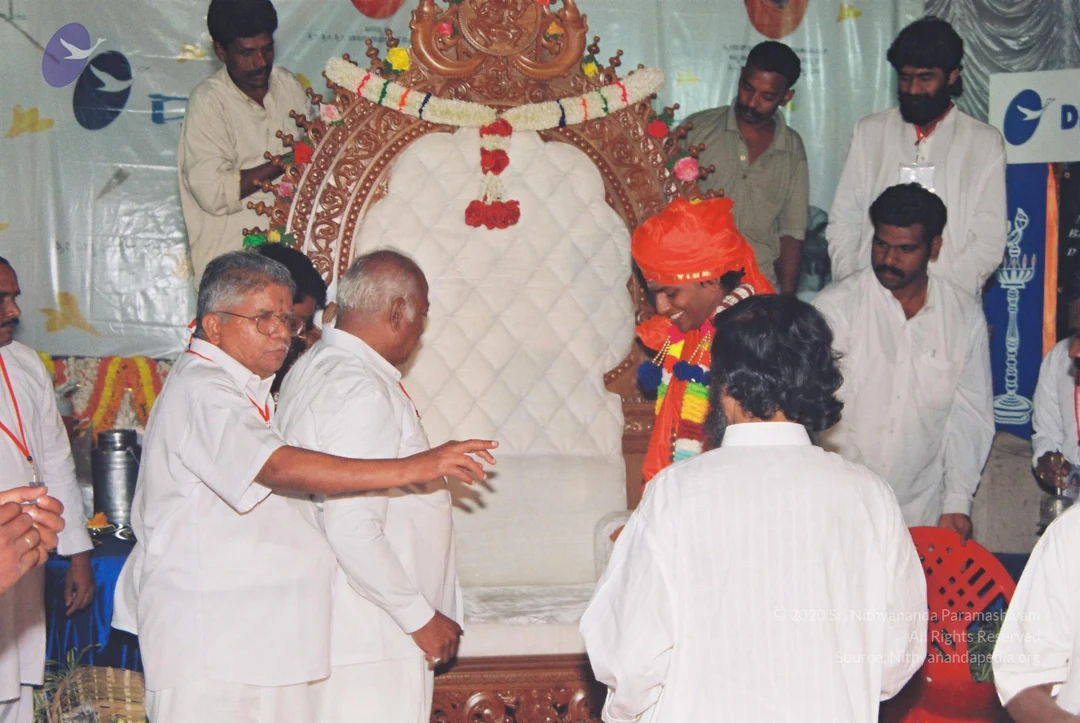
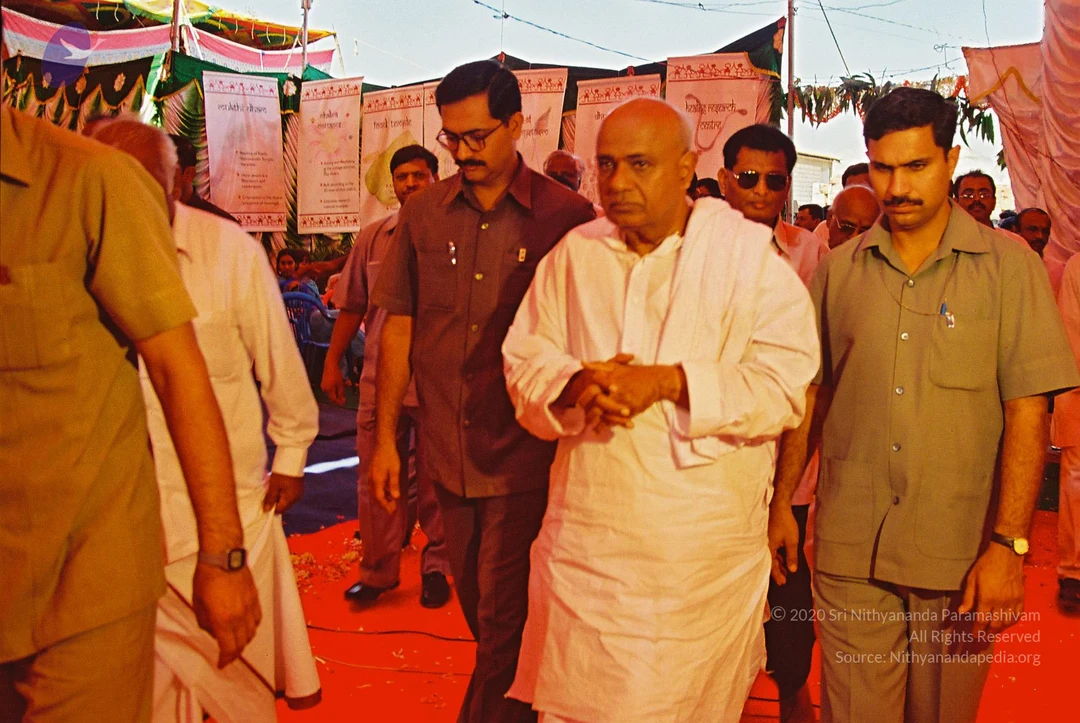
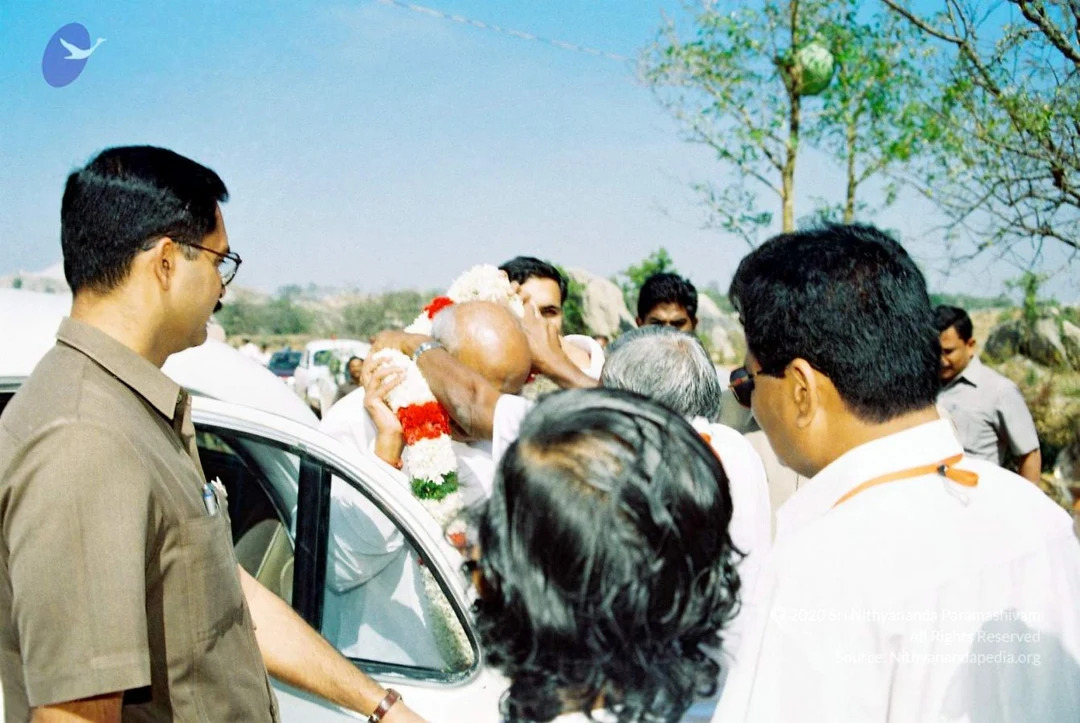
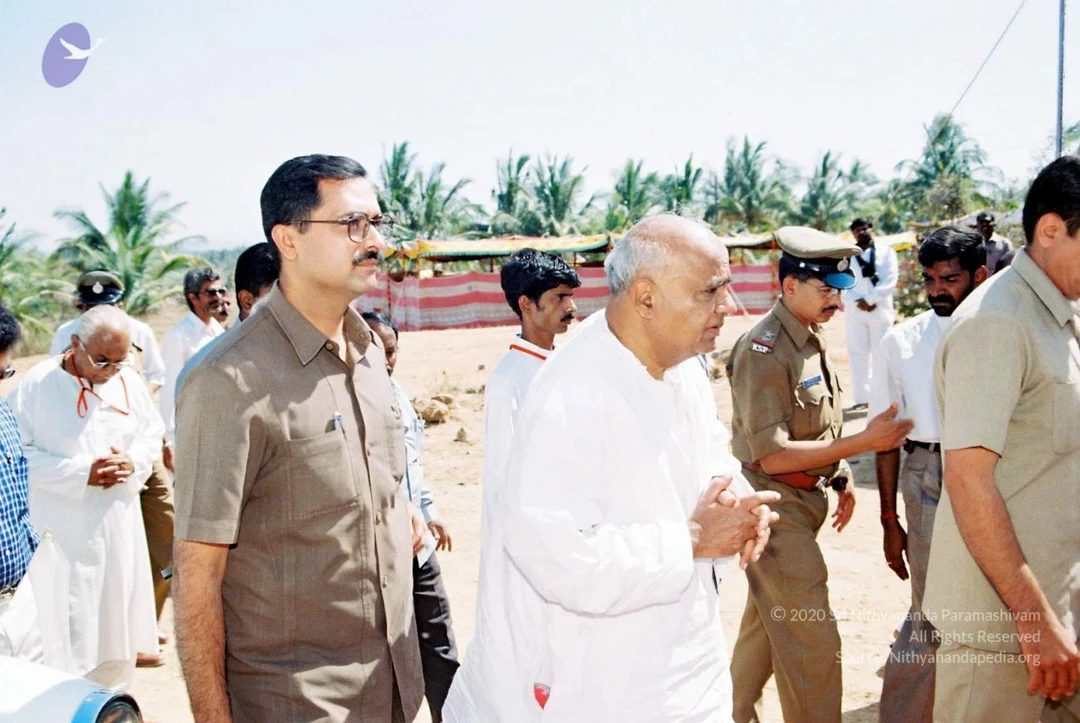
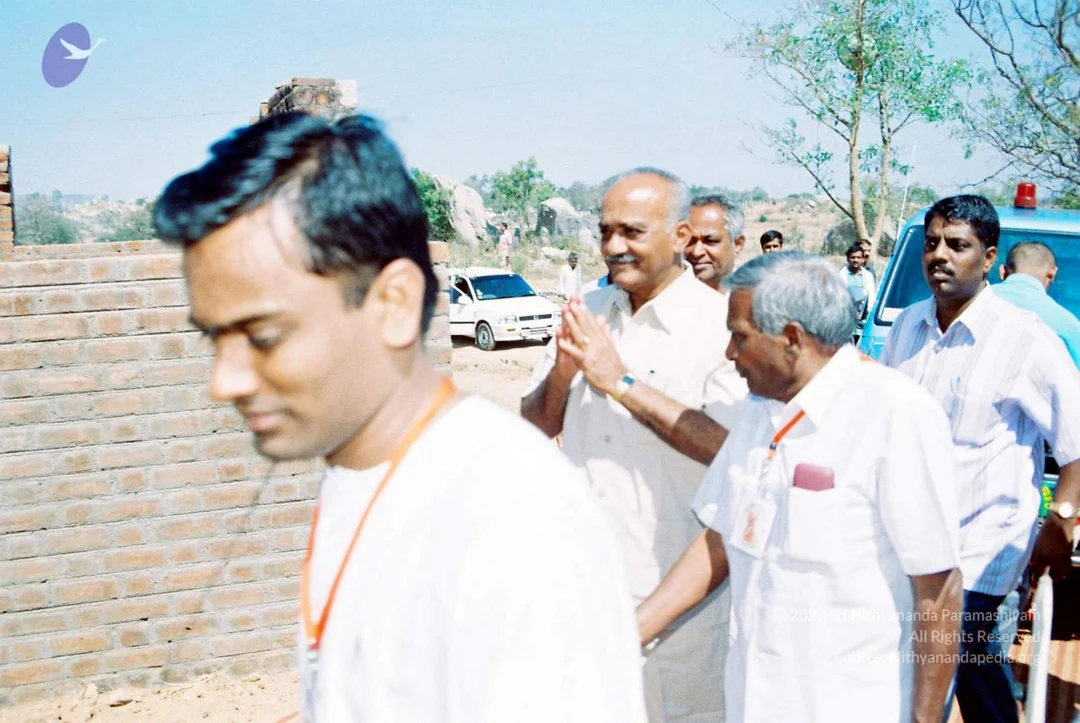
  • Organising the welcoming of the spiritual and political leaders of Karnataka who would be gracing the inaugural function
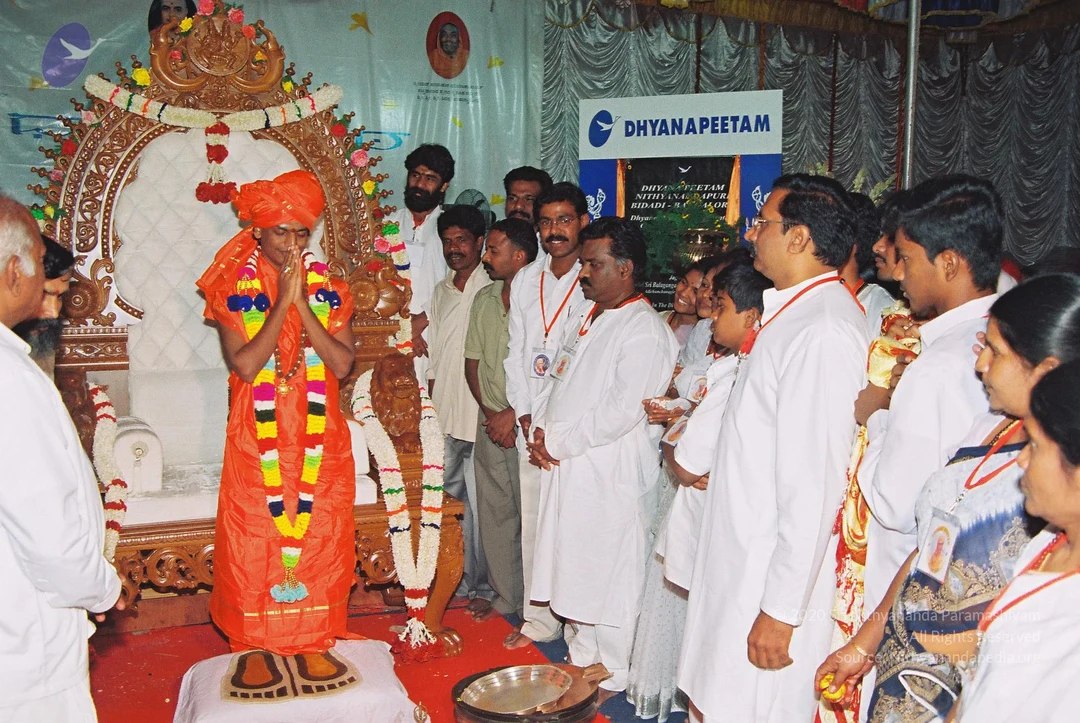
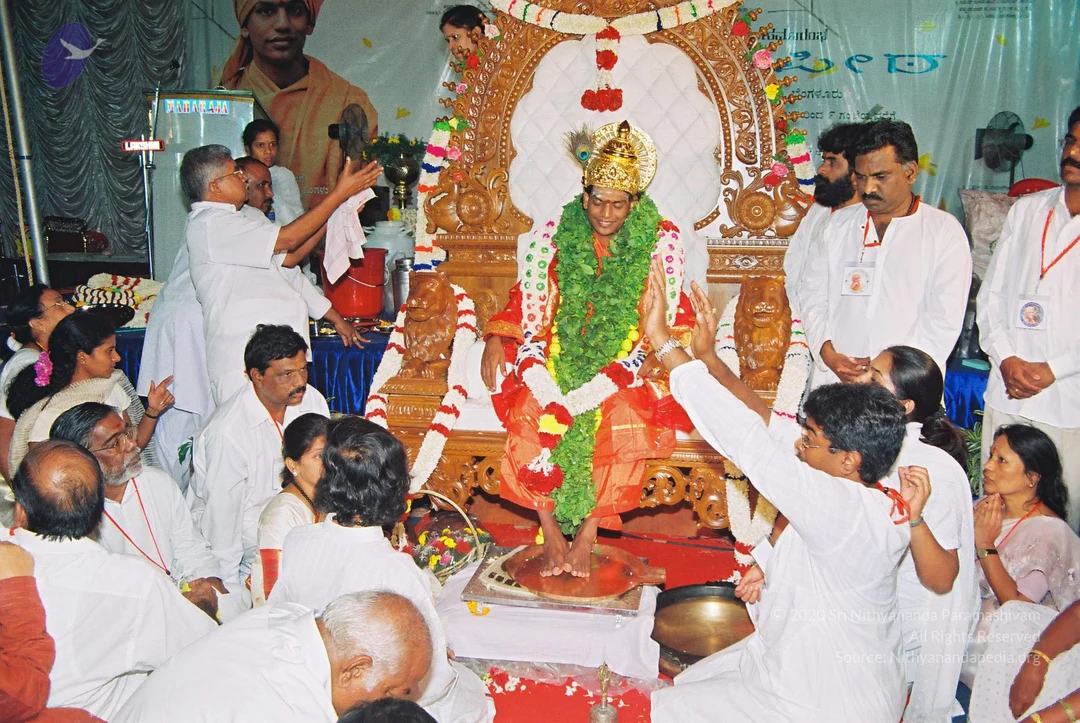
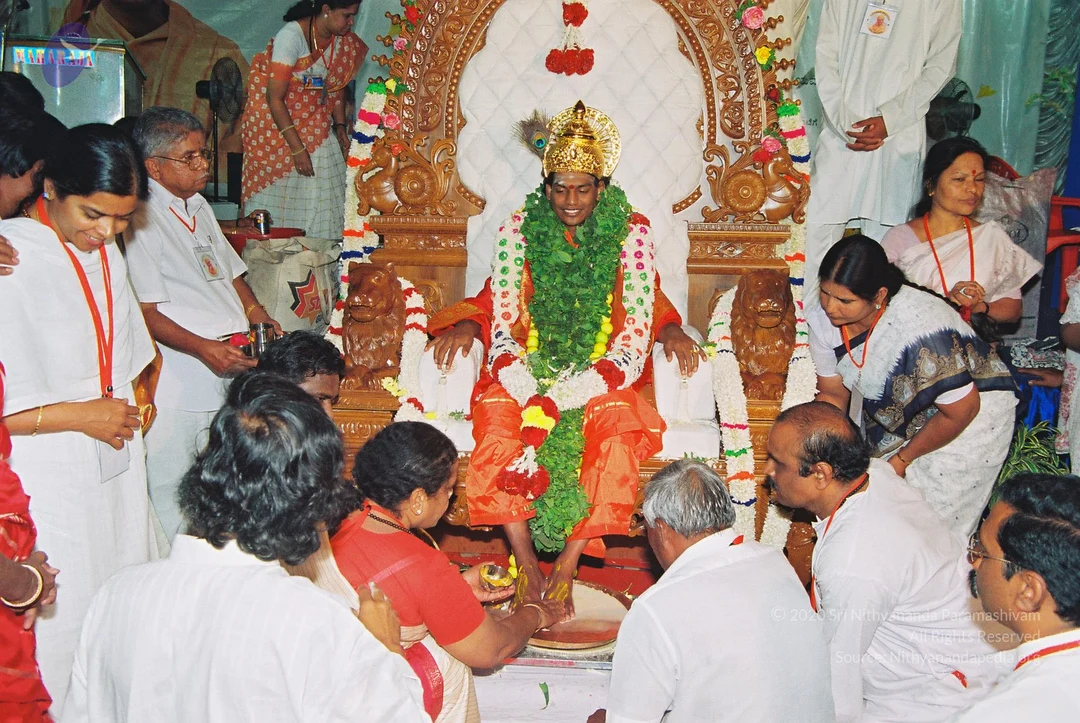
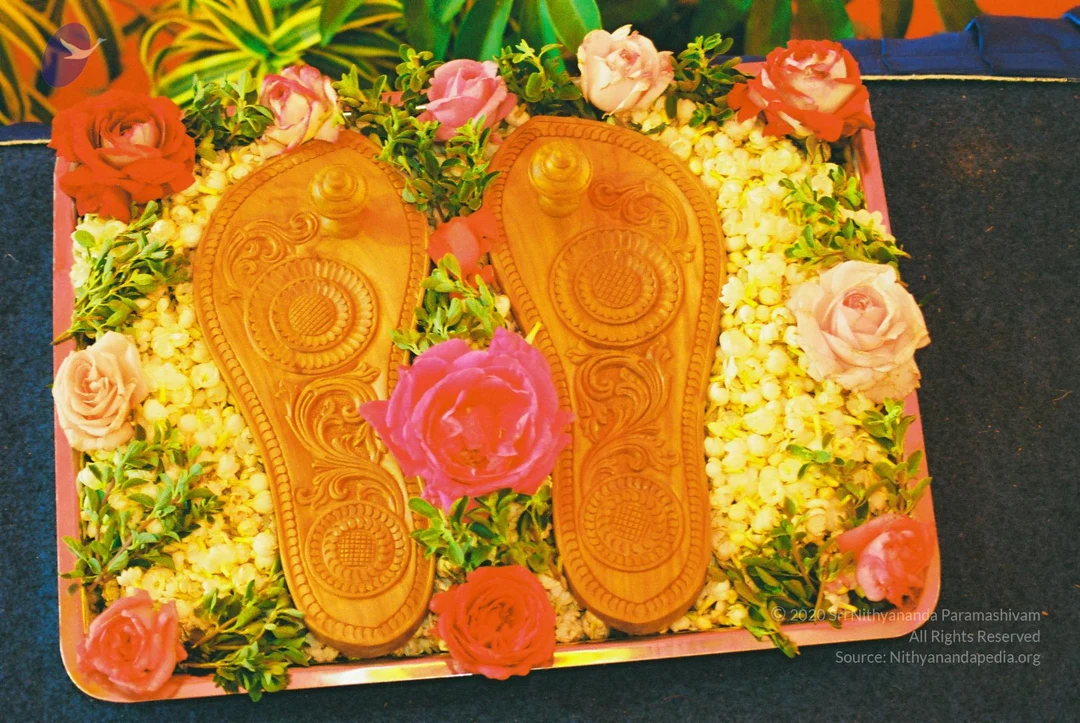
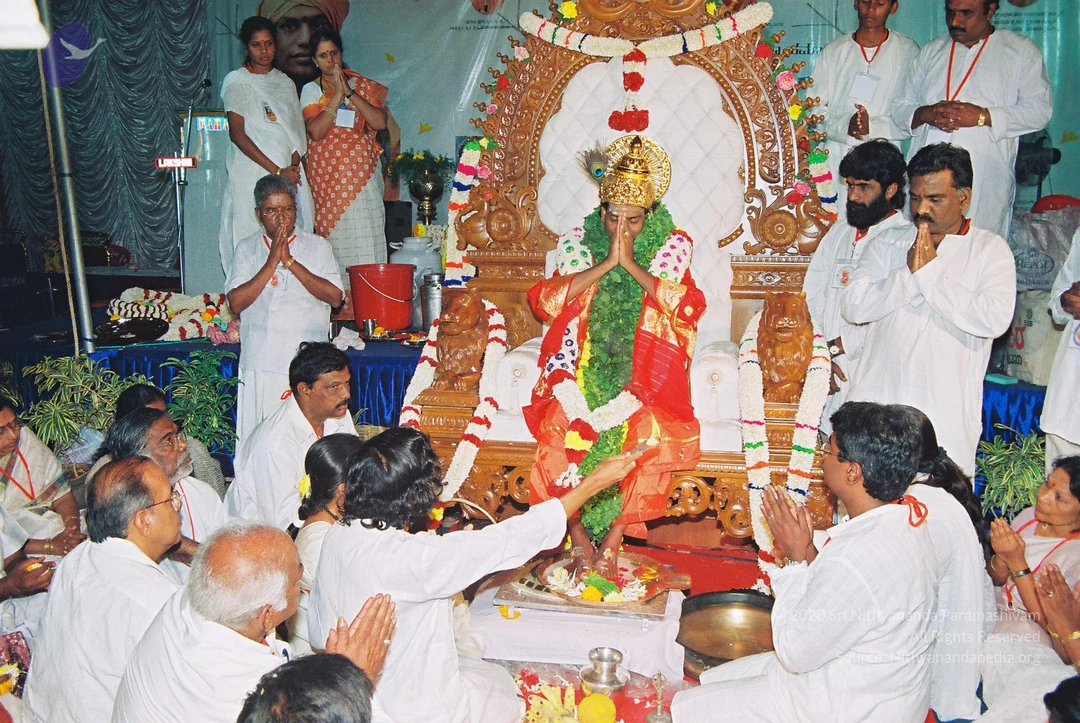
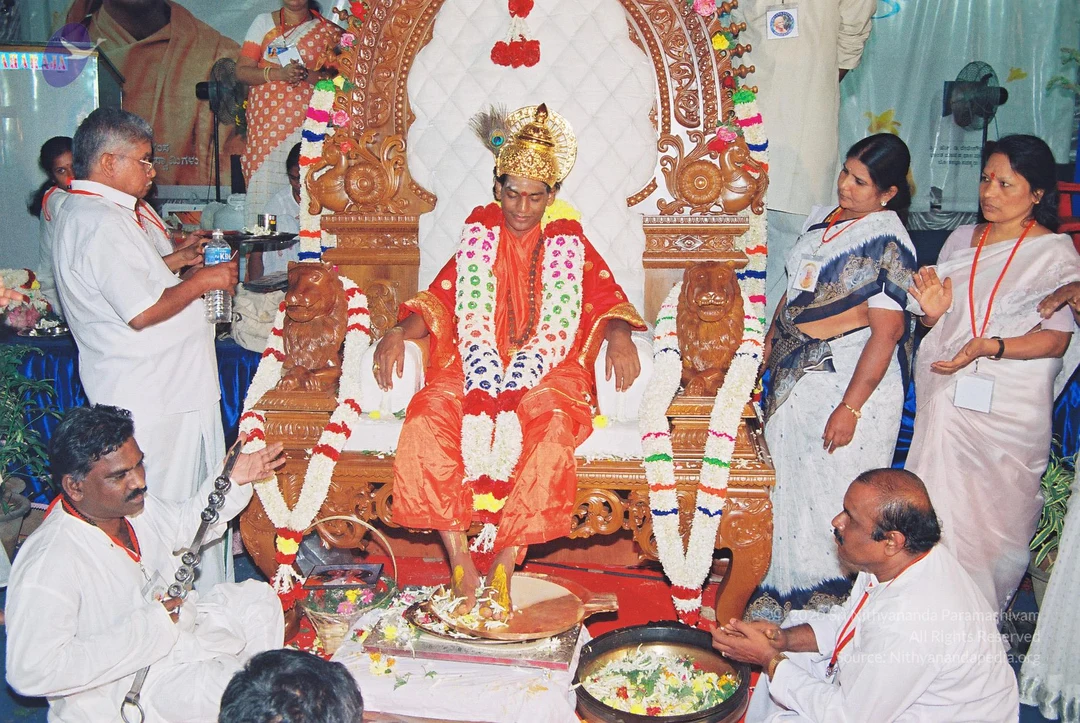
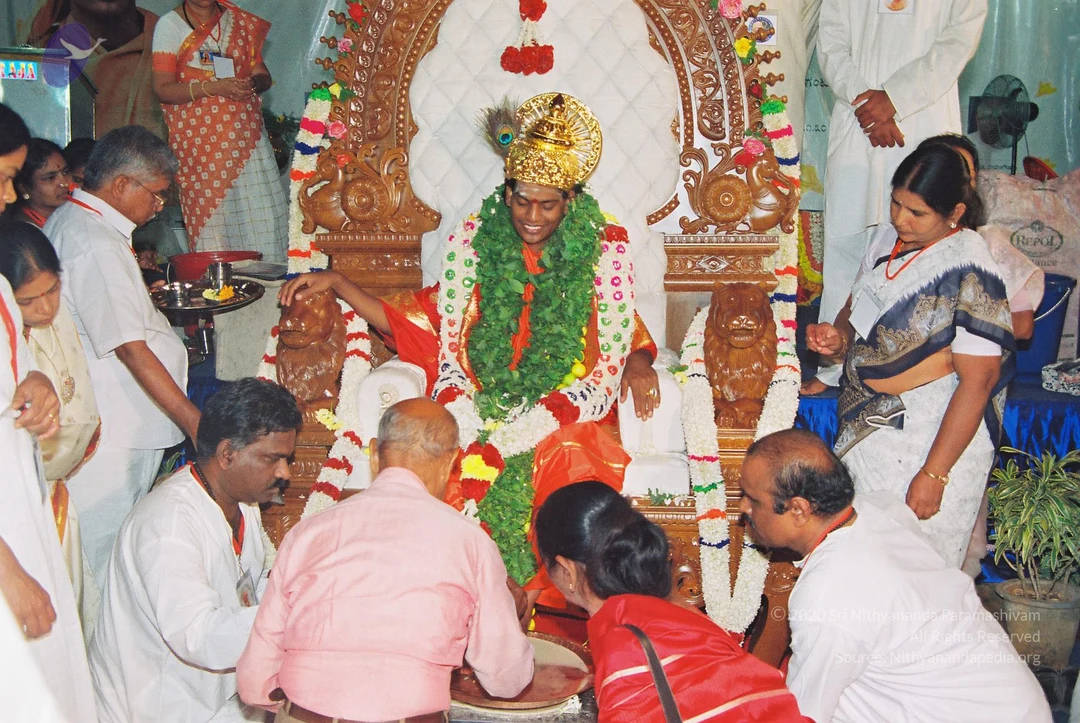
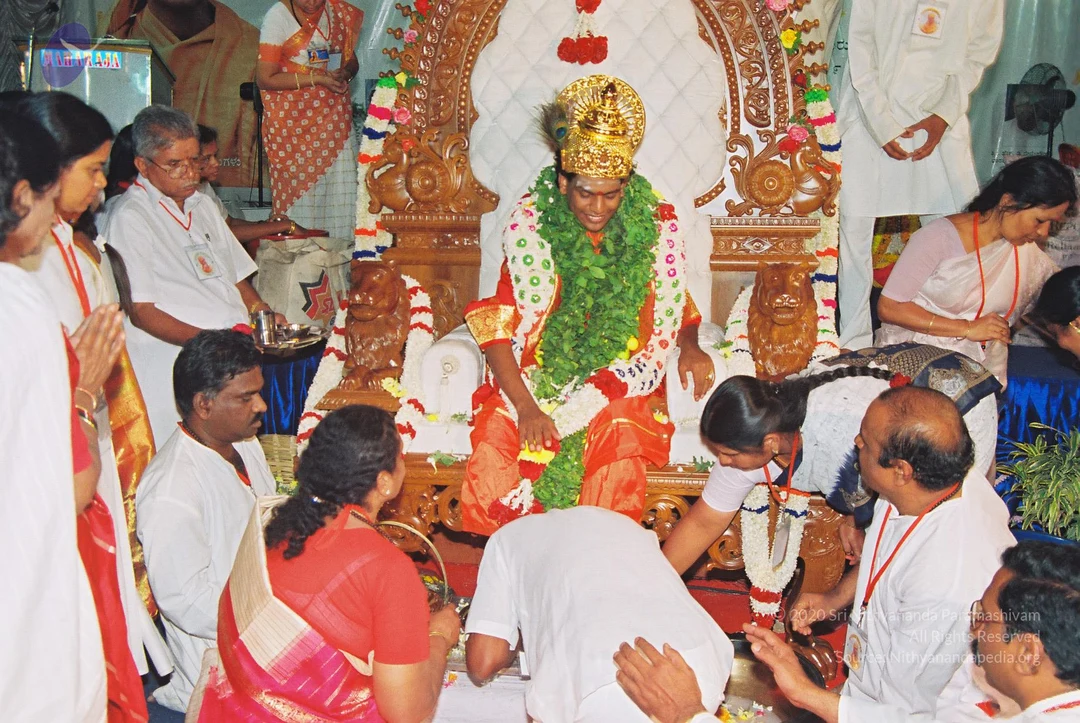
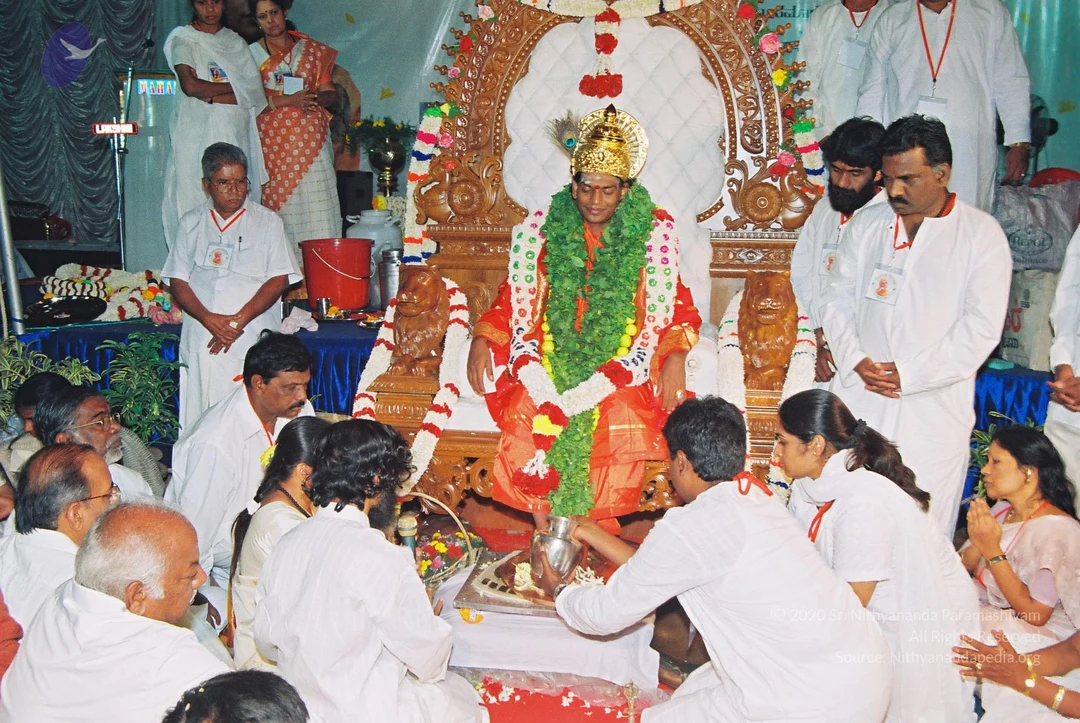
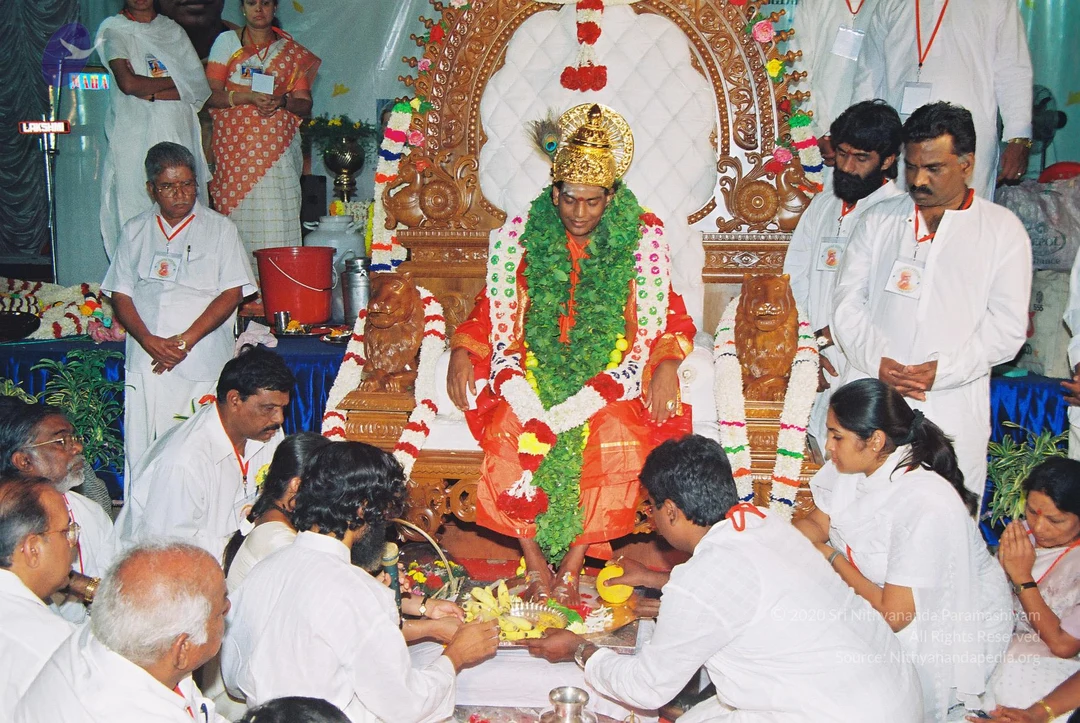
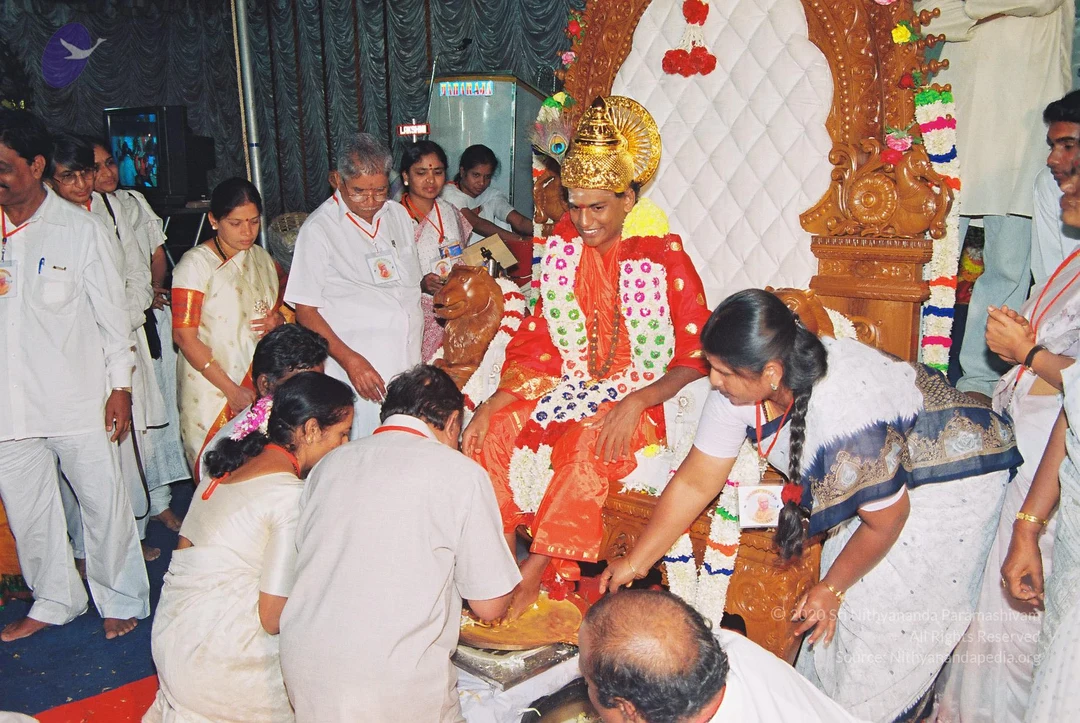
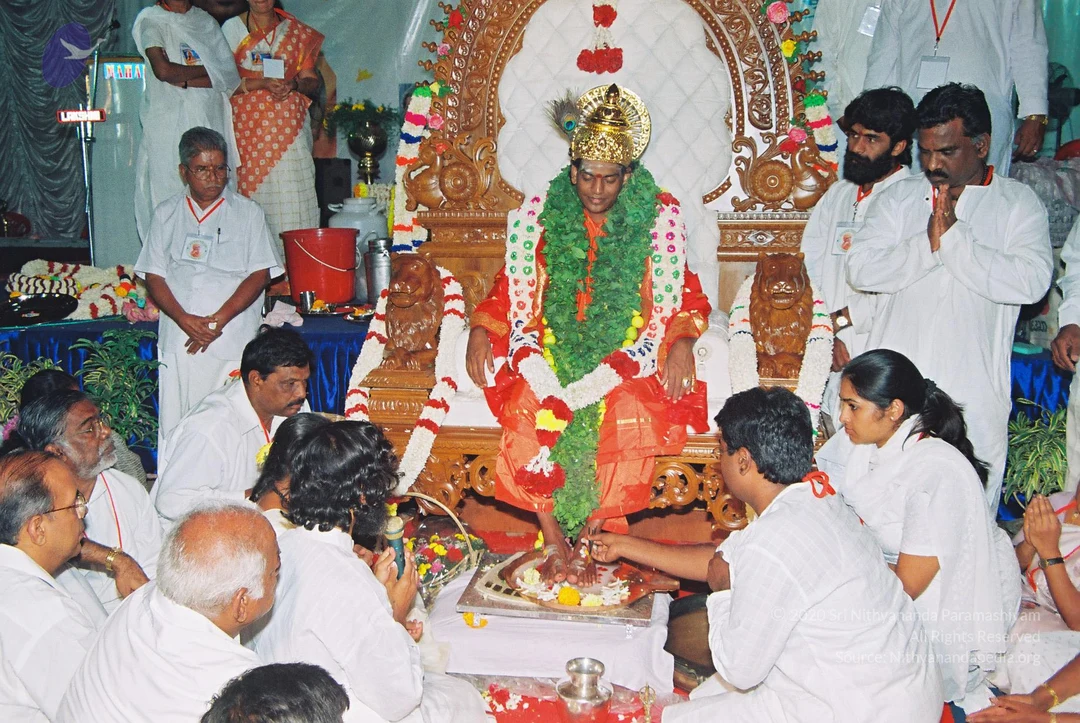
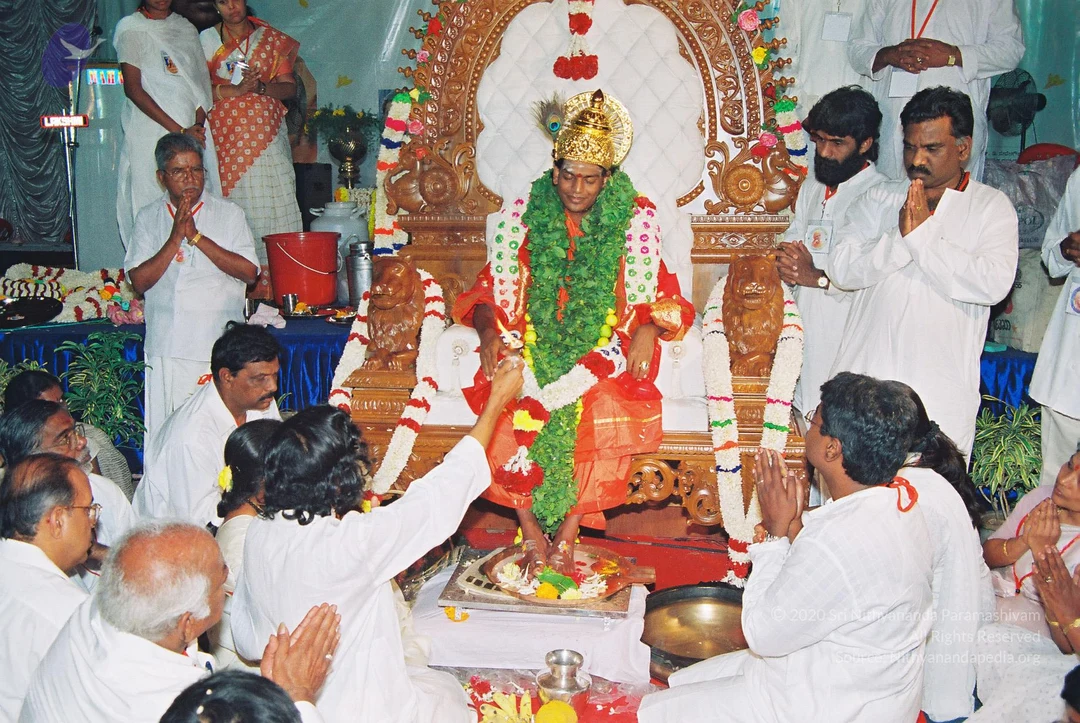
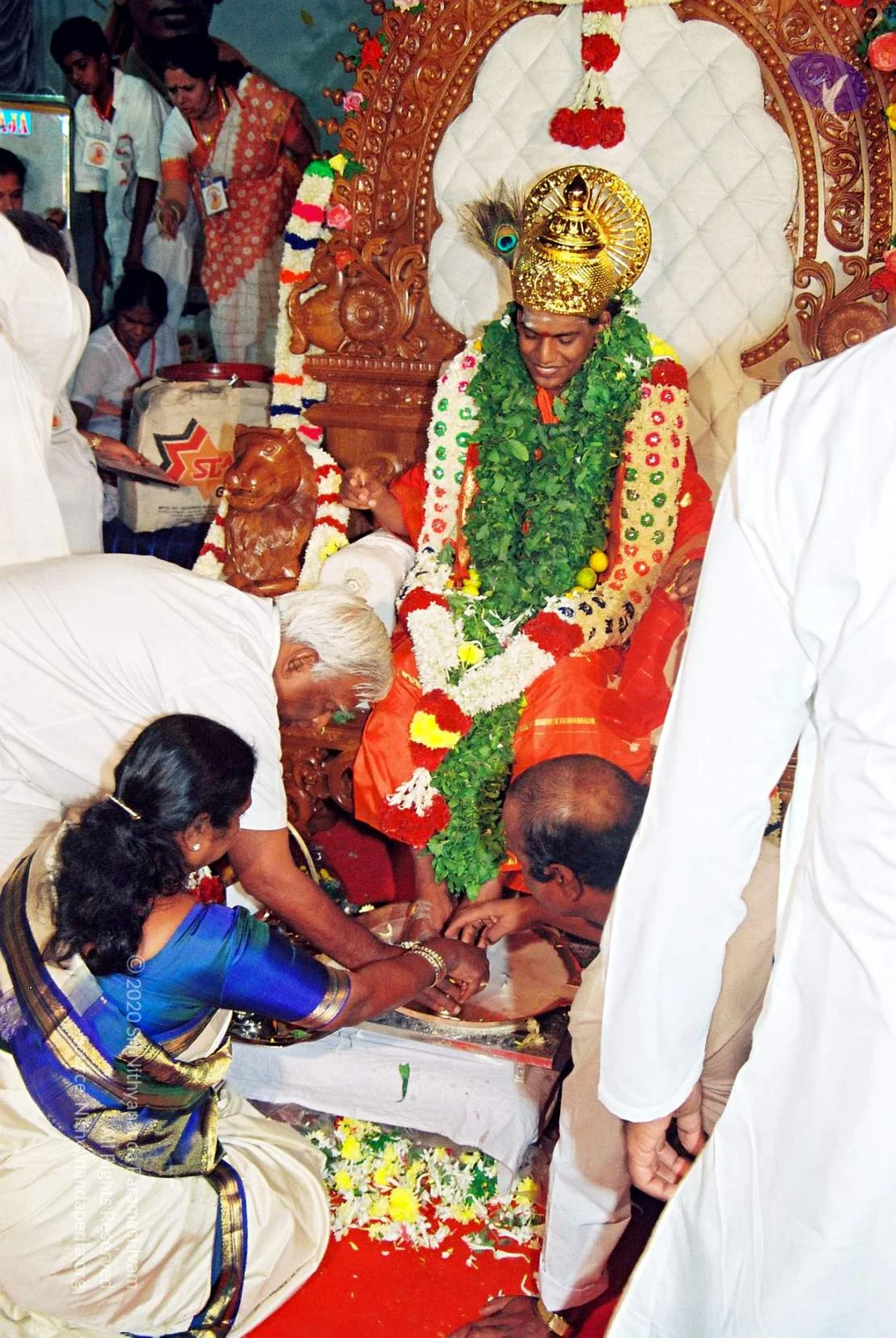
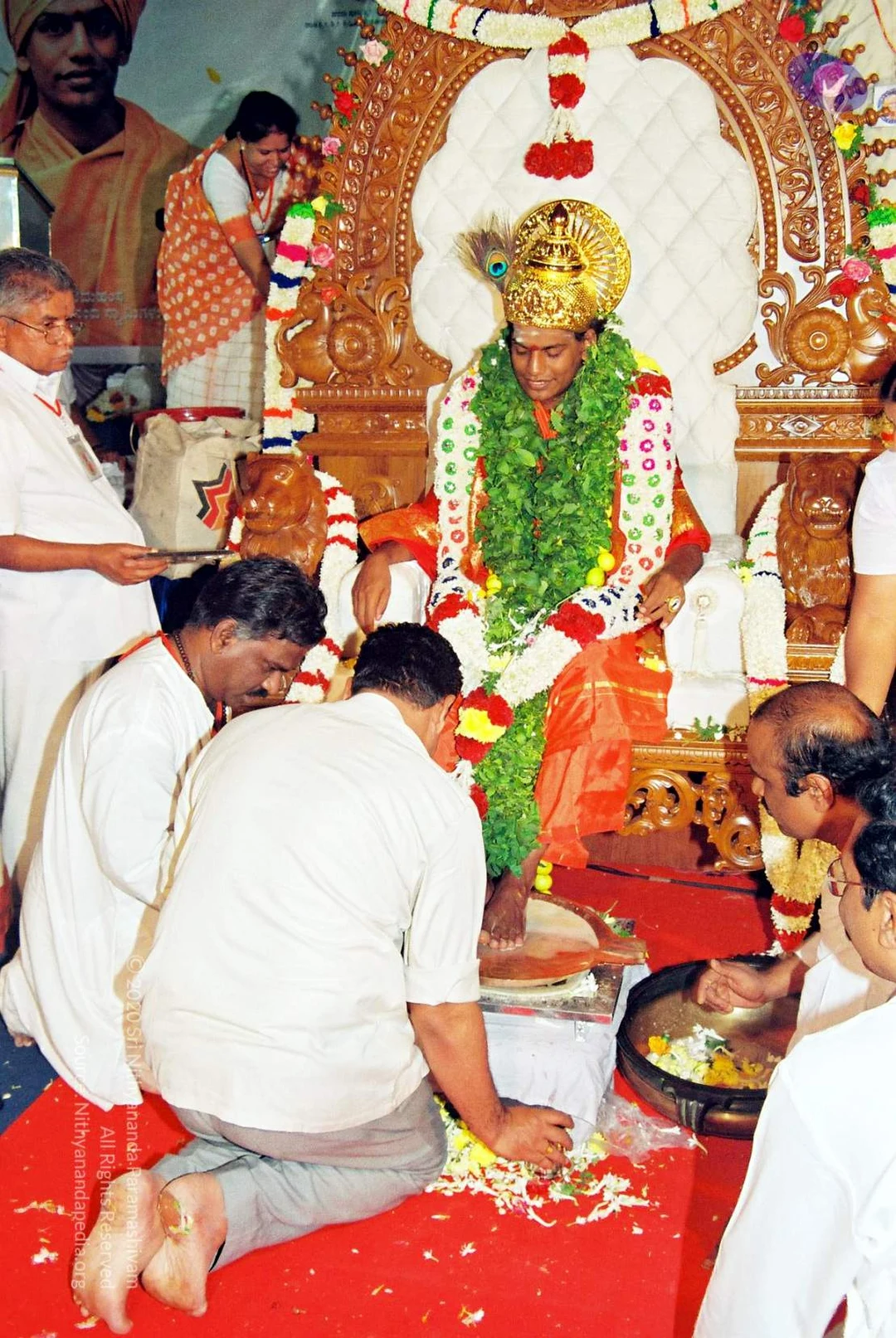
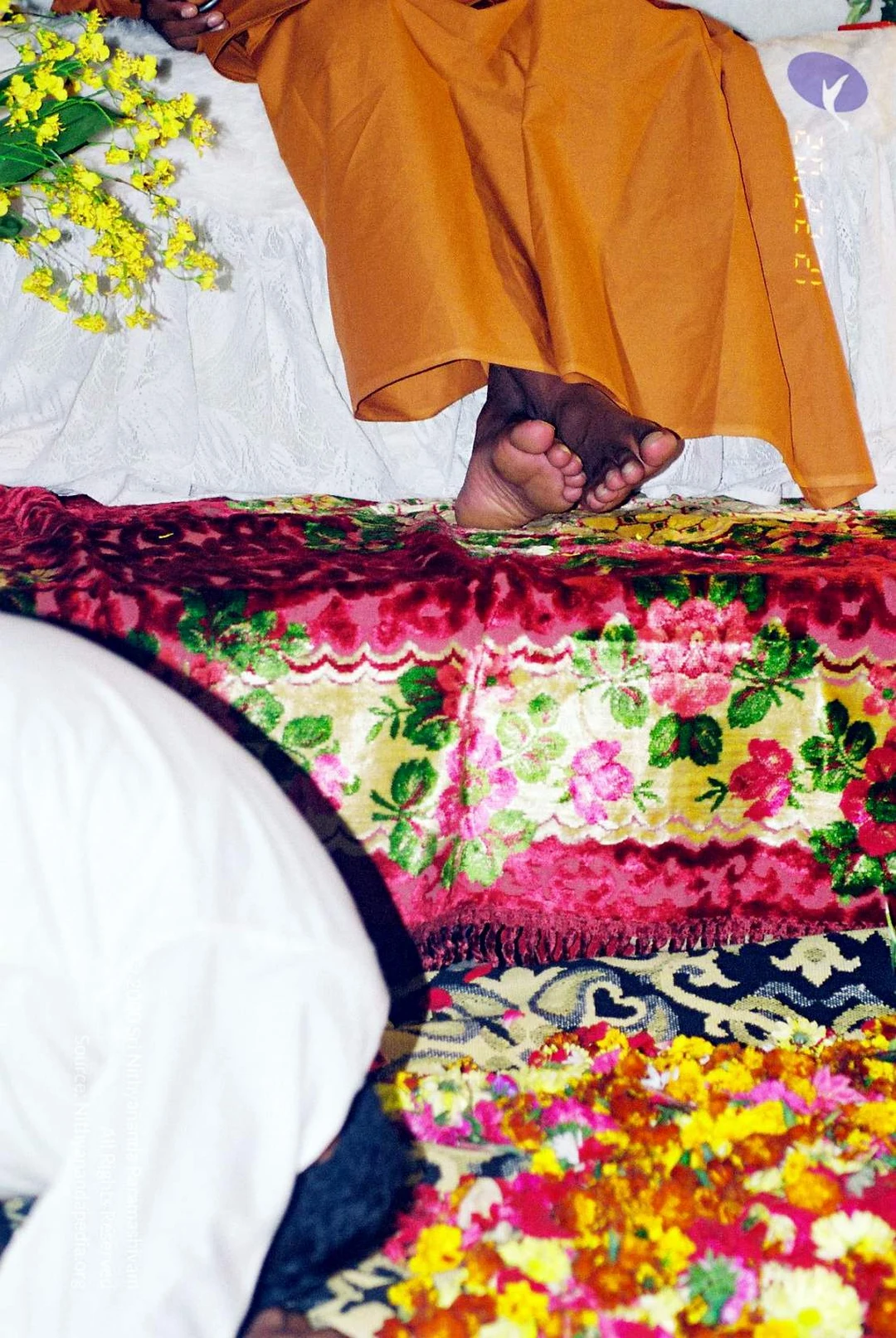
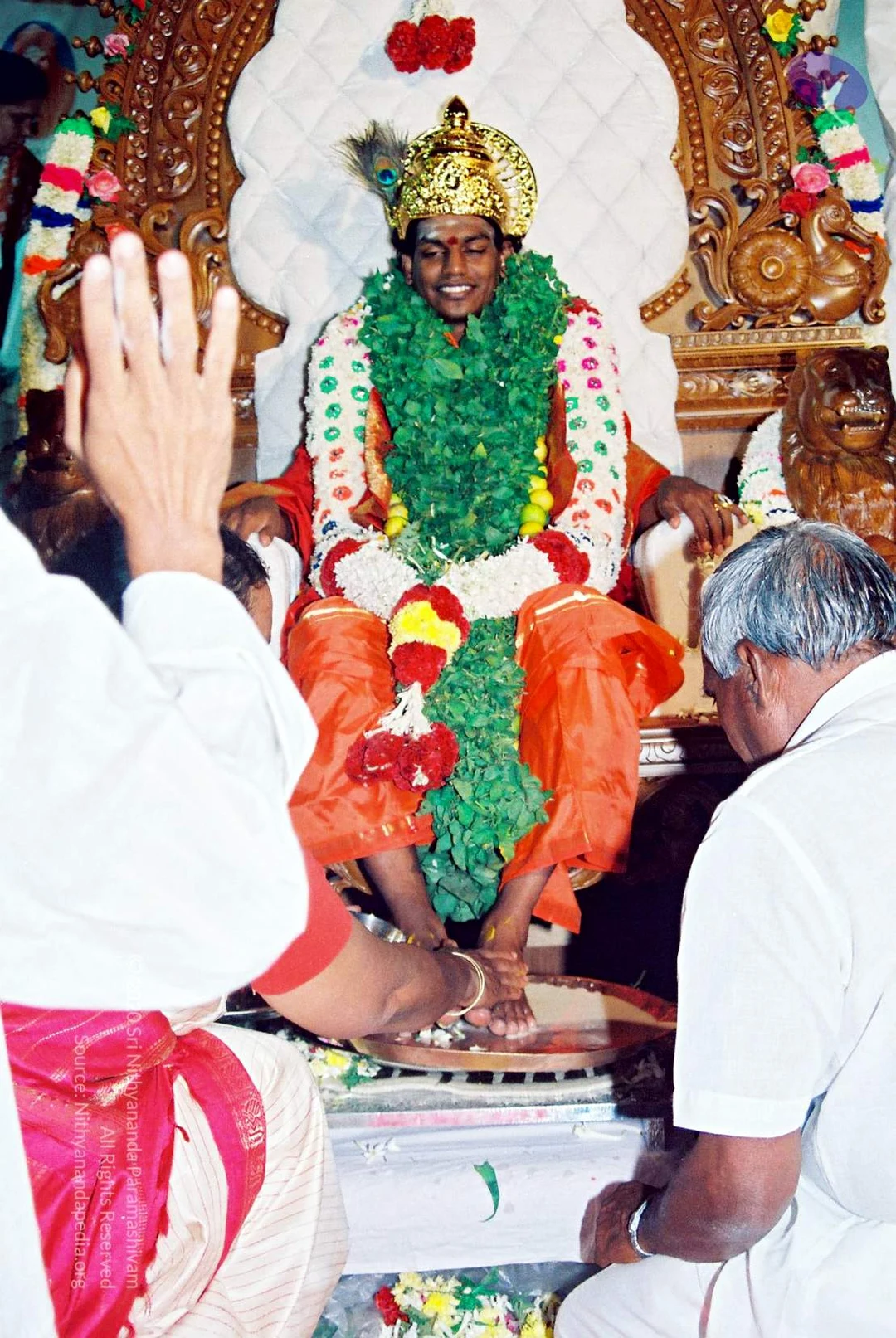
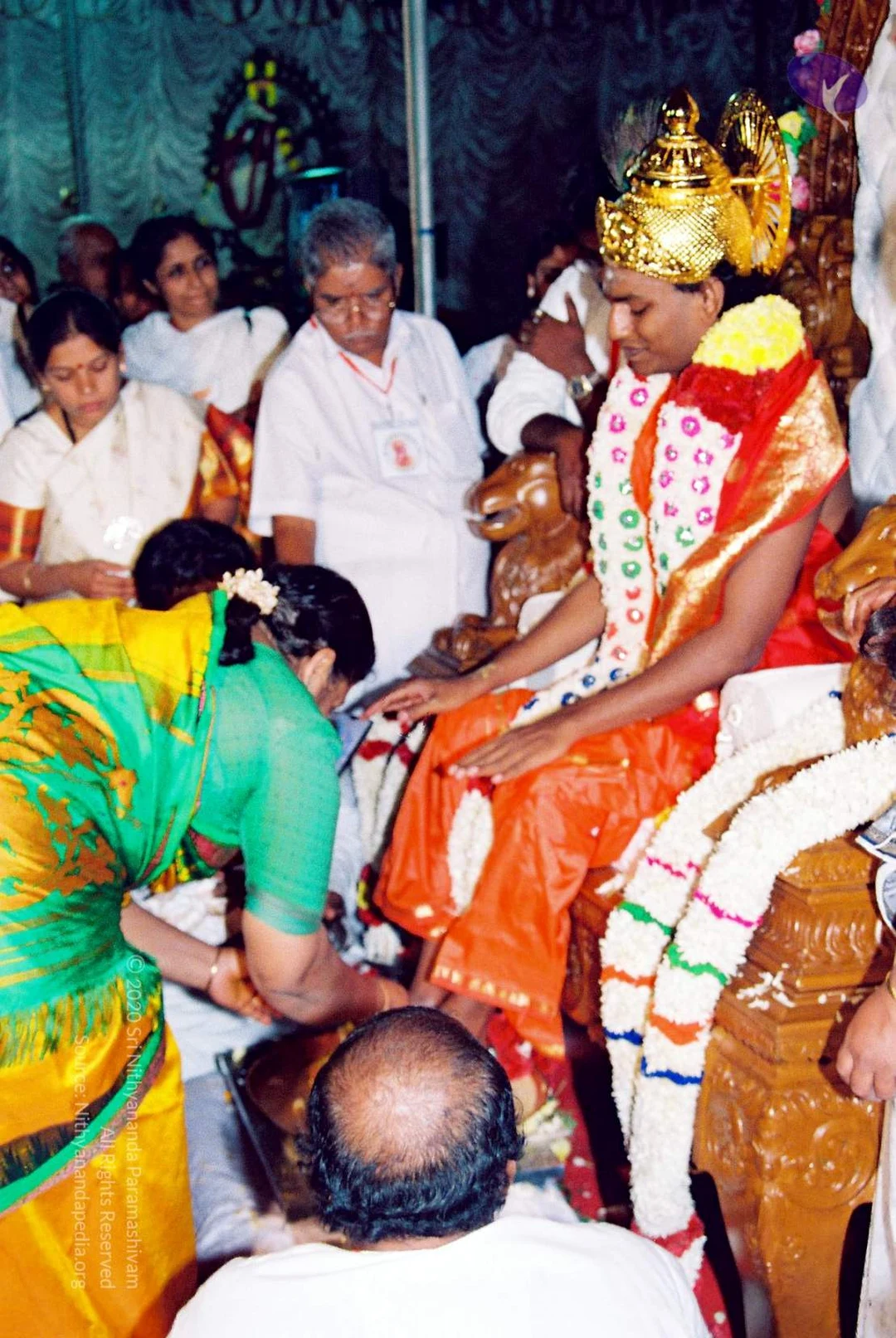
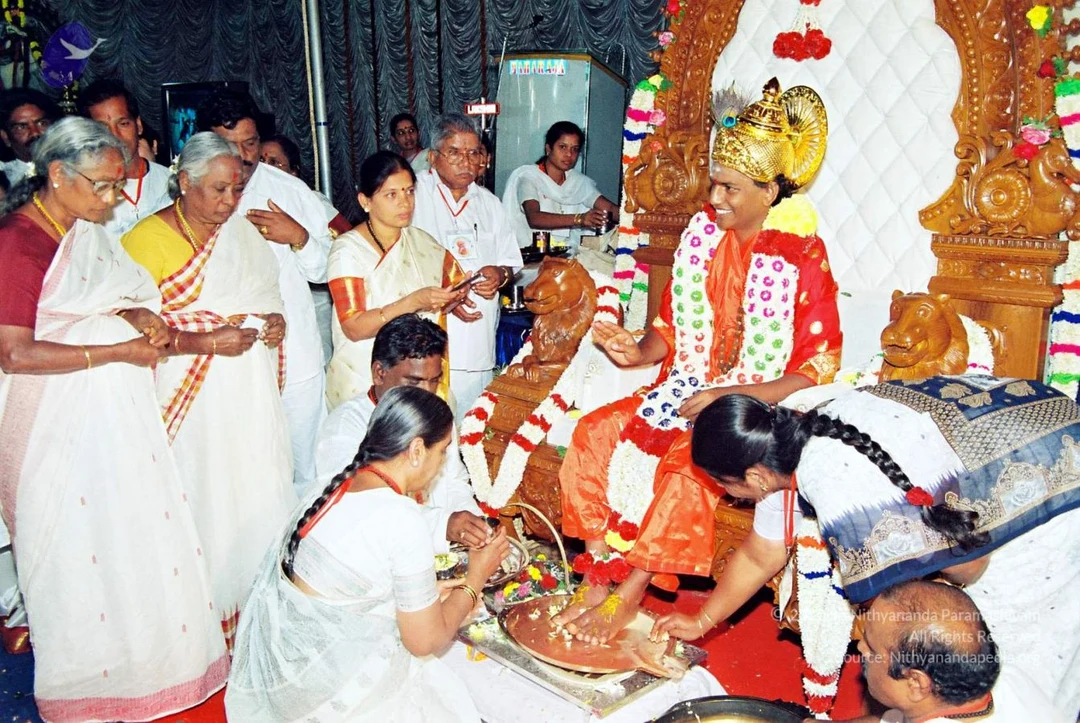
  • Organising the items required for the Pada Puja offering by the devotees to The sacred Lotus Feet of The Supreme Pontiff of Hinduism
  • Ensuring that the new releases from KAILASA such as the publications and yearly calendar are ready for release
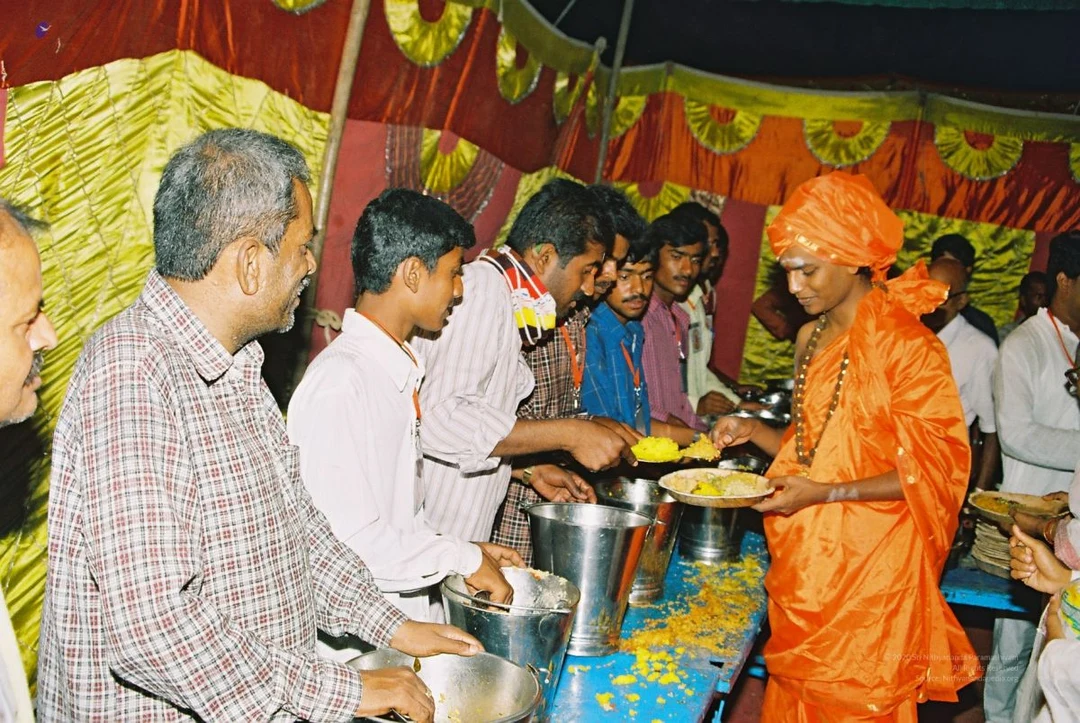
  • Organising the cooking and serving of the satvic food for the Guests of Honor as well as the followers who had gathered

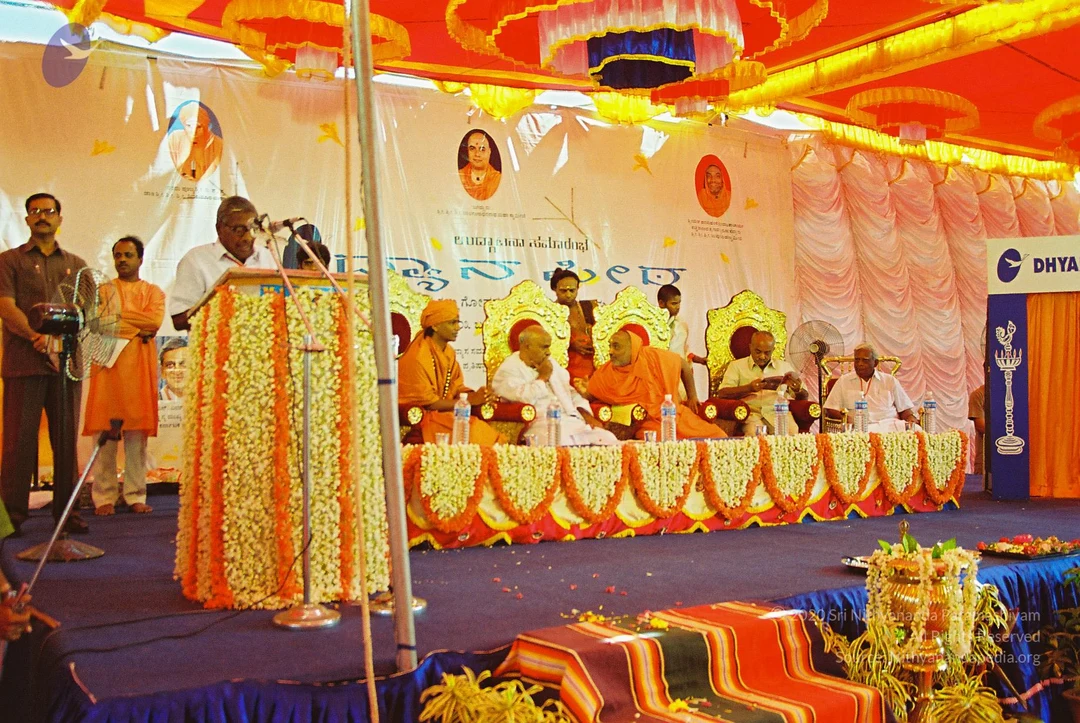
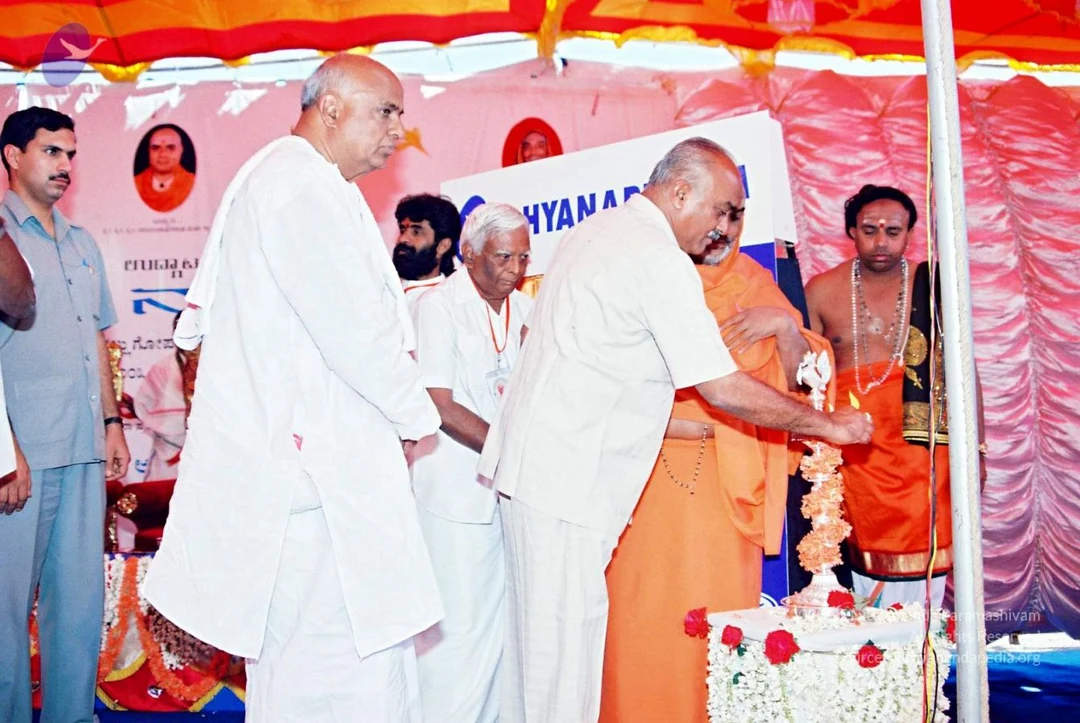
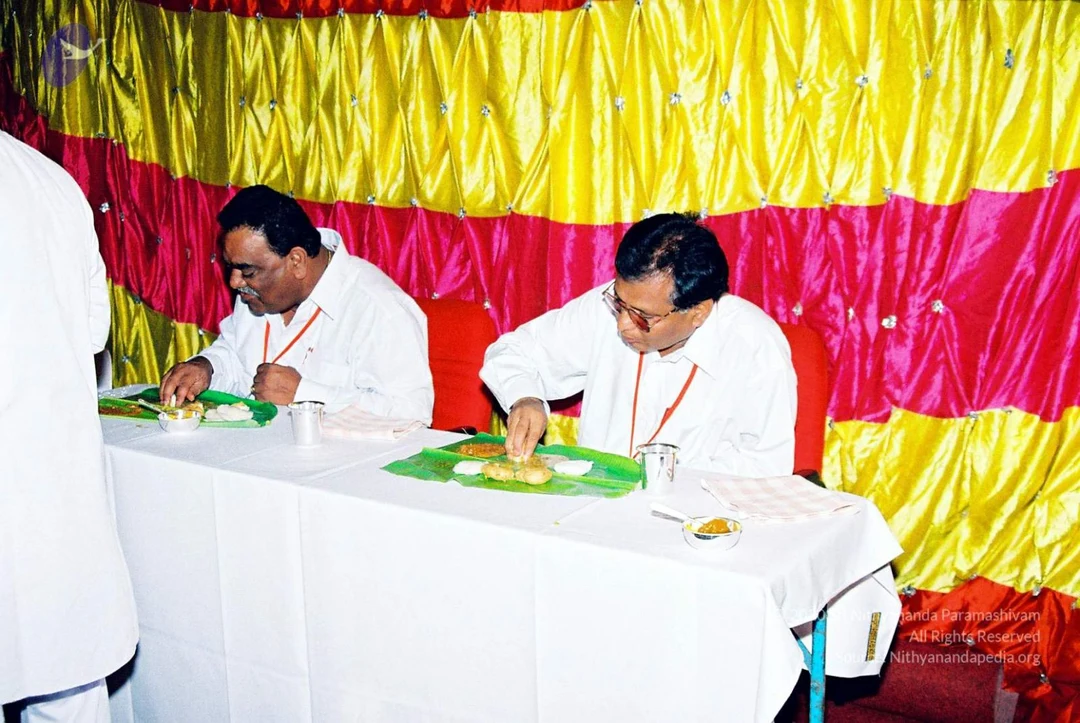
~4:30 PM to ~8 PM - Inaugural function of ADI KAILASA - Kailasa Paramparagatha Nithyananda Peetham followed by serving of satvic meal for the invitees.

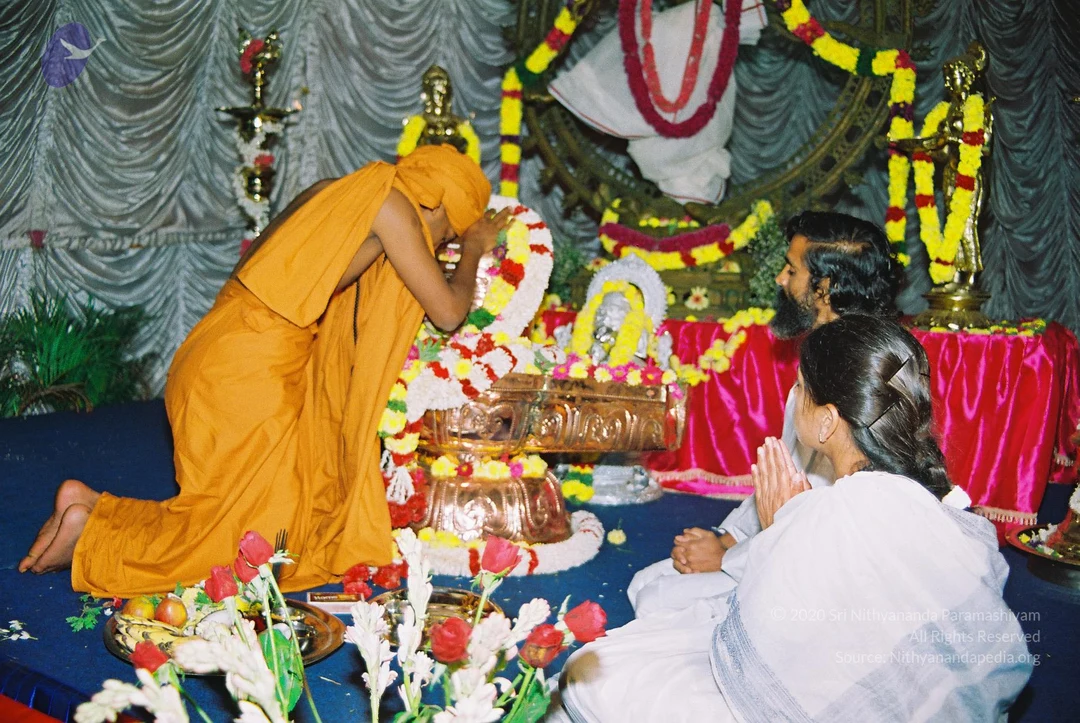
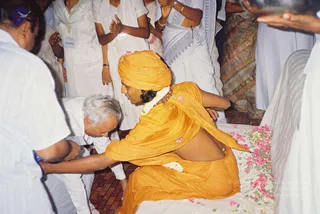
~8 PM to ~10 PM - Preparations for Pada Puja. SPH assumes the first throne {simhasan} of KAILASA and accepts the ritualistic and sacred Pada Puja offering to Him from followers and blesses each one individually.

~10 PM to early morning of the following day (2 Jan 2003)

  • Preparations for the 26th Jayanti celebrations
  • The SPH addresses the followers with the special awakening message on the need to live the greater Science of Life (Enlightenment Science) as taught by Hinduism and the need to live Enlightenment as the first and original purpose of each one's life
  • The SPH releases the first calendar of KAILASA to the gathering of the Hindu Diaspora
  • The SPH releases the first book of KAILASA titled 'Swamiji as we know Him' - compiled by early followers whose lives underwent radical transformation after the advent of the SPH in their lives
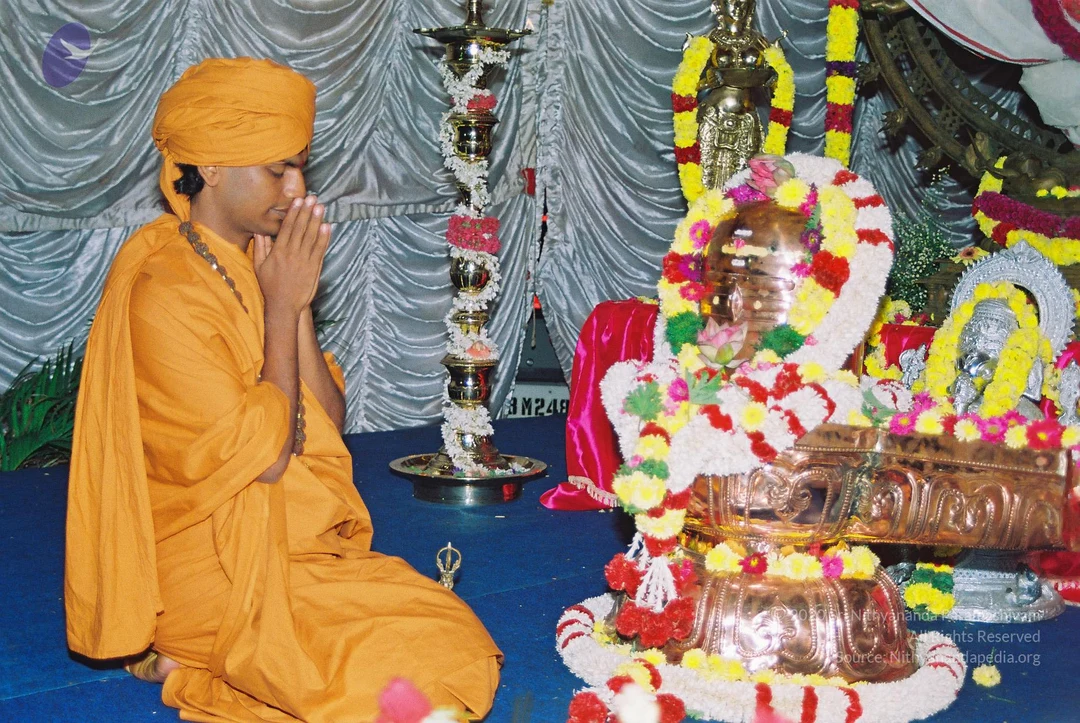
  • The SPH offers the first worship {puja} to Lord Nataraja and Shiva Linga
  • The SPH accepts the cake offering from the followers and blesses it and distributes it to one and all
  • The SPH gives individual darshan to each one present, listening to their prayer requests and empowering them with the touch of the Divine Energy to reprogram them to higher Consciousness and Enlightened Living

Chief Guests - Nithyananda Mission Day

1. Shri Balagangadharanatha Swamigalu of the Adi Chunchanagiri Mahasamsthana Mutt - a mutt 2000 years in existence,
2. His Holiness Sri Sri Sri Shivapuri MahaSwamiji of the famous Omkara Ashrama Mahasamsthana, Shivakumara Swamiji of Siddhaganga Matha,
3. Several local political leaders (include names here)

Video - Paramashivoham Oneness Capsule 219 (01 Jan 2003 Nithyananda Dhyanapeetam Inauguration Bidadi )

Photos

Welcoming of VIPs and Official function on Stage
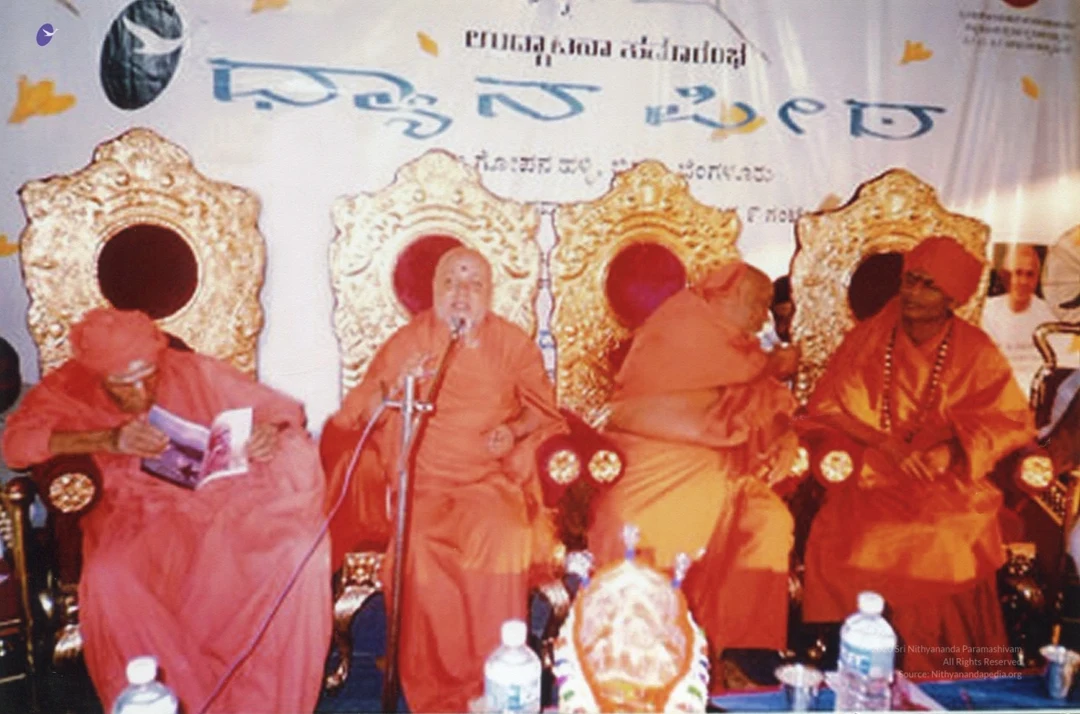
Stage-Events - 100049482_1134014476959606_7520804600803229696_o.jpg

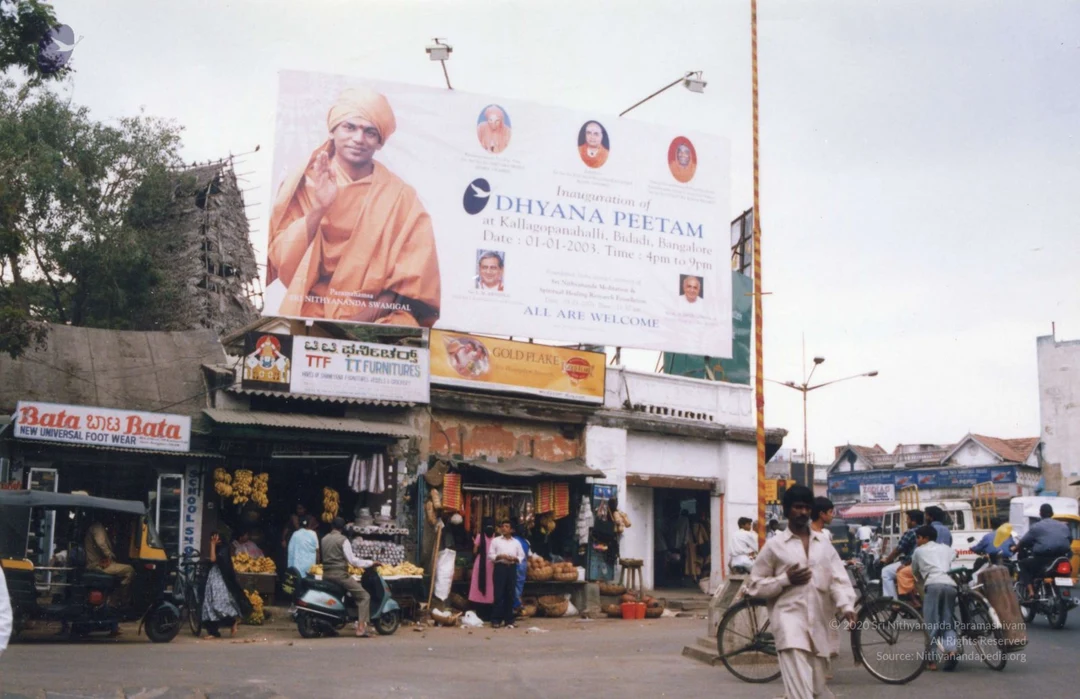
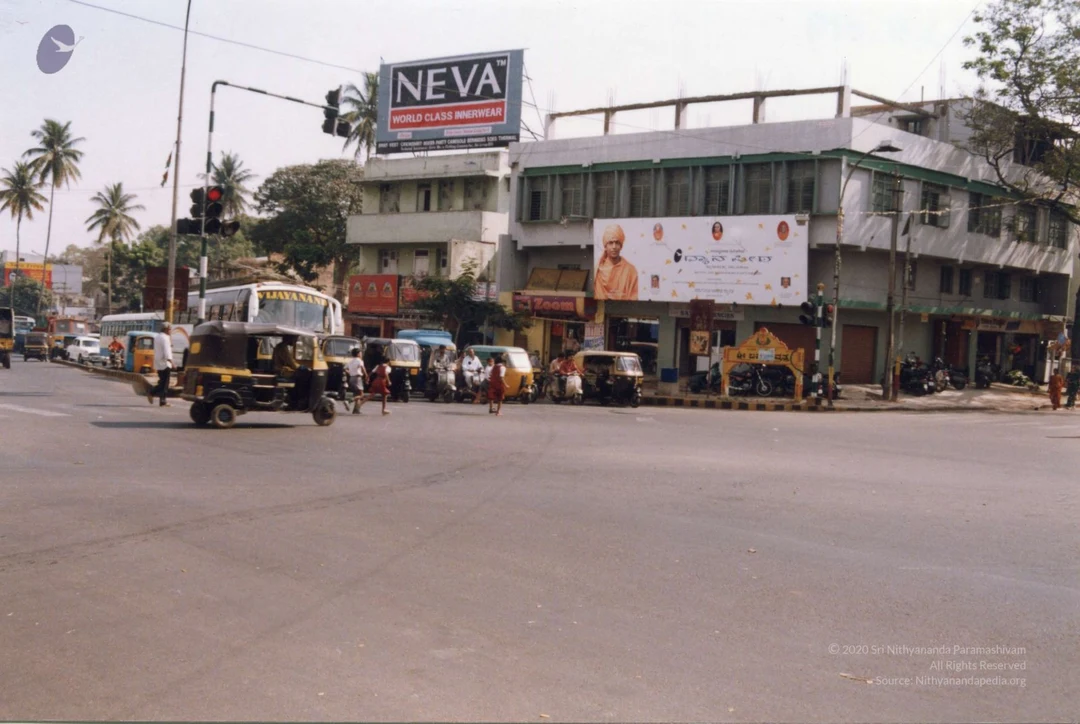
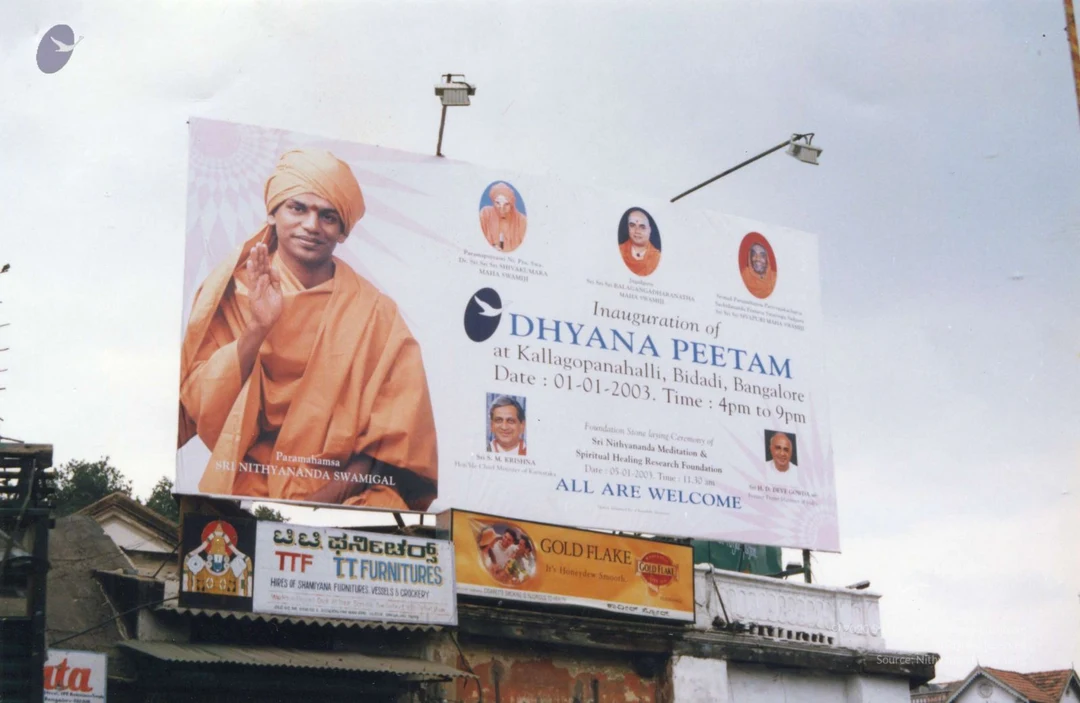
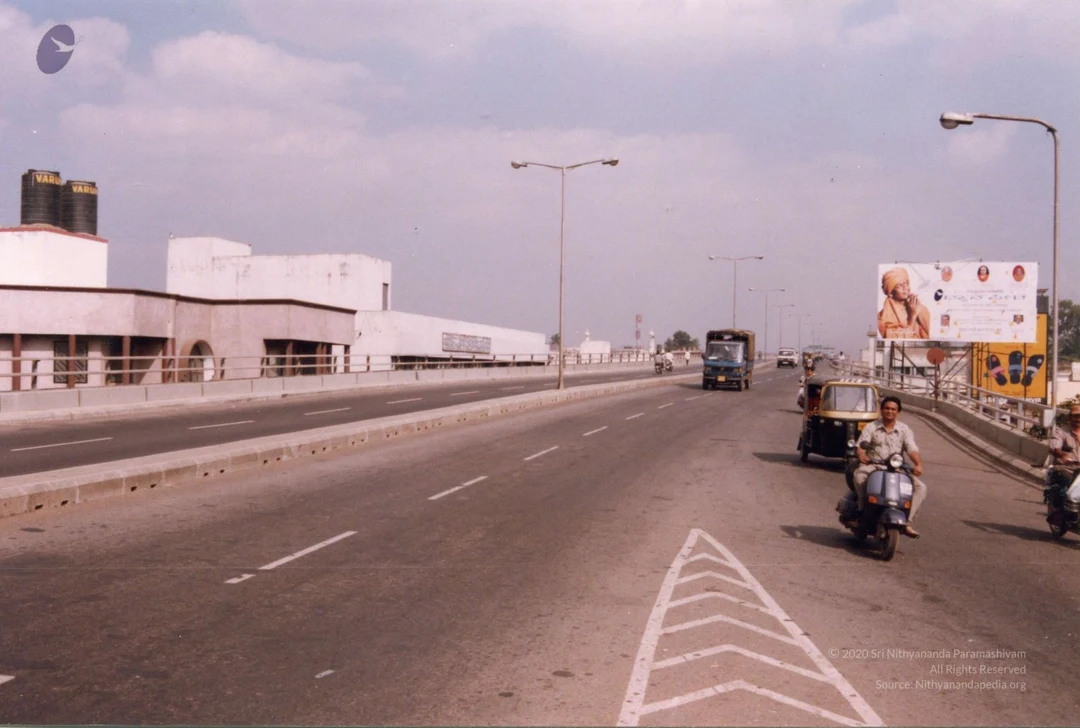
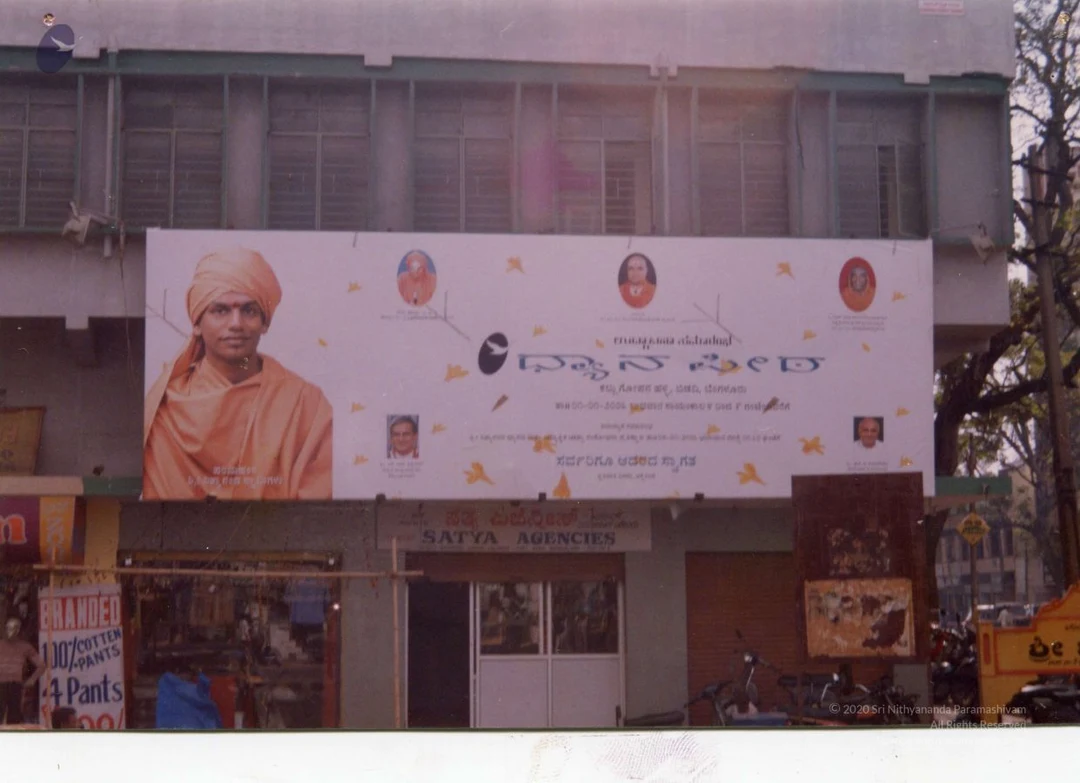
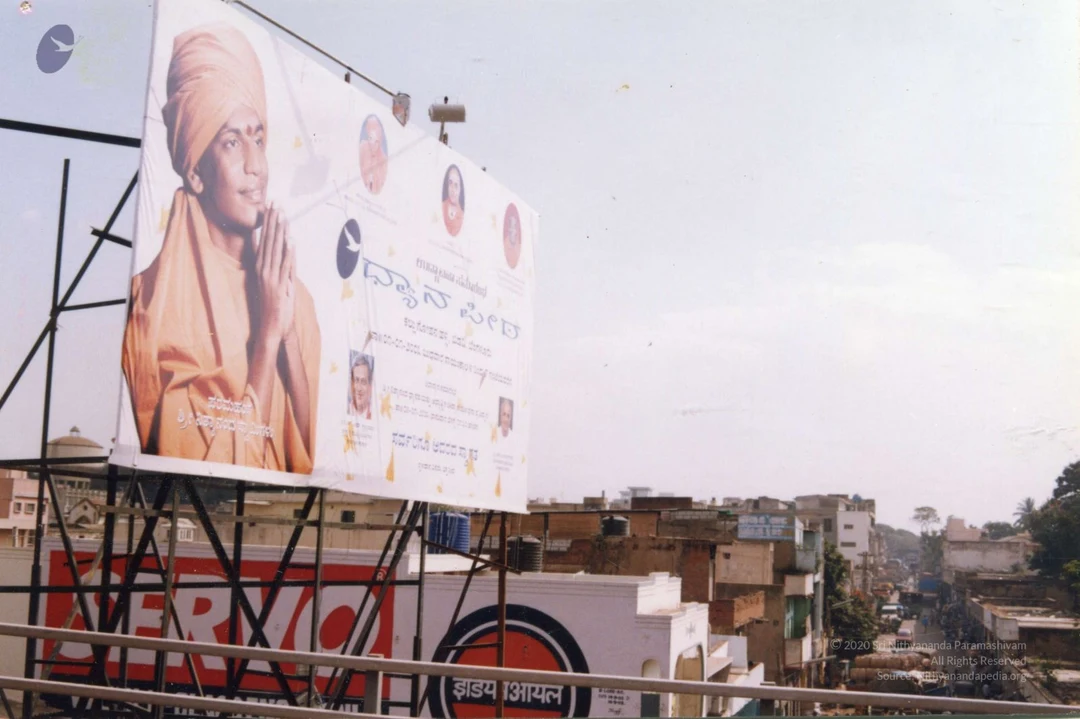
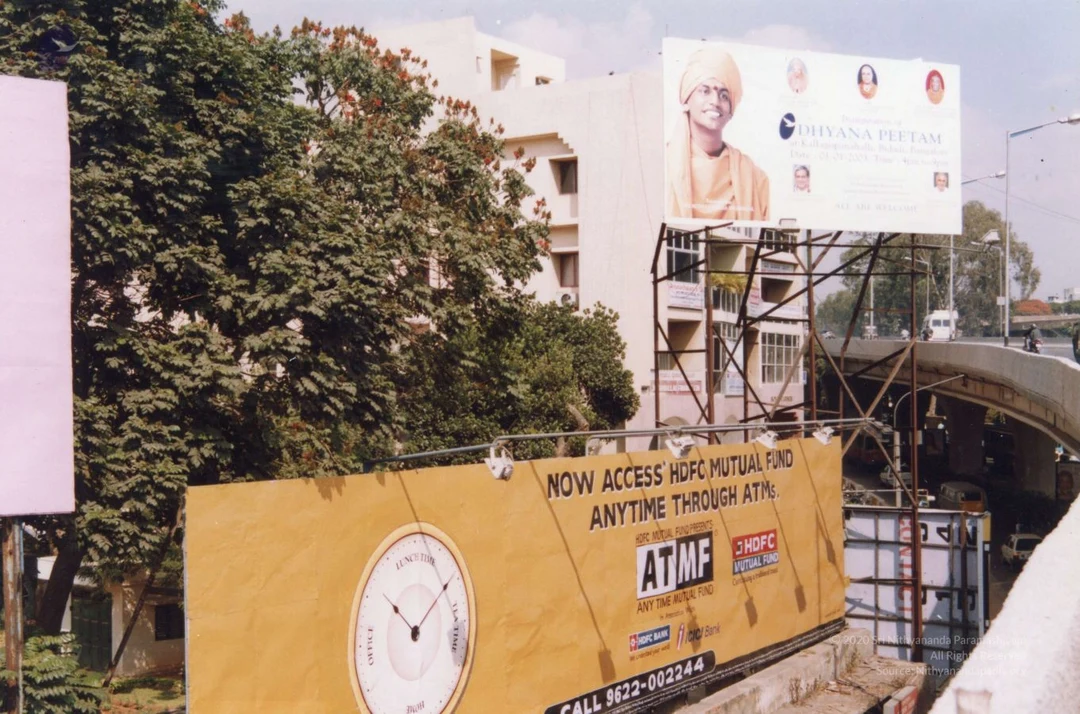
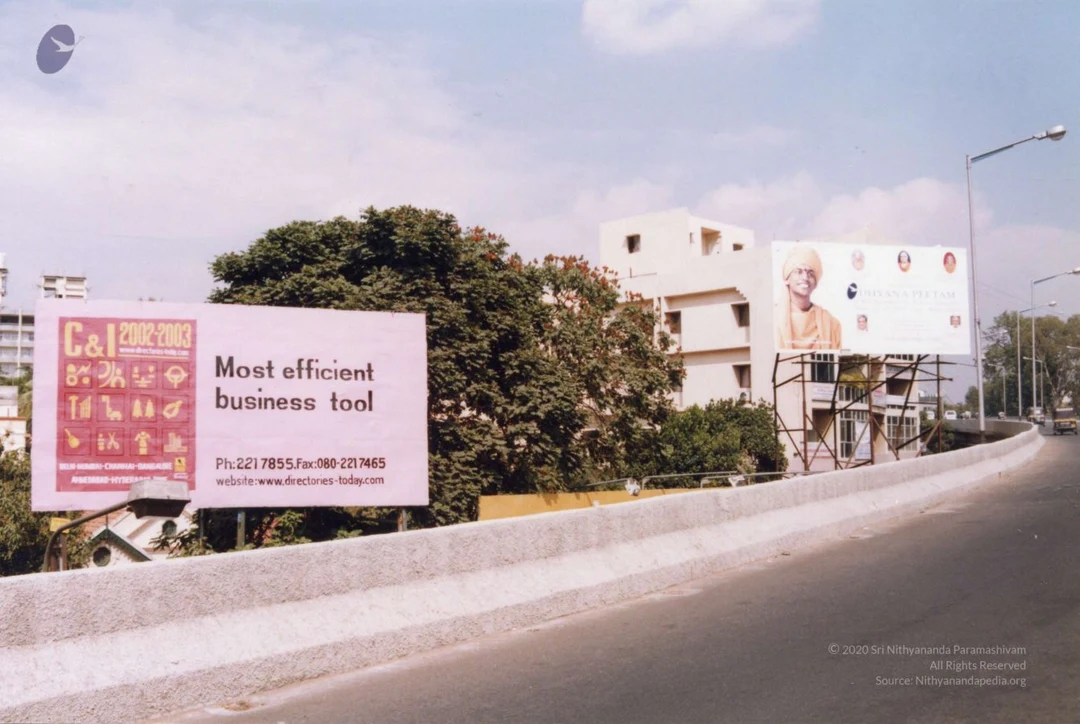
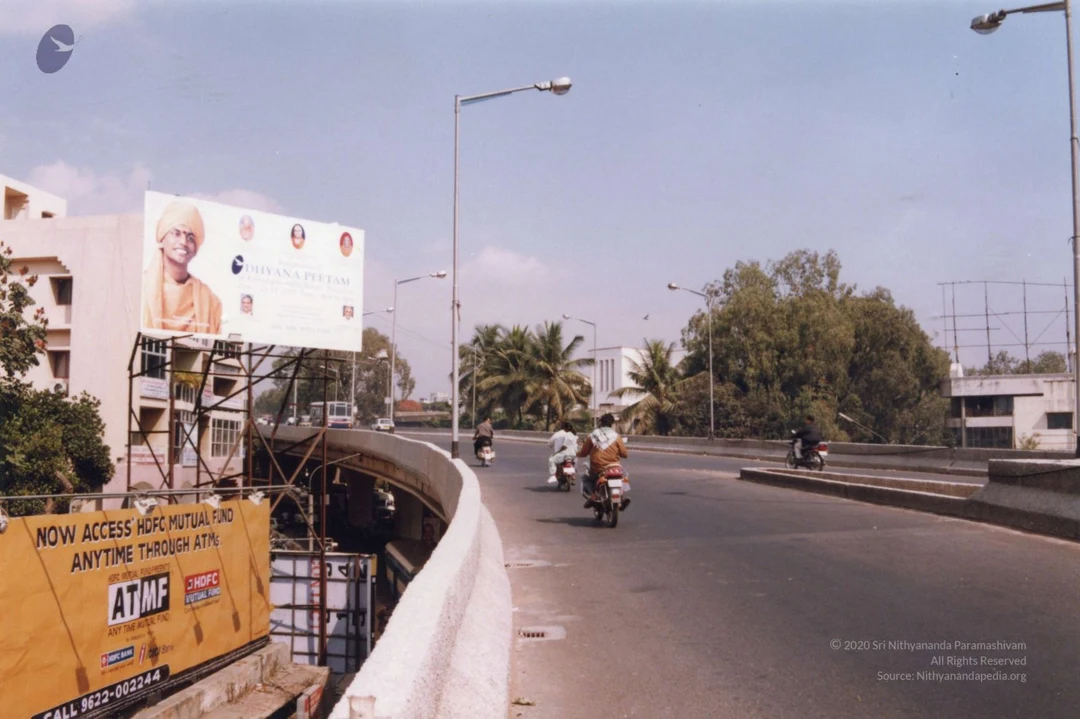
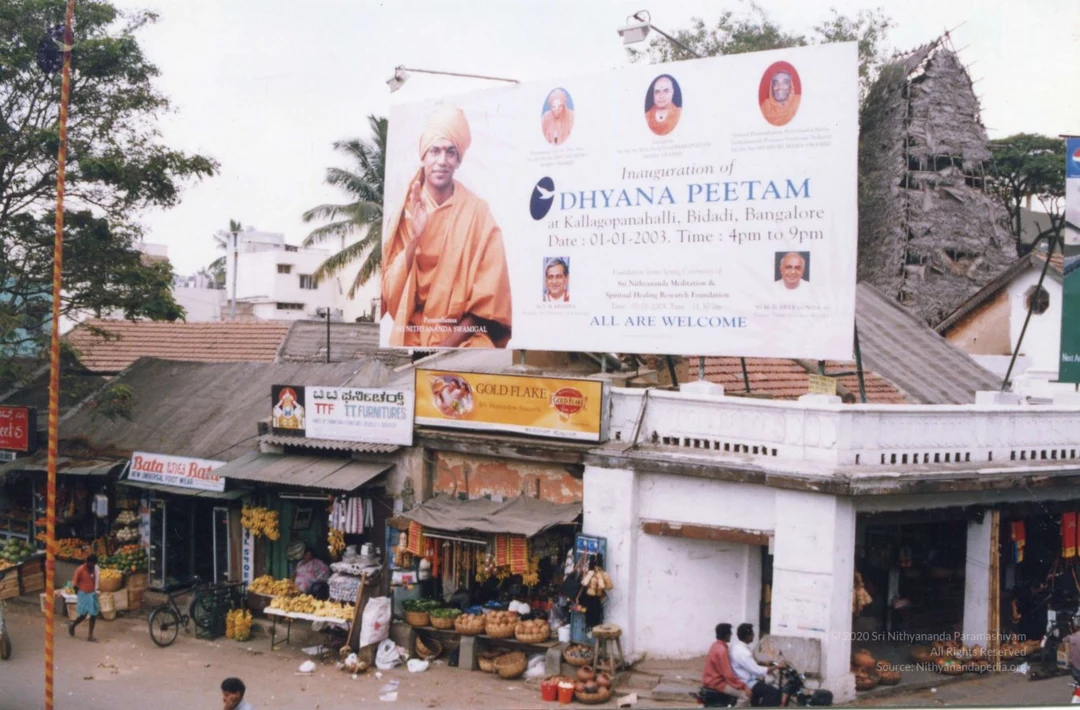
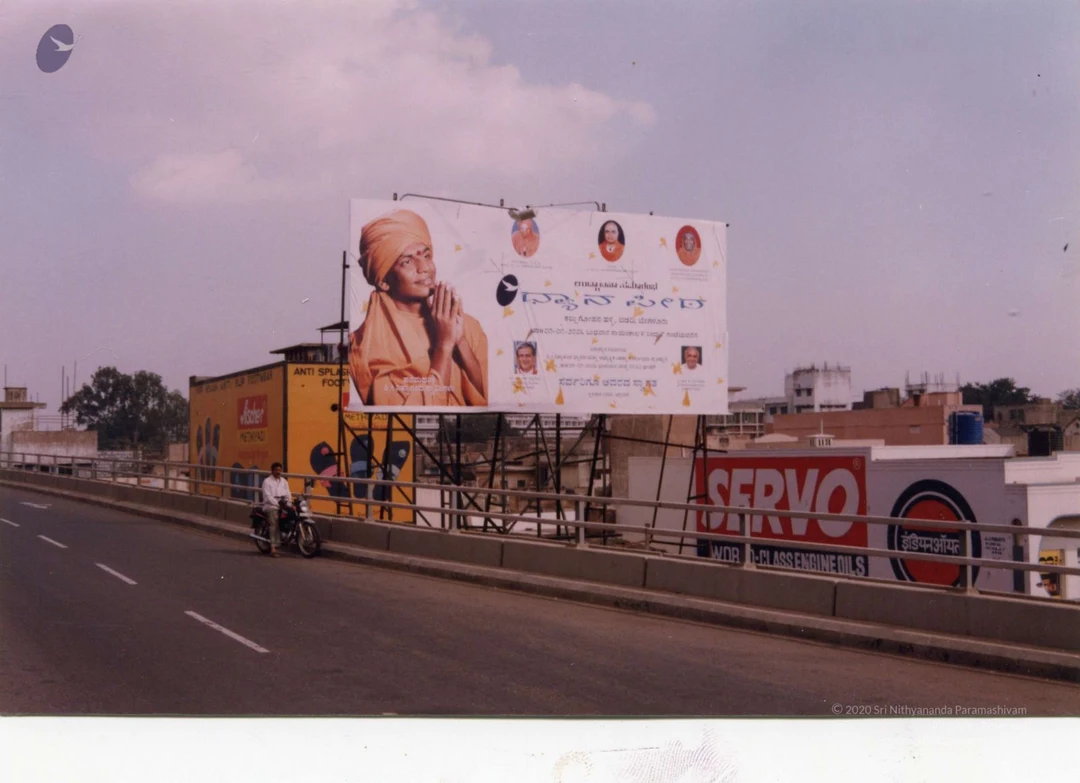
Jayanthi Hoarding Boards
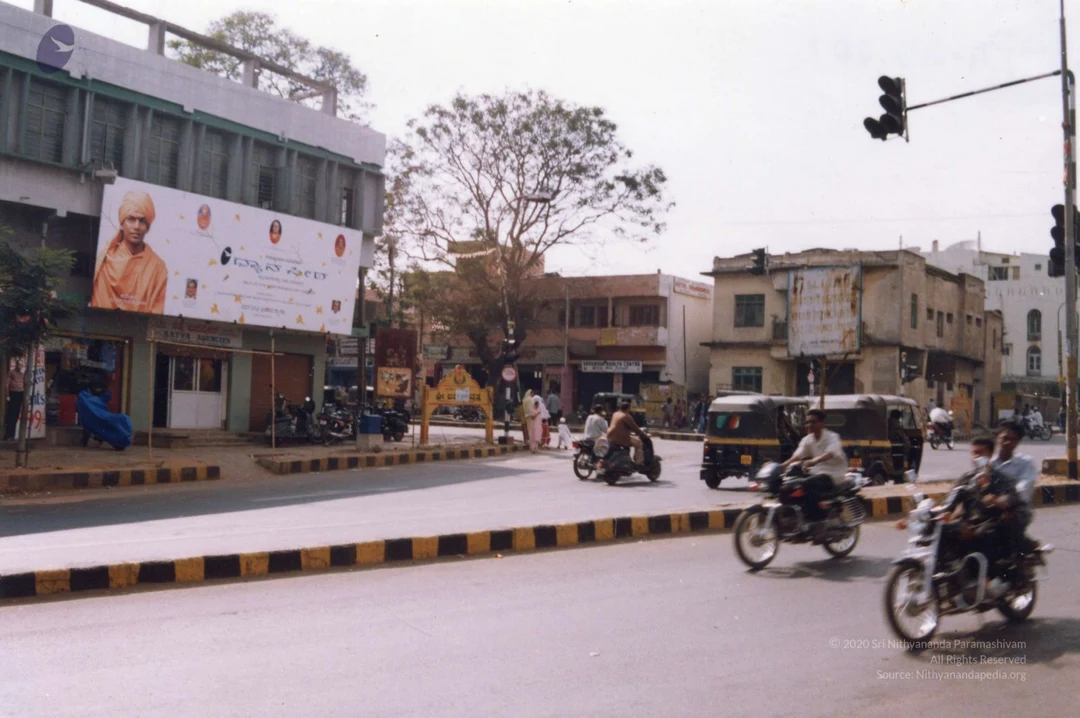
Photos Of The Day:

1-Jayanthi-Celebration
more Photographs

Nithyananda Annalaya on 1/1/2003

Original wiki page
Contents

Annadhan in 2003

Event Details
Participants Count1000
Event TypeIn-Person
Was Food Served in Event?Yes
Count of Meals Served3000
Volunteers Count20
Event Durationone day

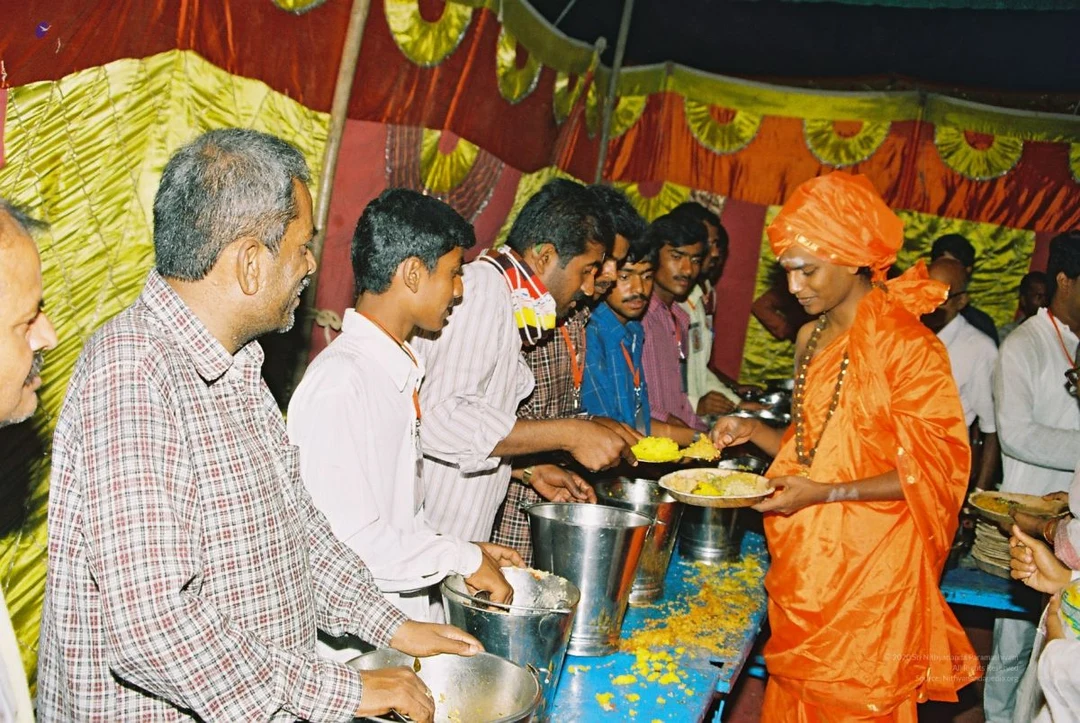
The Supreme Pontiff of Hinduism(SPH) Jagatguru Mahasannidhanam His Divine Holiness Bhagavan Nithyananda Paramashivam inaugurated the global mission to end world hunger and uplift humanity from food-related diseases and mass-industrial farming. This mission called Kailasa’s Nithyananda Annalaya was started by SPH 26 years ago, and today has spread across  various continents feeding over ONE BILLION lives till date.

annam bahu kurvita |annam na nindayāt tat vratam ||   Let us create and share huge quantities of food. Let us not waste food. This is our vow. ~ Taittriya Upanisad

SPH has declared this as the  vision statement of  Kailasa’s  Nithyananda Annalaya for all Temples, Monasteries and communities world over.

SPH also clearly defines the mission as- “We should grow food in energy fields, without artificial fertilizers or chemicals using the natural methods in an organic way. (We) should prepare the food properly, offer it to the divine, deities and guru and share it with the world, as much as possible without expecting anything in return.” To fulfil SPH’s vision of “No hungry Human” several initiatives have been taken by various Kailasas worldwide. This page documents the Annadaanams served in India in Bangalore city feeding a total of 1000 people,  on the occasions of Shivaratri in the year 2003.

Pictures from the day

Photos from this day

View all 869 photos

2002 - Saakshi Pramana Healing Experiences Of Devotees

4 photosView all
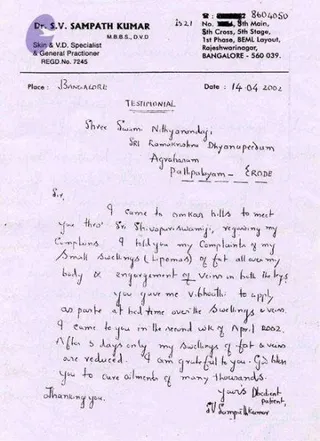
A scanned typed testimonial letter on white paper titled "TESTIMONIAL" with a blue logo at top left reading N.T. Mathivanan, M.A., Accounts Manager, Bangalore Cables (P) Ltd. The letter describes healing from spiritual treatment by Sri. a person a person, with a handwritten blue signature at bottom right. The text is dense paragraphs of body text with a recipient address block at top right for Pearl Melina in Bangalore.A scanned testimonial letter on white paper headed TESTIMONIAL, with a letterhead showing the name LAKKANNA, Ex. Mayor, Ex. Chairman All India Mayors, Bangalore Mahanagara Palike, a small orange emblem at top centre, and an address block at top right in Bangalore-560 079. The handwritten-style typed body describes a wife's back and neck pain relieved after about 15 sittings with Swami Nithyanandaji's spiritual healing technique, and ends with a blue ink signature at bottom right.A scanned two-page typed certificate on letterhead from the Inspector General of Police (Vigilance), Water Resources Department, Government of Karnataka, dated 31-7-2002. The top page bears a government emblem, a Kannada and English office header, and a handwritten-style signature at the bottom of page two. The text is a testimony describing a recovery from gastroparesis through spiritual healing sessions, a mantra meditation practice, and distant healing by phone. No people are pictured, only printed text and a signature.Scanned handwritten testimonial letter on lined paper, headed with a letterhead reading Dr. S.V. Sampath Kumar, Skin & V.D. Specialist & General Practitioner, Bangalore. The letter is dated 14.04.2002, addressed to Shree Swami Nithyanandaji at Sri Ramakrishna Dhyanapeedam, Aghavanam, Pallipalayam, Erode. The patient writes in English about fatty swellings (lipomas) and enlarged veins, describing being given vibhuti to apply at bedtime and reporting that the swellings and veins reduced within five days. The letter is signed Yours obedient patient, Dr. S.V. Sampath Kumar.

2003 -Glimpses From Various Programs

299 photosView all
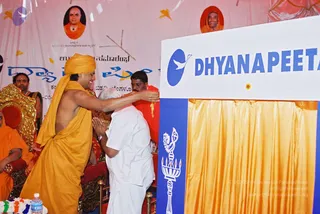
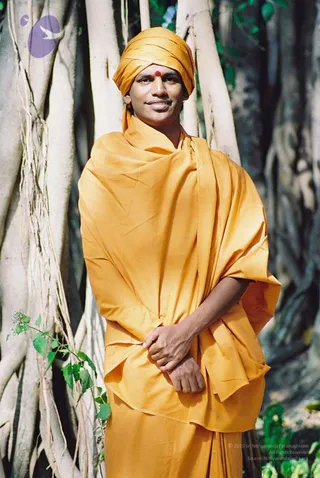
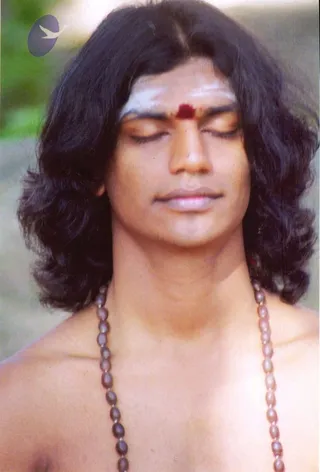
A photograph at an indoor event with a pink banner behind a blue and white Dhyanapeetha signboard above a gold curtain. A man in a saffron wrap and saffron turban stands at left, extending his arm to a white-clad elderly man with folded hands who bows toward him beside the signboard. Behind them, a man in red and gold clothing and a gold ornate throne are visible, and at left a seated person in orange sits near a bottle of water and a garland. Two framed portraits of saffron-robed figures hang on the banner, one a printed portrait labelled in Kannada script. The scene centres on a respectful exchange at the Dhyanapeetha inauguration area.A man stands smiling in front of a large banyan tree with thick pale aerial roots. He wears an orange-saffron turban wrapped high on his head, with a red bindi on his forehead, and an orange-saffron robe draped over his shoulders and body, one arm tucked against his waist with hands clasped. Green leaves hang at the left edge of the frame. The figure carries distinctive saffron turban and robe cues matching the a person appearance-based description, though the page does not state he is at this event, so a person is set to unsure.A photograph of a young man seated cross-legged on the edge of a bed with a red and white floral bedspread and a green metal frame. He wears an orange saffron turban, an orange cloth draped over one shoulder and wrapped around his torso, and an orange dhoti, with a vertical mark on his forehead and dark hair tied back. A folded cream blanket lies at the left, a red cloth sits on the floor at the lower left, and two dark boxes rest on the floor in front of the bed against a pale wall with a red dado.A photograph taken from a low angle of a man in profile looking to the right against an overcast sky. He wears an orange-red shawl with a gold-and-orange border draped over his shoulder and a long double strand of dark rudraksha beads spaced with gold caps across his chest. His dark, wavy shoulder-length hair is loose, and a small red mark is visible on his forehead. A faint white bird logo appears in the upper left corner, and a small copyright line with source text sits in the lower right; these are not transcribed. Only one physical person is visible.
2003 -World Tour Washington DC USA

16 photosView all
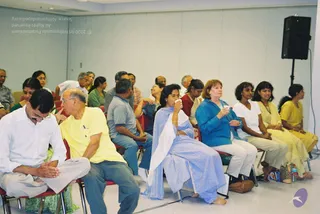
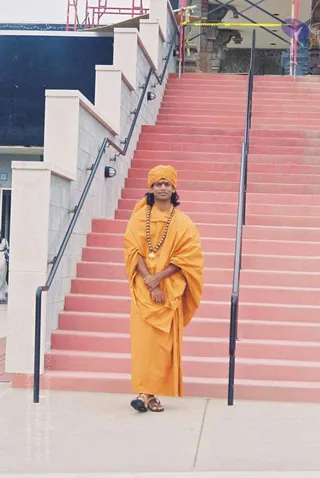
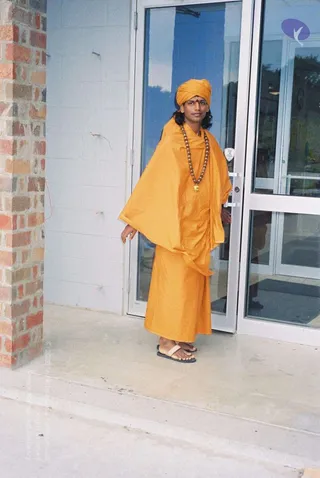
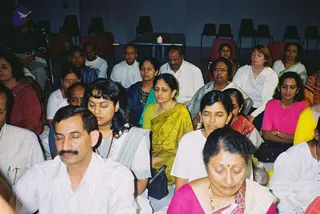
A photograph of an indoor seated audience in a plain room with pale walls and a black speaker on a stand at upper right. Rows of folding chairs hold people facing forward. In the foreground, a woman in a light blue dupatta-style shawl and blue salwar sits barefoot holding a white cup, beside a woman in a blue long-sleeved top and white trousers also holding a cup. A man in a white shirt sits at left, and an older man in a yellow t-shirt sits near him. Women in white, cream and yellow outfits sit at right, and more attendees fill the back rows. No speaker or stage figure is clearly visible, and no identifiable depiction is present.A photograph of a standing man in front of a broad red-carpeted staircase with white block railings and metal handrails on an outdoor concrete plaza. He wears an orange-saffron turban, orange draped robes with a shawl over one shoulder, and a long rudraksha mala with a gold pendant. He has a red tilak on his forehead, long dark hair, sandals, and holds his hands folded in front of him. Behind him, a temple-style structure with carved stone and yellow caution tape is visible. One partially visible person stands at the left edge.A photograph of a single standing man in front of a glass entrance door with a brick pillar at left. He wears an orange-saffron turban with a red bindi on his forehead, and an orange-saffron draped robe over his shoulder and body. A long necklace of dark brown rudraksha beads hangs to his chest with a small gold pendant. He wears flat brown sandals on a concrete step. The door has a reflective glass pane and a blue sky reflection. The wrap and long dark hair at the shoulders are visible, and the photo shows a film-like colour cast. Page cues mention a Washington D.C. tour, but the visible man is described by attire only.A photograph of a seated audience with eyes closed in a hall with rows of dark chairs and a small table holding a single lit candle at the back. Foreground: a mustached man in a white striped shirt and a woman in a pink saree with a red bindi and gold necklace. Center: women in a green saree with gold border, a navy and teal top, and a white tee; a woman in a pink top and a woman in a red and white saree. Background: men in white kurtas and a woman in a white cardigan with striped top. Mood of quiet meditation or satsang.A photograph of a seated man in saffron-orange robes and a matching orange turban, speaking into a microphone on a stand. He sits cross-legged on a white-draped platform, pointing one finger upward while gesturing, with a dark beaded rudraksha mala and a gold pendant around his neck. Behind him a pale lavender wall holds a gold-framed fire extinguisher cabinet, and a wall outlet is visible. a person is present in the cues of saffron robes, orange turban, and rudraksha mala, shown as a speaker addressing an audience during a discourse setting.A photograph taken indoors in a plain meeting room with pale walls, a drop-ceiling and a wall-mounted black speaker. In the centre stands a sannyasi in a saffron-orange robe and tall saffron turban, with a rudraksha mala and a gold ceremonial pendant on his chest, and a red mark on his forehead, glancing to the side. Beside him at right, a bald older man in a maroon button-up shirt, white trousers and sandals stands with one hand in his pocket. A green table in the foreground holds stacks of books and pamphlets, and a bright pink chair sits at left. Several people stand near a doorway at left in the background.
2003 - Exclusive Portraits Collection
105 photosView all
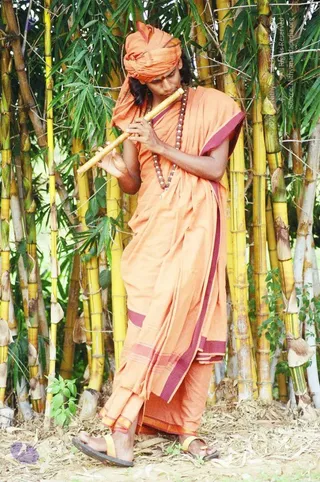
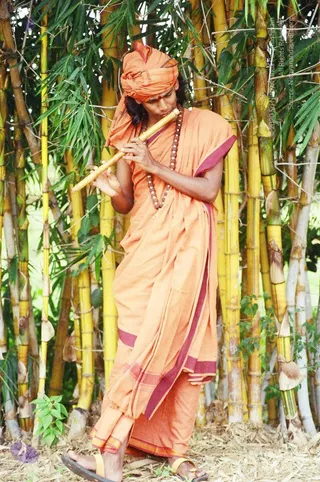
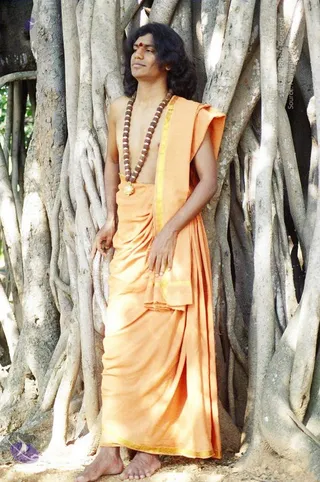
A seated man sits cross-legged on a red mat at the base of a large banyan tree with thick, twisting aerial roots. He wears an orange unstitched robe with a gold-bordered edge over bare shoulders and chest, a long rudraksha mala with gold spacer beads and a gold pendant, and a red bindi on his forehead. His long dark hair falls past his shoulders. His right palm is raised in a blessing gesture while his left hand rests on his knee, and he smiles softly with eyes lowered. Sandy ground and a weathered stone pillar surround him.Outdoor photo of a smiling figure in saffron-orange turban and orange robes with a long dark rudraksha mala, leaning forward with forehead close to a laughing young boy in a light green shirt and shorts who is seated on a dark wooden chair with carved legs. The boy's hands rest on the chair's back rail. Green trees and a utility pole are in the background.A standing man in orange sannyasi-style attire with an orange turban and a wrap with maroon borders plays a long bamboo flute outdoors. He wears a rudraksha mala around his neck and yellow sandals. He stands among tall yellow bamboo culms with green leaves and dry straw on the ground. Appearance-based identity is not established, so no candidate is named.A photograph of a single young man standing among tall yellow bamboo stalks with green leaves, playing a bamboo flute held across his face. He wears an orange saffron turban, an orange cloth wrapped over his shoulder and body with maroon borders, and a wooden rudraksha mala necklace. He wears yellow-strapped sandals on dry straw ground.A standing man with long, swept-back dark hair and a red bindi leans against a large banyan tree with many aerial roots. He is bare-chested and wears a saffron-orange dhoti with a gold border, with the end draped over his left shoulder. A long mala of brown rudraksha beads with a gold pendant hangs at his chest. He is barefoot and gazes off to the side in a calm, relaxed pose. Sunlight dapples the grey roots behind him.

2003 - First Healers Initiation At AdiKailaasa
33 photosView all
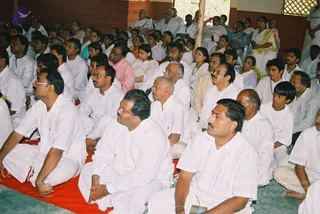
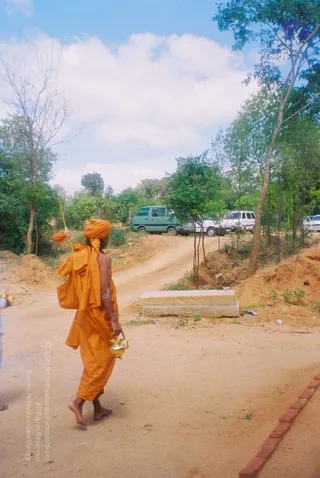
A photograph of a shrine with a bamboo-panelled ceiling and a framed painting of a multi-armed deity above. A bronze Nataraja-style arch, ringed with marigold and jasmine garlands, frames a bronze figure in orange cloth and garlands. In front, a seated person in an orange robe and orange turban, bare-shouldered, holds a tall golden staff upright toward the figure. Brass oil lamps hang from the ceiling and a standing brass lamp stands on the right. Flower petals and garlands cover the raised white platform with red and blue borders, and a brass bowl sits in front. One person is visible.A photograph of a seated congregation in white clothing inside a hall at the First Healers Initiation at AdiKailaasa, Bidadi. In the foreground, several women sit cross-legged on mats: a woman in a white sari with a grey-patterned border on the far left, a woman in a white sari with red and orange borders with folded hands in front, a woman in a white sari with a red blouse and red-bordered sari with hands clasped, and a woman in white with folded hands and a gold necklace on the right. Behind them, many more men and women in white garments sit with hands folded in prayer or hands on their laps. A woman in a yellow-and-white sari and a few others wear coloured clothing among the white. A wooden pillar and tiled floor are visible on the right.A young man in saffron-orange robes and a matching orange turban sits on an ornate carved wooden throne with a red velvet back, flanked by carved lion heads on the armrests. He wears a long rudraksha mala and a gold pendant, has a red tilak on his forehead, and speaks into a microphone on a stand. Garlands of white jasmine and yellow and green flowers hang on the throne posts, and green curtains form the backdrop. A bearded man in white is partly visible at the left edge.A photograph of a seated figure in saffron-orange robes and an orange head wrap, holding a microphone in one hand and a pointer stick in the other, speaking from an ornate carved wooden throne with red velvet tufted back and carved lion armrests, decorated with white and multicoloured flower garlands. A standing man in a long white kurta and beard stands at left, and a person in white holds up a black board with a white paper sheet at right. A white plastic chair sits in front of the board, with a seated person in orange partly visible at far right. Green drapes hang behind. The setting looks like an indoor hall with a teaching or initiation session in progress.A photograph of a large seated audience in a hall with brick-red walls and wooden lattice windows. In the foreground, men in white shirts and white dhotis sit cross-legged on a red mat, facing forward. A man in a pink shirt sits among them, and women in saris and salwar sit at the back and sides. Many attendees are in white ritual clothing, and some sit with hands folded in lap. Several men wear wristwatches and one wears a rudraksha-style bead bracelet. The gathering appears to be a seated programme or initiation session.A barefoot man in saffron-orange robes and an orange turban walks along a dirt road lined with trees and parked vans. He carries a brass kettle-like vessel in one hand and a yellow-tipped staff or pole over his shoulder with an orange cloth bundle. A stone slab lies beside the road, with a few small white vans and a green van in the background under a partly cloudy sky.
2003 - Fliers,Display boards,Hoardings

24 photosView all
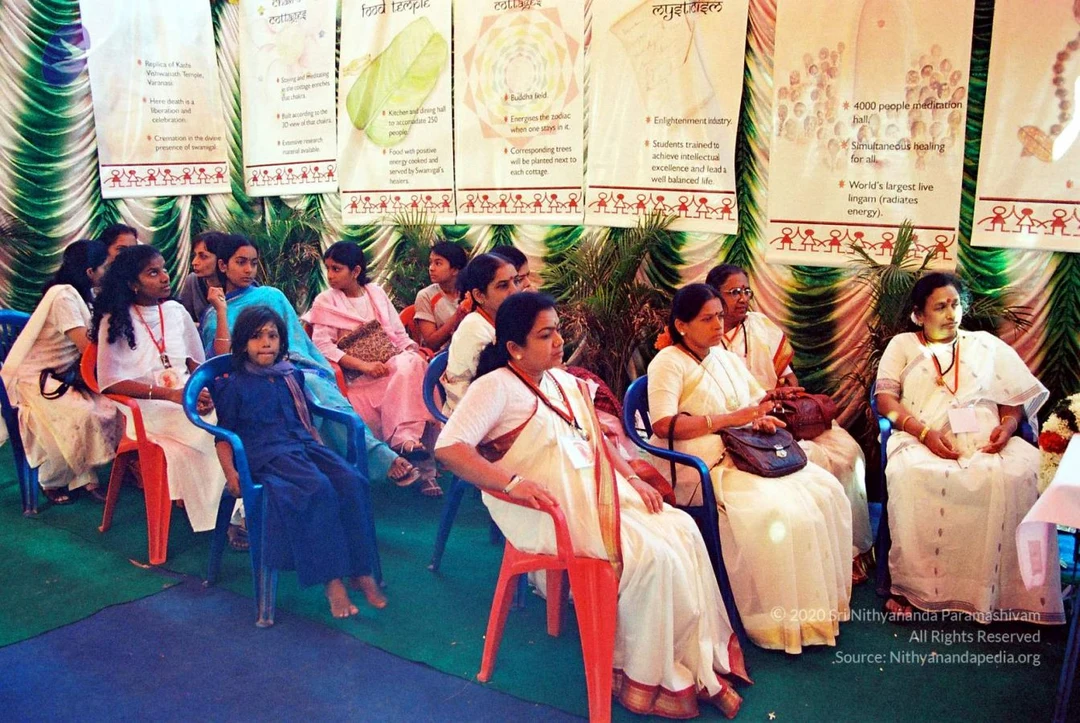
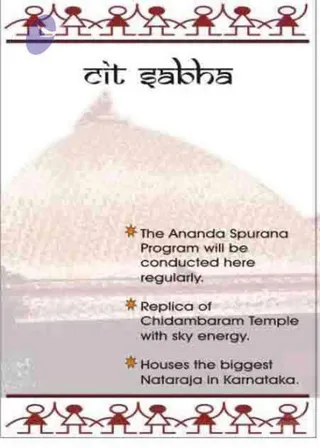
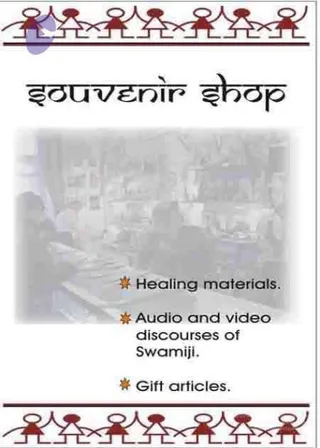
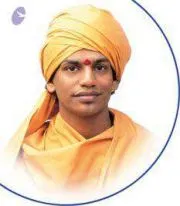
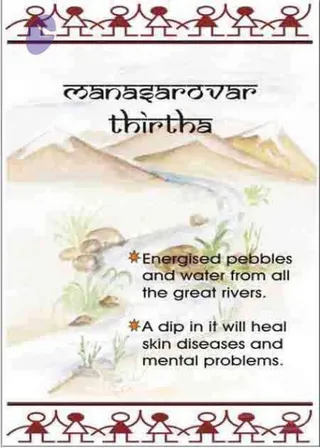
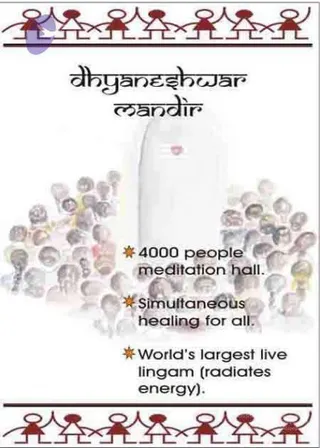
A printed flier titled "cit sabha" in a stylised script at the top, with a faded sepia image of a temple dome or roof in the centre. Along the top and bottom edges are rows of small red-brown stick-figure people in a folk-art style joined hand to hand. Three bullet points in orange starburst markers list details beside the dome: the Ananda Spurana Program will be conducted here regularly; a replica of Chidambaram Temple with sky energy; and houses the biggest Nataraja in Karnataka. No people are physically present.A printed flier titled "souvenir shop" in black lettering, framed by a maroon border of stylised human figures at top and bottom. A greyscale photograph in the centre shows a shop interior with shelves and display items, with a few people seated or standing among the merchandise. Three orange star bullet points list healing materials, audio and video discourses of Swamiji, and gift articles.A cropped portrait of a young man with a shaved head, wearing a large saffron-orange turban and matching saffron-orange robe, with a red bindi on his forehead. The image sits inside a thin blue circular frame on a light background, with a small blue logo in the upper left corner.A graphic flier with a painted illustration of a mountain range with snowy peaks and a pale stream running through a rocky, grassy landscape with pebbles and reeds. Bold title lettering reads Manasarovar Thirtha above the scene. Red stylised human figures decorate the top and bottom borders. No people are physically present, and no a person candidate appears.A graphic, not a photograph: a circular framed image on a white background showing a smiling man with shaved head wearing an orange-saffron robe and a matching saffron head wrap, his hands raised palms-out in an open, welcoming gesture. A thin blue arc curves along the frame edge and a small logo sits at the upper left corner. The figure is a depiction in print; the page does not state he appears at this event, and no visible cues beyond clothing and gesture establish identity, so the a person value is unsure.A promotional poster for the Dhyaneshwar Mandir with a decorative red and maroon border of stylized human figures at top and bottom. Beneath the title a large white lingam rises at centre, flanked by a faded grey crowd of small stylized people seated in rows. Three orange star bullets list claims: a 4000 person meditation hall, simultaneous healing for all, and the world's largest live lingam that radiates energy.
2003 - Heal The World

12 photosView all
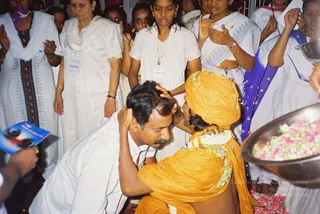
A photograph of a devotional blessing scene. A man in white kneels with his head bowed while a figure in saffron-orange robes and an orange turban, with a white flower garland around the neck and a bare chest, places both hands on his head. Behind them, several young women in white salwar and white kurta sets stand with palms raised, some wearing white volunteer badges. One holds a silver bowl of pink and white flower petals, and a blue leaflet is visible at the lower left. The setting appears to be an indoor hall with a crowd of onlookers.A photograph of a crowded indoor gathering in which a figure in saffron-orange robes, with a saffron turban, white and multicoloured flower garland and a rudraksha mala, kneels and offers a fruit or coconut-like offering wrapped in leaves to a man in white kurta and a woman in a pink-and-white sari. Behind them, women in saris and a girl in white with a badge reading VOLUNTEER watch, clap and hold a metal bowl of greens. A blue and white leaflet is visible at the bottom right. Maroon curtains and white walls frame the room.A photograph of an indoor gathering. A man in white shirt and trousers bends forward while a bare-chested person in a saffron-orange turban and orange shawl, with a white flower garland, smiles and touches his head with both hands. Behind them, women in white saris stand and watch, one smiling with hands raised near her chest, another with hands clasped in front. A framed picture hangs on the wall, and a metal bowl is visible at right. The setting suggests a blessing or darshan moment. The saffron-clad person shows distinctive orange turban and garland cues, but the appearance is not sufficiently certain for identification, so the role is given as a person in orange attire.A photograph of a figure seated on a flower-covered white cushion, wearing a saffron-orange turban, saffron-orange robes draped over the shoulders and a white garland around the neck. A white-haired man in white clothes bends forward to touch the seated figure's feet, while another man in white reaches in from the left. Behind them, several people in white garments stand; one wears a white badge reading volunteer, and a woman at the top clasps her hands. Pink petals and white flowers are scattered over the cushion, and the floor is tiled in brick red.A photograph of a ceremonial blessing. A figure in an orange-saffron turban and orange wrap, with a white flower garland around the neck and a bare back, sits on a floral-patterned cloth and places both hands on the head of a kneeling older man in white clothes with a red rudraksha-style mala. The kneeling devotee holds his hands in anjali mudra. Around them, women in white and pale saris, some wearing name badges reading VOLUNTEER, raise their hands; a steel bowl is visible at upper right and petals are scattered on the cloth.A crowd event with a man in a white shirt kneeling and bowing his head while a figure in an orange saffron turban and orange wrap, with a white and multicoloured flower garland, places a hand on his head. Around them, women in white and cream clothing and a woman in a yellow sari hold rudraksha-style beaded mala and small papers, and a person holds a blue booklet. Flower petals fall in the air. The orange-clad figure shows distinctive saffron turban and garland cues, but the identity is uncertain from appearance alone.

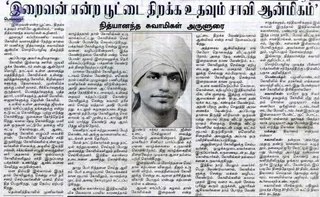
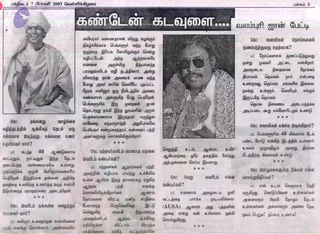
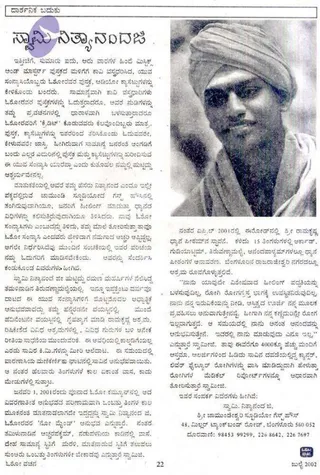
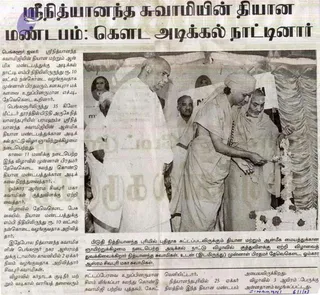
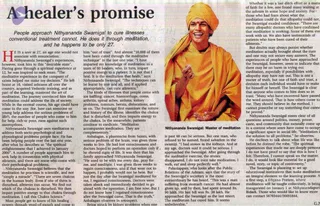
2003 - Newspaper Articles

8 photosView all
A scanned Tamil-language newspaper page from a 2003 article. A central portrait shows a young man with long dark hair, a bold moustache and a yellow-orange turban, in the photo style of a studio portrait printed in black and white. Surrounding columns of Tamil body text fill the page, with a bold headline across the top and a byline beneath it. Printed text is the dominant element, with no physical people present.Scanned Tamil newspaper page dated 7 February 2003 (Vellikizhamai, page 3) with a large headline 'கண்டேன் கடவுளை' and the subheading 'வலம்புரி ஜான் பேட்டி'. Two black-and-white photographs: at upper left a smiling man in a white turban and light wrap, and at centre-right a man in dark sunglasses with a moustache, a patterned shawl draped over his shoulders, and a white collar. Dense Tamil interview text in columns surrounds the photos, with question-and-answer format.Scanned magazine page in Kannada script headed "a person Nithyanandaji" with a black-and-white portrait of a man wearing a wrapped turban and beard, shown in a rectangular frame at right, beside a dense block of Kannada text with a contact address and phone numbers at the bottom. The page is numbered 22 and dated July 2002 at the foot. The portrait is a printed depiction, not a person physically present, and the page does not identify the pictured man by name in a caption.A scanned newspaper page with a Tamil headline reading 'ஸ்ரீநித்யானந்த சுவாமியின் தியான மண்டபம்' and a black-and-white photograph of a foundation-stone laying ceremony. A bare-chested man in a white dhoti and sacred thread stands at left. Centre right, a man in a white turban and white robe holds a garland-bearing hand toward a seated figure wearing a long white shawl and a beaded rudraksha-style necklace, with a flower garland draped over the stone. A figure in a dhoti stands behind, and a backdrop of garlands and banners fills the scene. Tamil captions and body text surround the photo.A scanned newspaper clipping with dense printed columns of text in Tamil script. At the top of the article is a small framed photograph of a bald man with a light complexion, wearing a white garment, with a headline above. The surrounding page is a grainy black-and-white newsprint scan with a headline and multiple text blocks.Scanned newspaper page titled "A healer's promise" with a large photograph captioned "Nithyananda Swamiji: Master of meditation". The photo shows a smiling man in a saffron-orange turban and matching orange robe with arms raised, against a plain light background. The page is text-heavy columns about meditation and healing, with a headline and subheadings, and no other people visible in the scene.